Anonymous photographer Flower Seller in front of the Ponte Vecchio in Florence, Italy 1907-1930 Autochrome ALBERTINA, Vienna. Dauerleihgabe der Höheren Graphischen Bundes-Lehr- und Versuchsanstalt
Travel, as a verb, means to make a journey, proceed along a route, or transmit signals (such as light or sound). Thus photography and travel are inextricably linked, for photography transmits light in the form of the representation of (a) reality, from place to place, from time to time. From past time to present time.
The travel photographs in this posting “document the landscape, people, cultures, customs, and history of a specific area to express the feeling of a time and place.” (Wikipedia)
While acknowledging the institutional and political control over the creation of some of these photographs, their creation for the commercial reasons to feed the tourist market, and their Western perspective picturing foreign and “exotic” countries and people (closely linked to colonialism in those very countries) … having acknowledged all that, these photographs still remain valuable “signals” that transmit the feeling of a time and place to us today, in all their beauty and majesty.
These early photographers knew how to frame subject matter, how to use the transmission of light, to embed aspects of the sublime in a photograph, the viewer standing at the limen – meaning threshold – standing at the threshold of another time and space brought into the present.
Sphinx, Imperial Castle, railway bridge, glacier, city, all transport us to another world, vanished worlds.
Dr Marcus Bunyan
Many thankx to Albertina for allowing me to publish the photographs in the posting. Please click on the photographs for a larger version of the image.
When photography emerged during the nineteenth century, it revolutionised visual culture. Landscapes, monuments and distant civilisations could suddenly be reproduced with remarkable precision, replacing drawings and engravings as seemingly objective representations of reality.
Yet the exhibition also demonstrates that photographs have never been neutral…
Behind every remarkable image stood extraordinary effort. Early photographers transported heavy cameras, glass plates and portable darkrooms across continents while working for governments, scientific institutions or commercial publishers. Their photographs circulated through exhibitions, books and portfolios, fundamentally influencing how distant places became known…
In an age where billions of photographs are created every day, The World in Focus offers a timely reminder that images never simply reflect reality – they construct it.
Thomas Holzleithner. “The World in Focus,” on The Style Mate website, 21 July 2026 [Online] Cited 06/10/2026. Used under fair use conditions for the purposes of education and research
Anonymous photographer Part of the Chintalarayaswami Temple Complex in Tadipatri, Andhra Pradesh, India 1858/59 Albumen print 26 x 21cm ALBERTINA, Vienna
Francis Bedford (English, 1815-1894) The Hypaethral Temple at Philae 1862 Albumen print 21.1 x 28.8cm ALBERTINA, Vienna. Dauerleihgabe der Höheren Graphischen Bundes–Lehr–und Versuchsanstalt
For much of his career Bedford tended towards photography as an art form, painting in clouds, enhancing fine detail with pencil or brushes, and using tissue paper to darken negatives to improve lighting, but by the late 1870s, he was an advocate of simplicity. Between 1851 and 1894 he produced nearly 9,000 wet collodion negatives and albumen prints, making him one of the most prolific landscape photographers of his time
Today, photography and travel are inextricably linked – yet this connection dates back to the establishment of the new medium in the nineteenth century. The exhibition The World in Focus is dedicated to travel and expedition photography from the mid-nineteenth century onwards, when photography was increasingly employed to capture images of the world. Photographs were valued for their precision, wealth of detail, and reproducibility. Compared with the draughtsmen who had previously accompanied expeditions and were gradually replaced by photographers, work on site could also be carried out much more quickly.
The extensive series at the heart of the exhibition depict different regions of the world and tell of shifting claims to power, the expansion of mobility, the exploration of remote landscapes, and the emergence of tourism. The presentation also sheds light on the contexts in which photographers were sent on journeys, the conditions under which the images were created, and the ways in which they were presented in exhibitions, facilitated the transfer of knowledge, and had a lasting impact on perceptions of distant territories.
The World in Focus exclusively presents photographs from the ALBERTINA collection and from the collection of the Höhere Graphische Bundes-Lehr- und Versuchsanstalt, which is held at the ALBERTINA on permanent loan. With this exhibition, the ALBERTINA continues its series of thematic presentations drawn from its important photographic collection, revealing yet another facet of one of Austria’s most extensive photographic holdings.
Text from the ALBERTINA website
Gustav Jägermayer (Austrian, 1834-1901) The Crystal Water Glacier from North-West 1863 Albumen print 30 x 42.2cm ALBERTINA, Vienna
Christian Paier (Slovenian, 1839-1895) Panoramic View over the Old City of Jerusalem 1864 Albumen print ALBERTINA, Vienna
Christian Paier (Slovenian, 1839-1895) Panoramic View over the Old City of Jerusalem (detail) 1864 Albumen print ALBERTINA, Vienna
Adolf Schoon von Corbitzthal (Austrian, 1830-1904) Railway Bridge over the Dniester River near Halicz (today: Halych, Ukraine) 1866/67 Albumen print 20 x 25cm ALBERTINA, Vienna
Corbitzthal served as a soldier in the Austrian army and later worked as a railway official for the Lviv-Chernivtsi Railway (Lemberg-Czernowitz-Jassy Railway), where he famously documented the rail line’s infrastructure and surrounding cultural landscapes.
Giorgio Sommer (Italian born Germany, 1834-1914) Atrani, Italien 1868-1870 Albumen print 20.4 x 25.7cm ALBERTINA, Vienna
Giorgio Sommer (2 September 1834 – 7 August 1914) was one of Europe’s most important and prolific photographers of the 19th century. Active from 1857 to 1888, he produced thousands of images of archaeological ruins, landscapes, art objects, and portraits. …
Sommer’s catalog included images from the Vatican Museums, the National Archeological Museum at Naples, the Roman ruins at Pompeii, as well as street and architectural scenes of Naples, Florence, Rome, Capri, and Sicily. Most notably, Sommer published his comprehensive album Dintorni di Napoli, which contained over one hundred images of everyday scenes in Naples. In April 1872, he documented a very large eruption of Mount Vesuvius in a series of stunning photographs.
Wilhelm Burger (Austria, 1844-1920) Count Hans Wilczek (Austria, 1837-1922) Mitternachtssonne in der Meeresenge Matotschkin, Russland (Midnight sun in the Matochkin Strait, Russia) July 30, 1872 Albumen print, mounted on card Overall: 14.6 x 21.4cm (5 3/4 x 8 7/16 in.) Mount: 40 x 50cm ALBERTINA, Vienna. Dauerleihgabe der Höheren Graphischen Bundes-Lehr-und Versuchsanstalt Inscribed: Mounting paper: lower left “Graf Wilczek sche Polar-Expedition 1872”; lower center “Nowaja-Semlja. / Mitternachtssonne in der Matotschkin-Scharr.”; Mount: verso: lower left “Die erste bekannt gewordenen photographische Aufnahme / einer Mitternachtssonne. Auf einer nassen Collodium- / Platte aufgenommen im August 1872.”; Mount: verso: lower left “BURGER, Wilhelm / WILCZEK, Hans”
NB. I’m not sure this photograph is in the exhibition but Burger’s photographs of a Polar expedition are mentioned in the press release
Wilhelm Burger (Austria, 1844-1920) Count Hans Wilczek (Austria, 1837-1922) Tragbare Dunkelkammer, Isbjörnbai, Spitzbergen (Portable darkroom, Isbjörnbai, Spitsbergen) 1872 Albumen print, on mount / stereo format Photographic paper (per image): 7.8 x 7.7cm (3 1/16 x 3 1/16 in.) Mount: 8.7 x 17.7cm ALBERTINA, Vienna. Dauerleihgabe der Höheren Graphischen Bundes-Lehr-und Versuchsanstalt
NB. I’m not sure this photograph is in the exhibition but Burger’s photographs of a Polar expedition are mentioned in the press release
Long before smartphones turned every journey into an endless stream of images, photography was already transforming the way people encountered distant places. Beginning July 22, the ALBERTINA explores that history in The World in Focus, an exhibition tracing the development of travel and expedition photography from the mid-19th century through the early decades of colour photography.
On view in the museum’s Tietze Galleries through October 26, 2026, the exhibition brings together 107 photographs from the ALBERTINA’s photographic collection, along with a projection of several early autochromes. Curated by Anna Hanreich, the presentation looks beyond the scenic appeal of travel images to examine the political, scientific, commercial and cultural forces that shaped their production.
Photography and travel became closely linked almost as soon as the medium emerged. Compared with drawing, photography offered a faster and apparently more precise way to document landscapes, monuments, cities and people. Images could also be reproduced and distributed widely, allowing distant territories to enter the public imagination with unprecedented immediacy.
Yet the exhibition makes clear that these photographs were never neutral records. Many were produced during expeditions financed by governments, scientific institutions or commercial interests. Others were created for a growing tourist market eager for views of places that most Europeans would never visit themselves. In both cases, the images often reflected a distinctly Western perspective, shaping ideas about foreign cultures through assumptions that were tied to colonialism, imperial ambition and the conventions of the period.
The exhibition moves across an expansive geography, from the frozen heights of the Alps and the Arctic to Egypt, the Holy Land, Japan, India, Bosnia and Herzegovina, Italy and Norway. Together, the works show how photography accompanied the expansion of mobility, the growth of tourism and the increasing accessibility of remote regions.
Egypt occupies a prominent place in the exhibition. European fascination with the country intensified after Napoleon Bonaparte’s military campaign of 1798-1801, which helped trigger a widespread wave of “Egyptomania.” By the middle of the 19th century, photographers were travelling along the Nile and documenting ancient monuments, often before they underwent later restoration or alteration. Their images circulated through albums, books and international exhibitions, establishing visual routes that would eventually become familiar tourist itineraries.
Another section focuses on Wilhelm Burger, one of the Habsburg monarchy’s most sought-after expedition photographers. Working at a time when photography required heavy wooden cameras, glass plates, chemicals and portable darkrooms, Burger took part in the Austro-Hungarian East Asia expedition of 1868-1869 and later joined a support mission connected to the Austro-Hungarian North Pole expedition. His photographs rank among the earliest images made in the Arctic region.
The exhibition also highlights Raimund von Stillfried-Rathenitz, who established an influential studio in Yokohama in 1871. Stillfried photographed historically important sites around Tokyo and Yokohama during a period of rapid transformation following the Meiji Restoration. His carefully composed landscapes appealed to the growing number of international travellers arriving in Japan and helped define how the country was represented abroad.
Images of Jerusalem, Bethlehem and surrounding areas reveal the close relationship between pilgrimage, politics and the emerging market for travel photography. Photographers such as Christian Paier produced views of sacred sites for European audiences already familiar with biblical narratives. These photographs did more than document religious landmarks; they connected contemporary travel with long-established ideas about history, faith and cultural identity.
Photography also served as a tool of political representation within the Austro-Hungarian Empire. After the occupation of Bosnia and Herzegovina in 1878, Josef Löwy was commissioned to document the territory. Rather than concentrating on military action, he photographed roads, infrastructure and landscapes, presenting the occupation through images of modernisation and development. Stillfried returned to the region years later, producing more atmospheric scenes of daily life and local dress.
As railway networks expanded during the 19th century, travel became faster and more accessible. Railway companies quickly recognized photography’s promotional power and hired photographers to document stations, bridges, construction projects and the landscapes opened by new routes. These images functioned as corporate records, tributes to engineering and advertisements for destinations that had previously seemed unreachable.
By the end of the century, lighter cameras brought a more personal form of travel photography. Artists and wealthy amateurs began making spontaneous images based on their own interests rather than official assignments. The painter Johann Victor Krämer, for example, carried a portable Kodak camera during travels through Egypt and Palestine between 1898 and 1900, later using some of his photographs as material for paintings.
The arrival of autochrome plates in 1907 introduced another major shift. These early colour transparencies were especially popular for landscapes and travel scenes, although they had to be viewed through transmitted light or projected onto a screen. Public and private projection evenings became popular forms of entertainment, allowing audiences to experience vivid color views of Italy, the French Riviera, Norway and other destinations.
Among the press images associated with the exhibition are an autochrome of a flower seller standing before Florence’s Ponte Vecchio, an early colour view of Digermulen in Norway, Giorgio Sommer’s photograph of Atrani on the Amalfi Coast, and Stillfried’s image of the imperial palace in Tokyo. Seen together, the works reveal how travel photography gradually moved from heavy expeditionary equipment and official commissions toward the personal, immediate and colorful visual language still familiar today.
The World in Focus is on view at the ALBERTINA in Vienna from July 22 through October 26, 2026. The accompanying bilingual catalogue, edited by Anna Hanreich, is available in German and English.
Press release from ALBERTINA
Raimund Stillfried von Rathenitz (Austrian, 1839-1911) Imperial Castle, Tokyo, Japan c. 1875 Albumen print 37.6 x 44.6cm ALBERTINA, Vienna. Dauerleihgabe der Höheren Graphischen Bundes-Lehr- und Versuchsanstalt
Baron Raimund von Stillfried, also known as Baron Raimund von Stillfried-Rathenitz (6 August 1839, in Komotau, Bohemia – 12 August 1911, in Vienna, Austrian-Hungarian Empire), was an Austrian military officer and early professional photographer in Japan. His historical photographs of Japan following the end of the Tokugawa shogunate in the 1870s have been appreciated for their documentary and artistic value and collected in international archives.
Josef Löwy (Austrian, 1834-1902) Busovaca im Kanton Zentralbosnien, ca. 20 km südlich von Zenica, im Hintergrund Baracken der österreichisch-ungarischen Besatzung (Busovača in the Central Bosnia Canton, approx. 20 km south of Zenica; in the background, barracks of the Austro-Hungarian occupation forces) 1878 Albumen print, on backing card Image: 20.6 x 25.5cm (8 1/8 x 10 1/16 in.) Card: 43.4 x 32.8cm (17 1/16 x 12 15/16 in.) ALBERTINA, Wien
NB. I’m not sure this photograph is in the exhibition but Löwy‘s photographs of Bosnia and the Austro-Hungarian occupation are mentioned in the press release
Josef Löwy (Austrian, 1834-1902) Strassencorrection vor Žepce an der Bosna zwischen Doboj und Zenica (heute: Kanton Zenica-Doboj in Bosnien und Herzegowina) (Road realignment near Žepce on the Bosna River, between Doboj and Zenica (present-day Zenica-Doboj Canton in Bosnia and Herzegovina)) 1878 Albumen print, on backing card Image: 20.6 x 25.5cm (8 1/8 x 10 1/16 in.) Card: 43.4 x 32.8cm (17 1/16 x 12 15/16 in.) ALBERTINA, Wien
NB. I’m not sure this photograph is in the exhibition but Löwy‘s photographs of Bosnia and the Austro-Hungarian occupation are mentioned in the press release
Raimund Stillfried von Rathenitz (Austrian, 1839-1911) Jajce with the Pliva Waterfall, Bosnia and Herzegovina 1889 Albumen print 19.5 x 24.5cm ALBERTINA, Wien
Anton Silberhuber (Austrian, 1839-1899) The Sphinx and the Pyramids, Egypt c. 1890 Collodion paper 16.6 x 23.4cm ALBERTINA, Vienna. Dauerleihgabe der Höheren Graphischen Bundes-Lehr- und Versuchsanstalt
Anton Silberhuber (1839-1899) was an influential 19th-century Austrian travel and documentary photographer. He is best known for capturing early archaeological and expedition photography across regions such as Egypt, Greece, and the Balkans.
One of his most celebrated pieces is a collodion paper print depicting tourists interacting with the Great Sphinx of Giza. This specific photograph captures a striking cultural moment of early global tourism, showing tourists physically climbing onto the paws and shoulders of the Sphinx for a portrait.
Text from various sources
Johann Victor Krämer (Austria, 1861-1949) Künstlervorlagen (Artist templates) 1898-1900 Albumen print ALBERTINA, Vienna
NB. I’m not sure this photograph is in the exhibition but Krämer‘s photographs of Palestine are mentioned in the press release
Johann Victor Krämer (Austria, 1861-1949) Jerusalem Around 1900 Albumen paper (?), on backing card Photographic paper: 8.3 x 16.4cm (3 1/4 x 6 7/16 in.) Card: 14.1 x 20.5cm ALBERTINA, Vienna
NB. I’m not sure this photograph is in the exhibition but Krämer‘s photographs of Palestine are mentioned in the press release
Johann Victor Krämer (Austria, 1861-1949) Self-Portrait on the Terrace of the Austrian Pilgrims’ Hospice in Jerusalem c. 1900 20.6 x 28cm Gelatin silver print, retouched ALBERTINA, Vienna
Anonymous photographer (Photoglob & Co., Zurich) Porta Felice and the Marina, Palermo, Italy 1889-1905 Photochrome 16.51 x 22.23cm ALBERTINA, Vienna – Schenkung Harald Woschitz, Nachlass Christopher Cardozo, US
Anonymous photographer Digermulen, Norway 1913 Autochrome 9 x 12cm ALBERTINA, Vienna. Dauerleihgabe der Höheren Graphischen Bundes-Lehr- und Versuchsanstalt
The Albertina Museum Albertinaplatz 1 1010 Vienna Phone: +43 (0)1 534 83 0
Curator: Joel Smith, Richard L. Menschel Curator and Department Head of Photography
1955-63: Beginnings
Peter Hujar (American, 1934-1987) Dead Fish, Fire Island 1960-1962 Gelatin silver print, mounted on board Image/Sheet: 10 3/4 x 11 1/4 inches (37.3 x 28.5cm) Morgan Library & Museum, New York, Peter Hujar Collection Gift of Stephen Koch
Hujar found an unlikely elegance in this unpromising subject, discovered as he began spending more time in the early 1960s on Fire Island, off the southern coast of Long Island. The excavation of beauty out of decay points to Hujar’s early admiration for the wide-ranging work that Irving Penn had been publishing in Vogue magazine since the 1940s.
Large print label text
An empathetic eye
As many of you may know from reading Art Blart over the years, I deeply admire the work of the American photographer Peter Hujar (1934-1987).
With this exhibition we get to dive into the contact sheets of the artist which give insight into “the nature of his attention and the unique personality of each of his subjects.” They allow us, the viewer, to better understand the flow of Hujar’s creative process and the focus of his vision – the consistency of that vision, how he approaches his subject matter, his understanding of light, framing, presence – and the “rhythm of Hujar’s looking.”
I feel (a critical word) that Hujar approaches his subject with an open and informed mind. Using the experience of his many years as a commercial photographer he has the innate ability in his personal work to put the camera in the right place at the right time, to find time and time again what he is looking for in direct, honest, beautiful photographs of places, animals and people.
I look at the contact sheet for Caven Point, New Jersey, with David Wojnarowicz (1984, below) and observe that not one shot is wasted, that Hujar knows exactly his directorial language. He is an auteur with a recognisable personal style, recurring themes, and deep artistic control.
While less confrontational, more empathetic, more cinematic in the feeling of spatiality in the image, Hujar’s approach to subject matter is similar to a photographer of a slightly earlier generation, Diane Arbus (American, 1923-1971) who also ran a commercial photography studio, working as an art director, conceptualiser, and stylist before becoming disillusioned with the artificial demands of the commercial fashion world, then moving into mainly portrait photography.
Both artist’s know how to get the most from their subject matter letting the sitter – cow, horse, human, giant – speak of their place in the world, photographs revealing their inner spirit and energy. As Loring Knoblaunch observes, “As seen in these contact sheets, Hujar seemed to work best in a loose flow of time, where collaboration and connection were the variables that ultimately mattered to the capturing of a durable visual essence.” This is the embodiment of Hujar’s art.
Various texts insist on a sense of desolation (a state of extreme emptiness, destruction, or deep, hopeless sadness), fatalism and melancholy present in Hujar’s photographs:
“Woven throughout Peter Hujar’s photographs is a profound sense of fatality about the world. This bleakness in his art reflects both the abuse he faced as a child and his concern about the AIDS crisis which, at the time, only showed signs of worsening.” (Text from the Morgan Library & Museum Facebook page)
“Postindustrial Queens, windblown Caven Point, and burned-out, riot-torn Newark were places that appealed to Wojnarowicz’s and Hujar’s attunement to disaster. Their fatalism reflected the neglect and abuse each of them had known in childhood, as well as their consciousness of an AIDS crisis that only showed signs of deepening.” (Large print label text)
“Hujar’s work has always been filled with themes of darkness, melancholy, and alienation, and the visual evidence in his contact sheets reinforces those moods, but with a quiet undercurrent of attentive resolve.”
I don’t feel this at all.
As a gay man myself, having survived years of abuse growing up and having lived through the initial AIDS crisis in the 1980s and survived (and lost a lot of friends), I don’t find Hujar’s photography at all dark or bleak in regards to family, growing up or the AIDS crisis. In fact quite the opposite, I find his photographs uplifting, inspiring in their humanity and empathy.
Fatalism … what the hell is that anyway? “the philosophical and psychological doctrine that all events are fixed in advance by fate or an overarching power, making human free will, choices, and actions powerless to change the outcome”
No. Hujar’s very photographs speak against this concept (that human free will, choices and actions are powerless) through what he chooses to photograph, through the snap of the shutter (this instant not another) and through his photographs of protests against the lack of HIV/AIDS funding. Human actions DO matter in the outcome. And as to alienation (a state or feeling of being cut off, isolated, or estranged from people, society, or oneself), Hujar’s very engagement with the world – through his city, community and friends, through so many intersections with reality, so many points of view, forming such a nexus of connections – obviates such a reading of his work.
Through these contact sheets, through Hujar’s empathetic vision, we become, as Marina Vitaglione puts it, “immersed in the rhythm of Hujar’s looking.”
That looking is always lyrical, joyous and very human.
Dr Marcus Bunyan
PS. What we need now is an exhibition on the beginnings of Hujar’s artistic career!
Many thankx to the Morgan Library and Museum for allowing me to publish the photographs in the posting.
Many thankx also to Loring Knoblauch and the Collector Daily website for allowing me to publish the installation photographs in the posting. Permission is very much appreciated. Her review of the exhibition is excellent and offers the reader numerous insights into Hujar’s artistic practice.
Please click on the photographs for a larger version of the image.
“The changing of a pose, the tilt of a head, a move a little closer, a different angle of approach, a laugh, a moment of relaxation, a moment of anxiousness or wariness, another shift, and then bang! There it is. And of course, Hujar couldn’t know whether he’d gotten or not, so he often kept going. But for students of studio portraiture, this is the master class on offer in this exhibit – watch what he was looking for, how he was moving and adapting (quietly and unobtrusively hunting even), and where he ultimately found the pivot point where something boring became something unexpectedly vulnerable or compelling.”
“Hujar’s work has always been filled with themes of darkness, melancholy, and alienation, and the visual evidence in his contact sheets reinforces those moods, but with a quiet undercurrent of attentive resolve. He actually found what he was looking for more often than not, which is part of the reason his place in photographic history is secure.”
installation views of the exhibition Hujar:Contact at the Morgan Library & Museum, New York City, New York, May – October, 2026. Many thankx to Loring Knoblauch and the Collector Daily website for allowing me to publish the installation photographs in the posting.
Near the end of their time in Italy, Hujar and Paul Thek visited the catacombs maintained by monks of the Capuchin order in Sicily. Thek was fascinated by the site, which he described as a room “decorated with corpses”; soon after returning to New York, he would be making sculpture exploring the decay of the flesh and the body’s status as an object. The photographs Hujar made in the catacombs in, as he said, “about 20 minutes,” proved to be of outsize importance in his later work, forming the second half of his 1976 monograph, Portraits in Life and Death.
The group portrait is one of the most purely functional genres of photography: Creativity is stymied by the logistical challenge of attaining an exposure in which nobody blinks. Photographer Peter Hujar was attracted to the challenge. As seen in the markings on his contact sheets, he treated the group setting as a means of eliciting responses from selected individuals. In each frame of the eleven sheets in which Hujar portrayed those connected with the Stable Gallery, he drew squares to single out his former boyfriend, Joseph Raphael.
Large print label text
Hujar:Contact offers an unprecedented look into the life, times, and creative evolution of a master photographer. The exhibition features more than 110 contact sheets and 20 enlargements from the Morgan’s Peter Hujar Collection, which includes over 5,700 contact sheets from throughout the artist’s career.
Peter Hujar (1934-1987) began filing contact sheets and assigning them job numbers at age twenty-one. His records make it possible to track his development – from two decades as a studio assistant (1955-1967), when he pushed himself to try work of every kind, into the late 1960s and his work as a freelancer in fashion, music, and advertising, through his mature period (1974-1987) as a fiercely independent and influential artist in the East Village.
Many of the contact sheets bear editing marks that indicate ideas about cropping and printing and contextualize the exposures Hujar ultimately decided to enlarge. The intense, interactive quality of his portrait work comes to life in contact sheets that read as intimate pictorial narratives, revealing the nature of his attention and the unique personality of each of his subjects. As Hujar matures and struggles, and as the character of his social world changes from the 1950s through the 1960s, 1970s, and 1980s, his contact sheets tell the nuanced story of a lifetime, a community, and an era.
In October 1969 Hujar undertook a car trip to Pennsylvania and West Virginia with Jim Fouratt and the artist Ann Wilson. Wilson recalled gratefully that the journey was Hujar’s way of keeping her occupied after the sudden death of her husband, critic Gene Swenson, in a car crash. For Hujar, the purpose of the trip was making portraits of animals that he sought out along the way, including horses, sheep, and cattle. It would be another seven years before he pursued animal portraiture in depth.
The bond Hujar formed with Warhol “superstar” Jackie Curtis reflected, in part, their mutual rejection of familiar sexual identities. Curtis told The New York Times, “I’m not a boy, not a girl, not a faggot, not a drag queen, not a transsexual – just me, Jackie.”
This contact sheet comes from the session for a 1970 New Times magazine feature on New Yorkers who defined their historical moment. The print is from a separate session, which yielded a spread of full-page portraits of Curtis in issue six of Newspaper.
In November of 1971, the San Francisco troupe, the Cockettes, came to New York to perform at the Anderson Theatre. Peter Hujar photographed them in his Madison Square studio and on the street outside the theatre – solo, in pairs and trios, and in large groups. In all he shot over fifty rolls of film. Pictured here [below] is Fayette, one of the co-founders of the avant-garde experimental theatre troupe.
Many of these photographs ran in the final issue of Newspaper, which was devoted entirely to the group. Though the Cockettes’ shaggy performance style was roundly scorned by New York audiences, photographing them crystallised a theme – the stance of “genderfuck,” a madcap travesty of gender identities – that Hujar would explore in his work for the rest of his life.
At the turn of the 1970s, much of Peter Hujar’s paying work revolved around rock music publicity, including gigs ranging from concert coverage to record cover art to music magazine features. As documented in his contact sheets, Hujar frequently merged and swapped traditional gender codes in the presentation of the performers he photographed, such as Rick Derringer and Patti Smith pictured here.
Large print label text
This spring, the Morgan Library & Museum presents Hujar:Contact, an exhibition exploring the life, times, and creative evolution of photographer Peter Hujar (1934 – 1987). On view from May 22 through October 25, 2026, the exhibition features more than 110 contact sheets and 20 enlargements from the Morgan’s collection of Peter Hujar’s works.
Highlights include portraits of artists and performers such as Marsha P. Johnson, Jackie Curtis, Patti Smith, Candy Darling, John Zorn, and Ethyl Eichelberger, as well as Hujar’s creative collaborators and lovers, including Paul Thek, Joseph Raffael, and David Wojnarowicz. Hujar’s distinctive portraiture, alongside rare prints of his street photography, interiors, and landscapes, reveals the unflinching eye he cast upon a vast range of subjects.
In 2013, the Morgan acquired the 5,783 black-and-white contact sheets Hujar possessed at the time of his death, along with two notebooks, or “job books,” in which he recorded his photographic assignments and personal projects from 1954 until 1985. Together, these materials provide a detailed record of an artist who left no written reflection on his work, yet carefully preserved the traces of his decades-long photographic life. Hujar:Contact foregrounds the material processes that structured photographic practice in the era of film and chemical printing. Visitors to the exhibition will be transported to Hujar’s darkroom, invited to study these small images with the same attentiveness and care that Hujar himself brought to them.
“Following our 2018 exhibition Peter Hujar: Speed of Life, which explored the full length and breadth of Hujar’s artistic career for the first time, Hujar:Contact turns to his creative process,” said Colin B. Bailey, Katharine J. Rayner Director of the Morgan Library & Museum. “This exhibition advances the Morgan’s commitment to collecting and interpreting contemporary photography and to broadening appreciation for a medium that is both immediate and reflective.”
The exhibition elevates the contact sheet, traditionally a working tool, into an art object worthy of close visual reading in its own right. Each sheet reproduces an entire roll of film, allowing viewers to follow Hujar’s eye through a series of exposures. Many of the contact sheets include Hujar’s own handwritten notes, marks, and annotations, which indicate his changing approach to cropping and printing and elucidate the editorial decisions behind each final image.
“Contact sheets reveal an intimate history of Hujar’s habits, inspirations, and happy accidents – the intricacies hidden behind a final print,” said Joel Smith, curator of the exhibition and Richard L. Menschel Curator and Department Head of Photography at the Morgan. “Hujar:Contact illuminates the physical process that was central to his artistic practice.”
Reproduced at large scale on the walls are dozens of pages from Hujar’s job books, which provide the closest thing to a chronological account of his career. The earliest surviving page dates to 1954, when Hujar was just beginning to photograph friends and loved ones in New York. Over the following decades, the notebooks grew into a numbered record of hundreds of shoots, following the artist from his job as a studio assistant in the 1950s to his work in fashion and music journalism in the late 1960s, and ultimately to the independent portrait practice that defined his mature work in downtown New York.
By the mid-1970s, Hujar had become a central figure in the cultural life of New York’s East Village. Working primarily with a medium-format camera that allowed him to maintain eye contact with his sitters, Hujar cultivated an atmosphere in which photographer and subject shaped the image together. Visitors will gain a vivid sense of this collaborative process through the presentation of contact sheets alongside never-before-exhibited prints, unveiling how individual portraits emerged from a give and-take process grounded in patience and mutual curiosity.
Hujar:Contact is organised by Joel Smith, Richard L. Menschel Curator and Department Head of Photography.
The exhibition is accompanied by an eponymous catalogue that offers an authoritative and visually rich account of Peter Hujar’s creative process, featuring nearly five hundred reproductions of his contact sheets. Drawing from the Morgan Library & Museum’s extensive archive of more than five thousand original contact sheets and two job books created between 1954 and 1985, the publication provides an unprecedented look into the artist’s working methods.
Critical texts by Joel Smith establish a chronology of Hujar’s contact sheets, presenting a portrait of an artist developing, experimenting with, and refining his practice against the tumultuous cultural politics and sea changes of gay life conveyed by the words “Stonewall” and “AIDS.”
Throughout his career, Hujar recorded more than a thousand photo shoots in his job books. A complete transcription and annotation of these materials by Olivia McCall lends the volume unique scholarly value.
Published by the Morgan Library & Museum in association with MACK, the catalogue is available for pre-order in the Morgan Shop for $70.
In 1971 Hujar was introduced to theatre impresario Robert Wilson’s company, the Byrd Hoffman School of Byrds, through the involvement of Ann Wilson, Robyn Brentano, and other friends. His first photographs of the troupe record their ritual-like rehearsal of the “seven-part movement” that figured in the productions The Life and Times of Sigmund Freud (1969) and The Life and Times of Joseph Stalin (1973). Hujar’s constant profile-view perspective lends the session’s contact sheets the hypnotic regularity of a score by Wilson’s frequent collaborator, Philip Glass.
As seen in the central frame of this contact sheet, Peter Hujar often turned the camera over to others, inviting them to take a picture of him. Because he rarely made prints of these frames, it is possible that the gesture was intended as much to ease others’ nervousness around the camera as to produce a portrait of himself.
The 1973 Christopher Street Liberation Day Fair – the forerunner of the Pride March, from which this contact sheet originates – was notable for Sylvia Rivera’s historic speech in Washington Square Park, in which she advocated for members of the gay community who were homeless or incarcerated.
Peter Hujar’s famous photograph, “Candy Darling on Her Deathbed,” [below] printed from the top-right frame marked with a dot, appeared in the New York Daily News shortly after her death in March 1974, and in several other publications soon thereafter. Perhaps due to this wide public circulation, Hujar excluded the image from his 1976 book “Portraits in Life and Death.”
Before checking into Cabrini Health Care Center for testing in September 1973, Warhol superstar Candy Darling asked Hujar to make a portrait “for my fans.” The contact sheet reveals the most iconic still of Candy lying languidly in bed, surrounded by movement, laughter, and theatricality.
Hujar later described their session as a kind of performance, recalling that Candy was “playing every death scene from every movie.” He mirrored this cinematic sensibility in his composition and printing process, shaping the final image so that the dreary details of the room—fluorescent light, hospital bedding, a single rose – are transformed into an icon reminiscent of Hollywood’s golden-age portraiture.
Man and Woman portrays Hujar’s friends Robyn Brentano and Rick Brintzenhofe in a room at the home of friends in Briarcliff Manor, New York. As Brentano recalls, she and Brintzenhofe were on the verge of a breakup at the time. Between them hangs a poster of the famous Unicorn in Captivity tapestry (1495-1505) at the Cloisters. Hujar’s symbolically staged scene is anomalous in his work of the time, bearing greater resemblance to his magazine images of a few years earlier.
Hujar’s move into a large, low-rent space at 189 Second Avenue in the 1970s coincided with his decision to give up paid work altogether as he began to pursue more meaningful personal projects. As if trumpeting his arrival at the loft, in this contact sheet Hujar frolics and salutes the camera.
Hujar would live and work in the loft for the remainder of his life until New Year’s Day in 1987, when he received a tragic AIDS diagnosis. He quit abruptly thereafter, and even declined to catch up on his job-book entries for the preceding year’s work. He passed away that November due to related complications.
On a few occasions Fran Lebowitz invited Hujar and Vince Aletti to visit her family home in Morristown, New Jersey, and the three of them stayed overnight. Once, Hujar photographed each of his friends in the beds where they had spent the previous night, Aletti in Fran’s bedroom and Fran in her sister’s. The diaristic nature of the exposures looks ahead to the work of Nan Goldin, which Hujar would point to in the 1980s as a compelling next stage in the medium’s evolution.
The first page of Peter Hujar’s second job book begins with the heading “FOR BOOK” and the names of several dozen people he photographed for what would become “Portraits in Life and Death” (1976). Hujar’s friend Robyn Brentano, fashion editor Diana Vreeland, and artist/writer Joe Brainard did not make the cut. Of the finished book, Hujar told an interviewer, “In a sense, I’m still a fashion photographer. These people are chic, but in a dark kind of way. Most of them are unknown or maybe known to just a few, but they have all been creative adventurers and possess a certain spirit.” Perhaps he ultimately decided that Vreeland, like Andy Warhol and model Lauren Hutton, was too “known” to fit in. Hujar also appears to have striven to represent variety in his subjects’ age, personal style, gender, vocation, and disposition.
Joe Brainard was an American artist and writer associated with the New York School. His prodigious and innovative body of work included assemblages, collages, drawing, and painting, as well as designs for book and album covers, theatrical sets and costumes.
Peter Hujar’s engagement with New York’s downtown arts and queer communities is reflected in his photographs of fellow artists, writers, and activists, including Marsha P. Johnson, pictured here. Johnson participated in the Stonewall uprising and became one of the figures most closely associated with the movement that emerged from it.
Large print label text
1977-80: Recovery
The term “Recovery” aligns with a period of personal realignment and stabilizing focus following years of emotional, financial, and professional instability. During these years, Hujar established a more structured rhythm with his medium, producing intimate, deeply felt portraits of downtown cultural luminaries, friends, and chosen family.
In the early 1970s a former colleague of Hujar’s at Harold Krieger’s studio, Roy Hyrkin, moved with his family to a remote farming area in Orange County, New York. Hujar, who could not drive, visited them when he could get a ride. Roy Hyrkin recalls Hujar’s rare mood of “delight” upon returning from morning walks with ten-year-old Joseph to photograph animals, including the cows Joseph milked at the dairy next door. Farm animals had been a constant presence during Hujar’s childhood at his grandparents’ house in Trenton, New Jersey. Friends who saw him photograph animals recall that he spoke to them in the same manner he used during any portrait session with a person.
Among the ways that Hujar expanded his approach to portraiture was by zeroing in on parts of the body besides the face. In Paris for the opening of a gallery show of his work in 1980, he photographed the feet of the young fashion designer Pascal Humbert (misidentified in Hujar’s job book as “Imbert”), as well as close-ups of his face and scarred torso.
The defining relationship of Peter Hujar’s final years was with David Wojnarowicz. When they met, at the Bar on Second Avenue in January of 1981, Wojnarowicz was writing poetry and playing music, and Hujar encouraged him to focus on his visual art.
In his job book Hujar distinguishes between two early sessions, “David W #1” and “David W #2.” On the latter date (seen here), he used bounced light that emphasises the volume of Wojnarowicz’s features and hints at an inner life that was as important to the portraitist as his outward appearance.
The eyes dominate in Hujar’s portraits of artist Kiki Smith, in which he employs a softened version of the chiaroscuro lighting technique he evolved a few years earlier. A variant on this photograph is one of several portraits by Hujar, David Armstrong, and Nan Goldin that Cookie Mueller used for “before and after” illustrations in her book How to Get Rid of Pimples (1984), with hand-drawn dots added by the author to the “before” image of each sitter’s face.
Postindustrial Queens, windblown Caven Point, and burned-out, riot-torn Newark were places that appealed to Wojnarowicz’s and Hujar’s attunement to disaster. Their fatalism reflected the neglect and abuse each of them had known in childhood, as well as their consciousness of an AIDS crisis that only showed signs of deepening. Assigned in 1983 to make a cover photograph for the Village Voice about gay dread and mourning, Hujar had enlisted Wojnarowicz as his model. Their shared experience of abandoned locales was formative both for their work and for their deepening friendship.
Large print label text
Woven throughout Peter Hujar’s photographs is a profound sense of fatality about the world. This bleakness in his art reflects both the abuse he faced as a child and his concern about the AIDS crisis which, at the time, only showed signs of worsening.
It was with this in mind that he set out with David Wojnarowicz, a creative he had taken on as mentee, to shoot a cover photograph for a Village Voice issue on gay dread and mourning. The pair visited several locations in post-industrial Queens, windblown Caven Point, and riot-torn Newark that appealed to their eye for disaster. Trips to abandoned locations like these proved to be formative for both their work and friendship alike.
Text from the Morgan Library & Museum Facebook page
By the time of his final exhibition in early 1986, Peter Hujar’s health was in decline. He continued working for the rest of the year, but upon receiving a diagnosis of AIDS in early 1987, he quit abruptly, even declining to catch up on his job-book entries for the previous year’s work. Therefore, his final finished images, including these sensitive portraits of composer John Zorn, are dateable to 1986 by the very absence of detailed information about them.
Large print label text
Hujar:Contact book cover
“Less a monograph than an exposed nervous system: strips of images accumulating into something restless and alive, all hesitation, process, and thought still developing in the tray. … Across the pages of Hujar:Contact, [the images] become immersive. … the experience is less that of viewing discrete photographs than inhabiting the rhythm of Hujar’s looking.”
Marina Vitaglione, Blind Magazine
Hujar:Contact explores the Morgan Library & Museum’s extensive archive of original contact sheets and job books made by the beloved photographer Peter Hujar between 1954 and 1987, which come together to form an enthralling visual document of the artist’s creative process. Hujar’s empathetic eye focused in on varying subjects – crowds of protest, damaged relics, farm animals – but above all he was preoccupied with making portraits of the overlapping circles of artists, writers, and underground luminaries he moved within in New York. Accompanying critical texts by Joel Smith establish a chronology of Hujar’s contact sheets, presenting an artist developing, experimenting with, and refining his practice against the tumultuous cultural politics and sea changes of gay life conveyed by the words ‘Stonewall’ and ‘AIDS’.
Throughout his career Hujar recorded more than a thousand photo shoots in his job books. These documents, which are transcribed and annotated in Hujar:Contact, illuminate the contact sheets, rich in never-before-seen images as well as the earliest iterations of Hujar’s most iconic works, including portraits of Susan Sontag, David Wojnarowicz, Candy Darling, Gary Indiana, Fran Lebowitz, and Paul Thek. This volume provides captivating insight into a master at work, forming an immersive chronicle of Hujar’s poignant efforts to connect, through photography, with the creative communities that defined his life, outlook, and art.
If someone asked me who the two living photographers that I would most like to meet were, one of them would be Wolfgang Tillmans … and the other would be Sally Mann. Both artists produce work that has a social conscience, social conscience being a person’s moral sense of right and wrong, viewed as acting as a guide to one’s behaviour. In both artists’ cases this social integrity acts as a guide in the production of their art.
In this latest exhibition on Mann’s complex body of work built on years of personal reflection, reading and research the title is instructive, Macula et materia, which can be variously translated from the Latin as stain and matter; stain and substance; stain and spirit or, more poetically, “the blemish and the essence”. Personally I like the last translation which is particularly pertinent for Mann’s work.
In an erudite but anonymous piece of writing “Sally Mann. Macula et Materia,” on the diChroma photography website (see below) the author grasps the essences embedded within Mann’s photography, the stain and spirit of her work, that is, blemishes, clefts, black orbs and fragments, traces of history rendered present in our collective consciousness: knowledge of history, place, war, segregation, slavery, racism:
“Here, in Virginia and the Deep South, history and human memory lie still smouldering in the depths of the earth. Sally Mann’s images are crystalline impressions, imprints bearing these deep truths that she brings up to our eyes. They will live on through the centuries, and enrich our collective memory.”
What Mann does so well is that she listens to the passing of time and then inscribes an ode to what remains, the tainted blemish of the past re-inscribed in her photographs as an essence before our eyes – essence being that spark of pure consciousness and awareness that grounds our place on this earth, the silent (still?), timeless presence that flows underneath all time, space, place.
Mann is attuned to these vibrations of history, energy and spirit. She has grounded herself and her family in the place of the American South. She knows the region intimately, much as I would hope to know the stories and history of the city of Melbourne where I live. Her roots are there and she draws sustenance and inspiration from its history, the region’s blemishes in the continuum.
As the exhibition guide observes,
“The American South, a region steeped in tradition and mythology, occupies a central place in her imagination… The landscape is never neutral; it is permeated by a complex collective memory.
One of the strengths of her work lies in the interplay between the intimate and the collective. The photographs of her children belong to the family sphere. However, they question universal themes such as childhood, vulnerability or identity construction. Similarly, the landscapes of Virginia allude to American national history, despite being linked to Mann’s personal history and sense of belonging to that territory. In this way, the intimate and the political are inextricably linked.”
In this sense “knowing your place” has a double meaning, both knowing the place where you live / accepting your position or social status without trying to change it or question authority. “Historically and socially, it implies that a person should remain submissive or compliant to superiors rather than speak out or challenge the system.” Thus place – both territory (intimate) and tyranny (political) – is pertinent in terms of the history of racism and subjugation in the American South. The intimate and political inextricably linked.
As I observed in an earlier piece of writing on the artist’s work, “Mann’s sense of fusedness with others, both alive and dead, now and then, and here and there, leads to a temporal complexity bound up with the notion of history and collective memory. How she iterates such concepts in her sensual photographs “with affection” is at the core of her art practice: the discontinuity of life in all its contexts, made eternal.”1
Please click on the photographs for a larger version of the image.
“From low to high doth dissolution climb, And sink from high to low, along a scale Of awful notes, whose concord shall not fail; A musical but melancholy chime, Which they can hear who meddle not with crime, Nor avarice, nor over-anxious care. Truth fails not; but her outward forms that bear The longest date do melt like frosty rime, That in the morning whitened hill and plain And is no more; drop like the tower sublime Of yesterday, which royally did wear His crown of weeds, but could not even sustain Some casual shout that broke the silent air, Or the unimaginable touch of Time.”
William Wordsworth “Mutability” Ecclesiastical Sketches 1822
“A few signs, cosmic convergences, emerge in Sally Mann’s images, distilled like sunspots; brief, bright disturbances that alter the permanence of things, piercing and destabilising their meaning. A dark gash in the trunk of a tree, a bite mark, black orbs in the shape of bullet holes that pierce the image against a battlefield backdrop -these vivid marks are redolent of the words written by William Faulkner in The Sound and The Fury (1929). They speak of dark visions and plumb the horrific remnants of the American Civil War, of the crimes and violence perpetrated against minorities, of Emmett Till’s martyrdom on the banks of the Tallahatchie River, the great burnt swamps of the South, of segregation, slavery and racism. Here, in Virginia and the Deep South, history and human memory lie still smouldering in the depths of the earth. Sally Mann’s images are crystalline impressions, imprints bearing these deep truths that she brings up to our eyes. They will live on through the centuries, and enrich our collective memory.”
Anonymous. “Sally Mann. Macula et Materia,” on the diChroma photography website Nd [Online] Cited 02/10/2026. Used under fair use conditions for the purposes of education and research
Installation views of the exhibition Sally Mann. Macula et materia at Kutxa Fundazioa Tabakaleran, San Sebastián, Spain, July – October, 2026 showing in the bottom image at left, photographs from Sally Mann’s series Virginia; and at right, photographs from her series Immediate Family
Installation views of the exhibition Sally Mann. Macula et materia at Kutxa Fundazioa Tabakaleran, San Sebastián, Spain, July – October, 2026 showing in the bottom image photographs from Sally Mann’s series Faces
Installation view of the exhibition Sally Mann. Macula et materia at Kutxa Fundazioa Tabakaleran, San Sebastián, Spain, July – October, 2026 showing from left to right, Sally Mann’s Lisa and the dog (1983-1985, below); Jenny Hanging (1983-1985, below); and Cindy and the Dog Statue (1983-1985, below)
Sally Mann (born in Lexington, Virginia, 1951) is one of the most important figures in contemporary American photography. Active since the late sixties, she has built up a consistent and demanding body of work that primarily focuses on her native region of the American South, which she continues to explore. She has received many awards, including grants from the National Endowment for the Arts, the National Endowment for the Humanities and the Guggenheim Foundation, and her work is now held in the collections of major international institutions.
From the outset, Sally Mann has been part of a photographic tradition that pays attention to the materiality of the medium and its place in history. Self-taught, she developed an early practice based on the use of large-format cameras, which demand patience, precision and technical rigour. This choice proved decisive, as it structures her relationship with time, her subjects and the landscape, imbuing her images with a particular density that is uniquely Mann’s.
The Macula et Materia exhibition at Kutxa Fundazioa Artegunea offers a journey through the major series that define her oeuvre. Among others, it brings together At Twelve (1983-1985), Immediate Family (1984-1994), landscapes of Virginia (1992-1996), Georgia (1996) and the Deep South (1998), as well as later works such as Faces (2004), Proud Flesh (2006-2015), Delta (2016), Platinum Stones (2022) and Goshen (2025). These series demonstrate the continuity of the artist’s concerns despite the apparent diversity of the themes addressed: childhood, family, landscape, historical memory, illness, decay and corporeality.
The creation of the At Twelve series represents one of the most significant moments in her career. Produced in her native region, it features portraits of twelve-year-old girls photographed in their everyday environments. The images explore the transition from childhood to adolescence, a time of instability and identity transformation, without any idealisation at all. Mann established here a working method based on collaboration with her models and the use of minimal staging, in which domestic or rural spaces play a defining role.
However, it is with Immediate Family that Sally Mann achieved international recognition and also media visibility marked by controversy. Produced over a period of ten years, the series documents the daily lives of her three children on the family property in Virginia. When the book was published in 1992, it sparked an intense debate in the United States because some critics considered it to be a transgression of social norms regarding the representation of childhood.
From the early 1990s onwards, Sally Mann shifted her focus to landscape photography without abandoning her concerns regarding history and time. The series dedicated to Virginia, Georgia and the Deep South mark a decisive turning point. In them, she photographed places associated with the American Civil War (1861-1865), slavery and racial segregation. Far from producing a strictly historical document, she offers a visual meditation on the persistence of the past in the landscape.
Human presence is often absent from these images, yet history inhabits them. Battlefields, swamps, rivers and forests are photographed as surfaces charged with memory. Mann occasionally uses antique processes, particularly wet collodion, a 19th-century technique that involves manually applying a chemical solution to a glass plate. The process, creating imperfections, fogging and alterations, enhances the material dimension of the image, establishing a direct link with the history of photography. Chemical accidents thus become an integral part of the work’s meaning, suggesting erosion, degradation and the fragility of traces.
The question of American history, particularly that of the South, is central to these works. The landscapes photographed are associated with episodes linked to violence. Rather than depicting these events directly, Sally Mann suggests their persistence through topography and light. Her approach therefore differs from traditional photojournalism or documentary photography, prioritising a form of visual meditation on the layers of the past.
This reflection on time continues in later works such as Faces and Proud Flesh. The first brings together a series of portraits in which the face is envisaged as a territory for recording time. Proud Flesh, images of her husband Larry Mann, who suffers from a Muscular Dystrophy, an untreatable muscle-wasting disease, explores the body’s progressive degeneration, physical fragility and the enduring nature of the marital bond. The body appears as a place where time is inscribed biologically, reminiscent of landscapes marked by history.
Through these different series, Sally Mann has created a body of work structured around several consistent themes: geographical roots in the American South, focus on the physical nature of the photographic medium, exploration of the relationship between personal memory and collective history and, finally, contemplation of the passage of time. Her use of antique photographic processes is far from merely an aesthetic choice, but part of an inquiry into photography as a trace.
The exhibition Macula et Materia highlights this coherence. By bringing together portraits, landscapes and studies of the body, it demonstrates that themes in Sally Mann’s work are not compartmentalised, but rather participate in a single enquiry into memory, transmission and disappearance. The American South is not merely a backdrop; it constitutes the historical and cultural context for which the artist constructs her work. The history of slavery, the Civil War and racial violence are present as a structural reality whose effects extend into the present day.
Consequently, Sally Mann’s work is framed within both an American photographic tradition – paying attention to landscape and national identity – and a personal inquiry into family, the body and loss. By articulating these dimensions, she creates work that questions the very conditions of visual memory: how can an image capture that which is no longer visible? How can time be inscribed onto a fixed surface?
More than a simple retrospective, Macula et Materia helps us understand the continuity of a trajectory spanning more than five decades. Rather than taking a strictly poetic or symbolic approach, Sally Mann’s work unfolds as a historical and material investigation of territory, the body and self-image.
Immediate Family: Childhood and Temporality
Between 1984 and 1994, Sally Mann created this series dedicated to her three children: Emmett, Jessie and Virginia. Taken in a rural setting, the photographs show the children playing, injured, pensive or absorbed in their activities. The series sparked significant controversy upon its publication, in some cases because of the childrens’ nudity, and in others because of the viewer’s feelings that the approach presented a problematic staging of childhood.
Nonetheless, beyond the controversy, the series belongs to a tradition of family portraiture, questioning the boundary between private life and public space. It also reflects on vulnerability, the construction of identity and family memory because the images do not necessarily resemble spontaneous family photographs, as they are carefully composed. The children often participated in the construction of the image, in some cases inspired by classical pictorial references.
Childhood is presented here as an intermediate stage, situated between freedom and the nascent awareness of finitude. The bodies are simultaneously powerful and fragile.
A fundamental aspect of this series is the suppression of contemporary temporal markers. Clothing, modern objects and period details are either absent or reduced to a minimum so that the images acquire a timeless quality, making the children seem as though they belong to an indeterminate, almost mythical time.
Photography here becomes a tool for suspending time. It captures a precise instant while simultaneously inscribing it within an extended duration. In Mann’s work, childhood is not merely a biological period; it is a symbolic territory.
Faces: Portraiture and Finitude
In 2004, Sally Mann began her Faces series, featuring intimate portraits of her adult children. The faces are framed closely, often bathed in soft light. Long exposure times produce a slight stillness and occasionally an opacity in the gaze.
Departing from the narrative energy of Immediate Family, these portraits introduce a more explicit reflection on the passage of time. The frontal presentation of the faces alludes to certain ancient traditions of funerary portraiture. The model’s fixed stare establishes a direct relationship with the viewer. The focus is no longer on capturing a moment of childhood, but on questioning the permanence of identity in the face of transformation.
Photography acts as a trace and paradoxical device in Faces: it captures while simultaneously pointing to future disappearance. The faces are recorded with almost sculptural precision, yet they are also subject to progressive alteration through changes in light and exposure time.
This theme would continue in the self-portraits Sally Mann produced later. The photographer’s aging body, in turn, becoming an object of exploration.
Proud Flesh: The Body and Illness
In the series Proud Flesh (2006-2015), Sally Mann photographed her husband, Larry Mann, who suffers from a degenerative muscular disease. The images show a body marked by the beginning of an inevitable and irreversible physical deterioration: muscle atrophy, fragility and loss of mobility.
Rather than adopting a clinical documentary approach, Mann treats the body with almost sculptural care. Light underscores volumes, folds and tensions. The illness is not aestheticised but integrated into a reflection on human vulnerability and dignity.
Materiality as Thought
One of Sally Mann’s key contributions is the importance she places on photographic matter. Chemical runoff, stains and alterations are not defects to be corrected. They are part of the work’s meaning.
Using antique processes such as wet collodion acts in favour of the work, reinforcing the image’s materiality, underlining the material and unstable nature of photography. Chemical alterations become visible signs of time in action. Rather than presenting a linear narrative, her work reveals cycles: birth, transformation, disappearance. Each image captures a moment while simultaneously reminding us that all presence is transient. It questions the memory inscribed in places and bodies, transforming photography into a means of reflecting on the human condition. Photography somehow ceases to be merely a record of reality and becomes a physical object subject to chemical processes, accidents and imperfection.
This approach aligns her work with a pictorial tradition in which the material trace – the brushstroke, the drip, the impasto – is an integral part of the work. Sally Mann’s work therefore belongs to a photographic tradition that transcends mere representation.
The Influence of the American South
The American South, a region steeped in tradition and mythology, occupies a central place in her imagination. This duality is evident in Sally Mann’s work: natural beauty and historical violence coexist. The landscape is never neutral; it is permeated by a complex collective memory.
One of the strengths of her work lies in the interplay between the intimate and the collective. The photographs of her children belong to the family sphere. However, they question universal themes such as childhood, vulnerability or identity construction. Similarly, the landscapes of Virginia allude to American national history, despite being linked to Mann’s personal history and sense of belonging to that territory. In this way, the intimate and the political are inextricably linked.
Sally Mann does not seek to illustrate a historical or theoretical discourse. She creates open images, inviting meditative interpretation. Each image is the result of a lengthy and arduous process. This temporal aspect of production is reflected in how the images are perceived: viewers are invited to look slowly.
Sally Mann’s work explores the relationship between time, memory and matter. Through landscapes of the American South, the faces of her children, her husband’s ailing body or her self-portraits, she examines human fragility and the enduring nature of traces.
Goshen: The Zero Degree of Color
In the Goshen series (2025), Sally Mann quite literally pushes color to its furthest limits, even to its ultimate point of exhaustion and extinction. Here, color survives only as the residual idea of itself, a kind of afterimage or lingering trace.
The images of these abandoned places are haunted by the lives that once inhabited them. Everything seems to be slowly drained of its narrative substance, as though subjected to a silent hemorrhage. Nothing happens; things remain suspended, floating, in a state of dissolution.
The texture and almost pointillist density of the images evoke both the earliest autochromes and Turner’s Pictures of Nothing: matter held in suspension, atmosphere, the density of air, the vibration of light. Barely an oscillation. Color is out of breath; it fades away without the slightest regret.
Reality appears sparingly before gradually withdrawing, and the image slowly slips toward a form of abstraction, ultimately resolving into a nearly monochrome image of faintly tinted white. The imperceptible final breath of color inevitably recalls the paintings of Robert Ryman, where the erased trace of a former image still persists.
It is here that Mann reaches the zero degree of color.
Beauty, craftsmanship, style, for the very wealthy.
Opulence … but at what cost?
No mention here of the menials that would have been forced to mine the original stones in Africa, India or South America.
No mention of the horrors of colonialism of the British, French, Dutch, Belgiums etc… which allowed the exploitation of foreign countries: “The ruling nation takes natural resources, wealth, and cheap labor from the colonised area to enrich itself.”
No mention of the people (or the greased palms) that traded these gemstones and allowed them to reach Western markets and into corporate and private hands.
This “spectacular” display – the spectacle – is beautifully presented at the NGV but it’s all just a bit – what’s the word – gauche for me, especially the over the top 1950s-contemporary pieces. Less is more.
At least the Paris branch of Cartier actively resisted the Nazi occupation and the London offices operated as a frequent meeting place for Charles de Gaulle’s Free French movement, unlike Coco Chanel who was a documented Nazi collaborator and intelligence agent with the Abwehr, holding the agent number F-7124 and the codename “Westminster”, during World War II.
Why you would buy anything by Chanel even today is completely beyond me.
Colour, cut and craftsmanship – that’s the magic at the heart of the 2026 Melbourne Winter Masterpieces®: CARTIER exhibition.
Watch as NGV Director Tony Ellwood AM, along with Helen Molesworth, Senior Curator of Jewellery at Victoria and Albert Museum, Pierre Rainero, Cartier Director of Image, Style and Heritage, exhibition designers Studio Sabine Marcelis and Paul Cournet of CLOUD and NGV Senior Curators Dr Miranda Wallace and Amanda Dunsmore, share what makes this exhibition shine – from diamond necklaces and glittering tiaras to original drawings, sketchbooks and photography.
CARTIER, a once-in-a-lifetime exhibition featuring nearly 500 jewels, objects, archival materials and never-before-exhibited pieces, traces the remarkable story of the French jewellery house from around 1900 to now.
Watch on for your first glimpse into the exhibition as Helen Molesworth, Senior Curator of Jewellery at Victoria and Albert Museum, Pierre Rainero, Cartier Director of Image, Style and Heritage, Pascale Lepeu, Director of Cartier Collection and NGV Senior Curator Miranda Wallace introduce you to the wonderful world of CARTIER.
2026 MWM Cartier – Announcement Broll
Installation views of the exhibition Cartier at NGV International, Melbourne, June – October, 2026
Featuring 300+ resplendent and beautifully-crafted jewels, tiaras, necklaces, brooches, timepieces, design drawings and more, the 2026 Melbourne Winter Masterpieces presentation, Cartier, is the largest exhibition on the global jewellery house ever staged in Australia. Direct from London’s Victoria & Albert Museum and opening exclusively in Melbourne at NGV International on 12 June 2026, the exhibition explores Cartier’s unparalleled reputation for design excellence, craftsmanship and innovation through a dazzling selection of Cartier creations owned and worn by the likes of Elizabeth Taylor, Rihanna, Princess Margaret, The Duchess of Windsor, Dame Nellie Melba, the Maharaja of Patiala, the Begum Aga Khan III, and American heiress Barbara Hutton. The Melbourne-exclusive exhibition also features many jewels and objects that have never-before-visited Australia.
The exhibition charts the evolution and artistic legacy of the jewellery house, including its transformation at the turn of the twentieth century by brothers Louis, Pierre and Jacques Cartier, grandsons of the house’s founder Louis-François Cartier. The brothers established branches in Paris, London and New York, creating the first internationally recognised jewellery maison, and honed Cartier’s inimitable style by bringing design and manufacturing in-house. With an enviable client list of royalty and aristocracy, Cartier was described as ‘the jeweller of kings and the king of jewellers’ by King Edward VII, who granted his Royal Warrant in 1904. Cartier’s reputation later broadened thanks to the devotion of leading creatives from the worlds of cinema, music and fashion.
A major highlight of the exhibition will be a display of more than 20 magnificent tiaras, a timeless symbol of royalty, glamour and artistry – and some of Cartier’s most celebrated creations. With symbolic links to the laurel wreaths of classical antiquity and celestial halos, the tiara has been worn for centuries across cultures from Asia to Europe. The spectacular display includes Cartier’s celebrated Scroll tiara (1902), crafted in the house’s signature ‘Garland style’ and worn by Clementine Churchill at the coronation of Queen Elizabeth II in 1953 and by Rihanna on the cover of W magazine in 2016. Others include the Sun tiara of 1907 with a 32-carat fancy intense yellow diamond in its centre; and the Art Deco diamond and platinum Halo tiara of 1934, which was inspired by ancient Egypt and owned by Her Highness the Begum Aga Khan III.
The exhibition includes a 1951 necklace gifted to Elizabeth Taylor by her third husband and film producer, Mike Todd, while on holiday in the French Riviera in 1957. The necklace features a geometric latticework design of diamonds that showcase seven Burmese rubies, exceptional for their size and matching colour. Taylor herself described the necklace as ‘like the sun – lit up and made of red fire.’
The exhibition also focuses on Australian opera singer Dame Nellie Melba, who was an early client of Cartier when the firm was becoming known internationally for its ‘Garland style’ jewels, often featuring floral swags and bows wrought in platinum and precious gemstones. Pierre Cartier was a fan of Dame Nellie, and a signed 1902 photograph of Melba, once owned by Pierre, will feature in the exhibition along with necklaces and bodice ornaments that the world-famous opera singer owned and wore both on and off the stage.
On display will be an intricate diamond Rose clip brooch (1938) worn by Princess Margaret at her sister’s coronation, as well as a major selection of exceptional jewels belonging to Wallis Simpson, the Duchess of Windsor and wife of former King Edward VIII. These include her famous Flamingo brooch (1947), an extraordinary Bib necklace encrusted with diamonds, amethysts and turquoise, and her 1949 Panther sapphire clip brooch which features an impressive 152.35-carats Kashmir cabochon sapphire.
Named for their colourful use of rubies, emeralds and blue sapphires, a rich selection of Cartier’s iconic Tutti Frutti jewels will also feature. Additionally, there will be a standout selection of Cartier timepieces that showcase the jeweller’s industry-leading innovations in watchmaking, alongside a selection of contemporary works featuring Australian opals.
The never-before-seen exhibition design is a collaboration between the NGV, Studio Sabine Marcelis and CLOUD, two multidisciplinary design practices based in Rotterdam in The Netherlands. The exhibition design will be inspired by colour, light and materiality, three elements that are synonymous with the aesthetic qualities of Cartier’s jewellery. The exhibition design will reflect Cartier’s expansive network of cultural and gemological sources that inspire their jewellery creations. …
Tony Ellwood AM, Director, NGV, said: ‘Cartier are world-renowned for their excellence in jewellery and timepiece design and innovation – a reputation fostered by the three entrepreneurial brothers Pierre, Louis and Jacques Cartier. This exhibition tells the story of how they transformed their grandfather’s jewellery business into one of the most prestigious international jewellery houses with a clientele including royalty, high society and movie stars. We’re indebted to our partner institution the V&A, for their support of this Australian-exclusive exhibition, as well as key lender Cartier.’
Helen Molesworth, Senior Curator of Jewellery, Victoria & Albert Museum, London, said: ‘Cartier is one of the most famous jewellery houses in the world. This exhibition will explore how Louis, Pierre and Jacques Cartier, initiated a strategy of original design, exceptional craftmanship and international expansion that transformed the Parisian family jeweller into an international household name. The V&A is delighted to tour its Cartier exhibition which celebrates the pioneering achievements of Cartier and its transformative ability to remain at the centre of culture and creativity for more than a century. We are excited to be able to share with visitors of the NGV some of Cartier’s most famous creations as well as revealing previously unseen objects that further enrich our understanding of a jewellery house that continues to influence the way we adorn ourselves today.’
Pierre Rainero, Director of Cartier Image, Style and Heritage, said: ‘Building on the success of its presentation at the Victoria & Albert Museum in London, the NGV iteration of the Cartier exhibition will showcase pieces never-before-seen in Australia. It promises to be an enlightening experience for the public, offering a captivating journey into the world of Cartier and its signature style, a living language in permanent evolution. We hope that it will not only inspire delight and awe, but also intellectual curiosity, fostering a deeper appreciation for jewellery as a distinct and powerful artistic expression.’
The Melbourne Winter Masterpieces exhibition Cartier will be on display at NGV International from 12 June – 4 October 2026. Admission fees apply. Information and tickets are available via the NGV website: NGV.MELBOURNE
Exhibition created by the V&A in partnership with the National Gallery of Victoria and in collaboration with Cartier.
Press release continues below…
Unknown photographer/Bain News Service (publisher) Nellie Melba, her father, David Mitchell, and a young girl (Nellie’s niece, Nellie Paterson), in Melbourne, Australia 1903
George Grantham Bain Collection Helena, nee Zimmerman, daughter-in-law of Consuelo Montagu, Dowager Duchess of Manchester, wearing the Manchester tiara to the coronation of King George V and Queen Mary 1911 George Grantham Bain Collection. Library of Congress, Prints & Photographs Division, Washington, D.C.
This brooch was one of the items displayed by Cartier at the Exposition Internationale des Arts Décoratifs et Industriels Modernes held in Paris in 1925.
The exhibition opens with an introduction to Louis, Pierre and Jacques Cartier, who were united in their ambition to expand the family business globally, which had been established by their grandfather in 1847. The emergence of the ‘Garland style’ will be explored as well as early cultural influences on Cartier’s creations, including ancient Egyptian design. This section reveals how the Maison developed its own instantly recognisable style, one that combined modernity and innovation with elegance and refinement.
The next section of the exhibition focuses on the rise of Cartier’s signature design aesthetic, its workshops, the Maison’s exceptional access to significant gemstones and its technical innovation. At the Paris 1925 Exposition Internationale des Arts Décoratifs et Industriels Modernes, Cartier prominently displayed its creations alongside leading Parisian jewellers and couturiers in the Pavillon de l’élégance. A new aspect of the NGV exhibition will be a focus on Jeanne Toussaint, Cartier’s longstanding female Creative Director from 1933 to 1970 and her innovative design aesthetic. Visitors will see how the panther motif, celebrated by Toussaint and one of the Maison’s most iconic symbols, continues to evolve in contemporary jewels, using many of the same jewellery techniques that have been practised for decades.
In the early twentieth century, Cartier secured access to some of the most important gems in the world, notably due to sourcing trips made by Jacques Cartier to the Middle East, India and Sri Lanka, as well as the house’s elite clientele and dealer networks. In a section entirely devoted to the materials behind the creations, some of the finest gems in the world will be on view. A section on timepiece design illuminates Cartier’s exceptional technical innovation, whether in jewellery, clocks or watches.
The final section of the exhibition celebrates Cartier jewels that were worn by stars of the stage and screen, and the stylistic evolution of the Maison in to the 21st century. The exhibition will culminate in a spectacular display of more than 20 tiaras. Cartier became a master of these crowning jewels at a time when high society wore them to the most glittering events in the social calendar.
About the Cartier Collection
In the 1970s, Cartier began to gather together pieces that had been produced in its earlier years; jewelry, timepieces and other precious accessories were collected for conservation, leading to the foundation of the Cartier Collection in 1983.
Today, the Cartier Collection includes pieces dating from as early as the 1860s until as recently as the 2000s. These pieces act as material records of Cartier’s more than 170-year history of style and creativity, as well as provide a wider historical account of evolutions within the decorative arts since the end of the 19th century.
With approximately 3,500 pieces and still growing, the Cartier Collection has sparked the attention of museums worldwide. Since the first major exhibition in 1989 at the Petit Palais in Paris, the Cartier Collection has been showcased by some of the world’s most renowned institutions in 45 monographic exhibitions, including most recently at London’s Victoria and Albert Museum.
Press release from the NGV
Unknown photographer Gloria Swanson in “Perfect Understanding” 1933 Heritage Auctions
The iconic Cartier Flamingo Brooch ordered for the Duchess of Windsor on the eve of the Nazi Occupation of Paris.
The brooch was delivered to the Duke and Duchess of Windsor only a few days before they left the French capital ahead of the German invasion. Via Spain and Portugal, the Duke and Duchess travelled to Nassau in the Bahamas where the Duke took on the role of governor for the duration of World War II. Upon arrival in Miami, en route to Nassau, the Duchess wore her brand-new Cartier flamingo brooch when greeting the crowds. She paired it with a now-famous bi-corned hat, one of her boldest and most iconic fashion choices.
The flamingo brooch was one of the star lots in Sotheby’s landmark sale of the Duchess of Windsor’s Collection in 1987 and was again offered at Sotheby’s London in November 2010 in a sale that re-united several highlights from the Duke and Duchess’ collection. Today, the original flamingo brooch is part of the Cartier heritage collection and is frequently featured it in exhibitions all over the world.
Tiara (installation view) Cartier Paris Special order, 1908 Diamonds, turquoise, platinum, yellow gold Commissioned by Dame Nellie Melba Private collection
This piece is transformable and can be worn either as a necklace or as a tiara
Dame Nellie Melba
Dame Nellie Melba was a renowned opera singer, one of few who achieved global celebrity in the era before recorded music. Born Helen porter Mitchell in Richmond, Melbourne in 1861, she was known as Hellie from childhood and took the stage name ‘Melba’ – an homage to her home town – upon her Paris debut in 1886.
Wall text from the exhibition
Tutti Frutti strap bracelet (installation view) Cartier New York Special order 1928, modified in 1929 Emeralds, rubies, sapphires, diamonds, enamel, platinum Cartier Collection
Pair of Tutti Frutti clip brooches Cartier New York 1929 Rubies, emeralds, diamonds, enamel, platinum, white gold Cartier Collection
Tutti Frutti bracelet-watch Cartier Paris 1929 Emeralds (42.38 carats total), rubies, sapphires, diamonds, platinum Cartier Collection
Secret watch Cartier 2024 Emeralds (including one of 17.02 carats), sapphires, rubies, diamonds, onyx, white gold Collection of Mrs Lolita Younes
Necklace (installation view) Cartier London Special order, 1932 Emerald (143.23 carats), diamonds, platinum Commissioned by Beatrice Mills, Countess of Granard Cartier Collection
Beatrice Mills, daughter of American financier and philanthropist ogden Mills, married the 8th Earl of Granard in 1909. Lady Granard, as she became known, was a lotyla client of Carter London and was famous for her extravagant jewellery collection. According to the society diarist Henry ‘Chips’ Channon, ‘Lady Granard could scarcely walk for jewels’ while attending on of his dinner parties in 1938. This spectacular necklace was created from stones entirely supplied by the Countess. It is in the style of the heavier but shorter collar necklaces popular in the 1930s, while its powerful S-shaped diamond-set scrolls surrounding the magnificent emerald in the centre.
Wall text from the exhibition
Brooch, originally set as a head ornament (installation view) Cartier Paris 1925, modified in 1927 Diamonds, onyx, enamel, platinum, gold Cartier Collection
Bracelet Cartier Paris 1925 Diamonds, coral, onyx, platinum Cartier Collection
This onyx and diamond orchid brooch was on display at the 1925 Paris Exhibition as one of four orchid flowers mounted as a pair of hair ornaments. The coral, onyx and diamond bracelet was also displayed at the exhibition, along with an identical example of the bracelet with coral and emeralds. They exemplify Cartier’s innovative colour combinations and striking geometric designs.
Wall text from the exhibition
‘Hindou’ Necklace (installation view) Cartier Paris 1936, modified in 1963 Special order Sapphires (240.15 carats total), emeralds, rubies, diamonds, platinum, white gold Cartier Collection
This necklace is generally regarded as the most spectacular example of Tutti Frutti jewellery ever created by Cartier. Recorded in the Cartier Archives as ‘Hindou’, the necklace was originally mounted on a long Indian-style cord so that it would sit lower down. Daisy Fellowes supplied Cartier with jewels from her own collection (including from a Tutti Frutti bracelet, the design sketch for which is displayed on the wall opposite). Her daughter the Comtesse de Casteja had the necklace remodelled by Cartier in 1963.
Wall text from the exhibition
Installation views of the exhibition Cartier at NGV International, Melbourne, June – October, 2026 Photos: Marcus Bunyan
Curator: Alexander Moore, Creative Producer, Dulwich Picture Gallery
Artists: Berenice Abbott, Robert Adams, Diane Arbus, Richard Avedon, Ilse Bing, Margaret Bourke‑White, Ted Croner, Imogen Cunningham, Bruce Davidson, Roy DeCarava, William Eggleston, Morris Engel, Walker Evans, Louis Faurer, Lee Friedlander, John Gutmann, Lewis Hine, Peter Hujar, André Kertész, William Klein, Dorothea Lange, Saul Leiter, Arthur Leipzig, Rebecca Lepkoff, Helen Levitt, Mary Ellen Mark, Elaine Mayes, Lisette Model, Nicholas Nixon, Ruth Orkin, Ed Ruscha, Aaron Siskind, Herbert Snitzer, Edward Steichen, Alfred Stieglitz, Weegee, Edward Weston and Garry Winogrand
Some well-known favourites sprinkled with photographs unknown to me:
Berenice Abbott’s Exchange Place, New York (1933) Margaret Bourke‑White’s Augusta, Georgia (1936) Morris Engel’s Harlem Merchant, New York (1937) Louis Faurer’s Looking at the RCA Building at Rockefeller Center (1949) Saul Leiter’s Orange Umbrella (c. 1950) William Klein’s Happy Days Bar, 3rd Avenue, New York (1954) Peter Hujar’s Richie (1985)
I thought I knew most of Hujar’s photographs but not this one!
My favourite of the photographs I haven’t seen before is Roy DeCarava’s Hallway (1953), a moody evocation of tenement life in an American city.
So many images so little time!
Dr Marcus Bunyan
Please click on the photographs for a larger version of the image.
“The exhibition as a whole retells the American narrative of the city – almost all of the photographers here are first- or second-generation European immigrants. It also shows how photography became a way for artists to deal with the overwhelming nature of the city, to try to take hold of it, to make it their own – or try, like Garry Winogrand, to disappear into it completely, to come closer to “not existing” as the photographer described his process, a quote emphasised on the exhibition wall. Portrait of a City is about the multiplicity of quiet-but-dazzling instants that happen every day – like Peter Hujar’s Richie, standing to reflect for a second in the rain on a street in New York at night, raindrops glimmering on a car windscreen.”
Step into a century of American city life through photographs that capture the people who built, inhabited, and transformed urban spaces into living, breathing communities.
The exhibition explores one hundred years of American urban life through the people who lived, worked, and moved through its streets. Featuring works by 34 influential photographers from 1907 to 2012, the exhibition traces how photography evolved alongside the modern city, capturing individuals and communities shaped by and shaping their environments.
Photography and the American City
Set in New York, Los Angeles, Chicago, and San Francisco, the photographs reveal cities as dynamic stages for social change. From mass immigration and industrial growth to moments of counterculture and protest, photographers used urban spaces to examine identity, labour, and belonging. Adapting the traditions of portraiture, they recorded faces and lives that reflect the inner story of a nation in flux.
Artists and Highlights
Highlights include works by Alfred Stieglitz, Helen Levitt, Dorothea Lange, Lewis Hine, Berenice Abbott, Walker Evans, Diane Arbus, Garry Winogrand, and Bruce Davidson. Seen together, these portraits and cityscapes form a collective narrative that is both intimate and expansive, capturing the human experience at the heart of America’s evolving cities.
Partners and Collections
The exhibition is presented in special partnership with The Savings Bank Foundation DNB, drawing from its outstanding collection of twentieth-century American photography, with thanks to our partner, Lillehammer Art Museum.
Text from the Dulwich Picture Gallery website
Lewis Hine (American, 1874-1940) Riding the Ball High up on Empire State c. 1930 Courtesy of The Savings Bank Foundation DNB Collection, on deposit at Lillehammer Art Museum
Walker Evans (American, 1903-1975) Main Street, Saratoga Springs, New York 1931 Gelatin silver print
Edward Steichen (American, 1879-1973) The Maypole (Empire State Building) 1932 Gelatin silver print
Berenice Abbott (American, 1898-1991) Exchange Place, New York 1933 Gelatin silver print
Dorothea Lange (American, 1895-1965) White Angel Breadline, San Francisco, California 1933 Gelatin silver print
Dulwich Picture Gallery announces Portrait of a City: A Century of American Photography
In summer 2026, Dulwich Picture Gallery will present a major new exhibition Portrait of a City: A Century of American Photography, bringing together more than 100 landmark works by some of the most influential photographers of the 20th century. The exhibition will chart the dramatic evolution of American city life from the early 1900s to the close of the 20th century. Featuring images from New York, Los Angeles, Chicago and San Francisco, the exhibition draws exclusively from the DNB Saving Bank Foundation’s collection in Norway.
Showcasing 38 leading photographers of the modern era, Portrait of a City traces how photography has shaped our collective understanding of the American city.
It demonstrates how rapid urban expansion catalysed the medium’s rise as a tool to document changing conditions, presenting a compelling visual account of a nation in motion.
The exhibition opens in the early 1900s, a moment when American cities expanded rapidly through mass immigration, industrial growth and new forms of labour, drawing photographers to sites of social and economic shift. Evolving skylines became symbols of change, captured in works such as Lewis Hine’s Riding the Ball High up on Empire State, 1930. At the same time, photographers like Alfred Stieglitz were redefining the medium’s artistic potential; his seminal image The Steerage, 1907, reveals the realities of labour and class with striking immediacy.
After the Wall Street Crash in 1929, photography took on an urgent social role, recording mass unemployment, poverty and migration. Iconic works, including Dorothea Lange’s White Angel Breadline, San Francisco, 1933 and Margaret Bourke‑White’s Augusta, Georgia, 1936 trace the profound impact of the Great Depression, bringing into sharp focus the harsh realities of the following years for people across the United States.
Here, the exhibition changes gear, tracing the rise of photographic modernism through artists such as Walker Evans, whose work helped secure photography’s place within the modern art world. Alongside this, the influence of the New York Photo League is represented through photographers including Weegee, Morris Engel, Ruth Orkin, Aaron Siskind, Rebecca Lepkoff and Lisette Model, whose socially engaged images document the rhythms and pressures of everyday urban life. Also presented are intimate portrayals of marginalised communities in New York, including Helen Levitt and Saul Leiter’s studies of street life and Roy DeCarava’s tender images of Black life in Harlem.
The exhibition then turns to artists documenting the dramatic physical changes reshaping American cities in the mid‑20th century. Works by Berenice Abbott record the evolution of New York’s skyline, setting new architectural forms against the city’s historic fabric, while Arthur Leipzig’s Divers, East River, 1948 captures how peripheral urban spaces became sites of leisure and community.
Moving into the 1960s and 1970s, the exhibition explores how photographers responded to a nation undergoing cultural and political transformation. Artists such as Ed Ruscha and Robert Adams examined the structures and systems of the built environment, while Garry Winogrand, Diane Arbus and Lee Friedlander brought new immediacy to street photography. This section also presents powerful depictions of life on the margins, including Mary Ellen Mark’s The Damm Family in Their Car, Los Angeles, 1987, which confronts the realities of homelessness, and Peter Hujar’s Richie, 1985, offering an intimate insight into communities affected by the AIDS crisis.
Portrait of a City concludes with a presentation of Bruce Davidson’s renowned Subway series, 1980-85, whose vivid, unflinching photographs capture the diversity, individuality and raw immediacy of New York life, an enduring hallmark of the photographer’s career.
Alexander Moore, Creative Producer, Dulwich Picture Gallery and Curator of the exhibition, said: “American photography offers one of the most vivid and influential records of the modern city, and by bringing this remarkable collection to London, we invite audiences to reflect on how the rhythms, challenges and possibilities of urban life continue to echo through our own – a century of human stories told with extraordinary immediacy and invention.”
Anders Bjørnsen, Manager, Art & Culture, DNB Savings Bank Foundation, said: “These photographs capture the profound social and cultural changes that have shaped the modern American city. We are pleased to share this important collection with new audiences through our collaboration with Dulwich Picture Gallery, and to highlight photography’s unique ability to tell human stories across time and place.”
Jennifer Scott, Director, Dulwich Picture Gallery, said: “The spirit, aspiration, and reality of the 20th Century are captured in these photographs. Meticulously collected over the past ten years by the DNB Savings Bank Foundation, the exhibition is testament to this outstanding Norwegian art collection and creates exciting visual links to the landscape paintings in our Collection.”
Portrait of a City: A Century of American Photography is curated by Alexander Moore, Creative Producer, Dulwich Picture Gallery (Curator of Unearthed: Photography’s Roots, 2021). The exhibition will be accompanied by a full-colour publication written and edited by Alexander Moore and Nils Ohlsen, Director, Lillehammer Art Museum, published by Dulwich Picture Gallery, June 2026.
Press release from the Dulwich Picture Gallery
Arthur Leipzig (American, 1918-2014) Divers, East River 1948 Gelatin silver print Arthur Leipzig/Howard Greenberg Gallery, New York
Louis Faurer (American, 1916-2001) Looking at the RCA Building at Rockefeller Center 1949 Gelatin silver print Louis Faurer/Howard Greenberg Gallery, New York
Roy DeCarava (American, 1919-2009) Hallway 1953 Gelatin silver print
Garry Winogrand (American, 1928-1984) John F. Kennedy, Democratic National Convention, Los Angeles 1960 From the portfolio Big Shots Gelatin silver print
Bruce Davidson (American, b. 1933) Untitled 1980-85 From the Subway series Dye-transfer/chromogenic print
“I wanted to transform the subway from its dark, degrading, and impersonal reality into images that open up our experience again to the color, sensuality, and vitality of the individual souls that ride it each day.”
“It’s a great social equalizer … From the moving train above ground, we see glimpses of the city, and as the train moves into the tunnels, sterile fluorescent light reaches into the stony gloom and we, trapped inside, all hang on together”
“I feel that there was a passion and a purpose to photographing in the subway. We were all in the same boat and I was just expressing the everyday occurrences in the subway at that point in 1980. It’s a different subway, although you still have to watch your back.”
~ Bruce Davidson
Bruce Davidson (American, b. 1933) Untitled 1980-85 From the Subway series Dye-transfer/chromogenic print
Bruce Davidson (American, b. 1933) Untitled 1980-85 From the Subway series Dye-transfer/chromogenic print
Bruce Davidson (American, b. 1933) Untitled 1980-85 From the Subway series Dye-transfer/chromogenic print
Curators: Kristin Bartels, with Carla Huttenloher serving as the assistant (or curatorial) curator
Artists featured in the exhibition: Gertrud Arndt; Ellen Auerbach; Irene Bayer; Lotte Beese; Irena Blühov; Marianne Brandt; Lotte Gerson-Collein; Barbara Crane (New Bauhaus); Margarete Dambeck-Keller; Charlotte Grunert; Ise Gropius; Ise Gropius; Toni von Haken-Schrammen; Florence Henri; Catherine Hinkle (New Bauhaus); Irene Hoffmann; Hilde Hubbuch; Grit Kallin-Fischer; Judit Kárász; Ivana Meller-Tomljenović; Etel Mittag-Fodor; Lucia Moholy; Lony Neumann; Ricarda Schwerin; Ré Soupault; Grete Stern; Elsa Thiemann; Else Tholstrup (New Bauhaus); Mili Thompson (New Bauhaus); Edith Tudor-Hart
This is the case with some of the female photographers in this posting, many unknown to me. What a joy it is to see their photographs.
It is a blessing to be able to study their life story, to imbibe (take in ideas and knowledge) of their art, to acknowledge and admire these New Women who had a passion for seeing the world in new ways, using photography as an artistic and social instrument.
I know the work of that accomplished artist Lucia Moholy (British born Czech, 1894-1989) who made focused, thoughtful, beautiful photographs; Marianne Brandt (German, 1893-1983); socialist Edith Tudor-Hart (British born Austria, 1908-1973); modernist, surrealist Grete Stern (Argentine born Germany, 1904-1999); and the ever inventive Gertrud Arndt (German, 1903-2000) who has never had a posting on Art Blart because of the paucity of exhibitions on her work.
What I didn’t know were the photographs of Etel Mittag-Fodor (Hungarian, 1905-2005), Grit Kallin-Fischer (German, 1897-1973), Ivana Meller-Tomljenović (Croatia, 1906-1988) – I love all these double-barrelled surnames! – Lotte Collein (German, 1905-1995), Lony Neumann (German, 1902-1996), Ré Soupault (French-German born Poland, 1901-1996) and Elsa Thiemann (German born Poland, 1910-1981).
How exciting and a little dangerous it must have been to have studied at the Bauhaus during this period,1 early 1920s-1933 (the photography course established in 1929), before the “school’s leadership voted to dissolve it in July 1933 under intense police raids, harassment, and crushing political pressure from the Nazi regime who labelled its avant-garde, modern style as “degenerate”.” (Google AI)
To be part of a school that contained an incredible coterie of friends and artists which, then and now, continues to construct important social, cultural and artistic legacies.
Through knowledge hopefully wisdom.
Dr Marcus Bunyan
1/ “Under the Nazi regime, about twenty Bauhauslers are known to have been killed in prison or concentration camps. Some emigrated, while others adapted and participated in propaganda exhibitions and design fairs, produced photographic and graphic works such as magazine covers, movie posters, and designed furniture, carpets, household objects and even busts of Hitler. Of 119 teaching staff c. 15 emigrated between 1933 and 1938. Of the c. 1,250 students who were enrolled when Hitler came to power in 1933, approximately 900 are thought to have remained in Germany. Of those, 188 joined the National Socialist Party (170 men and 18 women), 14 were part of the brown shirts, 12 joined the SS, and one was involved in the design of the crematoria at Auschwitz.”
Anonymous. “Bauhaus,” on the Wikipedia website Nd [Online] Cited 18/09/2026
Many thankx to the Museum für Fotografie for allowing me to publish the photographs in the posting. Please click on the photographs for a larger version of the image.
Lucia Moholy, née Schulz, was born in Prague on 18 January 1894. After studying art history and philosophy, she began working as an editor and proofreader at various publishing houses in Germany in 1915. In 1921 she married the artist László Moholy-Nagy. The couple experimented with photograms and wrote texts on the theory of photography. In 1923 Moholy-Nagy received a teaching position at the Bauhaus in Weimar. Lucia Moholy trained in Otto Eckner’s photography studio there, and she additionally attended photo and printing courses at Leipzig’s Academy of Graphic Arts and Book Trade. Between 1923 and 1928, Moholy photographed the Bauhaus: buildings, workshops, products, teachers and students. Her photos continue to shape the image of the school today. In 1928 the couple left the Bauhaus and moved to Berlin. They separated one year later. In 1930 Moholy became head of the photography class at the Itten-School in Berlin. At the same time, she started gathering material for a history of photography. In 1933 her partner, the communist politician Theodor Neubauer, was arrested by the Nazis and Moholy had to flee Berlin. By way of Prague, Vienna and Paris, she reached London, where she established herself as a portrait photographer. Her book “A Hundred Years of Photography” appeared in 1939 and became a bestseller. She began documenting British archival material on microfilm in 1941 and later worked for UNESCO. In 1959 Lucia Moholy moved to Zurich, where she worked as an author and art critic. She died there on 17 May 1989.
Installation view of the exhibition New Woman, New Vision. Women Photographers of the Bauhaus at the Bauhaus-Archiv / Museum für Gestaltung at the Museum für Fotografie, April – October 2026, showing the work of Lucia Moholy and Marianne Brandt
Outstanding women photographers have been around since the invention of photography in the early 19th century. They experimented with photographic and artistic techniques and probed the boundaries of the new medium. So too did the women photographers of the Bauhaus. They observed the world around them through the camera lens and often captured subjects from novel and unconventional perspectives. The spectrum of their artistic production ranges from figurative portraits and architectural photography to abstract photographic experimentation.
The exhibition features some 300 photographs from the collection of the Bauhaus-Archiv / Museum für Gestaltung in Berlin. Many people today are familiar with the iconic images, but only few are aware of the women who recorded them. With this exhibition, the Bauhaus-Archiv celebrates the significant contribution of these women artists and their photographic oeuvre for the first time. The photographs by these Bauhaus artists will be complemented by others produced by women artists from the Institute of Design in Chicago (New Bauhaus), the successor institution of the Bauhaus in the USA.
Even now in the 21st century, women artists continue to explore the multifaceted potential of photography. Like the Bauhaus women before them, they seek to capture the present day in the photographic moment while challenging the conventional forms of the medium. For this exhibition, the Bauhaus-Archiv has invited three contemporary women artists – Kalinka Gieseler, Caroline Kynast and Sinta Werner – to engage in dialogue with the historic photographs
A special exhibition of the Bauhaus-Archiv / Museum für Gestaltung in cooperation with the Kunstbibliothek – Staatliche Museen zu Berlin
Marianne Brandt, née Liebe, was born in Chemnitz on 1 October 1893. In 1911 she began studying painting at the School for Fine Arts in Weimar. In 1919 she married the painter Erik Brandt. The couple lived together in Oslo and Paris for a number of years. After she returned to Germany, Brandt initially studied sculpture in Weimar. In 1924 the artist switched to the Bauhaus, where she was trained by László Moholy-Nagy in the metal workshop. She celebrated her first successes as a designer and became acting head of the workshop in 1928. Inspired by the Parisian avant-garde as well as by Moholy-Nagy, Brandt also began to occupy herself intensively with photography. She created self-portraits, photocollages and experimental images. Instead of accepting an offer to receive training in Walter Peterhans’s photo class, she decided to leave the Bauhaus in 1929. Several of her photographs could be seen that same year in the section “Photography at the Bauhaus” at the “Film und Foto” exhibition in Stuttgart. After briefly working at Walter Gropius’s construction office in Berlin, Brandt worked as a designer for the Ruppelwerke metalware factory in Gotha until 1932. She continued to shoot photographs, particularly private ones. When the Nazis came to power, Brandt lost her job and returned back to Chemnitz. From 1949 to 1954, she taught at the University of Applied Arts in Dresden and the institute of industrial design at School of Art and Design Berlin-Weissensee. She then designed lamps and radiators for production in East Germany and once again dedicated her attention to painting and photography. Marianne Brandt died in Kirchberg on 18 June 1983.
Edith Tudor-Hart (British born Austria, 1908-1973)
Edith Tudor-Hart, née Suschitzky, was born in Vienna on 28 August 1908. Her father and uncle ran a left-wing bookstore in a working-class neighborhood. In 1925 her training as a Montessori educator led her to London for an internship. Tudor-Hart began studying at the Bauhaus in Dessau in 1929, and she attended Walter Peterhans’s photography class there in 1930. During a 1931 stay in England, her connections to the Communist Party led to her deportation, and she returned to Vienna. There she produced photographs for the Soviet news agency TASS. Her social-documentary photo essays were published in periodicals such as the “Arbeiter-Illustrierte-Zeitung (AIZ)” as well as “Kuckuck”. In 1933 she was arrested for spying for the Communist Party, and large portions of her photographic work were confiscated. She was able to avoid conviction by marrying the doctor Alexander Tudor-Hart. That same year, the couple emigrated to England, where their son was born in 1936. Tudor-Hart’s photography provided the family’s sole source of income while her husband was serving as a doctor in the Spanish Civil War. She concentrated on documentary photography. For example, she created a photo essay on child education for England and Wales’s Ministry of Education. Her continued espionage activities repeatedly drew the scrutiny of the British secret service. This constant surveillance led her to destroy large portions of her work. Impoverished, she moved to Brighton, where she worked as an antique dealer. Edith Tudor-Hart died there on 12 May 1973.
Gertrud Arndt, née Hantschk, was born in Racibórz (Silesia, Poland) on 20 September 1903. Seeking to become an architect, she began working at the architectural office of Karl Meinhardt in Erfurt in 1919. She simultaneously attended the school of applied arts there. Arndt taught herself photography so that she could document buildings for the architectural office. In 1923 she began studying at the Bauhaus and trained in the weaving workshop. After her final exam in 1927, she stopped weaving and focused on photography again. That same year, she married fellow Bauhaus member and architect Alfred Arndt and moved to Probstzella in Thuringia. There she photographed his construction projects. At the same time, she also created private photographs and photocollages. In 1929 Alfred Arndt was offered a teaching position at the Bauhaus in Dessau. Gertrud Arndt set up a darkroom for herself in the masters’ house and began photographing the activities and life at the school. She created documentary and portrait photos as well as numerous self-portraits. Although Arndt was not a student in Walter Peterhans’s photo class, several of her images were shown together with works from his students in the 1930 travelling exhibition on the Bauhaus. Arndt had her first child in 1931. One year later, the couple returned to Probstzella and, from then on, Arndt devoted her time to her family. In 1948 they fled from the Soviet-occupied zone to western Germany. In 1979 an exhibition at the Folkwang Museum in Essen led to Arndt’s discovery as a photographer. Since that time, her works have been presented in a number of exhibitions and publications. Gertrud Arndt died in Darmstadt on 10 July 2000.
Etel Mittag-Fodor, née Fodor, was born in Zagreb on 28 December 1905, and grew up in Pécs and Budapest. In 1925 she began studying photography and graphic design at Vienna’s Federal Education and Research Institute for Graphics in Vienna, while also working part-time in a photo studio. In 1928 she decided to study at the Bauhaus in Dessau, where she attended Walter Peterhans’s photography class. She was in a relationship with fellow student Ernst Mittag, whom she married in 1930 to gain independence from her parents’ home and its rules. After Mittag-Fodor left the Bauhaus in 1932, she worked as a freelance photographer for clients, including the newspaper “Arbeiter-Illustrierte-Zeitung (AIZ)”. She was also active in the antifascist resistance from 1933 on. As a Jew, she was no longer granted a work permit. In 1936 she and her husband fled to Pécs by way of Bratislava, where she earned money creating portraits of children. After the birth of their first son in 1938, the family emigrated to South Africa. There, Mittag-Fodor initially photographed architecture but soon began to work as a translator for financial reasons. At the same time, she assisted Ernst Mittag at his architectural office. She turned her attention to weaving in the mid-1960s. Etel Mittag-Fodor died in the Cape Town suburb of Wynberg on 13 August 2005.
Grit Kallin-Fischer was born as Margit Vries in Frankfurt am Main on 26 April 1896. She received her first art lessons, focusing on landscapes and still lifes, at a boarding school in Belgium. In 1910 she began studying painting in Marburg and then continued under Lovis Corinth at Leipzig’s Academy for Graphic Art and Book Trade. She developed tuberculosis during the First World War and suffered from the after-effects for the rest of her life. In 1919 Kallin-Fischer went to Berlin, where she met the Russian musician Marik Kallin. The couple married in 1920, lived in London and separated after six years. In the autumn of 1927, Kallin-Fischer enrolled at the Bauhaus in Dessau. She began taking pictures there and developed portrait studies in the style of the New Vision. She also attended László Moholy-Nagy’s metal workshop and was involved with the Bauhaus stage, creating numerous portraits of its members. In late 1928, she went to Berlin with the American Bauhaus member Edward Fischer and continued to shoot photographs there. Several of her designs were published in the monthly graphic-design journal “Gebrauchsgraphik” in 1930; one year later, her works were shown at the exhibition “Foreign Advertising Photography” in New York. She married Edward Fischer in 1934 and emigrated to the US with him. Grit Kallin-Fischer gave up photography after 1945 and turned her attention to sculpture. She died in Newton, Pennsylvania, on 17 July 1973.
The Weimar Republic (1919-1933) was a time of social and cultural upheaval. The young democracy was confronted not only with the consequences of World War I, but also a rapid succession of technical advances, the rise of new media and a society that was questioning traditional values.
Women’s role in society was changing as well. As voting rights were granted to women for the first time in November 1918, a new chapter of political participation began. It was also a time when more and more women aspired to financial independence and professional self-realisation. Photography offered them an ideal opportunity in both arenas – it promised artistic freedom and a living income. The camera became the tool of female self-empowerment.
By the late 19th century, photography had become a significant occupational field for women. Because it was a relatively young field, regarded as a handcraft and not yet academically anchored, photography offered women career opportunities at an early stage. Women were believed to have skills that were well-suited to certain photographic activities, such as portrait photography or retouching. Consequently, a growing number of women began learning the trade in photo studios. In 1890 the Berlin Lette Association started a photography course for women, and in 1905, the Teaching and Research Institute for Photography in Munich followed suit with institutional training for women photographers.
The number of women photographers rose steadily in the Weimar Republic. This occurred as an increasing number of higher education institutions began offering training courses in photography. The Bauhaus Dessau established a photography course in 1929. Many students – almost half of them women – received professional training there. Yet women photographers had been playing a central role at the Bauhaus even years before. In the early 1920s, photography was used to advertise the products and works created by the influential school of art, design and architecture – and many of those photos were taken by professional women photographers, such as Paula Stockmar, the women-managed Atelier Hüttich und Oemler, and Lucia Moholy. The increasing prevalence of the small-format camera after 1925 sparked a surge of interest in the medium among the students. Many female students began observing their surroundings through the camera lens and captured new and unusual perspectives. While many of these photos have since become world-famous, the women who took them have often been forgotten.
The Exhibition
The exhibition “New Woman, New Vision. Women Photographers of the Bauhaus” is the first ever to explore the extensive impact of these photographers and tell their story from a gender-historical perspective. The presentation, comprising some 300 works from 29 photographers from the Bauhaus-Archiv / Museum für Gestaltung collection, explores art- and media-historical questions and how they relate to such topics as authorship, visibility and social participation. The exhibition presents photographs by well-known figures such as Lucia Moholy and Florence Henri, as well as works by artists who have received less recognition, including Irene Hoffmann and Grit Kallin-Fischer. Not only does its scope extend beyond the era of the historic Bauhaus, it also highlights the later works by these remarkable artists. The presentation is supplemented by works by women artists from the Institute of Design in Chicago, the American successor institution to the Bauhaus founded by Bauhaus master László Moholy-Nagy in 1937.
Key Themes
One of the central themes of the exhibition is portrait photography. The chapters “Viewing the Self” and “Woman’s Images” examine how the photographers and their fellow female classmates presented themselves against the backdrop of society’s evolving image of women. Oftentimes they referred to the ideal of the New Woman – which had become ubiquitous in the Weimar Republic – and translated it into the modern visual imagery of New Vision. Another chapter sheds light on the photography lessons taught by Walter Peterhans at the Bauhaus. In portraits, landscapes, nature studies and still lifes, the students experimented with and selectively integrated photographic design elements into their works, e.g. textures, materiality, directed lighting and image sharpness. The chapter “Art and Experimentation” focuses specifically on experimental practice; photo collages and photograms offered forms of expression beyond what the camera could capture and illustrate how readily the women photographers embraced the avant-garde. The chapter “People and Countries” is dedicated to social-documentary and photo-journalistic works. The photos capture everyday life, social inequality and moments of political upheaval. They also show how the photographers, who were often forced into exile, safeguarded their work under changing political circumstances. The chapter “The Allure of Architecture” examines modern architectural photography. Unusual perspectives, extreme high- and low-angle shots, and close-ups helped architectural photography break away from its original documentary function and transform it into artistic and sometimes abstract visual compositions.
The exhibition shows how the women photographers of the Bauhaus used photography as an artistic and social instrument – for achieving greater self-determination, conducting artistic experimentation and documenting social and political realities. Its relevance today is evident in how integral these methods have become in contemporary art. The Berlin artists Kalinka Gieseler, Caroline Kynast and Sinta Werner engage in the discourse as contemporary voices. Like their historic role models, they too use photographic images to analyse space and society and probe the boundaries of the medium.
Relevance Today
When reflecting on women photographers and their life stories from a gender-critical perspective, the first question we encounter is what we mean by the term “women”. We do not mean a clearly defined or homogenous group, but rather a historical attribution that mirrors the respective social norms of the time. The biographies of these women photographers are as varied as their personal convictions, predilections and relationships. What they all have in common, however, is the traditional gender roles they were assigned which limited their career opportunities and even worsened them under National Socialism and in post-war Western Europe. In that male-dominated art world, their works were marginalised and driven from art-historical memory – a structurally induced invisibility, the effects of which are still felt today.
Against this background, we must ask what role exhibitions have that are specifically dedicated to women artists. Do we not run the risk of perpetuating existing attributions and designating female-perceived individuals once again as a special case? The answer is complex. Back in 1914 the art historian Emmy Voigtländer, reporting on the Leipzig exhibition “Das Haus der Frau”, remarked: ‘Perhaps in the future the most valuable outcome of these special exhibitions will be to prove their superfluousness, in that women’s achievements will gradually become a widely accepted part of general cultural activity where one recognises the value of the work and then of its creators […].’ Based on current figures, however, this goal has not yet been achieved. Recent studies show, such as one conducted by the Berlin initiative “fair share!”, that works by female-perceived persons and especially mothers are presented and collected less often and obtain lower market prices and less funding. As long as gender equality in the art world remains elusive, visibility in the form of such exhibitions will remain necessary – not to emphasise distinction, but as a means to combat structural forgetting.
Text from the Bauhaus-Archiv / Museum für Gestaltung at the Museum für Fotografie website
Irene Bayer was born as Irene Angela Hecht in Chicago on 28 October 1898 and grew up in Budapest. In 1920 she began studying at the Berlin University of the Arts. She applied to the Bauhaus in 1923 but was not accepted. She then moved to Paris and audited classes at the Sorbonne and the École des Beaux-Arts. She established connections with the avant-garde there. In 1925 she married Bauhaus member Herbert Bayer. She then attended the preliminary course at the Bauhaus without being officially enrolled. In 1926 she began training as a photographer at the State Academy of Graphic Arts and Books in Leipzig. From then on, she documented life and work at the Bauhaus as well as her husband’s works. She additionally created portrait and advertising photos. Several of her images were used for Bauhaus publications. László Moholy-Nagy also published a number of her photos in his article “Photography as Light Design”. In 1928 the Bayers left the Bauhaus and moved to Berlin. In 1929 Irene Bayer’s work was presented at the “Film und Foto” exhibition in Stuttgart. She stopped working in photography when her daughter was born later that year; she had been separated from the child’s father, Herbert Bayer, since 1928. In 1938 Irene Bayer moved to the US, where she worked as a translator. She also briefly returned to Germany after the Second World War to work in this role for the American military administration in Munich. Irene Bayer died in Los Angeles on 12 July 1991.
Ivana Meller-Tomljenović, née Tomljenović, was born in Zagreb on 2 September 1906. As a young woman, she initially made a name for herself in the 1920s as a track-and-field athlete and basketball player. From 1924 to 1928, she completed a degree at the Royal College of Arts and Crafts in Zagreb, graduating with honours. In 1929 she began studying metal design at Vienna’s University of Applied Arts. Impressed by a lecture given by Bauhaus director Hannes Meyer, Meller-Tomljenović transferred to the Bauhaus Dessau that same year. She experimented with photomontage and printing techniques in Walter Peterhans’s photography class. During this period, she also filmed life at the Bauhaus. Meller-Tomljenović joined the Communist Student Faction. She was among the students who left the Bauhaus when Hannes Meyer was dismissed in 1930. She initially worked in Berlin as a set designer for the Piscator Stage as well as a freelance graphic designer. In 1931 she briefly studied literature at the Sorbonne in Paris before moving to Prague. There she married Alfred Meller, the owner of a large advertising agency. After his death, Meller-Tomljenović returned to Yugoslavia in 1934. In Belgrade she taught art, graphic design and poster design until the 1960s. A late reception of her photographic work began in the 1980s. Ivana Meller-Tomljenović died in Zagreb on 30 August 1988.
Ré Soupault (French-German born Poland, 1901-1996)
Ré Soupault was born as Meta Erna Niemeyer in Bobolice (then German Pomerania, now Poland) on 29 October 1901. In 1921 she began studying at the Bauhaus in Weimar. She attended the preliminary course and then studied in the weaving workshop. At the Bauhaus, she also began to experiment with photography. In 1923 she met the avant-garde filmmaker Viking Eggeling and played a substantial role in the creation of his film “Diagonal Symphony”. After her brief marriage to the Dadaist Hans Richter in 1926, she worked as a fashion journalist for the magazine “Sport im Bild” in Berlin. Her work led her to Paris in 1929. There, she once again situated herself at the center of the artistic avant-garde and founded her fashion studio “Ré Sport” in 1931. In 1933 she met the author and journalist Philippe Soupault. While accompanying him on his journalistic tours, she began documenting them in photographs. The couple married in 1937. In 1938 they went to Tunis, where Ré Soupault continued with her social-documentary photography. Because of Philippe Soupault’s openly antifascist position, the couple had to flee, only narrowly evading German troops by escaping to Algeria. They travelled to New York in 1943 and separated in 1945. It was not until after the war that Ré Soupault learned parts of her photographic work had survived in Tunis. In 1948 Ré Soupault returned to Europe and lived in Basel, where she worked as a translator and radio commentator. She created her final photojournalistic work in the mid-1950s: photographs of German refugees from the former eastern territories. In 1958 she moved back to Paris and concentrated on her literary work. Ré Soupault died in Versailles on 12 March 1996.
Grete Stern was born in Wuppertal on 9 May 1904. Due to her father’s work in international trade, she grew up in London as well as Wuppertal. After studying graphic design in Stuttgart and then briefly working, she began training as a photographer with Walter Peterhans in 1927. There she met Ellen Auerbach, who was also being taught by Peterhans. When he received a position at the Bauhaus in Dessau in 1929, Stern and Auerbach founded the agency ringl + pit in his former studio. In 1932 Stern attended Peterhans’s photography class at the Bauhaus. Just one year later, her Jewish descent forced her to emigrate to London. Her British passport made her life in exile easier: she was able to work as a portrait photographer in England without facing any major bureaucratic obstacles. Stern and Auerbach worked together again in London for a short time. In 1935 Stern married the Argentinian photographer and former Bauhaus student Horacio Coppola. In 1936 they moved to Buenos Aires, where they opened a studio. Their home became a meeting place for the local art scene. After separating from Coppola, Stern worked as a freelance photographer. Among other things, she created surrealistic photomontages for the magazine “Idilio”. Stern founded the photography workshop of the Argentinian Museo Nacional de Bellas Artes in 1956. Additionally, she documented the indigenous people of the Gran Chaco up into the 1960s. She stopped working as a photographer in 1985. Grete Stern died in Buenos Aires on 24 December 1999.
Lotte Collein was born as Anny Amely Lotte Gerson in Essen on 17 March 1905. After training in a tailoring workshop in Munich and a hand-weaving workshop in Dachau, she attended the women’s social school in Bremen. In 1927 she began studying at the Bauhaus. She wanted to become an architect. After the preliminary course, she went to the furniture workshop and then switched to the department of architecture and interior design. Collein also began taking photographs during the period she spent at the Bauhaus. She recorded life at the school and documented works by other members of the Bauhaus, such as Erich Borchert. Although she did not attend any photography classes, one of her images was featured in an article about the current state of photography published by Walter Peterhans in the journal “ReD” in 1930. In the autumn of that year, Collein submitted a request for her diploma as an architect, but was rejected. She then left the school and moved to Vienna with the architect Edmund Collein. The two married in 1931, and their child was born that same year. In 1938 the couple returned to Germany. Collein, who was half Jewish and a communist, survived the Nazi period through her marriage to an “Aryan” husband. After the war, the couple moved to the Soviet-occupied sector of Berlin. While Edmund Collein pursued a career as an East German architectural official, Lotte Collein supported his work from behind the scenes. She died in Berlin on 3 May 1995.
Lony Neumann was born as Leoni Cohn in Bytom (then German Silesia, now Poland) on 15 April 1902. In 1919 she began an apprenticeship as a tailor and passed the final examination. Parallel to this, she attended courses at the Wrocław State Academy of Arts and Crafts, where she met and then married the student Theodor Neumann. After the couple moved to Leipzig, their son was born in 1926. In 1928 Neumann became a student at the Bauhaus Dessau. She attended Walter Peterhans’s photography class and the advertising workshop. Her role as a parent meant she was largely forced to carry out the assignments from her classes at the Bauhaus in Leipzig, where she continued to live. Neumann was already politically active at this point. She photographed workers and participated in left-wing demonstrations. In 1931 she separated from her husband. Together with her new partner, the architect and Bauhaus graduate Philipp Tolziner, she joined a group of Bauhaus students immigrating to Russia. She left her son with his father. From 1931 to 1938, she worked as an art journalist and designer in Moscow and continued to create photographs, particularly of women and children. She married the Russian painter Aleksandr Labas during this period. Neumann was presumably able to escape the Soviet state’s persecution of German immigrants under Stalin by withdrawing from the cultural public sphere: she began providing foreign-language lessons. After the Second World War, she worked as a translator. Lony Neumann died in Moscow on 27 February 1996.
Irene Hoffmann, née Wallbrecht, was born in Hanover on 14 December 1903. In 1928 she became a student at the Bauhaus in Dessau. She studied in the advertising department and began attending classes taught by Walter Peterhans in 1932. In addition to photographs, graphic designs and experimental photograms, she also created collages during this period. She met the architecture student Hubert Hoffmann at the Bauhaus. The couple married in 1929. One of Irene Hoffmann’s works was presented at the Bauhaus’s travelling exhibition the following year. In 1933 she completed her studies at the Bauhaus with a diploma from the advertising workshop. She then ran a studio for advertising and portrait photography in Berlin together with fellow Bauhaus graduate Hannes Schmitt. She also did freelance work for the graphic and design studio of former Bauhaus master László Moholy-Nagy until 1934. Between 1934 and 1936, she created additional projects in the field of advertising-related graphic design together with Hubert Hoffmann. Irene Hoffmann emigrated to the US in 1936, but her husband remained in Germany. They were divorced in 1938. Irene Hoffmann died in Allentown, Pennsylvania, on 16 February 1982.
Elsa Thiemann, née Franke, was born in Toruń, then West Prussia, on 7 February 1910. In 1927 she began studying applied art at Berlin-Charlottenburg’s United State Schools for Fine and Applied Arts. In 1929 she transferred to the Bauhaus in Dessau. After her preliminary training, she studied in Joost Schmidt’s advertising workshop and, from the summer of 1930, in Walter Peterhans’s photography class. In 1931 she completed her studies with a Bauhaus diploma. From then on, Thiemann worked in Berlin as a freelance photojournalist and captured life in the city. In 1944 she accepted a position as a secretary in the Berlin editorial office of the Hoffmann und Campe publishing house. After the war she resumed her work as an independent photojournalist. She used her photographs to document the transformation of the German capital: from the ruins of a devastated Berlin after 1945 to the renewed flourishing of urban life in the West Berlin of the 1950s. She also created numerous portraits of artists. In 1947 she married the painter Hans Thiemann, whom she knew from their time at the Bauhaus. When the couple moved to Hamburg in 1960, Elsa Thiemann stopped working as a professional photographer and began documenting the work of her husband. After his death in 1977, she managed his estate while also tending to her own photo archive. Elsa Thiemann died in Hamburg on 15 November 1981.
It’s such a pity when a gallery or museum spends an inordinate amount of time, energy and money to put on an exhibition and then doesn’t do all it can to promote the exhibition by providing media and installation photographs.
As I observed to my friend Colin Vickery on the Art Blart Facebook page, I can’t really comment on the exhibition as there were so few media images and one installation photo that I really don’t have much to go on. I had to scrounge around just to get enough to make up this post
Of course each of the photographers I admire in their own right but together … that would be incredible to see. One can only imagine the energy bouncing between the images of three masters of photography.
Suffice to say I have ordered the catalogue even though it’s $110 in Australia on Amazon.
Dr Marcus Bunyan
Many thankx to Princeton University Art Museum for allowing me to publish the photographs in the posting. Please click on the photographs for a larger version of the image.
“Soon, the grand sweep of the exhibition becomes clear as it maps a shared strategy among this trio in the formation of a network of institutions, criticism, publishing, museum engagement, and, perhaps most crucially, an educational infrastructure that would embed photography as an academic and cultural participant. As a premise, it is both startling and self-evident and vividly demonstrates the coordination of parts among the Museum of Modern Art, Aperture, the George Eastman Museum, Rhode Island School of Design (RISD), and the IIT Institute of Design in Chicago. Indeed, Photography as a Way of Life is as much about the careers of each photographer and their advancement as they chaperoned the medium. The exhibition does not seem a matter of cunning and opportunism, as it might be perceived, but of passion and commitment. …
To its credit, the exhibition includes a second chapter in the chronicle. By 1970, a new generation of photographers who had studied at RISD, Rochester Institute of Technology and the newly formed Visual Studies Workshop in Rochester, in the spirit of the times, departed from the received wisdom of the photograph as a formalist device. From the tutelage of Callahan and Siskind, especially, came an assertion of the photograph not as an object of wistful contemplation but one of cultural rhetoric. It was not a delicate mimetic device but a public construction, a surface and a process. Graduates of this school of thought and practice became a pedagogical diaspora that propagated photographic thinking as we know it today.”
Photography as a Way of Life examines the careers of Minor White, Aaron Siskind, and Harry Callahan – influential photographers, teachers, and thinkers in the United States in the mid-twentieth century – and traces their impact on the field of photography. Training and inspiring makers through courses, workshops, exhibitions, magazines, and photobooks, these artists built a devoted audience for their work while shaping the aspirations of their era.
Amid exploding markets for Kodak’s snapshots and Magnum’s decisive moments, White, Siskind, and Callahan shared inclinations toward abstraction and toward deeply personal photographs. Seeking to carve out a new role and status for art photography, just as a new crop of photography programs were emerging within higher education, they established themselves as icons among the first generation of college-level photography teachers.
Drawing on the rich photography holdings of the Princeton University Art Museum and its Minor White Archive, this exhibition brings together iconic and previously unpublished colour and black-and-white prints, rarely seen slides, and an array of published and archival materials that illuminate a vision of making a living and shaping a life through photography.
Text from the Princeton University Art Museum website
Installation view of the exhibition Photography as a Way of Life: Minor White, Aaron Siskind, and Harry Callahan at the Princeton University Art Museum, Princeton, NJ, 2026 Photo: Joseph Hu
“In bringing their works together in dialogue, [Brendan] Fay illustrates how White, Siskind, Callahan – each in his own way and as a spiritual collective – not only elevated photography into a way of making a comfortable living, but as a manifesto for how to be in the world. As fellow travelers, they would shape their medium into a discipline defined by an intentional and introspective way of seeing, that is, one that has a worldview, a morality. …
Minor White, Aaron Siskind, and Harry Callahan shared a propensity for abstraction, which set their vision apart from the post–World War II years when documentary photography, Kodak’s snapshots, and Magnum’s “decisive moments” dominated the market. They were steadfast in their artistic right to ambiguity and improvisation. They rejected reproducibility, resisted interpretation. They carried on the Romantic tradition of superimposing one’s emotional landscape onto natural terrain. They saw the ethereal in urban settings. They associated themselves with the Beat poets and Abstract Expressionists. White, in particular, carved out a space for so-called creative photography as the founding editor of this magazine and championed the works of Callahan and Siskind in its pages. (White co-founded Aperture in 1952 and was one of the magazine’s longtime editors. His archives are held by the Princeton University Art Museum.)”
The Princeton University Art Museum announces Photography as a Way of Life: Minor White, Aaron Siskind, and Harry Callahan, an exhibition exploring the intertwined careers of three of the most influential photographers and teachers in mid-twentieth-century America.On view in Princeton from April 19 through September 7, 2026, and then traveling, the exhibition draws on the rich photography holdings of the Princeton University Art Museum and its Minor White Archive to bring together iconic and previously unpublished colour and black-and-white prints, rarely seen slides, and an array of published and archival materials that illuminate a vision of making a living and shaping a life through photography.
“Photography as a Way of Life highlights a pivotal historical moment when photography emerged as a serious academic discipline and a viable artistic profession, and thus as a way of being and living,” said James Steward, Nancy A. Nasher-David J. Haemisegger, Class of 1976, Director of the Princeton University Art Museum. “White, Siskind, and Callahan did more than make extraordinary photographs: They built institutions, communities, and ideas that continue to shape how photography is taught and valued today.”
Tracing the decades after World War II, Photography as a Way of Life explores how Minor White, Aaron Siskind, and Harry Callahan redefined photography as both an artistic practice and a professional vocation. Coming to the medium from distinct backgrounds and visual traditions, these three artists converged around shared commitments to abstraction, deeply personal expression, and the belief that photography could sustain a life’s work.
The exhibition takes its title from a recurring phrase in Minor White’s diaries and letters, in which he described photography as a “way of life.” For White, the phrase encompassed artistic ambition, pedagogy, and personal growth – a vision he advanced as a founding editor of Aperture, the influential photography magazine launched in 1952. Siskind and Callahan were central figures in White’s vision for the field, with their work prominently featured in Aperture alongside broader discussions of photographic education and postwar art photography.
“Princeton University holds a central place in the academic study of photography, with a proud legacy of stewardship and landmark scholarly exhibitions,” said Brendan Fay, exhibition curator. “The Minor White Archive is one of the cornerstones of that legacy, and it’s an honour to present an exhibition that builds on that strength during the new Museum’s inaugural year.”
From the 1940s through the 1970s, amid booming markets for Kodak snapshots and photojournalism, photography began to take root within higher education. White, Siskind, and Callahan were among the first generation of college-level photography teachers, developing models of photographic education during the GI Bill era that quickly spread across colleges and universities in the United States. While achieving critical success through books, exhibitions, and museum acquisitions, these artists also helped catalyze the creation of academic programs, publishing ventures, and professional societies that defined the postwar photographic landscape.
Highlights of the exhibition include a reconstruction of White’s Slow Dance, a projected sequence of color slides performed for live audiences in the late 1960s and 1970s, as well as materials from magazines and journals ranging from Popular Photography and Apertureto poetry publications and The Black Photographers Annual. The exhibition also traces the expansive networks shaped by these photographers, featuring works by more than forty additional artists, from Alfred Stieglitz and Dorothea Lange to Anthony Barboza and Donna-Lee Phillips.
The exhibition is accompanied by a richly illustrated exhibition catalogue copublished by the Museum and Princeton University Press. While on view in Princeton, the exhibition will inspire a number of public programs, including a two-day symposium beginning April 30, a film series, and a talk by curator Brendan Fay on April 18. Attendees to the curatorial talk will have the opportunity to preview the exhibition alongside Museum members prior to the exhibition’s public opening the following day. Visit the exhibition website for a full list of related programming.
Photography as a Way of Life is curated by Brendan Fay, associate professor of art history in the School of Art & Design at Eastern Michigan University andis organized and presented by the Princeton University Art Museum. Following its debut at Princeton, the exhibition will travel through 2028, with presentations at the High Museum of Art in Atlanta; the Addison Gallery of American Art in Andover, Massachusetts; and the Nelson-Atkins Museum of Art in Kansas City, Missouri.
Exhibition credits
Photography as a Way of Life: Minor White, Aaron Siskind, and Harry Callahan is made possible by leadership support from Jim McKinney and the late Valerie McKinney, with generous support from Anne Robinson Woods and Sandy and Robin Stuart.
Additional support is provided by Black Dog Private Foundation; the Curtis W. McGraw Foundation; the Melanie and John Clarke Exhibition Fund; the Peter C. Bunnell Photography Fund; Princeton University’s Department of Art & Archaeology, Effron Center for the Study of America, and Humanities Council; Kathryn Richardson and family; and contributors to the Director’s Exhibition Fund.
The accompanying publication is made possible in part by the Andrew W. Mellon Foundation Fund; the Barr Ferree Foundation Fund for Publications, Department of Art & Archaeology, Princeton University; Furthermore: a program of the J. M. Kaplan Fund; and the Wyeth Foundation for American Art.
Press release from Princeton University Art Museum
Minor White, Aaron Siskind, and Harry Callahan carved out a new role for photographers and their art in the decades after World War Two. Photography as a Way of Life traces how these influential teachers and theorists reimagined the medium as a livelihood and a life’s work.
Together with growing markets for snapshots and photojournalism, the postwar years saw the emergence of photography as an established field of study in higher education. In this beautifully produced book, Brendan Fay takes readers from the late 1940s through the 1970s to explore how White, Siskind, and Callahan transformed the ways photography was taught, shown, and understood. Inclined toward abstraction and personally expressive images, they modeled a commitment to art in the face of commercial and professional pressures. In classrooms and private workshops and through exhibitions, photobooks, and magazines-including Aperture, with White as its founding editor-they offered training and inspiration while building a devoted audience for their pictures.
Blending stunning illustrations with rare archival material published here for the first time, Photography as a Way of Lifebrings together the work of three boldly inventive artists and educators who opened new possibilities for photography in postwar America and exemplified a vision of learning and living through photography.
Published in association with the Princeton University Art Museum
Curators: Barbara Tannenbaum, Curator of Photography and Chair of Prints, Drawings, and Photographs at the Cleveland Museum of Art
Unknown photographer Black Horseman in Front of a Doorway c. 1855 Salt print from wet collodion negative Image: 15.5 x 13.5cm (6 1/8 x 5 5/16 in.) Mounted: 47 x 30.6cm (18 1/2 x 12 1/16 in.) Matted: 50.8 x 40.6cm (20 x 16 in.) The Cleveland Museum of Art John L. Severance Fund
The uniform of the rider identifies him as a major in the Chasseurs d’Afrique (African Light Infantry), a cavalry group within France’s colonial army in Africa. By 1855, African people were living in France, so he may have been born and raised there or have been African-born and in France for training.
Magnificent gems of 19th-century French photography.
The studied simplicity of Nadar’s Man on a Horse (c. 1860s, below), man and animal captured against a painted studio backdrop.
The formal beauty of Édouard Baldus’ architectural salted paper and albumen prints of Notre-Dame, Paris (1852-1853, below), Arc de Triomphe de l’Etoile, Paris (c. 1860s, below), Louvre, Façade rue de Rivoli, Paris (1855, below) and Pavilion Richelieu, Louvre, Paris (1856-1857, below) which emphasise the volume of the structures, their scale and grandeur.
Compare these to the spatial openness and intimacy of Charles Marville’s Rue de la Ferronnerie (c. 1865, below) only 10 years later which leads, inexorably, to the alleyways and architectural details of Eugène Atget capturing a disappearing Paris, an Old Paris, towards the end of the 19th century.
Dotted amongst these are an atmospheric landscape of the French interior near Lyon by that most bucolic of photographers Félix Thiollier; a pastoral village scene of impressionistic intimacy by Adolphe Braun, Untitled (Farm Animals) (1850s, below); and a superb photograph of a stone bridge set in mountainous landscape near the Spanish border taken by Gustave Le Gray, The Bridge of Palalda (near Amelieles-Bains) (1851-1852, below)
No conceptual histrionics, no untoward flourishes, just photographs of the utmost integrity of people and places in a time of change, photographs that hold the viewer’s gaze through the holistic balance and beauty of the images.
Dr Marcus Bunyan
. Many thankx to The Cleveland Museum of Art for allowing me to publish the photographs in the posting. Please click on the photographs for a larger version of the image.
Nadar (French, 1820-1910) Man on a Horse c. 1860s Albumen print from wet collodion negative Image: 17 x 22.3cm (6 11/16 x 8 3/4 in.) Matted: 35.6 x 45.7cm (14 x 18 in.) The Cleveland Museum of Art Gift of Robert Hershkowitz and Charles Isaacs
Nadar (French, 1820-1910) Portrait of Ernestine Nadar, the artist’s wife, wearing fur stole c. 1880-1883 Uncut sheet of three matte gelatin silver carte-de-visites Overall: 10.8 x 21.9cm (4 1/4 x 8 5/8 in.) The Cleveland Museum of Art Gift of Michael Mattis and Judith Hochberg
This striking and unusual uncut sheet of carte-de-visite exposures was taken by one of France’s most successful early portraitist photographers, Nadar. His wife Ernestine frequently modeled for him, including when he tried out new equipment or processes such as these gelatin silver prints. These portraits seem to be an intimate, direct exchange between sitter and camera, wife and husband.
Born Gaspard-Félix Tournachon in Paris, Nadar is probably the best known French photographer. His portraits of celebrities and public figures help define our impression of France in the second half of the 19th century; his panache in conducting his business helped popularize photography. Educated at the Collège Bourber, Paris (1833-36), Nadar moved to Lyon, where he studied medicine (1837-38) before continuing his studies at the Hôtel Dieu and the Bicêtre in Paris. He wrote satires and essays and drew caricatures (his pseudonym derived from his barbed wit aimed against the establishment) for a number of Paris publications, eventually founding several of his own, and was a highly visible figure in the city’s cultural and artistic life. Learning photographic technique from Adophe Bertsch and Camille d’Arnaud, Nadar founded a studio in 1854. Twenty years later his son Paul, also a photographer, became director of the business and by 1886 headed the firm. He also worked for a time with his brother, Adrien, who sometimes called himself Nadar jeune, a practice which later prompted Nadar to file a lawsuit. Nadar’s exploits with aerial balloon photography were of both photographic and historic importance. Below ground, he used artificial light to make surveys of the catacombs and sewers of Paris, novel and highly popular curiosities. With his son Paul as photographer, he is credited with the first photo-interview, conducted with the scientist and color theorist Michel-Eugène Chevreul on his 100th birthday in 1886. Because of the importance of his work and the notoriety of his sitters, among them Franz Liszt, George Sand, Sarah Bernhardt, and Honoré Balzac, Nadar will long occupy a key place in the development of photography. T.W.F.
About the exhibition
Édouard Manet and Berthe Morisot lived during a tumultuous yet fertile period in France. Events included war and the loss of territory; modernisation and the rise of industry; and a shift from rural to urban living. As both artists were living in Paris, it became the largest city in continental Europe and the arts capital of the world. Manet and Morisot’s lifetime also coincided with the birth and rise of a new art form – photography – which recorded many of these social, political, and cultural changes.
Masters of the new medium such as Charles Marville and Édouard-Denis Baldus were commissioned by the Emperor Napoleon III, the Louvre museum, and the railroads to document both historic monuments and the construction of new architectural and engineering marvels throughout the country. This era also saw the rise of celebrity portraiture and of the general public as patron. Actresses such as Sarah Bernhardt and popular authors Victor Hugo, Charles Baudelaire, Alexandre Dumas, and others sat for photographers such as Nadar, André-Adolphe-Eugene Disderi, Gustave Le Gray, and Étienne Carjat. The resulting portraits were printed – and sold – in large quantities to meet a soaring public demand for portraits of the luminaries of the time. When the rising urban middle class sought to have their own likenesses recorded, they flocked to the same studios.
In this exhibition, drawn from the museum’s rich holdings of 19th-century French photography, we can feel that we, like the photographers, are eyewitnesses to the transformation of France in the 1800s. This show was organised to complement Manet & Morisot, on view in the Kelvin and Eleanor Smith Foundation Gallery from March 29 through July 5, 2026.
Text from The Cleveland Museum of Art website
André Adolphe-Eugène Disdéri (French, 1819-1889) Monsieur Merlen 1861 Albumen print from wet collodion negative, uncut carte-de-visite proof print Image: 19.9 x 23.1cm (7 13/16 x 9 1/8 in.) Matted: 35.6 x 45.7cm (14 x 18 in.) The Cleveland Museum of Art Gift of Paula and Robert Hershkowitz in memory of Sam Wagstaff Public domain
The carte-de-visite process was so inexpensive, Monsieur Merlen felt he could clown around, riding a child’s toy horse in the first two exposures.
The carte-de-visite, a small photograph mounted on card stock, was patented by André Adolphe-Eugène Disdéri in 1854. This efficient, inexpensive process employed a camera with four lenses and a sliding plate holder that produced eight sequential exposures on a single glass negative. The resulting paper print was cut into individual images. This uncut sheet, which includes several humorous views, was probably produced for the sitter’s approval. The low cost of the carte-de-visite led to the trend of collecting celebrity portraits. By 1862, Disdéri’s studio was producing over 2,000 prints a day, making him reputedly the world’s richest photographer.
André Adolphe-Eugène Disdéri
André-Adolphe-Eugène Disdéri French, 1819-1889
Disdéri is best known as a portraitist and populariser of the carte-de-visite. He spent 10 years as a painter and working in the theatre, and another five in the clothing business, before becoming seriously interested in photography around age 30. He first operated studios in Brest and Nîmes, then moved to Paris and opened a studio in 1854, and a second in 1863. In 1854 Disdéri patented the carte-de-visite, a method of producing a number of small images on a single negative that achieved great popularity. He later opened additional studios in London, Madrid, and Toulon. Disdéri was one of the best known portrait photographers of his day, with many important commissions and sitters. Like Mathew Brady, he was an innovator and entrepreneur as well as an artist. The carte-de-visite, which he did not invent, but rather adapted, helped photography to become increasingly versatile as a medium and available to people of all means. In 1879 Disdéri sold his business and moved to Nice. Despite his success, he died 10 years later in Paris in poverty, obscurity, and poor health. T.W.F.
André Adolphe-Eugène Disdéri (French, 1819-1889) Village Scene (Southern France) c. 1853 Salted paper print from waxed-paper negative Image: 15.2 x 12.2cm (6 x 4 13/16 in.) Matted: 45.7 x 35.6cm (18 x 14 in.) The Cleveland Museum of Art John L. Severance Fund
André Adolphe-Eugène Disdéri is best known for his development in Paris in 1854 of the carte-de-visite format for portraits. The year before, he was living in Southern France where he made this rural view. Disderi used waxed-paper negatives for only a short time. The oval cropping and picturesque scene – posed but seemingly spontaneous – suggest that this is meant to be an artistic, rather than a documentary, photograph.
Édouard Baldus (French, 1813-1889) Arc de Triomphe de l’Etoile, Paris c. 1860s Albumen print from collodion negative Image: 21.5 x 28.2cm (8 7/16 x 11 1/8 in.) Paper: 21.5 x 28.2cm (8 7/16 x 11 1/8 in.) Mounted: 32.6 x 43.5 cm (12 13/16 x 17 1/8 in.) The Cleveland Museum of Art Severance and Greta Millikin Purchase Fund Public domain
For three decades starting in 1854, Paris was a construction site as Baron Haussmann replaced the crooked streets and crumbling buildings of medieval Paris with a modern city. The cobblestones in the foreground were for paving the newly expanded set of broad avenues that radiated from the Arc, part of Baron Haussmann’s urban renewal plans. Exposure times for film in the 1860s were usually too long to capture people in the street, but a man – perhaps the paver – paused long enough to leave his “ghost” to the left of the cobblestones.
Édouard Baldus (French, 1813-1889) Notre-Dame, Paris 1852-1853 Salted paper print from wet collodion negative Image: 29.5 x 44.7cm (11 5/8 x 17 5/8 in.) Matted: 50.8 x 61cm (20 x 24 in.) The Cleveland Museum of Art Edwin R. and Harriet Pelton Perkins Memorial Fund
Édouard Baldus photographed the side of the famed cathedral to capture the volume of the structure. Visible from this angle are two workshops for the church’s restoration, some of the construction materials, and scaffolding on three of its flying buttresses (architectural structures that form an arch with the wall they support).
Édouard Baldus
Édouard Baldus French, b. Prussia, 1813 – 1889
The large and regal prints made by Édouard-Denis Baldus are widely agreed to be among the finest photographic images ever produced. After serving as an artillery officer in the Prussian army, Baldus left his native country for France during the 1830s to become a painter. He exhibited his paintings of religious subjects, portraits, and genre scenes in the Paris Salons from 1841 – 51 and was naturalized as a French citizen in 1849, the same year his interests turned to photography. Combining his training in painting with an inquisitive, inventive technical expertise, Baldus produced a body of work of exceptional quality and interest. His subjects included architecture, landscape, and engineering feats. In 1851 the Commission des monuments historiques selected him for the Missions héliographique – a government project that sponsored the photographing of endangered classical and medieval architecture in France. For this important series Baldus produced views of Burgundy, Provence, and the Dauphiné, and the following year he completed a commission for the Ministry of the Interior. In 1855 he began his photography of railroads, some of his most distinctive work. A copy of his album recording the line between Paris and Boulogne was presented to Queen Victoria. He also documented the flooding of the Rhone, as well as construction of the new Louvre and other Paris views. A founding member of the Société héliographique and a member of the Société française de photographie (1857), Baldus exhibited his photographs widely in London, Amsterdam, Edinburgh, Brussels, and Paris and won numerous medals of award. A master printer, he produced combination prints in the early 1850s, frequently retouching his images with pencil and ink. His best work appears most often in specially assembled albums – such as Les principaux Monuments de la France reproduits en héliogravure par E. Baldus, published in 1875 from plates drawn from earlier negatives. Today, his work continues to be much sought after and to set a standard by which other photographers are judged. T.W.F.
Édouard Baldus (French, 1813-1889) Louvre, Façade rue de Rivoli, Paris 1855 Albumen print Image: 28 x 21.8cm (11 x 8 9/16 in.) Paper: 39.9 x 29.9cm (15 11/16 x 11 3/4 in.) The Cleveland Museum of Art Gift of William and Margaret Lipscomb
Édouard Baldus (French, 1813-1889) Pavilion Richelieu, Louvre, Paris 1856-1857 Salted paper print, albumenised, from wet collodion negative Image: 44.5 x 34.3cm (17 1/2 x 13 1/2 in.) Matted: 61 x 50.8cm (24 x 20 in.) The Cleveland Museum of Art Andrew R. and Martha Holden Jennings Fund
In 1854, Édouard Baldus and two other artists were commissioned to record construction of the New Louvre. New wings joined the Louvre Palace, started in the late 1100s, to the Tuileries Palace, begun in 1564. The Pavilion Richelieu, completed shortly before this photograph was taken, originally housed governmental offices and only became part of the Louvre Museum in 1993.
Opening this weekend at the Cleveland Museum of Art, France in the Time of Manet and Morisot offers visitors a vivid view of the people, places, and defining moments that shaped 19th-century France. With approximately 50 photographs from CMA’s rich holdings, visitors will get a firsthand glimpse of the rapid industrial growth and political upheaval in this tumultuous, yet fertile, period of time.
This CMA-organised companion exhibition was designed to complement Manet & Morisot, the first ever major exhibition dedicated to the artistic exchange between Édouard Manet often referred to as the father of modern painting, and Berthe Morisot, the only woman among the founding members of the Impressionist movement. While Manet & Morisot travels nationally, this companion exhibition is uniquely presented at CMA, offering visitors an experience available only in Cleveland. Visitors to the CMA will have the opportunity to experience both exhibitions now through July 5, 2026.
“It’s truly a pleasure to share our rich holdings of 19th-century French photography alongside Manet & Morisot,” said Barbara Tannenbaum, curator of photography and chair of prints, drawings, and photographs. “In the mid-1800s, when the two painters were living in Paris, it became the largest city in continental Europe and the arts capital of the world. However, France also endured war and the loss of territory; experienced modernisation and the rise of industry; and saw a shift from rural to urban living. These events coincided with the birth of a new art form – photography – which was used to record these social, political, and cultural changes.”
In the 19th century, masters of the newfound photography medium, such as Charles Marville and Édouard Baldus, were commissioned by Emperor Napoleon III, the Louvre museum, and the railroads to document both historic monuments and the construction of new architectural and engineering marvels throughout the country.
This era also saw the rise of celebrity portraiture and of the public as patron. Actresses such as Sarah Bernhardt and popular authors Charles Baudelaire, Alexandre Dumas, and others sat for photographers such as Nadar, André Adolphe-Eugene Disderi, and Étienne Carjat. The resulting portraits were printed – and sold – in large quantities to meet a soaring public demand for portraits of the luminaries of the time. When the rising urban middle class sought to have their own likenesses recorded, they flocked to the same studios.
France in the Time of Manet and Morisot, a free exhibition, will be on view in the Mark Schwartz and Bettina Katz Photography Galleries from May 10, 2026, through August 23, 2026. Manet & Morisot, a ticketed exhibition, is on view in the Kelvin and Eleanor Smith Foundation Gallery through July 5, 2026.
“Together, these exhibitions offer a compelling portrait of a society in transition – one that visitors can now experience firsthand at the Cleveland Museum of Art,” said Tannenbaum.
Press release for The Cleveland Museum of Art
Charles Marville (French, 1813-1879) Opéra (Rostral Column) c. 1875 Albumen print from wet collodion negative Image: 37.7 x 26.7cm (14 13/16 x 10 1/2 in.) Mounted: 35.4 x 26.7cm (13 15/16 x 10 1/2 in.) Matted: 71.1 x 55.9cm (28 x 22 in.) The Cleveland Museum of Art Purchase from the Karl B. Goldfield Trust
In the 1800s, gas lamps replaced the oil lights. When Napoleon III commissioned a new opera house in Paris in 1860, it was surrounded by a “Ring of Light,” including this column with three gas streetlights. The opera house became the setting for Gaston LeRoux’s 1910 novel The Phantom of the Opera, which inspired the 1976 musical and 2004 film.
Charles Marville
Charles Marville French, 1813-1879
At the invitation of the city of Paris, photographer Charles Marville was among the first to document the ancient quarters of his birthplace. His views, taken in the late 1850s, were intended to record the many buildings and neighborhoods ultimately destroyed by Baron Georges-Eugène Haussmann’s urban planning project that would create the boulevards and open spaces of modern Paris. While Marville’s survey of the city, extensive and thorough in scope, prefigured other important efforts of its kind, it is distinguished by its emotional accessibility. His work beautifully reveals a Paris that has long disappeared. Originally trained as a painter and illustrator, Marville worked with both calotype and glass plate negatives. He photographed in France, Italy, Germany, and Algeria, becoming most well known for his architectural imagery but also producing acclaimed landscapes and studies of trees. Many of Marville’s early views, often considered his best, were included in the albums of Louis-Désiré Blanquart-Évrard before the printer’s establishment in Lille closed in 1855. Named official photographer of Paris in 1862, Marville also served as photographer to the Imperial Museum of the Louvre and to King Vittorio Emmanuelle of Italy. T.W.F.
Charles Marville (French, 1813-1879) Sky Study, Paris 1856-1857 Albumen print from wet collodion negative Image: 15.3 x 21.4cm (6 x 8 7/16 in.) Matted: 40.6 x 50.8cm (16 x 20 in.) The Cleveland Museum of Art John L. Severance Fund
Thirty years before the construction of the Eiffel Tower, Charles Marville made a series of views of the skies over Paris, some from various rooftops and others from his apartment window. This view frames the city so that the dome of the chapel of Les Invalides – a retirement home and hospital for military veterans – dominates the skyline. In the 1850s, the light-sensitive coatings for photographic plates were incapable of properly exposing both earth and the sky in a single shot. Marville here set his camera to capture the dramatic sky and clouds, which meant that the city below, for the most part, became a dark mass of undifferentiated buildings. The scale, drama, and majesty of this natural spectacle overwhelm human achievements.
Charles Marville (French, 1813-1879) Rue de la Ferronnerie c. 1865 Albumen print from wet collodion negative Image: 28 x 27cm (11 x 10 5/8 in.) Matted: 61 x 50.8cm (24 x 20 in.) The Cleveland Museum of Art Leonard C. Hanna Jr. Fund
Charles Marville preferred photographing on overcast, rainy days when diffused light and glistening cobblestones yielded an image with the maximum tonal range and detail. In 1865, the ground floor spaces on the Rue de la Ferronnerie or “street of ironwork” (named in 1229) were occupied by businesses including a café, a hotel, and a men’s clothing store. Apartments on the upper floors housed some of the many people who moved from the country into the city during the Second Empire.
Attributed to Charles Marville (French, 1813-1879) La Belle Jardinère: le magasin de la rue de la Cité pendant sa demolition, Paris 1864-1866 Albumen print from collodion negative Image: 22.9 x 34.6cm (9 x 13 5/8 in.) The Cleveland Museum of Art Gift of Michael Mattis and Judith Hochberg
Founded in 1824, La Belle Jardinière (The Beautiful Gardener) department store pioneered the sale of ready-to-wear clothing for those of modest means.
The department store was located on the Ile de la Cité in the Seine in the middle of Paris. In 1864, as part of the renovation of the city, the government ordered that the store be replaced with a new building for the country’s oldest hospital. While there are numerous photographs of new structures and broad streets that resulted from Baron Haussmann’s urban renewal plan, views of the demolition of the old structures are rare.
Étienne Carjat (French, 1828–1906) Sarah Bernhardt in “Zaire” by Voltaire 1874 Albumen print from wet collodion negative Image: 27.3 x 21.3cm (10 3/4 x 8 3/8 in.) Matted: 50.8 x 40.6cm (20 x 16 in.) The Cleveland Museum of Art John L. Severance Fund
Photographer Étienne Carjat established his reputation through celebrity portraiture. Famed French actress Sarah Bernhardt is seen here as the star of Zaire, a play by the French author Voltaire first performed in 1732. The actress, who studied sculpture, exhibited work in the Paris Salon for the first time in 1874. She just missed being in the same show as Morisot, who exhibited regularly at the Salon from 1864 to 1873, but in 1874 decided instead to show in the first Impressionist exhibition. Édouard Manet produced many portraits of actresses and performers.
Étienne Carjat
Étienne Carjat French, 1828-1906
Born in Fareins, Étienne Carjat and his friend and contemporary Nadar are considered the masters of 19th-century French portrait photography. Like Nadar, whose immense reputation tended to overshadow his own, Carjat was a caricaturist and journalist, and much involved in politics and the arts. In style, however, he was more straightforward and less overtly dramatic than Nadar, frequently portraying his subjects in simple settings and showing close attention to expression, pose, detail, and line. After study with Pierre Petit in 1858, Carjat first took up photography to produce his series Le Panthéon Parisien in the early 1860s. He had several studios in Paris, from which he conducted a portrait business and contributed to the important series Galeries des célébrités contemporaines. Among his sitters were Émile Zola, Antonio Rossini, Charles Baudelaire, and Gustave Courbet. Carjat was a founder of the satirical journal Diogène (1856), as well as an author, actor, poet, and playwright. He became less active in photography after 1867 and reportedly ceased altogether after 1875. In 1878 he and Nadar are believed to have been the only mourners at the burial of their fellow caricaturist, the acerbic Honoré Daumier. T.W.F.
Guglielmo Marconi (French, 1842 – after 1885) Male Nude c. 1870-1875 Albumen print from wet collodion negative Image: 27.2 x 18.8cm (10 11/16 x 7 3/8 in.) Matted: 55.9 x 45.7cm (22 x 18 in.) The Cleveland Museum of Art John L. Severance Fund
Guglielmo Marconi specialised in nude studies for use by painters and sculptors. Using children, women, and men as models, he photographed a variety of poses traditionally employed by models in academic studios. Artists purchased them because working from a photograph was much cheaper than hiring a live model.
Unknown photographer and maker Untitled (Case with portraits of a man and woman and hair ornaments) c. 1870s Photographs: photographs on enamel, framed in copper alloy metal frames; hair lockets: hair with pen and black and ink on cream-coloured backing; case: leather with metal push-clasp and velvet-lined interior Image: 3.5 x 3cm (1 3/8 x 1 3/16 in.) Case: 9 x 5 x 1cm (3 9/16 x 1 15/16 x 3/8 in.) The Cleveland Museum of Art John Cook Memorial Fund
The photographs of this man and woman, presumably husband and wife, are juxtaposed with clippings of their hair arranged to form their initials, A and M. In the late 1800s, photographic portraits and hair clippings combined in jewellery or frames served as mementos or memorials for loved ones. For permanence, the portraits here were vitrified on enamel, a process now used primarily for funerary monuments.
Camille Dolard (French, 1810-1884) Self-Portrait in Painting Studio c. 1843 Daguerreotype (full-plate) Platemark: 20.5 x 15cm (8 1/16 x 5 7/8 in.) Matted: 55.9 x 45.7cm (22 x 18 in.) The Cleveland Museum of Art Leonard C. Hanna Jr. Fund
Dolard, a portrait painter, may have offered photographs to prospective clients of lesser means. In this image, possibly made as an advertisement for his studio, he identifies himself as a painter, surrounded by the tools of the trade. The coat and the hookah suggest an interest in orientalism, a fashion that occupied many mid-19th-century artists. A remarkable technical achievement, this whole-plate image required Dolard to remain motionless for well over a minute, at least 30 times longer than the exposure for the smaller plates in the case below.
Camille Silvy (French, 1834-1910) The d’Orléans Family during a Fête Champêtre at Orléans House 1864 Enamelist: Lafon de Camarsac (French, 1821-1905) Enamelled photograph in original metal frame Plate: 11.5 x 15.5cm (4 1/2 x 6 1/8 in.) Framed: 27 x 29cm (10 5/8 x 11 7/16 in.) The Cleveland Museum of Art Jo Hershey Selden Fund
The image celebrates the d’Orléans family, who abdicated the French throne during the Revolution of 1848 and settled in England. The setting for this group portrait is d’Orléans House in Twickenham, where the d’Orléans hosted numerous grand social events such as the garden party that occasioned this sitting. Many of these events raised money to support monarchist and other activities in France.
Camille Silvy (French, 1834-1910) The d’Orléans Family during a Fête Champêtre at Orléans House (detail) 1864 Enamelist: Lafon de Camarsac (French, 1821-1905) Enamelled photograph in original metal frame Plate: 11.5 x 15.5cm (4 1/2 x 6 1/8 in.) Framed: 27 x 29cm (10 5/8 x 11 7/16 in.) The Cleveland Museum of Art Jo Hershey Selden Fund
Félix Thiollier (French, 1842-1914) Vue prise du Couvent des Dominicains, Chalais (Isère), France c. 1865 Albumen print from collodion negative Image: 13.1 x 20cm (5 3/16 x 7 7/8 in.) Paper: 13.1 x 20cm (5 3/16 x 7 7/8 in.) Mounted: 31.7 x 49.1cm (12 1/2 x 19 5/16 in.) The Cleveland Museum of Art Gift of Michael Mattis and Judith Hochberg
Félix Thiollier brought to landscape photography the emotional power and mystery of the Barbizon and naturalist painters whom he collected and befriended. This dramatic view provides a deep vista more commonly found in photographs of the Western United States at the time. Underlying it, however, are a geometric structure of overlapping triangles, curved top border, and atmospheric clouds and mist that relate directly to precedents in painting.
Auguste-Rosalie Bisson (French, 1826–1900) and Louis-Auguste Bisson (French, 1814–1876) Mount Maudit, Savoy 1860 Albumen print from wet collodion negative Image: 23.2 x 39.2cm (9 1/8 x 15 7/16 in.) Matted: 50.8 x 61cm (20 x 24 in.) The Cleveland Museum of Art James Parmelee Fund
The Bisson brothers’ photograph of Mount Maudit – which translates as “cursed mountain” – makes the 14,649-foot peak seem inaccessible. In fact, it was not summited until 1878. Photographing at high altitudes necessitated climbing while carrying heavy equipment, including large glass plates and a portable darkroom, and required extraordinary technical prowess and speed in working with the chemicals at low temperatures.
Bisson Frères – consisting of brothers Louis-Auguste and Auguste-Rosalie Bisson, also known as the Bissons âiné and jeune (older and younger) – was one of the most celebrated and widely known French photographic studios and publishing houses of the 19th century. Begun by their father, a heraldic painter, the Bissons’ first studio opened in Paris in 1841, shortly after the invention of the daguerreotype. Louis-Auguste, a student of architecture and chemistry, learned photography directly from Louis-Jacques-Mandé Daguerre and went on to advance the medium through a number of inventions and techniques, contributions for which the brothers received considerable praise. He retired from the business in 1865. Auguste-Rosalie, perhaps the better known of the two, was responsible for some of their more spectacular photographic successes, including the first closeup views of the peaks of Mt. Blanc (1861). Among the Bissons’ many accomplishments and honors were a set of 900 daguerreotypes of the members of the French National Assembly, which were later published in lithographic copies; their appointment as official photographers to Napoléon III and Pope Pius IX; their role as founding members of the Société française de photographie; and their numerous and much-admired series of landscape, architectural, and portrait photographs. After his brother’s retirement, Auguste-Rosalie continued to work in photography, including a voyage to Egypt in 1869 and views of the Siege of Paris in 1871. As late as 1900, the year of his death, he patented a heliochrome process for the printing of photographs in color with ink. T.W.F.
Auguste Giraudon’s Artist (French) Man with Walking Stick Late 1870’s Albumen print from wet collodion negative Image: 17.1 x 11.2cm (6 3/4 x 4 7/16 in.) Paper: 17.1 x 11.2cm (6 3/4 x 4 7/16 in.) Matted: 45.7 x 35.6cm (18 x 14 in.) The Cleveland Museum of Art Purchase from the J. H. Wade Fund
During the 1870s, Giraudon commissioned one or more artists – probably a French painter who wished to remain anonymous – to create photographs of peasants. Now called Giraudon’s Artist, this photographer was one of the few in the 1800s specialising in rural figure studies created for use by artists. The images were likely taken near Barbizon, a destination popular with artists who wanted to work from nature. The artistry of these images derives from their skilful use of light, ability to render a subject in the landscape, and a perceptive depiction of human dignity.
Auguste Giraudon’s Artist (French) Female Peasant Carrying a Basket and Hay c. 1870 Albumen print from wet collodion negative Image: 17.2 x 11.1cm (6 3/4 x 4 3/8 in.) Mounted: 20.7 x 15.8cm (8 1/8 x 6 1/4 in.) Matted: 45.7 x 35.6cm (18 x 14 in.) The Cleveland Museum of Art John L. Severance Fund
Jules DuClos (French, 1824-1879) Pont-de-Buis, on the Doufine, France c. 1865 Albumen print from wet collodion negative Image: 33.8 x 30.1cm (13 5/16 x 11 7/8 in.) Matted: 61 x 50.8cm (24 x 20 in.) The Cleveland Museum of Art John L. Severance Fund
The extension of railroad service from Paris across Brittany in northern France occurred in stages between 1840 and 1865. Extending railway service required the construction of railway bridges such as this masonry viaduct which crosses the Doufine River near Pont-de-Buis. Jules DuClos shows it under construction, with timbers supporting the arches and a man standing in the river below.
Adolphe Braun (French, 1812-1877) Untitled (Farm Animals) 1850s Albumen print from wet collodion negative Image: 28 x 39.4cm (11 x 15 1/2 in.) Framed: 53.7 x 63.8cm (21 1/8 x 25 1/8 in.) Matted: 50.8 x 61cm (20 x 24 in.) The Cleveland Museum of Art Norman O. Stone and Ella A. Stone Memorial Fund
While the animals and farmers are in sharp focus in Adolphe Braun’s photograph, the buildings are blurred, suggesting that perhaps Braun intended to market these photographs to visual artists as models rather than intending them to be hung on people’s walls as a substitute for a painting.
Adolphe Braun
Adolphe Braun French, 1812-1877
Adolphe Braun, a French textile designer born in Besançon and trained in Paris, opened his own studio in Dornach, Alsace, before becoming involved in photography in the early 1850s. He produced several early floral textile designs that were published as lithographs. In 1853 Braun began work on a large album of some 300 photographic still-life studies of flowers, intended as aids for artists in the field of decorative arts. The work met with such success at the 1855 Exposition Universelle in Paris that he left the field of design for photography. Braun’s carefully executed still lifes are considered to be among the finest ever done. From the mid-1850s on, Braun’s firm, Adolphe Braun et Cie., later headed by his son Gaston (1845-1928), became one of the world’s largest studios and publishers of topographical views and of reproductions of works of art. In the latter effort, their importance was in part due to Gaston’s success with the orthochromatic process, in which photographic reproductions retained a tonal range very close to that of the original work of art. Braun et Cie. were the official photographers to Napoléon III and Pope Pius IX. Their reproductions of works in the Louvre, the Sistine Chapel, and many other subjects in architecture, sculpture, painting, and drawing, sometimes using the more permanent carbon or Woodburytype processes, were offered in all sizes and formats, and became the standard in their field. The number of negatives taken by the Brauns or their operators was variously estimated in 1870 to be between 4,000 and 8,000. The Brauns were members of the Société française de photographie. Both were awarded the French Legion of Honor-Adolphe in 1860, and Gaston in 1892. T.W.F.
Adolphe Braun (French, 1812-1877) Young Alsacienne Woman c. 1871 Carbon print on a ruled mount Image: 40 x 30.5cm (15 3/4 x 12 in.) The Cleveland Museum of Art Gift of Michael Mattis and Judith Hochberg
This woman wears a regional folk costume from the French region of Alsace, recalling traditions that were disappearing under the impact of industrialisation and modernisation.
At the end of the Franco-Prussian War, Prussia seized much of the regions of Alsace and Lorraine. That inspired Adolphe Braun to produce a series of images of women meant to personify those lost territories. The images proved so popular that they were reproduced on souvenir items including postcards and ceramic plates.
Gustave Le Gray (French, 1820-1884) The Bridge of Palalda (near Amelieles-Bains) 1851-1852 Salted paper print from waxed-paper negative Image: 23.8 x 32.7cm (9 3/8 x 12 7/8 in.) Matted: 50.8 x 61cm (20 x 24 in.) The Cleveland Museum of Art John L. Severance Fund
In 1851, Gustave Le Gray and his friend, photographer Auguste Mestral, travelled throughout southwestern France for the Commission of Historic French Monuments to document sites of historical importance, especially those in urgent need of, or undergoing, restoration. This image was taken from the left bank of the Tech River, situated below the old town of Palalda, four miles from the Spanish border. Le Gray stressed the rugged landscape over a close-up rendering of the ancient bridge, which was not on his list of assigned sites.
Gustave Le Gray
Gustave Le Gray French, 1820-1884
A master both technically and aesthetically, Gustave Le Gray (born in Villiers-le-Bel) was one of the most important figures in 19th-century French photography, bringing to the medium artistic integrity and visual imagination. Le Gray, trained as a painter, was exhibiting his work in the Paris Salons in the late 1840s and early 1850s when he became interested in photography. Along with Henri Le Secq and Charles Nègre, he was a student of Paul Delaroche, a painter of considerable reputation and ability who was one of the first to grasp the importance of photography. In 1851 Le Gray announced his invention of a waxed paper negative, a significant improvement over earlier paper methods that was later adopted by Louis de Clercq, Dr. August Jakob Lorent, and others. That same year the Commission des Monuments historiques named him as one of five photographers of the Mission héliographique, for which he produced well-known studies of army manoeuvres at Chalons. Le Gray also worked with François Arago, the scientist and champion of Louis-Jacques-Mandé Daguerre, and later proposed a new method of toning prints, among other innovations. Le Gray was perhaps most admired for the effects he achieved with water and sky. To capture the subtle qualities of cloud patterns in some of his seascapes, he employed two negatives to produce the final image. His commissioned studies of historic monuments are classic examples of early architectural photography. In the early 1850s he worked in the Barbizon tradition at Fontainebleau and, in 1860, documented the uprising against François II in Palermo. He was a founding member of the Société héliographique and the Société française de photographie. Despite his influence and artistic success, Le Gray left Paris in 1865 to become a professor of design at the École Polytechnique in Cairo. He died in Egypt. T.W.F.
Charles Soulier (French, 1840-1875) Notre Dame de Paris early 1860s Albumen print from glass negative Image: 38 x 30.6cm (14 15/16 x 12 1/16 in.) Matted: 71.1 x 61cm (28 x 24 in.) The Cleveland Museum of Art John L. Severance Fund
When the popularity of Victor Hugo’s novel The Hunchback of Notre Dame drew attention to the church, the state hired architect and preservationist Eugène Viollet-le-Duc to restore it. His renovation, which lasted from 1844 to 1864, modified the cathedral: he added the spire, gargoyles, and griffins. Charles Soulier shows us the church’s front and some of the surrounding neighbourhood, bustling with carriages and new construction.
Charles Soulier
Charles Soulier French, 1840-1875
Charles Soulier operated in partnerships, first with A. Clouzard (1854-59) and later with Claude-Marie Ferrier and his son A. Ferrier (1860-64). Soulier was among the first to take naturalistic, snapshot-like views of Paris. His city street scenes were represented in an extensive set of glass stereographs, a medium preferred by Soulier for the delicacy of its reproductive range. Panoramas of the city were considered his specialty. In 1859 Soulier photographed Napoléon III on his campaign in Austria; he was later named photographer to the emperor. He became a member of the Société française de photographie in 1867 and in 1871 documented activities of the Paris Commune. His work includes topographical, urban, and landscape views, among them images of Mt. Blanc and other European scenery, as well as photographic reproductions of artwork. T.W.F.
Edmond Bacot (French, 1814-1875) Young Girl Seated on Straw, Leaning on a Basket 1862 Albumen print from wet collodion negative Paper: 22.7 x 18.2cm (8 15/16 x 7 3/16 in.) Matted: 50.8 x 40.6cm (20 x 16 in.) The Cleveland Museum of Art John L. Severance Fund
While Impressionist painters were depicting women outdoors in gardens and parks, scenes of rural labor were popular subjects for many other painters. Those painters sometimes turned to photographs as models for the figures in those paintings. Another print of this photograph and several other images of the same girl were owned by the novelist Victor Hugo, a champion of the working classes. Edmond Bacot took them while visiting Hugo.
Eugène Atget (French, 1857-1927) Rue de la Montagne-Sainte-Geneviève 1898 Albumen print, gold toned Image: 22 x 17.4cm (8 11/16 x 6 7/8 in.) Matted: 45.7 x 35.6cm (18 x 14 in.) The Cleveland Museum of Art John L. Severance Fund
This narrow street, the site of the founding of the University of Paris in 1112, ends in a church built in the 1600s. Atget sold his photographs not as art but as “documents for artists,” similar in purpose to the nude studies other photographers made for use by painters. That may be why he photographed early in the morning, when a normally bustling street like this one was empty.
Eugène Atget
Eugène Atget French, 1857-1927
Relatively unknown to the public during his lifetime, Eugène Atget is today an icon – one of the most celebrated and influential photographers of the 20th century. Born near Bordeaux, Atget first directed his efforts to painting and the stage before turning to photography shortly before 1890. He is best known for his documentary scenes of Paris and Versailles, but he photographed a number of other sites as well. Atget viewed his work as a historical and aesthetic record, regarding it as documentation for use by artists. Indeed, several artists are known to have painted from his images. Using relatively unsophisticated, even outdated equipment, Atget achieved a view of French architecture and culture that is both personal and factual. Along with the rediscovery of the images of Mathew Brady in the early 20th century, the recognition of Atget’s artistic accomplishments shortly before his death by Berenice Abbott, Man Ray, and others helped turn photographers away from the mannered style of Pictorialism toward the visual and technical clarity of modernism. Marked by a selective and highly individual method, his is among the most widely shown, published, and recognised work in photography today. T.W.F.
Eugène Atget (French, 1857-1927) Rue du Regard 1899 Albumen print, gold toned Image: 21.9 x 18.1cm (8 5/8 x 7 1/8 in.) Matted: 45.7 x 35.6cm (18 x 14 in.) The Cleveland Museum of Art Norman O. Stone and Ella A. Stone Memorial Fund
This entrance, which looks similar today, led into the courtyard for the “petit hôtel de Guiche,” built in the 1700s, which adjoined the larger “hôtel de Guiche.” Fragments of those buildings have been incorporated into the modern structures that now occupy the land behind the portal. The houses were named for the de Guiche family, aristocrats that occupied them in the mid-1700s. Their son was guillotined in 1794 following the French Revolution.
Cleveland Museum of Art 11150 East Boulevard Cleveland, Ohio 44106
In my humble opinion F.C. Gundlach is one of the greatest fashion photographers that has ever lived.
Formalism, style, charisma, minimalism, eloquence, use of colour, perspective, scale and pattern, inventiveness, beauty, presence.
While other fashion photographers over egg the solution, Gundlach is pure class. Magnificent!
Dr Marcus Bunyan
PS. A glorious portrait of a most beautiful woman, the actress Romy Schneider (see exhibitions A, B and C). Gundlach’s portrait Romy Schneider mit Kreuz (Romy Schneider with Cross) (1961, below) is the epitome of style and beauty … low depth of field, top lit, so that the neck disappears in shadow and the face floats in a sea of black, the light highlighting décolletage, smoothness of skin, cross, and the cut and sweep of the gown. Perfect.
Many thankx to Bucerius Kunst Forum for allowing me to publish the photographs in the posting. Please click on the photographs for a larger version of the image.
“A good fashion photographer must live in his time, must anticipate trends.”
From 8 May to 16 August 2026, you can explore over 200 exhibits – ranging from iconic magazine covers and unpublished black-and-white as well as colour shots to works by Gundlach’s role models, contemporaries and successors such as Richard Avedon, Erwin Blumenfeld, Regina Relang, Cindy Sherman and many others. In conversation with Gundlach’s own images, these pieces equally expose the love for the medium, mutual influences, societal discourses, and power dynamics. The exhibition is the first major presentation of Gundlach’s oeuvre since his death in 2021 and simultaneously celebrates his 100th birthday with special loans from the F.C. Gundlach Foundation.
As a fashion photographer from the 1950s onward, F.C. Gundlach helped shape the image of fashion and the related notions of trends, identity, and gender in both German and international magazines. At the same time, he forged creative networks between Paris, New York, and Tokyo. The exhibition demonstrates how Gundlach was constantly inspired to experiment with new stylistic forms, his curiosity about the global photographic discourse which in this way, set new standards for the visual culture of his era. Whether in Düsseldorf, Hamburg, or Berlin, his role as gallery owner, laboratory proprietor, and collector – as well as his commitment to supporting the emerging photography scene and nurturing new talents – was crucial in establishing a vibrant photographic culture that continues to resonate today. By presenting Gundlach’s multifaceted oeuvre, the show traces both the continuities and the ruptures in his personal trajectory and the broader photocultural developments of his time.
Alongside his celebrated, iconic photographs, the exhibition features previously unpublished fashion series, experimental works and recent discoveries from Gundlach’s own archive and that of his contemporaries. It reveals how deeply photography is interwoven with cultural and social developments and highlights the pioneering influence of Gundlach’s vision on today’s visual culture. By spotlighting defining phases of his life, the show offers fresh perspectives on his artistic legacy and on the emergence of the 20th-century photo-cultural scene.
The exhibition is organised by Bucerius Kunst Forum in collaboration with Stiftung F.C. Gundlach.
Text from the Bucerius Kunst Forum website
Installation view of the exhibition F.C. Gundlach. You’ll Never Watch Alone at Bucerius Kunst Forum, Hamburg, May – August, 2026 showing at left in the bottom image, Gundlach’s portrait Romy Schneider mit Kreuz (Romy Schneider with Cross) (1961, below) Photos: Ulrich Perrey
F.C. Gundlach. You’ll Never Watch Alone focuses on the impact of F.C. Gundlach (1926-2021) as a photographer, gallery owner, collector, entrepreneur and networker. The exhibition showcases his iconic colour photographs as well as unpublished black-and-white and colour shots, and works by his role models, contemporaries and successors. The exhibition is staged to mark the 100th anniversary of F.C. Gundlach’s birth as part of the 9th Triennial of Photography Hamburg 2026.
F.C. Gundlach became renowned for fashion photography taken around the globe. An influential photographer and leading figure in a fashion, art and culture network, he was closely involved in the production and reception of German fashion magazines. His many cover images not only shaped how fashion was staged and presented, but also the related social concepts of gender and identity.
Taking Gundlach’s work as a starting point, the exhibition investigates photography’s emergence as a visual culture, its associated milieu since the 1950s, and its impact on social trends and movements. As the show’s title implies, photography does not exist in a vacuum. Gundlach’s cooperations with others stretched from Paris to New York and Tokyo, connecting publishing, the photography industry, the gallery scene, and the museum world. They crucially shaped his ideas as a photographer, collector and supporter of this medium. His personal contacts constantly inspired him to experiment with new stylistic forms and, in this way, set new standards for others. His activities as a collector were similarly marked by the same curiosity and openness.
In showcasing Gundlach’s multifaceted oeuvre, the exhibition explores biographical continuities and fractures as well as photography’s social development as a visual medium. For instance, as a gallery and laboratory owner and a teacher in Hamburg and Berlin, Gundlach’s promotion of this medium lent a new visibility to new talents just as much as the discourse of photography itself. The exhibition seeks to locate F.C. Gundlach’s oeuvre in a comprehensive context and highlight his importance in developing photography in the contested space of commissioned works, art and technology.
Through his diverse activities, trips and dialogues with other actors in the field of photography, Gundlach decisively influenced the visual culture of his day. In turn, he was also shaped by social movements, political decisions and trends. In addressing such reciprocity, the exhibition not only examines photography’s inherent connection to cultural and social developments, but also illustrates how Gundlach’s landmark visions paved the way for decoding and understanding images in our own time.
Actively committed to Hamburg, the place he chose to live, he played a significant role in establishing a culture of photography in the city. His works and the collection, administered by the F.C.Gundlach Foundation, continue to have an impact today.
On display are 130 photographs by F.C. Gundlach and 70 works from his collection, which are placed in relation to one another, including works by Erwin Blumenfeld, Richard Avedon, Regina Relang, Cindy Sherman, and many others. The Foundation is the sole lender of works for this first major show of Gundlach’s oeuvre since his death in 2021. Although coinciding with the centenary of his birth, it is not intended as a retrospective. Instead, taking decisive stages in his life as exemplary offers new perspectives on his oeuvre and the scene around the culture of photography emerging in the 20th century. Apart from his famous, now iconic photographs, the exhibition is showing experimental works and new discoveries by Gundlach and the contemporaries influencing his artistic career.
Framing within a square or rectangle, Pflaum’s situational, observational photographs of everyday life in post-war Vienna are full of humans pictured singly or in groups against the urban backdrop.
The figures are rarely photographed front and centre with the photographer using the near-far compositional technique – placing a prominent object very close to the camera lens while capturing a distant figure or background for context – to create a strong three-dimensional depth within the image which enables the artist to enact a compelling visual story. Figures are also placed asymmetrically within the picture. Silhouetting is used to great effect as is the use of low depth of field.
There is a sense of “caught on the fly” abstraction in Pflaum’s personal work, even as her street photographs, her personal not commercial work, are eloquently structured, visualised and resolved, demonstrating “not only her extraordinary powers of observation, her humor, and her phenomenal sense of form, but also a profound social awareness.”
Part Henri Cartier-Bresson, part Edith Tudor-Hart, Pflaum’s enduring street photographs are strong and engaging and entirely her own vision. I just wish I had more of them to show you … but please enlarge the installation views of the exhibition in the posting to gain a greater appreciation of their presence.
Dr Marcus Bunyan
Many thankx to MAK Museum for allowing me to publish the photographs in the posting. Please click on the photographs for a larger version of the image.
Pflaum’s style was marked by poised restraint and subordination of the photographer to the motif, prioritising observation and patience over aggressive intervention, which lent her images an unconventional, artistic edge amid the era’s photojournalistic hustle. Influences from her graphic training extended to lighting and post-processing, where she favoured natural illumination and minimal alterations to preserve raw authenticity, while exchanging ideas with contemporaries like Franz Hubmann, Erich Lessing, and Harry Weber shaped her approach to dynamic yet empathetic framing. This method resulted in a oeuvre of standalone, motif-driven photographs that engaged viewers through subtle interpretive layers rather than overt narratives. …
Barbara Pflaum’s photography served as a visual chronicle of post-war Vienna and Austria during the Second Republic, capturing the city’s social and cultural revival from the 1950s to the 1970s through street scenes, urban portraits, and everyday vignettes. Her images documented the reconstruction era’s vibrancy, including spontaneous moments like pedestrians jumping over puddles on Heldenplatz (c. 1960) and leisure activities at the Prater amusement park with the Giant Ferris Wheel in the background (1961), highlighting the resilience of Viennese daily life amid lingering post-war recovery. These works portrayed ordinary figures – such as market women, newspaper sellers, and coal delivery workers – as typological subjects, emphasising authentic urban interactions without ideological overlay, as seen in her depiction of a motorcycle race on Wiener Höhenstraße (1956).”
Anonymous. “Barbara Pflaum,” on the Grokipedia website Nd [Online] Cited 31/07/2026
Barbara Pflaum (1912-2002) was one of the few women who worked as photojournalists for pictorial magazines in the 1950s.
Men dominated this profession in the first two postwar decades, while women in Europe and the United States returned to domestic life. This was not the case for Pflaum, who came across photography at the University of Applied Arts Vienna, where she had taken up studies as a 40-year-old divorcée with three children.
Her photographs garnered the attention of several people. In 1954 she published her first reports – about Venice and about an experimental school in Sweden – in the Wiener Illustrierte newspaper. A short time later, she was hired as a photographer for the Wochenpresse weekly, where she worked for over 20 years. She and her classic Rolleiflex medium format camera could be found at most theatre and opera openings, vernissages, and most of all at political events.
Her portraits of heads of state, party leaders, and famous artists often adorned the cover pages of the weekly magazine. As the proud photographer of these images, she showed them in exhibitions throughout her life. The presentation at the MAK will show a different, less well-known side of her work – one that nowadays especially has the capacity to delight.
Between vernissages, conferences, and premieres, Barbara Pflaum tirelessly roamed the streets of Vienna and observed its inhabitants. Situational photographs and masterful portraits not only bring to light her extraordinary powers of observation, her sense of humour, and her phenomenal flair for form, but also reveal an encompassing social sensibility. Taken for herself, in passing – these photographs are the subject of the exhibition.
Some found their way into a Vienna photo book published by Pflaum in 1961, but many have never been released. The images show the city’s inhabitants going about their daily lives, as well as street protests, condemned neighbourhoods, and scenes from the annual Christmas markets.
From 15 April, the MAK dedicates a solo exhibition to Barbara Pflaum (1912–2002), a pioneer of Austrian press photography, in the MAK Works on Paper Room. With her extraordinary powers of observation and outstanding sense of form, Pflaum counts among the trailblazers of Austrian photojournalism in the 1950s. For over two decades, she helped shape the visual style of the Austrian weekly magazine Wochenpresse. Aged 40, divorced and a mother of three, Pflaum began studying at Vienna’s Academy of Applied Arts (now the University of Applied Arts Vienna) where she discovered photography and devoted herself to it with passion from then on. The exhibition at the MAK shows more than 100 photographs from the late 1950s and early 1960s, revealing an aspect of her work as yet little known: thoughtful, often humorous observations of everyday life in Vienna.
Pflaum received her first camera from her then-partner, the traveler, writer, and photographer Herbert Tichy in the early 1950s. At first, she mainly photographed her children and friends. These portraits caught the attention of the photo lab owner where she had her films developed. He encouraged her to submit her work to a magazine. As a result, Pflaum worked for the Wiener Illustrierte between 1954 and 1958. At the same time, she met the renowned Japanese-American photographer Yoichi Okamoto, head of the photo department at the US Information Service. Okamoto trained young photographers in modern photojournalism. Pflaum’s collaboration with Okamoto had a decisive influence on her style and led to her first publications in the Wiener Kurier.
Equipped with her classic medium-format camera, Pflaum had been photographing for the Wochenpresse since the mid-1950s, and was a regular presence at theatre and opera premieres, art exhibitions, political gatherings, and social events. She captured heads of state, party leaders, and international artists, and documented parliamentary debates, receptions, conferences, and cultural highlights. Many of her portraits of prominent figures appeared on the weekly magazine’s front cover – photographs of which she was particularly proud and which she repeatedly exhibited during her lifetime.
She consolidated her position as a photographer through her work in the press and exhibitions at Vienna’s Konzerthaus, as well as through her own publications. In addition to official commissions, she tirelessly documented everyday life in Vienna: people in coffee houses, at markets, in parks or at parades, passers-by, street vendors, children at play or people in public spaces. Of especial fascination for her was the city’s transformation: old neighborhoods undergoing renovation, demolition, new construction, or the beginning of gentrification.
Many of these photographs were taken, as it were, en passant – personal observations, some of which found their way into her 1961 picture volume, wie ist Wien? Most, however, remained unpublished, lying in the photographer’s archive for years. Today, these photographs offer a view of the city and its inhabitants that is as lively as it is humorous. They depict scenes of everyday life, as well as street protests, Christmas markets, and neighborhoods about to be demolished. At the same time, they document an urban atmosphere undergoing gradual change in post-war Vienna.
Most of the prints on display in the exhibition come directly from Pflaum’s own archive, which is now held by brandstaetter images. These are prints she made herself, some of which bear clear signs of wear – revealing their use as working materials.
A key element of Pflaum’s photographic style has to do with her camera of choice. She worked with a Rolleiflex, a large twin-lens camera for 6 x 6cm film. This technique required a deliberate and considered approach: the film had to be changed after every twelve exposures, and the image was composed in a square format. For publication in the press, which usually required rectangular image formats, the photographs had to be cropped later during enlargement. The Rolleiflex was held at hip height as the image was projected onto a ground glass screen on the top of the camera, meaning it could only be viewed from above.
Many of Pflaum’s photographs are characterised by their strong, multi-layered composition: often, a blurred foreground area structures the image, with the spatial context of the scene unfolding behind it. Only on a third level does the actual action take centre stage – a fleeting moment, an encounter, a gesture. This pictorial structure imbues the photographs with a sense of dynamism, steering the viewer’s gaze towards the essence of the image.
Pflaum’s gift for observation, her ability to “lie in wait” and capture the right moment, are remarkable, as is the originality of many of her compositions. Whether dealing with common photographic subjects such as markets or leisure activities, or with current events such as demonstrations, Pflaum always took care to draw attention to the people, ensure a dynamic energy in the image, and evoke associations. In this way, she was able to create a sense of narrative.
What emerges is a multi-layered photographic portrait of Vienna from more than half a century ago. Barbara Pflaum’s photographs also demonstrate the wealth of possibilities contained within even a fleeting moment on the street – provided it is observed with attentiveness, patience, and artistic sensitivity.
Karolina Ziębińska is a curator and art historian specializing in photography. From 2021 to 2025, she was director of the Museum of Warsaw. Prior to that, she was a curator at the Centre Pompidou in Paris from 2014 to 2020; Ziębińska also worked for ten years at Zachęta – National Gallery of Art in Warsaw. In 2008, she co-founded the Archaeology of Photography Foundation. Karolina Ziębińska has curated over 50 exhibitions and edited numerous publications on photographers of note.

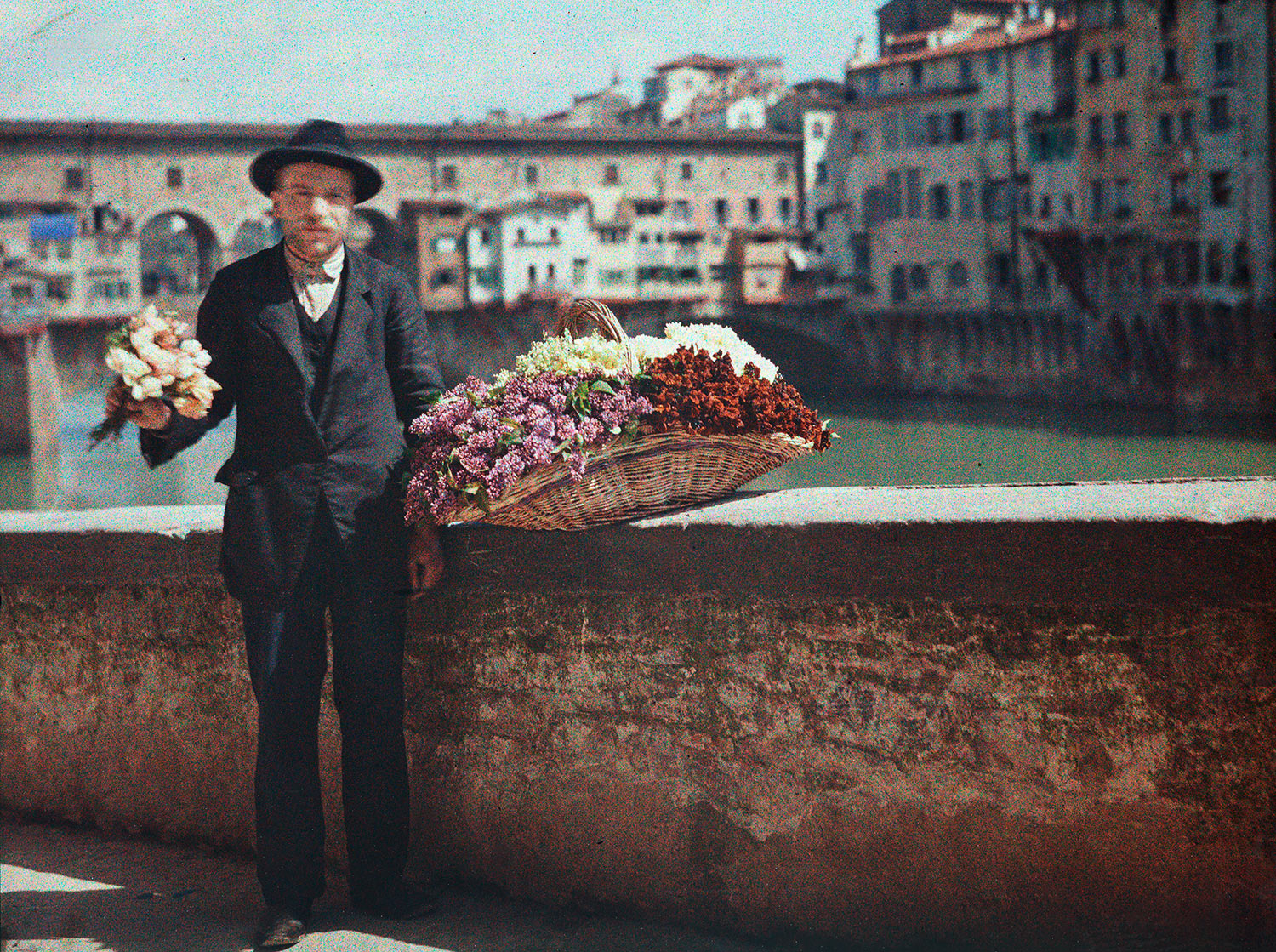

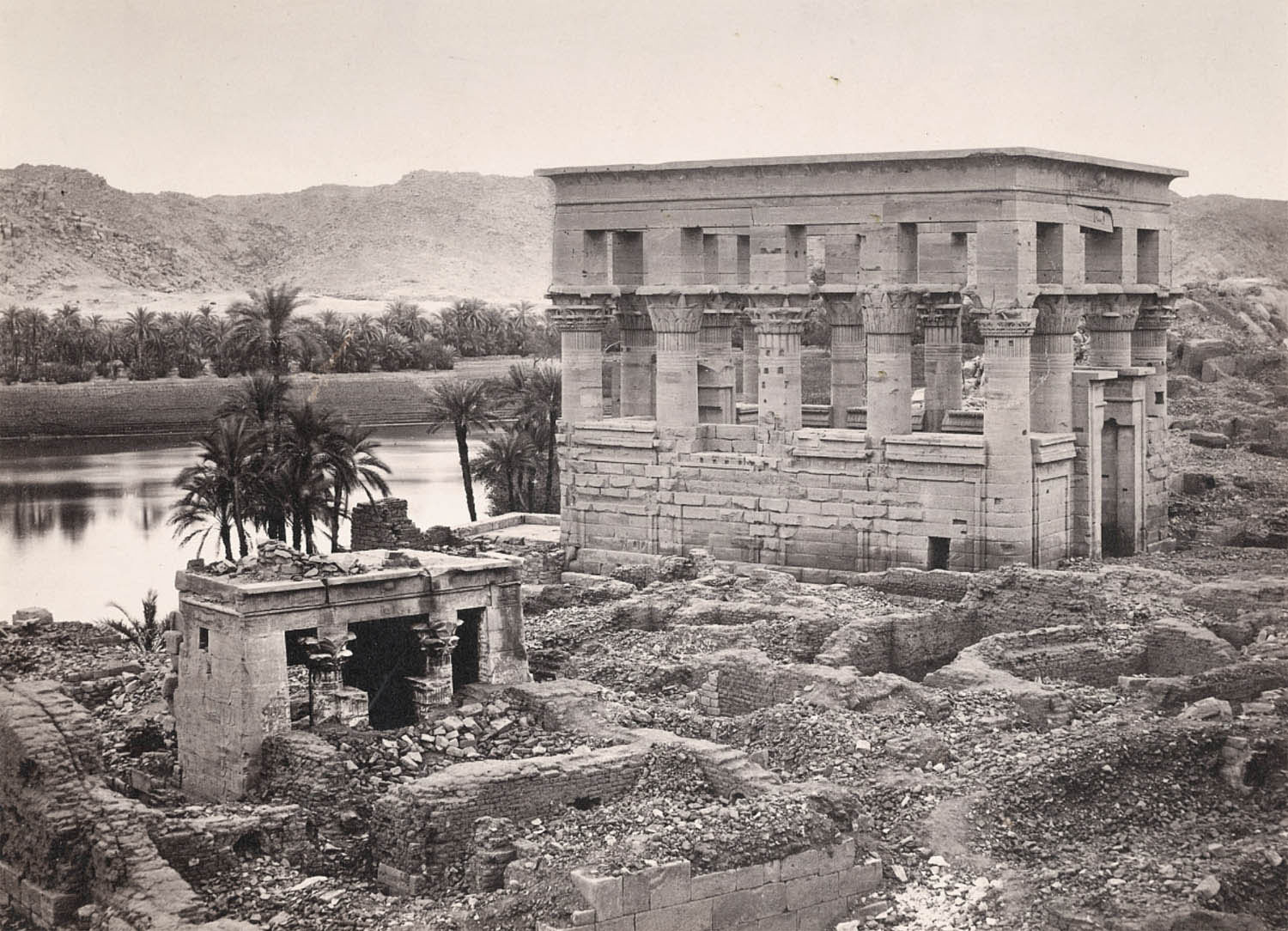
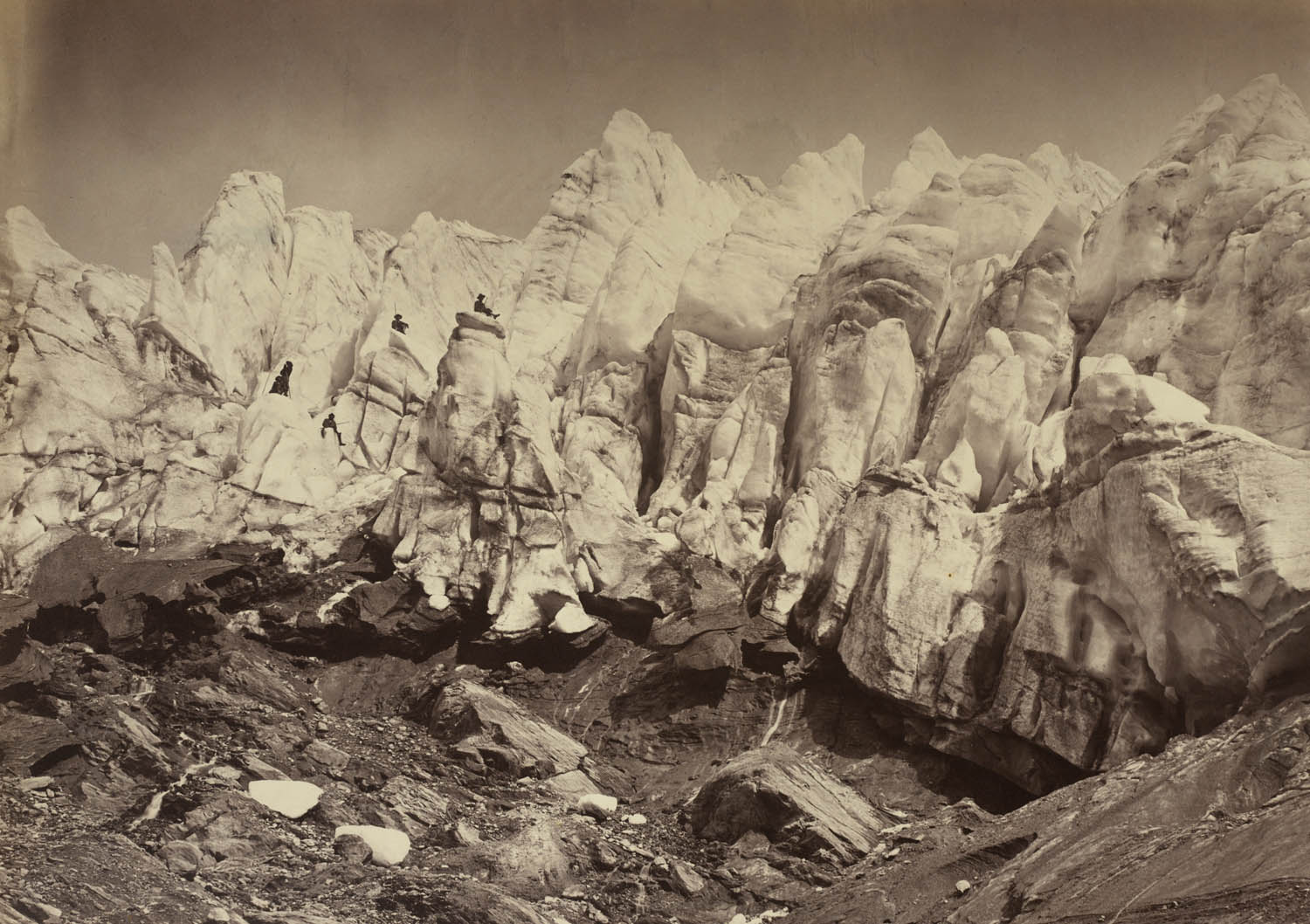
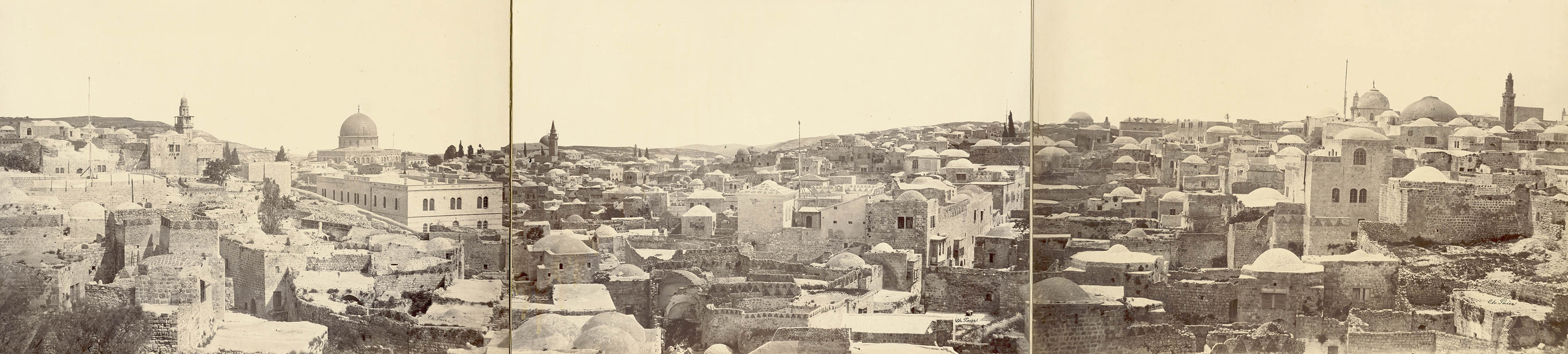
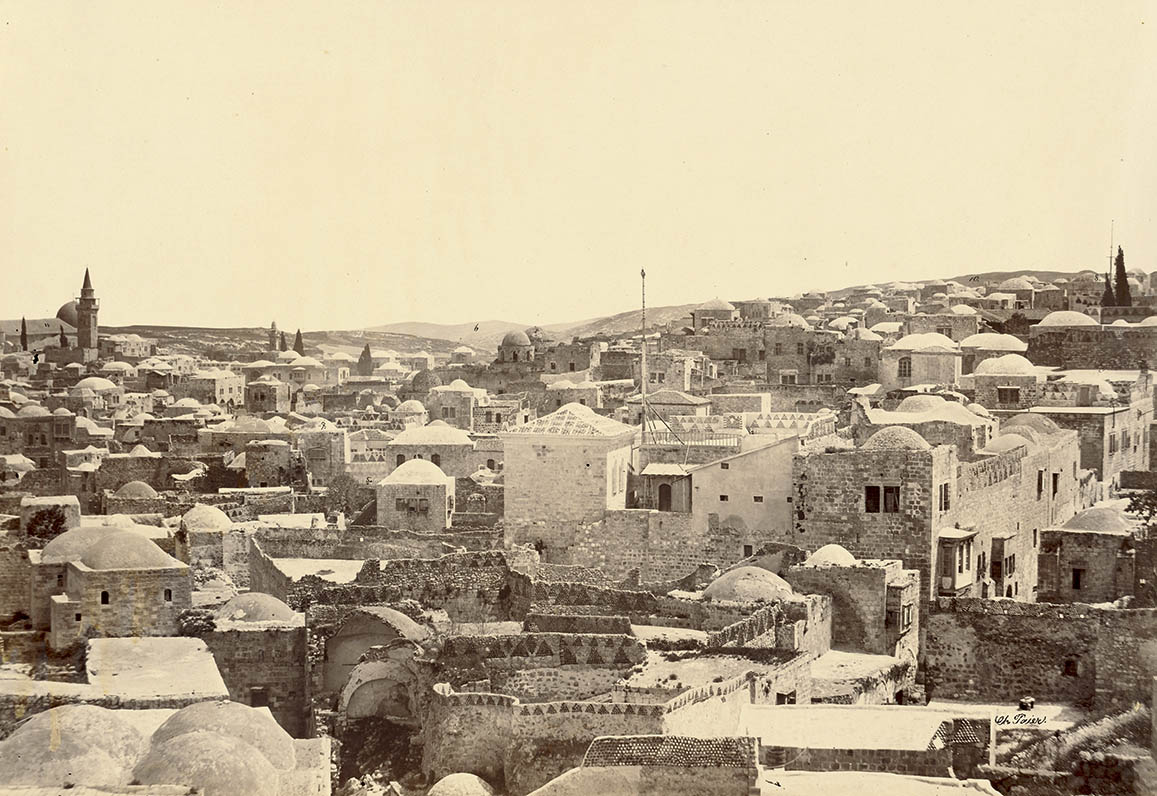
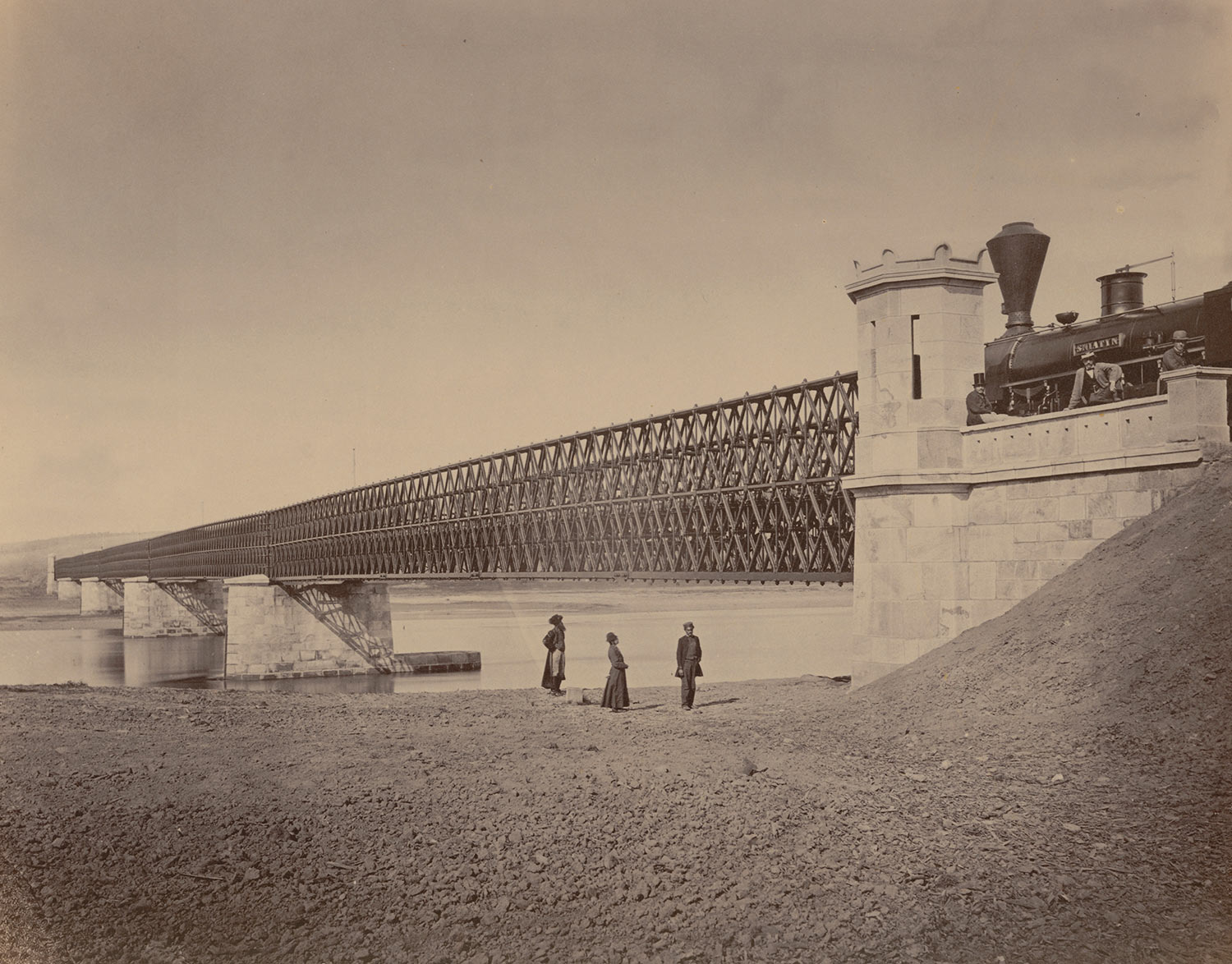
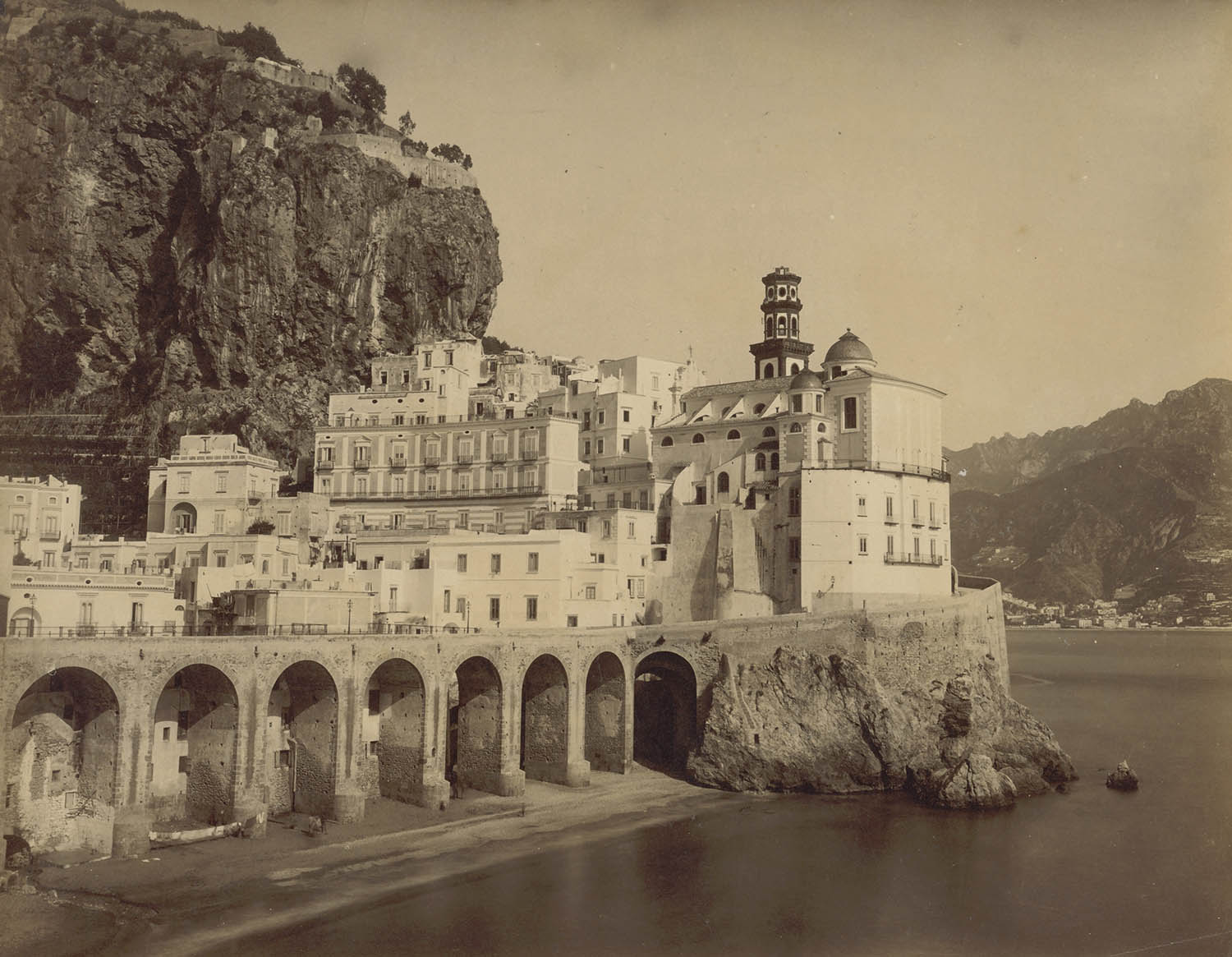
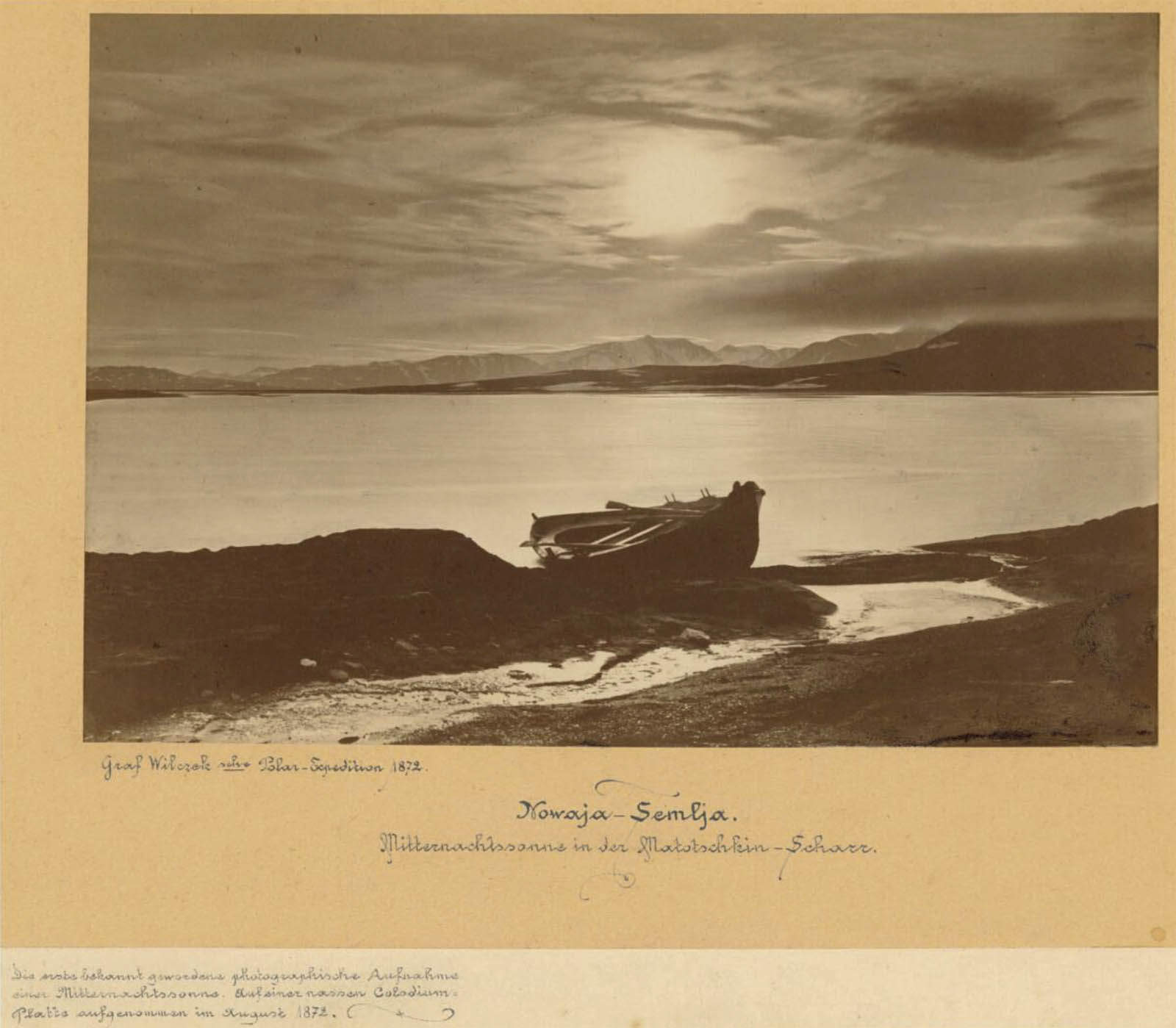
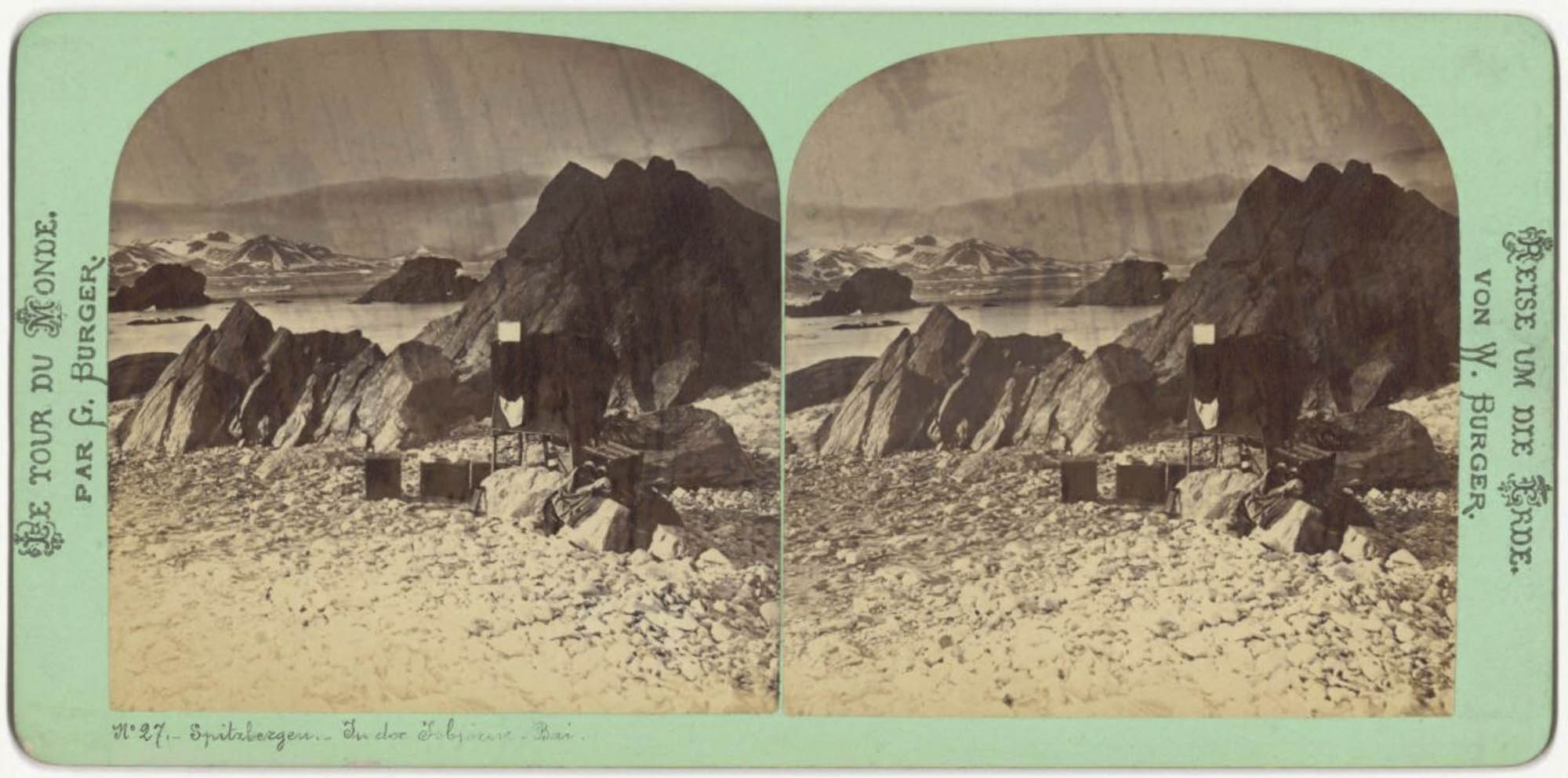
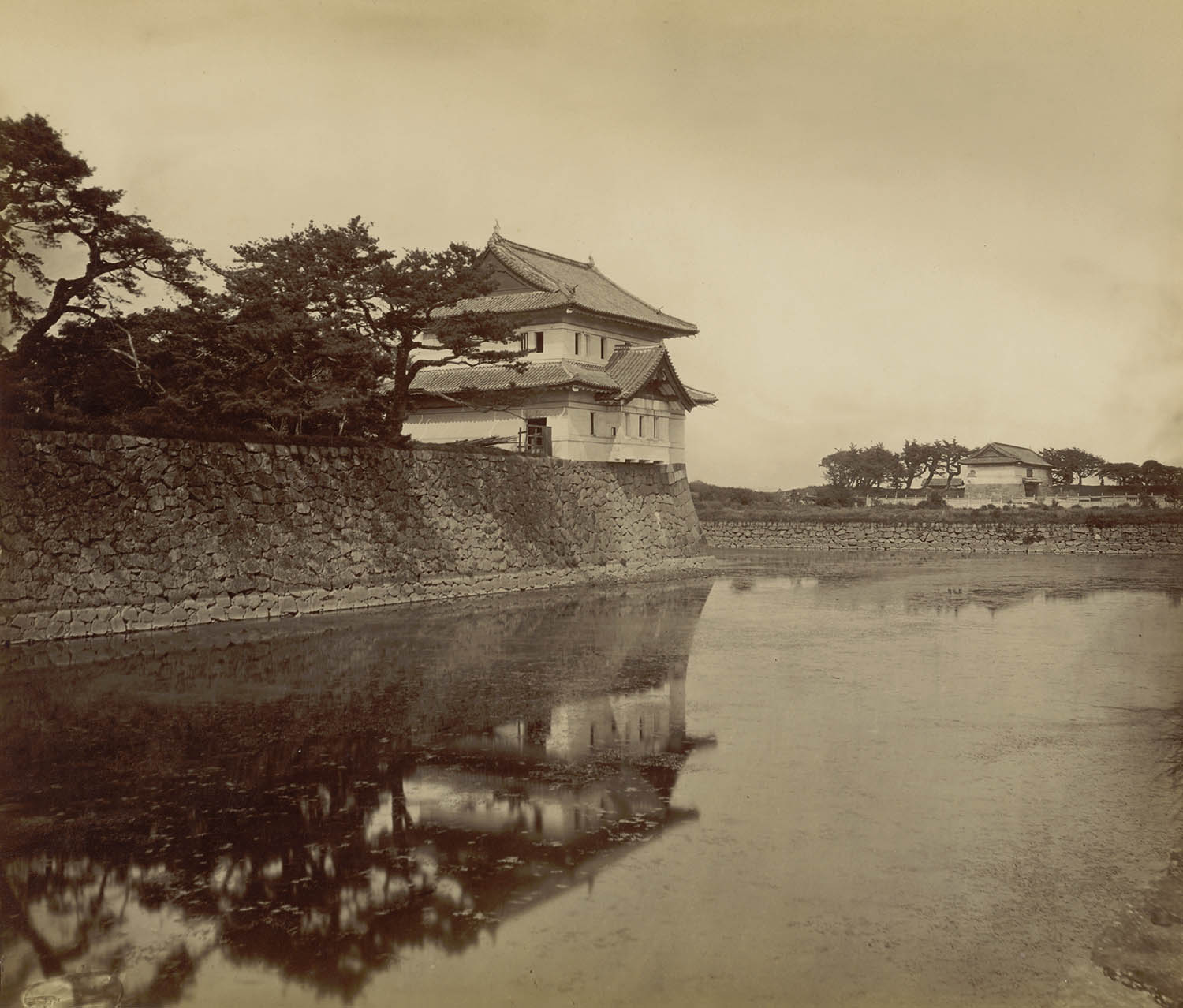
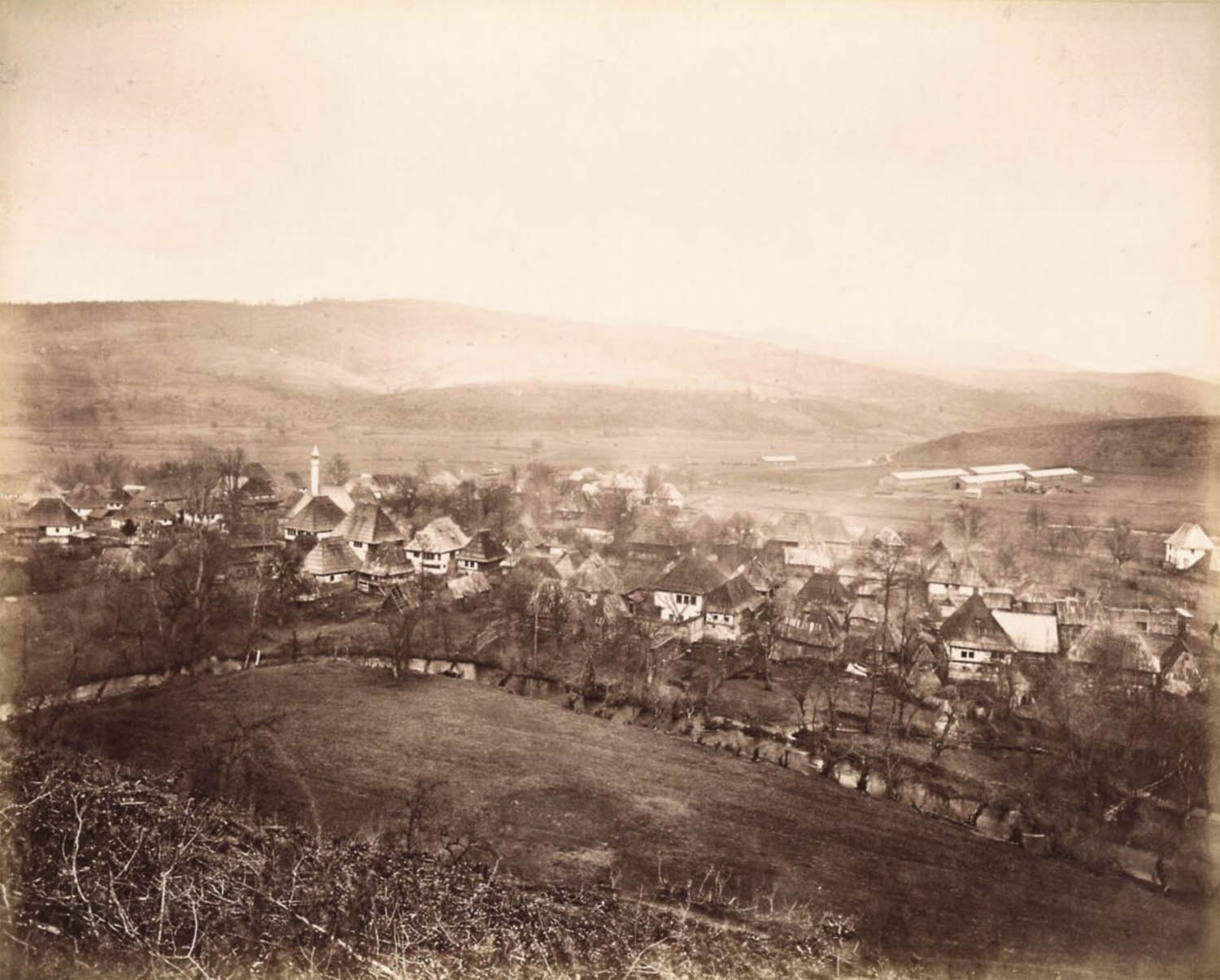
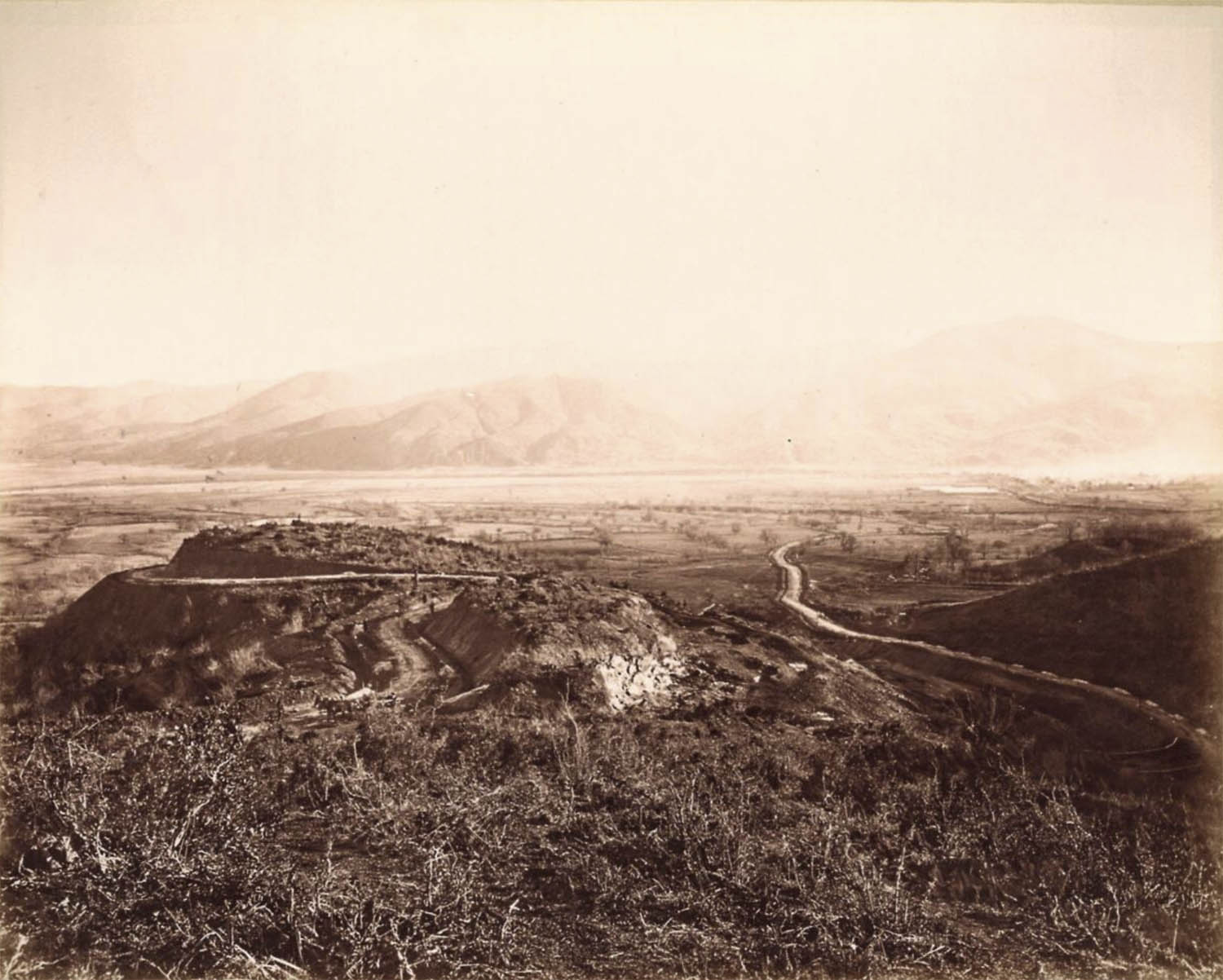
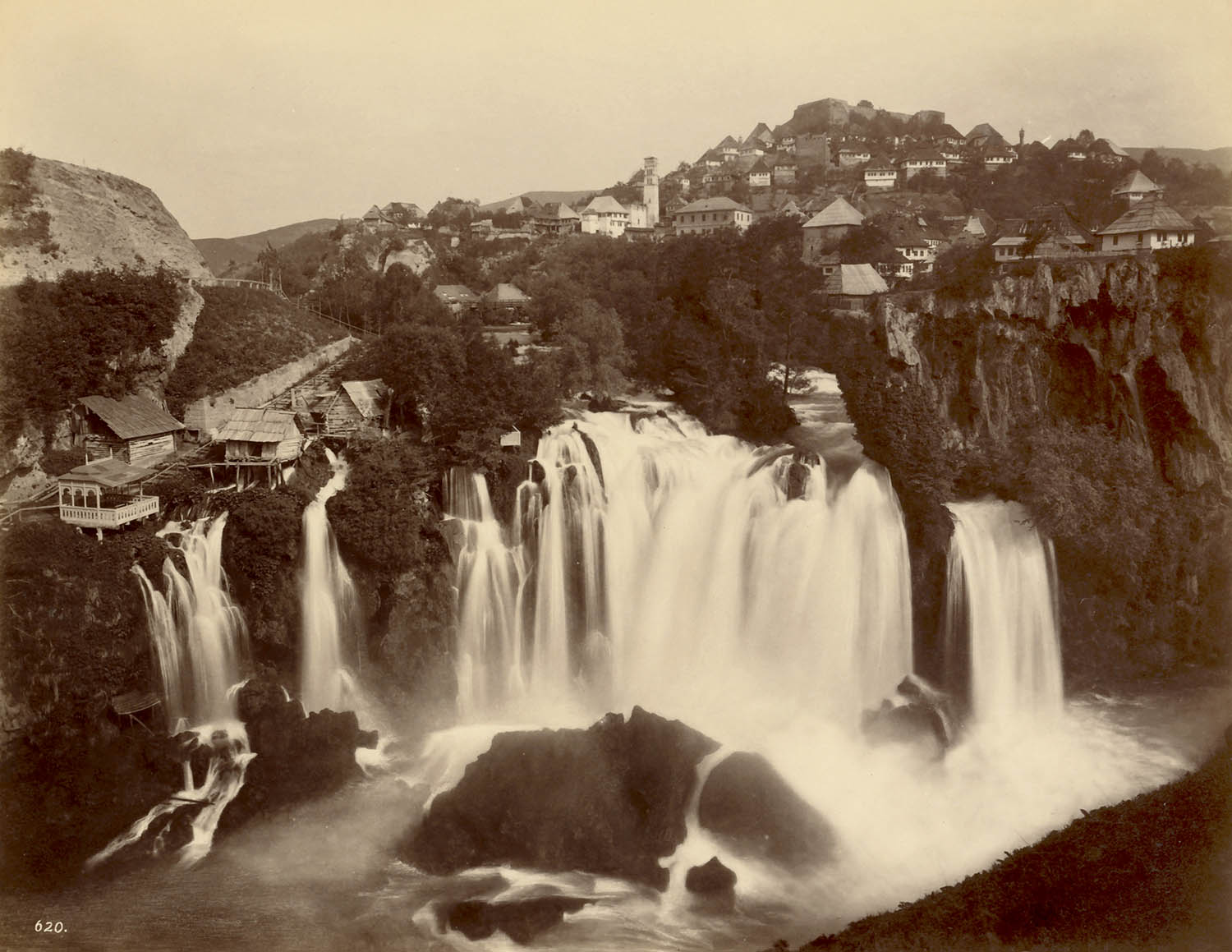
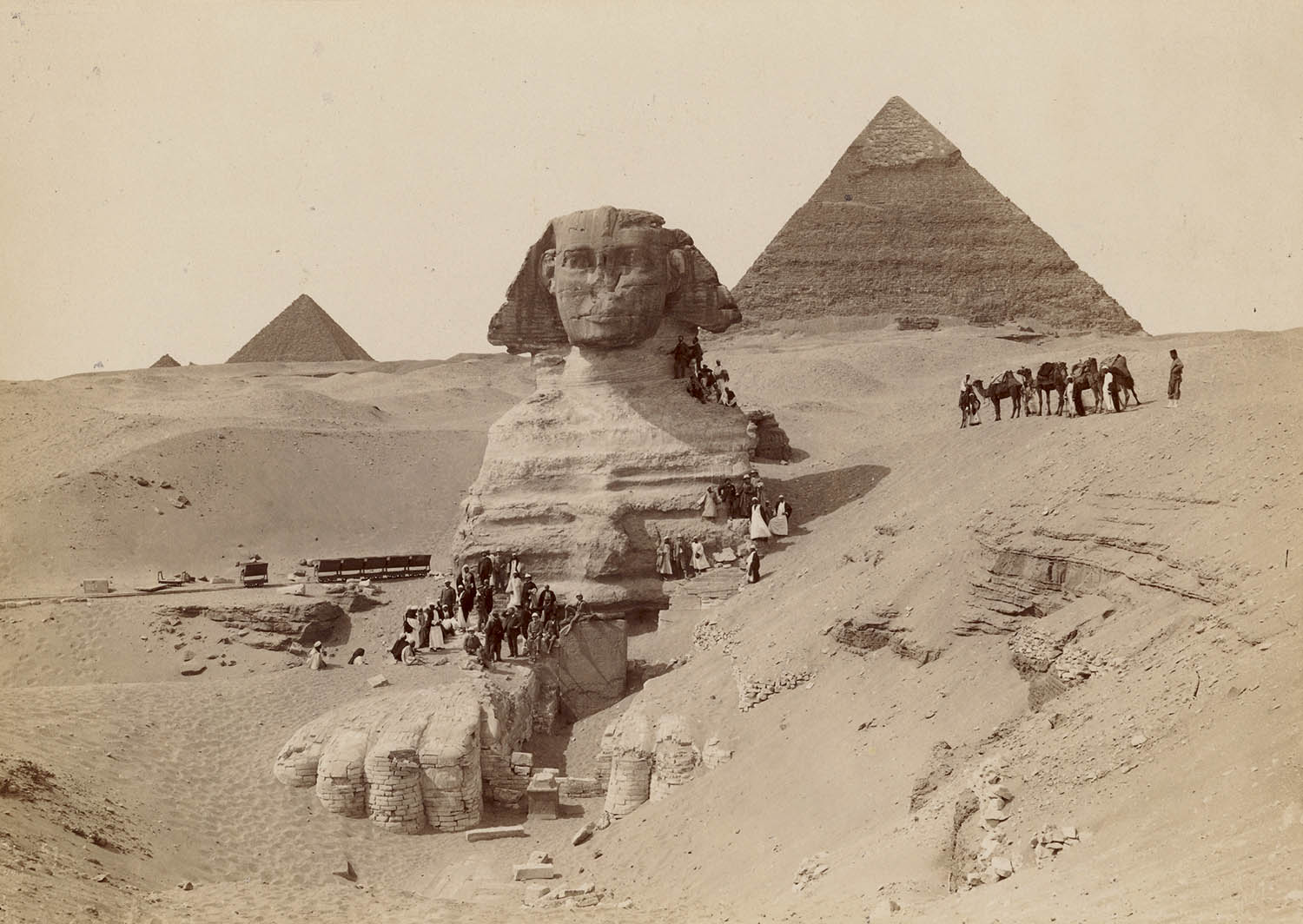
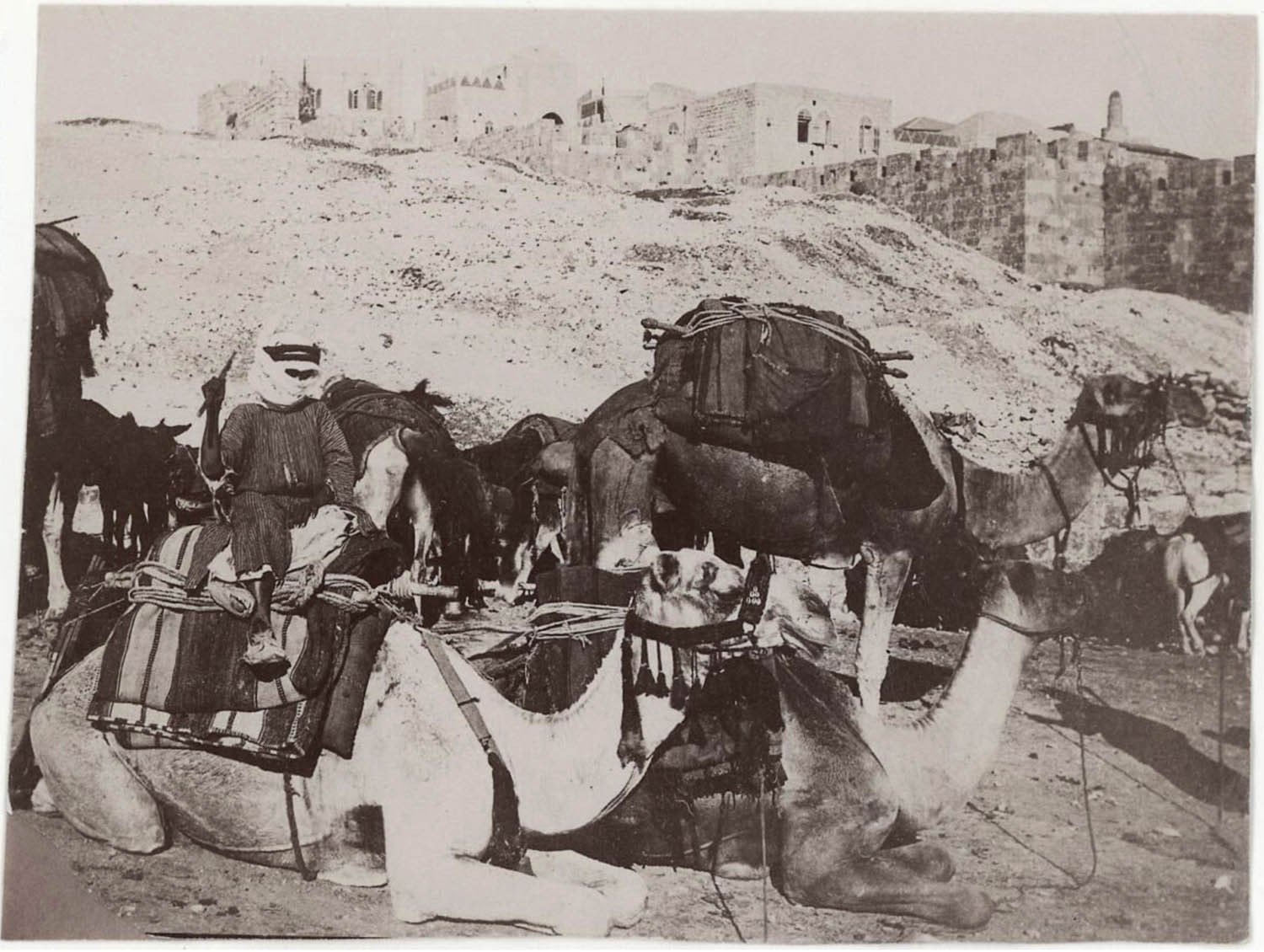
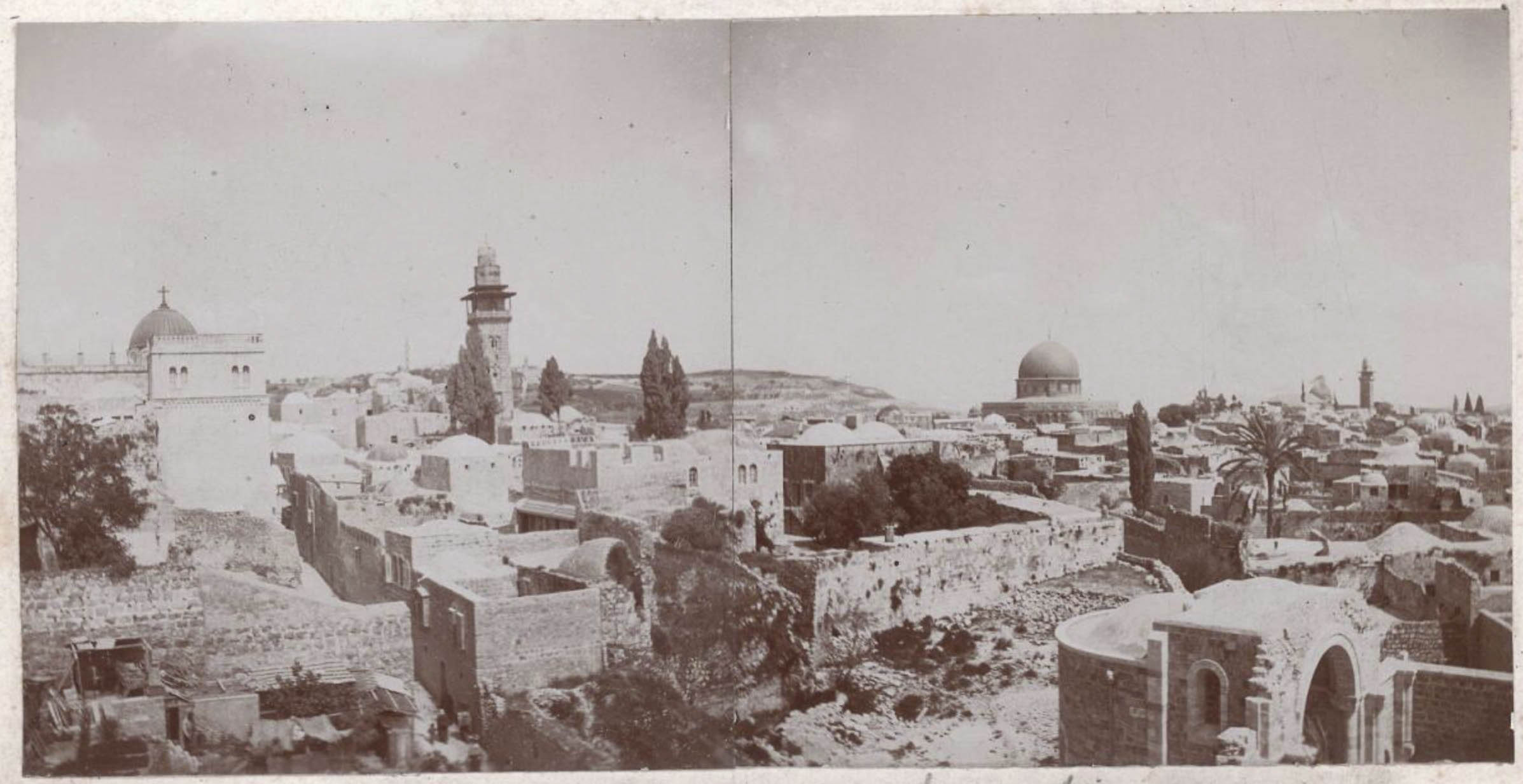
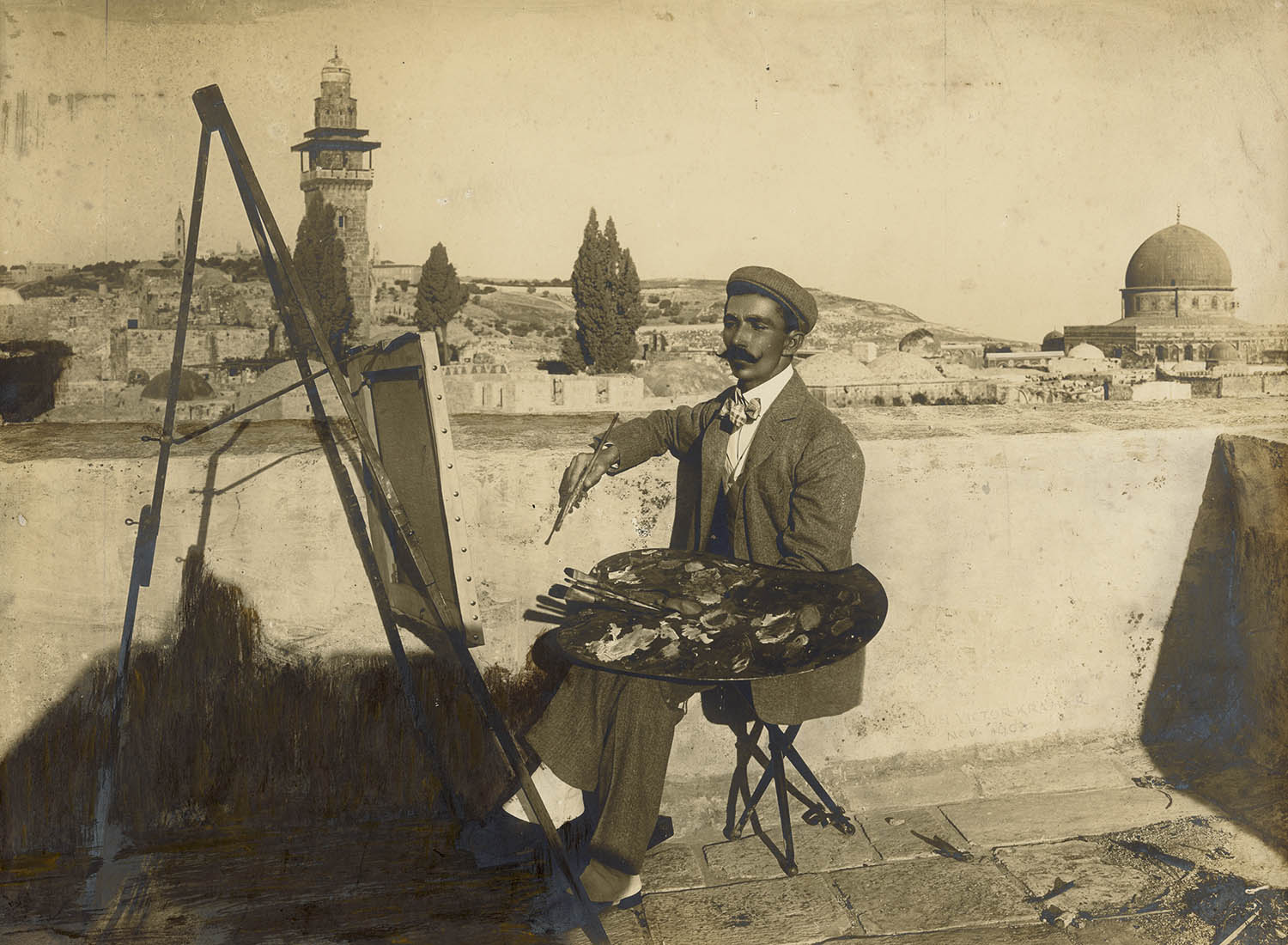
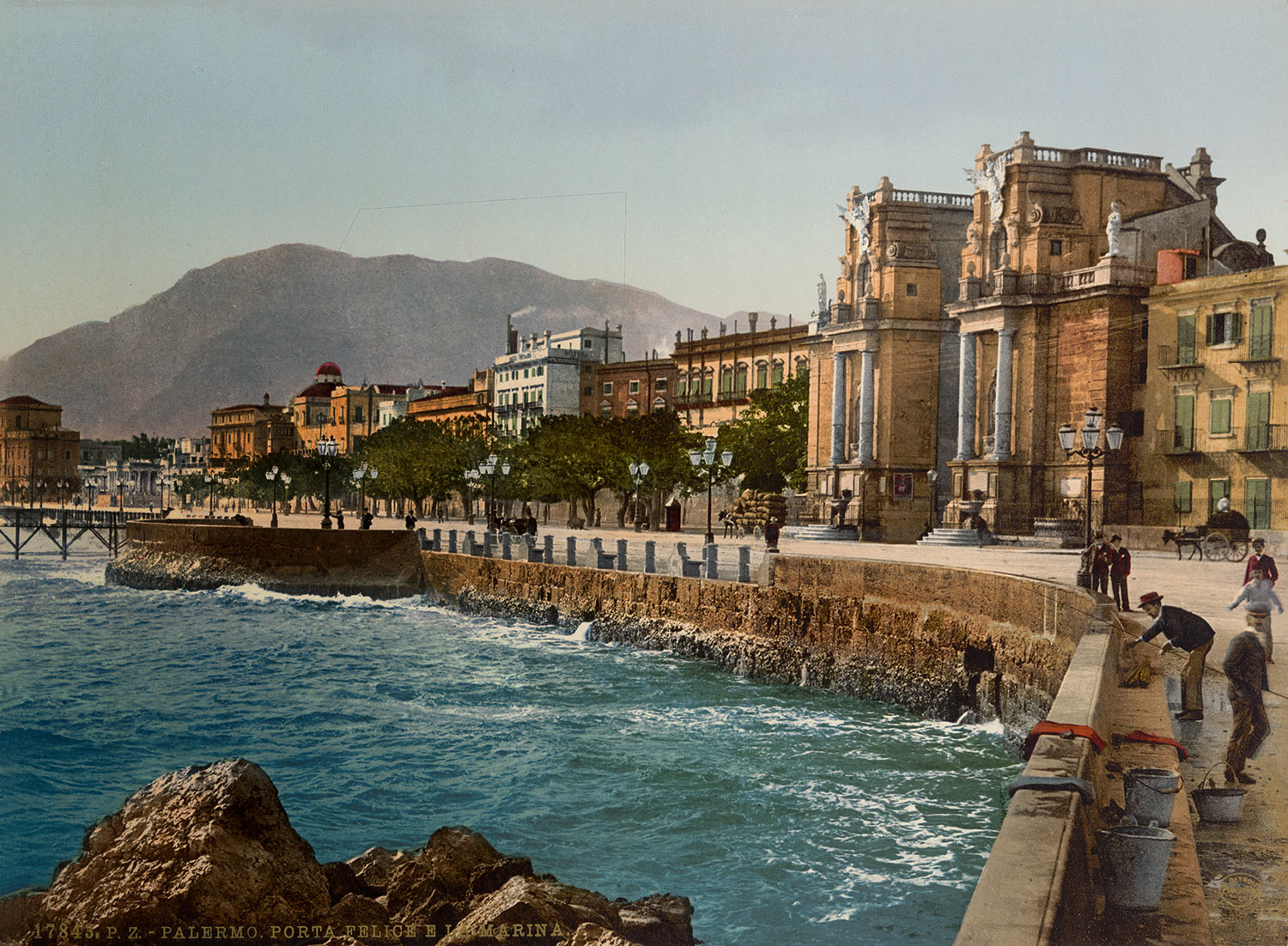
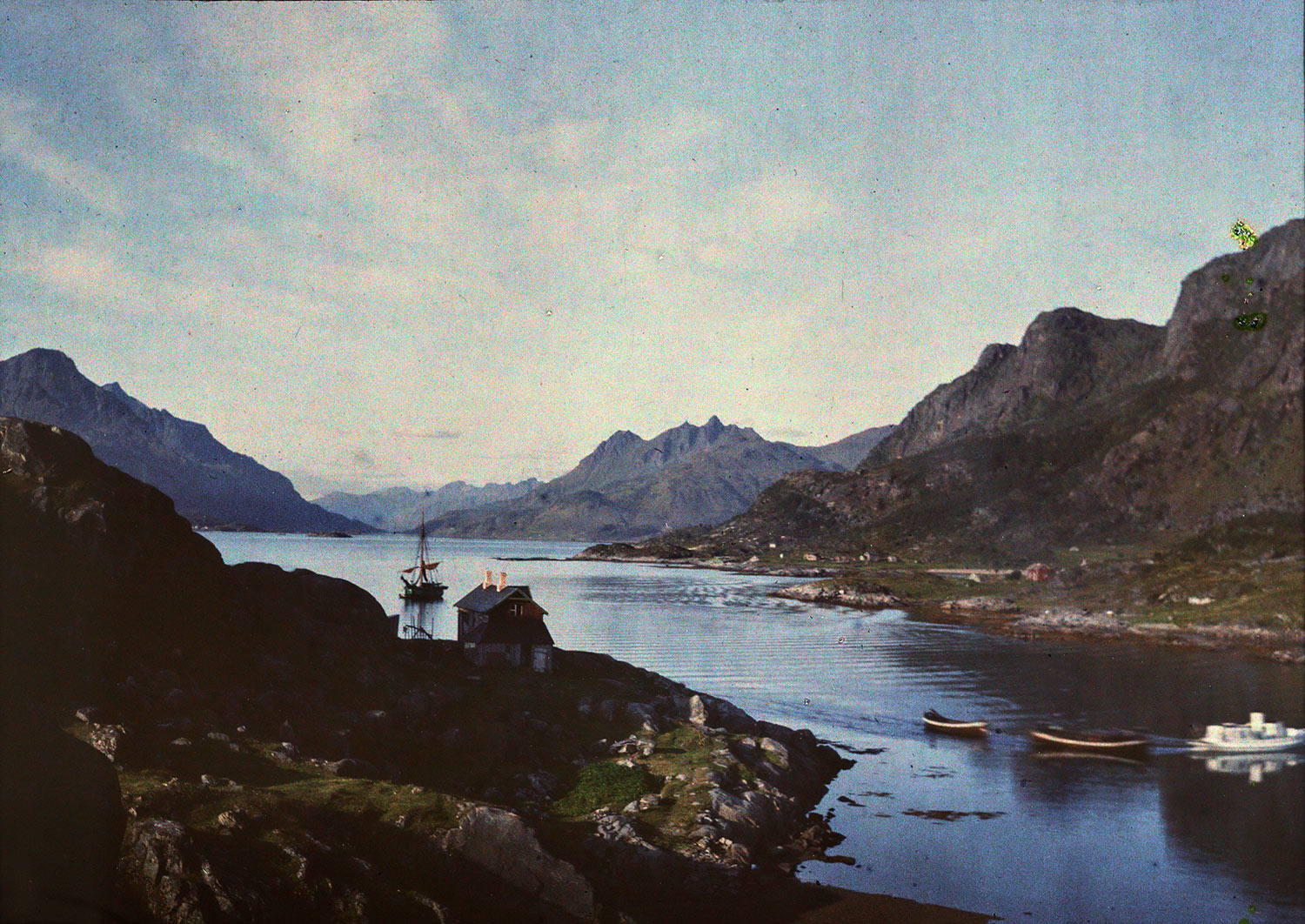
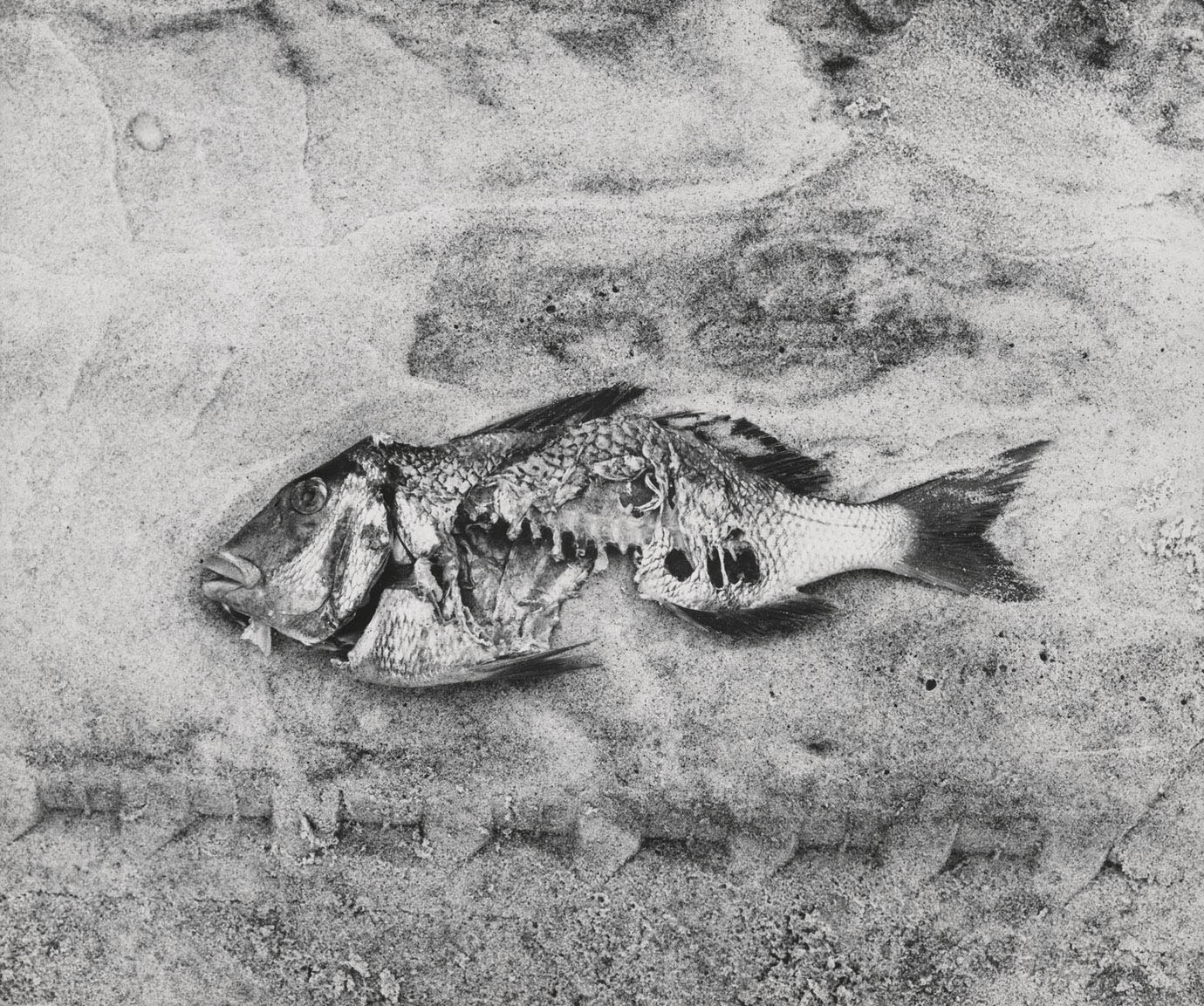
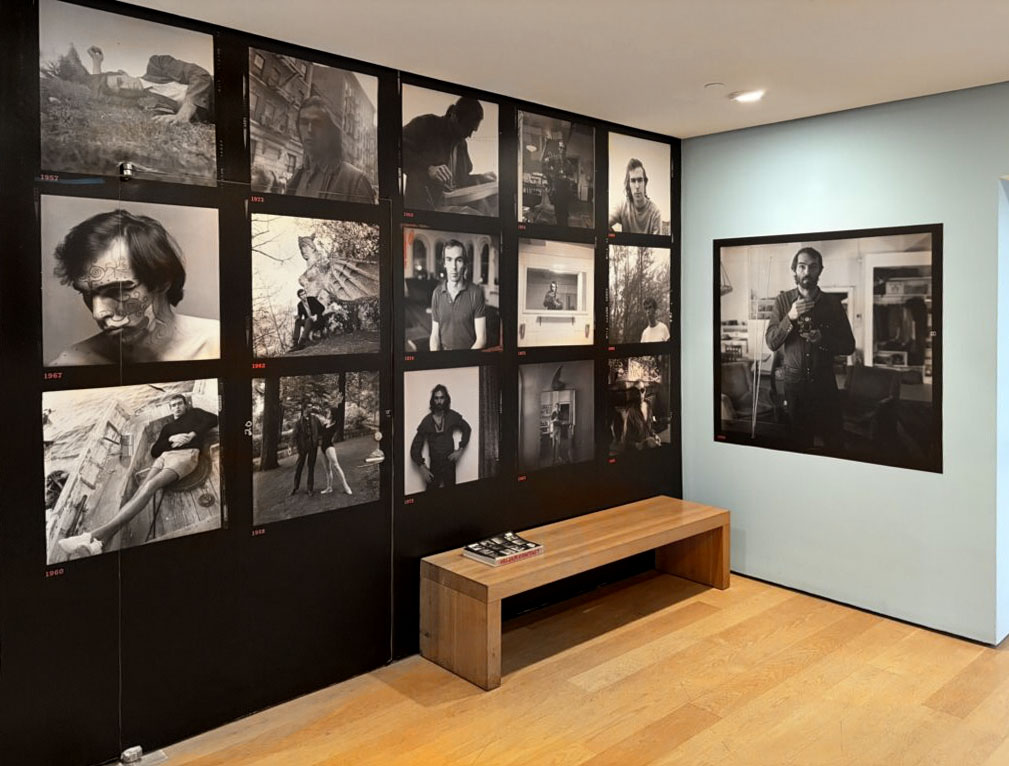
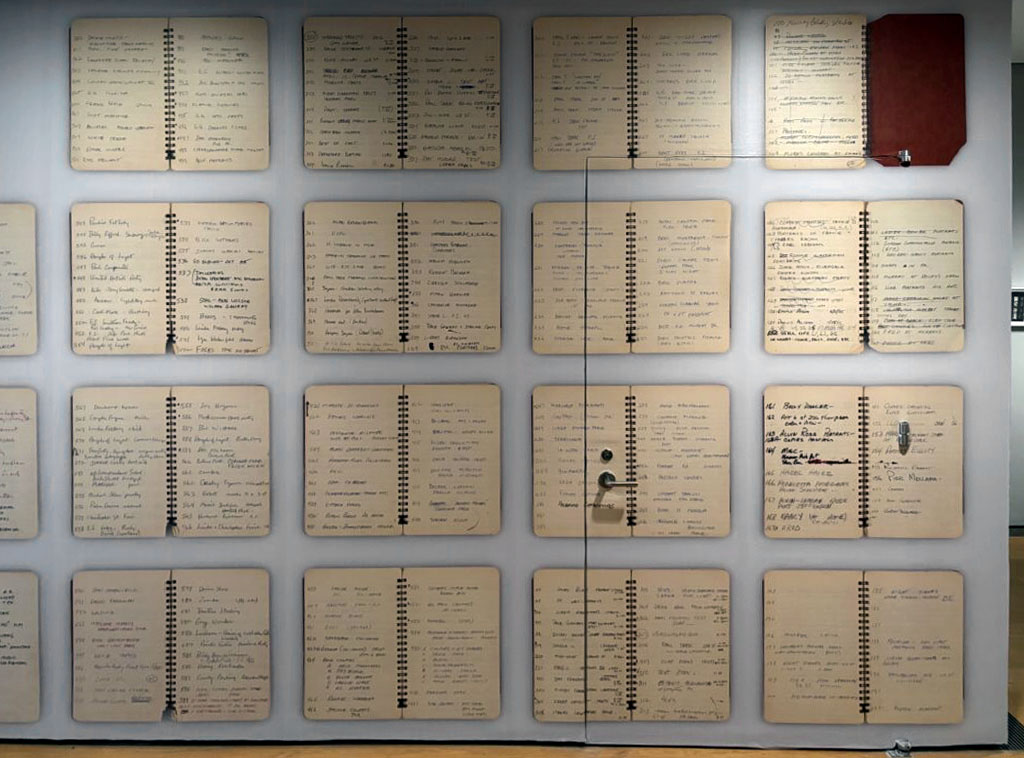
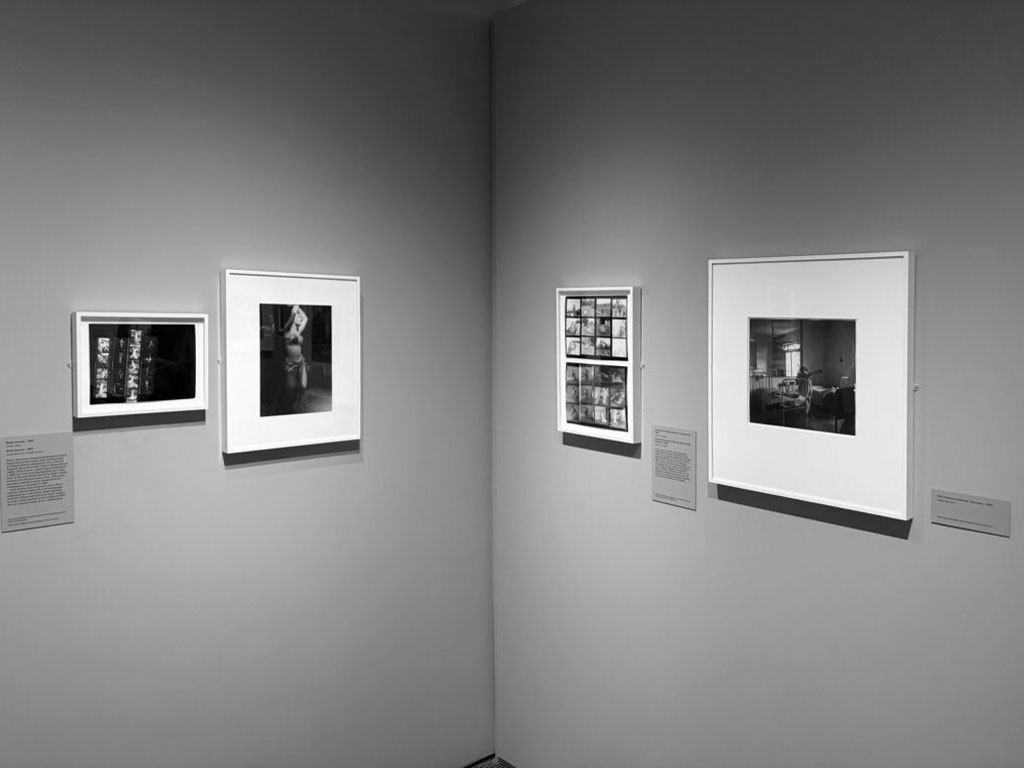
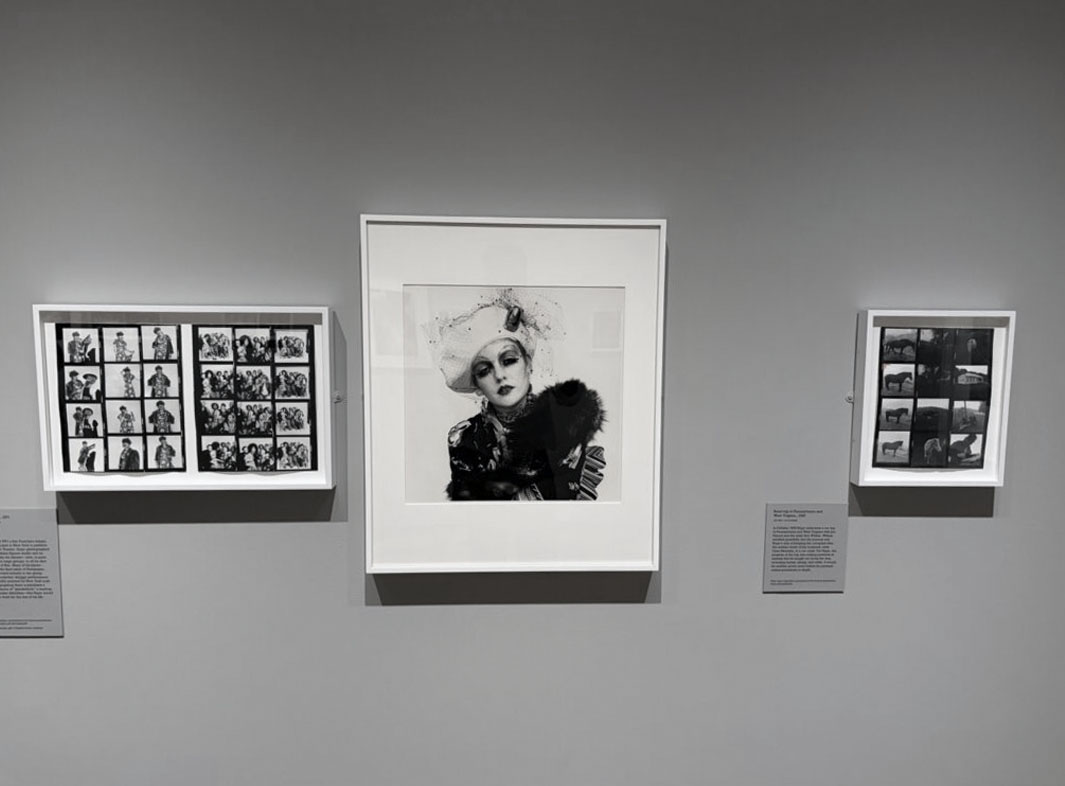
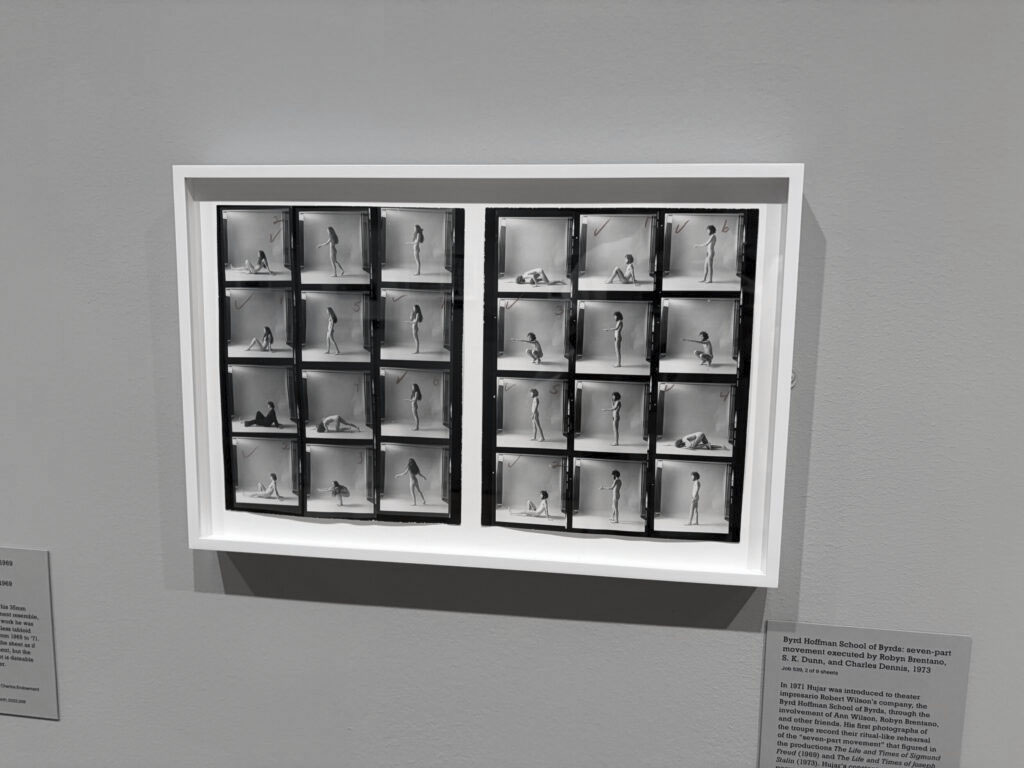
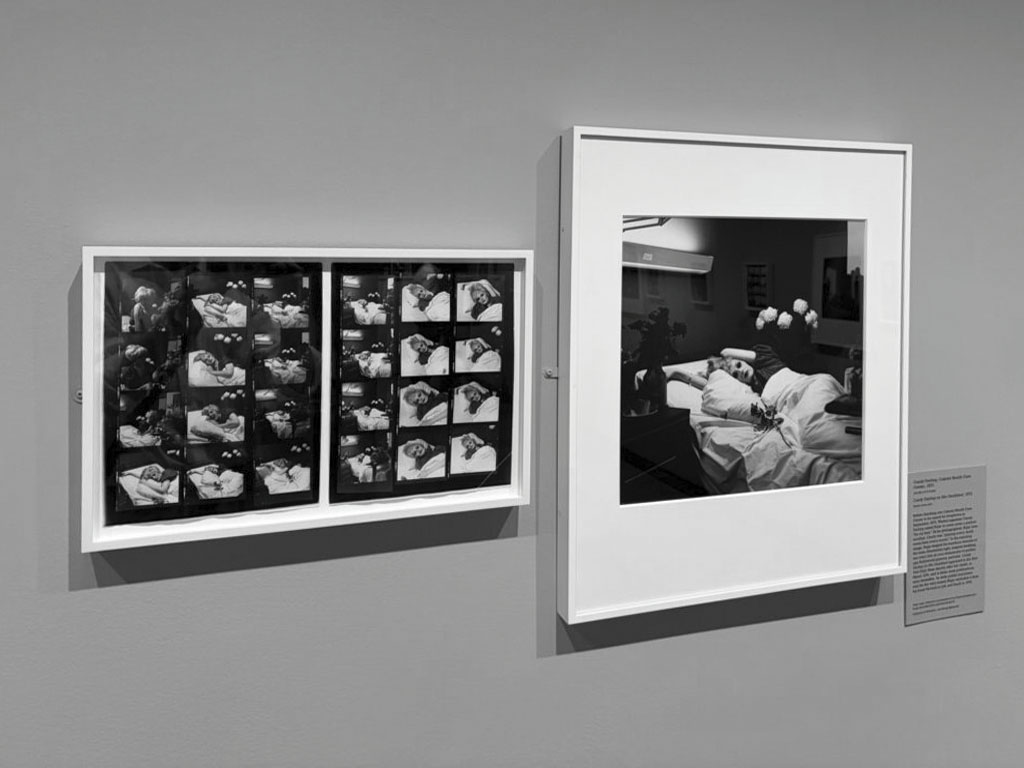
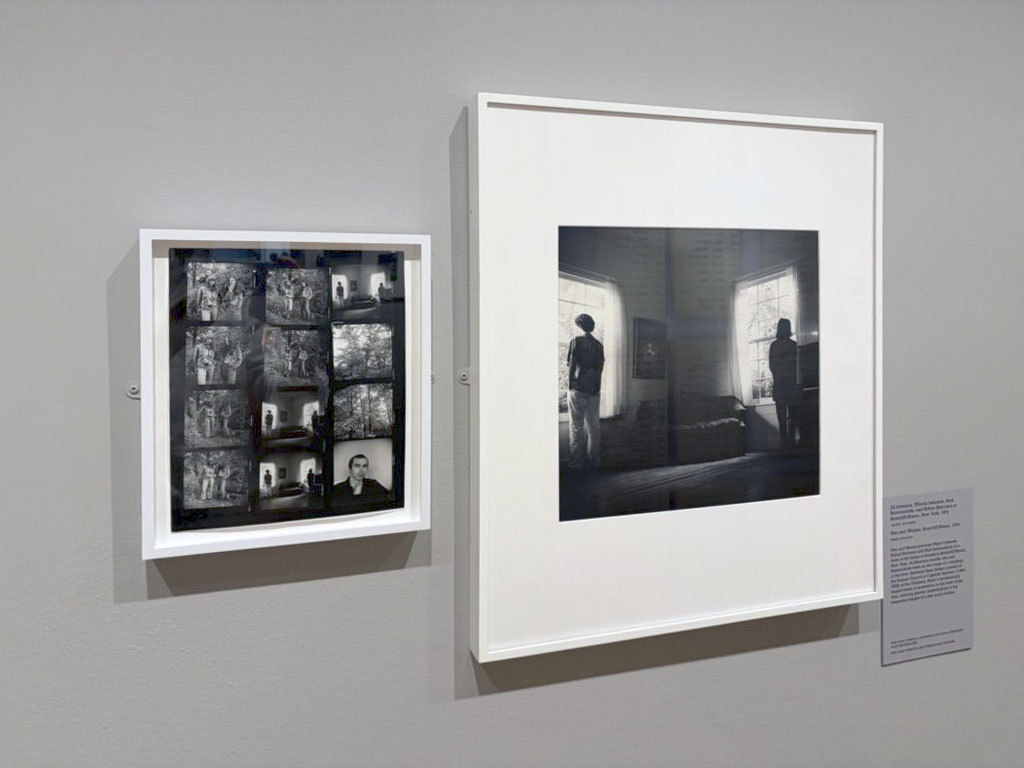
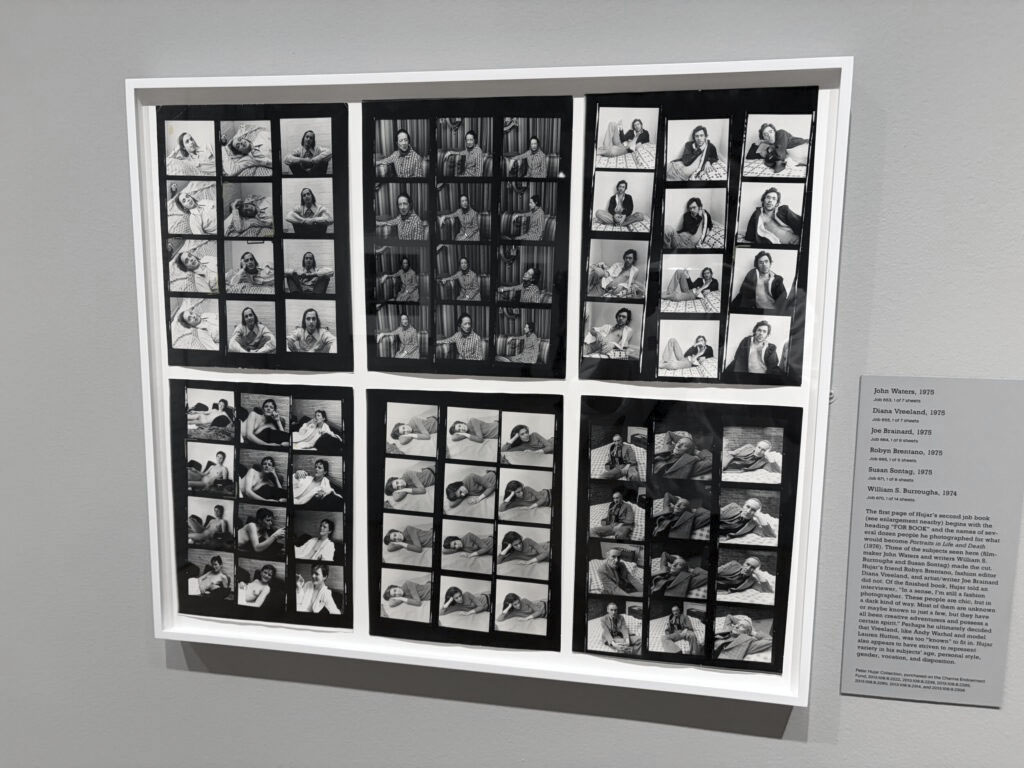
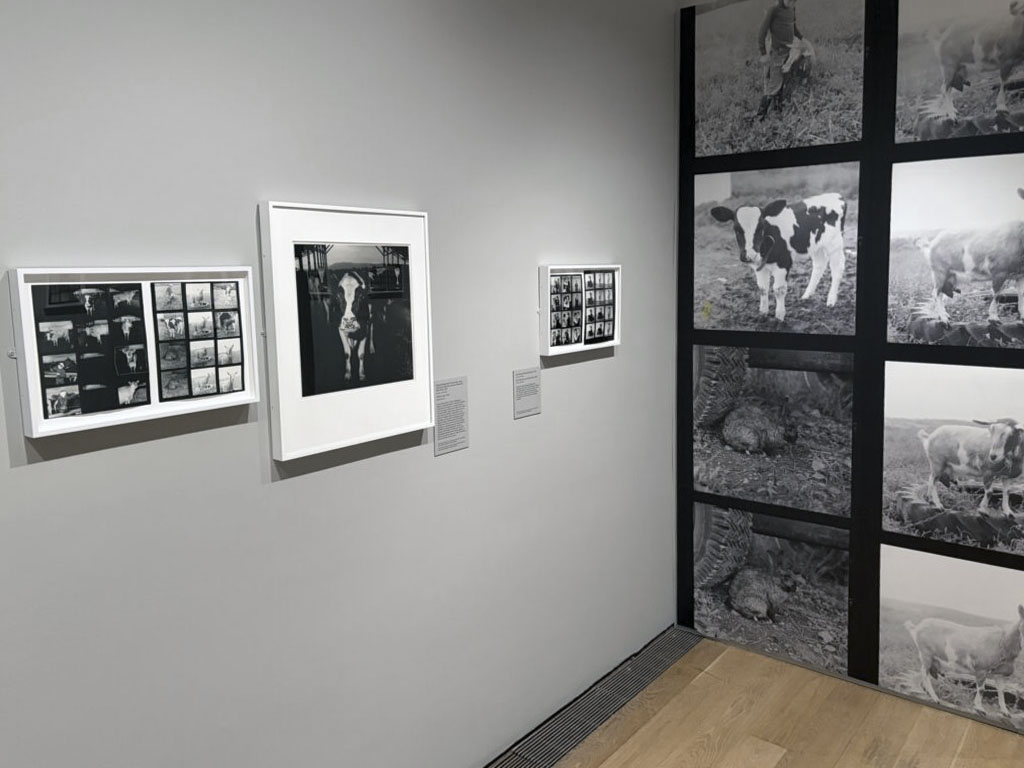
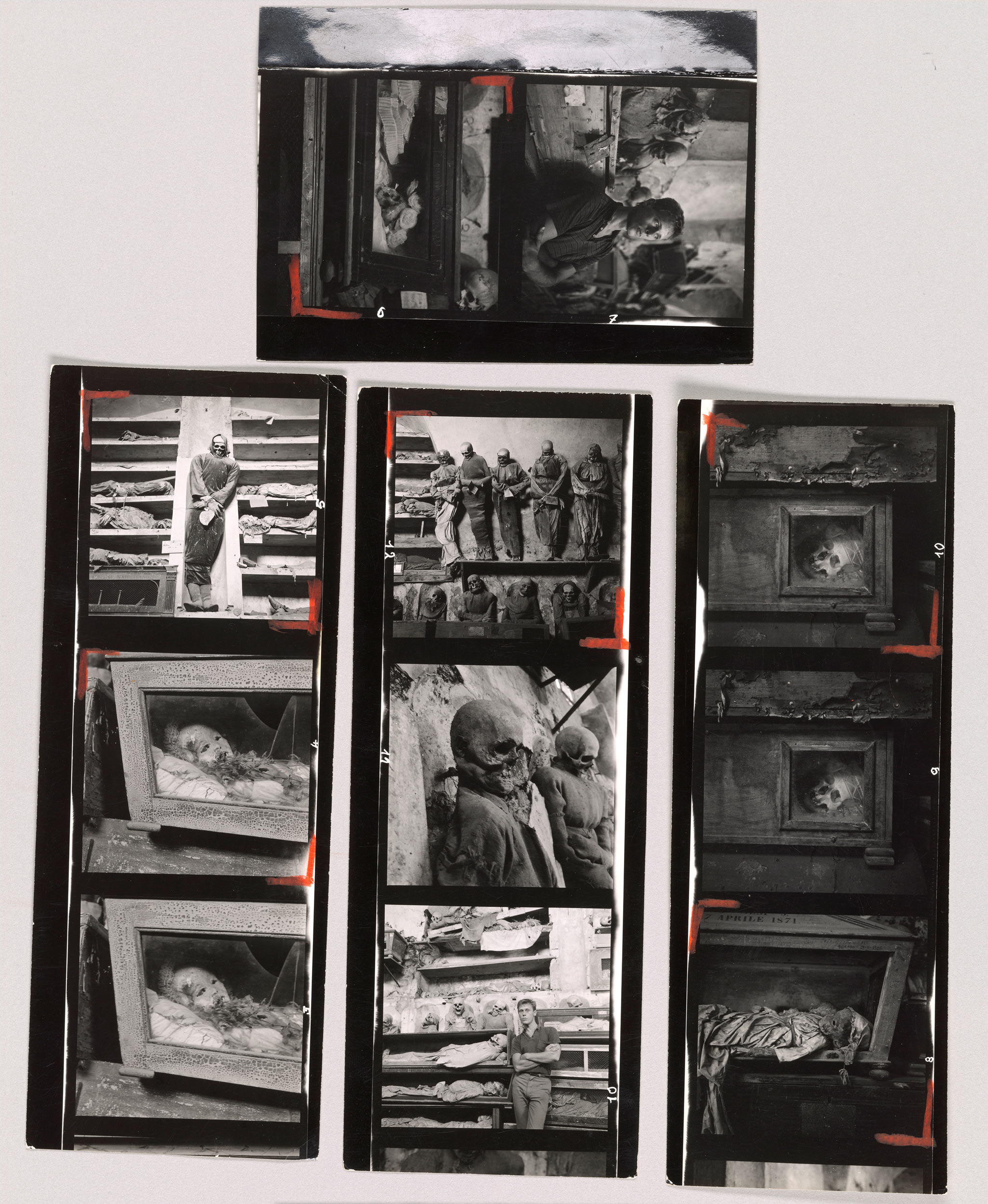
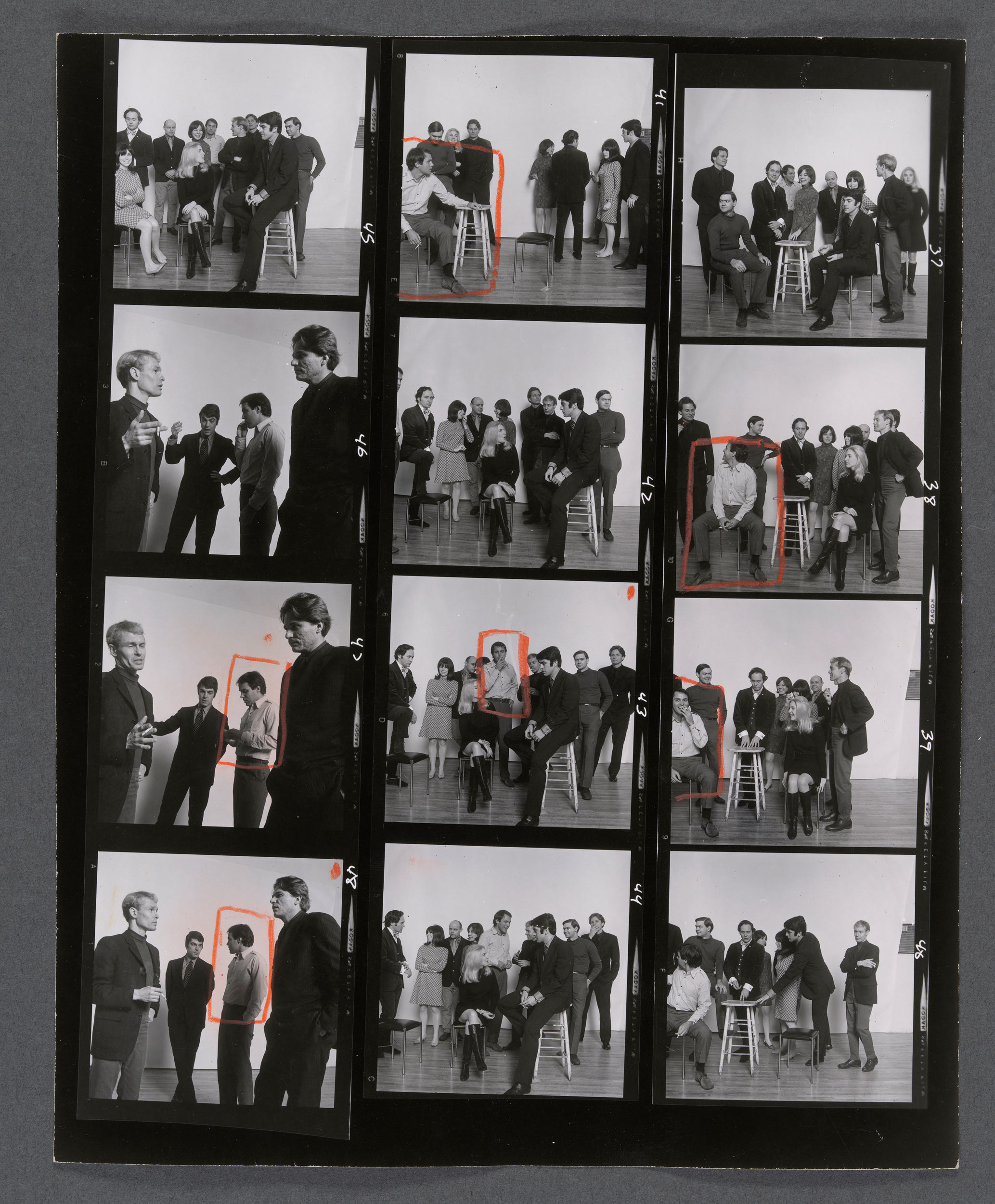
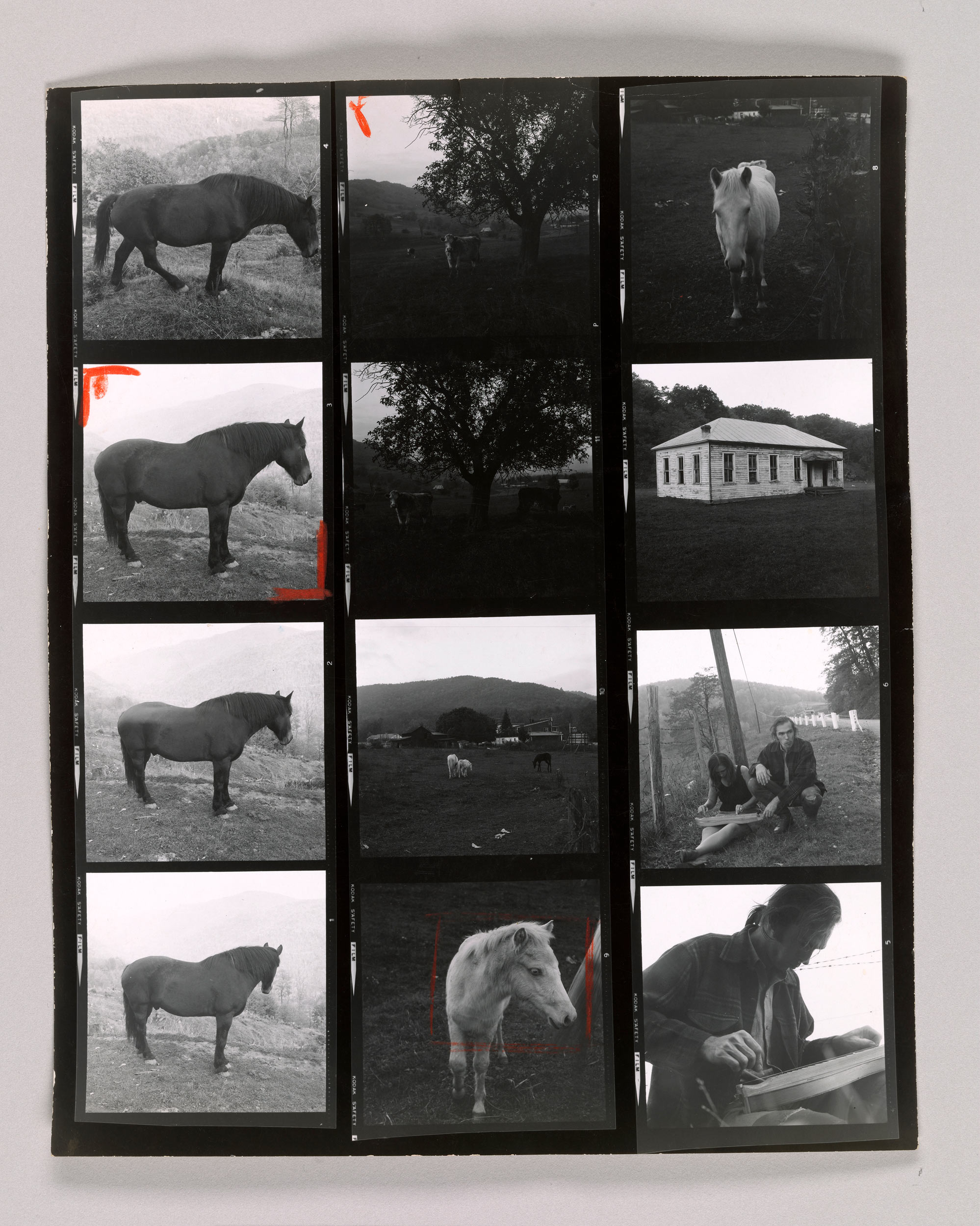
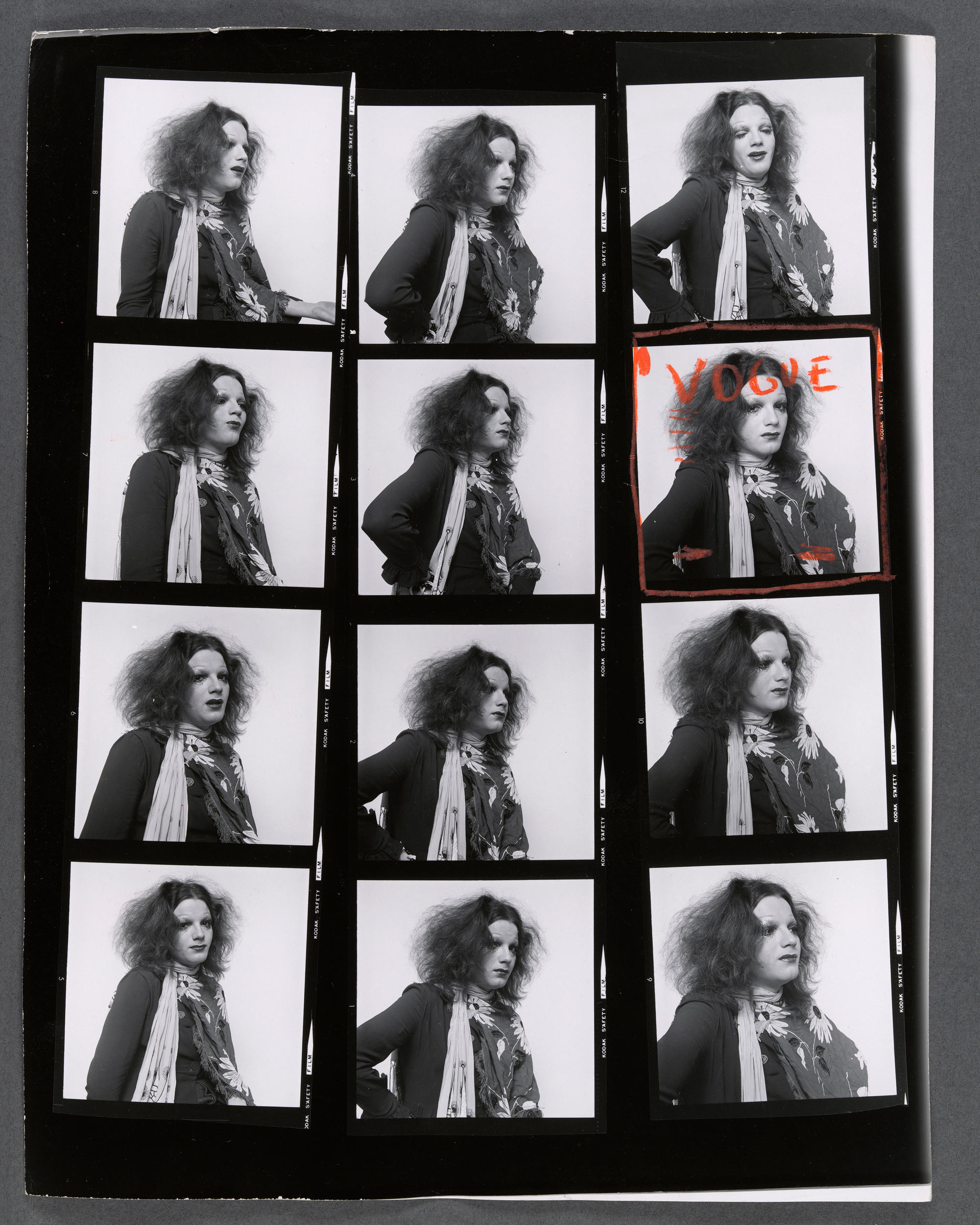
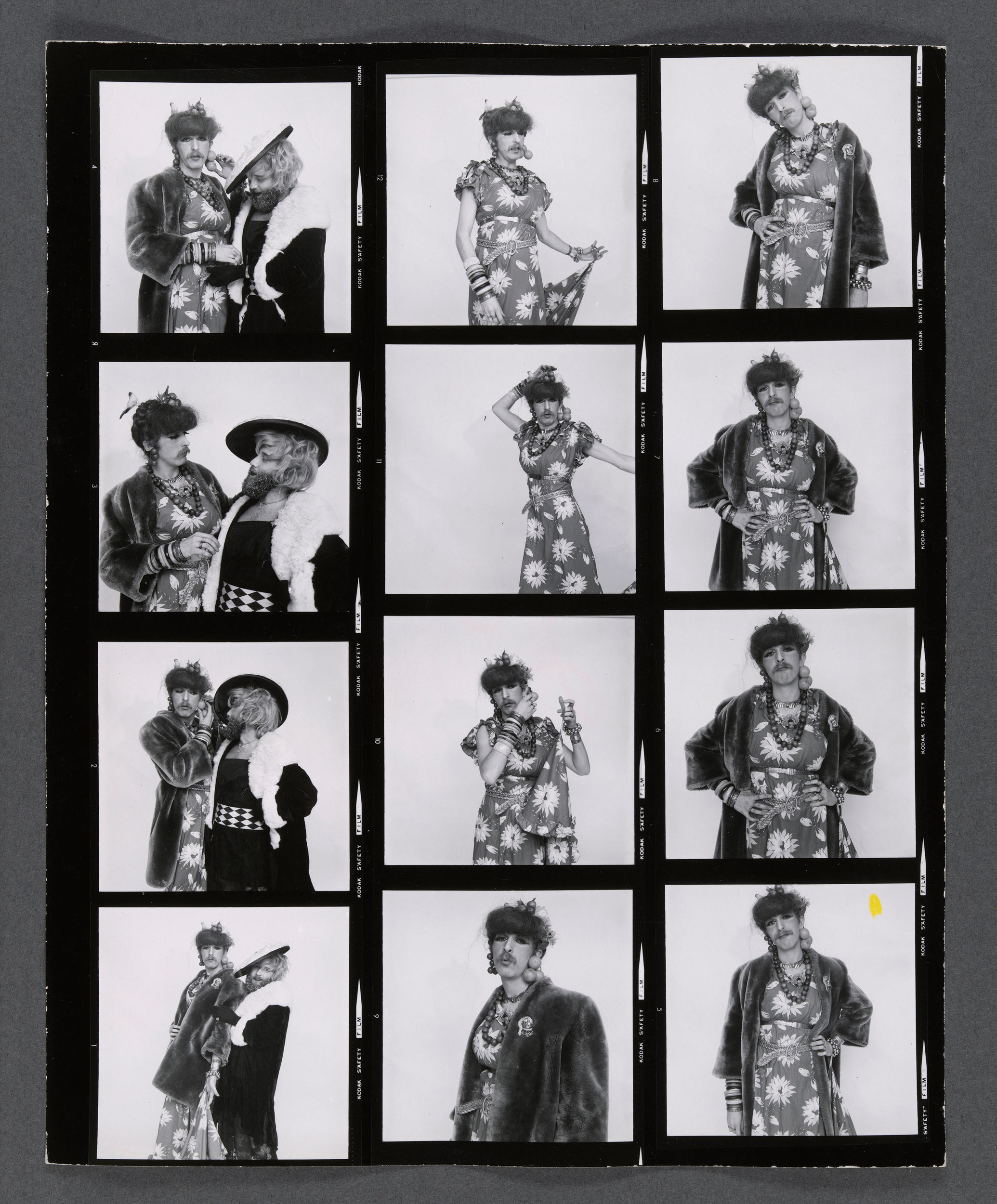
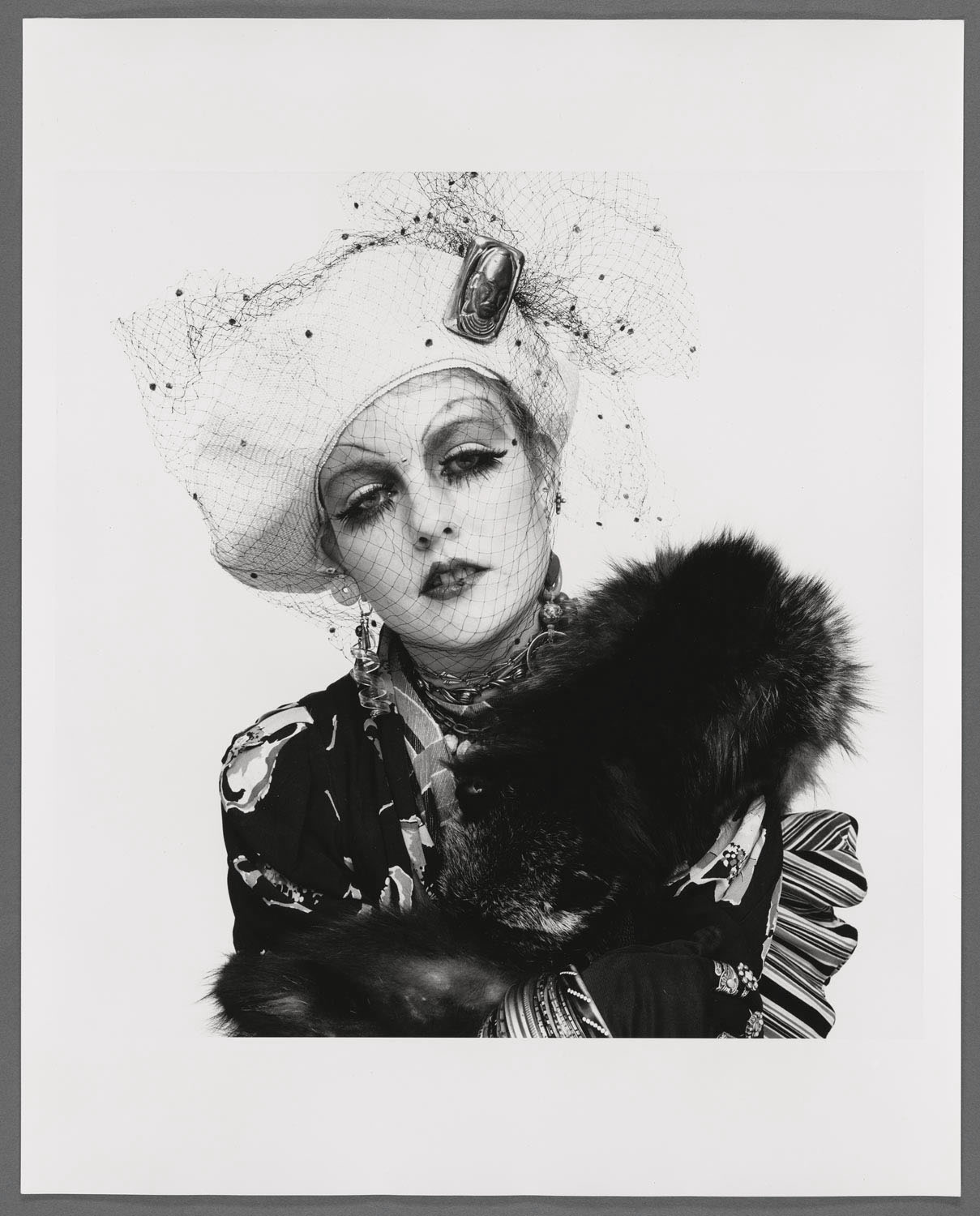
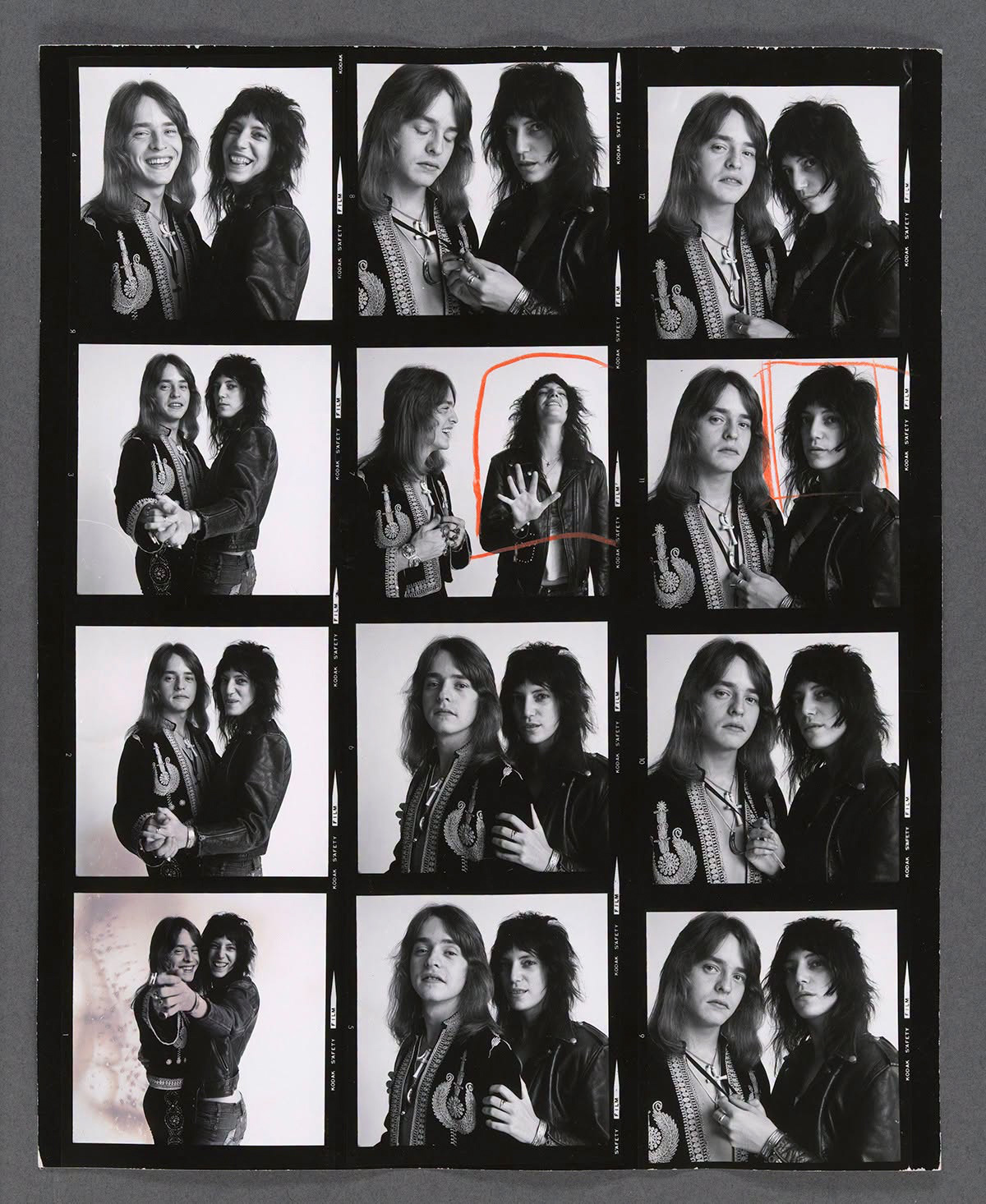
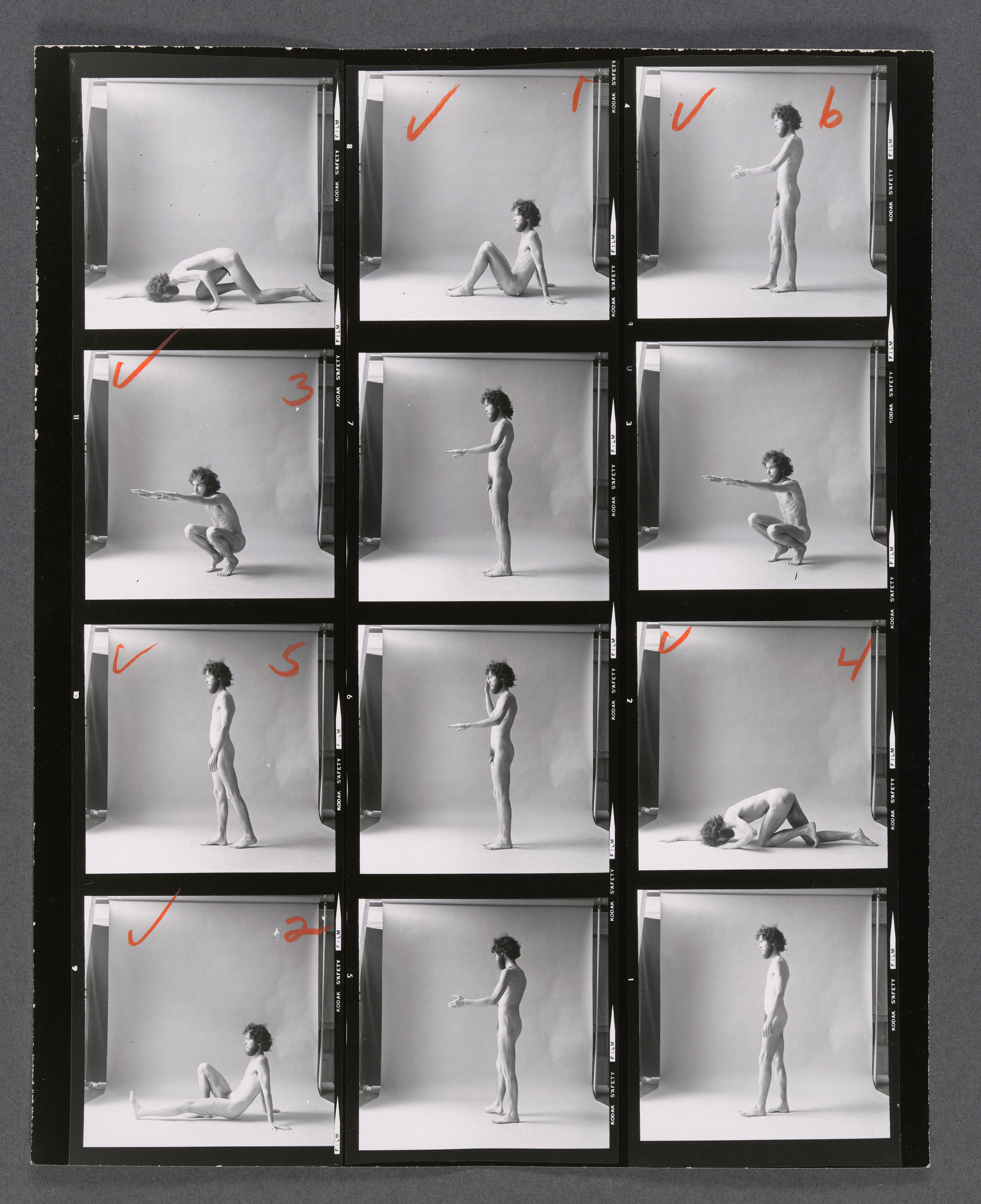
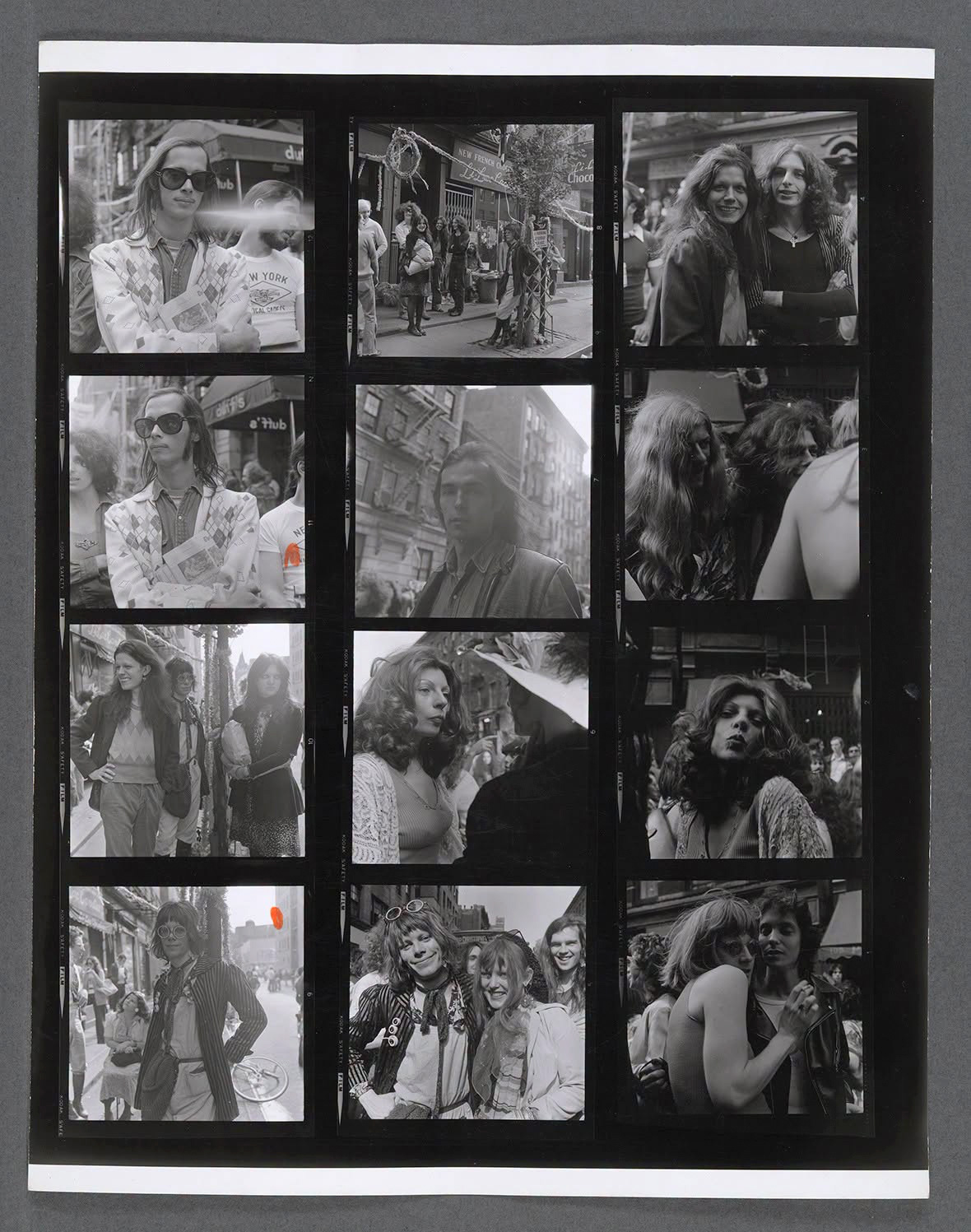
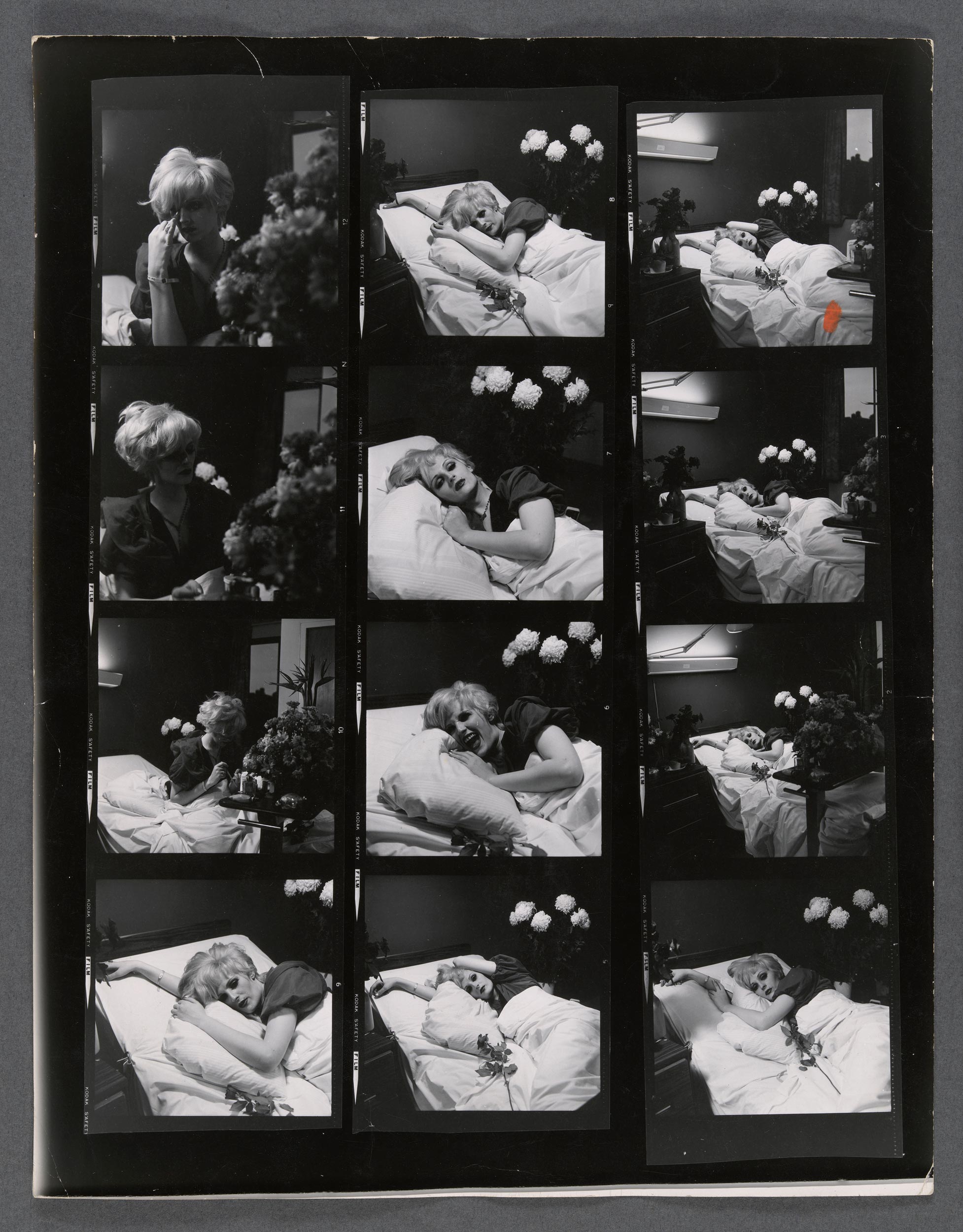

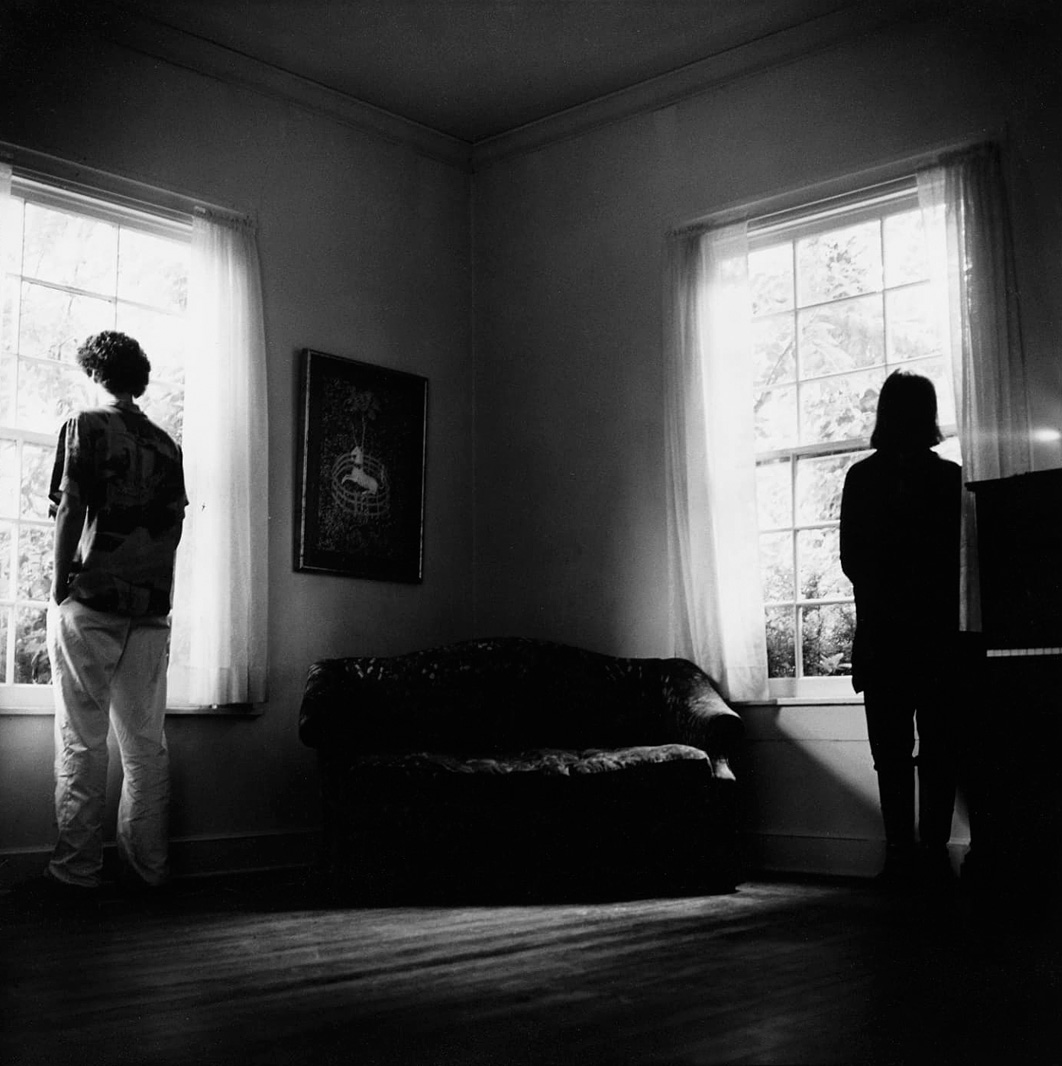
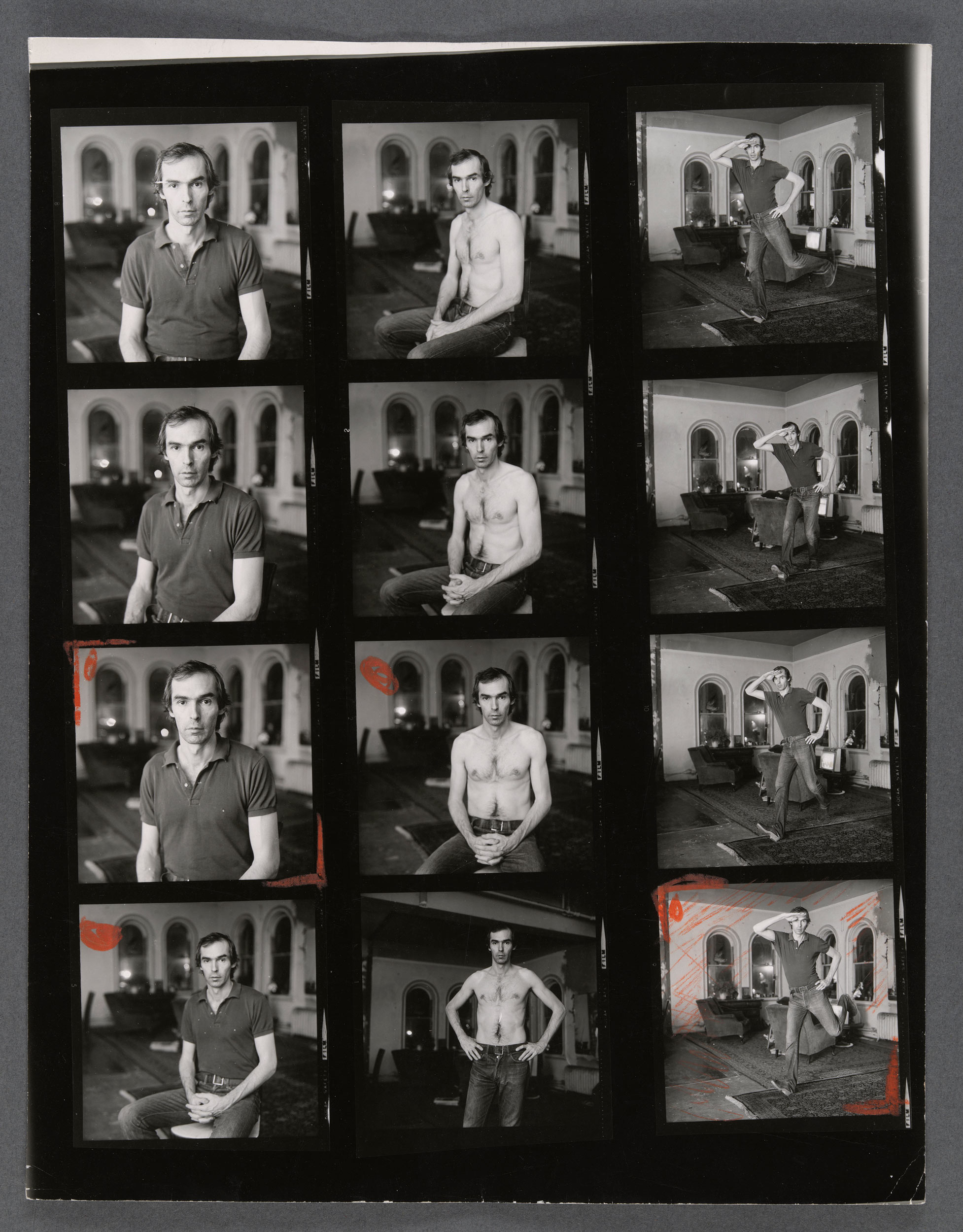
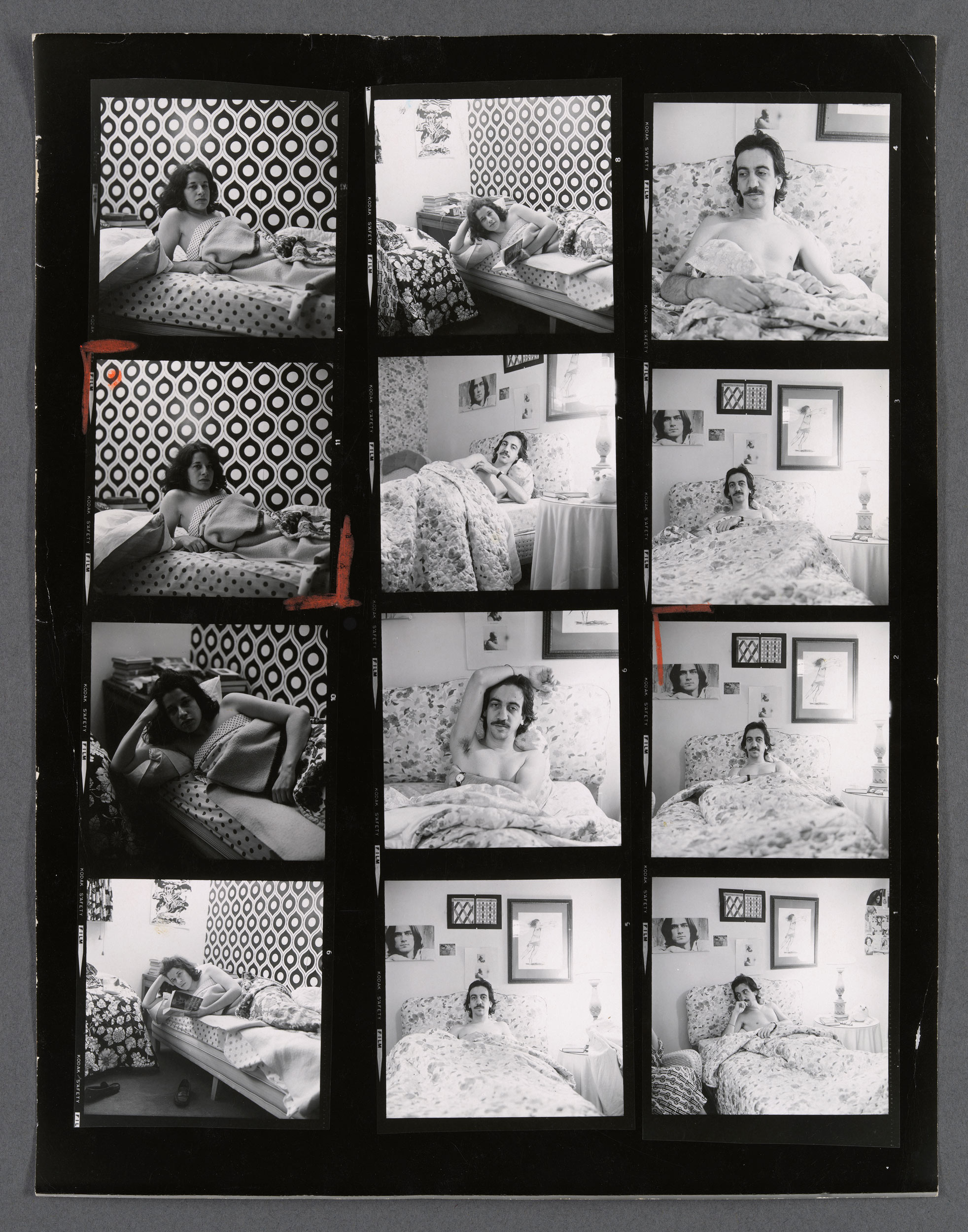
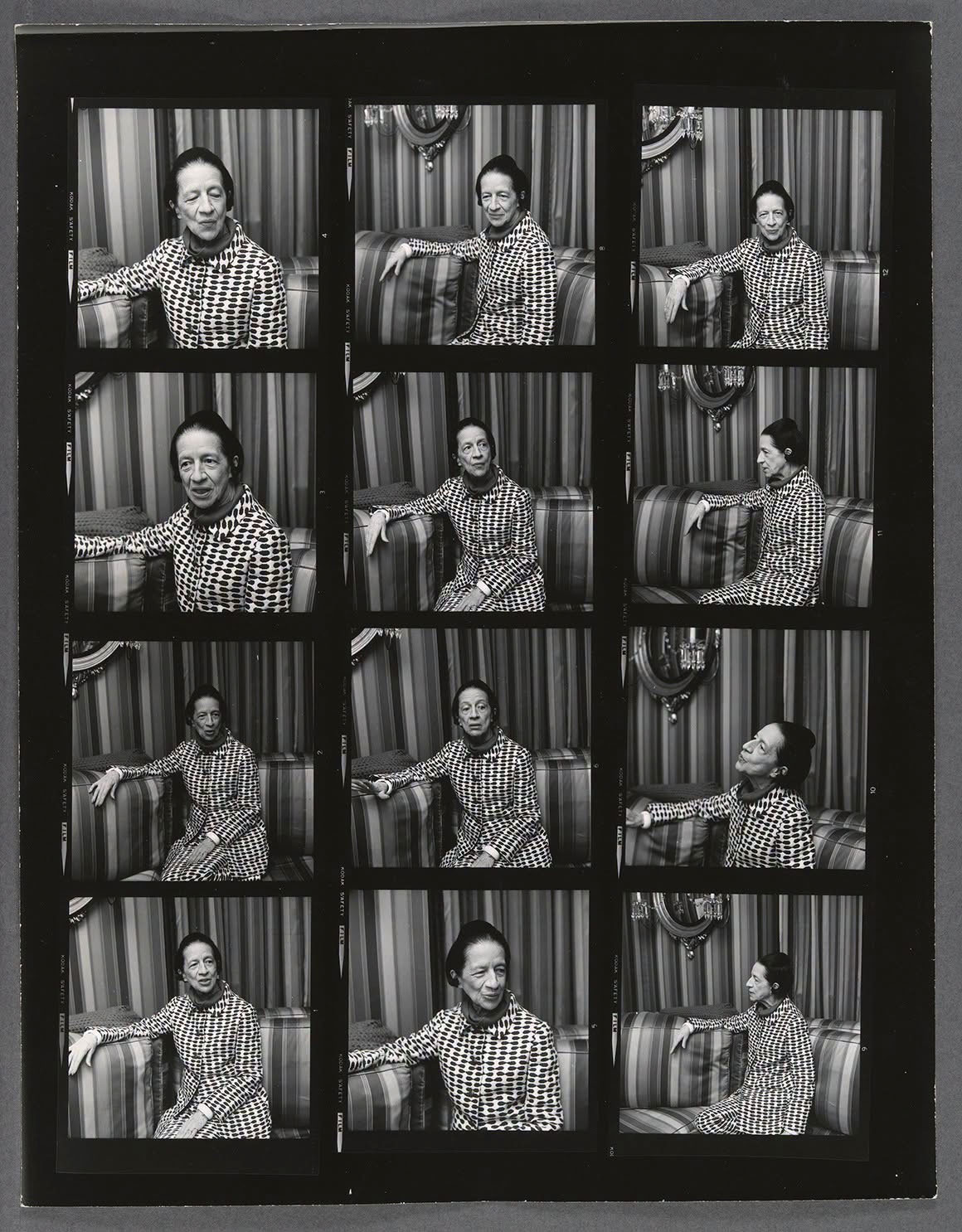
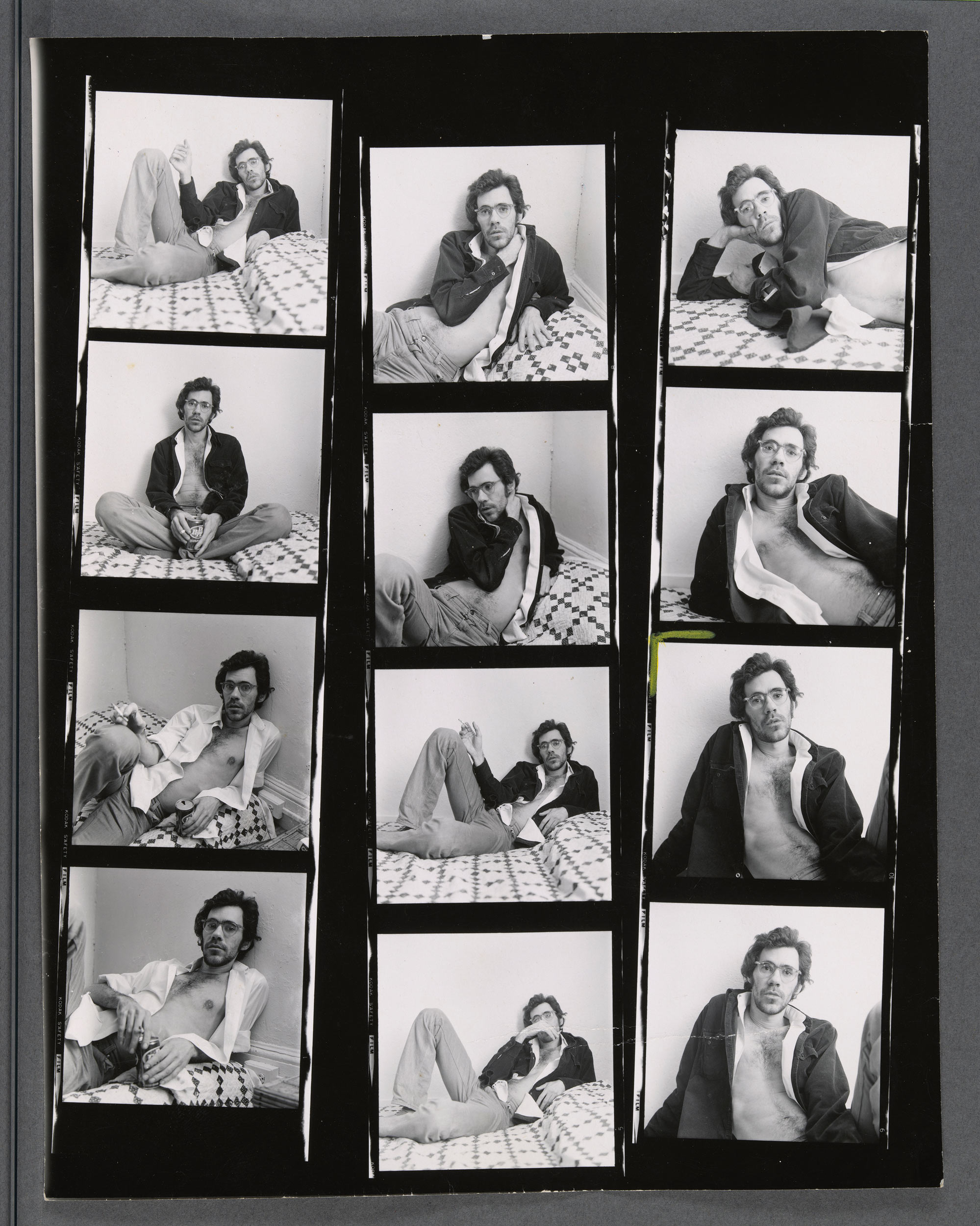
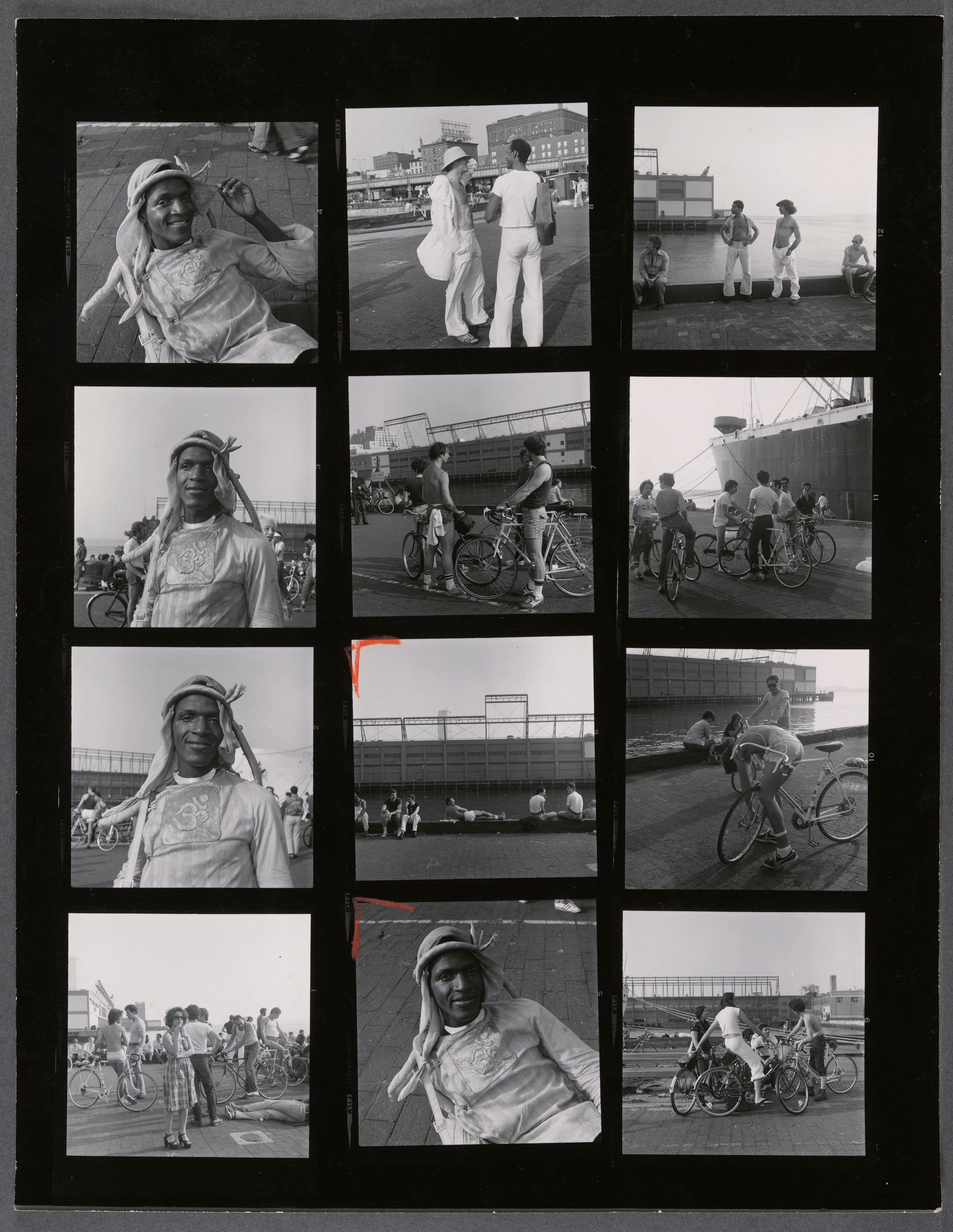
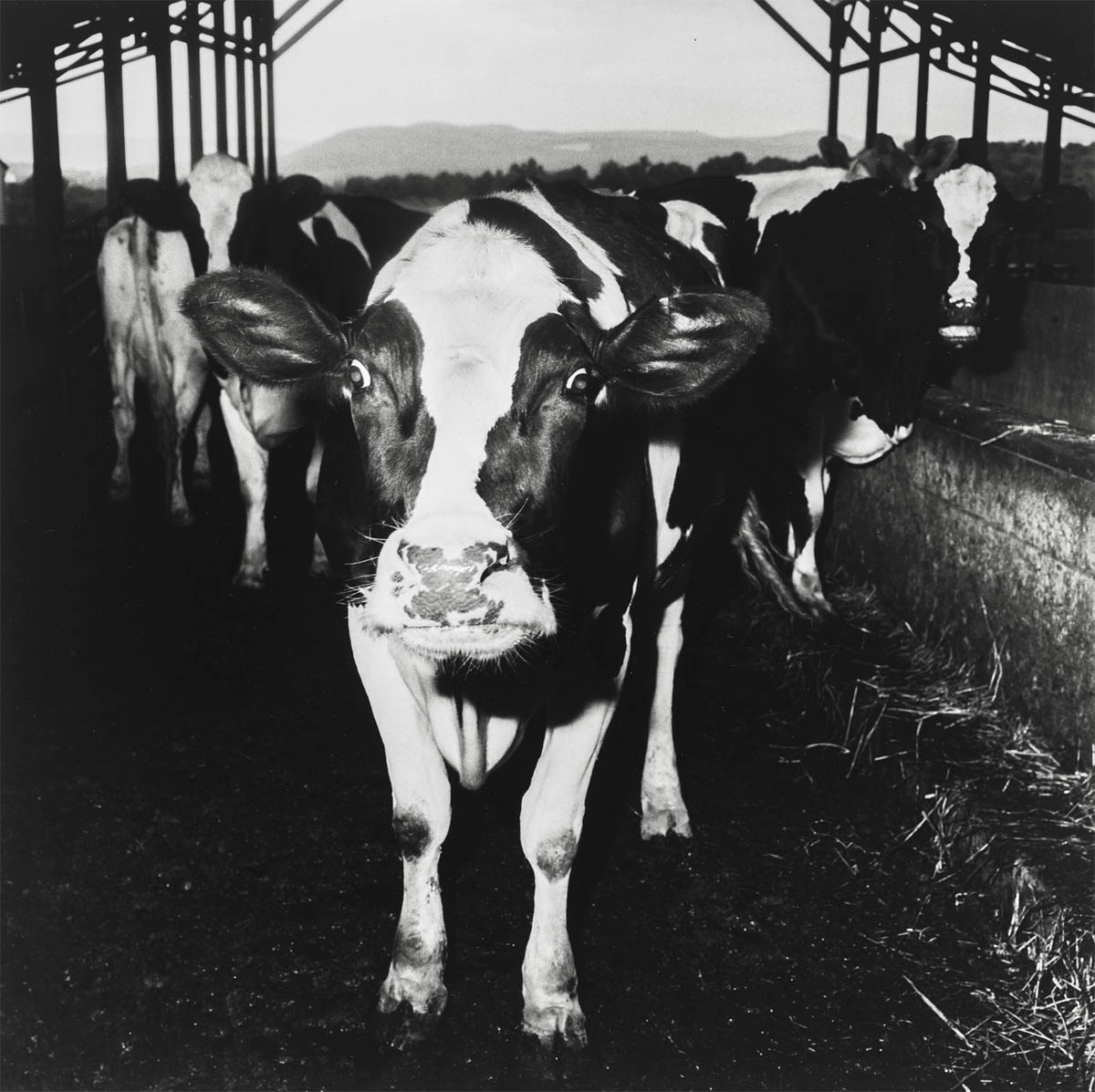
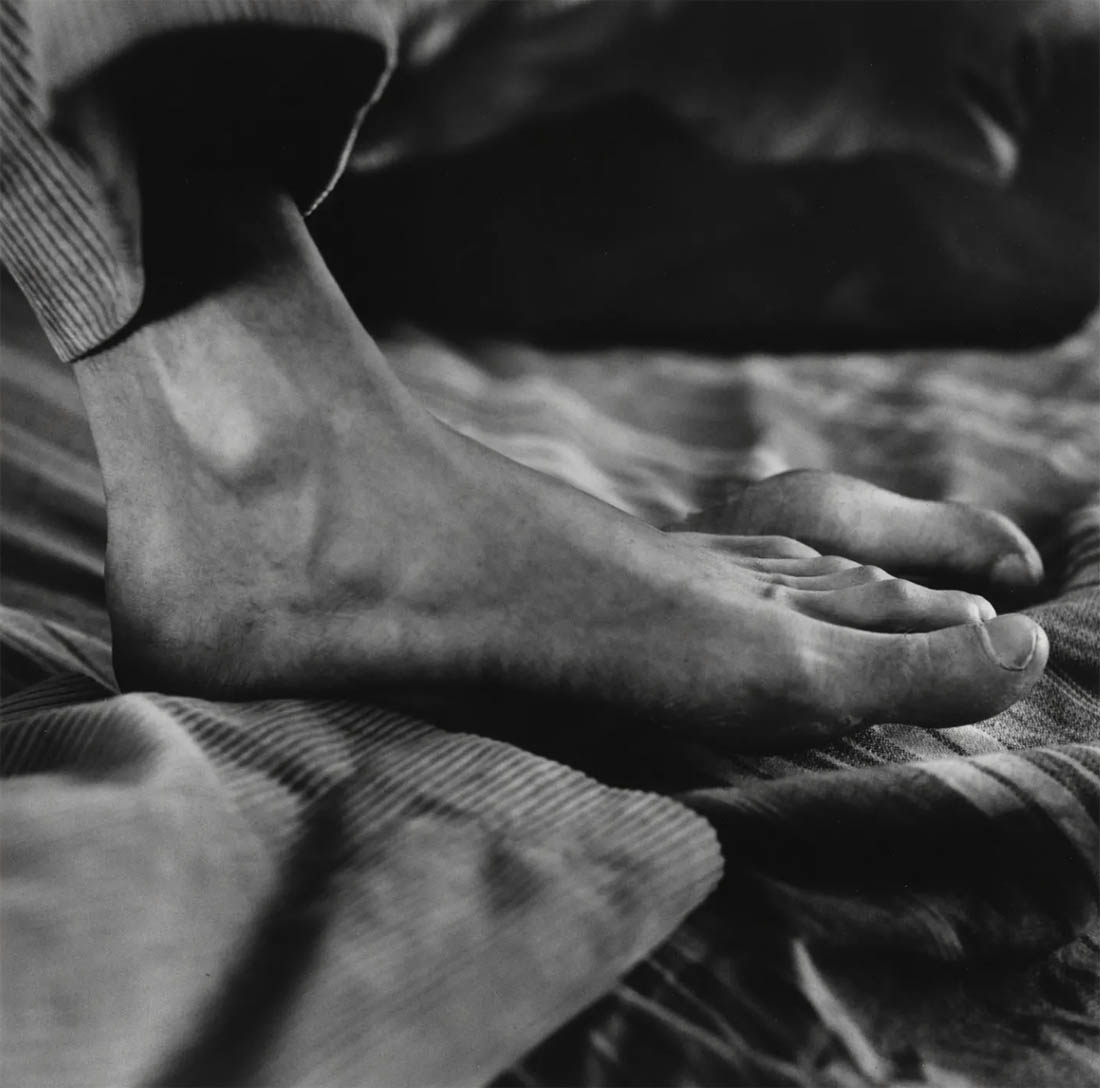
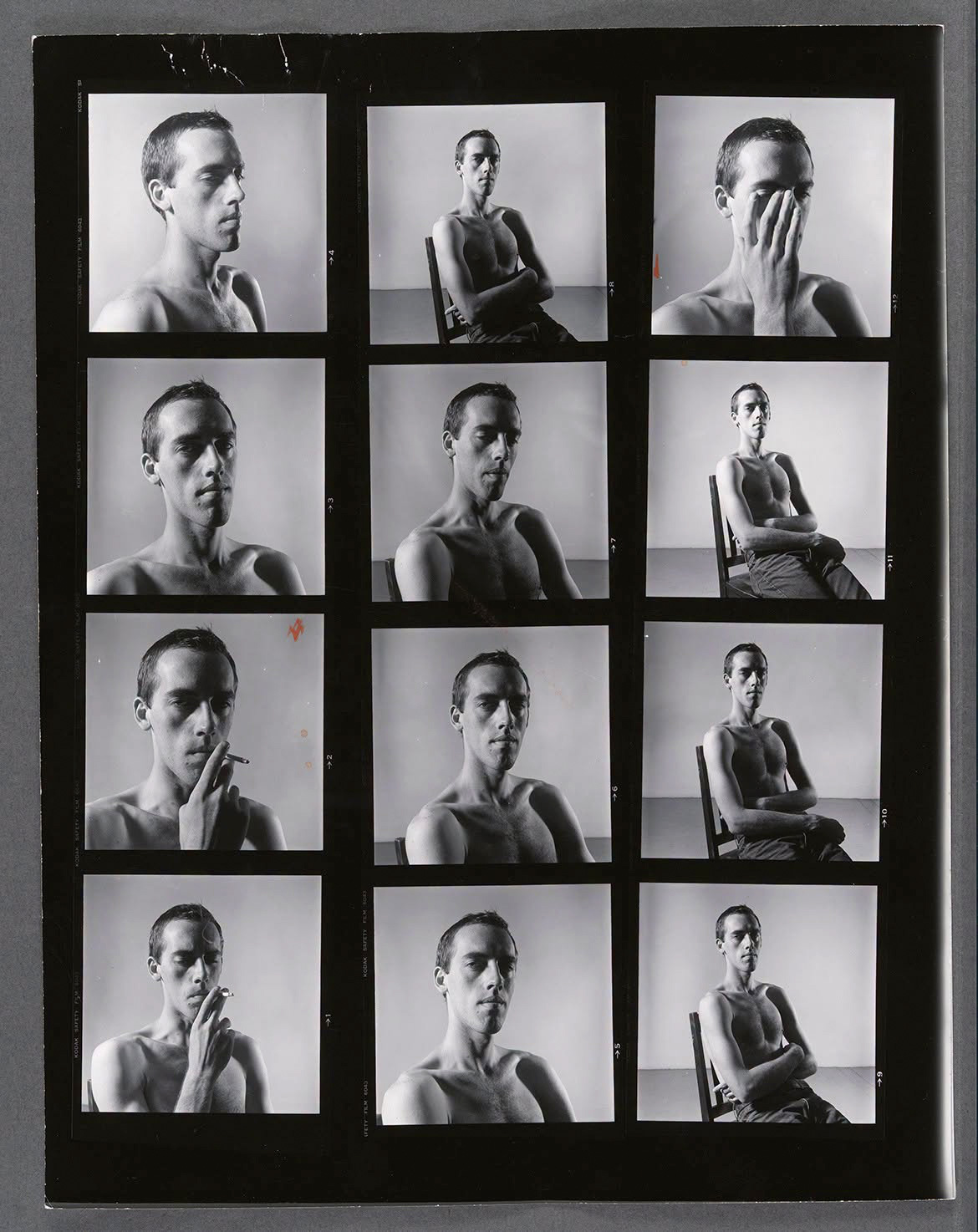
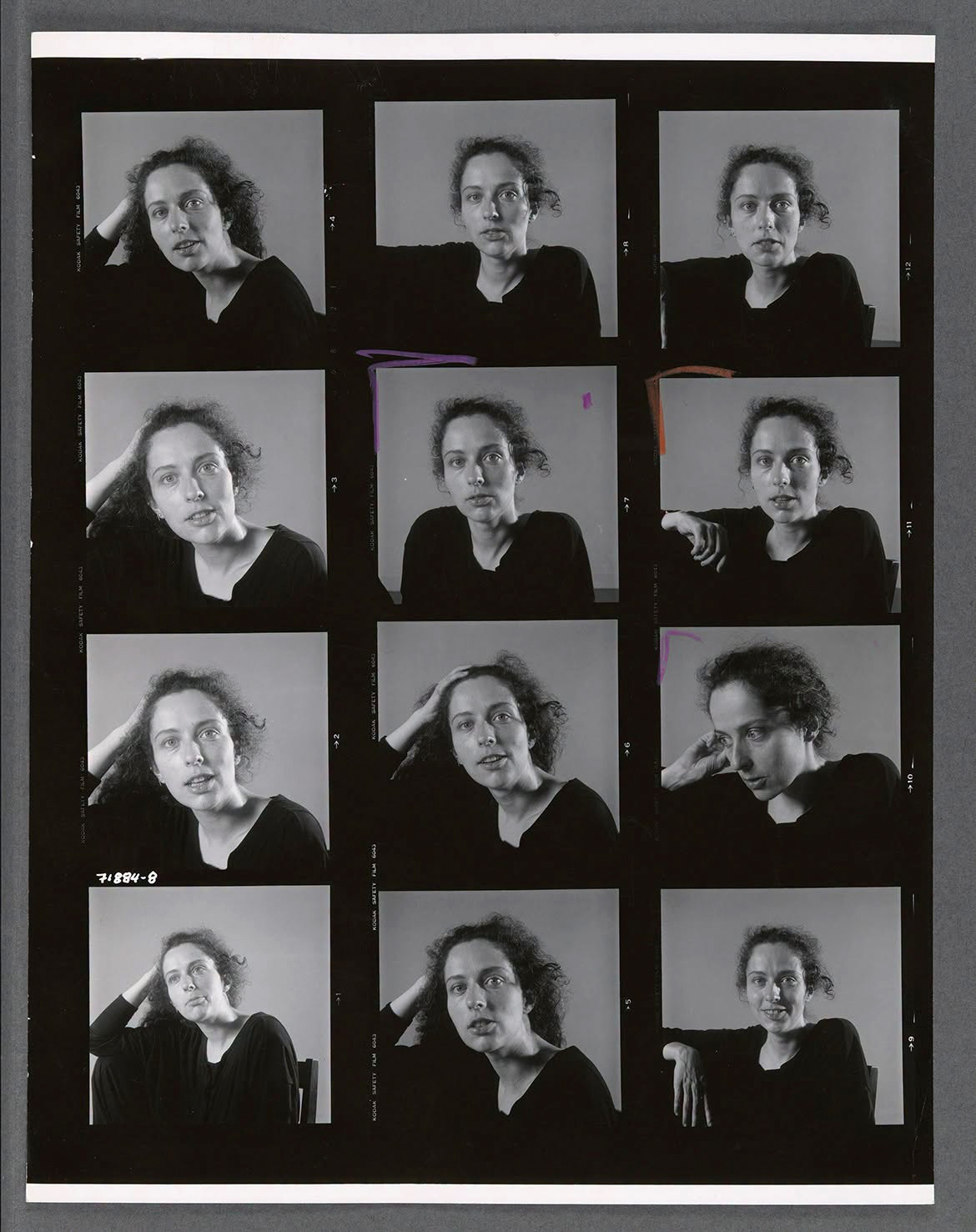
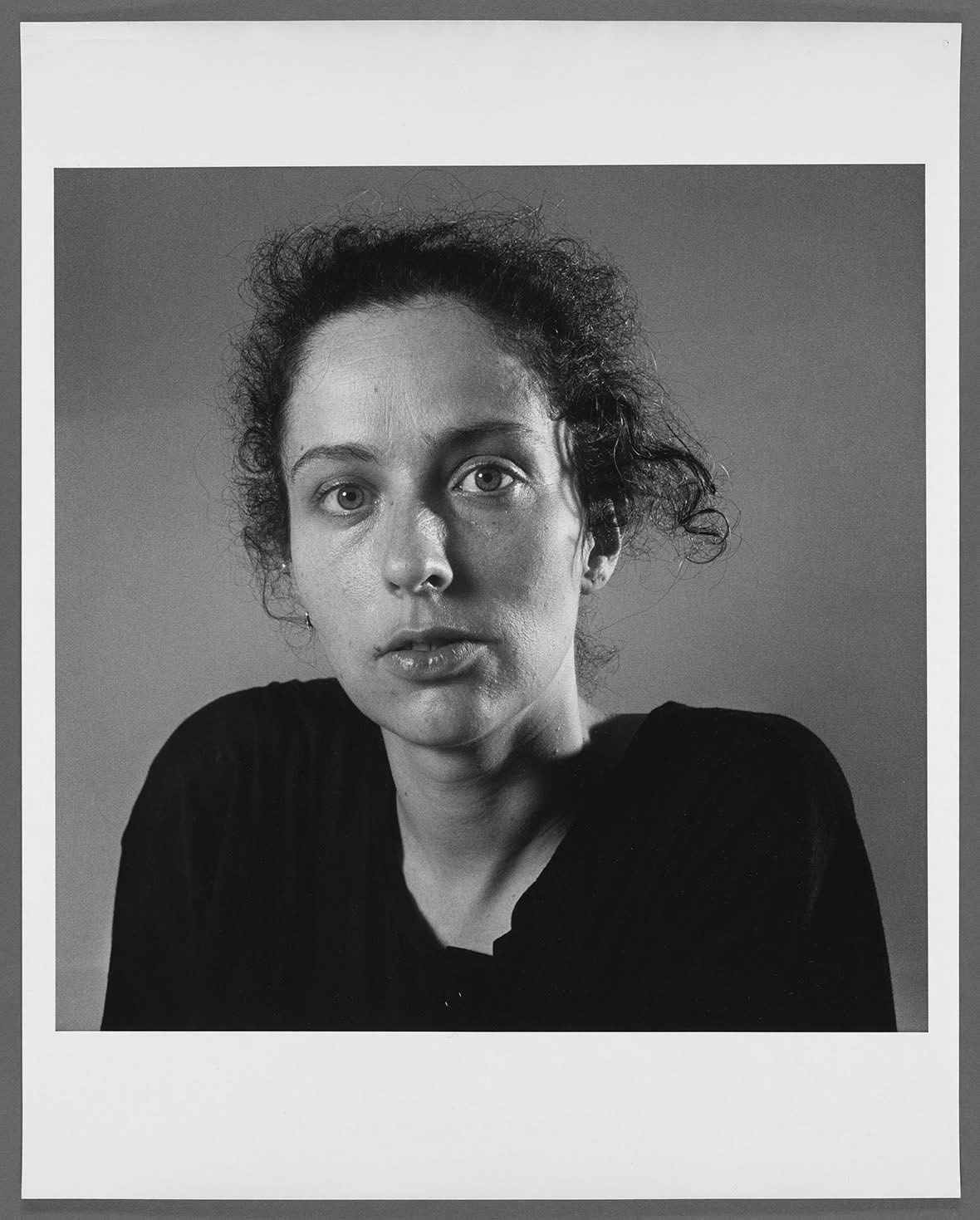
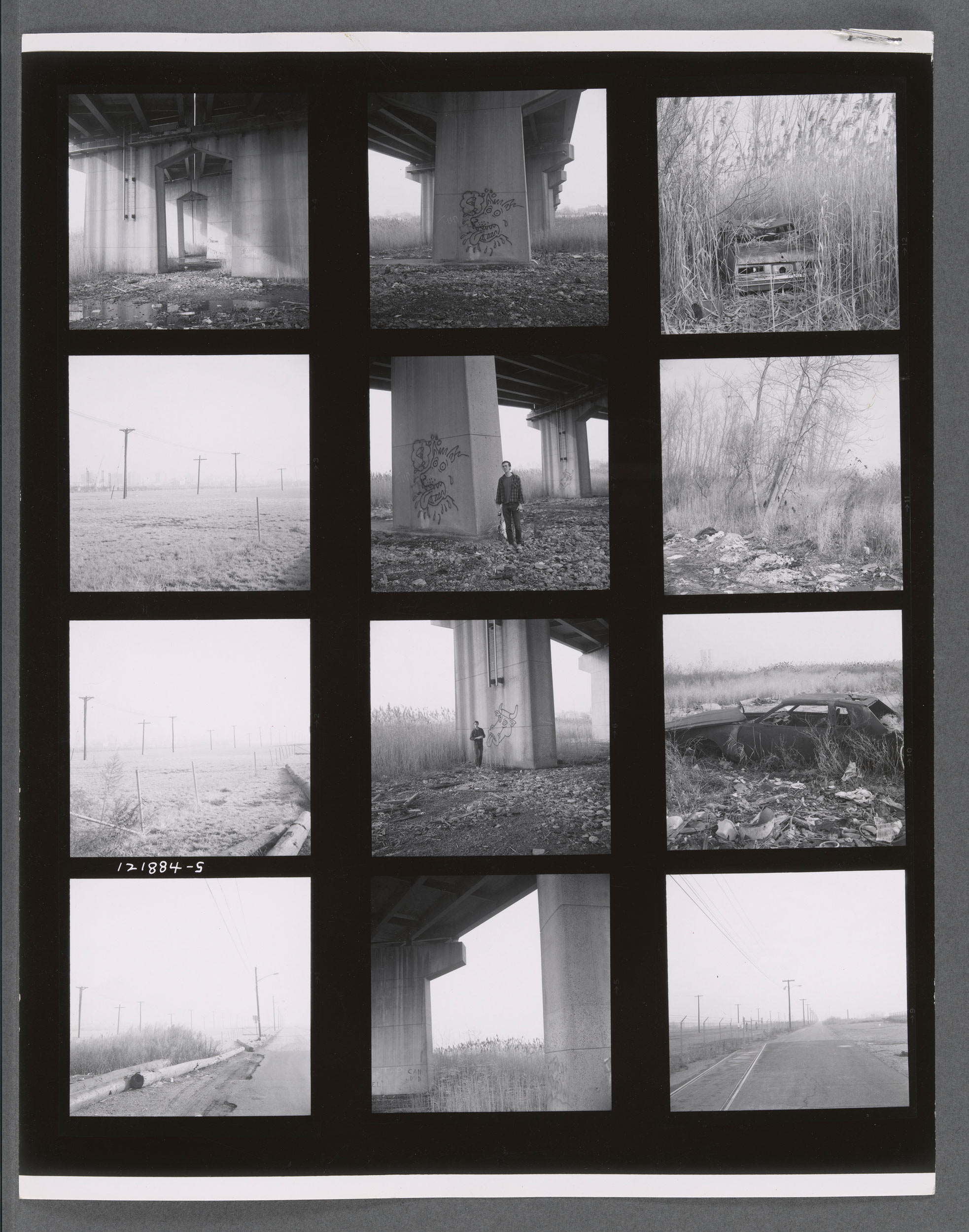
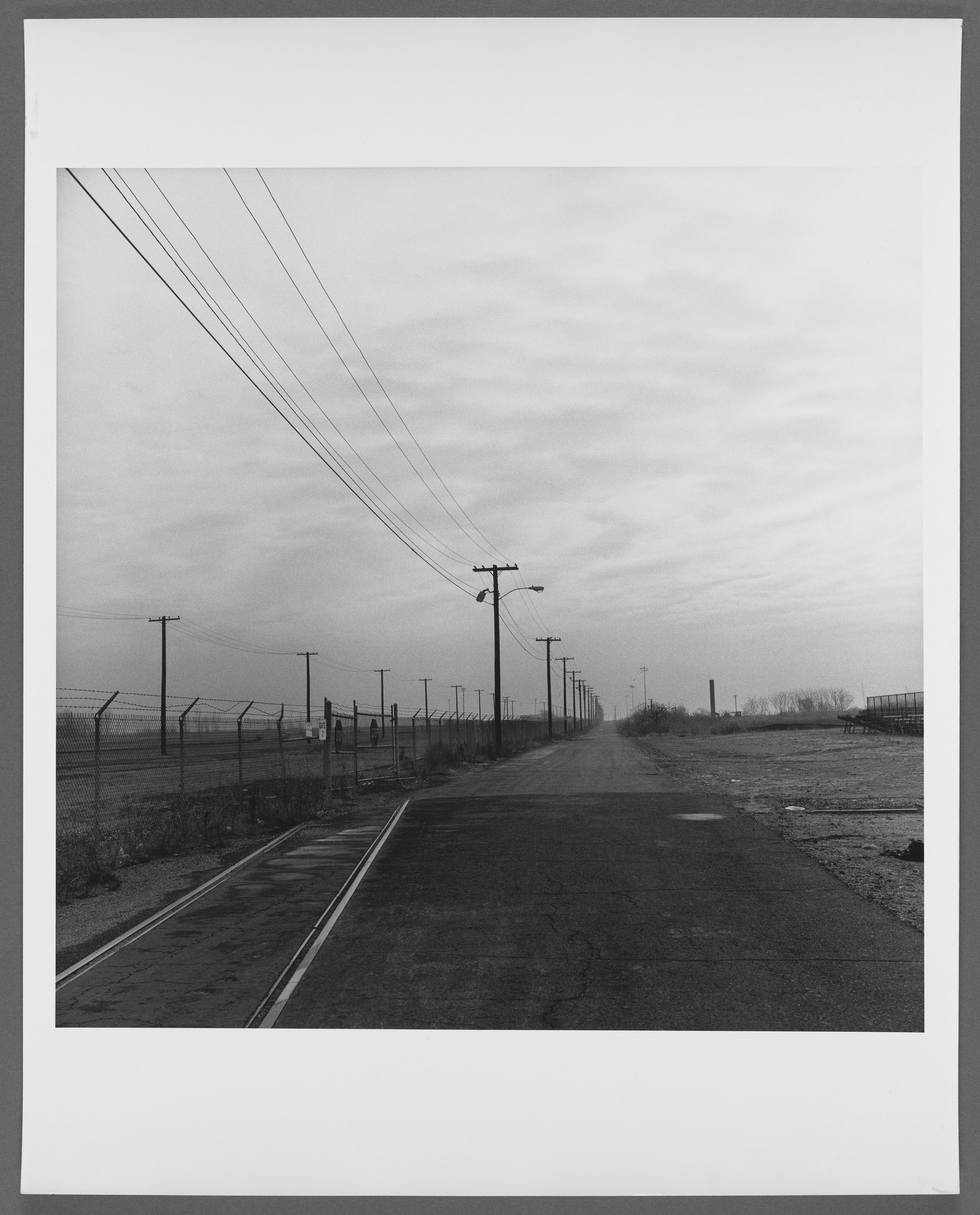
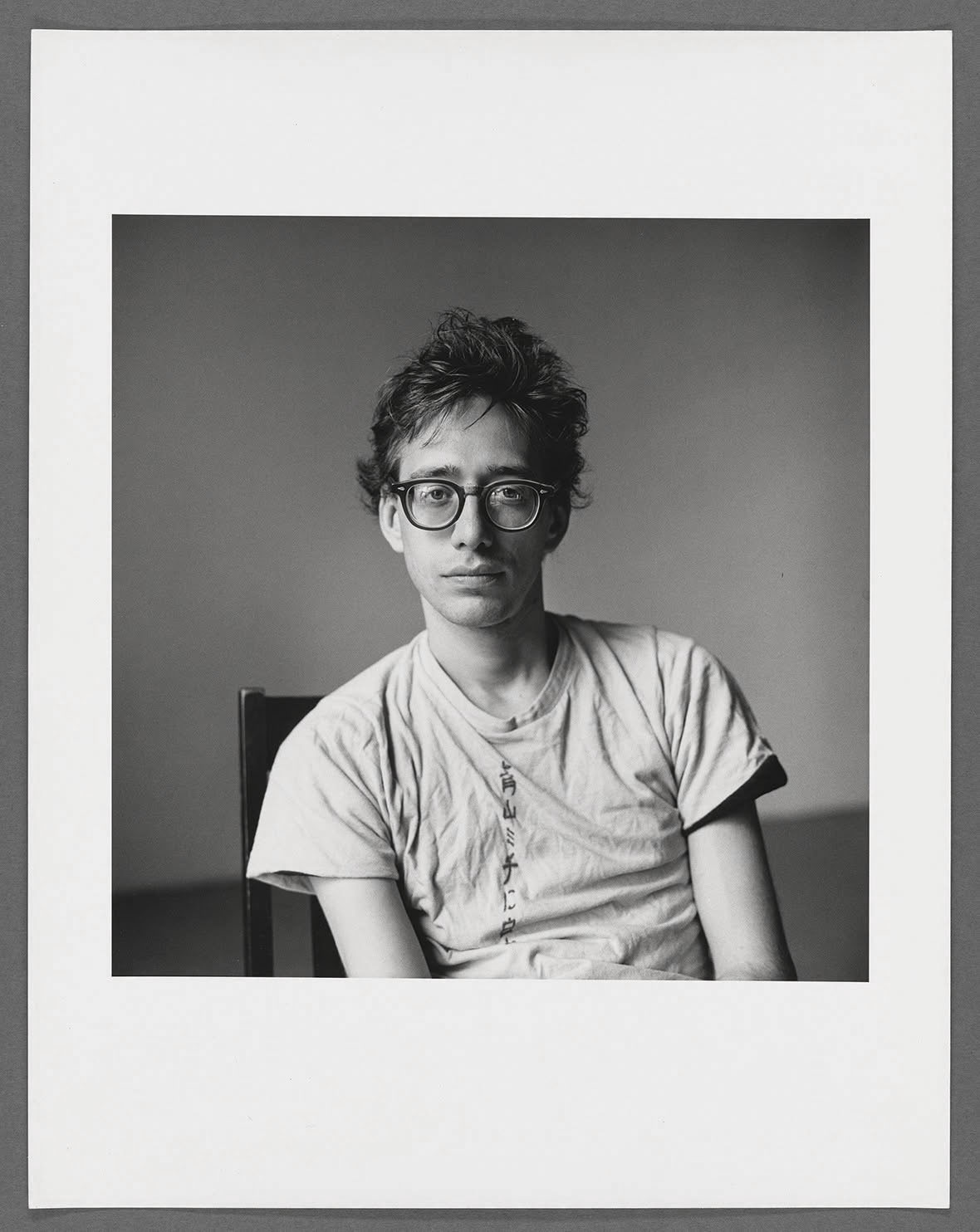
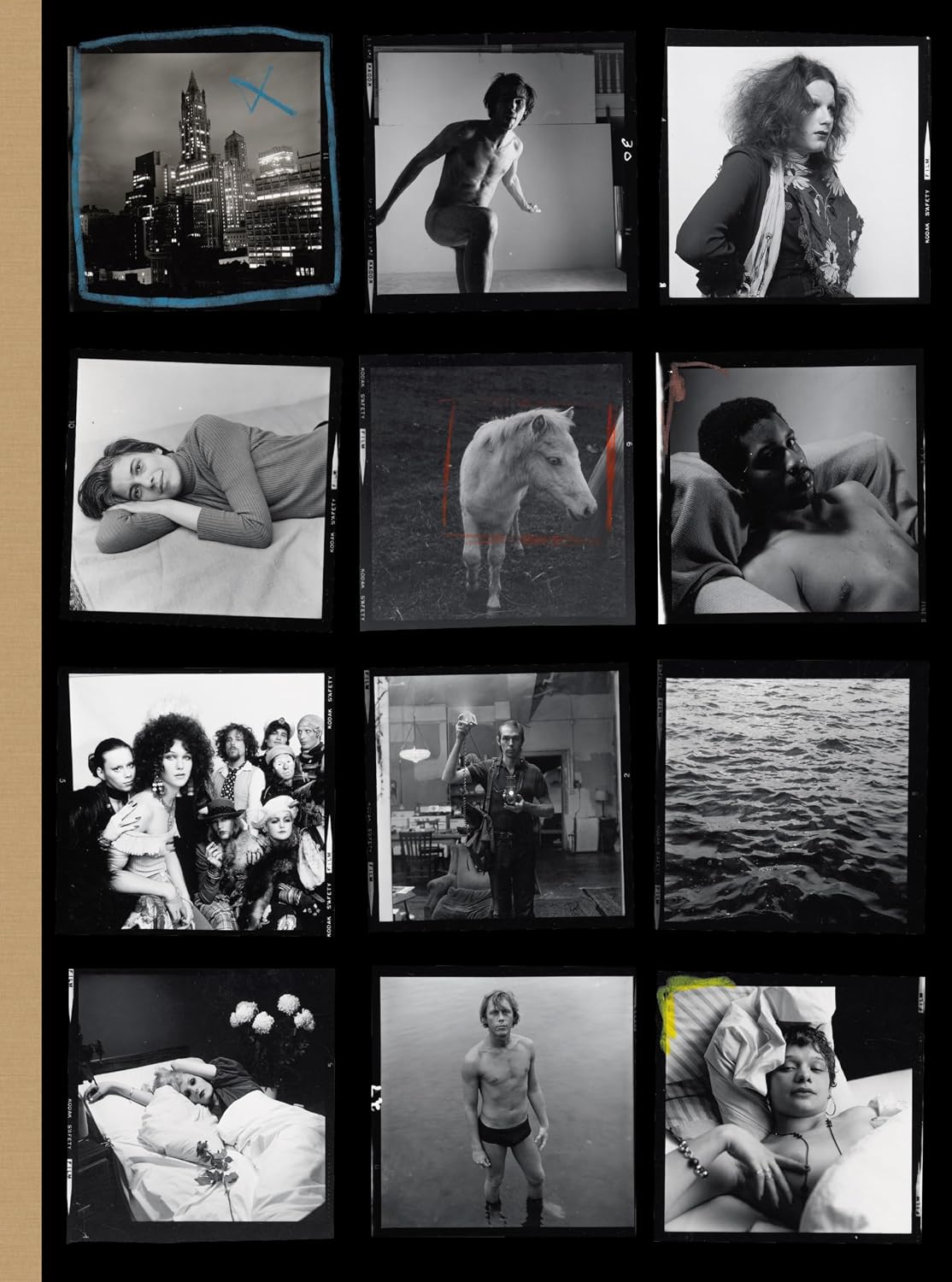
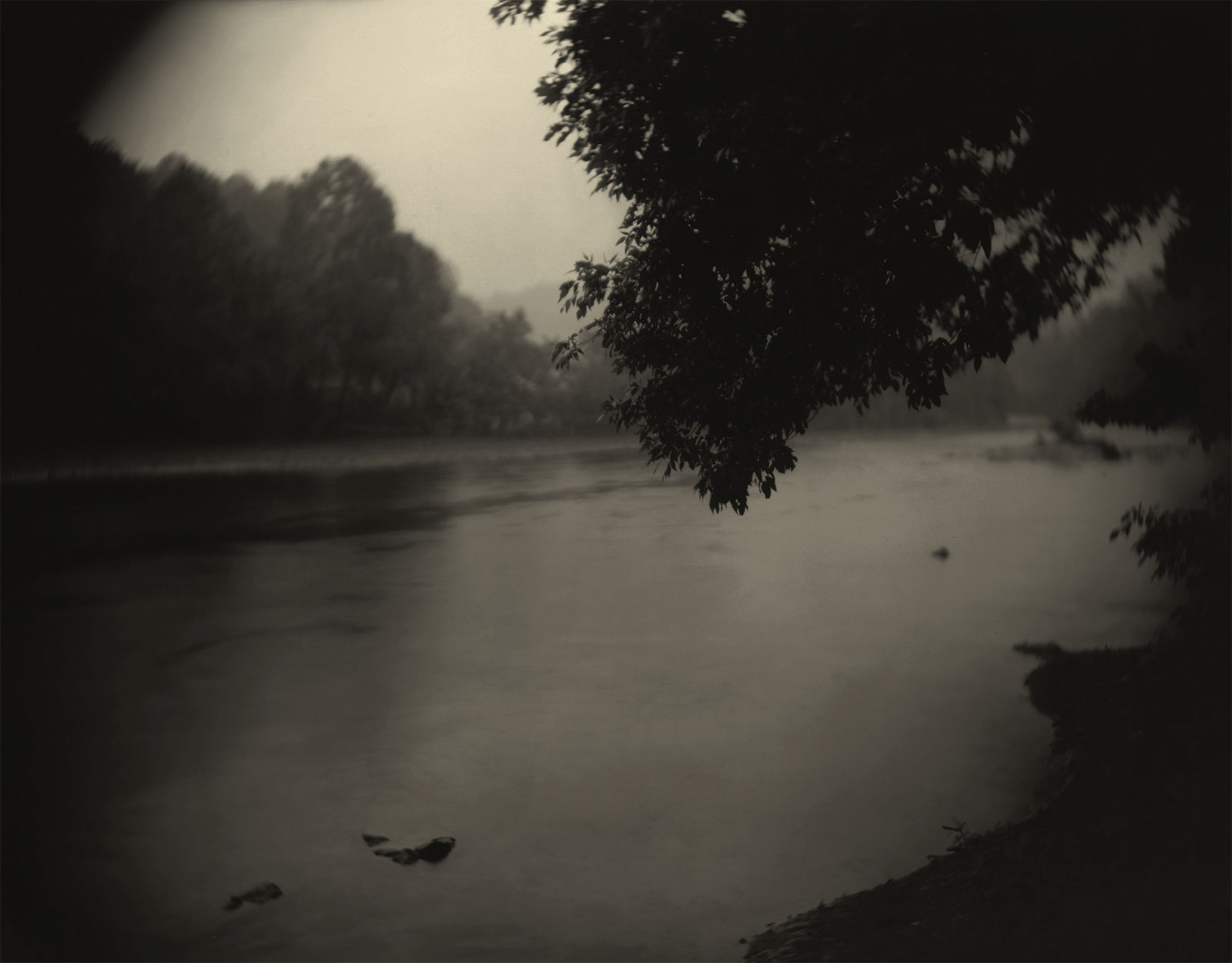
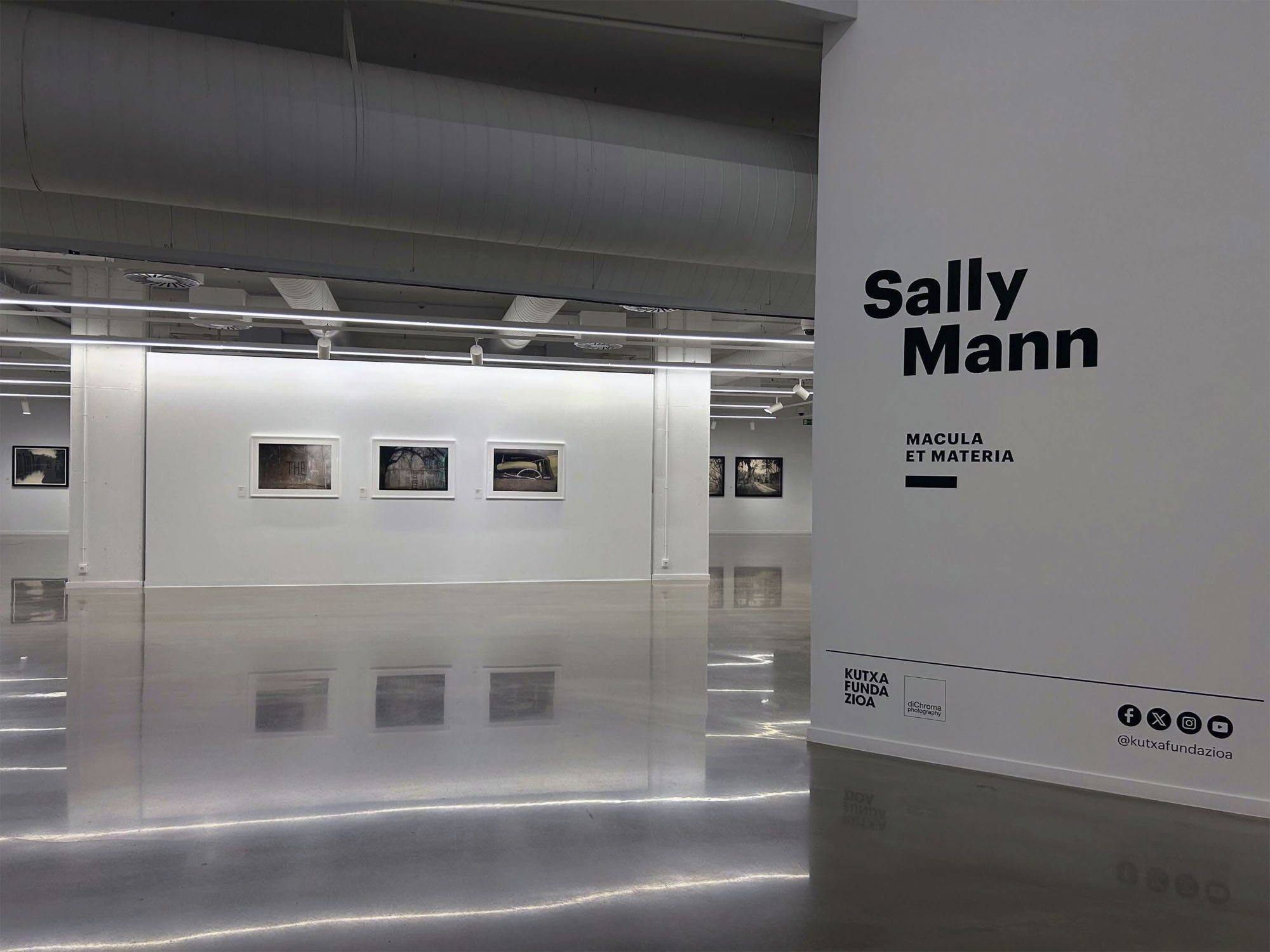
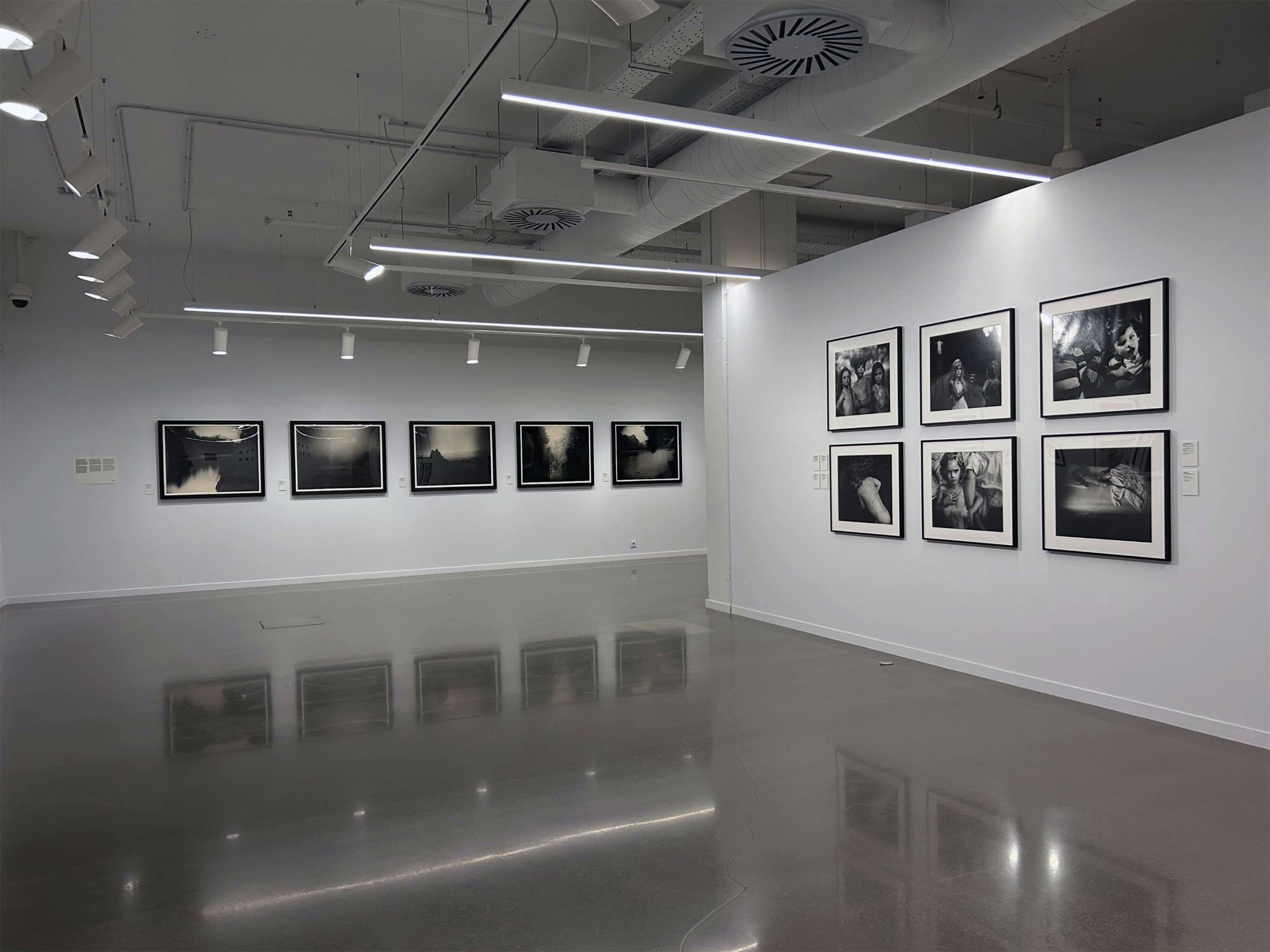
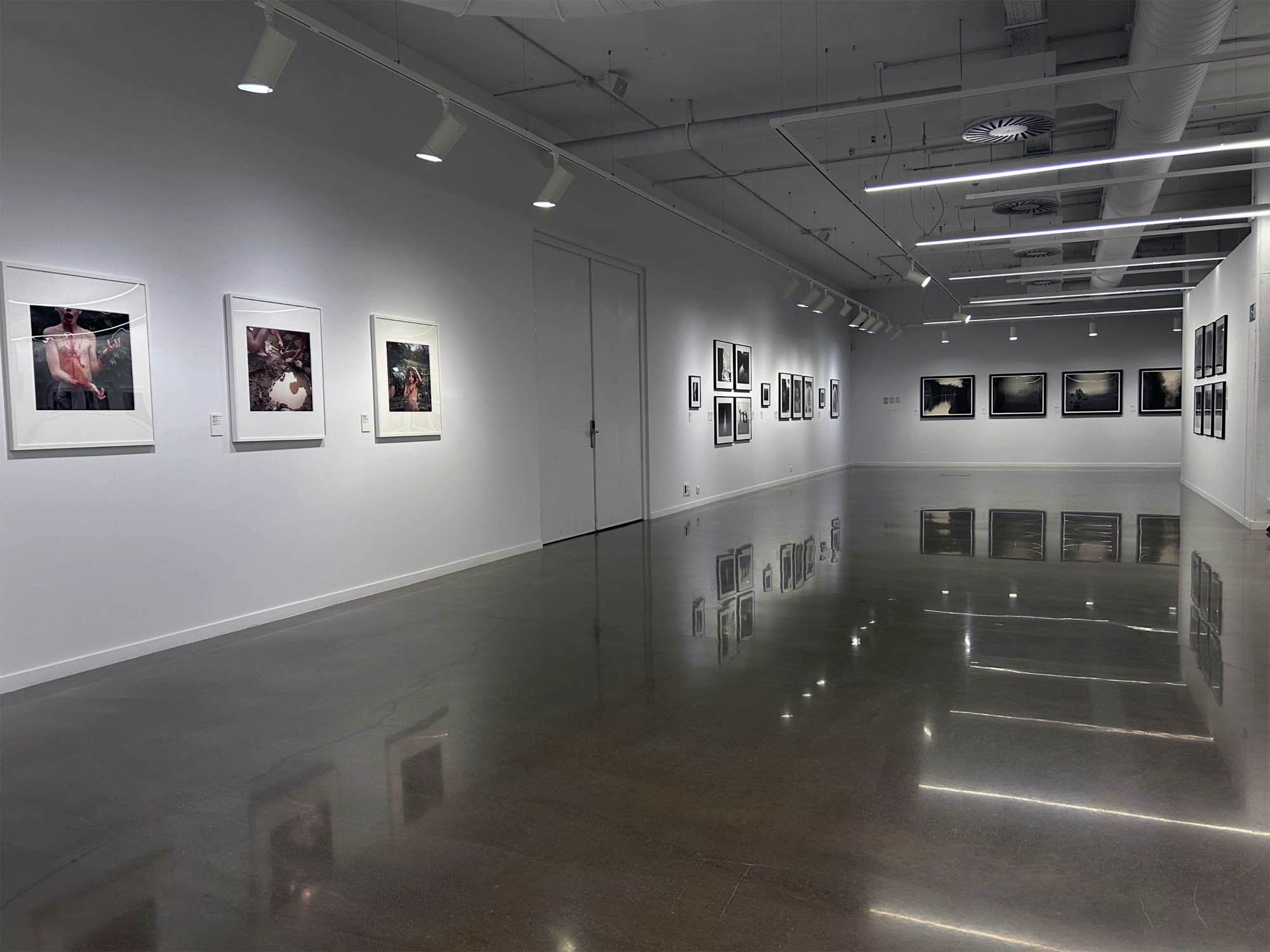
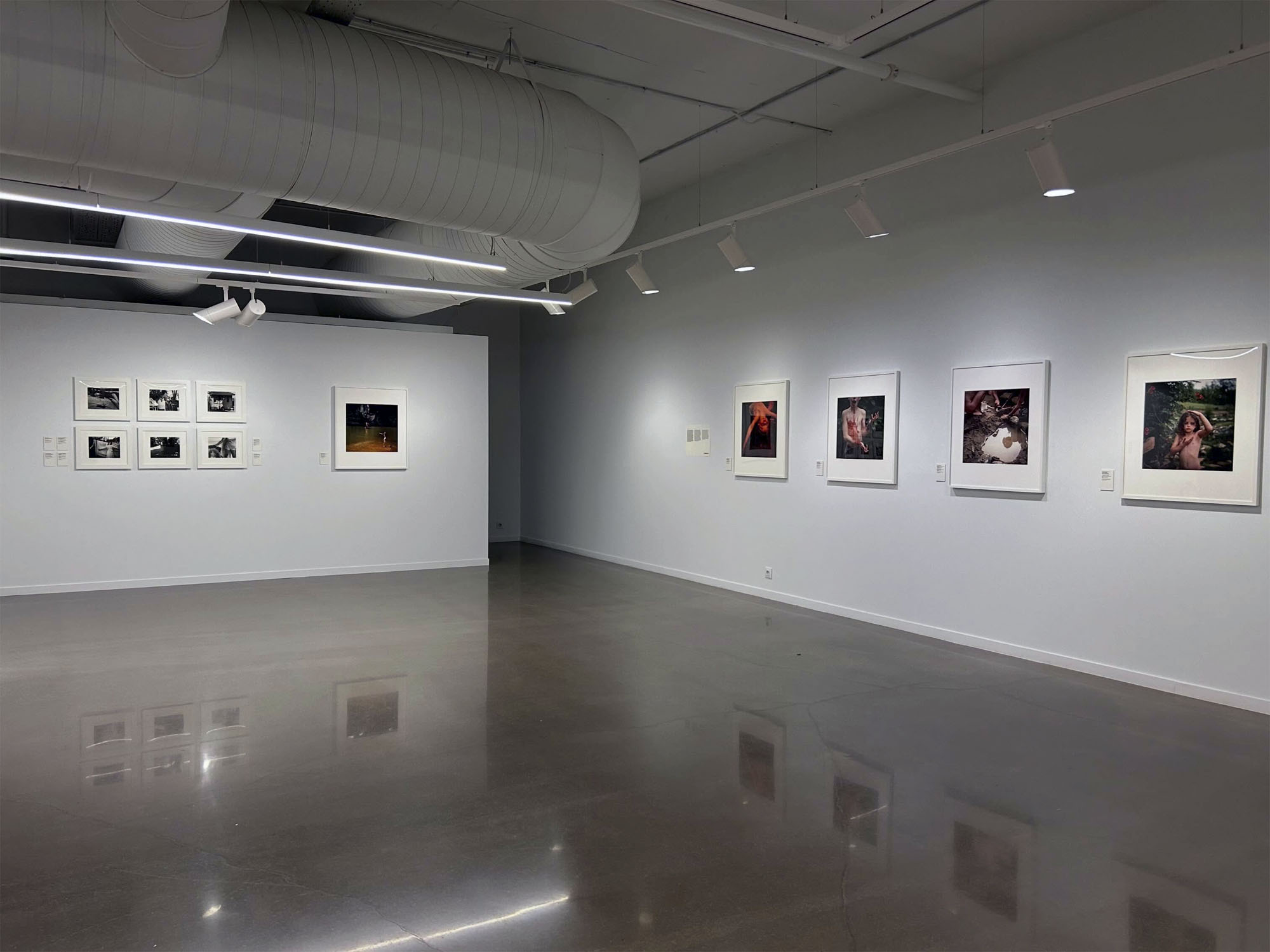
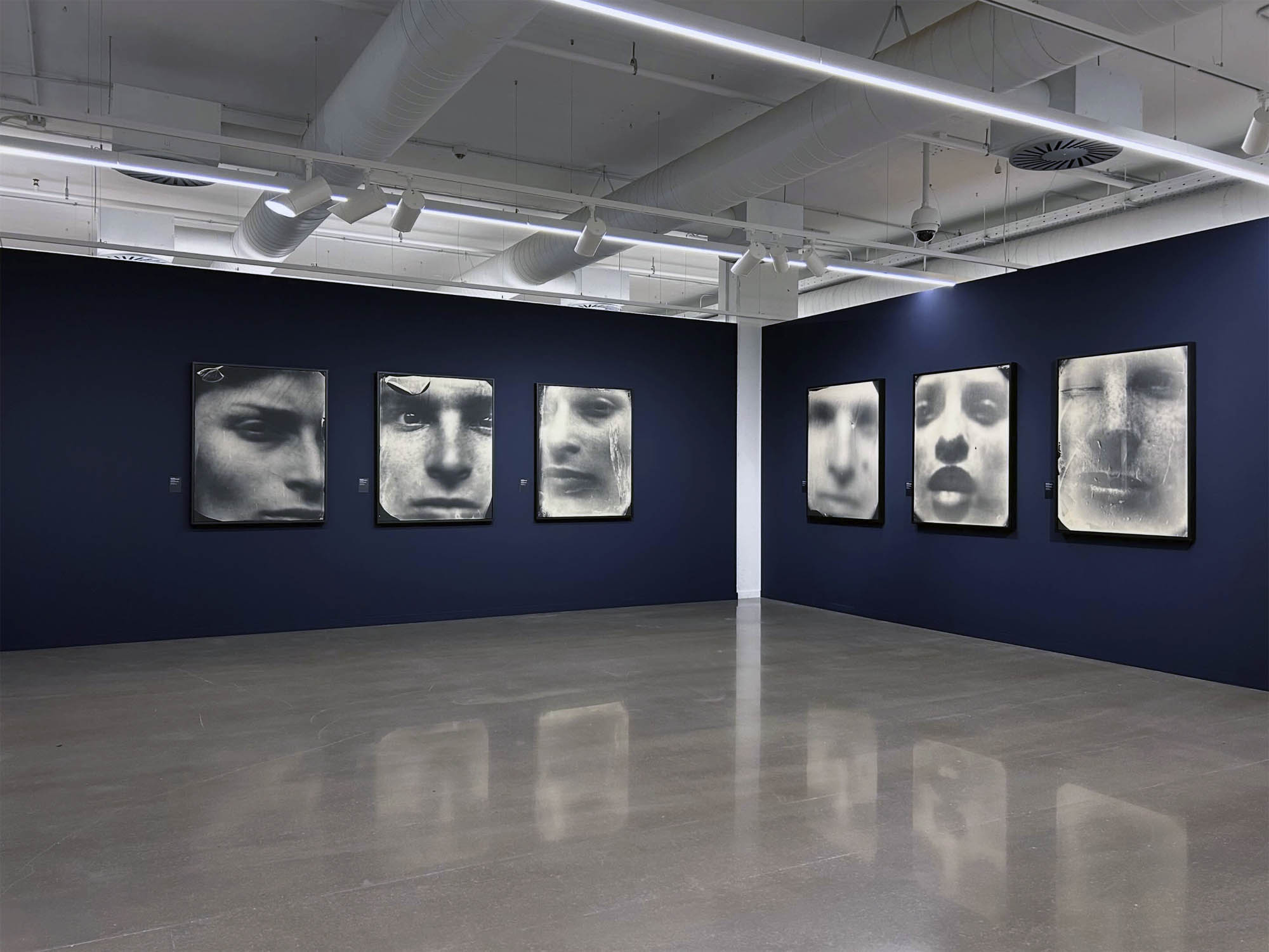
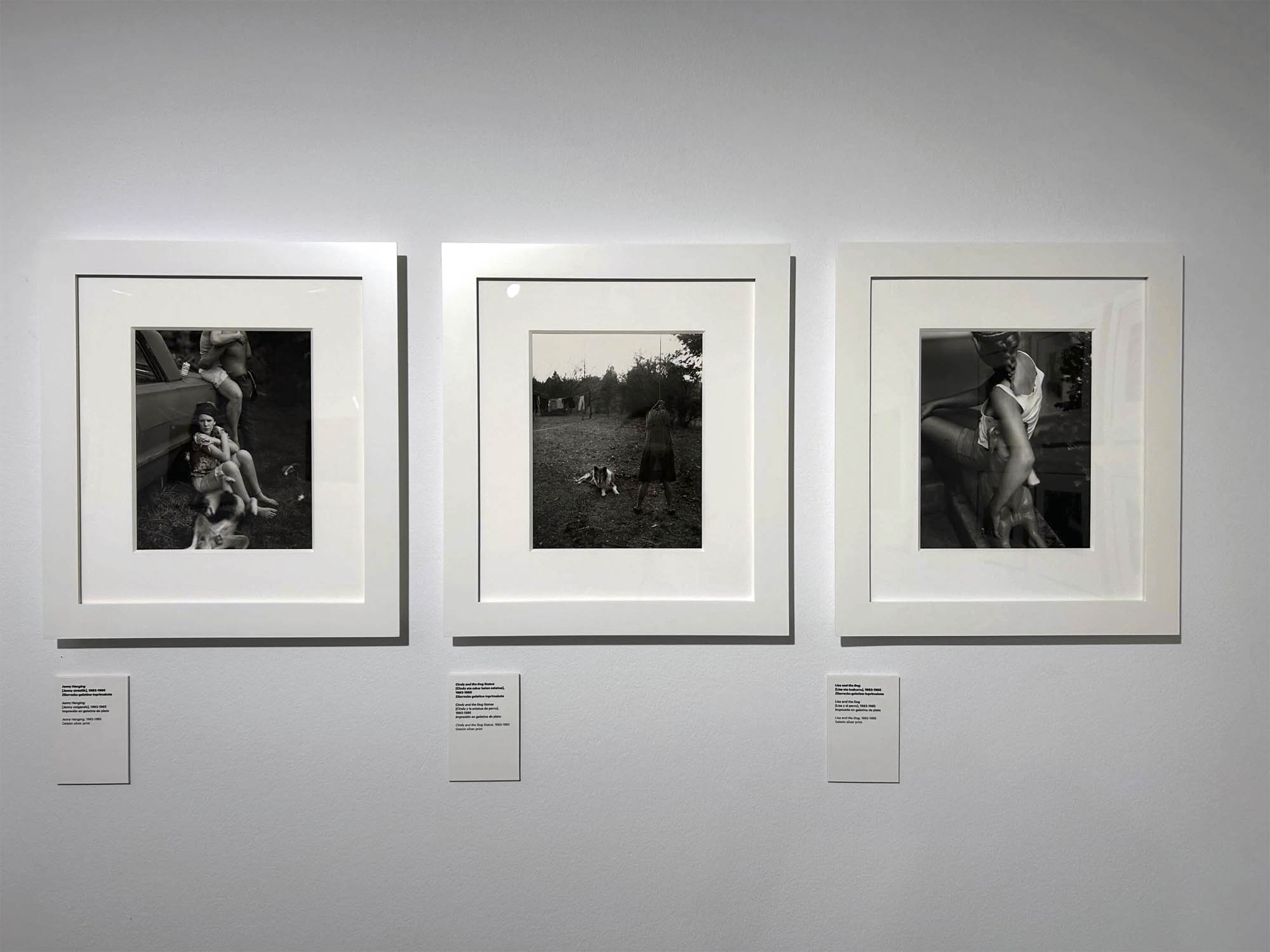
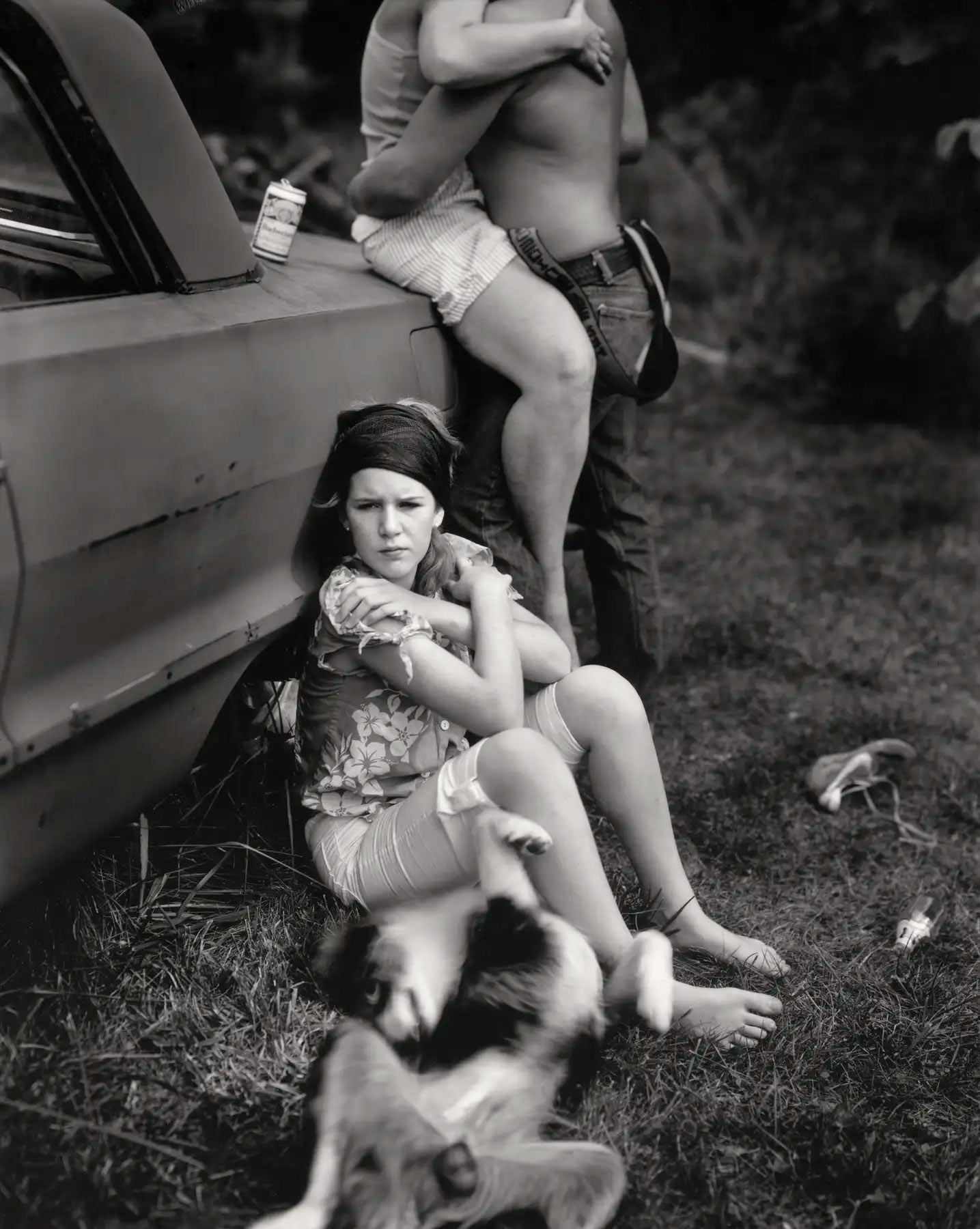
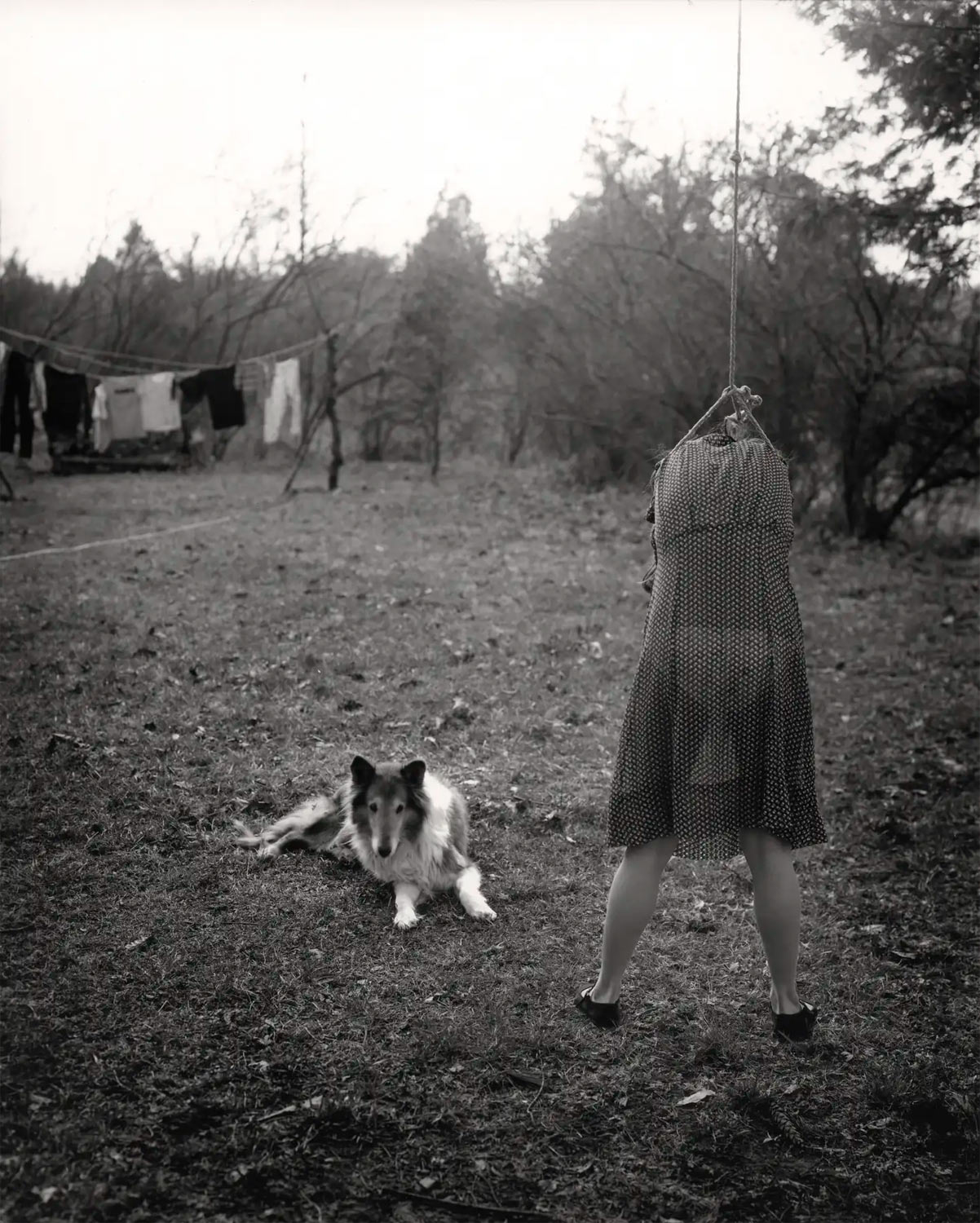
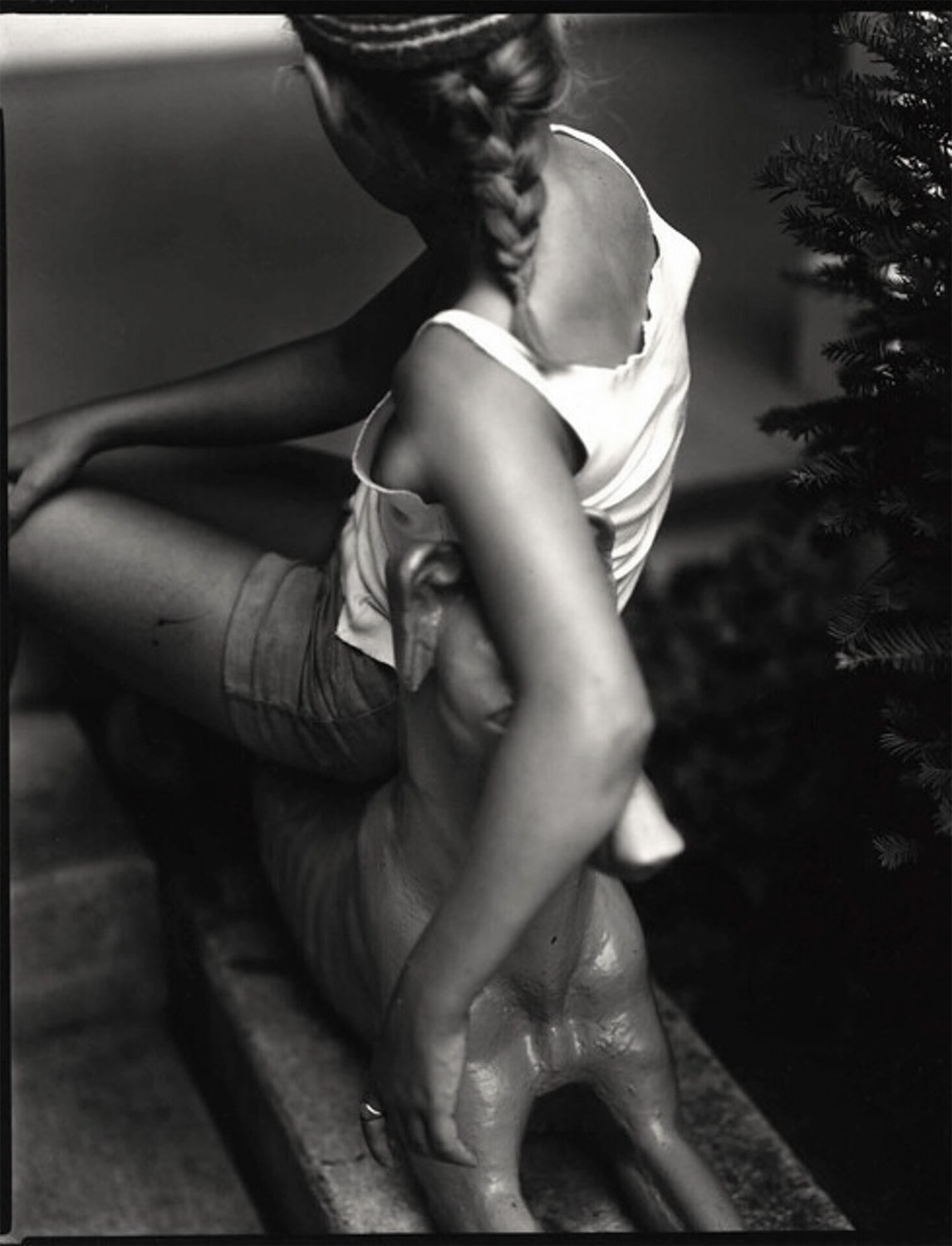
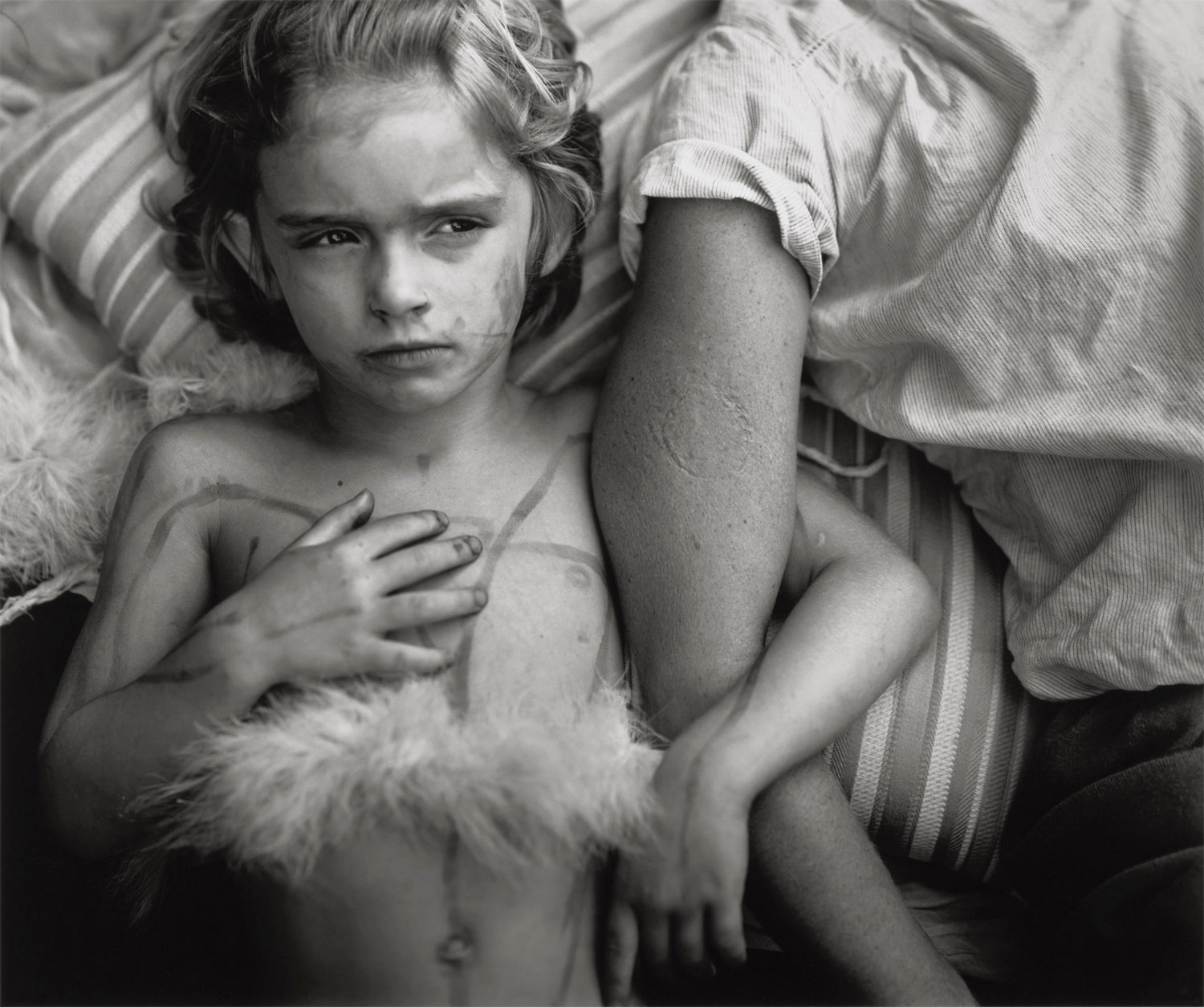
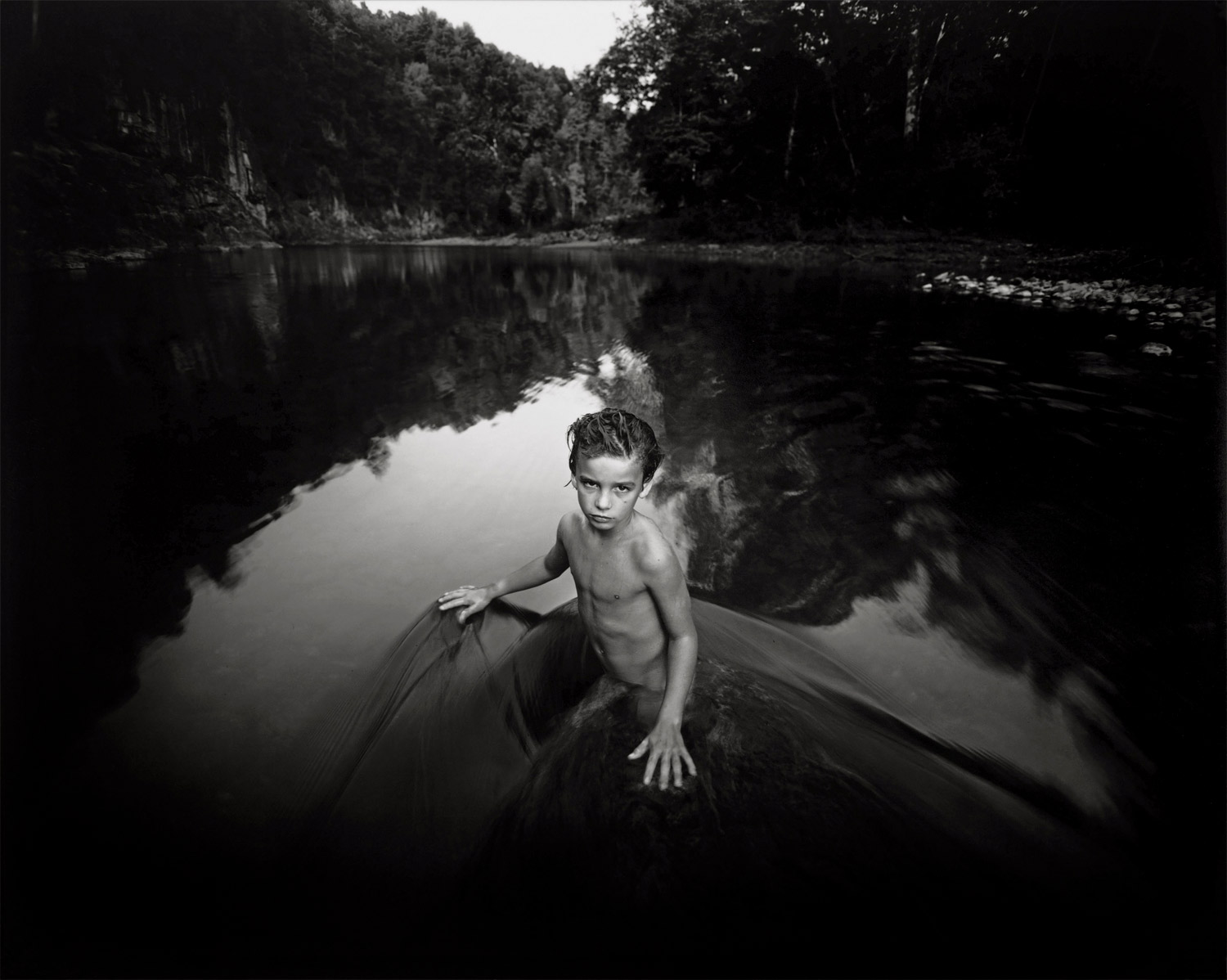
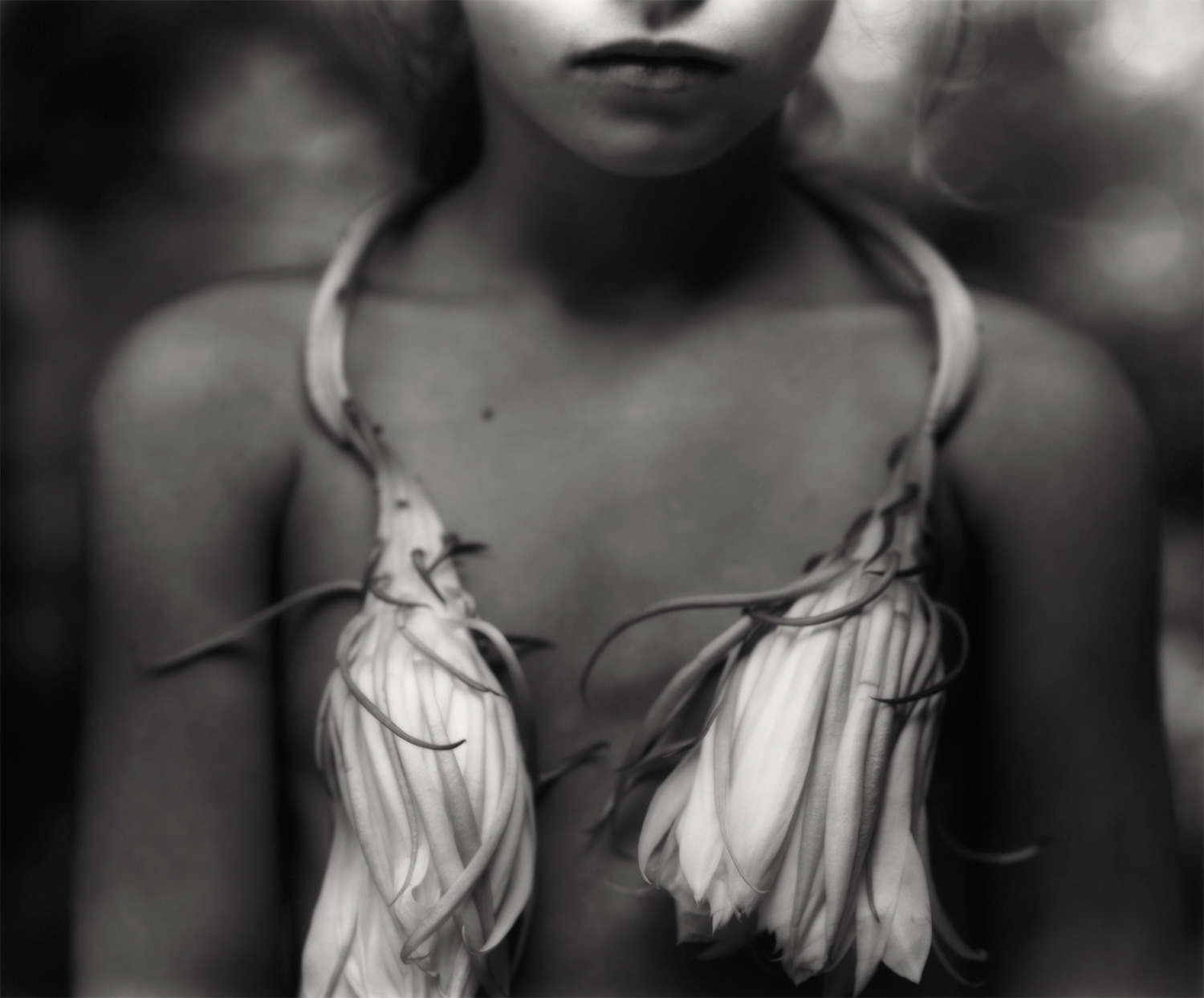
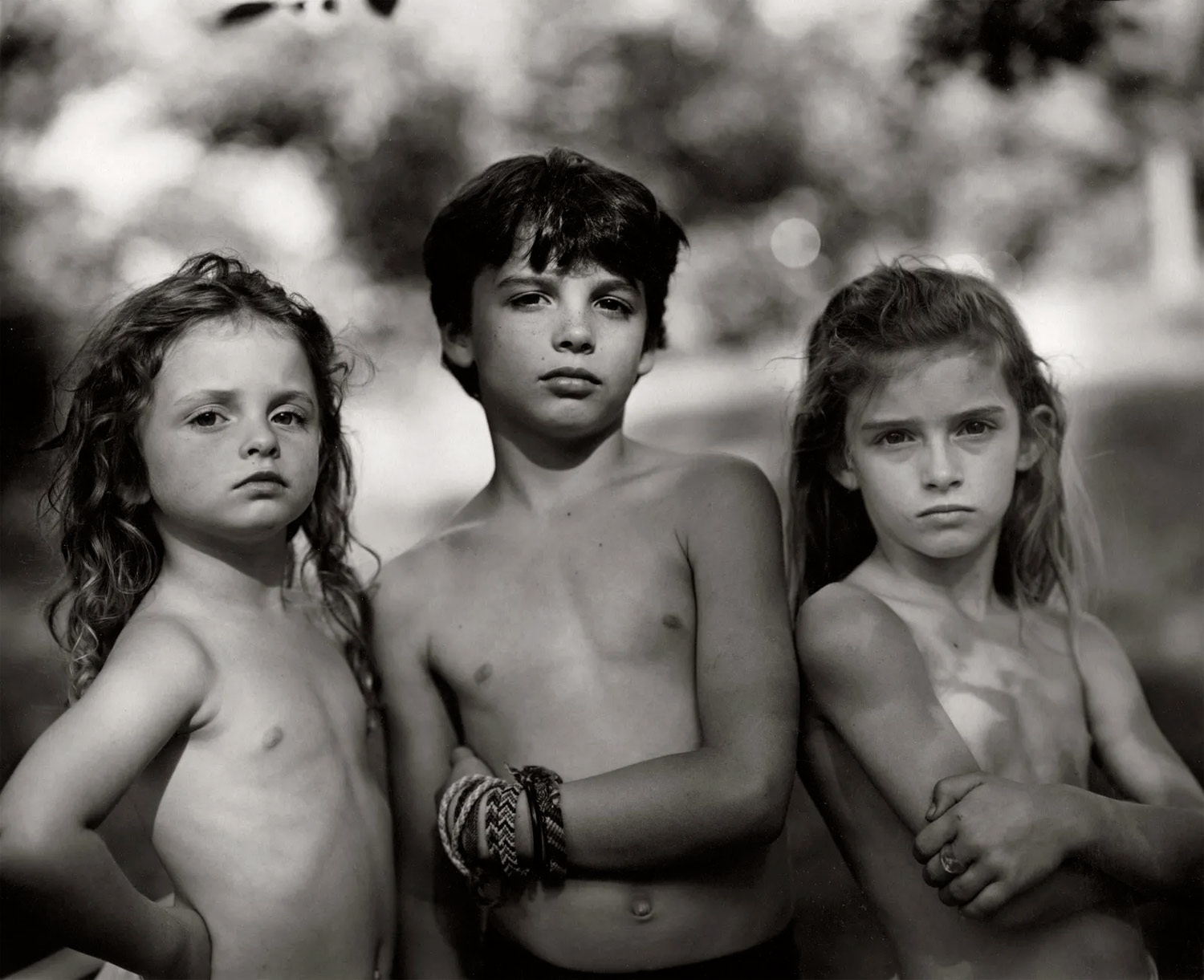
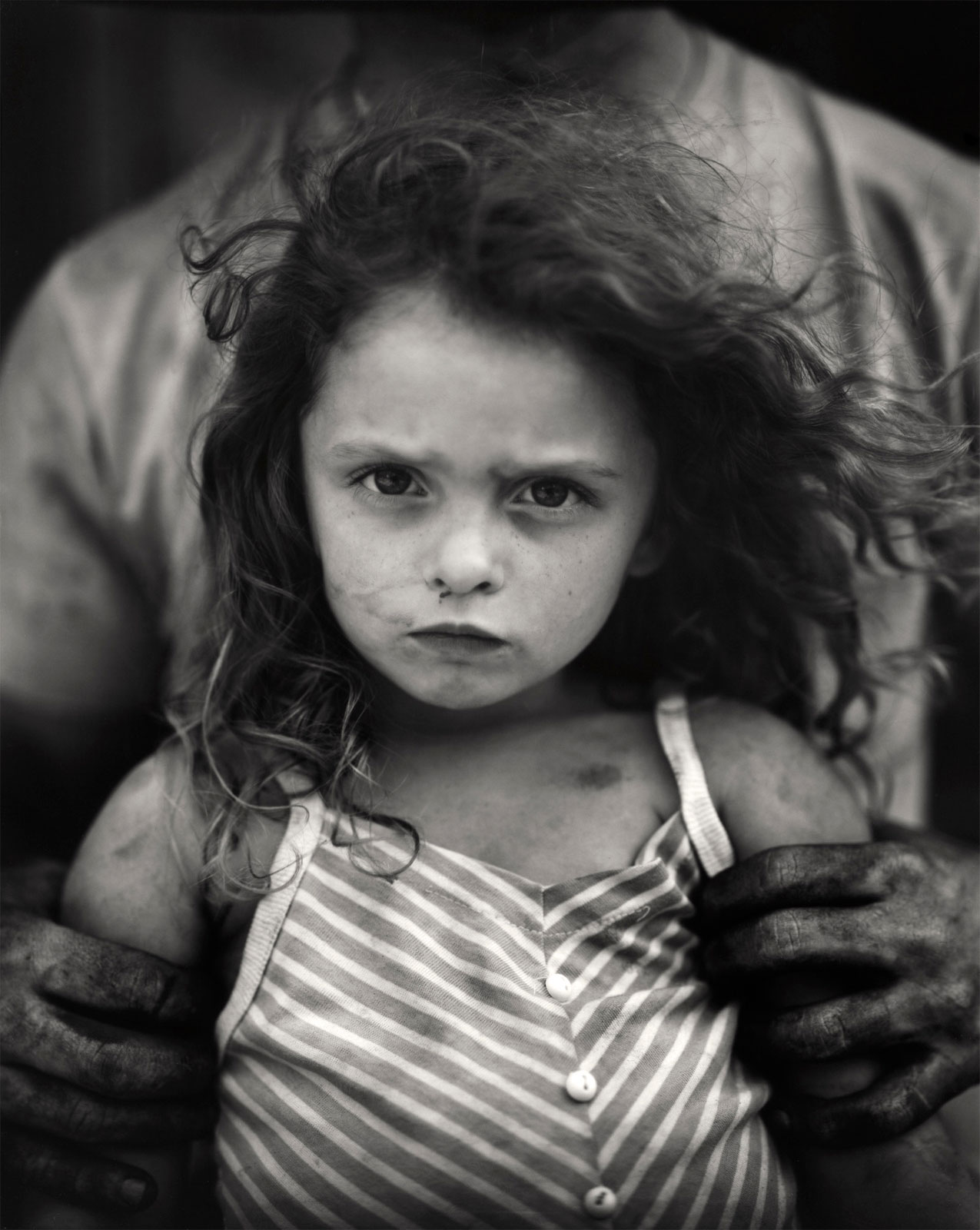
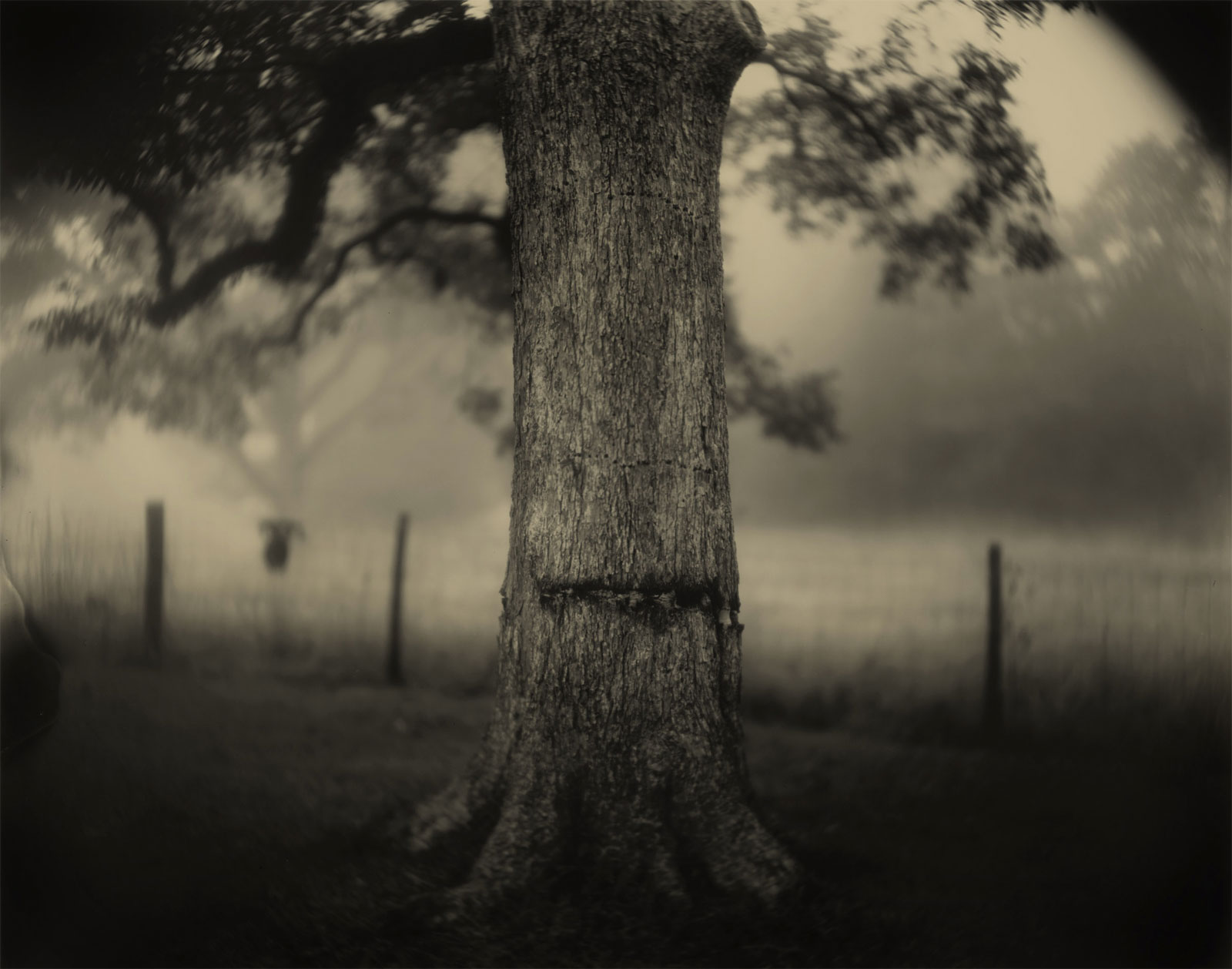
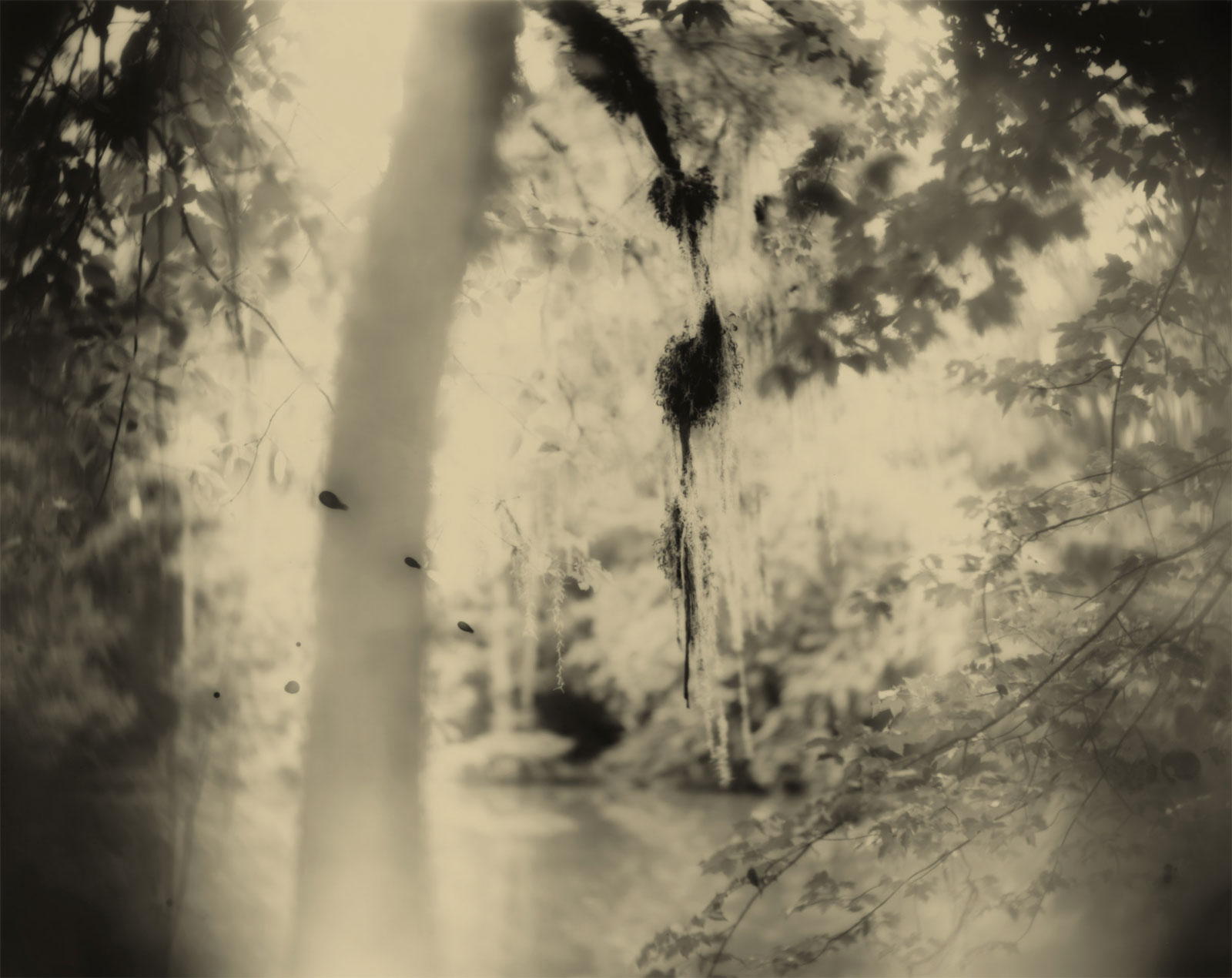
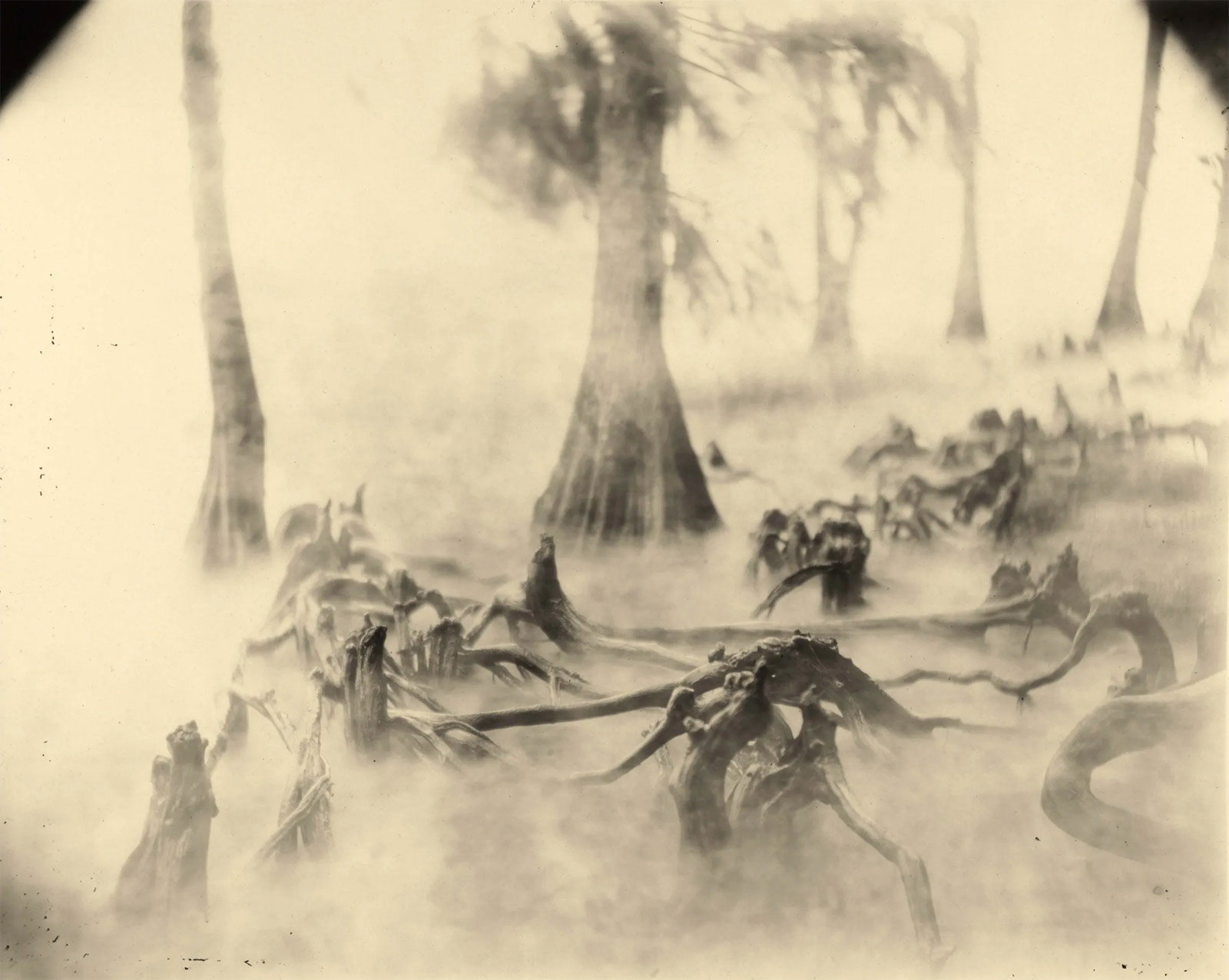
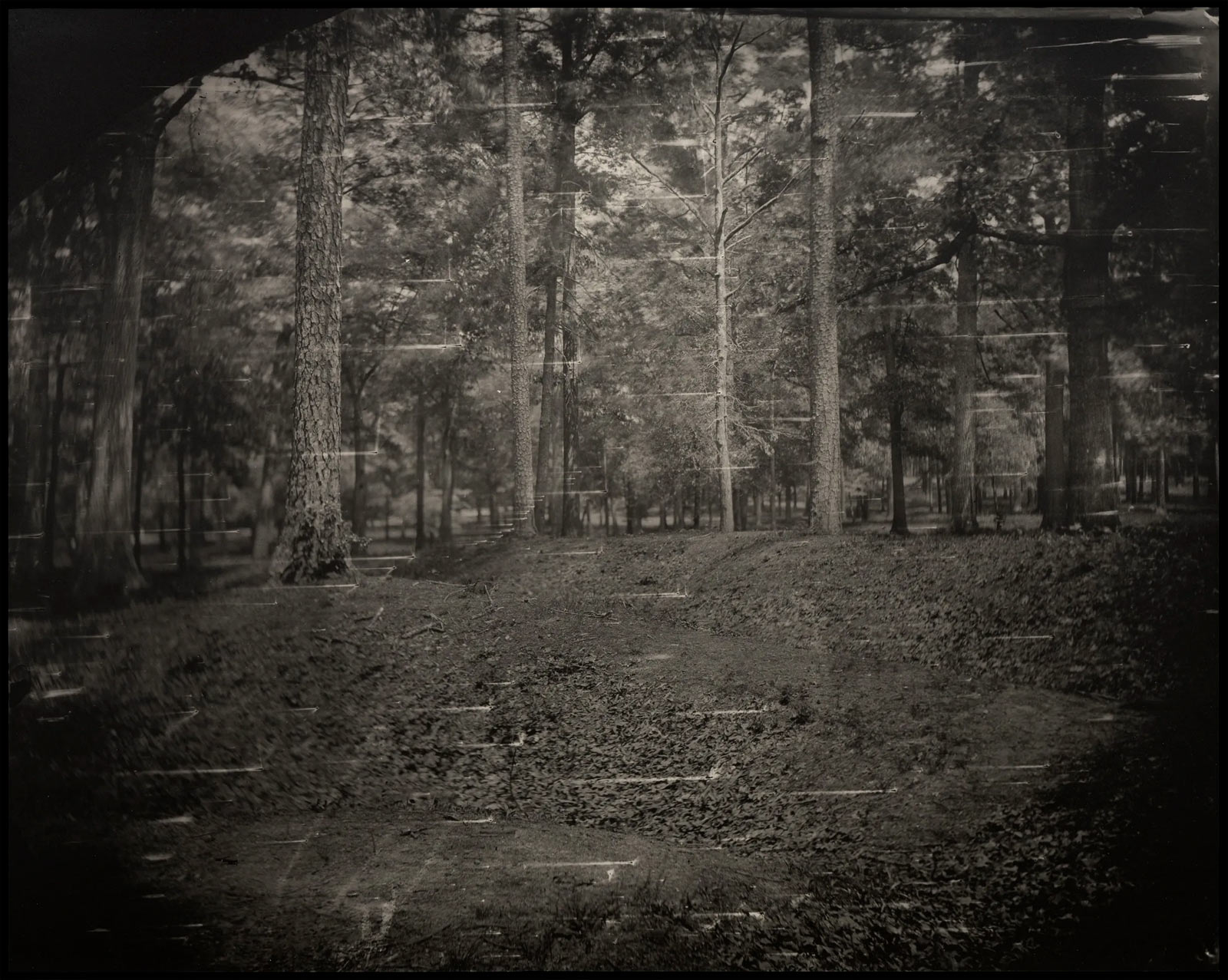
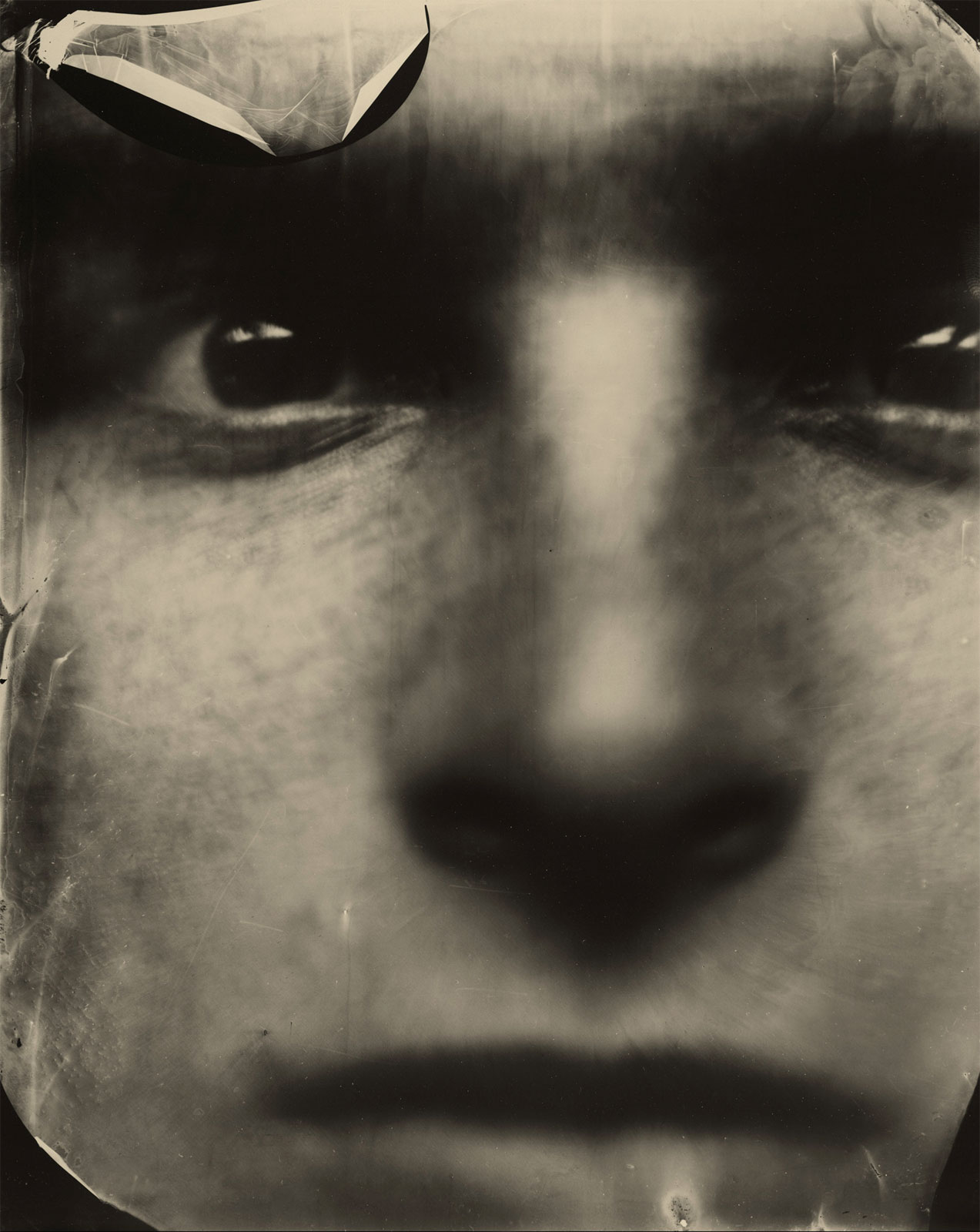
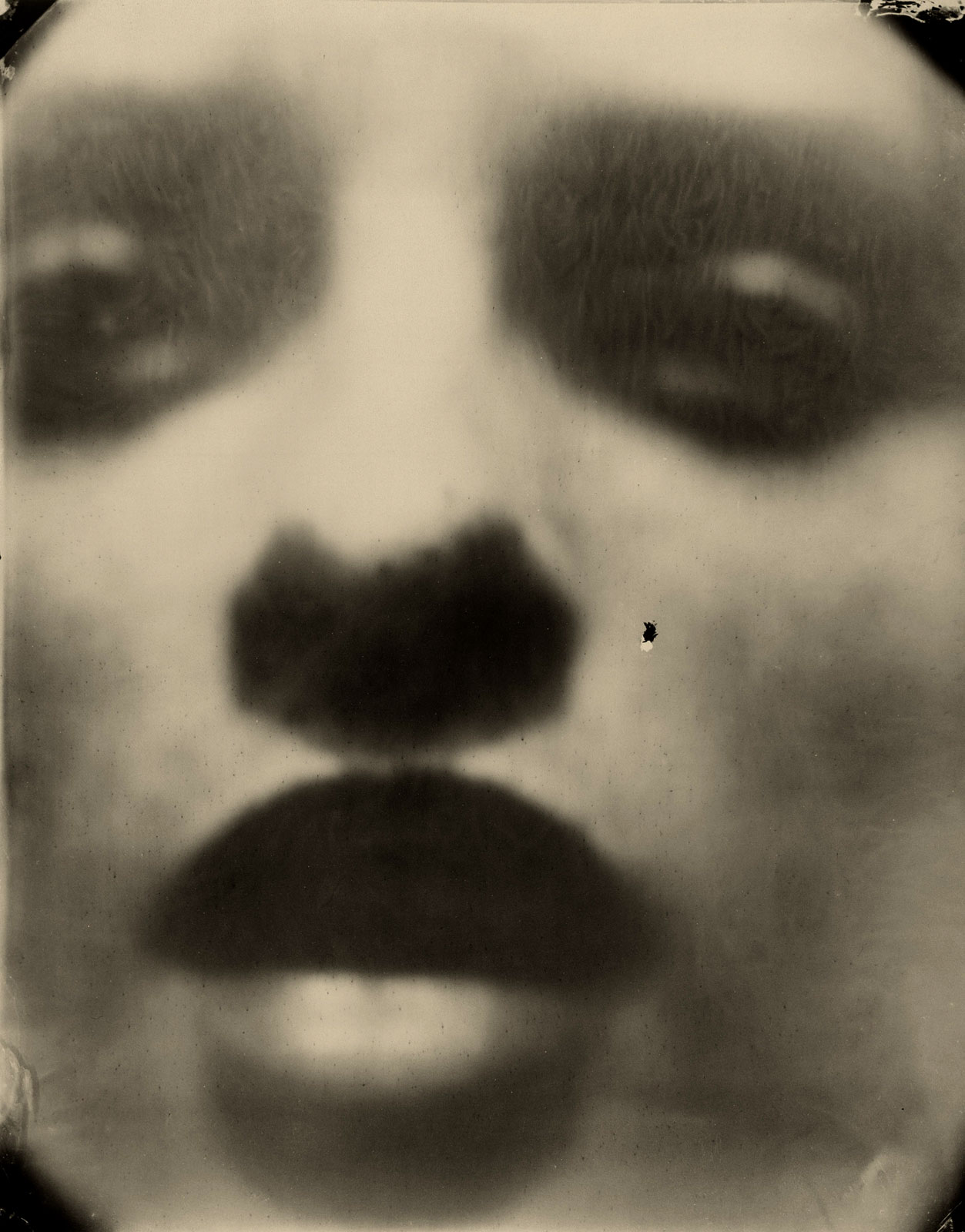

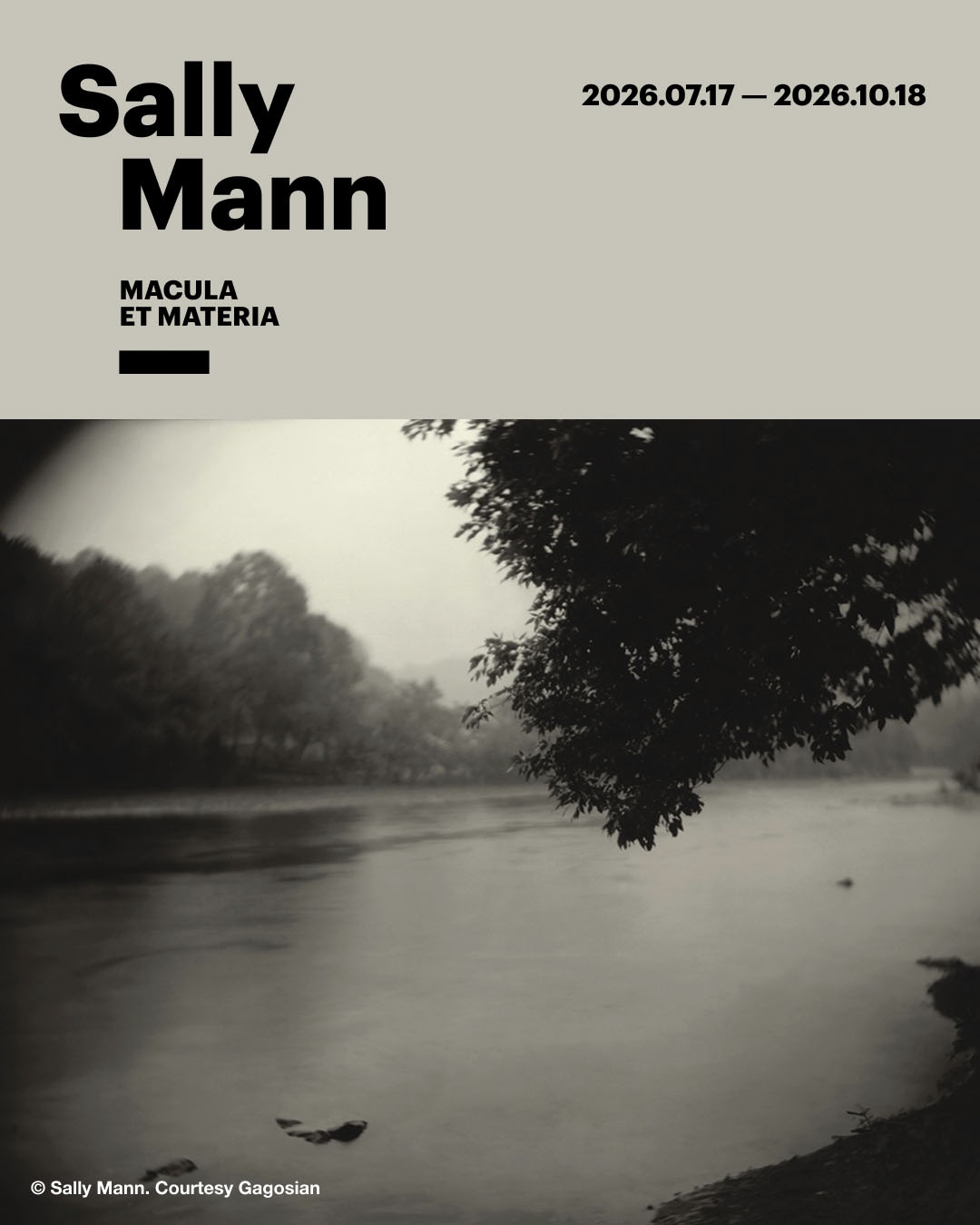
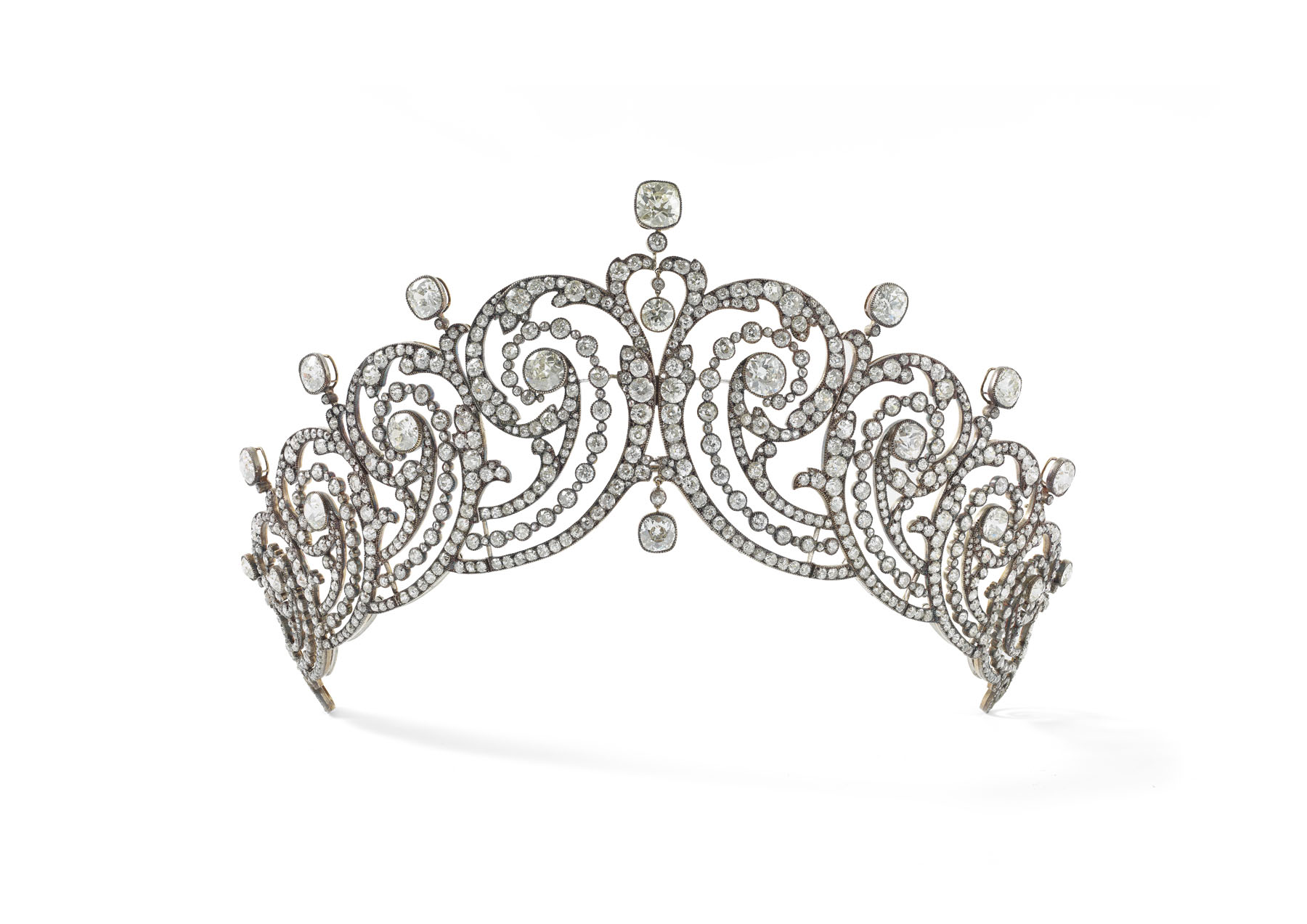
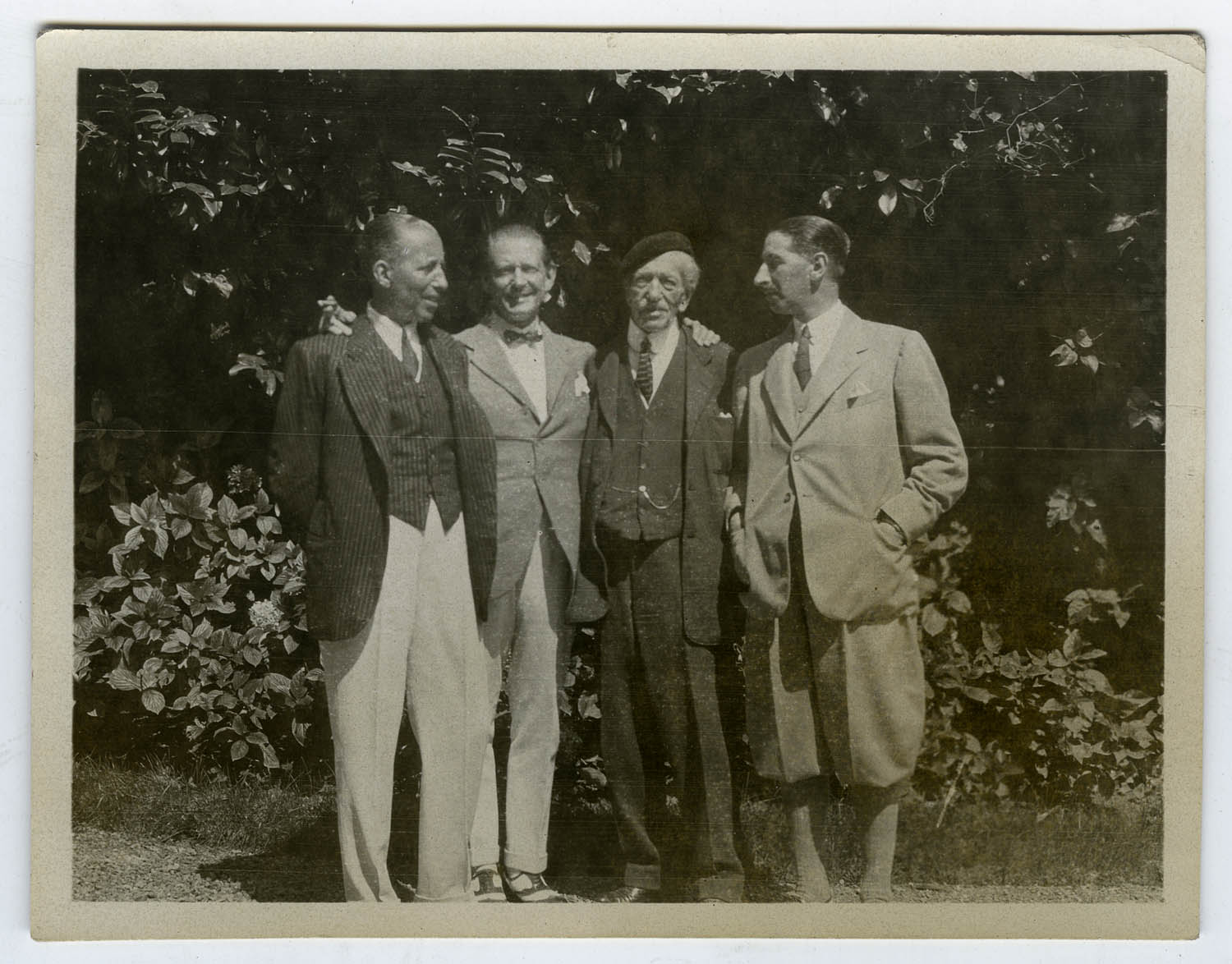
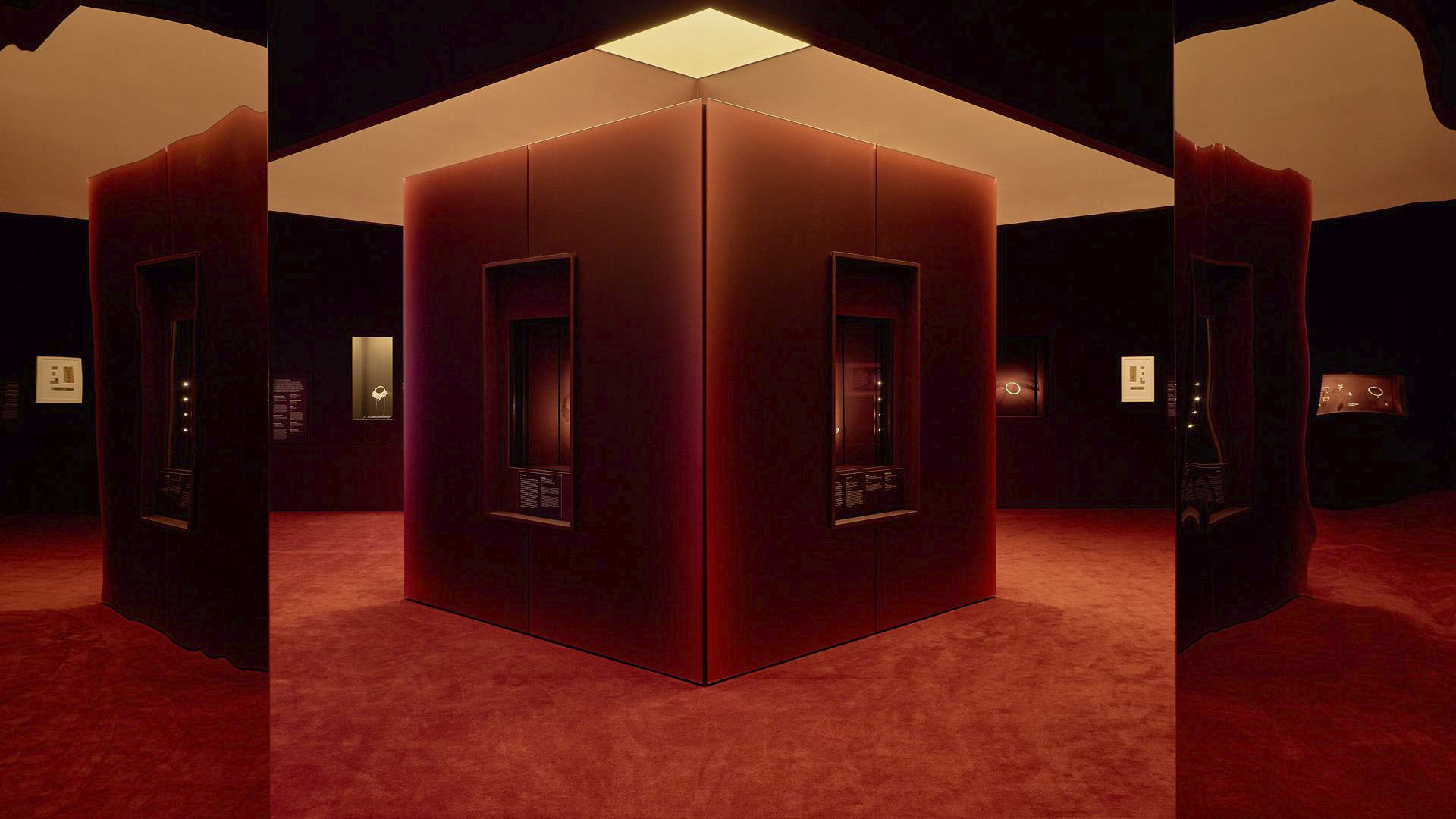
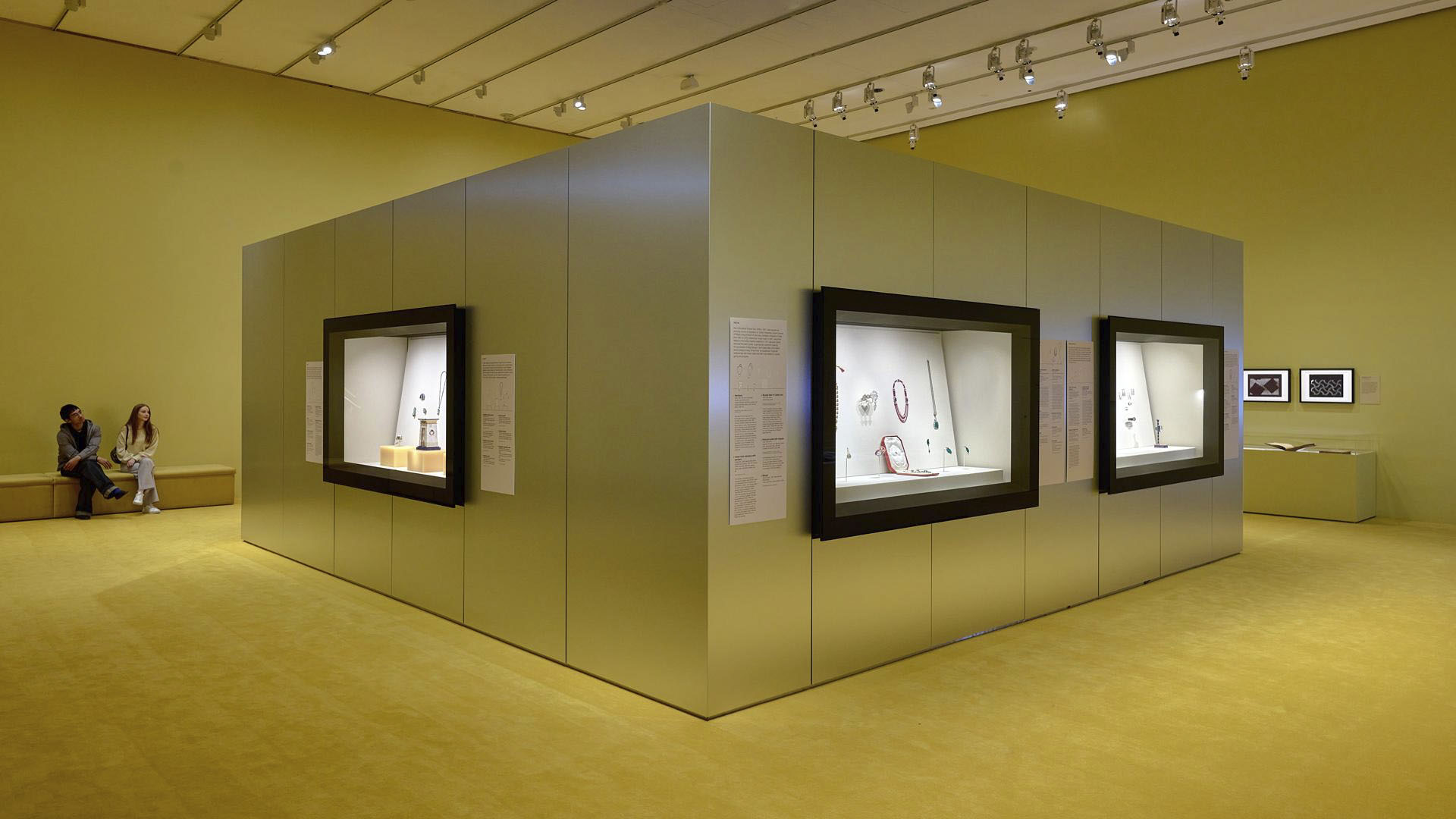
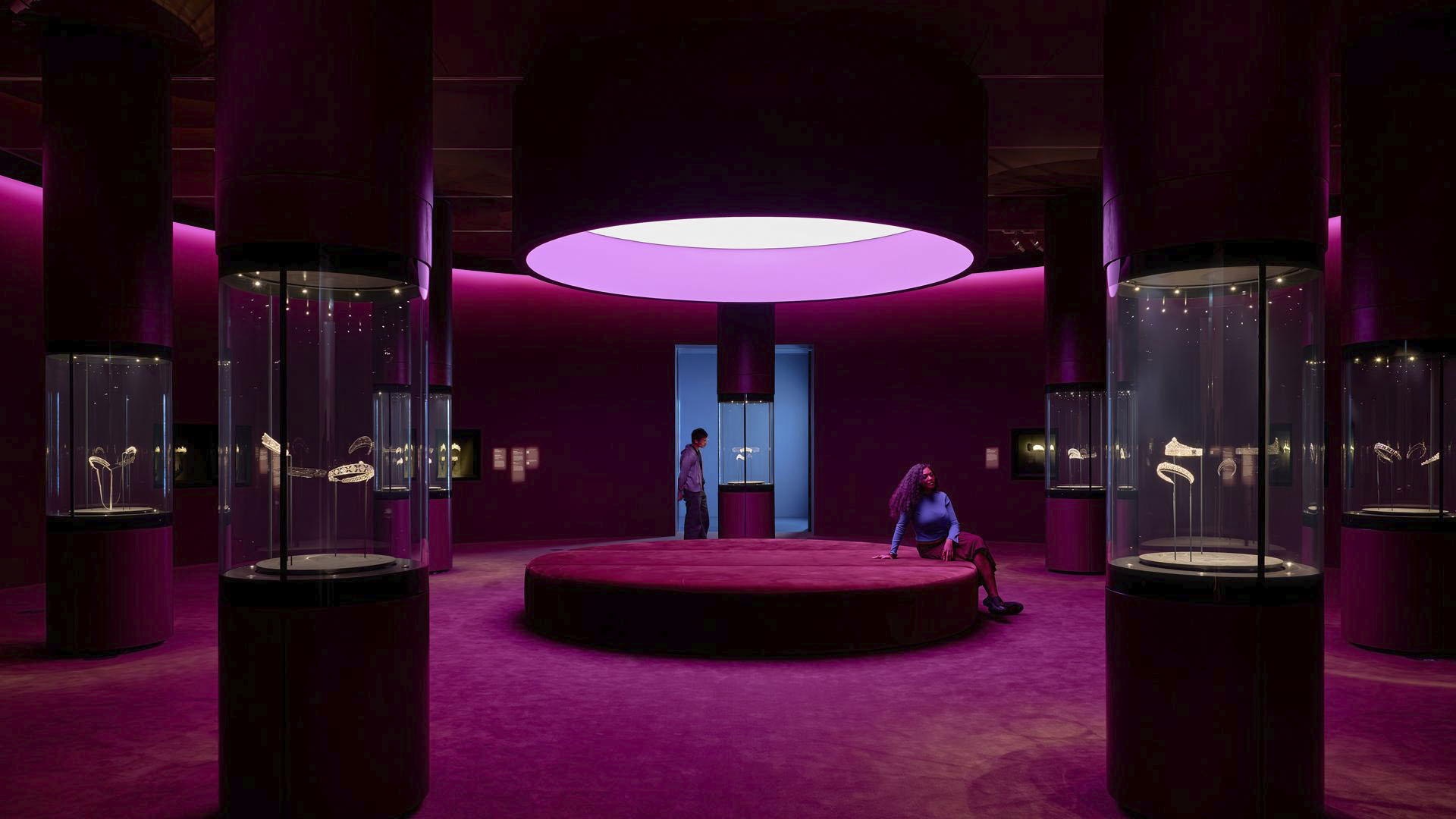
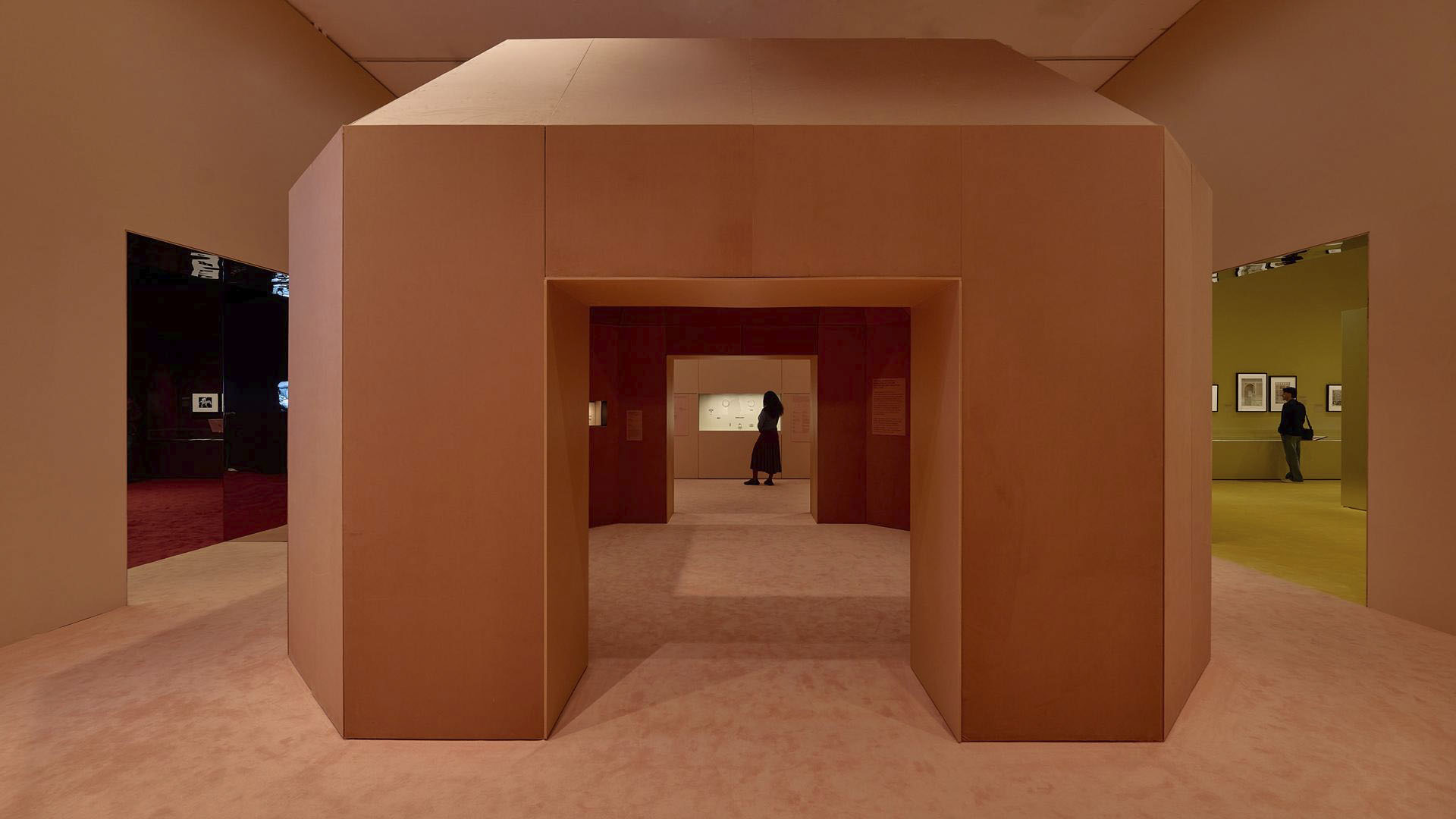
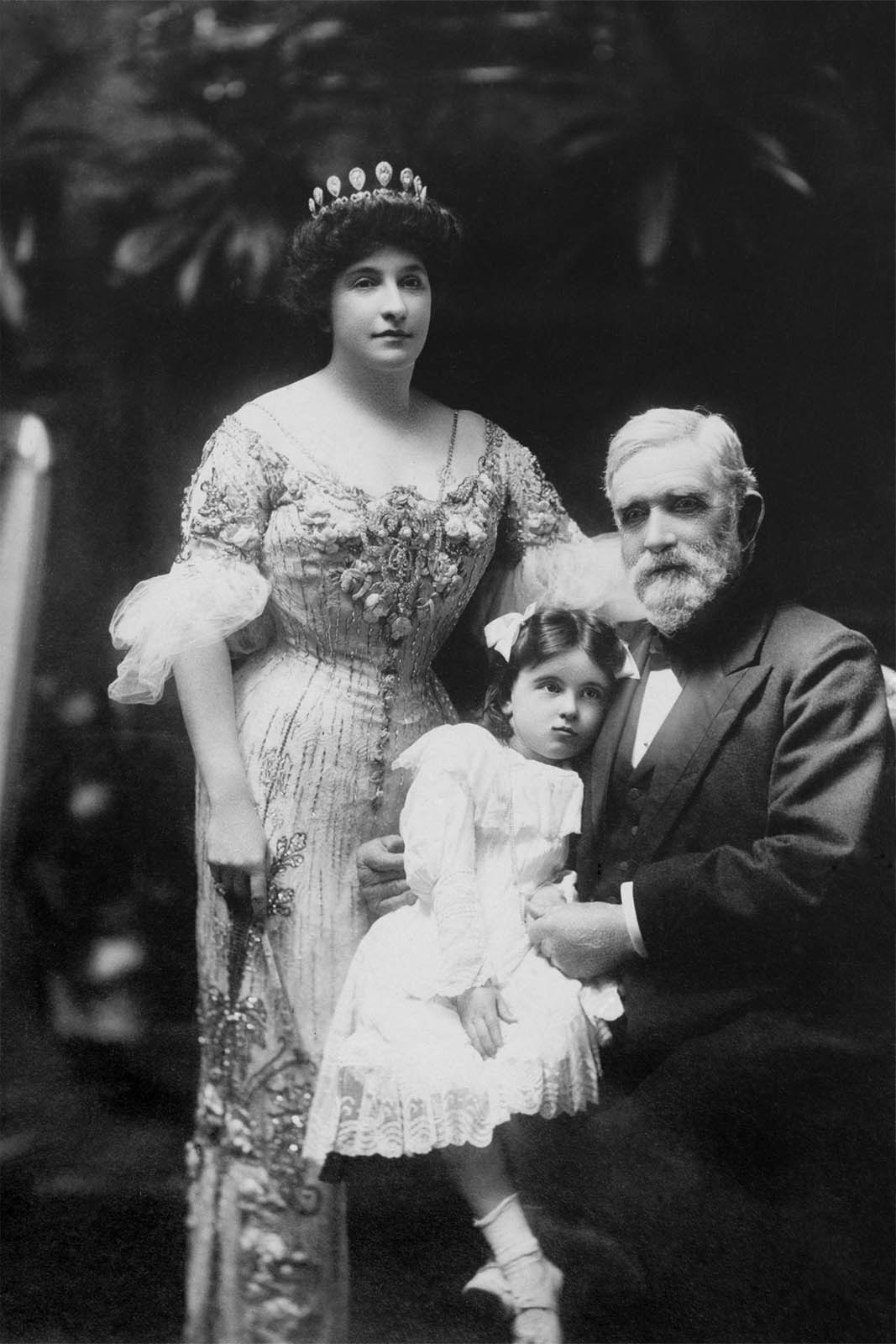
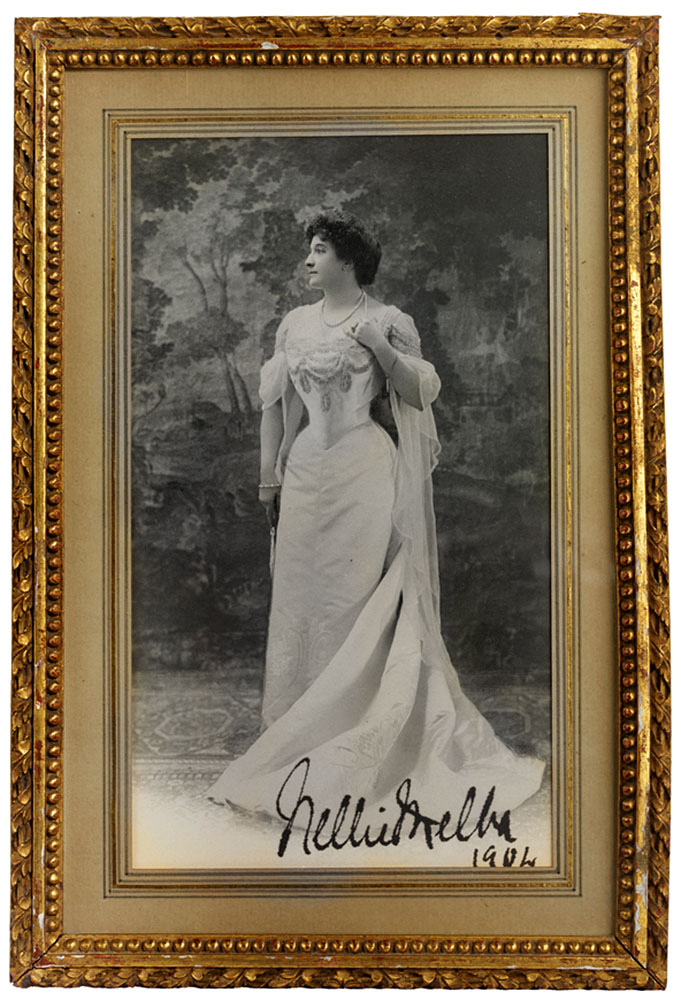
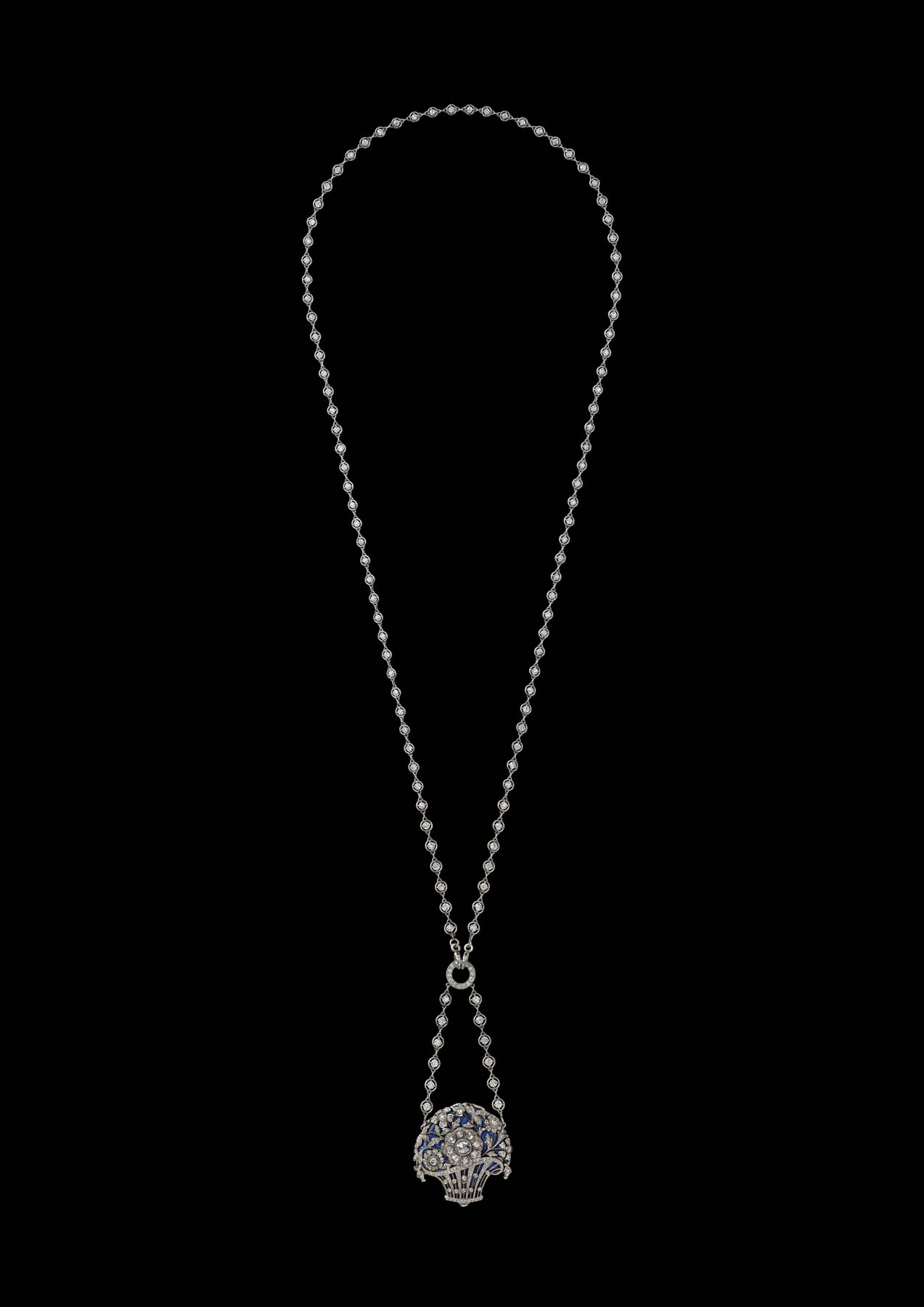
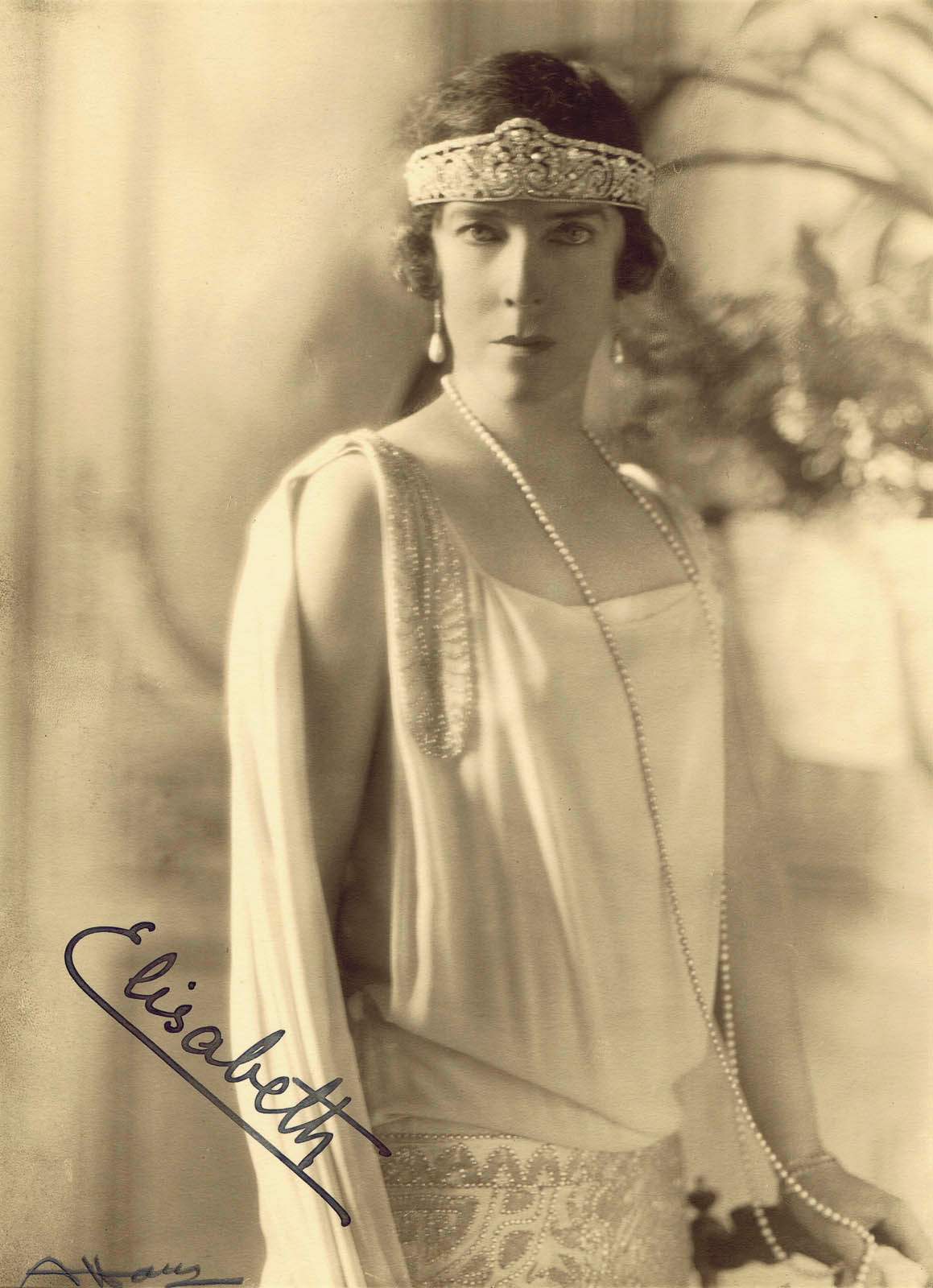
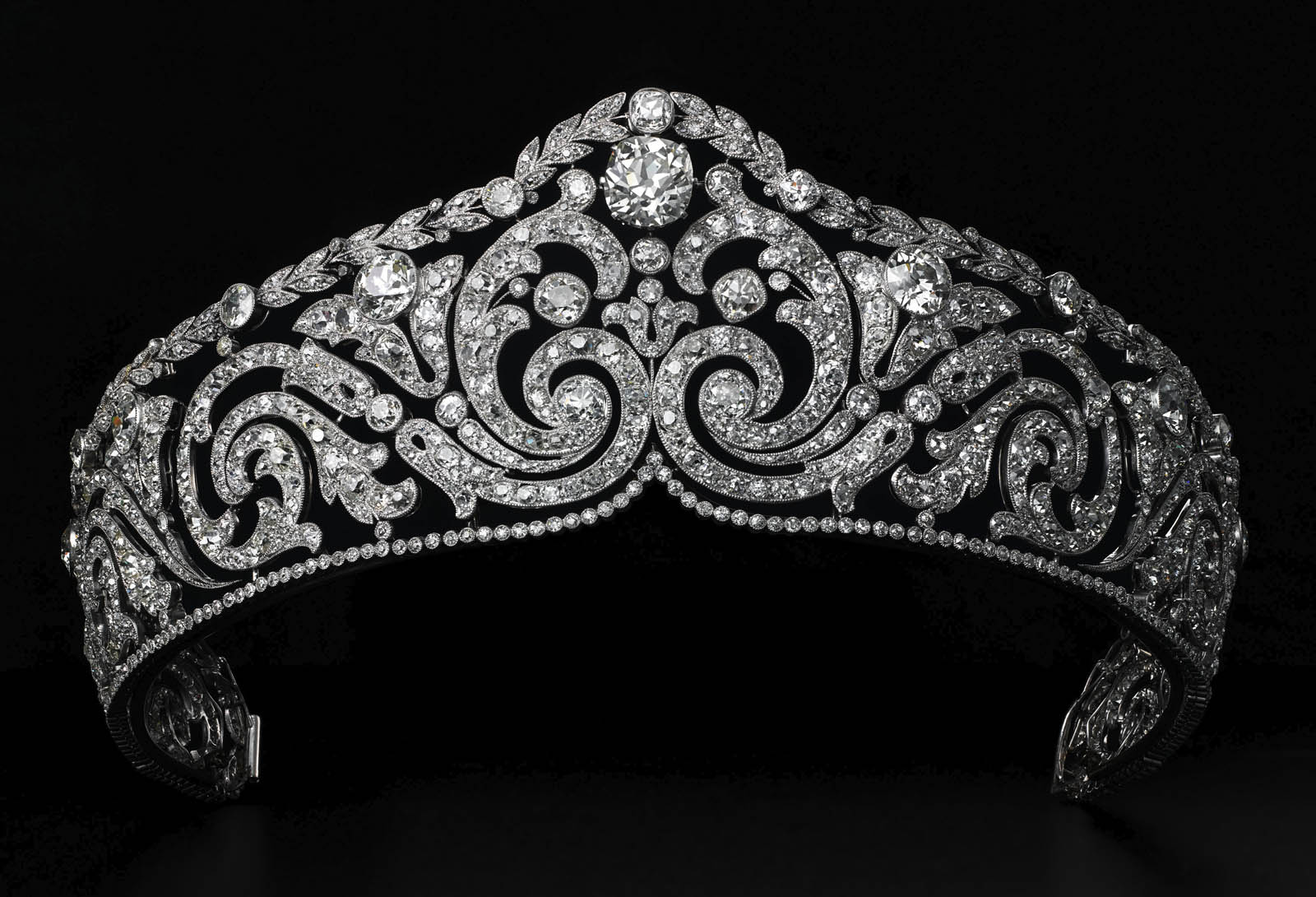
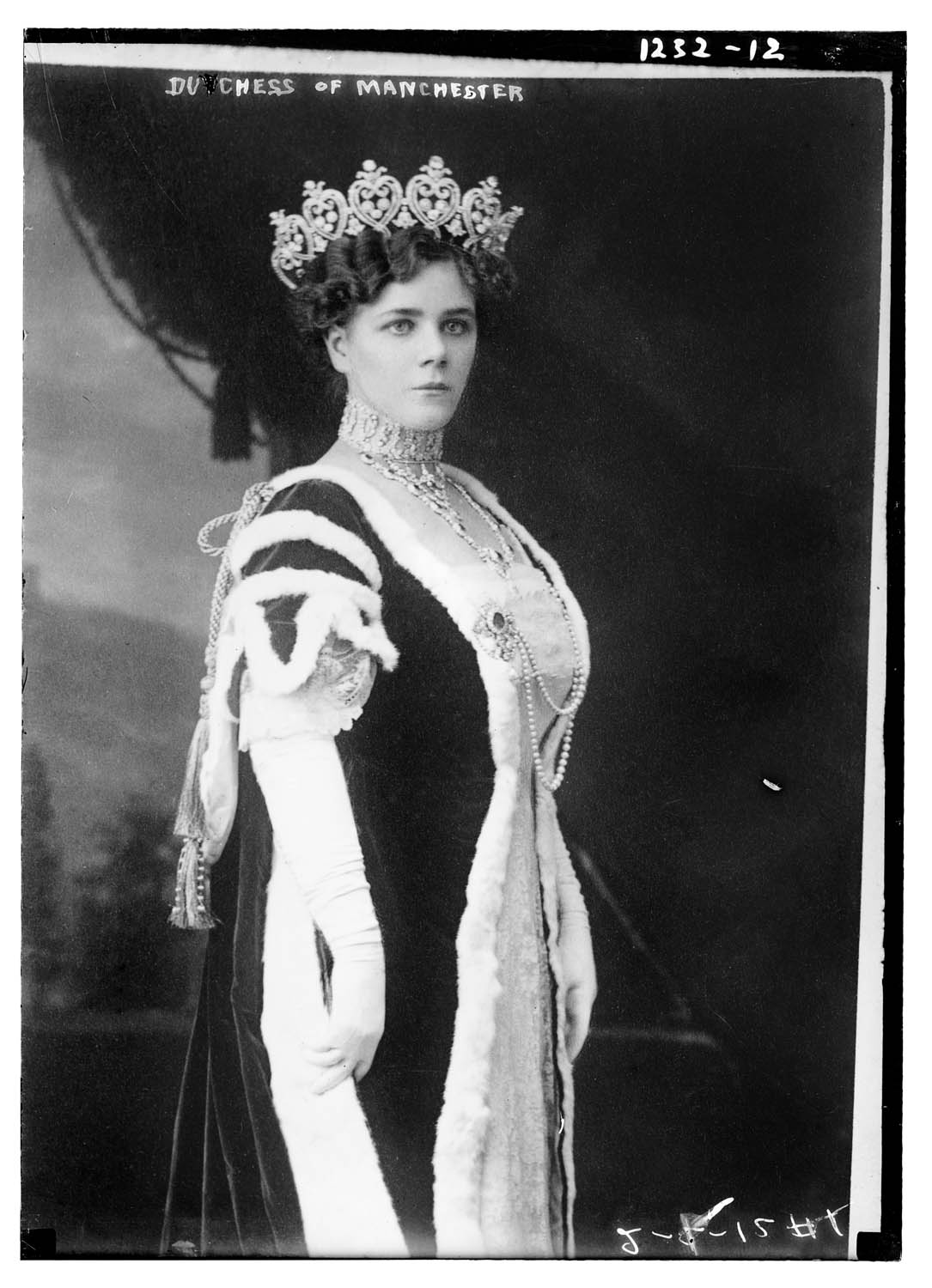
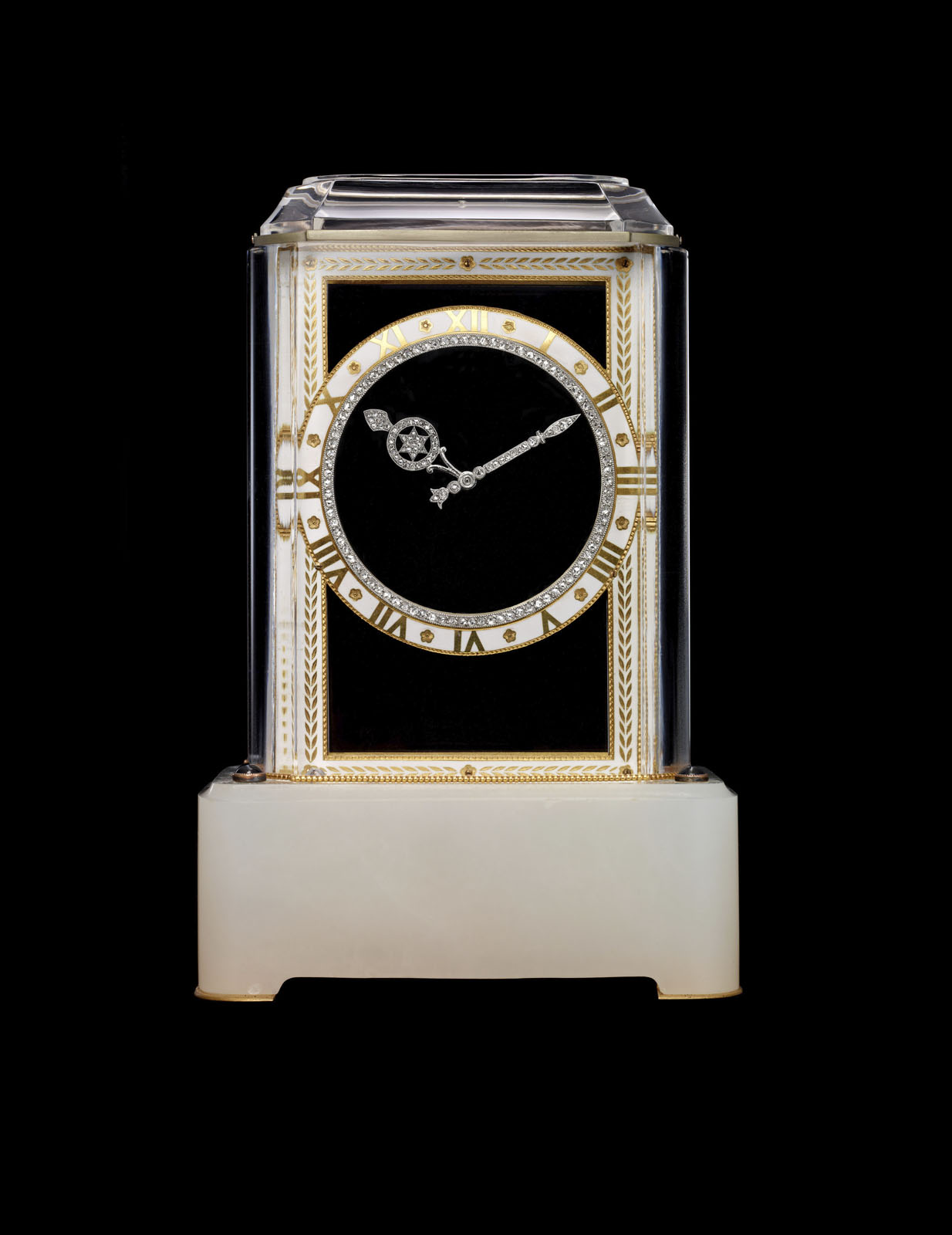
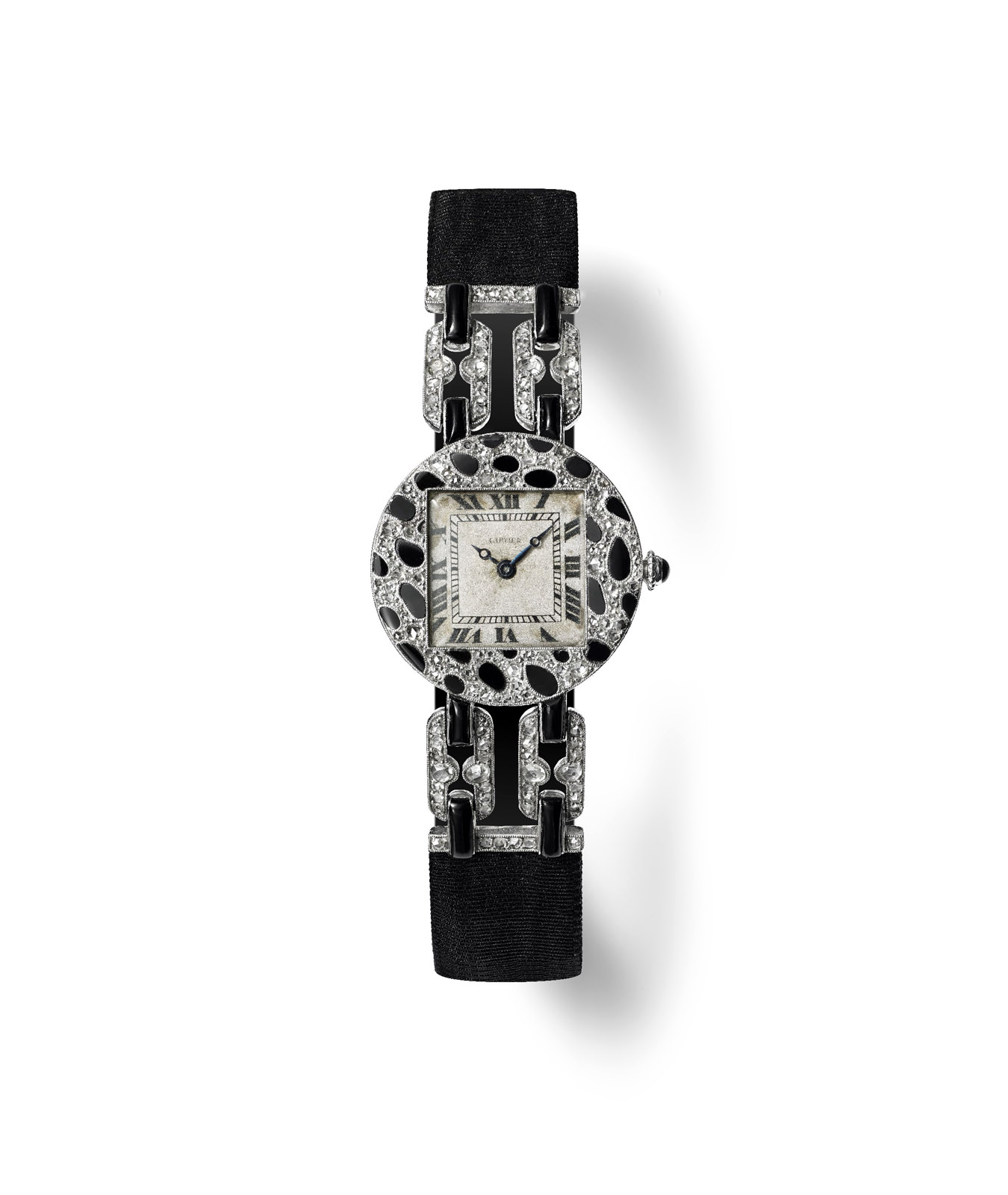
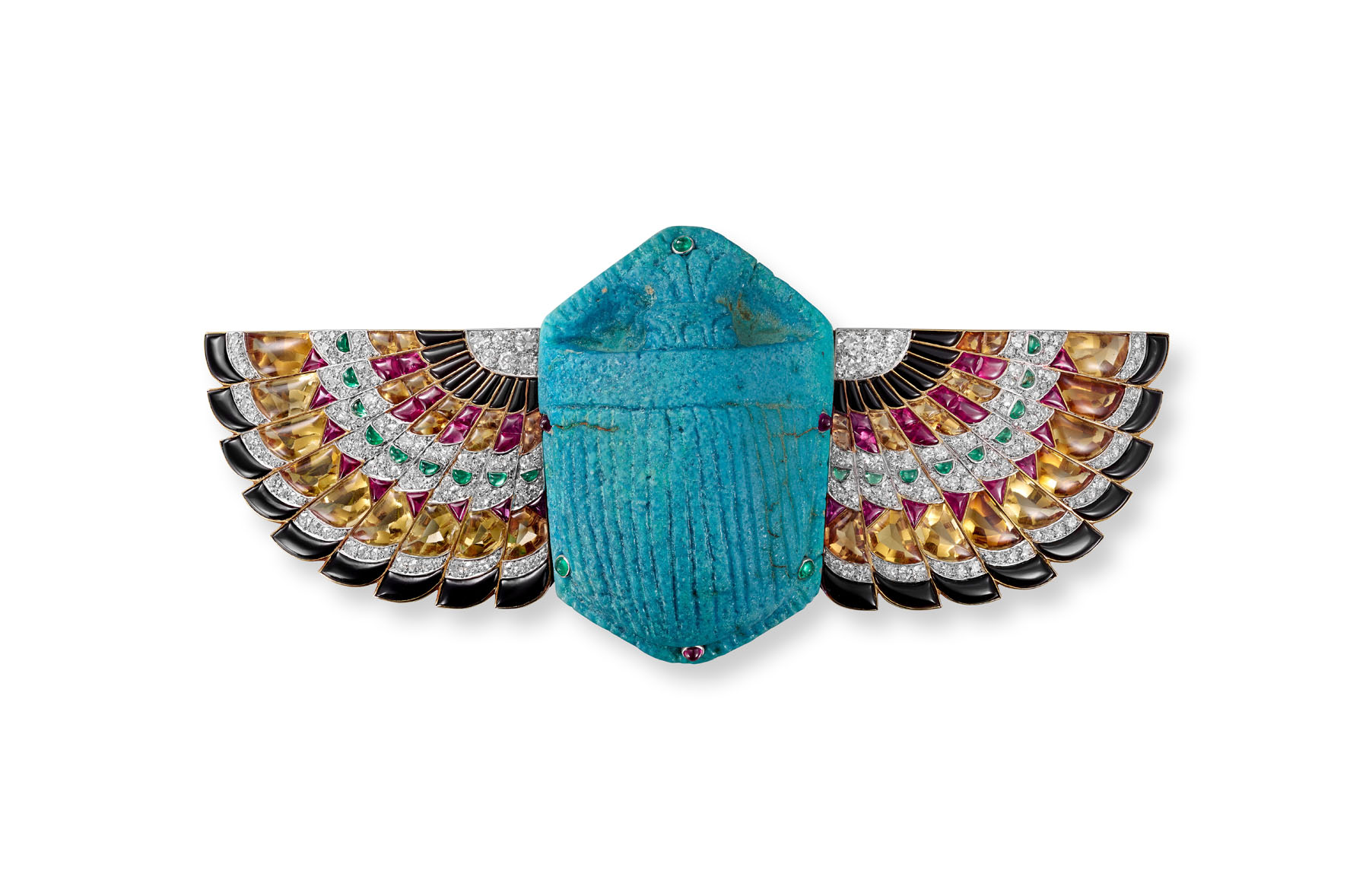
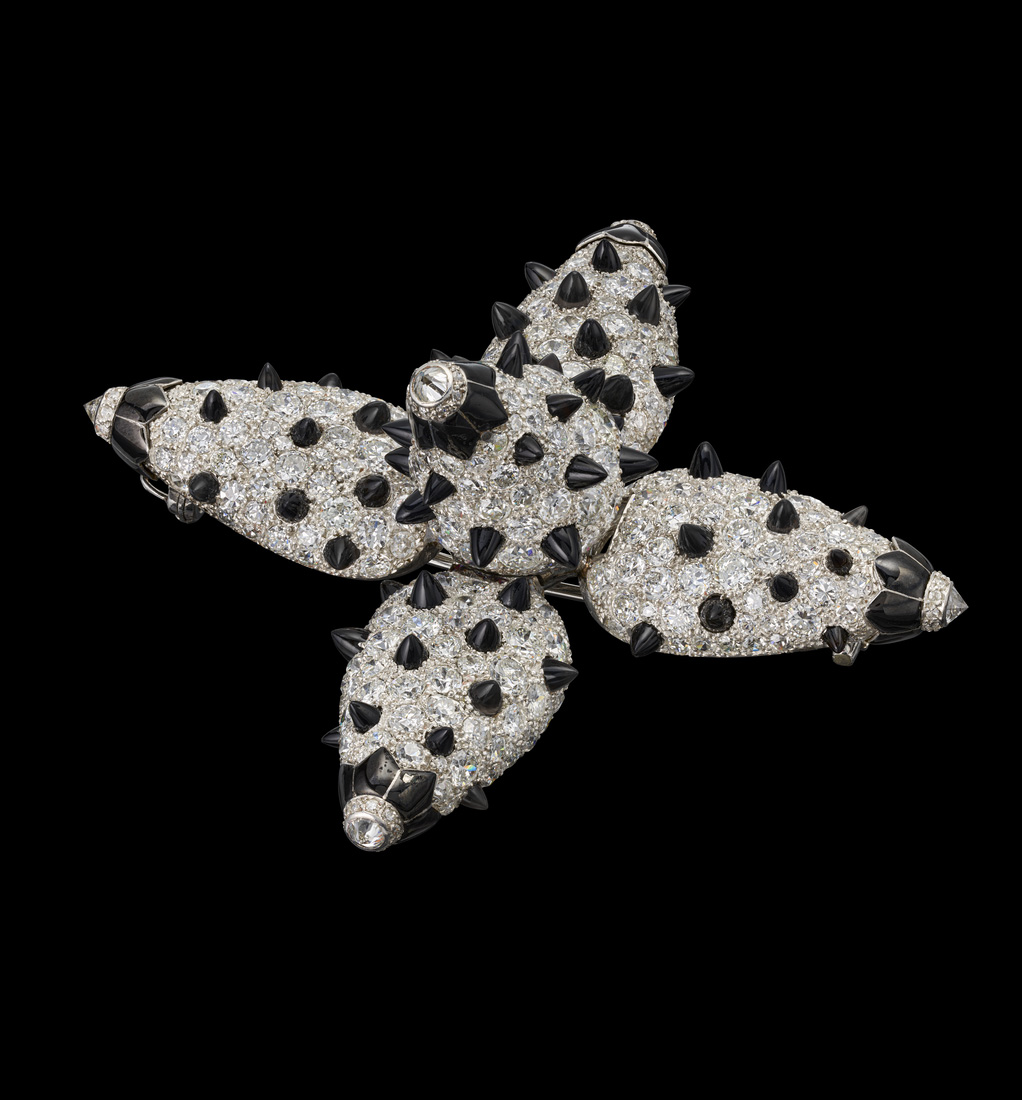
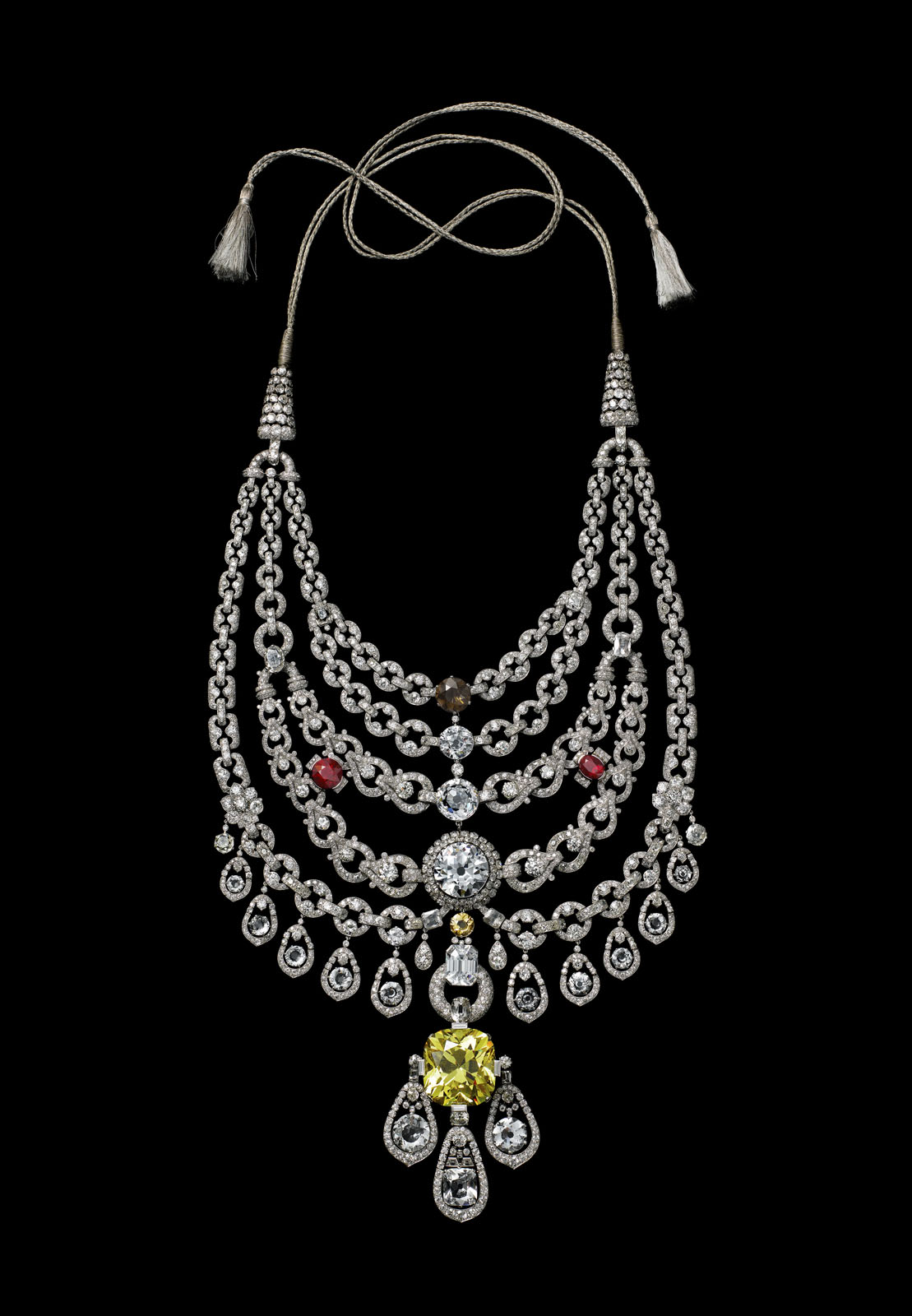
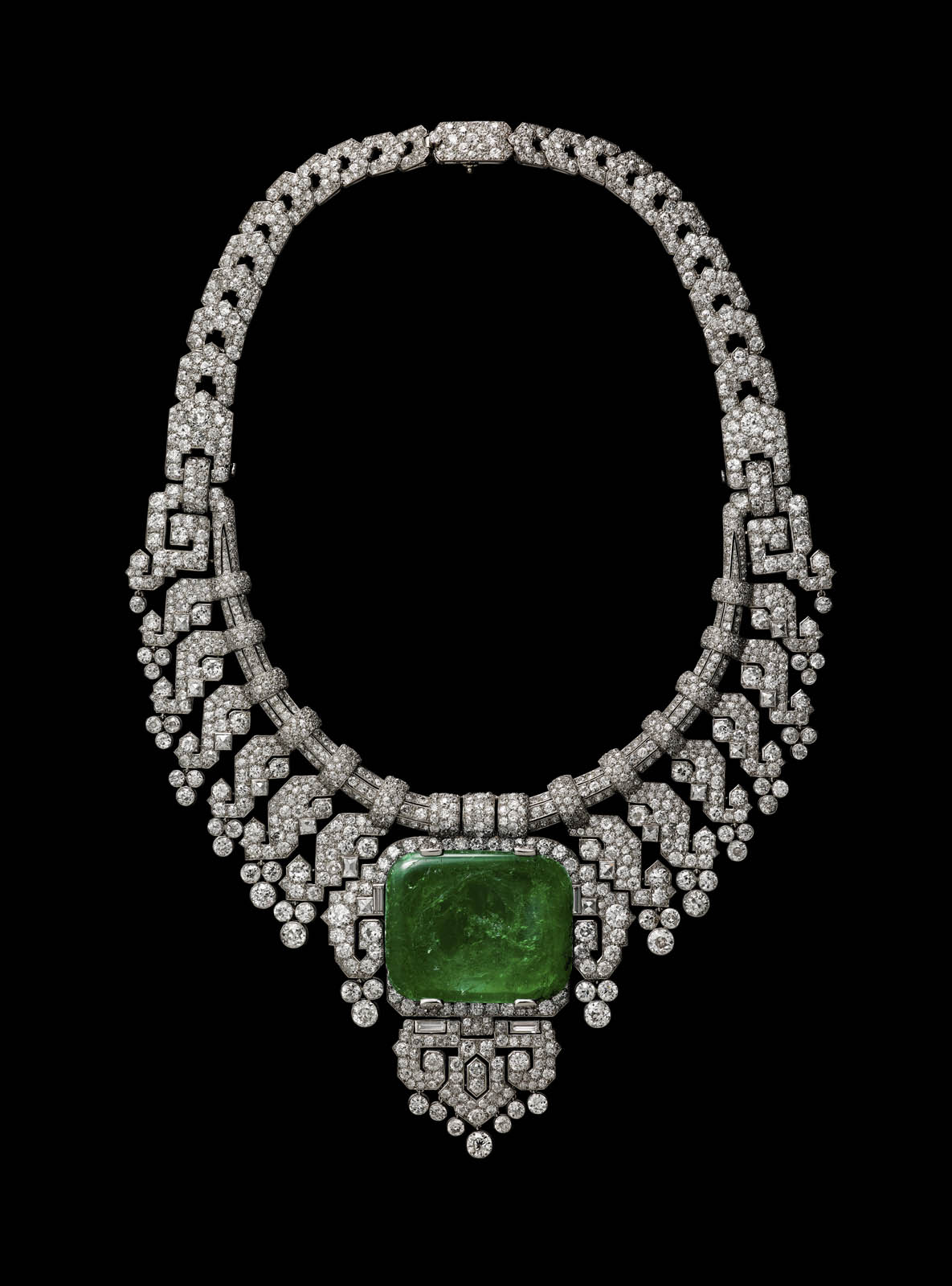
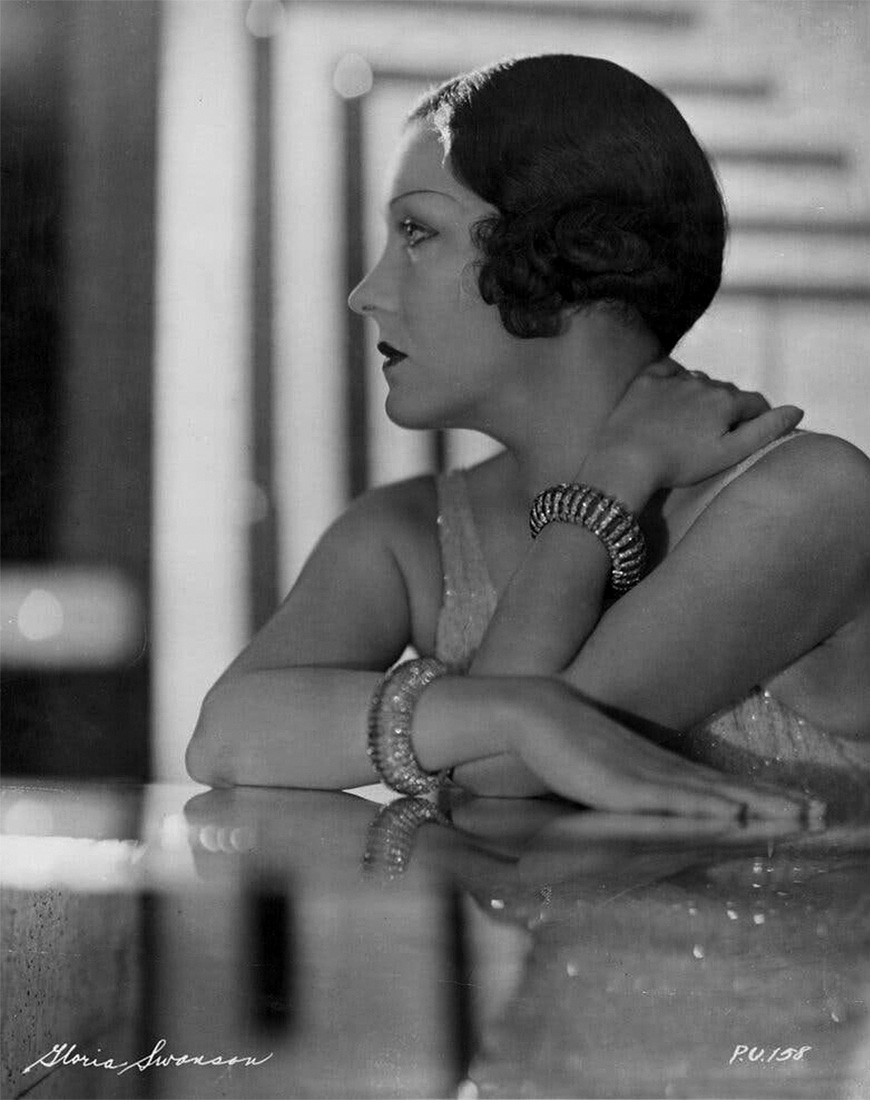
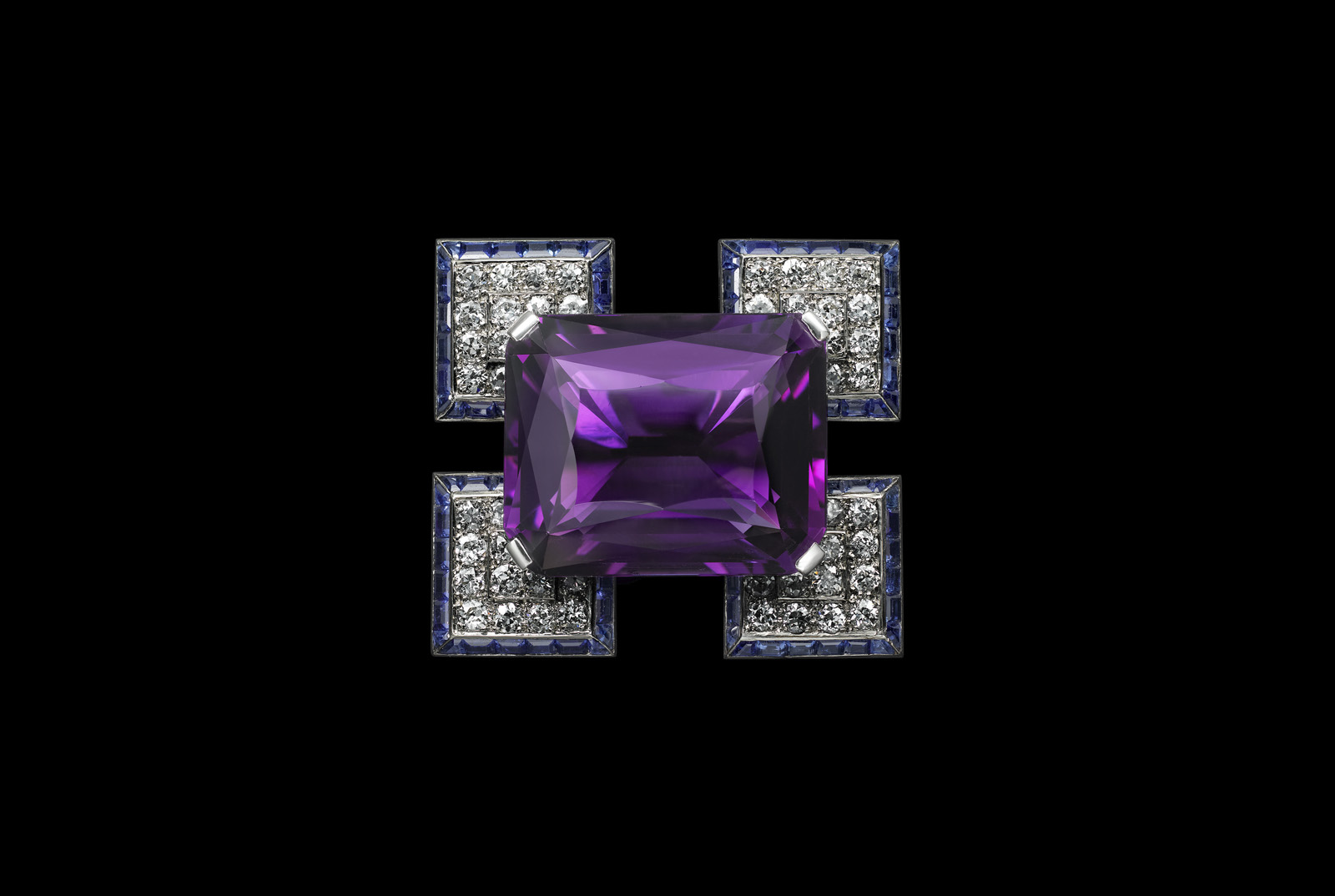
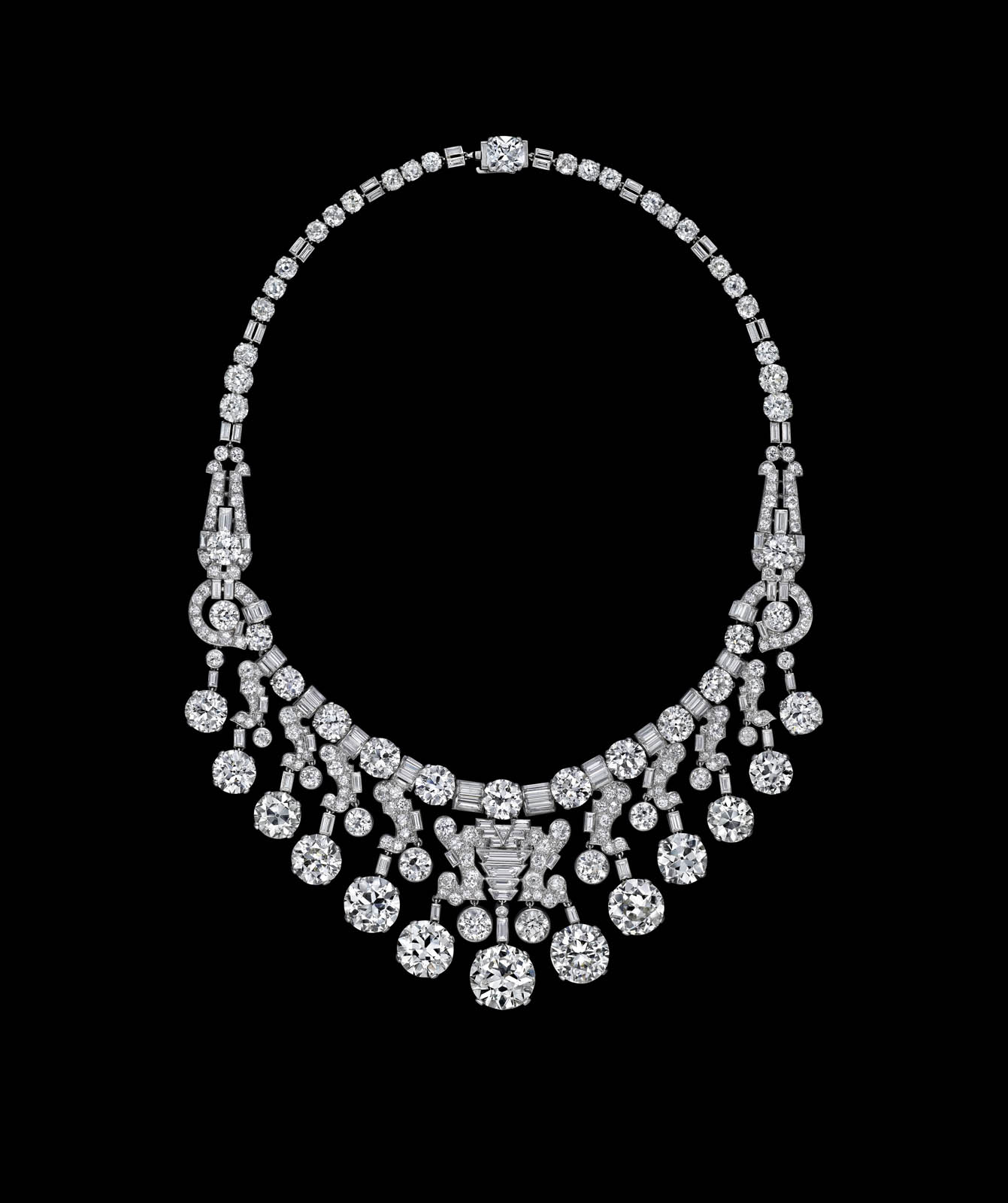
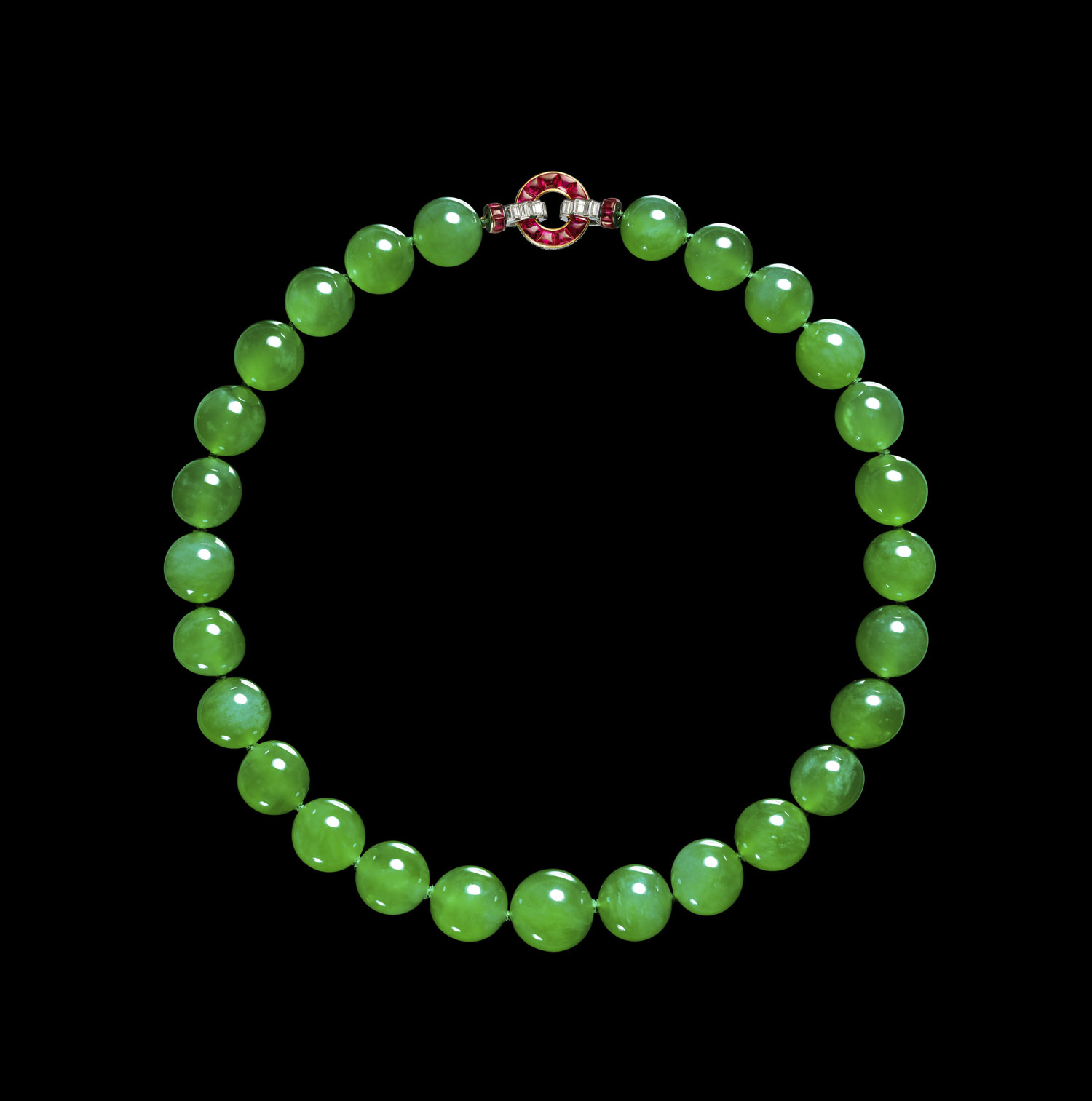
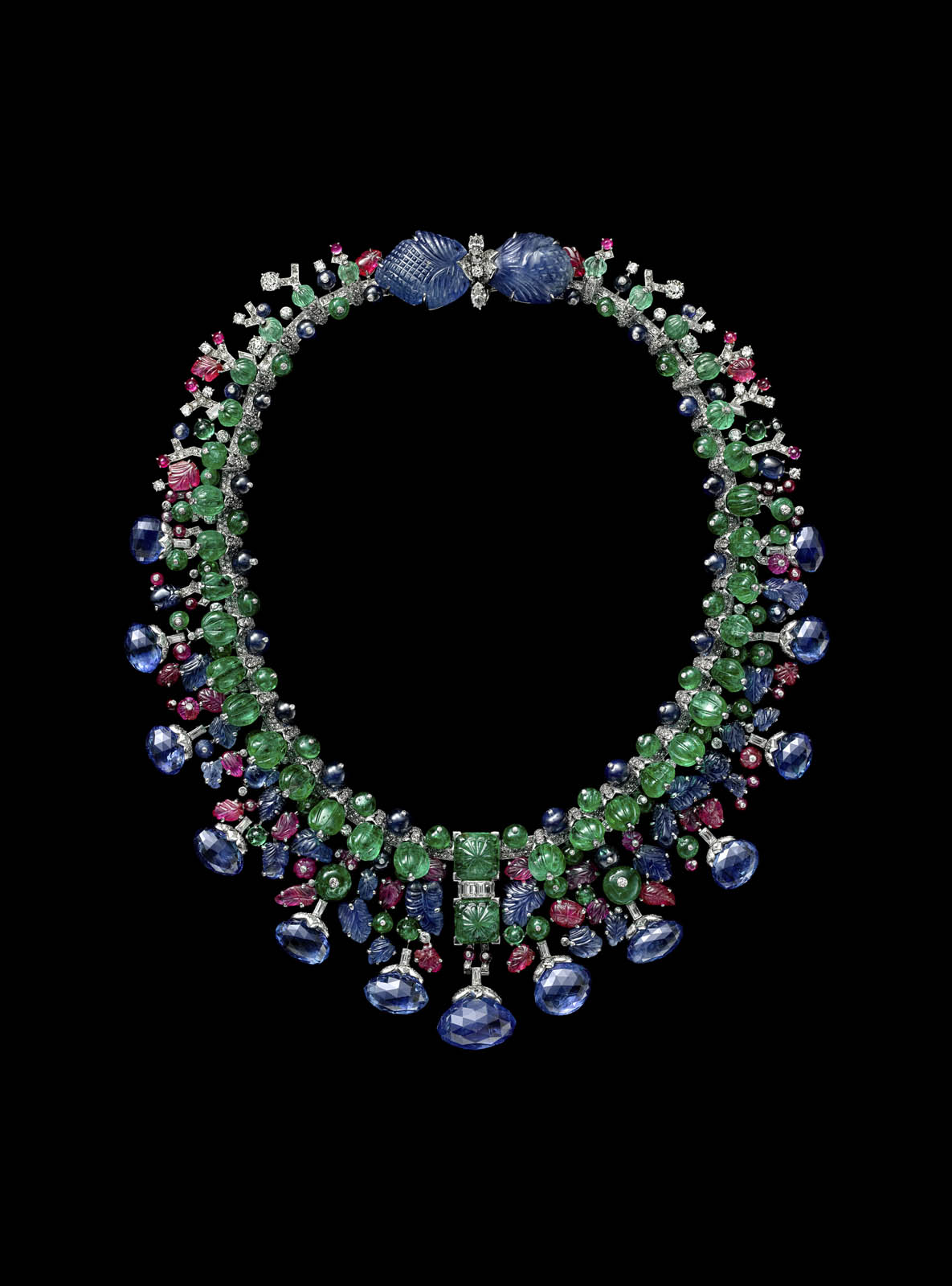
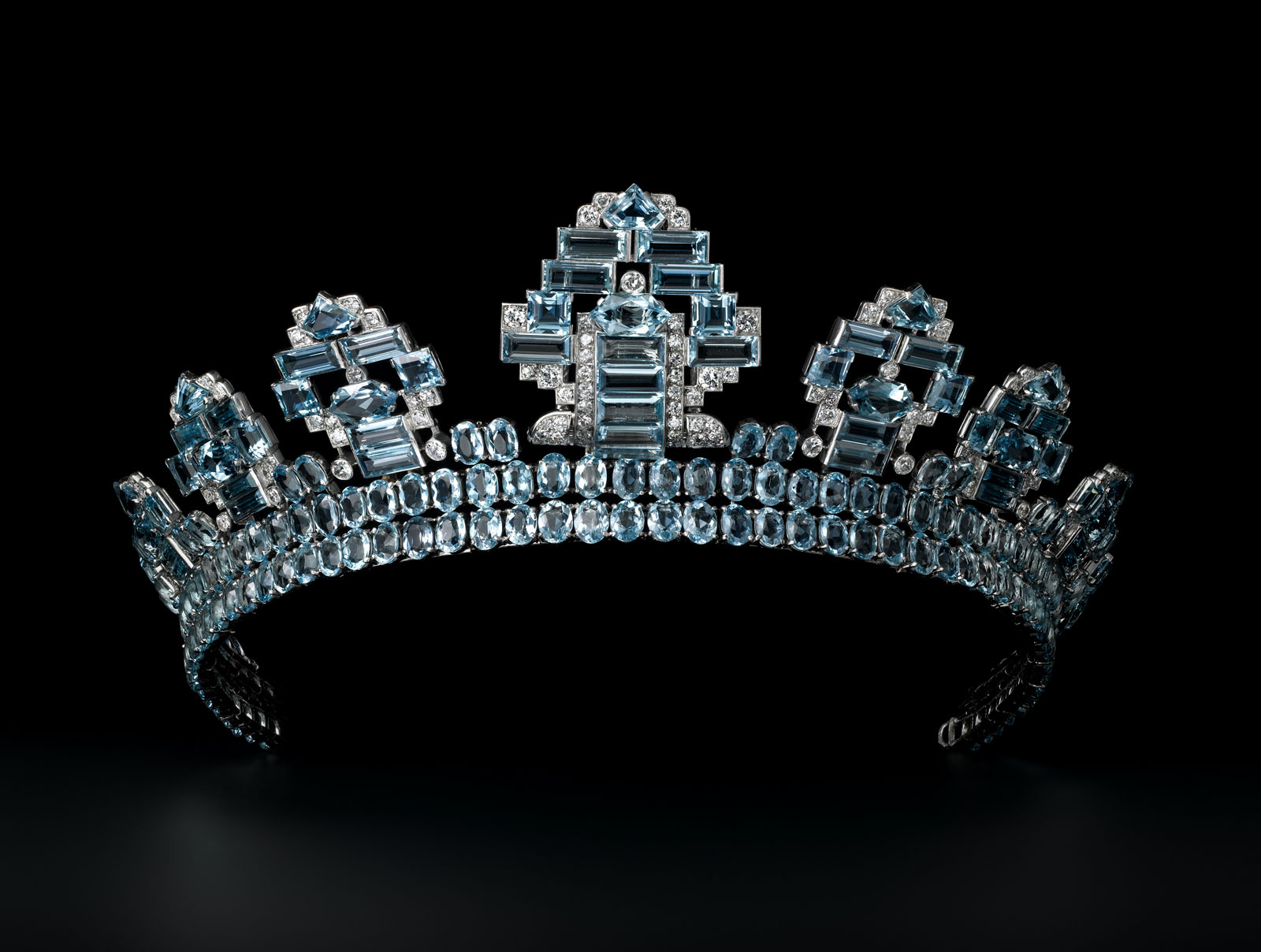
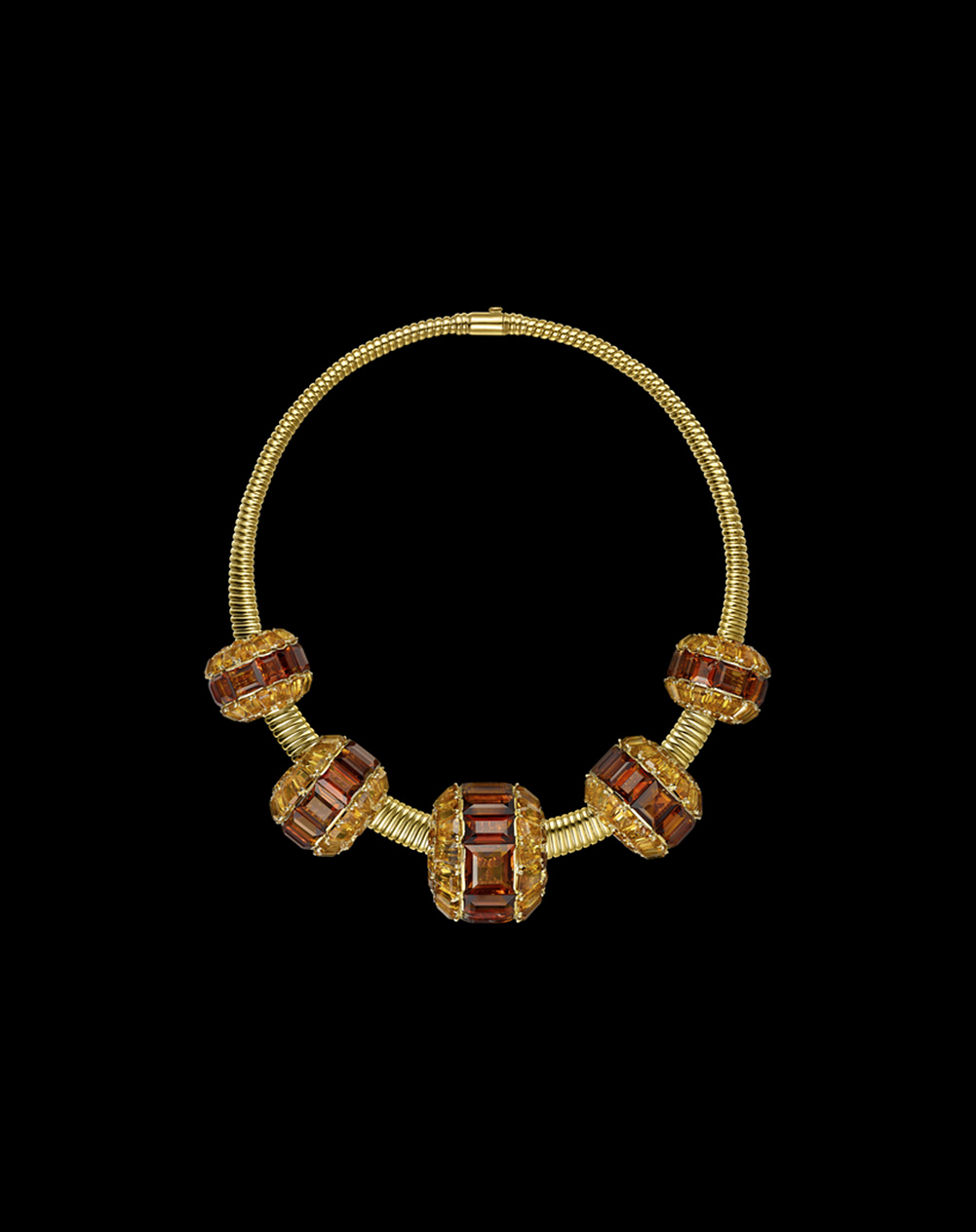
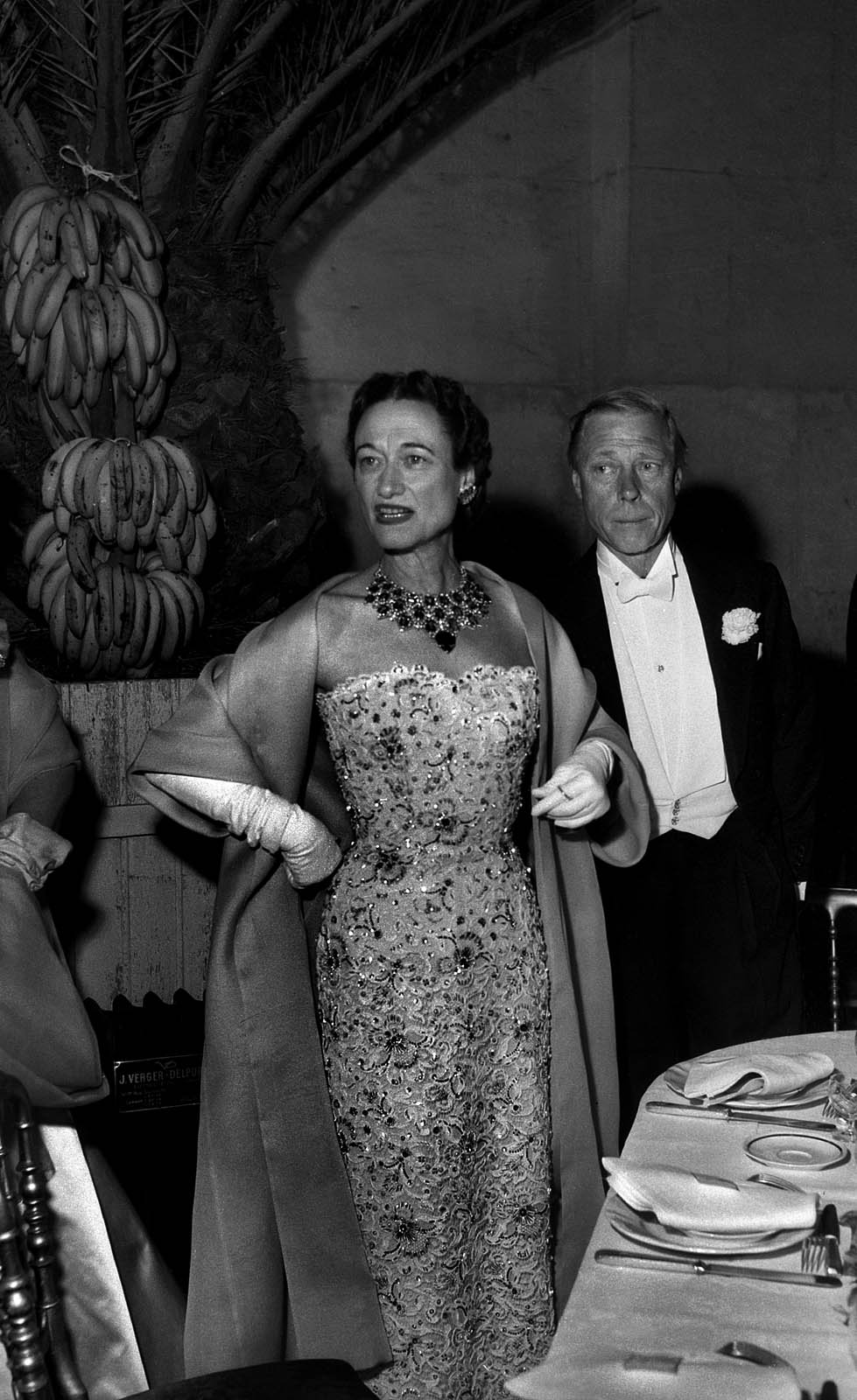
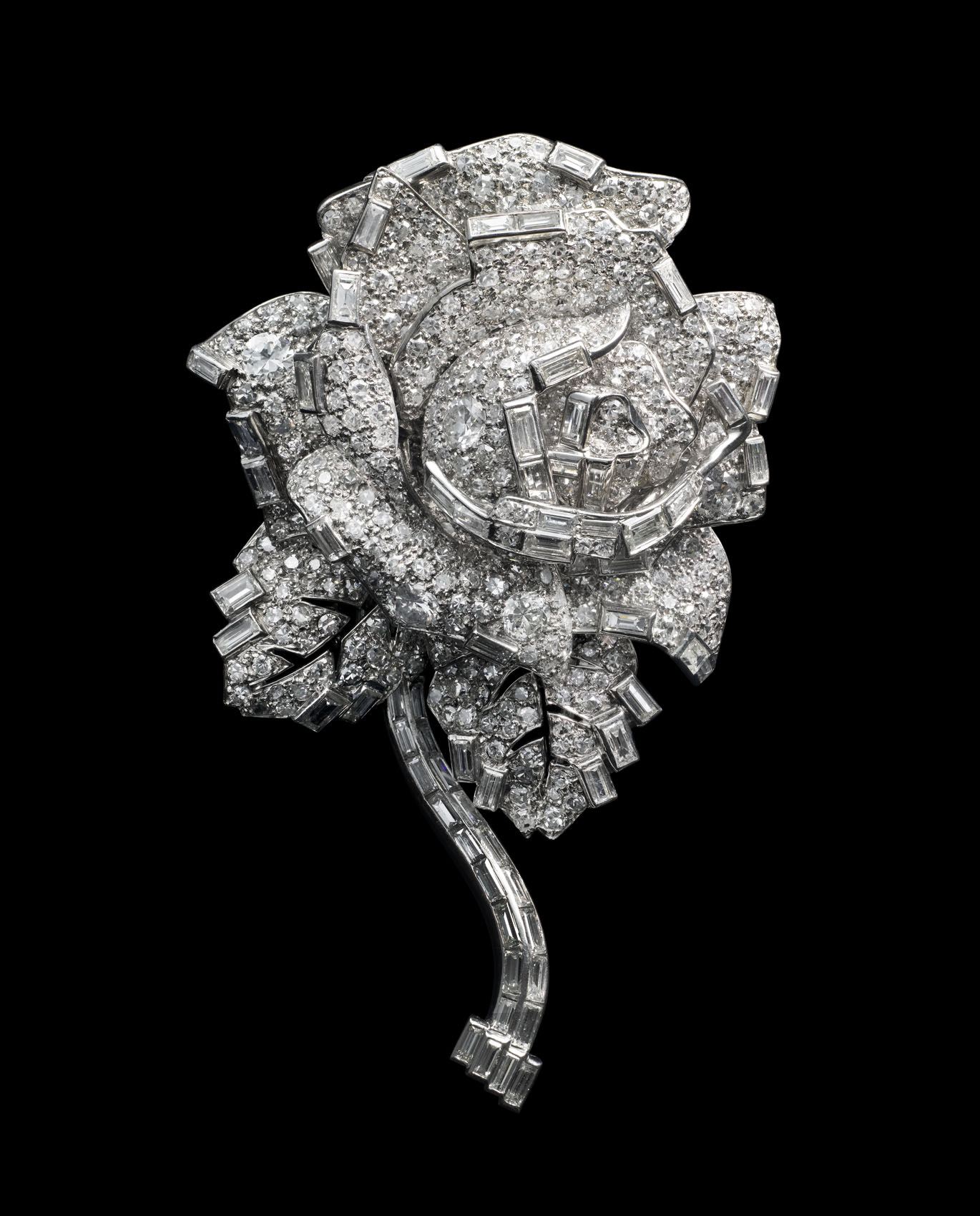
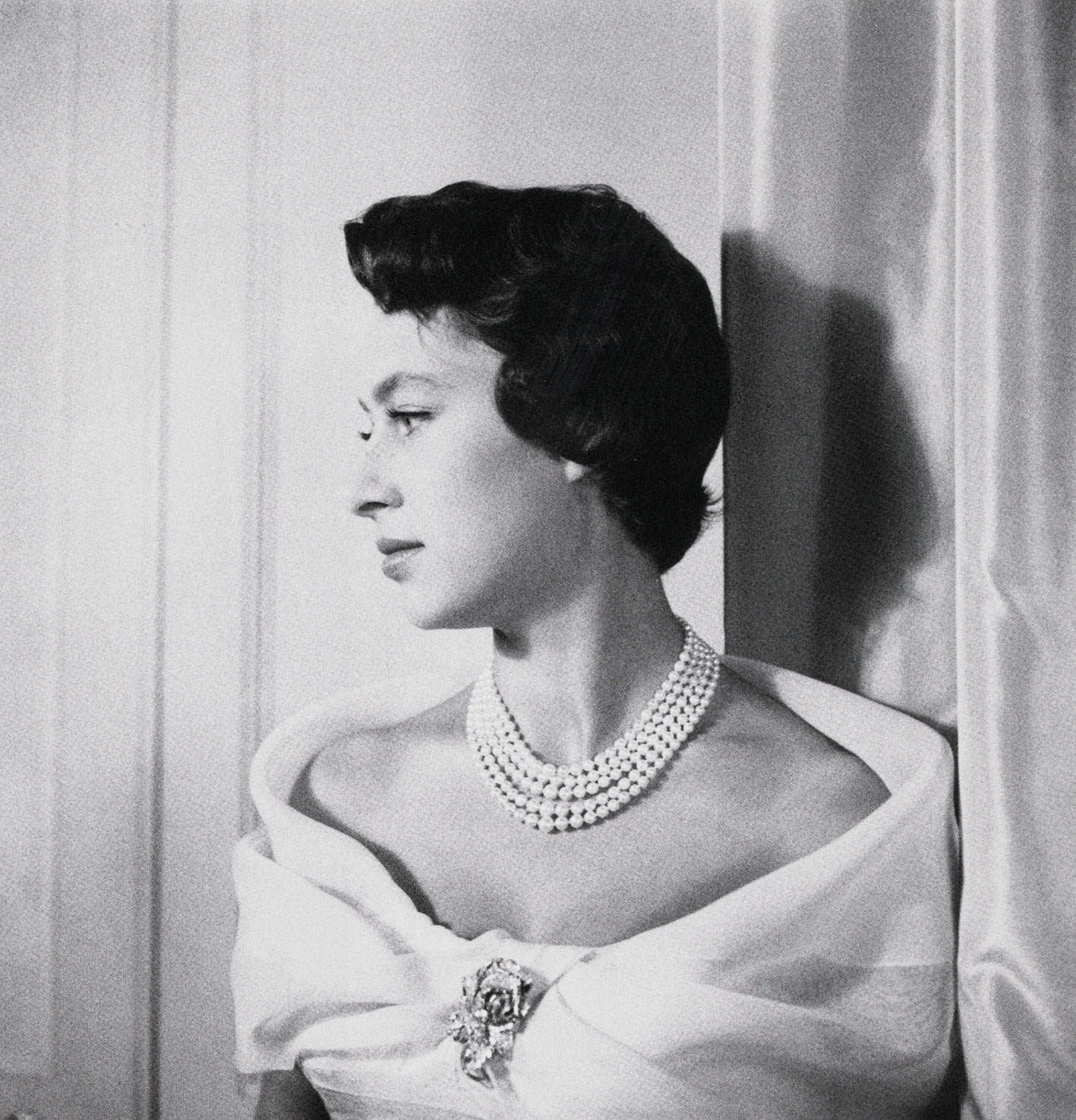
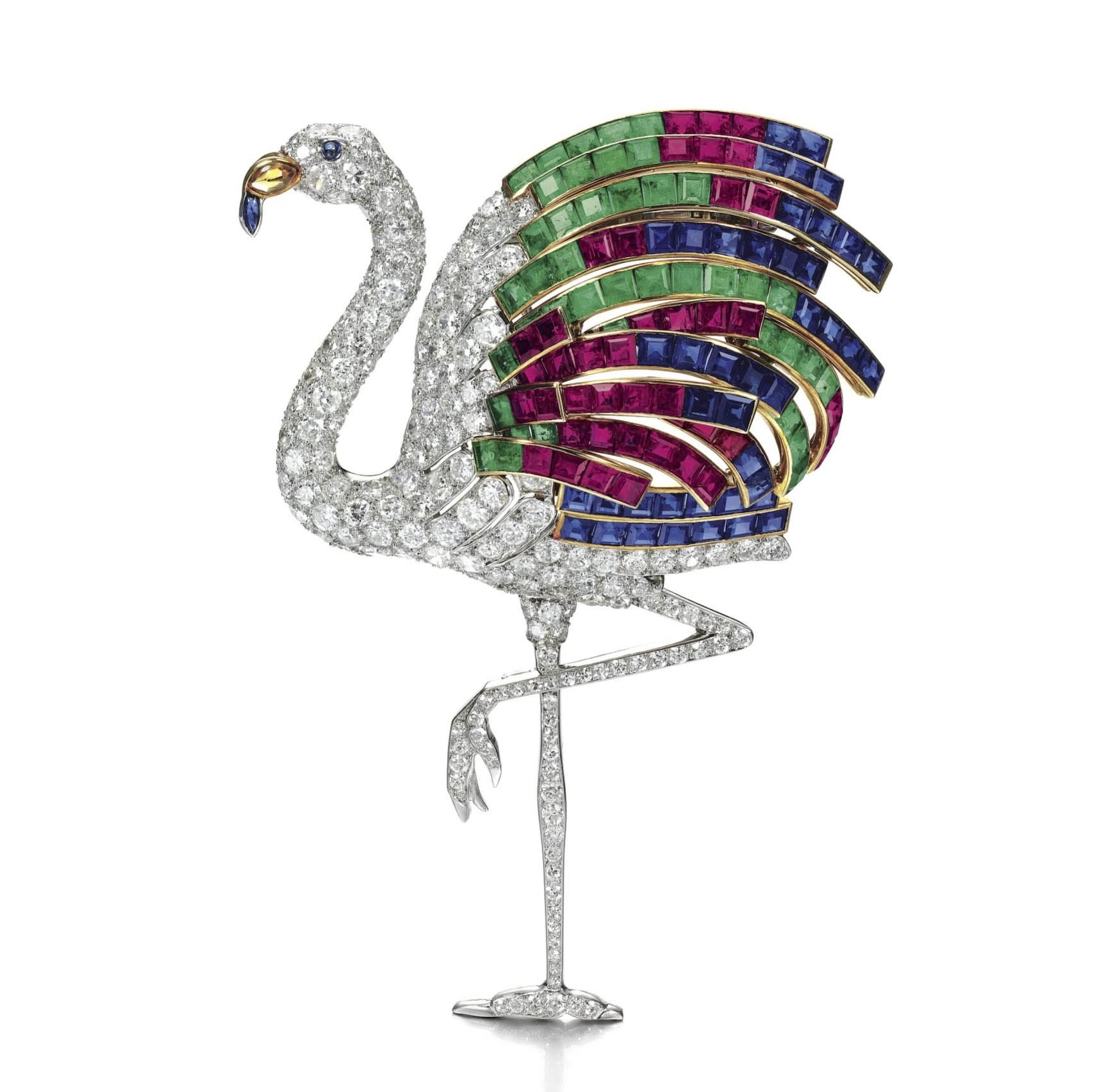
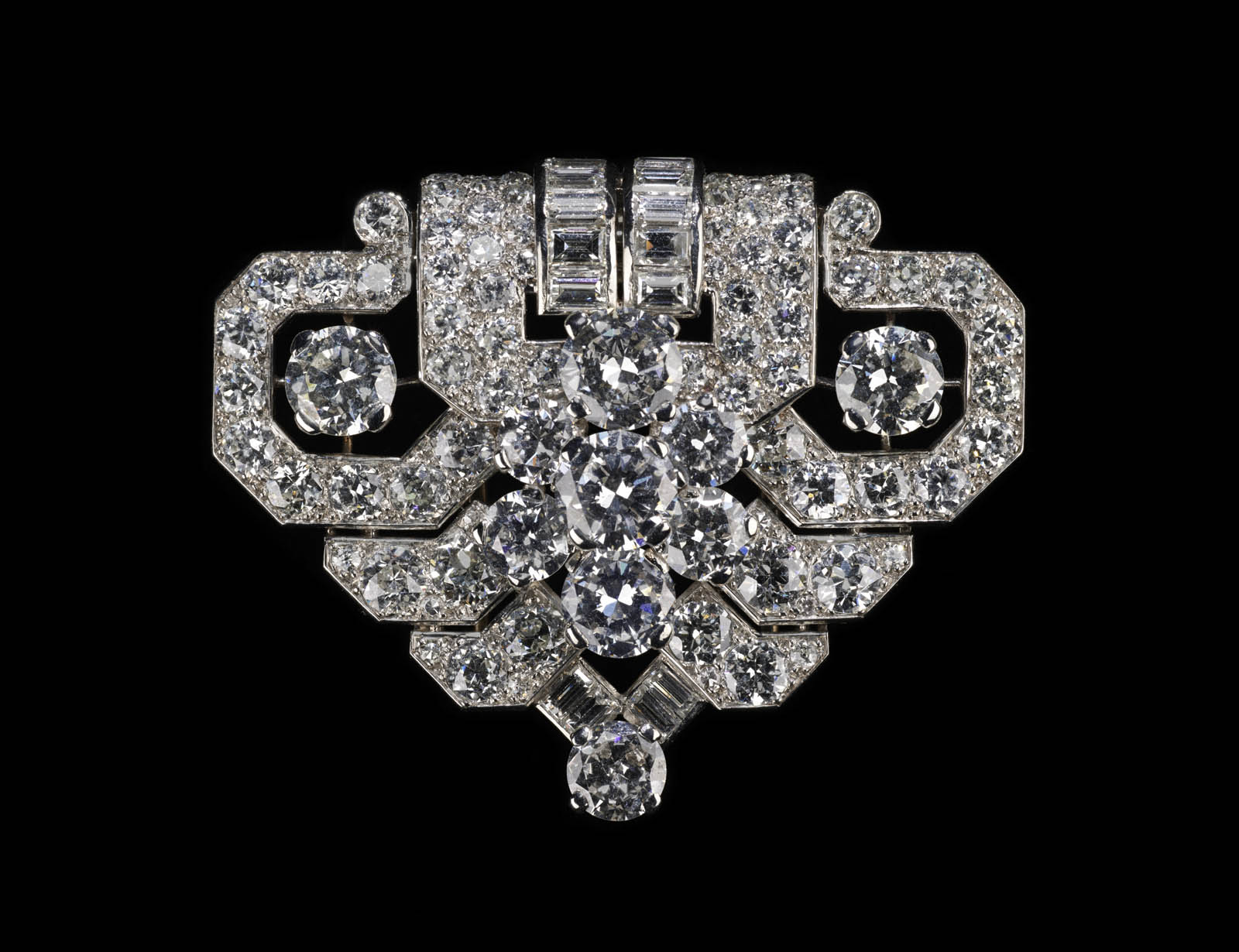
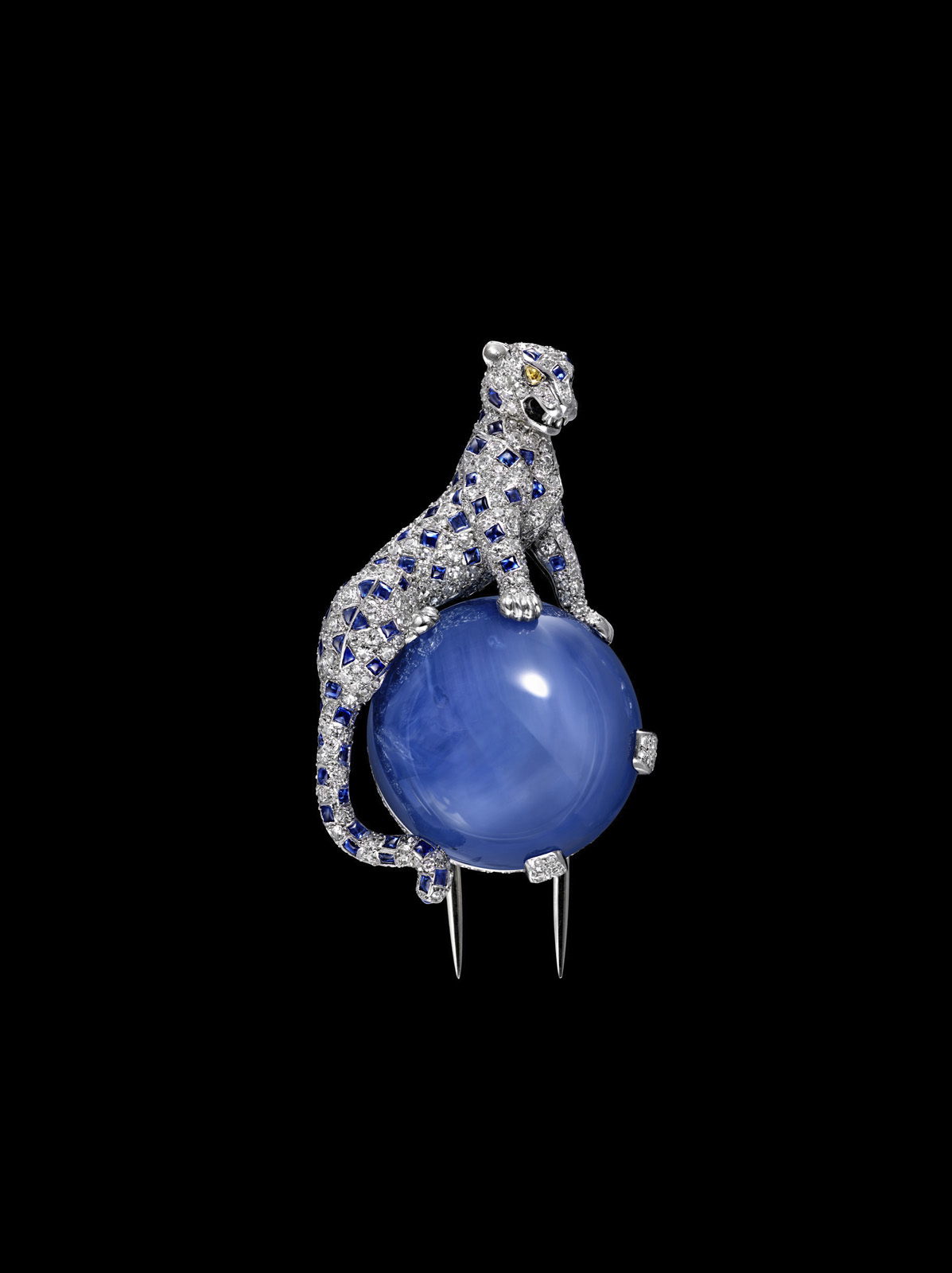
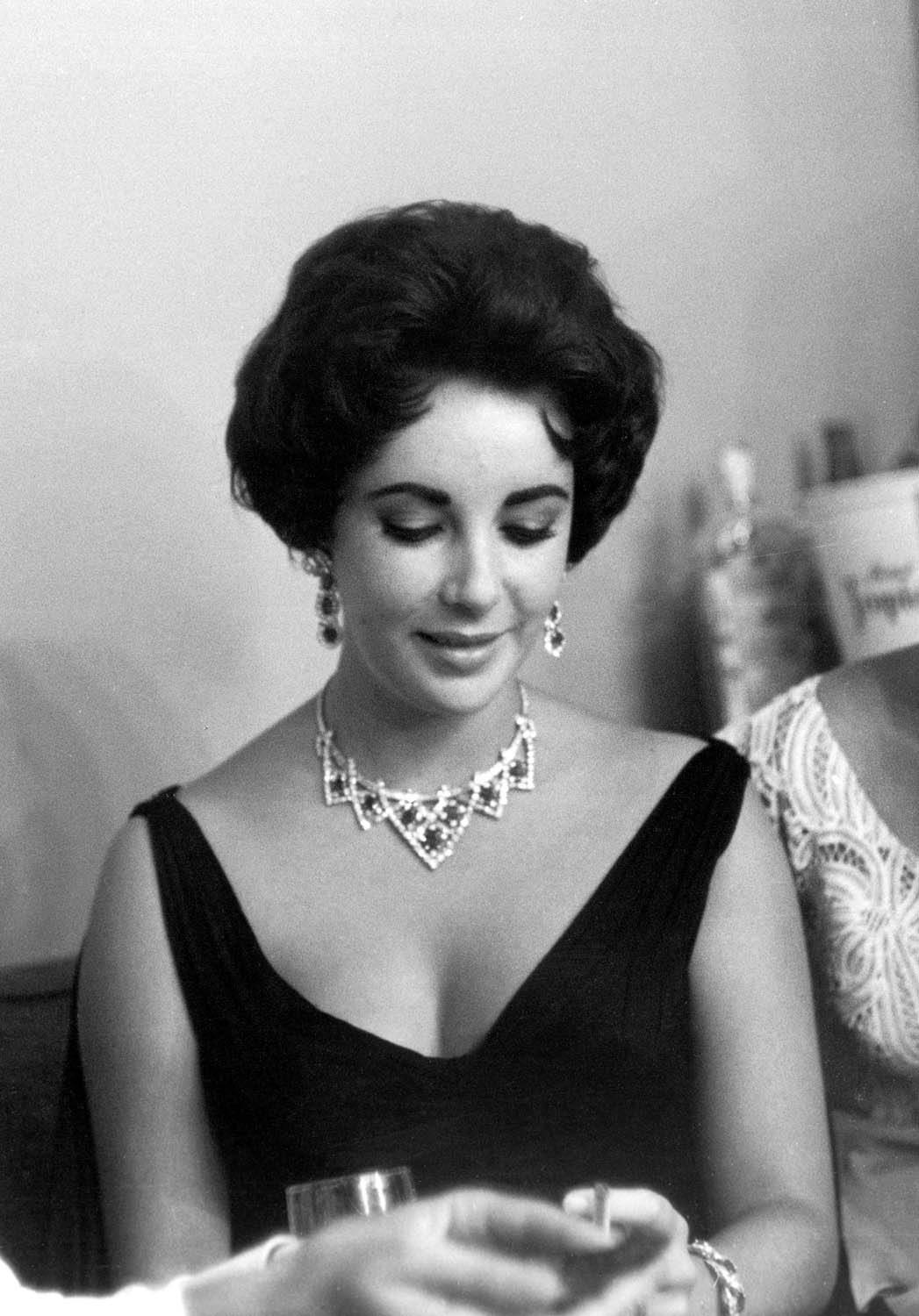
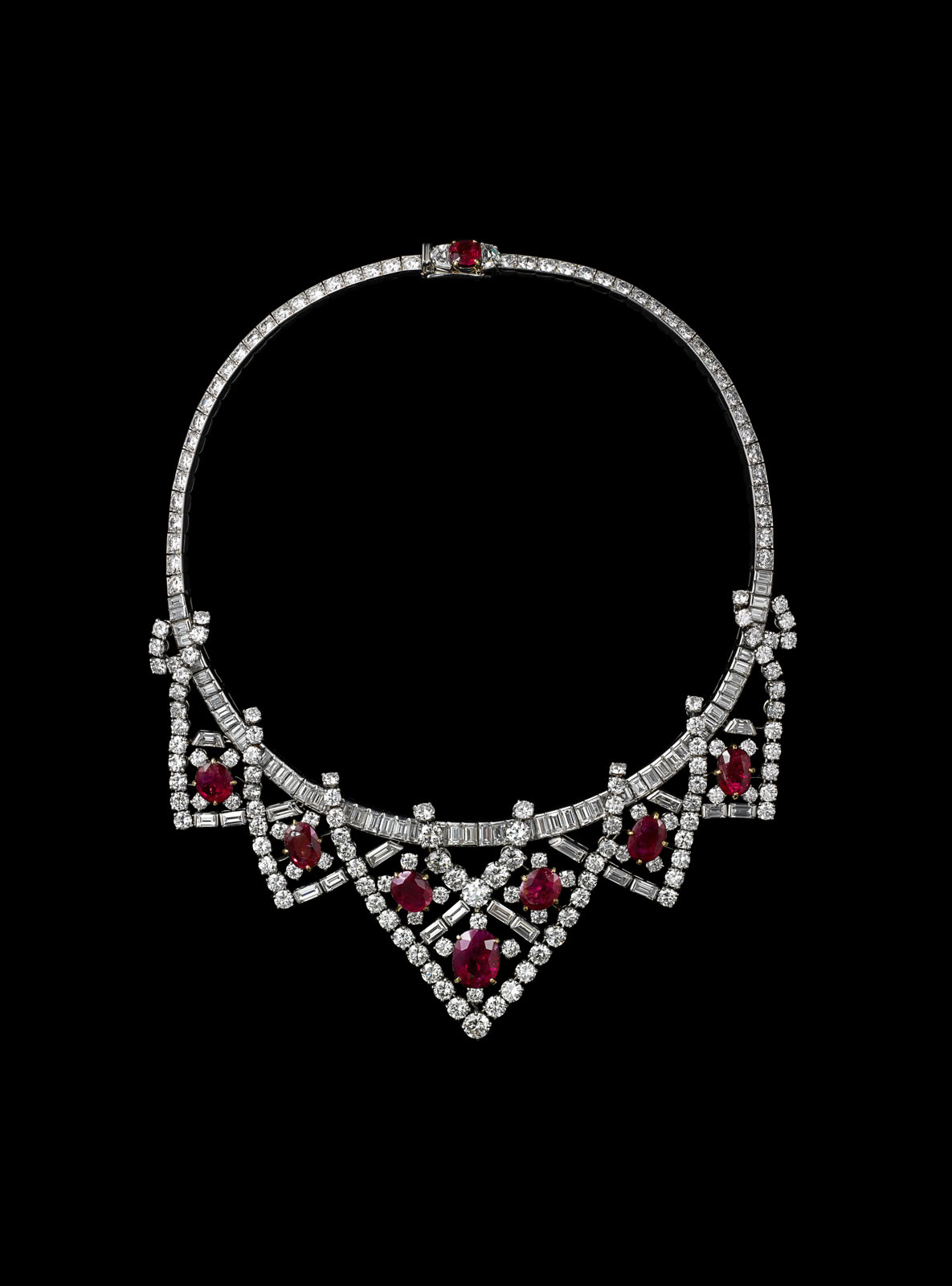
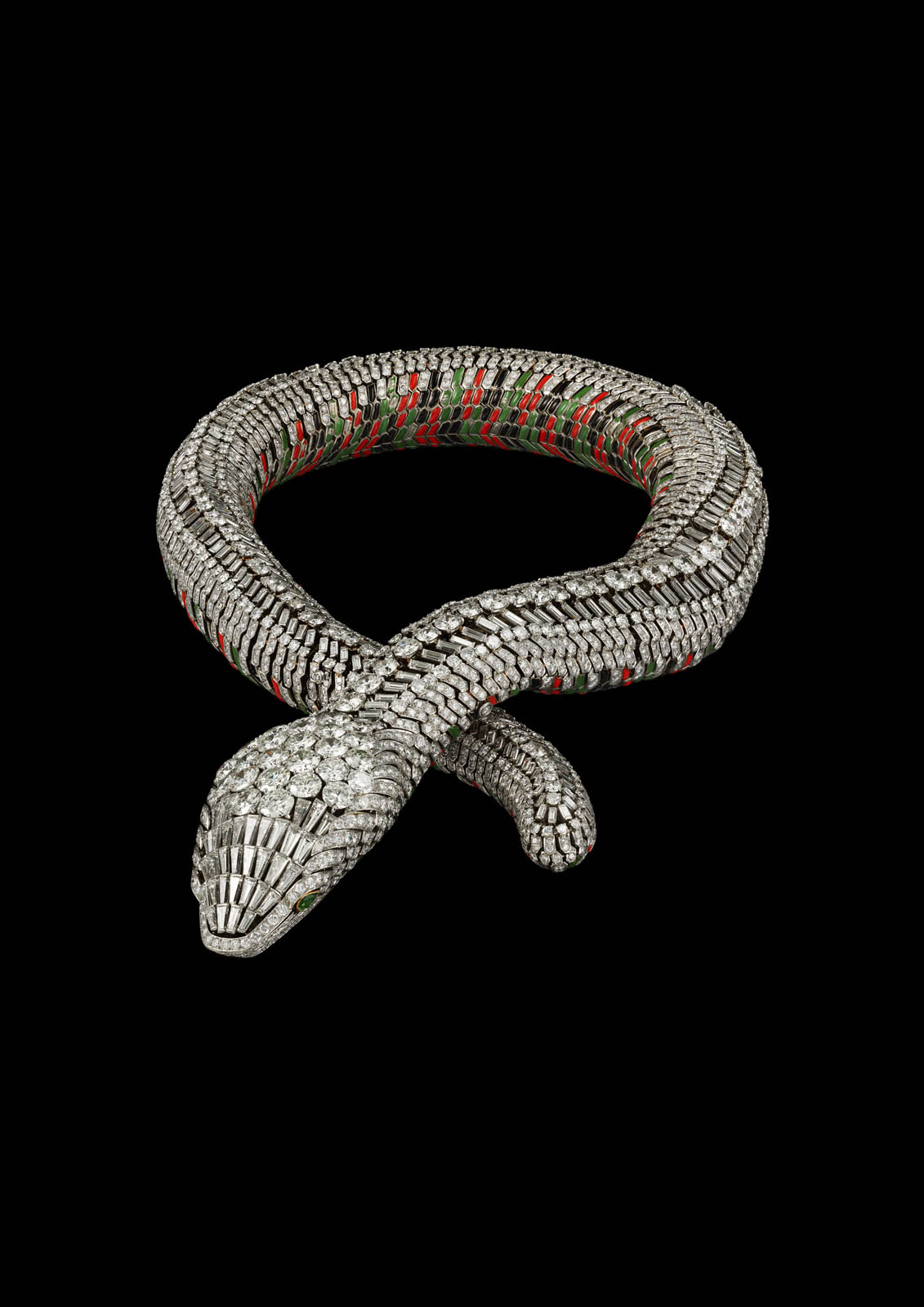

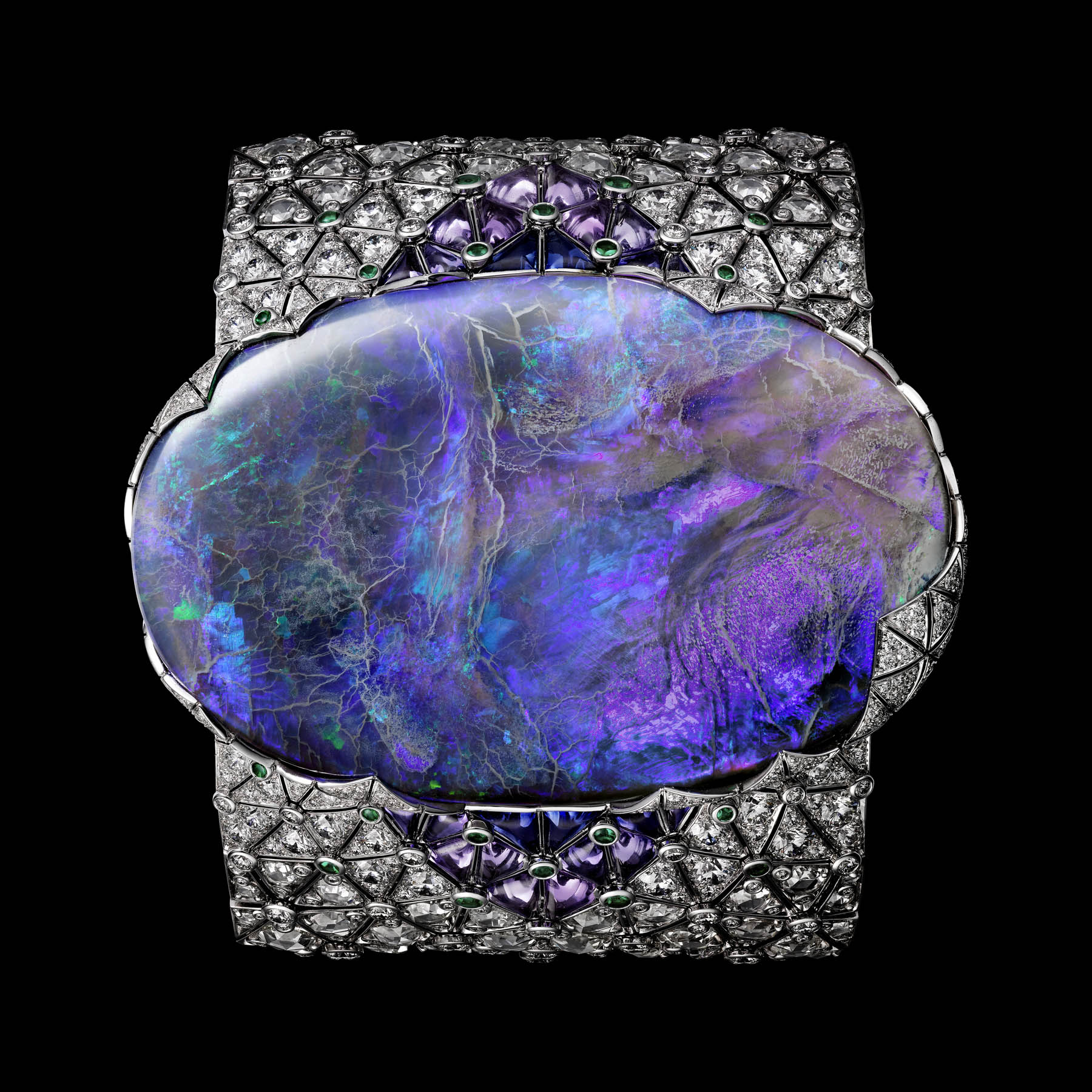
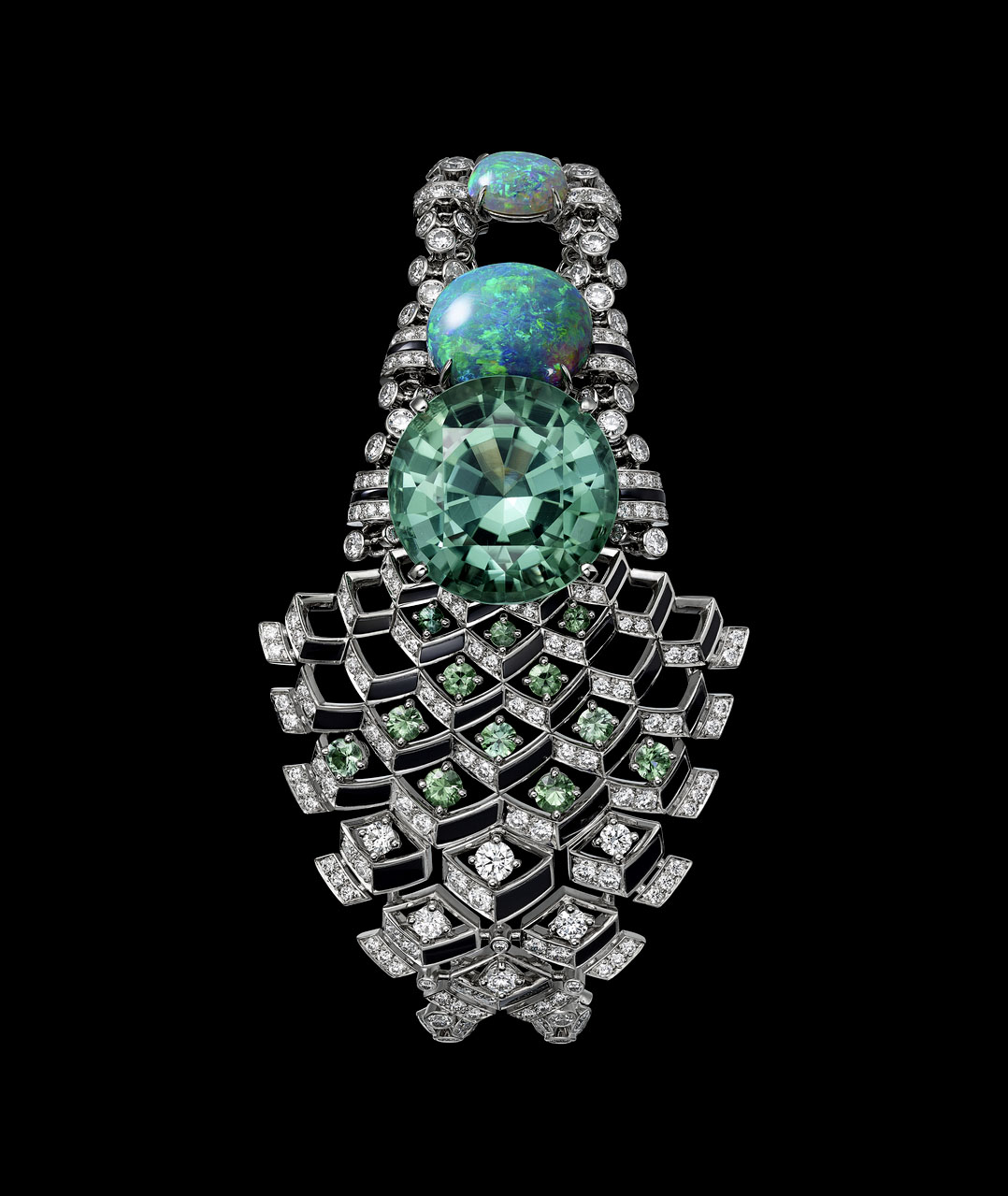
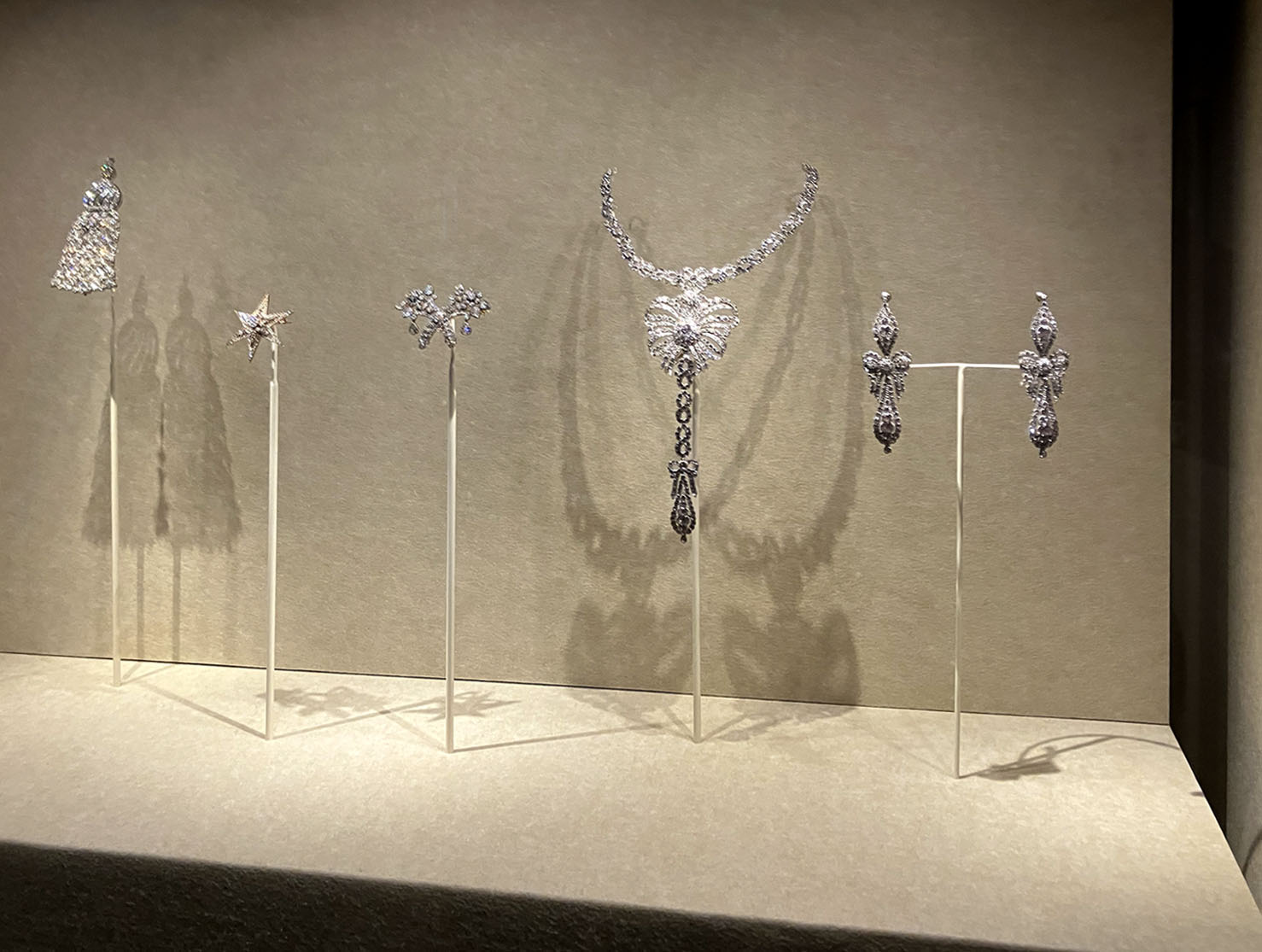
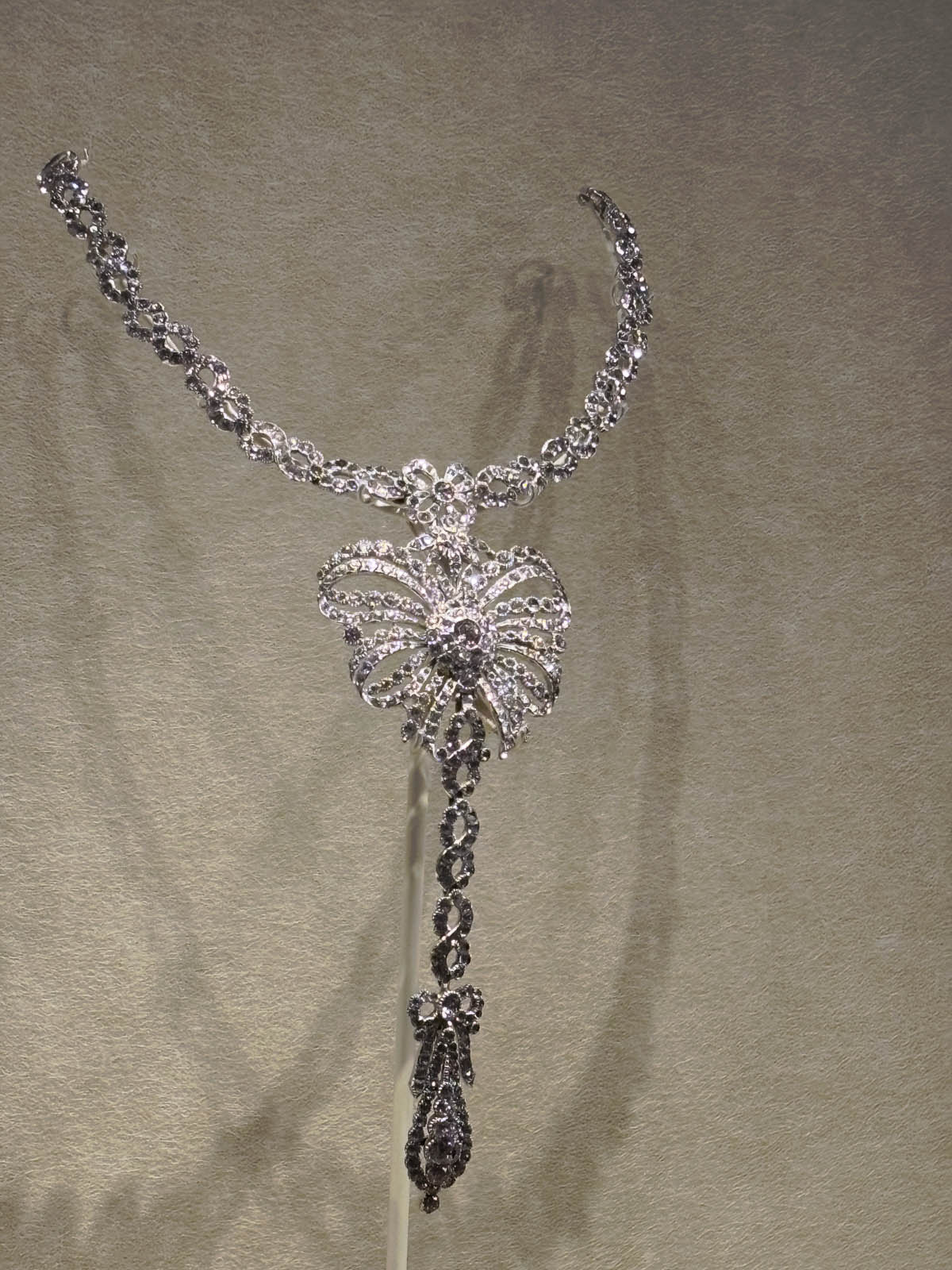
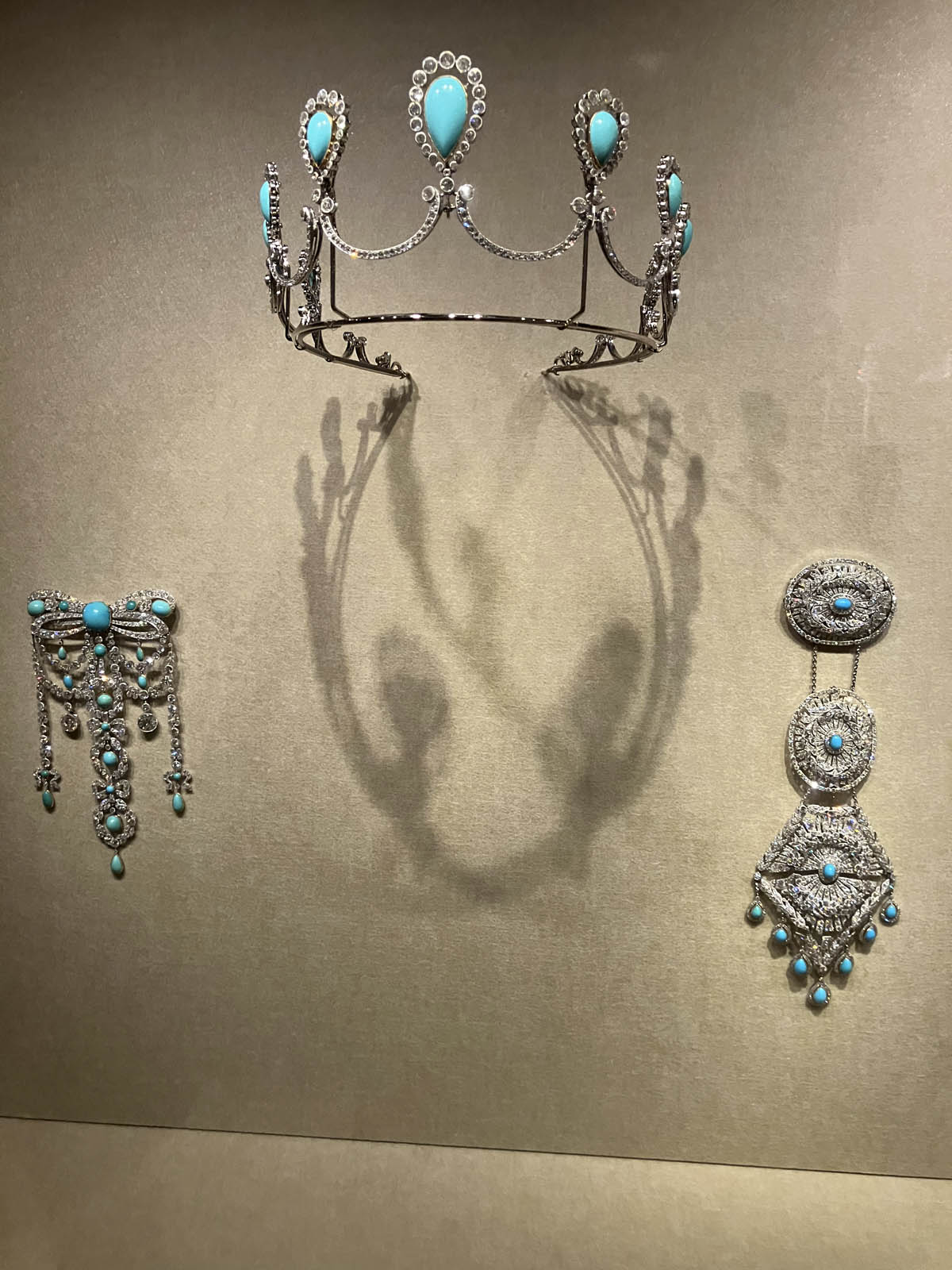
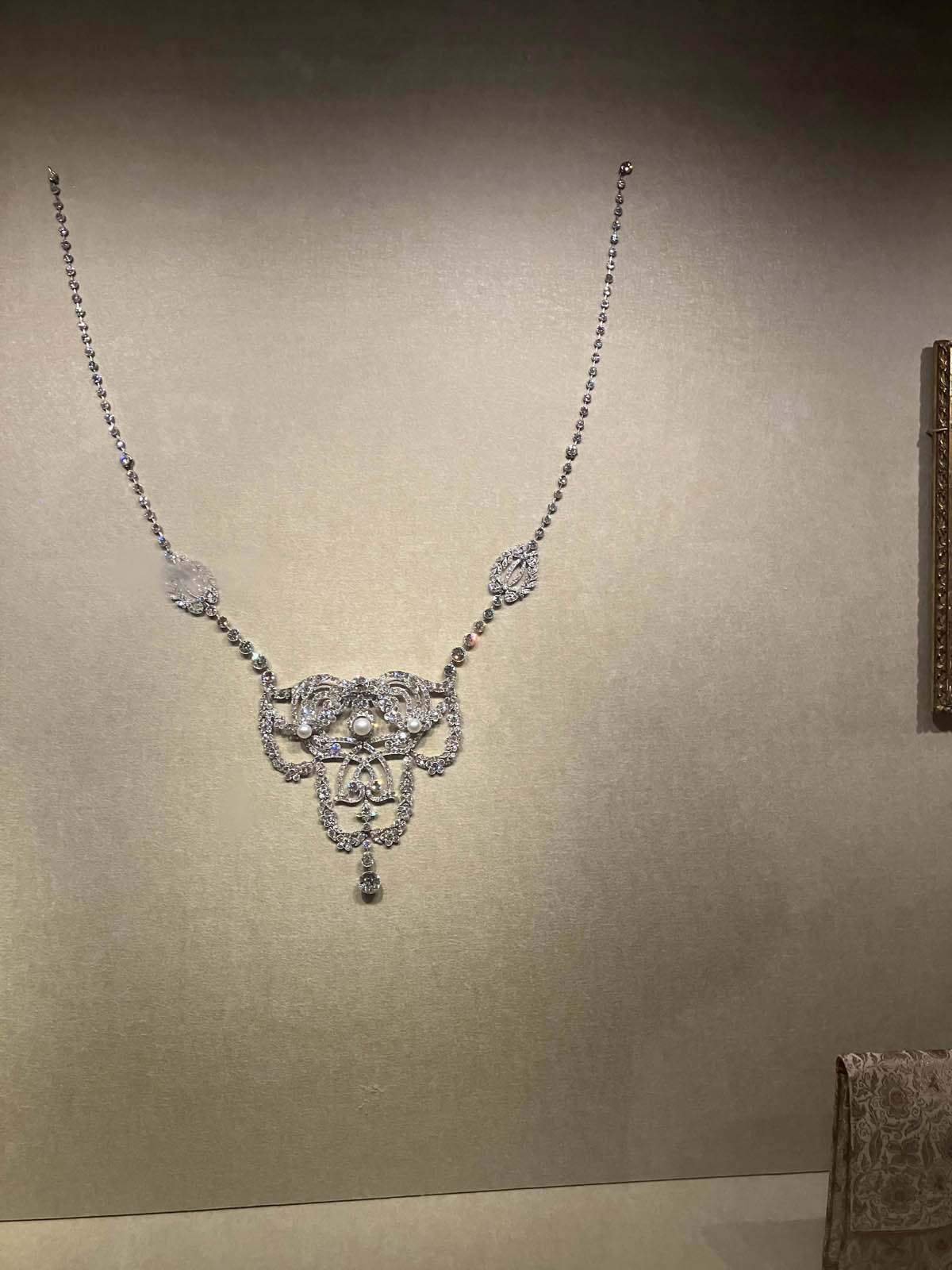
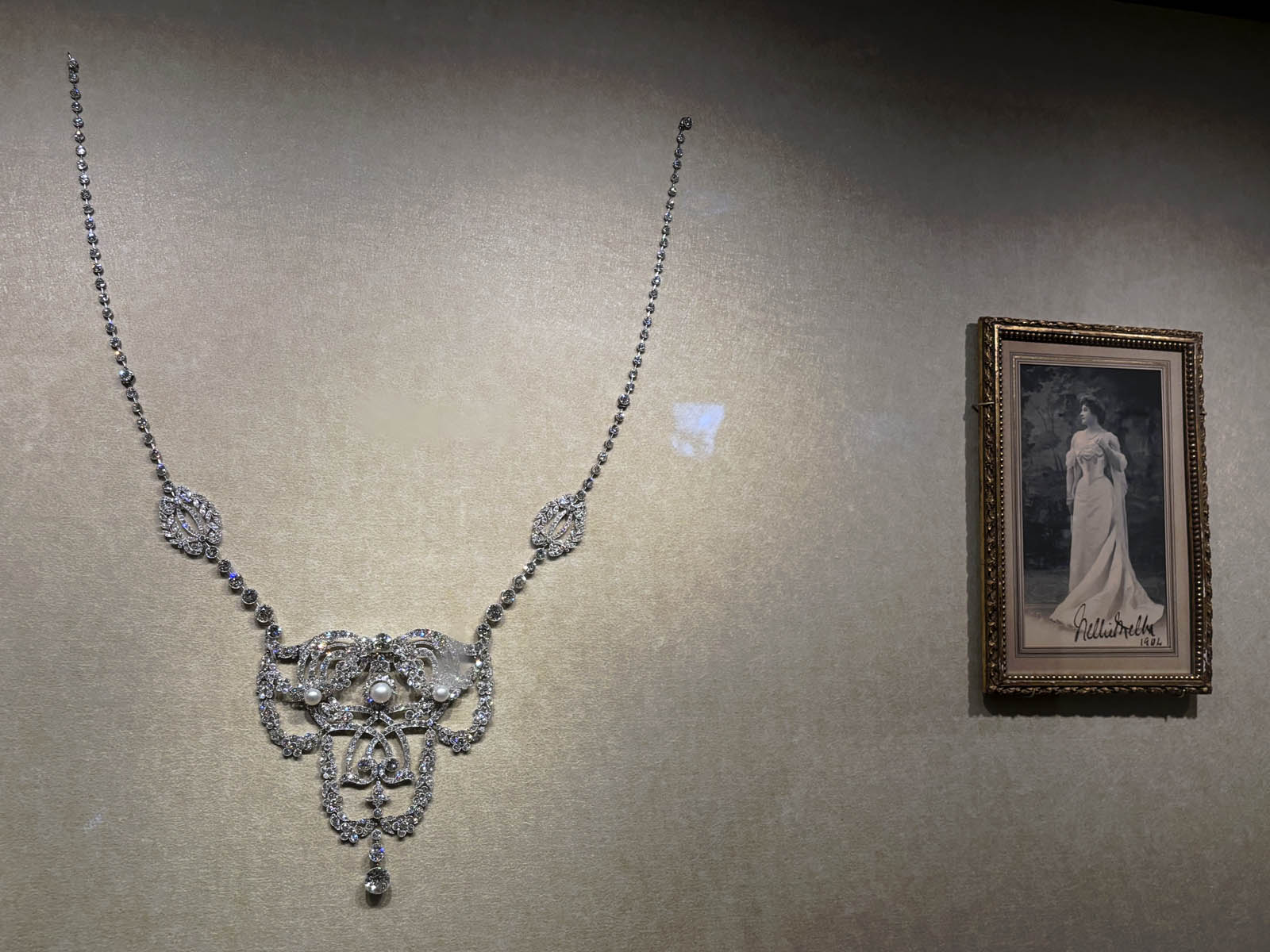
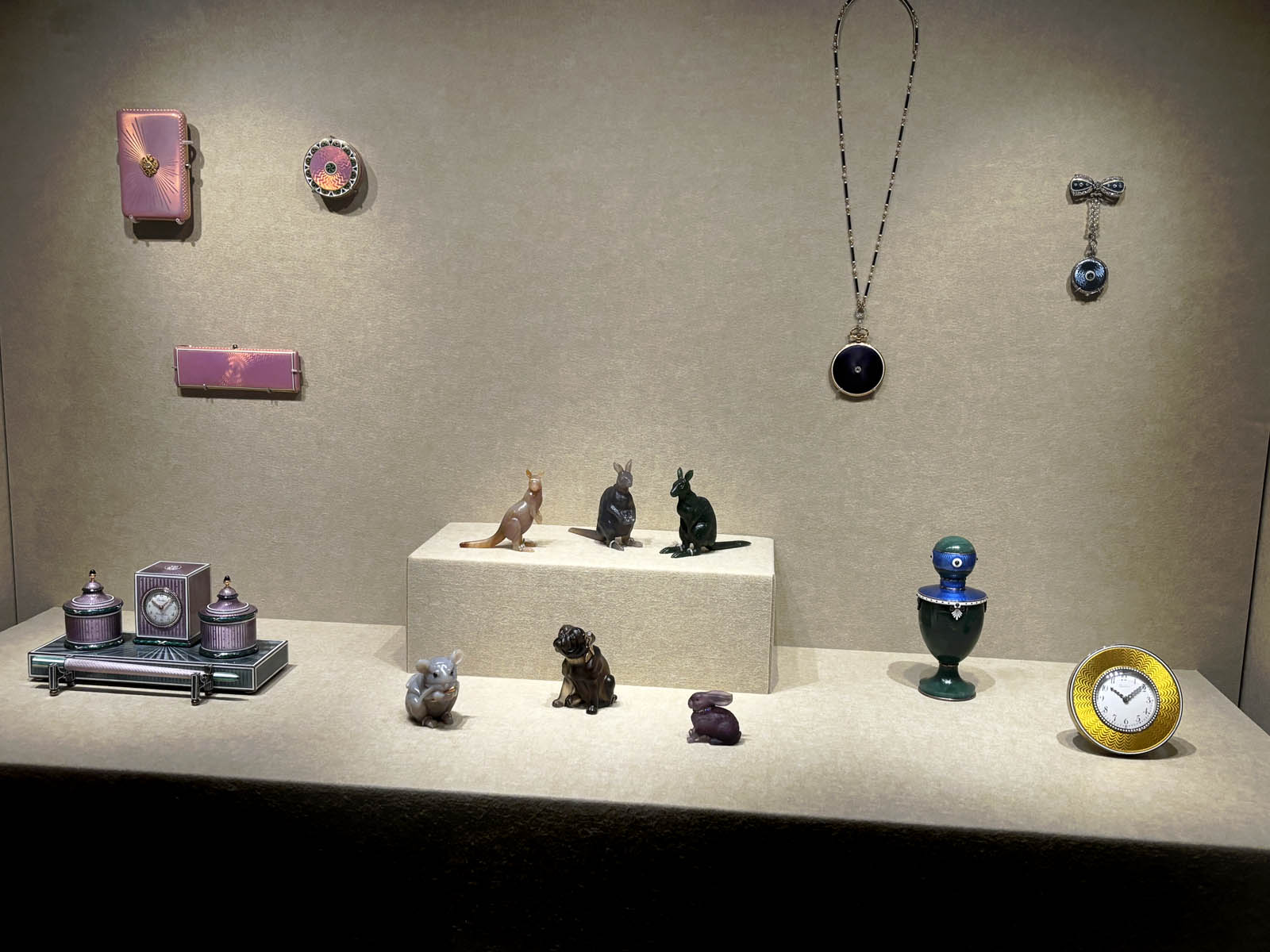
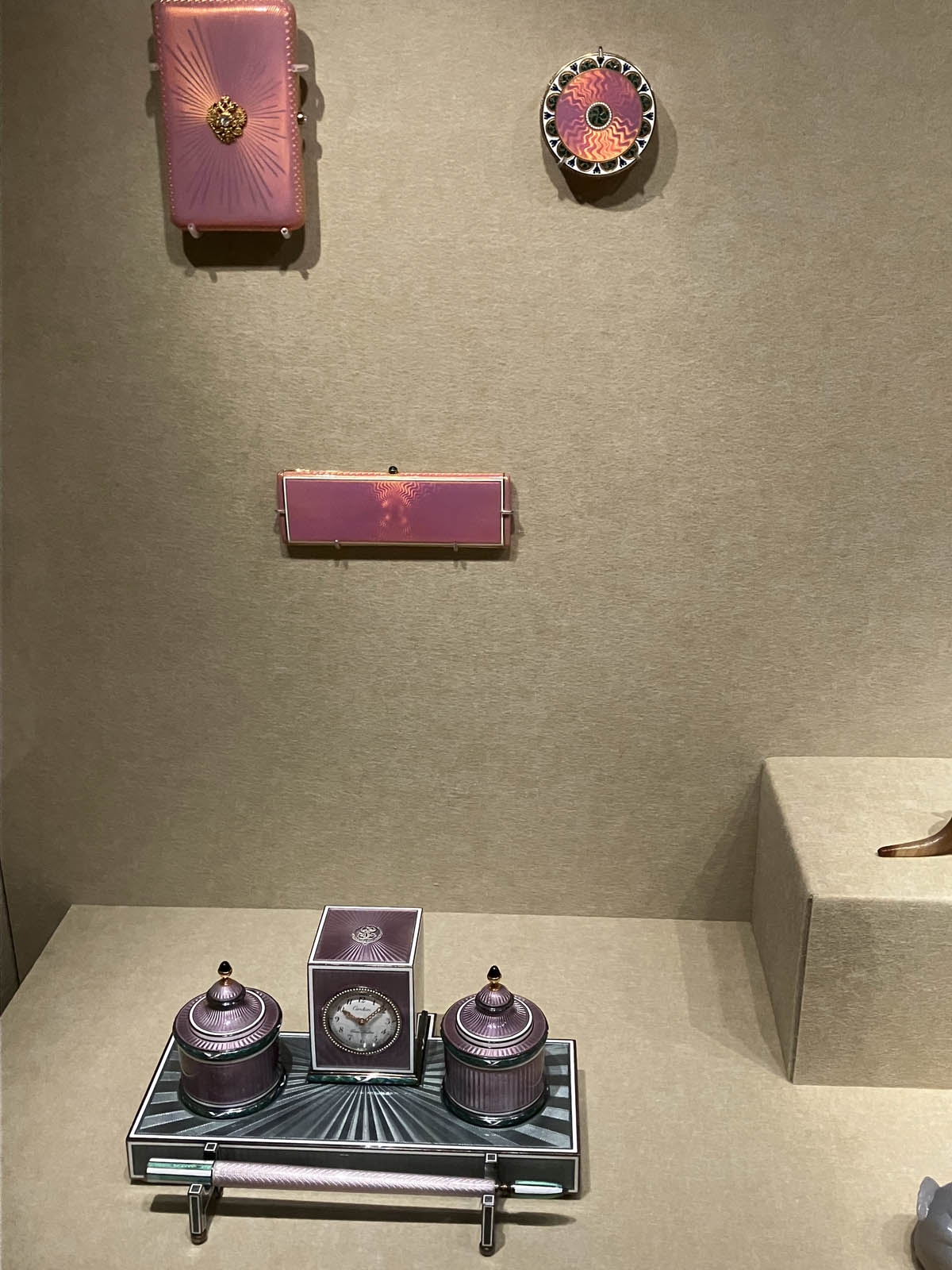
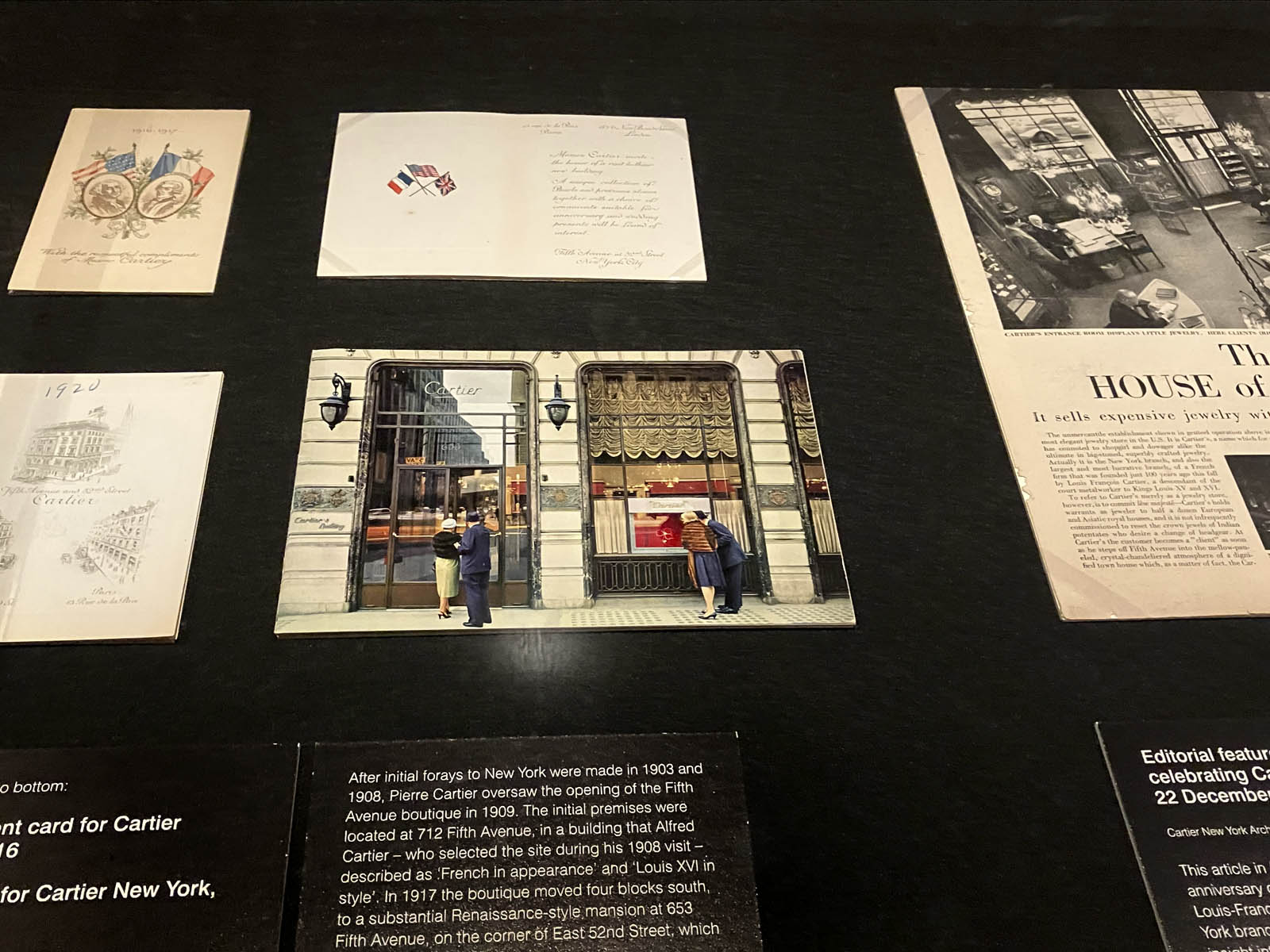
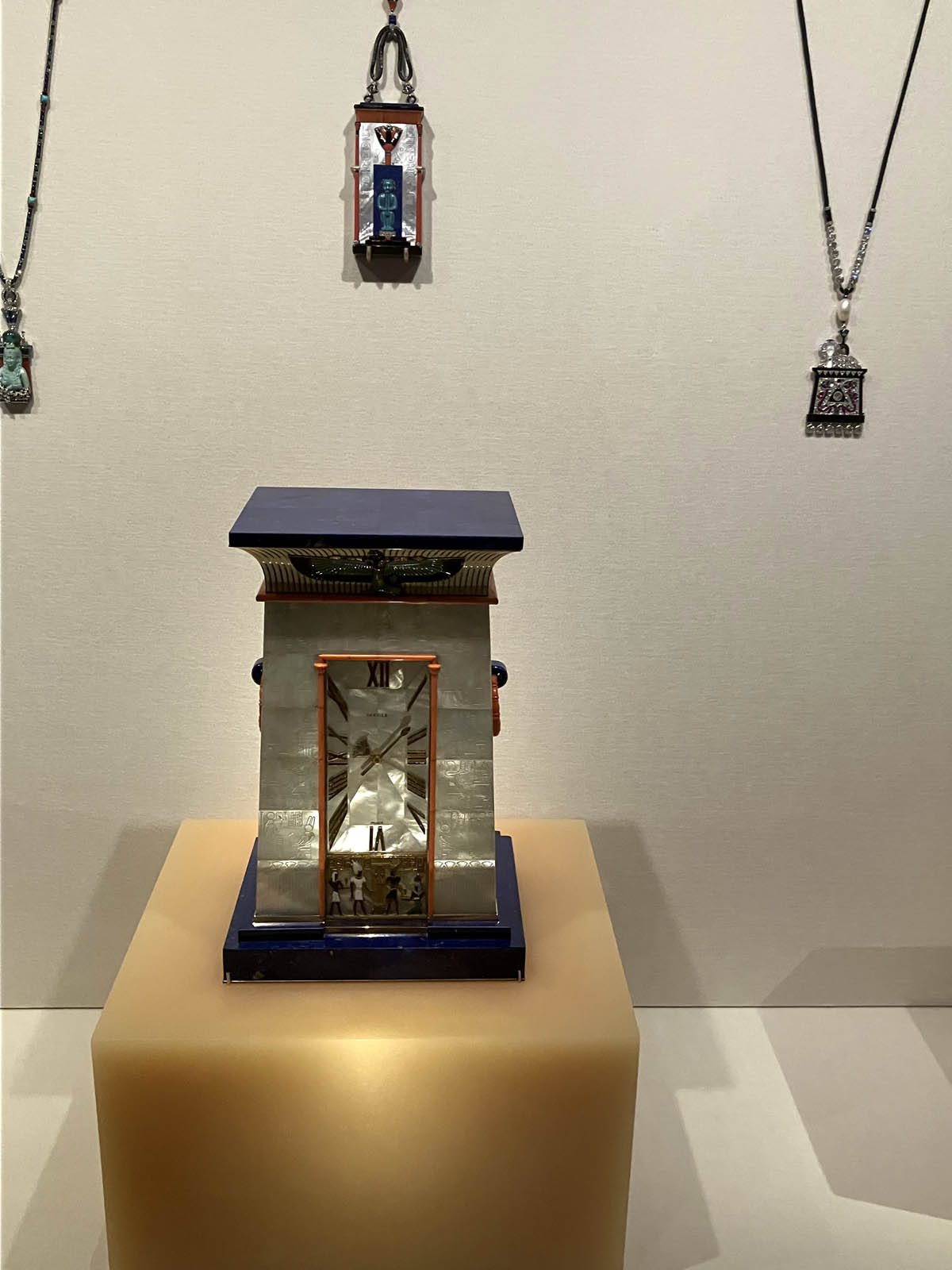
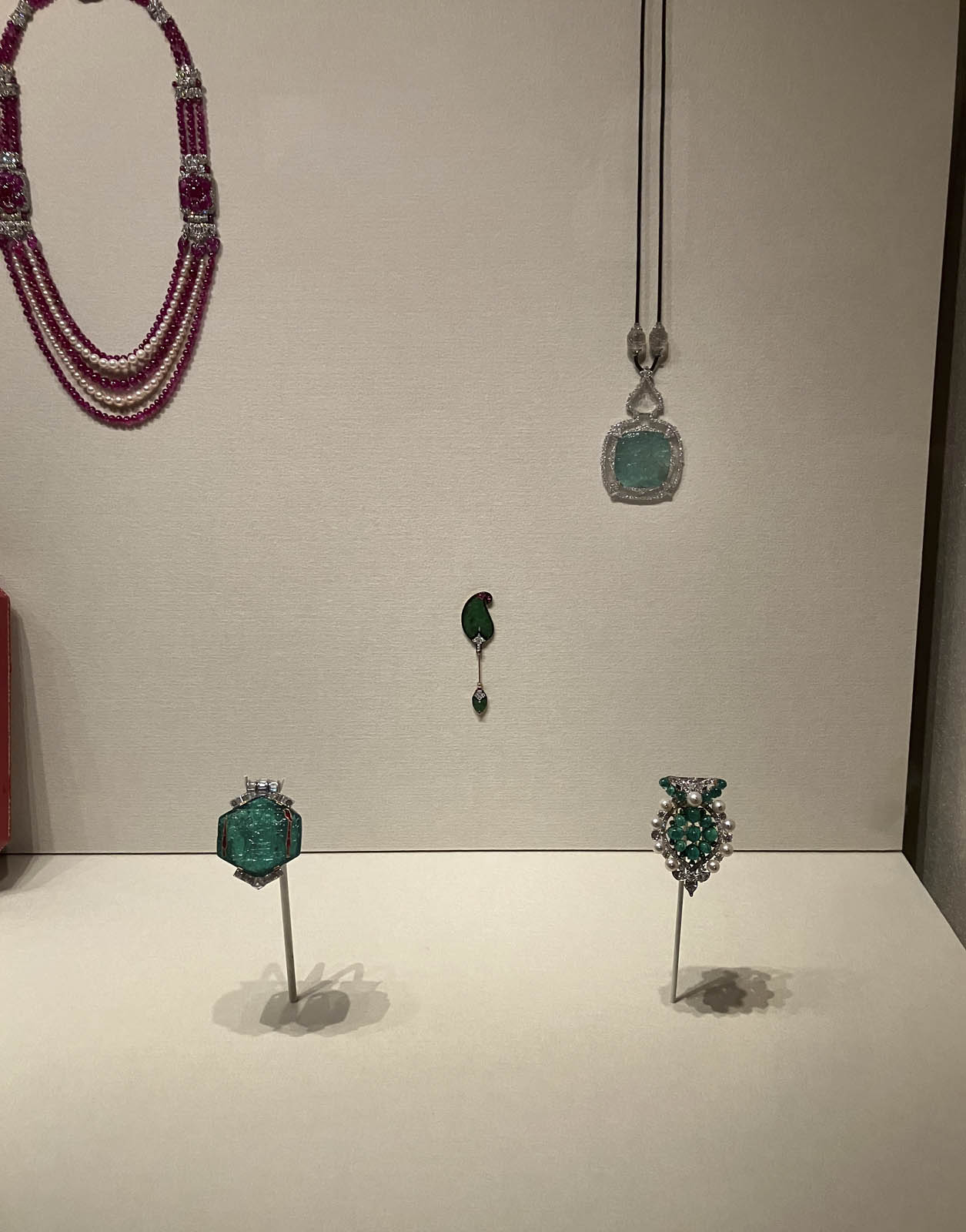
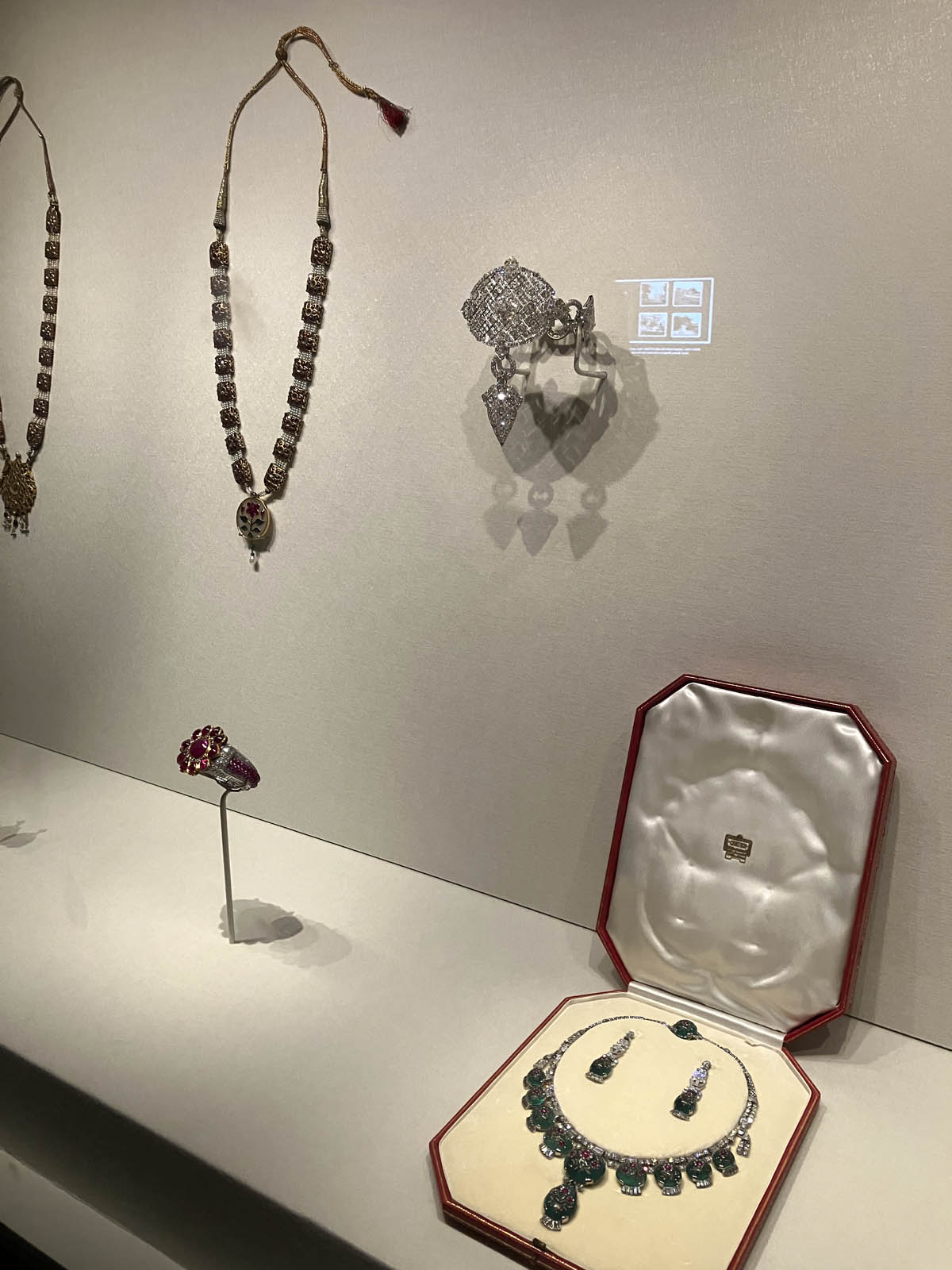
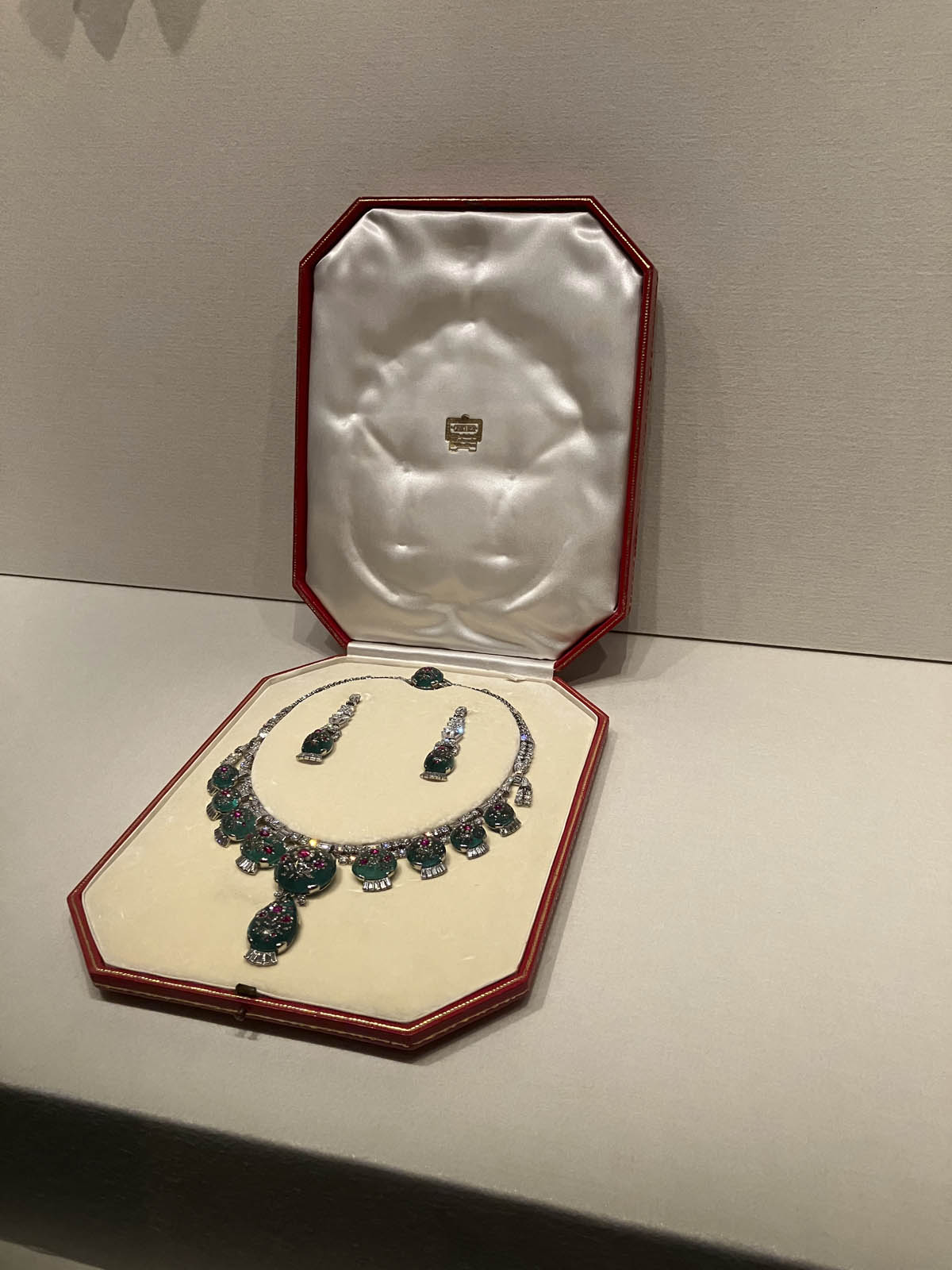
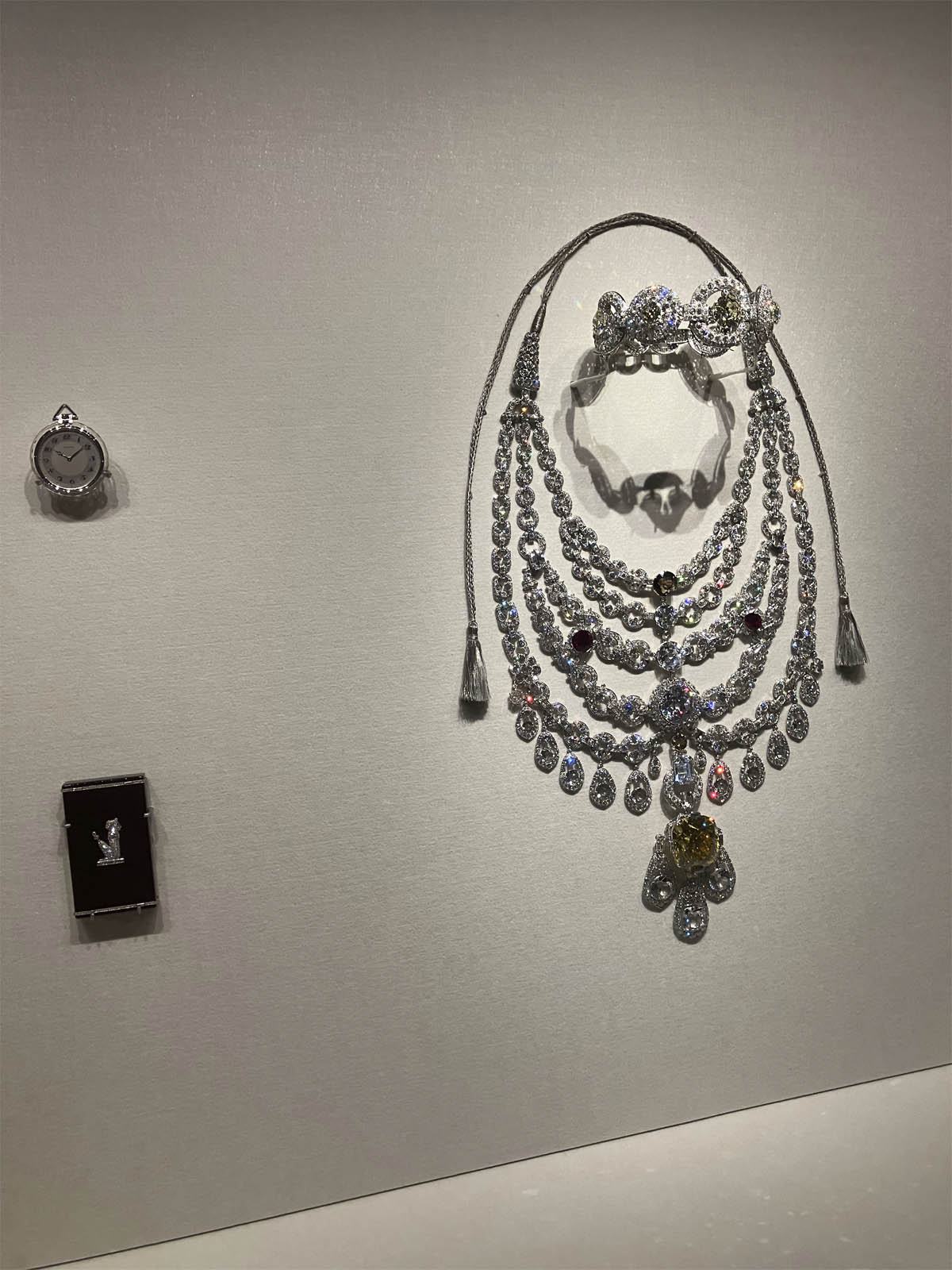
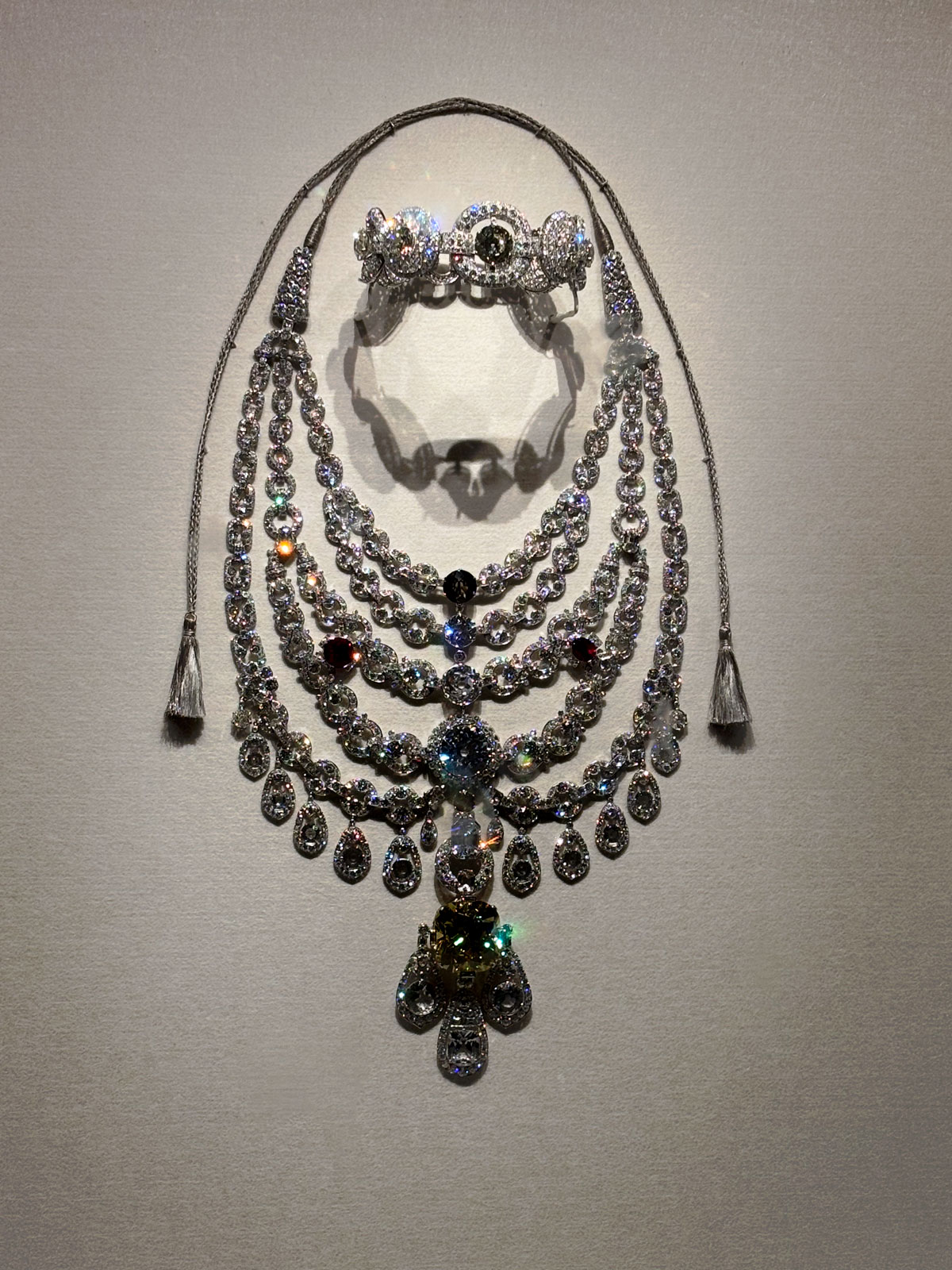
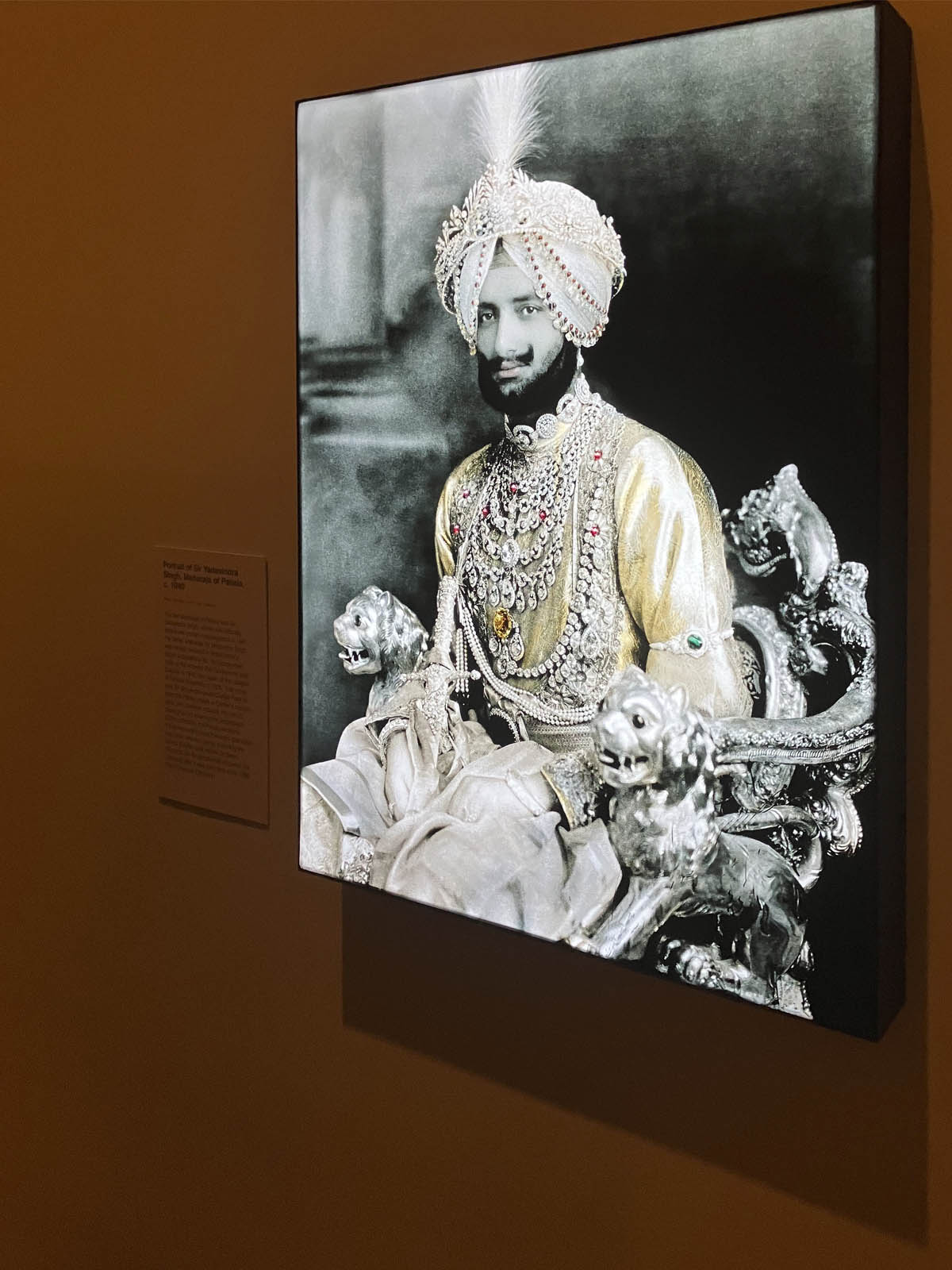
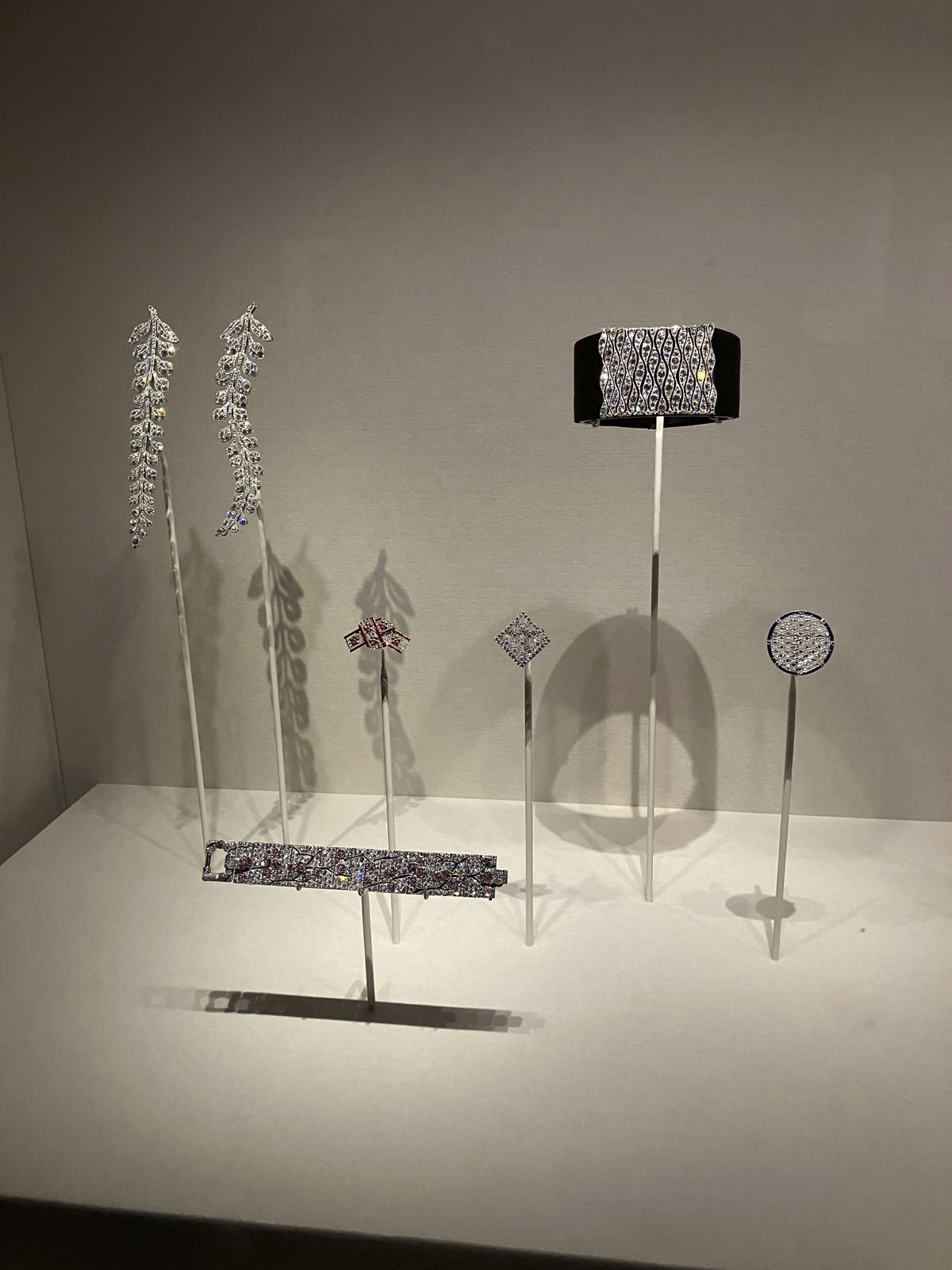
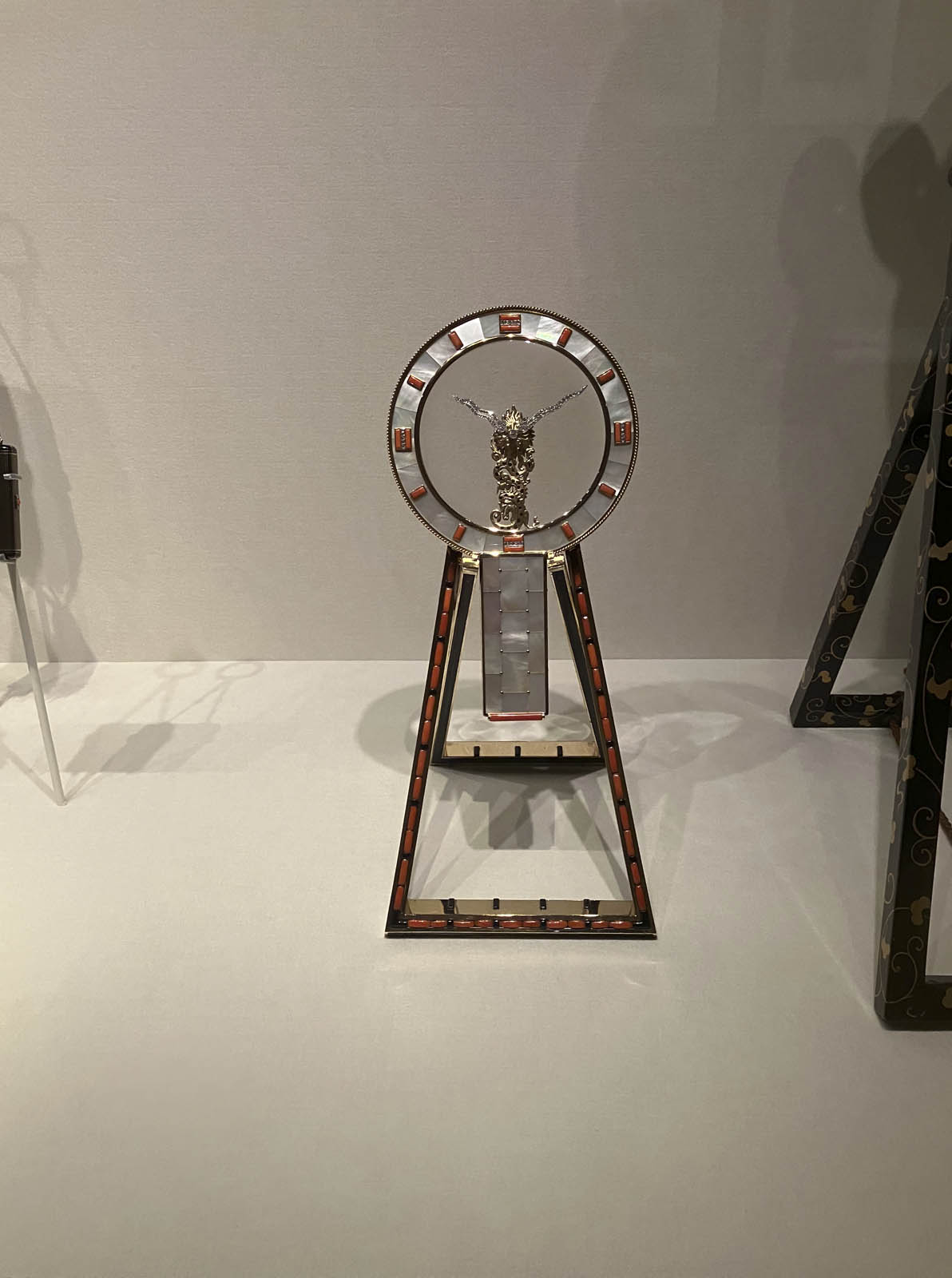
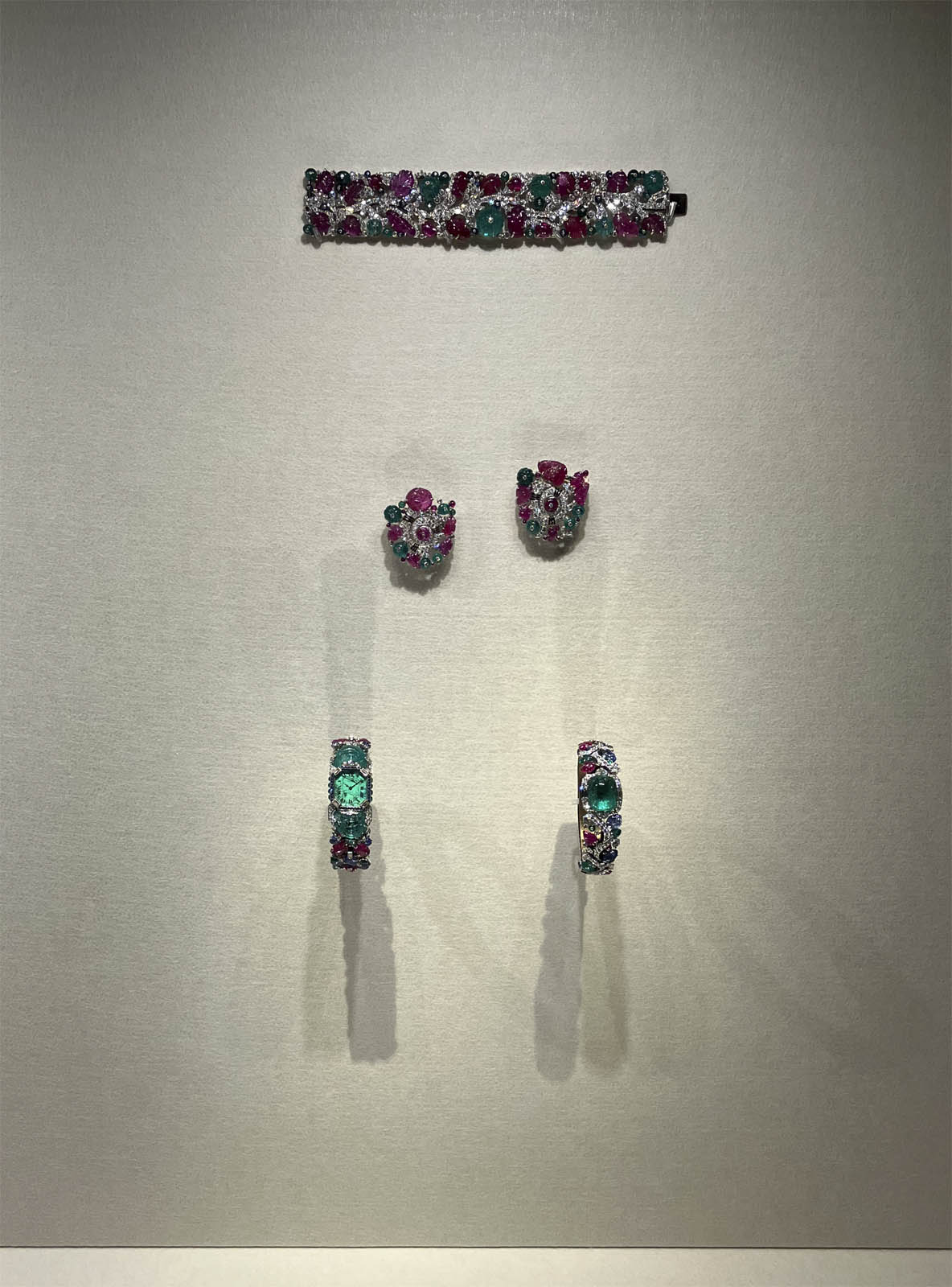
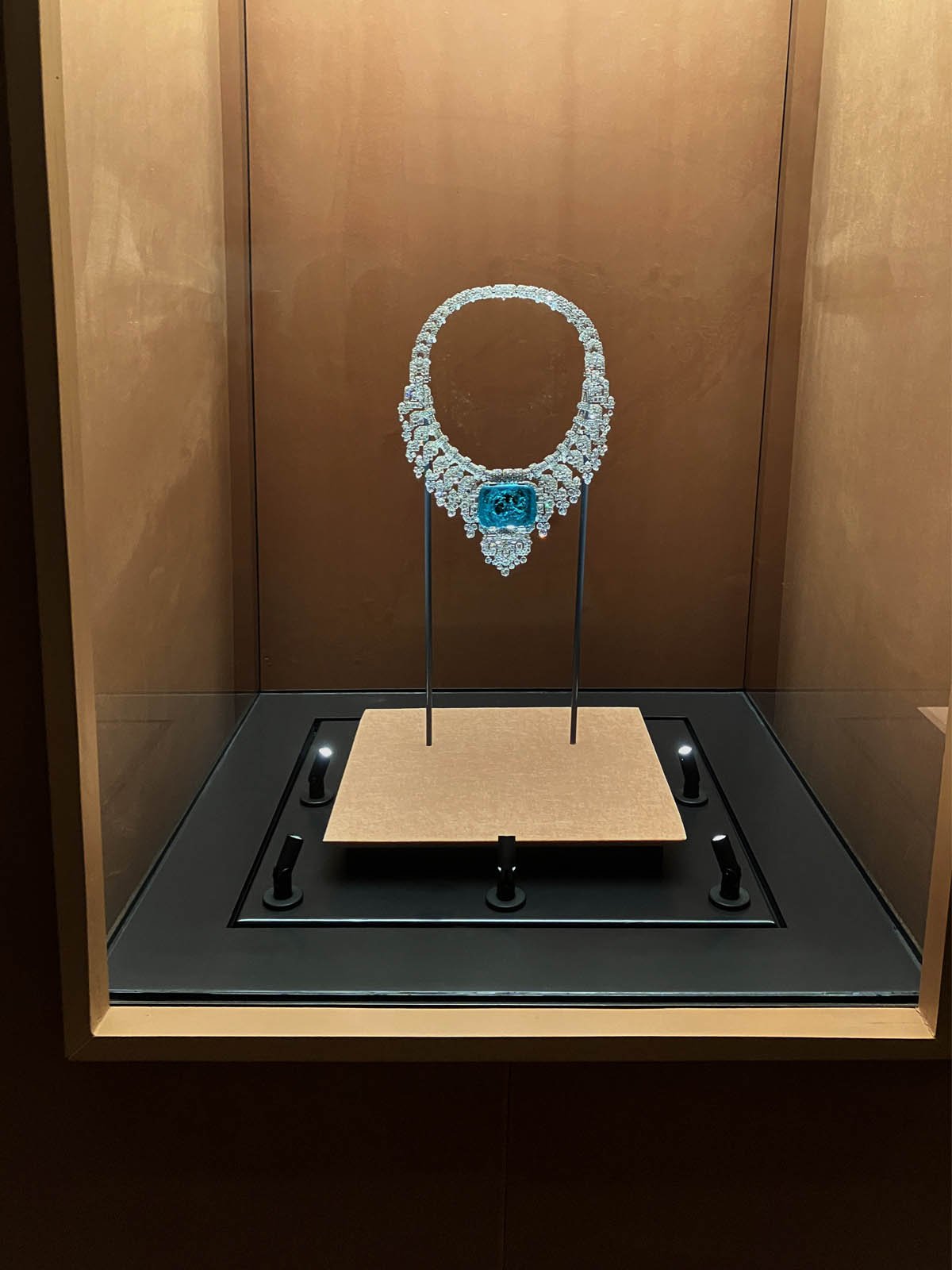
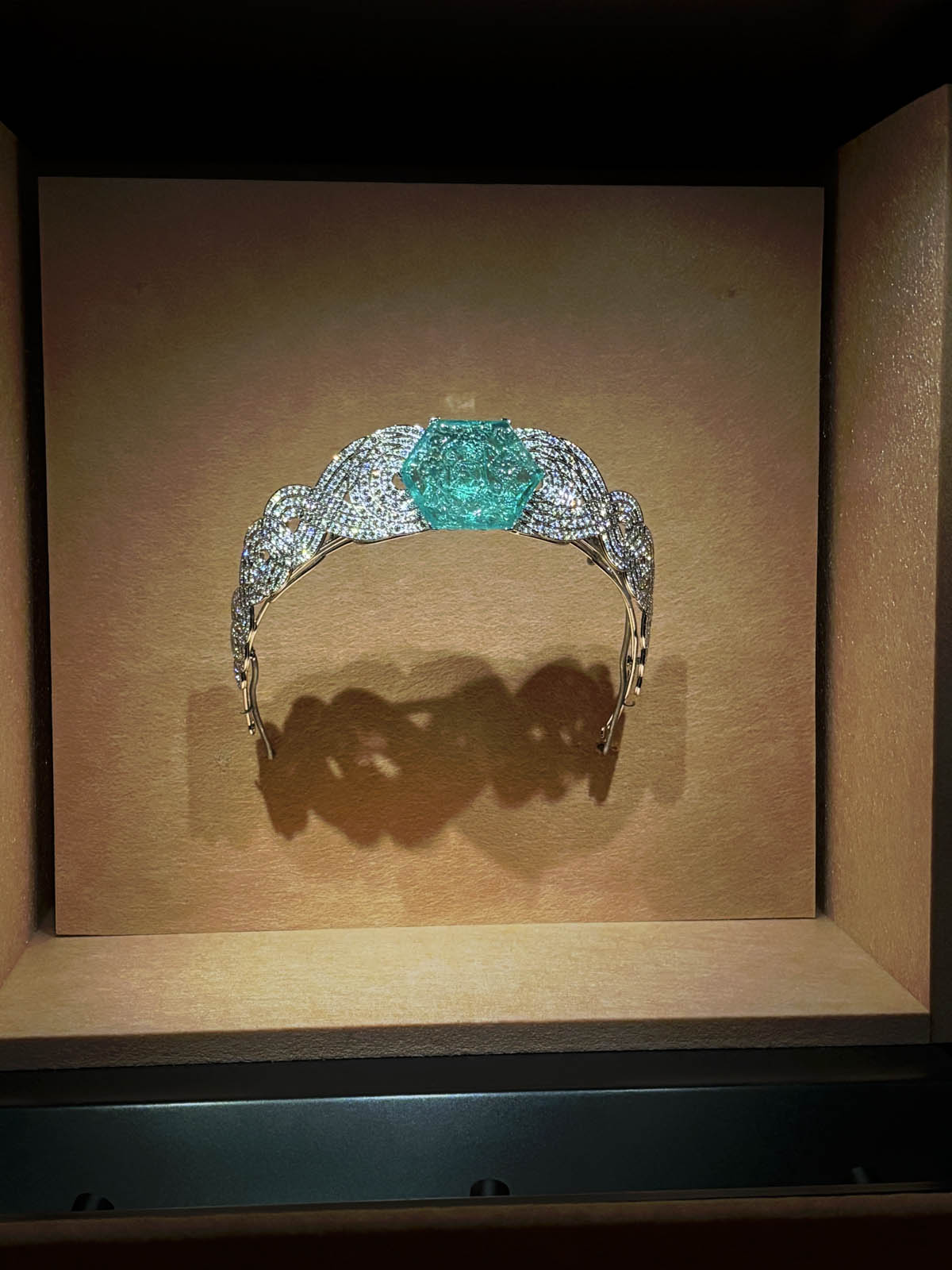
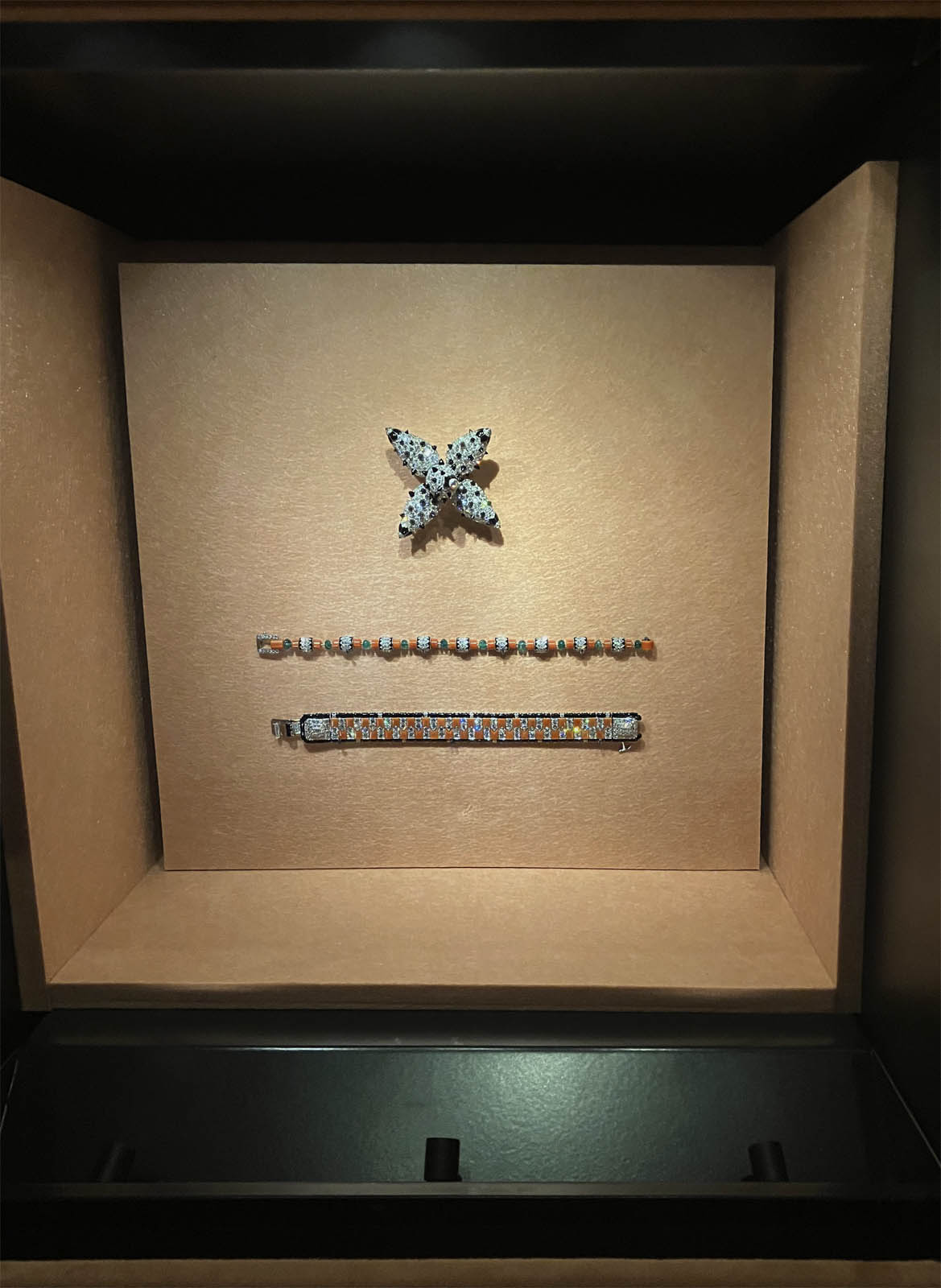
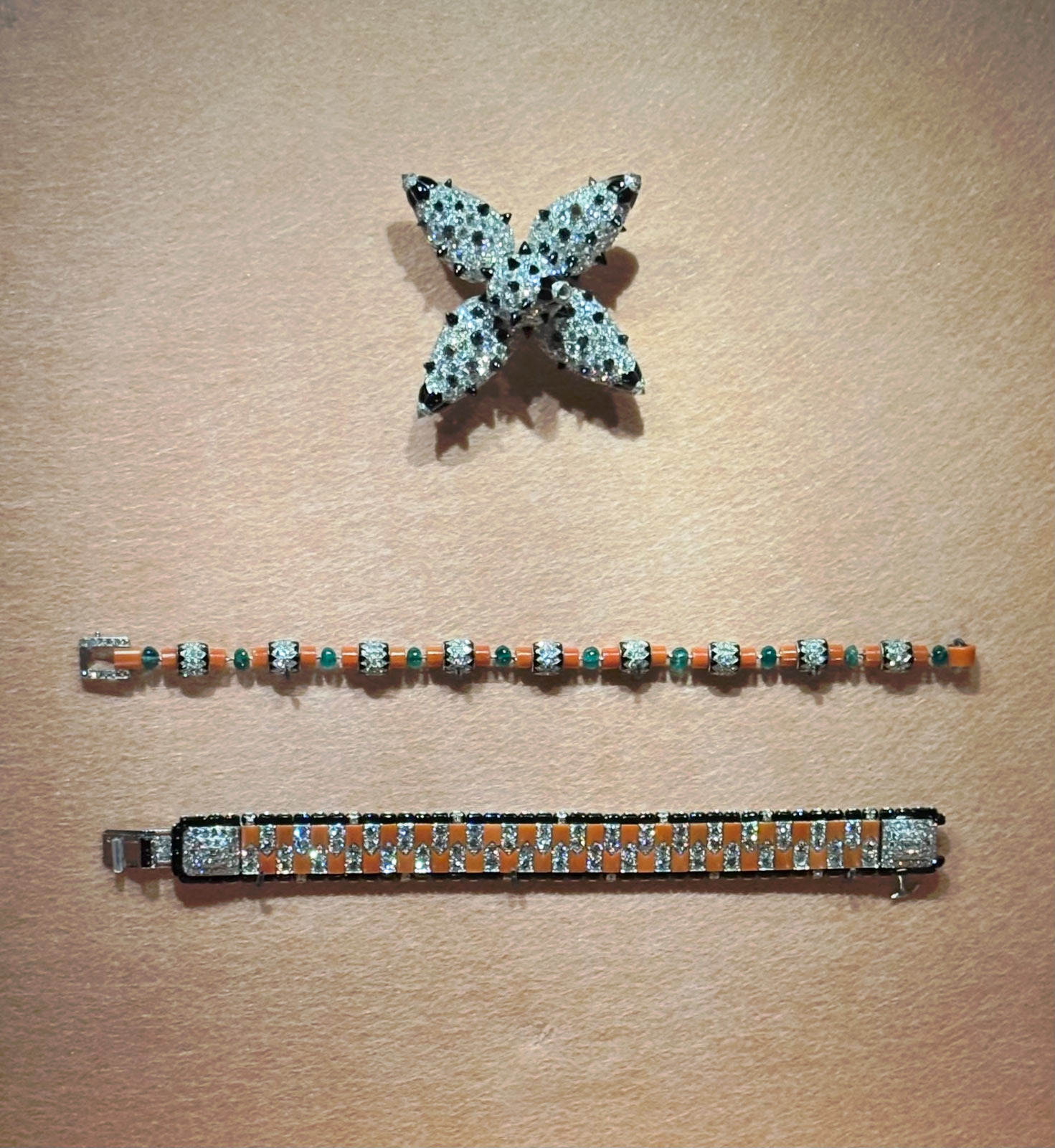
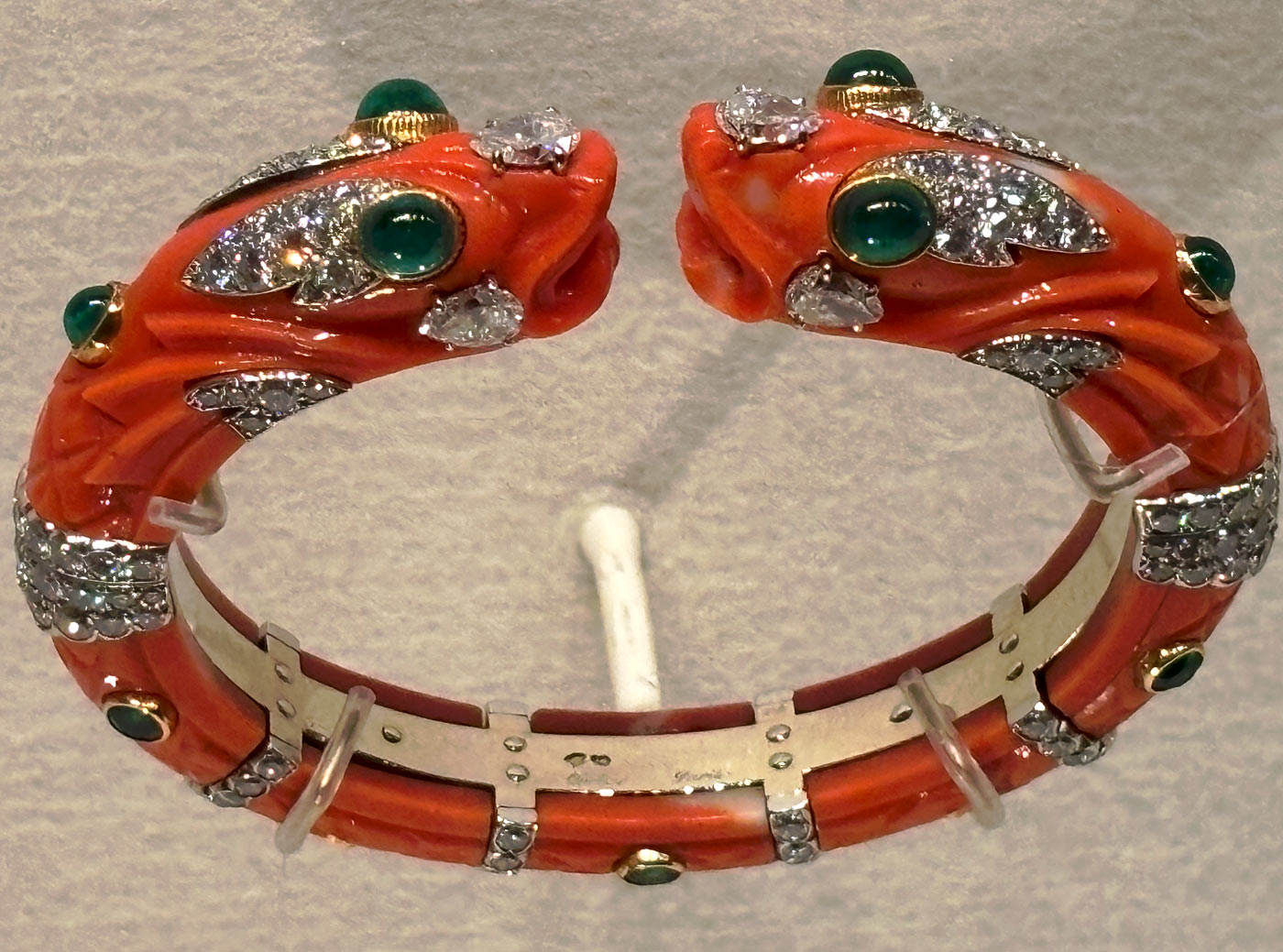
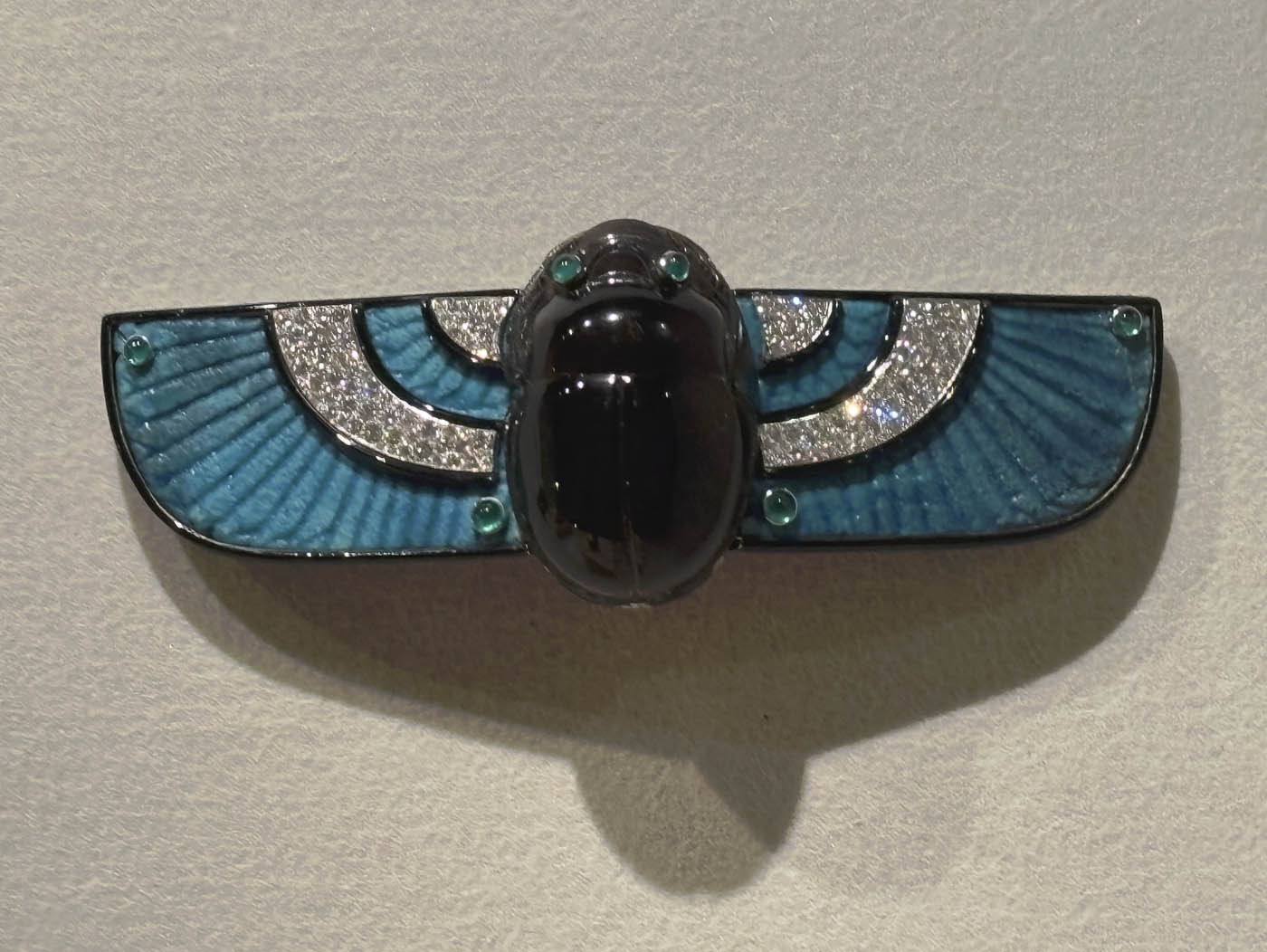
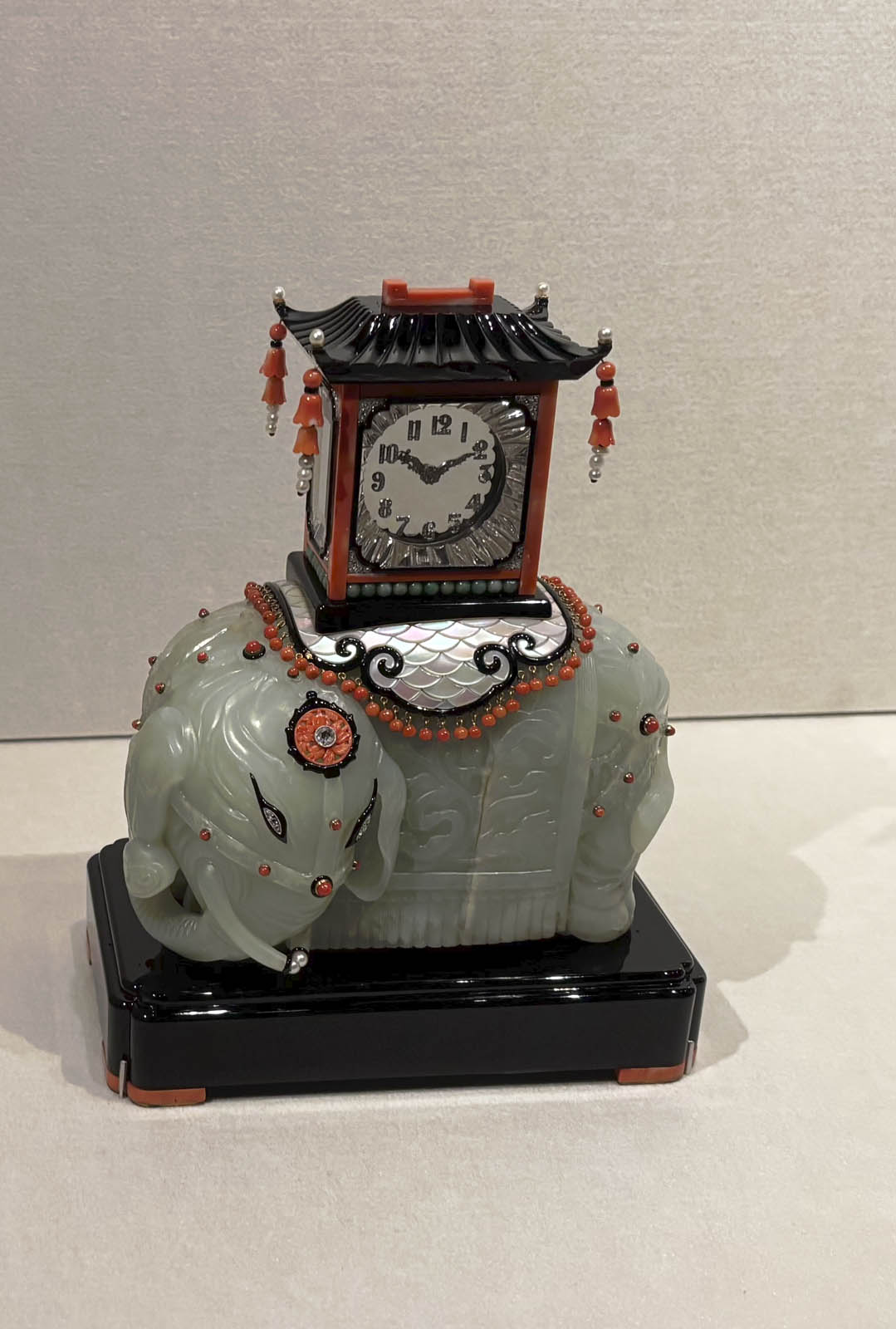
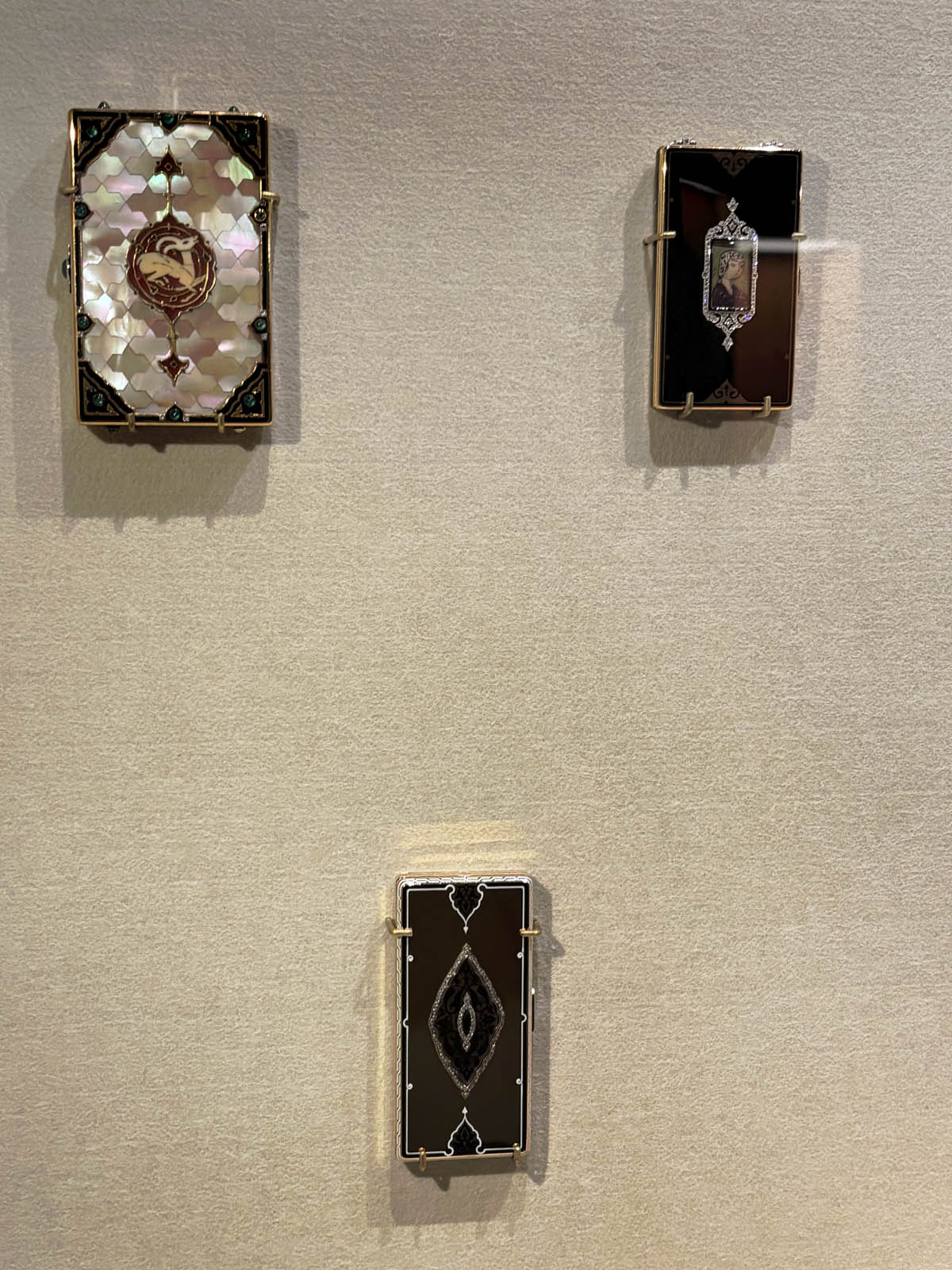
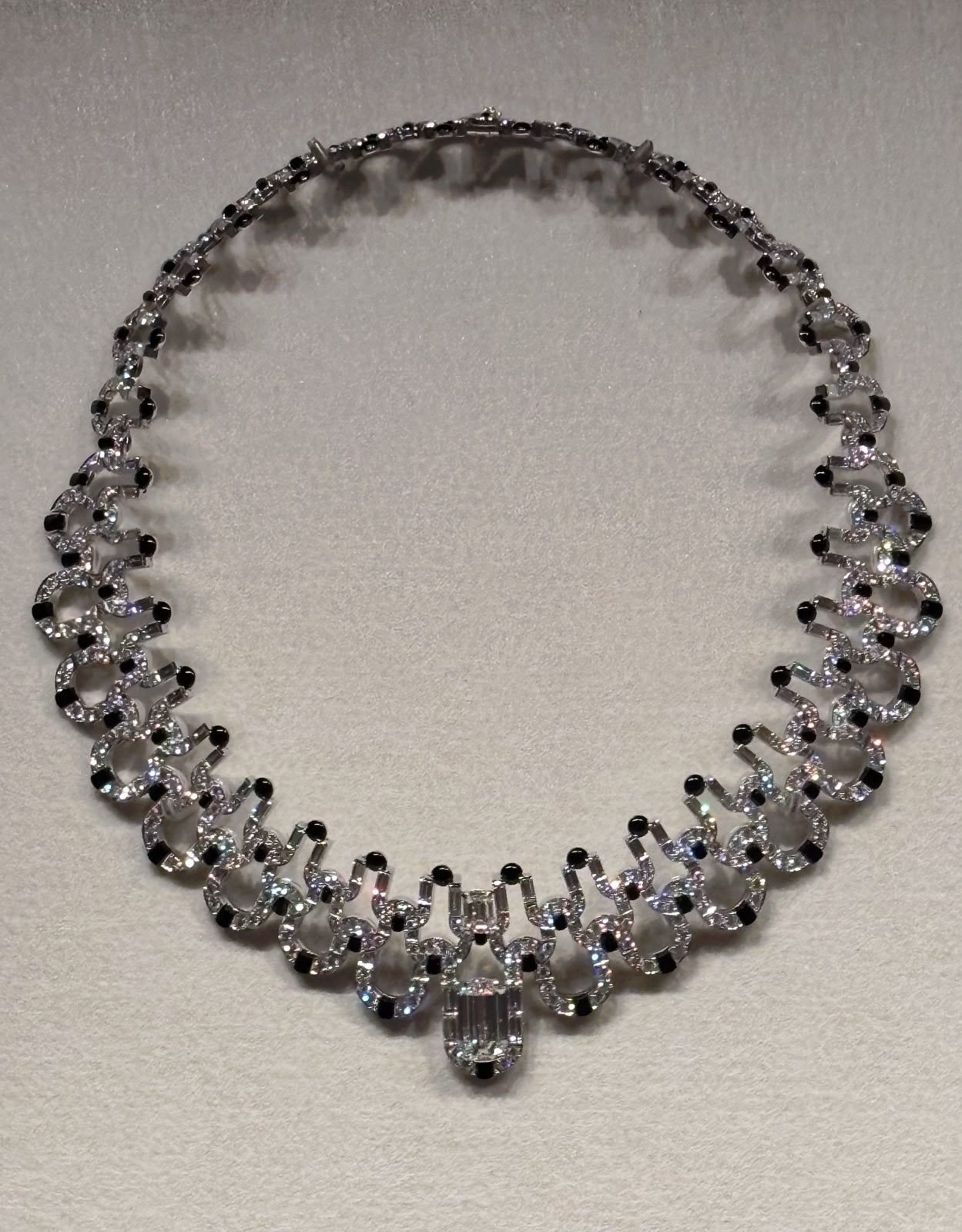
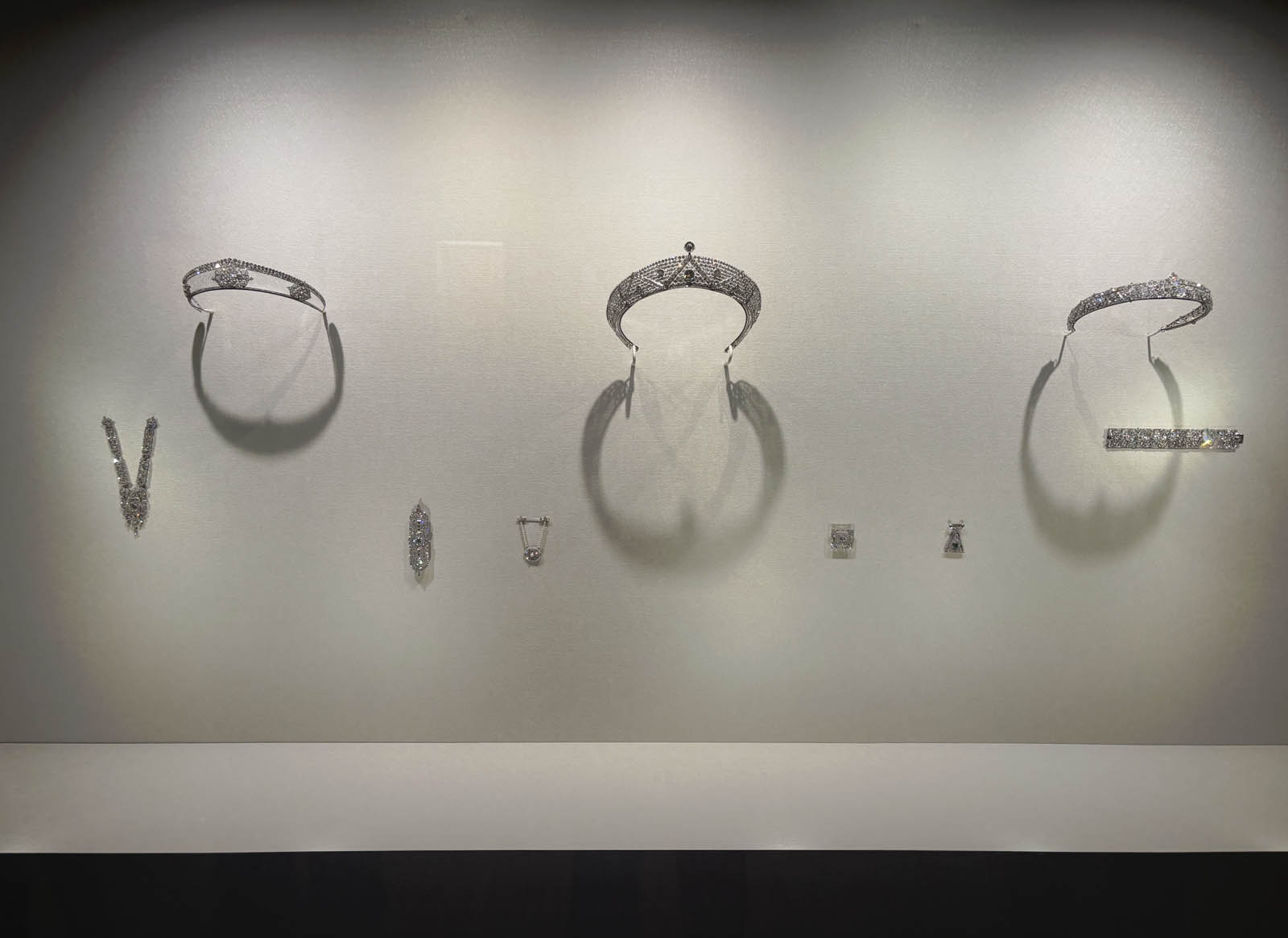
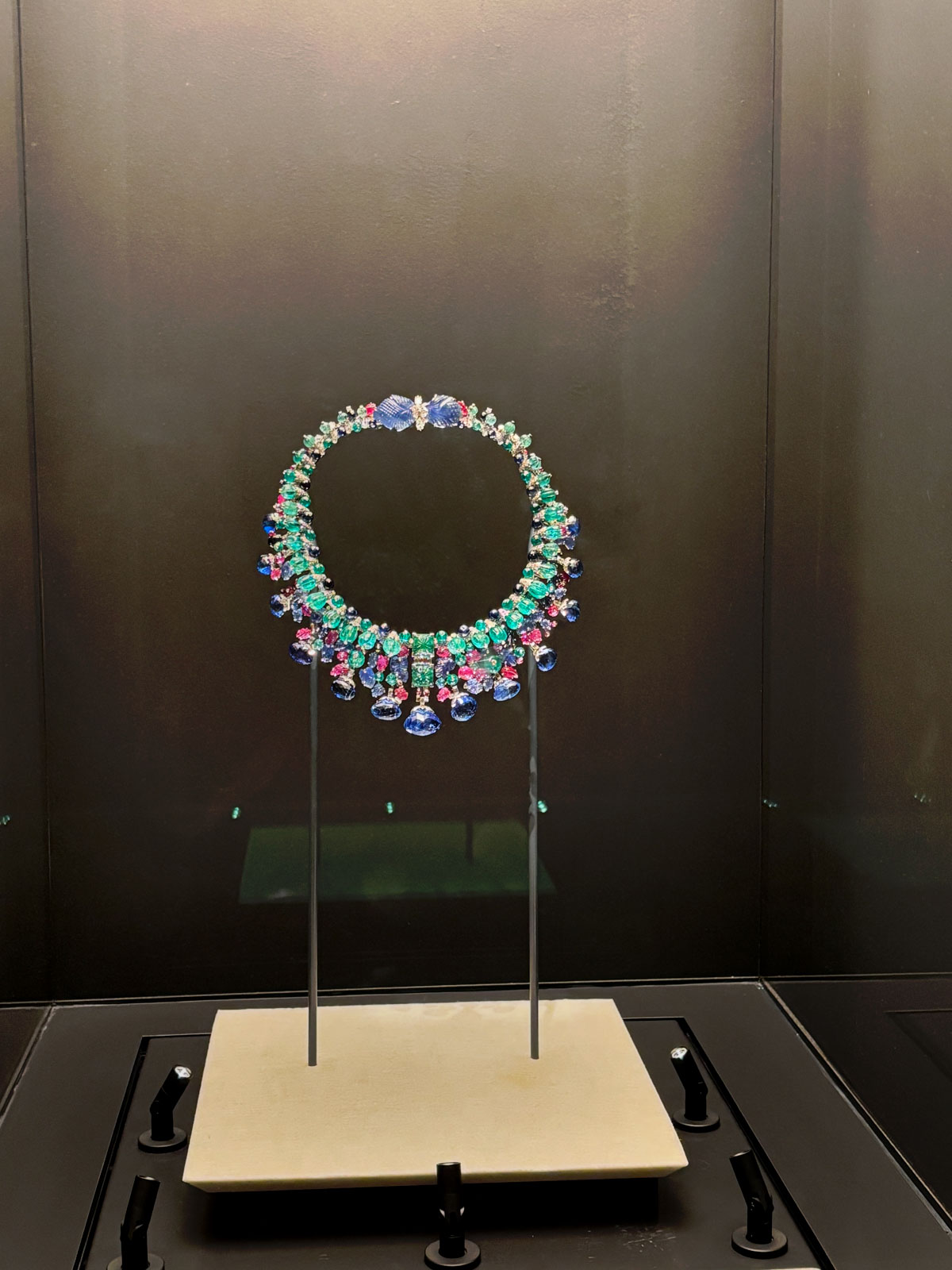
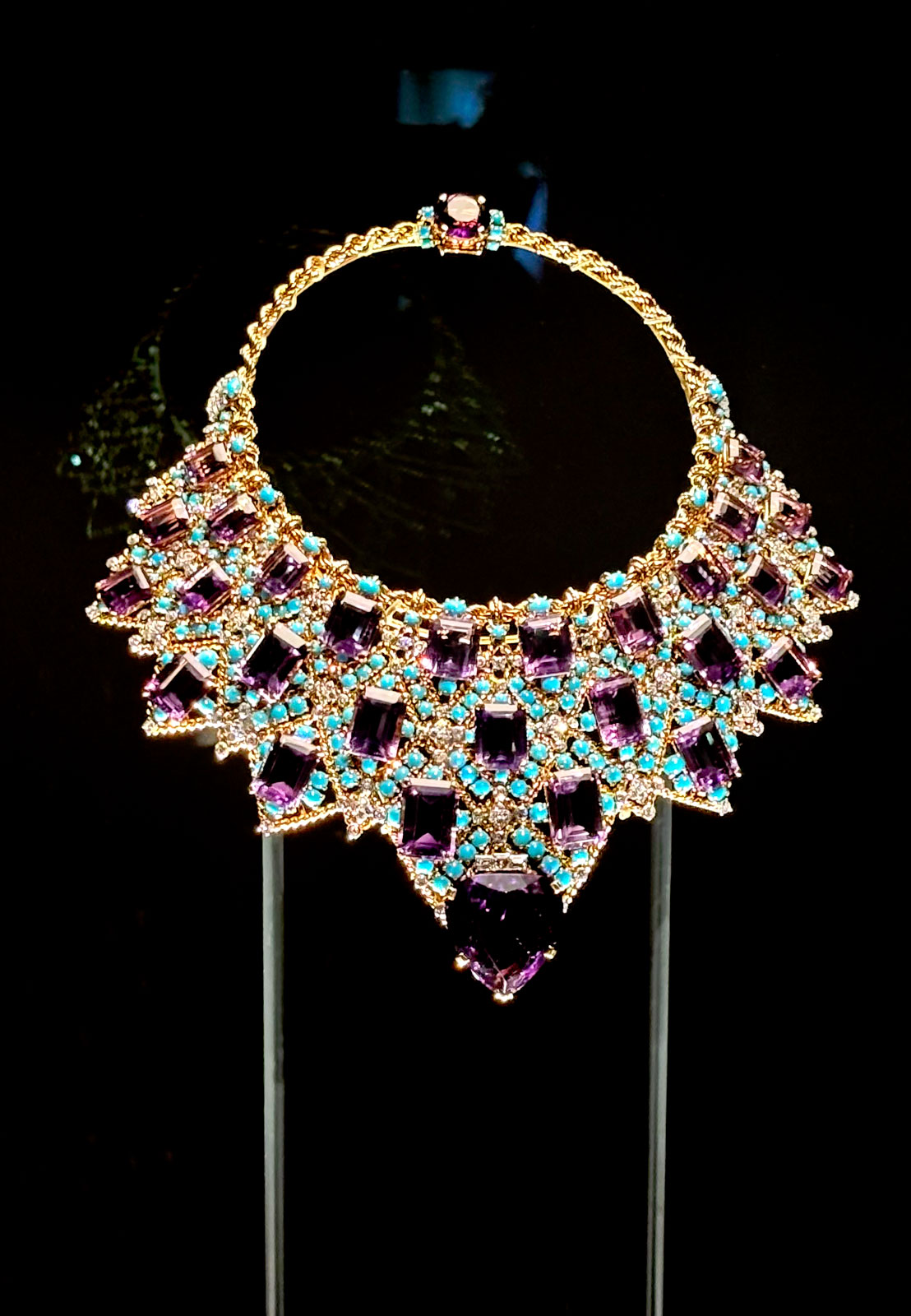
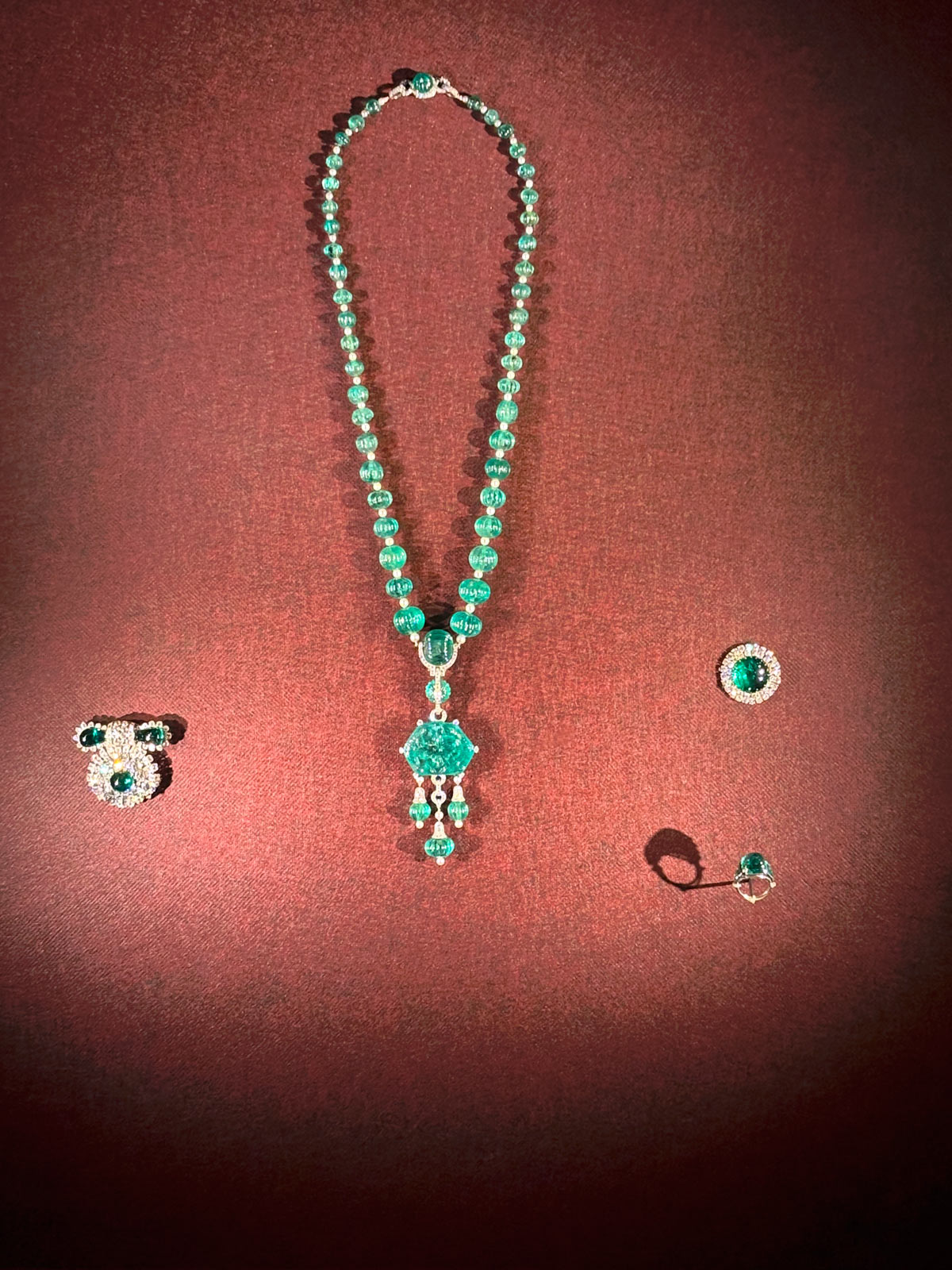
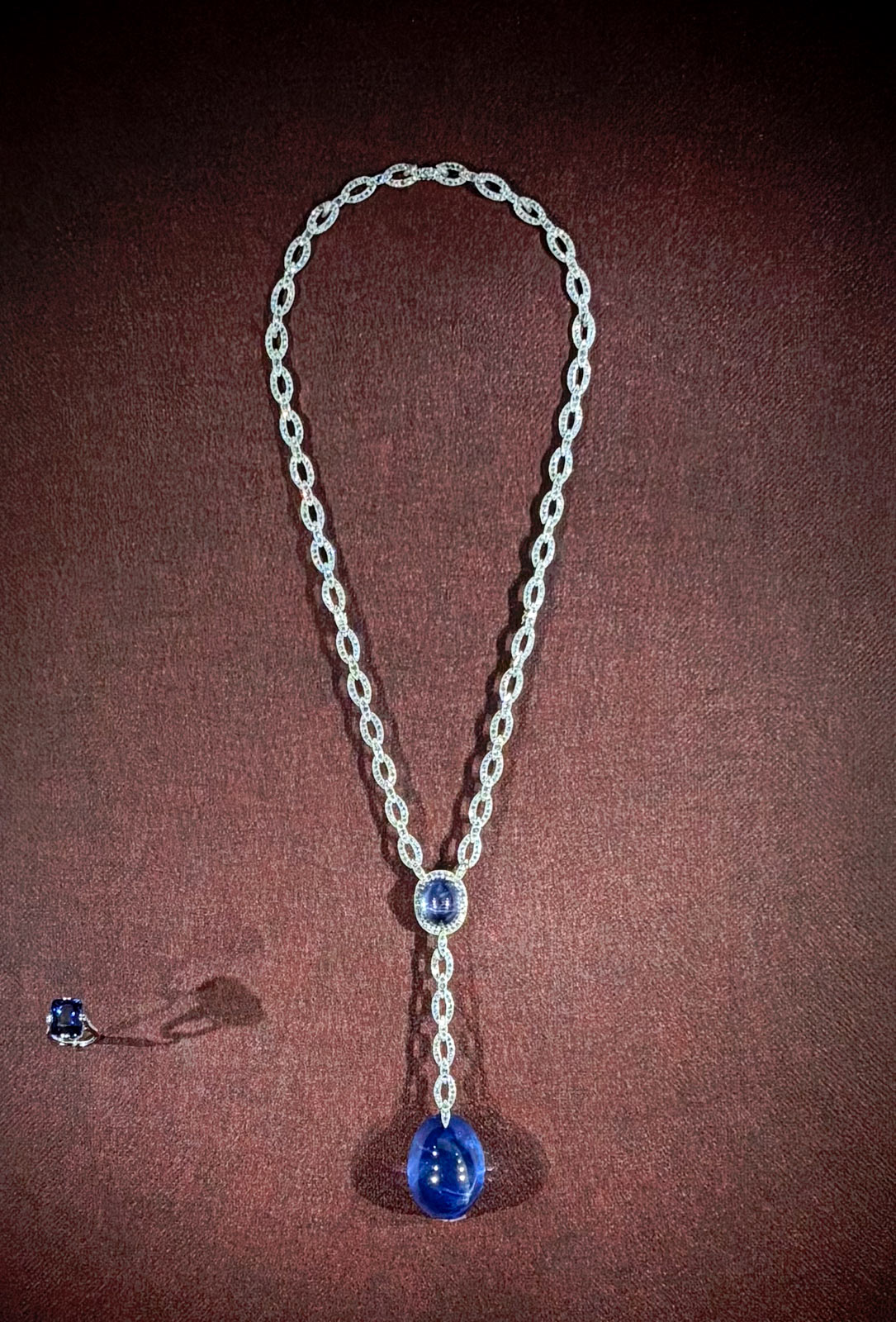
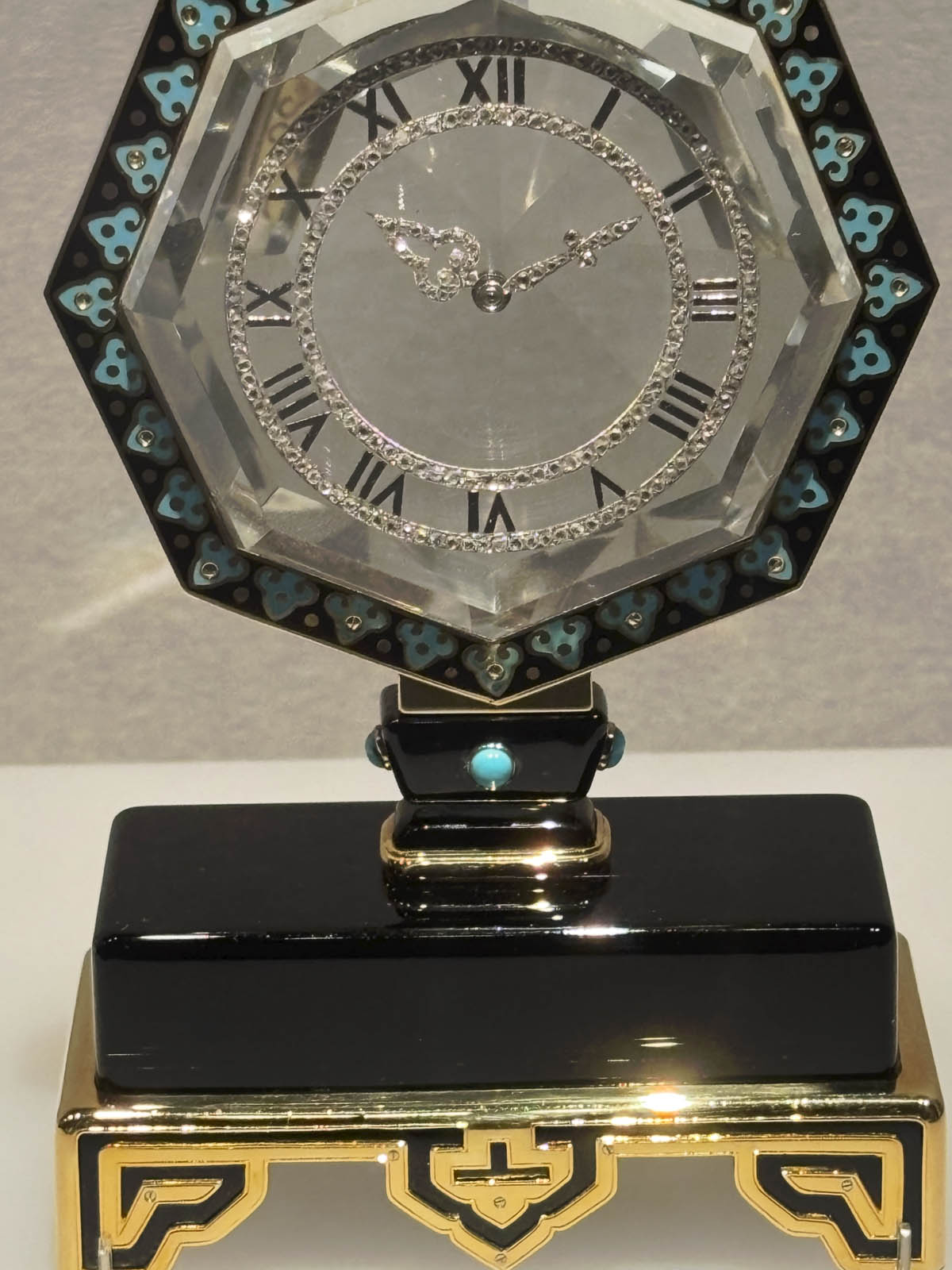
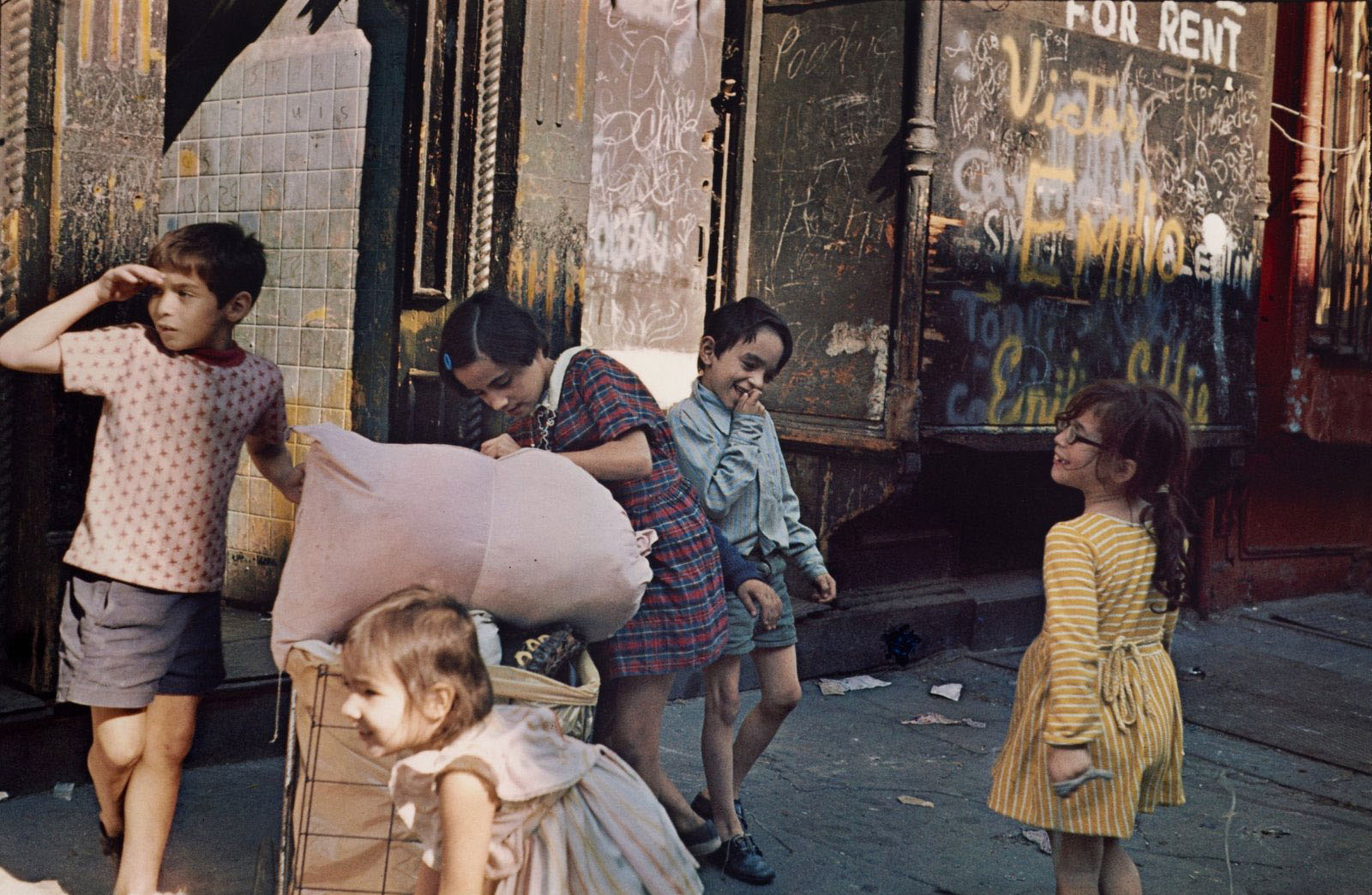
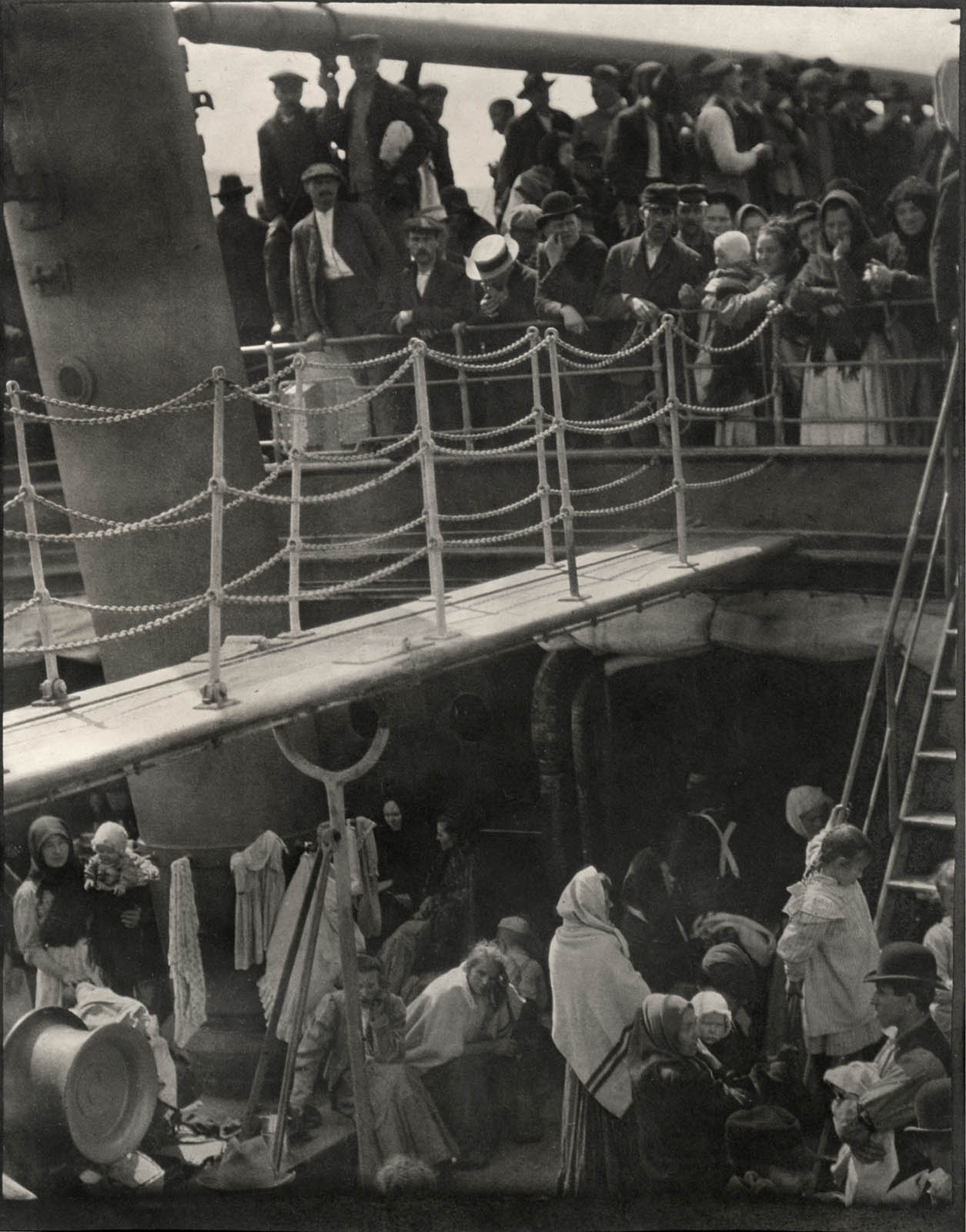

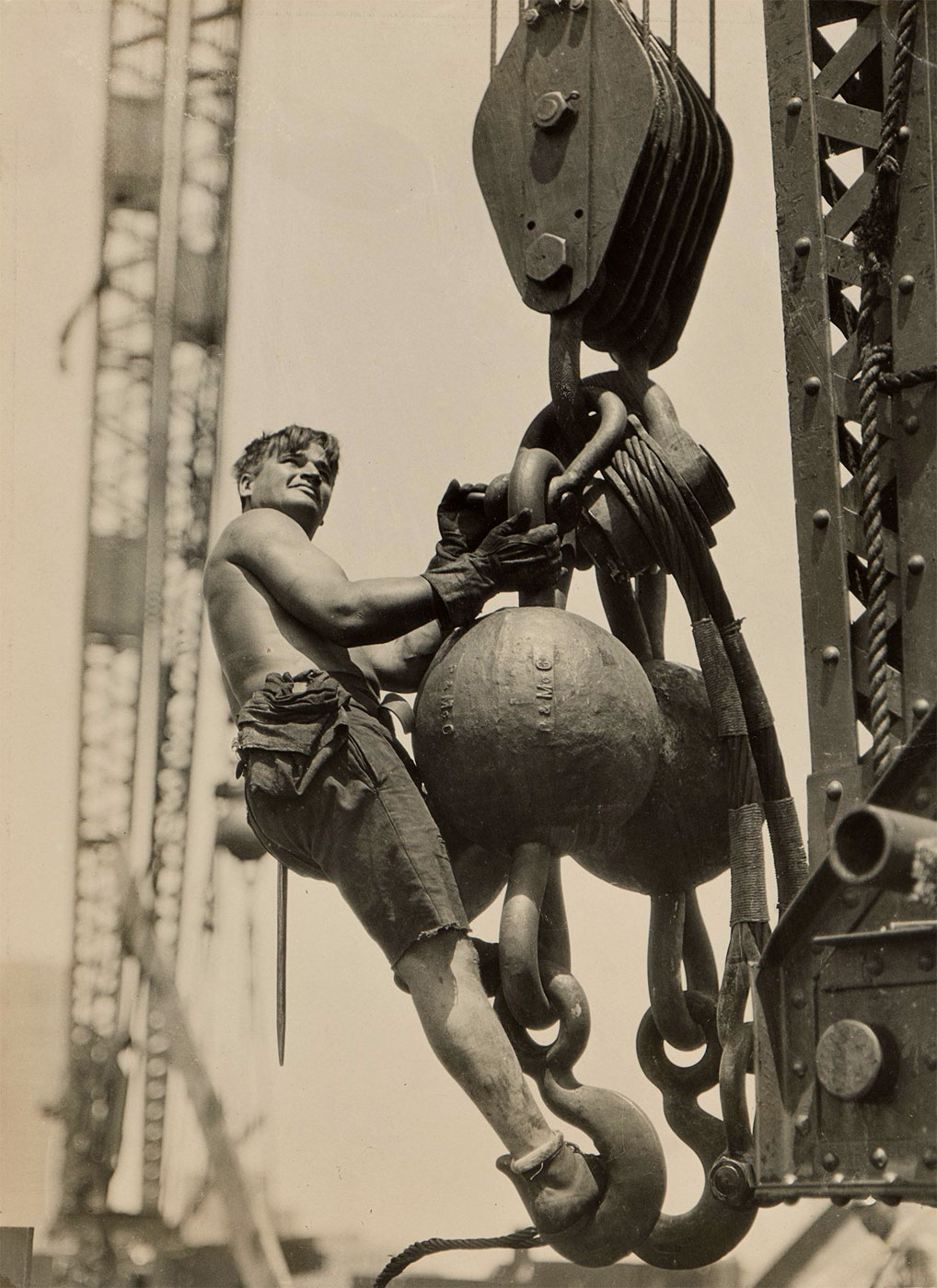

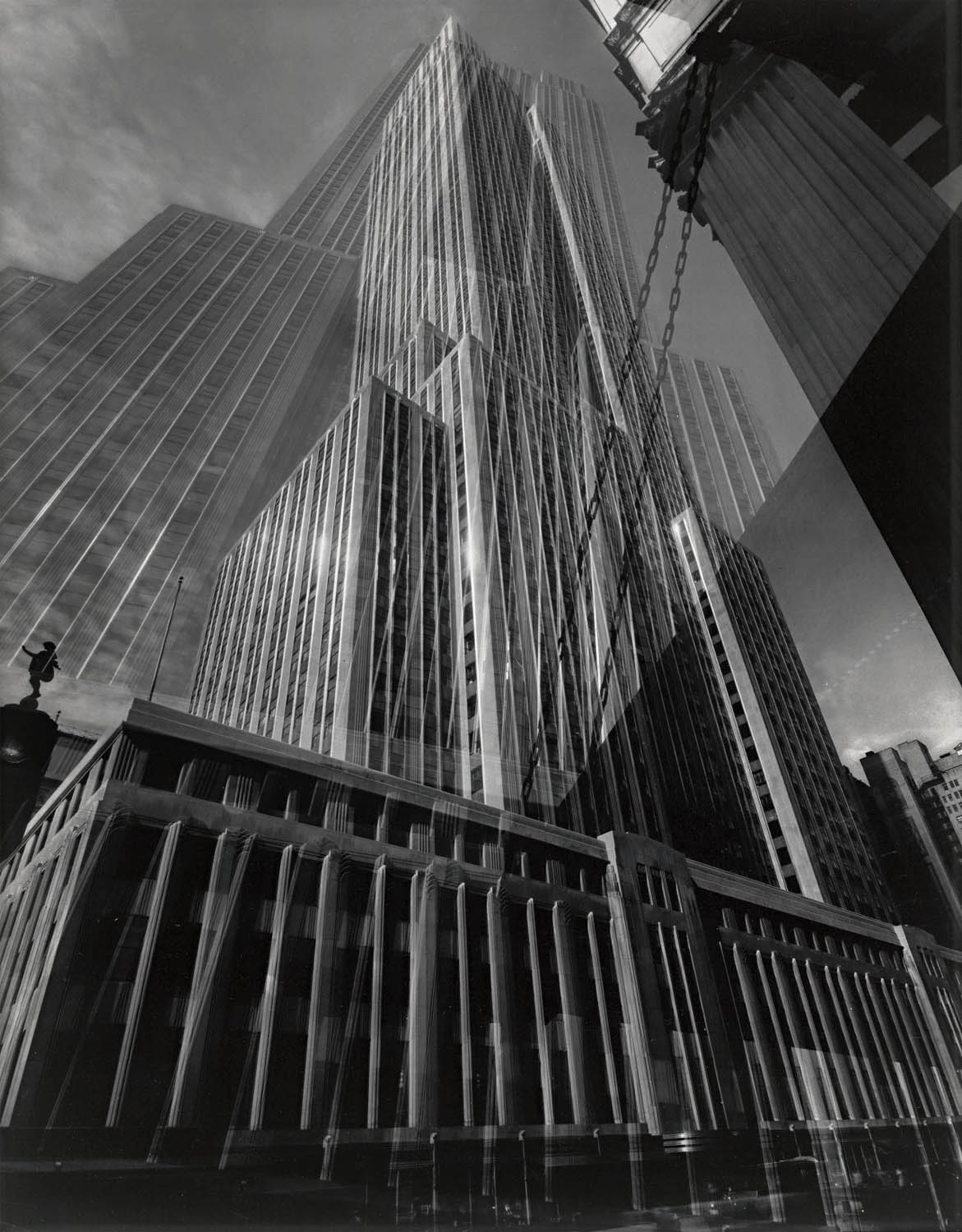
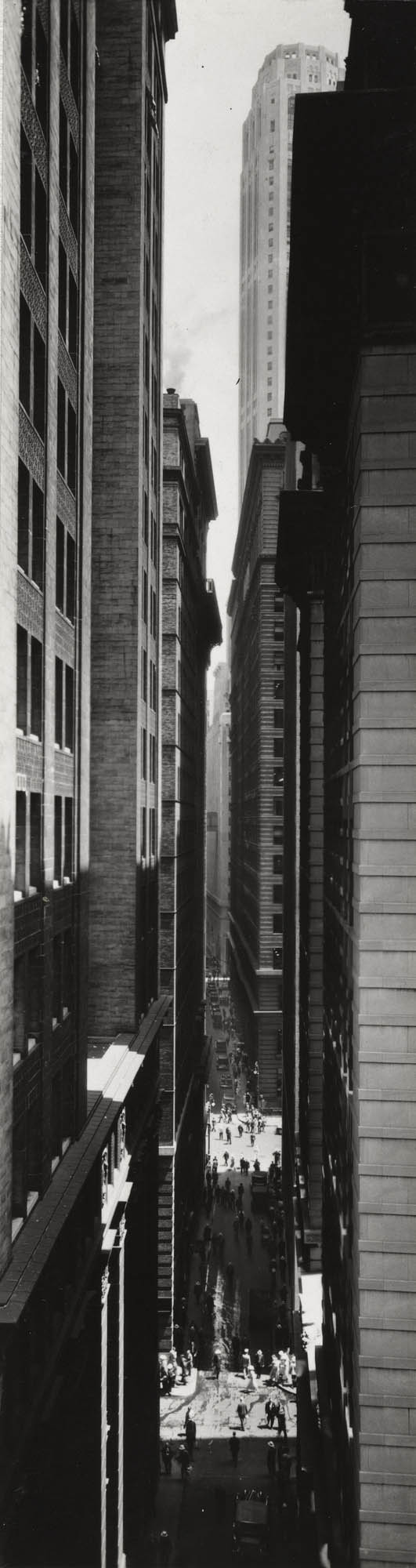

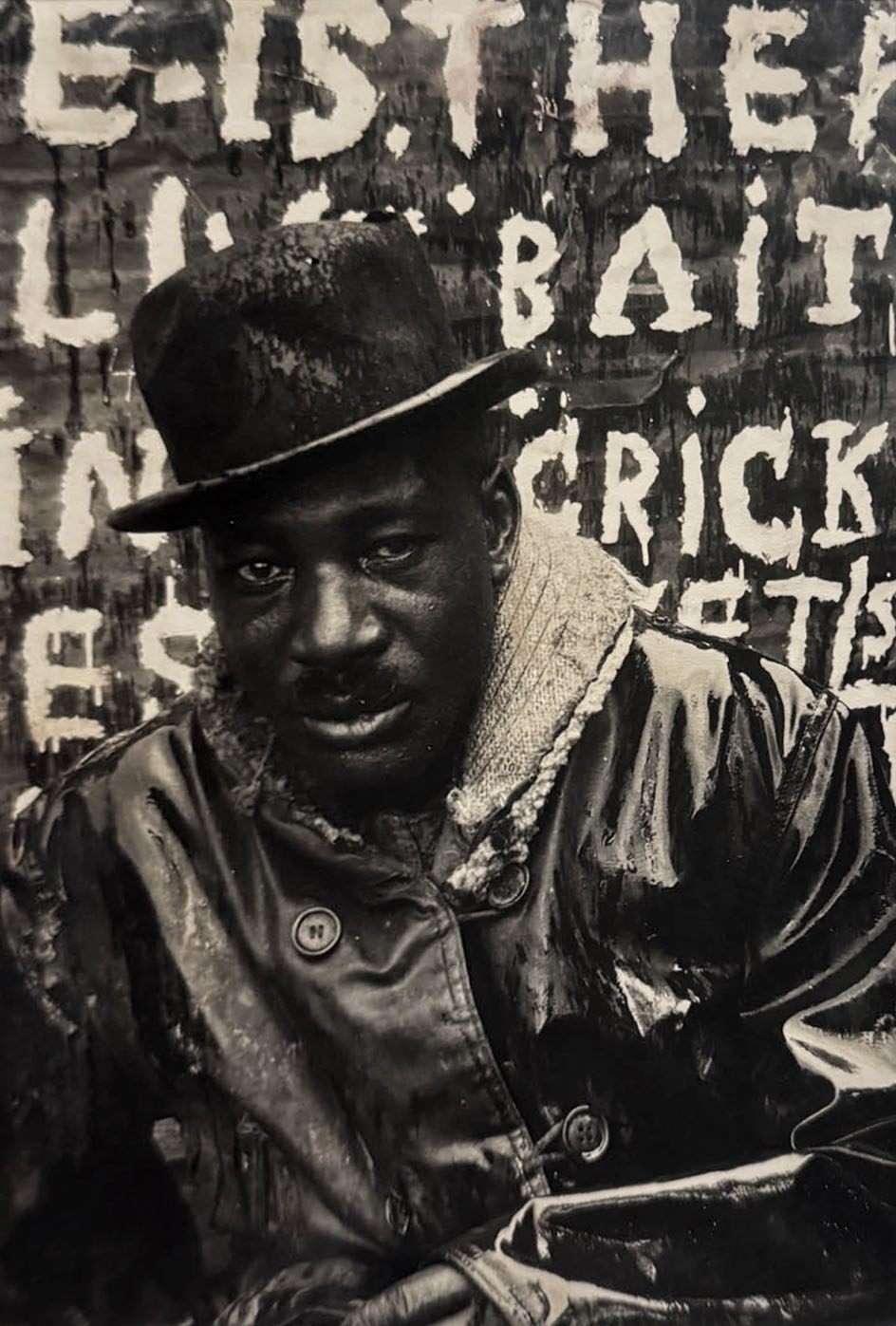


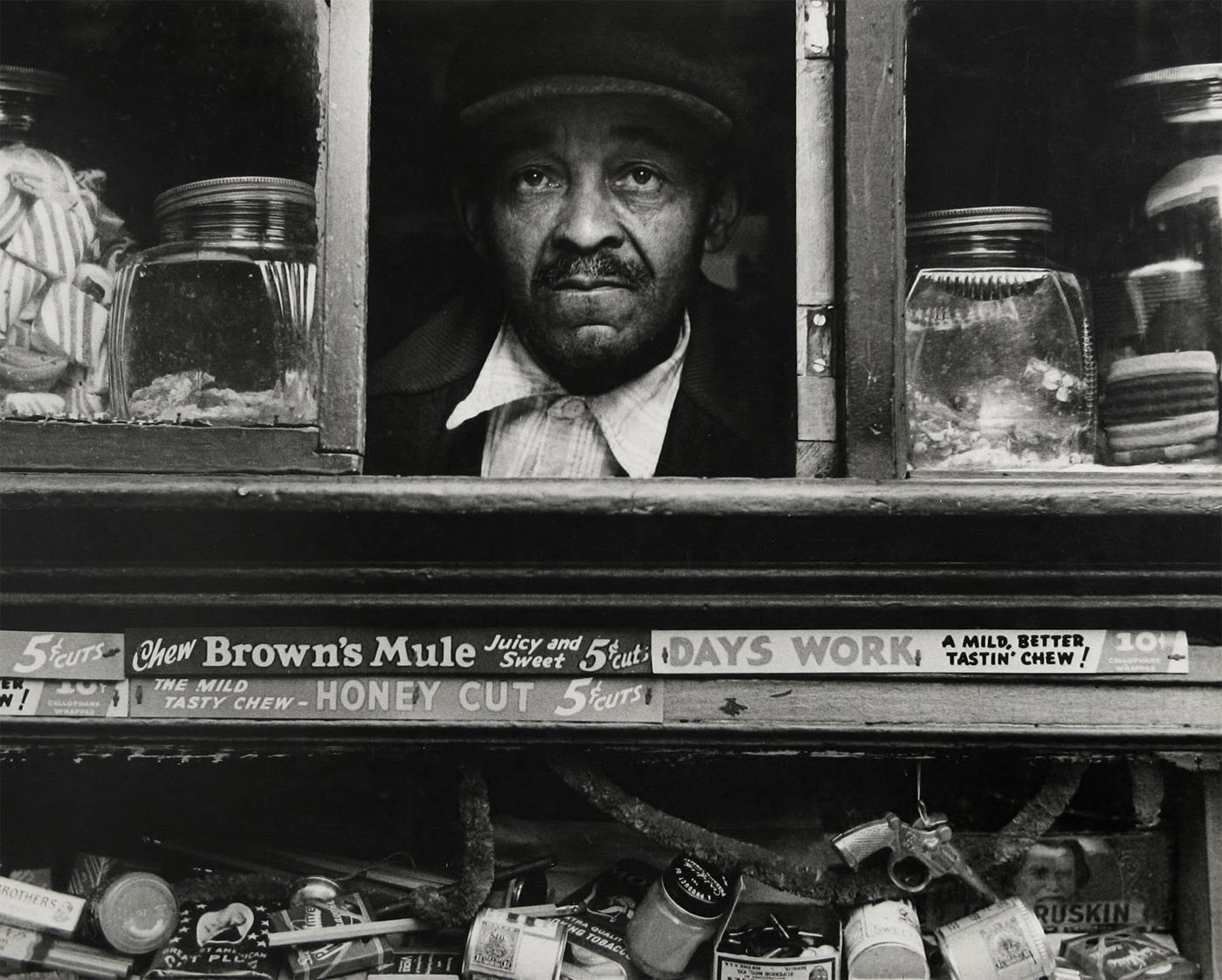


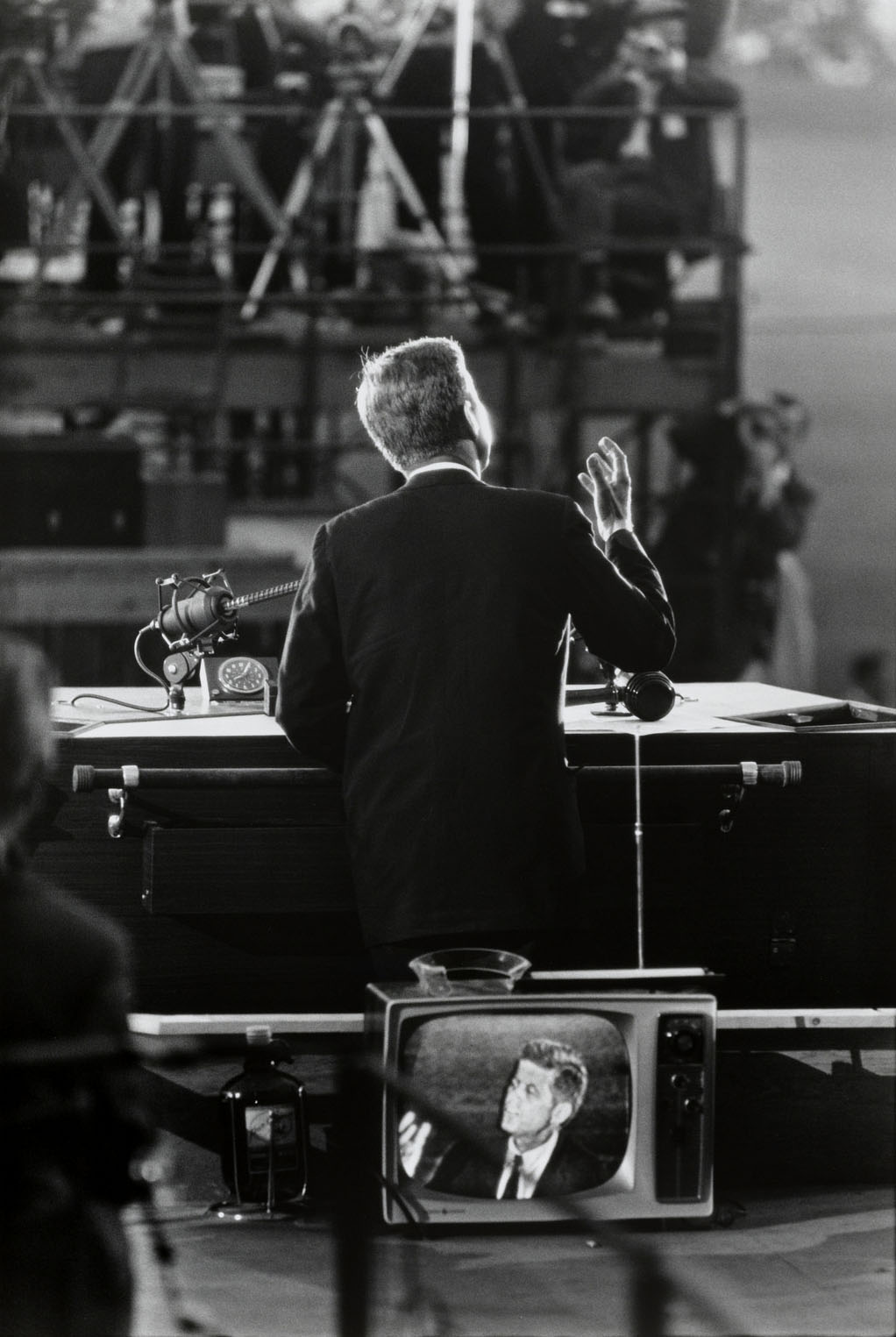

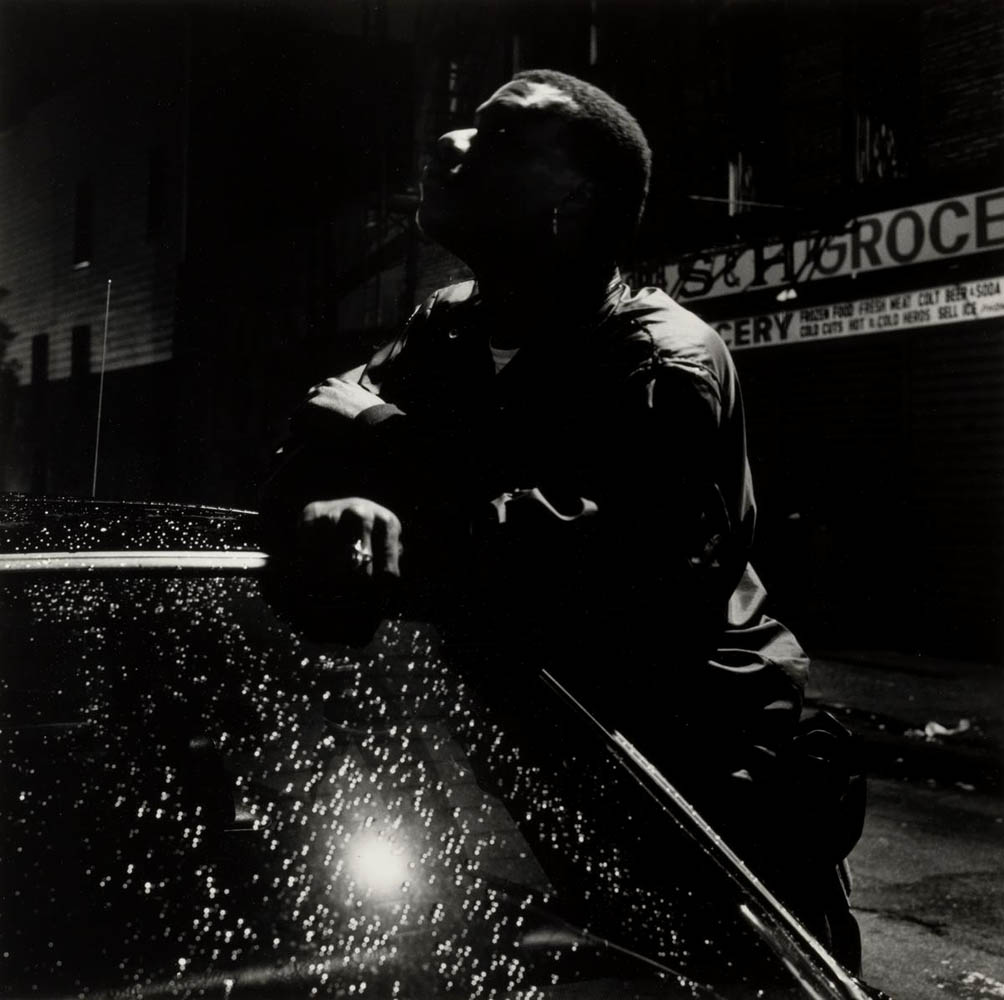
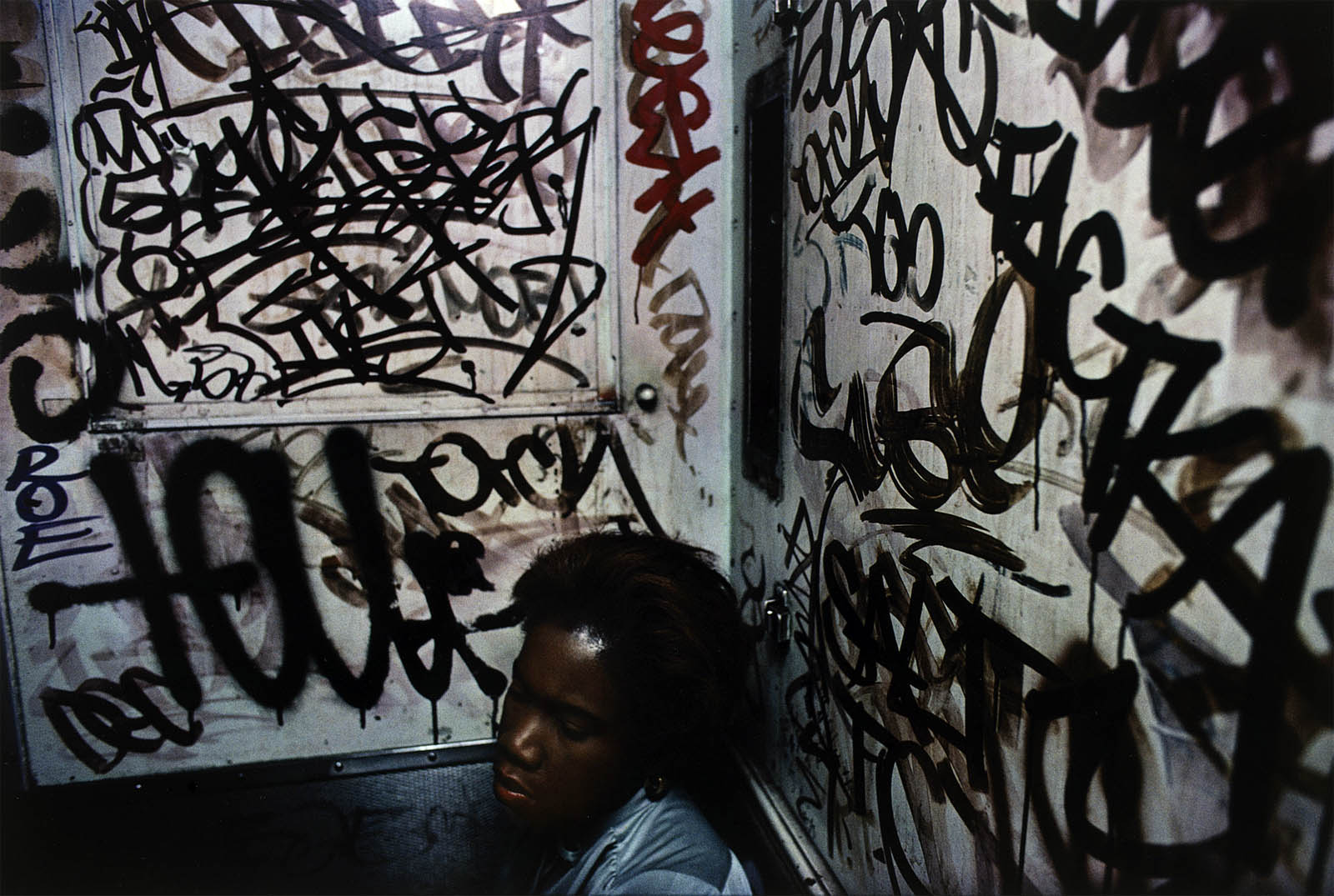
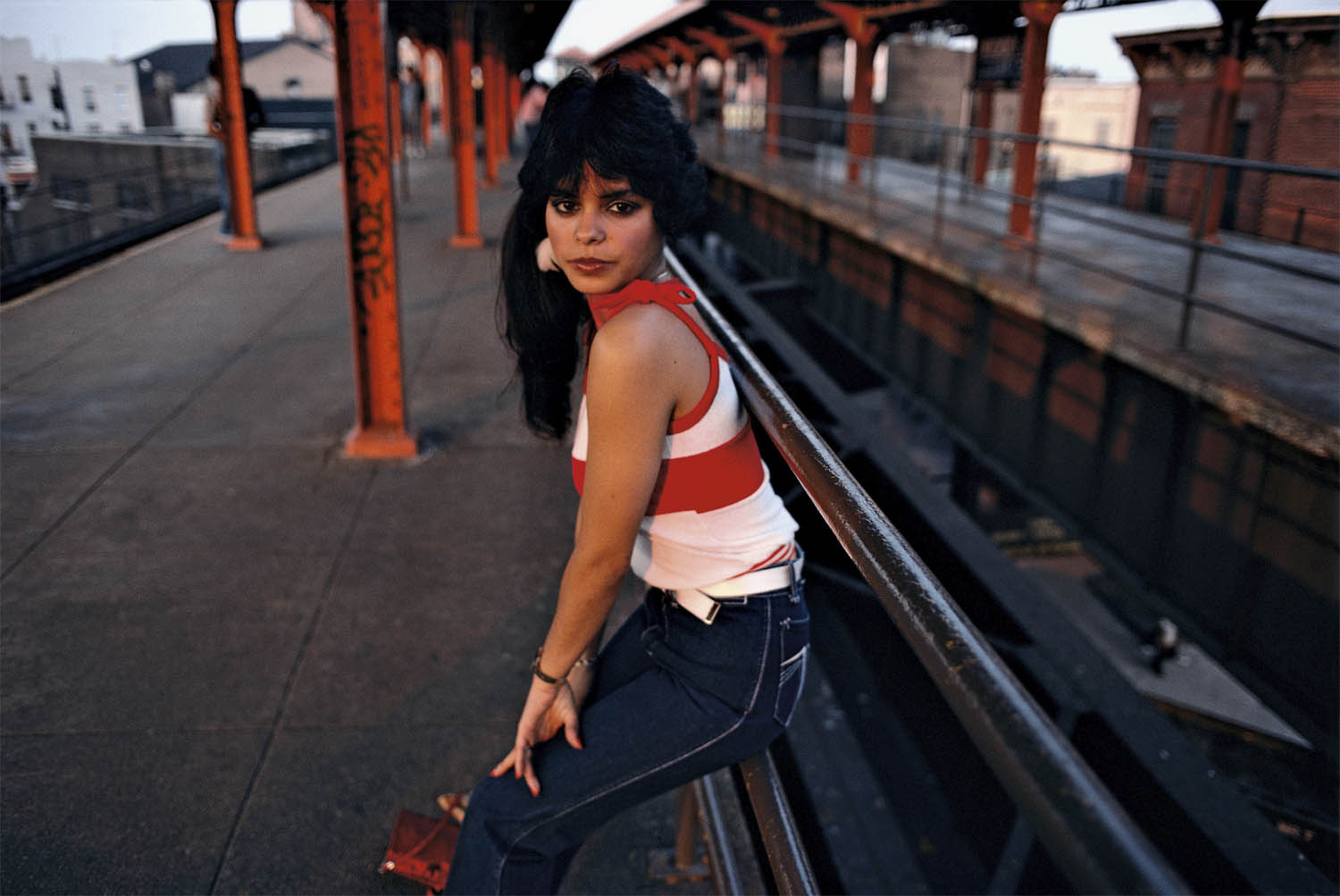
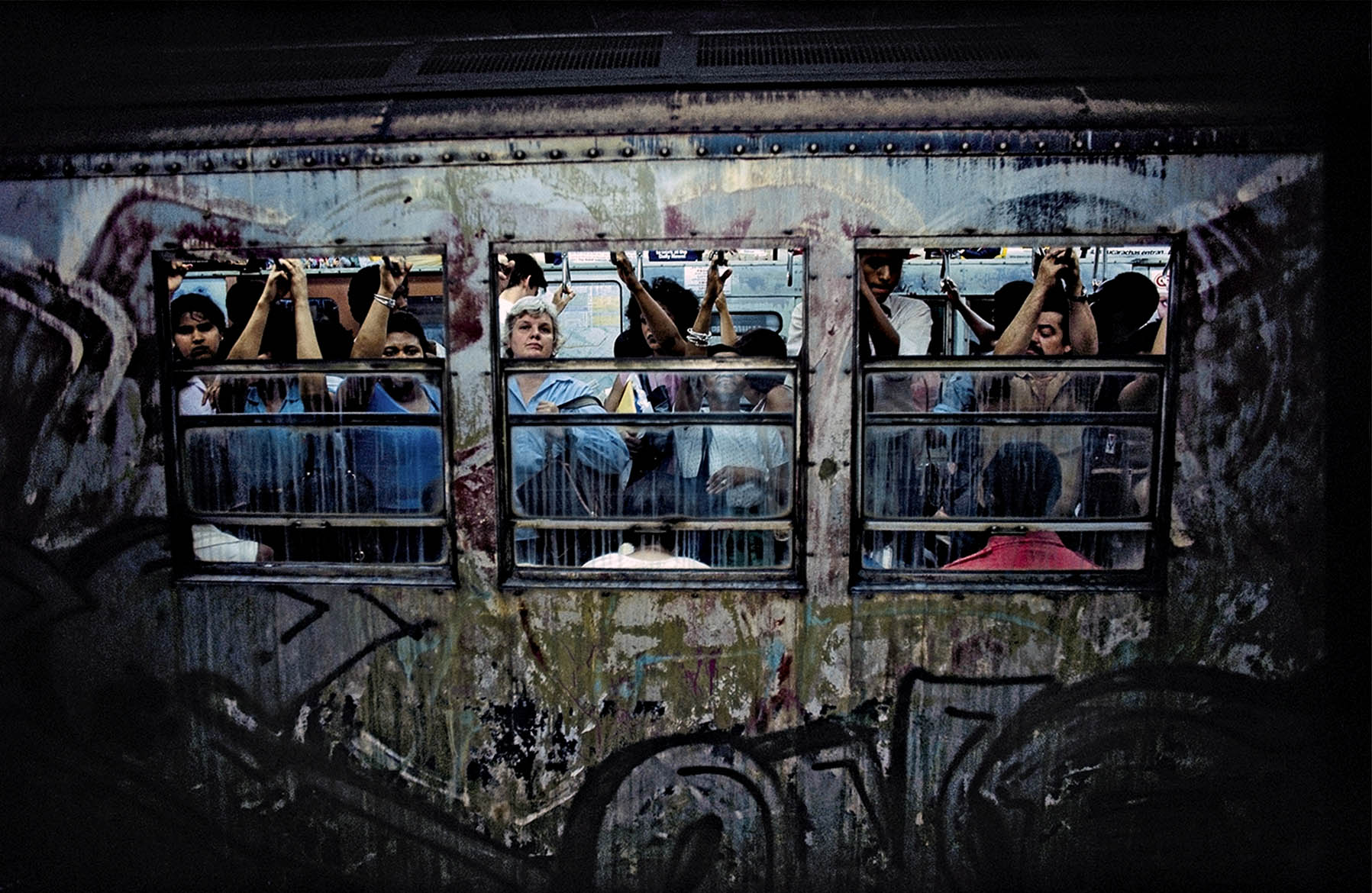
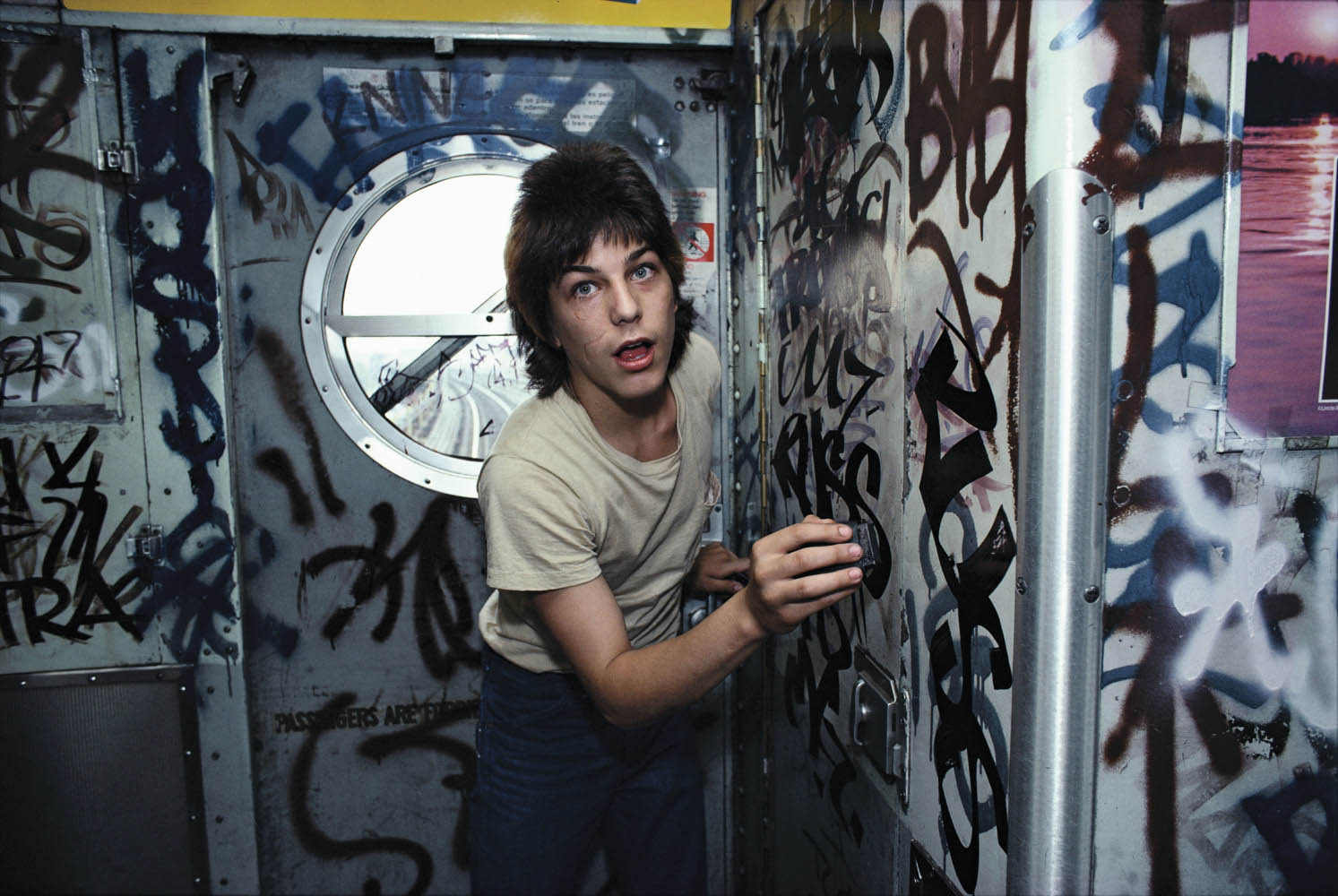
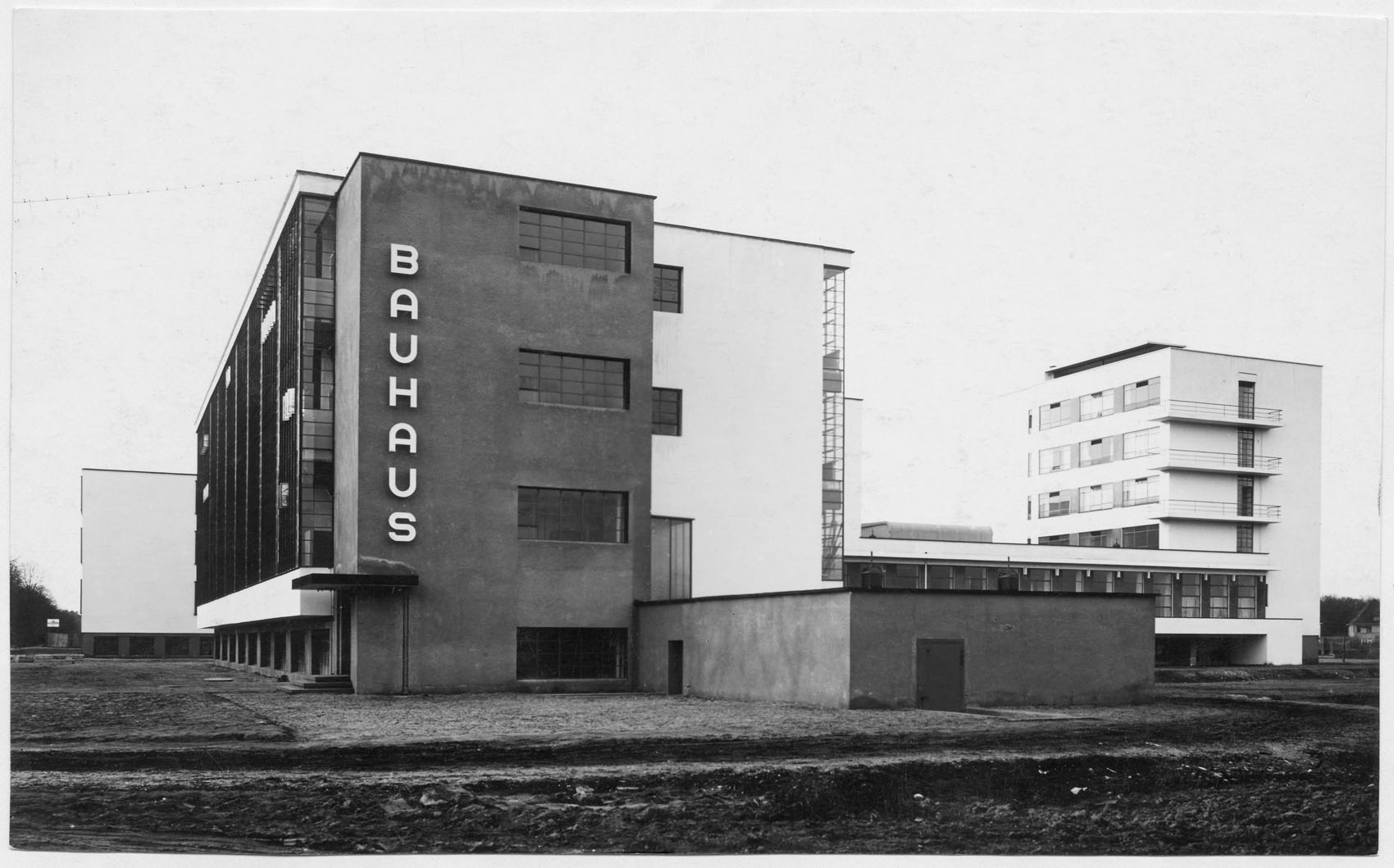
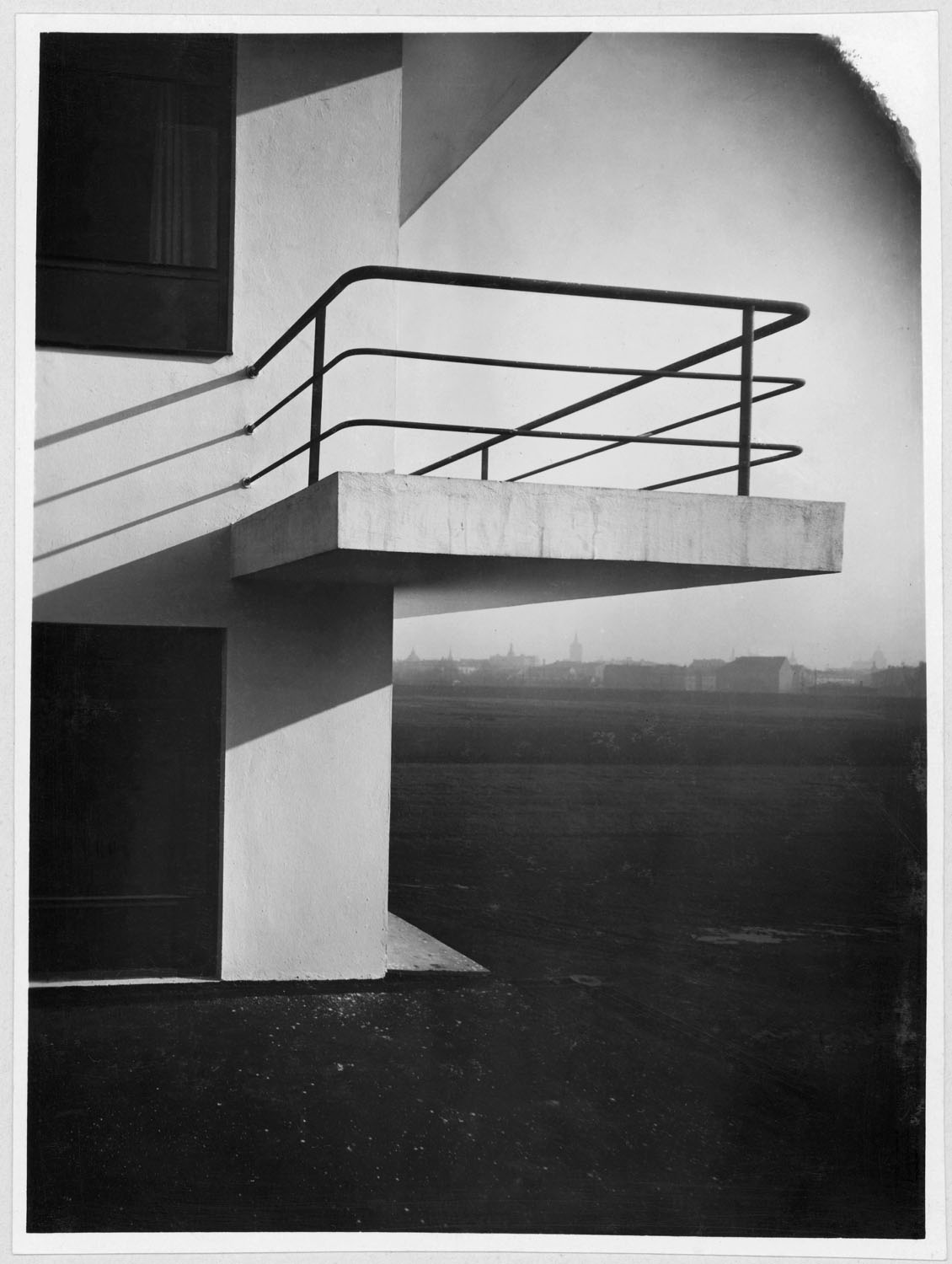

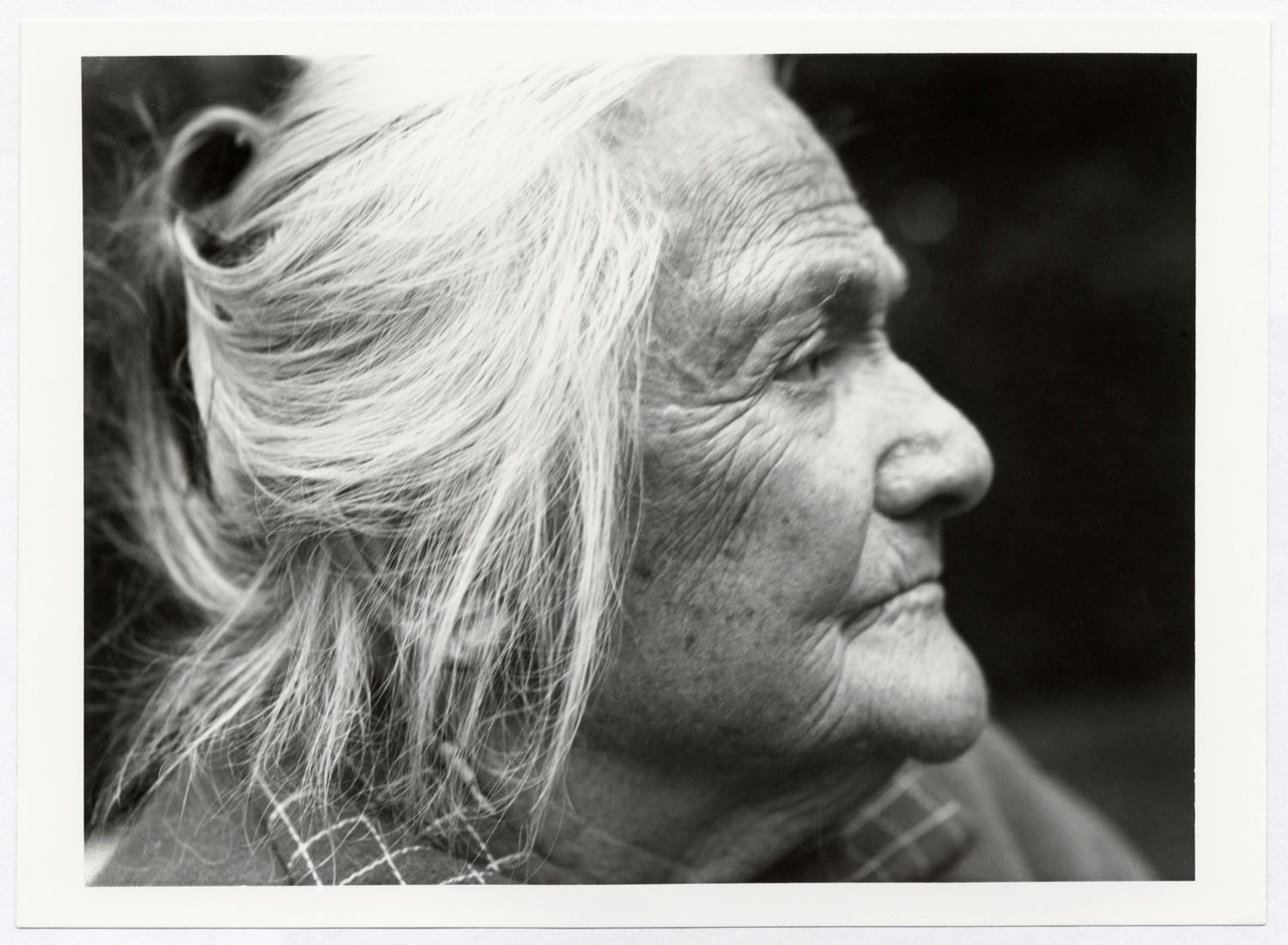
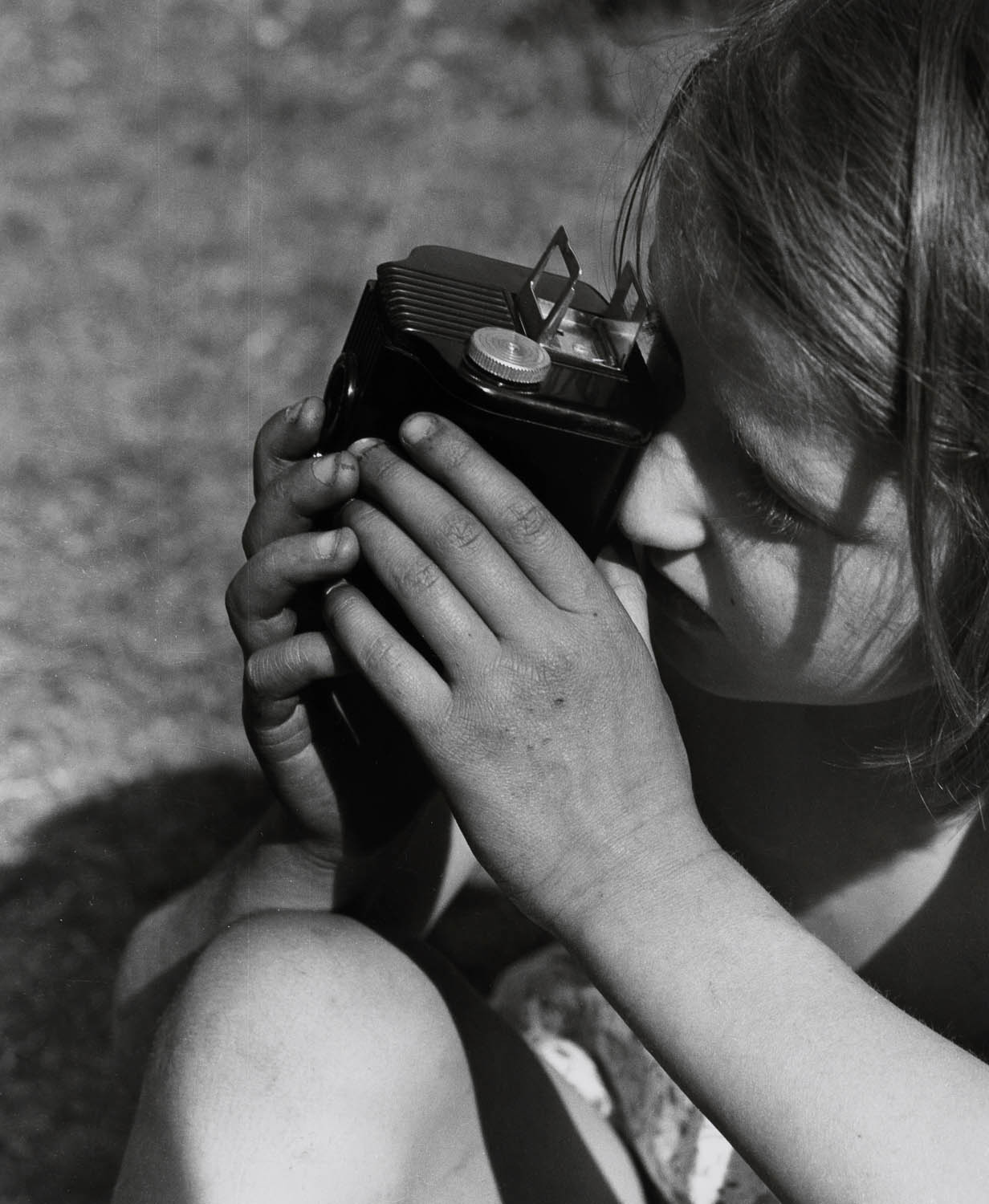
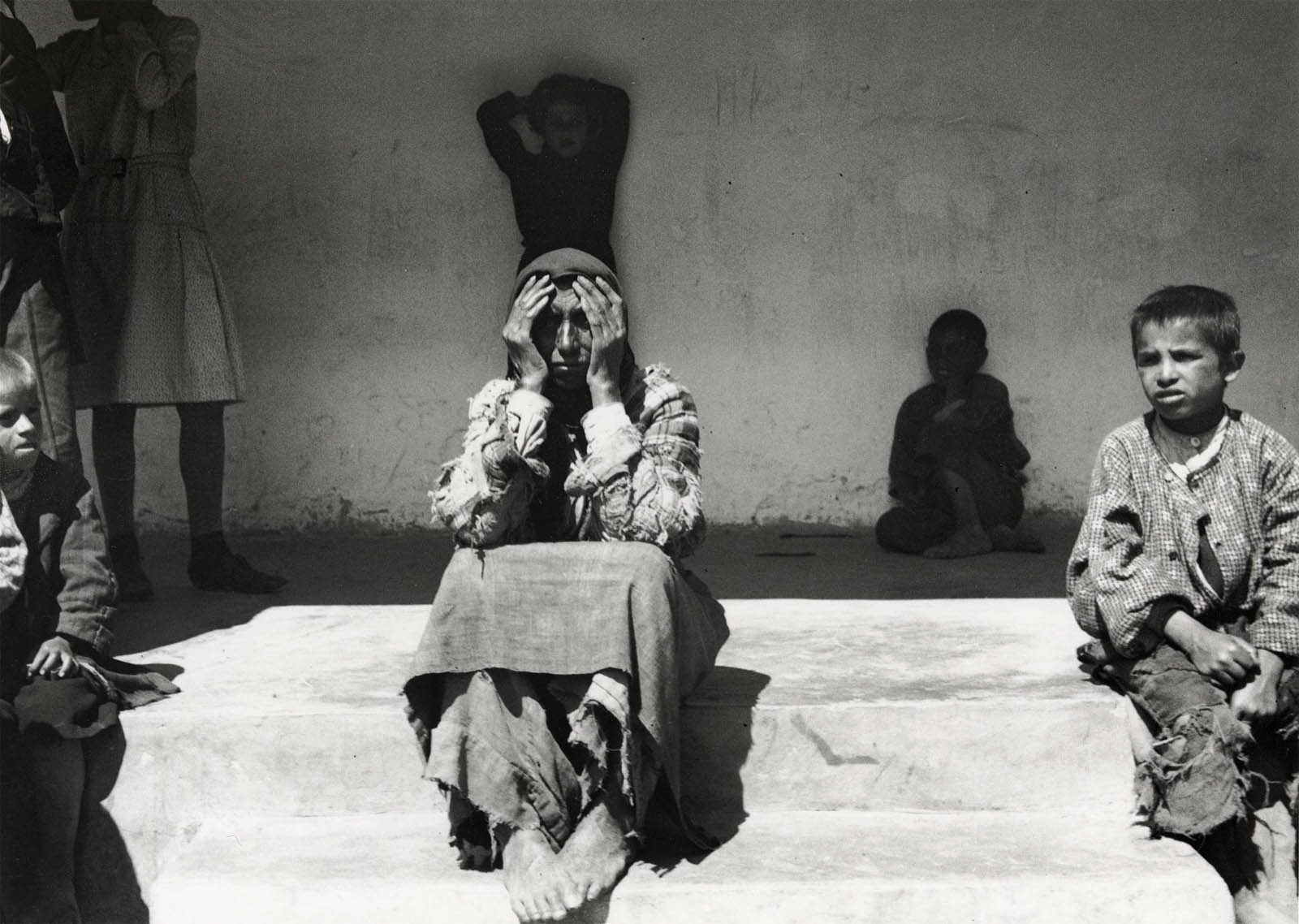
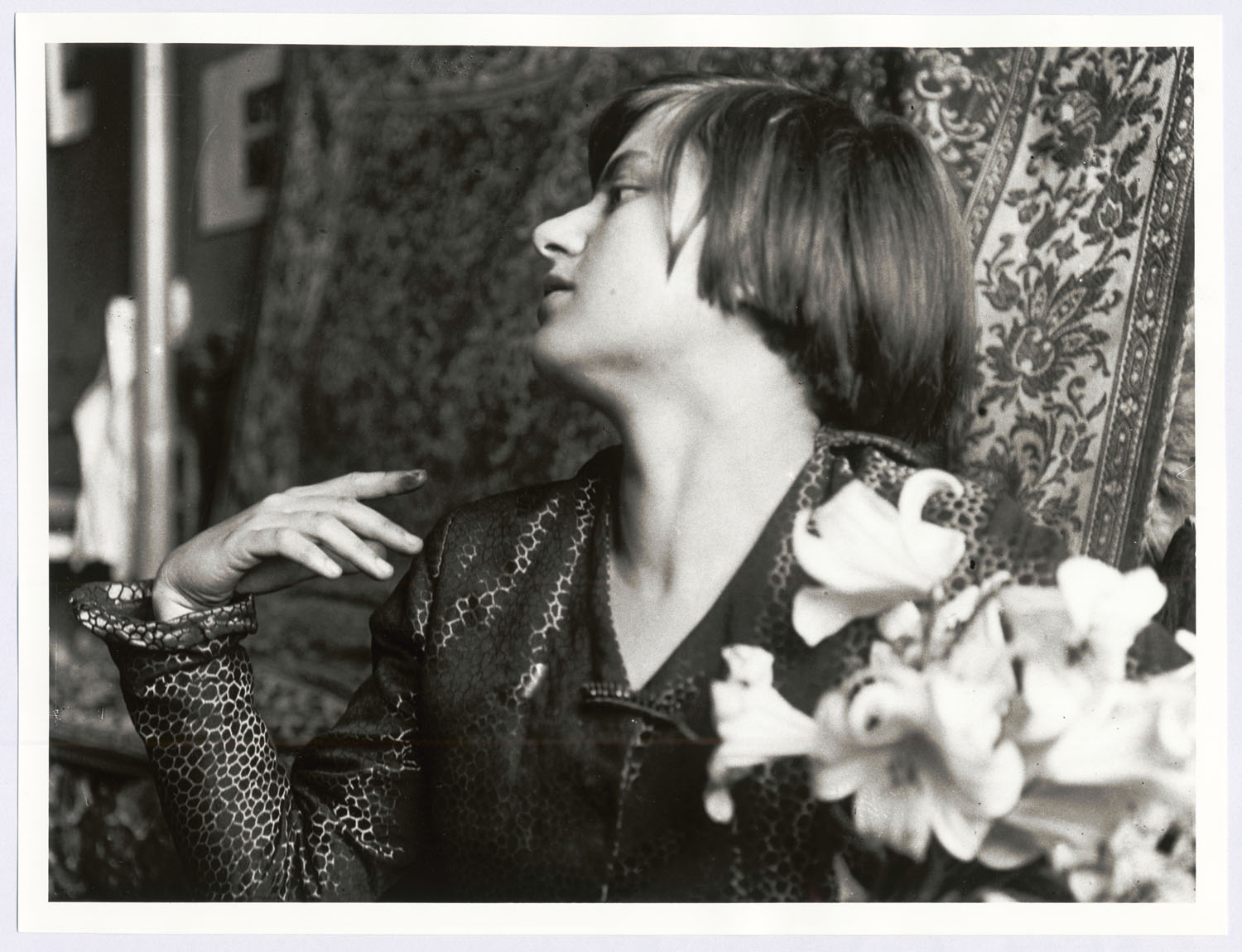
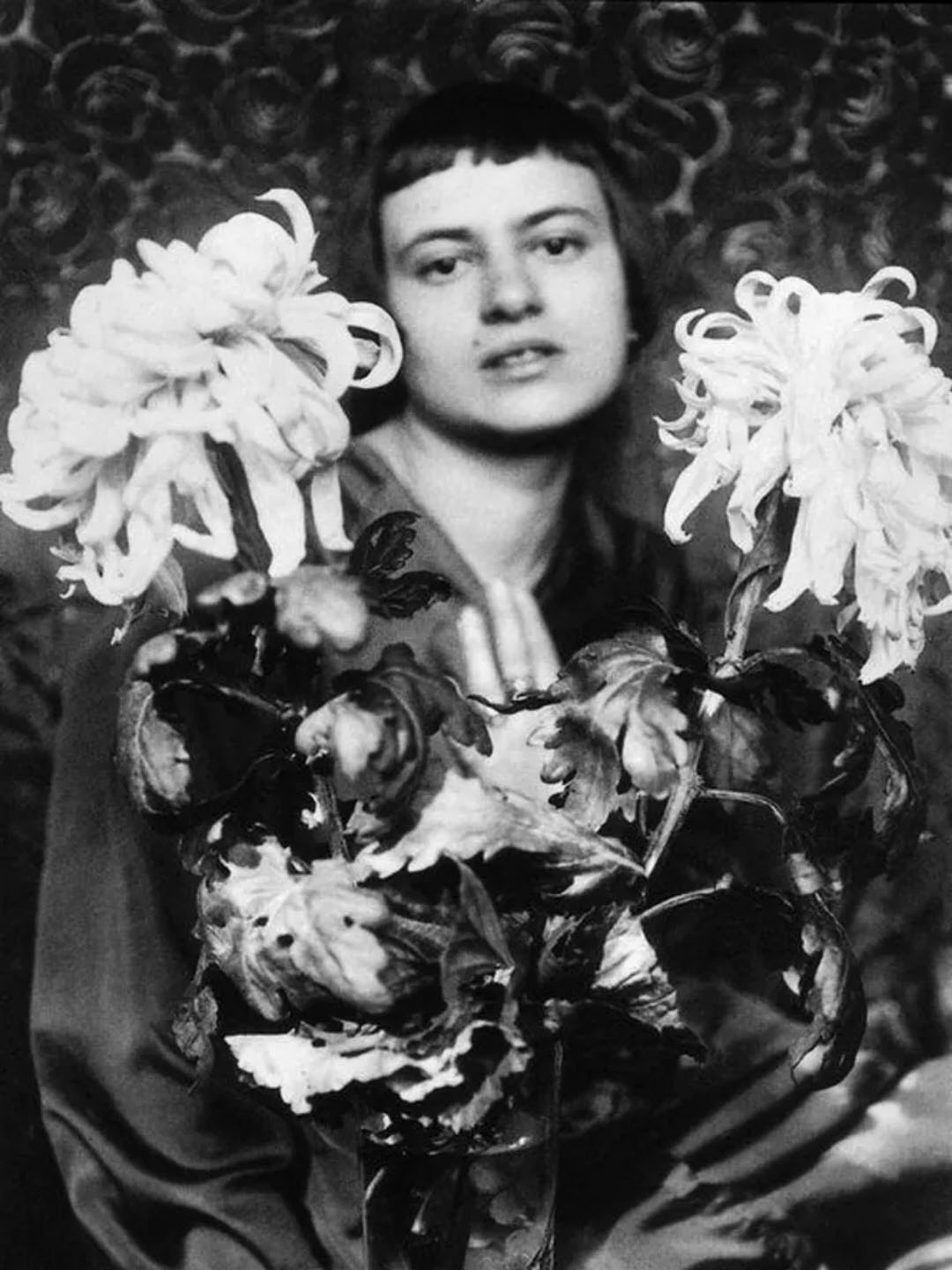
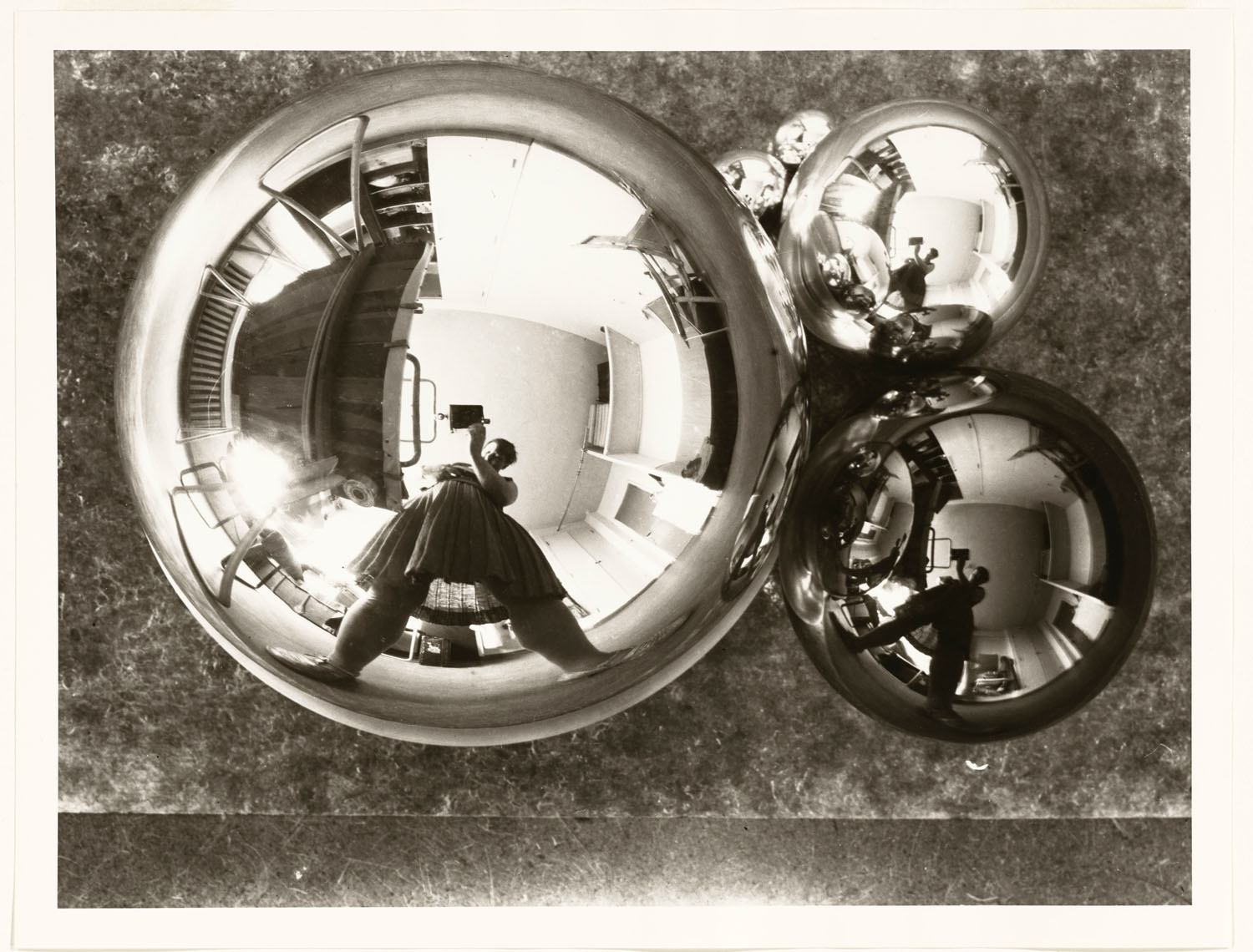
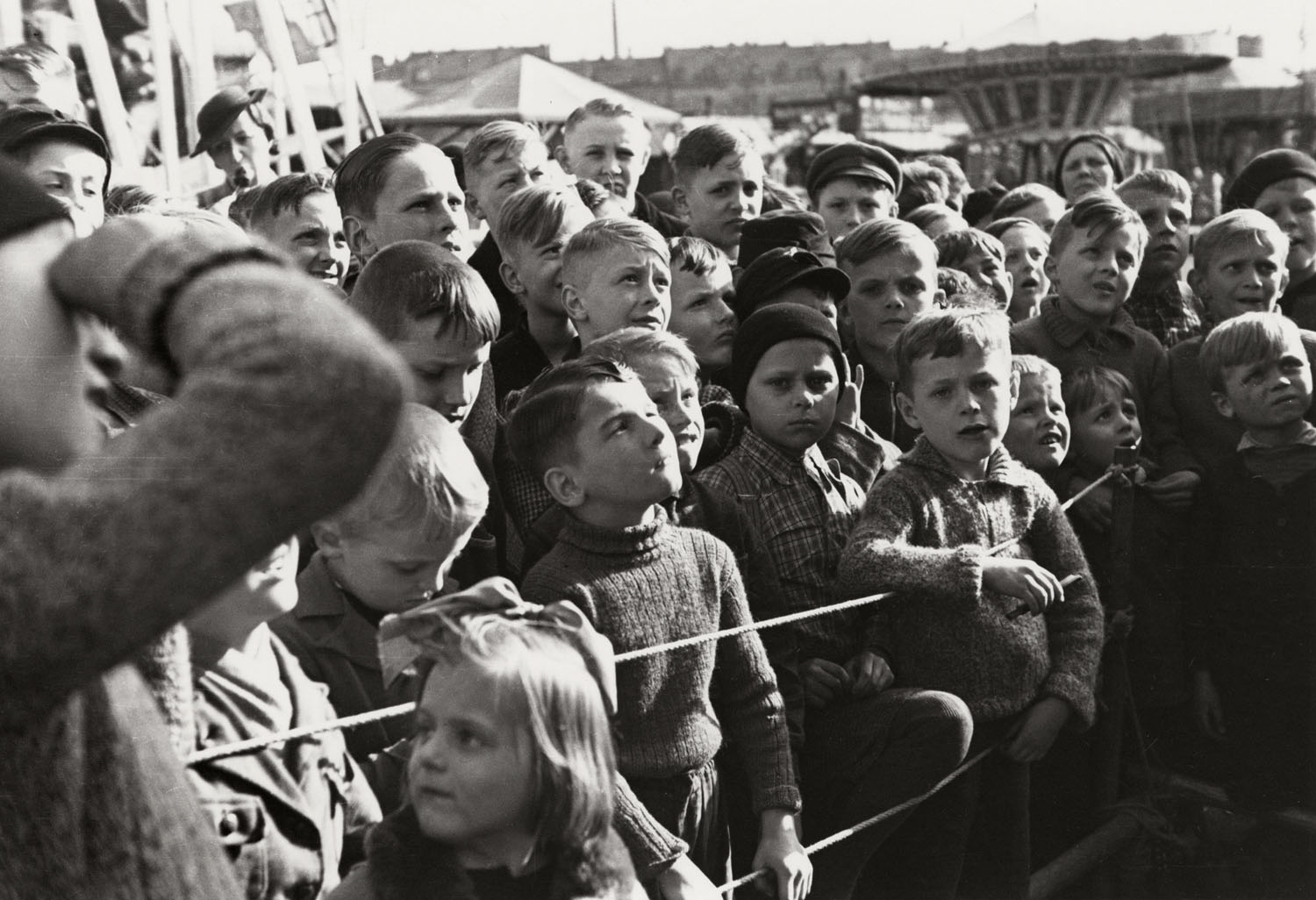
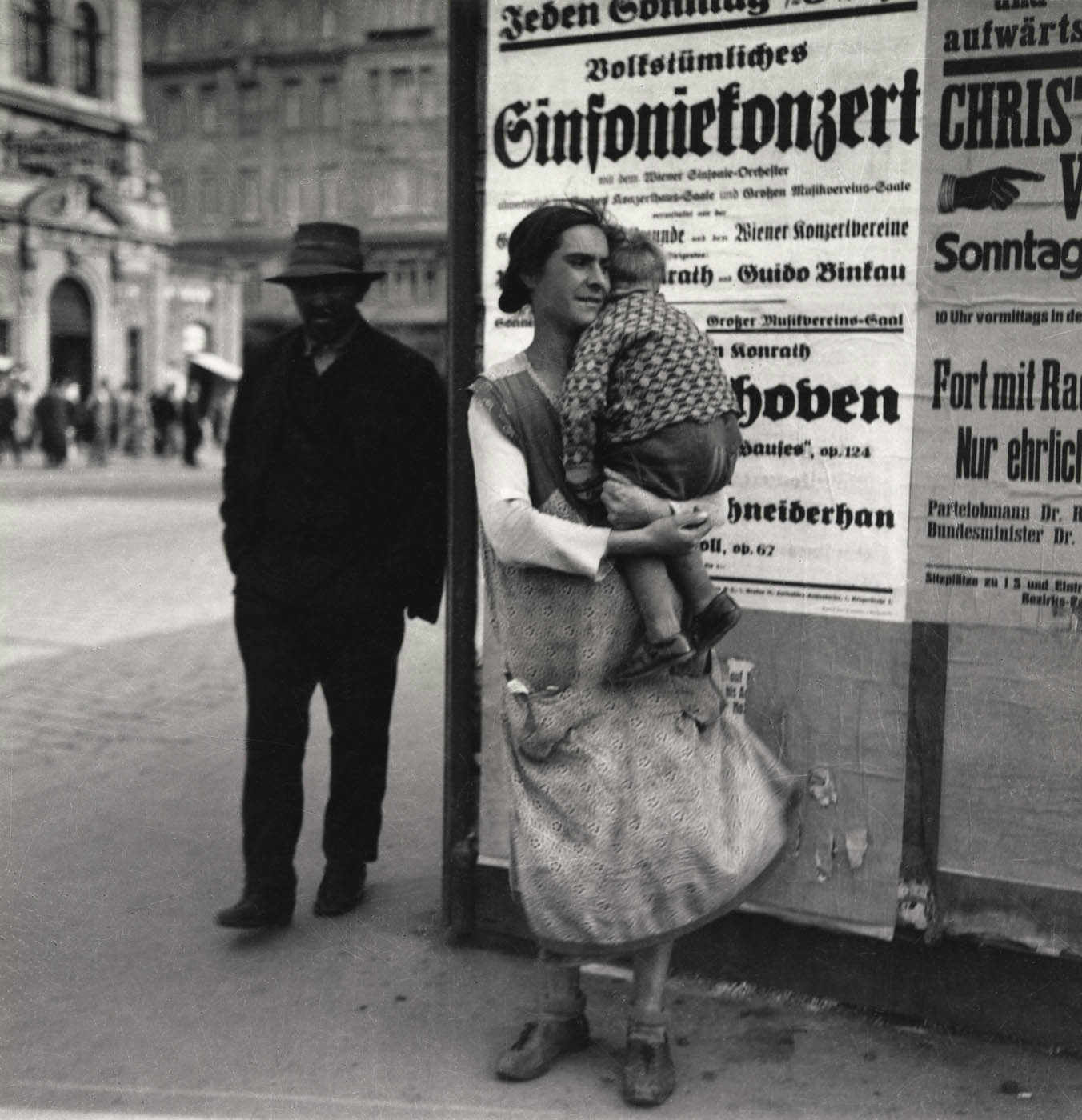
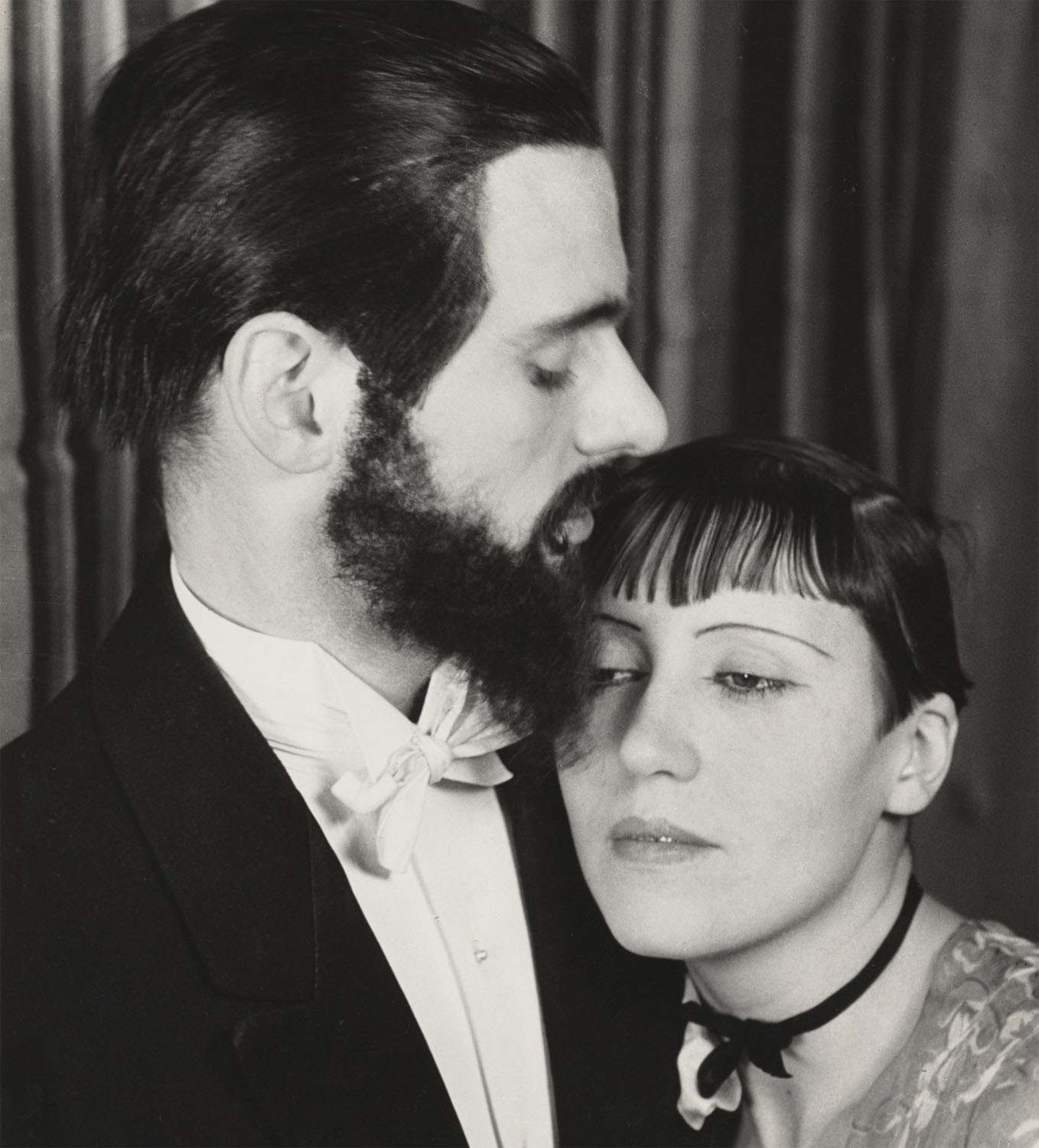
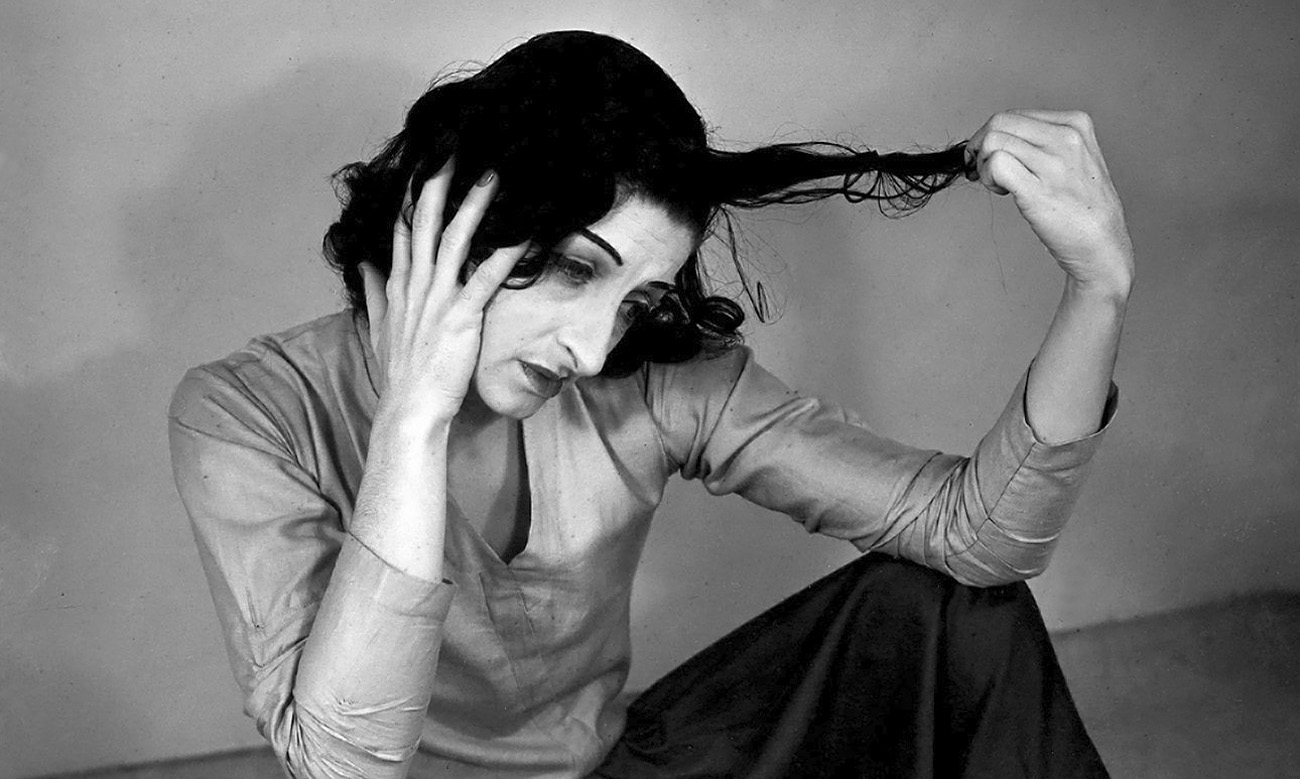
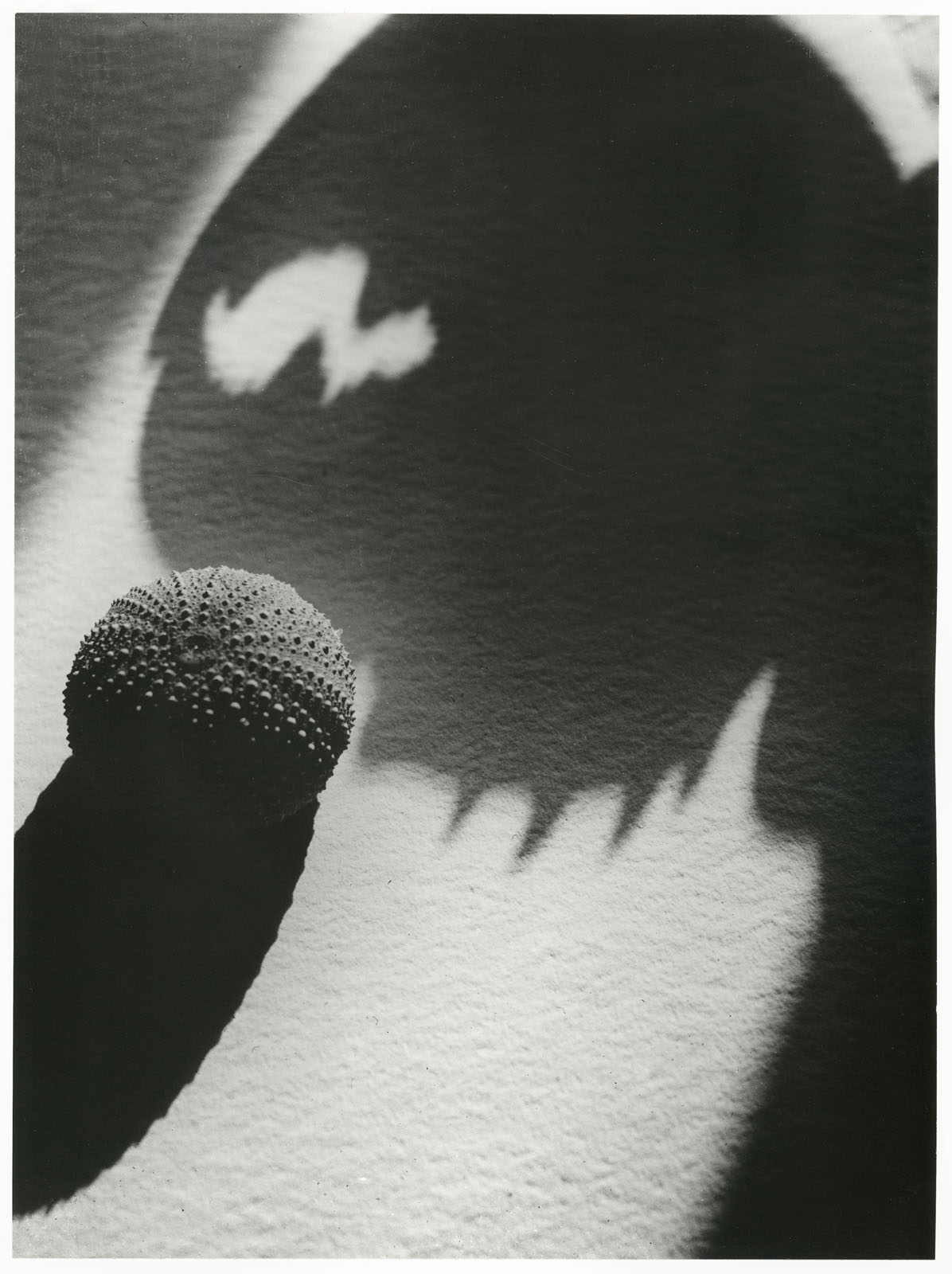
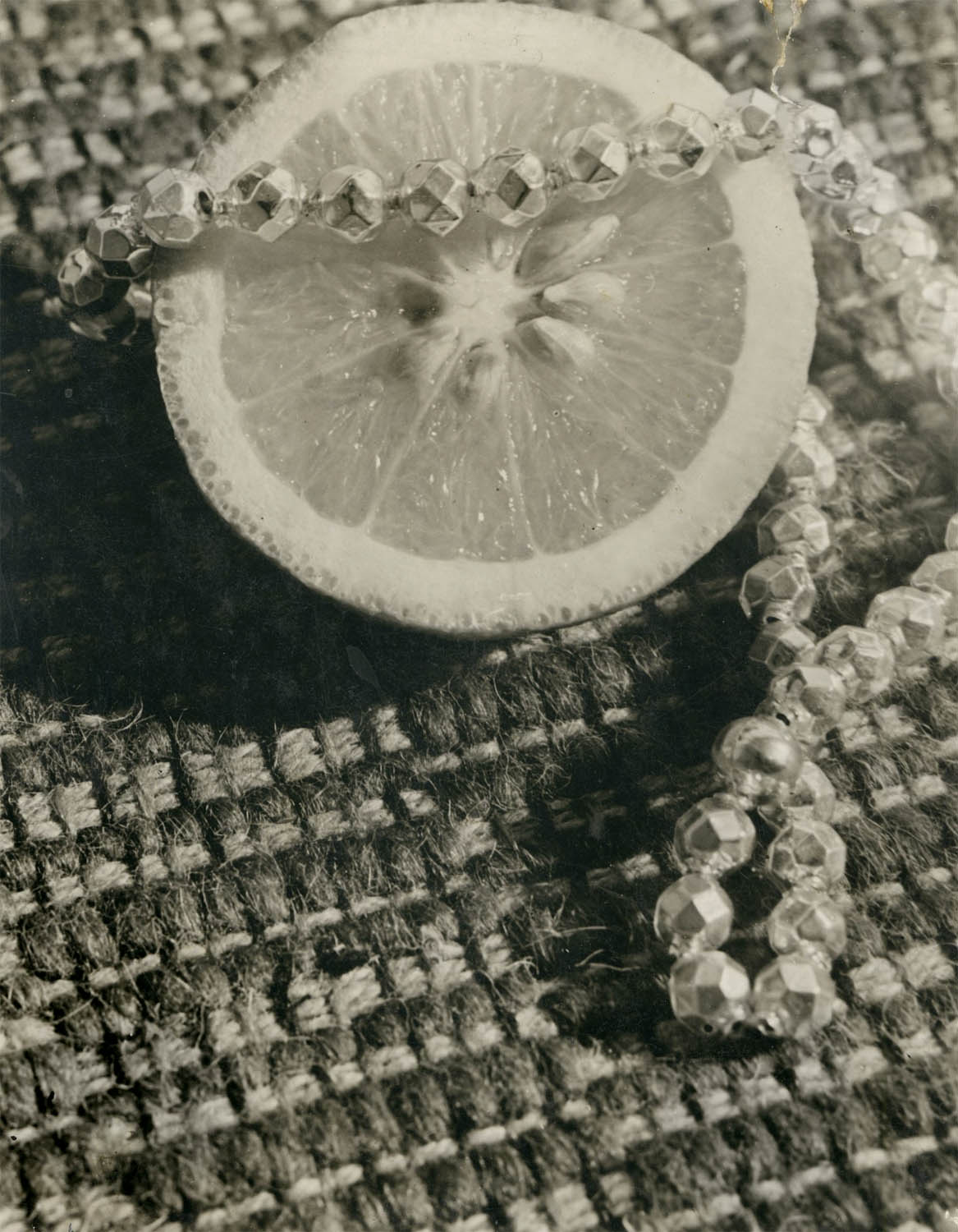
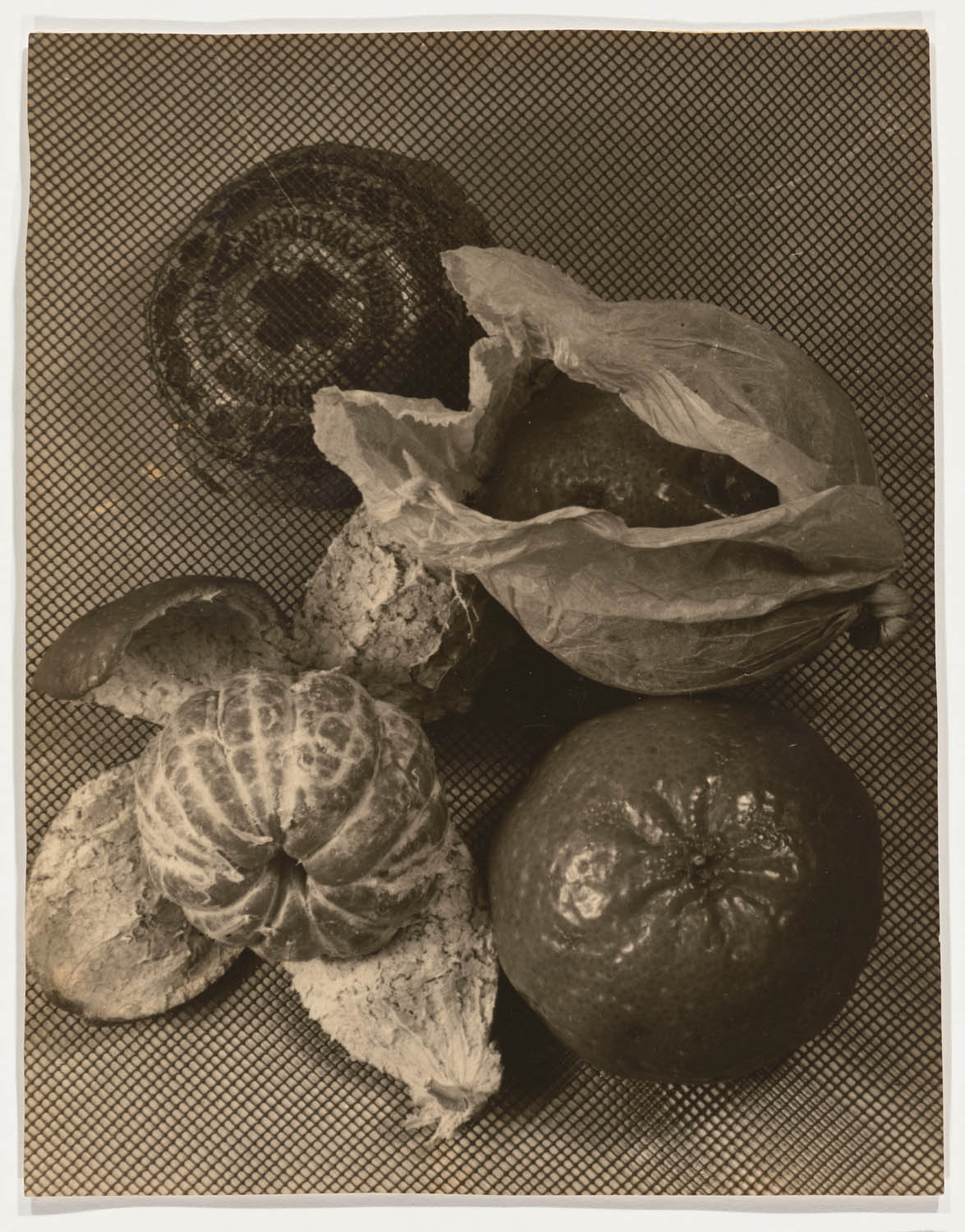
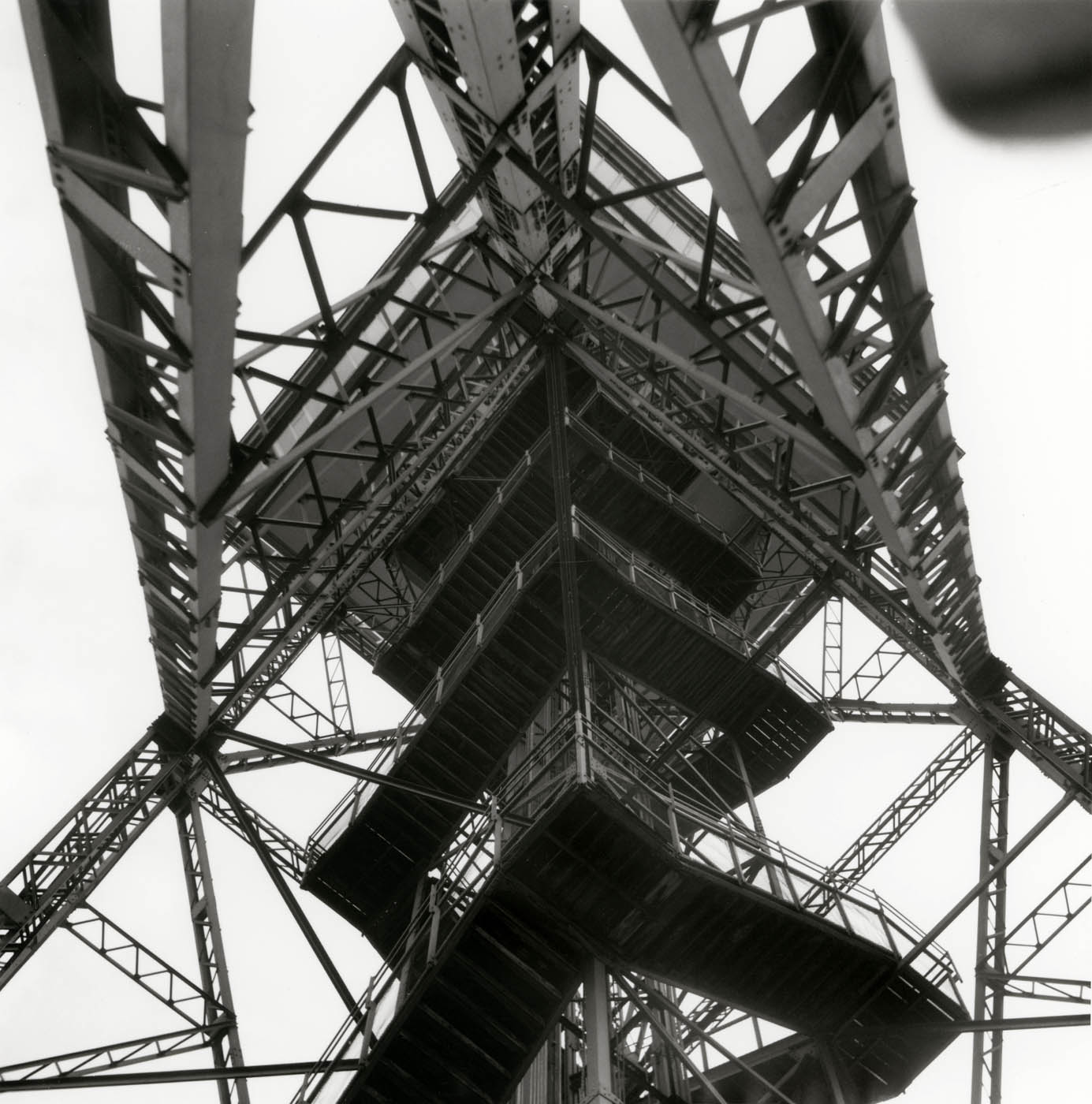
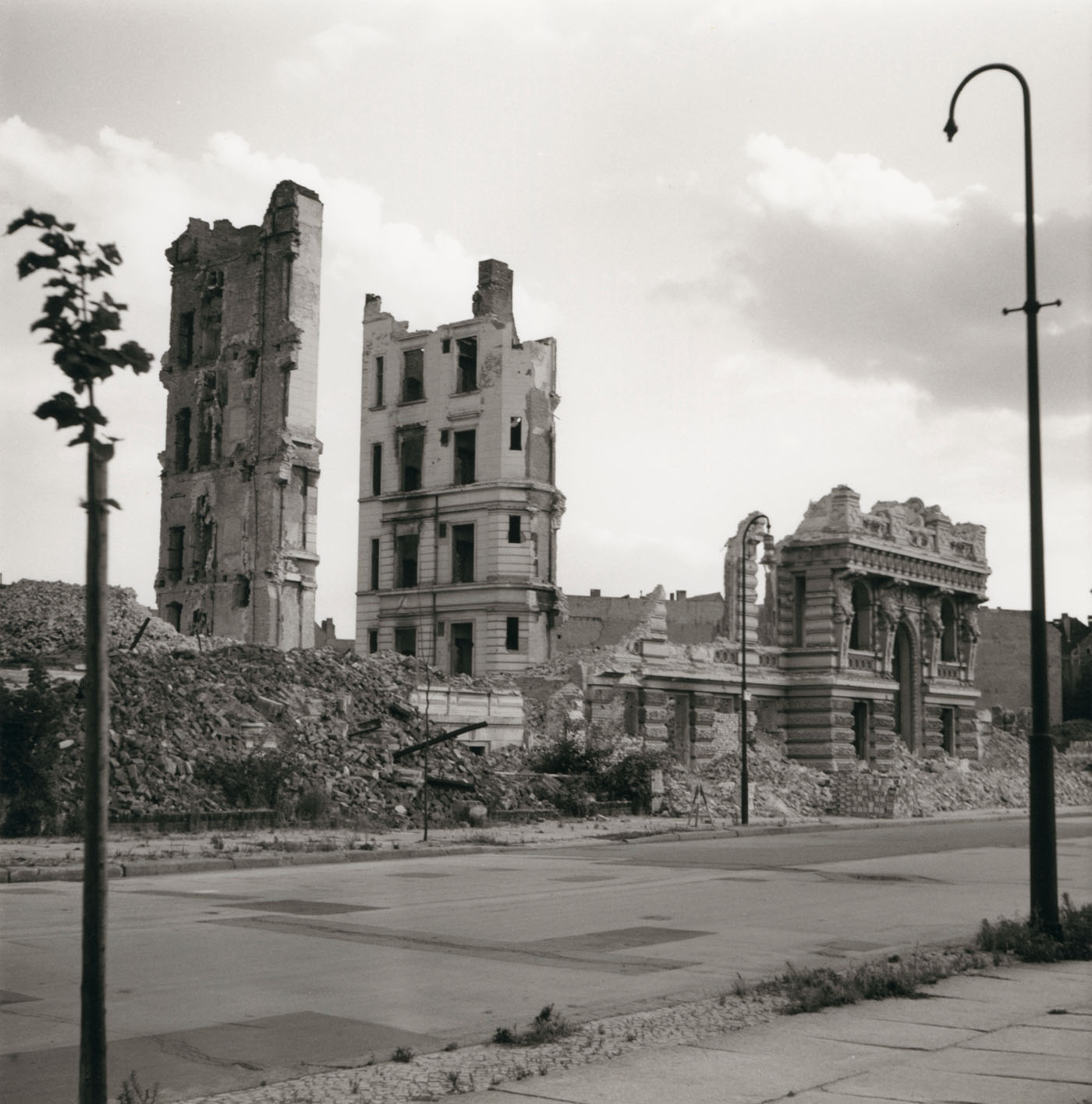
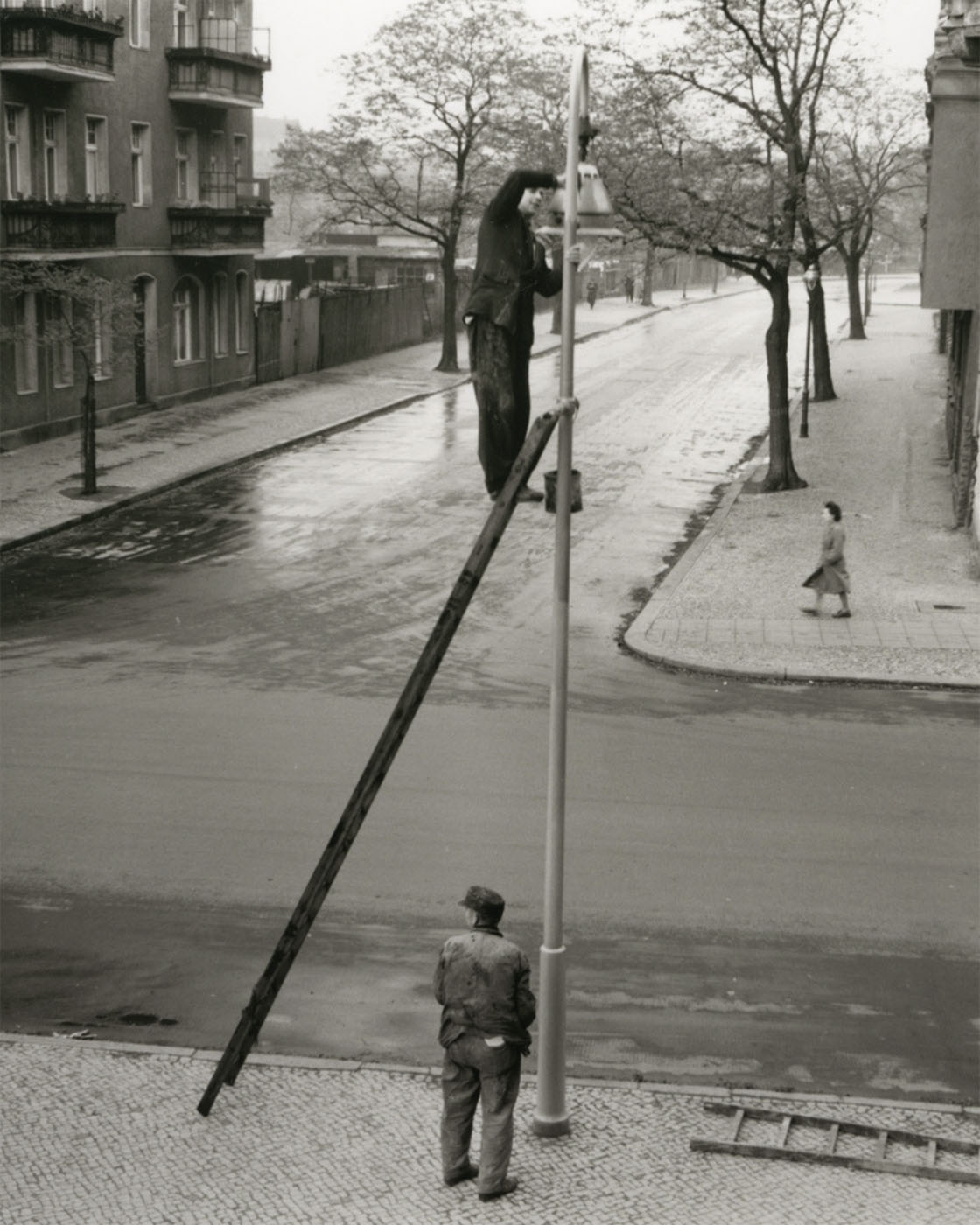
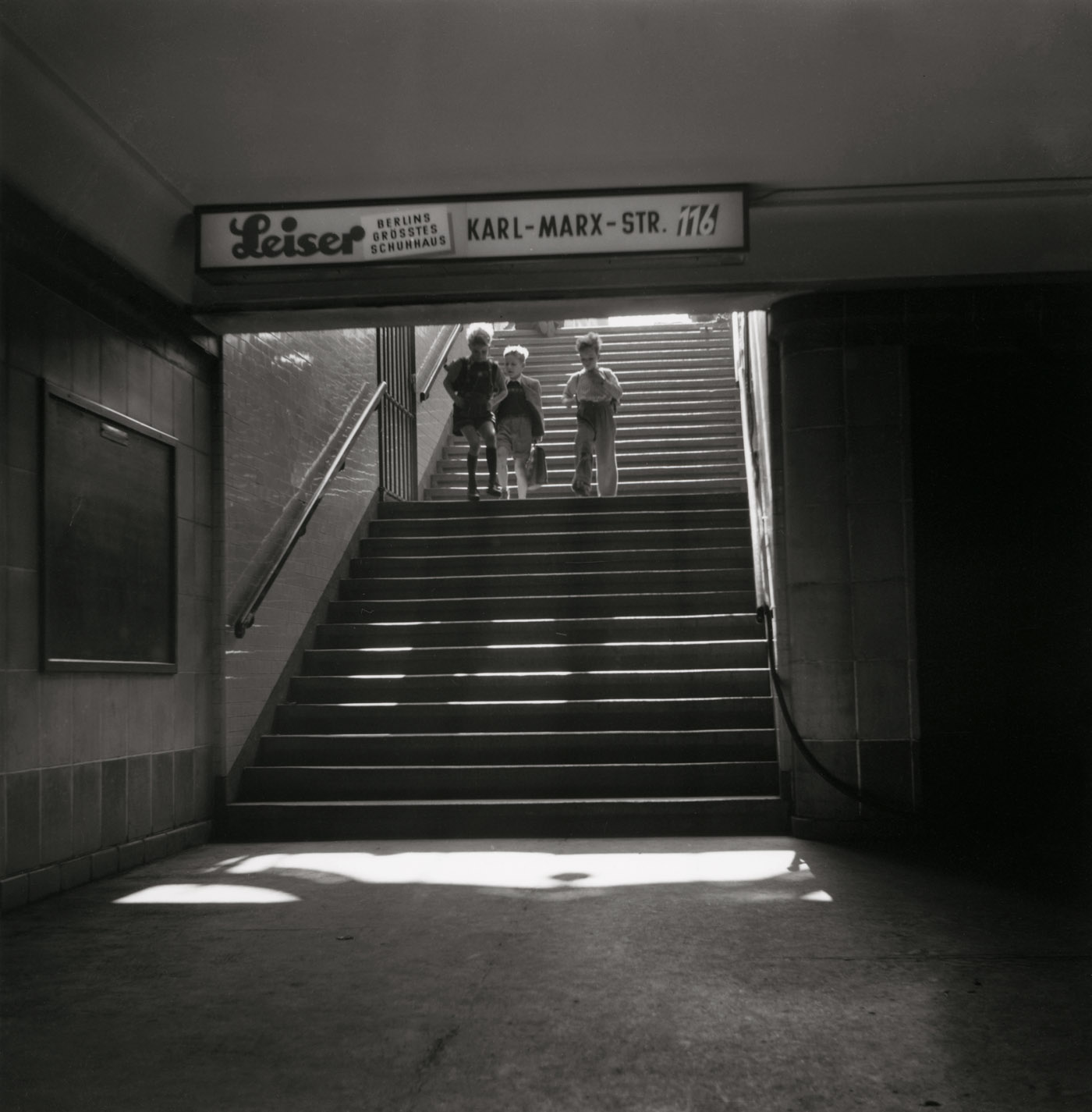
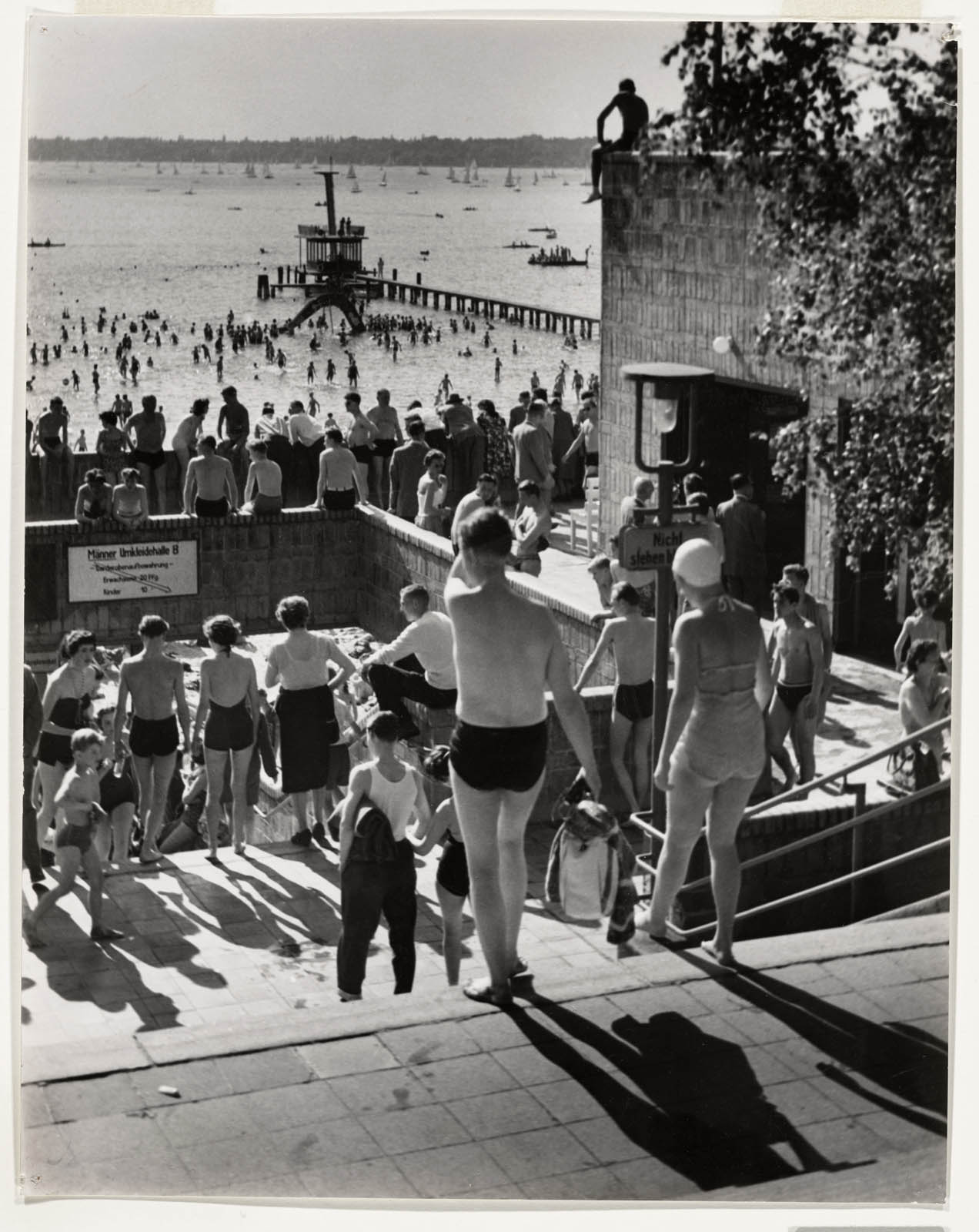
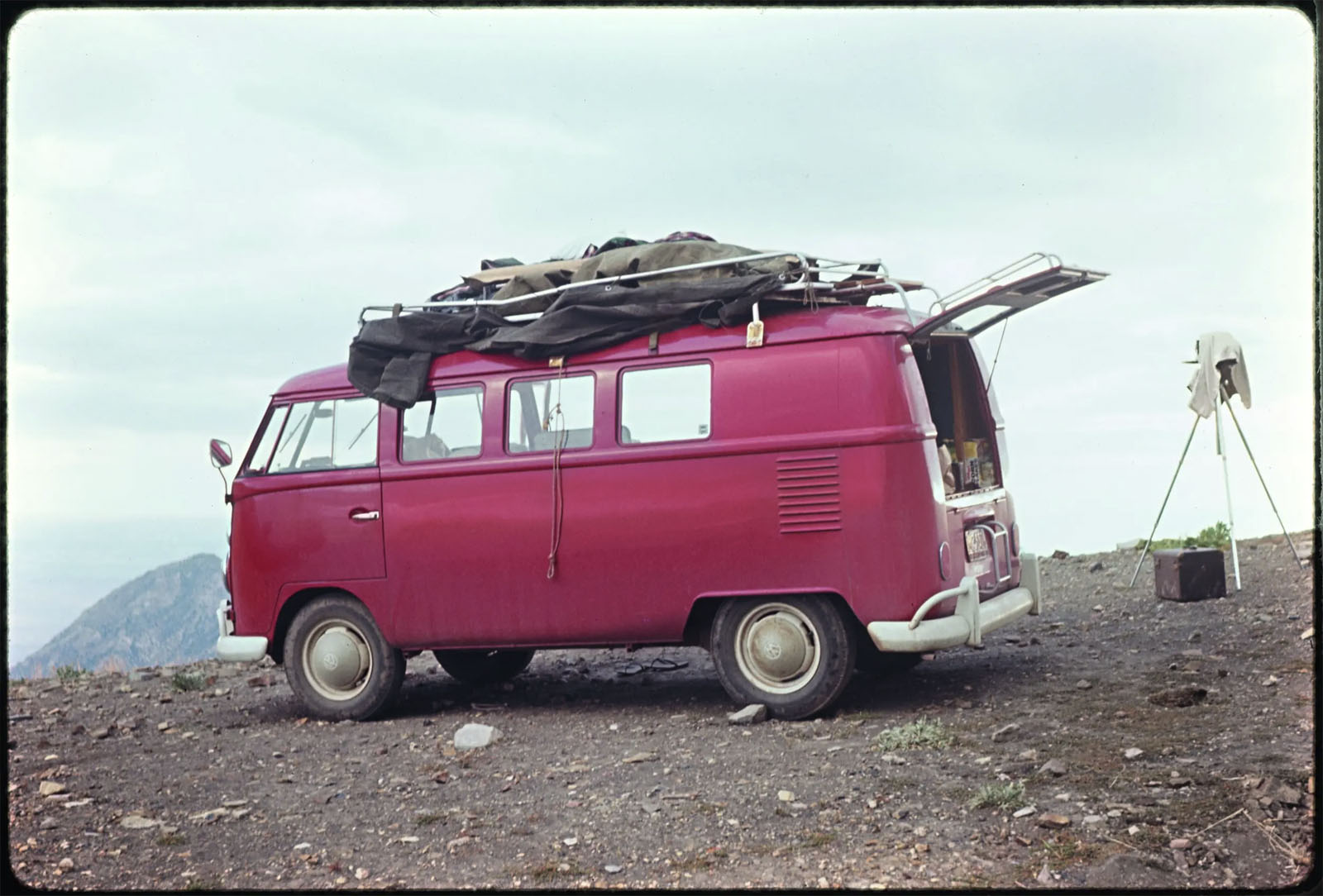

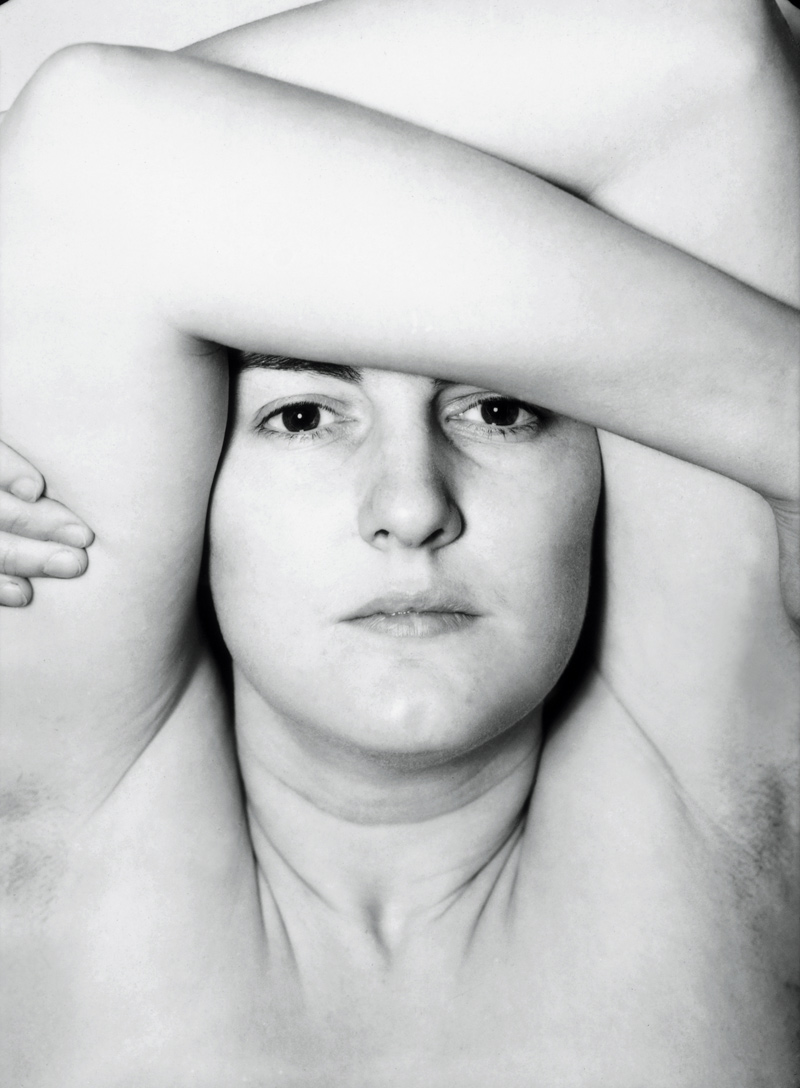
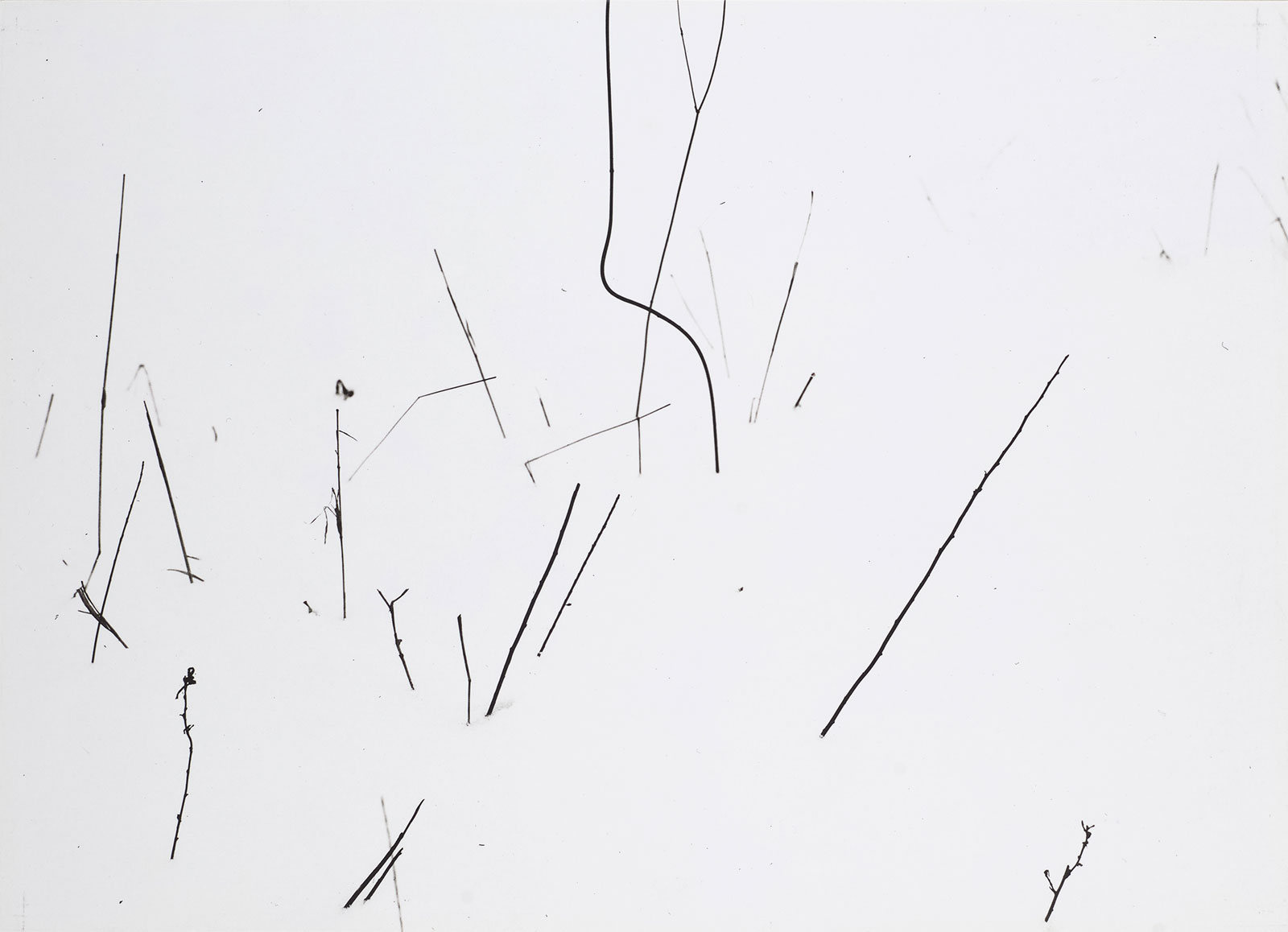
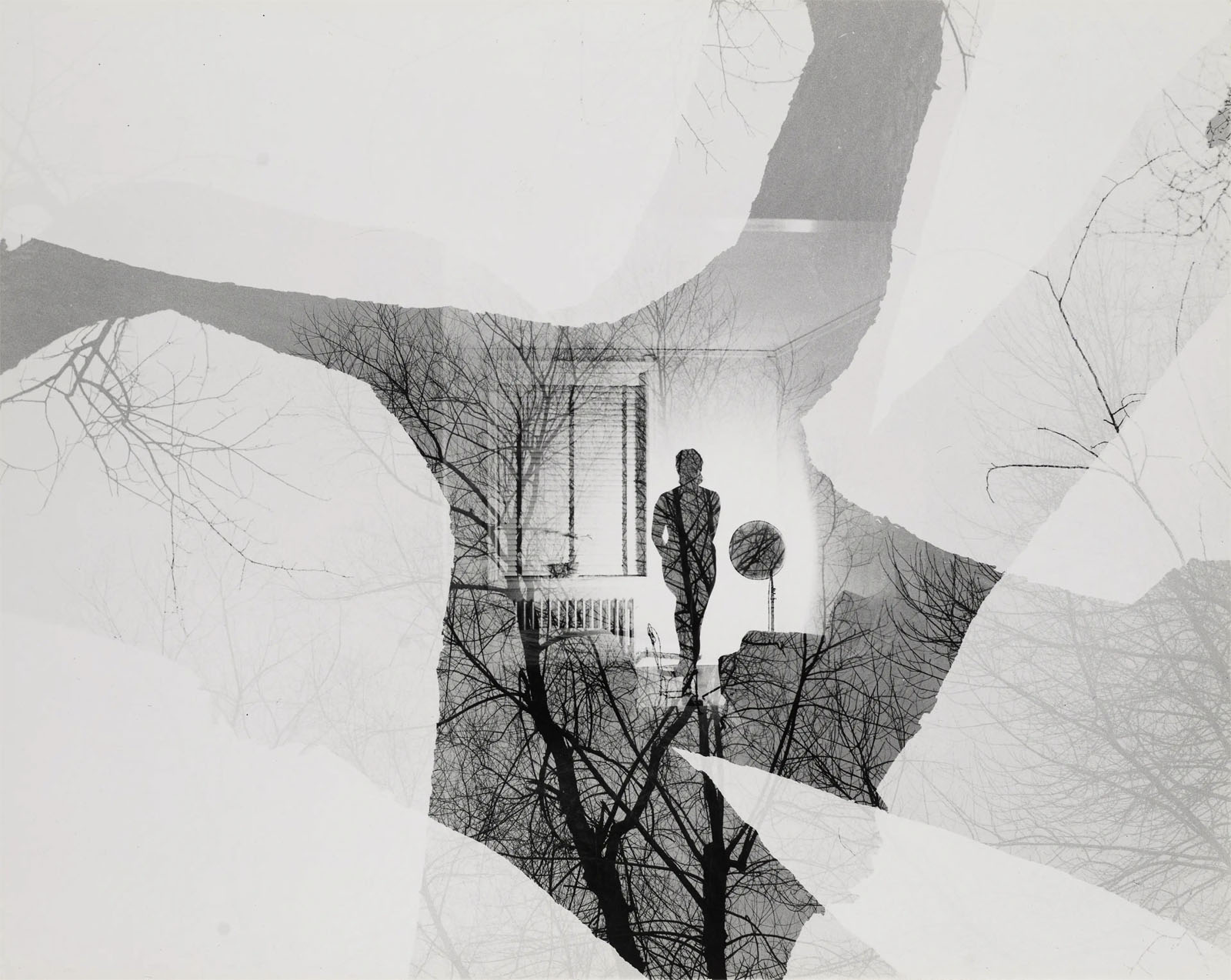
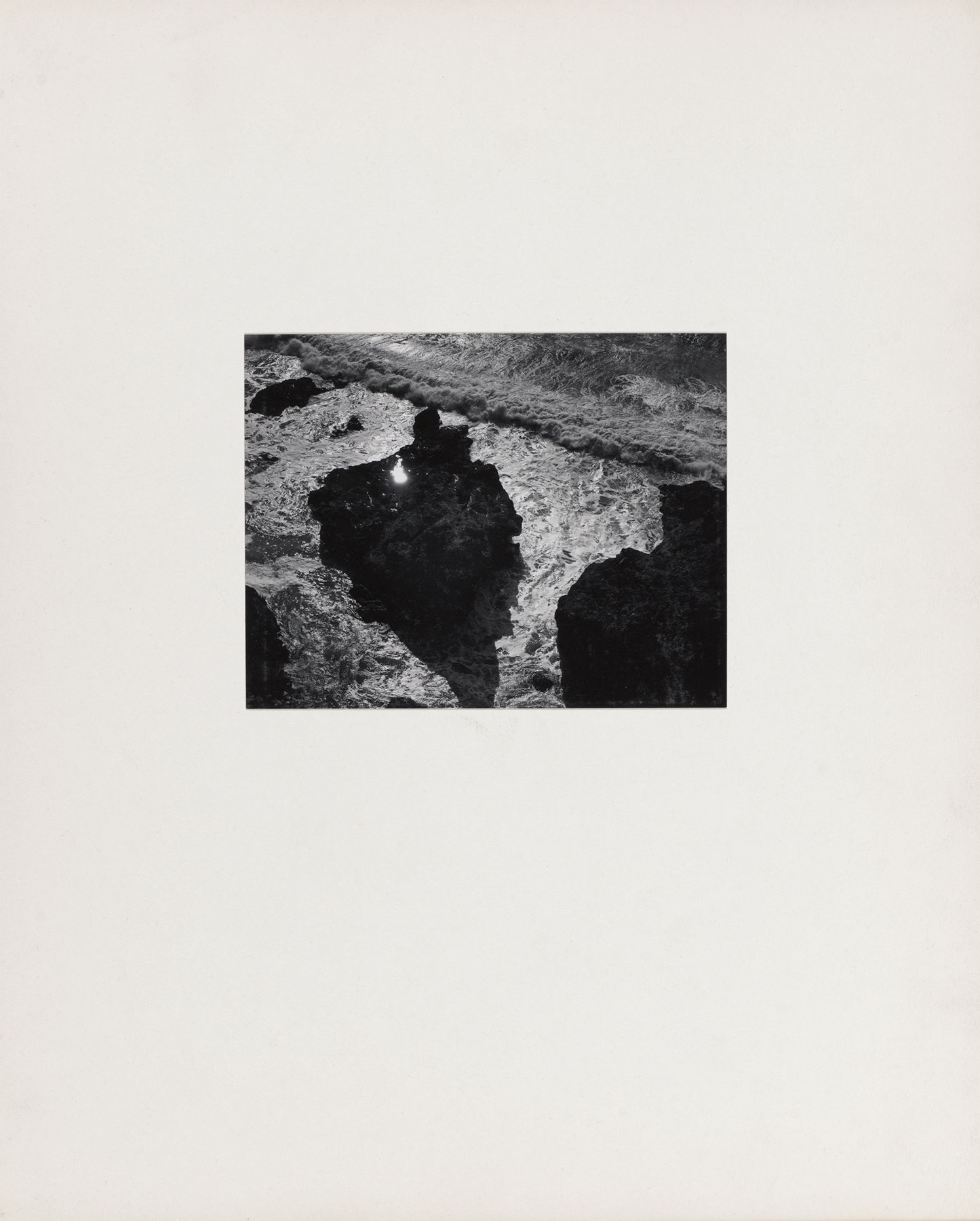
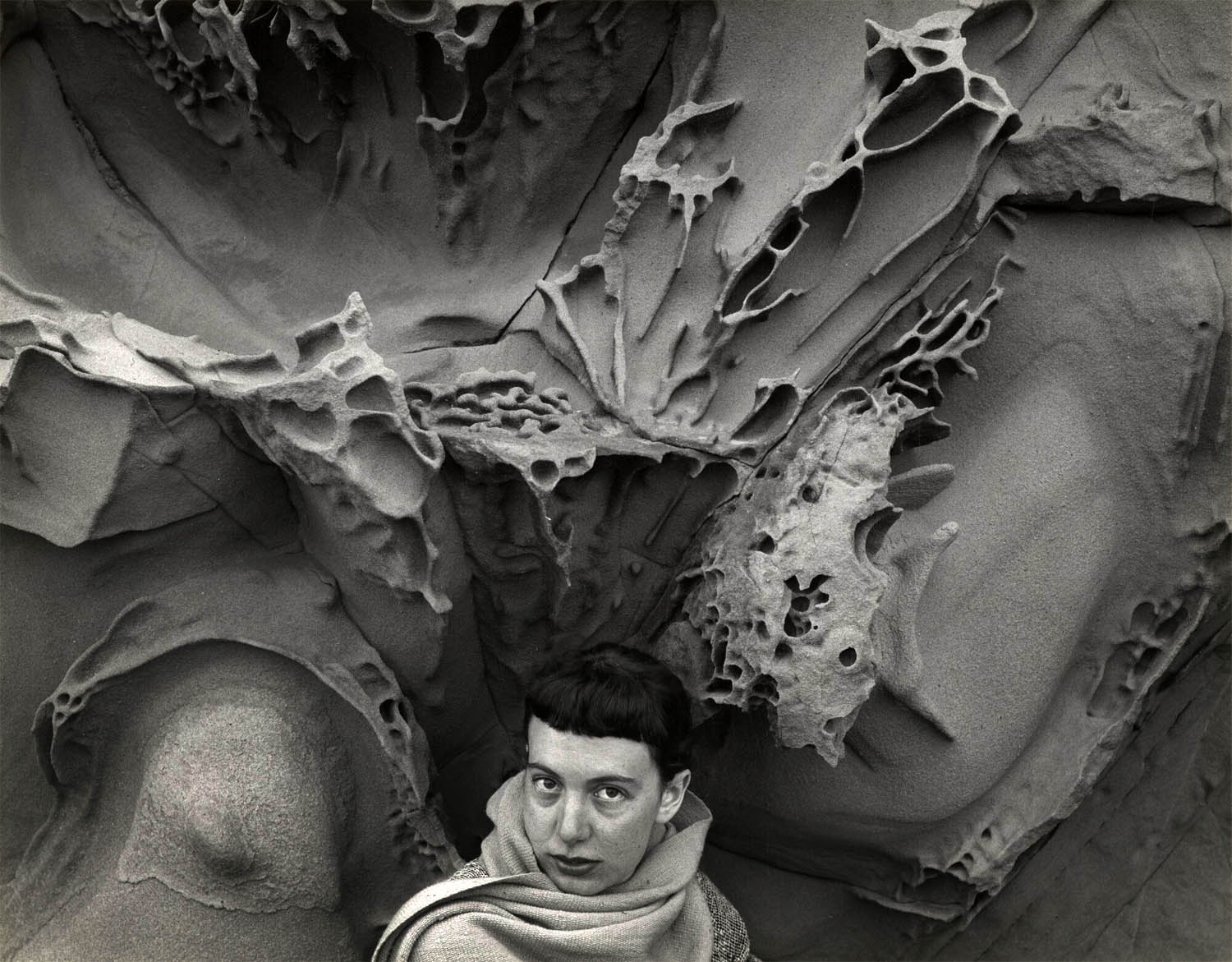

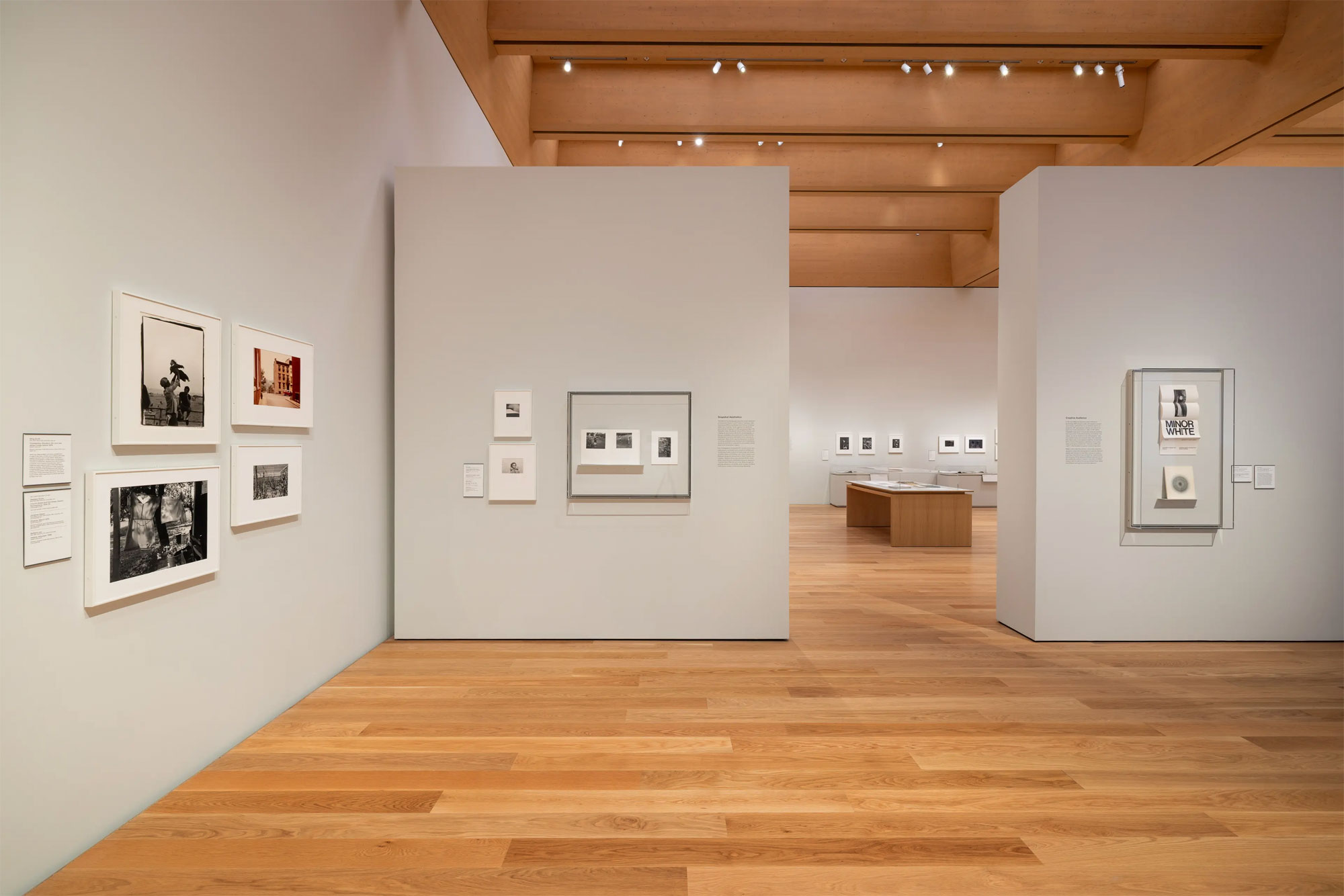
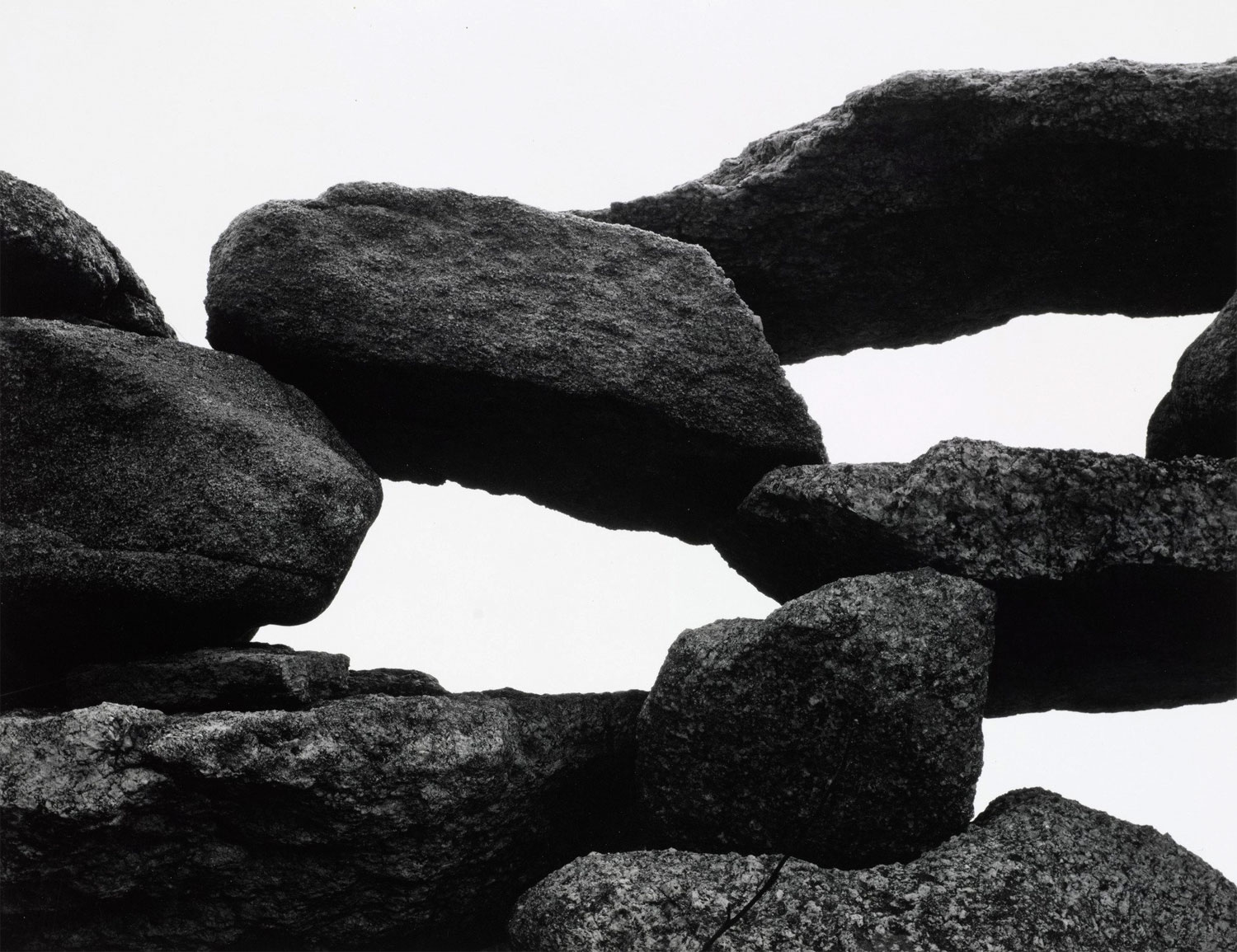
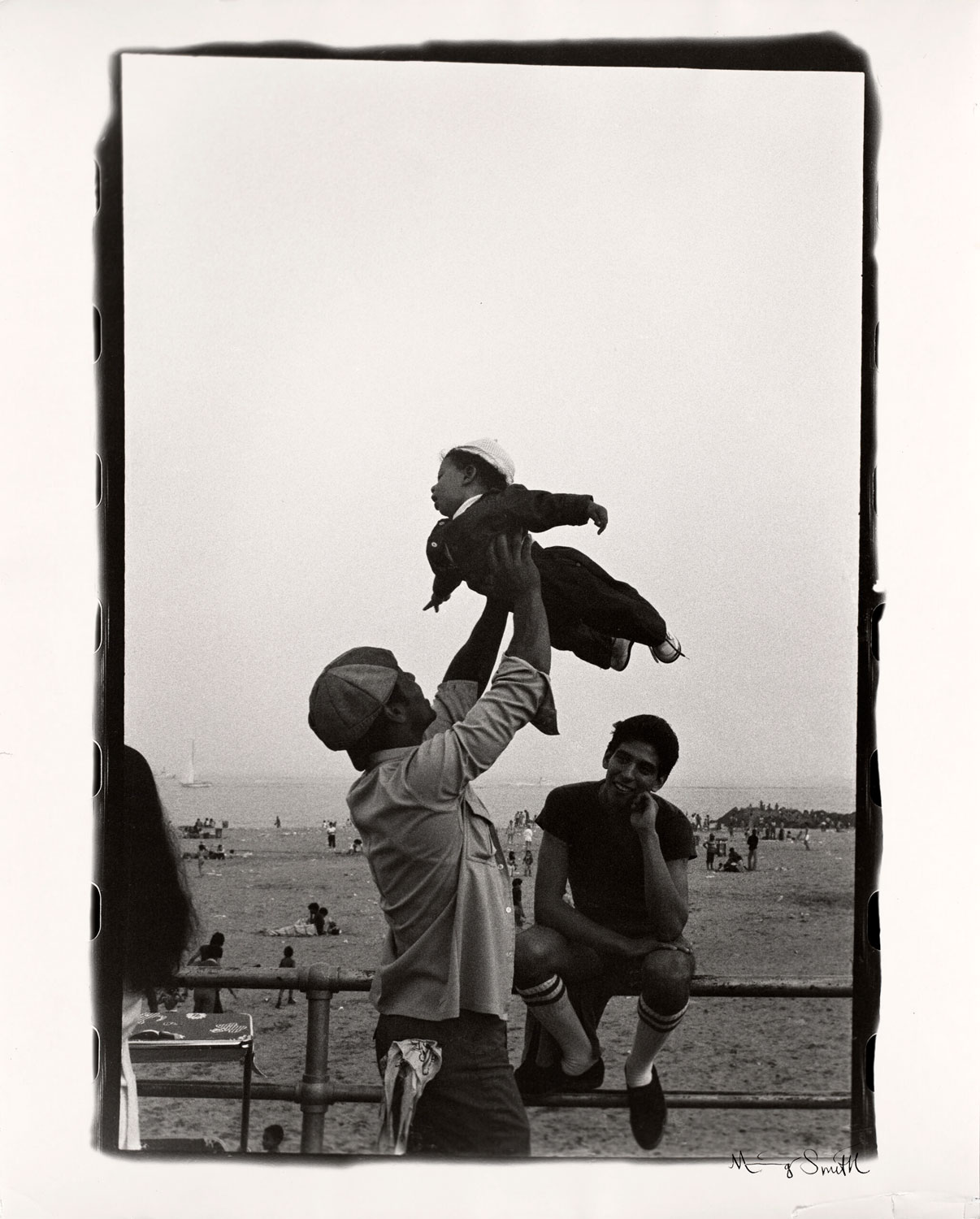
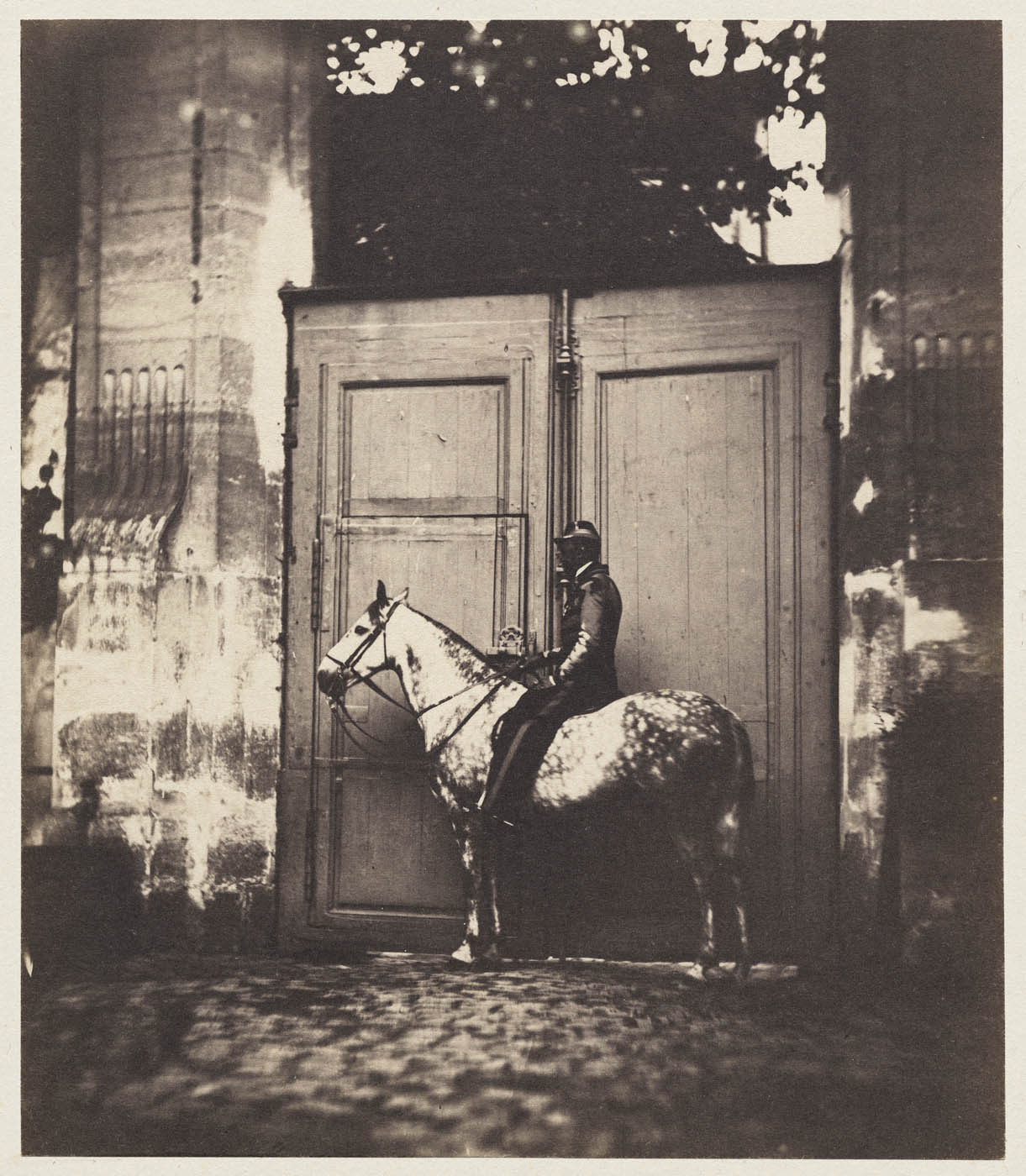
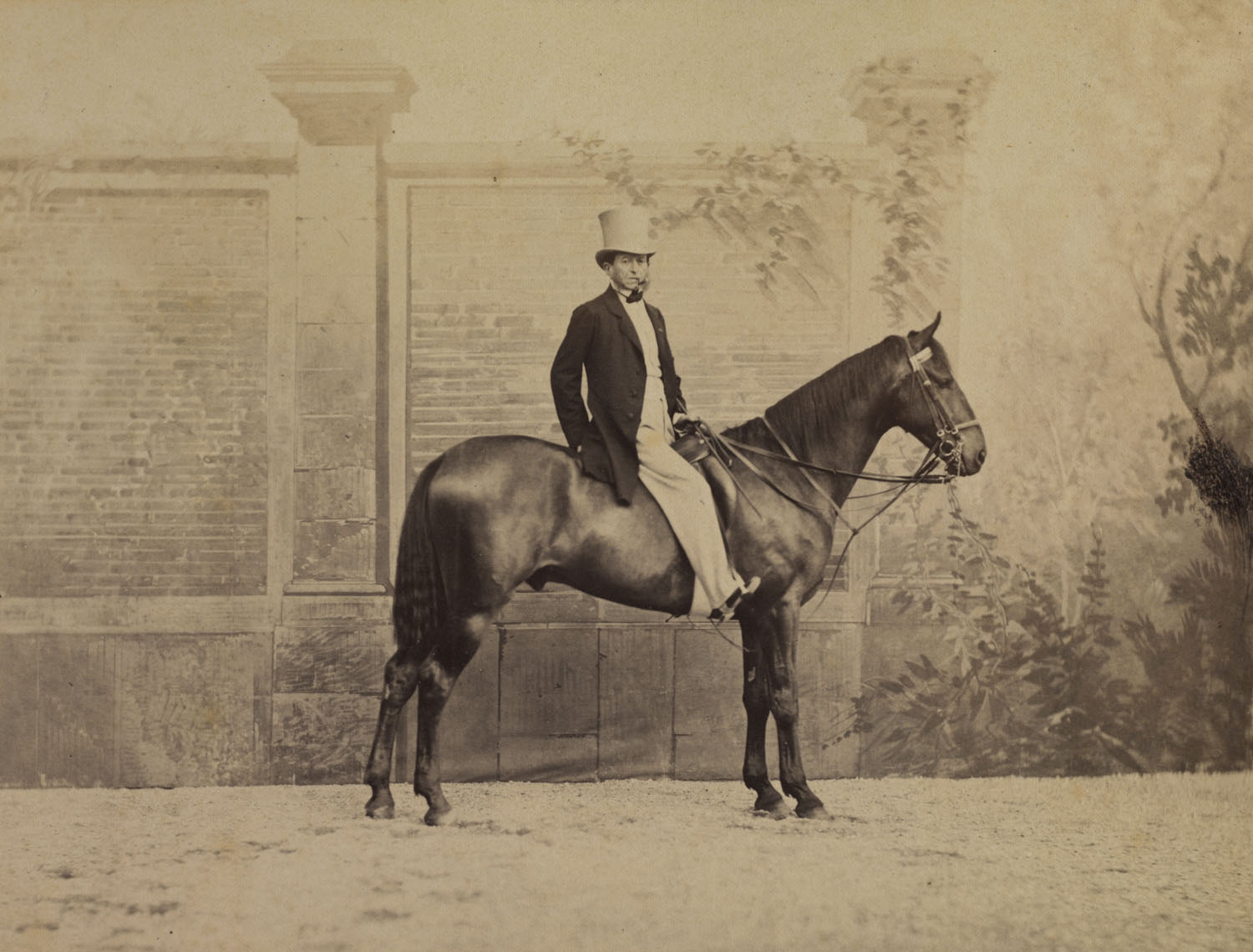

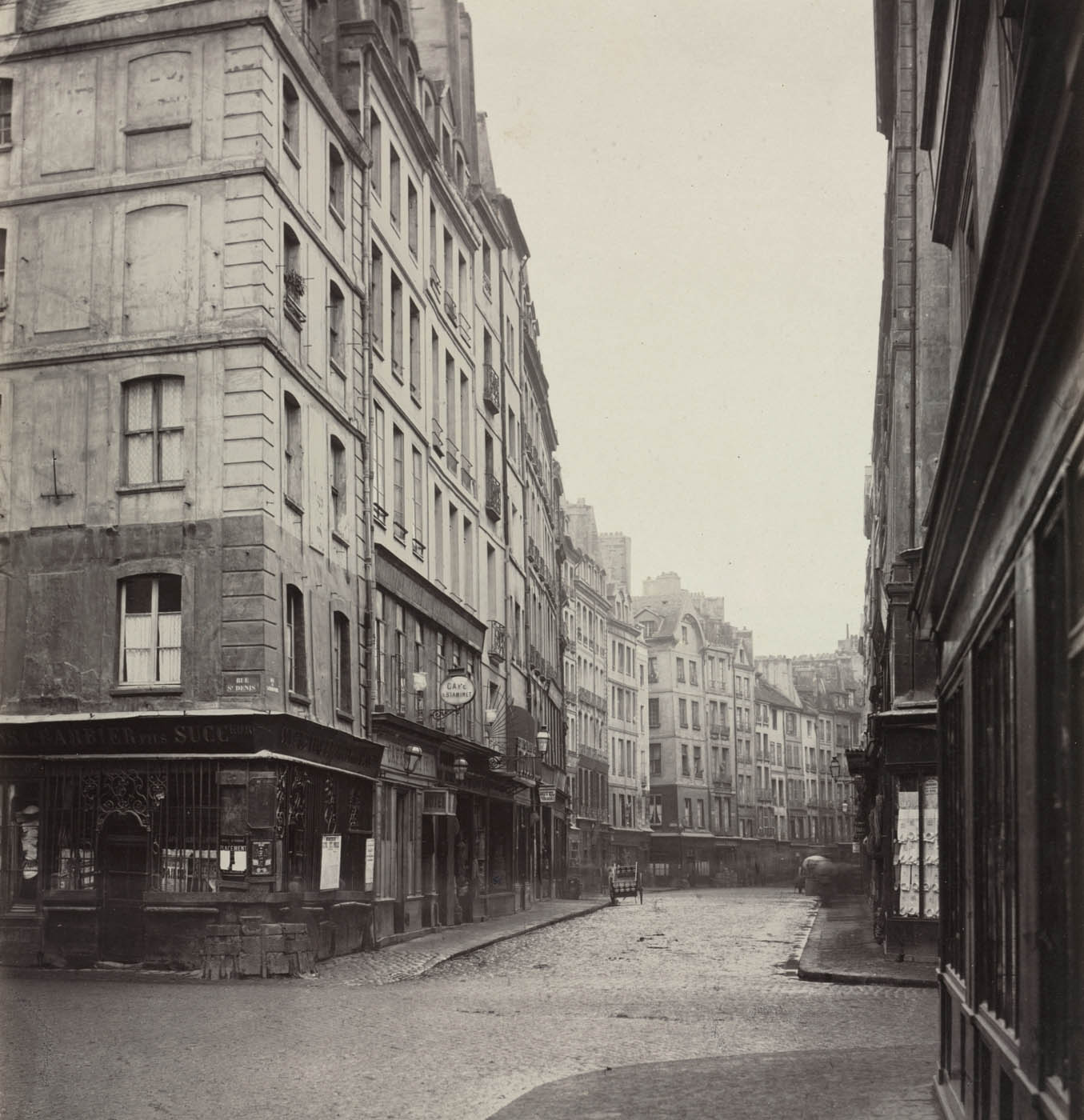
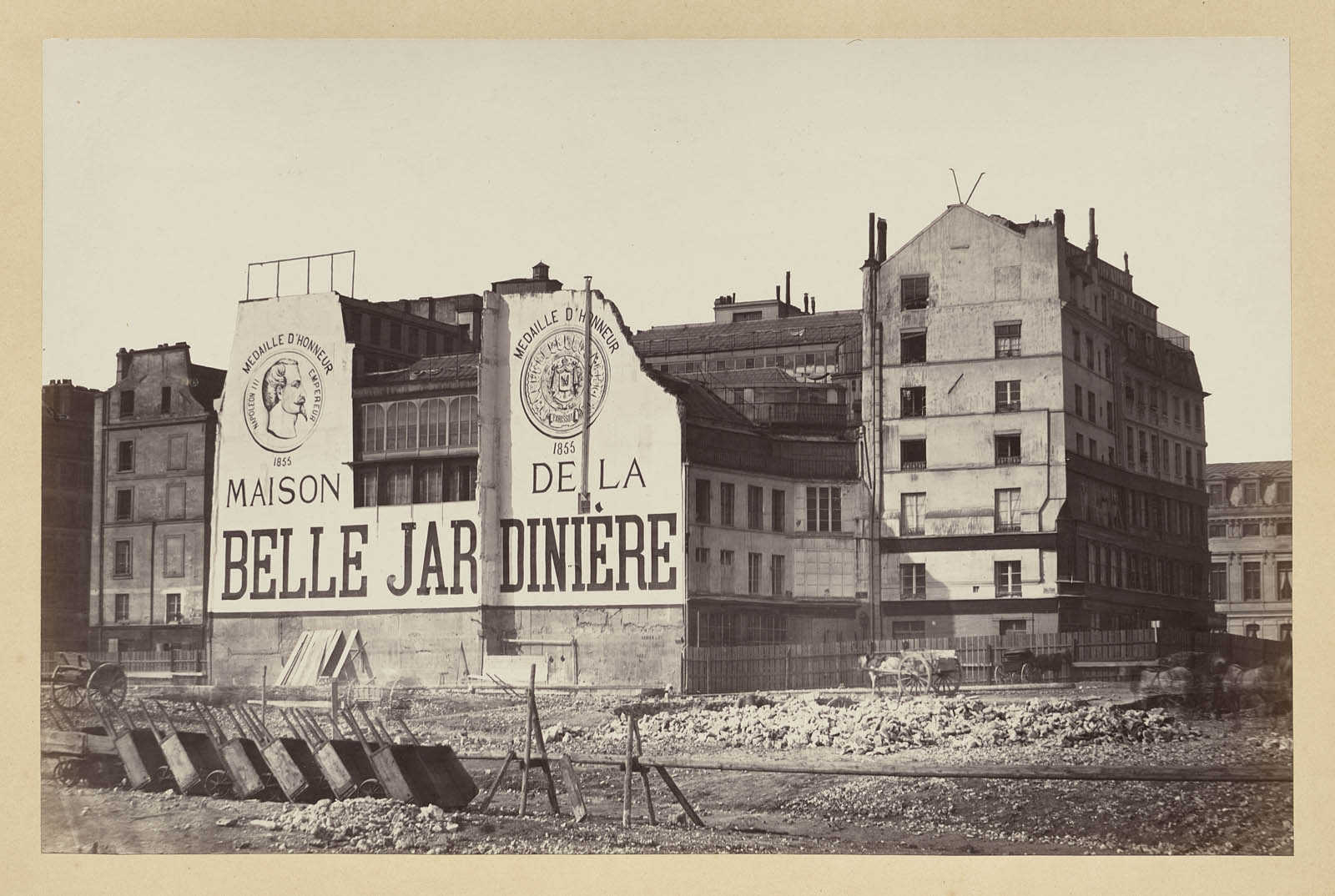
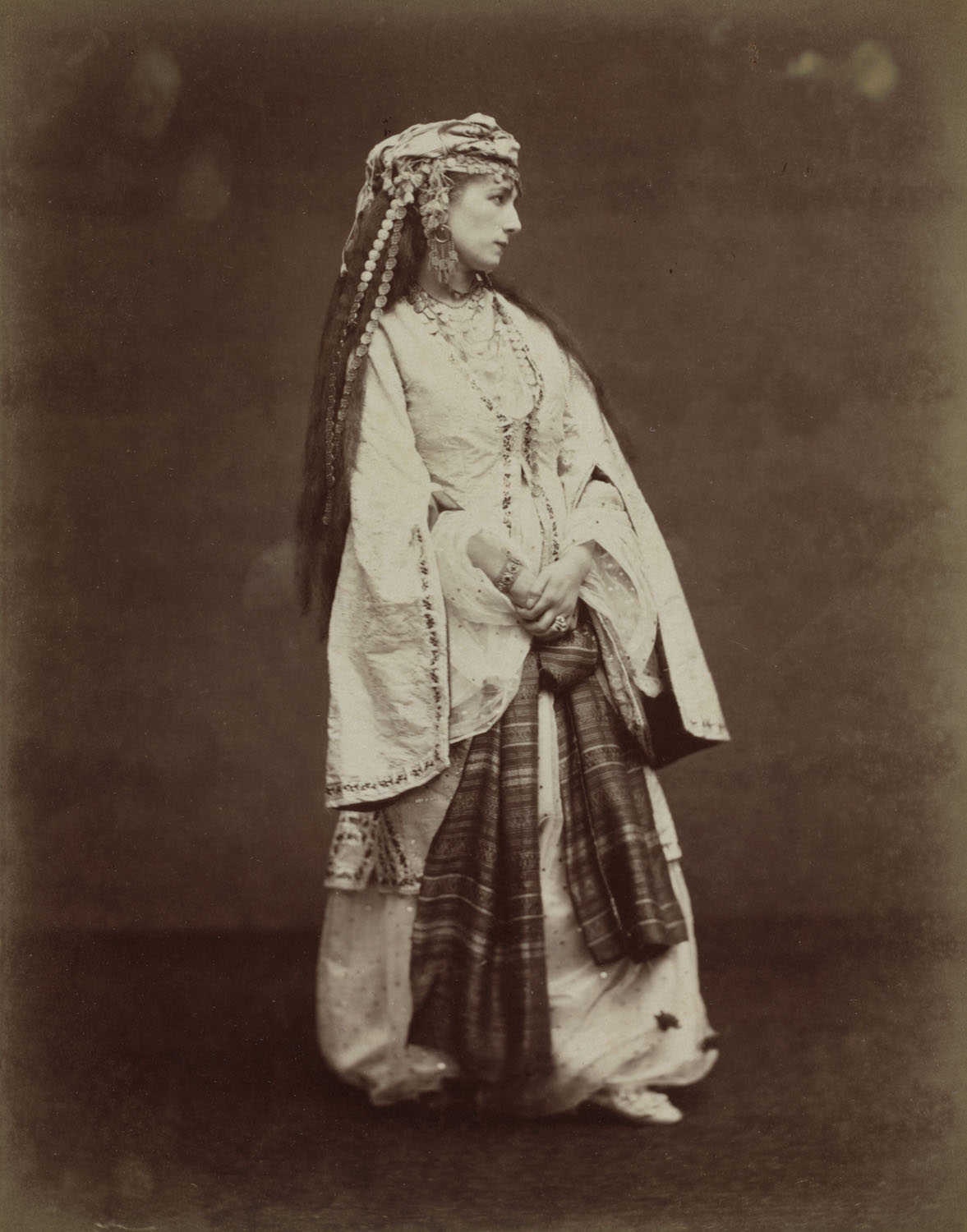
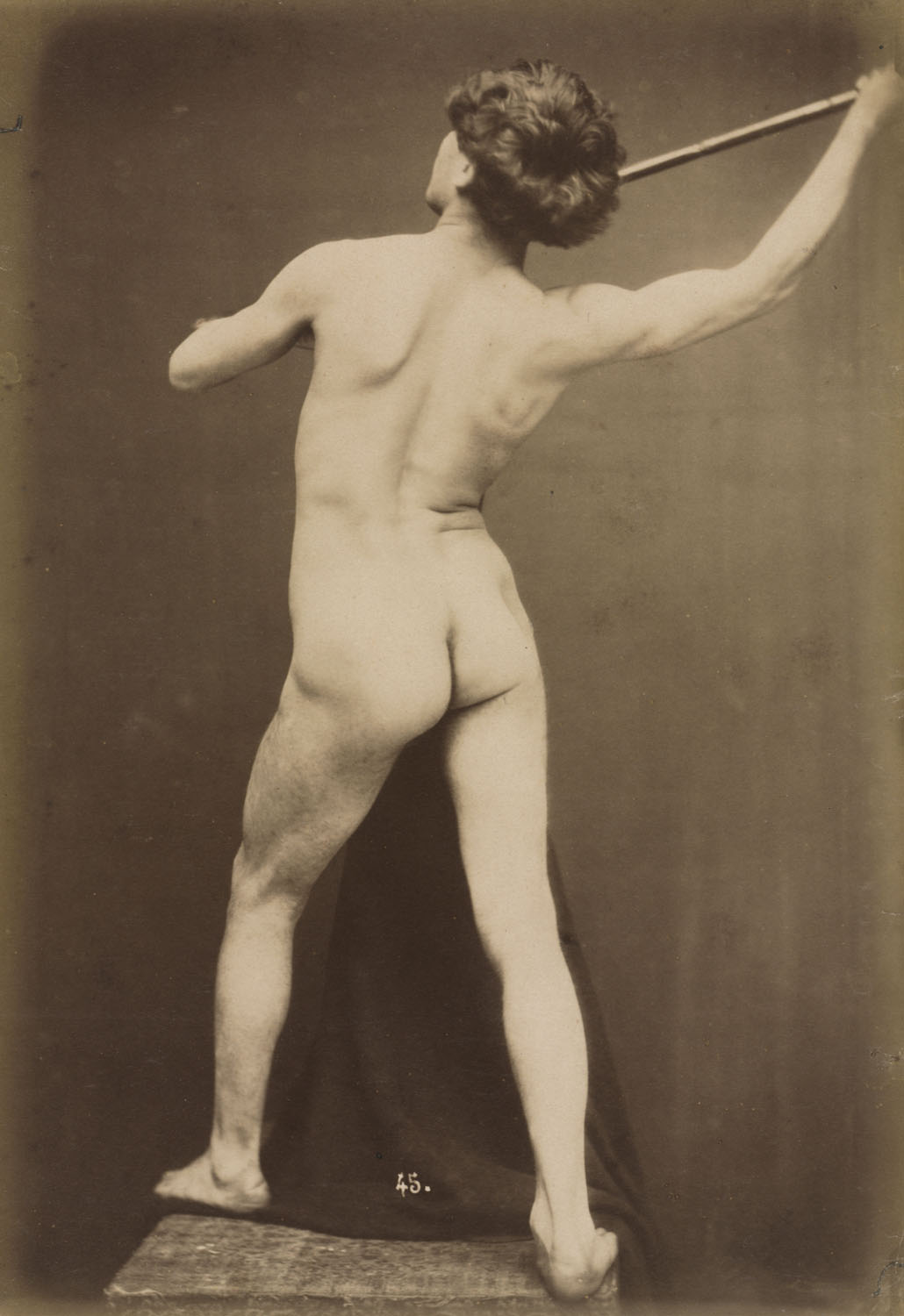

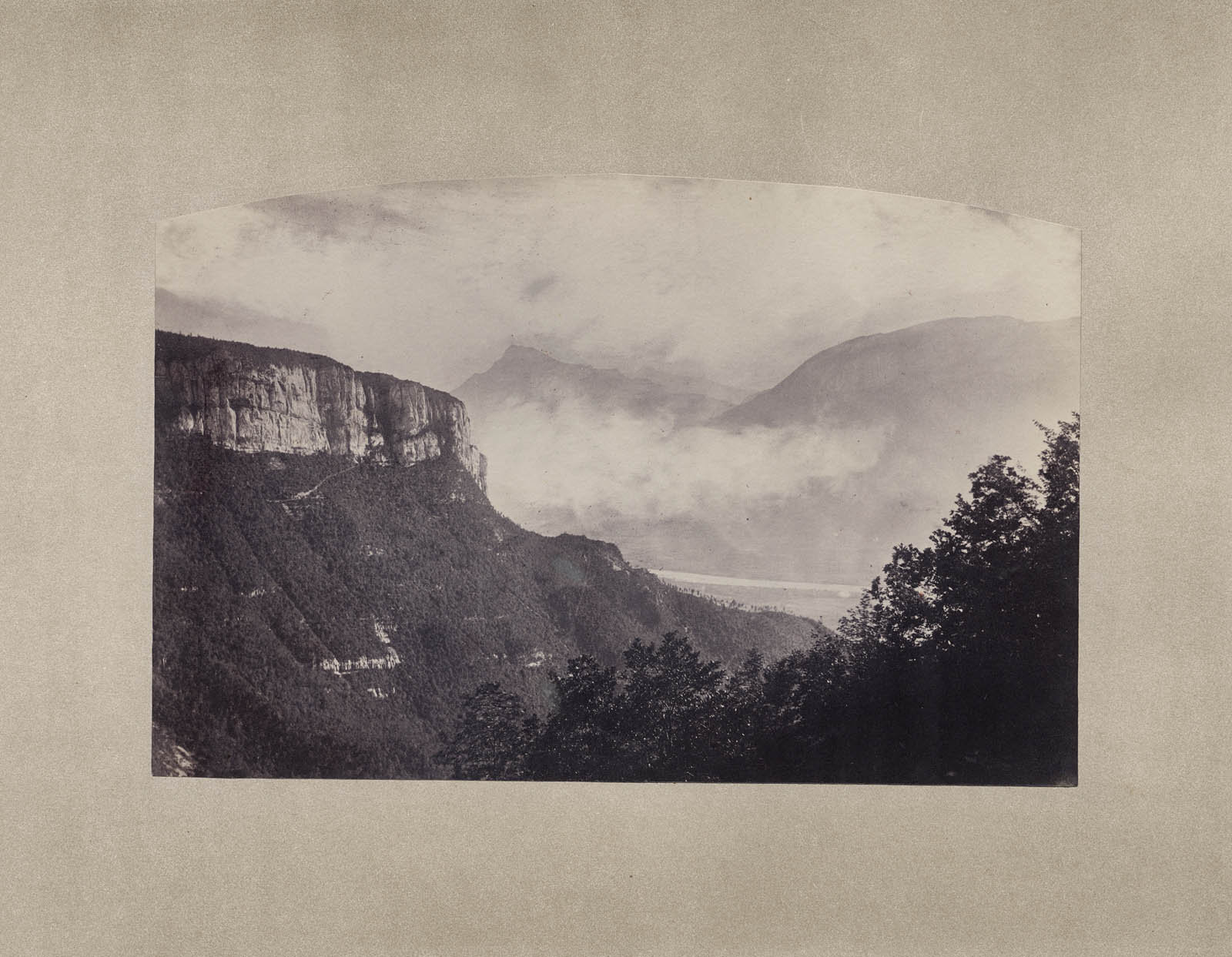

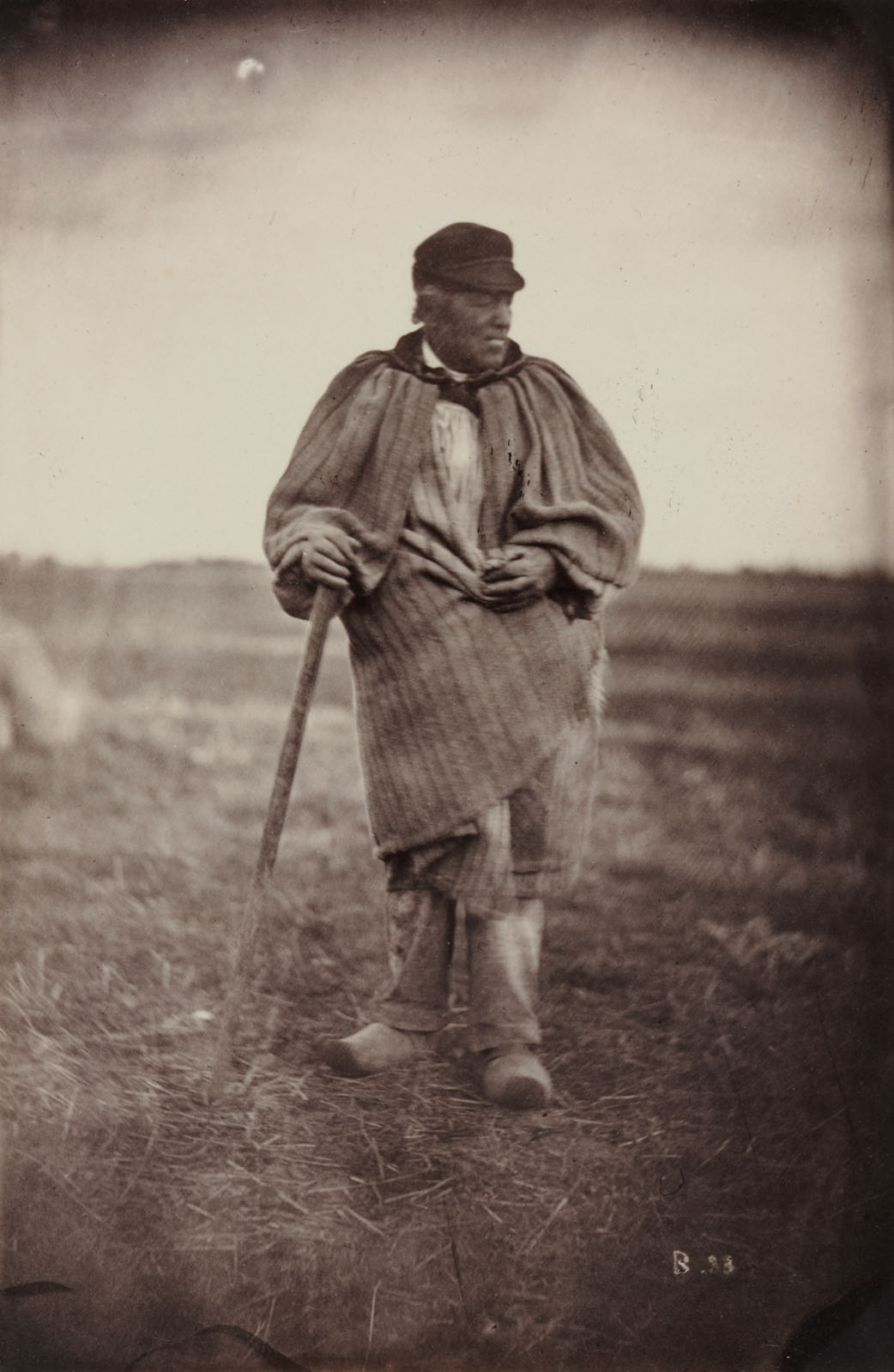
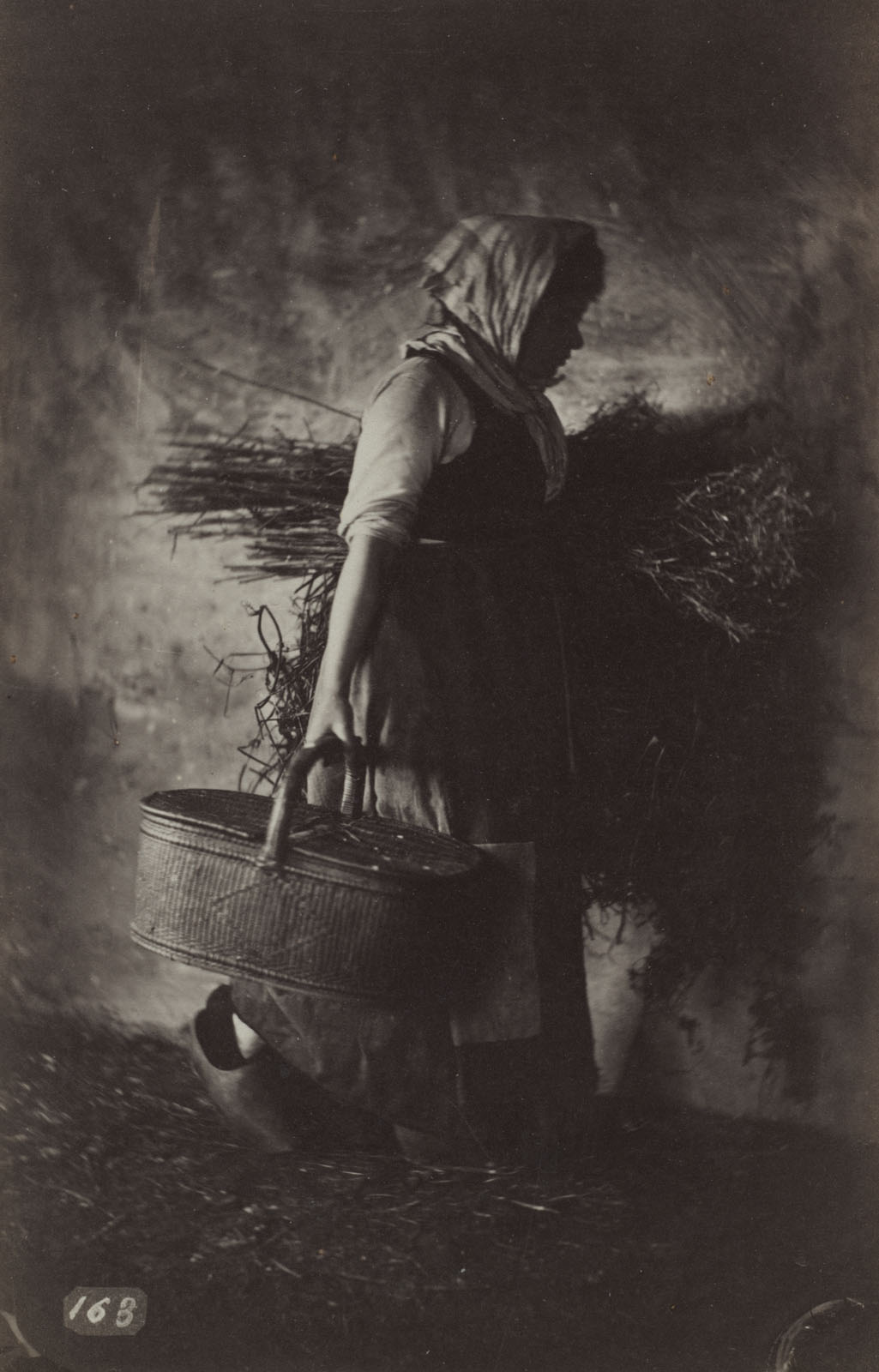
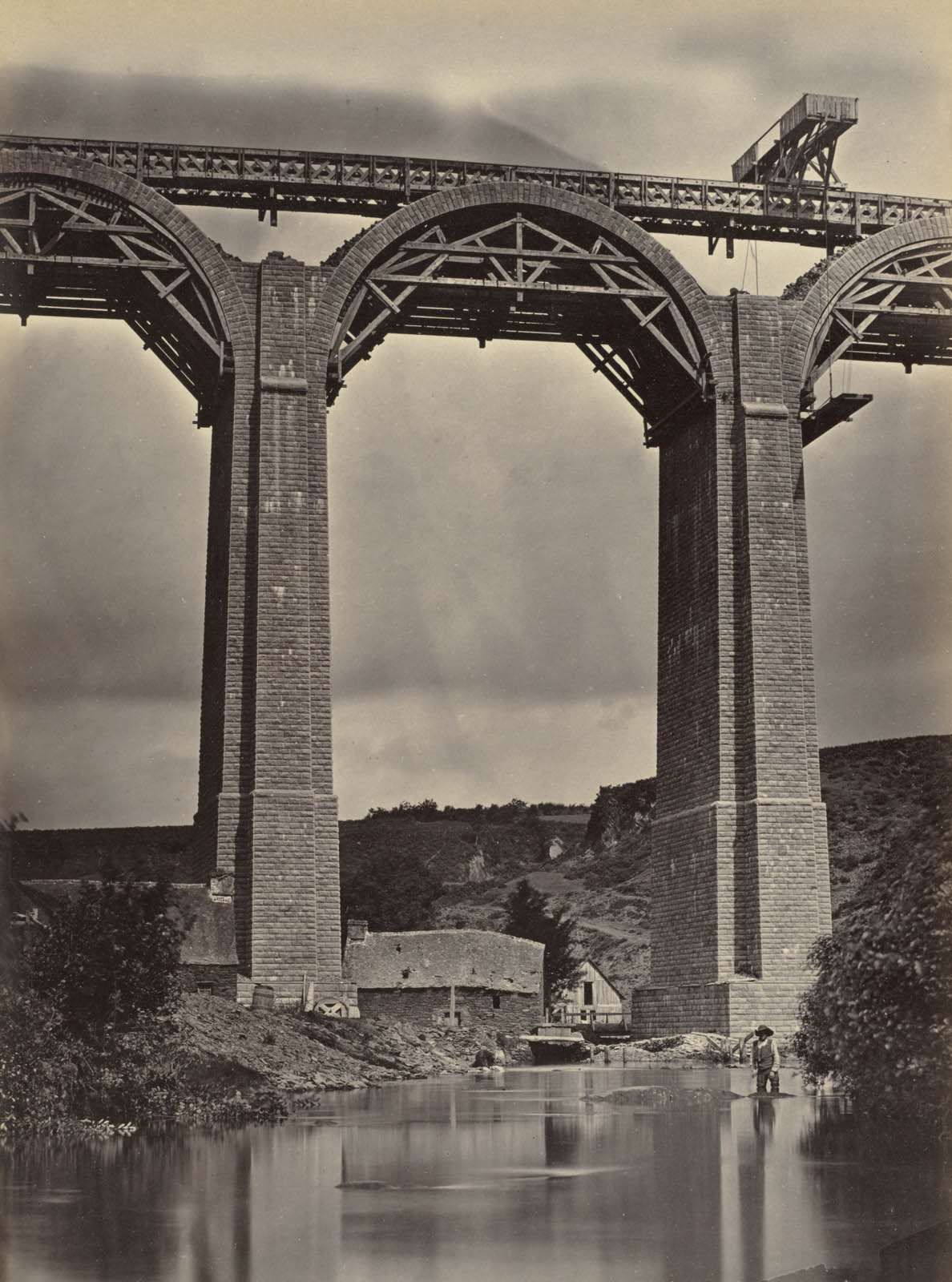
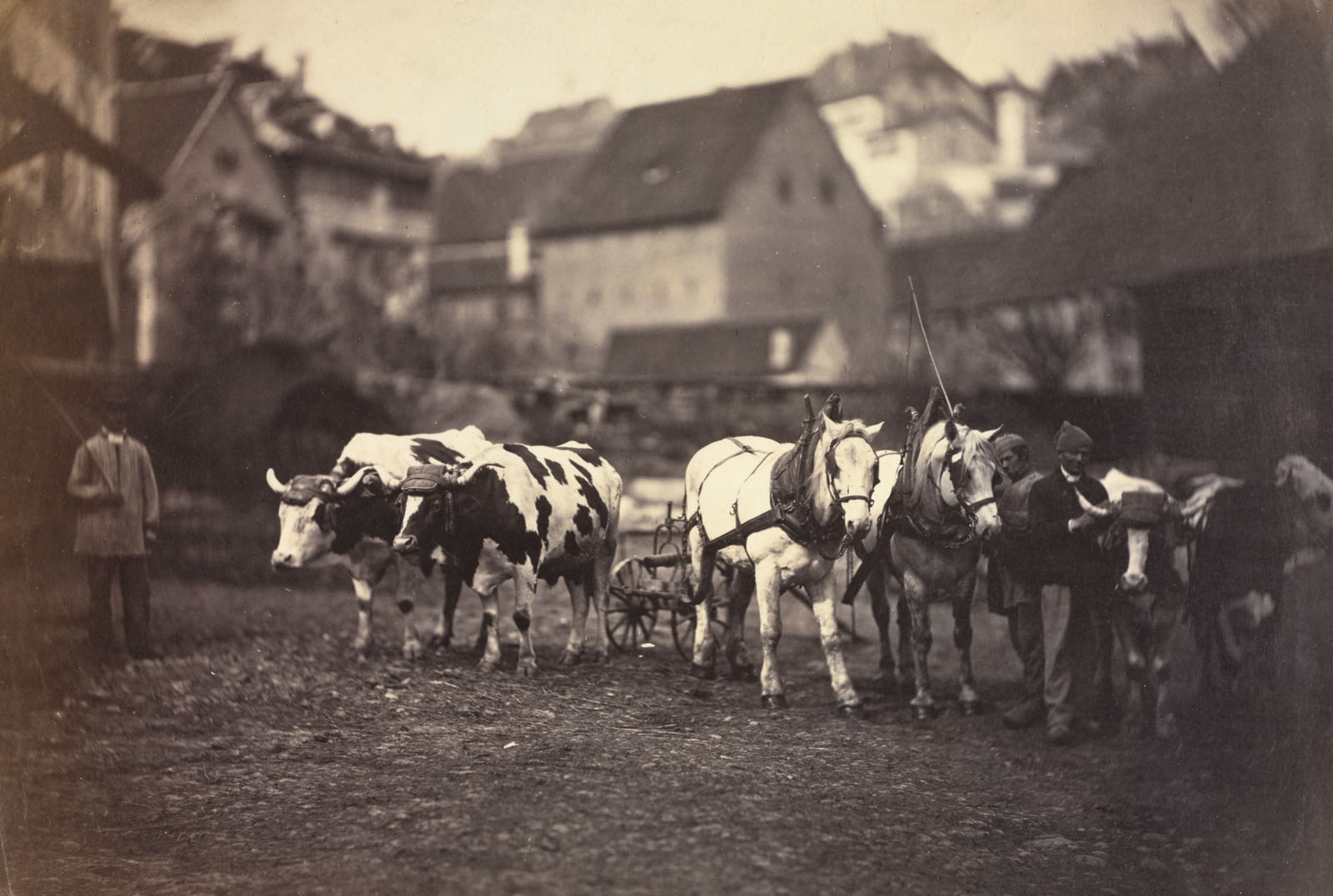
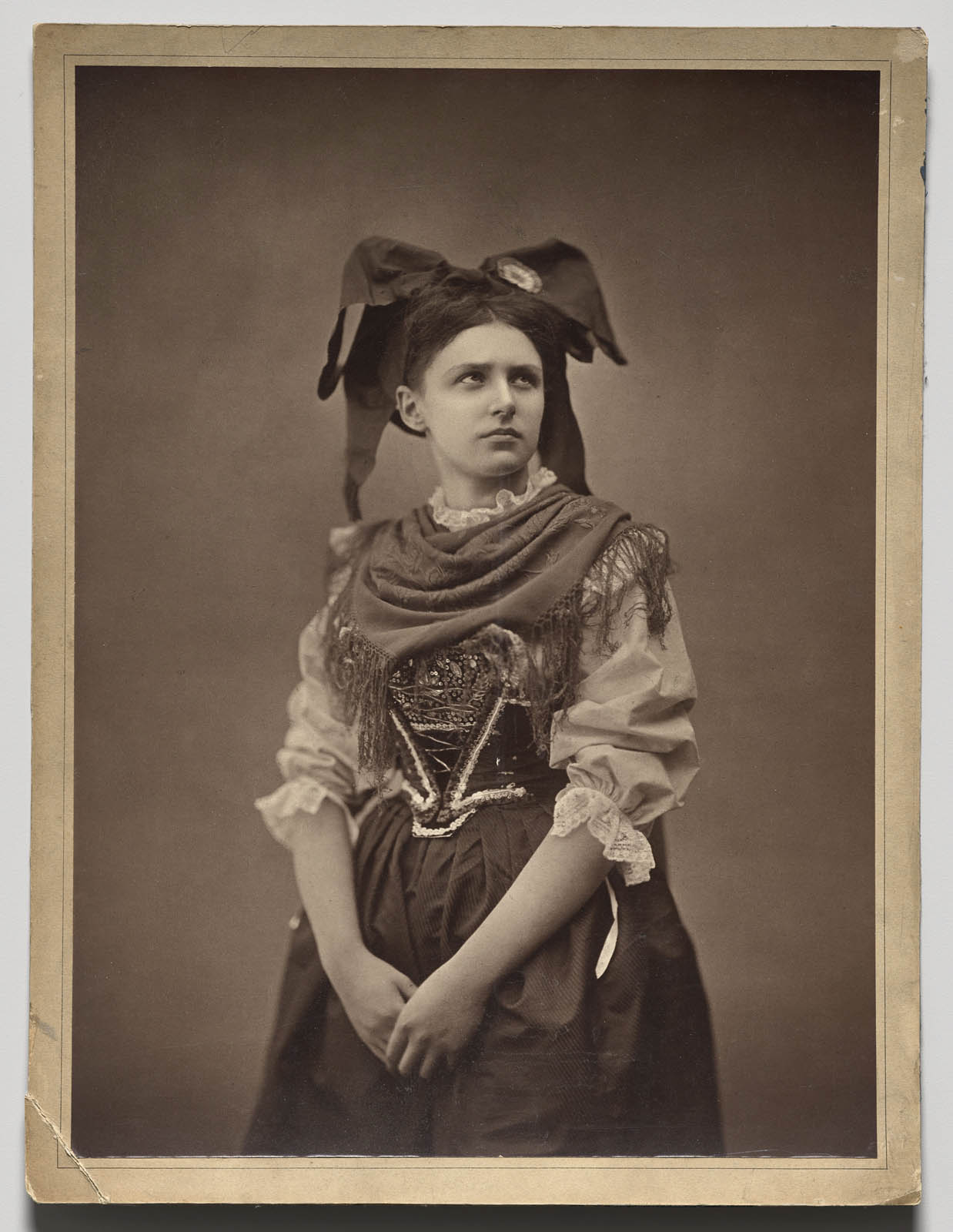
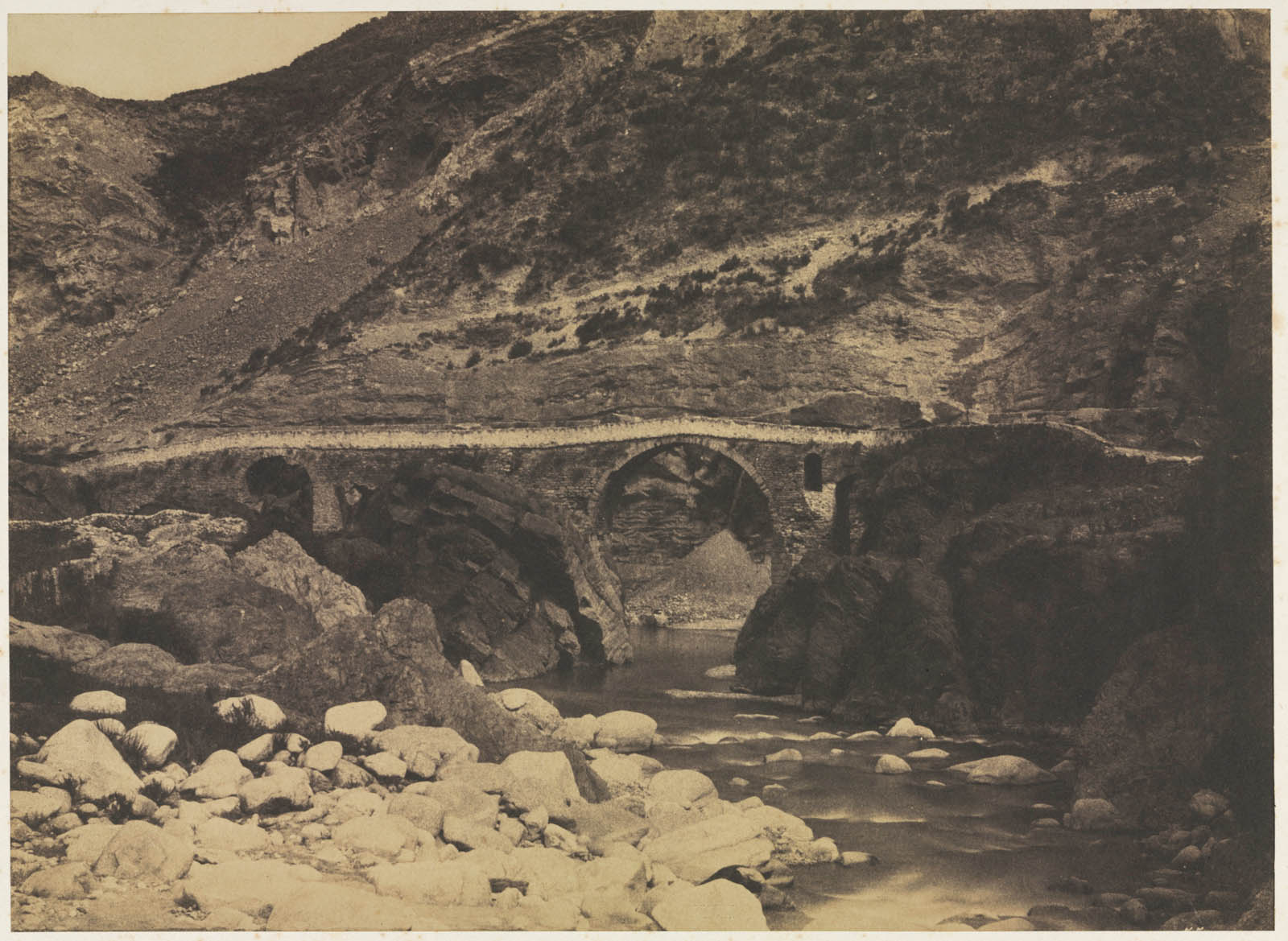
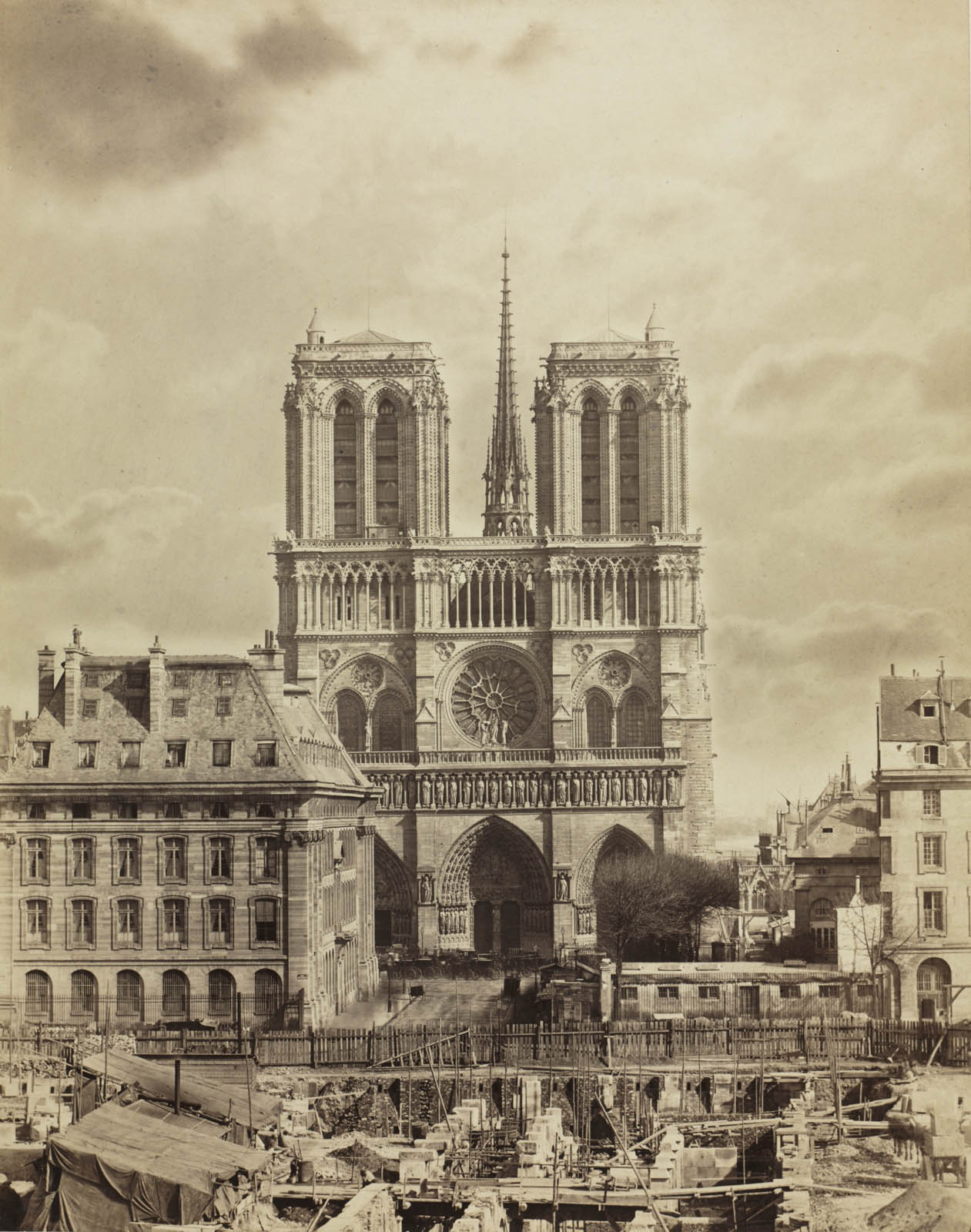
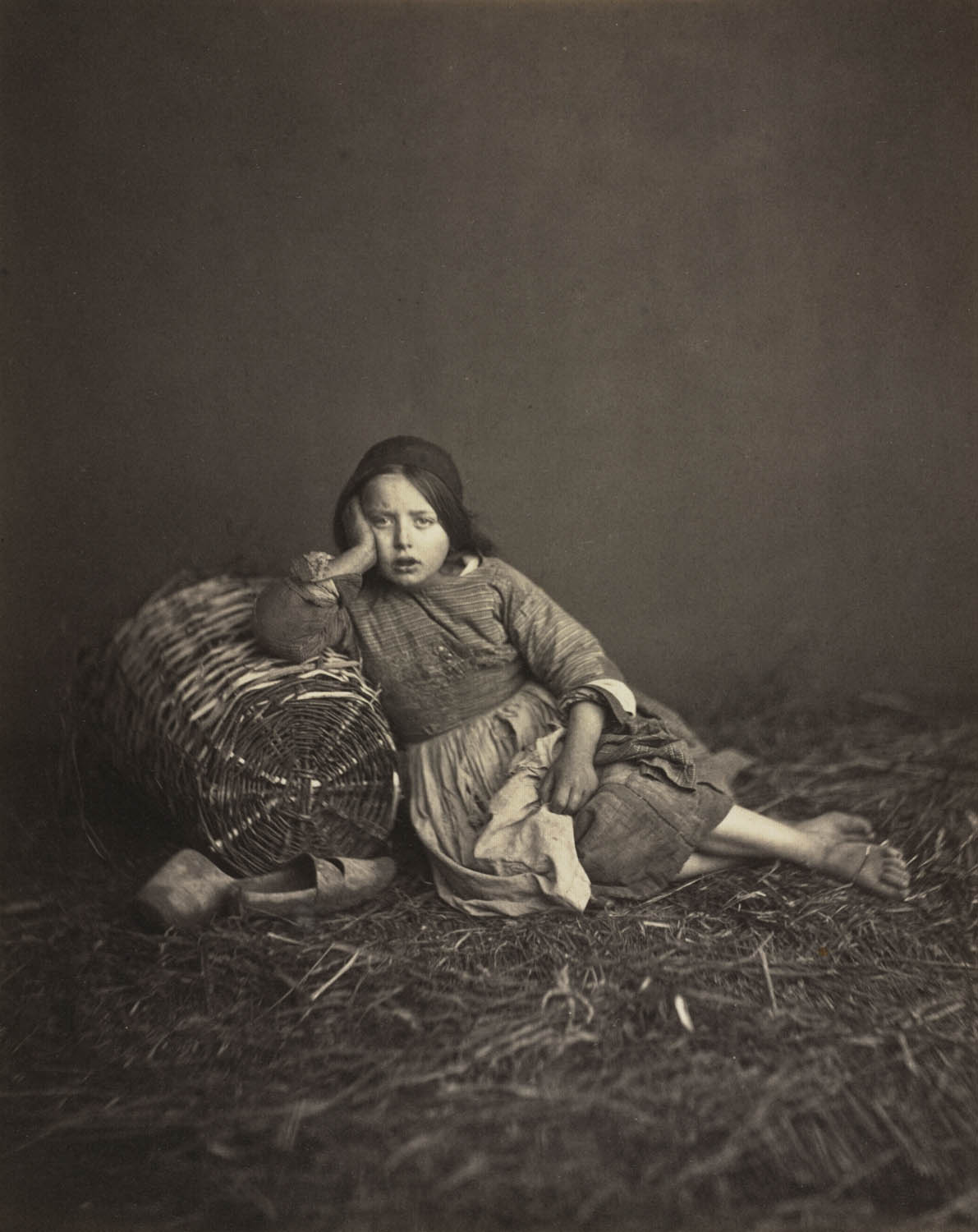
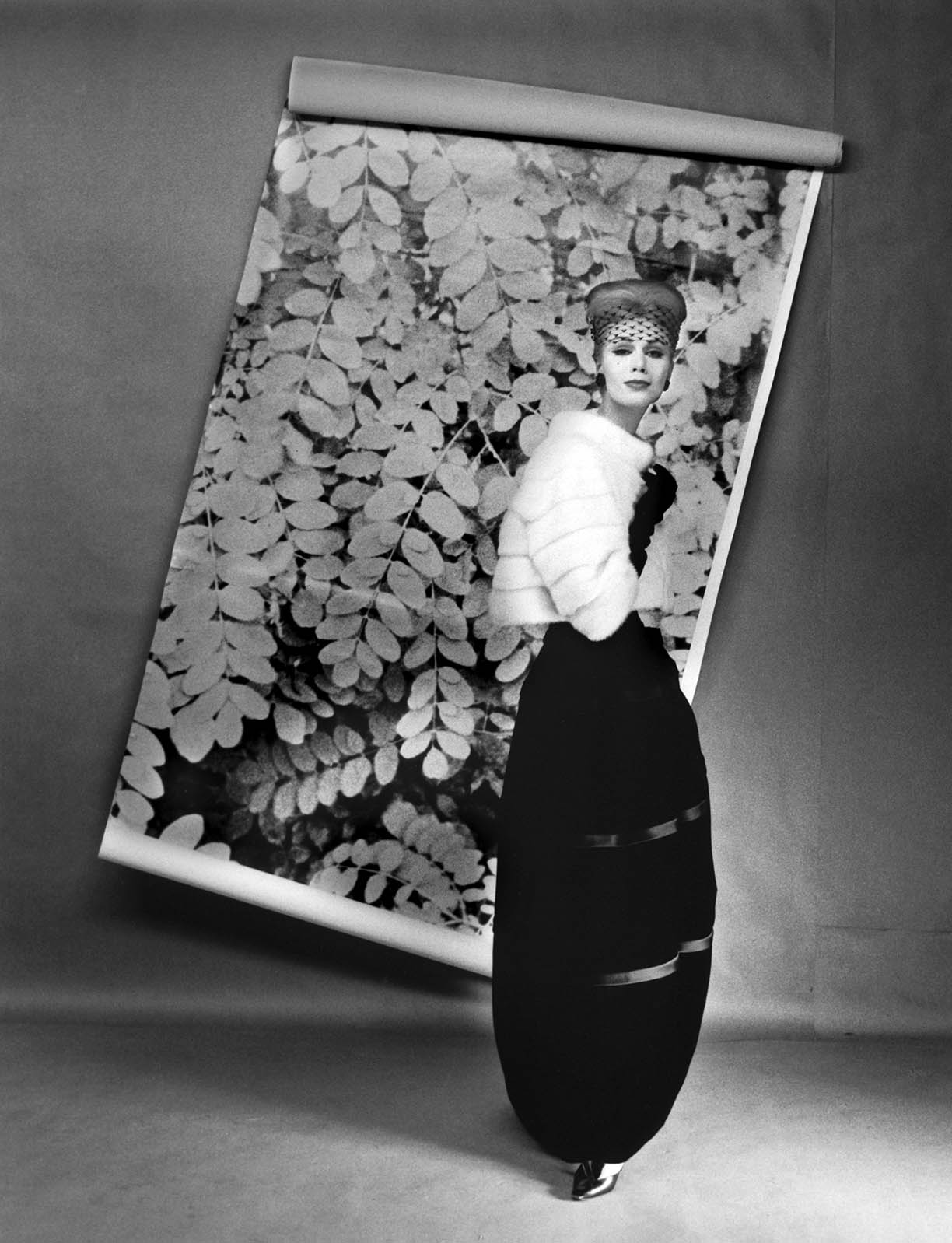
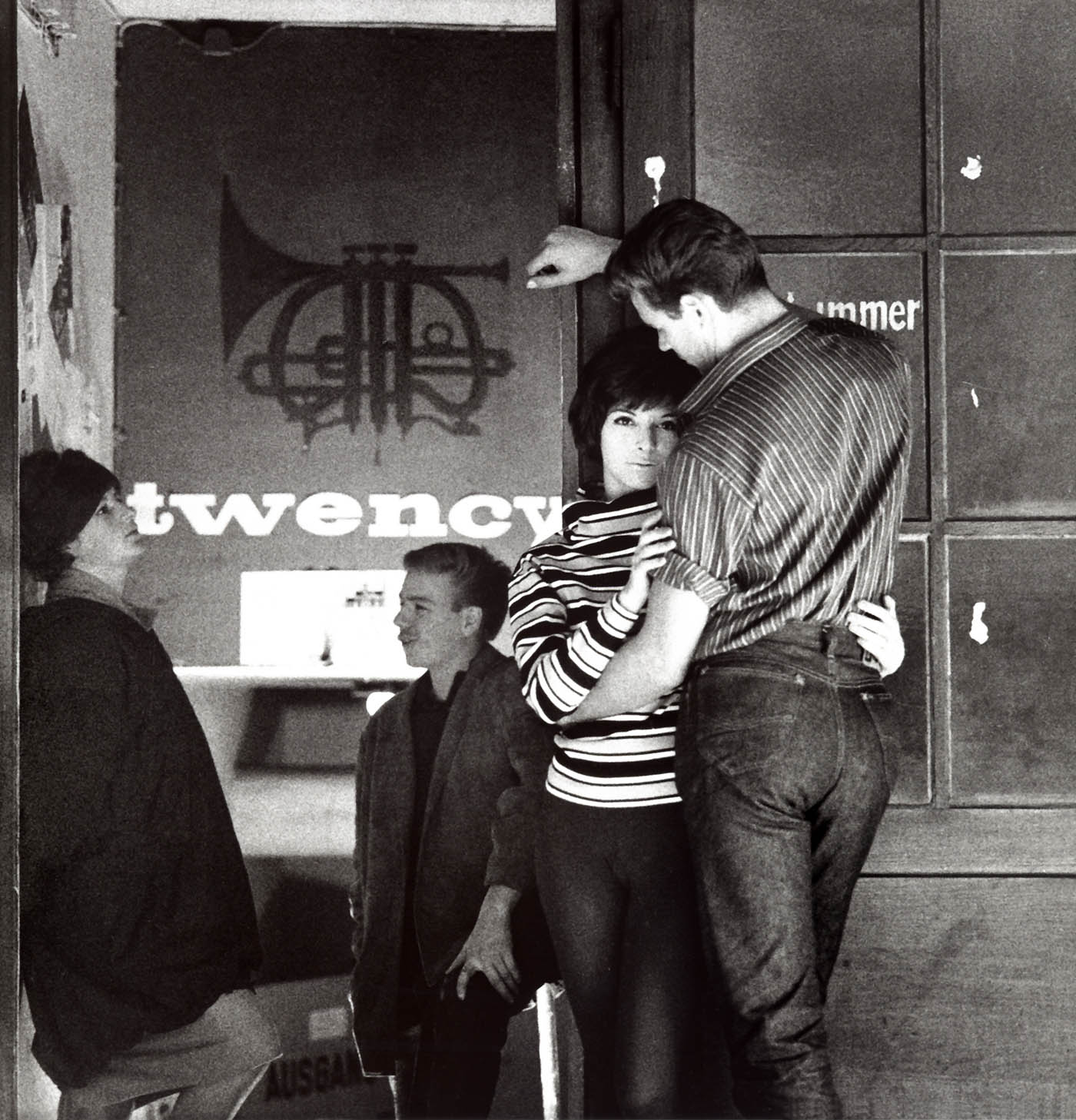
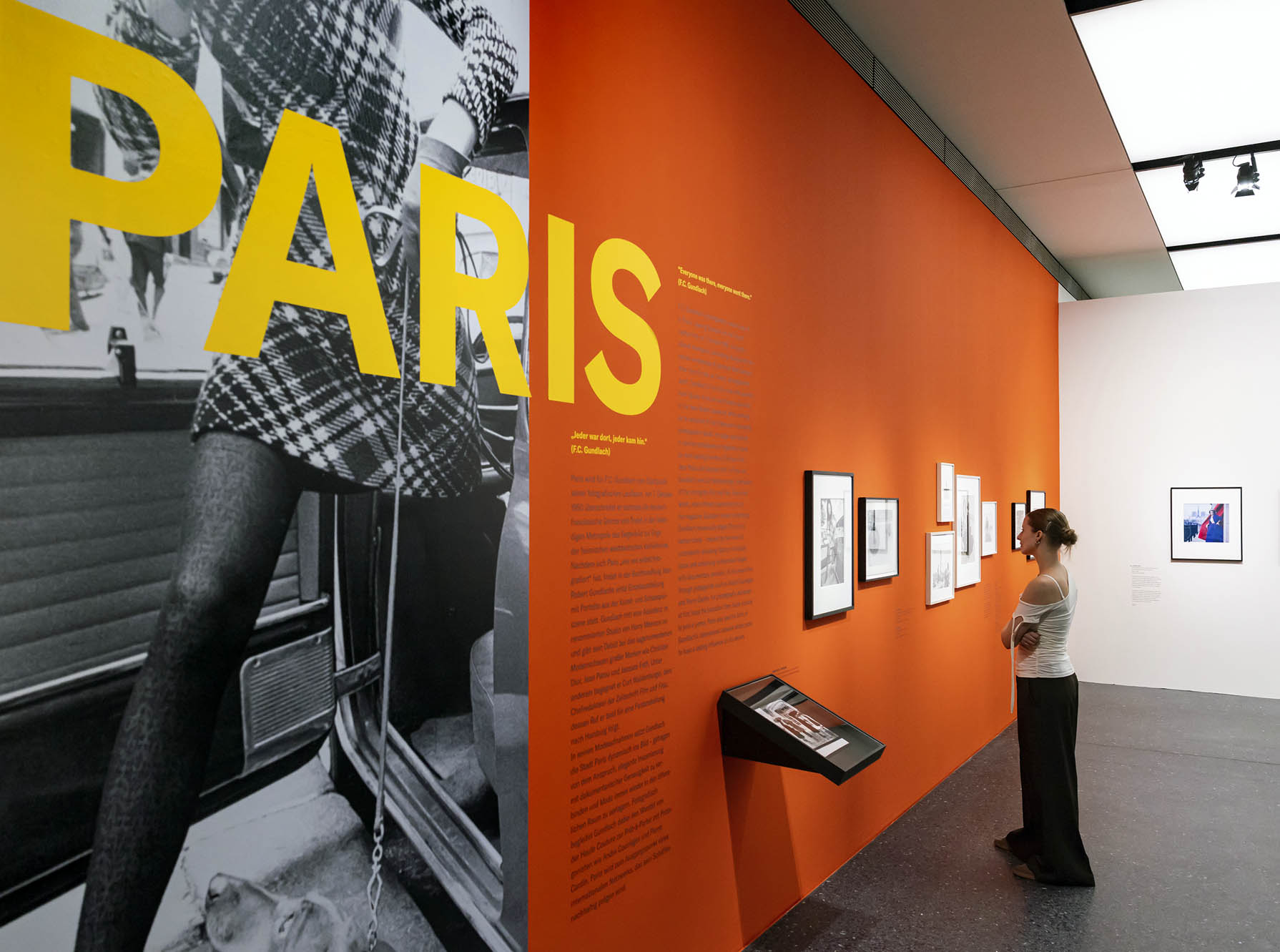
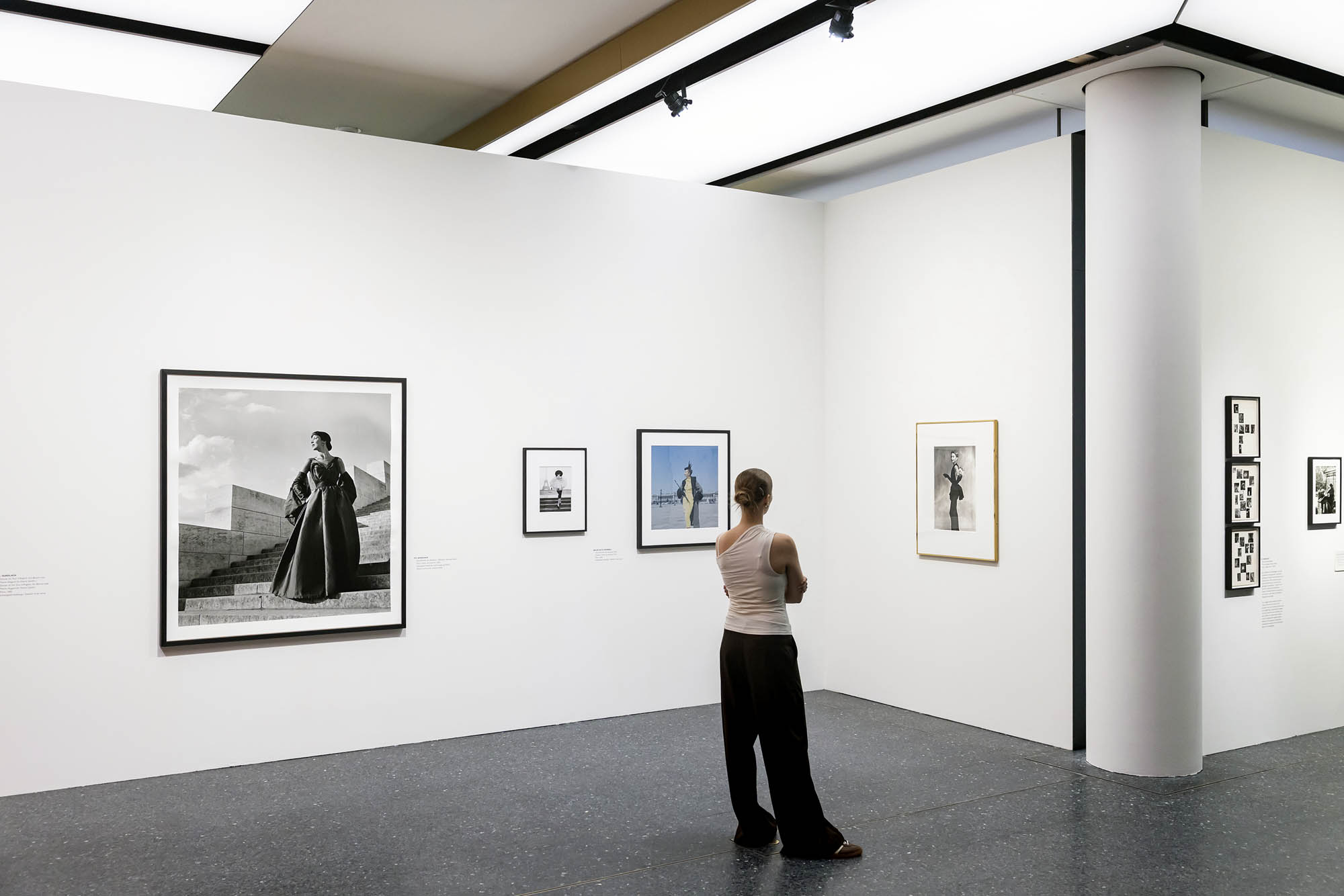
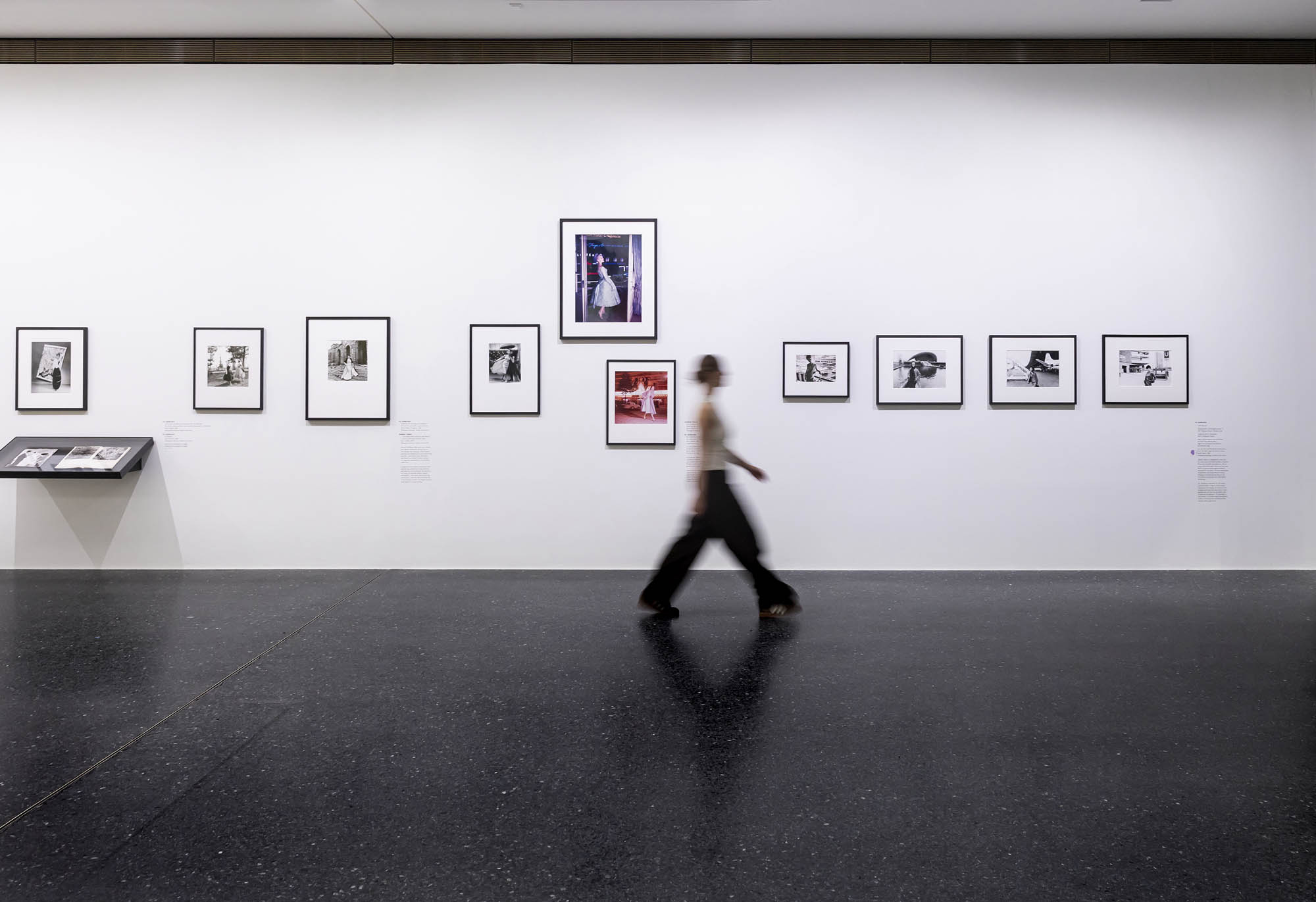
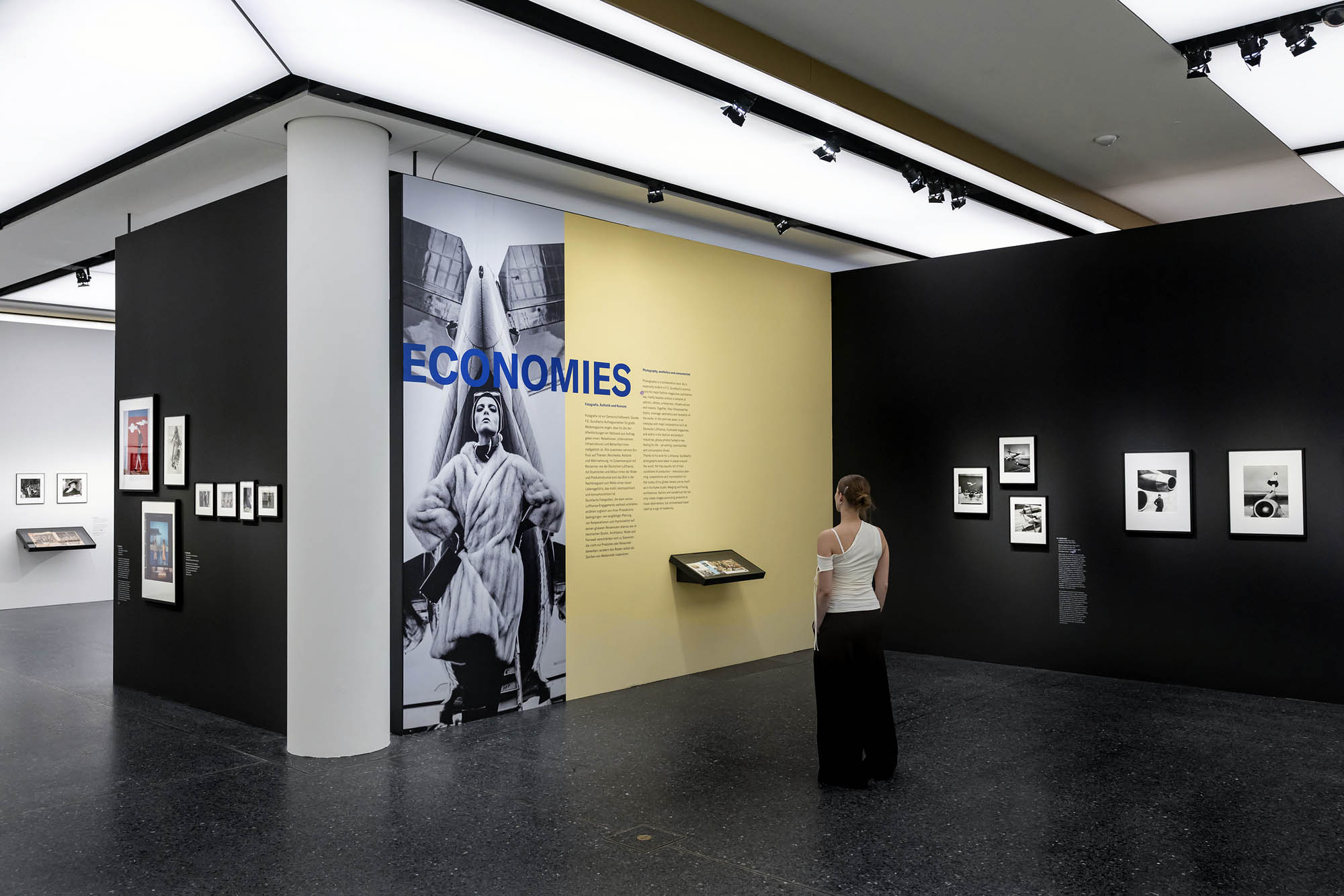
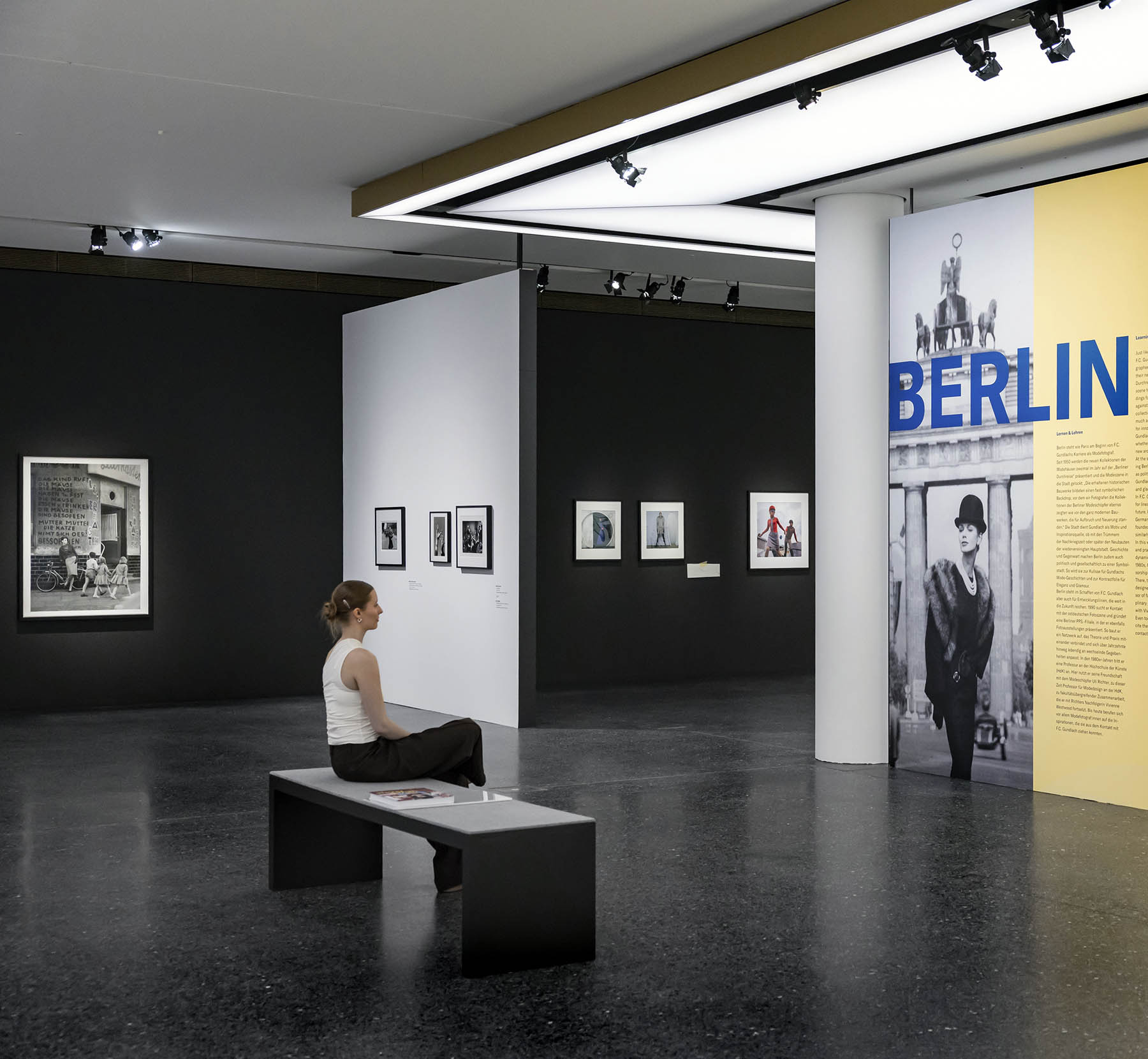
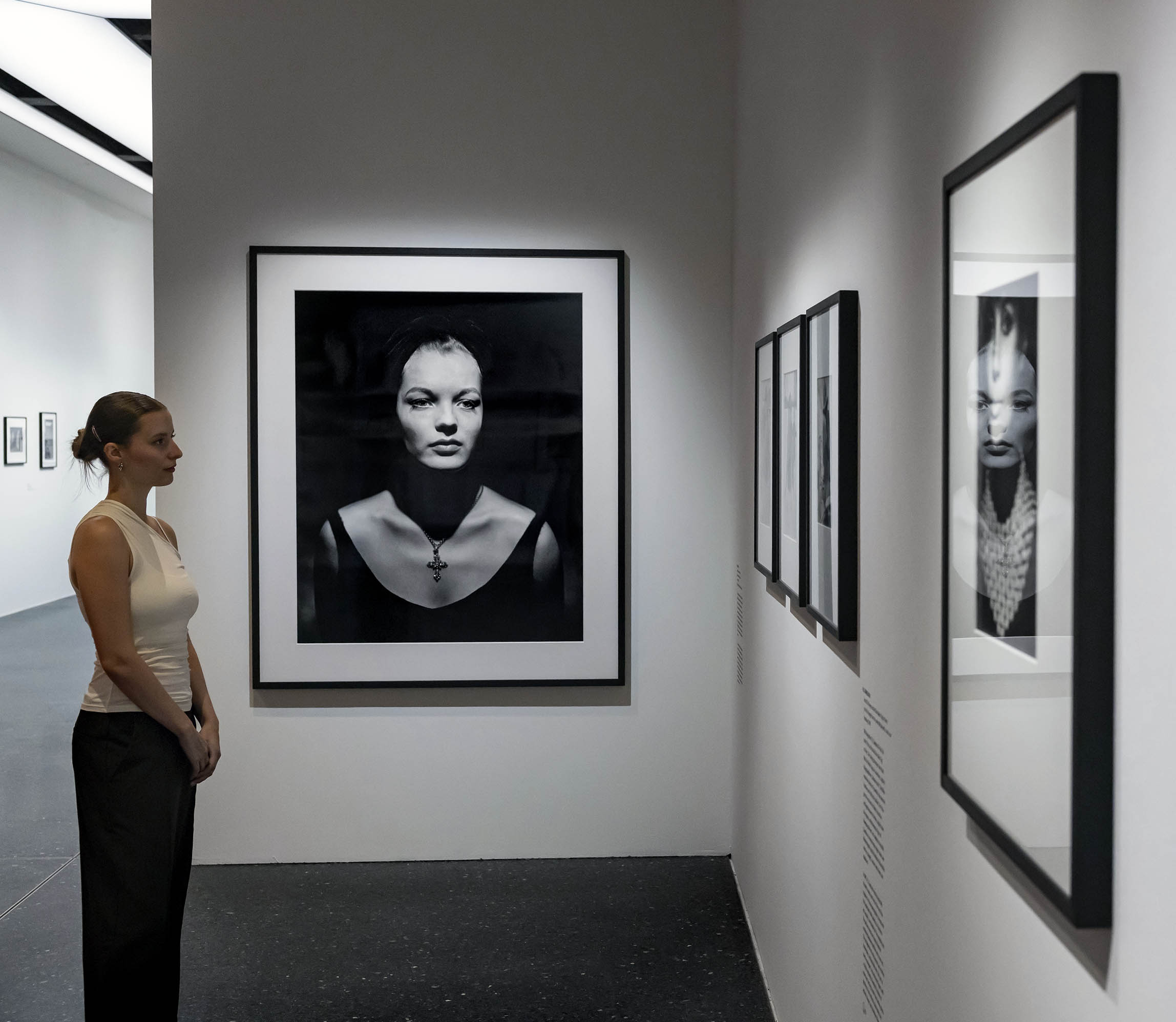
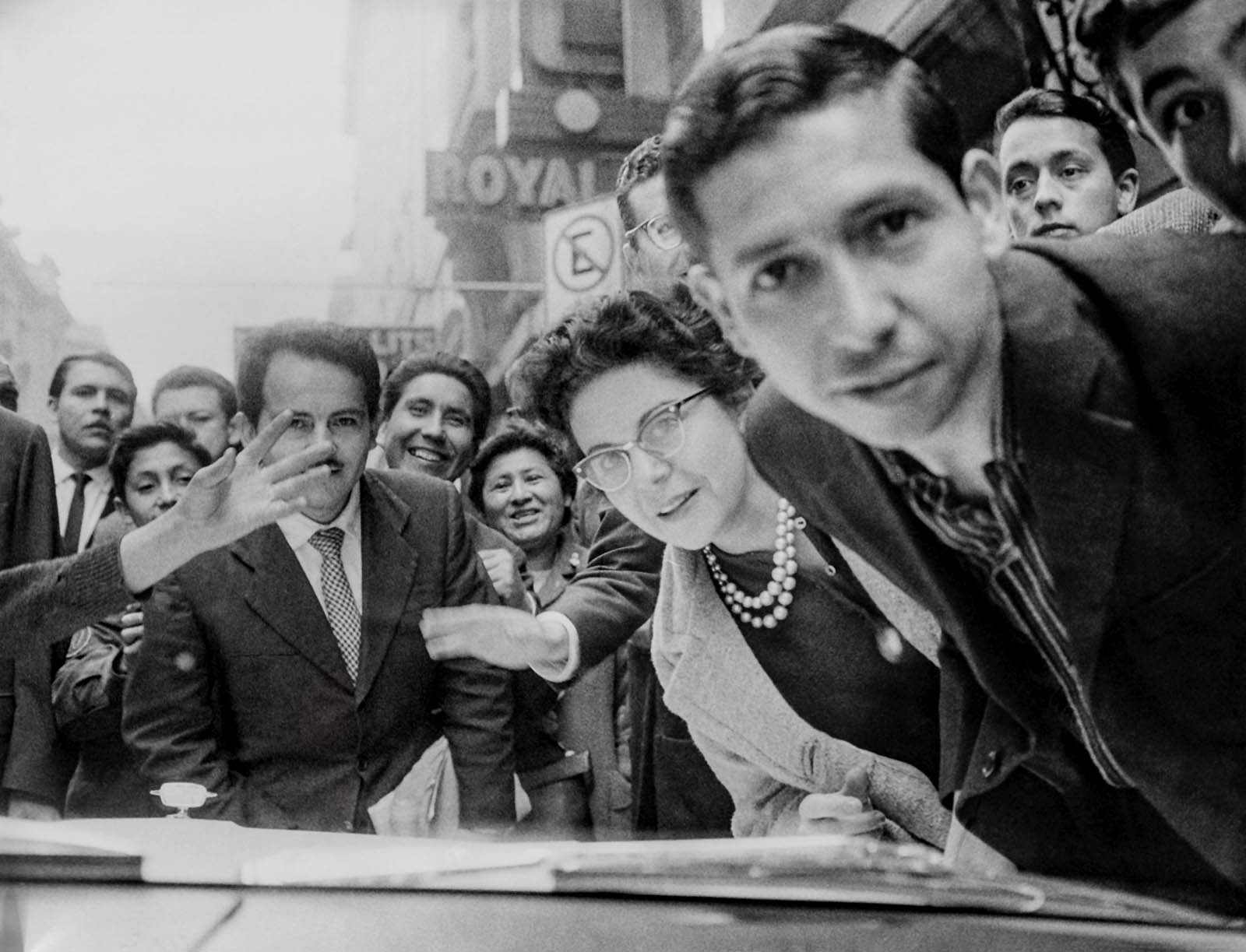
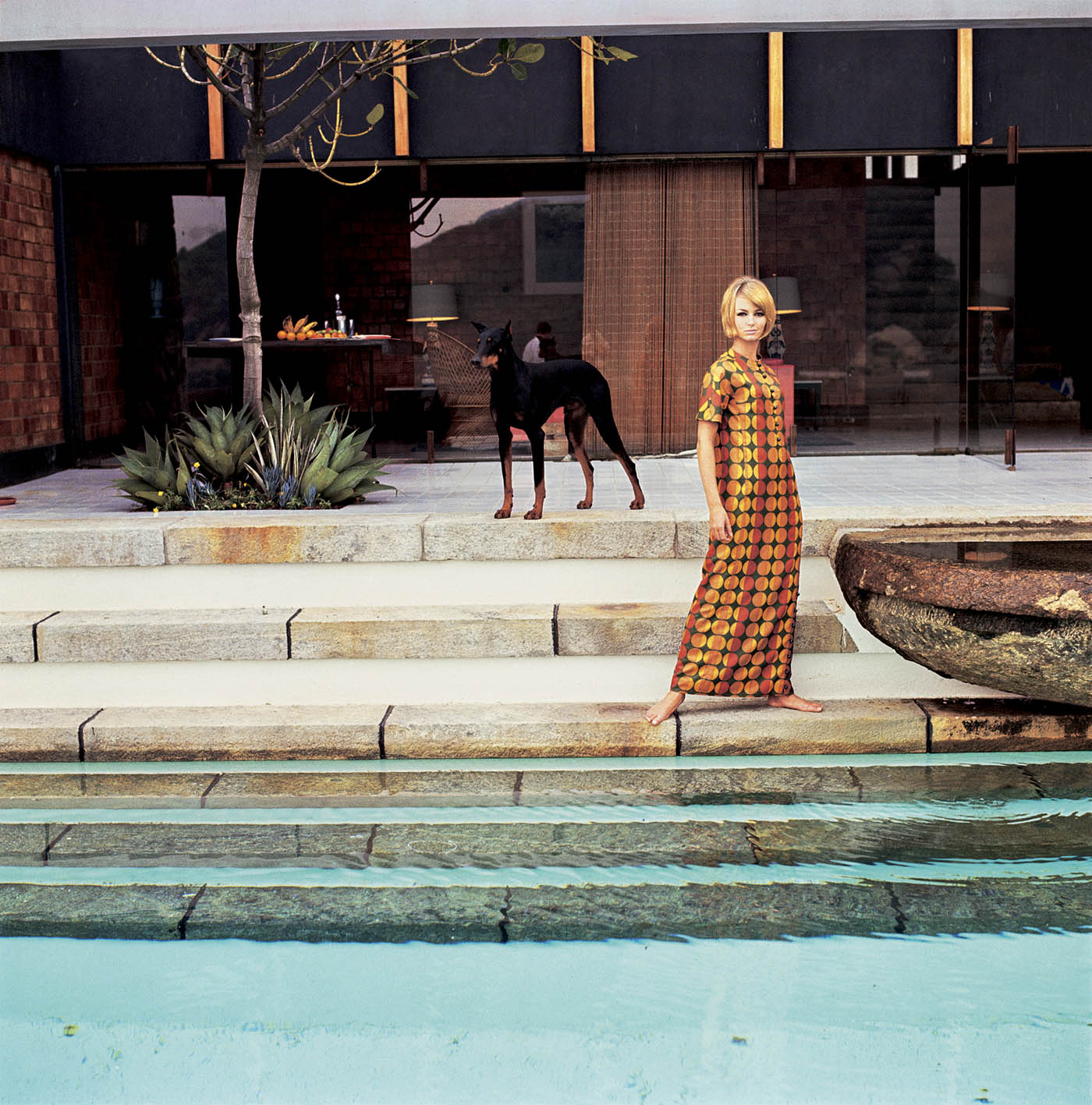
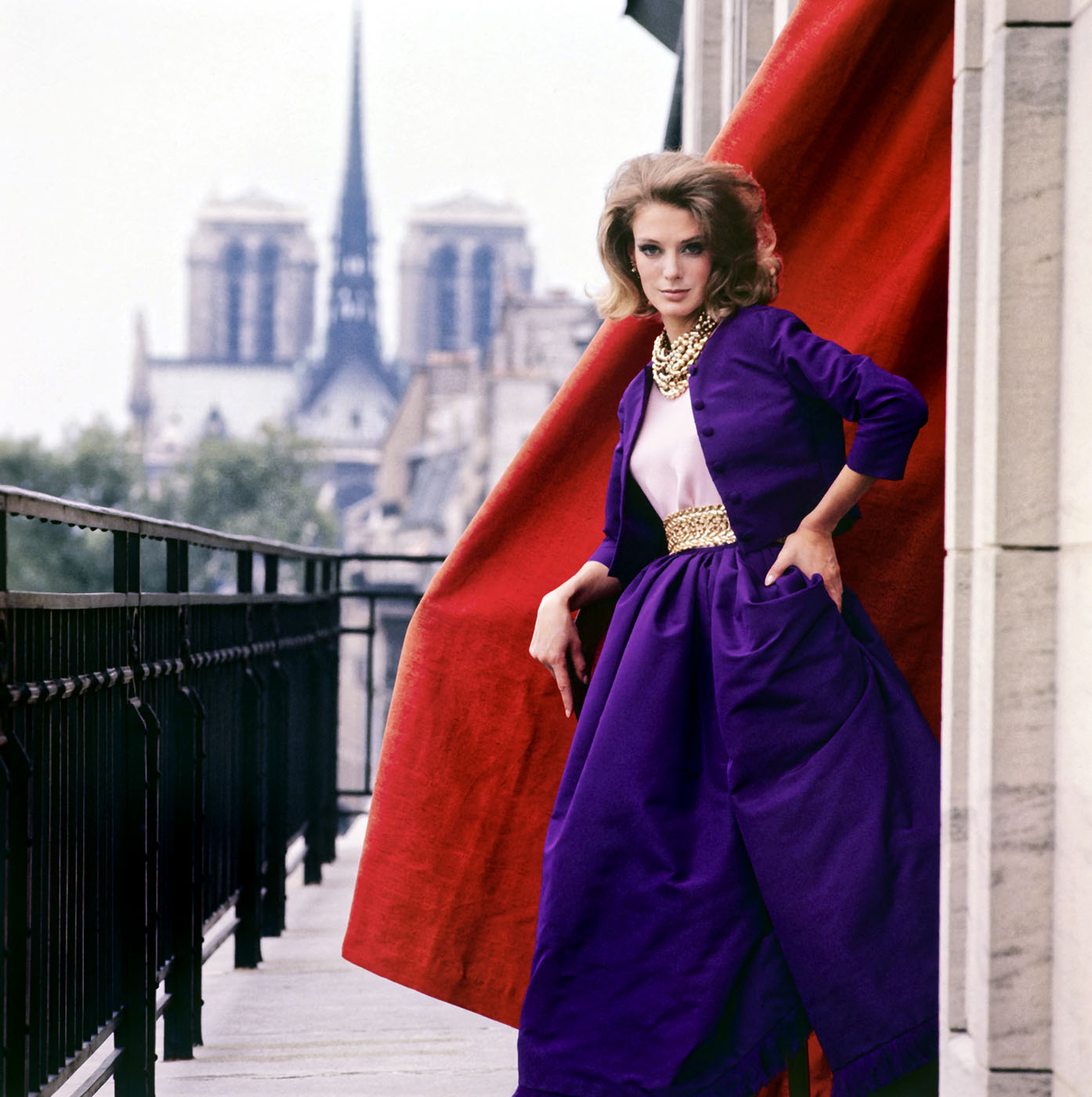
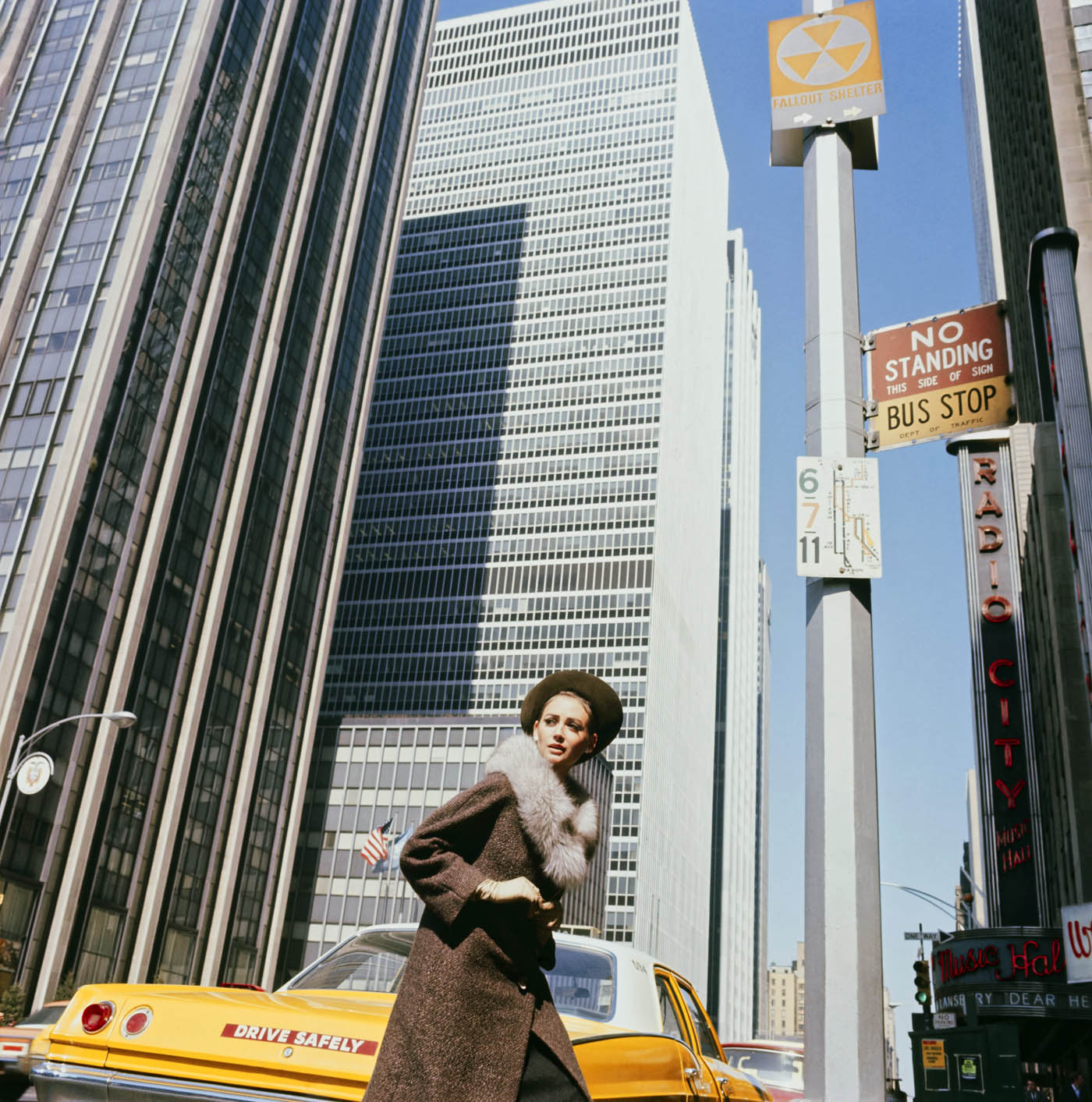
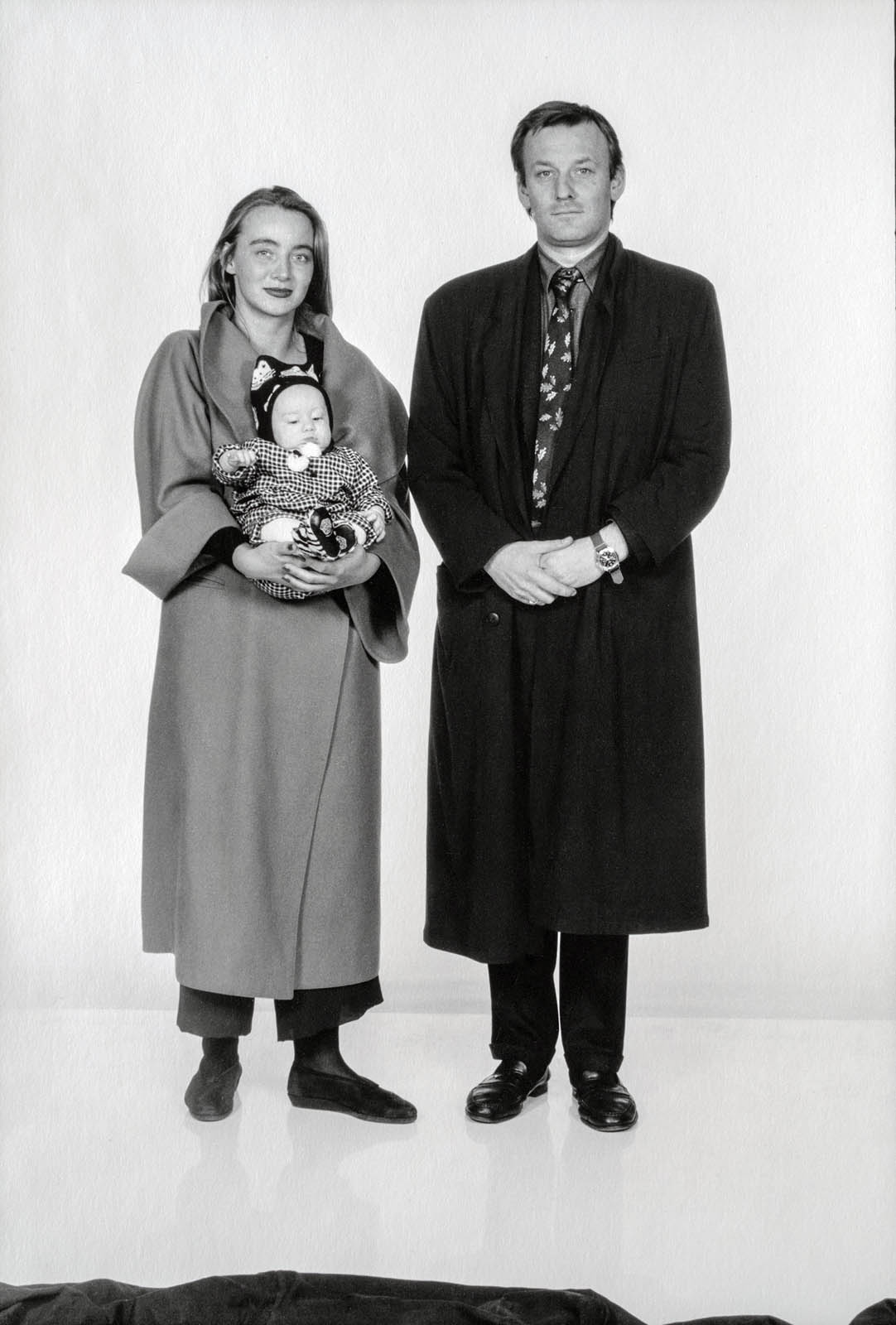
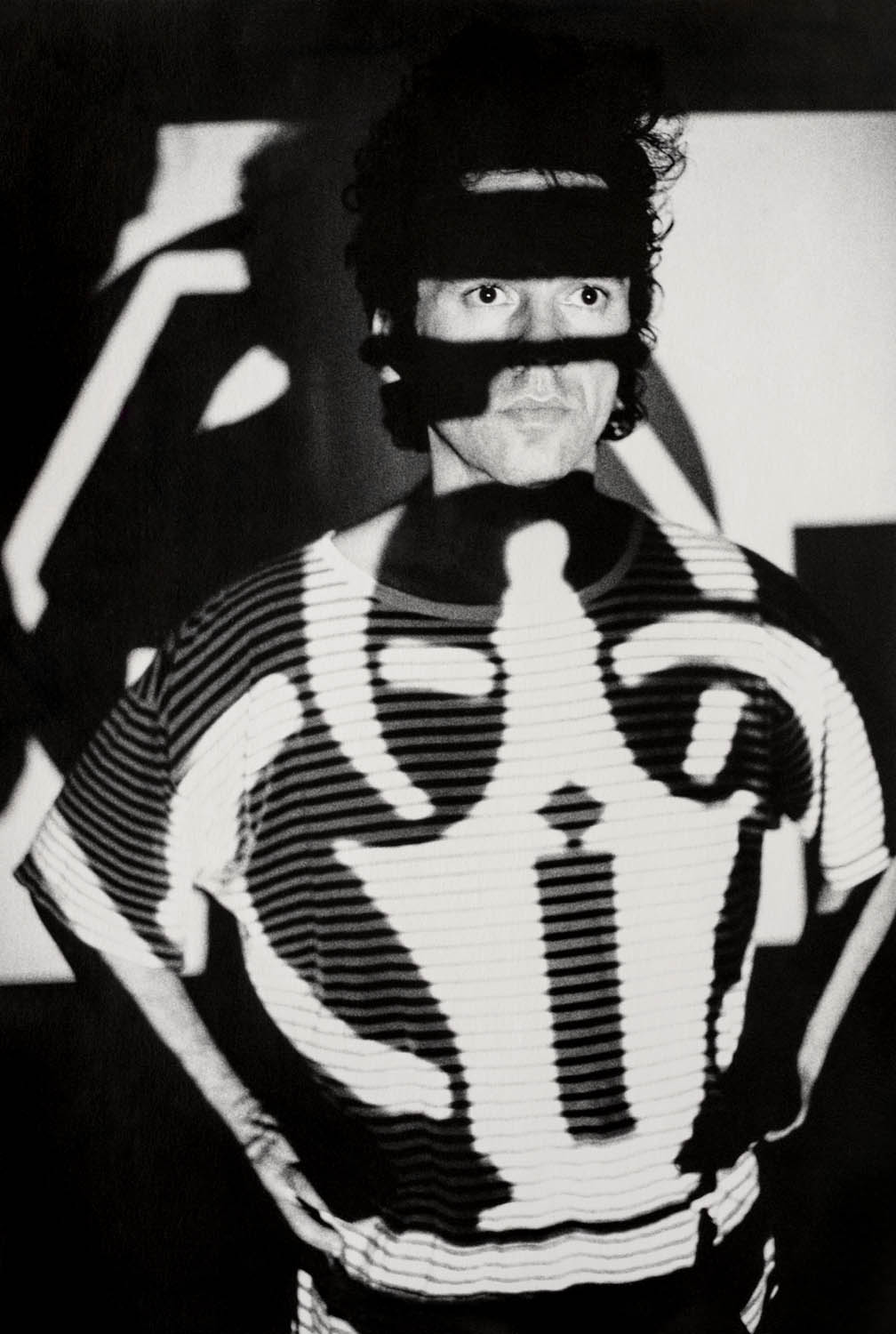
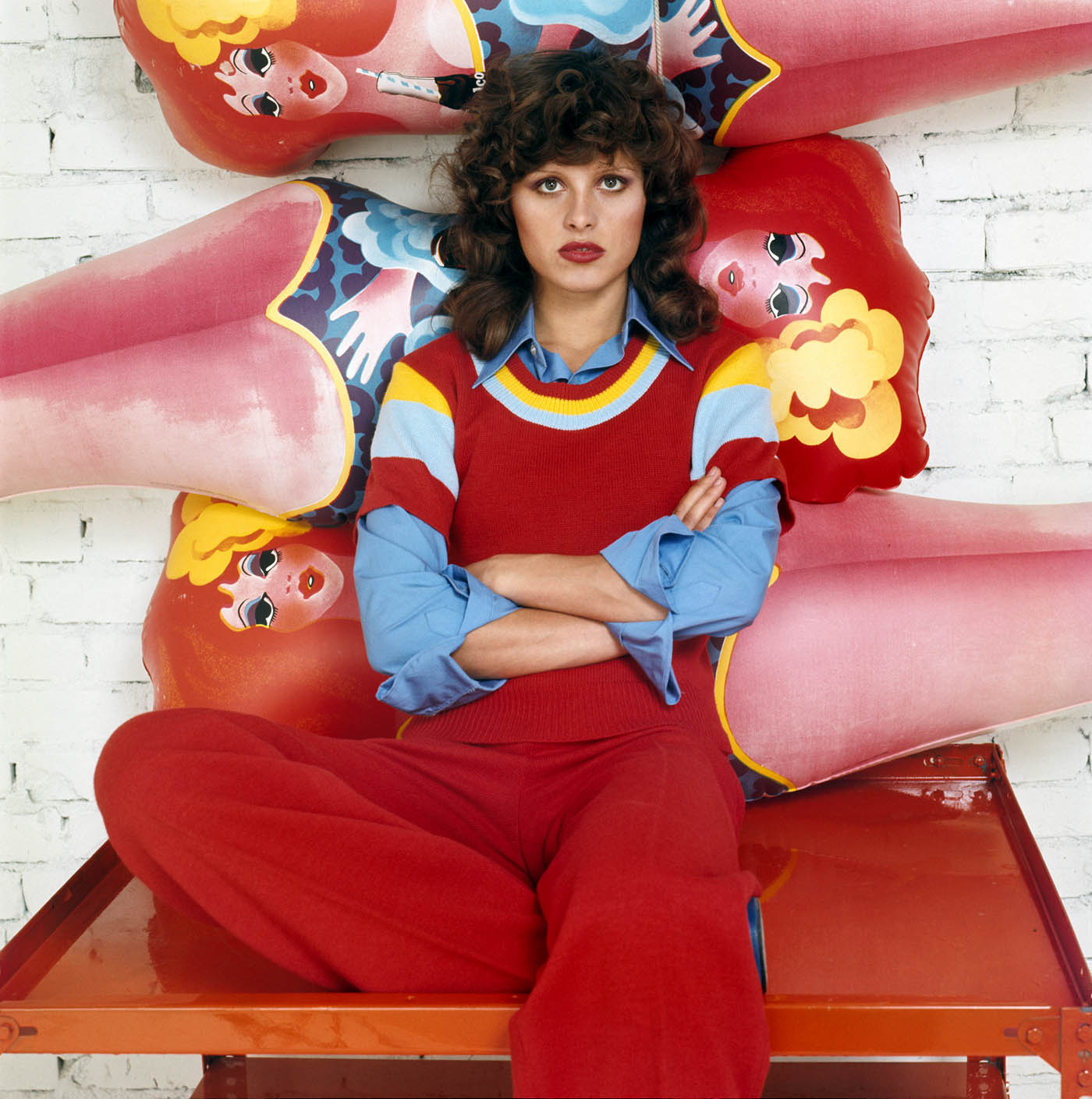
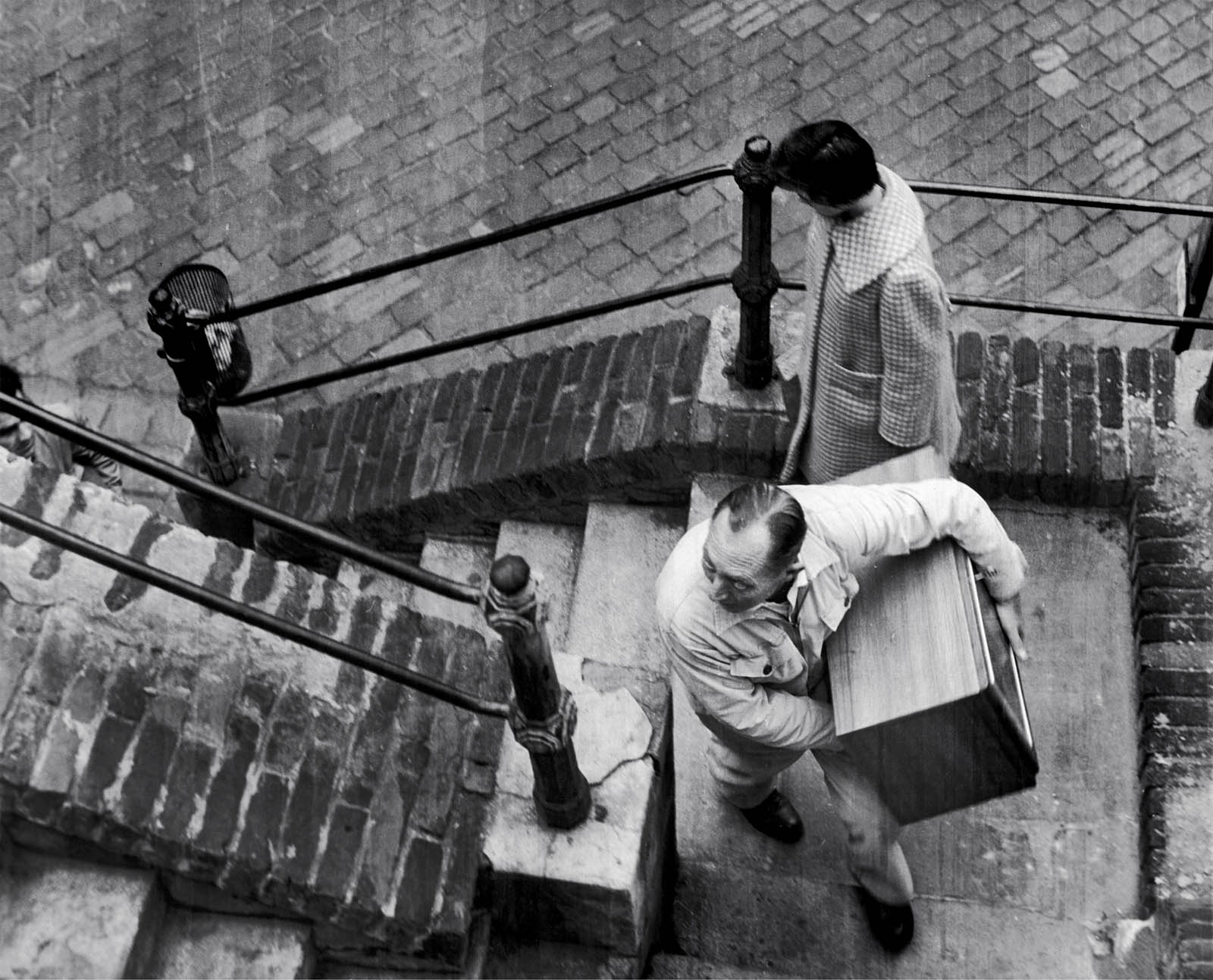
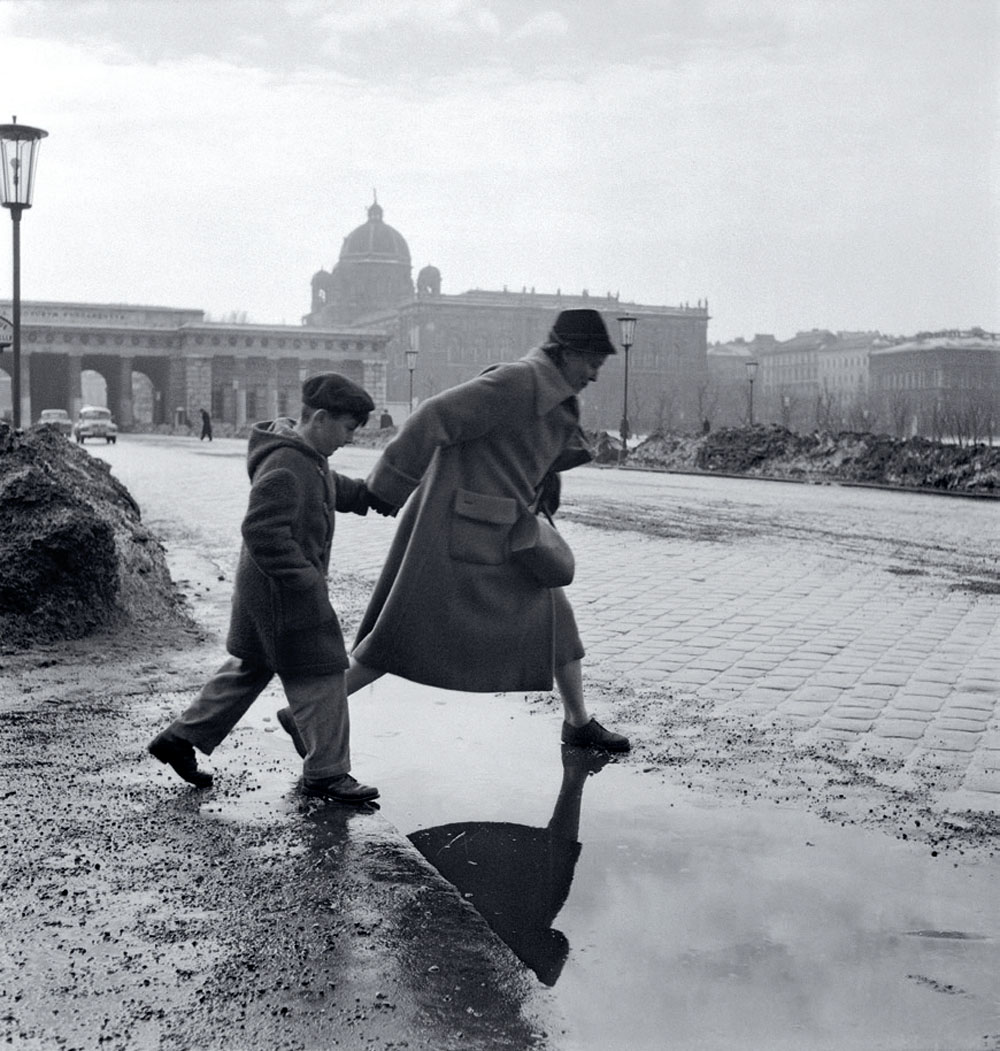
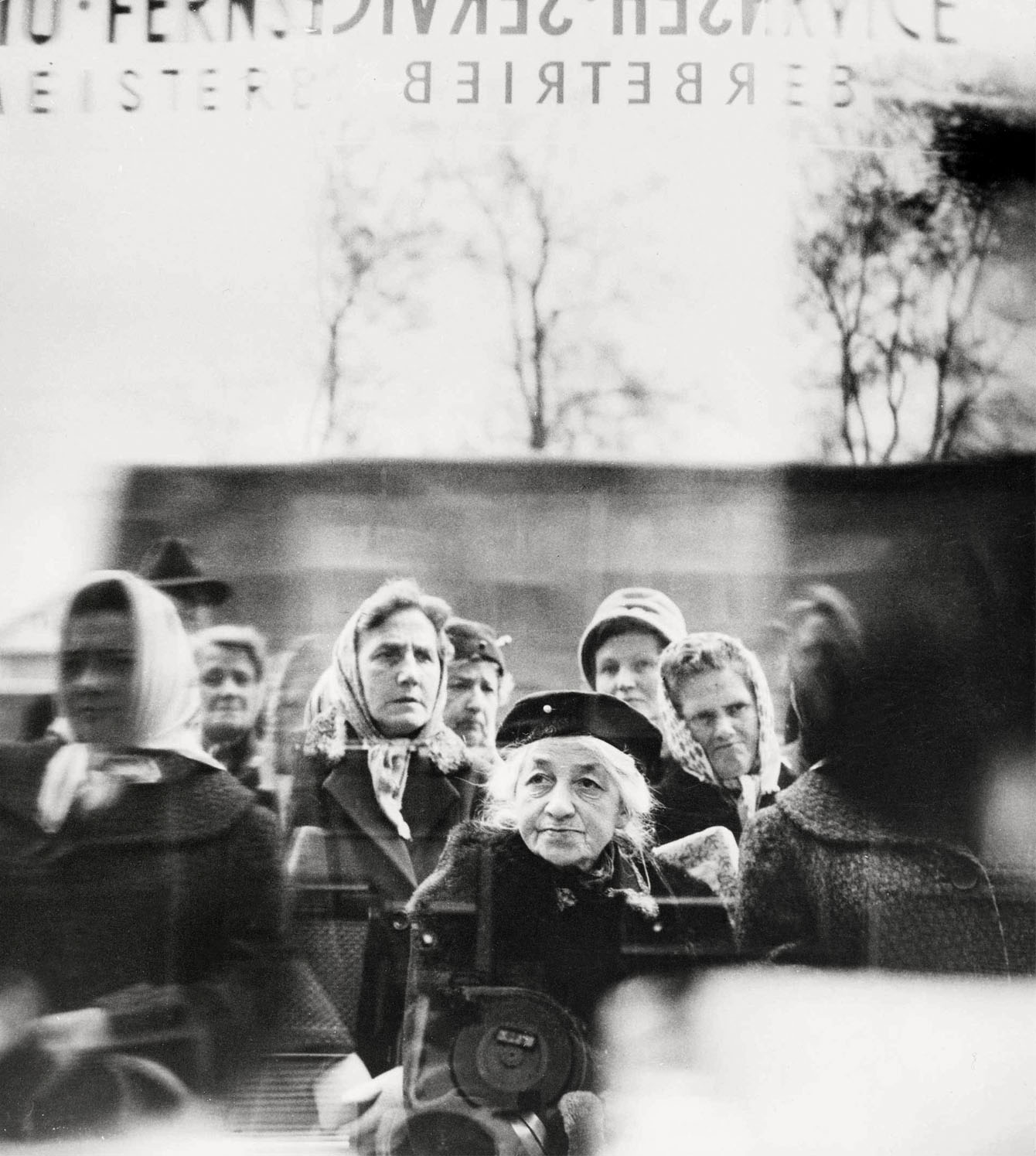
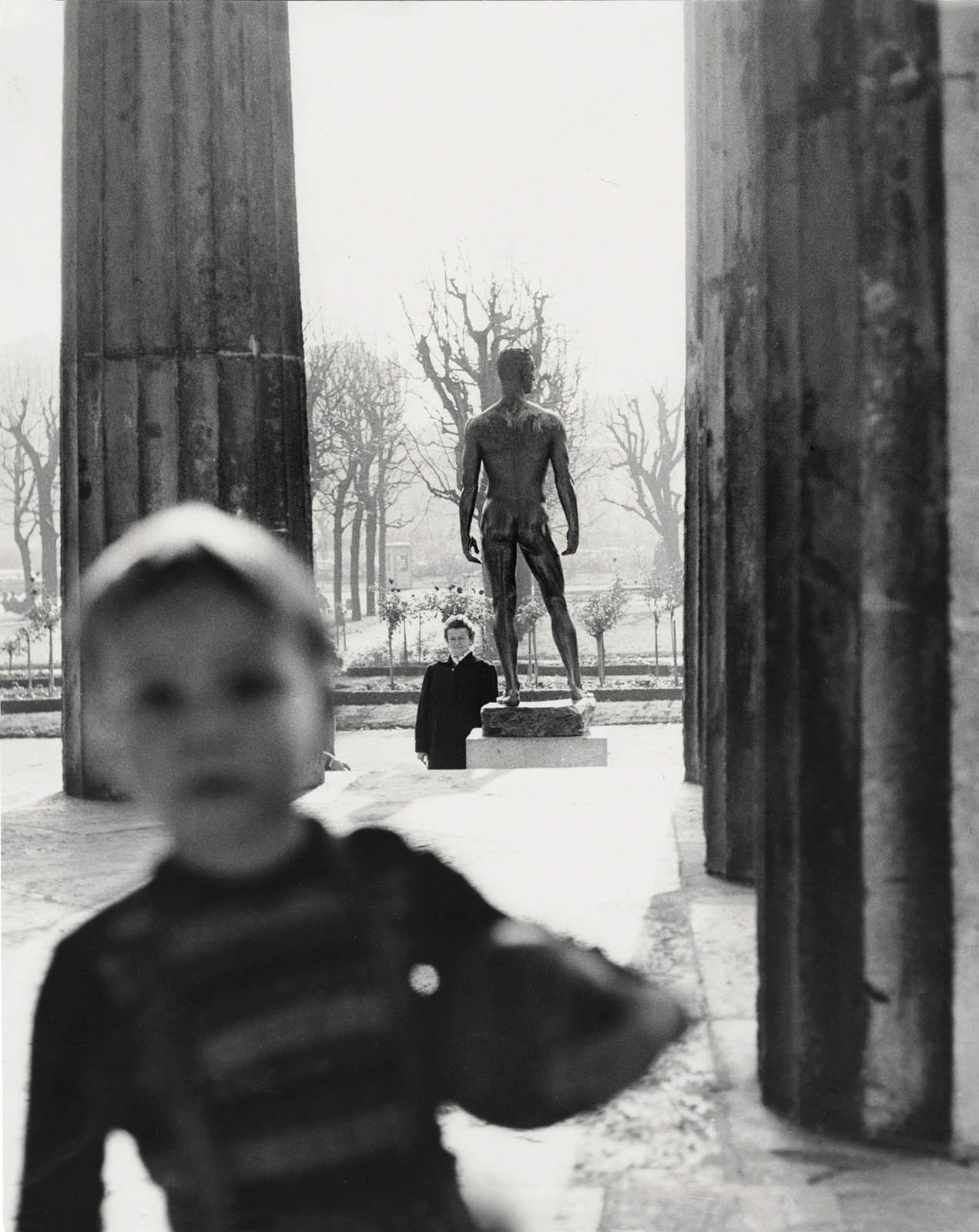
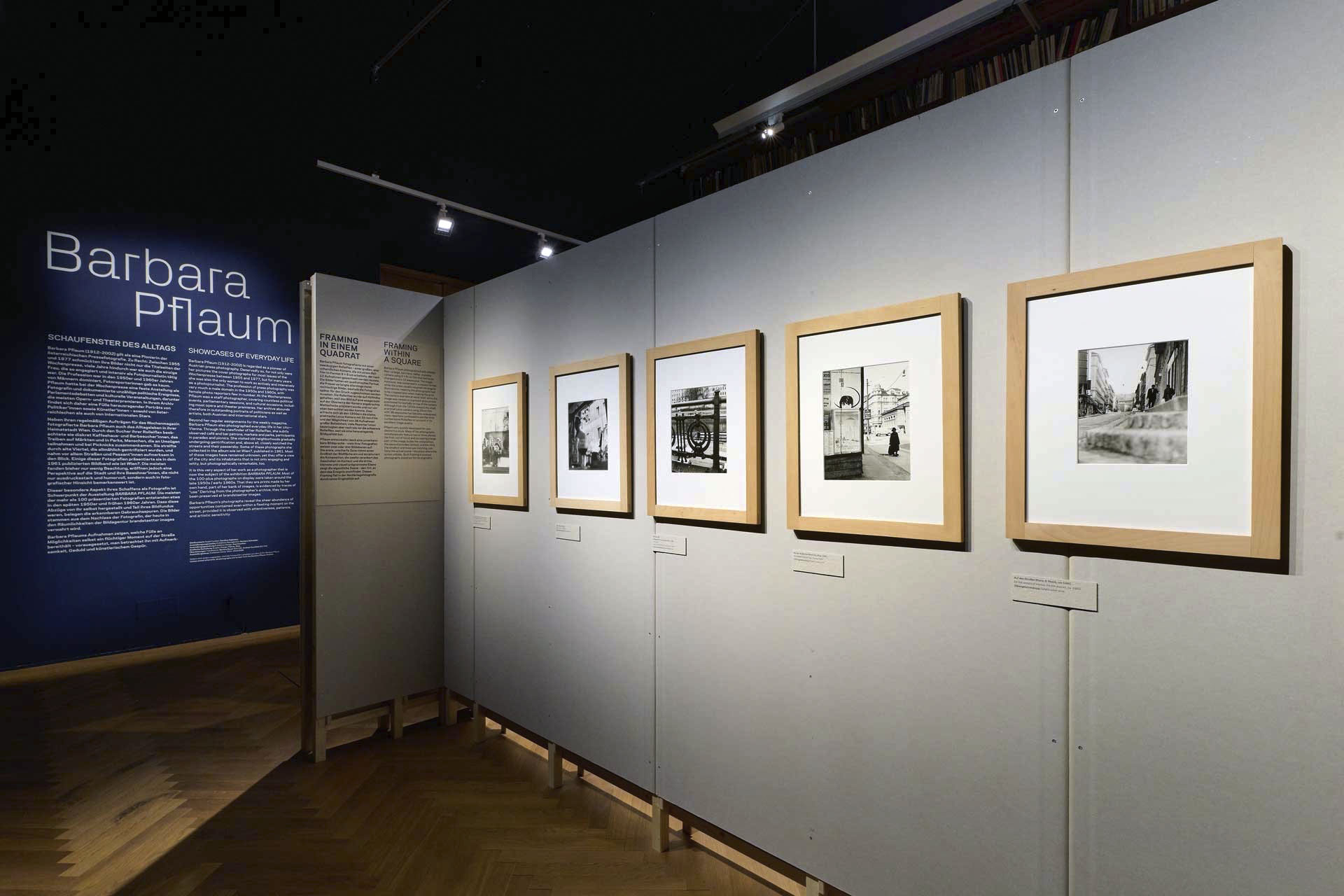
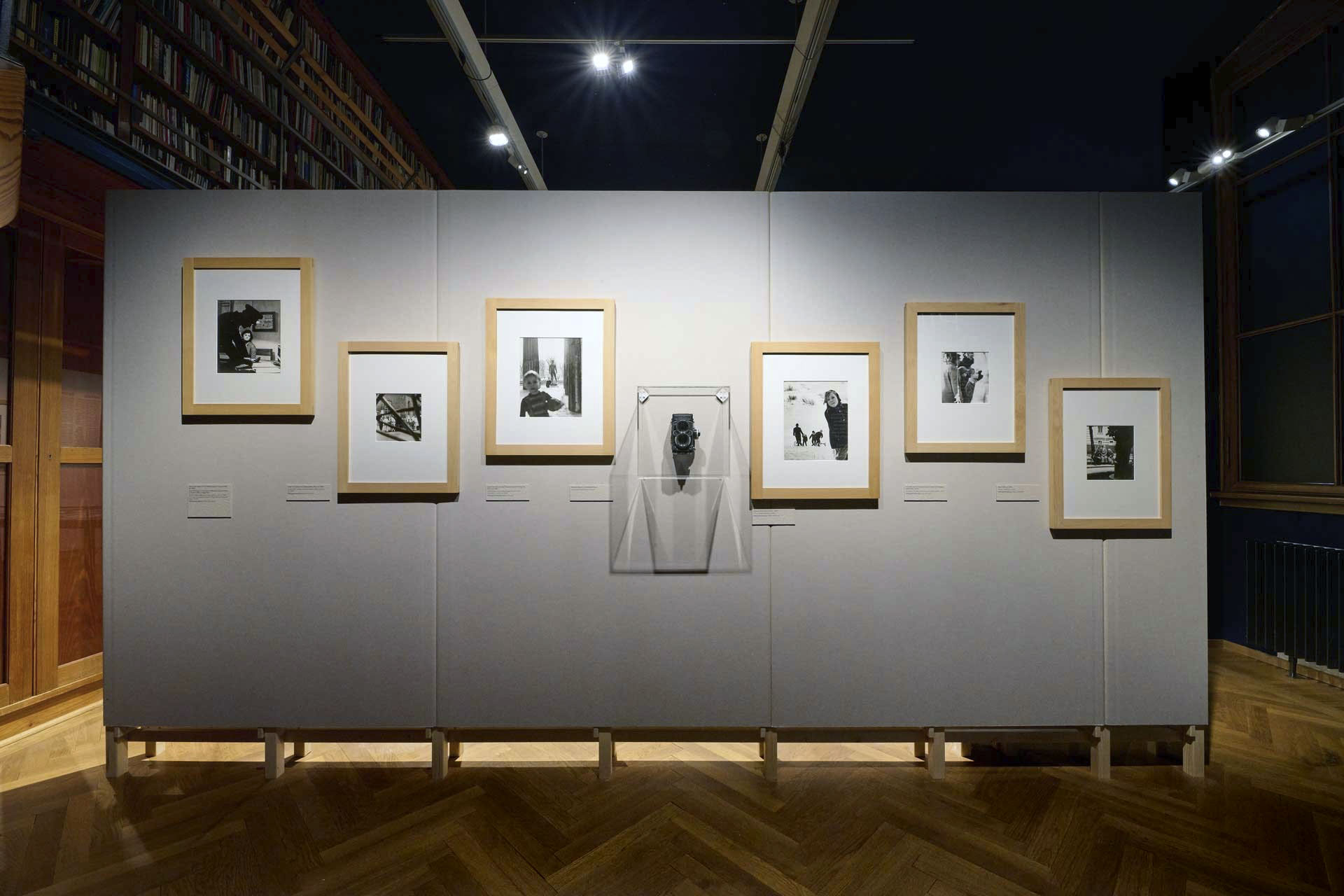
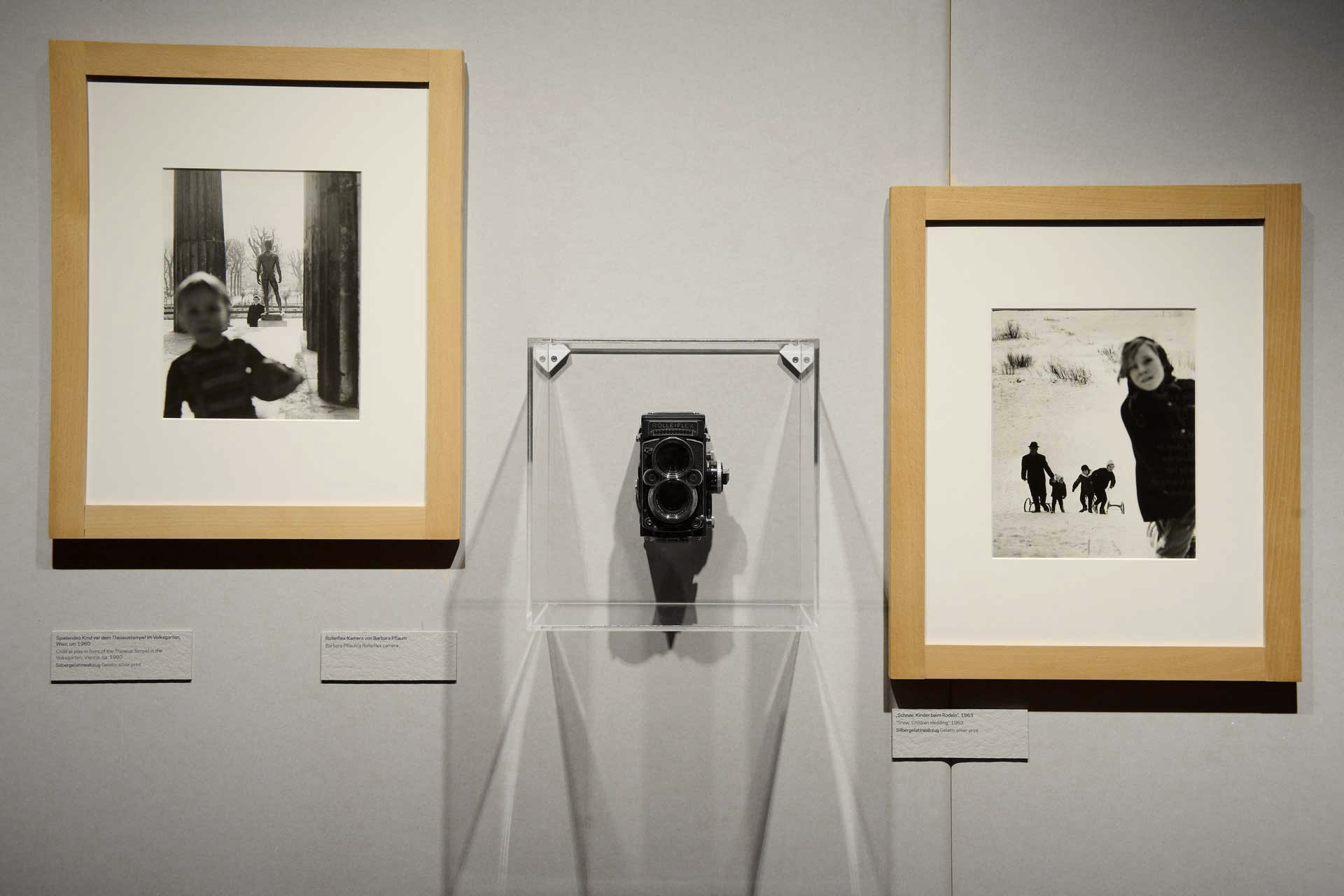
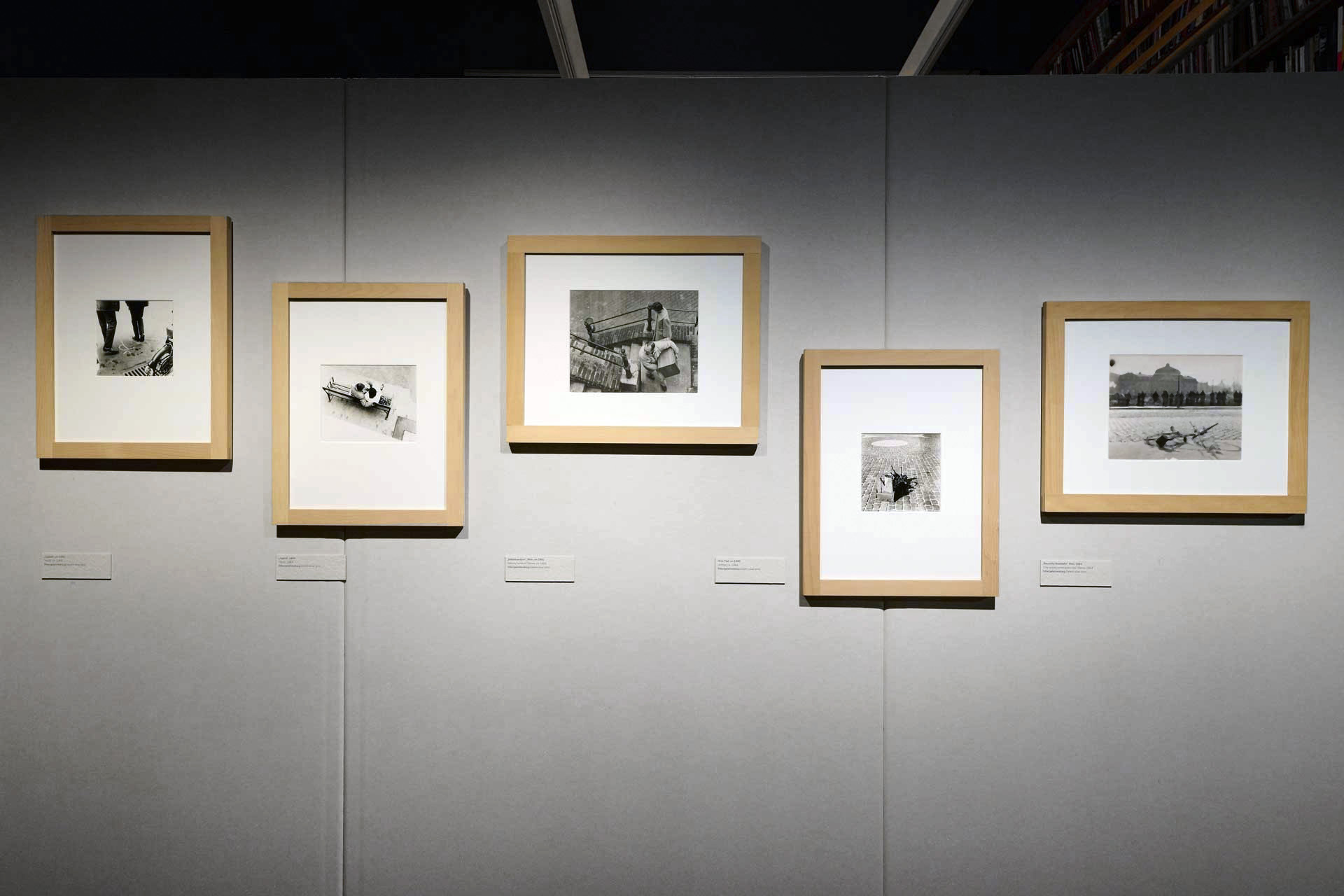
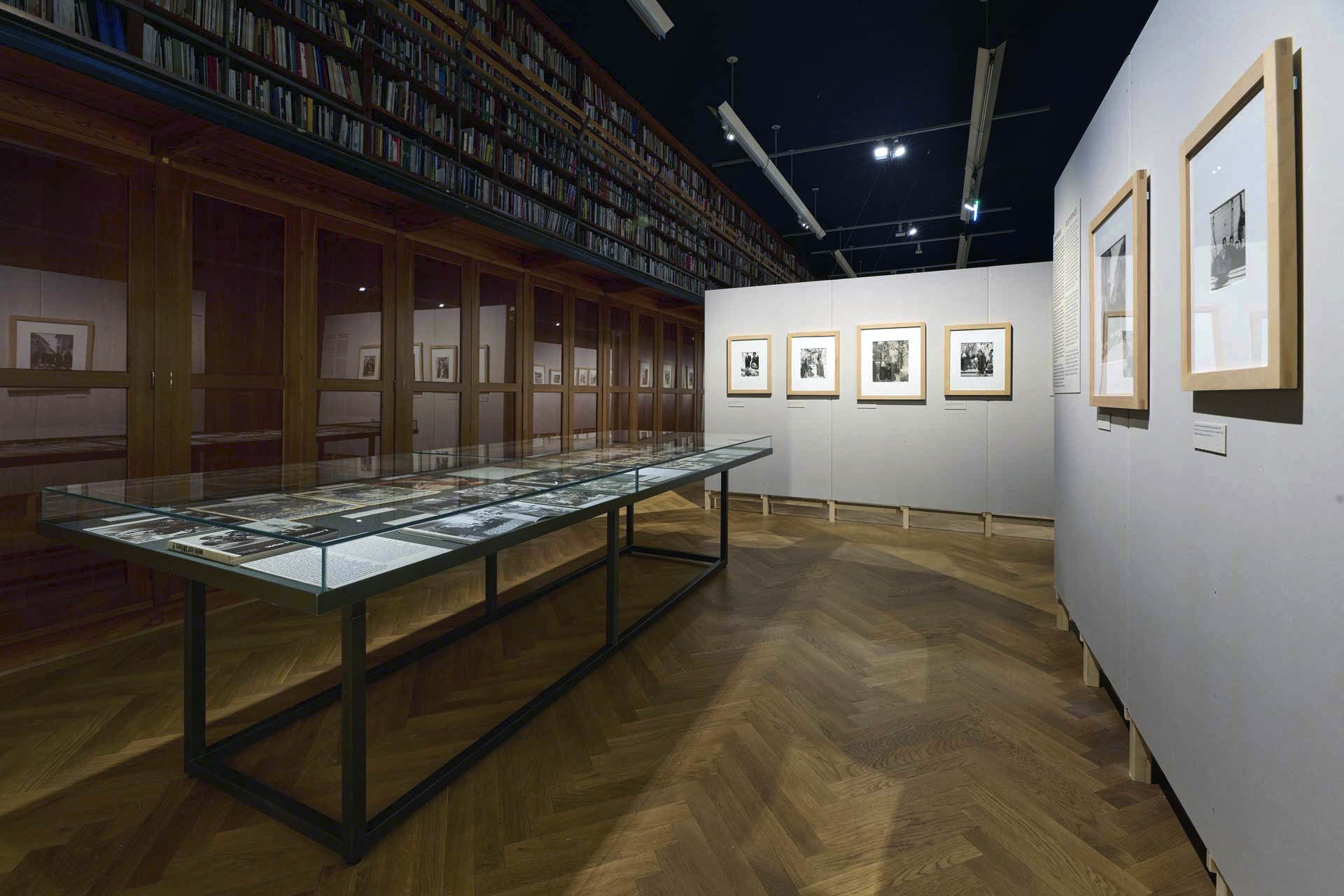
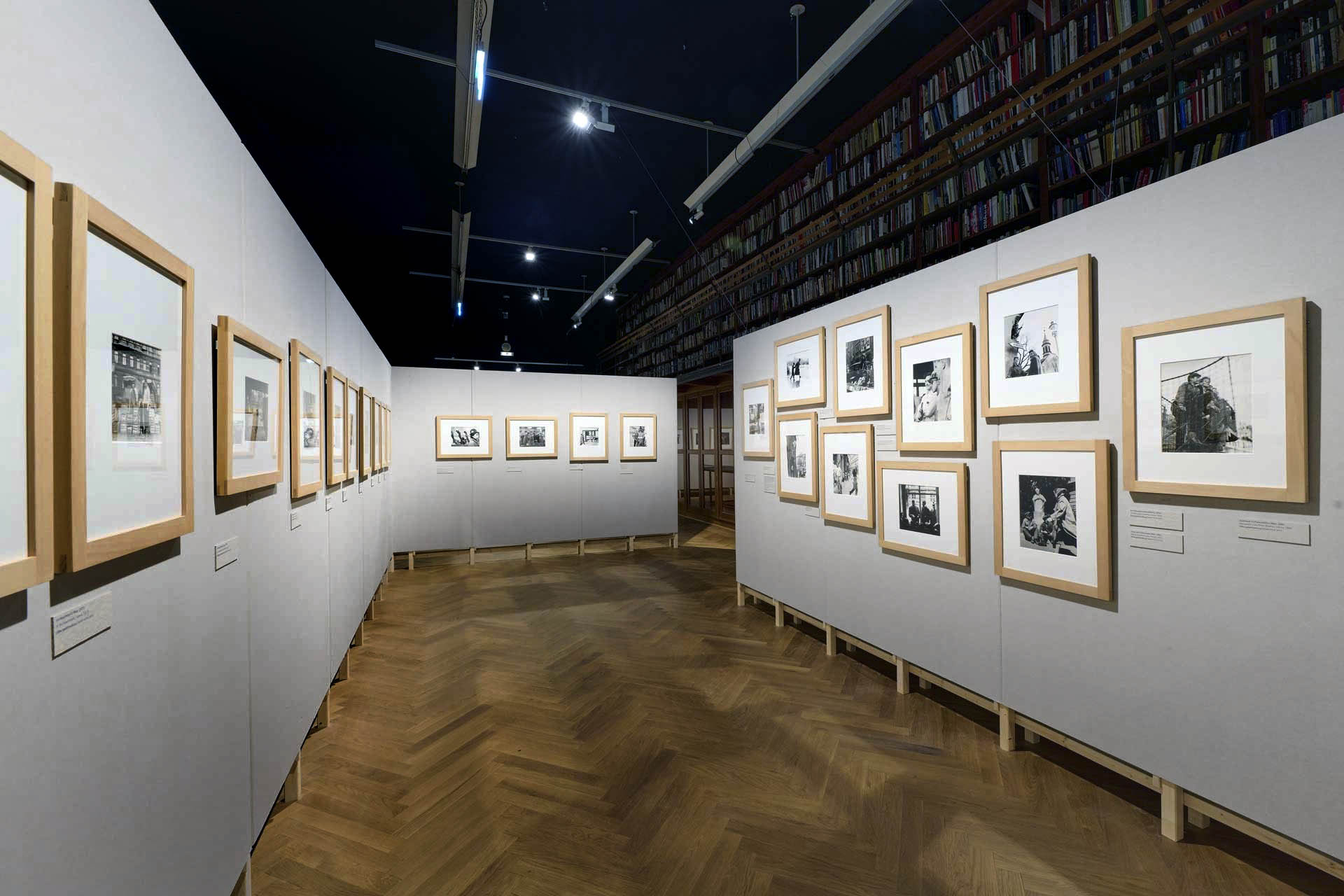
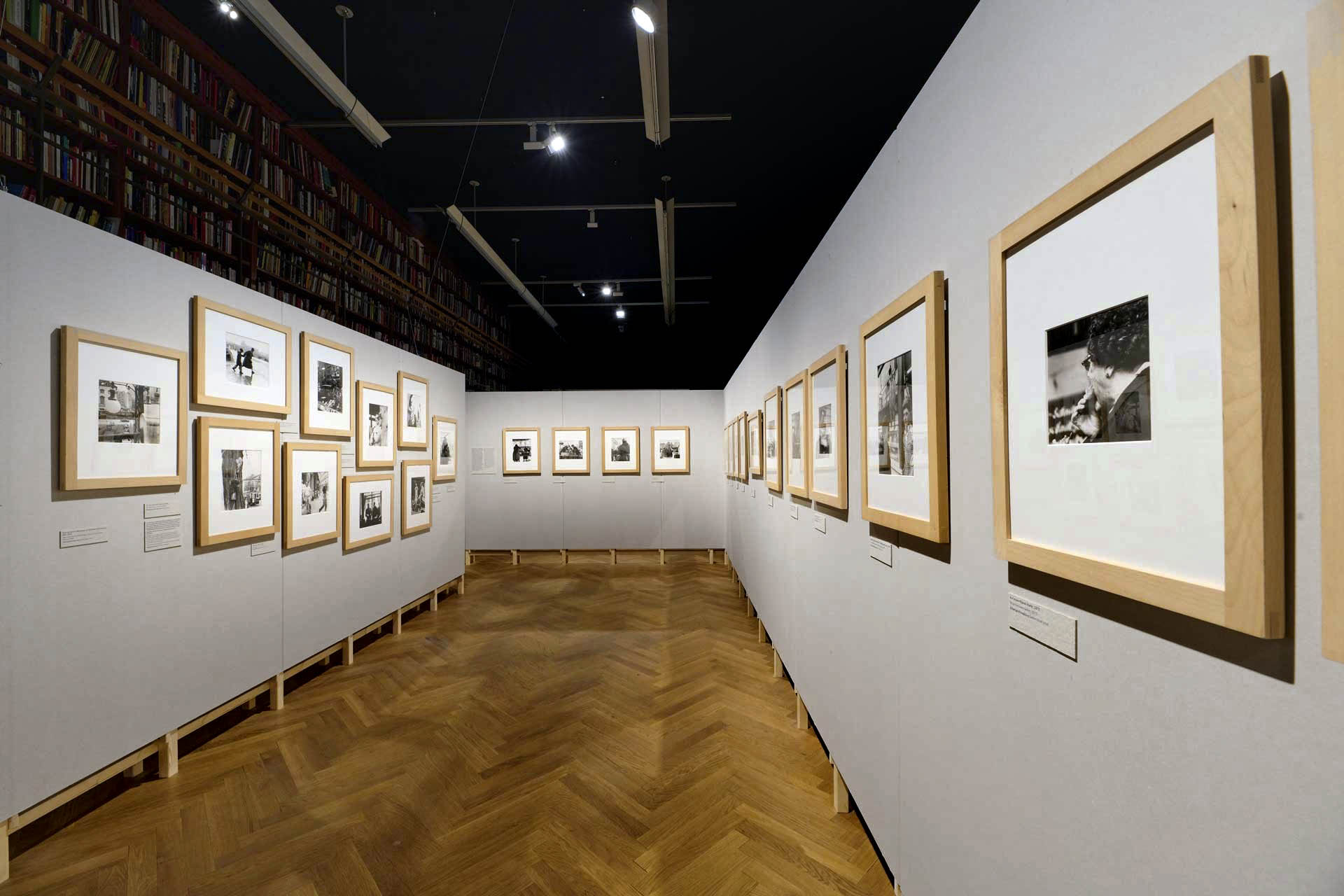

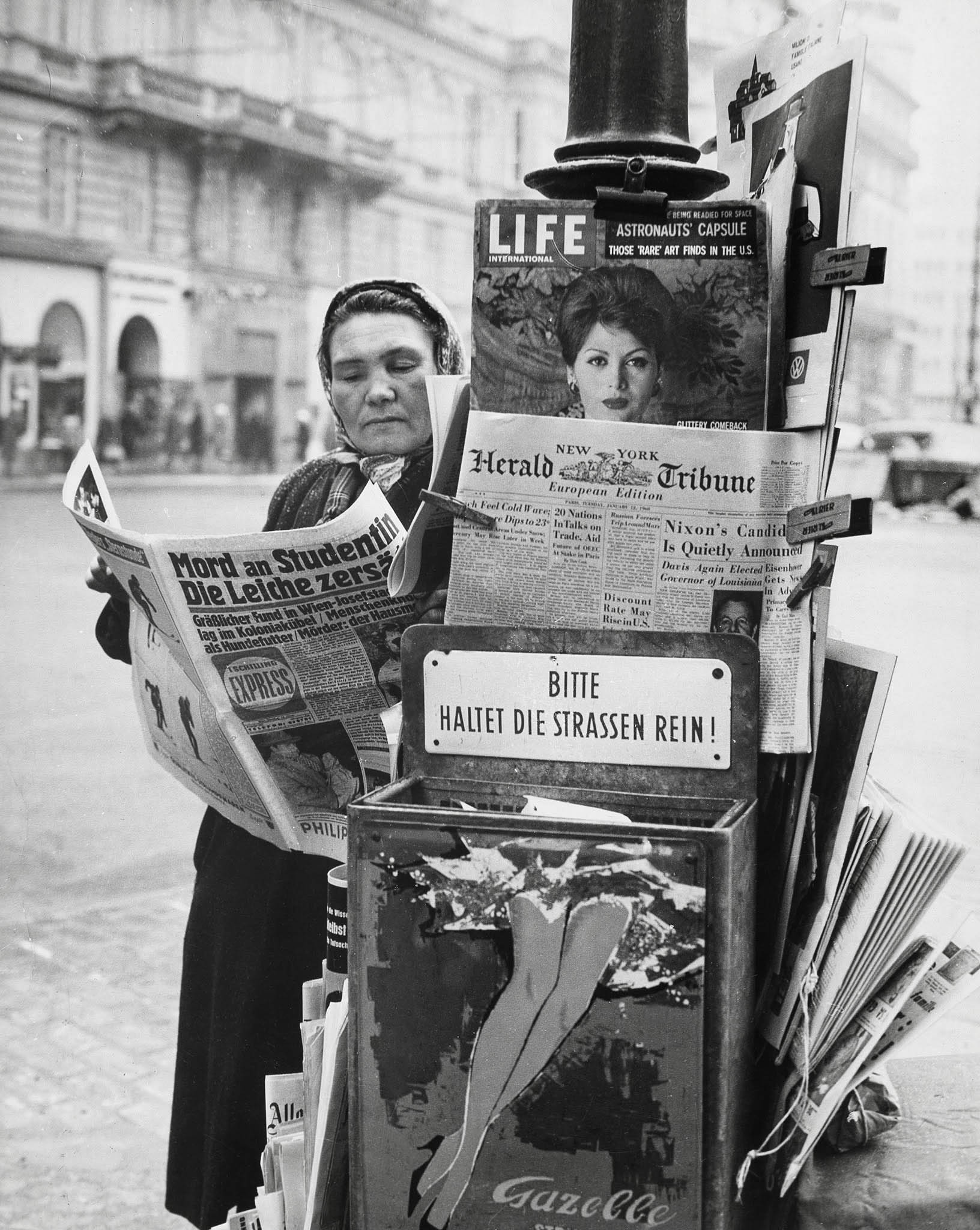


You must be logged in to post a comment.