In my humble opinion F.C. Gundlach is one of the greatest fashion photographers that has ever lived.
Formalism, style, charisma, minimalism, eloquence, use of colour, perspective, scale and pattern, inventiveness, beauty, presence.
While other fashion photographers over egg the solution, Gundlach is pure class. Magnificent!
Dr Marcus Bunyan
PS. A glorious portrait of a most beautiful woman, the actress Romy Schneider (see exhibitions A, B and C). Gundlach’s portrait Romy Schneider mit Kreuz (Romy Schneider with Cross) (1961, below) is the epitome of style and beauty … low depth of field, top lit, so that the neck disappears in shadow and the face floats in a sea of black, the light highlighting décolletage, smoothness of skin, cross, and the cut and sweep of the gown. Perfect.
Many thankx to Bucerius Kunst Forum for allowing me to publish the photographs in the posting. Please click on the photographs for a larger version of the image.
“A good fashion photographer must live in his time, must anticipate trends.”
From 8 May to 16 August 2026, you can explore over 200 exhibits – ranging from iconic magazine covers and unpublished black-and-white as well as colour shots to works by Gundlach’s role models, contemporaries and successors such as Richard Avedon, Erwin Blumenfeld, Regina Relang, Cindy Sherman and many others. In conversation with Gundlach’s own images, these pieces equally expose the love for the medium, mutual influences, societal discourses, and power dynamics. The exhibition is the first major presentation of Gundlach’s oeuvre since his death in 2021 and simultaneously celebrates his 100th birthday with special loans from the F.C. Gundlach Foundation.
As a fashion photographer from the 1950s onward, F.C. Gundlach helped shape the image of fashion and the related notions of trends, identity, and gender in both German and international magazines. At the same time, he forged creative networks between Paris, New York, and Tokyo. The exhibition demonstrates how Gundlach was constantly inspired to experiment with new stylistic forms, his curiosity about the global photographic discourse which in this way, set new standards for the visual culture of his era. Whether in Düsseldorf, Hamburg, or Berlin, his role as gallery owner, laboratory proprietor, and collector – as well as his commitment to supporting the emerging photography scene and nurturing new talents – was crucial in establishing a vibrant photographic culture that continues to resonate today. By presenting Gundlach’s multifaceted oeuvre, the show traces both the continuities and the ruptures in his personal trajectory and the broader photocultural developments of his time.
Alongside his celebrated, iconic photographs, the exhibition features previously unpublished fashion series, experimental works and recent discoveries from Gundlach’s own archive and that of his contemporaries. It reveals how deeply photography is interwoven with cultural and social developments and highlights the pioneering influence of Gundlach’s vision on today’s visual culture. By spotlighting defining phases of his life, the show offers fresh perspectives on his artistic legacy and on the emergence of the 20th-century photo-cultural scene.
The exhibition is organised by Bucerius Kunst Forum in collaboration with Stiftung F.C. Gundlach.
Text from the Bucerius Kunst Forum website
Installation view of the exhibition F.C. Gundlach. You’ll Never Watch Alone at Bucerius Kunst Forum, Hamburg, May – August, 2026 showing at left in the bottom image, Gundlach’s portrait Romy Schneider mit Kreuz (Romy Schneider with Cross) (1961, below) Photos: Ulrich Perrey
F.C. Gundlach. You’ll Never Watch Alone focuses on the impact of F.C. Gundlach (1926-2021) as a photographer, gallery owner, collector, entrepreneur and networker. The exhibition showcases his iconic colour photographs as well as unpublished black-and-white and colour shots, and works by his role models, contemporaries and successors. The exhibition is staged to mark the 100th anniversary of F.C. Gundlach’s birth as part of the 9th Triennial of Photography Hamburg 2026.
F.C. Gundlach became renowned for fashion photography taken around the globe. An influential photographer and leading figure in a fashion, art and culture network, he was closely involved in the production and reception of German fashion magazines. His many cover images not only shaped how fashion was staged and presented, but also the related social concepts of gender and identity.
Taking Gundlach’s work as a starting point, the exhibition investigates photography’s emergence as a visual culture, its associated milieu since the 1950s, and its impact on social trends and movements. As the show’s title implies, photography does not exist in a vacuum. Gundlach’s cooperations with others stretched from Paris to New York and Tokyo, connecting publishing, the photography industry, the gallery scene, and the museum world. They crucially shaped his ideas as a photographer, collector and supporter of this medium. His personal contacts constantly inspired him to experiment with new stylistic forms and, in this way, set new standards for others. His activities as a collector were similarly marked by the same curiosity and openness.
In showcasing Gundlach’s multifaceted oeuvre, the exhibition explores biographical continuities and fractures as well as photography’s social development as a visual medium. For instance, as a gallery and laboratory owner and a teacher in Hamburg and Berlin, Gundlach’s promotion of this medium lent a new visibility to new talents just as much as the discourse of photography itself. The exhibition seeks to locate F.C. Gundlach’s oeuvre in a comprehensive context and highlight his importance in developing photography in the contested space of commissioned works, art and technology.
Through his diverse activities, trips and dialogues with other actors in the field of photography, Gundlach decisively influenced the visual culture of his day. In turn, he was also shaped by social movements, political decisions and trends. In addressing such reciprocity, the exhibition not only examines photography’s inherent connection to cultural and social developments, but also illustrates how Gundlach’s landmark visions paved the way for decoding and understanding images in our own time.
Actively committed to Hamburg, the place he chose to live, he played a significant role in establishing a culture of photography in the city. His works and the collection, administered by the F.C.Gundlach Foundation, continue to have an impact today.
On display are 130 photographs by F.C. Gundlach and 70 works from his collection, which are placed in relation to one another, including works by Erwin Blumenfeld, Richard Avedon, Regina Relang, Cindy Sherman, and many others. The Foundation is the sole lender of works for this first major show of Gundlach’s oeuvre since his death in 2021. Although coinciding with the centenary of his birth, it is not intended as a retrospective. Instead, taking decisive stages in his life as exemplary offers new perspectives on his oeuvre and the scene around the culture of photography emerging in the 20th century. Apart from his famous, now iconic photographs, the exhibition is showing experimental works and new discoveries by Gundlach and the contemporaries influencing his artistic career.
Large format camera Front on, realist, sharply defined objective documentary photographs of architectural structures of the urban landscape In series
In reality:
Structures cut from the fabric of existence Isolated by the subjective eye of the photographer and the lens of the camera What to include or exclude
(In the contemporary photographs of the spaces in the posting, the shops are surrounded by trees and vegetation, they have transformed from kiosk to shuttered shop, from boutique to florist: the architecture remains but traces of previous incarnations are visible only in these photographs. Nothing is permanent except change).
In the photographs of kiosks, corner shops and industrial gates, it is the minutiae of existence (not as mere decoration) that gives these supposedly objective photographs their subjective power. For example, “the photo Trinkhalle, Köln-Nippes – with its ice cream and newspaper advertisements and vending machines for chewing gum and cigarettes” is more than amusing and engaging – it depicts vital, archaeological evidence of the transitory nature of human existence in the pyschogeography of the urbanscape.1
In Ronkholz’ photographs of the terrain (from the Latin terra, earth/land) of the city, her exploration of urban environments emphasises interpersonal connections to places – and testify “to social, cultural, and economic change and shows how people shape the world around them.” (Press release)
This is the fluid boundary that these photographs so beautifully and incisively depict: the interface between architecture and human, between order (form/surface) and chaos (placement of insolent signs), between utopian perfection and dystopian unruliness – the one coexistent with the other.
This confluence of pattern and randomness, objective and subjective, is what gives these photographs of the everyday a lasting significance.
Dr Marcus Bunyan
1/ Guy Debord (November 1956). “Theory of the Dérive”. Les Lèvres Nues (9). Translated by Ken Knabb.
Many thankx to Huis Marseille, Amsterdam for allowing me to publish the photographs in the posting. Please click on the photographs for a larger version of the image.
Sankt-Franziskus-Straße 104-107 Düsseldorf
Installation views of the exhibition Designed World: Through the Eyes of Tata Ronkholz (1940-1997) at Huis Marseille, Amsterdam, February – June, 2026
Installation views of the exhibition Designed World: Through the Eyes of Tata Ronkholz (1940-1997) at Huis Marseille, Amsterdam, February – June, 2026
Installation view of the exhibition Designed World: Through the Eyes of Tata Ronkholz (1940-1997) at Huis Marseille, Amsterdam, February – June, 2026 showing at left, Tata Ronkholz’s Düsseldorf Harbor (1980)
Tata Ronkholz was one of the first students in Bernd and Hilla Becher’s famous photography class at the Kunstakademie Düsseldorf. Her fellow students included Candida Höfer, Axel Hütte, Thomas Ruff and Thomas Struth, all of whom became artists of world renown. Oddly enough Tata Ronkholz’ work is only now receiving the same international acclaim. The retrospective Designed World: Through the Eyes of Tata Ronkholz (1940-1997), on show at Huis Marseille from 14 February until 21 June 2026, is the first large-scale tribute to this many-sided artist.
Objective-documentary photography
Tata Ronkholz was a photographer, product designer, and interior architect. Her photographic series lie within the tradition of objective, documentary photography, a tradition which was decisively shaped by the artist couple Bernd and Hilla Becher. Like theirs, Ronkholz’ work is characterised by clear compositions, a serial approach, and a documentary focus on architectural structures and everyday architectures. Using a large-format camera she produced sharply defined and realistic photographs in which the subject matter, rather than the individual style of the artist, takes centre stage. Her work is predominantly in black and white, although colour images also appear, demonstrating her ambition to engage with the artistic colour photography that emerged in Germany during the 1970s and ’80s, following the example set by the New Color Photography introduced by the American photographers Stephen Shore and William Eggleston.
Kiosks and corner shops
Tata Ronkholz became known for her appealing series of kiosks (Trinkhallen) and small shops that capture typical moments of urban everyday culture. These were photographed between 1977 and 1985, particularly in neighbourhoods of Cologne and Düsseldorf, in the Ruhr area, as well as in Leverkusen and Krefeld. For example, the photo Trinkhalle, Köln-Nippes – with its ice cream and newspaper advertisements and vending machines for chewing gum and cigarettes – is as amusing and engaging as Boutique, Köln-Mülheim in which, according to the store sign, alongside clothing records were also for sale. The photographs illustrate the extent to which product offerings, decoration, and advertising in public spaces has been transformed. Tata Ronkholz’ choice of subject means that her work indirectly testifies to social, cultural, and economic change and shows how people shape the world around them.
Industrial gates
Another significant series is dedicated to industrial gates, photographed between 1977 and 1985. The sober black-and-white images of these gates, with their grids and frameworks, offer glimpses into the interiors of industrial areas. In the photographs the gates function as interfaces between private and public space, between interior and exterior, and between activity and calm. Their aesthetic, reminiscent of abstract artworks, imbues the everyday with a new significance.
Collaboration with Thomas Struth
In 1979 Ronkholz, together with her fellow student Thomas Struth, began work on an impressive documentary series on Düsseldorf’s Rheinhafen. The project originated from the planned redevelopment of this historic harbour area – a site that, in its original form, was considered an industrial area of significant urban historical and architectural importance. Together they set out to document the harbour in its entirety, capturing its historic buildings, technical installations, and operational structures. In carefully composed images they recorded façades, interiors, silos, warehouses, crane structures, and harbour basins, before these elements partially disappeared or were fundamentally altered during the restructuring.
Tata Ronkholz as product designer
Between 1961 and 1965 Ronkholz studied at the Werkkunstschule Krefeld (an academy of applied art) with a focus on furniture design, and subsequently worked as a freelance designer until 1977. The exhibition also explores this aspect of Ronkholz’ oeuvre, including depictions of geometrically shaped furniture and lighting fixtures as well as designs for office and cafeteria furniture. Ronkholz’ designs are characterised by clear forms and functional elegance. Finally, the retrospective also presents early photographs of architectural forms created in 1975/76 in Italy and France, revealing her strong affinity for aspects of the ‘designed world’ across different areas of life.
Ronkholz’ estate, acquired in 2011 by VAN HAM Art Estate in Cologne, forms the basis of the exhibition alongside the holdings of Stadtmuseum Düsseldorf. Significant contributions have also been made from the in-house collections of Die Photographische Sammlung/SK Stiftung Kultur – who also curated the exhibition – and through loans from private collections.
Book
The exhibition is accompanied by a catalogue, Tata Ronkholz: Gestaltete Welt. Eine Retropektive (2025, Schirmer/Mosel Verlag GmbH), with texts in German and English. It is available from the Huis Marseille museum shop (€49.90).
Curator: Dr. Carrie Cushman, Director of the Bates College Museum of Art and former Linda Wyatt Gruber ’66 Curatorial Fellow in Photography at the Davis Museum
Ilse Bing (German, 1899-1998) Music Stands 1933 Gelatin silver print Sheet: 7 in. x 11 15/16 in. (17.8 cm x 30.3cm) Mount: 11 in. x 14 in. (27.9 cm x 35.6cm) Davis Museum at Wellesley College, Wellesley, MA Gift of Suzanne Ciani (Class of 1968)
A bonus mid-week posting on this compact exhibition on the work of German photographer Isle Bing (1899-1998)
It’s wonderful to see the expressive musicality and movement in Bing’s black and white photographs, most of the images new to me. I would have loved to have seen more photographs from this “New Woman” but this is all I have from the exhibition. The museum is very lucky to have had a recent gift of vintage photographs donated by Bing’s mentee and friend Suzanne Ciani (class of ’68).
But if you want to be taken seriously as a collecting institute please make sure that you title the artist and subject correctly on your collections website pages. It’s not The Honorable Daisy Fellowers it is The Honorable Daisy Fellowes (corrected below) and it’s not Florence Henry it is Florence Henri!
Little things make all the difference.
Dr Marcus Bunyan
Many thankx to the Davis Museum for allowing me to publish the photographs in the posting. Please click on the photographs for a larger version of the image.
Ilse Bing (German, 1899-1998) Acrobat with Black Ball 1936 Gelatin silver print Sheet: 8 3/4 in. x 11 1/8 in. (22.2cm x 28.3cm) Davis Museum at Wellesley College, Wellesley, MA Gift of Suzanne Ciani (Class of 1968)
Ilse Bing (German, 1899-1998) Circus Horse in NYC 1936 Gelatin silver print Sheet: 13 1/2 in. x 19 3/8 in. (34.3 cm x 49.2cm) Mount: 19 5/8 in. x 25 1/2 in. (49.8 cm x 64.8cm) Davis Museum at Wellesley College, Wellesley, MA Gift of Suzanne Ciani (Class of 1968)
Featuring a recent gift of vintage photographs by the groundbreaking photographer Ilse Bing (1899-1998), this exhibition explores the development of the photographic medium in the mid-twentieth century. The era in which Bing came to prominence saw the birth of the journalistic photo-essay, the launch of the 35-mm Leica camera, and experiments with abstract photograms and solarization. Artists led critical debates over how photography should remain true to itself as a medium of and for the modern world. From Frankfurt to Paris to New York City, Bing was at the centre of it all, carving out a place for herself as “Queen of the Leica” in a male-dominated world of image making. The Worlds of Ilse Bing is organised geographically according to the three cities where Bing lived, placing her work in conversation with the artists who made up her creative worlds and providing insight into her influences, process, and undeniable impact on others as they pushed the boundaries of modern art.
Text from the Wellesley College website
Ilse Bing (German, 1899-1998) Jane Neidensaul, Hands on Harp 1943 Gelatin silver print Sheet: 10 1/4 in. x 13 7/8 in. (26 cm x 35.2cm) Davis Museum at Wellesley College, Wellesley, MA Gift of Suzanne Ciani (Class of 1968)
Jane B. Weidensaul (1935-2003) was a prominent American harpist, educator, musicologist, and editor known for her contributions to harp literature and pedagogy. A Juilliard graduate and assistant to Marcel Grandjany, she taught at Juilliard and the Manhattan School of Music, served as editor of the American Harp Journal (1978-1996), and authored numerous scholarly works.
Ilse Bing (German, 1899-1998) La Main de Szymon Goldberg 1949 Gelatin silver print Image: 13 1/4 in. x 9 1/2 in. (33.7 cm x 24.1cm) Mount: 21 3/16 in. x 17 5/16 in. (53.8 cm x 44cm) Davis Museum at Wellesley College, Wellesley, MA Gift of Suzanne Ciani (Class of 1968)
Szymon Goldberg (American born Poland, 1909-1993)
Szymon Goldberg (1 June 1909 – 19 July 1993) was a Polish-born Jewish classical violinist and conductor, latterly an American.
Born in Włocławek, Congress Poland, Goldberg played the violin as a child growing up in Warsaw. His first teacher was Henryk Czaplinski, a student of the great Czech violinist Otakar Ševčík; his second was Mieczysław Michałowicz, a student of Leopold Auer. In 1917, at age eight, Goldberg moved to Berlin to study the violin with the legendary pedagogue Carl Flesch. He was also a student of Josef Wolfsthal.
After a recital in Warsaw in 1921, and a debut with the Berlin Philharmonic in 1924 in which he played three concertos, he was engaged as concert-master of the Dresden Philharmonic from 1925 to 1929. In 1929 he was offered the position of concertmaster of the Berlin Philharmonic by its principal conductor, Wilhelm Furtwängler. He accepted the position, serving from 1930 to 1934. During these years, he also performed in a string trio with Paul Hindemith on viola and Emanuel Feuermann on cello, and also led a string quartet of Berlin Philharmonic members.
The rise of the Third Reich forced Goldberg to leave the orchestra in 1934, despite Furtwängler’s attempts to safeguard the Jewish members of the orchestra. Thereafter, he toured Europe with the pianist Lili Kraus. He made his American debut in New York in 1938 at Carnegie Hall. While in the former Netherlands East Indies he formed the Goldberg Quartet, together with Robert Pikler on viola, Louis Mojzer on cello and Eugenie Emerson, piano. Pikler and Mojzer were Hungarians and Emerson was American. This Piano Quartet toured the major cities in Java, before the Japanese invasion and occupation. Goldberg’s first wife was a skilled artist and sculptor. She was interned by the Japanese in the Tjihapit Women’s Camp in Bandung, together with Mojzer’s family, while Goldberg and Kraus were on a tour of Asia.
He toured Australia for three months in 1946. Eventually he went to the United States and became a naturalised American citizen in 1953. From 1951 to 1965 he taught at the Aspen Music School. Concurrently he was active as a conductor. In 1955 he founded the Netherlands Chamber Orchestra in Amsterdam, which he led until 1979. He also took the ensemble on many tours. From the years 1977 to 1979 he was the conductor of the Manchester Camerata.
He taught at Yale University from 1978 to 1982, the Juilliard School in New York City from 1978 to 1989, the Curtis Institute of Music in Philadelphia from 1980 to 1981, and the Manhattan School of Music in New York starting in 1981. From 1990 until his death, he conducted the New Japan Philharmonic in Tokyo. …
He made a number of recordings, most notably a celebrated series of Mozart and Beethoven sonatas with Lili Kraus before World War II, the three Brahms Sonatas with Artur Balsam (Brunswick AXTL 1082), and Mozart and Schubert pieces with Radu Lupu (with whom he performed as a duo in concert) in the 1970s. The Berlin Philharmonic, in a 2014 tribute to their former concertmaster, wrote that in the music of Bach and Mozart, Goldberg “brought a poise and a beauty of tone that seemed like perfection. Indeed he was the finest Mozart violinist of his time, with the feline grace essential for the violin sonatas, the concertos and the Sinfonia concertante.”
Ilse Bing (German, 1899-1998) Konrad Wolff, Hands 1949 Gelatin silver print Sheet: 13 3/8 in. x 10 1/2 in. (34 cm x 26.7cm) Mount: 14 in. x 11 in. (35.6 cm x 27.9cm) Davis Museum at Wellesley College, Wellesley, MA Gift of Suzanne Ciani (Class of 1968)
Her photograph Konrad Wolff, Hands illustrates her formalist technique, as the camera closes in on two hands playing a piano – the black and white of the piano keys contrast with the grey tones of the hands to create a dynamic composition of linear, oblique shapes. She often manipulated her prints, flipping them upside-down or turning them sideways to view their compositional narratives in new ways.
Text from the Davis Museum website
Konrad Wolff (March 11, 1907 – October 23, 1989) was a German-born American pianist, composer, musicologist, and educator renowned for his interpretive performances of classical piano repertoire, his scholarly writings on musical pedagogy, and his role in preserving the legacy of his teacher Artur Schnabel.
Installation view of the exhibition The Worlds of Ilse Bing at the Davis Museum at Wellesley College, Wellesley MA, February – May, 2026 (wall text below)
Reflecting on her early career in the 1920s and 1930s, the groundbreaking photographer Ilse Bing (1899-1998) once proclaimed, “It was a fascinating time, because everything was new. We had nothing to hold onto.” The era in which Bing came to prominence saw the birth of the journalistic photo-essay, the launch of the 35mm Leica camera, and experiments in the darkroom. Through these developments, artists led critical debates over how photography could remain true to itself as a medium of and for the modern world. From Frankfurt to Paris to New York City, Bing was at the centre of it all, carving out a place for herself as “Queen of the Leica” in a male-dominated world of image making.
The Worlds of Ilse Bing places Bing’s work in conversation with the artists who made up her creative worlds, as tougher they forged a new visual language that married the experiences of urban life and advances in industrial production with the spirit of the avant-garde. The exhibition is organised geographically according to the three cities where Bing lived, providing insight into her influences, process, and impact. Featuring a recent gift of vintage photographs donated by Bing’s mentee and friend Suzanne Ciani ’68, the exhibition highlights Bing’s enormous breadth of work, from documentary to portraiture to fashion photography, just as it traces her answers to the question of what photography could be in the twentieth century.
Wall text from the exhibition
Ilse Bing (German, 1899-1998) Sun in Clouds Over Swiss Mountains 1929/1984 Sheet: 6 1/4 in. x 9 1/2 in. (15.9 cm x 24.1cm) Mount: 11 in. x 14 in. (27.9 cm x 35.6cm) Gelatin silver print Davis Museum at Wellesley College, Wellesley, MA Gift of Suzanne Ciani (Class of 1968)
Ilse Bing (German, 1899-1998) Merry Go Round, Paris 1932 Gelatin silver print Sheet: 11 in. x 8 3/4 in. (27.9 cm x 22.2cm) Mount: 16 1/2 in. x 13 3/4 in. (41.9 cm x 34.9cm) Davis Museum at Wellesley College, Wellesley, MA Gift of Suzanne Ciani (Class of 1968)
Ilse Bing (German, 1899-1998) Dancers Balanchine Tchelitchew 1933 Gelatin silver print Sheet: 11 3/16 in. x 8 1/2 in. (28.4 cm x 21.6cm) Mount: 14 in. x 11 in. (35.6 cm x 27.9cm) Davis Museum at Wellesley College, Wellesley, MA Gift of Suzanne Ciani (Class of 1968)
George Balanchine (Georgian-American, 1904-1983) and Pavel Tchelitchew (Russian, 1898-1957) were both artists who collaborated significantly in the realm of ballet during the 1930s and 1940s. Tchelitchew, a surrealist painter and designer, created innovative, often translucent sets and costumes for several of Balanchine’s ballets, helping to define the visual aesthetic of that period.
Ilse Bing (German, 1899-1998) The Honorable Daisy Fellowes 1933 Gelatin silver print Sheet: 8 13/16 in. x 11 1/8 in. (22.4 cm x 28.3cm) Mount: 13 3/16 in. x 16 7/16 in. (33.5 cm x 41.8cm) Davis Museum at Wellesley College, Wellesley, MA Gift of Suzanne Ciani (Class of 1968)
The Hon. Daisy Fellowes (née Marguerite Séverine Philippine Decazes de Glücksberg) (29 April 1890 in Paris – 13 December 1962 in Paris) was a celebrated 20th-century society figure, acclaimed beauty, minor novelist and poet, Paris Editor of American Harper’s Bazaar, fashion icon, and an heiress to the Singer sewing machine fortune.
Ilse Bing (German, 1899-1998) Spider Web in Stables 1951 Gelatin silver print Sheet: 13 9/16 in. x 10 1/2 in. (34.4 cm x 26.7cm) Mount: 14 in. x 10 3/4 in. (35.6 cm x 27.3cm) Davis Museum at Wellesley College, Wellesley, MA Gift of Suzanne Ciani (Class of 1968)
Davis Museum at Wellesley College 106 Central Street Wellesley, MA 02481 781-283-1000
An exhibition by Die Photographische Sammlung/SK Stiftung Kultur in cooperation with the Bernd & Hilla Becher Studio, Düsseldorf
Anonyme Skulpturen. Eine Typologie technischer Bauten, Düsseldorf: Art-Press Anonymous Sculptures: A Typology of Technical Buildings, Düsseldorf: Art-Press 1970 (Buchcover) Courtesy Die Photographische Sammlung/SK Stiftung Kultur, Köln
When we think about the most influential photographers of the first five decades of the 20th century we conjure up names such as Eugène Atget, Alfred Stieglitz, Paul Strand, Walker Evans, László Moholy-Nagy, Dorothea Lange, and Berenice Abbott, to name just a few – and by influential, I mean those photographers that altered the intensification of the medium – the conceptualisation, creation, veracity, meaning and reception of the image.
In the last 50 years of the 20th century there are less of these medium-shifting artists that have really made a difference. Diane Arbus and Lee Friedlander are the two that readily spring to mind. And then there are the Bechers, Bernd & Hilla Becher. These German photographers changed the course of contemporary photographic practice, their conceptual art / objective photographic raison d’être still embedded at the heart of fine art photography today.
But, as I have argued elsewhere, their typologies and grids, their topographic state, their same same photographs and perspectives of industrial sculptures and landscapes are anything but objective. Their pictorial grammar, underlaid by a conceptual approach to subject matter, continuously reflected in the systematics of capture and display (the juxtaposition of works together), is constantly undermined by the ghost in the machine – those viral codes of mutation and difference which cannot be controlled.
While they professed to “eschew entirely entirely the aspects of beauty, emotion and opinion,” every photograph they took involves a subjective point of view, an element of uniqueness and beauty that can never be repeated.
“Despite protestations to the contrary (appeals to the objectivity of the image, eschewing entirely the aspects of beauty, emotion and opinion; the rigorous frontality of the individual images giving them the simplicity of diagrams, while their density of detail offers encyclopaedic richness) these are subjective images for all their objective desire. The paradox is the more a photographer strives for objectivity, the more ego drops away, the more the work becomes their own: subjective, beautiful, emotive.
Even though the Bechers’ demonstrate great photographic restraint with regard to documenting the object, the documentary gaze is always corrupted / mutated / distorted by personal interpretation: where to position the camera, what to include or exclude, how to interpret the context of place, how to crop or print the image, and how to display the image, in grids, sequences or singularly. In other words there are always multiple (con)texts to which artists conform or transgress. What makes great photographers, such as Eugène Atget, Walker Evans, August Sander and the Bechers, is the idiosyncratic “nature” of their vision: how Atget places his large view camera – at that particular height and angle to the subject – leaves an indelible feeling that only he could have made that image, to reveal the magic of that space in a photograph. It is their personal, unique thumbprint, recognisable in an instant. So it is with the Bechers.”1
For a deeper dive into the work of the Bechers, please see my text “Ghosts in the machine,” on the exhibition Bernd and Hilla Becher at the Metropolitan Museum of Art, New York, July – November, 2022.
Many thankx to Die Photographische Sammlung/SK Stiftung Kultur, Cologne for allowing me to publish the photographs in the posting. Please click on the photographs for a larger version of the image.
Installation view of the exhibition Bernd & Hilla Becher – History of a Method at Die Photographische Sammlung/SK Stiftung Kultur, Cologne
Installation view of the exhibition Bernd & Hilla Becher – History of a Method at Die Photographische Sammlung/SK Stiftung Kultur, Cologne
Installation view of the exhibition Bernd & Hilla Becher – History of a Method at Die Photographische Sammlung/SK Stiftung Kultur, Cologne showing Bernd Becher’s Calatayud 1956 (below)
Installation view of the exhibition Bernd & Hilla Becher – History of a Method at Die Photographische Sammlung/SK Stiftung Kultur, Cologne
Installation view of the exhibition Bernd & Hilla Becher – History of a Method at Die Photographische Sammlung/SK Stiftung Kultur, Cologne showing Hilla Becher’s Untitled (Makroaufnahme von Schaum) (Macro shot of foam) c. 1960
Hilla Becher (née Wobeser) discovered photography as a teenager. Her mother had trained as a photographer at the Lette Verein in Berlin and supported her daughter’s interest. Accordingly, from 1951 to 1953, Hilla completed an apprenticeship as a photographer at the Walter Eichgrün studio in her hometown of Potsdam. In 1953, the family fled East Germany, and Hilla continued her career in West Germany. For example, in 1957 she worked at the Troost advertising agency in Düsseldorf, where she also met Bernd Becher.
The photograph shown above belongs to a series of surface and structural studies from around 1960. Nothing is known about the exact context of the photographs; however, their stylistic affinity to the “Subjective Photography” movement, which gained influence from the early 1950s onward, is interesting. Distortion techniques were an important tool in “Subjective Photography,” and Hilla Becher’s macro photographs utilise extreme proximity to the subject as a means of creating a sense of alienation.
Text from the SK Stiftung Kultur Die Photographische Sammlung Instagram page
An exhibition of Die Photographische Sammlung/SK Stiftung Kultur in cooperation with the Bernd & Hilla Becher Studio, Düsseldorf
The artist couple Bernd and Hilla Becher (1931-2007/1934-2015) has written photographic history. With their joint work, which they developed from 1959 until the 2000s on the basis of an almost uninterrupted photographic activity in the industrial regions of Germany, the Benelux countries, Great Britain, France, Italy, the USA and Canada, they created a new artistically motivated documentary style.
For the first time in Europe, this exhibition will present the methodological and thematic range of their oeuvre in great detail with over 300 original black and white photographs and other exhibits by the artist couple. In the individual sections, almost all of Becher’s found subjects can be located in a compilation and sequencing largely determined by themselves. Photographs of landscapes, winding towers, blast furnaces, cooling towers, gas tanks or even views of entire collieries etc. are considered her trademark. The juxtaposition of the groups of works authentically conveys the pictorial grammar developed by Bernd and Hilla Becher and their continuously reflected systematics and conceptual approach.
The exhibits come from the Bernd and Hilla Becher Archive in Die Photographische Sammlung/SK Stiftung Kultur and the Bernd & Hilla Becher Studio, Düsseldorf, in collaboration with Max Becher under the supervision of the Bernd & Hilla Becher Estate. There are also loans from Sprüth Magers and the LVR-Landesmuseum Bonn.
The publication accompanying the exhibition will be published by Schirmer / Mosel Verlag, with texts by Max Becher, Gabriele Conrath-Scholl, Marianne Kapfer and Urs Stahel.
Text from the Die Photographische Sammlung/SK Stiftung Kultur, Cologne website
Installation view of the exhibition Bernd & Hilla Becher – History of a Method at Die Photographische Sammlung/SK Stiftung Kultur, Cologne showing Bernd and Hilla Becher’s photograph Kühlturm (Cooling tower) 1962, “Mont-Cenis” mine, Herne, Ruhr area 1965 (below)
We have dedicated an entire room of our current exhibition to the group of “Anonymous Sculptures.” With this series of images, Bernd and Hilla Becher defined the building types that were important to them, such as cooling towers. The fundamental principle of the comparability of the motifs was introduced, and the work on publications, so crucial to Bernd and Hilla Becher’s artistic output, was also initiated.
You can trace the artists’ approach using 41 photographs that exemplify the building types presented in seven chapters of the 1970 publication “Anonymous Sculptures: A Typology of Technical Structures.” An exhibition at the Düsseldorf Municipal Art Gallery preceded the book in 1969 [see the book cover at the top of the posting].
The term “Anonymous Sculptures” establishes a link to conceptual art. This connection between Bernd and Hilla Becher’s work and the visual arts was important for their subsequent work and its presentation in museums and galleries.
Text from the SK Stiftung Kultur Die Photographische Sammlung Instagram page
The first subjects Bernd and Hilla Becher photographed on their nearly fifty-year journey to documenting industrial buildings were half-timbered houses in the Siegerland region. For Bernd Becher, it was natural to photograph these “poor people’s houses,” as Hilla called them, from his childhood and youth. For the film “The Photographers Bernd and Hilla Becher,” we attempted to identify the Bechers’ subjects using the book “Siegerland Half-Timbered Houses” by Schirmer/Mosel. We asked locals and showed them the book. Although the Bechers provided the exact address of each house, they were often unrecognisable. Many, being drafty and cold, had been clad with asbestos cement, thus obscuring their exposed timber framing. Their original appearance is preserved only in the Bechers’ photographs.
Text from the Text from the SK Stiftung Kultur Facebook page
The artist couple Bernd and Hilla Becher (1931-2007/1934-2015) set a benchmark in the history of photography with their work. Beginning in 1959, they collaborated almost continuously for decades on a joint oeuvre, developed across Germany, the Benelux countries, the United Kingdom, France, Italy, the United States, and Canada. Their artistic style, characterised by a precise, documentary visual language and methodical systematisation, resonated significantly with movements such as Minimal Art and Conceptual Art. Against the backdrop of New Objectivity and inspired by 19th-century documentary photography, they created a visual grammar whose influence remains palpable in contemporary photography.
For the first time in Europe, Die Photographische Sammlung/SK Stiftung Kultur presents an extensive retrospective featuring over 300 original black-and-white photographs and complementary exhibits, showcasing the formal and thematic breadth and depth of Bernd and Hilla Becher’s work. The exhibition centers on the themes and methods developed by the Bechers: consistent methodical approaches to the photographic motif that evolved and were variably applied over decades. The exhibition explores how these methods emerged, how they developed, and how they reflected the Bechers’ perspective on the different shapes, functions, and integration of industrial buildings into the landscape.
Rare early works from both artists – created between the 1950s and 1970s – are on view, many for the first time. These pieces provide insight into the evolution of their shared aesthetic.
Room 2 is dedicated to the book Anonyme Skulpturen. Eine Typologie technischer Bauten (Anonymous Sculptures. A Typology of Technical Constructions), 1970, considered the foundation of their work. This publication systematically catalogued industrial structures and remains a key reference point. Quoted texts on the function of the objects and original prints illuminate its significance within their oeuvre.
Industrial Landscapes and photographs of entire sites form another focus and demonstrate that the Bechers did not merely document isolated buildings, but also functional and spatial relationships. Featured works include views of the Zollern 2 coal mine in Dortmund (published 1977) and the Ewald Fortsetzung mine in Recklinghausen (1982-1985).
The exhibition also includes “portraits” of residential and settlement houses from the Ruhr region – especially from the post-war era – reflecting the everyday life and environment of industrial workers. A framework house from the Siegerland region is used to show how a single subject can take on different meanings depending on presentation and context.
“Sequences” or “unfoldings” are illustrated using various building groups, presenting structures from multiple perspectives, so that a sculptural image of the motifs is created.
Lastly, the exhibition presents typologies – photographic series of coal bunkers, grain silos, winding and water towers, blast furnaces, and cooling towers. These highlight how the Bechers used specific representational strategies, systematic arrangement, and variation to achieve artistic expression. Created between the 1960s and early 2000s across different countries, the works powerfully demonstrate the visual grammar developed by the Bechers.
A kind of “cinematic epilogue” is provided by a video created by Max Becher, who accompanied his parents on a work trip to Ohio in 1987, offering an evocative glimpse into their working process.
The works are drawn from the Bernd and Hilla Becher Archive at Die Photographische Sammlung/SK Stiftung Kultur and the Bernd & Hilla Becher Studio in Düsseldorf, directed by Max Becher. Additional loans are provided by Sprüth Magers and the LVR-Landesmuseum Bonn.
A catalogue will accompany the exhibition, published by Schirmer/Mosel Verlag, Munich, with texts by Max Becher, Gabriele Conrath-Scholl, Marianne Kapfer, and Urs Stahel. (Will be released in early November.)
Press release from Die Photographische Sammlung/SK Stiftung Kultur
Walker Evans (United States of America 1903-1975) Graveyard and steel mill, Bethlehem, Pennsylvania 1935 Gelatin silver print
Installation view of the exhibition Bernd & Hilla Becher – History of a Method at Die Photographische Sammlung/SK Stiftung Kultur, Cologne showing at left Bernd and Hilla Becher’s photograph Bethlehem, Pennsylvania, USA 1986 (below)
Installation view of the exhibition Bernd & Hilla Becher – History of a Method at Die Photographische Sammlung/SK Stiftung Kultur, Cologne showing Bernd and Hilla Becher’s photograph Bethlehem, Pennsylvania, USA 1986 (below)
With their blast furnaces, chimneys, pipes, and conveyor belts, steelworks are less buildings than gigantic machines. They are among the most imposing industrial structures that Bernd and Hilla Becher have photographed since the late 1950s. Anatomically speaking, blast furnaces are like a body without skin, the artist couple wrote in 1990: excessively high temperatures, too much pressure, too many gases make cladding the steel shell impossible; they are nothing but function. In Bethlehem, Pennsylvania, the enormous work practically hangs over the town. Photographed from an elevated vantage point (similar to the one Walker Evans had chosen in 1935), the blast furnaces, houses, and the cemetery – work, life, death – are compressed into an inescapable proximity. Space compressed, time compressed.
Dr. Maria Müller-Schareck, art historian and member of the PS/SK management team
Text from the SK Stiftung Kultur Die Photographische Sammlung Instagram page
Installation views of the exhibition Bernd & Hilla Becher – History of a Method at Die Photographische Sammlung/SK Stiftung Kultur, Cologne showing Bernd and Hilla Becher’s Zeche Ewald Fortsetzung, Kühlturm/-türme (Ewald mine continuation, cooling tower(s)) 1985 (below)
Over the course of their artistic career, Bernd and Hilla Becher documented approximately 200 industrial sites, including the Ewald Fortsetzung coal mine in Recklinghausen, which we are featuring in our exhibition.
These documentations are based on systematic walks through the industrial sites and surrounding areas. A panoramic photograph, often central to each site, provides an overview of the grounds and allows the individual buildings to be located and understood in relation to one another.
The subsequent photographs portray the individual building types, in this case, two cooling towers. The five images in this group clearly demonstrate how Bernd and Hilla Becher approach their subject, photographing the building from different sides and perspectives, and highlighting a specific detail. The aim of this approach was to depict the industrial buildings in a way that is both technically clear and aesthetically pleasing.
Text from the SK Stiftung Kultur Die Photographische Sammlung Instagram page
Installation view of the exhibition Bernd & Hilla Becher – History of a Method at Die Photographische Sammlung/SK Stiftung Kultur, Cologne September, 2025 – February, 2026
Bernd & Hilla Becher – History of a Method book cover
Die Photographische Sammlung/SK Stiftung Kultur Im Mediapark 7, 50670 Cologne Phone: +49 221/888 95 300
Curator: Maria L. Kelly, High Museum of Art assistant curator of photography
Aaron Siskind (American, 1903-1991) Pleasures and Terrors of Levitation #37 1953 Gelatin silver print High Museum of Art, Atlanta, gift of Adair and Joe B. Massey in honour of Gus Kayafas
Aaron Siskind was recognised for the ways he rendered his surroundings into often stark shapes and forms, which reflected his fascination with contemporary trends in abstract art. He was an influential teacher at Chicago’s Institute of Design, which was founded by László Moholy-Nagy as the New Bauhaus. This image of a person flying or falling comes from a series Siskind made of the contorted bodies of divers plunging into Lake Michigan. He masterfully created its disorienting effect through tight focus on the floating figure without contextual elements.
Text from the High Museum of Art website
While contemporarily AI-powered technologies are revolutionising the way we interact with and consume media, enabling us to “to process and analyse vast amounts of data quickly, making it easier to find and access the information we need” in the 1920s and 1930s there was also a revolution in the way artists (and their use of the camera) viewed and felt the world – one not based on information, image quality or duplicity in the veracity of the image but one based on the word, perspective – be that point of view, context, close ups, surreality, fragmentation, scale, concept, construction, colour, aesthetics, identity, gender, or radical experimentation.
In this departure from traditional photographic methods, “New Vision photographers foregrounded experimental techniques, including photograms, photomontages and compositions that favoured extreme angles and unusual viewpoints, and these extended to movements such as surrealism and constructivism.” (Press release)
To me, this New Vision is about experiencing different perspectives – experiencing, sensing, feeling and seeing the world in a new light. After the disasters and machine-ations, the destruction of a conservative way of life before the First World War, here was a way to grasp hold of (and picture) the speed of a new world order, the dreams of physiological analysis, the diversity of new identities, and the fluidity of rapidly evolving technological and social cultures.
While today this (r)evolution continues at an ever expanding pace with the consumption of huge amounts of information and images, I believe it may be advantageous to rest for a while on certain experiences and images … so that we let the daggers drop from our eyes, to ‘not make images’ in our minds eye but just to be present in the viewing of a photograph, so that we appreciate and understand every aspect of the great life spirit of this wondrous earth.
Then and now, new vision.
Dr Marcus Bunyan
Many thankx to the High Museum of Art for allowing me to publish the photographs in the posting. Please click on the photographs for a larger version of the image.
The New Vision movement of the 1920s and 1930s offered a revolutionary approach to seeing the world. It represented a rebellion against traditional photographic methods and an embrace of avant-garde experimentation and innovative techniques. László Moholy-Nagy, an artist and influential teacher at the Bauhaus in Germany, named this period of expansion the “New Vision.” Today, the term encompasses photographic developments that took place between the two World Wars in Europe, America, and beyond. New Vision photographers foregrounded inventive techniques, including photograms, photomontages, and light studies, and made photographs that favoured extreme angles and unusual viewpoints. These approaches – which also extended to more defined movements like Surrealism – spoke to a desire to find and see different perspectives in the wake of World War I.
Uniting more than one hundred works from the High’s photography collection, the exhibition traces the movement’s impact, from its origins in the 1920s to today, and demonstrates its long-standing effect on subsequent generations.
Text from the High Museum of Art website
Photography’s New Vision: Experiments in Seeing
Named by the influential German artist and teacher László Moholy-Nagy, the “New Vision” comprised an expansive variety of photographic exploration that took place in Europe, America, and beyond in the 1920s and 1930s. The movement was characterised by its departure from traditional photographic methods. New Vision photographers foregrounded experimental techniques, including photograms, photomontages, and light studies, and made photographs that favoured extreme angles and unusual viewpoints.
This exhibition, uniting more than one hundred works from the High’s robust photography collection, will trace the impact of the New Vision movement from its origins in the 1920s to today. Photographs from that era by Ilse Bing, Alexander Rodchenko, Imogen Cunningham, and Moholy-Nagy will be complemented by a multitude of works by modern and contemporary artists such as Barbara Kasten, Jerry Uelsmann, Hiroshi Sugimoto, and Abelardo Morell to demonstrate the long-standing impact of the movement on subsequent generations.
Text from the High Museum of Art website
Installation views of the exhibition Photography’s New Vision: Experiments in Seeing at the High Museum of Art, Atlanta, June 2025 – January 2026 Photos: Mike Jensen
The High Museum of Art presents “Photography’s New Vision: Experiments in Seeing” (June 13, 2025 – Jan. 4, 2026), an exhibition uniting more than 100 works from the High’s robust photography collection to trace the impact of the New Vision movement from its origins in the 1920s to today. Works include century-old photographs exemplifying themes from the movement and modern and contemporary images that emphasise the relevance of current artistic and social practices as a response to the technological and cultural changes that occurred in the early 20th century.
“This exhibition provides an opportunity to illuminate photographers’ creativity and innovative practices, all inspired by the progression of the medium in the 1920s and 30s,” said High Museum of Art Director Rand Suffolk. “Many of the works are rarely on view, so it will be an exciting experience for visitors to see them and learn about photographers’ abilities as they reflect reality while experimenting with technique and perspective.” Named by the influential German artist and teacher László Moholy-Nagy, the “New Vision” comprised an expansive variety of photographic exploration that took place in Europe, America and beyond in the 1920s and 1930s. The movement was characterised by its departure from traditional photographic methods. New Vision photographers foregrounded experimental techniques, including photograms, photomontages and compositions that favoured extreme angles and unusual viewpoints, and these extended to movements such as surrealism and constructivism.
“Experiments in Seeing” features nearly 100 photographers. It also demonstrates how the New Vision movement revolutionised the medium of photography in the early 20th century in response to the great societal, economic and technological shifts spurred by the upheaval of the two World Wars. Photographs from that era by Ilse Bing, Alexander Rodchenko, Imogen Cunningham and Moholy-Nagy have been complemented by a multitude of photographs by modern and contemporary artists such as Barbara Kasten, Jerry Uelsmann, Hiroshi Sugimoto and Abelardo Morell to demonstrate the long-standing impact of the movement on subsequent generations.
The first section of the exhibition delves into experimental techniques that foreground the light-sensitive aspects of photography, followed by works created through in-camera manipulations or additions to the surfaces of the prints. Subsequent sections explore inventive methods of capturing unexpected views of the world articulated with radical angles or detailed close-ups. Other works showcase surreal approaches to subjects such as humanlike forms and bodies, the use of mirrors and doubling, and everyday scenes heightened by uncanny moments or distorted through the interplay of light, shadow and water.
“Not only does the early 20th century and its art movements continue to be influential, but that time also echoes our current moment – one that feels similarly consequential and innovative with the development of new emerging technologies and methods of communicating,” said Maria L. Kelly, the High’s assistant curator of photography. “The movements and happenings of a century ago are akin to those of today and those shown in the exhibition. There remains a desire for alternative ways to see and approach the world through art, and particularly through photography.”
“Photography’s New Vision: Experiments in Seeing” is on view in the Lucinda W. Bunnen Galleries for Photography located on the Lower Level of the High’s Wieland Pavilion.
Press release from the High Museum of Art
“Light was considered the medium that permits photography. But for me it became the main subject: the protagonist of my photography.”
Ilse Bing, c. 1920s
Light Experimentation
After the trauma of World War I, many artists felt compelled to reconsider conventional art making methods to better reflect and engage with the world. Some photographers turned their attention to the essential element of photography: light. Through innovative visual investigations, cameraless photographs were produced, viewes of the world altered, and scientific discoveries made.
Experimentations with illumination and light-sensitive paper in the darkroom gave rise to photograms, enabling artists to pursue abstraction and to wield light as a sculptural element. The process of solarisation – reversing tones in a print using a flash of light during developing – provided an unconventional view of a subject. Early attempts to capture traces of light on film led to scientific innovations such as using strove lights to freeze movement, depicting magnetic fields, and tracing electrical currents on light sensitive paper.
These processes aim to reveal the invisible, with the elements of change as a constant companion. While artists can insert some control over the elements, the process ultimately shapes the final image. Many artworks in this section exist as unique prints, challenging the assumption of the reproducibility of photography, and emphasising the singularity of the creative moment.
Wall text from the exhibition
Francis Bruguière (American, 1879-1945) The Light That Never Was on Land or Sea c. 1925 Gelatin silver print High Museum of Art, Atlanta, purchase with funds from Georgia-Pacific Corporation
Nathan Lerner (American, 1913-1977) Light Drawing #8 (Smoke) 1938-1939 Gelatin silver print High Museum of Art, Atlanta, gift of Hilary Leff and Elliot Groffman
Ilse Bing (American born Germany, 1899-1998) Untitled [Seated Woman with Necklace, Solarized] 1943 Gelatin silver print High Museum of Art, Atlanta, gift of the Estate of Ilse Bing Wolff
Inspired by William Henry Fox Talbot, an inventor of photography who was fascinated with electromagnetic conduction, Hiroshi Sugimoto began applying charges of electricity directly to unexposed photographic film. After months of honing his technique in the darkroom, he managed to achieve remarkable results with a handheld wand charged by a generator. His Lightning Fields photographs are made without a camera or lens. Here, the abstract visual trace of an electric charge measuring over 400,000 volts sweeps across the composition, reading like the textures of a human hand, the upward tentacles of a fern, or the stark branches of a tree.
V. Elizabeth Turk is an Atlanta-based photographer whose work explores the connections between the human body and the natural world. To make this print, Turk used an analog process from the 1800s that involves coating a large sheet of paper with light-sensitive chemicals. She then arranged her model on top of the sheet and exposed it to light, creating a ghostly silhouette, before repeating the exposure with plants. The resulting photogram is a unique image in which botanical forms intersect with the body, alluding to bones, veins, and skin and suggesting a visceral bond between humans and the environment.
Text from the High Museum of Art website
“The limits of photography are incalculable; everything is so recent that even the mere act of searching may lead to creative results. […] The illiterate of the future will be the person ignorant of the use of the camera as well as of the pen.”
László Moholy-Nagy 1928
Radical Viewpoints
From photography’s inception in 1839, camera technology involved cumbersome equipment and time-consuming development processes until the advent of lightweight cameras in the 1920s. Photographers were then able to work more nimbly, transforming photography into a medium capable of capturing fleeting moments, unusual viewpoints, and multiple perspectives. The exploration of unexpected angles became a hallmark of New Vision photography. Sharp diagonals, extreme vantage points, and shortened perspectives opened novel pathways of perceiving otherwise commonplace environments.
Alexander Rodchenko, a pioneer in this method, championed the camera’s ability to reveal, stating, “in order to teach man to see from all viewpoints, it is necessary to photograph […] from completely unexpected viewpoints and in unexpected positions […] We don’t see what we are looking at. We don’t see marvellous perspectives.” This approach aimed to provide a fuller impression of subjects, prompting viewers to seek and appreciate what might otherwise be overlooked.
Though these early photographs may not appear groundbreaking today, their makers’ carefully considered methods transferred how photography is used. This is evident in photographers’ creative interpretations of their surroundings over the past century.
Alexander Rodchenko was a key figure in the movements of New Vision and Constructivism – abstract and functional art that reflected an industrial society. Advocating “to achieve a revolution in our visual thought,” he explored various methods, such as photographing from unexpected angles, to capture dynamic views and expose new realities. With a new, lightweight 35 mm camera, he often photographed from his apartment balcony to create dramatic scenes of the street below. The perspective in this photograph flattens the building’s stories into one visual field, giving the image a theatrical quality as an onlooker peers over the railing.
A central figure among twentieth-century American photographers, Walker Evans created works in his early career that sample from the New Vision aesthetic, which he may have encountered while abroad in Paris in 1926. His photographs of New York City, made after he returned to the United States, feature dramatically angled or cropped scenes of architecture and city life. Evans made numerous photographic studies of the Brooklyn Bridge from both below and on the bridge, portraying it less as a recognisable landmark and more as a hulking expanse whose form fills each tight frame.
Text from the High Museum of Art website
László Moholy-Nagy (Hungarian 1895-1946) Stage Set for Madame Butterfly 1931 Gelatin silver print High Museum of Art, Atlanta, purchase with funds from Georgia-Pacific Corporation
Moholy-Nagy, a leader of the New Vision, had an expansive artistic practice that included painting, photography, sculpture, film, and more. As a teacher at the Bauhaus, which connected art and industry, he believed in technology’s potential to advance art and society. In 1929, he became set designer at the Kroll Opera House and created avant-garde sets with translucent and perforated materials, often making light itself a sculptural element. Lucia Moholy, a photographer, writer, teacher, and Moholy-Nagy’s first wife, was commissioned as Kroll’s stage photographer. In this image, which either artist may have made, the sharp angle shot from above complicates the set of Madame Butterfly, emphasising intersecting, moving elements and heightening areas of light and shadow.
Similar to the practice of using unusual angles to offer unexpected perspectives, some photographers began capturing highly detailed, close-up views of objects. This approach affords a study of texture, pattern, and structure that may otherwise go unnoticed by the human eye. By eliminating surroundings that could offer a narrative, the physicality of the object becomes the primary focus, allowing it to transcend beyond its everyday existence.
Practitioners of straight photography in the United States and the concurrent New Objectivity movement in Germany shared a core desire to unearth a balance of the familiar and the foreign within intricate images of forms. While Imogen Cunningham and Edward Weston perfected carefully composed studies of plants and other natural matter, Albert Renger-Patzsch, Alexander Rodchenko, and Ralph Steiner explored scientific and industrial objects. Such images celebrated the technological advancements of the time and revealed how mechanical structures often mimic those found in nature, suggesting a shared framework, and a shared beauty, between humanmade and natural. The emphasis on detail and abstraction invites viewers to reconsider their perceptions of both the ordinary and the extraordinary in the world around them.
Eugenia de Olazabal (Mexican, b. 1936) Espinas c. 1985 Gelatin silver print High Museum of Art, Atlanta, gift of the artist
“Surrealism lies at the heart of the photographic enterprise: in the very creation of a duplicate world, of a reality in the second degree, narrower but more dramatic than the one perceived by natural vision.”
Susan Sontag, 1973
Surreality
Surrealism emerged as an artistic movement in reaction to the horrors of World War I. The often disconcerting imagery and literature of the movement reflected a world that felt disorienting and chaotic and captured how the very foundations of reason and humanity were tested and questioned through the realities of war. In his Surrealist Manifesto (1924), French writer Andre Breton advocates for a rejection of rational ways of approaching the world in four of dreams and imagination as pathways to new creative expressions.
Photography played an important role in the Surrealist movement. Artists valued how the medium could capture spontaneous moments that reveal the unexpected, be manipulated to stage scenes, or be altered with darkroom processes. They harness photography in a multitude of ways to create dreamlike and unconscious associations with reality. In these galleries, artists explore uncanny moments and create links to the human psyche by focusing on humanlike forms and fragmented body parts, mirrored and doubled views, and the impact of light and shadows in space.
Eugène Atget was the great chronicler of Paris at the turn of the century. His vast photographic archive captures a city on the precipice of modernisation. Though his photographs of empty city streets were documentary in nature, the Surrealists admired their dreamlike quality and claimed Atget as one of their own despite his protestations. They believed any photograph could shed its original context and intent when viewed with a surrealist sensibility. Atget’s photograph of mannequins peering out of a shop window appealed to the movement by embodying the uncanny valley, where the human likeness of a nonhuman entity evokes both affinity and discomfort in viewers.
Text from the High Museum of Art website
Florence Henri (Swiss born United States, 1893-1982) Composition 1932, printed 1972 Gelatin silver print High Museum of Art, Atlanta, gift of Dr. Joe B. Massey in honor of Maria L. Kelly
Florence Henri is well known for her manipulations of light and form that create complex, surrealist scenes. She used angled mirrors to frame, obscure, and replicate portions of scenes to dissolve a sense of perspective and space, as seen in this still life comprising mirrors, pears, and an image of the sea. After only one semester studying under László Moholy-Nagy at the Bauhaus in 1927, Henri shifted her focus from painting to photography and began using various experimental techniques such as photomontage, multiple exposures, photograms, and negative printing.
Barbara Kasten’s art is as much about the process of setting up innovative still life scenes as it is about the photographs she makes of them. Her Constructs series focuses on large-scale complex assemblages that she builds in her studio using a wide variety of materials, including painted wood, plaster, mirrors, screens, and fibers. Her work is not digitally altered; instead, she complicates the scene using mirrors and light, much in the tradition of Florence Henri, whose photograph is also on view in the exhibition.
Text from the High Museum of Art website
Manipulations
This final section features photographers from the New Vision period to the present day who experiment with physically manipulating photographs. Through approaches such as double exposure, photomontage, surface alteration, and multilayering, they challenge and expand our perceptions of reality. The artworks in this section prioritise the creative process through labour, intention, intervention, and theatricality.
Double exposures is the process of photographing multiple images with the same negative within the camera, resulting in layered images that often provide a frenetic, multifaceted view of a scene. In contrast to the in-camera process of double exposure, photomontage combines separate images in the darkroom to produce a final photograph that emphasises the image’s artifice and absurdity. Physically disrupting the surface of photographs with alterations such as adding unnatural colour, drawing connections, stitching into prints, or inscribing texts augments the visual experience and offers emotional and narrative depth. Finally, whether through ancient visual techniques like the camera obscure or new technologies like digital screens, these artists create enigmatic scenes by layering and physically transforming subject, composition, and image.
Wall text from the exhibition
Barbara Morgan (American, 1900-1992) Protest 1940 Gelatin silver print High Museum of Art, Atlanta, purchase
Noémie Goudal (French, b. 1984) Phoenix V 2021 Dye coupler print High Museum of Art, Atlanta, purchase through funds provided by patrons of Collectors Evening 2023
Noémie Goudal visualises “deep time” (geological history of the planet) and paleoclimatology (study of past climates) to challenge our perception of the world. Referring to the ancient continental split two billion years ago that formed South America and Africa, this image features the Phoenix atlantica, a palm tree that grows on both sides of the Atlantic. Goudal arranged strips of photographic prints of the palms made on one continent in front of the physical palms on the other and rephotographed the scene. The resulting image interweaves the two continents, creating a glitchy, kaleidoscopic view meant to unsettle our sense of stability and the constancy of the planet.
Text from the High Museum of Art website
Naima Green (American, b. 1992) It Lingers Sweetly 2022 Pigmented inkjet print High Museum of Art, Atlanta, purchase with funds from the LGBTQIA+ Photography Centennial Initiative
Naima Green’s practice centres connection and collaboration to cast a tender lens on her own queer community of colour. Her lyrical portraits take shape in intimate domestic spaces and airy outdoor environments that embody havens for the people in those spaces. Through double exposure and serial photographs, she provides what she calls “multiple entry points” into a moment in time, translating movements and emotions into a single image. She explains her interest in double exposure “as a means of capturing things that can’t be held in just one way … ,” allowing her to “play with loosening the narrative and letting go of some control.”
Text from the High Museum of Art website
The High Museum of Art 1280 Peachtree St NE Atlanta, GA 30309
“Typology remains a highly challenging and complex notion. It operates in a paradoxical regime: on the one hand, this approach can lead to a systematic recording of people and objects based on extreme objectivity; on the other hand, typology corresponds to an individual and arbitrary choice, revealing itself as a disturbing and potentially subversive act.” (Press release)
Every photo within a Becher grid contains its own difference.
Dr Marcus Bunyan
Many thankx to the Fondazione Prada for allowing me to publish the photographs in the posting. Please click on the photographs for a larger version of the image.
Let’s not beat around the bush. Despite protestations to the contrary (appeals to the objectivity of the image, eschewing entirely the aspects of beauty, emotion and opinion; the rigorous frontality of the individual images giving them the simplicity of diagrams, while their density of detail offers encyclopaedic richness) these are subjective images for all their objective desire. The paradox is the more a photographer strives for objectivity, the more ego drops away, the more the work becomes their own: subjective, beautiful, emotive.
“What happens in the case of mutation? Consider the example of the genetic code. Mutation normally occurs when some random event (for example, a burst of radiation or a coding error) disrupts an existing pattern and something else is put in its place instead. Although mutation disrupts pattern, it also presupposes a morphological standard against which it can be measured and understood as mutation. We have seen that in electronic textuality, the possibility for mutation within the text are enhanced and heightened by long coding chains. We can now understand mutation in more fundamental terms. Mutation is critical because it names the bifurcation point at which the interplay between pattern and randomness causes the system to evolve in a new direction. It reveals the productive potential of randomness that is also recognized within information theory when uncertainty is seen as both antagonistic and intrinsic to information.
We are now in a position to understand mutation as a decisive event in the psycholinguistics of information. Mutation is the catastrophe in the pattern / randomness dialectic analogous to castration in the presence / absence dialectic. It marks a rupture of pattern so extreme that the expectation of continuous replication can in longer be sustained. But as with castration, this only appears to be a disruption located at a specific moment. The randomness to which mutation testifies is implicit in the very idea of pattern, for only against the background of nonpattern can pattern emerge. Randomness is the contrasting term that allows pattern to be understood as such.”
Hayles, Katherine. How We Became Posthuman: Virtual Bodies in Cybernetics, Literature, and Informatics. Chicago: University of Chicago Press, 1999, pp. 30-33
In the series Menschen Im Fahrstuhl, 20.11.1969 (People in the elevator, 20.11.1969) shot in 1969, Heinrich Riebesehl conceptualised his interest in the photographic portrait. The portraits of the workers of the Hannoversche Presse (a daily newspaper in Hanover) – taken inside an elevator with a remotely operated small-format camera – are dated and numbered in sequential order: Riebesehl dispensed with a title or a more detailed description of the subjects portrayed. By omitting distinctive elements from the images, such as the profession or age of the subjects, he made the situation the key factor in the shots. In fact, the images are studies of the behaviors of people in that particular space, their body languages and gazes. Riebesehl knew that environment very well, because he had worked for a long time as a photojournalist, before turning to conceptual art photography.
Exhibition text from the Fondazione Prada by Cord Riechelmann
Installation view of the exhibition Typologien: Photography in 20th-century Germany at Fondazione Prada, Milan showing at left Bernd and Hiller Becher’s Hochöfen (Blast furnaces) 1970-1989; and at right, Candida Höfer’s Bibliotheque Nationale de France XXIII 1997
In the photographs of libraries in London, Paris, and New York, which at first glance appear to be technically scientific records, Candida Höfer manages to capture something that is not visible: ingenuity. The libraries’ rooms have high ceilings, and the rows of seats are neatly arranged. In their impressiveness, they reflect the architecture of the 19th-century conception of knowledge and science, typical of the dominant nations of the time because of their commercial and colonial power. The objective nature of the deserted spaces, precisely in how they seem to be neutral to the individual needs of the students, suggests something in the image that could hardly be less objective: the possibility for intellectual exchange that these spaces promise and deliver in Höfer’s photographs.
Exhibition text from the Fondazione Prada by Cord Riechelmann
In Candida Höfer’s photographs shot in zoos, the animals document a specific form of loneliness in modern times. In these images, the lines of development of two disciplines collide. Not only in the photographs, but also in reality, they function independently of each other: modern architecture and behavioural research. Modern architecture has become established in zoological gardens but has never considered the animal and its needs. Based on the knowledge gained from behavioural research, by choosing to portray iconic large mammals such as giraffes, lions, and polar bears, Höfer has represented the dilemma of a world in which entire species are threatened with extinction and in which zoos see themselves as a kind of ‘Noah’s Ark.’
Exhibition text from the Fondazione Prada by Cord Riechelmann
Installation view of the exhibition Typologien: Photography in 20th-century Germany at Fondazione Prada, Milan showing Bernd and Hilla Becher’s Wassertürme (Water towers) 1966-1986
Installation view of the exhibition Typologien: Photography in 20th-century Germany at Fondazione Prada, Milan showing the work of Thomas Struth
Installation view of the exhibition Typologien: Photography in 20th-century Germany at Fondazione Prada, Milan showing the work of Thomas Struth with at left, Musée du Louvre IV Paris, 1989
In his practice, Thomas Struth demonstrates meticulous attention to the architectural environment, as well as to people and objects. In his large-format colour series Museum Photographs (1989-1992), Struth captures anonymous individuals and crowds gazing at artworks in museums. A significant example is Louvre 4, Paris 1989, in which the artist photographs from behind a group of viewers standing in front of Théodore Géricault’s The Raft of the Medusa (1819). Often made with a large-format camera, his images reflect what Struth calls “exact vision”: the framing must not conceal anything or suggest secret content, thus resulting in an enigmatic outcome.
Exhibition text from the Fondazione Prada by Cord Riechelmann
Installation view of the exhibition Typologien: Photography in 20th-century Germany at Fondazione Prada, Milan showing Andreas Gursky’s Paris, Montparnasse 1993
Andreas Gursky’s large-format work, Paris, Montparnasse (1993) has become an iconic example of his work. It depicts the Maine-Montparnasse II block of flats, located on Rue Commandant-Mouchotte in Paris and built between 1959 and 1964 on a design by French architect Jean Dubuisson. This is one of the first images that Gursky created using digital post-production. In real life, the building does not look the way it appears in the image: using a digital editing process, Gursky transformed the façade into a game of differences and repetitions by processing the windows. In fact, by reiterating forms that are always identical, he produced a seemingly infinite number of them, with colour variations that are activated by a calculated dynamic.
Exhibition text from the Fondazione Prada by Cord Riechelmann
Installation view of the exhibition Typologien: Photography in 20th-century Germany at Fondazione Prada, Milan showing Andreas Gursky’s 99 Cent 1999
In 99 Cent (1999), Andreas Gursky photographed supermarket shelves using the same formal scheme used in Paris, Montparnasse (1993). The shelves crammed with everyday products such as detergents represent the inexhaustible flow of goods in the global system of production and distribution. Gursky’s work conveys a feeling of disorientation generated by the excessive stimuli and details typical of a shelf in a hypermarket.
Exhibition text from the Fondazione Prada by Cord Riechelmann
Andreas Gursky (German, b. 1955) 99 Cent 1999 (remastered 2009) Inkjet print
“Typologien” is an extensive study dedicated to 20th-century German photography. The exhibition, hosted within Podium, the central building of the Milan headquarters, is curated by Susanne Pfeffer, art historian and director of the MUSEUM MMK FÜR MODERNE KUNST, Frankfurt.
The project attempts to apply the principle of “typology,” which originated in 17th- and 18th-century botany to categorise and study plants, and appeared in photography in the early 1900s, affirming itself in Germany throughout the 20th century. Paradoxically, the given formal principle allows for unexpected convergences of German artists spanning different generations and the manifestation of their individual approaches.
The exhibition path will follow a typological rather than a chronological order, bringing together more than 600 photographic works by 25 established and lesser-known artists essential for recounting a century of German photography, including Bernd and Hilla Becher, Sibylle Bergemann, Karl Blossfeldt, Ursula Böhmer, Christian Borchert, Margit Emmrich, Hans-Peter Feldmann, Isa Genzken, Andreas Gursky, Candida Höfer, Lotte Jacobi, Jochen Lempert, Simone Nieweg, Sigmar Polke, Gerhard Richter, Heinrich Riebesehl, Thomas Ruff, August Sander, Ursula Schulz-Dornburg, Thomas Struth, Wolfgang Tillmans, Rosemarie Trockel, Umbo (Otto Umbehr), and Marianne Wex. A system of suspended walls will create geometric partitions in the exhibition space, forming unexpected connections between artistic practices that differ from each other, but are united by a common principle or intention of classification.
As stated by Susanne Pfeffer, “Only through juxtaposition and direct comparison is it possible to find out what is individual and what is universal, what is normative or real. Differences are evidence of the abundance of nature and the imagination of humans: the fern, the cow, the human being, the ear; the bus stop, the water tower, the stereo system, the museum. The typological comparison allows differences and similarities to emerge and the specifics to be grasped. Unknown or previously unperceived things about nature, the animal, or the object, about place and time become visible and recognisable.”
In photography, employing typologies means affirming an equivalence between images and the absence of hierarchies in terms of represented subjects, motifs, genres, and sources. Despite this, typology remains a highly challenging and complex notion. It operates in a paradoxical regime: on the one hand, this approach can lead to a systematic recording of people and objects based on extreme objectivity; on the other hand, typology corresponds to an individual and arbitrary choice, revealing itself as a disturbing and potentially subversive act.
The hypothesis that photography plays a key role not only in fixing distinctive phenomena but also in organising and classifying a plurality of visible manifestations remains a vital force in today’s artistic efforts to navigate the complexity of our social and cultural realities. With the spread of digital imagery and practices, the concept of typology continues to be questioned and re-defined by contemporary photographers and artists.
As underlined by Susanne Pfeffer, “The unique, the individual, seems to have been absorbed into a global mass, the universality of things is omnipresent. The Internet allows typologies to be created in a matter of seconds. And yet this is precisely when it seems important – to artists – to take a closer look.” As further explained by Pfeffer, “When the present seems to have abandoned the future, we need to observe the past more closely. When everything seems to be shouting at you and becoming increasingly brutal, it is important to take a quiet pause and use the silence to see and think clearly. When differences are not seen as something other, but turned into something that divides us, it is crucial to notice what we have in common. Typologies allow us to identify remarkable similarities and subtle differences.”
Text from the Fondazione Prada website
Typologien | Fondazione Prada Milano
An extensive study dedicated to 20th-century German photography. “Typologien” attempts to apply the principle of “typology,” which originated in 17th- and 18th-century botany to categorise and study plants, and appeared in photography in the early 1900s, affirming itself in Germany throughout the 20th century.
The exhibition, hosted within Podium, the central building of the Milan headquarters, is curated by Susanne Pfeffer, art historian and director of the MUSEUM MMK FÜR MODERNE KUNST, Frankfurt.
Installation view of the exhibition Typologien: Photography in 20th-century Germany at Fondazione Prada, Milan showing the work of Ursula Schulz-Dornburg
Ursula Schulz-Dornburg was visiting convents and monasteries in Armenia when she happened to come across one of these unique bus stops, partly futuristic and partly surreal. From 1997 to 2011, she portrayed numerous bus stops, often in very remote locations. In a country that was experiencing a dramatic transition, from being part of the Soviet Union to its new status as an independent republic, these bus stops look like the remnants of a utopian socialism, which in Schulz-Dornburg’s images are kept alive mainly by women and children. The photographer said she was so impressed by the dignity of those women waiting at the bus stop, who even in the most extreme poverty looked as though they were on their way to the Opera, that she asked their permission to photograph them. What emerged was a document of a quiet life that manages with dignity to deal with even the harshest adversity.
Exhibition text from the Fondazione Prada by Cord Riechelmann
Installation view of the exhibition ‘Typologien: Photography in 20th-century Germany’ at Fondazione Prada, Milan showing at left, flower photographs by Thomas Struth; and at right, Andreas Gursky’s Untitled XVIII 2015 (below)
Andreas Gursky (German, b. 1955) Untitled XVIII 2015 Inkjet print Atelier Andreas Gursky
Unlike works such as Paris, Montparnasse (1993), in the Untitled series he produced between 2015 and 2016, Andreas Gursky depicted rows of tulips without providing a title or location for the pictures. Viewed from a distance, the photographs are reminiscent of Abstract Expressionist paintings, but even looking at them at close range, the lushly blooming flowers are undiscernible. Living in Düsseldorf, close to the Dutch border, Gursky is familiar with the intensively cultivated Dutch tulip crops, where no unwanted insect or worm would possibly be allowed to spoil the bulbs. The sterility of industrial flower production, far from being harmless and healthy, is captured by Gursky in images that, in turn, are neither reassuring nor pleasant.
Exhibition text from the Fondazione Prada by Cord Riechelmann
Installation view of the exhibition Typologien: Photography in 20th-century Germany at Fondazione Prada, Milan showing the flower photographs of Thomas Struth with at left, Small Closed Sunflower, No. 18, Winterthur 1992 (below); and at third left, Single Red Lily – No. 51, Düsseldorf (Botanischer Garten) 1993 (below)
A student of the artist Gerhard Richter and later of the photographer Bernd Becher at the Art Düsseldorf Academy from 1973 to 1980, Thomas Struth habitually works in thematic cycles centered around museums, flowers, and portraits of families and passers-by. The “exact vision” – the intention underpinning Struth’s photography – can be seen in both the portraits of two cornflowers shoot in Düsseldorf and the image of a red lily in the city’s Botanical Garden. Struth notes down the name or address of the site where he took the photograph, as in the case of the flower of a hollyhock portrayed in Düsseldorf’s Nordpark. This is to evoke the poetry of the place and provide an exact account of the plants’ origin, preserving the authenticity of the shots without digitally altering them.
Exhibition text from the Fondazione Prada by Cord Riechelmann
Installation view of the exhibition Typologien: Photography in 20th-century Germany at Fondazione Prada, Milan showing the work of Hiller Becher
In terms of the objectivity of the approach, Hilla Becher’s 1965 photographic studies of an oak leaf, a cypress branch, and a ginkgo leaf are in keeping with the series on types of industrial buildings that she made with her husband Bernd Becher. Thematically, however, these studies represent a sort of return to the studies of branches and shoots made years earlier by Karl Blossfeldt. Unlike Blossfeldt’s images, the leaves, particularly the poplar leaves, are not uniformly lit. The shadowy areas cannot be clearly seen with the naked eye even on close and objective observation. One could say that nature has penetrated the technique, disappearing.
Exhibition text from the Fondazione Prada by Cord Riechelmann
Installation view of the exhibition Typologien: Photography in 20th-century Germany at Fondazione Prada, Milan showing the work of Karl Blossfeldt
Karl Blossfeldt (German, 1865-1932) Adiantum pedatum, haarfarn, junge, noch eingerollte Wedel [Maidenhair fern, young, still curled fronds] Nd Gelatin silver print Courtesy Berlin University of Arts, Archive – Karl Blossfeldt Collection in cooperation with Die Photographische Sammlung/SK Stiftung Kultur, Cologne
The young, still curling fronds of an ‘Unspecified fern’ are a kind of introduction to the themes that Karl Blossfeldt explored, and his working methods. Faced with a seemingly infinite variety of natural forms, the photographer tried to find an order by using tools borrowed from scientific botany. Blossfeldt collected plant samples tirelessly in and around Berlin, dried them, and enlarged those details not visible to the naked eye. However, the photographer was seeking something different from the aims of botanical research. This is already revealed by the title of the first volume, a publication of his photographs of plants – Urformen der Kunst (Art Forms in Plants, 1928). Right from the title, he explicitly refers to the model he used for the book’s conception: Ernst Haeckel’s Kunstformen in der Natur (Art Forms in Nature), published in 1924 and now a classic. Therefore, Blossfeldt sought archetypal formal models in nature, such as the fronds of the fern.
In his search for a primal form of nature that could then be shaped into art according to the natural model – as in the case of the curled fronds of the fern – Karl Blossfeldt applied the systematic method specific to botany with a kind of exterior mimicry. He moved from the frond of an unidentified fern, in other words, not yet classified according to an order, to a fern that could at least be identified within a botanical classification. The frond of the order Polypodiales certainly has typological similarities to all the fronds photographed by Blossfeldt, but it remains a case apart in that it cannot be classified in any of the orders in which the other ferns are classified. However, this level of identification is a relevant indication: these very diverse plants in fact number about 9000 known species, and probably many more yet to be identified. Moreover, identifying their species is often only possible for a few specialists, and is even more difficult given the variety of forms that ferns take during their development.
The curled fronds of some ferns from the Osmundaceae family, royal ferns, with their botanical classification, confirm one of the fundamental intentions of Karl Blossfeldt’s studies: only by carefully analyzing the structure of a plant can one fully understand its natural form. He developed his approach opposite to that of the Jugendstil, the artistic movement – a variation of French Art Nouveau and Italian Liberty – that stylized plant forms and conceived of them primarily as ornamental elements. Blossfeldt was not interested in criticism or rejection of the ornamental, but in a radical reconfiguration of it. This could only be achieved by thoroughly studying natural forms.
Three still-curled fronds of a specimen of bracken fern – scientific name Hypolepidaceae – on the one hand, appear denaturalised, because Karl Blossfeldt focused his lens on the detail, leaving out the natural context. But on the other hand, they reveal a scrupulous observation of the plant world. By nature, in fact, fronds develop according to a strict formal principle – no natural form is purely random – and yet they eventually differ from one another. The fronds of ferns could appear as decalcomanias, given that in Blossfeldt’s representation they take on an almost mechanical quality for the observer. The emphasis on differences in resemblance, which Blossfeldt achieved more or less consciously by repeating the leaf motif in differently shaped ferns, can be considered one of the main aesthetic innovations of his photography.
Exhibition text from the Fondazione Prada by Cord Riechelmann
Installation view of the exhibition Typologien: Photography in 20th-century Germany at Fondazione Prada, Milan showing the work of Marianne Wex with at left, Let’s Take Back Our Space: ‘Female’ and ‘Male’ Body Language as a Result of Patriarchal Structures 1977-2018 (below); and at right, Arm and Leg Positions, Lying on the Ground 1977/2018
With the photographic project Let’s Take Back our Space, which resulted in a book published in 1979 with the subtitle “‘Female’ and ‘Male’ Body Language as a Result of Patriarchal Structures,” Marianne Wex produced one of the seminal works in 1970s feminist art studies. Starting with a scrupulous observation of the body influenced by the method of structuralism, a scientific approach that studies a whole by breaking it down into elements and units, Wex took hundreds of photographs arranged in specific thematic sections devoted, for example, to specific leg and arm positions. Wex succeeded in showing how apparently natural body postures are actually the result of centuries of social and cultural structures, not a ‘natural’ or genetic predisposition. Her photographs capture movements, postures, and gestures, documenting habits of the body that have been taught and passed down for generations, shaping the behaviour of men and women according to patriarchal expectations.
Exhibition text from the Fondazione Prada by Cord Riechelmann
Marianne Wex (German, 1937-2020) Let’s Take Back Our Space: ‘Female’ and ‘Male’ Body Language as a Result of Patriarchal Structures 1977-2018 Inkjet print
Installation view of the exhibition Typologien: Photography in 20th-century Germany at Fondazione Prada, Milan showing photographs from Wolfgang Tillmans’ series Concorde 1997
In 1997, Wolfgang Tillmans photographed the Concorde, a supersonic passenger plane, in flight during landing and take-off. For him, the plane represented one of the last remaining inventions of the 1960s technological utopia. With its futuristic shape, supersonic speed, and the formidable roar it made during take-off and landing, the plane fascinated generations of technology enthusiasts. Today, the Concorde is a thing of the past and, together with the Titanic, epitomises more of a technological shock than a promise in the history of technology. These photographs reveal one of the aspects that Tillmans wants to highlight: they are symbols of “a super-modern anachronism” that ultimately left nothing behind but air pollution and environmental destruction.
Exhibition text from the Fondazione Prada by Cord Riechelmann
Wolfgang Tillmans (German, b. 1968) Concorde L449-21 1997 Inkjet print Courtesy of Galerie Buchholz
Fondazione Prada presents Typologien: Photography in 20th-century Germany, an extensive study dedicated to 20-century German photography, at its Milan venue from 3 April to 14 July 2025. The exhibition, hosted within Podium, the central building of the Milan headquarters, is curated by Susanne Pfeffer, art historian and director of the MUSEUM MMK FÜR MODERNE KUNST, Frankfurt.
The exhibition attempts to apply the principle of “typology,” which originated in 17th- and 18th-century botany to categorise and study plants, and appeared in photography in the early 1900s, affirming itself in Germany throughout the 20th century. Paradoxically, the given formal principle allows for unexpected convergences of German artists spanning different generations and the manifestation of their individual approaches.
The exhibition path follows a typological rather than a chronological order, bringing together more than 600 photographic works by 25 artists essential for recounting over a century of German photography. The exhibition features photographs by Bernd and Hilla Becher, Sibylle Bergemann, Karl Blossfeldt, Ursula Böhmer, Christian Borchert, Margit Emmrich, Hans-Peter Feldmann, Isa Genzken, Andreas Gursky, Candida Höfer, Lotte Jacobi, Jochen Lempert, Simone Nieweg, Sigmar Polke, Gerhard Richter, Heinrich Riebesehl, Thomas Ruff, August Sander, Ursula Schulz-Dornburg, Thomas Struth, Wolfgang Tillmans, Rosemarie Trockel, Umbo (Otto Umbehr), and Marianne Wex. The project forms unexpected connections between artistic practices that differ from each other but are united by a common principle or intention of classification.
As stated by Susanne Pfeffer, “Only through juxtaposition and direct comparison is it possible to find out what is individual and what is universal, what is normative or real. Differences are evidence of the abundance of nature and the imagination of humans: the fern, the cow, the human being, the ear; the bus stop, the water tower, the stereo system, the museum. The typological comparison allows differences and similarities to emerge and the specifics to be grasped. Unknown or previously unperceived things about nature, the animal, or the object, about place and time become visible and recognizable.”
In photography, employing typologies means affirming an equivalence between images and the absence of hierarchies in terms of represented subjects, motifs, genres, and sources.
Despite this, typology remains a highly challenging and complex notion. It operates in a paradoxical regime: on the one hand, this approach can lead to a systematic recording of people and objects based on extreme objectivity; on the other hand, typology corresponds to an individual and arbitrary choice, revealing itself as a disturbing and potentially subversive act.
The hypothesis that photography plays a key role not only in fixing distinctive phenomena but also in organizing and classifying a plurality of visible manifestations remains a vital force in today’s artistic efforts to navigate the complexity of our social and cultural realities. With the spread of digital imagery and practices, the concept of typology continues to be questioned and re-defined by contemporary photographers and artists.
As underlined by Susanne Pfeffer, “The unique, the individual, seems to have been absorbed into a global mass, the universality of things is omnipresent. The Internet allows typologies to be created in a matter of seconds. In this very precise moment – it seems even more important to follow the artists’ gaze and look closely.” As further explained by Pfeffer, “When the present seems to have abandoned the future, we need to look closer at the past. When everything seems to be shouting at you and becoming increasingly brutal, it is important to take a quiet pause and use the silence to see and think clearly. When differences are no longer perceived seen as something other but are transformed into elements of division, we have to recognize what we have in common. Typologies allow us to identify undeniable similarities and subtle differences.”
In the early 20th century, Karl Blossfeldt (1865-1932) was one of the first artists to transfer the classification system used in botanical studies to photography. His vast and detailed plant atlas represented a foundational moment for German Neue Sachlichkeit (New Objectivity). This artistic and photographic movement emerged in the 1920s during the Weimar Republic and promoted the importance of categories and distinctions and the remarkable ability of photography as a medium to explore the very idea of typology.
Another pioneering figure was August Sander (1876-1964), who published his photo book Antlitz der Zeit (Face of Our Time) in 1929, at the time excerpted from his landmark project Menschen des 20. Jahrhunderts (People of the 20th Century). Described by Walter Benjamin as a “training atlas” of physiognomic perception, Antlitz der Zeit was an ambitious attempt to portray the diversity and the structure of German society using class, gender, age, occupation, and social background as distinct categories of a rigid and neutral classification system.
Both Karl Blossfeldt’s and August Sander’s typologies were fundamental for Bernd Becher (1931-2007) and Hilla Becher (1934-2015) when, at the end of the fifties, they began an enormous and lifelong documentation and preservation project of industrial architecture. In 1971, they described the “industrial constructions” as “objects, not motifs”. They stated that “the information we want to provide is only created through the sequence, through the juxtaposition of similar or different objects with the same function”. Their black-and-white monuments, or “anonymous sculptures”, isolated against a monochromatic sky, centered, framed in the same format and arranged in a block, became an essential reference for American and European Post-Minimalist and Conceptual artists. They also represented a rich heritage for younger generations of German artists and photographers, such as Andreas Gursky (b. 1955), Candida Höfer (b. 1944), Simone Nieweg (b. 1962), Thomas Ruff (b. 1958) and Thomas Struth (b. 1954), who studied at the Academy in Düsseldorf in the class led by Bernd and Hilla Becher from 1976.
Hans-Peter Feldmann (1941-2023), internationally recognised for his fundamental contribution to conceptual art, traced a complementary trajectory in German photography. In his works, he documented everyday objects and historical events and combined deadpan humor with a systematic approach to accumulating, cataloguing, and rearranging elements of contemporary visual culture. In his series, he invented personal yet very political typologies and adopted a deliberate snapshot approach with a commercial aesthetic. For his work Alle Kleider einer Frau (All the Clothes of a Woman, 1975), he took 35mm-format photographs of underwear, hosiery, T-shirts, dresses, trousers, skirts, socks, and shoes, all hanging on hangers on the wall or laid on dark fabric. With his project Die Toten 1967-1993 (The Dead 1967-1993, 1996-1998), he paid homage to individuals murdered in the context of the political and terroristic movements in Post-War Germany. As pointed out by Susanne Pfeffer, “With his typologies, he emphasised the equal value of all photographs, their image sources and motifs, and underscored the de-hierarchisation inherent in every typology.”
In his apparently random collection of found, personal or pornographic images, press clippings, and historical photos of Nazi concentration camps, the Red Army Faction and German reunification, a “private album” named Atlas (1962 – present), Gerhard Richter (b. 1932) seemed to deny or challenge the very idea of typology. Instead, he took the principle of equivalence between images and their trivialization process to the limits, creating a jarring contrast and an acute awareness of a repressed collective memory.
In the seventies and eighties, in a dialectic relationship with the artistic lessons of the Bechers, Gursky, Höfer, Ruff, and Struth progressively abandoned the radicalism and black- and-white purism of their professors. They explored the colorful dominance of banality in their series of individual or family portraits, monumental and detailed city views, and spectacular documentation of cultural or tourist sites, generating a plethora of contemporary and conflicting typologies.
In the late seventies and early eighties, multimedia artist Isa Genzken (b. 1948) engaged in a direct dialogue with the photographic medium. In 1979, she created a series entitled Hi-Fi that featured advertisements of avant-garde Japanese stereo equipment, organising them in an imaginary commercial catalog. The second series entitled Ohr (Ear) (1980) depicted, in large-scale colour close-ups, the ears of random women Genzken photographed on the streets of New York City. She transferred the traditional portrait genre to physiognomic detail and ironically investigating the absolute singularity and infinite individual differentiation the photographic portrait can record.
An illustrated book, published by Fondazione Prada and designed by Zak Group, accompanies the exhibition “Typologien: Photography in 20th-century Germany”. It includes an introduction by Miuccia Prada, President and Director of Fondazione Prada, a text by the exhibition curator Susanne Pfeffer and three essays by renowned international art historians and curators Benjamin Buchloh, Tom Holert, and Renée Mussai.
Press release from Fondazione Prada
Installation view of the exhibition Typologien: Photography in 20th-century Germany at Fondazione Prada, Milan showing the work of August Sander
The series that August Sander dedicated to women is perhaps where the idea of categorising an archetype or social type shows the cracks most visibly. Whether it is an architect’s companion, an industrialist’s wife, or a high society lady, in Sander’s images the individuality of the female subject, in dress and posture, always prevails over type. And even when the subjects display characteristics that could be traced back to their class, origin, or occupation – such as the secretary who smokes – all the women depicted, from the sculptor to the photographer or the gym teacher, express ‘their own’ individuality. This is most evident when comparing the portraits of women with those of civil servants, whose gazes already show a serial uniformity associated with their positions.
Exhibition text from the Fondazione Prada by Cord Riechelmann
In 1935, Erich Sander, August Sander’s son, was sensationally put on trial and sentenced to ten years’ imprisonment for subversive activities. He served most of his sentence in Siegburg Prison, where he worked as the prison’s photographer. Determined to continue his resistance activities even in prison, he did not limit himself to taking ‘official’ photographs. He convinced his fellow prisoners to show him the scars of torture and have their portraits taken. Those photographs seemed to him to be in line with his father’s work. He had learned his trade from his father and worked with him before his imprisonment. He stayed in close contact with his parents during his ten years of imprisonment, and through them, managed to get many of those images out of the prison, leaving a valuable record of Nazi atrocities. Due to a misdiagnosis and lack of medical treatment during his imprisonment, Erich Sander died in 1944, six months before the end of his sentence.
Exhibition text from the Fondazione Prada by Cord Riechelmann
Installation view of the exhibition Typologien: Photography in 20th-century Germany at Fondazione Prada, Milan showing photographs by Thomas Struth with at left, The Richter Family 1, Cologne 2002; and at right, The Consolandi Family, Milan 1996
Thomas Struth (German, b. 1954) The Richter Family 1, Cologne (installation view) 2002 C-print Courtesy of the artist
Thomas Struth (German, b. 1954) The Richter Family 1, Cologne 2002 C-print Courtesy of the artist
Thomas Struth (German, b. 1954) The Consolandi Family, Milan (installation view) 1996 C-print Courtesy of the artist
Installation view of the exhibition Typologien: Photography in 20th-century Germany at Fondazione Prada, Milan showing Thomas Ruff portraits
Between 1977 and 1985, Thomas Ruff studied with Bernd Becher at the Art Academy in Düsseldorf, where he himself has been teaching photography since 2000. During the 1980s, he photographed people from his circle of acquaintances in a series of identically framed shots. With the subjects portrayed in a half-length pose against a neutral background, the images are striking for their unusually large size. Every detail, every pore, and every imperfection in the skin is visible in the faces of the subjects, whose names Ruff also provides. The strictness of the composition, the uniform lighting, and the impassive gaze of the people portrayed give the images an objective and neutral atmosphere. What formally appears detached and unemotional immediately raises questions about the subject portrayed: who is this person? What does he or she do in life? With this series, Ruff challenges the conventions of the traditional portrait, encouraging the viewer to question not only the identity of the subject, but also the role of the photographer and the meaning of the portrait itself.
Exhibition text from the Fondazione Prada by Cord Riechelmann
Installation view of the exhibition Typologien: Photography in 20th-century Germany at Fondazione Prada, Milan showing at left, Jochen Lempert’s The Skins of Alca Impennis 1992-2022; and at right, Thomas Ruff’s Portrait of Pia Stadtbäumer and Portrait of Simone Buch both 1988
Jochen Lempert (German, b. 1958) The Skins of Alca Impennis (detail) 1992-2022 Gelatin silver prints on Bartya paper 54 parts Courtesy of Jochen Lempert, BQ, Berlin, and ProjecteSD, Barcelona
The fifty-four profiles of the Alca impennis (the great auk), a large flightless bird that became extinct after its last sighting in 1852, are part of a project that took Jochen Lempert more than a decade to complete. Using the same methods, Lempert photographed the profiles of many of the seventy-eight specimens of the Alca impennis preserved in natural history collections. Having become increasingly rare due to hunting, the Alca impennis was increasingly coveted by collectors, so the skins of this species fetched very high prices. The presence of such a large number of stuffed specimens in collections was therefore one of the causes of this species’ extinction.
Lempert’s portraits also hint at a more significant phenomenon. Very marked individual variations can be found in the appearance of individual specimens of a species, testifying to the great degree of differentiation within the species. Therefore, the concept of species, or its depiction in a scientific classification book, provides something akin to an ‘ideal type,’ rather than a true representation of the actual variety found in real life.
Exhibition text from the Fondazione Prada by Cord Riechelmann
Installation view of the exhibition Typologien: Photography in 20th-century Germany at Fondazione Prada, Milan showing the work of Rosemarie Trockel, Elena I & II, 1993/2025, Maculata I & II, 1993/2025, Mela I & II, 1993/2025
The portraits of the dogs Mela, Elena, and Maculata grew out of Rosemarie Trockel’s interest in animals and the relationship between animals and humans, a subject she has been working with for a long time. From the drawings of monkeys, which represent a kind of monument to the profound melancholy of primates kept in captivity by humans, to A House for Pigs and People / Ein Haus føur Schweine und Menschen created with Carsten Höller for documenta X in 1997, Trockel’s exploration of the relationship between humans and animals involves various forms of expression and themes. However, in this case, the double portraits of the three dogs, photographed frontally and in profile, indicate a further correlation. If “every animal is an artist,” as Trockel has stated, these portraits seem to call these roles into question: who directs and who stages who? Does the artist portray the dogs or do the dogs direct the artist?
Exhibition text from the Fondazione Prada by Cord Riechelmann
Installation view of the exhibition Typologien: Photography in 20th-century Germany at Fondazione Prada, Milan showing at left, the work of Ursula Böhmer and her series All Ladies – Cows in Europe, 1998-2011; and at right, the work of Isa Genzken and her series Ohr, 1980
Getting a cow to stand still in a frontal pose and look towards the camera, as Ursula Böhmer managed to do with a Highlander in the Grampian Mountains, is certainly not an easy task, but one that requires patience and trust, one of the prerequisites for this project. Between 1998 and 2011, Böhmer visited 25 European countries to photograph specimens of cattle breeds in the places where their breeding history began. These breeds, many of them at risk of extinction, had to be portrayed in their own environments in order to illustrate how these environments had influenced their appearance. What emerged was a series of images of docile animals portrayed in often harsh landscapes, which at the same time document the ongoing conditioning by the environment on the forms of life also in breeding conditions.
Exhibition text from the Fondazione Prada by Cord Riechelmann
In 1980, Isa Genzken took a series of close-ups of the ears of women she encountered on the streets of New York. The typical portraiture approach used in the photographs exalts and enhances the characteristics of the represented subject, on the one hand, but at the same time, with the anonymity of the immortalized figure, creates a contrast. In the course of the evolution of the human species, the ear has lost its value in terms of expressive power. While in many animal species ears still play an important role in expressing emotions, in the human being they are stiffly positioned at the sides of the head and no longer react to emotional states along with the facial muscles. Georg Simmel, a sociologist of the senses, sees the ear as merely a passive appendage in the human appearance. For Simmel, the ear is the selfish organ par excellence, which simply takes without giving. Genzken contradicts this verdict, because the ears she photographs, with all the ornaments attached, eloquently express individual differences.
Exhibition text from the Fondazione Prada by Cord Riechelmann
In her first institutional exhibition, presented at the Museum Haus Lange in Krefeld in 1979, alongside sculptures and drawings, Isa Genzken exhibited a photography series dedicated to the latest and most expensive Hi-Fi systems. She created it by cutting out ads for turntables and amplifiers from international magazines and then photographing them. As she told photographer Wolfgang Tillmans in an interview, those advertisements showcased some of the most advanced technology of the time, highlighting cutting-edge design. Genzken also stated that a sculpture should be at least as modern as those devices. Her photography series dedicated to Hi-Fi systems can therefore be interpreted as a conceptual and aesthetic investigation of whether or not her sculptures and works could be compared to the everyday beauty of a stereo system.
Exhibition text from the Fondazione Prada by Cord Riechelmann
Sigmar Polke (German, 1941-2010) Handschuhpalme (Glove palm tree) 1966 From the series … Höhere Wesen Befehlen, 1968 (… Higher beings Command, 1968) 13 stampe offset su carta artistica / 13 offset prints on art paper MUSEUM MMK FÜR MODERNE KUNST, Frankfurt am Main
Lotte Jacobi, known for her portraits of intellectuals including Martin Buber and W.E.B du Bois, artists such as Marc Chagall, and poets including Robert Frost and Vladimir Mayakovsky, created a series of plant portraits in 1930. Apart from the individual flowers of the Orchis latifolia, the broad-leaved helleborine or orchid, and Neottia nidus avis, the bird’s nest, she photographed an orchid in its entirety. The names of the plants, which Jacobi, like Karl Blossfeldt, makes explicit in the titles of the photographs, are an integral part of the unique poetics of the subjects. With her plant portraits, Jacobi followed in the tradition of the 1920s workers’ movement’s vision of nature. In fact, Jacobi was a member of the Vereinigung der Arbeiterfotografen Deutschlands (Union of German Labor Photographers), an organisation of photographers who documented the social life and struggles of the German working class.
Exhibition text from the Fondazione Prada by Cord Riechelmann
In his photography, Thomas Struth has always been interested in the streets, squares, and houses of cities that consciously or unconsciously shape our experience, as well as that of the passers-by who walk through them. The study People on the Street, Düsseldorf 1974-78 explores the movements and figures of individuals passing in front of the camera lens. The subjects are never shot at close range. While some facial features are blurred in movement, others are clearly visible. Even if they are differentiated by their jackets, coats, or bags, all the subjects have a directional gait in common. No one is simply ‘here’: they all have an intention, which each person pursues in their own way.
Exhibition text from the Fondazione Prada by Cord Riechelmann
Umbo (Otto Umbehr) (German, 1902-1980) Untitled (Kindergarten) 1928 Gelatin silver print Berlinische Galerie – Museum of Modern Art, Photography and Architecture, Berlin Permanent loan from the Federal Republic of Germany represented by the Government Commissioner for Culture and the Media
Umbo – born Otto Umbehr – found his expressive tool in the camera in 1926. In the early 1920s he studied at the Bauhaus with the intention of becoming a painter, until Walter Gropius, the director of the Institute, expelled him from the school for improper conduct. He then found in photography the medium that allowed him to work with his distinctive play of light and shadow. Photographs such as Unheimliche Straße (Eerie Street, 1928), Am Strand (auch Strandleben) (On the beach [also beach life], 1930) and Ohne Titel (Kindergarten) (Untitled [Kindergarten], 1930) epitomize his artistic innovations. There is nothing random in these images: everything has been composed. Umbo’s photographs are the opposite of snapshots or shots that capture the emotion of a moment; they express a formal intent without overpowering reality. Therefore, with all their poetry, they retain an abstract component. What clearly surfaces in this primacy of composition is his connection to the Bauhaus philosophy, which emphasised design and structure over emotion or spontaneity.
Exhibition text from the Fondazione Prada by Cord Riechelmann
Fondazione Prada Milan Largo Isarco 2, within the Podium spaces 20139 MILAN Phone: +39 02 5666 2611
The work of Tata Ronkholz belongs to the Düsseldorf School of Photography which refers to a group of photographers who studied at the Kunstakademie Düsseldorf in the mid 1970s with teachers Bernd and Hiller Becher – whose conceptual rationale for an objective excellence for art photography emerged from the German Neue Sachlichkeit (New Objectivity) modern realist movement of the 1920s.
“This [objective] conceptualisation opens up an expanded terrain of becoming for photography … The work of these artists is vital to an understanding of the place of photography within the observation, construction and taxonomy of contemporary culture and its pictorial representation.”1
Ronkholz’s photographs are images of infinite focus … where the attention of the photographer is tightly controlled as to the conceptualisation of the image and the constructed reality that is being re/presented.
Ronkholz was aware of the importance of these ephemeral structures, the importance of documenting them, these industrial gates, kiosks and small shops, which arise and then are gone. Here today, gone tomorrow (much like life itself). “These often small, sometimes freestanding structures, with their designs, surroundings, product offerings, and advertisements, serve as vivid testaments to everyday culture.”2
And testaments to the transitory nature of contemporary culture.
I love these photographs of everyday things for their clear seeing, their frontality, their directness, which allows the viewer to address a reality which might have passed them by as they walk the streets in a dream.
2/ Text from the Die Photographische Sammlung/SK Stiftung Kultur, Cologne website
Many thankx to Die Photographische Sammlung/ SK Stiftung Kultur, Cologne for allowing me to publish the photographs in the posting. Please click on the photographs for a larger version of the image.
An exhibition by Die Photographische Sammlung/SK Stiftung Kultur in collaboration with the Stadtmuseum Düsseldorf and VAN HAM Art Estate
The artist and photographer Tata Ronkholz (1940-1997) will be honoured in the spring with her first major retrospective. She is one of the first members of the class taught by Bernd Becher at the Kunstakademie Düsseldorf. Due to her early death Ronkholz’s work has long been recognised only partly even though her oeuvre reflects a profound and continuous engagement with multiple themes. Ronkholz is best known for her series of kiosks and small shops in the Rhineland and Ruhr area, which she began in 1977. These often small, sometimes freestanding structures, with their designs, surroundings, product offerings, and advertisements, serve as vivid testaments to everyday culture. Additionally, she created a photographic series documenting various industrial gates. Together with her fellow student Thomas Struth, she documented Düsseldorf’s Rheinhafen district from 1979 to 1981 before its transformation into the so-called “Medienhafen”.
The exhibition will also feature surprising insights into Ronkholz’s early works as a freelance product designer and photographs of architectural forms taken in Italy. An accompanying catalog will be published.
Text from the Die Photographische Sammlung/SK Stiftung Kultur, Cologne website
This retrospective is the first comprehensive tribute to the versatile work of Tata Ronkholz (born 1940 in Krefeld; died 1997 in Hürth-Kendenich, née Maria Juliana Roswitha Tölle). The exhibition features works by the photographer, product designer, and interior architect who was one of the early students of the Becher class at the Kunstakademie Düsseldorf. Among her fellow students were renowned artists such as Candida Höfer, Axel Hütte, Thomas Ruff, Thomas Struth, and Petra Wunderlich. Ronkholz’s estate, acquired in 2011 by VAN HAM Art Estate in Cologne, forms the basis of the exhibition alongside the holdings of Stadtmuseum Düsseldorf. Significant contributions have also been made from the in-house collections of Die Photographische Sammlung/ SK Stiftung Kultur and from other lenders.
The retrospective finds its stylistically fitting context in the Photographic Collection, with the on-site Bernd and Hilla Becher Archive. Ronkholz’s works follow in the tradition of objective, documentary photography – a tradition decisively shaped by the Bechers. Her work is characterised by clear compositions, a serial approach, and a documentary focus on architectural structures and everyday architectures. Using her large-format camera, she produced sharply defined and realistic photographs in which the subject matter, rather than the photographer’s personal signature, takes center stage. Her work is predominantly in black and white, although color images also appear, demonstrating her ambition to engage with the emerging artistic colour photography in Germany during the 1970s and 80s.
Tata Ronkholz became known for her appealing series of kiosks and small shops that capture typical moments of urban everyday culture. These were photographed between 1977 and 1985, particularly in neighborhoods of Cologne and Düsseldorf, in the Ruhr area, as well as in Leverkusen and Krefeld. For example, the kiosk in Cologne-Nippes – with its ice cream and newspaper advertisements and vending machines for chewing gum and cigarettes – is captured in a straightforward, unadorned manner that is as amusing and engaging as the boutique in Cologne-Mülheim on Berliner Straße 120, where, according to the store sign, alongside clothing, “Third World records” were also offered. Many details in the images evoke personal memories – perhaps a shopping trip to a Turkish grocery store or an ice cream sundae at Eiscafé Fortuna. The photographs illustrate the transformation of product offerings, decoration, and advertising in urban spaces. The depicted details remind viewers of their own surroundings and provide insight into the shopping habits of past decades.
In this way, the subjects in Tata Ronkholz’s work indirectly testify to social, cultural, and economic change while also revealing how the personal tastes of shop owners influenced the design of these small retail outlets. Viewed in this light, her images offer a vivid basis for a sociological examination of our own species, addressing fundamental societal questions: What needs did we have and do we have? What did we need and do we need to live? How do we shape our surroundings? What role do images play?
Another significant series is dedicated to industrial gates, photographed between 1977 and 1985. The simple black-and-white images of these gates, with their grids and frameworks, offer glimpses into the interiors of industrial areas, their graphic structure appearing almost abstract. In the photographs, the gates function as interfaces between private and public space, between interior and exterior, and between activity and calm. Their aesthetic, reminiscent of abstract artworks, imbues the everyday with a new significance.
A particularly impressive documentary series is the body of work on the Düsseldorf Rhine Harbor, which Ronkholz began in 1979 together with her then fellow student Thomas Struth. The project originated from the planned redevelopment of the historic harbor area – a site that, in its original form, was considered an industrial area of significant urban historical and architectural importance. Struth observed the initial changes from his studio and convinced Tata Ronkholz to join the project. Together, they set out to document the harbor in its entirety, capturing its historic buildings, technical installations, and operational structures. They recorded façades, interiors, silos, warehouses, crane structures, and harbor basins in carefully composed images, before these elements partially disappeared or were fundamentally altered during the restructuring. The photographs strikingly showcase the industrial architecture of the 19th and 20th centuries while simultaneously highlighting the transformation from a center of commerce and production to today’s media harbor. Overall, this critically composed documentation of the Düsseldorf Rhine Harbor stands as an exemplary case for the complex issues of urban redevelopment in other locations as well.
In addition, the exhibition presents works that highlight Ronkholz’s achievements as a product designer, including depictions of geometrically shaped furniture and lighting fixtures as well as designs for office and cafeteria furniture. Between 1961 and 1965, she studied at the Werkkunstschule Krefeld with a focus on furniture design and subsequently worked as a freelance designer until 1977. Her designs are characterised by clear forms and functional elegance, as exemplified by the “Spherical Light” developed in collaboration with Adolf Luther, featuring a convex glass element. Finally, the retrospective also presents early photographs of architectural forms created in 1975/76 in Italy and France. Even in these works, her strong affinity for the aspects of the designed world across various areas of life becomes apparent.
Accompanying the exhibition is the catalog Tata Ronkholz: Designed World. A Retrospective published by Schirmer / Mosel Verlag, featuring texts by renowned authors (ger/en). The exhibition is supported by the City of Düsseldorf and VAN HAM Cologne.
Press release from Die Photographische Sammlung/ SK Stiftung Kultur, Cologne
“Although these artists were explicitly not dealing with mundane reality but instead with what lies beneath, behind and in-between, the still relatively new medium of photography was of great importance for many. Last but not least, they also used it to make visible what remains hidden to the naked eye without technical means: the distant, the tiny, the moving.” (Press release)
Expressing the unconscious mind through illogical, dreamlike imagery and ideas, exploring the irrational, challenging notions of reality through a technical instrument – the camera – to create “a rich and multifarious cosmos of idiosyncratic realities that radically transcended traditional aesthetics.”
In the dream of the mind and the camera’s eye. Over and above the real.
Dr Marcus Bunyan
Many thankx to the Museum für Fotografie for allowing me to publish the photographs in the posting. Please click on the photographs for a larger version of the image.
“The invention of modern photomontage in the early twentieth century by Max Ernst with his Dada colleagues Hannah Höch, John Heartfield, George Grosz and Raoul Hausmann established new history in a variety of ways. Expanding modern art with multimedia as well as placing found photographs into art cut from printed magazines, rather than chemical made prints from the darkroom. Redefining final works of art without the paint brush or canvas. Ernst freed imagery into the unconscious by self-made combinations of drawing with torn and pasted photographic fragments, evoking memories and other responses by viewers that continue today.”
Steve Yates, Fulbright scholar, photographic artist, author and curator
Max Ernst holds a prominent position within Dada and Surrealist Art. His name stands for genre-bending works that combine dream and reality. The exhibition FOTOGAGA: Max Ernst and Photography. A Visit from the Würth Collection is the first to search for points of intersection between his work and photography. Commemorating Surrealism’s centenary, the Museum für Fotografie (Museum of Photography) is showing a representative overview of Max Ernst’s artworks from the Würth Collection. These are complemented by works from the Kunstbibliothek, Kupferstichkabinett, Sammlung Scharf-Gerstenberg and the Staatsbibliothek zu Berlin, and other exceptional loans from museums and private collections in France and Germany.
Max Ernst and Photography – A Special Connection
The art of Max Ernst (1891-1976) was created at a time characterised by a new, creative approach to photography. Snapshots, scientific photographs and images of war machinery inspired him and served as working materials, especially for his collages. Technical and artistic developments in the medium of photography significantly influenced his work. He used photographic reproduction techniques to increase the visual impact of his works: enlargements allowed his small-format collages to hold their own alongside paintings in exhibitions; the production of photo postcards of the collages ensured that the works could be distributed quickly and easily; and the inversion of the tonal values in a photogram enhanced the effect of his frottages.
Max Ernst himself never used a camera for his art, but he liked to pose for the camera, whether for images taken by well-known photographers or made in photo booths. At times serious, at times a little “gaga”, the portraits illustrate not just the artist’s love for playfulness but also an occasionally strategic use of photography to promote his artistic agenda. The title of the exhibition – “FOTOGAGA” – is derived from a group of works by Hans Arp and Max Ernst, which they called “FATAGAGA”: the “FAbrication de TAbleaux GAsométriques Garantis (Fabrication of Guaranteed Gasometric Images)”. One of these photocollages, in which the two artists address their relationship as friends, can be seen in the exhibition.
A Century of Surrealism
Some 270 works will be exhibited, primarily works on paper but also paintings by Max Ernst and photographs, photograms, collages, and illustrated books by his Surrealist contemporaries. Although these artists were explicitly not dealing with mundane reality but instead with what lies beneath, behind and in-between, the still relatively new medium of photography was of great importance for many. Last but not least, they also used it to make visible what remains hidden to the naked eye without technical means: the distant, the tiny, the moving.
Max Ernst’s works are framed within the context of both contemporary and historical references. There are numerous and surprising parallels to photographs by other artists. An avid delight in experimentation and a creative game played with chance characterise the works selected for the exhibition. Their originators reflected on forgotten photographic processes from the 19th century and developed new techniques using light-sensitive materials. Semi-automatic methods, working with found objects, unusual combinations, and the blurring of traces have equally shaped the work of Max Ernst and the photographic oeuvres of many of his contemporaries and other artists that followed. Even a century after André Breton published the first Surrealist Manifesto on 15 October 1924, they have not lost any of their fascination.
A cooperation with tradition
The Staatliche Museen zu Berlin look back on a longstanding cooperation with the Würth Collection. FOTOGAGA: Max Ernst and Photography is the fourth exhibition in a series that began in 2019‒2020 with Anthony Caro: The Last Judgement Sculpture from the Würth Collection at the Gemä-ldegalerie. It was followed in 2021‒2022 by Illustrious Guests: Treasures from the Kunstkammer Würth in the Kunstgewerbemuseum and David Hockney – Landscapes in Dialogue. “The Four Seasons” from the Würth Collection in 2022, also shown at the Gemäldegalerie. The exhibition at the Museum für Fotografie draws on the Würth Collection’s extensive holdings, especially of Max Ernst’s graphic works, which are now being shown in Berlin for the first time.
Press release from the Museum für Fotografie
Max Ernst (German, 1891-1976) Above the Clouds Midnight Passes 1920 Photographic enlargement of a collage and ink, facsimile, 2024 73 x 55cm Kunsthaus Zürich Public domain
László Moholy-Nagy (Hungarian, 1895-1946) The broken marriage 1925 Photomontage 16.5 x 12.2cm Sammlung Siegert, München Public domain
Max Ernst (German, 1891-1976) The Stall of the Sphinx 1925 Pencil on paper 16.4 x 15.2cm Sammlung Ulla und Heiner Pietzsch, Berlin
Max Ernst (German, 1891-1976) Little Tables around the Earth (Petites tables autour de la terre) 1926 From Natural History (Histoire naturelle) Collotype of a frottage 50 x 32.5 cm (sheet) Paris: Éditions Jeanne Bucher Portfolio with 34 collotypes of frottages 51.7 x 35 x 1cm
Aenne Biermann (German, 1898-1933) Cactus 1929 Silver gelatin paper 12.4 x 17.3cm
“The object, which, in its surroundings, is never seen other than in its most mundane aspect, is given new life when isolated in the lens of the viewfinder. […] It seemed to me that the clarity of a constructed form, when removed from its overly distracting surroundings, could be depicted convincingly through the use of photography.”
~ Aenne Biermann
Max Ernst (1891–1976) Quiétude from The Hundred-Headless Woman 1929 Collage novel with 147 reproductions of collages Paris: Éditions du Carrefour 25 x 19cm
The Hundred Headless Woman is Ernst’s first collage novel. It features a loosely narrative sequence of uncanny Surrealist collages, made by cutting up and reassembling nineteenth-century illustrations, accompanied by Ernst’s equally strange captions. Ernst’s French title, La Femme 100 têtes, is a double entendre; when read aloud it can be understood as either “the hundred-headed woman” or “the headless woman.” Along with this enigmatic title character, the book marks the introduction of Ernst’s favourite alter ego, Loplop, “the Bird Superior.” Ernst was deeply engaged with illustrated books during the 1930s; in addition to collage novels, he created many etchings and lithographs to complement the poems and stories of Surrealist writers with whom he was closely associated.
Gallery label from Max Ernst: Beyond Painting, September 23, 2017-January 1, 2018 on the MoMA website Nd [online] Cited 31/03/2025
Max Ernst (German, 1891-1976) Loplop presents the members of the Surrealist group 1931 Reproduction of a collage in Le Surréalisme au service de la revolution, No. 4 27.4 x 19.9cm
Claude Cahun (French, 1894-1954) / Marcel Moore (French, 1892-1972) Aveux non avenus / Disavowals (frontispiece) 1930 Paris: Éditions du Carrefour Book with 11 heliogravures of collages 22 x 17 x 2.8cm Sammlung Siegert, München
Raoul Ubac (Belgian, 1910-1985) The Battle of the Penthesilea II 1937 Photomontage, silver gelatin paper 18 x 24.2cm Sammlung Siegert, München
Max Ernst (1891-1976) is one of the most important representatives of Dadaism and Surrealism, two artistic movements that turned traditional norms on their head from the 1920s onwards. His boundary-crossing works combine dream and reality. His art also was created at a time characterized by a new, creative approach to photography. Snapshots, scientific photographs and images of war machinery inspired him and served as working materials, especially for his collages. Although he never used a camera for his art himself, technical and artistic developments in the medium of photography significantly influenced his work. Last but not least, Max Ernst liked to pose for the camera, whether for images taken by well-known photographers or made in photo booths.
Some 270 works will be exhibited, primarily works on paper but also paintings by Max Ernst and photographs, photograms, collages, and illustrated books by his Surrealist contemporaries. Although these artists were explicitly not dealing with mundane reality but instead with what lies beneath, behind and in-between, the still relatively new medium of photography was of great importance for many. Last but not least, they also used it to make visible what remains hidden to the naked eye without technical means: the distant, the tiny, the moving.
Max Ernst’s works are framed within the context of both contemporary and historical references. There are numerous and surprising parallels to photographs by other artists. Semi-automatic methods, working with found objects, unusual combinations, and the blurring of traces have equally shaped the work of Max Ernst and the photographic oeuvres of many of his contemporaries and other artists that followed. Even a century after André Breton published the first Surrealist Manifesto on 15 October 1924, they have not lost any of their fascination.
Gazes and Visions
The Motif of the Eye as a Surrealist Symbol
For the Surrealists, free, wild seeing opened up perspectives on an untamed world beyond reality – provided that the eyes were used in the right way or equipped with appropriate devices. Thus the motif of the eye symbolizes the translation of visions into perceptible images. Max Ernst’s frottages show radically enlarged, wide-open eyes hovering over a flat horizon. Visionary seeing can also be assisted by various instruments. In a coloured collage for Les malheurs des immortels, a young man gazes through two pipes, cheeks flushed with excitement: what might he be looking at?
The focus on inner vision becomes the theme of a 1929 collage, in which the portrait photos of the Surrealists, all shown with eyes closed, are arranged around the reproduction of a nude painting by René Magritte. In so doing, a very masculinely connoted group activity is simulated in which sexual desire makes possible the liberation of thought. A violent variation – a blinding, likewise understood as liberation – appears in the famous eyeball-slicing scene in the prologue of the 1928 film Un chien andalou by Luis Buñuel and Salvador Dalí.
Flora, fauna, firmament
Frottage, Nature Printing, and Plant Photography
Plantlike animals, seashell flowers, fishbone forests, crocheted stars – the visual world of Max Ernst is full of fantastic forms. For him, nature served as both inspiration and material. In his frottages, he used wood, leaves and much more for rubbings on paper. This is how the portfolio Histoire naturelle (Natural History) was created in 1926. The frottages were reproduced as collotype prints, photomechanically produced prints using an exposed glass plate as a printing block.
With Histoire Naturelle, Max Ernst drew on natural history encyclopaedias, but reworked the originals to create his own natural history. In so doing he dissected nature, showed the tiny and the distant, and created planar structures rather than views. This interest in the formal language of nature also resonates in the photography of the New Objectivity from around the same time, which reveal the aesthetic power of natural forms. That also made them interesting to the Surrealist movement.
In his artist’s book Maximiliana or the Illegal Practice of Astronomy from 1964, Max Ernst devoted himself entirely to celestial phenomena. As in photograms, Ernst used objects here like spirals or gears as stencils to evoke comets and nebulas.
Between Positive and Negative
Photogram, Cliché Verre, and Other Darkroom Experiments
The play of positive and negative effects is a recurring theme in Max Ernst’s oeuvre. Early works created using fine lines incised on a black ground show motifs that appear fragile and vague. He also used photographic techniques for some of his works and transformed his frottages into negative forms in Man Ray’s studio. In 1931, for example, he created dark photograms as illustrations for René Crevel’s text Mr. Knife, Miss Fork.
Max Ernst’s use of manually produced prototypes relates to a technique borrowed from the early days of photography: cliché verre, or glass printing. In this hybrid process, an etching is created on a glass plate coated with paint or ink, which then serves as a negative for the print. The twentieth century witnessed a rediscovery of cliché verre and the further amalgamation of photographic and drawing processes. The growing interest in camera-less photography led to a wide range of experiments using light and unconventional materials in various avant-garde circles.
Invisible Cuts
(Photo-) Collages, Collage Novels, and Surrealist Photography
For Max Ernst, collage is the fundamental mode of artistic production. It encompasses a colorful variety of methods for combining materials of all kinds, initiating an open-ended artistic process. Max Ernst had already experimented with collages of printed photographs during his Dada years. The combination of the most diverse illustrations and their fusion into a new image by painting and drawing over them all took place within the working process.
For his wood engraving collages, Max Ernst made use of old-fashioned illustrations from popular scientific magazines of the nineteenth century. Many of these images were also based on photographs; at that time, however, photos could not yet be reproduced and thus had to be rendered as wood engravings. His three collage novels featured visions and hallucinations alongside blasphemy, the critique of bourgeois morals, and the glorification of free love and revolution.
Photographers of the Surrealist movement from Claude Cahun to Karel Teige, from Georges Hugnet to Emila Medková created with the help of camera and darkroom as well as scissors and glue, a rich and multifarious cosmos of idiosyncratic realities that radically transcended traditional aesthetics.
Max Ernst in Front of the Camera
From Studio Portrait to Photo Booth
Max Ernst is one of the most frequently photographed artists of the twentieth century. He posed for the cameras of important photographers such as Berenice Abbott, Arnold Newman, Lee Miller, Irving Penn, and Man Ray. Their portraits demonstrate just how individual the view of a person can be. A whole series of photographs shows the artist at work, with his art, or in the studio. Whether in focused concentration wearing his painter’s smock, in the midst of creative chaos, or in intimate relation to his sculptures – such photographs reinforce or even create the iconic conception of the artist.
Another group of images shows Max Ernst with female companions such as the artists Leonora Carrington or Dorothea Tanning, which convey the intensity of their relations. As a member of the Surrealists Max Ernst frequently appears in group portraits. These images bear witness to the various stations of the movement – its beginnings in Paris or exile in America – as well as to constellations of fashion and gender. Whether individually or in a group, pensive, playful, joyful or serious, the photographs tell of Max Ernst’s delight in self-representation and in theatrical play.
Text from the Museum für Fotografie
George Platt Lynes (American, 1907-1955) Max Ernst, New York 1941 Silver gelatin paper, new print 25.1 x 20.1cm
Josef Breitenbach (German, 1896-1984) Max Ernst and the seahorse, New York 1942 Silver gelatin paper 24 x 19cm
Arnold Newman (American, 1918-2006) Max Ernst, New York 1942 Silver gelatin paper 24.2 x 18.6cm
Frederick Sommer (American, 1905-1999) Max Ernst 1946 Gelatin silver print
A reproduction of this image on postcard for the Max Ernst retrospective: 30 Years of his Work – A Survey, Copley Galleries, Beverly Hills 1949 is included in the exhibition.
John Kasnetzis Dorothea Tanning and Max Ernst with the sculpture Capricorne, Arizona 1948 Silver gelatin print, later print 23.6 x 18.8cm
In the summer of 1947, Max Ernst, exuberant and inspired by the arrival of water piped to our house (up to then we had hauled it daily from a well 5 miles away), began playing with cement and scrap iron with assists from box tops, eggshells, car springs, milk cartons and other detritus, The result: Capricorn, a monumental sculpture of regal but benign deities that consecrated our “garden” and watched over its inhabitants. Years later, when we had gone, a sculptor friend made molds and sent them to their creator in Huismes, France where he reassembled his Capricorn for casting in bronze. The above photo is a one-shot, spur-of-the-moment caper made after taking a people-less documentary photo.
Dorothea Tanning from Birthday, Santa Monica: The Lapis Press, 1986
Denise Colomb (French, 1902-2004) Max Ernst on the roof terrace on the Quai Saint-Michel in Paris 1953 Silver gelatin paper, later print 28 x 22cm
Fritz Kempe (German, 1909-1988) Max Ernst, Hamburg 1964 Silver gelatin print 12.8 x 17.7cm
Max Ernst (German, 1891-1976) Seen at the Neuilly fair 1971 Colour reproduction of a collage, sheet 3 from the portfolio: Commonplaces. Eleven Poems and Twelve Collages 49 x 34.5cm
Museum für Fotografie Jebensstraße 2, 10623 Berlin
Apparently, “the exhibition presents photography by one of Germany’s most important artists.”
Until recently I had never heard of this artist and I have been studying photography for over 35 years.
Allegedly, “many of Klemm’s photographs have become “icons of contemporary history” and have shaped the cultural memory of several generations.”
What does that even mean – “icons of contemporary history” – it’s just art speak that means absolutely nothing!
If we actually look at the work there are some really strong photographs here that form a cohesive body of work which interrogates the reality of a country that was divided for decades, which examine the postwar formation of German culture and identity.
“[The exhibition] includes pictures from every sphere of society: from politics, culture and the economy, photos that capture unique and often tense moments as well as plain everyday life, photos of demonstrations, protests, and of immigrants, of cultural events, mass gatherings, and urban spaces.” (Text from ifa website)
While Klemm’s photographs combine the documentary and the artistic in German press photography, her artistic voice is not a lone voice in the wilderness documenting Germany before and after reunification. Variously (but not exclusively) we have from the 1930s onwards and reaching its social reality apotheosis in the 1970s-1980s artists such as Friedrich Seidenstücker, Benjamin Katz, Chargesheimer, Michael Schmidt, Helga Paris, Günter Zint, Wendelin Bottländer, Andreas Horlitz, Christa Mayer, Sibylle Bergemann, Tata Ronkholz, Thomas Struth, Wilhelm Schürmann, Volker Döhne, Elfriede Mejchar, Hildegard Heise, and Timm Rautert.
At their best Klemm’s photographs are essential – (in the sense ‘in the highest degree’: from late Latin essentialis, from Latin essentia (see essence)) – which is, the intrinsic nature or indispensable quality of something … which determines its character. That is what Klemm so vibrantly and insightfully captures, the true essence of an event which is then marked down in history. “Her sure sense of the true essence of an event allows her to capture moments that tell stories far beyond what the pictures seem to show at first glance.”
In the highest degree, Klemm’s photographs “offer an insight into the most significant aspects of social life in both the Federal Republic of Germany and the GDR”
But she is not alone in this endeavour and to argue that her photographs are “icons of history” and that she is one of Germany’s most important artists is pure hokum. Why curators and/or media people continue to write this stuff is beyond me…
Just let the artist tell her stories and the photographs will speak for themselves.
Strength, insight, essence.
Dr Marcus Bunyan
Many thankx to the Galerie für Zeitgenössische Kunst for allowing me to publish the photographs in the posting. Please click on the photographs for a larger version of the image.
The exhibition presents photography by one of Germany’s most important artists. Barbara Klemm’s work, spanning forty years, bears witness to the historical development and present-day reality of a country that was divided for decades. Many of her pictures have become icons of contemporary history, shaping the cultural memory of several generations.
An exhibition by ifa – Institut für Auslandsbeziehungen e. V. ifa is funded by the German Federal Foreign Office, the state of Baden-Württemberg, and the city of Stuttgart.
Barbara Klemm’s works bear witness to the historical development and present-day reality of a country that was divided for decades. Many of her pictures have become icons of contemporary history, shaping the cultural memory of several generations. It is a body of photographic work that blends documentation and artistic inspiration in a way that is rarely encountered in the German press.
With the exhibition Barbara Klemm: Light and Dark. Photographs from Germany, the ifa – Institut für Auslandsbeziehungen presents photographs by one of Germany’s leading photographers. At GfZK, they will be shown in Germany for the first time in 15 years
Most of the photographs shown in the exhibition were taken for the Frankfurter Allgemeine Zeitung. Starting in 1959, Barbara Klemm began her career at this newspaper working as a laboratory assistant and in plate production. From 1970, she became an editorial photographer focusing primarily on political and feature photography. However, her photographs are far more than coverage photos taken for the moment. They offer an insight into the most significant aspects of social life in both the Federal Republic of Germany and the GDR. A central focus of the exhibition is on photographs taken in East and West Germany before and after reunification. These images portray diverse aspects of social life, including politics, culture, and business. They depict a wide range of social realities – precarious and everyday situations, demonstrations, protests, migrant life, as well as cultural events, mass gatherings and urban space.
With an unerring instinct for the essence of a situation, the photographer captures moments that reveal far more than what is portrayed on the surface. Her photographs, as Barbara Klemm herself describes, reveal the “distillation of an action” – and, in doing so, the distillation of history itself.
Photography as documentation and artistic inspiration
Many of Klemm’s photographs have become “icons of contemporary history” and have shaped the cultural memory of several generations. It is a photographic work that combines documentation and artistic inspiration in a way rarely found in the German press. Barbara Klemm adds her own perspective to the supposedly objective documentary and follows the design rules of art in her image compositions.
Although these photographs were mostly commissioned by the Frankfurter Allgemeine Zeitung – for which Barbara Klemm worked from 1959 as a laboratory assistant and in cliché production, and from 1970 as an editorial photographer specialising in politics and the arts section – they are far more than reportage images made for the day.
Social insights from East and West Germany before and after reunification
The images show the most important areas of social life in the Federal Republic of Germany and the GDR. A clear focus of the exhibition is on photographs taken in East and West Germany before and after reunification. There are pictures from all areas of social life – from politics, culture and the economy – of precarious and everyday situations of social reality, of demonstrations, protests and the lives of immigrants as well as of cultural events, mass events and urban spaces.
About the exhibition
Many of her pictures have become “icons of contemporary history”, shaping the cultural memory of several generations. She has created a body of photographs which combine the documentary and the artistic in a manner seldom encountered in German press photography. She adds her own perspective to the documentary genre, following artistic principles of composition. Although the majority of these photos were commissioned for the daily newspaper Frankfurter Allgemeine Zeitung they represent far more than coverage of the day’s events. Barbara Klemm first joined the newspaper in 1959, working in the photo lab and producing photographic plates, before becoming a photographer on the editorial board for art, culture and politics in 1970. Her commissioned work for the newspaper took her to many of the most important events and places in the Federal Republic of Germany, the German Democratic Republic and in numerous other countries. Photos of East and West Germany before and after unification are clearly the focus of this exhibition. It includes pictures from every sphere of society: from politics, culture and the economy, photos that capture unique and often tense moments as well as plain everyday life, photos of demonstrations, protests, and of immigrants, of cultural events, mass gatherings, and urban spaces. And again and again, Barbara Klemm portrays people in those rare moments of being that make life so special.
Barbara Klemm’s photographs stand for concrete social reality. Her sure sense of the true essence of an event allows her to capture moments that tell stories far beyond what the pictures seem to show at first glance. These photos are “action in condensed form”, as Klemm puts it, and thus also a condensed image of history. Her photos of the fall of the Berlin Wall are a dramatic climax to her own narrative of history, and in retrospect, her earlier photos from both sides of the Wall seem to be tracing the two Germanies on their path towards reunification, while her later photos closely observe the consequences of the new order.
Text from ifa – Institut für Auslandsbeziehungen website
Karl Blossfeldt (German, 1865-1932) Lichtnelke Before 1932 Gelatin silver print Courtesy Universität der Künste, Berlin, Universitätsarchiv, in Zusammenarbeit mit der Photographischen Sammlung/SK Stiftung Kultur, Köln
Karl Blossfeldt’s photographs have been associated with Modernism, Surrealism and New Objectivity / New Vision.
“Hailed as a master for discovering a hitherto ‘unknown universe’ and for his exemplary technical feats as a photographer Blossfeldt’s work is, nevertheless, decidedly subjective as author Hanako Murata notes in her excellent essay on the artist Material Forms in Nature: The Photographs of Karl Blossfeldt (2014).
“Not only did he carefully select, arrange, and in some cases physically modify his specimens, but his meticulous attention to detail and image refinement continued throughout each step of production, beginning with his negatives.”1
Blossfeldt uses the logic of the plant and the logic of his mind to achieve his final vision. A/symmetry as art form.” (Dr Marcus Bunyan 2015)
Love them or hate them there are still few photographs like this in the history of photography. Magnificent photographs.
Dr Marcus Bunyan
1/ Hanako Murata. “Material Forms in Nature: The Photographs of Karl Blossfeldt,” in Mitra Abbaspour, Lee Ann Daffner, and Maria Morri Hambourg, eds. Object: Photo. Modern Photographs: The Thomas Walther Collection 1909-1949. An Online Project of The Museum of Modern Art. New York: The Museum of Modern Art, 2014.
Many thankx to the Die Photographische Sammlung / SK Stiftung Kultur, Cologne for allowing me to publish the photographs in the posting. Please click on the photographs for a larger version of the image.
“In contrast to sketched enlargements, which always contain a subjective element, these images present pure nature, so they are likely to provide inspiring material for students. In many cases, these photographs were made by enlarging small details that students could not easily make out in evening light. This considerably facilitates projects. I probably have more than a thousand of such photographs, from which, however, I can only slowly make prints.” ~ Karl Blossfeldt
This was written by Karl Blossfeldt in a letter dated April 11, 1906, to the administration of the educational institution of the art school where he taught from 1899 to 1930. The original letter is displayed in the current exhibition, along with other documents and publications, in a showcase. The quote provides insight into Blossfeldt’s pedagogical practice and highlights his appreciation for documentary photography and its potential for enlargement.
Press release from Die Photographische Sammlung
Installation views of the exhibition Karl Blossfeldt – Photography in the Light of Art at the Die Photographische Sammlung / SK Stiftung Kultur, Cologne
Installation views of the exhibition Karl Blossfeldt – Photography in the Light of Art at the Die Photographische Sammlung / SK Stiftung Kultur, Cologne showing in the bottom image, Farngewächse (Ferns)
With 271 original prints, the oeuvre of Karl Blossfeldt (1865-1932) is being presented in this scope for the first time in two decades. A consistent photographic oeuvre unfolds impressively, which emerged in the context of art education and was only discovered as an independent artistic approach a few years before Blossfeldt’s death. Today it ranks among the classics of photographic history and is mentioned in the same breath as August Sander and Albert Renger-Patzsch. In terms of reception, Blossfeldt’s photographs are regarded above all as prototypical of the artistic movements of New Objectivity and New Vision.
The exhibition is based on the holdings of the Berlin University of the Arts, the institution at whose predecessor school Blossfeldt himself trained as a sculptor and where he taught the subject of “modelling from living plants” for three decades from 1899. It was there that he created his plant photographs, which he used as illustrative models to teach his students about the variety of forms and details of the botanical world. The precise observation and artistic realisation of the vegetal forms were to serve as creative inspiration for designs in the field of applied art and architecture. In addition to photographs, Blossfeldt also made bronze casts of plant forms as teaching aids – albeit in much smaller numbers – and used them in class. Exemplary pieces are included in the presentation as well as handwritten letters, which provide insights into school procedures and contain statements on the relationship between natural and artistic forms.
Photography was an elementary means of expression for Karl Blossfeldt, which he used specifically for his own purposes. He photographed the heavily processed plant material in multiple enlargements and against a neutral background of light or dark tones. The photographs are of great formal power and concentration, which, beyond their function as teaching pieces, formulate a pictorial language that departs from the representational and leads to abstraction. In particular, Blossfeldt’s two publications “Urformen der Kunst” (1928) and “Wundergarten der Natur” (1932), which appeared during his lifetime, illustrate his own artistic interest in the photographic image. They impressively show how intensively he researched his subject area and how much he appreciated the aesthetic expressive possibilities of the plant as well as its mysteriously magical aura.
A comprehensive catalog presenting the Berlin Blossfeldt collection will be published by Schirmer / Mosel. The publication and exhibition are based on many years of cooperation with the Photographische Sammlung / SK Stiftung Kultur.
Text from the Die Photographische Sammlung website
Karl Blossfeldt (German, 1865-1932) Osmundaceae – Königsfarngewächse (Osmundaceae – Royal fern family) Nd Gelatin silver print 20.0 x 28.4cm Courtesy Universität der Künste, Berlin, Universitätsarchiv, in Zusammenarbeit mit der Photographischen Sammlung/SK Stiftung Kultur, Köln
Karl Blossfeldt (German, 1865-1932) Adiantum pedatum (Northern maidenhair fern – young rolled up fronds) Nd Gelatin silver print Courtesy Universität der Künste, Berlin, Universitätsarchiv, in Zusammenarbeit mit der Photographischen Sammlung/SK Stiftung Kultur, Köln
Karl Blossfeldt (German, 1865-1932) Haarfarn (Adiantum pedatum), Junge gerollte Wedel, 20-fach (Hair fern (Adiantum pedatum), young rolled fronds, 20x) Nd Gelatin silver print Courtesy Universität der Künste, Berlin, Universitätsarchiv, in Zusammenarbeit mit der Photographischen Sammlung/SK Stiftung Kultur, Köln
Karl Blossfeldt (German, 1865-1932) Akelei (Aquilegia chrysantha), Blüte (Columbine (Aquilegia chrysantha), flower) Nd Gelatin silver print Courtesy Universität der Künste, Berlin, Universitätsarchiv, in Zusammenarbeit mit der Photographischen Sammlung/SK Stiftung Kultur, Köln
Karl Blossfeldt (German, 1865-1932) Ziegelrote Brennwinde (Cajophora lateritia), Frucht, 10-fach (Brick-red morning glory (Cajophora lateritia), fruit, 10-fold) Nd Gelatin silver print Courtesy Universität der Künste, Berlin, Universitätsarchiv, in Zusammenarbeit mit der Photographischen Sammlung/SK Stiftung Kultur, Köln
The exhibition features 271 original prints by Karl Blossfeldt and 13 corresponding bronzes, created in the context of his teaching at the educational institution of the Royal Museum of Applied Arts in Berlin. They come from a collection of over 600 original photographs from the archive of the Berlin University of the Arts, the predecessor of the named educational institution. Blossfeldt himself was trained as a sculptor there and later taught the subject “Modelling after Living Plants” at the same school. To familiarize his students with the diversity and details of the botanical world, he continuously developed new plant images. He chose his subjects based on his botanical and art historical knowledge, exploring the Berlin surroundings and the local botanical garden. The detailed observation of plant forms and their free artistic interpretation were intended to serve as inspiration for designs in applied arts and architecture.
Photography became an essential means of expression for Karl Blossfeldt, which he used with specifically crafted equipment for his purposes. He photographed the occasionally heavily modified plant material in multiple enlargements against a neutral light or dark background, producing images of great formal strength that vividly demonstrate the diversity of the plant world. Walter Benjamin’s insightful reaction to Blossfeldt’s photographs was correspondingly admiring: “The diversity of forms in nature is infinitely great. Of the approximately two billion people living on earth, there are no two who are completely alike. The same applies to the entire plant and animal world. Everywhere variations, everywhere mutations of a basic type.” (Walter Benjamin: “News from Flowers,” in: Die Literarische Welt, November 23, 1928)
Ultimately, Blossfeldt’s works have asserted themselves as independent artworks beyond their function as teaching aids. They start from the representational and lead to an abstract, typifying visual language that invites many associations. Particularly, the publications “Urformen der Kunst” (Art Forms in Nature), 1928, and “Wundergarten der Natur” (Wonders of Nature), 1932, which appeared during Blossfeldt’s lifetime, show how intensively he had explored his subject matter and how much he appreciated the aesthetic possibilities of plants and their mysteriously magical aura.
A comprehensive catalog presenting the Berlin Blossfeldt collection is published by Schirmer/Mosel Verlag (600 pages, 733 colour illustrations, €98, German/English, texts by Gabriele Conrath-Scholl, Angela Lammert, Norbert Palz, Dietmar Schenk, Claudia Schubert). The publication and exhibition are based on the long-standing cooperation between the Universität der Künste, Berlin (Berlin University of the Arts) and the Die Photographische Sammlung/SK Stiftung Kultur, Cologne.
Press release from Die Photographische Sammlung
Karl Blossfeldt (German, 1865-1932) Schönmalve (Abutilon), Samenkapseln, 6-fach (Abutilon, seed capsules, 6-fold) Nd Gelatin silver print Courtesy Universität der Künste, Berlin, Universitätsarchiv, in Zusammenarbeit mit der Photographischen Sammlung/SK Stiftung Kultur, Köln
Karl Blossfeldt (German, 1865-1932) Traubenholunder (Elderberry) Nd Gelatin silver print Courtesy Universität der Künste, Berlin, Universitätsarchiv, in Zusammenarbeit mit der Photographischen Sammlung/SK Stiftung Kultur, Köln
Karl Blossfeldt (German, 1865-1932) Osterluzei (Easter Lily) Before 1928 Gelatin silver print Courtesy Universität der Künste, Berlin, Universitätsarchiv, in Zusammenarbeit mit der Photographischen Sammlung/SK Stiftung Kultur, Köln
Karl Blossfeldt (German, 1865-1932) Bohne (Phaseolus), Keimling (Bean (Phaseolus), seedling) Nd Gelatin silver print Courtesy Universität der Künste, Berlin, Universitätsarchiv, in Zusammenarbeit mit der Photographischen Sammlung/SK Stiftung Kultur, Köln
Karl Blossfeldt (German, 1865-1932) Ackerschachtelhalm (Equisetum arvense), Sommertrieb (Field horsetail (Equisetum arvense), summer shoot) Before 1926 Gelatin silver print Courtesy Universität der Künste, Berlin, Universitätsarchiv, in Zusammenarbeit mit der Photographischen Sammlung/SK Stiftung Kultur, Köln
Karl Blossfeldt (German, 1865-1932) Winterschachtelhalm (Winter Horsetail) Before 1927 Gelatin silver print Courtesy Universität der Künste, Berlin, Universitätsarchiv, in Zusammenarbeit mit der Photographischen Sammlung/SK Stiftung Kultur, Köln
Die Photographische Sammlung/SK Stiftung Kultur Im Mediapark 7, 50670 Köln Phone: +49 221/888 95
Opening hours: The ongoing exhibitions are open daily from 2pm to 7pm. With the exception of being closed on Wednesdays.

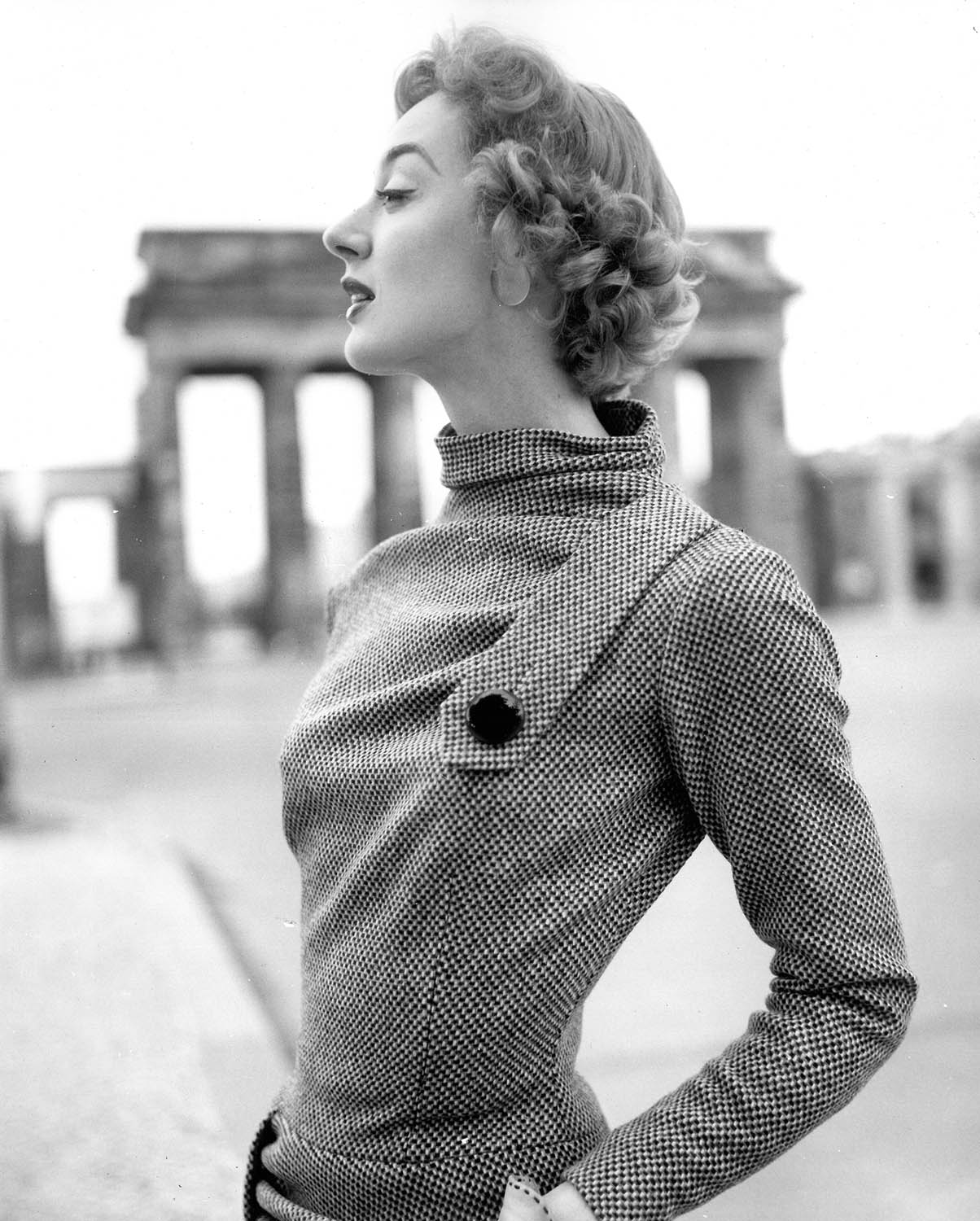
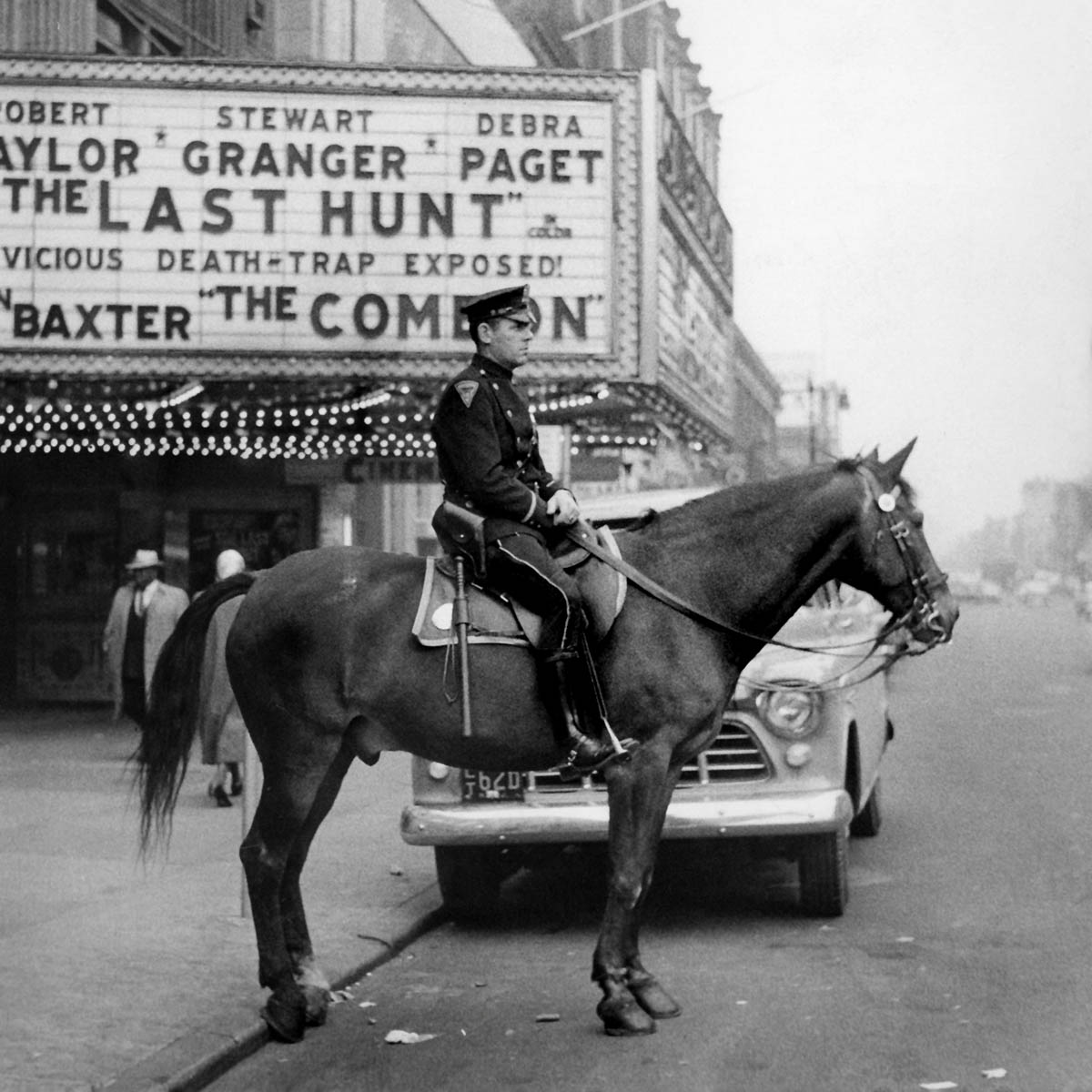
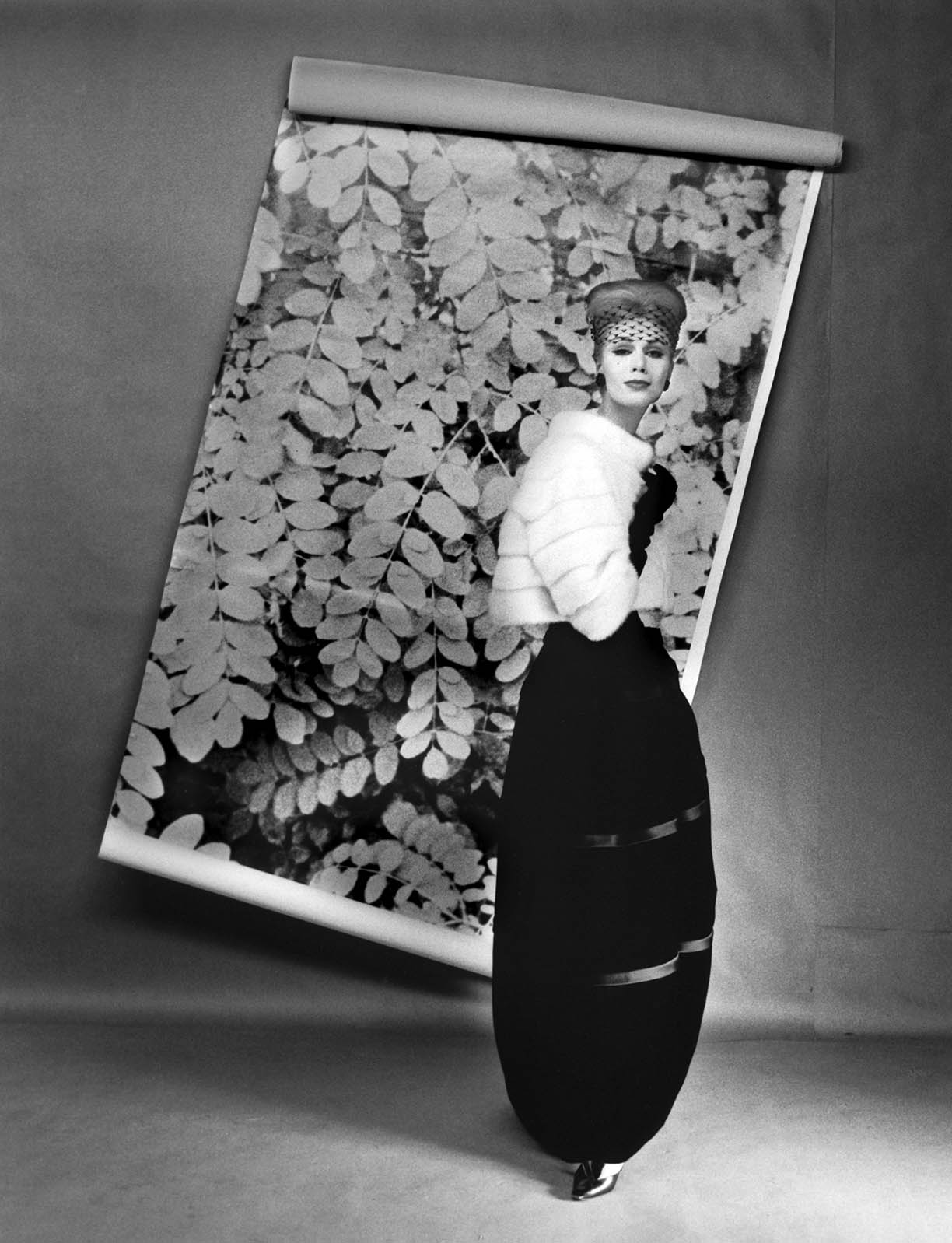
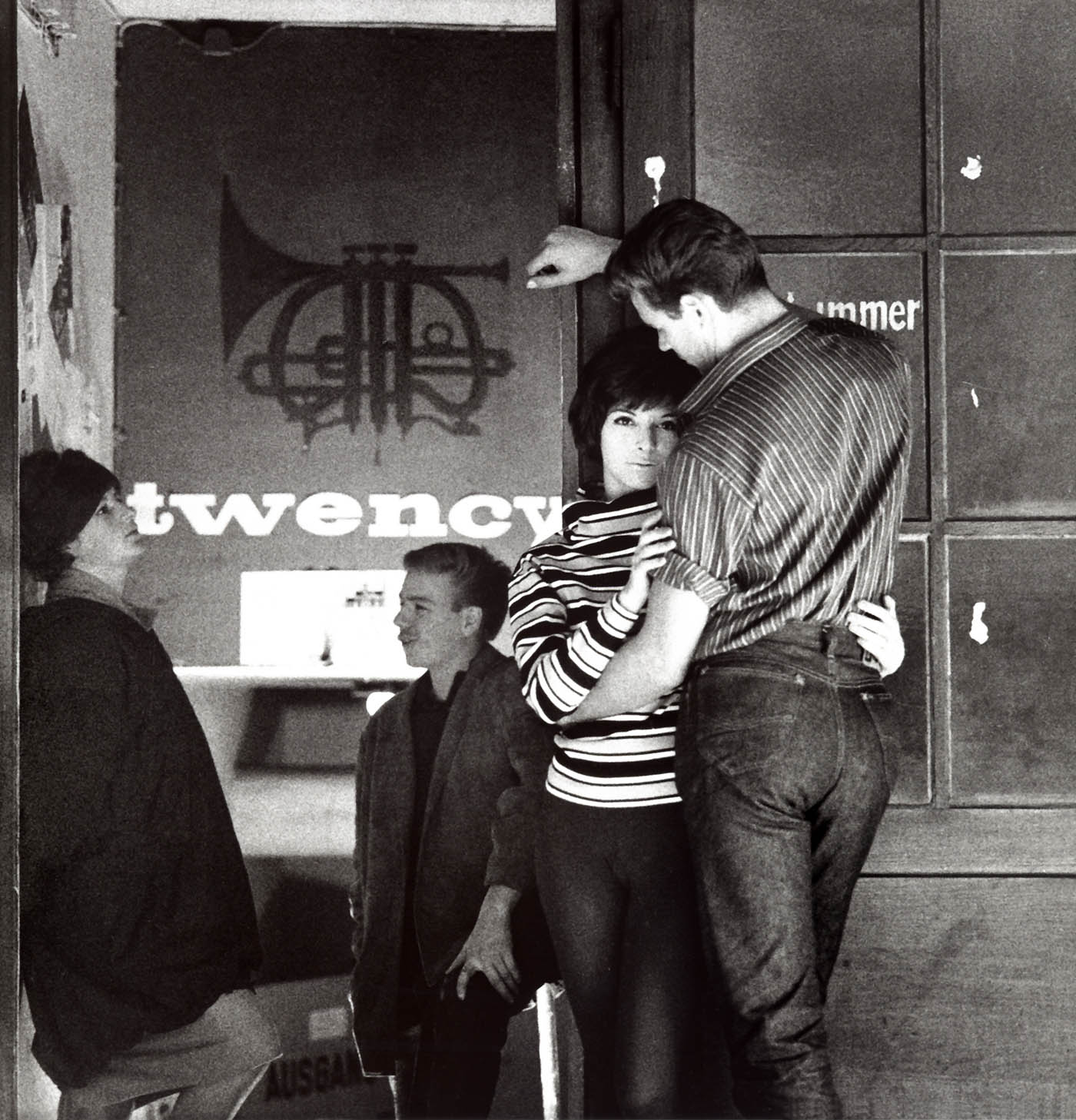
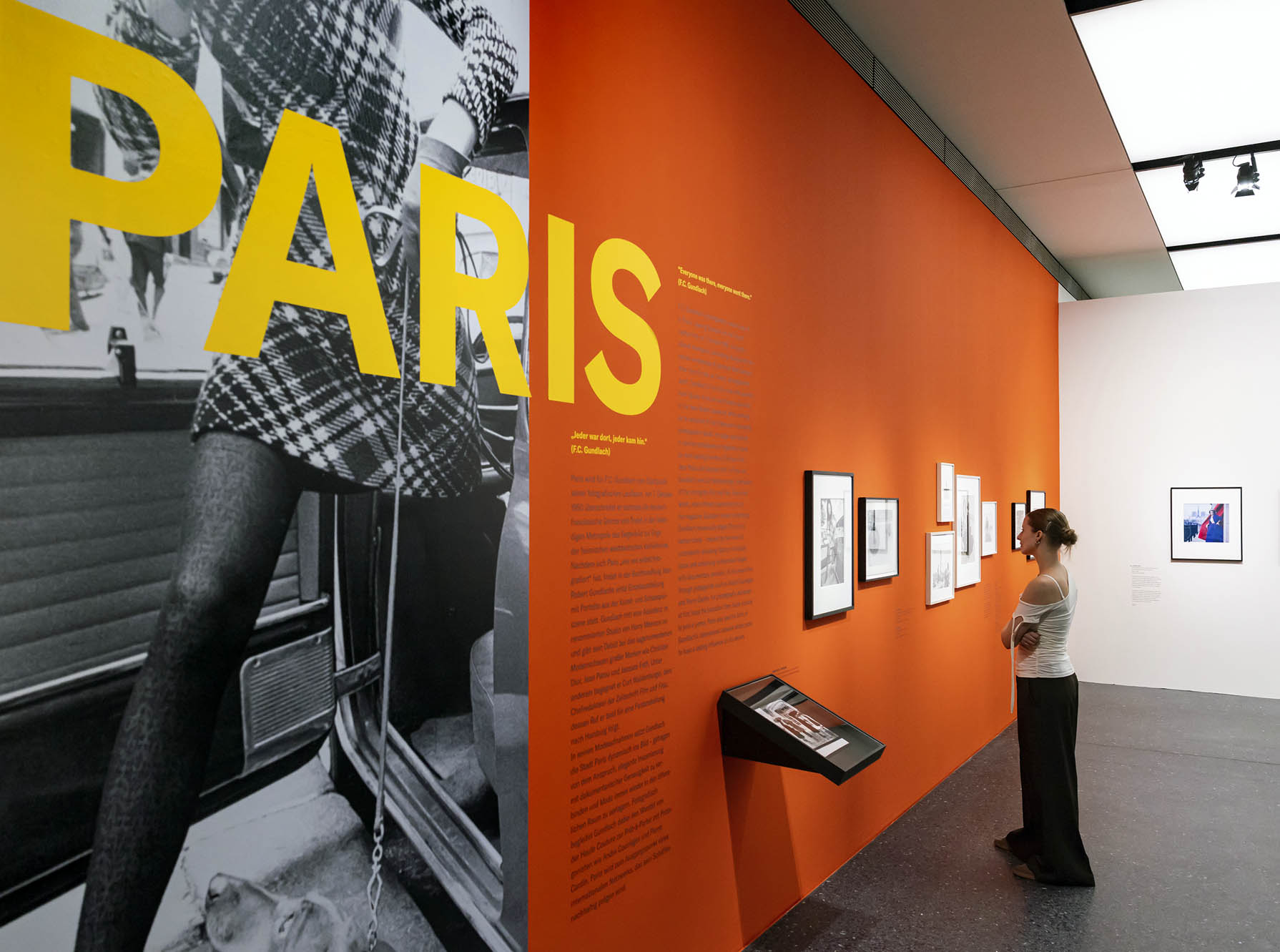
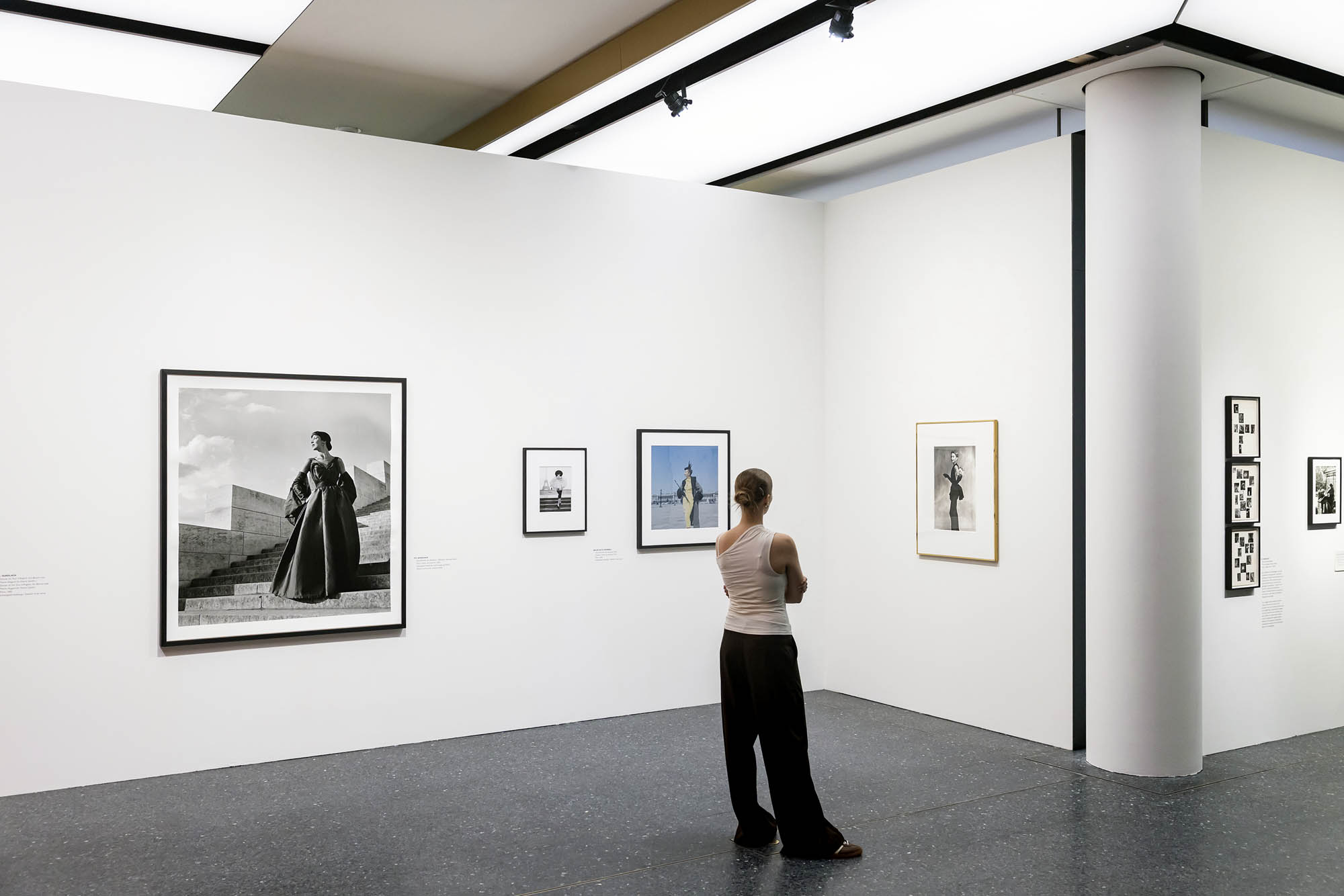
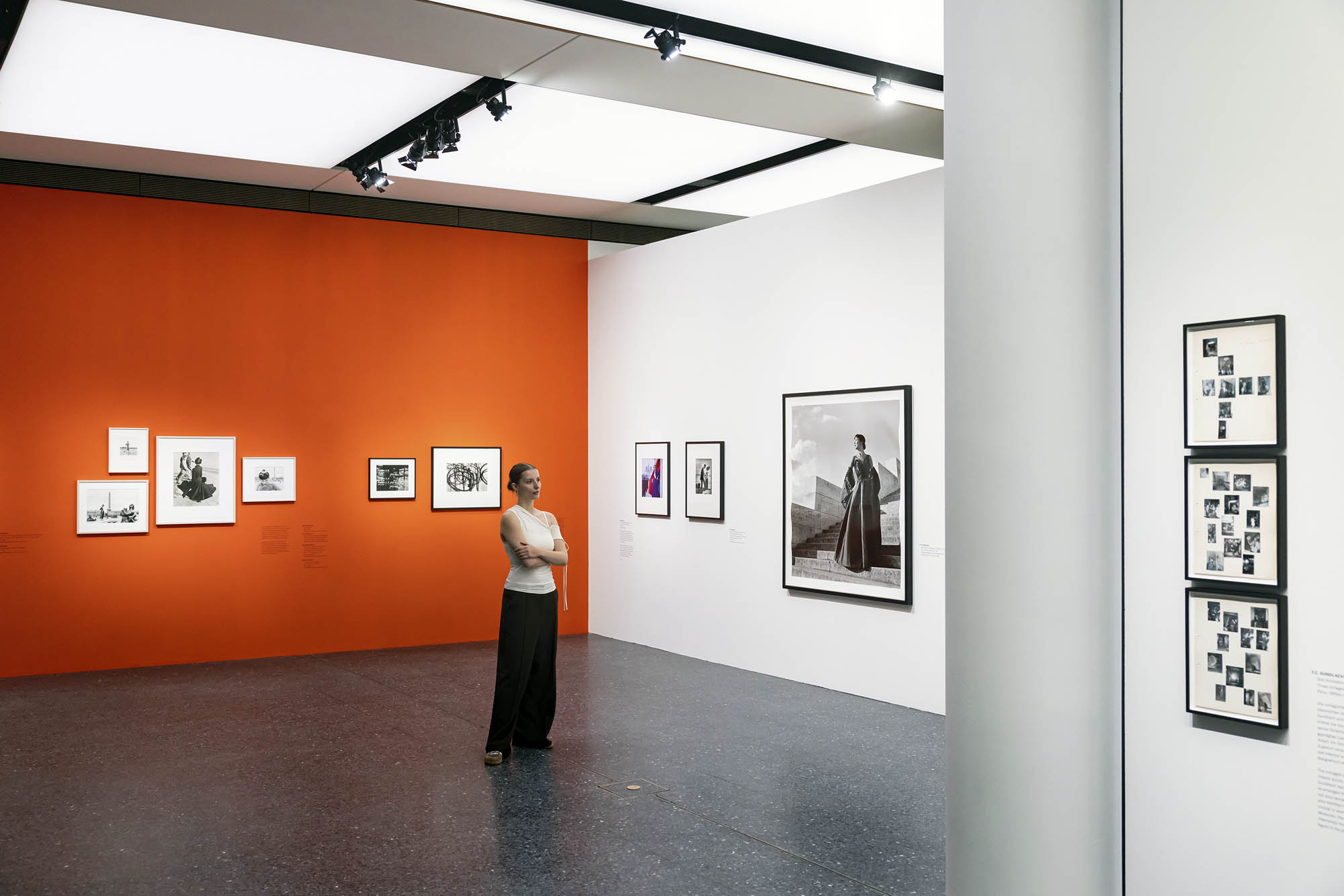
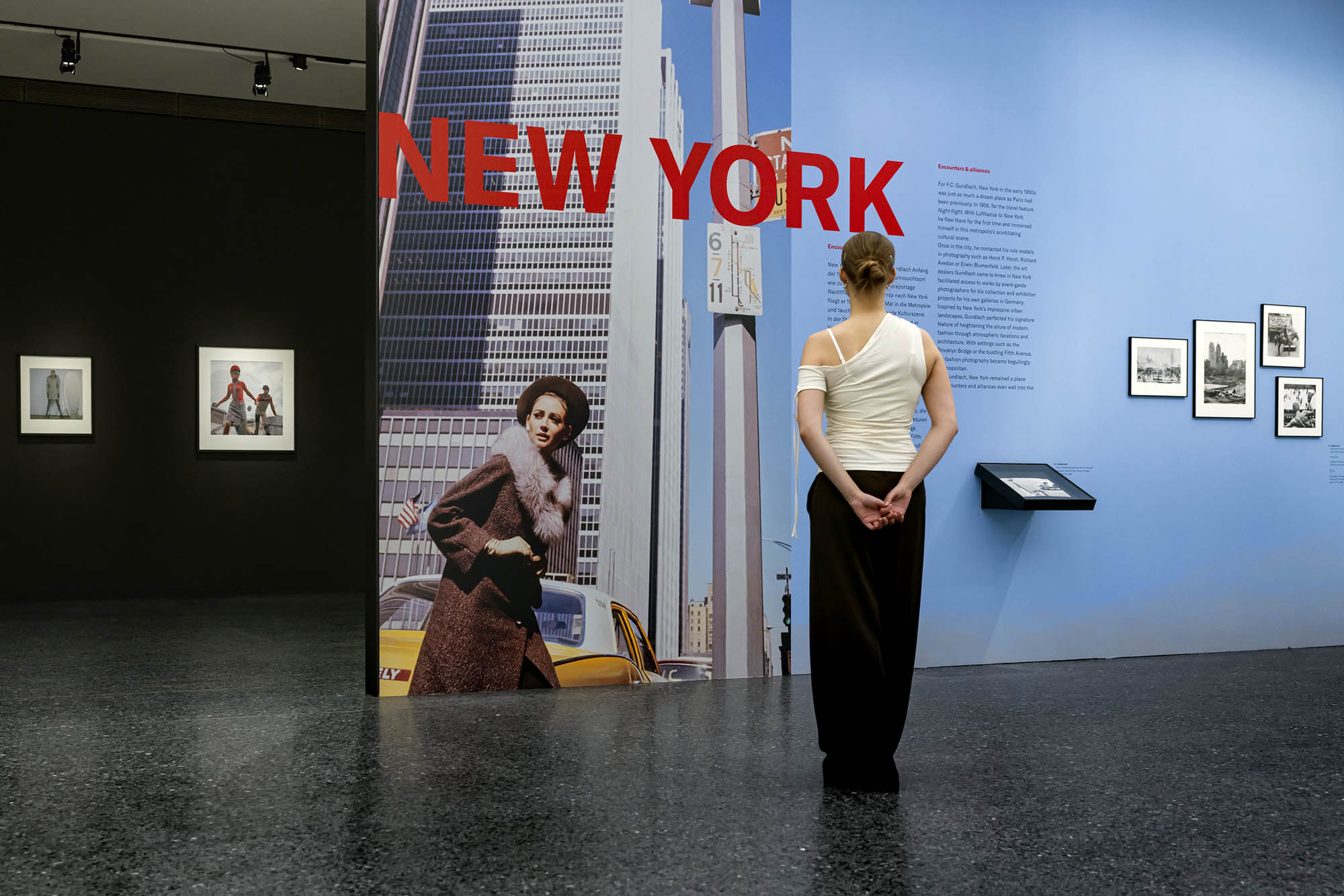
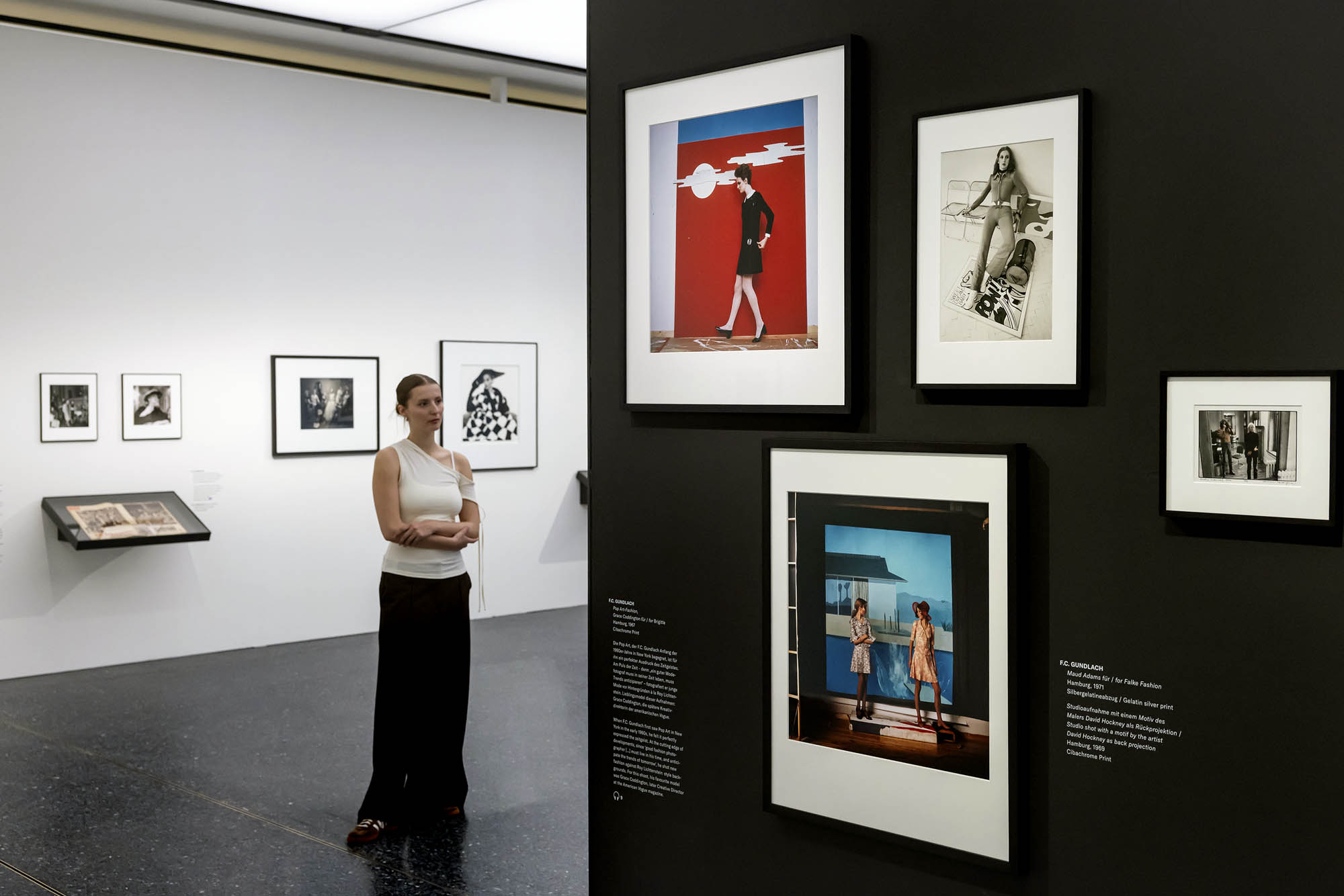
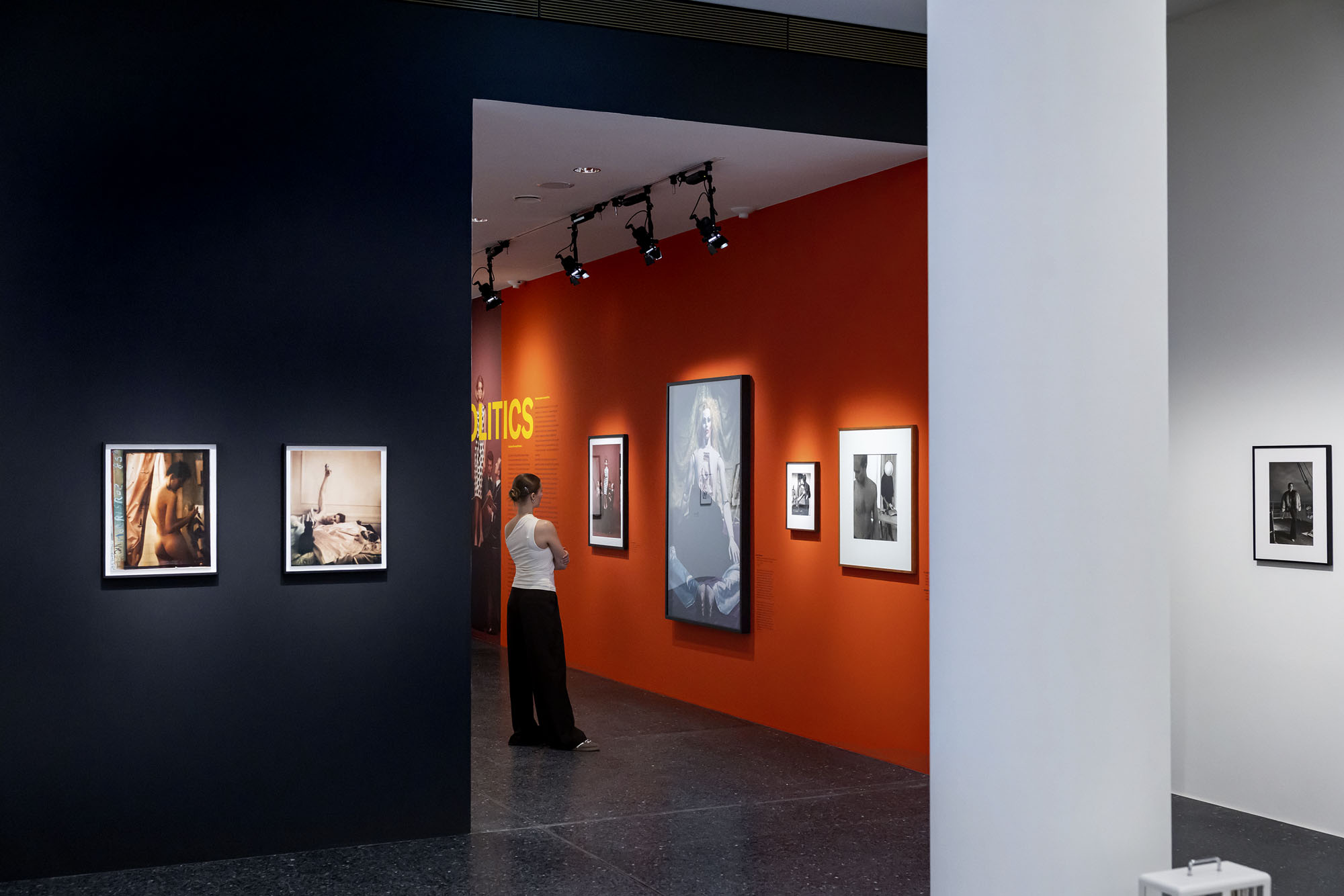
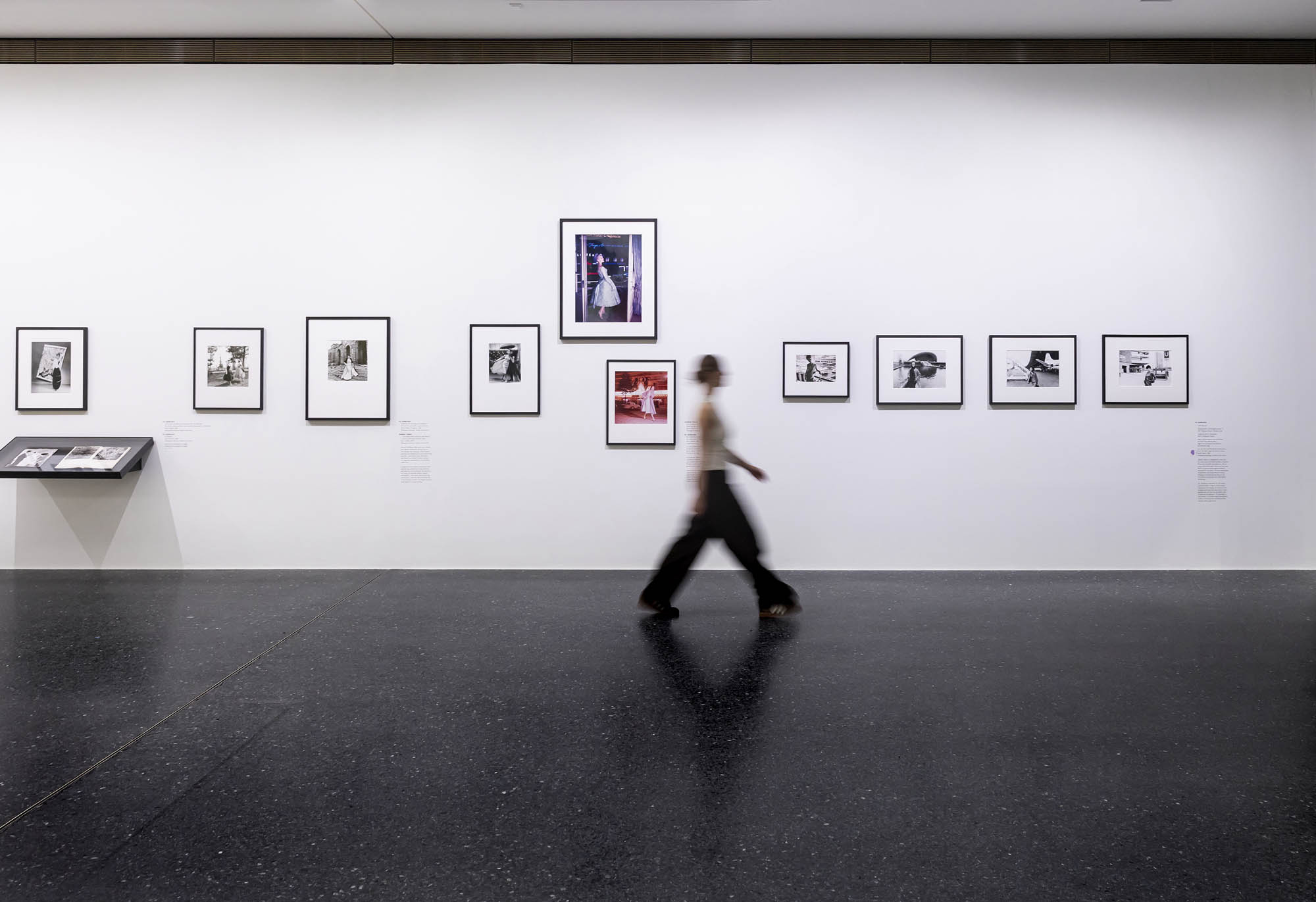
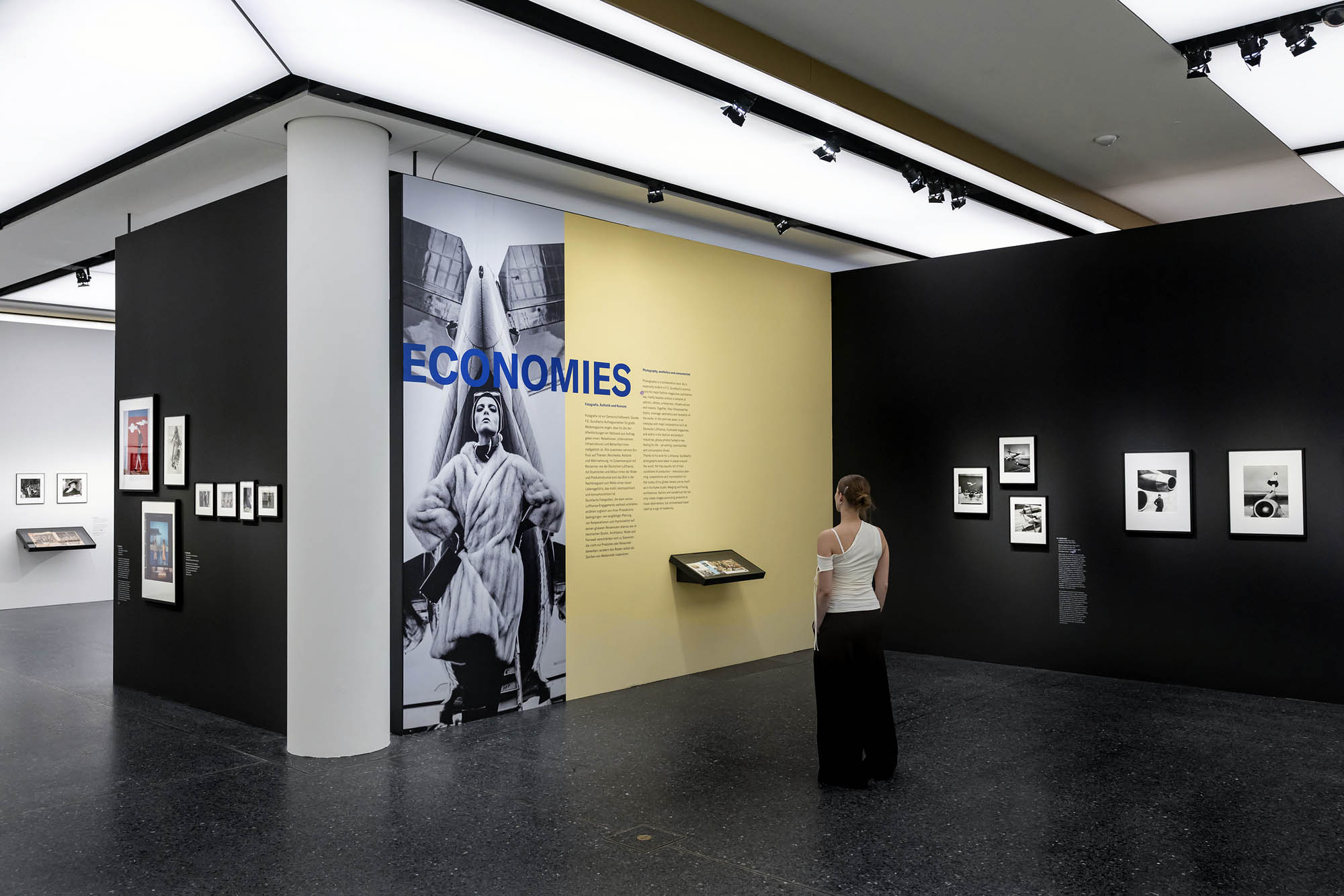
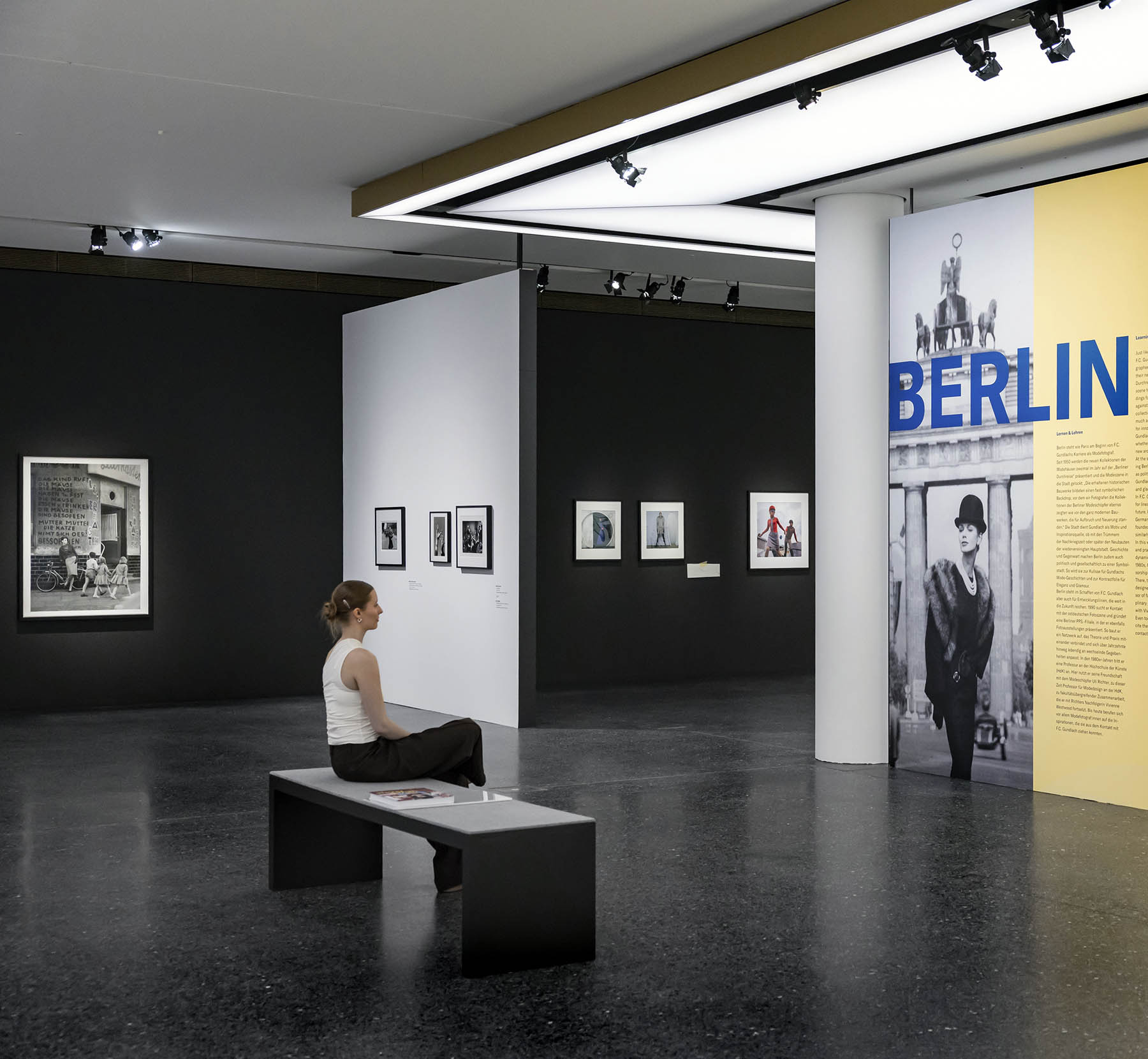
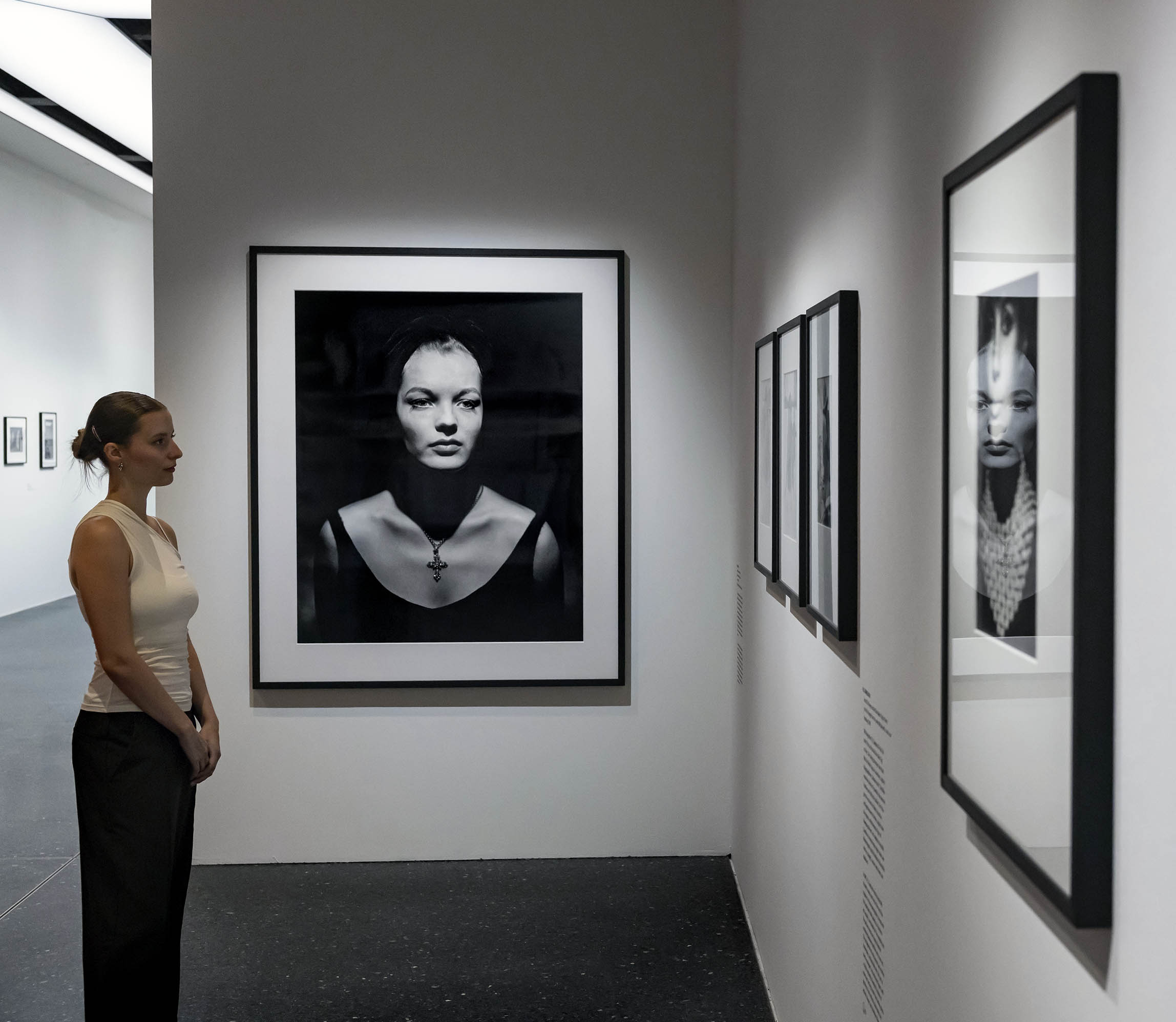
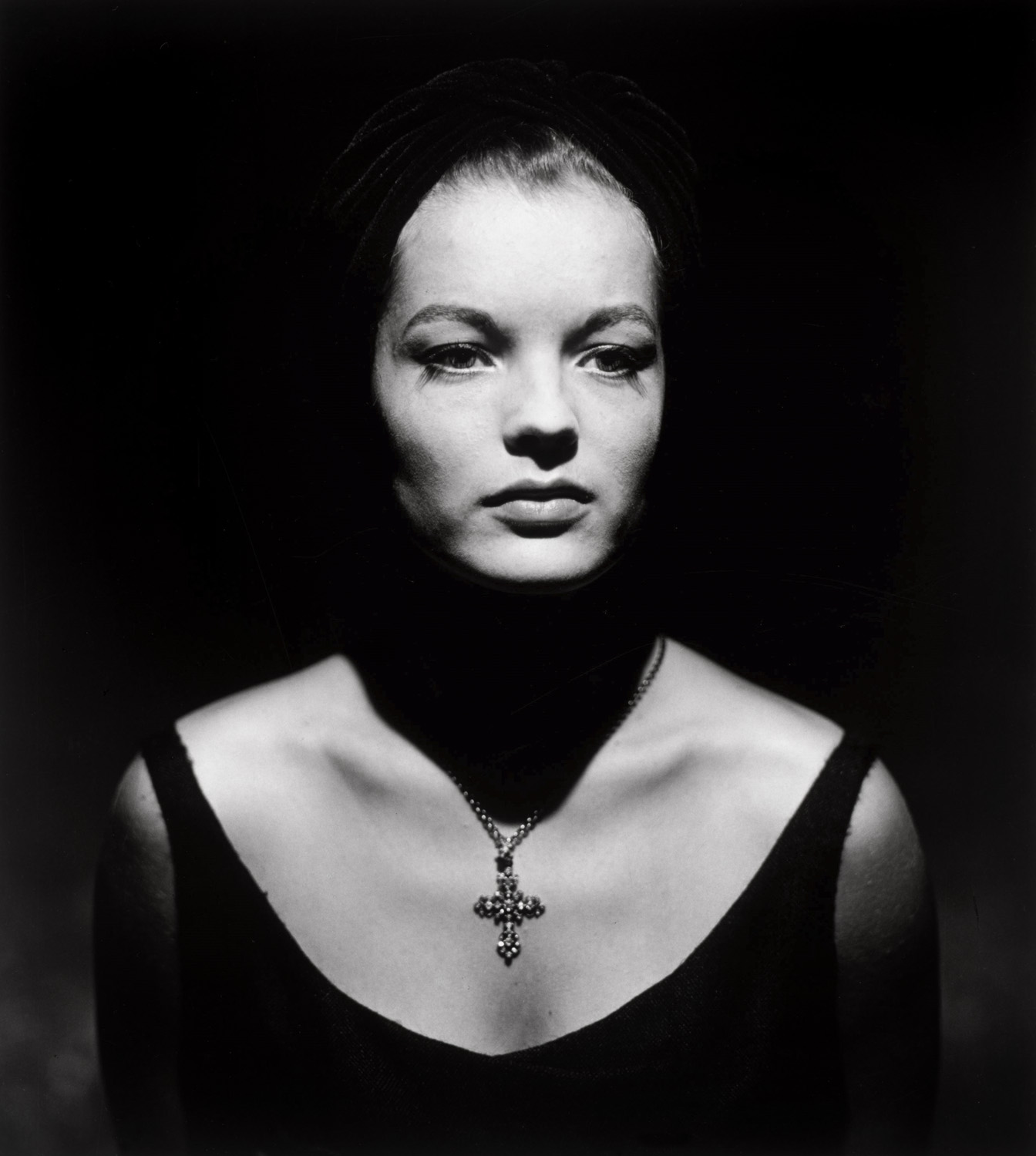
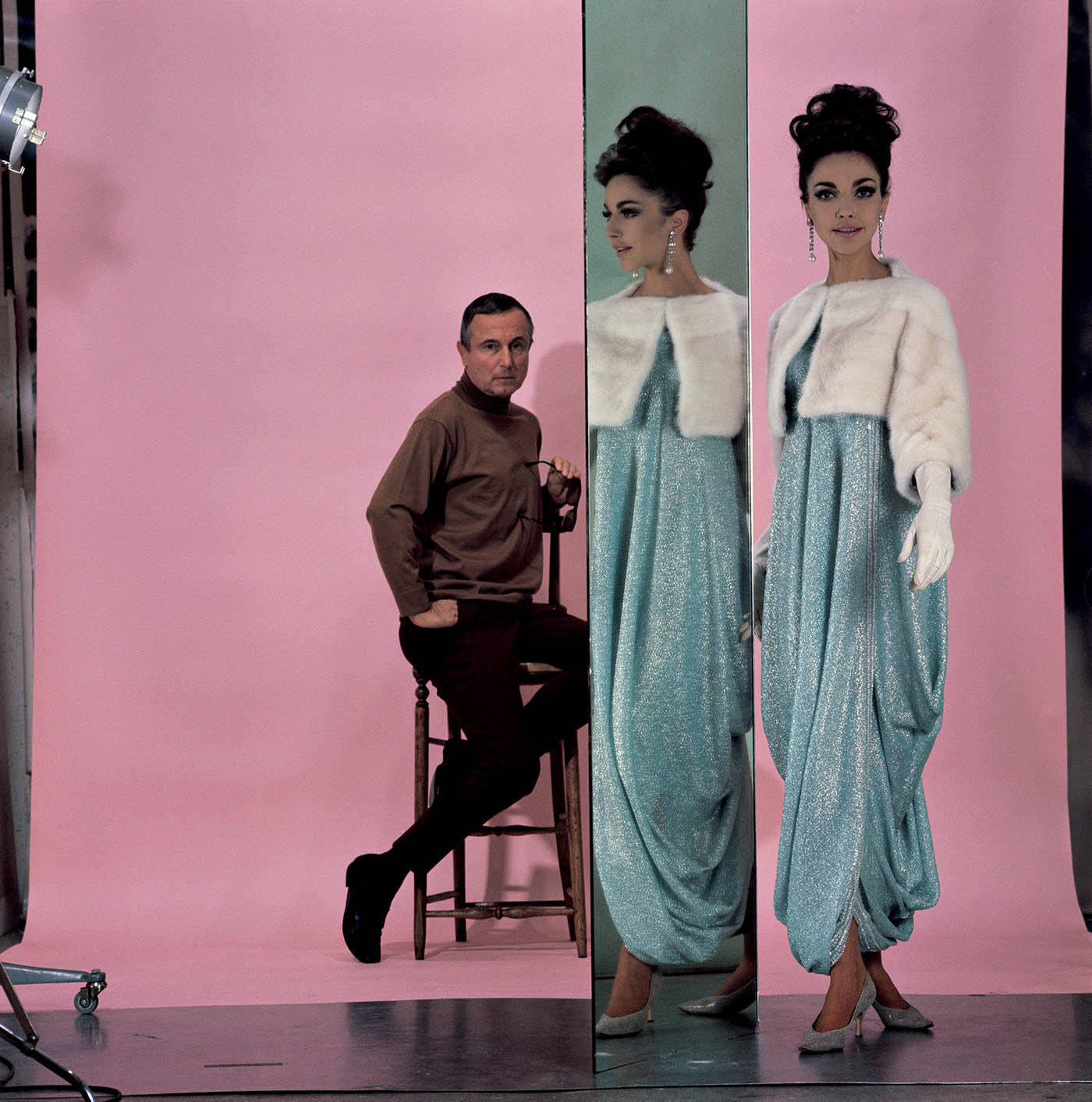
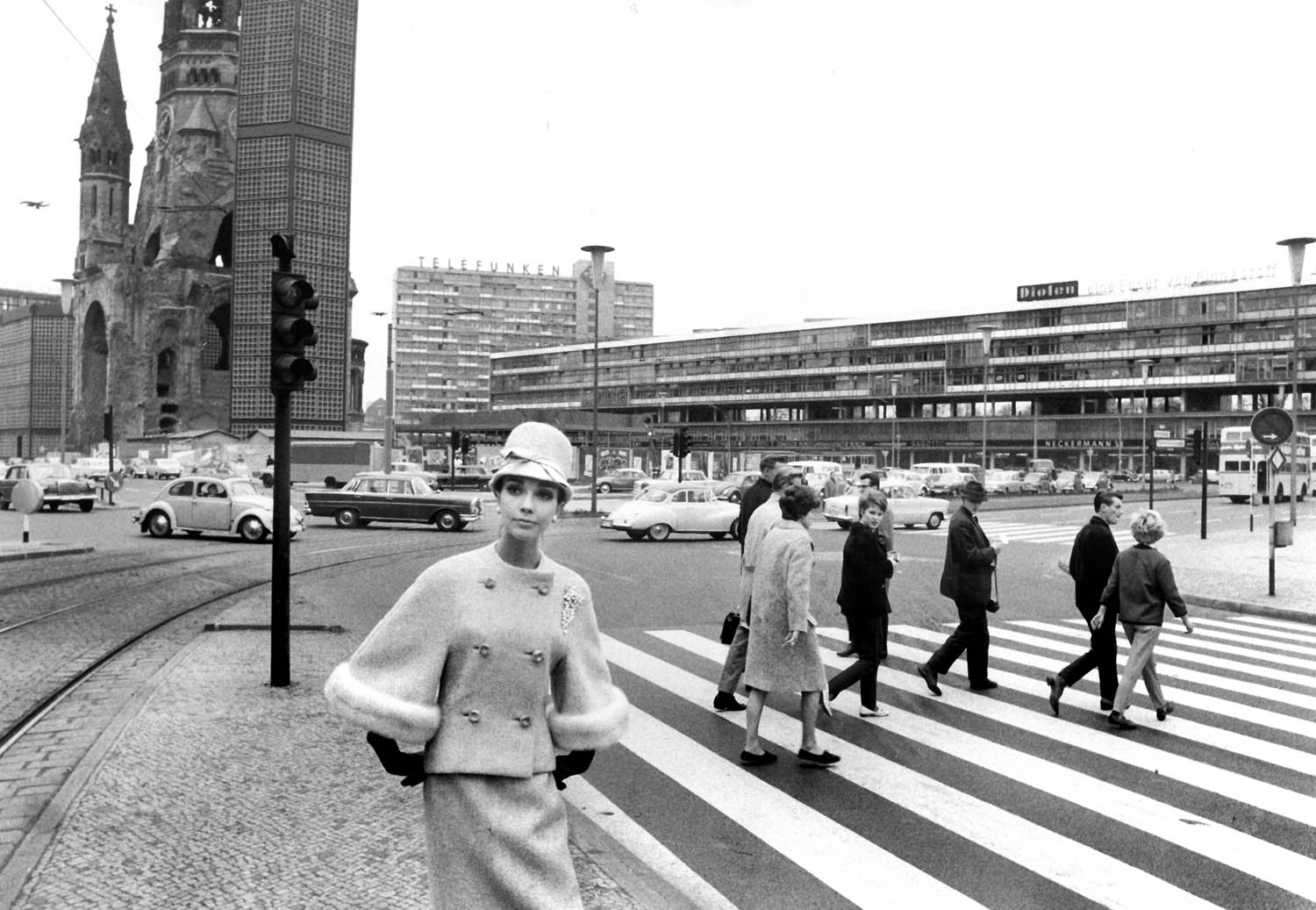
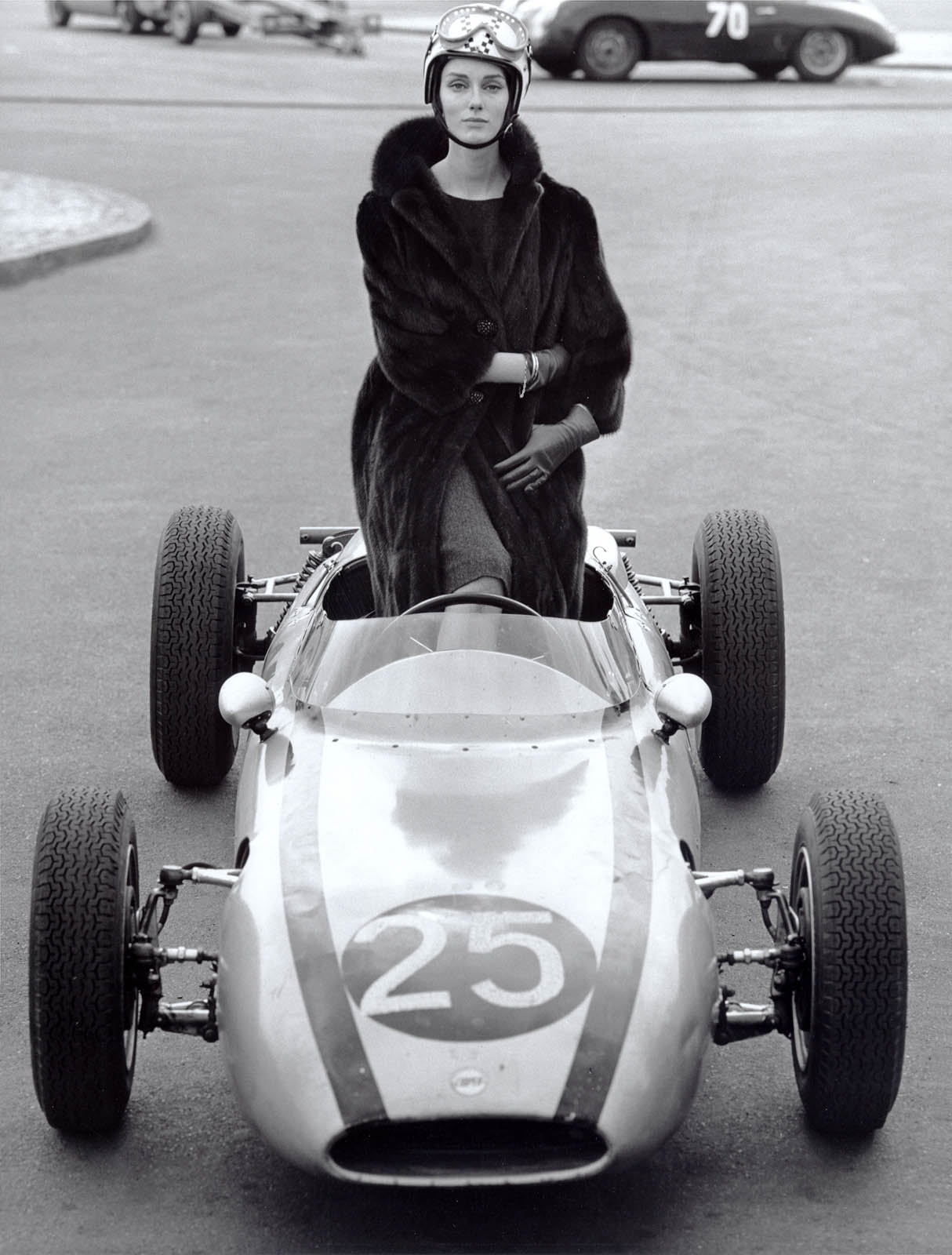
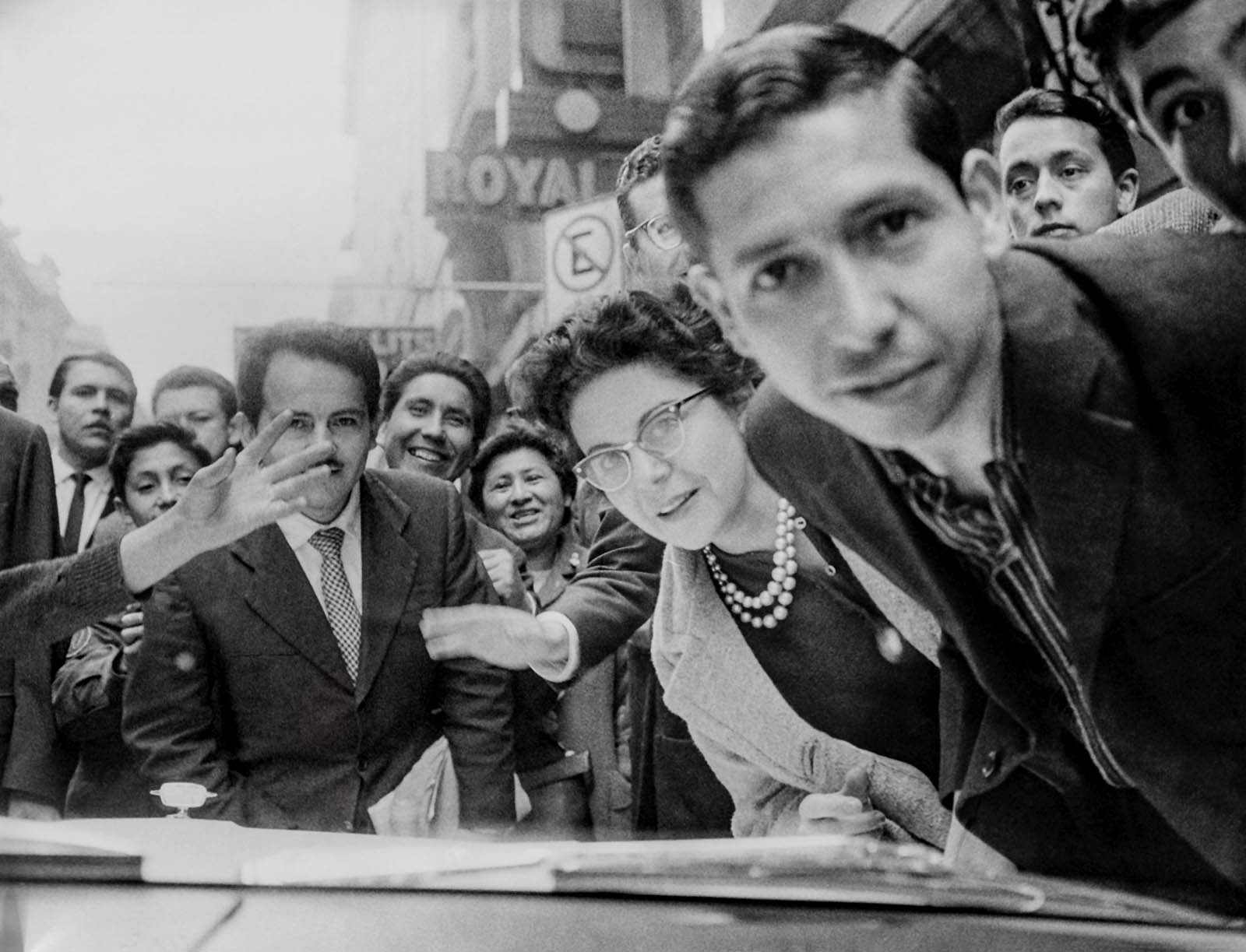
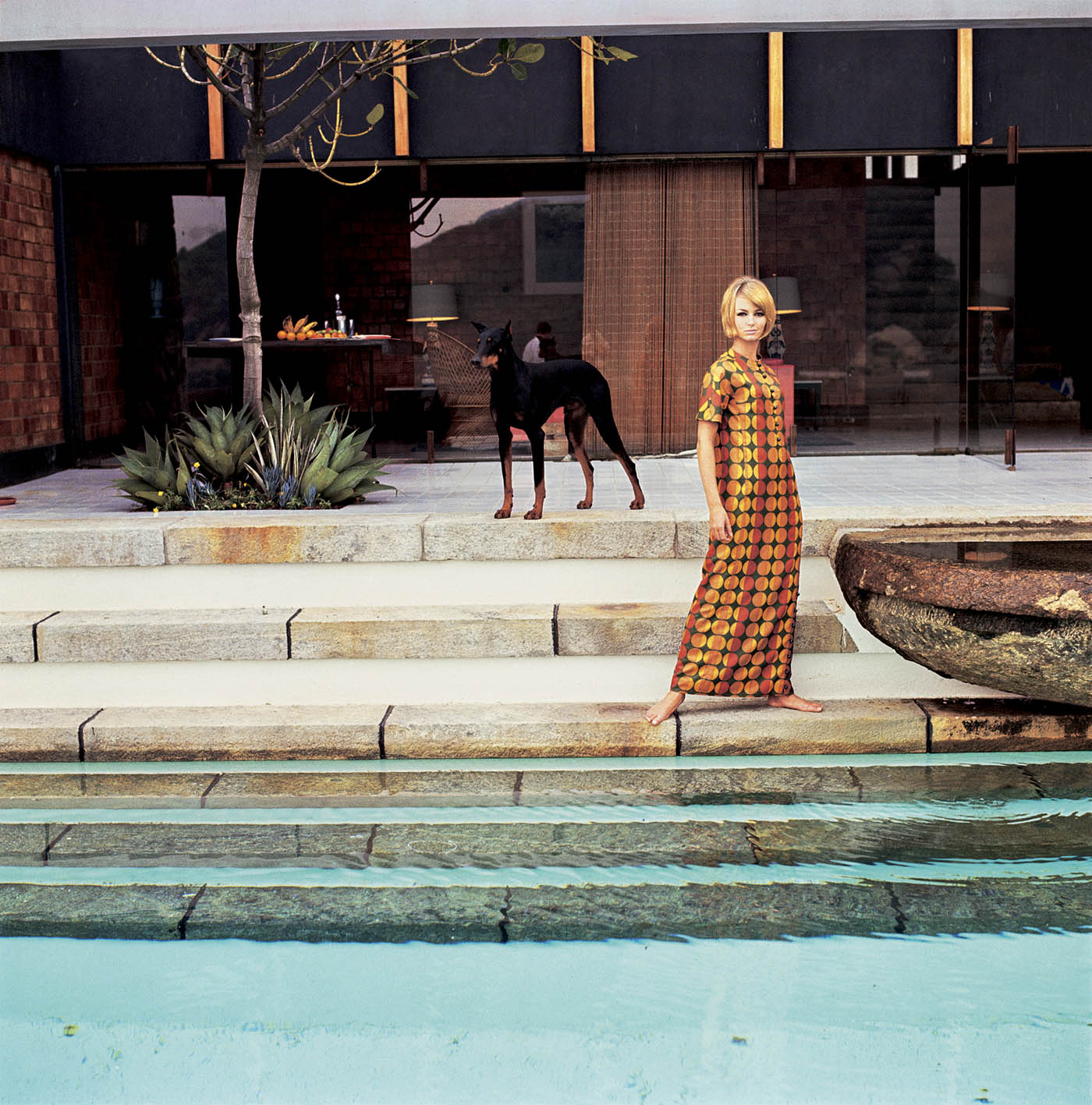
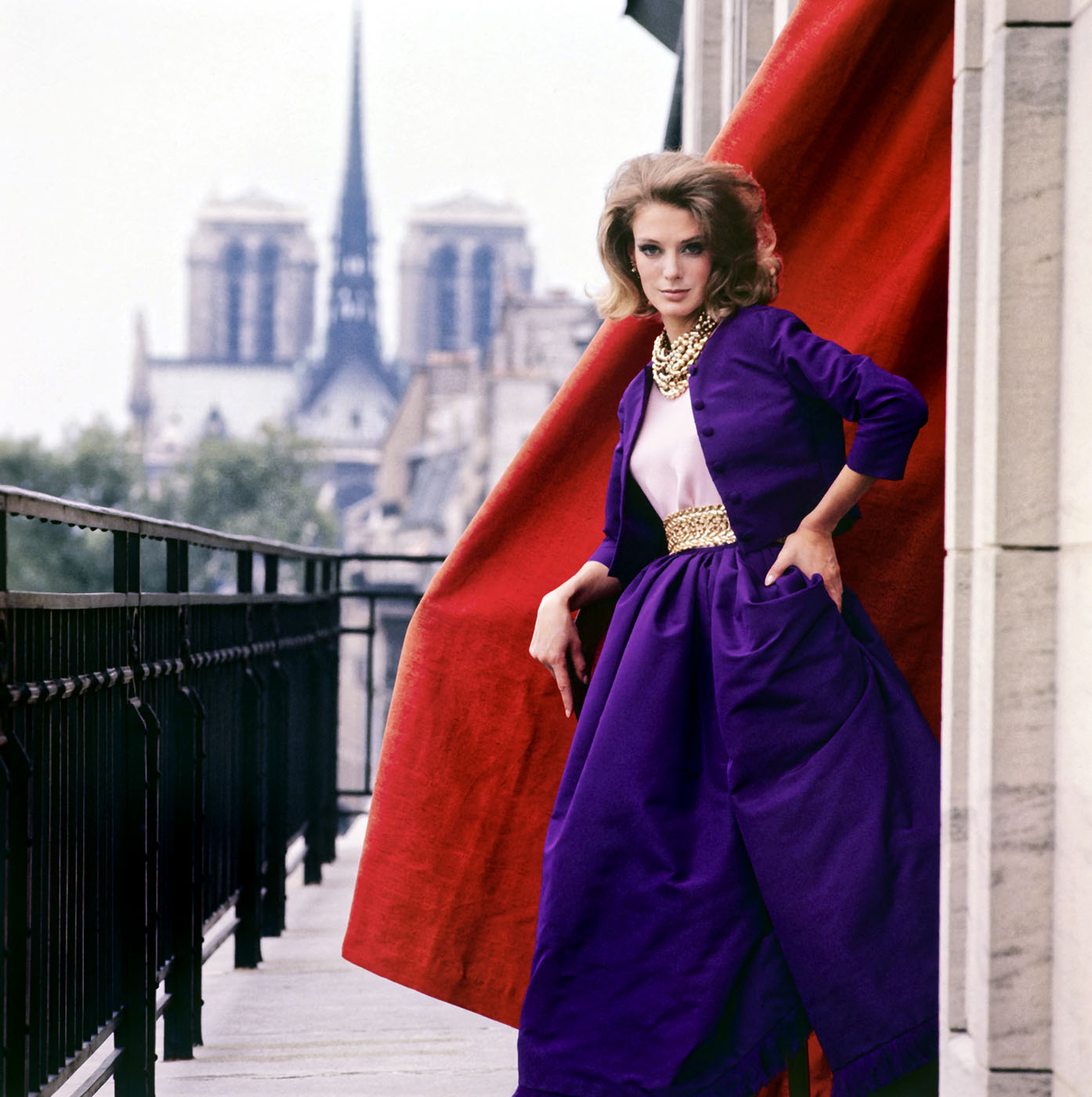
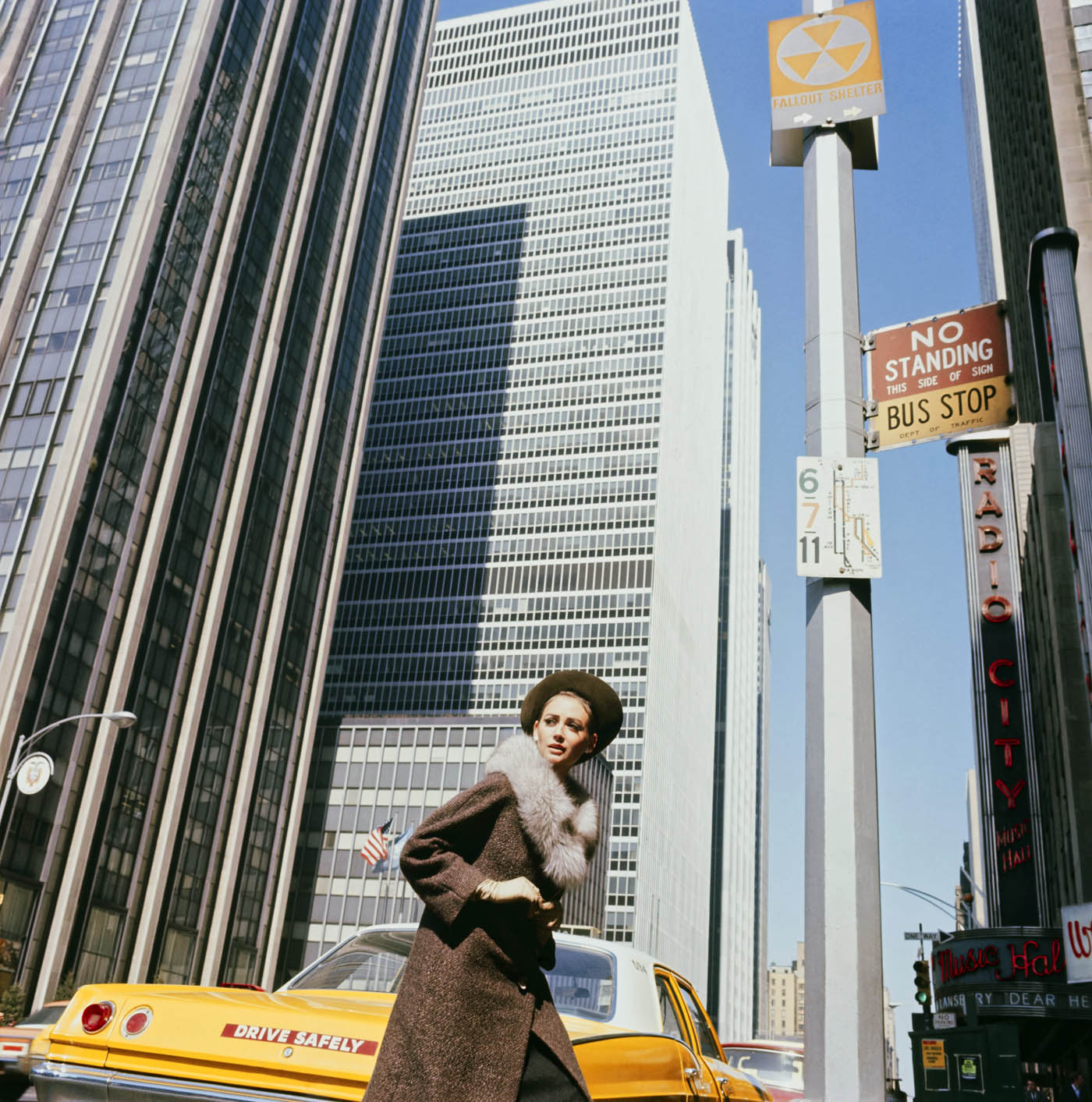
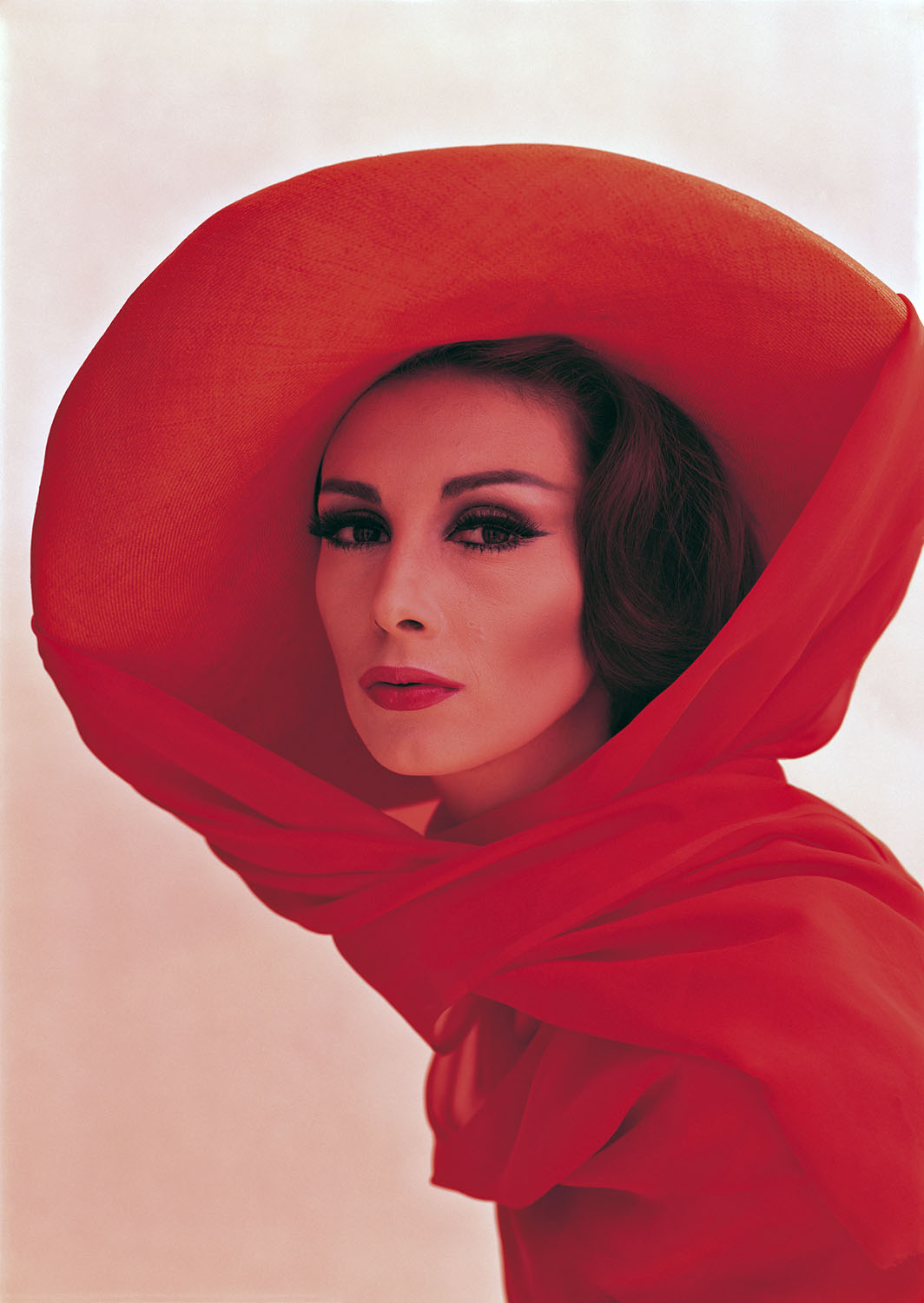
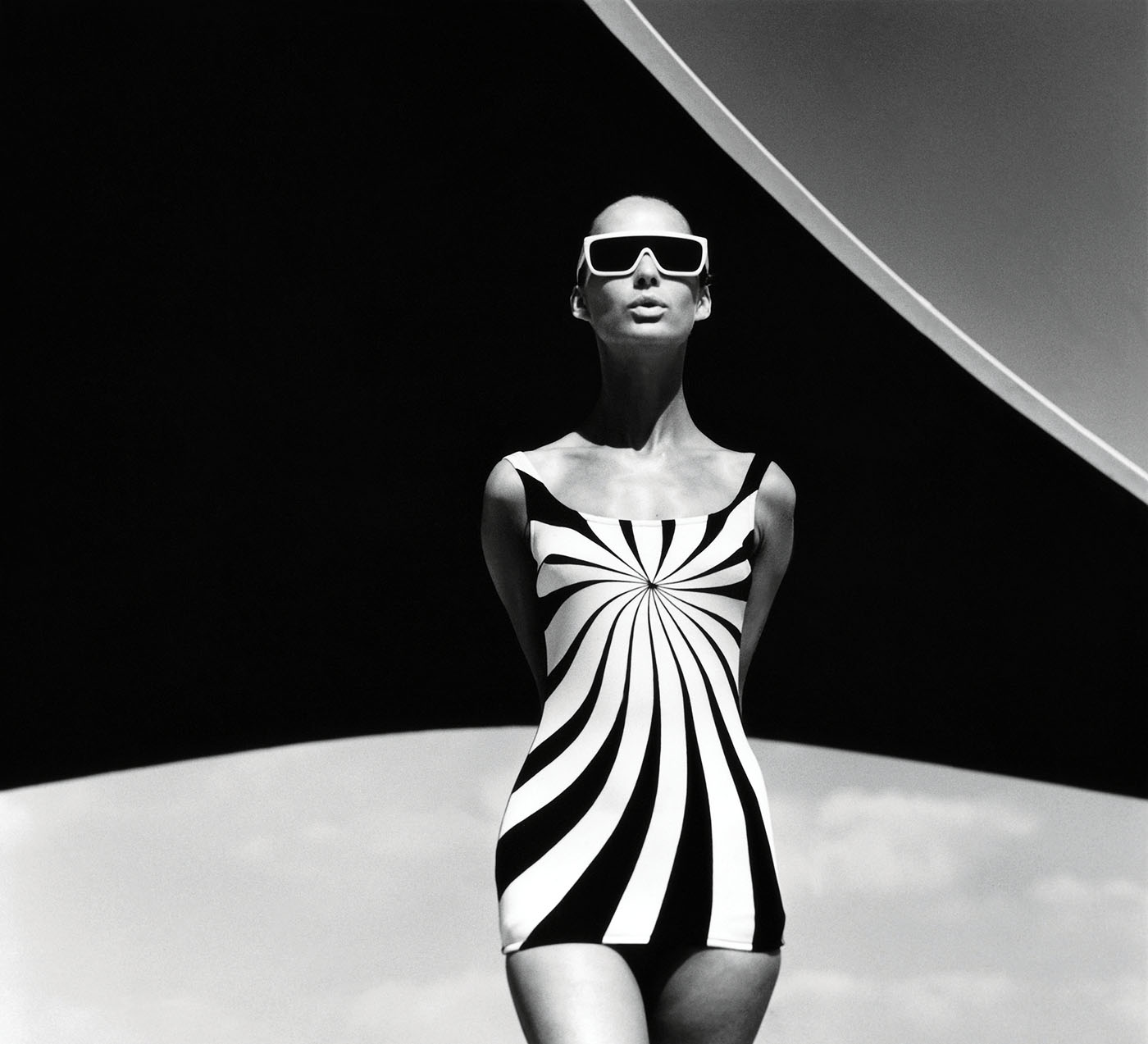
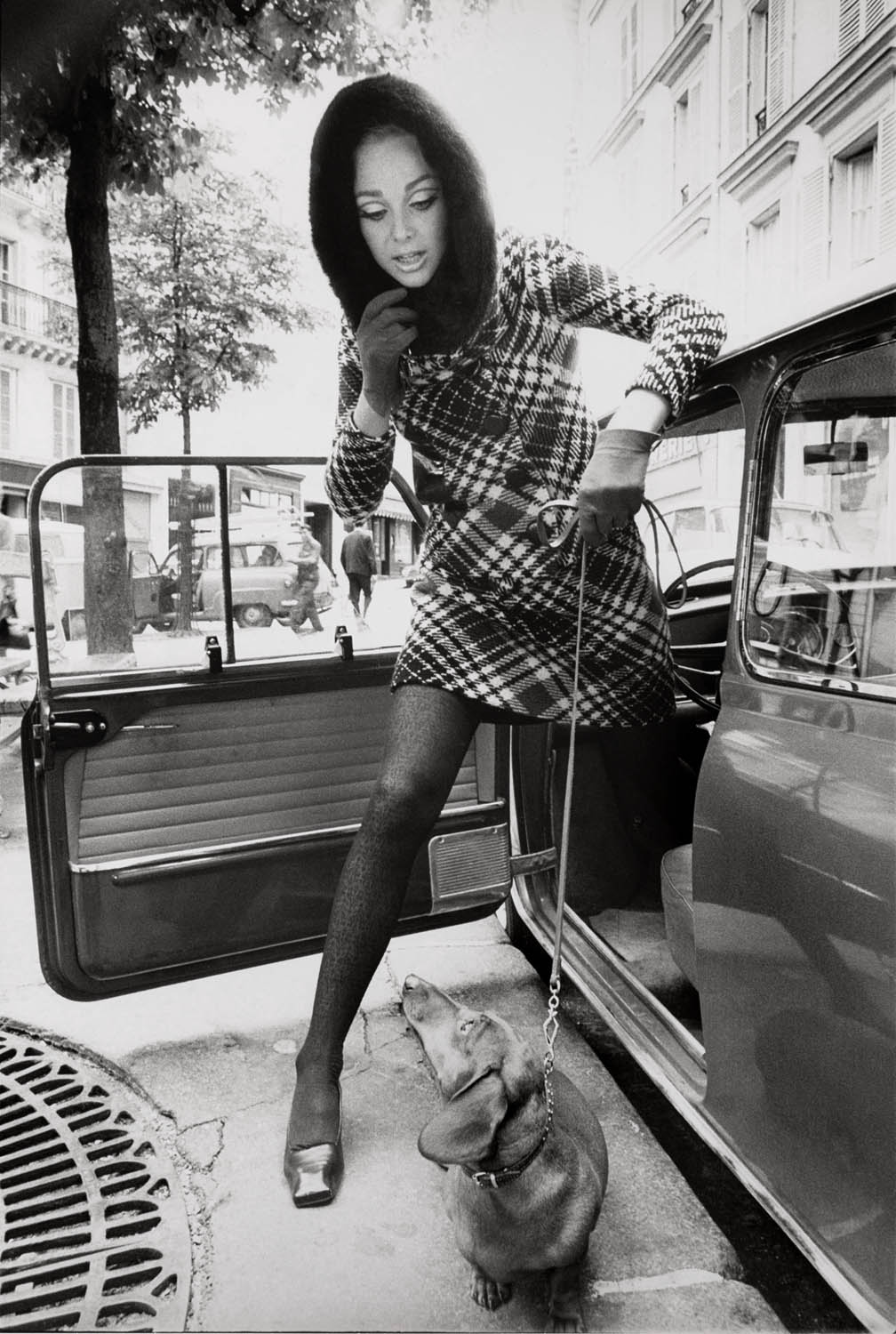
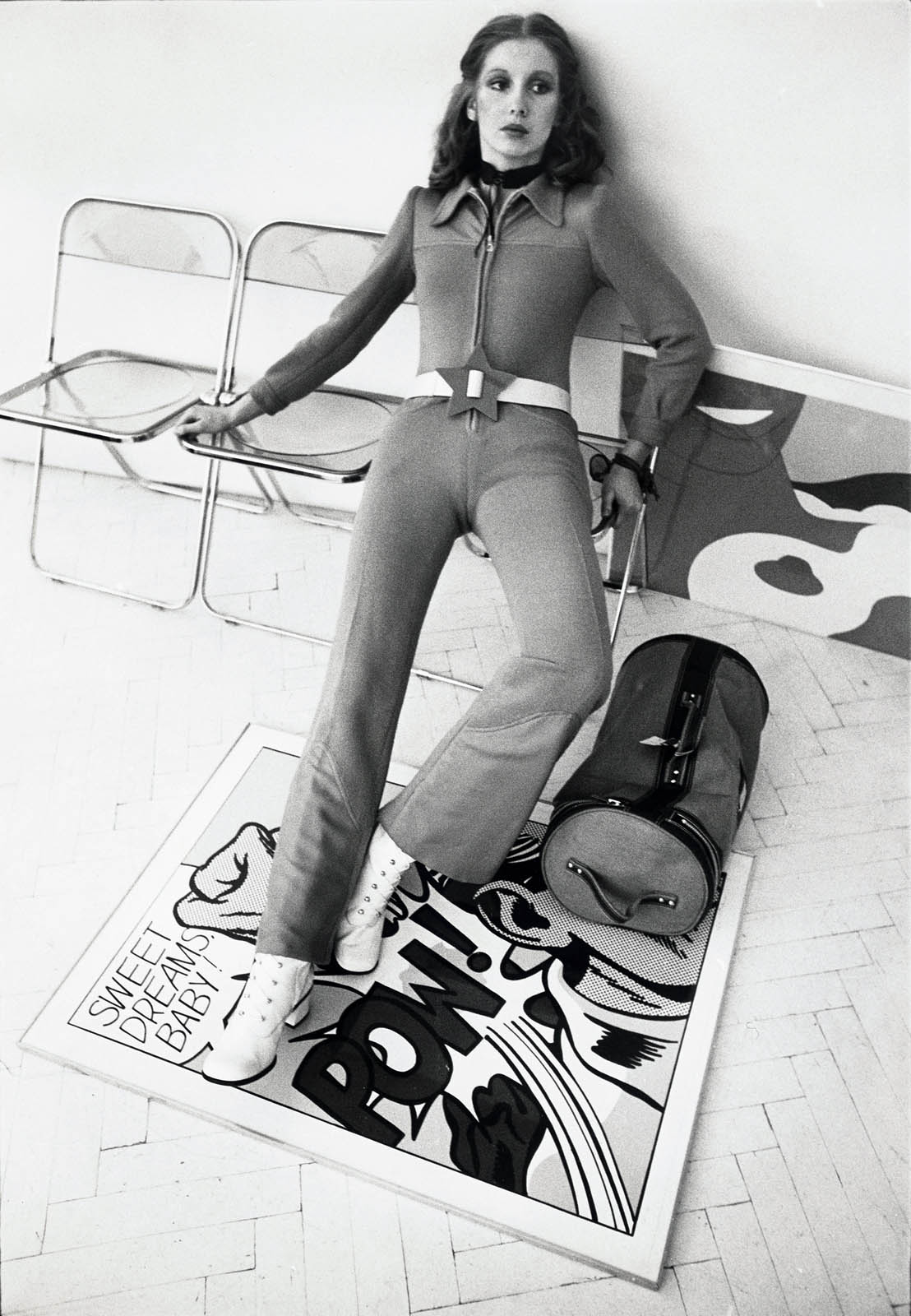
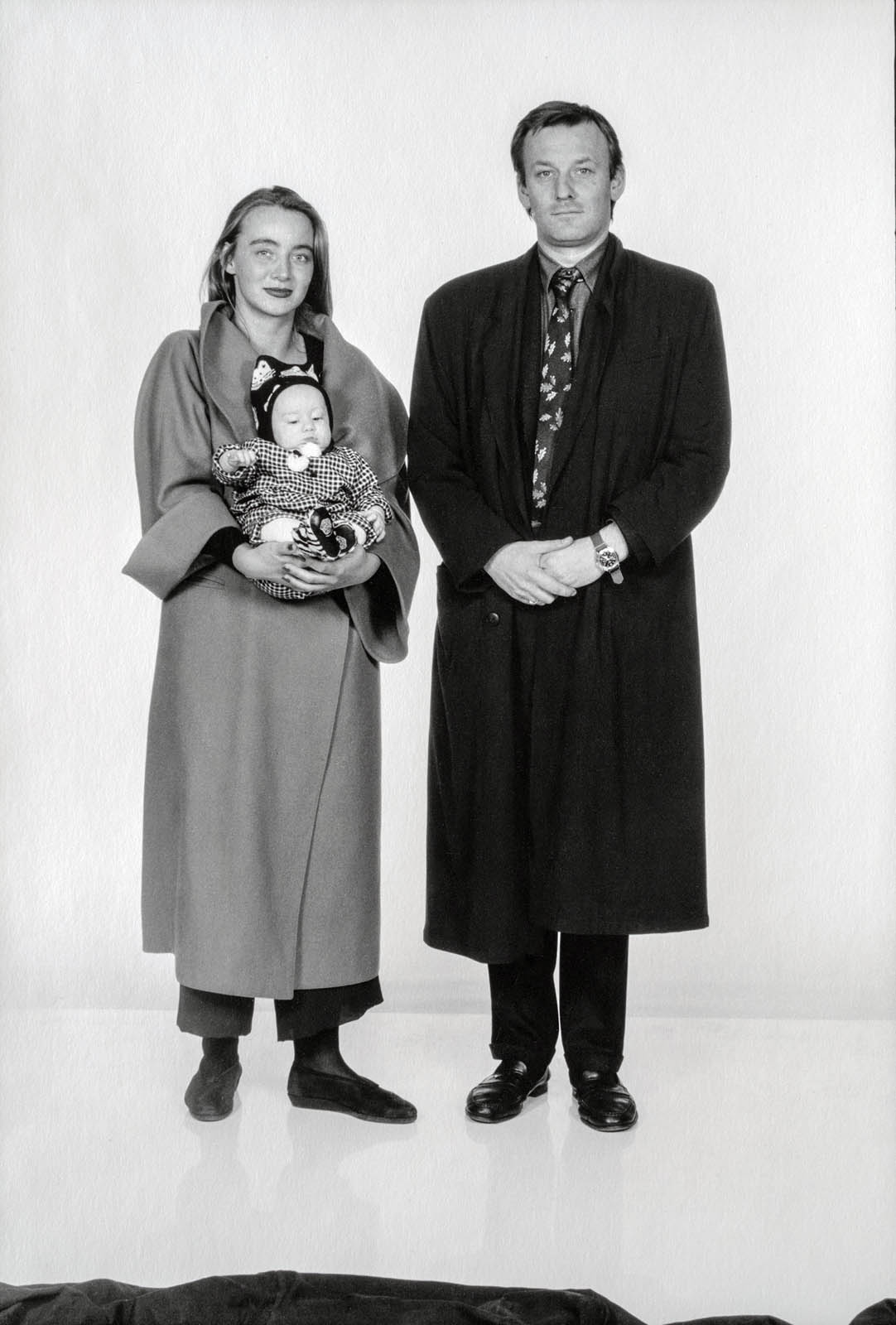
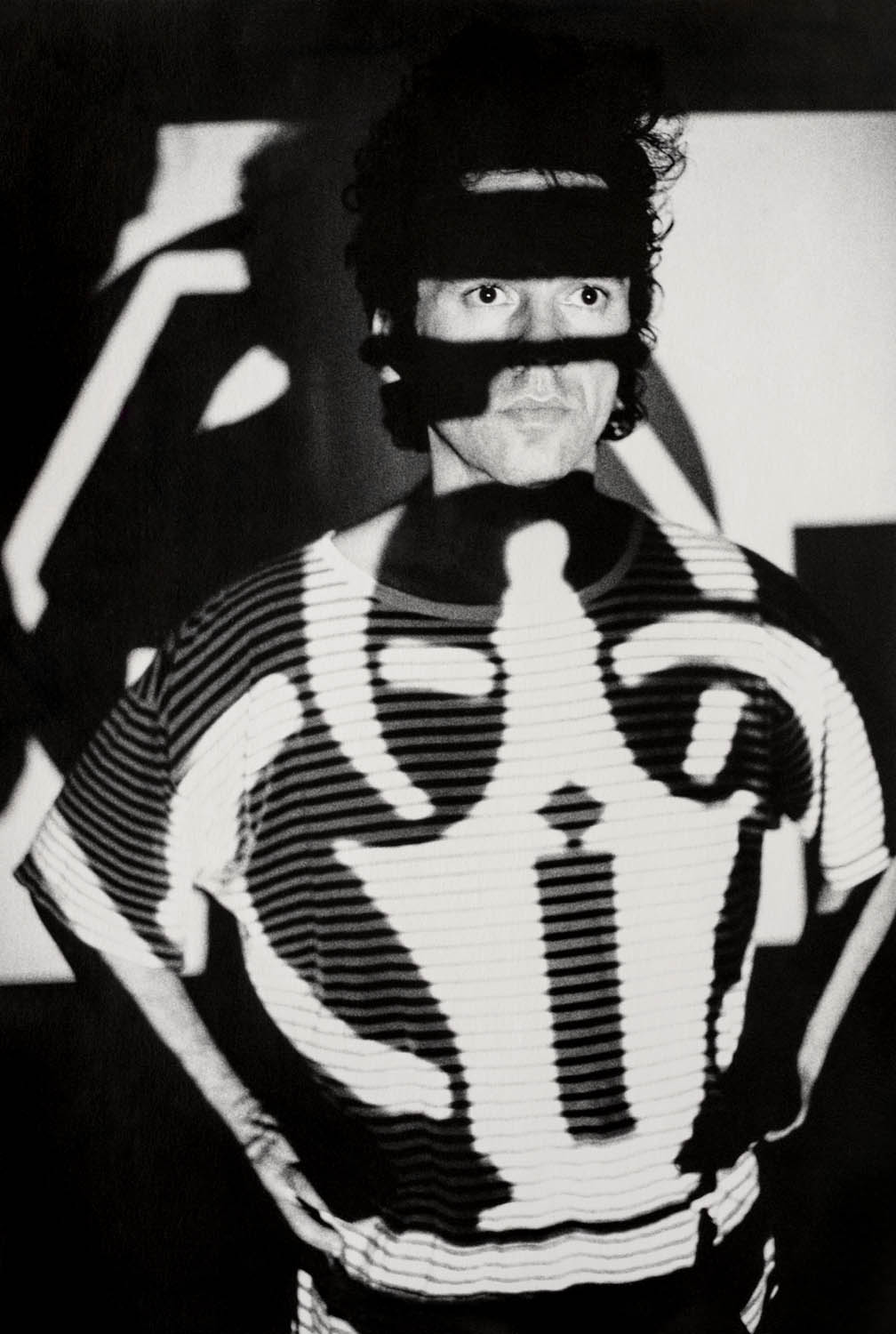
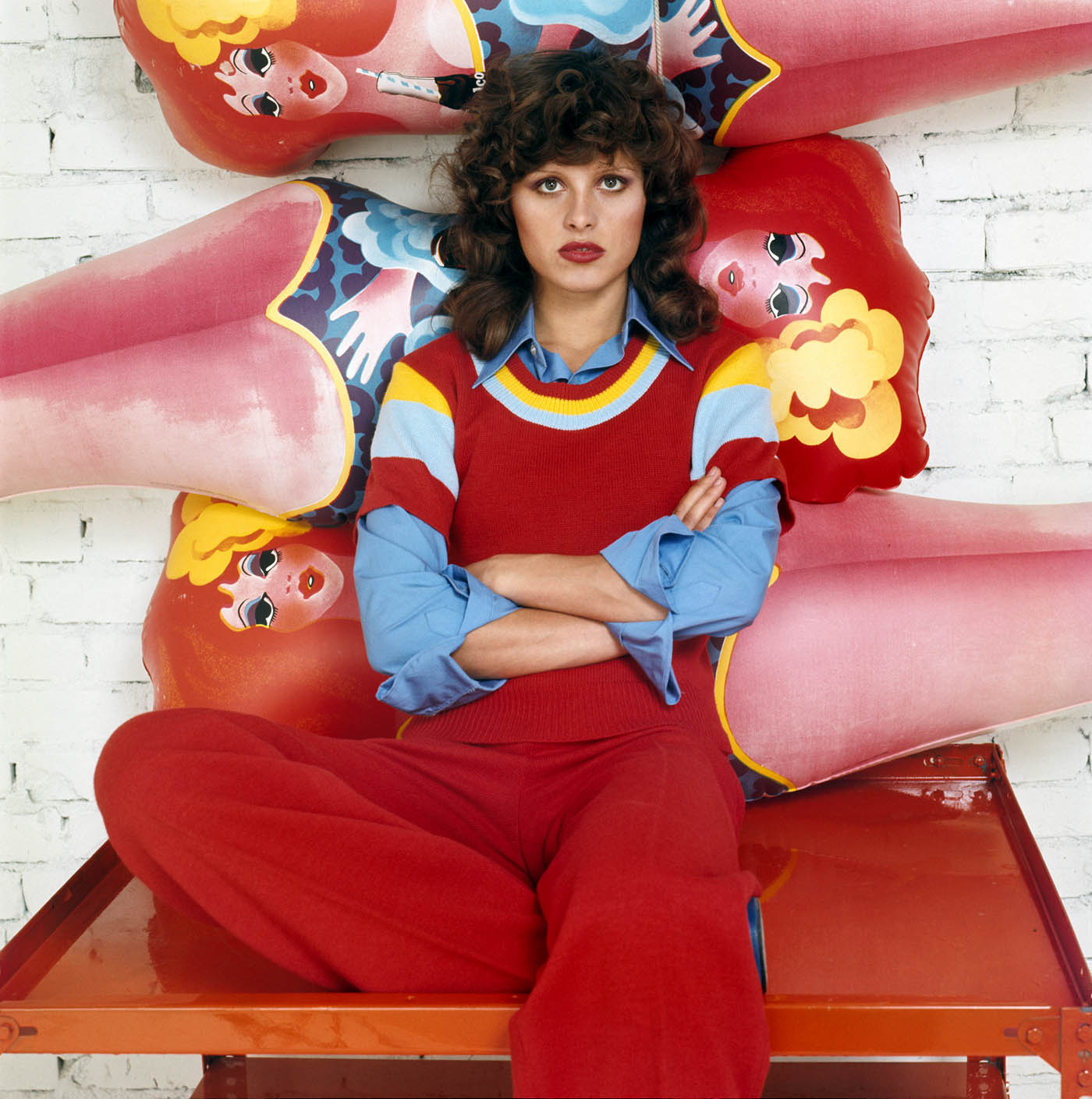
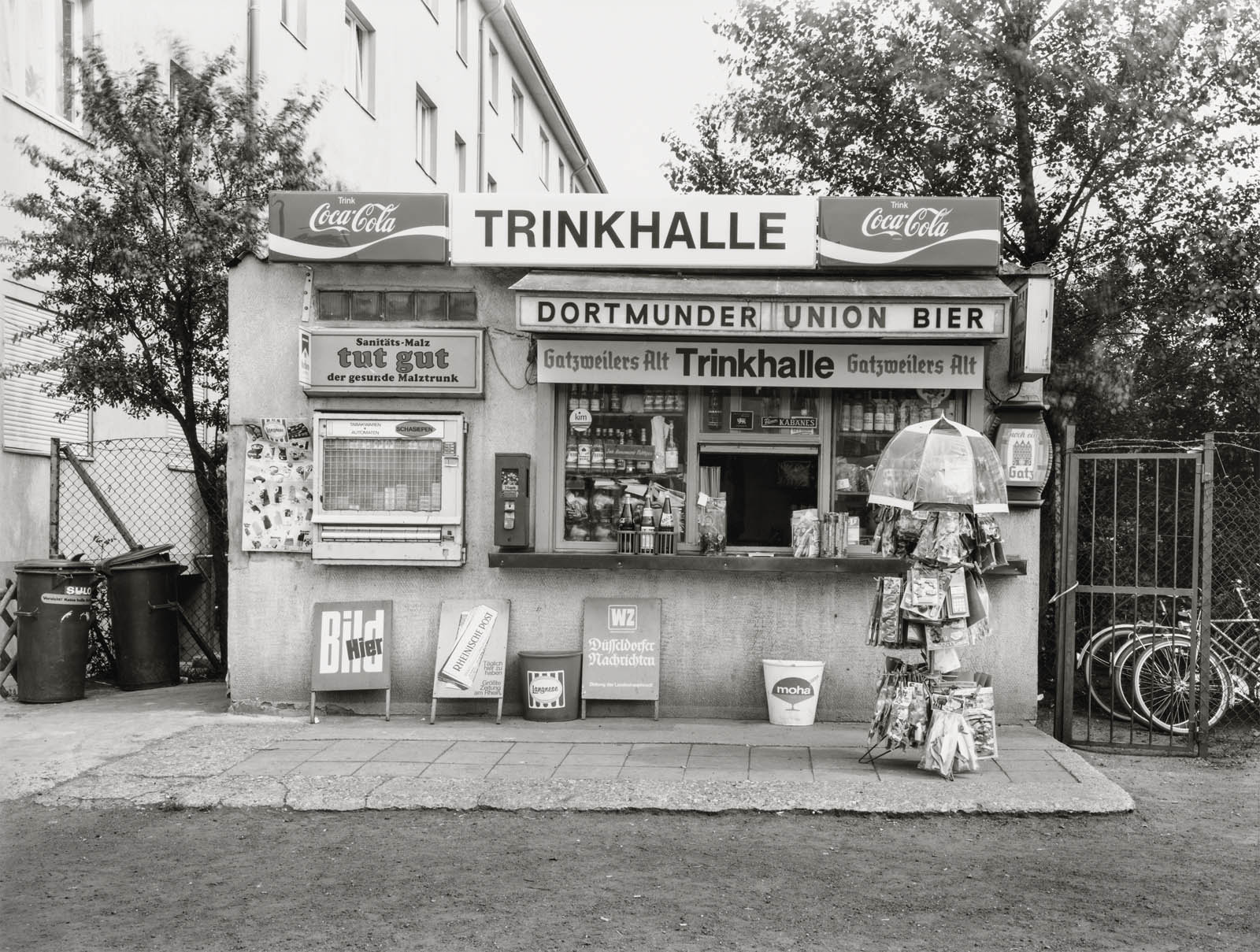
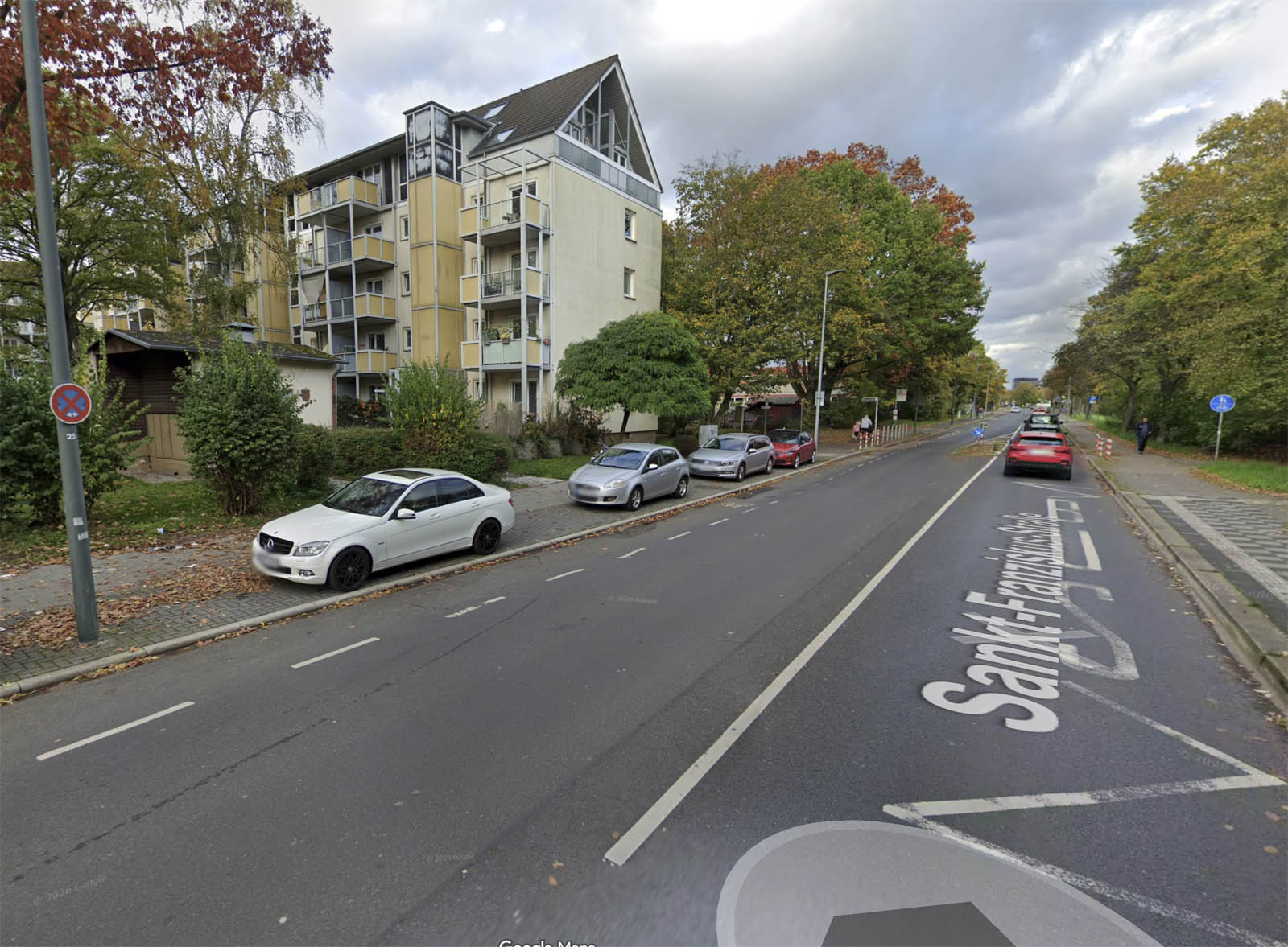
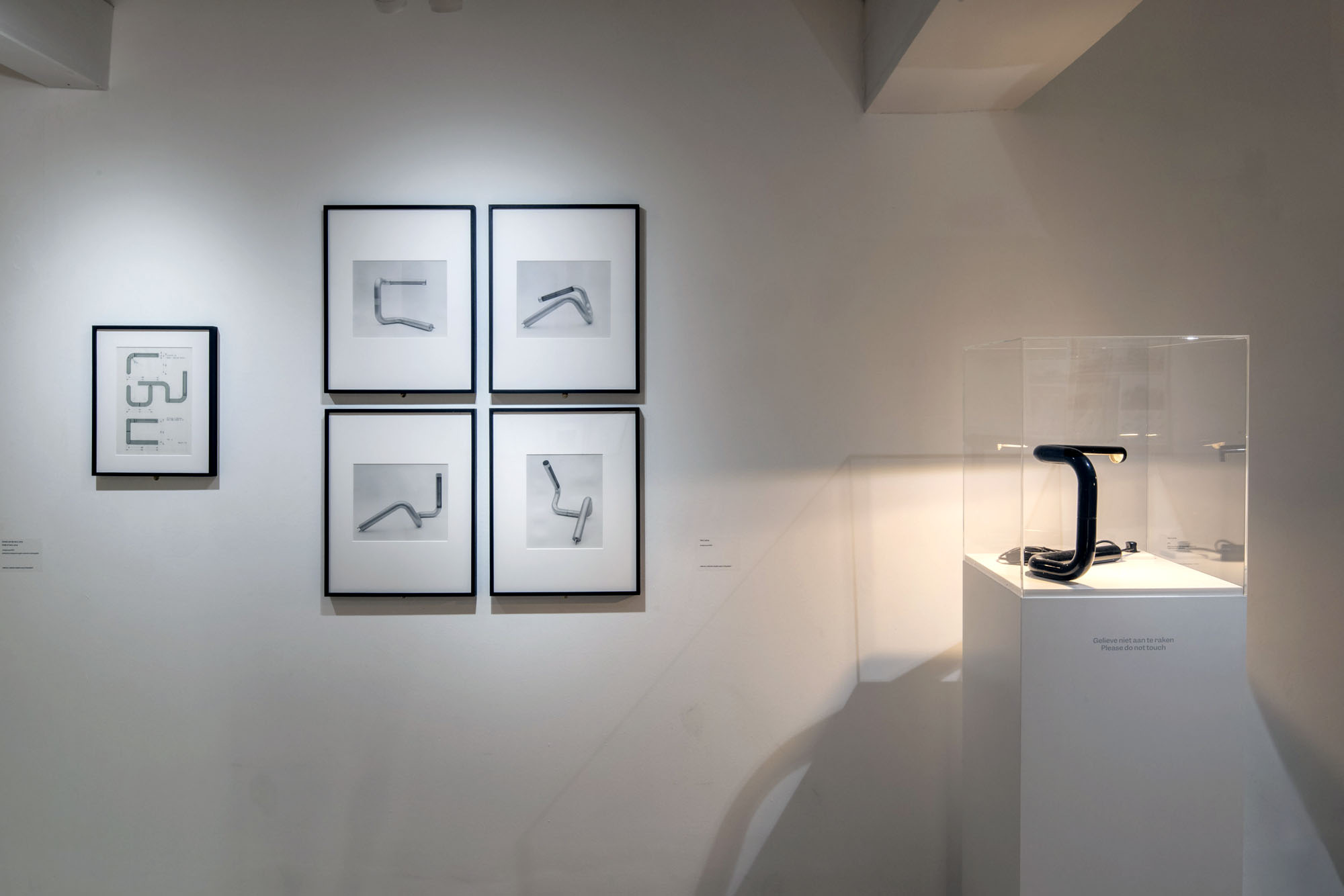
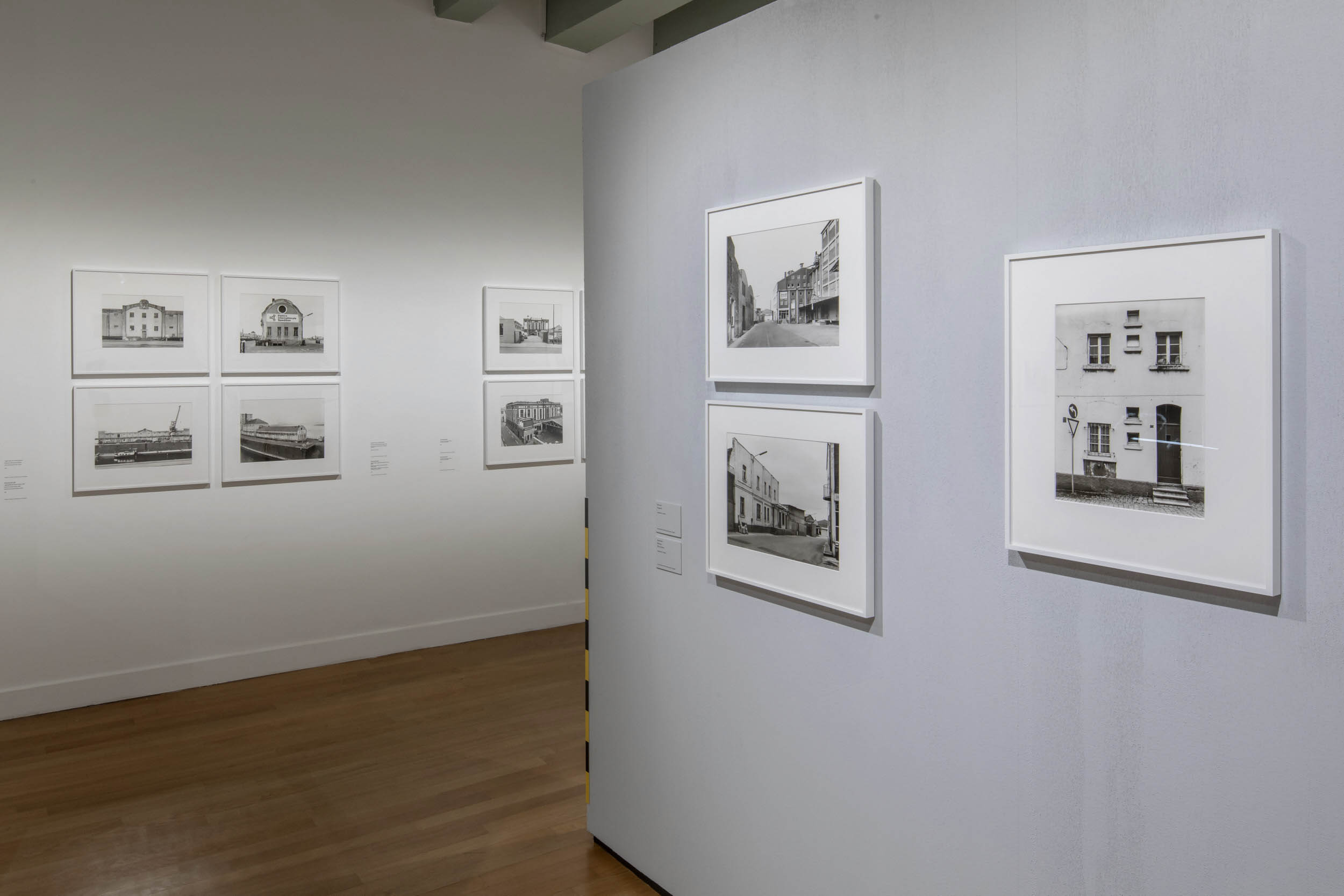
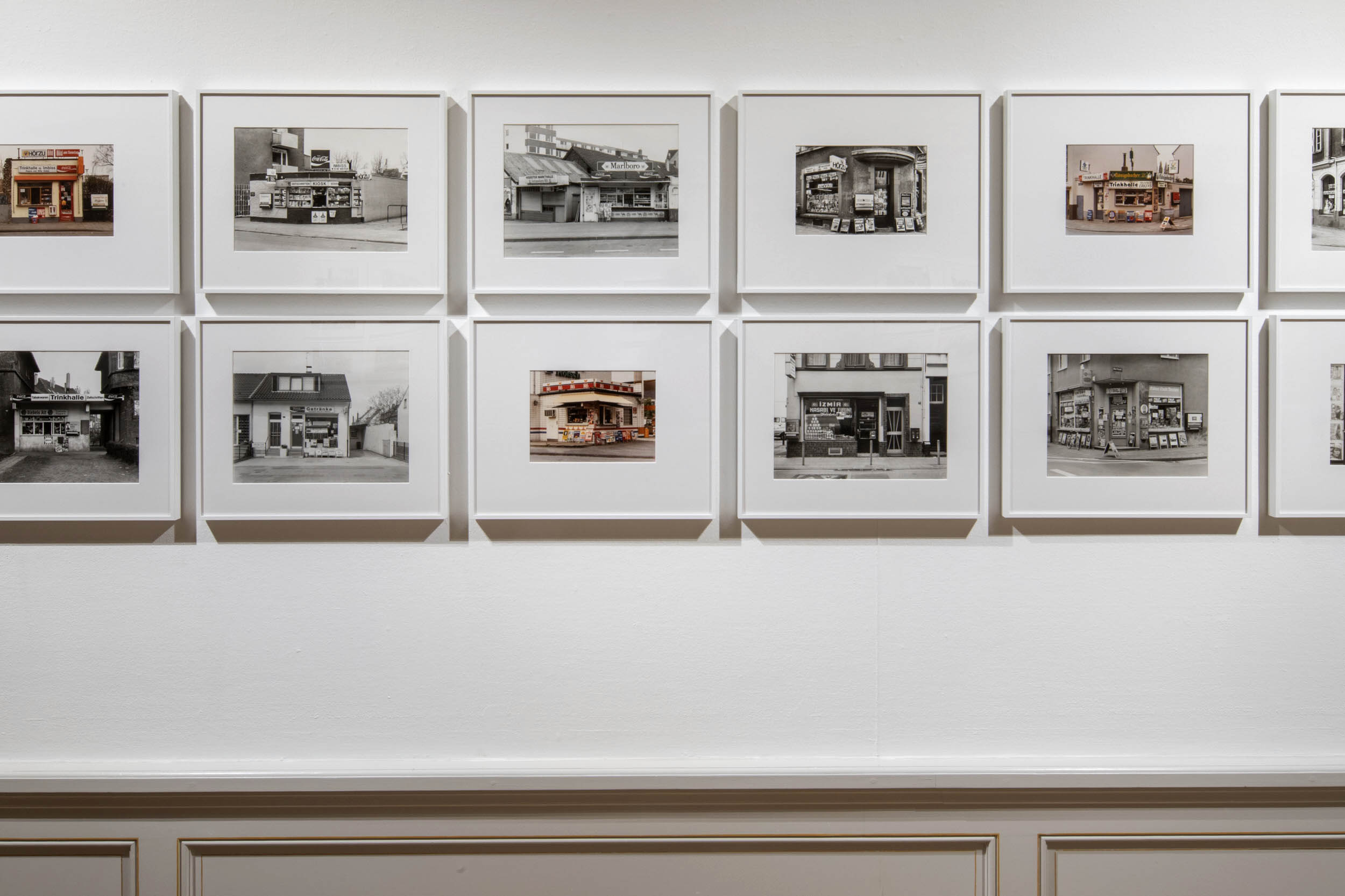
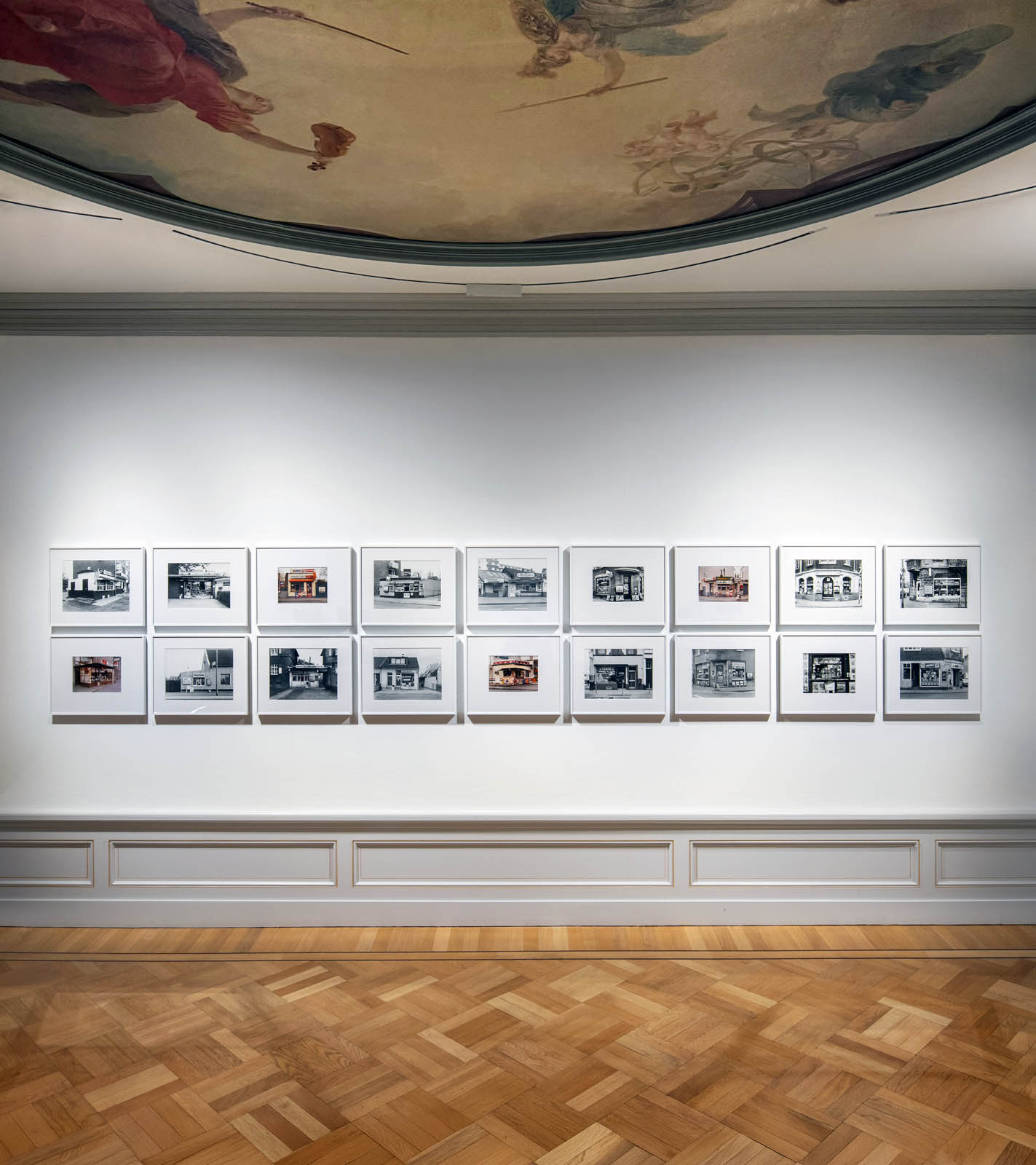
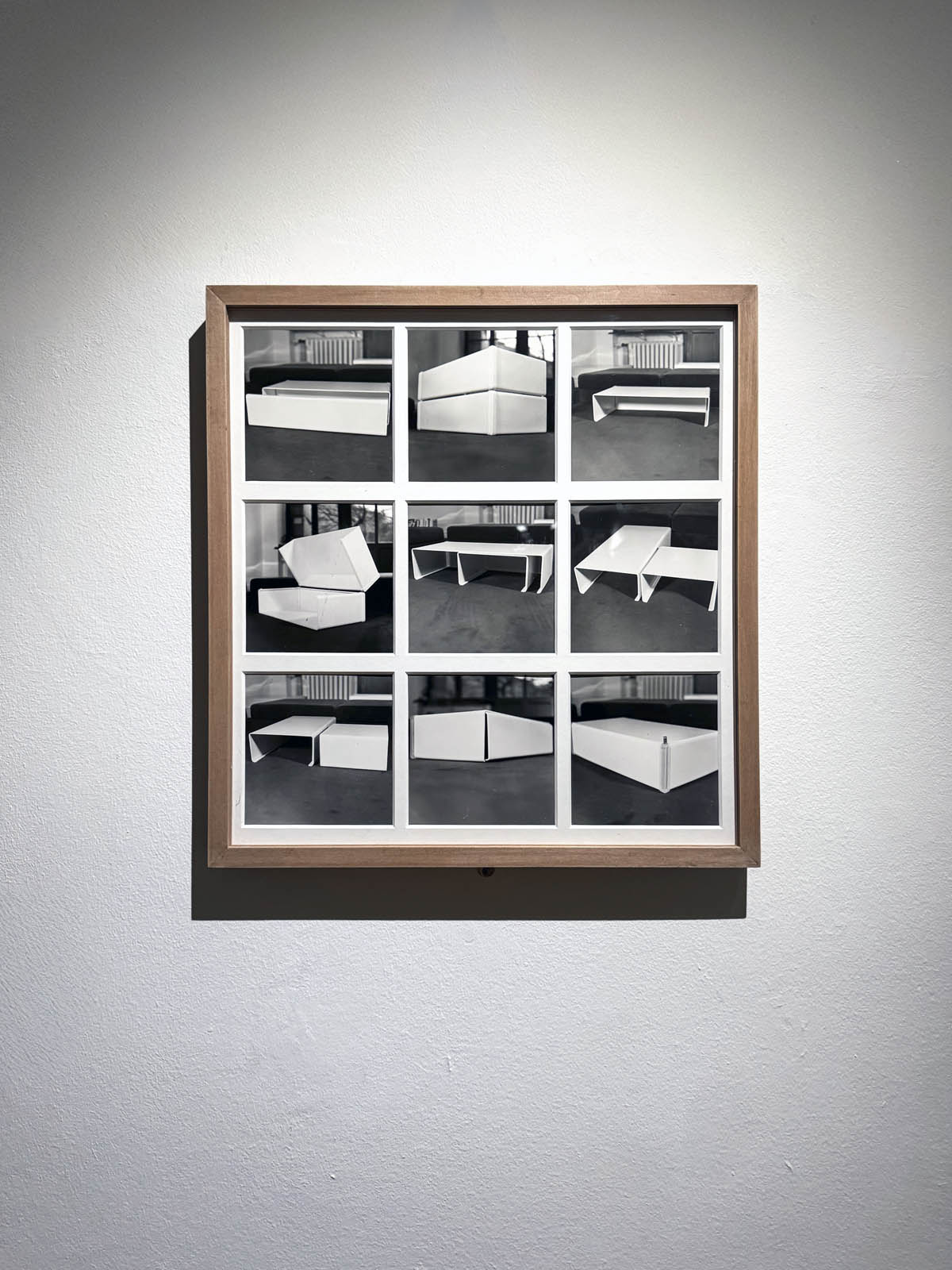
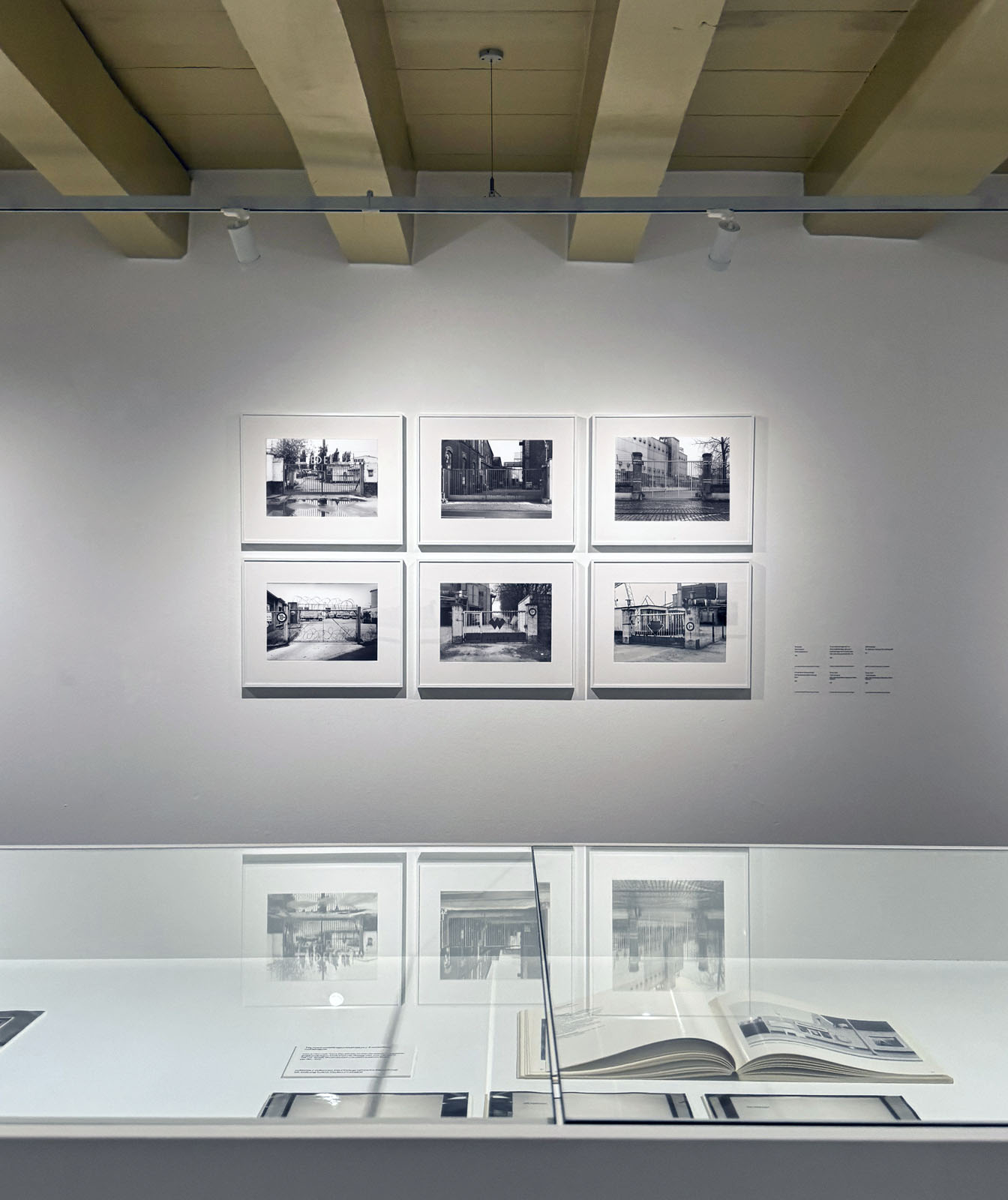
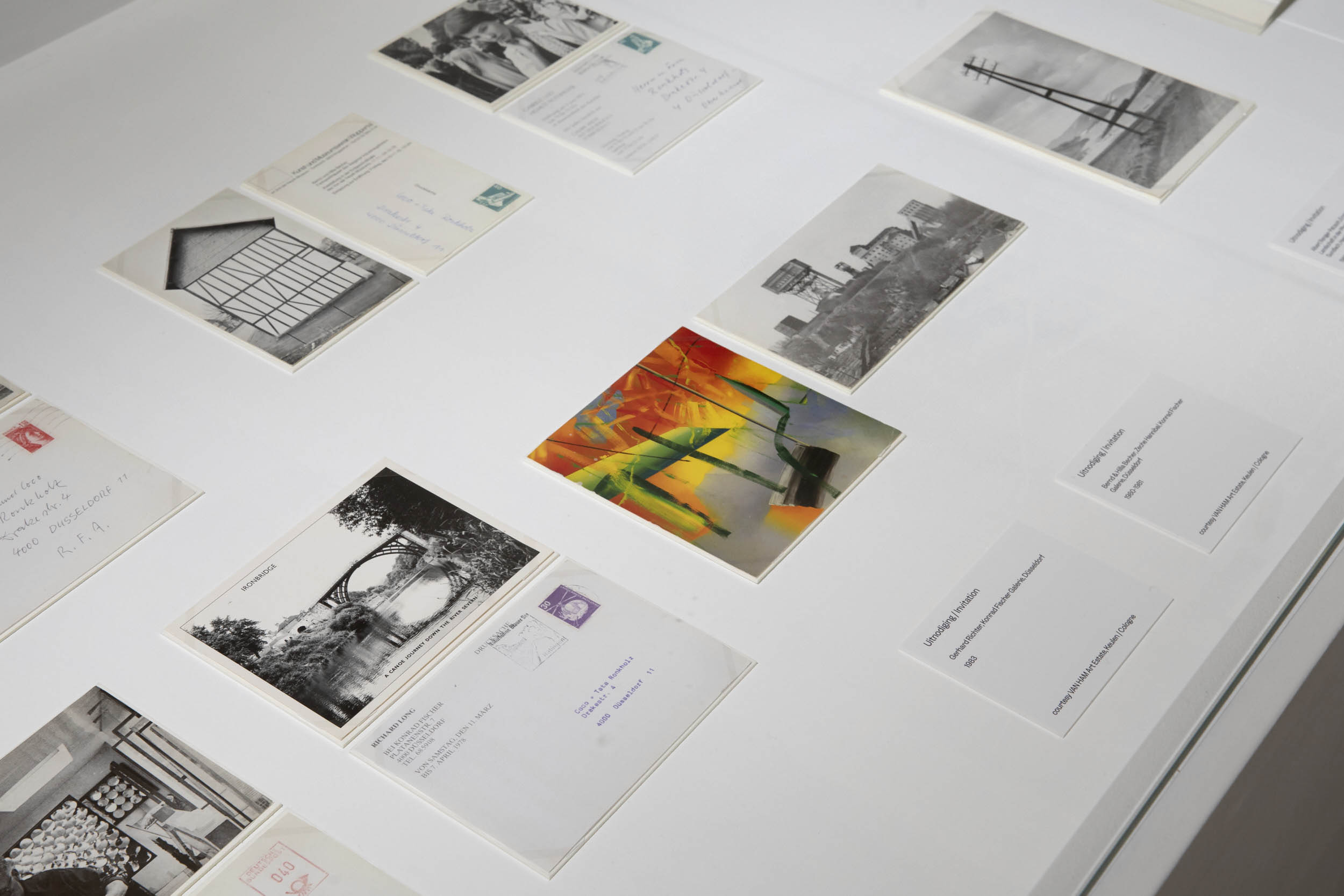
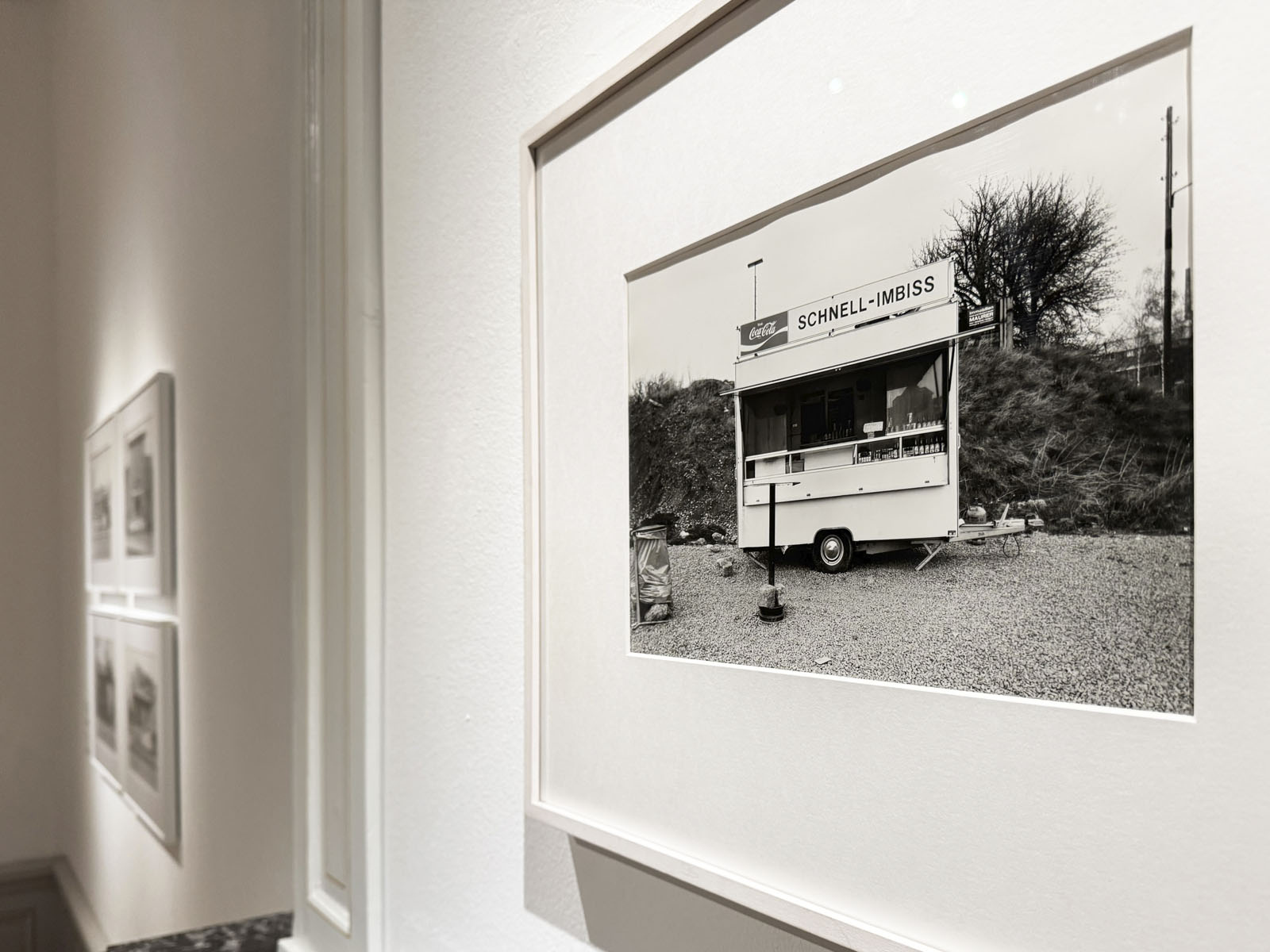
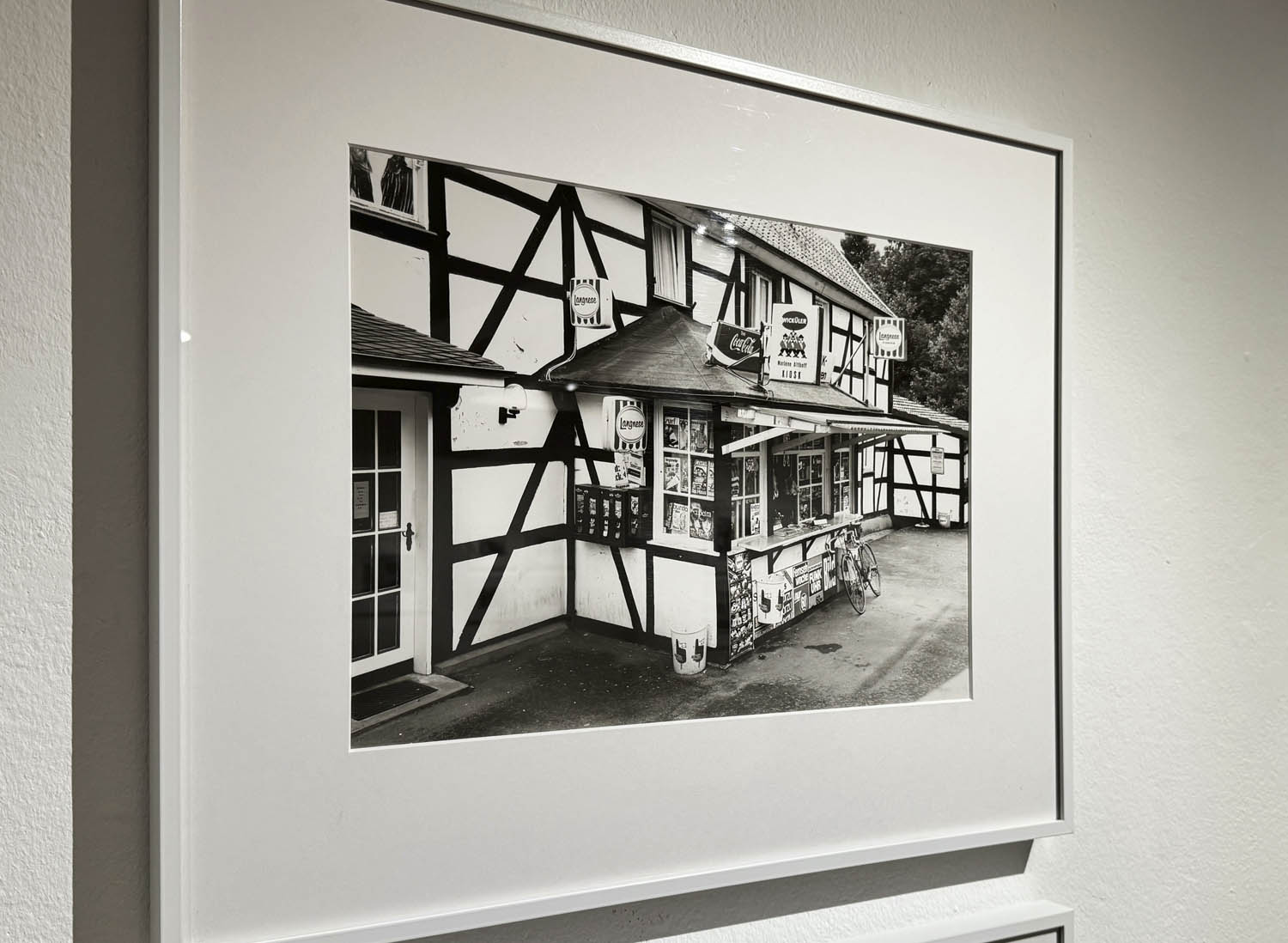
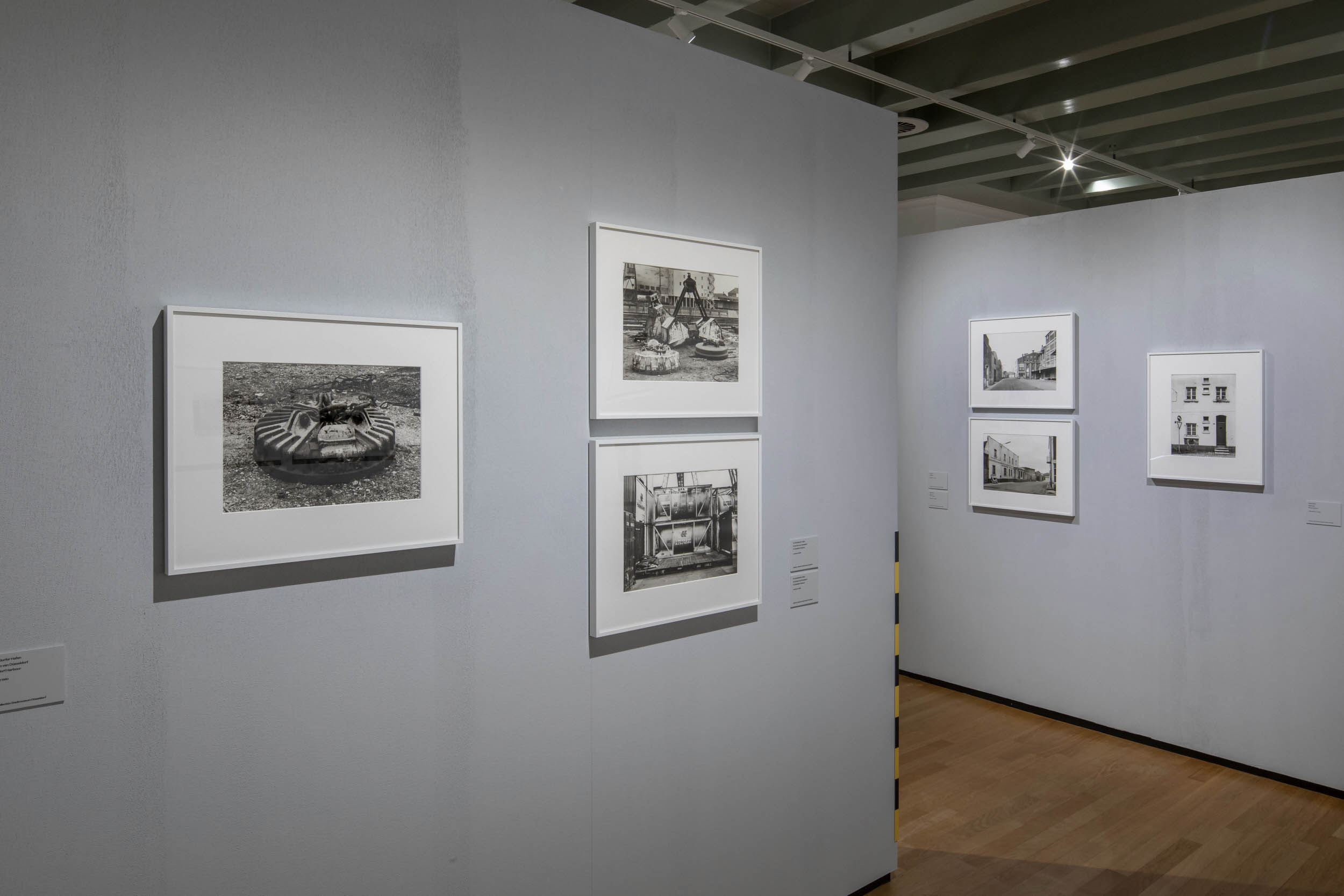
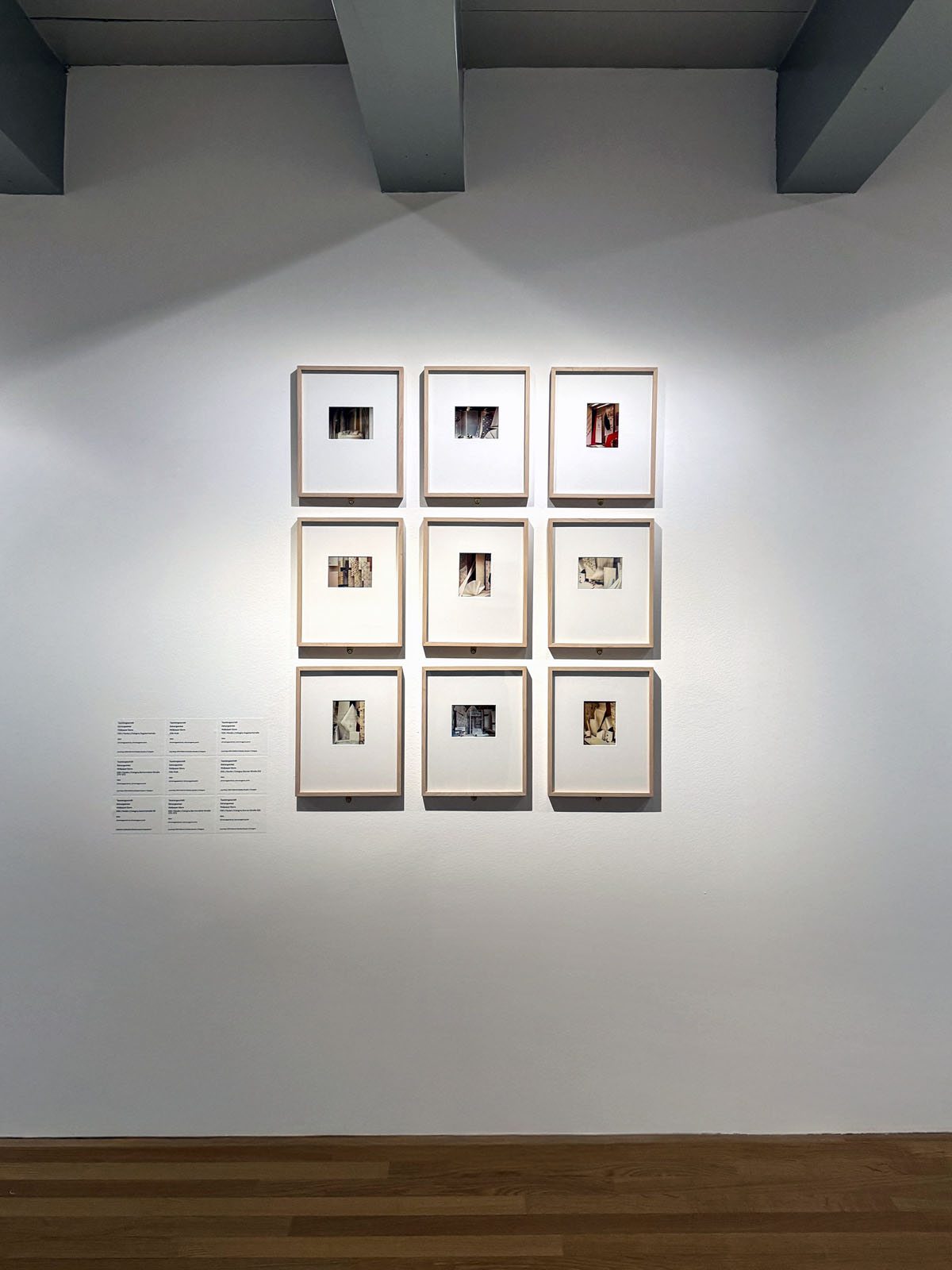
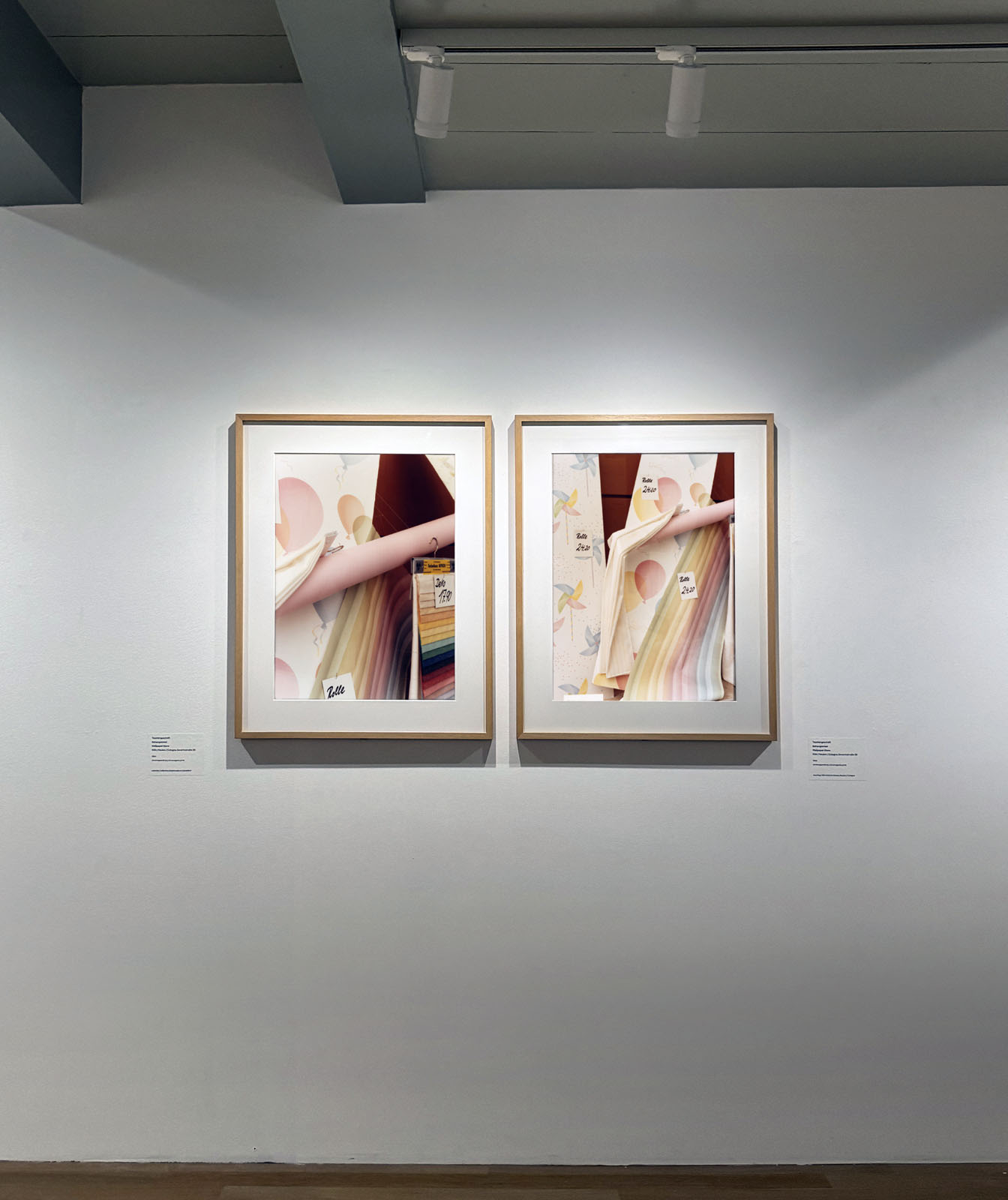
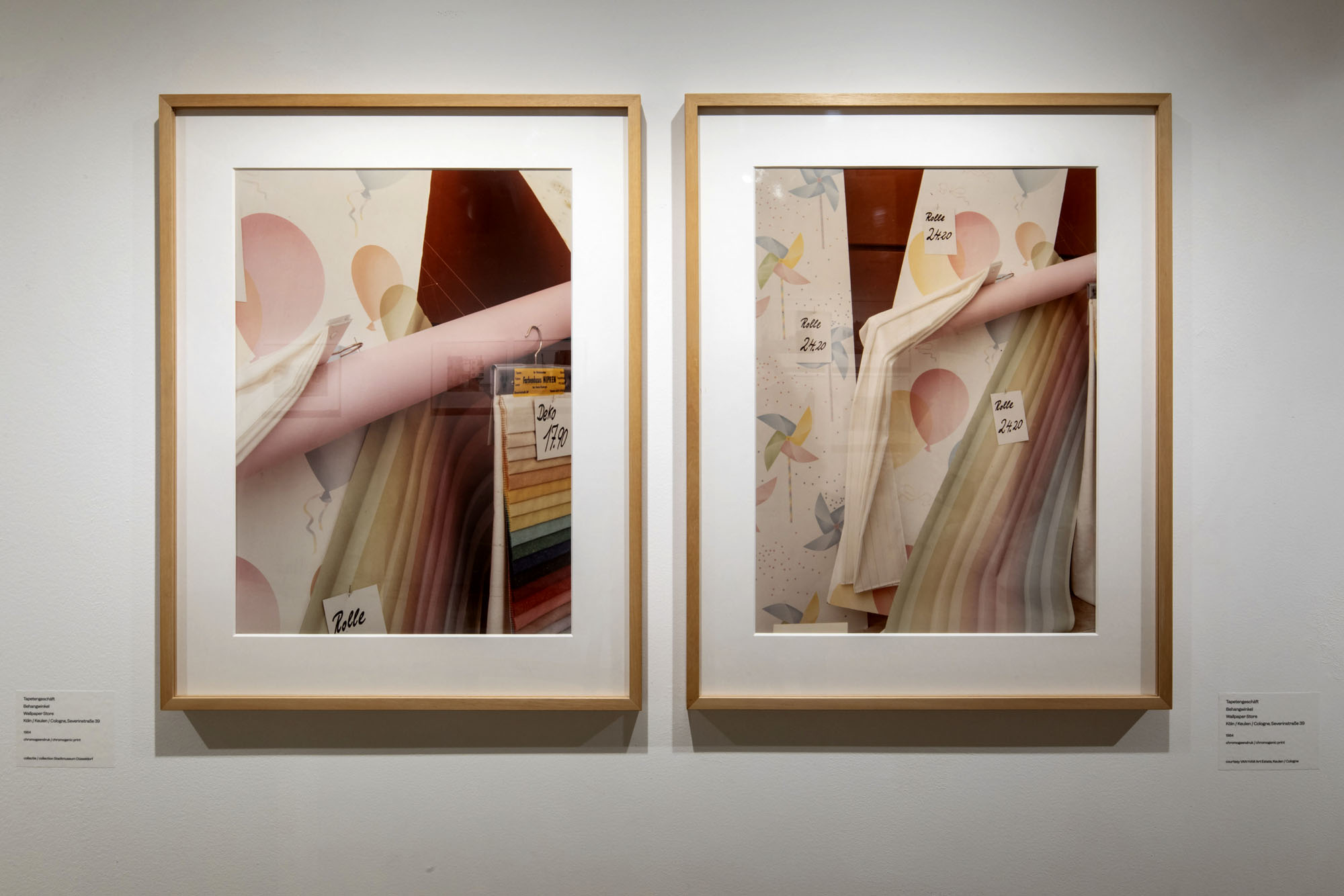
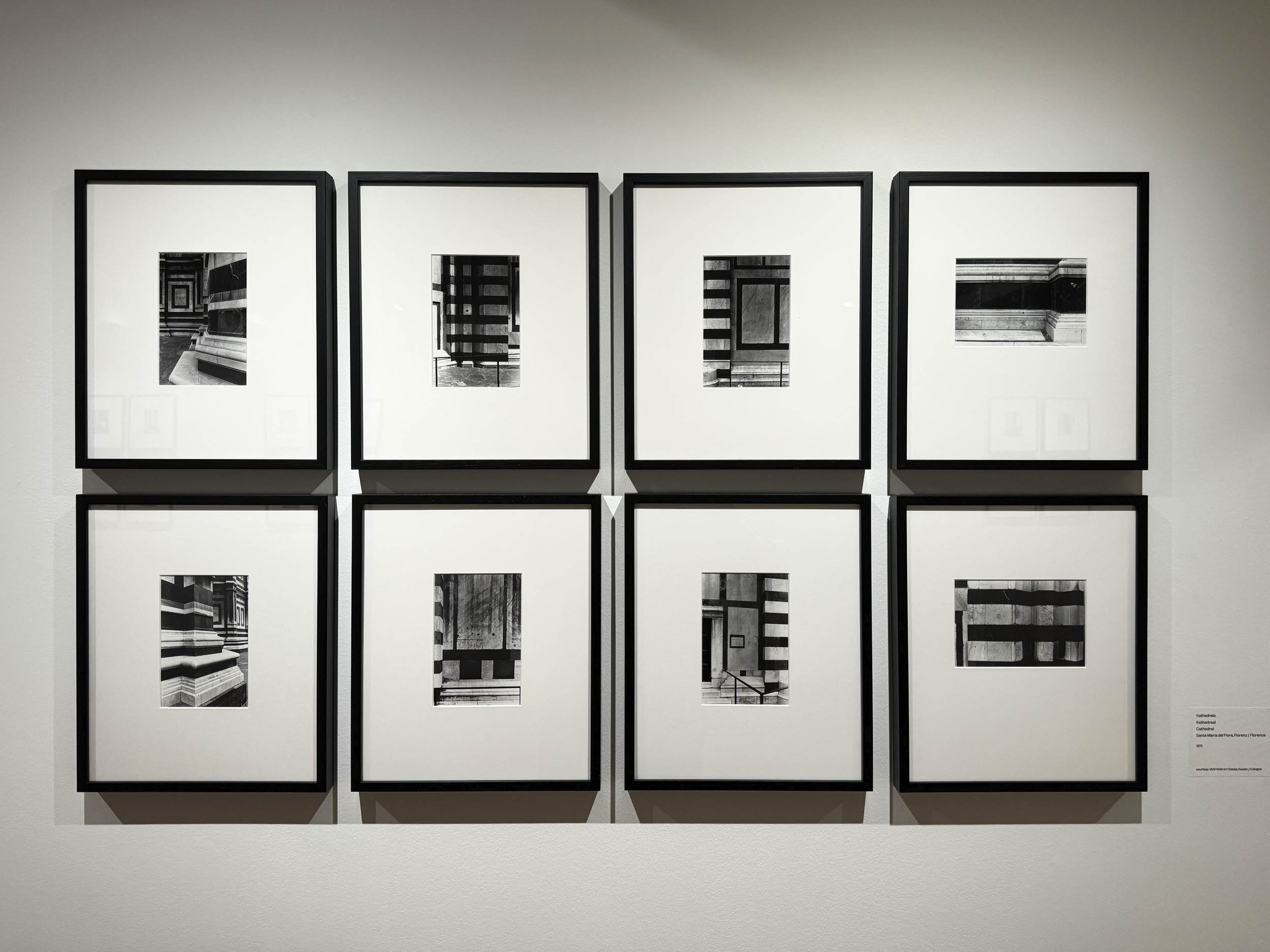
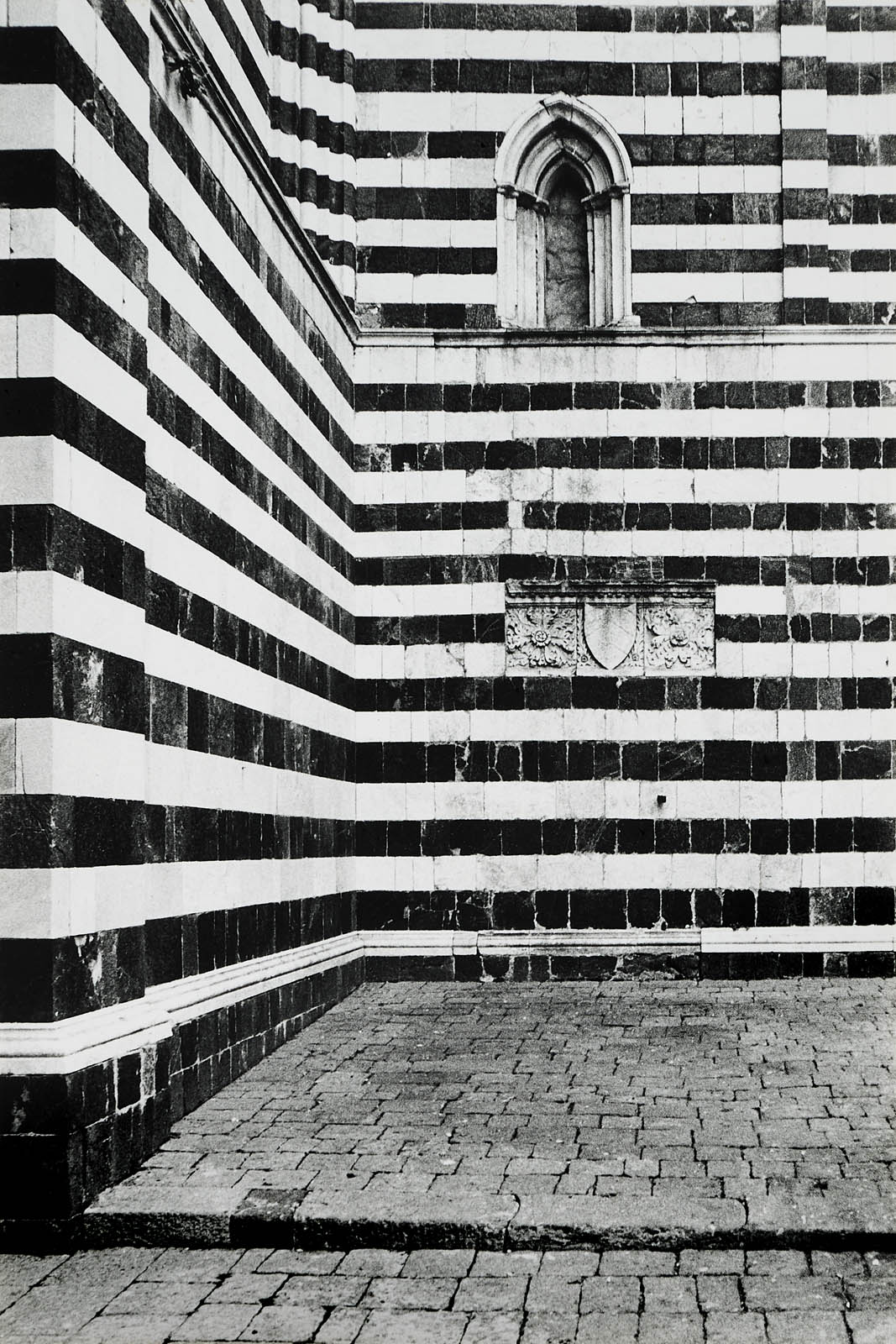
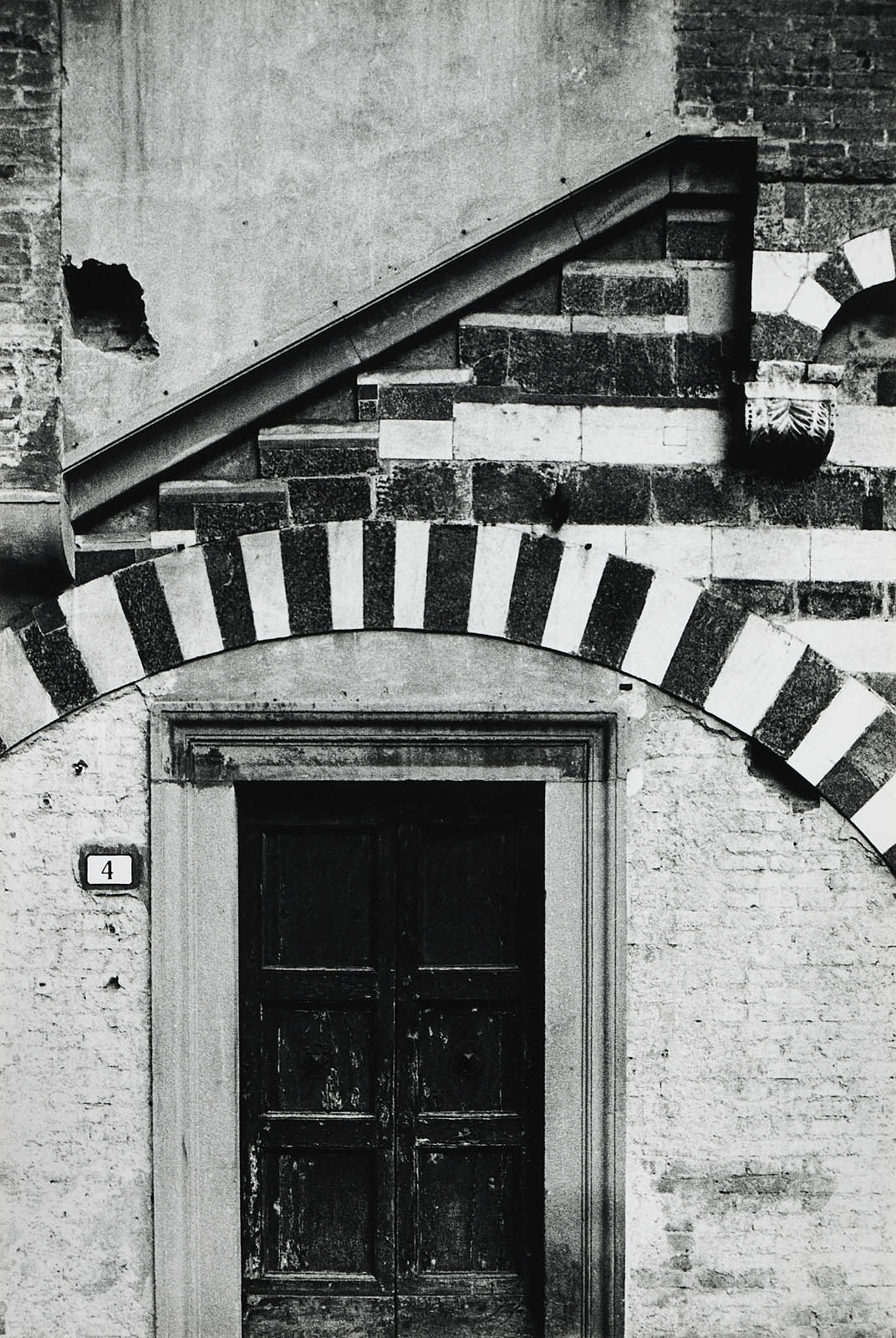
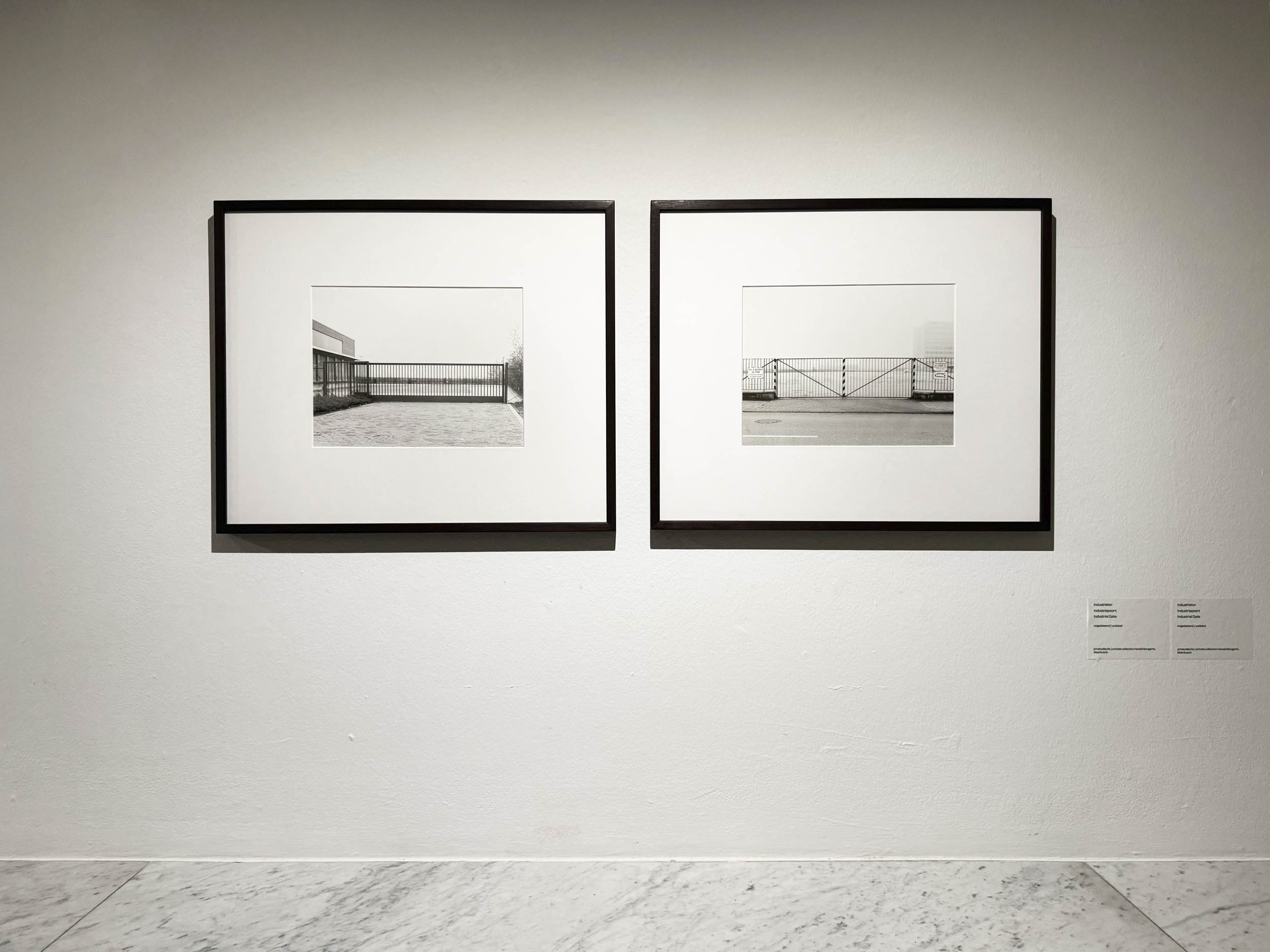
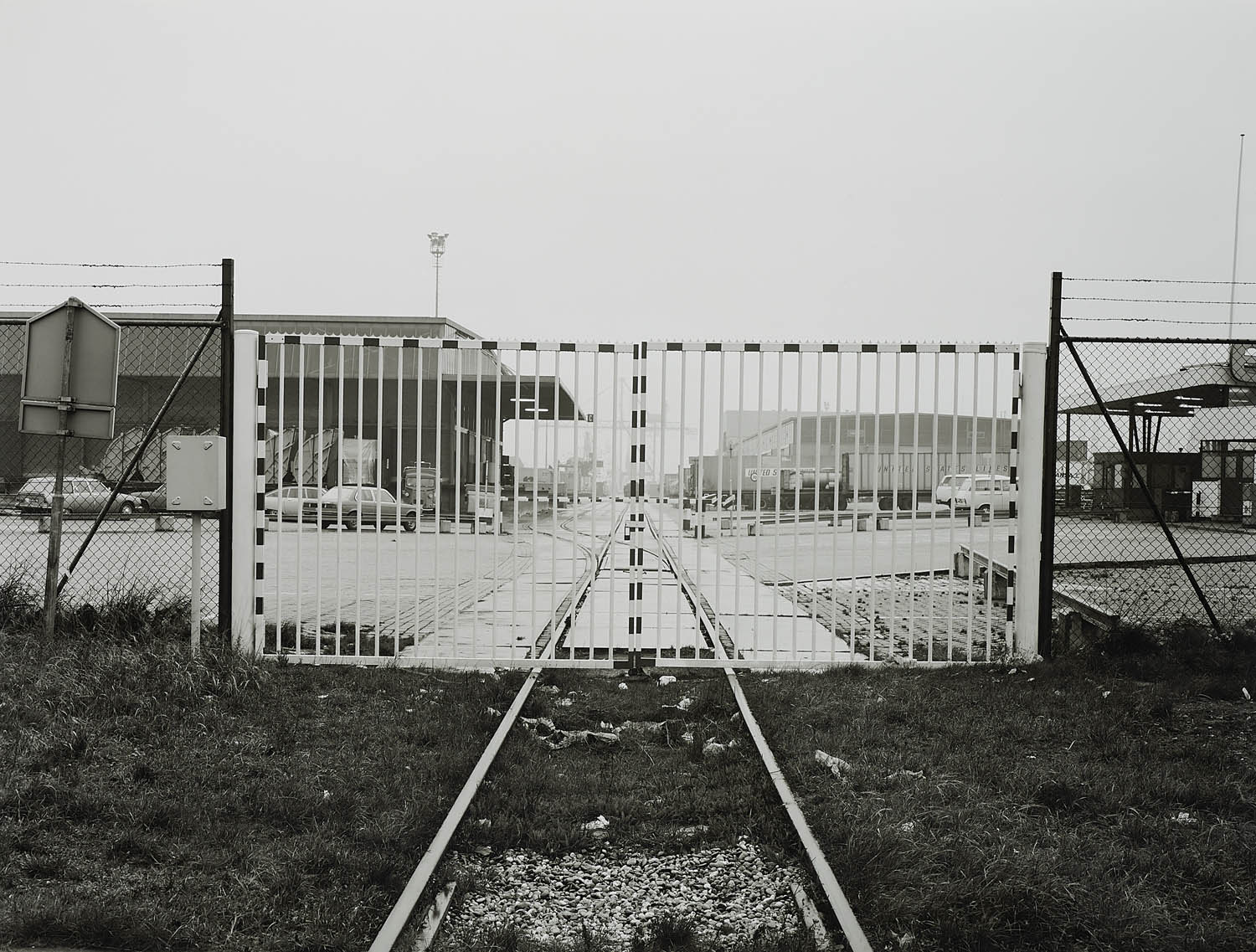
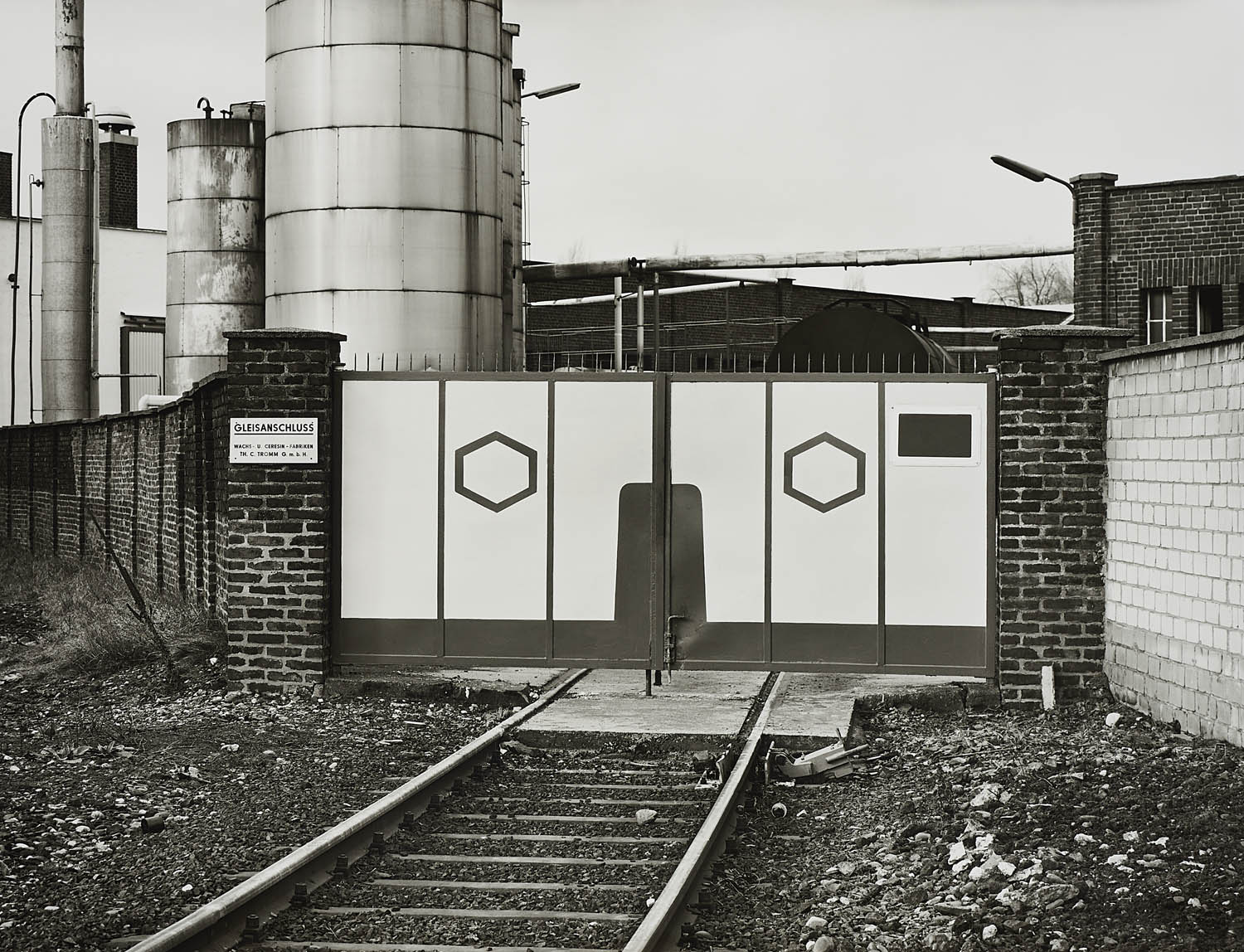
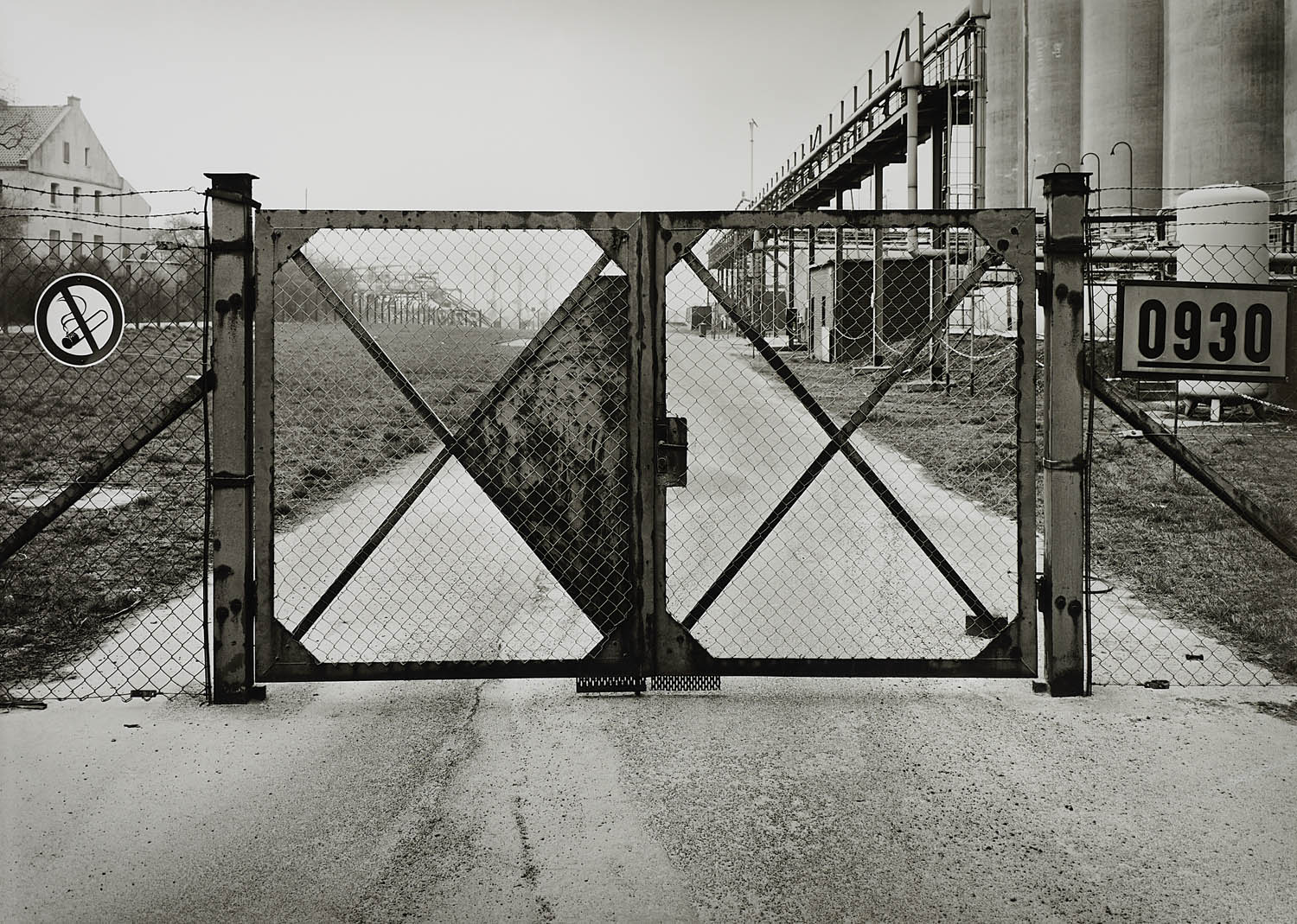
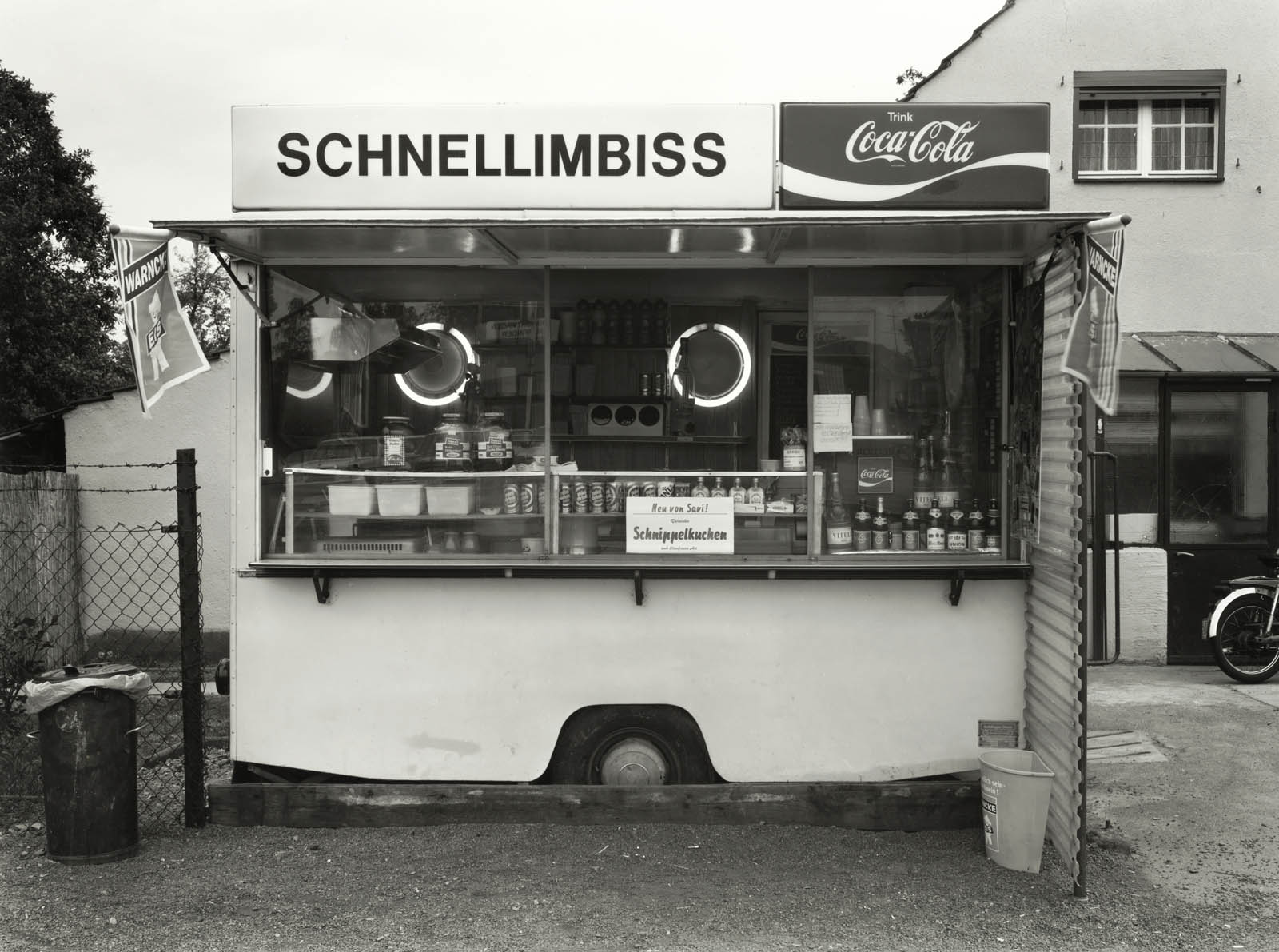
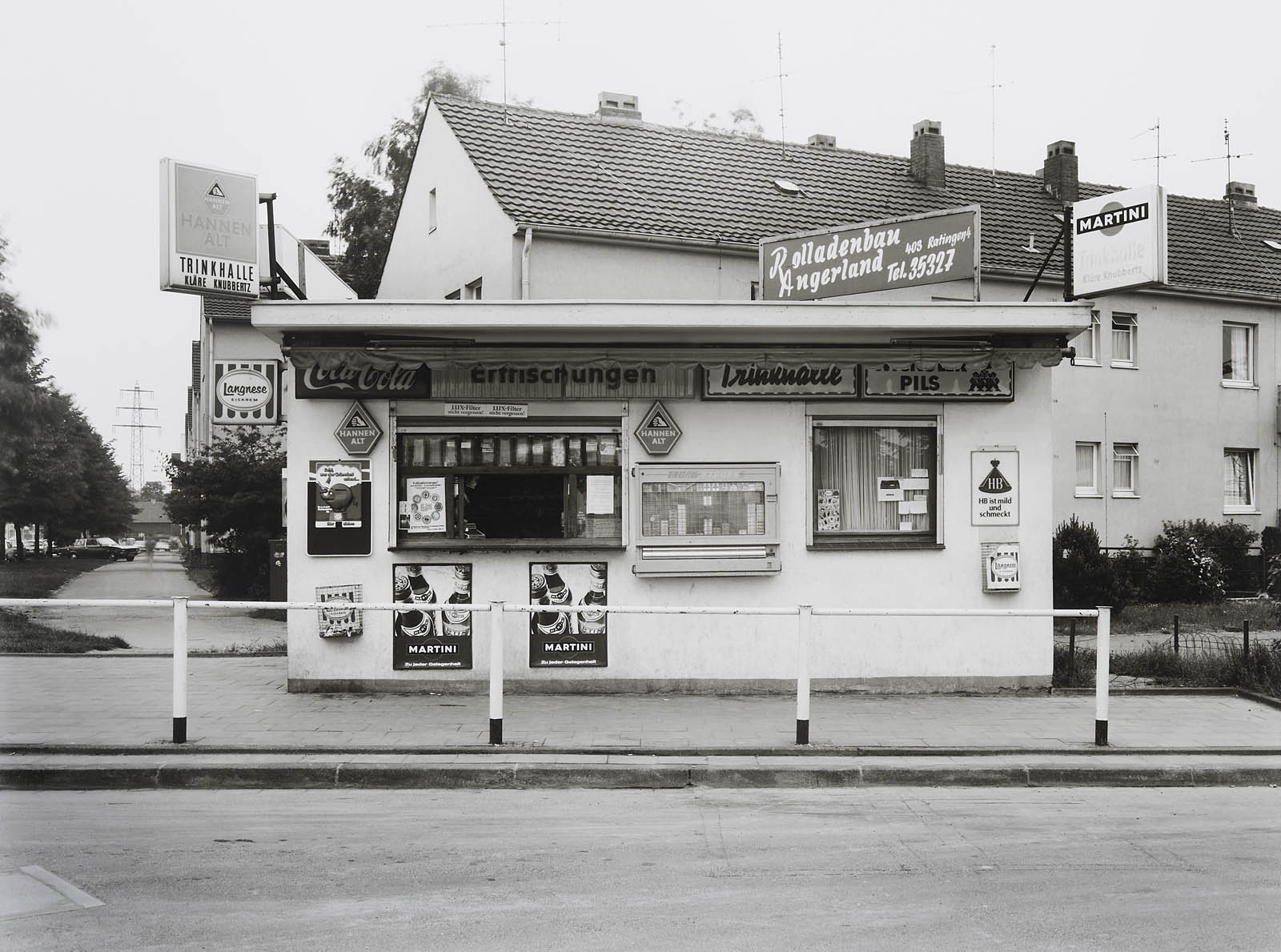
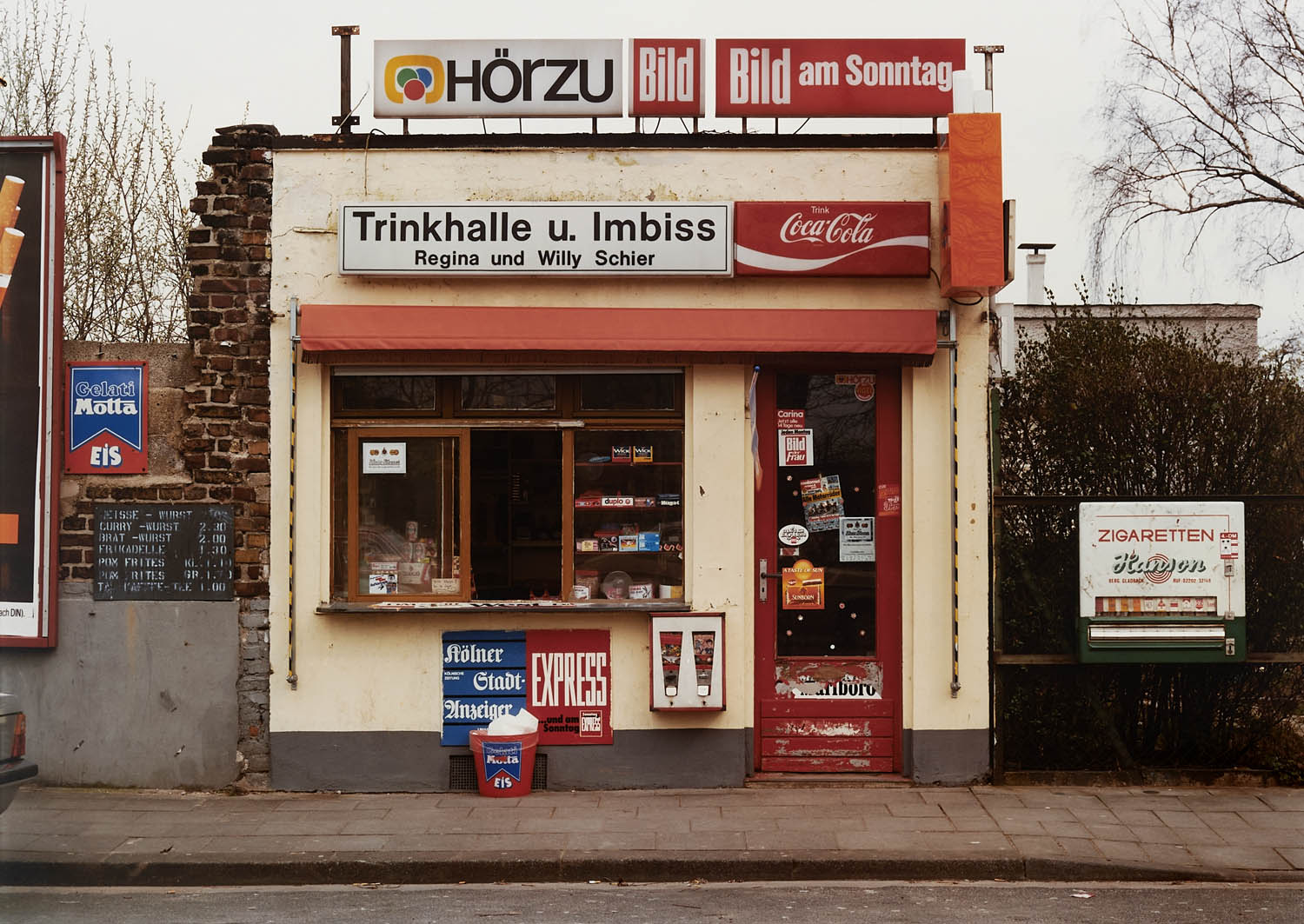
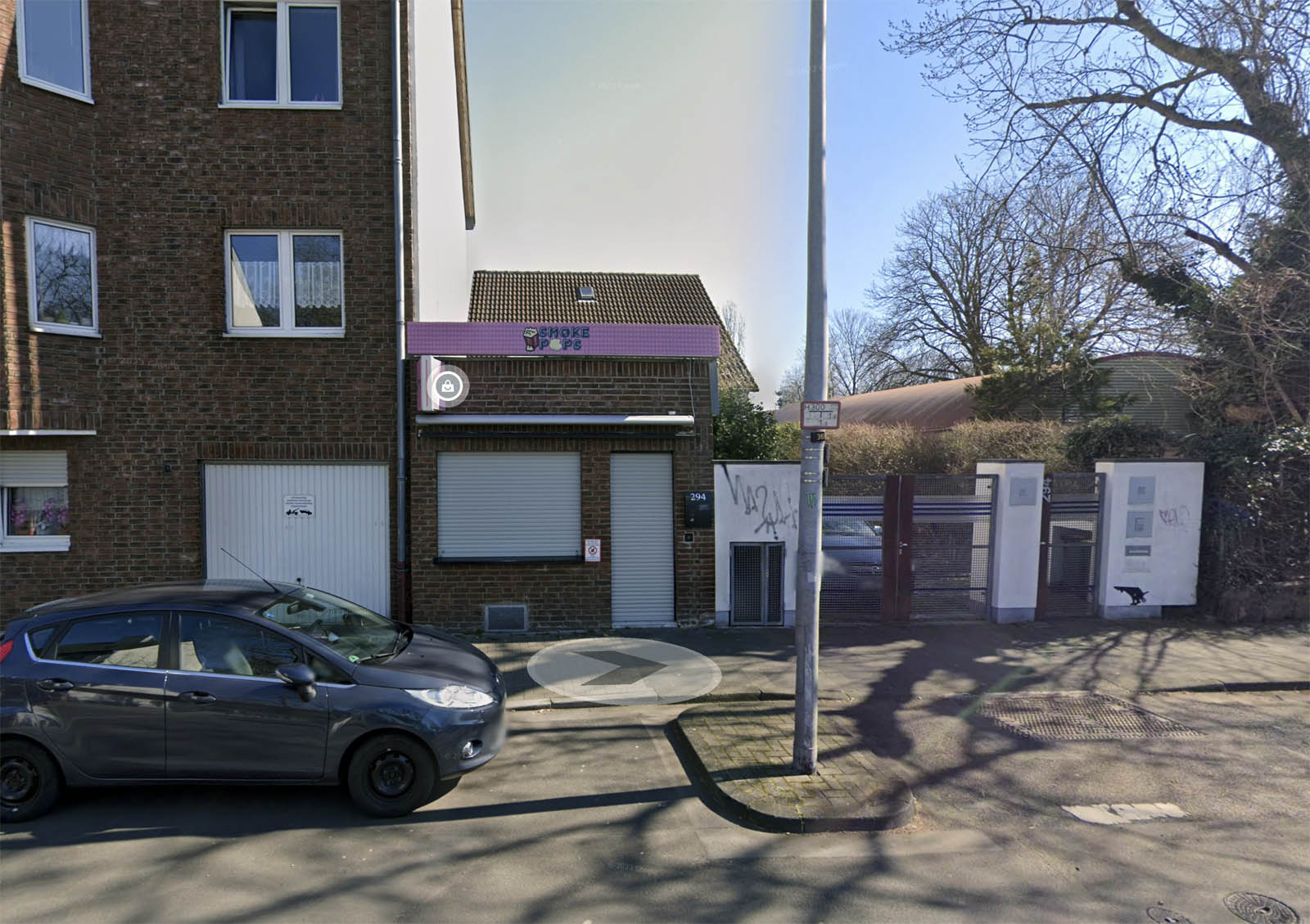
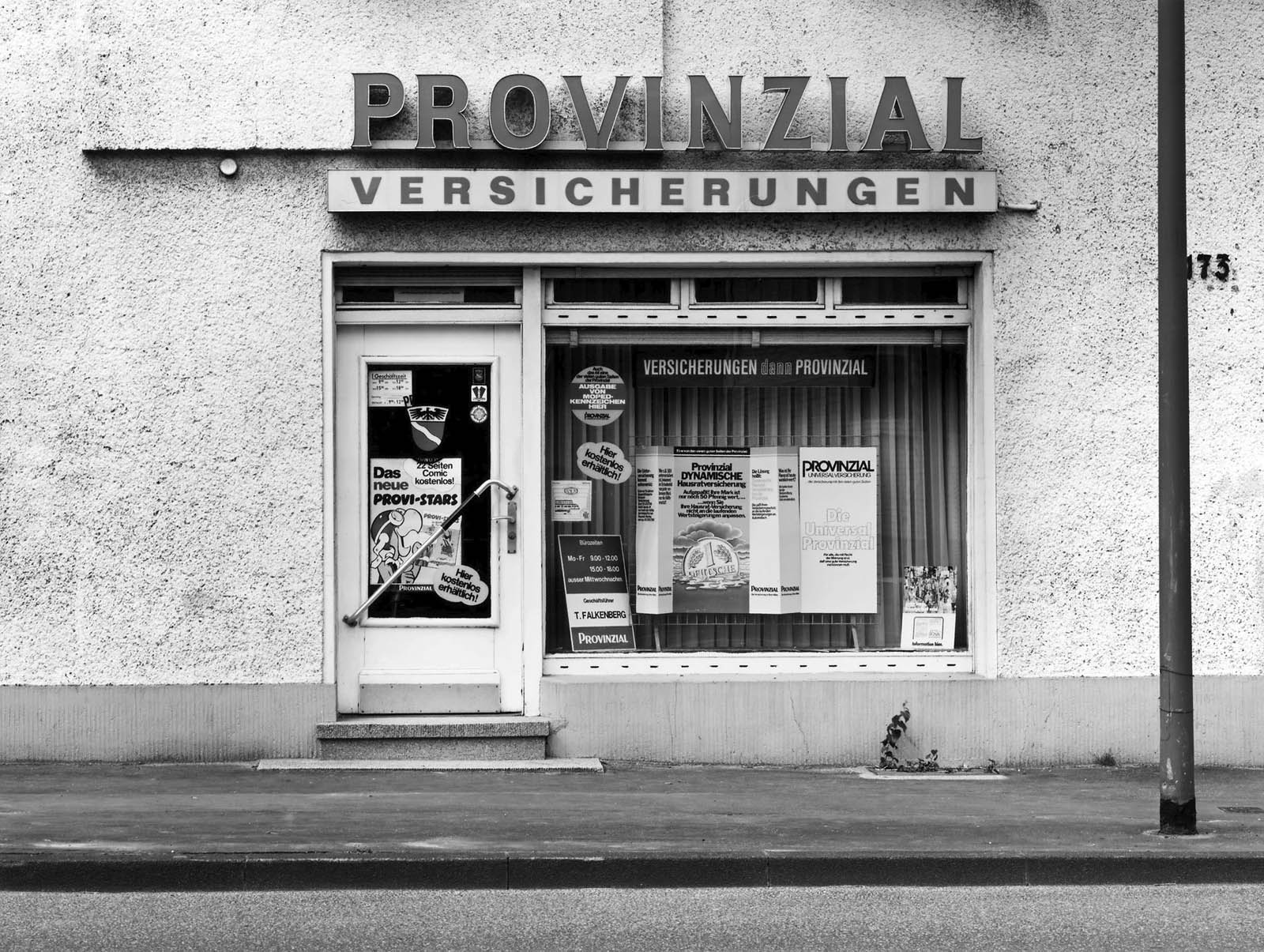
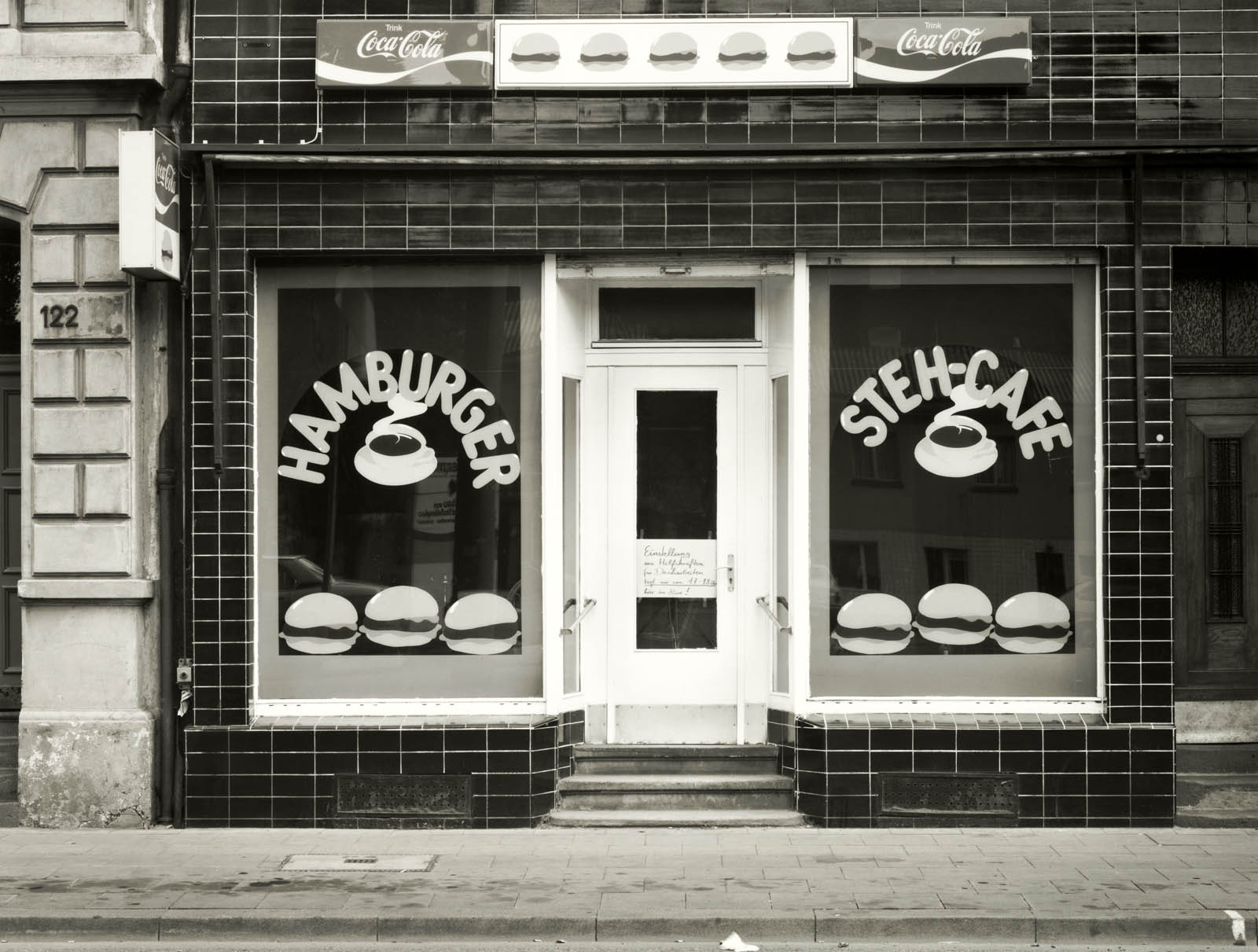
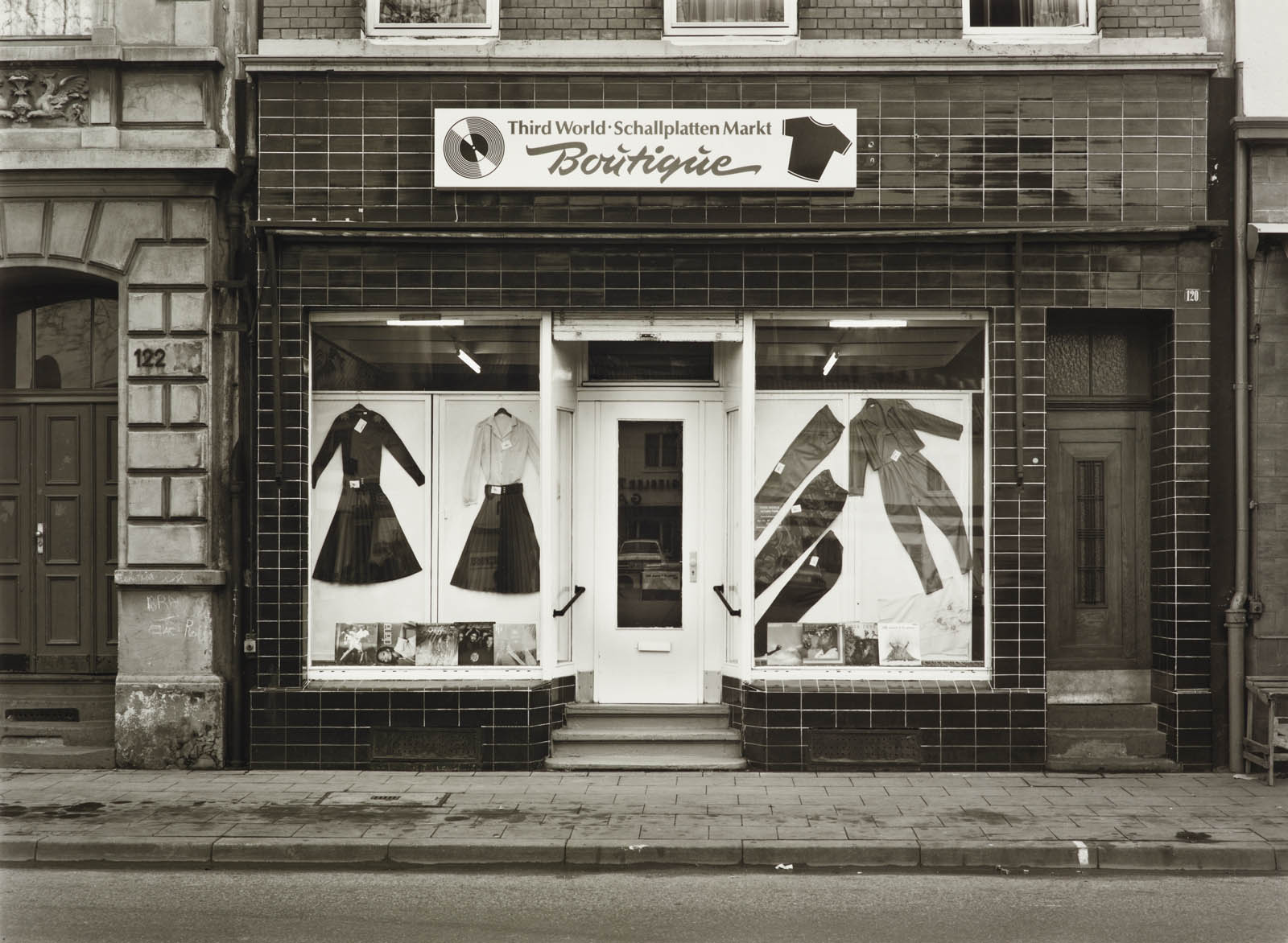
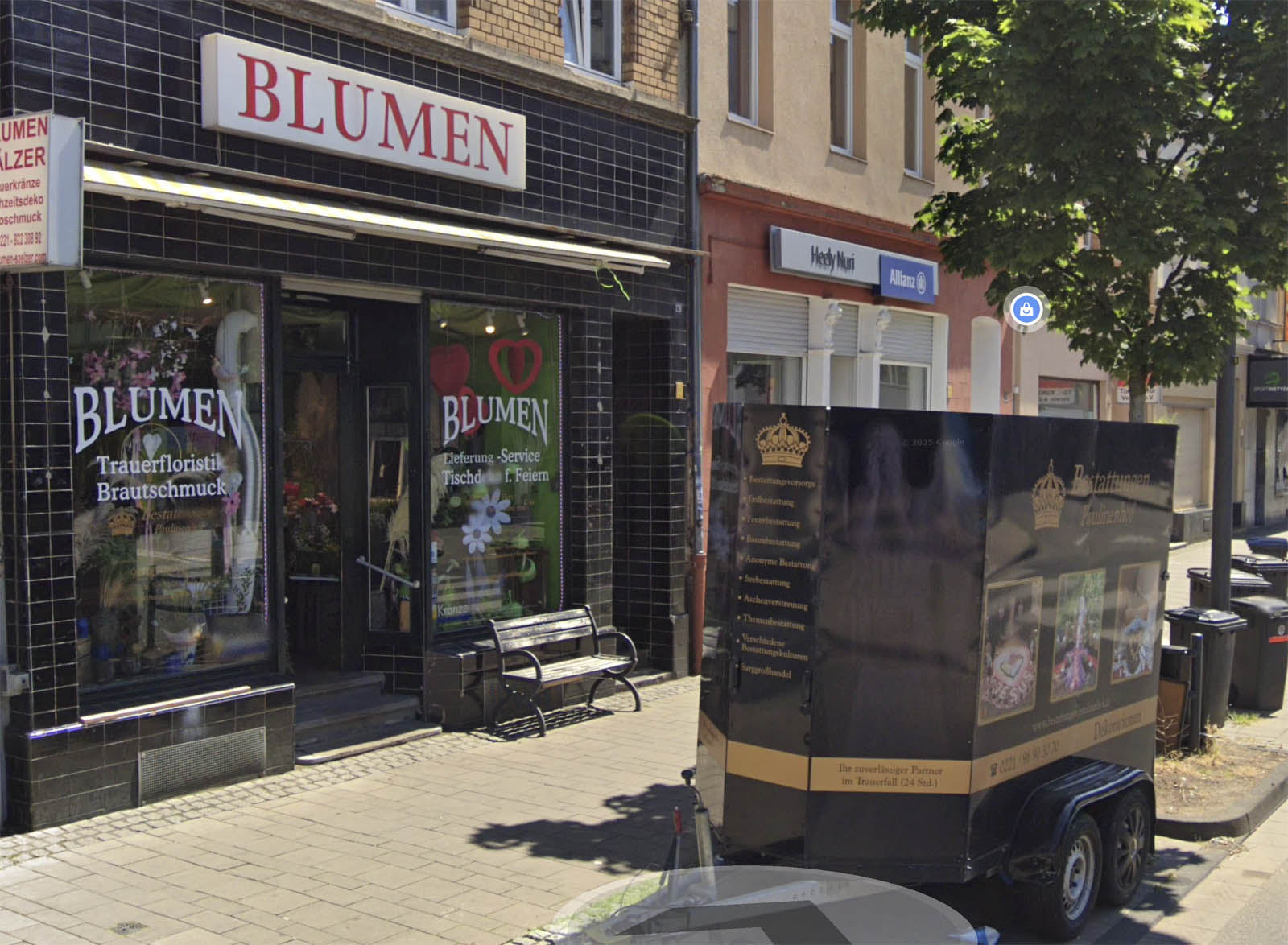
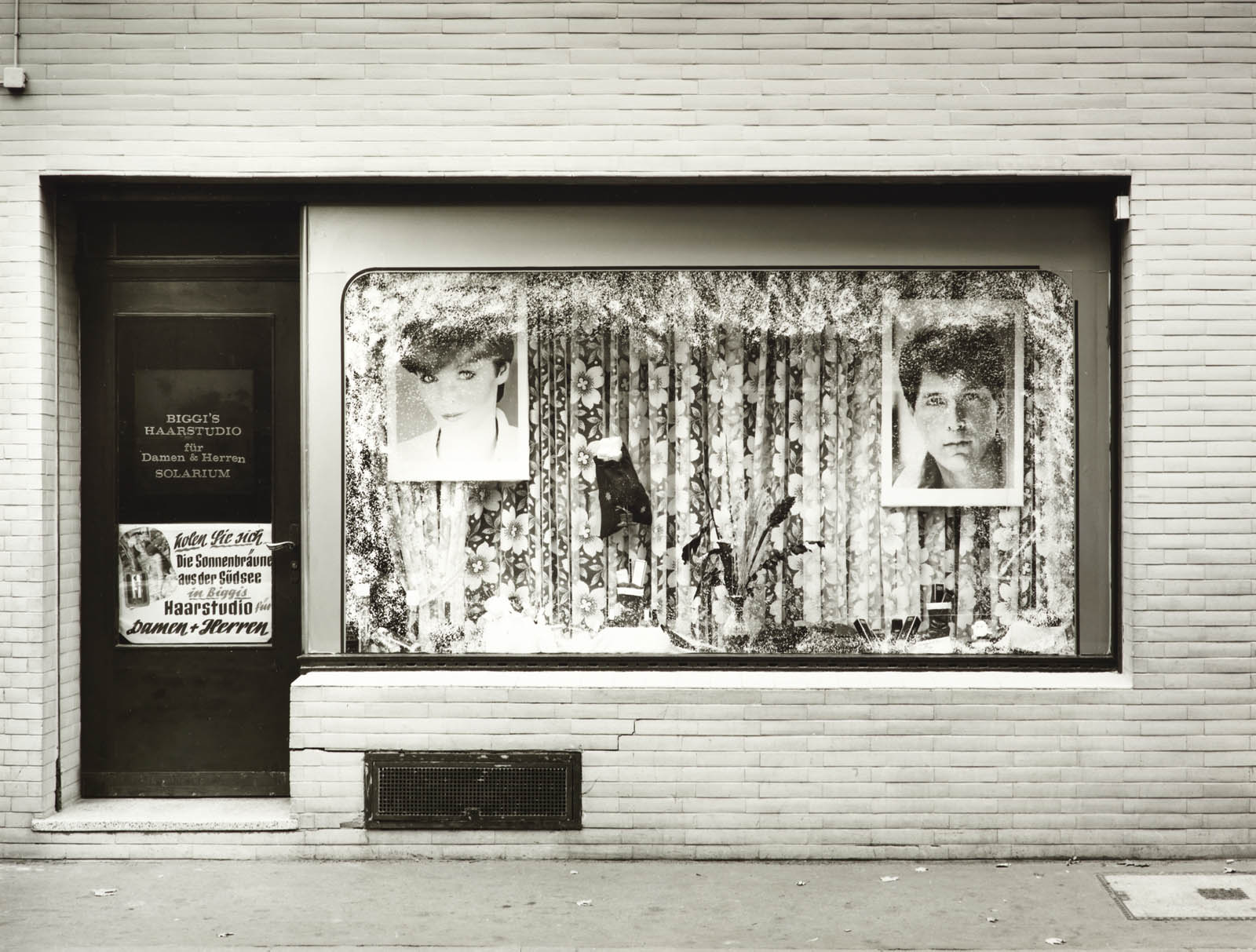
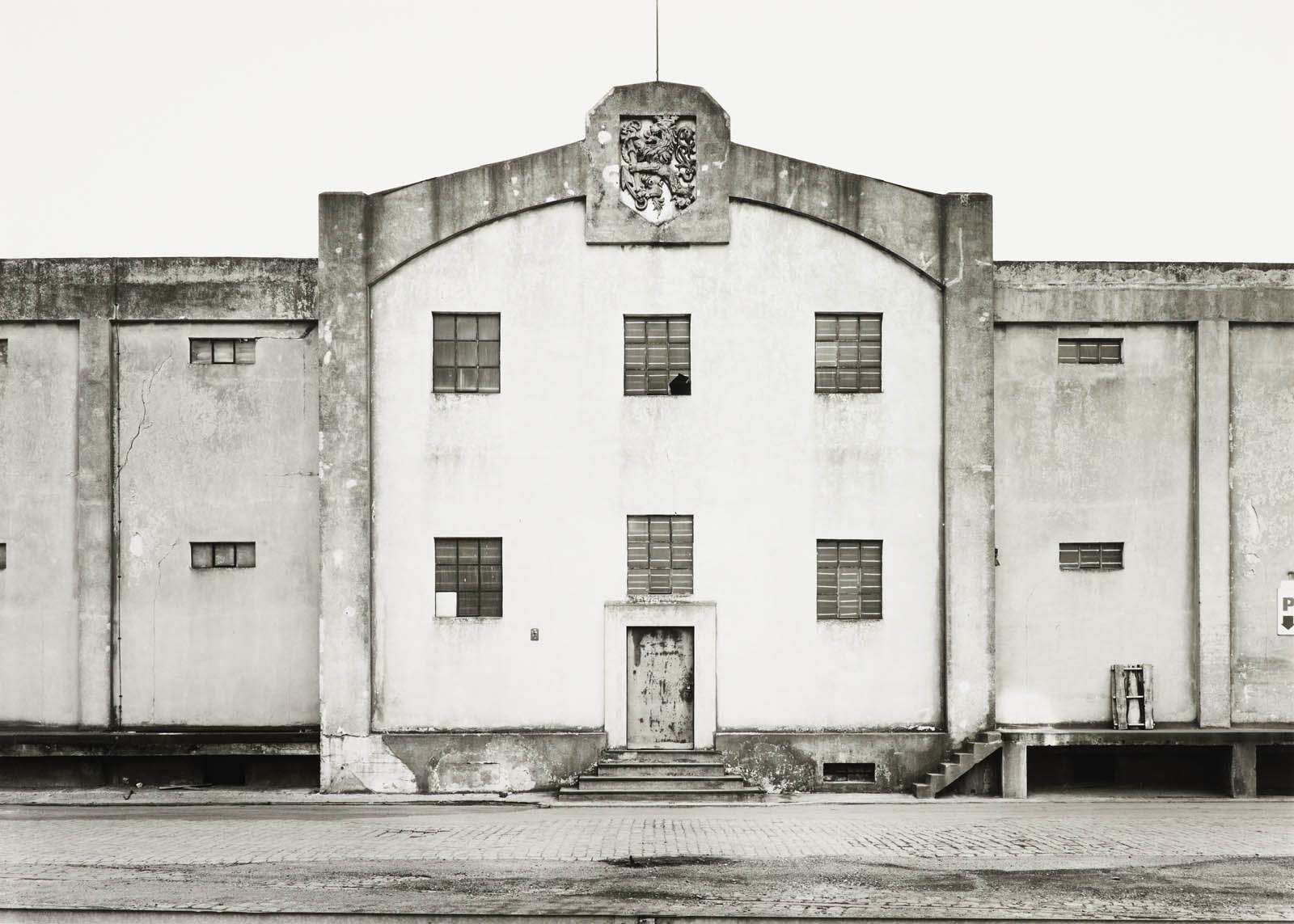
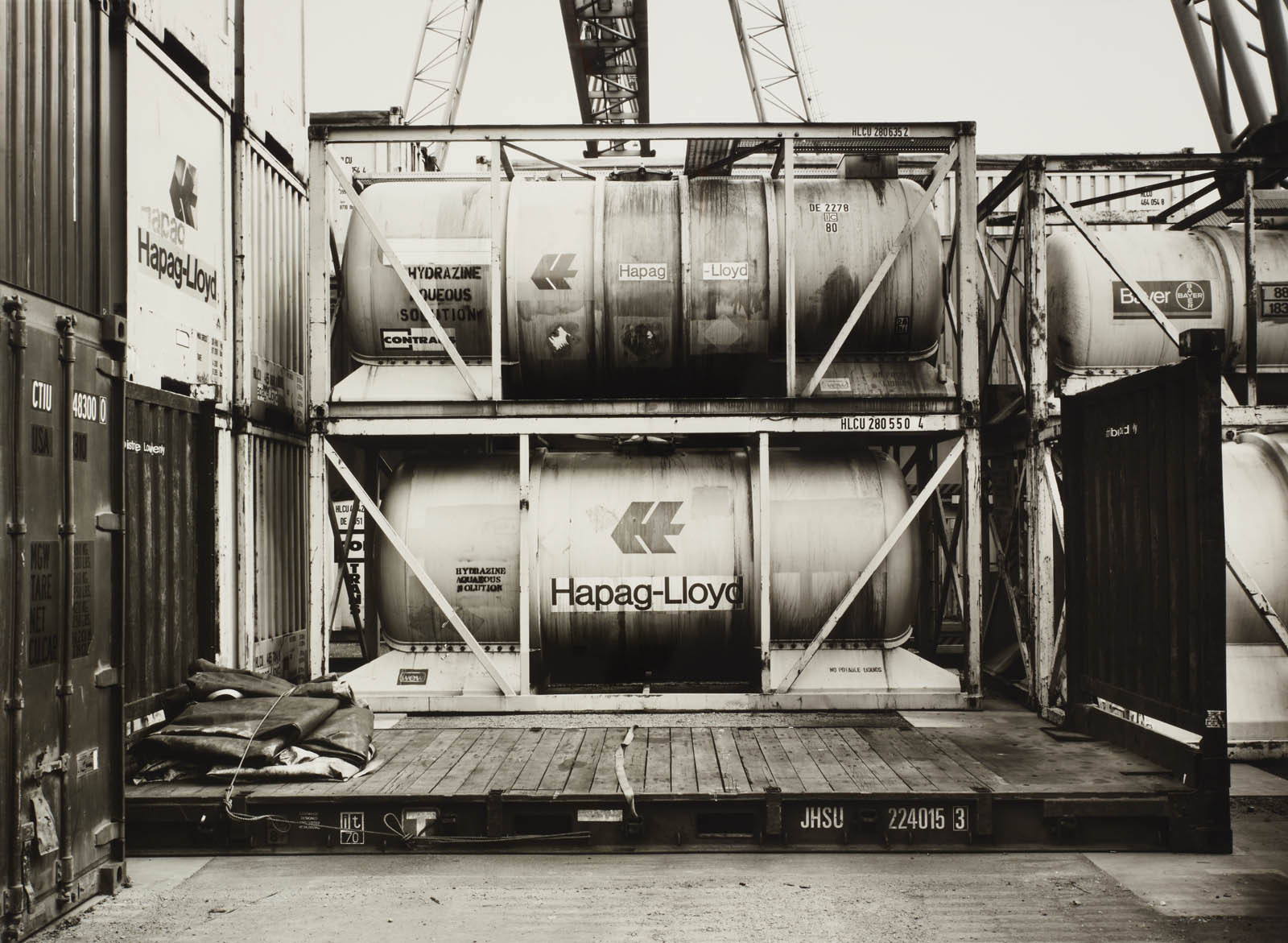
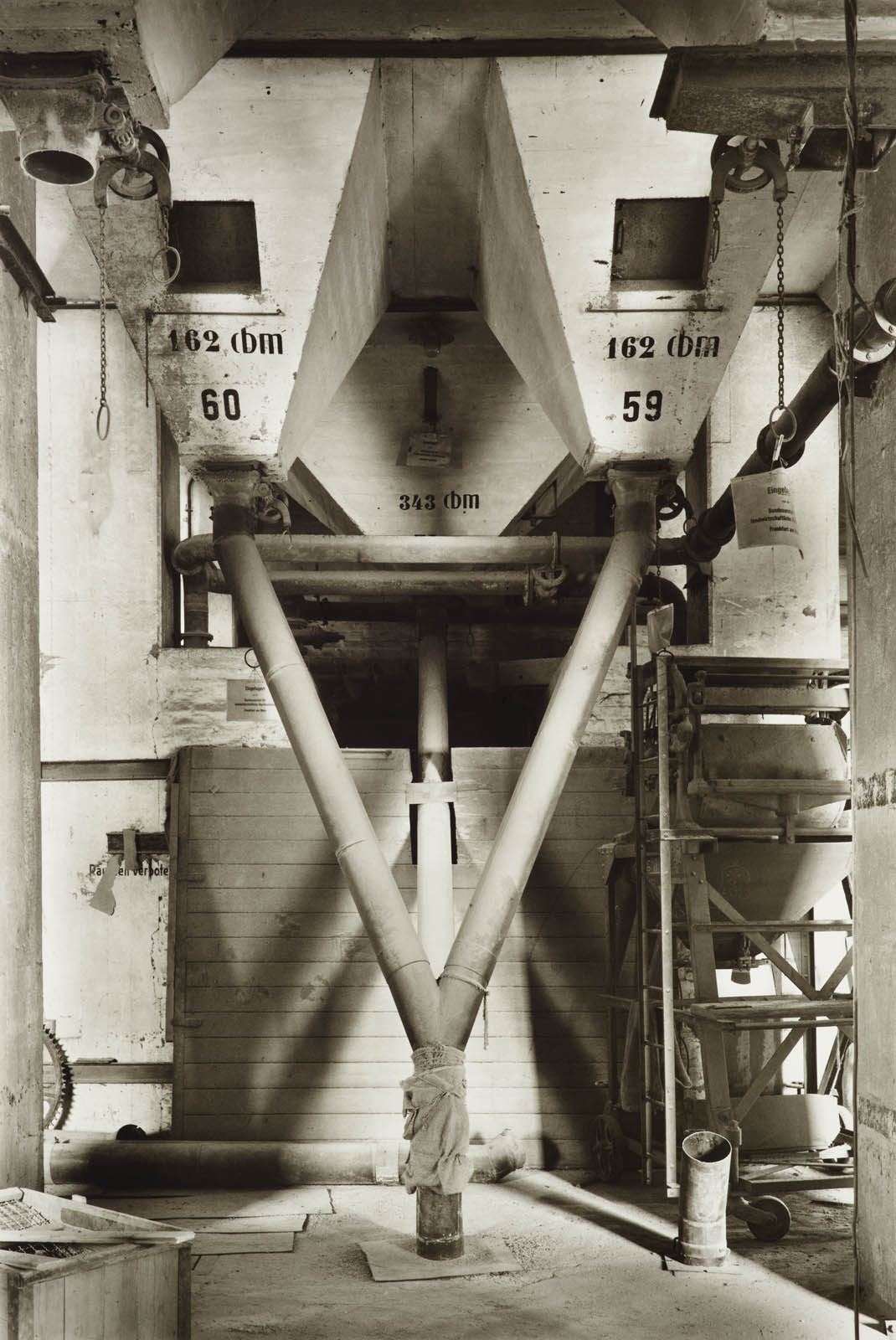
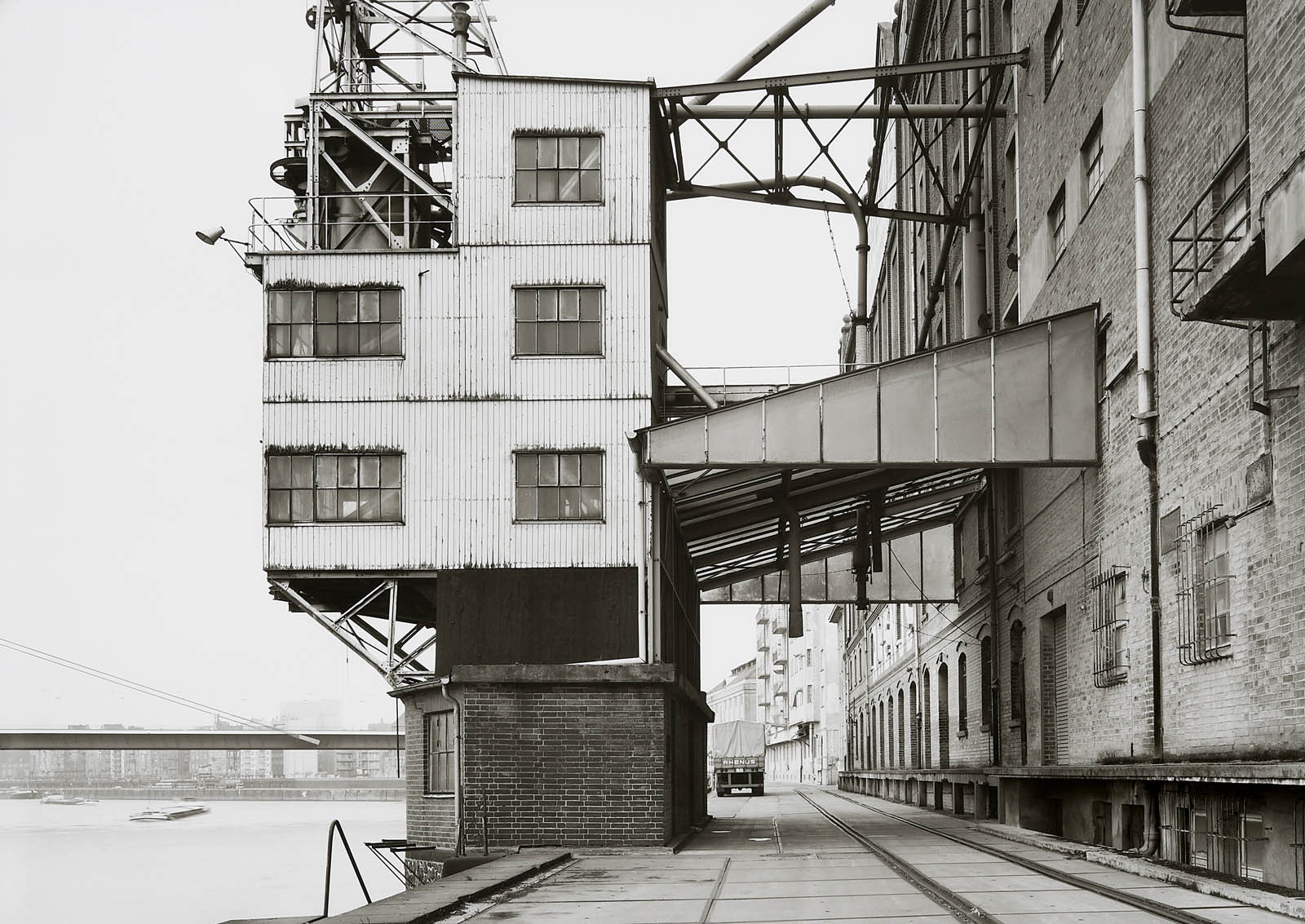
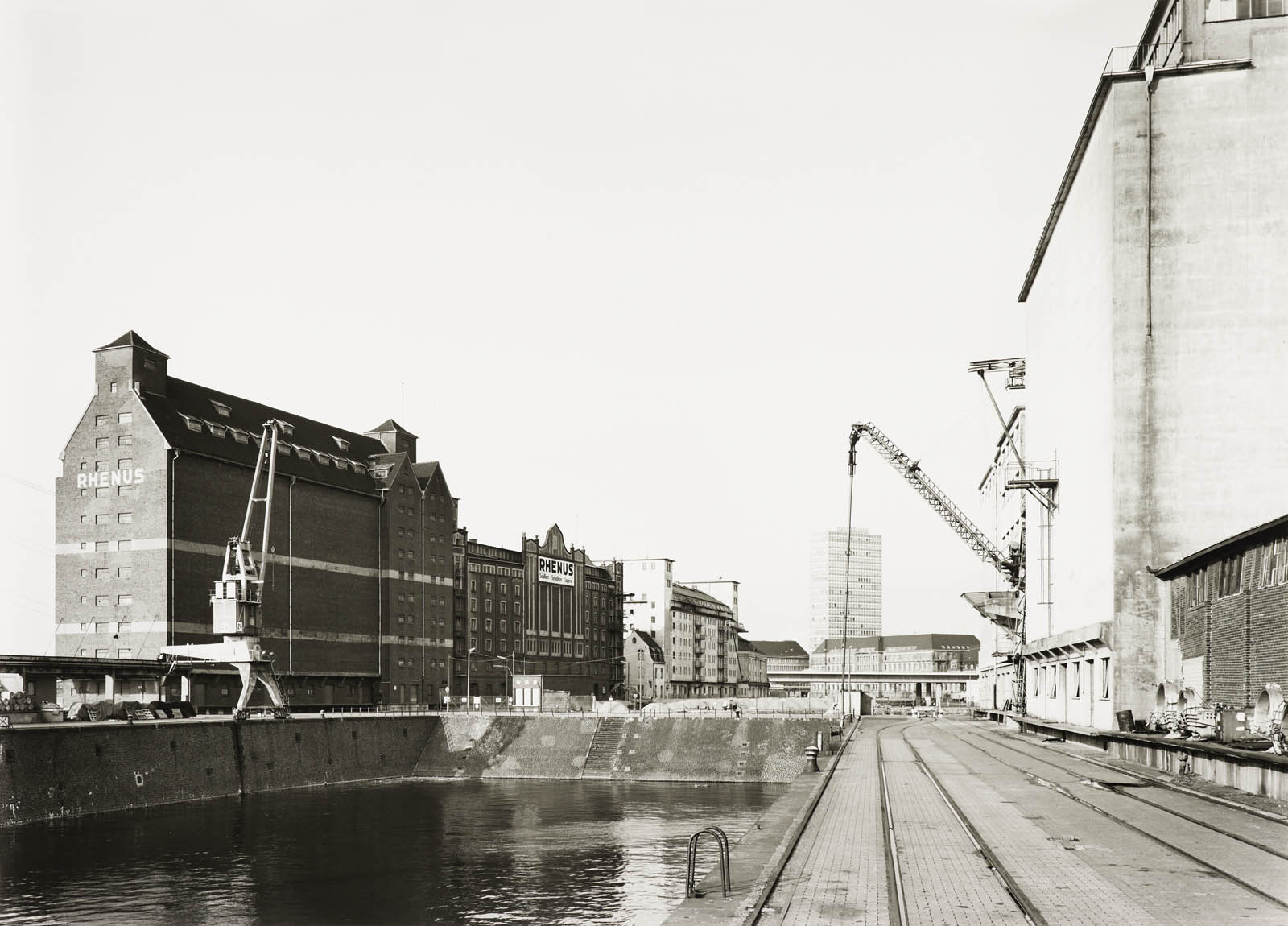
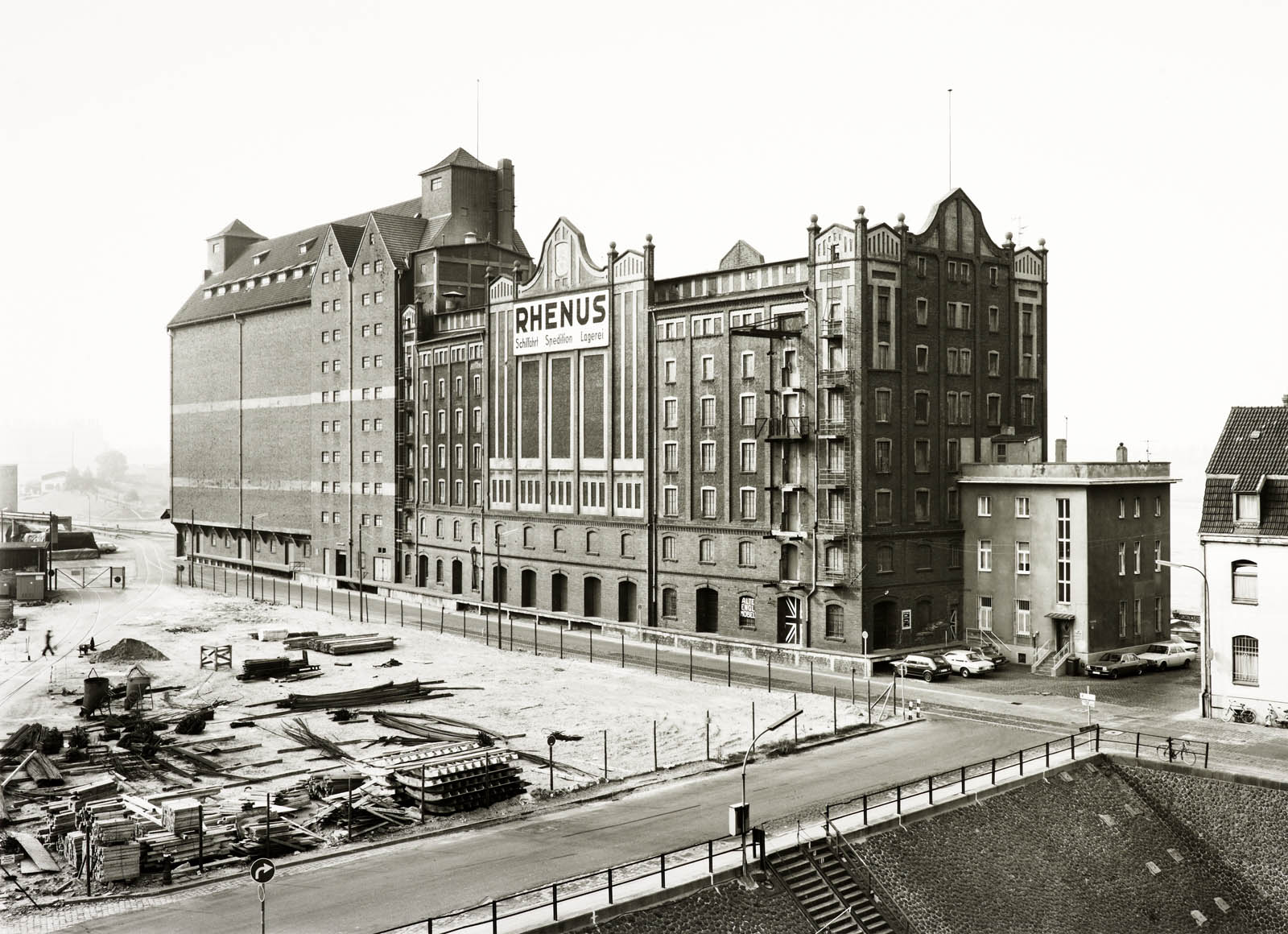
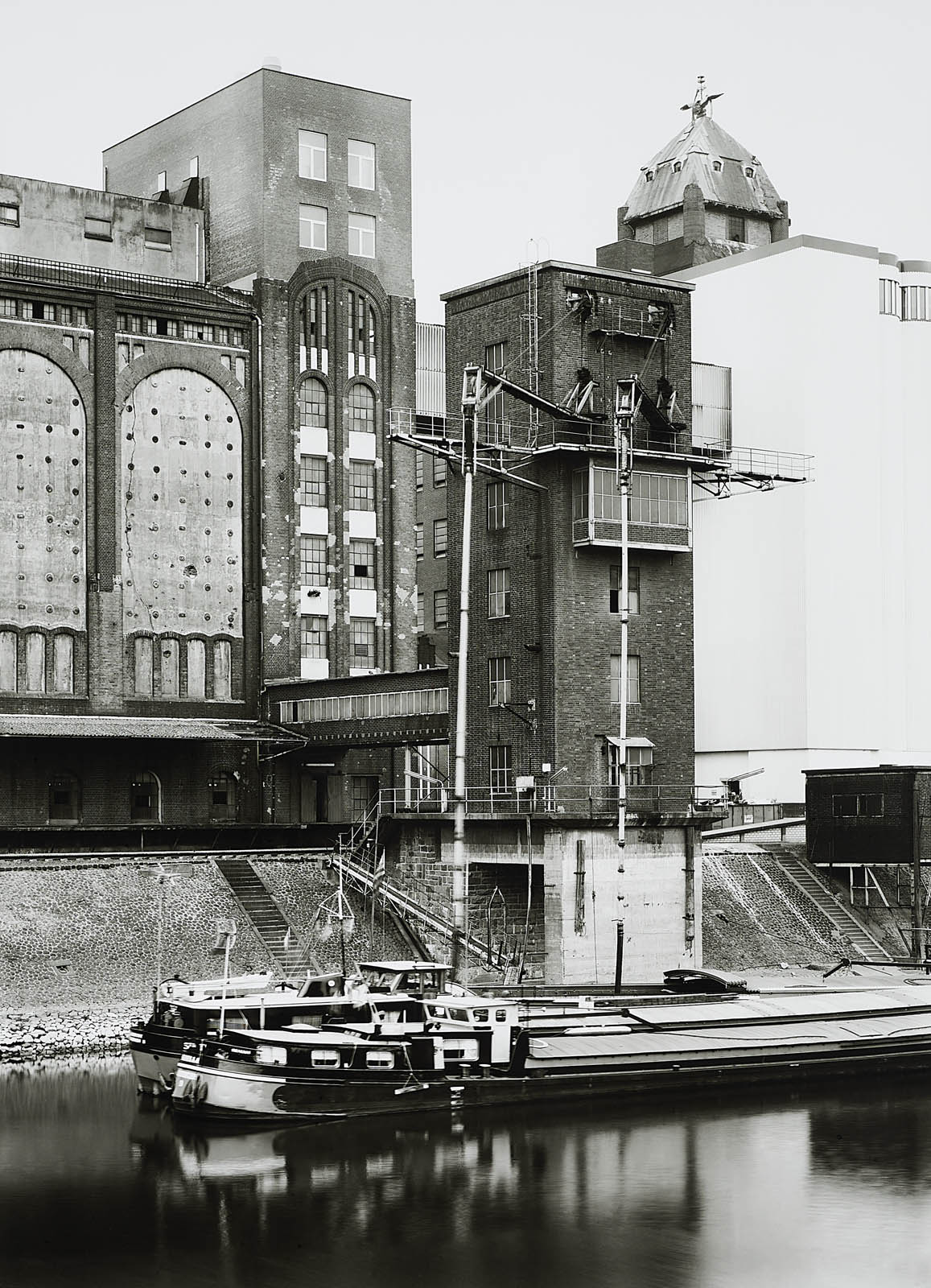
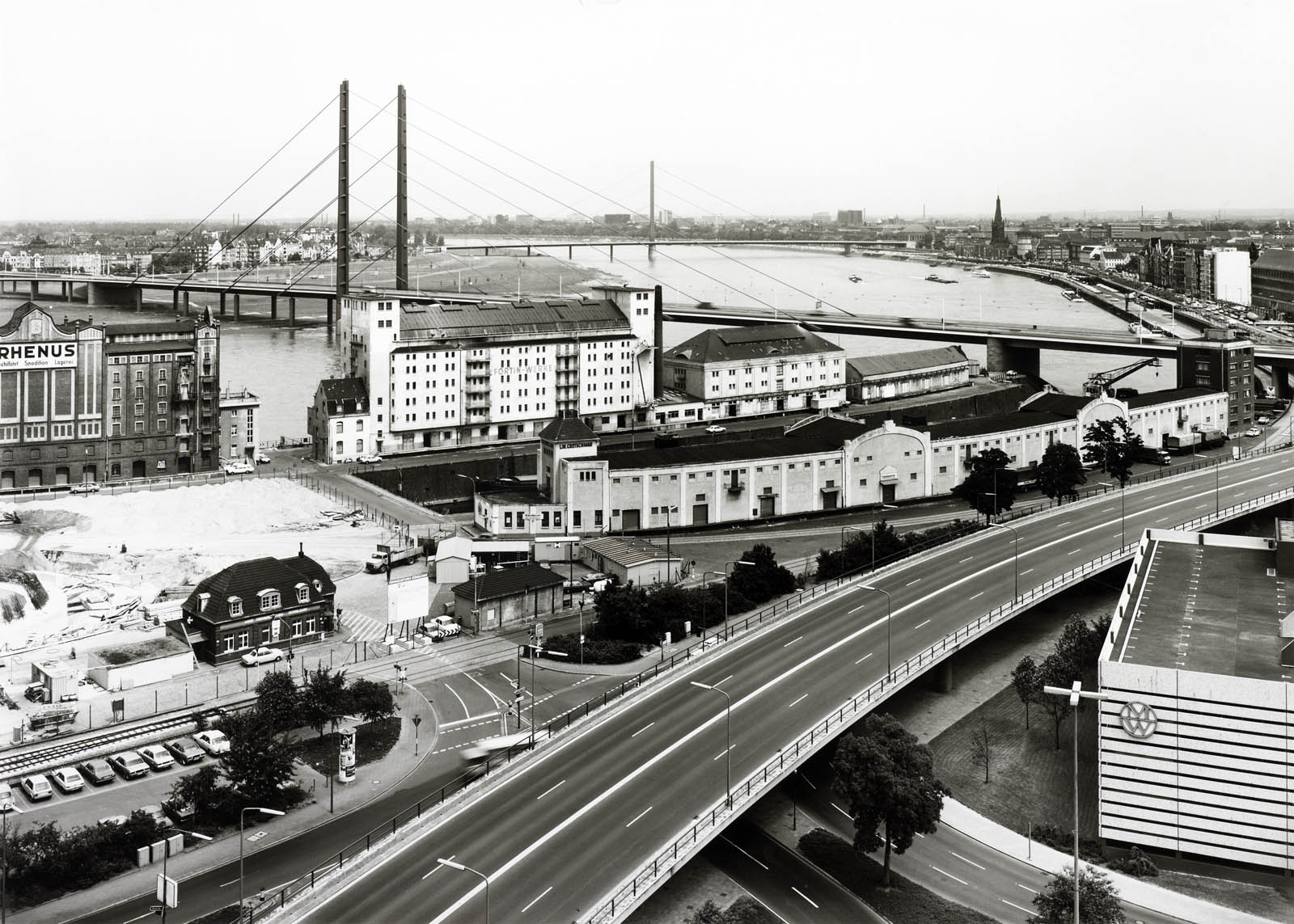
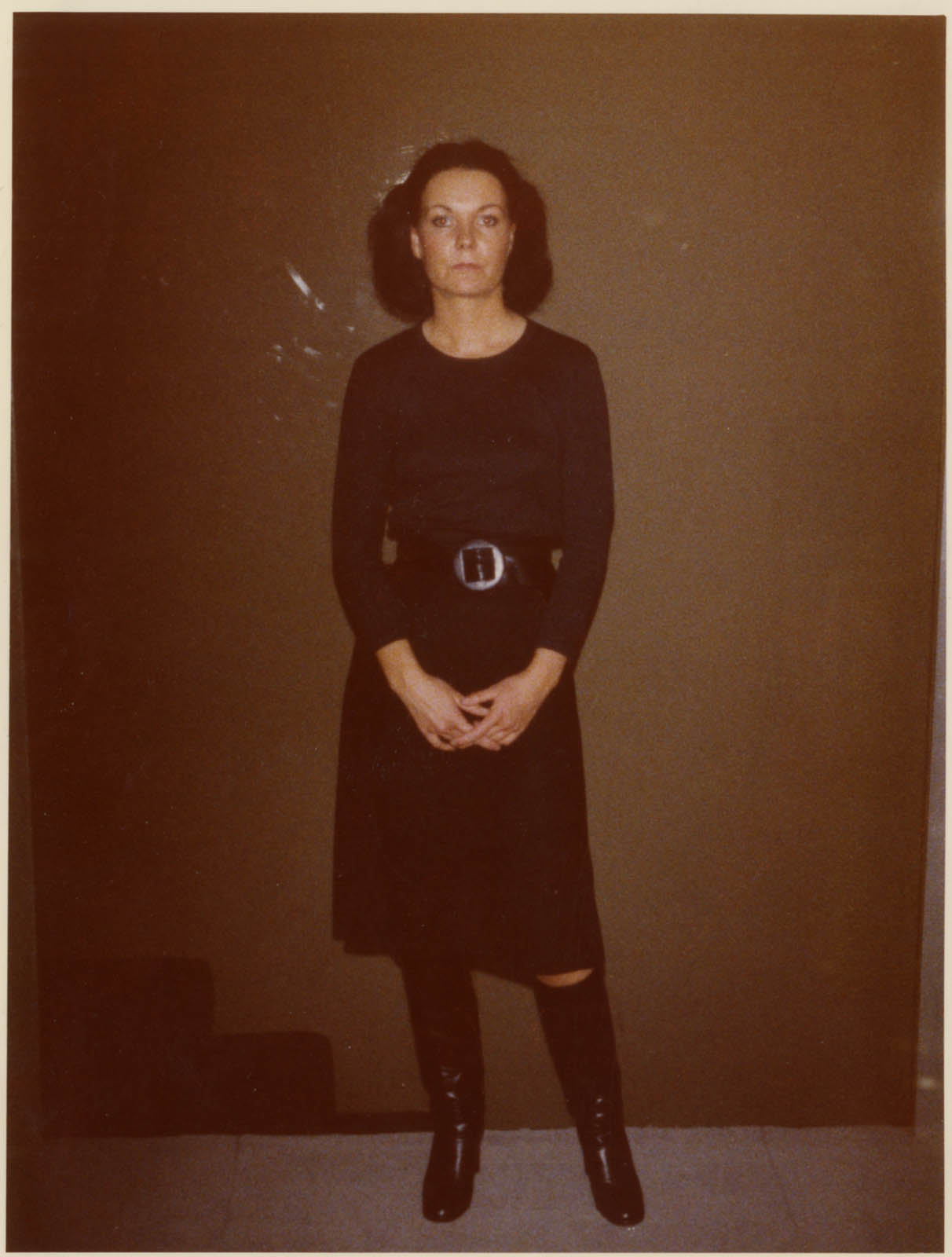
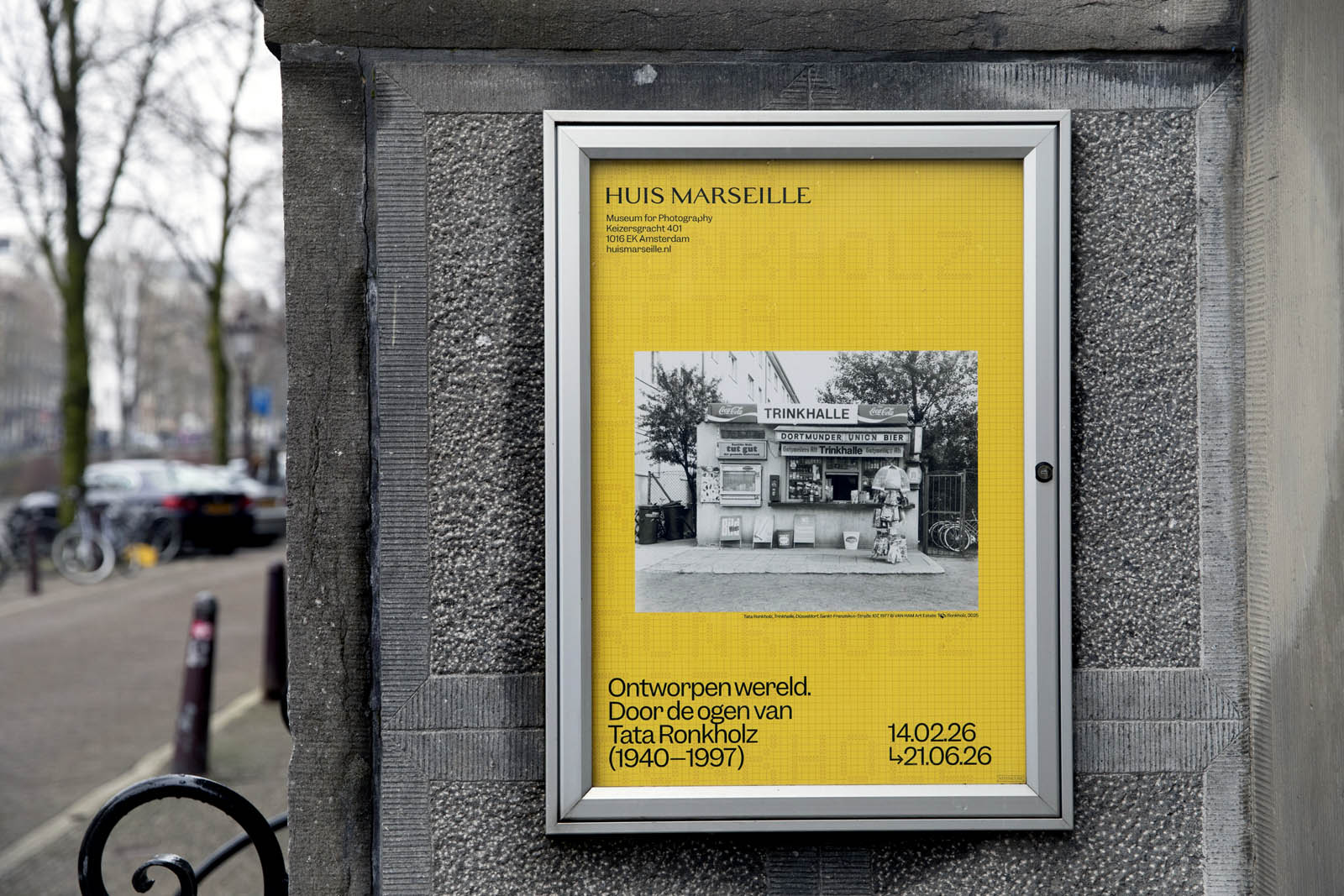
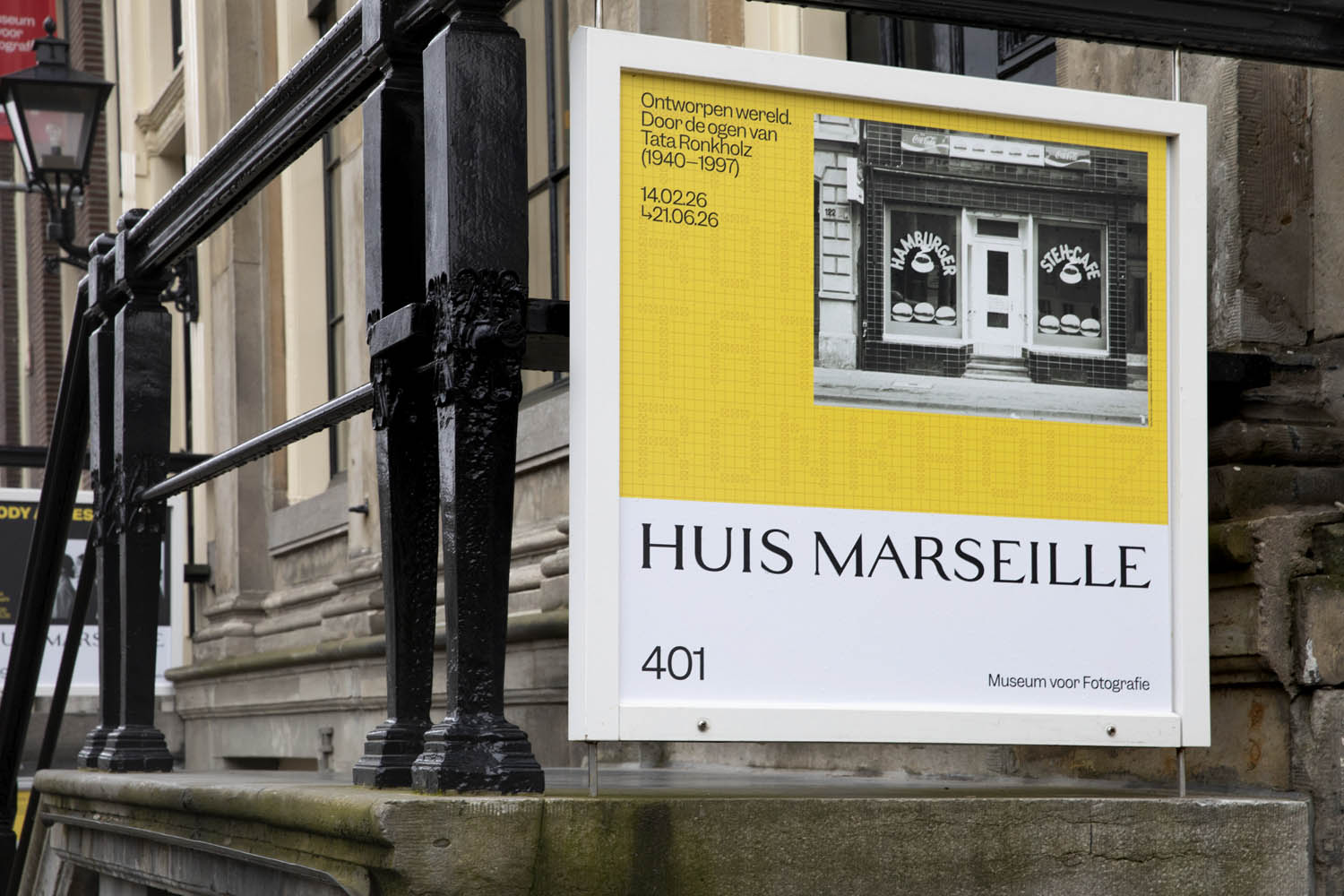
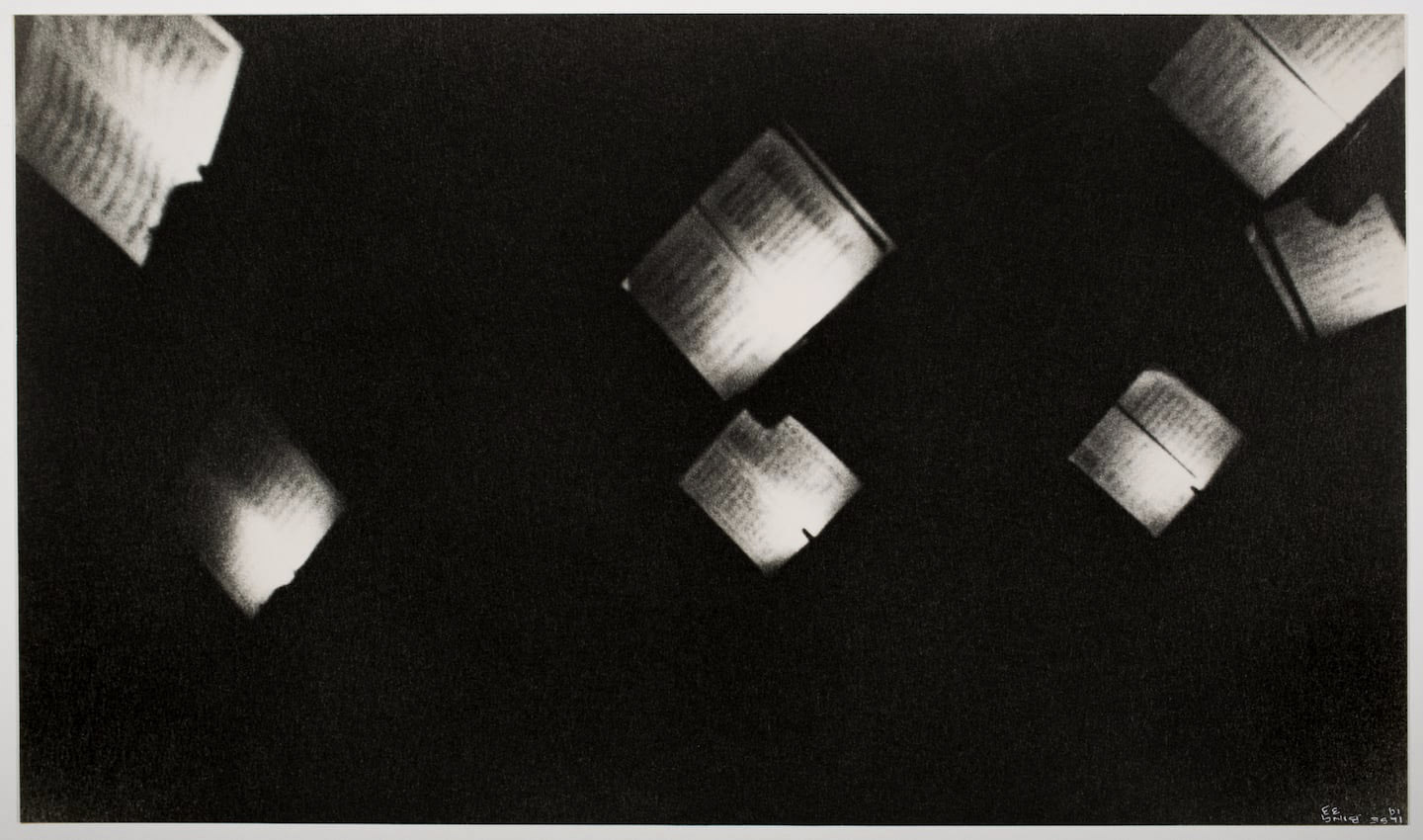
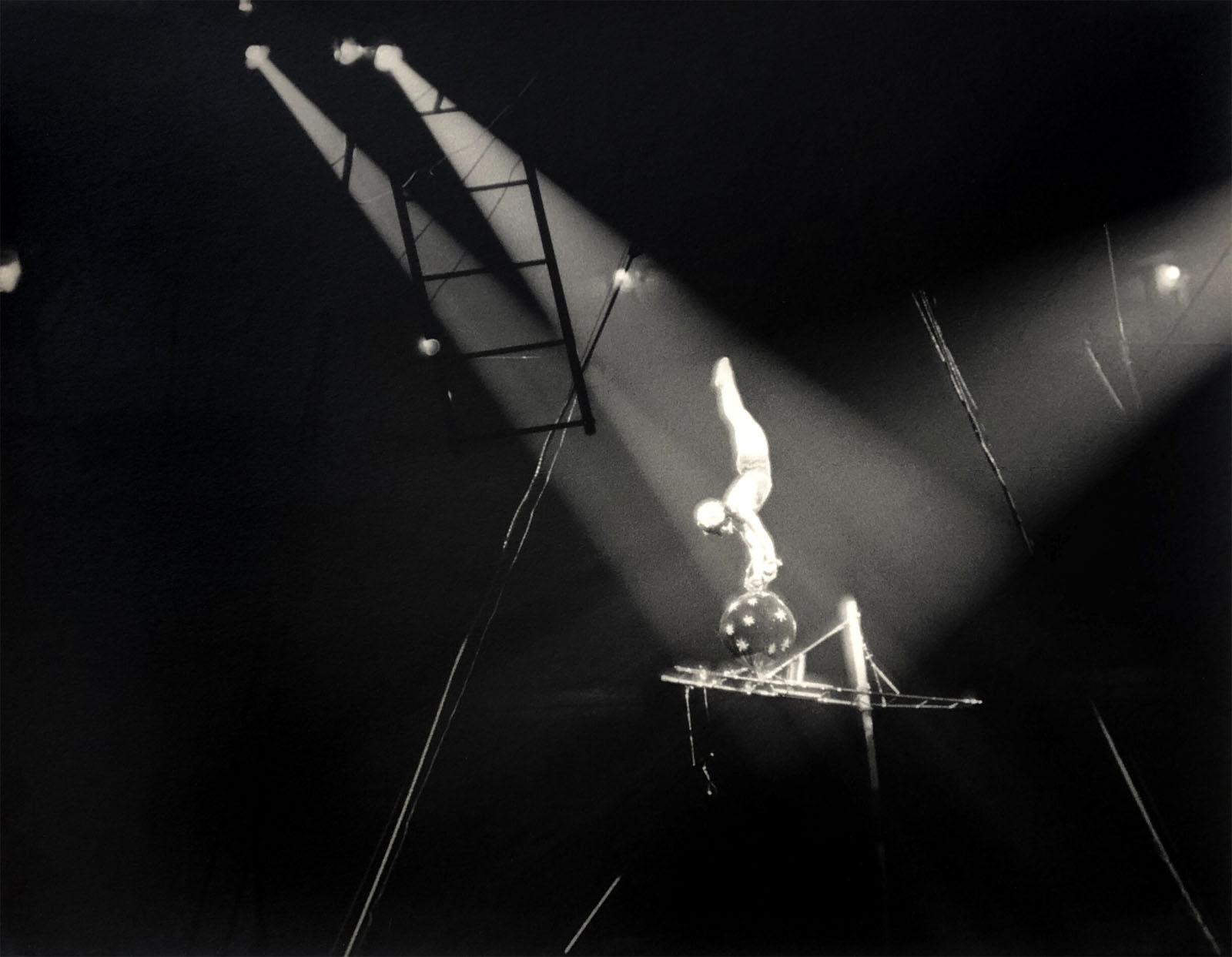
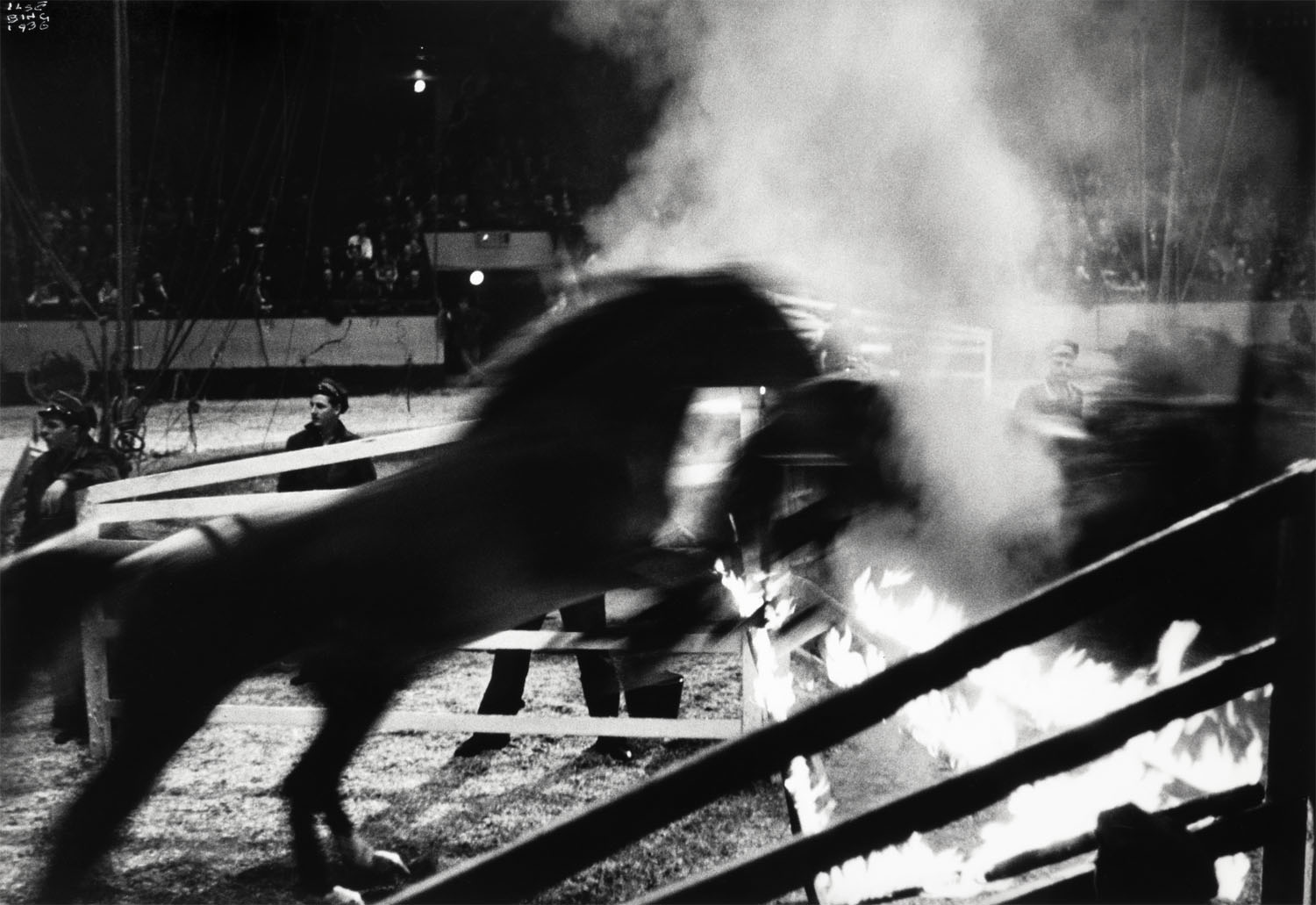
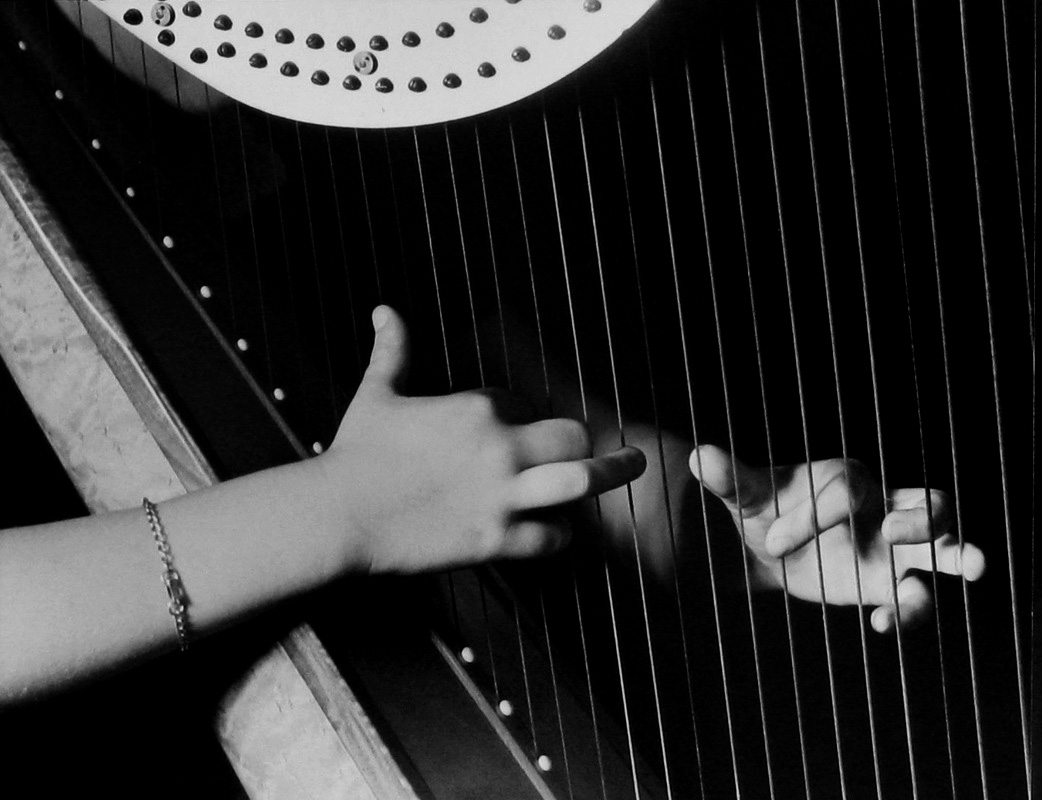
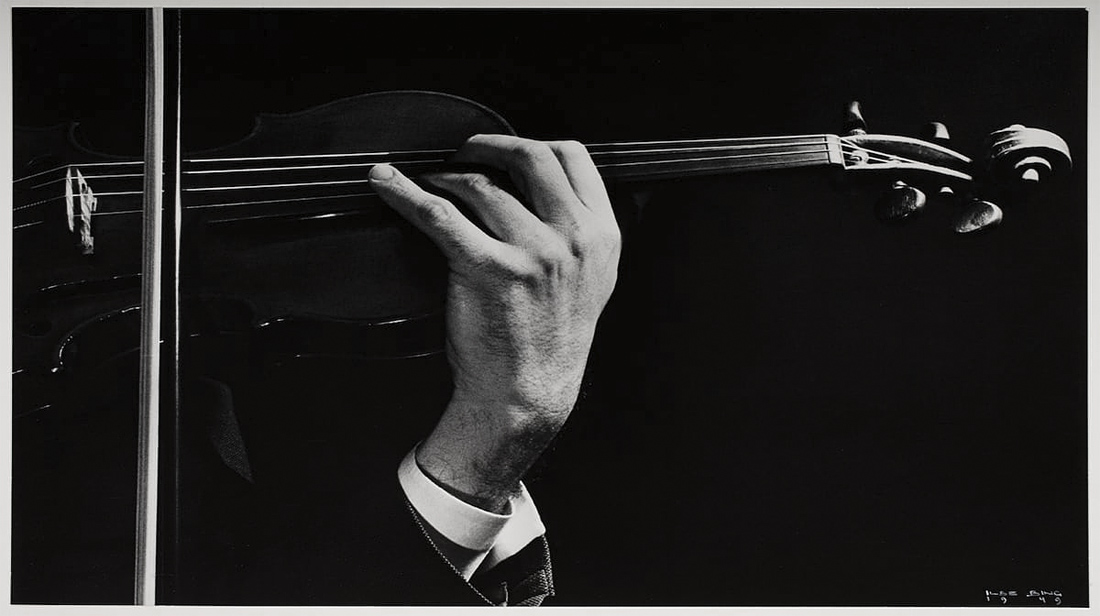
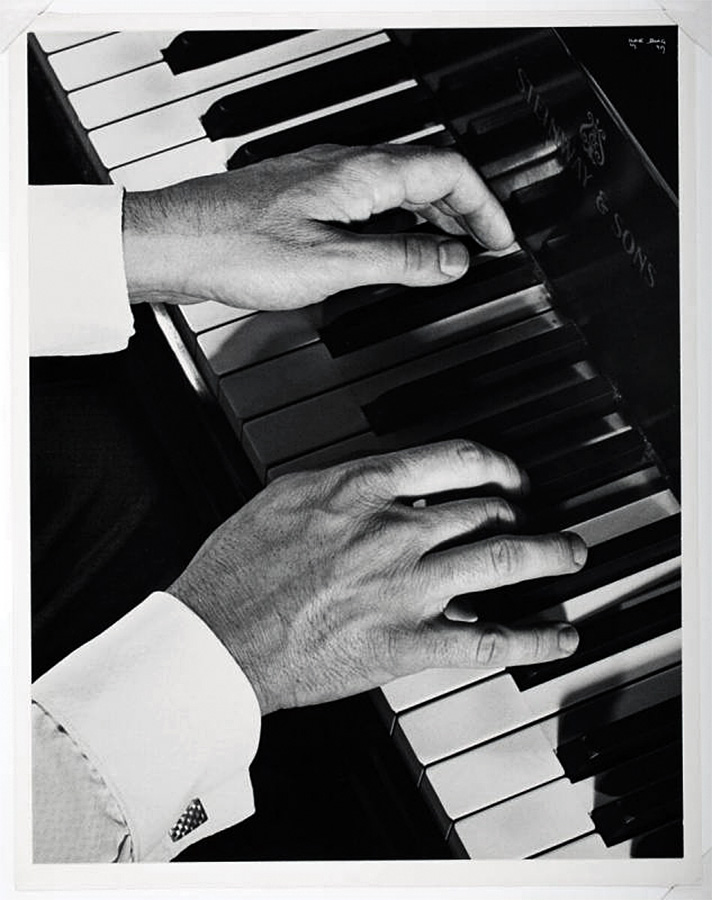
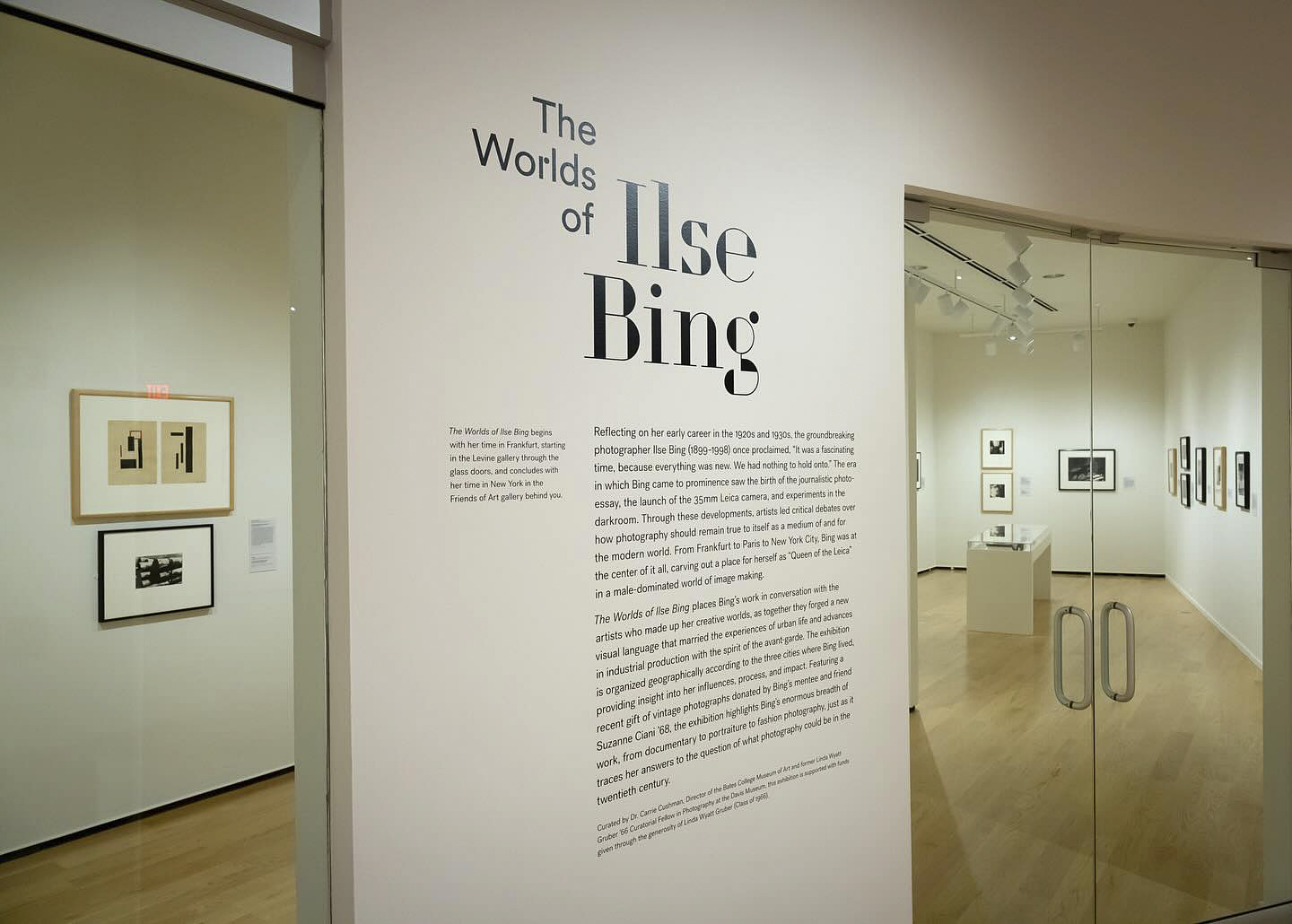
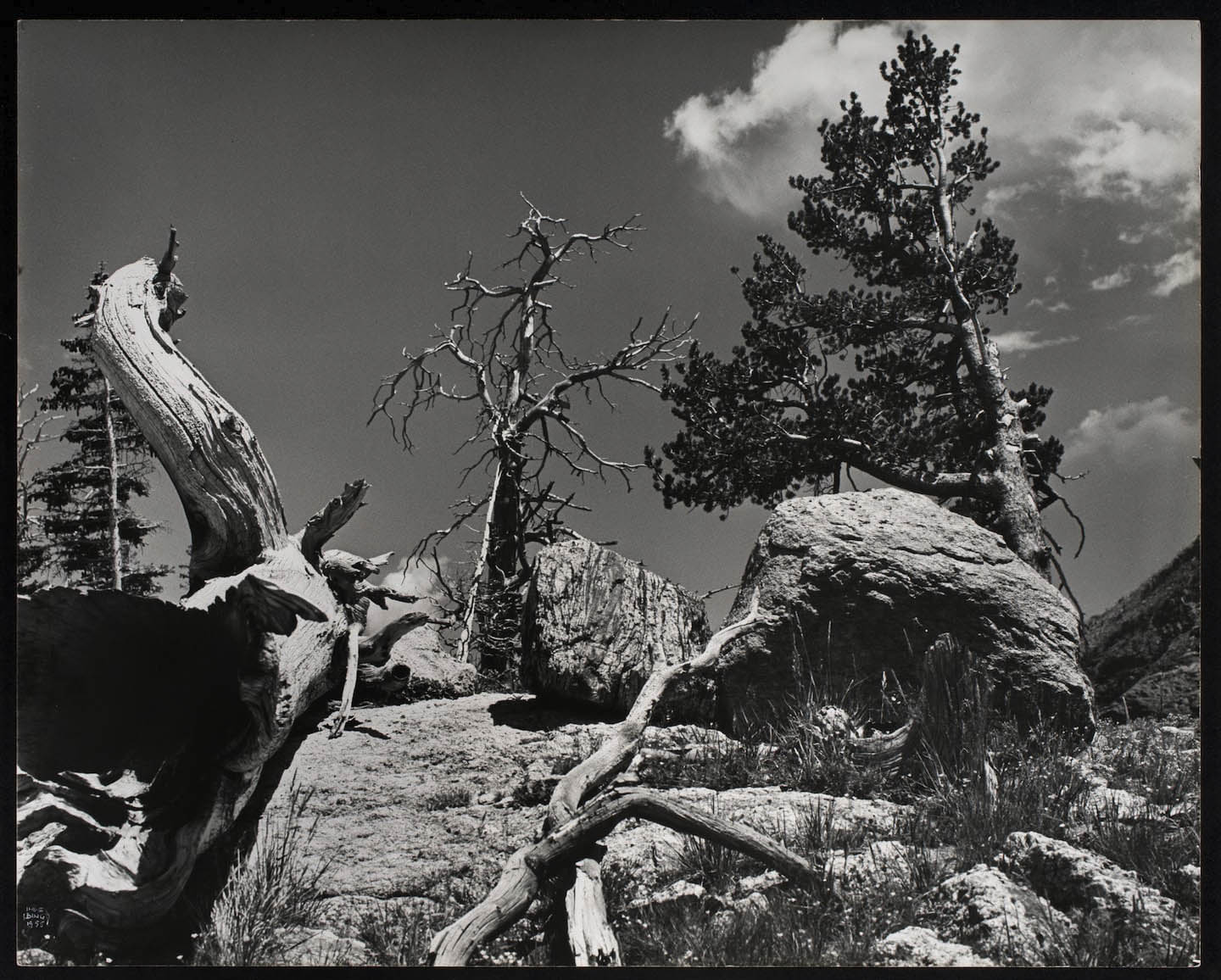
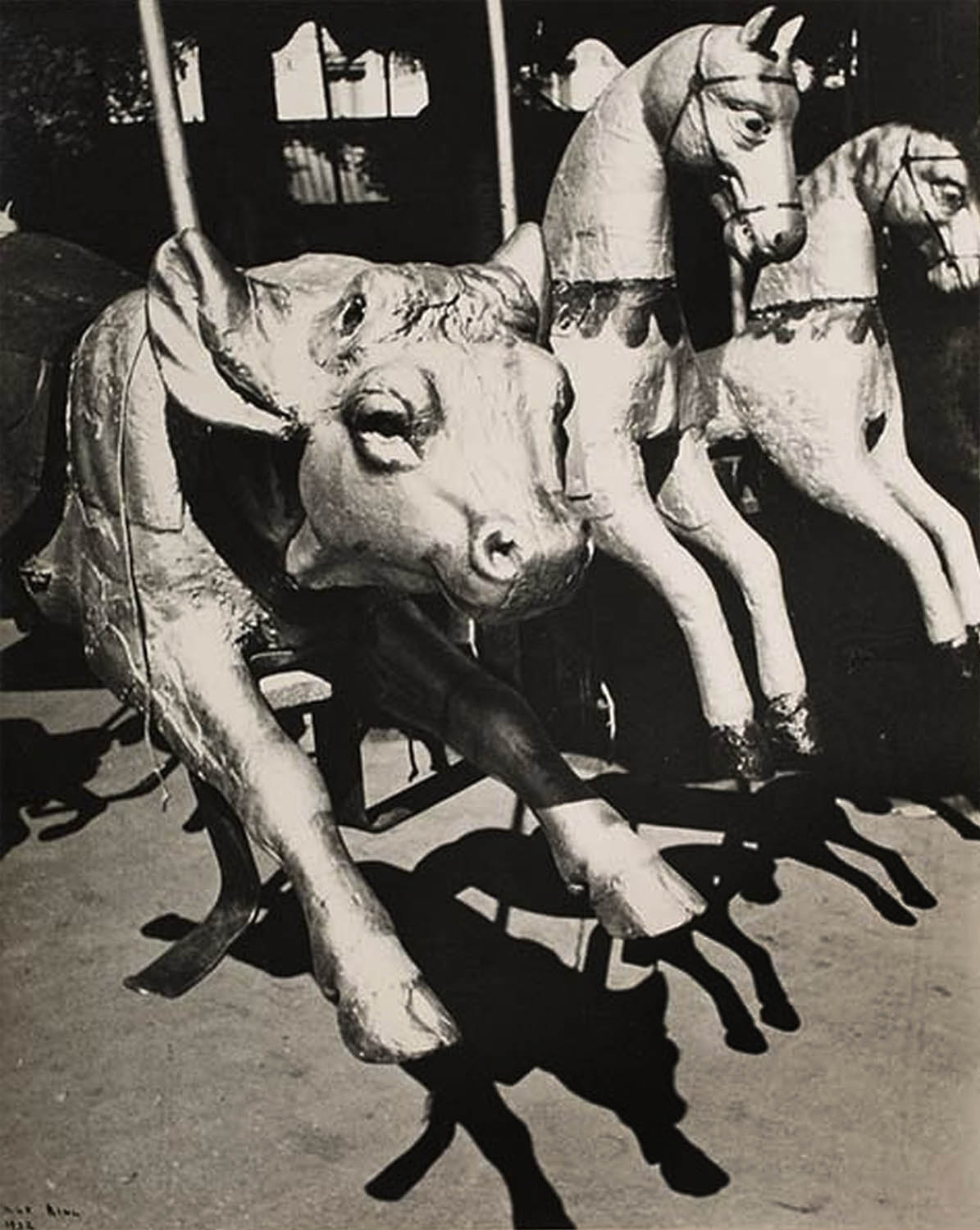
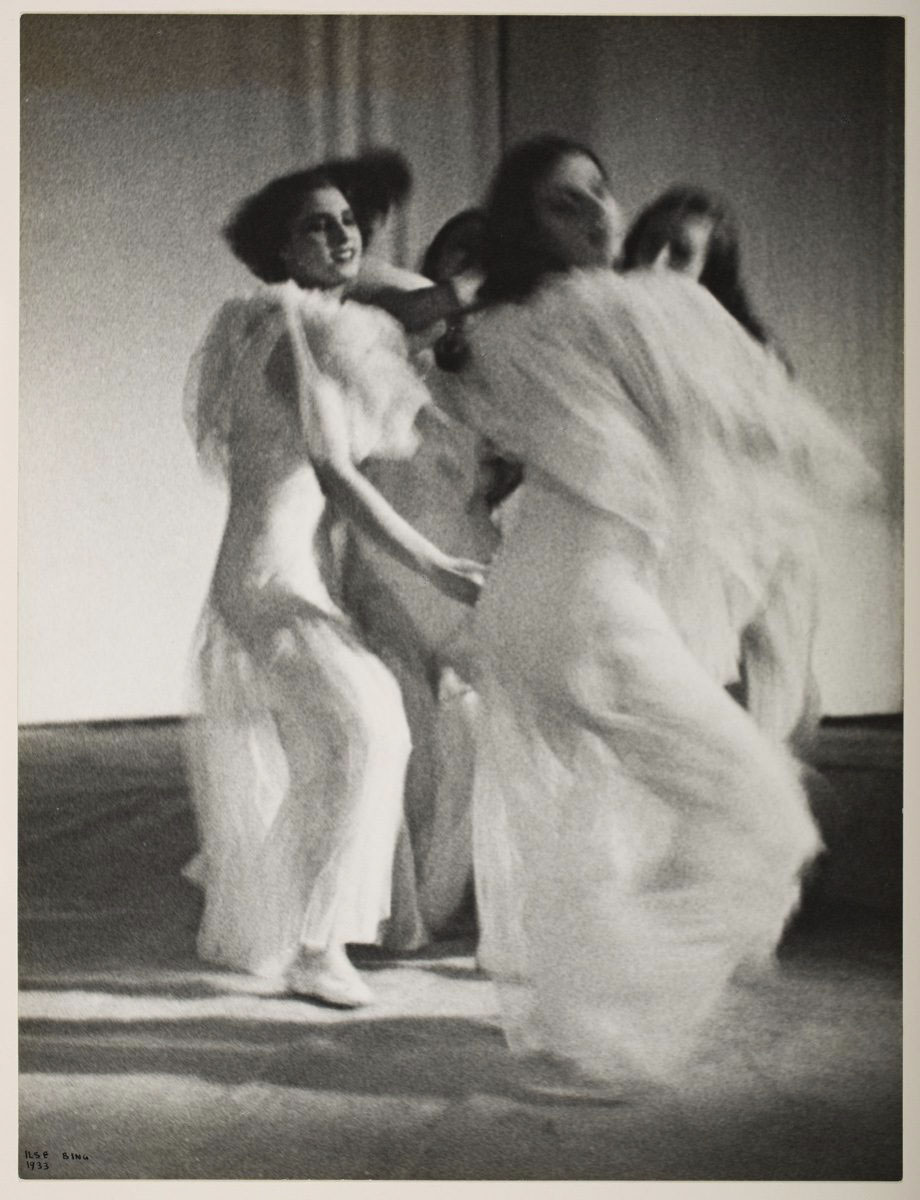
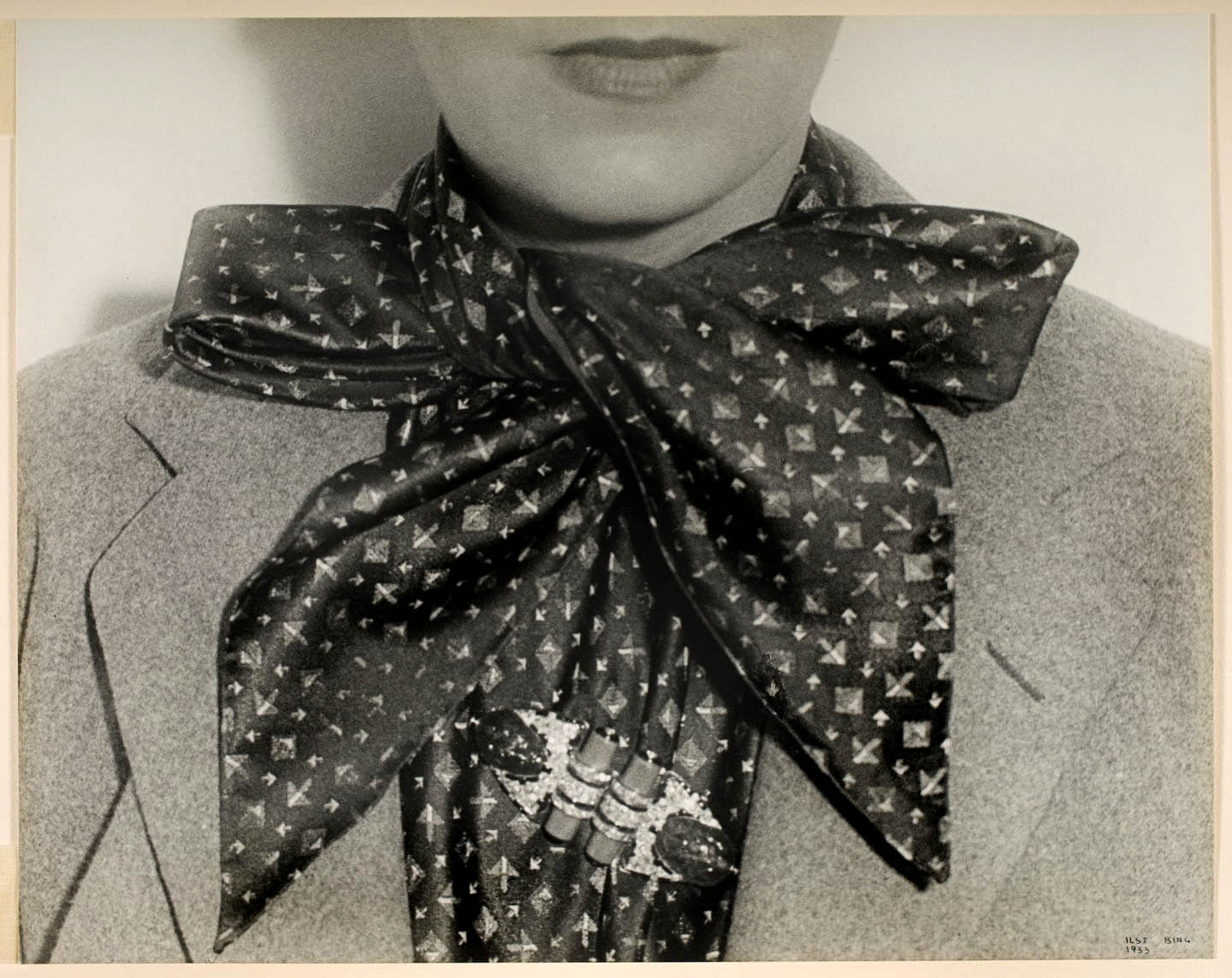
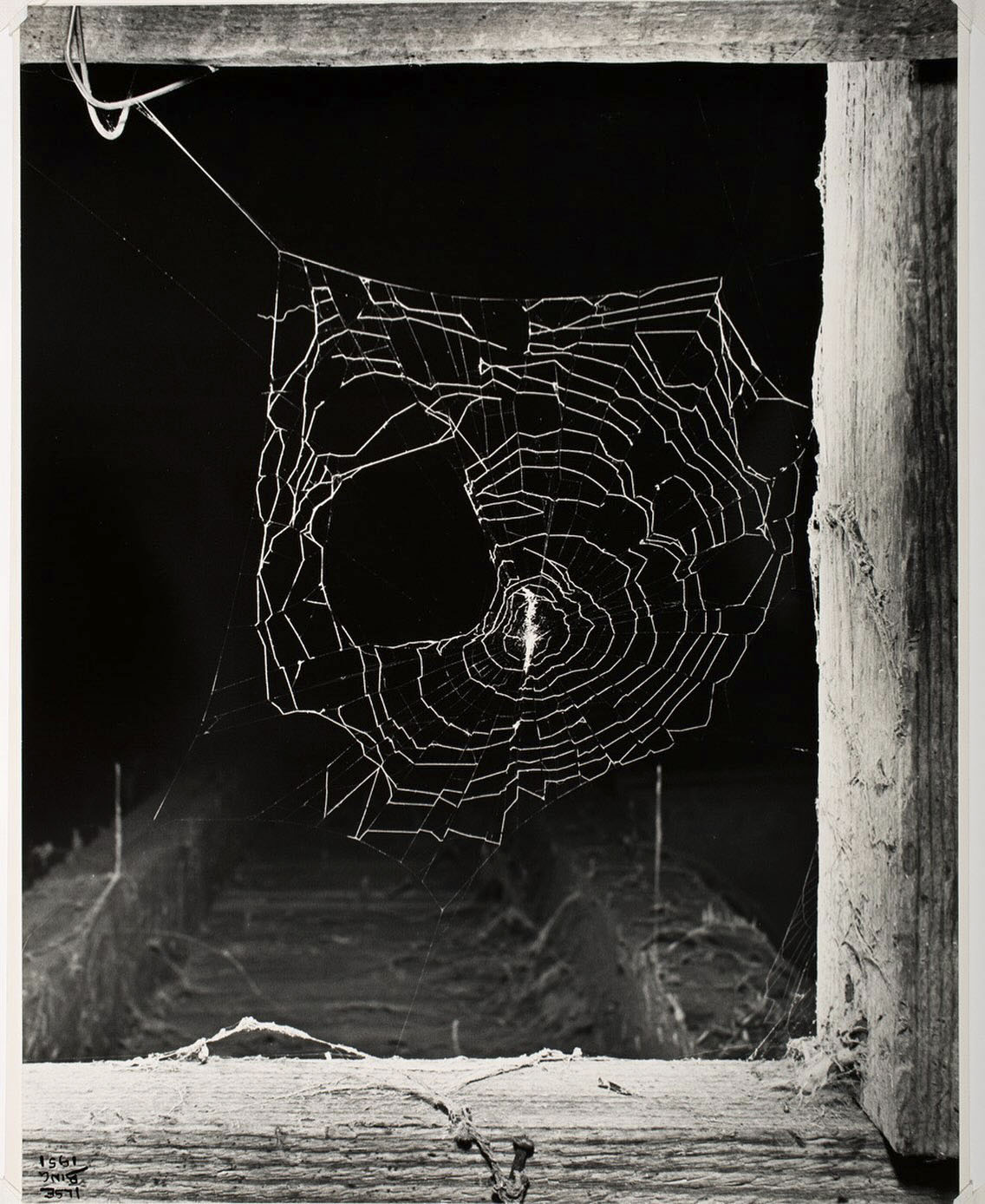
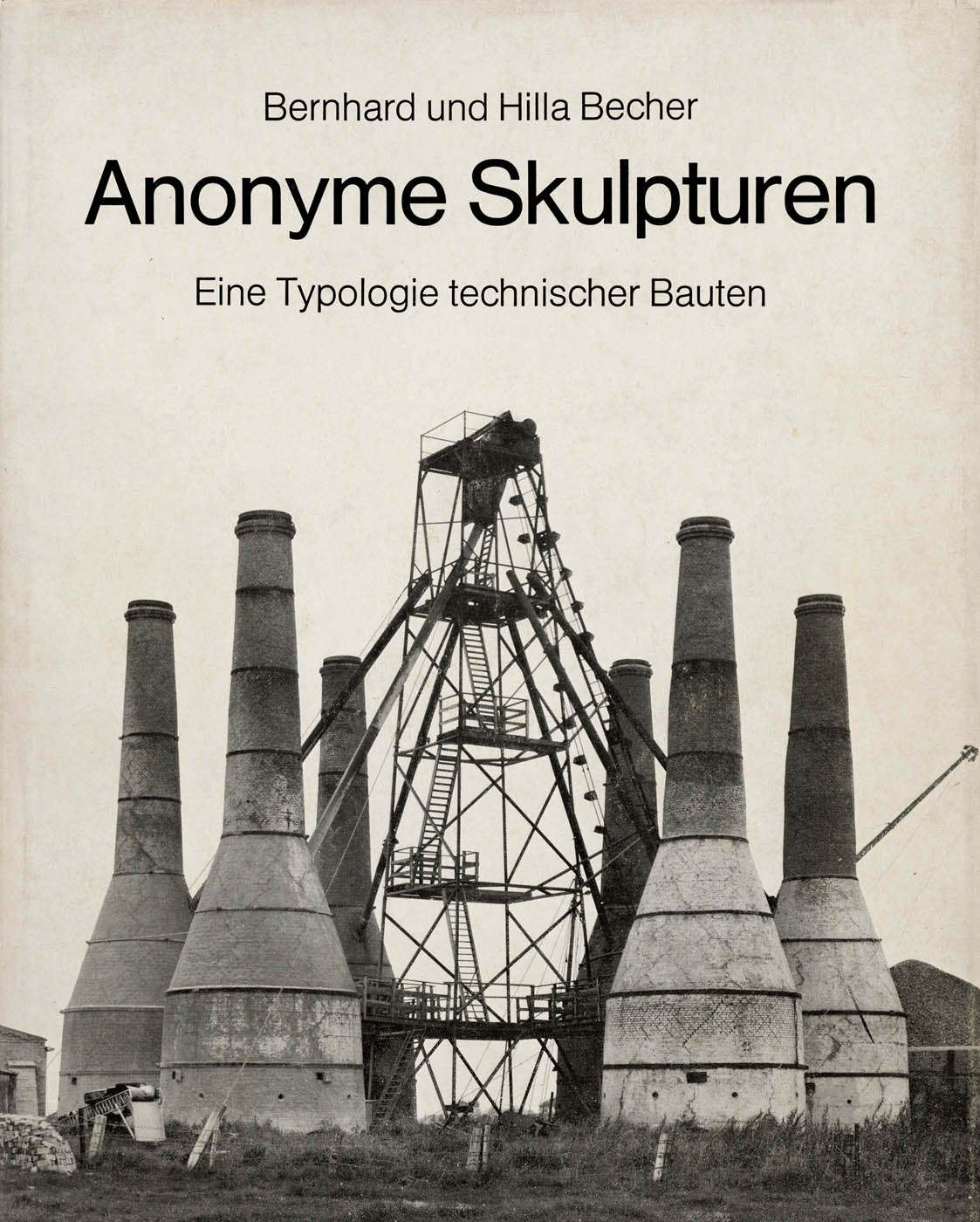
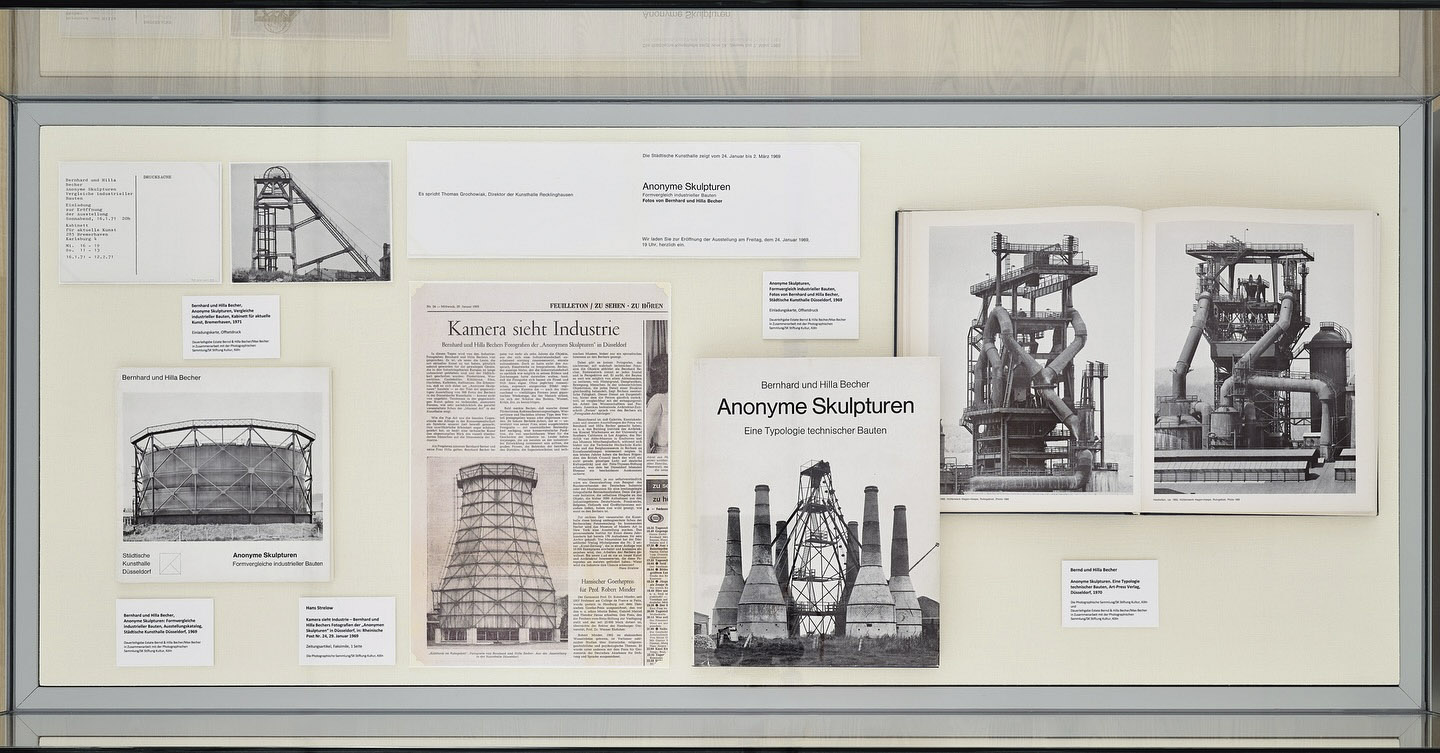
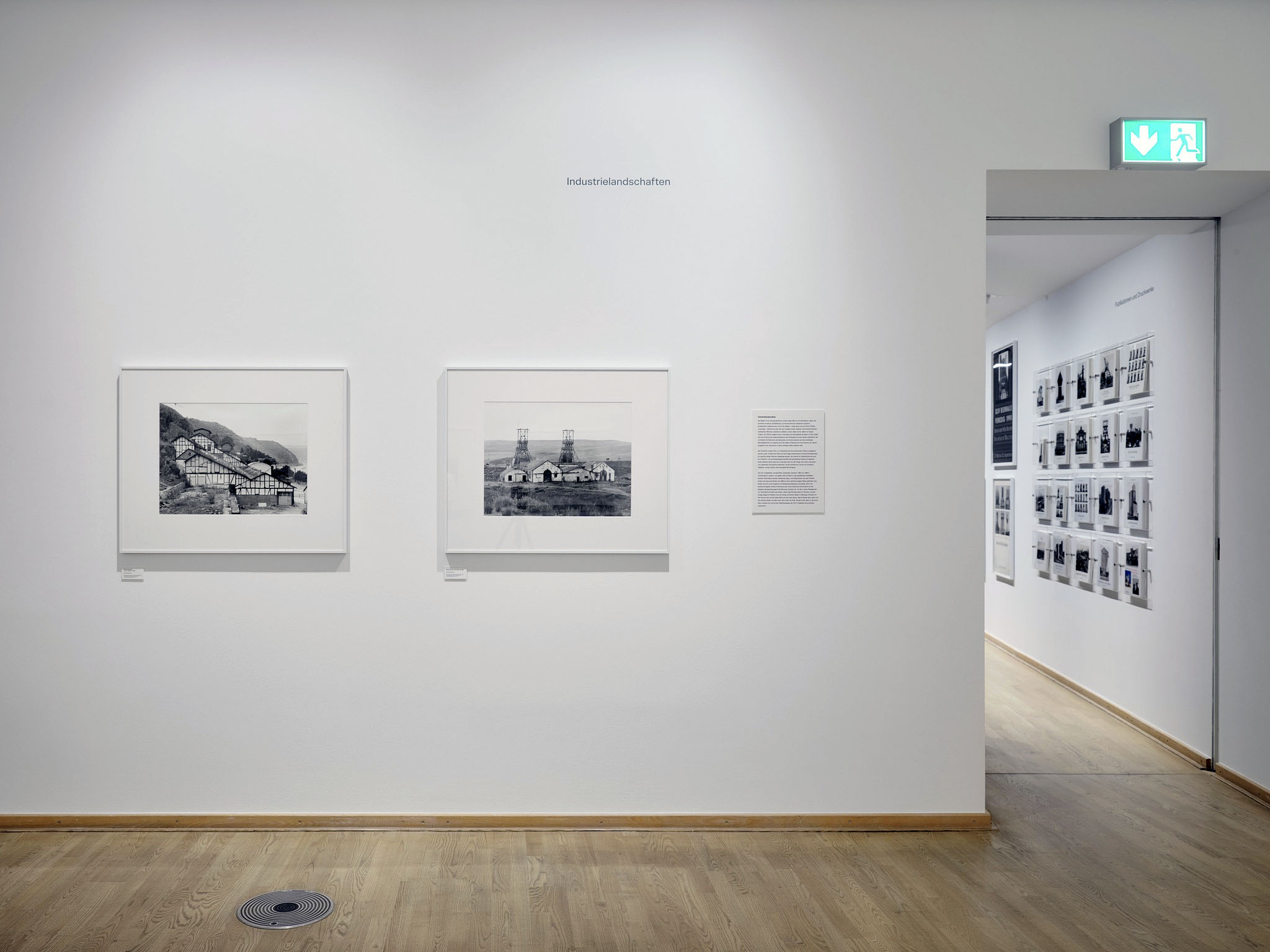
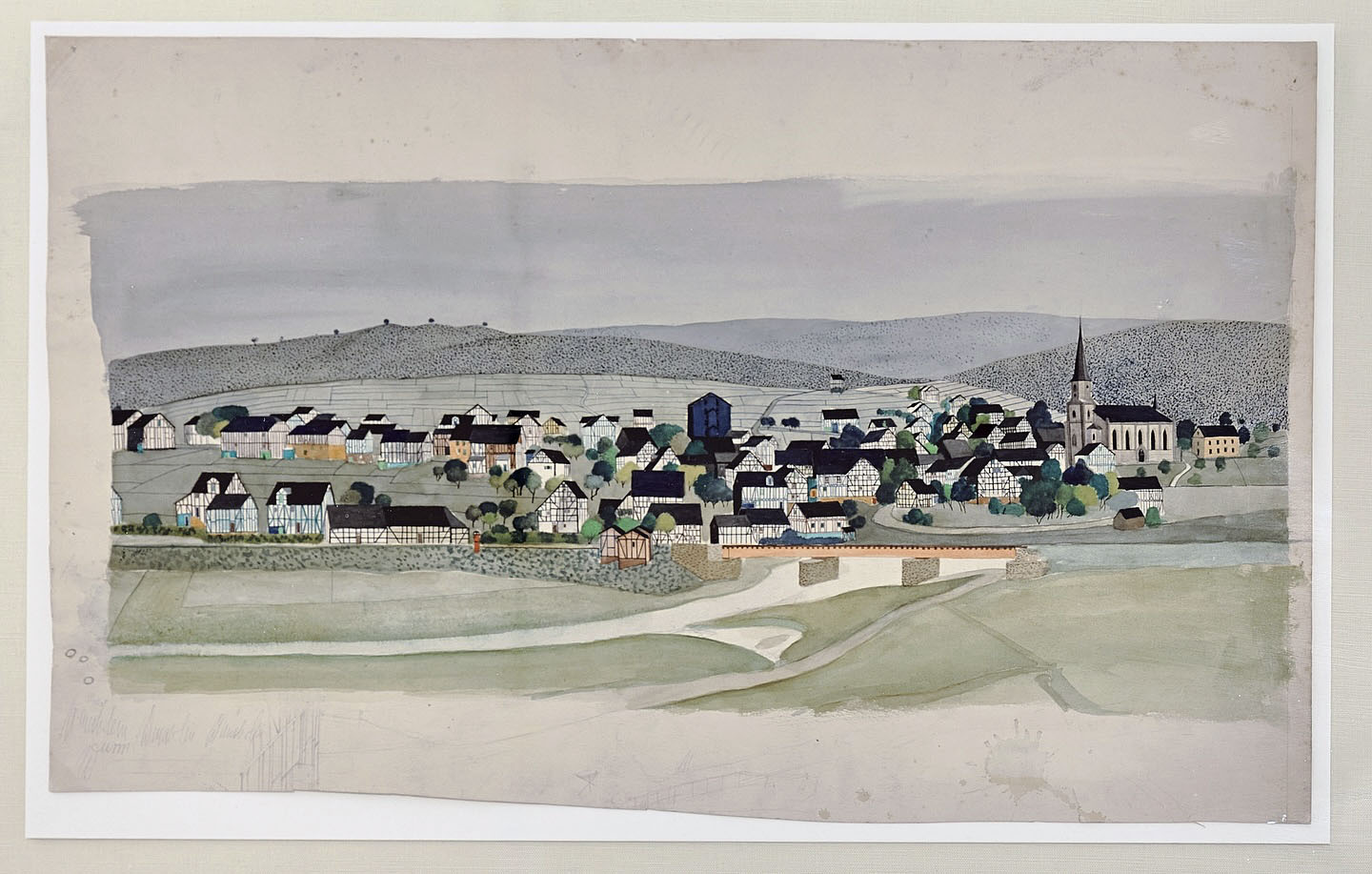
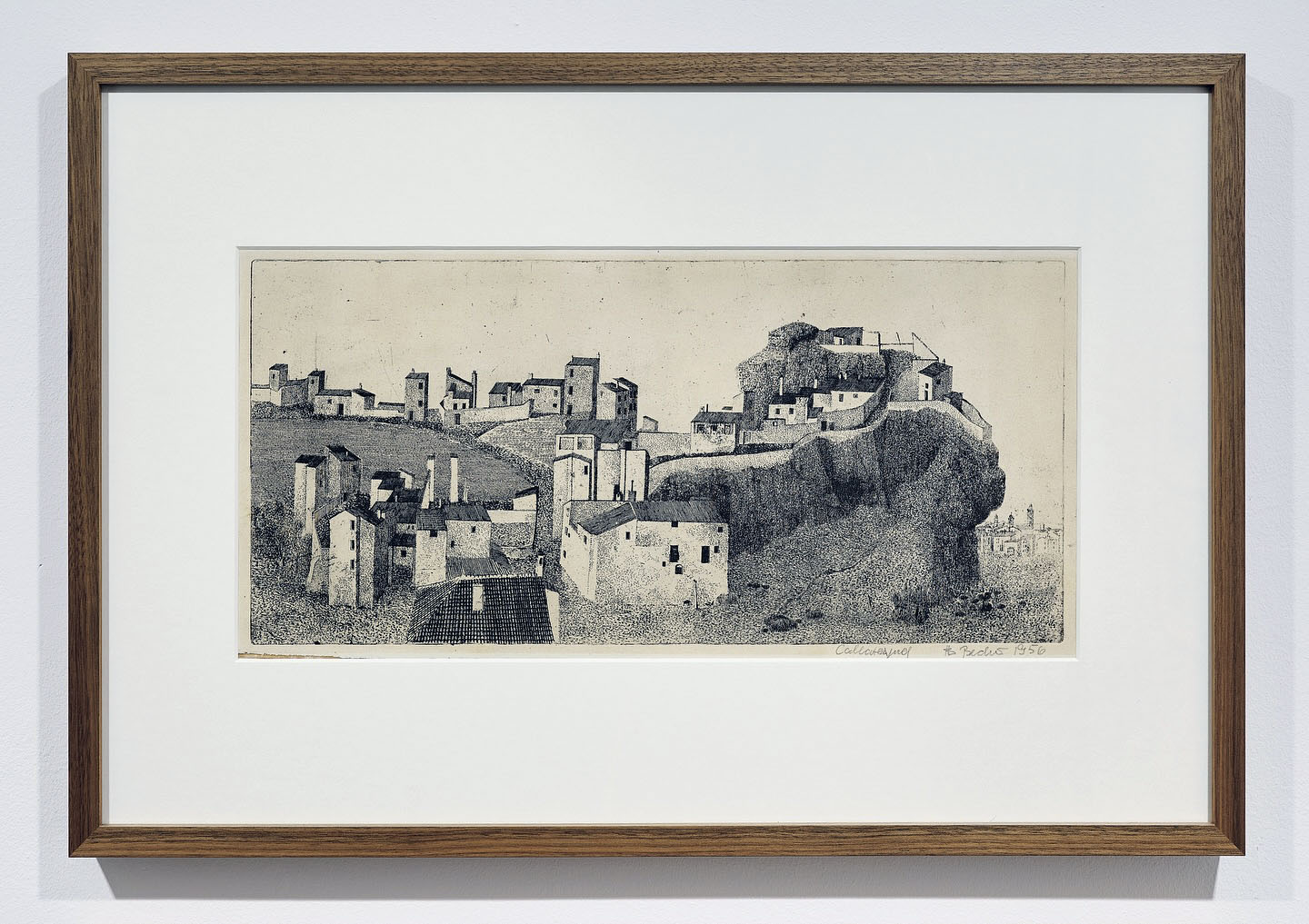
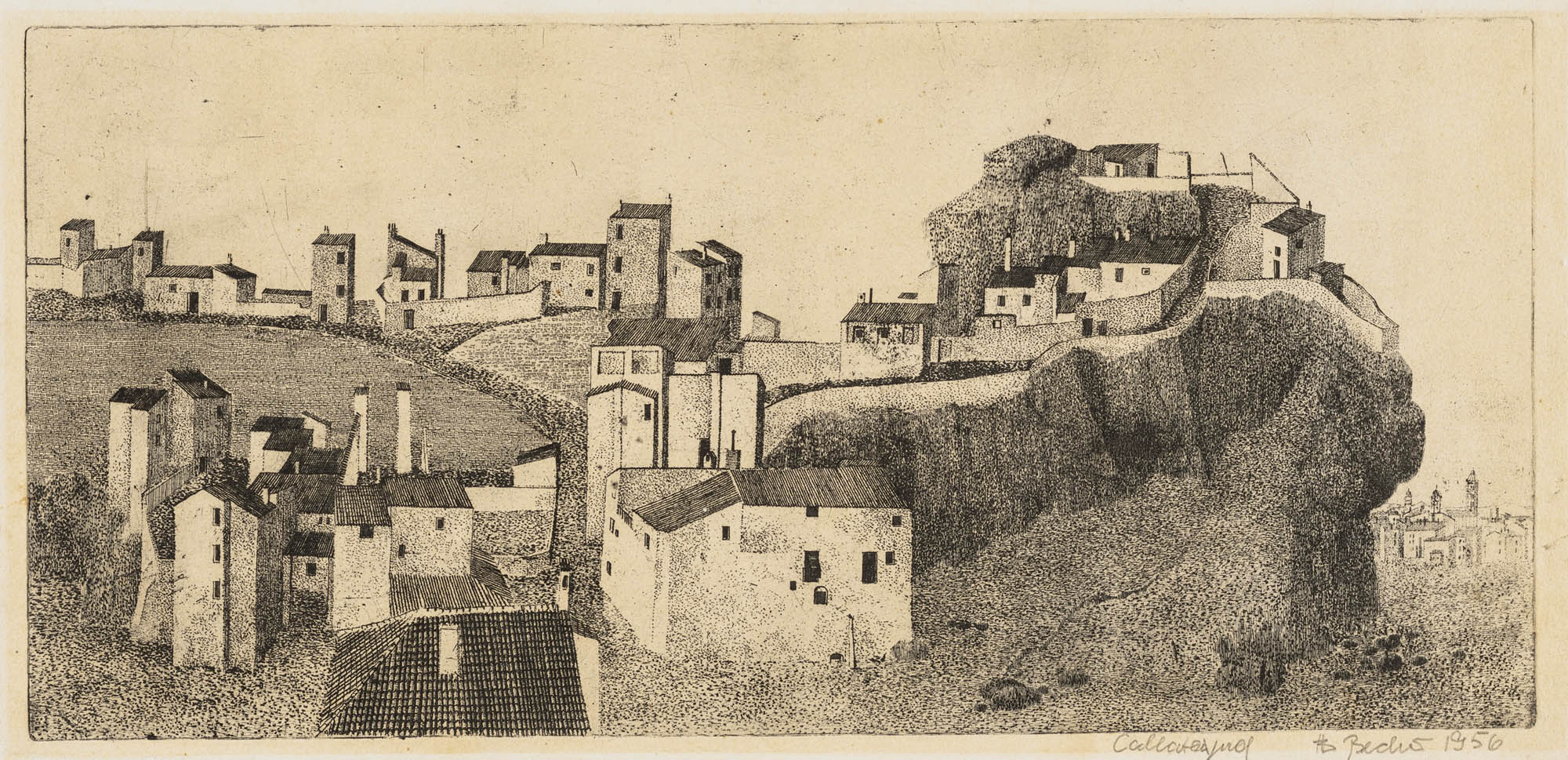
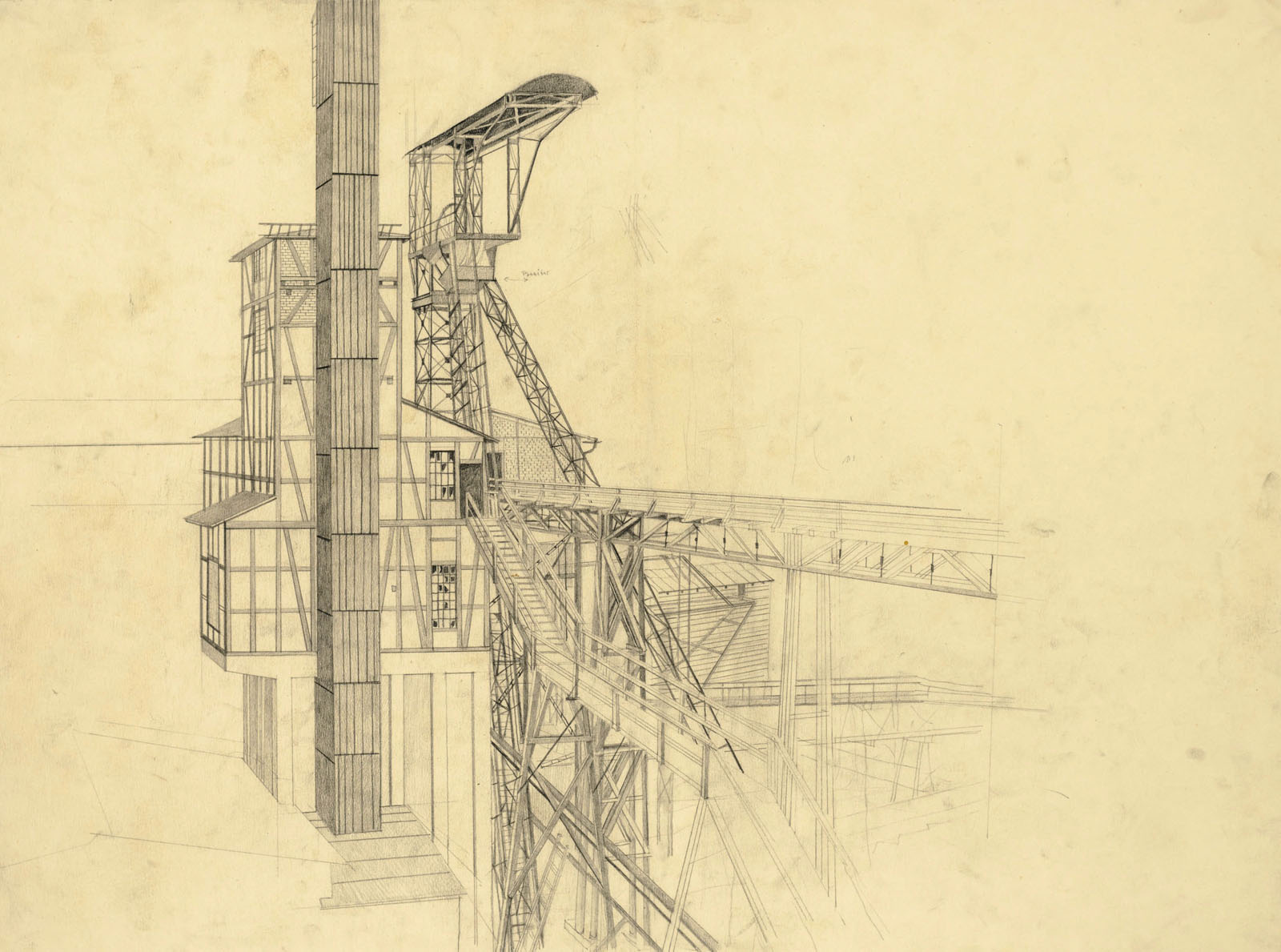
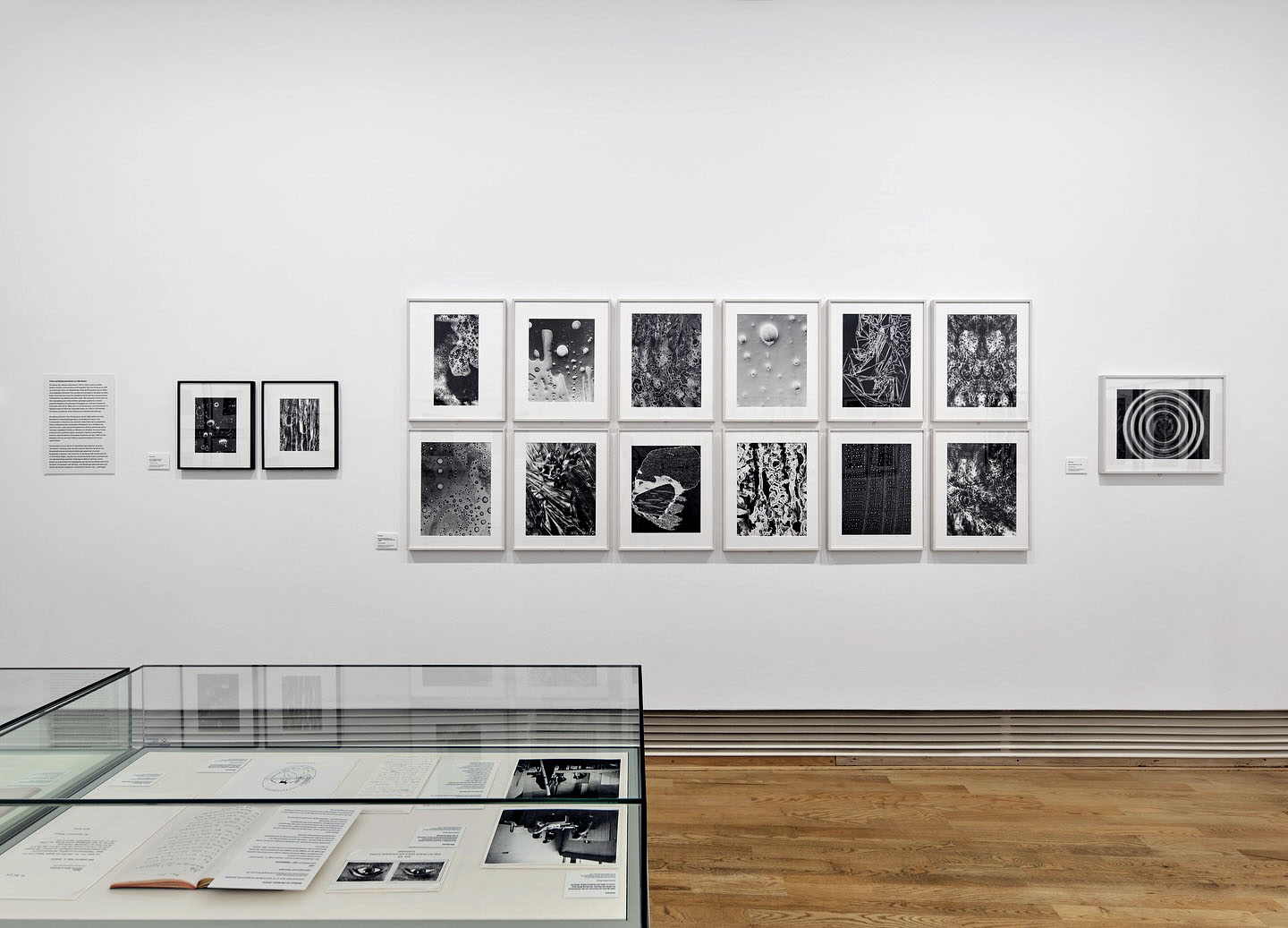
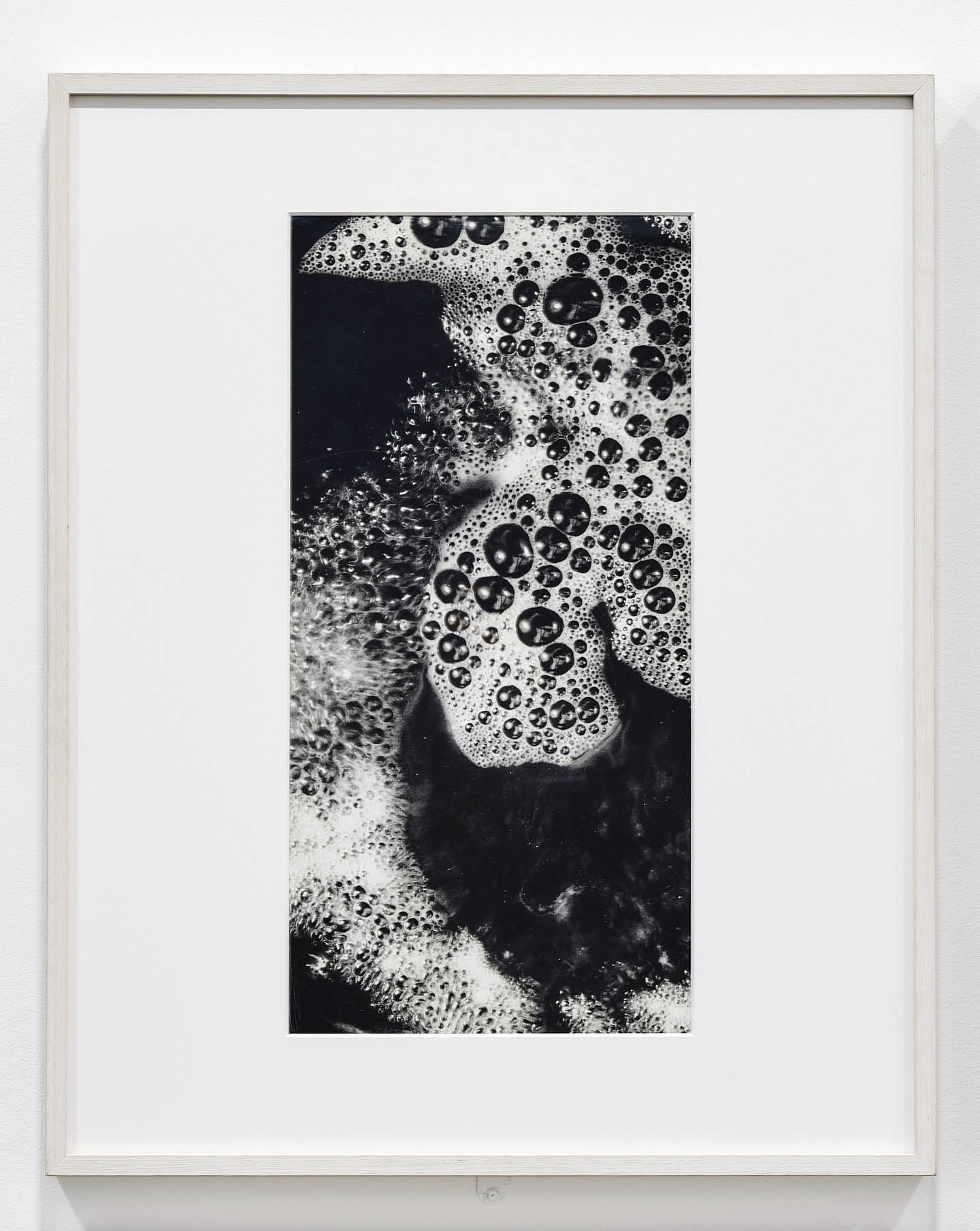
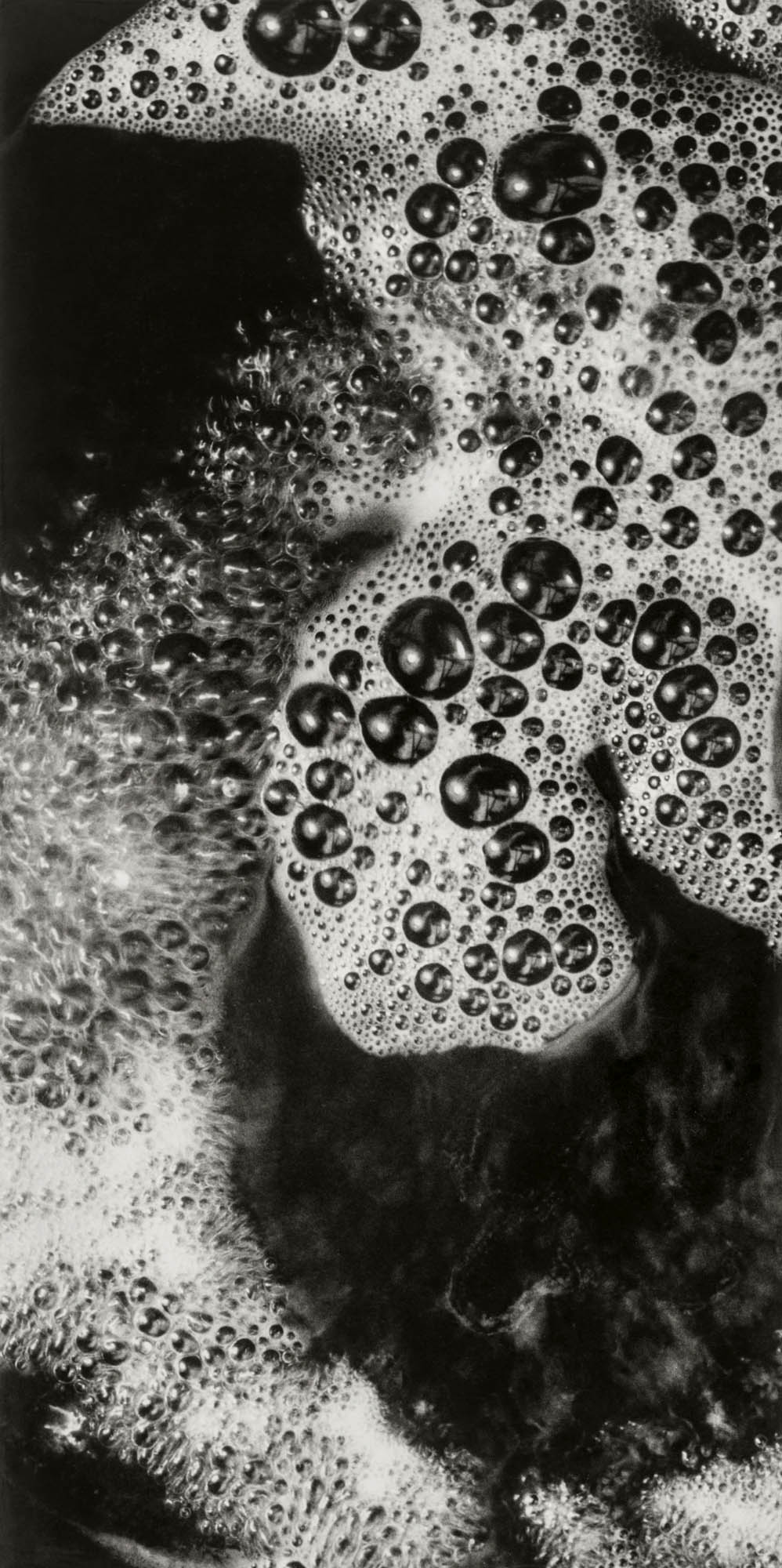
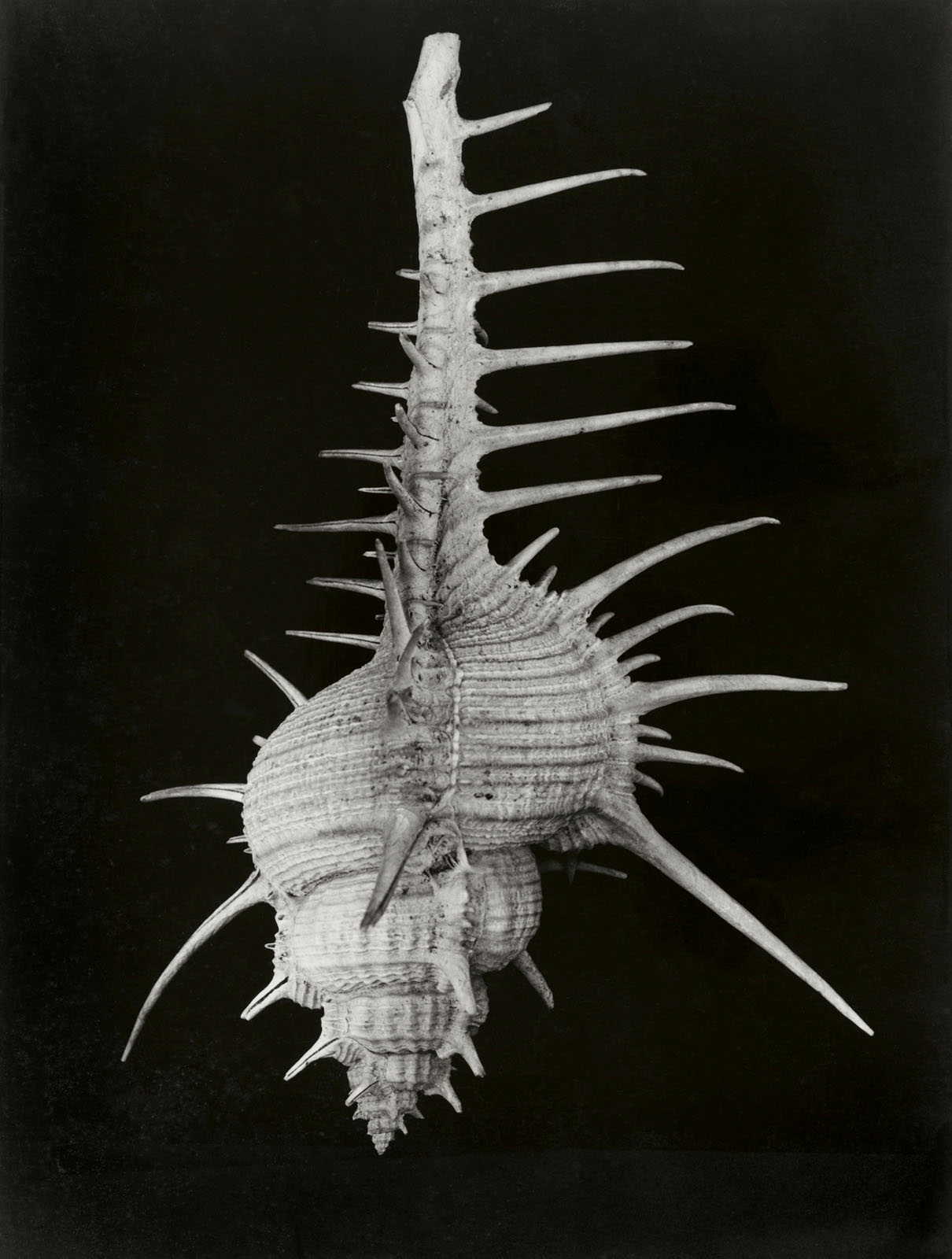
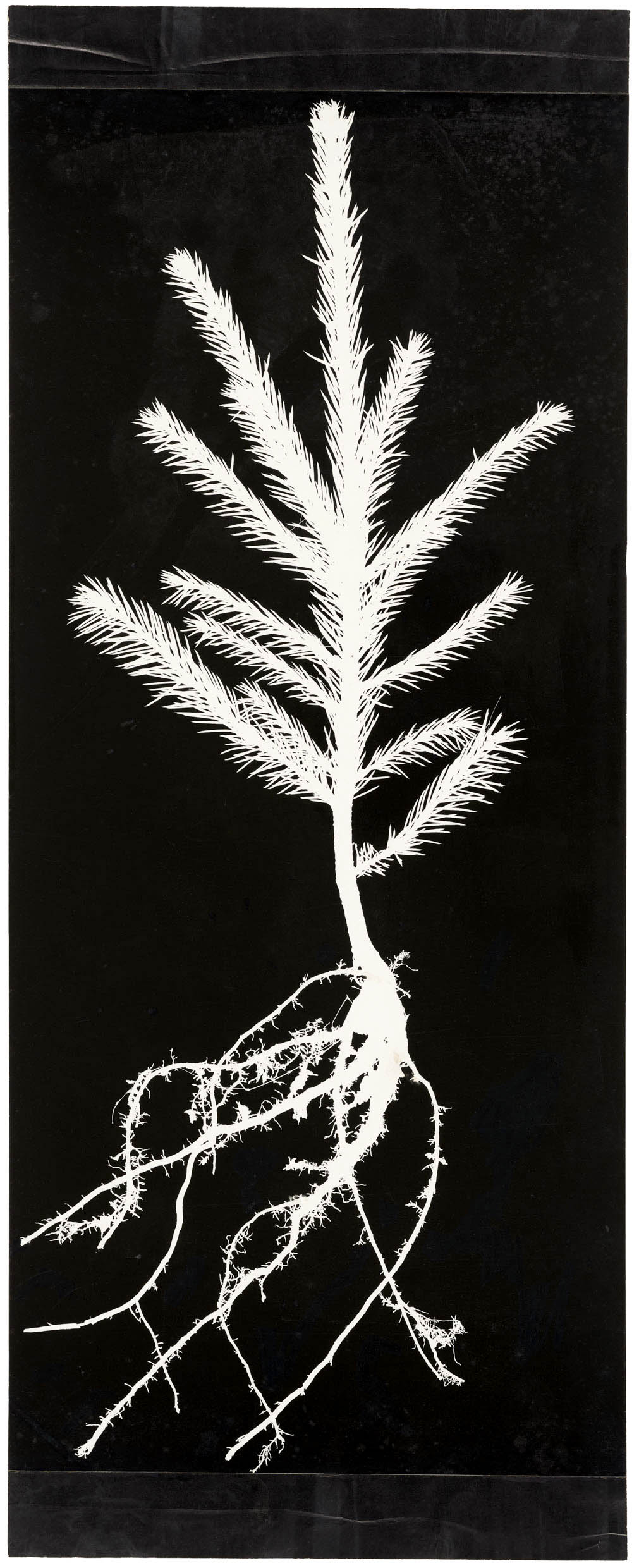
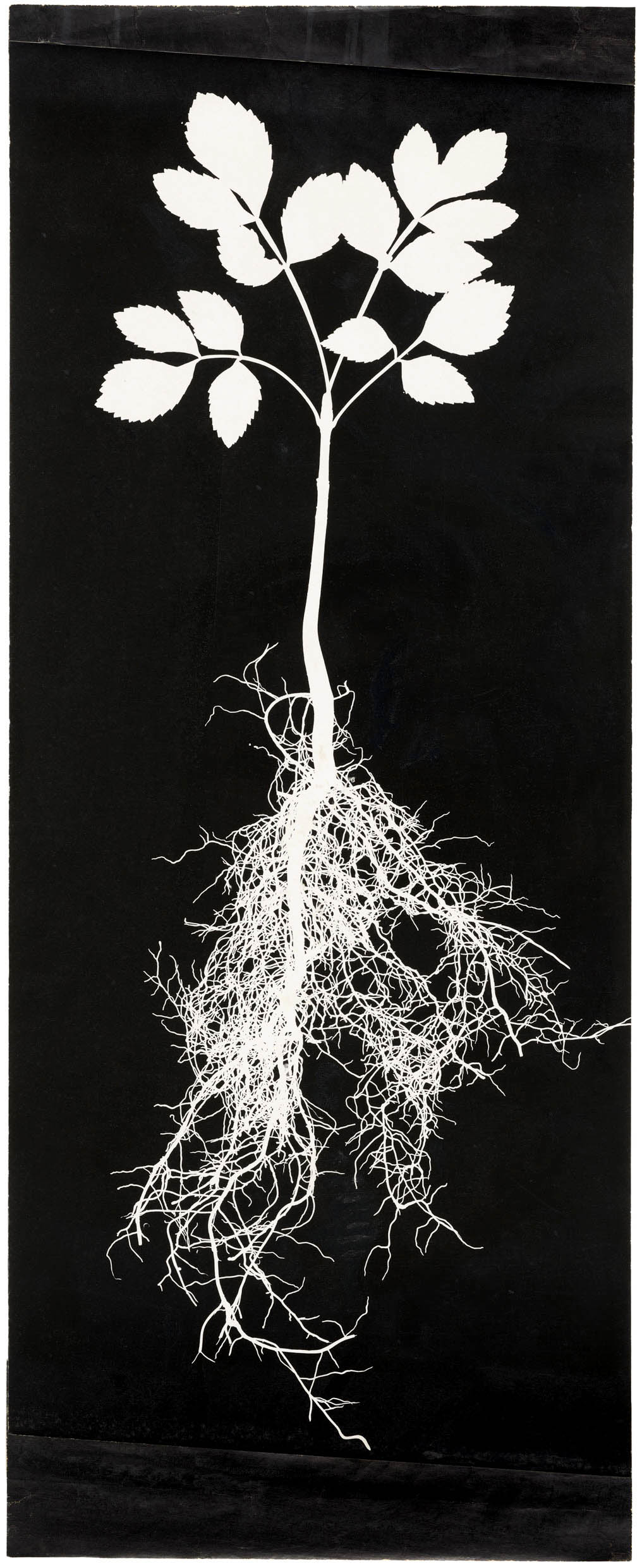
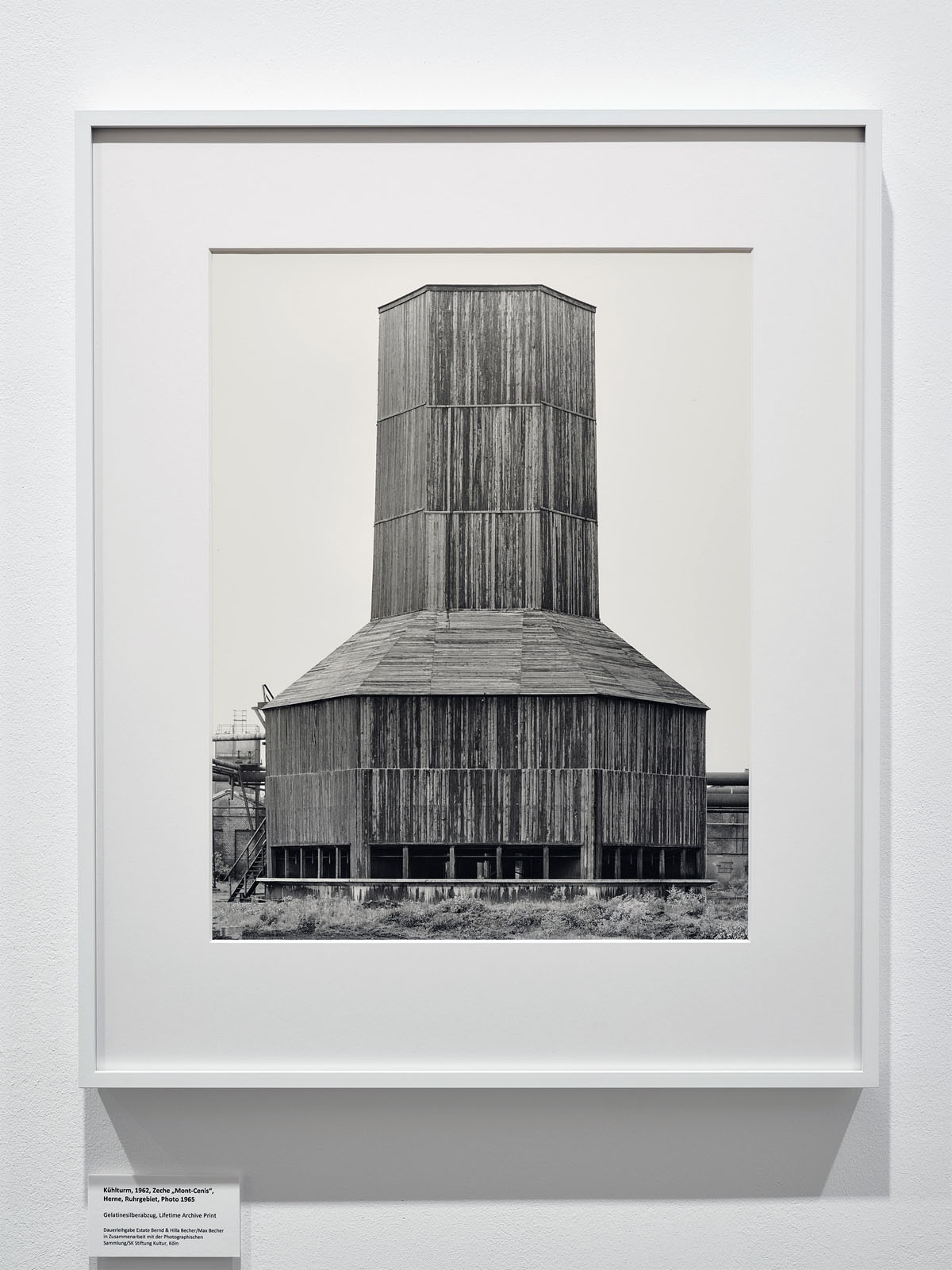
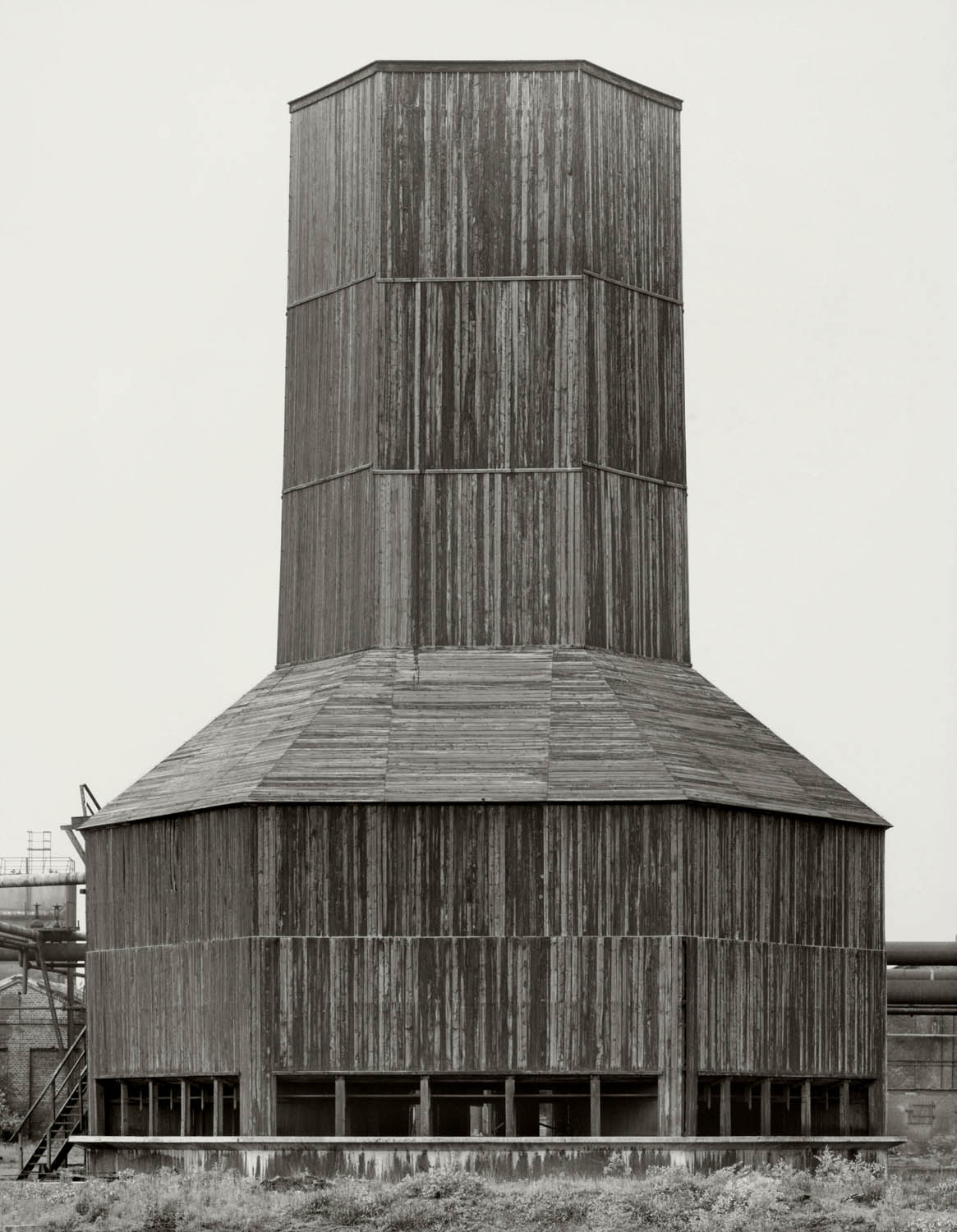
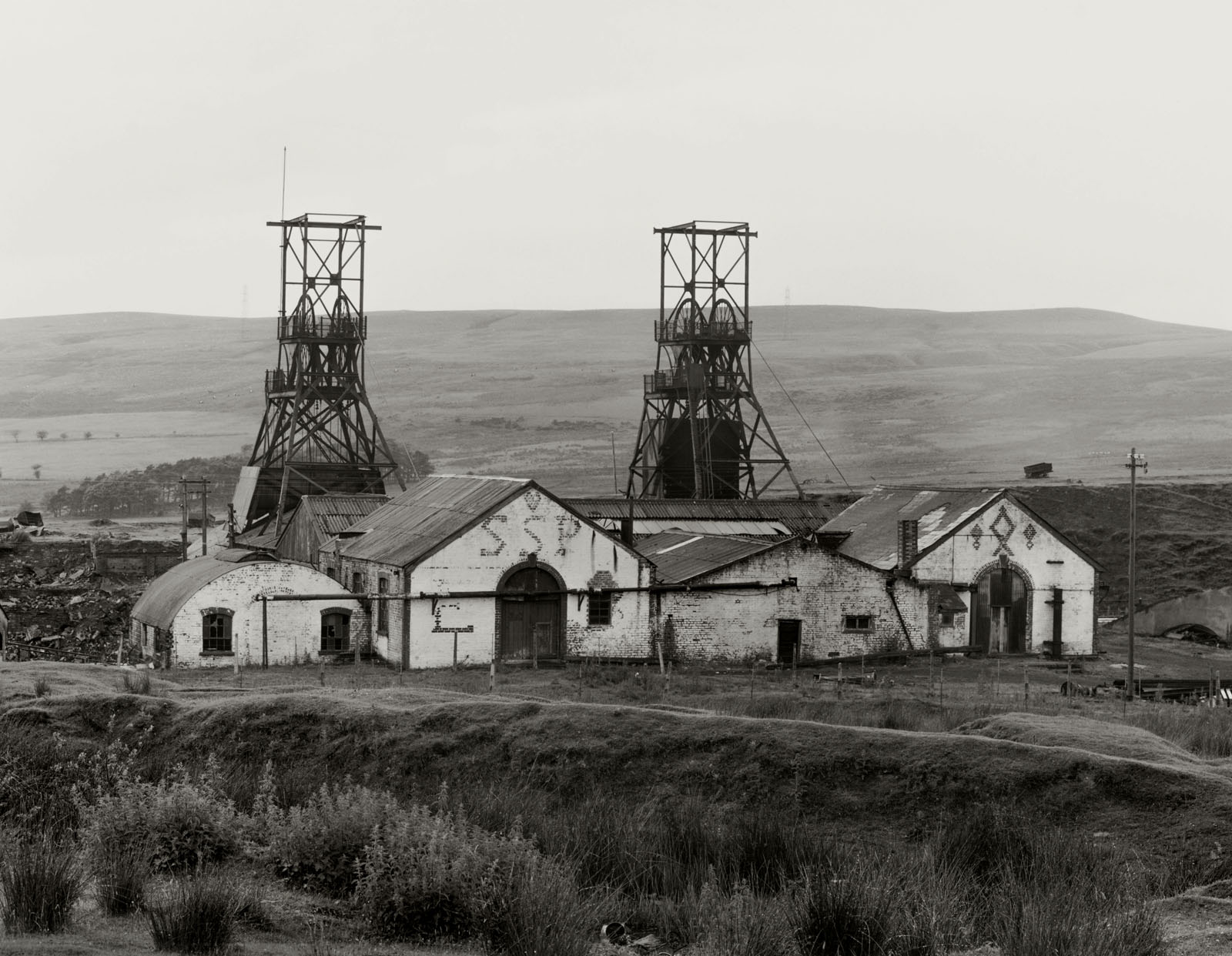
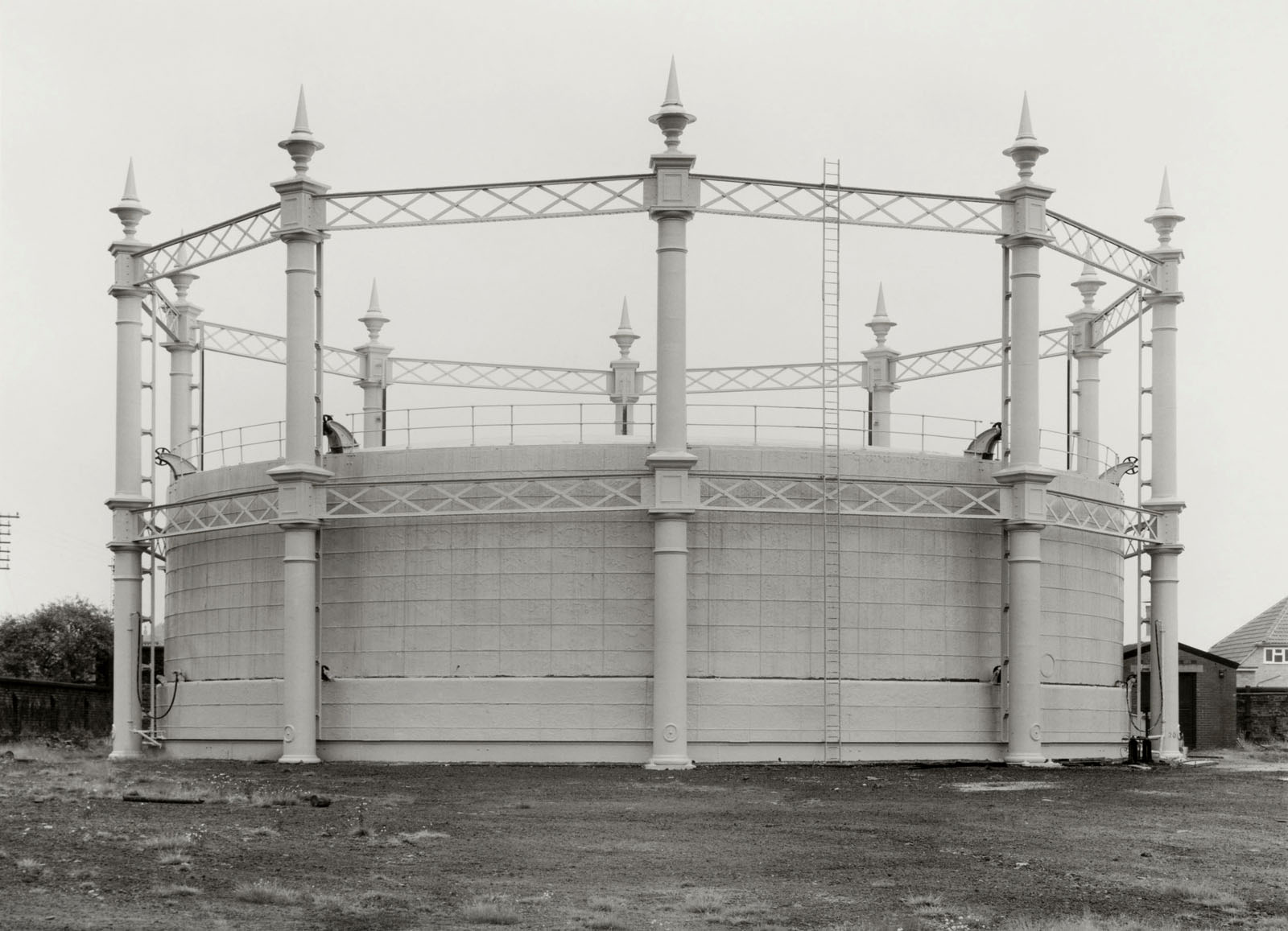
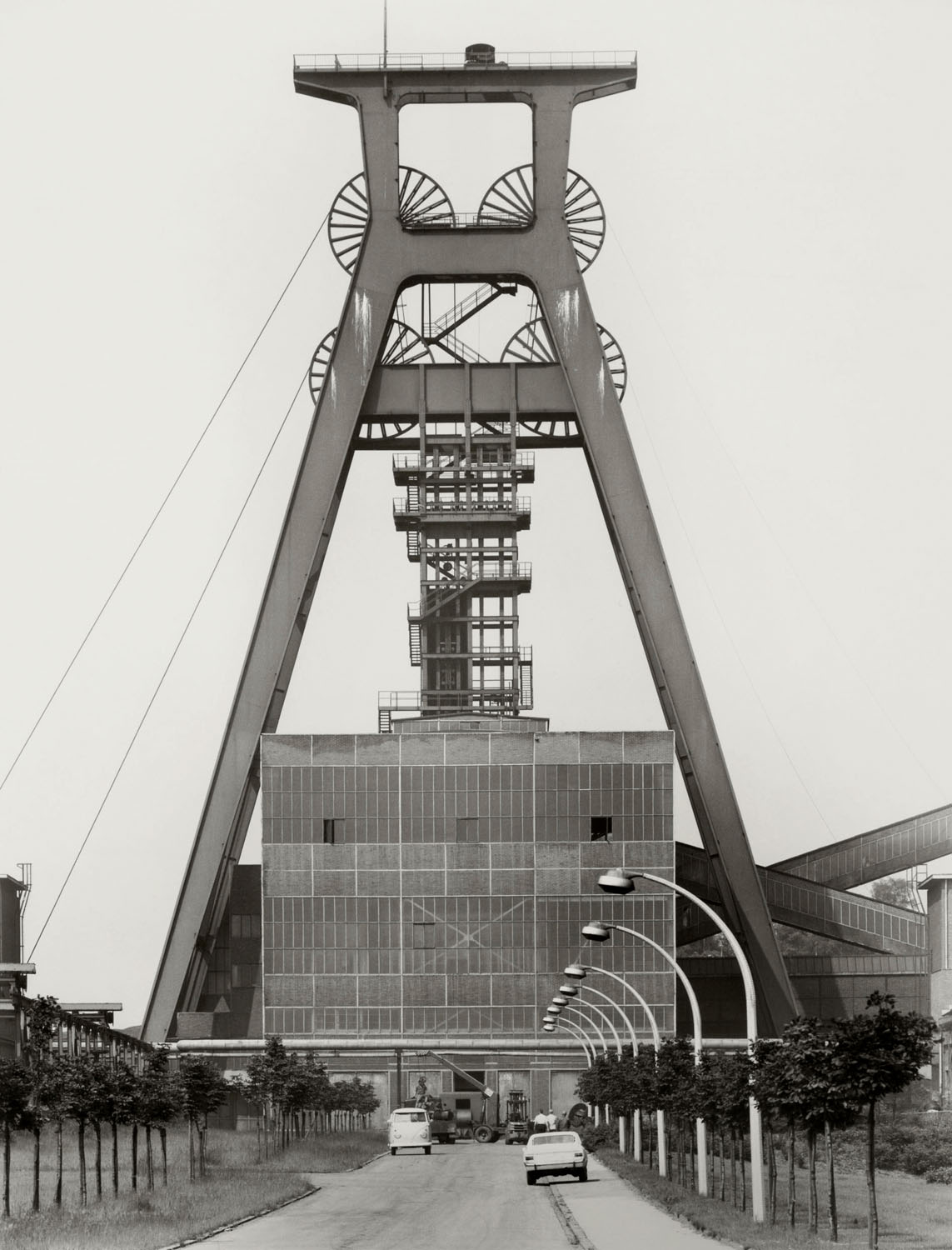

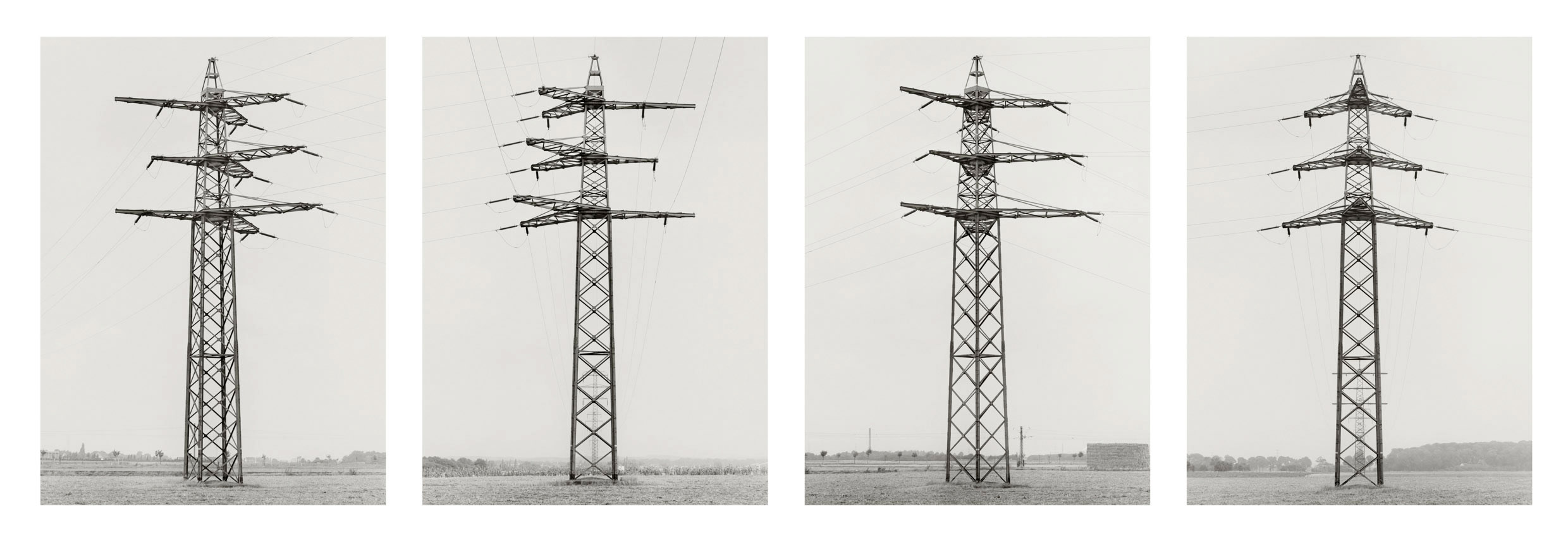
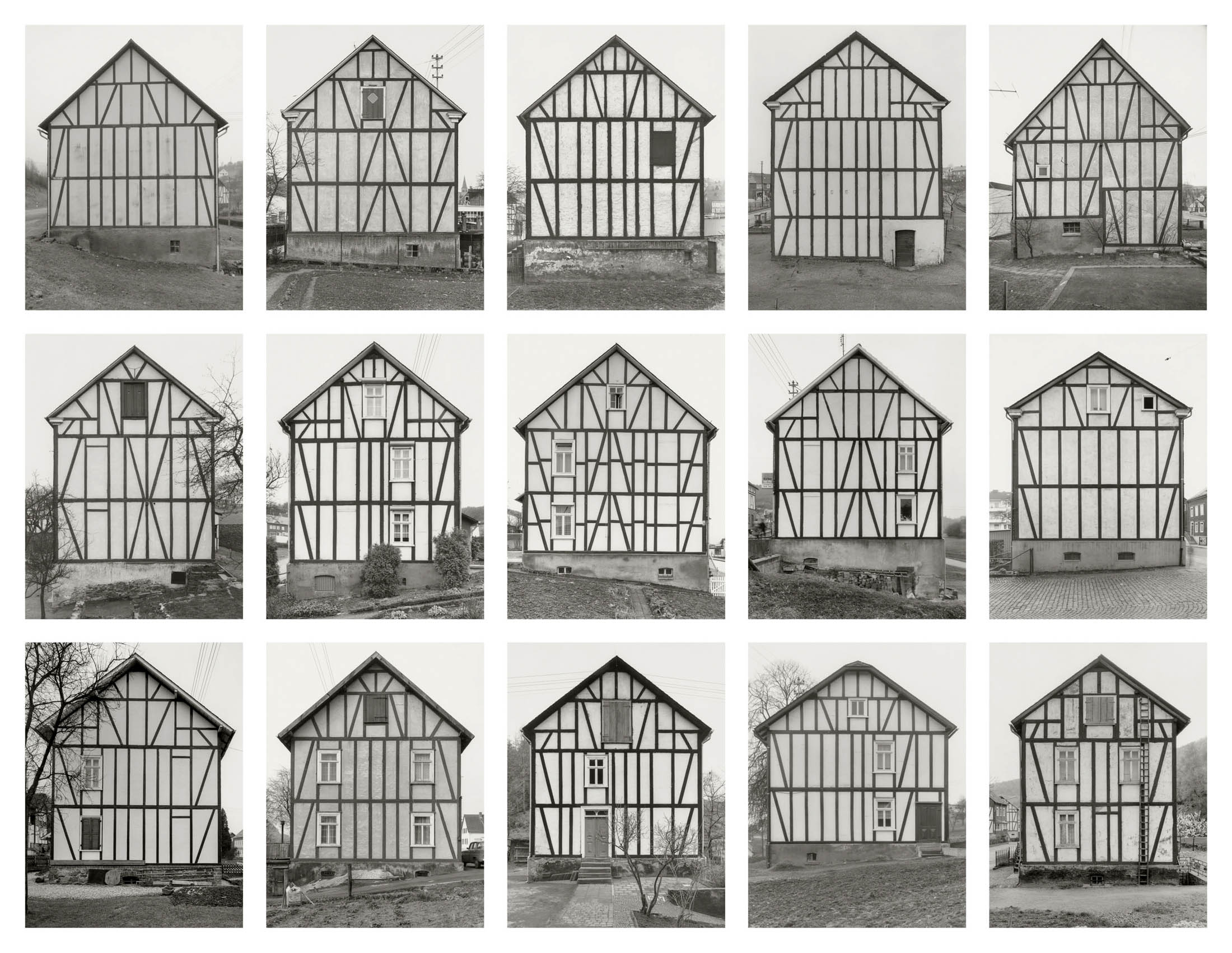
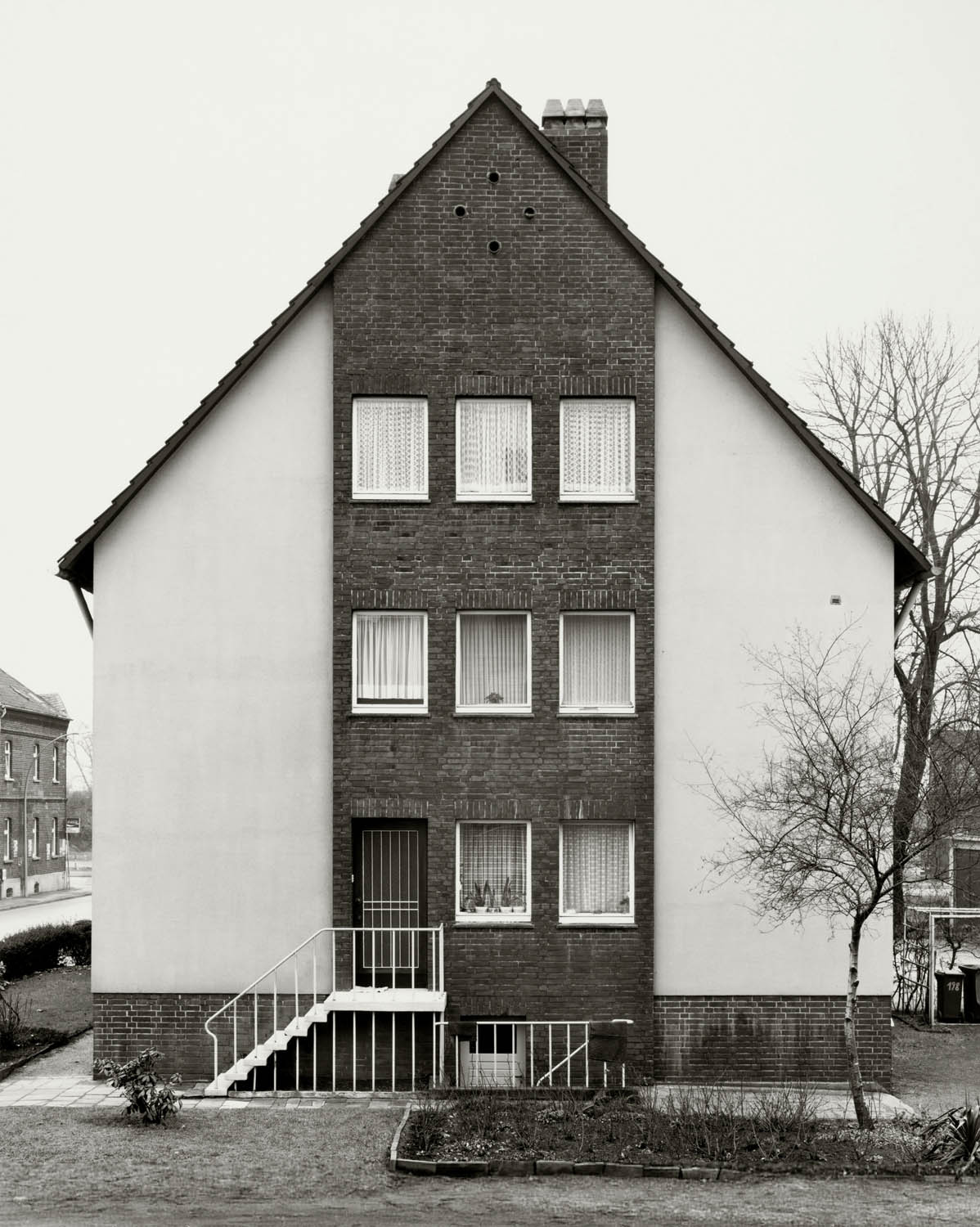
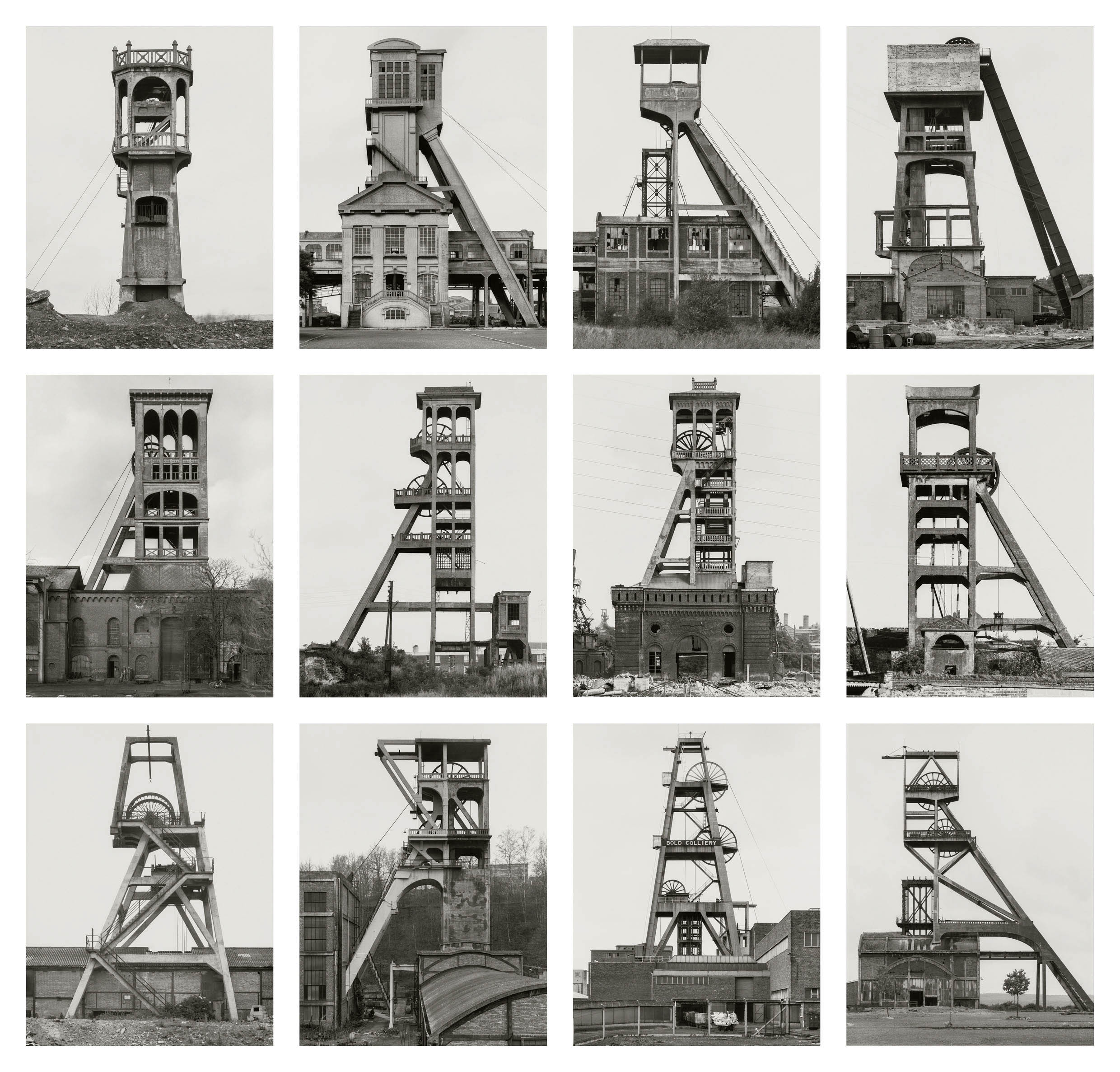
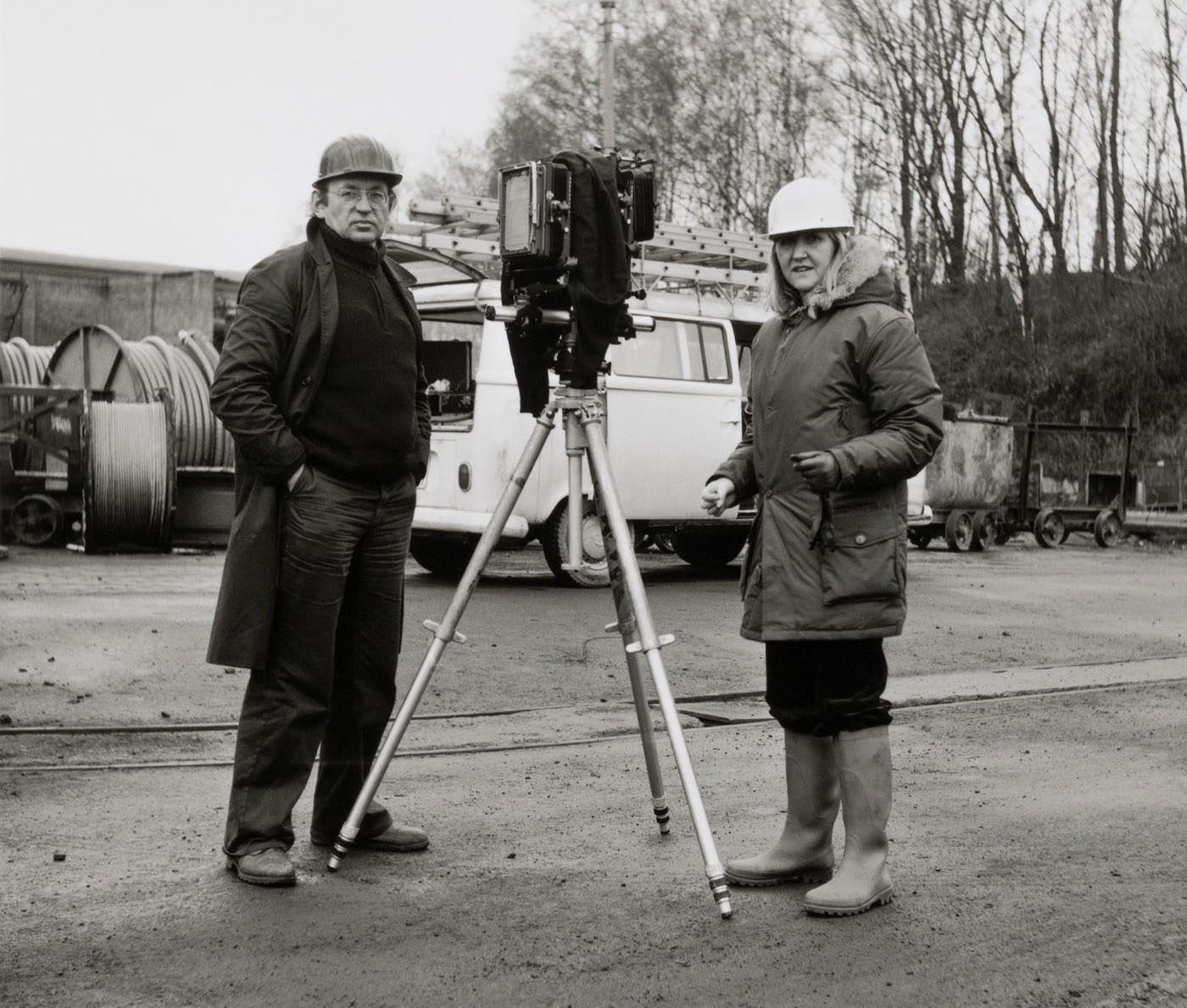
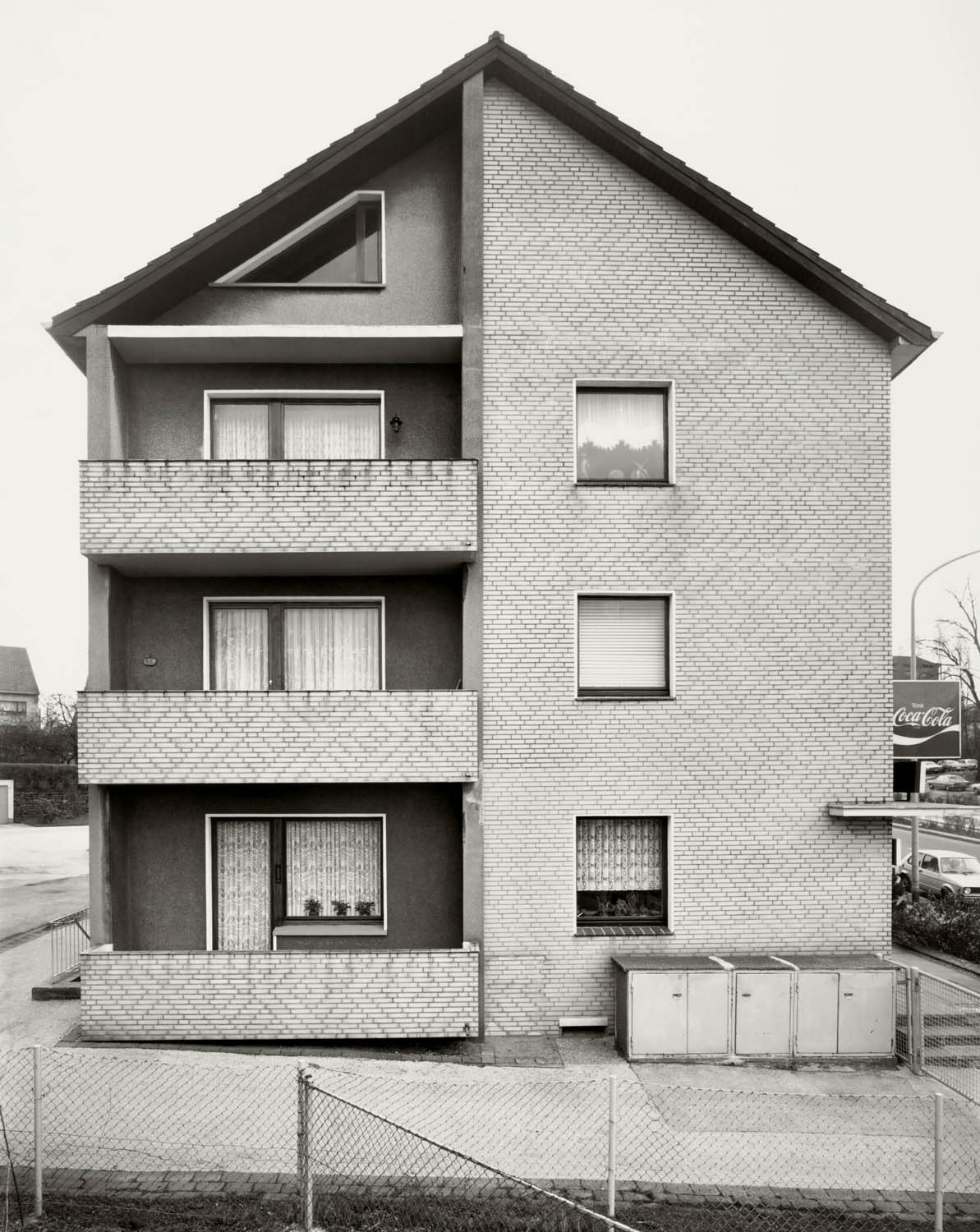
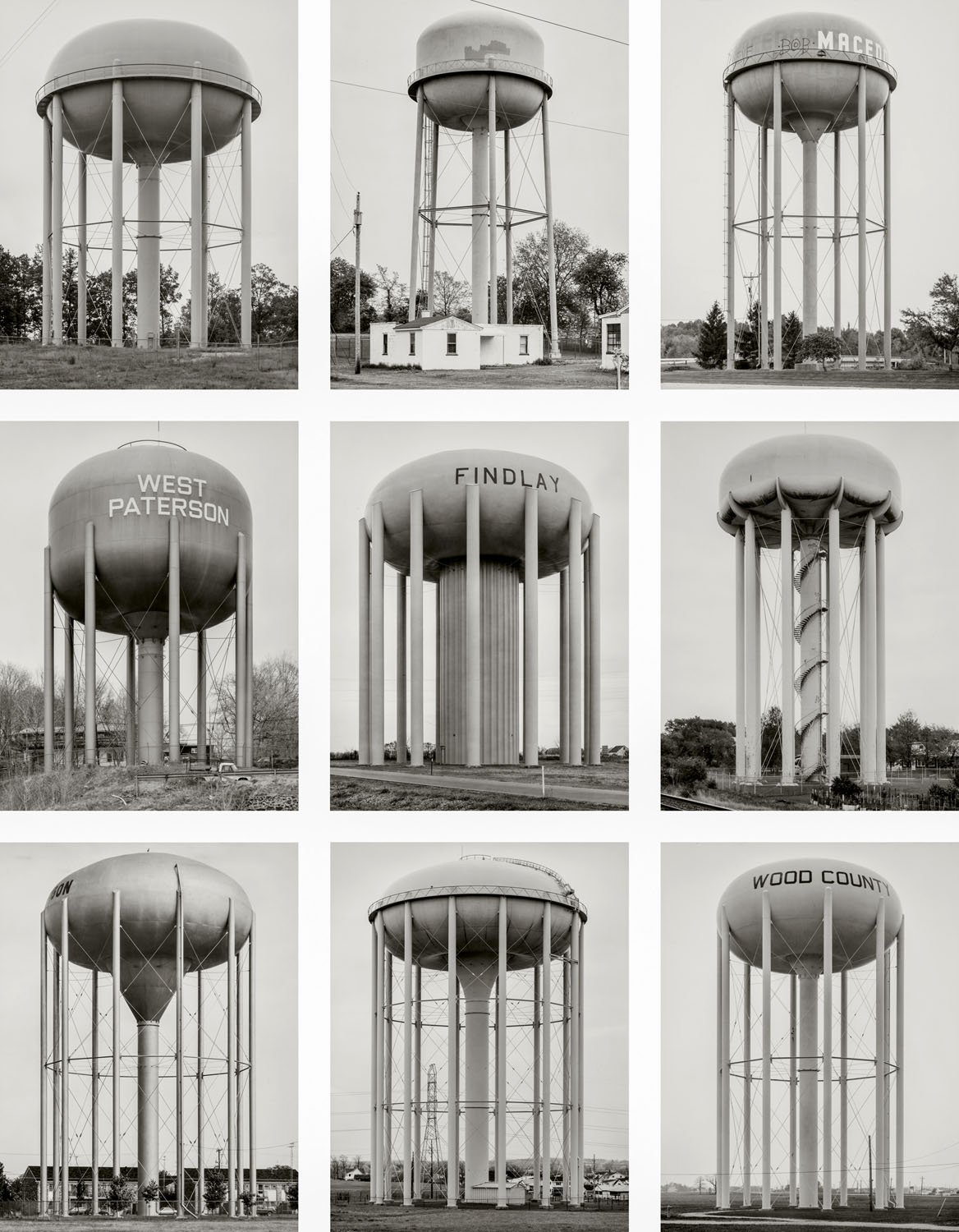
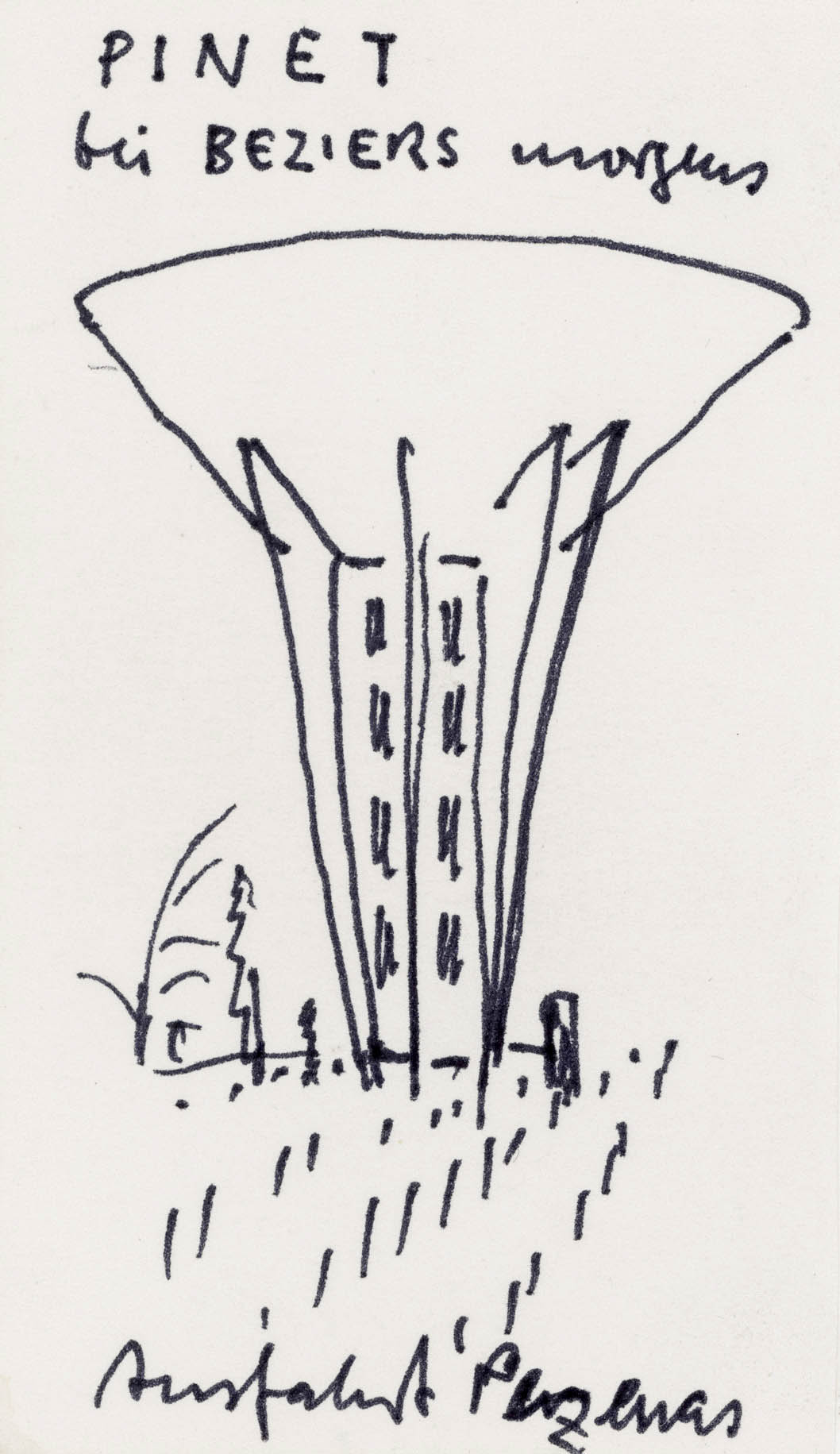
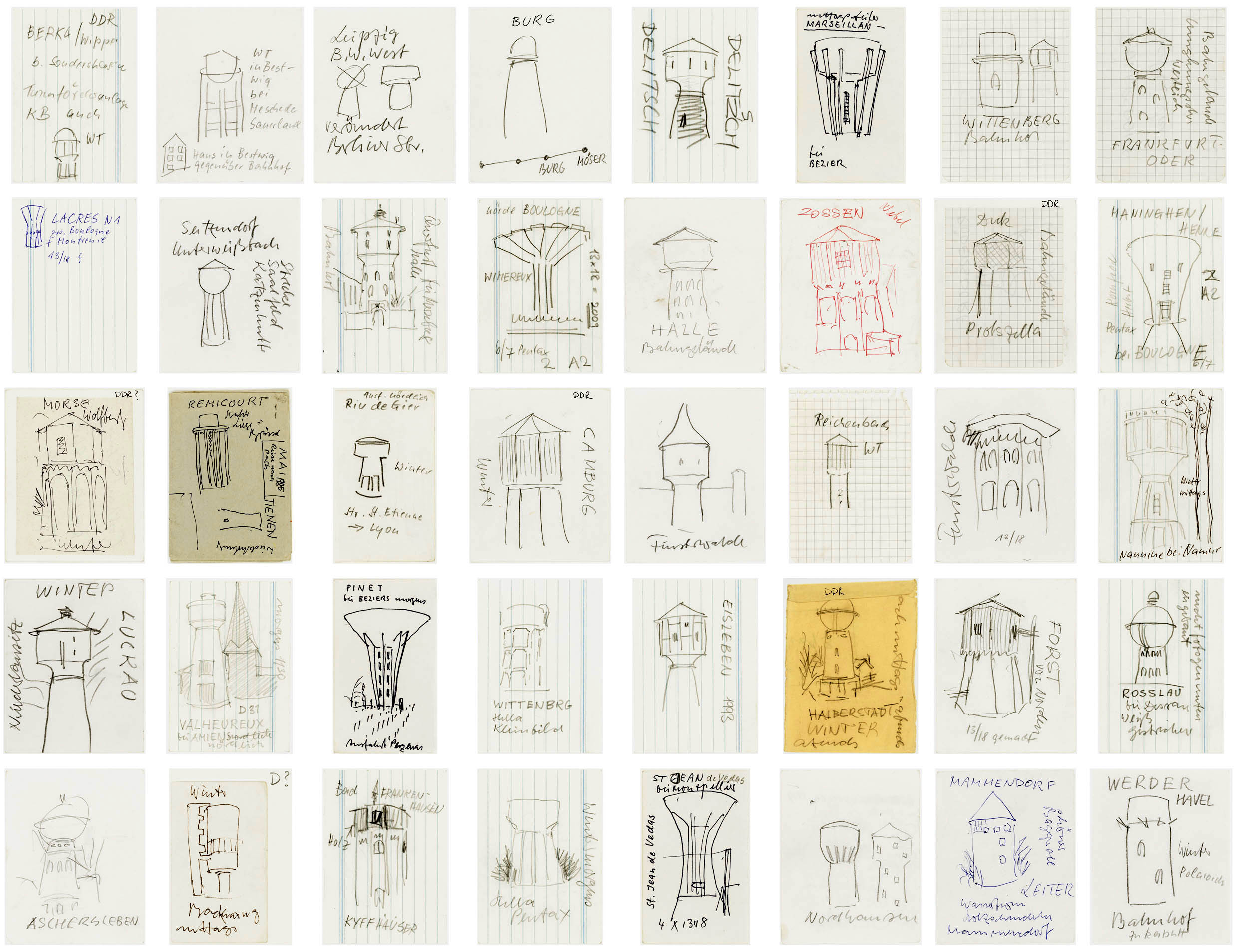

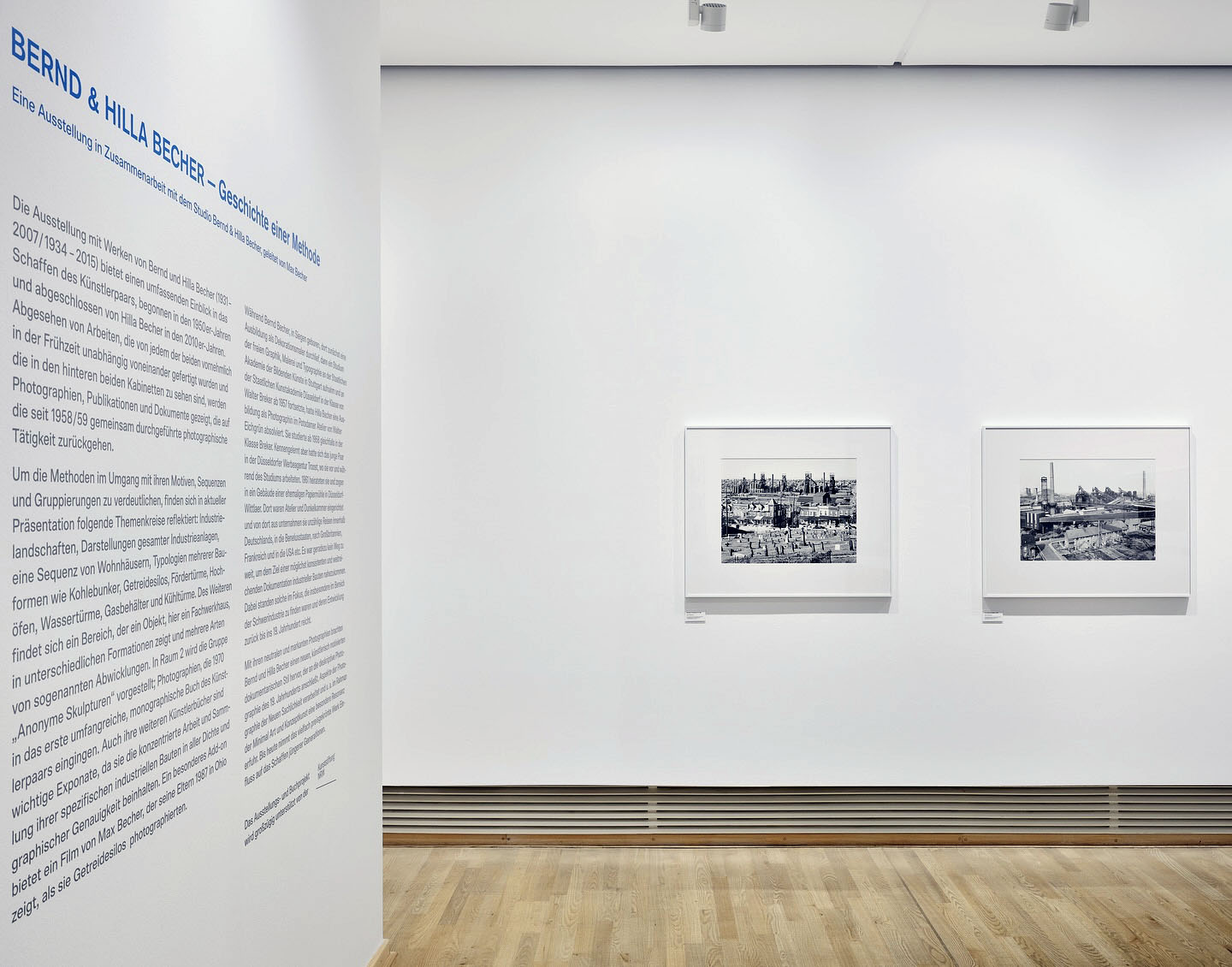
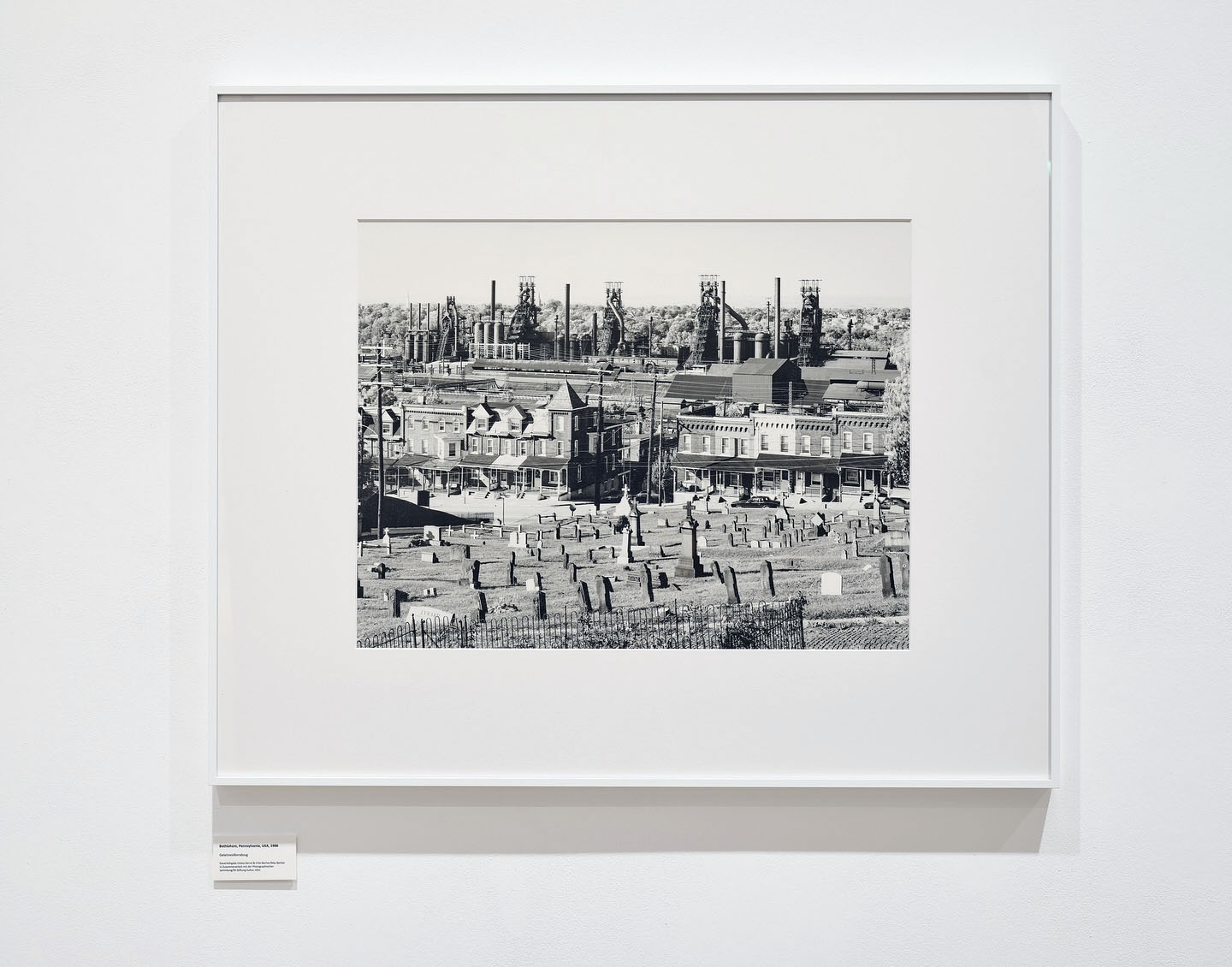
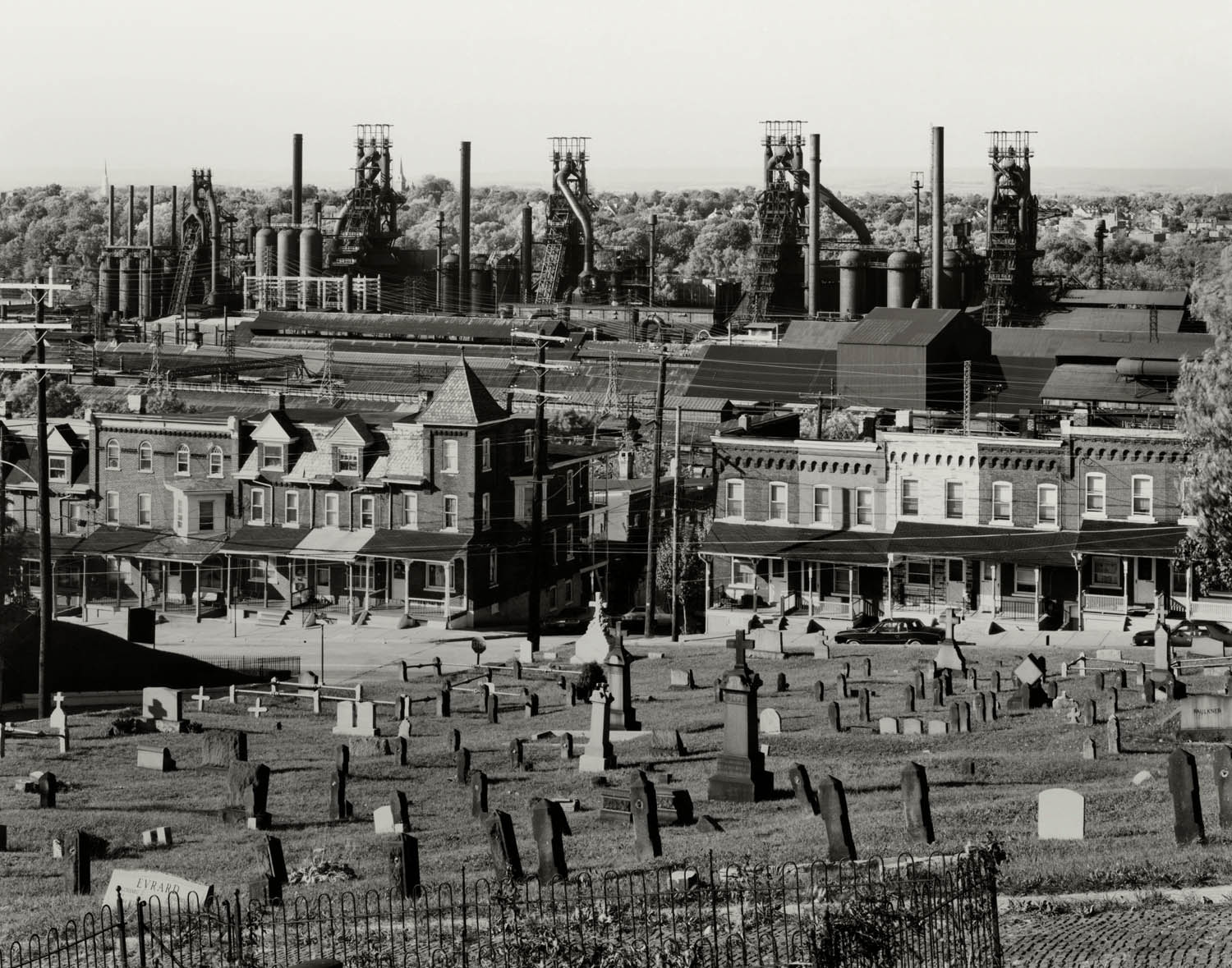
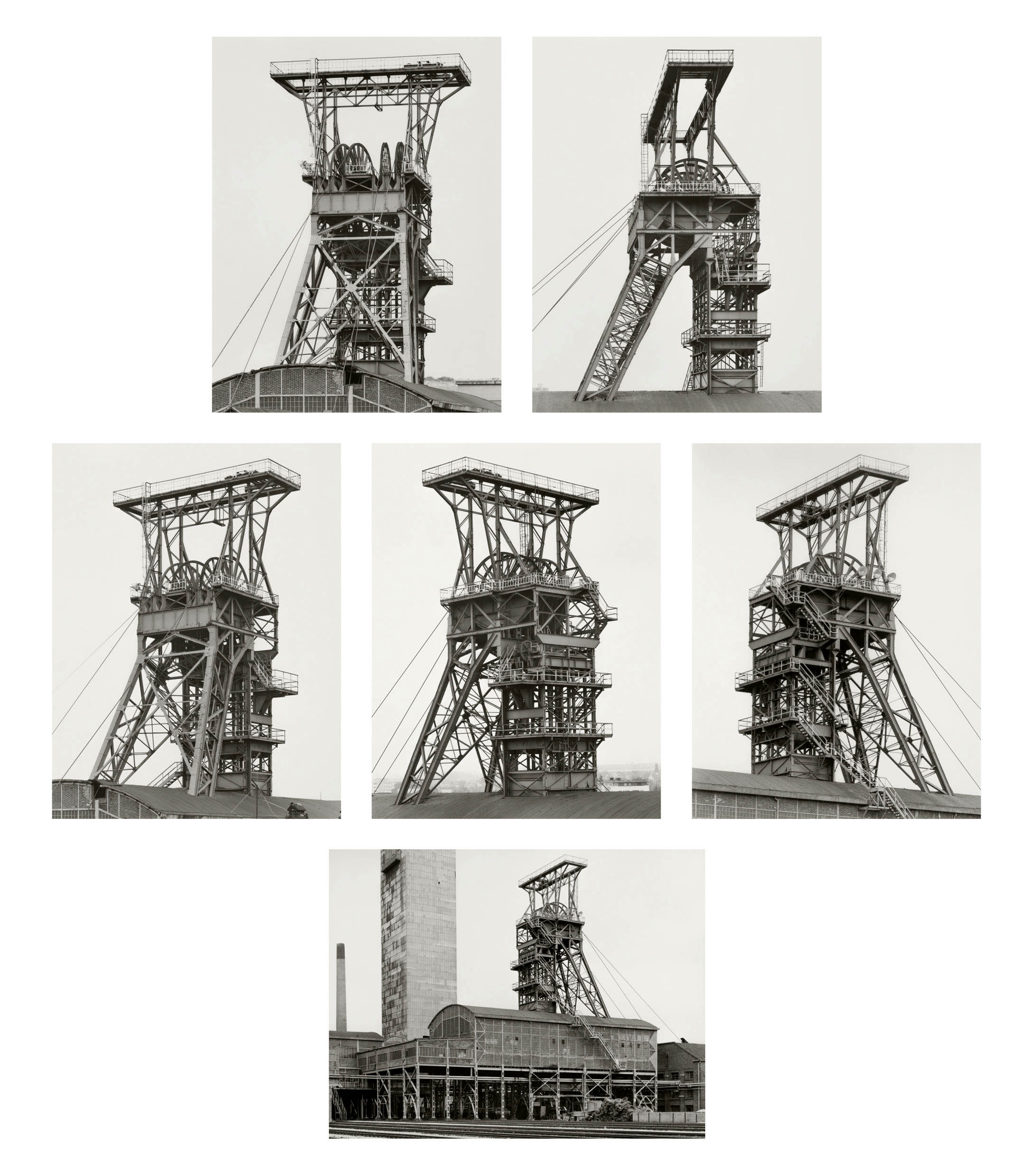
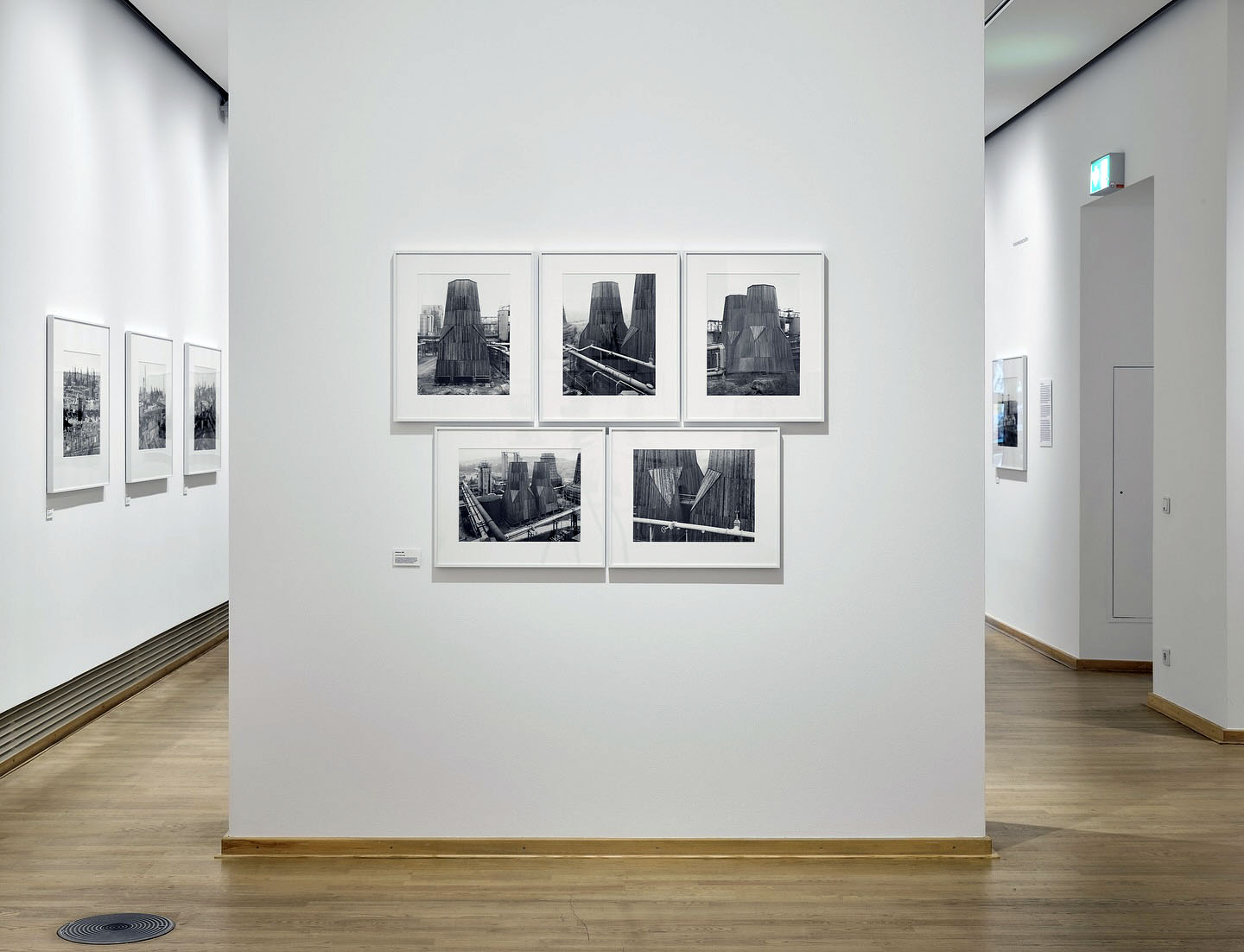
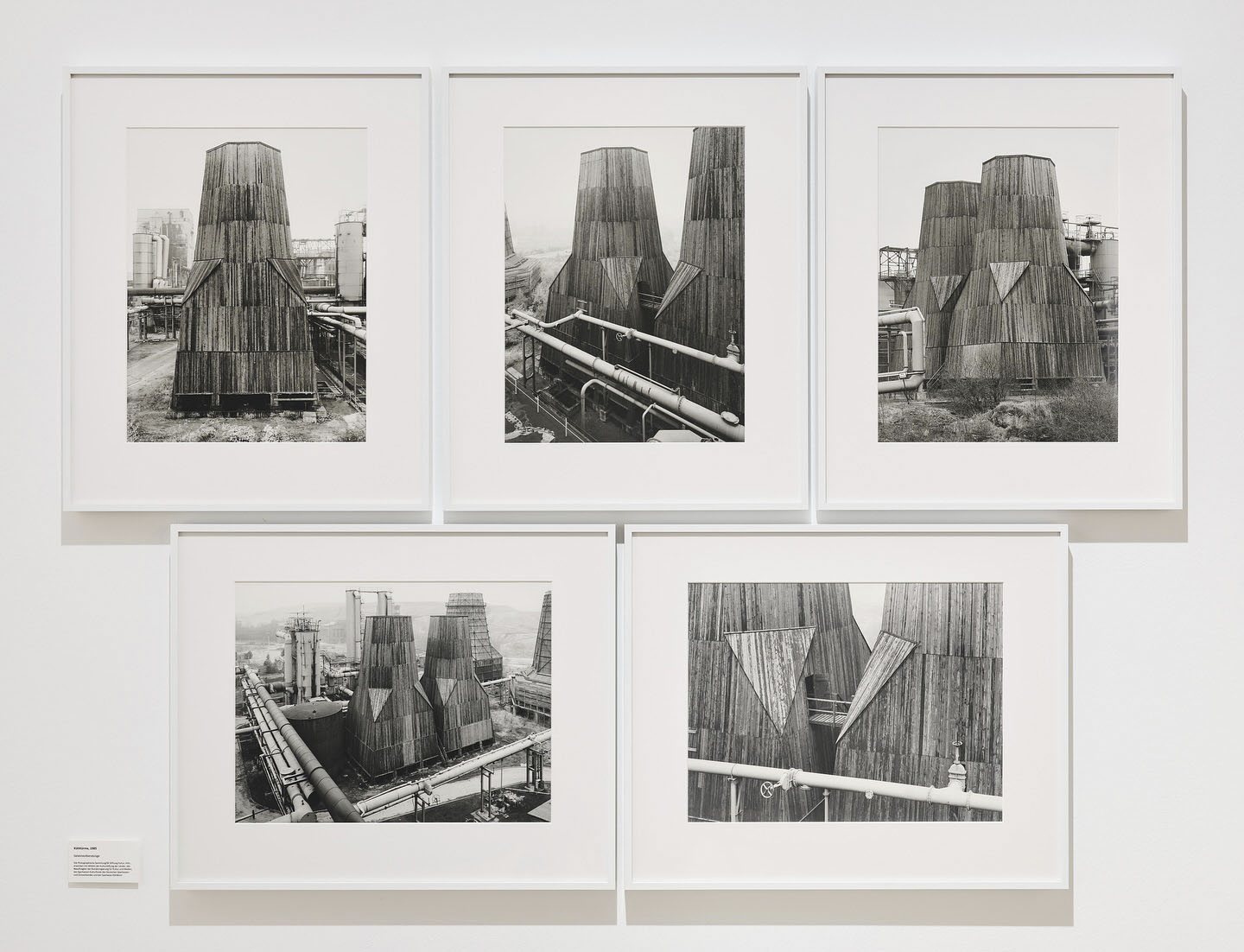

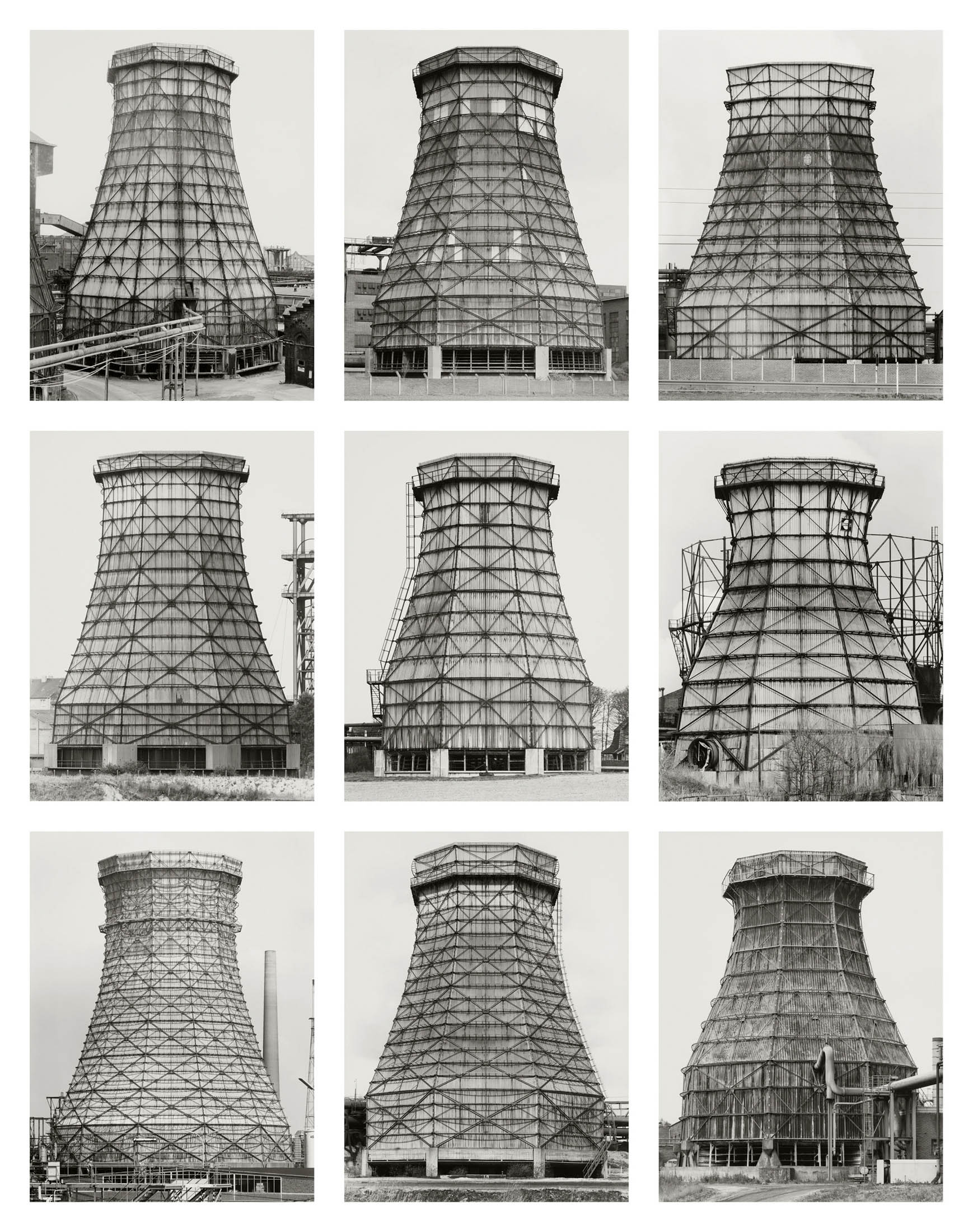
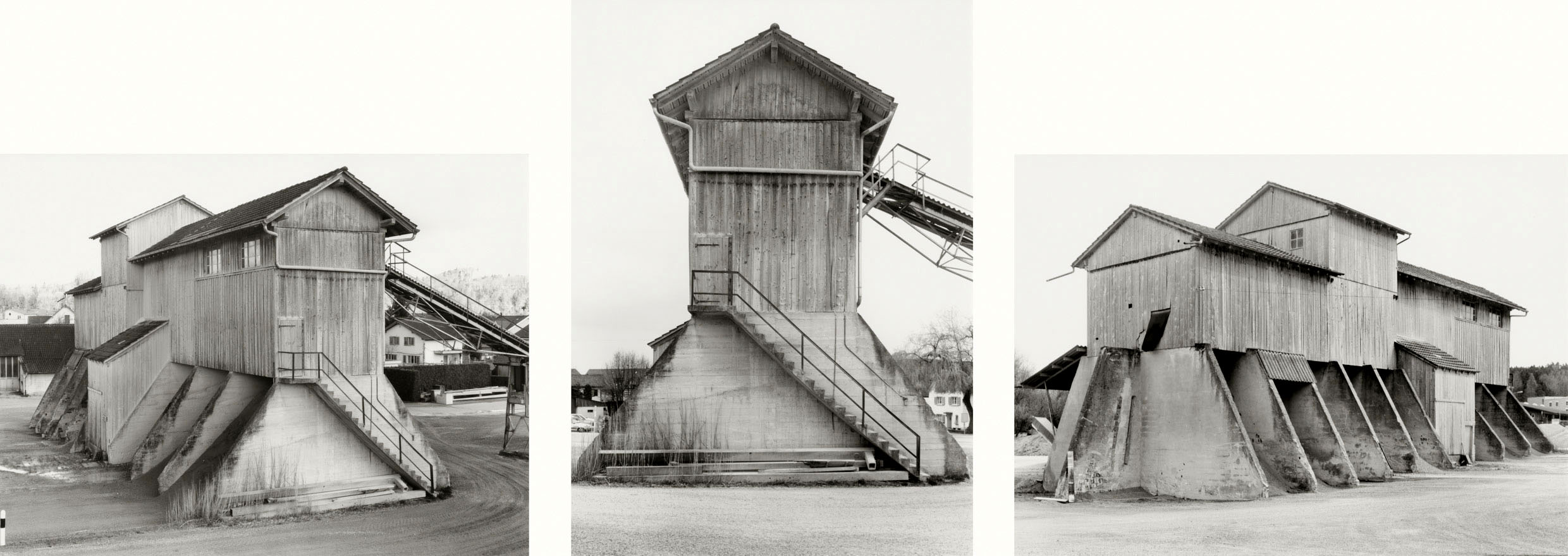
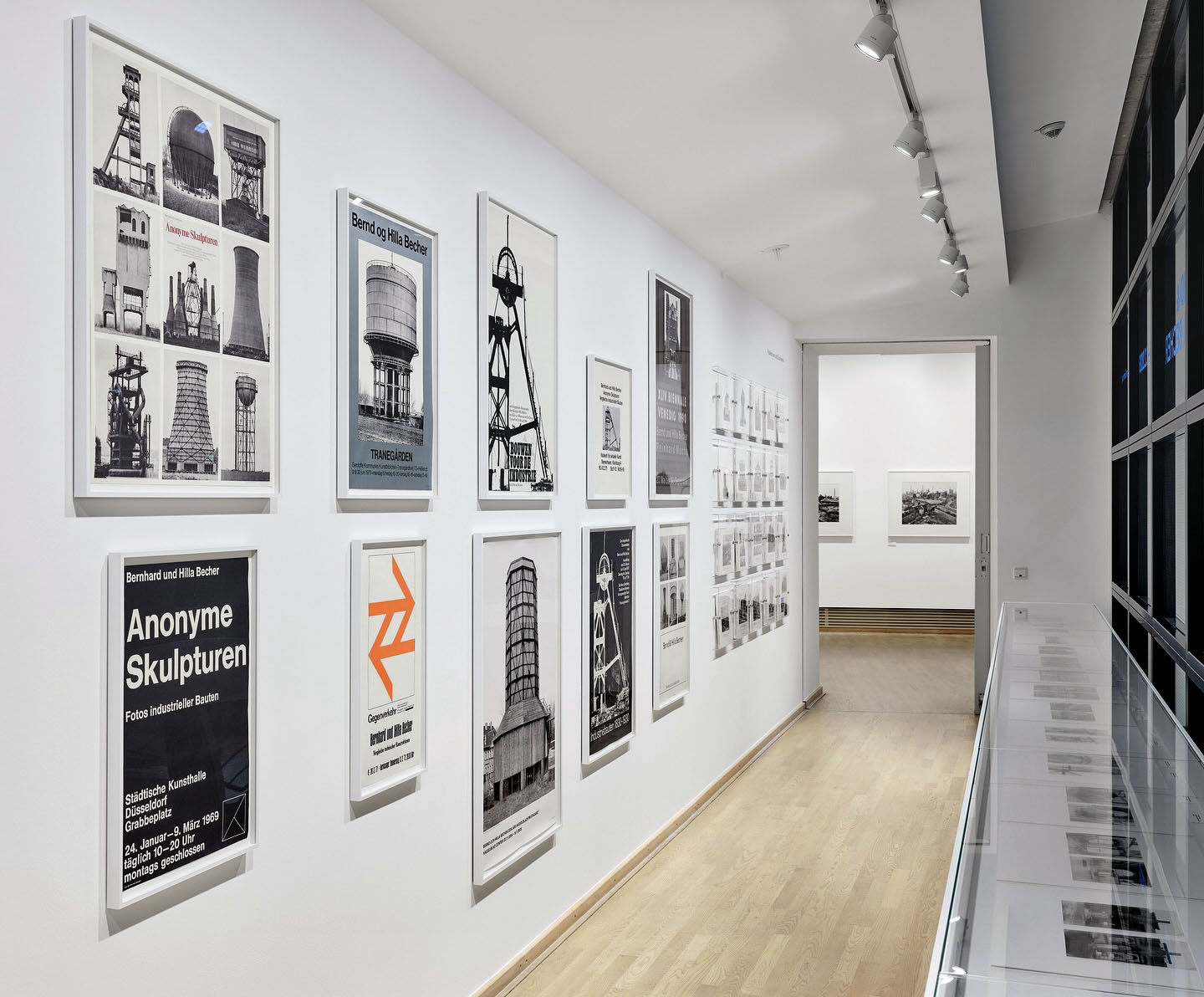

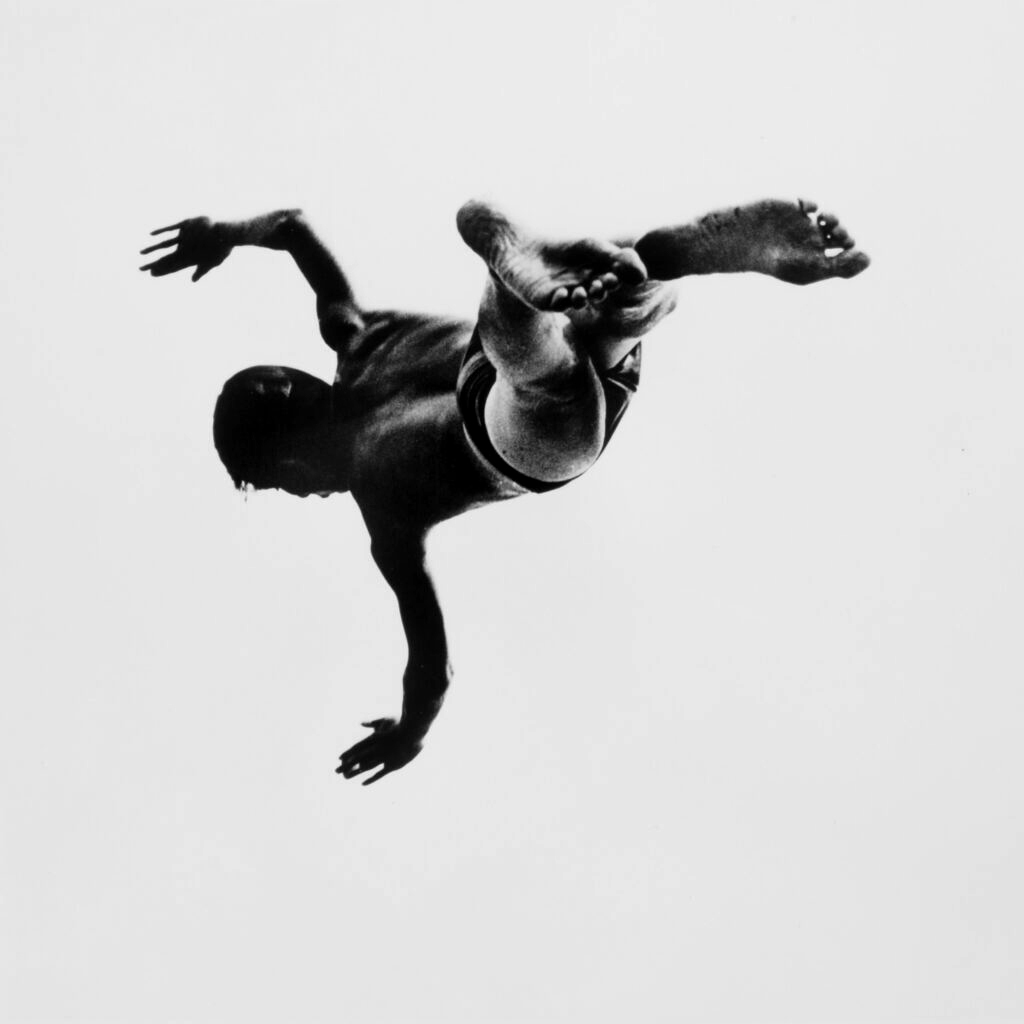


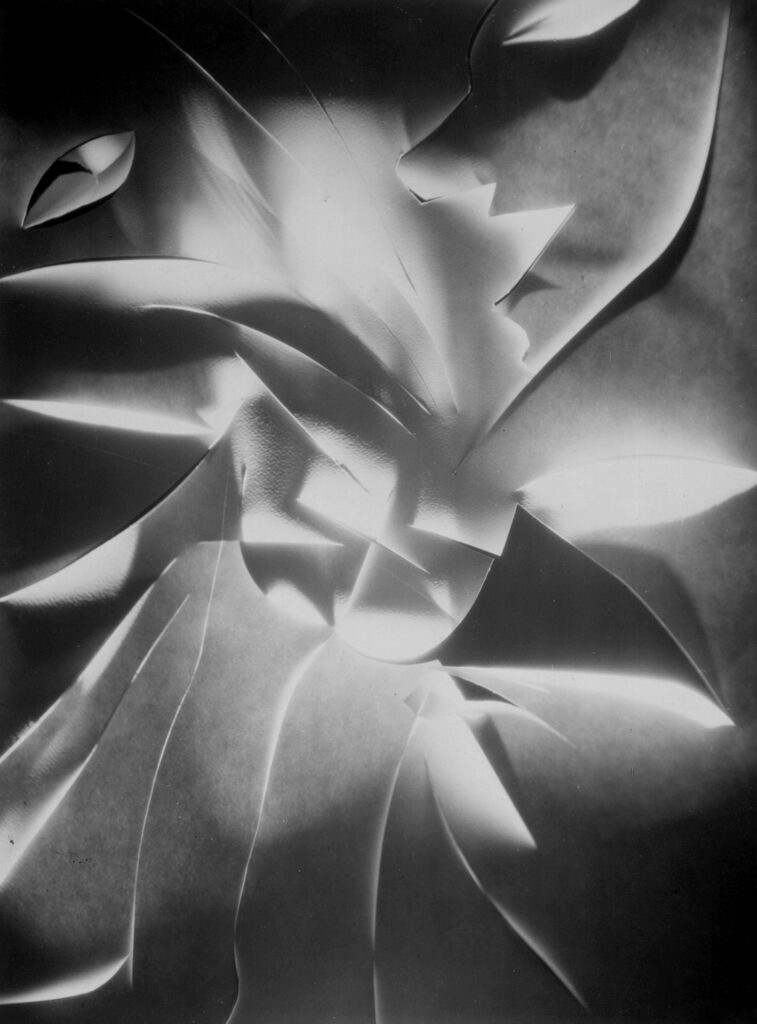
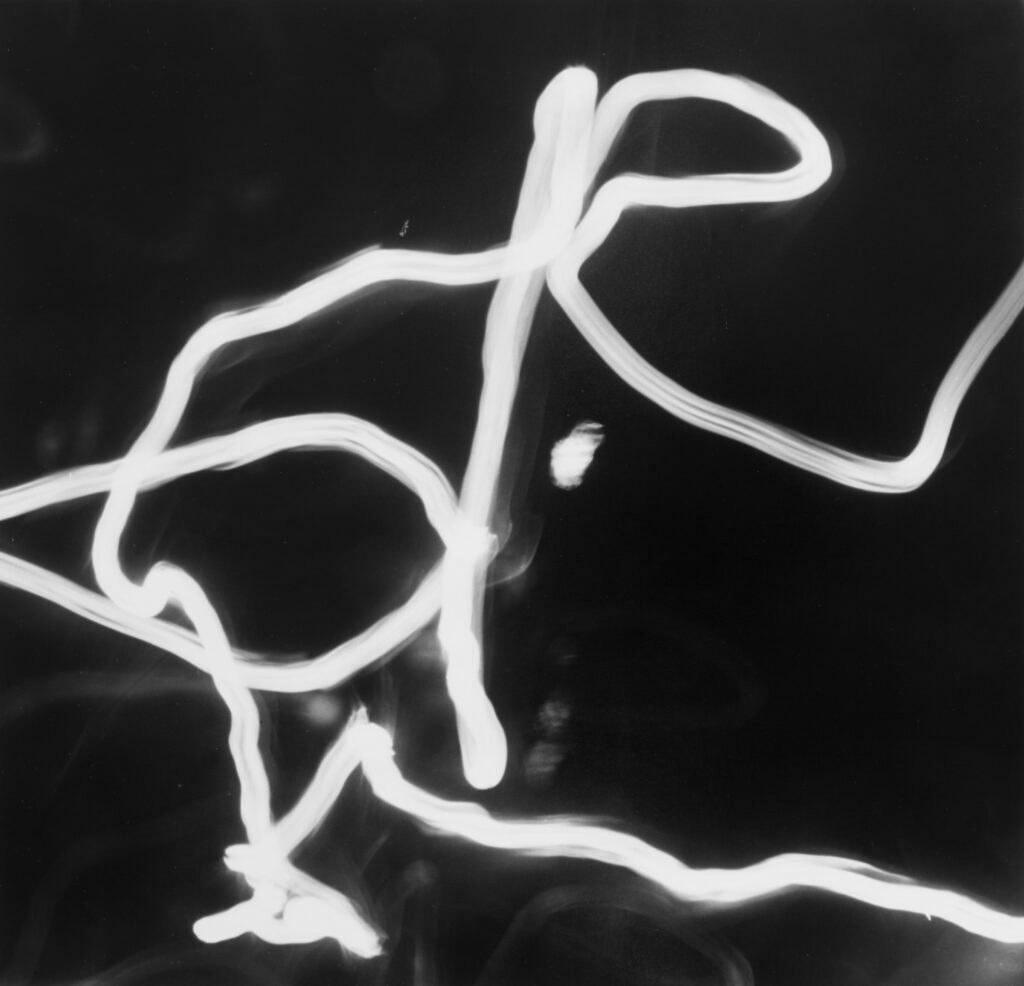
![Ilse Bing (American born Germany, 1899-1998) 'Untitled [Seated Woman with Necklace, Solarized]' 1943](https://artblart.com/wp-content/uploads/2025/10/ilse-bing-seated-woman-with-necklace.jpg "Ilse Bing (American born Germany, 1899-1998) 'Untitled [Seated Woman with Necklace, Solarized]' 1943")
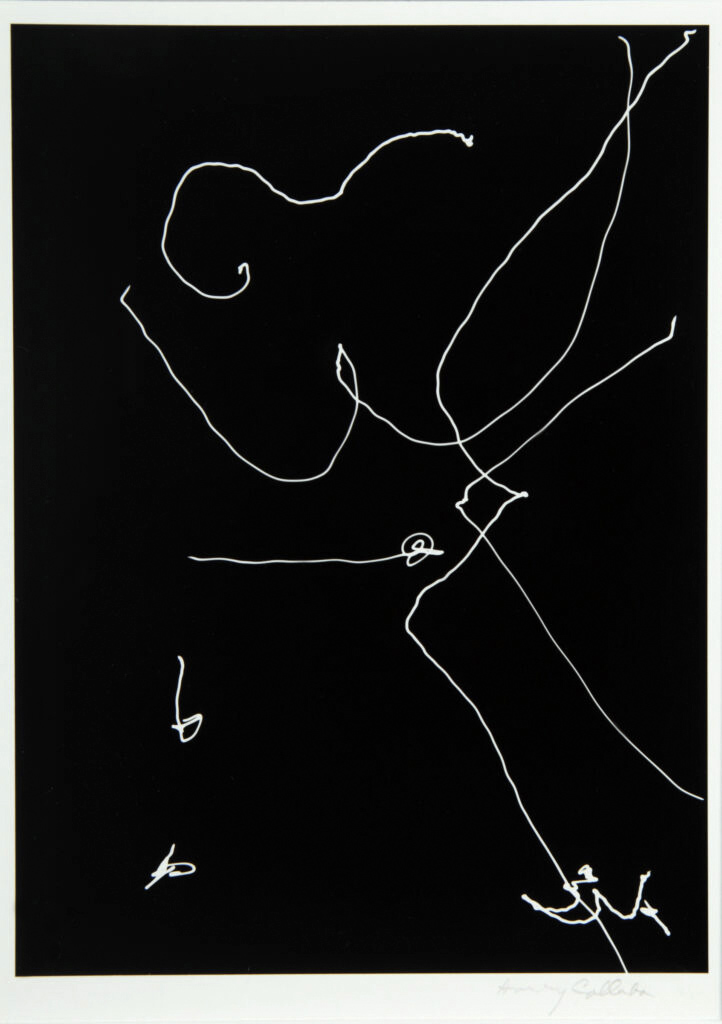

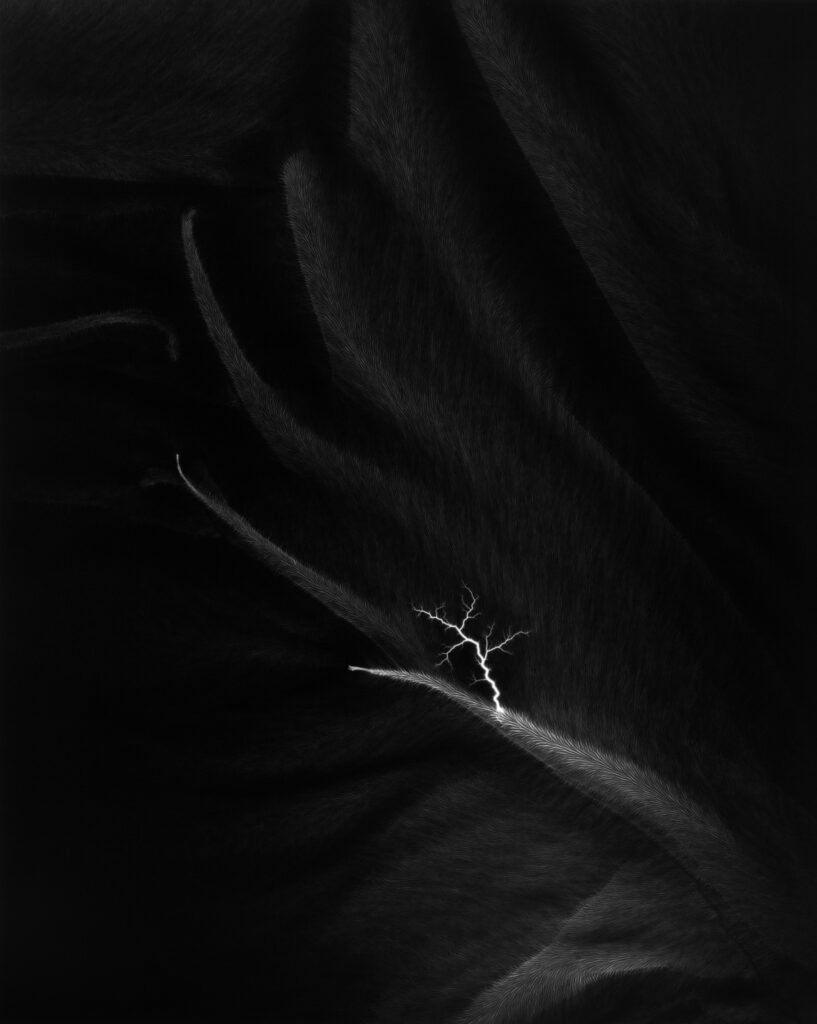


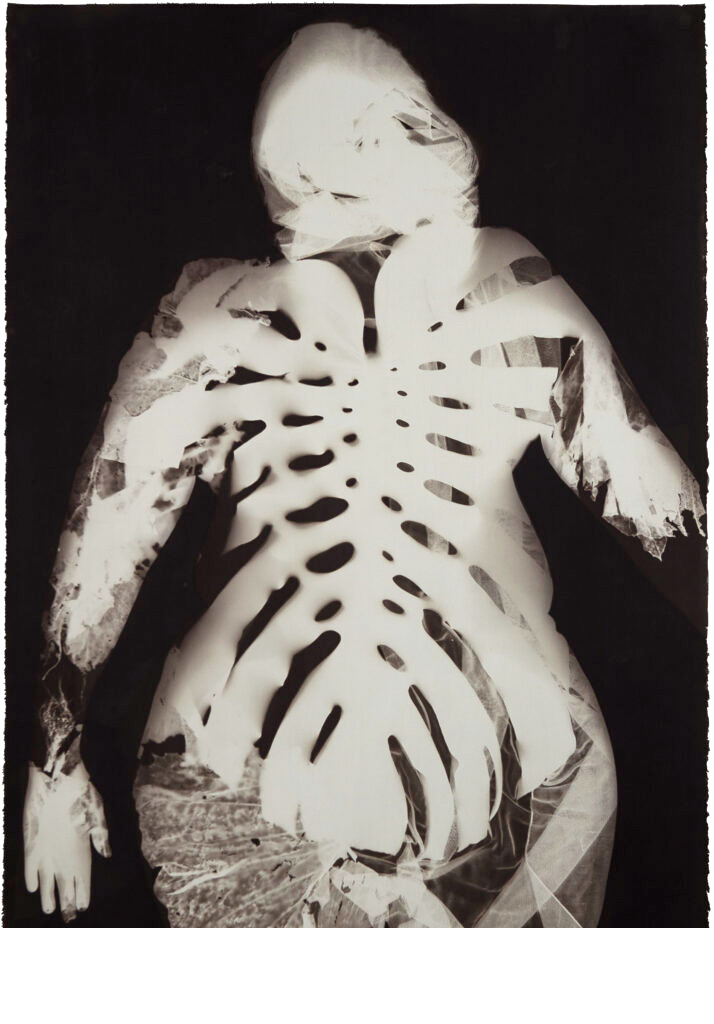
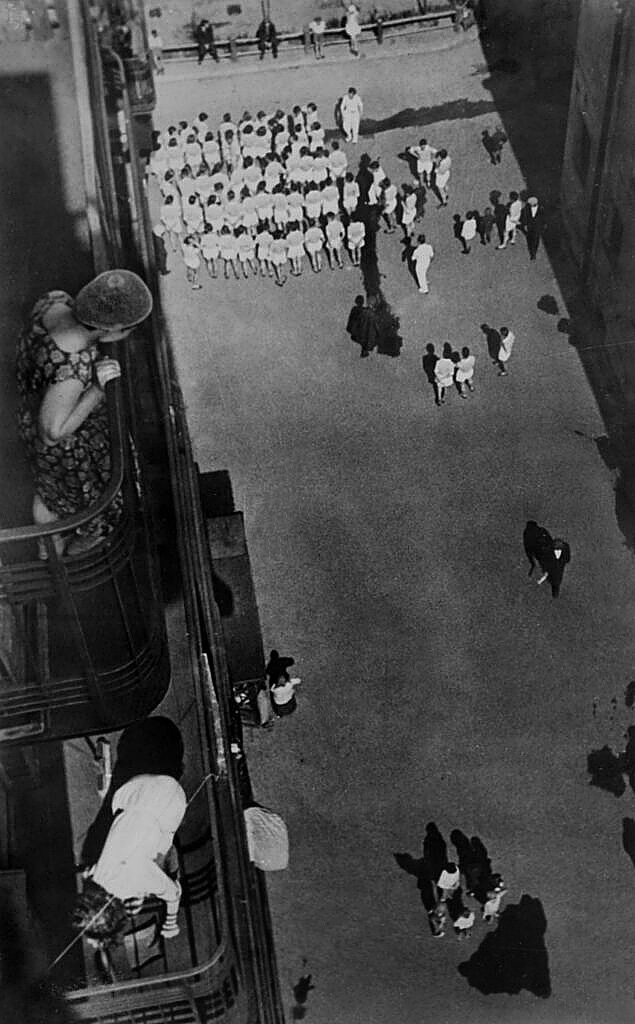


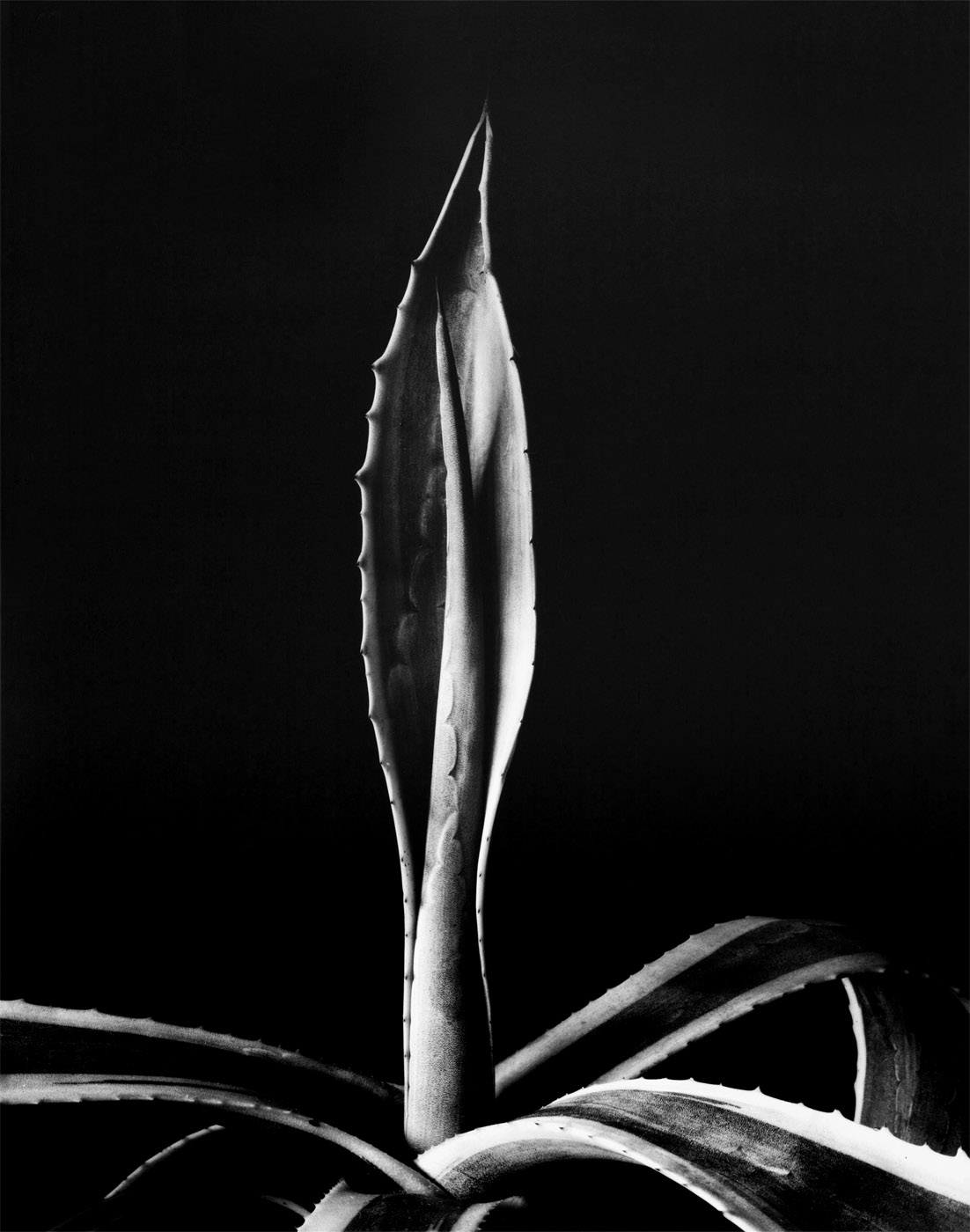
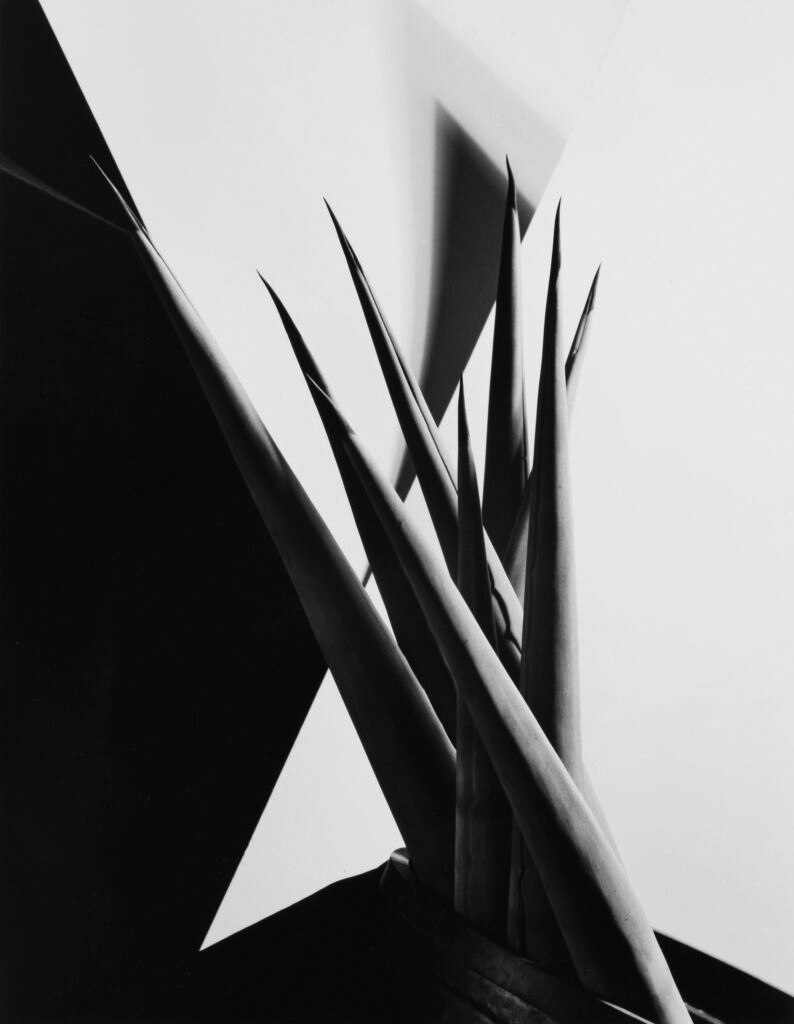
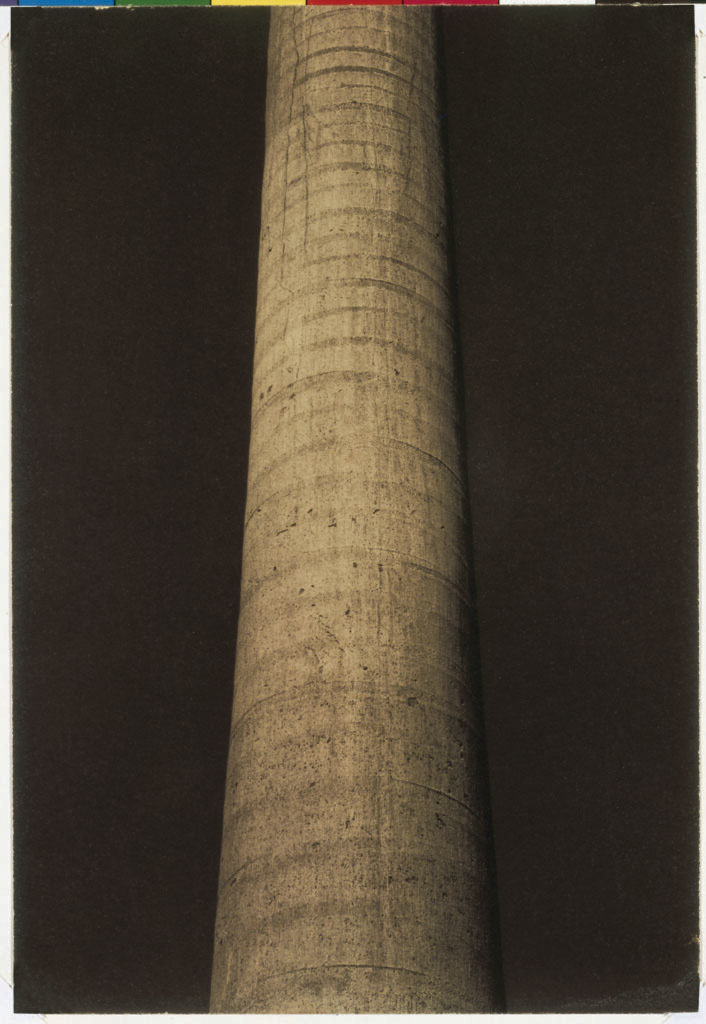

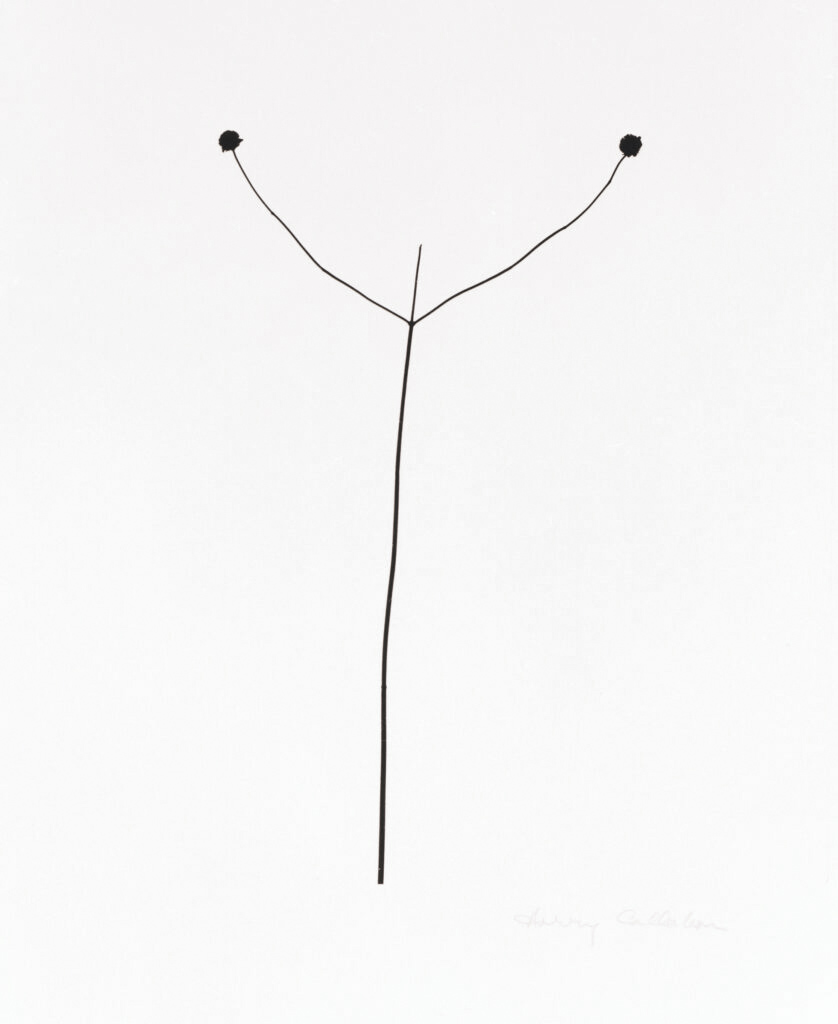
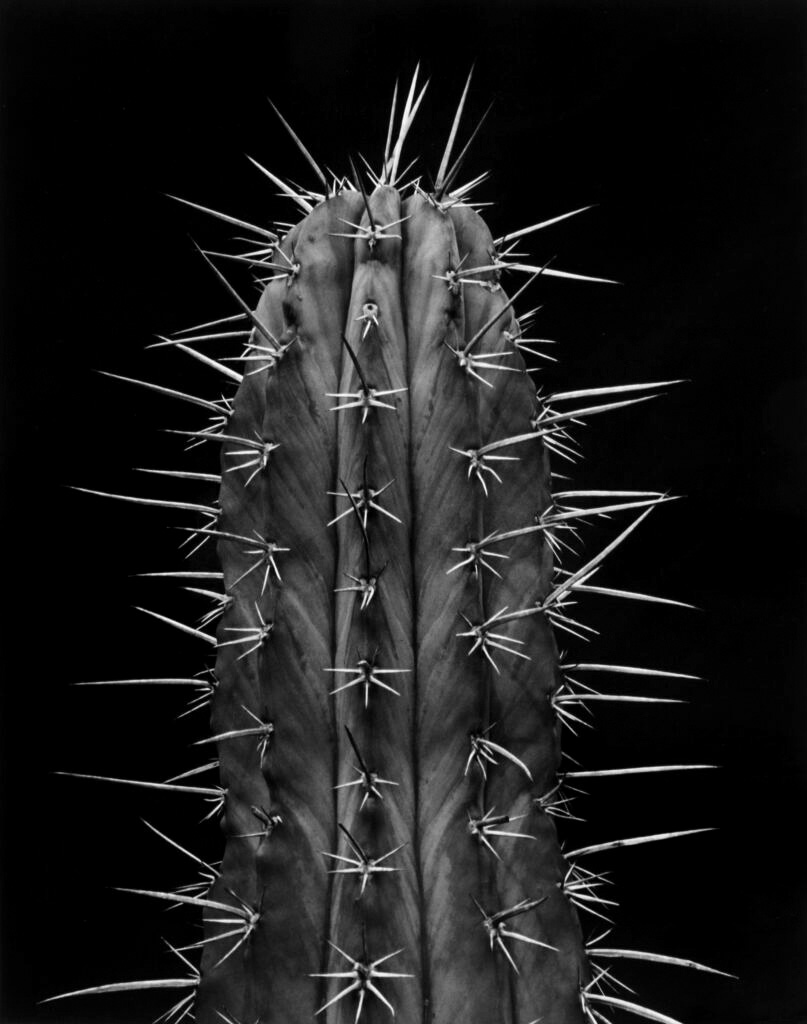


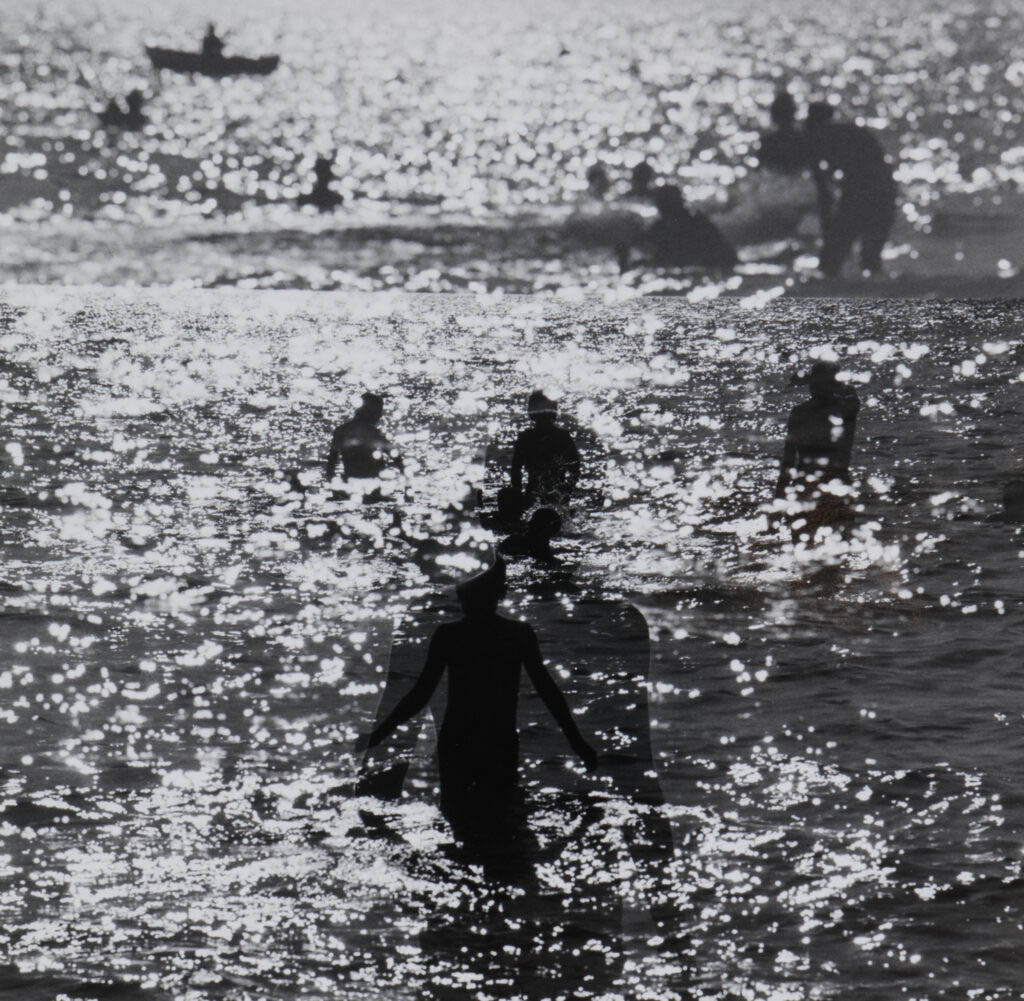


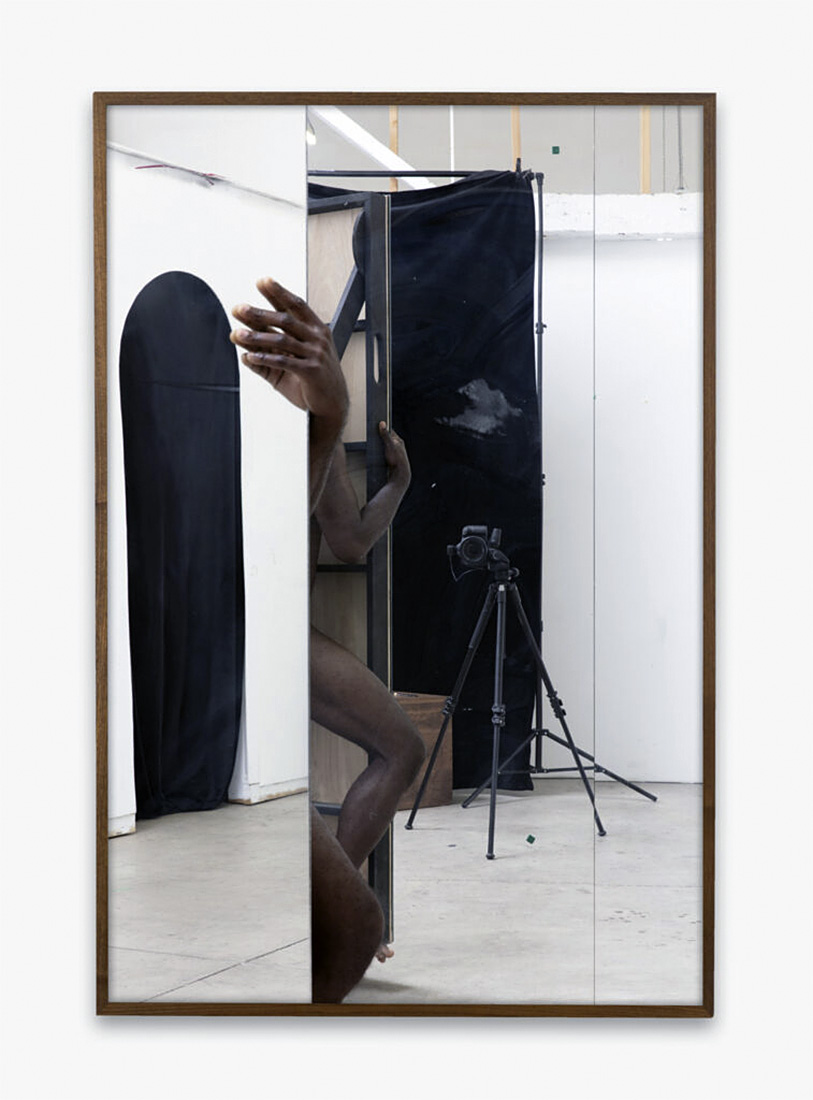
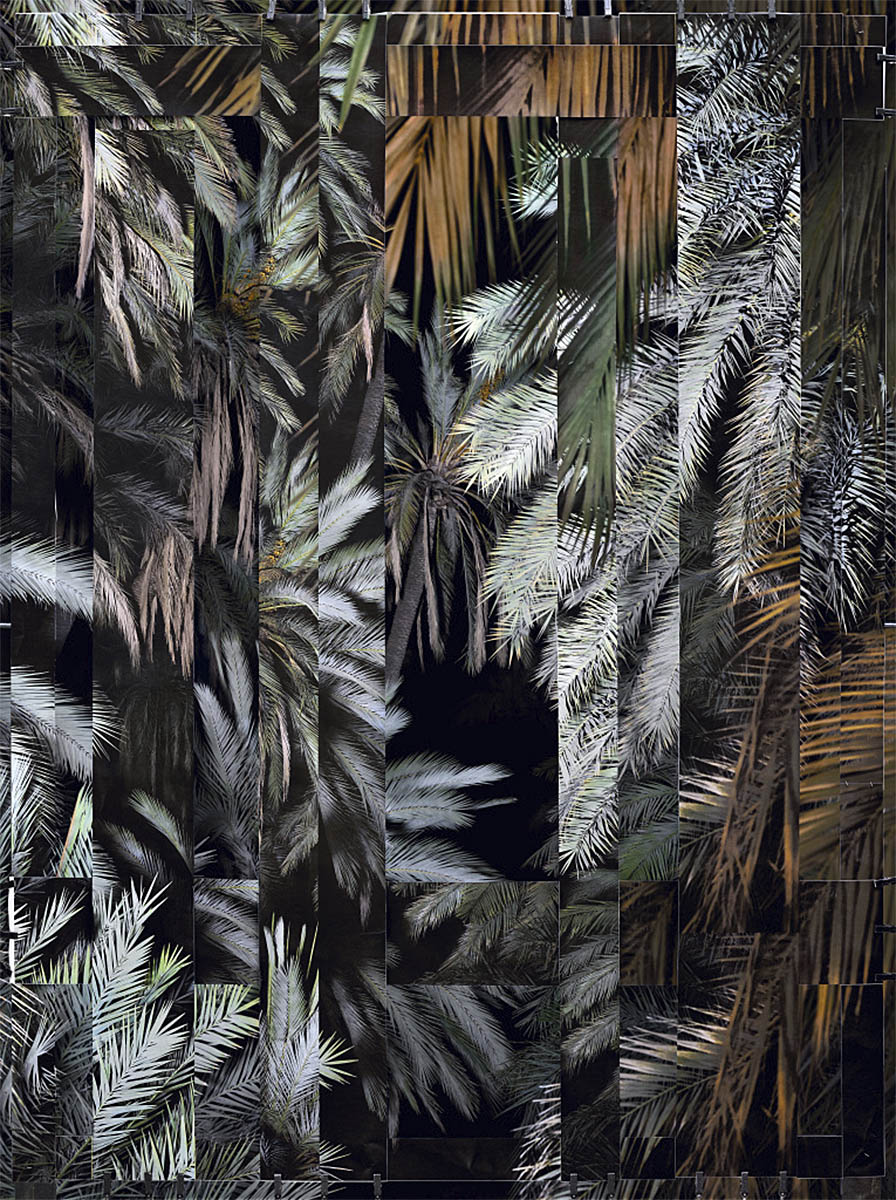

![Heinrich Riebesehl (German, 1938-2010) 'Menschen Im Fahrstuhl, 20.11.1969' [People in the Elevator, 20.11.1969] 1969 from the exhibition 'Typologien: Photography in 20th-century Germany' at Fondazione Prada, Milan, April - July, 2025](https://artblart.com/wp-content/uploads/2025/06/2-typologien_heinrich-riebesehl_siae_sm.jpg "Heinrich Riebesehl (German, 1938-2010) 'Menschen Im Fahrstuhl, 20.11.1969' [People in the Elevator, 20.11.1969] 1969 from the exhibition 'Typologien: Photography in 20th-century Germany' at Fondazione Prada, Milan, April - July, 2025")
![Heinrich Riebesehl (German, 1938-2010) 'Menschen Im Fahrstuhl, 20.11.1969' [People in the Elevator, 20.11.1969] 1969](https://artblart.com/wp-content/uploads/2025/06/1-typologien_heinrich-riebesehl_siae_sm.jpg "Heinrich Riebesehl (German, 1938-2010) 'Menschen Im Fahrstuhl, 20.11.1969' [People in the Elevator, 20.11.1969] 1969")
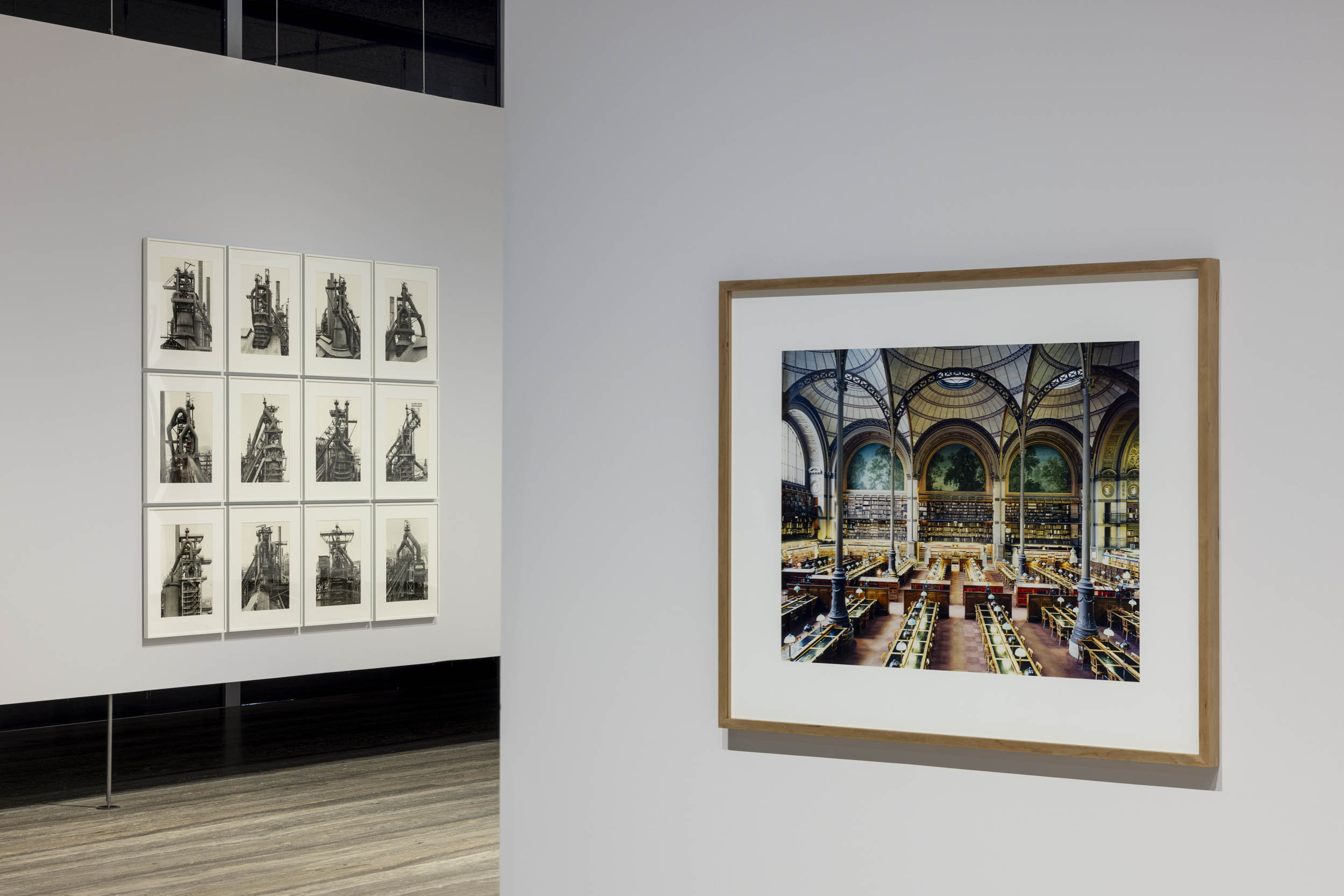
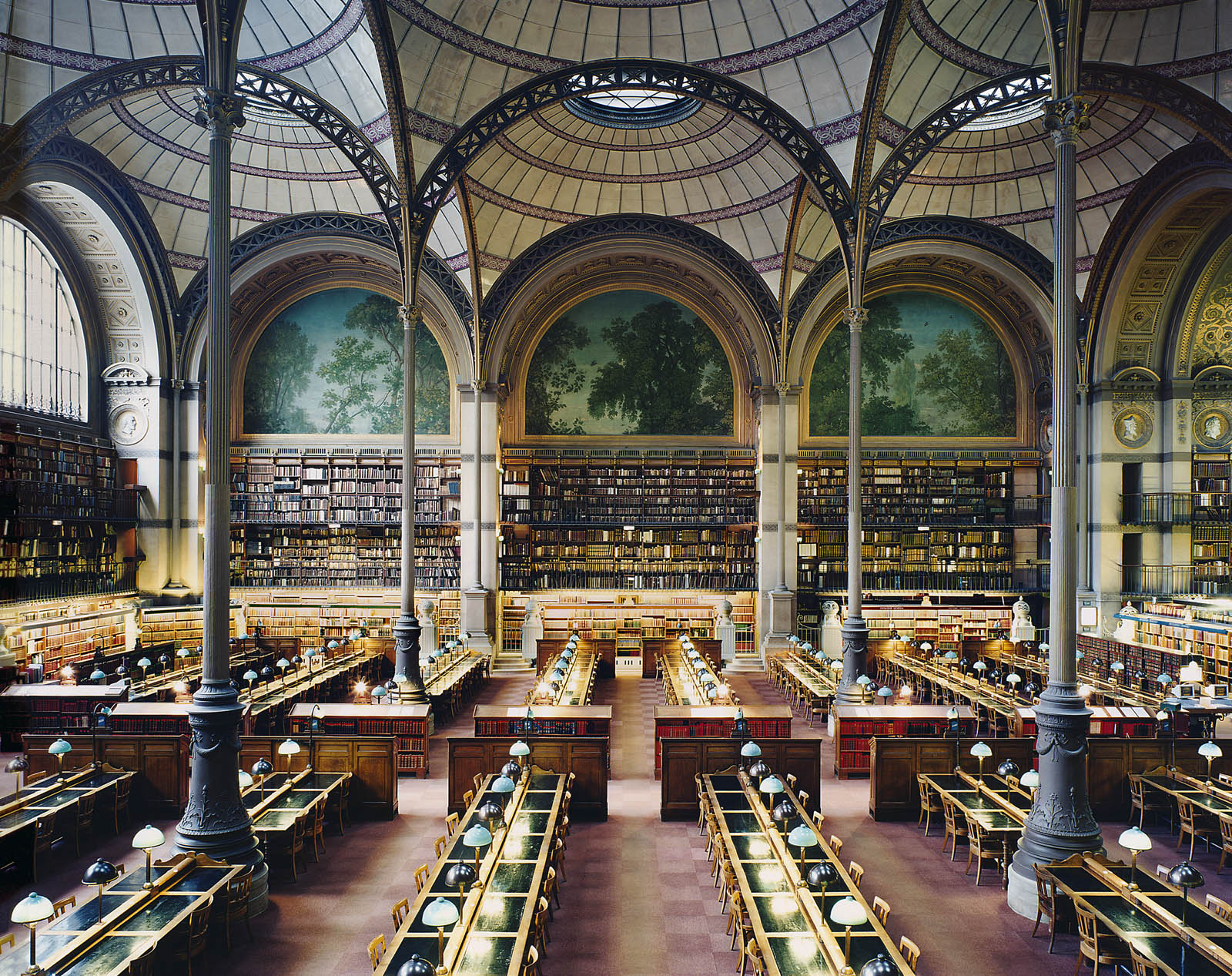

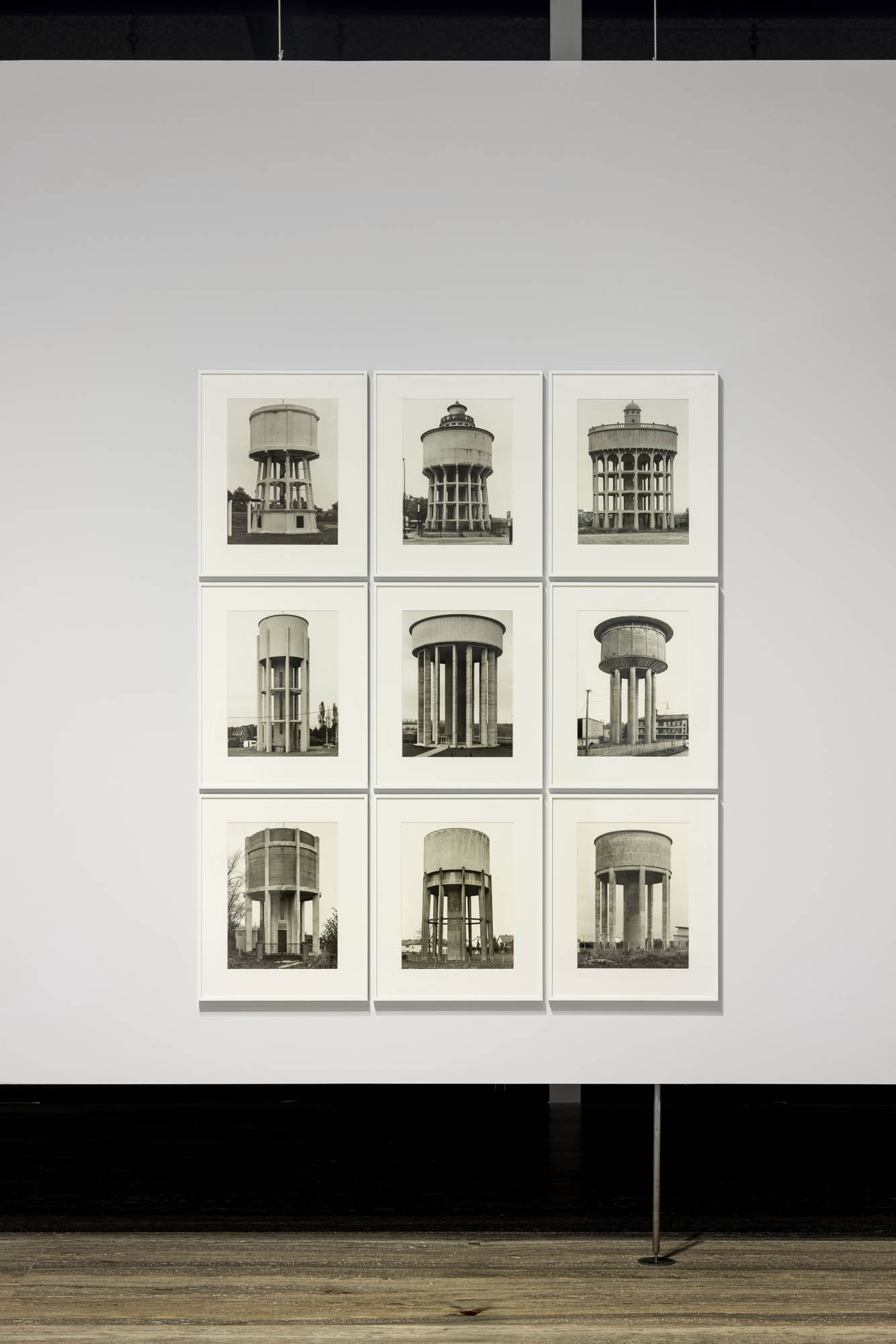


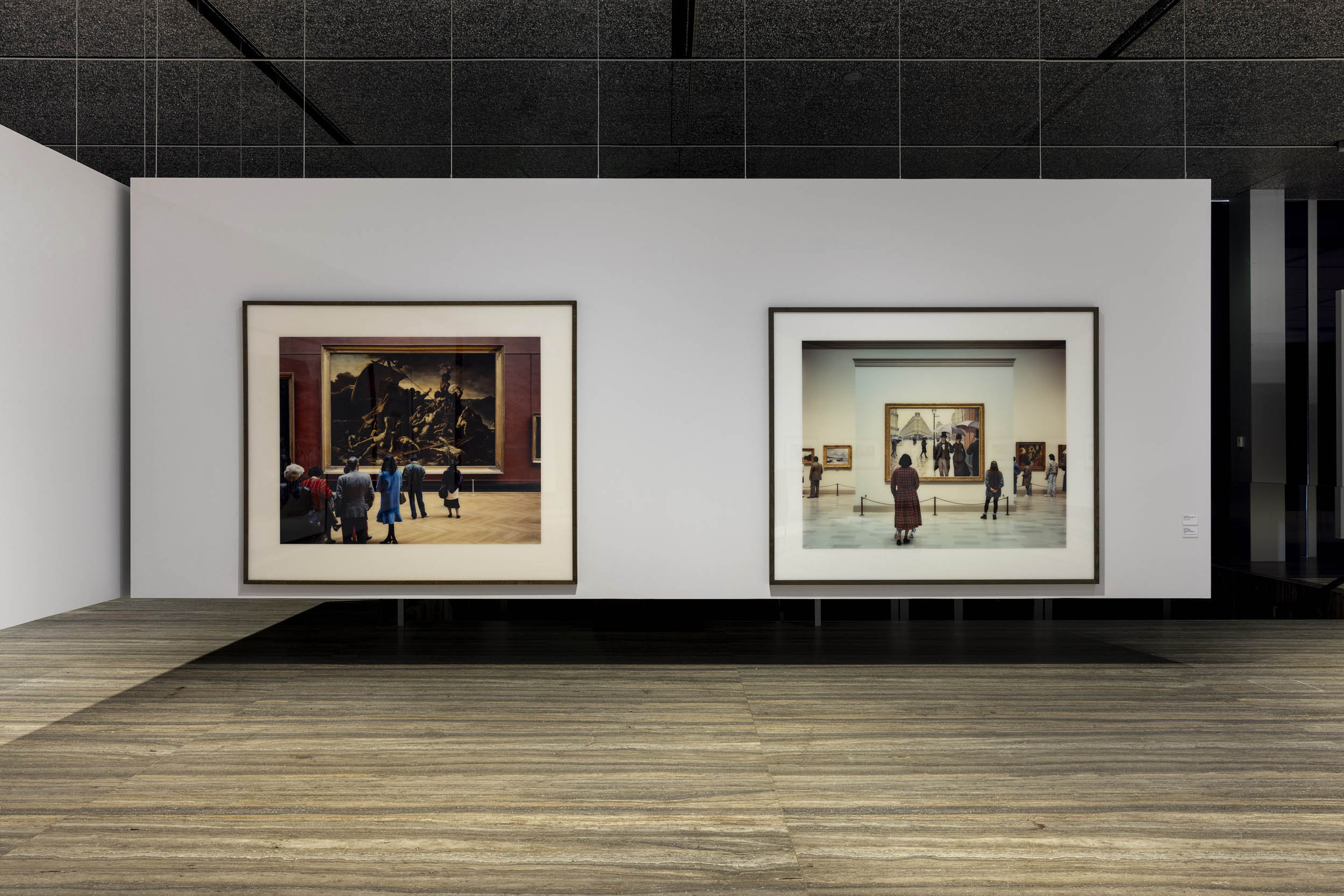
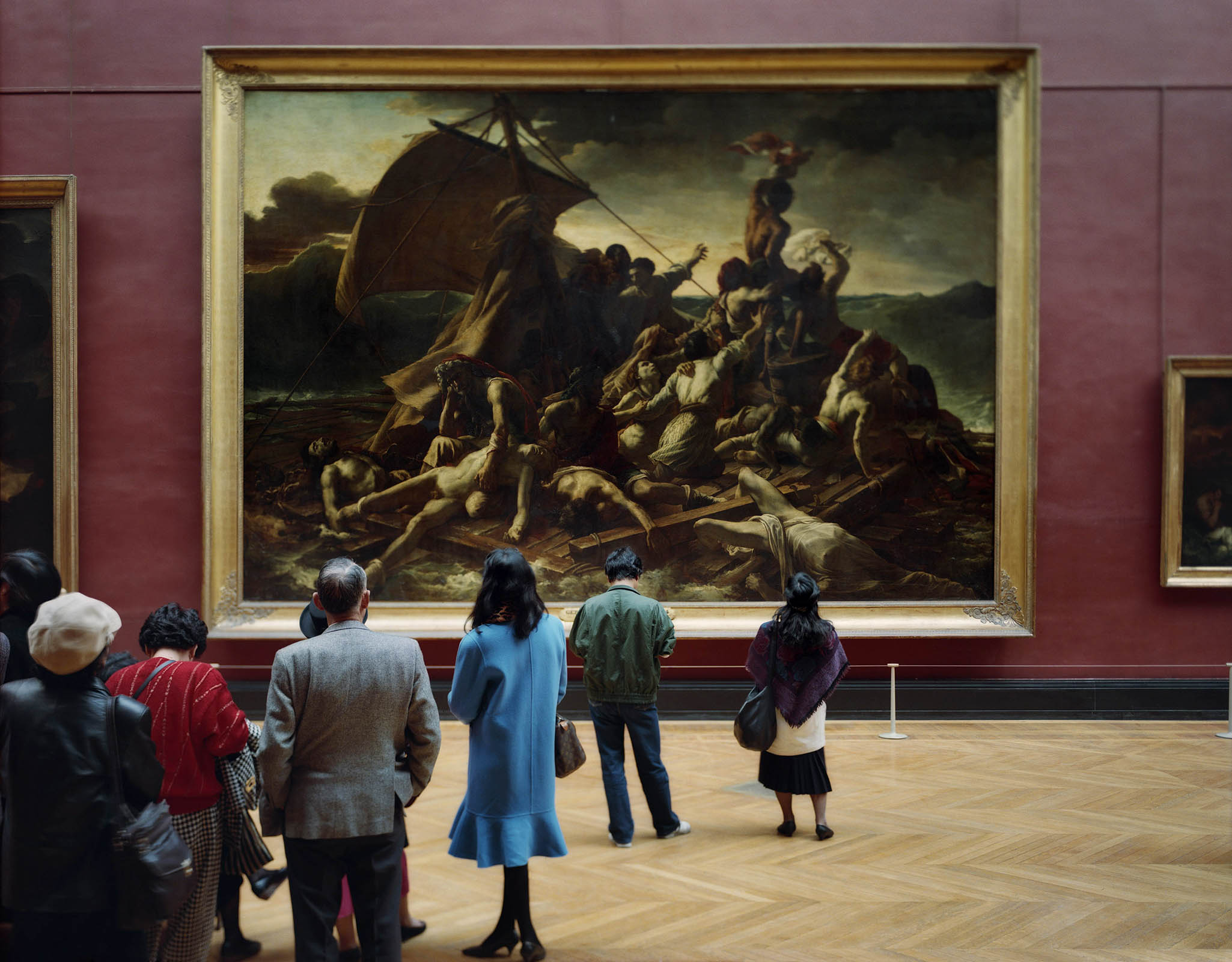

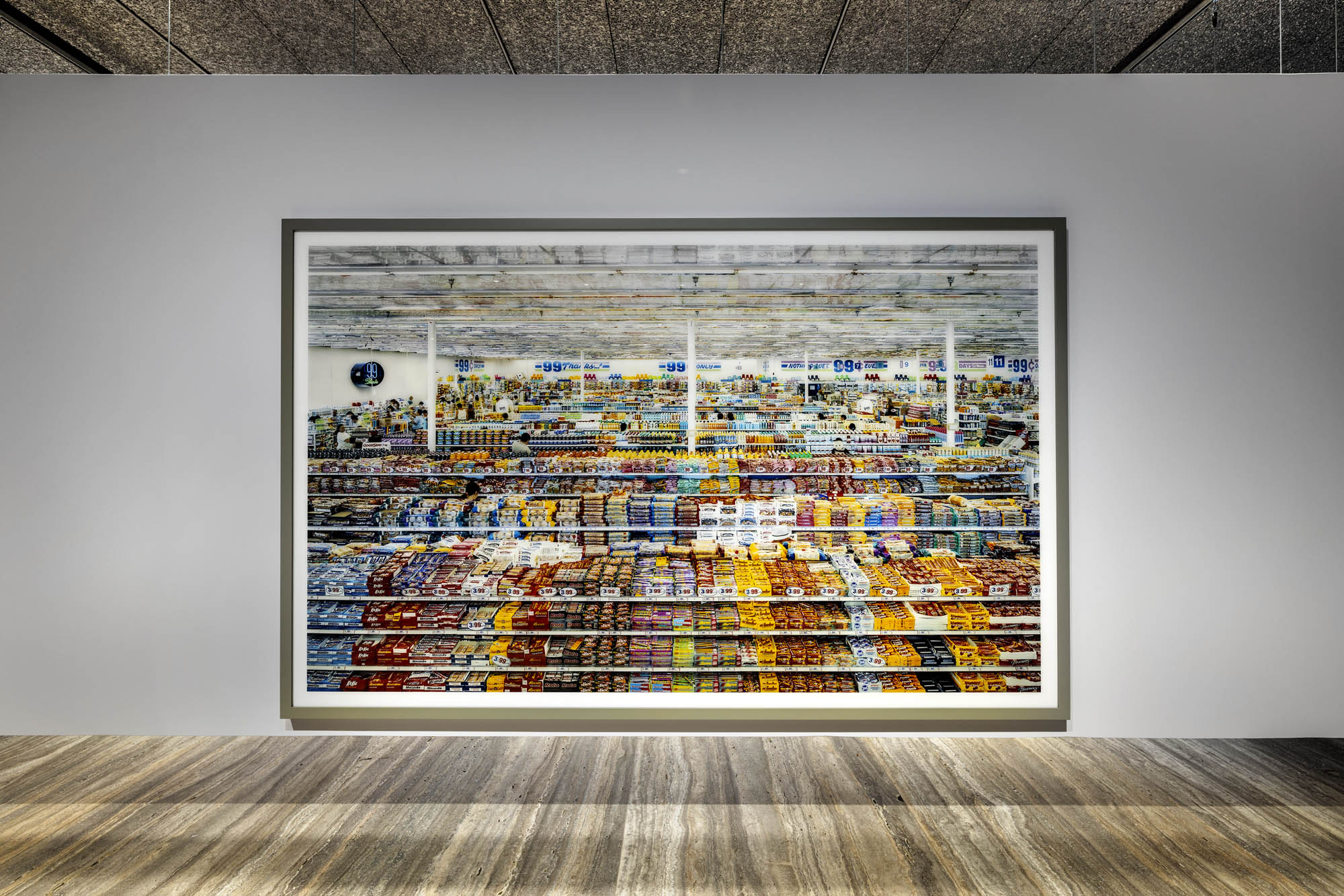
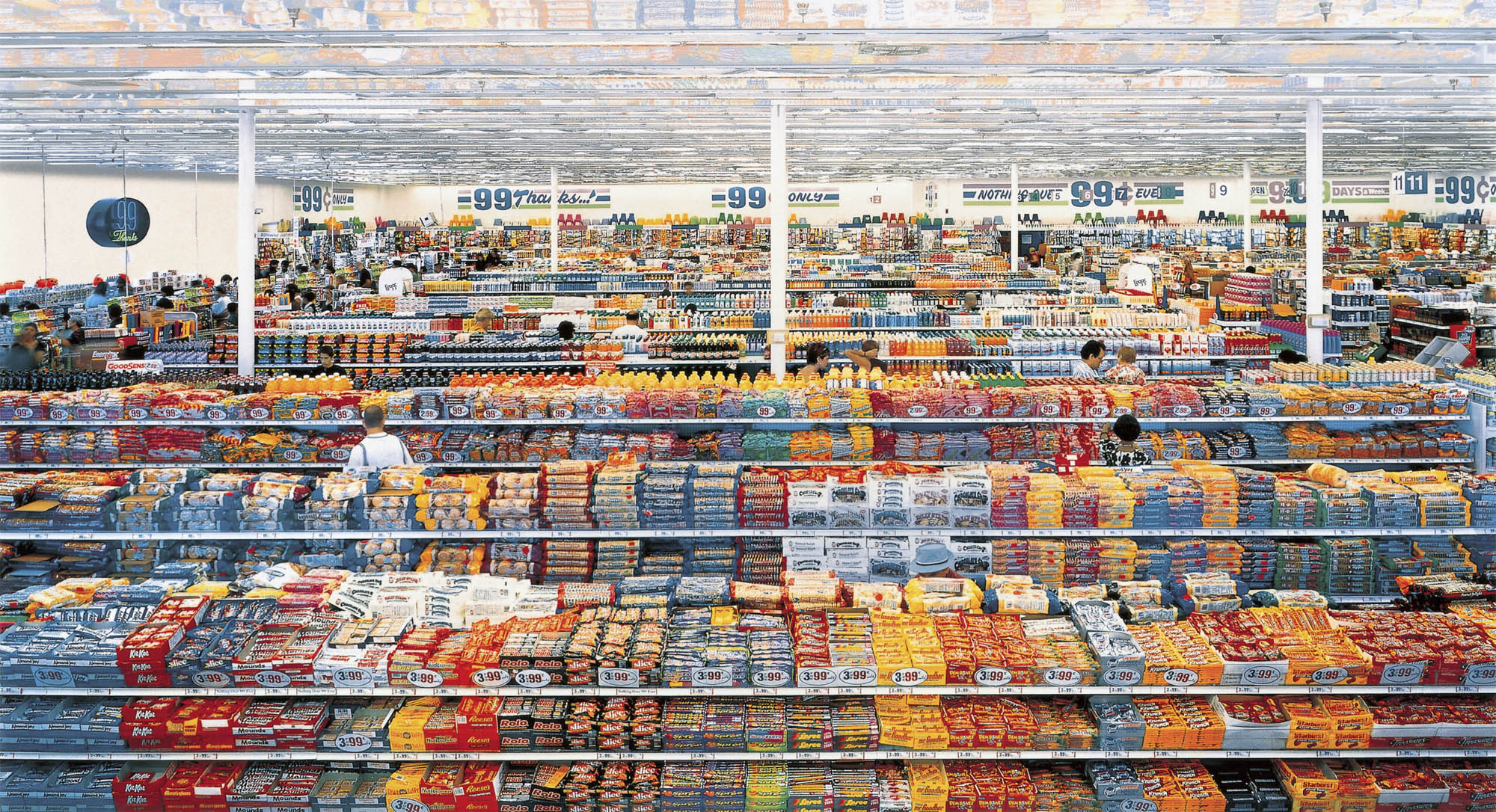
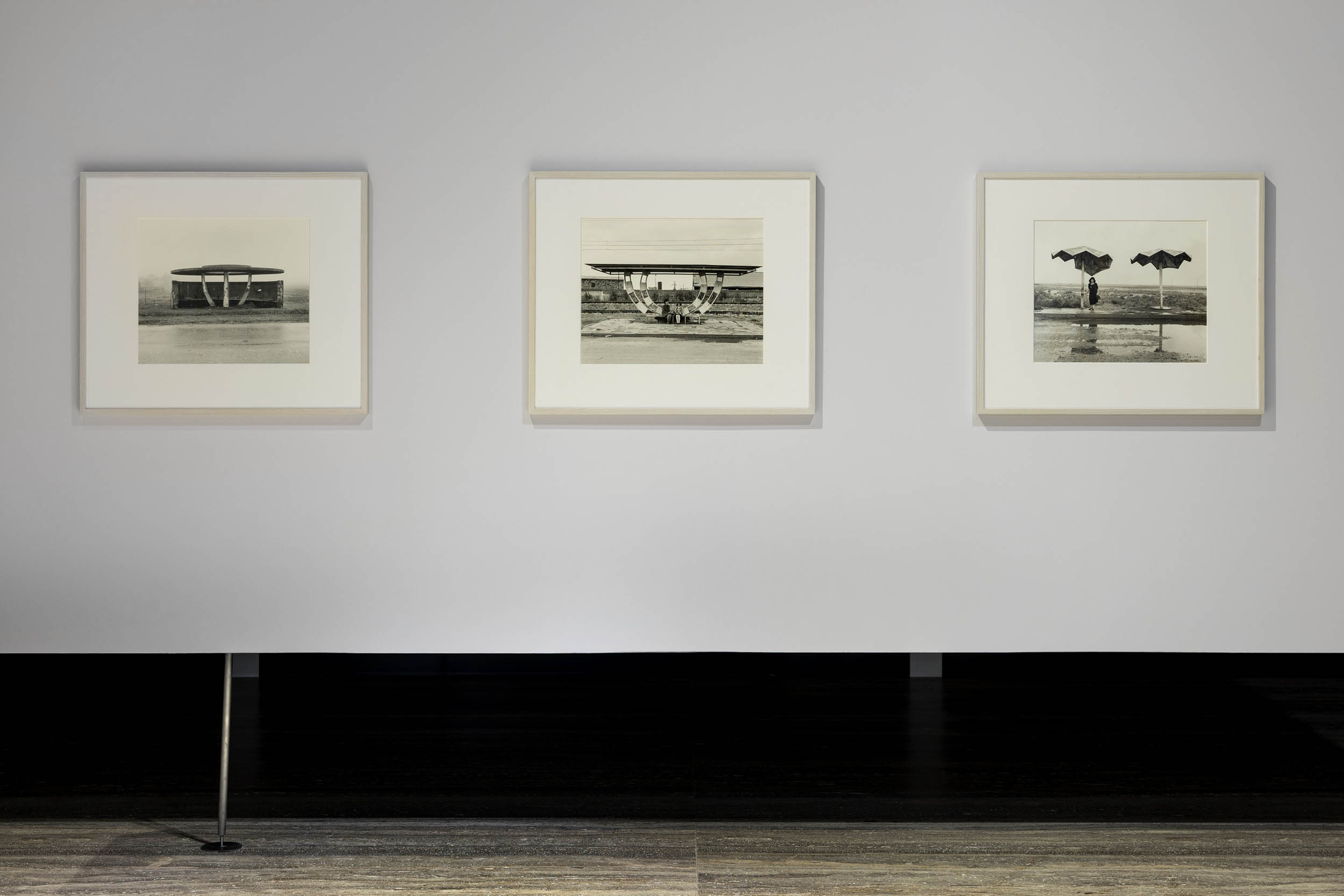
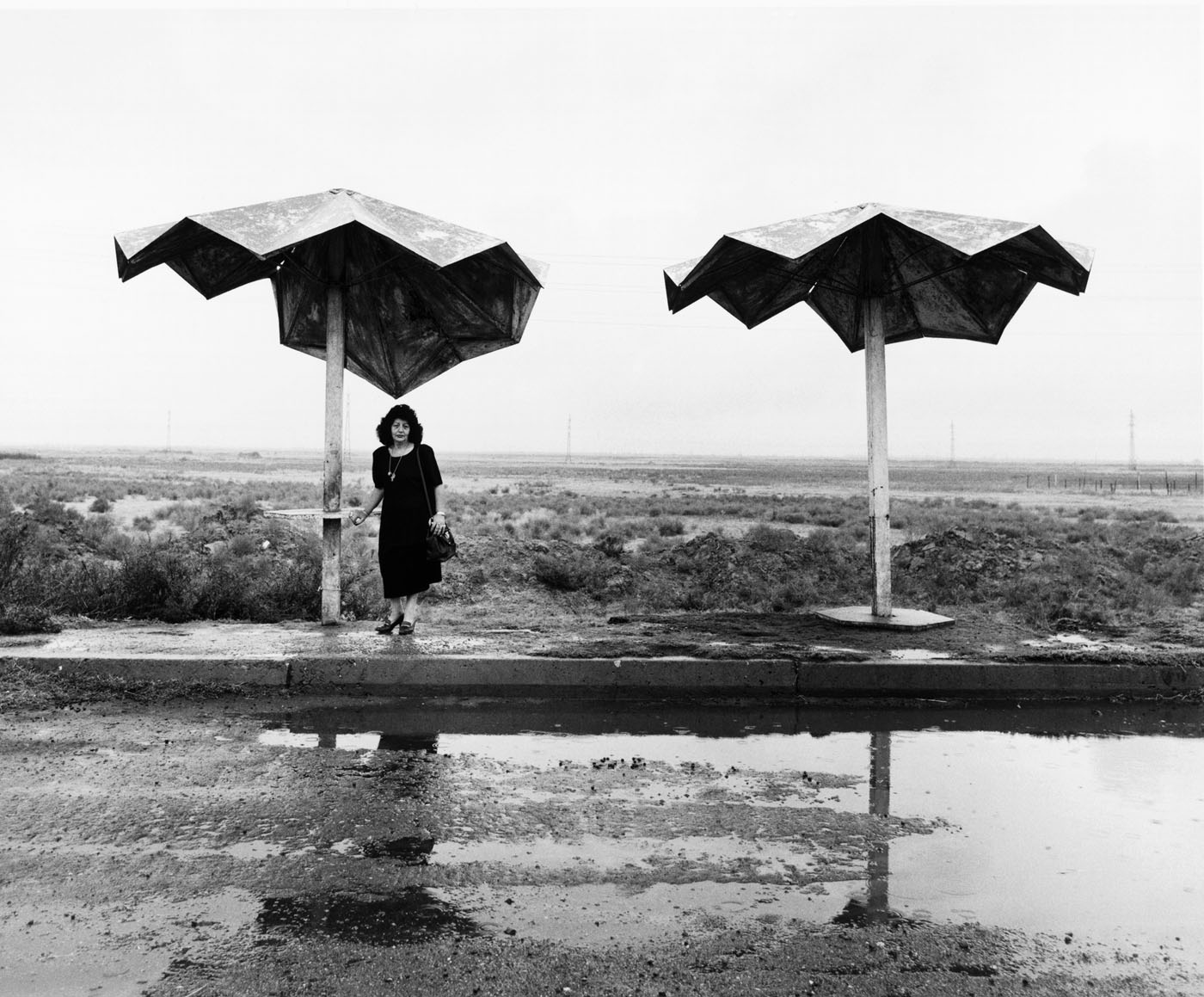
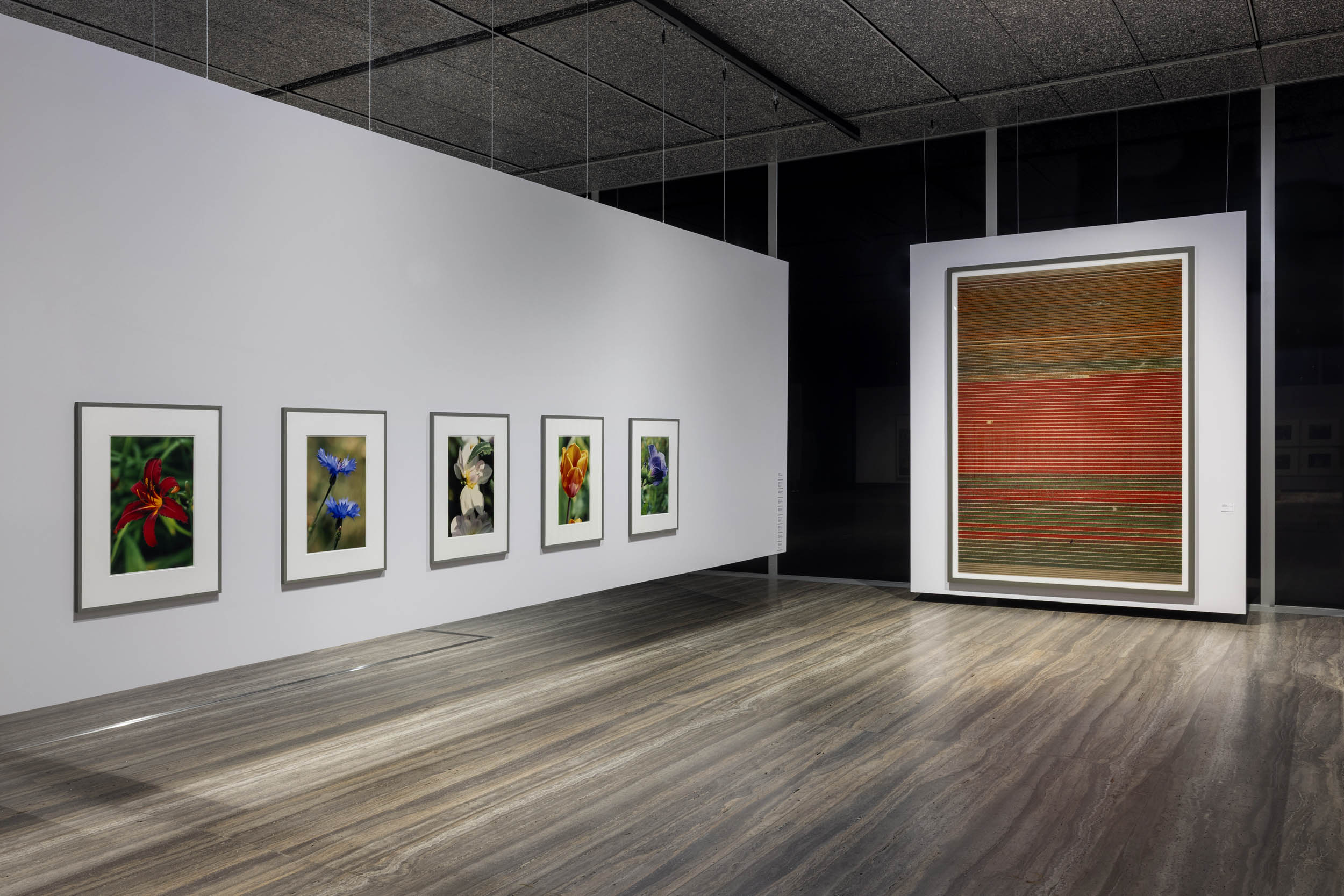
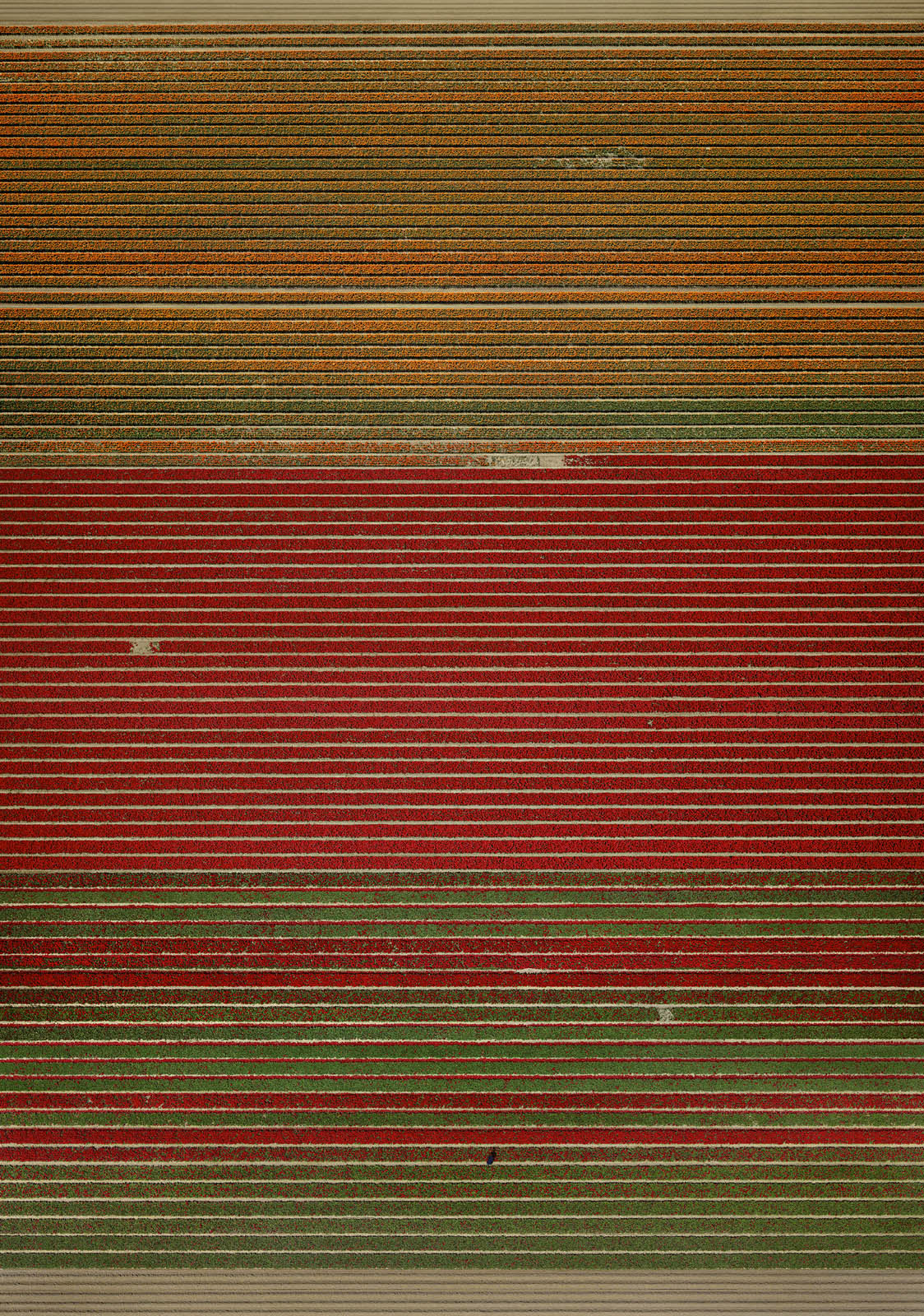



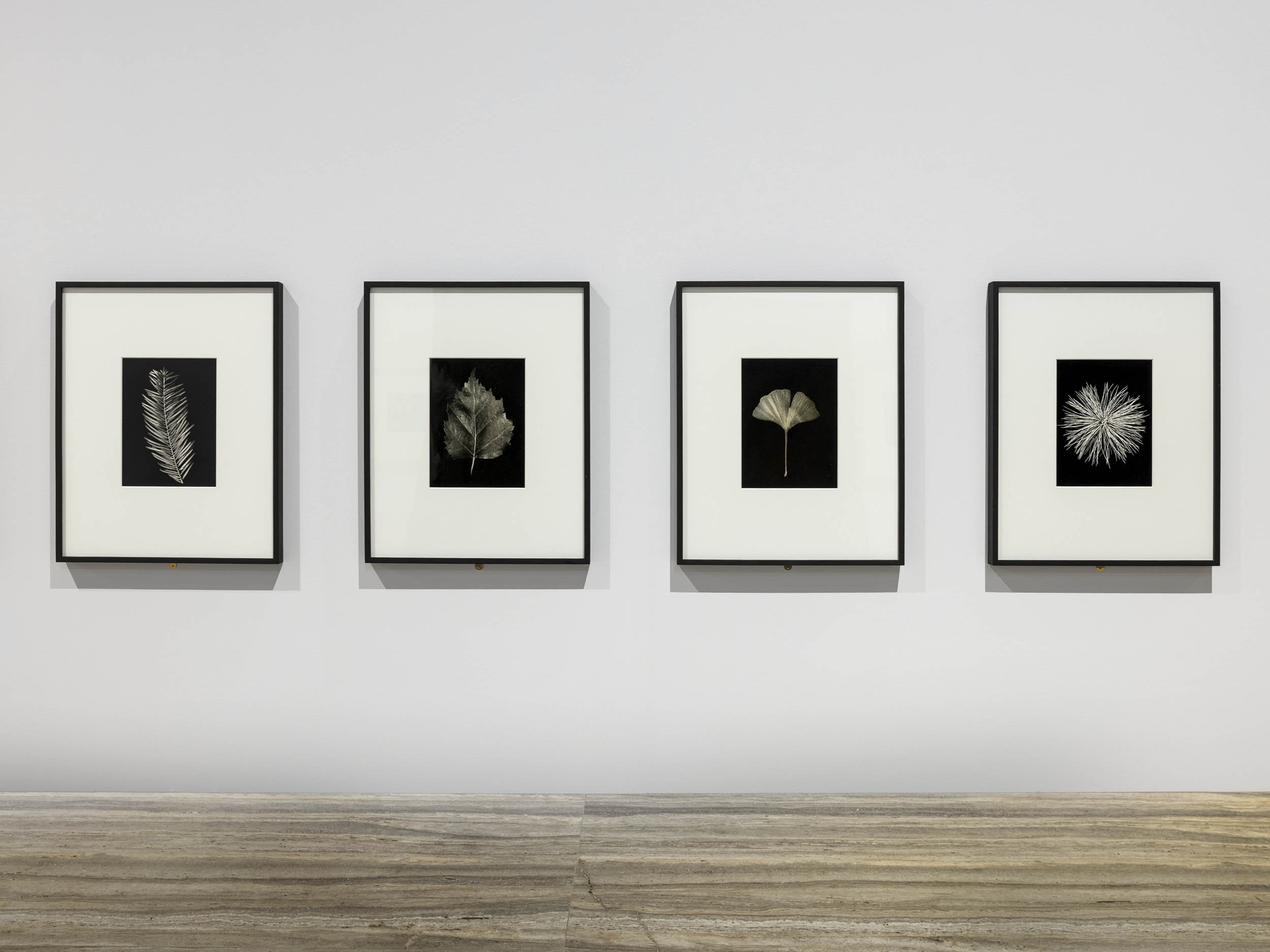
![Hilla Becher (German, 1934-2015) 'Eichenblatt [Oak Leaf]' 1965](https://artblart.com/wp-content/uploads/2025/06/8-typologien_hilla-becher_sm.jpg "Hilla Becher (German, 1934-2015) 'Eichenblatt [Oak Leaf]' 1965")
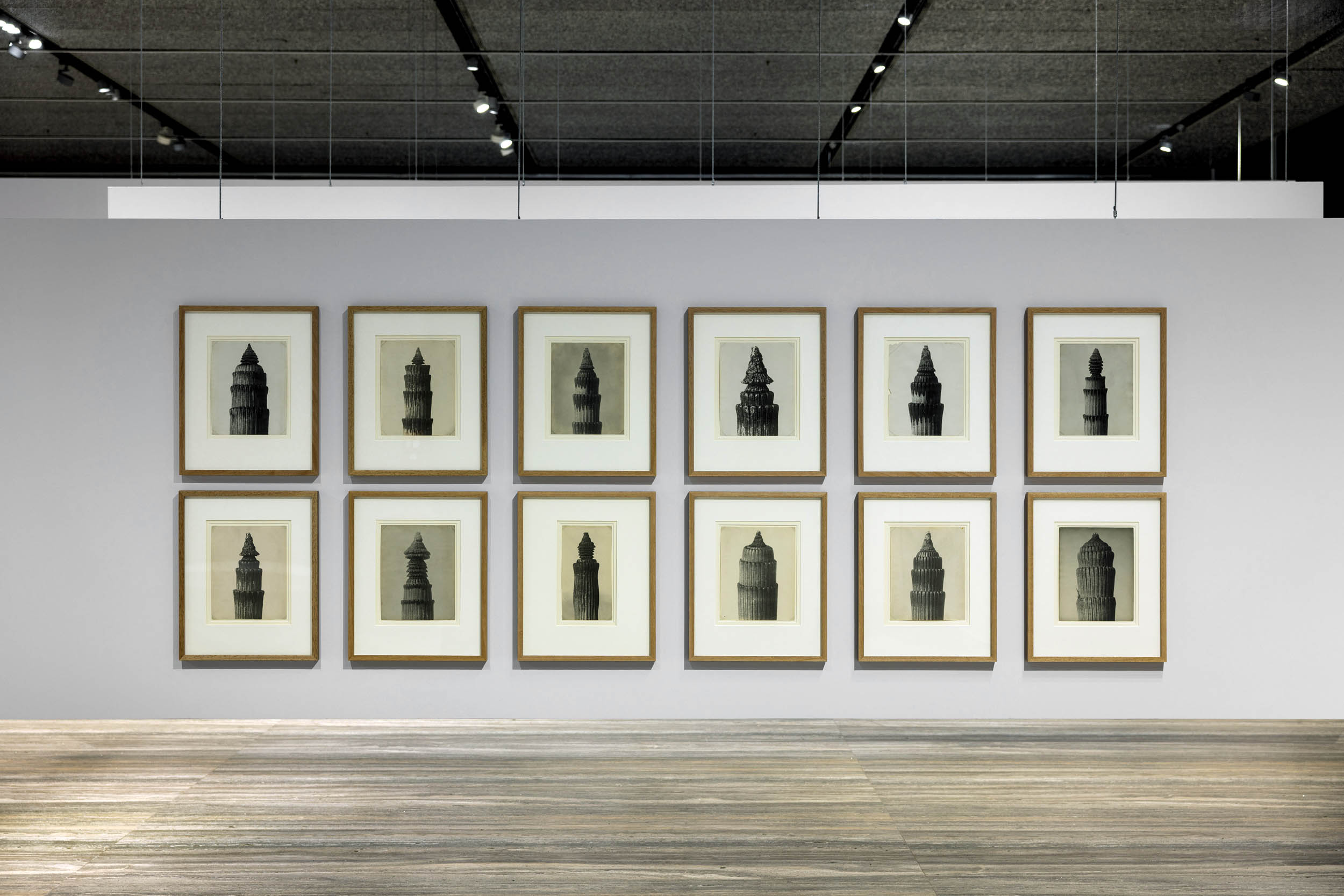
![Karl Blossfeldt (German, 1865-1932) 'Adiantum pedatum, haarfarn, junge, noch eingerollte Wedel' [Maidenhair fern, young, still curled fronds] Nd](https://artblart.com/wp-content/uploads/2025/06/5-typologien_karl-blossfeldt_sm.jpg "Karl Blossfeldt (German, 1865-1932) 'Adiantum pedatum, haarfarn, junge, noch eingerollte Wedel' [Maidenhair fern, young, still curled fronds] Nd")


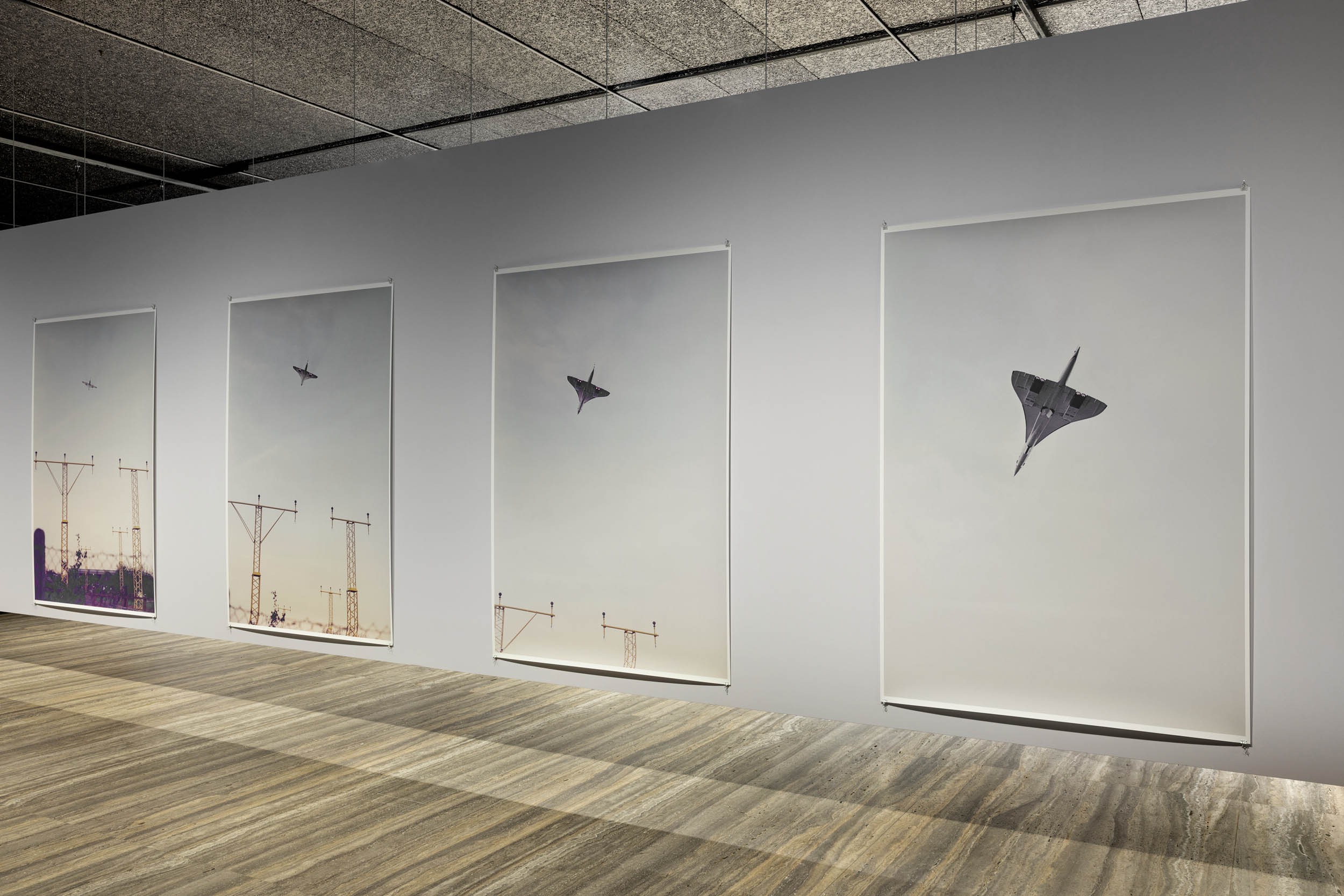
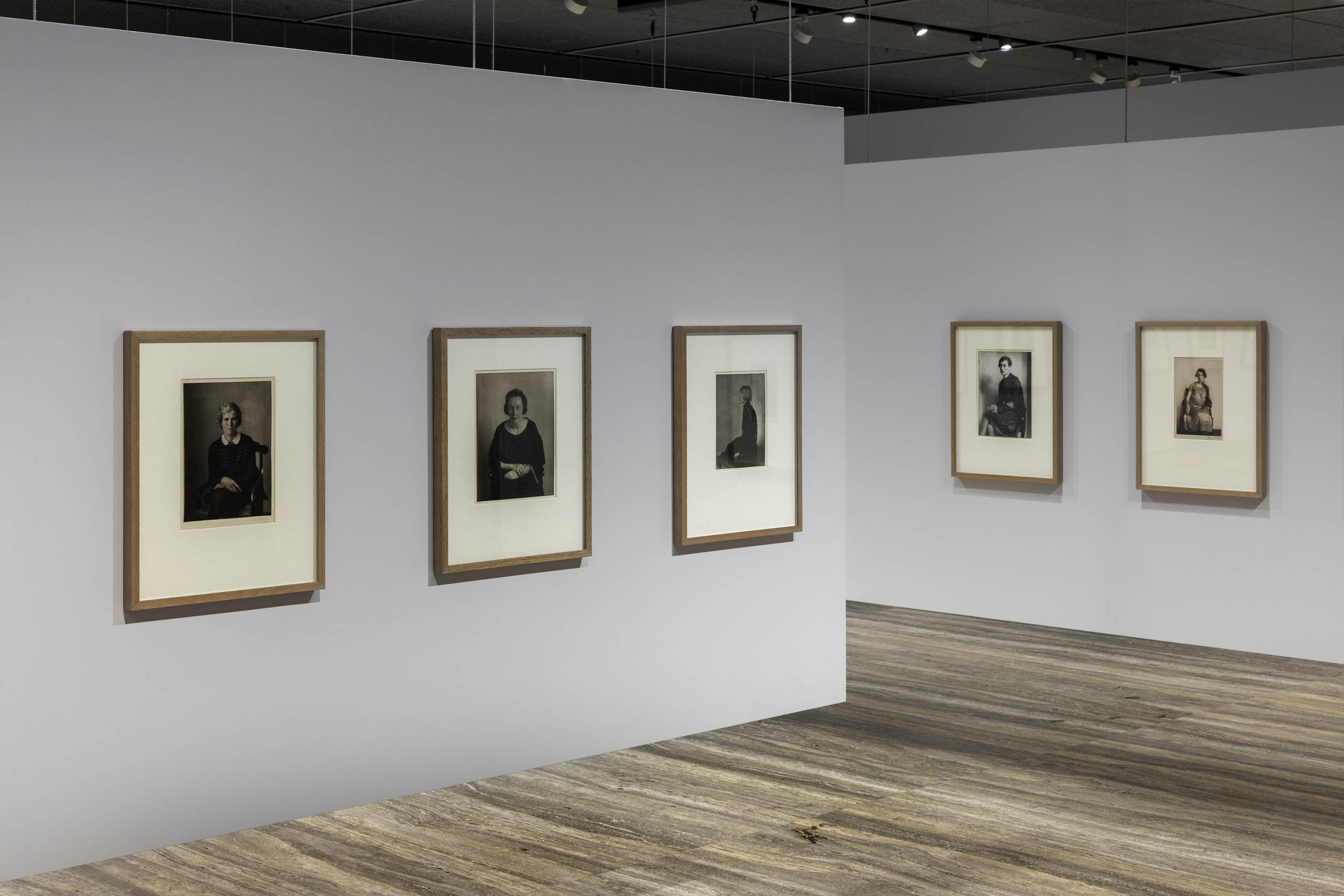
![August Sander (German, 1876-1964) 'Sekretärin beim Westdeutschen Rundfunk in Köln' [Secretary at West German Radio in Cologne] 1931-1950s](https://artblart.com/wp-content/uploads/2025/06/6-typologien_august-sander_siae_sm.jpg "August Sander (German, 1876-1964) 'Sekretärin beim Westdeutschen Rundfunk in Köln' [Secretary at West German Radio in Cologne] 1931-1950s")
![Erich Sander for August Sander's studio. 'Politischer Häftling' [Political Prisoner] 1941-1944 (print date late 1940s)](https://artblart.com/wp-content/uploads/2025/06/7-typologien_august-sander_siae_sm.jpg "Erich Sander for August Sander's studio. 'Politischer Häftling' [Political Prisoner] 1941-1944 (print date late 1940s)")
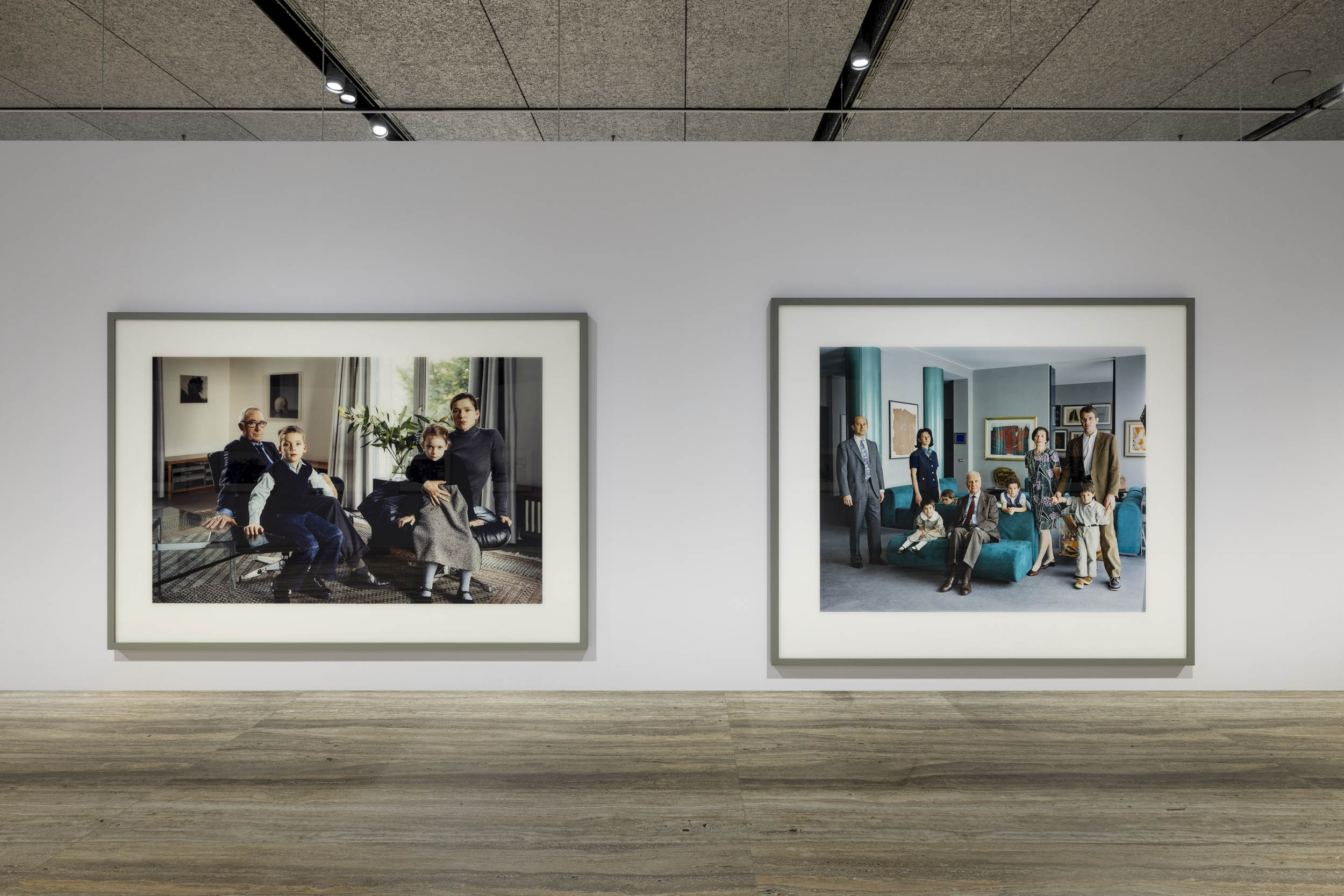

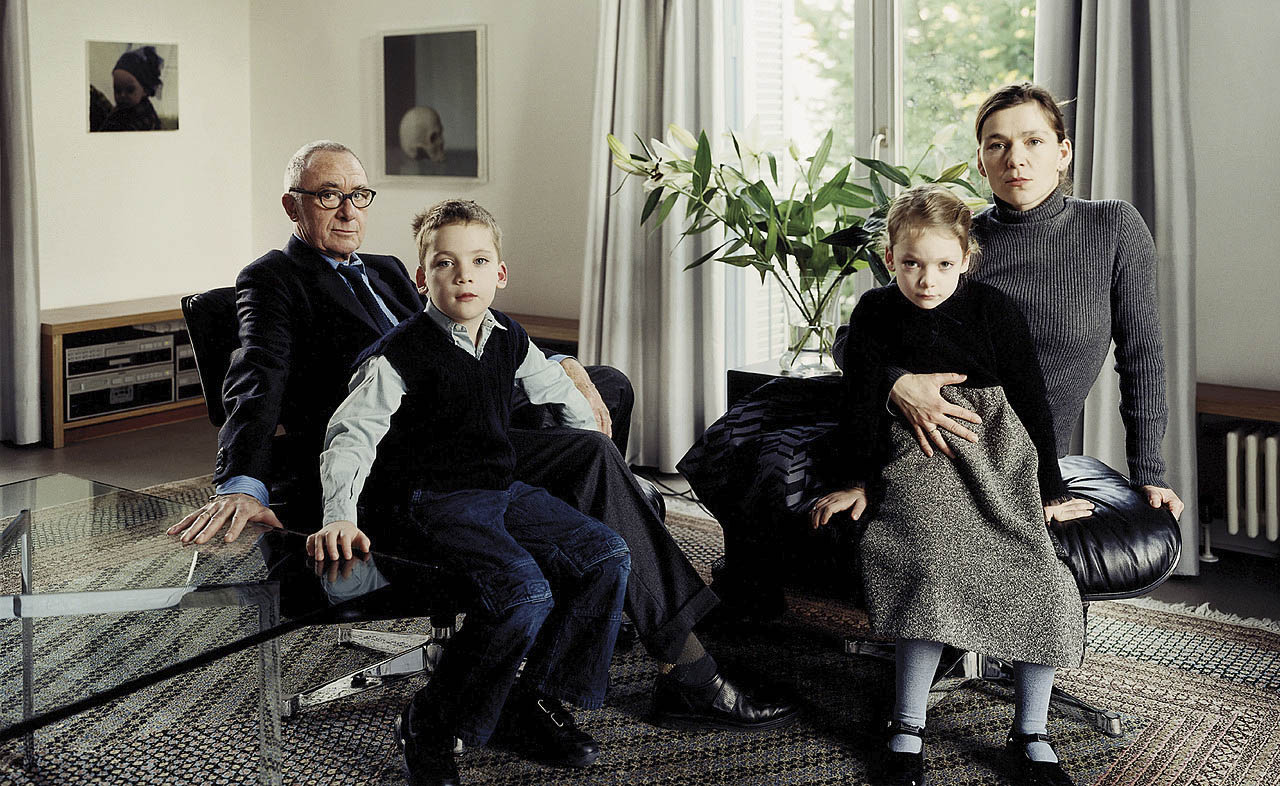
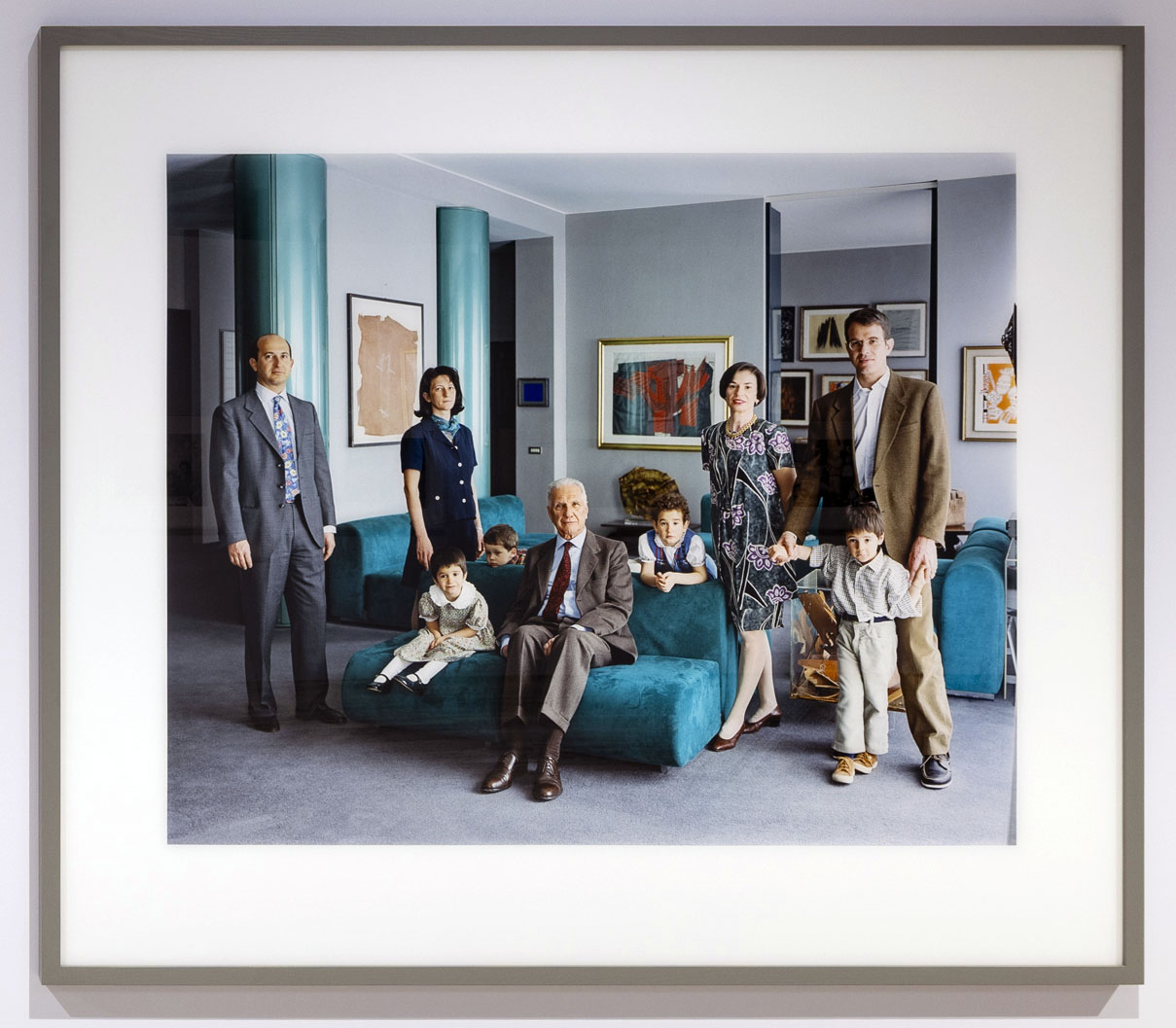
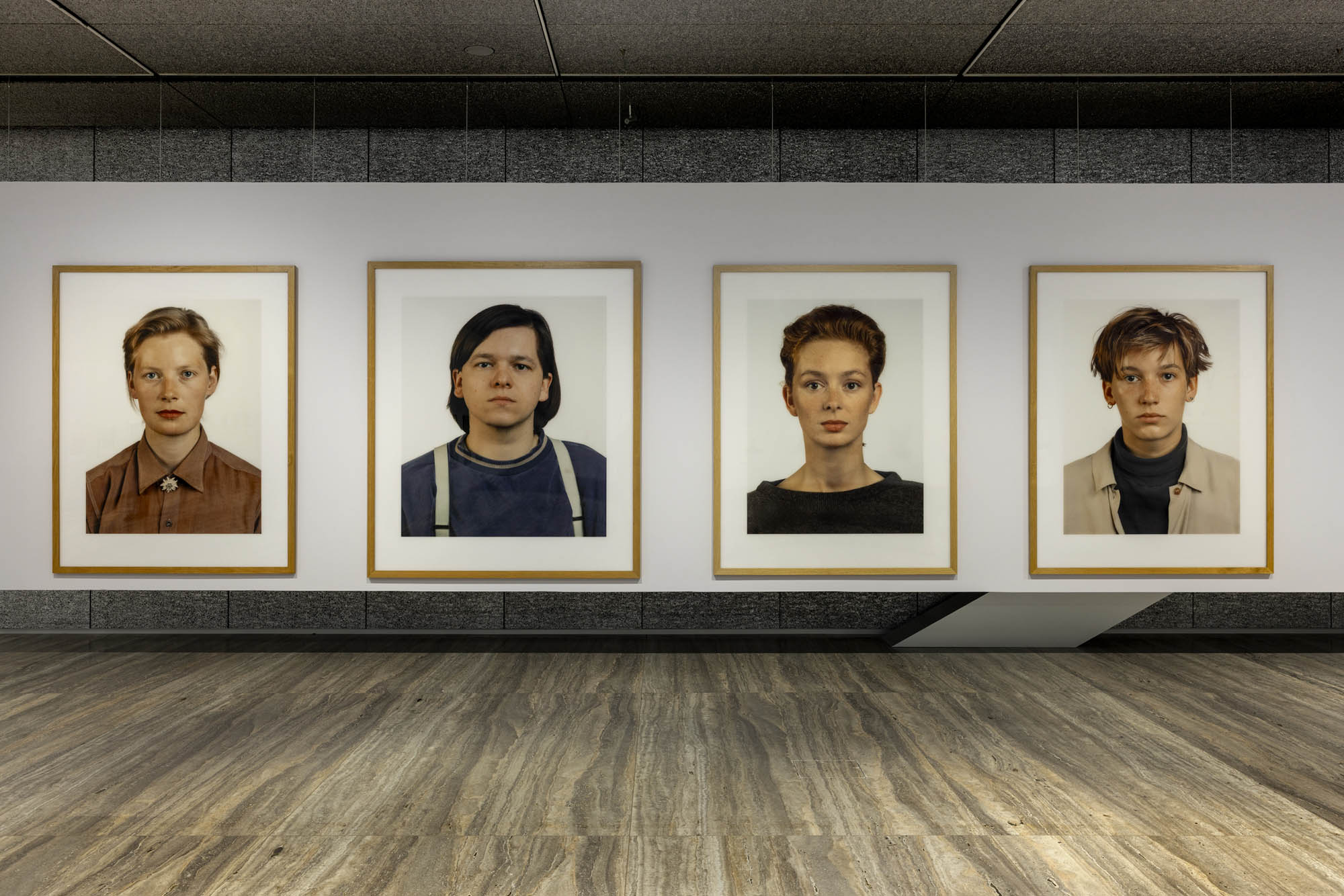
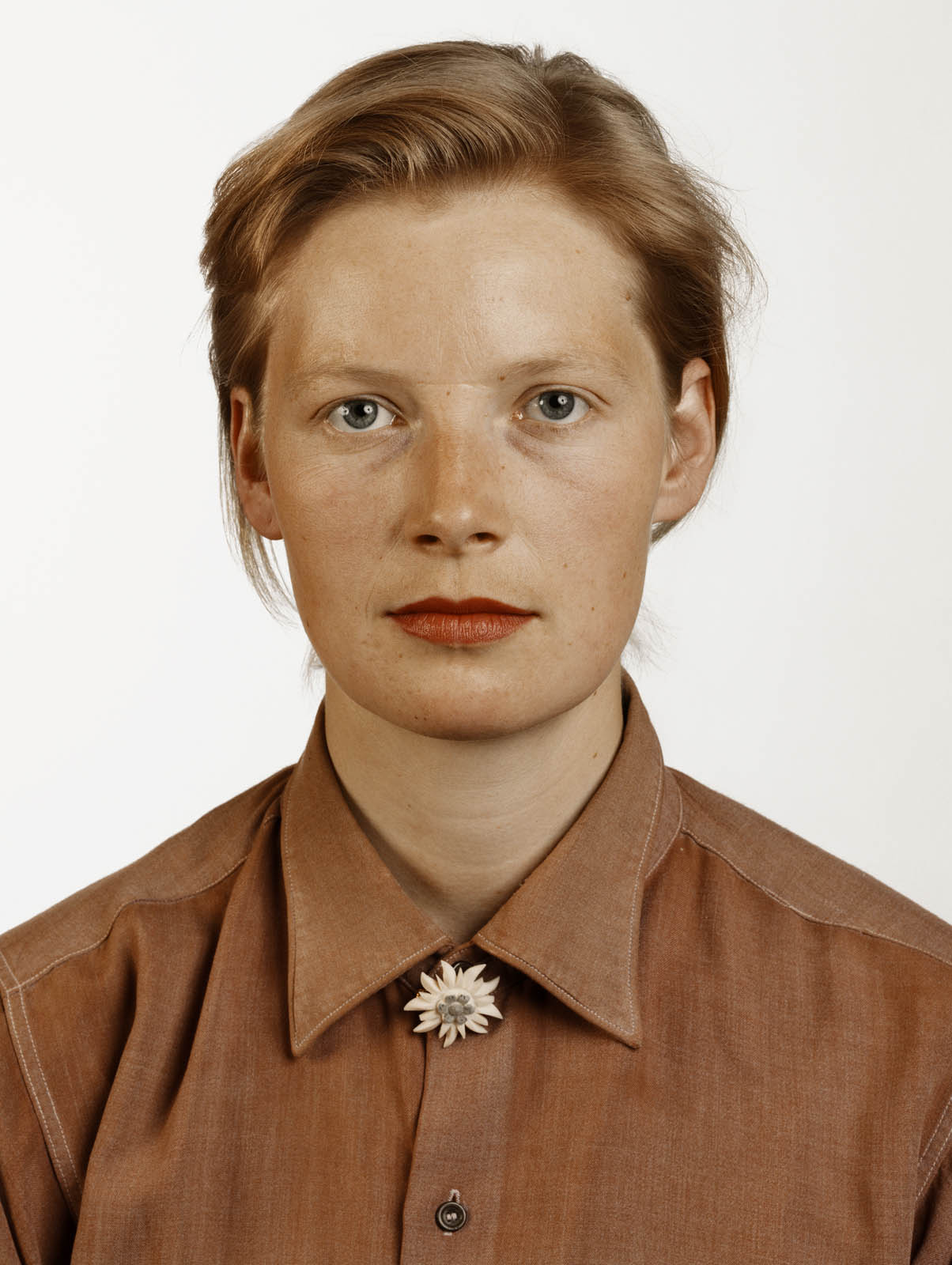

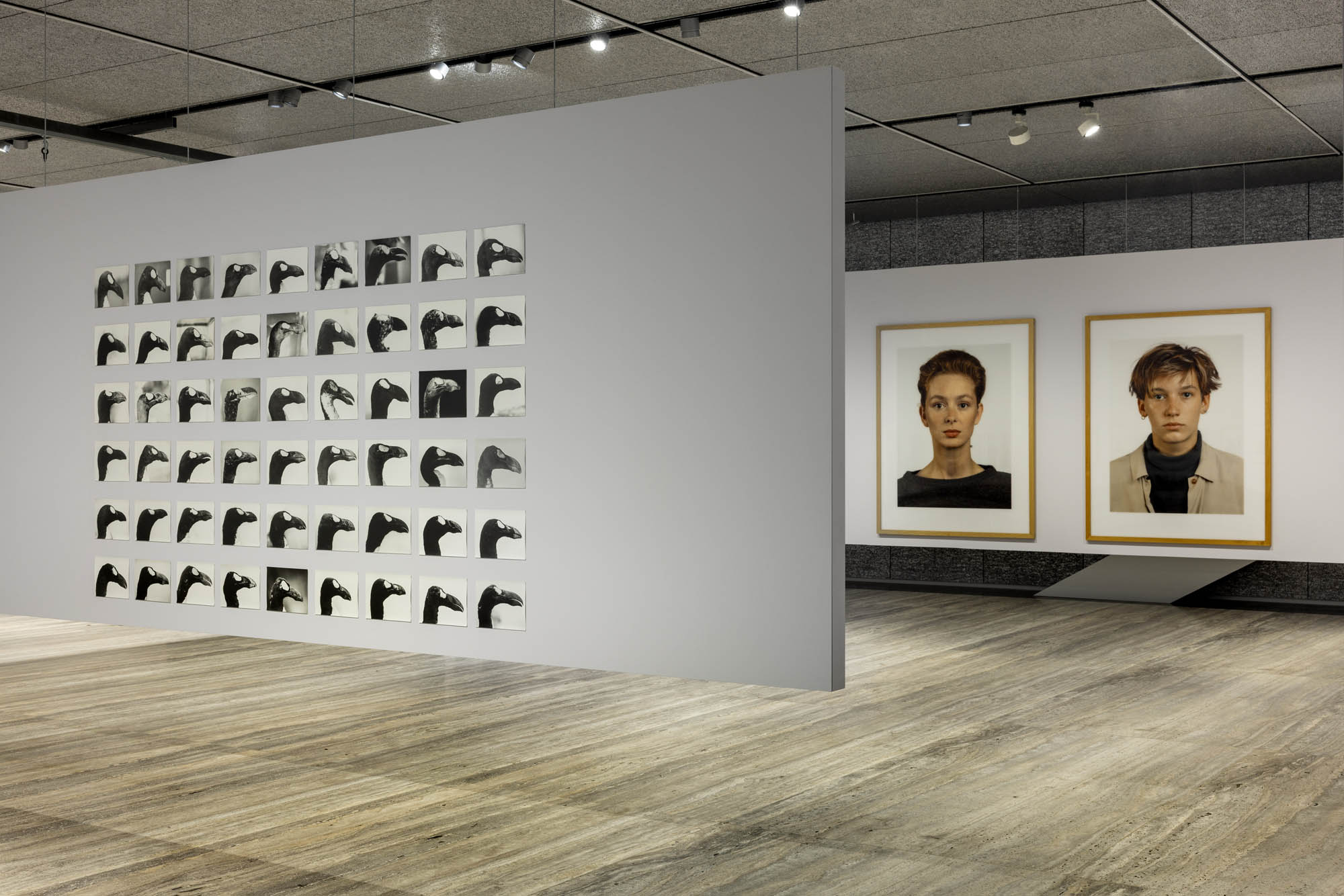
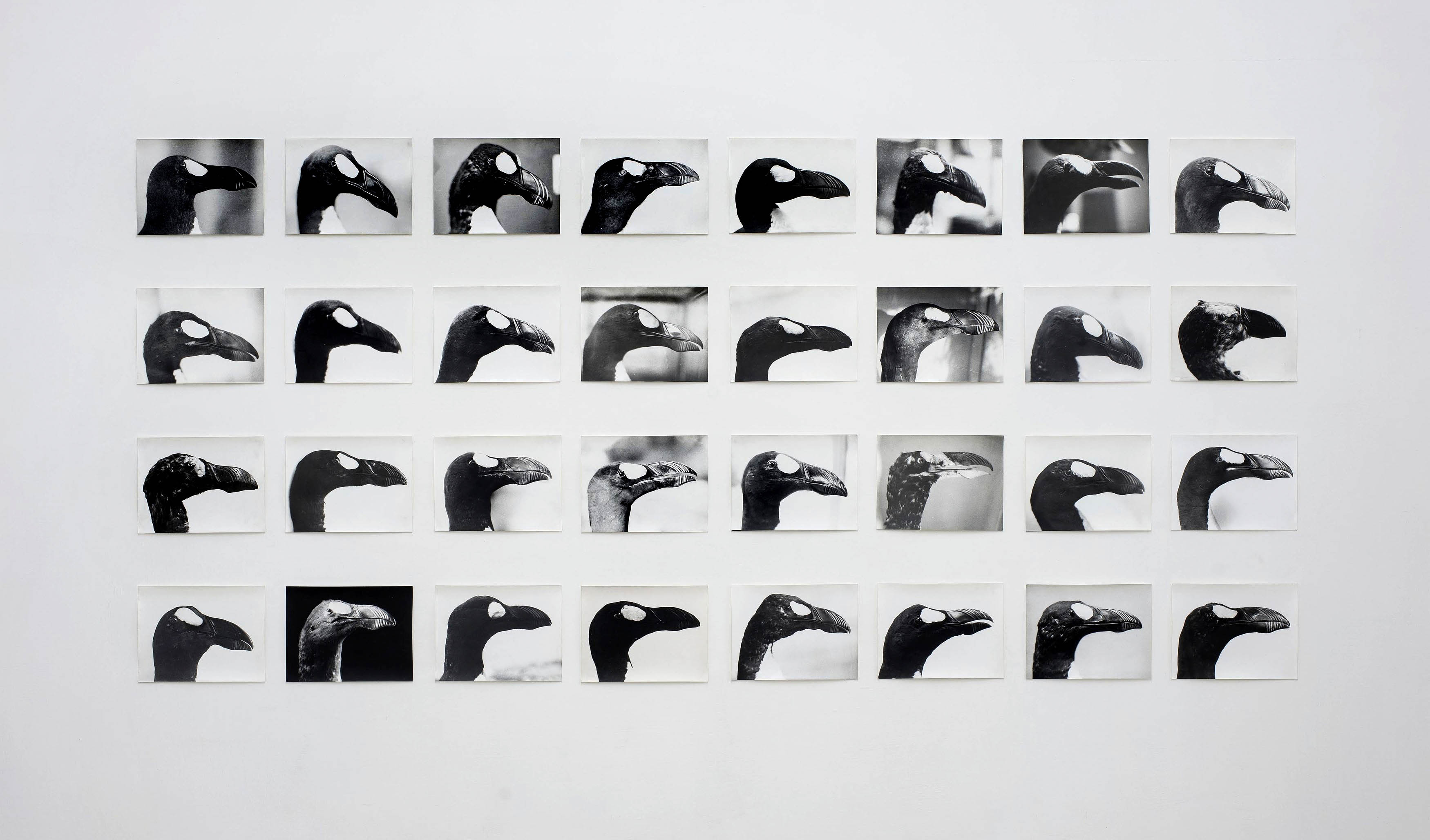

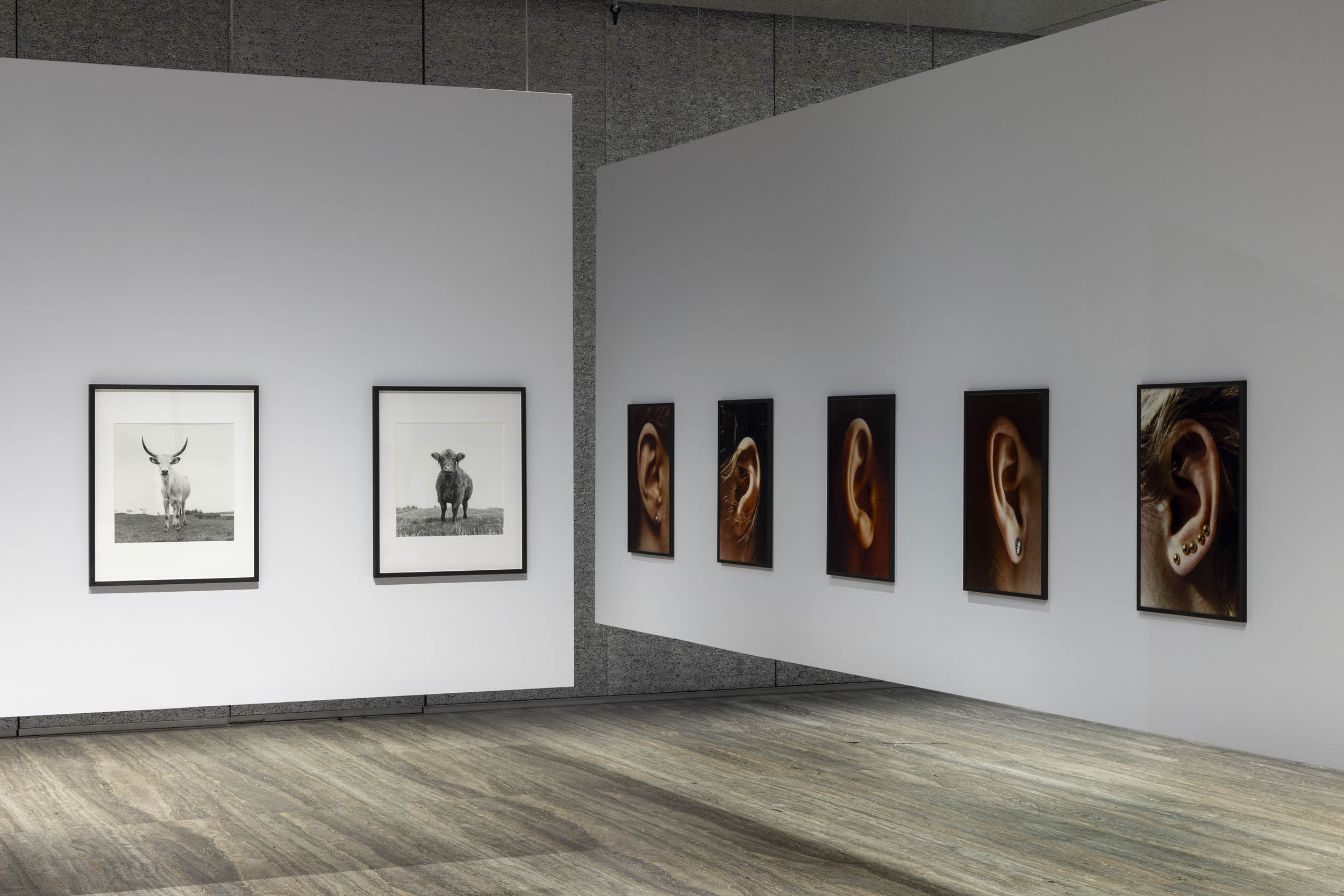
![Ursula Böhmer (German, b. 1965) 'Highland Grampians / Scotland [All Ladies – Cows in Europe]' 2011](https://artblart.com/wp-content/uploads/2025/06/21-typologien_ursula-bohmer_sm.jpg "Ursula Böhmer (German, b. 1965) 'Highland Grampians / Scotland [All Ladies – Cows in Europe]' 2011")
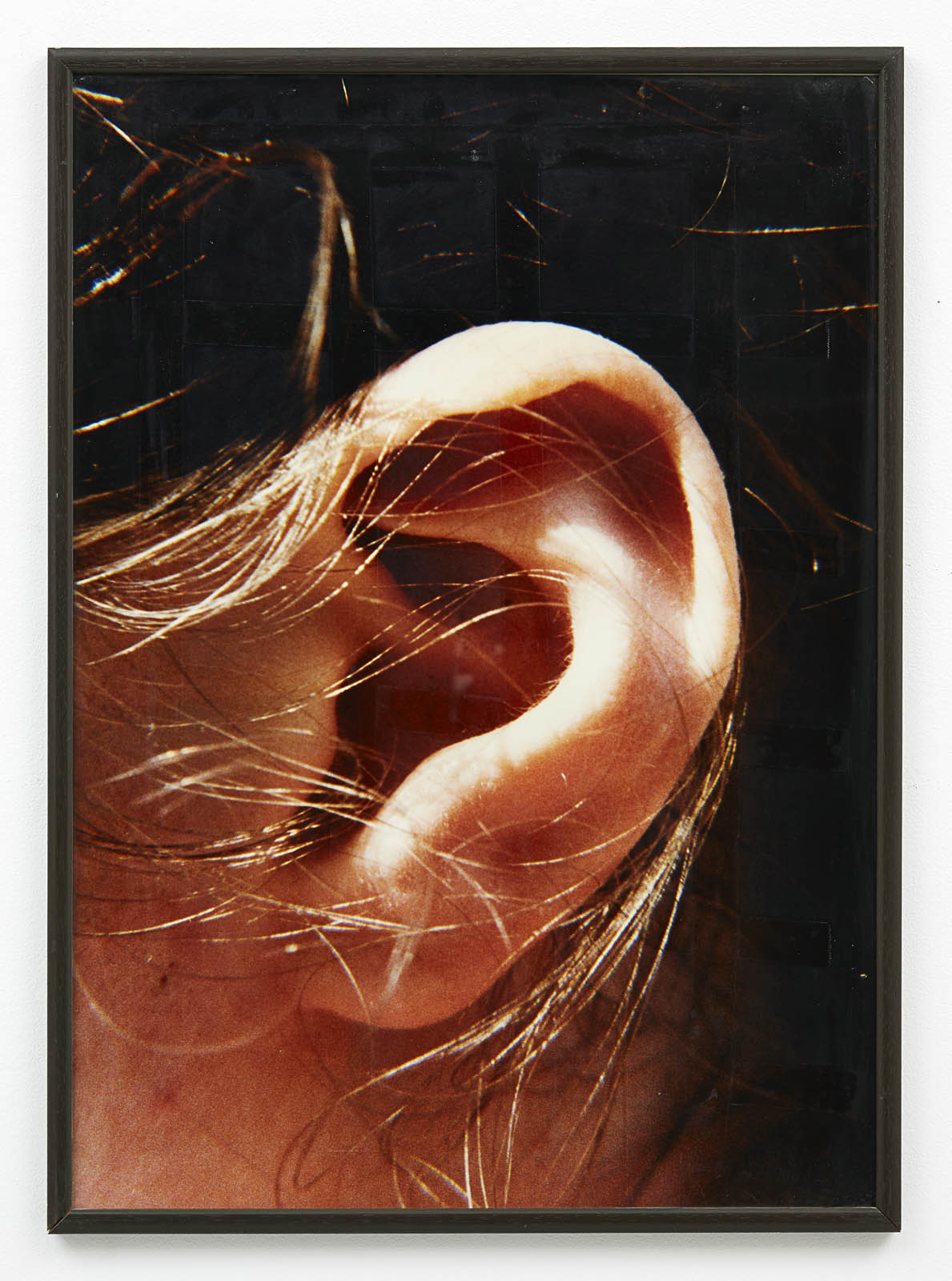
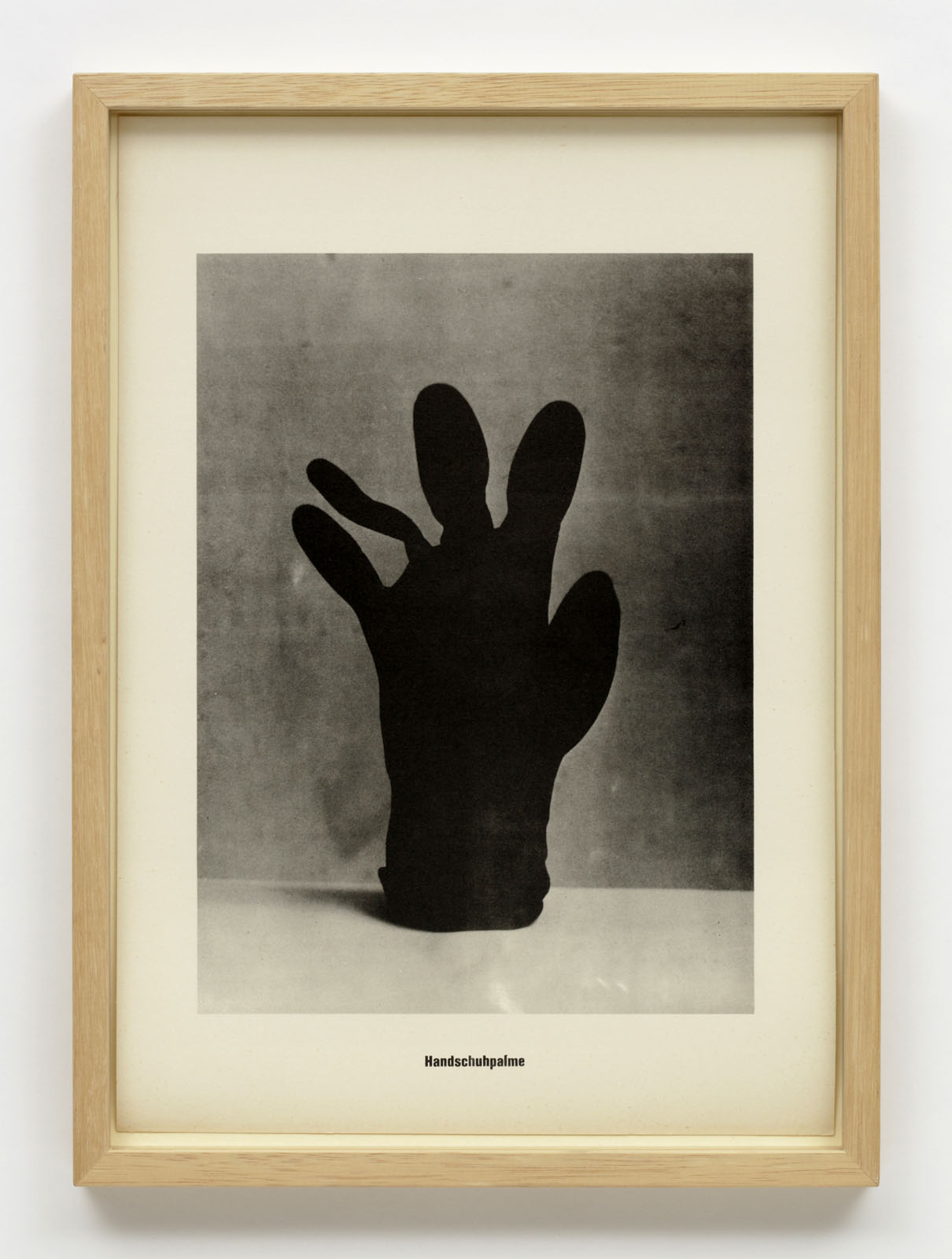
![Lotte Jacobi (American born Poland, 1896-1990) 'Folkwang-Auriga-Verlag, Orch 152. Neottia nidus avis. Vogel-Nestwurz, einzelne Blüte' [Bird's-nest orchid, single flower] c. 1930](https://artblart.com/wp-content/uploads/2025/06/4-typologien_lotte-jacobi_sm.jpg "Lotte Jacobi (American born Poland, 1896-1990) 'Folkwang-Auriga-Verlag, Orch 152. Neottia nidus avis. Vogel-Nestwurz, einzelne Blüte' [Bird's-nest orchid, single flower] c. 1930")
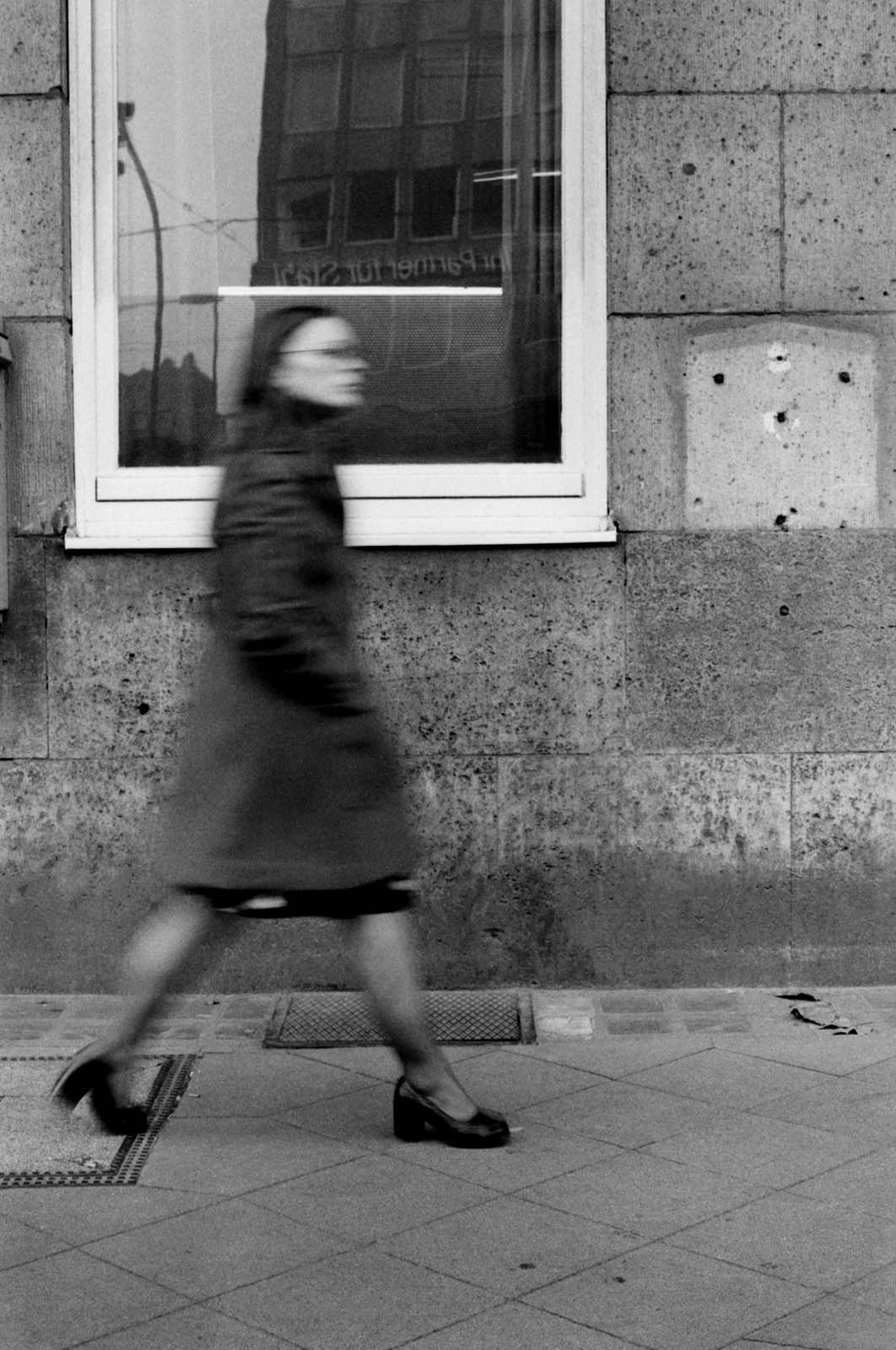
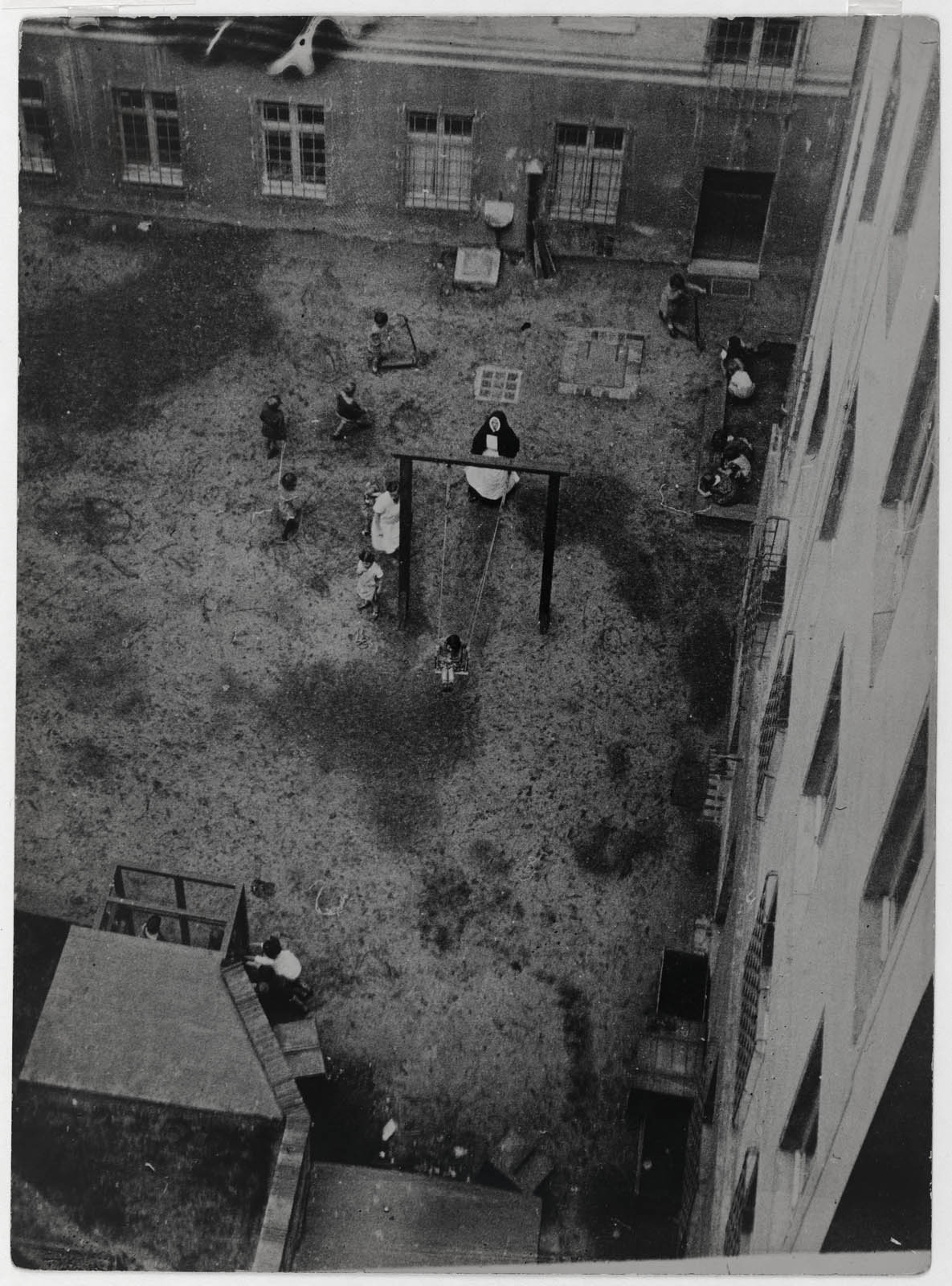
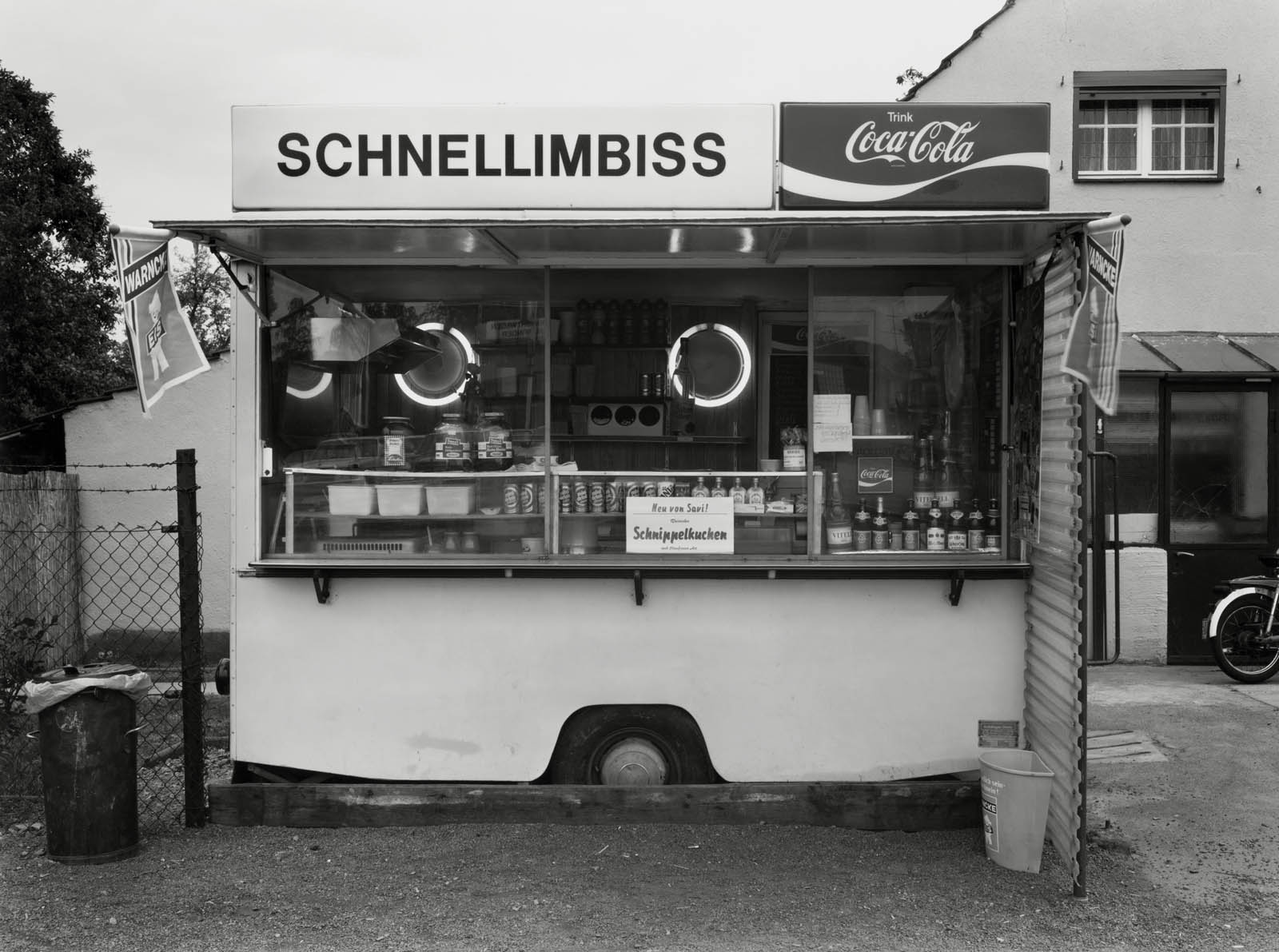
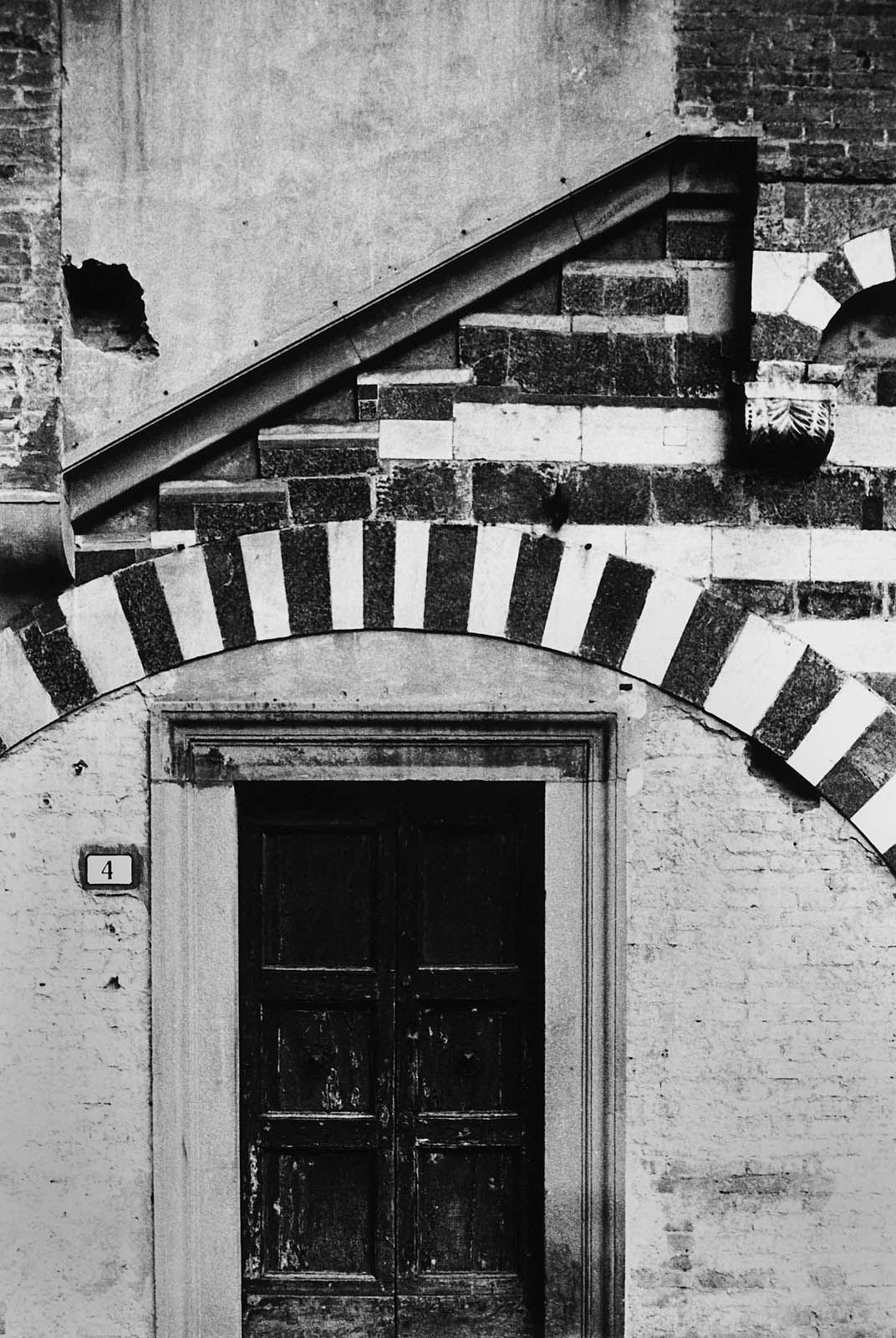
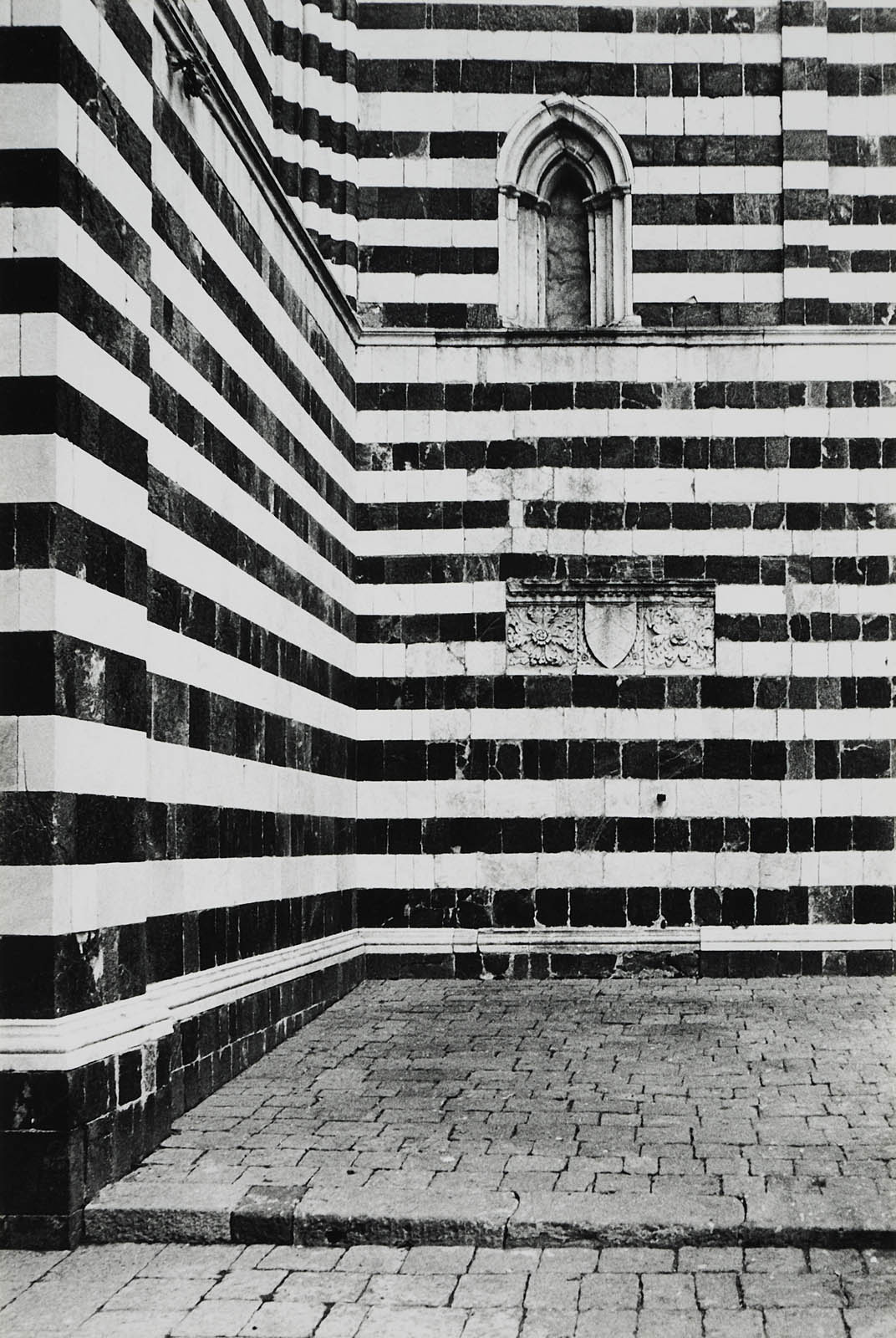
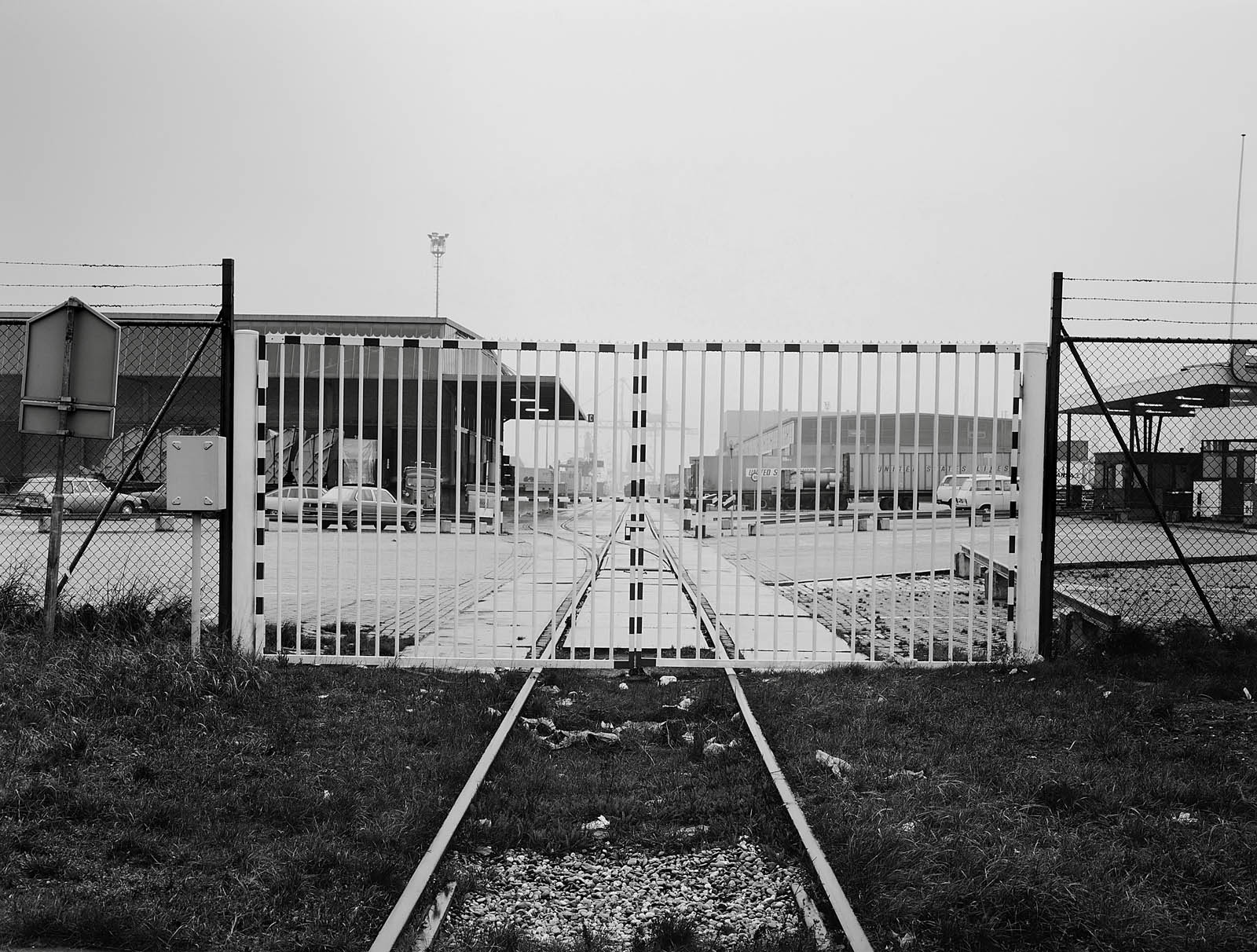
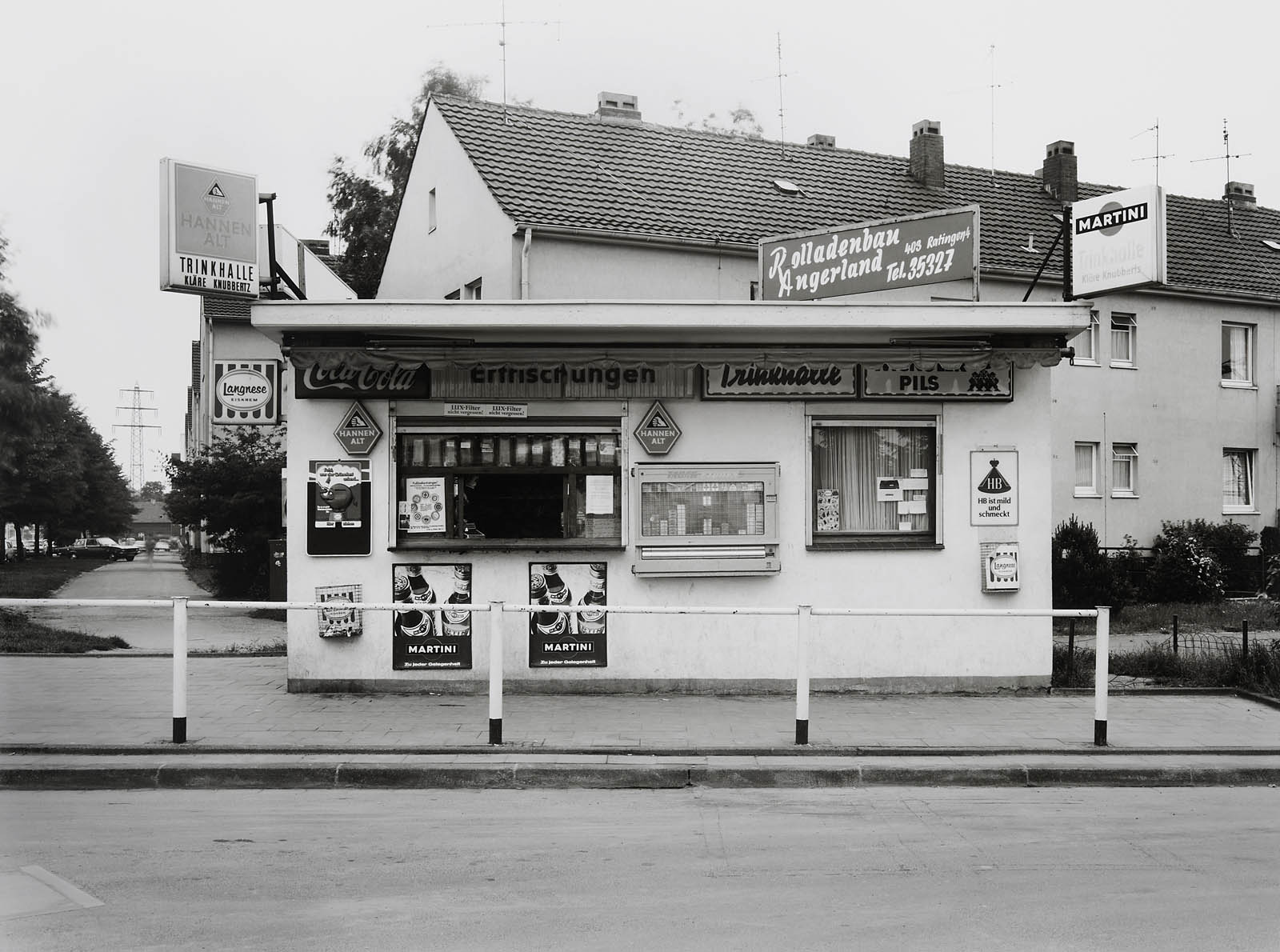
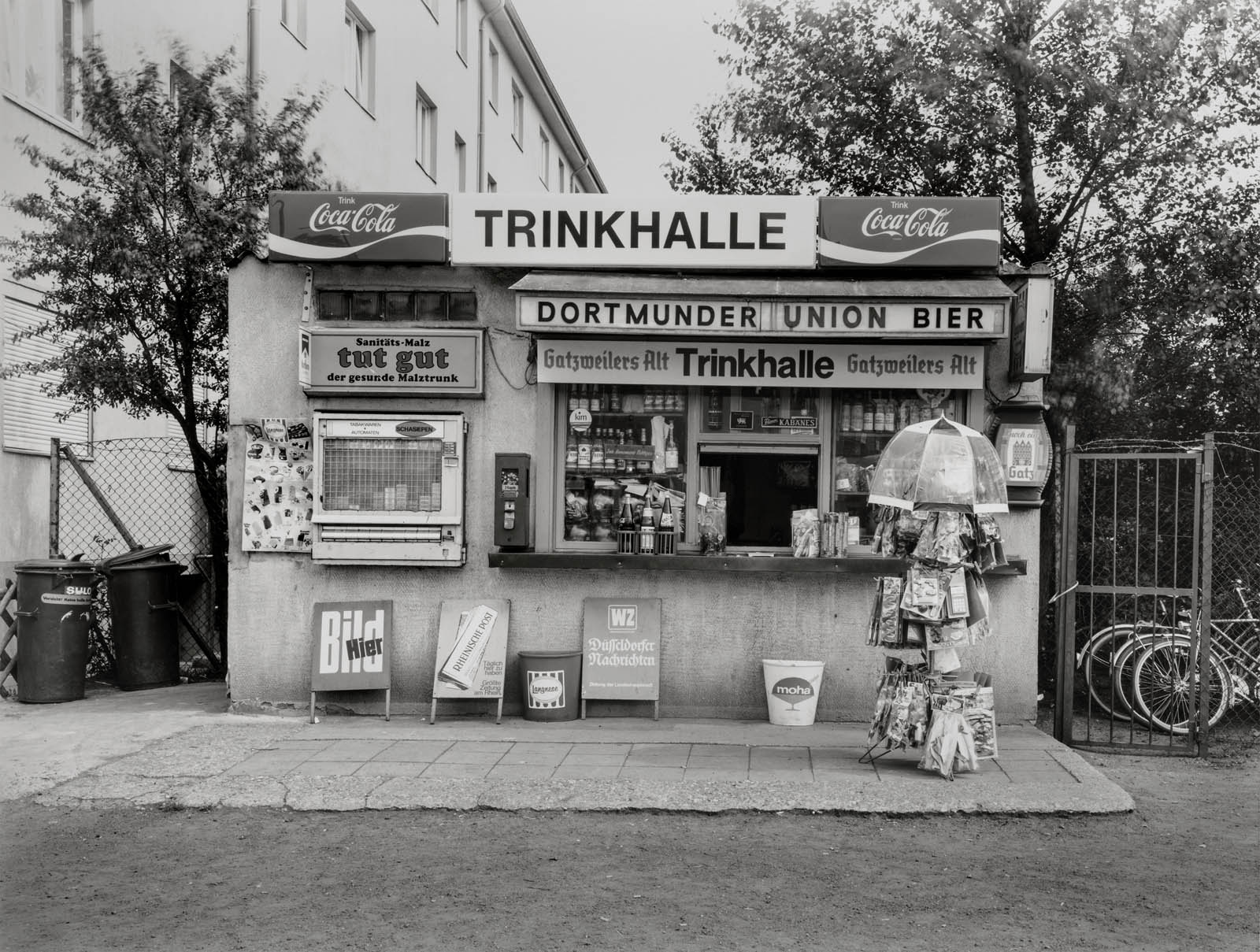
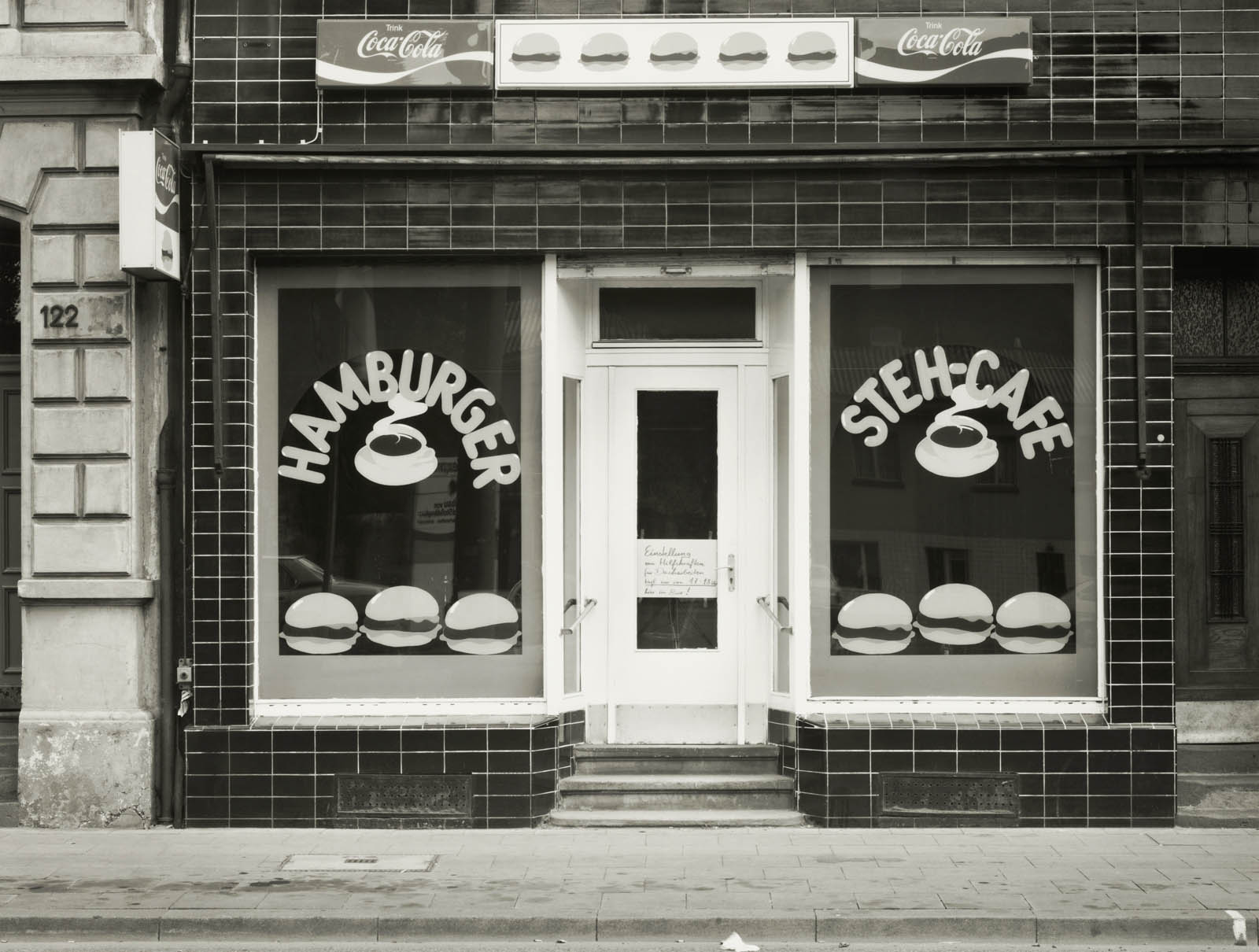
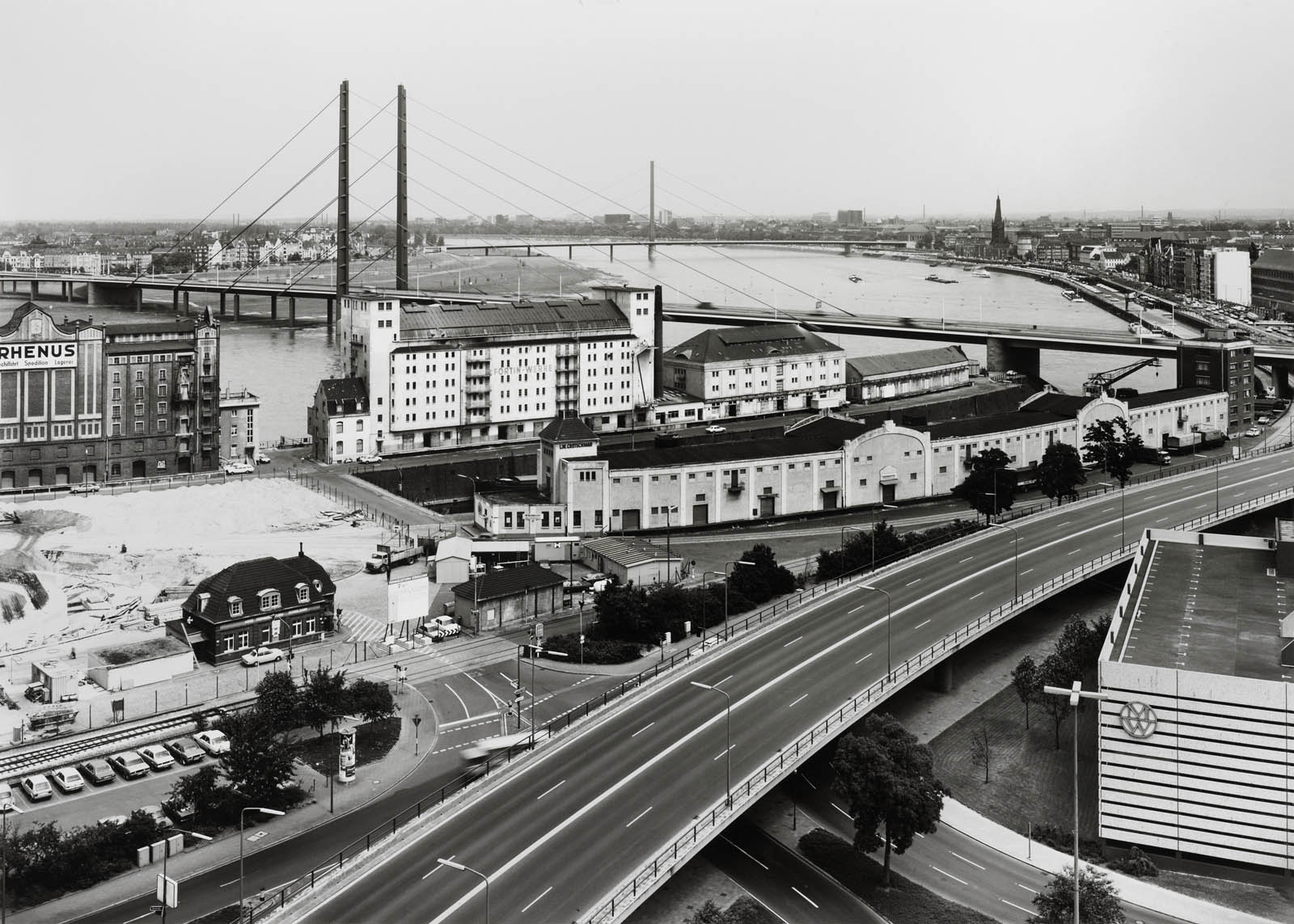
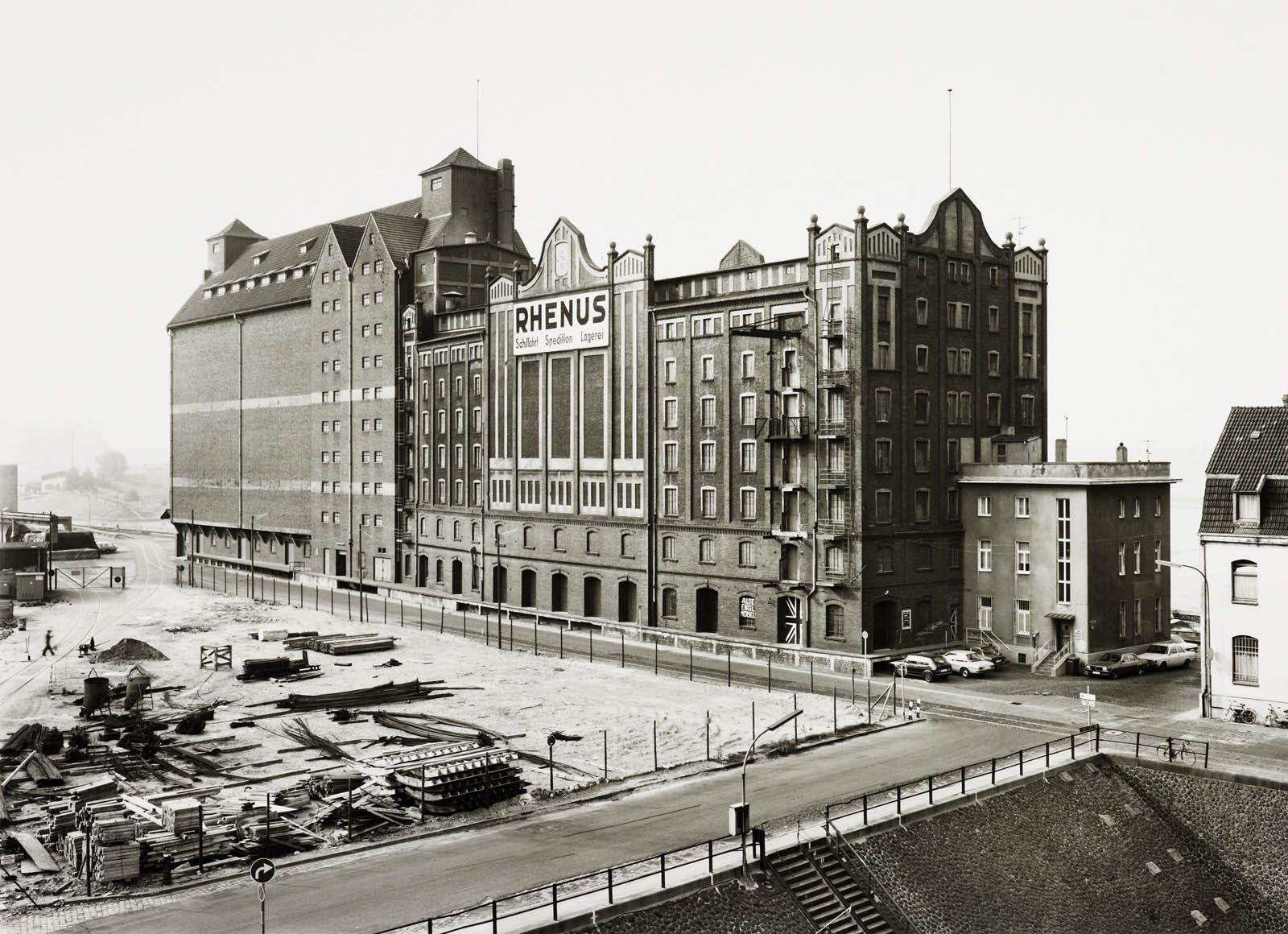
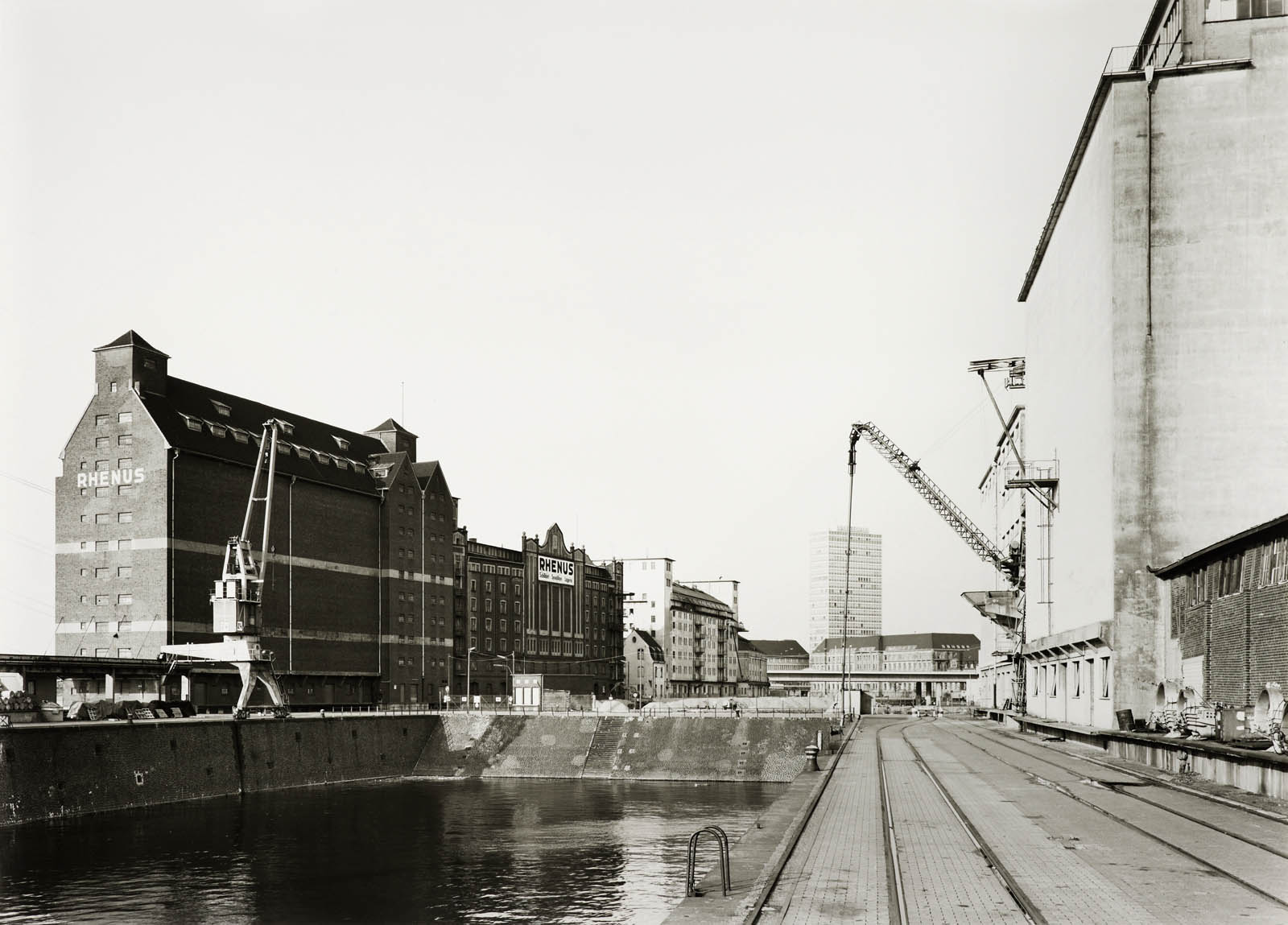
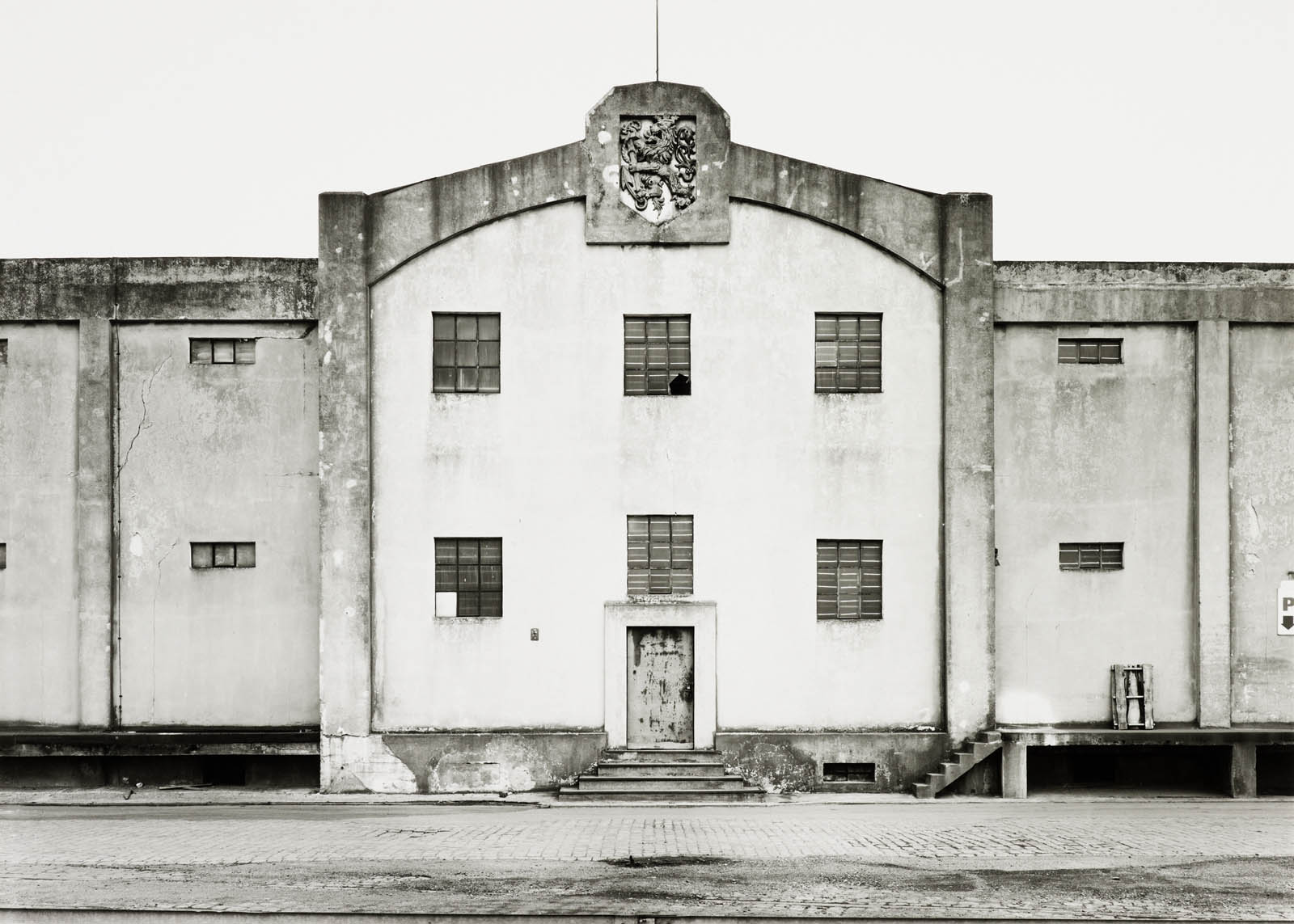
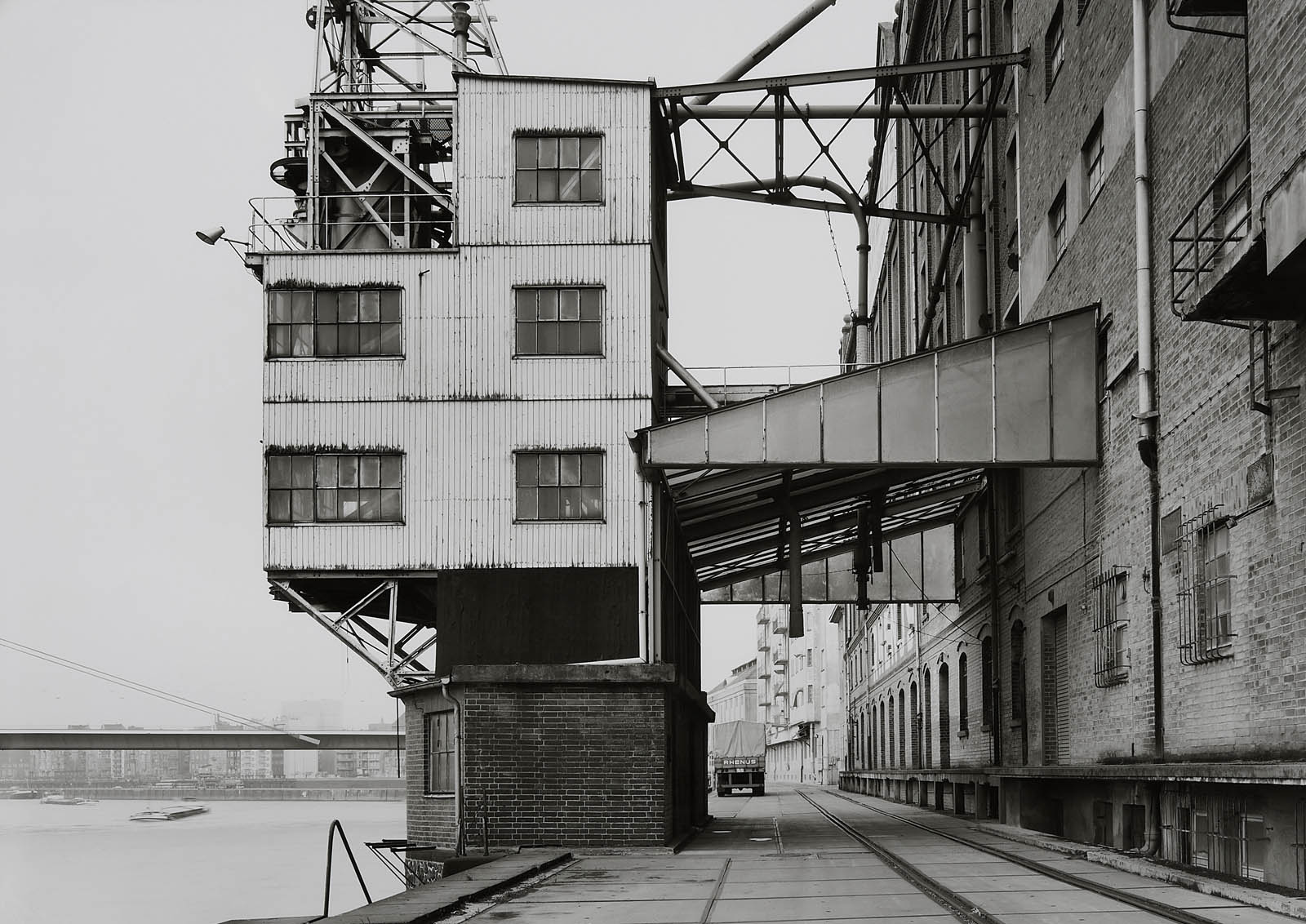
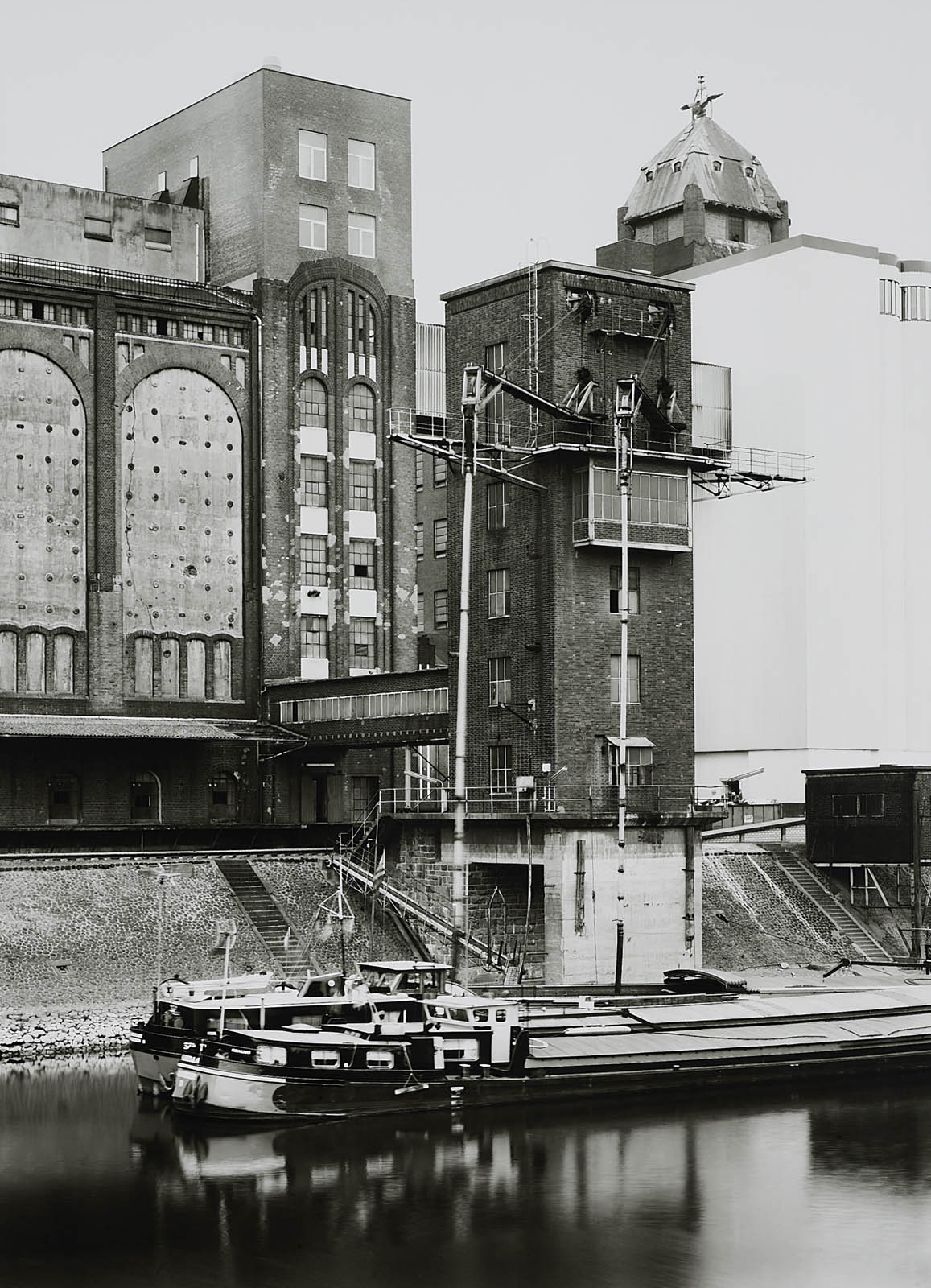
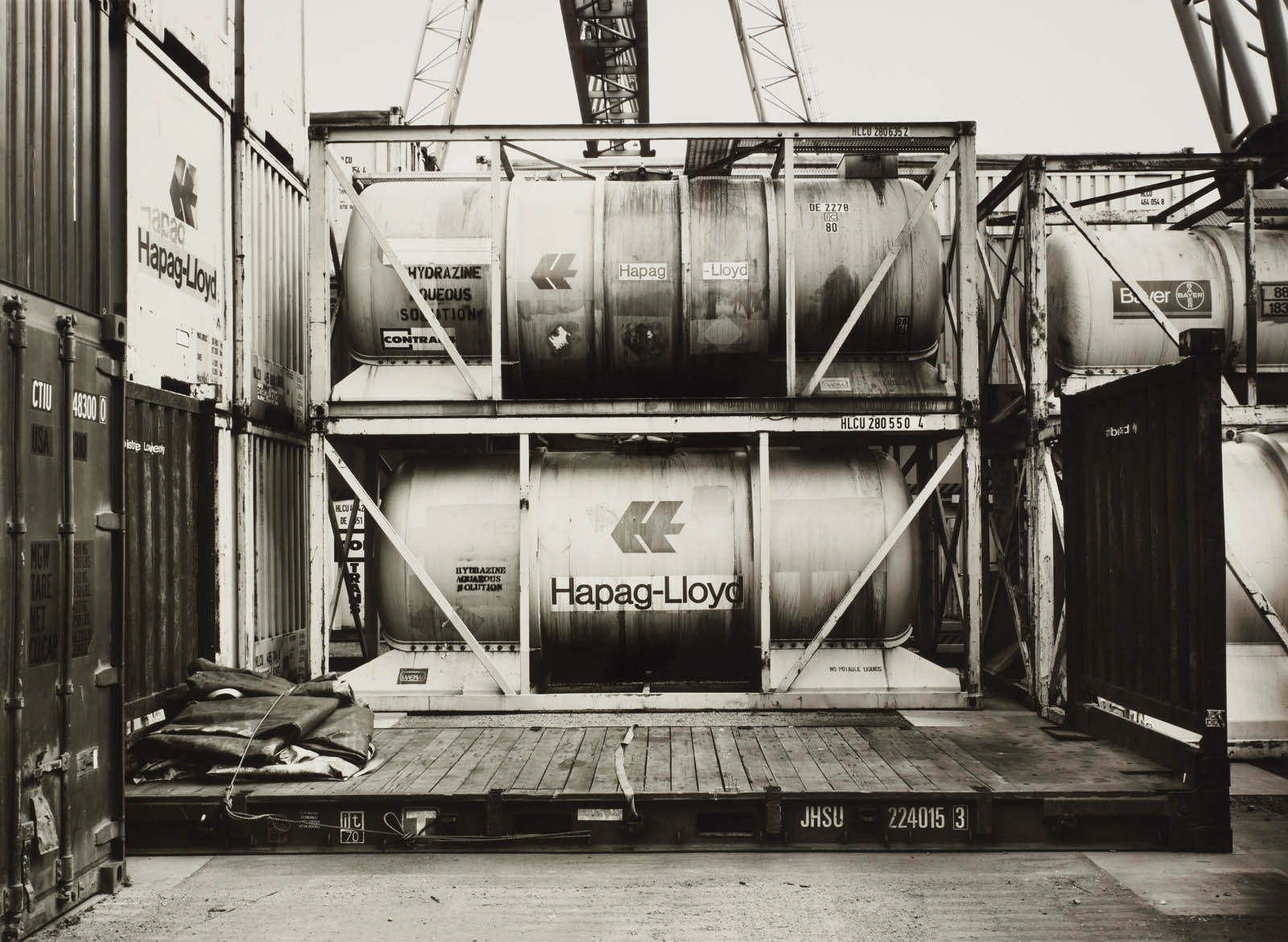
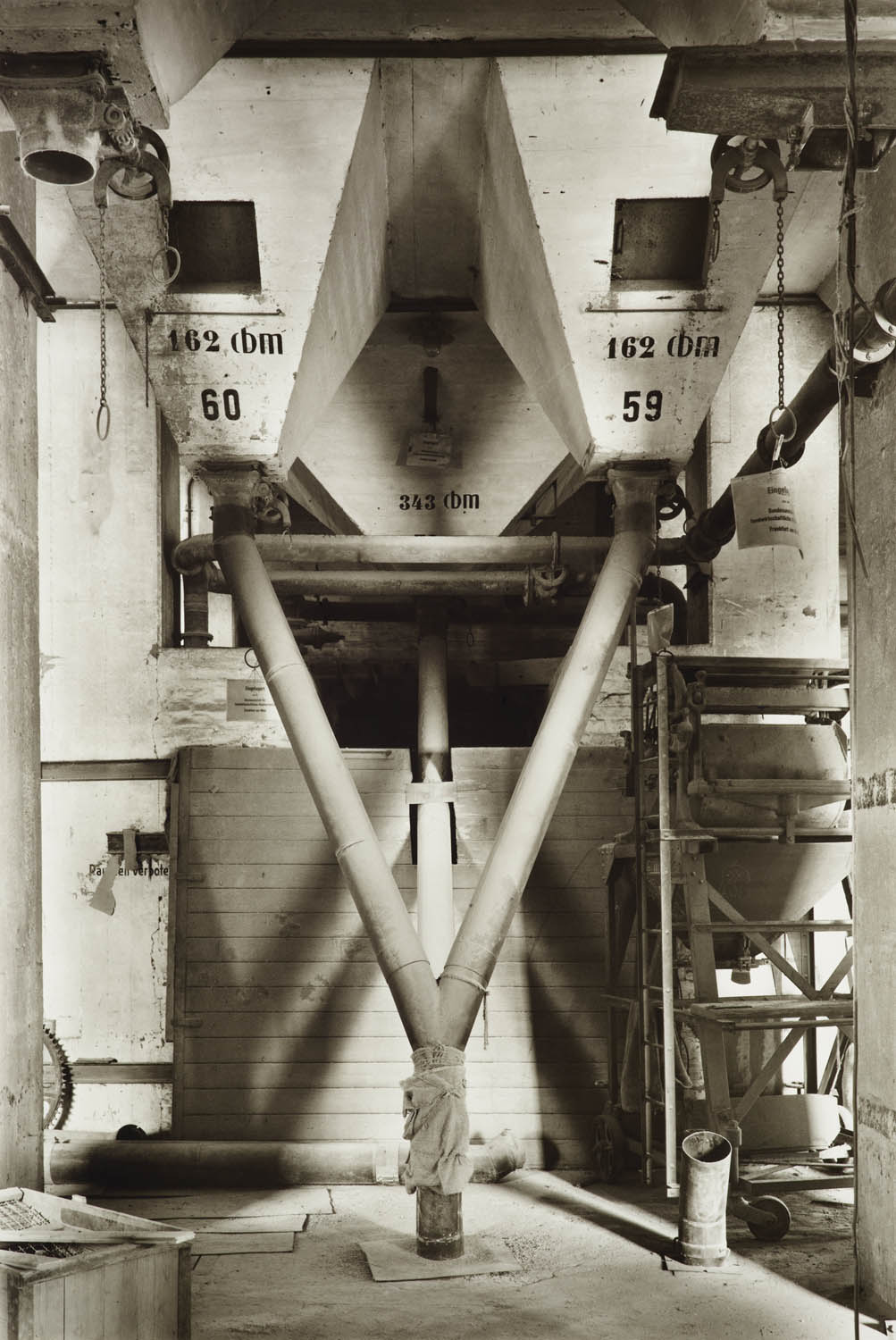
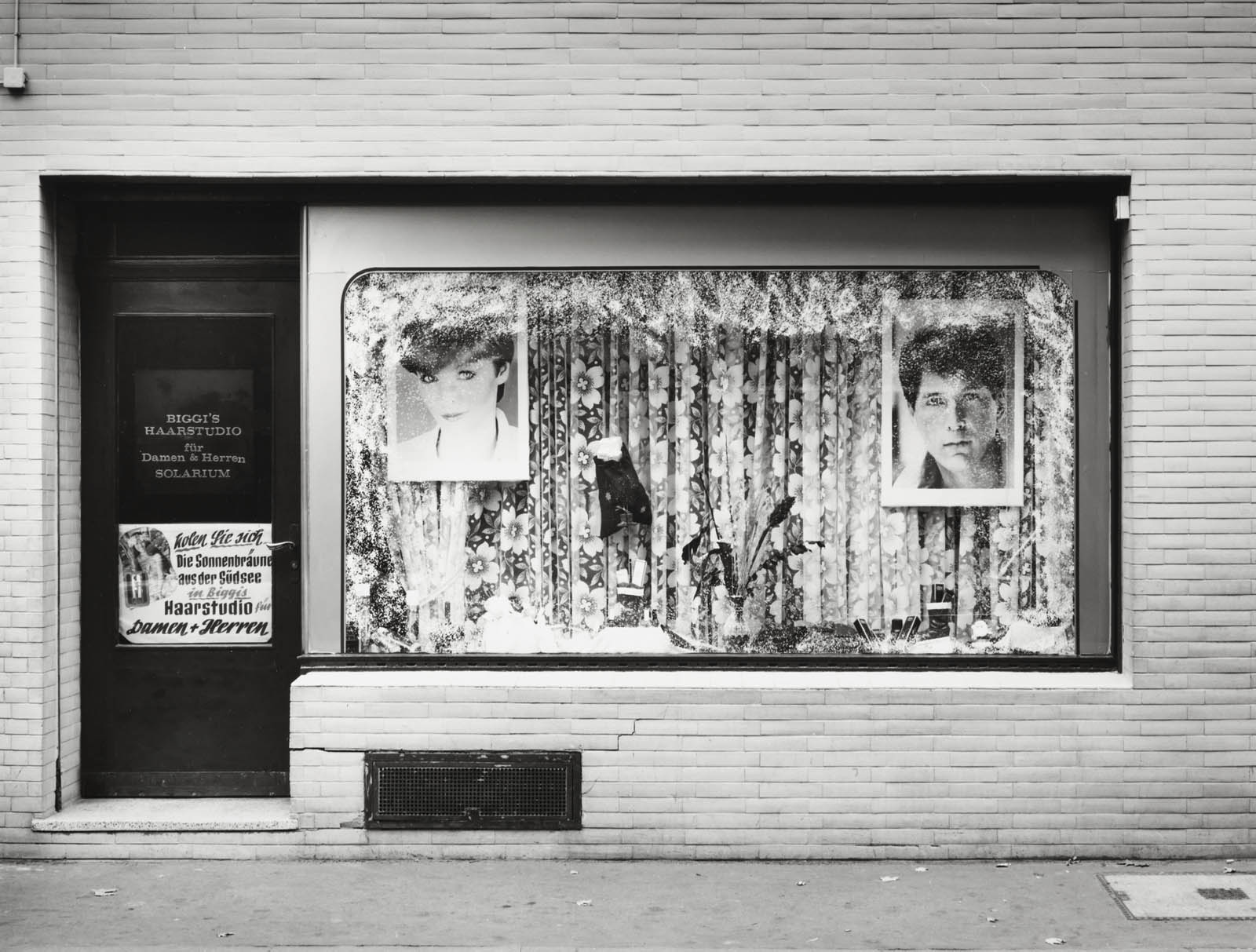
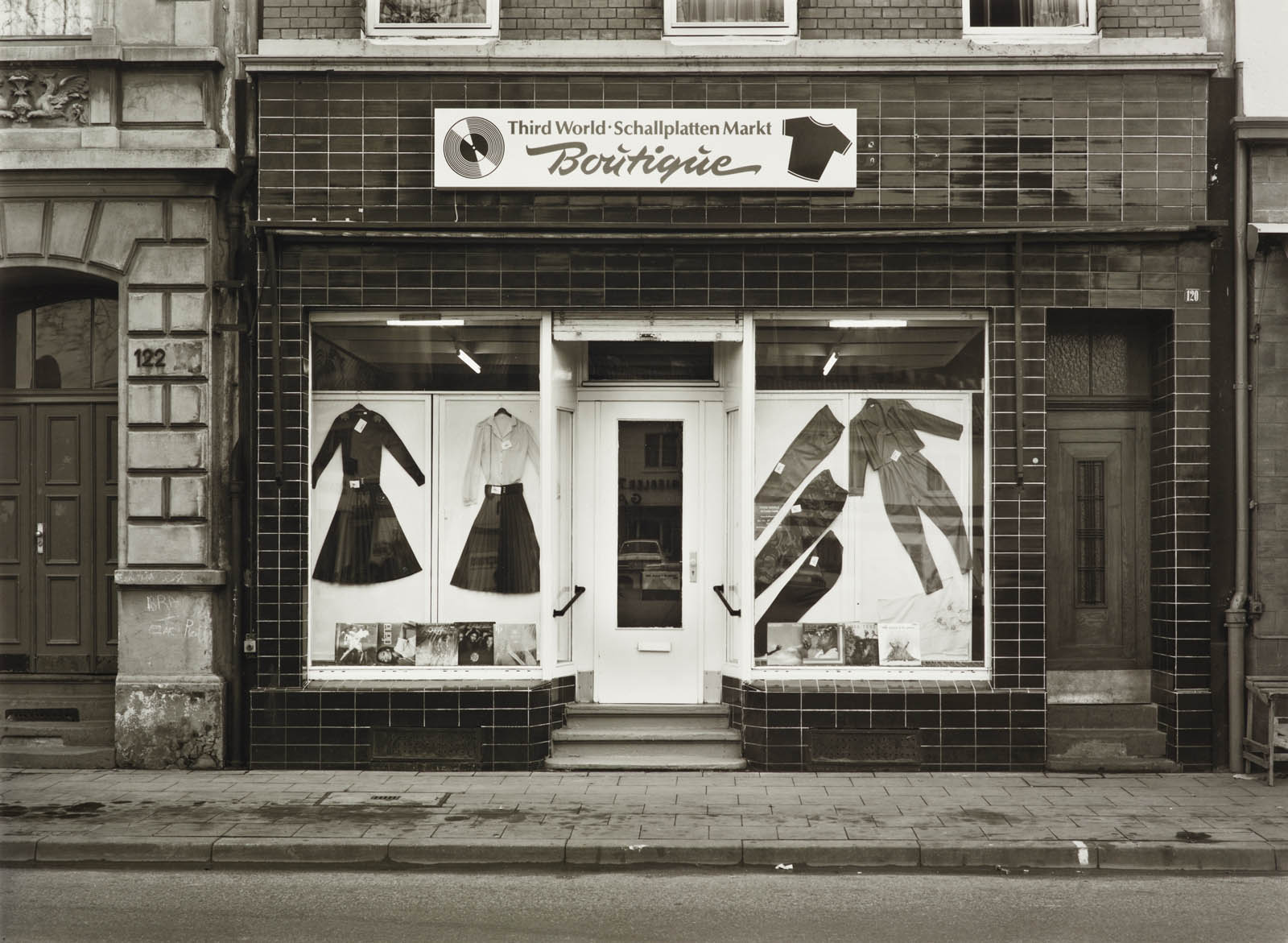
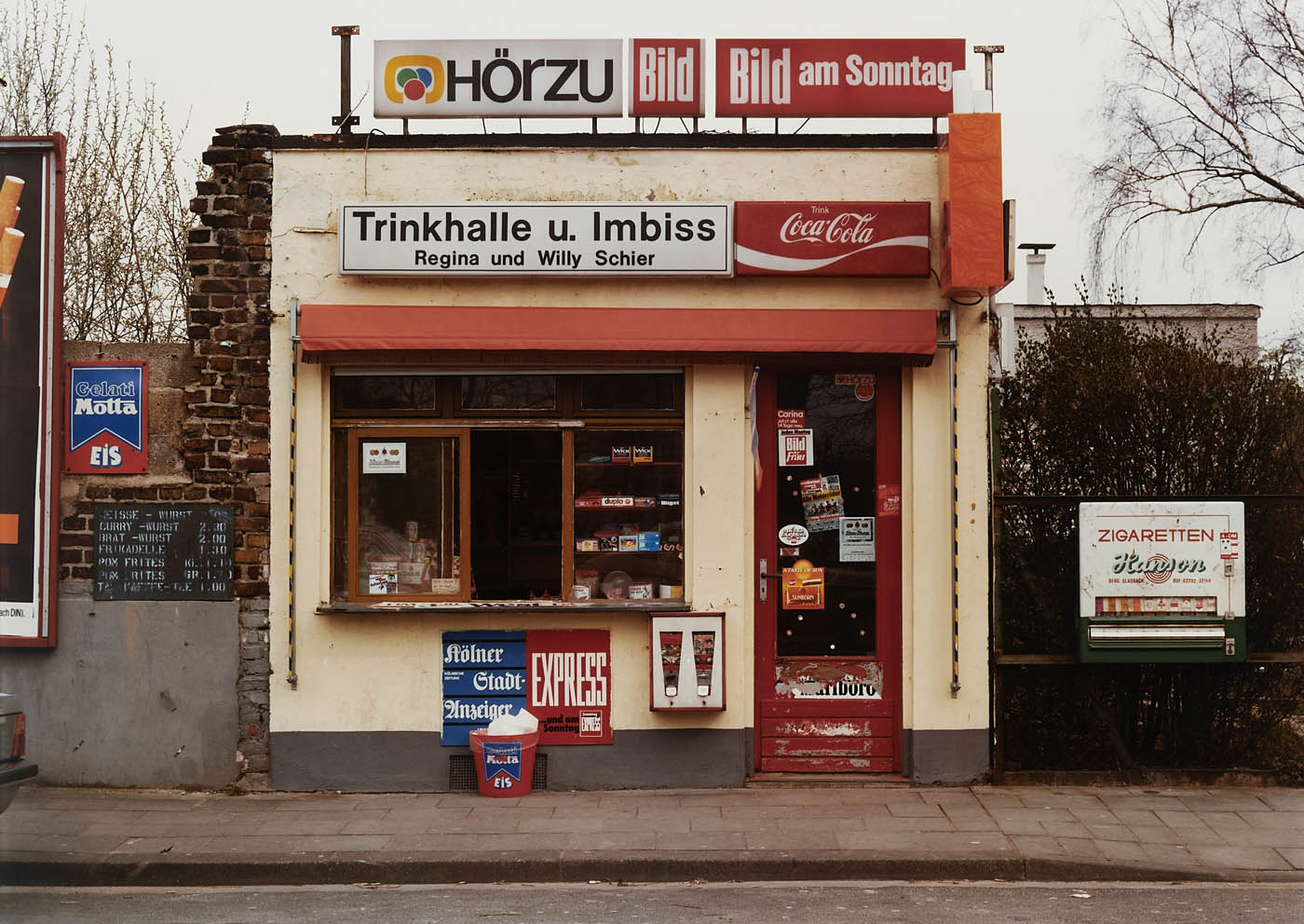
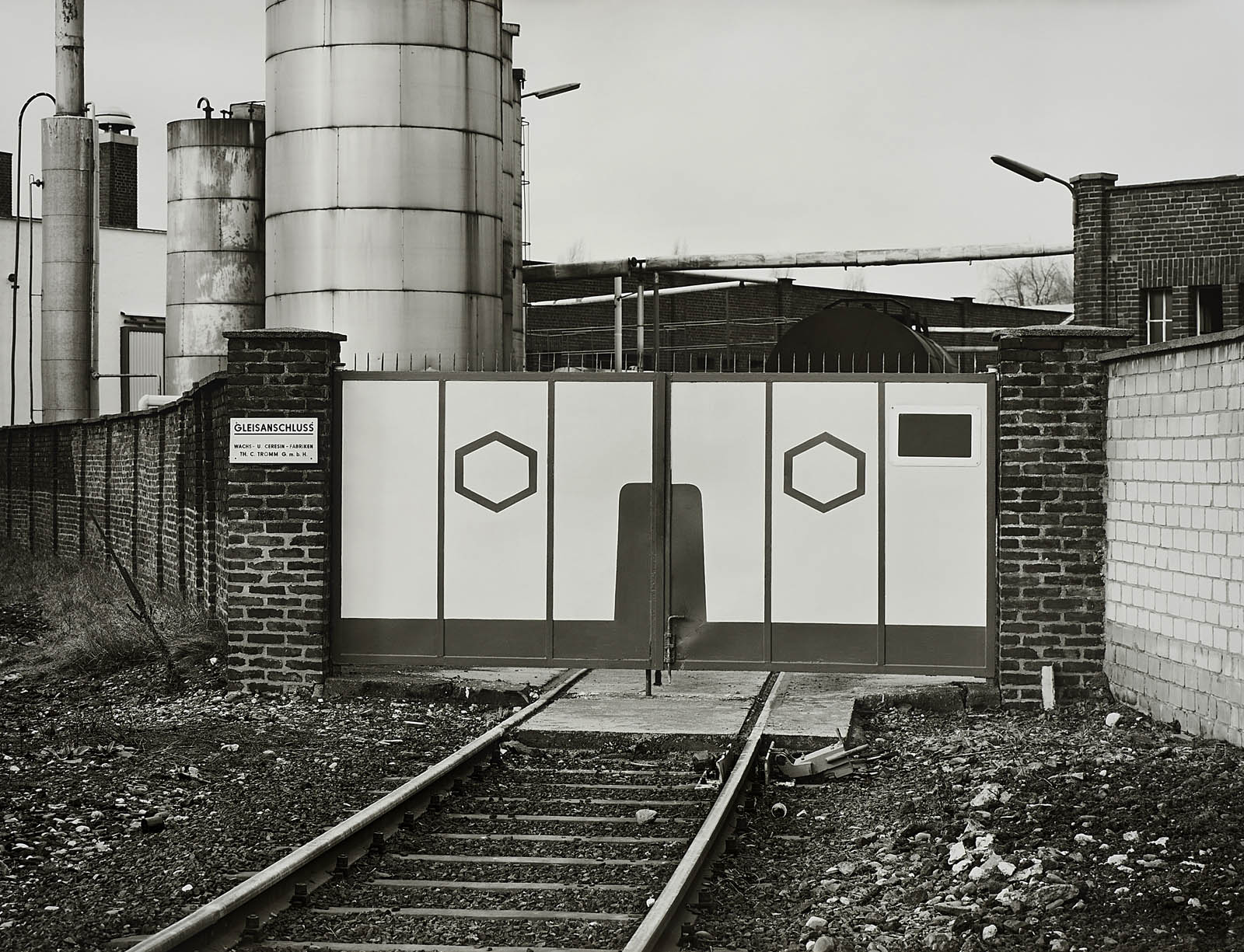
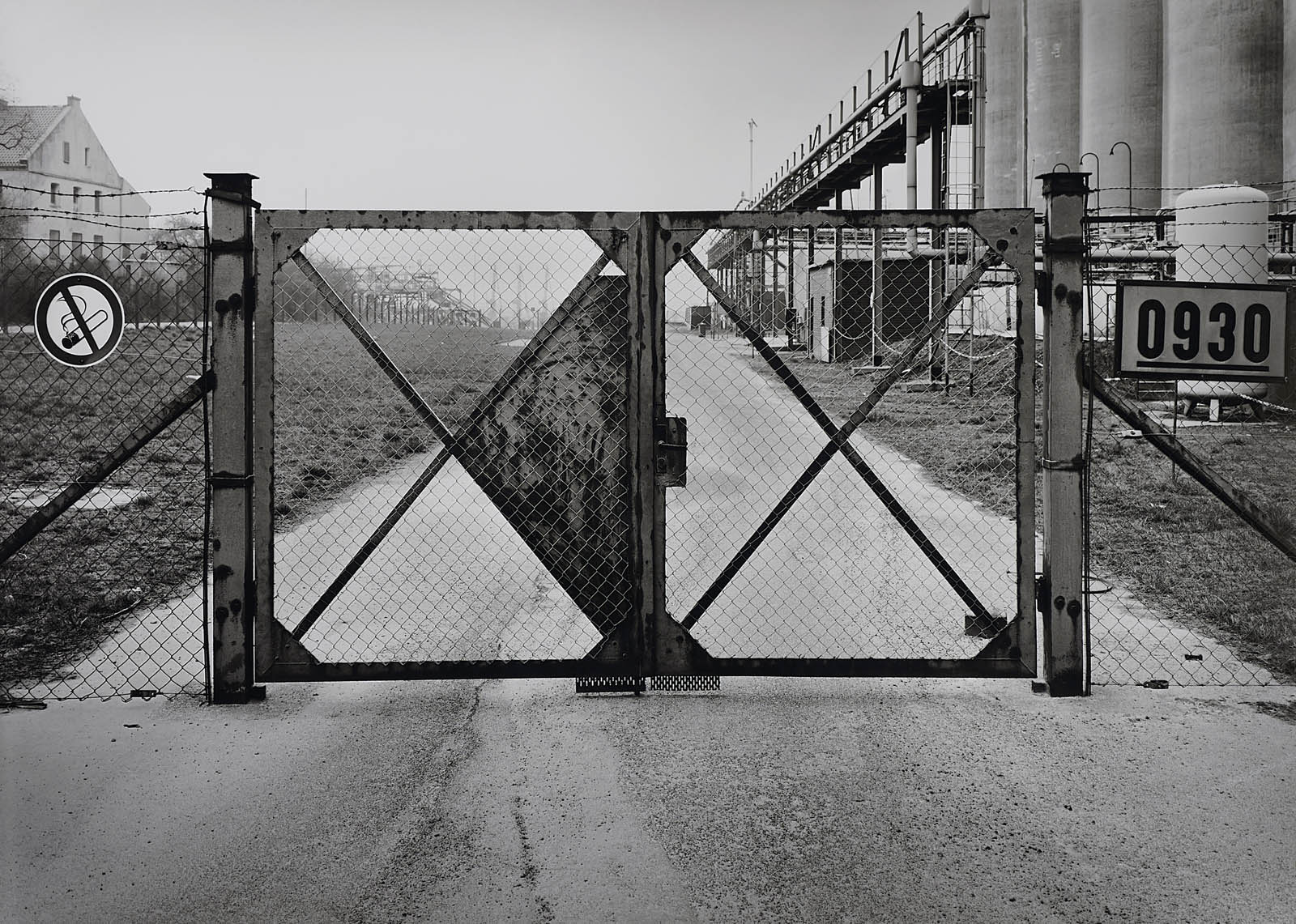


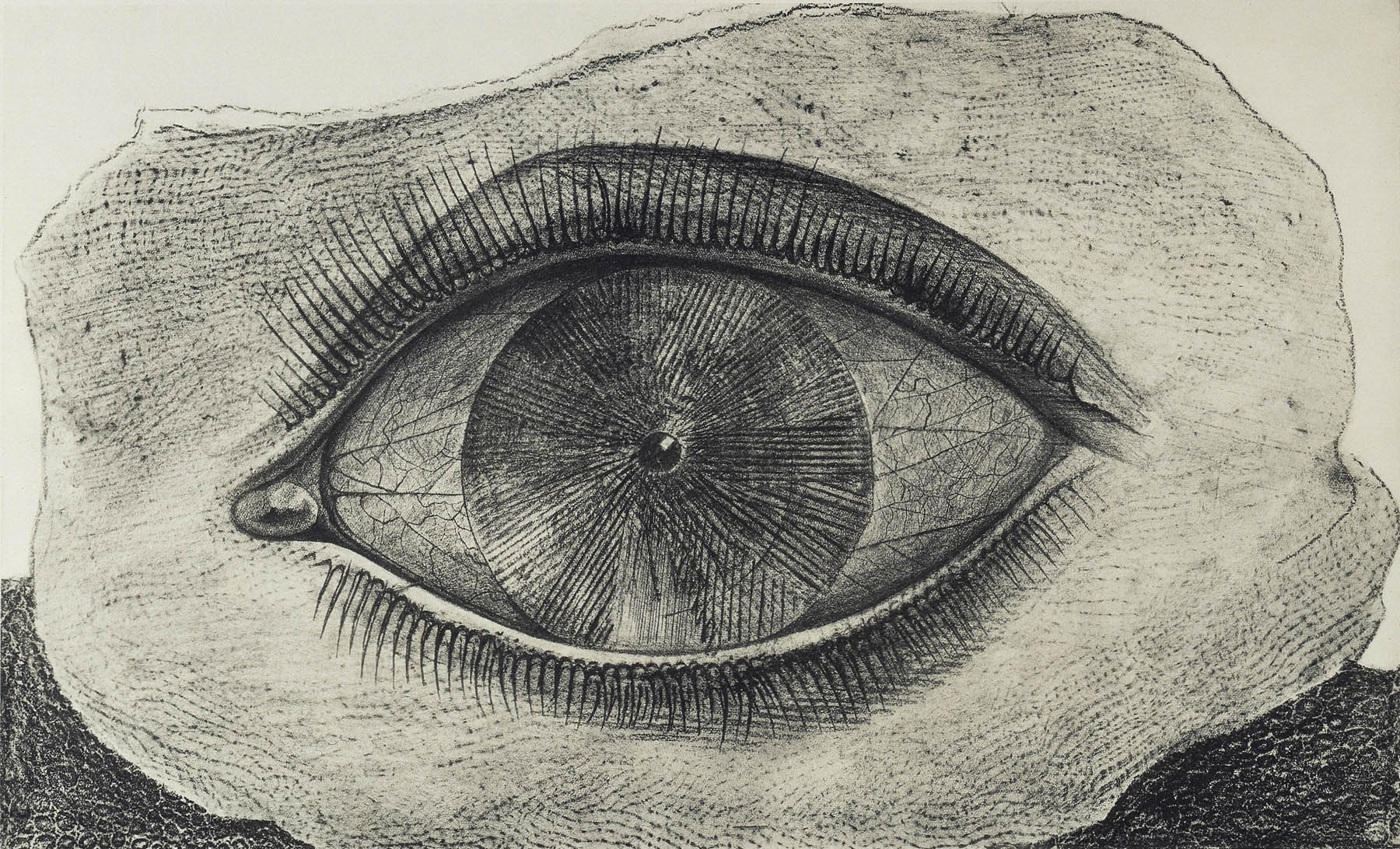








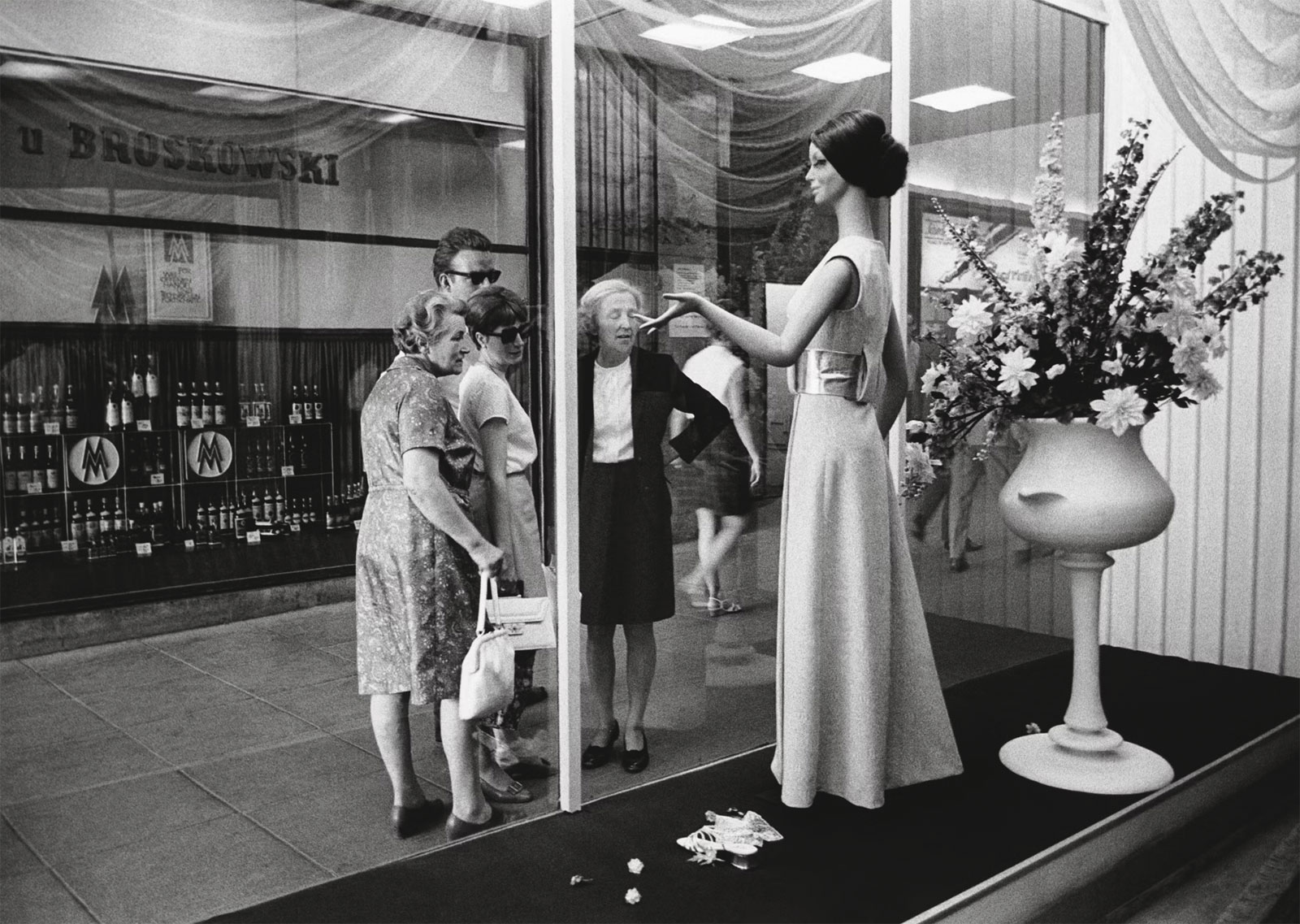
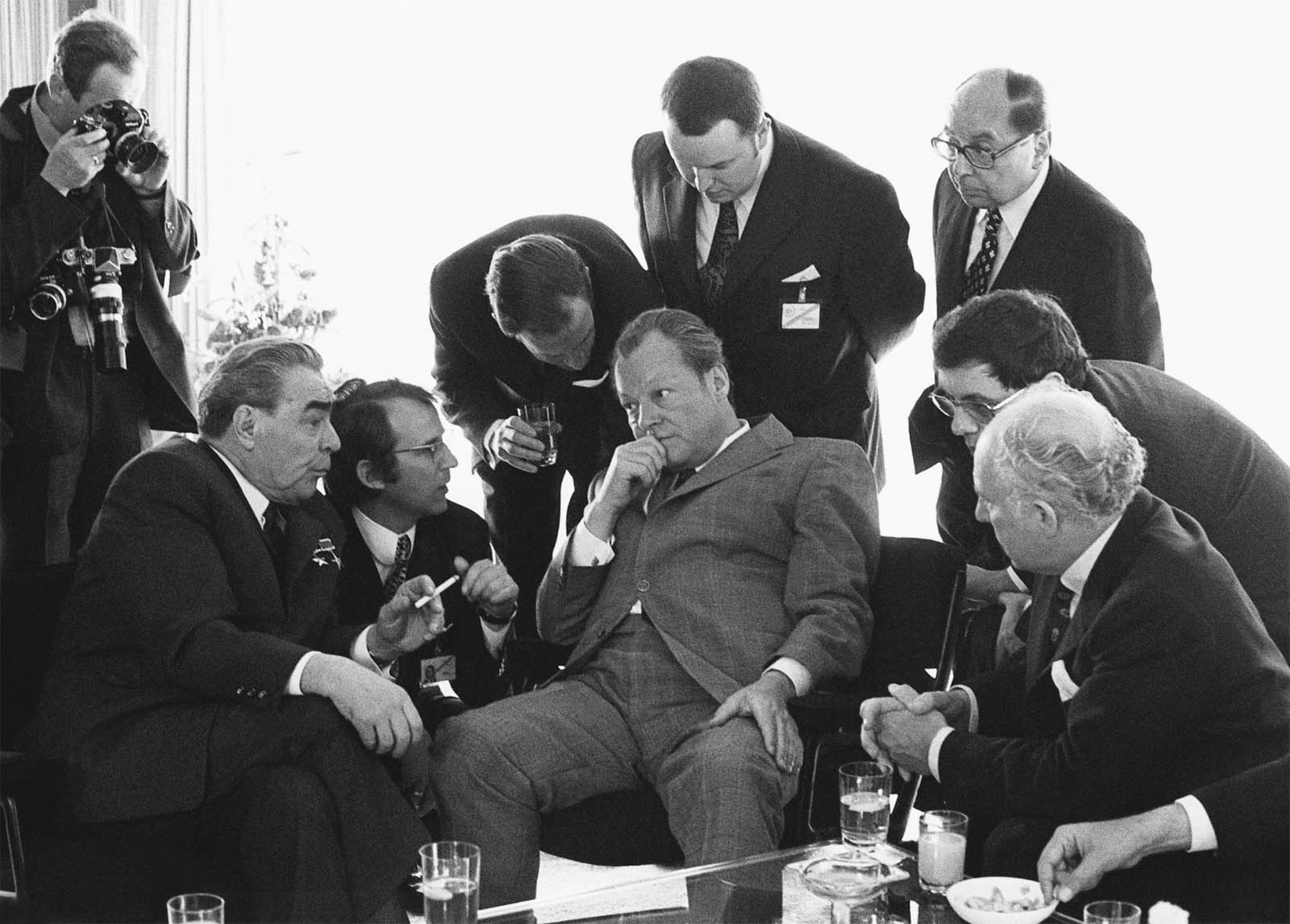


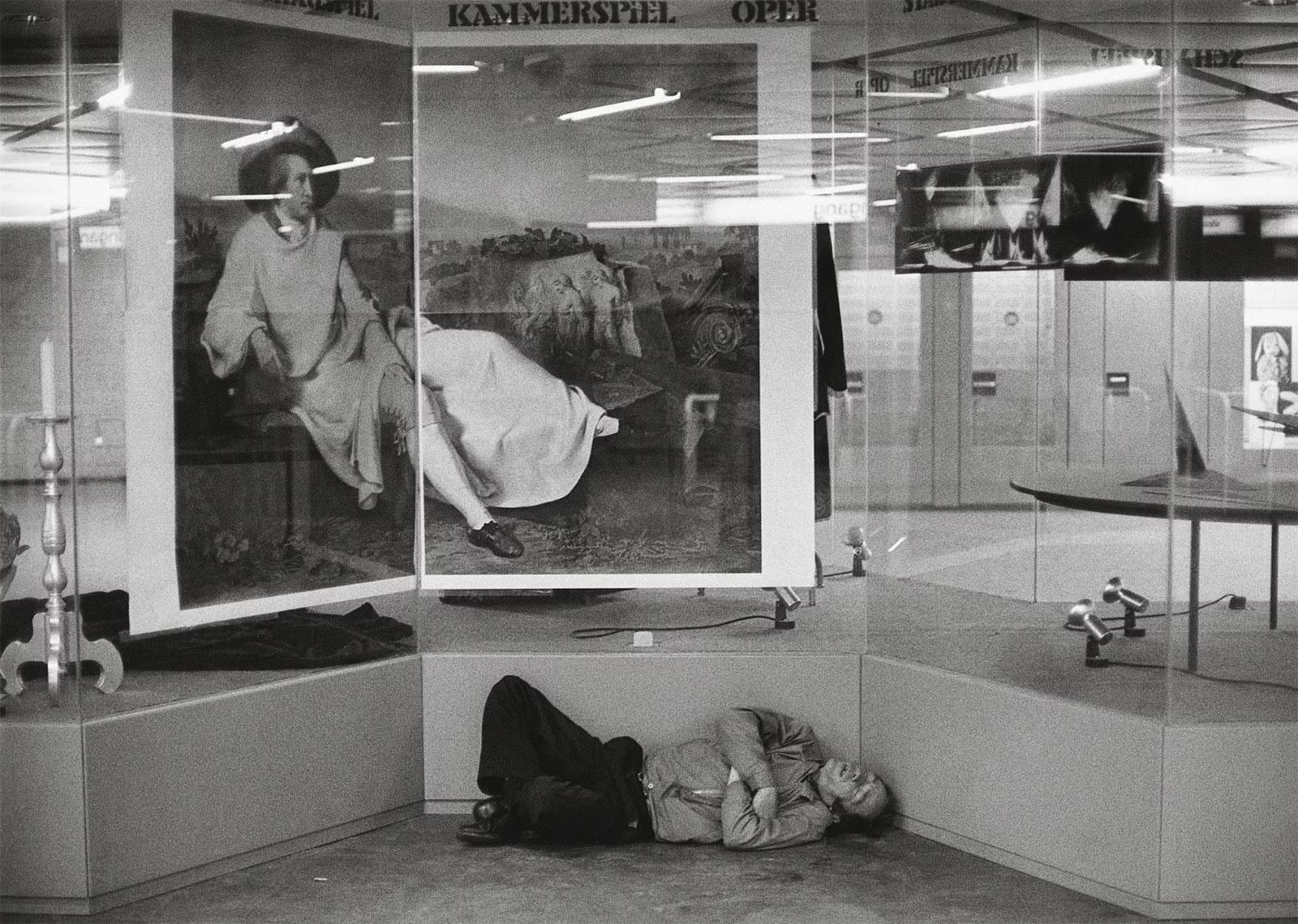

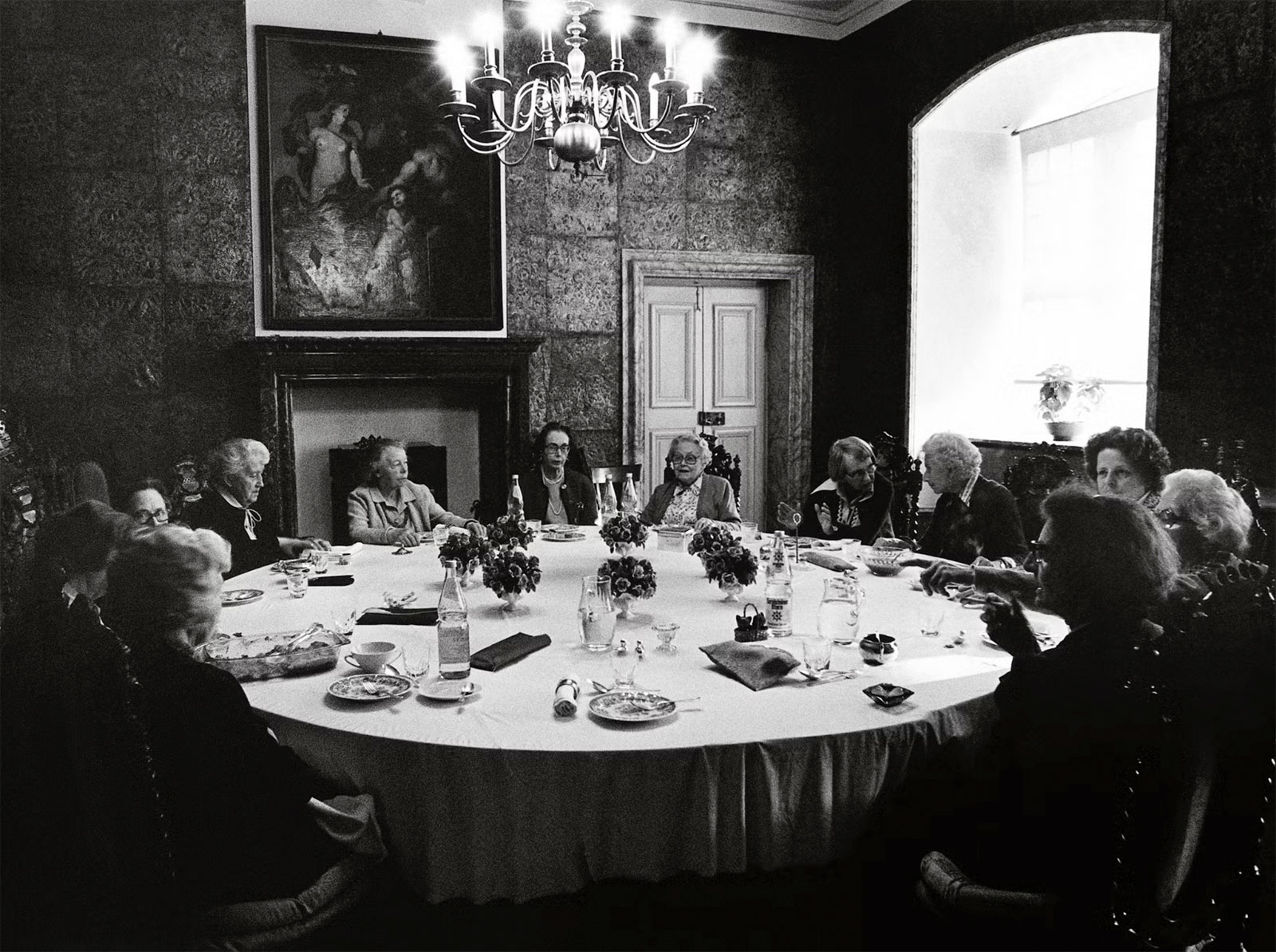
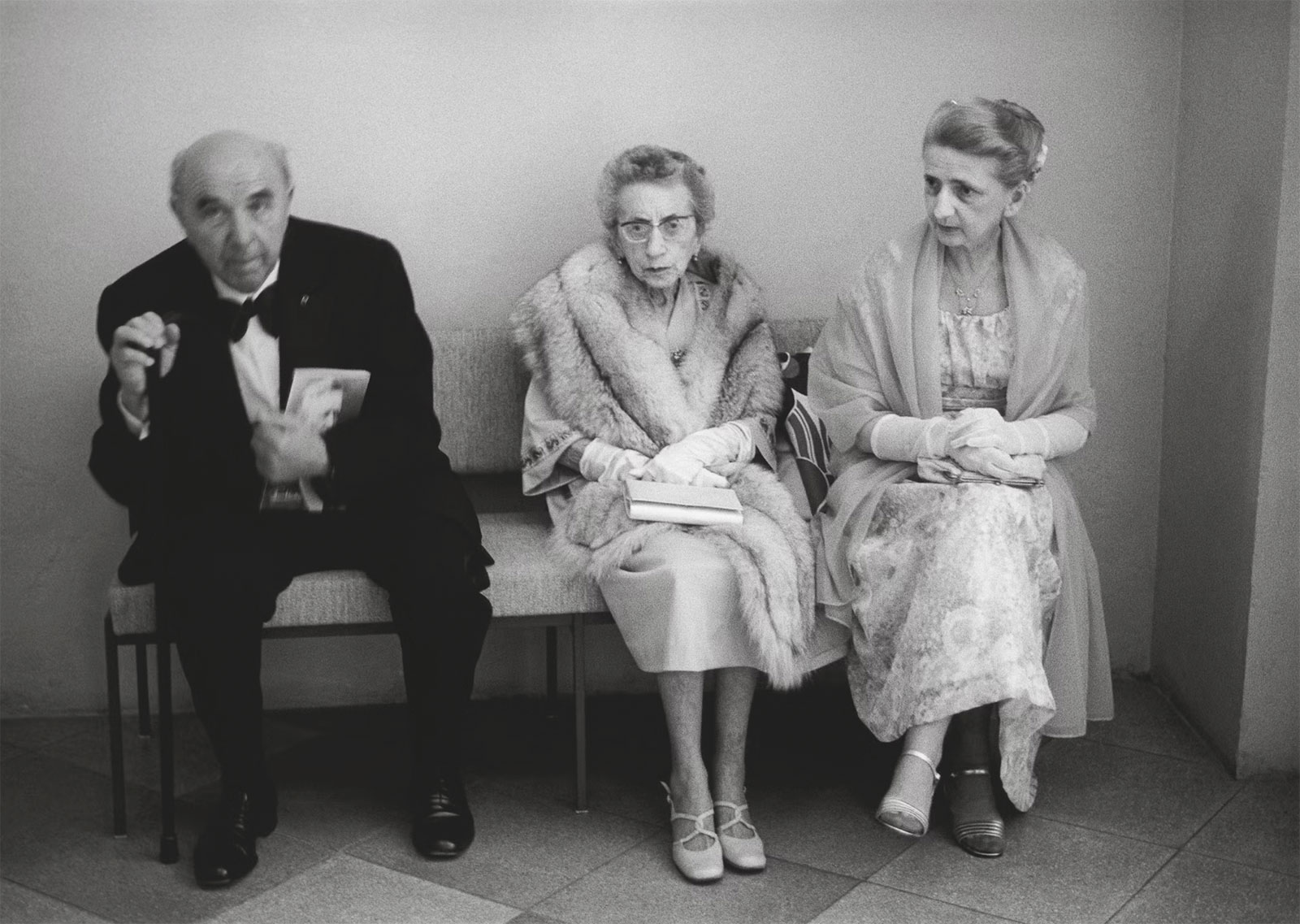
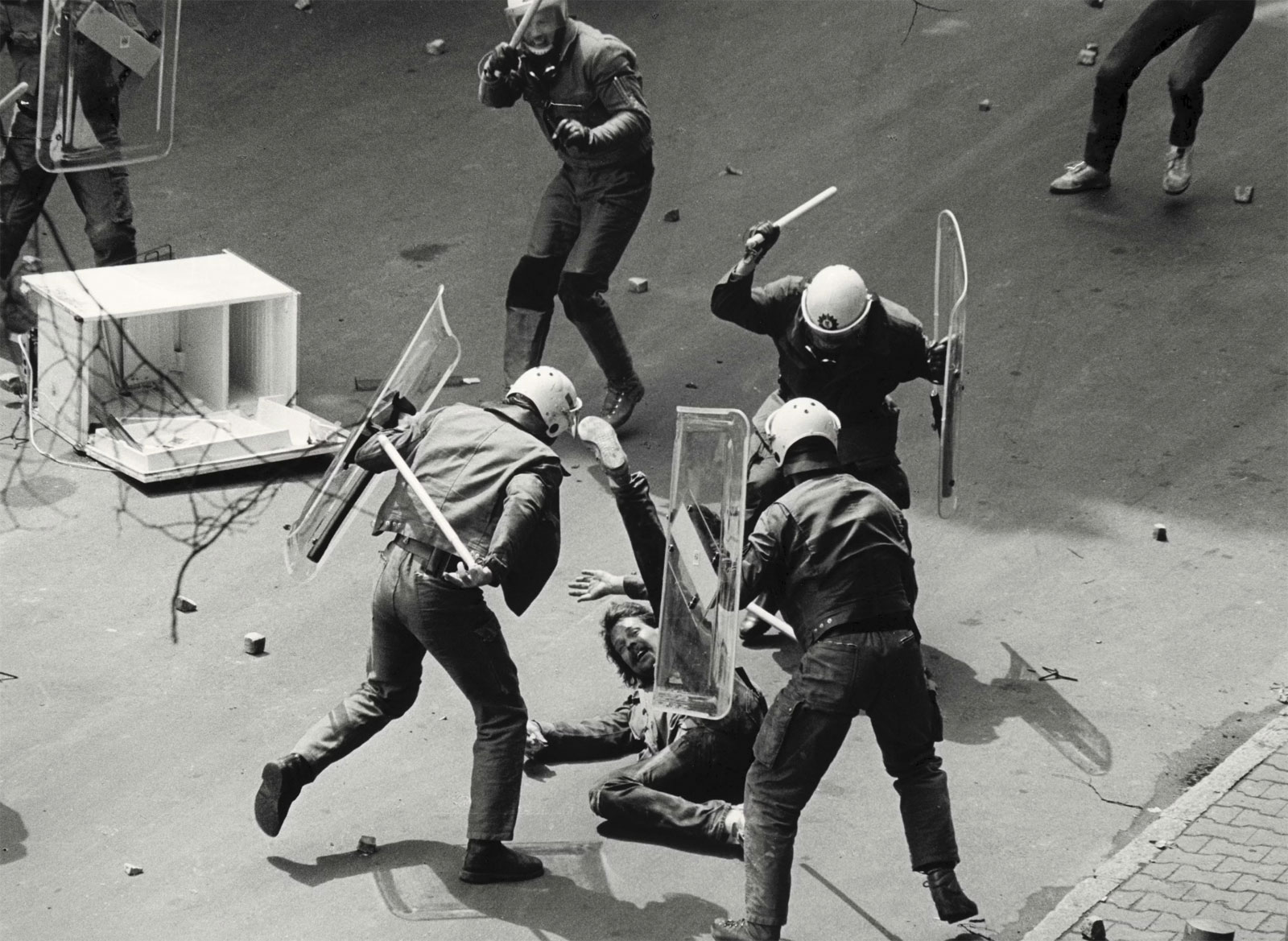
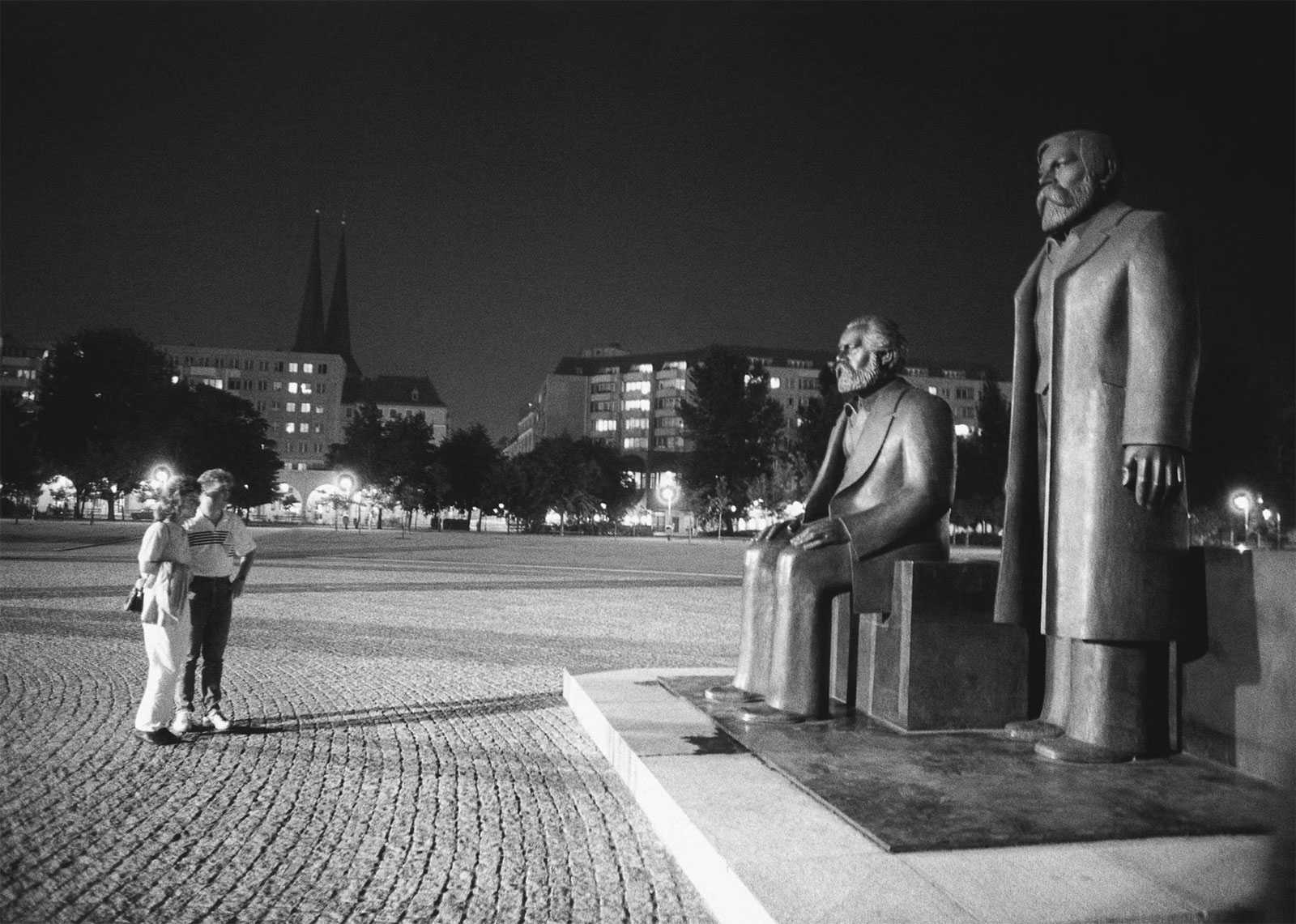

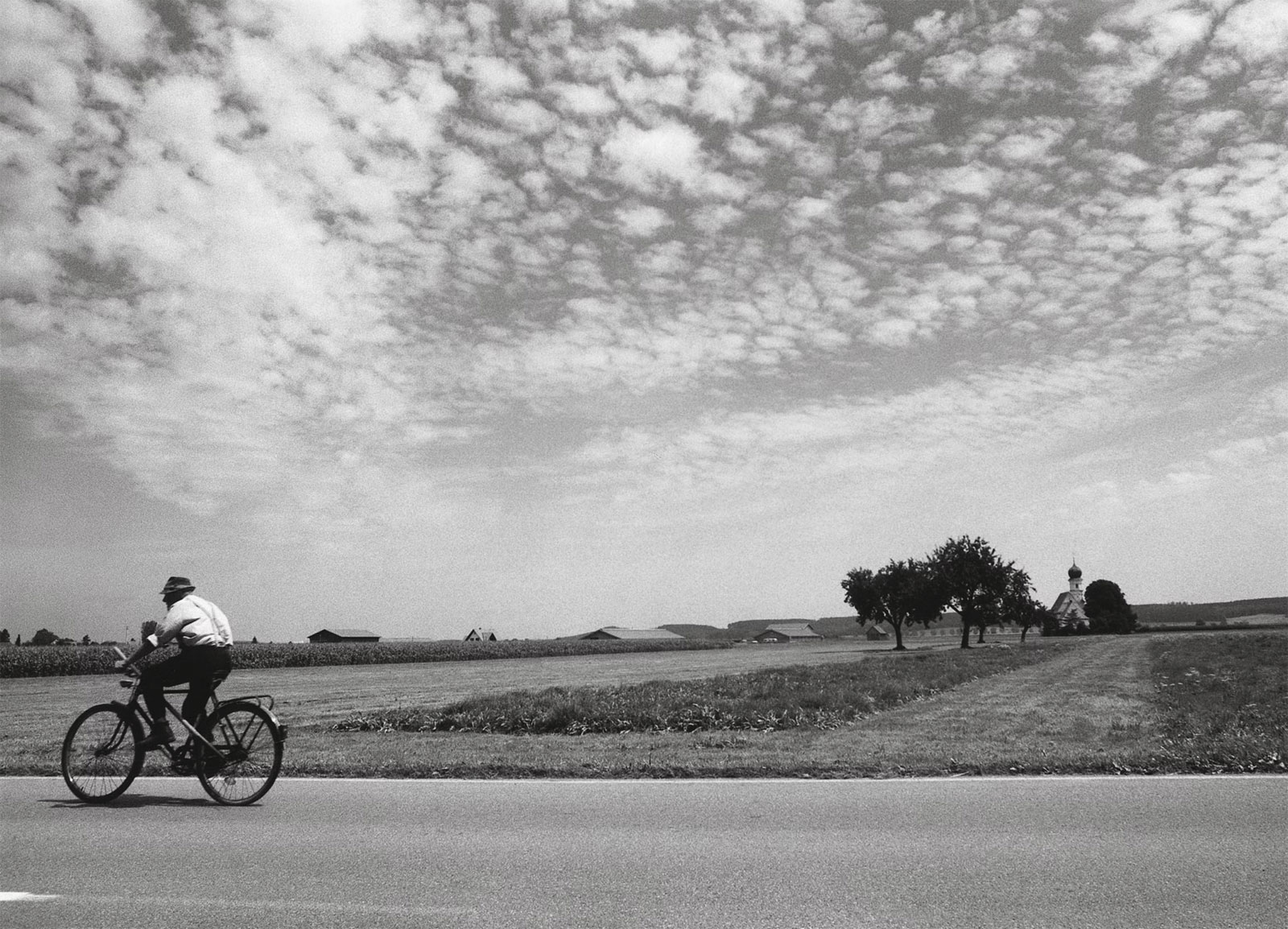



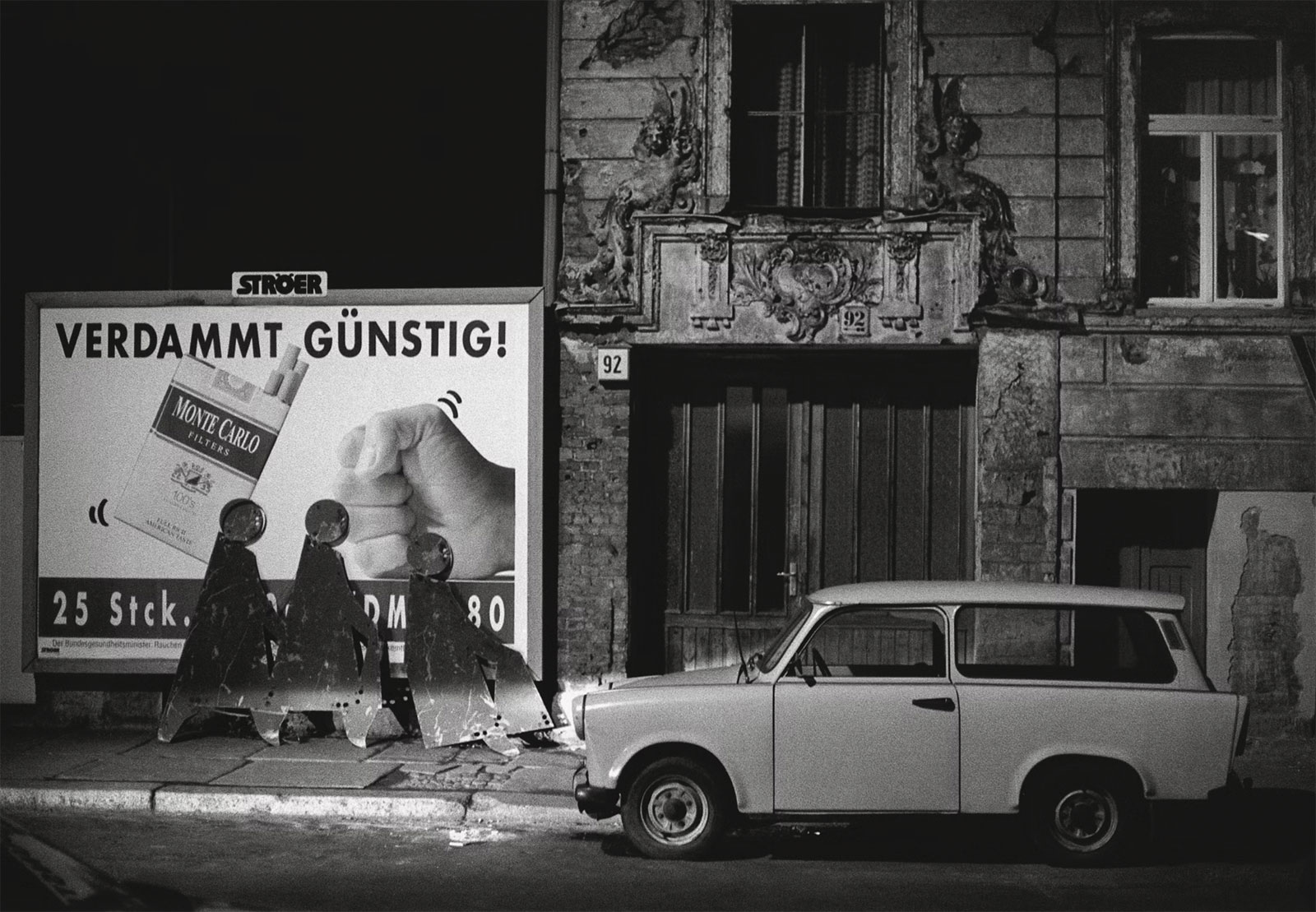
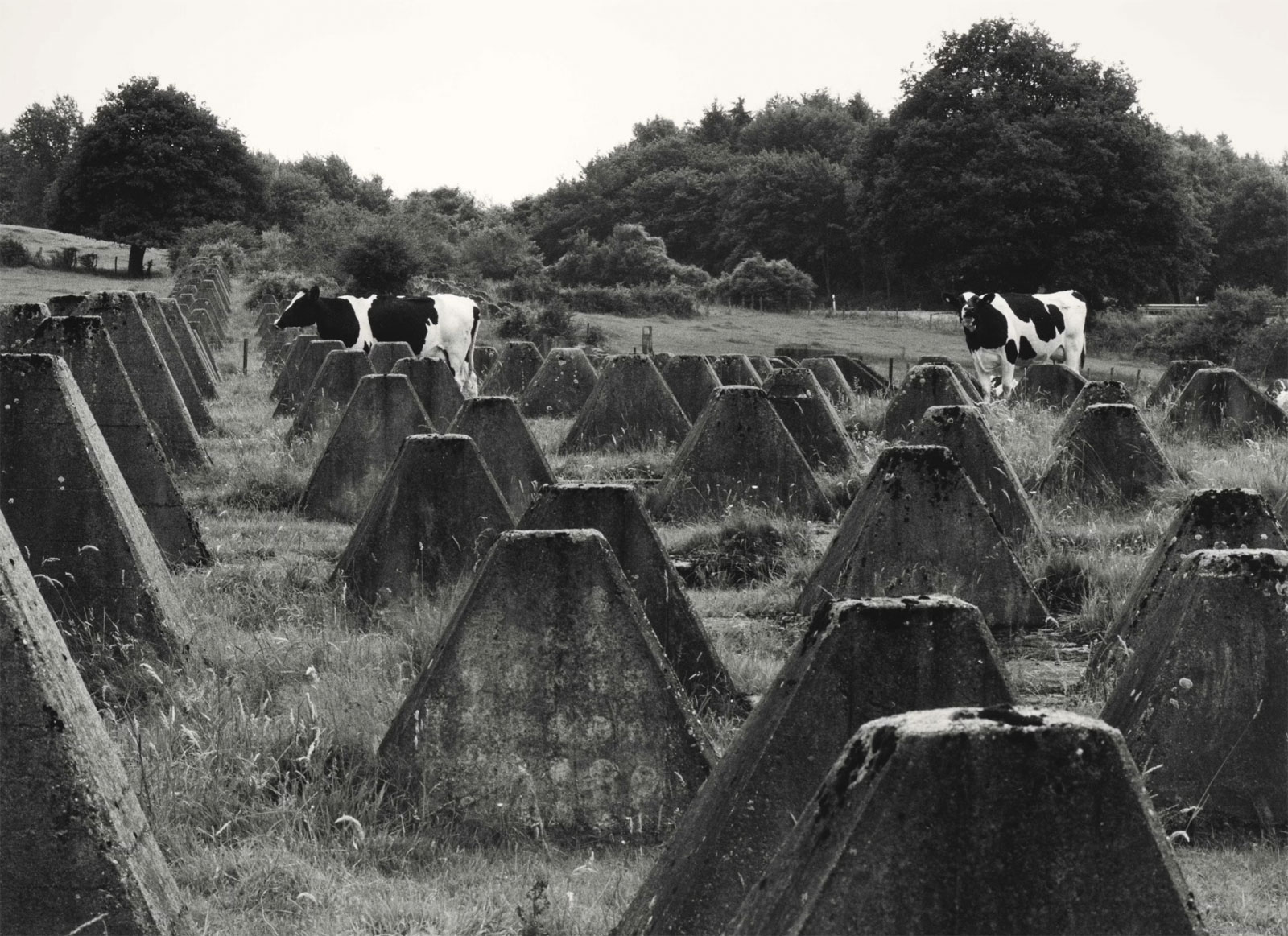
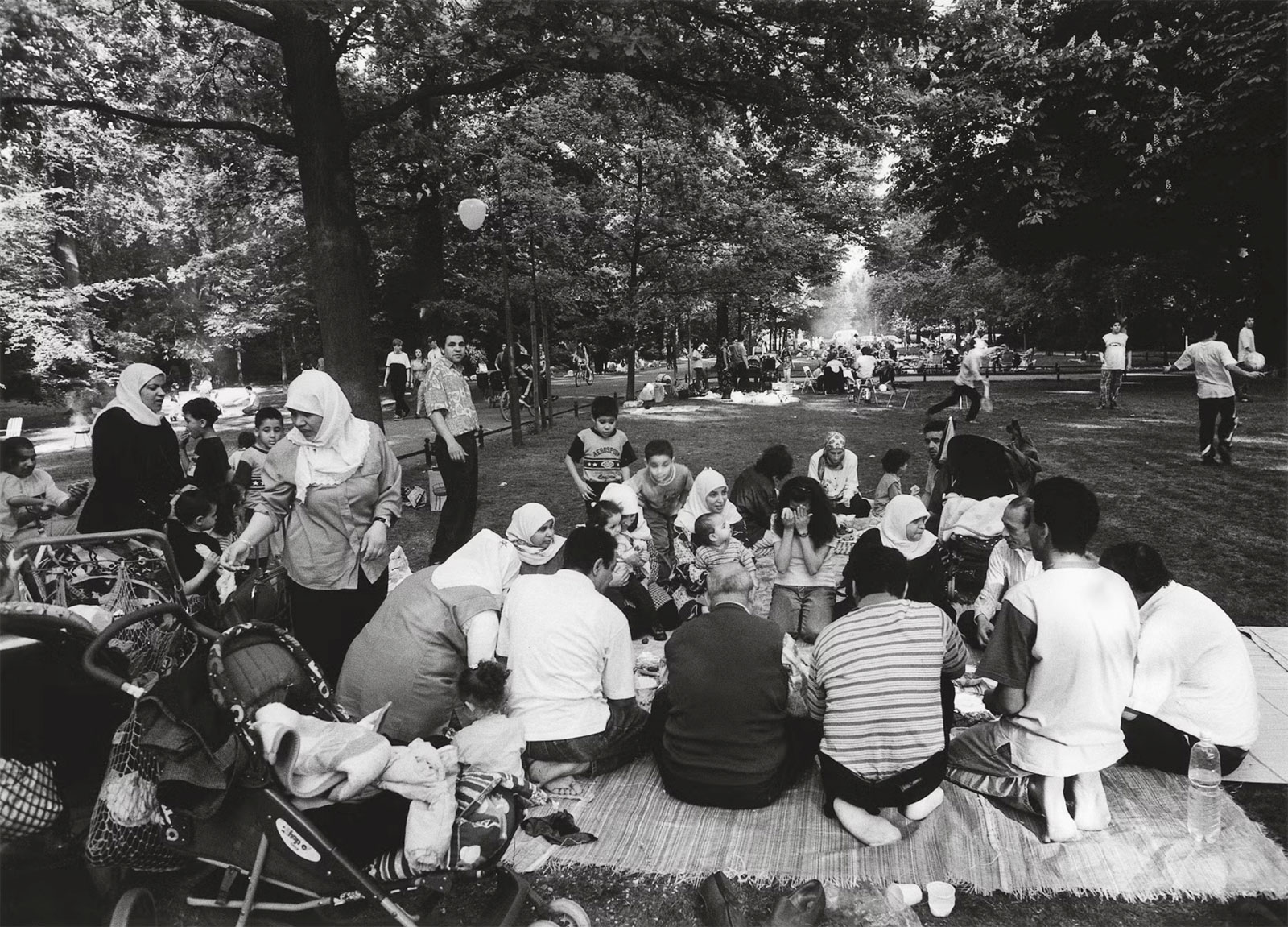


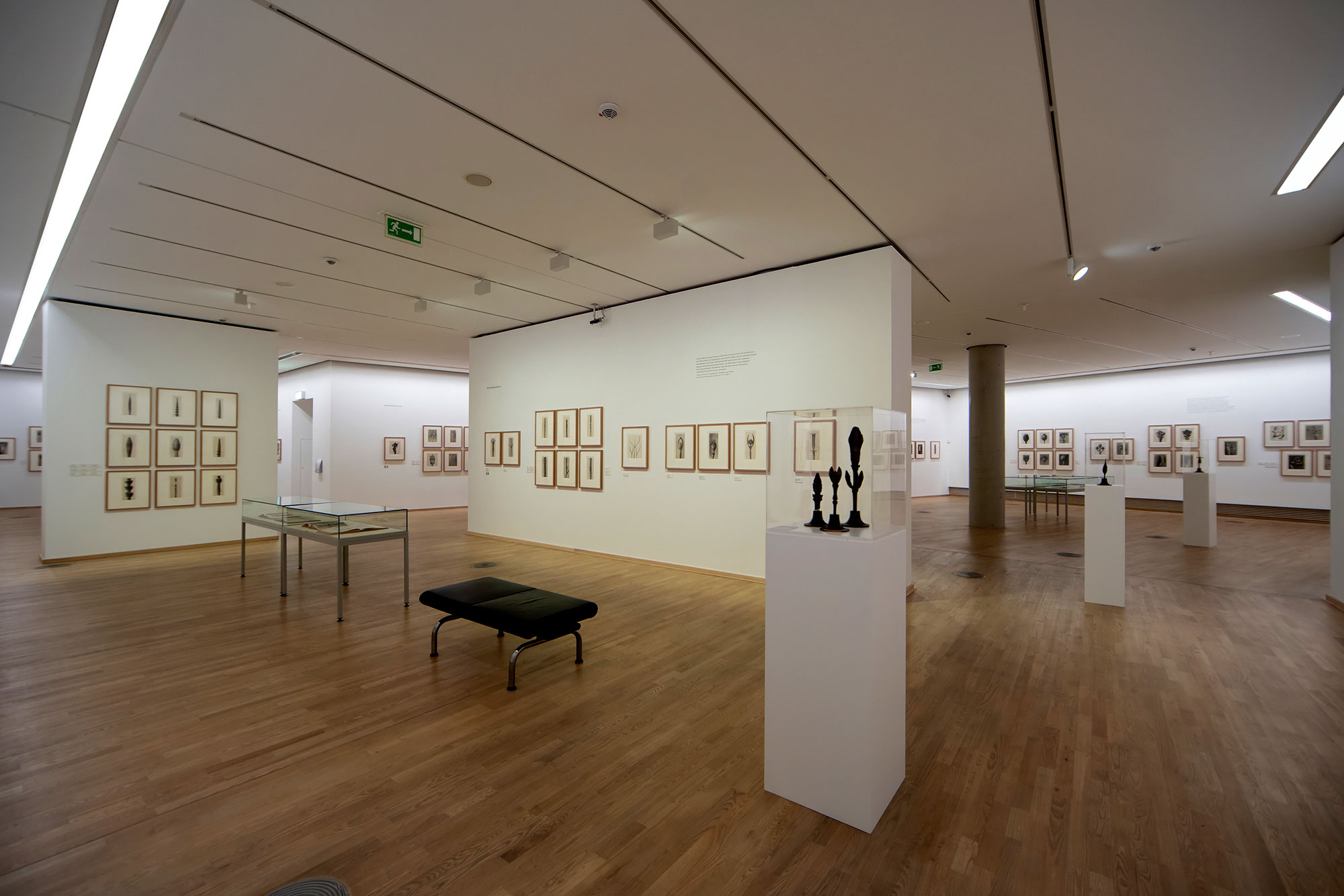
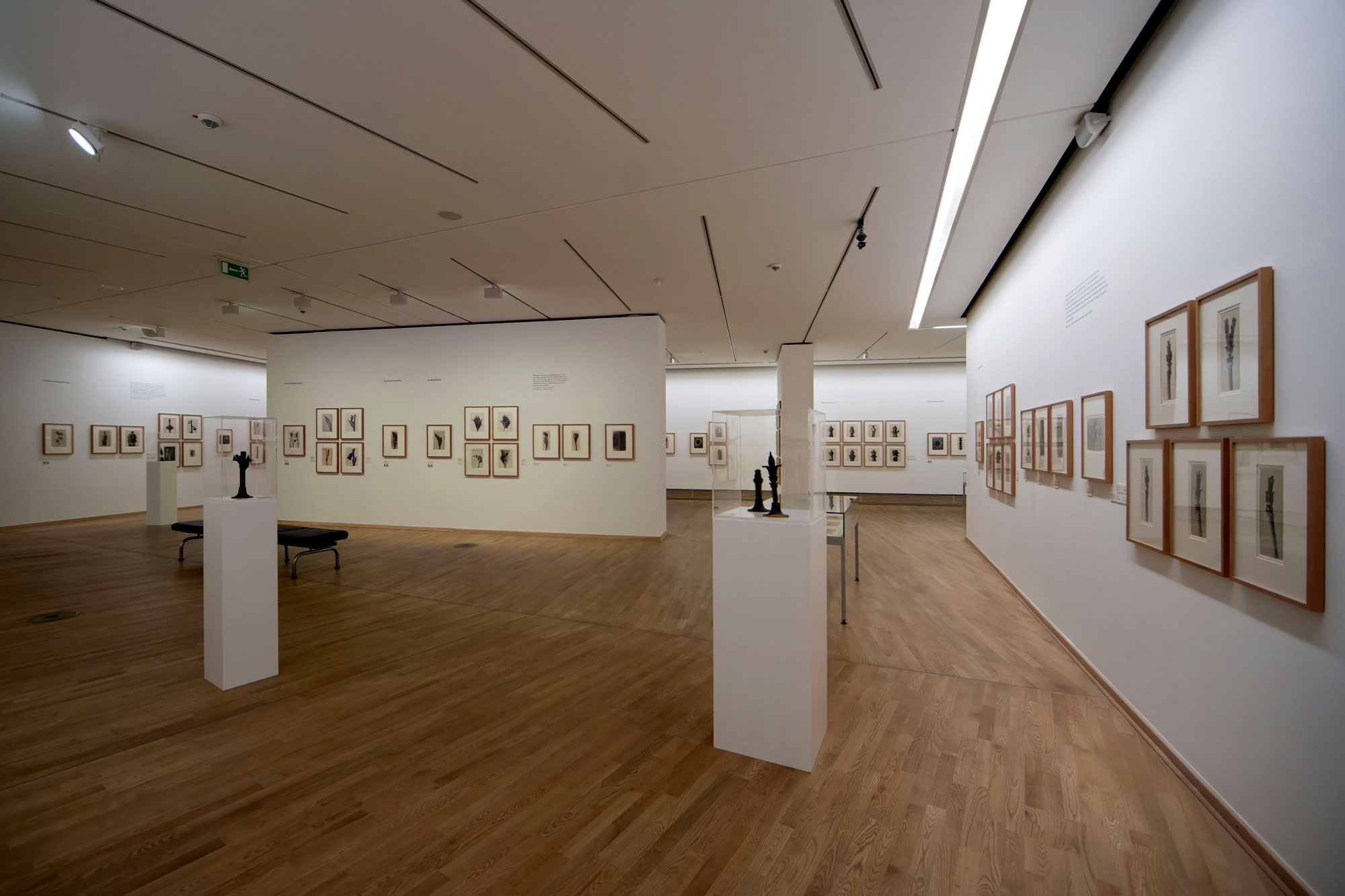
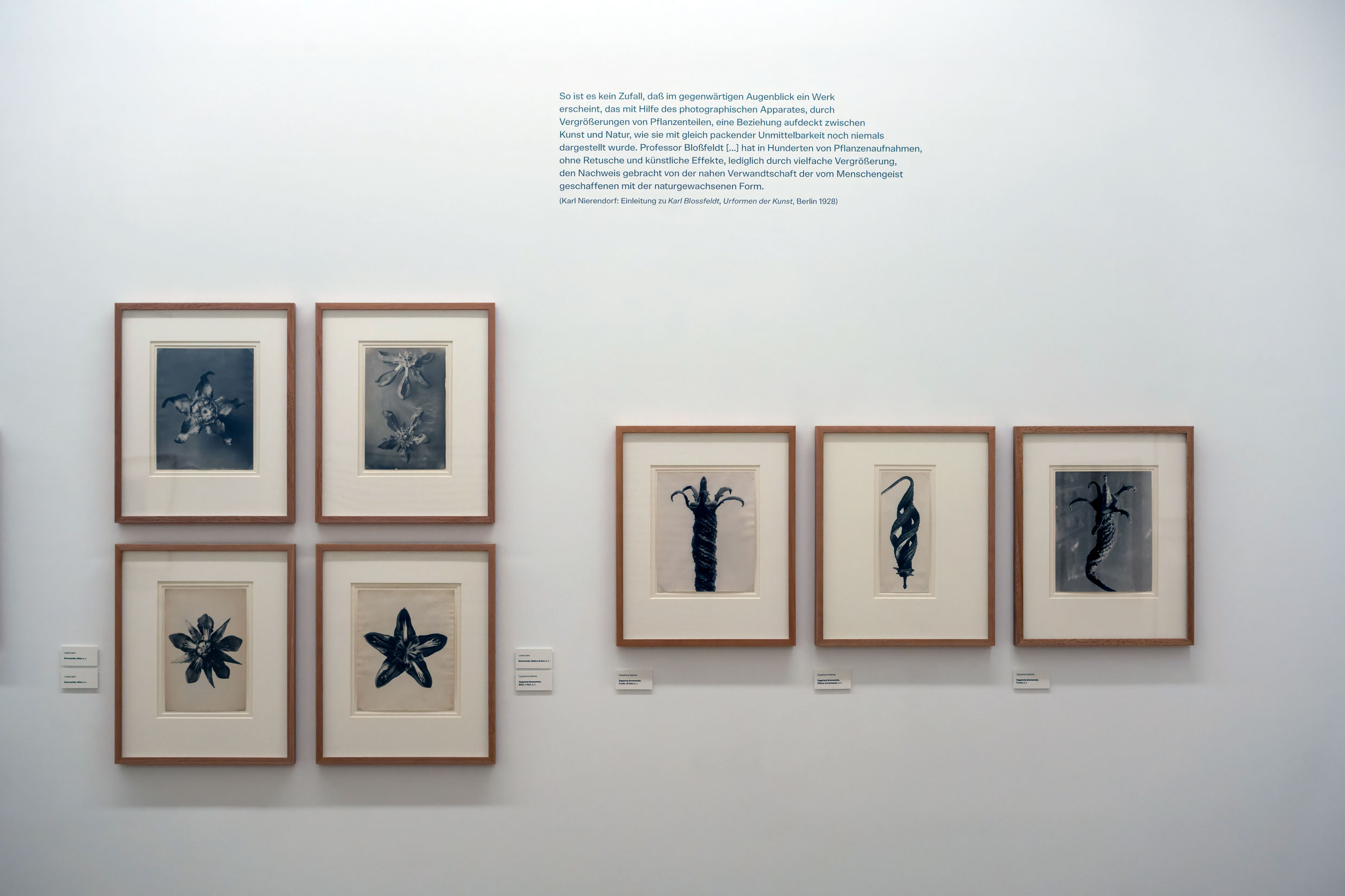
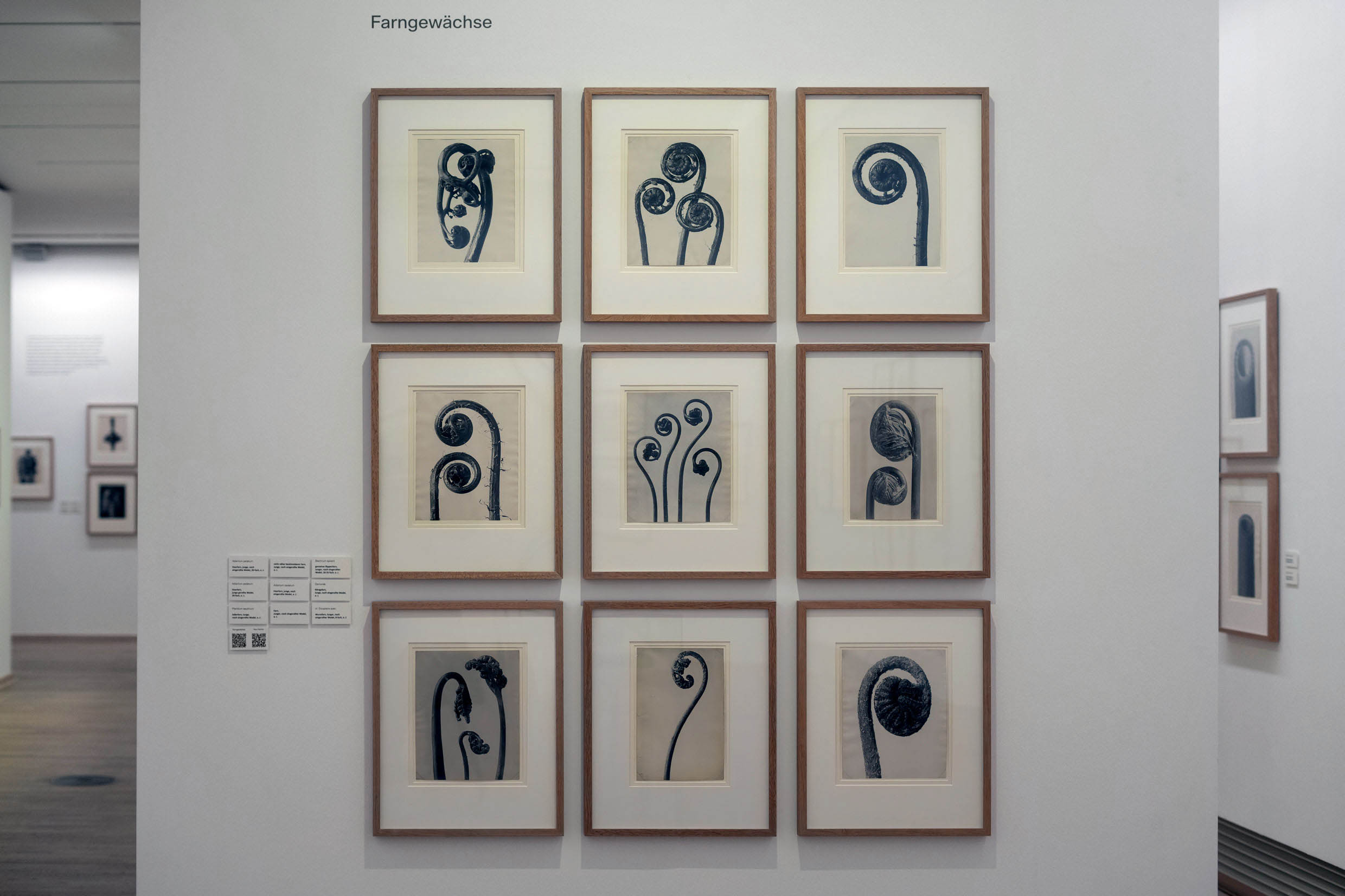


You must be logged in to post a comment.