“I feel the heavy weight of history permeating Sander’s almost melancholy portraits, portraits that emanate from a generations long uncertain cultural landscape.” Dr Marcus Bunyan
Exhibition dates: 27th February - 28th June, 2026
Curator: Judy Ditner, the Richard Benson Curator of Photography and Digital Media
Heinrich Hoerle (1 September 1895 – 7 July 1936) was a German constructivist artist of the New Objectivity movement.
Generations
There have been so many words written about one of the most important photographers of the 20th century, August Sander (German, 1876-1964), his magnum opus People of the 20th Century (Menschen des 20. Jahrhunderts) (1892-1954) – which consists of over 600 photographs organised into seven categories and 49 portfolios – and his influence on social realist photographers such as Walker Evans and Dorothea Lange, and the later typologies of conceptual photographers such as Bernd and Hiller Becher … what else is there left to say?
We know of his use of an “old fashioned” large-format camera, tripod, glass negatives and long exposure times used for the crispness and detail obtainable in the final print. We observe the many scenarios in which Sander took his photographs, from staged studio portraits, to seemingly impromptu photographs “on the road”, from closely cropped portraits, to medium distance group photos, to group photographs out in the Westwald or the Eifel or basket weavers embedded in the landscape. From low depth of field to high depth of field. From seriously “dead pan” to romantically engaged. We know of the influence of New Objectivity (known in German as Neue Sachlichkeit) on his frontal, unsentimental, realist portraits – his fascinating cast of personages, characters modulating the personal into universal typologies: the farmer, the skilled tradesman, the woman, the artists, etc… character templates that picture archetypes in German history.
All this is known and given. What else can be said?
Personally I feel the heavy weight of history permeating Sander’s almost melancholy portraits, portraits that emanate from a generations long uncertain cultural landscape:
~ The photographs from 1912-1913 in the first posting on this exhibition, such as Farmer Couple – Propriety and Harmony (1912, printed c. 1990-1999), Country Band (1913, printed c. 1990-1999), Country Lads from the Westerwald (1912, printed c. 1990-1999), and Farm Children (c. 1913, printed c. 1990-1999) emerge from a society facing “significant social and political unrest prior to World War I, driven by rigid class hierarchies, rapid industrialisation, and a growing labour movement. The landed aristocracy held significant political power, which bred resentment among the working and middle classes.”
In these four photographs by Sander we have an elderly farmer couple of propriety and harmony facing the prospect of old age and experiencing severe, devastating food shortages during World War I as conscription of agricultural workers and the requisitioning of draft horses for the Imperial German Army paralysed domestic food production, poor harvests and harsh winters further eroding the civilian diet, and inflation making even basic items unaffordable for many (the government taking away or strictly controlling the food produced by farmers during the war) – while the young men in the country band and country lads from the Westerwald would have become machine gun fodder on the fields of Europe.
The children would have had to live through this. The Burgfrieden (civil truce) which had brought political unity and the cessation of strikes at the beginning of the war fell apart during it.1 Revolution in 1918 led to “the downfall of the House of Hohenzollern, the dissolution of the German army, and the demise of the old German social order.”2 General Erich Ludendorff, defacto military commander resigned in October 1918; Kaiser Wilhelm II abdicated in November 1918; Prince Max of Baden Chancellor of Germany resigned in November 1918; and King Ludwig III of Bavaria was overthrown in November 1918. Shootings and murders were the order of the day in Berlin.
“In November 1918 … the old regime of Kaiser Wilhelm II was swept away by a revolution. It ended the First World War and led to the establishment of democracy in Germany. The Weimar Republic was born out of the struggle for a new social order and political system.”3
Tumultuous times.
From the outset the new Weimar Republic was always under pressure as the cabaret of cultural life continued its unstable rollercoaster of protests, strikes, murders and social and political upheaval during the interwar years.
“During the interwar years, Germany experienced frequent, deadly street battles between communists and right-wing groups, which bordered on low-intensity civil war:
~ Following World War I, communist uprisings – such as the 1919 Spartacist Uprising in Berlin – were brutally suppressed by far-right volunteer paramilitaries known as the Freikorps.
~ Both sides formed official, heavily armed paramilitary wings. The Communist Party (KPD) utilised the Red Front Fighters’ League (Roter Frontkämpferbund or RFB). Their primary right-wing antagonists were the Nazi Party’s Stormtroopers (Sturmabteilung or SA), alongside the nationalist Stahlhelm and the Social Democratic Reichsbanner.
~ Violence peaked as the Weimar Republic collapsed. Nazi paramilitaries regularly marched directly into working-class, communist strongholds (such as the Wedding and Neukölln districts in Berlin) to intentionally spark brawls. Clashes escalated from brawls to armed gunfire, claiming hundreds of lives on both sides.” (multiple sources)
The great Wall Street Crash of 1929 ramped up the instability, causing severe economic depression in Germany and rampant inflation. “Millions of Germans faced severe hunger and malnutrition because the economic collapse left them without the income to buy food.” This was the era of political violence in Germany (1918-1933) before the fall of the Weimar Republic (1930-1933) when the expansive creativity of artists, the small, hard won civil liberties and the sense of liberal freedom were all swept away by the Nazis in the 1930s.
Tumultuous times.
NOW
You look at the photographs by Sander of human beings from the interwar years and you overlay this knowledge onto them and a kind of melancholy realism descends on you as you appreciate the import of historic events that they were caught up in, the maelstrom, malevolence and disaster of the Second World War that was quickly approaching.
I think of the farm children photographed in 1913 – in 1939 they will be in their thirties and will, most likely, be serving in the German armed forces during the second conflagration. I look at the Peddler (1930, printed c. 1990-1999 below) and the Itinerant Mason (c. 1927, printed c. 1990-1999) and wonder what they did during the war and whether they survived it. I flinch looking at the “Aryan” doppelgängers in Farmers Playing Cards (c. 1920, printed c. 1990-1999) as I imagine them in SS uniforms. And I look at the men in Workers’ Council from the Ruhr Region (1929, printed c. 1990-1999 below) and wonder whether they were later pressed into the army or, perhaps, the Volkssturm (national militia) at the end of the Second World War made up of the young, the injured, the old, to defend the Fatherland from the Russians. To refuse the call invited execution.
I wonder about the Country Girls, Westerwald (1925, printed c. 1990-1999) and how many babies they produced for the Reich and what medals they received. I think about the black man in Circus Performers (1926-1932, printed c. 1990-1999). I think about the persecuted, the Jews and the political prisoners including Sander’s son Political Prisoner [Erich Sander] (1941-1944, printed c. 1990-1999 below) “who was a member of the left wing Socialist Workers’ Party (SAP), was arrested by Nazis in 1934 and sentenced to 10 years in prison, where he died of an untreated ruptured appendix in 1944” (Wikipedia) because the guards couldn’t care less … and I imagine the pain and heartache that his father August went through at the time, loosing his eldest son.
I gaze at the faces of The Last People, the stare of an Inmate of an Asylum (1926-1930, printed c. 1990-1999) and the faces of Blind Children (c. 1930, printed c. 1990-1999) and wonder whether they were all killed as part of the Nazis euthanasia program (code-named Aktion T4) “which was a systematic campaign of mass murder that targeted institutionalised people with physical and intellectual disabilities in Germany and annexed territories (between 1939-1945).”4
A tear rolls down my cheek.
And then you think of the persecution of Sander himself, the destruction in 1936 of all the publishers copies of his first book Face of Our Time (Antlitz der Zeit), published in 1929, the destruction of the printing plates and the confiscation of his negatives – because the portrayal of all strata of German society did not fit with right wing eugenics and defied the regime’s rigid ideology of the “master race”.
Finally, I think of the courage of Sander to keep on photographing, to keep on recording his people of the 20th century no matter who they were, no matter the peril he was in. What else could he do? Give in to oppression? To survive the vicissitudes of the Second World War only then to loose 25,000 to 30,000 of his negatives, part of his life’s work, destroyed in an accidental basement fire in Cologne in 1946.
AND NOBODY SAYS ANY OF THIS.
But in his photographs we can see and feel how …
“The faces of those he photographed show traces of this collective historical experience.”
Through the generations.
~
As I observed in a 2013 paper Transgressive Topographies, Subversive Photographies, Cultural Policies, “Photography has always opened up to artists the possibility of offering the viewer images open to interpretation, where the constructed personal narratives of the viewer are mediated through mappings of identity, body and place that challenge how the viewer sees the world and the belief systems that sustain that view.”5
Thus, we are trans/fixed (trans, derived from Latin, “trans-” means to go across, beyond, or through) by the photographs of August Sander, for in understanding their history and their gestures (the hands of the blind children, the outstretched arm of the farmer sowing), their behaviour, social interactions, and psychological tension6 we may go beyond the here and now, transcending a belief system that sustains a limited world view, embracing identities that are constantly shifting and evolving. In this way, Sander’s photographs change human consciousness.
They undermine Volksgemeinschaft, a German term translating to “people’s community” or “national community”,7 a central ideological concept in Nazi Germany used to describe a supposedly classless, racially unified society where the interests of the individual were strictly subordinated to the needs of the nation … for within the archetype there is always the individual, choice, difference, freedom of expression, freedom to say no. Enough. No matter what the cost.
Through individual and archetype, gesture and pose, Sander’s art becomes impervious to time, a guiding light for generations.
1/ “The right saw the Burgfrieden as a sign of support for the authoritarian state while the left expected their sacrifices to be rewarded by social changes after the end of the war.”
6/ “Identity however is constantly evolving, shifting, and even fragmenting, while gesture signals shifts in human consciousness, behaviour, social interactions, and psychological tension.”
Associate Professor James McArdle. “Entwine,” on the On This Date in Photography website 15/06/2026 [Online] Cited 16/02/2026
7/ “A central concept in Nazi ideology, “Volksgemeinschaft” (community of the People) was the name given to the fictional notion of a classless community of all “racially pure” Germans as a unified people, supposedly bound together by blood and culture as well as common experiences and beliefs. The idea of the “Volksgemeinschaft” was intended to evoke a strong identification of the majority of Germans with the Nazi regime and to promote their sense of obedience. Central was the exclusion of certain groups, such as Jews, Sinti and Roma, homosexuals, political opponents and people persecuted for being “antisocial”. They were all labelled as “aliens to the community”. Many were arrested and deported to concentration or death camps.”
Many thankx to the Yale University Art Gallery for allowing me to publish the photographs in the posting. All photographs were printed by Gerd Sander (German, 1940-2021). Please click on the photographs for a larger version of the image. See Part 1 of the posting.
“The stark reminder that there was a person behind the lens, who suffered loss along with so many during that time, only makes People of the 20th Century more remarkable in its monumental intimacy. Each image is its own stunning portrait. Cumulatively, they have the power to leave the viewer in a daze, awestruck at the way someone with a clear eye and a loudly beating heart could show us how to connect with people from three generations ago…”
“Seen together, Sander’s images form a pictorial mosaic of inter-war Germany. Rapid social change and newfound freedom were accompanied by financial insecurity and social and political unrest. By photographing the citizens of the Weimar Republic – from the artistic, bohemian elite to the Nazis and those they persecuted – Sander’s photographs tell of an uncertain cultural landscape. It is a world characterized by explosions of creativity, hyperinflation and political turmoil. The faces of those he photographed show traces of this collective historical experience.
Marta Hegemann (14 February 1894 – 28 January 1970) was a German artist associated with the Dada movement and with the Cologne Progressives.
Cologne Progressives
The Cologne Progressives was an art movement and were an informal group of artists based in the Cologne and Düsseldorf area of Germany. They came together following the First World War and participated in the radical workers’ movement.
History
The group was founded by Gerd Arntz, Heinrich Hoerle and Franz Wilhelm Seiwert. The group related their attitude to art to their political activism. As Wieland Schmied put it, they “sought to combine constructivism and objectivity, geometry and object, the general and the particular, avant-garde conviction and political engagement, and which perhaps approximated most to the forward looking of New Objectivity […] “. They originated Figurative Constructivism.
Other artists and designers associated with this group include Wilhelm Kleinert, Marta Hegemann, Angelika Hoerle, Anton Räderscheidt, and Gottfried Brockmann. Many members had come from the Stupid (art movement).
Key concepts – Reversibility
This concept comes from their concern not merely to communicate social and political necessities, but also to ensure that their artworks could be turned toward the viewers sensible reality and become tenable as an argument. This is tied to their political commitment to proletarian culture in the specific context of the Rhineland during the tumults of the 1920s.
Max Ferdinand Scheler (German: [ˈʃeːlɐ]; 22 August 1874 – 19 May 1928) was a German philosopher known for his work in phenomenology, ethics, and philosophical anthropology. Considered in his lifetime one of the most prominent German philosophers, Scheler developed the philosophical method of Edmund Husserl, the founder of phenomenology.
The German photographer August Sander (1876-1964) is one of the most significant and influential photographers of the 20th century. This exhibition presents Sander’s ambitious and groundbreaking portrait series Menschen des 20. Jahrhunderts (People of the 20th Century) (1892-1954), a canonical work in the history of photography. The presentation – of over 600 prints from the series – represents the most comprehensive installation of his life’s work.
For this monumental archive of modern humanity, Sander photographed German citizens from all classes and backgrounds, organising them into categories such as “The Skilled Tradesman,” “The Farmer,” “The Artist,” and “The Woman.” Sander conceived of the project in the 1920s, during the Weimar Republic, but included in it photographs he had made as early as 1892. His portrayal of marginalised individuals, including people with disabilities and the unemployed, provided visibility to those often excluded from mainstream representations and drew the ire of the Nazis. Striking for their unflinching realism and skilful observations of character, his images reflect the changing social landscape of Germany in the first half of the 20th century.
Erich Sander (1903-1944) was the eldest son of Anna and August , an intellectual, political activist and member of the Resistance who was introduced to photography by his father, with whom he worked. In Cologne, with his comrade Ernst Ransenberg, he took over the leadership of the local section of the SAP party (Sozialistische Arbeiterpartei Deutschland – Socialist Workers’ Party of Germany), writing and publishing leaflets against the Nazi party in power. In 1934, Erich was arrested and sentenced to 10 years’ imprisonment for high treason. He worked as a photographer for the prison administration and managed to smuggle in a camera that enabled him to take portraits of himself and his fellow prisoners, whom he managed to smuggle out of the prison. He left a substantial correspondence with his family (some letters written in secret ink), which constitutes essential documentation on life in prison during National Socialism. …
Erich Sander did not live to see the end of the war. He died on 23 March 1944, after his severe abdominal pain was ignored for days by the prison authorities.
Marie-Édith Agostini. “Portraits of a Time by August and Erich Sander,” on the Wer Ist Walter? website Nd [Online] Cited 03/06/2026. Used under fair use conditions for the purposes of education and research
One of his fellow prisoners was Marcel Ancelin, born in Paris in 1923. A member of the Front National de Lutte pour la Libération et l’Indépendance de la France (National Front for the Fight for the Liberation and Independence of France) and later the FTP (Francs-Tireurs et Partisans), he was arrested by the French police on 13 August 1941. Handed over to the German authorities and sentenced to hard labour, he spent several years in camps and prisons in Germany, among them in Siegburg where he met Erich Sander. Ancelin was finally liberated from a camp near Frankfurt with other inmates by American troops in April 1945, and returned to France. On 8 November 1956, he received the official title of “deported resistance fighter”. Marcel Ancelin died in 2003, having never told his family or friends about his heroic past.
Erich Sander wrote of him in a letter to his parents: “One of the three (French men) has some very striking features, which is sure to give father some pleasure […] Very intelligent chap, by the way. He wants to come and visit me after the war.” However, Erich Sander did not live to see the end of the war. He died on 23 March 1944, after his severe abdominal pain was ignored for days by the prison authorities.
Marie-Édith Agostini. “Portraits of a Time by August and Erich Sander,” on the Wer Ist Walter? website Nd [Online] Cited 03/06/2026. Used under fair use conditions for the purposes of education and research
In the history of photography, few projects have proven as groundbreaking as People of the 20th Century. August Sander (1876-1964) developed his ambitious series over more than six decades, capturing the diverse social fabric of his home country of Germany during a period marked by cultural upheaval and change. A new exhibition at the Yale University Art Gallery showcases over 600 prints from this landmark work, inviting viewers to experience the breadth and depth of Sander’s vision. Never before has his output received such comprehensive treatment in a museum display.
Sander undertook to photograph people from all walks of life and organise them into groups, whether by class, gender, profession, or other traits – resulting in a sociological archive of Germany in the first half of the 20th century. The installation at the Gallery draws its structure from the typology he established: The Farmer; The Skilled Tradesman; The Woman; Classes and Professions; The Artists; The City; and The Last People. Each of Sander’s portraits at once represents an individual and a social archetype, exploring the tension between public identity and personal uniqueness. As he explained, “The individual does not make the history of his time, but he both impresses himself on it and expresses its meaning.”
In one image, the photographer’s eldest son, Erich, poses with his fellow working college students. He appears again in a photograph taken surreptitiously while imprisoned for leftist activity. Such reoccurrences make clear that Sander’s categories are not as fixed as they may at first appear, with many individuals and motifs showing up across different classifications. Further challenging the project’s claim to offer a neat and neutral study of social types is the deeply personal character of some of the pictures. Indeed, People of the 20th Century incorporates intimate portraits of Sander’s family, including the poignant My Wife in Joy and Sorrow showing his wife, Anna, with their twin infants, one of whom did not survive.
Sander was steeped in the avant-garde movements of early 20th-century Germany as he cultivated a realistic style aimed at portraying life as it was, without romanticisation. Among these influences were the Cologne Progressives, a collective of artists deeply invested in labor activism, and the New Objectivity, which countered the era’s prevailing Expressionism with a manner of ostensible impartiality or resignation. This turn away from subjective expression in art shaped Sander’s approach to framing his subjects. He situated figures carefully within their environments such that their surroundings tell parts of their stories: as in the above-mentioned Political Prisoner, the individual becomes inextricable from the context.
Following the rise to power of the National Socialist party in 1933, Sander remained in Germany and faced professional constraints due to the nature and content of his artwork. Defying the representational mandates imposed by Nazi ideology, he photographed marginalised peoples – those with disabilities, the unemployed, and the persecuted. Even when an early version of the project was destroyed by the regime, Sander persisted, documenting the stories of those often overlooked by society. Through his lens, every subject was given dignity and importance, creating a stark contrast to the dehumanising rhetoric of this period.
Judy Ditner is the Richard Benson Curator of Photography and Digital Media
Hans Heinz Lüttgen (actually Theodor Heinrich Lüttgen; born 16. November 1895 (according to another source 1898) in Düsseldorf; died July 1976 in New York) was a German architect, interior designer and artist. According to his designs, the Sartory rooms and settlement buildings in Riehl were built in Cologne, as well as a series of single-family houses and villas in Wuppertal, which can be attributed to the style of the New Building of the 1920s and 1930s and now have “cult status”.
Hedwig Mankiewitz (also known as Hedwig Hausmann, 1893–1974) was a German painter and a vital, yet frequently under-appreciated, figure in the European avant-garde and Dada art movements. She is best known as the second wife, muse, and collaborator of the influential Dadaist Raoul Hausmann. Mankiewitz played a crucial role in providing emotional and financial support to Hausmann, especially during the tumultuous years when he was classified as a banned artist under the Nazi regime.
Vera Broïdo (7 September 1907 – 11 February 2004) was a Russian-born writer and a chronicler of the Russian Revolution, as one who grew up through it and lost her mother to its aftermath…
During her time in Berlin in the 1920s, Broido met avant garde artist and Dadaist turned society photographer Raoul Hausmann and became his lover and muse, living in a ménage à trois with him and his wife Hedwig in the fashionable Charlottenburg district of Berlin between 1928 and 1934.
Martha Dix (née Lindner; other married name Koch; July 19, 1895 – March 6, 1985) was a German goldsmith and silversmith who was the wife of the painter Otto Dix.
Wilhelm Heinrich Otto Dix (German; 2 December 1891 – 25 July 1969) was a German painter and printmaker, noted for his ruthless and harshly realistic depictions of German society during the Weimar Republic and the brutality of war. Along with George Grosz and Max Beckmann, he is widely considered one of the most important artists of the Neue Sachlichkeit.
Martha Dix and the renowned German painter Otto Dix formed one of the most creatively documented couples of the Weimar era. She was a trained goldsmith and silversmith, and was her husband’s primary muse.
The twelve portraits in this series were taken by the German photographer August Sander in Cologne and nearby towns around 1938, at the height of Hitler’s power. Although Sander’s Jewish subjects were probably friends and neighbours, he labelled these photographs simply “Persecuted Jews.” It is possible that Sander, who was not Jewish, made the photographs to help desperate German Jews obtain exit papers. Sander himself had been a victim of Nazi persecution in 1934 when many of his plates were destroyed by the authorities and his eldest son was imprisoned for his antifascist activities.
A huge two-part posting on one of the most important photographers of the 20th century, an extravaganza of 77 photographs by August Sander (German, 1876-1964) from his magnum opus People of the 20th Century (Menschen des 20. Jahrhunderts) (1892-1954) which consists of over 600 photographs organised into seven categories and 49 portfolios (see below).
There are many photographs I have never seen before in the two postings.
I have ordered the photographs in the postings by alphabetical title not by Sander’s classificatory system. It’s just much easier for me to make the postings this way (which takes many hours). As the text from the curator Judy Ditner makes clear, “Sander’s categories are not as fixed as they may at first appear, with many individuals and motifs showing up across different classifications.”
“What makes Sander’s work so powerful is the tension: each portrait is at once a deeply personal image and a window into a broader social type.”
Many thankx to the Yale University Art Gallery for allowing me to publish the photographs in the posting. All photographs were printed by Gerd Sander (German, 1940-2021). Please click on the photographs for a larger version of the image. See Part 2 of the posting.
“The individual does not make the history of his time, but he both impresses himself on it and expresses its meaning.”
This category serves as the foundation of his taxonomy, celebrating the “earthbound man” and rural life.
~ Portfolio of Archetypes ~ The Young Farmer ~ The Farmer’s Child and the Mother ~ The Farmer’s Family ~ The Farmer—His Life and Work ~ Farming Types
2/ The Skilled Tradesman
This volume highlights individuals in specialized professions and manual labor.
~ The Skilled Tradesman ~ The Apprentice / Journeyman ~ The Workshop and Factory ~ The Technician and Inventor
3/ The Woman
Dedicated to women in various life stages, social roles, and occupations.
~ The Woman ~ The Family ~ The Woman at Work ~ The Intellectual and Practical Occupation ~ The Elegant Woman
4/ Classes and Professions
This category spans the socio-economic hierarchy, from physical laborers to the political and business elite.
~ The Working Youth ~ The Soldier ~ The Student ~ The Scholar and Academic ~ The Clergy ~ The Jurist / Official ~ The Teacher and Educator ~ The Doctor and Pharmacist ~ The Artist (Performing Arts) ~ The Businessman ~ The Industrialist / Banker ~ The High Nobility
5. The Artists
This group focuses entirely on the creative and bohemians fields.
~ The Musician ~ The Poet ~ The Painter and Sculptor ~ The Architect
6. The City
An exploration of urban environments, public life, and various services or entertainment figures.
~ The City ~ The Representative of the City ~ The City Dweller ~ The Street Life ~ The Waiter / The Publican / The Cook ~ The Entertainer / The Showman ~ The Travel / The Circus / The Fairground ~ The Types and Originals ~ The Sportsman (Winter/Summer) ~ The Soldier ~ The Emigrant
7. The Last People
This poignant category focuses on the margins of society, specifically the themes of old age, sickness, and death.
~ Old Age ~ The Blind ~ The Sick ~ The Insane / Idiots ~ The Dying / The Dead
The German photographer August Sander (1876-1964) is one of the most significant and influential photographers of the 20th century. This exhibition presents Sander’s ambitious and groundbreaking portrait series Menschen des 20. Jahrhunderts (People of the 20th Century) (1892-1954), a canonical work in the history of photography. The presentation – of over 600 prints from the series – represents the most comprehensive installation of his life’s work.
For this monumental archive of modern humanity, Sander photographed German citizens from all classes and backgrounds, organising them into categories such as “The Skilled Tradesman,” “The Farmer,” “The Artist,” and “The Woman.” Sander conceived of the project in the 1920s, during the Weimar Republic, but included in it photographs he had made as early as 1892. His portrayal of marginalised individuals, including people with disabilities and the unemployed, provided visibility to those often excluded from mainstream representations and drew the ire of the Nazis. Striking for their unflinching realism and skilful observations of character, his images reflect the changing social landscape of Germany in the first half of the 20th century.
Text from the Yale University Art Gallery website
Installation views of the exhibition August Sander’s People of the 20th Century at the Yale University Art Gallery, New Haven, CT, February – June, 2026
The Westerwald (German pronunciation: [ˈvɛstɐvalt]; literally ‘Western forest’) is a low mountain range on the right bank of the river Rhine in the German federal states of Rhineland-Palatinate, Hesse and North Rhine-Westphalia. It is a part of the Rhenish Massif (Rheinisches Schiefergebirge or Rhenish Slate Mountains). Its highest elevation, at 657 m above sea level, is the Fuchskaute in the High Westerwald.
The Eifel (German: [ˈaɪfl̩]; Luxembourgish: Äifel, pronounced [ˈæːɪ̯fəl]) is a low mountain range in western Germany, eastern Belgium and northern Luxembourg. It occupies parts of southwestern North Rhine-Westphalia, northwestern Rhineland-Palatinate and the southern area of the German-speaking Community of Belgium.
The Yale University Art Gallery announced August Sander’s People of the 20th Century, an ambitious exhibition showcasing the work of one of the most influential photographers of the modern era.
August Sander (1876-1964) devoted decades of his career to capturing and cataloguing the sociocultural spectrum of German life. In his groundbreaking series, Menschen des 20. Jahrhunderts (People of the 20th Century) (1892–1954), he attempted to create a comprehensive sociological archive by photographing individuals from various classes, occupations, and backgrounds and then arranging the images into archetypal groups and subgroups, such as “The Skilled Tradesman,” “The Farmer,” “The Artist,” and “The Woman.” The Gallery’s presentation retains his original organisational framework.
Taken in sum, Sander’s portraits show his keen observation of Germany’s shifting cultural landscape in the first half of the 20th century. The extensive project encompasses independent works, commissioned sittings, and scenes of family life. They reflect a diverse nation rooted in tradition yet transformed by war and increasing urbanisation. Each photograph presents not just a generalised type but an individual, highlighting the tension between social conformity and personal identity. Sander’s categories, while systematic, also reveal an inherent fluidity, as certain types and individuals appear across different groupings, challenging strict classification.
Heavily influenced by the Cologne Progressive and New Objectivity art movements, Sander adopted a representational style free from idealisation. His inclusion of marginalised groups, such as people with disabilities and the unemployed, asserted the value of each individual, subverting the exclusionary ideologies of National Socialism. In 1936 the Nazi regime destroyed an early version of his work. Undeterred, Sander continued to photograph throughout World War II, subsequently adding portfolios titled “Foreign Workers,” “The Persecuted” (depicting German Jews), and “Political Prisoners” (with images that his son Erich smuggled out of prison, where he was serving a 10-year sentence for anti-Nazi activities).
Although Sander produced tens of thousands of negatives for this project, the majority were destroyed during World War II and in a 1946 house fire. The gelatin silver prints in the exhibition were created from surviving original glass-plate negatives by Gerd Sander, the artist’s grandson, in the 1990s, guided by vintage prints and the artist’s extensive notes. These prints are recent acquisitions by the Yale University Art Gallery, made possible through the Société Anonyme Acquisition Fund and the Katharine Ordway Fund.
The exhibition comprises the full set of 619 prints, making it the most comprehensive museum presentation of Sander’s landmark project to date. By expanding the boundaries of portraiture into social commentary, exploring the concept of collective belonging, and experimenting with the artistic potential of the archive, Sander’s work remains remarkably resonant and impactful today.
Raoul Hausmann was an Austrian artist and writer. One of the key figures in Berlin Dada, his experimental photographic collages, sound poetry, and institutional critiques would have a profound influence on the European Avant-Garde in the aftermath of World War I.
Further challenging the project’s claim to offer a neat and neutral study of social types is the deeply personal character of some of the pictures. Indeed, People of the 20th Century incorporates intimate portraits of Sander’s family, including the poignant My Wife in Joy and Sorrow showing his wife, Anna, with their twin infants, one of whom did not survive.
Judy Ditner is the Richard Benson Curator of Photography and Digital Media
Yale University Art Gallery Spring 2026 Magazine
Yale University Art Gallery 1111 Chapel Street (at York Street) New Haven, CT
Exhibition dates: 28th November, 2025 – 3rd May, 2026
Curator: Maggie Finch, Curator of Photography at the NGV
Mina Moore (New Zealand, 1882-1957) Nellie Stewart c. 1913-1916 Gelatin silver photograph 18.6 x 12.7cm (image) National Gallery of Victoria, Melbourne Gift of the Latrobe Collection, State Library of Victoria, 1992
Sisters May and Mina Moore operated their photography studio from 1913 in the newly completed Auditorium Building at 167 Collins Street, Melbourne. This building also housed a concert hall, where recitals, operas and music performances were presented. The location was particularly advantageous for the photographers as it provided a steady stream of performers and productions in need of promotional portraits.
Wall text from the exhibition
Nellie Stewart, born Eleanor Stewart Towzey (1858-1931) was an Australian actress and singer, known as “Our Nell” and “Sweet Nell”. Born into a theatrical family, Stewart began acting as a child. As a young woman, she built a career playing in operetta and Gilbert and Sullivan operas.
It’s great to have a record of this extensive photography exhibition at the National Gallery of Victoria, Melbourne
In this first part of the exhibition, Part 1 of a huge two-part posting on Art Blart (posting proceeds as in a walk through of the exhibition), highlights for me included:
~ Two photographs by the under appreciated Bahaus artist and self taught photographer Gertrud Arndt (German, 1903-2000) whose portraits of friends, still-lifes, and performative self-portrait images are rarely seen
~ Six small, intense, jewel-like photographs by Bauhaus student Yamawaki Michiko (Japan, 1910-2000, worked in Germany 1930-1932) of “new women” and street corners in Ginza, Japan which were a revelation for their beauty, pictorial composition, tonality, spatiality and physical presence of the image
~ The groundbreaking portfolio Métal by Germaine Krull (European, 1897-1985) which was magnificently laid out so that you could “appreciate its unique design as an object” and the “vitality of the photography”, allowing the viewer to begin to understand the complex relationships between images one to another and the flow of the whole folio. A joy to behold!
Entrance to the exhibition Women Photographers 1900-1975: A Legacy of Light at NGV International, Melbourne, November 2025 – May 2026 showing at left, Mina and May Moore’s Murial Starr (c. 1913-1916, below); at second left, May Moore’s Janina Korolewicz-Wayda (c. 1910-1920); at at third right, Mina Moore’s Nellie Stewart (c. 1913-1916, above) Photos: Marcus Bunyan
Women Photographers 1900-1975: A Legacy of Light celebrates the wide-ranging photographic practices of more than eighty women artists working between 1900 and 1975. Featuring prints, postcards, photobooks and magazines, the exhibition explores the role of photographers as image-makers, and the ways in which women artists create an image of themselves, of others, of the times – from images of the women’s suffrage movement at the turn of the twentieth century, through to the women’s liberation movement and beyond. From Melbourne to Tokyo, Paris to Buenos Aires, the exhibition showcases the works of trailblazing artists such as Berenice Abbott, Lola Álvarez Bravo, Claude Cahun and Marcel Moore, Imogen Cunningham, Mikki Ferrill, Sue Ford, Christine Godden, Ponch Hawkes, Annemarie Heinrich, Ruth Hollick, Florence Henri, Kati Horna, Germaine Krull, Tina Modotti, Lucia Moholy, Toyoko Tokiwa, Yamazawa Eiko and many more.
The exhibition reflects a recent collecting focus on celebrating the contributions of women artists of the early twentieth century in the NGV Photography Collection. Featuring portraiture, photojournalism, landscape photography, photomontage, experimental avant-garde imagery and more, Women Photographers 1900-1975: A Legacy of Light presents the diverse work of women photographers against the backdrop of significant social, political and cultural events.
Text from the National Gallery of Victoria
Installation view of the exhibition Women Photographers 1900-1975: A Legacy of Light at NGV International, Melbourne, November 2025 – May 2026 showing May and Mina Moore’s Murial Starr (c. 1913-1916, below) Photo: Marcus Bunyan
May and Mina Moore (New Zealand, 1881-1931 and 1882-1957) Murial Starr c. 1913-1916 Gelatin silver photograph 19.6 x 12.5cm (image) National Gallery of Victoria, Melbourne Gift of the Latrobe Collection, State Library of Victoria, 1992
Sisters May and Mina Moore established their Wellington studio-portraiture business in around 1907. May, originally trained as a painter, learned to operate the camera while Mina, a schoolteacher, gained skills in printing. Expanding their business to Australia, May established a Sydney studio in 1911 while, two years later, Mina set up a Melbourne studio, which was later taken over by photographer Ruth Hollick. The pair became known for their studio portraits of actors, artists and musicians. Using only natural light, they created dramatic images marked by a striking chiaroscuro effect (a technique involving strong contrasts of light and shade) on the faces of their subjects.
Wall text from the exhibition
Muriel Starr (1888-1950) was a Canadian stage actress. She was particularly popular in Australia in the 1910s and 1920s. She appeared in one film, Within the Law (1916), an adaptation of her stage success. She was also known for the plays East of Suez, Birds of Paradise and Madame X.
Installation views of the exhibition Women Photographers 1900-1975: A Legacy of Light at NGV International, Melbourne, November 2025 – May 2026 showing May and Mina Moore’s No title (Woman) (c. 1914) Photos: Marcus Bunyan
Installation views of the exhibition Women Photographers 1900-1975: A Legacy of Light at NGV International, Melbourne, November 2025 – May 2026 Photos: Marcus Bunyan
Installation view of the exhibition Women Photographers 1900-1975: A Legacy of Light at NGV International, Melbourne, November 2025 – May 2026 showing Isabel Seymour (England, 1882-1963) The Seymour Album (c. 1907-1911). Recent acquisition Photos: Marcus Bunyan
The suffragette Isabel Seymour was employed by the Women’s Social and Political Union (WSPU) in London in 1906. Fluent in English and German, she facilitated international speaking tours for the organisation. Assembled by Seymour for the WSPU, this personal scrapbook includes photographs, postcards, advertisements and newspaper articles detailing suffragette activities. The album provides a historical snapshot of the activities and people involved in the suffragette movement, through one of its key organisations.
Vitrine text from the exhibition
Installation view of the exhibition Women Photographers 1900-1975: A Legacy of Light at NGV International, Melbourne, November 2025 – May 2026 showing from left to right, Woman’s Social and Political Union (distributor) Toye & Co. (manufacturer) Medal for Valour, awarded to Selina Martin, with original box (1909); Selina Martin (England, 1882-1972) No title (Photographic album containing images and handwritten text relating to Selina Martin) (c. 1910); Lizzie Casual Smith (England, 1870-1956) Miss Christabel Pankhurst (c. 1900s) Photo: Marcus Bunyan
Installation view of the exhibition Women Photographers 1900-1975: A Legacy of Light at NGV International, Melbourne, November 2025 – May 2026 showing at left, Woman’s Social and Political Union (distributor) Toye & Co. (manufacturer) Medal for Valour, awarded to Selina Martin, with original box (1909) and at right, Selina Martin (England, 1882-1972) No title (Photographic album containing images and handwritten text relating to Selina Martin) (c. 1910) Photo: Marcus Bunyan
Installation view of the exhibition Women Photographers 1900-1975: A Legacy of Light at NGV International, Melbourne, November 2025 – May 2026 showing at left, Woman’s Social and Political Union (distributor) Toye & Co. (manufacturer) Medal for Valour, awarded to Selina Martin, with original box (1909) and at right, Selina Martin (England, 1882-1972) No title (Photographic album containing images and handwritten text relating to Selina Martin) (c. 1910) Photos: Marcus Bunyan
New acquisition
The suffragette Selina Martin joined the Women’s Social and Political Union (WSPU) in 1908. She was imprisoned on several occasions due to her activism and was awarded a Hunger Strike Medal for valour by the WSPU. This album is Martin’s personal compilation of photographs, postcards and writings, many of which relate to the suffragette cause. It includes writing from notable acquaintances such as political activist and suffragette Mary Leigh, and human rights activist and feminist Ethel Snowden.
Vitrine text from the exhibition
Selina Martin (English, 1882-1972) was a member of the suffragette movement in the early 20th century. She was arrested several times. Her Hunger Strike Medal given ‘for Valour’ by the Women’s Social and Political Union (WSPU) was sold at auction in Nottingham in 2019.
Installation views of the exhibition Women Photographers 1900-1975: A Legacy of Light at NGV International, Melbourne, November 2025 – May 2026 showing at left, Gertrude Kasebier The gargoyle (c. 1900, below); at third right, Ruth Hollick No title (Young woman in hunting costume, model Lucy Crosbie Morrison) (c. 1920, below); at second right, Ruth Hollick Thought (1921, below); and at right, Madame d’Ora Untitled (1931, below) Photos: Marcus Bunyan
Image-Makers: Women in Photography
By the start of the twentieth century, photography was becoming increasingly accessible to the public in many cities around the world. Previously, the medium was practised by an affluent minority of amateur artists and commercial studios. However, the production of lower-cost cameras gradually opened up photography to the broader public, particularly the expanding middle class. At the same time, women began to participate in photography as both creators and consumers. For many women, photography offered a means of income, a way to document daily life, and a powerful tool for communication and activism.
In England, suffragettes actively used photography to create and share images that were integral to their campaign for women’s right to vote. The suffragettes constructed their images in photographic studios and in the streets, merging style and fashionable dress with politics and self-assuredness. These photographs became crucial in shaping the public image of the suffrage movement.
In Australia, May and Mina Moore ran a successful photographic business. Known for their dramatically lit portraits of stage performers, they responded to the appetite for stylised portraiture as popularised by the suffragettes. At a time of shifting gender roles, May Moore also advocated publicly for women to work in photography.
Installation views of the exhibition Women Photographers 1900-1975: A Legacy of Light at NGV International, Melbourne, November 2025 – May 2026 showing Gertrude Kasebier The gargoyle (c. 1900, below) Photos: Marcus Bunyan
Gertrude Kasebier (American, 1852-1934) The gargoyle c. 1900 Platinum photograph 20.6 x 13.5 cm (image and sheet) National Gallery of Victoria, Melbourne Purchased through The Art Foundation of Victoria with the assistance of the Herald & Weekly Times Limited, Fellow, 1979
In the early twentieth century, leading Pictorialist photographer Gertrude Käsebier played a key role in establishing photography as a form of fine art. As a member of the Photo-Secession group alongside Alfred Stieglitz, Käsebier was dedicated to Pictorialism, a style that emphasised artistic expression over documentary accuracy. This photograph, taken in Paris, highlights the painterly, emotional qualities inherent in Pictorialism. Käsebier has created an evocative image using composition and light to transform the scene. After leaving the Photo-Secession group in 1912, Käsebier became a founder and active member of the Pictorial Photographers of America.
Wall text from the exhibition
Installation view of the exhibition Women Photographers 1900-1975: A Legacy of Light at NGV International, Melbourne, November 2025 – May 2026 showing at left, Ruth Hollick No title (Young woman in hunting costume, model Lucy Crosbie Morrison) (c. 1920, below); at second left, Ruth Hollick Thought (1921, below); and at right, Madame d’Ora Untitled (1931, below) Photos: Marcus Bunyan
Ruth Hollick (Australian, 1883-1977) No title (Young woman in hunting costume, model Lucy Crosbie Morrison) c. 1920 Gelatin silver photograph 20.0 x 14.6cm (image) National Gallery of Victoria, Melbourne Presented through The Art Foundation of Victoria by Mrs Lucy Crosbie Morrison, Member, 1993 Public domain
Ruth Hollick attended the National Gallery of Victoria Art School from 1902 to 1906 and began to photograph commercially around 1908. In 1918, along with her life and professional partner, fellow photographer Dorothy Izard, she took over the studio of May and Mina Moore at 167 Collins Street, Melbourne. Eventually Hollick expanded her studio into the newly completed Chartres House building next door at 165 Collins Street. From 1920 her photographs were regularly included in magazines as well as Australian and British Pictorialist exhibitions and salons. Hollick closed her city studio in the early 1930s but continued working from her home in the Melbourne suburb of Moonee Ponds into the 1960s.
Wall text from the exhibition
Ruth Hollick (Australian, 1883-1977) Thought 1921 Gelatin silver photograph 37.4 x 25.3cm (image) National Gallery of Victoria, Melbourne Presented through The Art Foundation of Victoria by Mrs Lucy Crosbie Morrison, Member, 1993 Public domain
This sensitive portrait depicts the artist’s niece Lucy Crosbie Morrison. The pose of the subject, combined with the title, reveals the photographer’s careful direction and artistic ambition. The subject’s outfit, adorned with appliqué gum leaves and a gumnut belt, references native Australian plants. The work aligns with the style of Pictorialism, a popular international photographic trend at the time. Thought was recognised at the 1921 Colonial Exhibition in London, highlighting both its local significance and broader artistic appeal.
Wall text from the exhibition
Dora Kallmus (Madame d’Ora) (Austrian, 1881–1963) Untitled (installation view) 1931 Gelatin silver photograph 22.4 x 16.4cm (image and sheet) National Gallery of Victoria, Melbourne Gift of Krystyna Campbell-Pretty AM and Family through the Australian Government’s Cultural Gifts Program, 2023 Photo: Marcus Bunyan
Dora Kallmus, known professionally as Madame d’Ora, photographed high-profile figures associated with art, fashion and politics, including Josephine Baker and Coco Chanel. In 1907 Madame d’Ora opened her first studio in Vienna, Atelier d’Ora, one of the first photography studios in Vienna to be operated by a woman. She later moved to Paris, where her career flourished well into the 1930s – Atelier d’Ora was renowned for its glamorous, softly focused portraits – until she was forced to close her studio due to Nazi occupation.
Wall text from the exhibition
Dora Kallmus (1881-1963), better known as Madame d’Ora, was an unusual woman for her time with a spectacular career as one of the leading photographic portraitists of the early twentieth century. This exhibition, the largest museum retrospective on the Austrian photographer to date in the United States, presents the different periods of her life, from her early upbringing as the daughter of Jewish intellectuals in Vienna, to her days as a premier society photographer, through her survival during the Holocaust. Forging a path in a field that was dominated by men, d’Ora enjoyed an illustrious 50-year career, from 1907 until 1957. The show includes more than 100 examples of her work, which is distinguished for its extreme elegance, and utter depth and darkness.
Born into a privileged background and coming of age amidst the creative and intellectual atmosphere of fin-de-siècle Vienna, Kallmus was extremely well cultured. At age 23 while on a trip to the Côte d’Azur, she purchased her first camera, a Kodak box camera. She was the first woman photographer in Vienna to open her own studio and in May 1906, she was listed in the commercial register as a photographer for the first time. Self-styled simply as d’Ora, she initially took portraits of friends and members from her social circle. In the autumn of 1909, an exhibition of her work received a lively response from the press. Critics both praised the artistic style of her portraits and emphasized the prominent individuals who streamed in to view the show.
Over the course of her lifetime, d’Ora turned her lens on many artists, including Josephine Baker, Colette, Gustav Klimt, Tamara de Lempicka, and Pablo Picasso, among others. Alongside these commissions, she also photographed members of the Habsburg family and Viennese aristocracy, the Rothschild family, and other prominent cultural figures and politicians. D’Ora had close ties to avant-garde artistic circles and captured members of the Expressionist dance movement with her lens, including Anita Berber and Sebastian Droste. Fashion and glamor subjects were another important mainstay of her business. She regularly photographed Wiener Werkstätte fashion models and the designer Emilie Flöge of the Schwestern Flöge salon wearing artistic reform dresses. When d’Ora moved to Paris in 1925, she shifted her focus to fashion, covering the couture scene and leading lights of the period until 1940. She befriended key figures, such as the French milliner Madame Agnès and the Spanish designer Cristóbal Balenciaga, as well as the top fashion magazine editors of the day. She also helped create and sustain glamorous images for a variety of celebrities, including Cecil Beaton, Maurice Chevalier, and Colette.
When the Nazis seized control of Paris in 1940, she was forced to close her studio and flee. She spent the war years in a semi-underground existence living in Ardèche in the southeast of France. Her sister Anna Kallmus, along with other family and friends, died in the Chełmno concentration camp. After World War II, d’Ora returned to Paris, profoundly affected by personal losses. While she lacked an elegant studio in Paris, d’Ora’s lasting connections to wealthy clients remained and many of them returned to her. While she accepted portrait commissions, mostly for financial stability, she also pushed into new, sometimes darker directions. Around 1948, she embarked on an astonishing series of photographs in displaced persons or refugee camps, which was commissioned by the United Nations. From around 1949 to 1958, d’Ora worked on a project, which she called “my big final work.” She visited numerous slaughterhouses in Paris, and amid the pools of blood and deathly screams, she stood in an elegant suit and a hat photographing the butchered animals hundreds of times.
Anonymous. “Madame d’Ora,” on the Neue Galerie website Nd [Online] Cited 30/03/2026. Used under fair use conditions for the purposes of education and research
Installation view of the exhibition Women Photographers 1900-1975: A Legacy of Light at NGV International, Melbourne, November 2025 – May 2026 showing at left, Madame D’Ora The Dolly Sisters (c. 1928, below); at second right, Trude Fleischmann The actress Sibylle Binder, Vienna (c. 1926, below); and at right, Trude Fleischmann View of Michaelerplatz, Vienna (1929, below) Photo: Marcus Bunyan
Dora Kallmus (Madame d’Ora) (Austrian, 1881–1963) The Dolly sisters (installation views) c. 1928 Gelatin silver photograph 18.0 x 21.1cm National Gallery of Victoria, Melbourne Bowness Family Fund for Photography, 2022 Photos: Marcus Bunyan
Around 1928 Madame d’Ora photographed the Dolly Sisters, who were celebrated for their glamorous performances in the 1920s. Jenny and Rosie Dolly, Hungarian-American identical twins, were vaudeville and cabaret dancers adored in Britain, the United States and across Europe for their beauty and erotically charged performances. In d’Ora’s photograph they embody the ideal of the modern woman, with bobbed hair and short skirts, dressed in glittering couture costumes and adorned with pearls.
Wall text from the exhibition
Trude Fleischmann (American born Austria, 1895-1990) The actress Sibylle Binder, Vienna c. 1926 Gelatin silver photograph 21.9 x 16.2cm (image) 22.9 x 17.1cm (sheet) National Gallery of Victoria, Melbourne Bowness Family Fund for Photography, 2022 Photo: Marcus Bunyan
Trude Fleischmann (American born Austria, 1895-1990) The actress Sibylle Binder, Vienna c. 1926 Gelatin silver photograph 21.9 x 16.2cm (image) 22.9 x 17.1cm (sheet) National Gallery of Victoria, Melbourne Bowness Family Fund for Photography, 2022 Public domain
Trude Fleischmann studied photography in Paris and, after graduating from the Viennese visual arts college die Graphische, apprenticed in the studio of photographer Madame d’Ora. In 1920 Fleischmann opened her own studio, specialising in female nudes, celebrity and socialite portraits, and glamorous photographs of actors. In 1938 she fled Austria, eventually settling in New York, where she re-established her studio and continued to focus on portraits of high-profile figures. This portrait depicts the Viennese actress Sibylle Binder, who performed throughout Germany and Austria in the 1920s. Binder is photographed in glamorous dress and with the classic short, androgynous hairstyle of the New Woman.
Wall text from the exhibition
Sybille Binder (Austrian, 1895-1962)
Sybille Binder (5 January 1895 – 30 June 1962) was an Austrian actress of Jewish descent whose career of over 40 years was based variously in her home country, Germany and Britain, where she found success in films during the 1940s.
Career
Binder began her stage career in Berlin in 1915, then in 1918 moved to Munich, where she enjoyed success in classical drama. Between 1916 and 1918 she also appeared in a handful of silent films. In 1922, she returned to Berlin and received acclaim for her performance in Frank Wedekind’s Earth Spirit. Over the next few years she performed regularly in Germany and Austria then, in the mid-1930s as war approached and conditions in Germany became difficult, she made the decision to move to England.
Between 1942 and 1950 Binder featured in 13 British films, including several of superior quality. Her first screen appearance in Britain came auspiciously in the highly acclaimed supernatural drama Thunder Rock, playing opposite dramatic heavyweights including Michael Redgrave, James Mason and Frederick Valk. Other notable films in which Binder appeared were war drama Candlelight in Algeria (1944), hugely popular period melodrama Blanche Fury, espionage thriller Against the Wind and amnesia-themed romance Portrait from Life (all 1948).
Binder returned to Germany in 1950, settling in Düsseldorf, where she successfully picked up her stage career but did not attempt to break into the German film industry. She died on 30 June 1962, aged 67.
Trude Fleischmann (American born Austria, 1895-1990) View of Michaelerplatz, Vienna (Blick zum Michaelerplatz Wien) 1929 Gelatin silver photograph 18.4 x 16.6cm (image) 19.0 x 17.3cm (sheet) National Gallery of Victoria, Melbourne Bowness Family Fund for Photography, 2024 Photo: Marcus Bunyan
Installation view of the exhibition Women Photographers 1900-1975: A Legacy of Light at NGV International, Melbourne, November 2025 – May 2026 showing in the bottom image at third left, Kitty Hoffmann Posing dance group (Tanzgruppe Trude Goodwin) (1930, below); at third right, Lotte Jacobi Head of a dancer (1929, below); at second right, Gertrud Arndt Mask self-portrait No. 11 (1930, below); and at right, Gertrud Arndt Wera Waldek (1930, below) Photos: Marcus Bunyan
New Women, New Visions
Photography studios flourished in the early twentieth century. In Vienna, Austria, numerous prominent women photographers ran successful businesses, including Madame d’Ora and later Trude Fleischmann and Kitty Hoffmann. While Madame d’Ora’s glamorous portraits retained the soft focus characteristic of turn-of-the-century photography, the women in Fleischmann’s and Hoffmann’s images of the 1920s and 1930s matched the mood of the modern city. With their chic dress and bobbed haircuts, they represented the famed ‘New Woman’, or Neue Frau, an archetype that came to symbolise female empowerment and the shift away from traditional gender roles.
Opening in 1919 in Weimar, Germany, the Bauhaus art school experienced an influx of women students due to changes in the country’s constitution that guaranteed women the right to vote and study. Photography, while not officially taught at the Bauhaus for some years, flourished: it was seen to be an essential means of expression appropriate for the modern age. Lucia Moholy and her husband, Bauhaus professor László Moholy-Nagy, promoted the idea of ‘New Vision’ at the school. The camera was seen as the ultimate mirror of the everyday, while the camera-less images they produced allowed for great experimentation and abstraction.
Kitty Hoffmann (Austrian, 1900-1968) Posing dance group (Tanzgruppe Trude Goodwin) (installation view) 1930 Gelatin silver photograph 15.9 x 19.8cm (image) 16.8 x 20.7cm (sheet) National Gallery of Victoria, Melbourne Bowness Family Fund for Photography, 2024 Photo: Marcus Bunyan
Kitty Hoffmann (Austrian, 1900-1968) Posing dance group (Tanzgruppe Trude Goodwin) 1930 Gelatin silver photograph 15.9 x 19.8cm (image) 16.8 x 20.7cm (sheet) National Gallery of Victoria, Melbourne Bowness Family Fund for Photography, 2024
Kitty Hoffmann worked and studied at Vienna’s die Graphische visual arts college from 1922 to 1924. Three years later, upon completing her studies, she opened a photographic studio in the city, specialising in fashion and society portraiture. Hoffmann’s photographs were regularly published in popular lifestyle and theatre magazines of the time, including Die Dame von Heute (The Lady of Today)and Die Bühne (The Stage). This photograph depicts dancers from the Trude Goodwin dance group. The dancers form a graphic shape that echoes the oval stage-set behind them, encapsulating the Ausdruckstanz, or ‘expressive dance’ movement, which reached peak popularity in Vienna during the 1920s.
Wall text from the exhibition
Lotte Jacobi (German-American, 1896-1990) Head of a dancer 1929, printed c. 1970 Gelatin silver photograph 26.4 x 33.2cm (image) 27.7 x 35.3cm (sheet) National Gallery of Victoria, Melbourne Bowness Family Fund for Photography, 2021 Public domain
Lotte Jacobi’s father and grandfather were also photographers, and her great-grandfather studied with Louis Daguerre, inventor of the daguerreotype. This modernist portrait features Russian dancer Niuta Norskaya. The dancer’s pale, oval-shaped face is encompassed by her wide-brimmed black hat, resulting in a striking study of modern beauty.
Wall text from the exhibition
Gertrud Arndt (German, 1903-2000) Mask self-portrait no. 11 (Maskenselbstbildnis Nr. 11) (installation views) 1930 Gelatin silver photograph 22.9 x 14.7cm (image and sheet) National Gallery of Victoria, Melbourne Bowness Family Fund for Photography, 2024 Photos: Marcus Bunyan
Gertrud Arndt (born Gertrud Hantschk in Upper Silicia) set out to become an architect, beginning a three-year apprenticeship in 1919 at the architecture firm of Karl Meinhardt in Erfurt, where her family lived at the time. While there, she began teaching herself photography by taking pictures of buildings in town. She also attended courses in typography, drawing, and art history at the Kunstgewerbeschule (School of design). Encouraged by Meinhardt, a friend of Walter Gropius, Arndt was awarded a scholarship to continue her studies at the Bauhaus in Weimar. Enrolled from 1923 to 1927, Arndt took the Vorkurs (foundation course) from László Moholy-Nagy, who was a chief proponent of the value of experimentation with photography. After her Vorkurs, Georg Muche, leader of the weaving workshop, persuaded her to join his course, which then became the formal focus of her studies. Upon graduation, in March 1927, she married fellow Bauhaus graduate and architect Alfred Arndt. The couple moved to Probstzella in Eastern Germany, where Arndt photographed buildings for her husband’s architecture firm.
In 1929, Hannes Meyer invited Alfred Arndt to teach at the Bauhaus, where Arndt focused her energy on photography, entering her period of greatest activity, featuring portraits of friends, still-lifes, and a series of performative self-portraits, as well as At the Masters’ Houses, which shows the influence of her studies with Moholy-Nagy as well as her keen eye for architecture. After the Bauhaus closed, in 1932, the couple left Dessau and moved back to Probstzella. Three years after the end of World War II the family moved to Darmstadt; Arndt almost completely stopped making photographs.
Mitra Abbaspour, Associate Curator, Department of Photography “Gertrud Arndt,” on the MoMA website 2014 [Online] Cited 31/03/2026. Used under fair use conditions for the purposes of education and research
Gertrud Arndt (German, 1903-2000) Wera Waldek 1930, printed 1984 From the Bauhaus portfolio I (1919-1933) 1984 Gelatin silver photograph (19.0 x 22.5cm) irreg. (image) 27.0 x 35.3cm (sheet) National Gallery of Victoria, Melbourne Gift of Galerie Kicken Berlin in memory of Rudolf Kicken (1947-2014), 2024 Photo: Marcus Bunyan
Originally wanting to study architecture, Gertrud Arndt enrolled at the Bauhaus school in 1923-1924, ultimately specialising in weaving. A self-taught photographer, she informally developed her skills while apprenticing at an architect’s office in Erfurt prior to her studies, later photographing buildings for her husband’s architecture firm. Printing this picture in its negative state, rather than turning it into a positive image, Arndt creates a striking dreamlike effect. The portrait depicts fellow Bauhaus architecture student Wera Waldek, who made designs for children’s play furniture and housing interiors. The image forms part of the Bauhaus Portfolio I 1919-1933, published by Rudolf Kicken Galerie in 1984.
Wall text from the exhibition
Installation view of the exhibition Women Photographers 1900-1975: A Legacy of Light at NGV International, Melbourne, November 2025 – May 2026 showing from left to right in the bottom image, Florence Henri Still life (Nature morte) (1931 printed 1975, below); Elsa Thiemann (German, 1910-1981) Design for wallpaper (1930-1931); 1930s photographs by Yamawaki Michiko (Japan, 1910-2000, worked in Germany 1930-1932) see below; and two 1920s photographs by Lucia Moholy of the Bauhaus, Dessau, see below Photos: Marcus Bunyan
Elsa Thiemann trained in painting, graphic design and photography at the Bauhaus school. While there, she responded to an advertisement from school director Hannes Meyer for wallpaper designs to be considered for the new Bauhaus collection, planned for production by the wallpaper manufacturer Gebrüder Rasch. Thiemann’s designs used photograms of flowers and hand-coloured swirling patterns, which were meticulously cut, organised and pasted into repetitious symmetrical layouts. While her designs were not manufactured, likely due to their contrast with the brighter patterns ultimately selected for production, they remain as standalone works indicative of the experimental design being practised at the Bauhaus.
After studying music and painting, Florence Henri was introduced to photography in 1927 while attending the Bauhaus school. There, she met László Moholy-Nagy and Lucia Moholy, whose influence (especially Moholy’s) led Henri to focus solely on photography. In 1929 she established a studio in Paris, where she became renowned for her avant-garde and experimental practice. In addition to portraits of women, her work often features still-life compositions that combine everyday objects like envelopes and sheets of paper with natural elements such as flowers and leaves. Henri also frequently used mirrors as a means of fragmenting the pictorial space.
Wall text from the exhibition. New acquisition
Installation view of the exhibition Women Photographers 1900-1975: A Legacy of Light at NGV International, Melbourne, November 2025 – May 2026 showing photographs by Yamawaki Michiko, top to bottom, left to right: Ginza (Street corner) (1932, below); Ginza (Women in matching kimonos and white parasols) (1932); Ginza (Woman walking with 1930s style dress, white, with white hat) (1932, below); Ginza (Two women crossing street, one with white hat) (1932, below); Ginza (Ginza Palace) (1932, below); Ginza (Pumps and sandals walking on sidewalk) (1932). New acquisitions Photo: Marcus Bunyan
Yamawaki Michiko and her husband spent two years studying at the Bauhaus art school in Dessau, Germany from 1930, returning to Japan in 1932. Taken in the summer of 1933, Yamawaki’s Tokyo street scenes show the influence of the Bauhaus vision, while highlighting the differing roles of women at a time of great social change. We see mothers carrying children, women in kimono holding parasols, and moga (modern girls) wearing knee-length dresses and Western-inspired clothes. Yamawaki used details from twenty-one of these photographs to create her bustling modernist photomontage Melted Tokyo, published in Asahi Camera magazine in 1933.
Wall text from the exhibition
Yamawaki Michiko (Japan, 1910-2000, worked in Germany 1930-1932) Ginza (Street corner) (installation view) 1932 Gelatin silver photograph 11.0 x 8.2 cm (image and sheet) National Gallery of Victoria, Melbourne Bowness Family Fund for Photography, 2024 Photo: Marcus Bunyan
Yamawaki Michiko (Japan, 1910-2000, worked in Germany 1930-1932) Ginza (Woman walking with 1930s style dress, white, with white hat) (installation view) 1932 Gelatin silver photograph 11.2 x 8.3cm (image) 12.6 x 10.0cm (sheet) National Gallery of Victoria, Melbourne Bowness Family Fund for Photography, 2024 Photo: Marcus Bunyan
Yamawaki Michiko (Japan, 1910-2000, worked in Germany 1930-1932) Ginza (Two women crossing street, one with white hat) (installation view) 1932 Gelatin silver photograph 11.2 x 8.2cm (image) 12.6 x 10.0cm (sheet) National Gallery of Victoria, Melbourne Bowness Family Fund for Photography, 2024 Photo: Marcus Bunyan
Yamawaki Michiko (Japan, 1910-2000, worked in Germany 1930-1932) Ginza (Ginza Palace) (installation view) 1932 Gelatin silver photograph 11.2 x 8.3cm (image) 12.5 x 10.0cm (sheet) National Gallery of Victoria, Melbourne Bowness Family Fund for Photography, 2024 Photo: Marcus Bunyan
Installation view of the exhibition Women Photographers 1900-1975: A Legacy of Light at NGV International, Melbourne, November 2025 – May 2026 showing at top, Lucia Moholy Bauhaus residences Dessau, kitchen – sideboard (1926, below); and at bottom, Lucia Moholy Berlin Architecture Exhibition (1928, below) Photo: Marcus Bunyan
Lucia Moholy (British born Czech, 1894-1989) Bauhaus residences Dessau, kitchen – sideboard (Bauhaussiedlung Dessau, küche – anrichte) 1926 Gelatin silver photograph 11.9 x 16.8cm (image) 13.0 x 17.9cm (sheet) National Gallery of Victoria, Melbourne Bowness Family Fund for Photography, 2024 Photo: Marcus Bunyan
Lucia Moholy is best known for documenting the architecture, people and creative outputs of the Bauhaus school. Her work was often incorrectly attributed to famous men of the school, such as its founder, Walter Gropius, and Moholy’s then husband, László Moholy-Nagy. In this photograph, Moholy captures Gropius’s kitchen in the Masters’ House. The building and the design schools nearby, built between 1925 and 1926, are exemplars of European modern architecture and design. Sharp lines and dynamic angles emphasise the modular design, displaying the modernist principles of photography that Moholy applied to her images of architectural spaces.
“I suggest that Walter Gropius was most likely not interested in the ‘design’ of kitchens. These function rooms he would have not visited often nor did he cook. Gropius had a maid while in the Bauhaus as well as in later life. The kitchen at the Bauhaus was functional according to the times and the needs as seen by the employers of the maids who worked in them. Whereas the Frankfurt Kitchens were a result of attention to design as well as function and efficiency. …
Lucia had not enjoyed small town Dessau and intense campus life at the Bauhaus. She worked in Berlin but at in 1933 Moholy had to flee in fear of arrest for her communist association, leaving all her possessions behind including her negatives.
After time on Prague and Paris, Lucia Moholy settled In England in 1934 where she worked as a portrait photographer and teacher. …
After seeing her images as uncredited illustrations in the catalogue of a 1938 exhibition on the Bauhaus at the Museum of Modern Art, New York and many later publications, Lucia Moholy became aware that her negatives had survived. She found they had come into the possession of Walter Gropius who took them to his new teaching post America in 1937. He could easily have found Lucia post war. For years Lucia Moholy asked Gropius to give the plates back but he would not until her lawyers were able to force the return about half the original number in 1957. She complained that Gropius enjoyed the use and income from the photographs while she lived in want.”
Gael Newton AM. “Lucia Moholy: The Kitchen,” on the Photo-web website, March 2026 [Online] Cited 02/04/2026. Used under fair use conditions for the purposes of education and research
The question remains: what happened to the remaining negatives not returned by Walter Gropius to Lucia Moholy in the 1957 settlement? According to Moholy’s own card catalogue, which she used to keep track of her works, 330 negatives remained missing from her collection by the time of her death in 1989. Lost, damaged or stolen … the reputation of Gropius is forever sullied by his unseemly, grasping, patriarchal actions. MB
Lucia Moholy (British born Czech, 1894-1989) Berlin Architecture Exhibition (Exposition d’Architecture à Berlin en 1928) 1928 Gelatin silver photograph 16.3 x 22.4cm (image) 16.9 x 22.9 cm (sheet) National Gallery of Victoria, Melbourne Bowness Family Fund for Photography, 2024 Photo: Marcus Bunyan
In 1928 Lucia Moholy and László Moholy-Nagy left Dessau for a new life in Berlin. This image documents an innovative housing exhibition showcasing modern living. The display, designed by architect Walter Gropius, founder of the Bauhaus school, featured new housing concepts in Zehlendorf, a Berlin neighbourhood. The graphic lettering on the building translates to ‘Live in a green environment, ideal case: Zehlendorf’. Moholy-Nagy designed the interiors, and Moholy’s images, with their signature focus on starkly contrasting vertical and horizontal lines, highlight their modernist design principles.
Wall text from the exhibition
Like many women of her time, Lucia Moholy often found herself in the shadow cast by her more conspicuous male peers – one of whom happened to be her husband, the photographer László Moholy-Nagy. After marrying in 1921, the couple moved to Weimar, Germany, so that he could begin a professorship at the Bauhaus, the influential German school of architecture, design, and applied arts. While László taught, Lucia undertook photography training, serving as an apprentice in Otto Eckner’s Bauhaus photography studio. By 1926 she had mastered a wide range of techniques, installed a darkroom in their home, and begun collaborating with her husband on experimental forms of cameraless photography.
As part of her photographic practice, Lucia began documenting the people and architectural spaces of the Bauhaus. Many of her images focus on the women who either supported or participated in the school’s activities. Edith Tschichold (1926), for instance, depicts the wife of German typographer and frequent Bauhaus collaborator Jan Tschichold. Meanwhile, Florence Henri (1927) portrays the notable Surrealist artist at the outset of her career, when she came to the Bauhaus in 1927 as a visiting photography student. Both portraits are tightly cropped around the women’s faces, revealing expressions of wistfulness or self-assurance that pull viewers into a shared emotional space.
One of Lucia’s more iconic portraits is an untitled photograph of her husband, who, sporting a machinist’s coveralls over his shirt and tie, humorously attempts to block the camera lens with his hand. The candid shot hints at the playful nature of the couple’s working relationship; once circulated, it also helped to shape László’s persona as an artist-constructor. Despite happy appearances, their relationship began to deteriorate as László declined to credit Lucia for many of their collaborations, including the celebrated 1925 book Malerei, Photografie, Film (Painting, Photography, Film).
This was not the only – or even the most significant – erasure of Lucia’s career. Forced to flee Germany in 1933 due to the rise of the Nazi Party, she made the difficult decision to leave behind her collection of 560 glass-plate negatives, which she described as “my only tangible asset.”
Following World War II, in the midst of a revival of interest in the Bauhaus, she tried desperately to locate them with no success. It wasn’t until 1954 that Walter Gropius, founder and former head of the Bauhaus, acknowledged that the negatives were in his possession, that he had been reproducing them, and that he had no intention of returning them to her. Lucia Moholy’s precise visual records of the school’s architecture – such as Bauhaus Workshop Building from Below. Oblique View (1926) – had been circulated without attribution for years in order to promote Bauhaus aesthetics. In fact, 49 of her prints appeared uncredited in the catalogue accompanying MoMA’s exhibition Bauhaus, 1919–1928, which was mounted in 1938 with Gropius’s input.
As part of her legal efforts to reclaim the negatives, Lucia wrote, “Everybody, except myself, have used, and admit to having used my photographs […] and often also without mentioning my name. Everyone – except myself – have derived advantages from using my photographs, either directly, or indirectly, in a number of ways, be it in cash or prestige, or both.”
Her claim was ultimately successful, leading to the return of 230 extant negatives in 1957. However, the acknowledgement of her influence – both as a collaborator in László Moholy-Nagy’s photographic experiments, and as an agent in the construction of Bauhaus visual identity – remains an ongoing project.
Dana Ostrander, Curatorial Assistant, Department of Photography “Lucia Moholy,” on the MoMA website 2020 [Online] Cited 31/03/2026
Installation view of the exhibition Women Photographers 1900-1975: A Legacy of Light at NGV International, Melbourne, November 2025 – May 2026 showing from left to right, Olive Cotton Girl with mirror (1938, below); Teacup ballet (1935 printed 1992, below); Shasta daisies (1937 printed 1992, below); at second right, Dora Maar Fashion study (c. 1936, below); and at right, Untitled (Study of Beauty (1936, below) Photo: Marcus Bunyan
Installation view of the exhibition Women Photographers 1900-1975: A Legacy of Light at NGV International, Melbourne, November 2025 – May 2026 showing from left to right, Olive Cotton’s Girl with mirror (1938, below); Teacup ballet (1935 printed 1992, below); Shasta daisies (1937 printed 1992, below) Photo: Marcus Bunyan
Olive Cotton (Australian, 1911-2003) Girl with mirror (installation view) 1938 Gelatin silver photograph 31.8 x 29.9cm (image) National Gallery of Victoria, Melbourne Purchased from Admission Funds, 1992 Photo: Marcus Bunyan
Olive Cotton created this image while assisting her colleague and then partner Max Dupain on location at beaches around Sydney. According to Cotton, when Dupain was shooting fashion photographs, she had the freedom to create her own images while the model was ‘waiting her turn to be photographed by Max’. Dupain’s camera tripod cast ‘long slanting lines of shadow’ against the sand. While its creation was incidental, this photograph demonstrates Cotton’s eye for composition and her mastery of light and shade, emphasising the graphic elements of the scene.
Olive Cotton (Australian, 1911-2003) Teacup ballet (installation view) 1935, printed 1992 Gelatin silver photograph 36.0 x 29.2cm (image) National Gallery of Victoria, Melbourne Purchased from Admission Funds, 1992 Photo: Marcus Bunyan
Upon purchasing a set of inexpensive cups and saucers to replace the mugs in photographer Max Dupain’s Sydney studio, where she was a studio assistant, Olive Cotton recognised the potential for a dynamic composition. Later describing the handles of the cups as ‘arms akimbo’, Cotton, in her efforts ‘to express a dance theme’, used a spotlight to accentuate shadows, resulting in a ‘ballet-like composition’. Through her deft use of lighting and arrangement of objects, the teacups appear transformed, as if they are ballerinas performing onstage. The image was immediately successful both in Australia and abroad, being included in the London Salon of Photography from September 1935.
Olive Cotton (Australia 1911-2003) Shasta daisies 1937, printed 1992 Gelatin silver photograph 38.2 x 28.1cm (image) National Gallery of Victoria, Melbourne Purchased from Admission Funds, 1992 Photo: Marcus Bunyan
‘The camera can do more than merely record an unchanging picture of a subject … The lighting, the relation of the various objects to the shape of picture and many other factors can be changed by the individual, and this is where discernment and personality come into the picture as it were.’
Dora Maar (French, 1907-1997) Fashion study (installation view) c. 1936 Gelatin silver photograph Proposed acquisition
Dora Maar (French 1907-1997) Untitled (Study of beauty) (installation view) 1936 Gelatin silver photograph 33.0 x 24.1cm Bowness Family Fund for Photography, 2021
Dora Maar, a French photographer, poet and painter, established her commercial studio in Paris in 1932, quickly gaining recognition as a portrait and fashion photographer. While known as one of Pablo Picasso’s muses and the inspiration for his Weeping woman paintings, Maar was an influential artist in her own right, painting well into her eighties. As a photographer, Maar developed an elegant and experimental style, drawing on her knowledge of avant-garde photography and the ideas underpinning Surrealism. In this work, an advertising commission for the haircare brand Dolfar, Maar explores the ideal of beauty, creating an image in which the subject appears like a classical statue come to life.
Installation view of the exhibition Women Photographers 1900-1975: A Legacy of Light at NGV International, Melbourne, November 2025 – May 2026 Photo: Marcus Bunyan
Featuring some of the most iconic images from the twentieth century by the likes of Diane Arbus, Dora Maar, Lee Miller, Dorothea Lange, Olive Cotton and many more, Women Photographers 1900-1975: A Legacy of Light celebrates the images, lives and stories of more than 70 influential artists working between 1900 to 1975. Opening 28 November 2025 at NGV International, the exhibition features more than 300 rare and innovative photographs, prints, postcards, photobooks and magazines from the NGV Collection – with 170+ recently acquired and 130+ on display for the very first time.
Featuring portraiture, photojournalism, landscape photography, fashion photography, experimental avant-garde imagery and more, Women Photographers 1900-1975: A Legacy of Light explores the work of the artists against the backdrop of significant social, political and cultural events – from Melbourne to Tokyo, Paris to Buenos Aires. From historic images of the suffrage movement at the turn of the twentieth century, through to the women’s liberation movement and beyond, the exhibition reveals how these artists have used key photographic styles to capture, reflect and challenge the world around them. This exhibition highlights the rich networks of exchange of information, ideas and support between many of these women across the world.
The exhibition showcases the work of prominent and leading figures of photography, as well as drawing attention to lesser-known artists. Featured artists include Berenice Abbott, Lola Álvarez Bravo, Claude Cahun and Marcel Moore, Imogen Cunningham, Mikki Ferrill, Sue Ford, Christine Godden, Ponch Hawkes, Annemarie Heinrich, Ruth Hollick, Florence Henri, Kati Horna, Germaine Krull, Tina Modotti, Lucia Moholy, Tokiwa Toyoko, Francesca Woodman, Yamazawa Eiko, among many others.
The exhibition reflects a recent strategic collecting focus on celebrating the contributions of women artists of the early twentieth century in the NGV Photography collection. Many of the new works on display – including by artists previously unrepresented in the NGV Collection – have been acquired with the generous support of the Bowness Family Foundation, who have been involved with the NGV for almost 25 years and who also generously contributed to the publication. There have also been significant works joining the NGV Collection with the generous support of Krystyna Campbell-Pretty AM and Family, as well as Professor Wang Gungwu, and Joy Anderson.
Highlight works include an outstanding selection of photographs by Dora Maar, including fashion photographs, social documentary images and portraiture. Dora Maar was a sophisticated artist and image-maker and deeply connected within the avant-garde community. In 1935-36, she created these studio images of Pablo Picasso, with whom she was romantically involved. In these portraits, on display in the exhibition, Maar turns the gaze of her camera onto Picasso, offering the viewer a candid insight into their private domestic lives.
A further highlight is Dorothea Lange’s instantly recognisable work, Migrant Mother, Nipomo, California, 1936, commissioned as part of a campaign by the US government Farm Security Administration to bring recognition to the impacts of the Great Depression on working class families. Lange created several photographs of the woman, Florence Owens Thompson, and her children. This image, focussed on Thompson’s seemingly anxious face, became a poignant symbol of the times.
In the 1930s German-born Ilse Bing became known as the ‘Queen of Leica’ for her use of the small, hand-held camera which allowed her the flexibility to shoot from dizzying angles, create contrasts of light, shade and shadows, and dynamic perspectives. The exhibition will feature Bing’s iconic modernist image, Self-portrait 1931, showing the artist’s reflection, of herself and her camera, accompanied by her side profile in another angled mirror demonstrating the significance of the camera in her image-making.
Inner-city Melbourne of the 1970s is brought to life in the photographs of Ponch Hawkes, offering audiences a first-hand glimpse into the changing social dynamics and sense of activism of the period. Photographs on display include her documentation of life in communal houses, of urban graffiti calling for childcare and social housing, of celebrations for Gay Pride Week, and documentation of the Women’s Theatre Group, performing outdoors beneath a Women’s Liberation banner.
Also on display is Olive Cotton’s iconic Teacup ballet, 1935, a wonderful study of light, shadows and forms. Cotton had purchased an inexpensive set of cups and saucers to replace the mugs in the Sydney studio of photographer Max Dupain, where she was studio assistant. Realising their potential for a dynamic arrangement, she photographed the teacups with elongated shadows, creating a striking composition of shadow play that Cotton described as “ballet-like”.
American artist Lee Miller moved to Paris in 1929, where she became Man Ray’s photographic student, then colleague, model and lover – all the while creating her own extraordinary photographs. On display in the exhibition is Miller’s portrait of Man Ray, taken in 1931 in Miller’s Paris apartment depicting her subject framed tightly, his gaze diverted.
Lucy Schwob and Suzanne Malherbe, better known by their adopted alliterative pseudonyms Claude Cahun and Marcel Moore, were an artist duo who radically questioned the constraints of gender in their artwork and lives. The pair are represented in this exhibition with the artist’s book Aveux non Avenus, 1930. In this highly experimental book, featuring ‘essay-poems’ and collaborative photomontages, which feature self-portraits of Cahun with a shaved head and androgynous appearance and dress, Cahun and Moore raise powerful questions about identity, sexuality and self-expression.
Las Lavanderas (The Washerwomen) c. 1940, also on display, is one of several photographs created by Mexican artist Lolo Álvarez Bravo of women washing their clothes at a waterfront. The sun casts long shadows from a nearby structure, transforming the scene of everyday labour into one of dynamic angles and forms. Bravo is known for her passionate documentation of the peoples and cultures of Mexico, through such dynamic and vivid compositions.
Parliamentary Secretary for Creative Industries, Katie Hall, said: “This exhibition will celebrate the work of women photographers who documented the world around them from vastly different places and perspectives. The NGV continues to present exhibitions that show us life through different lenses and introduce us to creative trailblazers from around the world.”
Tony Ellwood AM, Director, NGV, said: “Like all collecting institutions globally, the NGV has been actively looking at historically underrepresented areas of our collection, including gender. Though this is a long and ongoing process, this exhibition offers an opportunity to celebrate and share the more than 300 works by women photographers, many of which we’ve collected since 2020. We hope this exhibition gives audiences the chance to discover the work of lesser-known photographers or deepen their appreciation of familiar ones.”
Professor Simon Tormey, Dean, Faculty of Arts and Education, Deakin, said: “This important exhibition foregrounds the often-overlooked contributions of women to the evolution of photography across the twentieth century. At Deakin, where we teach and research across Creative Arts and Photography, we are proud to support initiatives that celebrate artistic innovation and also challenge historical silences. This collaboration with the NGV exemplifies our commitment to the transformative power of the arts.”
The exhibition will be accompanied by a beautifully illustrated publication exploring the images, lives and stories of women photographers from the pivotal period of 1900-1975. The publication will feature new essays from NGV Curators and international contributors including leading American art historian, critic and curator Abigail Solomon-Godeau; Emeritus Professor at the ANU School of Art & Design Helen Ennis; World Press Photo lead curator Amanda Maddox; photographer and writer Carla Williams, and Tokyo Photographic Art Museum curator Yamada Yuri. Women Photographers 1900–1975 will be co-published with Hatje Cantz in Berlin.
This exhibition coincides with the fifty-year anniversary of the first International Women’s Year in 1975, as declared by the United Nations.
Press release from the National Gallery of Victoria
Installation view of the exhibition Women Photographers 1900-1975: A Legacy of Light at NGV International, Melbourne, November 2025 – May 2026 showing at left, Ilse Bing Salut de Schiaparelli (1934, below) Photo: Marcus Bunyan
Ilse Bing (German, 1899-1998) Salut de Schiaparelli (installation view) 1934 Gelatin silver photograph 49.5 x 39.7cm (image and sheet) National Gallery of Victoria, Melbourne Bowness Family Fund for Photography, 2022 Photo: Marcus Bunyan
Ilse Bing (German, 1899-1998) Salut de Schiaparelli 1934 Gelatin silver photograph 49.5 x 39.7cm (image and sheet) National Gallery of Victoria, Melbourne Bowness Family Fund for Photography, 2022
Upon moving from Frankfurt to Paris in 1930, Ilse Bing established a studio known for producing innovative portraits and fashion photography. This photograph was commissioned by fashion designer Elsa Schiaparelli for a new perfume called Salut. Bing placed a scattered bouquet of lilies in the composition to represent the perfume’s scent. The image’s dreamlike quality is enhanced by Bing’s experimental use of the solarisation technique, which reverses the tones in a photograph.
Wall text from the exhibition
At Play: The Studio, Light and Shadows
In the 1920s, amid the aftermath of the First World War, many European avant-garde artists experimented with photography to actively ‘see’ the world anew. So-called New Photography emerged during this period, with images characterised by the play of light and shadow, extreme vantage points and the use of sharp focus. These techniques aimed to disorient the viewer – familiar scenes were made to feel unfamiliar.
Artists embracing these styles predominantly worked in studios, creating experimental images that explored the principles of New Photography. Some images were made purely as artistic exercises, while others demonstrate the use of experimental techniques for commercial purposes. In the 1920s and 1930s, there was a great demand for modern photography in advertising, newspapers, catalogues and picture magazines. With the wide dissemination of these media, the influence of New Photography travelled far beyond Europe, and can be seen in works by Olive Cotton in Sydney, Lola Álvarez Bravo in Mexico City and Annemarie Heinrich in Buenos Aires.
Installation view of the exhibition Women Photographers 1900-1975: A Legacy of Light at NGV International, Melbourne, November 2025 – May 2026 showing at second left, Ilse Bing Salut de Schiaparelli (1934, above); at second right, Annemarie Heinrich (Argentinian born Germany, 1912-2005) Eva’s apple (La manzana de Eva) 1953; and at right, ringl+pit (German, active 1930-1933, Ellen Auerbach and Grete Stern) Komol (1931 printed 1984, below) Photo: Marcus Bunyan
ringl+pit, Berlin Grete Stern (Argentine born Germany, 1904-1999) Ellen Auerbach (American born Germany, 1906-2004) Komol 1931, printed 1984 Gelatin silver photograph 34.4 x 23.3cm (image) 35.2 x 24.0cm (sheet) National Gallery of Victoria, Melbourne Bowness Family Fund for Photography, 2022 Photo: Marcus Bunyan
Named after the childhood nicknames of Grete Stern (Ringl) and Ellen Auerbach (Pit), photography studio ringl+pit was sought after for its highly innovative and experimental work. The studio’s work broke free from feminine ideals and expectations. Komol, an unconventional advertisement for hair dye, is a tongue-in-cheek reference to the shallow nature of commercialised femininity. ringl+pit’s playful productions speak to the safety of the artists’ shared space, described by art historian Elizabeth Otto as ‘a haven of humour and honesty for the photographers in contrast to the outside world that does not understand them’.
Wall text from the exhibition
Installation view of the exhibition Women Photographers 1900-1975: A Legacy of Light at NGV International, Melbourne, November 2025 – May 2026 showing at left in the bottom image, Grace Lock The fly (c. 1960s); Ruth Bernhard Two Leaves (1952); and at right, Imogen Cunningham Agave design I (1920s, printed 1979) Photos: Marcus Bunyan
Imogen Cunningham (American, 1883-1976) Agave Design I 1920s, printed 1979 Gelatin silver photograph 32.6 x 25.6cm (image and sheet) 49.6 x 39.8cm (support) National Gallery of Victoria, Melbourne Purchased, 1979
Image from the Art Blart archive
Following the birth of her three sons, Imogen Cunningham had to close her portrait studio in Seattle. However, she found a way to continue taking pictures at home. According to Cunningham, she would spend the afternoons while her children napped photographing her plants, ‘because I couldn’t get out anywhere, and I had a garden’. In this close-up image of an agave, Cunningham focuses on the plant’s sharp lines and the play of light. The image is recognised as one of the most iconic abstracted avant-garde images of the early twentieth century. Soon after its creation, the image was included in the 1929 contemporary exhibition Film und Foto in Stuttgart, Germany.
Wall text from the exhibition
Installation view of the exhibition Women Photographers 1900-1975: A Legacy of Light at NGV International, Melbourne, November 2025 – May 2026 showing two photographs by Lola Álvarez Bravo (Mexican, 1903-1993) with at second right, Tribute to Salvador Toscano (1949 printed 1960s, below) New acquisition; and at right, The washerwomen (Las Lavanderas) (c. 1950, below) New acquisition Photo: Marcus Bunyan
Installation view of the exhibition Women Photographers 1900-1975: A Legacy of Light at NGV International, Melbourne, November 2025 – May 2026 showing at left, Lola Álvarez Bravo Tribute to Salvador Toscano (1949, printed 1960s) New acquisition; and at right, Lola Álvarez Bravo The washerwomen (Las Lavanderas) (c. 1950, below) New acquisition Photo: Marcus Bunyan
New acquisitions
Lola Álvarez Bravo (Mexican, 1903-1993) The washerwomen (Las Lavanderas) c. 1950 Gelatin silver photograph on cardboard 18.9 × 22.3cm (image and sheet) National Gallery of Victoria, Melbourne Bowness Family Fund for Photography, 2024 Photo: Marcus Bunyan
New acquisition
Throughout her career, Lola Álvarez Bravo took several photographs of women washing their clothes at the waterfront. In this image, a large shadow from a nearby structure is cast over a group of women, children and dogs. The shadow appears to symbolise Mexico’s industrial growth and post-revolution transformation. Álvarez Bravo implemented modernist photography techniques such as high contrasts and extreme viewpoints to transform scenes of everyday labour into graphic compositions of dynamic angles and forms.
Installation view of the exhibition Women Photographers 1900-1975: A Legacy of Light at NGV International, Melbourne, November 2025 – May 2026 showing in the bottom image at left, Barbara Morgan (United States, 1900-1992) Hearst over the people (c. 1938-1939, below) New acquisition; at second left, Barbara Morgan City shell (1938, printed 1972); at second right, Margaret Bourke-White Campbell’s Soup No. 6 (1935, below) New acquisition; and at right, Margaret Bourke-White Beach accident, Coney Island (1952, below) Photos: Marcus Bunyan
Barbara Morgan (American, 1900-1992) Hearst over the people (installation view) c. 1938-1939 Gelatin silver photograph 26.3 x 32.4cm (image) 26.8 x 33.0cm (sheet) National Gallery of Victoria, Melbourne Bowness Family Fund for Photography, 2023 Photo: Marcus Bunyan
New acquisition
After moving to New York in 1930 with her photojournalist husband, Barbara Morgan turned to photography after a decade devoted to painting and printmaking. While her children were sleeping, she would experiment with avant-garde photographic techniques. In this photomontage, the artist set out to ‘visually distort the consummate distorter’: media mogul William Randolph Hearst, notorious for his sensationalist news empire. Hearst’s grinning face is stretched into a sinister omniscient octopus, its tentacles writhing into crowds of workers on the street. First published in the influential left-wing magazine New Masses, this is a compelling depiction of psychological infiltration. It also, perhaps, proposes Hearst as an effigy of authority for agitators to protest.
Wall text from the exhibition
Installation view of the exhibition Women Photographers 1900-1975: A Legacy of Light at NGV International, Melbourne, November 2025 – May 2026 showing at left, Berenice Abbott New York at Night (1932); at second left, Berenice Abbott Old Post Office, Broadway and Park Row, Manhattan, May 25 (1938, below); and at right, Berenice Abbott Park Avenue and Thirty-Ninth Street, Manhattan, October 8 (1936) Photos: Marcus Bunyan
Cities, Industries, Technologies
The early decades of the twentieth century came to be known as the Machine Age due to rapidly increasing automation, technological change and mass production. As cities industrialised, photographers responded by capturing buildings, workers and crowds.
Germaine Krull’s photographs from the 1920s and 1930s exemplify her dynamic, modern vision. Reflecting on the inspiration she gained from photographing cranes and bridges in Europe, which eventually led to the production of her famed 1928 photobook Métal, she said: “These steel giants revealed something to me that made me love photography again. From this moment onward, I began to SEE things as the eye sees them, and it is at this moment that photography was born for me.”
Machine Age artists were also experimenting with photomontage, a method that offered radical new perspectives and challenged conventional ways of seeing. Photomontage emerged in direct response to industrial development, as cities expanded and everyday life transformed. Barbara Morgan’s images reflect on the tension between the natural and the constructed. In contrast, Varvara Stepanova and Aleksandr Rodchenko embraced the tools of mass production, combining design, image-making and progressive printing techniques to create graphic publications that promoted the Soviet Union’s industrial power to a wide audience.
Berenice Abbott (American, 1898-1991) Old Post Office, Broadway and Park Row, Manhattan, May 25 (installation view0 1938 Gelatin silver photograph 23.9 x 19.3cm (image) 25.3 x 20.3cm (sheet) National Gallery of Victoria, Melbourne Bowness Family Fund for Photography, 2021 Photo: Marcus Bunyan
New acquisition
Berenice Abbott (American, 1898-1991) Old Post Office, Broadway and Park Row, Manhattan, May 25 1938 Gelatin silver photograph 23.9 x 19.3cm (image) 25.3 x 20.3cm (sheet) National Gallery of Victoria, Melbourne Bowness Family Fund for Photography, 2021
New acquisition
Berenice Abbott (American, 1898-1991) Park Avenue and Thirty-ninth Street, Manhattan, October 8 1936 Gelatin silver photograph 19.3 x 24.3cm (image) (irreg) 20.2 x 25.2cm (sheet) National Gallery of Victoria, Melbourne Bowness Family Fund for Photography, 2021
Installation view of the exhibition Women Photographers 1900-1975: A Legacy of Light at NGV International, Melbourne, November 2025 – May 2026 showing at left, Margaret Bourke-White Campbell’s Soup No. 6 (1935, below); Margaret Bourke-White Beach accident, Coney Island (1952, below); and at right, Berenice Abbott New York at night (1932 printed c. 1975, below) Photo: Marcus Bunyan
Margaret Bourke-White (American, 1904-1971) Campbell’s Soup #6 1935 Gelatin silver print 17.3 × 24.1cm (image and sheet) National Gallery of Victoria, Melbourne Bowness Family Fund for Photography, 2024 Public Domain
New acquisition
Margaret Bourke-White became widely known for her documentation of workers and scenes of modern industry. Her photography was used on the cover of the first issue of Fortune magazine in 1930, and on the first photographically illustrated cover of Life in 1936. Bourke-White often documented aspects of the Machine Age, contrasting machines and human labourers. Taken in a factory owned by Campbell’s, a major American canned-food company established in 1869, this photograph captures part of the canning process. Bourke-White’s framing, which does not show the worker’s face, amplifies the dominance of the machine. The image first featured as a commission for a local food magazine alongside the caption ‘tangled and tricky, spaghetti defeats the mechanic’.
Wall text from the exhibition
Margaret Bourke-White (American, 1904-1971) Beach accident, Coney Island 1952 Gelatin silver photograph 35.2 x 27.9cm (image and sheet) National Gallery of Victoria, Melbourne Purchased, 1973 Public domain
Berenice Abbott (American, 1898-1991) New York at night 1932, printed c. 1975 Gelatin silver photograph 34.1 x 26.1cm (image and sheet) 49.8 x 40.0cm (support) National Gallery of Victoria, Melbourne Gift of an anonymous donor in memory of Rosa Zerfas (1896-1983), 1985 Photo: Marcus Bunyan
This photograph of the illuminated buildings of New York is the result of a fifteen-minute exposure taken from high up in the Empire State Building. The idea of documenting a changing metropolis recalls the project of pioneering French photographer Eugène Atget, who recorded Paris as it transitioned from the nineteenth into the twentieth century. Berenice Abbott had befriended Atget through fellow American émigré artist Man Ray, for whom she worked as a darkroom assistant after moving to Paris in 1921. Atget’s influence on Abbott was profound: on her return to New York in 1929 she focused on documenting the city’s civic spaces and architecture.
Wall text from the exhibition
Berenice Abbott (American, 1898-1991) New York at Night 1932 Gelatin silver print 12 7/8 x 10 9/16″ (32.7 x 26.9cm)
Photograph from the Art Blart archive
Berenice Abbott (American, 1898-1991) Changing New York 1939 Artist’s book: half-tone and letterpress text, blue cloth cover, photographic dust jacket 1st edition Purchased NGV Foundation 2022 Photo: Marcus Bunyan
New acquisition
In her funding proposal for the photobook Changing New York, Berenice Abbott described her desire to capture the ‘spirit’ of the city, driven by the realisation that ‘the tempo of the metropolis is not of eternity, or even time, but of the vanishing instant’. The images in the photobook are accompanied by texts written by Abbott’s partner, art critic Elizabeth McCausland. However, recent research has revealed that Abbott and McCausland’s original intentions for the book were significantly different to what was ultimately published, included alternate texts and a more innovative interplay between words and images.
Vitrine text from the exhibition
Margaret Bourke-White (American, 1904-1971) Fort Peck Dam, Montana Front cover, Life magazine, first issue, November 1936 Published by Time Inc. Magazine: offset lithographs and printed text Shaw research Library, Gift of Patrick Pound, 2025
Margaret Bourke-White (American, 1904-1971) Fort Peck Dam, Montana Front cover, Life magazine, first issue, November 1936, ‘Salesman’s edition’ Published by Time Inc. Magazine: offset lithographs and printed text Shaw research Library, Gift of Patrick Pound, 2025
Margaret Bourke-White (American, 1904-1971) Fort Peck Dam, Montana Reproduced on front cover, Life magazine, tenth anniversary issue, 25 November 1946 Published by Time Inc. Magazine: offset lithographs and printed text Shaw research Library, Gift of Patrick Pound, 2025 Photo: Marcus Bunyan
New acquisitions
When the American publication Life was purchased by Henry Luce in 1936, it was transformed into a photographic news magazine. Its aim was to let its readers ‘see’ the world. Photojournalist Margaret Bourke-White had preciously worked with Luce at Fortune magazine, and a year later he sent Bourke-White to the Soviet Union as the first official foreign photographer allowed to create images of Soviet industry. Later, she was the first accredited woman photographer assigned to photograph the effects of the Second World War.
In 1936 Life magazine gave Margaret Bourke-White the brief of seeking out something ‘grand’ and aspirational at the chain of dams being built at the Columbia River basin. The dams were being built to stimulate the economy as the United States grappled with the devastating effects of the Great Depression. The resulting photograph was selected for the first cover of the relaunched Life magazine. An image of modern industry, the composition emphasises the graphic forms and patterns created by the bases of the elevated spillway. The pillars seem to repeat endlessly, overshadowing two workers dwarfed by the enormous construction. Bourke-White’s image is considered an iconic representation of the Machine Age.
Vitrine text from the exhibition
Margaret Bourke-White (American, 1904-1971) Fort Peck Dam, Montana Front cover, Life magazine, first issue, November 1936 Published by Time Inc. Magazine: offset lithographs and printed text Shaw research Library, Gift of Patrick Pound, 2025
Margaret Bourke-White (American, 1904-1971) Fort Peck Dam, Montana Front cover, Life magazine, first issue, November 1936, ‘Salesman’s edition’ Published by Time Inc. Magazine: offset lithographs and printed text Shaw research Library, Gift of Patrick Pound, 2025 Photos: Marcus Bunyan
New acquisitions
Margaret Bourke-White (American, 1904-1971) Fort Peck Dam, Montana Front cover, Life magazine, first issue, November 1936 Published by Time Inc. Magazine: offset lithographs and printed text Shaw research Library, Gift of Patrick Pound, 2025
Installation view of the exhibition Women Photographers 1900-1975: A Legacy of Light at NGV International, Melbourne, November 2025 – May 2026 showing at left, Laure Albin Guillot (French, 1879-1962) Hammer in bloom 1940s New acquisition; at second left, Germaine Krull The Eiffel Tower (c. 1928, below); at third left, Germaine Krull At the Galeries Lafayette c. 1930 New acquisition; at centre, Bea Maddock Square (1972, below); at third right, Ilse Bing Champs de Mars (1931 printed 1994, below) New acquisition; at second right, Heather George The last wall of Melbourne’s Old Eastern Markets comes down for the Southern Cross (c. 1966 printed 1978, below); and at right, Olive Cotton Radio telescope, Parkes (1964) Photo: Marcus Bunyan
Germaine Krull (Dutch born Germany, 1897-1985) The Eiffel Tower (installation view) c. 1928 Gelatin silver photograph 17.0 x 24.3cm (image and sheet) National Gallery of Victoria, Melbourne Bowness Family Fund for Photography, 2022 Photo: Marcus Bunyan
New acquisition
Germaine Krull (Dutch born Germany, 1897-1985) The Eiffel Tower c. 1928 Gelatin silver photograph 17.0 x 24.3cm (image and sheet) National Gallery of Victoria, Melbourne Bowness Family Fund for Photography, 2022
New acquisition
Germaine Krull photographed industrial forms, political upheaval and modern life. Trained in Munich, she opened a portrait studio in 1919, relocating to Paris in 1926. Three years later, Krull’s photographs were included in the renowned 1929 exhibition Film und Foto in Stuttgart, Germany, the first international exhibition of modernist photography. During the 1920s the Eiffel Tower became a symbol of modernity for many artists, including Krull. In this image, she reimagines the visual language of the man-made structure, highlighting both the beauty and functionality of the famous landmark. Krull led a peripatetic life across four continents, focusing on photojournalism in South-East Asia after the Second World War and later living among Tibetan monks.
Wall text from the exhibition
Bea Maddock (Australian, 1934-2016) Square 1972 Photo-etching and etching 46.2 × 36.7cm (image) 49.0 × 39.4cm (plate) 76.0 × 56.8cm (sheet) National Gallery of Victoria, Melbourne Purchased, 1973 Photos: Marcus Bunyan
In the 1970s, Australian artist Bea Maddock embraced the photo-etching process, which incorporates pen and ink. She regularly used found images as the basis for these works. In Square, Maddock overlaid an image of people in a crowd, taken from ‘a book on movement of people in cities’, with a grid structure. As she said, “The actual grid comes from the windows in the National Gallery School, Victorian College of the Arts … the windows had little grills on them … and so they got drawn in because that’s how I saw the world – through those windows.”
Wall text from the exhibition
Ilse Bing (German, 1899-1998) Champs de Mars (installation view) 1931, printed 1994 Gelatin silver photograph 21.9 x 33.1cm (image) 27.6 x 35.3cm (sheet) National Gallery of Victoria, Melbourne Bowness Family Fund for Photography, 2022 Photo: Marcus Bunyan
Ilse Bing (German, 1899-1998) Champs de Mars 1931, printed 1994 Gelatin silver photograph 21.9 x 33.1cm (image) 27.6 x 35.3cm (sheet) National Gallery of Victoria, Melbourne Bowness Family Fund for Photography, 2022
Taken atop the Eiffel Tower, this image sees Ilse Bing turn her lightweight 35 mm Leica camera downwards, photographing the people and bustling city below. The distance created by this dizzying viewpoint reduces the scene to a pattern of shapes and forms. Images such as these were characteristic of a ‘new way of seeing’ that was adopted by avant-garde photographers during the interwar period.
Wall text from the exhibition
Heather George (Australian, 1907-1983) The last wall of Melbourne’s Old Eastern Markets comes down for the Southern Cross c. 1966, printed 1978 From the Melbourne, old buildings and new projects series (c. 1966) Gelatin silver photograph 24.0 × 29.1cm (image) National Gallery of Victoria, Melbourne Purchased, 1980 Public domain
Installation view of the exhibition Women Photographers 1900-1975: A Legacy of Light at NGV International, Melbourne, November 2025 – May 2026 showing in the bottom image at left, Germaine Krull At the Galeries Lafayette c. 1930 New acquisition; at second left, Bea Maddock Square (1972, above); at third left, Ilse Bing Champs de Mars (1931 printed 1994, above) New acquisition; at second right, Heather George The last wall of Melbourne’s Old Eastern Markets comes down for the Southern Cross (c. 1966 printed 1978, above); and at right, Olive Cotton Radio telescope, Parkes (1964) Photos: Marcus Bunyan
Aleksandr Rodchenko (Russian, 1891-1956) and Varvara Stepanova (Russian, 1894-1958) USSR in construction, no.12 (Parachute issue) (installation views) 1935 Illustrated journal: colour rotogravure, 22 pages with fold-out inserts, lithographic cover 42.3 x 60.3 x 1.2cm (open) 42.3 x 30.3 x 0.4cm (closed) National Gallery of Victoria, Melbourne Purchased, NGV Supporters of Prints and Drawings, 2019 Photos: Marcus Bunyan
Varvara Stepanova and her husband, fellow artist and designer Aleksandr Rodchenko, were founder-members of the First Working Group of Constructivists. This is a French-language edition of USSR in Construction, a journal that aimed to reflect, through photography, the modernisation of the Soviet Union and to promote its industrial power. The journal employed cutting-edge artistic and printing developments, and this issue was designed by Stepanova and Rodchenko using original ideas around photomontage and page design. Dedicated to the ‘brave Soviet paratroopers’, the so-called ‘Parachute’ issue draws upon the circular form of the opened parachute.
Wall text from the exhibition
Installation view of the exhibition Women Photographers 1900-1975: A Legacy of Light at NGV International, Melbourne, November 2025 – May 2026 showing collotypes from Germaine Krull’s portfolio Métal 1928 Photos: Marcus Bunyan
One of the most significant modernist photobooks of the 1920s, Germaine Krull’s Métal portfolio comprises sixty-four images printed on individual sheets, a title page and a three-page preface by the French writer and journalist Florent Fels. Krull photographed iron structures such as cranes and transport bridges in Amsterdam, Rotterdam, Marseille and Saint-Malo, as well as the Eiffel Tower in Paris. Krull showcases the beauty and innovation of the structures, conveying the sense of awe that accompanied the rapid industrialisation of the time. The presentation of the photographs – loose, to be arranged however the viewer chooses – is also radical, allowing for endless interpretations.
Wall text from the exhibition
Germaine Krull (European, 1897-1985) Métal 1928 64 black and white collotype plates, letterpress on paper, black cloth-backed paper-covered board portfolio with ribbons 30.5 x 23.5 x 2.5cm (overall) National Gallery of Victoria, Melbourne Bowness Family Fund for Photography, 2023
Photographs from the Art Blart posting Germaine Krull Métal 1928, December 2018. Used under fair use conditions for the purposes of education and research
Germaine Krull’s 1928 publication Métal is often described as one of the most significant photobooks of the twentieth century. Interestingly, Métal is not a book in a conventional sense, of sequential pages bound together with a narrative to guide the structure. Rather, when looking through this new acquisition to the NGV Collection you can immediately appreciate its unique design as an object. This dynamic format which, along with the vitality of the photography, has continued to inspire graphic designers, book publishers and artists since its publication almost a century ago.
Métal consists of a folded board cover, with ribbons attached, that acts as a folder for the pages within. The cover, designed by artist Lou Tchimoukow, reproduces one of Krull’s photographs of a detail of machinery on Paris’s Eiffel Tower. This image is overlaid with bold, vertically arranged letters spelling out ‘KRULL’ in a staggered pattern that mimics the lines of the structure beneath. Within the folder are sixty-four unbound plates. Each plate reproduces a photograph by Germaine Krull of industrial forms (and on one occasion, two images to a page) printed as collotypes, as well as the words ‘Krull, Métal’ at the top left, the plate number at the top right, and the publisher’s information ‘A. Calavas, Paris’ at the base. There is also an insert of eight pages (two sheets folded) that includes texts by journalist Florent Fels, and words from Krull herself. …
For Métal, Krull brought together a selection of recent photographs which, as she wrote in the introductory text, were from sites that included the Eiffel Tower, as well as the cranes and transport bridges of Amsterdam, Rotterdam, Marseille and Saint-Malo. Apart from the Eiffel Tower, they are emblematic of new industries and engineering emerging in these European cities in the decade after the end of the First World War and could, at first glance, be read as a tribute to modernity as seen through this rapid industrial development.
The presentation of the photographs, however, disrupts the opportunity for any clear narrative, or interpretation. While they are numbered, Krull’s images are printed without any captions (a radical technique in a photobook for the period). The audience is encouraged to actively engage: they are able to construct their own sequences and visual associations. And the composition of the images is highly varied – some close up and cropped, showing the cogs, bolts and mechanics; some reveal dizzying angles and perspectives; some show clear lines, some are abstracted; the majority are taken outside, some are within a factory; some are printed on the vertical, some on the horizontal; some are the result of multiple exposures, as if to emphasise a sense of movement or energy.
Art historian Professor Kim Sichel writes that Krull constructs an ‘activist narrative’ in Métal: ‘Through narrative techniques that are part taxonomy, part lyrical poem, part vertiginous montage, part Industrial-Age adulation, and by making the whole volume uncomfortable and strange to read, she brings her machine parts to life as they oscillate uneasily throughout the album’.2
The photographs in Métal can be linked to contemporary art movements circulating within Europe, such as the visual language of the ‘New Vision’ styles of photography emerging out of the Bauhaus in Germany, or the clean lines of the ‘New Objectivity’ as demonstrated by photographers, such as Albert Renger-Patzsch. Krull’s photographic vision, however, remains dynamic and unique – it does not follow one clear aesthetic or technical path. Métal is an innovative publication: it is open-ended and allows for endless interpretations.
2/ Kim Sichel, “Montage: Germaine Krull’s Métal,” in Sichel, Kim, Making Strange: The Modernist Photobook in France, Yale University Press, Connecticut, 2020, pp. 33–4.
Maggie Finch. “Germaine Krull Métal portfolio 1928,” on the NGV website 22 Oct 25 [Online] Cited 24/12/2025. This article first appeared in the January–February 2024 edition of NGV Magazine. Used under fair use conditions for the purposes of education and research
An exhibition by Die Photographische Sammlung/SK Stiftung Kultur in cooperation with the Bernd & Hilla Becher Studio, Düsseldorf
Anonyme Skulpturen. Eine Typologie technischer Bauten, Düsseldorf: Art-Press Anonymous Sculptures: A Typology of Technical Buildings, Düsseldorf: Art-Press 1970 (Buchcover) Courtesy Die Photographische Sammlung/SK Stiftung Kultur, Köln
When we think about the most influential photographers of the first five decades of the 20th century we conjure up names such as Eugène Atget, Alfred Stieglitz, Paul Strand, Walker Evans, László Moholy-Nagy, Dorothea Lange, and Berenice Abbott, to name just a few – and by influential, I mean those photographers that altered the intensification of the medium – the conceptualisation, creation, veracity, meaning and reception of the image.
In the last 50 years of the 20th century there are less of these medium-shifting artists that have really made a difference. Diane Arbus and Lee Friedlander are the two that readily spring to mind. And then there are the Bechers, Bernd & Hilla Becher. These German photographers changed the course of contemporary photographic practice, their conceptual art / objective photographic raison d’être still embedded at the heart of fine art photography today.
But, as I have argued elsewhere, their typologies and grids, their topographic state, their same same photographs and perspectives of industrial sculptures and landscapes are anything but objective. Their pictorial grammar, underlaid by a conceptual approach to subject matter, continuously reflected in the systematics of capture and display (the juxtaposition of works together), is constantly undermined by the ghost in the machine – those viral codes of mutation and difference which cannot be controlled.
While they professed to “eschew entirely entirely the aspects of beauty, emotion and opinion,” every photograph they took involves a subjective point of view, an element of uniqueness and beauty that can never be repeated.
“Despite protestations to the contrary (appeals to the objectivity of the image, eschewing entirely the aspects of beauty, emotion and opinion; the rigorous frontality of the individual images giving them the simplicity of diagrams, while their density of detail offers encyclopaedic richness) these are subjective images for all their objective desire. The paradox is the more a photographer strives for objectivity, the more ego drops away, the more the work becomes their own: subjective, beautiful, emotive.
Even though the Bechers’ demonstrate great photographic restraint with regard to documenting the object, the documentary gaze is always corrupted / mutated / distorted by personal interpretation: where to position the camera, what to include or exclude, how to interpret the context of place, how to crop or print the image, and how to display the image, in grids, sequences or singularly. In other words there are always multiple (con)texts to which artists conform or transgress. What makes great photographers, such as Eugène Atget, Walker Evans, August Sander and the Bechers, is the idiosyncratic “nature” of their vision: how Atget places his large view camera – at that particular height and angle to the subject – leaves an indelible feeling that only he could have made that image, to reveal the magic of that space in a photograph. It is their personal, unique thumbprint, recognisable in an instant. So it is with the Bechers.”1
For a deeper dive into the work of the Bechers, please see my text “Ghosts in the machine,” on the exhibition Bernd and Hilla Becher at the Metropolitan Museum of Art, New York, July – November, 2022.
Many thankx to Die Photographische Sammlung/SK Stiftung Kultur, Cologne for allowing me to publish the photographs in the posting. Please click on the photographs for a larger version of the image.
Installation view of the exhibition Bernd & Hilla Becher – History of a Method at Die Photographische Sammlung/SK Stiftung Kultur, Cologne
Installation view of the exhibition Bernd & Hilla Becher – History of a Method at Die Photographische Sammlung/SK Stiftung Kultur, Cologne
Installation view of the exhibition Bernd & Hilla Becher – History of a Method at Die Photographische Sammlung/SK Stiftung Kultur, Cologne showing Bernd Becher’s Calatayud 1956 (below)
Installation view of the exhibition Bernd & Hilla Becher – History of a Method at Die Photographische Sammlung/SK Stiftung Kultur, Cologne
Installation view of the exhibition Bernd & Hilla Becher – History of a Method at Die Photographische Sammlung/SK Stiftung Kultur, Cologne showing Hilla Becher’s Untitled (Makroaufnahme von Schaum) (Macro shot of foam) c. 1960
Hilla Becher (née Wobeser) discovered photography as a teenager. Her mother had trained as a photographer at the Lette Verein in Berlin and supported her daughter’s interest. Accordingly, from 1951 to 1953, Hilla completed an apprenticeship as a photographer at the Walter Eichgrün studio in her hometown of Potsdam. In 1953, the family fled East Germany, and Hilla continued her career in West Germany. For example, in 1957 she worked at the Troost advertising agency in Düsseldorf, where she also met Bernd Becher.
The photograph shown above belongs to a series of surface and structural studies from around 1960. Nothing is known about the exact context of the photographs; however, their stylistic affinity to the “Subjective Photography” movement, which gained influence from the early 1950s onward, is interesting. Distortion techniques were an important tool in “Subjective Photography,” and Hilla Becher’s macro photographs utilise extreme proximity to the subject as a means of creating a sense of alienation.
Text from the SK Stiftung Kultur Die Photographische Sammlung Instagram page
An exhibition of Die Photographische Sammlung/SK Stiftung Kultur in cooperation with the Bernd & Hilla Becher Studio, Düsseldorf
The artist couple Bernd and Hilla Becher (1931-2007/1934-2015) has written photographic history. With their joint work, which they developed from 1959 until the 2000s on the basis of an almost uninterrupted photographic activity in the industrial regions of Germany, the Benelux countries, Great Britain, France, Italy, the USA and Canada, they created a new artistically motivated documentary style.
For the first time in Europe, this exhibition will present the methodological and thematic range of their oeuvre in great detail with over 300 original black and white photographs and other exhibits by the artist couple. In the individual sections, almost all of Becher’s found subjects can be located in a compilation and sequencing largely determined by themselves. Photographs of landscapes, winding towers, blast furnaces, cooling towers, gas tanks or even views of entire collieries etc. are considered her trademark. The juxtaposition of the groups of works authentically conveys the pictorial grammar developed by Bernd and Hilla Becher and their continuously reflected systematics and conceptual approach.
The exhibits come from the Bernd and Hilla Becher Archive in Die Photographische Sammlung/SK Stiftung Kultur and the Bernd & Hilla Becher Studio, Düsseldorf, in collaboration with Max Becher under the supervision of the Bernd & Hilla Becher Estate. There are also loans from Sprüth Magers and the LVR-Landesmuseum Bonn.
The publication accompanying the exhibition will be published by Schirmer / Mosel Verlag, with texts by Max Becher, Gabriele Conrath-Scholl, Marianne Kapfer and Urs Stahel.
Text from the Die Photographische Sammlung/SK Stiftung Kultur, Cologne website
Installation view of the exhibition Bernd & Hilla Becher – History of a Method at Die Photographische Sammlung/SK Stiftung Kultur, Cologne showing Bernd and Hilla Becher’s photograph Kühlturm (Cooling tower) 1962, “Mont-Cenis” mine, Herne, Ruhr area 1965 (below)
We have dedicated an entire room of our current exhibition to the group of “Anonymous Sculptures.” With this series of images, Bernd and Hilla Becher defined the building types that were important to them, such as cooling towers. The fundamental principle of the comparability of the motifs was introduced, and the work on publications, so crucial to Bernd and Hilla Becher’s artistic output, was also initiated.
You can trace the artists’ approach using 41 photographs that exemplify the building types presented in seven chapters of the 1970 publication “Anonymous Sculptures: A Typology of Technical Structures.” An exhibition at the Düsseldorf Municipal Art Gallery preceded the book in 1969 [see the book cover at the top of the posting].
The term “Anonymous Sculptures” establishes a link to conceptual art. This connection between Bernd and Hilla Becher’s work and the visual arts was important for their subsequent work and its presentation in museums and galleries.
Text from the SK Stiftung Kultur Die Photographische Sammlung Instagram page
The first subjects Bernd and Hilla Becher photographed on their nearly fifty-year journey to documenting industrial buildings were half-timbered houses in the Siegerland region. For Bernd Becher, it was natural to photograph these “poor people’s houses,” as Hilla called them, from his childhood and youth. For the film “The Photographers Bernd and Hilla Becher,” we attempted to identify the Bechers’ subjects using the book “Siegerland Half-Timbered Houses” by Schirmer/Mosel. We asked locals and showed them the book. Although the Bechers provided the exact address of each house, they were often unrecognisable. Many, being drafty and cold, had been clad with asbestos cement, thus obscuring their exposed timber framing. Their original appearance is preserved only in the Bechers’ photographs.
Text from the Text from the SK Stiftung Kultur Facebook page
The artist couple Bernd and Hilla Becher (1931-2007/1934-2015) set a benchmark in the history of photography with their work. Beginning in 1959, they collaborated almost continuously for decades on a joint oeuvre, developed across Germany, the Benelux countries, the United Kingdom, France, Italy, the United States, and Canada. Their artistic style, characterised by a precise, documentary visual language and methodical systematisation, resonated significantly with movements such as Minimal Art and Conceptual Art. Against the backdrop of New Objectivity and inspired by 19th-century documentary photography, they created a visual grammar whose influence remains palpable in contemporary photography.
For the first time in Europe, Die Photographische Sammlung/SK Stiftung Kultur presents an extensive retrospective featuring over 300 original black-and-white photographs and complementary exhibits, showcasing the formal and thematic breadth and depth of Bernd and Hilla Becher’s work. The exhibition centers on the themes and methods developed by the Bechers: consistent methodical approaches to the photographic motif that evolved and were variably applied over decades. The exhibition explores how these methods emerged, how they developed, and how they reflected the Bechers’ perspective on the different shapes, functions, and integration of industrial buildings into the landscape.
Rare early works from both artists – created between the 1950s and 1970s – are on view, many for the first time. These pieces provide insight into the evolution of their shared aesthetic.
Room 2 is dedicated to the book Anonyme Skulpturen. Eine Typologie technischer Bauten (Anonymous Sculptures. A Typology of Technical Constructions), 1970, considered the foundation of their work. This publication systematically catalogued industrial structures and remains a key reference point. Quoted texts on the function of the objects and original prints illuminate its significance within their oeuvre.
Industrial Landscapes and photographs of entire sites form another focus and demonstrate that the Bechers did not merely document isolated buildings, but also functional and spatial relationships. Featured works include views of the Zollern 2 coal mine in Dortmund (published 1977) and the Ewald Fortsetzung mine in Recklinghausen (1982-1985).
The exhibition also includes “portraits” of residential and settlement houses from the Ruhr region – especially from the post-war era – reflecting the everyday life and environment of industrial workers. A framework house from the Siegerland region is used to show how a single subject can take on different meanings depending on presentation and context.
“Sequences” or “unfoldings” are illustrated using various building groups, presenting structures from multiple perspectives, so that a sculptural image of the motifs is created.
Lastly, the exhibition presents typologies – photographic series of coal bunkers, grain silos, winding and water towers, blast furnaces, and cooling towers. These highlight how the Bechers used specific representational strategies, systematic arrangement, and variation to achieve artistic expression. Created between the 1960s and early 2000s across different countries, the works powerfully demonstrate the visual grammar developed by the Bechers.
A kind of “cinematic epilogue” is provided by a video created by Max Becher, who accompanied his parents on a work trip to Ohio in 1987, offering an evocative glimpse into their working process.
The works are drawn from the Bernd and Hilla Becher Archive at Die Photographische Sammlung/SK Stiftung Kultur and the Bernd & Hilla Becher Studio in Düsseldorf, directed by Max Becher. Additional loans are provided by Sprüth Magers and the LVR-Landesmuseum Bonn.
A catalogue will accompany the exhibition, published by Schirmer/Mosel Verlag, Munich, with texts by Max Becher, Gabriele Conrath-Scholl, Marianne Kapfer, and Urs Stahel. (Will be released in early November.)
Press release from Die Photographische Sammlung/SK Stiftung Kultur
Walker Evans (United States of America 1903-1975) Graveyard and steel mill, Bethlehem, Pennsylvania 1935 Gelatin silver print
Installation view of the exhibition Bernd & Hilla Becher – History of a Method at Die Photographische Sammlung/SK Stiftung Kultur, Cologne showing at left Bernd and Hilla Becher’s photograph Bethlehem, Pennsylvania, USA 1986 (below)
Installation view of the exhibition Bernd & Hilla Becher – History of a Method at Die Photographische Sammlung/SK Stiftung Kultur, Cologne showing Bernd and Hilla Becher’s photograph Bethlehem, Pennsylvania, USA 1986 (below)
With their blast furnaces, chimneys, pipes, and conveyor belts, steelworks are less buildings than gigantic machines. They are among the most imposing industrial structures that Bernd and Hilla Becher have photographed since the late 1950s. Anatomically speaking, blast furnaces are like a body without skin, the artist couple wrote in 1990: excessively high temperatures, too much pressure, too many gases make cladding the steel shell impossible; they are nothing but function. In Bethlehem, Pennsylvania, the enormous work practically hangs over the town. Photographed from an elevated vantage point (similar to the one Walker Evans had chosen in 1935), the blast furnaces, houses, and the cemetery – work, life, death – are compressed into an inescapable proximity. Space compressed, time compressed.
Dr. Maria Müller-Schareck, art historian and member of the PS/SK management team
Text from the SK Stiftung Kultur Die Photographische Sammlung Instagram page
Installation views of the exhibition Bernd & Hilla Becher – History of a Method at Die Photographische Sammlung/SK Stiftung Kultur, Cologne showing Bernd and Hilla Becher’s Zeche Ewald Fortsetzung, Kühlturm/-türme (Ewald mine continuation, cooling tower(s)) 1985 (below)
Over the course of their artistic career, Bernd and Hilla Becher documented approximately 200 industrial sites, including the Ewald Fortsetzung coal mine in Recklinghausen, which we are featuring in our exhibition.
These documentations are based on systematic walks through the industrial sites and surrounding areas. A panoramic photograph, often central to each site, provides an overview of the grounds and allows the individual buildings to be located and understood in relation to one another.
The subsequent photographs portray the individual building types, in this case, two cooling towers. The five images in this group clearly demonstrate how Bernd and Hilla Becher approach their subject, photographing the building from different sides and perspectives, and highlighting a specific detail. The aim of this approach was to depict the industrial buildings in a way that is both technically clear and aesthetically pleasing.
Text from the SK Stiftung Kultur Die Photographische Sammlung Instagram page
Installation view of the exhibition Bernd & Hilla Becher – History of a Method at Die Photographische Sammlung/SK Stiftung Kultur, Cologne September, 2025 – February, 2026
Bernd & Hilla Becher – History of a Method book cover
Die Photographische Sammlung/SK Stiftung Kultur Im Mediapark 7, 50670 Cologne Phone: +49 221/888 95 300
Curator: Maria L. Kelly, High Museum of Art assistant curator of photography
Aaron Siskind (American, 1903-1991) Pleasures and Terrors of Levitation #37 1953 Gelatin silver print High Museum of Art, Atlanta, gift of Adair and Joe B. Massey in honour of Gus Kayafas
Aaron Siskind was recognised for the ways he rendered his surroundings into often stark shapes and forms, which reflected his fascination with contemporary trends in abstract art. He was an influential teacher at Chicago’s Institute of Design, which was founded by László Moholy-Nagy as the New Bauhaus. This image of a person flying or falling comes from a series Siskind made of the contorted bodies of divers plunging into Lake Michigan. He masterfully created its disorienting effect through tight focus on the floating figure without contextual elements.
Text from the High Museum of Art website
While contemporarily AI-powered technologies are revolutionising the way we interact with and consume media, enabling us to “to process and analyse vast amounts of data quickly, making it easier to find and access the information we need” in the 1920s and 1930s there was also a revolution in the way artists (and their use of the camera) viewed and felt the world – one not based on information, image quality or duplicity in the veracity of the image but one based on the word, perspective – be that point of view, context, close ups, surreality, fragmentation, scale, concept, construction, colour, aesthetics, identity, gender, or radical experimentation.
In this departure from traditional photographic methods, “New Vision photographers foregrounded experimental techniques, including photograms, photomontages and compositions that favoured extreme angles and unusual viewpoints, and these extended to movements such as surrealism and constructivism.” (Press release)
To me, this New Vision is about experiencing different perspectives – experiencing, sensing, feeling and seeing the world in a new light. After the disasters and machine-ations, the destruction of a conservative way of life before the First World War, here was a way to grasp hold of (and picture) the speed of a new world order, the dreams of physiological analysis, the diversity of new identities, and the fluidity of rapidly evolving technological and social cultures.
While today this (r)evolution continues at an ever expanding pace with the consumption of huge amounts of information and images, I believe it may be advantageous to rest for a while on certain experiences and images … so that we let the daggers drop from our eyes, to ‘not make images’ in our minds eye but just to be present in the viewing of a photograph, so that we appreciate and understand every aspect of the great life spirit of this wondrous earth.
Then and now, new vision.
Dr Marcus Bunyan
Many thankx to the High Museum of Art for allowing me to publish the photographs in the posting. Please click on the photographs for a larger version of the image.
The New Vision movement of the 1920s and 1930s offered a revolutionary approach to seeing the world. It represented a rebellion against traditional photographic methods and an embrace of avant-garde experimentation and innovative techniques. László Moholy-Nagy, an artist and influential teacher at the Bauhaus in Germany, named this period of expansion the “New Vision.” Today, the term encompasses photographic developments that took place between the two World Wars in Europe, America, and beyond. New Vision photographers foregrounded inventive techniques, including photograms, photomontages, and light studies, and made photographs that favoured extreme angles and unusual viewpoints. These approaches – which also extended to more defined movements like Surrealism – spoke to a desire to find and see different perspectives in the wake of World War I.
Uniting more than one hundred works from the High’s photography collection, the exhibition traces the movement’s impact, from its origins in the 1920s to today, and demonstrates its long-standing effect on subsequent generations.
Text from the High Museum of Art website
Photography’s New Vision: Experiments in Seeing
Named by the influential German artist and teacher László Moholy-Nagy, the “New Vision” comprised an expansive variety of photographic exploration that took place in Europe, America, and beyond in the 1920s and 1930s. The movement was characterised by its departure from traditional photographic methods. New Vision photographers foregrounded experimental techniques, including photograms, photomontages, and light studies, and made photographs that favoured extreme angles and unusual viewpoints.
This exhibition, uniting more than one hundred works from the High’s robust photography collection, will trace the impact of the New Vision movement from its origins in the 1920s to today. Photographs from that era by Ilse Bing, Alexander Rodchenko, Imogen Cunningham, and Moholy-Nagy will be complemented by a multitude of works by modern and contemporary artists such as Barbara Kasten, Jerry Uelsmann, Hiroshi Sugimoto, and Abelardo Morell to demonstrate the long-standing impact of the movement on subsequent generations.
Text from the High Museum of Art website
Installation views of the exhibition Photography’s New Vision: Experiments in Seeing at the High Museum of Art, Atlanta, June 2025 – January 2026 Photos: Mike Jensen
The High Museum of Art presents “Photography’s New Vision: Experiments in Seeing” (June 13, 2025 – Jan. 4, 2026), an exhibition uniting more than 100 works from the High’s robust photography collection to trace the impact of the New Vision movement from its origins in the 1920s to today. Works include century-old photographs exemplifying themes from the movement and modern and contemporary images that emphasise the relevance of current artistic and social practices as a response to the technological and cultural changes that occurred in the early 20th century.
“This exhibition provides an opportunity to illuminate photographers’ creativity and innovative practices, all inspired by the progression of the medium in the 1920s and 30s,” said High Museum of Art Director Rand Suffolk. “Many of the works are rarely on view, so it will be an exciting experience for visitors to see them and learn about photographers’ abilities as they reflect reality while experimenting with technique and perspective.” Named by the influential German artist and teacher László Moholy-Nagy, the “New Vision” comprised an expansive variety of photographic exploration that took place in Europe, America and beyond in the 1920s and 1930s. The movement was characterised by its departure from traditional photographic methods. New Vision photographers foregrounded experimental techniques, including photograms, photomontages and compositions that favoured extreme angles and unusual viewpoints, and these extended to movements such as surrealism and constructivism.
“Experiments in Seeing” features nearly 100 photographers. It also demonstrates how the New Vision movement revolutionised the medium of photography in the early 20th century in response to the great societal, economic and technological shifts spurred by the upheaval of the two World Wars. Photographs from that era by Ilse Bing, Alexander Rodchenko, Imogen Cunningham and Moholy-Nagy have been complemented by a multitude of photographs by modern and contemporary artists such as Barbara Kasten, Jerry Uelsmann, Hiroshi Sugimoto and Abelardo Morell to demonstrate the long-standing impact of the movement on subsequent generations.
The first section of the exhibition delves into experimental techniques that foreground the light-sensitive aspects of photography, followed by works created through in-camera manipulations or additions to the surfaces of the prints. Subsequent sections explore inventive methods of capturing unexpected views of the world articulated with radical angles or detailed close-ups. Other works showcase surreal approaches to subjects such as humanlike forms and bodies, the use of mirrors and doubling, and everyday scenes heightened by uncanny moments or distorted through the interplay of light, shadow and water.
“Not only does the early 20th century and its art movements continue to be influential, but that time also echoes our current moment – one that feels similarly consequential and innovative with the development of new emerging technologies and methods of communicating,” said Maria L. Kelly, the High’s assistant curator of photography. “The movements and happenings of a century ago are akin to those of today and those shown in the exhibition. There remains a desire for alternative ways to see and approach the world through art, and particularly through photography.”
“Photography’s New Vision: Experiments in Seeing” is on view in the Lucinda W. Bunnen Galleries for Photography located on the Lower Level of the High’s Wieland Pavilion.
Press release from the High Museum of Art
“Light was considered the medium that permits photography. But for me it became the main subject: the protagonist of my photography.”
Ilse Bing, c. 1920s
Light Experimentation
After the trauma of World War I, many artists felt compelled to reconsider conventional art making methods to better reflect and engage with the world. Some photographers turned their attention to the essential element of photography: light. Through innovative visual investigations, cameraless photographs were produced, viewes of the world altered, and scientific discoveries made.
Experimentations with illumination and light-sensitive paper in the darkroom gave rise to photograms, enabling artists to pursue abstraction and to wield light as a sculptural element. The process of solarisation – reversing tones in a print using a flash of light during developing – provided an unconventional view of a subject. Early attempts to capture traces of light on film led to scientific innovations such as using strove lights to freeze movement, depicting magnetic fields, and tracing electrical currents on light sensitive paper.
These processes aim to reveal the invisible, with the elements of change as a constant companion. While artists can insert some control over the elements, the process ultimately shapes the final image. Many artworks in this section exist as unique prints, challenging the assumption of the reproducibility of photography, and emphasising the singularity of the creative moment.
Wall text from the exhibition
Francis Bruguière (American, 1879-1945) The Light That Never Was on Land or Sea c. 1925 Gelatin silver print High Museum of Art, Atlanta, purchase with funds from Georgia-Pacific Corporation
Nathan Lerner (American, 1913-1977) Light Drawing #8 (Smoke) 1938-1939 Gelatin silver print High Museum of Art, Atlanta, gift of Hilary Leff and Elliot Groffman
Ilse Bing (American born Germany, 1899-1998) Untitled [Seated Woman with Necklace, Solarized] 1943 Gelatin silver print High Museum of Art, Atlanta, gift of the Estate of Ilse Bing Wolff
Inspired by William Henry Fox Talbot, an inventor of photography who was fascinated with electromagnetic conduction, Hiroshi Sugimoto began applying charges of electricity directly to unexposed photographic film. After months of honing his technique in the darkroom, he managed to achieve remarkable results with a handheld wand charged by a generator. His Lightning Fields photographs are made without a camera or lens. Here, the abstract visual trace of an electric charge measuring over 400,000 volts sweeps across the composition, reading like the textures of a human hand, the upward tentacles of a fern, or the stark branches of a tree.
V. Elizabeth Turk is an Atlanta-based photographer whose work explores the connections between the human body and the natural world. To make this print, Turk used an analog process from the 1800s that involves coating a large sheet of paper with light-sensitive chemicals. She then arranged her model on top of the sheet and exposed it to light, creating a ghostly silhouette, before repeating the exposure with plants. The resulting photogram is a unique image in which botanical forms intersect with the body, alluding to bones, veins, and skin and suggesting a visceral bond between humans and the environment.
Text from the High Museum of Art website
“The limits of photography are incalculable; everything is so recent that even the mere act of searching may lead to creative results. […] The illiterate of the future will be the person ignorant of the use of the camera as well as of the pen.”
László Moholy-Nagy 1928
Radical Viewpoints
From photography’s inception in 1839, camera technology involved cumbersome equipment and time-consuming development processes until the advent of lightweight cameras in the 1920s. Photographers were then able to work more nimbly, transforming photography into a medium capable of capturing fleeting moments, unusual viewpoints, and multiple perspectives. The exploration of unexpected angles became a hallmark of New Vision photography. Sharp diagonals, extreme vantage points, and shortened perspectives opened novel pathways of perceiving otherwise commonplace environments.
Alexander Rodchenko, a pioneer in this method, championed the camera’s ability to reveal, stating, “in order to teach man to see from all viewpoints, it is necessary to photograph […] from completely unexpected viewpoints and in unexpected positions […] We don’t see what we are looking at. We don’t see marvellous perspectives.” This approach aimed to provide a fuller impression of subjects, prompting viewers to seek and appreciate what might otherwise be overlooked.
Though these early photographs may not appear groundbreaking today, their makers’ carefully considered methods transferred how photography is used. This is evident in photographers’ creative interpretations of their surroundings over the past century.
Alexander Rodchenko was a key figure in the movements of New Vision and Constructivism – abstract and functional art that reflected an industrial society. Advocating “to achieve a revolution in our visual thought,” he explored various methods, such as photographing from unexpected angles, to capture dynamic views and expose new realities. With a new, lightweight 35 mm camera, he often photographed from his apartment balcony to create dramatic scenes of the street below. The perspective in this photograph flattens the building’s stories into one visual field, giving the image a theatrical quality as an onlooker peers over the railing.
A central figure among twentieth-century American photographers, Walker Evans created works in his early career that sample from the New Vision aesthetic, which he may have encountered while abroad in Paris in 1926. His photographs of New York City, made after he returned to the United States, feature dramatically angled or cropped scenes of architecture and city life. Evans made numerous photographic studies of the Brooklyn Bridge from both below and on the bridge, portraying it less as a recognisable landmark and more as a hulking expanse whose form fills each tight frame.
Text from the High Museum of Art website
László Moholy-Nagy (Hungarian 1895-1946) Stage Set for Madame Butterfly 1931 Gelatin silver print High Museum of Art, Atlanta, purchase with funds from Georgia-Pacific Corporation
Moholy-Nagy, a leader of the New Vision, had an expansive artistic practice that included painting, photography, sculpture, film, and more. As a teacher at the Bauhaus, which connected art and industry, he believed in technology’s potential to advance art and society. In 1929, he became set designer at the Kroll Opera House and created avant-garde sets with translucent and perforated materials, often making light itself a sculptural element. Lucia Moholy, a photographer, writer, teacher, and Moholy-Nagy’s first wife, was commissioned as Kroll’s stage photographer. In this image, which either artist may have made, the sharp angle shot from above complicates the set of Madame Butterfly, emphasising intersecting, moving elements and heightening areas of light and shadow.
Similar to the practice of using unusual angles to offer unexpected perspectives, some photographers began capturing highly detailed, close-up views of objects. This approach affords a study of texture, pattern, and structure that may otherwise go unnoticed by the human eye. By eliminating surroundings that could offer a narrative, the physicality of the object becomes the primary focus, allowing it to transcend beyond its everyday existence.
Practitioners of straight photography in the United States and the concurrent New Objectivity movement in Germany shared a core desire to unearth a balance of the familiar and the foreign within intricate images of forms. While Imogen Cunningham and Edward Weston perfected carefully composed studies of plants and other natural matter, Albert Renger-Patzsch, Alexander Rodchenko, and Ralph Steiner explored scientific and industrial objects. Such images celebrated the technological advancements of the time and revealed how mechanical structures often mimic those found in nature, suggesting a shared framework, and a shared beauty, between humanmade and natural. The emphasis on detail and abstraction invites viewers to reconsider their perceptions of both the ordinary and the extraordinary in the world around them.
Eugenia de Olazabal (Mexican, b. 1936) Espinas c. 1985 Gelatin silver print High Museum of Art, Atlanta, gift of the artist
“Surrealism lies at the heart of the photographic enterprise: in the very creation of a duplicate world, of a reality in the second degree, narrower but more dramatic than the one perceived by natural vision.”
Susan Sontag, 1973
Surreality
Surrealism emerged as an artistic movement in reaction to the horrors of World War I. The often disconcerting imagery and literature of the movement reflected a world that felt disorienting and chaotic and captured how the very foundations of reason and humanity were tested and questioned through the realities of war. In his Surrealist Manifesto (1924), French writer Andre Breton advocates for a rejection of rational ways of approaching the world in four of dreams and imagination as pathways to new creative expressions.
Photography played an important role in the Surrealist movement. Artists valued how the medium could capture spontaneous moments that reveal the unexpected, be manipulated to stage scenes, or be altered with darkroom processes. They harness photography in a multitude of ways to create dreamlike and unconscious associations with reality. In these galleries, artists explore uncanny moments and create links to the human psyche by focusing on humanlike forms and fragmented body parts, mirrored and doubled views, and the impact of light and shadows in space.
Eugène Atget was the great chronicler of Paris at the turn of the century. His vast photographic archive captures a city on the precipice of modernisation. Though his photographs of empty city streets were documentary in nature, the Surrealists admired their dreamlike quality and claimed Atget as one of their own despite his protestations. They believed any photograph could shed its original context and intent when viewed with a surrealist sensibility. Atget’s photograph of mannequins peering out of a shop window appealed to the movement by embodying the uncanny valley, where the human likeness of a nonhuman entity evokes both affinity and discomfort in viewers.
Text from the High Museum of Art website
Florence Henri (Swiss born United States, 1893-1982) Composition 1932, printed 1972 Gelatin silver print High Museum of Art, Atlanta, gift of Dr. Joe B. Massey in honor of Maria L. Kelly
Florence Henri is well known for her manipulations of light and form that create complex, surrealist scenes. She used angled mirrors to frame, obscure, and replicate portions of scenes to dissolve a sense of perspective and space, as seen in this still life comprising mirrors, pears, and an image of the sea. After only one semester studying under László Moholy-Nagy at the Bauhaus in 1927, Henri shifted her focus from painting to photography and began using various experimental techniques such as photomontage, multiple exposures, photograms, and negative printing.
Barbara Kasten’s art is as much about the process of setting up innovative still life scenes as it is about the photographs she makes of them. Her Constructs series focuses on large-scale complex assemblages that she builds in her studio using a wide variety of materials, including painted wood, plaster, mirrors, screens, and fibers. Her work is not digitally altered; instead, she complicates the scene using mirrors and light, much in the tradition of Florence Henri, whose photograph is also on view in the exhibition.
Text from the High Museum of Art website
Manipulations
This final section features photographers from the New Vision period to the present day who experiment with physically manipulating photographs. Through approaches such as double exposure, photomontage, surface alteration, and multilayering, they challenge and expand our perceptions of reality. The artworks in this section prioritise the creative process through labour, intention, intervention, and theatricality.
Double exposures is the process of photographing multiple images with the same negative within the camera, resulting in layered images that often provide a frenetic, multifaceted view of a scene. In contrast to the in-camera process of double exposure, photomontage combines separate images in the darkroom to produce a final photograph that emphasises the image’s artifice and absurdity. Physically disrupting the surface of photographs with alterations such as adding unnatural colour, drawing connections, stitching into prints, or inscribing texts augments the visual experience and offers emotional and narrative depth. Finally, whether through ancient visual techniques like the camera obscure or new technologies like digital screens, these artists create enigmatic scenes by layering and physically transforming subject, composition, and image.
Wall text from the exhibition
Barbara Morgan (American, 1900-1992) Protest 1940 Gelatin silver print High Museum of Art, Atlanta, purchase
Noémie Goudal (French, b. 1984) Phoenix V 2021 Dye coupler print High Museum of Art, Atlanta, purchase through funds provided by patrons of Collectors Evening 2023
Noémie Goudal visualises “deep time” (geological history of the planet) and paleoclimatology (study of past climates) to challenge our perception of the world. Referring to the ancient continental split two billion years ago that formed South America and Africa, this image features the Phoenix atlantica, a palm tree that grows on both sides of the Atlantic. Goudal arranged strips of photographic prints of the palms made on one continent in front of the physical palms on the other and rephotographed the scene. The resulting image interweaves the two continents, creating a glitchy, kaleidoscopic view meant to unsettle our sense of stability and the constancy of the planet.
Text from the High Museum of Art website
Naima Green (American, b. 1992) It Lingers Sweetly 2022 Pigmented inkjet print High Museum of Art, Atlanta, purchase with funds from the LGBTQIA+ Photography Centennial Initiative
Naima Green’s practice centres connection and collaboration to cast a tender lens on her own queer community of colour. Her lyrical portraits take shape in intimate domestic spaces and airy outdoor environments that embody havens for the people in those spaces. Through double exposure and serial photographs, she provides what she calls “multiple entry points” into a moment in time, translating movements and emotions into a single image. She explains her interest in double exposure “as a means of capturing things that can’t be held in just one way … ,” allowing her to “play with loosening the narrative and letting go of some control.”
Text from the High Museum of Art website
The High Museum of Art 1280 Peachtree St NE Atlanta, GA 30309
“Typology remains a highly challenging and complex notion. It operates in a paradoxical regime: on the one hand, this approach can lead to a systematic recording of people and objects based on extreme objectivity; on the other hand, typology corresponds to an individual and arbitrary choice, revealing itself as a disturbing and potentially subversive act.” (Press release)
Every photo within a Becher grid contains its own difference.
Dr Marcus Bunyan
Many thankx to the Fondazione Prada for allowing me to publish the photographs in the posting. Please click on the photographs for a larger version of the image.
Let’s not beat around the bush. Despite protestations to the contrary (appeals to the objectivity of the image, eschewing entirely the aspects of beauty, emotion and opinion; the rigorous frontality of the individual images giving them the simplicity of diagrams, while their density of detail offers encyclopaedic richness) these are subjective images for all their objective desire. The paradox is the more a photographer strives for objectivity, the more ego drops away, the more the work becomes their own: subjective, beautiful, emotive.
“What happens in the case of mutation? Consider the example of the genetic code. Mutation normally occurs when some random event (for example, a burst of radiation or a coding error) disrupts an existing pattern and something else is put in its place instead. Although mutation disrupts pattern, it also presupposes a morphological standard against which it can be measured and understood as mutation. We have seen that in electronic textuality, the possibility for mutation within the text are enhanced and heightened by long coding chains. We can now understand mutation in more fundamental terms. Mutation is critical because it names the bifurcation point at which the interplay between pattern and randomness causes the system to evolve in a new direction. It reveals the productive potential of randomness that is also recognized within information theory when uncertainty is seen as both antagonistic and intrinsic to information.
We are now in a position to understand mutation as a decisive event in the psycholinguistics of information. Mutation is the catastrophe in the pattern / randomness dialectic analogous to castration in the presence / absence dialectic. It marks a rupture of pattern so extreme that the expectation of continuous replication can in longer be sustained. But as with castration, this only appears to be a disruption located at a specific moment. The randomness to which mutation testifies is implicit in the very idea of pattern, for only against the background of nonpattern can pattern emerge. Randomness is the contrasting term that allows pattern to be understood as such.”
Hayles, Katherine. How We Became Posthuman: Virtual Bodies in Cybernetics, Literature, and Informatics. Chicago: University of Chicago Press, 1999, pp. 30-33
In the series Menschen Im Fahrstuhl, 20.11.1969 (People in the elevator, 20.11.1969) shot in 1969, Heinrich Riebesehl conceptualised his interest in the photographic portrait. The portraits of the workers of the Hannoversche Presse (a daily newspaper in Hanover) – taken inside an elevator with a remotely operated small-format camera – are dated and numbered in sequential order: Riebesehl dispensed with a title or a more detailed description of the subjects portrayed. By omitting distinctive elements from the images, such as the profession or age of the subjects, he made the situation the key factor in the shots. In fact, the images are studies of the behaviors of people in that particular space, their body languages and gazes. Riebesehl knew that environment very well, because he had worked for a long time as a photojournalist, before turning to conceptual art photography.
Exhibition text from the Fondazione Prada by Cord Riechelmann
Installation view of the exhibition Typologien: Photography in 20th-century Germany at Fondazione Prada, Milan showing at left Bernd and Hiller Becher’s Hochöfen (Blast furnaces) 1970-1989; and at right, Candida Höfer’s Bibliotheque Nationale de France XXIII 1997
In the photographs of libraries in London, Paris, and New York, which at first glance appear to be technically scientific records, Candida Höfer manages to capture something that is not visible: ingenuity. The libraries’ rooms have high ceilings, and the rows of seats are neatly arranged. In their impressiveness, they reflect the architecture of the 19th-century conception of knowledge and science, typical of the dominant nations of the time because of their commercial and colonial power. The objective nature of the deserted spaces, precisely in how they seem to be neutral to the individual needs of the students, suggests something in the image that could hardly be less objective: the possibility for intellectual exchange that these spaces promise and deliver in Höfer’s photographs.
Exhibition text from the Fondazione Prada by Cord Riechelmann
In Candida Höfer’s photographs shot in zoos, the animals document a specific form of loneliness in modern times. In these images, the lines of development of two disciplines collide. Not only in the photographs, but also in reality, they function independently of each other: modern architecture and behavioural research. Modern architecture has become established in zoological gardens but has never considered the animal and its needs. Based on the knowledge gained from behavioural research, by choosing to portray iconic large mammals such as giraffes, lions, and polar bears, Höfer has represented the dilemma of a world in which entire species are threatened with extinction and in which zoos see themselves as a kind of ‘Noah’s Ark.’
Exhibition text from the Fondazione Prada by Cord Riechelmann
Installation view of the exhibition Typologien: Photography in 20th-century Germany at Fondazione Prada, Milan showing Bernd and Hilla Becher’s Wassertürme (Water towers) 1966-1986
Installation view of the exhibition Typologien: Photography in 20th-century Germany at Fondazione Prada, Milan showing the work of Thomas Struth
Installation view of the exhibition Typologien: Photography in 20th-century Germany at Fondazione Prada, Milan showing the work of Thomas Struth with at left, Musée du Louvre IV Paris, 1989
In his practice, Thomas Struth demonstrates meticulous attention to the architectural environment, as well as to people and objects. In his large-format colour series Museum Photographs (1989-1992), Struth captures anonymous individuals and crowds gazing at artworks in museums. A significant example is Louvre 4, Paris 1989, in which the artist photographs from behind a group of viewers standing in front of Théodore Géricault’s The Raft of the Medusa (1819). Often made with a large-format camera, his images reflect what Struth calls “exact vision”: the framing must not conceal anything or suggest secret content, thus resulting in an enigmatic outcome.
Exhibition text from the Fondazione Prada by Cord Riechelmann
Installation view of the exhibition Typologien: Photography in 20th-century Germany at Fondazione Prada, Milan showing Andreas Gursky’s Paris, Montparnasse 1993
Andreas Gursky’s large-format work, Paris, Montparnasse (1993) has become an iconic example of his work. It depicts the Maine-Montparnasse II block of flats, located on Rue Commandant-Mouchotte in Paris and built between 1959 and 1964 on a design by French architect Jean Dubuisson. This is one of the first images that Gursky created using digital post-production. In real life, the building does not look the way it appears in the image: using a digital editing process, Gursky transformed the façade into a game of differences and repetitions by processing the windows. In fact, by reiterating forms that are always identical, he produced a seemingly infinite number of them, with colour variations that are activated by a calculated dynamic.
Exhibition text from the Fondazione Prada by Cord Riechelmann
Installation view of the exhibition Typologien: Photography in 20th-century Germany at Fondazione Prada, Milan showing Andreas Gursky’s 99 Cent 1999
In 99 Cent (1999), Andreas Gursky photographed supermarket shelves using the same formal scheme used in Paris, Montparnasse (1993). The shelves crammed with everyday products such as detergents represent the inexhaustible flow of goods in the global system of production and distribution. Gursky’s work conveys a feeling of disorientation generated by the excessive stimuli and details typical of a shelf in a hypermarket.
Exhibition text from the Fondazione Prada by Cord Riechelmann
Andreas Gursky (German, b. 1955) 99 Cent 1999 (remastered 2009) Inkjet print
“Typologien” is an extensive study dedicated to 20th-century German photography. The exhibition, hosted within Podium, the central building of the Milan headquarters, is curated by Susanne Pfeffer, art historian and director of the MUSEUM MMK FÜR MODERNE KUNST, Frankfurt.
The project attempts to apply the principle of “typology,” which originated in 17th- and 18th-century botany to categorise and study plants, and appeared in photography in the early 1900s, affirming itself in Germany throughout the 20th century. Paradoxically, the given formal principle allows for unexpected convergences of German artists spanning different generations and the manifestation of their individual approaches.
The exhibition path will follow a typological rather than a chronological order, bringing together more than 600 photographic works by 25 established and lesser-known artists essential for recounting a century of German photography, including Bernd and Hilla Becher, Sibylle Bergemann, Karl Blossfeldt, Ursula Böhmer, Christian Borchert, Margit Emmrich, Hans-Peter Feldmann, Isa Genzken, Andreas Gursky, Candida Höfer, Lotte Jacobi, Jochen Lempert, Simone Nieweg, Sigmar Polke, Gerhard Richter, Heinrich Riebesehl, Thomas Ruff, August Sander, Ursula Schulz-Dornburg, Thomas Struth, Wolfgang Tillmans, Rosemarie Trockel, Umbo (Otto Umbehr), and Marianne Wex. A system of suspended walls will create geometric partitions in the exhibition space, forming unexpected connections between artistic practices that differ from each other, but are united by a common principle or intention of classification.
As stated by Susanne Pfeffer, “Only through juxtaposition and direct comparison is it possible to find out what is individual and what is universal, what is normative or real. Differences are evidence of the abundance of nature and the imagination of humans: the fern, the cow, the human being, the ear; the bus stop, the water tower, the stereo system, the museum. The typological comparison allows differences and similarities to emerge and the specifics to be grasped. Unknown or previously unperceived things about nature, the animal, or the object, about place and time become visible and recognisable.”
In photography, employing typologies means affirming an equivalence between images and the absence of hierarchies in terms of represented subjects, motifs, genres, and sources. Despite this, typology remains a highly challenging and complex notion. It operates in a paradoxical regime: on the one hand, this approach can lead to a systematic recording of people and objects based on extreme objectivity; on the other hand, typology corresponds to an individual and arbitrary choice, revealing itself as a disturbing and potentially subversive act.
The hypothesis that photography plays a key role not only in fixing distinctive phenomena but also in organising and classifying a plurality of visible manifestations remains a vital force in today’s artistic efforts to navigate the complexity of our social and cultural realities. With the spread of digital imagery and practices, the concept of typology continues to be questioned and re-defined by contemporary photographers and artists.
As underlined by Susanne Pfeffer, “The unique, the individual, seems to have been absorbed into a global mass, the universality of things is omnipresent. The Internet allows typologies to be created in a matter of seconds. And yet this is precisely when it seems important – to artists – to take a closer look.” As further explained by Pfeffer, “When the present seems to have abandoned the future, we need to observe the past more closely. When everything seems to be shouting at you and becoming increasingly brutal, it is important to take a quiet pause and use the silence to see and think clearly. When differences are not seen as something other, but turned into something that divides us, it is crucial to notice what we have in common. Typologies allow us to identify remarkable similarities and subtle differences.”
Text from the Fondazione Prada website
Typologien | Fondazione Prada Milano
An extensive study dedicated to 20th-century German photography. “Typologien” attempts to apply the principle of “typology,” which originated in 17th- and 18th-century botany to categorise and study plants, and appeared in photography in the early 1900s, affirming itself in Germany throughout the 20th century.
The exhibition, hosted within Podium, the central building of the Milan headquarters, is curated by Susanne Pfeffer, art historian and director of the MUSEUM MMK FÜR MODERNE KUNST, Frankfurt.
Installation view of the exhibition Typologien: Photography in 20th-century Germany at Fondazione Prada, Milan showing the work of Ursula Schulz-Dornburg
Ursula Schulz-Dornburg was visiting convents and monasteries in Armenia when she happened to come across one of these unique bus stops, partly futuristic and partly surreal. From 1997 to 2011, she portrayed numerous bus stops, often in very remote locations. In a country that was experiencing a dramatic transition, from being part of the Soviet Union to its new status as an independent republic, these bus stops look like the remnants of a utopian socialism, which in Schulz-Dornburg’s images are kept alive mainly by women and children. The photographer said she was so impressed by the dignity of those women waiting at the bus stop, who even in the most extreme poverty looked as though they were on their way to the Opera, that she asked their permission to photograph them. What emerged was a document of a quiet life that manages with dignity to deal with even the harshest adversity.
Exhibition text from the Fondazione Prada by Cord Riechelmann
Installation view of the exhibition ‘Typologien: Photography in 20th-century Germany’ at Fondazione Prada, Milan showing at left, flower photographs by Thomas Struth; and at right, Andreas Gursky’s Untitled XVIII 2015 (below)
Andreas Gursky (German, b. 1955) Untitled XVIII 2015 Inkjet print Atelier Andreas Gursky
Unlike works such as Paris, Montparnasse (1993), in the Untitled series he produced between 2015 and 2016, Andreas Gursky depicted rows of tulips without providing a title or location for the pictures. Viewed from a distance, the photographs are reminiscent of Abstract Expressionist paintings, but even looking at them at close range, the lushly blooming flowers are undiscernible. Living in Düsseldorf, close to the Dutch border, Gursky is familiar with the intensively cultivated Dutch tulip crops, where no unwanted insect or worm would possibly be allowed to spoil the bulbs. The sterility of industrial flower production, far from being harmless and healthy, is captured by Gursky in images that, in turn, are neither reassuring nor pleasant.
Exhibition text from the Fondazione Prada by Cord Riechelmann
Installation view of the exhibition Typologien: Photography in 20th-century Germany at Fondazione Prada, Milan showing the flower photographs of Thomas Struth with at left, Small Closed Sunflower, No. 18, Winterthur 1992 (below); and at third left, Single Red Lily – No. 51, Düsseldorf (Botanischer Garten) 1993 (below)
A student of the artist Gerhard Richter and later of the photographer Bernd Becher at the Art Düsseldorf Academy from 1973 to 1980, Thomas Struth habitually works in thematic cycles centered around museums, flowers, and portraits of families and passers-by. The “exact vision” – the intention underpinning Struth’s photography – can be seen in both the portraits of two cornflowers shoot in Düsseldorf and the image of a red lily in the city’s Botanical Garden. Struth notes down the name or address of the site where he took the photograph, as in the case of the flower of a hollyhock portrayed in Düsseldorf’s Nordpark. This is to evoke the poetry of the place and provide an exact account of the plants’ origin, preserving the authenticity of the shots without digitally altering them.
Exhibition text from the Fondazione Prada by Cord Riechelmann
Installation view of the exhibition Typologien: Photography in 20th-century Germany at Fondazione Prada, Milan showing the work of Hiller Becher
In terms of the objectivity of the approach, Hilla Becher’s 1965 photographic studies of an oak leaf, a cypress branch, and a ginkgo leaf are in keeping with the series on types of industrial buildings that she made with her husband Bernd Becher. Thematically, however, these studies represent a sort of return to the studies of branches and shoots made years earlier by Karl Blossfeldt. Unlike Blossfeldt’s images, the leaves, particularly the poplar leaves, are not uniformly lit. The shadowy areas cannot be clearly seen with the naked eye even on close and objective observation. One could say that nature has penetrated the technique, disappearing.
Exhibition text from the Fondazione Prada by Cord Riechelmann
Installation view of the exhibition Typologien: Photography in 20th-century Germany at Fondazione Prada, Milan showing the work of Karl Blossfeldt
Karl Blossfeldt (German, 1865-1932) Adiantum pedatum, haarfarn, junge, noch eingerollte Wedel [Maidenhair fern, young, still curled fronds] Nd Gelatin silver print Courtesy Berlin University of Arts, Archive – Karl Blossfeldt Collection in cooperation with Die Photographische Sammlung/SK Stiftung Kultur, Cologne
The young, still curling fronds of an ‘Unspecified fern’ are a kind of introduction to the themes that Karl Blossfeldt explored, and his working methods. Faced with a seemingly infinite variety of natural forms, the photographer tried to find an order by using tools borrowed from scientific botany. Blossfeldt collected plant samples tirelessly in and around Berlin, dried them, and enlarged those details not visible to the naked eye. However, the photographer was seeking something different from the aims of botanical research. This is already revealed by the title of the first volume, a publication of his photographs of plants – Urformen der Kunst (Art Forms in Plants, 1928). Right from the title, he explicitly refers to the model he used for the book’s conception: Ernst Haeckel’s Kunstformen in der Natur (Art Forms in Nature), published in 1924 and now a classic. Therefore, Blossfeldt sought archetypal formal models in nature, such as the fronds of the fern.
In his search for a primal form of nature that could then be shaped into art according to the natural model – as in the case of the curled fronds of the fern – Karl Blossfeldt applied the systematic method specific to botany with a kind of exterior mimicry. He moved from the frond of an unidentified fern, in other words, not yet classified according to an order, to a fern that could at least be identified within a botanical classification. The frond of the order Polypodiales certainly has typological similarities to all the fronds photographed by Blossfeldt, but it remains a case apart in that it cannot be classified in any of the orders in which the other ferns are classified. However, this level of identification is a relevant indication: these very diverse plants in fact number about 9000 known species, and probably many more yet to be identified. Moreover, identifying their species is often only possible for a few specialists, and is even more difficult given the variety of forms that ferns take during their development.
The curled fronds of some ferns from the Osmundaceae family, royal ferns, with their botanical classification, confirm one of the fundamental intentions of Karl Blossfeldt’s studies: only by carefully analyzing the structure of a plant can one fully understand its natural form. He developed his approach opposite to that of the Jugendstil, the artistic movement – a variation of French Art Nouveau and Italian Liberty – that stylized plant forms and conceived of them primarily as ornamental elements. Blossfeldt was not interested in criticism or rejection of the ornamental, but in a radical reconfiguration of it. This could only be achieved by thoroughly studying natural forms.
Three still-curled fronds of a specimen of bracken fern – scientific name Hypolepidaceae – on the one hand, appear denaturalised, because Karl Blossfeldt focused his lens on the detail, leaving out the natural context. But on the other hand, they reveal a scrupulous observation of the plant world. By nature, in fact, fronds develop according to a strict formal principle – no natural form is purely random – and yet they eventually differ from one another. The fronds of ferns could appear as decalcomanias, given that in Blossfeldt’s representation they take on an almost mechanical quality for the observer. The emphasis on differences in resemblance, which Blossfeldt achieved more or less consciously by repeating the leaf motif in differently shaped ferns, can be considered one of the main aesthetic innovations of his photography.
Exhibition text from the Fondazione Prada by Cord Riechelmann
Installation view of the exhibition Typologien: Photography in 20th-century Germany at Fondazione Prada, Milan showing the work of Marianne Wex with at left, Let’s Take Back Our Space: ‘Female’ and ‘Male’ Body Language as a Result of Patriarchal Structures 1977-2018 (below); and at right, Arm and Leg Positions, Lying on the Ground 1977/2018
With the photographic project Let’s Take Back our Space, which resulted in a book published in 1979 with the subtitle “‘Female’ and ‘Male’ Body Language as a Result of Patriarchal Structures,” Marianne Wex produced one of the seminal works in 1970s feminist art studies. Starting with a scrupulous observation of the body influenced by the method of structuralism, a scientific approach that studies a whole by breaking it down into elements and units, Wex took hundreds of photographs arranged in specific thematic sections devoted, for example, to specific leg and arm positions. Wex succeeded in showing how apparently natural body postures are actually the result of centuries of social and cultural structures, not a ‘natural’ or genetic predisposition. Her photographs capture movements, postures, and gestures, documenting habits of the body that have been taught and passed down for generations, shaping the behaviour of men and women according to patriarchal expectations.
Exhibition text from the Fondazione Prada by Cord Riechelmann
Marianne Wex (German, 1937-2020) Let’s Take Back Our Space: ‘Female’ and ‘Male’ Body Language as a Result of Patriarchal Structures 1977-2018 Inkjet print
Installation view of the exhibition Typologien: Photography in 20th-century Germany at Fondazione Prada, Milan showing photographs from Wolfgang Tillmans’ series Concorde 1997
In 1997, Wolfgang Tillmans photographed the Concorde, a supersonic passenger plane, in flight during landing and take-off. For him, the plane represented one of the last remaining inventions of the 1960s technological utopia. With its futuristic shape, supersonic speed, and the formidable roar it made during take-off and landing, the plane fascinated generations of technology enthusiasts. Today, the Concorde is a thing of the past and, together with the Titanic, epitomises more of a technological shock than a promise in the history of technology. These photographs reveal one of the aspects that Tillmans wants to highlight: they are symbols of “a super-modern anachronism” that ultimately left nothing behind but air pollution and environmental destruction.
Exhibition text from the Fondazione Prada by Cord Riechelmann
Wolfgang Tillmans (German, b. 1968) Concorde L449-21 1997 Inkjet print Courtesy of Galerie Buchholz
Fondazione Prada presents Typologien: Photography in 20th-century Germany, an extensive study dedicated to 20-century German photography, at its Milan venue from 3 April to 14 July 2025. The exhibition, hosted within Podium, the central building of the Milan headquarters, is curated by Susanne Pfeffer, art historian and director of the MUSEUM MMK FÜR MODERNE KUNST, Frankfurt.
The exhibition attempts to apply the principle of “typology,” which originated in 17th- and 18th-century botany to categorise and study plants, and appeared in photography in the early 1900s, affirming itself in Germany throughout the 20th century. Paradoxically, the given formal principle allows for unexpected convergences of German artists spanning different generations and the manifestation of their individual approaches.
The exhibition path follows a typological rather than a chronological order, bringing together more than 600 photographic works by 25 artists essential for recounting over a century of German photography. The exhibition features photographs by Bernd and Hilla Becher, Sibylle Bergemann, Karl Blossfeldt, Ursula Böhmer, Christian Borchert, Margit Emmrich, Hans-Peter Feldmann, Isa Genzken, Andreas Gursky, Candida Höfer, Lotte Jacobi, Jochen Lempert, Simone Nieweg, Sigmar Polke, Gerhard Richter, Heinrich Riebesehl, Thomas Ruff, August Sander, Ursula Schulz-Dornburg, Thomas Struth, Wolfgang Tillmans, Rosemarie Trockel, Umbo (Otto Umbehr), and Marianne Wex. The project forms unexpected connections between artistic practices that differ from each other but are united by a common principle or intention of classification.
As stated by Susanne Pfeffer, “Only through juxtaposition and direct comparison is it possible to find out what is individual and what is universal, what is normative or real. Differences are evidence of the abundance of nature and the imagination of humans: the fern, the cow, the human being, the ear; the bus stop, the water tower, the stereo system, the museum. The typological comparison allows differences and similarities to emerge and the specifics to be grasped. Unknown or previously unperceived things about nature, the animal, or the object, about place and time become visible and recognizable.”
In photography, employing typologies means affirming an equivalence between images and the absence of hierarchies in terms of represented subjects, motifs, genres, and sources.
Despite this, typology remains a highly challenging and complex notion. It operates in a paradoxical regime: on the one hand, this approach can lead to a systematic recording of people and objects based on extreme objectivity; on the other hand, typology corresponds to an individual and arbitrary choice, revealing itself as a disturbing and potentially subversive act.
The hypothesis that photography plays a key role not only in fixing distinctive phenomena but also in organizing and classifying a plurality of visible manifestations remains a vital force in today’s artistic efforts to navigate the complexity of our social and cultural realities. With the spread of digital imagery and practices, the concept of typology continues to be questioned and re-defined by contemporary photographers and artists.
As underlined by Susanne Pfeffer, “The unique, the individual, seems to have been absorbed into a global mass, the universality of things is omnipresent. The Internet allows typologies to be created in a matter of seconds. In this very precise moment – it seems even more important to follow the artists’ gaze and look closely.” As further explained by Pfeffer, “When the present seems to have abandoned the future, we need to look closer at the past. When everything seems to be shouting at you and becoming increasingly brutal, it is important to take a quiet pause and use the silence to see and think clearly. When differences are no longer perceived seen as something other but are transformed into elements of division, we have to recognize what we have in common. Typologies allow us to identify undeniable similarities and subtle differences.”
In the early 20th century, Karl Blossfeldt (1865-1932) was one of the first artists to transfer the classification system used in botanical studies to photography. His vast and detailed plant atlas represented a foundational moment for German Neue Sachlichkeit (New Objectivity). This artistic and photographic movement emerged in the 1920s during the Weimar Republic and promoted the importance of categories and distinctions and the remarkable ability of photography as a medium to explore the very idea of typology.
Another pioneering figure was August Sander (1876-1964), who published his photo book Antlitz der Zeit (Face of Our Time) in 1929, at the time excerpted from his landmark project Menschen des 20. Jahrhunderts (People of the 20th Century). Described by Walter Benjamin as a “training atlas” of physiognomic perception, Antlitz der Zeit was an ambitious attempt to portray the diversity and the structure of German society using class, gender, age, occupation, and social background as distinct categories of a rigid and neutral classification system.
Both Karl Blossfeldt’s and August Sander’s typologies were fundamental for Bernd Becher (1931-2007) and Hilla Becher (1934-2015) when, at the end of the fifties, they began an enormous and lifelong documentation and preservation project of industrial architecture. In 1971, they described the “industrial constructions” as “objects, not motifs”. They stated that “the information we want to provide is only created through the sequence, through the juxtaposition of similar or different objects with the same function”. Their black-and-white monuments, or “anonymous sculptures”, isolated against a monochromatic sky, centered, framed in the same format and arranged in a block, became an essential reference for American and European Post-Minimalist and Conceptual artists. They also represented a rich heritage for younger generations of German artists and photographers, such as Andreas Gursky (b. 1955), Candida Höfer (b. 1944), Simone Nieweg (b. 1962), Thomas Ruff (b. 1958) and Thomas Struth (b. 1954), who studied at the Academy in Düsseldorf in the class led by Bernd and Hilla Becher from 1976.
Hans-Peter Feldmann (1941-2023), internationally recognised for his fundamental contribution to conceptual art, traced a complementary trajectory in German photography. In his works, he documented everyday objects and historical events and combined deadpan humor with a systematic approach to accumulating, cataloguing, and rearranging elements of contemporary visual culture. In his series, he invented personal yet very political typologies and adopted a deliberate snapshot approach with a commercial aesthetic. For his work Alle Kleider einer Frau (All the Clothes of a Woman, 1975), he took 35mm-format photographs of underwear, hosiery, T-shirts, dresses, trousers, skirts, socks, and shoes, all hanging on hangers on the wall or laid on dark fabric. With his project Die Toten 1967-1993 (The Dead 1967-1993, 1996-1998), he paid homage to individuals murdered in the context of the political and terroristic movements in Post-War Germany. As pointed out by Susanne Pfeffer, “With his typologies, he emphasised the equal value of all photographs, their image sources and motifs, and underscored the de-hierarchisation inherent in every typology.”
In his apparently random collection of found, personal or pornographic images, press clippings, and historical photos of Nazi concentration camps, the Red Army Faction and German reunification, a “private album” named Atlas (1962 – present), Gerhard Richter (b. 1932) seemed to deny or challenge the very idea of typology. Instead, he took the principle of equivalence between images and their trivialization process to the limits, creating a jarring contrast and an acute awareness of a repressed collective memory.
In the seventies and eighties, in a dialectic relationship with the artistic lessons of the Bechers, Gursky, Höfer, Ruff, and Struth progressively abandoned the radicalism and black- and-white purism of their professors. They explored the colorful dominance of banality in their series of individual or family portraits, monumental and detailed city views, and spectacular documentation of cultural or tourist sites, generating a plethora of contemporary and conflicting typologies.
In the late seventies and early eighties, multimedia artist Isa Genzken (b. 1948) engaged in a direct dialogue with the photographic medium. In 1979, she created a series entitled Hi-Fi that featured advertisements of avant-garde Japanese stereo equipment, organising them in an imaginary commercial catalog. The second series entitled Ohr (Ear) (1980) depicted, in large-scale colour close-ups, the ears of random women Genzken photographed on the streets of New York City. She transferred the traditional portrait genre to physiognomic detail and ironically investigating the absolute singularity and infinite individual differentiation the photographic portrait can record.
An illustrated book, published by Fondazione Prada and designed by Zak Group, accompanies the exhibition “Typologien: Photography in 20th-century Germany”. It includes an introduction by Miuccia Prada, President and Director of Fondazione Prada, a text by the exhibition curator Susanne Pfeffer and three essays by renowned international art historians and curators Benjamin Buchloh, Tom Holert, and Renée Mussai.
Press release from Fondazione Prada
Installation view of the exhibition Typologien: Photography in 20th-century Germany at Fondazione Prada, Milan showing the work of August Sander
The series that August Sander dedicated to women is perhaps where the idea of categorising an archetype or social type shows the cracks most visibly. Whether it is an architect’s companion, an industrialist’s wife, or a high society lady, in Sander’s images the individuality of the female subject, in dress and posture, always prevails over type. And even when the subjects display characteristics that could be traced back to their class, origin, or occupation – such as the secretary who smokes – all the women depicted, from the sculptor to the photographer or the gym teacher, express ‘their own’ individuality. This is most evident when comparing the portraits of women with those of civil servants, whose gazes already show a serial uniformity associated with their positions.
Exhibition text from the Fondazione Prada by Cord Riechelmann
In 1935, Erich Sander, August Sander’s son, was sensationally put on trial and sentenced to ten years’ imprisonment for subversive activities. He served most of his sentence in Siegburg Prison, where he worked as the prison’s photographer. Determined to continue his resistance activities even in prison, he did not limit himself to taking ‘official’ photographs. He convinced his fellow prisoners to show him the scars of torture and have their portraits taken. Those photographs seemed to him to be in line with his father’s work. He had learned his trade from his father and worked with him before his imprisonment. He stayed in close contact with his parents during his ten years of imprisonment, and through them, managed to get many of those images out of the prison, leaving a valuable record of Nazi atrocities. Due to a misdiagnosis and lack of medical treatment during his imprisonment, Erich Sander died in 1944, six months before the end of his sentence.
Exhibition text from the Fondazione Prada by Cord Riechelmann
Installation view of the exhibition Typologien: Photography in 20th-century Germany at Fondazione Prada, Milan showing photographs by Thomas Struth with at left, The Richter Family 1, Cologne 2002; and at right, The Consolandi Family, Milan 1996
Thomas Struth (German, b. 1954) The Richter Family 1, Cologne (installation view) 2002 C-print Courtesy of the artist
Thomas Struth (German, b. 1954) The Richter Family 1, Cologne 2002 C-print Courtesy of the artist
Thomas Struth (German, b. 1954) The Consolandi Family, Milan (installation view) 1996 C-print Courtesy of the artist
Installation view of the exhibition Typologien: Photography in 20th-century Germany at Fondazione Prada, Milan showing Thomas Ruff portraits
Between 1977 and 1985, Thomas Ruff studied with Bernd Becher at the Art Academy in Düsseldorf, where he himself has been teaching photography since 2000. During the 1980s, he photographed people from his circle of acquaintances in a series of identically framed shots. With the subjects portrayed in a half-length pose against a neutral background, the images are striking for their unusually large size. Every detail, every pore, and every imperfection in the skin is visible in the faces of the subjects, whose names Ruff also provides. The strictness of the composition, the uniform lighting, and the impassive gaze of the people portrayed give the images an objective and neutral atmosphere. What formally appears detached and unemotional immediately raises questions about the subject portrayed: who is this person? What does he or she do in life? With this series, Ruff challenges the conventions of the traditional portrait, encouraging the viewer to question not only the identity of the subject, but also the role of the photographer and the meaning of the portrait itself.
Exhibition text from the Fondazione Prada by Cord Riechelmann
Installation view of the exhibition Typologien: Photography in 20th-century Germany at Fondazione Prada, Milan showing at left, Jochen Lempert’s The Skins of Alca Impennis 1992-2022; and at right, Thomas Ruff’s Portrait of Pia Stadtbäumer and Portrait of Simone Buch both 1988
Jochen Lempert (German, b. 1958) The Skins of Alca Impennis (detail) 1992-2022 Gelatin silver prints on Bartya paper 54 parts Courtesy of Jochen Lempert, BQ, Berlin, and ProjecteSD, Barcelona
The fifty-four profiles of the Alca impennis (the great auk), a large flightless bird that became extinct after its last sighting in 1852, are part of a project that took Jochen Lempert more than a decade to complete. Using the same methods, Lempert photographed the profiles of many of the seventy-eight specimens of the Alca impennis preserved in natural history collections. Having become increasingly rare due to hunting, the Alca impennis was increasingly coveted by collectors, so the skins of this species fetched very high prices. The presence of such a large number of stuffed specimens in collections was therefore one of the causes of this species’ extinction.
Lempert’s portraits also hint at a more significant phenomenon. Very marked individual variations can be found in the appearance of individual specimens of a species, testifying to the great degree of differentiation within the species. Therefore, the concept of species, or its depiction in a scientific classification book, provides something akin to an ‘ideal type,’ rather than a true representation of the actual variety found in real life.
Exhibition text from the Fondazione Prada by Cord Riechelmann
Installation view of the exhibition Typologien: Photography in 20th-century Germany at Fondazione Prada, Milan showing the work of Rosemarie Trockel, Elena I & II, 1993/2025, Maculata I & II, 1993/2025, Mela I & II, 1993/2025
The portraits of the dogs Mela, Elena, and Maculata grew out of Rosemarie Trockel’s interest in animals and the relationship between animals and humans, a subject she has been working with for a long time. From the drawings of monkeys, which represent a kind of monument to the profound melancholy of primates kept in captivity by humans, to A House for Pigs and People / Ein Haus føur Schweine und Menschen created with Carsten Höller for documenta X in 1997, Trockel’s exploration of the relationship between humans and animals involves various forms of expression and themes. However, in this case, the double portraits of the three dogs, photographed frontally and in profile, indicate a further correlation. If “every animal is an artist,” as Trockel has stated, these portraits seem to call these roles into question: who directs and who stages who? Does the artist portray the dogs or do the dogs direct the artist?
Exhibition text from the Fondazione Prada by Cord Riechelmann
Installation view of the exhibition Typologien: Photography in 20th-century Germany at Fondazione Prada, Milan showing at left, the work of Ursula Böhmer and her series All Ladies – Cows in Europe, 1998-2011; and at right, the work of Isa Genzken and her series Ohr, 1980
Getting a cow to stand still in a frontal pose and look towards the camera, as Ursula Böhmer managed to do with a Highlander in the Grampian Mountains, is certainly not an easy task, but one that requires patience and trust, one of the prerequisites for this project. Between 1998 and 2011, Böhmer visited 25 European countries to photograph specimens of cattle breeds in the places where their breeding history began. These breeds, many of them at risk of extinction, had to be portrayed in their own environments in order to illustrate how these environments had influenced their appearance. What emerged was a series of images of docile animals portrayed in often harsh landscapes, which at the same time document the ongoing conditioning by the environment on the forms of life also in breeding conditions.
Exhibition text from the Fondazione Prada by Cord Riechelmann
In 1980, Isa Genzken took a series of close-ups of the ears of women she encountered on the streets of New York. The typical portraiture approach used in the photographs exalts and enhances the characteristics of the represented subject, on the one hand, but at the same time, with the anonymity of the immortalized figure, creates a contrast. In the course of the evolution of the human species, the ear has lost its value in terms of expressive power. While in many animal species ears still play an important role in expressing emotions, in the human being they are stiffly positioned at the sides of the head and no longer react to emotional states along with the facial muscles. Georg Simmel, a sociologist of the senses, sees the ear as merely a passive appendage in the human appearance. For Simmel, the ear is the selfish organ par excellence, which simply takes without giving. Genzken contradicts this verdict, because the ears she photographs, with all the ornaments attached, eloquently express individual differences.
Exhibition text from the Fondazione Prada by Cord Riechelmann
In her first institutional exhibition, presented at the Museum Haus Lange in Krefeld in 1979, alongside sculptures and drawings, Isa Genzken exhibited a photography series dedicated to the latest and most expensive Hi-Fi systems. She created it by cutting out ads for turntables and amplifiers from international magazines and then photographing them. As she told photographer Wolfgang Tillmans in an interview, those advertisements showcased some of the most advanced technology of the time, highlighting cutting-edge design. Genzken also stated that a sculpture should be at least as modern as those devices. Her photography series dedicated to Hi-Fi systems can therefore be interpreted as a conceptual and aesthetic investigation of whether or not her sculptures and works could be compared to the everyday beauty of a stereo system.
Exhibition text from the Fondazione Prada by Cord Riechelmann
Sigmar Polke (German, 1941-2010) Handschuhpalme (Glove palm tree) 1966 From the series … Höhere Wesen Befehlen, 1968 (… Higher beings Command, 1968) 13 stampe offset su carta artistica / 13 offset prints on art paper MUSEUM MMK FÜR MODERNE KUNST, Frankfurt am Main
Lotte Jacobi, known for her portraits of intellectuals including Martin Buber and W.E.B du Bois, artists such as Marc Chagall, and poets including Robert Frost and Vladimir Mayakovsky, created a series of plant portraits in 1930. Apart from the individual flowers of the Orchis latifolia, the broad-leaved helleborine or orchid, and Neottia nidus avis, the bird’s nest, she photographed an orchid in its entirety. The names of the plants, which Jacobi, like Karl Blossfeldt, makes explicit in the titles of the photographs, are an integral part of the unique poetics of the subjects. With her plant portraits, Jacobi followed in the tradition of the 1920s workers’ movement’s vision of nature. In fact, Jacobi was a member of the Vereinigung der Arbeiterfotografen Deutschlands (Union of German Labor Photographers), an organisation of photographers who documented the social life and struggles of the German working class.
Exhibition text from the Fondazione Prada by Cord Riechelmann
In his photography, Thomas Struth has always been interested in the streets, squares, and houses of cities that consciously or unconsciously shape our experience, as well as that of the passers-by who walk through them. The study People on the Street, Düsseldorf 1974-78 explores the movements and figures of individuals passing in front of the camera lens. The subjects are never shot at close range. While some facial features are blurred in movement, others are clearly visible. Even if they are differentiated by their jackets, coats, or bags, all the subjects have a directional gait in common. No one is simply ‘here’: they all have an intention, which each person pursues in their own way.
Exhibition text from the Fondazione Prada by Cord Riechelmann
Umbo (Otto Umbehr) (German, 1902-1980) Untitled (Kindergarten) 1928 Gelatin silver print Berlinische Galerie – Museum of Modern Art, Photography and Architecture, Berlin Permanent loan from the Federal Republic of Germany represented by the Government Commissioner for Culture and the Media
Umbo – born Otto Umbehr – found his expressive tool in the camera in 1926. In the early 1920s he studied at the Bauhaus with the intention of becoming a painter, until Walter Gropius, the director of the Institute, expelled him from the school for improper conduct. He then found in photography the medium that allowed him to work with his distinctive play of light and shadow. Photographs such as Unheimliche Straße (Eerie Street, 1928), Am Strand (auch Strandleben) (On the beach [also beach life], 1930) and Ohne Titel (Kindergarten) (Untitled [Kindergarten], 1930) epitomize his artistic innovations. There is nothing random in these images: everything has been composed. Umbo’s photographs are the opposite of snapshots or shots that capture the emotion of a moment; they express a formal intent without overpowering reality. Therefore, with all their poetry, they retain an abstract component. What clearly surfaces in this primacy of composition is his connection to the Bauhaus philosophy, which emphasised design and structure over emotion or spontaneity.
Exhibition text from the Fondazione Prada by Cord Riechelmann
Fondazione Prada Milan Largo Isarco 2, within the Podium spaces 20139 MILAN Phone: +39 02 5666 2611
Karl Blossfeldt (German, 1865-1932) Lichtnelke Before 1932 Gelatin silver print Courtesy Universität der Künste, Berlin, Universitätsarchiv, in Zusammenarbeit mit der Photographischen Sammlung/SK Stiftung Kultur, Köln
Karl Blossfeldt’s photographs have been associated with Modernism, Surrealism and New Objectivity / New Vision.
“Hailed as a master for discovering a hitherto ‘unknown universe’ and for his exemplary technical feats as a photographer Blossfeldt’s work is, nevertheless, decidedly subjective as author Hanako Murata notes in her excellent essay on the artist Material Forms in Nature: The Photographs of Karl Blossfeldt (2014).
“Not only did he carefully select, arrange, and in some cases physically modify his specimens, but his meticulous attention to detail and image refinement continued throughout each step of production, beginning with his negatives.”1
Blossfeldt uses the logic of the plant and the logic of his mind to achieve his final vision. A/symmetry as art form.” (Dr Marcus Bunyan 2015)
Love them or hate them there are still few photographs like this in the history of photography. Magnificent photographs.
Dr Marcus Bunyan
1/ Hanako Murata. “Material Forms in Nature: The Photographs of Karl Blossfeldt,” in Mitra Abbaspour, Lee Ann Daffner, and Maria Morri Hambourg, eds. Object: Photo. Modern Photographs: The Thomas Walther Collection 1909-1949. An Online Project of The Museum of Modern Art. New York: The Museum of Modern Art, 2014.
Many thankx to the Die Photographische Sammlung / SK Stiftung Kultur, Cologne for allowing me to publish the photographs in the posting. Please click on the photographs for a larger version of the image.
“In contrast to sketched enlargements, which always contain a subjective element, these images present pure nature, so they are likely to provide inspiring material for students. In many cases, these photographs were made by enlarging small details that students could not easily make out in evening light. This considerably facilitates projects. I probably have more than a thousand of such photographs, from which, however, I can only slowly make prints.” ~ Karl Blossfeldt
This was written by Karl Blossfeldt in a letter dated April 11, 1906, to the administration of the educational institution of the art school where he taught from 1899 to 1930. The original letter is displayed in the current exhibition, along with other documents and publications, in a showcase. The quote provides insight into Blossfeldt’s pedagogical practice and highlights his appreciation for documentary photography and its potential for enlargement.
Press release from Die Photographische Sammlung
Installation views of the exhibition Karl Blossfeldt – Photography in the Light of Art at the Die Photographische Sammlung / SK Stiftung Kultur, Cologne
Installation views of the exhibition Karl Blossfeldt – Photography in the Light of Art at the Die Photographische Sammlung / SK Stiftung Kultur, Cologne showing in the bottom image, Farngewächse (Ferns)
With 271 original prints, the oeuvre of Karl Blossfeldt (1865-1932) is being presented in this scope for the first time in two decades. A consistent photographic oeuvre unfolds impressively, which emerged in the context of art education and was only discovered as an independent artistic approach a few years before Blossfeldt’s death. Today it ranks among the classics of photographic history and is mentioned in the same breath as August Sander and Albert Renger-Patzsch. In terms of reception, Blossfeldt’s photographs are regarded above all as prototypical of the artistic movements of New Objectivity and New Vision.
The exhibition is based on the holdings of the Berlin University of the Arts, the institution at whose predecessor school Blossfeldt himself trained as a sculptor and where he taught the subject of “modelling from living plants” for three decades from 1899. It was there that he created his plant photographs, which he used as illustrative models to teach his students about the variety of forms and details of the botanical world. The precise observation and artistic realisation of the vegetal forms were to serve as creative inspiration for designs in the field of applied art and architecture. In addition to photographs, Blossfeldt also made bronze casts of plant forms as teaching aids – albeit in much smaller numbers – and used them in class. Exemplary pieces are included in the presentation as well as handwritten letters, which provide insights into school procedures and contain statements on the relationship between natural and artistic forms.
Photography was an elementary means of expression for Karl Blossfeldt, which he used specifically for his own purposes. He photographed the heavily processed plant material in multiple enlargements and against a neutral background of light or dark tones. The photographs are of great formal power and concentration, which, beyond their function as teaching pieces, formulate a pictorial language that departs from the representational and leads to abstraction. In particular, Blossfeldt’s two publications “Urformen der Kunst” (1928) and “Wundergarten der Natur” (1932), which appeared during his lifetime, illustrate his own artistic interest in the photographic image. They impressively show how intensively he researched his subject area and how much he appreciated the aesthetic expressive possibilities of the plant as well as its mysteriously magical aura.
A comprehensive catalog presenting the Berlin Blossfeldt collection will be published by Schirmer / Mosel. The publication and exhibition are based on many years of cooperation with the Photographische Sammlung / SK Stiftung Kultur.
Text from the Die Photographische Sammlung website
Karl Blossfeldt (German, 1865-1932) Osmundaceae – Königsfarngewächse (Osmundaceae – Royal fern family) Nd Gelatin silver print 20.0 x 28.4cm Courtesy Universität der Künste, Berlin, Universitätsarchiv, in Zusammenarbeit mit der Photographischen Sammlung/SK Stiftung Kultur, Köln
Karl Blossfeldt (German, 1865-1932) Adiantum pedatum (Northern maidenhair fern – young rolled up fronds) Nd Gelatin silver print Courtesy Universität der Künste, Berlin, Universitätsarchiv, in Zusammenarbeit mit der Photographischen Sammlung/SK Stiftung Kultur, Köln
Karl Blossfeldt (German, 1865-1932) Haarfarn (Adiantum pedatum), Junge gerollte Wedel, 20-fach (Hair fern (Adiantum pedatum), young rolled fronds, 20x) Nd Gelatin silver print Courtesy Universität der Künste, Berlin, Universitätsarchiv, in Zusammenarbeit mit der Photographischen Sammlung/SK Stiftung Kultur, Köln
Karl Blossfeldt (German, 1865-1932) Akelei (Aquilegia chrysantha), Blüte (Columbine (Aquilegia chrysantha), flower) Nd Gelatin silver print Courtesy Universität der Künste, Berlin, Universitätsarchiv, in Zusammenarbeit mit der Photographischen Sammlung/SK Stiftung Kultur, Köln
Karl Blossfeldt (German, 1865-1932) Ziegelrote Brennwinde (Cajophora lateritia), Frucht, 10-fach (Brick-red morning glory (Cajophora lateritia), fruit, 10-fold) Nd Gelatin silver print Courtesy Universität der Künste, Berlin, Universitätsarchiv, in Zusammenarbeit mit der Photographischen Sammlung/SK Stiftung Kultur, Köln
The exhibition features 271 original prints by Karl Blossfeldt and 13 corresponding bronzes, created in the context of his teaching at the educational institution of the Royal Museum of Applied Arts in Berlin. They come from a collection of over 600 original photographs from the archive of the Berlin University of the Arts, the predecessor of the named educational institution. Blossfeldt himself was trained as a sculptor there and later taught the subject “Modelling after Living Plants” at the same school. To familiarize his students with the diversity and details of the botanical world, he continuously developed new plant images. He chose his subjects based on his botanical and art historical knowledge, exploring the Berlin surroundings and the local botanical garden. The detailed observation of plant forms and their free artistic interpretation were intended to serve as inspiration for designs in applied arts and architecture.
Photography became an essential means of expression for Karl Blossfeldt, which he used with specifically crafted equipment for his purposes. He photographed the occasionally heavily modified plant material in multiple enlargements against a neutral light or dark background, producing images of great formal strength that vividly demonstrate the diversity of the plant world. Walter Benjamin’s insightful reaction to Blossfeldt’s photographs was correspondingly admiring: “The diversity of forms in nature is infinitely great. Of the approximately two billion people living on earth, there are no two who are completely alike. The same applies to the entire plant and animal world. Everywhere variations, everywhere mutations of a basic type.” (Walter Benjamin: “News from Flowers,” in: Die Literarische Welt, November 23, 1928)
Ultimately, Blossfeldt’s works have asserted themselves as independent artworks beyond their function as teaching aids. They start from the representational and lead to an abstract, typifying visual language that invites many associations. Particularly, the publications “Urformen der Kunst” (Art Forms in Nature), 1928, and “Wundergarten der Natur” (Wonders of Nature), 1932, which appeared during Blossfeldt’s lifetime, show how intensively he had explored his subject matter and how much he appreciated the aesthetic possibilities of plants and their mysteriously magical aura.
A comprehensive catalog presenting the Berlin Blossfeldt collection is published by Schirmer/Mosel Verlag (600 pages, 733 colour illustrations, €98, German/English, texts by Gabriele Conrath-Scholl, Angela Lammert, Norbert Palz, Dietmar Schenk, Claudia Schubert). The publication and exhibition are based on the long-standing cooperation between the Universität der Künste, Berlin (Berlin University of the Arts) and the Die Photographische Sammlung/SK Stiftung Kultur, Cologne.
Press release from Die Photographische Sammlung
Karl Blossfeldt (German, 1865-1932) Schönmalve (Abutilon), Samenkapseln, 6-fach (Abutilon, seed capsules, 6-fold) Nd Gelatin silver print Courtesy Universität der Künste, Berlin, Universitätsarchiv, in Zusammenarbeit mit der Photographischen Sammlung/SK Stiftung Kultur, Köln
Karl Blossfeldt (German, 1865-1932) Traubenholunder (Elderberry) Nd Gelatin silver print Courtesy Universität der Künste, Berlin, Universitätsarchiv, in Zusammenarbeit mit der Photographischen Sammlung/SK Stiftung Kultur, Köln
Karl Blossfeldt (German, 1865-1932) Osterluzei (Easter Lily) Before 1928 Gelatin silver print Courtesy Universität der Künste, Berlin, Universitätsarchiv, in Zusammenarbeit mit der Photographischen Sammlung/SK Stiftung Kultur, Köln
Karl Blossfeldt (German, 1865-1932) Bohne (Phaseolus), Keimling (Bean (Phaseolus), seedling) Nd Gelatin silver print Courtesy Universität der Künste, Berlin, Universitätsarchiv, in Zusammenarbeit mit der Photographischen Sammlung/SK Stiftung Kultur, Köln
Karl Blossfeldt (German, 1865-1932) Ackerschachtelhalm (Equisetum arvense), Sommertrieb (Field horsetail (Equisetum arvense), summer shoot) Before 1926 Gelatin silver print Courtesy Universität der Künste, Berlin, Universitätsarchiv, in Zusammenarbeit mit der Photographischen Sammlung/SK Stiftung Kultur, Köln
Karl Blossfeldt (German, 1865-1932) Winterschachtelhalm (Winter Horsetail) Before 1927 Gelatin silver print Courtesy Universität der Künste, Berlin, Universitätsarchiv, in Zusammenarbeit mit der Photographischen Sammlung/SK Stiftung Kultur, Köln
Die Photographische Sammlung/SK Stiftung Kultur Im Mediapark 7, 50670 Köln Phone: +49 221/888 95
Opening hours: The ongoing exhibitions are open daily from 2pm to 7pm. With the exception of being closed on Wednesdays.
When Museo Nacional Thyssen-Bornemisza, Madrid sent me an email about this exhibition I was captivated by the beautiful paintings of Rosario de Velasco, an artist who I had never hear of before, and I decided to do a posting on the exhibition.
Rosario de Velasco was part of the “return to order” movement in Spain which was a style that combined tradition and modernity, associated with a revival of classicism and realistic painting. The paintings are stylish with clean lines and finely honed forms. Among other influences, they evoke Cubism in the tilting of perspective and De Chirico in the slightly twisted perspective of the architectural landscape scenes (for example, see Portrait of Doctor Luis de Velasco (Retrato del doctor Luis de Velasco) c. 1933 below) … while also incorporating magic realism (a style which presents a realistic view of the world while incorporating magical elements) in their story telling.
The press release and various commentators link de Velasco’s paintings to the Italian Novecento and German New Objectivity (Neue Sachlichkeit) movements and there are visible connections to these movements in the work. De Velasco stated that Novecento was an influence on her art practice. But while there are surface similarities in style to the likes of Christian Schad, for example, I believe that de Velasco’s work is of a different order: for New Objectivity was described by art historian G.F. Hartlaub, as ‘new realism bearing a socialist flavour’. And while de Velasco’s work bears a working class flavour it is anything but socialist.
While New Objectivity mines the satirical, debauched air of decadence of the Weimar Republic, de Velasco’s paintings are a paen (perhaps even a sermon) to motherhood, heterosexuality, religiosity, utopianism and the fascist desire for a clean, lean and muscular art. Figurative stylisation and idealisation are used to evidence this desire for wholesomeness in her paintings of gypsies, peasants and working people (just as the stereotypical form of modern realist painting imposed by Stalin following his rise to power after the death of Lenin in 1924 crushed all extant art movements in Russia including the wonderful, briefly flowering Ukrainian modernist movement).
Indeed, glossed over by the press release in a paragraph or two, is the fact that de Velasco believed in the ideas of the Spanish fascists, in “the ideas of the Falange Española de las JONS and José Antonio Primo de Rivera [which] led her to collaborate with the magazine Vértice between 1937 and 1946, where she illustrated the ideology of the new regime.”1 Her art was placed at the service of propaganda and as an artist she benefitted from being on the side of the regime.
It’s a prickly question: Is her ideology complicit with her art? Can you separate the artist from the art?
And the answer is, no you can’t.
In Rosario de Velasco’s paintings the ideology slips behind the surface but it is still there. Witness the diabolical power of destruction rained down on a civilian population in Picasso’s painting Guernica (1937) – “an emotional response to war’s senseless violence ” – when compared to de Resario’s very Catholic, idealistic preternatural interpretation of a massacre in her The Massacre of the Innocents (La matanza de los inocentes) (1936, below). “She covers up with religious aura what was actually going on.”2
With the transition to democracy in Spain starting after the death of Franco in November 1975, “the exiled and forgotten republican artists were recovered, Rosario de Velasco was ignored both for her genre and for her ideology.”3 But now with her rehabilitation – noun: the action of restoring someone to former privileges or reputation after a period of disfavour – in her privilege, her special right to speak as an artist to all, we must not be blinded to the fact that de Velasco’s art is authoritarian utopian erasing social libertarian hiding dystopian destruction.
As my good friend, writer and philosopher Associate Professor James McArdle commented on Rosario de Velasco’s work: “I think we can admire the art but we must be knowing of its seduction, and be prepared to see straight through it to that layer of ideology ‘hidden in plain sight’.”4
Personally, I believe that it’s not so much hidden in plain sight, but right there in plain sight. If you are an informed, aware, sentient human being you know these things, you feel these things, and you can see these things.
There is never any excuse for a collective forgetting or cultural amnesia of the ideologies of the past for, with the rise of the far right around the world, they are returning to haunt us.
Dr Marcus Bunyan
1/ Anonymous. “La matanza de los inocentes,” on the on the Museo Belles Arts Valencia website Nd [Online] Cited 05/09/2024. Translated by Google Translate from the Spanish text
2/ Associate Professor James McArdle email to the author, 04/09/2024
3/ Anonymous. “La matanza de los inocentes,” on the on the Museo Belles Arts Valencia website Nd [Online] Cited 05/09/2024. Translated by Google Translate from the Spanish text
4/ Associate Professor James McArdle email to the author, 04/09/2024
Many thankx to the Museo Nacional Thyssen-Bornemisza for allowing me to publish the photographs in the posting. Please click on the photographs for a larger version of the image.
“Rosario de Velasco is part of the “return to order” movement in Spain, parallel to the German New Objectivity and the Italian Novecento, with a style that combines tradition and modernity. The artist admired masters such as Giotto, Mantegna, Piero de la Francesca, Durero, Velázquez and Goya, but also the vanguardists, such as De Chirico, Braque or Picasso and the protagonists of that return to order in Germany and Italy that she met through of magazines and exhibitions held in the 1920s in Madrid.”
The return to order (French: retour à l’ordre) was a European art movement that followed the First World War, rejecting the extreme avant-garde art of the years up to 1918 and taking its inspiration from classical art instead. The movement was a reaction to the war. Cubism was partially abandoned even by its co-creator Picasso. Futurism, which had praised machinery, dynamism, violence and war, was rejected by most of its adherents. The return to order was associated with a revival of classicism and realistic painting.
Installation view of the exhibition Rosario de Velasco at the Museo Nacional Thyssen-Bornemisza showing in the bottom image, Velasco’s Adam and Eve (1932, above)
Installation view of the exhibition Rosario de Velasco at the Museo Nacional Thyssen-Bornemisza showing Velasco’s Portrait of Doctor Luis de Velasco (c. 1933, below)
Otto Dix (German, 1891-1969) The Jeweller Karl Krall (Der Juwelier Karl Krall) 1923 Oil on canvas Kunst- und Museumsverein im Von der Heydt-Museum Wuppertal
This painting is not in the exhibition and is used under fair use conditions for the purposes of education and research.
The Museo Nacional Thyssen-Bornemisza is jointly organising with the Museo de Bellas Artes de Valencia an exhibition on the Spanish figurative painter Rosario de Velasco (Madrid, 1904 – Barcelona, 1991).
Curated by Miguel Lusarreta and Toya Viudes de Velasco, the artist’s great-niece, the exhibition features 30 paintings from the 1920s to 1940s (the earliest and the most important from Velasco’s career) and a section on her activities as an illustrator. Alongside well known works from museum collections, such as the famous oil Adam and Eve from the Museo Nacional Centro de Arte Reina Sofía, with which the artist obtained the second-prize medal for painting at the National Fine Arts Exhibition in 1932, or The Massacre of the Innocents (1936) from the Museo de Bellas Artes de Valencia, there will be others on display for the first time that have remained with Velasco’s family and in private collections, some unlocated until recently and only found and identified in the past few years.
Through a selection of paintings, drawings and illustrations and employing an approach that combines general art-historical issues and also explores aesthetic, social and political aspects, the exhibition aims to rediscover and reassess the work of one of the great Spanish women artists of the first half of the 20th century.
Following its showing in Madrid the exhibition will be seen at the Museo de Bellas Artes de Valencia from 7 November 2024 to 16 February 2025.
Text from the Museo Nacional Thyssen-Bornemisza website
Rosario de Velasco remains one of the least known artists of the 1930s in Spain. Her academic training in Madrid took place alongside Fernando Álvarez de Sotomayor and, above all, was the result of her avid curiosity for the Italian Novecento and the German New Objectivity. This interest came to her through magazines and the contemplation of the work of authors such as Carlo Carrà, Felice Casorati and Ardengo Soffici at the Palacio de Exposiciones del Retiro in 1928.
Her approach to the ideas of the Falange Española de las JONS and José Antonio Primo de Rivera led her to collaborate with the magazine Vértice between 1937 and 1946, where she illustrated the ideology of the new regime. In this context we must place the canvas The Massacre of the Innocents (1936), in which Rosario de Velasco used a religious theme to create a work with clear political content created with the aim of mobilising society. The work was presented at the National Exhibition of Fine Arts inaugurated on July 4, 1936 by the President of the Republic, Manuel Azaña, at the Palacio de Cristal in Madrid.
This drift from realism towards political action was a frequent trend at a turbulent time in the history of Spain when art was placed at the service of propaganda. However, with democracy, the exiled and forgotten republican artists were recovered, Rosario de Velasco was ignored both for her genre and for her ideology. The flood of 1957 only deepened the marginalisation of The Massacre of the Innocents and left the painting covered in mud and with water marks for years. The magnificent and disturbing work was attributed to Ricardo Verde based on the monogram with which Rosario de Velasco signed her works, with the initials of her name, RV, until in 1995 its authorship was returned to the artist.
Anonymous. “La matanza de los inocentes,” on the on the Museo Belles Arts Valencia website Nd [Online] Cited 05/09/2024. Translated by Google Translate from the Spanish text. Used under fair use conditions for the purposes of education and research
The Spanish Civil War marked a turning point in Rosario’s life. Her Falangist militancy and her family environment led her to leave Madrid, traveling first to Valencia and then to Barcelona, where she met the doctor Javier Farrerons, who would become her husband. Thanks to Farrerons, Rosario was released from the Modelo prison in Barcelona, where she was detained. After the war, he settled in Barcelona with his family and continued to participate in various exhibitions, albeit less frequently.
In 1939, she participated in the National Exhibition of Painting and Sculpture in Valencia, and in 1940 she presented her first individual exhibition in Barcelona. Over the following years, she also exhibited in Madrid, at events such as the National Exhibition of Fine Arts in 1941 and 1954, as well as in various galleries. In 1944, she was selected for the II Salón de los Once, organised by the Academia Breve de Crítica de Arte, an initiative by Eugenio d’Ors to promote post-war art.
Redacción. “Rosario de Velasco: Entre Giotto y Picasso, un estilo único en la pintura española,” (Rosario de Velasco: Between Giotto and Picasso, a unique style in Spanish painting) on the GenexiGente website 28/05/2024 [Online] Cited 14/08/2024, Translated from the Spanish by Google Translate. Used under fair use conditions for the purposes of education and research
The outbreak of the Civil War, her Falangist militancy and her family environment lead her to leave Madrid. She travels first to Valencia and then to Barcelona, in Sant Andreu de Llavaneres, where she meets the ophthalmologist Javier Farrerons, her future husband, and who managed to free her from the Modelo prison in Barcelona, where she was detained. Viudes de Velasco explains that “thanks to God, she was in prison for one night because she had the immense luck that the doctor in the prison was a very good friend of the one who later became her husband, and that same night they took her out. The next day her cellmate was shot. That marked her life and she didn’t want to talk about the war again.”
Cristina Perez. “La fuerza bíblica de Rosario de Velasco ilumina el Museo Thyssen,” (The biblical force of Rosario de Velasco illuminates the Thyssen Museum) on the rtve website 18.06.2024 [Online] Cited 14/08/2024. Translated from the Spanish by Google Translate. Used under fair use conditions for the purposes of education and research
Dora Maar (French, 1907-1997) Guernica May-June, 1937 Gelatin silver print
This photograph is not in the exhibition and is used under fair use conditions for the purposes of education and research.
The Museo Nacional Thyssen-Bornemisza is jointly presenting with the Museo de Bellas Artes de Valencia an exhibition on the Spanish figurative painter Rosario de Velasco (Madrid, 1904 – Barcelona, 1991). Curated by Miguel Lusarreta and Toya Viudes de Velasco, the artist’s great-niece, the exhibition brings together around 30 paintings from the 1920s to the 1940s – the earliest and the most important from Velasco’s career – and also has a section on her work as an illustrator.
The exhibition, which is benefiting from the support of the Region of Madrid and the City Council of Madrid, aims to present and draw attention to the work of one of the great Spanish women artists of the first half of the 20th century. In addition to well-known paintings from museum collections, such as the famous oil Adam and Eve (1932) from the Museo Nacional Centro de Arte Reina Sofía, The Massacre of the Innocents (1936) from the Museo de Bellas Artes de Valencia, Maragatos (1934) from the Museo del Traje, Madrid, and Carnival (before 1936) from the Centre Pompidou, Paris, the exhibition features works still with the artist’s family and in private collections and others that have only been rediscovered and located in the past few months. Following its showing in Madrid, the exhibition will be presented at the Museo de Bellas Artes de Valencia from 7 November 2024 to 16 February 2025.
Rosario de Velasco’s work represents an outstanding example of the so-called “return to order” in Spain, a movement parallel to German New Objectivity and Italian Novecento with a style that combined tradition and modernity. Velasco admired painters such as Giotto, Masaccio, Piero della Francesca, Mantegna, Velázquez and Goya, but also avant-garde figures such as De Chirico, Braque, Picasso and the exponents of the “return to order” in Germany and Italy, whom she encountered via magazines and exhibitions held in Madrid in the 1920s.
The exhibition also focuses on Velásco’s activities as an illustrator, revealing a graphic artist of great versatility. This is evident, for example, in her illustrations for the 1928 edition of Stories for dreaming by María Teresa León and Stories for my grandchildren (1932) by Carmen Karr.
Rosario de Velasco (Madrid, 1904 – Barcelona, 1991)
Born into a very traditional and religious family in Madrid, Rosario de Velasco began to study art aged fifteen at the academy of the genre painter Fernando Álvarez de Sotomayor, a member of the Royal San Fernando Academy of Fine Arts and two-time director of the Museo del Prado. Dating from that period is her Self-portrait (1924), which she signed with a monogram consisting of the initials R, D and V. Inspired by Dürer’s monogram, it has been fundamental to locating some of the artist’s paintings.
The young artist was, however, aware that she needed to go beyond tradition and assimilate the new trends and avant-gardes in her desire to compete as an equal in a largely male world. Her openness and cultural curiosity led her to associate with numerous creators of her generations, particularly women painters and writers such as Maruja Mallo, Rosa Chacel and María Teresa León. Other women friends included Mercedes Noboa, Matilde Marquina, Concha Espina and Lilí Álvarez, the tennis champion whom Velasco painted in the 1930s and with whom she enjoyed playing the sport. De Velasco was also a tireless traveller and enjoyed mountaineering, skiing and rock climbing.
In 1924, the year she completed her studies, the artist participated in the National Fine Arts Exhibition in Madrid and also produced her first illustrations. By the 1930s Rosario de Velasco had established a considerable reputation, taking part in numerous group shows and competitions, such as the National Fine Arts Exhibition of 1932 in which she presented the canvas Adam and Eve, which earned her a second prize medal in the Painting category. The work was exhibited together with all the other entries in the Palacio de Exposiciones in the Retiro park and in various exhibitions organised by the Society of Iberian Artists held in Copenhagen and Berlin, where it was warmly praised by critics for its power and originality and Velasco was singled out as the major discovery of the season. The work is startling in its play of perspective, employing a bird’s-eye view, a device also used in various still lifes and in (Untitled) The Children’s Room (1932-33), another work in the collection of the Museo Reina Sofía, in which the artist disrupts the space through an original arrangement of objects that recalls Cubism.
The majority of Velasco’s most important works date from that decade: Maragatos, which was awarded second prize in the National Painting competition of 1932; The Massacre of the Innocents (1936), which for many years was attributed to Ricardo Verde due to the signature “RV”, until it was correctly attributed to De Velasco in 1995; and Laundresses (1934), a wedding gift to her brother, Dr Luis de Velasco, who appears in another work in the present exhibition.
In 1935 Gypsies was selected to participate in the Carnegie International, an exhibition of artists from different countries organised by the Carnegie Museum of Art in Pittsburgh. Velasco’s work shared space with that of Carlo Carrá, Otto Dix, Edward Hopper and Georgia O’Keeffe, as well as Picasso and Dalí. Lost for years, the painting has only recently been located and is one of the major discoveries made during the preparation of this exhibition.
On the outbreak of the Spanish Civil War the artist’s membership of the Falange and her family context led her to leave Madrid. She went first to Valencia and later to Barcelona, to Sant Andreu de Llavaneres where she met a doctor, Javier Farrerons, who later became her husband and who succeeded in liberating her from the Modelo prison in Barcelona where she was being held. After the war the artist settled in Barcelona with her husband and their daughter María del Mar.
In 1939 Velasco participated in the National Exhibition of Painting and Sculpture in Valencia and in 1940 presented her first solo exhibition, in Barcelona. Over the following years she continued to exhibit in Madrid although less often, for example at the National Fine Arts Exhibitions of 1941 and 1954, and at various galleries. In 1944 Velasco was selected for the 2nd Salón de los Once, organised by the Academia Breve de Crítica de Arte, founded by Eugenio d’Ors to promote art of the immediate post-war period. D’Ors was one of the well known figures in the artist and her husband’s circle of friends, together with Dionisio Ridruejo, Pere Pruna and Carmen Conde, among others.
The recent search for works by Velasco which was undertaken via the social media and the media in general has resulted in the identification in private collections of both celebrated works of which all trace had been lost, such as Things (1933), Motherhood (1933), Gypsies (1934) and Pensive Woman (1935), as well as various illustrations for books and a preparatory drawing for the oil painting Carnival (before 1936). It has also brought to light some previously completely unknown works such as Still Life with Fish (c. 1930) and Girls with a Doll (1937).
Press release from the Museo Nacional Thyssen-Bornemisza
This painting is not in the exhibition and is used under fair use conditions for the purposes of education and research.
Dix was a key supporter of the New Objectivity (Neue Sachlichkeit) movement, a name coined after an exhibition held in Mannheim, Germany in 1925. Described by art historian G.F. Hartlaub, as ‘new realism bearing a socialist flavour’, the movement sought to depict the social and political realities of the Weimar Republic.
Installation view of the exhibition Rosario de Velasco at the Museo Nacional Thyssen-Bornemisza showing at left, de Velsaco’s Laundresses / The Washerwomen (Lavanderas) 1934 (below)
Installation view of the exhibition Rosario de Velasco at the Museo Nacional Thyssen-Bornemisza showing de Velsaco’s Retrato de la familia Bastos (Portrait of the Bastos family) 1936 Oil on canvas
Installation view of the exhibition Rosario de Velasco at the Museo Nacional Thyssen-Bornemisza showing at left, de Velsaco’s Lilí Álvarez 1938 (below)
“These photographs awaken in the consumer a desire to possess the object of the camera’s attention, the aesthetisication of the object as a form of “readymade” available for immediate consumption.” Dr Marcus Bunyan
Exhibition dates: 11th March – 4th August, 2024
Curator: Virgina McBride, Research Associate in the Department of Photographs at The Met
Meticulously staged by the pioneering colour photographer Anton Bruehl, this work was part of a series showing the whiskey in many exciting scenarios: the glass appeared to travel by train and cruise liner, as well as hot air balloon. Bruehl’s pictures ran as ads in LIFE and Newsweek, conjuring worldly associations for his client, the Kentucky distiller Four Roses.
Against all odds, these eye-catching scenes were not darkroom fabrications – Bruehl arranged them by hand, with the help of miniaturists, set dressers, and a celebrity florist.
Testing appetites for novelty, illusion, and abundance against the limits of good taste, he wagered that this crisp construction would quench your thirst, then melt into hot air.
Text from the Metropolitan Museum of Art Instagram page
Anton Bruehl was born in 1900 of German émigré parents in the small town of Hawker, Australia. By 1919, when he moved to the United States to work as an electrical engineer, he was a skilled amateur photographer. A show of student work from the Clarence H. White School of Photography at the Art Center, New York, in 1923 convinced Bruehl to quit his engineering job to become a photographer. White taught Bruehl privately for six months and then asked him to teach at his school, including its summer sessions in Maine. White’s sudden death, in 1925, prompted Bruehl to open a studio, at first partnering with photographer Ralph Steiner and then with his older brother, Martin Bruehl; it was immediately successful. Specializing in elaborately designed and lit tableaux, Bruehl won top advertising awards throughout the late 1920s and early 1930s. A favourite of Condé Nast Publications, he developed the Bruehl-Bourges colour process with colour specialist Fernand Bourges, which gave Condé Nast a monopoly on colour magazine reproduction from 1932 to 1935.
What a thoughtful, stimulating and well presented exhibition which contains some absolutely beautiful product photographs. These photographs awaken in the consumer a desire to possess the object of the camera’s attention, the aesthetisication of the object as a form of “readymade” available for immediate consumption.
It’s such a pity that for some of sections – such as “The Array”, “The Montage”, and “The Ideal user” – I only have one or two media image to illustrate the theme.
I have included in the posting a wonderful photograph from my own collection – a postcard with a real photograph on the front by an unknown photographer, showing a proprietor standing by the front door of his shop advertising the wares for “Howard, Watchmaker & Jeweller”, no date – probably British from 1890s-1910s due to his attire, the typeface on the front of the shop, and how “jewellery” is spelt. In the window there is an effusive display of clocks, watches, rings and Prince Albert watch chains.
My favourite photographs in the posting are the portrait of The Silver Merchants (c. 1850, below); the photograph of a tombstone from the Vermont Marble Tombstone Catalogue (1880s, below); the hand-coloured photograph by the Schadde Brothers of High Grade Jelly Eggs, from a Brandle & Smith Co. Catalogue (c. 1915, below); and the sublime Edward G. Budd Manufacturing Co. photograph Automotive Component (February 22, 1927, below)
Through these product photographs we begin to understand how, “The conventions of the past inform these norms and explain the advertisements that we see in our daily lives.” And how we have lost that spark of creativity, use of colour and form and appreciation of beauty in product photography that was the essence of what has gone before.
For those that are interested, I have included some expressive quotations on the complexity of the relationship between the construction of the self, commodities and consumer culture at the bottom of the posting.
Dr Marcus Bunyan
Many thankx to the Metropolitan Museum of Art for allowing me to publish the photographs in the posting. Please click on the photographs for a larger version of the image.
“Consumer capitalism, with its efforts to standardise consumption and to shape tastes through advertising, plays a basic role in furthering narcissism. The idea of generating an educated and discerning public has long since succumbed to the pervasiveness of consumerism, which is a ‘society dominated by appearances’. Consumption addresses the alienated qualities of modern social life and claims to be their solution: it promises the very things the narcissist desires – attractiveness, beauty and personal popularity – through the consumption of the ‘right’ kinds of goods and services. Hence all of us, in modern social conditions, live as though surrounded by mirrors; in these we search for the appearance of an unblemished, socially valued self.”
Anthony Giddens. Modernity and Self-Identity: Self and Society in the Late Modern Age. California: Stanford University Press, 1991, p. 172.
Unknown photographer (Brtish?) Howard – Watchmaker and Jeweller (front and verso) 1890s-1910s? Silver gelatin photograph on postcard Collection of Marcus Bunyan
This photograph is not in the exhibition
“”Product photography is, now, completely inescapable – it follows you around and stalks you on social media – and that condition is very interesting,” said [curator] McBride. The conventions of the past inform these norms and explain the advertisements that we see in our daily lives…
When I visited the exhibition, I was lucky enough to meet Drew, an advertisement photographer who spoke to me about her impressions of The Real Thing: Unpackaging Product Photography. “As someone who works in advertising photography, I find it quite interesting how I think we’ve lost some of the creativity that I see here in this imagery, as far back as the 1920s. It makes me wonder about how I could implement or think about new ways of composition or exploring basic objects in a more exciting way. I’m curious about how these objects were received as advertisements back then. Now, I think we see them more as fine art, so it is interesting to think about what our advertising images could look like twenty years from now.” Drew was strong in her belief that much of the beauty and wonder of advertisement photography has been lost over the decades.
In the 1920s, rising industrial output and consumer demand led executives to seek ways to make their products stand out in a crowded market. Applied psychology shifted managers’ focus to the consumer’s mind, emphasizing the need to persuade consumers that they could find individuality and personal meaning in standardized goods. Consumers “believe what the camera tells them because they know that nothing tells the truth so well.” …
The Real Thing: Unpackaging Product Photography exposes the truth in an entirely new way. It exposes the secrets of photography and how the truth shifted through years of capitalism and consumerism, demanding different sales strategies from producers… [By the 1950s] As the American capitalist market demanded printed ads and mass consumption increased, photographers lost their creative control, with advertisement directors taking up the mantle. There is a straightforward appeal and very little left to the imagination.”
The photographs in this exhibition do not depict rare or special things. They show toothpaste, tombstones, and hats. But these familiar trappings of everyday life will be, at times, unrecognisable – so altered by the camera as to constitute something entirely new. Enticing consumers with increasingly experimental approaches to the still life genre, the photographs featured transform everyday objects into covetable commodities. The camera abstracts them from functional use, at times distorting them through dizzying perspectives and modulations of scale. Spanning the first century of photographic advertising, the exhibition will illustrate how commercial camerawork contributed to the visual language of modernism, suggesting new links between the promotional strategies of vernacular studios and the tactics of the interwar avant-garde. Corporate commissions by celebrated innovators, including Paul Outerbridge, August Sander, and Piet Zwart, will appear alongside obscure catalogues and trade publications, united by a common cause: to snatch the ordinary out of context, and sell it back at full price.
The exhibition is made possible by The Robert Mapplethorpe Foundation, Inc.
Text from the Metropolitan Museum of Art website
Installation views of the exhibition The Real Thing: Unpackaging Product Photography at the Metropolitan Museum of Art, New York showing at right in the bottom image, introductory wall text to the exhibition (below) and F. D. Hampson’s Panama Hats, from a Sloan-Force Co. Catalogue (c. 1916, below)
Introduction to the exhibition
The photographs in this exhibition do not depict rare or special things. They show toothpaste, tombstones, and hats. But here these familiar trappings of everyday life are, at times, unrecognisable – so altered by the camera as to constitute something entirely new. The Real Thing charts these tactics across the first century of photographic advertising.
If functional objects can be difficult to see, the camera is uniquely equipped to bring them into focus. Excised from mundane contexts and ushered into the studio, they assume new allure, independent of their value or means of production. For early retailers and ad agencies, photography bolstered consumer confidence; the medium offered unprecedented realism, and better still, an aura of truth. Beginning in the late 1850s, new demand for manufactured goods subsidised commercial photography, and the industry grew quickly, spurred by evolving technologies of image reproduction. In the decades that followed, photographers’ increasingly experimental still lives adapted modernism for the mass market.
In the spirit of early photo manuals and how-to guides, the exhibition unfolds thematically, exploring a range of approaches to what is today termed product photography. Pictures from across the commercial section – made in storerooms, corporate studios, and avant-garde ateliers – entice buyers and invent needs, transforming everyday objects into covetable commodities. Works by celebrated innovators appear here alongside obscure catalogues and trade publications, united by a common cause to snatch the ordinary out of context and sell it back at full price.
Wall text from the exhibition
Installation views of the exhibition The Real Thing: Unpackaging Product Photography at the Metropolitan Museum of Art, New York showing at right, Irving Penn’s Theatre Accident, New York (1947)
The Inventory
Installation view of the exhibition The Real Thing: Unpackaging Product Photography at the Metropolitan Museum of Art, New York showing the section The Inventory including at second left, Fashions 1837-1887, by William Charles Brown (1888, below); and at third right, Vermont Marble Tombstone Catalogue (1880s, below)
William Henry Fox Talbot (English, 1800-1877) Articles of Glass before June 1844 Salted paper print from paper negative Image: 13.2 x 15.1 cm. (5 3/16 x 5 15/16 in.) Frame: 14 3/4 x 14 3/4 in. Metropolitan Museum of Art Purchase, The Horace W. Goldsmith Foundation Gift, through Joyce and Robert Menschel, and Harrison D. Horblit Gift, 1988 Public domain
Talbot’s negative-positive photographic process, first made public in 1839, would change the dissemination of knowledge as had no other invention since movable type. To demonstrate the paper photograph’s potential for widespread distribution – its chief advantage over the contemporaneous French daguerreotype – Talbot produced The Pencil of Nature, the first commercially published book illustrated with photographs. With extraordinary prescience, Talbot’s images and brief texts proposed a wide array of applications for the medium, including portraiture, reproduction of paintings, sculptures, and manuscripts, travel views, visual inventories, scientific records, and essays in art.
This photograph and the plate preceding it, “Articles of China,” were offered as examples of photography’s usefulness as a tool for creating visual inventories of unprecedented accuracy. Talbot wrote: “The articles presented on this plate are numerous: but, however numerous the objects – however complicated the arrangement – the Camera depicts them all at once.”
Unknown photographer (American) Case manufactured by Hiram Studley (American, active 1840s) The Silver Merchants c. 1850 Daguerreotype Image: 2 3/16 × 2 3/4 in. (5.5 × 7cm) Case: 3 1/8 × 3 11/16 × 9/16 in. (8 × 9.3 × 1.5cm) Approx. 6 1/2 x 3 1/2 in. open The Metropolitan Museum of Art Purchase, Joyce F. Menschel Gift, 2017 Public domain
The first product photographs doubled as portraits. Posing with their wares, peddlers demonstrated a standard of work and an assurance of quality. The daguerreotype, a direct-positive image on silver-plated copper, offered all manner of workers an increasingly affordable likeness. Here, silver dealers make the most of the medium, modelling careful attention to their inventory. They examine pocket watches, pendants, and fobs splayed in a sales case. Plying their trade before the camera, they mirror the work of the era’s newest silver merchants: photographers themselves.
Ludwig Belitski (German, 1830-1902) Pitcher and Two Glasses, Venetian, 15th Century 1854 Salted paper print from glass negative 8 3/4 × 6 15/16 in. (22.2 × 17.7cm) The Metropolitan Museum of Art The Horace W. Goldsmith Foundation Fund, through Joyce and Robert Menschel, 2016 Public domain
Charles Nègre (French, 1820-1880) [Plaster Casts of Bishops’ Miters, South Porch, Chartres] c. 1855 Salted paper print from paper negative Image: 22 x 32.5cm (8 11/16 x 12 13/16 in.) Frame: 18 1/2 x 22 1/2 in. Metropolitan Museum of Art Gilman Collection, Purchase, The Howard Gilman Foundation Gift, 2002 Public domain
When early photographers turned to the material world of things, it was often to document property or record cultural heritage. Their efforts reveal the camera’s remarkable capacity to abstract and transform the objects before its lens. In 1855, Charles Nègre accepted a commission to make architectural studies of Chartres Cathedral as part of a larger initiative to preserve and promote French patrimony. A complement to his sweeping views of sculpted facades, this still life monumentalises the site’s smaller details. It shows plaster replicas of ecclesiastical headgear, taken from the cathedral exterior. These are simulacra of simulacra, yet Nègre recasts them anew, registering their textured surfaces in a splendid study of shadow and mass.
Unknown maker (American) Man Demonstrating Patent Model for Sash Window Late 1850s-1860s Tintype with applied colour 4.8 x 3.6cm (1 7/8 x 1 7/16 in.) Metropolitan Museum of Art Bequest of Herbert Mitchell, 2008 Public domain
Pine & Bell (photographic studio) (American, active 1860s, Troy, New York) William H. Bell (American born England, Liverpool 1831-1910 Philadelphia, Pennsylvania) George W. Pine (American, active 1860s, Troy, New York) [Display of Hats and Accessories of 1868] 1868 Albumen silver print from glass negative Image: 3 9/16 × 2 1/8 in. (9 × 5.4 cm) Mount: 3 11/16 in. × 2 3/8 in. (9.3 × 6 cm) The Metropolitan Museum of Art William L. Schaeffer Collection, Promised Gift of Jennifer and Philip Maritz, in celebration of the Museum’s 150th Anniversary
Unknown photographer [E. Adkins Gun Merchant] c. 1874 Ambrotype 6.3 x 7.5cm (2 1/2 x 2 15/16 in.) visible The Metropolitan Museum of Art Gift of Charles Wilkinson, 1965 Public domain
Unknown maker (American) Rock Island Stove Company Catalogue 1878-1883 Albumen silver prints The Metropolitan Museum of Art Joyce F. Menschel Photography Library Fund, 2003 Public domain
Unknown maker (British) Fashions 1837-1887 by William Charles Brown (British, active late 19th century) 1888 Woodburytypes 22.5 x 17cm (8 7/8 x 6 11/16 in.) Approx. 9 x 14 in. open The Metropolitan Museum of Art Joyce F. Menschel Photography Library Fund, 2011
In the back of this catalogue from Queen Victoria’s milliner, a disclaimer confirms that no British songbirds were sacrificed for its production. Nevertheless, a flock of hats in fine feather fills this page spread, flaunting designs fit for the royal family. The deluxe volume is illustrated with woodburytypes, an early photomechanical process with a rich tonal range to register varied velvets, silks, straws, and plumes. Hatstands and supports have been edited out of these images to suspend the specimens midair. Surreal to modern eyes, the effect accentuates the hats’ commodity status and implies inventory soaring out of stock.
Frank M. Sutcliffe (British, 1853-1941) [Display of Whitby Seascape Photographs] c. 1888 Albumen silver print Image: 4 1/4 × 5 1/2 in. (10.8 × 14 cm) Sheet: 6 15/16 × 9 1/2 in. (17.7 × 24.1 cm) Frame: 11 x 14 in. Metropolitan Museum of Art Purchase, Anonymous Gift, 2023 Public domain
“Choose one subject, anything will do,” Frank Sutcliffe advised aspiring photographers. If his career-spanning preoccupation with the British seaside town of Whitby seemed myopic to some peers, it allowed him to cultivate a distinctive brand. This typology of seascapes testifies to his years of work along the town harbour, where he weathered storms and punishing wind in pursuit of the perfect view. Pinned up for purchase at an exhibition, his photographs here become products. This rudimentary style of display seems to have served him well; at one such showcase, he counted the Prince of Wales among his customers.
Unknown (American) [Vermont Marble Tombstone Catalogue] 1880s Albumen silver prints Approx. 17 1/4 x 4 in. open The Metropolitan Museum of Art Jefferson R. Burdick Bequest, 1972 Public domain
“When you are met with a flood of tears, the best thing to do is politely say that you will call again,” advised one traveling salesman in the tombstone trade. For Cyrus Creigh, a thirty-something Virginian who sold stones from this annotated catalogue, such considerations were part of the job. In each new town, he might solicit names of bereaved families from undertakers and local cemetery staff. Slipped from a suit pocket and proffered door-to-door, his book of bluntly descriptive photographs sold surviving relatives a modicum of consolation. The stones, posed in a corporate studio and silhouetted in darkness, assume a solemn universality, as if any of their blank faces might soon bear a familiar name.
Schadde Brothers (American, active Minneapolis, 1890s-1910s) Alvin J. Schadde (American, 1872-1937) Herman T. Schadde (American, 1874-1937) [High Grade Jelly Eggs, from a Brandle & Smith Co. Catalogue] c. 1915 Gelatin silver print with applied colour Image: 8 1/4 × 9 3/4 in. (21 × 24.8cm) Frame: 18 x 20 in. Metropolitan Museum of Art Twentieth-Century Photography Fund, 2013
Schadde Brothers (American, active Minneapolis, 1890s-1910s) Alvin J. Schadde (American, 1872-1937) Herman T. Schadde (American, 1874-1937) [Satinettes, Filled Confections and Ye Old Style Stick Candy, from a Brandle & Smith Co. Catalogue] c. 1915 Gelatin silver print with applied colour Image: 8 1/2 × 10 5/8 in. (21.6 × 27cm) Frame: 18 x 20 in. Metropolitan Museum of Art Twentieth-Century Photography Fund, 2013
This trade catalogue tricks the eye to tempt the tongue. An artisan has coloured its black-and-white prints, illustrating each sugar stripe and speckled bean. Philadelphia confectioner Brandle & Smith understood that their candy was its own best advertisement, and at one point even induced a museum to accession it for display. Wider distribution was achieved by the salesmen who carried catalogues across the country, taking bulk orders from local shops. Here, the limitations of hand-colouring work to their advantage. Because sweets in jars proved too tricky to tint, the satinettes and candy sticks seem to burst into brilliant colour as they spill from their packaging, satiating the viewer and assisting the sale.
F. D. Hampson (American, 1871-1947) Panama Hats, from a Sloan-Force Co. Catalogue c. 1916 Gelatin silver print Image: 18.5 x 23.4 cm (7 5/16 x 9 3/16 in. ) Frame: 16 x 20 in. Metropolitan Museum of Art Purchase, The Horace W. Goldsmith Foundation Gift, through Joyce and Robert Menschel, 2001
Like satellites, these straw hats hover in a void. Their absence of context invites imaginative projection: how easy to envision this or that model touching down on one’s head. Popularised by association with the new Panama Canal, the hats were photographed for a St. Louis sales catalogue. Their spare, surreal configuration anticipates an avant-garde approach; in the coming years, disembodied hats would pop up in works by Max Ernst and Hans Richter, evoking the callous consumer – a bourgeois icon ripe for critique. Here, such premonitions of modernism serve practical ends. Suspended together, their varied brims and bands elicit comparison, demanding scrutiny. In an era of exponentially increasing consumer choice, such photographic displays could make anyone into a connoisseur.
If mouthwatering soap seems a contradiction in terms, commercial photographer Ralph Bartholomew Jr. confounds the senses with eye candy to rival the confections nearby. Photographed two decades later, this work did not depend on paint for its delectable palette. It is an example of the early carbro process – a complex tricolor printing technique that gained popularity in the 1930s, as art directors courted Depression-era audiences. Brilliant colour is essential here, in a photograph likely commissioned to sell not the soap but its packaging. Marketed to producers in an array of trade publications (including Modern Packaging, and the industry-specific standby Soap), fine paper wrappers were a booming industry unto themselves. Here, Bartholomew parades his bedecked bars across a page of newsprint showing stock prices to suggest that in this market, even cleanliness was a commodity.
Bartholomew was a successful commercial photographer best known for his innovative use of stop-action and multiple exposure techniques in advertising and editorial work. He made this photograph while he was a student at the Clarence H. White School of Photography.
Margaret Bourke-White (American, 1904-1971) RCA Speakers 1933 Gelatin silver print Image: 33.3 x 23.3 cm (13 1/8 x 9 3/16 in.) Frame: 22 1/2 x 18 1/2 in. The Metropolitan Museum of Art Warner Communications Inc. Purchase Fund, 1976
In a single voice, the assembled speakers broadcast the scope and influence of American radio. Commissioned by audio manufacturer RCA Victor, this photograph is one component of a monumental photomural for the NBC rotunda at Rockefeller Center. Amplified to a height of ten feet, this and other views of radio technology comprised a work of corporate propaganda to rival those public projects Margaret Bourke-White had recently seen on tours of the Soviet Union. She completed the mural at breakneck speed, often working through the night to photograph equipment at regional stations (lest she risk electrocution during daytime transmission hours). Seeking a visual analogue to audio, she captured the speakers in staccato sequence, their scalloped shapes reverberating beyond the frame.
On March 11, 2024, The Metropolitan Museum of Art opened The Real Thing: Unpackaging Product Photography, an exhibition exploring how commercial camerawork contributed to the visual language of modernism. The photographs featured depict the familiar trappings of everyday life – from toothpaste to tombstones to hats – but at times these subjects will be unrecognisable, so altered by the camera as to constitute an entirely new view.
Spanning the first century of photographic advertising, The Real Thing unites more than 60 works from across the commercial sector. In these photographs, artists – some famous, some forgotten – transform common objects into covetable commodities. Corporate commissions by celebrated innovators, such as Paul Outerbridge, August Sander, and Piet Zwart, appear alongside obscure catalogues and trade publications. Bringing these photographs together, the exhibition reveals links between the promotional strategies of vernacular studios and the radical tactics of the interwar avant-garde.
“This dynamic exhibition looks anew at the commercial history of photographs in the Museum’s collection,” said Max Hollein, The Met’s Marina Kellen French Director and Chief Executive Officer. “By embracing this discerning lens, we gain a renewed appreciation of the intricacies and aesthetics of our everyday surroundings.”
“Not many of the photographers in this exhibition would have identified as fine artists, but their inventive commercial work harnesses the artistic potential of the camera to persuade and enchant,” added the show’s curator, Virginia McBride, Research Associate in the Department of Photographs. “Now that photography’s place in museums no longer needs defending, The Real Thing considers how working photographers, in corporate studios and industrial storerooms, advanced modern art’s visual revolution.”
The first advertising photographs were published in albums and used to peddle products door to door. For early retailers and ad agencies, photography offered unprecedented realism and, better still, an aura of truth; the medium’s perceived objectivity bolstered consumer confidence. Beginning in the late 1850s, new demand for manufactured goods subsidised commercial photography, spurred by evolving technologies of image reproduction. In the decades that followed, increasingly inventive approaches to the still life, from dizzying perspectives to extreme modulations of scale, adapted modernism for the mass market. Historically framed as avant-garde experimentation, this work is rarely acknowledged in its original context of commercial enterprise. This exhibition resituates such innovation within the realm of advertising and investigate its unlikely origins.
Drawn entirely from The Met collection and featuring many photographs from The Ford Motor Company Collection of modernist European and American photography, the exhibition brings together a wide range of photographic media. Included are proof prints, tear sheets, and sample books used by travelling merchants, along with photomontages and rare examples of early colour printing. Such masterworks as André Kertész’s elegant study of a fork and Grete Stern and Ellen Auerbach’s surrealist-inflected advertisements for hair dye and gloves are presented together with the projects of overlooked studios and anonymous makers. Debuting dozens of objects from the Department of Photographs that have never before been shown, and introducing timely new acquisitions, the exhibition considers photography in an expanded field of commercial practice.
The Real Thing: Unpackaging Product Photography is organised by Virgina McBride, Research Associate in the Department of Photographs at The Met.
Press release from the Metropolitan Museum of Art
Grit Kallin-Fischer (German, 1897-1973) KPM Ceramics 1930 Gelatin silver print 6 5/8 × 4 3/16 in. (16.8 × 10.7cm) The Metropolitan Museum of Art Funds from various donors, 2023
The Isolated Object
Paul Outerbridge Jr. (American, 1896-1959) Ide Collar 1922 Platinum print Image: 11.8 x 9.3 cm (4 5/8 x 3 11/16 in.) Frame: approx. 14 x 17 in. The Metropolitan Museum of Art Ford Motor Company Collection, Gift of Ford Motor Company and John C. Waddell, 1987
“I have attempted to interpret the beauty of the simplest and humblest of objects,” Paul Outerbridge Jr. wrote in 1922. Inspired by his teacher Clarence H. White’s artistic vision for applied photography, Outerbridge regarded the aperture as a kind of canvas in which to arrange compositions with absolute balance. In this, his first commercial assignment, he achieved such equilibrium by custom-cutting a grid of linoleum squares to the scale of his subject. When published as an ad in Vanity Fair, the photograph was ensnared in a scrollwork frame. Such a Victorian flourish seems incongruous today, but at the time, a picture as stark as this seemed to need dressing up. Nevertheless, Marcel Duchamp was said to have clipped the ad and pinned it to his studio wall, apprehending the mass-market collar’s readymade style.
Edward G. Budd Manufacturing Co. (American) Automotive Component February 22, 1927 Gelatin silver print 7 1/2 × 9 1/2 in. (19 × 24.1 cm) The Metropolitan Museum of Art Purchase, David Hunter McAlpin Fund, by exchange, 2024
Fay Sturtevant Lincoln (American, 1894-1975) Pass & Seymour Switch Plate c. 1949 Gelatin silver print Image: 23.8 x 17.9 cm (9 3/8 x 7 1/16 in.) Frame: approx. 20 x 16 in. The Metropolitan Museum of Art Ford Motor Company Collection, Gift of Ford Motor Company and John C. Waddell, 1987
Please resist the urge to flip this light switch. Photographed at close range, the switch plate is so crisply articulated that it tempts touch. Fay Sturtevant Lincoln captures the sculptural quality of this mundane fixture, revealing a keen eye for the texture and detail of domestic life. Now coveted for their retro cachet, molded Bakelite furnishings like this one were ubiquitous in the late 1940s. Though Lincoln was better known for views of glamorous art deco interiors, his attention to the vernacular architecture of homes and offices offers an intimate view of everyday design.
Installation view of the exhibition ‘The Real Thing: Unpackaging Product Photography’ at the Metropolitan Museum of Art, New York showing the section The Unfamiliar Thing including at third left, August Sander’s Osram Light Bulbs (c. 1930, below); and at third right, H. Raymond Ball’s Pocket Comb (1930s, below)
For a project promoting not sugar but silk, Edward Steichen devised textile patterns from photographs of everyday objects. His arrangements of sugar cubes, matches, and mothballs were printed onto Stehli’s “Americana” line of dress fabrics. The success of these designs speaks to the proliferation and popularity of object photography – a genre so culturally ingrained that, by the late 1920s, it could become a fashion phenomenon. Steichen helped shape these conditions in his influential role as chief photographer for Condé Nast. The Stehli project reflected his populist vision for commercial photography, at least insofar as these chic silks ever reached the mainstream.
Photography itself makes the case for artificial light in this commission for the German manufacturer Osram. Leveraging the camera’s codependence on their products, the lightbulb company sought out experimental practitioners, including August Sander, to promote the transformative potential of illumination. Sander is best known as the great portraitist of German society between the wars, but the commercial projects that supported his studio remain obscure. With a simple shift in perspective, he radically reorients viewer and subject, abstracting a spiral staircase into a swirl of pearls. His hypnotic image reveals how the shock and pleasure of modernist aesthetics – of looking for its own sake – could seamlessly convey the joys of consumption.
H. Raymond Ball (American, 1903-1983) Pocket Comb 1930s Gelatin silver print Image: 25.2 x 19.8 cm (9 15/16 x 7 13/16 in.) Frame: 20 x 16 in. The Metropolitan Museum of Art Ford Motor Company Collection, Gift of Ford Motor Company and John C. Waddell, 1987
Unknown (American) [Montage for Packard Super Eight] c. 1940 Gelatin silver print Image: 22.9 x 18.6 cm (9 x 7 5/16 in.) Frame: 17 x 14 in. The Metropolitan Museum of Art Ford Motor Company Collection, Gift of Ford Motor Company and John C. Waddell, 1987
The Tableau
Installation view of the exhibition The Real Thing: Unpackaging Product Photography at the Metropolitan Museum of Art, New York showing photographs from the section The Tableau including at left, André Kertész’s Fork (1928, below); and at second and third right, ringl + pit’s Dents (c. 1934) and Komol (1931, below)
As a dinner party wound down in his friend Fernand Léger’s Paris studio, André Kertész found an unlikely tableau left on the table. In this chance encounter between fork and plate, he locates an incidental elegance. The photograph was never intended as an ad – Kertész instead chose it to represent his work in a series of European photography shows. On the exhibition circuit, it came to exemplify a strain of New Vision photography characterised by its clear-eyed reassessment of ordinary things. Only after this did Kertész grant permission for its use in a German silverware campaign. In the ad layout, the photograph was credited and uncropped – atypically presented as a true work of art. The truth of the ad was another question: despite its German rebranding, this fork remained a French department-store product.
Grancel Fitz (American, 1894-1963) Ipana Toothpaste c. 1937 Gelatin silver print Image: 12.9 x 32.5cm (5 1/16 x 12 13/16 in.) Frame: approx. 12 x 20 in. The Metropolitan Museum of Art Ford Motor Company Collection, Gift of Ford Motor Company and John C. Waddell, 1987
The Ideal User
Paul Outerbridge Jr. (American, 1896-1959) The Coffee Drinkers 1940 Carbro print Image (overall): 27 x 38cm (10 5/8 x 14 15/16 in.) Mount: 40.7 x 50.7cm (16 x 19 15/16 in.) Frame: 18 1/2 x 22 1/2 in. The Metropolitan Museum of Art Ford Motor Company Collection, Gift of Ford Motor Company and John C. Waddell, 1987
With a background in staging and an unwavering belief in the power of images to inspire a better life, Paul Outerbridge Jr. was well suited to the directorial tasks of advertising photography. For A&P Grocery’s Eight O’Clock Coffee, he orchestrated this scene in the display kitchen of a department store, painstakingly diagramming the setup in advance.
“How’d you learn to make such swell coffee, Dick?” the copy teased, when the ad ran in LIFE magazine. Such work exceeds the sum of its parts, selling more than just a jolt of caffeine. The after-dinner air of repose courts camp, conjuring an intimate blend of leisure and power. With it, Outerbridge offers the consumer the chance to be a man among men, all for the price of a can of coffee.
Some expressive quotations about the construction of the self, commodities and consumer culture
“Although the value of commodities is materially embodied in them, it is not visible in the objects themselves as a physical property. The illusion that value resides in objects rather than in the social relations between individuals and objects Marx calls commodity fetishism. When the commodity is fetishized, the labour that has gone into its production is rendered invisible.”
Rosemary Hennessey. “Queer Visibility in Commodity Culture,” Chapter 6 in Nicholson, Linda and Seidman, Steven (eds.,). Social Postmodernism – Beyond Identity Politics. Cambridge: Cambridge University Press, 1995, pp. 161-162.
“When the commodity is dealt with merely as a matter of signification, meaning, or identities, only one of the elements of its production – the process of image making it relies on – is made visible. The exploitation of human labour on which the commodities appearance as an object depends remains out of sight.”
Rosemary Hennessey. “Queer Visibility in Commodity Culture,” Chapter 6 in Nicholson, Linda and Seidman, Steven (eds.,). Social Postmodernism – Beyond Identity Politics. Cambridge: Cambridge University Press, 1995, p. 162.
“The processes of capitalist relationships reproduce themselves in the consciousness of man and, in turn, reproduce a society that reflects an image of man as the seller and buyer of work, talent, aspiration and fantasies.”
Frankl, G. The Failure of the Sexual Revolution. Hove: Kahn and Averill, 1974, p. 26 quoted in Evans, David. Sexual Citizenship, The Material Construction of Sexualities. London: Routledge, 1993, p. 47.
“What was achieved was unprecedented scientific and technical progress and, eventually, the subordination of all other values to those of a world market which treats everything, including people and their labour and their lives and their deaths, as a commodity.”
John Berger and Jean Mohr. Another Way of Telling. New York: Pantheon Books, 1982, p. 99.
“Consumption produces production … because a product becomes a real product only by being consumed. For example, a garment becomes a real garment only in the act of being worn; a house were no one lives is in fact not a real house; thus the product, unlike a mere natural object, proves itself to be, becomes, a product only through consumption. Only by decomposing the product does consumption give the product the finishing touch.”
Karl Marx and Frederick Engels. On Literature and Art. New York: International General, 1973, p. 91 quoted in Wolff, Janet. The Social Production of Art. Basingstoke: Macmillan, 1993, p. 95.
“… the propaganda of consumption turns alienation itself into a commodity. It addresses itself to the spiritual desolation of modern life and proposes consumption as the cure. It not only promises to palliate all the old unhappiness to which flesh is heir; it creates or exacerbates new forms of unhappiness – personal insecurity, status anxiety …”
Christopher Lasch. The Culture of Narcissism. New York: W.W.Norton and Company, 1978, p.73.
“Consumer culture is notoriously awash with signs, images, publicity. Most obviously, it involves an aestheticization of commodities and their environment …
Firstly, problems of status and identity … promote a new flexibility in the relations between consumption, communication and meaning. It is not so much that goods and acts of consumption become more important in signalling status (they were always crucial) but that both the structure of status and the structure of meaning become unstable, flexible, and highly negotiable. Appearance becomes a privileged site of strategic action in unprecedented ways.
Secondly, the nature of market exchange seems intrinsically bound up with aestheticization. As indicated above, commodities circulate through impersonal and anonymous networks: the split between producer and consumer extends beyond simple commissioning (where a personal relationship still exists) to the production for an anonymous general public … Haug (1986) theorizes this in the notion of ‘commodity aesthetics’: the producer must create an image of use value in which potential buyers can recognize themselves. All aspects of the product’s meaning and all channels through which its meaning can be constructed and represented become subject to intense and radical calculation.
This gives rise to some of the central issues of sociological debate on consumer culture. On the one hand, the eminently modern notion of the social subject as a self-creating, self-defining individual is bound up with self-creation through consumption: it is partly through the use of goods and services that we formulate ourselves as social identities and display these identities. This renders consumption as the privileged site of autonomy, meaning, subjectivity, privacy and freedom. On the other hand, all these meanings around social identity and consumption become objects of strategic action by dominating institutions. The sense of autonomy and identity in consumption is placed constantly under threat.”
Don Slater. Consumer Culture and Modernity. London: Polity Press, 1997, p. 31.
The Metropolitan Museum of Art 1000 Fifth Avenue at 82nd Street New York, New York 10028-0198 Phone: 212-535-7710
Exhibition dates: 29th November, 2022 – 30th April, 2023
Curators: Konstantin Akinsha, Katia Denysova and Olena Kashuba-Volvach
Davyd Burliuk (Ukrainian, 1882-1967) Landscape 1912 Oil on canvas 33 x 46.3cm Museo Nacional Thyssen-Bornemisza, Madrid
Revelation and resistance
This exhibition presents ground-breaking art produced in Ukraine in the first decades of the 20th century… in an act of ‘revelatio’, or pulling aside of the curtain to reveal what has been hidden from view in Europe for too many years.
The brief flowering of modern Ukrainian art that took place from roughly 1910s to 1933 was savagely cut short by Stalin’s purges of artists and intellectuals “in the length and breadth of the USSR, but in Ukraine repression started earlier and had a character all its own. In Russia at large, repressed artists and writers were classified as ‘enemies of people’, a broad and generic term. In Ukraine, they were accused of ‘bourgeois nationalism’, an altogether more emotive and destructive appellation. The scene was set, and the destruction of Ukrainian literature and art from 1931 onwards amounted to nothing less than mass cultural genocide.”
Many artists were either sent to the Gulag (labour camps), executed (such as the followers of Mykhalio Boichuk known as Boichukists with most of their public art subsequently destroyed) or had to adapt and tow the party line, their artistic activity cut short by a radical change in the political climate. “Art was increasingly viewed through a prism of ‘class consciousness’ and Soviet subject matter came to dominate all spheres of artistic output. In 1932, Socialist Realism was introduced as the only official artistic style to be practiced in the Soviet Union, with more value subsequently placed on the rally-like qualities in art rather than the merits of modernist experimentation.”
But as history shows us, dictatorships don’t last. As much as Stalin wanted to destroy the expression of a nascent Ukrainian modernism, a true renaissance of creative experimentation, he failed… for Stalin died and the USSR crumbled. This magnificent art remains.
And so a modern day dictator who has invaded a free Ukraine, who suppresses all opposition in his own country so ruthlessly and cruelly, will be washed with the tide of history. His secular power is vain compared to the desire for freedom… and the creativity and imagination needed to express that freedom.
Dr Marcus Bunyan
Many thankx to the Thyssen-Bornemisza Museum for allowing me to publish the art work in the posting. Please click on the photographs for a larger version of the image.
“We wanted to do something in terms of showing Ukrainian art, but also taking Ukrainian art out of Ukraine and bringing it to Europe and to safety.”
Katia Denysova (curator)
Cubo-Futurism
Installation view of the exhibition In the Eye of the Storm: Modernism in Ukraine, 1900-1930s at the Thyssen-Bornemisza Museum, Madrid showing at right, Davyd Burliuk’s Ukrainian Peasant Woman 1910-1911
Davyd Burliuk (Ukrainian, 1882-1967) Ukrainian Peasant Woman 1910-1911 Oil on canvas 132 x 70cm Museo Nacional Thyssen-Bornemisza, Madrid
Installation view of the exhibition In the Eye of the Storm: Modernism in Ukraine, 1900-1930s at the Thyssen-Bornemisza Museum, Madrid showing at left, Wladimir Baranoff-Rossiné’s Adam and Eve 1912; and at second right, El Lissitzky’s Composition 1918-1920s
Installation views of the exhibition In the Eye of the Storm: Modernism in Ukraine, 1900-1930s at the Thyssen-Bornemisza Museum, Madrid showing in the top image, three paintings by Alexandra Exter including at left, Three Female Figures (1910) and at right Still Life (1915); and at centre in the bottom image, El Lissitzky’s Composition 1918-1920s
Wladimir Baranoff-Rossiné (Ukrainian, 1888-1944) Adam and Eve 1912 Oil on canvas 155 x 219.7cm Colección Carmen Thyssen
Vladimir Davidovich Baranov-Rossiné (Ukrainian: Володимир Давидович Баранов-Росіне, Russian: Владимир Давидович Баранов-Россине) (13 January 1888, Velyka Lepetykha – 1944, Auschwitz) was a Ukrainian painter and sculptor active in France. Baranov-Rossiné was of Jewish origin. His work belonged to the avant-garde movement of Cubo-Futurism. He was also an inventor.
Born in Kherson, Ukraine, in 1888, Wladimir Baranoff-Rossiné spent his life and career between imperial Russia and Paris. After studying in Odesa and St Petersburg, he exhibited in early avant-garde exhibitions held in Moscow and St Petersburg, alongside Mijaíl Lariónov, Natalia Goncharova, Alexandra Exter and the Burliuk brothers, among others. He also participated in an important exhibition in Kyiv in 1908 devoted to the synthesis between painting, sculpture, poetry and music. An intense interest in the idea of a synthesis of the arts, a legacy of Russian Symbolism, would remain with Baranoff-Rossiné all his life.
In 1910, he left for Paris where, aside from frequenting the circles of artists from the Russian empire, he was particularly friendly with Hans Arp and Robert and Sonia Delaunay. His colourful paintings of the period show an assimilation of Cubism, Futurism and Orphism, and he exhibited regularly at the Salon des Indépendants. At the same time, he experimented with sculpture, executing two large openwork assemblage sculptures created from fragments of painted metal, wood and found objects. One of these sculptures, exhibited at the 1914 Salon des Indépendants, provoked such consternation and ridicule that he later threw it into the Seine. Only the French critic Guillaume Apollinaire understood its radical and prescient expressive idiom, comparable to the early ‘sculpto-paintings’ produced by fellow Ukrainian Alexander Archipenko.
At the outbreak of the First World War, Baranoff-Rossiné moved to Norway, where he would remain until 1917, when he went back to Russia. Between 1917 and 1925, his production was prolific; he exhibited alongside Marc Chagall, Nathan Altman, Yurii Annenkov and other representatives of the Soviet avant-garde, and taught painting. At the same time, he explored his earlier interest in a synthesis of the arts, inventing a ‘colour-clavier’ and presenting ‘optophonic’ concerts in Moscow theatres, in which, as the piano’s keys were played, the music was ‘translated’ by coloured disks projected on a screen.
Baranoff-Rossiné returned to settle in Paris in 1925. He continued to paint in a more Surrealist manner, made a few sculptures, and experimented with materials, colours and sounds, exhibiting regularly in the Parisian Salons. His works may be found in many public collections, including those of the Russian Museum in St Petersburg, the Tretiakov Gallery in Moscow, the Musée d’Art Moderne de la Ville de Paris and the Museum of Modern Art in New York.
In 1943 he was arrested in France by the Gestapo and deported. He died in the Auschwitz concentration camp (Poland) in 1944.
Margit Rowell. “Wladimir Baranoff-Rossiné,” on the Museo Nacional Thyssen-Bornemisza website Nd [Online] Cited 23/03/2023
Oleksandr Bohomazov (Ukrainian, 1880-1930) Landscape, Locomotive 1914-1915 Oil on canvas 33 x 41cm European private collection
Alexander Bogomazov or Oleksandr Bohomazov (Ukrainian: Олександр Костянтинович Богомазов; March 27, 1880 – June 3, 1930) was a Ukrainian painter, cubo-futurist, modern art theoretician and is recognised as one of the key figures of the Ukrainian avant-garde scene. In 1914, Oleksandr wrote his treatise The Art of Painting and the Elements. In it he analyzed the interaction between Object, Artist, Picture, and Spectator and sets the theoretical foundation of modern art. During his artistic life Oleksandr Bohomazov mastered several art styles. The most known are Cubo-Futurism (1913-1917) and Spectralism (1920-1930). …
Cubo-Futurism Period, 1913-1915
Years of 1913-14 became a time of the artist’s intense search for ways to develop “new art”. In September 1914, Bohomazov finished the theoretical work “Painting and Its Elements”, which summarised his reflections on the nature of creativity and its components. The works belonging to the year 1913 were created by Bohomazov, when the main provisions included in his theoretical work had not yet been thought out and formulated, but the style and form-creating elements of these works testify that the master was already familiar with various artistic directions of avant-garde art, in particular and with the futuristic concept of displaying the state of the environment through the demonstration of the movement of the objects that made it.
In the works of this time, he intuitively, rather than consciously, uses a number of techniques that enhance the feeling of movement and convey the dynamism of the depicted object. So, for example, he actively uses a bundle of straight lines that converge and, in turn, form certain ray- and fan-like forms that create a powerful effect of movement. At the same time, the artist often uses such a technique as extending straight lines along their entire length and turning them into needle-like guides, as, for example, in the work “Train”.
The alternation of saturated sharp spots with unfilled empty spaces became for him another means of enriching the artistic language of the works. In a number of works, the artist arranges the forms he uses diagonally and at an angle to the borders of the picture plane. This technique is clearly visible in his painting “Train. Boyarka”. This method of constructing the picture plane makes it possible to create the impression of intense dynamic tension and convey the feeling of movement, regardless of whether it is connected to a specific object or insinuates itself. In the works of 1913, the artist pays a lot of attention to a straight line or a group of straight lines, which together create irregular dynamic impulses.
1914 can be considered a turning point in the artist’s work. And not only because the artist finally formulated his ideas about the art of the “New Age” in a theoretical treatise, but also because this year he established himself as an original artist. In 1914, Bohomazov began to consciously use all techniques in the reproduction of nature and its state, which had intuitively matured in previous works. He actively implements the new principles declared in ‘Painting and Its Elements’.
In the works of this year, we observe the artist’s interest in combining simple flat forms into more complex spatial objects. Bohomazov begins to understand: the planes and straight lines that form them limit the possibility of conveying the dynamism of the object – and he introduces new elements into his artistic lexicon, including various arc-shaped lines.
He also resorts to another new technique – mosaic toning of individual components, that is, fragmentary strengthening of forms, and this gives them a stronger sense of dynamism. At the same time, the structure of the picture alternates with forms with a mass of different saturation. Here we can note that this technique reflects the concept of interval formulated by the artist.
In 1914, he organised the exhibition Kiltse (“The Ring”) in Kyiv, where the works of 21 artists were exposed, among others Oleksandra Ekster, Eugène Konopatzky among others. For Bohomazov, this was the first significant exhibition, 88 of his works, mostly graphics, were presented there. Like Kandinsky during the second “Salon”, Bohomazov presented his theoretical work “The Essence of Four Elements”, in which he explained the principle of the new Cubo-Futurist art: the combination of line, colour, form and plane of the picture.
Kiltse was supposed to be the first in a series of exhibitions, but this did not go according to plan. Reviews in the press were positive (indicating the general acceptance of the “new art” in critical circles), but few. In fact, the exhibition was hardly noticed. After the failure of the “Ring”, significant avant-garde exhibitions were no longer held in Kyiv until the 20s.
Her painting studio in the attic at 27 Funduklievskaya Street, now Khmelnytsky Street, was a rallying stage for Kiev’s intellectual elite. In the attic in her studio there worked future luminaries of world decorative art Vadym Meller, Anatol Petrytsky and P. Tchelitchew. There she was visited by poets and writers, such as Anna Akhmatova, Ilia Ehrenburg, and Osip Mandelstam, choreographer Bronislava Nijinska and dancer Elsa Kruger, as well as many artists Alexander Bogomazov, Wladimir Baranoff-Rossine, and students, such as Grigori Kozintsev, Sergei Yutkevich, Aleksei Kapler and Abraham Mintchine among many others. In 1908, she participated in an exhibition together with members of the group Zveno (Link) organized by David Burliuk, Vladimir Burliuk and others in Kiev.
Paris
In Paris, Aleksandra Ekster became personally acquainted with Pablo Picasso and Georges Braque, who introduced her to Gertrude Stein.
Under the name Alexandra d’Exter she exhibited six works at the Salon de la Section d’Or, Galerie La Boétie, Paris, October 1912, with Jean Metzinger, Albert Gleizes, Marcel Duchamp and others.
In 1914, Exter participated in the Salon des Indépendants exhibitions in Paris, together with Kazimir Malevich, Alexander Archipenko, Vadym Meller, Sonia Delaunay-Terk and other French and Russian artists. In that same year, she participated with the “Russians” Archipenko, Koulbine and Rozanova in the International Futurist Exhibition in Rome. In 1915, she joined the group of avant-garde artists Supremus. Her friend introduced her to the poet Apollinaire, who took her to Picasso’s workshop. According to Moscow Chamber Theatre actress Alice Coonen, “In [Ekster’s] Parisian household there was a conspicuous peculiar combination of European culture with Ukrainian life. On the walls between Picasso and Braque paintings, there was Ukrainian embroidery; on the floor was a Ukrainian carpet, at the table they served clay pots, colorful majolica plates of dumplings.”
Russian avant-garde
Under the avant-garde umbrella, Ekster has been noted to be a suprematist and constructivist painter as well as a major influencer of the Art Deco movement.
While not confined within a particular movement, Ekster was one of the most experimental women of the avant-garde. Ekster absorbed from many sources and cultures in order to develop her own original style. In 1915-1916, she worked in the peasant craft cooperatives in the villages Skoptsi and Verbovka along with Kazimir Malevich, Yevgenia Pribylskaya, Natalia Davidova, Nina Genke, Liubov Popova, Ivan Puni, Olga Rozanova, Nadezhda Udaltsova and others. Ekster later founded a teaching and production workshop (MDI) in Kiev (1918-1920). Alexander Tyshler, Vadym Meller, Anatol Petrytsky, Kliment Red’ko, Tchelitchew, Shifrin, Nikritin worked there. Also during this period she was one of the leading stage designers of Alexander Tairov’s Chamber Theatre.
In 1919, together with other avant-garde artists Kliment Red’ko and Nina Genke-Meller, she decorated the streets and squares of Kiev and Odessa in abstract style for Revolution Festivities. She worked with Vadym Meller as a costume designer in a ballet studio of the dancer Bronislava Nijinska.
In 1921, she became a director of the elementary course Color at the Higher Artistic-Technical Workshop (VKhUTEMAS) in Moscow, a position she held until 1924. Her work was displayed alongside that of other Constructivist artists at the 5×5=25 exhibition held in Moscow in 1921.
In the spring of 1924, Alexandra Exter travelled to Venice to take part in organising the 14th Venice Biennale. Most of the Ekster’s works were not exposed, but were part of the exhiibition catalogue. Yet, she also created a special painting inspired by Venice at the entrance hall on the second floor of the Soviet Pavilion. Several researches for this painting are now in international and private collections.
Revolutionising costume design
In line with her eclectic avant-garde-like style, Ekster’s early paintings strongly influenced her costume design as well as her book illustrations, which are scarcely noted. All of Ekster’s works, no matter the medium, stick to her distinct style. Her works are vibrant, playful, dramatic, and theatrical in composition, subject matter, and color. Ekster constantly stayed true to her composition aesthetic across all mediums. Furthermore, each medium only enhanced and influenced her work in other mediums.
With her assimilation of many different genres her essential futurist and cubist ideas was always in tandem with her attention to colour and rhythm. Ekster uses many elements of geometric compositions, which reinforce the core intentions of dynamism, vibrant contrasts, and free brushwork. Ekster stretched the dynamic intentions of her work across all mediums. Ekster’s theatrical works such as sculptures, costume design, set design, and decorations for the revolutionary festivals, strongly reflect her work with geometric elements and vibrant intentions.
Through her costume work, she experimented with the transparency, movement, and vibrancy of fabrics. Ekster’s movement of her brushstroke in her artwork is reflected in the movement of the fabric in her costumes. Ekster’s theatrical sets used multi-coloured dimensions and experimented with spatial structures. She continued with these experimental tendencies in her later puppet designs. With her experimentation across many mediums, Ekster started to take the concept of her costume designing and integrate it into everyday life. In 1921, Ekster’s work in fashion design began. Though her mass production designs were wearable, most of her fashion design was highly decorative and innovative, usually falling under the category of haute couture.
In 1923, she continued her work in many media in addition to collaborating with Vera Mukhina and Boris Gladkov in Moscow on the decor of the All Russian Exhibition pavilions.
Ukrainian folk influences
Thanks to the connections of her husband, Mykola Ekster, Aleksandra met Natalia Davydova, who had an estate with craftsmanship in Verbivtsi near Cherkasy. It was there that the artist, who is now considered a representative of European Cubism, Futurism, Ukrainian avant-garde, one of the founders of the Art Deco style, discovered Ukrainian folk art, that was one of the influences in her works. According to Georgy Kovalenko, a researcher of Aleksandra Ekster’s work, the time in Verbivka was the determining factor in the artist’s painting, her colourful poem and became a source of imagery: “She conducted real scientific expeditions in search of ancient peasant embroideries, liturgical sewing, and weaving items,” Kovalenko wrote in his monograph.
Ekster and Davydova with other researchers searched for folk motifs, reinterpreted them, modernized them and, together with Kazimir Malevich, Ivan Puni, Ksenia Boguslavska, drew supremacist designs for embroideries on bags, pillows, carpets, and belts. Later, they created the Kiev handicraft society, and also presented embroideries from Verbivtsi at exhibitions in Kiev and European countries. In 1917, more than 400 works were exhibited in Moscow, from where they never returned.
El Lissitzky (Russian born Ukraine, 1890-1941) Composition 1918-1920s Oil on canvas 71 x 58 cm National Art Museum of Ukraine
Theatre Design
Installation view of the exhibition In the Eye of the Storm: Modernism in Ukraine, 1900-1930s at the Thyssen-Bornemisza Museum, Madrid
Installation view of the exhibition In the Eye of the Storm: Modernism in Ukraine, 1900-1930s at the Thyssen-Bornemisza Museum, Madrid showing the work of Vadym Meller
Vadym Meller (Ukrainian, 1884-1962) Sketch for choreographic movement “Masks” for Bronislava Nijinska’s School of Movements, Kyiv 1919 Watercolour on cardboard 60 x 43cm Museum of Theatre, Music and Cinema of Ukraine
Vadym Meller or Vadim Meller, (Russian: Вадим Георгиевич Меллер; Ukrainian: Вадим Георгійович Меллер, 1884-1962) was a Ukrainian Soviet painter, avant-garde Cubist, Constructivist and Expressionist artist, theatrical designer, book illustrator, and architect. In 1925 he was awarded a gold medal for the scenic design of the Berezil’ theater in the Exposition Internationale des Arts Décoratifs et Industriels Modernes (Art Deco) in Paris. …
V. Meller became the leader of the Constructivism movement in Ukrainian theatre design. He worked in the National theatre as a chief artist until 1945. From 1925 onward, he also taught at the Kyiv Art Institute (KKHI) together with Vladimir Tatlin and Alexander Bogomazov. Also in 1925, V. Meller became a member of the artists union Association of the Revolutionary Masters of Ukraine together with David Burliuk (co-founder), Alexander Bogomazov (co-founder), Vasiliy Yermilov, Victor Palmov, and Khvostenko-Khvostov.
The exhibition In the Eye of the Storm: Modernism in Ukraine, 1900-1930s presents the ground-breaking art produced in Ukraine in the first decades of the 20th century, showcasing trends that range from figurative art to futurism and constructivism. The development of Ukrainian modernism took place against a complicated socio-political backdrop of collapsing empires, the First World War, the revolutions of 1917 with the ensuing Ukrainian War of Independence (1917-1921), and the eventual creation of Soviet Ukraine. The ruthless Stalinist repressions against Ukrainian intelligentsia led to the execution of dozens of writers, theatre directors and artists, while the Holodomor, the man-made famine of 1932-1933, killed millions of Ukrainians.
Despite these tragic circumstances, Ukrainian art of the period lived through a true renaissance of creative experimentation. In the Eye of the Storm reclaims this essential – though little-known in the West – chapter of European modernism, displaying around 70 works in a full range of media, from oil paintings and sketches to collages and theatre designs. Following a strict chronological order, the show presents works by masters of Ukrainian modernism, such as Oleksandr Bohomazov, Vasyl Yermilov, Viktor Palmov, and Anatol Petrytskyi. Exploring the polyphony of styles and identities, the exhibition includes neo-Byzantine paintings by the followers of Mykhailo Boichuk and experimental works by members of the Kultur Lige, who sought to promote their vision of contemporary Ukrainian and Yiddish art, respectively. It features pieces by Kazymyr Malevych and El Lissitzky, quintessential artists of the international avant-garde who worked in Ukraine and left a significant imprint on the development of the national art scene. The exhibition also showcases artworks of internationally renowned artists who were born and started their careers in Ukraine but became famous abroad, among them Alexandra Exter, Wladimir Baranoff-Rossiné, and Sonia Delaunay.
In the most comprehensive survey of Ukrainian modern art to date, with many works on loan from the National Art Museum of Ukraine and the State Museum of Theatre, Music and Cinema of Ukraine, the Museo Nacional Thyssen-Bornemisza celebrates the dynamism and diversity of the artistic scene in Ukraine, while safeguarding the country’s heritage during the inadmissible, present-day occupation of its territory by Russia. After its presentation in Madrid, the exhibition will travel to the Museum Ludwig in Cologne.
Acknowledgements
This exhibition has been made possible by the support of President Zelensky and the Office of the President of Ukraine. Also key is Oleksandr Tkachenko, the Ukrainian Minister of Culture, whose collaboration has enabled us to secure the exceptional loan of these works from a war-torn country.
We extend our gratitude to the National Art Museum of Ukraine and the Museum of Theatre, Music and Cinema of Ukraine for their generous loans, as well as to the private collectors who have collaborated.
Special thanks are due to Baroness Francesca Thyssen-Bornemisza, a member of the Board of Trustees of the Museo Nacional Thyssen-Bornemisza, who has passionately and courageously promoted the project from the outset and facilitated the complex negotiations to bring these works to Spain.
The support of the PinchukArtCentre has also been notable.
Mention should likewise be made of the work and dedication of the curators Konstantin Akinsha, Katia Denysova and Olena Kashuba-Volvach and their revealing essays that appear, together with those of other research scholars, in the magnificent edition published by Thames & Hudson.
This exhibition has been made a reality thanks to the support of Francesca Thyssen-Bornemisza, Museums for Ukraine, the Deputy Directorate-General for State Museums of the Directorate-General for Cultural Heritage and Fine Arts (Spanish Ministry of Culture and Sport), Mastercard, Omega Capital, SITspain and Hammam Al-Andalus, among others.
Text from the Thyssen-Bornemisza Museum website
Spotify playlist In the Eye of the Storm: Modernism in Ukraine, 1900-1930s
Katia Denysova, curator of the exhibition, selects a list of recent hits, contemporary classics and the carol “Carol of the Bells”, inspired by a Ukrainian folk song.
Davyd Burliuk (Ukrainian, 1882-1967) Carousel 1921 Oil on canvas 33 x 45.5cm National Art Museum of Ukraine
David Burliuk devoted his artistic practice – which spanned painting, poetry, drawing, and engraving – to the pursuit of the modern. Using bold typefaces, vibrant colors, and energetic brush strokes, Burliuk turned against the artistic conventions of the past, capturing Russian Futurism’s ideas of dynamism, innovation, and revolution, declared in the 1912 manifesto A Slap in the Face of Public Taste. Burliuk and his Futurist compatriots challenged audiences to question the accepted ideals of aesthetics and beauty in the hope of developing a new and more forward-thinking world.1
Artists, like Burliuk, associated with Russian Futurism sought to both question and analyze – what they called “deconstruct” – established principles of art, including a classical attention to realism, balance, and natural subject matter. Explaining his methods, Burliuk wrote:
“deconstruction is the opposite of construction. a canon can be constructive. a canon can be deconstructive. construction can be shifted or displaced.”2
David Burliuk was born on January 21, 1882, in the Village of Riabushky in the Russian Empire, in what is now Ukraine. He exhibited an early affinity for creative art, beginning independent painting studies at the age of 10. By the end of the 19th century, Burliuk had enrolled in the Royal Academy of Art in Munich, the first of four formal arts programs he would attend throughout his life. It was at the Moscow Academy of Fine Art, an institution in which Burliuk enrolled in 1910, that he began participating in exhibitions and collectives that questioned the conventional standards of beauty in art. During a time of significant industrialization and political change, movements such as the famed Der Blaue Reiter, a group Burliuk associated with in 1912, while he was in Munich, emphasised a shift away from the classical styles of the past, prioritizing the innovations of the future.
Between 1910 and 1913, Burliuk began to assemble artists and poets – including Vladimir Mayakovsky, Benedict Livshits, and Velimir Khlebnikov – to form a group that would become known as Gileia. Initially formed as a modern literary collective and founded on the principles proposed by Filippo Tomasso Marinetti‘s “Manifesto of Futurism,” Gileia and its members would quickly metamorphose into the Cubo-Futurists. Marked by graphic handling of subjects and unconventional editorial displays, the Cubo-Futurists were unwavering in pushing the boundaries of accepted aesthetics.
The Cubo-Futurist movement carved out a space for artists to explore the creative possibilities of the modern future that lay ahead. Unfortunately, by 1916 the First World War had taken its toll on the creative communities of Eastern Europe, and the group dissolved. Following the Russian Revolution in 1917, political conflict forced many to search for safer havens, and in 1922 Burliuk settled in the United States. He continued creating works consistent with the style of Cubo-Futurism, now informed by the trauma and displacement of war.
Distressed by the turmoil in his homeland, Burliuk joined other displaced artists, including Alexander Bogomazov and Vadym Meller, in creating the New York-based Association of Revolutionary Masters of Ukraine in 1925. While continuing his artistic practice, he would spend much of his later life attempting to revisit his homeland, a pursuit that proved successful in 1956, when his petition to visit was granted by the Soviet government. David Burliuk passed away on January 15, 1967. His art is a testament to constant innovation and, as he wrote in a 1912 manifesto, “the new impending beauty of the self-valuable (self-creating) word.”
Emily Olek, Curatorial Assistant, Department of Drawings and Prints, 2022. “Deconstruction is the opposite of construction,” on the MoMA website 2022 [Online] Cited 24/03/2023. Used under fair use conditions for the purposes of education and research
1/ Margit Rowell, Deborah Wye, and Jared Ash. The Russian Avant-Garde Book 1910-1934. (New York: The Museum of Modern Art, distributed by Harry N. Abrams, Inc., 2002), p. 25.
2/ David Burliuk, “Cubism,” in John E. Bowlt, ed., Russian Art of the Avant-Garde: Theory and Criticism, 1902-1934 (New York: Thames and Hudson, 1988), p. 76.
Mykhailo Boichuk (Ukrainian, 1882-1937) Dairy Maid 1922-1923 Tempera on canvas 95 x 45cm National Art Museum of Ukraine
Born in the region of Ternopil in Western Ukraine, Boichuk was educated in Krakiv, Munich, and Paris. It was in Paris that he established his first art school and where his “Neo-Byzantine” style gained critical acclaim. Later, Boichuk became a leading artist and art educator in 1920s Ukraine. However, he and his followers, called “Boichukists,” were brutally persecuted by the Soviet regime. Many of them, including Boichuk himself, were executed by the Soviet police in the 1930s, and most of their artworks were destroyed. In spite of this, the style of Boichukism became very influential in the twentieth-century Ukrainian art.
Boychuk was born in Romanivka, then in Austria-Hungary, and currently in Ternopil Oblast of Ukraine. He studied painting under Yulian Pankevych in Lviv, and subsequently in Kraków, where he graduated from the Krakow Academy of Fine Arts in 1905. He also studied at fine arts academies in Vienna and Munich. In 1905, he had his work exhibited at the Latour Gallery in Lviv and in 1907, his work was exhibited in Munich. Between 1907 and 1910 he lived in Paris where, in 1909, he founded his own studio-school. In this period, he worked with and was influenced by Félix Vallotton, Paul Sérusier and Maurice Denis. He held an exhibition at the Salon des Indépendants in 1910, featuring his and his students’ works on the revival of Byzantine art. The group of Ukrainian artists who studied and worked with him was known as the Boychukists. In 1910, Boychuk returned to Lviv, where he worked as a conservator at the National Museum. In 1911, he travelled to the Russian Empire, but, after World War I started, he was interned there as an Austrian citizen. After the war, Boychuk remained in Kyiv.
In 1917, he became one of the founders of the Ukrainian State Academy of Arts, where he taught fresco and mosaic, and in 1920 was a rector. In 1925, he co-founded the Association of Revolutionary Art of Ukraine. At the time, he already performed a number of high-profile monumental works, and formed a school of monumental painters which existed until his death. The school included renowned artists such as his brother Tymofiy Boychuk and Ivan Padalka.
Due to the Great Purge, the Association of Revolutionary Art of Ukraine was disestablished, and Boychuk was executed. His wife, Sofiia Nalepinska, also an artist, was executed several months after Boychuk.
Many of the works by Boychuk, which mainly involved frescoes and mosaics, were destroyed after he was executed. Even his paintings which were kept in museums of Lviv, were destroyed after World War II. The main projects carried out or coordinated by Boychuk and his school – which included his brother Tymofii Boichuk, Ivan Padalka, Vasyl Sedliar, Sofiia Nalepinska, Mykola Kasperovych, Oksana Pavlenko, Antonina Ivanova, Mykola Rokytsky, Kateryna Borodina, Oleksandr Myzin, Kyrylo Hvozdyk, Pavlo Ivanchenko, Serhii Kolos, Okhrym Kravchenko, Hryhorii Dovzhenko, Onufrii Biziukov, Mariia Kotliarevska, Ivan Lypkivsky, Vira Bura-Matsapura, Yaroslava Muzyka, Oleksandr Ruban, Olena Sakhnovska, Manuil Shekhtman, Mariia Trubetska, Kostiantyn Yeleva, and Mariia Yunak – are an important contribution to Ukrainian and world art.
Installation view of the exhibition In the Eye of the Storm: Modernism in Ukraine, 1900-1930s at the Thyssen-Bornemisza Museum, Madrid showing at right, the work of Anatol Petrytskyi including the painting Disabled (1924, below)
Ukrainian artists at the Venice Biennale
Installation view of the exhibition In the Eye of the Storm: Modernism in Ukraine, 1900-1930s at the Thyssen-Bornemisza Museum, Madrid showing at left, Anatol Petrytskyi’s Disabled (1924, below)
Anatol Petrytskyi (Ukrainian, 1895-1964) Disabled 1924 Oil on canvas
A native of Halychyna in western Ukraine, Mykhalio Boichuk completed his education in art academies of Vienna, Krakow, Munich and Paris. In late 1917, he established a fresco, mosaics and tempera studio at the newly founded Ukrainian Academy of Arts in Kyiv. Advocating for arts as a national treasure and not a mere commodity, Boichuk arrived at a synthesis of styles, drawing on Byzantine art, Italian pre-Renaissance frescoes and Ukrainian folk art. In the earl Soviety period, his studio emerged as a school of monumental art, with its students, henceforth known as Boichukists, completing numerous state commissions for public spaces and buildings. The collaboration proved short-lived, however: labelled ‘bourgeois nationalists’, Boichuk and a close circle of his associates were executed during the Stalinist purge of the 1930s, with most of their public art subsequently destroyed.
Exhibition wall text
Installation view of the exhibition In the Eye of the Storm: Modernism in Ukraine, 1900-1930s at the Thyssen-Bornemisza Museum, Madrid showing at centre in the top image and at right in the bottom image, Manuil Shekhtman’s Jewish Pogrom 1926 (below)
Manuil Shekhtman (Ukrainian, 1900-1941) Jewish Pogrom 1926 Tempera on canvas 198 x 160cm National Art Museum of Ukraine
The artist Emmanul Shekhtman was born in 1900 in the village of Lipniki in the Volyn Province (now Zhitomir Region, Ukraine). Manuil spent his childhood with his grandfather in the town of Norinsk, where he studied at a heder (traditional Jewish elementary school). The children of the family grew up in an artistic atmosphere. His sister Malka was a poet who wrote in Hebrew under the pseudonym M. Bat-Khama (“Daughter of the Sun”). She would later work as assistant director at the Kiev State Jewish (i.e. Yiddish) Theater.
In 1913, Shekhtman entered the Kiev Art School, finishing it in 1920. In his youth, Emmanuel was an ardent Zionist and member of a youth movement. During that period, he collaborated with the Kiev branch of the Tarbut organization, while working on stage sets at the Hebrew-language Omanut theater studio. In 1922, Shekhtman entered the Kiev Art Institute to study under the primary ideologue of Ukrainian national art, Mikhail Boichuk. After graduating from the Institute in 1926, Shekhtman continued to actively cooperate with Jewish cultural organisations. From 1925 to 1927, he taught drawing at a Jewish orphanage in Kiev. In 1928, he served as head of the theatrical production of the Kiev State Jewish Theater. In the following year, Shekhtman became head of the artistic division of the Odessa Museum of Jewish Culture. In the early 1930s, there was a campaign of repression against Ukrainian avant-garde artists, which singled out Mikhail Boichuk and his present and past students – including Shekhtman, who was fired from all posts. Those years saw a shift in the country’s official policy, with the authorities beginning to cultivate a sense of Soviet patriotism, with an emphasis of the Russian historical past. In 1934, Shekhtman moved to Moscow. At first, he could find no employment, and was aided by former students who secured one-time commissions for him. Later, he was able to find work at the All-Union Agricultural Exhibition (VSKhV), for which he organized celebrations and served as a landscape architect. Subsequently, he was accepted as a member into the Moscow division of the Union of Soviet Artists.
Jewish themes were central to Shekhtman’s art. Two of his main works, “Those Who Suffered from Pogroms” (1926) and “The Resettlers” (1929), were part of a series entitled “My Biographical Particulars”. Another series of graphics by him, titled “Exile” or “Exodus” (1939-1941), exudes a sense of impending catastrophe for his people.
Following the outbreak of the Soviet-German war in late June 1941, Emmanuil Shekhtman was assigned to camouflaging military targets in Moscow. He later volunteered for frontline duty. In August 1941, he fought with a division of the Moscow People’s Militia. Subsequently, he was transferred to a separate battalion of sappers. In November 1941, he went missing in action in the area of Dmitrov (Moscow Region).
Anonymous. “Emmanul Shekhtman,” on the Yad Vashem website Nd [Online] Cited 24/03/2023. Used under fair use conditions for the purposes of education and research
Ivan Padalka (Ukrainian, 1894-1937) Photographer 1927 Tempera on paper 33.5 x 45cm National Art Museum of Ukraine
Ivan Padalka (1894-1937) was a Ukrainian painter, art professor and author who was shot during the Great Terror. Representative of the generation of the Executed Renaissance and the Boychukism movement (a cultural and artistic phenomenon in the history of Ukrainian art between the 1910s and 1930s, distinguished by its artistic monumental-synthetic style. It was an original school of Ukrainian art, formed by a synthesis of Ukrainian folk art and the church art of Byzantium, Proto-Renaissance and Ukraine. The name comes from the name of the founder of the movement: Mykhailo Boychuk.
Ivan Ivanovych Padalka (Ukrainian: Івaн Івaнович Пaдалка: 15 November 1894, Zhornoklyovy, currently Cherkasy Raion – 13 July 1937, Kiev) was a Ukrainian painter, art professor and author who was shot during the Great Terror. …
He was one of eight children born to a farming family of modest means. He began his education at the local parish school, where he first displayed a talent for art. His abilities were noticed by a local nobleman, who helped him to finance studies at the State Ceramics Vocational School in Myrhorod with Opanas Slastion. His work was often held up as a model for the class. He worked there until 1913, when he was excluded for organising revolutionary activities.
He then went to Poltava and found a position at the Ethnographic Museum [uk], where they made copies of Ukrainian carpet designs for a weaving workshop in Kiev owned by Bogdan Khanenko, who was a major patron of the arts. His earnings enabled him to enrol at the short-lived Kiev Art School. His works were regularly exhibited there, and he began to illustrate children’s books.
In 1917, after finishing his studies there, he transferred to the Ukrainian State Academy of Arts, where he became a student in the workshop of Mykhailo Boychuk. While there, he was largely involved in decorative work for buildings, designing posters and creating various revolutionary materials for public display. He also received a commission from the State Publishing House to illustrate a collection of children’s stories called Барвінок (Periwinkles). He worked on that project together with Boychuk’s younger brother Tymofiy.
After graduating in 1920, he returned to Myrhorod and became a teacher at his former ceramics school. Later, he taught the same subject at a technical school in Kiev. His proficiency in his chosen specialty was widely recognised, so he was able to secure a position at the Kharkiv Art and Industrial Institute [uk], where he worked from 1925 to 1934. That year, he returned to Kiev to accept an appointment as a Professor at the State Academy.
In 1936, he was arrested and tortured by the NKVD on charges of counterrevolutionary activities, related to his Ukrainian nationalism. In July, the following year, he was executed by firing squad, together with his former mentor and friend, Boychuk, and the painter Vasily Sedlyar. He was posthomously “rehabilitated” in 1958.
Vasyl Yermilov (Ukrainian, 1894-1967) Nove Mystetstvo ([New Art], magazine cover design) c. 1927 Indian ink and gouache on paper 36 x 23.9cm National Art Museum of Ukraine
Yermilov, Vasyl [Єрмілов, Василь; Jermilov, Vasyl’] (Ermilov, Vasilii), b 22 March 1894 in Kharkiv, d 4 December 1967 in Kharkiv. Painter and graphic designer. He studied at the Art Trade School Workshop of Decorative Painting in Kharkiv (1905-1909), the Kharkiv Art School (1910-1911), and the Moscow School of Painting, Sculpture, and Architecture (1912-1913). In 1918 he joined the avant-garde Union of Seven group in Kharkiv and designed the script for its album Sem’ plius tri (Seven Plus Three, 1918). Under Soviet rule Yermilov designed posters, ‘agit-trains’, street decorations, billboards, the interiors of public buildings (eg, the murals in the foyer of the Kharkiv Circus and the Red Army Club in Kharkiv), theatrical sets, displays, packaging, and journal and book covers; he also directed the art department of the All-Ukrainian Bureau of the Russian Telegraph Agency (1920-1921) and taught at the Kharkiv Art Tekhnikum (1921-1922) and Kharkiv Art Institute (1922-1935). He received several international prizes for his graphic designs, including a gold medal at the 1922 Leipzig International Graphics Exhibition and an award at the 1928 Köln International Press Exhibition. While a member of the Avanhard (Avant-garde) group (1926-1929) he was graphic designer of its newspaper Doba konstruktsiï, its journal Mystets’ki materiialy Avanhardu, and, with Valeriian Polishchuk, the three issues of Biuleten’ Avanhardu. From 1927 he was also a member of the Association of Revolutionary Art of Ukraine. Yermilov’s synthesis of formalist esthetics, folk designs, and traditional painting methods (including egg tempera) was an important contribution to the development of Ukrainian design of the 1920s. His distinctive style of constructivist collage and typographic design, called constructive-dynamism or spiralism, developed distinctly and in parallel with Russian constructivism. Because of his formalist interests Yermilov was forced out of the Soviet art arena in the late 1930s. In the last years of his life he taught at the Kharkiv Industrial Design Institute (1963-1937). A book about him by Z. Fogel was published in Moscow in 1975. A retrospective exhibition of Yermilov’s works was organised in Kyiv in 2011 and a monograph about his life and art, Vasyl Yermilov zhde vesnu (Vasyl Yermilov Awaits the Coming of Spring), by Tetiana Pavlova was published in Kyiv in 2012.
Anonymous. “Yermilov, Vasyl,” on the Internet Encyclopedia of Ukraine website Nd [Online] Cited 24/03/2023. Used under fair use conditions for the purposes of education and research
Installation view of the exhibition In the Eye of the Storm: Modernism in Ukraine, 1900-1930s at the Thyssen-Bornemisza Museum, Madrid showing at right, Oleksandr Bohomazov’s Sharpening the Saws 1927 (below)
Oleksandr Bohomazov (Ukrainian, 1880-1930) Sharpening the Saws 1927 Oil on canvas 138 x 155cm National Art Museum of Ukraine
In the summer of 1930, Bohomazov’s painting The Woodcutters was exhibited in the Soviet pavilion of the 17th Venice Biennale. At that time, the USSR’s participation in the biennale had become quite politicized: Russian ideologists viewed exhibitions as a vector of propaganda activities. However, young Soviet art was still relatively free from state censorship. So, together with Bohomazov other Ukrainian avant-garde artists saw their artwork make it to Venice – artists like Anatole Petrytsky, Ivan Padalka, Vasyl Sedlyar, and Sofia Nalepynska-Boychuk. The latter three would be executed seven years later under the trumped up charges of “Ukrainian bourgeois nationalism and leading a national-fascist terrorist organization.”
At the time, Bohomazov had already been working as a professor of easel painting at Kyiv Art Institute for eight years (founded as the Ukrainian Academy of Arts in 1917), and participation in the biennale meant his recognition as an artist and a theoretician. Unfortunately, Bohomazov did not live until the biennale opening which had been delayed for five weeks: he died in Kyiv just before it opened.
He created The Work of Woodcutters in 1927-1930 in Boyarka, a dacha condominium. “The clearing was strewn with fresh sawdust, the logs almost rang in the sun, resinous and glistening. The figures of workers on the scaffolding seemed huge against the background of bright blue sky. The high sound of the saw resonated in the air,” remembered Yaroslava, Bohomazov’s daughter. The Work of Woodcutters triptych includes two paintings: The Woodcutters (1929) and Sharpening Saws (1927); the third one to be titled Rolling Logs remained only an idea, reproduced in many sketches and watercolours.
Bohomazov resumed easel painting after a long pause due brought on by his grave emotional state following the death of his father-in-law, revolutionary perturbations, and tuberculosis. Obviously feeling that the end was near, Bohomazov put all his effort into the development of the triptych defined by its dynamic rhythms and gleaming colours (corresponding to his theoretical concept of the artist engaging with four elements of art). “I have joy from work, sun, warmth, and energy. In my painting, I don’t want to show the necessity, complicated nature and adaptation, but the joy and energy, the call – so that the audience is compelled to work, to feel like a organised part of the whole,” Bohomazov wrote in his notes.
The Woodcutters, a mature masterpiece by Oleksandr Bohomazov, continues to wow audiences all over the world. In 1931, the painting was exhibited in Zurich, and in 1932, in Japan (researchers have yet to uncover in which city the exhibition took place.) The painting was returned to Kyiv damaged. For about 90 years it remained in this state in a closed museum “special fund” where works were sent in late 1930s to be destroyed. At that time, during the fight for pure Soviet art, the avant-garde art was declared to be “formalist”, and work by these artists were banned. Only in 2019 was The Woodcutters exhibited in the National Art Museum of Ukraine – the first time in years at the exhibition “Oleksandr Bohomazov: the creative lab”. Restorers had worked on the painting for three years before releasing it for the exhibit.
For decades it was forbidden to mention the work of world-renowned cubo-futurist artists. Only in late 1960s did Bohomazov’s name resurface from its enforced oblivion. Modest exhibitions were held in Kyiv, and European avant-garde researchers, namely Jean-Claude Marcadé, Jean Chauvelin and Andrei Nakov – turned their attention to Bohomazov. His works became fashionable additions to collections ranging far beyond the Soviet Union. Bohomazov’s works are currently exhibited in the National Art Museum of Ukraine, Guggenheim and MoMA in New York, Ludwig Museums (Germany) as well as in numerous private avant-garde collections.
Anonymous. “Bohomazov Oleksandr,” on the UA View website Nd [Online] Cited 23/03/2023. Used under fair use conditions for the purposes of education and research
Installation view of the exhibition In the Eye of the Storm: Modernism in Ukraine, 1900-1930s at the Thyssen-Bornemisza Museum, Madrid showing the work of Anatol Petrytskyi
Anatol Petrytskyi (Ukrainian, 1895-1964) Costume designs for Minister Pinh in the opera ‘Turandot’ at the State Opera Theatre, Kharkiv 1928 Gouache and Indian ink on paper 72 x 54cm Museum of Theatre, Music and Cinema of Ukraine
Anatol Petrytsky (1895-1964) was a Ukrainian painter, stage and book designer. The fate of Anatol Petrytsky (1895-1965), a first-rank artist of the Ukrainian avant-garde of the first third of the twentieth century, reflects the many twists and turns in twentieth-century Ukrainian art as part of the history of Ukraine, its struggle for independence, its defeats and victories. Like his older predecessors who were born in Ukraine at the end of the nineteenth century (Kazimir Malevich, Aleksandra Exter), he sought to develop his talent in foreign capitals and art centers. He was drawn to the Higher Art and Technical Studios (VKhUTEMAS) in Moscow, where he studied in 1922-1924, and the Bauhaus, whose entrance examination he passed in 1933 but was prevented from attending by the fateful changes in the sociopolitical life of Germany.
However, Petrytsky was already formed as an artist by the 1910s on the solid basis of the then already transformed Kyiv school of painting: the Kyiv Art School, the studios of Aleksandra Exter and Oleksandr Murashko, Mykhailo Boichuk’s monumental painting workshop at the Ukrainian State Academy of Arts, and the strong influence of Vasyl Krychevsky and Danylo Shcherbakivsky. He took part in the process of reviving Ukrainian art from his early years. Together with Mykhailo Semenko he blazed the trail for Futurism. Together with Les Kurbas he reformed Ukrainian stage design: he began working on musical productions (Mykola Lysenko’s Taras Bulba, Aleksandr Borodin’s Prince Igor), exploring new avant-garde forms fused into a single undivided whole with the artistic traditions of the professional and folk art of Ukraine. In the 1920s, Petrytsky gained fame at home and abroad primarily as a brilliant avant-garde scenographer. His high status as an artist was confirmed by his highly successful participation in the 17th Venice Biennale (1930), where his large canvas Disabled (1924, above) became the “highlight of the exhibition,” according to art historian Mykhailo Drahan.
Installation view of the exhibition In the Eye of the Storm: Modernism in Ukraine, 1900-1930s at the Thyssen-Bornemisza Museum, Madrid showing at right Viktor Palmov’s The 1st of May 1929 (below)
Kyiv Art Institute
The development of the visual arts in Ukraine in the 1920s-1930s was intimately linked to the Kyiv Art Institute – the successor to the Ukrainian Academy of Art. It was the first institution of higher art education in Ukraine, founded when the country proclaimed independence in 1917. In 1924, in consonance with the ideological tasks of the Soviet regime, the Academy was transformed into an Institute in order to bring educational methods in line with such trends in contemporary art as production design. To create more dynamic curriculum, the Institute signed on new instructors from across the Soviet Union with many prominent avant-garde artists, such as Kazymyr Malevich and Vladimir Tatlin, joining the Faculty.
Exhibition wall text
Viktor Palmov (Ukrainian born Russia, 1888-1929) The 1st of May 1929 Oil on canvas 161 x 161cm Museo Nacional Thyssen-Bornemisza, Madrid
Victor Nikolaevich Palmov (Ukrainian: Віктор Никандрович Пальмов) (10 October 1888 – 7 June 1929) was a Ukrainian painter of Russian origin and avant-garde artist (Futurist and Neo-primitivist) from the David Burliuk circle.
A famous artist (painter and graphic artist), art theorist, talented teacher, a prominent figure in the cultural process of the first quarter of the 20th century. Viktor Palmov is rightly considered a classic of the Ukrainian avant-garde. The artist developed his theory of “colorization” and was the author of several articles on the problems of the theory of new painting, published in the magazine “New Generation”. The master’s works were among those “arrested” and were banned from showing at galleries and museums on a par with the canvases of A. Bogomazov, D. Burliuk, A. Exter, and “Boychukists”.
Anatol Petrytskyi (Ukrainian, 1895-1964) Portrait of Mykhailo Semenko 1929 Watercolour, lead pencil and ink on paper 61.5 x 47.5cm National Art Museum of Ukraine
Mykhail Semenko or Mykhailo Vasyliovich Semenko (Ukrainian, 1892-1937) was a Ukrainian poet, and a prominent representative of Ukrainian futurist poetry of the 1920s. He is considered to be one of the lead figures of the Executed Renaissance.
Kazymyr Malevych (Russian, 1879-1935) Sketch of the painting for the conference hall of the All-Ukrainian Academy of Sciences, Kyiv 1930 Pastel and gouache on paper 44 x 31cm National Art Museum of Ukraine
Kazimir Malevich, in full Kazimir Severinovich Malevich, (born February 23 [February 11, Old Style], 1878, near Kyiv, Russian Empire [now in Ukraine] – died May 15, 1935, Leningrad, Russia, U.S.S.R. [now St. Petersburg, Russia]), avant-garde painter who was the founder of the Suprematist school of abstract painting.
Malevich, who was born to parents of Polish origin, studied drawing in Kyiv and then attended the Stroganov School in Moscow and the Moscow School of Painting, Sculpture, and Architecture. In his early work he followed Impressionism as well as Symbolism and Fauvism, and, after a trip to Paris in 1912, he was influenced by Pablo Picasso and Cubism. As a member of the Jack of Diamonds group, he led the Russian Cubist movement.
In 1913 Malevich began to create abstract geometric patterns in a manner he called Suprematism, a term expressing the notion that colour, line, and shape should reign supreme over subject matter or narrative in art. During this period, he painted a few of his most influential works, including Black Square (1915) and Suprematist Composition: White on White (1918). From 1919 to 1921 he taught painting in Moscow and Petrograd (renamed Leningrad in 1924), where he lived the rest of his life. On a 1927 visit to the Bauhaus in Dessau, Germany, he met Wassily Kandinsky and published a book on his theory under the title Die gegenstandslose Welt (The Non-objective World). Later, when Soviet politicians decided against modern art, Malevich and his art fell out of favour. During his last years, his works show a return to figuration. Malevich died from cancer in poverty and oblivion.
Malevich was the first to exhibit paintings composed of abstract geometric elements. He constantly strove to produce pure cerebral compositions, repudiating all sensuality and representation in art. White on White carries his Suprematist theories to their logical conclusion.
The last generation of Ukrainian modernists matured in the late 1920s and early 1930s. Mainly graduates of the Kyiv Art Institute, these artists were fascinated with the Neue Sachlichkeit (New Objectivity) and Novecento Italiano international movements, but their artistic activity was cut short by a radical change in the political climate. Art was increasingly viewed through a prism of ‘class consciousness’ and Soviet subject matter came to dominate all spheres of artistic output. In 1932, Socialist Realism was introduced as the only official artistic style to be practiced in the Soviet Union, with more value subsequently placed on the rally-like qualities in art rather than the merits of modernist experimentation.
Installation view of the exhibition In the Eye of the Storm: Modernism in Ukraine, 1900-1930s at the Thyssen-Bornemisza Museum, Madrid showing at left, Kostiantyn Yeleva’s Portrait Late 1920s – early 1930s (below); and at right, Semen Yoffe’s In the Shooting Gallery 1932 (below)
Kostiantyn Yeleva (Ukrainian, 1897-1950) Portrait Late 1920s – early 1930s Oil on canvas 145 x 100cm National Art Museum of Ukraine
Drawing, theatrical-decorative painting, and studio artist and teacher. Attended KKhll (1912-1918) and Ukrainian State Academy under Mykhailo Boychuk (1918-1922). Contributed to exhibitions (1917 onwards). Member of ARMU. During the Civil War (1919-1921) and World War II (1943 -1944) worked on political posters. Designer for the First Shevchenko Drama Theater of the Ukrainian SSR, Lesia Ukrainka Theater, the Odesa Ukrainian Drama Theater, and village and army clubs (1919-1926). Taught at KKhU (1926), chaired the Department of Theatrical-Decorative Art and served as Assistant Professor (1930-1932), before becoming Professor in the Drawing Department (1949). Designed patriotic posters for the TASS Windows (1943-1944). Late 1940s onwards also taught graduate courses in drawing at the Academy of Architecture of the Ukrainian SSR. Participated in the Venice Biennale (1928). One-man exhibitions in Kyiv (1940, 1945, 1950).
Semen Yoffe (Ukranian, 1909-1991) In the Shooting Gallery 1932 Oil on canvas 200 x 150cm National Art Museum of Ukraine
Stage designer. Graduated from Kharkiv Art Institute, where he studied under Vasyl Yermylov and Ivan Padalka (1926-1929); collaborated on the journal Nova generatsiia [New Generation], which reproduced some of his surrealistic drawings (1930). Active as an exhibition installationist and stage designer (1940s onwards).
How does artistic life flourish during revolution and conflict? Ukraine in the early 1900s endured unimaginable political upheaval, yet this became a period of true renaissance in Ukrainian art, literature, theatre and cinema.
In the Eye of the Storm: Modernism in Ukraine, 1900-1930s presents the ground-breaking art produced in Ukraine in the early 20th century, focusing on the three key cultural centres of Kyiv, Kharkiv and Odesa. Against a complicated socio-political backdrop of collapsing empires, World War I, the revolutions of 1917 with the ensuing Ukrainian War of Independence, and the eventual creation of Soviet Ukraine, several strands of distinctly Ukrainian art emerged.
While émigrés such as Sonia Delaunay and Alexander Archipenko found fame outside their homeland, the followers of Mykhailo Boichuk focused on Byzantine revivalism, and the artists of the Kultur Lige sought to promote the development of contemporary Yiddish culture. The first avant-garde exhibitions in Ukraine featured the radical art of Davyd Burliuk and Alexandra Exter, and the dynamic canvases of the Kyiv-based Cubo-Futurist Oleksandr Bohomazov. In Kharkiv, Vasyl Yermilov championed the industrial art of Constructivism, while Vadym Meller, Anatol Petrytskyi, Oleksandr Khvostenko-Khvostov and Borys Kosarev revolutionized theatre design. The attempt to build a national identity in Ukraine resulted in a polyphony of styles and artistic developments across a full range of media – from oil paintings, sketches and sculpture to collages, cinema posters and theatre designs.
Twelve internationally renowned scholars, including curators from the National Art Museum of Ukraine, bring to life this astonishing period of creativity in Ukraine and all the movements it encompassed.
This volume is dedicated to the dramatic story of Ukrainian modernism. The radical Ukrainian art formed in the last decade of the Russian Empire was a seismographic indicator of the tectonic changes to come, against the background of the upcoming revolution and subsequent attempts to establish an independent state. The Ukrainian modernists actively participated in nation-building, trying to create a recognizable national style. This is their story.
After nearly five years of the bloody War of Independence (1917-21), the Bolsheviks defeated nationalist Ukrainian forces and established the Ukrainian Socialist Soviet Republic (UkrSSR). However, the initial period of Communist rule created a mere illusion of Soviet-controlled cultural autonomy. The policy of ‘Ukrainization’, initially supported by Moscow for tactical reasons, facilitated the rapid development of a national culture that very much proclaimed its own home-grown identity. The 1920s became a time of bold artistic and literary experimentation, a period of true renaissance in Ukrainian art, literature, theatre and cinema. This cultural autonomy helped Ukraine prolong its period of aesthetic experimentation in comparison with other republics in the Soviet Union. Such pivotal figures of the avantgarde art as Kazymyr Malevych (Russian: Kazimir Malevich, Polish: Kazimierz Malewicz, 1879-1935) and Volodymyr Tatlin (Russian: Vladimir Tatlin, 1885-1953), blacklisted early on in Russia as dangerous ‘formalists’, nonetheless found refuge in Kyiv. In Ukraine, as late as 1930, they still could teach, exhibit and publish freely. However, this was just a short period of calm before the inevitable storm. The policy of Ukrainization was abruptly curtailed in 1931, and there were immediate and ruthless purges of the Ukrainian intellectual elite. Numerous poets, writers and theatre directors, along with many artists, faced summary execution or imprisonment in the Gulag. Manuscripts, books and artworks were incinerated. Murals were overpainted or scraped off walls. Later, the martyrs of Ukrainian culture were referred to as the ‘Executed Renaissance’. After severe waves of repression, Ukrainian modernism was doomed to oblivion. Artworks that were not destroyed were sent to secret, purpose-built repositories.
The Great Purges culled artists and intellectuals in the length and breadth of the USSR, but in Ukraine repression started earlier and had a character all its own. In Russia at large, repressed artists and writers were classified as ‘enemies of people’, a broad and generic term. In Ukraine, they were accused of ‘bourgeois nationalism’, an altogether more emotive and destructive appellation. The scene was set, and the destruction of Ukrainian literature and art from 1931 onwards amounted to nothing less than mass cultural genocide. The period 1932-33 saw a broader form of genocide – the Holodomor, often called the Terror-Famine, an artificially induced famine unleashed on Ukraine by the Soviet regime, which took millions of lives. The double catastrophe had far-reaching effects that still resonate to this day, greatly amplified by the most recent invasion of Ukraine in 2022.
During Khrushchev’s abortive de-Stalinization period, interest in Ukrainian modernism started to renew. Some ‘formalist’ works, taboo for so long, were even reinstated in national museums. However, the process was painful and patchy – and behind it lay the ever-present accusation of ‘nationalism’ that had made the rehabilitation of so many Ukrainian artists nearly impossible. At the same time, though, the West had rediscovered the revolutionary avant-garde art of the early Soviet period. The fashion for ‘the Great Experiment of Russian Art’ led to the appropriation of Ukrainian artists, as they conveniently fell under the umbrella term ‘Russian avant-garde’, adroitly coined by the Western art market. By this market-driven alchemy, artists who had spent all their lives in Ukraine, and whose artistic experimentation was integral to the development of Ukrainian art, unexpectedly became ‘Russian’. Western art dealers and museum curators alike followed the old Russian imperialist agenda. Few, if any, attempts were made to clarify the difference between Russian and Ukrainian culture of the period within the art market. In broader terms, we know that the word ‘Russia’ was (and is) frequently used to describe the Russian Empire, the Soviet Union, and the contemporary Russian Federation – a dangerously misleading if understandable Western generalization.
The real rediscovery of Ukrainian modernism started only after the fall of the Soviet Union and the declaration of Ukraine’s independence in 1991. Despite the publication of important research and the staging of breakthrough exhibitions, the process was not free from mythologizing. To reclaim the legacy of national art, Ukrainian art historians coined the definition ‘Ukrainian avant-garde’. Such a doppelganger of the generalized label, used for marking radical art from the Russian Empire and the Soviet Union, often with complete disregard for its geographic provenance, proved to be no less misleading in the Ukrainian case. Ukrainian artists, like their Russian counterparts of the first half of the 20th century, did not use the word ‘avant-garde’ to describe themselves, preferring instead the labels of different ‘isms’ – Futurism, Suprematism, Constructivism, etc. In the case of Ukrainian art, an attempt at a ‘one size fits all’ approach proved to be especially controversial. A good example is the Boichukist school, the only truly monolithic art group in the history of Ukrainian modernism. It was united by the artistic method and ideology of Byzantine revivalism and a pronounced orientation towards folk culture, so it was retrospective in essence and had nothing in common with radical experimentation. Attempts to classify it as avant-garde seem at best naive. Apart from Mykhailo Boichuk (1882-1937) and his followers, Ukrainian art did not produce any other movements united by a definite aesthetic preference. Polyphony dominated the landscape of national modernism, with artists creating their own personal ‘isms’, such as the ‘colourism’ of Viktor Palmov (1888-1929). Others developed their versions of international trends, often quite different from the source of inspiration, a principal example being the Cubo-Futurism of Oleksandr Bohomazov (1880-1930) or the ‘Constructivism’ propagated by Vasyl Yermilov (1894–1968).
Many representatives of Ukrainian modernism escape straightforward stylistic classification. A case in point is Anatol Petrytskyi (1895-1964), who was influenced by different international movements from Cubism to Constructivism, adopting them in his work in a highly individualised manner. The polyphony of identities supplemented the polyphony of styles, so that many artists born in Ukraine continued their careers in Russia or in other foreign countries but left a strong imprint on the development of Ukrainian art. One considers the mark left by Davyd Burliuk (Russian: David Burliuk, 1882-1967) and Alexandra Exter (Ukrainian: Oleksandra Ekster, 1882-1949) on the development of the local version of Cubo-Futurism, or the influence of Kazymyr Malevych, an ethnic Pole born in Kyiv, on Ukrainian artists. A further voice in this complex polyphony was Viktor Palmov, a Russian who relocated to Kyiv at the beginning of the 1920s and became one of the most active participants in the country’s artistic processes. Bearing all these complexities in mind, one might reasonably conclude that ethnic labelling within the modernist movement in Ukraine, during the time of the Russian Empire or the Soviet Union, can hardly help create an appropriately nuanced and realistic picture of the development of Ukrainian art.
Oleh Ilnytzkyj, the pioneer of research on Ukrainian literary Futurism, wrote about the reassessment of the history of the movement during the period of the Russian Empire: ‘The goal is not to place a new “Ukrainian” straitjacket on cultural activities in the empire, but to find way to do justice to the variety of sources and the myriad of cultural influences that flowed from so many directions. The recognition of Burliuk, Ekster and Malevich as Ukrainians does not diminish their relevance for either the imperial (transnational) avant-garde or for strictly Russian culture, where their impact is undeniable.’ Such an approach is also applicable to many artists of the Soviet period, from Klyment Redko (Russian: Kliment Redko, 1897-1956) to Oleksandr Tyshler (Russian: Aleksandr Thyshler, 1898-1980).
One of the main tasks for Ukrainian artists at the beginning of the 20th century was to create a national style. They were not alone. The age of nationalism, on the rise in Europe since the Napoleonic wars, provoked the nation-building earthquake following the collapse of the empires in 1917-18. Art played an essential role in the seismic shift. Art Nouveau, defined in Germany and Austria as Secession, in Italy as Liberty, and in Russia as Modern, became the last international style to produce a dominant visual language. The paradox was that similar stylistic features were used to visualize different national mythologies from Paris and Berlin to Helsinki and Kyiv. The Ukrainian version of Art Nouveau was no less of an attempt to find a national artistic form of self-expression. The cosmopolitan style of Oleksandr Murashko (1875-1919) was challenged by Mykhailo Zhuk (1883-1964), and especially by the Krychevski brothers, who opted for national topicality and found inspiration in Ukrainian folk art. In addition to folk art, there were other and no less important primary sources of inspiration for the Ukrainian Art Nouveau practitioners. Early medieval mosaics and frescoes, created under strong Byzantine influence, was one such. The Ukrainian Baroque of the 17th and early 18th centuries was another. It is not surprising, given the vigour and eclecticism of the movement, that the visual identity of the short-lived independent Ukrainian state of 1917–20, including the coat of arms and banknotes, created by Heorhii Narbut (1886–1920), was an exquisite example of the national version of Art Nouveau.
Ukrainian advocates of radical modernism were also very interested in co-opting the folk traditions. Ukrainian naïve pictures, embroideries, ornaments and painted eggs all fascinated Exter and Davyd Burliuk, both members of the Kyiv Cubo-Futurist scene. They were the pioneers of the transformation of the folklore elements into ‘radical chic’. The passion for folk art and ornament became an inherent part of ‘Ukrainian-ness’ in the country’s modernism, extending to such unexpected territory as the constructivist designs of Vasyl Yermilov. Despite this happy and inventive immersion in folklore, it is important to remember that the Ukrainian artists’ preoccupation with tradition was very different from that of their Russian counterparts, whose approach to folk art broadly proceeded in two directions. On the one hand, the Russians embraced naive village art, or the kitsch aspects of urban sub-culture, as a kind of shock tactic, a means to épater le bourgeois by glorifying ‘lower’ rather than ‘higher’ elements of culture. On the other, native folklore and folk art were often seen as a viable homegrown alternative to exotic, foreign imports from France and elsewhere – the perfect means by which Russian modernists might take a stance against Western decadence. Such calculated feelings were utterly foreign to Ukrainian artists, whose studious attention to folk art and ornamentation was quite devoid of irony or strategy. However radical Ukrainian modernists were, they felt they had inherited the task of establishing a national visual language from their predecessors, and took it very seriously. Unfortunately, Ukrainian modernism in all its aspects, aside from folklore influences, has been historically analysed predominantly through the lens of comparison with Russian art. Perhaps now is the time to look at it in the context of the development of modernist traditions in such Central European countries as Poland, Hungary and the Czech Republic, where the local schools who sought a national art style were no less influenced by folk tradition than those in Ukraine.
If the Ukrainian art of the 1910s-20s has already been reasonably researched and analysed, the enforced transition to Socialist Realism still requires profound conceptualization. The attempts of leading modernists like Oleksandr Bohomazov and Viktor Palmov to find their place in the new, politically imposed frame of reference, resulted in masterpieces characterized by a new and sometimes uncomfortable hybridity of styles that certainly requires further investigation. In the same vein, the efforts of Boichukists to adjust their art to the changing demands of the time also requires fresh analysis. Their status as martyrs of Ukrainian art often precludes a dispassionate discourse on the transformation of their style, and their participation in the development of Stalinist propaganda and iconography. Whether such a shift was the result of a Faustian pact or sincere political belief remains to be answered, case by case. Fresh territory for research and discussion in Ukrainian art history is being mapped out year after year. The ground-breaking exhibition ‘Spetsfond’ (Special Secret Holding), organized by the National Art Museum of Ukraine in 2015, resulted in the rediscovery of Ukrainian art of the early 1930s. For the first time, numerous paintings, hidden for more than half a century for political reasons, were returned to public display. The show restored to Ukrainian art history the names and reputations of such painters as Kostiantyn Yeleva (1897-1950), Semen Yoffe (1909-1991) and Yurii Sadylenko (1903-1967). This was just a start, and so much more is yet to be done. For example, the influence of such trends as Neue Sachlichkeit (New Objectivity) and Il Novecento Italiano on Ukrainian artists still requires fundamental investigation – and while research into Ukrainian cinema has been greatly stimulated though the activity of the Oleksandr Dovzhenko National Centre, the history of Ukrainian photography from the 1920s and early 1930s remains largely terra incognita. This volume and the exhibition that accompanies it constitute an attempt to introduce the international public to the complicated history of Ukrainian modernism, an essential but little-known part of European culture.

![August Sander (German, 1876-1964) 'Painter [Heinrich Hoerle]' 1928, printed c. 1990-1999](https://artblart.com/wp-content/uploads/2019/01/sander-maler_hoerle-web.jpg "August Sander (German, 1876-1964) 'Painter [Heinrich Hoerle]' 1928, printed c. 1990-1999")
![August Sander (German, 1876-1964) 'Painter [Marta Hegemann]' c. 1925, printed c. 1990-1999](https://artblart.com/wp-content/uploads/2022/08/august-sander-painter-marta-hegemann.jpg "August Sander (German, 1876-1964) 'Painter [Marta Hegemann]' c. 1925, printed c. 1990-1999")
![August Sander (German, 1876-1964) 'Painter [Willi Bongard]' 1922-1925, printed c. 1990-1999](https://artblart.com/wp-content/uploads/2026/05/august-sander-painter-willi-bongard.jpg "August Sander (German, 1876-1964) 'Painter [Willi Bongard]' 1922-1925, printed c. 1990-1999")
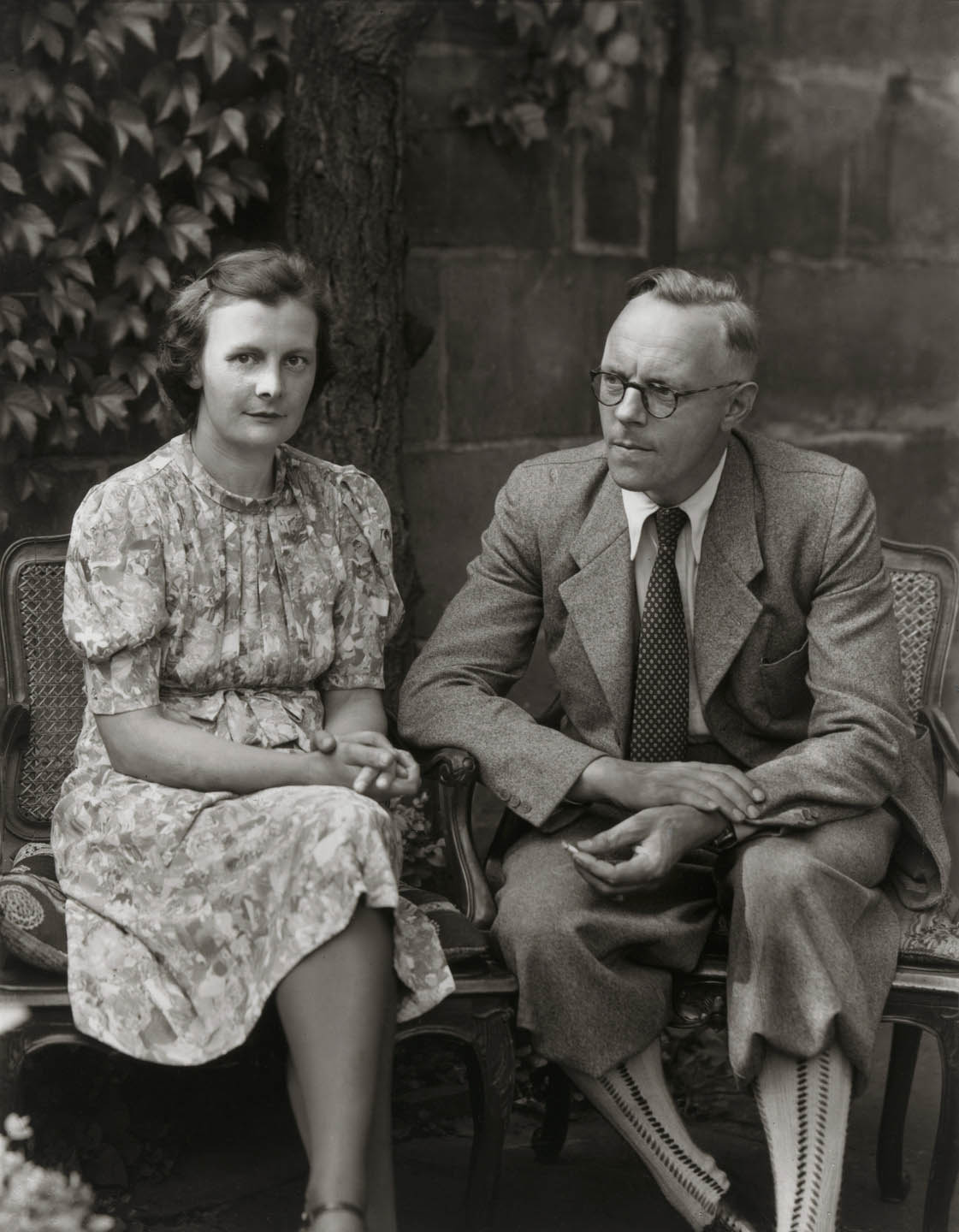

![August Sander (German, 1876-1964) 'Philosopher [Max Scheler]' c. 1925, printed c. 1990-1999](https://artblart.com/wp-content/uploads/2026/05/august-sander-philosopher-max-scheler.jpg "August Sander (German, 1876-1964) 'Philosopher [Max Scheler]' c. 1925, printed c. 1990-1999")
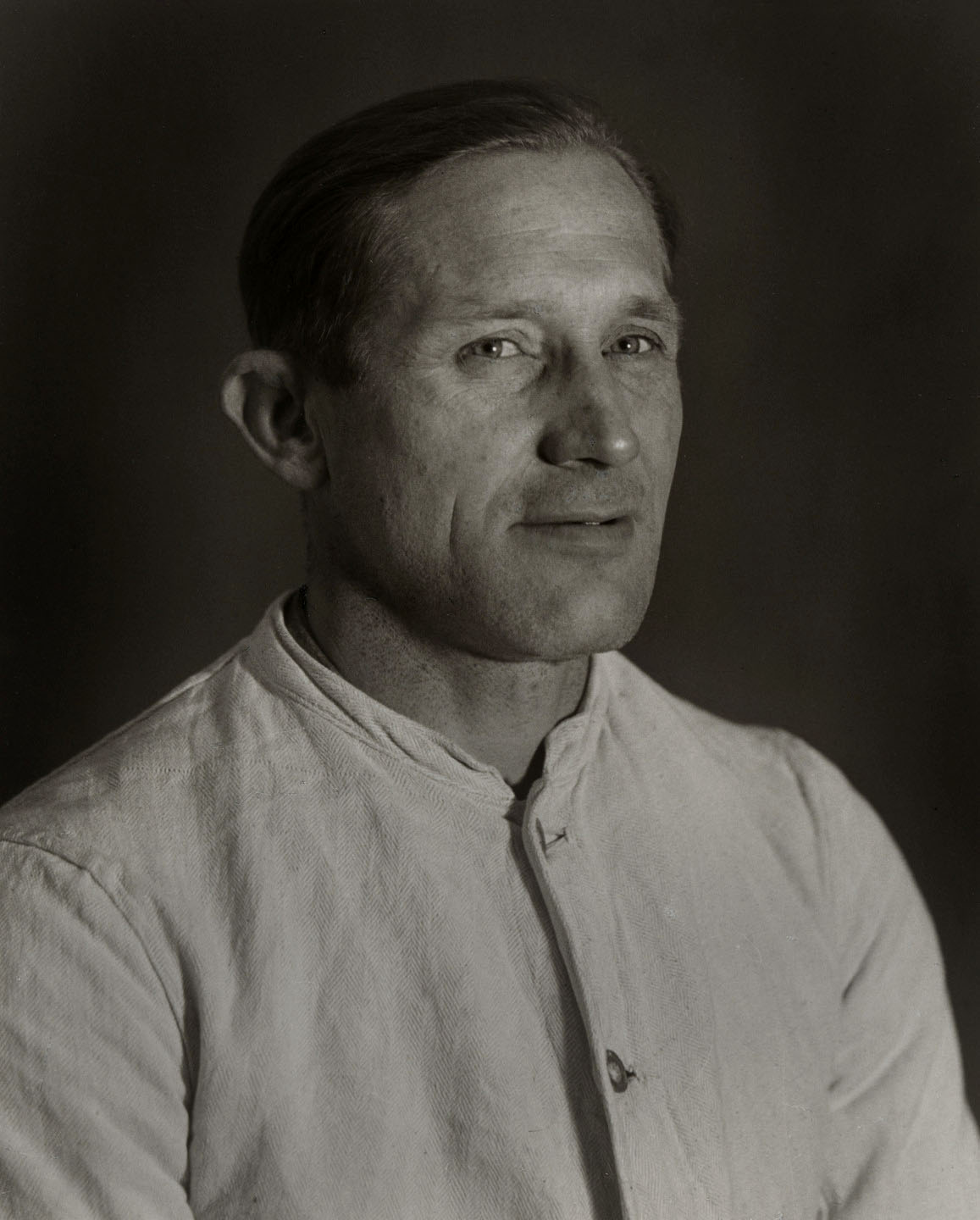
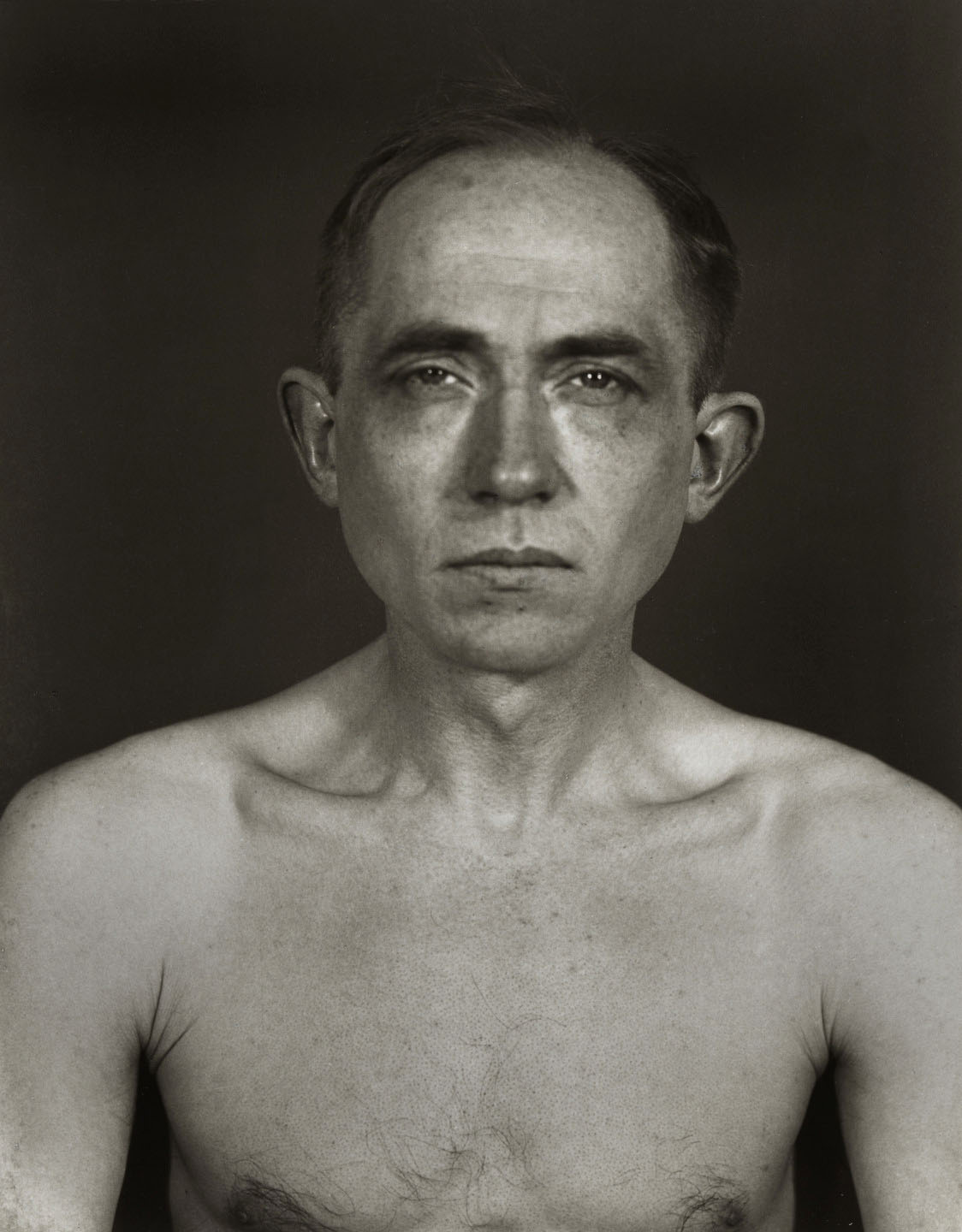
![August Sander (German, 1876-1964) 'Political Prisoner [Erich Sander]' 1941-1944, printed c. 1990-1999](https://artblart.com/wp-content/uploads/2026/05/august-sander-political-prisoner-b.jpg "August Sander (German, 1876-1964) 'Political Prisoner [Erich Sander]' 1941-1944, printed c. 1990-1999")
![August Sander (German, 1876-1964) 'Political Prisoner [Erich Sander]' 1943, printed c. 1990-1999](https://artblart.com/wp-content/uploads/2026/05/august-sander-political-prisoner-erich-sander.jpg "August Sander (German, 1876-1964) 'Political Prisoner [Erich Sander]' 1943, printed c. 1990-1999")
![August Sander (German, 1876-1964) 'Political Prisoner [Marcel Ancelin]' 1943, printed c. 1990-1999](https://artblart.com/wp-content/uploads/2026/05/august-sander-political-prisoner-marcel-ancelin.jpg "August Sander (German, 1876-1964) 'Political Prisoner [Marcel Ancelin]' 1943, printed c. 1990-1999")
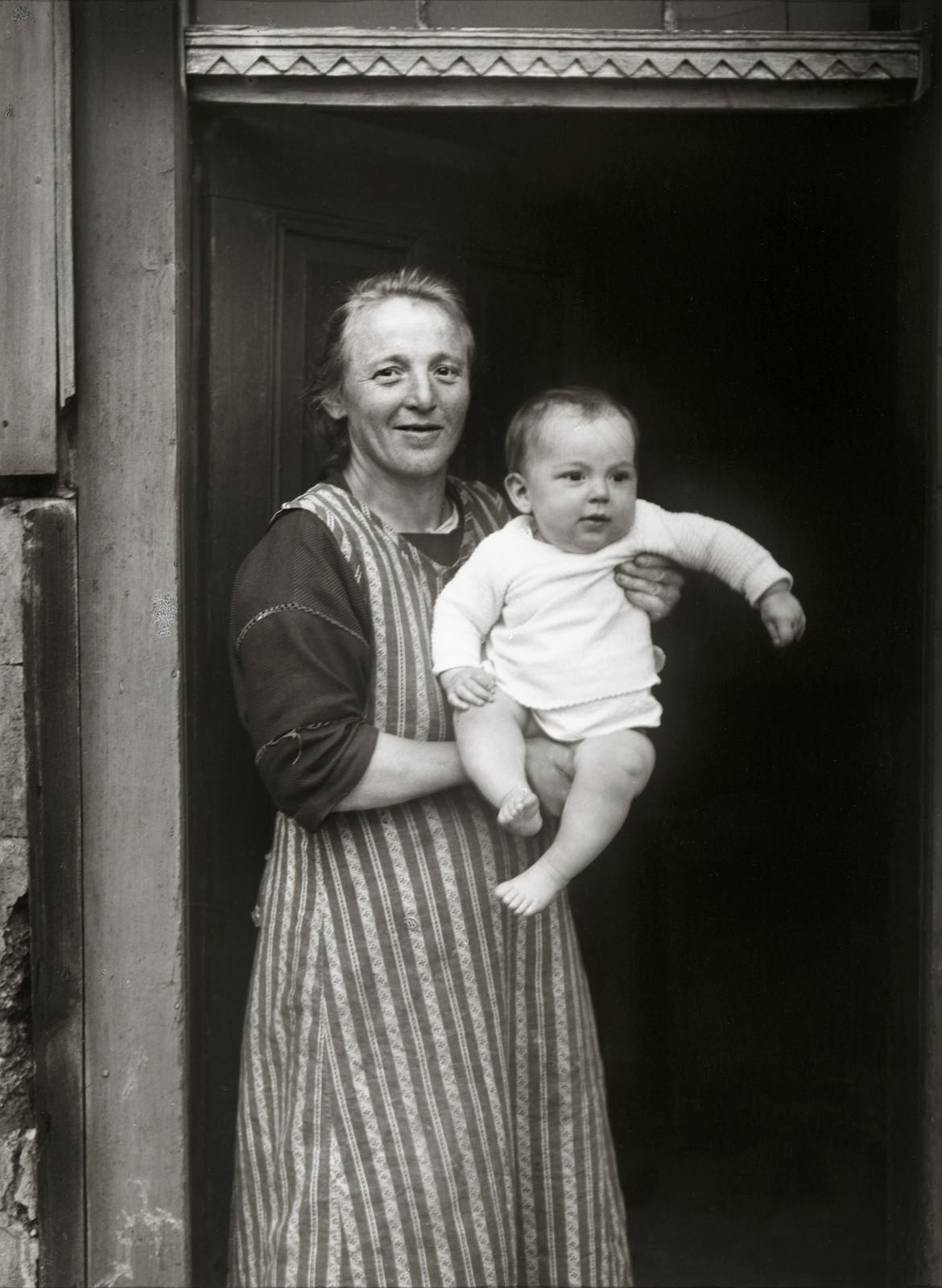
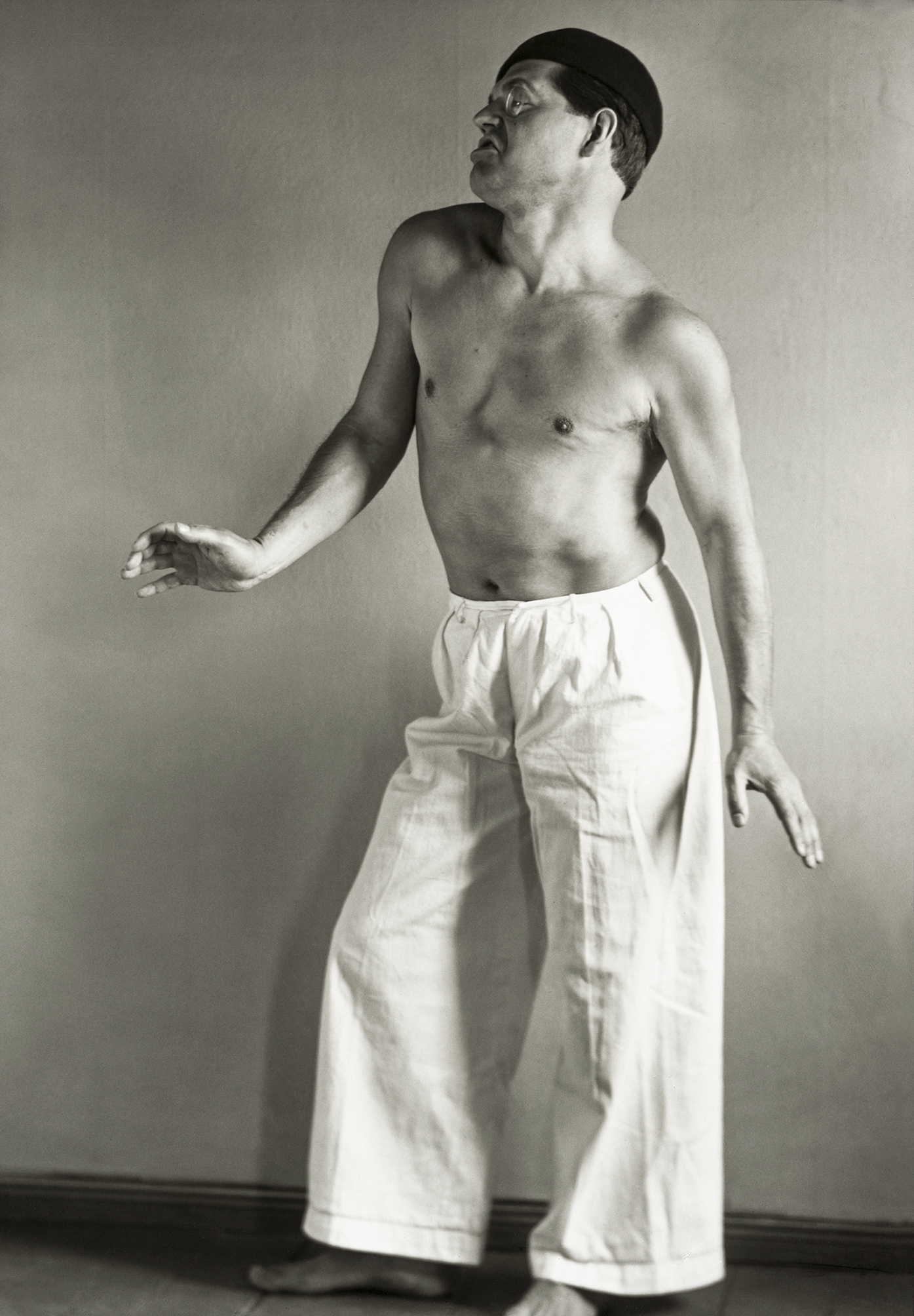
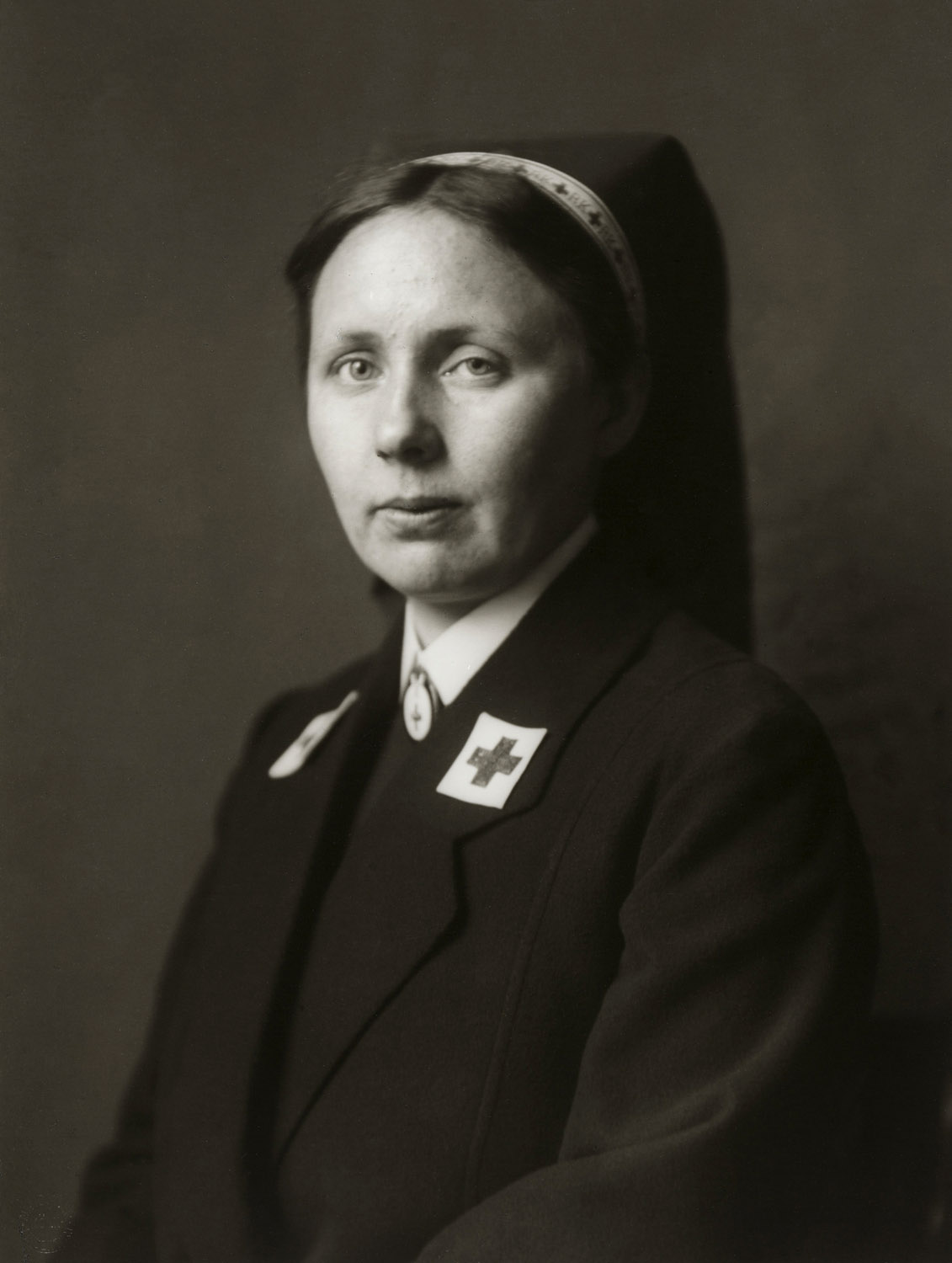
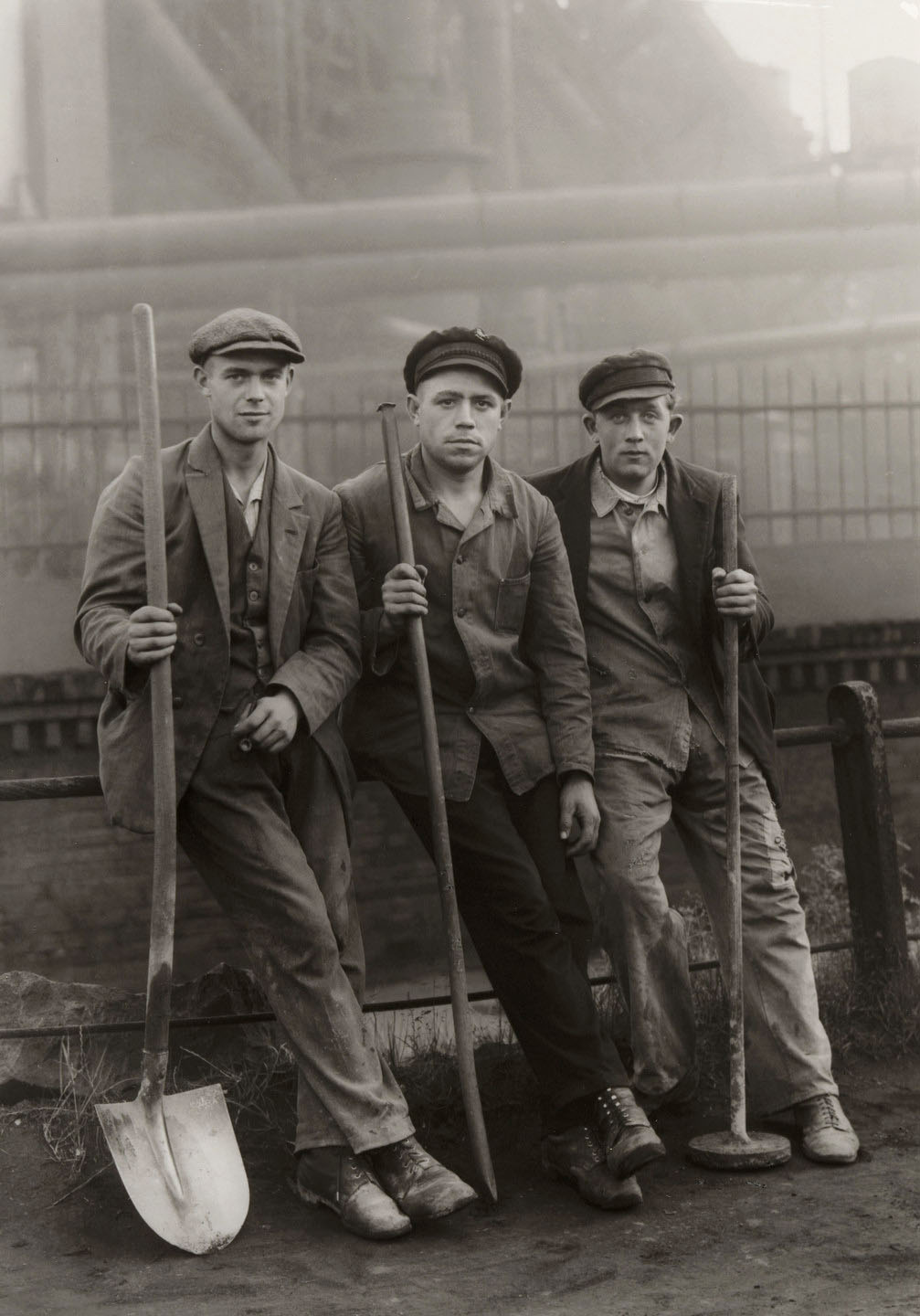
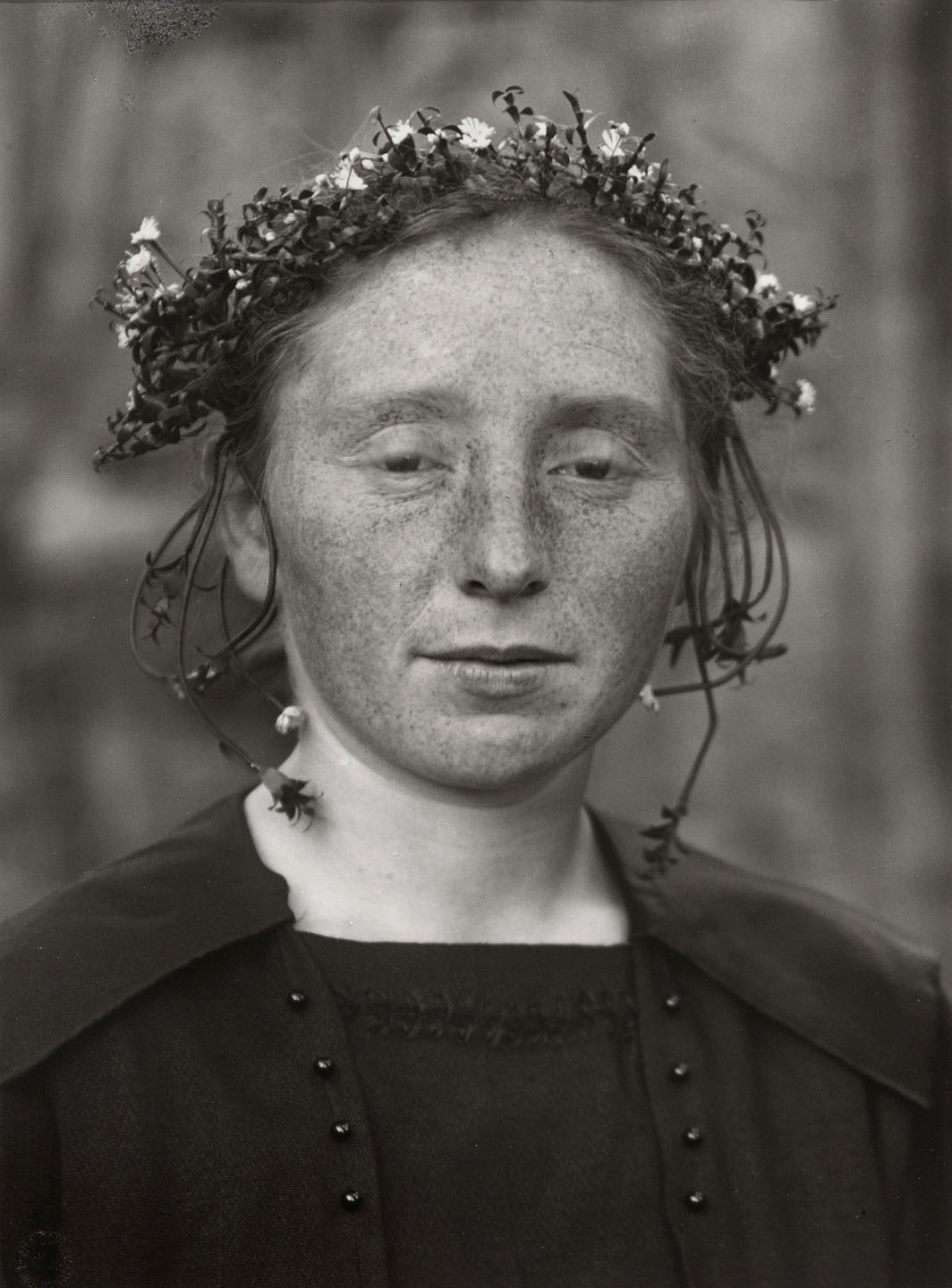
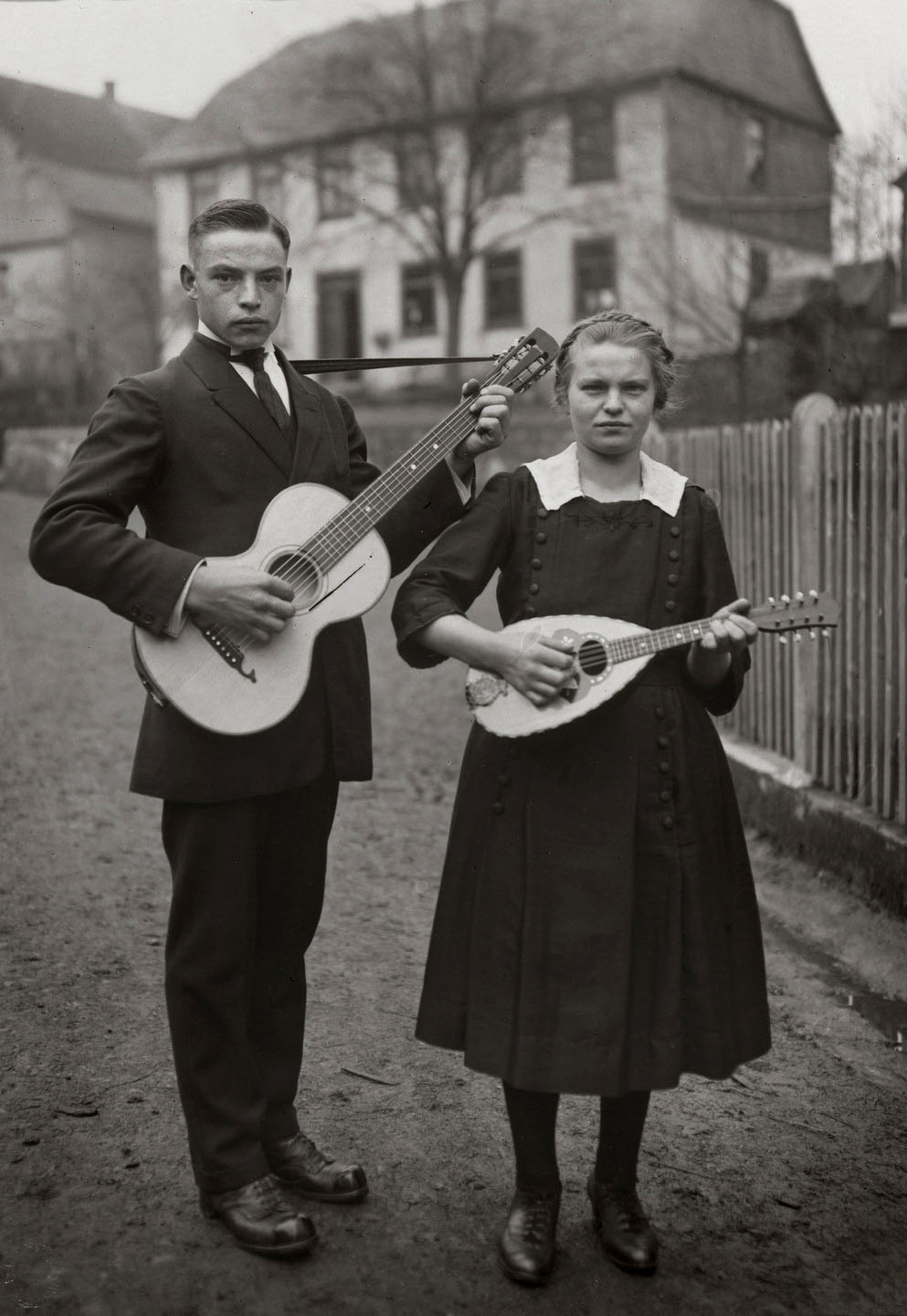
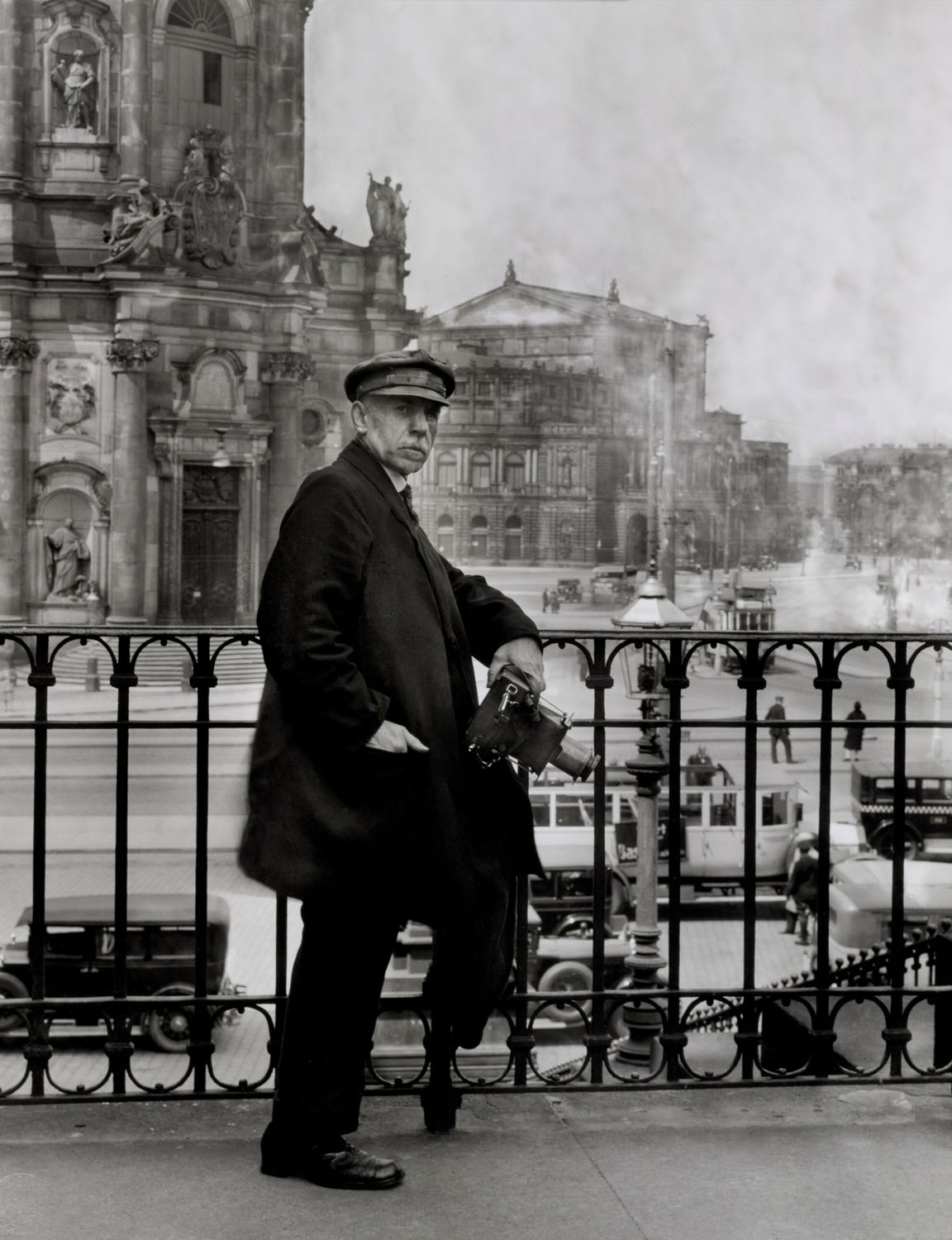

![August Sander (German, 1876-1964) 'The Architect Couple [Dora und Hans Heinz Lüttgen]' 1926, printed c. 1990-1999](https://artblart.com/wp-content/uploads/2026/05/august-sander-the-architect-couple-dora-und-hans-heinz-luttgen-dora.jpg "August Sander (German, 1876-1964) 'The Architect Couple [Dora und Hans Heinz Lüttgen]' 1926, printed c. 1990-1999")
![August Sander (German, 1876-1964) 'The Dadaist Raoul Hausmann [with Hedwig Mankiewitz and Vera Broïdo]' 1929](https://artblart.com/wp-content/uploads/2019/01/sander-der_dadaist-web.jpg "August Sander (German, 1876-1964) 'The Dadaist Raoul Hausmann [with Hedwig Mankiewitz and Vera Broïdo]' 1929")
![August Sander (German, 1876-1964) 'The Industrialist [Max Spindler]' 1929, printed c. 1990-1999](https://artblart.com/wp-content/uploads/2022/03/sander-the-industrialist-1929.jpg "August Sander (German, 1876-1964) 'The Industrialist [Max Spindler]' 1929, printed c. 1990-1999")
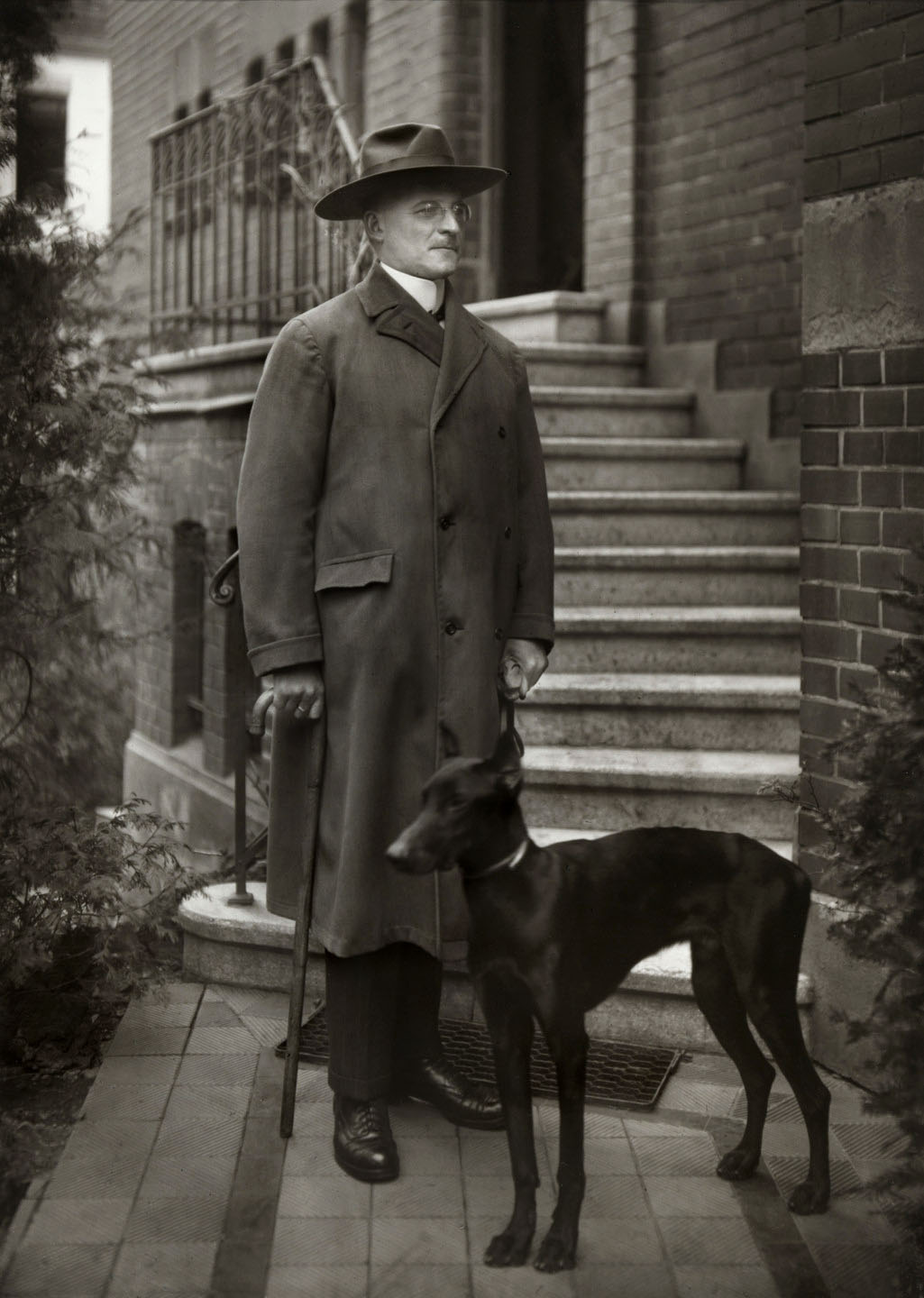
![August Sander (German, 1876-1964) 'The Painter Couple [Martha und Otto Dix]' 1925-1926, printed c. 1990-1999](https://artblart.com/wp-content/uploads/2022/08/11.jpg "August Sander (German, 1876-1964) 'The Painter Couple [Martha und Otto Dix]' 1925-1926, printed c. 1990-1999")
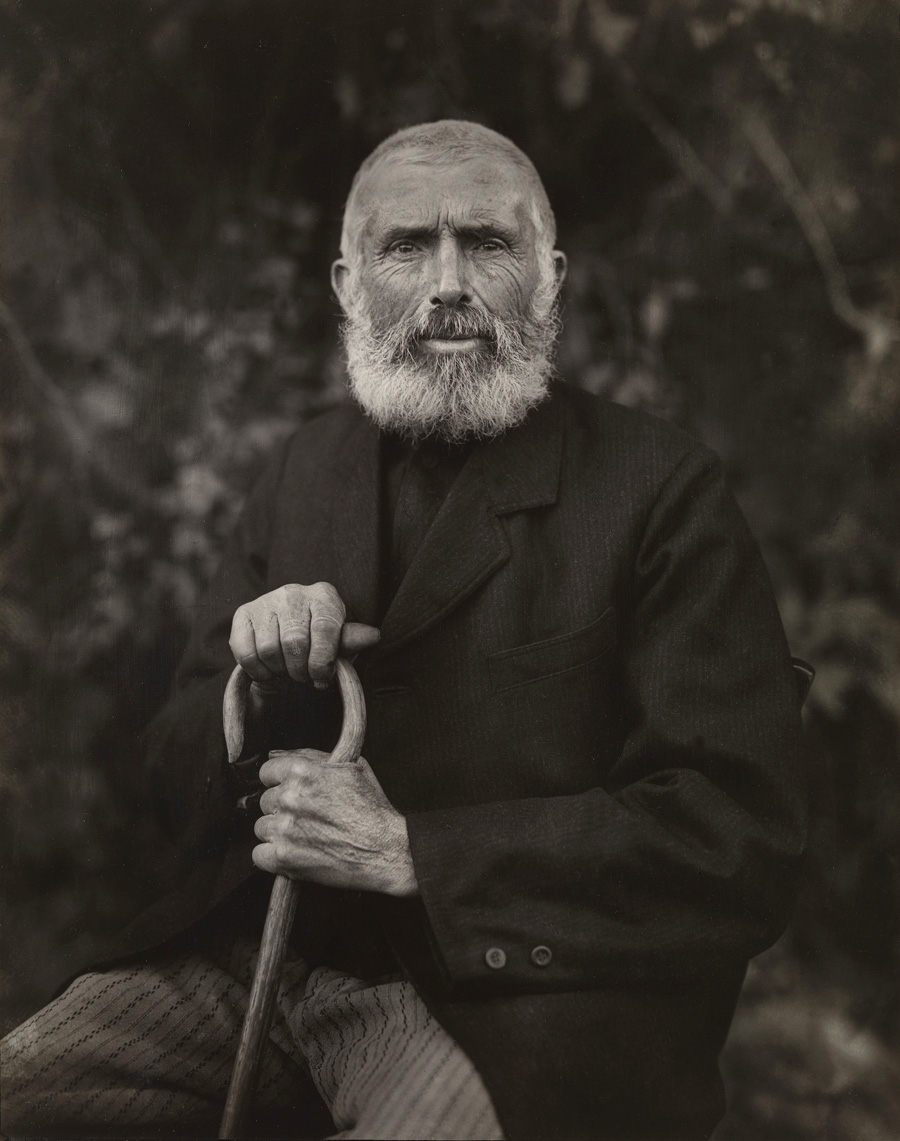
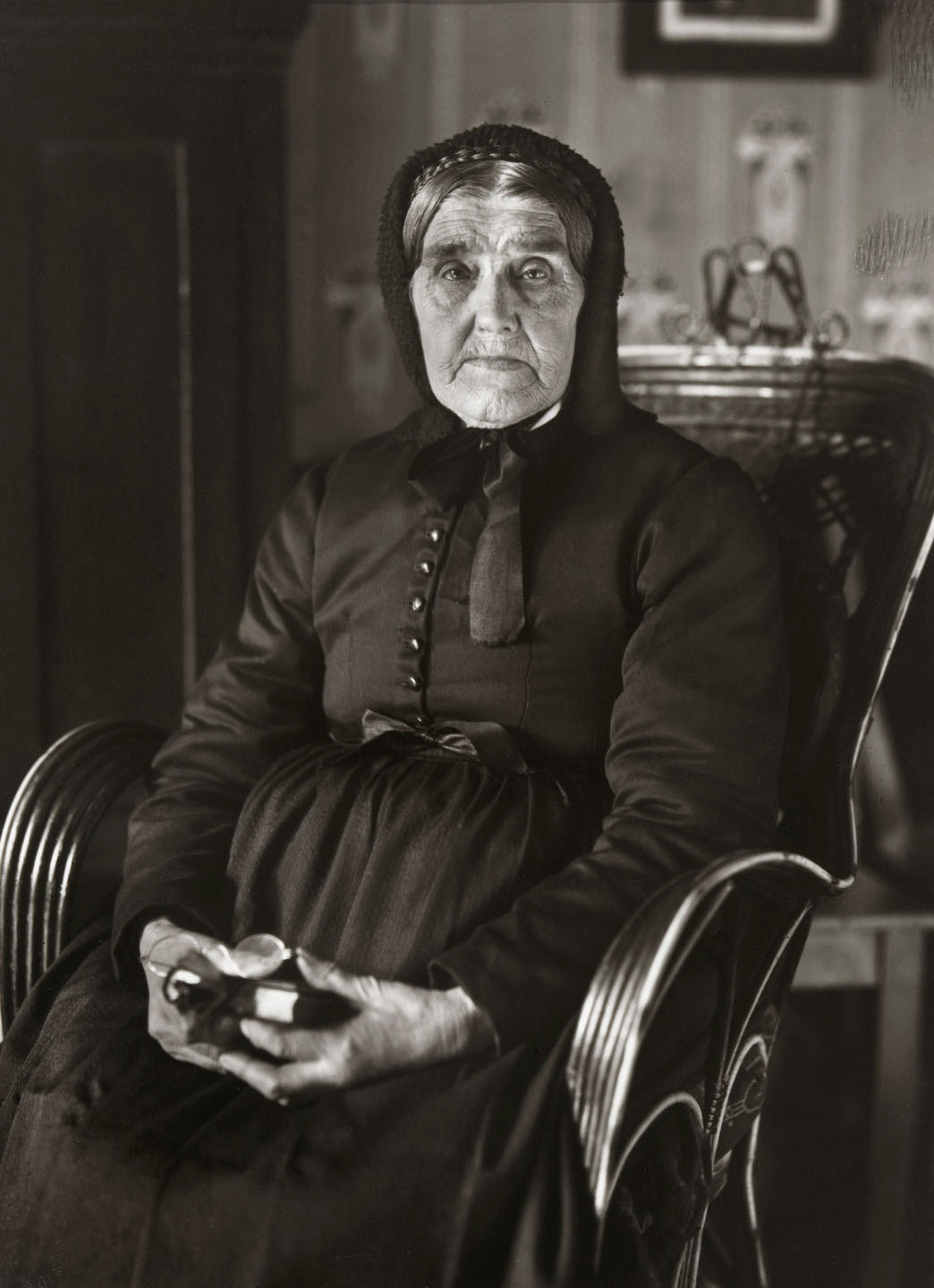
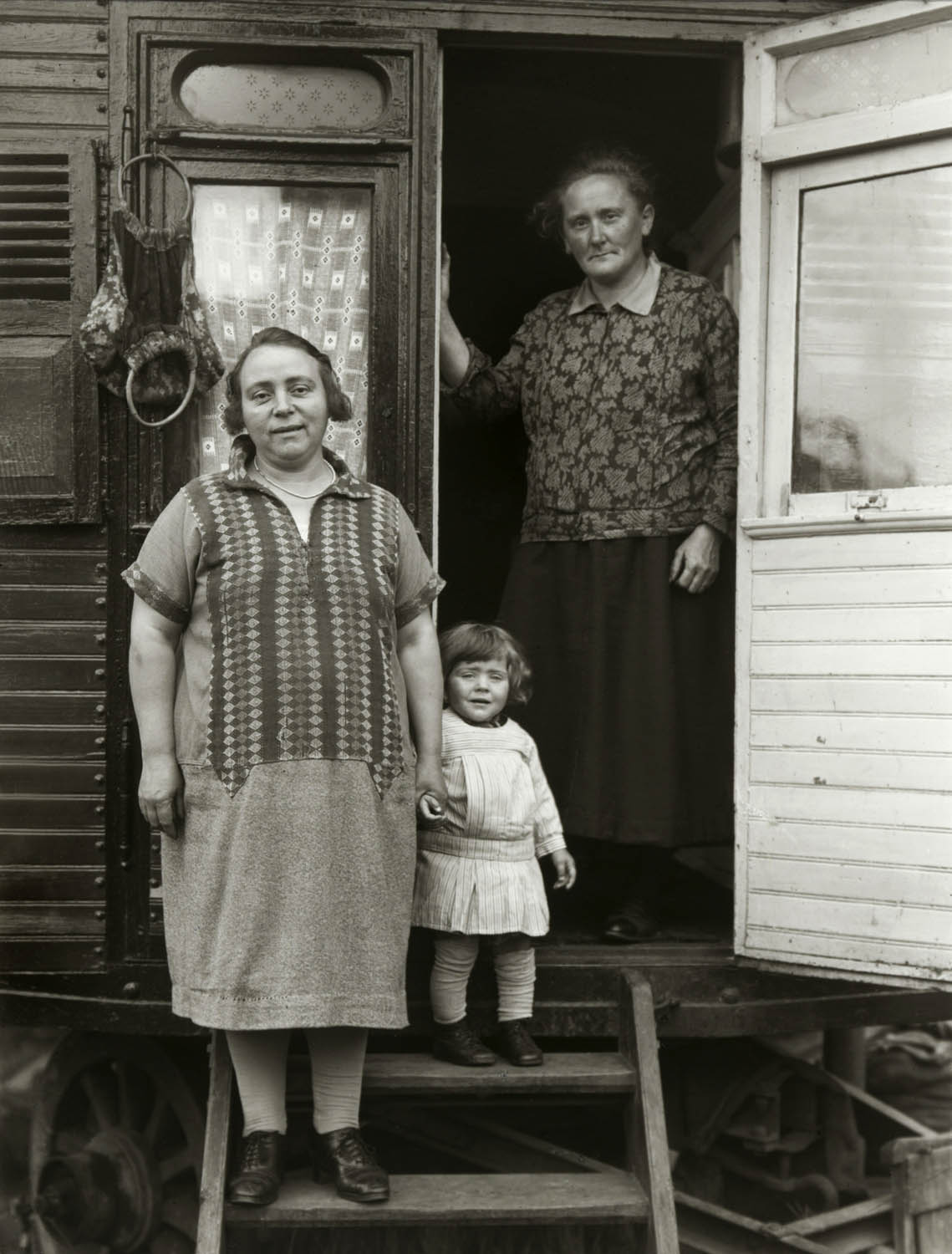
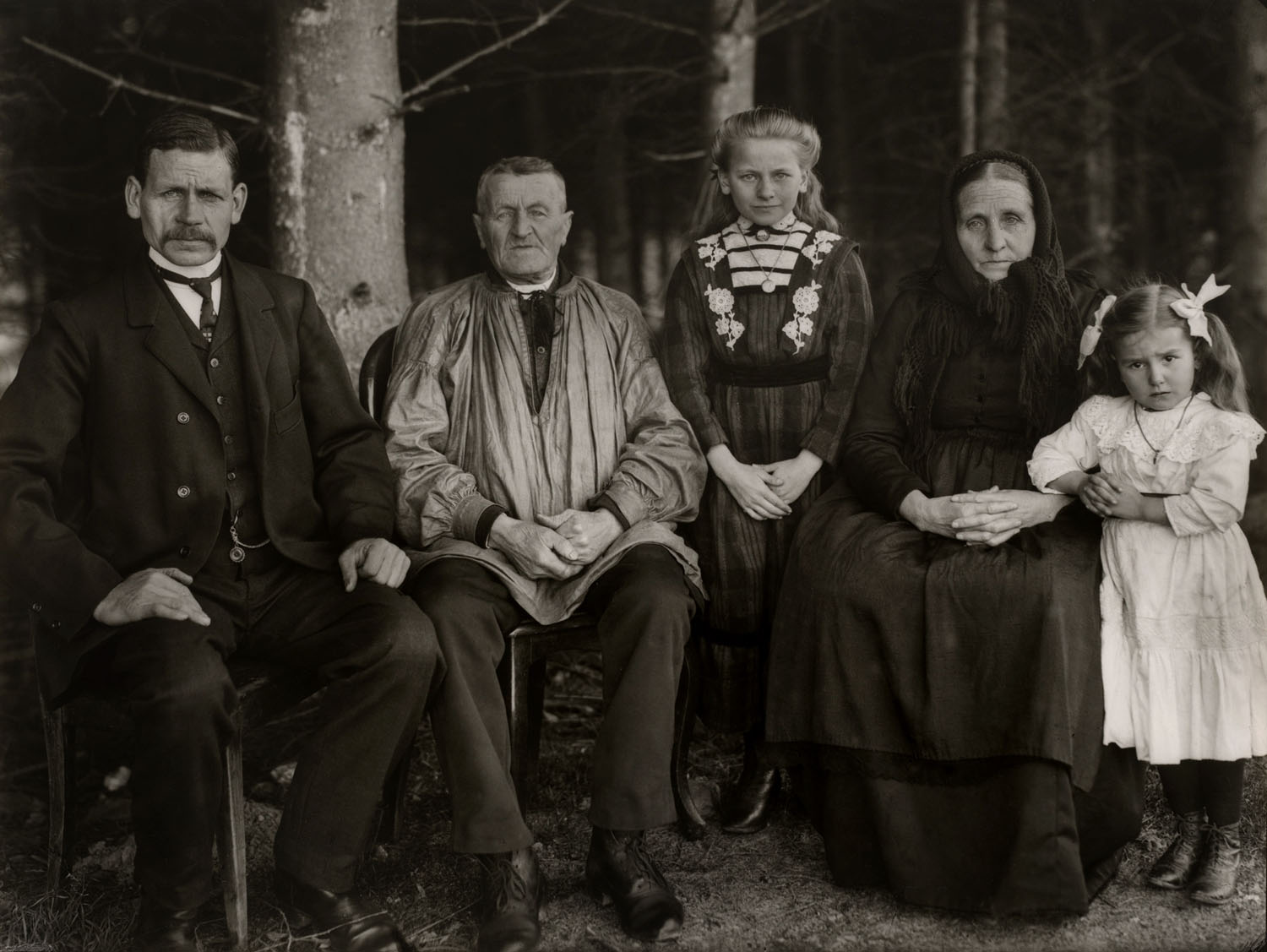
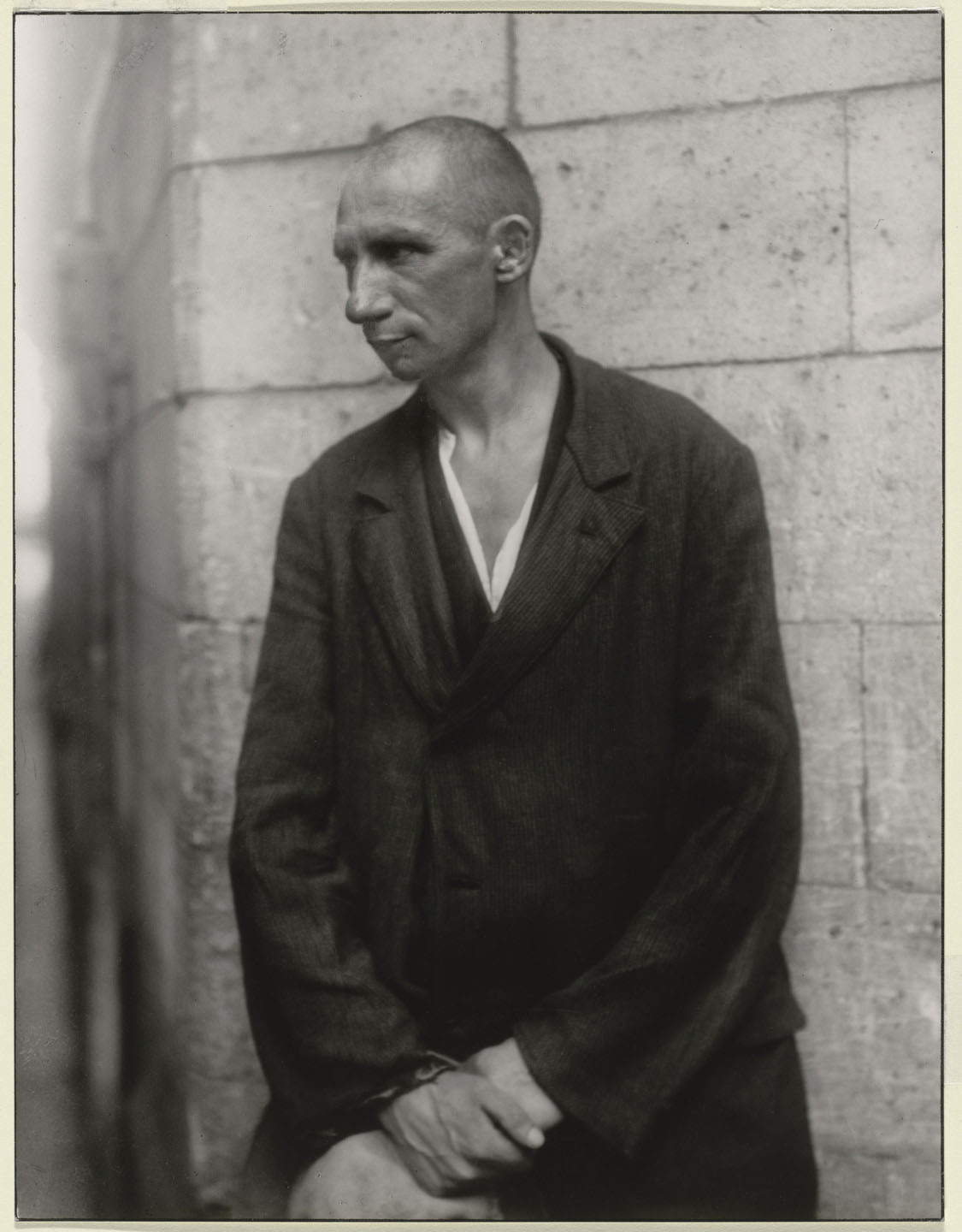
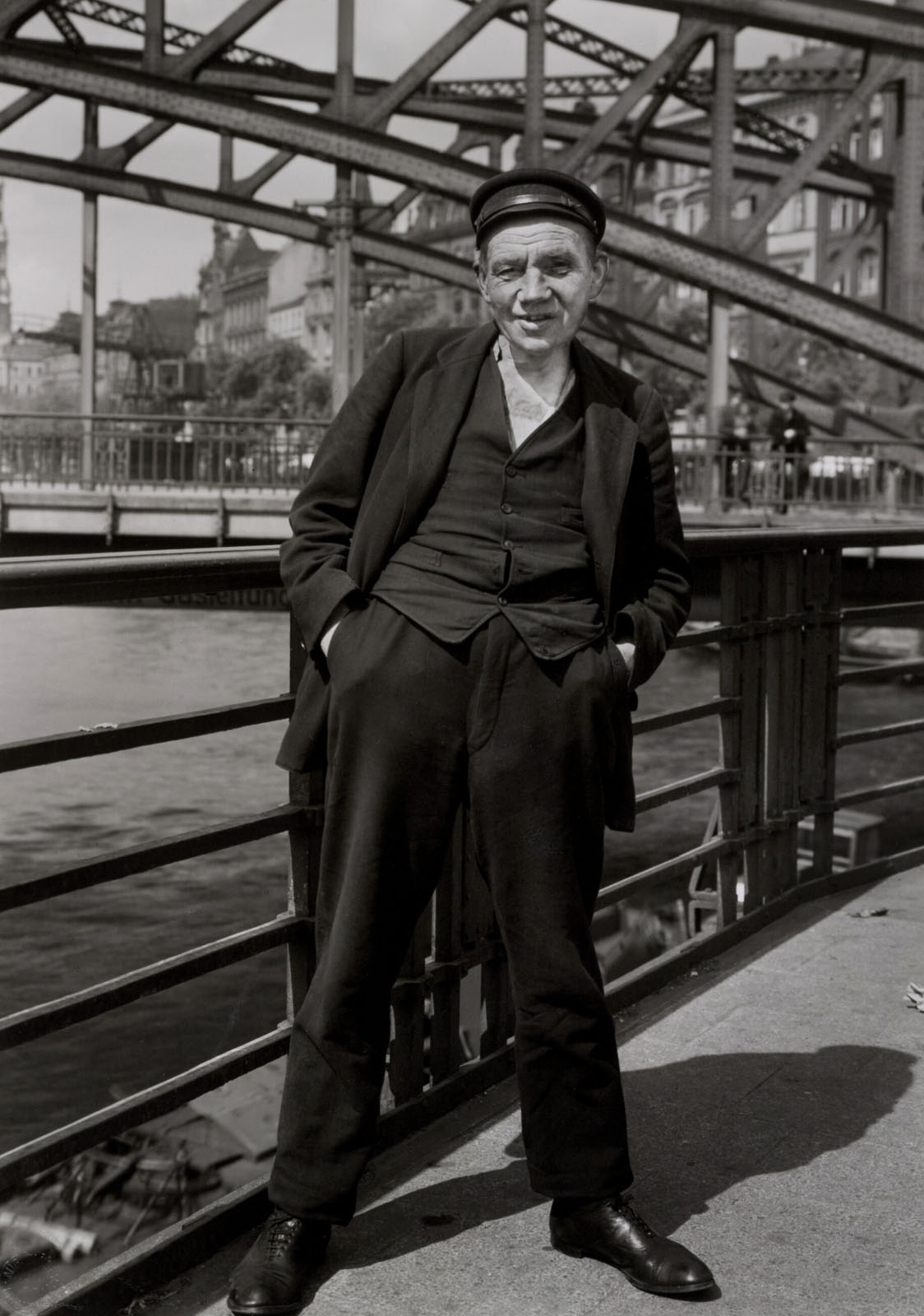
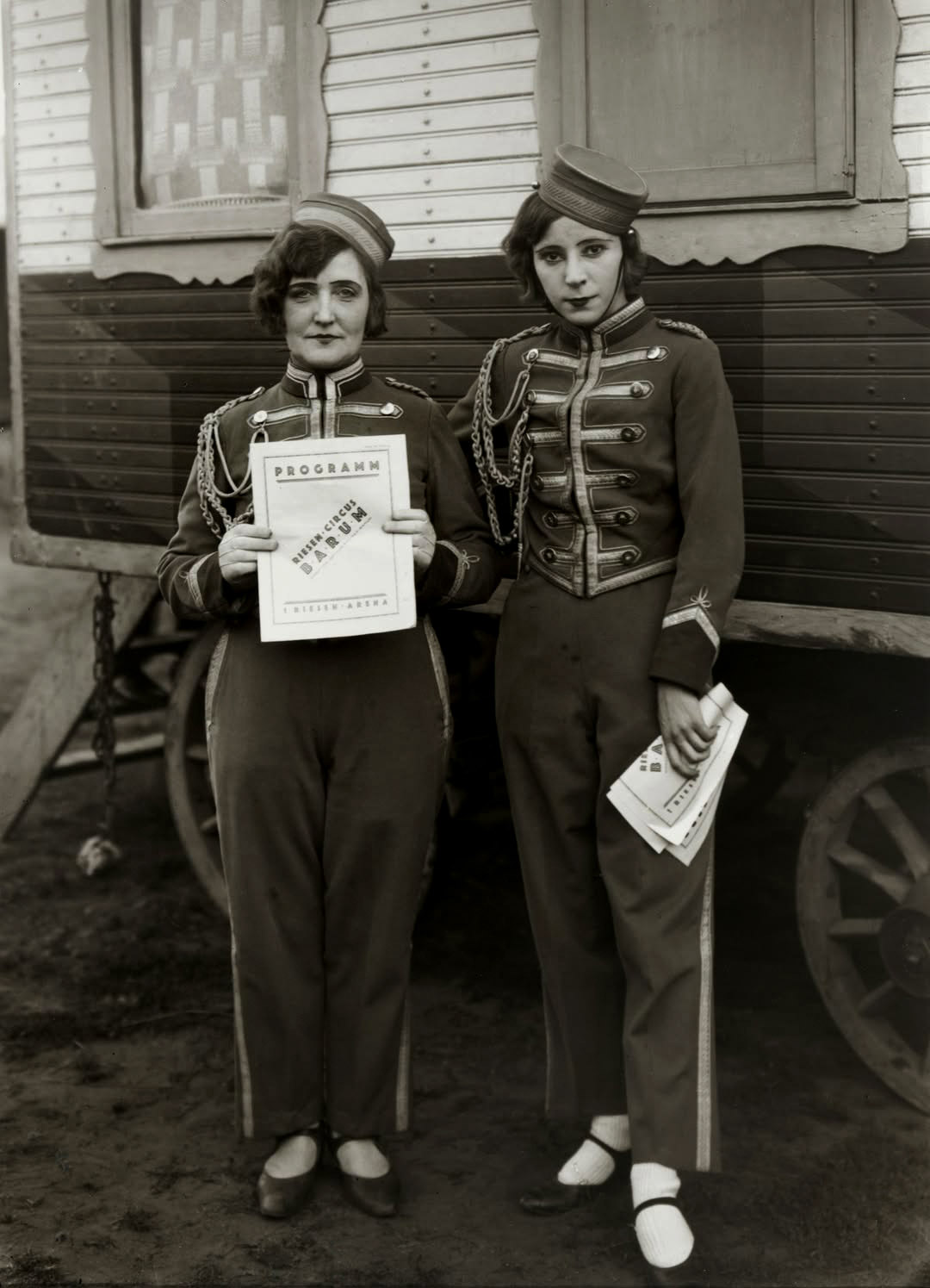
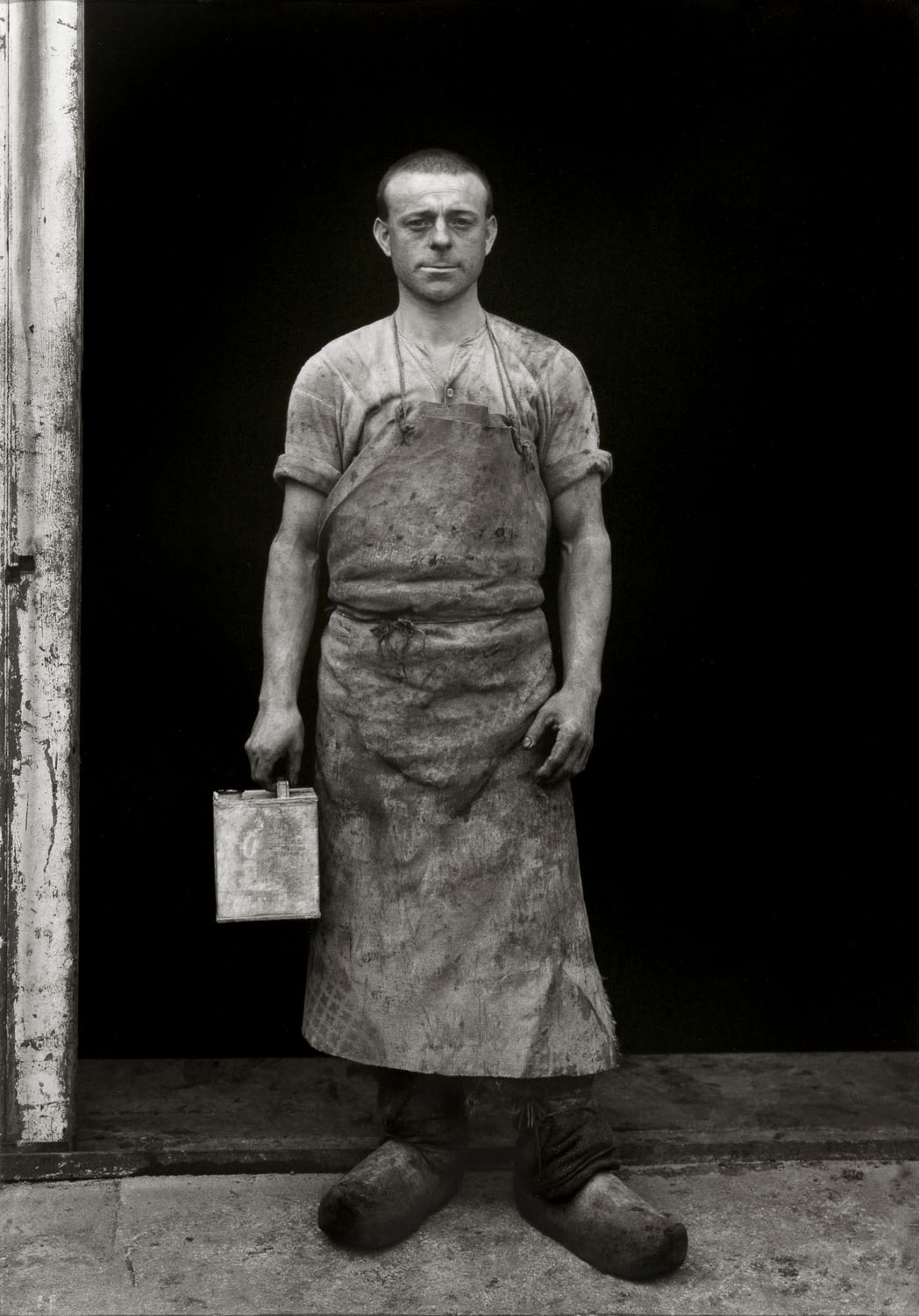
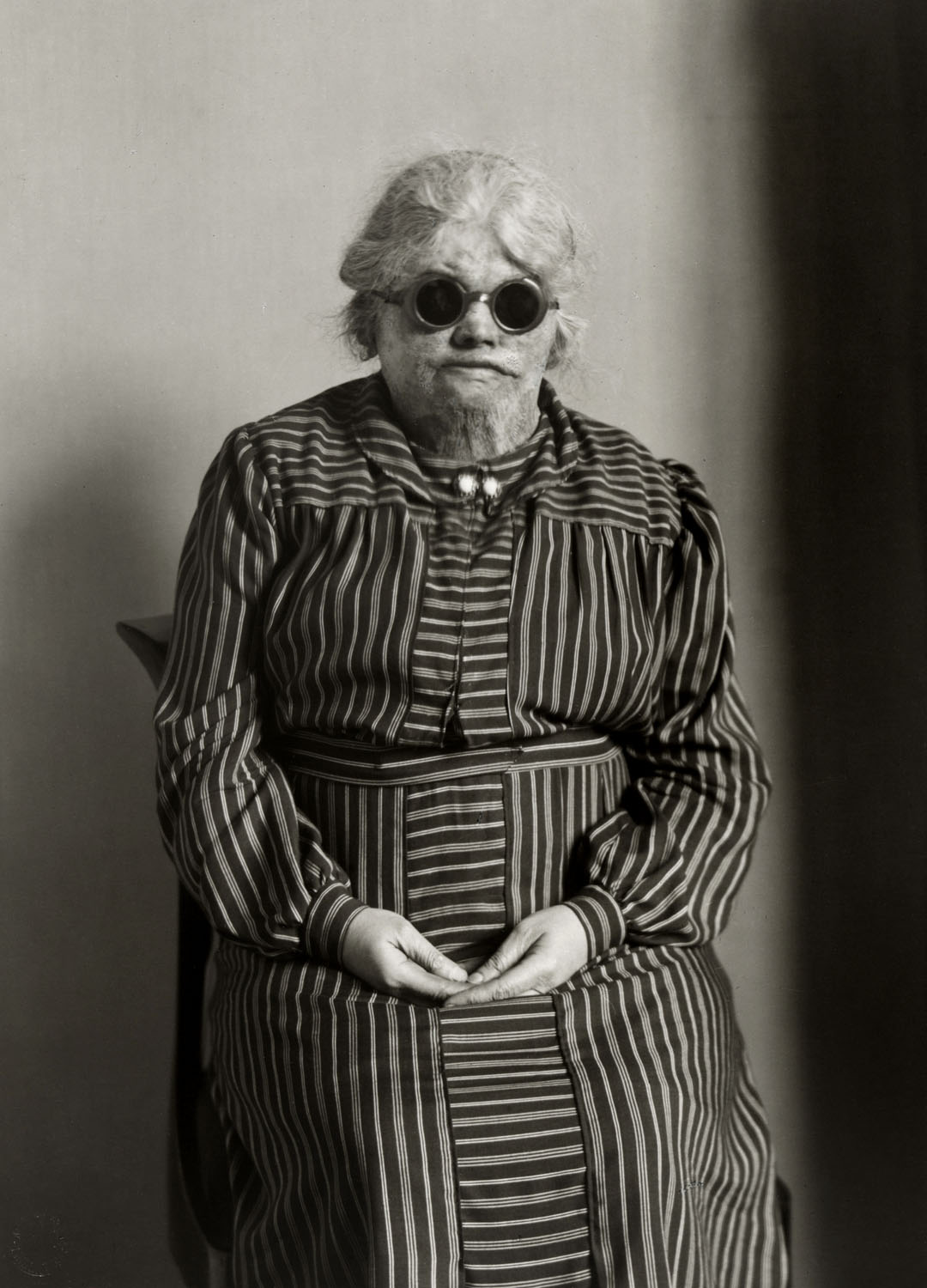
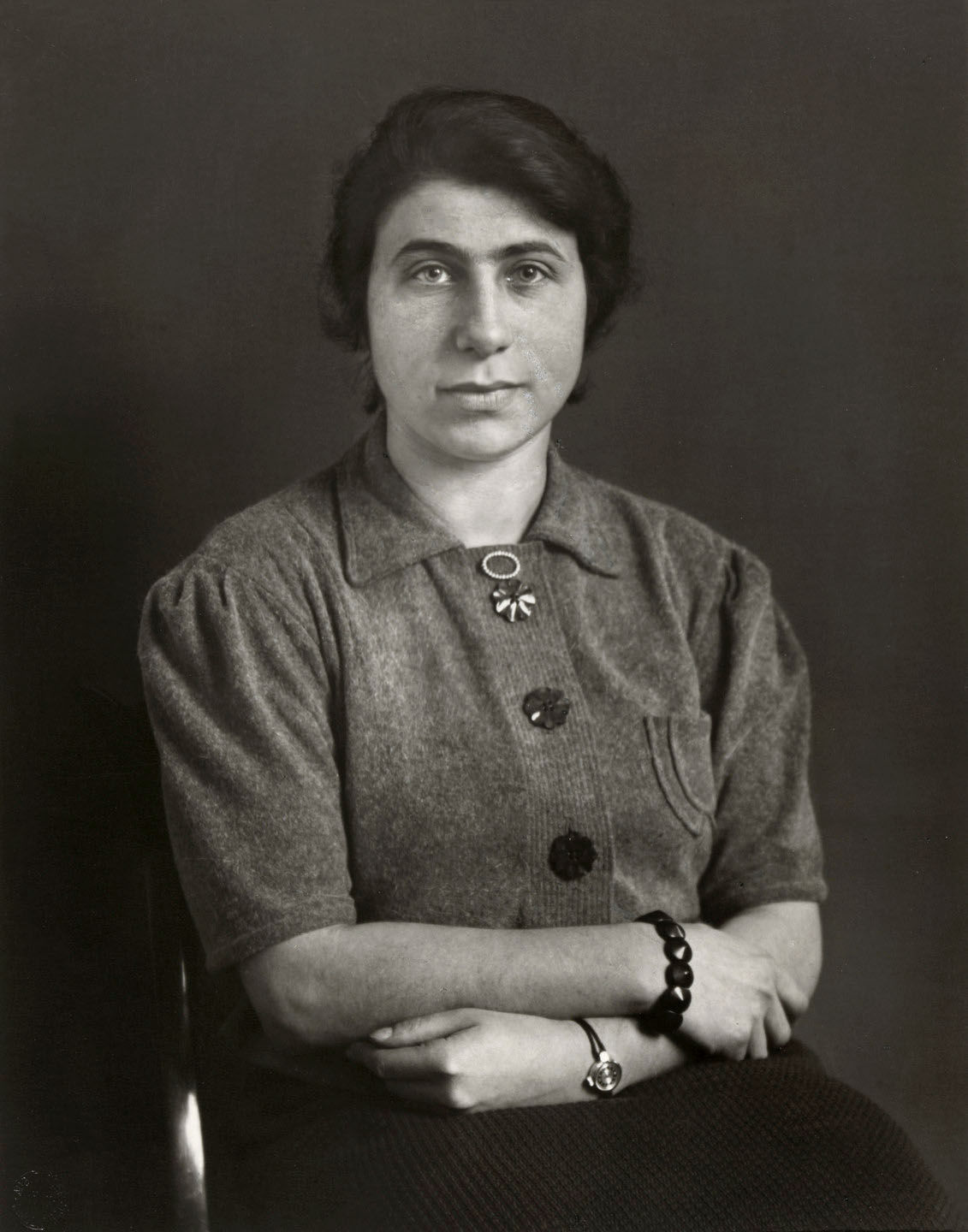
![August Sander (German, 1876-1964) 'Victim of Persecution [Miss Oppenheim]' c. 1938, printed c. 1990-1999](https://artblart.com/wp-content/uploads/2026/05/august-sander-victim-of-persecution-miss-oppenheim.jpg "August Sander (German, 1876-1964) 'Victim of Persecution [Miss Oppenheim]' c. 1938, printed c. 1990-1999")
![August Sander (German, 1876-1964) 'Victim of Persecution [Margarete (Grete) Trier Oppenheim]' c. 1938, printed c. 1990-1999](https://artblart.com/wp-content/uploads/2026/05/august-sander-victim-of-persecution-margarete-grete-trier-oppenheim.jpg "August Sander (German, 1876-1964) 'Victim of Persecution [Margarete (Grete) Trier Oppenheim]' c. 1938, printed c. 1990-1999")
![August Sander (German, 1876-1964) 'Victim of Persecution [Mr. Leubsdorf]' c. 1938, printed c. 1990-1999](https://artblart.com/wp-content/uploads/2026/05/august-sander-victim-of-persecution-mr.-leubsdorf.jpg "August Sander (German, 1876-1964) 'Victim of Persecution [Mr. Leubsdorf]' c. 1938, printed c. 1990-1999")
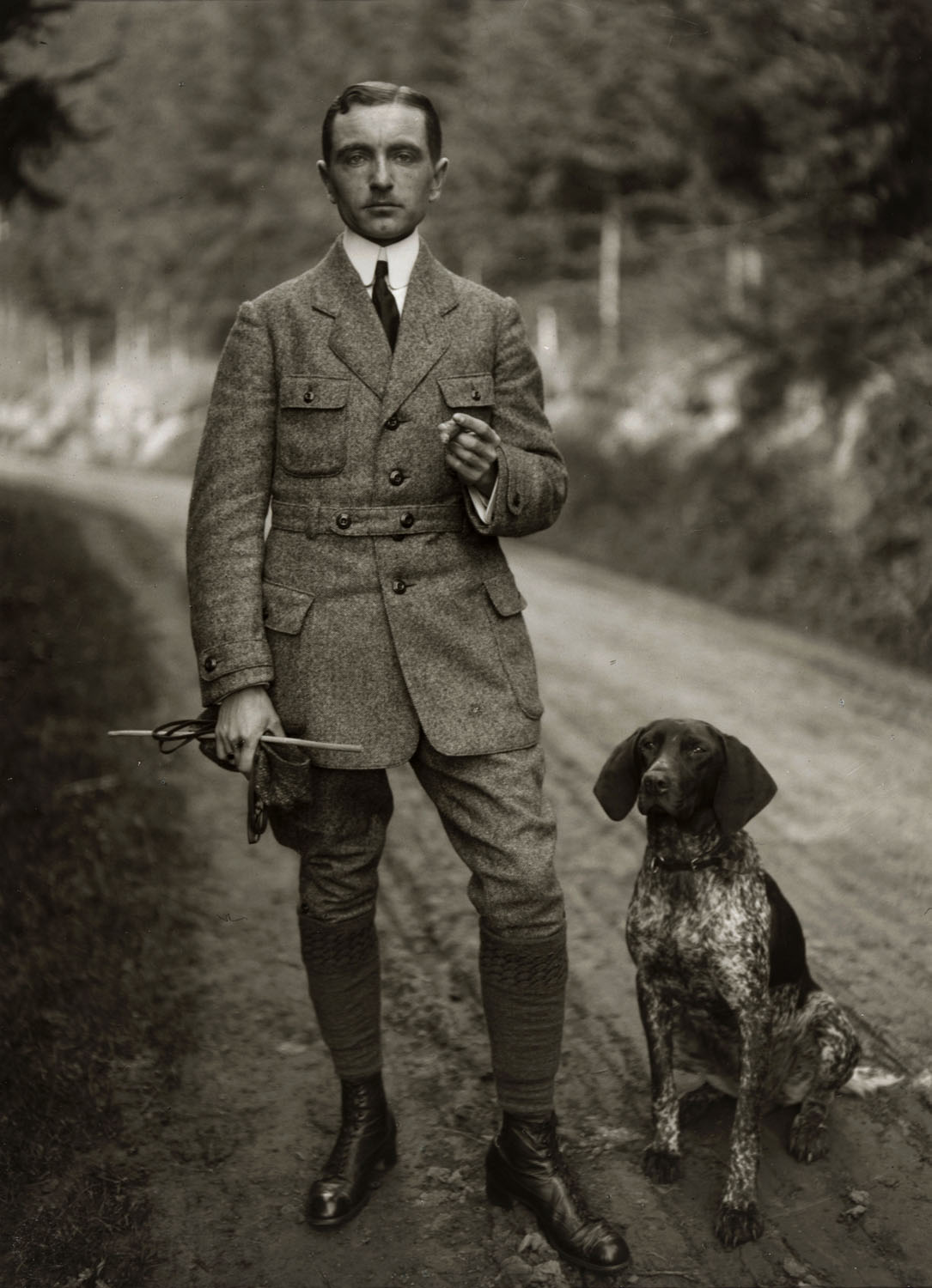

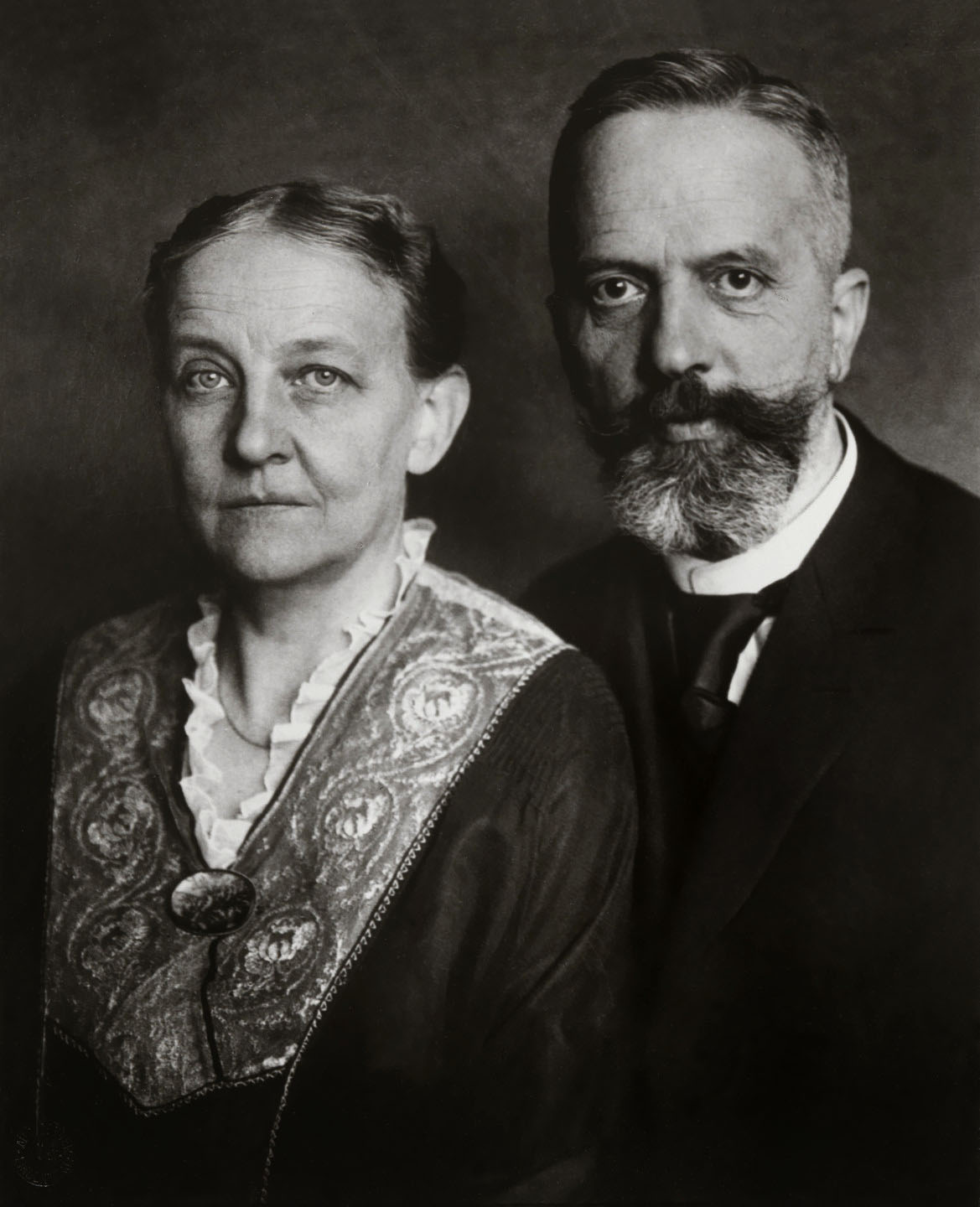
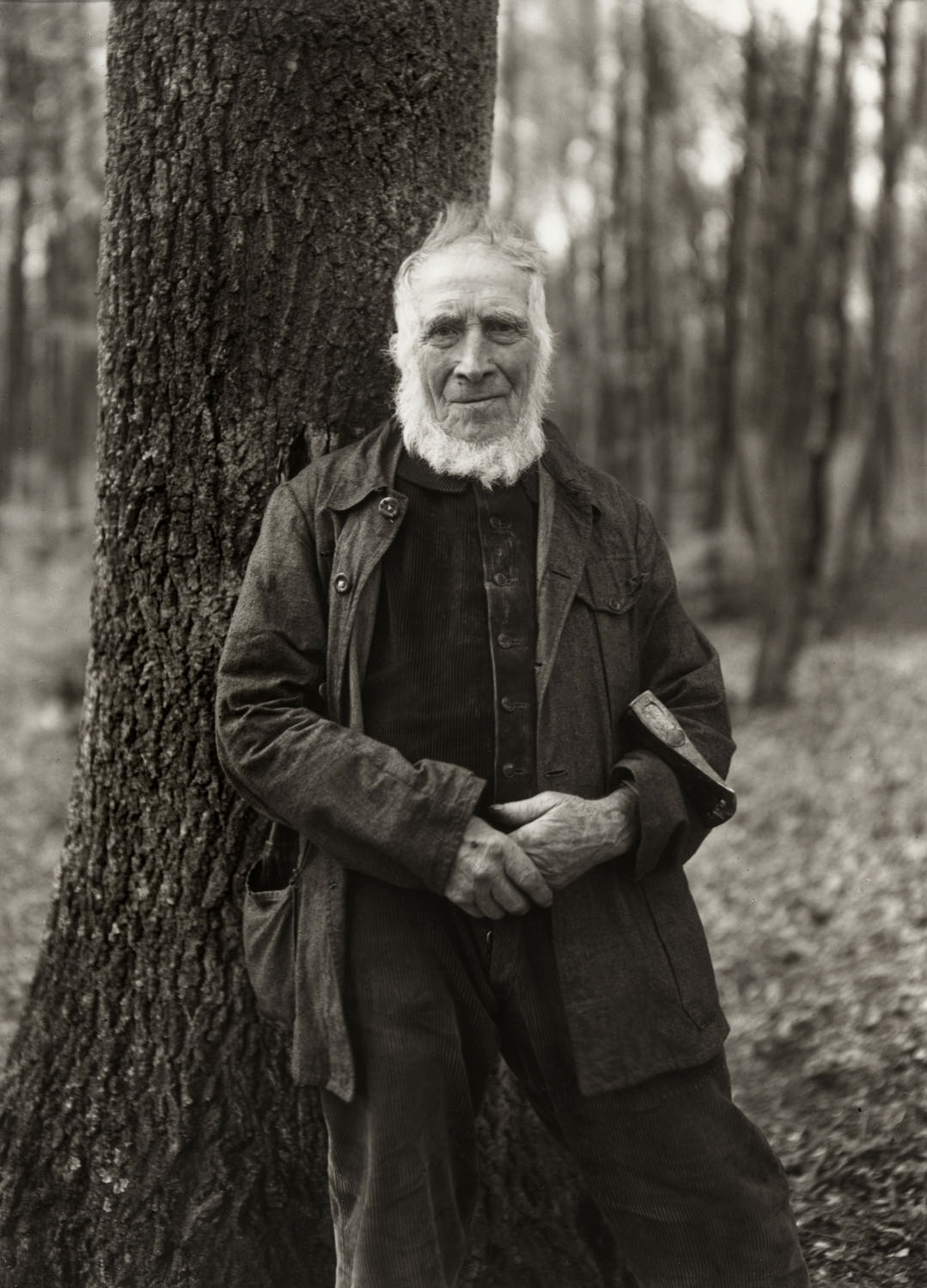
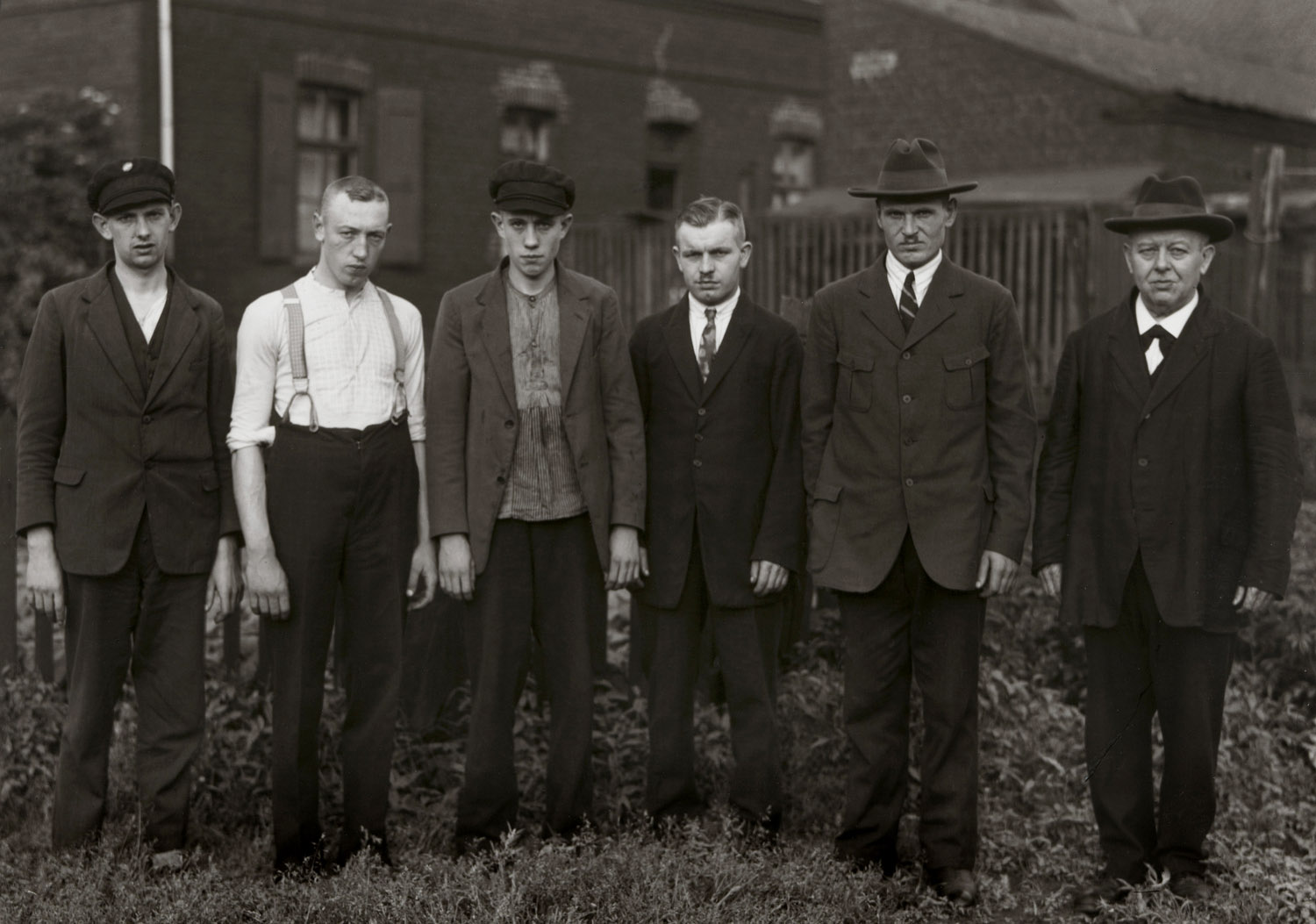
![August Sander (German, 1876-1964) 'Working Students [Erich Sander, far left; Richard Creutzberg, center left]' 1926, printed c. 1990-1999](https://artblart.com/wp-content/uploads/2026/05/august-sander-working-students.jpg "August Sander (German, 1876-1964) 'Working Students [Erich Sander, far left; Richard Creutzberg, center left]' 1926, printed c. 1990-1999")
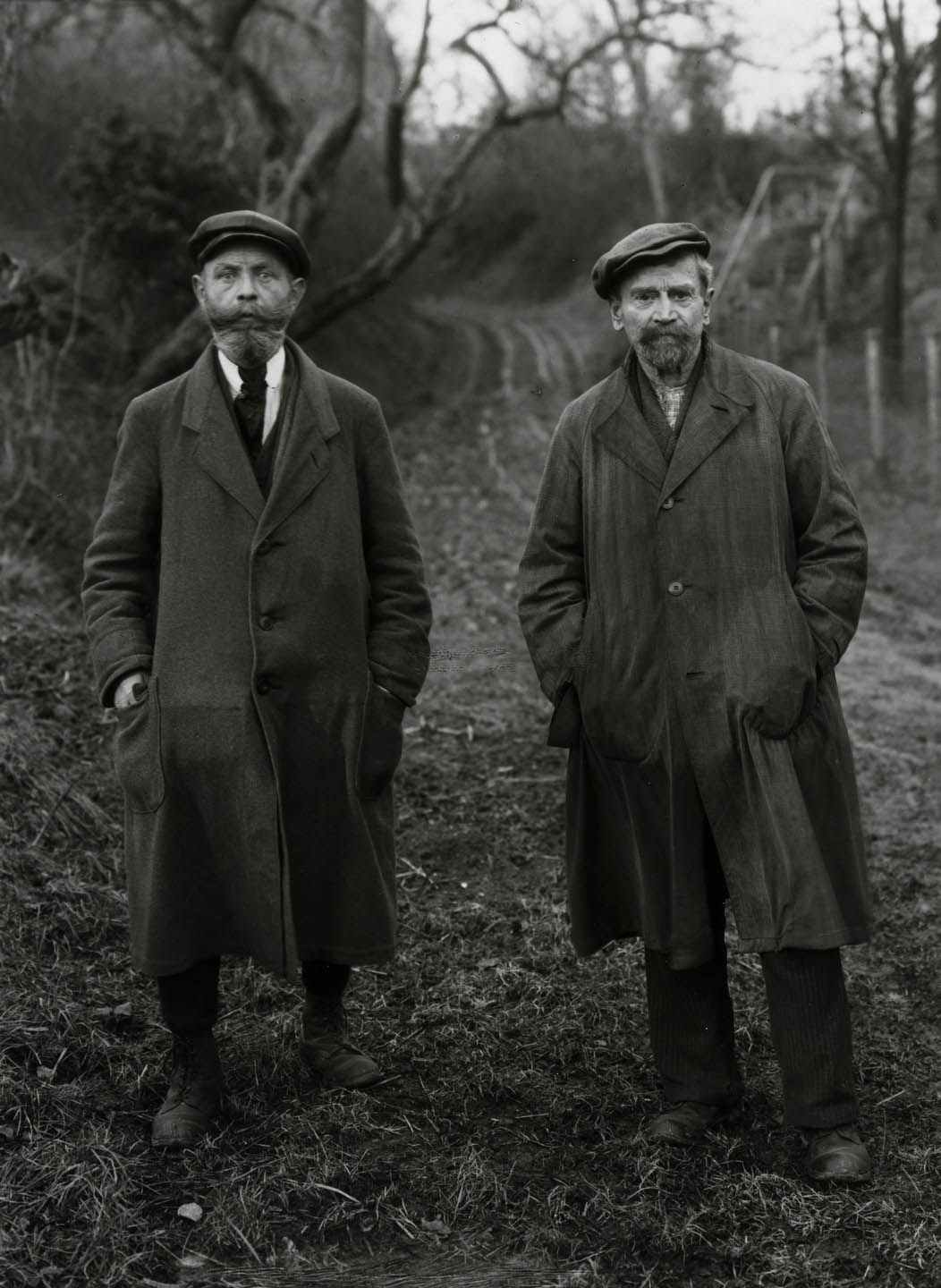
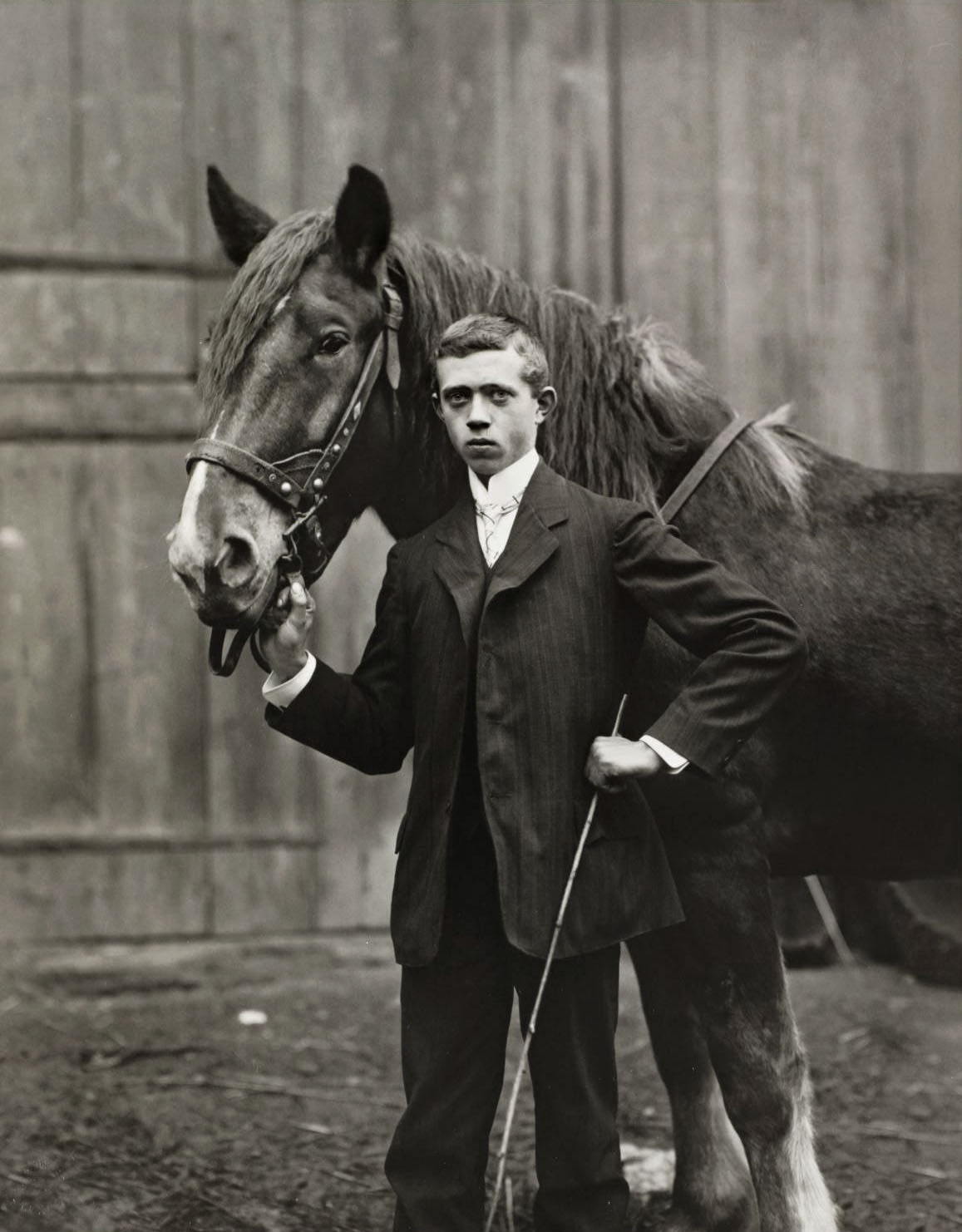

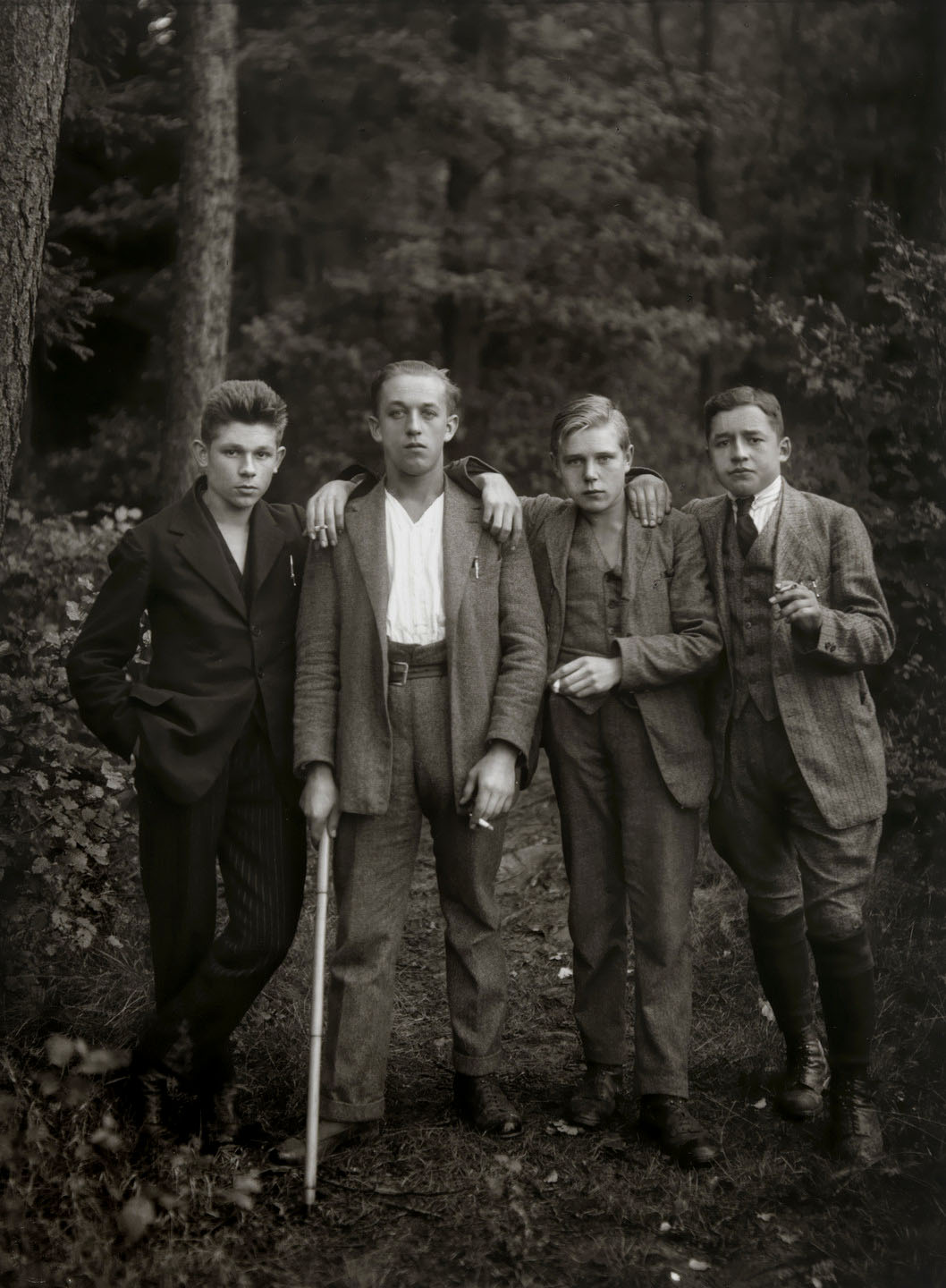

![August Sander (German, 1876-1964) 'Young Photographer [Gunther Sander]' 1929, printed c. 1990-1999](https://artblart.com/wp-content/uploads/2026/05/august-sander-young-photographer-gunther-sander.jpg "August Sander (German, 1876-1964) 'Young Photographer [Gunther Sander]' 1929, printed c. 1990-1999")
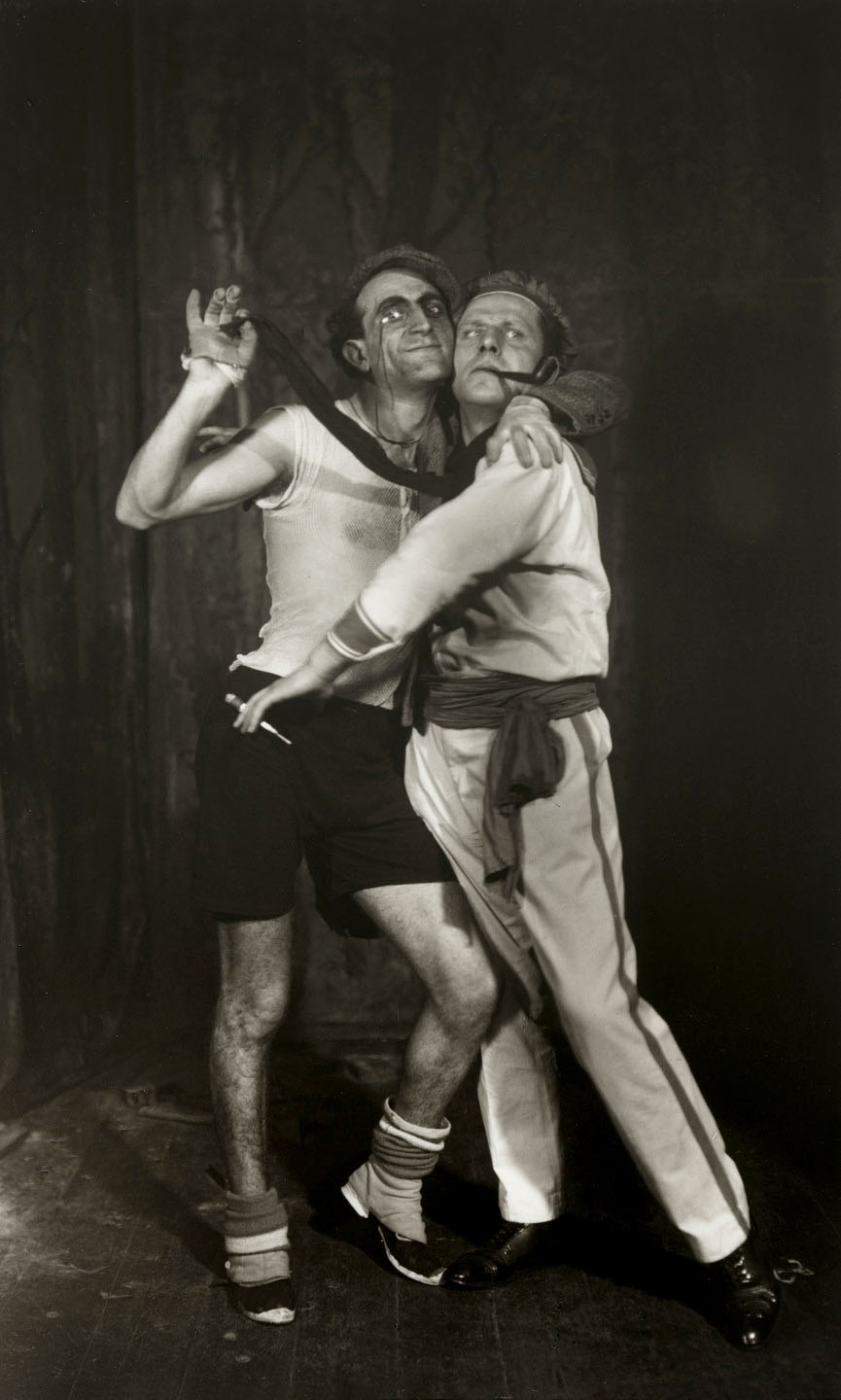
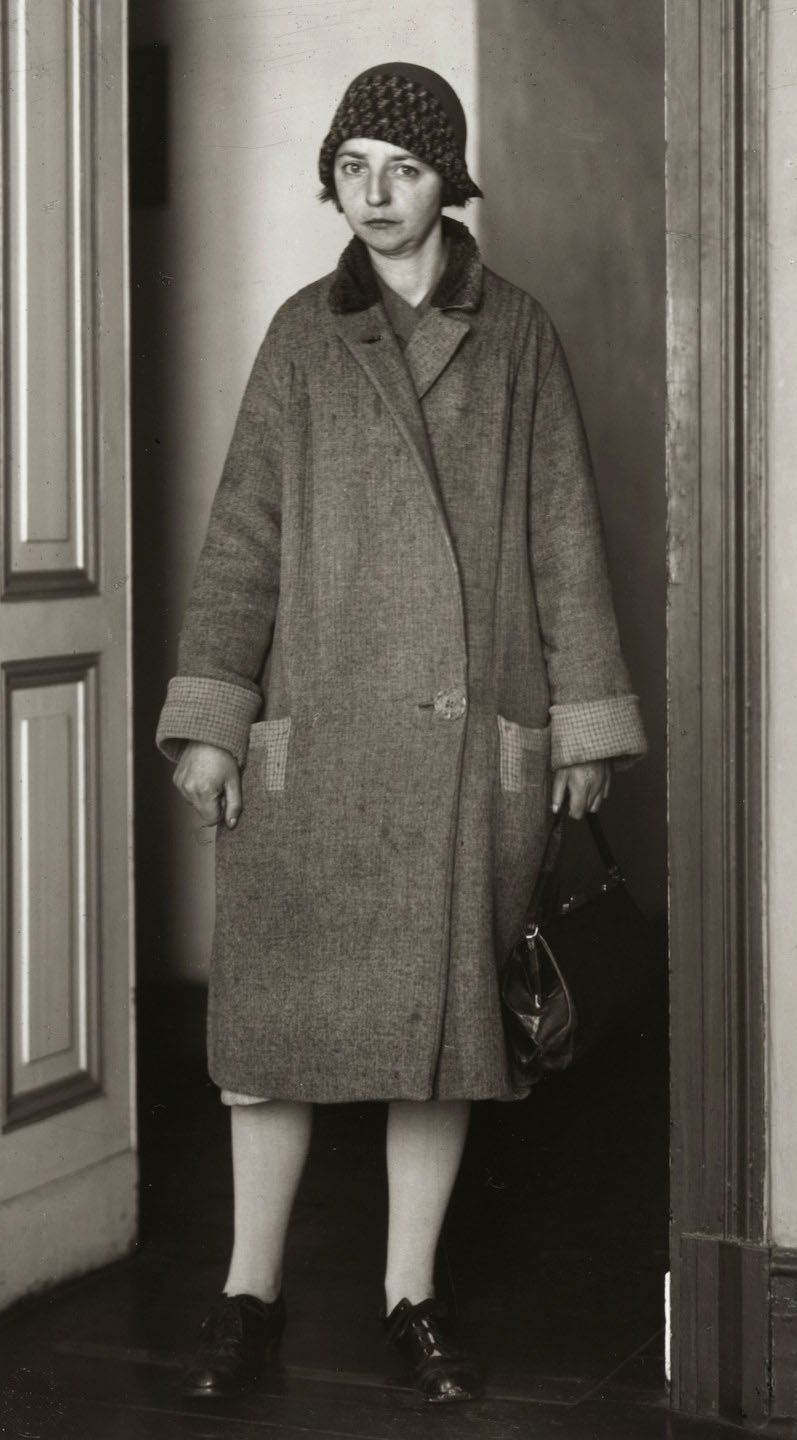

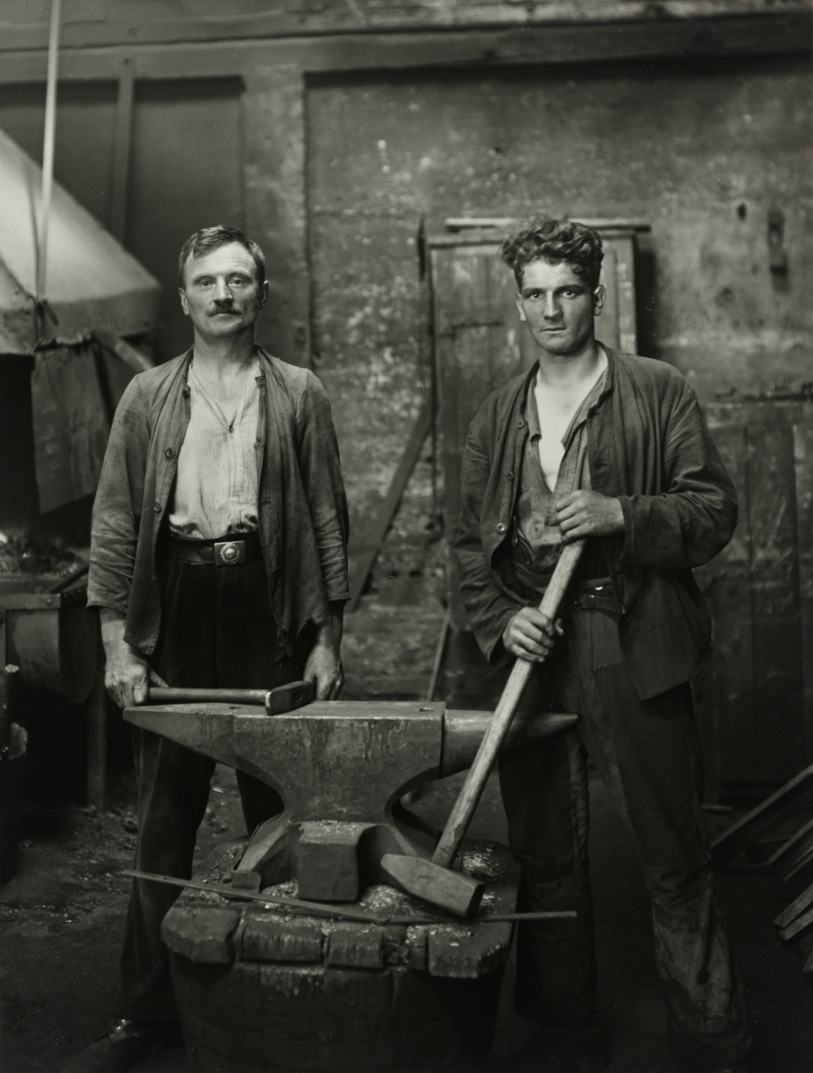
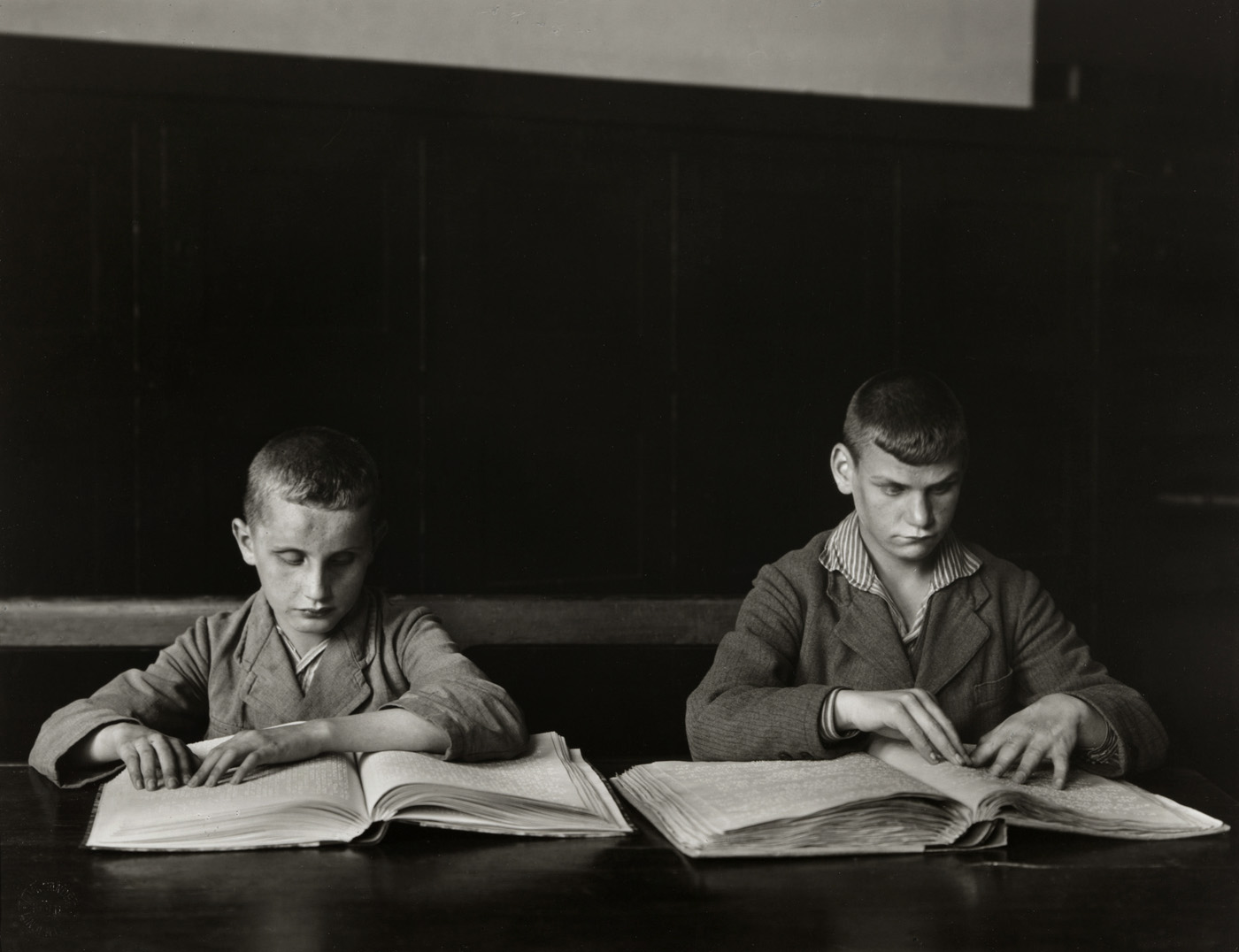
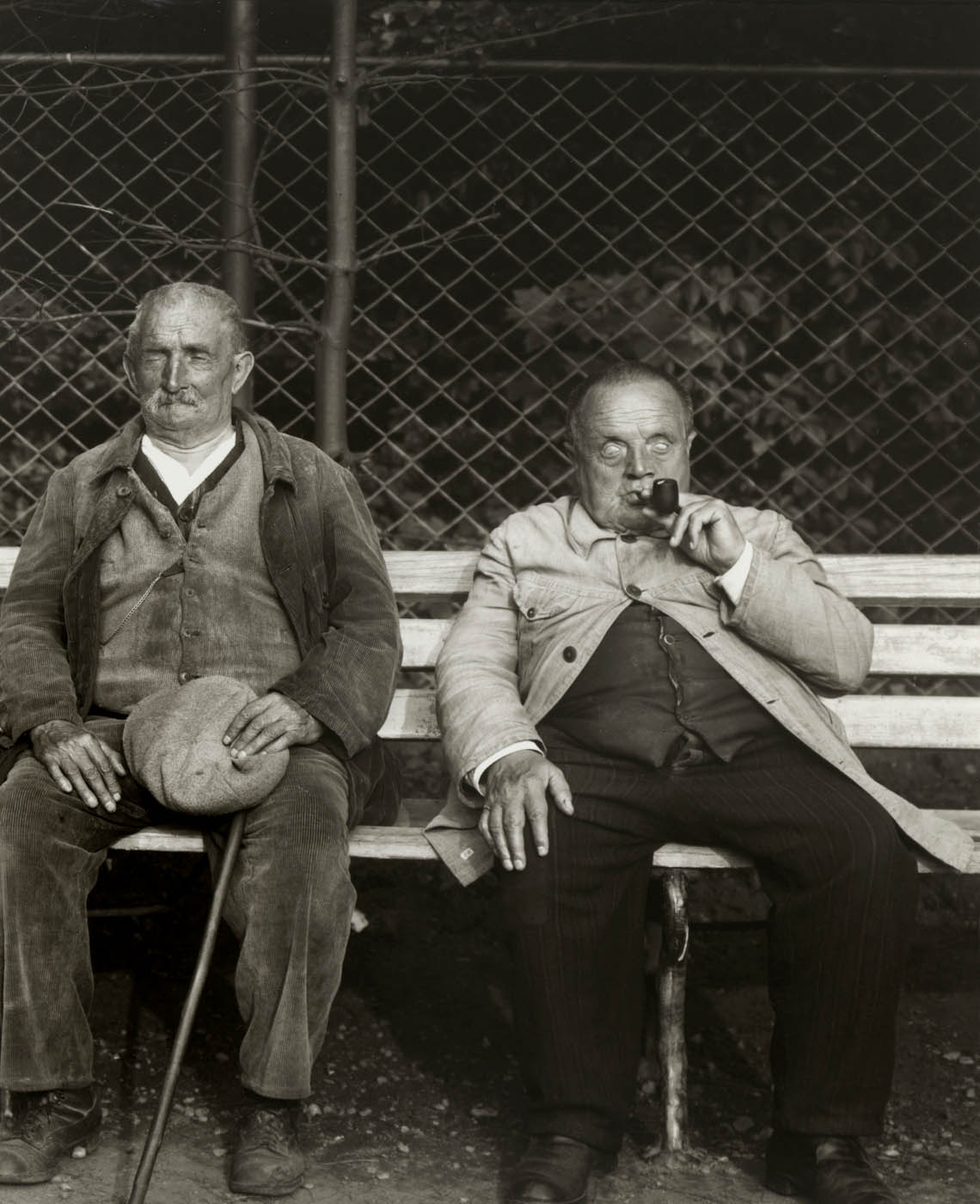
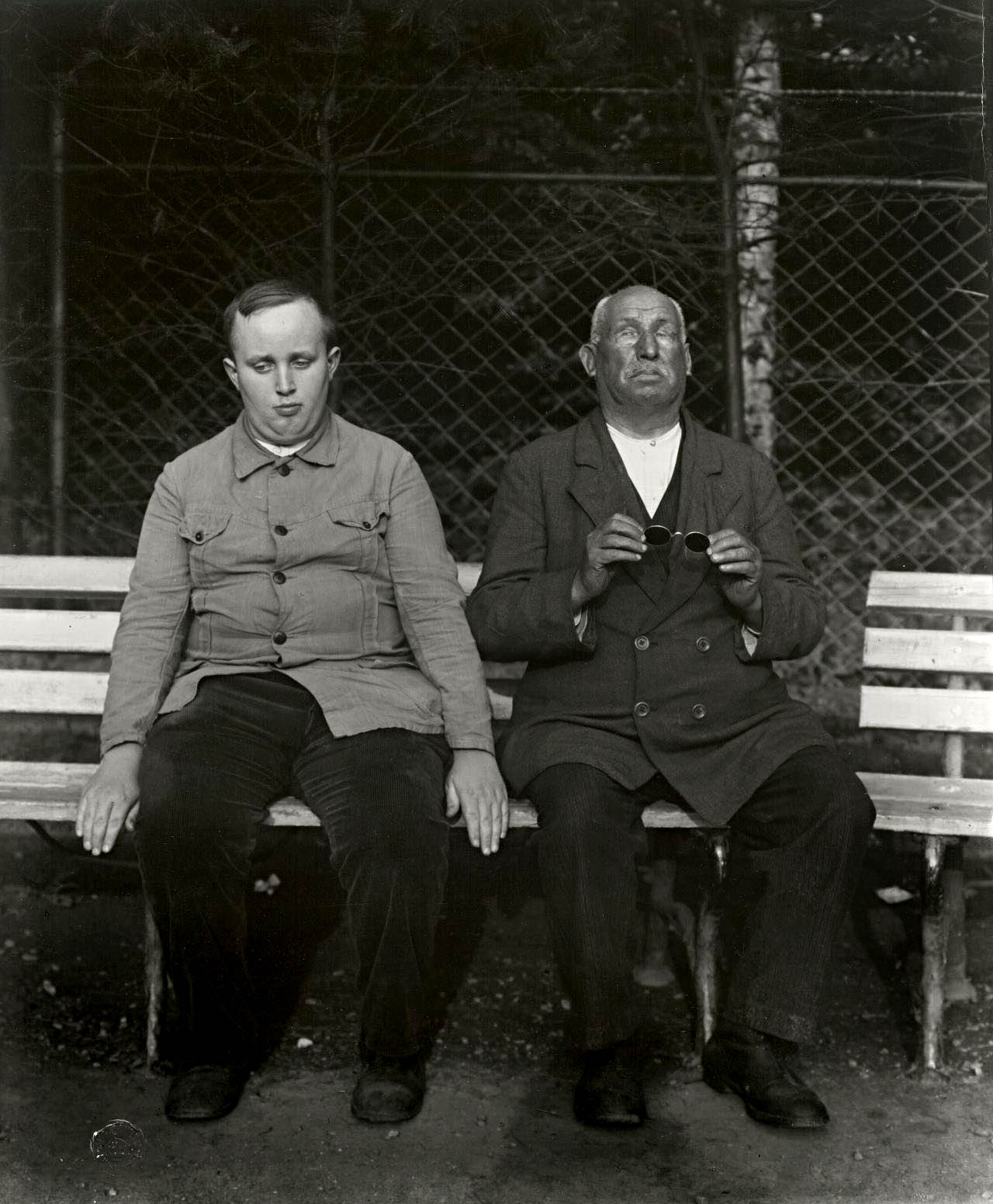
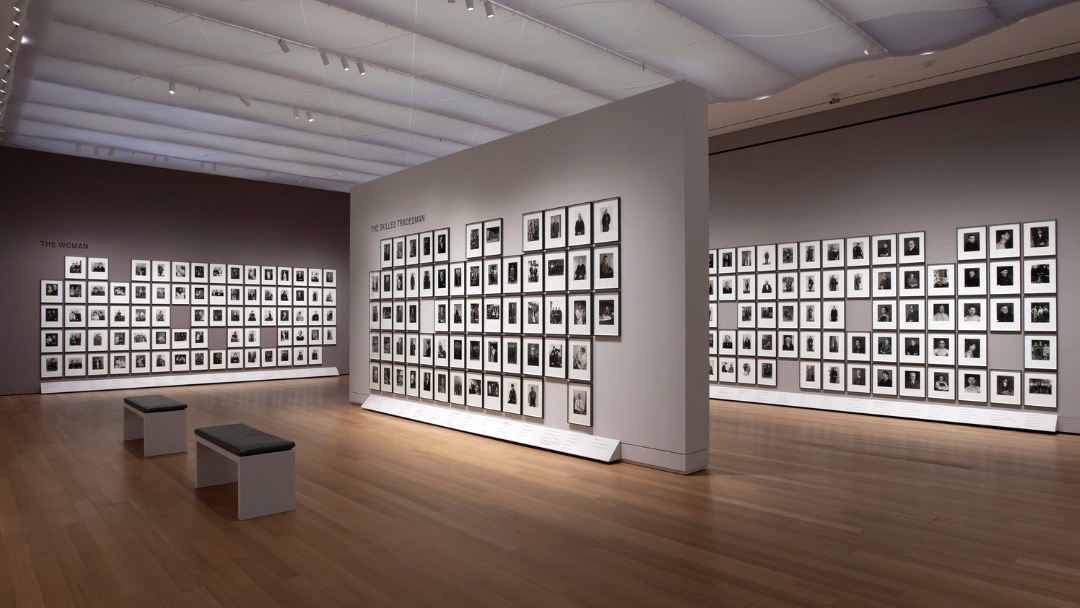
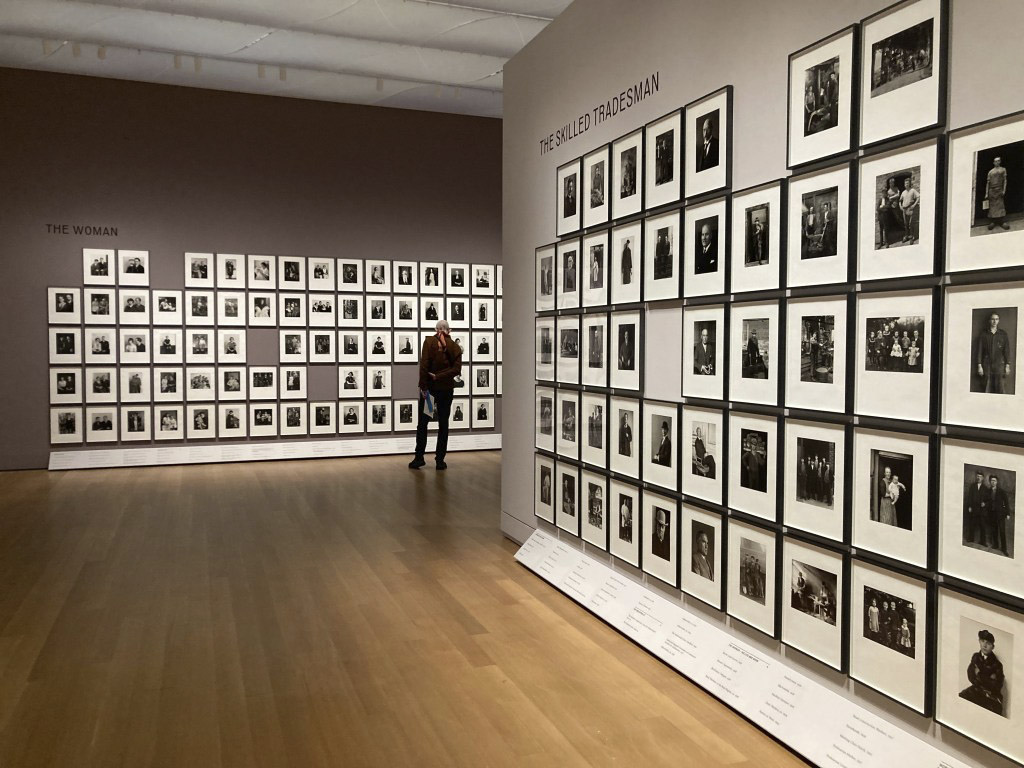
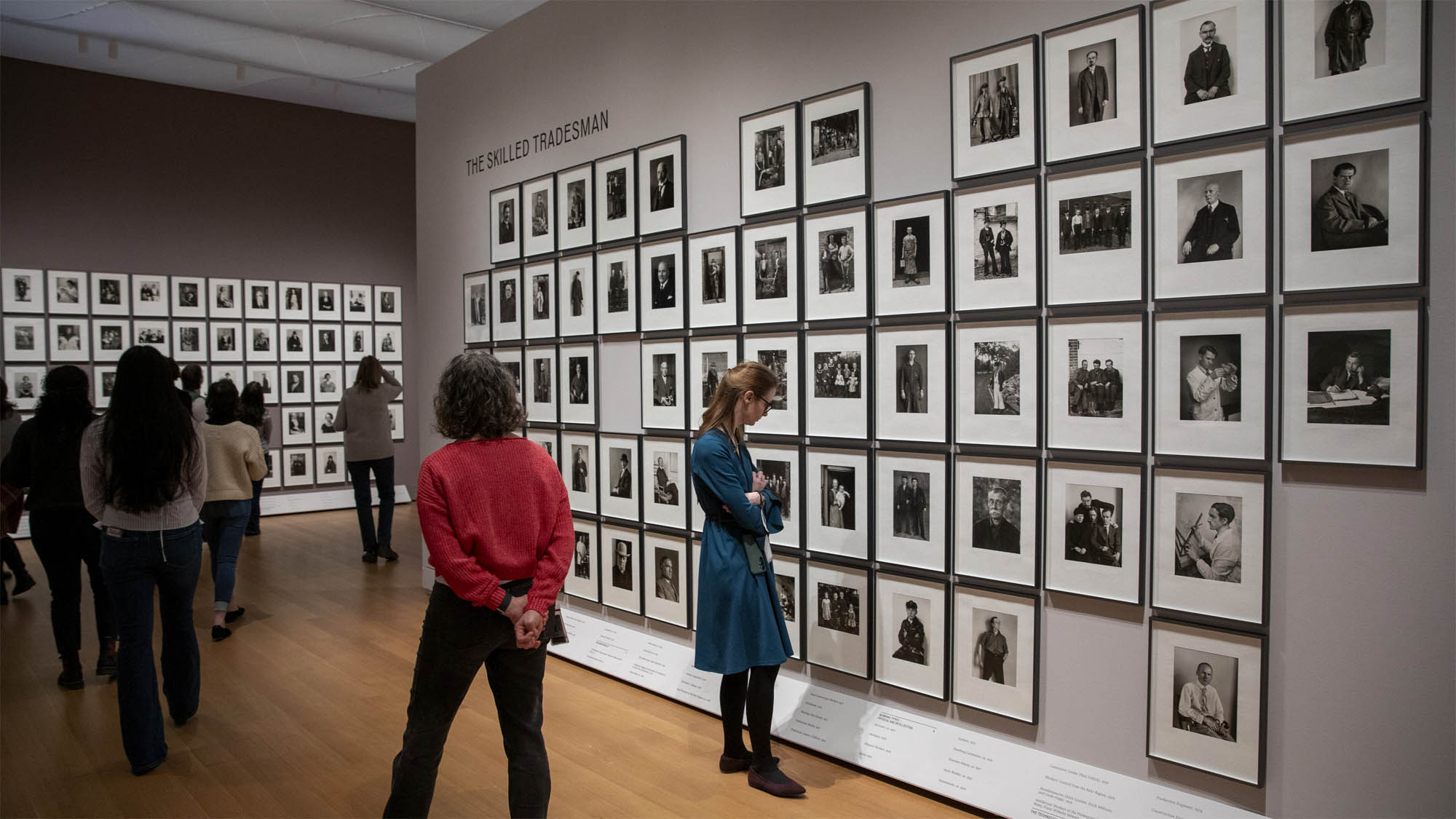
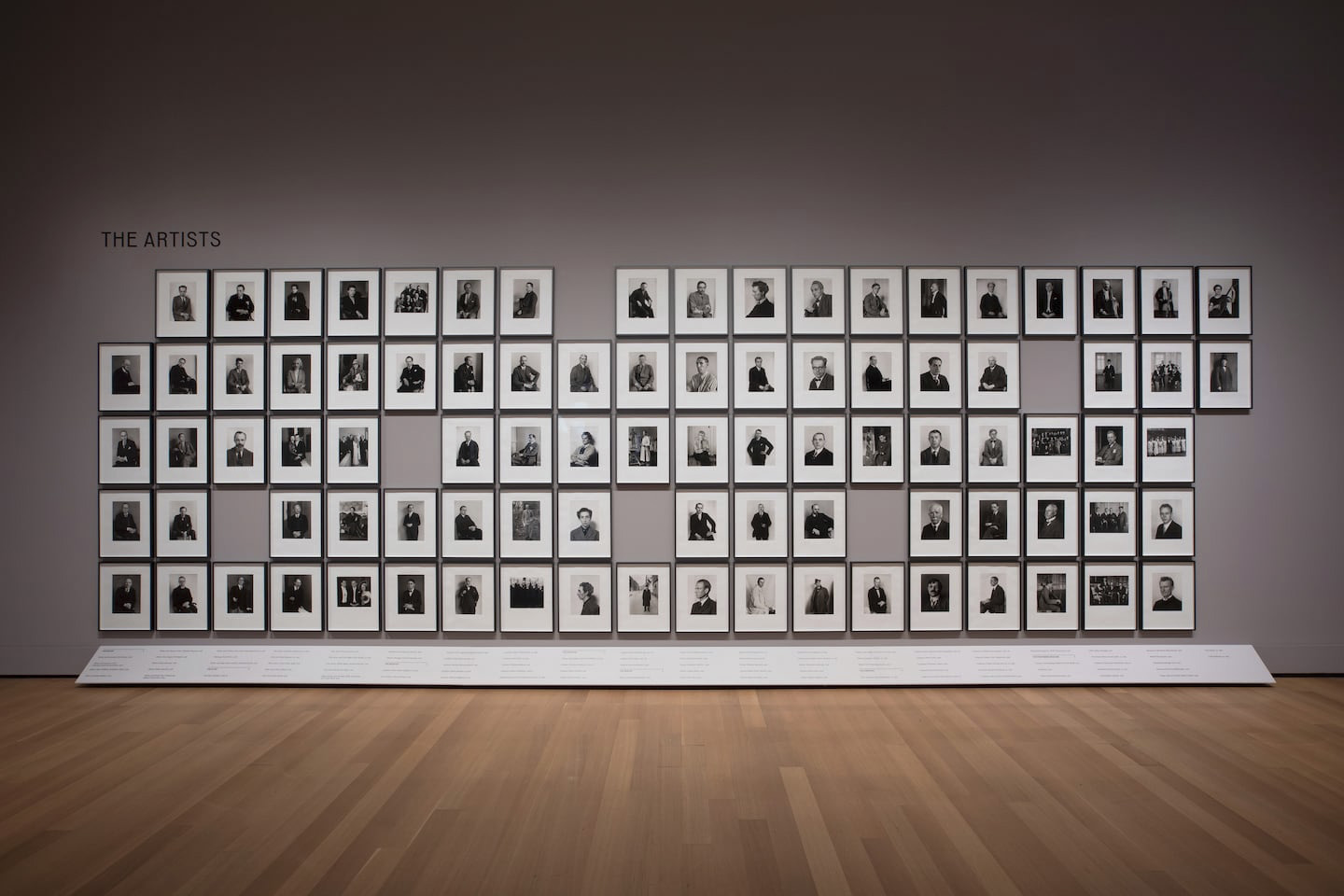
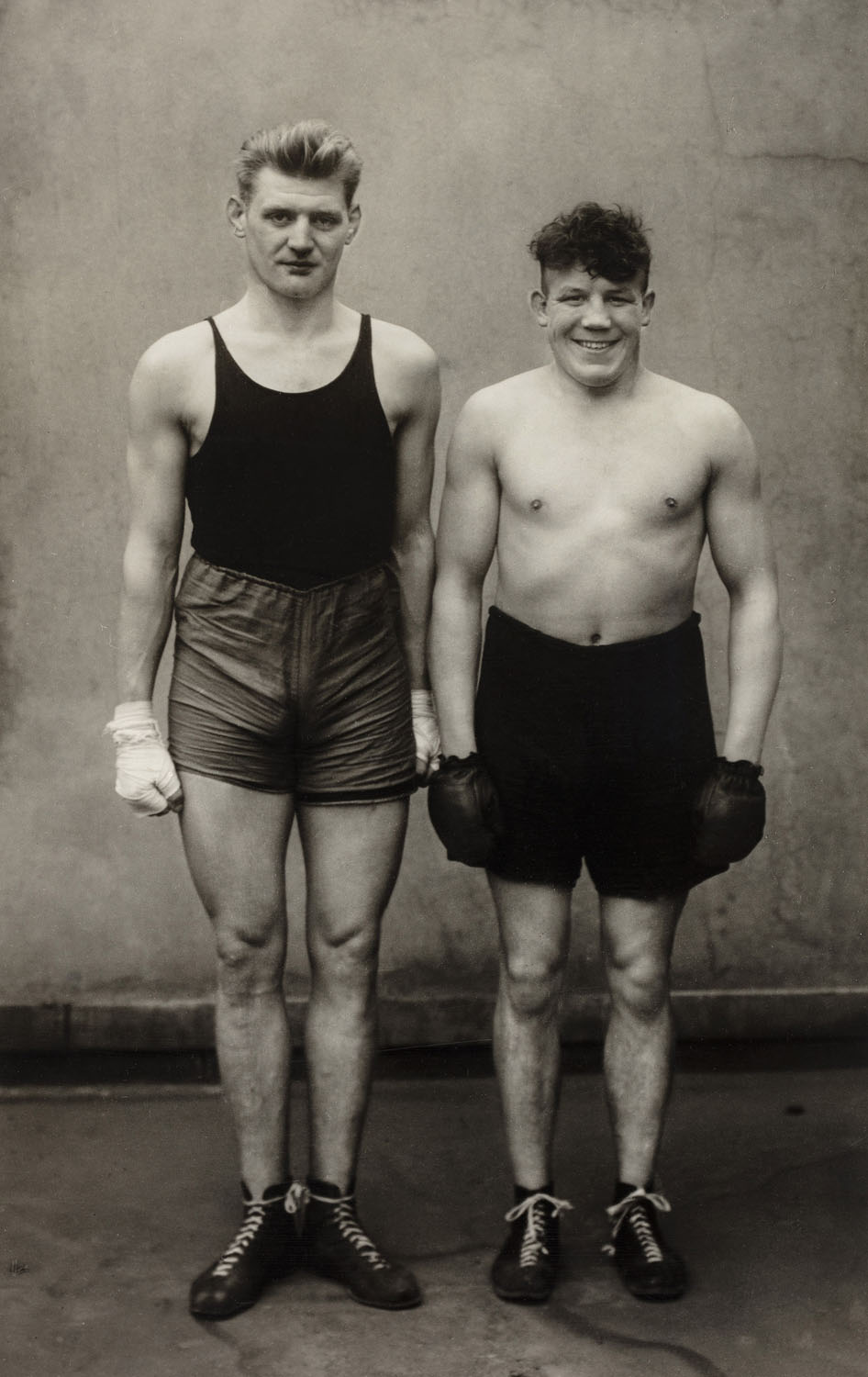
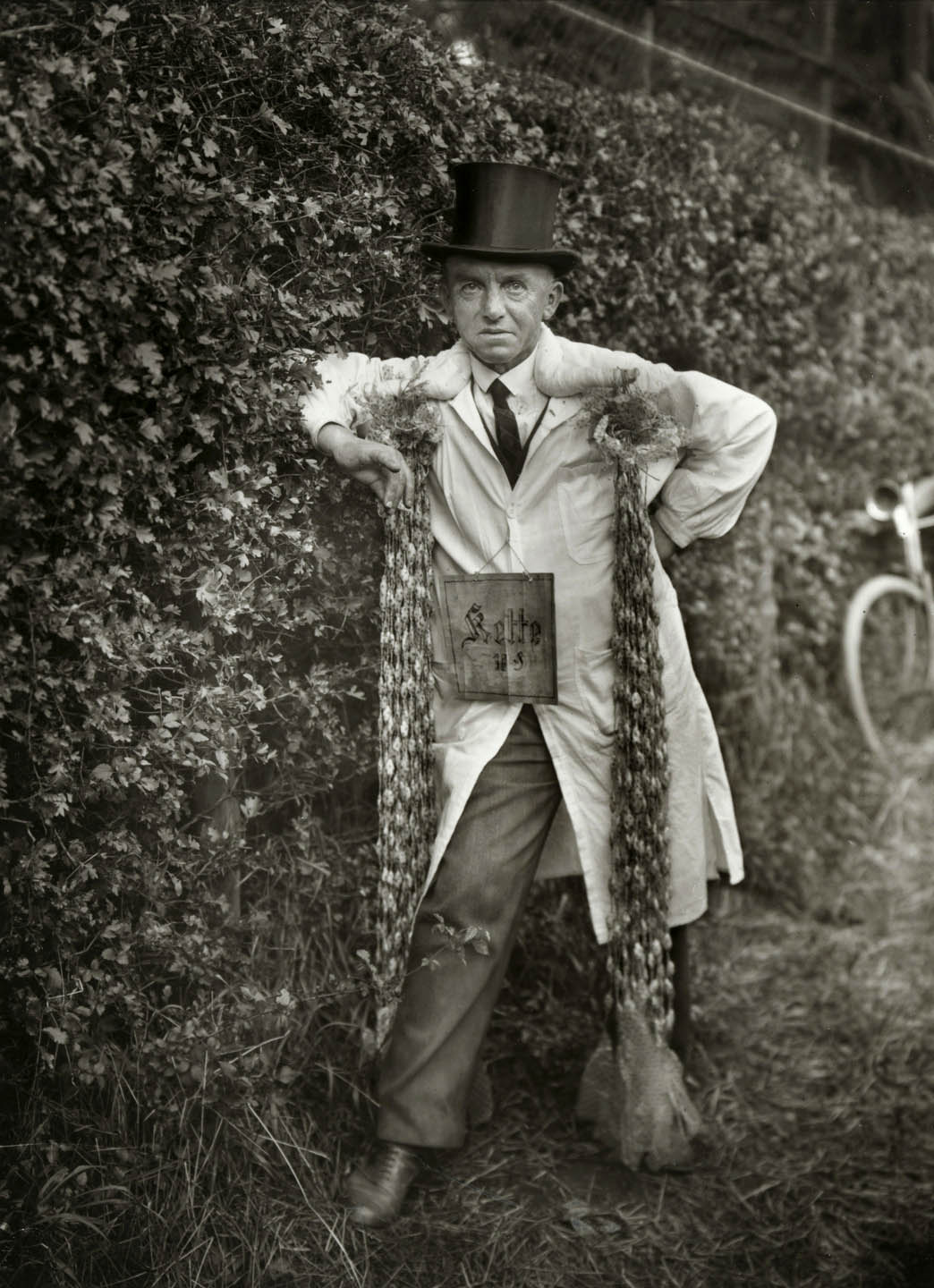
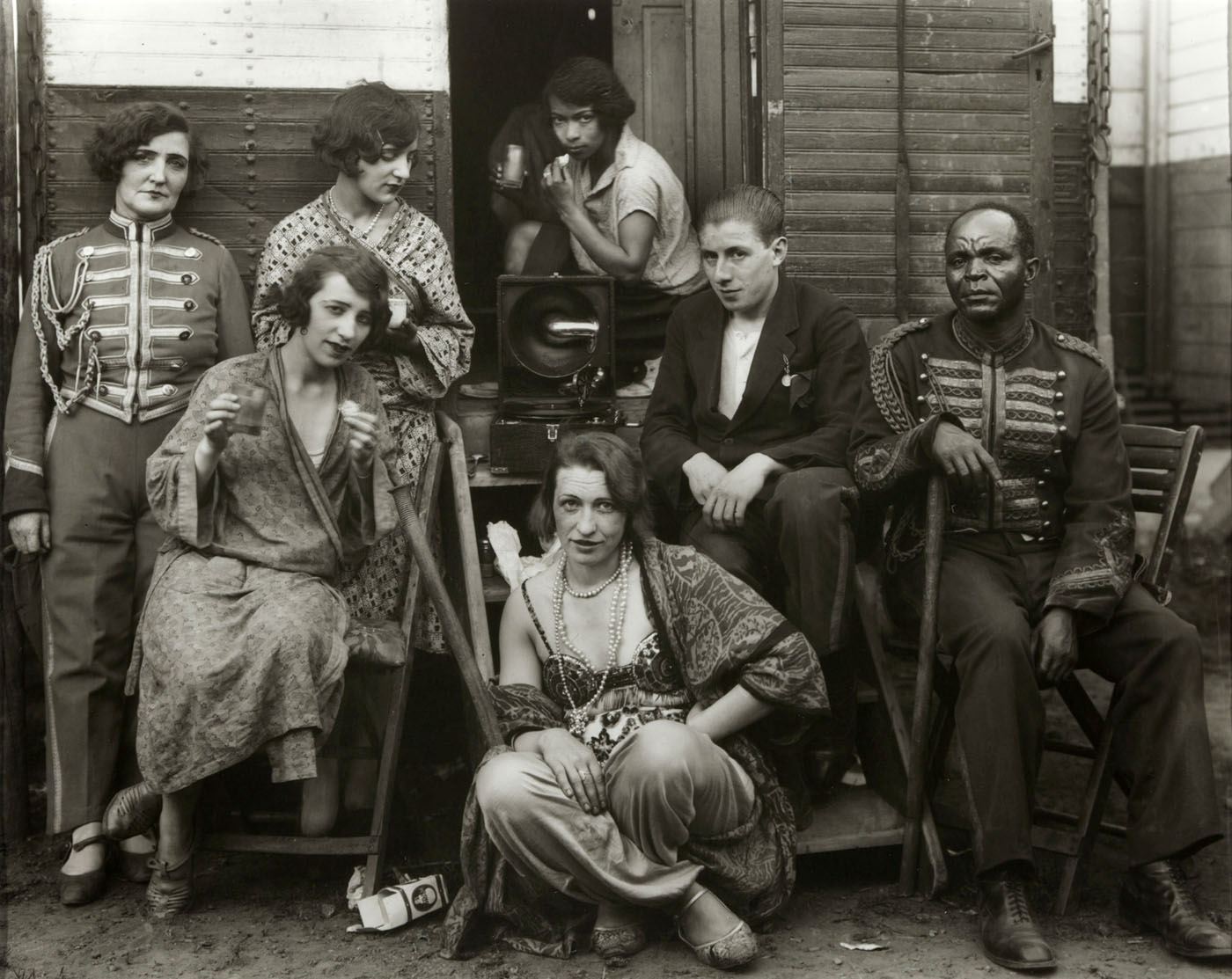
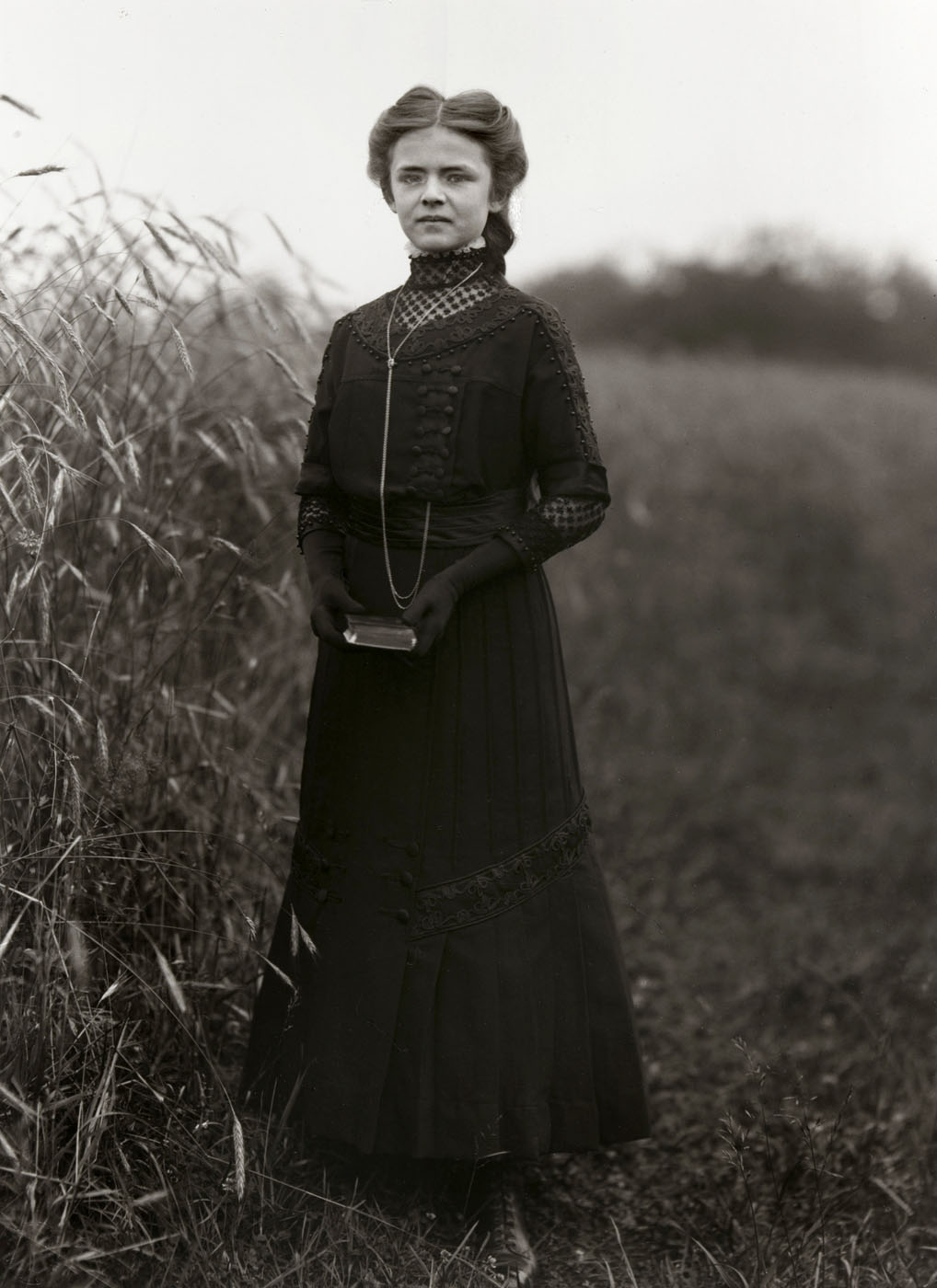
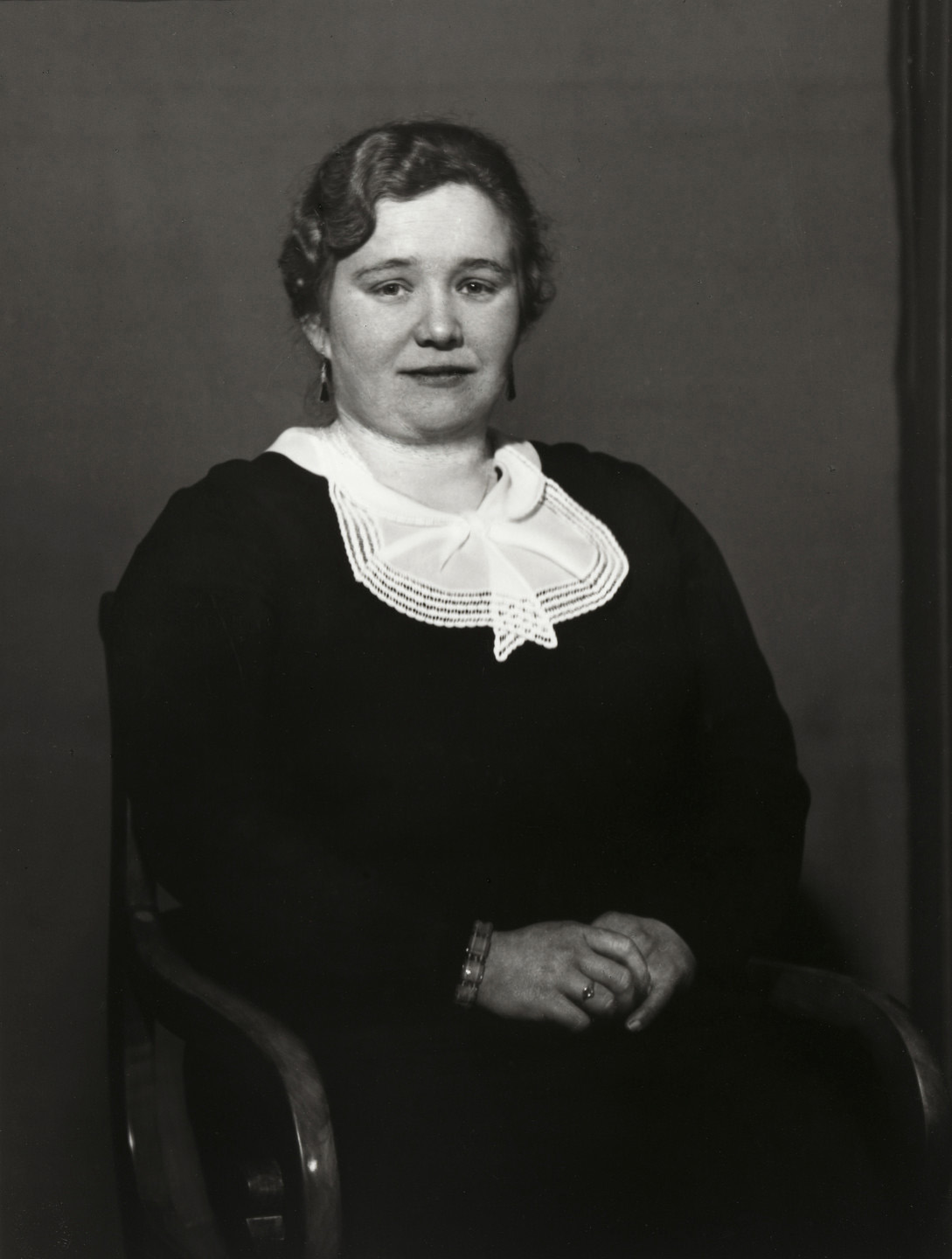
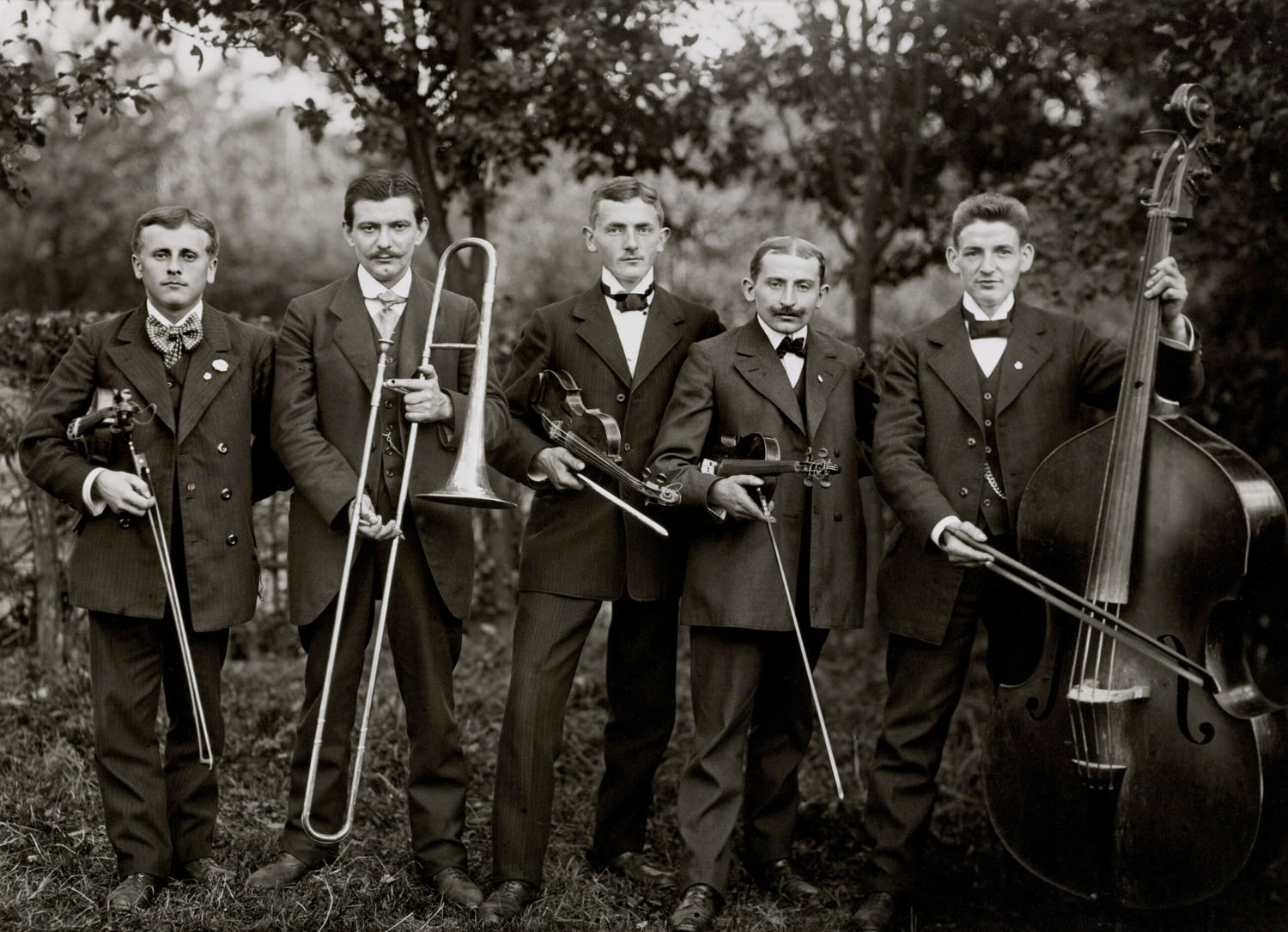
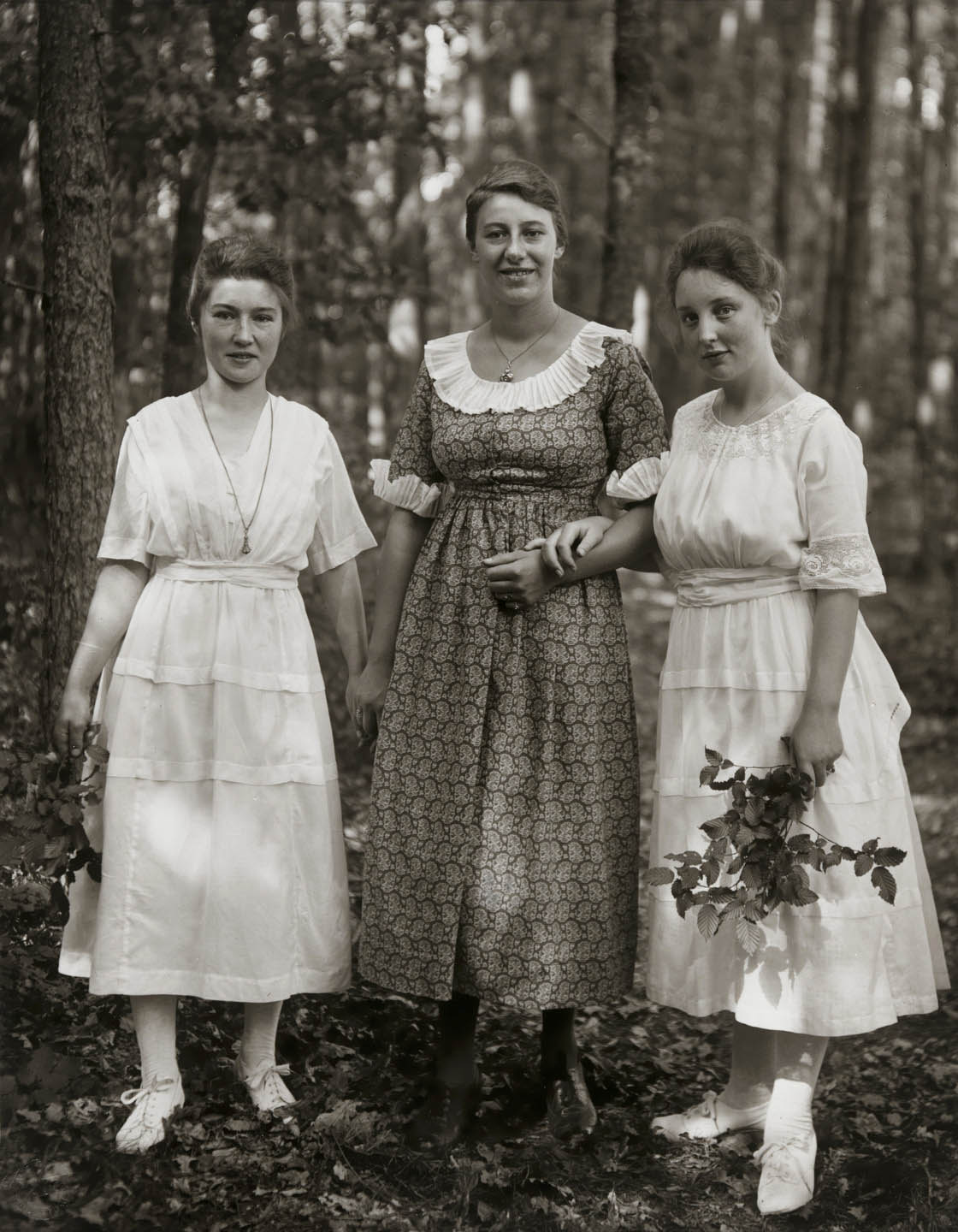

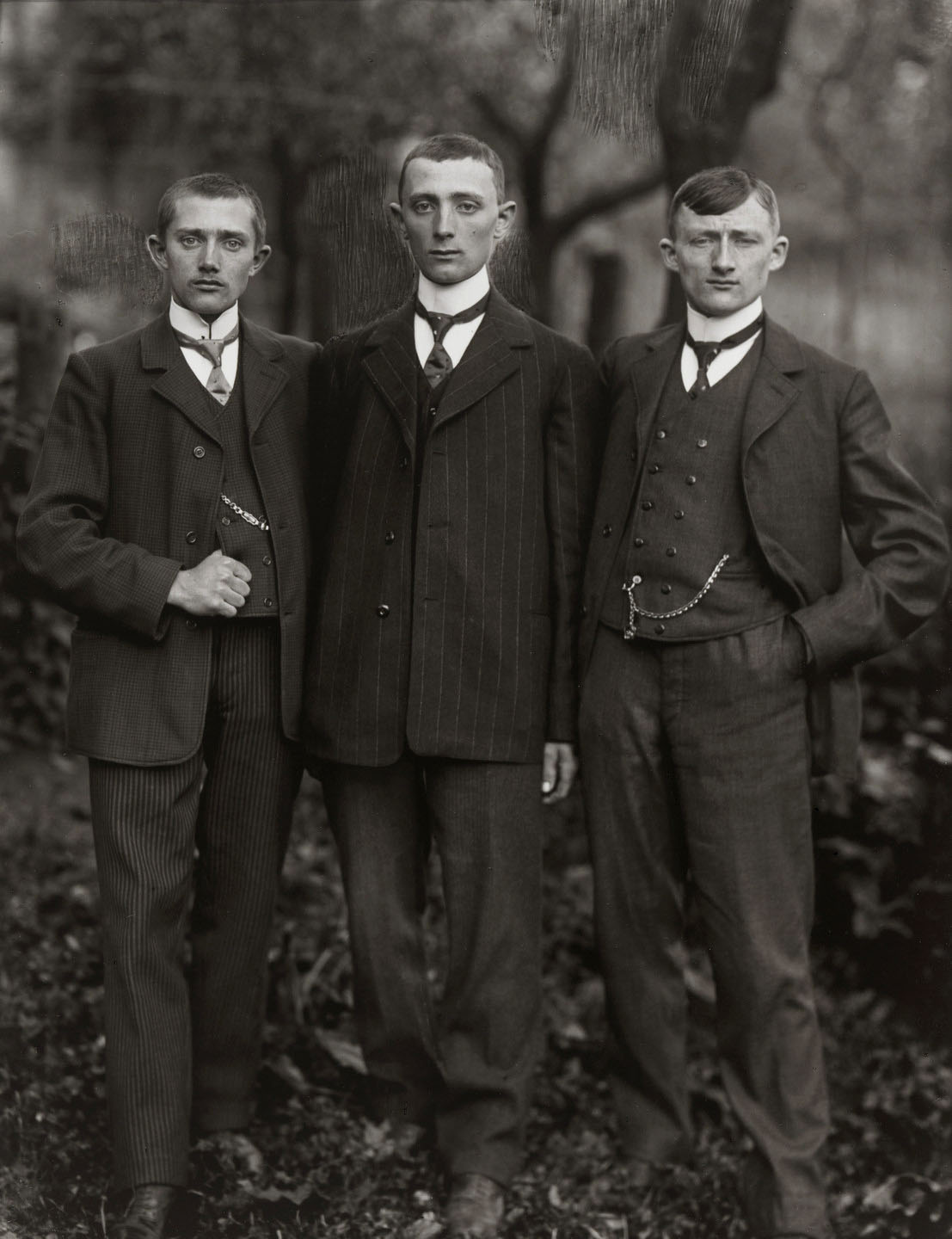
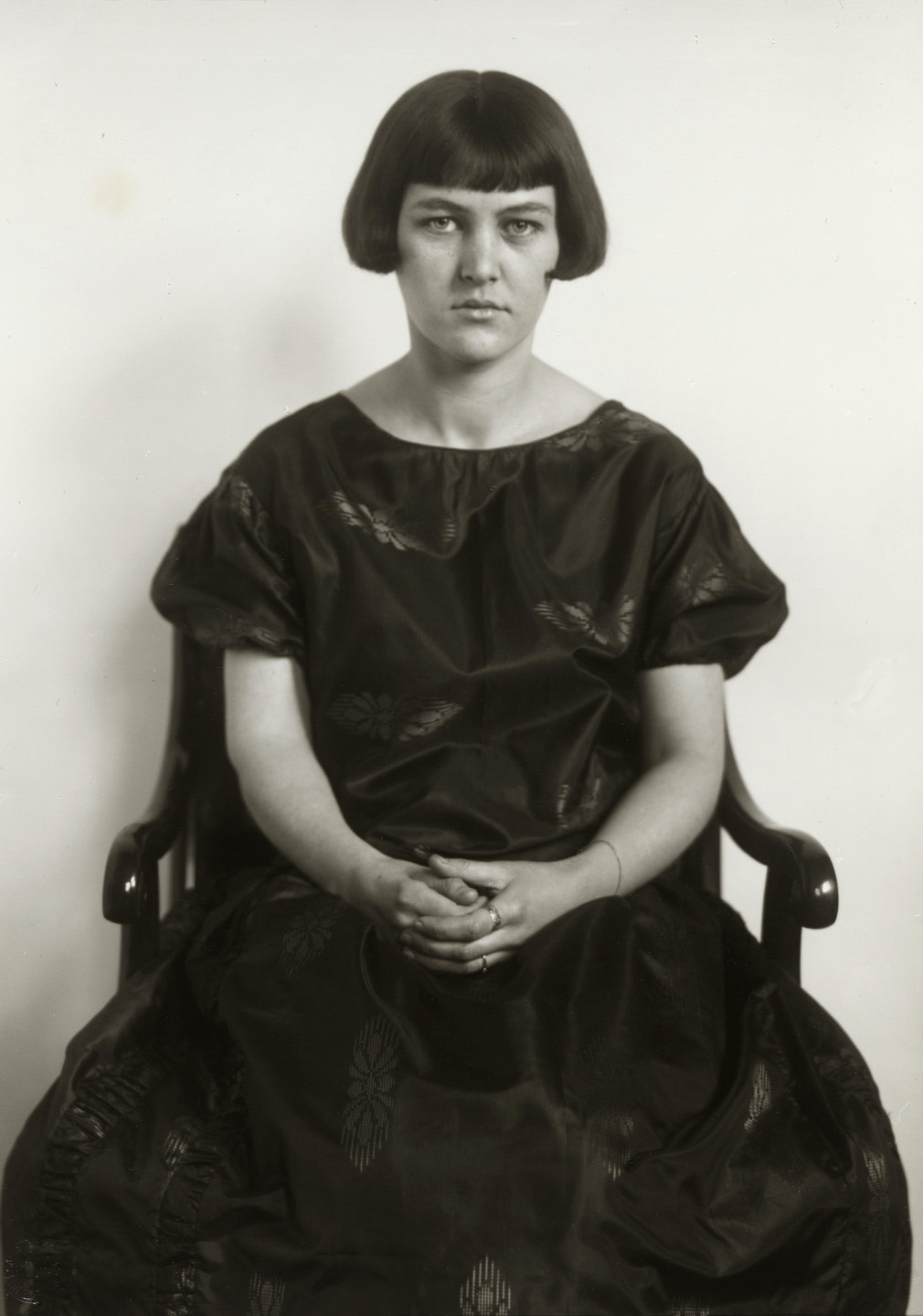
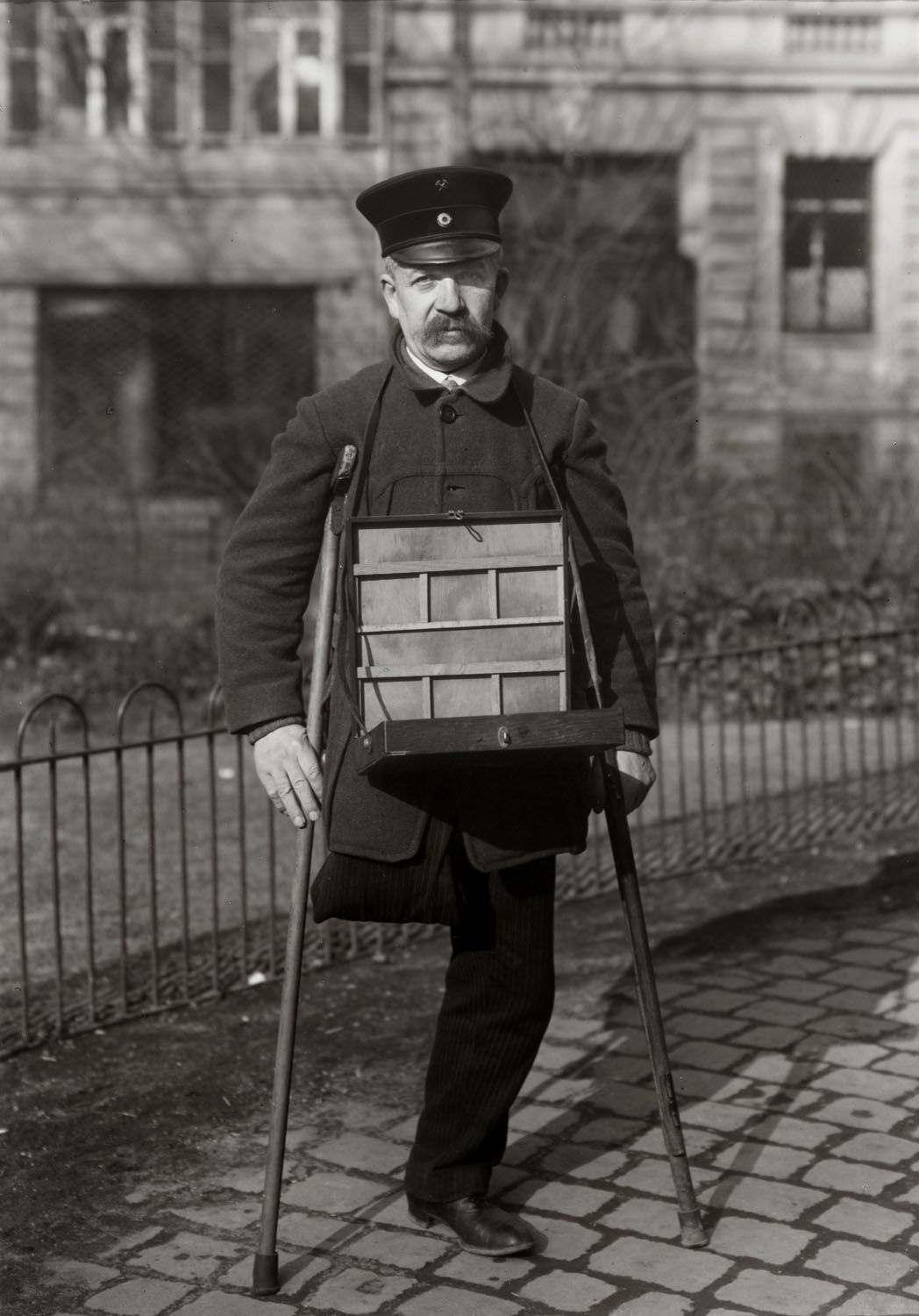
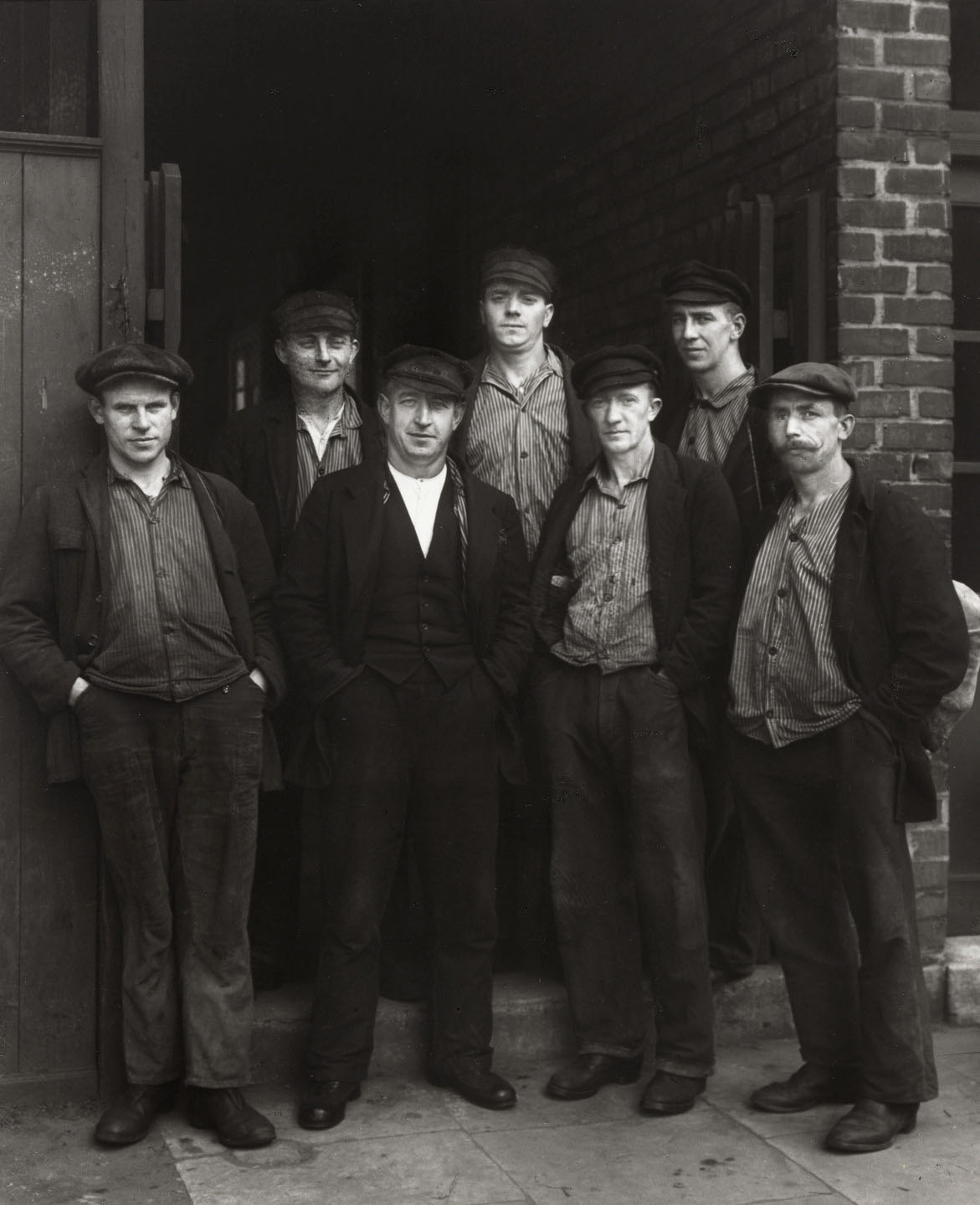
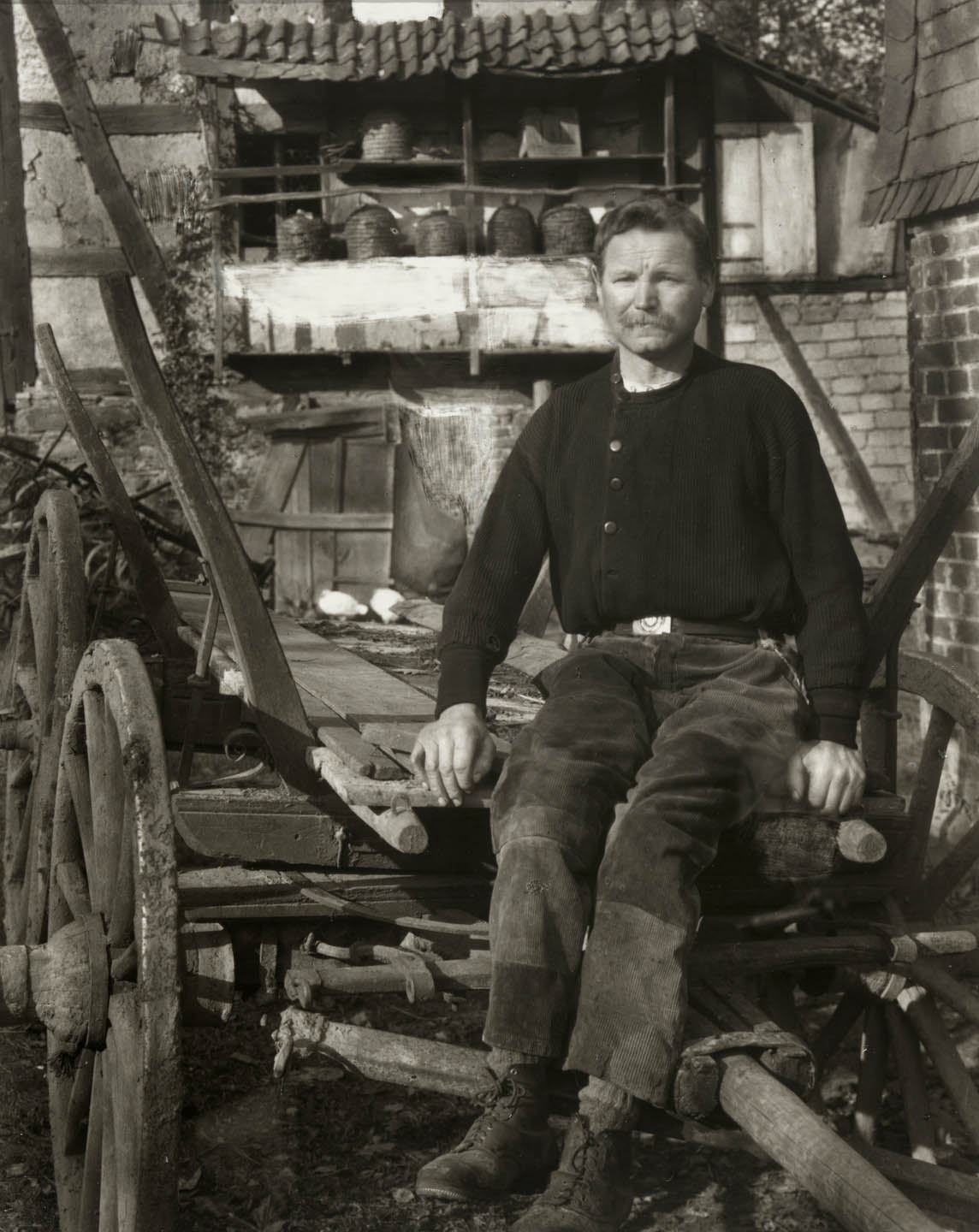

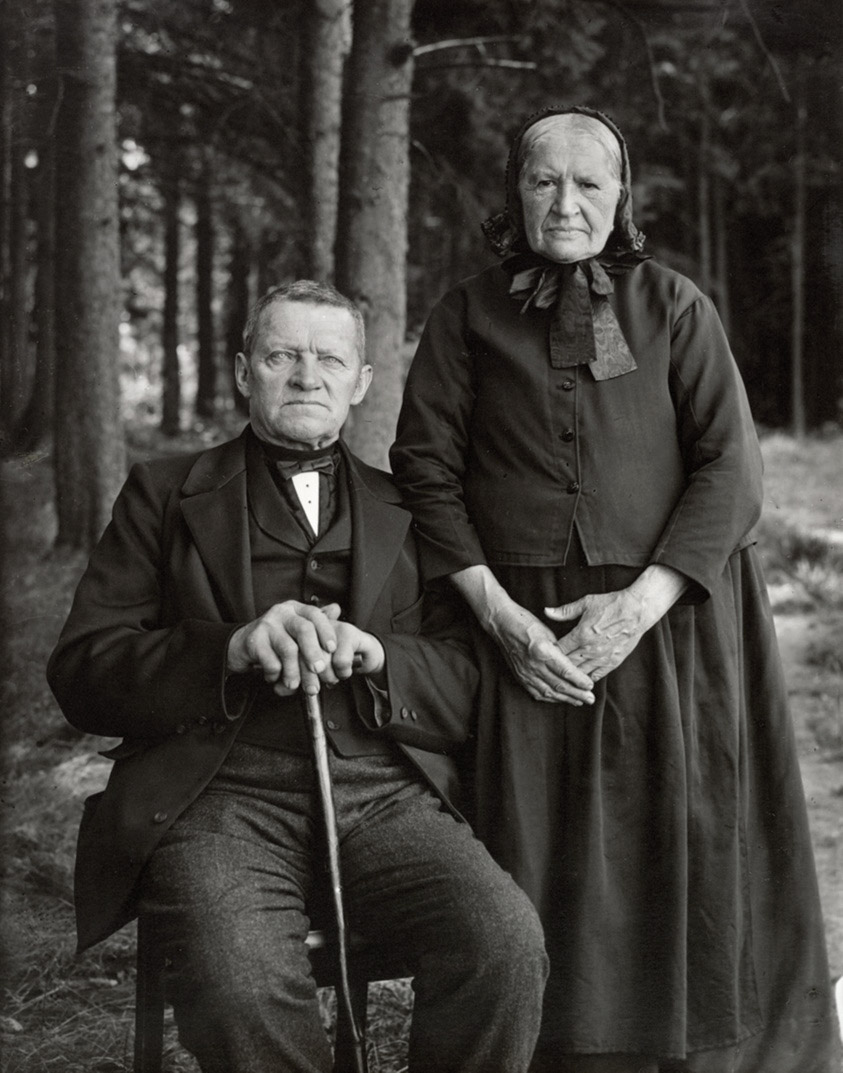
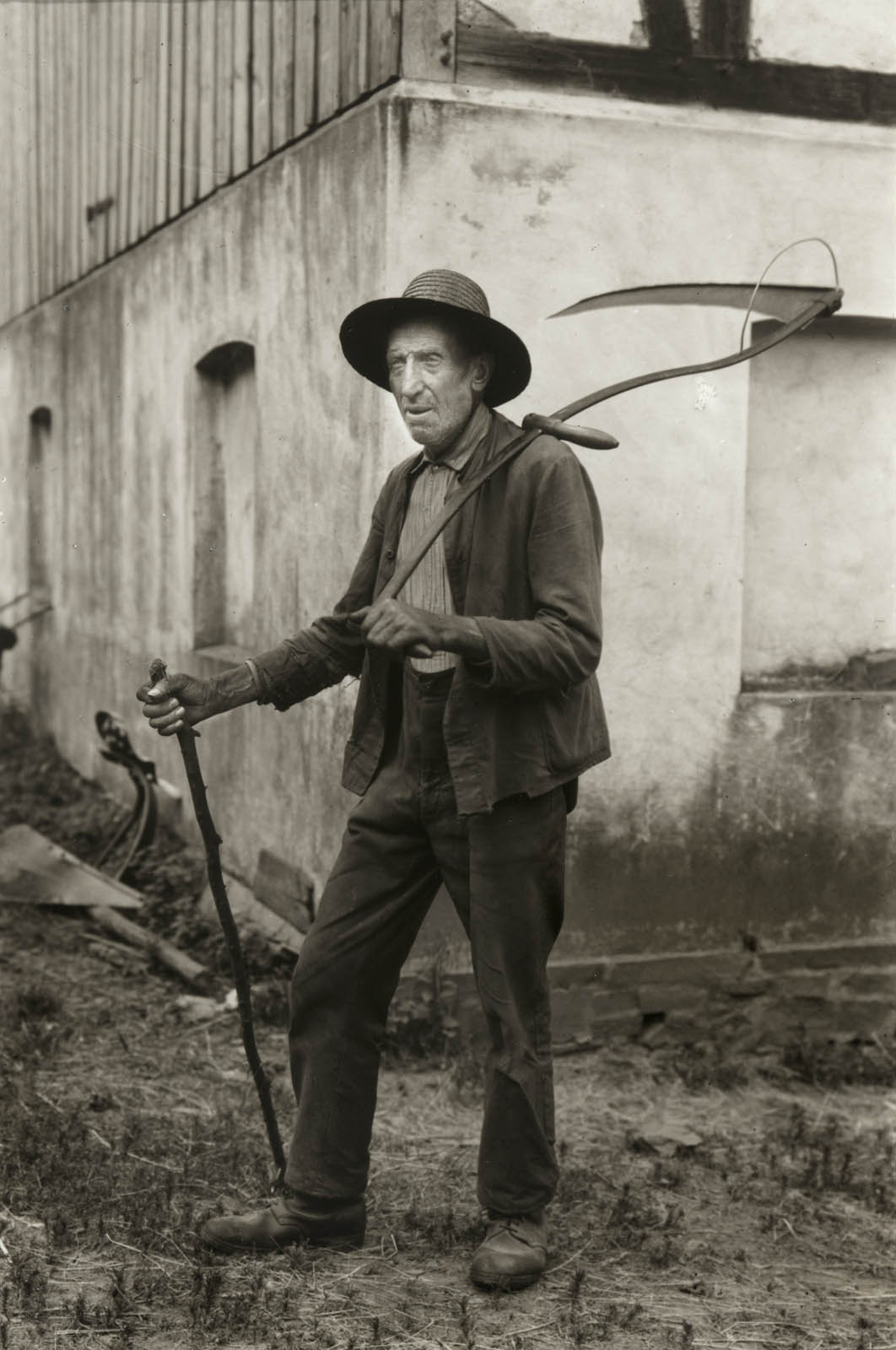
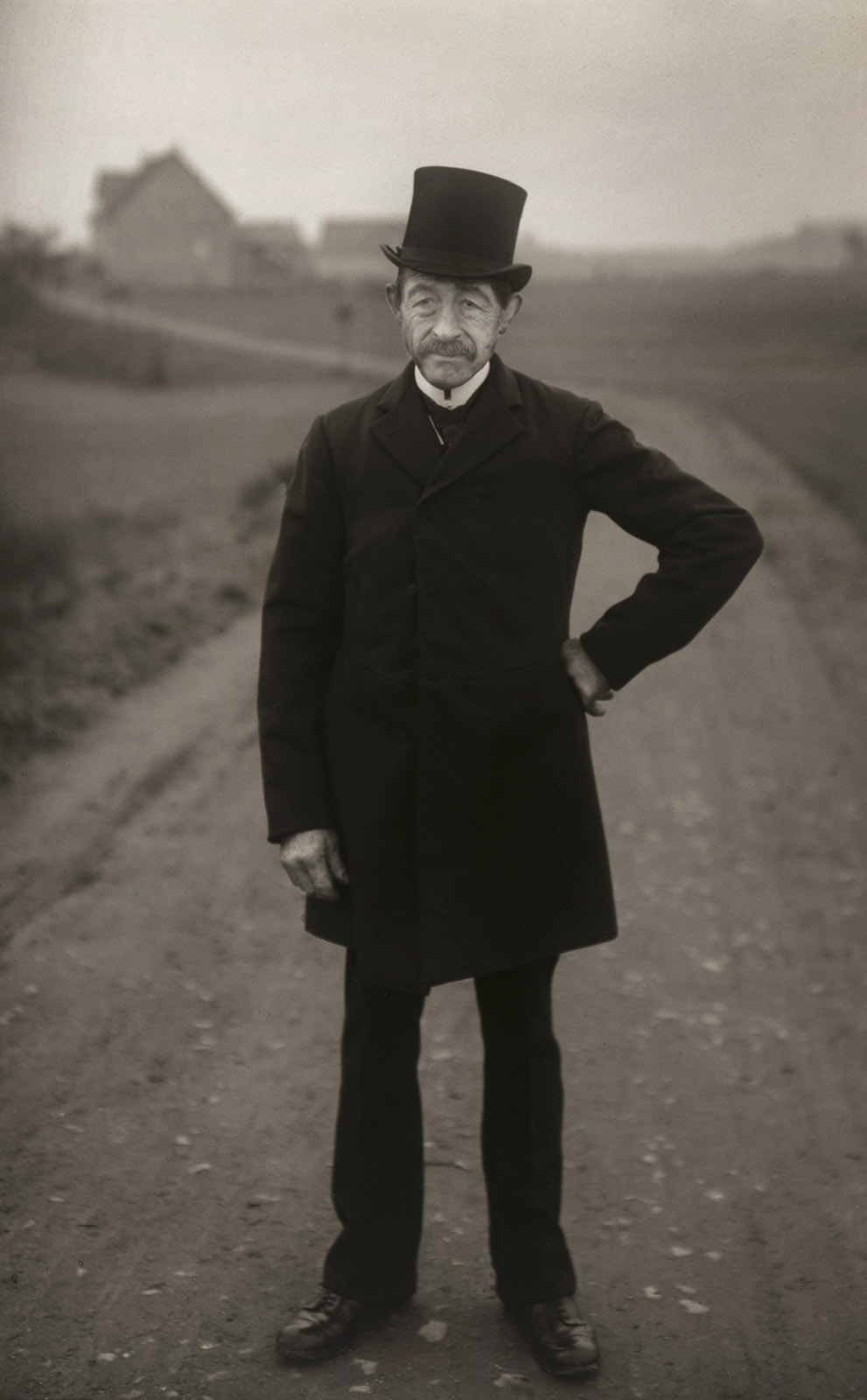
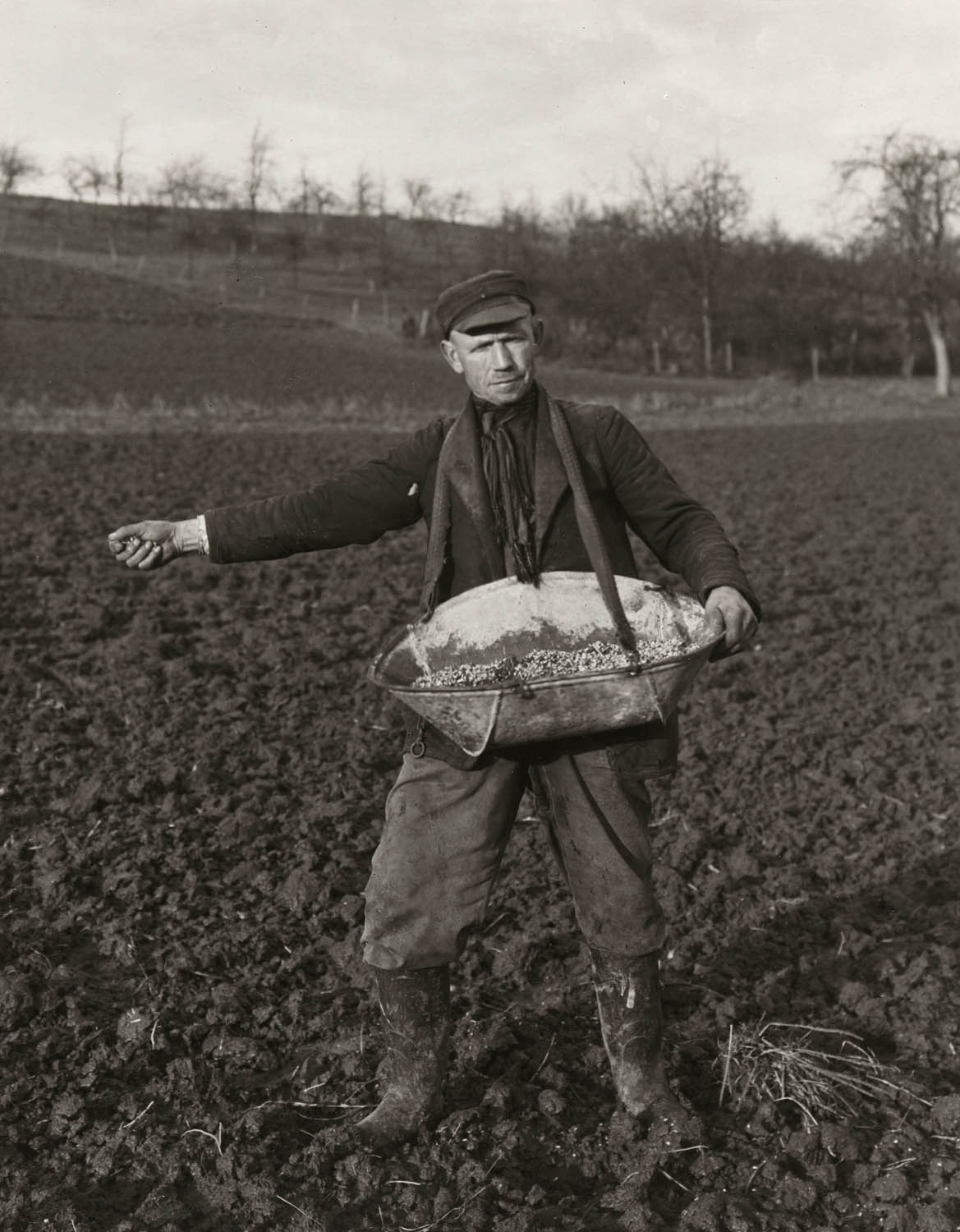
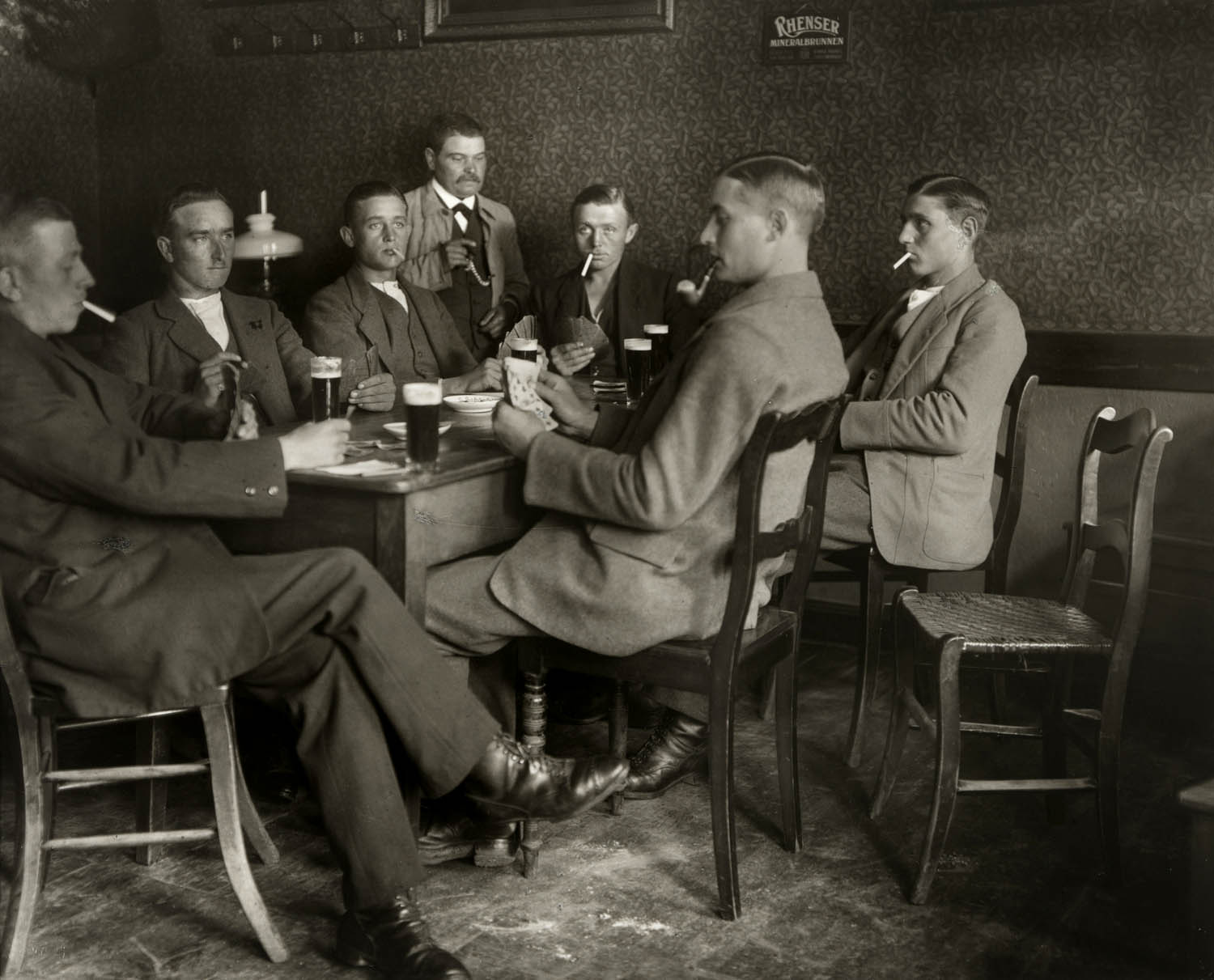
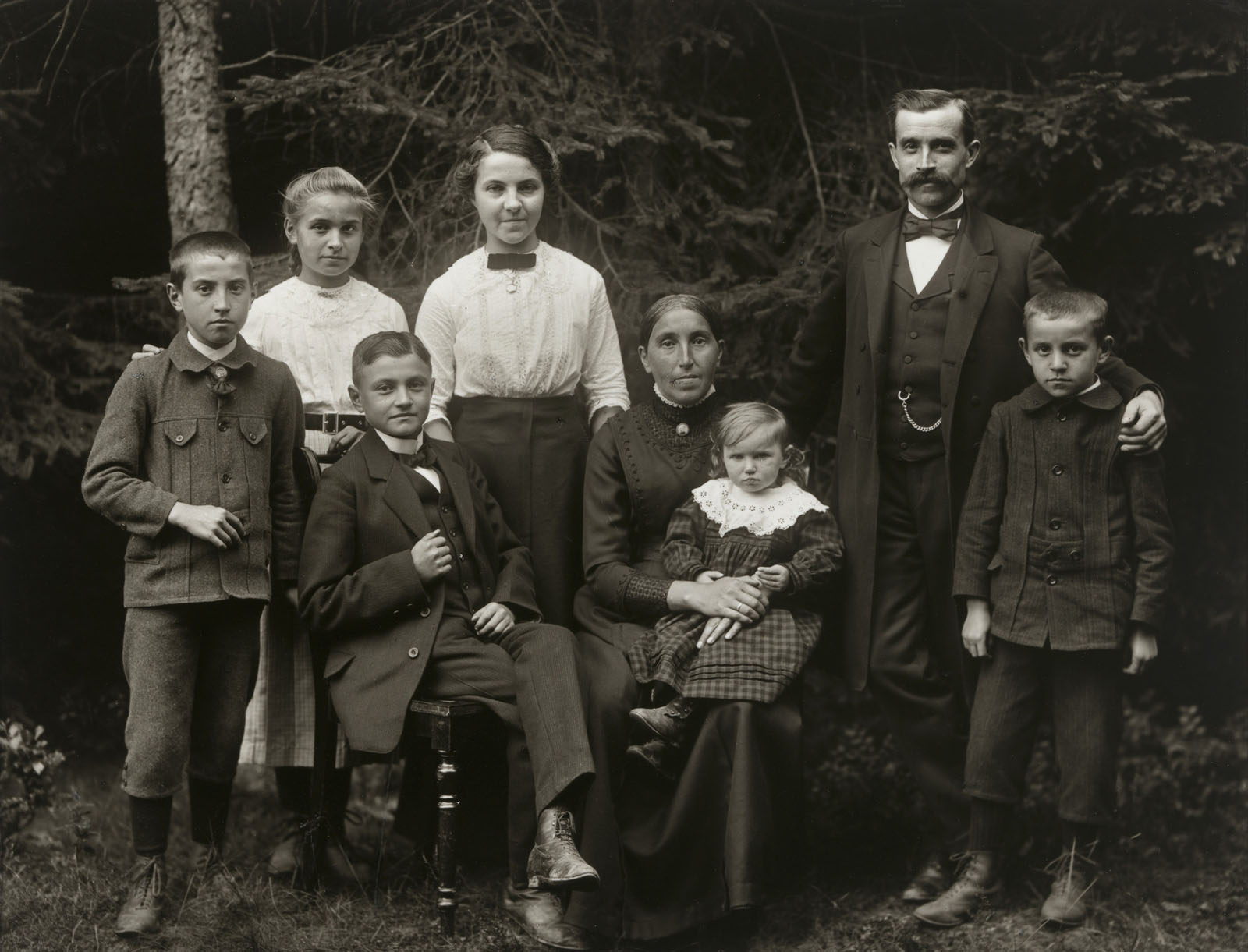
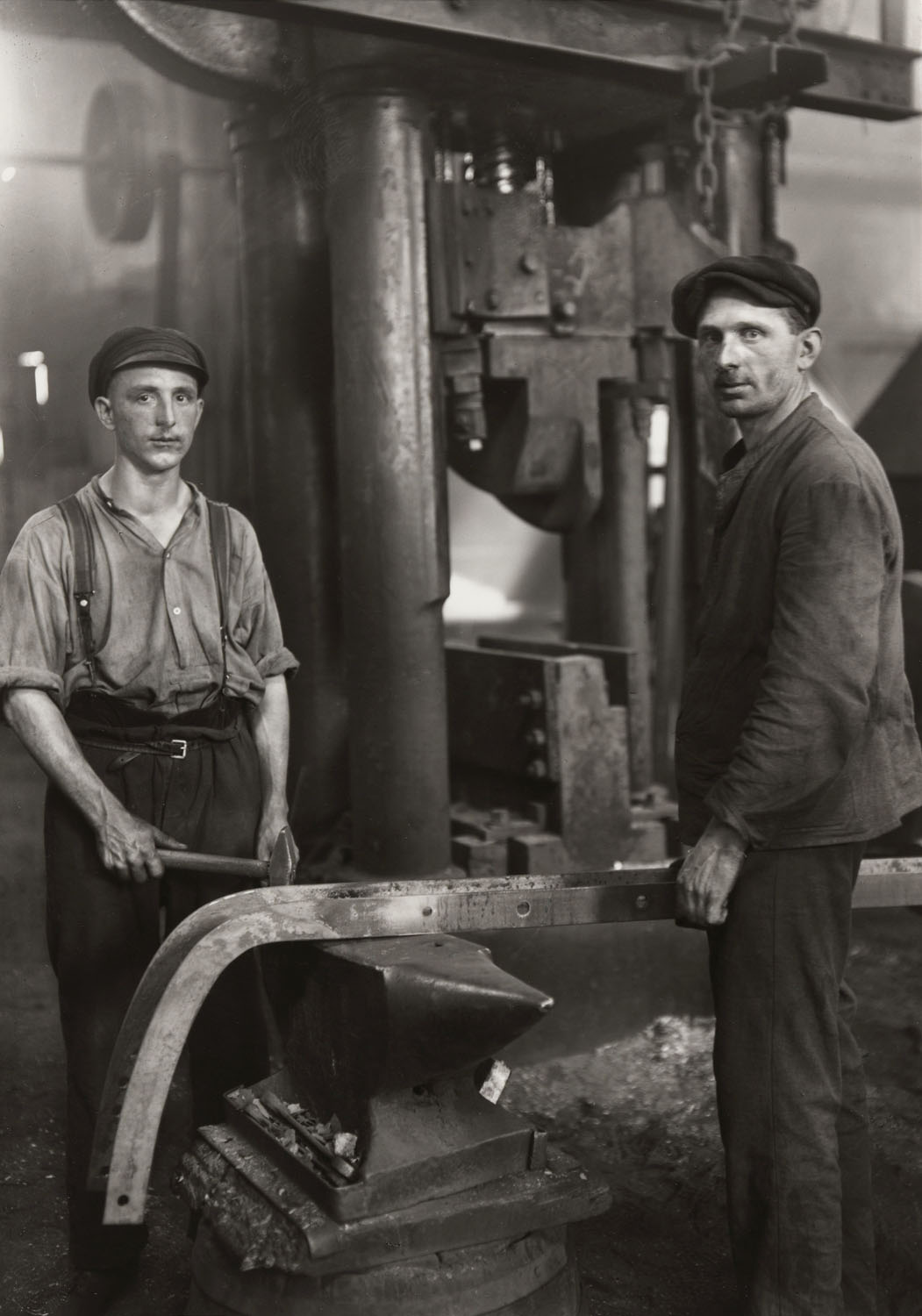
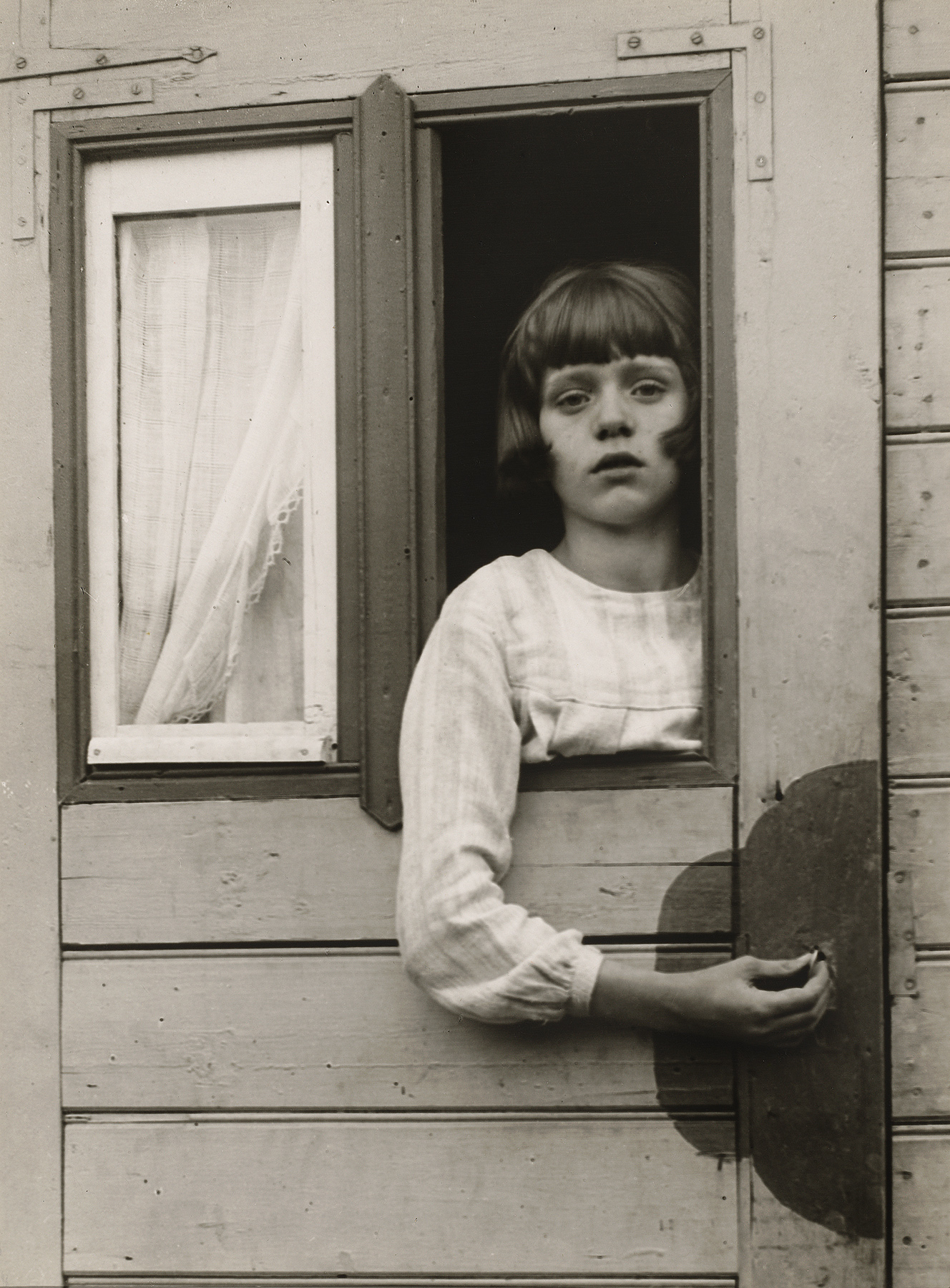
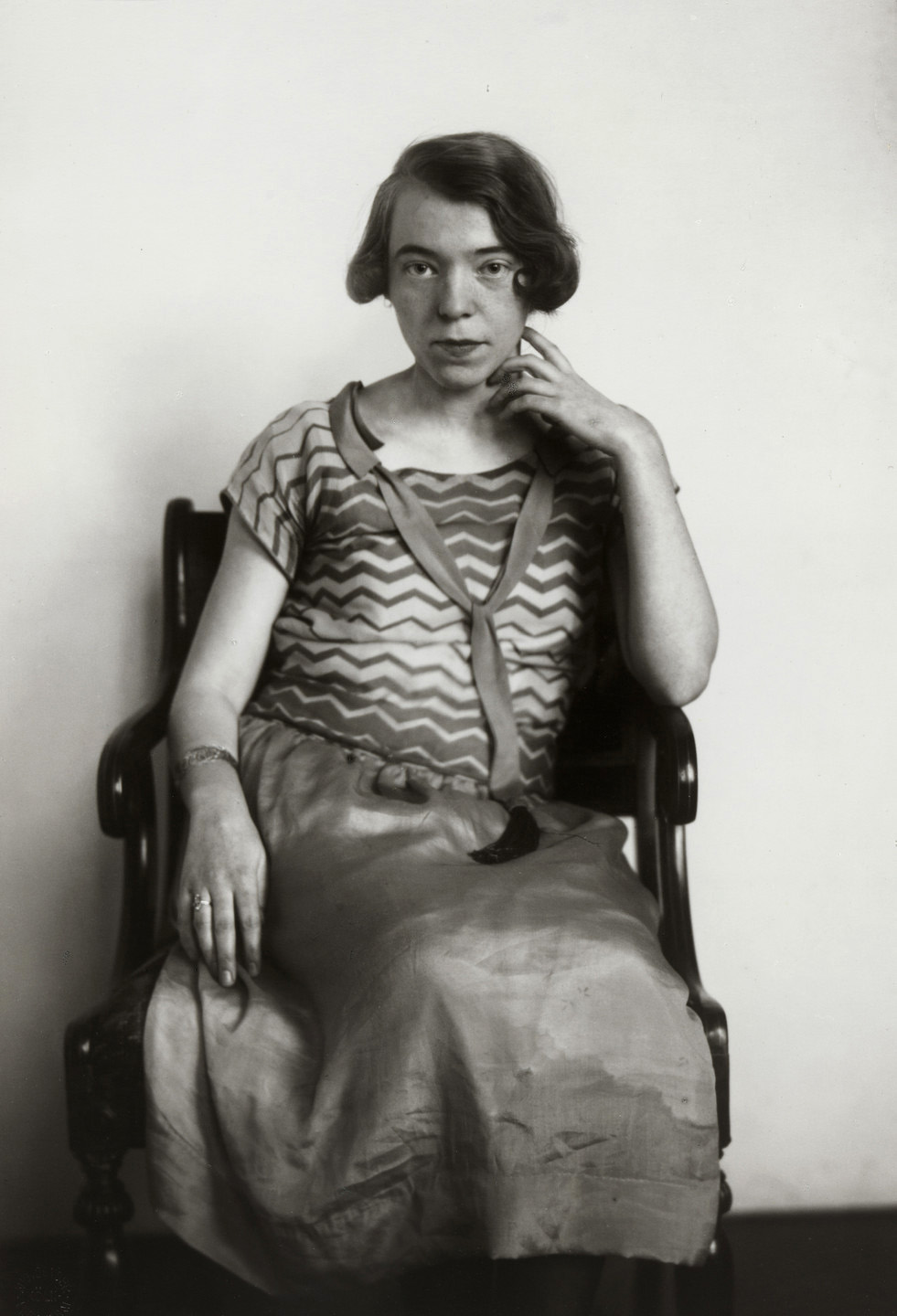
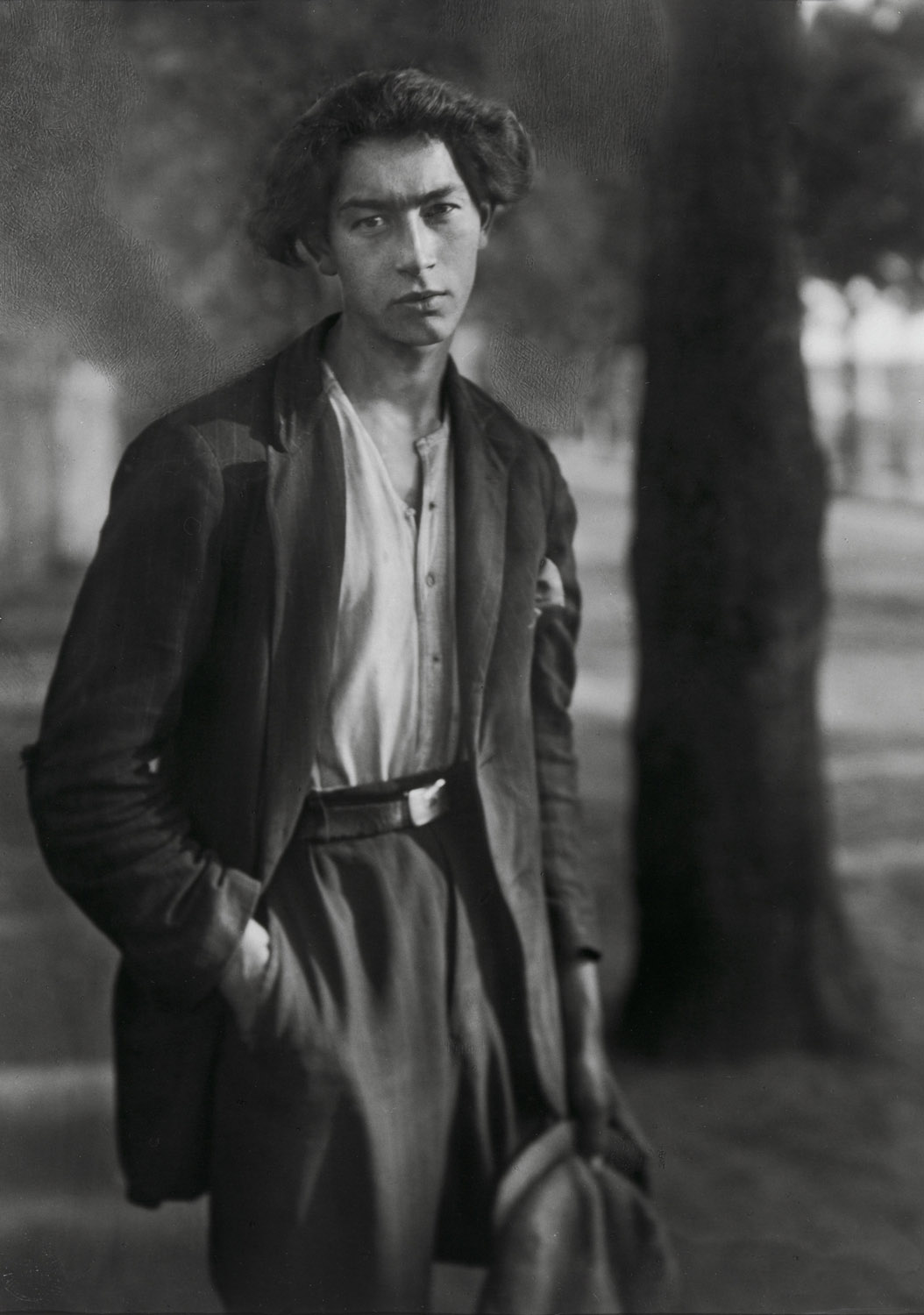
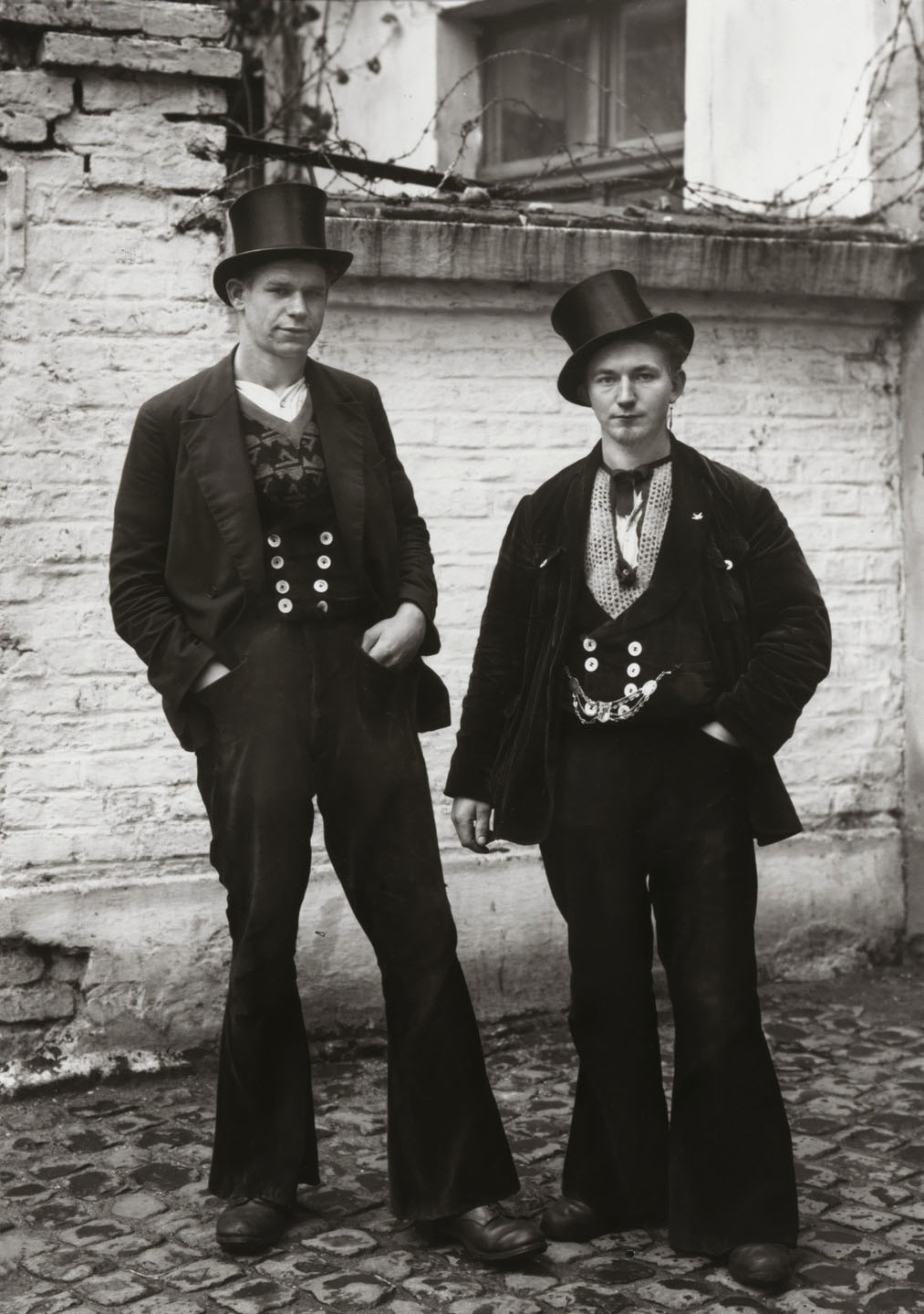
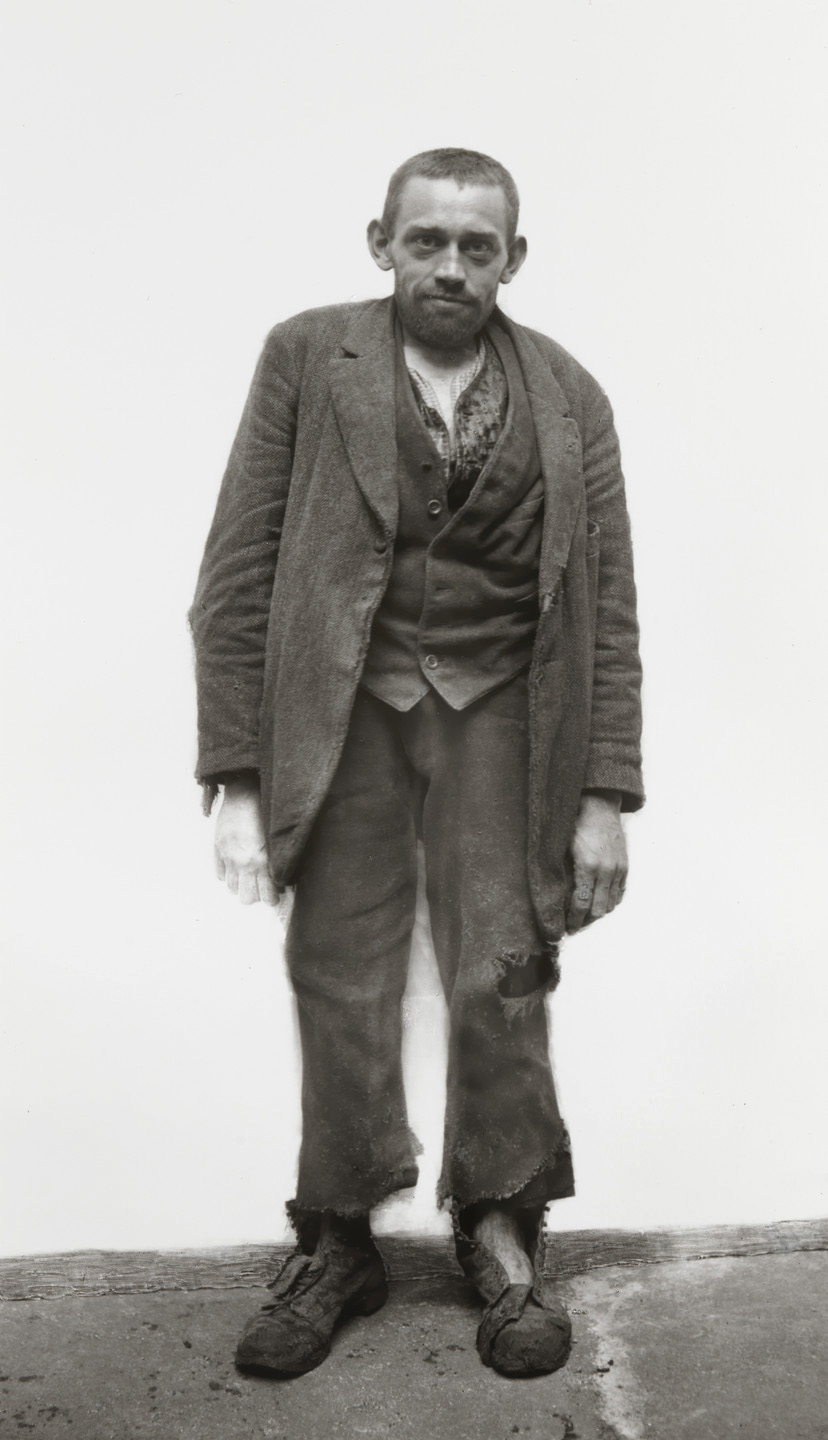
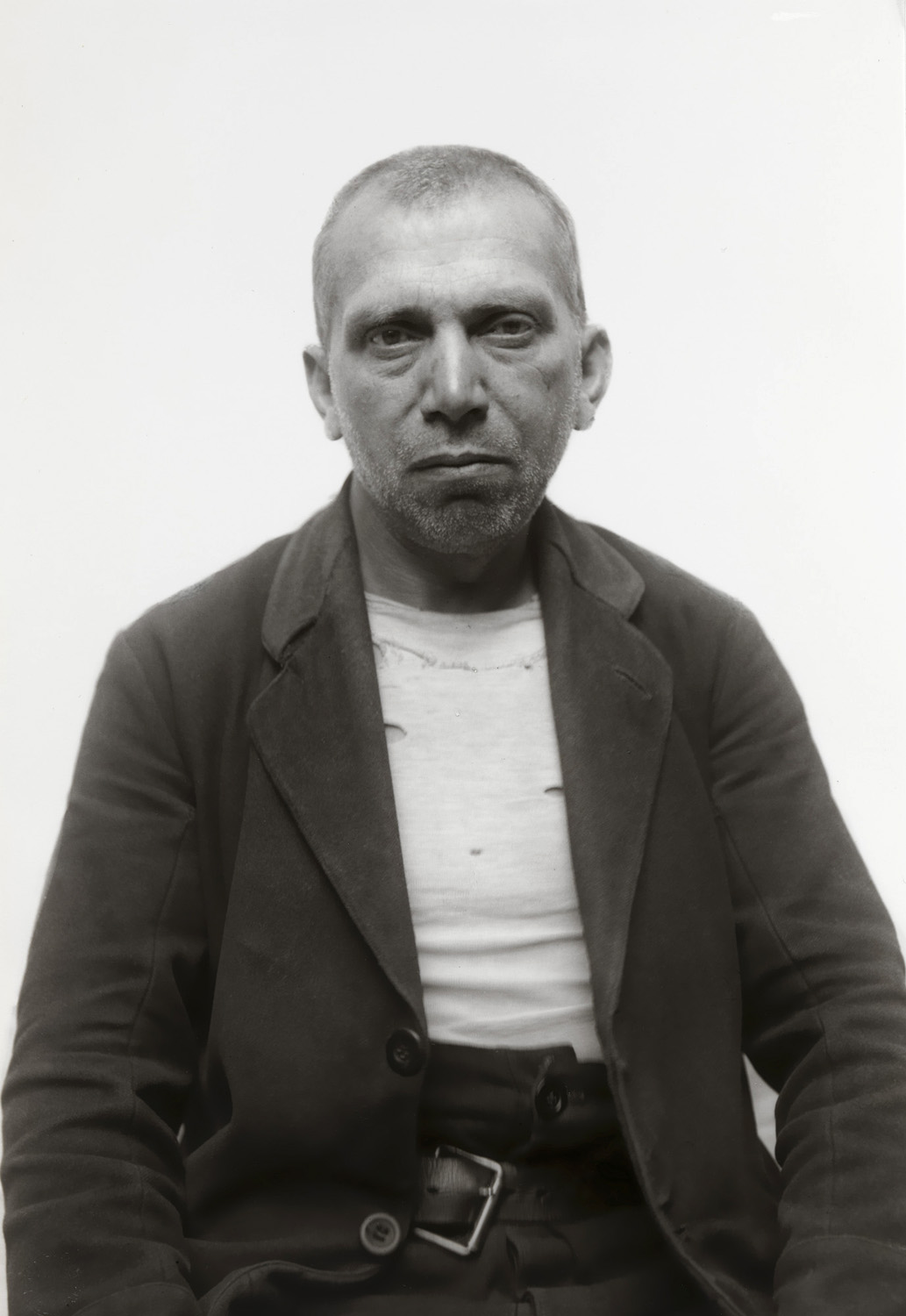
![August Sander (German, 1876-1964) 'Inventor and Dadaist [Raoul Hausmann]' 1929, printed c. 1990-1999](https://artblart.com/wp-content/uploads/2026/05/august-sander-inventor-and-dadaist-raoul-hausmann.jpg "August Sander (German, 1876-1964) 'Inventor and Dadaist [Raoul Hausmann]' 1929, printed c. 1990-1999")
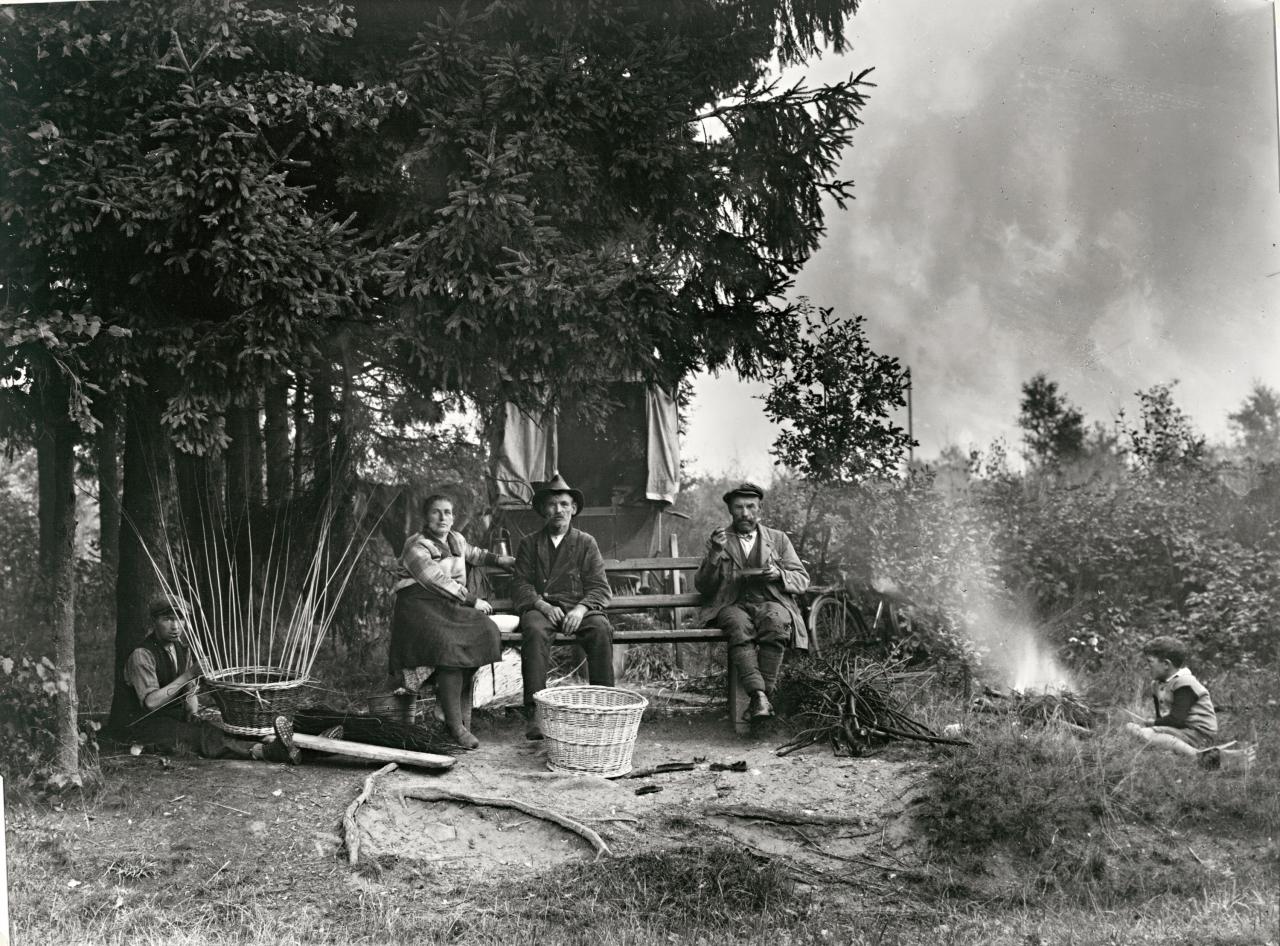
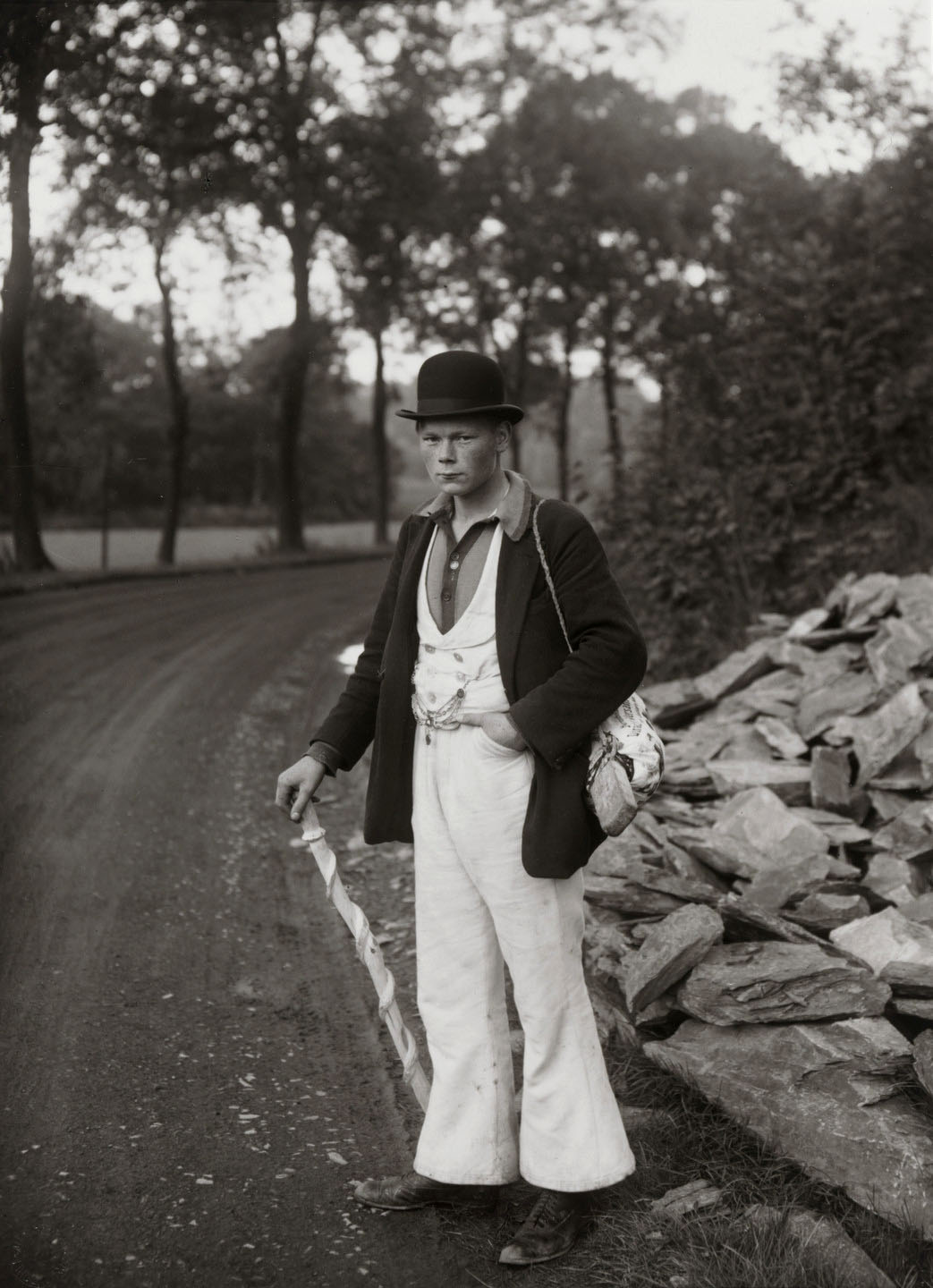
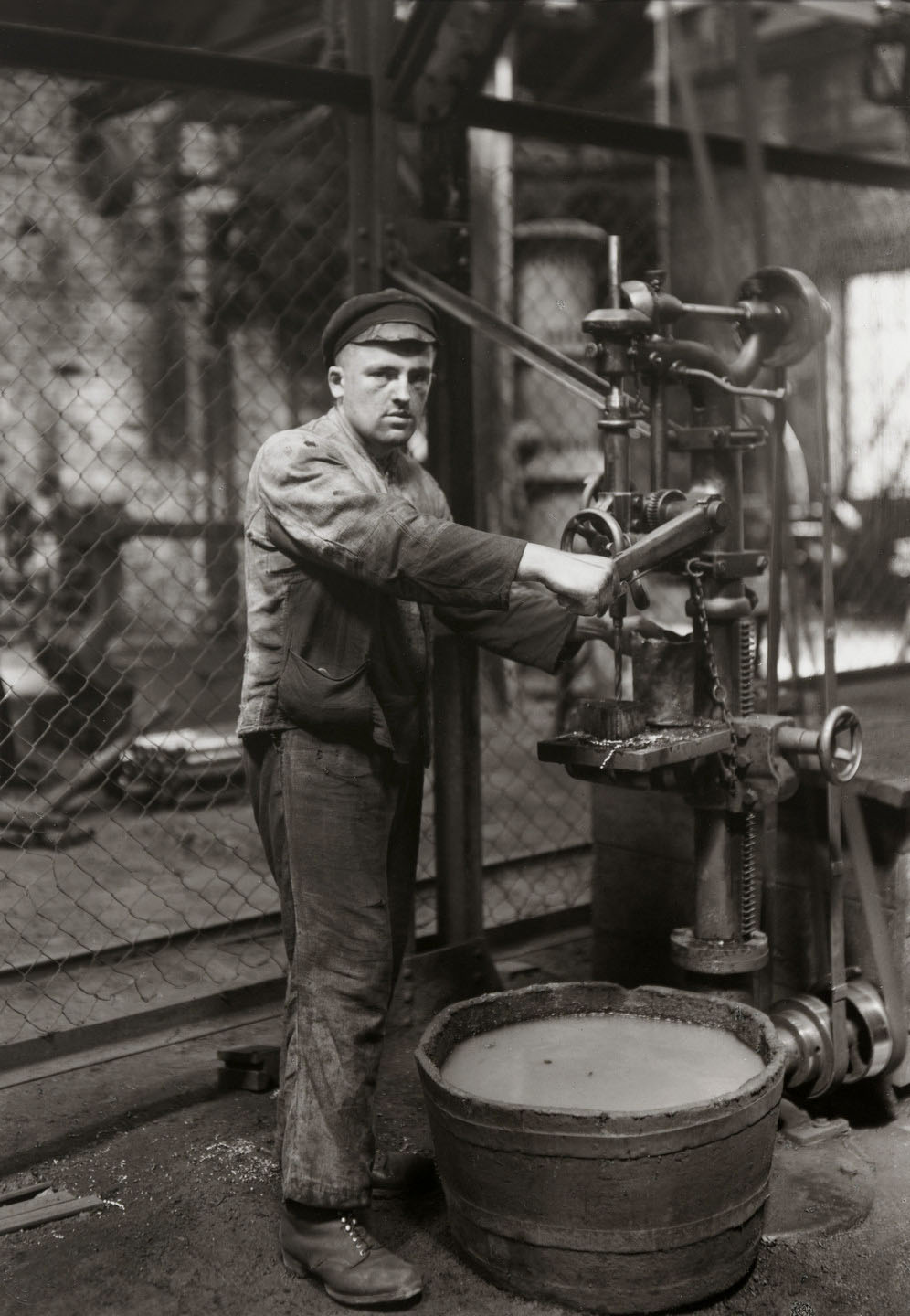
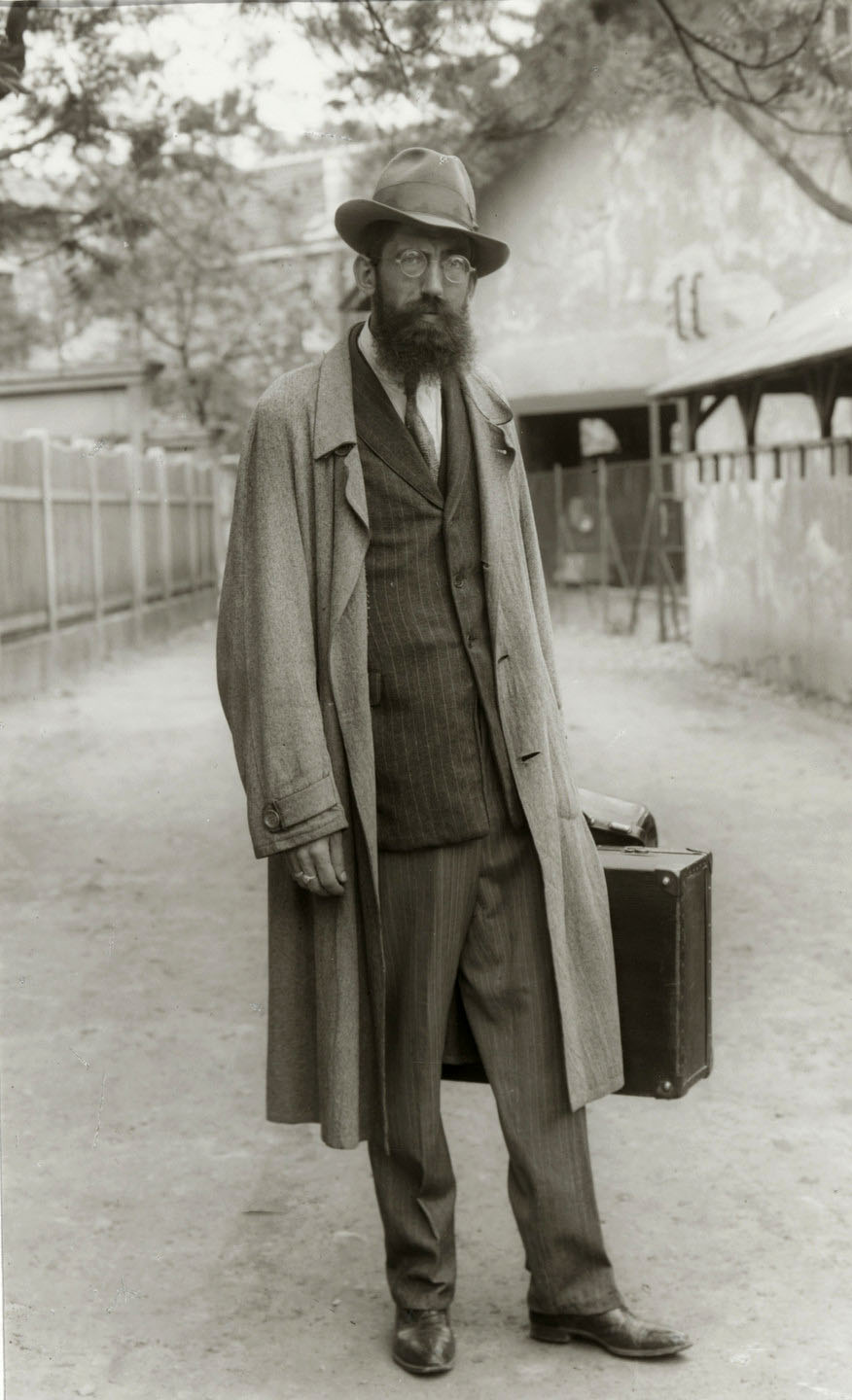
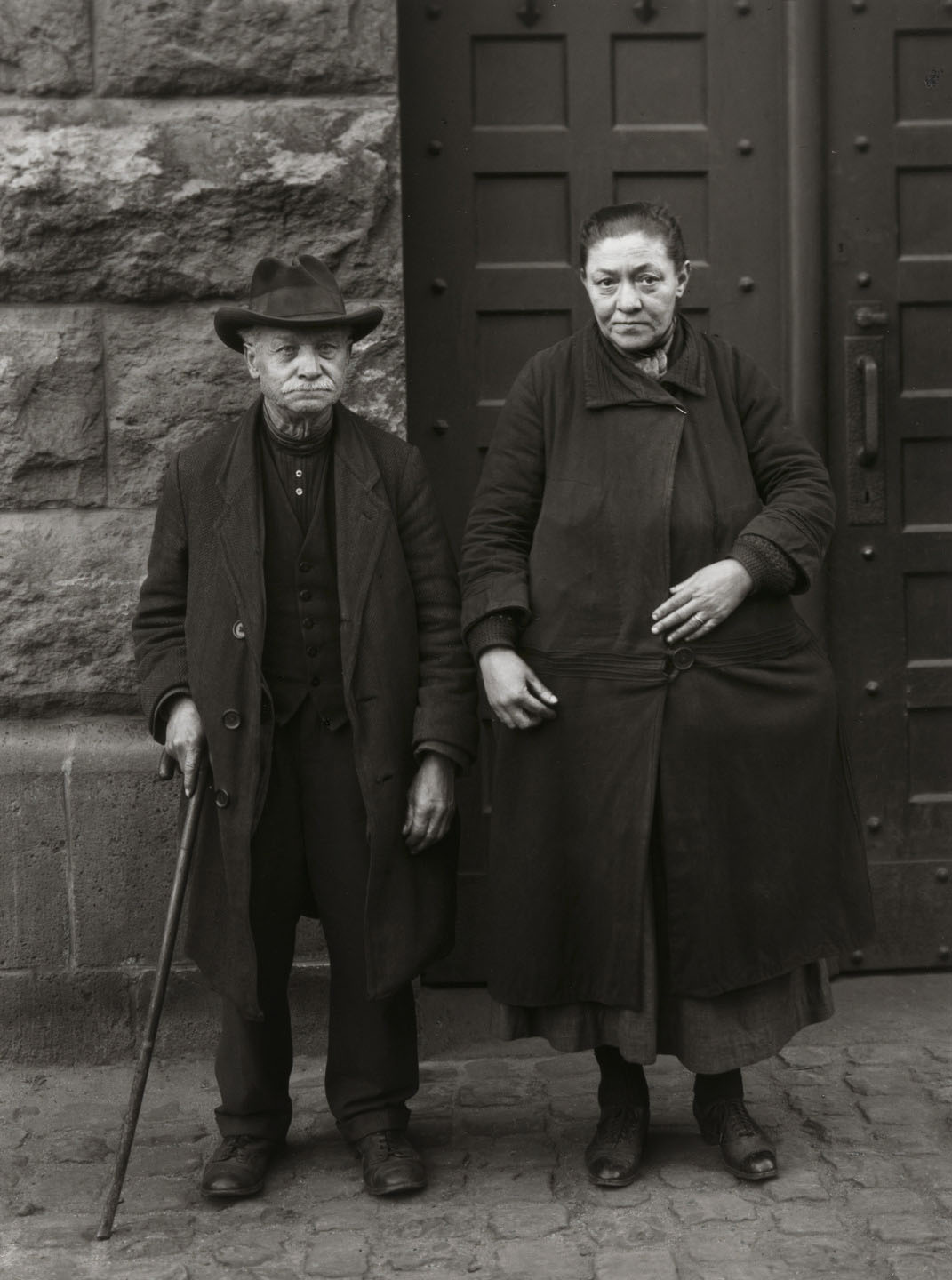
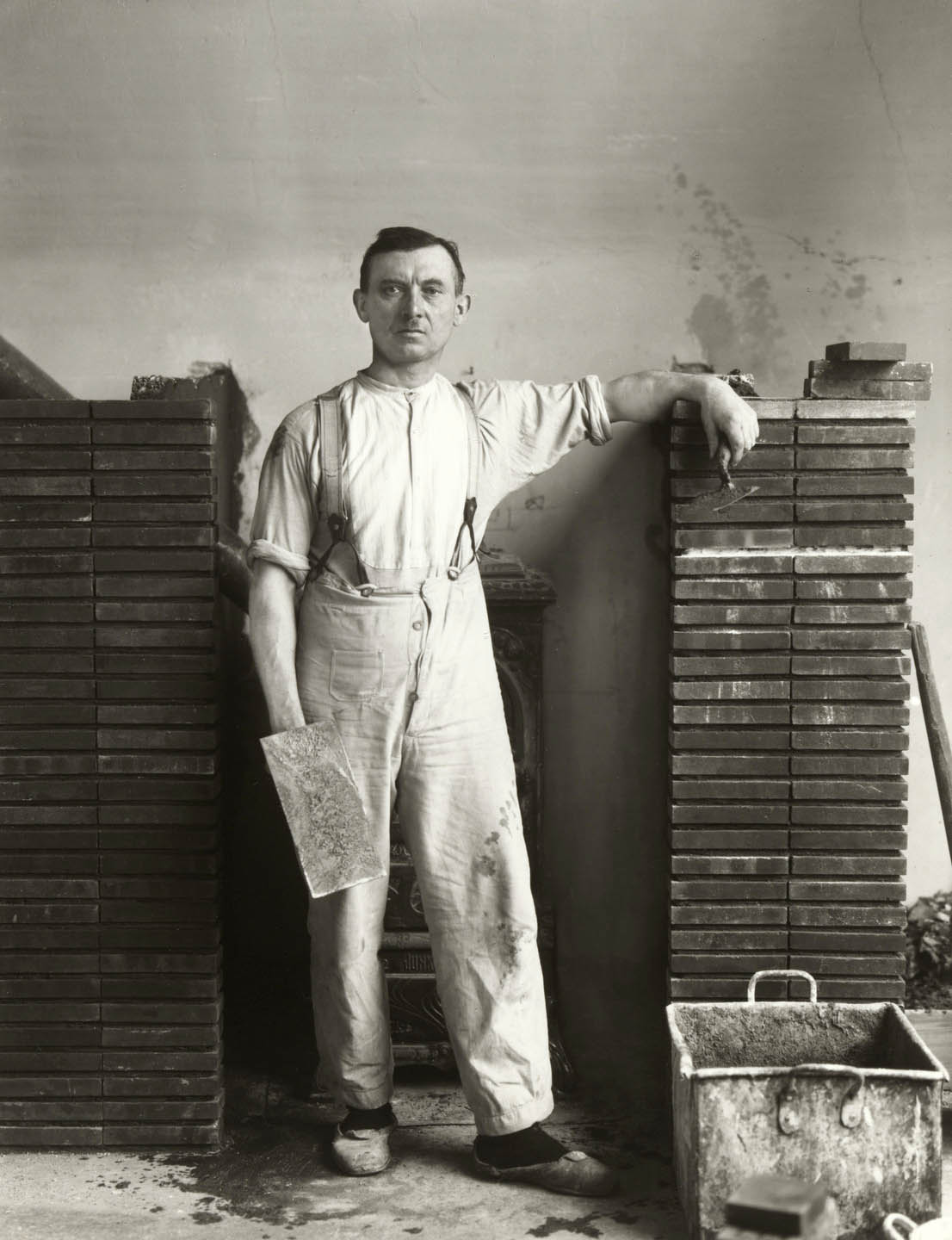
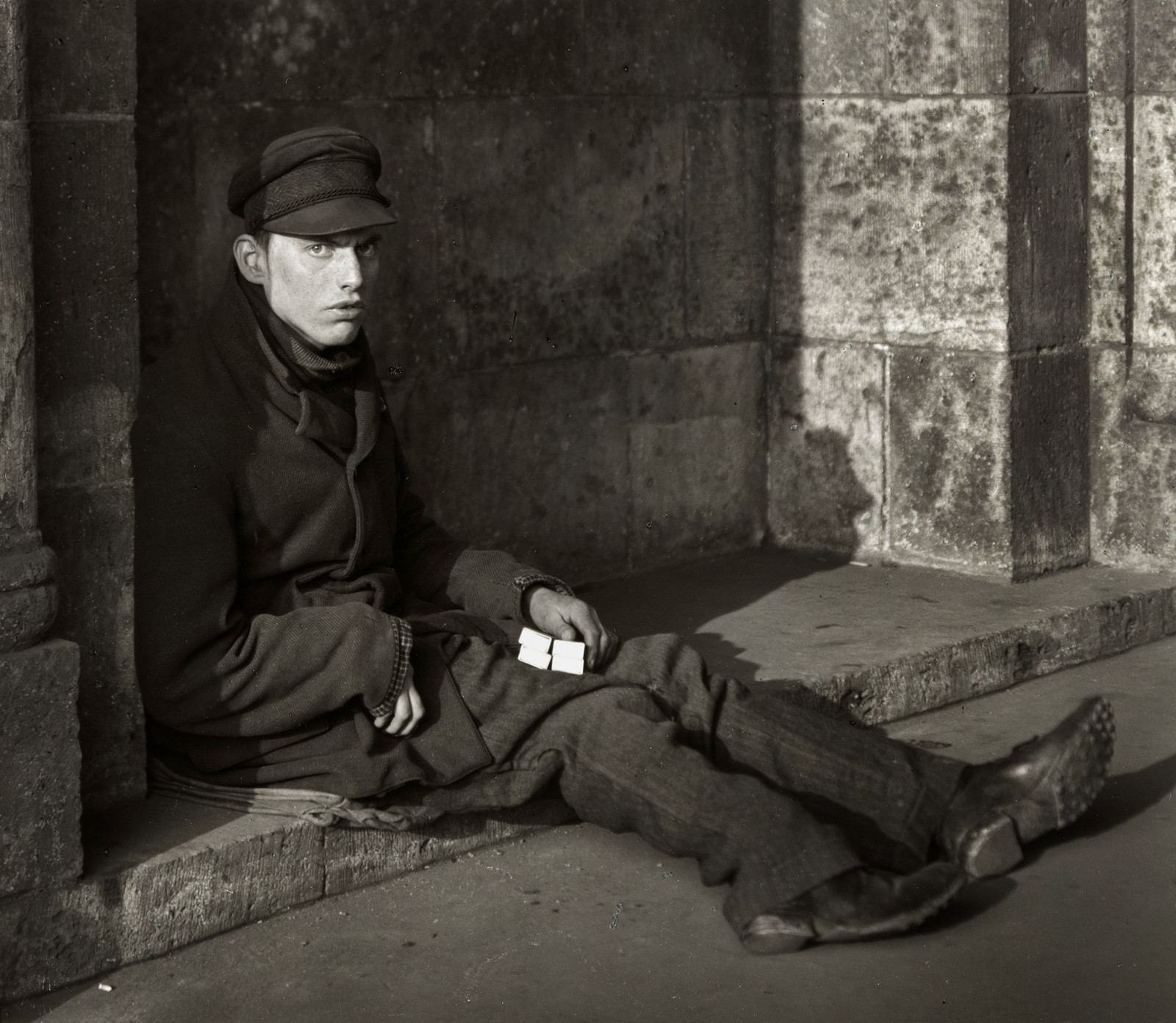
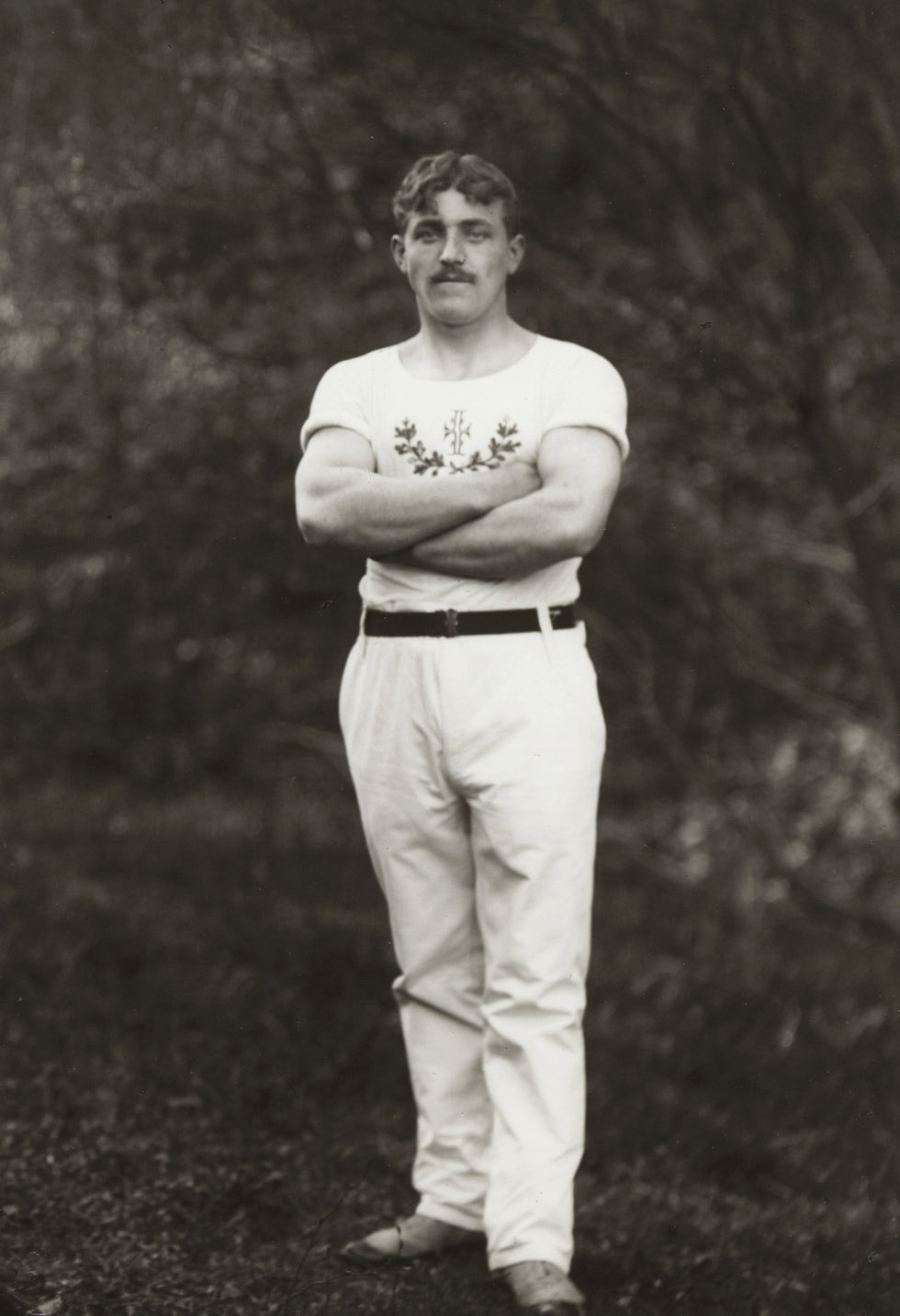
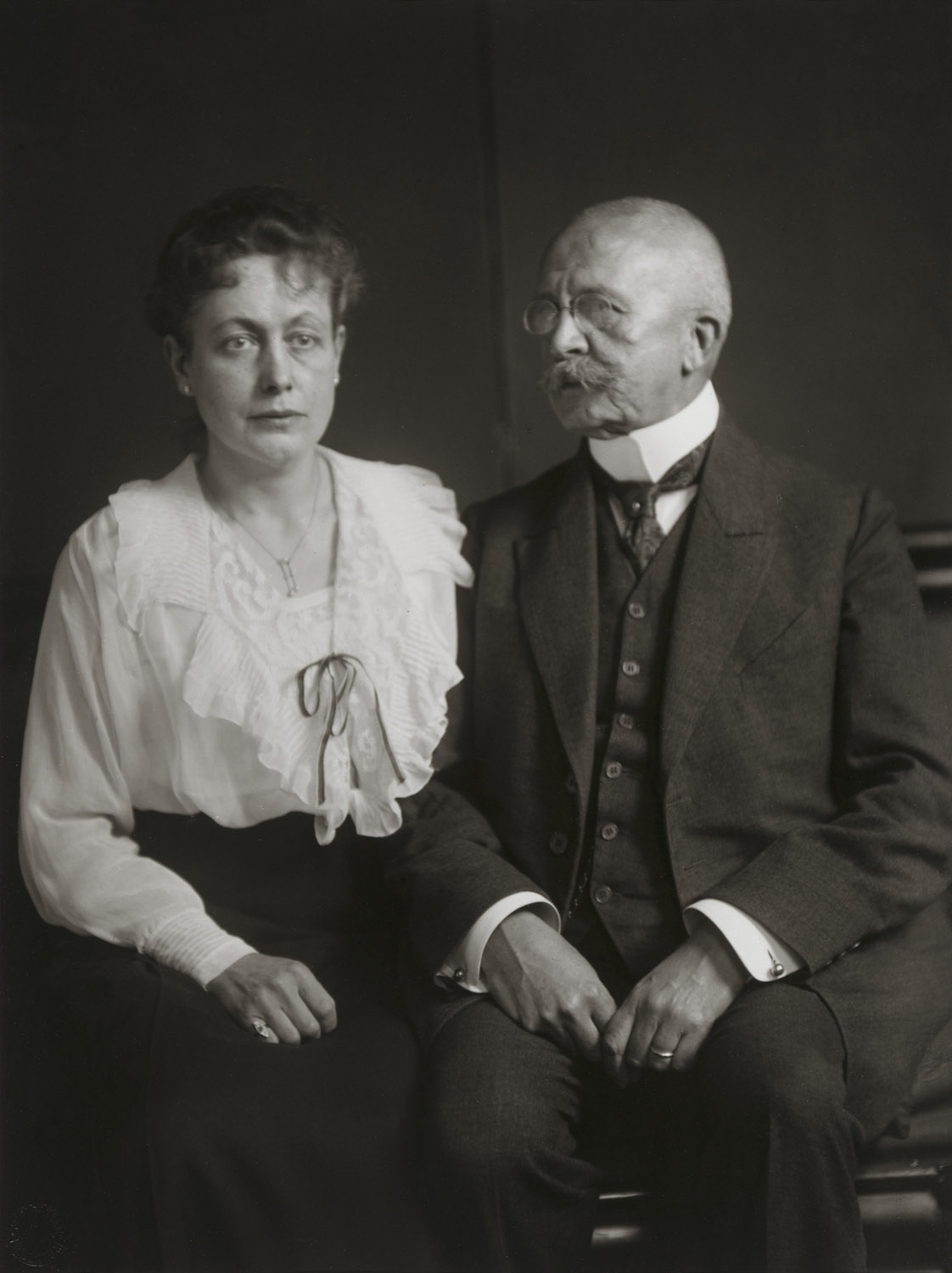
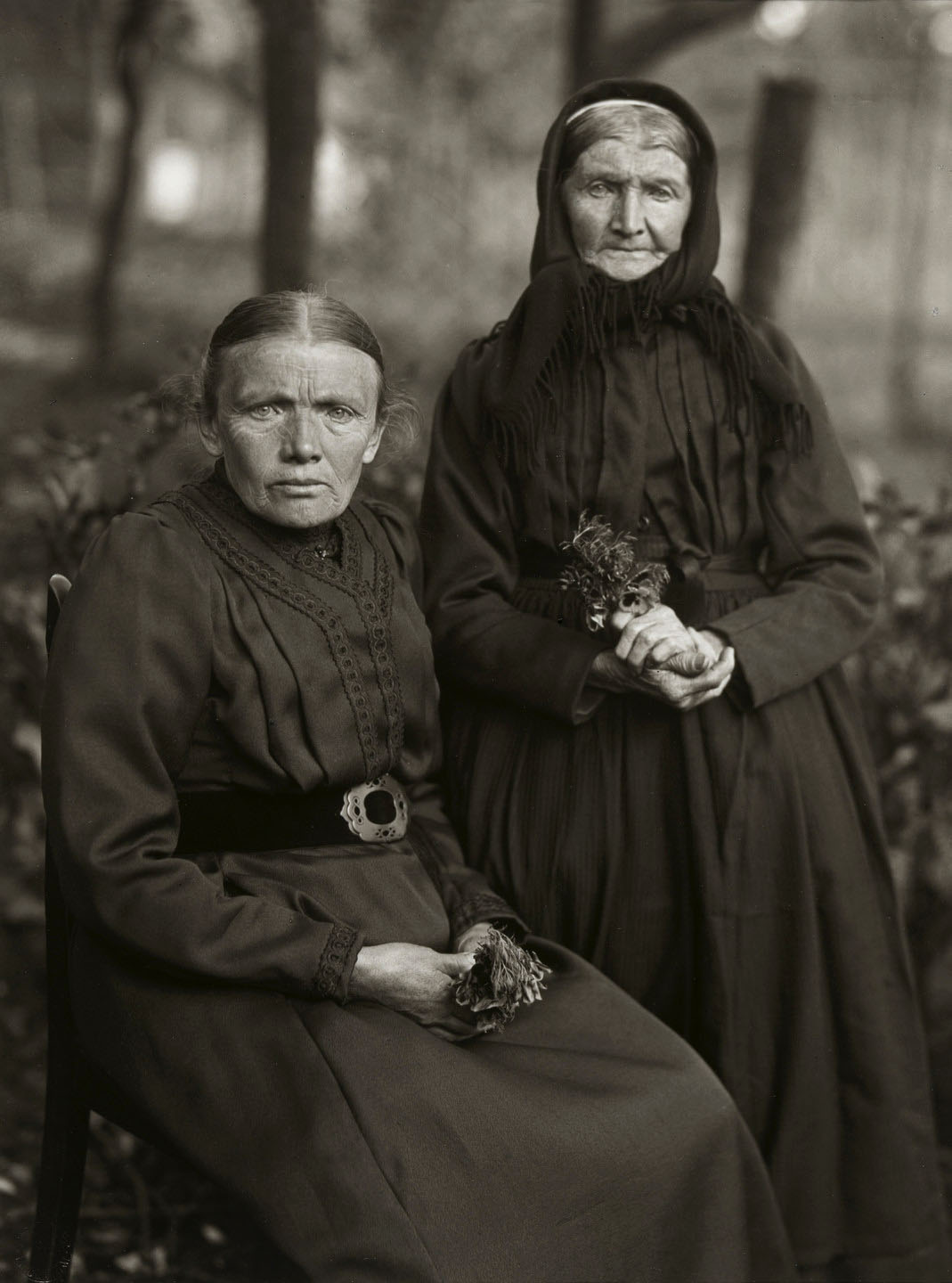
![August Sander (German, 1876-1964) 'Mother and Daughter [Helene Abelen with Daughter Josepha]' c. 1926, printed c. 1990-1999](https://artblart.com/wp-content/uploads/2026/05/august-sander-mother-and-daughter-helene-abelen-with-daughter-josepha.jpg "August Sander (German, 1876-1964) 'Mother and Daughter [Helene Abelen with Daughter Josepha]' c. 1926, printed c. 1990-1999")
![August Sander (German, 1876-1964) 'My Wife in Joy and Sorrow [Anna Sander with twins, Sigrid and Helmut Sander]' 1911, printed c. 1990-1999](https://artblart.com/wp-content/uploads/2026/05/august-sander-my-wife-in-joy-and-sorrow.jpg "August Sander (German, 1876-1964) 'My Wife in Joy and Sorrow [Anna Sander with twins, Sigrid and Helmut Sander]' 1911, printed c. 1990-1999")
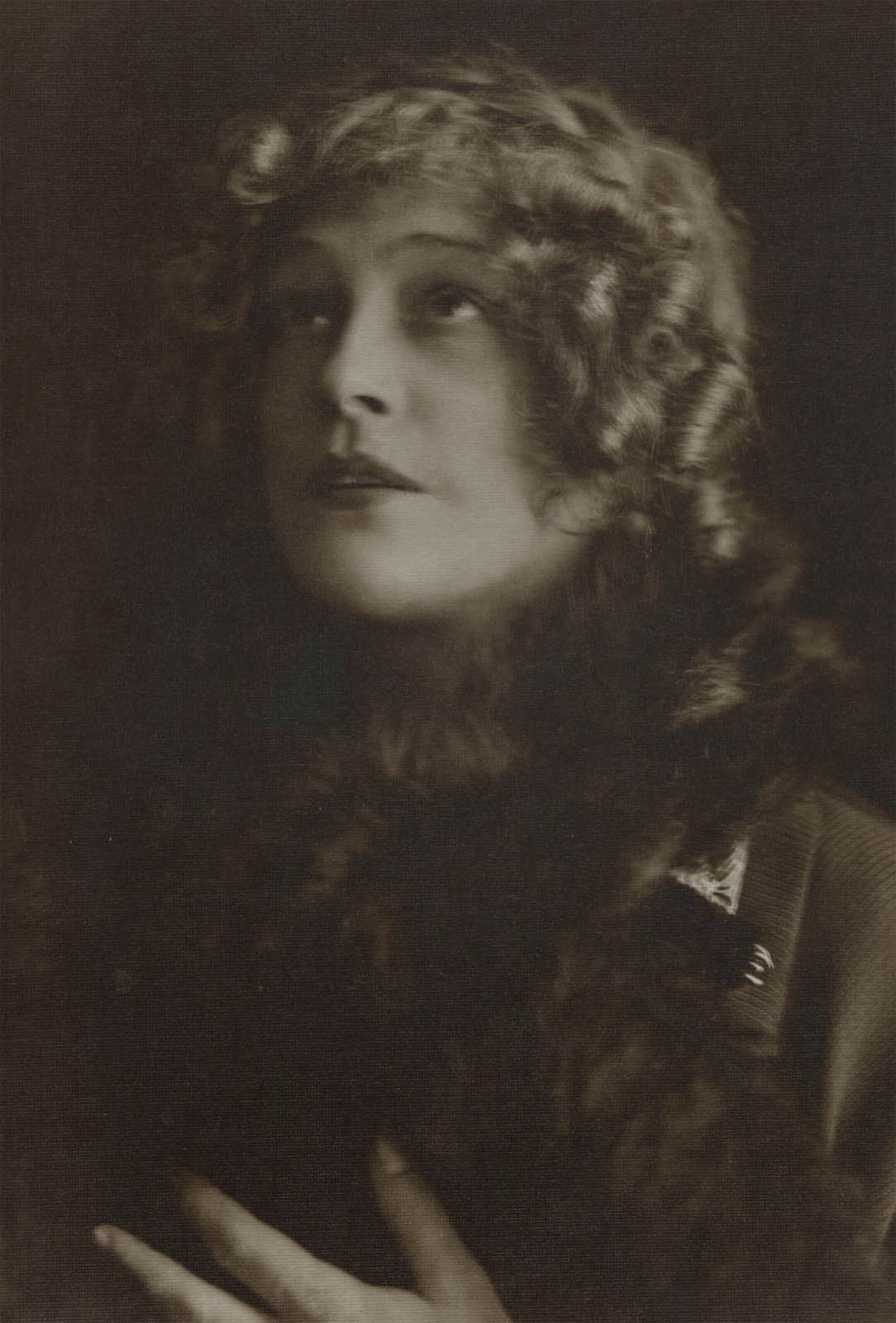
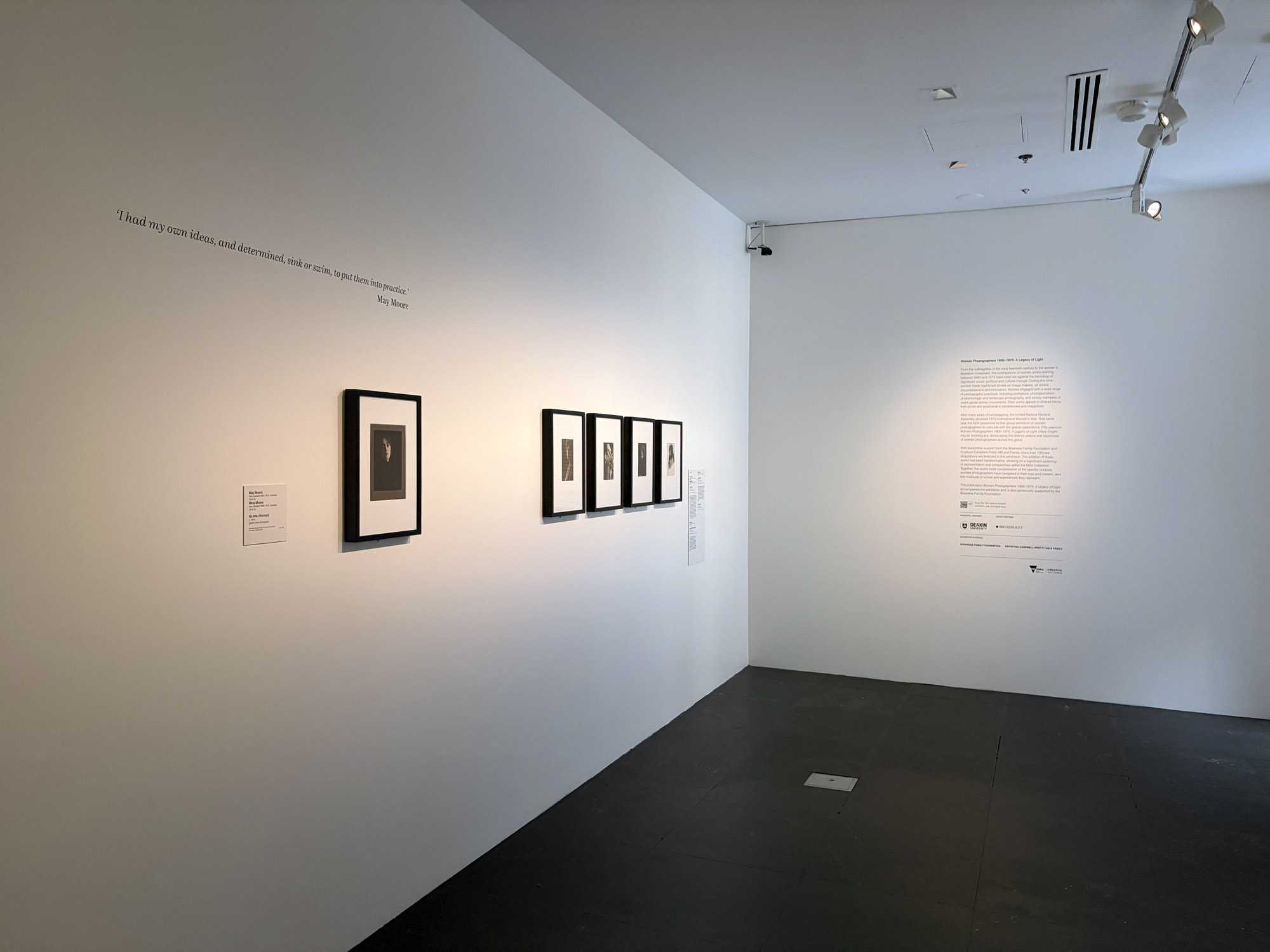
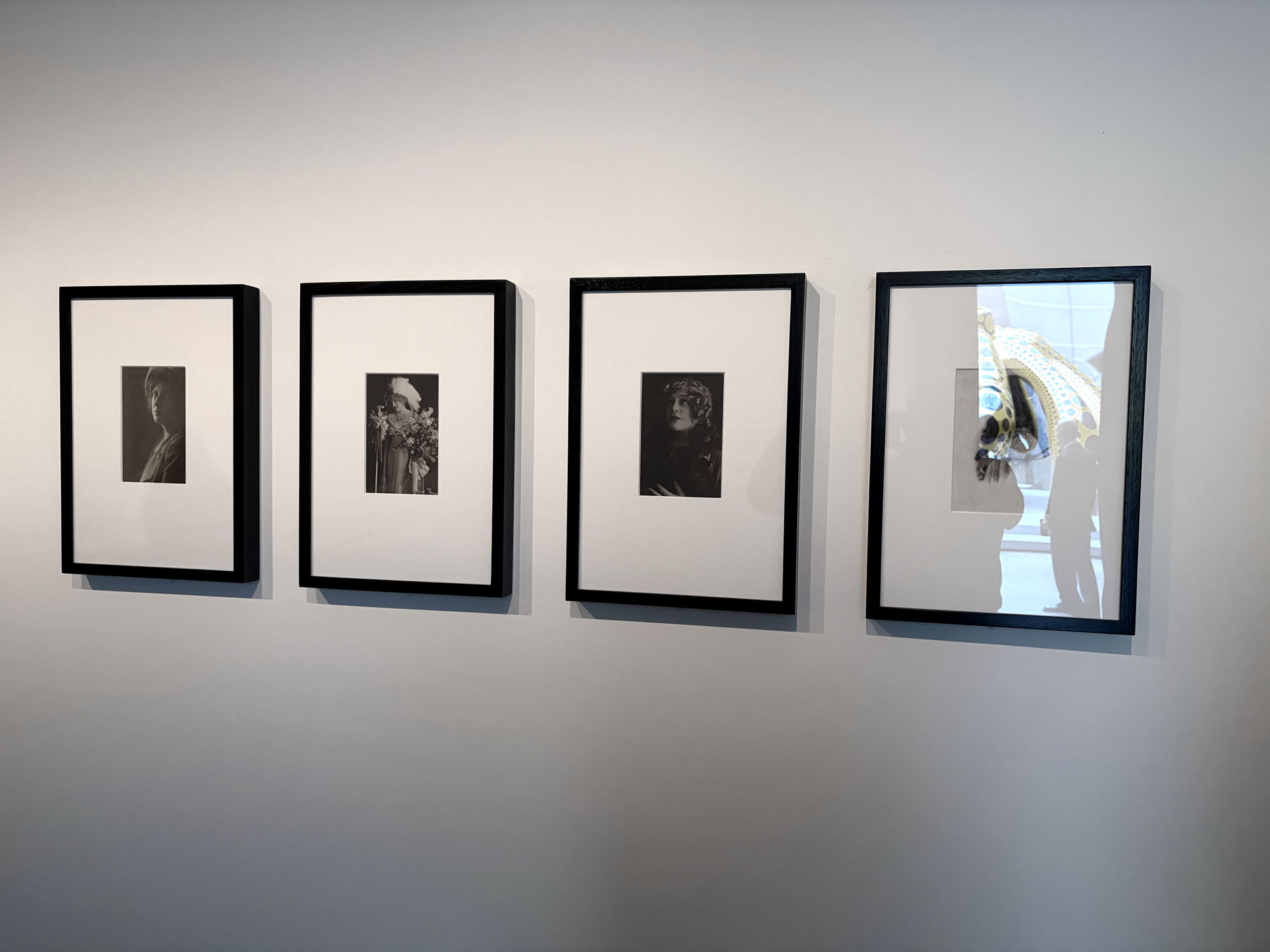
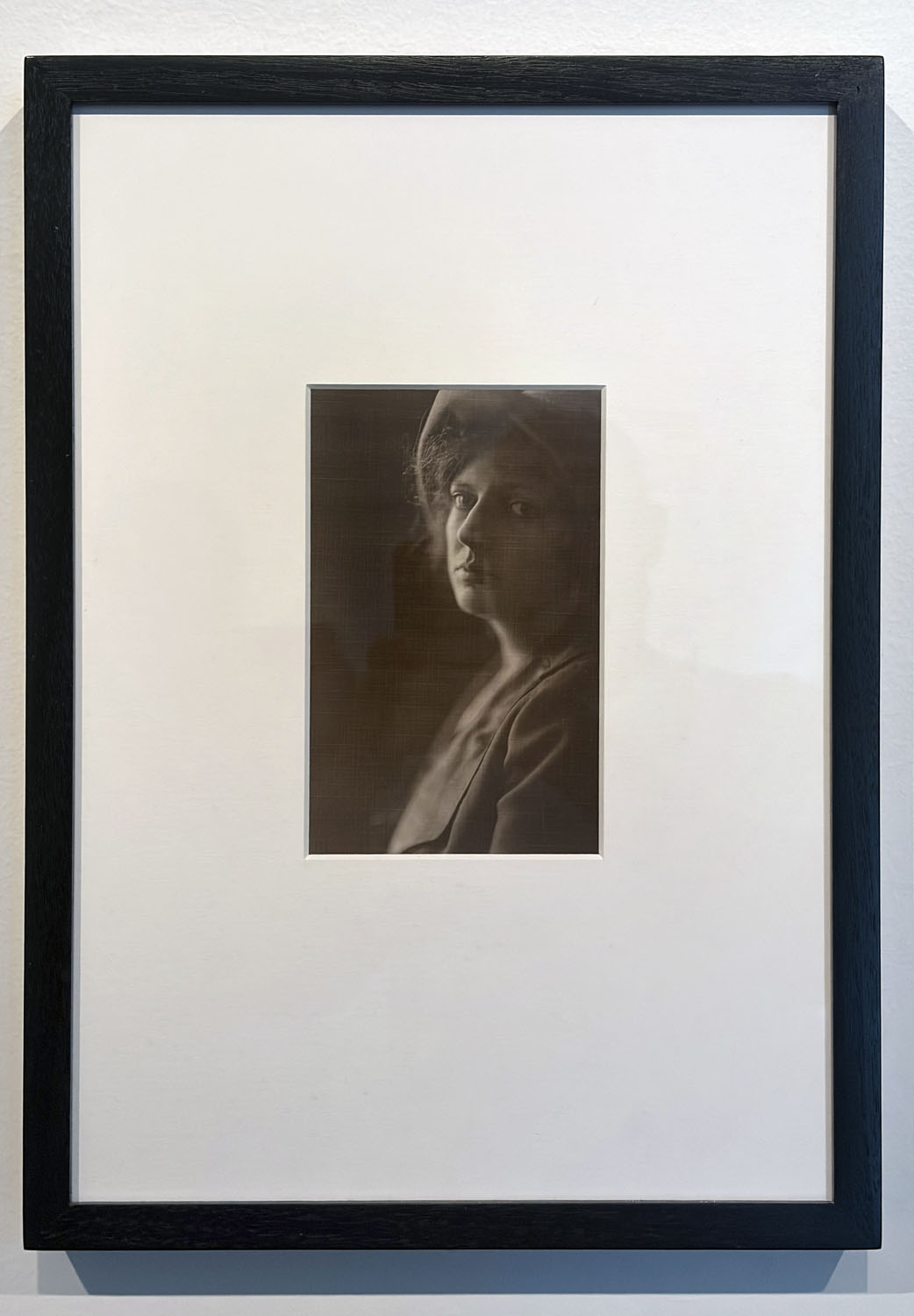
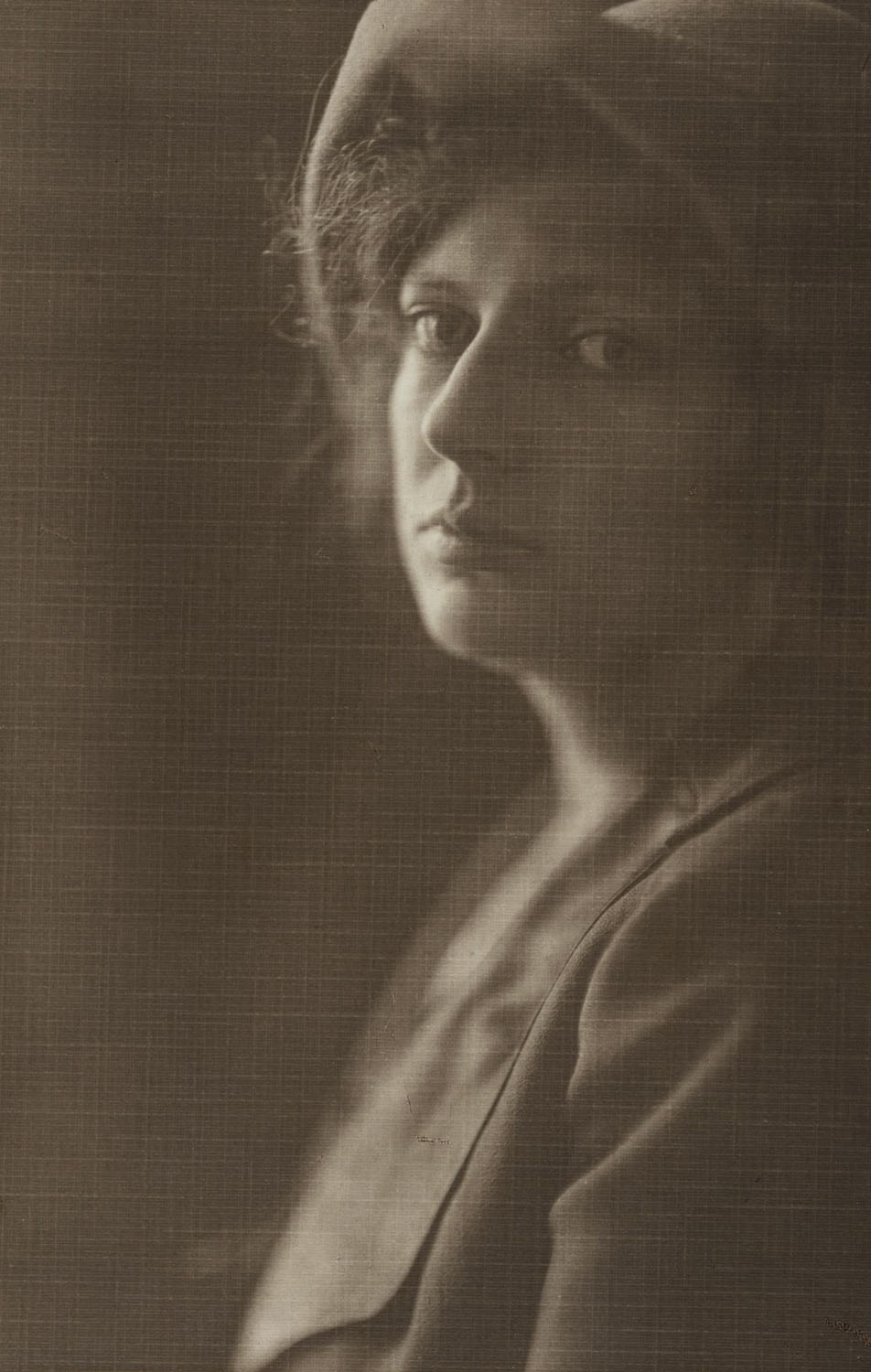
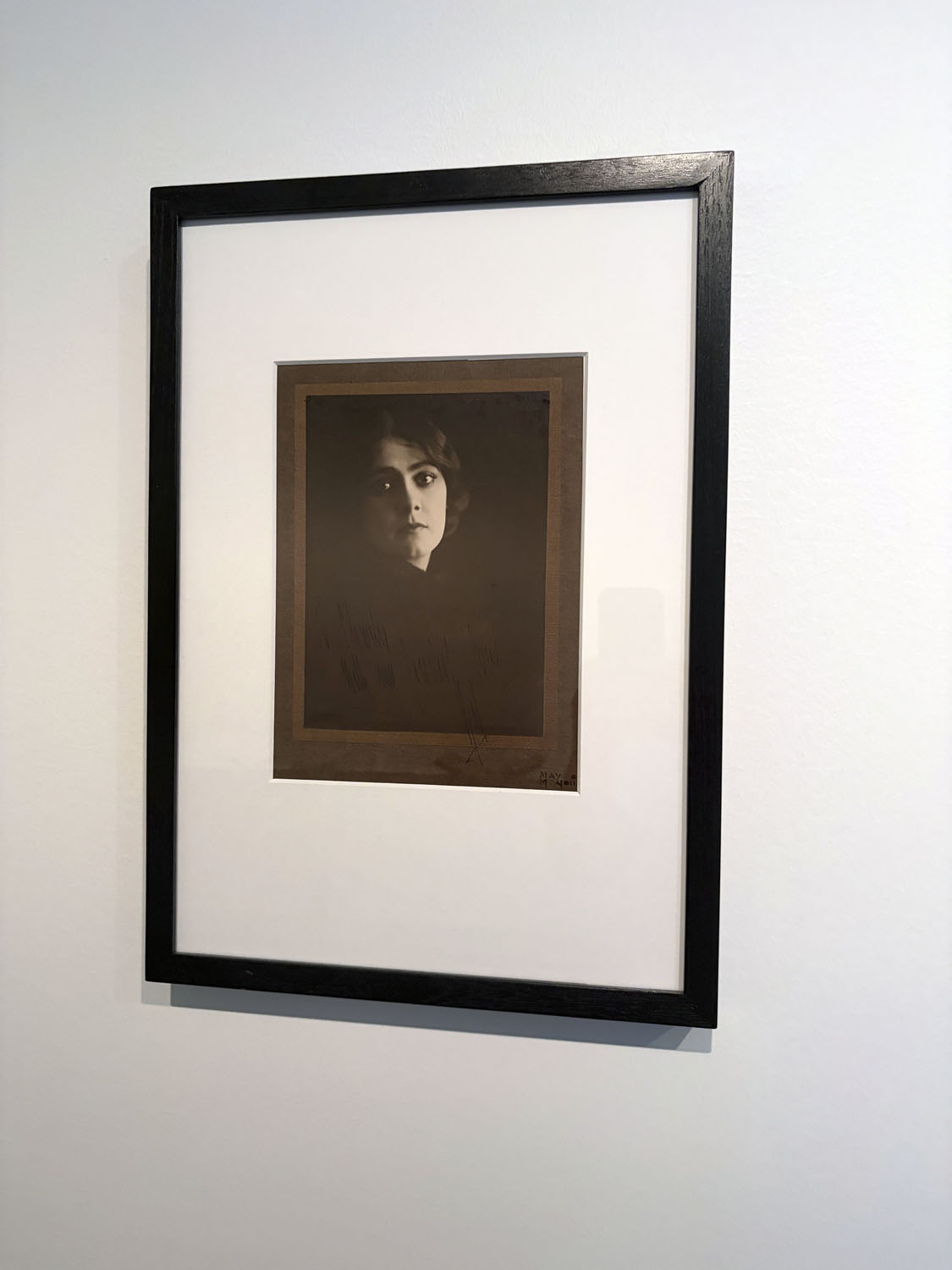
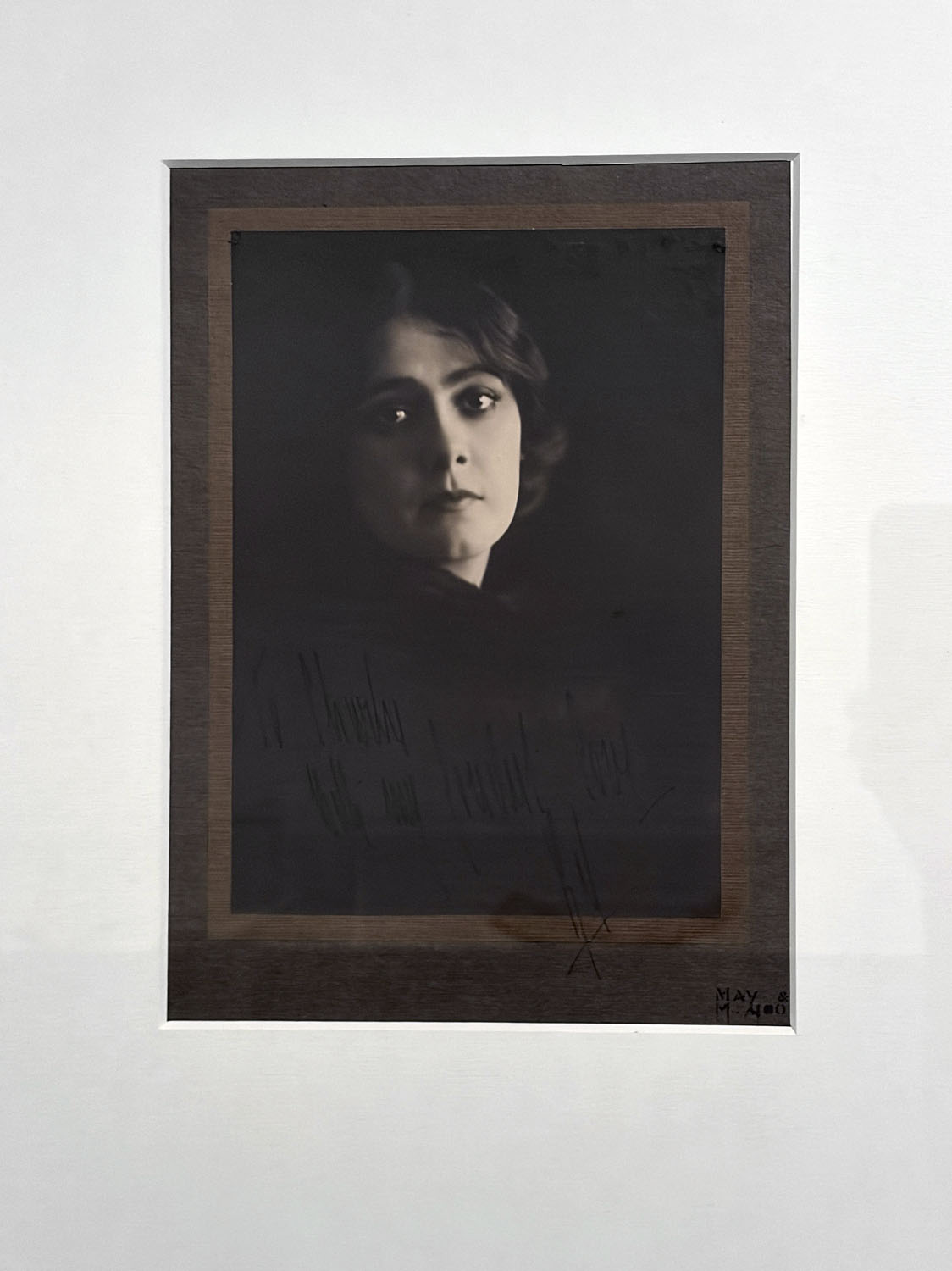
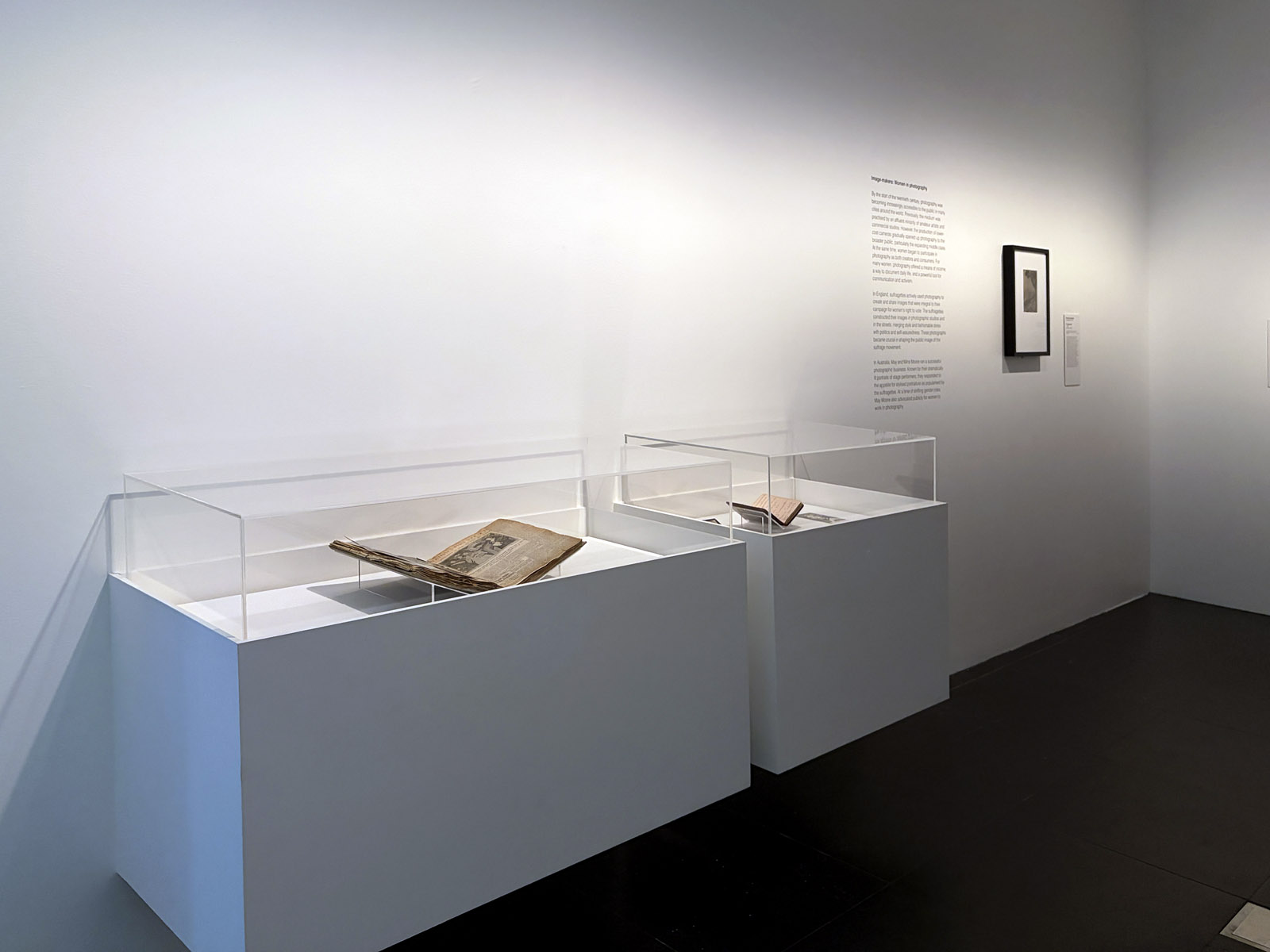
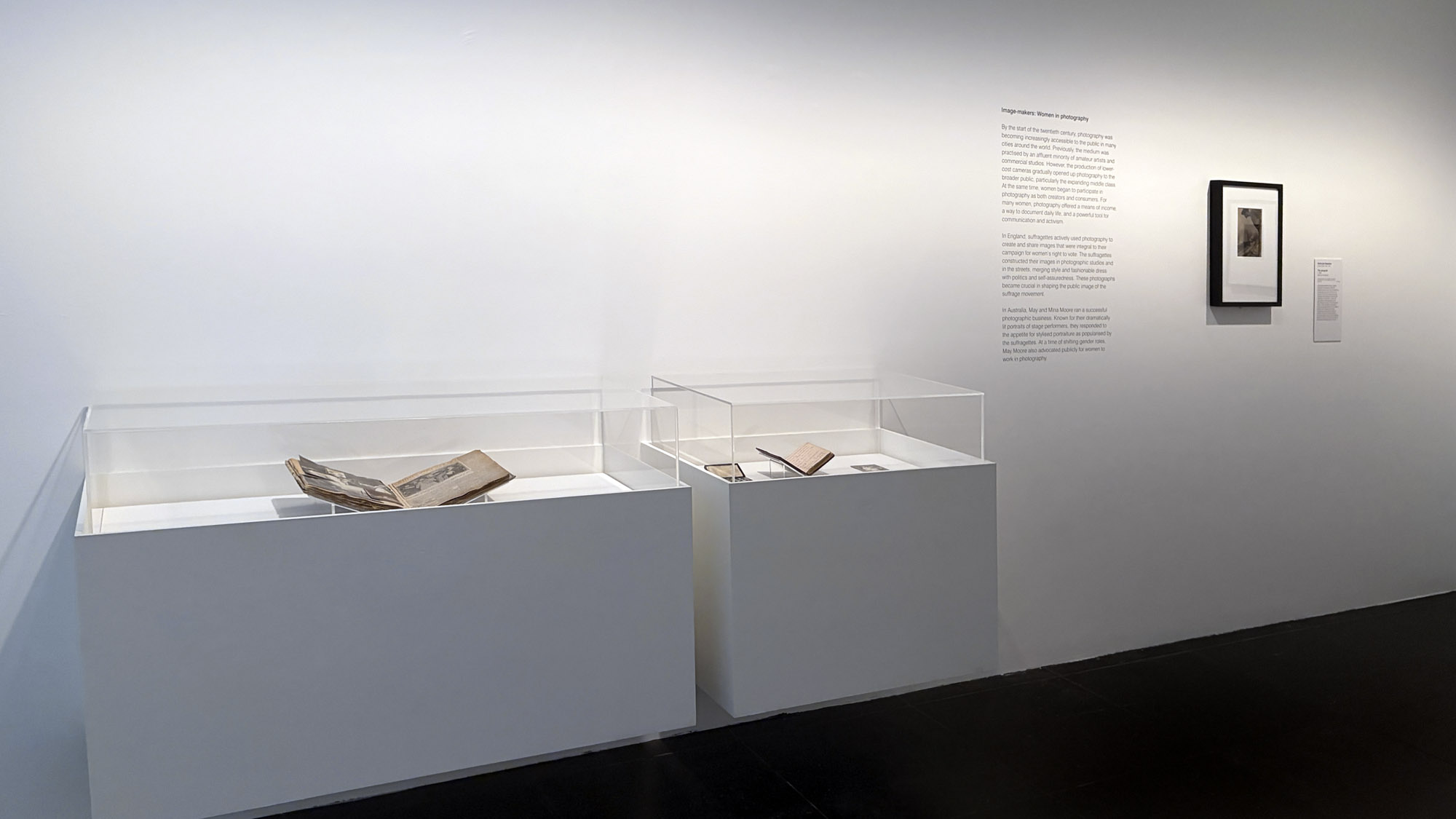
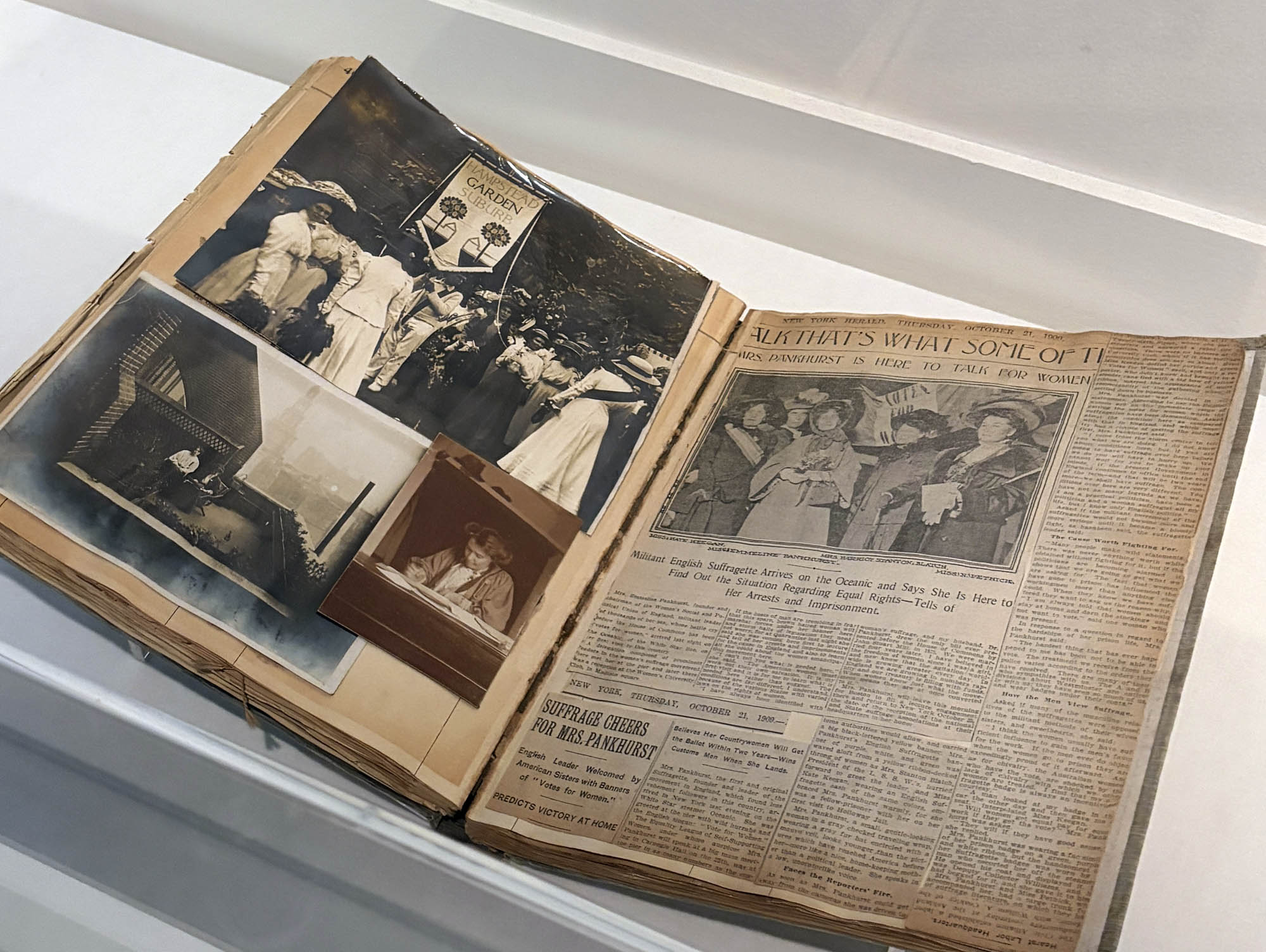
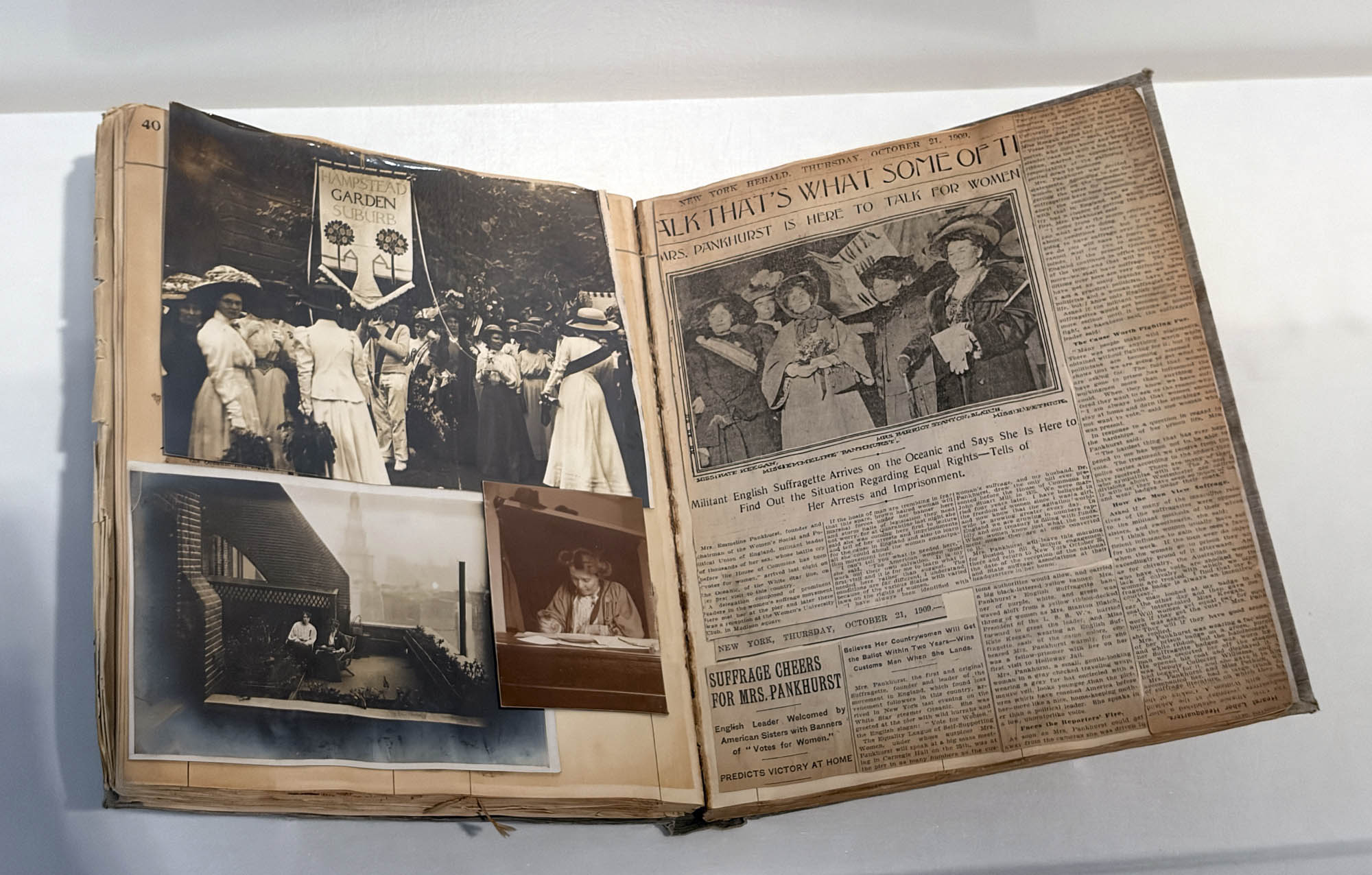
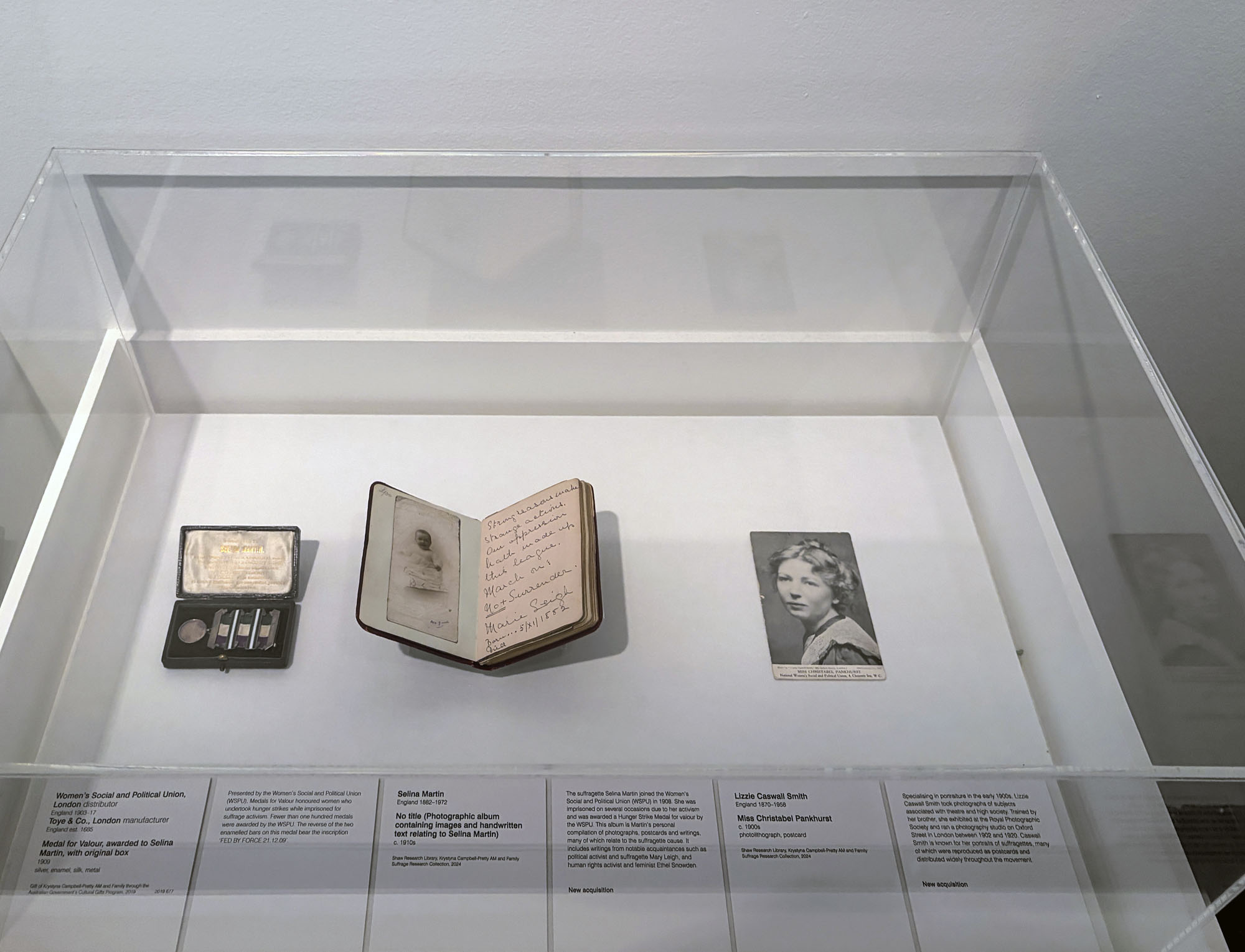
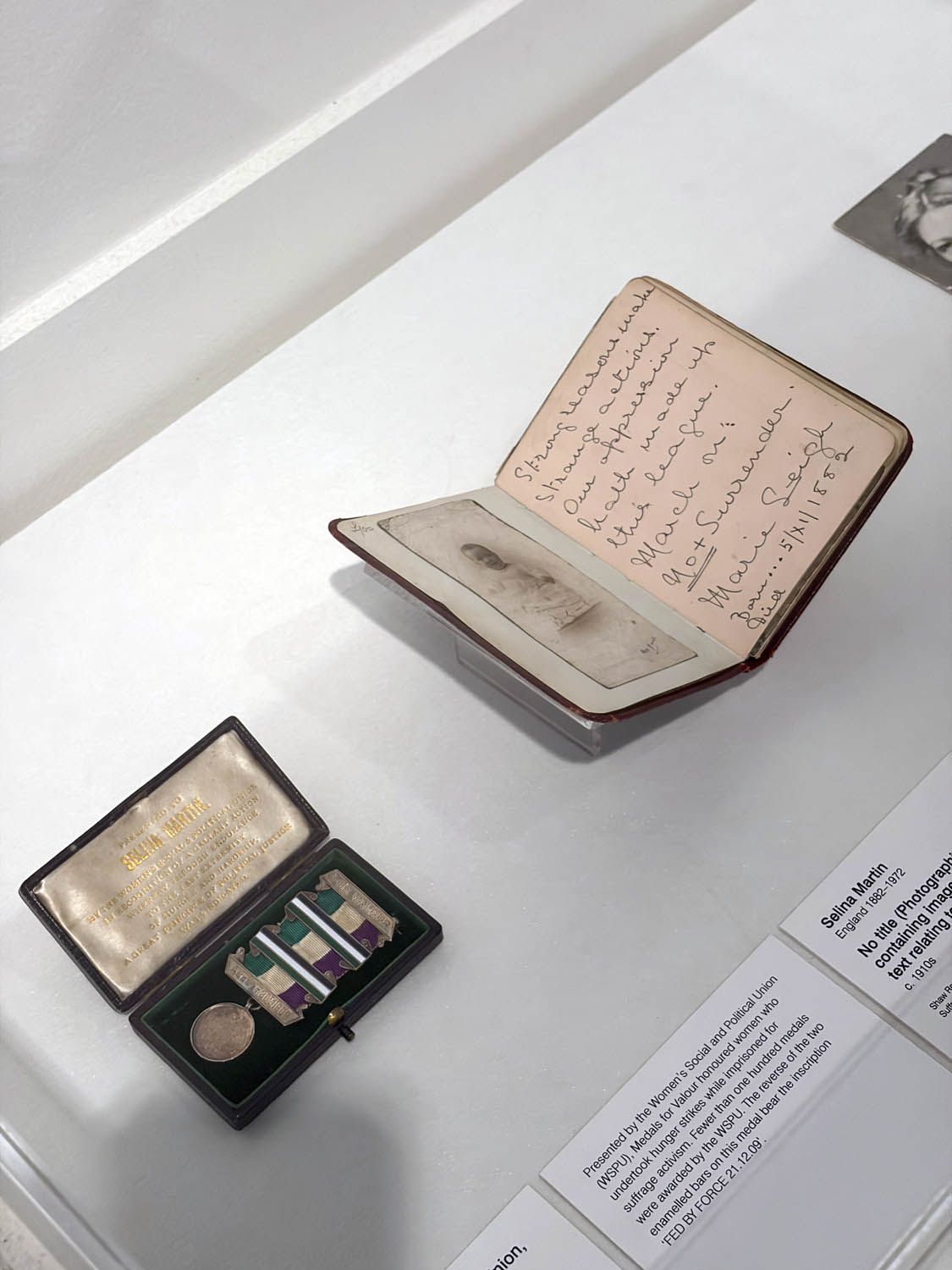
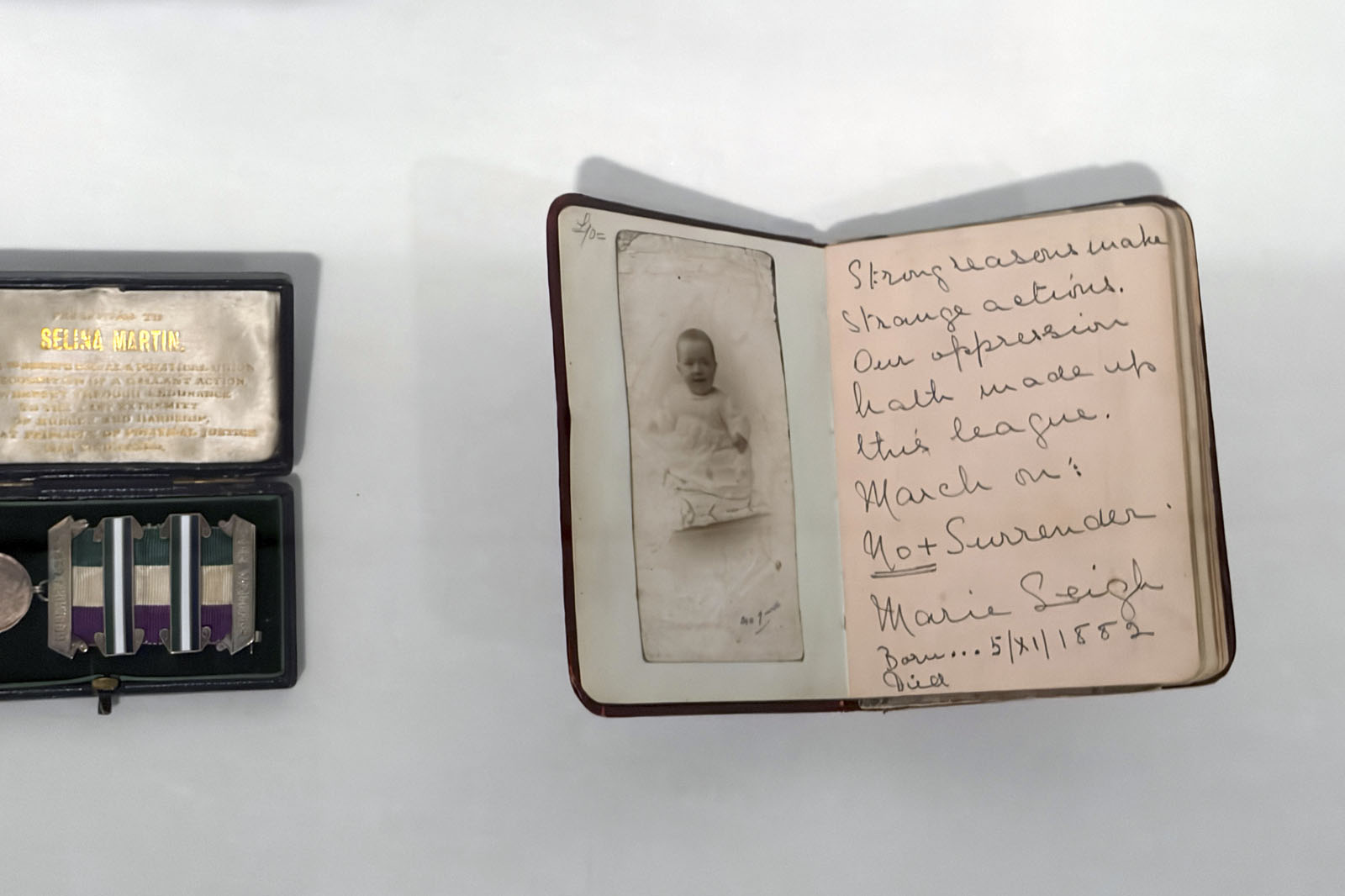
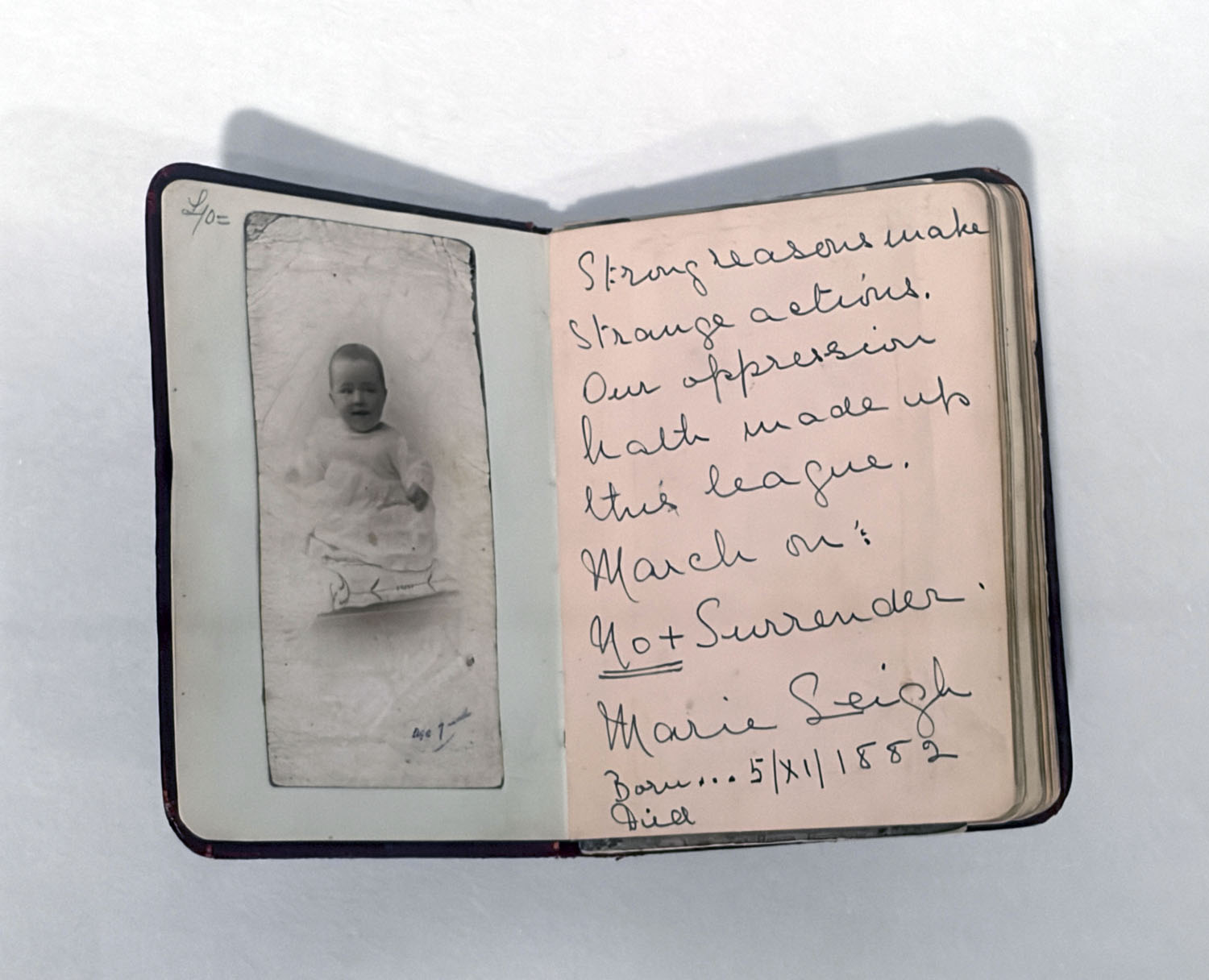
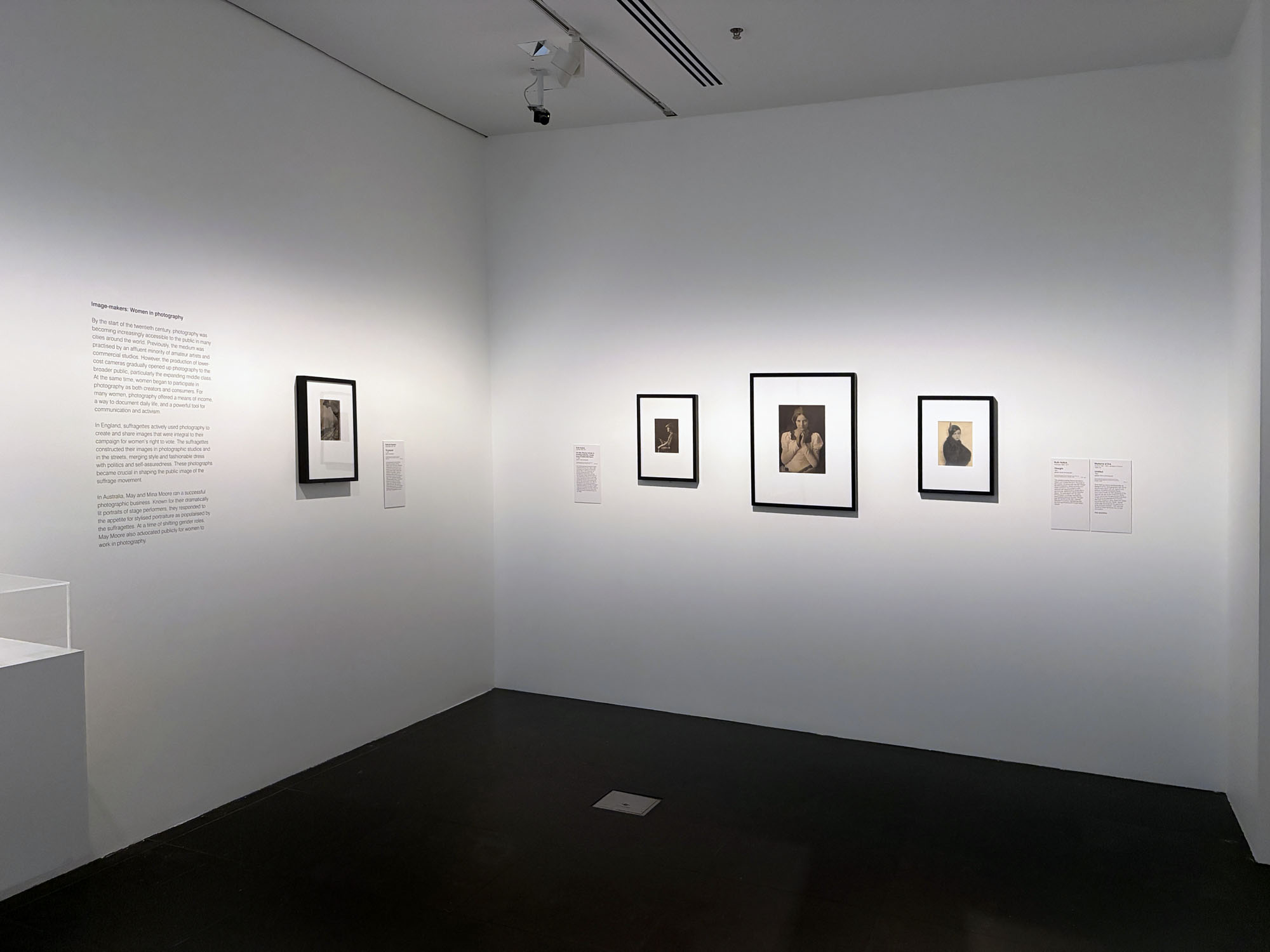
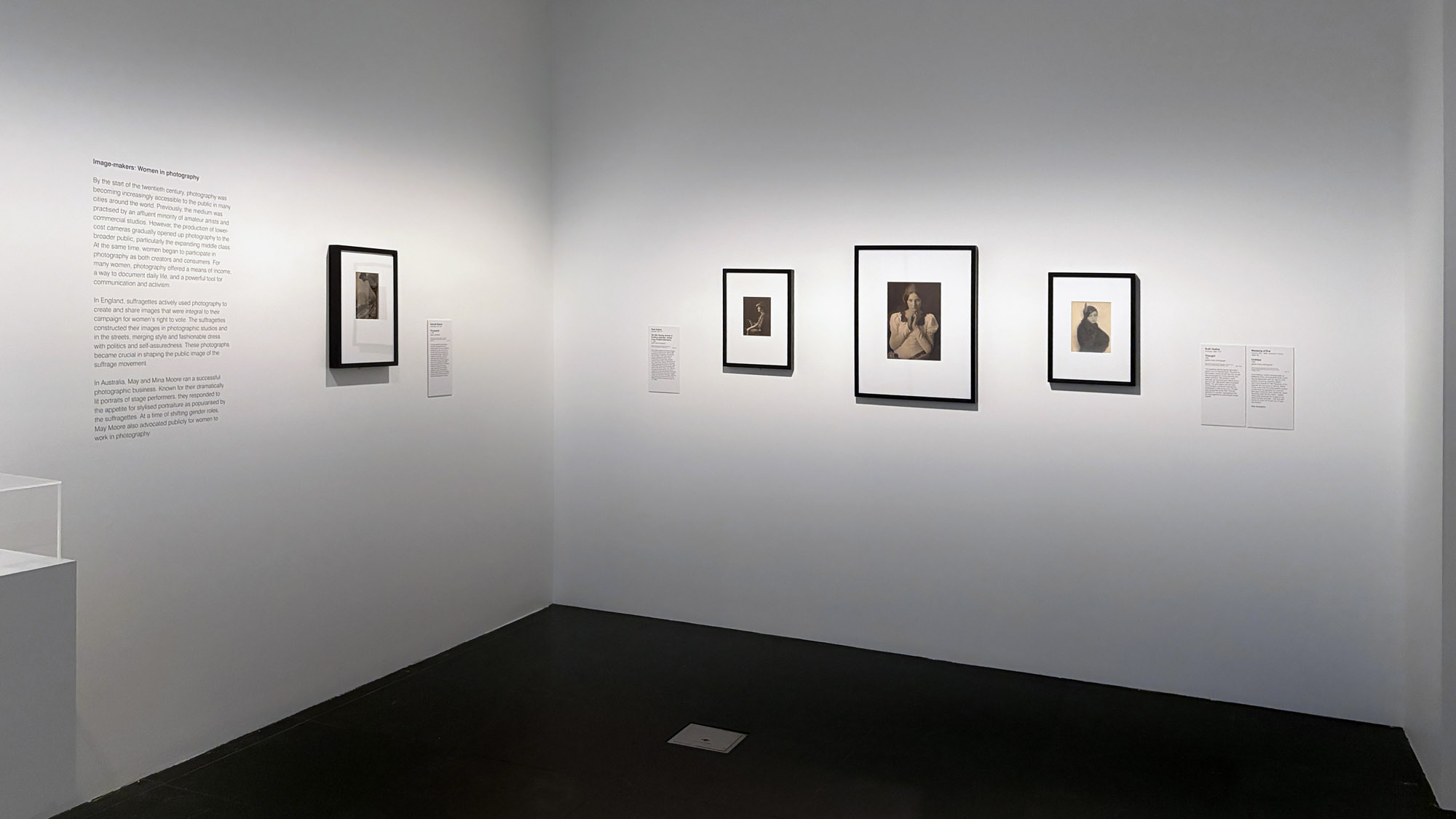
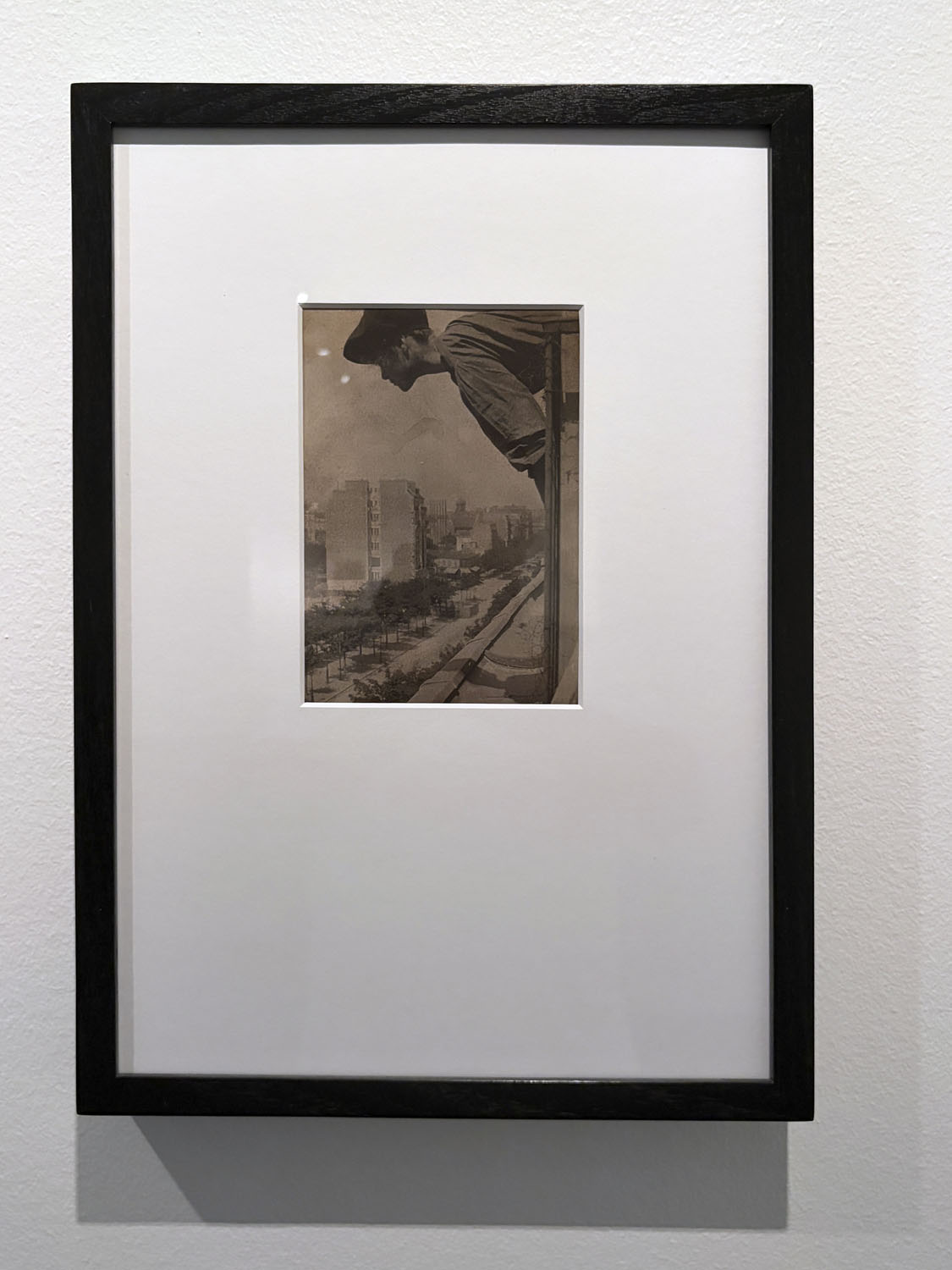
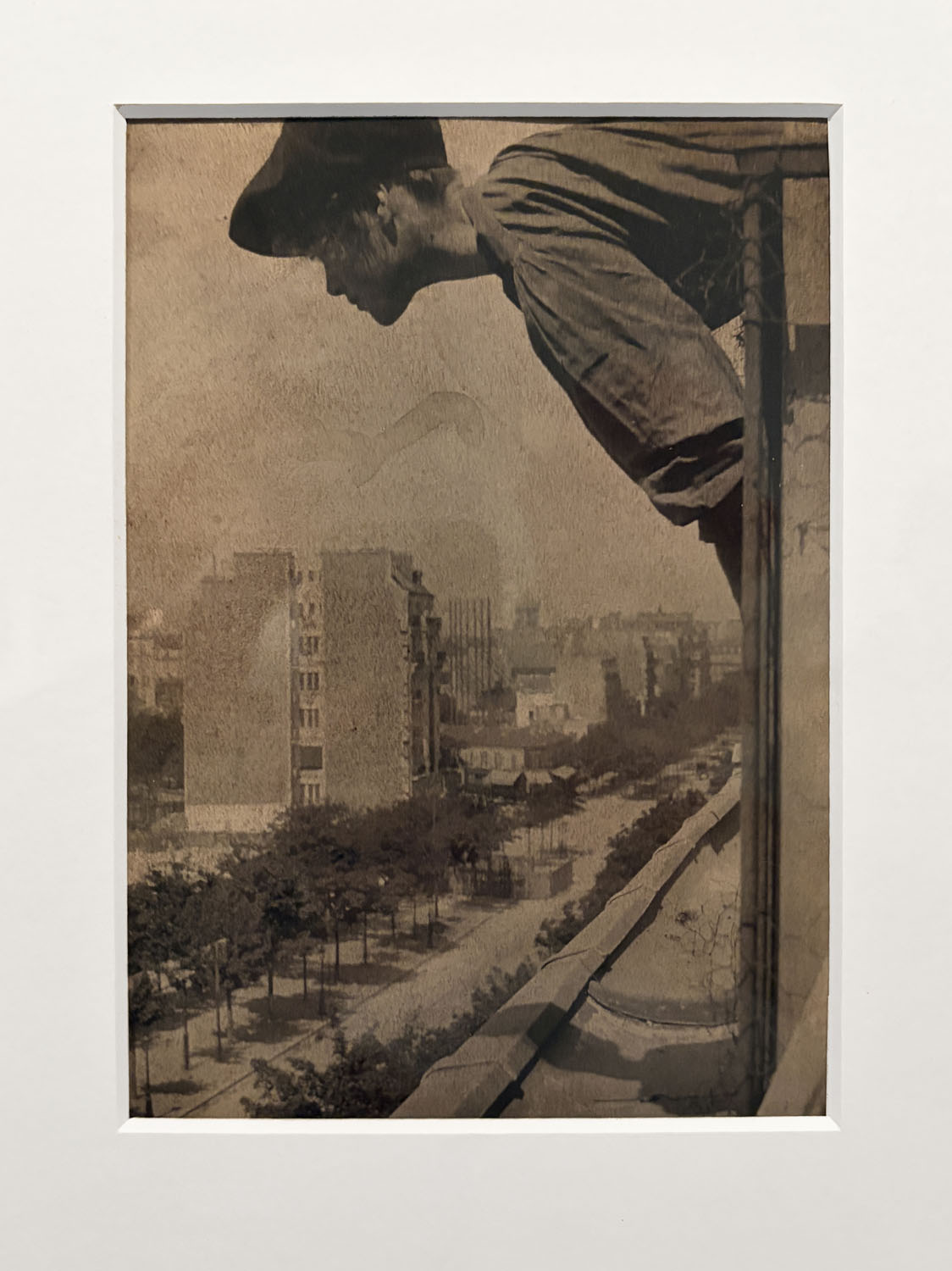

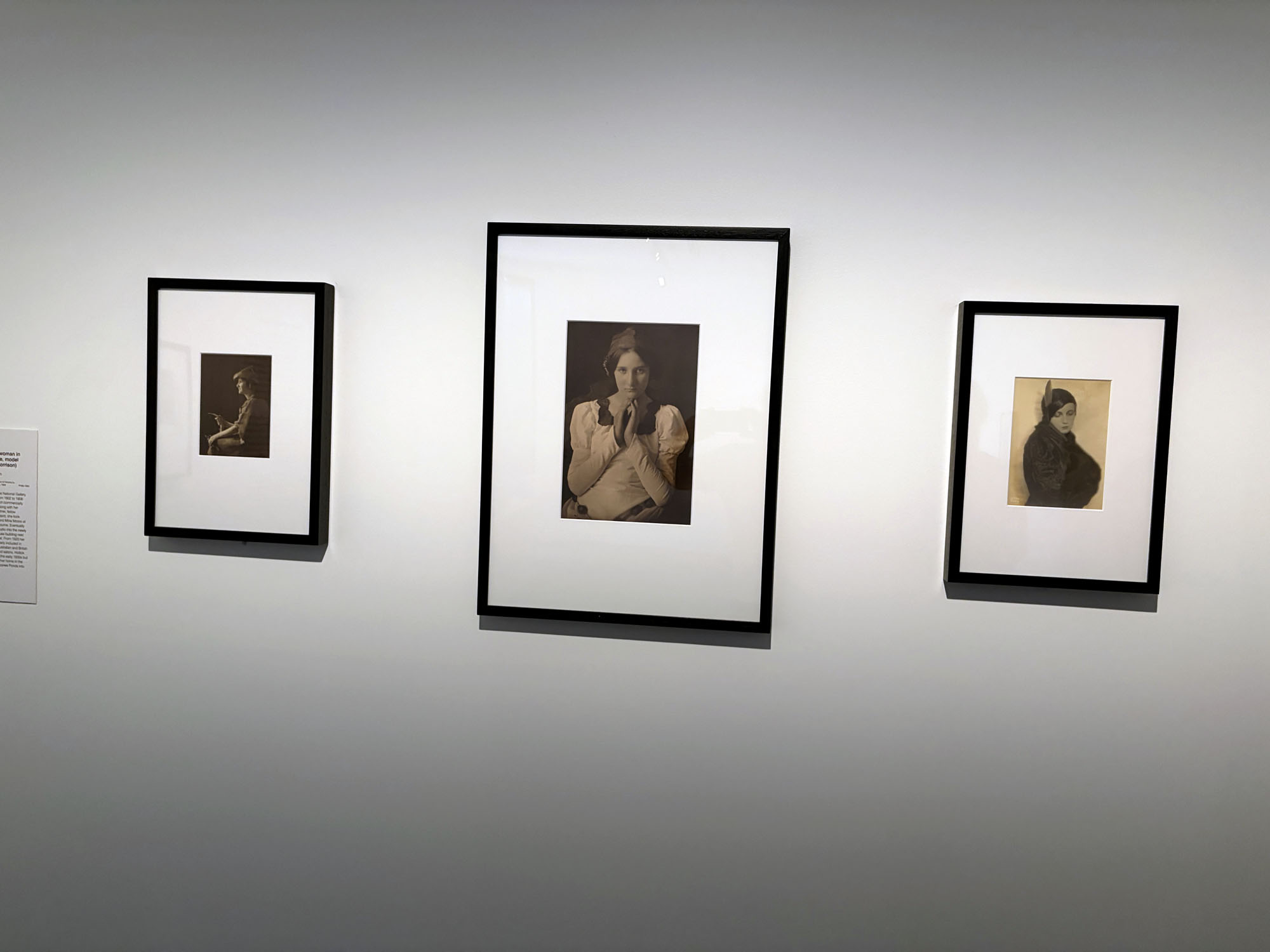
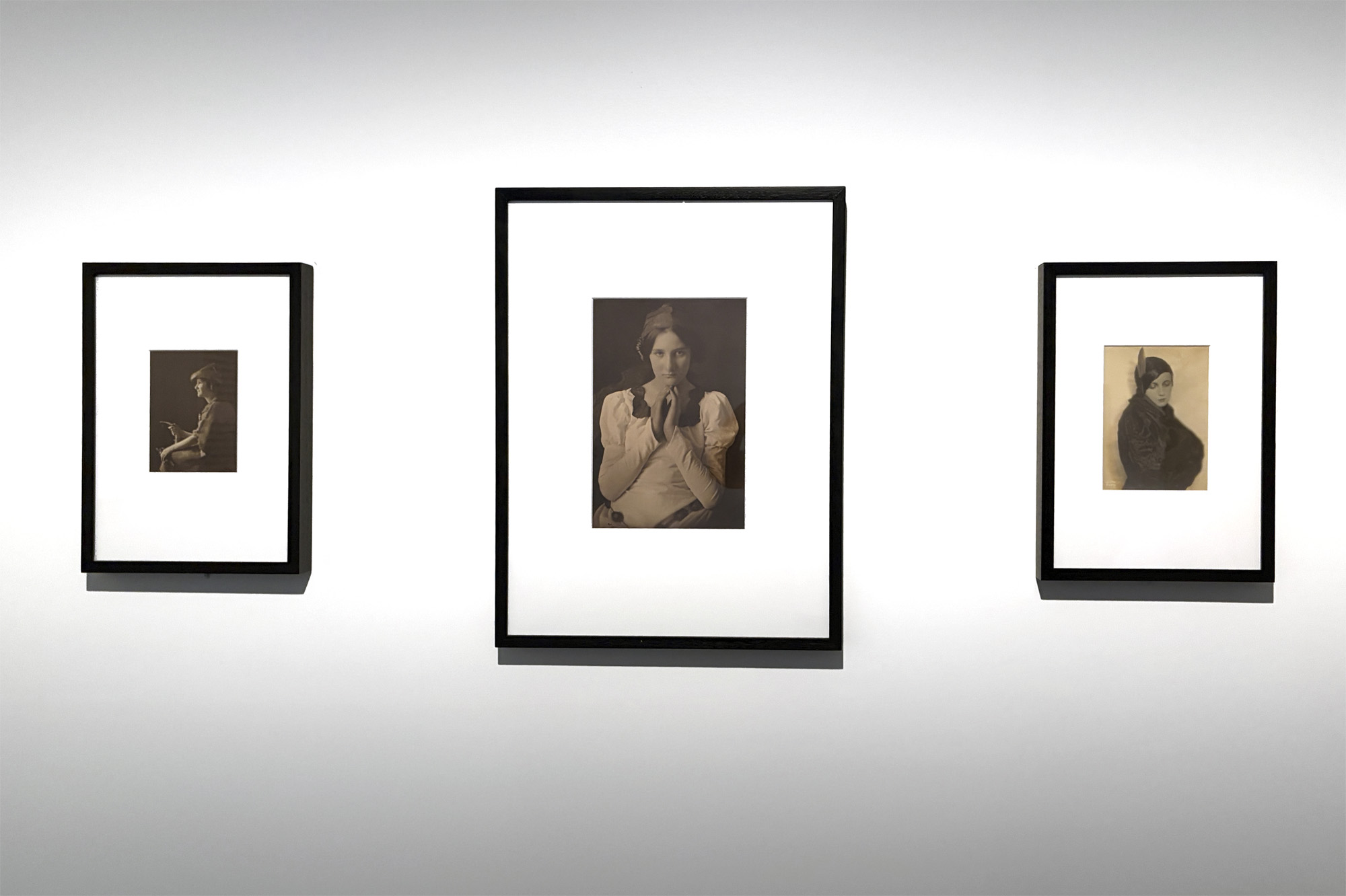
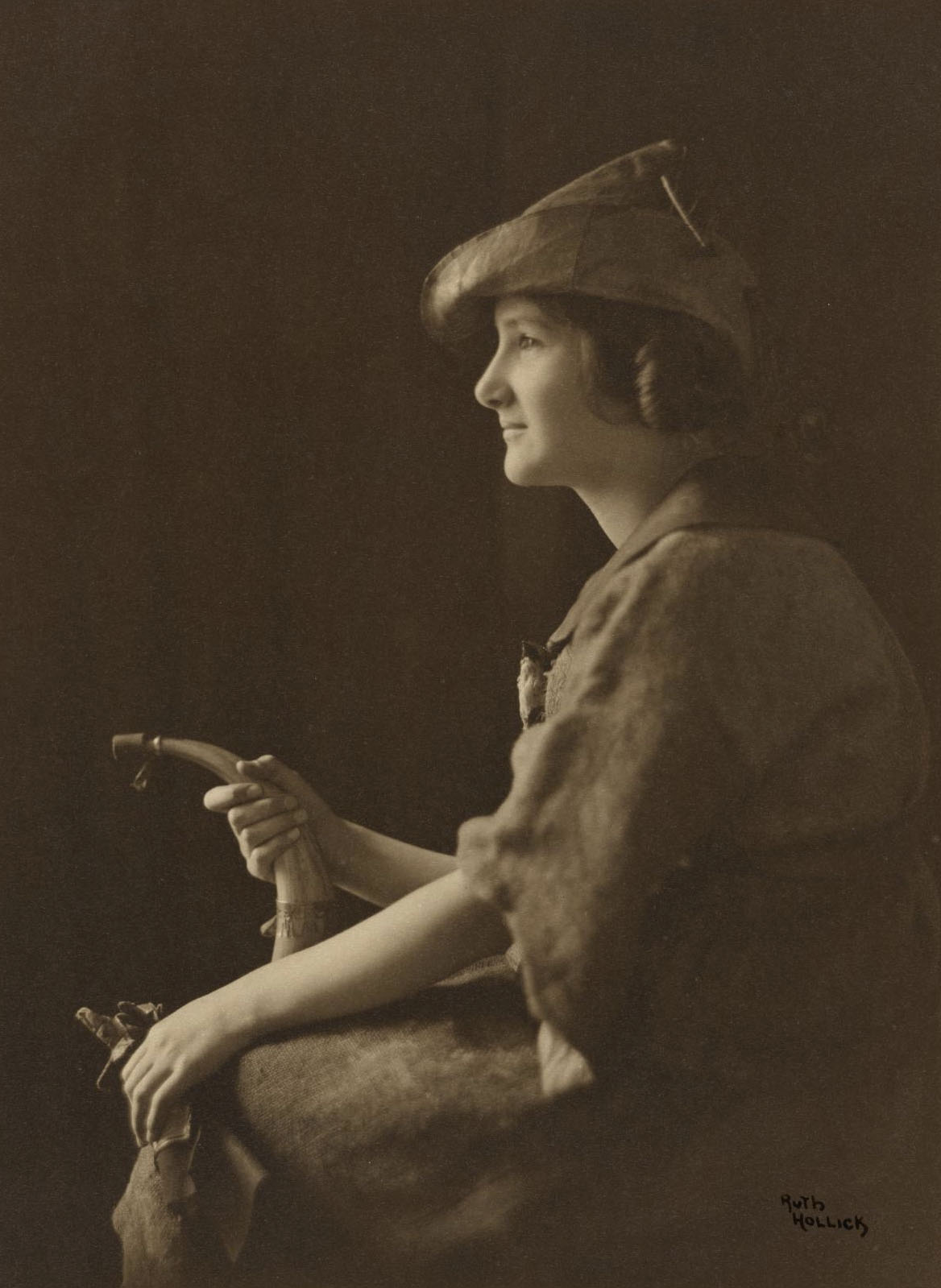
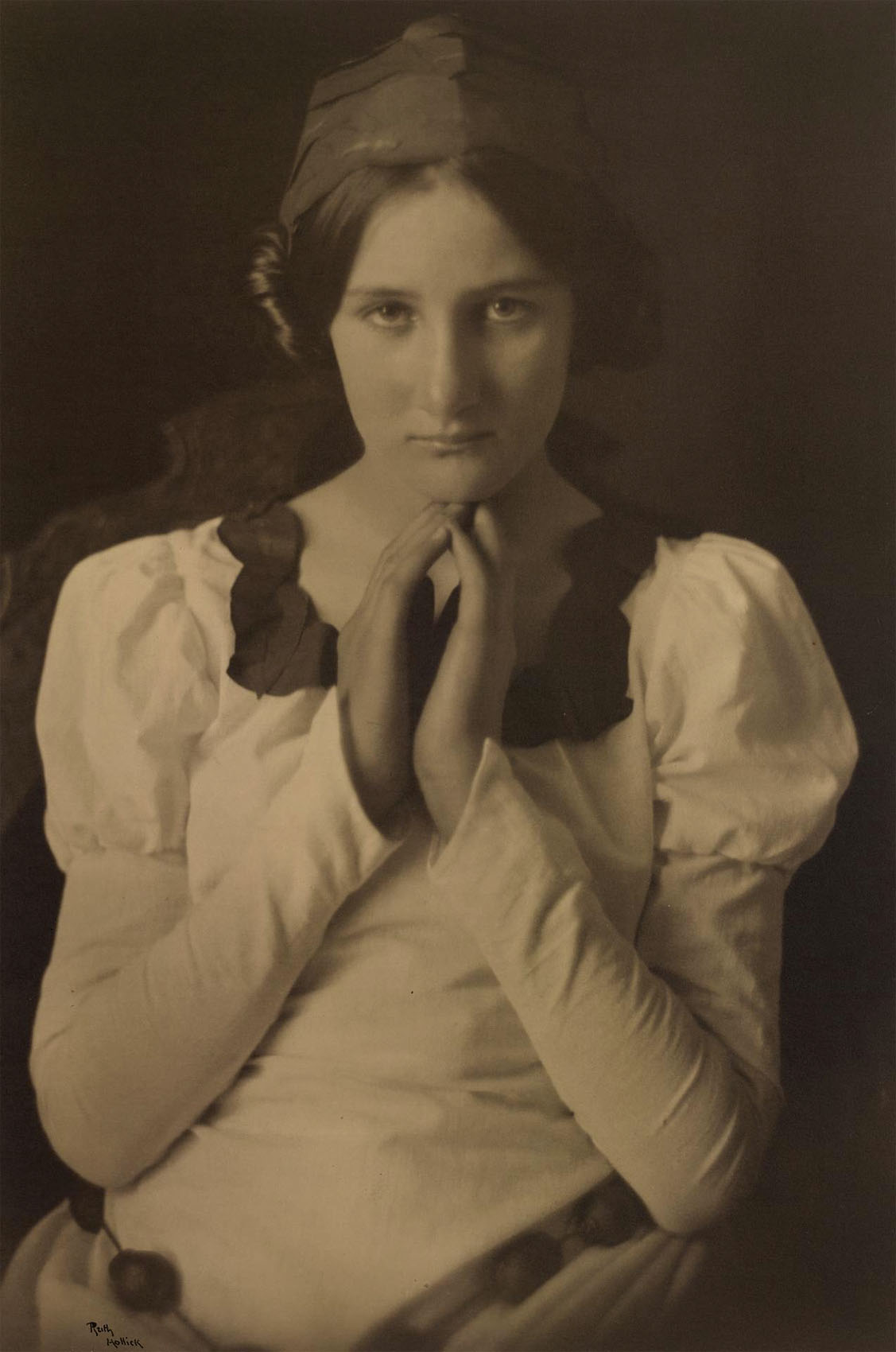
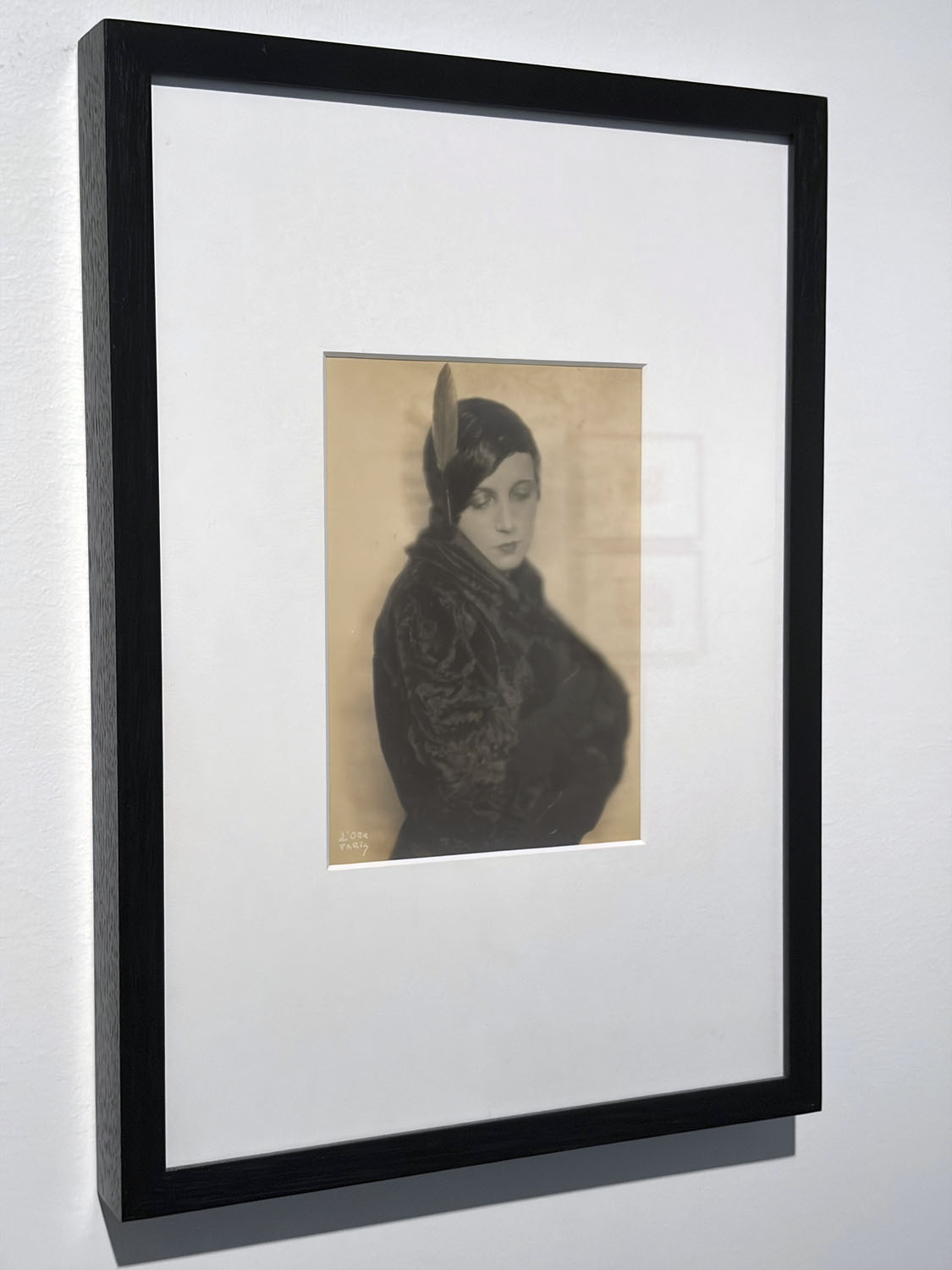
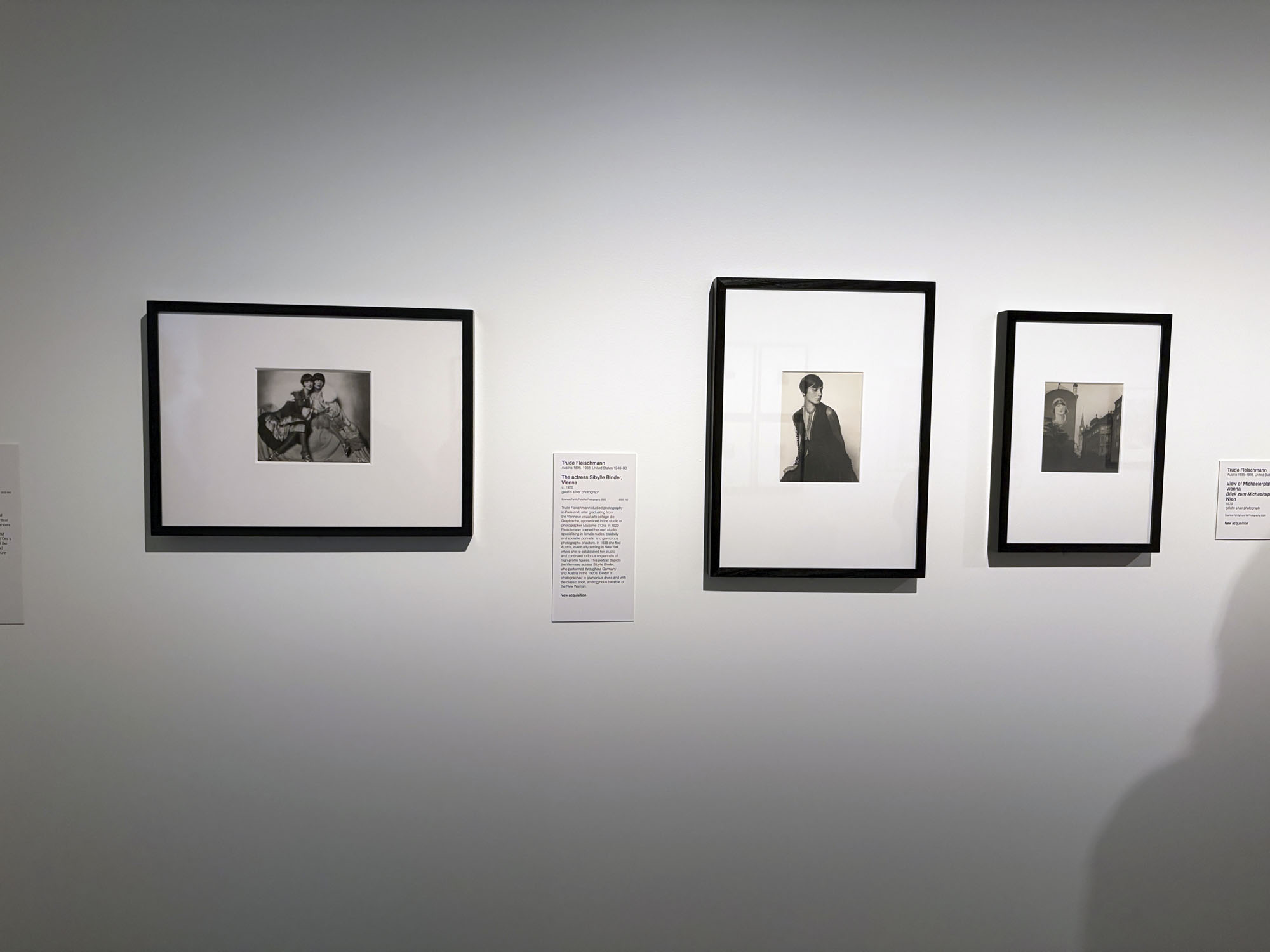
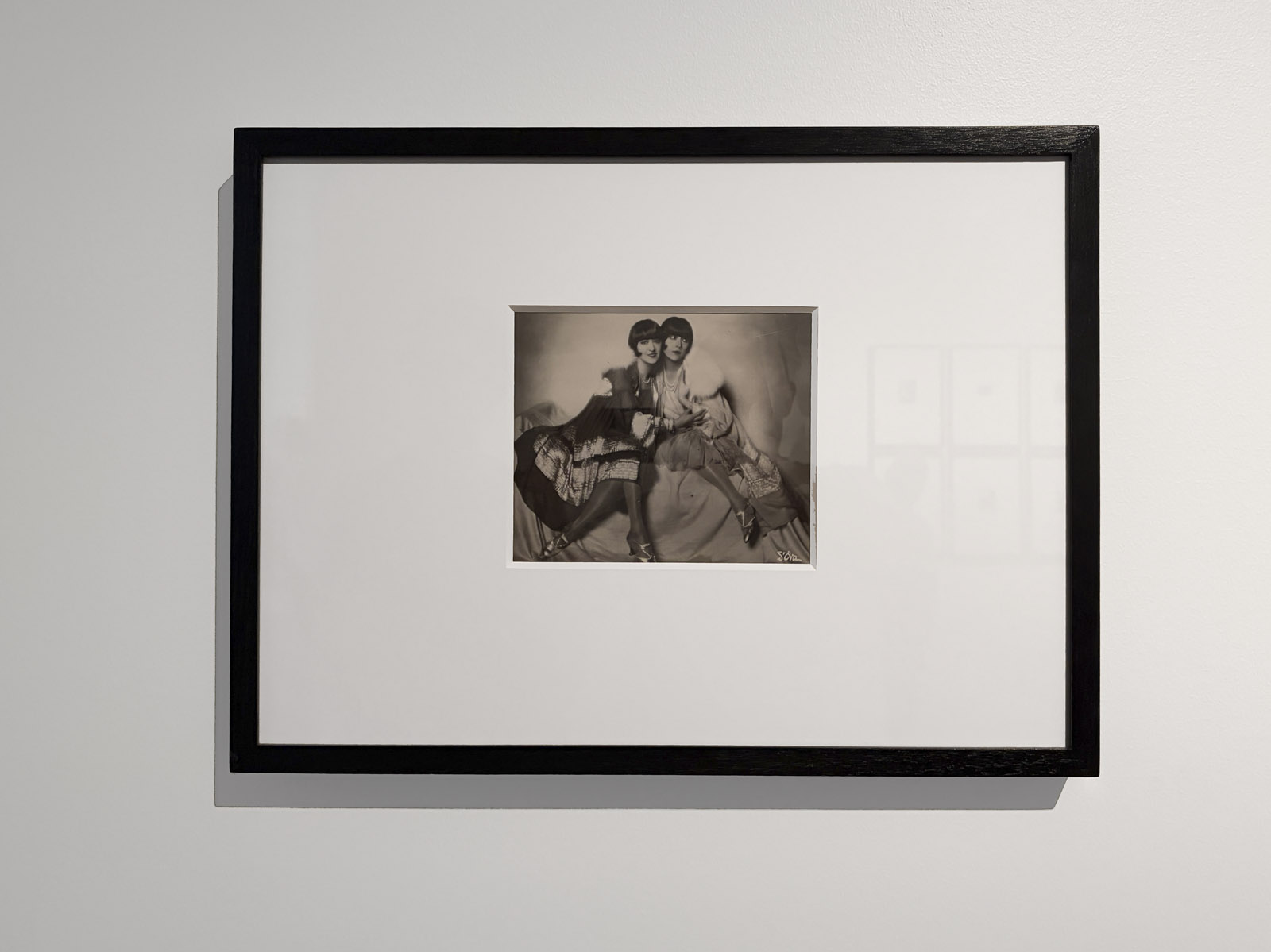
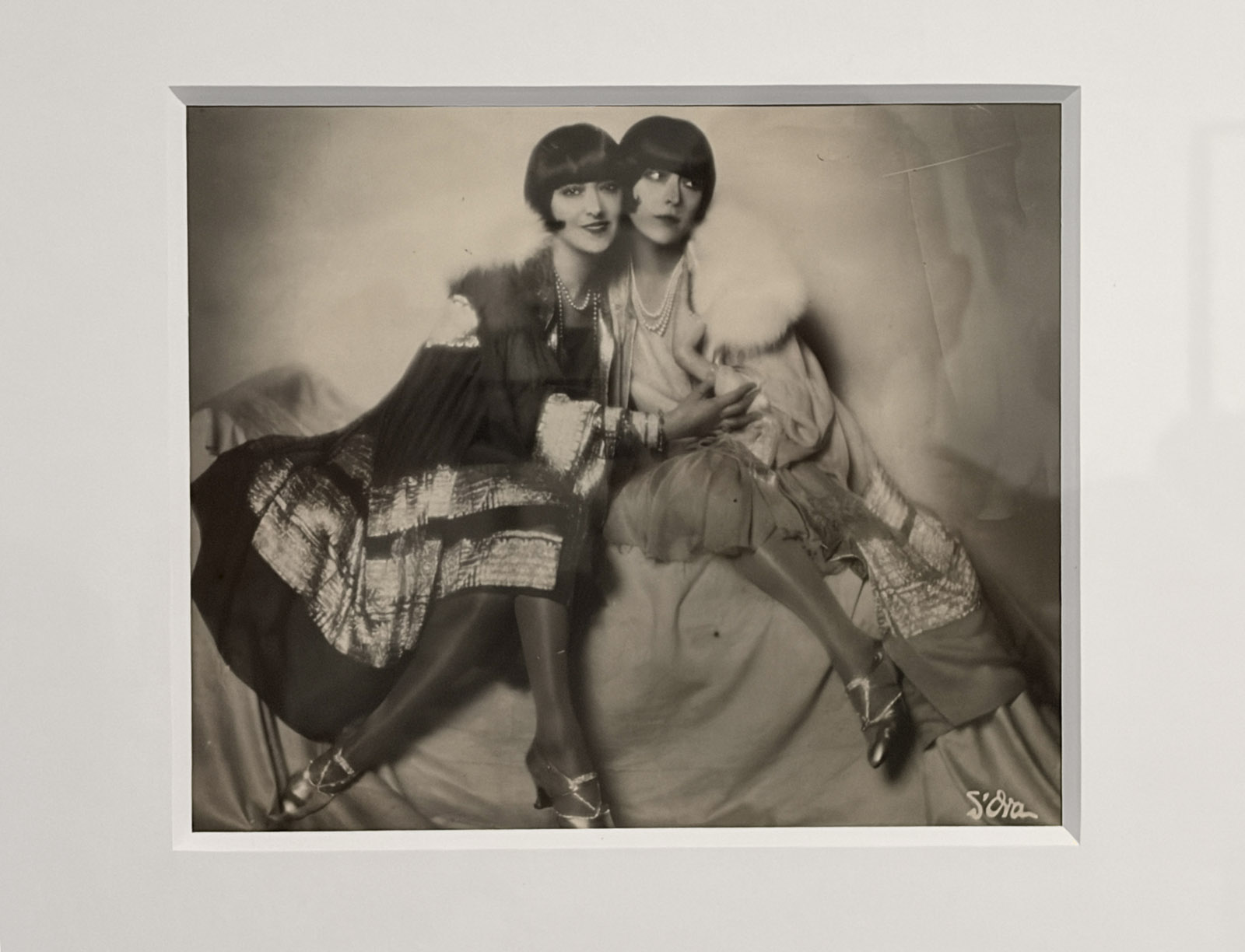
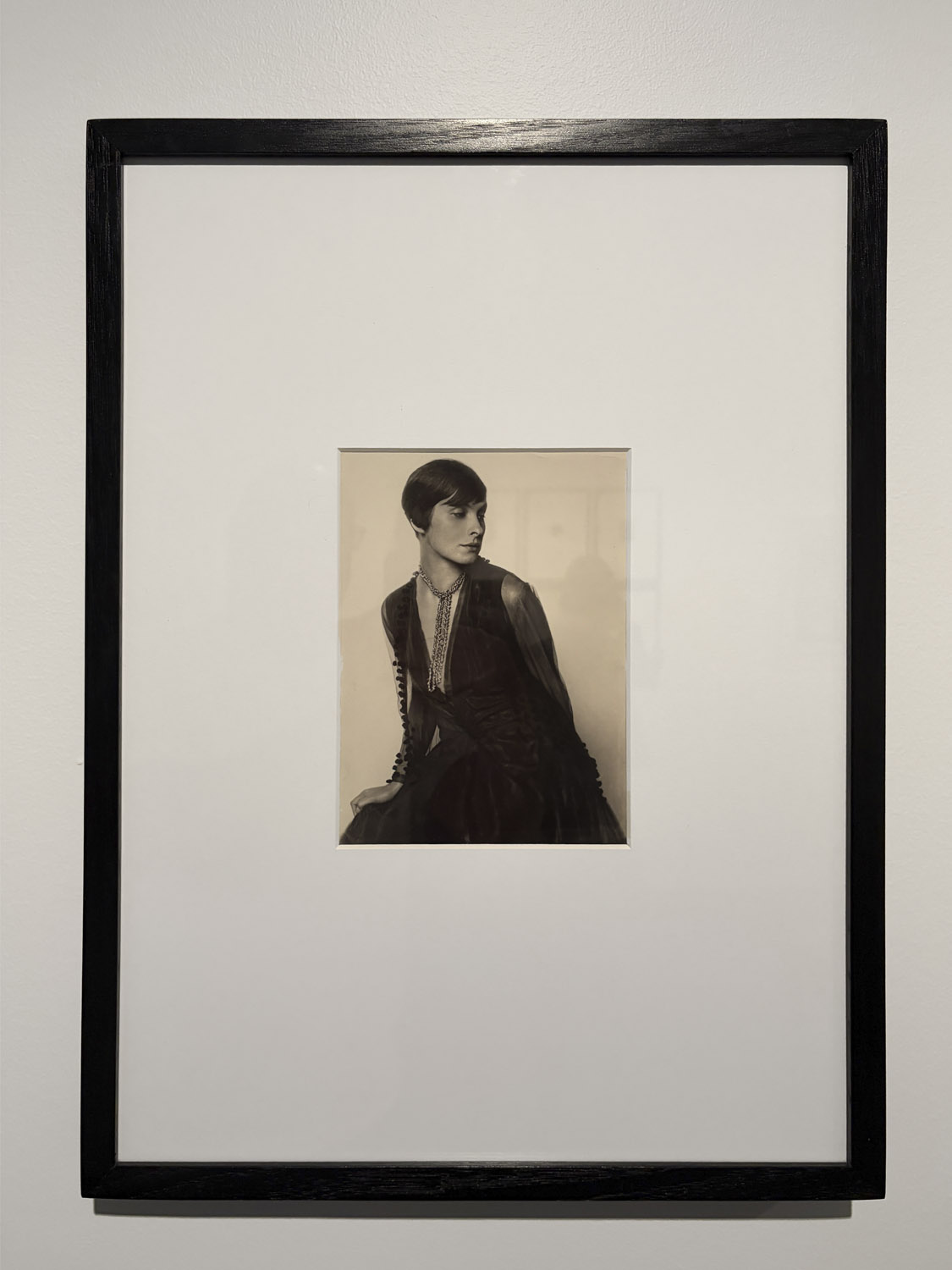
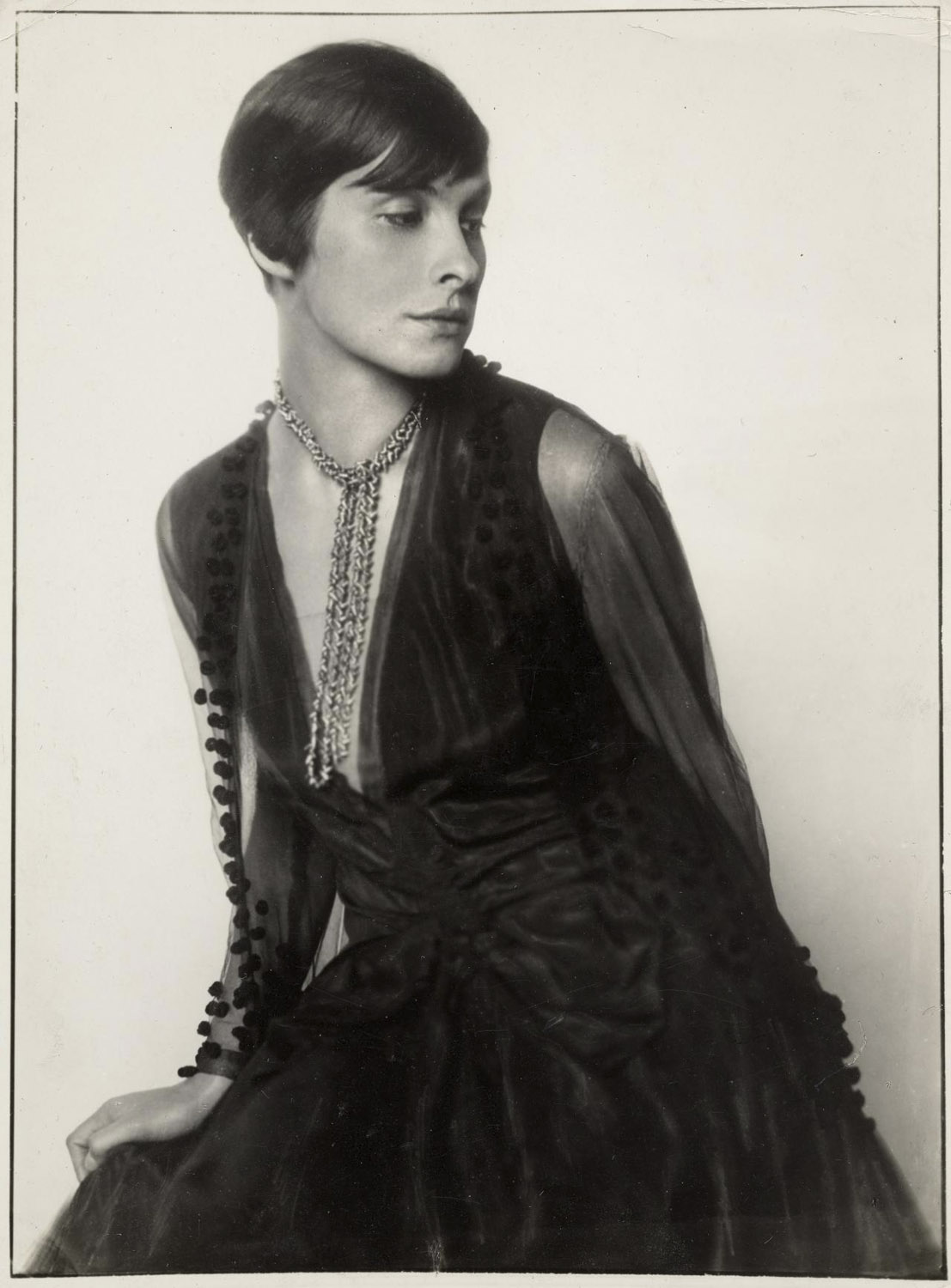
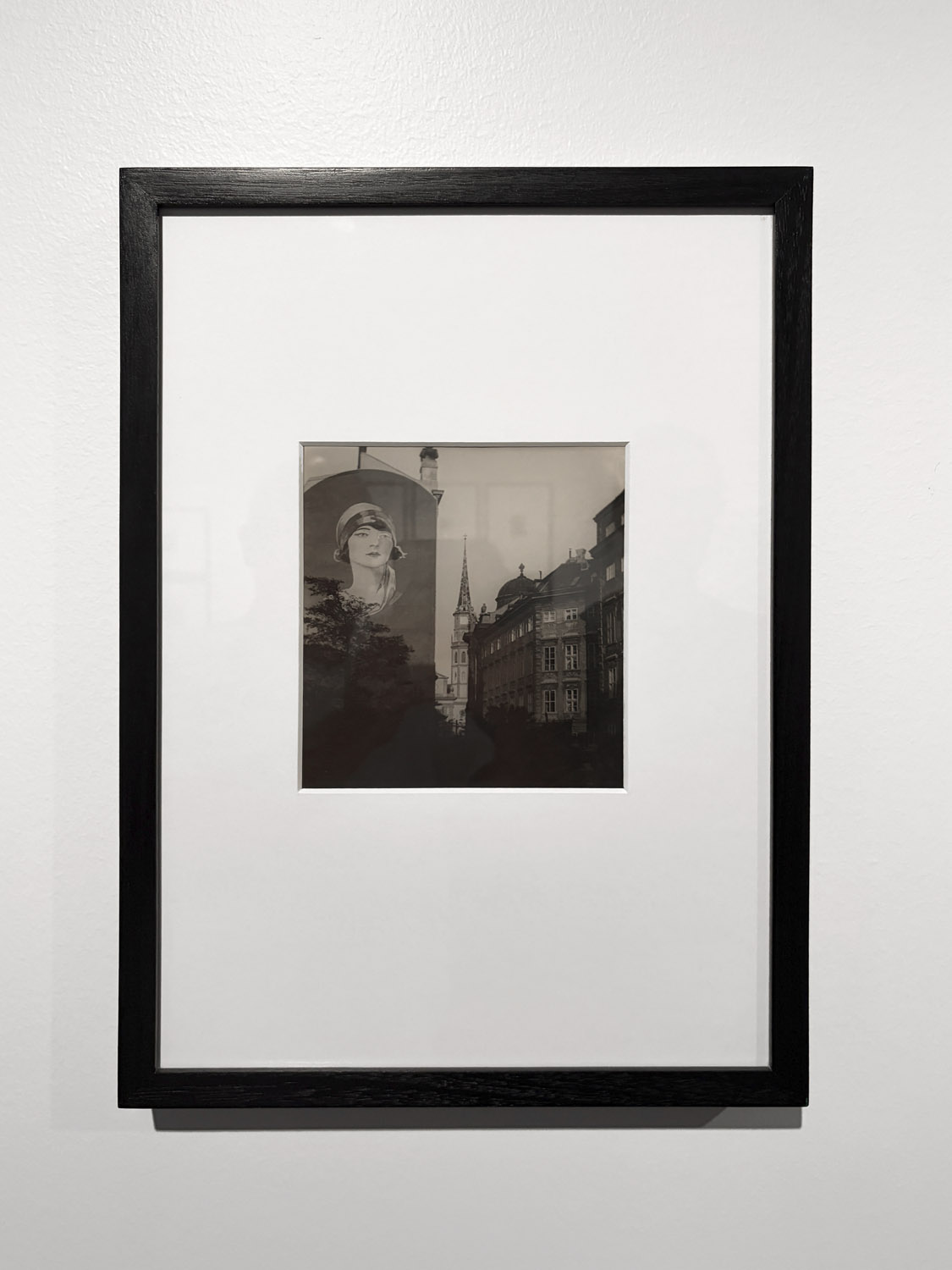
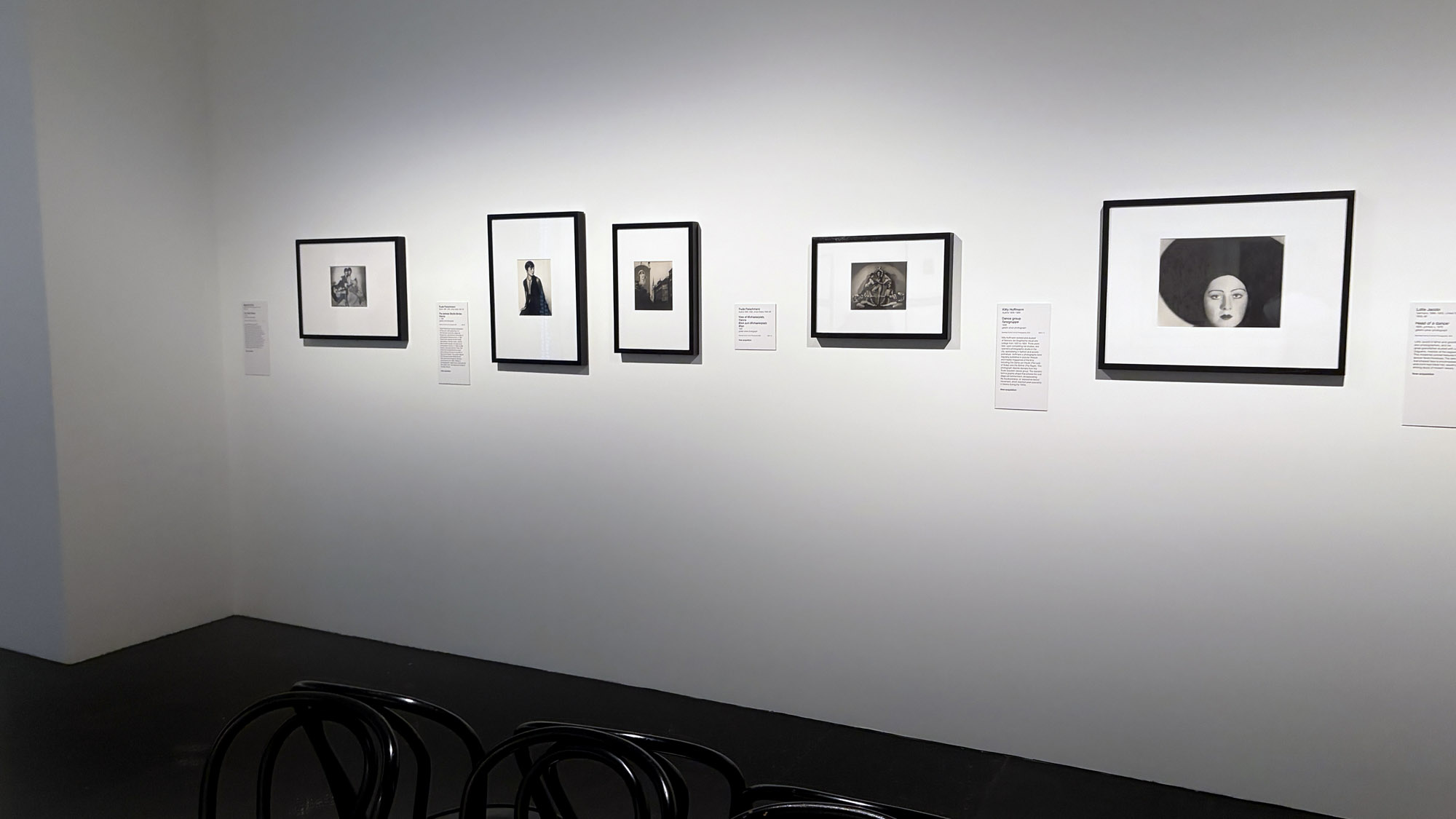
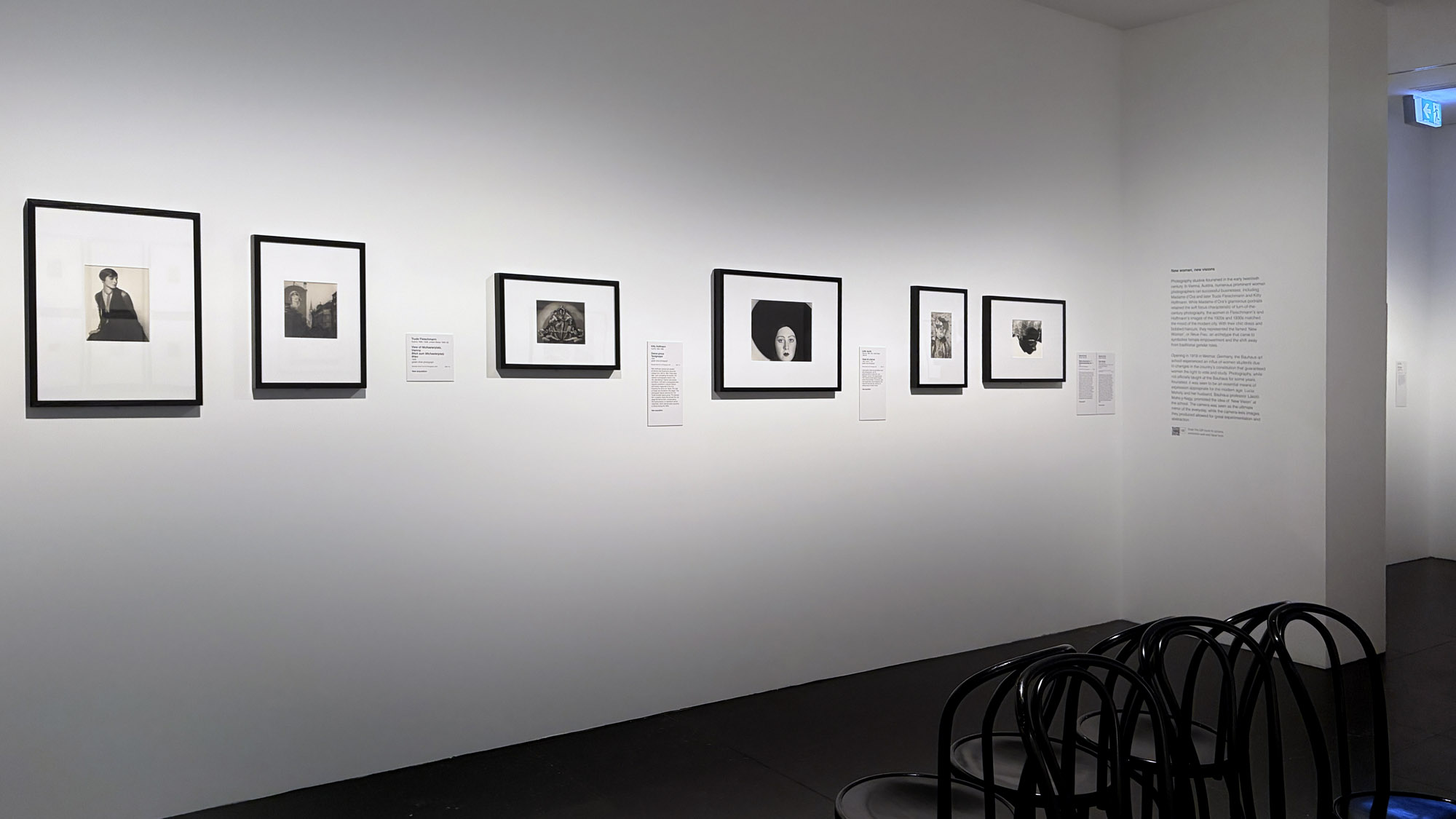
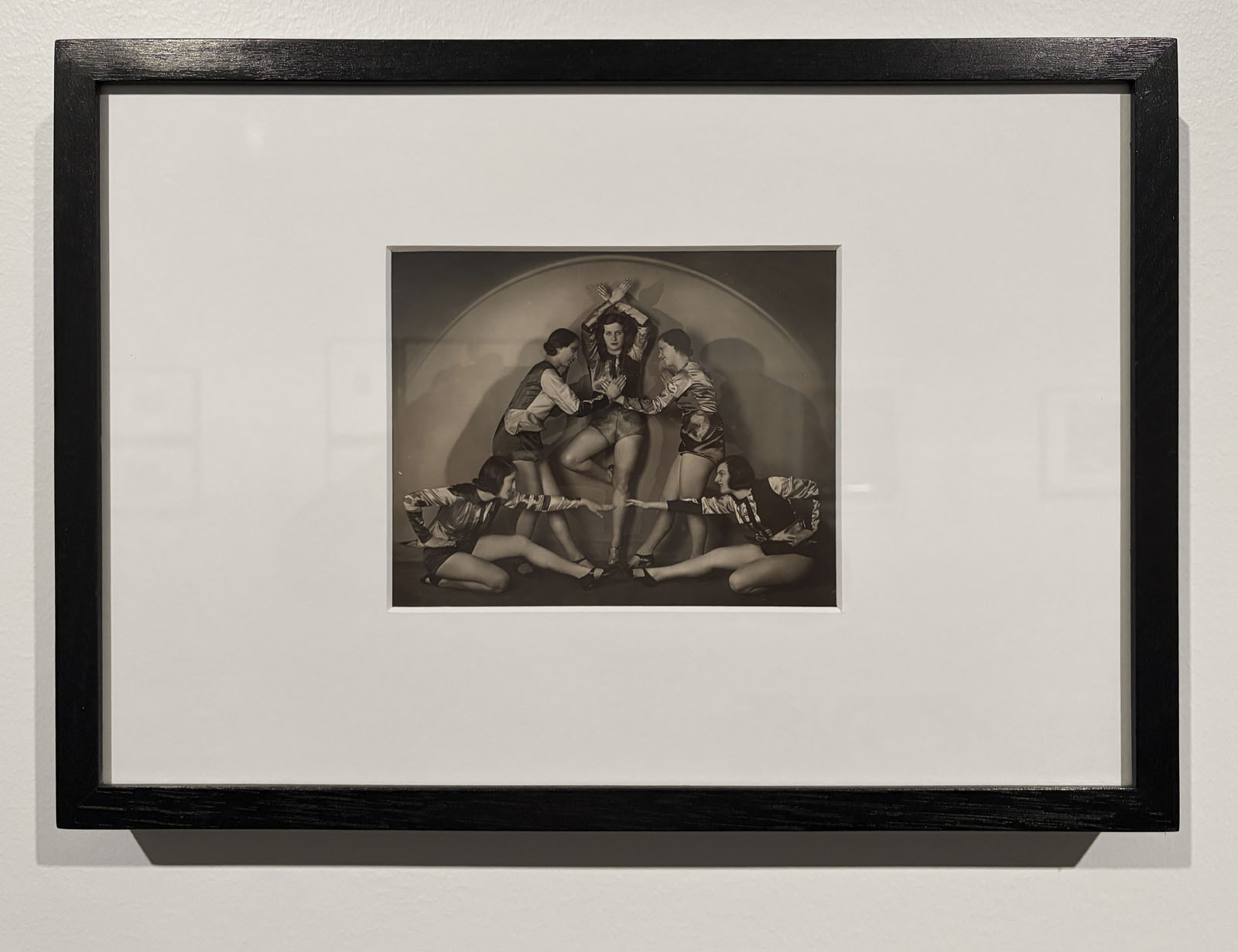
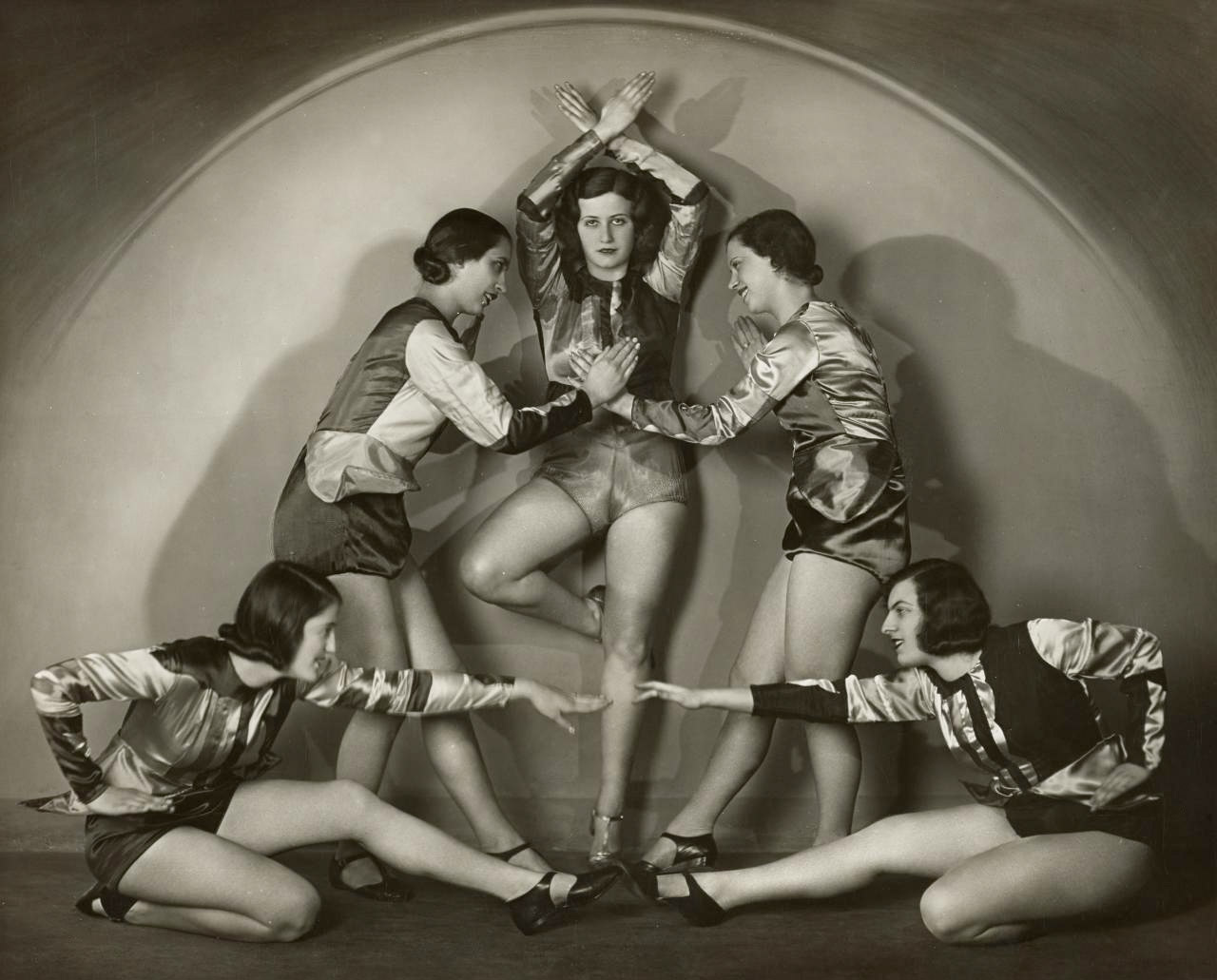

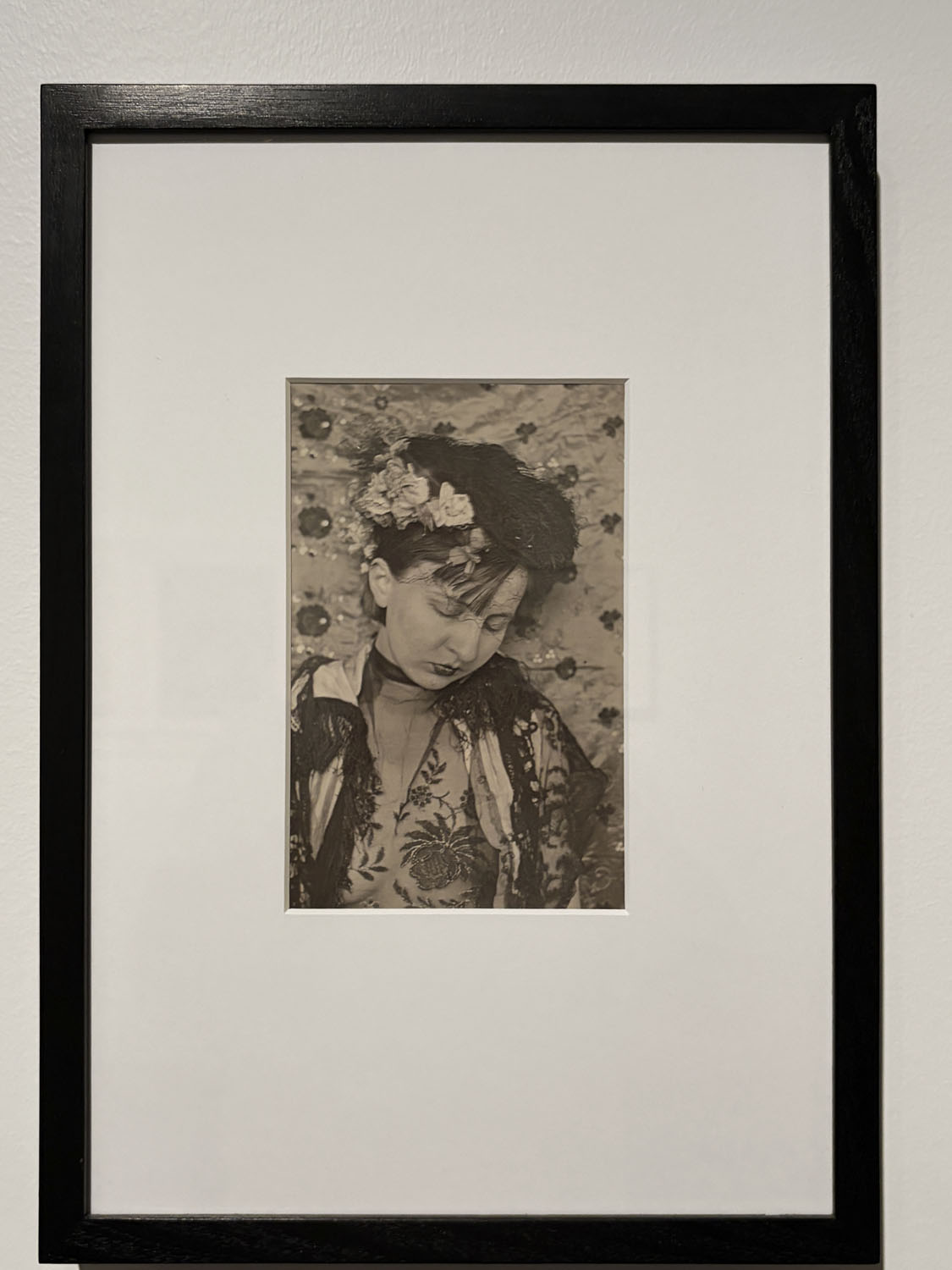
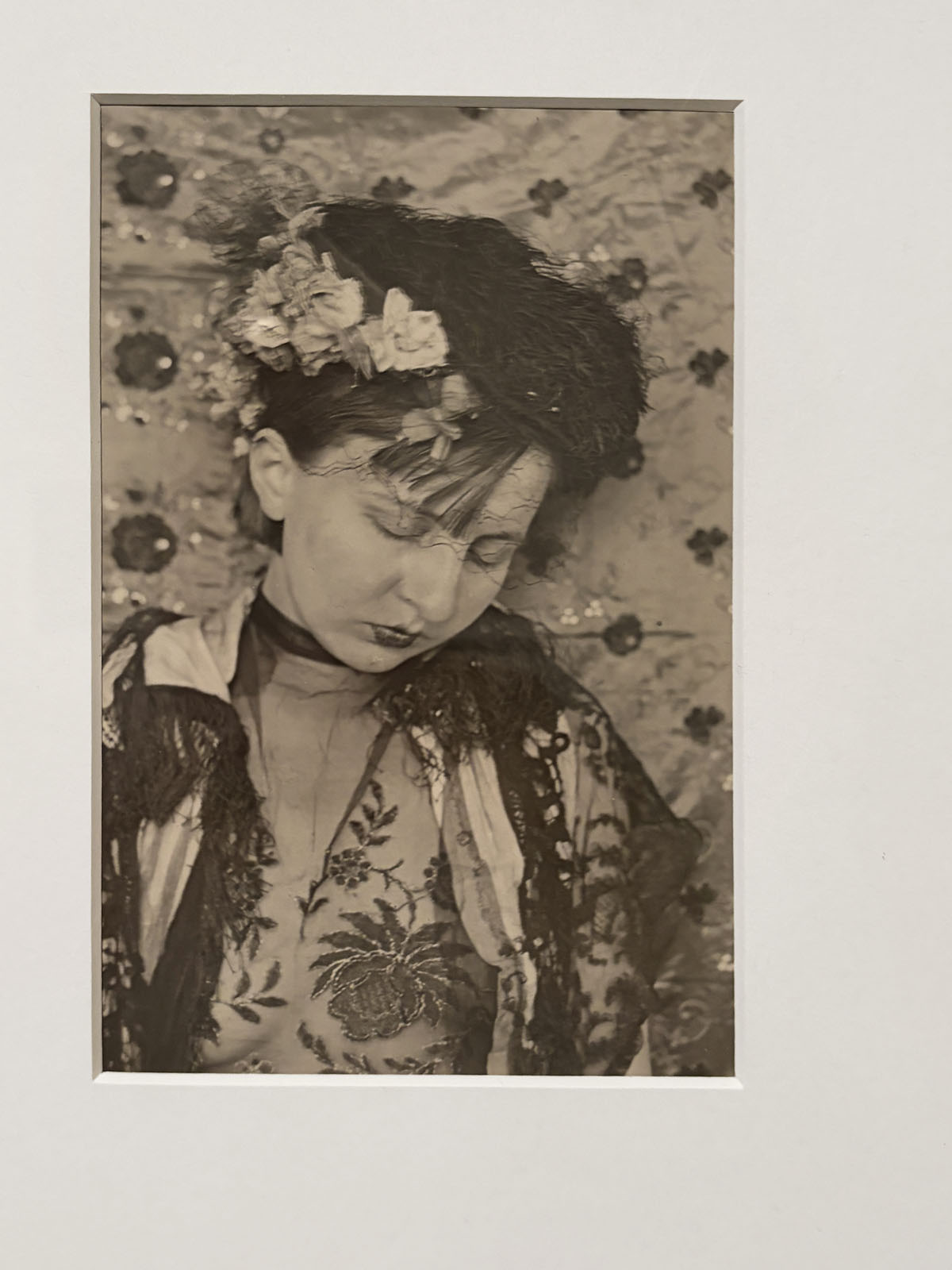
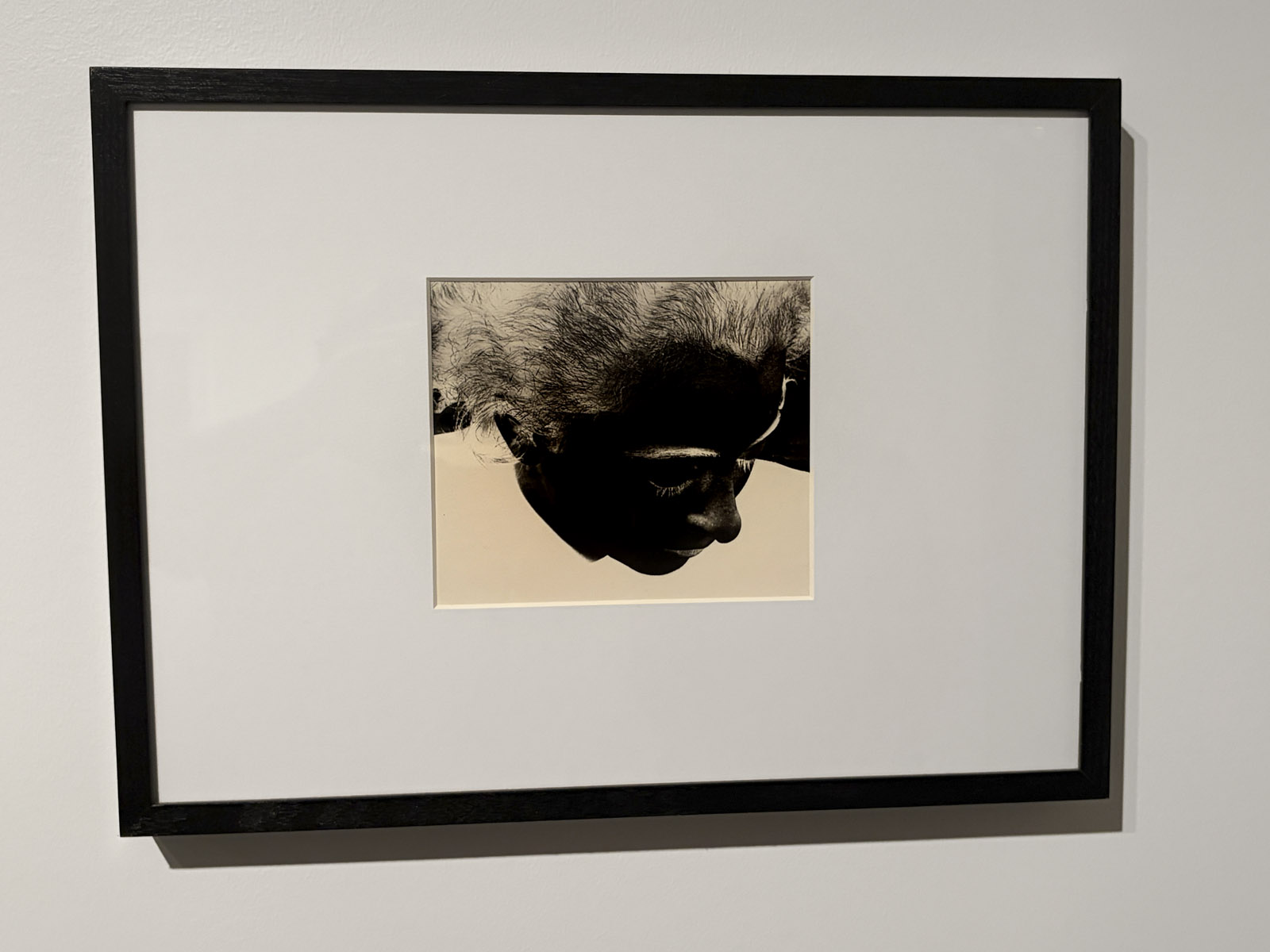
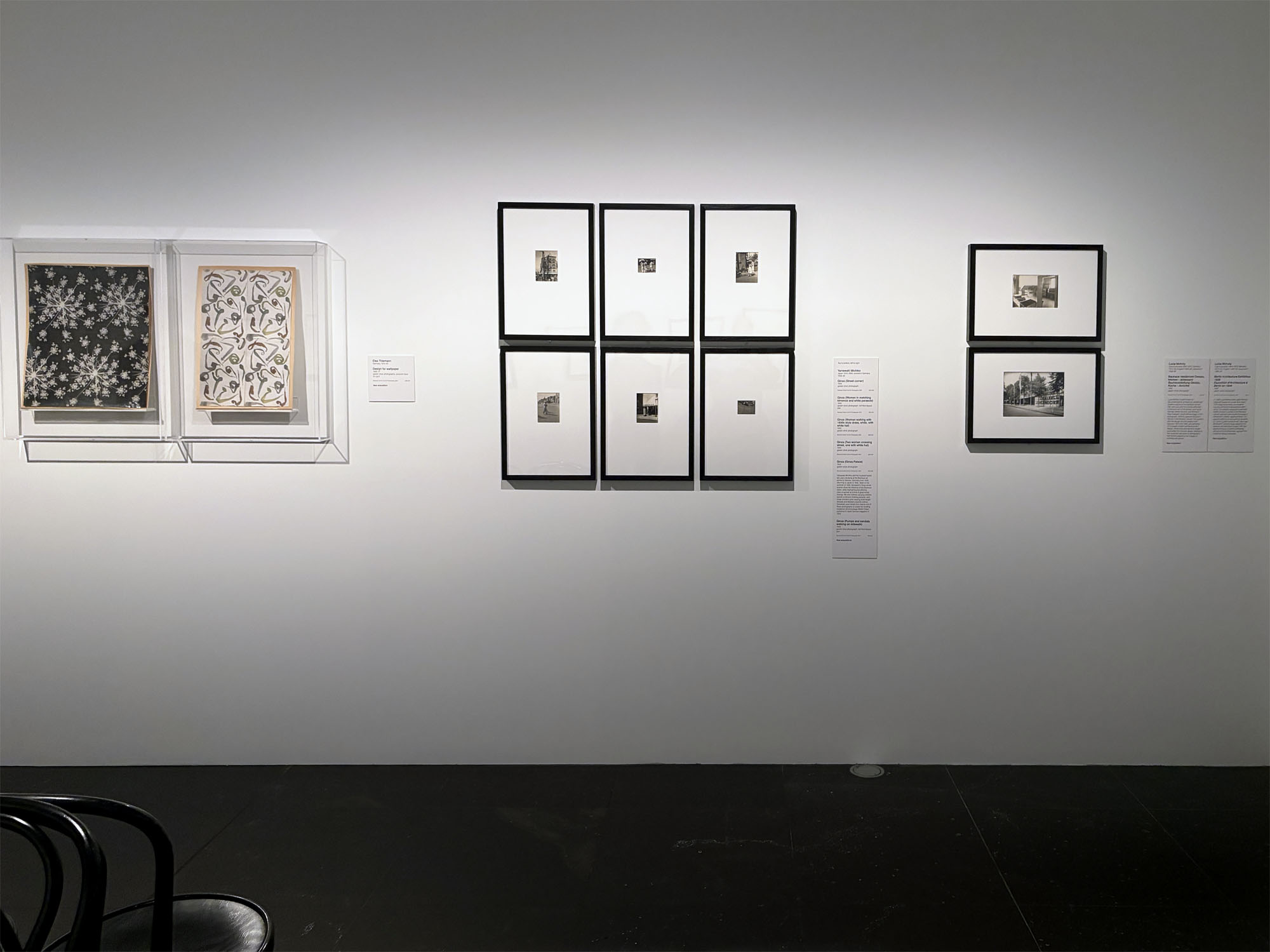
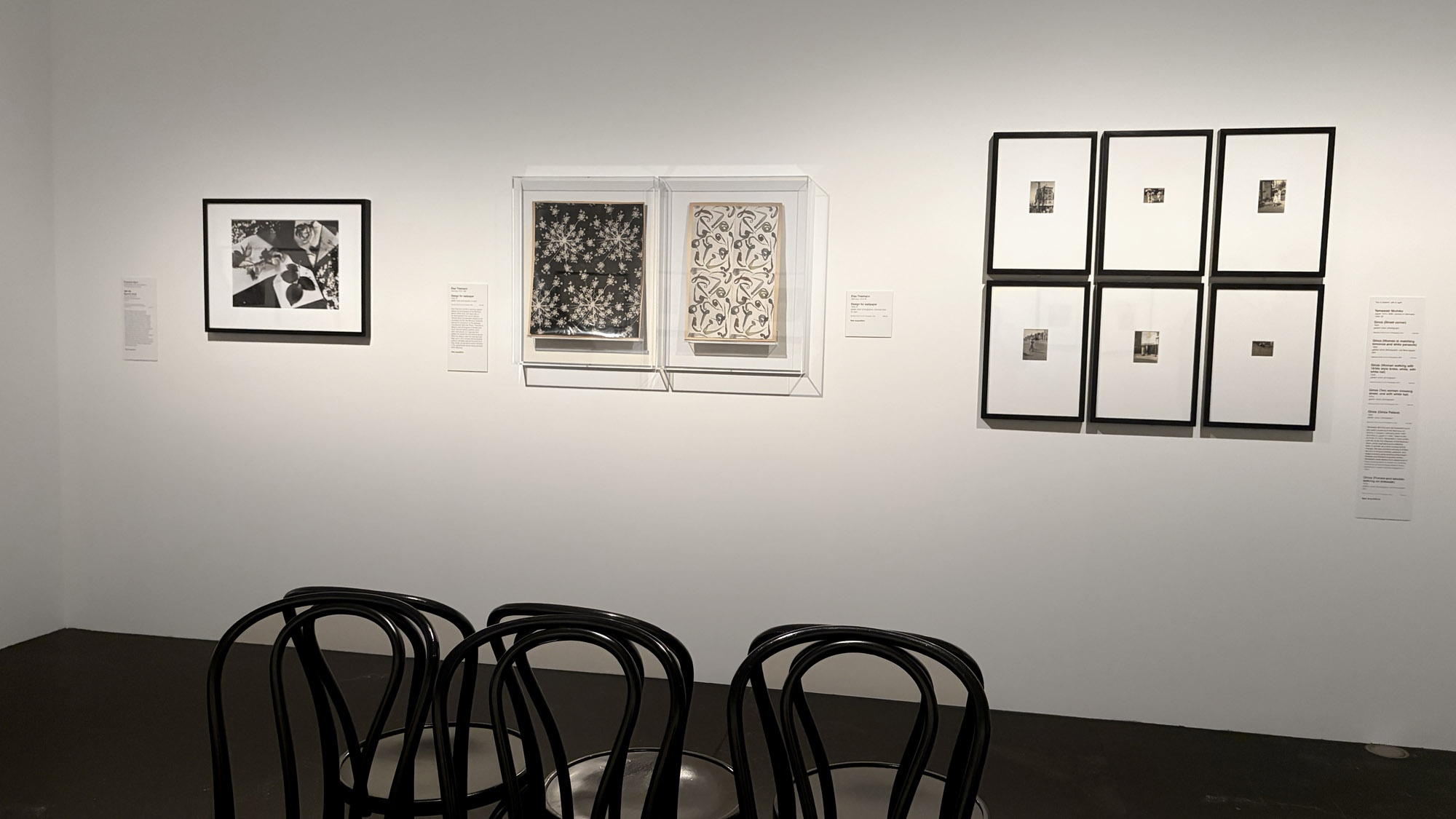
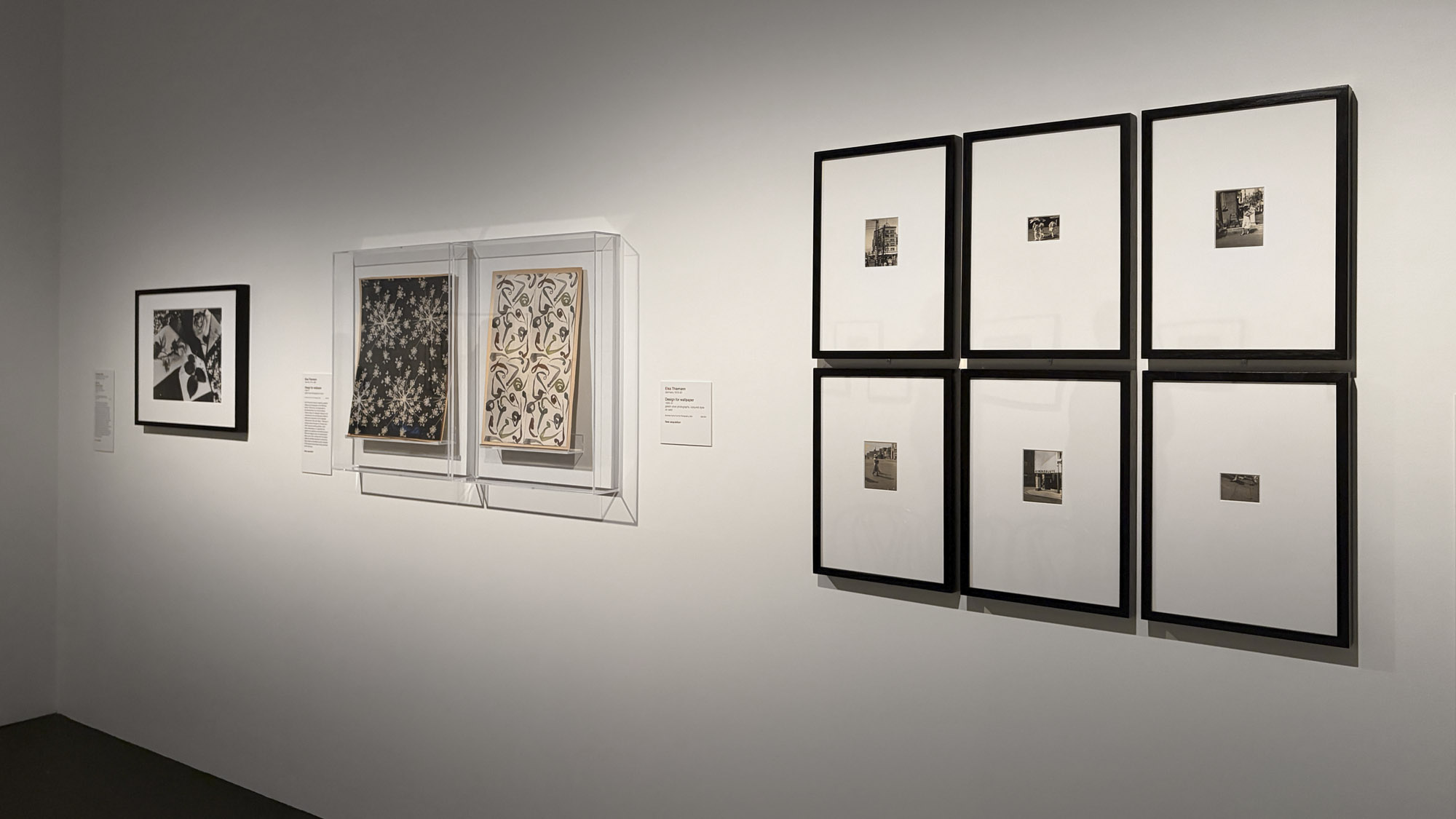
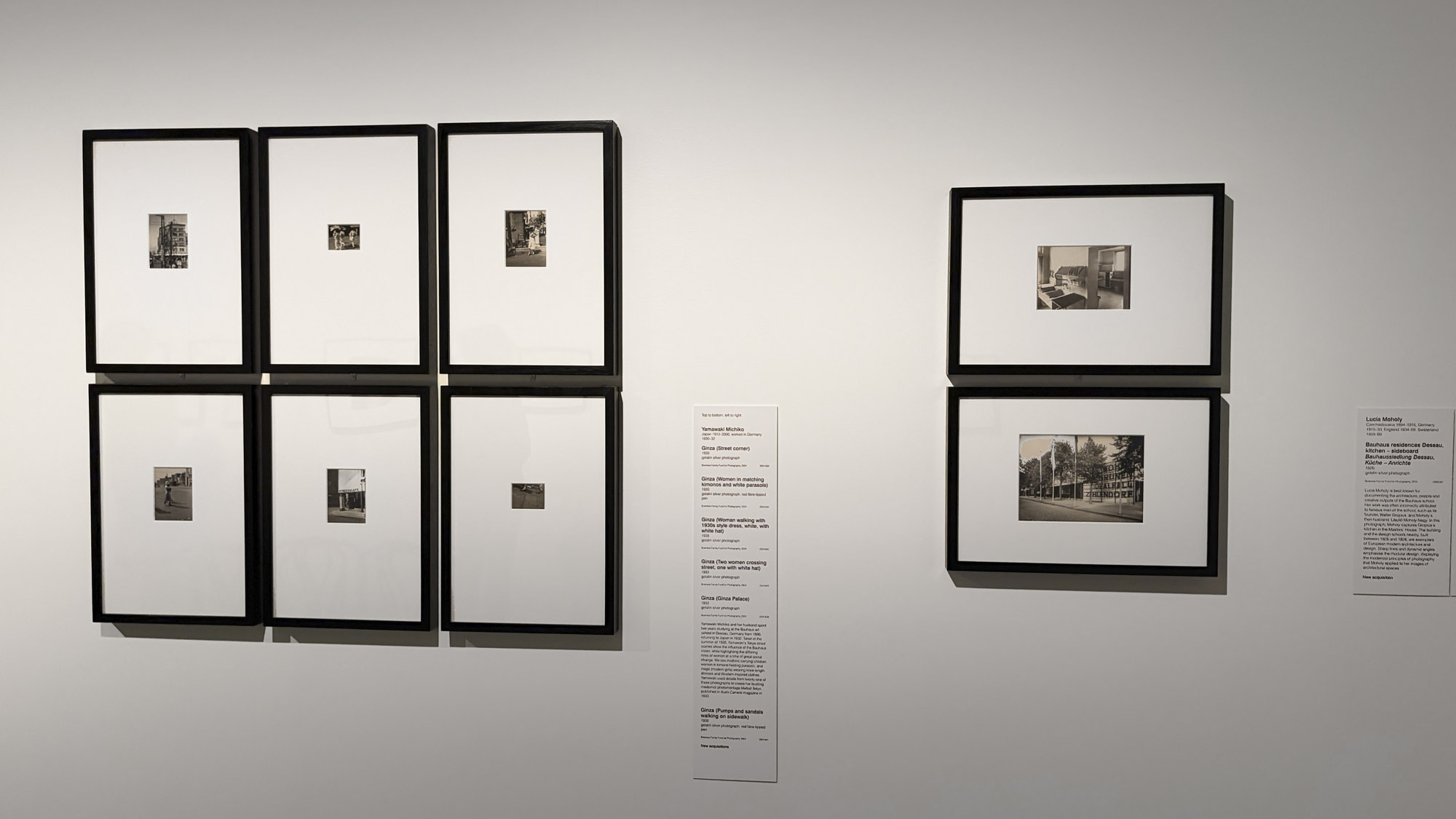
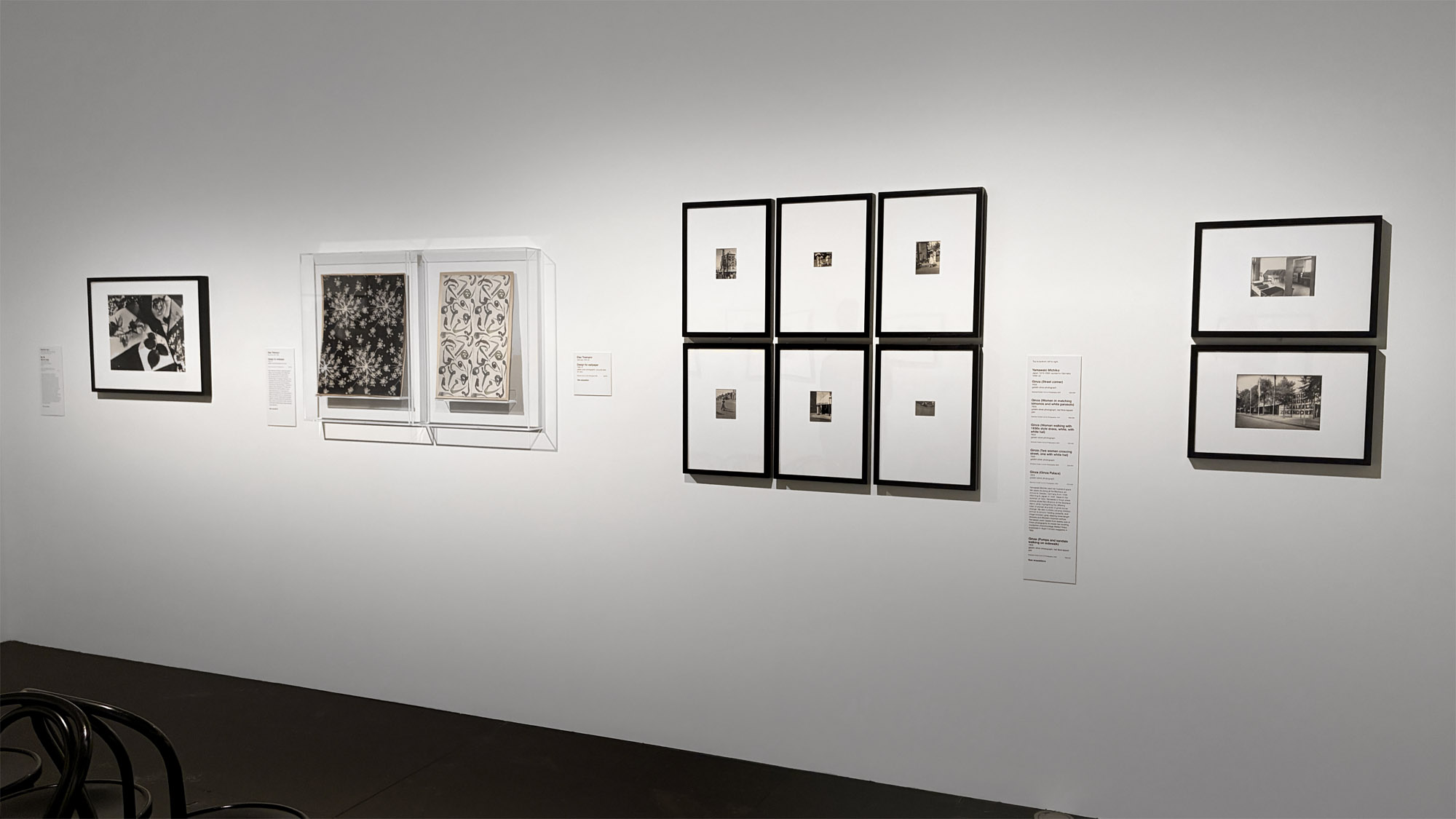
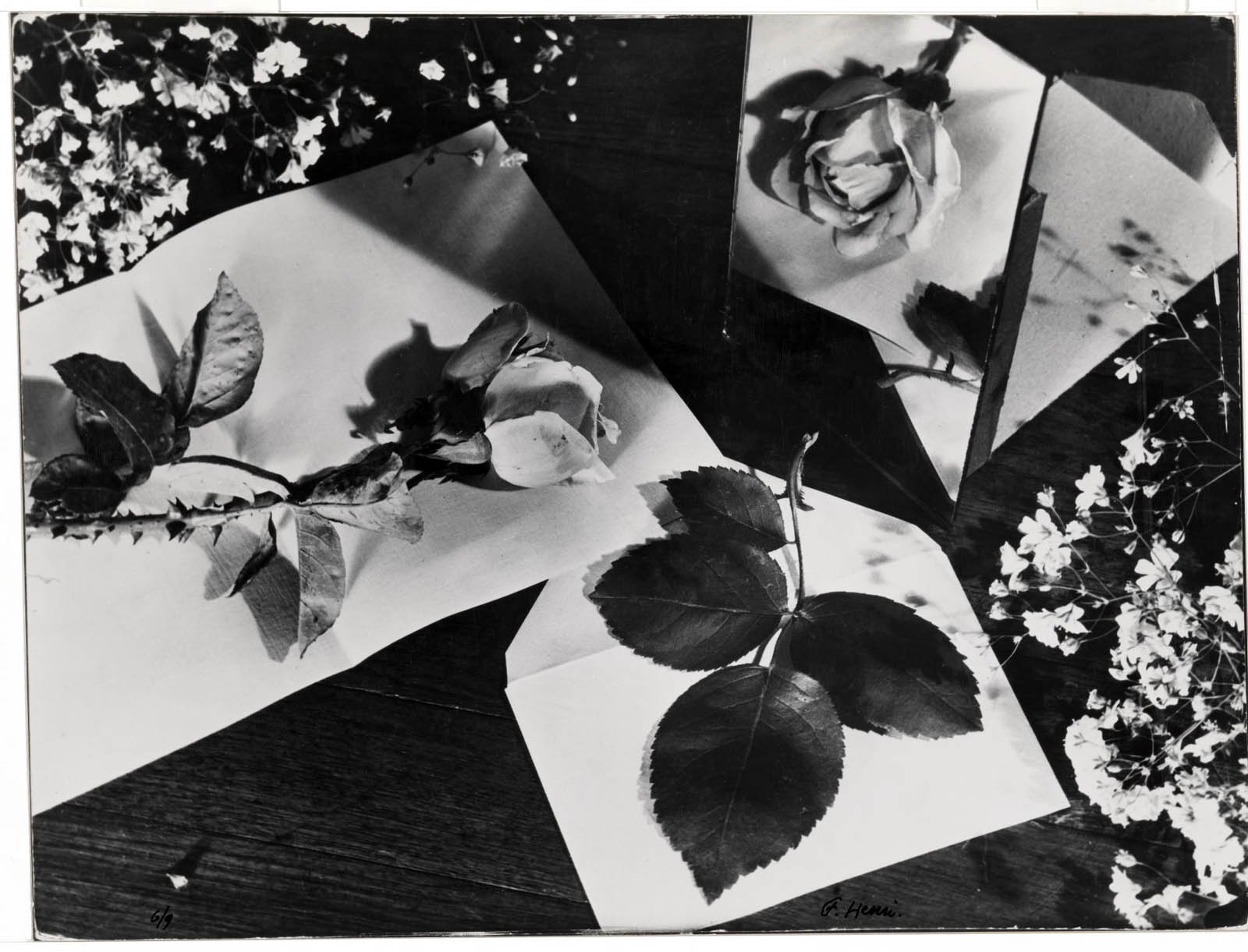
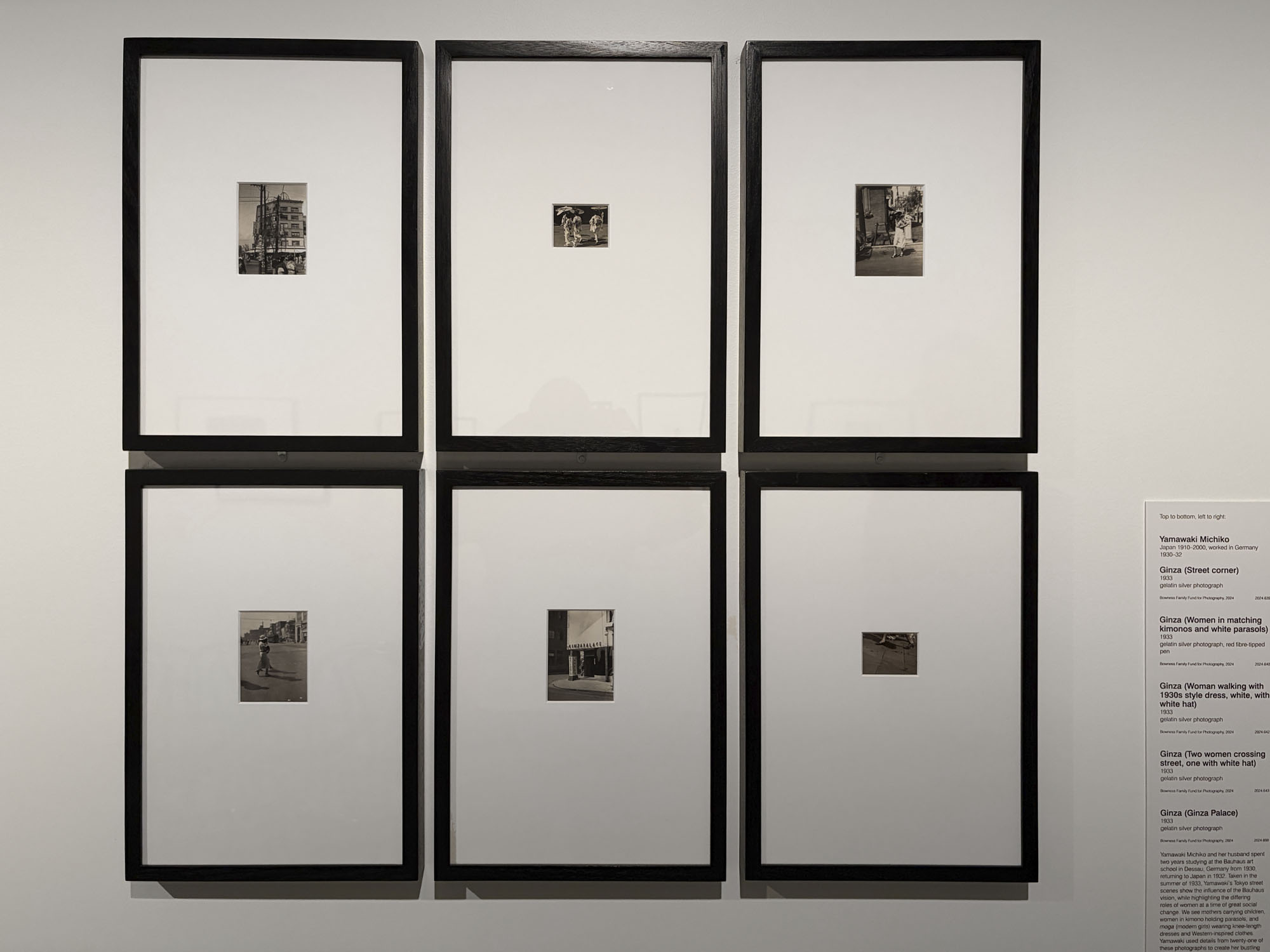
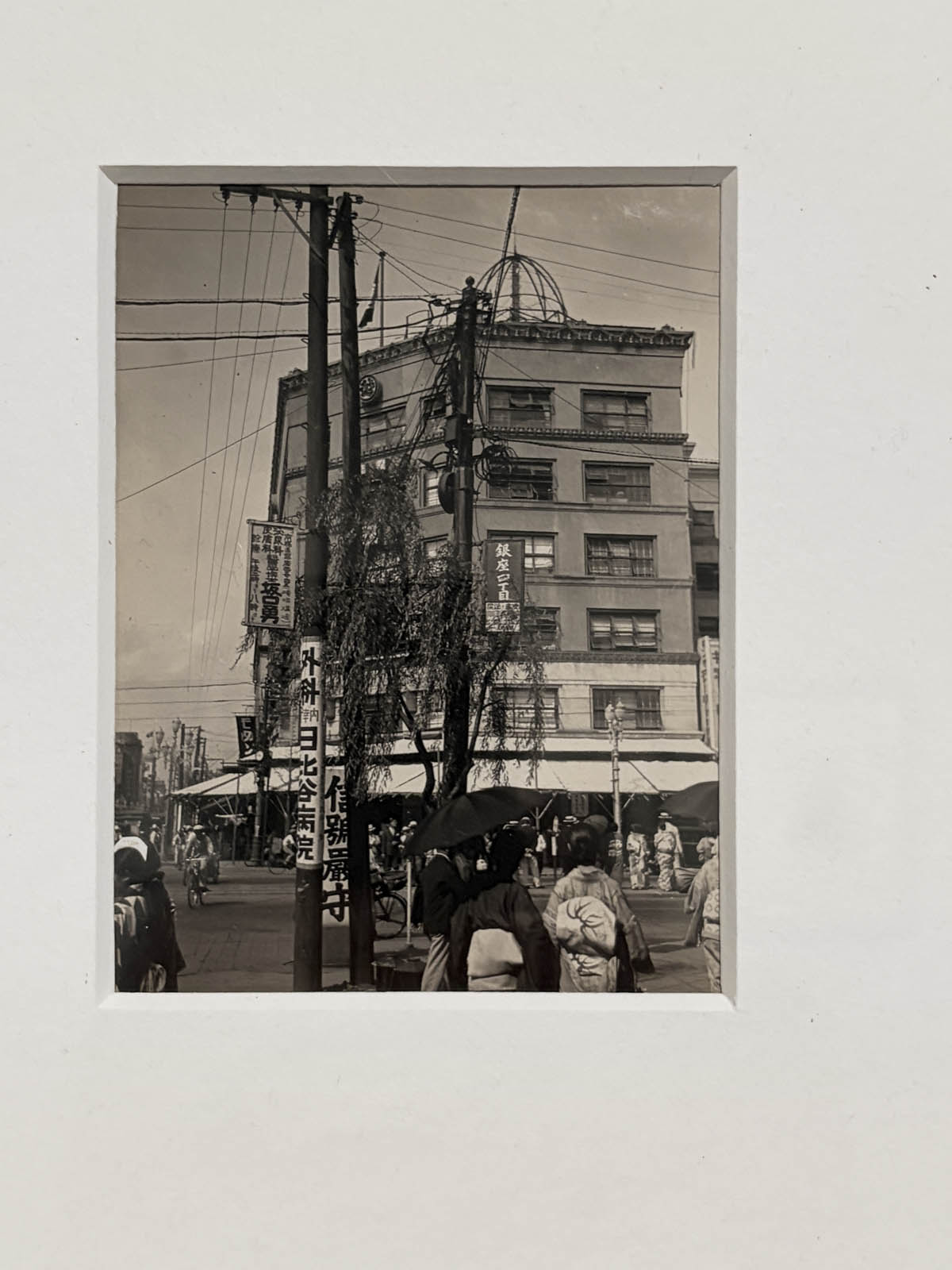
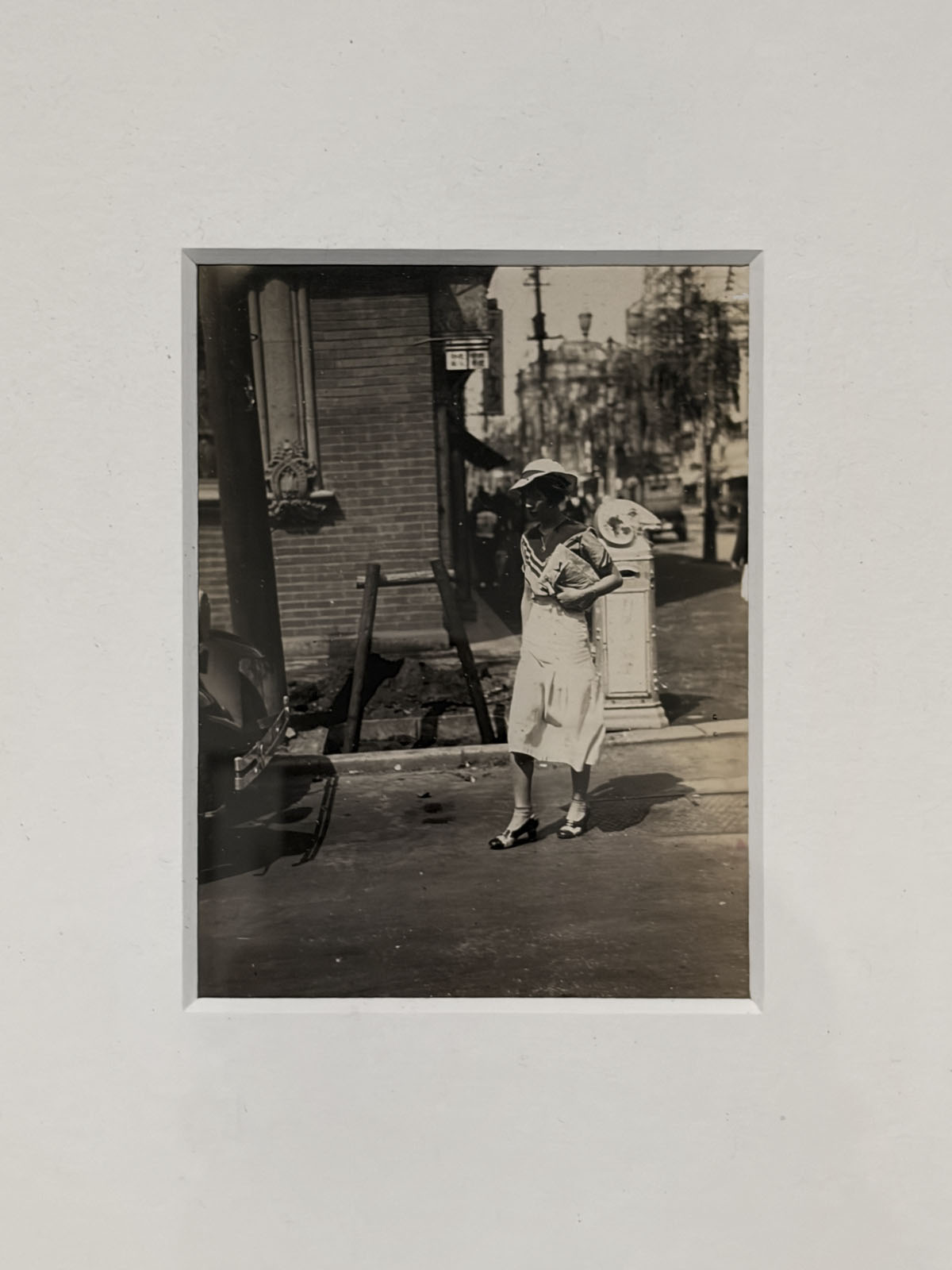
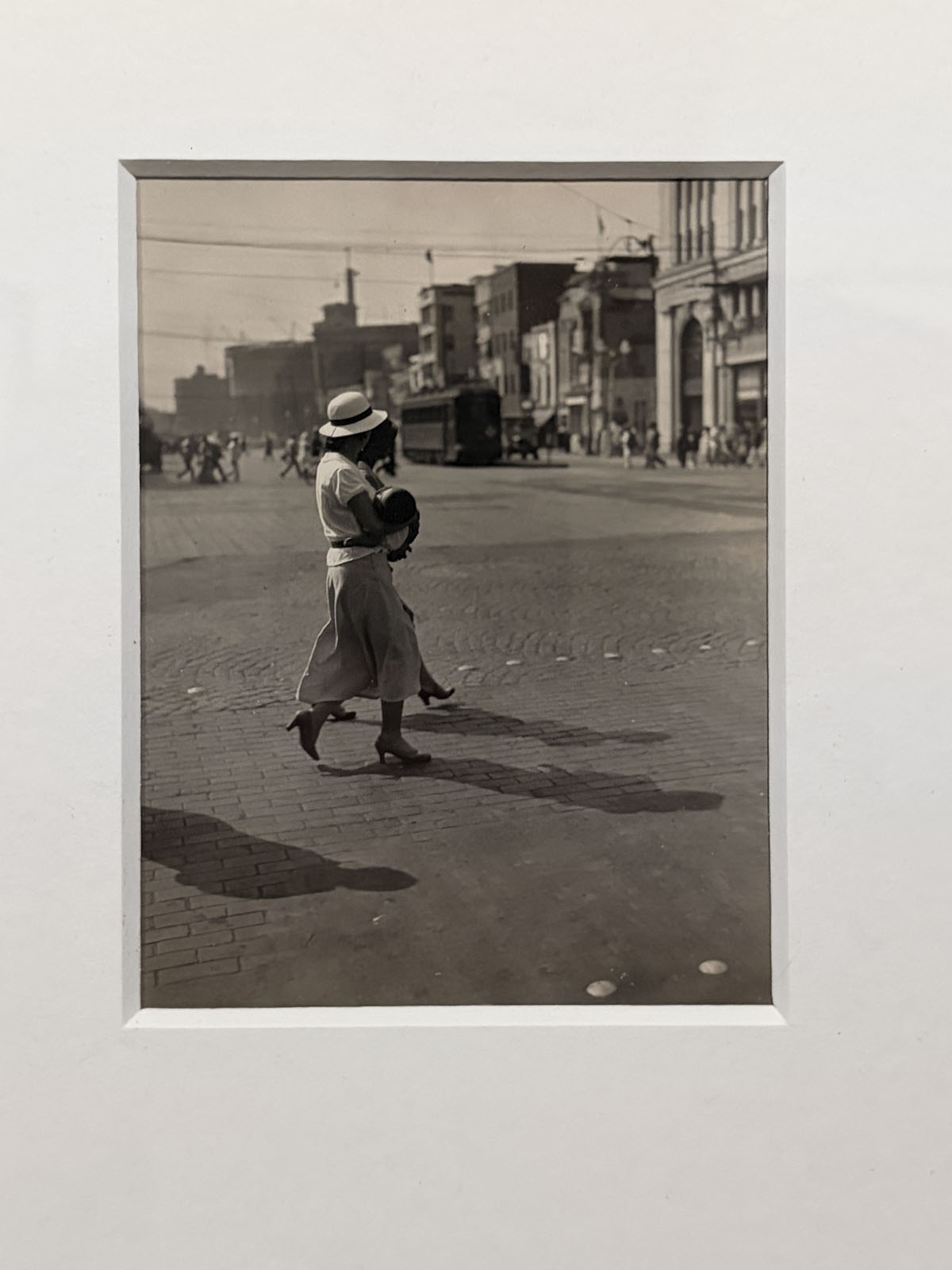
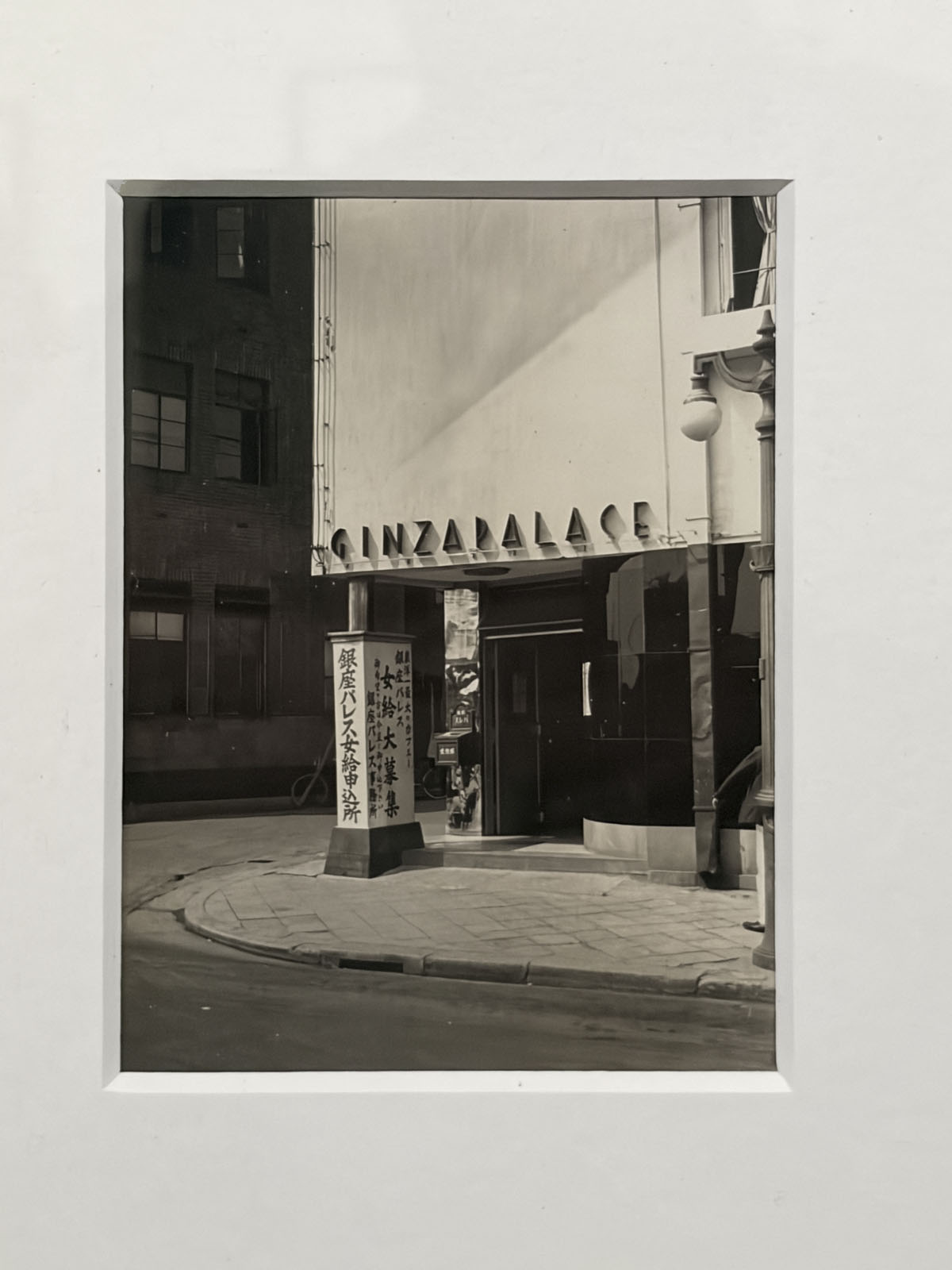
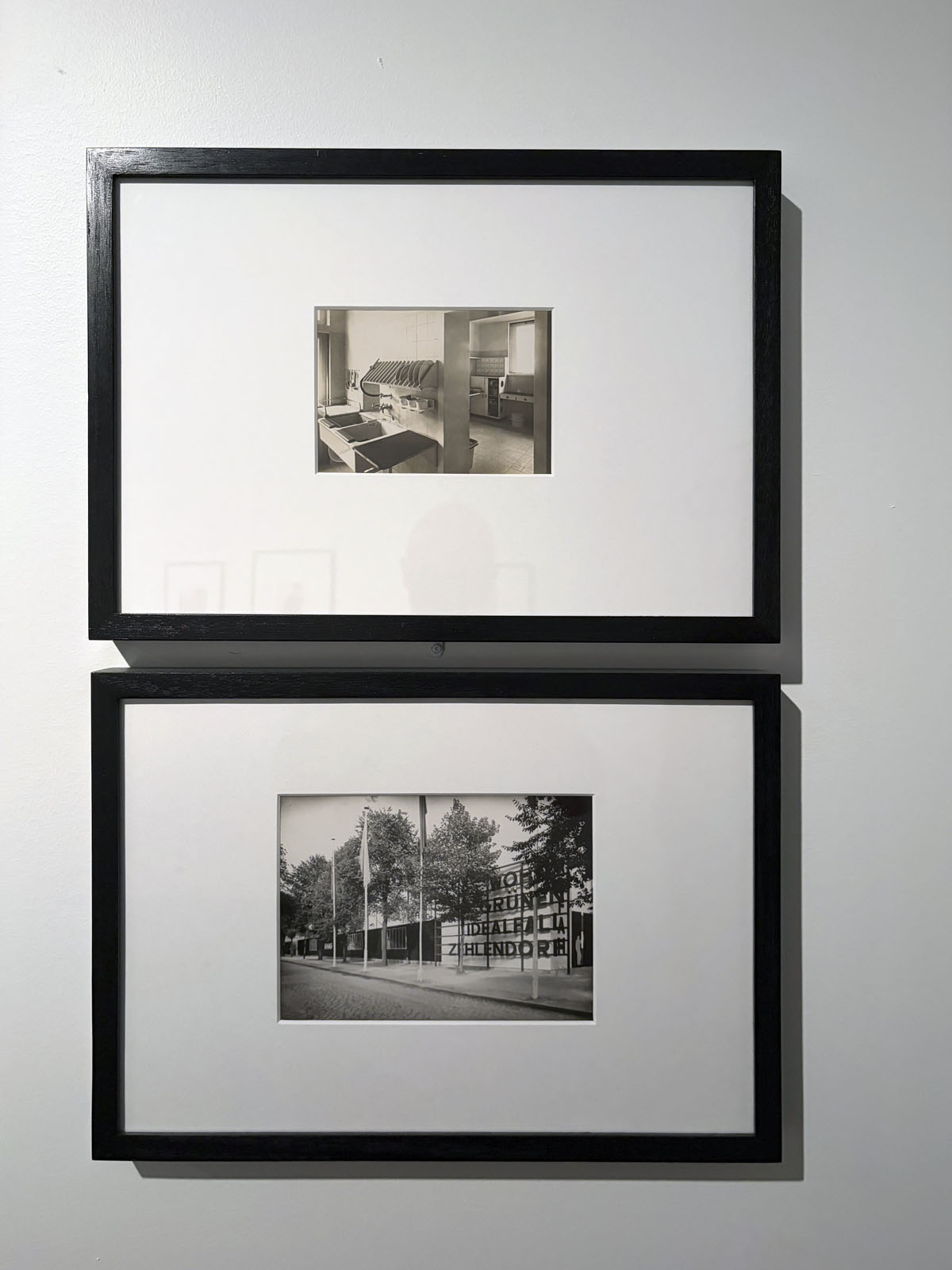
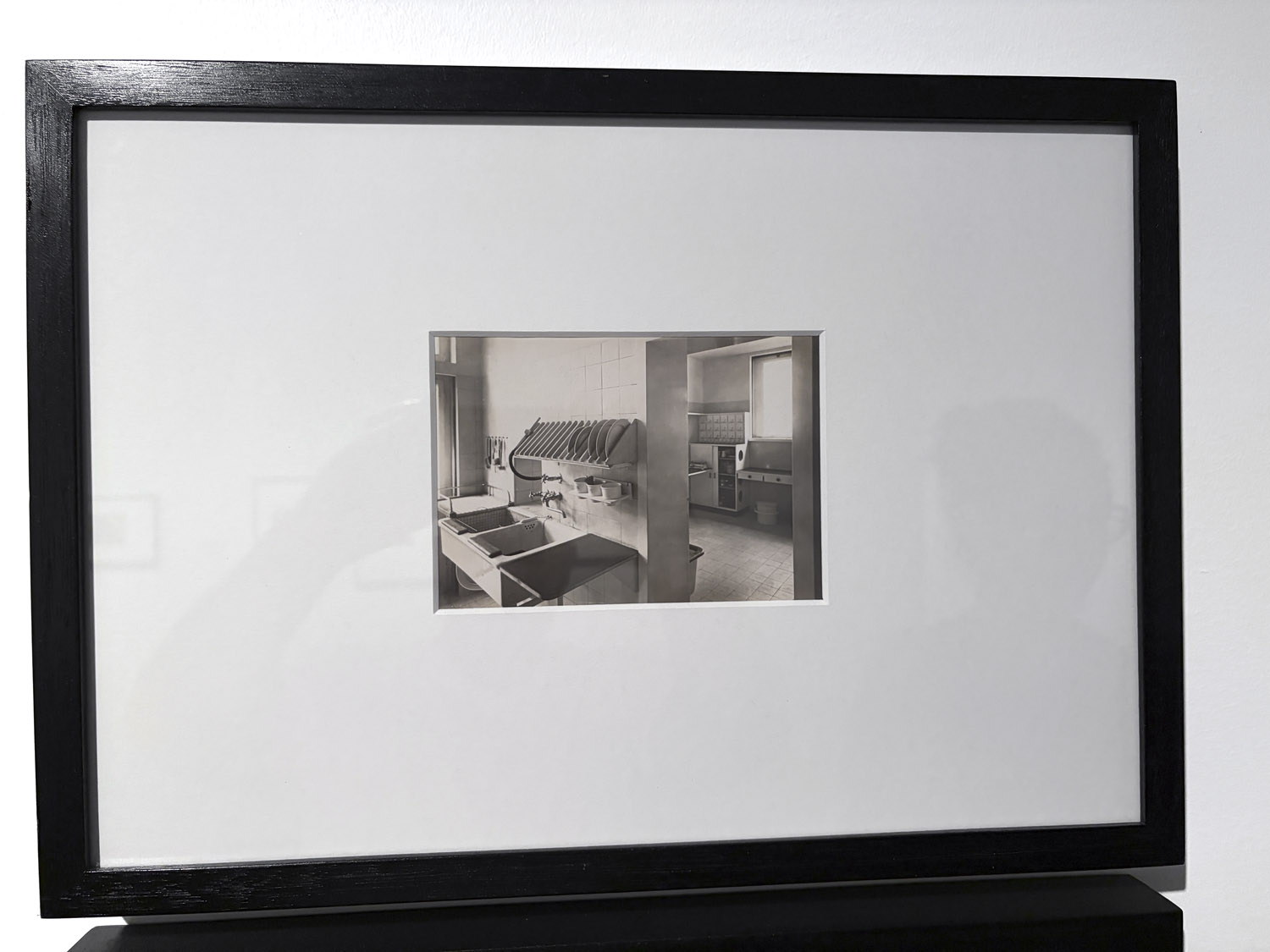
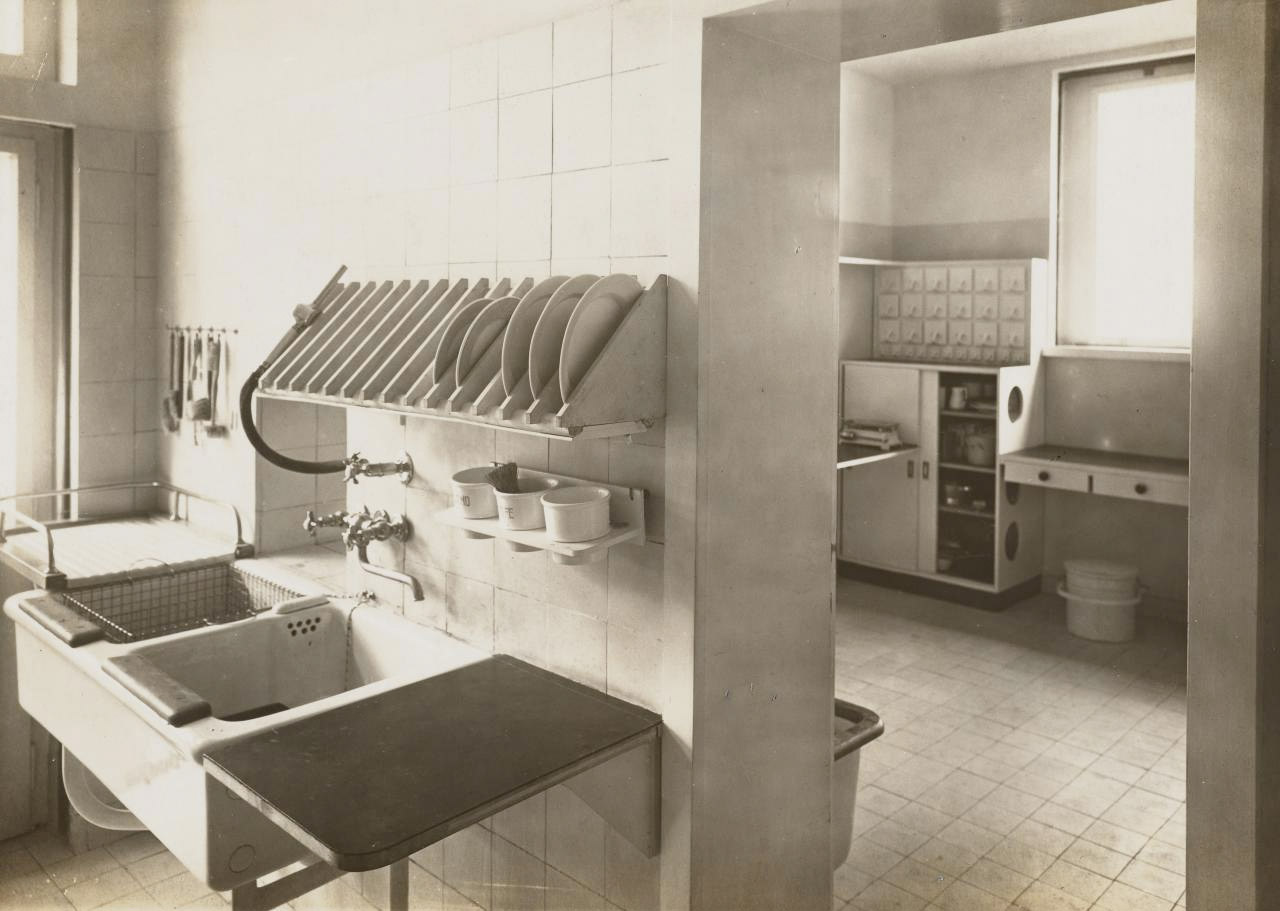
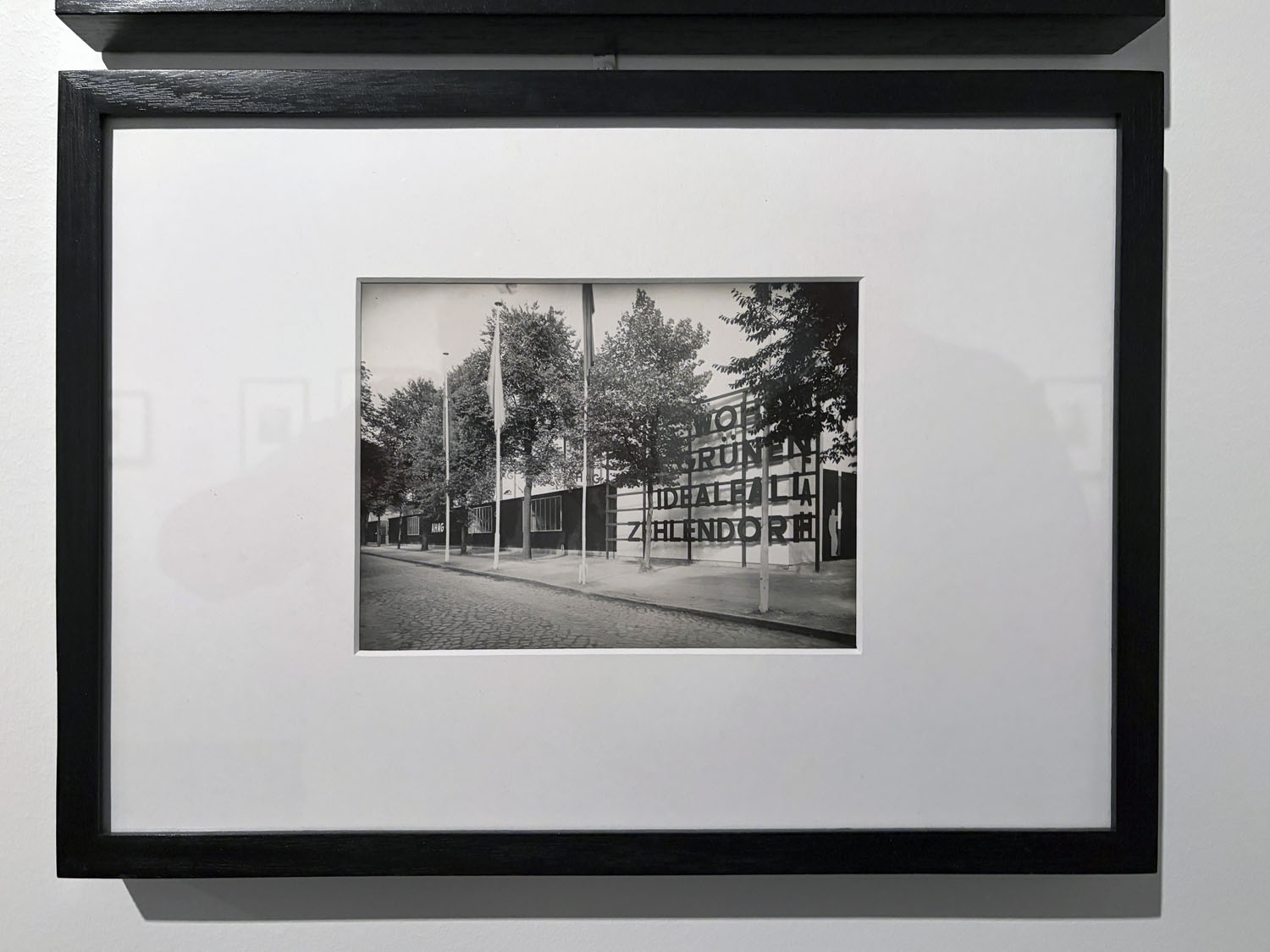
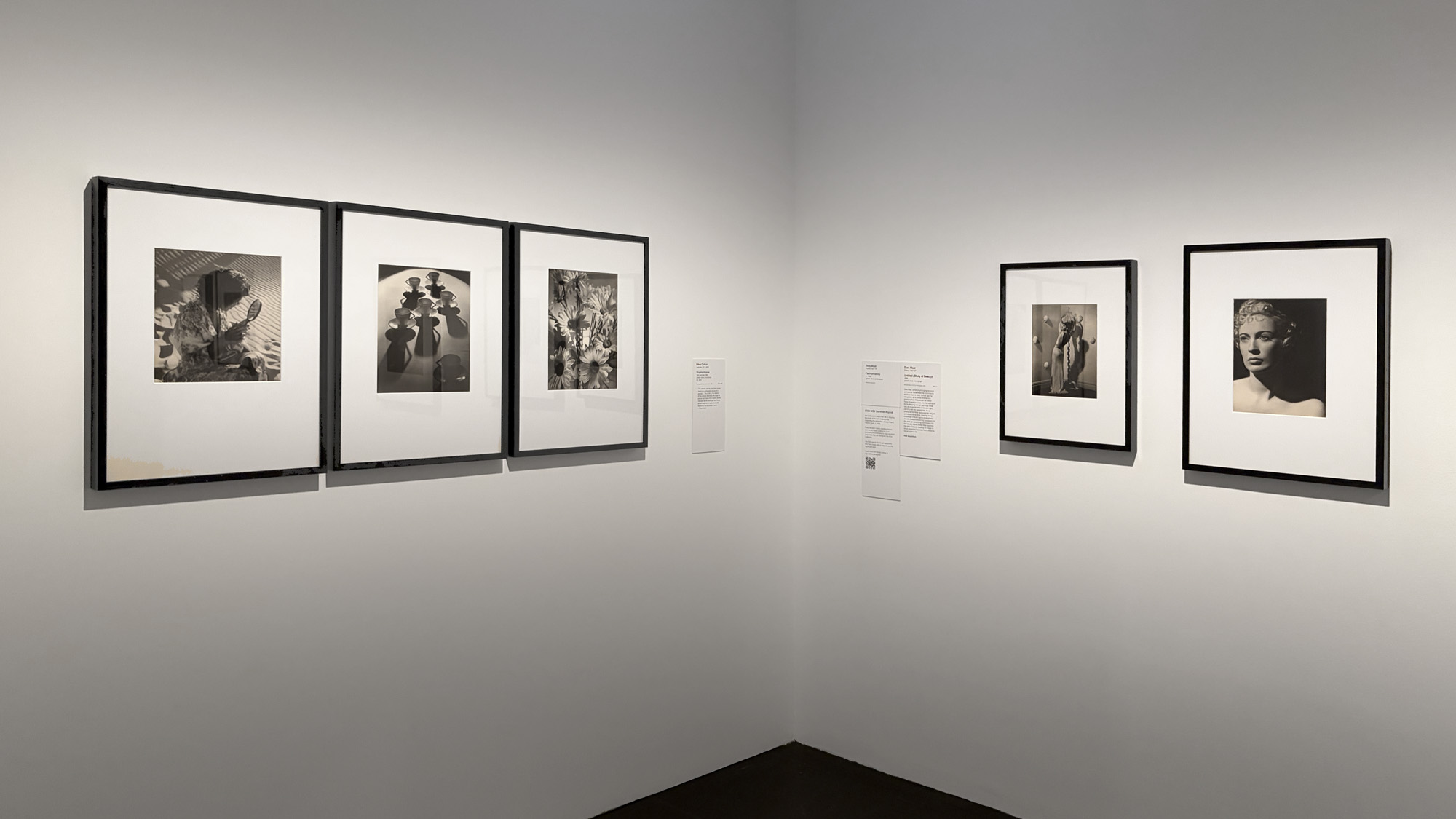
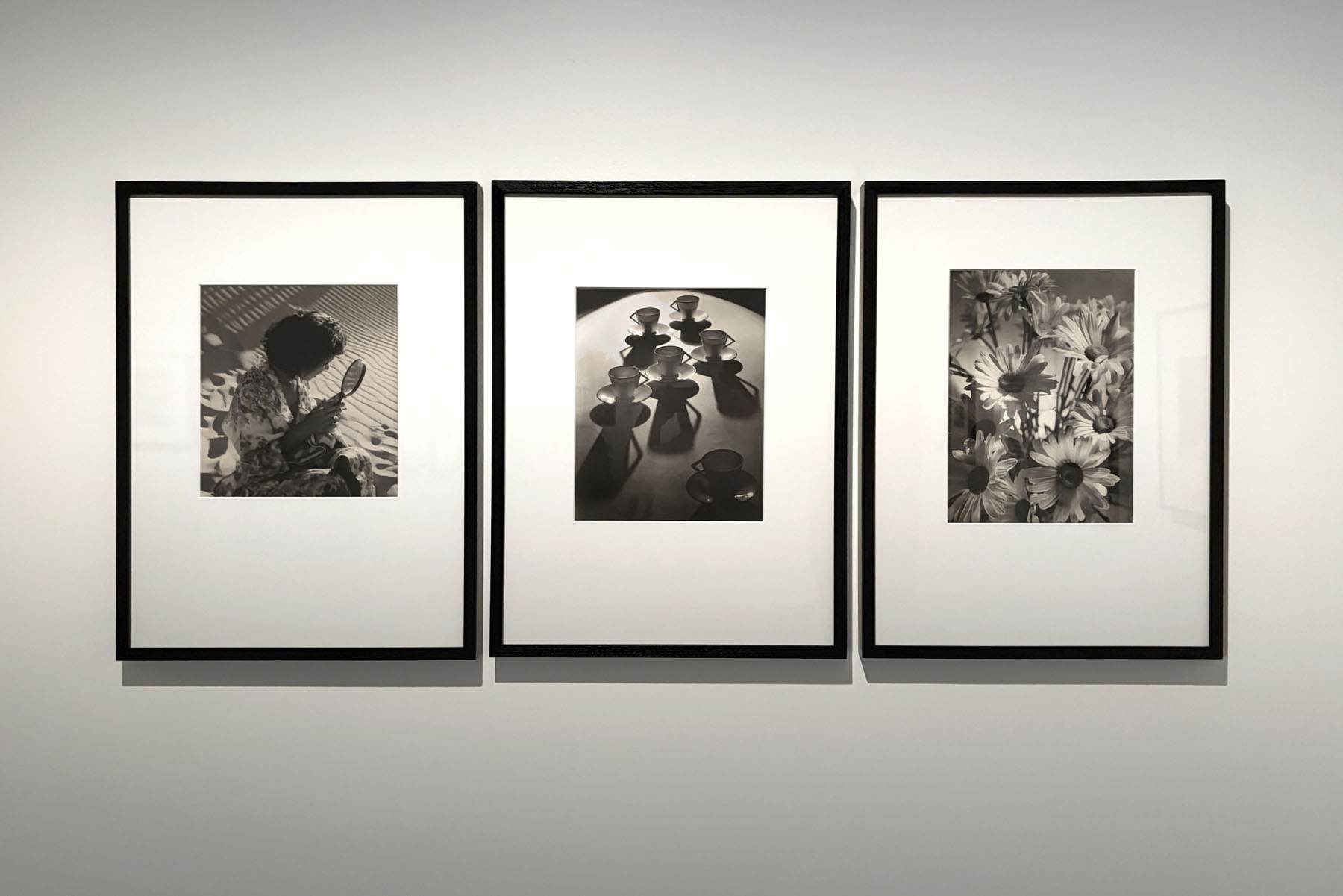
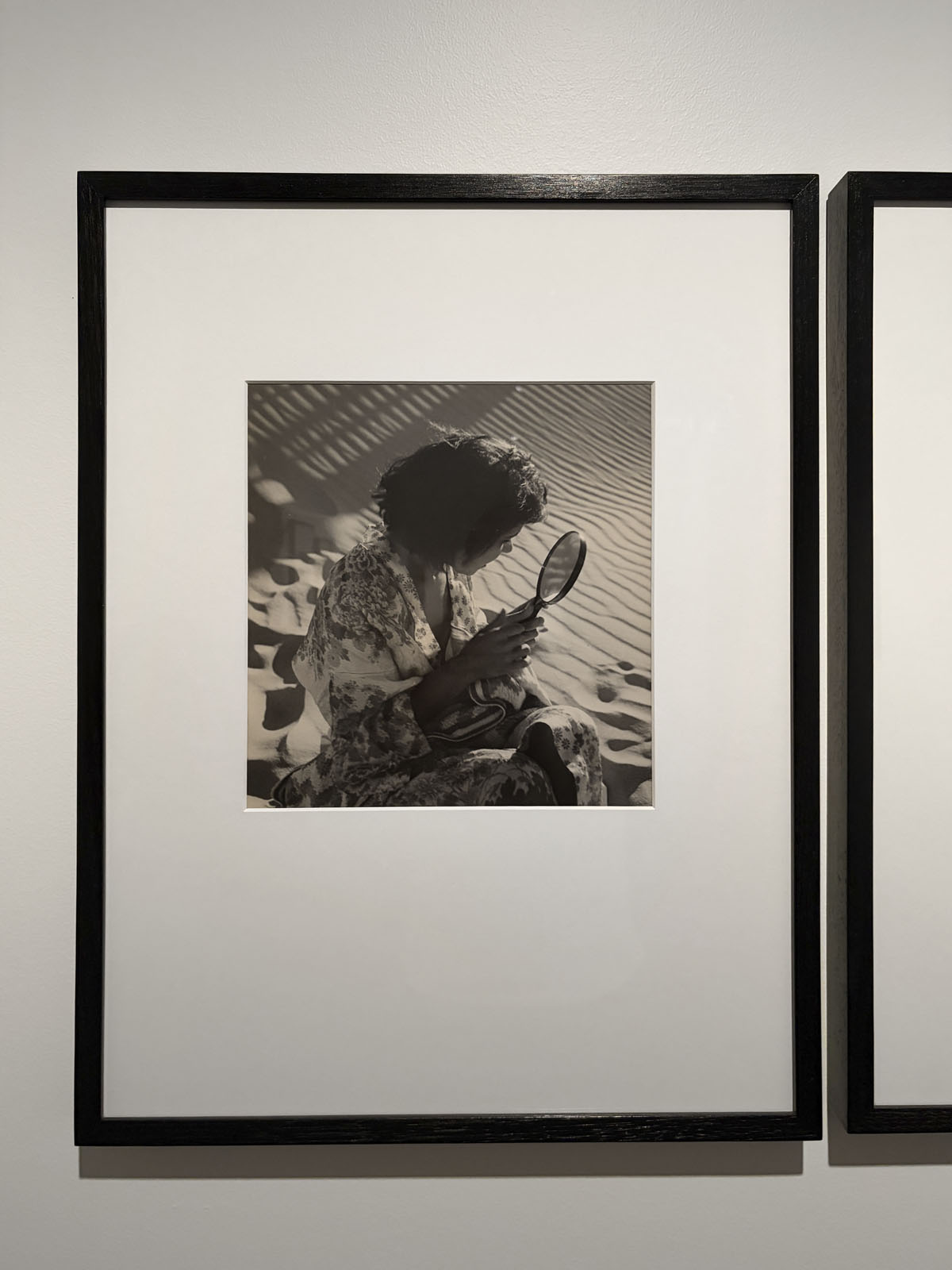
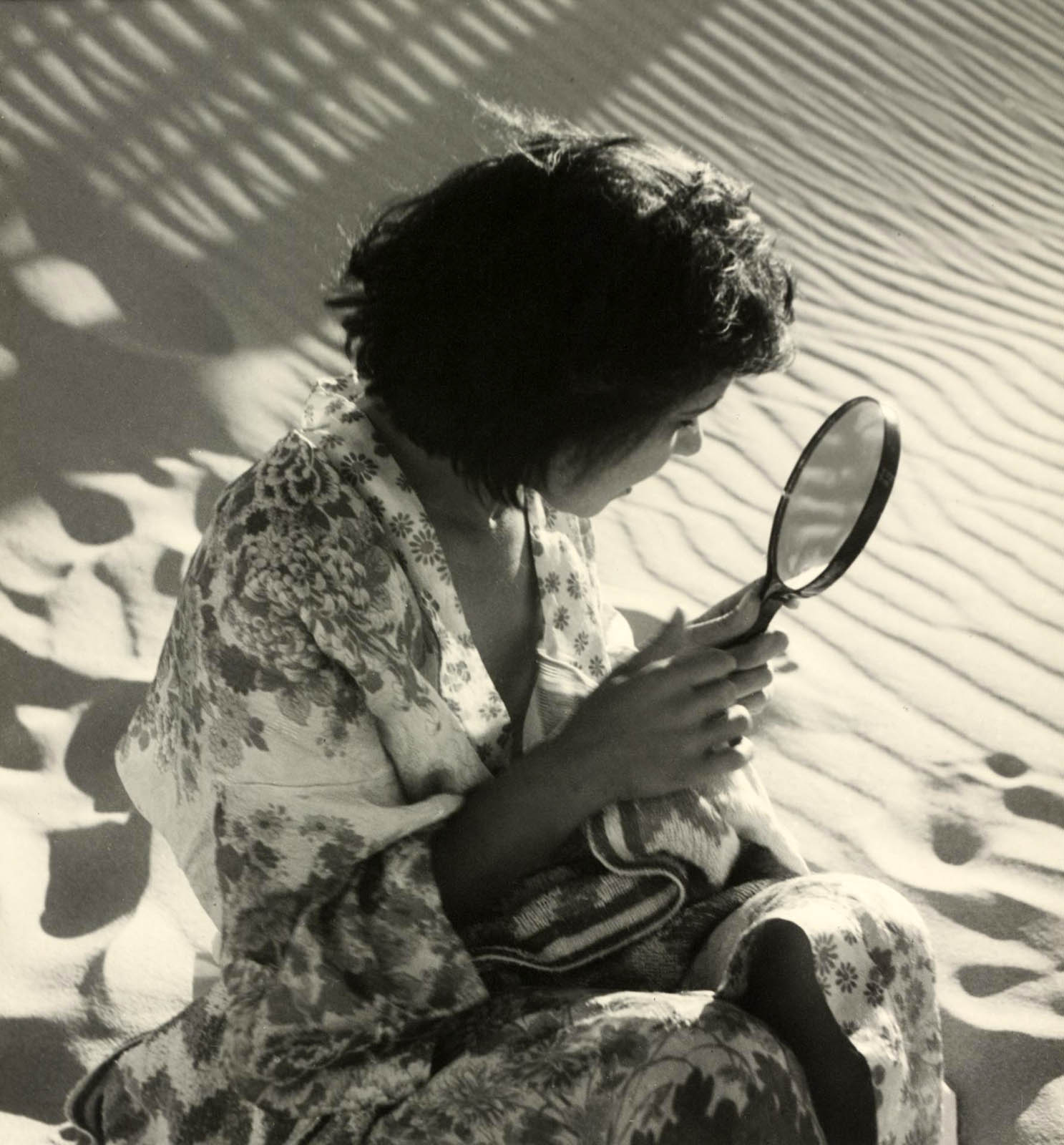
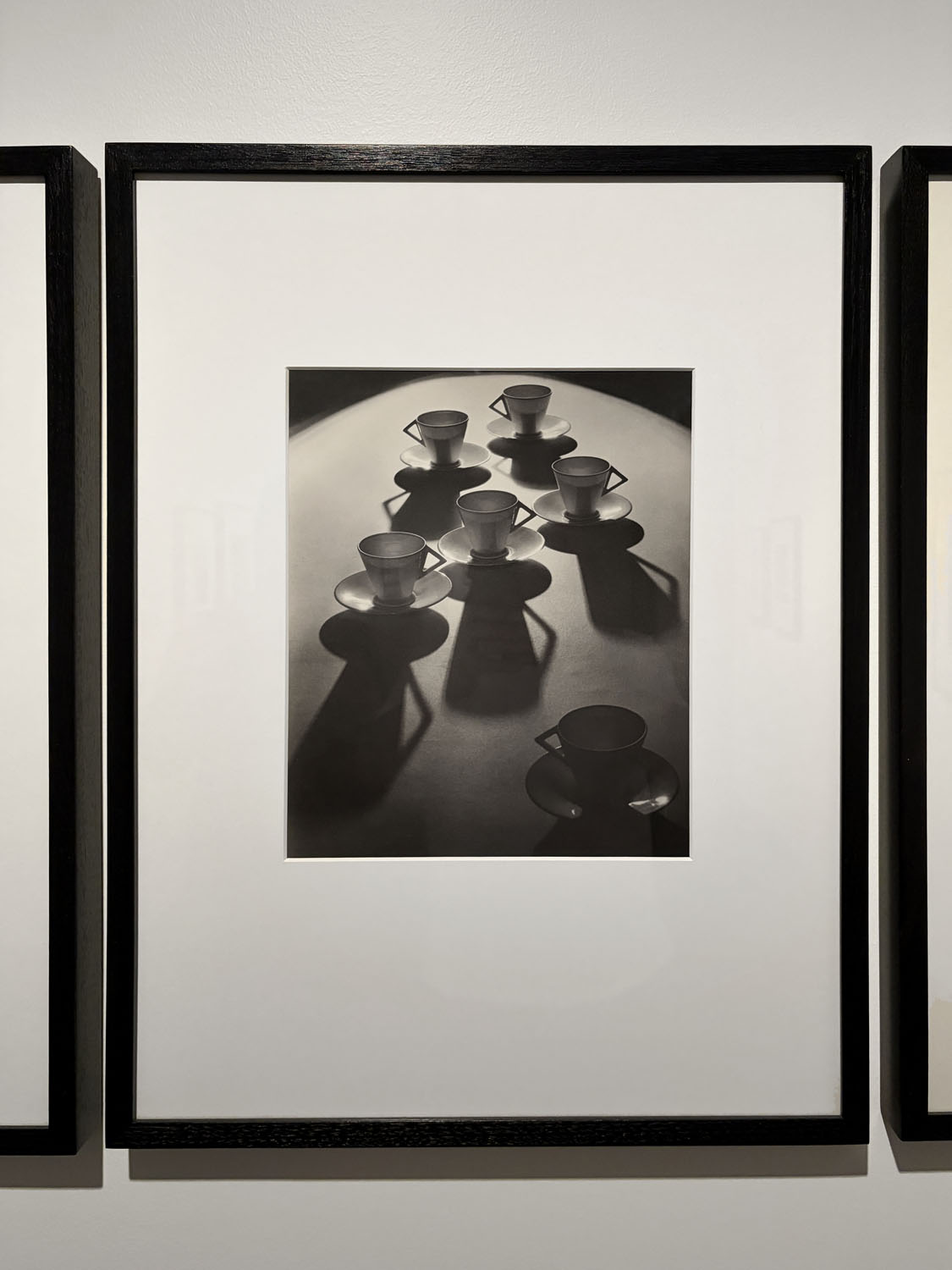

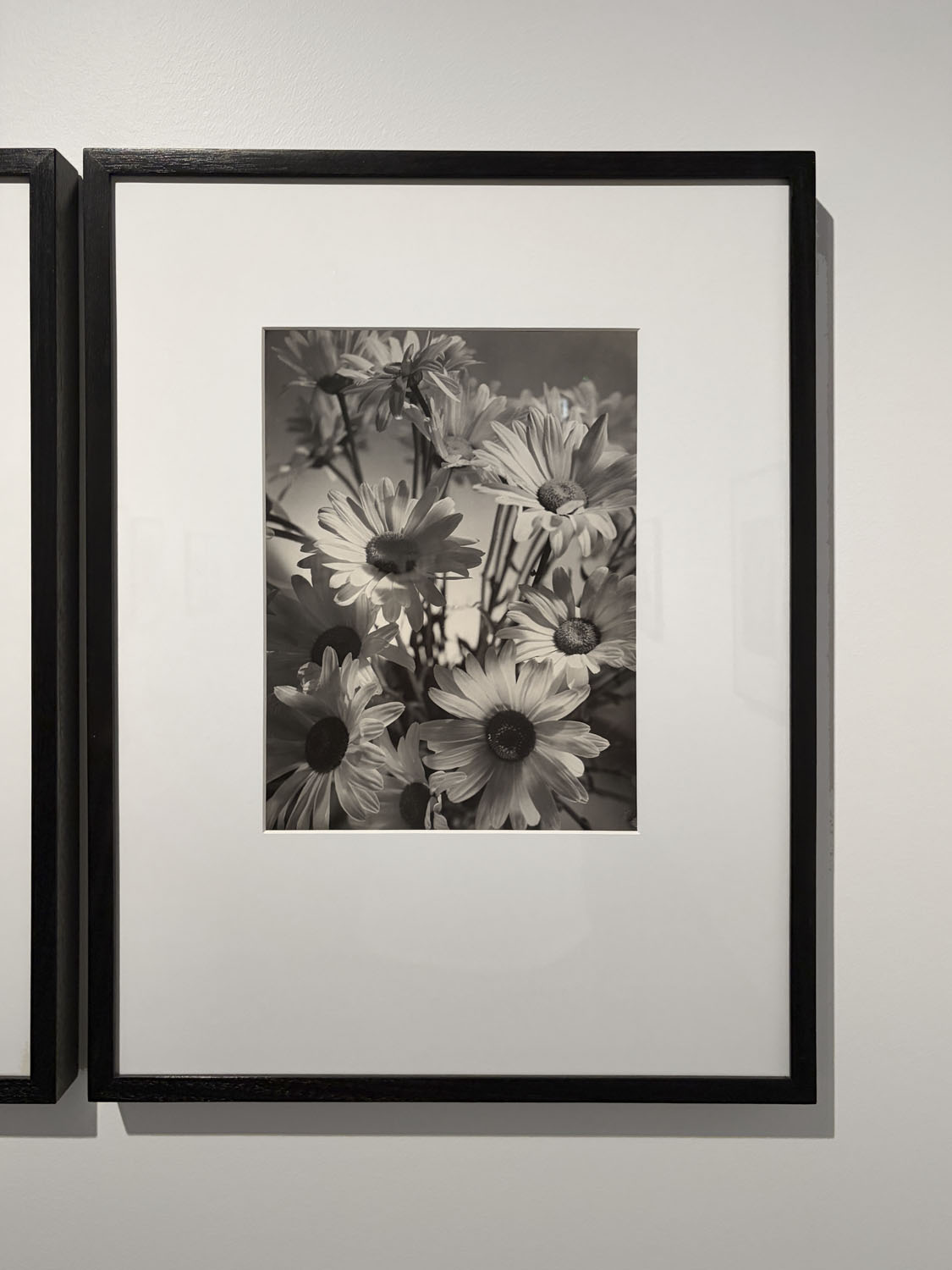
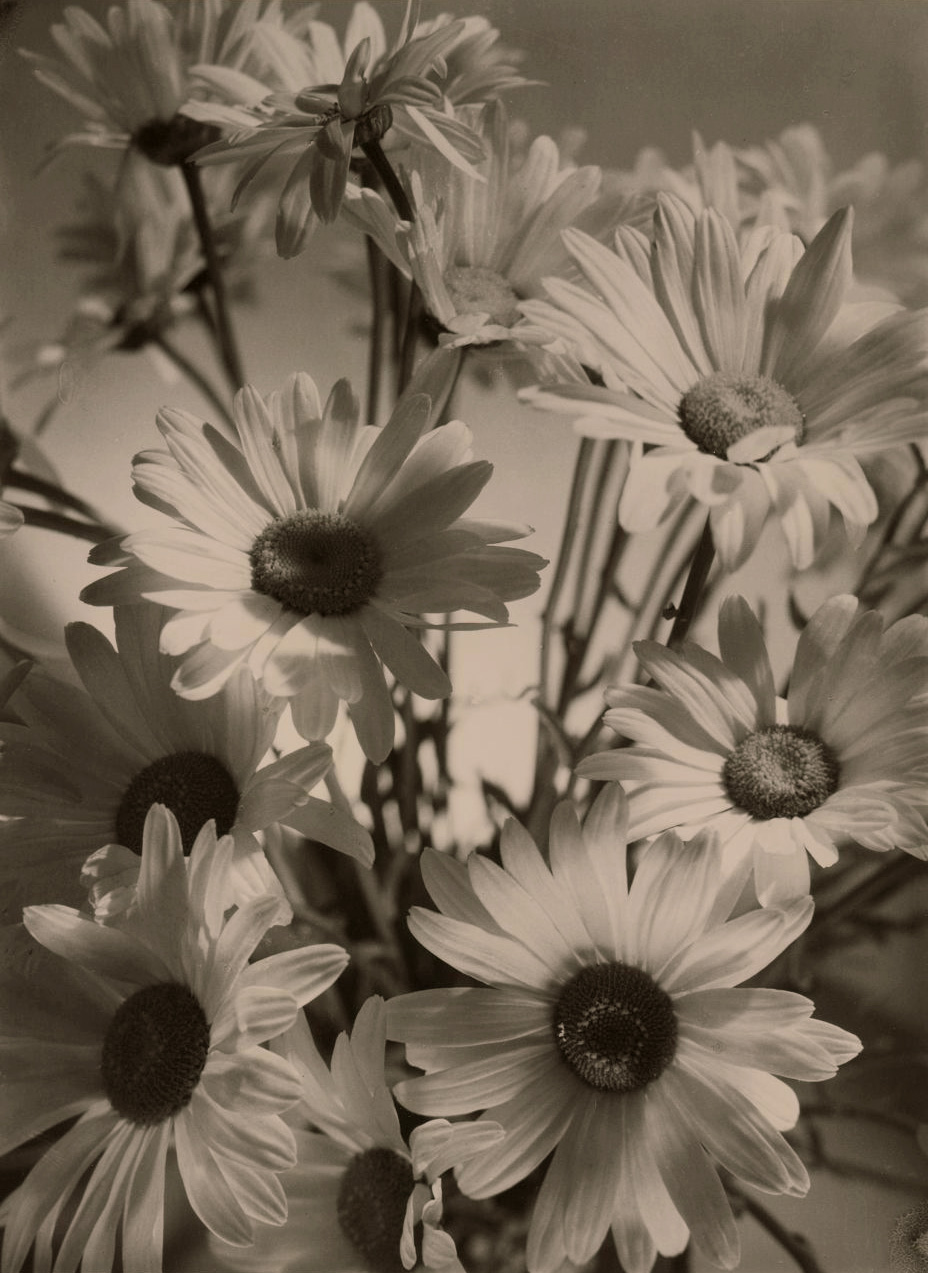
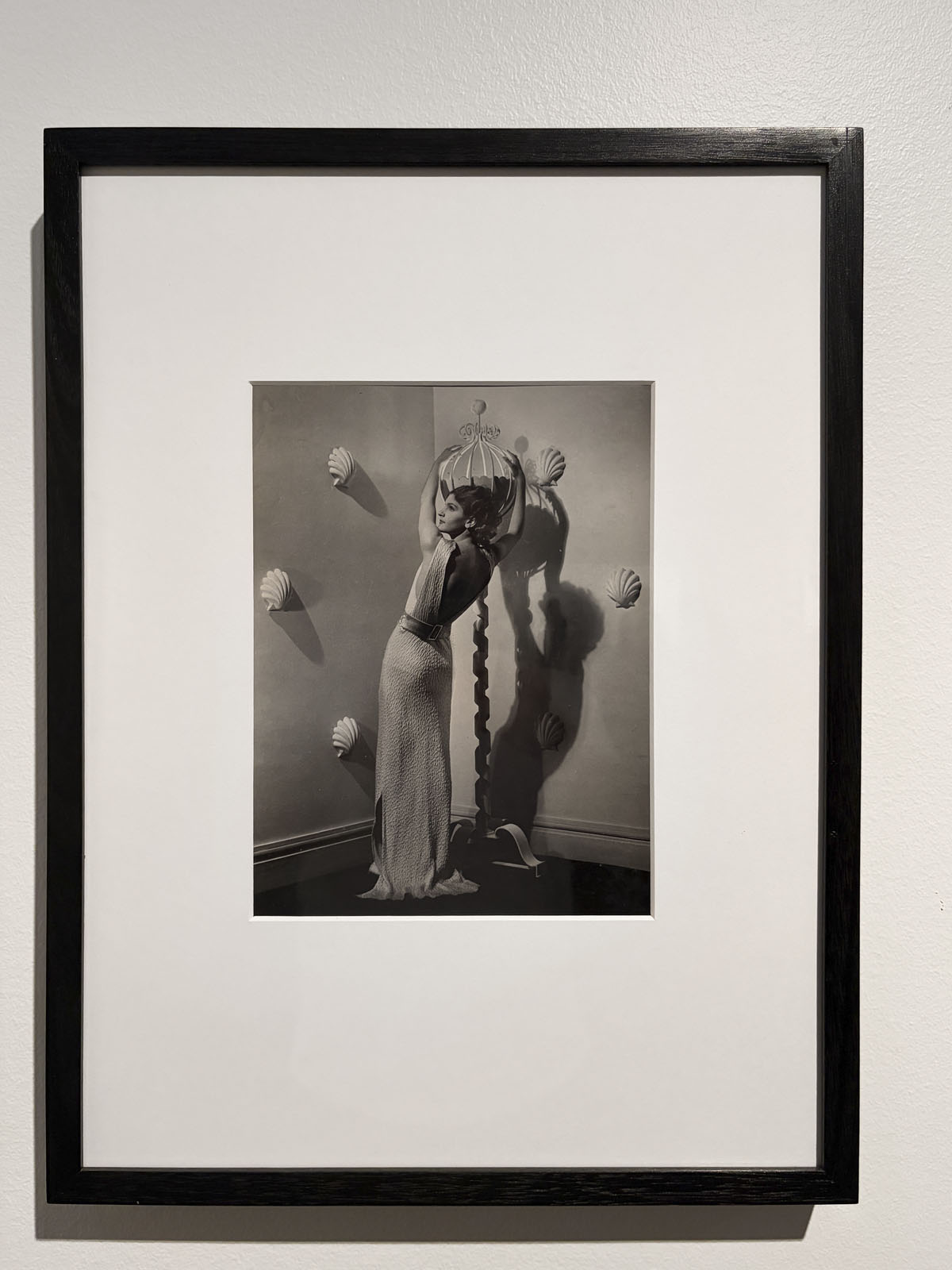
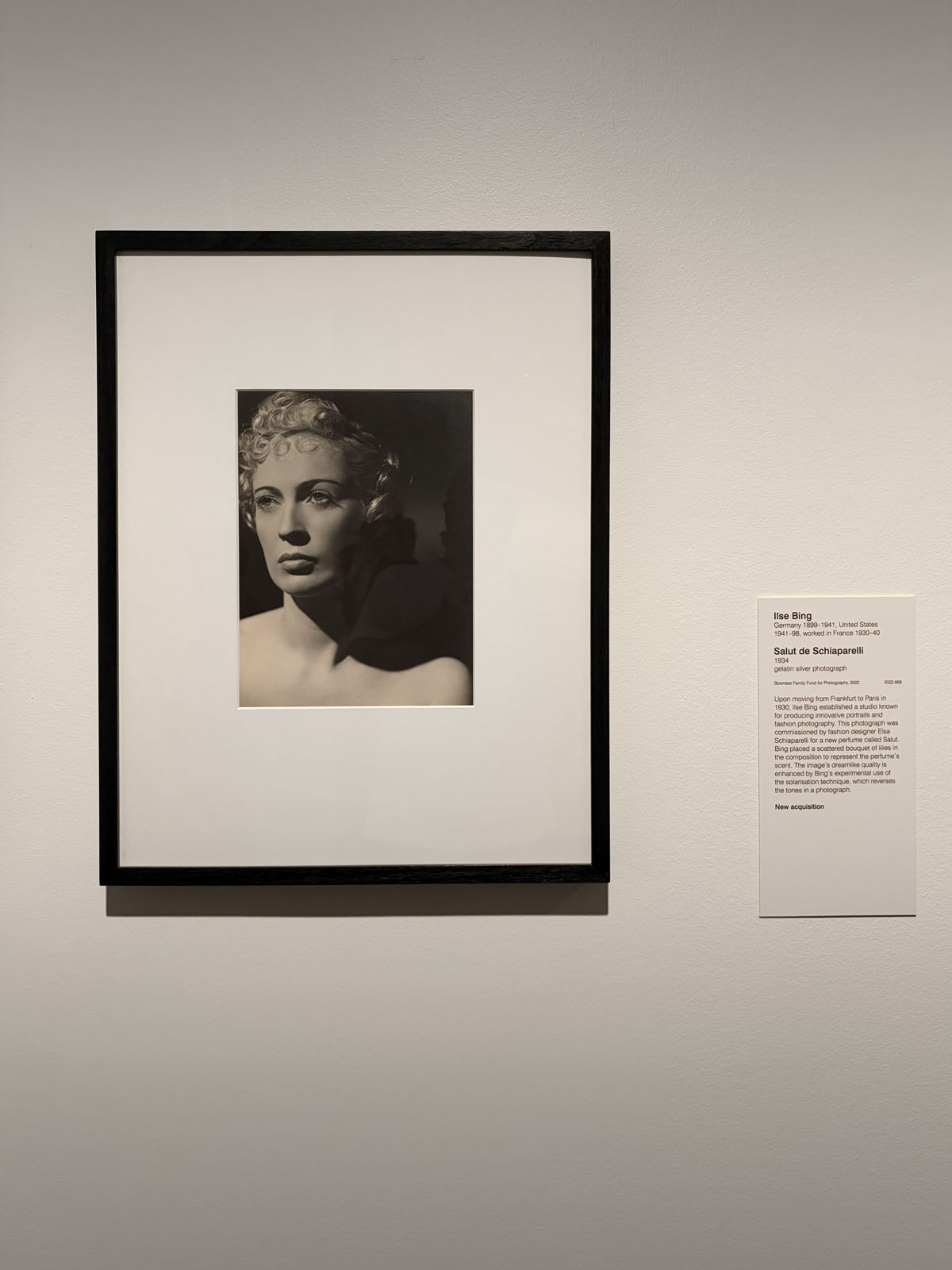

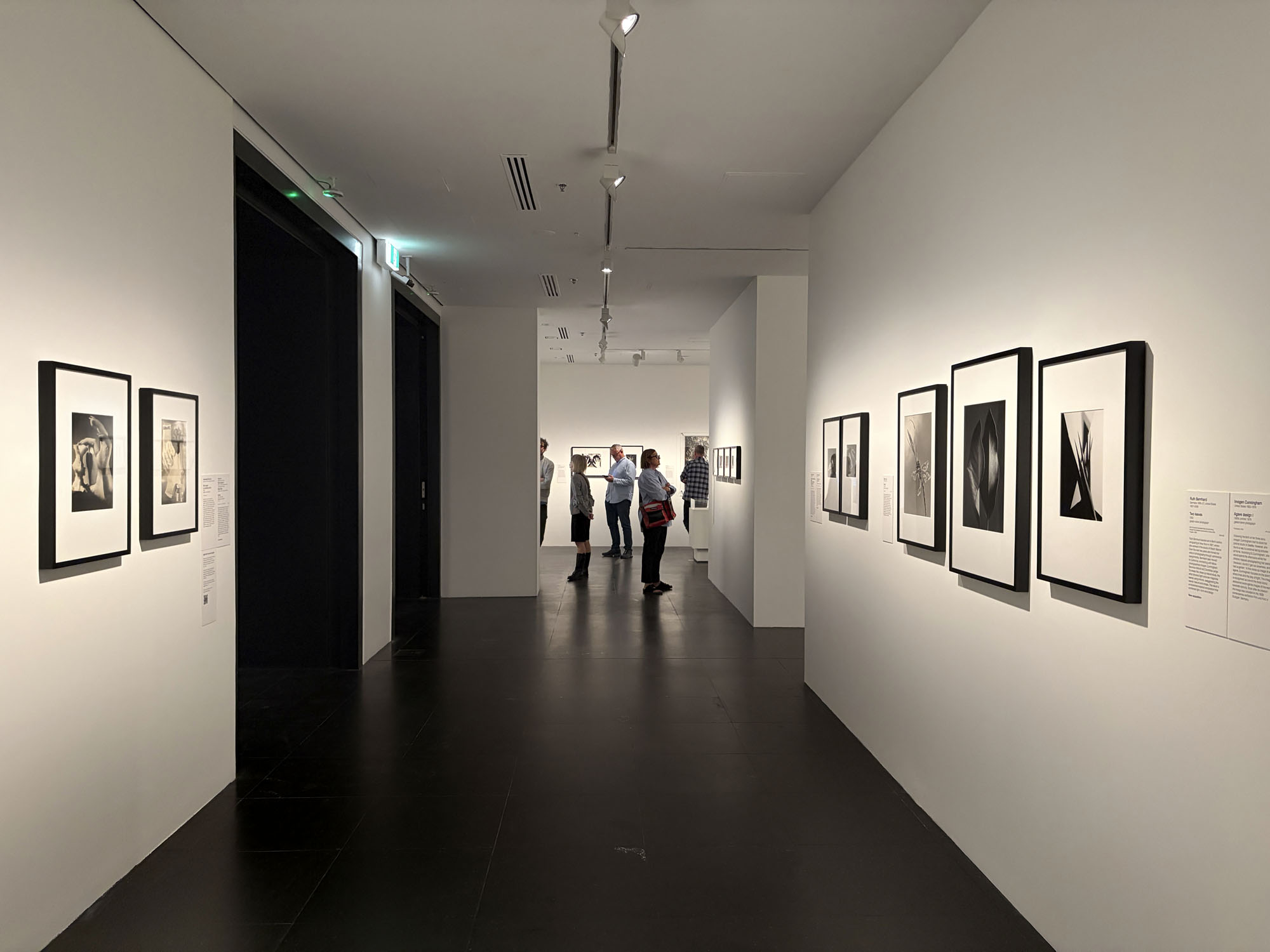
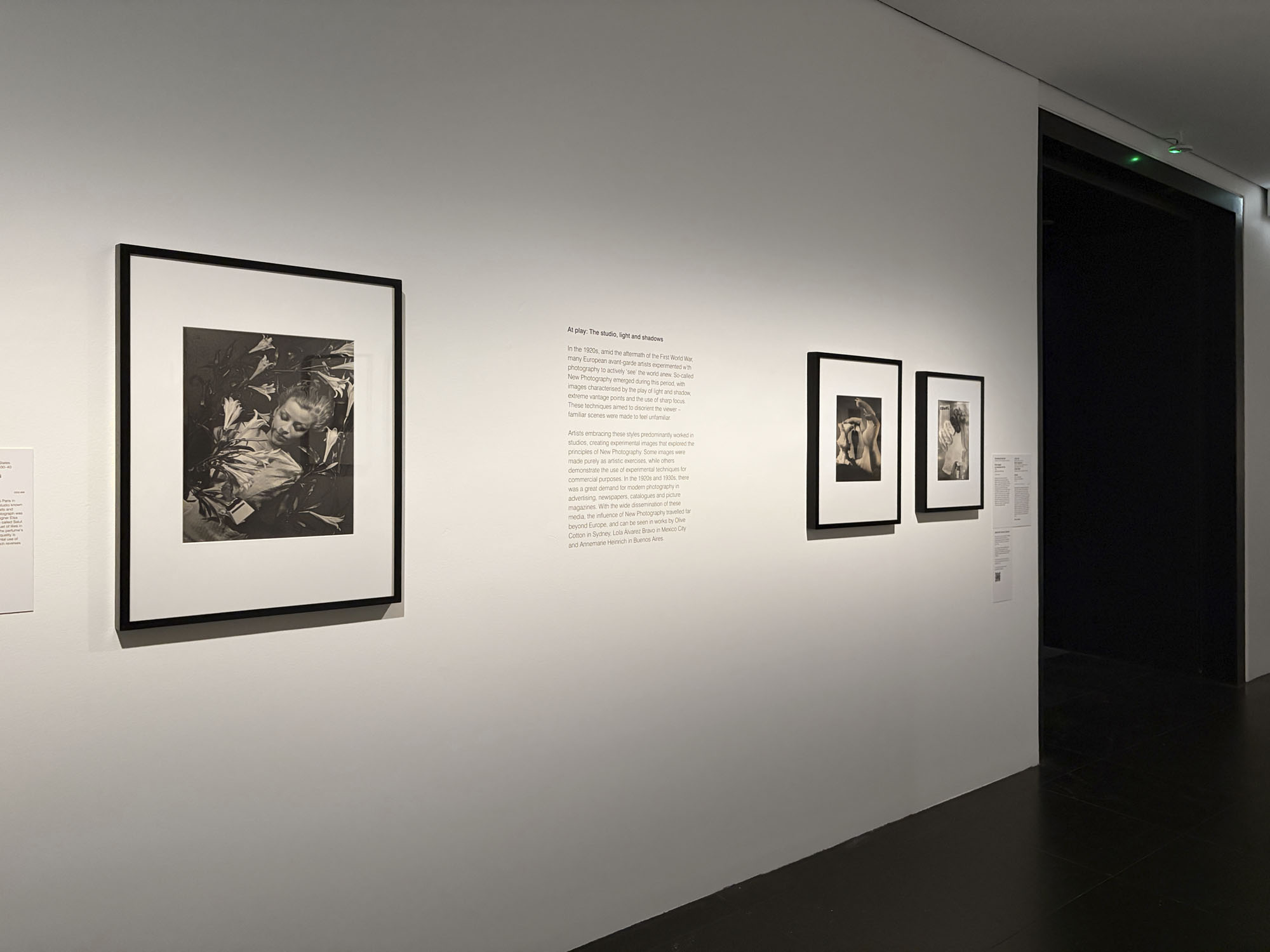
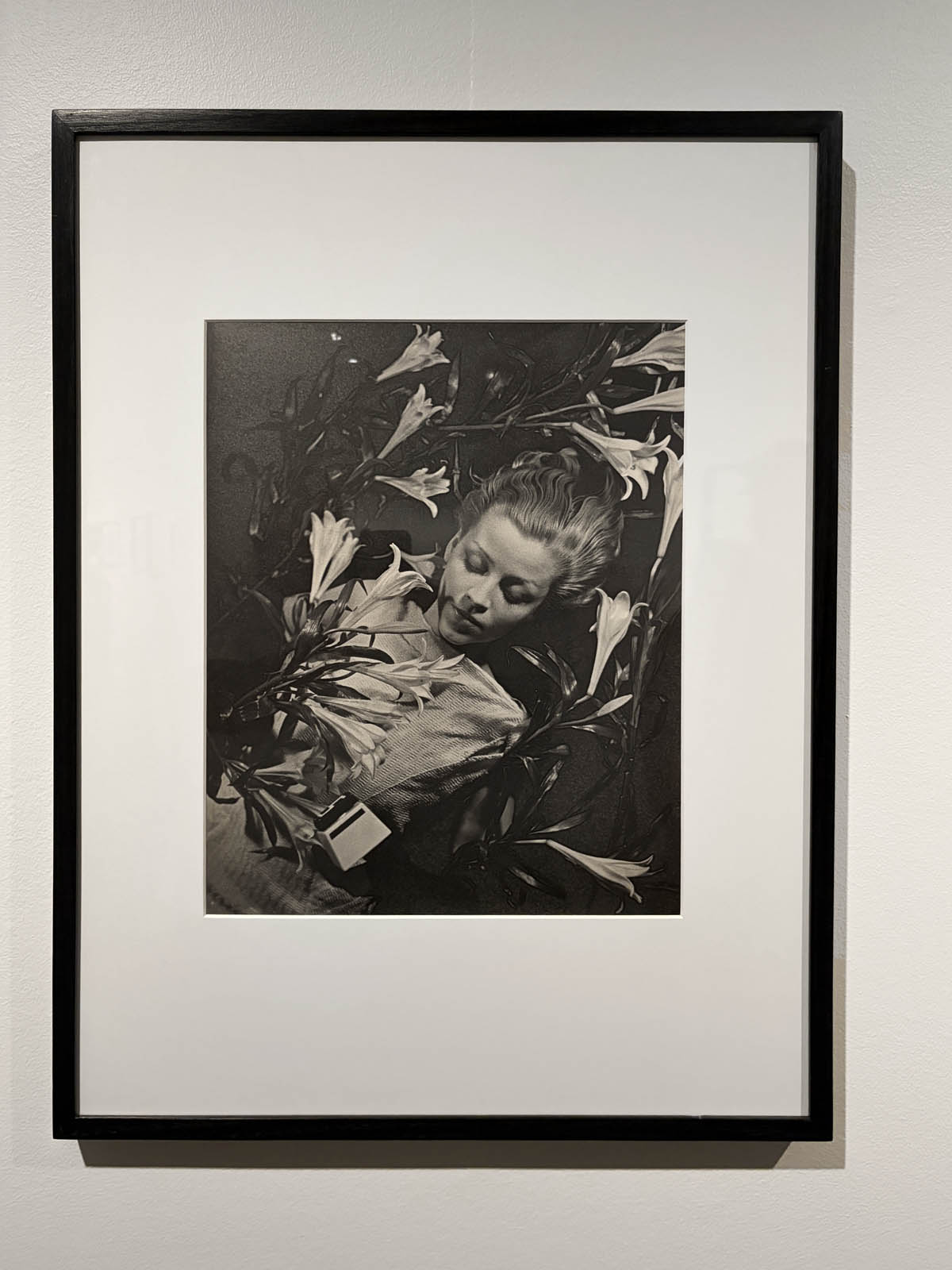
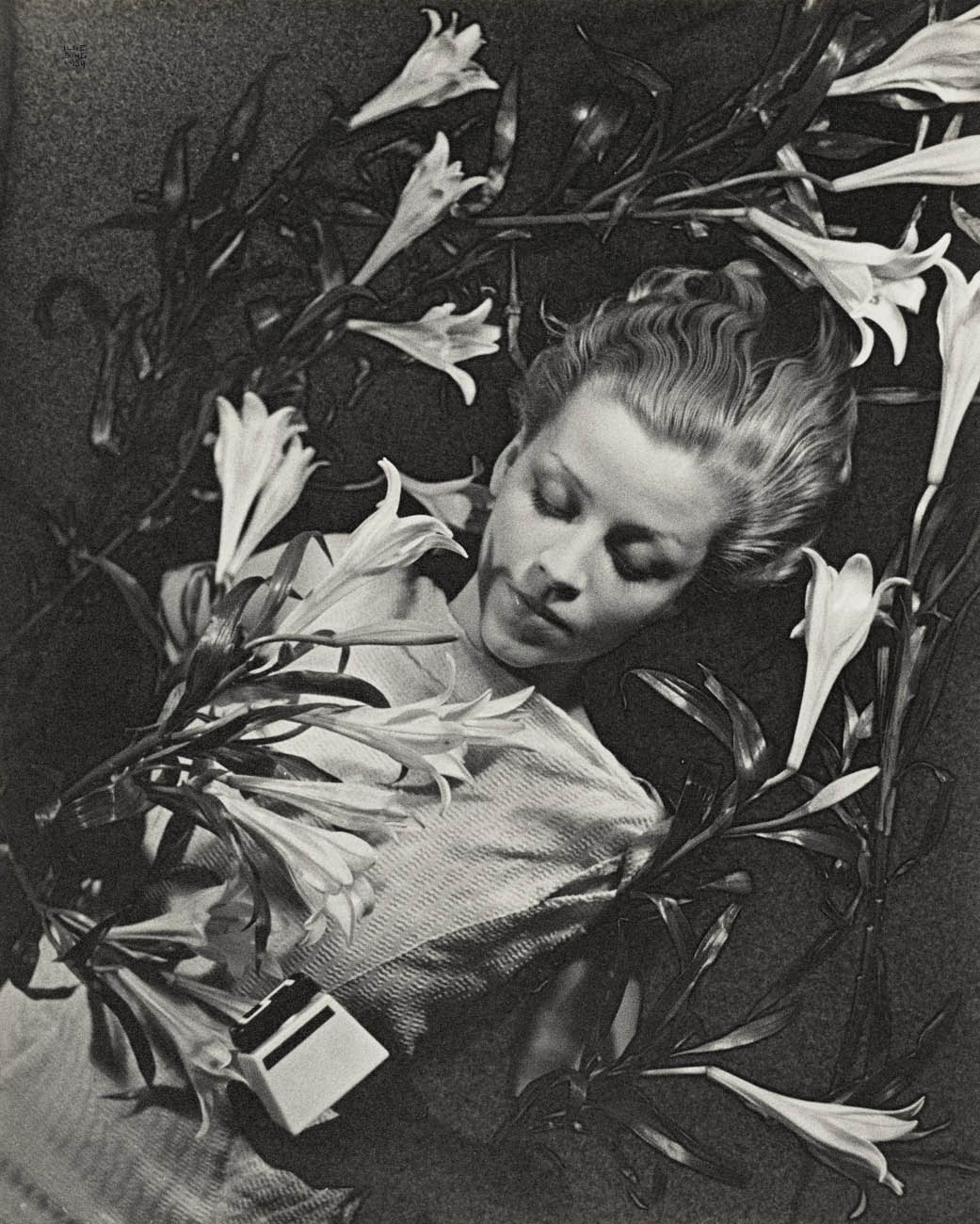
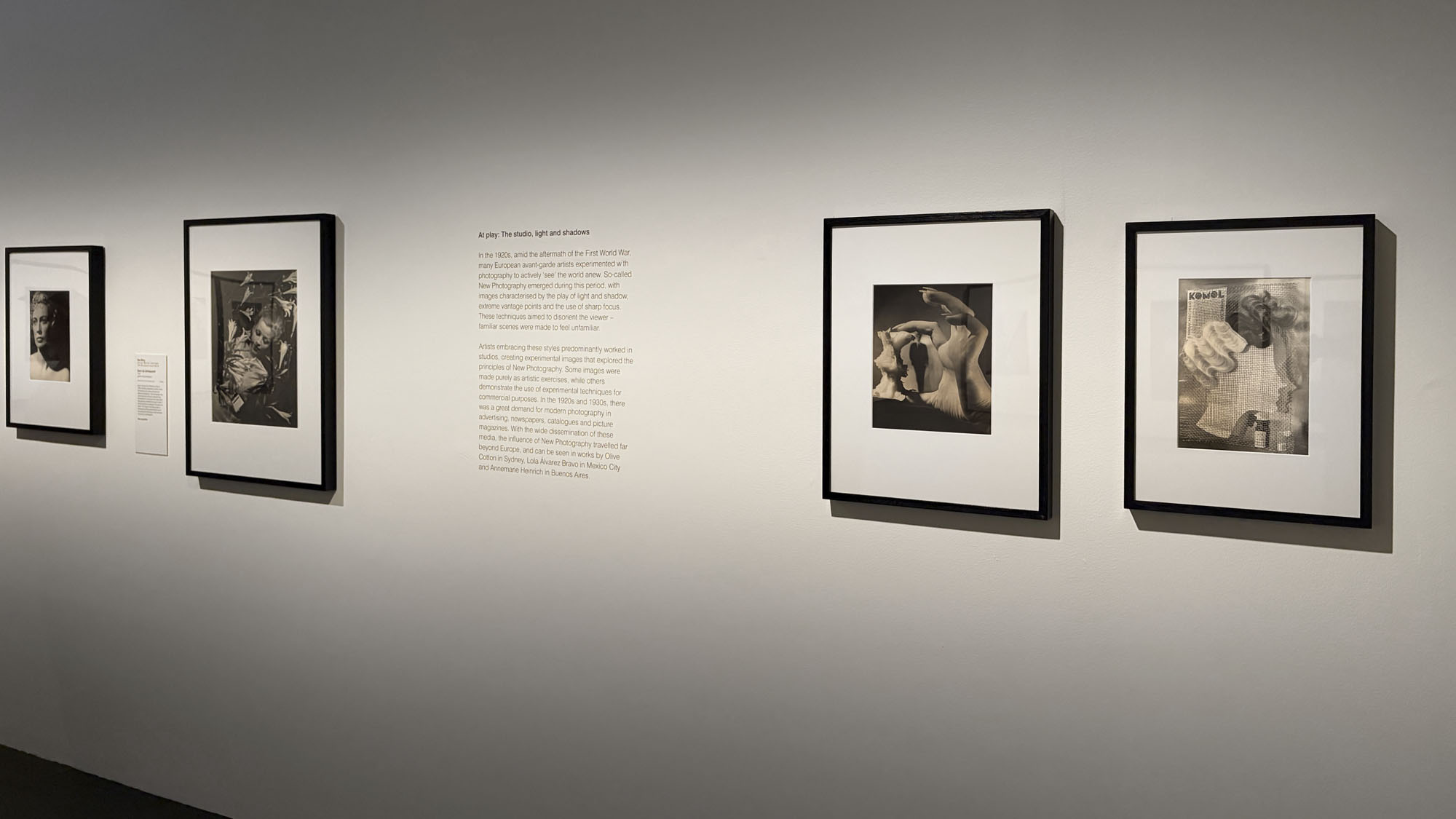
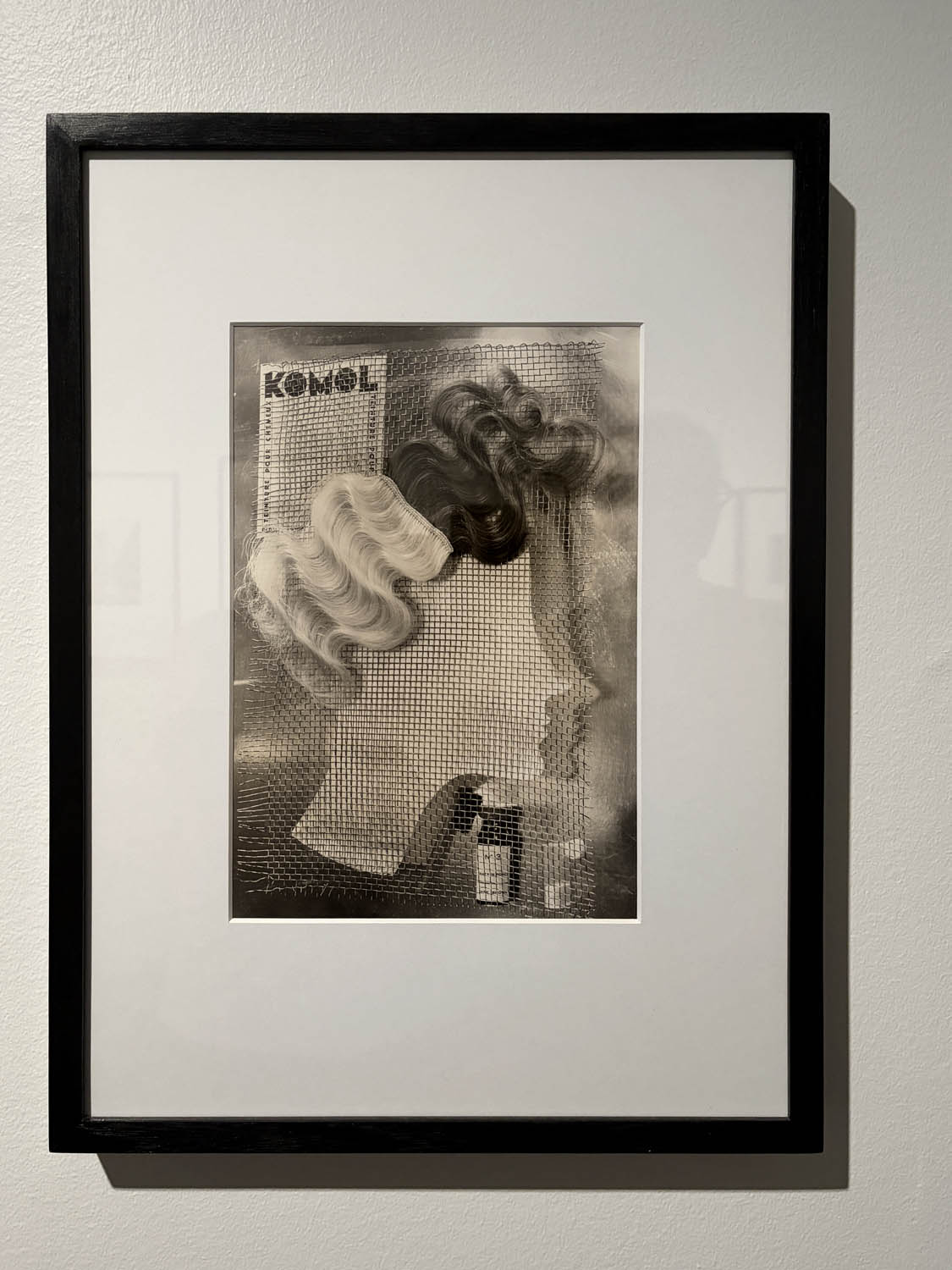
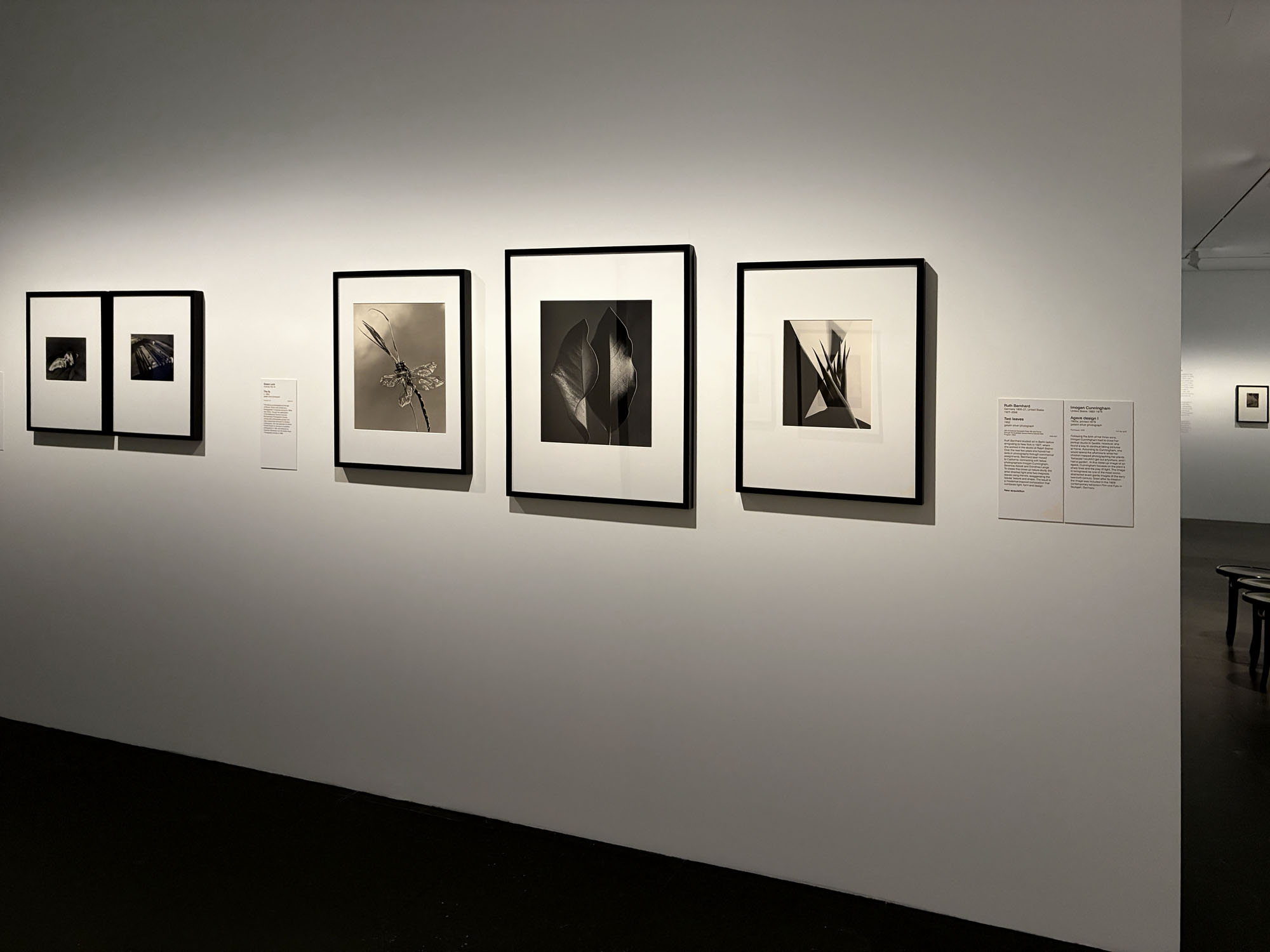
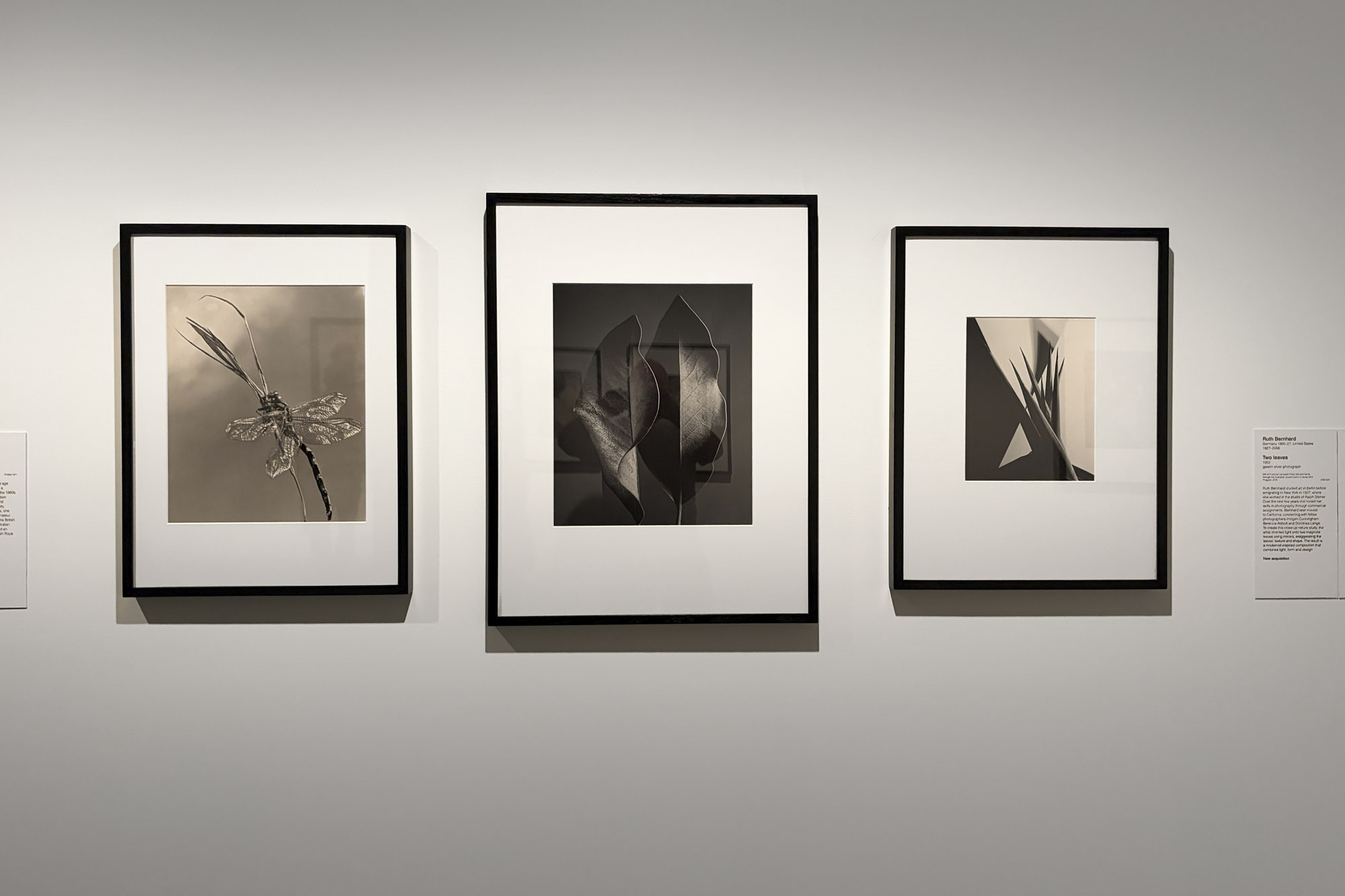
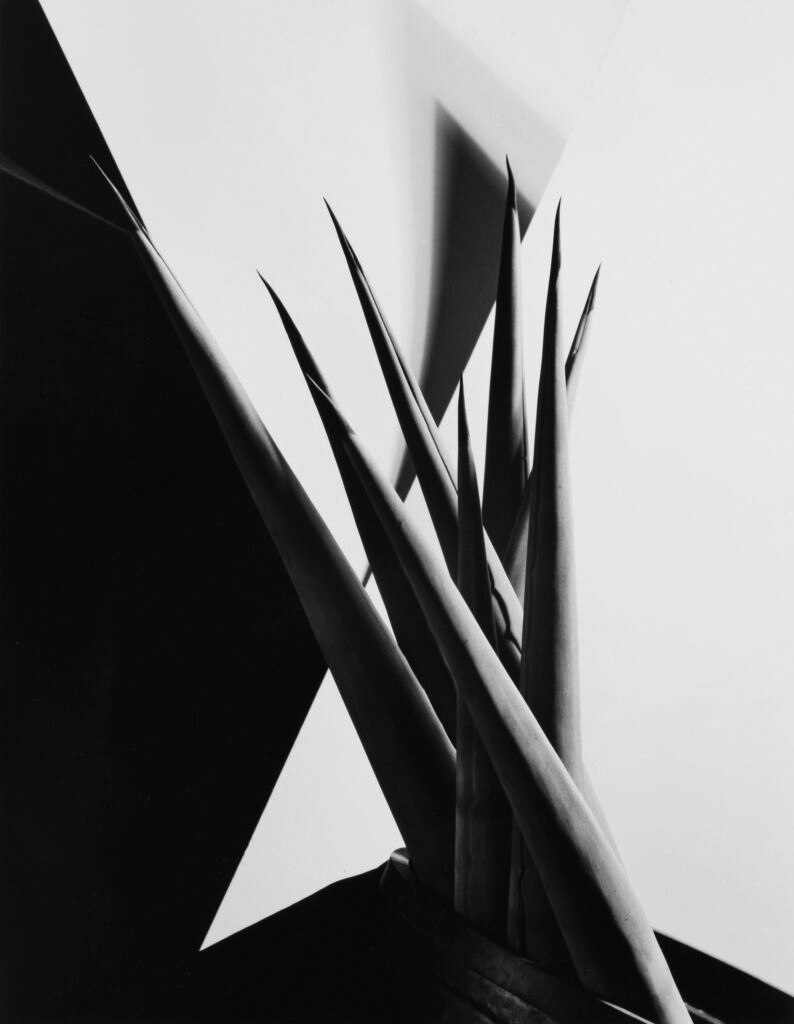
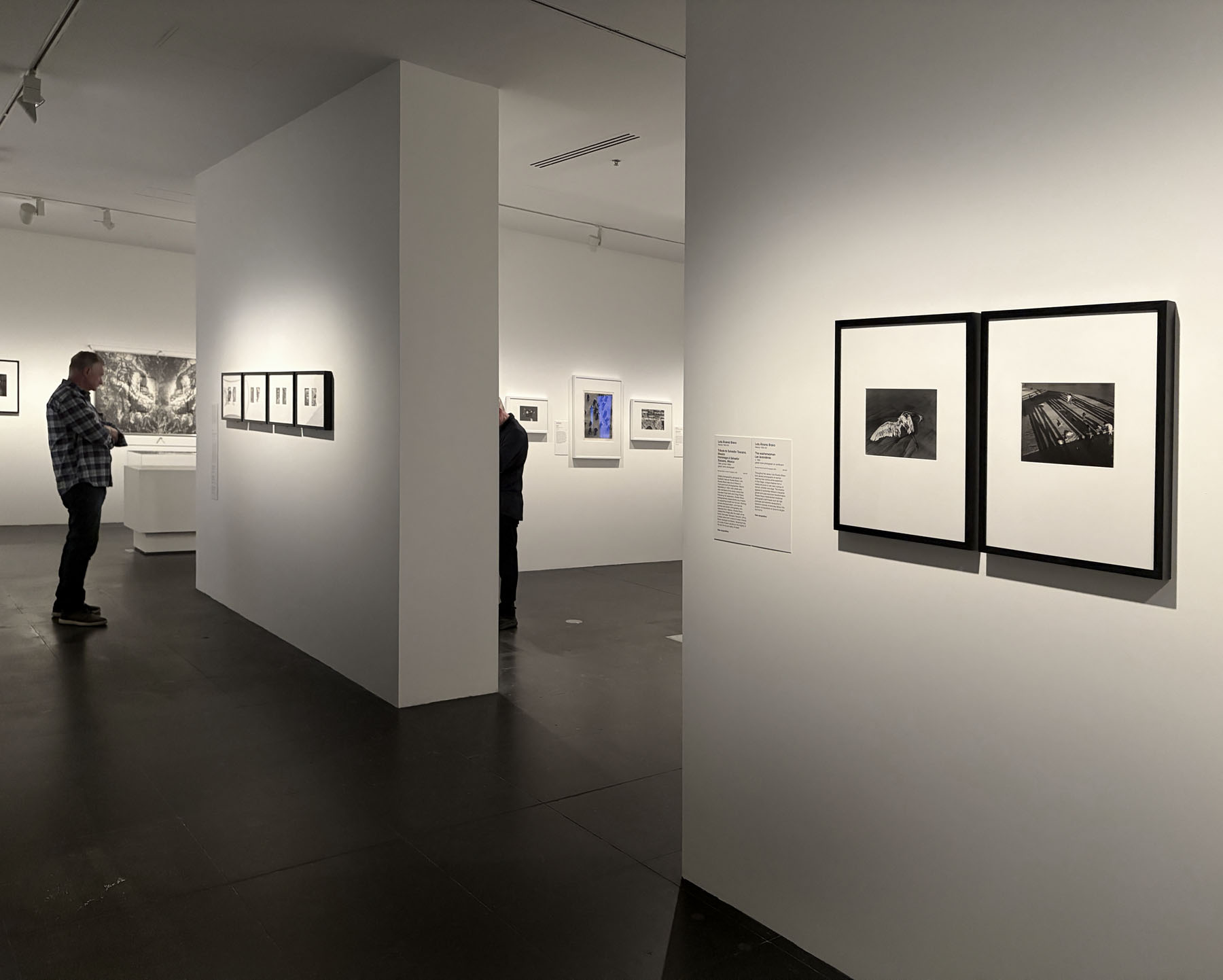
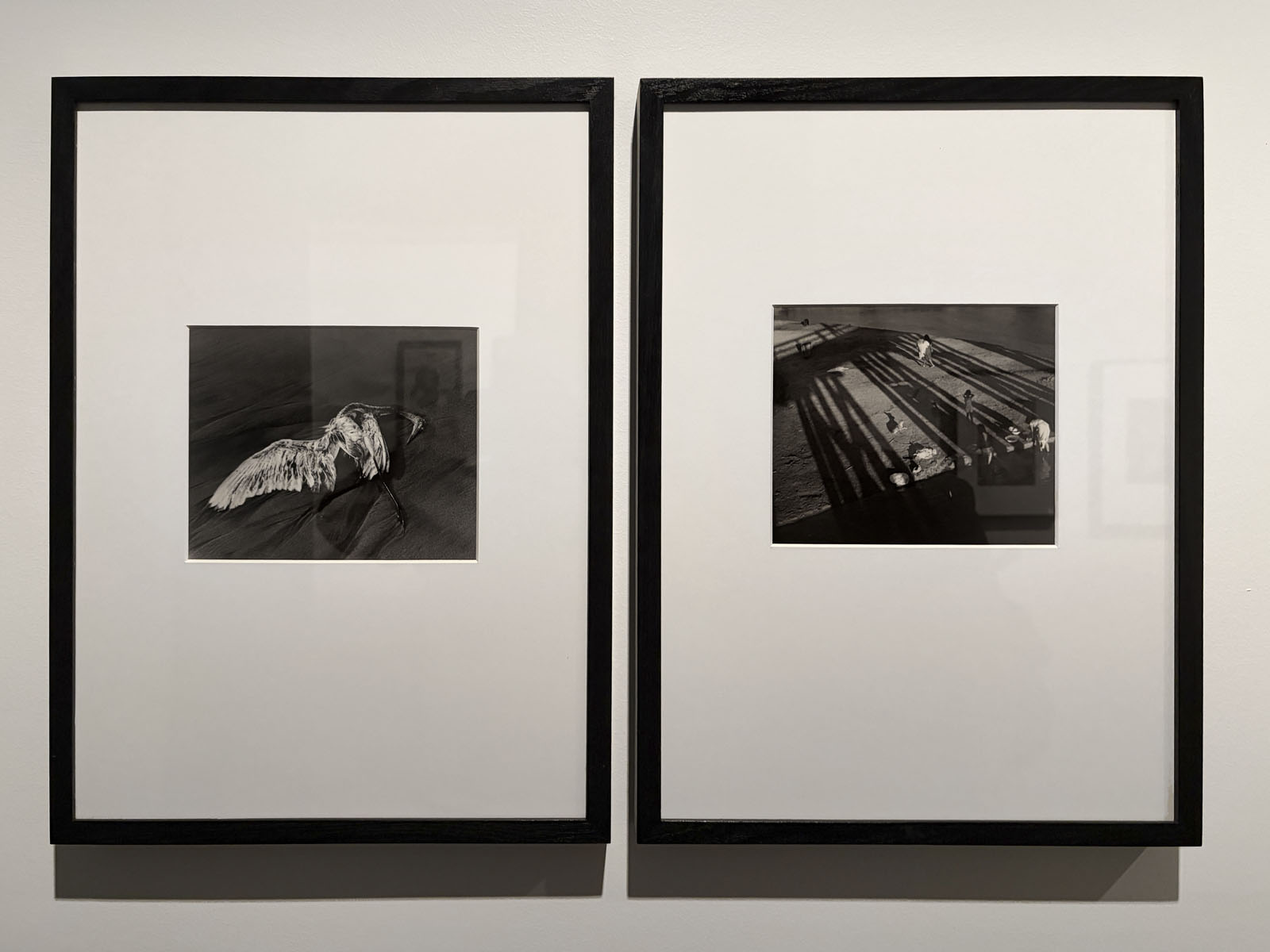
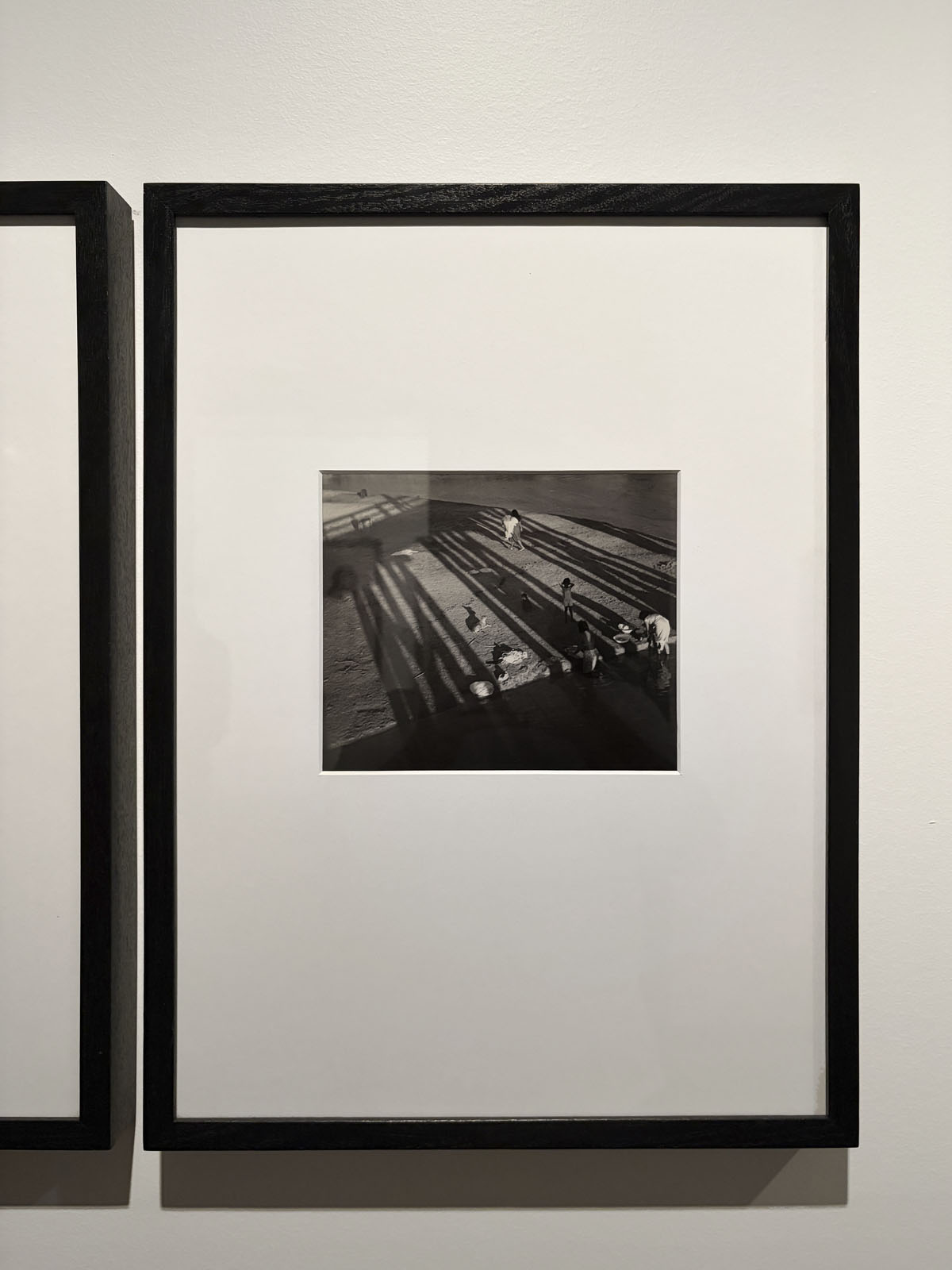
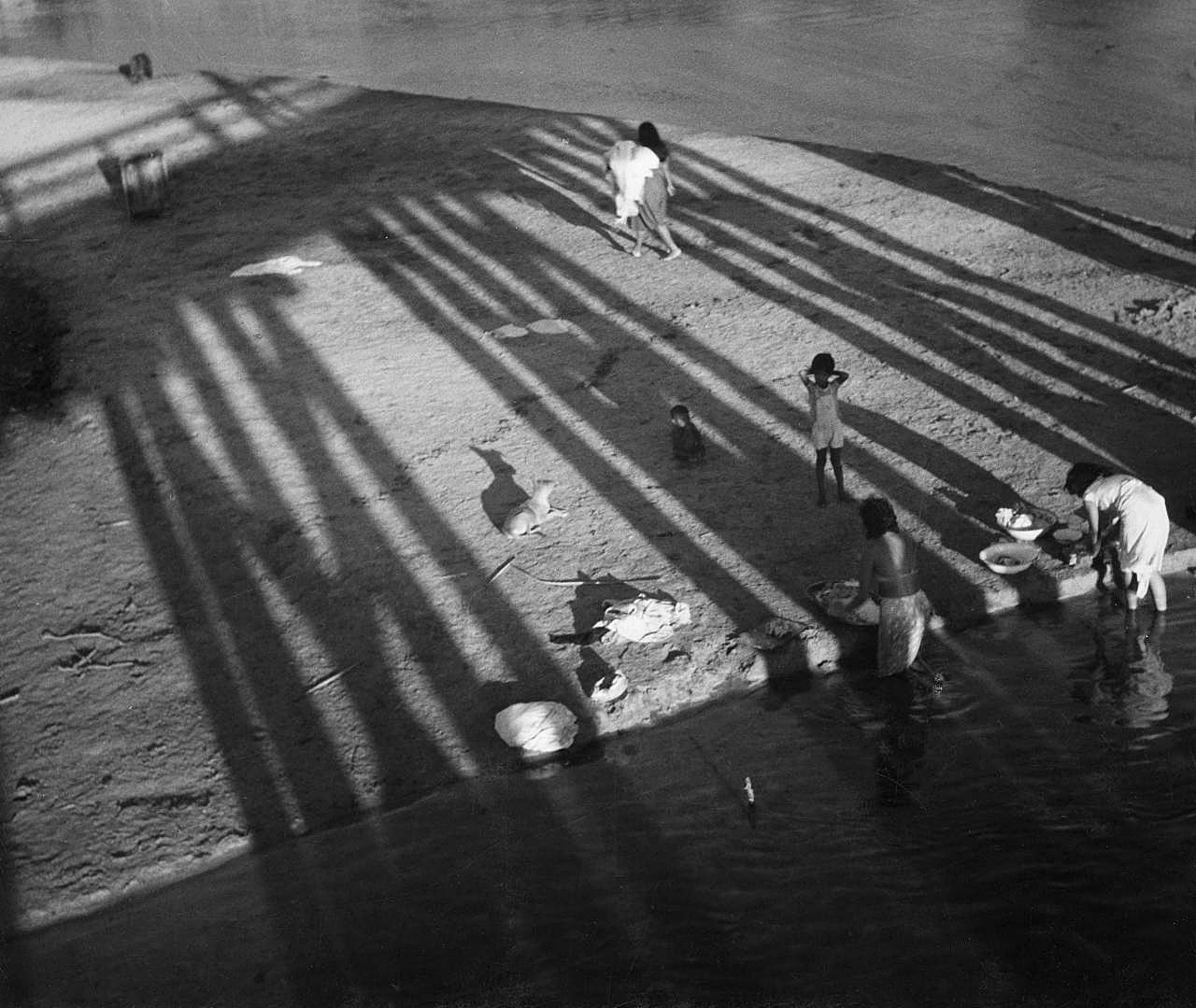
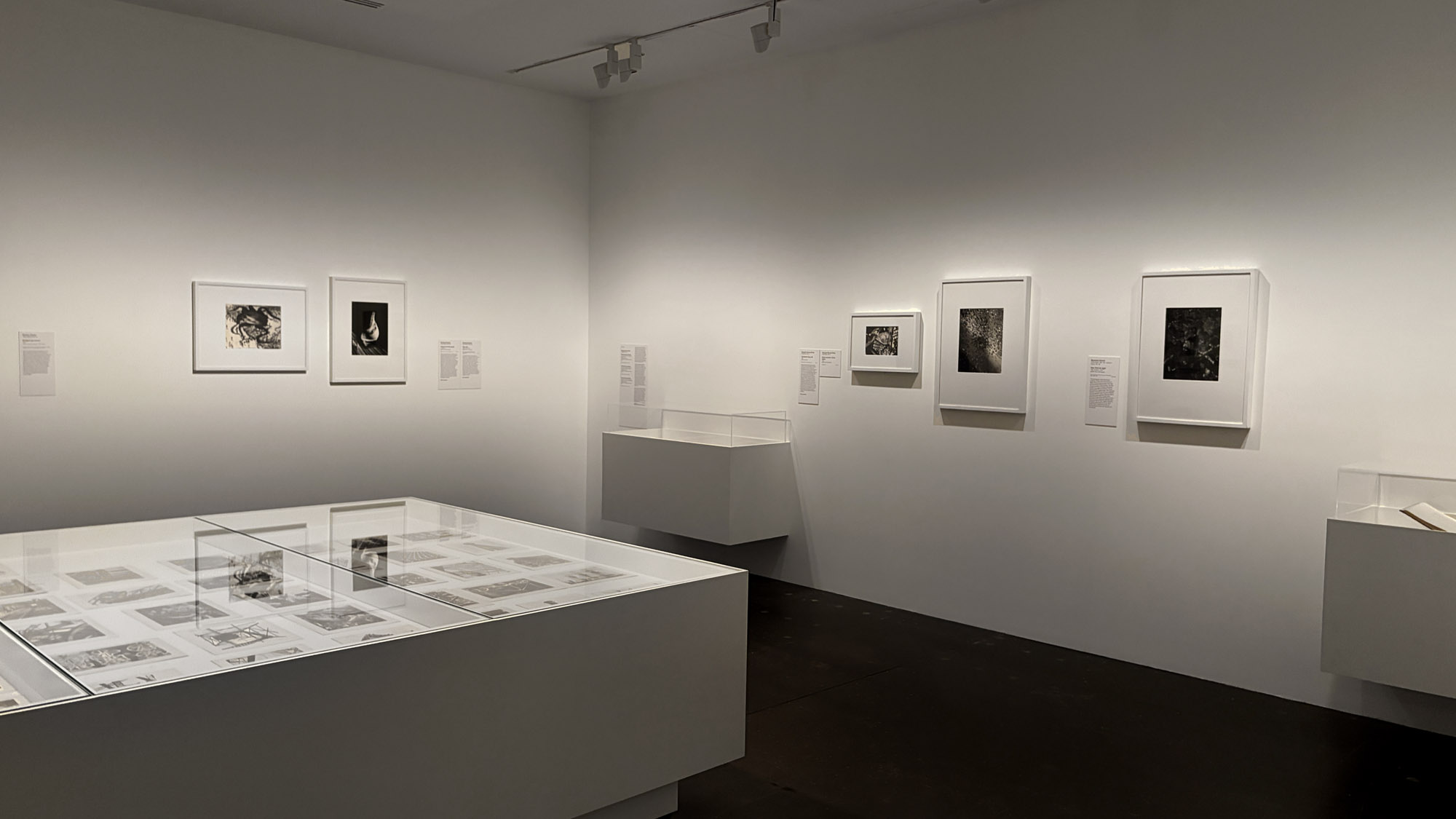
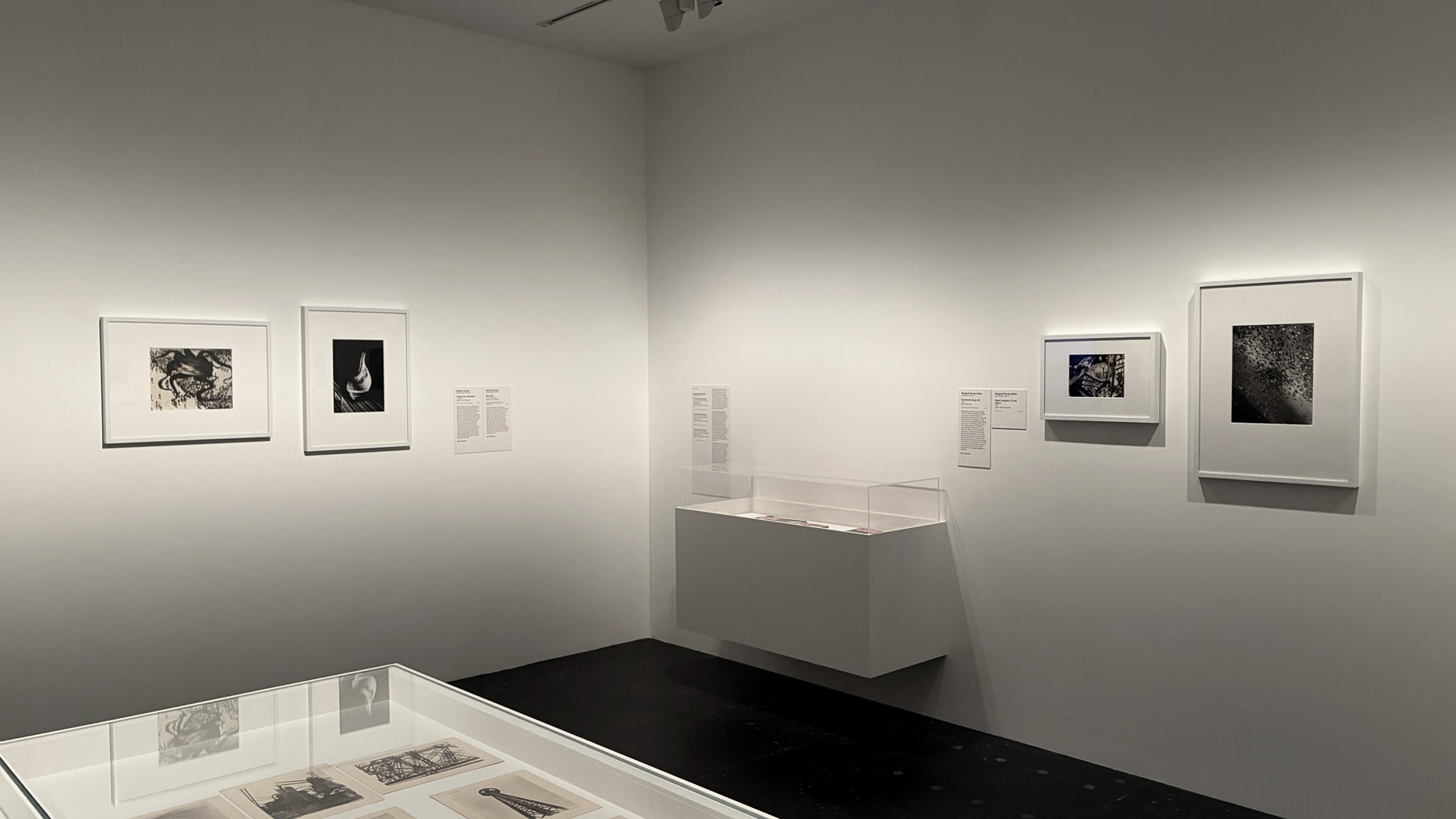
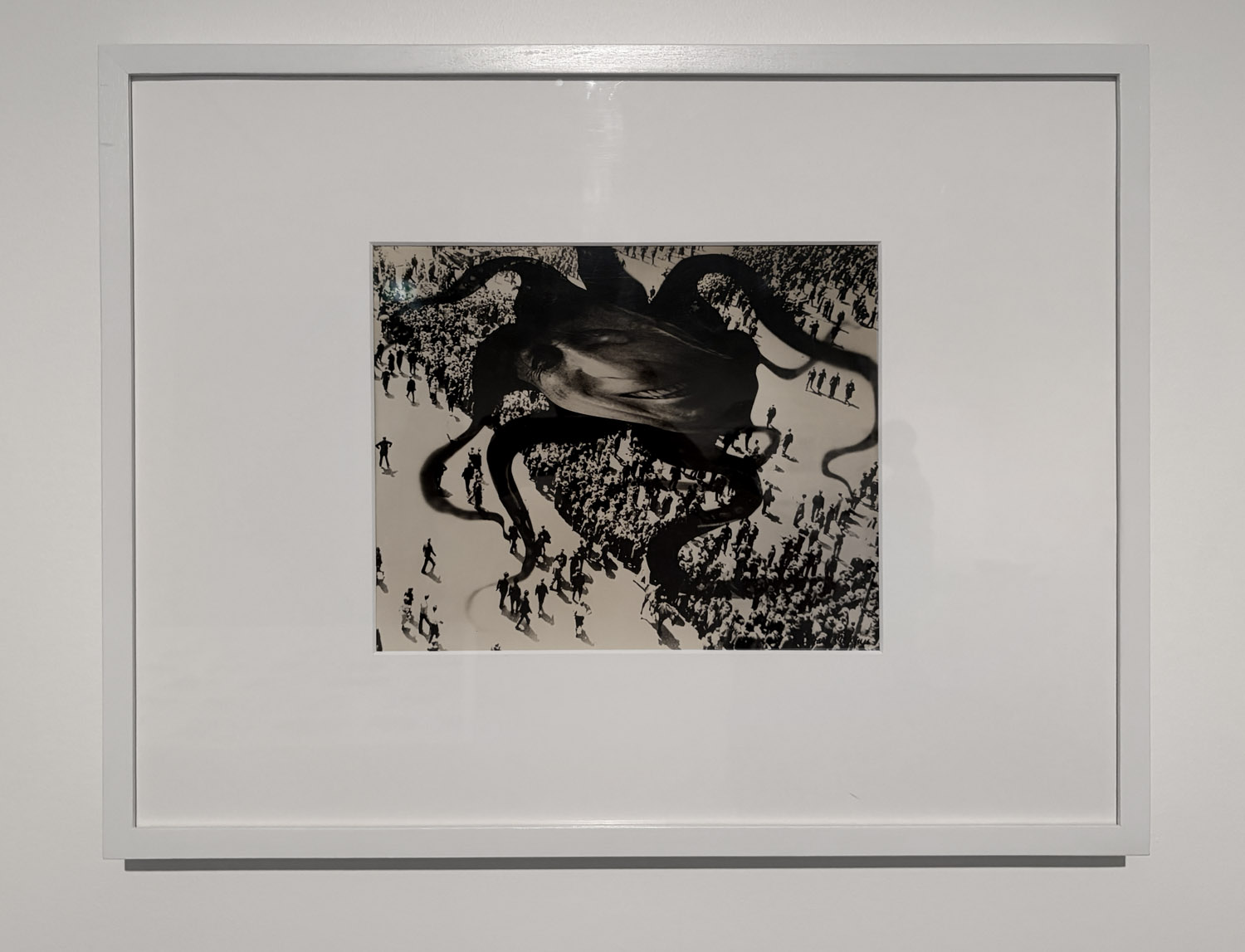
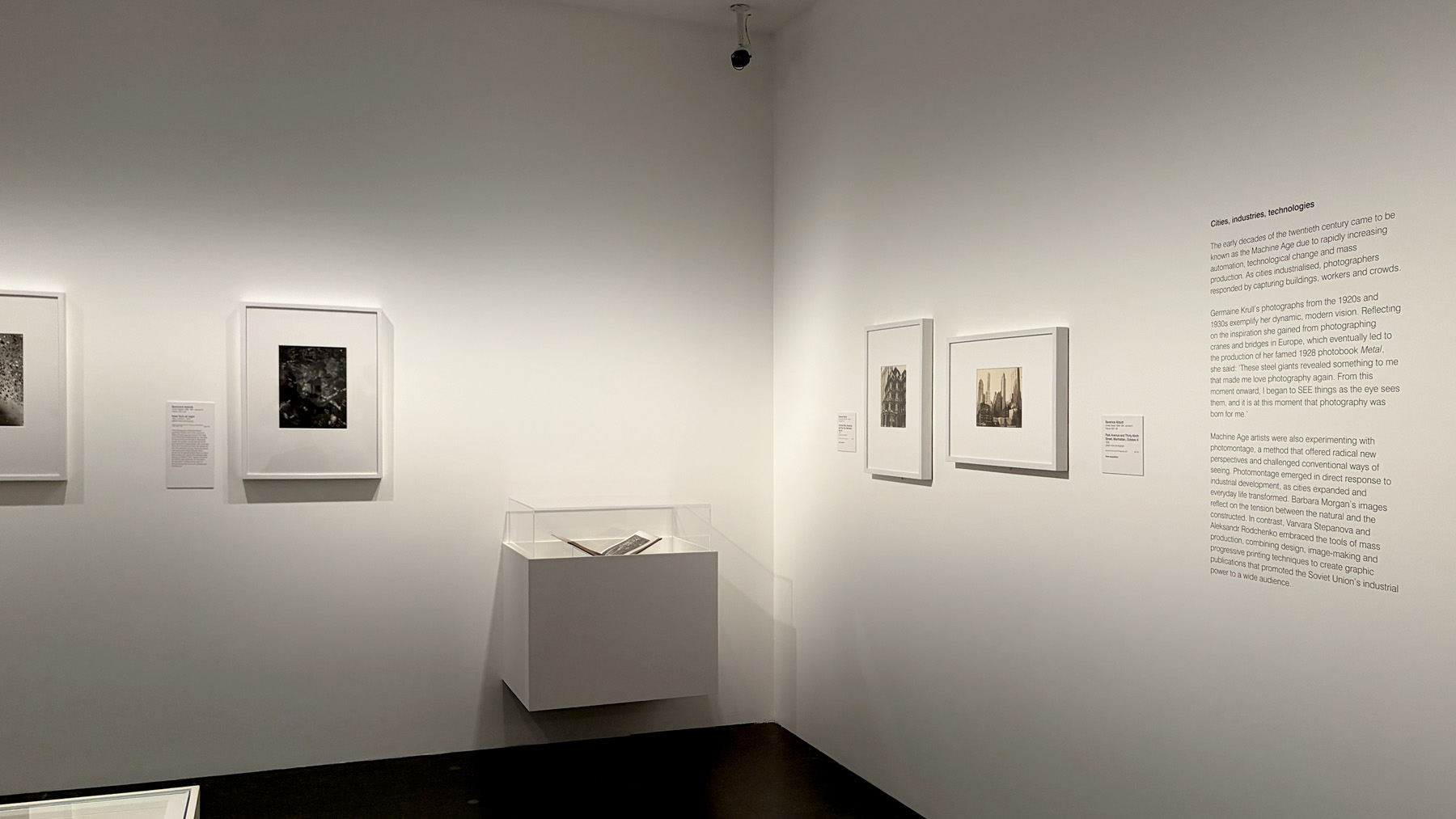
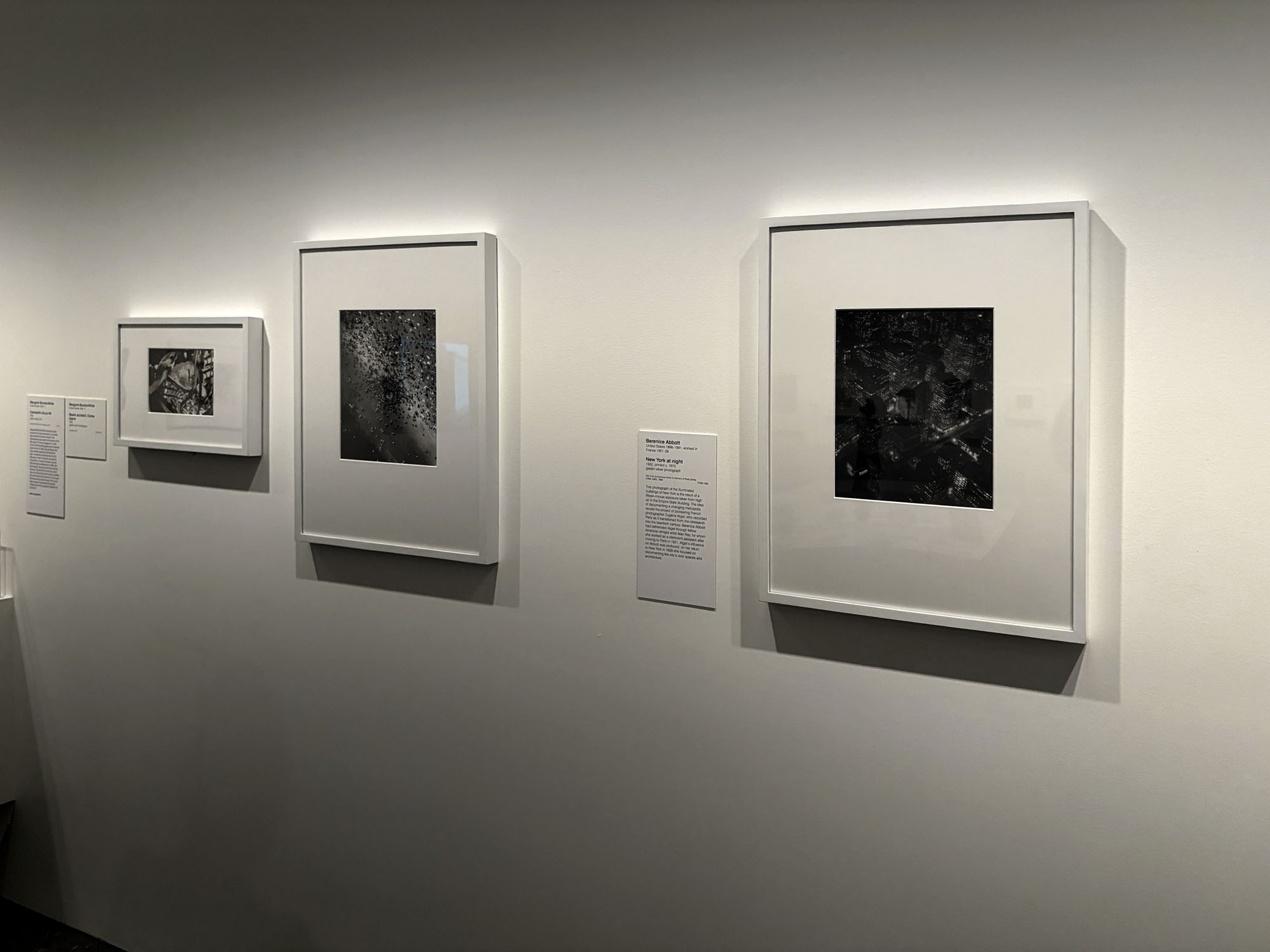
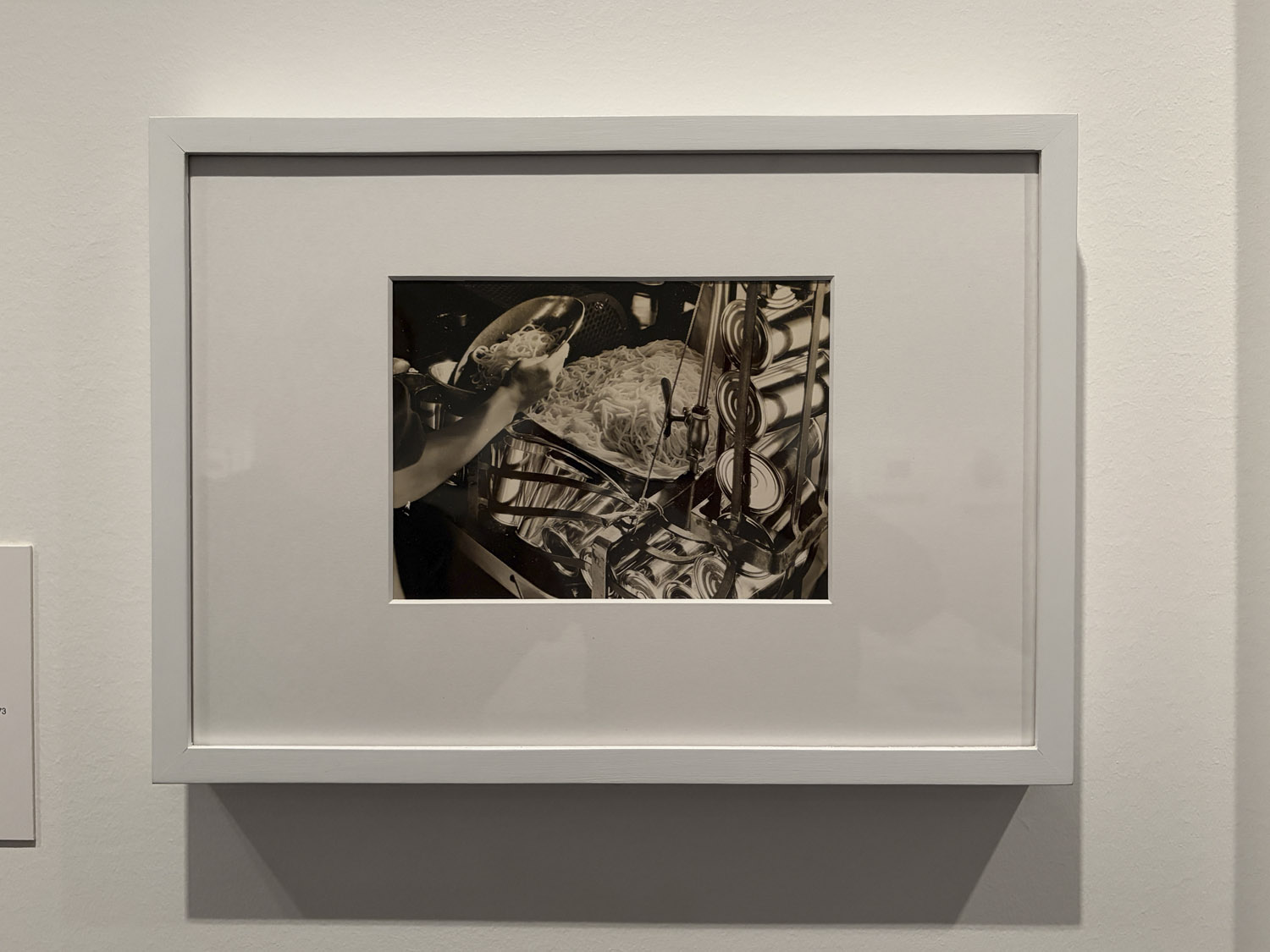
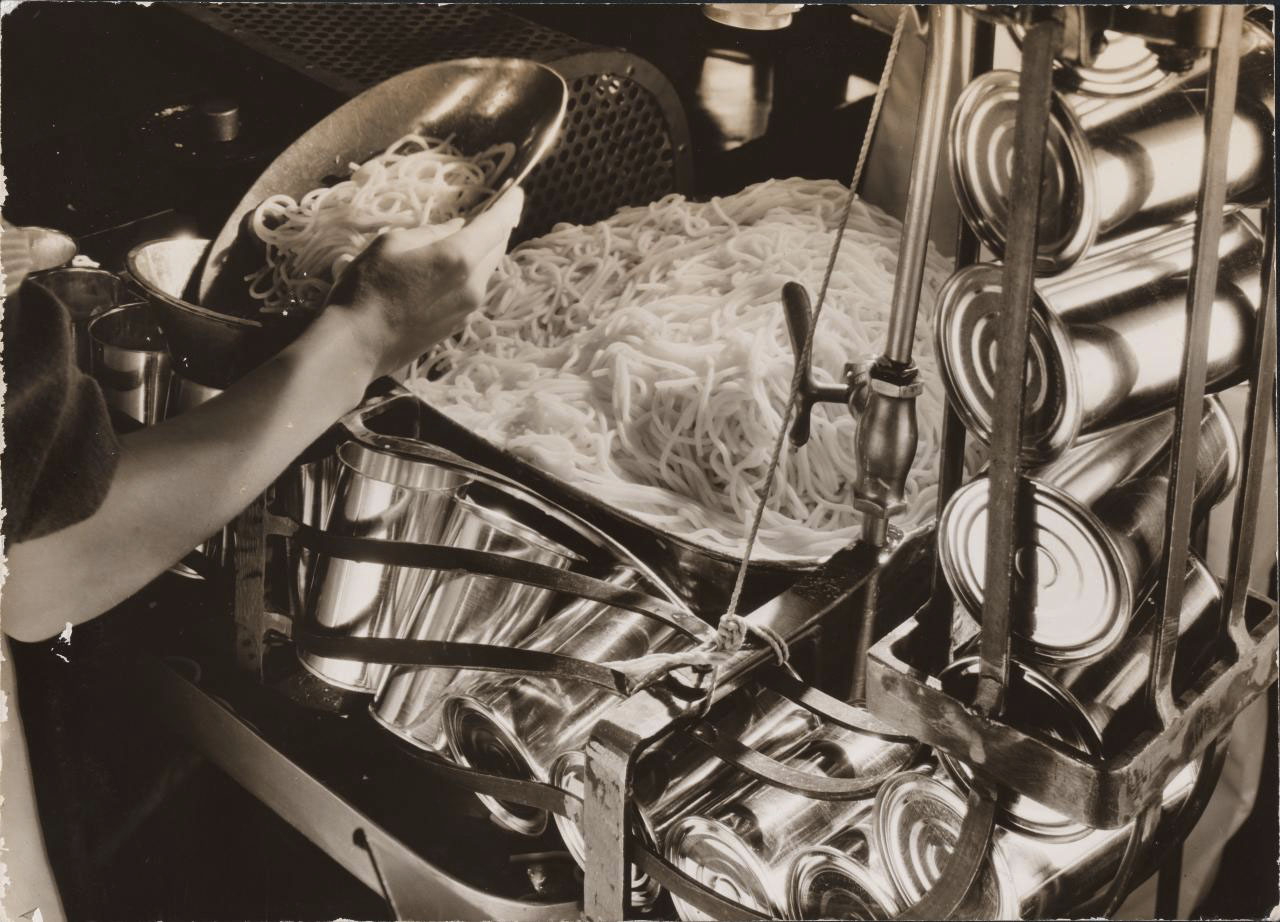
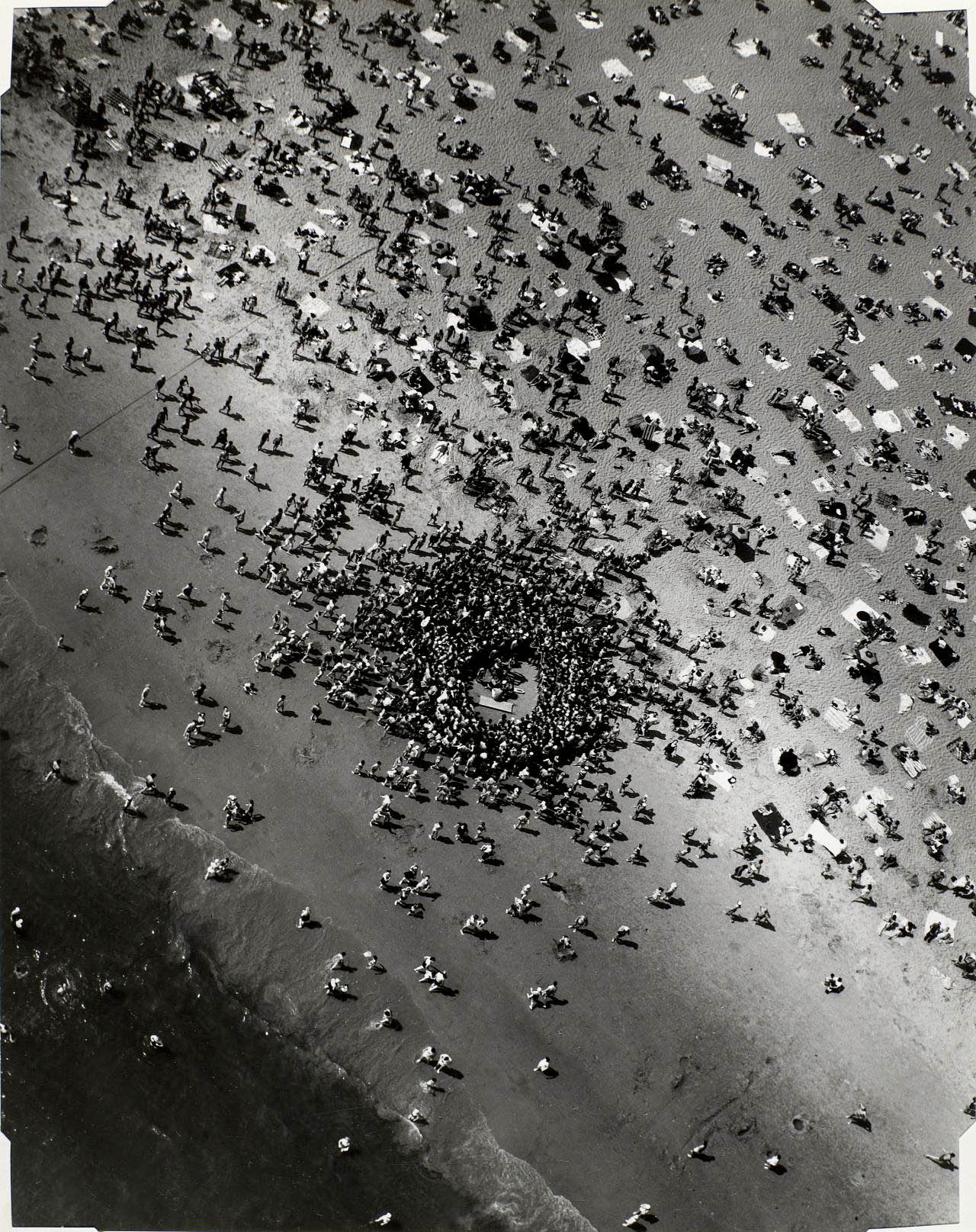

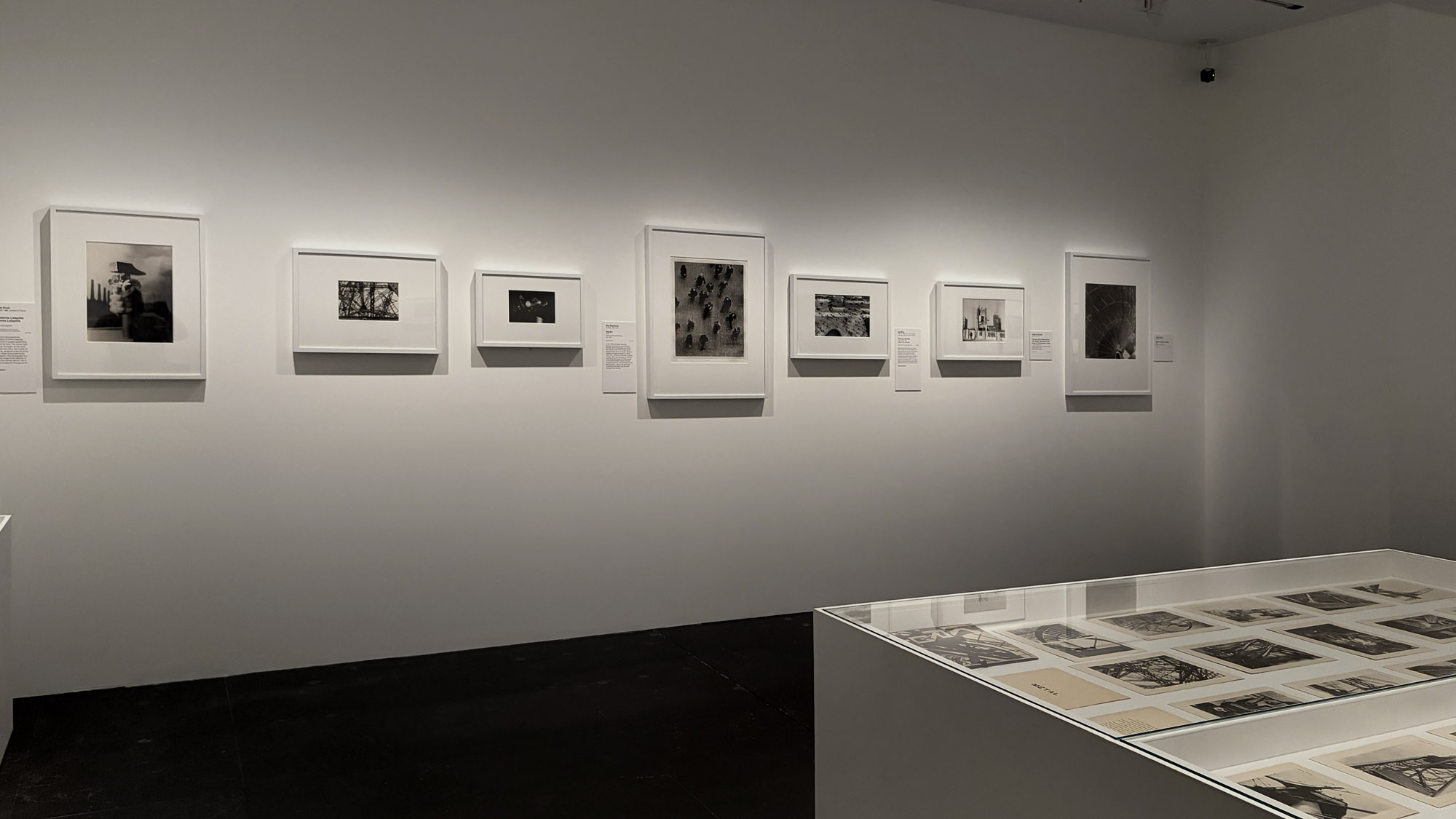
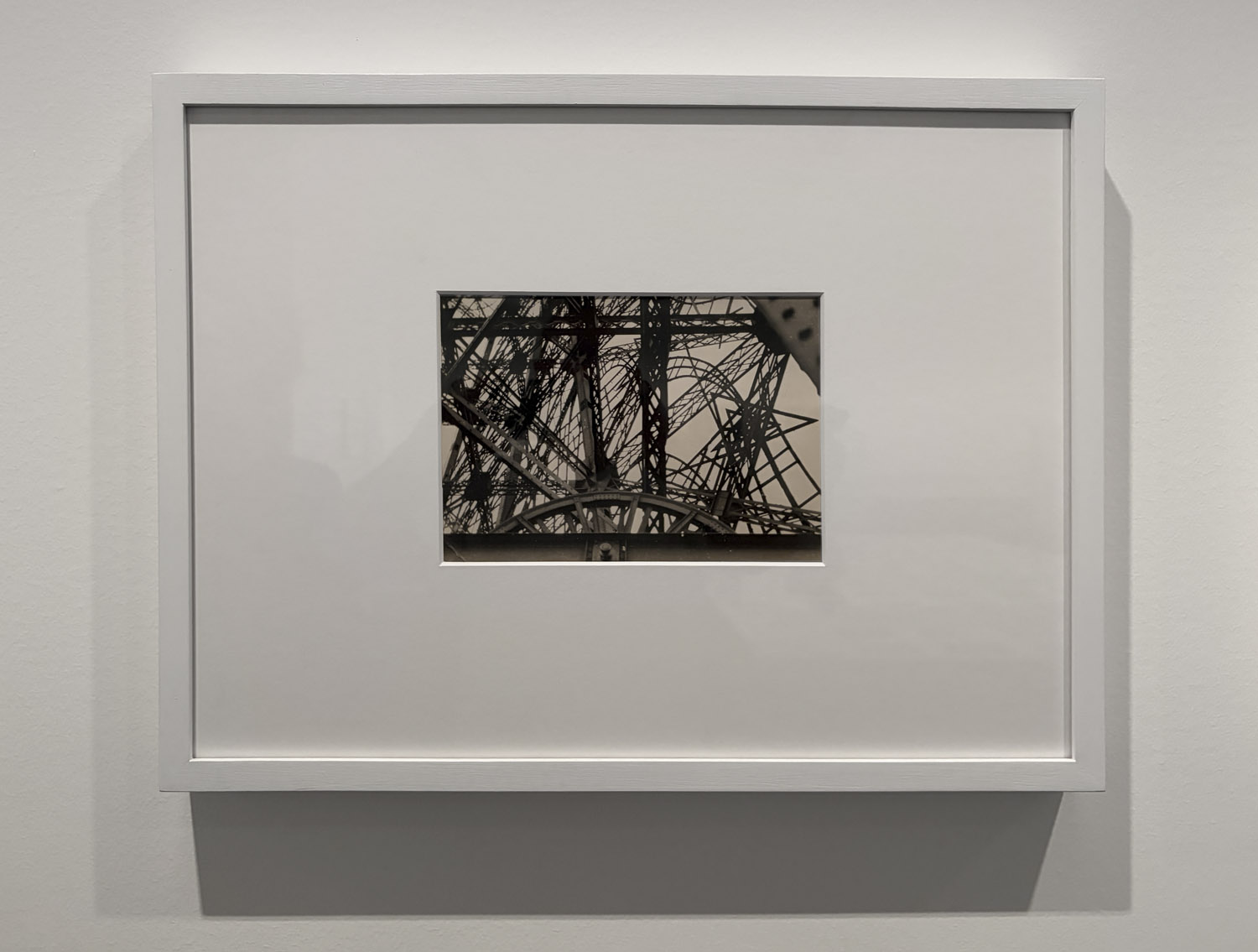
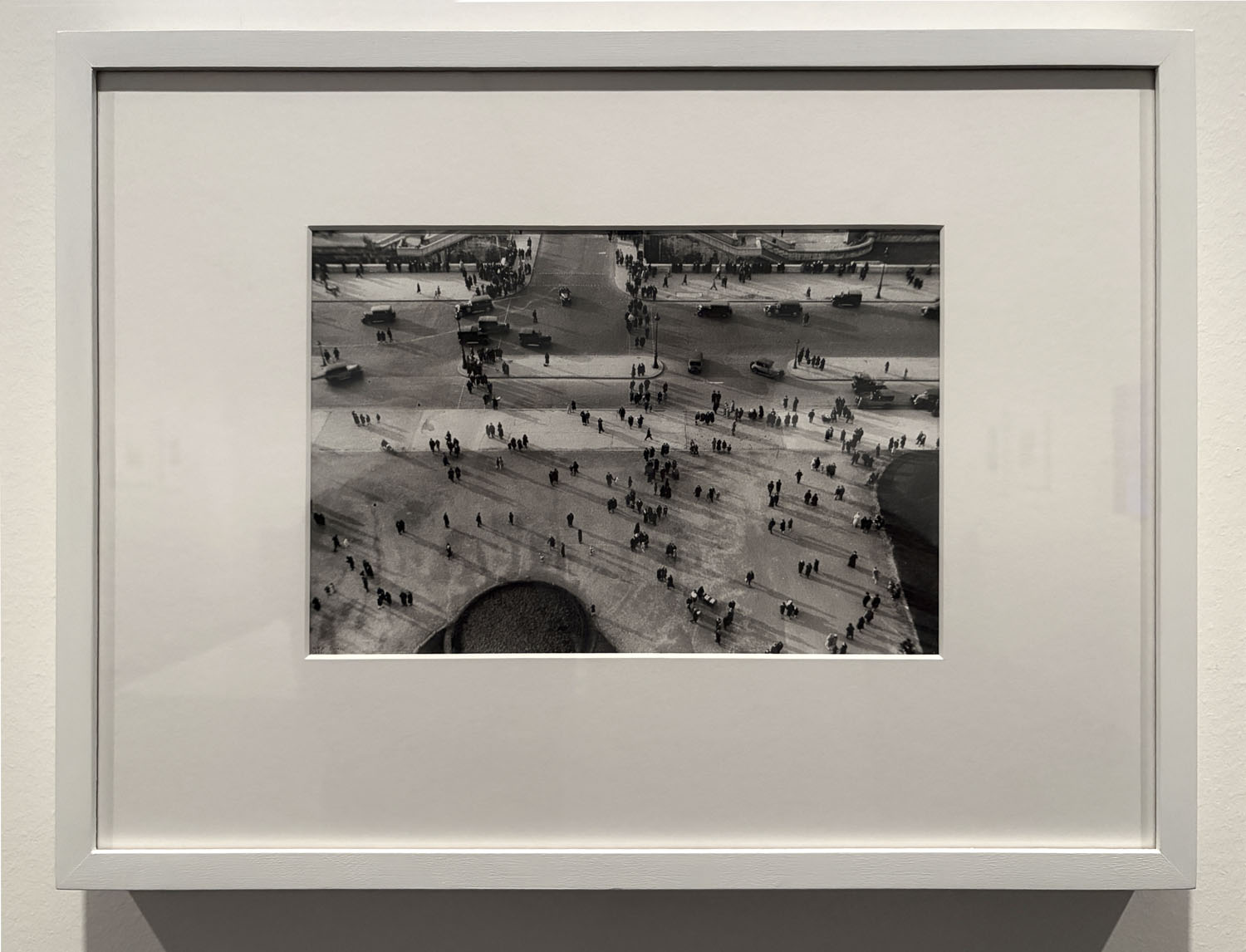
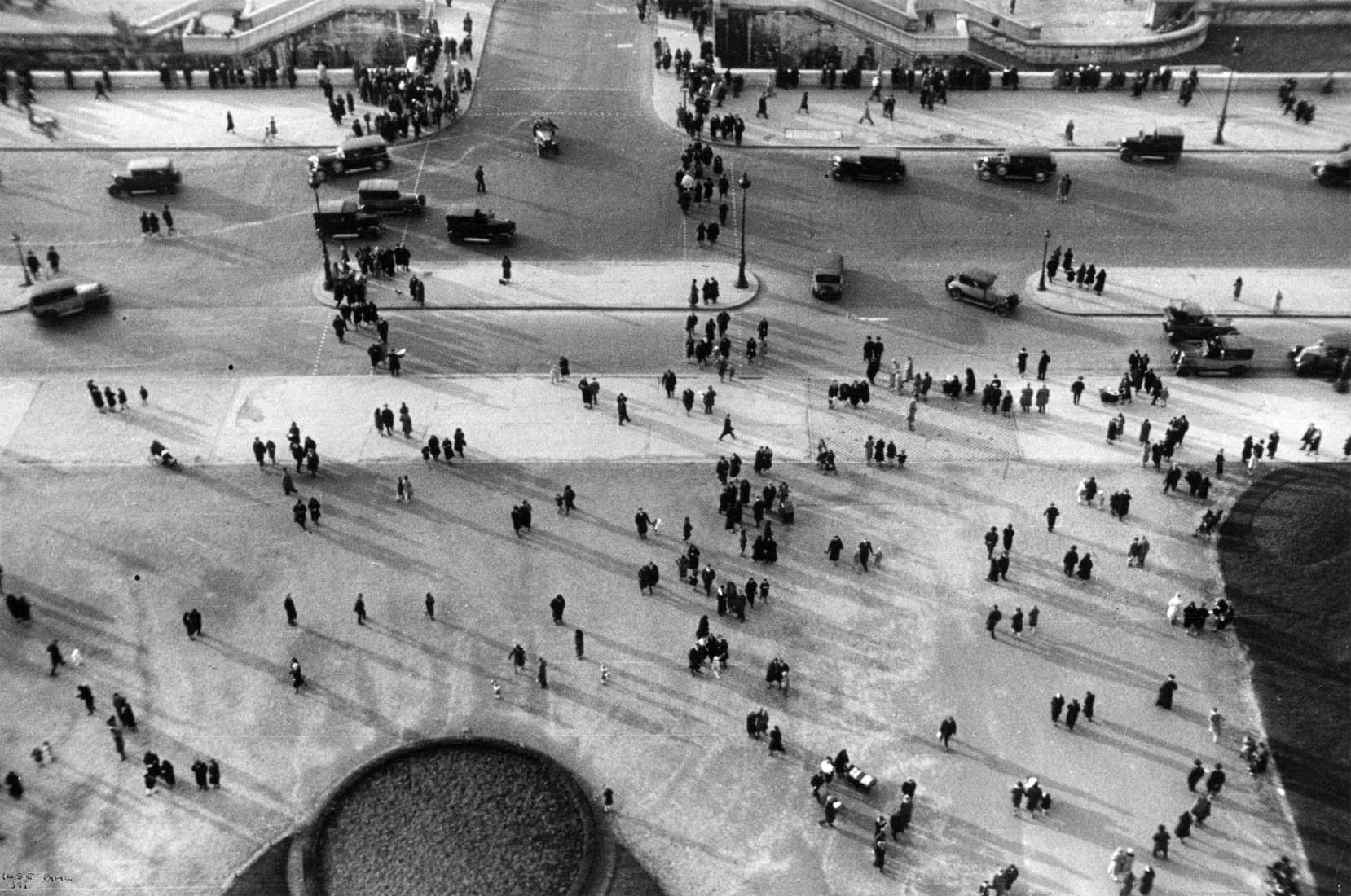
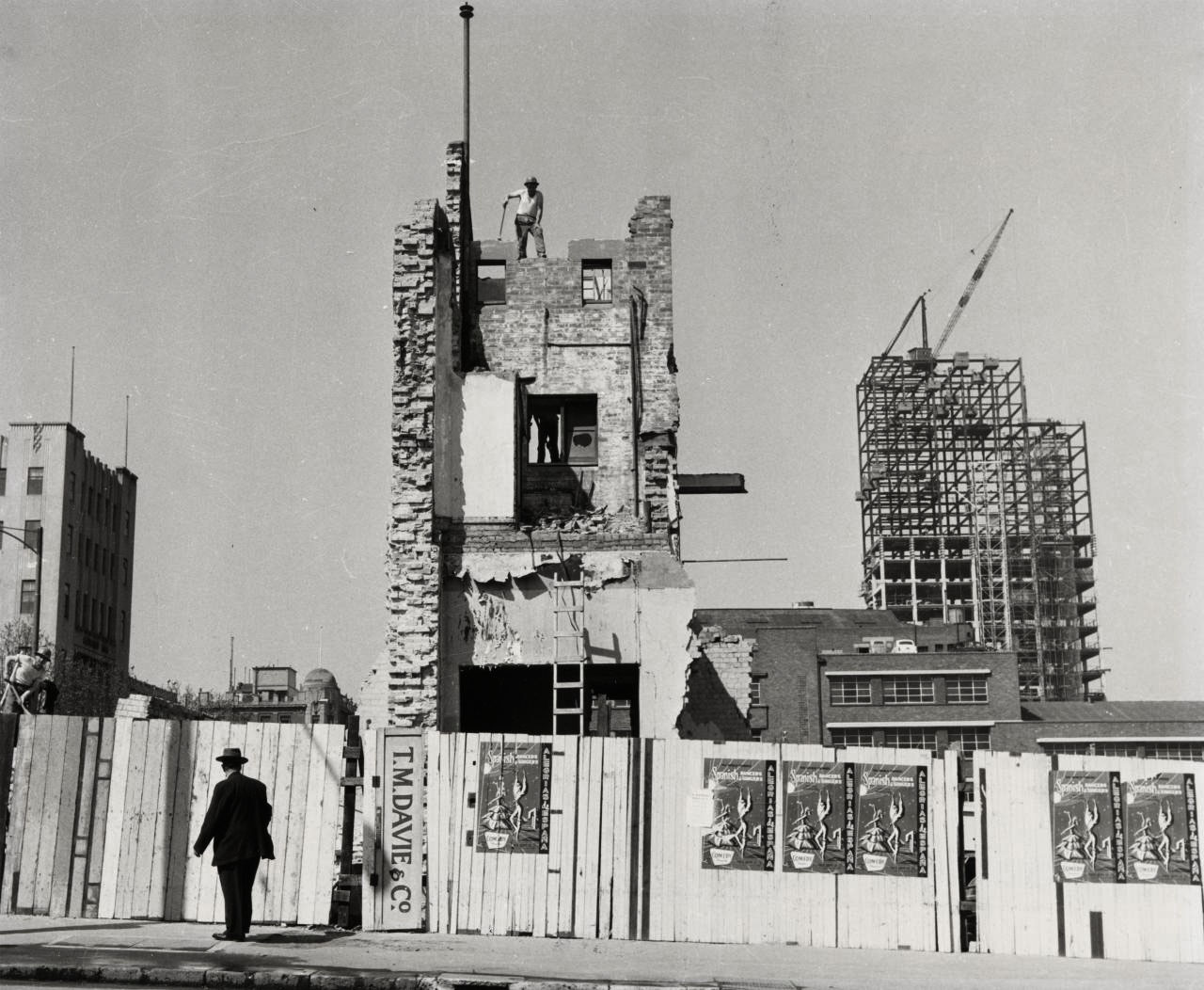
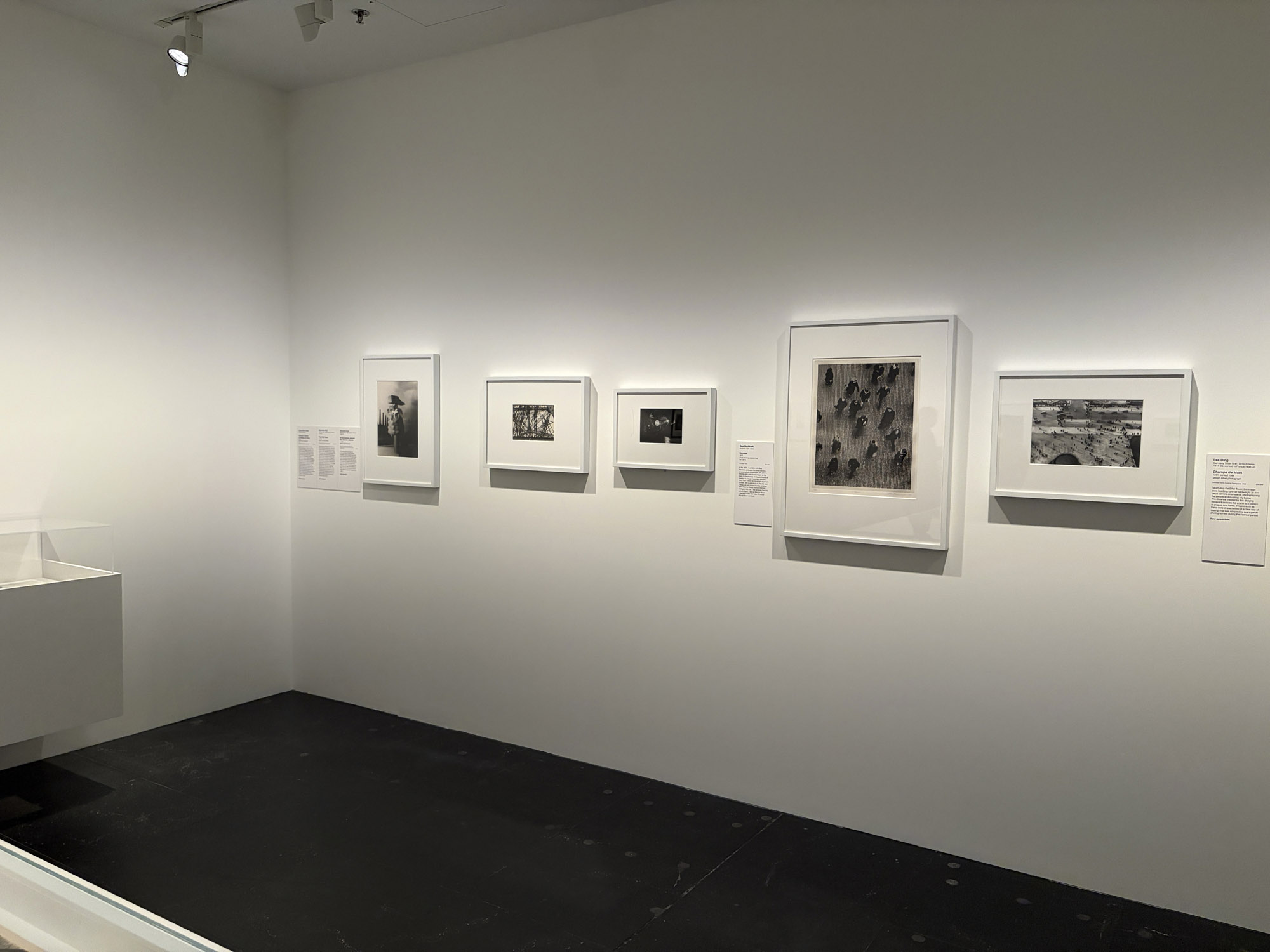
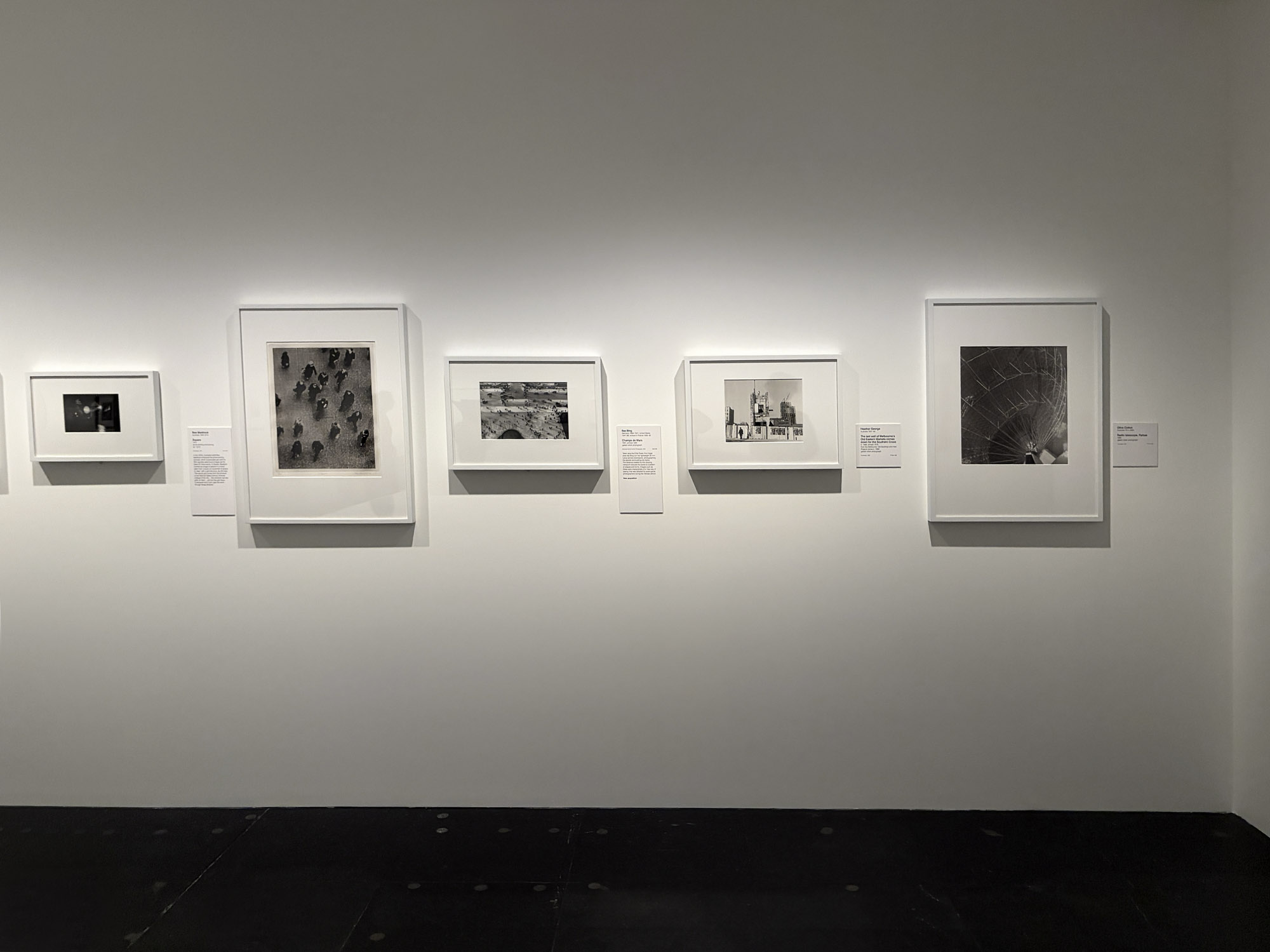
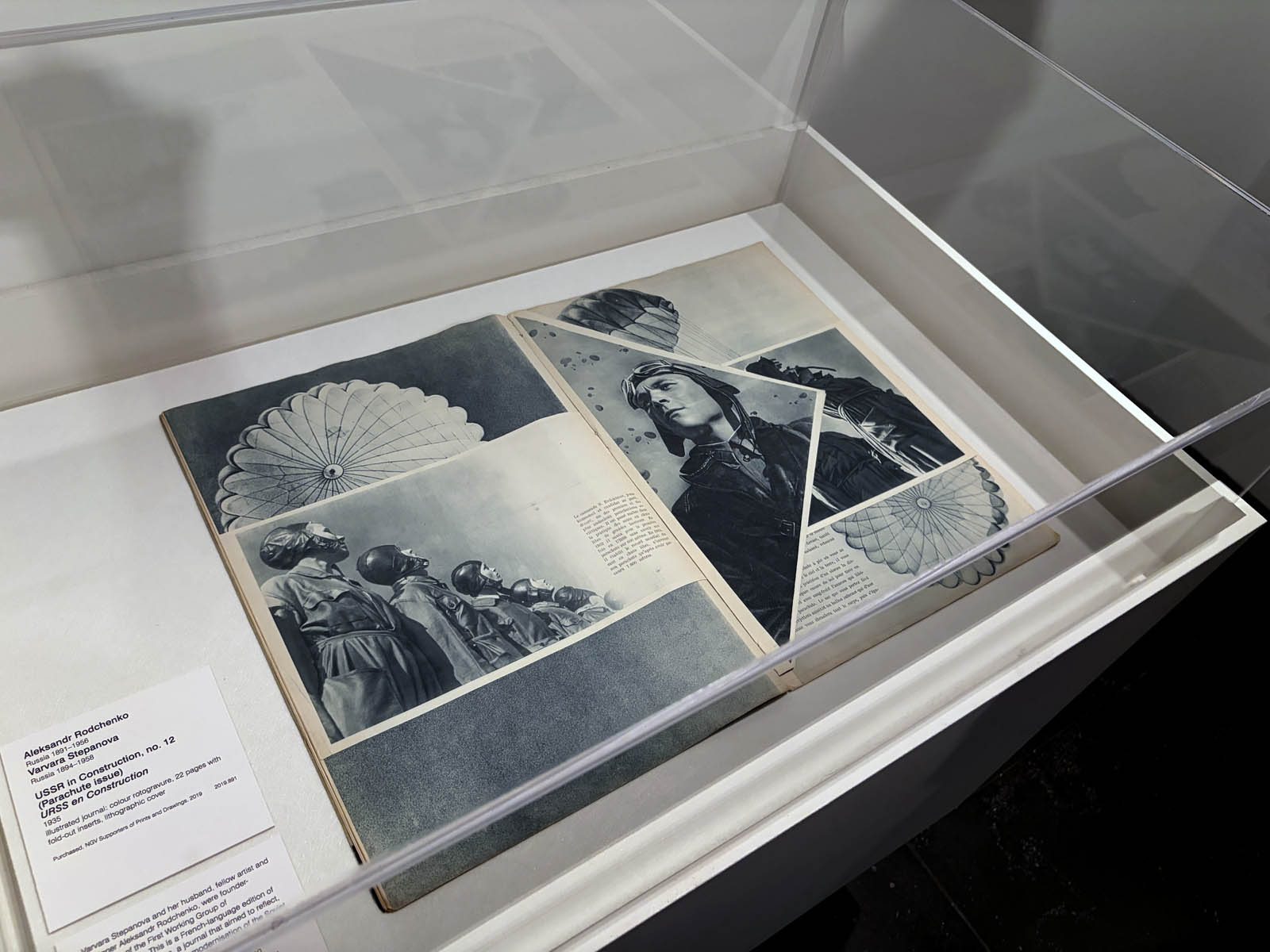
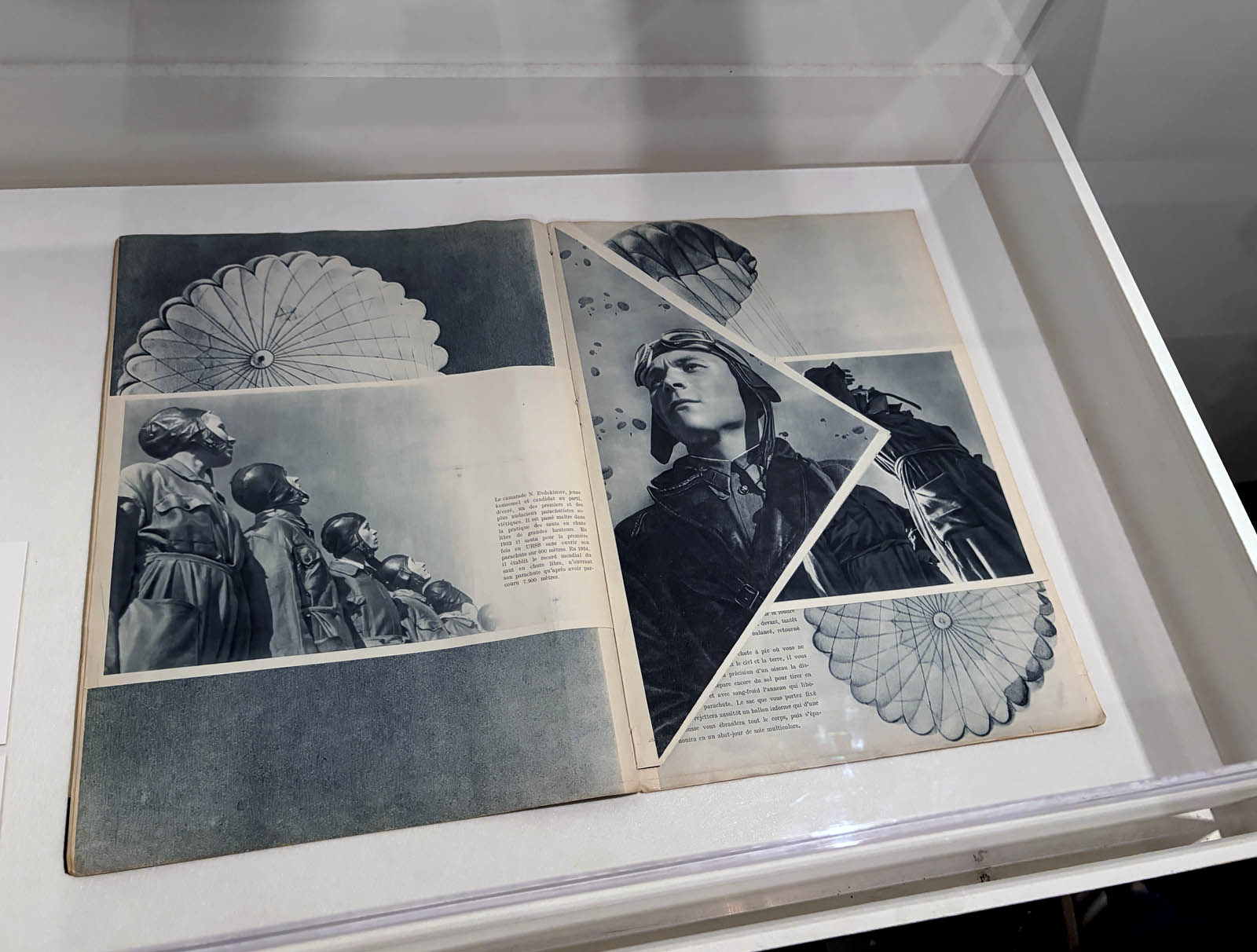
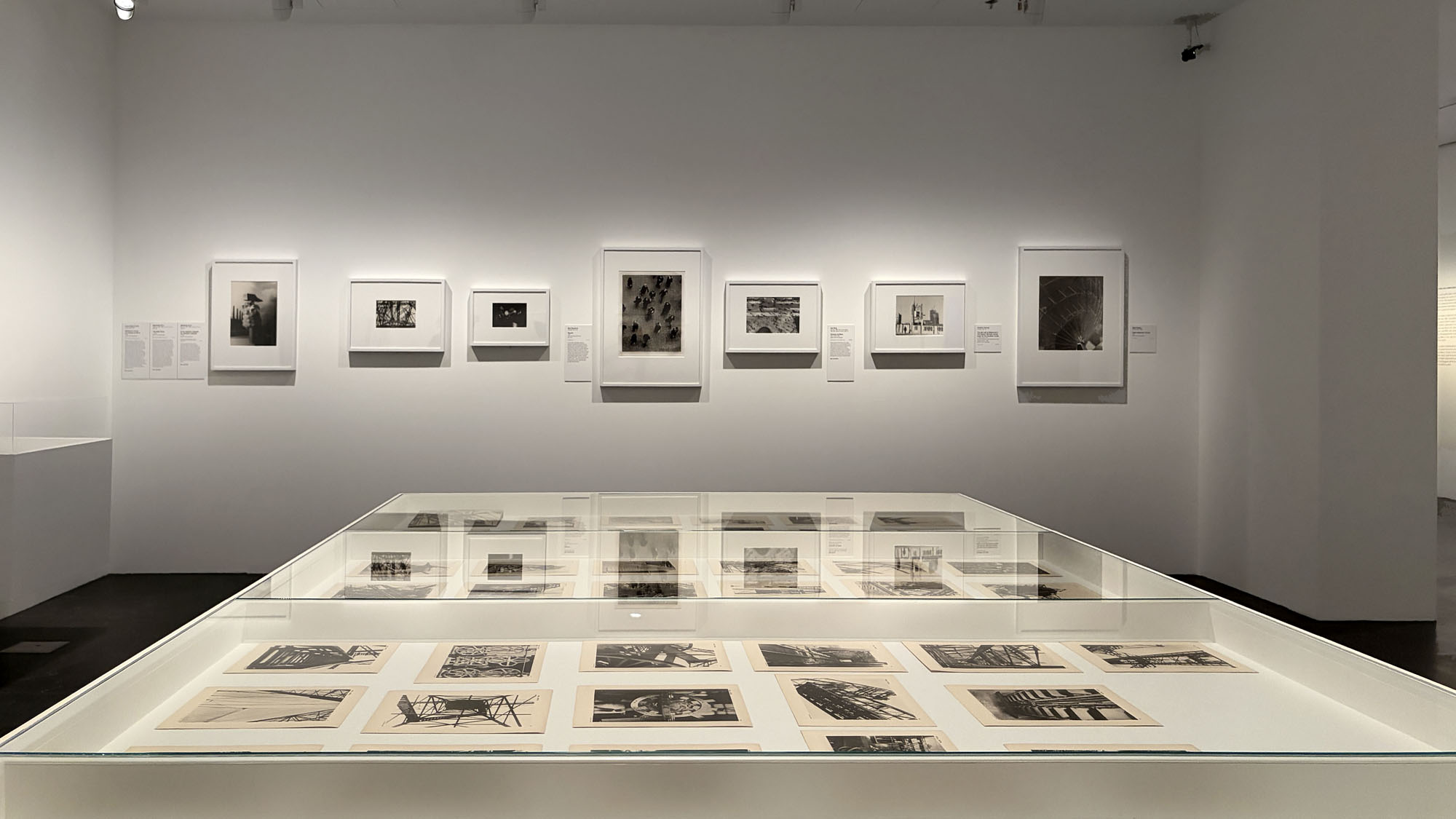
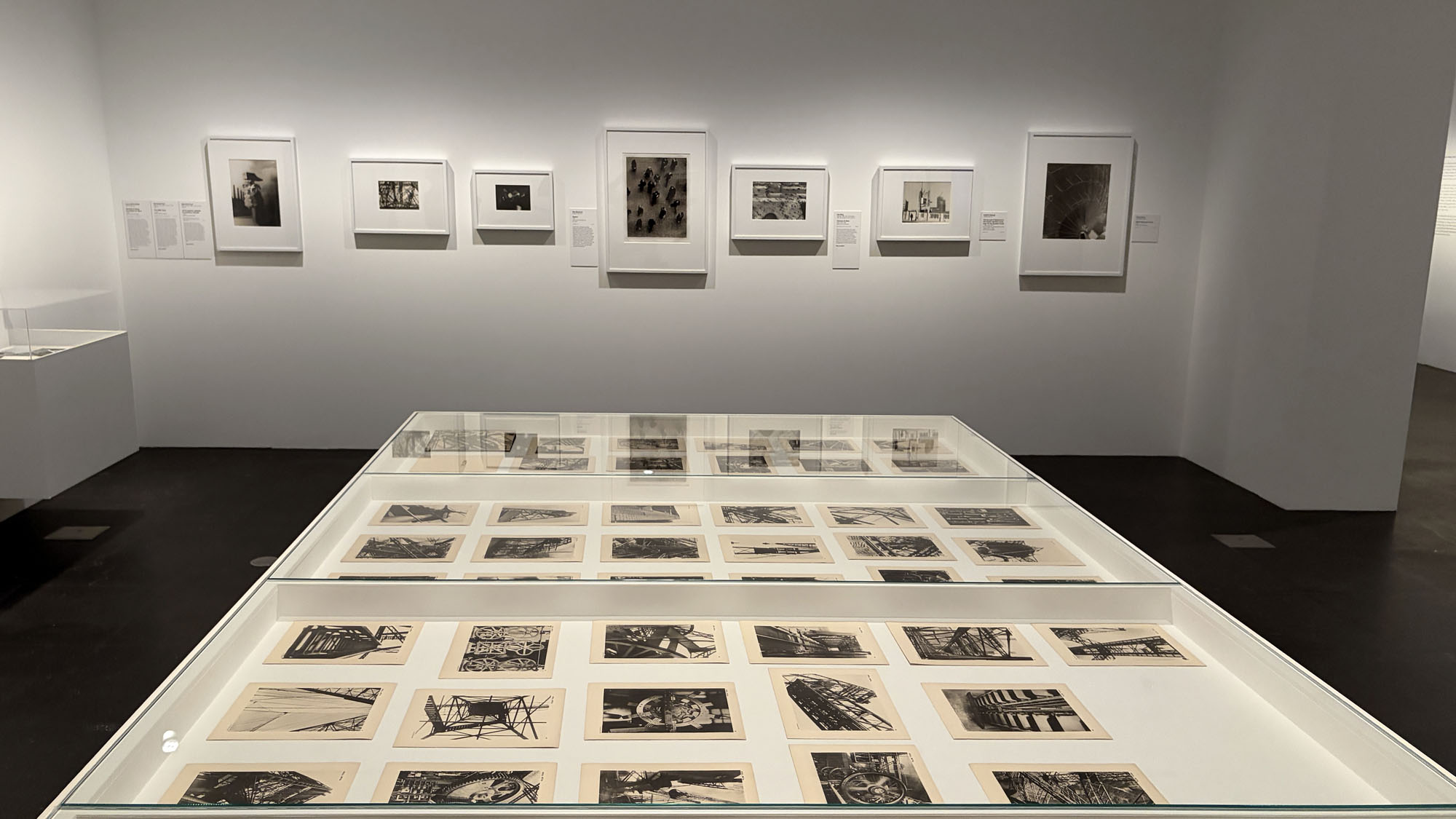
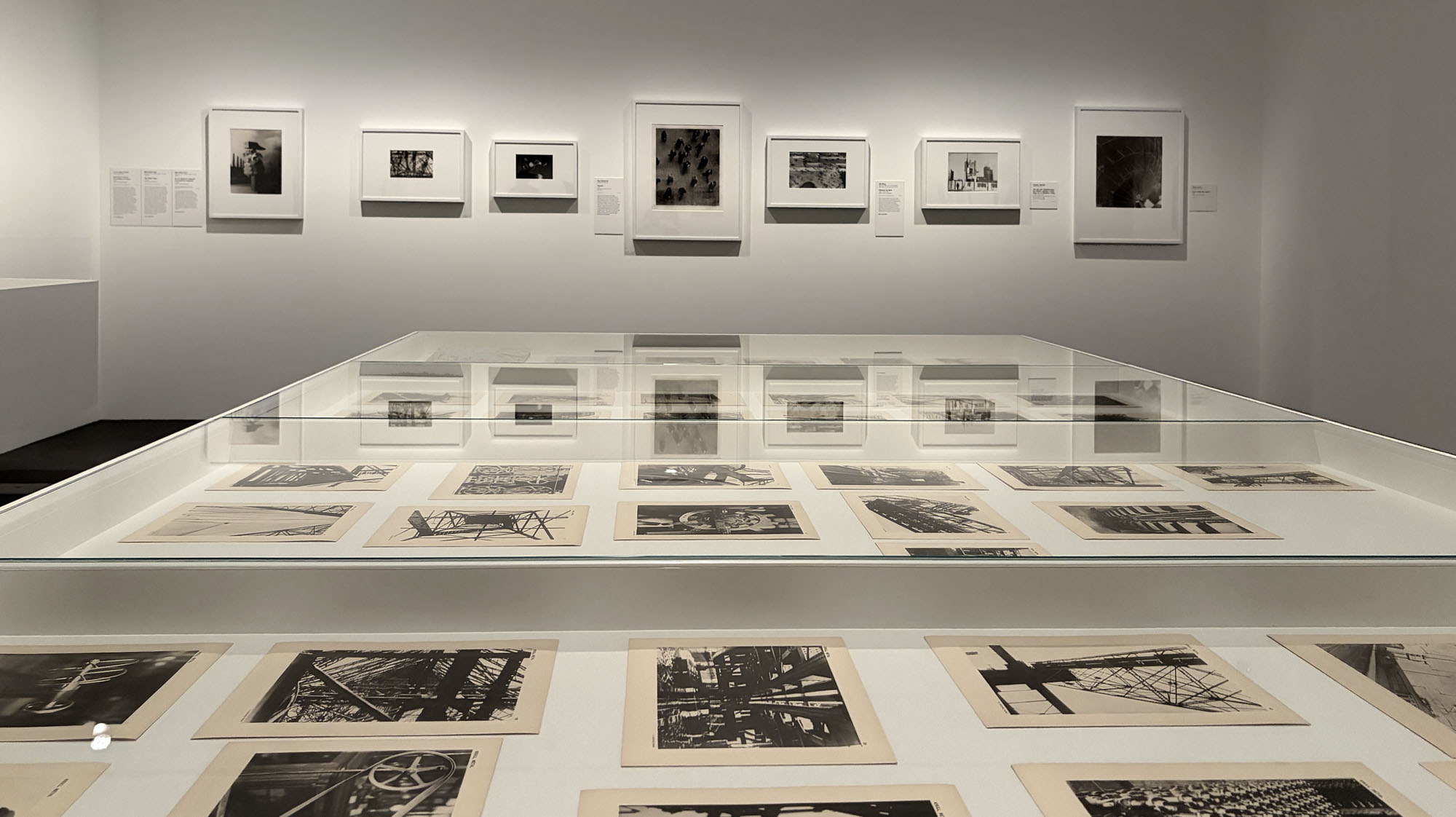
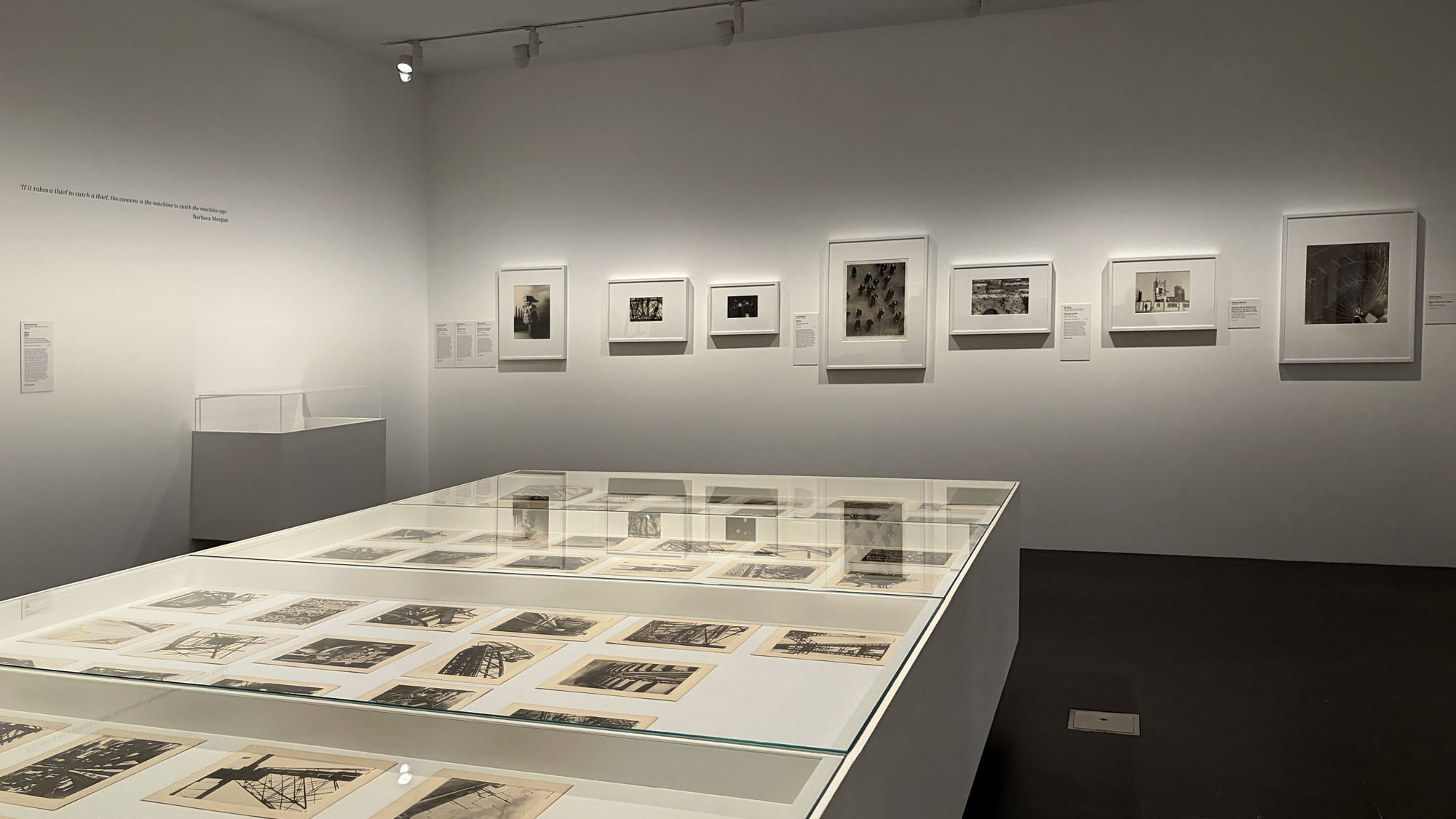
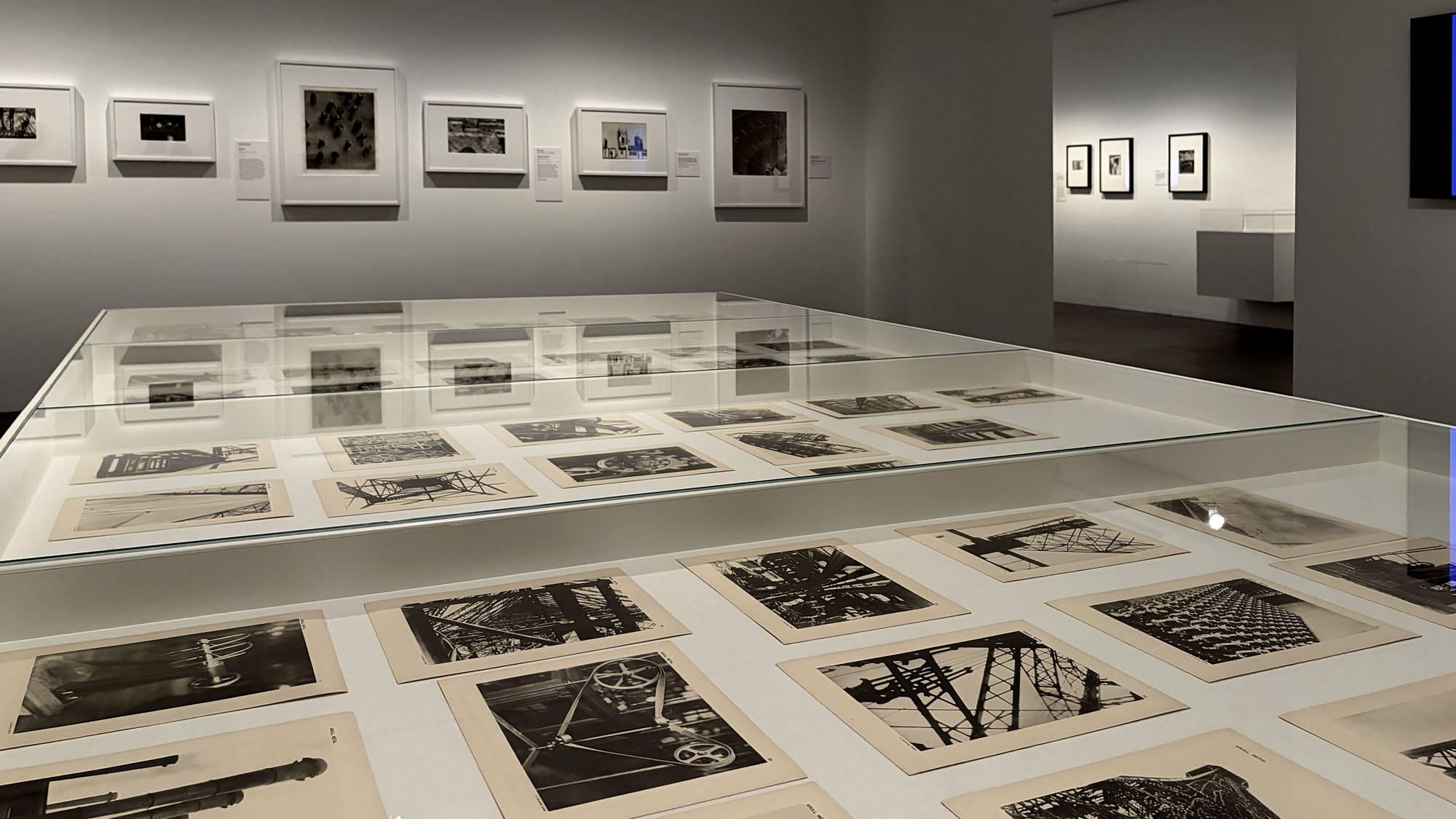
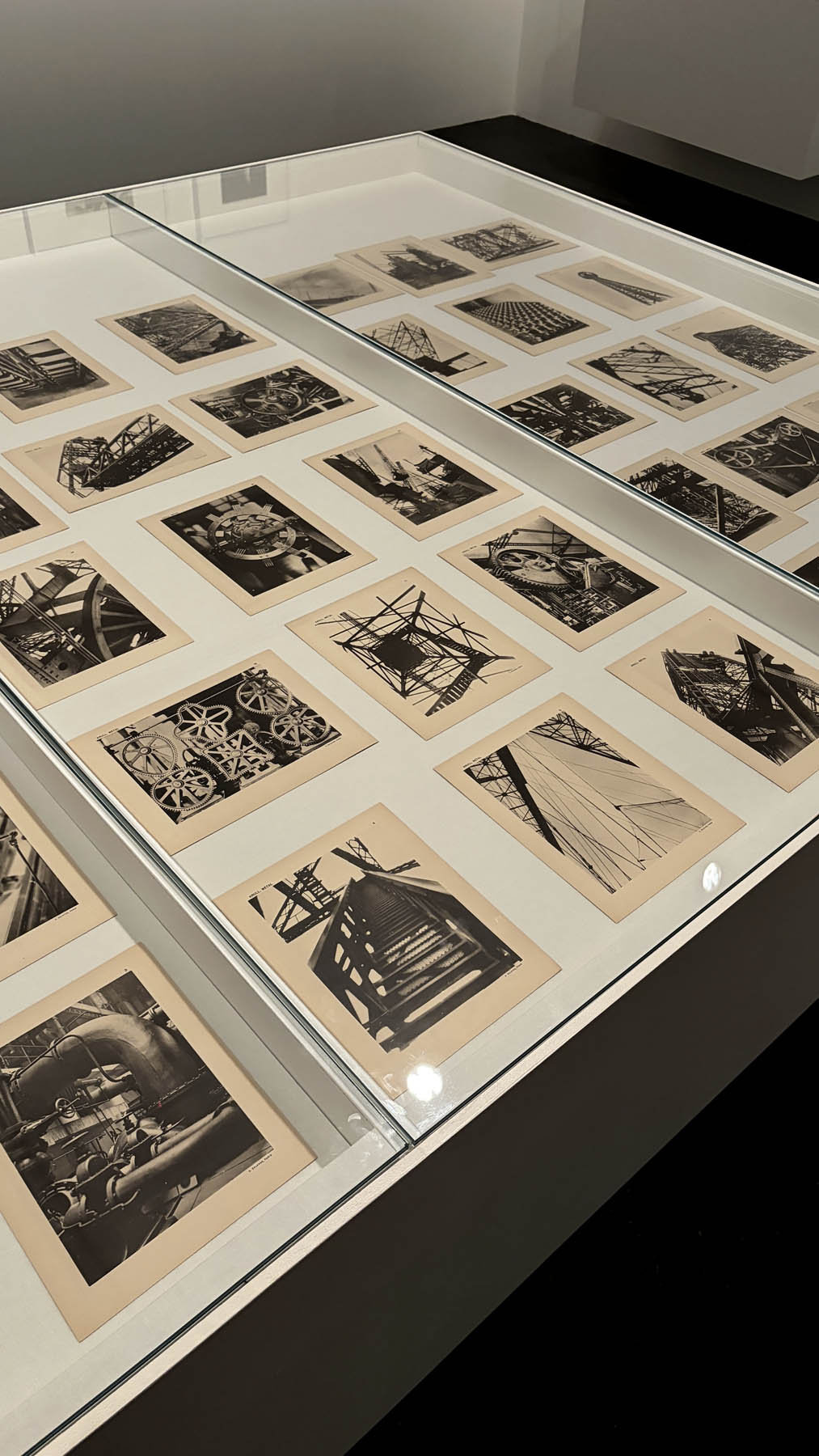
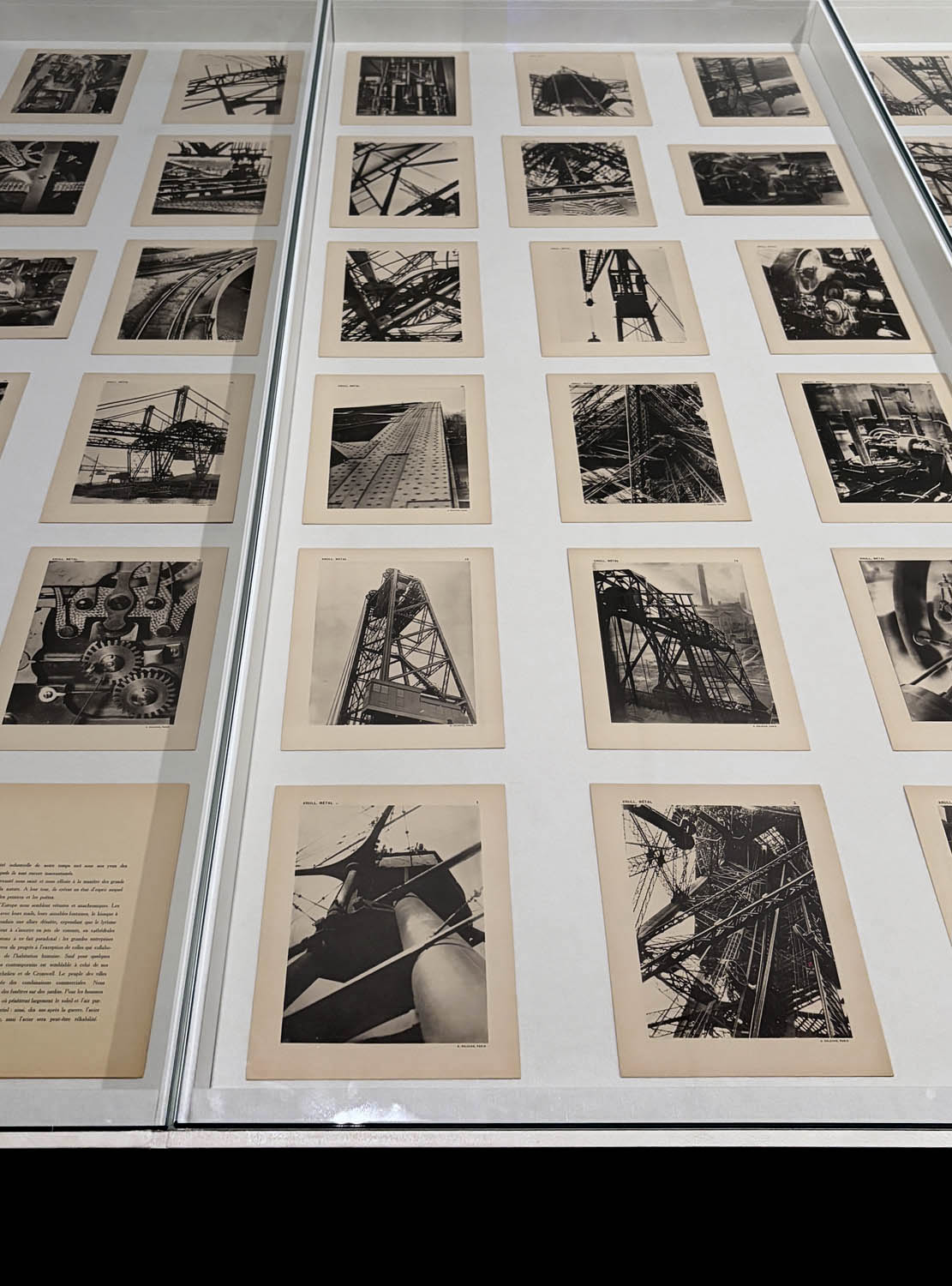
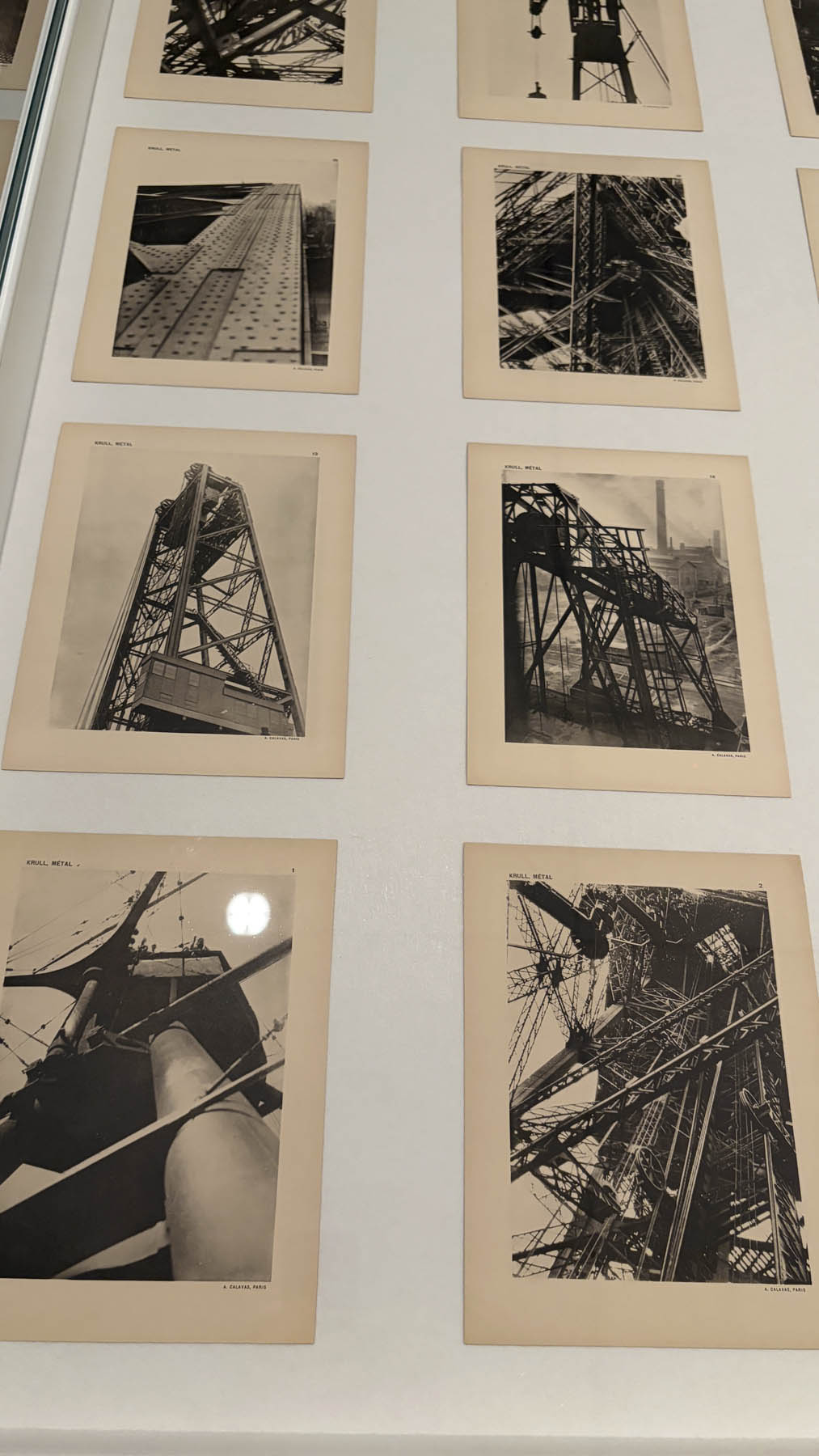
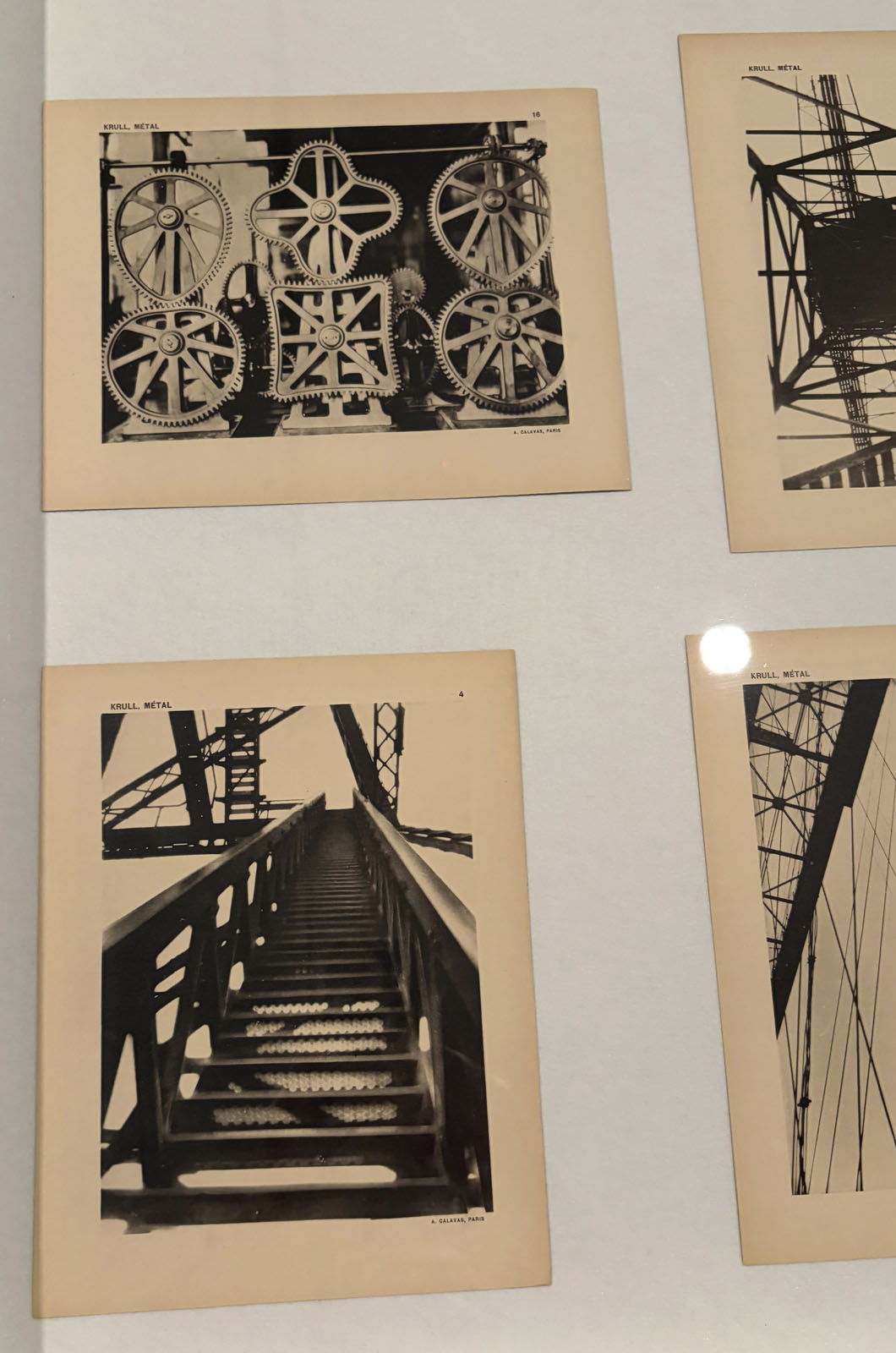
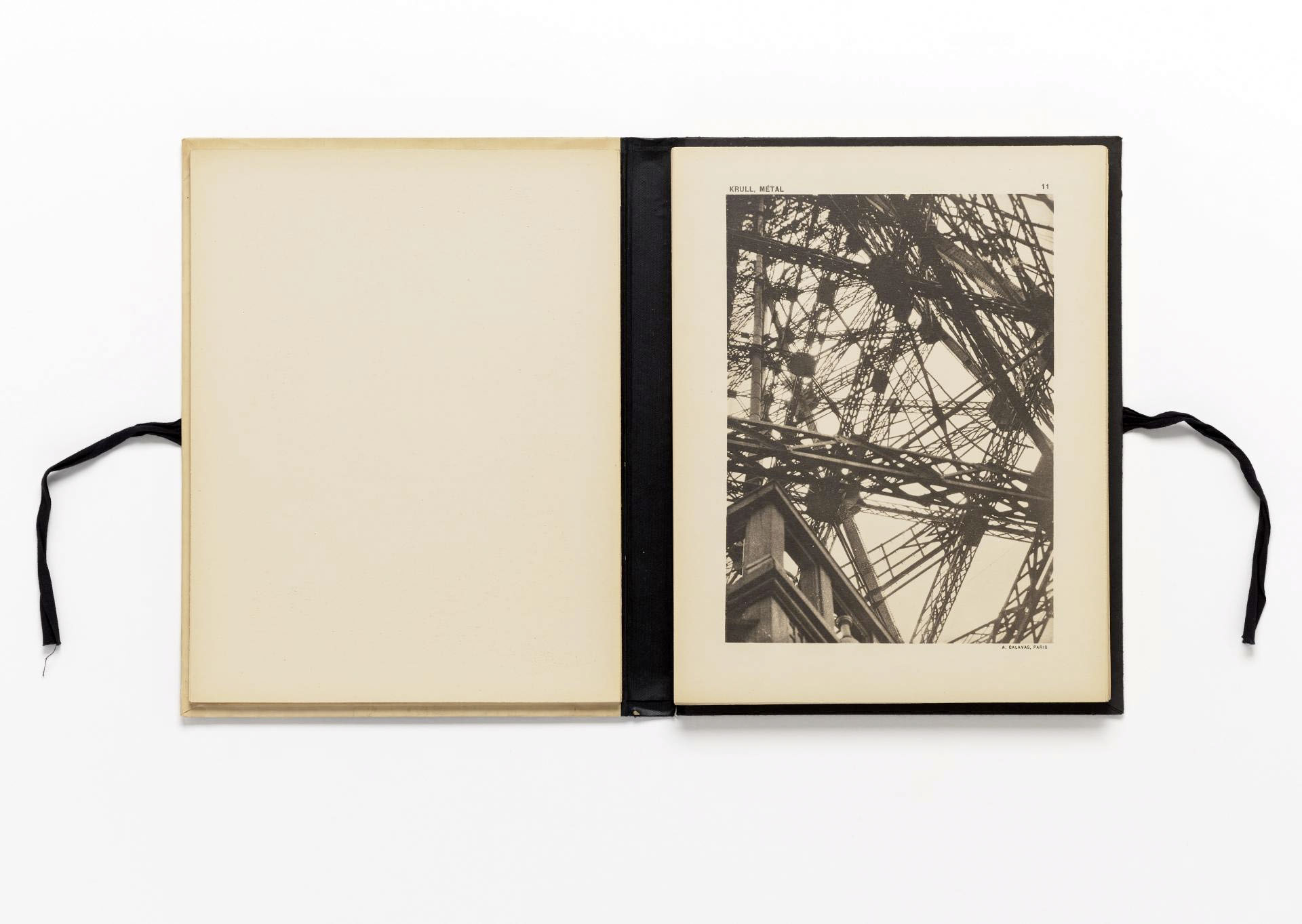
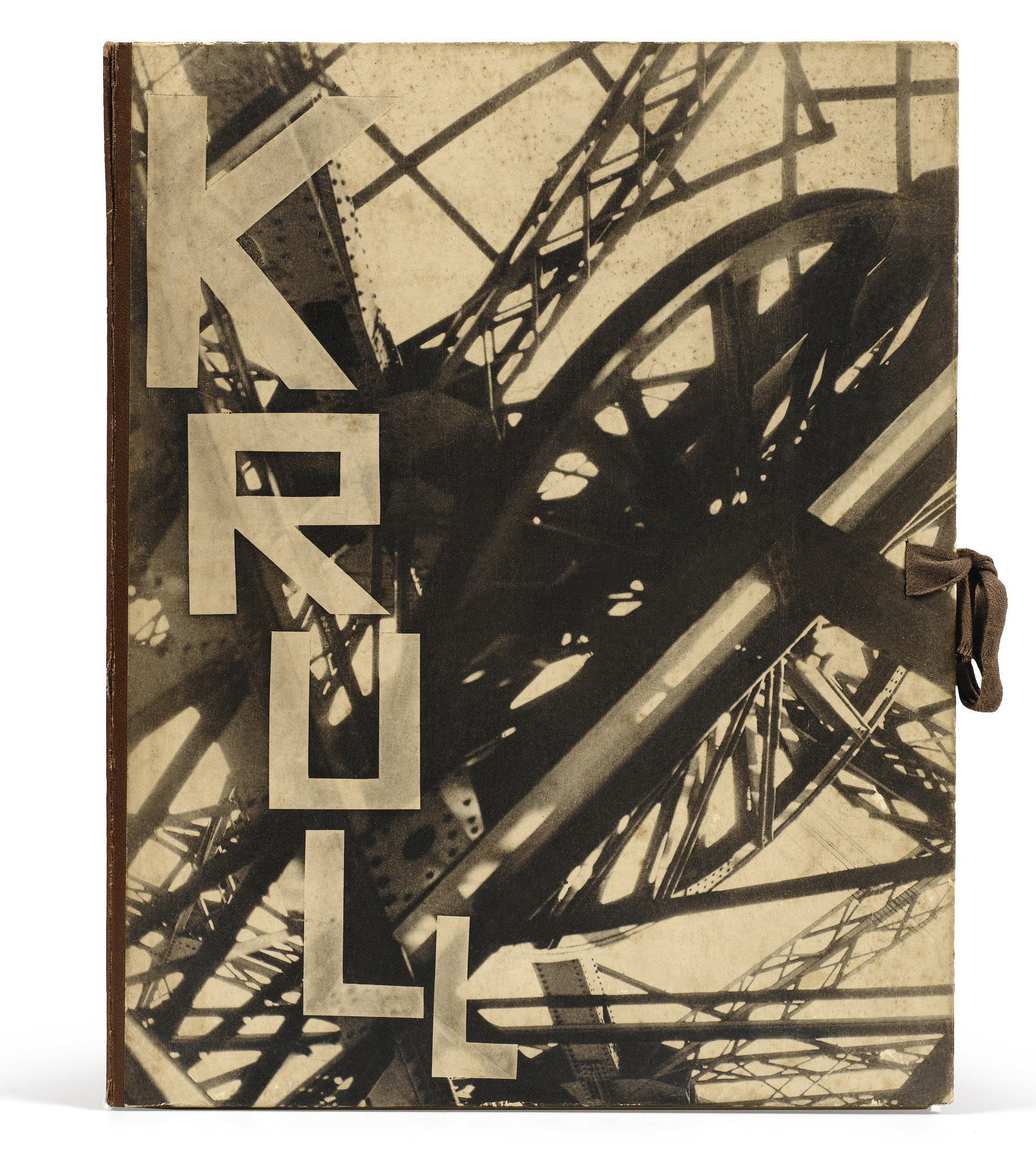
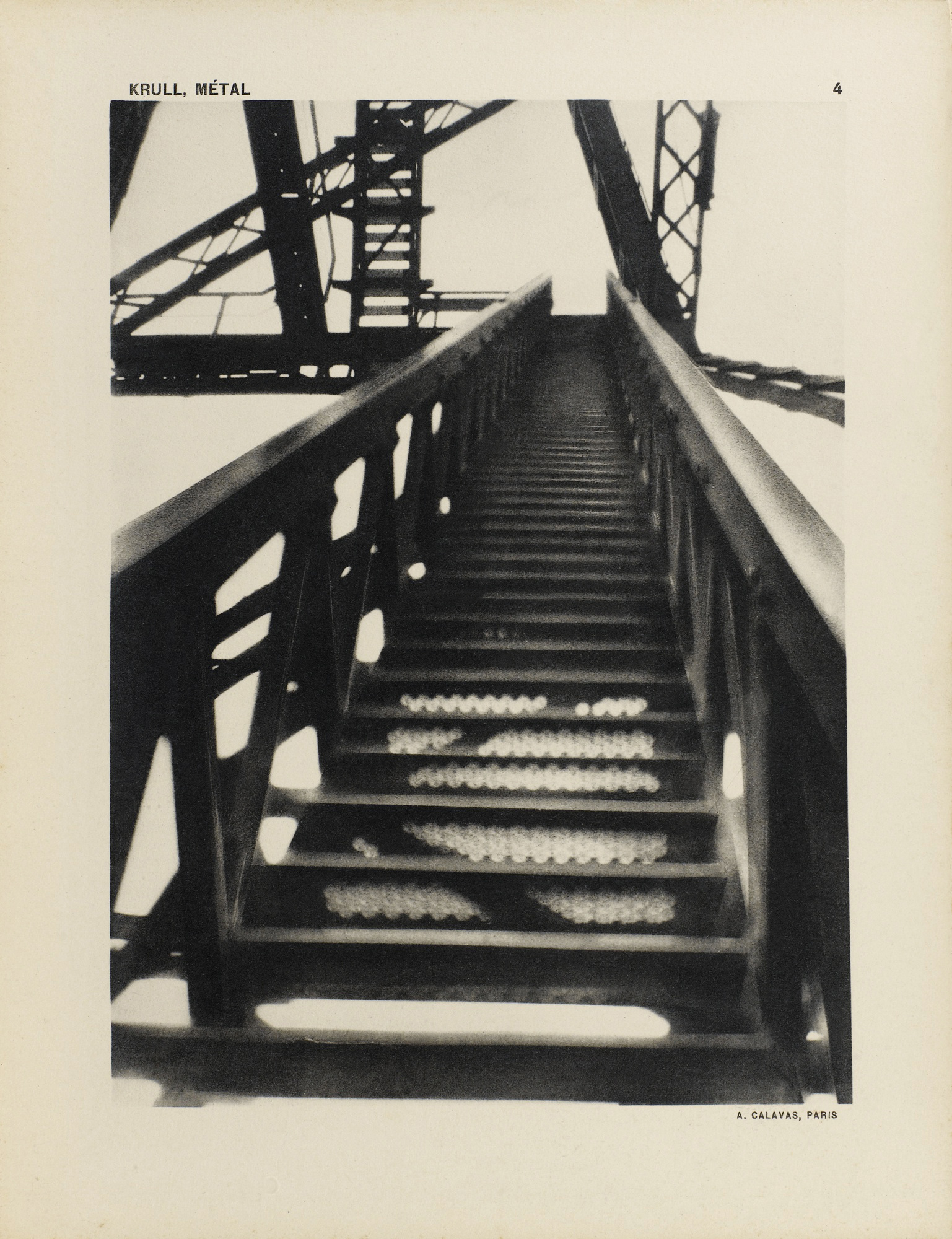
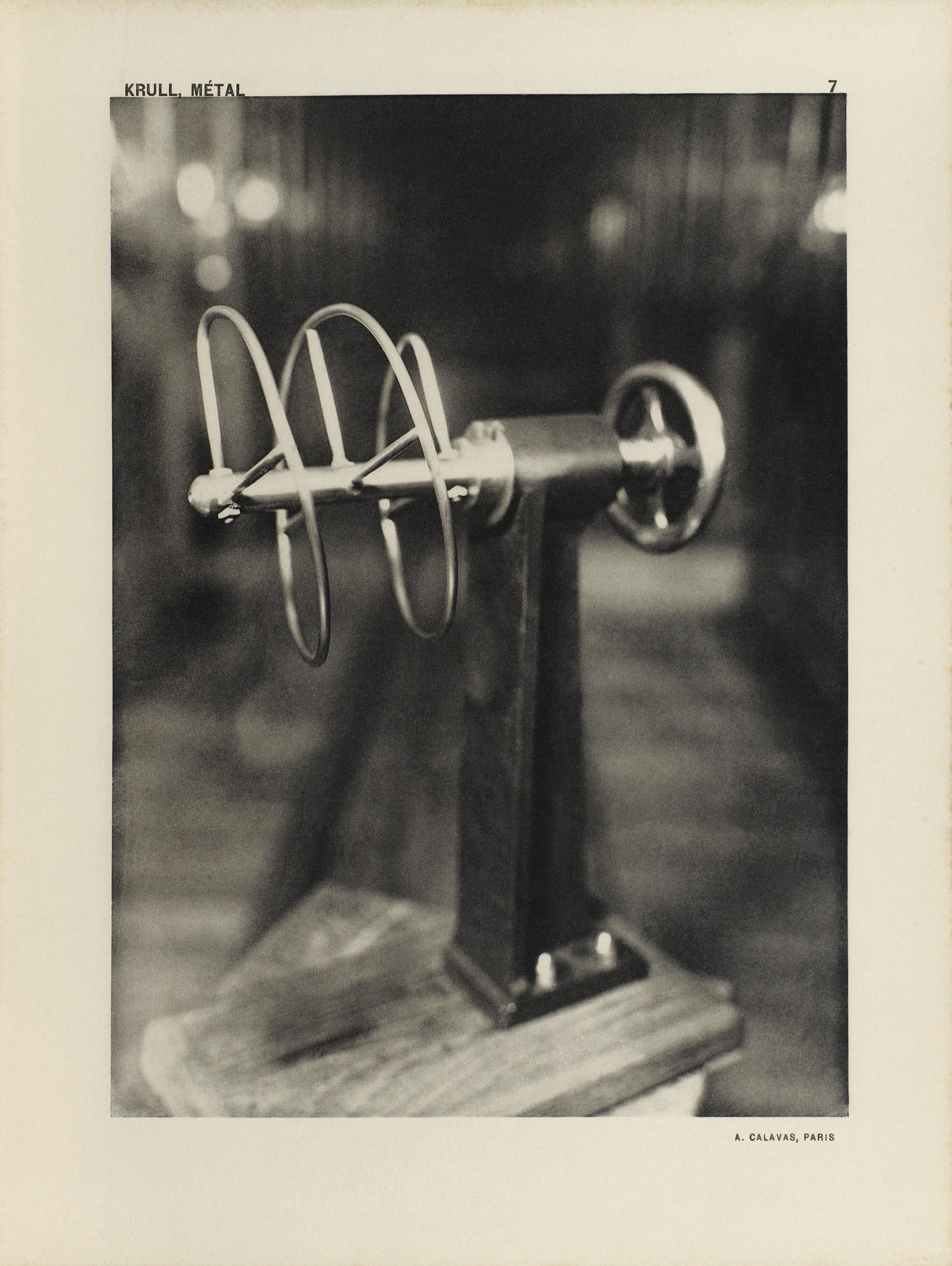

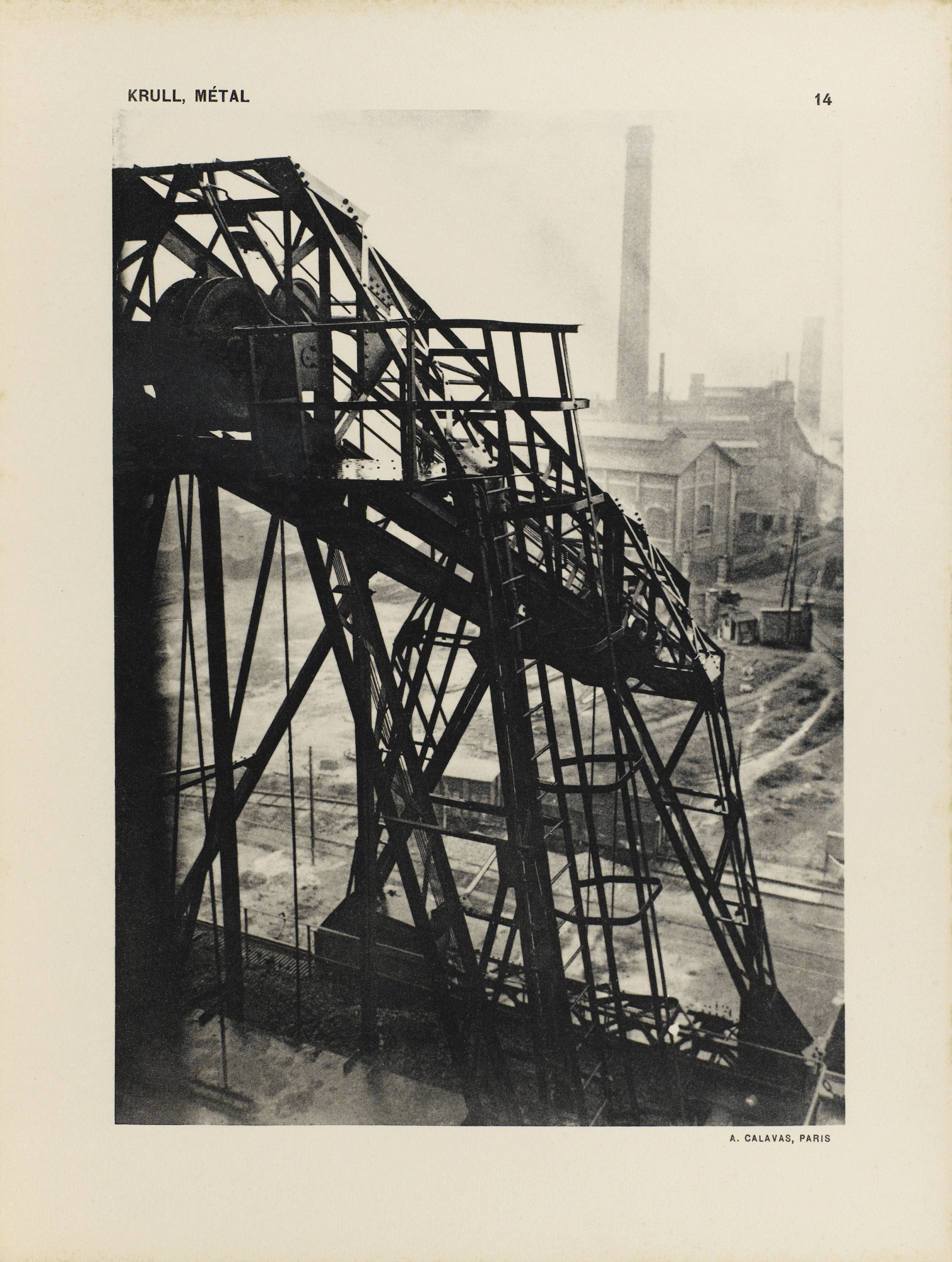
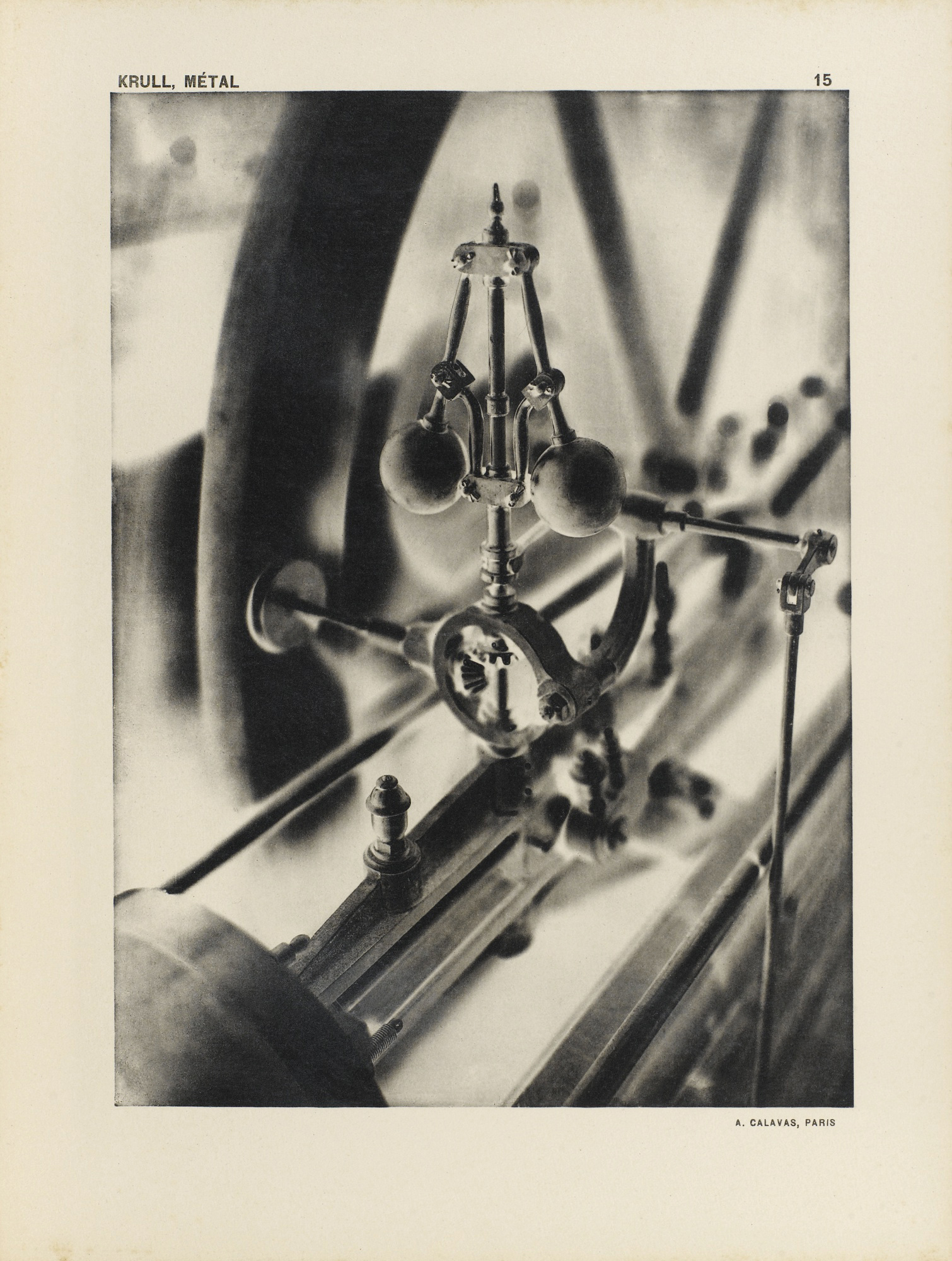
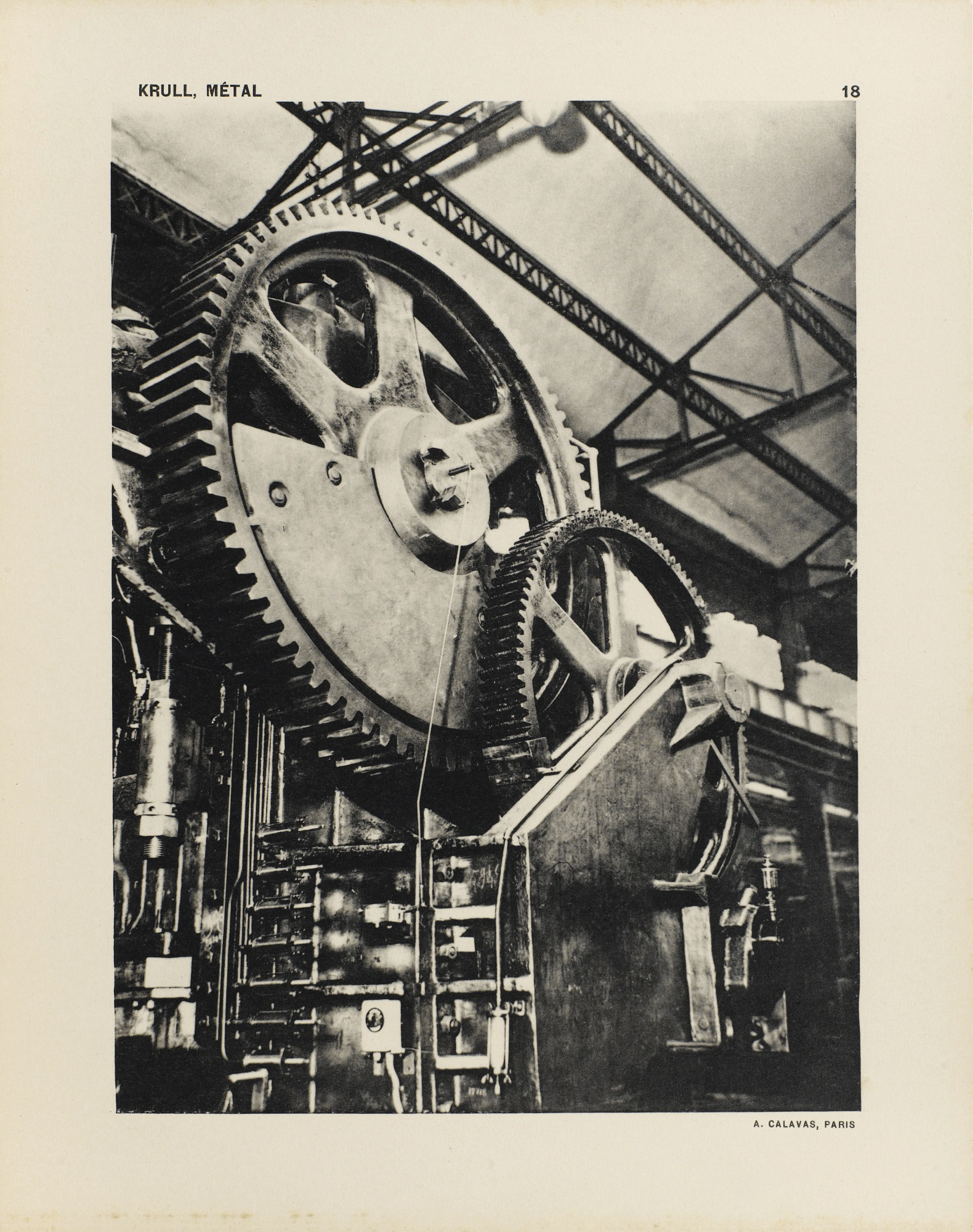
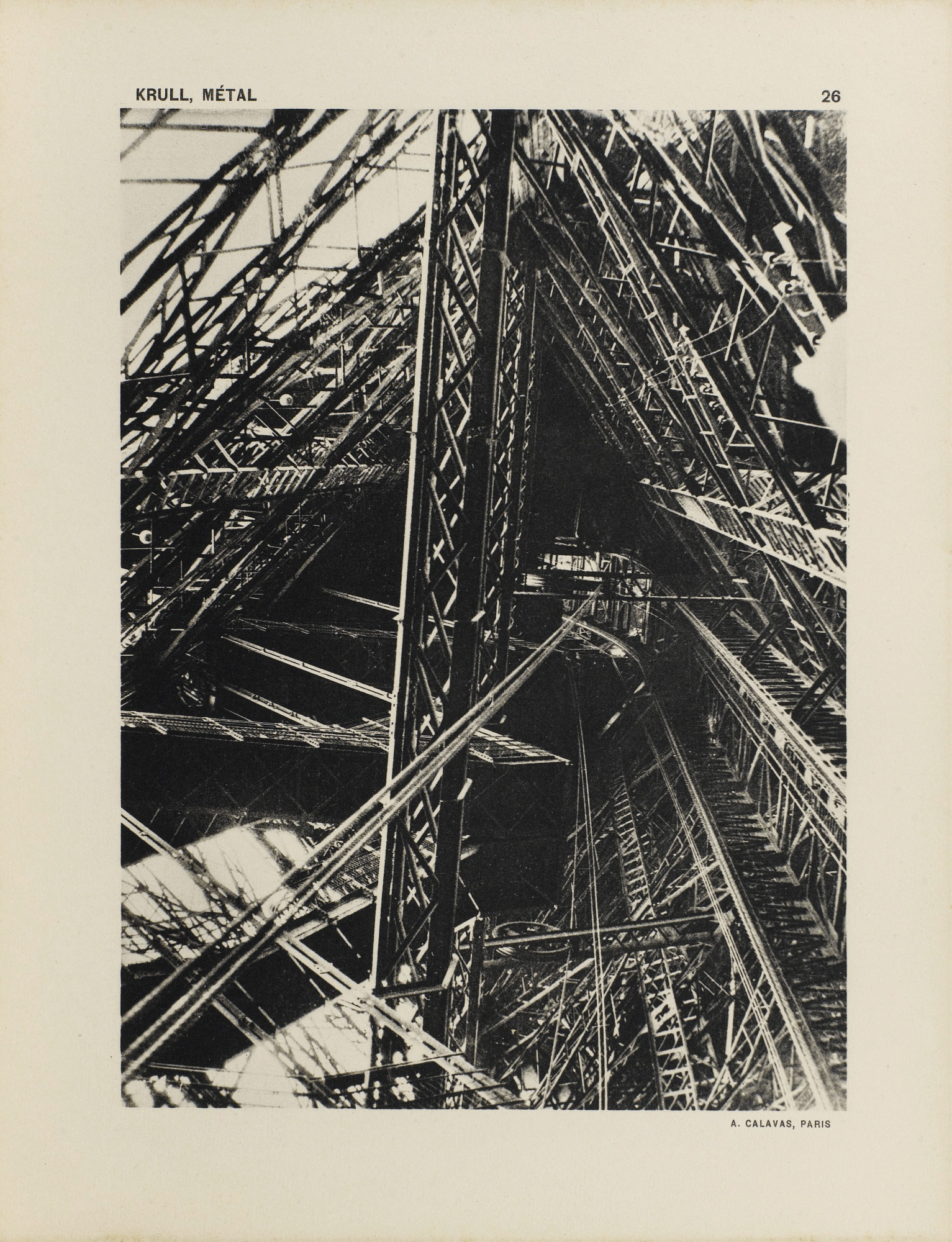
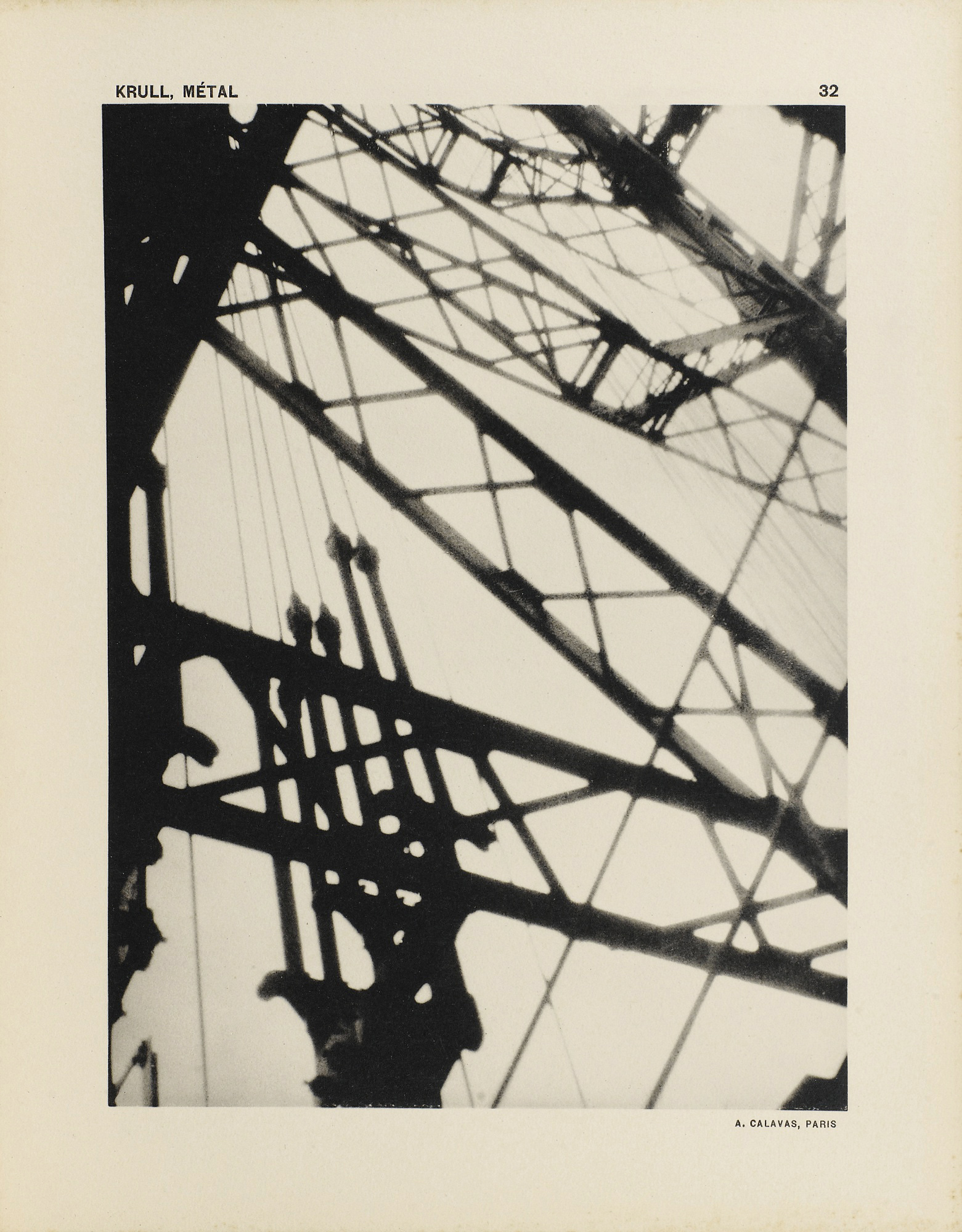

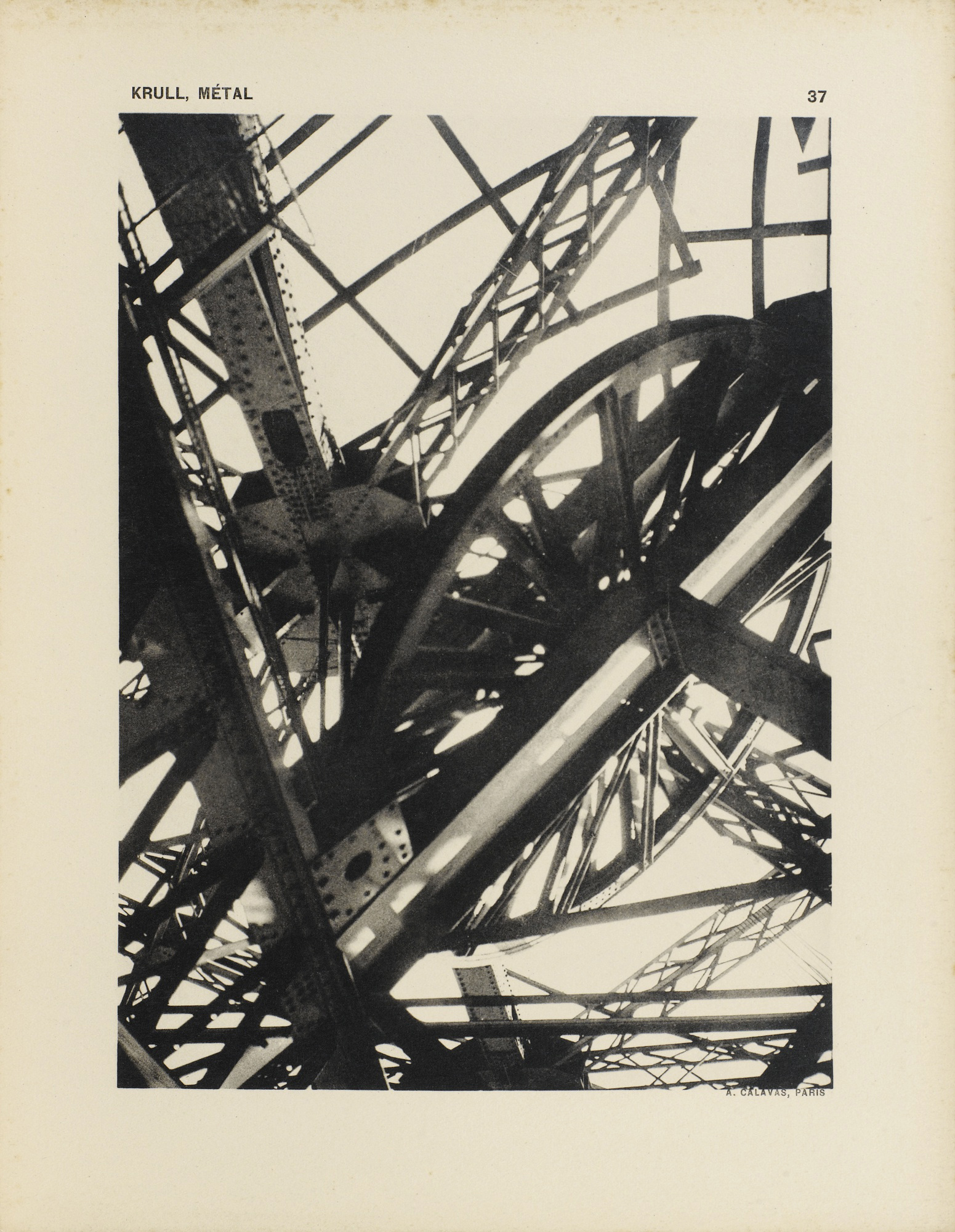
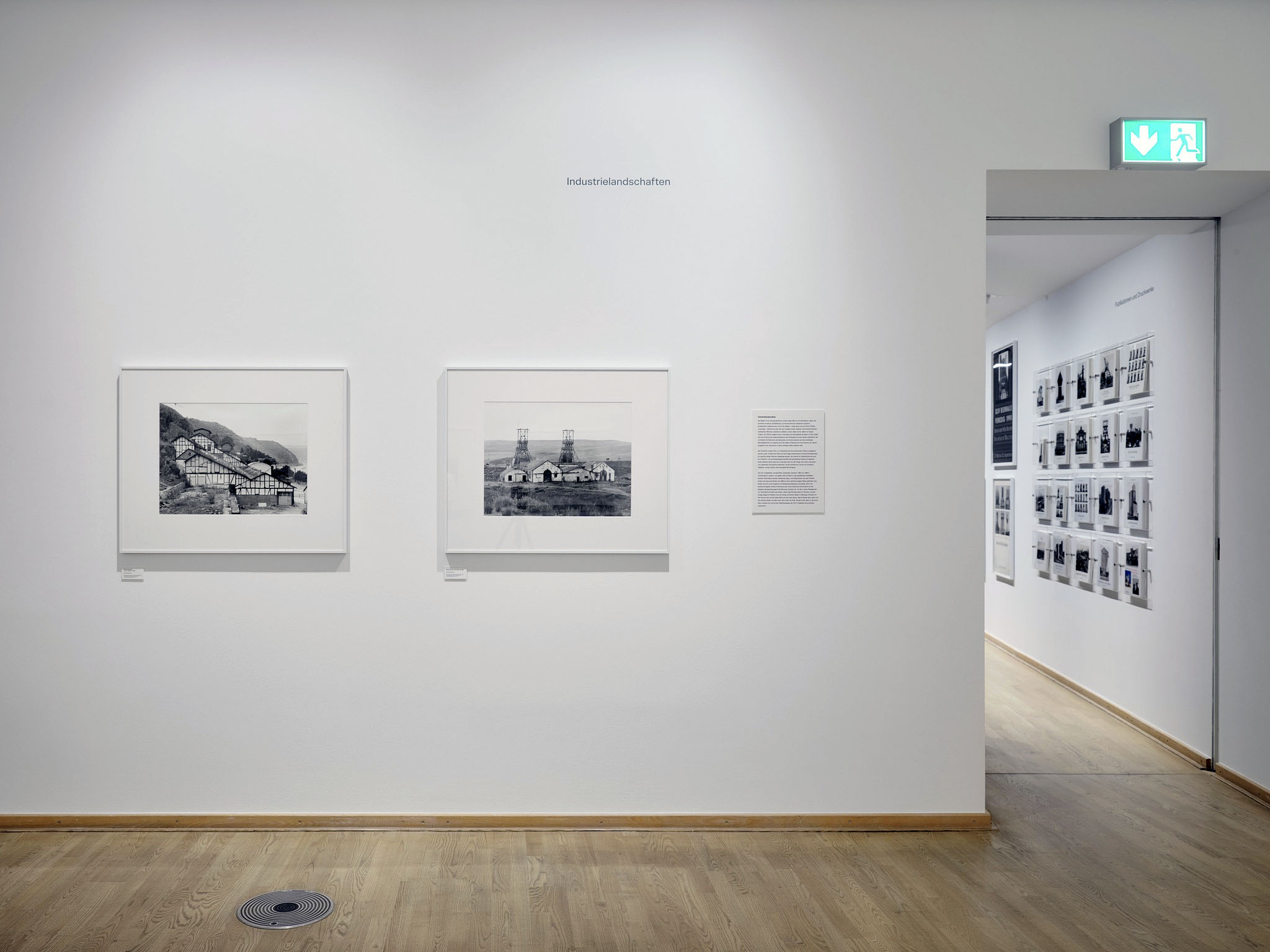
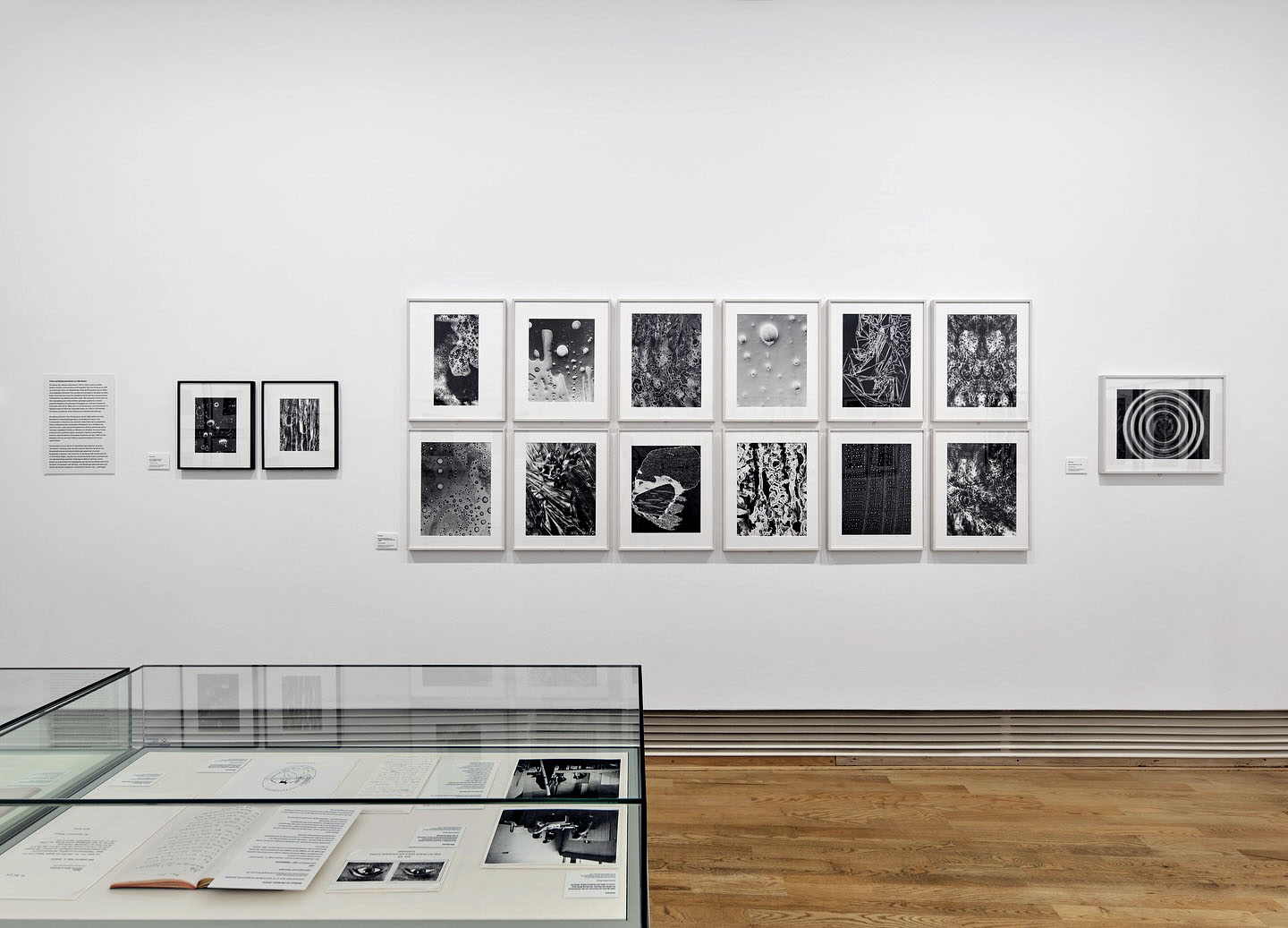
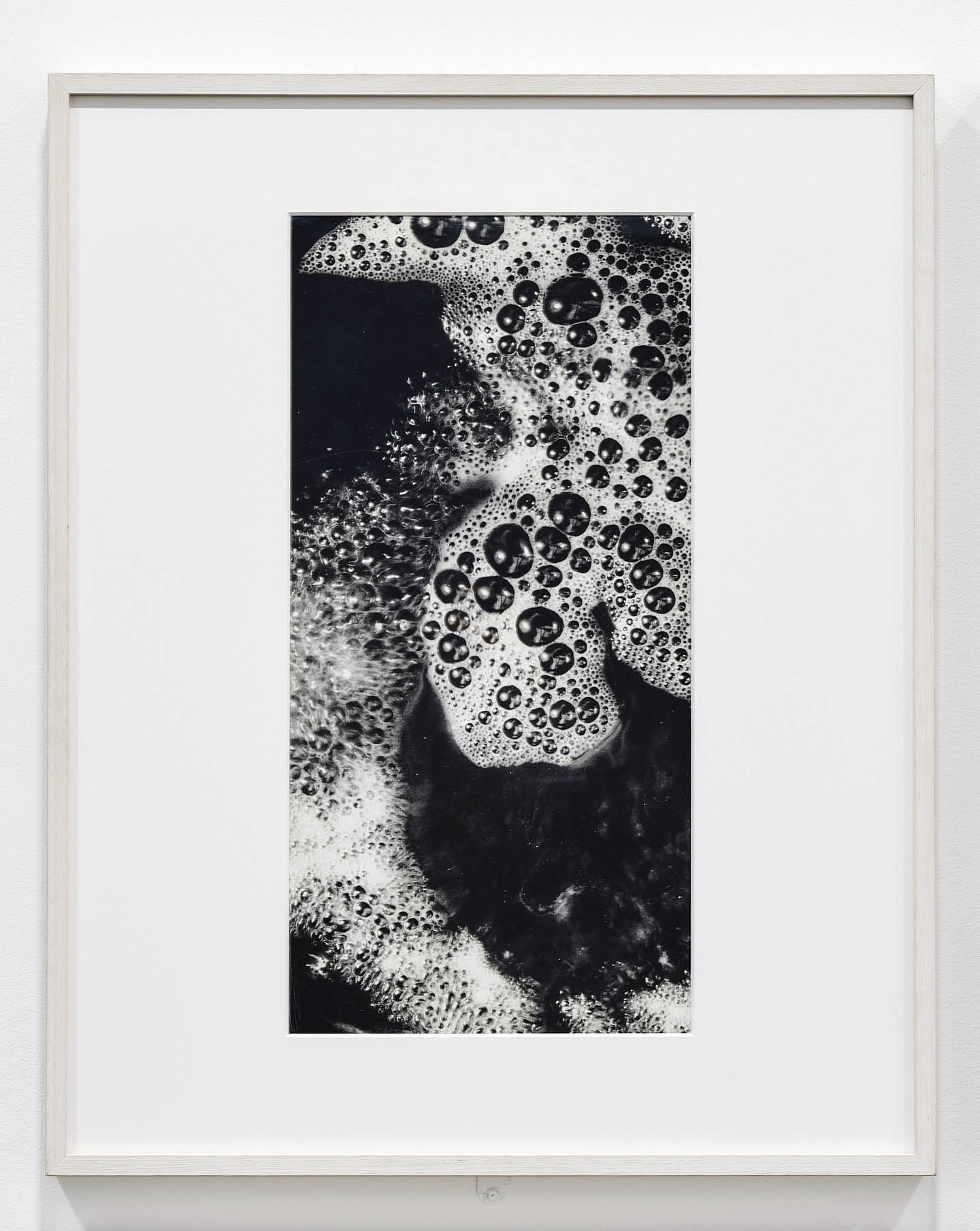
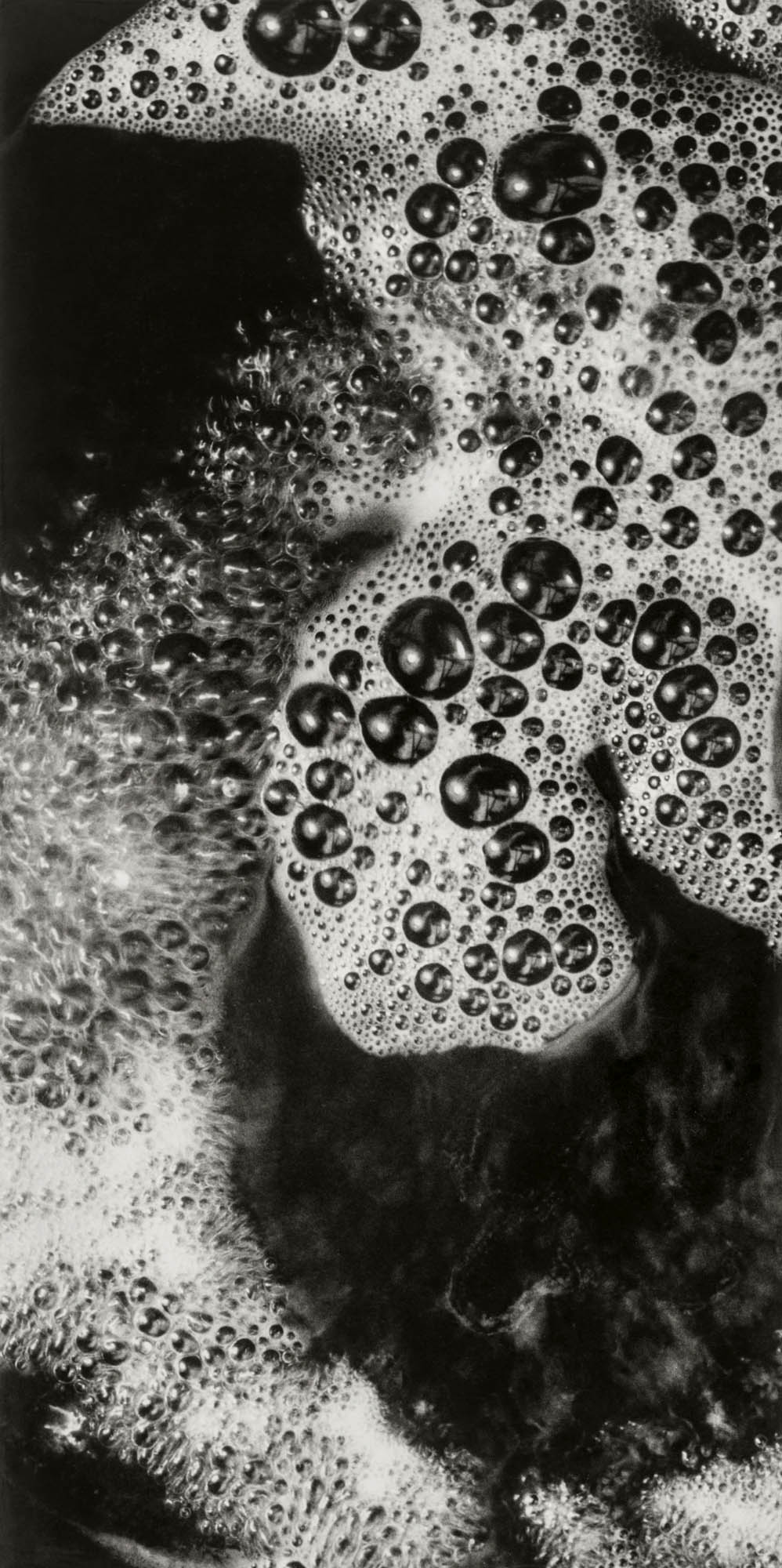






![Ilse Bing (American born Germany, 1899-1998) 'Untitled [Seated Woman with Necklace, Solarized]' 1943](https://artblart.com/wp-content/uploads/2025/10/ilse-bing-seated-woman-with-necklace.jpg "Ilse Bing (American born Germany, 1899-1998) 'Untitled [Seated Woman with Necklace, Solarized]' 1943")



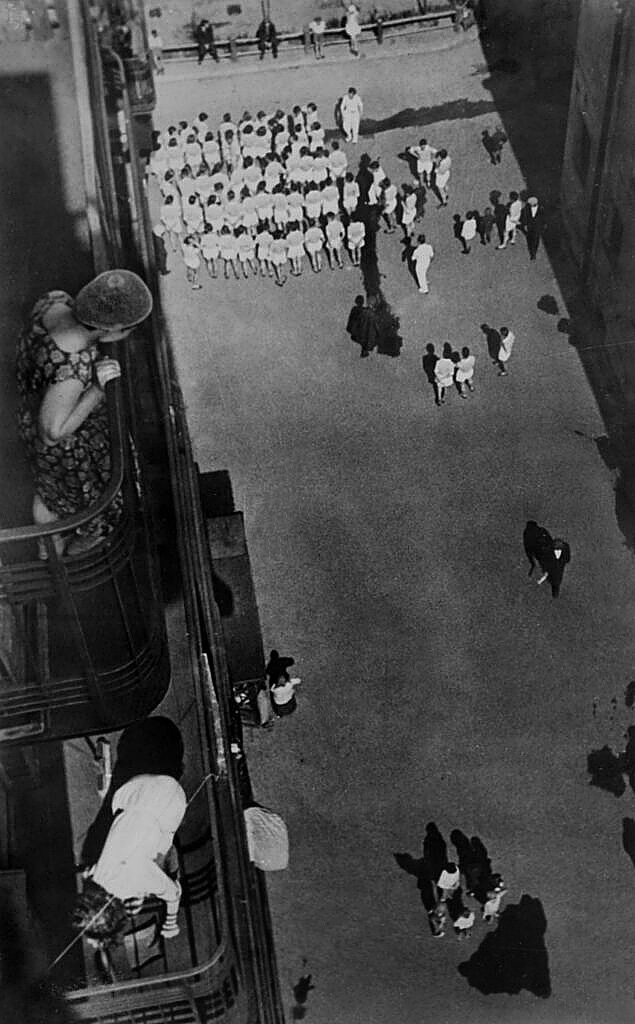


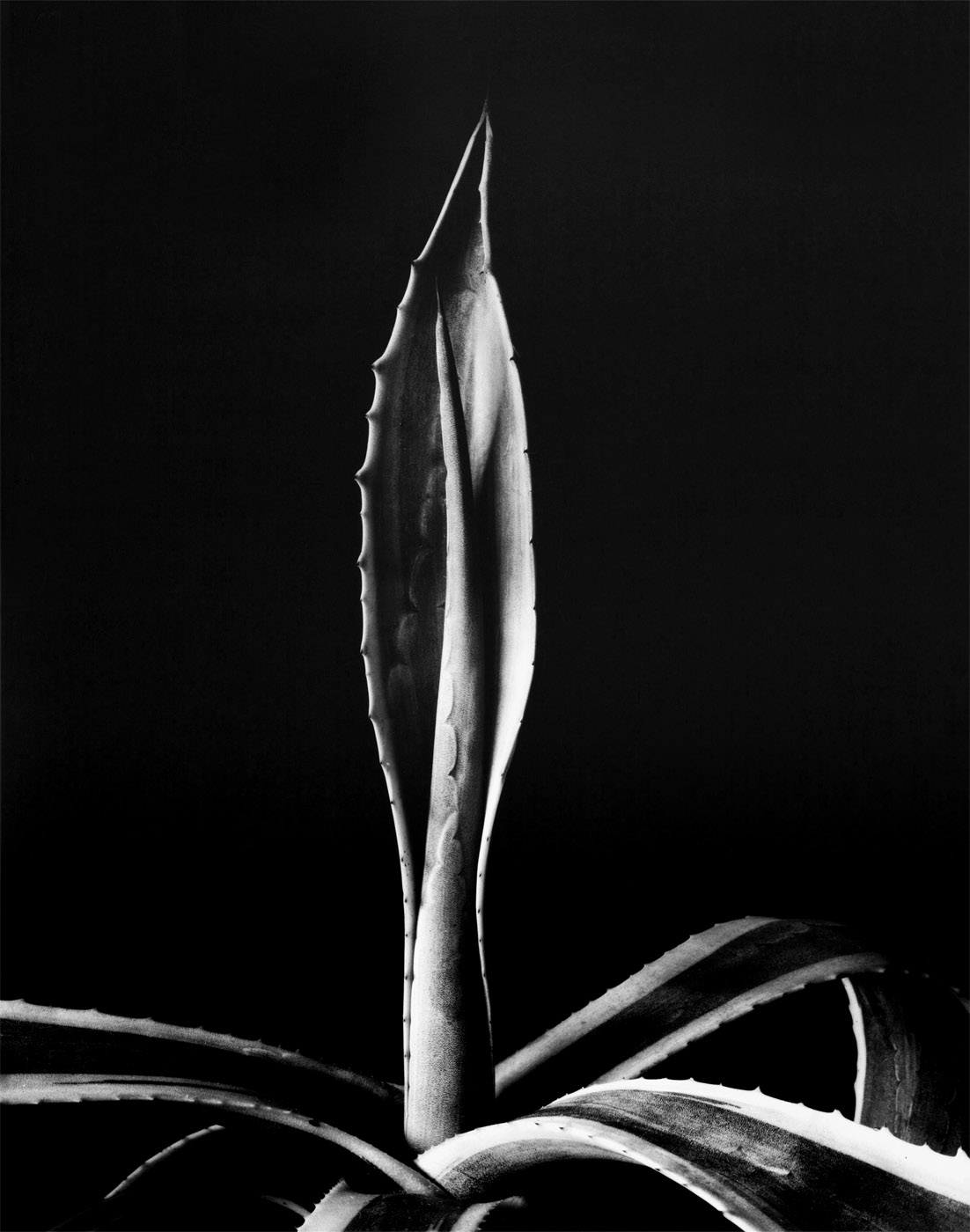
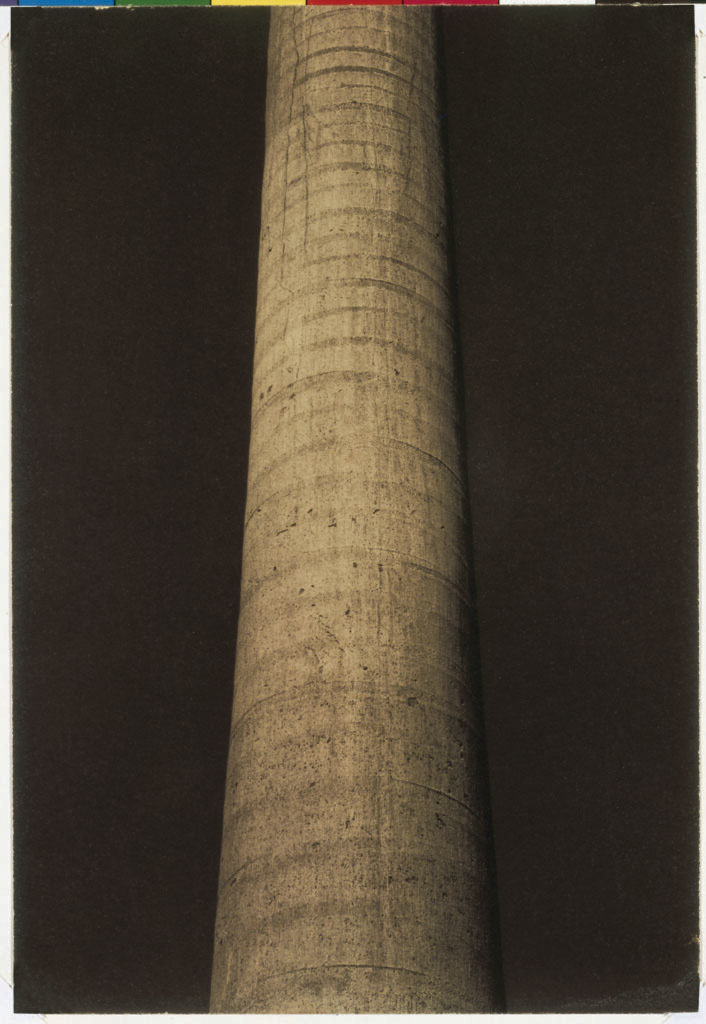

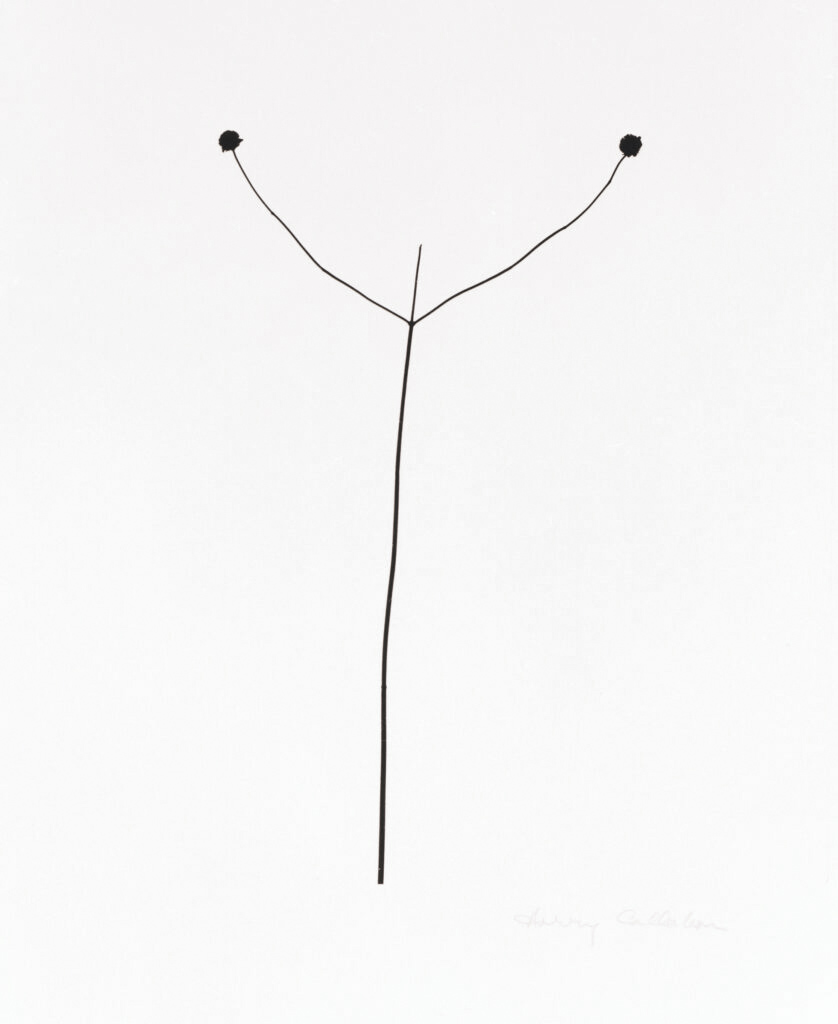




![Heinrich Riebesehl (German, 1938-2010) 'Menschen Im Fahrstuhl, 20.11.1969' [People in the Elevator, 20.11.1969] 1969 from the exhibition 'Typologien: Photography in 20th-century Germany' at Fondazione Prada, Milan, April - July, 2025](https://artblart.com/wp-content/uploads/2025/06/2-typologien_heinrich-riebesehl_siae_sm.jpg "Heinrich Riebesehl (German, 1938-2010) 'Menschen Im Fahrstuhl, 20.11.1969' [People in the Elevator, 20.11.1969] 1969 from the exhibition 'Typologien: Photography in 20th-century Germany' at Fondazione Prada, Milan, April - July, 2025")
![Heinrich Riebesehl (German, 1938-2010) 'Menschen Im Fahrstuhl, 20.11.1969' [People in the Elevator, 20.11.1969] 1969](https://artblart.com/wp-content/uploads/2025/06/1-typologien_heinrich-riebesehl_siae_sm.jpg "Heinrich Riebesehl (German, 1938-2010) 'Menschen Im Fahrstuhl, 20.11.1969' [People in the Elevator, 20.11.1969] 1969")





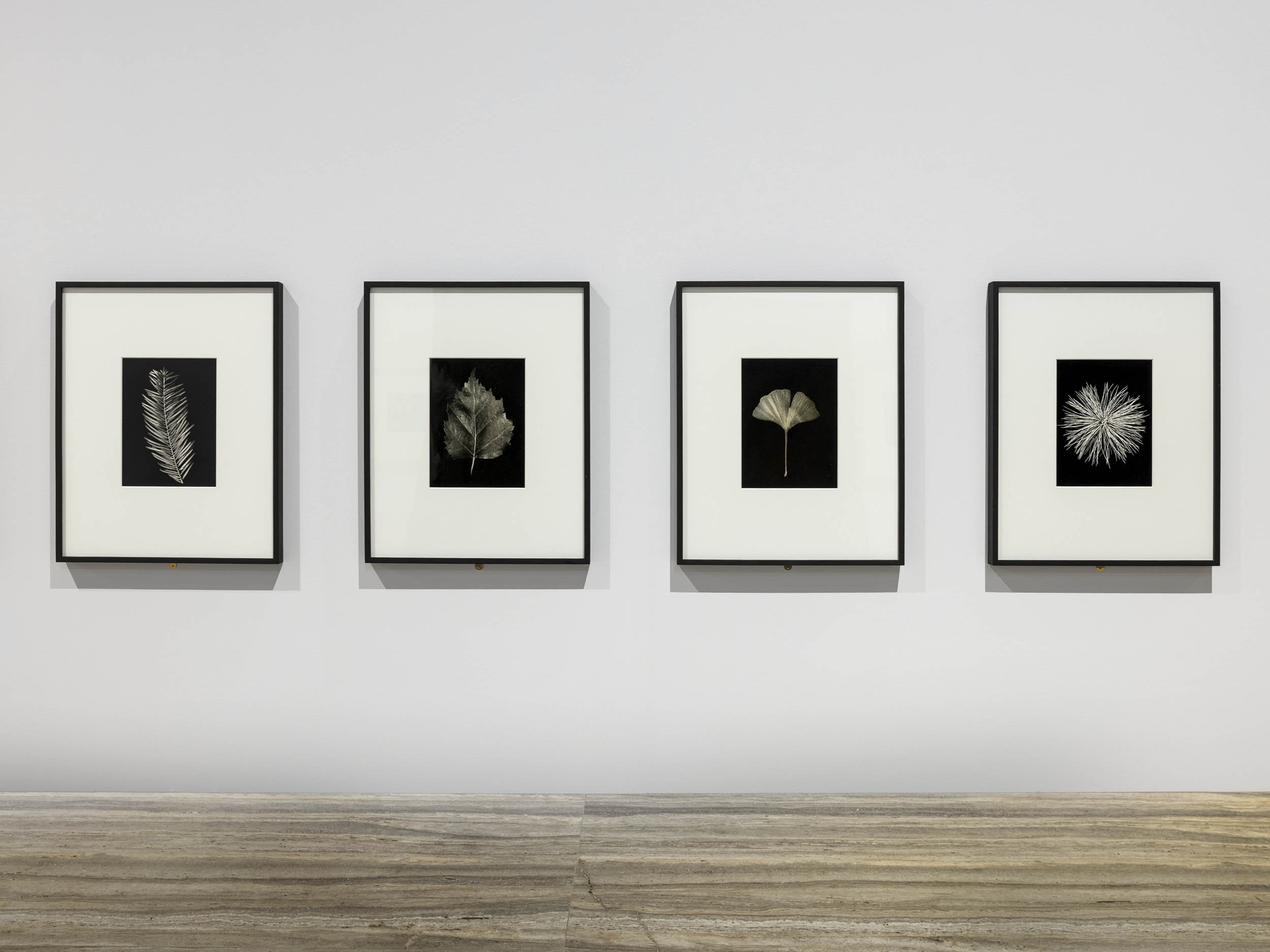
![Hilla Becher (German, 1934-2015) 'Eichenblatt [Oak Leaf]' 1965](https://artblart.com/wp-content/uploads/2025/06/8-typologien_hilla-becher_sm.jpg "Hilla Becher (German, 1934-2015) 'Eichenblatt [Oak Leaf]' 1965")
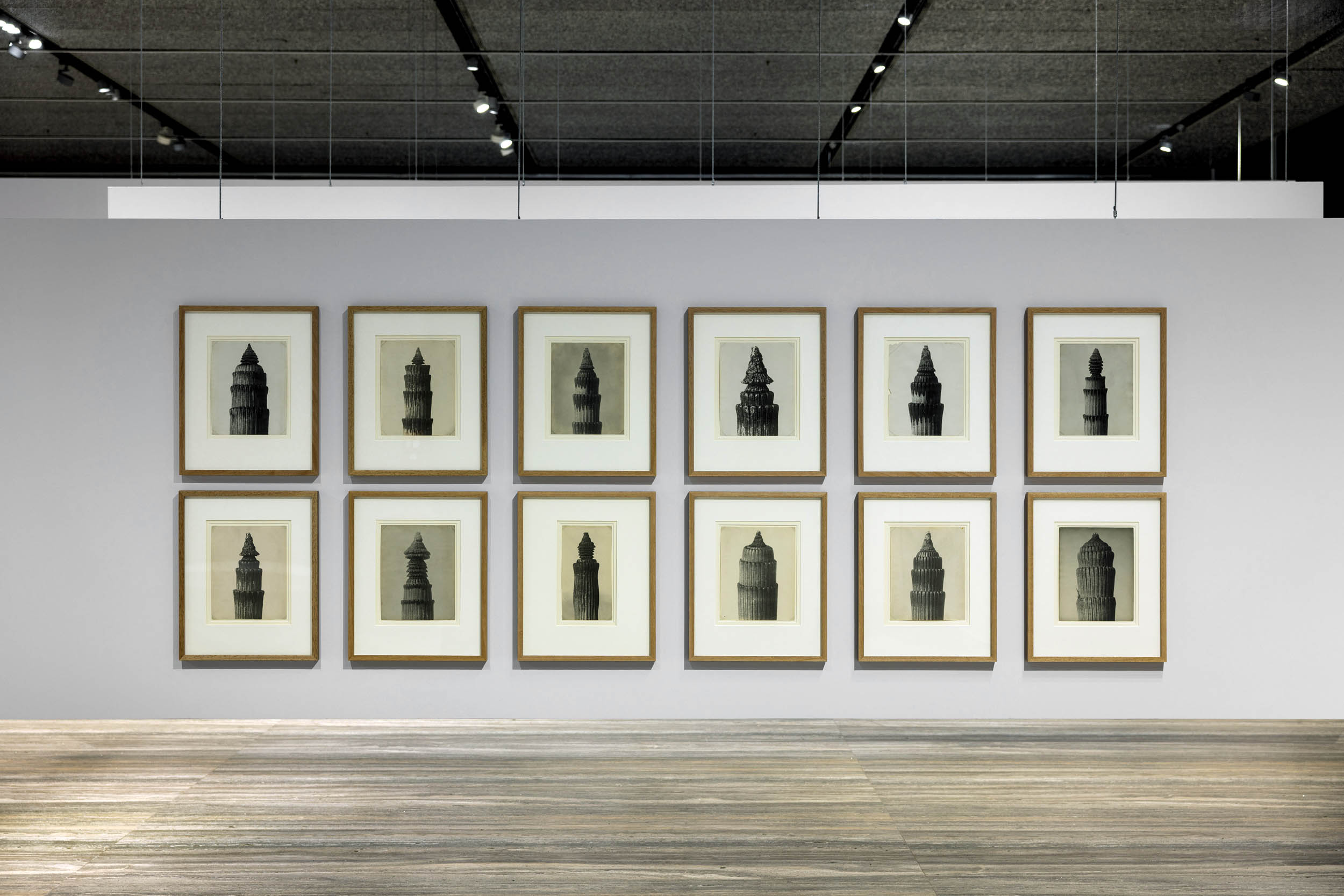
![Karl Blossfeldt (German, 1865-1932) 'Adiantum pedatum, haarfarn, junge, noch eingerollte Wedel' [Maidenhair fern, young, still curled fronds] Nd](https://artblart.com/wp-content/uploads/2025/06/5-typologien_karl-blossfeldt_sm.jpg "Karl Blossfeldt (German, 1865-1932) 'Adiantum pedatum, haarfarn, junge, noch eingerollte Wedel' [Maidenhair fern, young, still curled fronds] Nd")


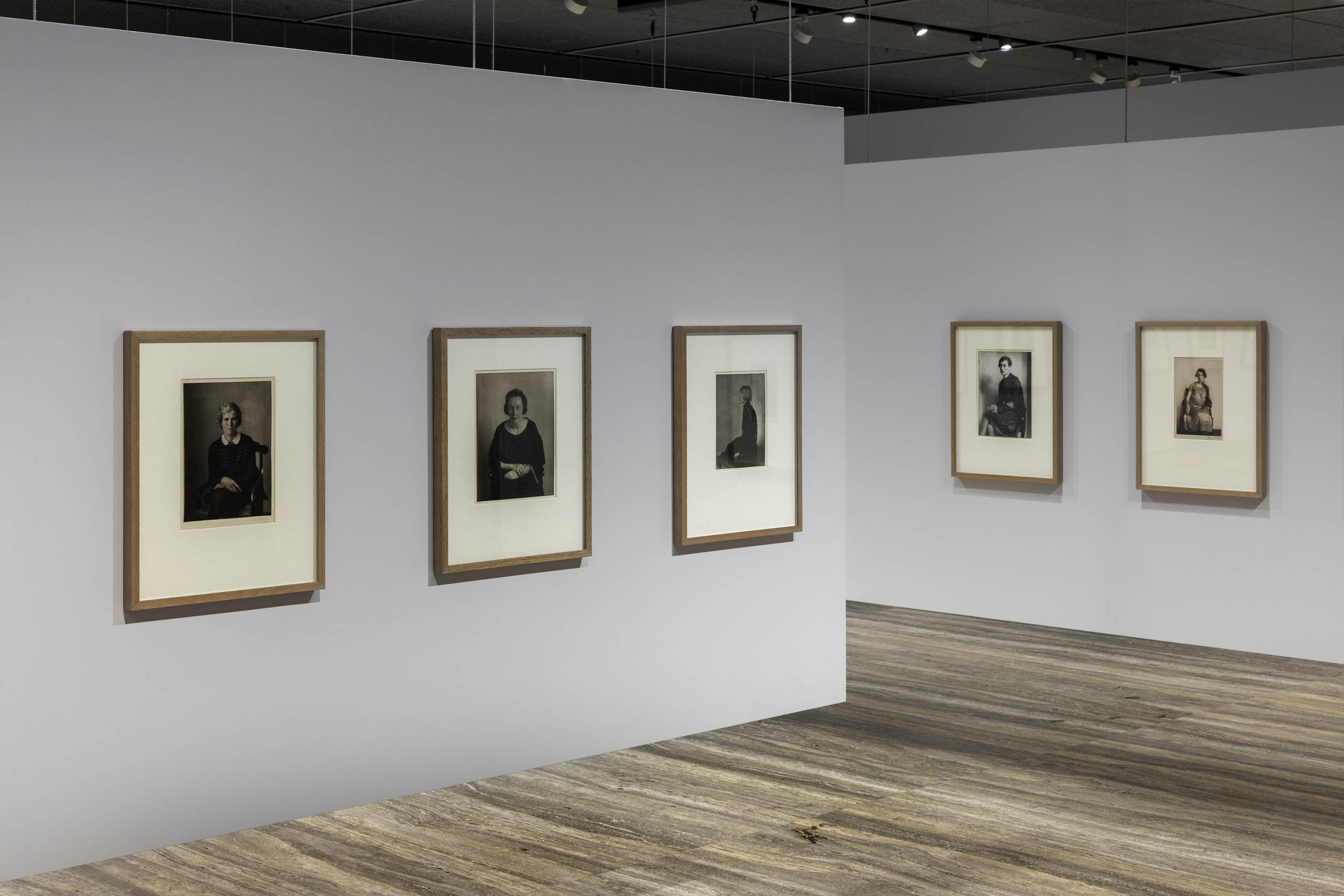
![August Sander (German, 1876-1964) 'Sekretärin beim Westdeutschen Rundfunk in Köln' [Secretary at West German Radio in Cologne] 1931-1950s](https://artblart.com/wp-content/uploads/2025/06/6-typologien_august-sander_siae_sm.jpg "August Sander (German, 1876-1964) 'Sekretärin beim Westdeutschen Rundfunk in Köln' [Secretary at West German Radio in Cologne] 1931-1950s")
![Erich Sander for August Sander's studio. 'Politischer Häftling' [Political Prisoner] 1941-1944 (print date late 1940s)](https://artblart.com/wp-content/uploads/2025/06/7-typologien_august-sander_siae_sm.jpg "Erich Sander for August Sander's studio. 'Politischer Häftling' [Political Prisoner] 1941-1944 (print date late 1940s)")



![Ursula Böhmer (German, b. 1965) 'Highland Grampians / Scotland [All Ladies – Cows in Europe]' 2011](https://artblart.com/wp-content/uploads/2025/06/21-typologien_ursula-bohmer_sm.jpg "Ursula Böhmer (German, b. 1965) 'Highland Grampians / Scotland [All Ladies – Cows in Europe]' 2011")
![Lotte Jacobi (American born Poland, 1896-1990) 'Folkwang-Auriga-Verlag, Orch 152. Neottia nidus avis. Vogel-Nestwurz, einzelne Blüte' [Bird's-nest orchid, single flower] c. 1930](https://artblart.com/wp-content/uploads/2025/06/4-typologien_lotte-jacobi_sm.jpg "Lotte Jacobi (American born Poland, 1896-1990) 'Folkwang-Auriga-Verlag, Orch 152. Neottia nidus avis. Vogel-Nestwurz, einzelne Blüte' [Bird's-nest orchid, single flower] c. 1930")













![Charles Nègre (French, 1820-1880) '[Plaster Casts of Bishops' Miters, South Porch, Chartres]' c. 1855](https://artblart.com/wp-content/uploads/2024/06/negre-plaster-casts.jpg "Charles Nègre (French, 1820-1880) '[Plaster Casts of Bishops' Miters, South Porch, Chartres]' c. 1855")

![Pine & Bell (photographic studio) (American, active 1860s, Troy, New York) William H. Bell (American born England, Liverpool 1831-1910 Philadelphia, Pennsylvania) George W. Pine (American, active 1860s, Troy, New York) '[Display of Hats and Accessories of 1868]' 1868](https://artblart.com/wp-content/uploads/2024/06/pine-bell-display-of-hats-and-accessories-of-1868.jpg "Pine & Bell (photographic studio) (American, active 1860s, Troy, New York) William H. Bell (American born England, Liverpool 1831-1910 Philadelphia, Pennsylvania) George W. Pine (American, active 1860s, Troy, New York) '[Display of Hats and Accessories of 1868]' 1868")
![Unknown photographer. '[E. Adkins Gun Merchant]' c. 1874](https://artblart.com/wp-content/uploads/2024/06/unknown-photographer-e.-adkins-gun-merchant.jpg "Unknown photographer. '[E. Adkins Gun Merchant]' c. 1874")

![Frank M. Sutcliffe (British, 1853-1941) '[Display of Whitby Seascape Photographs]' c. 1888](https://artblart.com/wp-content/uploads/2024/06/sutcliffe-display-of-whitby-seascape-photographs.jpg "Frank M. Sutcliffe (British, 1853-1941) '[Display of Whitby Seascape Photographs]' c. 1888")
![Unknown (American) '[Vermont Marble Tombstone Catalogue]' 1880s](https://artblart.com/wp-content/uploads/2024/06/unknown-vermont-marble-tombstone-catalogue.jpg "Unknown (American) '[Vermont Marble Tombstone Catalogue]' 1880s")
![Schadde Brothers (American, active Minneapolis, 1890s-1910s) Alvin J. Schadde (American, 1872-1937) Herman T. Schadde (American, 1874-1937) '[High Grade Jelly Eggs, from a Brandle & Smith Co. Catalogue]' c. 1915](https://artblart.com/wp-content/uploads/2024/06/schadde-brothers-high-grade-jelly-eggs.jpg "Schadde Brothers (American, active Minneapolis, 1890s-1910s) Alvin J. Schadde (American, 1872-1937) Herman T. Schadde (American, 1874-1937) '[High Grade Jelly Eggs, from a Brandle & Smith Co. Catalogue]' c. 1915")
![Schadde Brothers (American, active Minneapolis, 1890s-1910s) Alvin J. Schadde (American, 1872-1937) Herman T. Schadde (American, 1874-1937) '[Satinettes, Filled Confections and Ye Old Style Stick Candy, from a Brandle & Smith Co. Catalogue]' c. 1915](https://artblart.com/wp-content/uploads/2024/06/schadde-brothers-satinettes.jpg "Schadde Brothers (American, active Minneapolis, 1890s-1910s) Alvin J. Schadde (American, 1872-1937) Herman T. Schadde (American, 1874-1937) '[Satinettes, Filled Confections and Ye Old Style Stick Candy, from a Brandle & Smith Co. Catalogue]' c. 1915")
![Ralph Bartholomew Jr. (American, 1907-1985) '[Soap Packaging]' 1936](https://artblart.com/wp-content/uploads/2024/06/bartholomew_soap-packaging.jpg "Ralph Bartholomew Jr. (American, 1907-1985) '[Soap Packaging]' 1936")


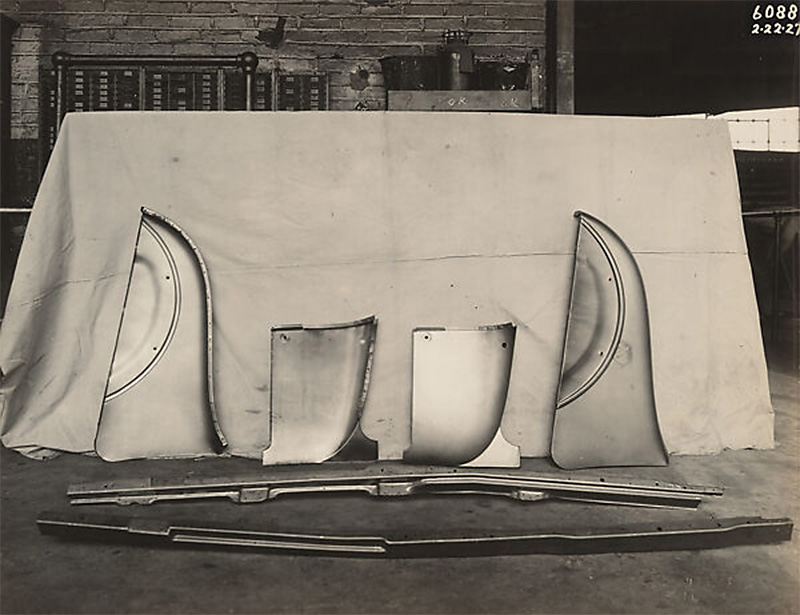
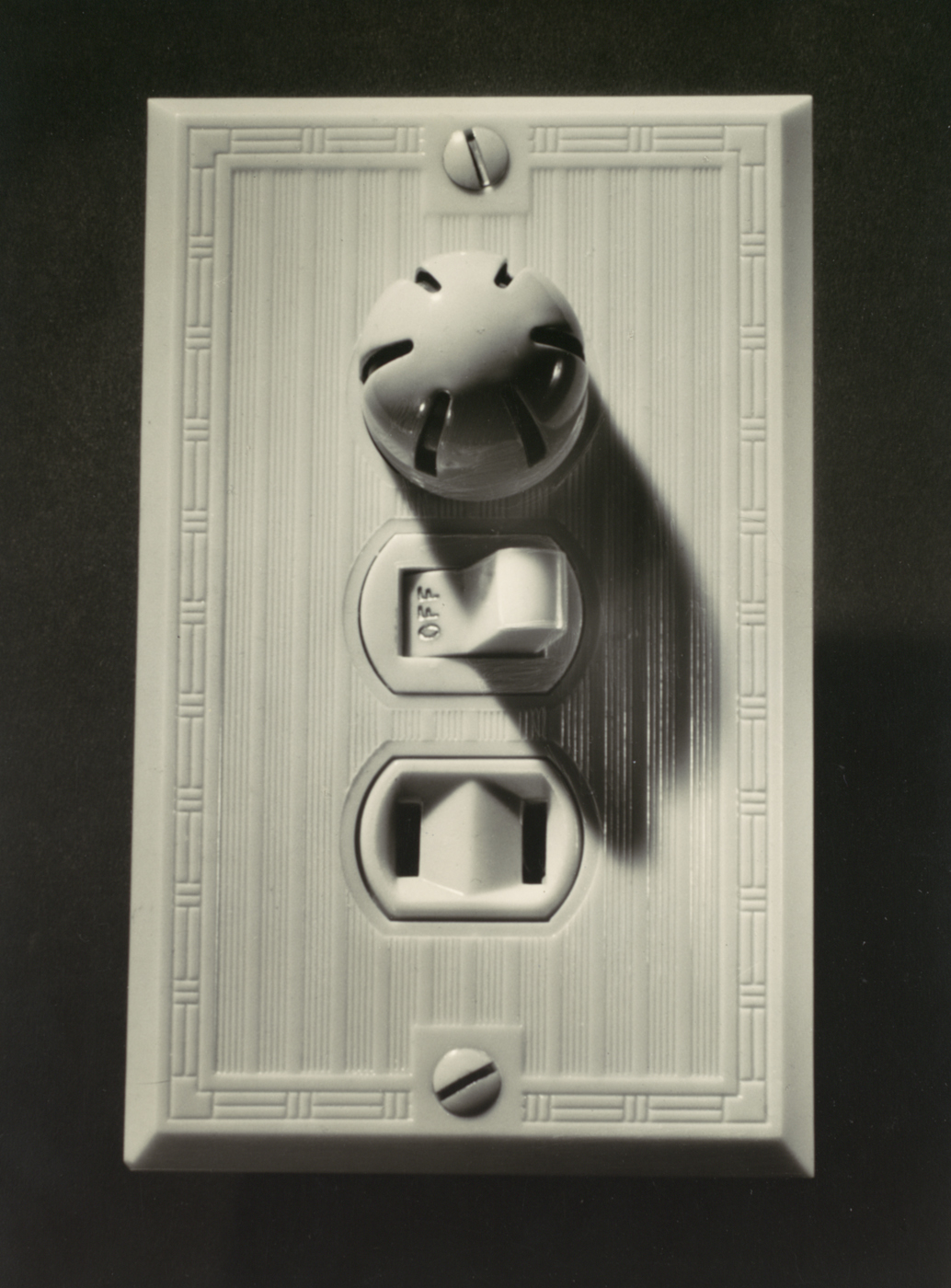

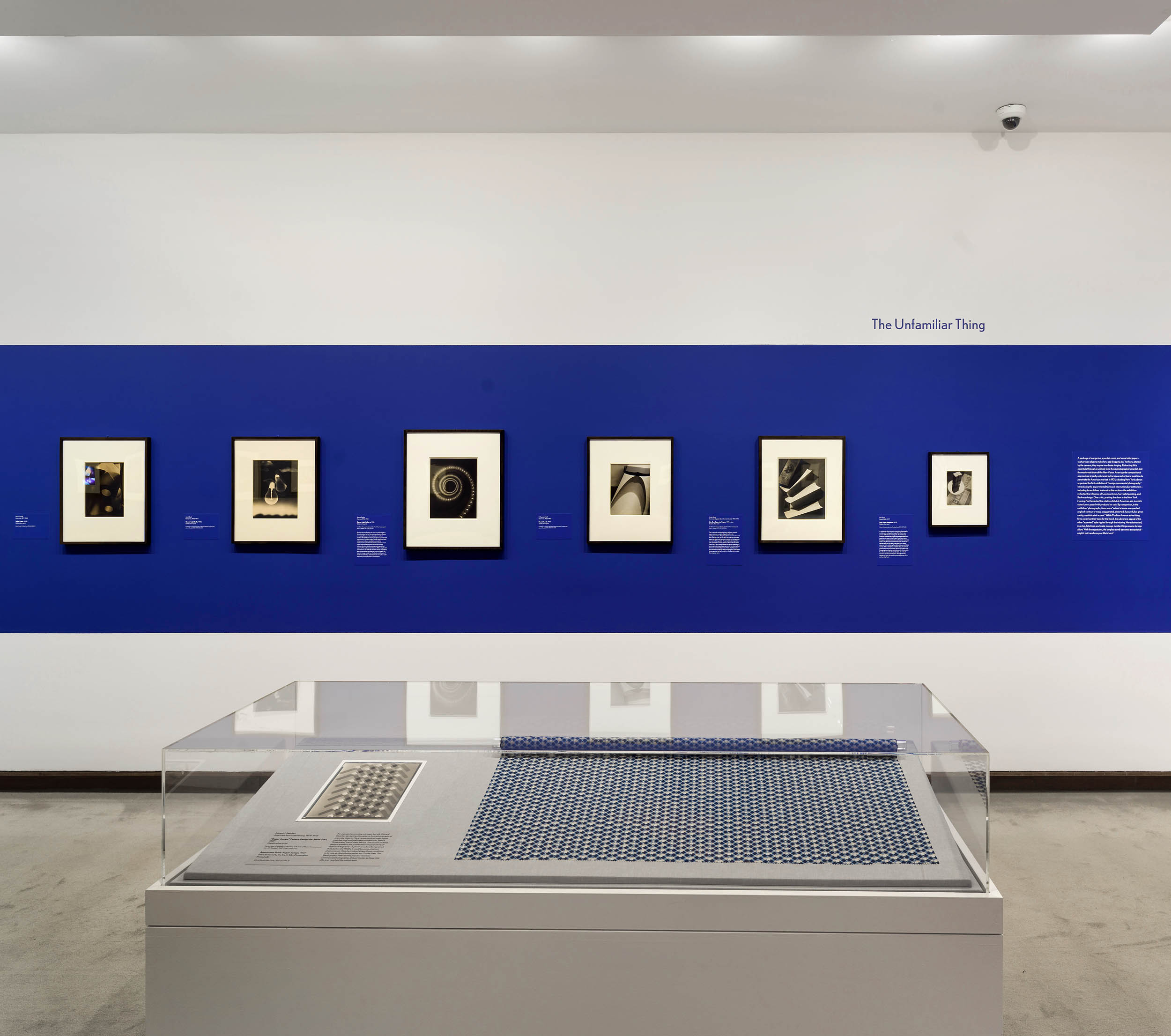
![Edward J. Steichen (American born Luxembourg, Bivange 1879 - 1973 West Redding, Connecticut) '["Sugar Lumps" Pattern Design for Stehli Silks]' 1927](https://artblart.com/wp-content/uploads/2024/06/steichen-sugar-lumps.jpg "Edward J. Steichen (American born Luxembourg, Bivange 1879 - 1973 West Redding, Connecticut) '[\"Sugar Lumps\" Pattern Design for Stehli Silks]' 1927")
![August Sander (German, 1876-1964) '[Osram Light Bulbs]' c. 1930](https://artblart.com/wp-content/uploads/2024/06/august-sander_osram-light-bulbs.jpg "August Sander (German, 1876-1964) '[Osram Light Bulbs]' c. 1930")
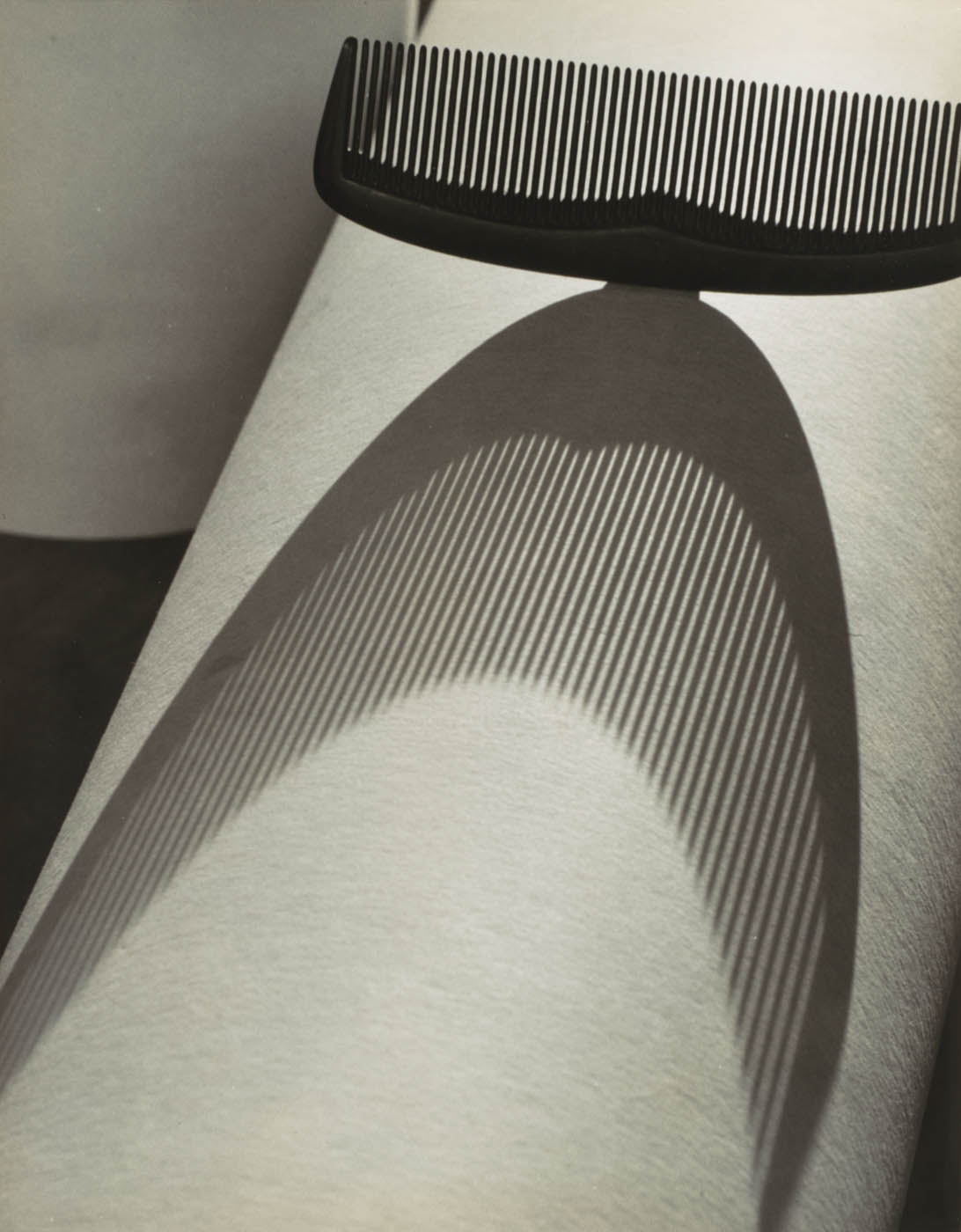
![César Domela (Dutch, 1900-1992) '[Ruthsspiecher Tanks]' 1928](https://artblart.com/wp-content/uploads/2024/06/domela-ruthsspiecher-tanks.jpg "César Domela (Dutch, 1900-1992) '[Ruthsspiecher Tanks]' 1928")
![Unknown (American) '[Montage for Packard Super Eight]' c. 1940](https://artblart.com/wp-content/uploads/2024/06/unknown_montage-for-a-packard-super-eight.jpg "Unknown (American) '[Montage for Packard Super Eight]' c. 1940")

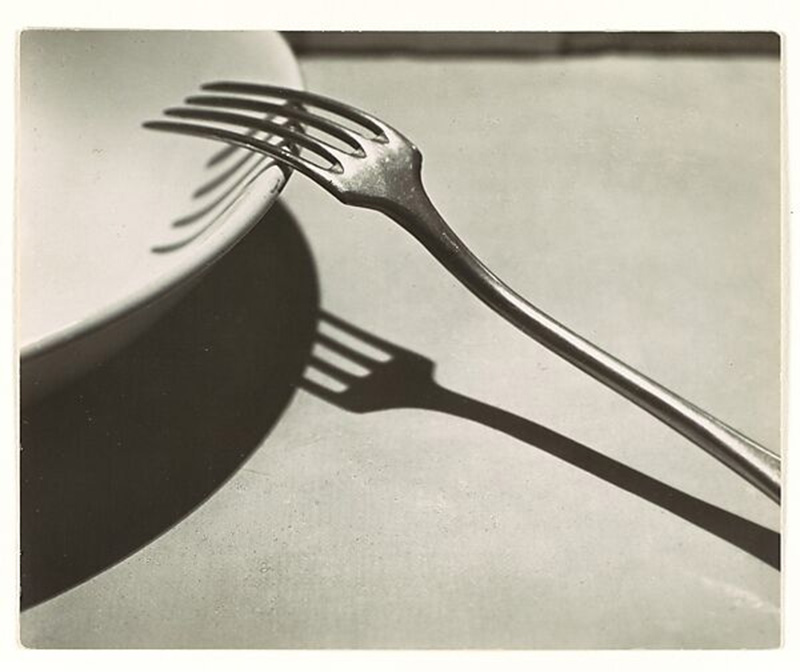
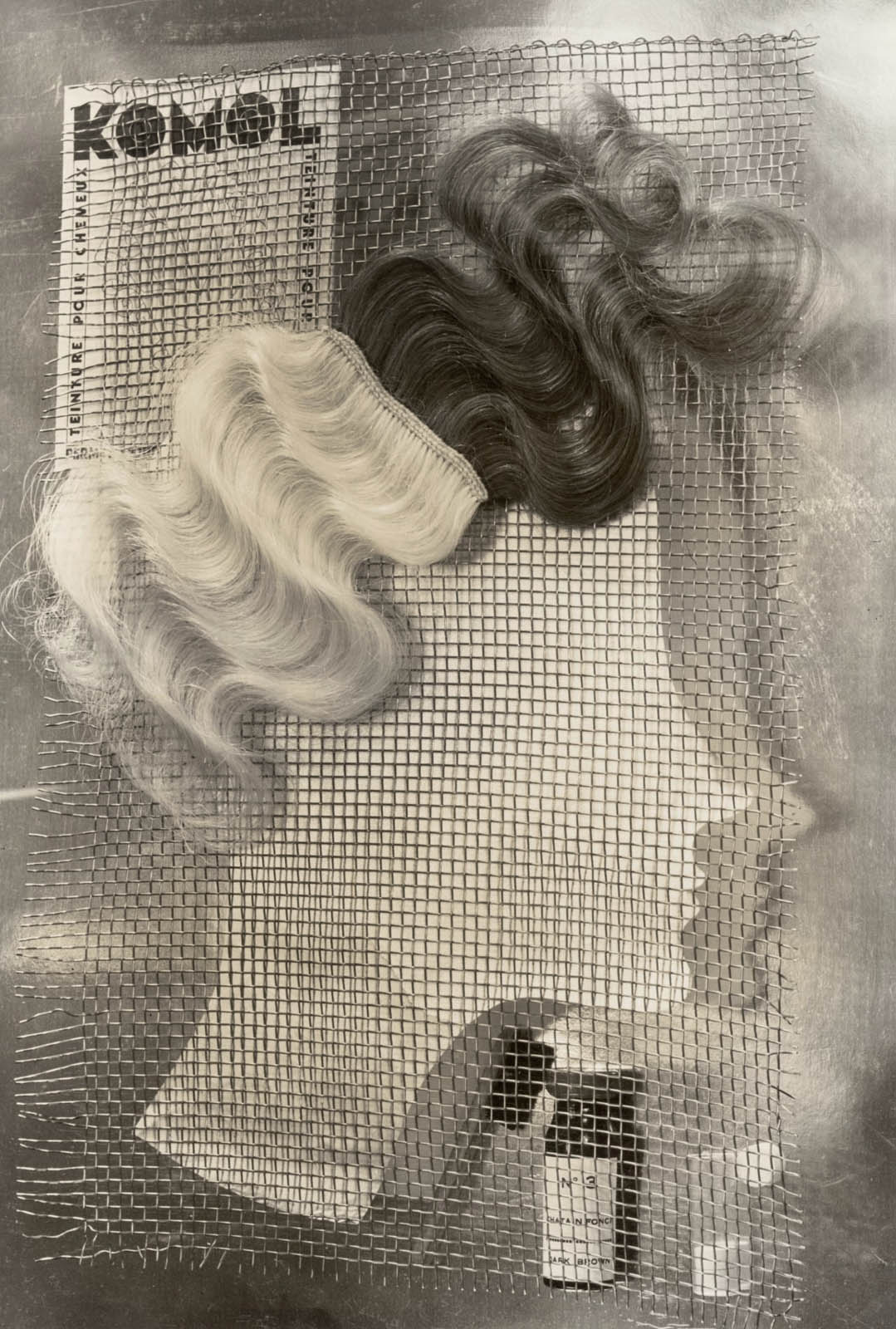









![Vasyl Yermilov (Ukrainian, 1894-1967) 'Nove Mystetstvo' ([New Art], magazine cover design) c. 1927](https://artblart.com/wp-content/uploads/2023/03/yermilov_nove_mystetsvo.jpg "Vasyl Yermilov (Ukrainian, 1894-1967) 'Nove Mystetstvo' ([New Art], magazine cover design) c. 1927")


You must be logged in to post a comment.