Exhibition: ‘Helen Levitt’ at Fundación MAPFRE, Madrid

Exhibition dates: 19th February – 17th May, 2026

Curator: Joshua Chuang
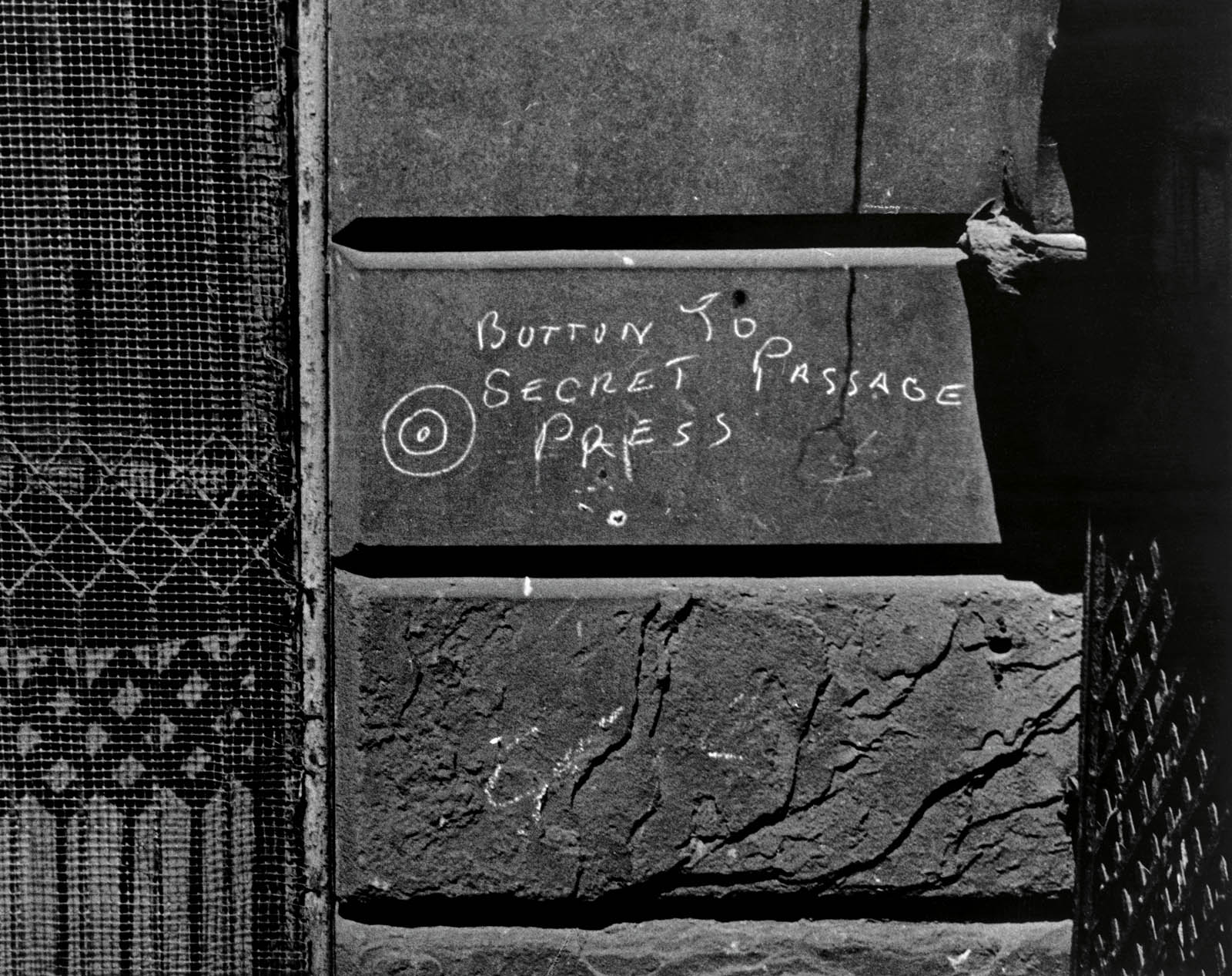
 

Helen Levitt (American, 1913-2009) 'New York' c. 1938


Helen Levitt (American, 1913-2009)
New York
c. 1938
Gelatin silver print


If there is one photographer in the history of the medium that captures the spirit of childhood, the spirit of a single city, and the spirit of life – then that photographer is the incomparable and beloved American photographer Helen Levitt (American, 1913-2009).

I have posted on this exhibition before when it was displayed at Fundación MAPFRE, Barcelona but I have now added many more photographs to the exhibition posting. Despite emails to the gallery I have been unable to secure any installation photographs of the exhibition.

It’s worth quoting from my text “Levittation” from the earlier posting on this exhibition for indubitably it holds true:

“In her photographs there is an (in)direct engagement with the people that surrounded her (in her early works “she often hid her camera under her coat to capture candid, unnoticed moments on the streets”), an exchange of energy from the photographer to the subject and back through the camera onto the film… evidencing a generosity of spirit on the part of the artist towards her subjects. Here there is no pressing the camera into the face of the victim a la Garry Winogrand to evince a reaction, but a genuine sense of compassion and empathy towards the people who live in the great city of New York. …

As with any great art, the artist that produced it (even as she is ambitious) seems to be without ego. She lets the picture and the emotions tell the story without the shadow of the artist getting in the way (unlike much contemporary art and photography). For the work of art to have value in itself.

Thus, her photographs speak to us directly, or not at all.”1

Dr Marcus Bunyan


1/ Marcus Bunyan. “Levittation,” on the Art Blart website, November 28, 2025 [Online] Cited 17/04/2026


Many thankx to Fundación MAPFRE, Madrid for allowing me to publish the photographs in the posting. Please click on the photographs for a larger version of the image.


“Helen Levitt was one of the first women to stand out in the world of photography, especially in the field of urban photojournalism. She always avoided imposing an explicit narrative on her images and preferred not to comment on them, letting them speak for themselves. The commitment to this discretion, far from diminishing the value of her work, is precisely one of the keys that make it so fascinating and unique.”


Carles Toribio. “Helen Levitt: the poetry of the streets in images at the KBr of the Fundación MAPFRE,” on the Bonart website 22/09/25 [Online] Cited 17/04/2026
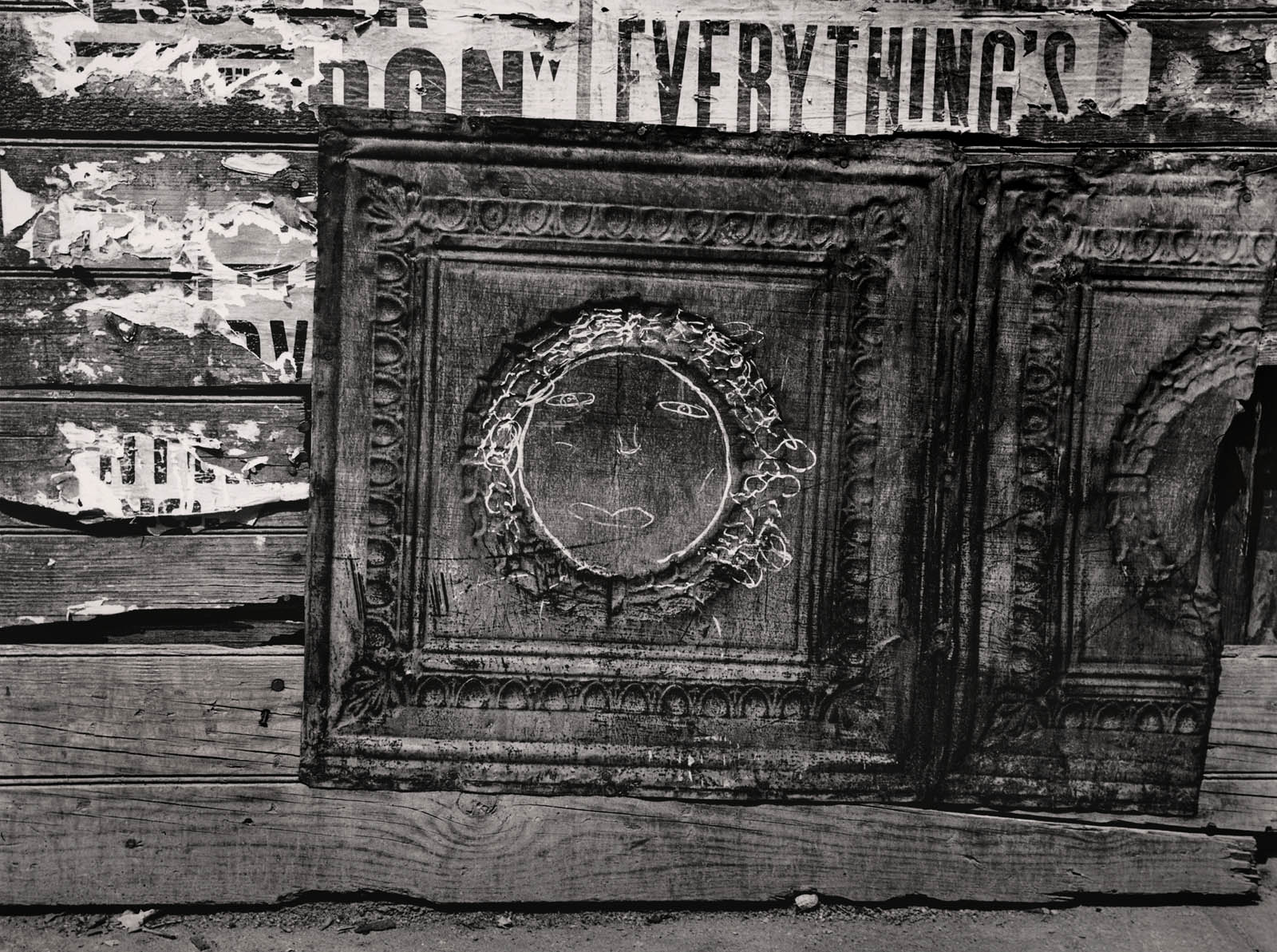


Helen Levitt (American, 1913-2009) 'New York' c. 1939


Helen Levitt (American, 1913-2009)
New York
c. 1939
Gelatin silver print


Helen Levitt (American, 1913-2009) 'New York' c. 1938


Helen Levitt (American, 1913-2009)
New York
c. 1938
Gelatin silver print
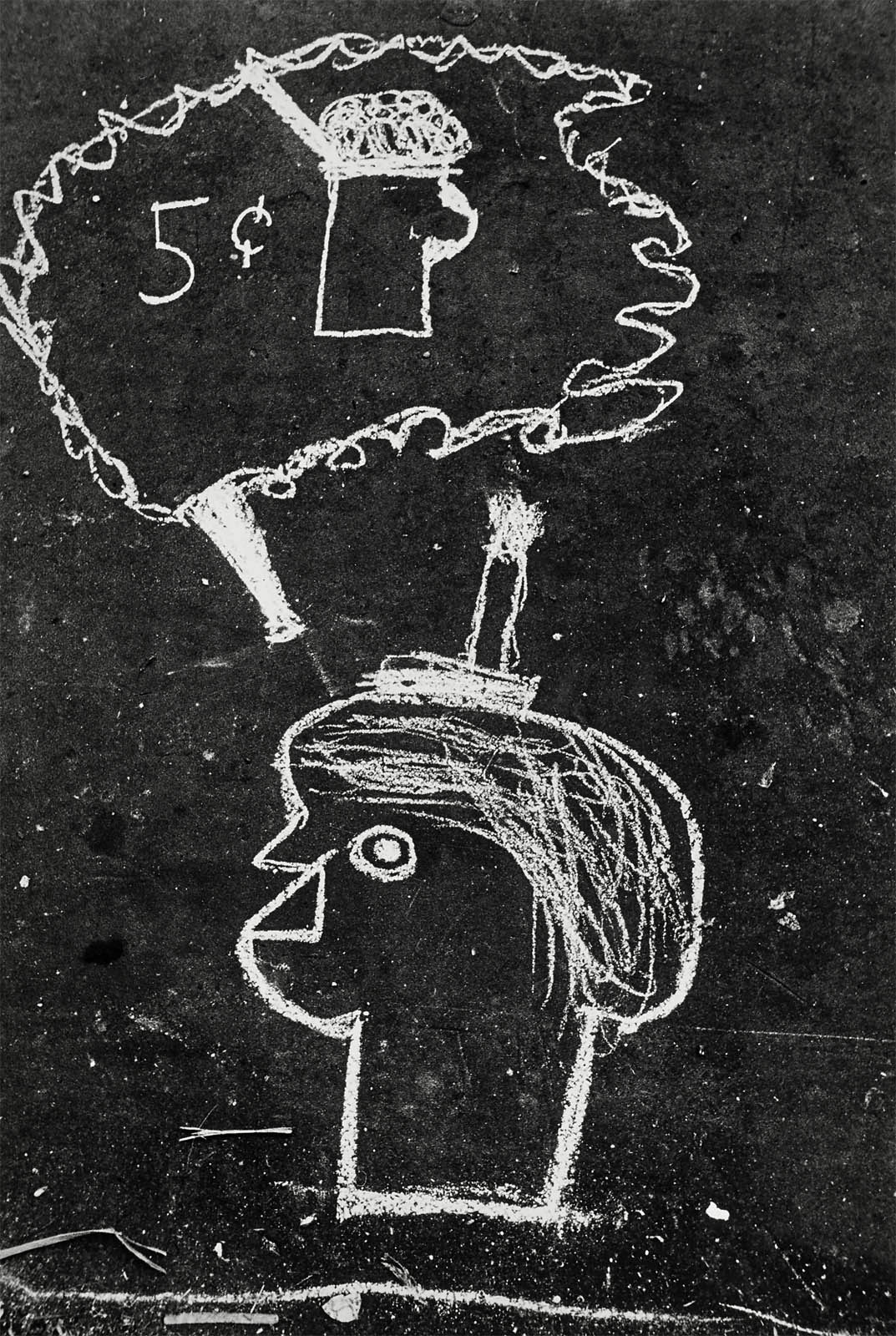
 

Helen Levitt (American, 1913-2009) 'New York City' c. 1940


Helen Levitt (American, 1913-2009)
New York City
c. 1940
Gelatin silver print


Helen Levitt (American, 1913-2009) 'Kid in Tree with Mask, New York' c. 1938


Helen Levitt (American, 1913-2009)
New York
c. 1938
Gelatin silver print
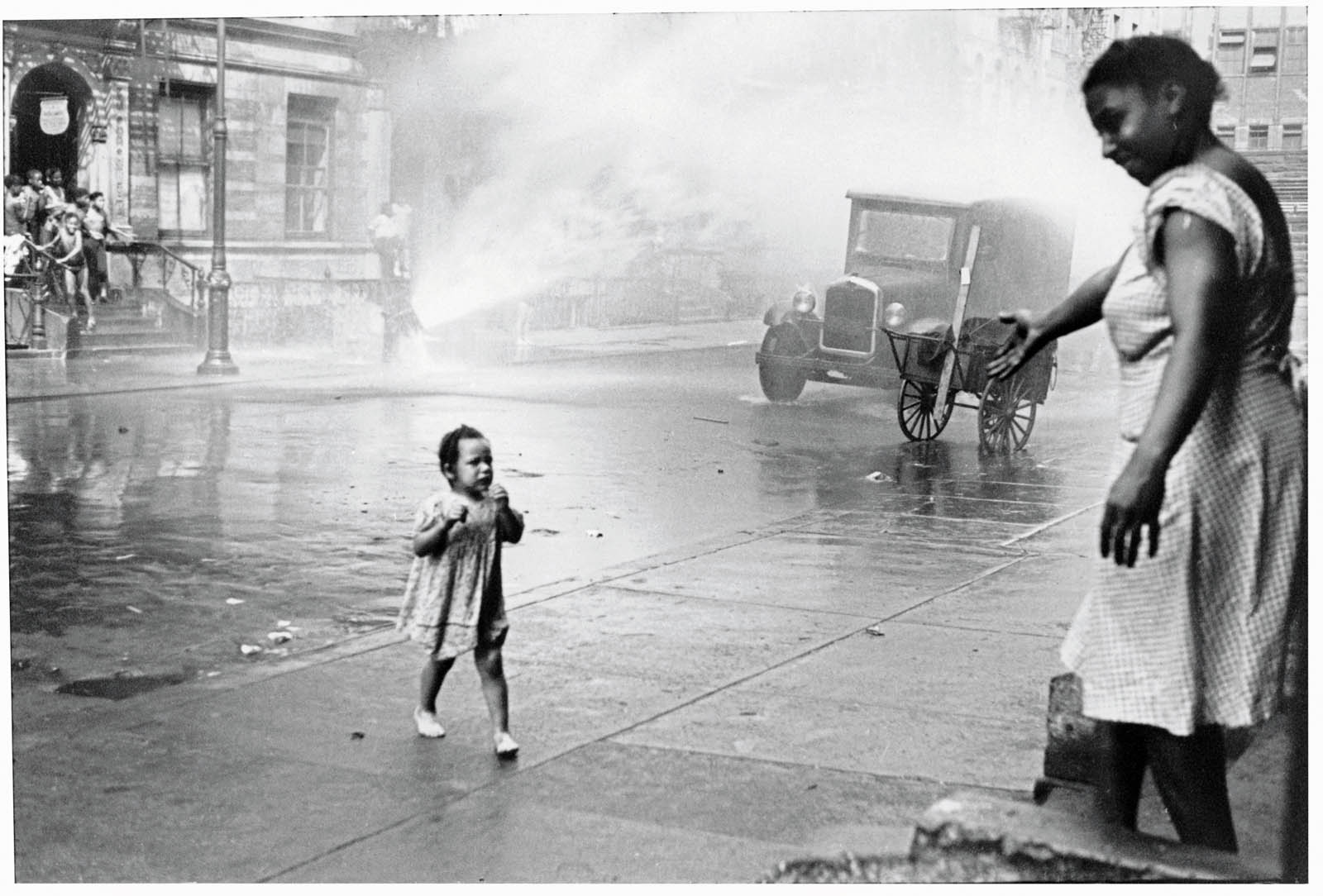
 

Helen Levitt (American, 1913-2009) 'New York' c. 1939


Helen Levitt (American, 1913-2009)
New York
c. 1939
Gelatin silver print
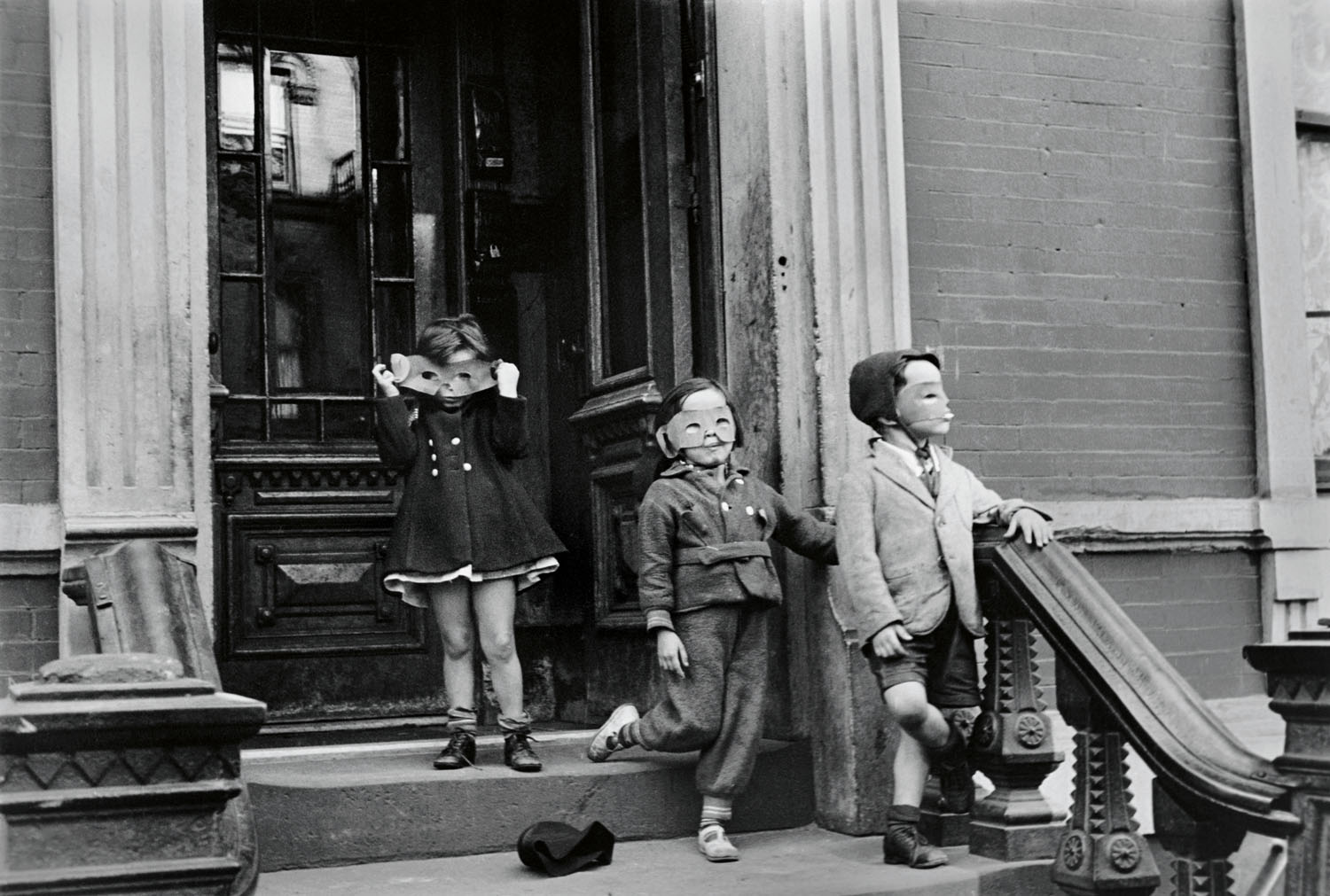
 

Helen Levitt (American, 1913-2009) 'New York' c. 1939


Helen Levitt (American, 1913-2009)
New York
c. 1939
Gelatin silver print
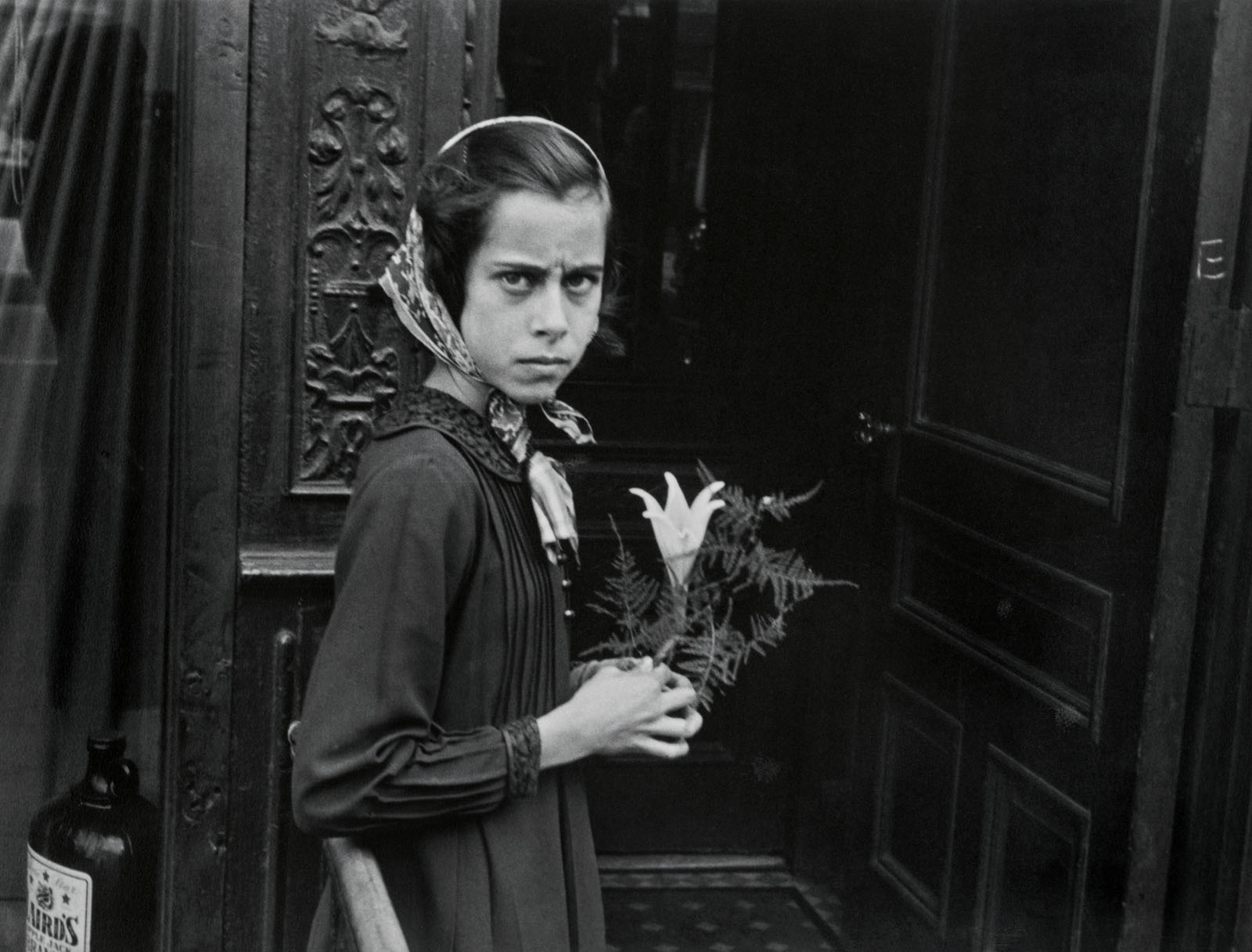
 

Helen Levitt (American, 1913-2009) 'New York' c. 1939


Helen Levitt (American, 1913-2009)
New York
c. 1939
Gelatin silver print


Helen Levitt (American, 1913-2009) began photographing the streets of New York, her hometown, in the late 1930s, focusing mainly on poor neighbourhoods such as Spanish Harlem or the Lower East Side, where the street is the main stage of daily life. Her camera was directed primarily toward children and their street games. These childhood scenes are the central theme of a body of work that captivates us with its ability to transform everyday situations into images that convey all that life can hold of emotion, mystery, or humour and that, although lacking an explicit narrative, manage to establish an immediate connection with the viewer. Levitt’s work soon received the recognition it deserved, and as early as 1943 the Museum of Modern Art in New York organised her first solo exhibition (Photographs of Children).

In later years, she became deeply interested in film and colour photography. Regarding the former, in 1948 she collaborated on the documentary The Quiet One and co-directed In the Street, another documentary about the streets of Spanish Harlem. Both titles would be highly influential in the subsequent evolution of documentary cinema, inspiring artists such as Jonas Mekas and Andy Warhol. On the other hand, after receiving a Guggenheim Fellowship in 1959 to explore chromatic techniques, she began experimenting with colour photography, a medium in which she would also develop pioneering work.

A socially committed artist, Levitt was one of the first women to forge a professional career in photography. This exhibition is the first to be organised based on the entirety of her work and archives, which have only recently been made available for public consultation.

Text from the Fundación MAPFRE website


Helen Levitt (American, 1913-2009) began photographing the streets of New York City, her hometown, in the late 1930s, focusing primarily on poor neighbourhoods like Spanish Harlem and the Lower East Side, where the street plays a central role as the stage for daily life. She documented intimate and fleeting moments of human connection, becoming a key figure in 20th-century photography.

Her training began as an apprentice in a Bronx studio, and in 1934 she acquired her first camera. Shortly after, she joined the New York Film and Photo League, where she met Henri Cartier-Bresson, whose influence was decisive in Levitt’s decision to pursue photography independently.

Between 1938 and 1942, she captured some of her most iconic images, documenting everyday life in working-class neighbourhoods of New York with a spontaneous, empathetic, and unpretentious eye. Her approach, focused especially on childhood and the fleeting moments of urban life, broke with the traditional canons of photojournalism and opened new avenues for photography as a means of poetic and social expression.

In 1943, MoMA dedicated her first solo exhibition to her, solidifying her place in art history.

Although her name is associated with “street photography,” since it was precisely the streets of her hometown that provided the context for her images, throughout her career she ventured into film and visited other countries, such as Mexico.

Levitt also explored colour photography and film, pioneering both fields. She co-directed the documentary In the Street and received a Guggenheim Fellowship in 1959 to research new colour techniques. Although a 1970 robbery resulted in the loss of much of her colour work, she resumed her photography, and MoMA screened her slides in 1974. During the following decades, she continued to photograph intermittently, returning to black and white and exploring new settings such as the New York subway. Her work, marked by ambiguity and restrained emotion, has been recognised for its ability to capture fleeting moments of human connection in complex urban environments.

The exhibition, curated by Joshua Chuang, offers a comprehensive overview of Levitt’s career through nine sections and some 220 photographs. It includes previously unseen works, as well as pieces taken in Mexico in 1941 and a significant portion of her colour work, which she began in the 1950s. In addition, her film In the Street, directed by Levitt herself along with Janice Loeb and James Agee, is presented, along with a screening of colour slides taken by the artist.

Press release from Fundación MAPFRE
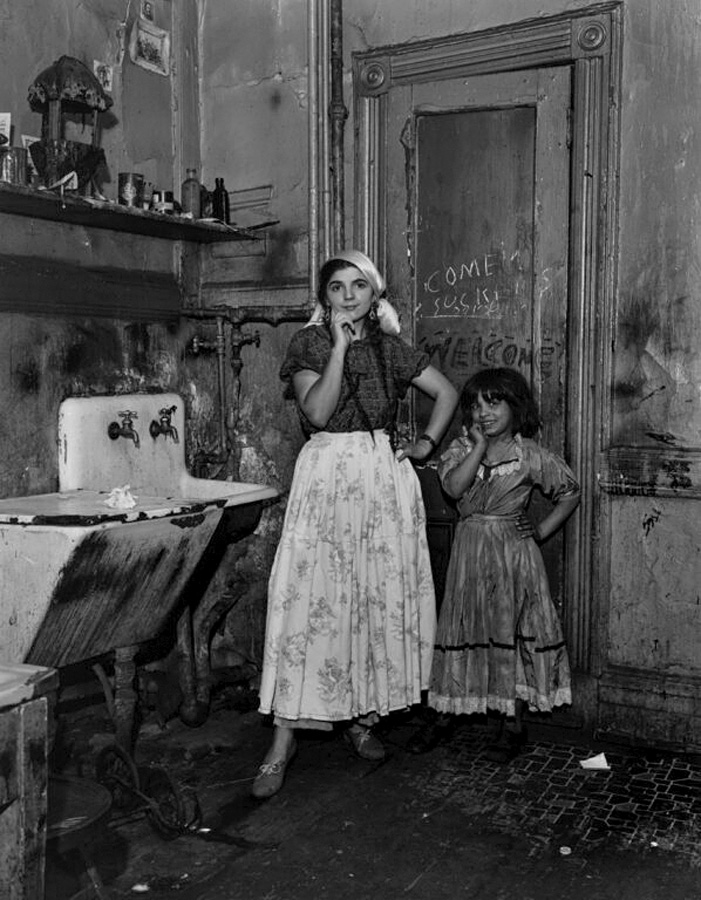
 

Helen Levitt (American, 1913-2009) 'New York' c. 1939


Helen Levitt (American, 1913-2009)
New York
c. 1939
Gelatin silver print
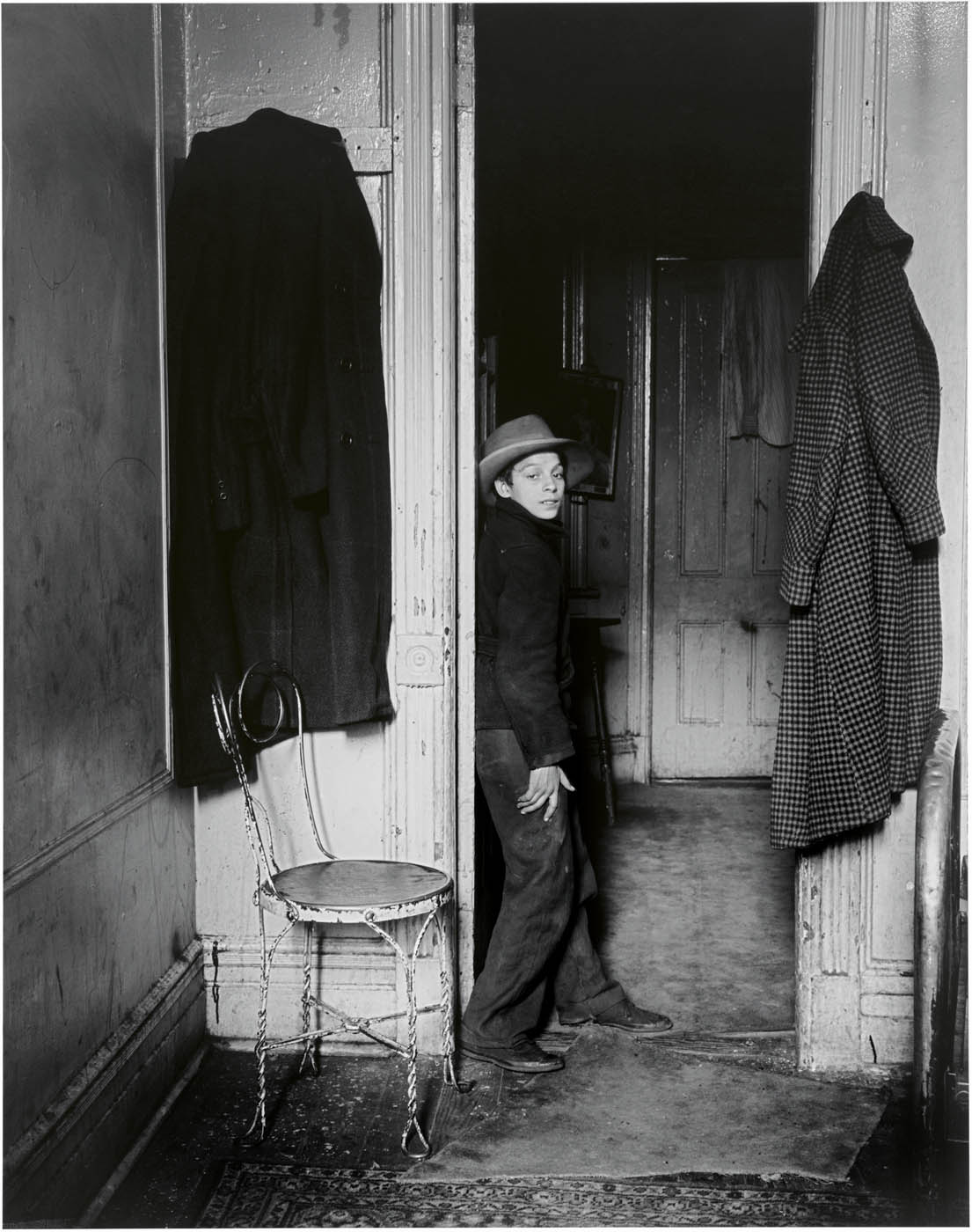
 

Helen Levitt (American, 1913-2009) 'New York' c. 1939


Helen Levitt (American, 1913-2009)
Gypsy Boy, Harlem, New York
c. 1939
Gelatin silver print
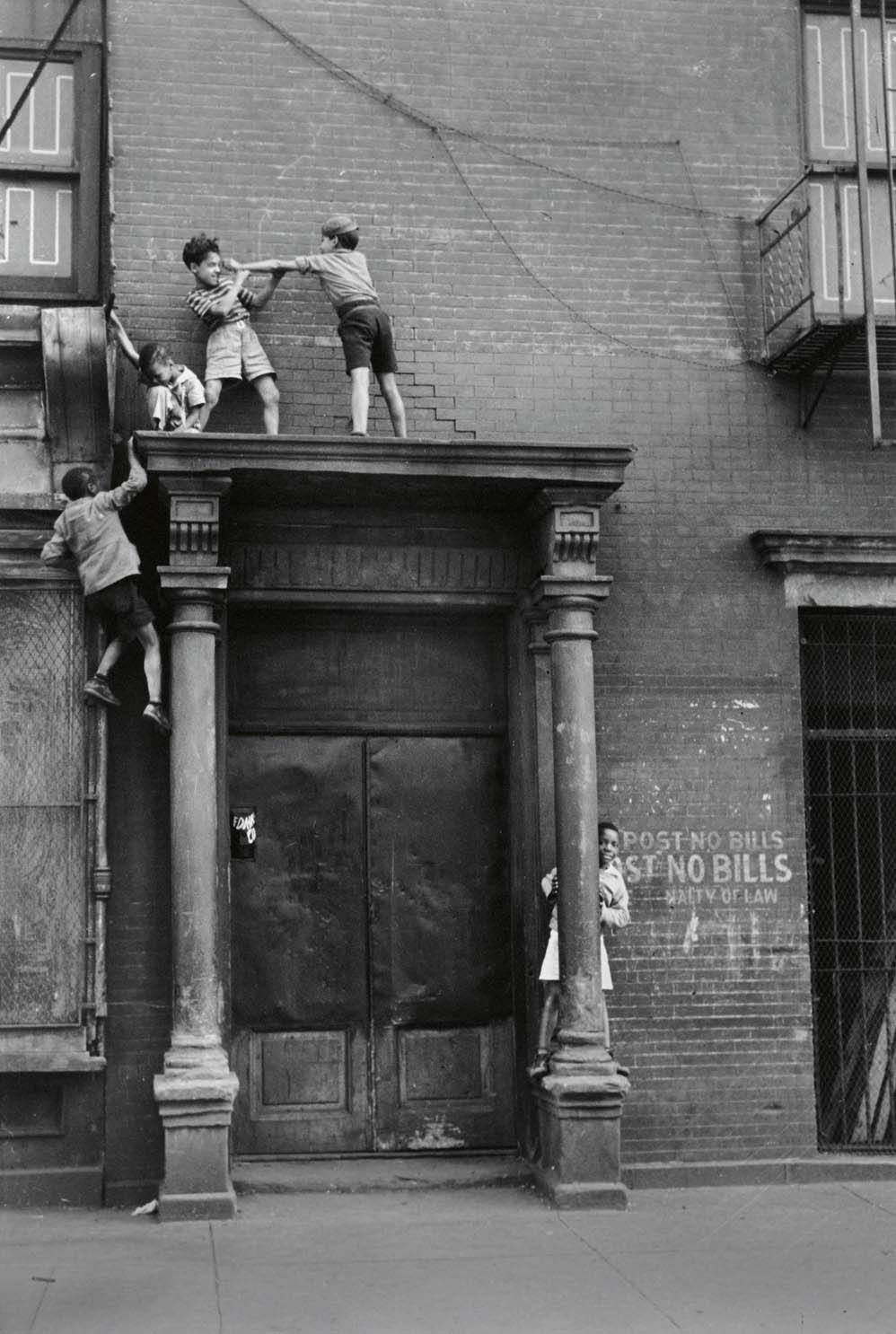
 

Helen Levitt (American, 1913-2009) 'New York' c. 1939


Helen Levitt (American, 1913-2009)
New York
c. 1939
Gelatin silver print
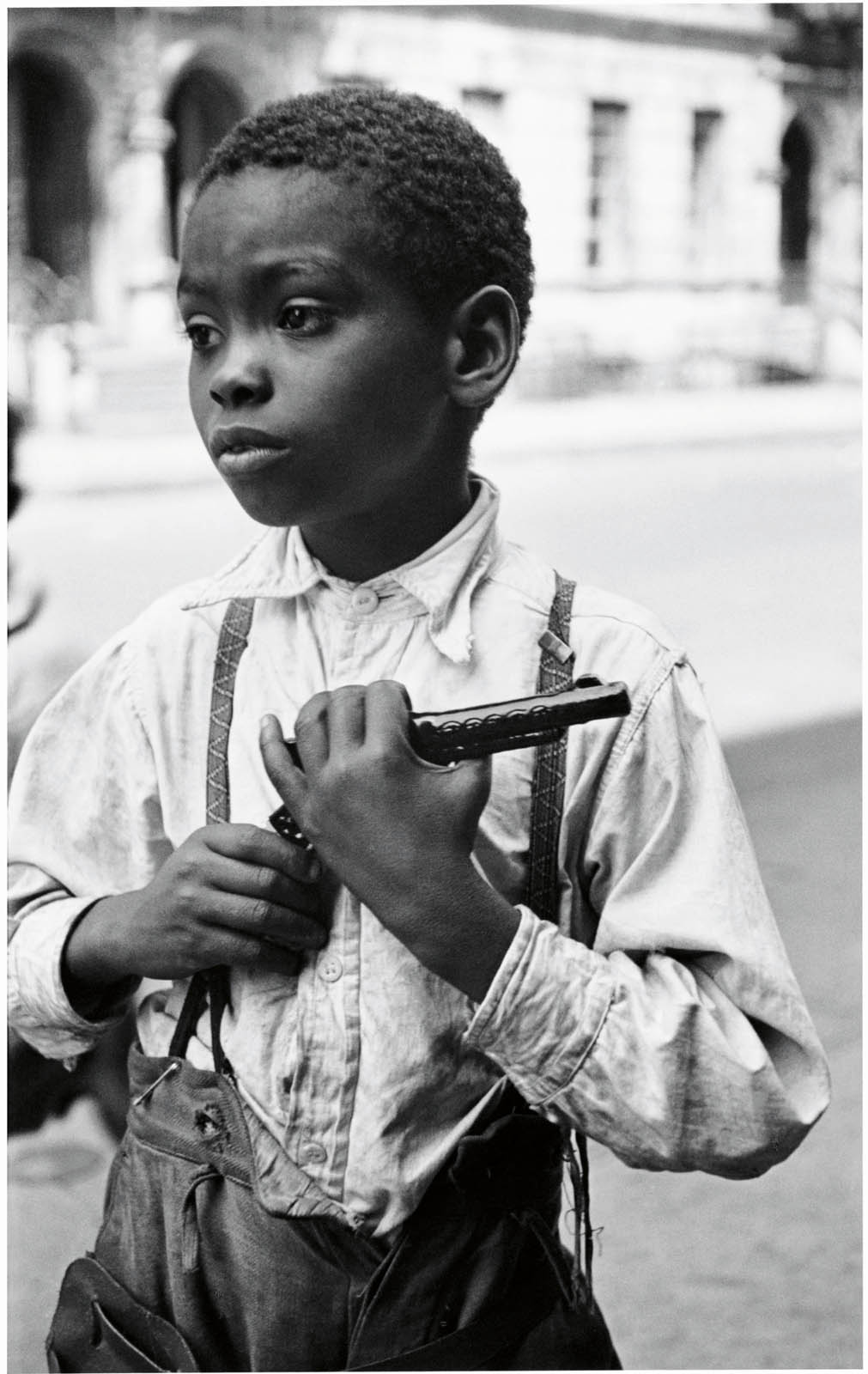
 

Helen Levitt (American, 1913-2009) 'New York' c. 1939


Helen Levitt (American, 1913-2009)
New York
c. 1939
Gelatin silver print
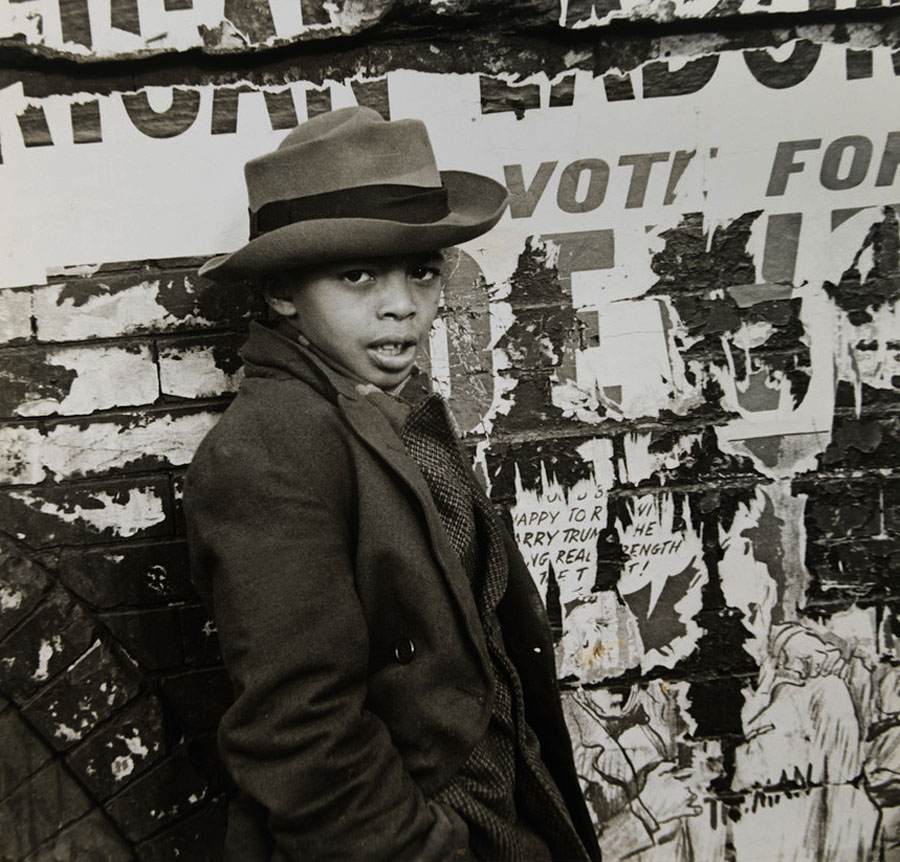
 

Helen Levitt (American, 1913-2009) 'New York' 1939


Helen Levitt (American, 1913-2009)
New York
1939
Gelatin silver print


Information

Dedicated full-time to her artistic activities, the photographer Helen Levitt (New York, 1913-2009) did not begin to gain public recognition until relatively late in life. Although her name has always been associated with “street photography,” as it was precisely the streets of her native city that provided the context for the production of her images, throughout her career Levitt made forays into film, visited other countries such as Mexico, and also focused on colour photography. Her images, almost invariably ambiguous and mysterious although not necessarily at first glance, are also characterised by their spontaneity, warmth and sensitivity. The movements and gestures of the figures captured by her lens and the communication between them transcend that inclination to “photograph children” which many critics pointed out after her first exhibition at the MoMA in 1943, entitled Helen Levitt: Photographs of Children.

Levitt’s work as a whole goes far beyond the latter aspect, revealing her acceptance of the pleasures, terrors and complexity of existence at all ages, traits often overlooked by the viewer when immersed in the harsh reality of the urban landscape.

The exhibition, the first to be devoted to the artist on the basis of the entirety of her work and archives, which have only recently become available for study, offers a broad overview of Levitt’s career through nine sections and around 220 photographs. It includes previously unexhibited images, as well as work produced in Mexico in 1941 and a large proportion of the artist’s work in colour, which she explored from the 1950s onward. It also features her film In the Street, directed by Levitt in collaboration with Janice Loeb and James Agee, and a projection of her colour slides.

Born in Brooklyn to a Russian-Jewish family, Helen Levitt dropped out of high school early and began her photography training in a Bronx studio. Influenced by Henri Cartier-Bresson, she pursued independent photography, capturing everyday life in New York neighbourhoods between 1938 and 1942. Her first solo exhibition was at the MoMA in 1943. She also experimented with film, making In the Street, and with colour photography, which gained her a Guggenheim Fellowship in 1959. Levitt continued to work intermittently, exploring new settings such as the subway and rural areas. Her creative output is recognised for its ability to capture moments of human connection in complex urban environments.

Key themes

Enigmatic photographs

Helen Levitt’s images possess a mysterious quality that transforms them into true visual enigmas. Her unique and highly perceptive gaze turns everyday scenes into compositions that are hard to define, creating an immediate connection with the viewer even when there is no clear narrative to explain them.

A pioneer with her own voice

Helen Levitt was one of the first women to make her way in the world of photography, especially in the field of street photography. She always avoided constructing an explicit narrative in her images and preferred not to talk about them. Far from diminishing its value, that decision is one of the key traits that make her work so interesting. Despite this characteristic of reserve, Levitt’s photographs connect with the viewer through the universal emotions they convey.

Text from Fundación MAPFRE
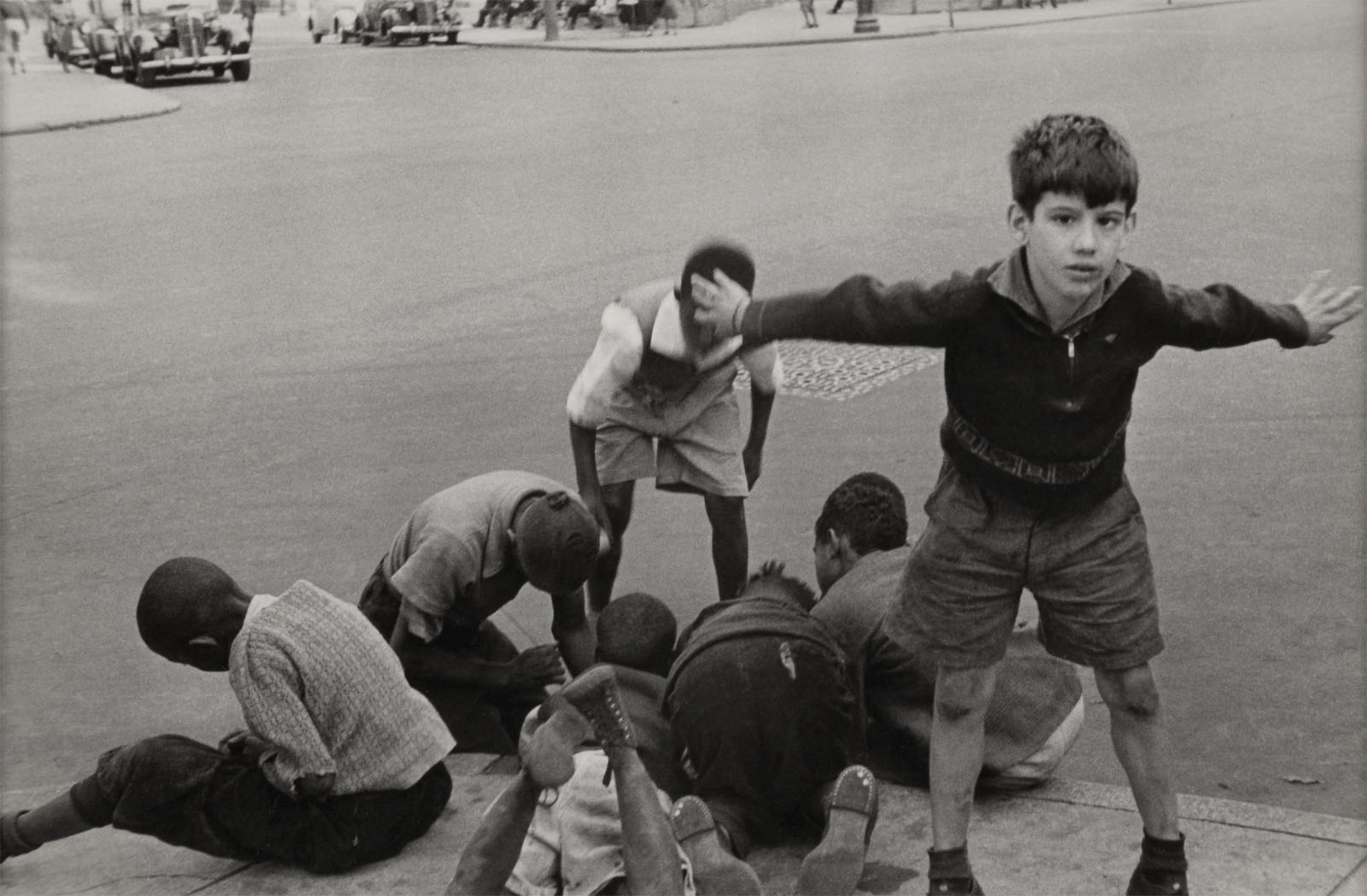
 

Helen Levitt (American, 1913-2009) 'New York' 1940


Helen Levitt (American, 1913-2009)
New York
1940
Gelatin silver print
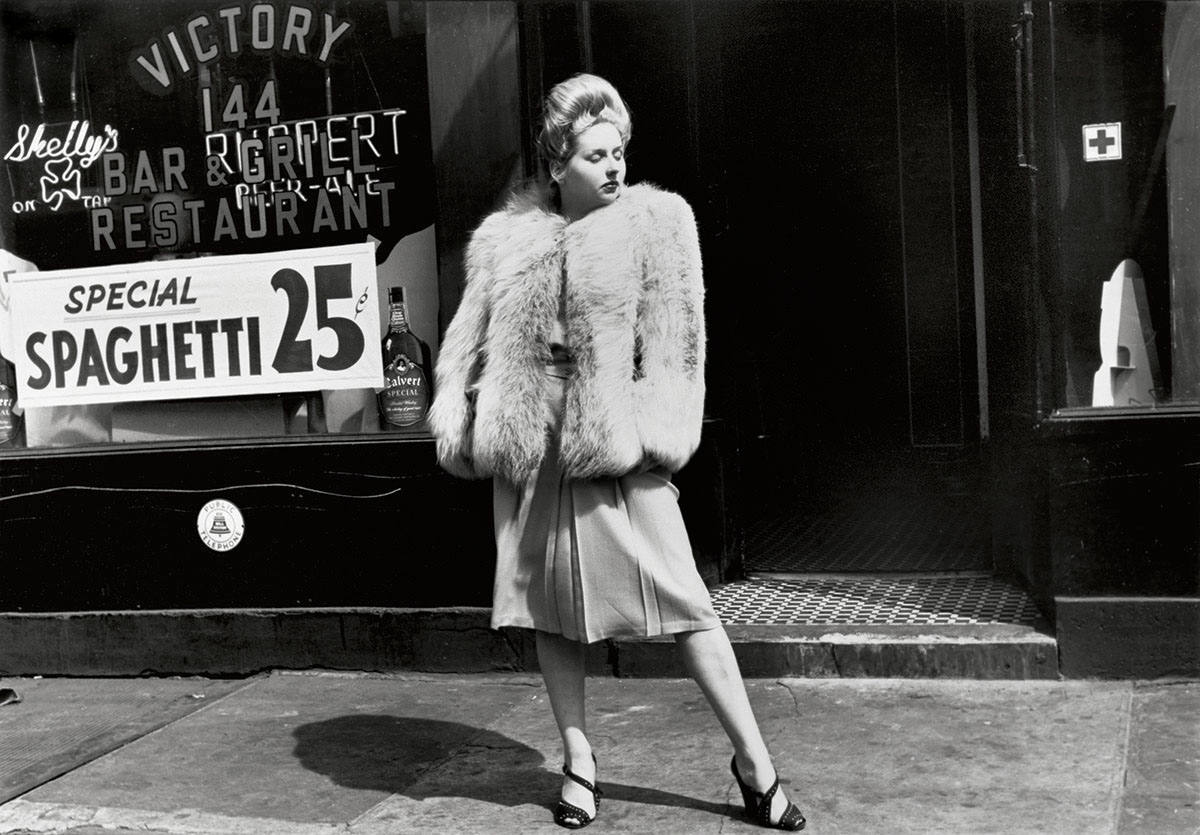
 

Helen Levitt (American, 1913-2009) 'New York' c. 1940


Helen Levitt (American, 1913-2009)
New York
c. 1940
Gelatin silver print
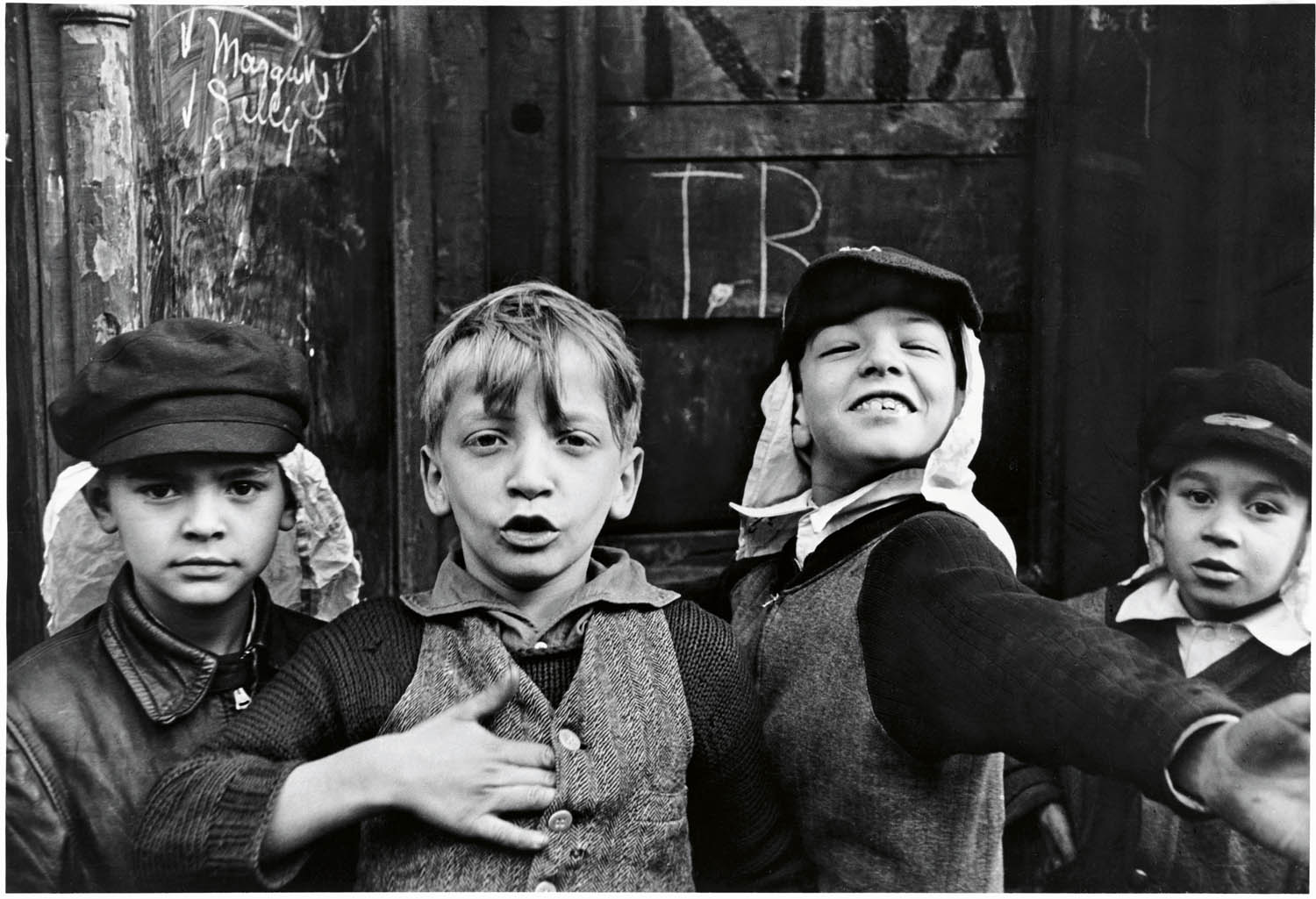
 

Helen Levitt (American, 1913-2009) 'New York' c. 1940


Helen Levitt (American, 1913-2009)
New York
c. 1940
Gelatin silver print
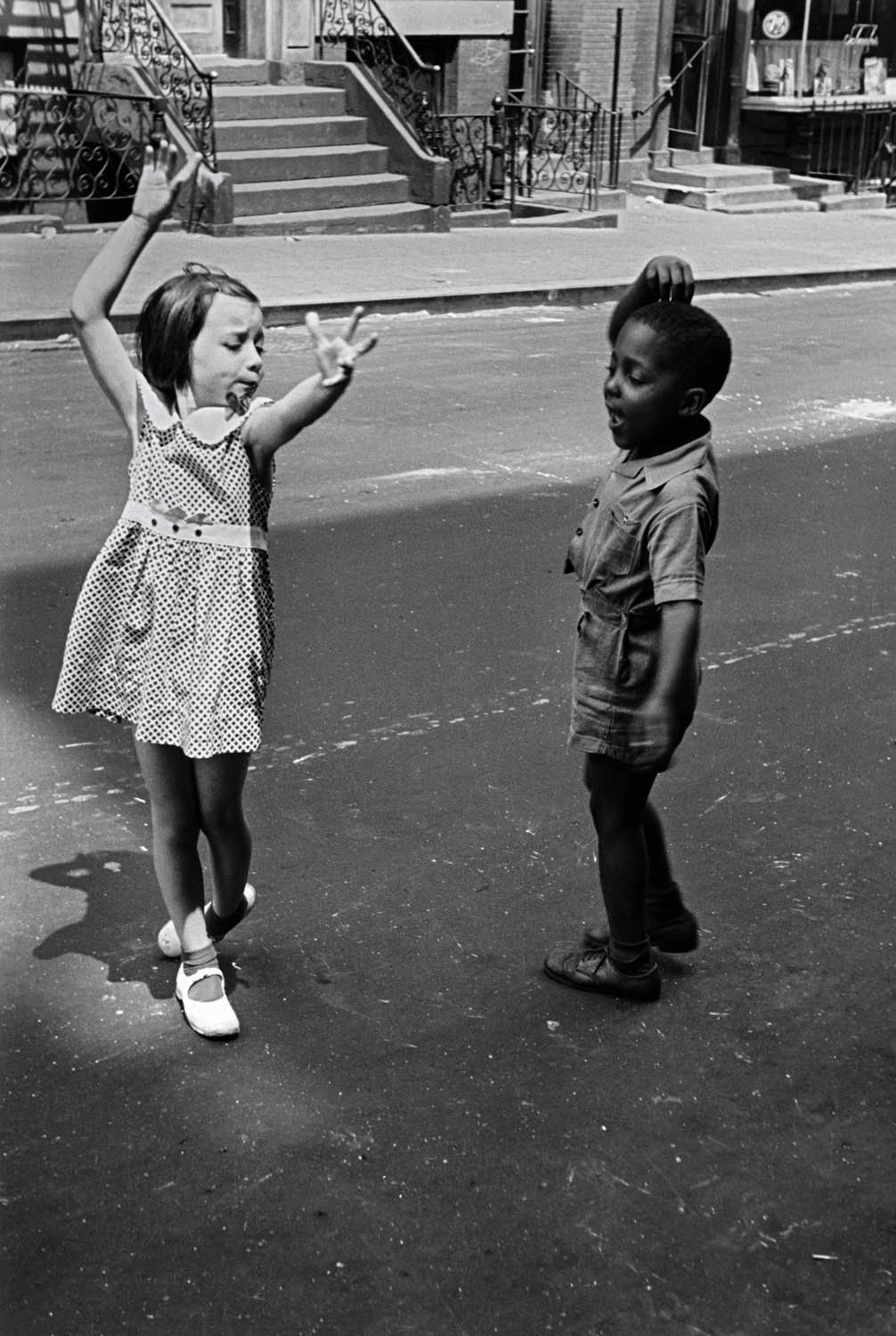
 

Helen Levitt (American, 1913-2009) 'New York' c. 1940


Helen Levitt (American, 1913-2009)
New York
c. 1940
Gelatin silver print
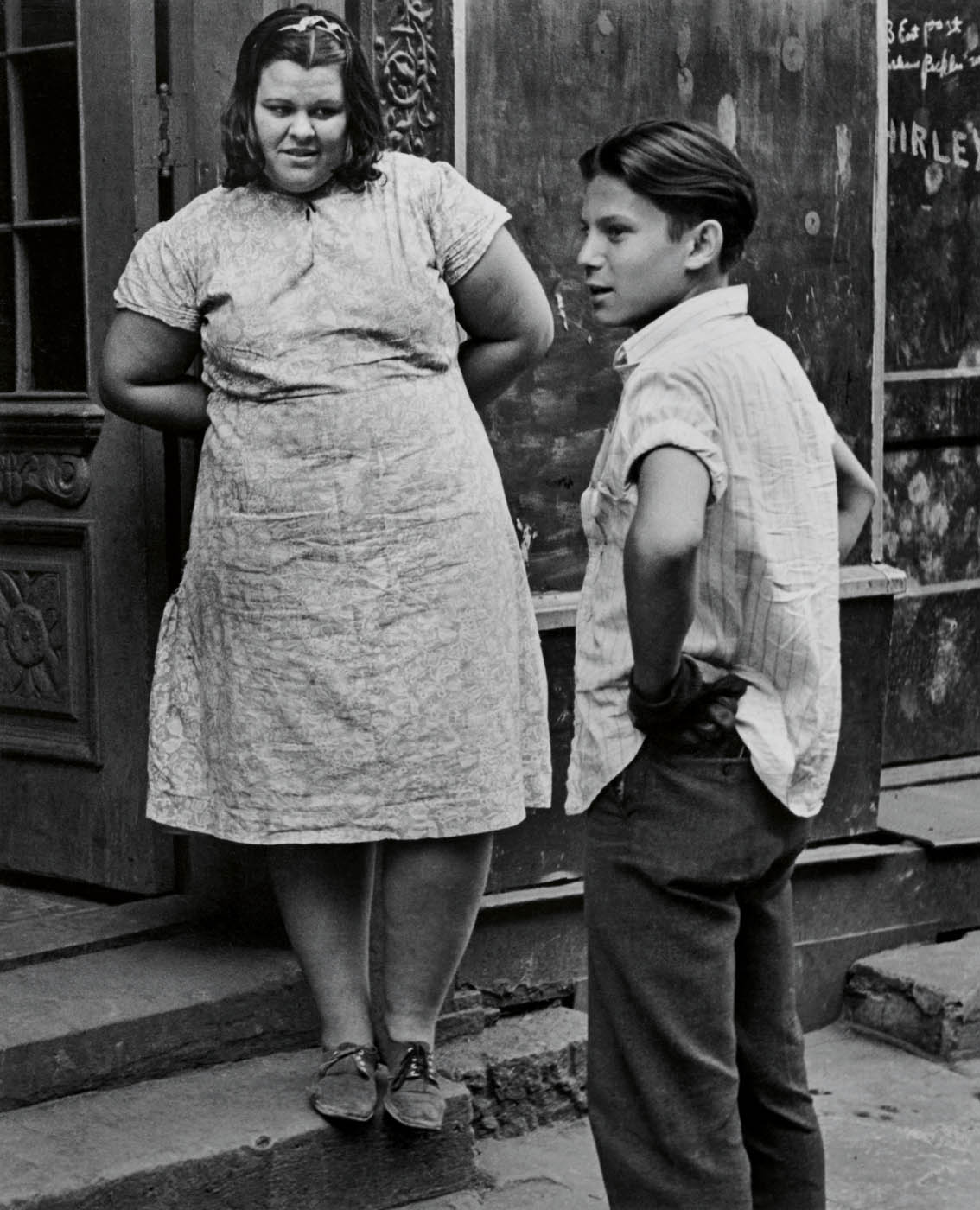
 

Helen Levitt (American, 1913-2009) 'New York' c. 1940


Helen Levitt (American, 1913-2009)
New York
c. 1940
Gelatin silver print
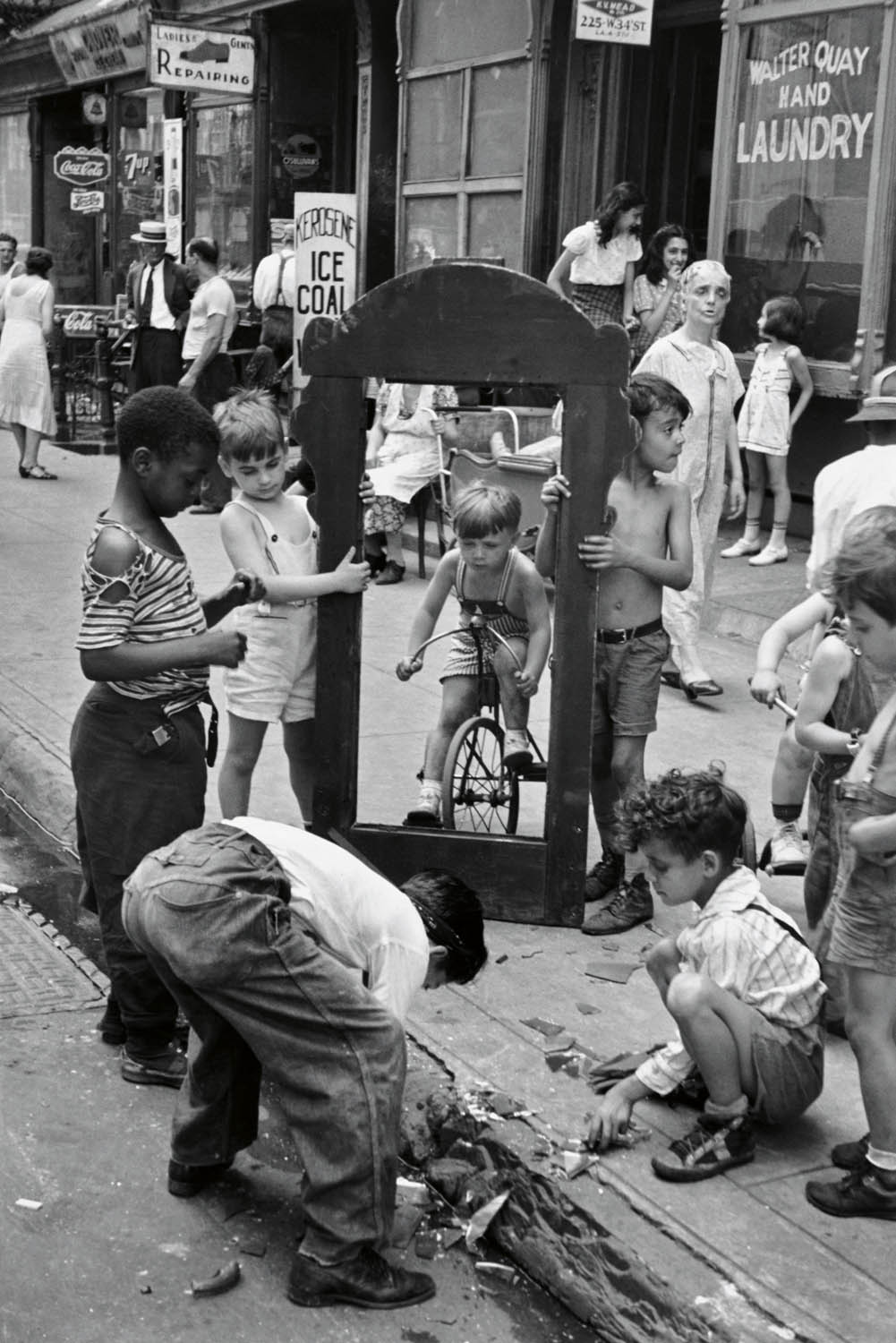
 

Helen Levitt (American, 1913-2009) 'New York' c. 1940


Helen Levitt (American, 1913-2009)
New York
c. 1940
Gelatin silver print


Born and raised in Brooklyn, New York, Helen Levitt (American, 1913-2009) became a photographer in the mid-1930s after meeting Henri Cartier-Bresson and seeing his radical new pictures made with a discreet, handheld camera. By the end of the decade, she had developed a unique sensibility, one informed by Surrealism and a love of avant-garde cinema but focused on the interactions of ordinary people in the streets, sidewalks, stoops, and vacant lots of her native city.

Grounded in gritty realism but brimming with subversive humor, mischief, and pathos, Levitt’s pictures are open-ended and enigmatic, concealing as much as they reveal. Her uncanny photographs of urban children and their games brought Levitt early renown even as she remained attentive to the quiet gestures and movements of a broader swath of humanity observed with her 35mm Leica, especially in Spanish Harlem, where the activity of everyday life often spilled out of doors.

Following a months long foray in Mexico City, Levitt began to work in filmmaking, leading to a long hiatus in her photographic activity. In 1959, advances in the sensitivity colour film spurred her to take to the streets again with her Leica. She continued to photograph in colour throughout the 1970s, reverting to black-and-white film for a series of pictures taken in the New York City subway. Levitt continued to photograph intermittently until the early 1990s, when she became known as the “unofficial poet laureate” of New York and her oeuvre universally acknowledged as one of the most timeless and affecting in the history of the medium.

Joshua Chuang
Comisario / Curator
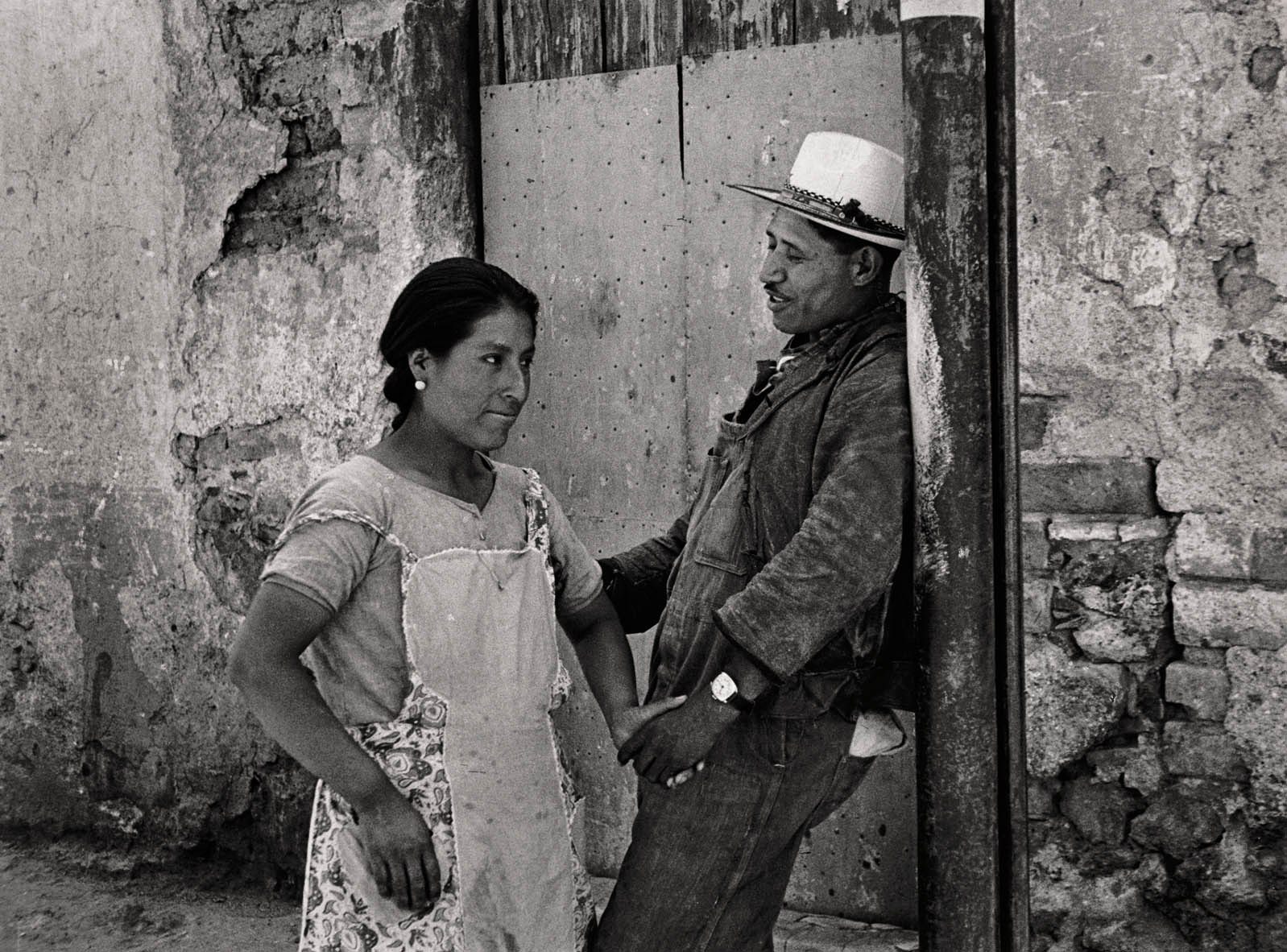
 

Helen Levitt (American, 1913-2009) 'Mexico City' 1941


Helen Levitt (American, 1913-2009)
Mexico City
1941
Gelatin silver print
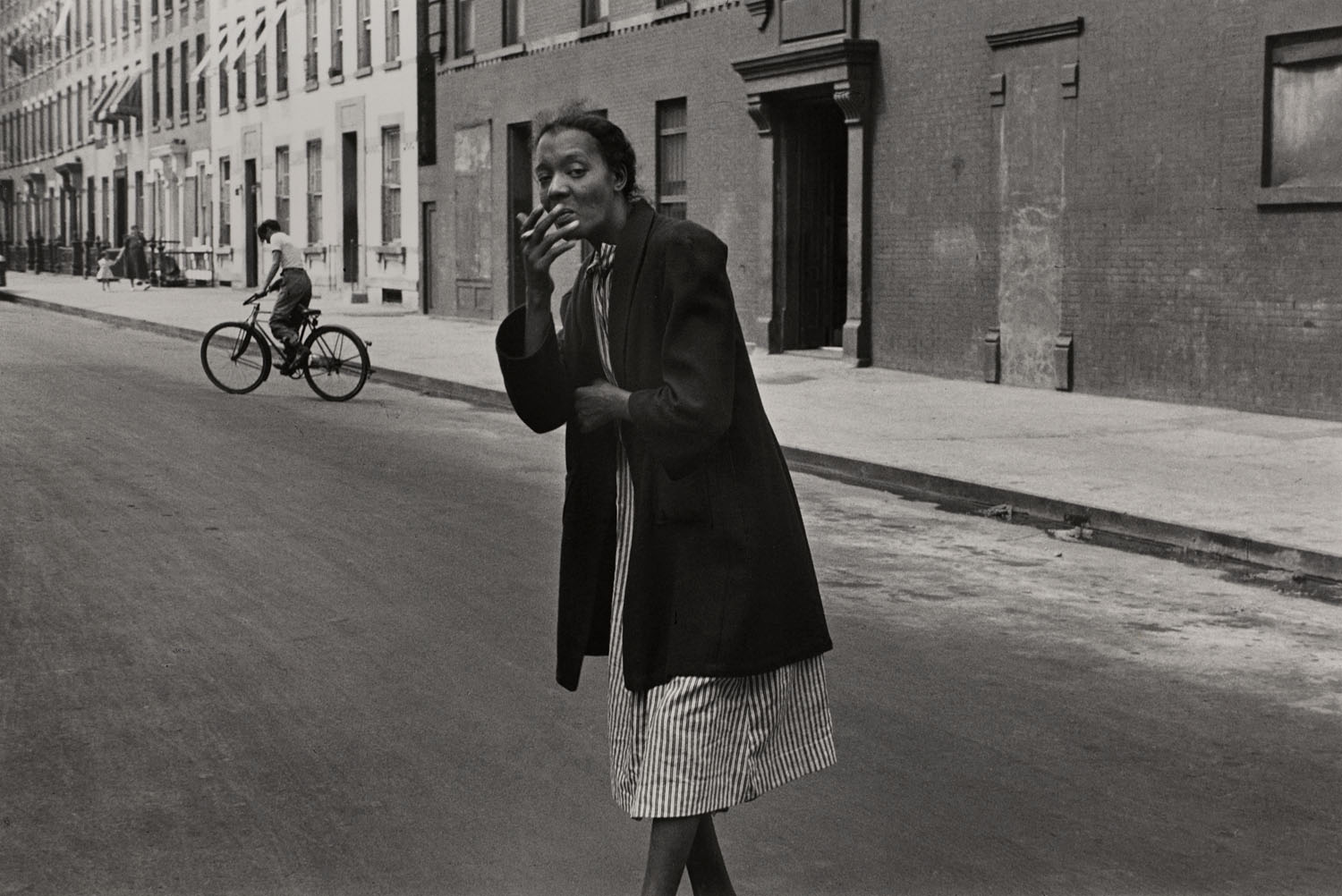
 

Helen Levitt (American, 1913-2009) 'New York' c. 1942


Helen Levitt (American, 1913-2009)
New York
c. 1942
Gelatin silver print
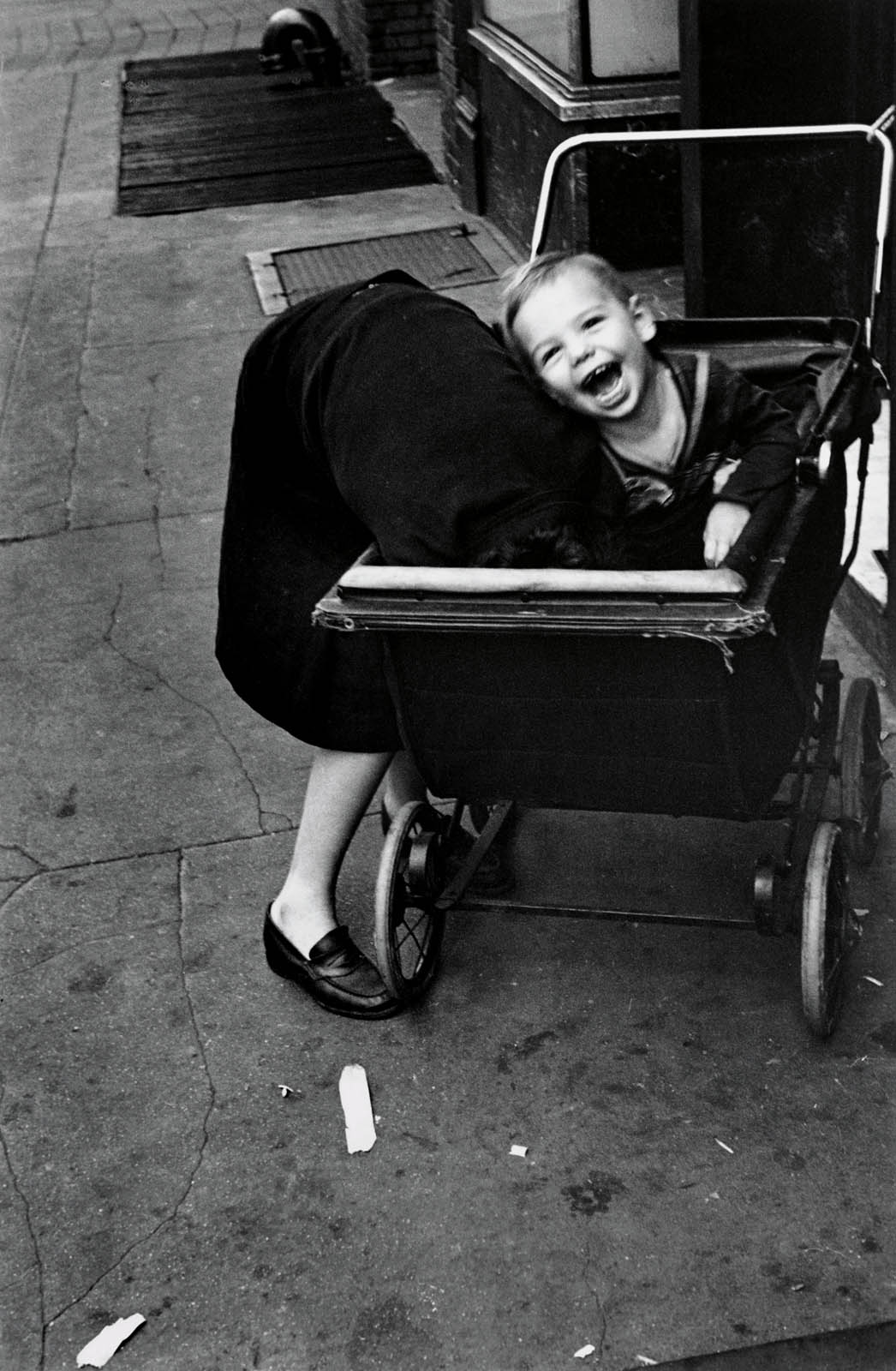
 

Helen Levitt (American, 1913-2009) 'New York' c. 1942


Helen Levitt (American, 1913-2009)
New York
c. 1942
Gelatin silver print
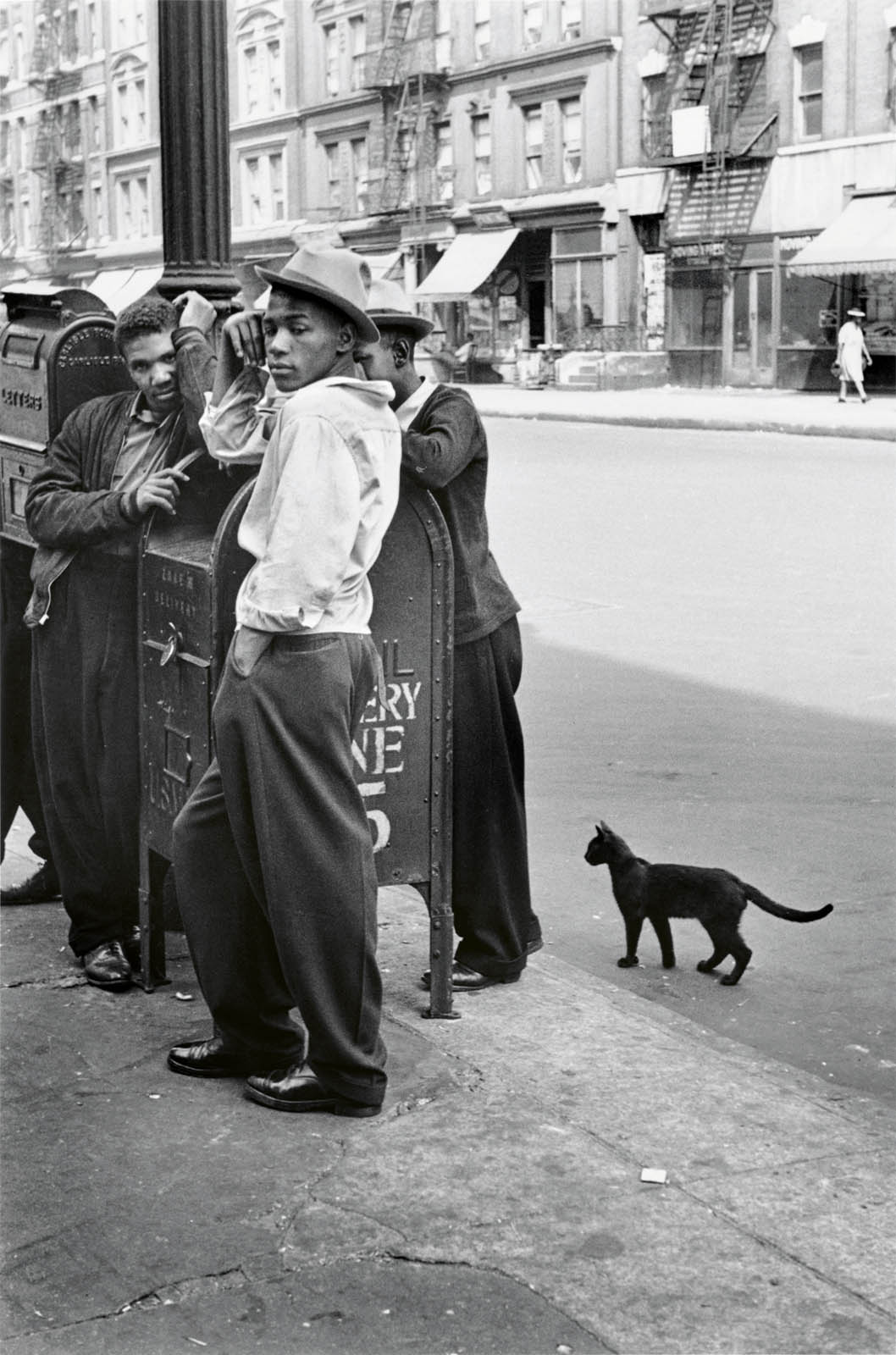
 

Helen Levitt (American, 1913-2009) 'New York' c. 1945


Helen Levitt (American, 1913-2009)
New York
c. 1945
Gelatin silver print
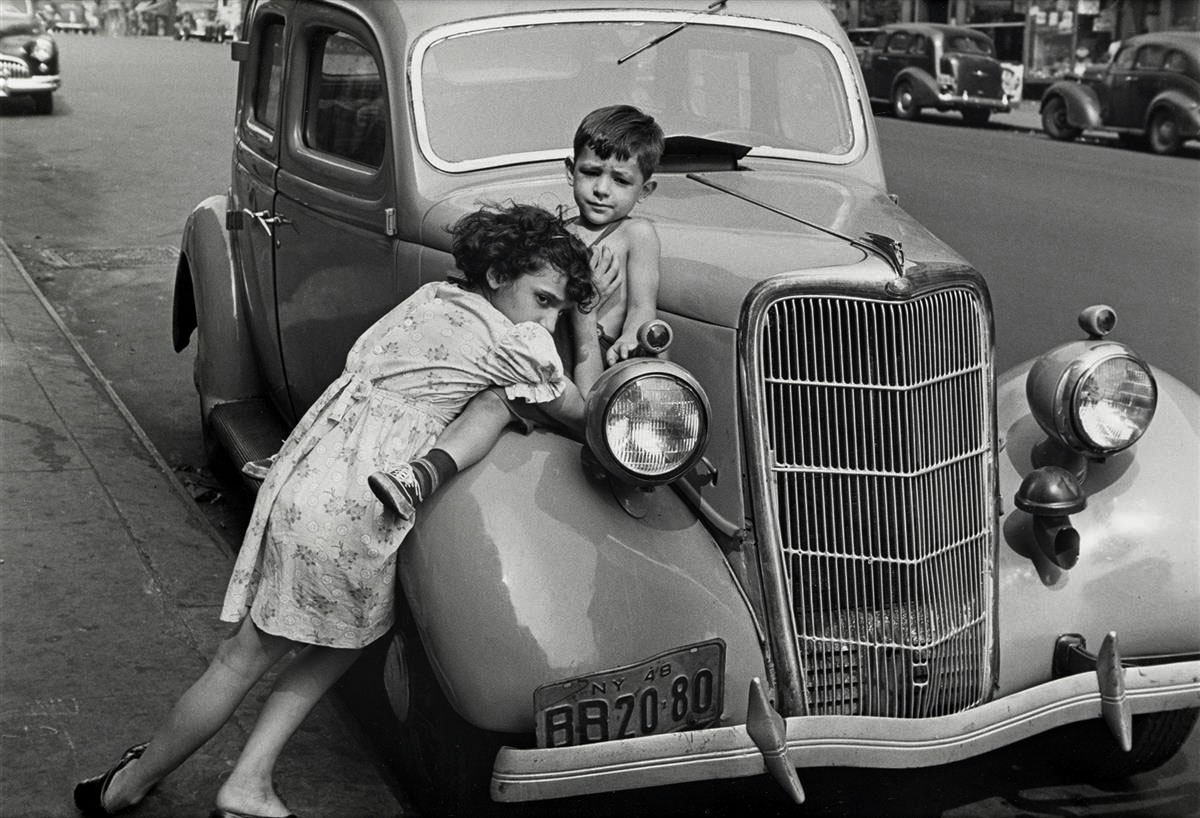
 

Helen Levitt (American, 1913-2009) 'New York' 1948


Helen Levitt (American, 1913-2009)
New York
1948
Gelatin silver print


In the Street, 1948 – A Film by Helen Levitt, ft. New Musical Score by Ben Model | From the Vault – The Metropolitan Museum of Art

Filmed in East Harlem just after the end of World War II, “In the Street” is a dynamic, tender, and often humorous portrait of life in New York City: children dance and play in alleyways, shopkeepers sweep the sidewalks, onlookers watch from their windows. This captivating film presents the bustling theater of city life, where “every human is a poet, a masker, a warrior, a dancer.” Directed by the renowned photographer Helen Levitt, in collaboration with Janice Loeb and James Agee, and featuring a new musical score written and performed by Ben Model.

Text from the YouTube website


Early Work / Graffiti / Gypsies

Only a few examples survive from Levitt’s first year using a Leica camera. Amid the backdrop of the Great Depression, her pictures of lone figures hunched over or lying on the ground appear documentary in their impulse, while other depictions of people in urban surroundings are notably more ambivalent in their view.

In 1937, while employed by the Federal Art Project to teach at a public school in East (Spanish) Harlem, Levitt noticed the many chalk drawings and messages illicitly scrawled by children on streets and buildings on her way to work, and began to document them in all their variety, innocence, and vulgarity. She sometimes also portrayed the artists themselves posing next to their ephemeral interventions.

Around 1938, on the advice of Walker Evans, Levitt began to use a right-angle viewfinder, a device that allowed her to face one direction while pointing her camera in another. This was particularly effective in recording the uninhibited interactions of the “gypsy” families prevalent in Spanish Harlem and Yorkville. Drawn to their way of life, she also borrowed Evans’s 4 x 5-inch view camera and tripod to make portraits of “gypsy” children in their homes.

1938-1940 / Mexico City / A Way of Seeing

By 1940 Levitt had established her terrain, subject, and approach. In a rare statement, she later described her intent “to seize upon and record those apparently accidental disarrangements that nevertheless and in seeming contradiction provide a more intense apperception of reality.” Uninterested in portraying New York City as a bustling metropolis, Levitt instead saw it as an environment whose “size and varied character constantly forces into the open material for my camera.” The working class, immigrant neighbourhoods she frequented – where adults chatted on stoops, mothers and children leaned out of windows, and children were left to their own devices – proved to be an especially fertile ground for her work.

In 1941, again inspired by Cartier-Bresson’s example, Levitt, a reluctant traveller, went to Mexico City with a friend to photograph there. Initially struggling with the challenge of working in new environment, she was eventually able to find her artistic footing, producing a body of work that at once acknowledged rawer social realities while locating a subtle lyricism unique to the city and its people. It would be her only trip abroad.

Upon her return to New York City, Levitt picked up where she left off, picking up on more sober themes of melancholy, alienation, and what she referred to as “the deep repressions of the unyoung.” After having photographed for a decade, Levitt collaborated with her friend, the writer and critic James Agee, to edit and sequence a book of her New York photographs. Envisioning the project as an urban counterpart to Let Us Now Praise Famous Men, his 1941 collaboration with Walker Evans, Agee wrote an extensive essay to accompany Levitt’s pictures that heralded their lyric qualities, the sum of which presented “unified view of the world, an insistent but irrefutable manifesto.” After a series of setbacks, the book, eventually given the title A Way of Seeing, was not published until nearly two decades later in 1965.

Color / Metro / Anys 1980

In 1959, Levitt was granted a Guggenheim fellowship to experiment with “the latest techniques in colour photography.” Her Leica loaded with colour slide film, she walked some of the same streets she had frequented in the 30s and 40s, newly attentive to the chromatic character of her compositions. After the bulk of her slides were stolen by a burglar in 1970, Levitt redoubled her efforts, photographing throughout the decade with renewed zeal, developing an intuitive system of colour that was at once transporting and transparent. In 1974, a continuous projection of forty of Levitt’s slides were featured at MoMA in New York, after which she began to realise select images as dye transfer prints.

Around the same time, Levitt also decided to revisit the subterranean theater of New York City subway as a site to make pictures, having served as a decoy for Walker Evans’s subway project work more than three decades earlier. With her subjects largely stationary in train cars and platforms, Levitt attended to the nuances of expression and gesture, recording quiet dramas amid unflattering light and cramped quarters.

From the 1980s onwards, Levitt continued to photograph, but only intermittently, working mainly in black and white, both in the city and outside it.

Text from Fundación MAPFRE
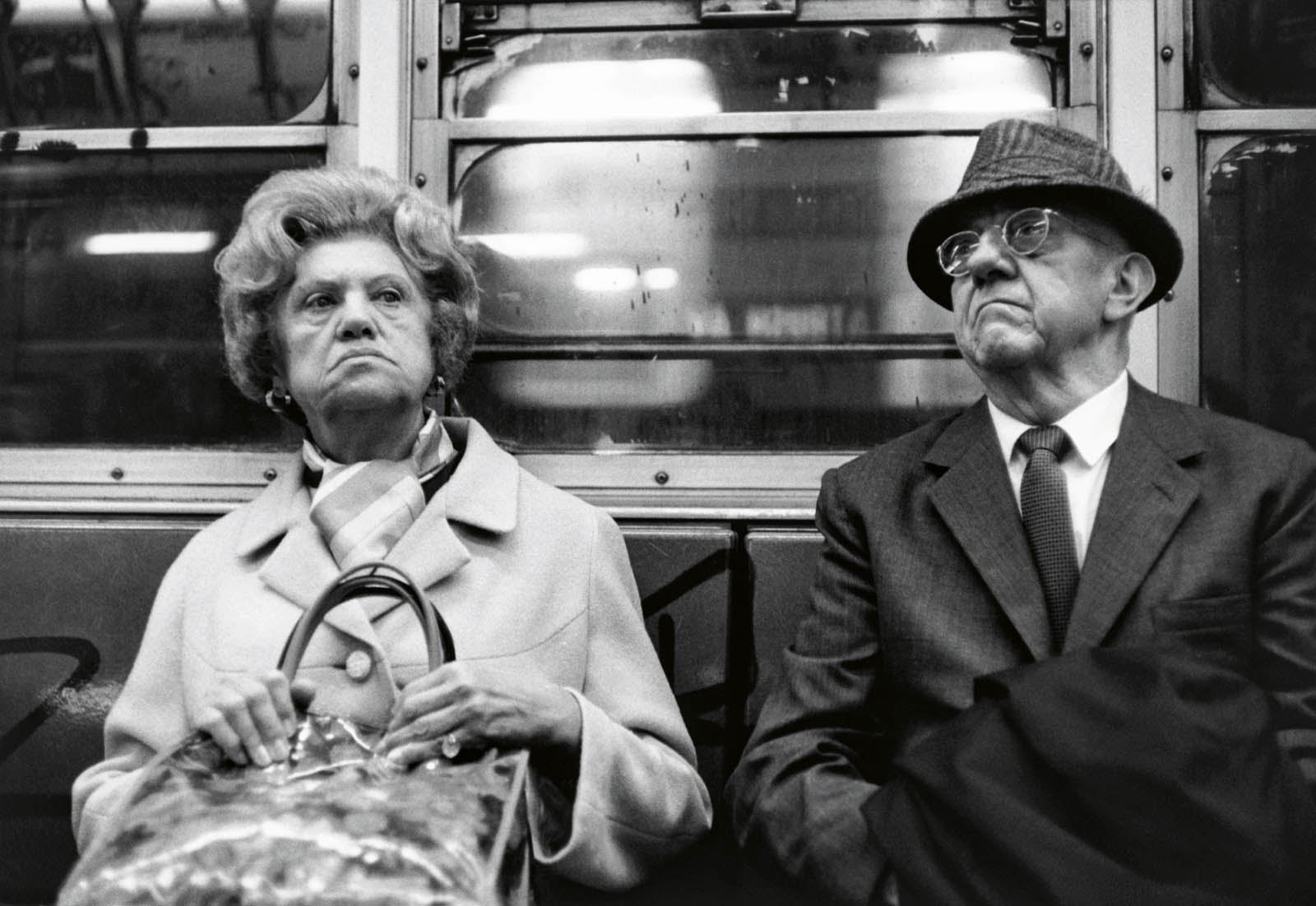
 

Helen Levitt (American, 1913-2009) 'New York' 1975


Helen Levitt (American, 1913-2009)
New York
1975
Gelatin silver print
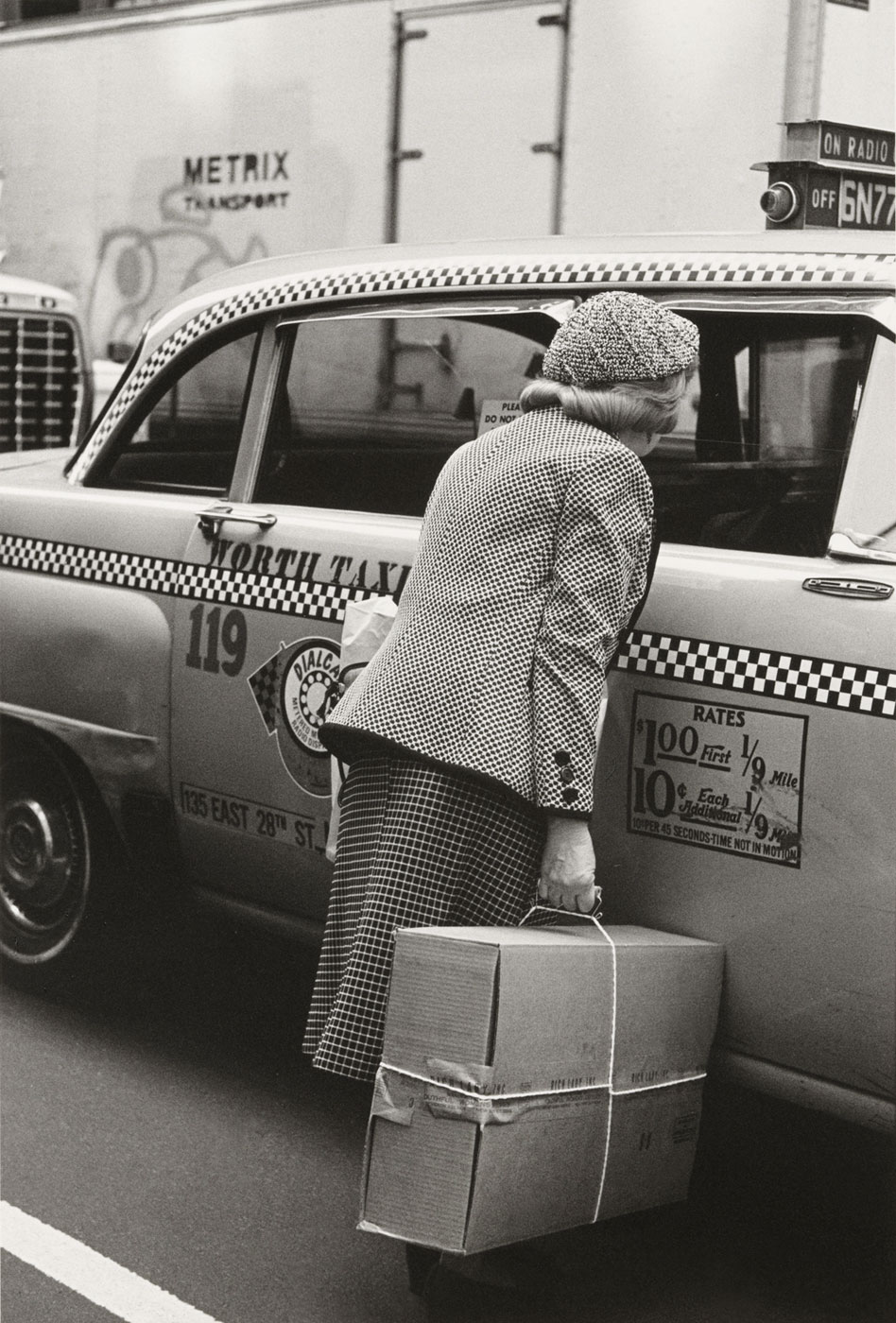
 

Helen Levitt (American, 1913-2009) 'New York (Woman and taxi)' 1982


Helen Levitt (American, 1913-2009)
New York (Woman and taxi)
1982
Gelatin silver print
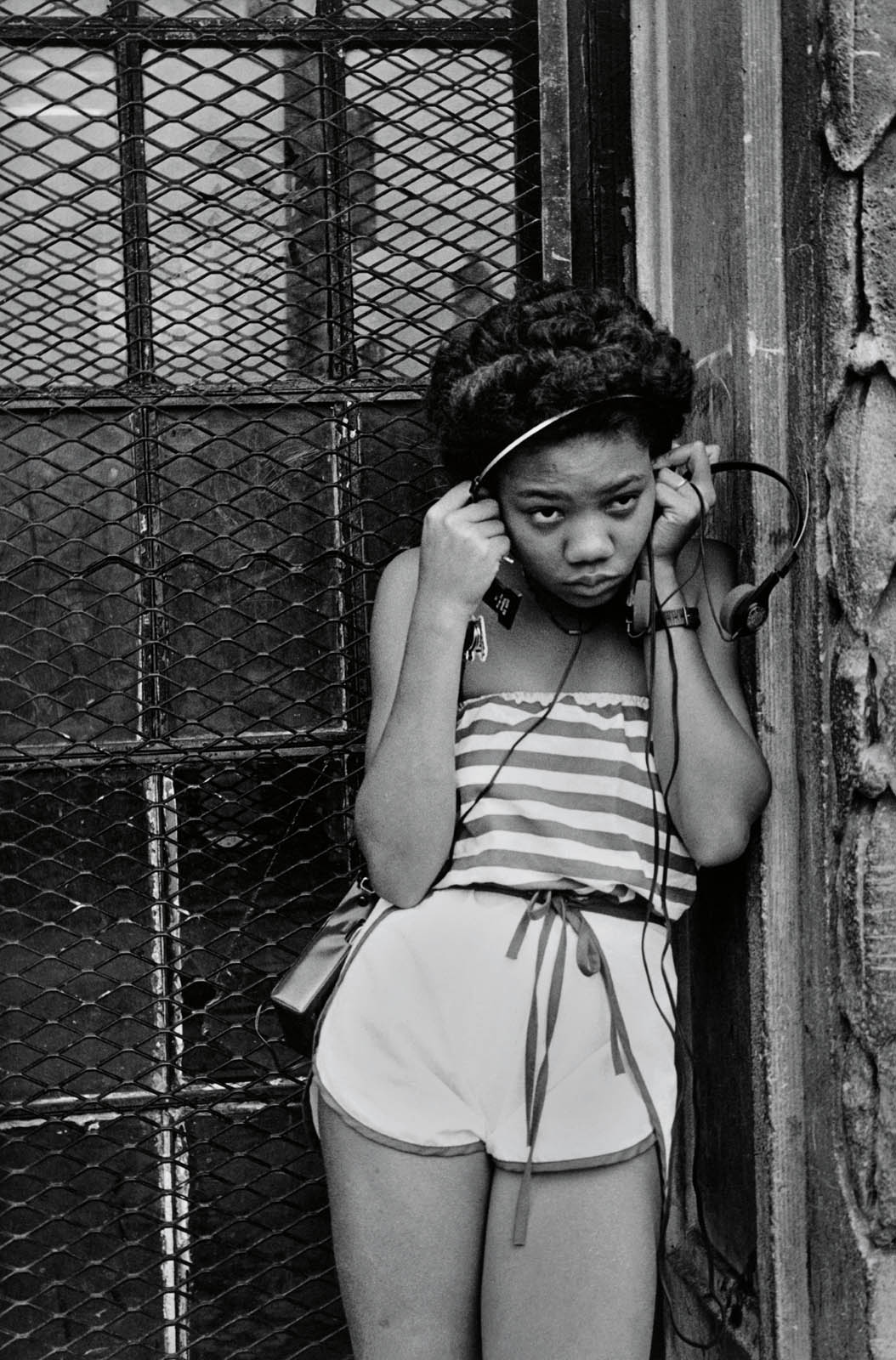
 

Helen Levitt (American, 1913-2009) 'New York' Nd


Helen Levitt (American, 1913-2009)
New York
Nd
Gelatin silver print
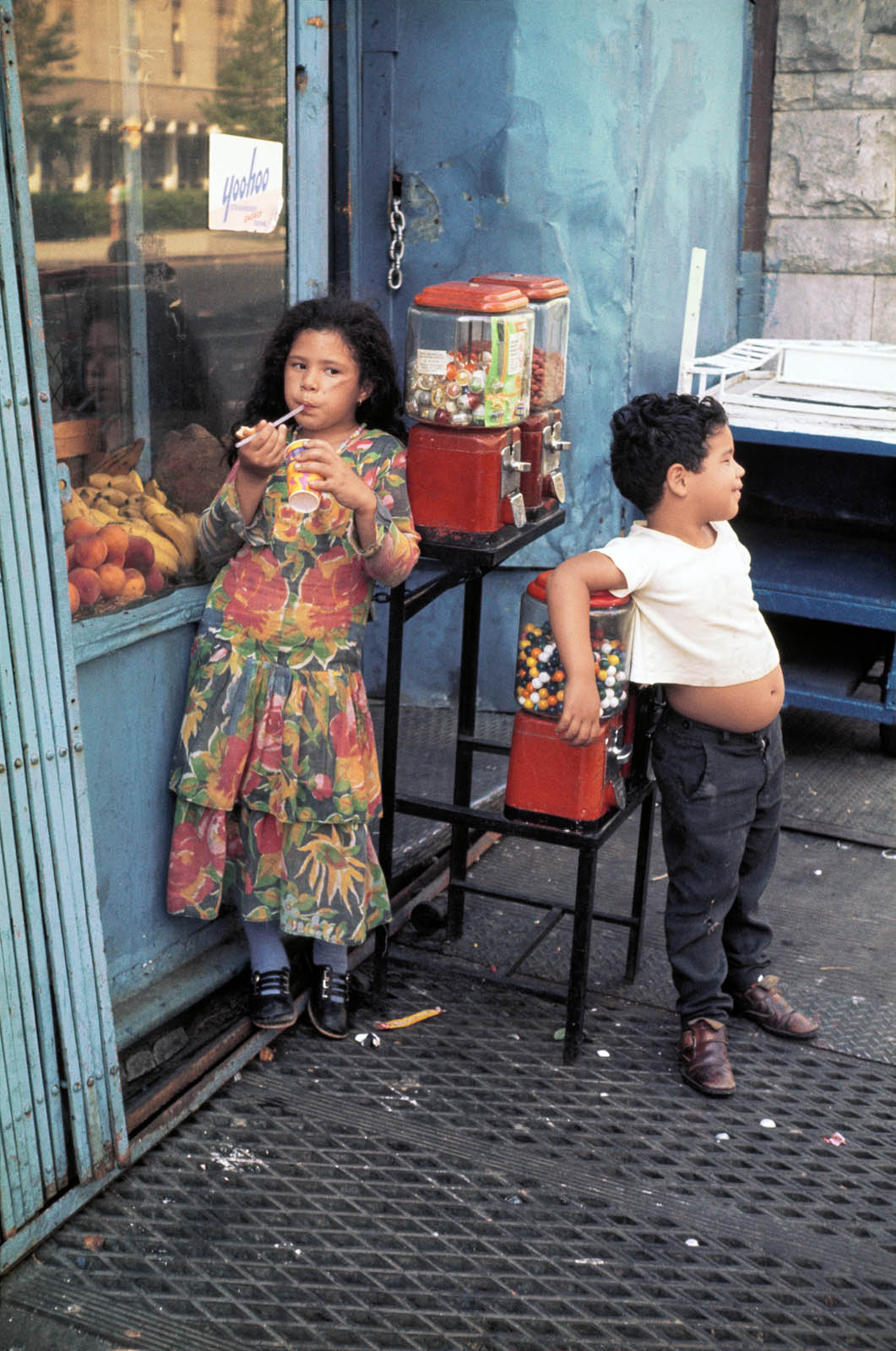
 

Helen Levitt (American, 1913-2009) 'New York' 1971


Helen Levitt (American, 1913-2009)
New York
1971
Dye transfer print
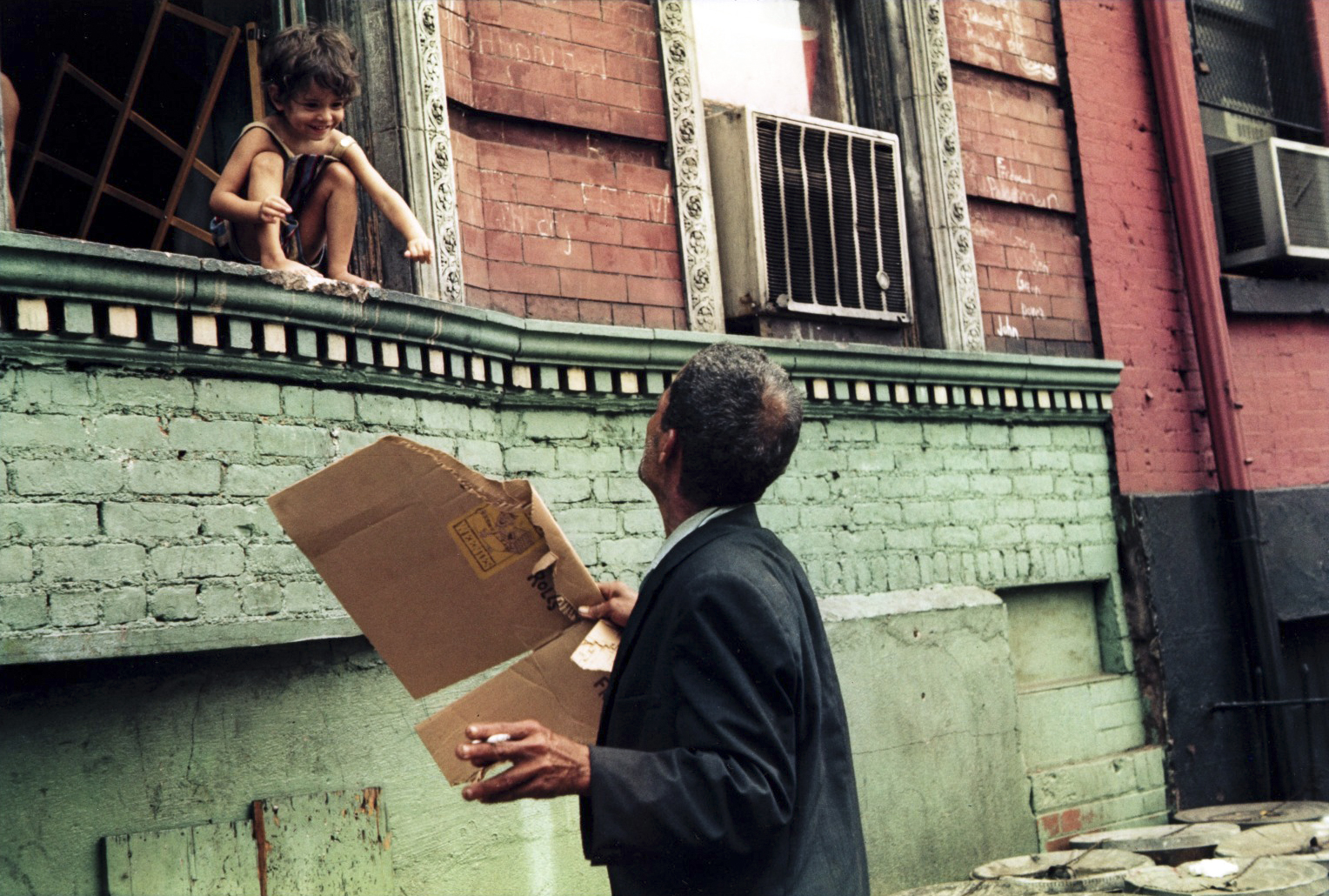
 

Helen Levitt (American, 1913-2009) 'New York' 1972


Helen Levitt (American, 1913-2009)
New York
1972
Dye transfer print
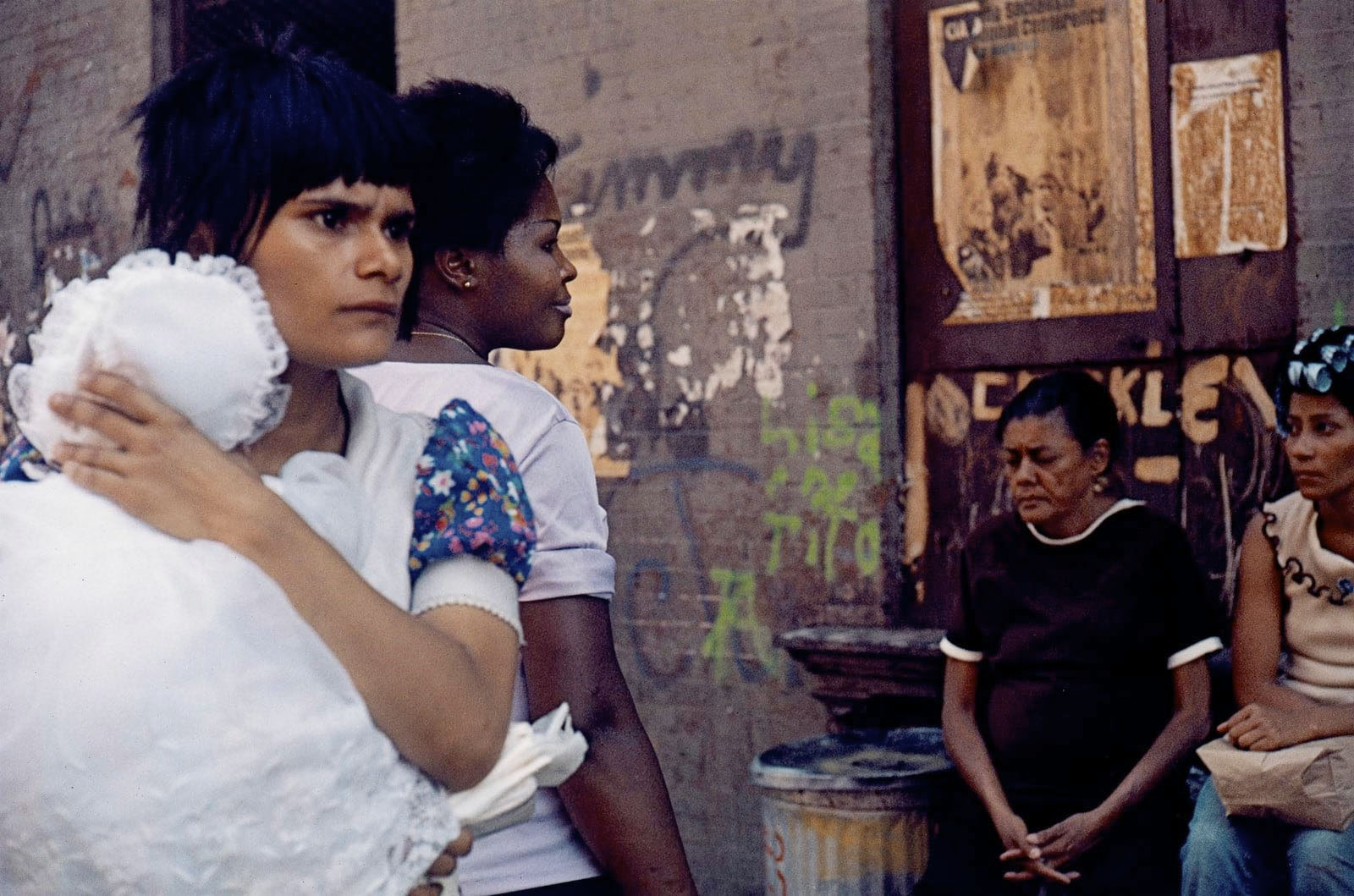
 

Helen Levitt (American, 1913-2009) 'New York' 1974 dye-transfer print


Helen Levitt (American, 1913-2009)
New York
1974
Dye transfer print


Helen Levitt (American, 1913-2009) 'Cat next to red car, New York' 1973


Helen Levitt (American, 1913-2009)
Cat next to red car, New York
1973
Type C print
18 x 12 inches
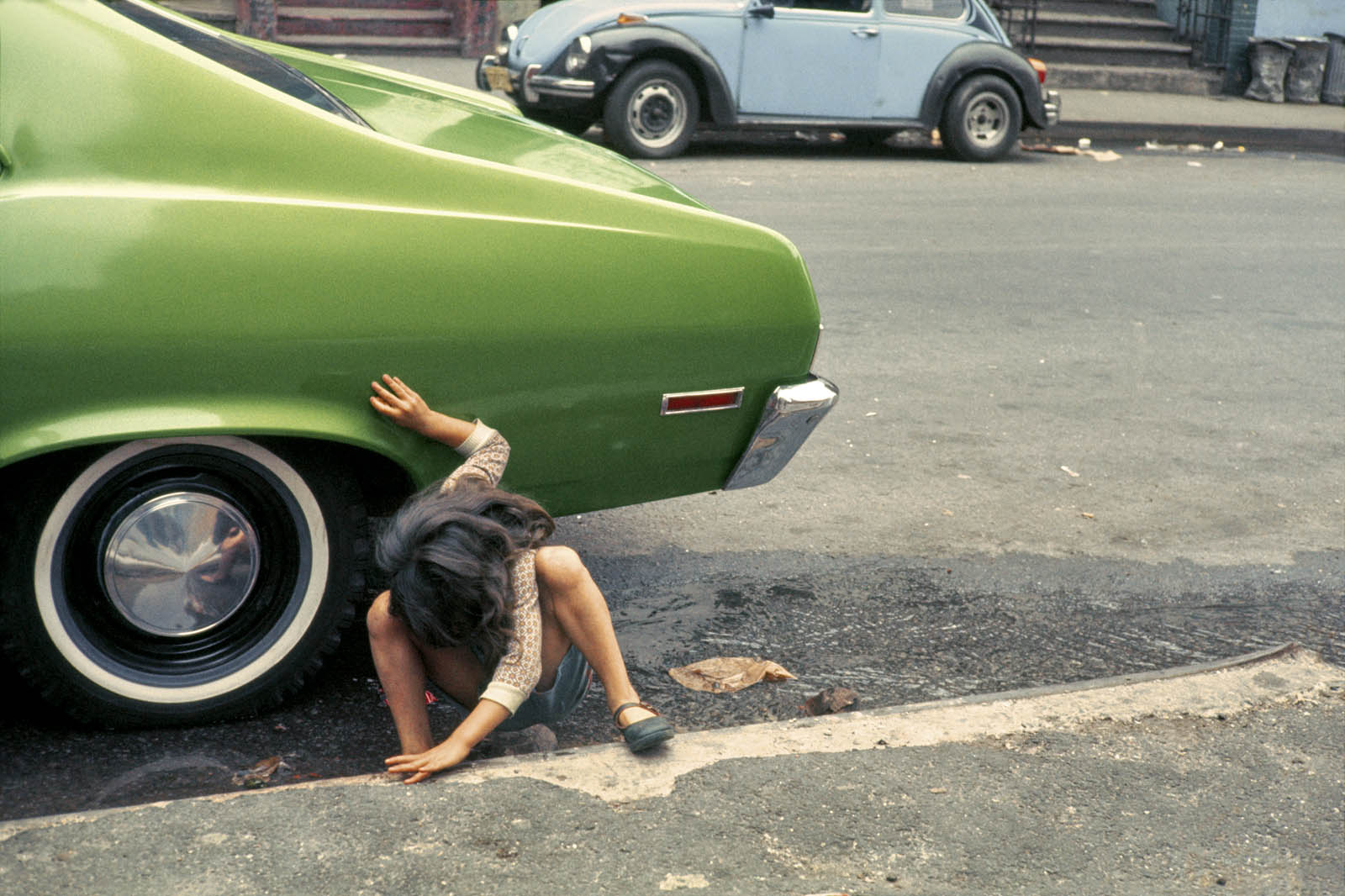
 

Helen Levitt (American, 1913-2009) 'New York' 1976


Helen Levitt (American, 1913-2009)
New York
1976
Dye transfer print
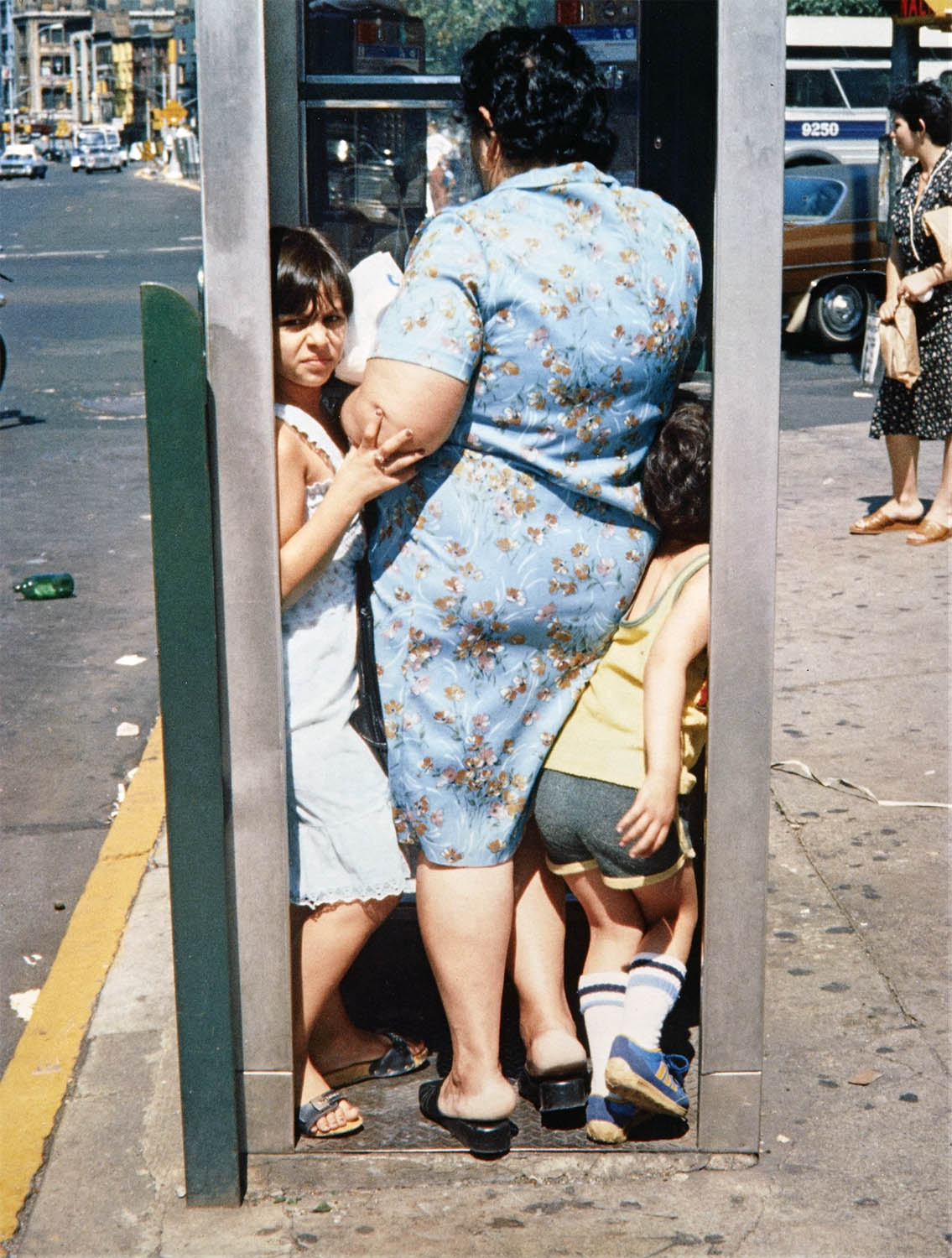
 

Helen Levitt (American, 1913-2009) 'New York City (phone booth)' 1988 Dye-transfer print


Helen Levitt (American, 1913-2009)
New York City (phone booth)
1988
Dye transfer print


Fundación MAPFRE
Recoletos Exhibition Hall
Paseo Recoletos 23, 28004 Madrid
Phone: +34 91 581 61 00

Opening hours:
Mondays (except holidays): 2pm – 8pm
Tuesday to Saturday: 11am – 8pm
Sunday and holidays: 11am – 7pm

Fundación MAPFRE website

LIKE ART BLART ON FACEBOOK

Back to top

Exhibition: ‘Ilse Bing’ at Fundación MAPFRE, Madrid

Exhibition dates: 23rd September 2022 – 8th January 2023

Curator: Juan Vicente Aliaga


Ilse Bing (American born Germany, 1899-1998) 'Scandale' 1947 from the exhibition 'Ilse Bing' at Fundación MAPFRE, Madrid, Sept, 2022 - Jan, 2023


Ilse Bing (American born Germany, 1899-1998)
Scandale
1947
Gelatin silver print
Victoria and Albert Museum, London
© Estate of Ilse Bing / Victoria and Albert Museum, London


The first exhibition for Art Blart in 2023!

The Art Blart archive has been going since November 2008. This is the first time I have posted on the avant-garde artist Isle Bing and her documentary humanism. Elements of Modernism, movement, New Vision, Bahuas, Surrealism, abstraction, form, geometry are all spontaneously and intuitively, precisely and poetically expressed in the artist’s work. Manipulation, solarisation, enlargement of fragments and cropping in the darkroom enhance the original negative.

“In addition to numerous portraits, Ilse Bing was primarily interested in urban motifs. They were fascinated by architectural elements and structures as well as urban hustle and bustle. Her way of working repeatedly explores the tracing of symmetry and rhythm in the experience of everyday situations.”1

“In Paris, Ilse Bing forged her style [using a Leica], combining poetry and realism, dreamlike enchantment and the clarity of modernity. She sought contrasts and original juxtapositions that transformed the banal reality of daily life into a new idea.”2

“Ilse Bing was once amongst the very first few women photographers to influentially master the avant-garde handheld Leica 35mm camera in the 1930s. She was also amongst the first to use solarisation, electronic flash and night photography, and established her own distinctive photographic style adoring romanticism, symbolism and dream imagery of surrealism.”3

“It was a time of exploration and discovery. … We wanted to show what the camera could do that no brush could do, and we broke every rule. We photographed into the light – even photographed the light, used distorted perspective, and showed movement as a blur. What we photographed was new, too – torn paper, dead leaves, puddles in the street – people thought it was garbage! But going against the rules opened the doors to new possibilities.” ~ Ilse Bing

Magnificent. Enjoy!

Dr Marcus Bunyan

PS. Many more works can be viewed on the MoMA website.


1/ Anonymous. “Ilse Bing,” on the Wikipedia website [Online] Cited 02/01/2023

2/ Anonymous. “Ilse Bing. Photographs 1928-1935,” on the Galerie Karsten Greve website [Online] Cited 02/01/2023

3/ Anonymous. “Ilse Bing: Paris and Beyond,” on the Exibart street website [Online] Cited 02/01/2023


Many thankx to Fundación MAPFRE for allowing me to publish the photographs in the posting. Please click on the photographs for a larger version of the image.


“I felt the camera grow as an extension of my eyes and move with me.”


Ilse Bing


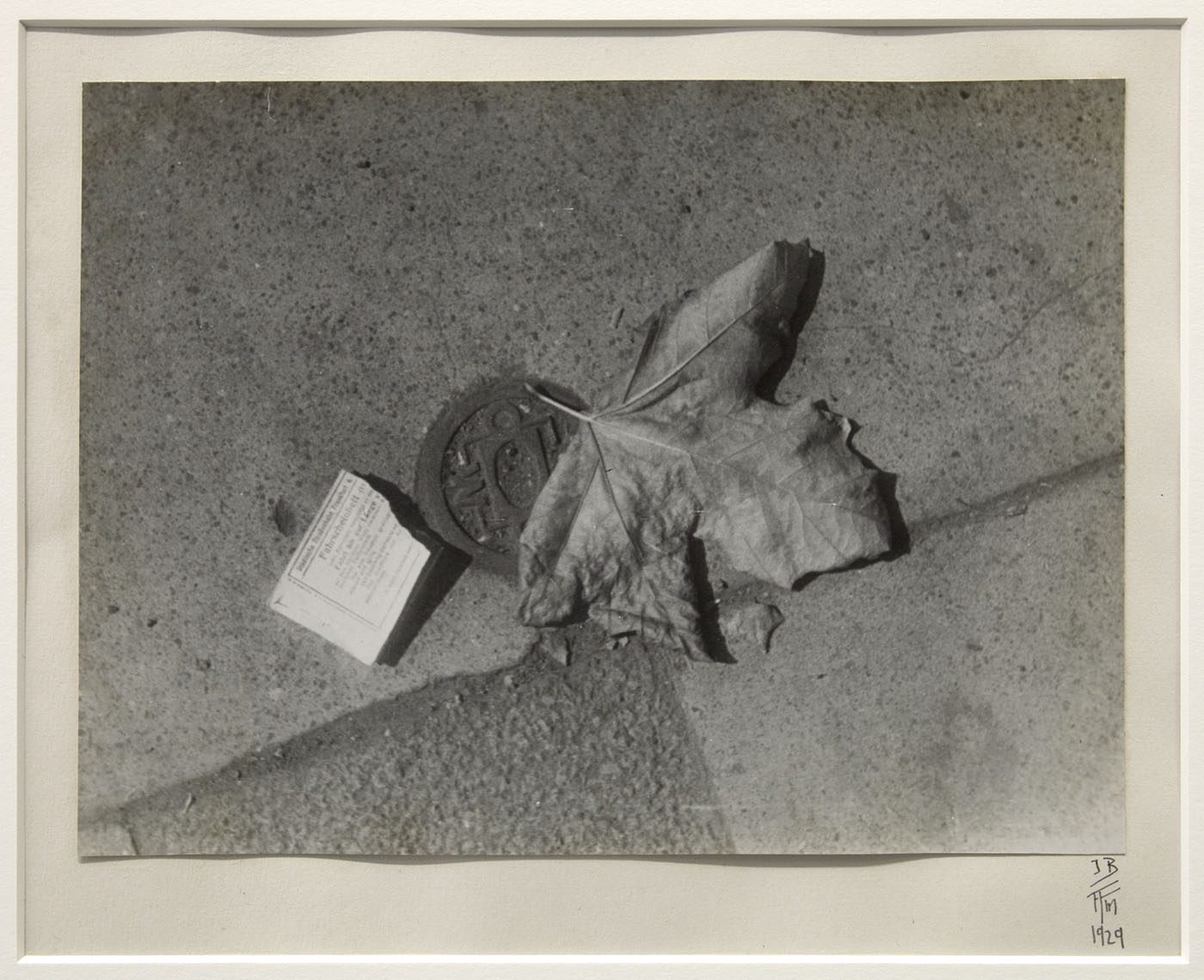
Ilse Bing (American born Germany, 1899-1998) 'Dead Leaf and Tramway Ticket On Sidewalk, Frankfurt' 1929 from the exhibition 'Ilse Bing' at Fundación MAPFRE, Madrid, Sept, 2022 - Jan, 2023


Ilse Bing (American born Germany, 1899-1998)
Dead Leaf and Tramway Ticket On Sidewalk, Frankfurt
1929
Gelatin silver print
17.1 x 22.9cm
Galerie Karsten Greve, Saint Moritz / París / Colonia
© Estate of Ilse Bing


Ilse Bing (American born Germany, 1899-1998) 'Budgeheim' 1930 from the exhibition 'Ilse Bing' at Fundación MAPFRE, Madrid, Sept, 2022 - Jan, 2023


Ilse Bing (American born Germany, 1899-1998)
Budgeheim
1930
Gelatin silver print
27.9 x 21.9cm
Galerie Karsten Greve, Saint Moritz / París / Colonia
© Estate of Ilse Bing


Ilse Bing (Frankfurt, 1899 – New York, 1998) was born into a well-off Jewish family. Having discovered her true vocation while preparing the illustrations for her academic thesis, in 1929 she abandoned her university studies in order to focus entirely on photography. The medium would be her chosen form of expression for the following thirty years of her fascinating life and career.

In 1930 Bing moved to Paris where she combined photojournalism with her own more personal work, soon becoming one of the principal representatives of the modernising trends in photography which emerged in the cultural melting pot of Paris during those years. With the advance of the Nazi forces, in 1941 she and her husband, the pianist Konrad Wolff, went into exile in New York. Two decades later the sixty-year-old Bing gave up her photographic activities in order to channel her creativity into the visual arts and poetry until her death in 1998.

Bing’s work cannot be ascribed to any of the movements or tendencies that influenced her. She worked in almost all the artistic genres, from architectural photography to portraiture, self-portraits, images of everyday objects and landscapes. The diversity of styles which she employed reflect her significant and notably individual interpretation of the different cultural trends that she assimilated, from the German Bauhaus and New Objectivity to Parisian Surrealism and the ceaseless dynamism of New York.

Text from the Fundación MAPFRE website


Ilse Bing (American born Germany, 1899-1998) 'Laban Dance School, Frankfurt' 1929


Ilse Bing (American born Germany, 1899-1998)
Laban Dance School, Frankfurt
1929
Gelatin silver print
9.7 x 16.6cm
Edwynn Houk Gallery, New York
© Estate of Ilse Bing, courtesy Edwynn Houk Gallery, New York
Photograph: Jeffrey Sturges


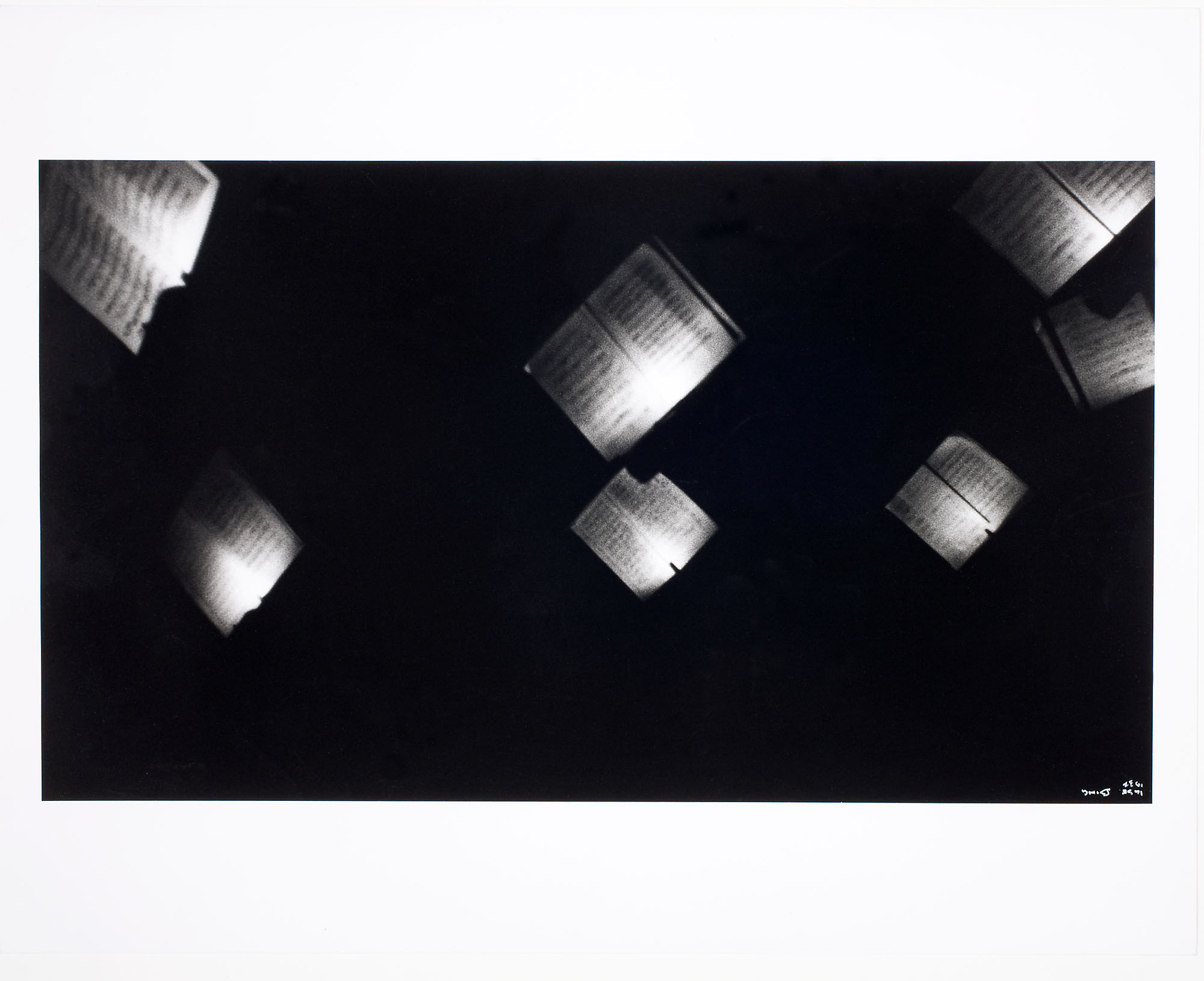
Ilse Bing (American born Germany, 1899-1998) 'Orchestra Pit, Théâtre des Champs-Élysées, Paris' 1933


Ilse Bing (American born Germany, 1899-1998)
Orchestra Pit, Théâtre des Champs-Élysées, Paris
1933
27.9 × 35.6cm
Gelatin silver print
International Center of Photography, New York
Donation of Ilse Bing, 1991
© Estate of Ilse Bing


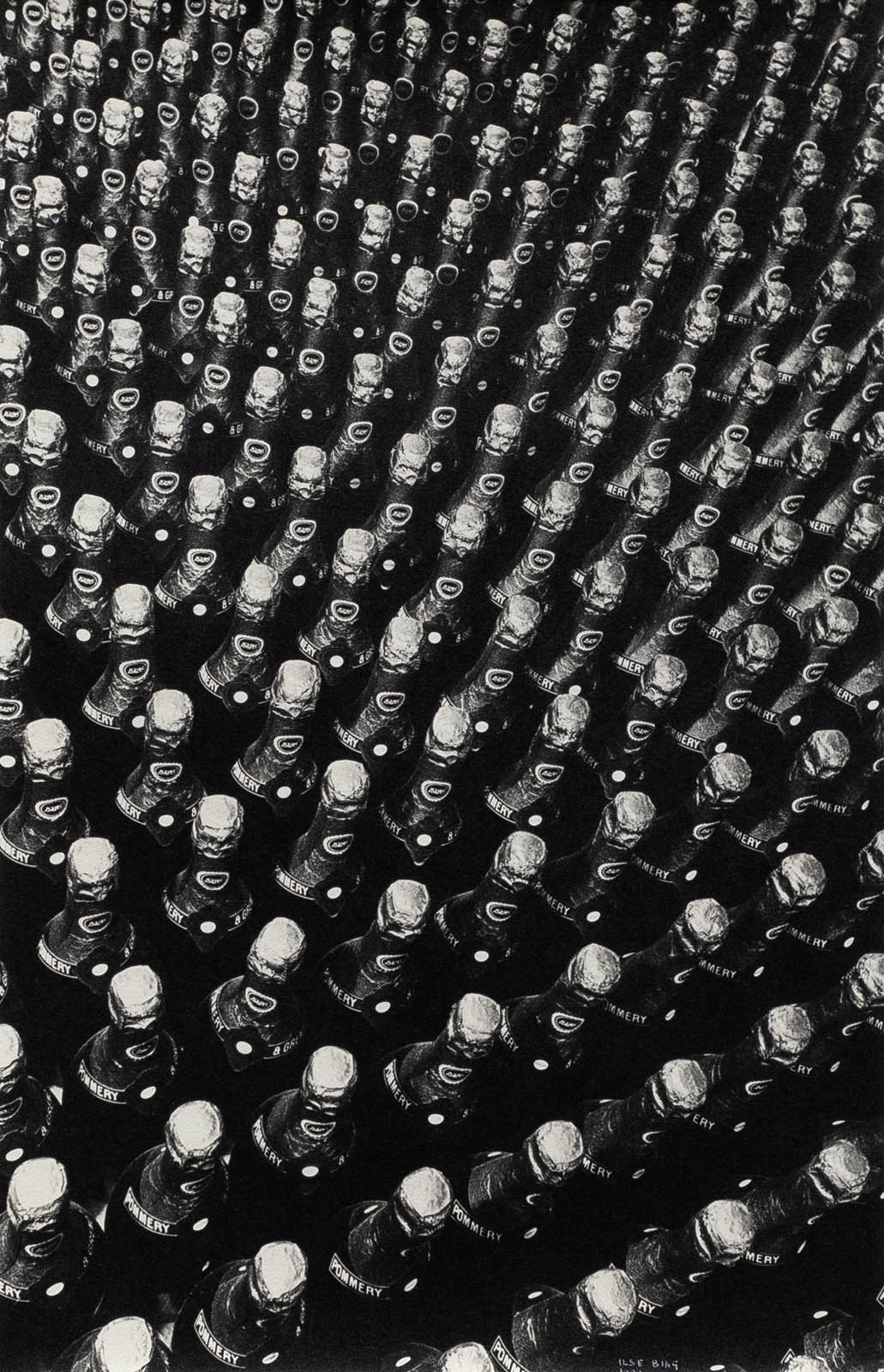
Ilse Bing (American born Germany, 1899-1998) 'Pommery Champagne Bottles' 1933


Ilse Bing (American born Germany, 1899-1998)
Pommery Champagne Bottles
1933
Gelatin silver print
27.9 × 19.7cm
Galerie Karsten Greve, Saint Moritz / París / Colonia
© Estate of Ilse Bing


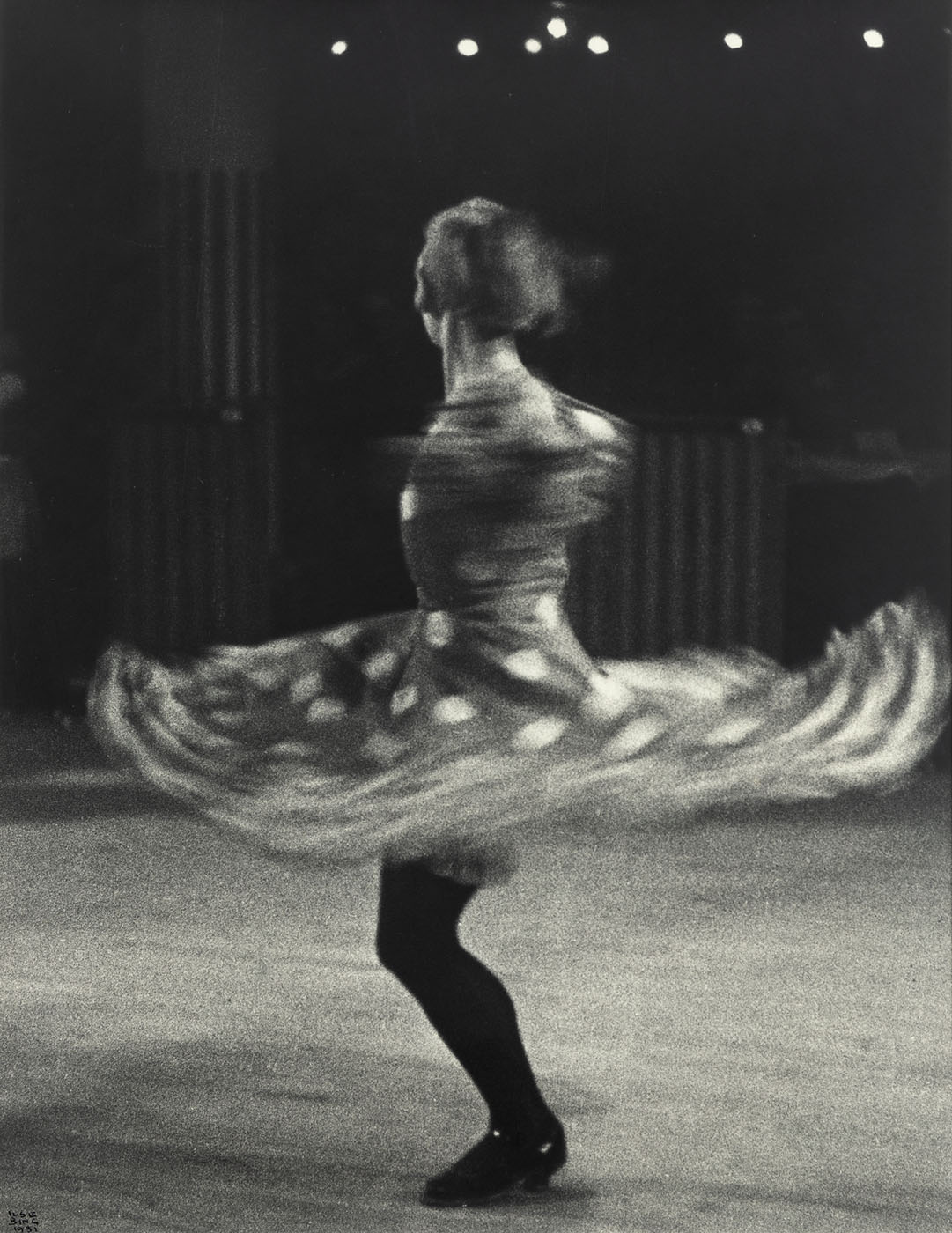
Ilse Bing (American born Germany, 1899-1998) 'French Can-Can Dancer' 1931, printed 1941


Ilse Bing (American born Germany, 1899-1998)
French Can-Can Dancer
1931, printed 1941
Gelatin silver print
35.6 x 27.9cm
Galerie Karsten Greve, Saint Moritz / París / Colonia
© Estate of Ilse Bing


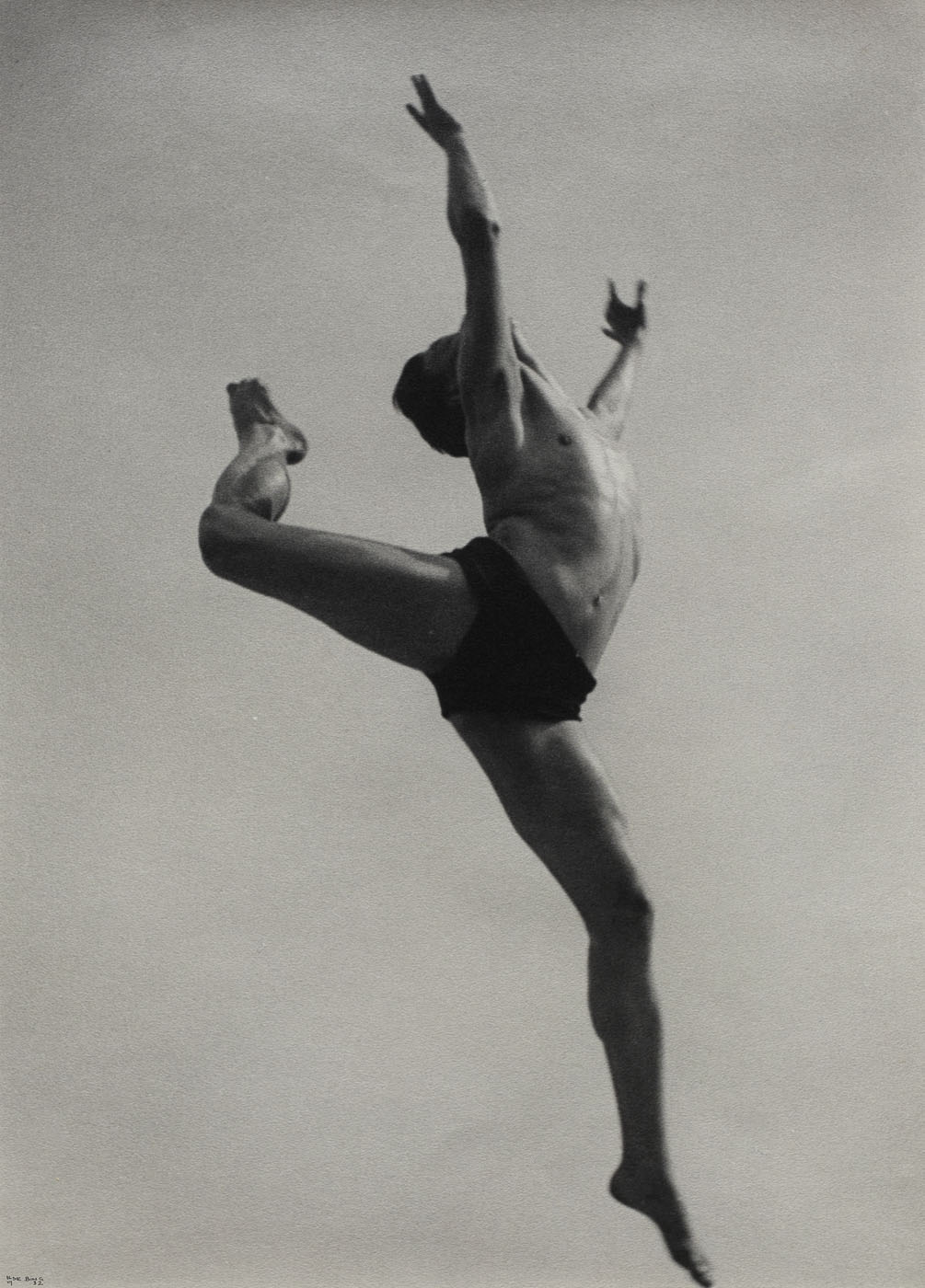
Ilse Bing (American born Germany, 1899-1998) 'Dancer Gerard Willem van Loon' 1932


Ilse Bing (American born Germany, 1899-1998)
Dancer Gerard Willem van Loon
1932
Gelatin silver print
49.2 x 34.6cm
Galerie Karsten Greve, Saint Moritz / París / Colonia
© Estate of Ilse Bing


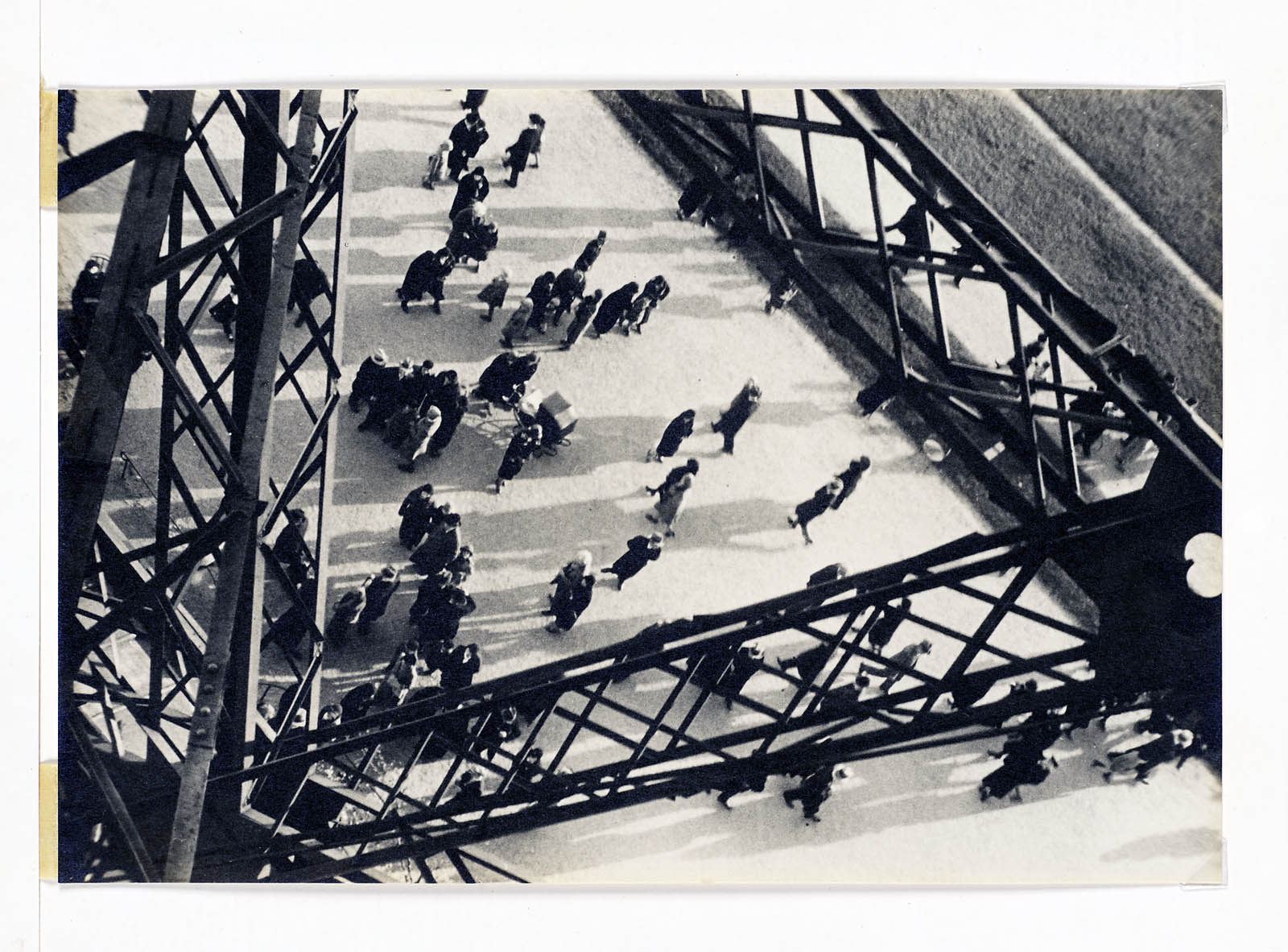
Ilse Bing (American born Germany, 1899-1998) '"It was so Windy on the Eiffel Tower", Paris' 1931


Ilse Bing (American born Germany, 1899-1998)
“It was so Windy on the Eiffel Tower”, Paris
1931
Gelatin silver print
22.2 x 28.2cm
The Art Institute of Chicago, Julien Levy Collection
Donation of Jean and Julien Levy 1977
© Estate of Ilse Bing
© 2022 The Art Institute of Chicago / Art Resource, NY/ Scala, Florence


Ilse Bing’s photographic oeuvre, created between 1929 and the late 1950s, was influenced by the different cities where she lived and worked: Frankfurt prior to the 1930s, Paris in that decade and post-war New York where above all she experienced the situation of an enforced emigré. Her work cannot, however, be easily located within the photographic and cultural trends that she encountered, although it was certainly enriched by all of them. Bing’s output was influenced by Moholy-Nagy’s Das Neue Sehen (The New Vision) and the Weimar Bauhaus, by André Kertész and by the Surrealism of Man Ray, which she encountered when she moved to Paris in 1930. At the time of her arrival the French capital was a melting pot of artistic and intellectual trends and the setting for the emergence of a number of movements that would be crucial for the evolution of the avant-gardes. Surrealist echoes are evident in Bing’s photographs of objects and in her approach to the framing of her shots of chairs, streets and public spaces, images that transmit a sense of strangeness and almost of alienation.

The Bauhaus was an extremely important influence on Bing’s work via both El Lissitzky’s theories and those of Moholy-Nagy’s New Vision, which promoted the fusion of architecture and photography and the autonomy of photography as a medium in relation to painting. New Vision offered infinite possibilities and Bing took full advantage of them, employing some of them in her work, such as abstraction, close-ups, plunging viewpoints, di sotto in sù, photomontages and overprinting, all to be seen in the images on display in the exhibition.

Ilse Bing belonged to a generation of women photographers who achieved unprecedented visibility. It was not the norm that women should be artists in a field habitually occupied by men, who regarded their presence as active agents in the social and cultural realm with disdain and even hostility. Like many of her contemporaries – Germaine Krull, Florence Henri, Laure Albin-Guillot, Madame d’Ora, Berenice Abbott, Nora Dumas and Gisèle Freund – Bing’s camera became an essential tool of self determination and a means to confirm her own identity.

Ilse Bing was born in Frankfurt on 23 March 1899 to a middle-class Jewish family. She took her first photographs at the age of fourteen. Self-taught in this field, she realised that this would become her principal activity when she began photographing in order to illustrate her doctoral thesis. She studied mathematics and physics before opting for art history. In 1929 she gave up her university studies and, armed with her inseparable Leica, devoted herself to photography for the next thirty years. In 1930 she moved to Paris, where she continued active as a photojournalist while also producing her own more creative work, gradually becoming one of the leading representatives of modern French photography. In 1941 and with the advance of National Socialism, Bing moved to New York with her husband, the pianist Konrad Wolff. Two decades later, at the age of 60, she ceased taking photographs and focused her attention on making collages, abstract works, drawings and also poetry writing. Ilse Bing died in New York in 1998.

Text from the Fundación MAPFRE exhibition brochure


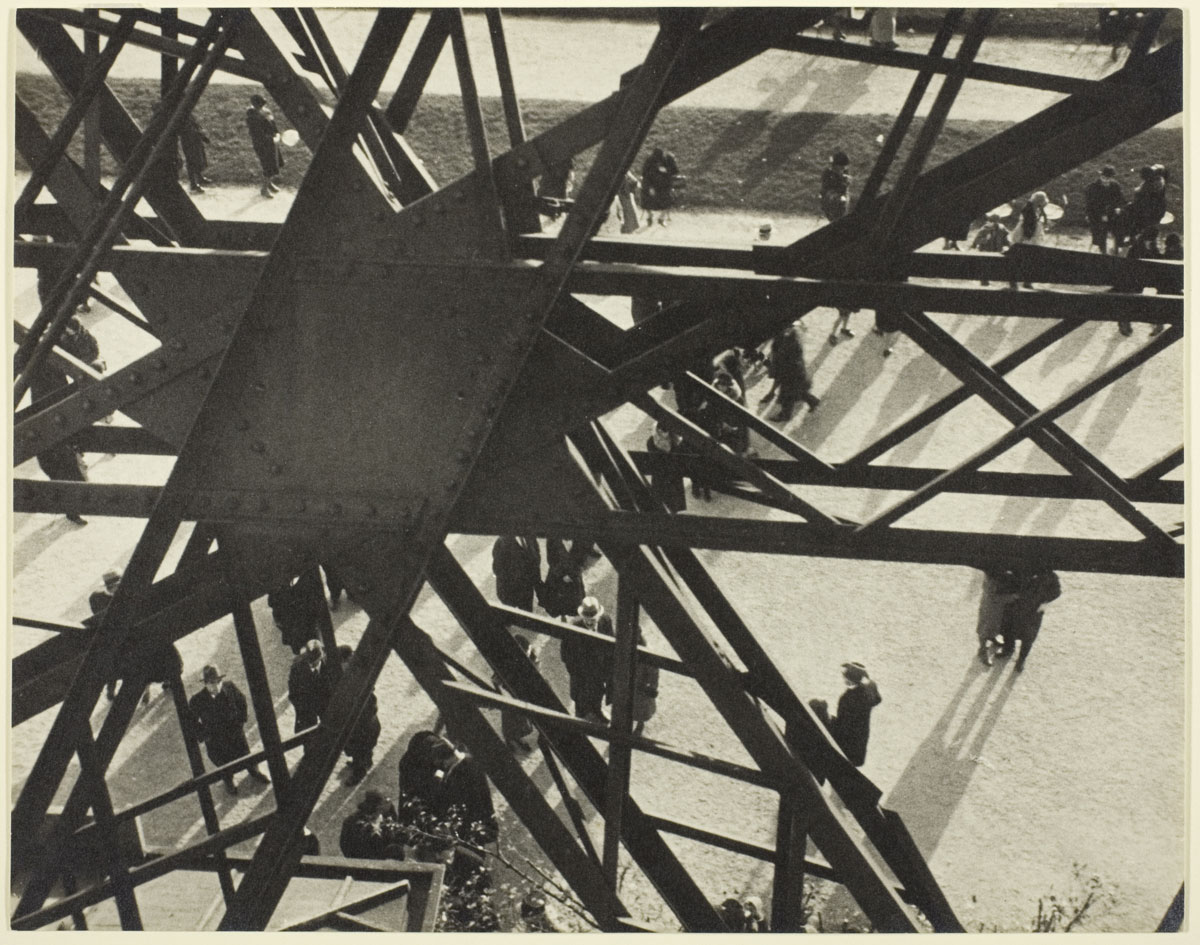
Ilse Bing (American born Germany, 1899-1998) 'Champ de Mars from the Eiffel Tower' 1931


Ilse Bing (American born Germany, 1899-1998)
Champ de Mars from the Eiffel Tower
1931
Gelatin silver print
19.3 x 28.2cm
Collection of Michael Mattis and Judith Hochberg, New York
© Estate of Ilse Bing
Photograph: Jeffrey Sturges


Ilse Bing. 'Eiffel Tower, Paris, 1931' 1931


Ilse Bing (American born Germany, 1899-1998)
Eiffel Tower, Paris
1931
Gelatin silver print
© Estate of Ilse Bing


Ilse Bing (American born Germany, 1899-1998) 'Poverty in Paris' 1931


Ilse Bing (American born Germany, 1899-1998)
Poverty in Paris
1931
Gelatin silver print
27.8 x 35.3cm
Galerie Berinson, Berlín
© Estate of Ilse Bing


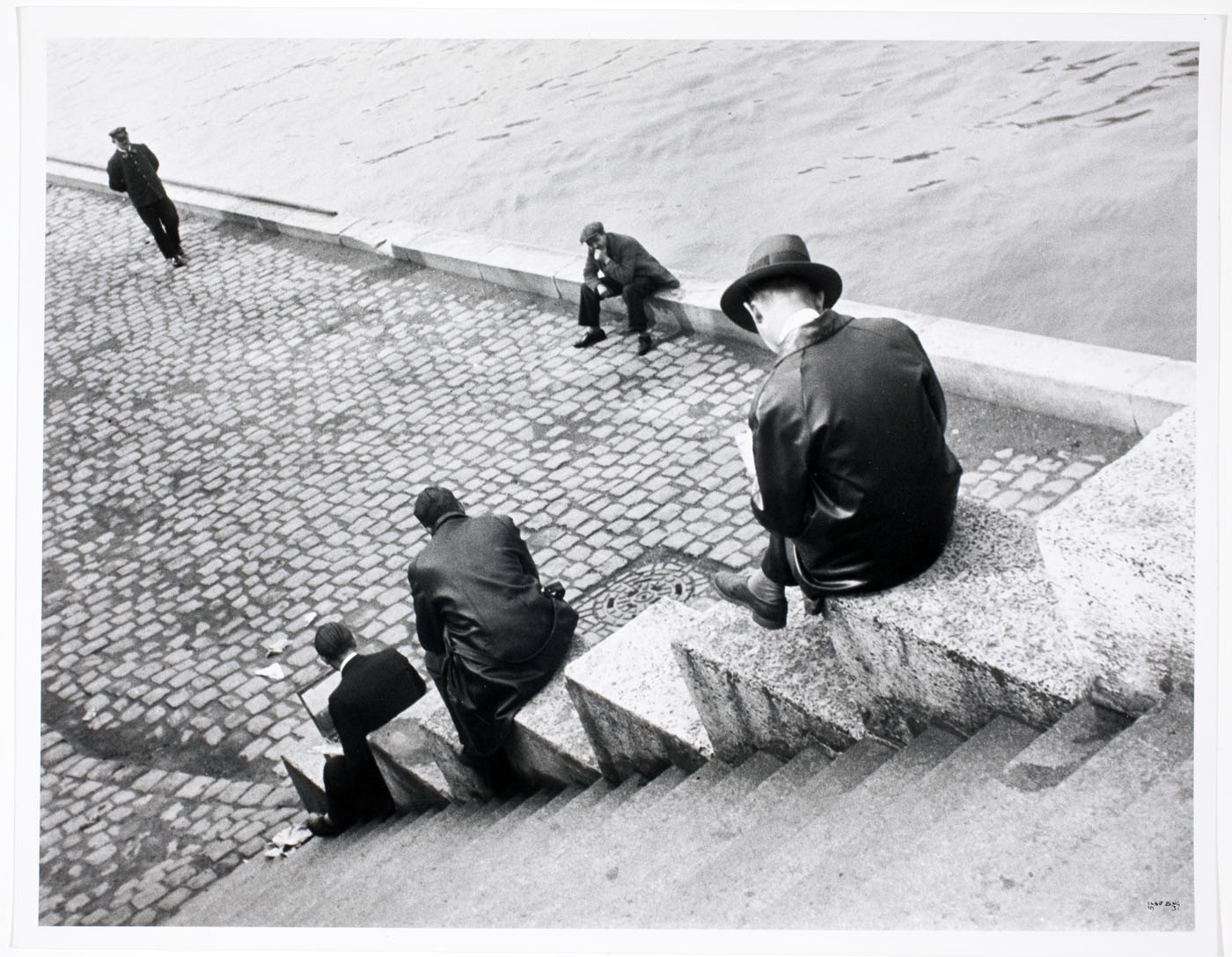
Ilse Bing (American born Germany, 1899-1998) 'Three Men Sitting on the Steps by the Seine' 1931


Ilse Bing (American born Germany, 1899-1998)
Three Men Sitting on the Steps by the Seine
1931
Gelatin silver print
27.9 × 35.6 cm
International Center of Photography, Nueva York
Donation of Ilse Bing, 1991
© Estate of Ilse Bing


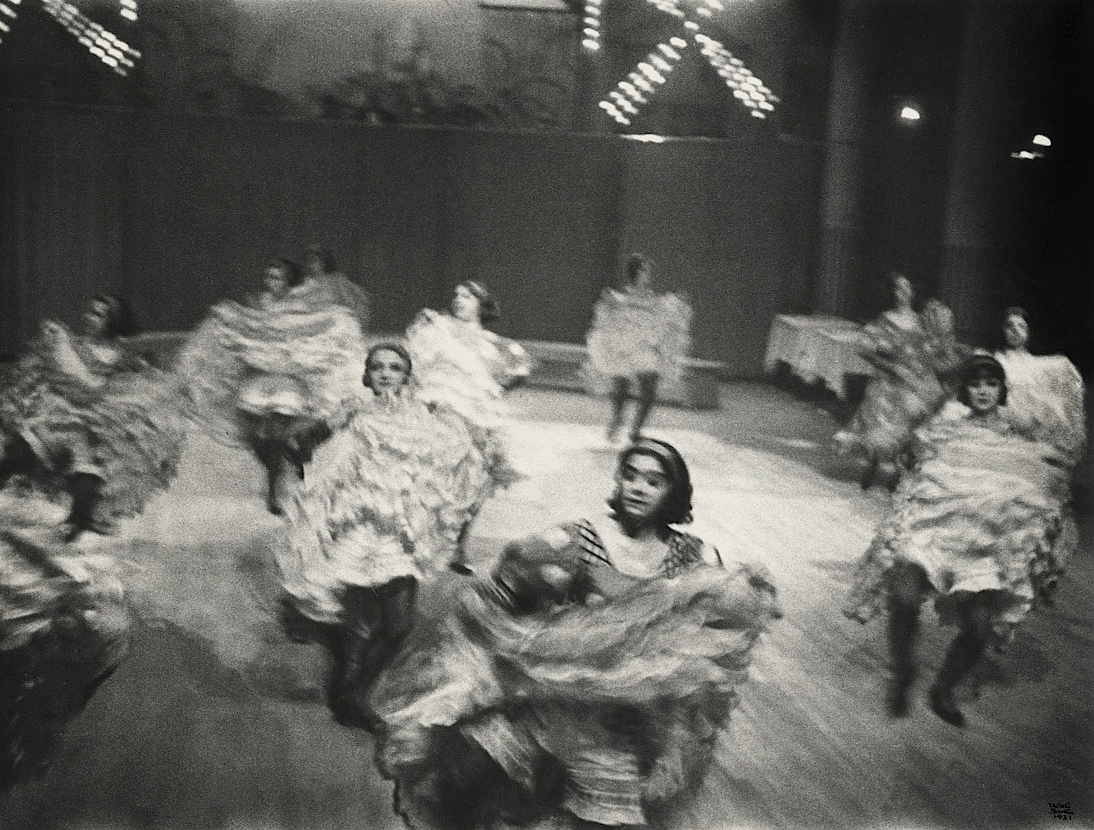
Ilse Bing (German, 1899-1998) 'French Can Can Dancers, Moulin Rouge' 1931


Ilse Bing (American born Germany, 1899-1998)
French Can Can Dancers, Moulin Rouge
1931
Gelatin silver print
6 1/4 × 9 in. (15.9 × 22.9cm)
Collection of Michael Mattis and Judith Hochberg
Courtesy Edwynn Houk Gallery, New York
© Estate of Ilse Bing


Ilse Bing (American born Germany, 1899-1998) 'Greta Garbo Poster, Paris' 1932


Ilse Bing (American born Germany, 1899-1998)
Greta Garbo Poster, Paris
1932
Gelatin silver print
22.3 × 30.5 cm
The Art Institute of Chicago
Donation of David C. and Sarajean Ruttenberg 1991
© Estate of Ilse Bing
© 2022 The Art Institute of Chicago / Art Resource, NY/ Scala, Florence


Overview

Ilse Bing (Frankfurt, 1899 – New York, 1998) was born into a well-off Jewish family. Having discovered her true vocation while preparing the illustrations for her academic thesis, in 1929 she abandoned her university studies in order to focus entirely on photography. The medium would be her chosen form of expression for the following thirty years of her fascinating life and career.

In 1930 Bing moved to Paris where she combined photojournalism with her own more personal work, soon becoming one of the principal representatives of the modernising trends in photography which emerged in the cultural melting pot of Paris during those years. With the advance of the Nazi forces, in 1941 she and her husband, the pianist Konrad Wolff, went into exile in New York. Two decades later the sixty-year-old Bing gave up her photographic activities in order to channel her creativity into the visual arts and poetry until her death in 1998.

Bing’s work cannot be ascribed to any of the movements or tendencies that influenced her. She worked in almost all the artistic genres, from architectural photography to portraiture, self-portraits, images of everyday objects and landscapes. The diversity of styles which she employed reflect her significant and notably individual interpretation of the different cultural trends that she assimilated, from the German Bauhaus and New Objectivity to Parisian Surrealism and the ceaseless dynamism of New York.

The exhibition

Featuring around 200 photographs and a range of documentary material, the exhibition presents a chronological and thematic survey of Ilse Bing’s career, divided into ten sections: “Discovering the world through a camera: the beginnings”, “The life of still lifes”, “The dancing body and its circumstances”, “Lights and shadows of modern architecture”, “The hustle and bustle of the street: the French years”, “The seduction of fashion”, “The United States in two phases”, “Self-image revelations”, “Portrait of time”, and “Live nature”.

Four keys

The Bauhaus. From 1910 onwards Frankfurt became the prototype of modern urban design thanks to the architect Ernst May, and the city’s medieval layout was gradually modified in a transformation based on its different societal requirements. This new architecture soon began to echo the ideas of El Lissitzky’s Constructivism, partly via the Dutch architect Mart Stam, a friend of Ilse Bing. Stam and the theories of the Bauhaus had a major influence on her works. László Moholy-Nagy, who taught at the Bauhaus, had promoted the union of architecture and photography as well as the independence of the latter in relation to painting. The possibilities of Das Neue Sehen (The New Vision) seemed endless and Bing applied some of its concepts and devices to her work: abstraction, immediate close-ups, plunging and di sotto in sù viewpoints, photo-montage and overprinting.

Surrealism, the spirit of an era. When Ilse Bing moved to Paris in 1930 the city was a melting pot of artistic and intellectual trends and the setting for the emergence of some of the key movements in the evolution of the avant-gardes. One of them – Surrealism – had a particular influence on her and its echoes are clearly discernible in her photographs of accessories taken for fashion magazines which reflect Surrealist theories on fetishism. It is also evident in the framing she chose for her images of chairs, streets and public spaces, which transmit a sense of strangeness and almost of alienation. Finally, this influence also arose from Bing’s relationship with prominent figures associated with the movement, such as Elsa Schiaparelli.

Movement. Despite her fascination with abstraction and pure compositions, evident in many of her photographs of architecture and her still lifes, Ilse Bing was also captivated by the dynamism and movement of life and changing reality. She expressed this in her photographs of the Moulin Rouge and its surrounding area and in her investigation of dance. Bing captured the dynamism of the dancers twirling their skirts but also the expressivity of their bodies as they moved, jumping into the air or doing the splits.

Woman photographer. Ilse Bing belonged to a generation of women photographers who achieved unprecedented visibility. It was not the norm that women should be artists in a field habitually occupied by men, who regarded their presence as active agents in the social and cultural realm with disdain and even hostility. Like many of her contemporaries – Germaine Krull, Florence Henri, Laure Albin-Guillot, Madame d’Ora, Berenice Abbott, Nora Dumas and Gisèle Freund – Bing’s camera became an essential tool of self-determination and a means to confirm her own identity.

Text from the Fundación MAPFRE website


Ilse Bing (American born Germany, 1899-1998) 'Prostitutes, Amsterdam' 1931


Ilse Bing (American born Germany, 1899-1998)
Prostitutes, Amsterdam
1931
Gelatin silver print
25.5 x 34cm
Collection of Michael Mattis and Judith Hochberg, New York
© Estate of Ilse Bing
Photograph: Jeffrey Sturges


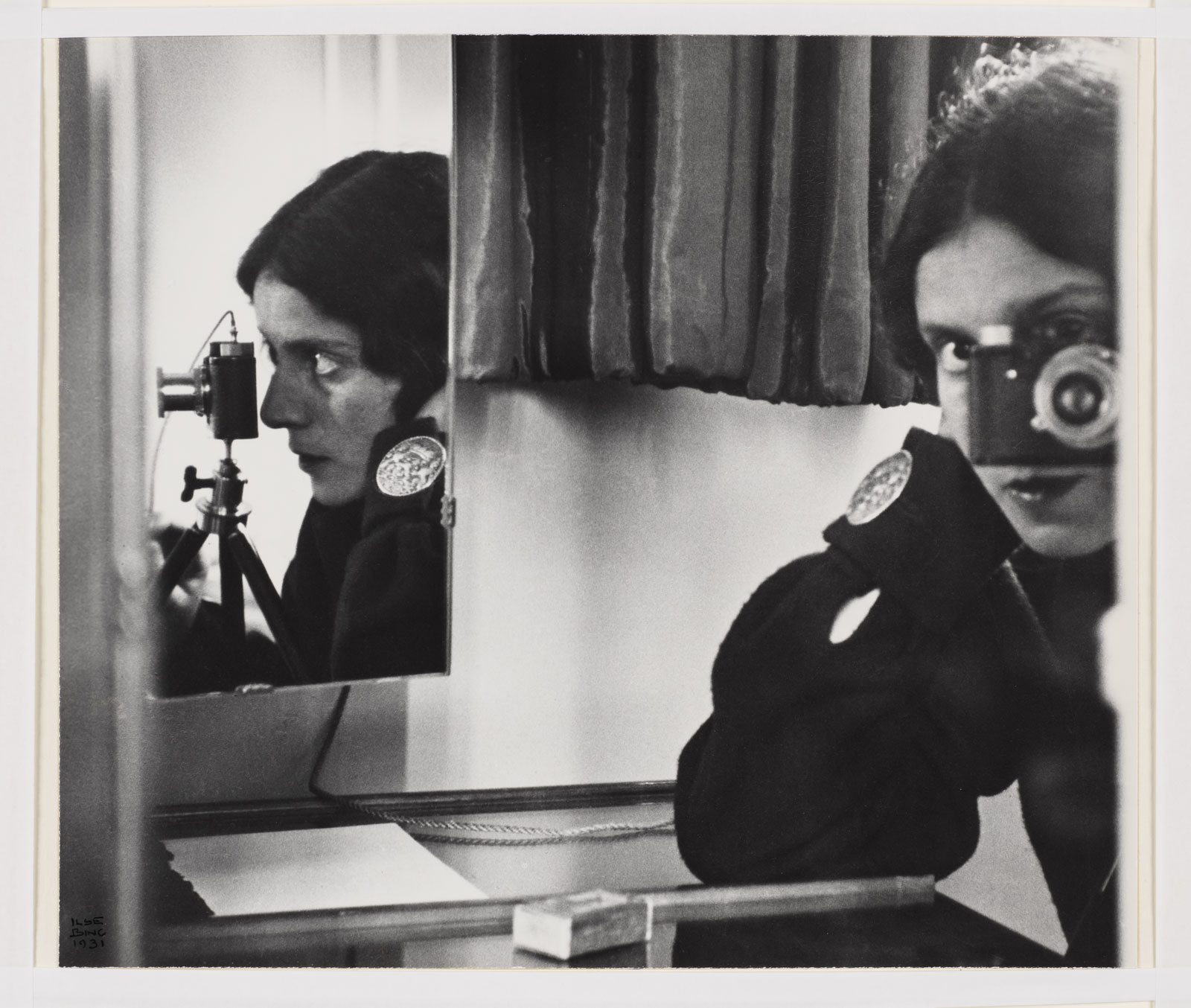
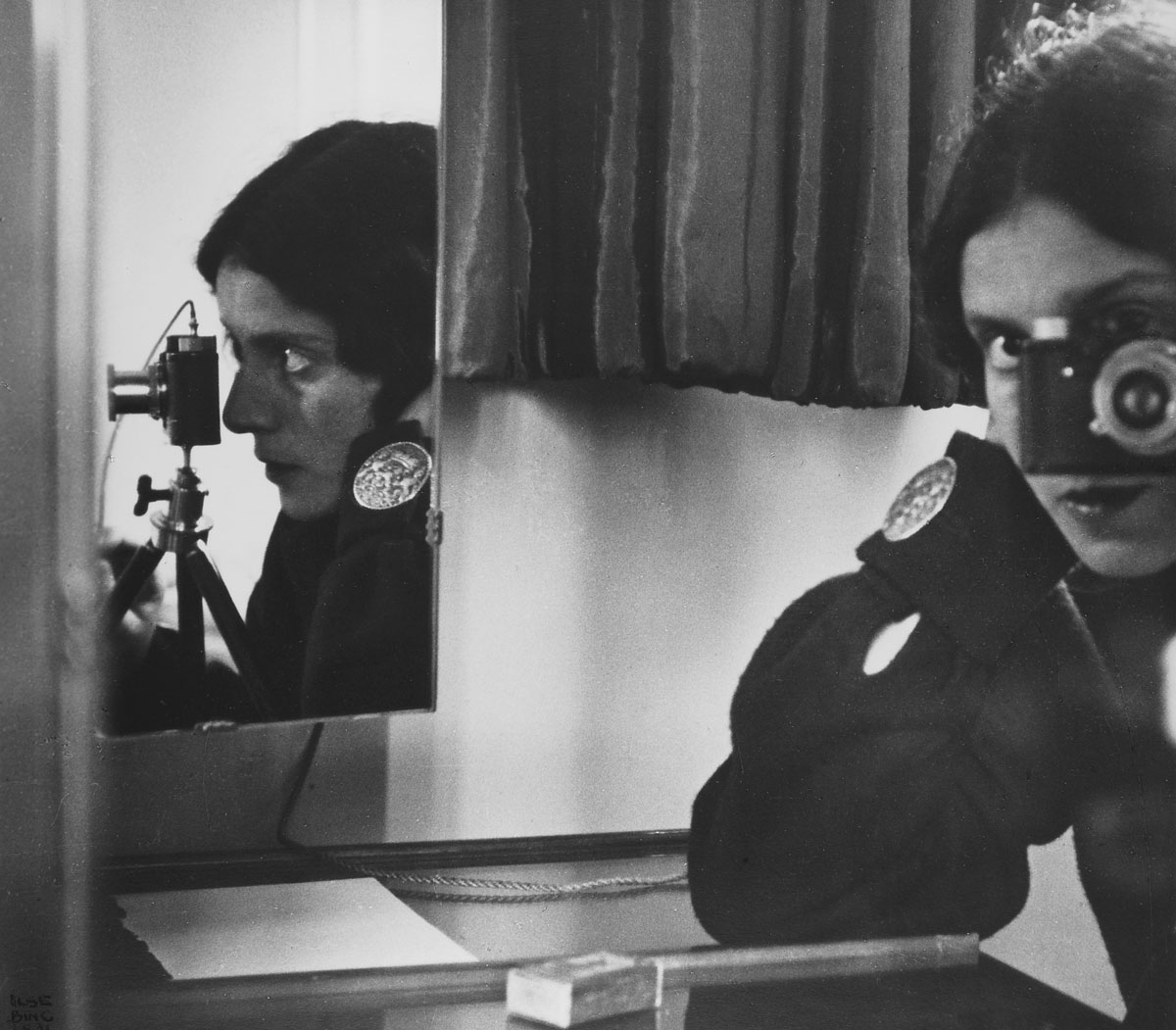
Ilse Bing (American born Germany, 1899-1998) 'Self-portrait with Leica' 1931


Ilse Bing (American born Germany, 1899-1998)
Self-portrait with Leica
1931
Gelatin silver print
26.5 × 30.7cm
Collection of Michael Mattis and Judith Hochberg, New York
© Estate of Ilse Bing
Photograph: Jeffrey Sturges


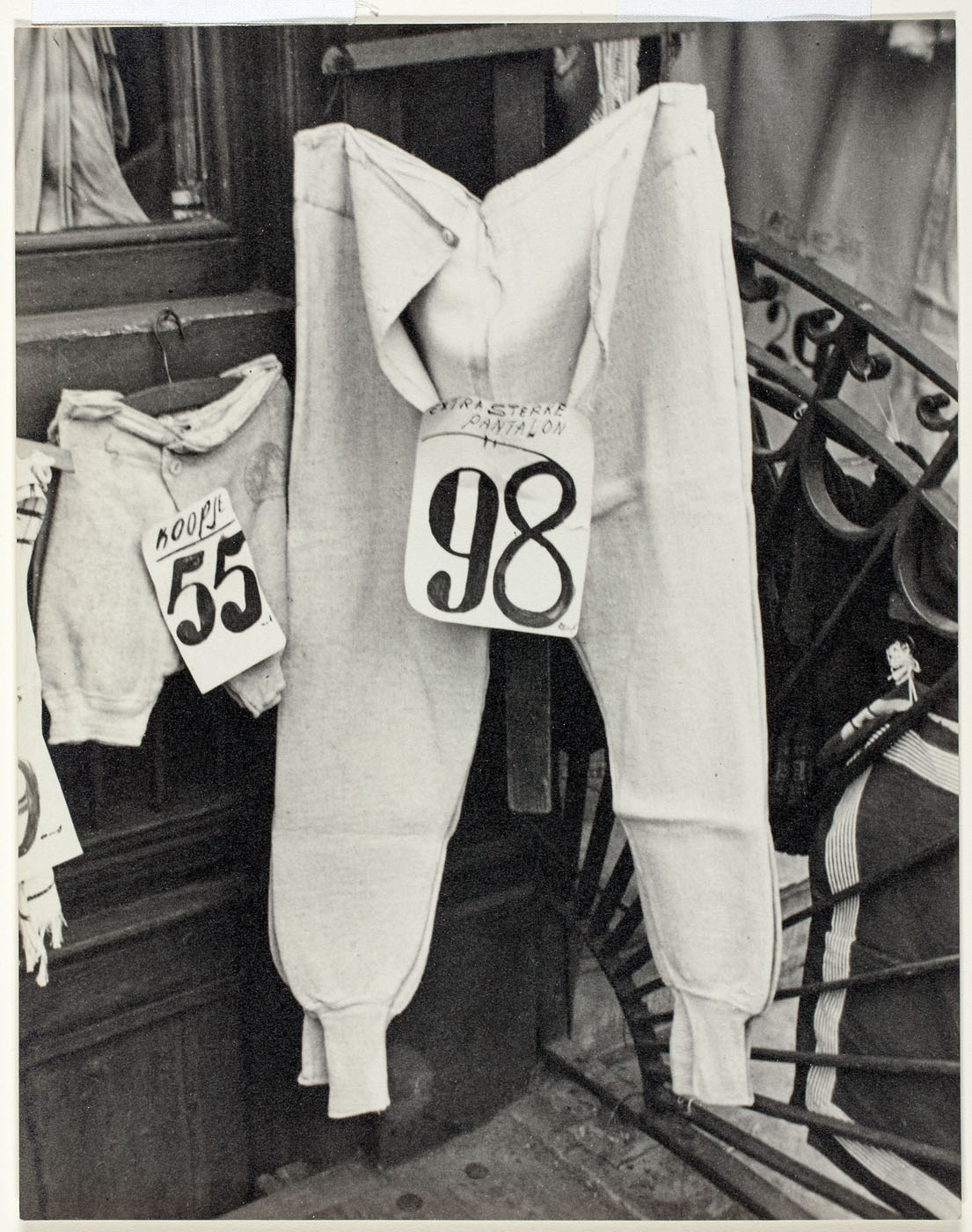
Ilse Bing (American born Germany, 1899-1998) 'Pantaloons for Sale, Amsterdam' 1931


Ilse Bing (American born Germany, 1899-1998)
Pantaloons for Sale, Amsterdam
1931
Gelatin silver print
28 x 22cm
The Art Institute of Chicago, Julien Levy Collection
Donation of Jean and Julien Levy 1977
© Estate of Ilse Bing
© 2022 The Art Institute of Chicago / Art Resource, NY/ Scala, Florence


Ilse Bing (American born Germany, 1899-1998) 'Street Fair, Paris' 1933


Ilse Bing (American born Germany, 1899-1998)
Street Fair, Paris
1933
Gelatin silver print
28.2 × 22.3cm
National Gallery of Art, Washington D. C.
Donation of Ilse Bing Wolff
© Estate of Ilse Bing


Ilse Bing (American born Germany, 1899-1998) 'Equine butcher shop' 1933


Ilse Bing (American born Germany, 1899-1998)
Equine butcher shop
1933
Gelatin silver print
19.2 × 28.2cm
Galerie Berinson, Berlín
© Estate of Ilse Bing


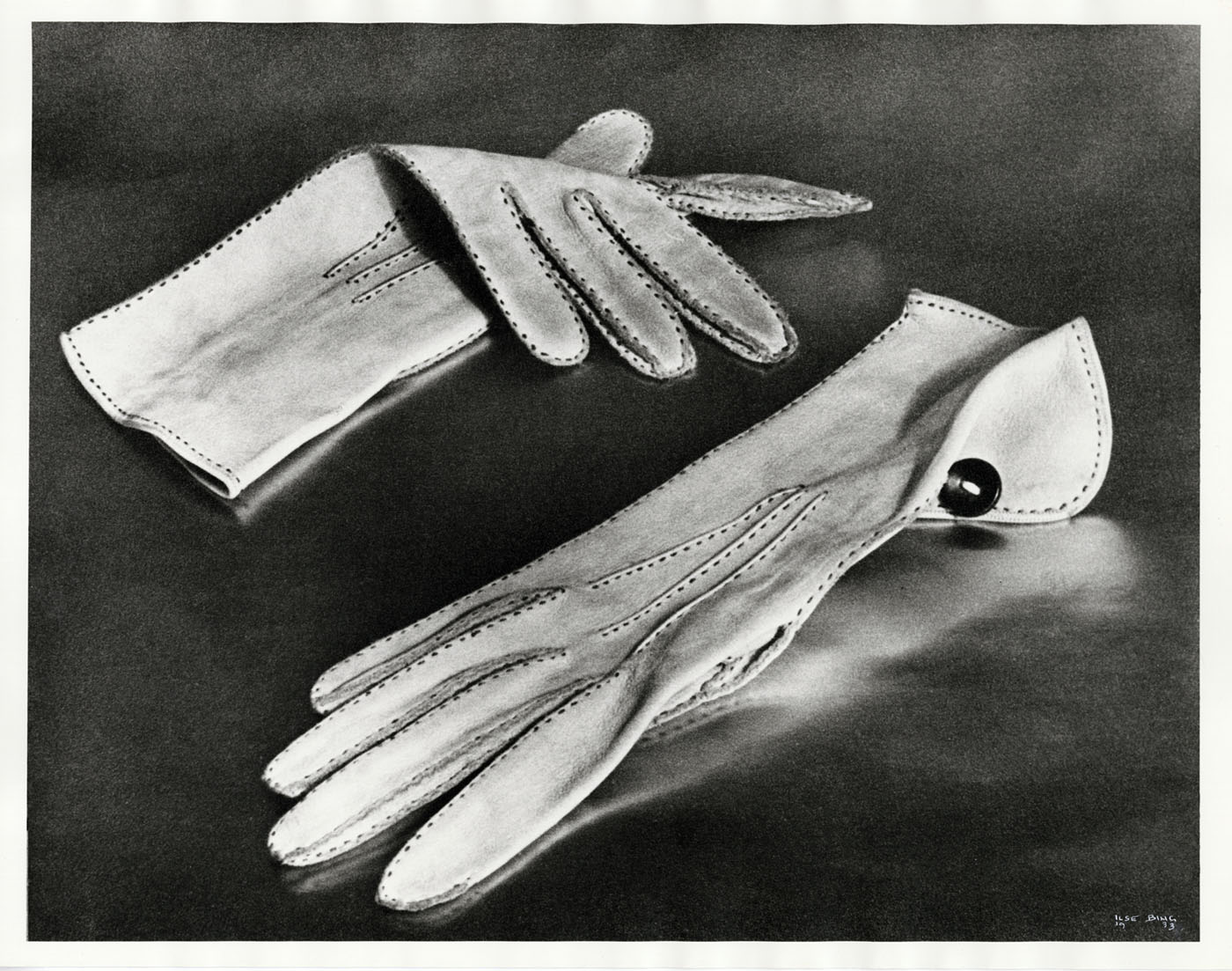
Ilse Bing (American born Germany, 1899-1998) 'The Honorable Daisy Fellowes, Gloves by Dent in London for Harper's Bazaar' 1933


Ilse Bing (American born Germany, 1899-1998)
The Honorable Daisy Fellowes, Gloves by Dent in London for Harper’s Bazaar
1933
Gelatin silver print
27.9 × 35.6cm
International Center of Photography, New York
Donation of Ilse Bing 1991
© Estate of Ilse Bing


Ilse Bing (American born Germany, 1899-1998) 'Self-portrait' 1934


Ilse Bing (American born Germany, 1899-1998)
Self-portrait
1934
Gelatin silver print
27.9 × 21.6cm
Galerie Karsten Greve, Saint Moritz / París / Colonia
© Estate of Ilse Bing


Ilse Bing (German, 1899-1998) 'Study for "Salut de Schiaparelli" (Lily Perfume), Paris' 1934


Ilse Bing (American born Germany, 1899-1998)
Study for “Salut de Schiaparelli” (Lily Perfume), Paris
1934
Gelatin silver print
Overall: 28.2 x 22.3cm (11 1/8 x 8 3/4 in.)
Frame: 50.8 x 40.64cm (20 x 16 in.)
Frame (outer): 53.34 x 43.18cm (21 x 17 in.)
National Gallery of Art, Washington
Gift of Ilse Bing Wolff
© Estate of Ilse Bing


Ilse Bing (American born Germany, 1899-1998) 'Gold Lamé Evening Shoes' 1935


Ilse Bing (American born Germany, 1899-1998)
Gold Lamé Evening Shoes
1935
Gelatin silver print
22.2 × 27.9cm
Galerie Karsten Greve, Saint Moritz / París / Colonia
© Estate of Ilse Bing


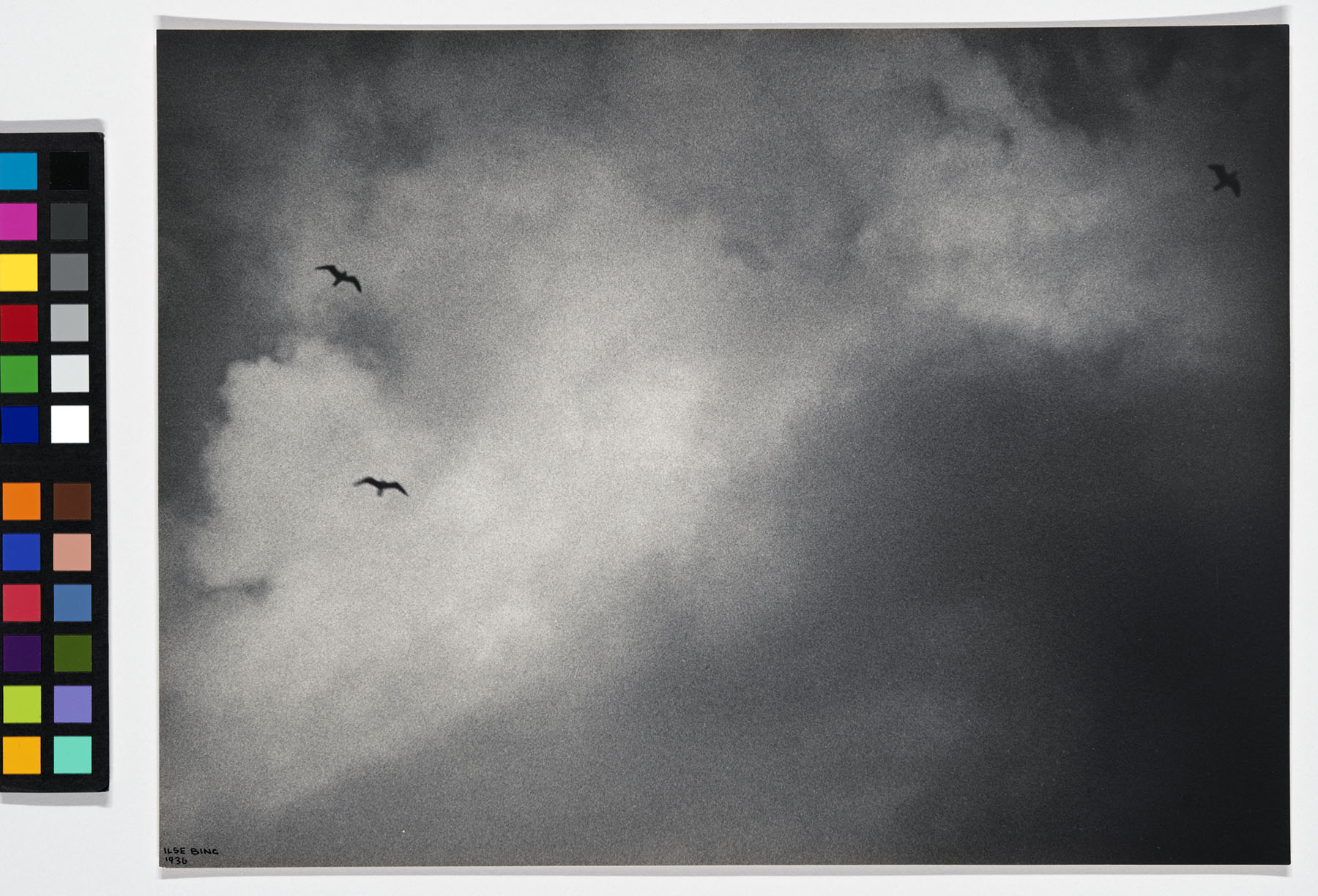
Ilse Bing (American born Germany, 1899-1998) 'Between France and the USA (Seascapes)' 1936


Ilse Bing (American born Germany, 1899-1998)
Between France and the USA (Seascapes)
1936
Gelatin silver print
21 × 28.3 cm
Whitney Museum of American Art, New York
Legacy of Ilse Bing Wolff 2001
© Estate of Ilse Bing
© 2022 Digital image Whitney Museum of American Art / Licensed by Scala


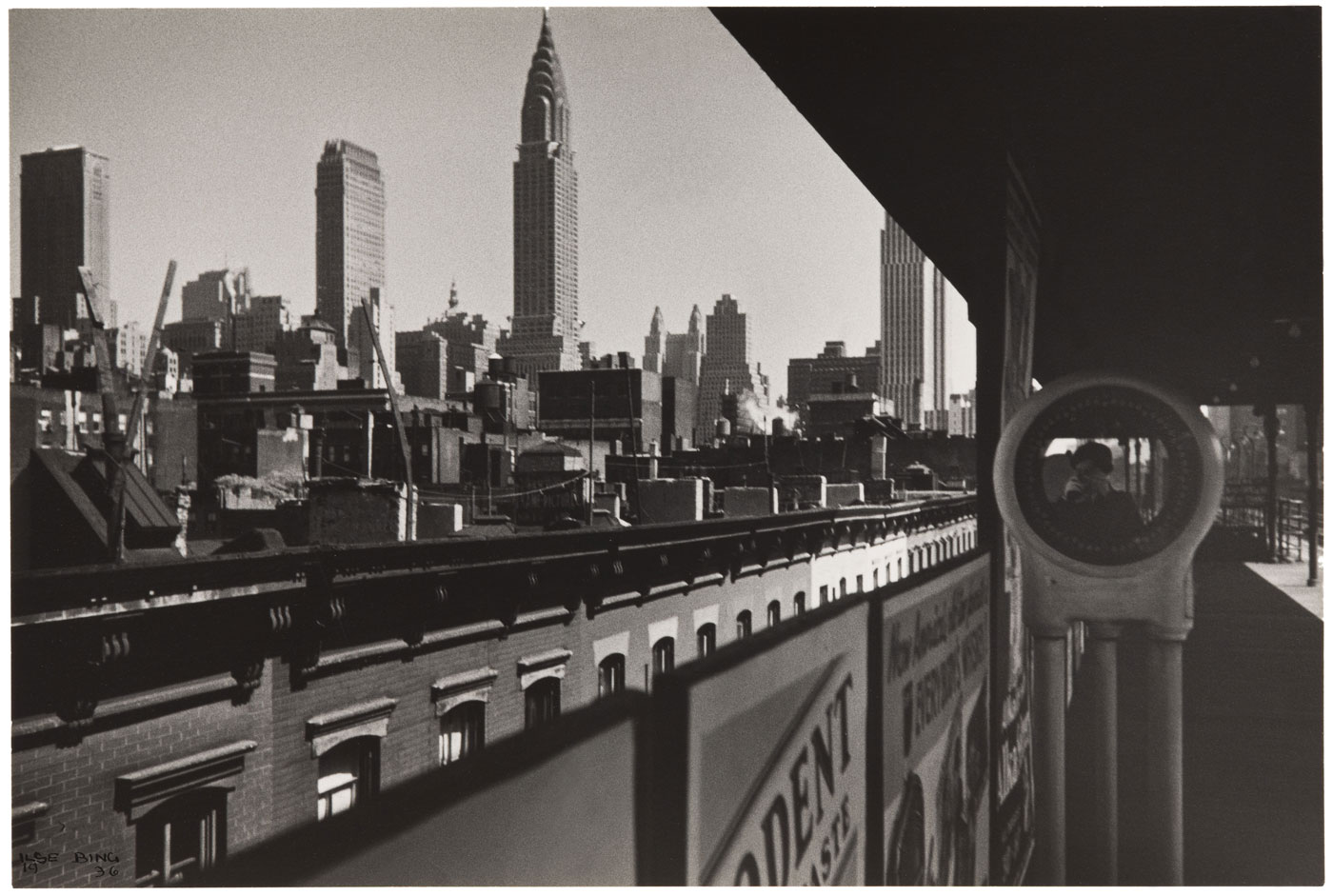
Ilse Bing (American born Germany, 1899-1998) 'New York, the Elevated, and Me' 1936


Ilse Bing (American born Germany, 1899-1998)
New York, the Elevated, and Me
1936
Gelatin silver print
Galerie Le Minotaure, Paris
© Estate of Ilse Bing


Ilse Bing (American born Germany, 1899-1998) 'New York' 1936


Ilse Bing (American born Germany, 1899-1998)
New York
1936
Gelatin silver print
19.8 x 22.2cm
Galerie Berinson, Berlín
© Estate of Ilse Bing


The artistic career of Ilse Bing (Frankfurt, 1899-New York, 1998) can be located within a particularly complex temporal and socio-cultural context. This German photographer principally lived and worked in three places: in Frankfurt prior to the 1930s, in Paris in that decade and in post-war New York where she above all experienced the status of enforced emigré. Bing also visited other places, including Switzerland, Italy and Holland, but they never became decisive spaces that significantly influenced her way of working with regard to photography.

Analysed with the distance and perspective offered by the passing of time, Ilse Bing’s artistic corpus cannot easily be located within the various photographic trends she encountered during her lifetime, particularly in her initial German phase and the decade in Paris. While her work is charged with elements associated with both Das Neue Sehen (The New Vision) and the Bauhaus, which emerged during the Weimar Republic, as well as with the Surrealism she assimilated during her years in France, Bing’s position evades any strict norm or visual orthodoxy. In this sense it could be said that hers is a notably unique photographic gaze and approach in which modernity and formal innovation are indissolubly linked to a humanist approach involving a social conscience.

It is also important to emphasise that Ilse Bing’s career within the context of relatively difficult times was marked by a resolute determination to make her way in a world which viewed the presence of women as active agents in the social and thus the cultural realm with disdain or even hostility. Bing belonged to a generation of female photographers that achieved a previously unattainable visibility. The camera became for an essential tool of self-determination for numerous women artists, including figures such as Germaine Krull, Florence Henri, Laure Albin-Guillot, Madame d’Ora, Berenice Abbott, Nora Dumas and Gisèle Freund.

Juan Vicente Aliaga
Curator


Discovering the World Through A Camera: The Beginnings

With the exception of a few photographs of an amateur type, nothing indicated that Ilse Bing, who was born into a prosperous Jewish family in Frankfurt, would dedicate much of her life to the practice of photography. After an initial focus on scientific subjects and a period studying art history, Bing decided to illustrate her doctoral thesis with images taken in different museums. From that moment onwards and following a study trip to Switzerland when she discovered the work of Vincent van Gogh, she took the decision to focus her attention on photography. While she initially made use of a Voigtländer plate camera, she soon acquired a Leica which she would continue to use for much of her career. This was the camera she employed for the commissions she received from newspapers such as the Frankfurter Zeitung, work that gave her a degree of financial independence during the turbulent years of the Weimar Republic.

At the outset Bing covered a range of subjects, doing so with ease and formal audacity. Everything seemed to attract her attention: men at work, the spatial simplicity of a gallery, the organic lines of a roof, the leg and arm movements of the ballerinas of the Rudolf von Laban company, the modern architecture which she had discovered through her friend the Dutch architect Mart Stam, and more. Bing’s gaze sought out unusual angles, it looked upwards and downwards, at times encountering normally overlooked elements of no monetary value and ones brought together by chance, as in Dead Leaf and Tramway Ticket on Sidewalk, Frankfurt (1929).

The Life of Still Lifes

Objects from daily life are frequently present in modern art: a bottle, a newspaper, a letter, a collage-like fragment of a label, a jug, etc. Surrealism marked a revolution with regard to the representation of the object, which is never literal but rather filled with hidden aspects. The insertion of external objects into the visual space combined with other ones favours the emergence of the imaginary. By the time Ilse Bing arrived in Paris in 1930 she was already captivated by the chance encounter of often humble elements. Her French period served to accentuate her interest in a wide range of cast-off possessions and objects that seemed to allude to a universe in flux. Bing’s gaze always came to rest on real elements. The chairs she photographed existed but the framing she employed, the closeness or distance of the shot, the fact that the chairs are unoccupied and that the floor on which they stand has the silvery darkness of rain are all the result of her choices, adding an air of melancholy to the image.

Over the course of her career Bing used a range of different techniques in parallel while remaining constantly fascinated by inanimate objects. During her Paris years and despite financial difficulties her work is generally characterised by a poetic gaze in which the imagination moves towards undefined, almost dream-like realms. In contrast, in the period of exile in the United States a degree of coolness emerges, with the appearance of formal and symbolic traits such as a closing-in or enclosing of the depicted scene.

The Dancing Body and Its Circumstances

During her initial phase, in 1929 Ilse Bing established contacts with the dance and gymnastics school founded by Rudolf von Laban. She was struck by the way in which he aimed to draw a parallel between geometry and human movements and gestures.

Soon after arriving in Paris, Bing was commissioned to photograph the Moulin Rouge waxworks museum. The old Parisian dance hall where La Goulue and Toulouse-Lautrec had been leading attractions had lost much of its splendour. Bing spent time there and was attracted by numerous aspects of the place: its daily life on and off stage, including the couples who enjoyed a drink there, the boxing matches taking place, a dancer cheering up a weary boxer, the interesting nature of the clients, and the boredom of the doorman at the entrance to the cabaret. Aside from these aspects, what really caught the attention of the Paris photography world were Bing’s images of dancers in movement. Her restless eye was able to represent the vibration of the circular twists and turns, the complex, effortful open leg movements of a dancer captured in action, the troupe of dancers energetically waving their skirts, and more.

Another group of images of the troupe centres around the dancer Gerard Willem van Loon.

The third and last series of images focusing on dance was commissioned in relation to the ballet L’Errante, choreographed by the American George Balanchine and with set designs and libretto by the Russian painter Pavel Tchelitchew. Bing demonstrated her skill at capturing movement without making it seem frozen or trapped in time. Her eye translated the weightlessness of dreamlike fantasies to her images through the dynamic way in which she captured shadows.

Lights and Shadows of Modern Architecture

The architecture of Paris is generally reflected in Bing’s photography through images of middle- or working-class houses or walls and façades of dilapidated buildings. There was one notable exception, namely the Eiffel Tower. This emblematic work, constructed for the Universal Exhibition of 1889, was nothing less than a revelation for Bing. The Tower’s imposing metal structure had been captured by various photographers, including László Moholy-Nagy in 1925, followed by Erwin Blumenfeld, André Kertész, François Kollar and Germaine Krull.

Bing chose to locate herself inside the structure and take shots at different heights, the majority looking downwards. Using this method, the reality of the space occupied by passers-by becomes perfectly visible. In other words, the intention is not to emphasise the abstract core, pure geometry and beauty of the forms, girders, mainstays, braces and other constructional elements but rather to show that this architectural marvel was also located in a specific place, in this case the gardens of the Champ de Mars.

At a later date, New York’s modern architecture astonished Bing for its display of power expressed as imposing constructions. She translated her amazement into a group of images primarily characterised by a distanced and simultaneously critical gaze on the architectural spectacle before her eyes. Her position was not simply an uncritical and admiring one, as evident in various photographs of skyscrapers abutting on poor areas of the city. The thrust of the symbolic power of vertical architecture is called into question by being juxtaposed with humble spaces and buildings, as we see with Chrysler Building (1936).

The Hustle and Bustle of the Street: The French Years

When Ilse Bing arrived in Paris in late November 1930 the city’s cultural context was particularly favourable in terms of the number of illustrated publications that made use of images taken by a large group of male and female photographers. These publications included Vu, Voilà, Marianne, Regards, L’Art Vivant, Arts et Métiers Graphiques and Urbanisme.

One of the commissions that Bing received allowed her to delve into an evident reality: the existence of poverty in certain parts of a major capital such as Paris. She focused her work on portraying the soup kitchens where large numbers of destitute people gathered.

The artist revealed her abilities in Paris, rue de Valois (1932), an image that allows for a questioning of the supposedly objective truth habitually associated with photography. On an inner city street Bing’s gaze focuses on a puddle in which the roofs of an adjacent building are reflected. She shows us the paradox of something that is located above and high up appearing below, on the ground.

While Bing’s Parisian photography has a melancholy, even sombre tone to it, it also looked at areas of human activity characterised by lively bustle and social interaction, such as her images of a gingerbread fair.

These years in France provided the setting for a veritable laboratory of ideas in which the influence of Bing’s Frankfurt years is still evident. It was also a time when the emergence of Surrealism was occupying the Parisian cultural scene, with its exploration of the unconscious and of hidden desires. It can be detected in the ghostly feel of the solarised photographs that Bing took on the Place de la Concorde.

In this context, and thanks to an invitation from the Dutch-born Hendrick Willem van Loon, Bing discovered the Netherlands, visiting places such as Veere and Amsterdam and capturing different moments of daily life. The country’s nature as a terrain regained from the sea also led the artist to reflect this geographical reality in a number of snapshots.

The Seduction of Fashion

During her Paris years Bing experienced financial difficulties, a recurrent problem for her over the years, for which reason in November 1933 she began to contribute to the fashion magazine Harper’s Bazaar, an American publication noted for its modern style. She secured this work with a recommendation from the editor of the French edition, Daisy Fellowes, a fashion-world figure brought up in aristocratic circles. Some of Bing’s photographs are in fact of accessories that belonged to Fellowes, including the grey felt hat and an elegant pair of gloves. In these and other images Bing applied a highly innovative approach in which she brought out the texture of the objects and the sheen of the surfaces by cropping the frame in such a way that the various garments acquired a sensual touch as well as suggesting the attractiveness of a coveted object.

During these years Bing also met Elsa Schiaparelli, the celebrated Italian fashion designer with links to Surrealism. Bing took photographs as advertisements for perfumes such as Salut and Soucis, both of 1934. The aim of these images was to encourage the viewer to desire the product with all its sensual resonances without renouncing a modern aesthetic.

The United States in Two Stages

Bing’s experiences in New York can be divided into two quite distinct phases. The first was a visit in 1936 while the second came in 1941 with her forced departure from France following the Nazi occupation. She continued to live there until her death in 1998, although she brought her photographic activity to an end forty years earlier.

The first American trip lasted from April to June 1936. Bing was impressed by the colossal dimensions of the city’s architecture while her restless gaze also focused on other aspects of the metropolis: the harsh life of down-and-outs (Variation on Dead End), the dirtiness of the streets, a circus show with acrobats and animals, and more.

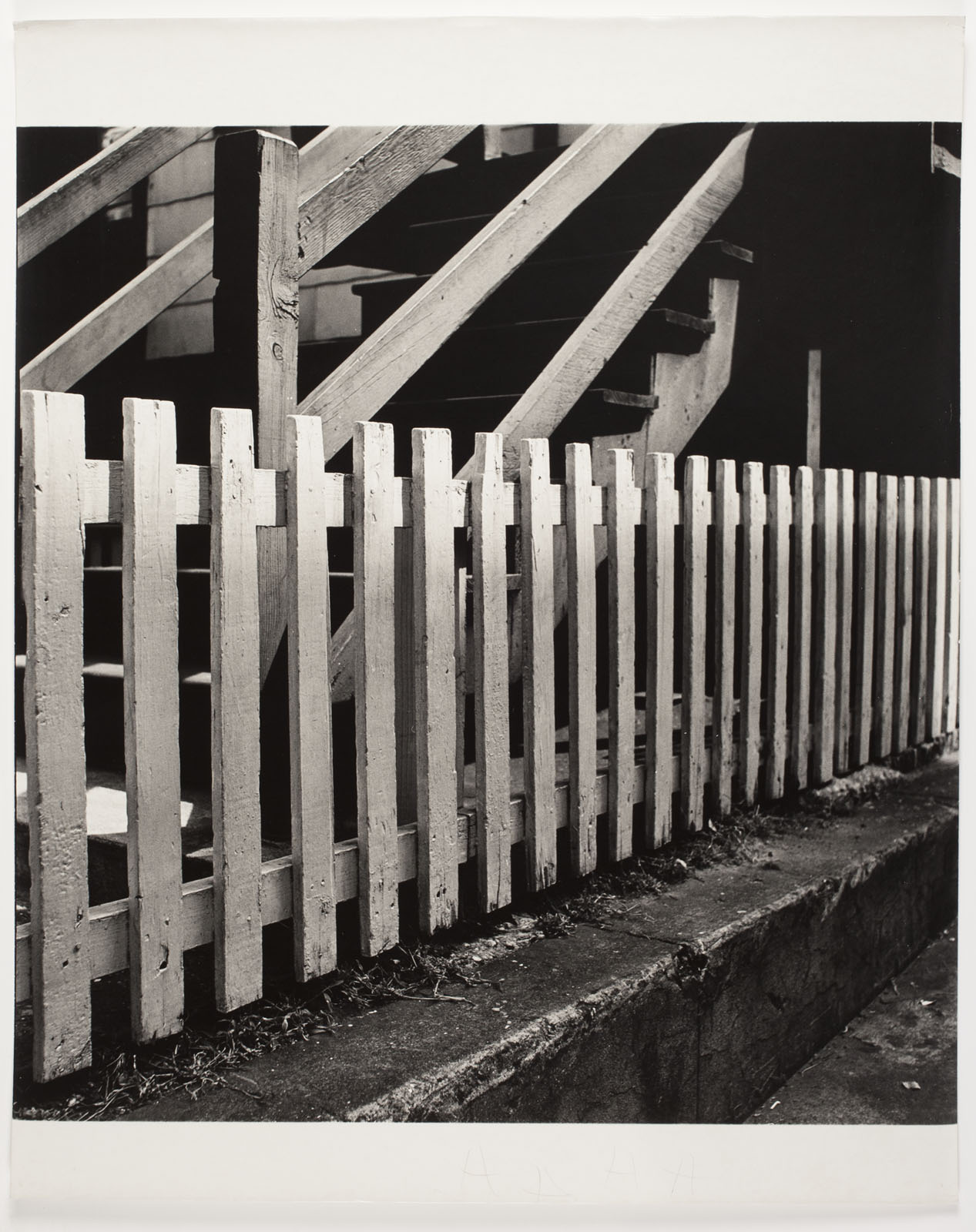
In these difficult circumstances and experiencing isolation, Bing transferred her sense of solitude to the reality that surrounded her, observing it attentively. The result is a number of desolate images in which her own feelings are transmuted into melancholy landscapes and objects: scrawny, leafless tree branches, picket fences enclosing plots, and a fire hydrant in a snowy landscape next to a fallen tree.

From 1941 onwards, still suffering from the effects of exile and in need of earning a living in a hostile environment, Bing turned her activities to various different jobs, taking passport photographs for immigrants, portrait photographs on commission and even working as a dog groomer, among other things. The illustrated magazine world clearly turned its back on her at this period.

Self-Image Revelations

In 1913 the teenage Bing took what she considered to be her first self-portrait. She poses in her bedroom in the family home in Frankfurt, sitting sideways at a desk and resting her feet on a chair. What we see in reality is her reflection in a cupboard mirror, which shows the young Ilse with her long hair. In front of a background of paintings, she looks out attentively and places her hand on the camera – a Kodak box model. She was unaware at the time that this device (albeit not this make) would become her principal working tool.

Throughout her life as an artist Bing repeated the exercise of portraying herself (usually indoors) with the aim of leaving a record of a specific moment of her existence. Through these self-portraits she forged her own identity as an emancipated and independent woman in times of enormous patriarchal pressure.

During her first visit to New York Bing conceived an image that is a clear indication of the sense of estrangement and alienation she felt at seeing herself so small before the immensity of the mecca of skyscrapers, as in New York, the Elevated, and Me (1936).

Bing would later make the representation of shadow a stark extension of her life and personality, frequently using it throughout her American years.

During the course of her lifetime Ilse Bing explored the transitory states of her own identity, sometimes presenting herself as firm and decided, at times as vulnerable and anxious and on other occasions as a fleeting shadow cast on a wall.

Portrait of Time

In addition to seeking out the intricacies of her subjectivity in her own image, from almost the outset Bing engaged in an intensive photographic activity in which she combined commissions for portraits, especially of children, with the desire to explore the human psyche.

With regard to childhood, Bing saw children as complete beings on the same level as adults, with their own internal struggles and issues. During her own childhood the prevailing view was that they were not fully formed but Bing was uncomfortable with this perception and over time she learned to see adulthood and childhood as two phases of life that had much more in common than was generally thought.

Similarly, she did not share the view that women should be conceived on the male model as if they were a mere accompaniment to their tune. She considered that “the human being can be represented and symbolised by women”, albeit without aiming to idealise them. These concepts, which clearly reflect an underlying feminist attitude, seem to allude to a holistic vision of existence devoid of hierarchies or fixed categories.

Bing went beyond merely capturing the moment, the temporal space in which her models pose. Rather, with both her child sitters and adults she aimed to show them engaged in an activity, extracting aspects of their character and personality from them.

Live Nature

Any assessment of Ilse Bing’s work must necessarily emphasise the impact on her career of her urban experiences in Frankfurt, Paris and New York. While this assertion seems indisputable, an analysis of her corpus would be diminished without a consideration of the close relationship she maintained with nature, both the untamed natural world and nature designed and organised by human hand, as in the case of the gardens of Versailles.

The natural world was also the locus in which Bing’s emotions and feelings took hold. The photographs taken on the banks of the Loire, for example, generally exude an air of calm and balance comparable to that which she felt in her own life at the time, contrasting strongly with the landscapes of wild and rugged places such as those she captured in the mountains of Colorado at a period of greater personal tension.

In 1959 Ilse Bing gave up photography for good. After three decades as a photographer and long before her work started to be recognised in museums in the United States, France and Germany, with exhibitions and publications of her work in Paris, New Orleans, Aachen and New York, the artist, who had proved herself able to represent the vibration of life, considered that she no longer had anything new to say or contribute in this medium.

Fundación MAPFRE exhibition texts


Ilse Bing (American born Germany, 1899-1998) 'Street Cleaner, Paris' 1947


Ilse Bing (American born Germany, 1899-1998)
Street Cleaner, Paris
1947
Gelatin silver print
© Estate of Ilse Bing


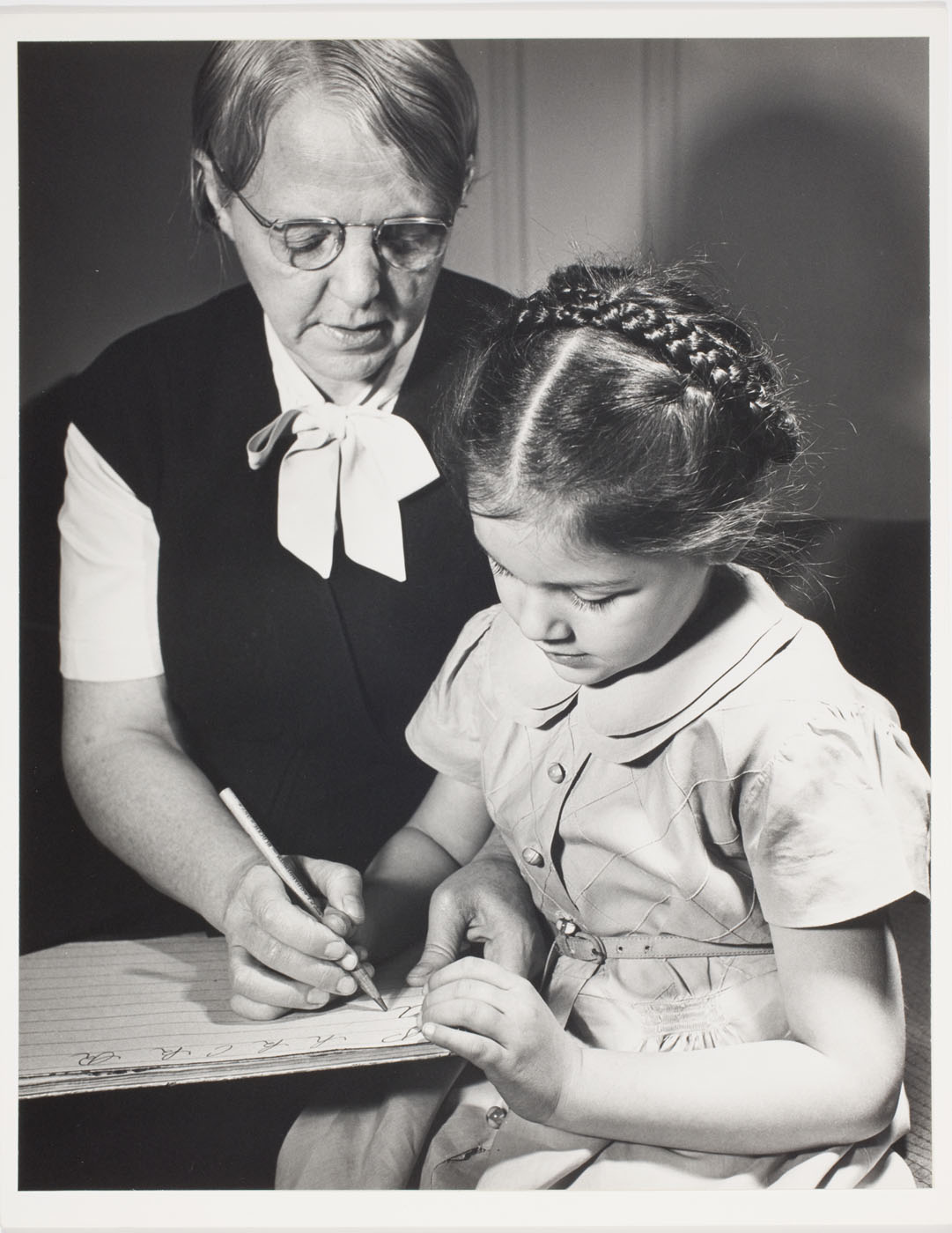
Ilse Bing (American born Germany, 1899-1998) 'Antigone with Teacher' 1950


Ilse Bing (American born Germany, 1899-1998)
Antigone with Teacher
1950
Gelatin silver print
33.7 × 26.7cm
International Center of Photography
Donation of Ilse Bing, 1991
© Estate of Ilse Bing


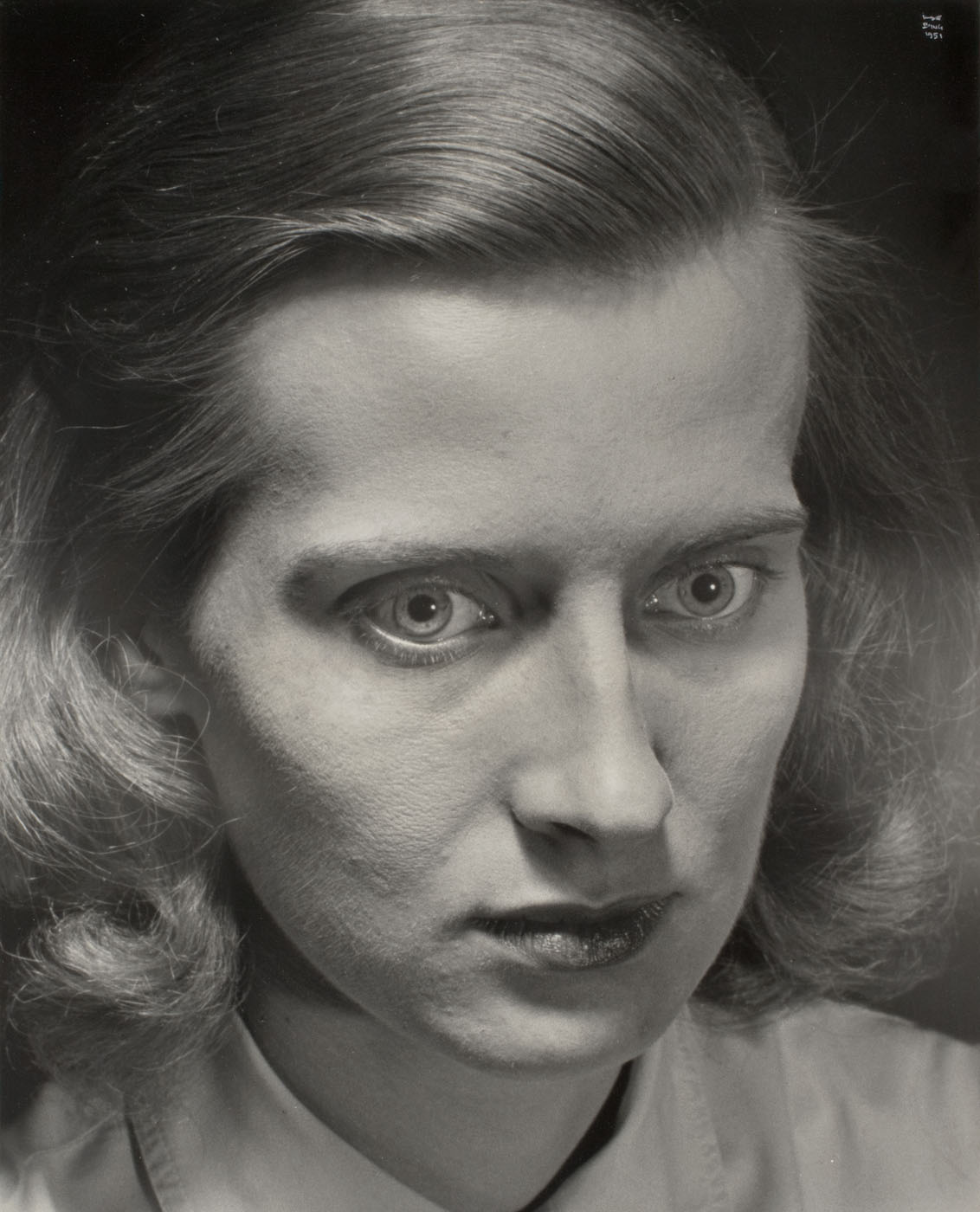
Ilse Bing (American born Germany, 1899-1998) 'Nancy Harris' 1951


Ilse Bing (American born Germany, 1899-1998)
Nancy Harris
1951
Gelatin silver print
50.3 × 40.3cm
National Gallery of Art, Washington D. C.
The Marvin Breckinridge Patterson Fund for Photography 2000
© Estate of Ilse Bing


Ilse Bing (American born Germany, 1899-1998) 'All of Paris in a Box' 1952


Ilse Bing (American born Germany, 1899-1998)
All of Paris in a Box
1952
Gelatin silver print
40.1 x 48.4cm
James Hyman Gallery, London
© Estate of Ilse Bing


Ilse Bing (American born Germany, 1899-1998) 'Picket Fence' 1953


Ilse Bing (American born Germany, 1899-1998)
Picket Fence
1953
Gelatin silver print
50.5 × 40.6cm
International Center of Photography, New York
Donation of Steven Schwartz 2013
© Estate of Ilse Bing


Ilse Bing (American born Germany, 1899-1998) 'Without Illusion, Flea Market, Paris' 1957


Ilse Bing (American born Germany, 1899-1998)
Without Illusion, Flea Market, Paris
1957
Gelatin silver print
49.5 x 40cm
Collection of Michael Mattis and Judith Hochberg, New York
© Estate of Ilse Bing
Photograph: Jeffrey Sturges


Fundación MAPFRE – Instituto de Cultura
Paseo de Recoletos, 23
28004 Madrid, Spain
Phone: +34 915 81 61 00

Opening hours:
Mondays (except holidays): 2 pm – 8 pm
Tuesday to Saturday: 11 am – 8 pm
Sunday and holidays: 11 am – 7 pm

Fundación MAPFRE website

LIKE ART BLART ON FACEBOOK

Back to top

Exhibition: ‘Lionel Wendt: Ceylon’ at Huis Marseille, Amsterdam

Exhibition dates: 10th June – 3rd September, 2017


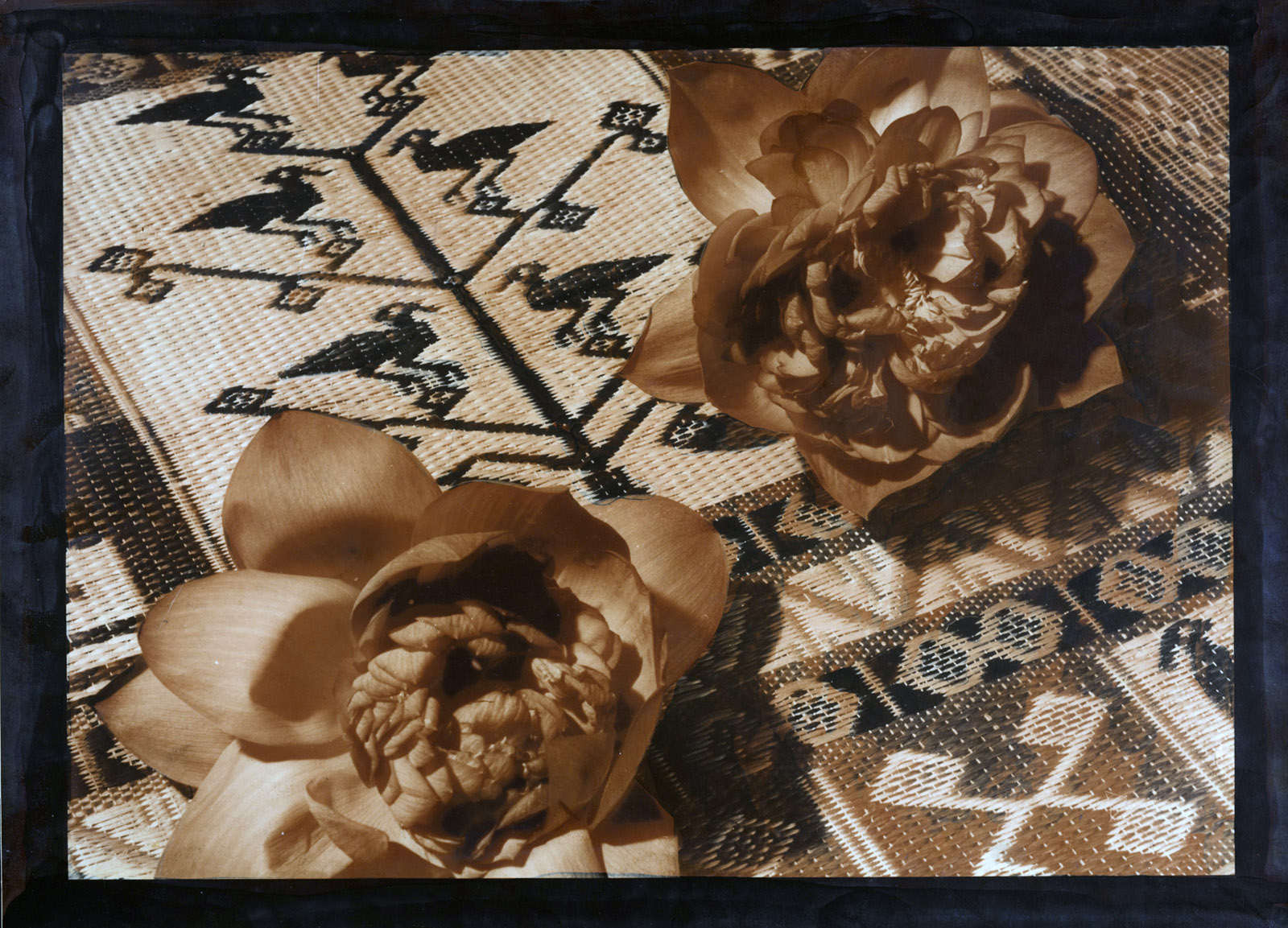
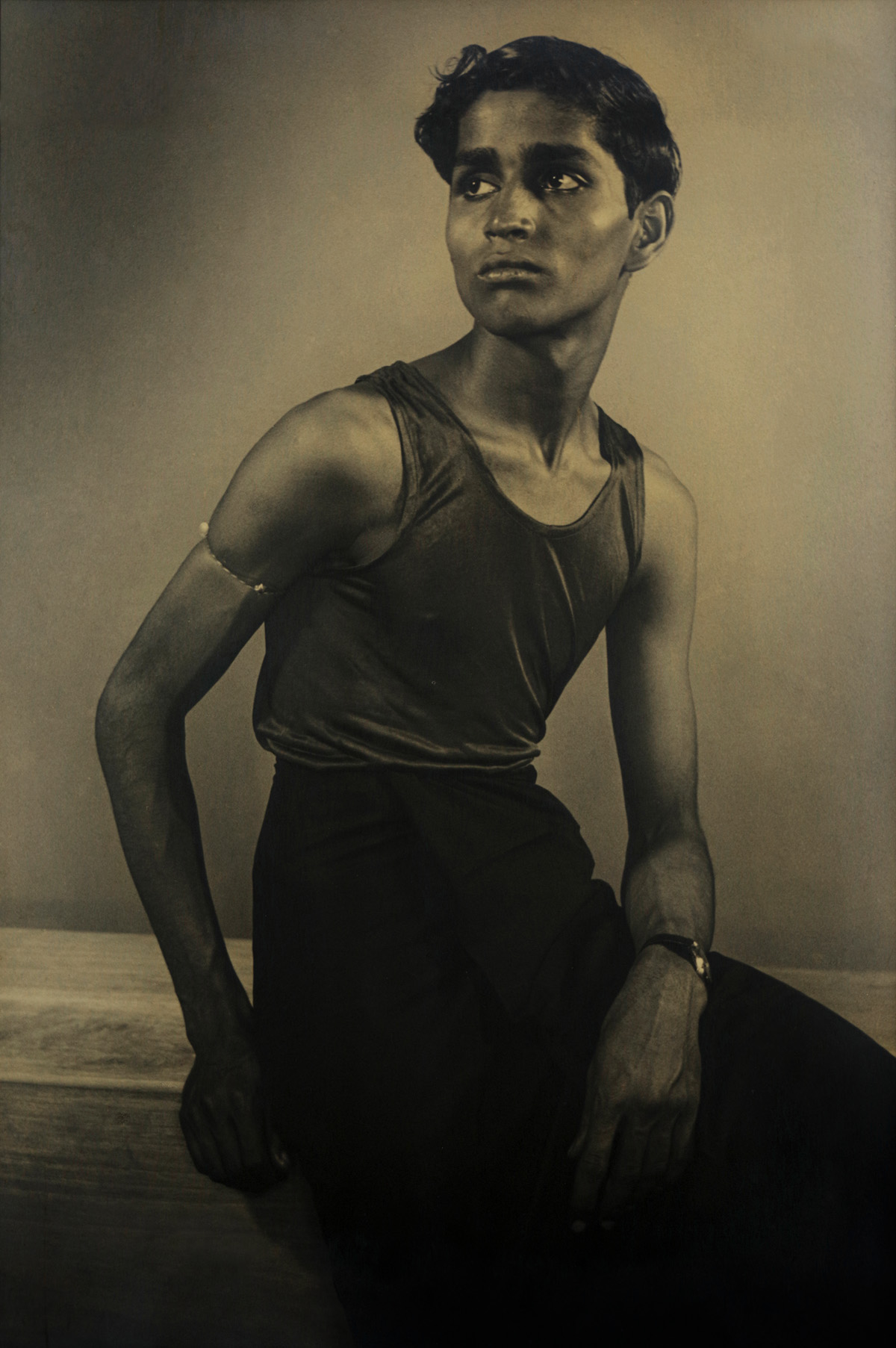
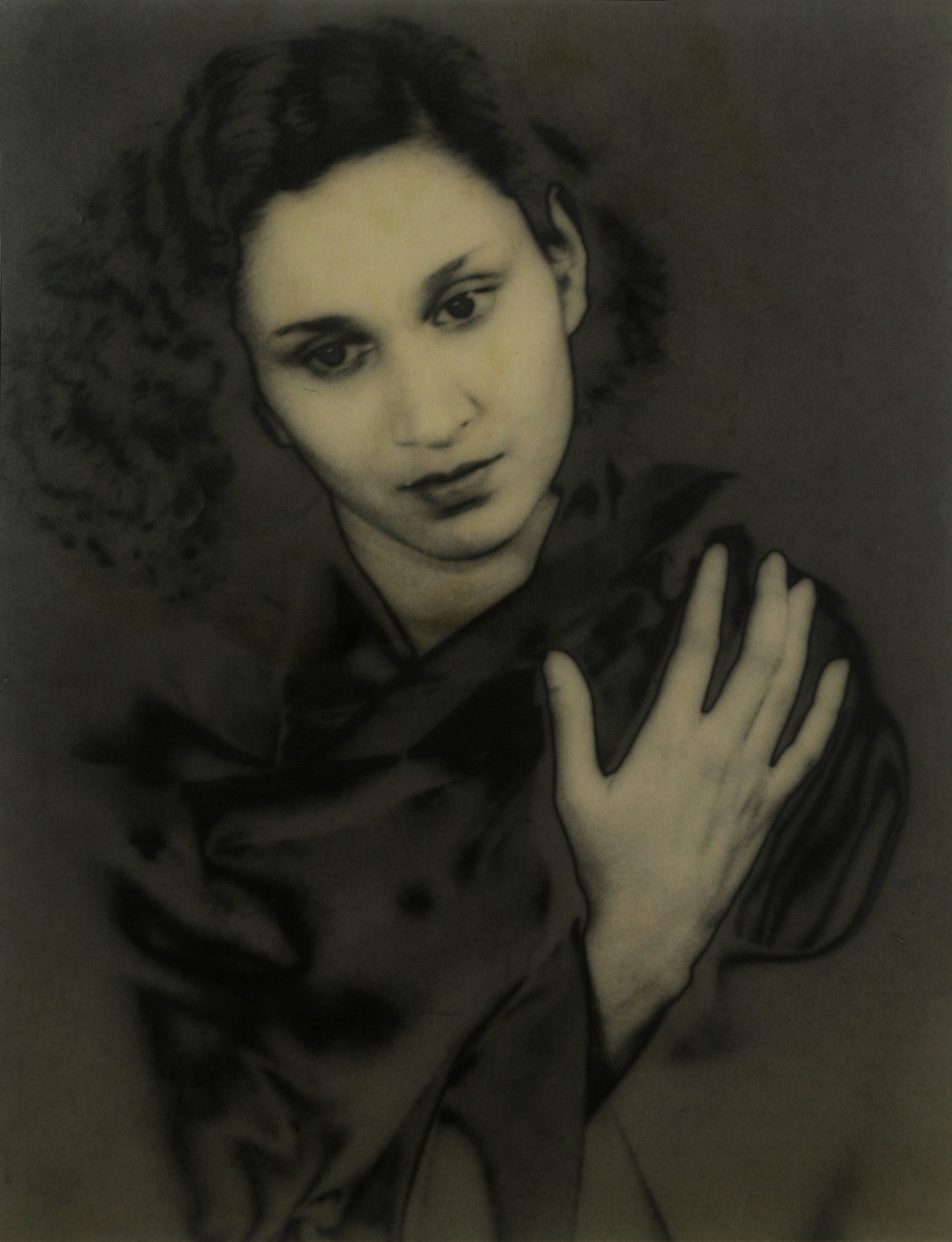
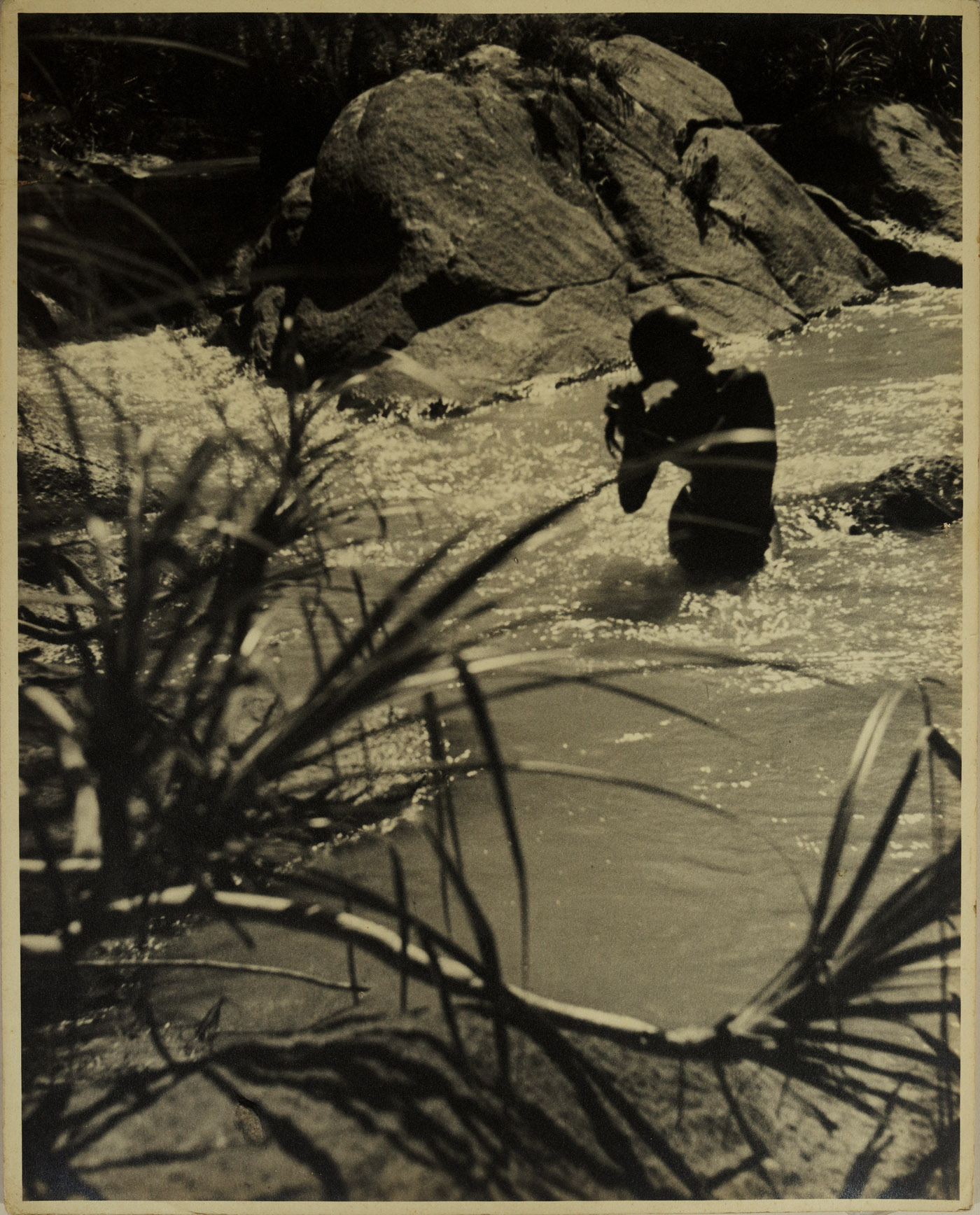
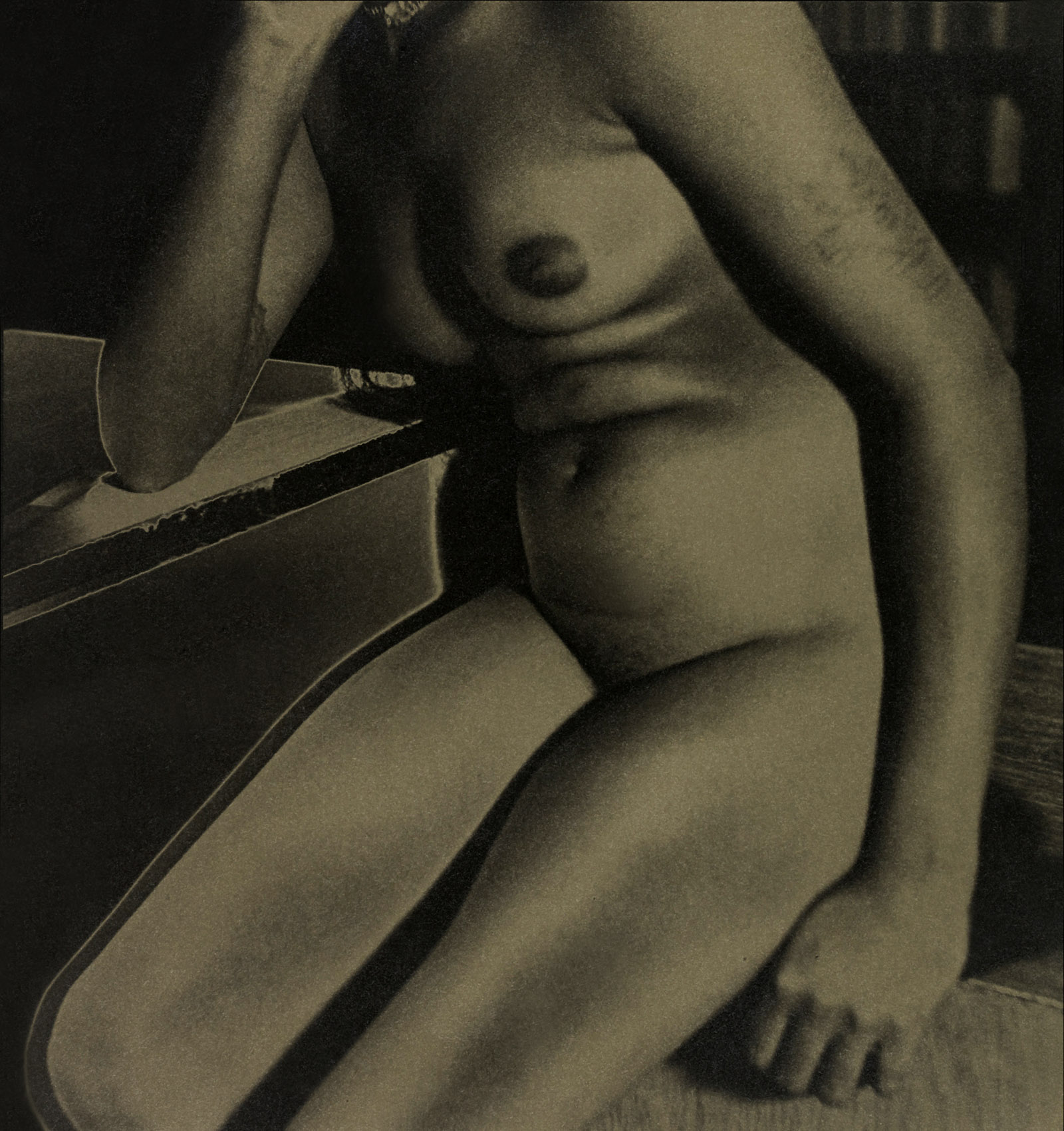
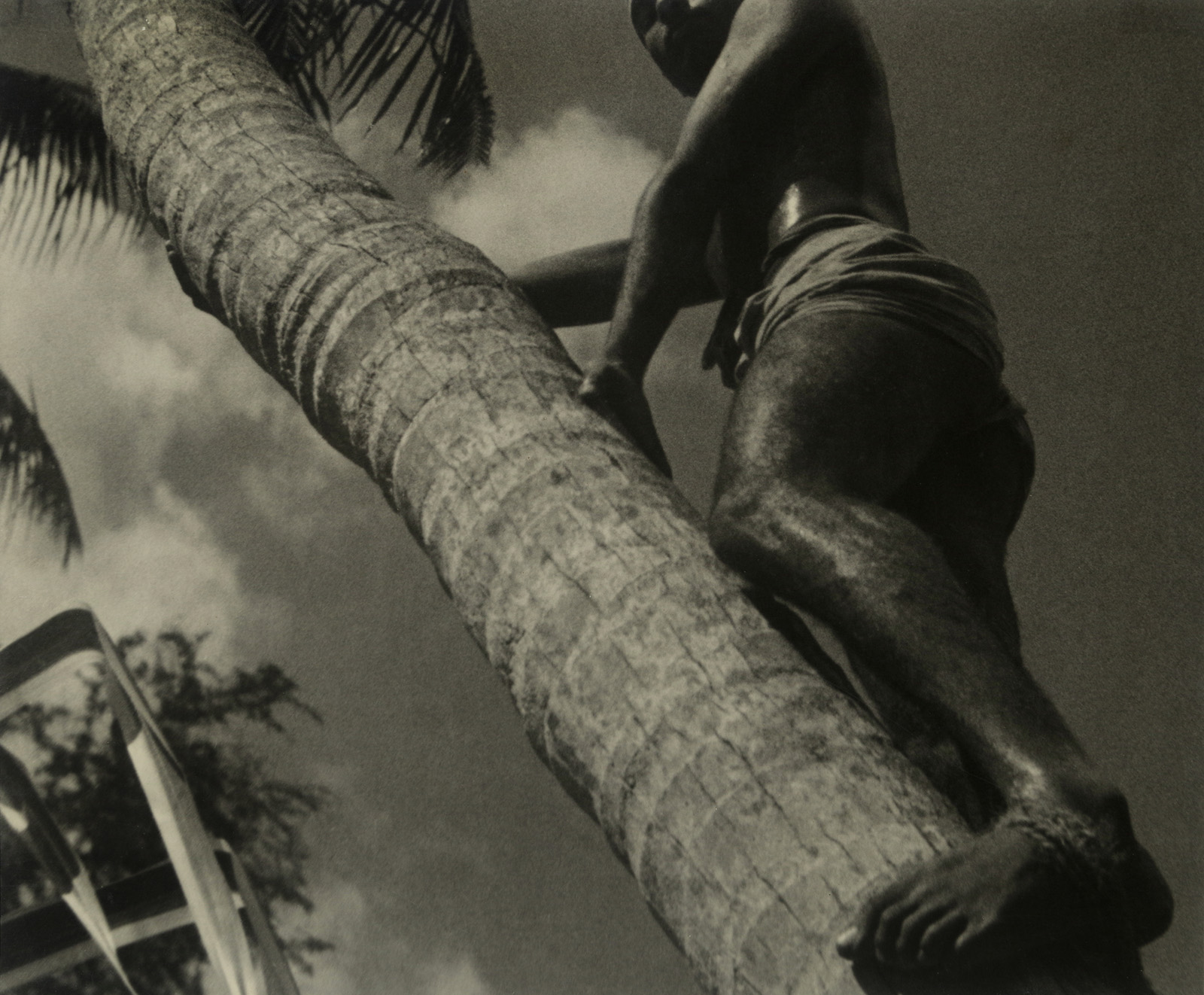
Lionel Wendt (Sri Lankan, 1900-1944) 'No title' Nd from the exhibition 'Lionel Wendt: Ceylon' at Huis Marseille, Amsterdam, June - Sept, 2017


Lionel Wendt (Sri Lankan, 1900-1944)
No title
Nd
Private collection
Courtesy Jhaveri Contemporary (London/Mumbai)
© Lionel Wendt


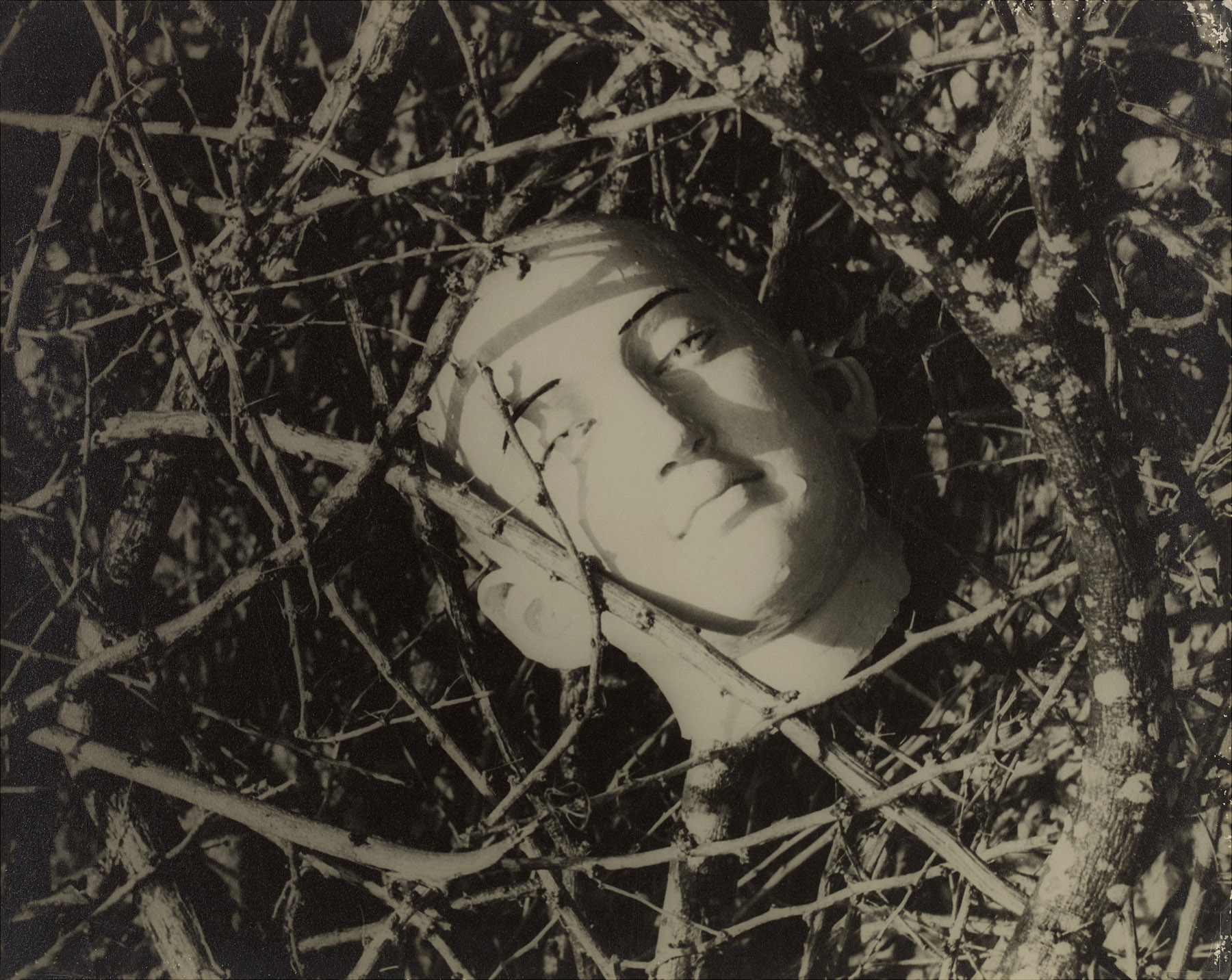
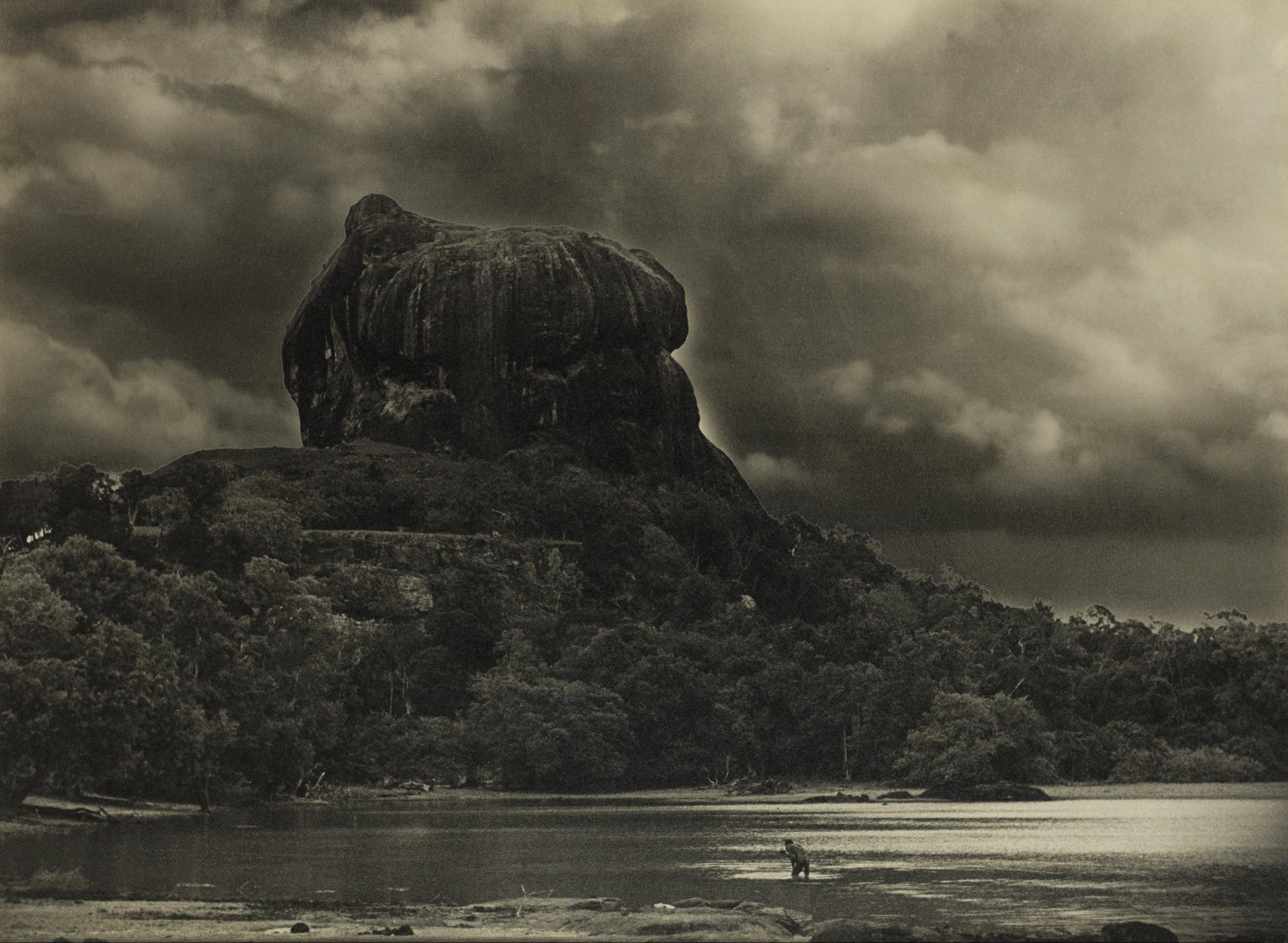
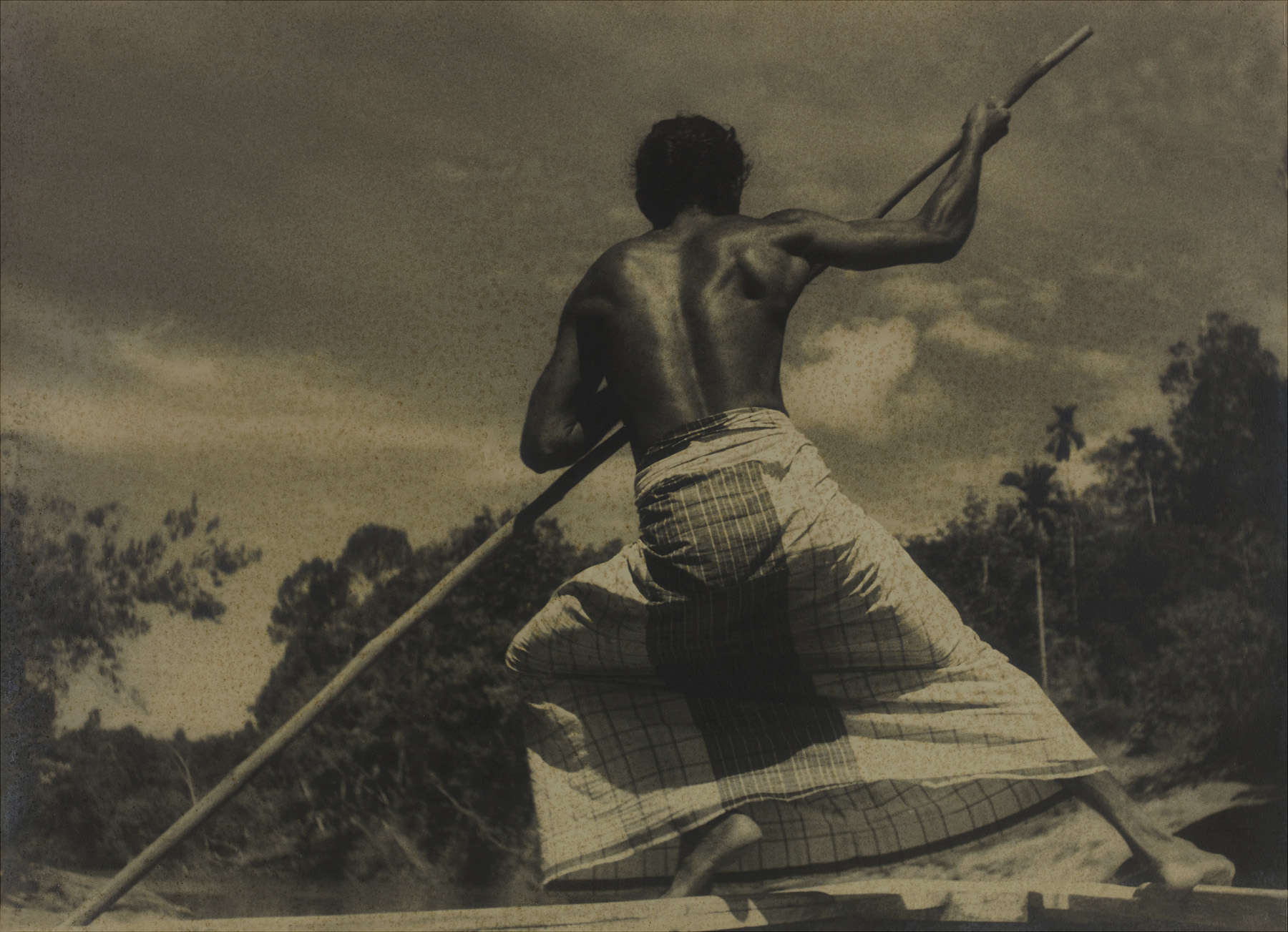
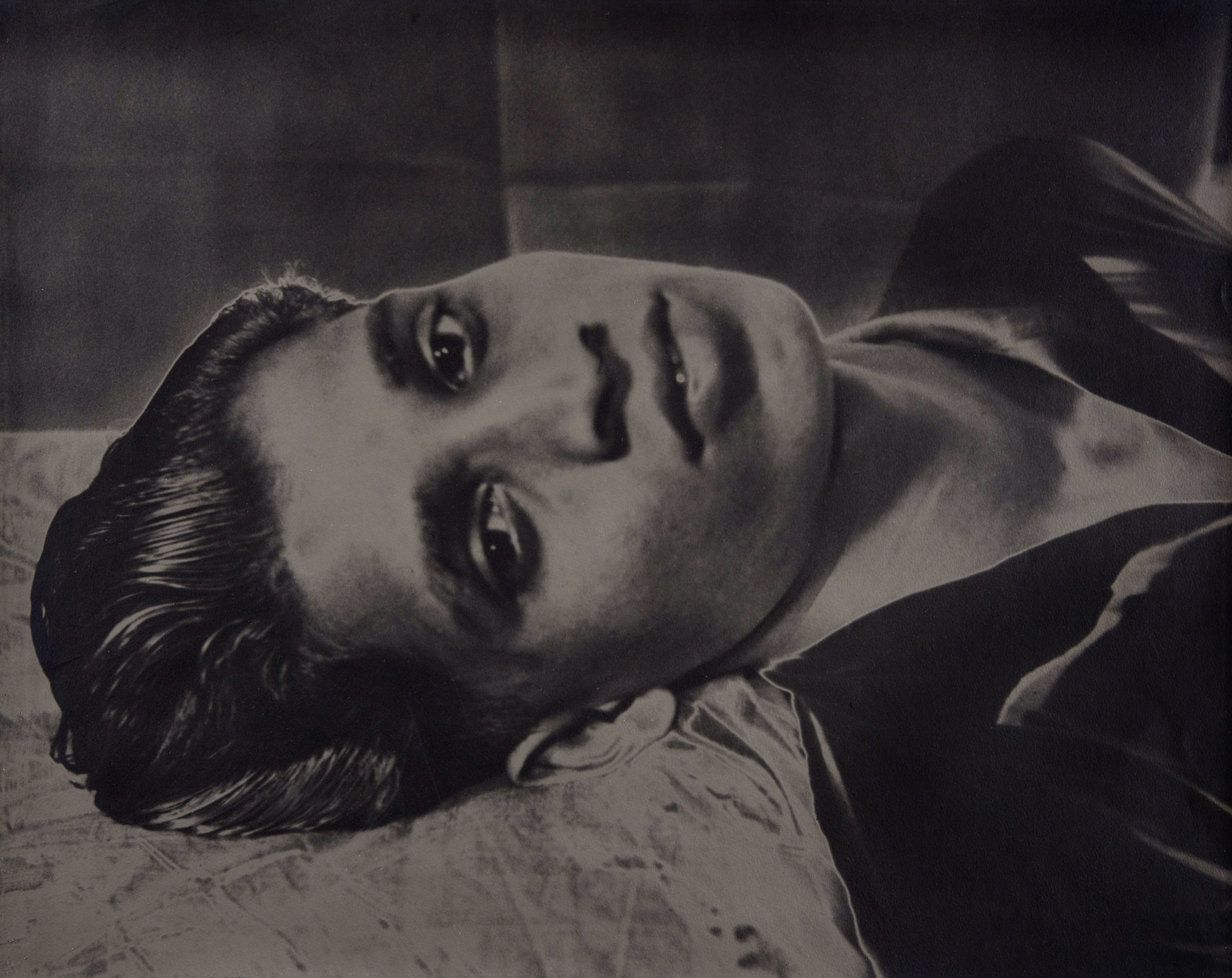
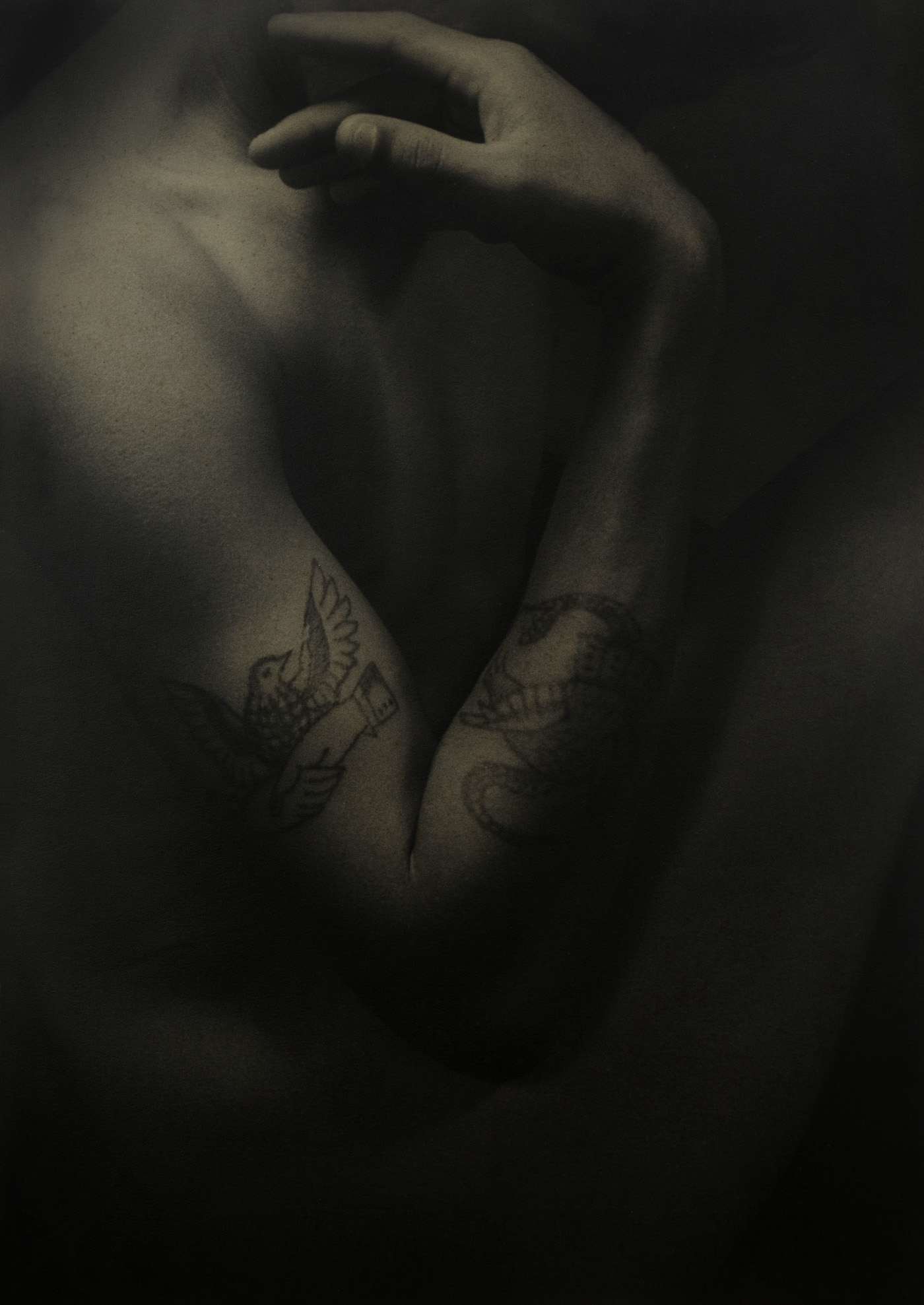
Glorious modernist photographs with avant-garde and surrealist overtones: the use of photomontage, double printing and solarisation is particularly effective.

The sensitive figure studies of males in classical pose carry an over current of barely suppressed desire evidencing a sexualised (post-colonial?) gaze falling on the exotic Other – even as Wendt was part of an emerging generation of artists documenting Sri Lanka’s culture and history from the inside.

More interesting than desire hiding through artistic ethnographic study are the landscapes, abstracts of coils of rope and the voluptuous female nudes. Stunning.

The media images were in such poor condition when I received them that I have spent a long time digitally cleaning and balancing them for your pleasure.

Dr Marcus Bunyan


Many thankx to Huis Marseille for allowing me to publish the photographs in the posting. Please click on the photographs for a larger version of the image.


“Lionel Wendt was the central figure of a cultural life torn between the death rattles of the Empire and a human appraisal of the untapped values of Ceylon.”


Pablo Neruda, Memoirs


“The proposition that confronted Wendt was that Sri Lanka had a way of life that was very old but which remained, in spite of poverty, squalor and apathy, a vital sense of life. He recognised that here man, living in traditional ways, had not become alienated from his environment… Evidence of his deep regard for Sri Lanka and its traditions are illustrated in the images he chose to capture with his camera, each being a tiny microcosm of a vast and magnificent tapestry. It was recognised by all those who knew him that Wendt had an endless capacity for work. He focussed on the country and the people with unerring judgement and relentless dedication, and in doing this, he stimulated a new consciousness among them and (just as pertinent) in some high places.”


Neville Weeraratne


“He never spoke much about his photography. I expect he wanted his images to speak for themselves and he never spoke of them or about himself. I suppose he was so critical of everybody else that he did not want to expose himself to the same treatment. He did not reveal himself. He was a very interior person. He showed no emotion though he expressed a great passion for things. Perhaps he was hypocritical.”


Lester James Peiris


Lionel Wendt (Sri Lankan, 1900-1944) 'No title' Nd from the exhibition 'Lionel Wendt: Ceylon' at Huis Marseille, Amsterdam, June - Sept, 2017


Lionel Wendt (Sri Lankan, 1900-1944)
No title
Nd
Private collection
Courtesy Jhaveri Contemporary (London/Mumbai)
© Lionel Wendt


Lionel Wendt (Sri Lankan, 1900-1944) 'No title' Nd


Lionel Wendt (Sri Lankan, 1900-1944)
No title
Nd
Private collection
Courtesy Jhaveri Contemporary (London/Mumbai)
© Lionel Wendt


Lionel Wendt (Sri Lankan, 1900-1944) 'No title' Nd


Lionel Wendt (Sri Lankan, 1900-1944)
No title
Nd
Private collection
Courtesy Jhaveri Contemporary (London/Mumbai)
© Lionel Wendt


Lionel Wendt (Sri Lankan, 1900-1944) 'No title' Nd


Lionel Wendt (Sri Lankan, 1900-1944)
No title
Nd
Private collection
Courtesy Jhaveri Contemporary (London/Mumbai)
© Lionel Wendt


Lionel Wendt (Sri Lankan, 1900-1944) 'No title' Nd


Lionel Wendt (Sri Lankan, 1900-1944)
No title
Nd
Private collection
Courtesy Jhaveri Contemporary (London/Mumbai)
© Lionel Wendt


Lionel Wendt (Sri Lankan, 1900-1944) 'No title' Nd


Lionel Wendt (Sri Lankan, 1900-1944)
No title
Nd
Private collection
Courtesy Jhaveri Contemporary (London/Mumbai)
© Lionel Wendt


Lionel Wendt (Sri Lankan, 1900-1944) 'No title (Self-portrait)' Nd


Lionel Wendt (Sri Lankan, 1900-1944)
No title (Self-portrait)
Nd
Courtesy Ton Peek (Utrecht)
© Lionel Wendt


Lionel Wendt (Sri Lankan, 1900-1944) 'No title (Solarised youth)' Nd


Lionel Wendt (Sri Lankan, 1900-1944)
No title (Solarised youth)
Nd
Courtesy Ton Peek (Utrecht)
© Lionel Wendt


Lionel Wendt (Sri Lankan, 1900-1944) 'No title' Nd


Lionel Wendt (Sri Lankan, 1900-1944)
No title
Nd
Courtesy Ton Peek (Utrecht)
© Lionel Wendt


There is something special going on with regard to the oeuvre of Ceylonese photographer Lionel Wendt (1900-1944). After a period of relative obscurity, Wendt was rediscovered – or discovered, in fact – worldwide as a unique, individualistic photographer who availed himself of experimental techniques and modern compositions. Wendt’s choice of subjects was eclectic: from sensual and homo-erotic portraits to tropical images of Ceylon (now Sri Lanka), and from picturesque scenes to compositions for which he used modernist stylistic devices and experimental techniques. After Wendt’s premature death in 1944 his negatives were destroyed, but the work he left behind lives on. This consists of a collection of beautiful experimental prints, of which several are included in the renowned collections of such museums as Tate Modern in London and Rijksmuseum in Amsterdam. This year, Wendt’s work is being exhibited at Documenta 14 in Athens and, from 10 June till 3 September 2017, in a large-scale retrospective exhibit at Huis Marseille, which shines a spotlight on the fascinating work of this photographer in all its facets.

Who was Lionel Wendt?

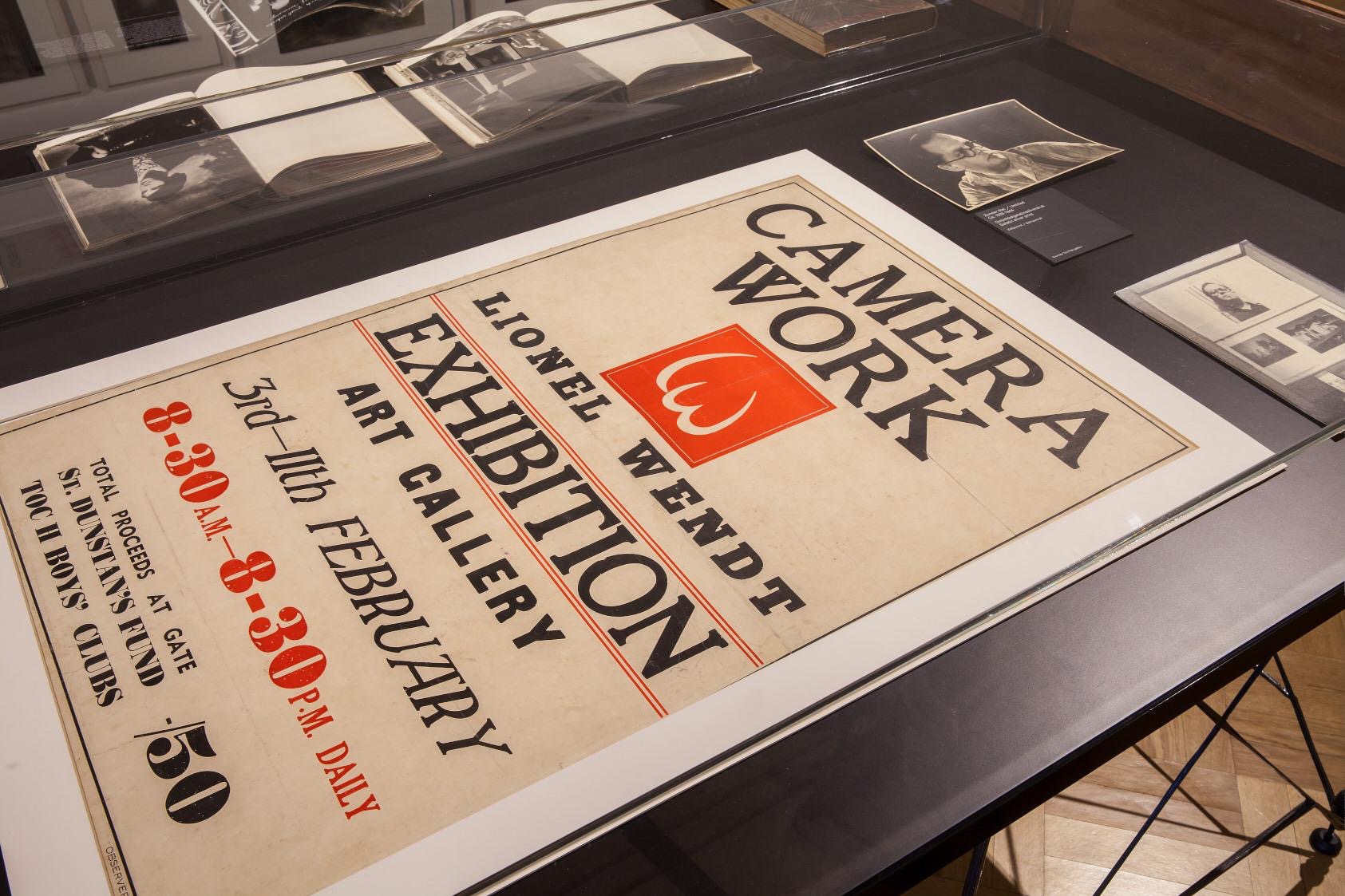
Lionel Wendt was a concert pianist, author, patron of the arts, teacher and, above all, a first-class photographer. After having studied law and musical training as a concert pianist in Great Britain, Wendt returned to the city of his birth, Colombo in Ceylon, at the age of 24. It did not take long for him to dedicate himself fully to the arts after his return: piano, literature and the visual arts. It was particularly in photography that he found an ideal vehicle for expression. In 1934, he established the Photographic Society of Ceylon jointly with Bernard G. Thornley and P.J.C. Durrant, and started running Chitrafoto, the photographic studio of the Associated Newspapers of Ceylon and in which he also published a photographic column, in 1938. Wendt developed into a prominent avant-gardist – the ‘Oscar Wilde’ of the Ceylonese arts scene. His first solo exhibition took place in 1938 at the Camera Club in London, at the invitation of Ernst Leitz, the inventor and manufacturer of the Leica. Two years later, a solo exhibition followed in Colombo entitled Camera Work, probably in reference to Alfred Stieglitz’s avant-gardist photography magazine of the same name.

Tropical modernism, masterful prints

Initially, Wendt used a Rolleiflex for his photography, which he quickly replaced by a Leica. From approximately 1933 onwards, he started to print his film in his own darkroom, where he soon showed himself to be a master. He made refined bromide and gelatine silver prints with subtle shades of grey and gradations of black, which gave his nudes and landscapes a velvet-like quality. Wendt allowed himself to be inspired by the ‘straight photography’ of Paul Strand and Edward Weston and the surrealistic experiments of Man Ray, and experimented with techniques such as photogram, photomontage, double printing and solarisation.

Homosexuality, hiding in plain sight

Wendt’s work includes spectacular images of Ceylon: its landscapes, cultural heritage and local population, photographed during everyday activities or traditional rituals. However, his sensual homoerotic nudes are particularly astounding. In a time and at a place where homosexuality was not accepted, Wendt had his male subjects (men and boys) pose in the landscape or in his studio. Through the traditional Ceylonese loincloths worn by his subjects, which leave little to the imagination, and the academic poses he asked them to take, he was able to express his homosexuality under the guise of art and ethnography. He also created portraits of the members of the island’s avant-garde movement. Wendt played a significant role in the development of modernist painting on Ceylon; he acted as a patron of the arts and his house was a meeting place for the ’43 Group, the artistic movement that was a predecessor of Ceylonese modernism.

A dormant legacy reawakens

Following Wendt’s early death in 1944 his work sank into oblivion. In the course of time the hundreds of prints that comprise his legacy came into the possession of several collectors, galleries and museums. After having led a dormant existence for several decades, Wendt’s work was once again brought to the attention of the public in 1994.

Large-scale museum retrospective in the Netherlands

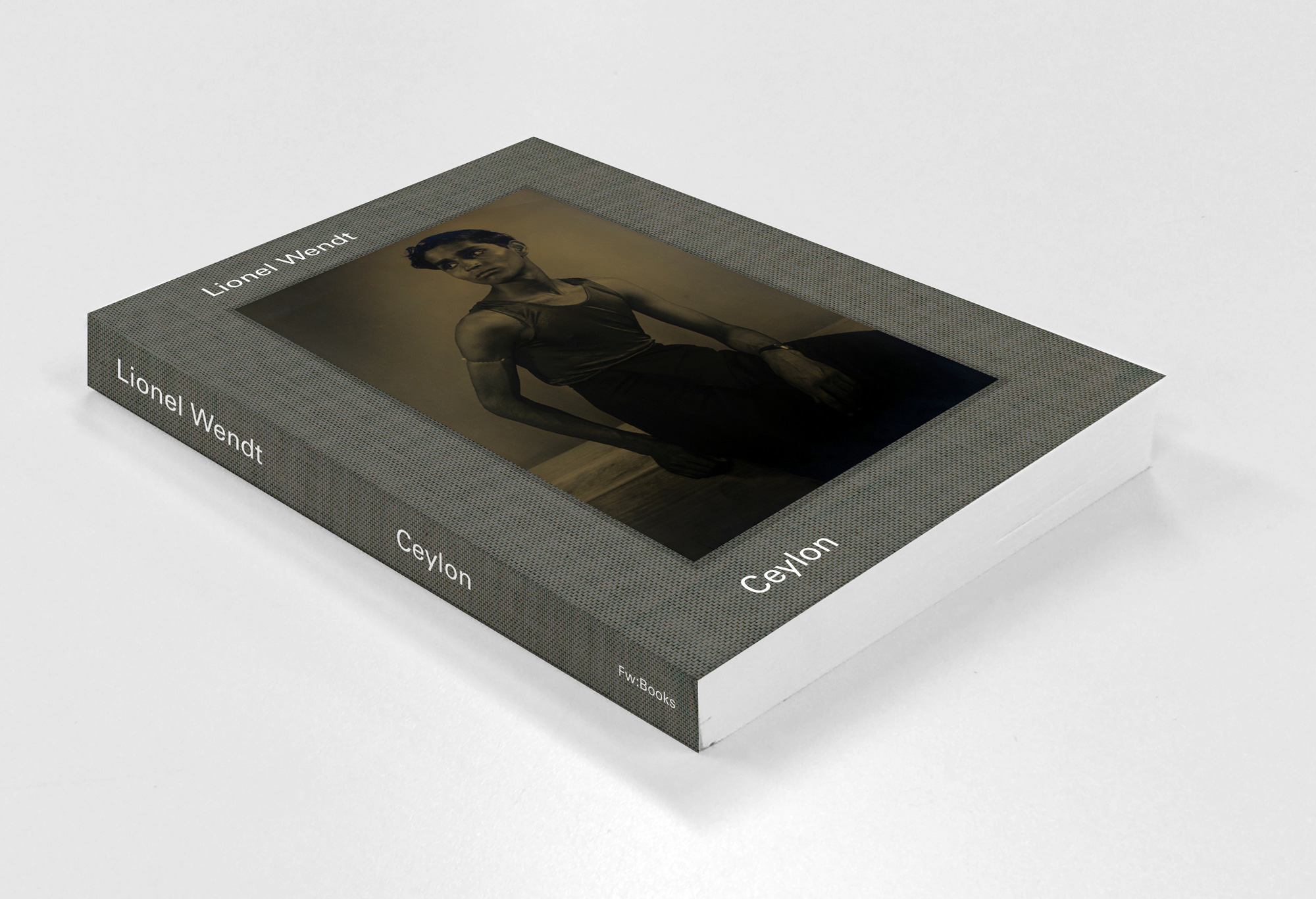
From 10 June through 3 September 2017, Huis Marseille is presenting the first museum solo exhibition of Lionel Wendt in the Netherlands, in collaboration with the Ton Peek Gallery (Utrecht) and Jhaveri Contemporary Gallery (London/Mumbai). Over 140 prints from various international private and museum collections have been brought together. Concurrent to the exhibition, the publishing house Fw:Books will be presenting the book Lionel Wendt. Ceylon featuring an overview of Wendt’s work (hardcover, 200 pages, design by Hans Gremmen). This is the first monograph since Lionel Wendt. A Centennial Tribute (2000), an extensive and revised version of the very first catalogue of Wendt’s oeuvre: Lionel Wendt’s Ceylon (1950).

Text from Huis Marseille


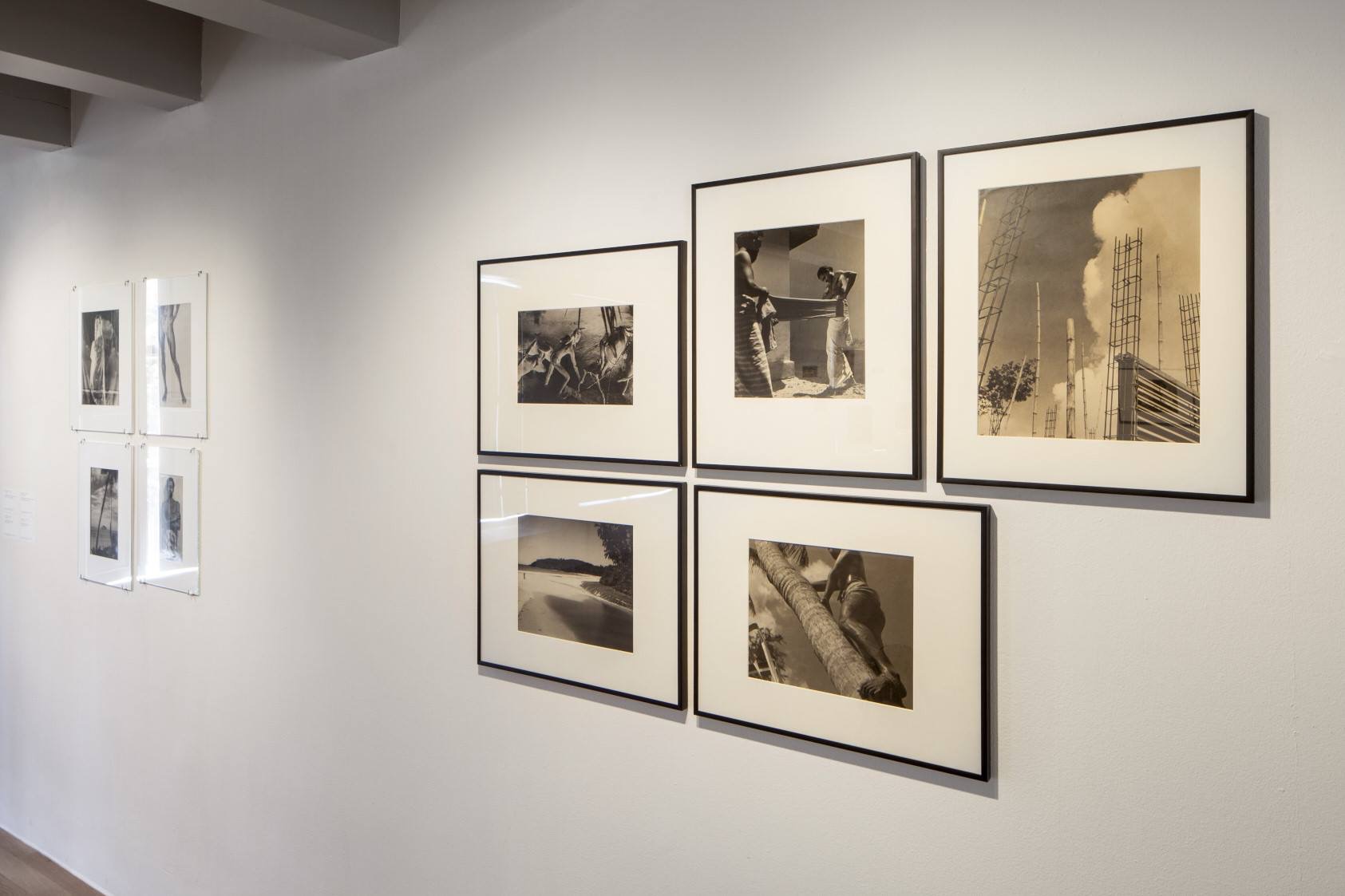
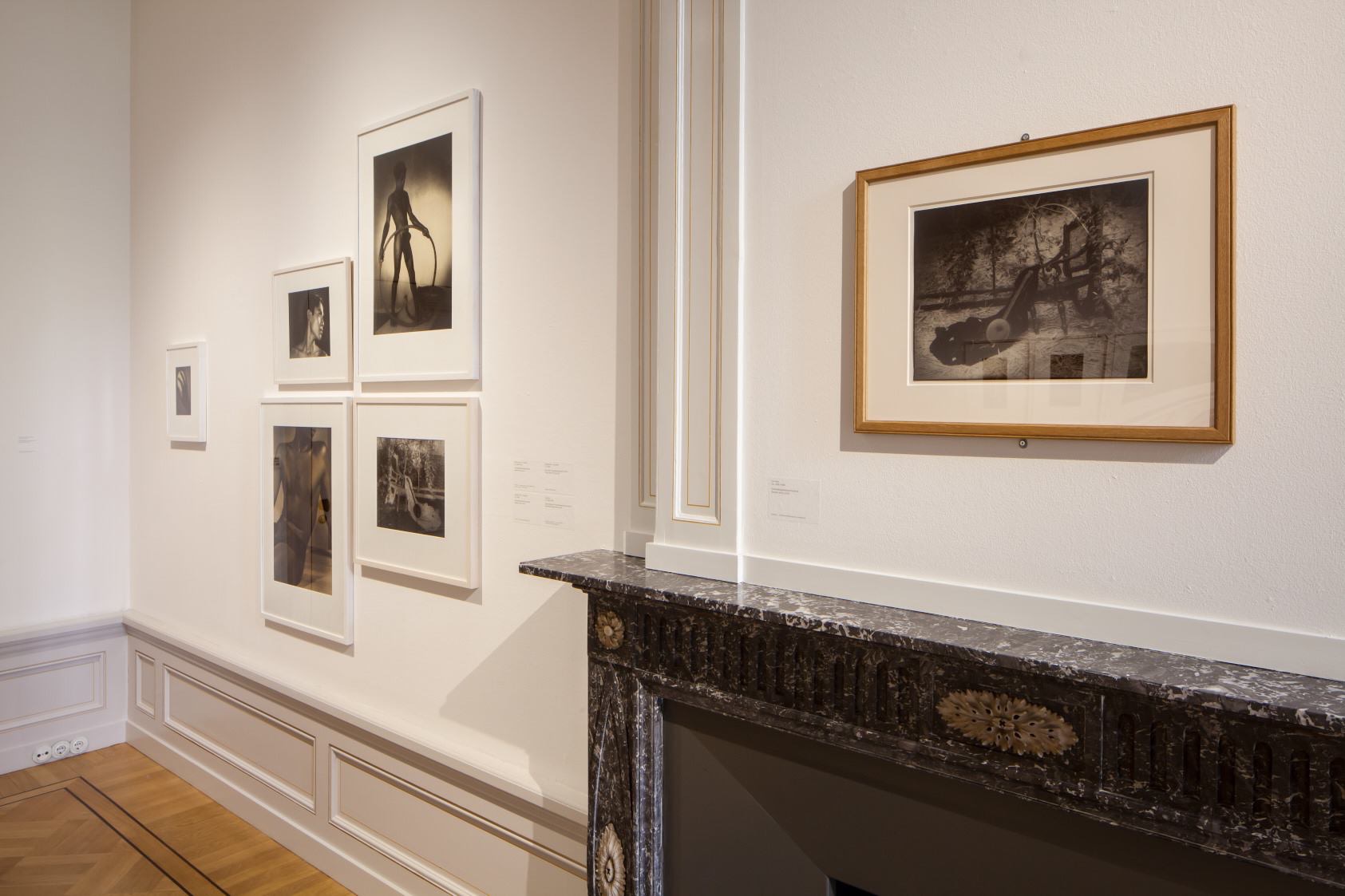
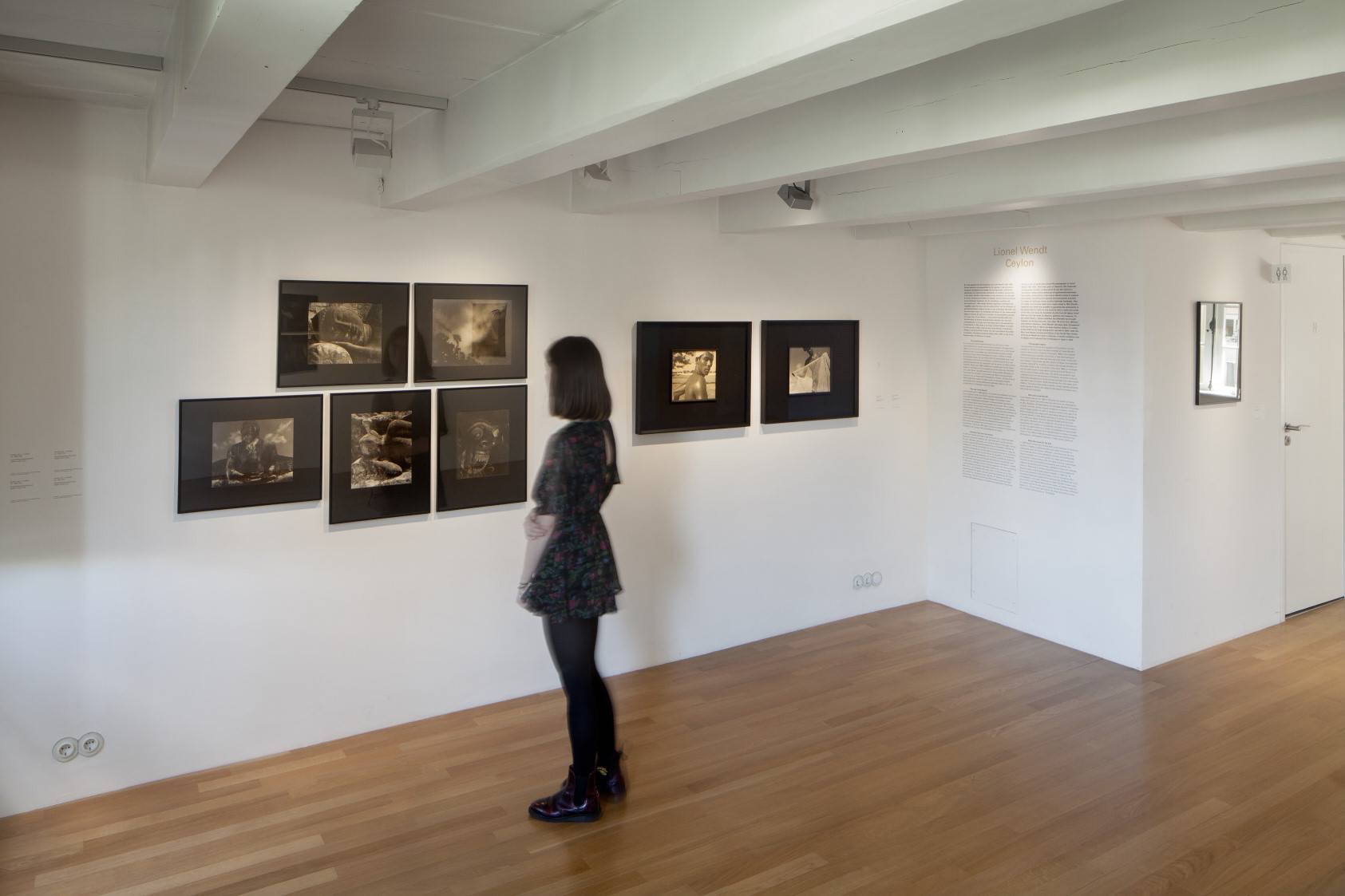
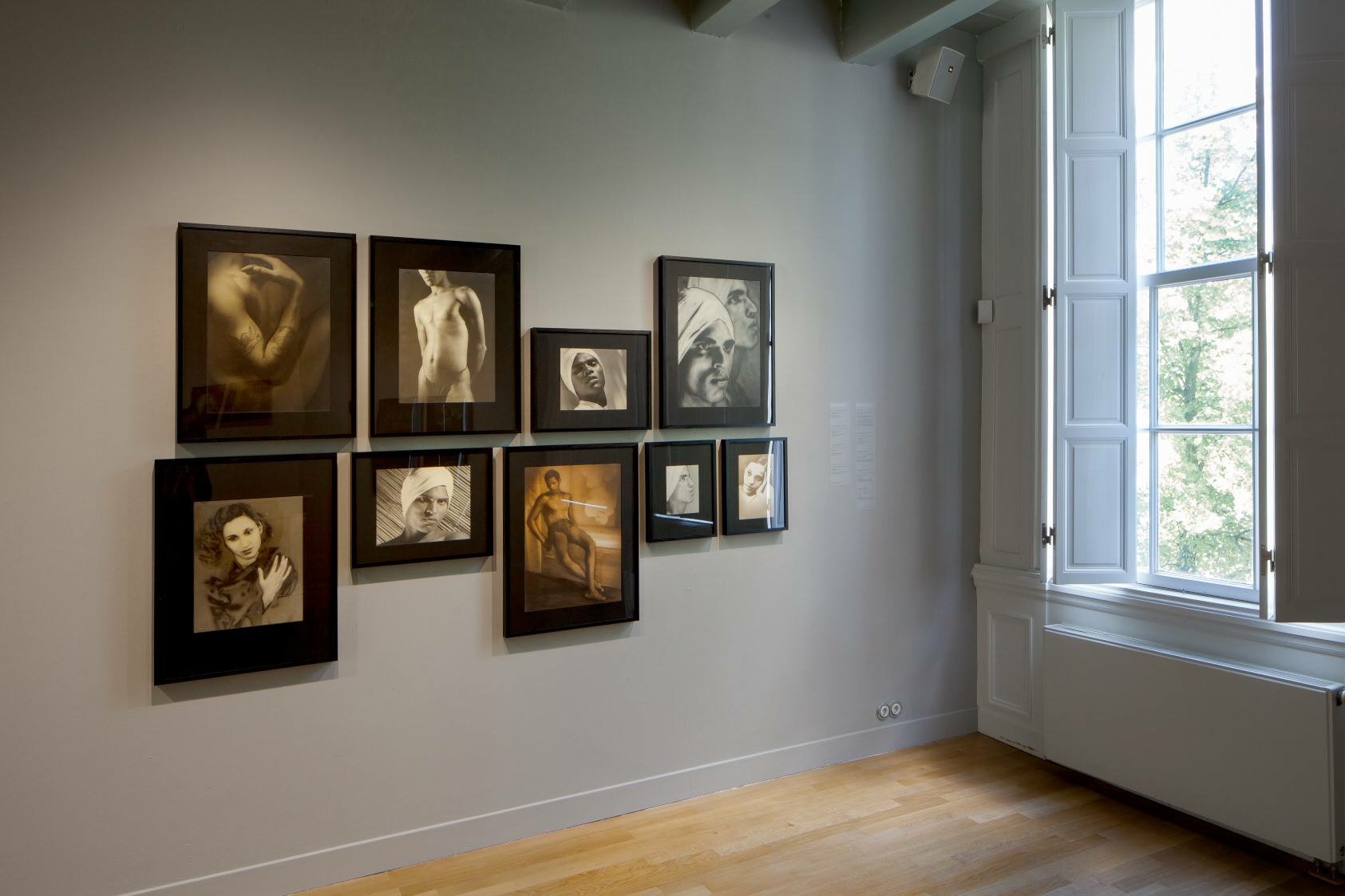
Installation view of the exhibition 'Lionel Wendt: Ceylon' at Huis Marseille, Amsterdam

Installation view of the exhibition 'Lionel Wendt: Ceylon' at Huis Marseille, Amsterdam

Installation view of the exhibition 'Lionel Wendt: Ceylon' at Huis Marseille, Amsterdam

Installation view of the exhibition 'Lionel Wendt: Ceylon' at Huis Marseille, Amsterdam

Installation view of the exhibition 'Lionel Wendt: Ceylon' at Huis Marseille, Amsterdam

Installation view of the exhibition 'Lionel Wendt: Ceylon' at Huis Marseille, Amsterdam

Installation view of the exhibition 'Lionel Wendt: Ceylon' at Huis Marseille, Amsterdam

Exhibition: 'Lionel Wendt: Ceylon' at Huis Marseille, Amsterdam,

Exhibition: 'Lionel Wendt: Ceylon' at Huis Marseille, Amsterdam


Installation views of the exhibition Lionel Wendt: Ceylon at Huis Marseille, Amsterdam


Installation view of the exhibition 'Lionel Wendt: Ceylon' at Huis Marseille, Amsterdam

Installation view of the exhibition 'Lionel Wendt: Ceylon' at Huis Marseille, Amsterdam

Installation view of the exhibition 'Lionel Wendt: Ceylon' at Huis Marseille, Amsterdam

Installation view of the exhibition 'Lionel Wendt: Ceylon' at Huis Marseille, Amsterdam


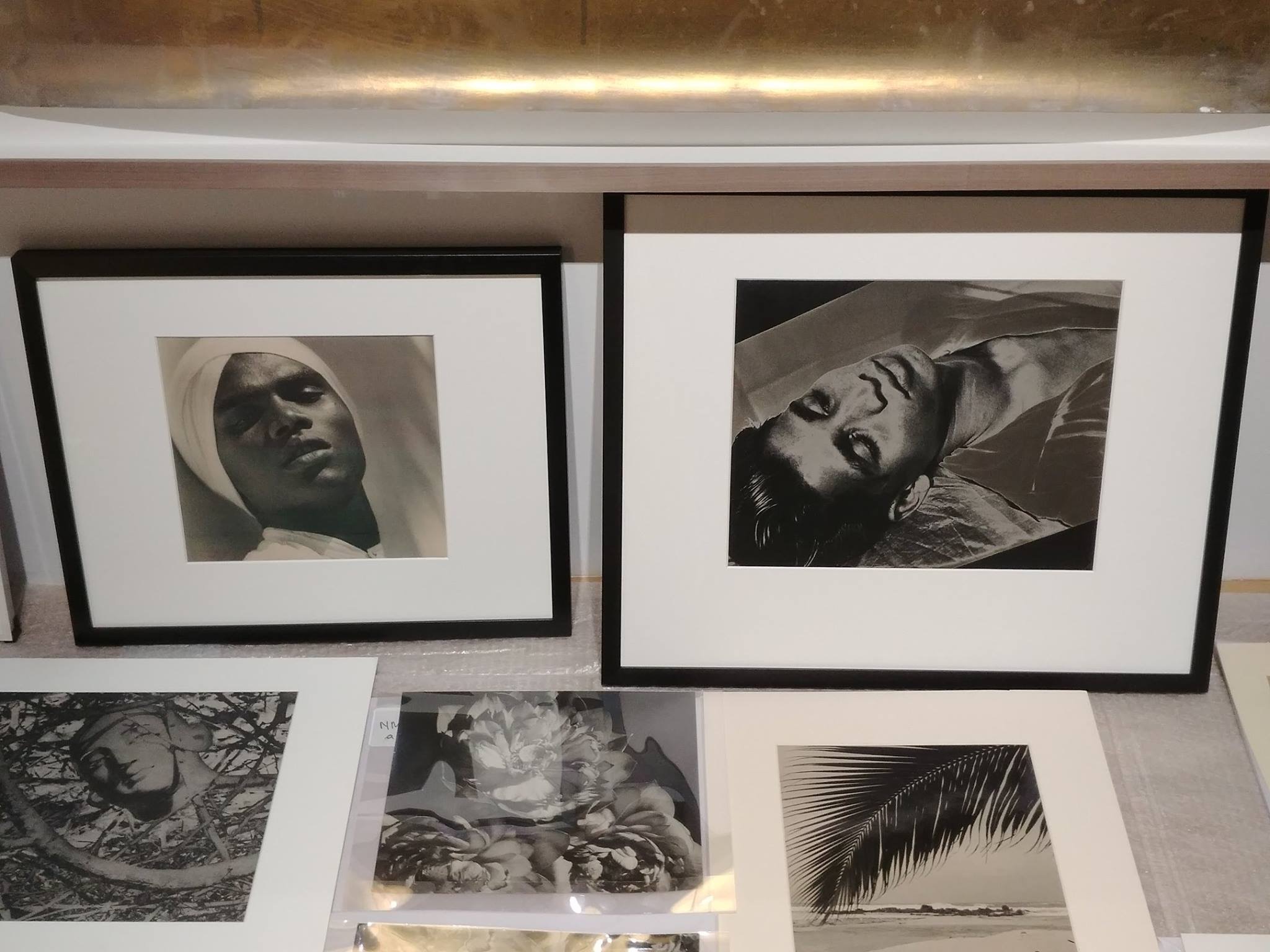
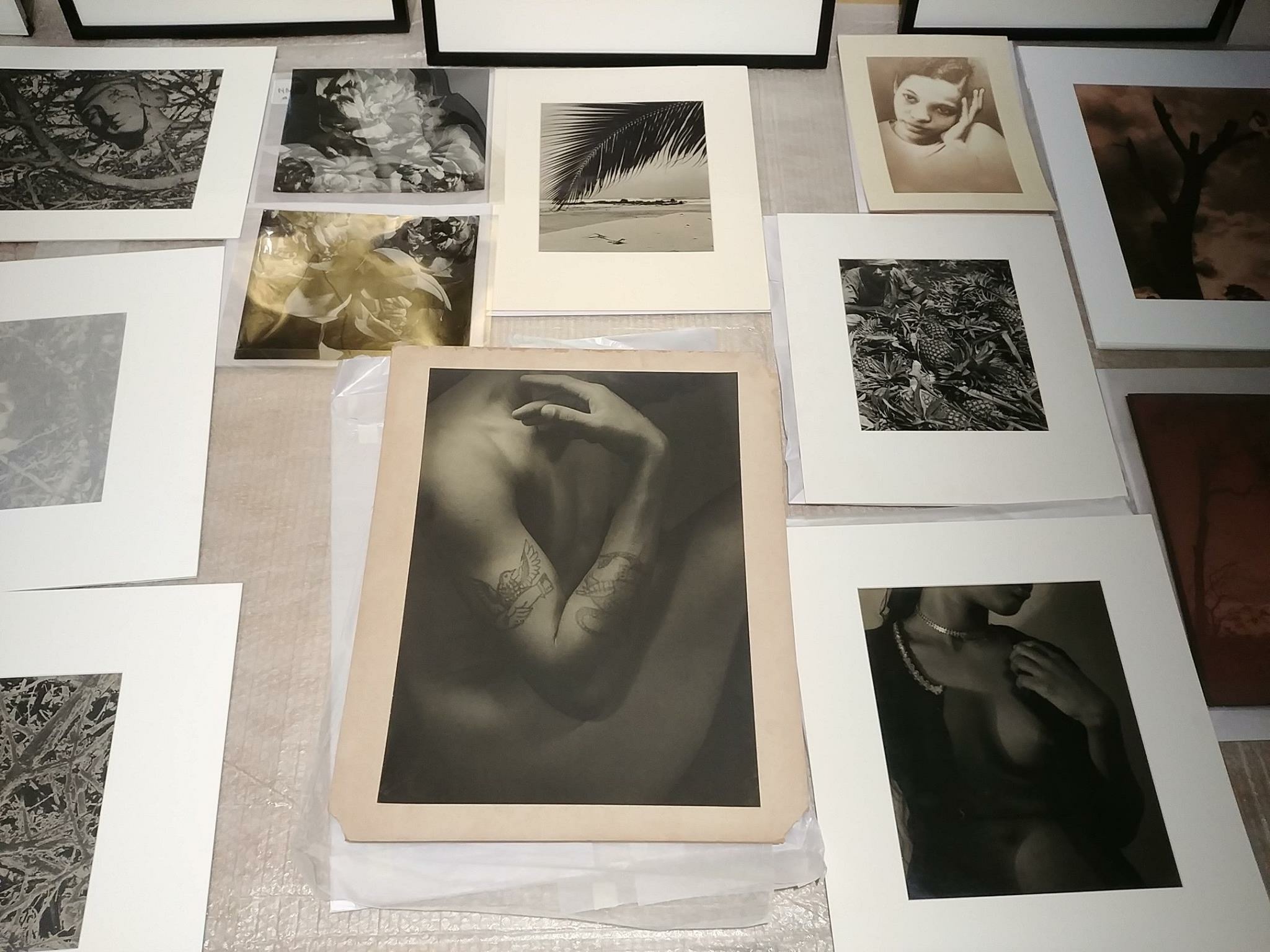
Installation of photographs for the exhibition


Lionel Wendt (Sri Lankan, 1900-1944) 'No title' Nd


Lionel Wendt (Sri Lankan, 1900-1944)
No title
Nd
Courtesy Ton Peek (Utrecht)
© Lionel Wendt


Lionel Wendt (Sri Lankan, 1900-1944) 'No title' Nd


Lionel Wendt (Sri Lankan, 1900-1944)
No title
Nd
Courtesy Ton Peek (Utrecht)
© Lionel Wendt


Lionel Wendt (Sri Lankan, 1900-1944) 'No title' Nd


Lionel Wendt (Sri Lankan, 1900-1944)
No title
Nd
Courtesy Ton Peek (Utrecht)
© Lionel Wendt


Lionel Wendt (Sri Lankan, 1900-1944) 'No title' Nd


Lionel Wendt (Sri Lankan, 1900-1944)
No title
Nd
Private collection
Courtesy Jhaveri Contemporary (London/Mumbai)
© Lionel Wendt


Lionel Wendt (Sri Lankan, 1900-1944) 'No title' Nd


Lionel Wendt (Sri Lankan, 1900-1944)
No title
Nd
Private collection
Courtesy Jhaveri Contemporary (London/Mumbai)
© Lionel Wendt


Lionel Wendt (Sri Lankan, 1900-1944) 'No title' Nd


Lionel Wendt (Sri Lankan, 1900-1944)
No title
Nd
Private collection
Courtesy Jhaveri Contemporary (London/Mumbai)
© Lionel Wendt


Lionel Wendt (Sri Lankan, 1900-1944) 'No title' Nd


Lionel Wendt (Sri Lankan, 1900-1944)
No title
Nd
Private collection
Courtesy Jhaveri Contemporary (London/Mumbai)
© Lionel Wendt


Lionel Wendt (Sri Lankan, 1900-1944) 'No title' Nd


Lionel Wendt (Sri Lankan, 1900-1944)
No title
Nd
Private collection
Courtesy Jhaveri Contemporary (London/Mumbai)
© Lionel Wendt


Lionel Wendt (Sri Lankan, 1900-1944) 'No title' Nd


Lionel Wendt (Sri Lankan, 1900-1944)
No title
Nd
Private collection
Courtesy Jhaveri Contemporary (London/Mumbai)
© Lionel Wendt


Lionel Wendt (Sri Lankan, 1900-1944) 'No title' Nd


Lionel Wendt (Sri Lankan, 1900-1944)
No title
Nd
Private collection
Courtesy Jhaveri Contemporary (London/Mumbai)
© Lionel Wendt


Lionel Wendt (Sri Lankan, 1900-1944) 'No title' Nd


Lionel Wendt (Sri Lankan, 1900-1944)
No title
Nd
Private collection
Courtesy Jhaveri Contemporary (London/Mumbai)
© Lionel Wendt


Lionel Wendt (Sri Lankan, 1900-1944) 'No title' Nd


Lionel Wendt (Sri Lankan, 1900-1944)
No title
Nd
Private collection
Courtesy Jhaveri Contemporary (London/Mumbai)
© Lionel Wendt


'Lionel Wendt: Ceylon' book cover

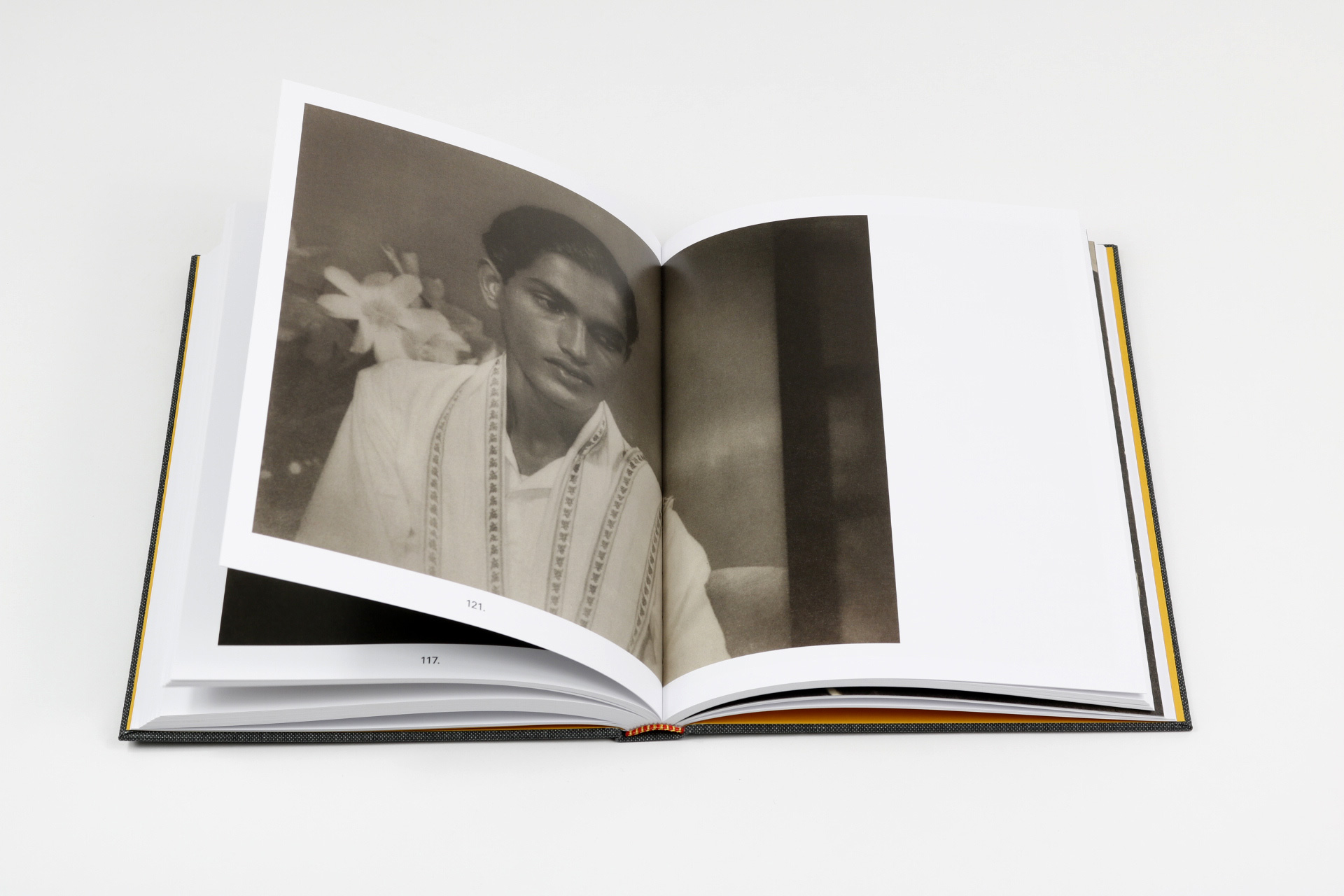
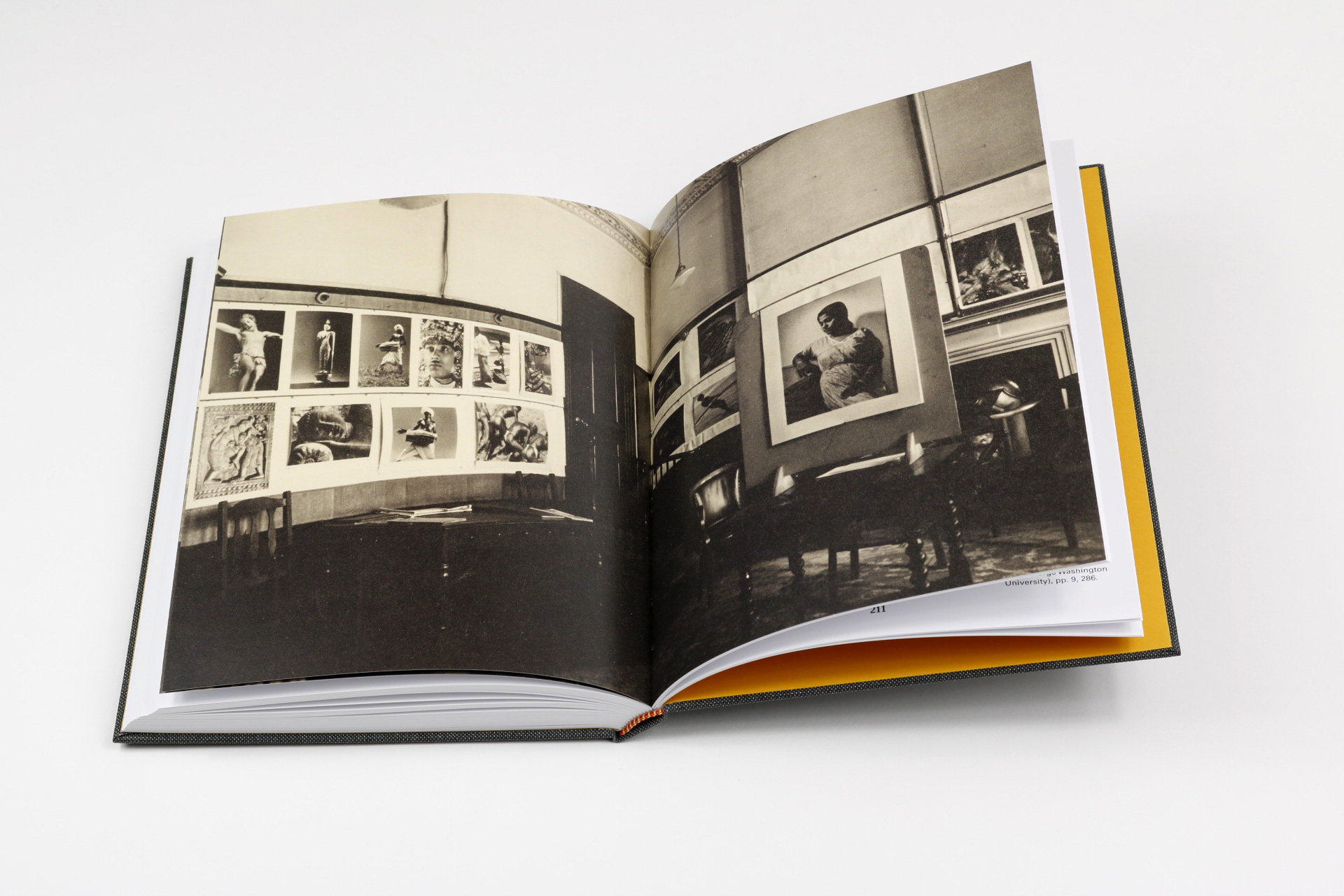
'Lionel Wendt: Ceylon' book pages

'Lionel Wendt: Ceylon' book pages

'Lionel Wendt: Ceylon' book pages

'Lionel Wendt: Ceylon' book pages

'Lionel Wendt: Ceylon' book pages

'Lionel Wendt: Ceylon' book pages


Lionel Wendt: Ceylon book


Huis Marseille
Keizersgracht 401
1016 EK Amsterdam
Phone: +31 20 531 89 89

Opening hours:
Daily, 10am – 6pm
Thursday, 10am – 9pm

Huis Marseille website

LIKE ART BLART ON FACEBOOK

Back to top

Exhibition: ‘Eyes Wide Open: 100 Years of Leica Photography’ at Deichtorhallen Hamburg

Exhibition dates: 24th October, 2014 – 11th January, 2015

Curator: Hans-Michael Koetzle


Oskar Barnack (Germany, 1879-1936) 'Wetzlar Eisenmarkt' 1913 from the exhibition 'Eyes Wide Open: 100 Years of Leica Photography' at Deichtorhallen Hamburg, October 2014 - January 2015


Oskar Barnack (Germany, 1879-1936)
Wetzlar Eisenmarkt
1913
© Leica Camera AG


A photographic revolution. So much more than just photojournalism… and it has a nice sound as well.

“Indiscreet discretion” as the photographer F. C. Gundlach puts it.

There are some memorable photographs here.

Dr Marcus Bunyan


Many thankx to the Deichtorhallen Hamburg for allowing me to publish the photographs in the posting. Please click on the photographs for a larger version of the image.


Ernst Leitz (German, 1843-1920) 'New York II' 1914 from the exhibition 'Eyes Wide Open: 100 Years of Leica Photography' at Deichtorhallen Hamburg, October 2014 - January 2015


Ernst Leitz (German, 1843-1920)
New York II
1914
© Leica Camera AG


Just a few months before the outbreak of the First World War, Ernst Leitz II travelled to the USA. While there, he was able to capture photos, using a second model of the “Liliput” camera developed by Oskar Barnack, which most certainly would be found in a history of street photography.


Oskar Barnack (Germany, 1879-1936) 'Flood in Wetzlar' 1920


Oskar Barnack (Germany, 1879-1936)
Flood in Wetzlar
1920
© Leica Camera AG


From around the time of 1914, Oskar Barnack must have carried a prototype camera with him, particularly during his travels – the camera first received the name Leica in 1925. Perhaps his most famous sequence of images, because it has been shown continually since, is the striking series of the floods in Wetzlar, Germany, in 1920


'Ur-Leica' 1914


Ur-Leica
1914
© Leica Camera AG


Oskar Barnack invents the Ur-Leica

Designed by Oskar Barnack, the first functional prototype of a new camera for 35 mm perforated cinema film stock was completed in March 1914. The camera consisted of a metal housing, had a retractable lens and a focal plane shutter, which is not overlapped, however. A bolt-on lens cap that was swivelled during film transport, prevented incidental light. For the first time film advance and shutter cocking were connected to a camera – double exposures were excluded. The camera has gone down in the history of photography under the name Ur-Leica.


Ilse Bing (German, 1899-1998) 'Self-portrait in Spiegeln' 1931


Ilse Bing (German, 1899-1998)
Self-portrait in Spiegeln
1931
© Leica Camera AG


Anton Stankowski (German, 1906-1998) 'Greeting, Zurich, Rüdenplatz' 1932


Anton Stankowski (German, 1906-1998)
Greeting, Zurich, Rüdenplatz
1932
© Stankowski-Stiftung


Henri Cartier-Bresson (French, 1908-2004) 'Behind the Gare Saint-Lazare, Paris' 1932


Henri Cartier-Bresson (French, 1908-2004)
Behind the Gare Saint-Lazare, Paris
1932
Gelatin silver print


Alexander Rodchenko (Russian, 1891-1956) 'Girl with Leica' 1934


Alexander Rodchenko (Russian, 1891-1956)
Girl with Leica
1934
Gelatin silver print


Jewgenija Lemberg, shown here, was a lover of the photographer Alexander Rodchenko for quite some time. In 1992, a print of this photo brought in a tremendous 115,000 British pounds at a Christie’s auction in London. Alexander Rodchenko was continually capturing Jewgenija Lemberg in new, surprising and bold poses – until her death in a train accident. 


Heinrich Heidersberger (German, 1906-2006) 'Laederstraede, Copenhagen' 1935


Heinrich Heidersberger (German, 1906-2006)
Laederstraede, Copenhagen
1935
Gelatin silver print
© Institut Heidersberger


Robert Capa (Hungarian-American, 1913-1954) 'Loyalist Militiaman at the Moment of Death, Cerro Muriano, September 5, 1936' 1936


Robert Capa (Hungarian-American, 1913-1954)
Loyalist Militiaman at the Moment of Death, Cerro Muriano, September 5, 1936
1936
Gelatin silver print


At the age of 23 and equipped with his Leica, Robert Capa embedded himself in the Spanish Civil War while on assignment for the French press. On 5 September 1936, he managed to capture the perhaps most well-known war photo of the 20th century. 


Henri Cartier-Bresson (French, 1908-2004) 'Sunday on the banks of the River Marne' Juvisy France 1938


Henri Cartier-Bresson (French, 1908-2004)
Sunday on the banks of the River Marne
Juvisy, France 1938
Gelatin silver print


This photo was taken two years after the large-scale strikes that ultimately led to a fundamental improvement in social conditions. Against this backdrop, the picnic in nature is also, above all, a political message – convincing in a formal, aesthetic way, and inherently consistent and suggestive at the same time.


Evgeny Khaldey (Russian, 1917-1997) 'The Flag of Victory' 1945


Evgeny Khaldey (Russian, 1917-1997)
The Flag of Victory
1945
Gelatin silver print
© Collection Ernst Volland and Heinz Krimmer, Leica Camera AG


Although this scene was staged, it loses none of its impact as an image and in no way hampers the resounding global response that it has achieved. The Red Army prevailed – there’s nothing more to convey in such a harmonious picture.


Alfred Eisenstaedt (American, born Germany 1898-1995) 'VJ Day, Times Square, NY, 14. August 1945' 1945


Alfred Eisenstaedt (American, born Germany 1898-1995)
VJ Day, Times Square, NY, 14. August 1945
1945
Gelatin silver print
© Alfred Eisenstaedt, 2014


This photo appeared on the cover of Life magazine and grew to become one of Alfred Eisenstaedt’s most well-known images. “People tell me,” he once said, “that when I am in heaven they will remember this picture.”


W. Eugene Smith (American, 1918-1978) 'Guardia Civil, Spain' 1950


W. Eugene Smith (American, 1918-1978)
Guardia Civil, Spain
1950
Gelatin silver print
25.1 x 32.1 cm


W. Eugene Smith’s image of Guardia Civil is also a symbol of an imperious, backward Spain under the rule of Franco. For two months, W. Eugene Smith went scouting for a village and photographed it with the residents’ consent. What he shows us is a strange world: rural, archaic, as if on another planet. 


Inge Morath (American born Austria, 1923-2002) 'London' 1950


Inge Morath (American born Austria, 1923-2002)
London
1950
Gelatin silver print


Inge Morath’s photo titled “London” is well spotted, clearly composed and yet complicated in its arrangement. It also tells of a structure of domination, of hierarchies and traditions which certainly were more stable in England than in other European countries. 


Franz Hubmann (Austrian, 1914-2007) 'Regular guest at the Café Hawelka, Vienna' 1956/1957


Franz Hubmann (Austrian, 1914-2007)
Regular guest at the Café Hawelka, Vienna
1956/1957
Gelatin silver print
© Franz Hubmann. Leica Camera AG


We shall never discover who the man is in this photo. Franz Hubmann, more or less while walking by the table, captured the guest gently balancing a cup with the tips of his fingers – viewed from above without the use of flash, without any hectic movement, and not at all staged.


Frank Horvat (French, 1928-2020) 'Givenchy Hat For Jardin des Modes, Paris' 1958


Frank Horvat (French, 1928-2020)
Givenchy Hat For Jardin des Modes, Paris
1958
Gelatin silver print
Abzug 1995 / Haus der Photographie / Sammlung F.C. Gundlach Hamburg


F.C. Gundlach (German, 1926-2021) 'Fashion reportage for 'Nino', Port of Hamburg' 1958


F.C. Gundlach (German, 1926-2021)
Fashion reportage for ‘Nino’, Port of Hamburg
1958
Gelatin silver print
© F.C. Gundlach


Hans Silvester (German, b. 1938) 'Steel frame assembly' about the end of the 1950s


Hans Silvester (German, b. 1938)
Steel frame assembly
about the end of the 1950s
Silver gelatin, vintage print
© Hans Silvester / Leica AG


100 Years of Leica Photography | Euromaxx


The exhibition EYES WIDE OPEN: 100 YEARS OF LEICA PHOTOGRAPHY illuminates across fourteen chapters various aspects of recent small-format photography, from journalistic strategies to documentary approaches and free artistic positions, spanning fourteen chapters. Among the artists whose work will be shown are Alexander Rodchenko, Henri Cartier-Bresson, Robert Capa, Christer Strömholm, Robert Frank, Bruce Davidson, William Klein, William Eggleston, René Burri, Thomas Hoepker and Bruce Gilden. Following its premiere in the House of Photography at the Deichtorhallen Hamburg, the exhibition will travel to Frankfurt, Berlin, Vienna and Munich.

Some 500 photographs, supplemented by documentary material, including journals, magazines, books, advertisements, brochures, camera prototypes and films, will recount the history of small-format photography from its beginnings to the present day. The exhibition, which is curated by Hans-Michael Koetzle, follows the course of technological change and photographic history.

According to an entry in the workshop records, by March 1914 at the latest, Oskar Barnack, who worked as an industrial designer at Ernst Leitz in Wetzlar, completed the first functional model of a small-format camera for 35mm cinema film. The introduction of the Leica (a combination of “Leitz” and “Camera”) which was delayed until 1925 due to the war, was not merely the invention of a new camera; the small, reliable and always-ready Leica, equipped with a high-performance lens specially engineered by Max Berek, marked a paradigm shift in photography. Not only did it offer amateur photographers, newcomers and emancipated women greater access to photography; the Leica, which could be easily carried in a coat pocket, also became a ubiquitous part of everyday life. The comparatively affordable small-format camera stimulated photographic experimentation and opened up new perspectives. In general, visual strategies for representing the world became more innovative, bold and dynamic. Without question, the Leica developed by Oskar Barnack and introduced by Ernst Leitz II in 1924 was something like photography’s answer to the phenomenological needs of a new, high-speed era.

The exhibition EYES WIDE OPEN: 100 YEARS OF LEICA PHOTOGRAPHY will attempt for the first time to offer a comprehensive overview of the change in photography brought about by the invention and introduction of the Leica. Rather than isolating the history of the camera or considering it for its own sake, it will examine the visual revolution sparked by the technological innovation of the Leica. The exhibition will take an art- and cultural-historical perspective in pursuit of the question of how the photographic gaze changed as a result of the Leica and the small-format picture, and what effects the miniaturisation of photography had on the work of amateurs, artists and photojournalists. Not least, it will also seek to determine what new subjects the camera addressed with its wide range of interchangeable lenses, and how these subjects were seen in a new light: a new way of perceiving the world through the Leica viewfinder.

Among the featured photographers are those who are internationally known for their work with Leica cameras as well as amateurs and artists who have not yet been widely associated with small-format photography, including Ilja Ehrenburg, Alfons Walde, Ben Shahn and George Grosz. Important loans, some of which have never been shown before, come from the factory archives of Leica Camera AG in Wetzlar, international collections and museums, as well as private lenders (Sammlung F. C. Gundlach, Sammlung Skrein, Sammlung WestLicht).

Press release from the Deichtorhallen Hamburg website


Robert Lebeck (German, 1929-2014) 'The stolen sword, Belgian Congo Leopoldville' 1960


Robert Lebeck (German, 1929-2014)
The stolen sword, Belgian Congo Leopoldville
1960
Gelatin silver print
© Robert Lebeck/ Leica Camera AG


When a young Congolese man grabs the king’s sword from the backseat of an open-top car on 29 June 1960, Robert Lebeck manages to capture the image of his life. The photo became a metaphor for the end of the descending dominance by Europeans on the African continent. 


Christer Strömholm (Swedish, 1918-2002) 'Nana, Place Blanche, Paris' 1961


Christer Strömholm (Swedish, 1918-2002)
Nana, Place Blanche, Paris
1961
Gelatin silver print
© Christer Strömholm/Strömholm Estate, 2014


Ulrich Mack (German, 1934-2024) 'Wild horses in Kenya' 1964


Ulrich Mack (German, 1934-2024)
Wild horses in Kenya
1964
Gelatin silver print
© Ulrich Mack, Hamburg / Leica Camera AG


Ulrich Mack travelled to Africa to discover the continent as a reporter – a continent that had been battered by warmongers and massacres. But all this changed: as if in a state of ecstasy, Ulrich Mack photographed a herd of wild horses, virtually throwing himself down under the animals


Claude Dityvon (French, 1937-2008) '"L'homme à la chaise", Bd St. Michel, 21 May 1968' 1968 [The main the chair]


Claude Dityvon (French, 1937-2008)
“L’homme à la chaise”, Bd St. Michel, 21 May 1968 [The man in the chair]
1968
Gelatin silver print
© Chris Dityvon, Paris


Fred Herzog (German, 1930-2019) 'Man with Bandage' 1968


Fred Herzog (German, 1930-2019)
Man with Bandage
1968
Courtesy of Equinox Gallery, Vancouver
© Fred Herzog, 2014


Lee Friedlander (American, b. 1934) 'Mount Rushmore, South Dakota' 1969


Lee Friedlander (American, b. 1934)
Mount Rushmore, South Dakota
1969
Gelatin silver print
Haus der Photographie / Sammlung F.C. Gundlach Hamburg


Nick Út (Vietnamese-American, b. 1951) / Associated Press. 'Napalm attack in Vietnam' 1972


Nick Út (Vietnamese-American, b. 1951) / Associated Press
Napalm attack in Vietnam
1972
Gelatin silver print
© Nick Út/AP/ Leica Camera AG


Elliott Erwitt (American, 1928-2023) 'Felix, Gladys and Rover' New York City, 1974


Elliott Erwitt (American, 1928-2023)
Felix, Gladys and Rover
New York City, 1974
Gelatin silver print


Elliott Erwitt’s passion focused on dogs – for him, they were the incarnation of human beings, with fur and a tail. His photo titled “New York City” was taken for a shoe manufacturer. 


René Burri (Swiss, 1933-2014) 'San-Cristobál' 1976


René Burri (Swiss, 1933-2014)
San-Cristobál
1976


Martine Franck (British-Belgian, 1938-2012) 'Swimming pool designed by Alain Capeilières' 1976


Martine Franck (British-Belgian, 1938-2012)
Swimming pool designed by Alain Capeilières
1976
Gelatin silver print


Wilfried Bauer (German, 1944-2005) From the series 'Hong Kong' 1985


Wilfried Bauer (German, 1944-2005)
From the series Hong Kong
1985
Gelatin silver print
Originally published in the Frankfurter Allgemeine Zeitung # 307, 17.01.1986
© Nachlass Wilfried Bauer/Stiftung F.C. Gundlach


Rudi Meisel (German, b. 1949) 'Leningrad' 1987


Rudi Meisel (German, b. 1949)
Leningrad
1987
Gelatin silver print


Jeff Mermelstein (American, b. 1957) 'Sidewalk' 1995


Jeff Mermelstein (American, b. 1957)
Sidewalk
1995
© Jeff Mermelstein


Michael von Graffenried (Swiss, b. 1957) From the series 'Night in Paradise', Thielle (Switzerland) 1998


Michael von Graffenried (Swiss, b. 1957)
From the series Night in Paradise, Thielle (Switzerland)
1998
Gelatin silver print
© Michael von Graffenried


Bruce Gilden (American, b. 1946) 'Untitled', from the series "GO" 2001


Bruce Gilden (American, b. 1946)
Untitled, from the series “GO”
2001
Gelatin silver print
© Bruce Gilden 2014/Magnum Photos


Bruce Gilden is an avid portrait photographer, without his photos ever appearing posed or staged. His image of humanity arises from the flow of life, the hectic everyday goings-on or – like in “Go” – the deep pit of violence, the Mafia and corruption. 


François Fontaine (French, b. 1968) 'Vertigo' from the 'Silenzio!' series 2012


François Fontaine (French, b. 1968)
Vertigo from the Silenzio! series
2012


Julia Baier (German, b. 1971) From the series 'Geschwebe' 2014


Julia Baier (German, b. 1971)
From the series Geschwebe
2014
Gelatin silver print
© Julia Baier


Deichtorhallen Hamburg
House of Photography
Deichtorstr. 1-2
D – 20095 Hamburg

Opening hours:
Tuesday – Sunday 11am – 6pm
Every first Thursday of the month 11am – 9pm

Deichtorhallen Hamburg website

LIKE ART BLART ON FACEBOOK

Back to top