
Exhibition dates: 19th February – 17th May, 2026
Curator: Joshua Chuang
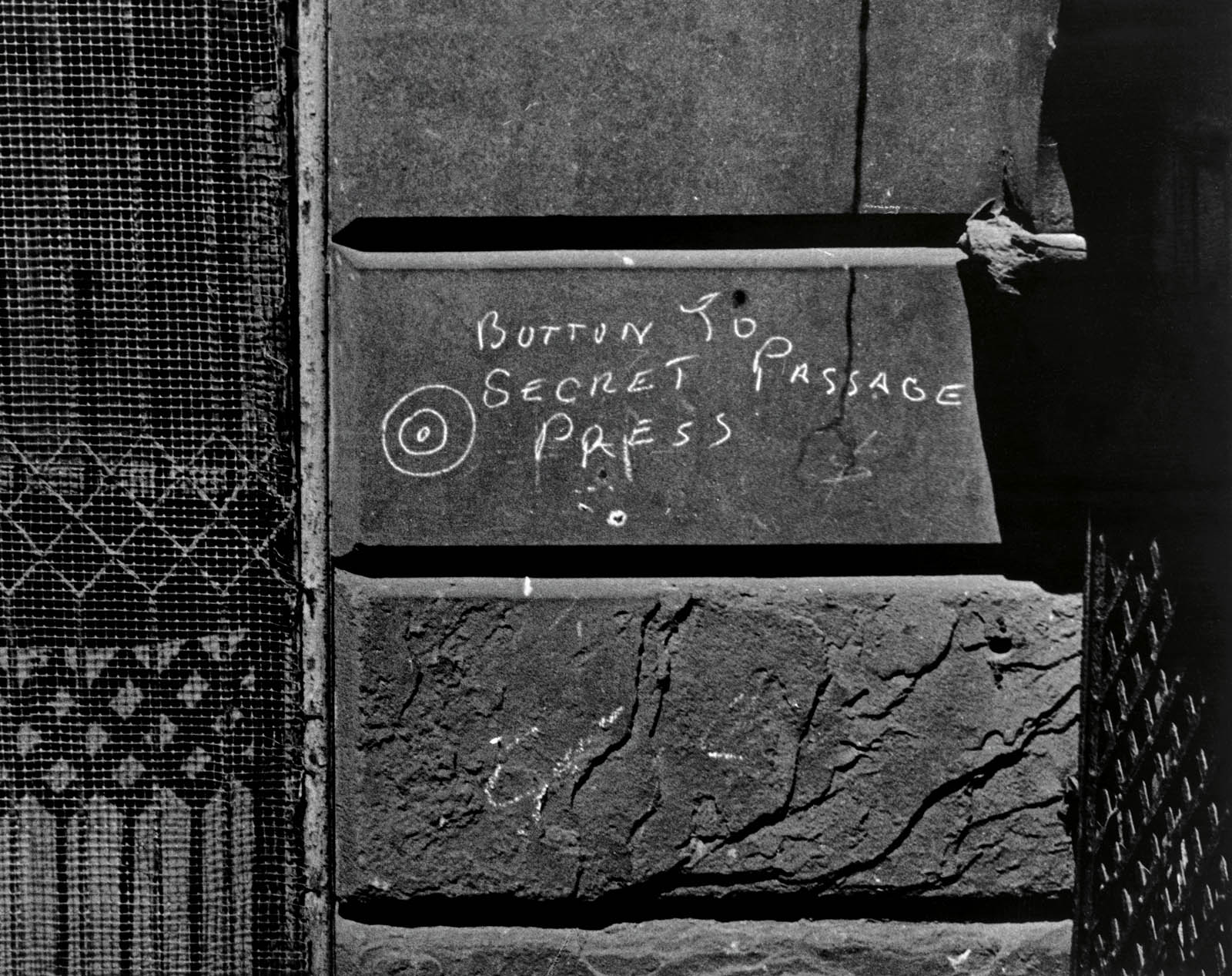
Helen Levitt (American, 1913-2009)
New York
c. 1938
Gelatin silver print
If there is one photographer in the history of the medium that captures the spirit of childhood, the spirit of a single city, and the spirit of life – then that photographer is the incomparable and beloved American photographer Helen Levitt (American, 1913-2009).
I have posted on this exhibition before when it was displayed at Fundación MAPFRE, Barcelona but I have now added many more photographs to the exhibition posting. Despite emails to the gallery I have been unable to secure any installation photographs of the exhibition.
It’s worth quoting from my text “Levittation” from the earlier posting on this exhibition for indubitably it holds true:
“In her photographs there is an (in)direct engagement with the people that surrounded her (in her early works “she often hid her camera under her coat to capture candid, unnoticed moments on the streets”), an exchange of energy from the photographer to the subject and back through the camera onto the film… evidencing a generosity of spirit on the part of the artist towards her subjects. Here there is no pressing the camera into the face of the victim a la Garry Winogrand to evince a reaction, but a genuine sense of compassion and empathy towards the people who live in the great city of New York. …
As with any great art, the artist that produced it (even as she is ambitious) seems to be without ego. She lets the picture and the emotions tell the story without the shadow of the artist getting in the way (unlike much contemporary art and photography). For the work of art to have value in itself.
Thus, her photographs speak to us directly, or not at all.”1
Dr Marcus Bunyan
1/ Marcus Bunyan. “Levittation,” on the Art Blart website, November 28, 2025 [Online] Cited 17/04/2026
Many thankx to Fundación MAPFRE, Madrid for allowing me to publish the photographs in the posting. Please click on the photographs for a larger version of the image.
“Helen Levitt was one of the first women to stand out in the world of photography, especially in the field of urban photojournalism. She always avoided imposing an explicit narrative on her images and preferred not to comment on them, letting them speak for themselves. The commitment to this discretion, far from diminishing the value of her work, is precisely one of the keys that make it so fascinating and unique.”
Carles Toribio. “Helen Levitt: the poetry of the streets in images at the KBr of the Fundación MAPFRE,” on the Bonart website 22/09/25 [Online] Cited 17/04/2026
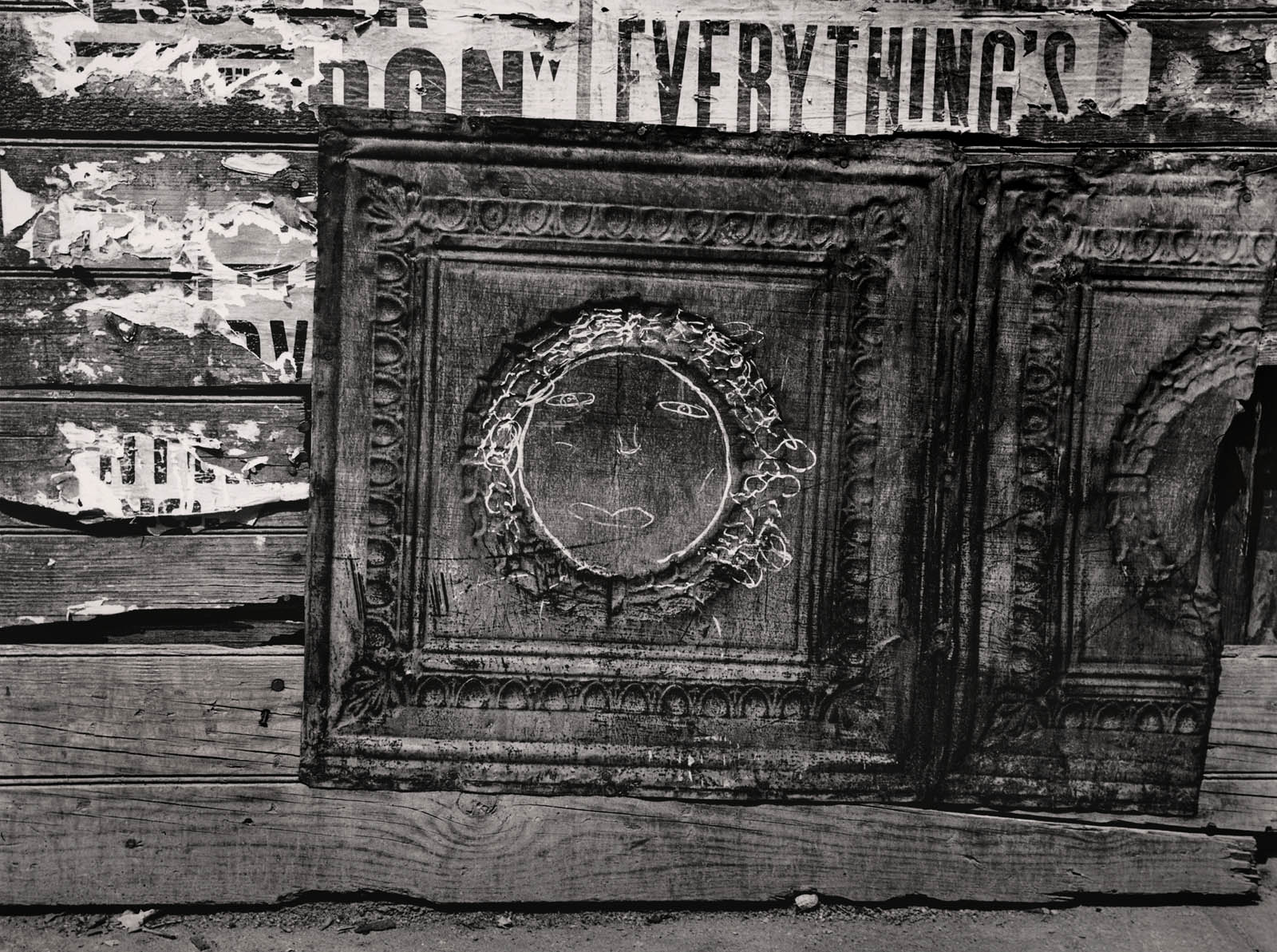
Helen Levitt (American, 1913-2009)
New York
c. 1939
Gelatin silver print

Helen Levitt (American, 1913-2009)
New York
c. 1938
Gelatin silver print
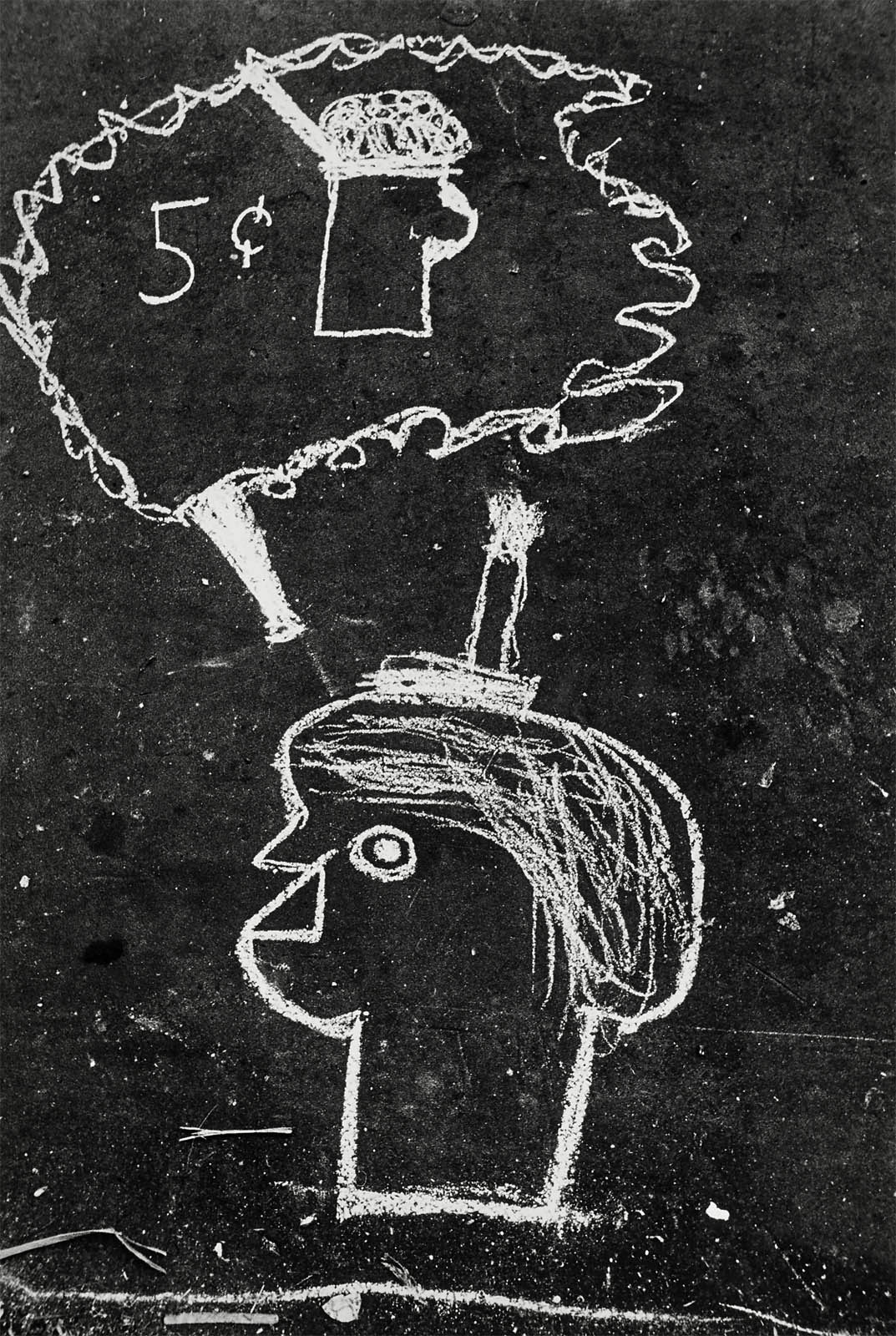
Helen Levitt (American, 1913-2009)
New York City
c. 1940
Gelatin silver print

Helen Levitt (American, 1913-2009)
New York
c. 1938
Gelatin silver print
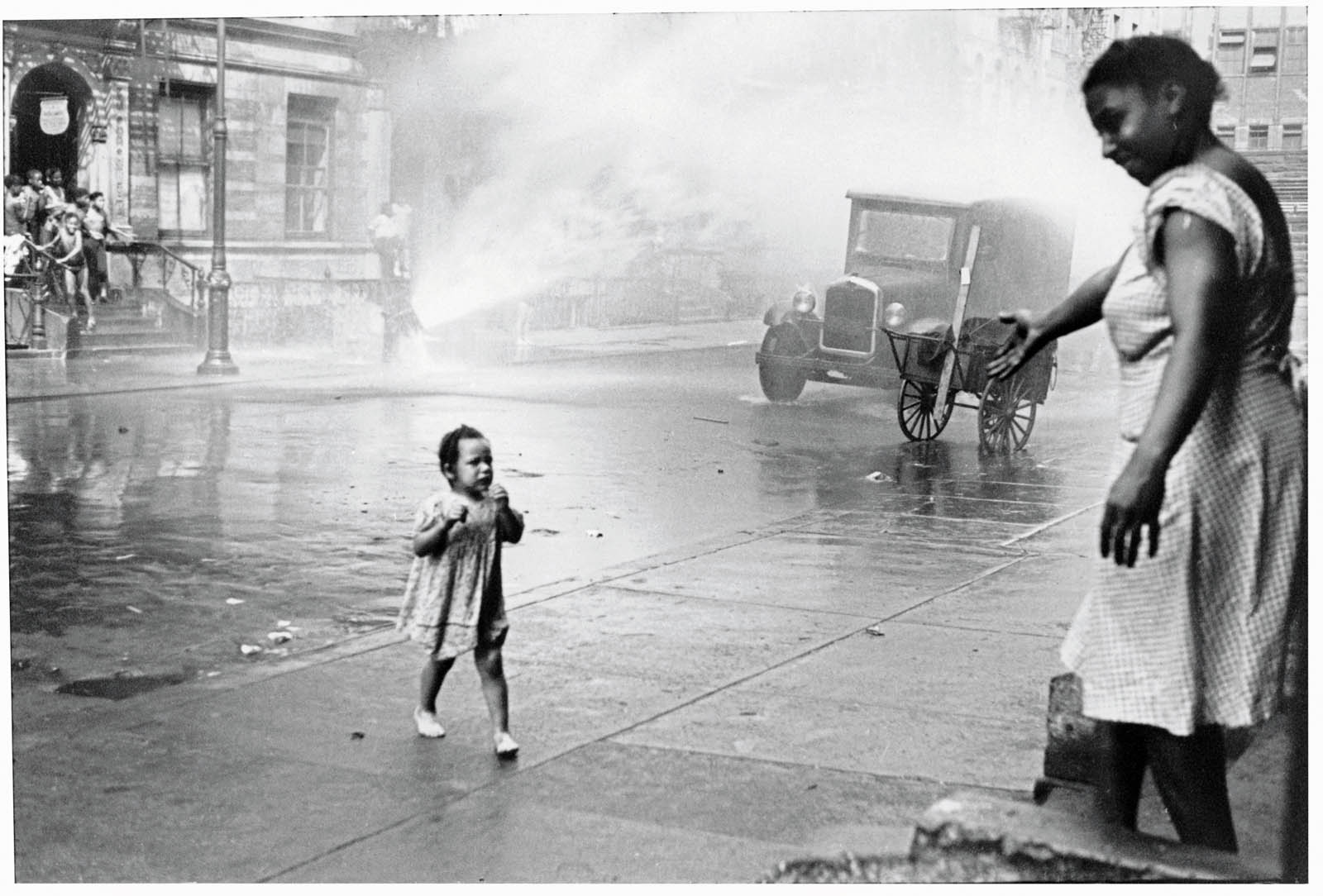
Helen Levitt (American, 1913-2009)
New York
c. 1939
Gelatin silver print
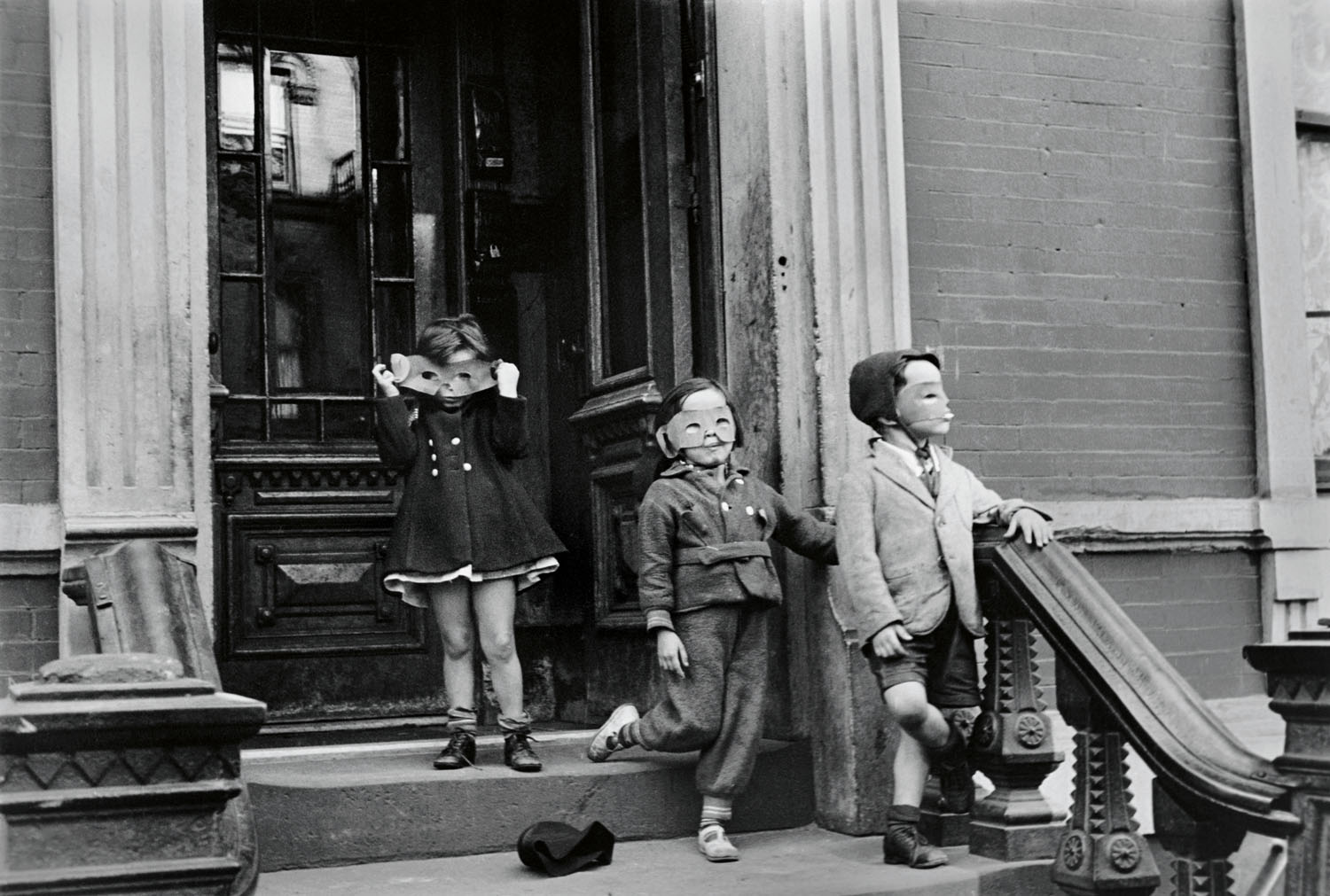
Helen Levitt (American, 1913-2009)
New York
c. 1939
Gelatin silver print
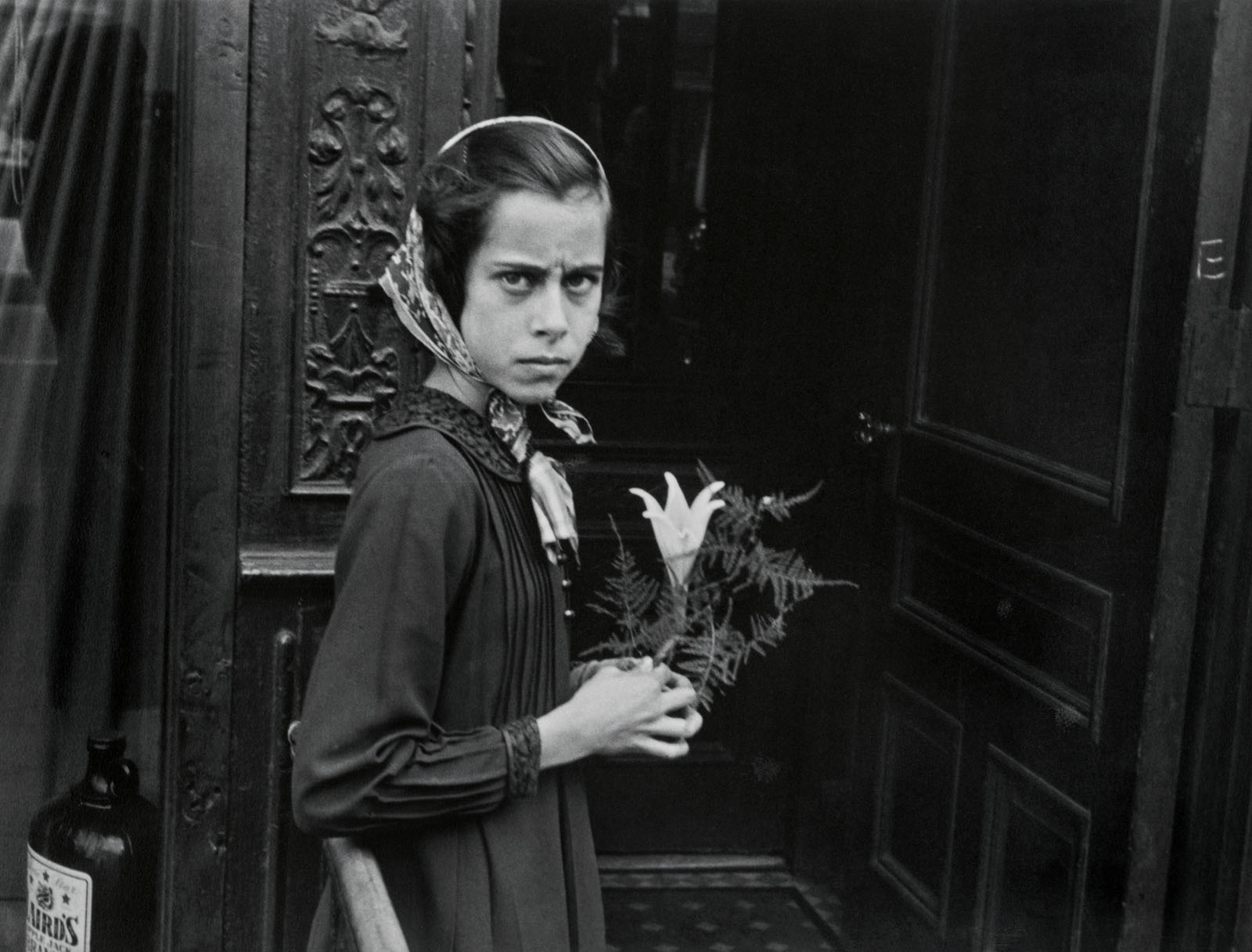
Helen Levitt (American, 1913-2009)
New York
c. 1939
Gelatin silver print
Helen Levitt (American, 1913-2009) began photographing the streets of New York, her hometown, in the late 1930s, focusing mainly on poor neighbourhoods such as Spanish Harlem or the Lower East Side, where the street is the main stage of daily life. Her camera was directed primarily toward children and their street games. These childhood scenes are the central theme of a body of work that captivates us with its ability to transform everyday situations into images that convey all that life can hold of emotion, mystery, or humour and that, although lacking an explicit narrative, manage to establish an immediate connection with the viewer. Levitt’s work soon received the recognition it deserved, and as early as 1943 the Museum of Modern Art in New York organised her first solo exhibition (Photographs of Children).
In later years, she became deeply interested in film and colour photography. Regarding the former, in 1948 she collaborated on the documentary The Quiet One and co-directed In the Street, another documentary about the streets of Spanish Harlem. Both titles would be highly influential in the subsequent evolution of documentary cinema, inspiring artists such as Jonas Mekas and Andy Warhol. On the other hand, after receiving a Guggenheim Fellowship in 1959 to explore chromatic techniques, she began experimenting with colour photography, a medium in which she would also develop pioneering work.
A socially committed artist, Levitt was one of the first women to forge a professional career in photography. This exhibition is the first to be organised based on the entirety of her work and archives, which have only recently been made available for public consultation.
Text from the Fundación MAPFRE website
Helen Levitt (American, 1913-2009) began photographing the streets of New York City, her hometown, in the late 1930s, focusing primarily on poor neighbourhoods like Spanish Harlem and the Lower East Side, where the street plays a central role as the stage for daily life. She documented intimate and fleeting moments of human connection, becoming a key figure in 20th-century photography.
Her training began as an apprentice in a Bronx studio, and in 1934 she acquired her first camera. Shortly after, she joined the New York Film and Photo League, where she met Henri Cartier-Bresson, whose influence was decisive in Levitt’s decision to pursue photography independently.
Between 1938 and 1942, she captured some of her most iconic images, documenting everyday life in working-class neighbourhoods of New York with a spontaneous, empathetic, and unpretentious eye. Her approach, focused especially on childhood and the fleeting moments of urban life, broke with the traditional canons of photojournalism and opened new avenues for photography as a means of poetic and social expression.
In 1943, MoMA dedicated her first solo exhibition to her, solidifying her place in art history.
Although her name is associated with “street photography,” since it was precisely the streets of her hometown that provided the context for her images, throughout her career she ventured into film and visited other countries, such as Mexico.
Levitt also explored colour photography and film, pioneering both fields. She co-directed the documentary In the Street and received a Guggenheim Fellowship in 1959 to research new colour techniques. Although a 1970 robbery resulted in the loss of much of her colour work, she resumed her photography, and MoMA screened her slides in 1974. During the following decades, she continued to photograph intermittently, returning to black and white and exploring new settings such as the New York subway. Her work, marked by ambiguity and restrained emotion, has been recognised for its ability to capture fleeting moments of human connection in complex urban environments.
The exhibition, curated by Joshua Chuang, offers a comprehensive overview of Levitt’s career through nine sections and some 220 photographs. It includes previously unseen works, as well as pieces taken in Mexico in 1941 and a significant portion of her colour work, which she began in the 1950s. In addition, her film In the Street, directed by Levitt herself along with Janice Loeb and James Agee, is presented, along with a screening of colour slides taken by the artist.
Press release from Fundación MAPFRE
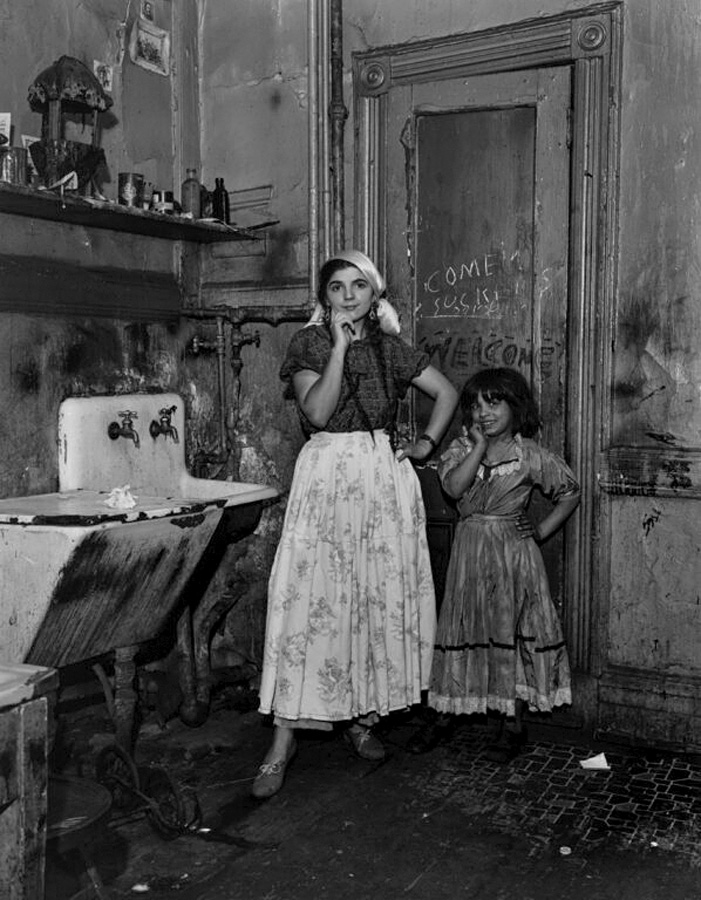
Helen Levitt (American, 1913-2009)
New York
c. 1939
Gelatin silver print
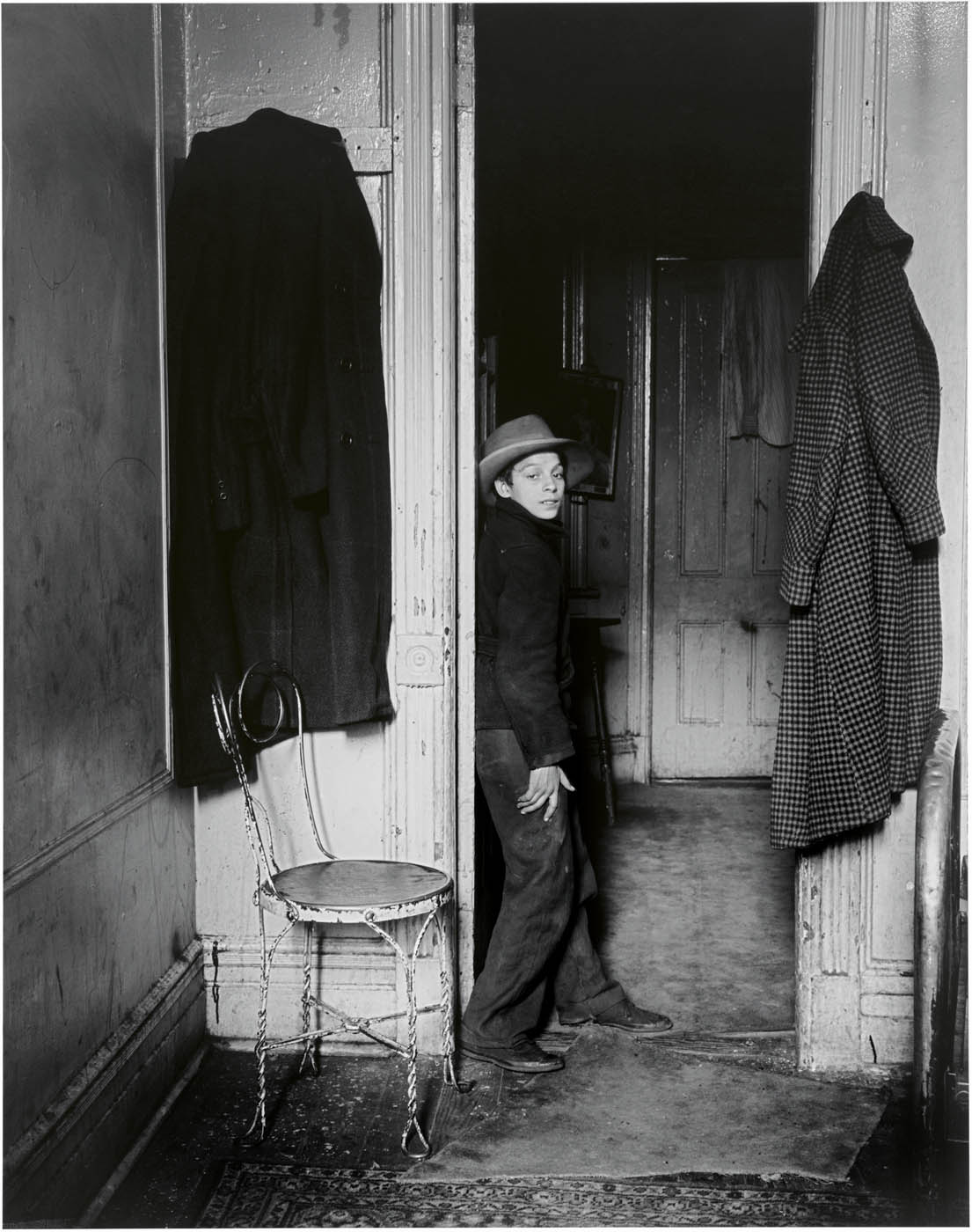
Helen Levitt (American, 1913-2009)
Gypsy Boy, Harlem, New York
c. 1939
Gelatin silver print
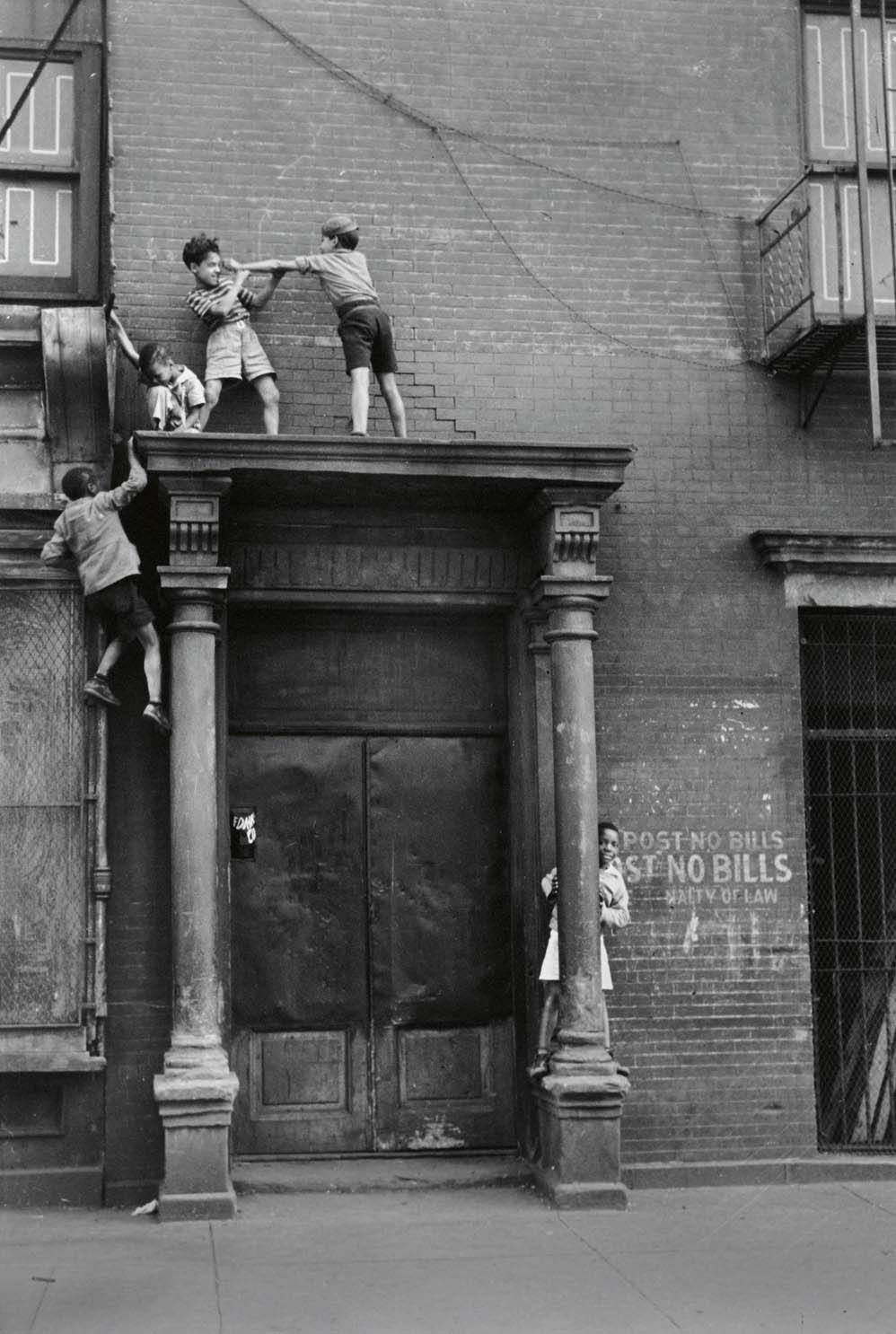
Helen Levitt (American, 1913-2009)
New York
c. 1939
Gelatin silver print
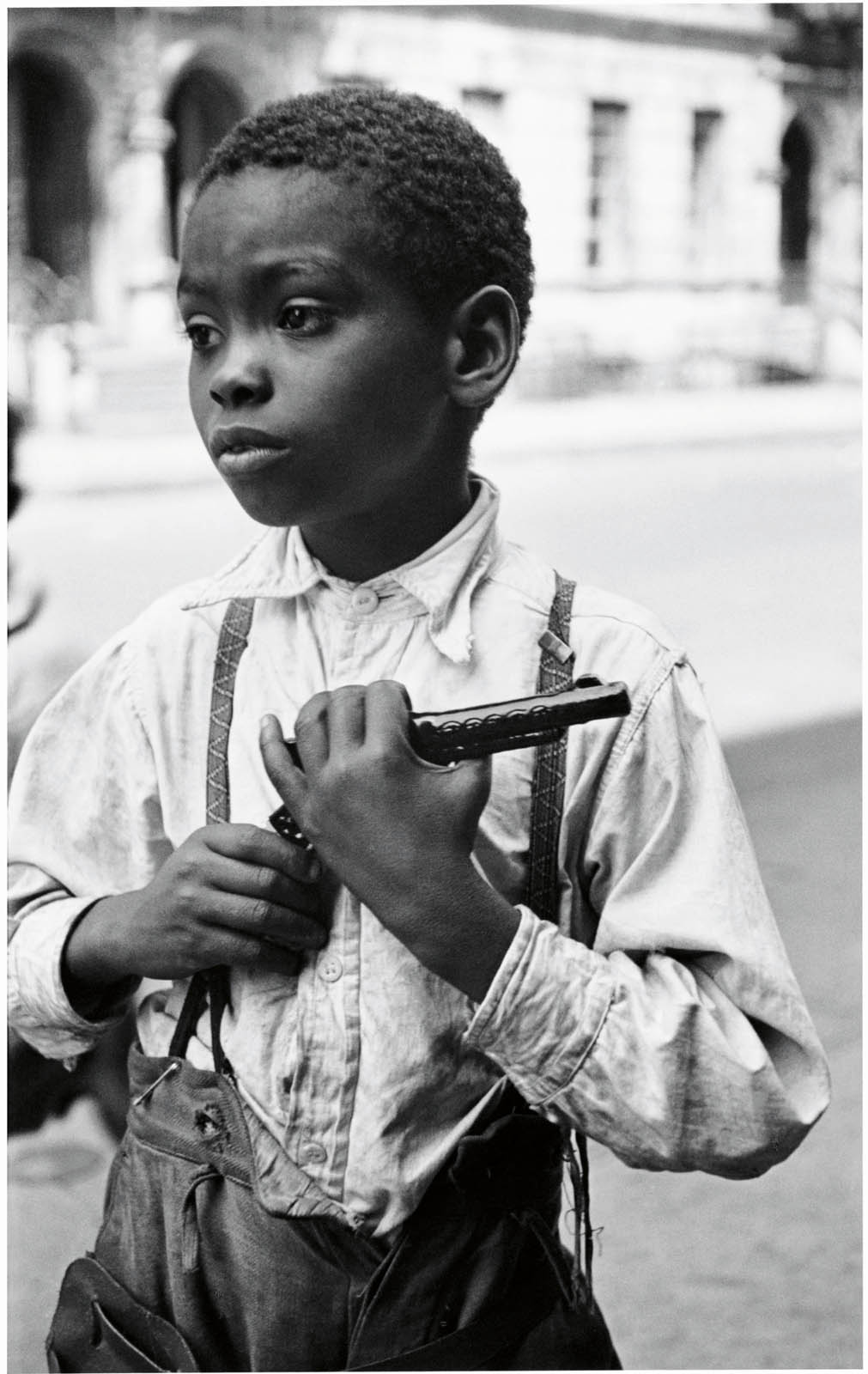
Helen Levitt (American, 1913-2009)
New York
c. 1939
Gelatin silver print
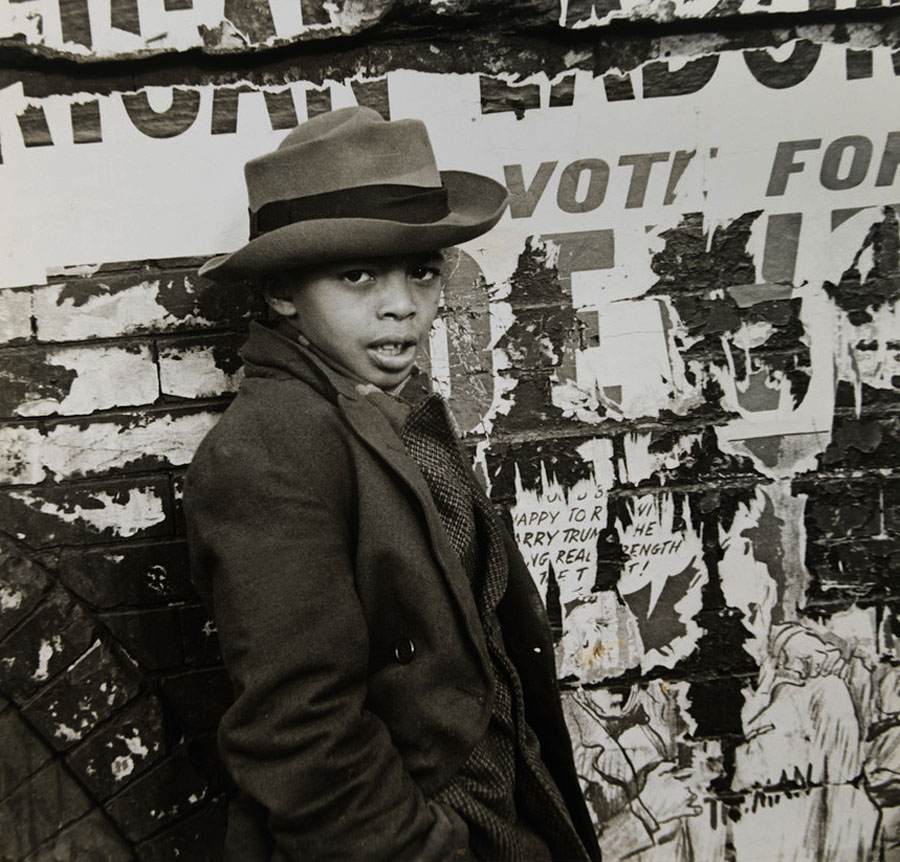
Helen Levitt (American, 1913-2009)
New York
1939
Gelatin silver print
Information
Dedicated full-time to her artistic activities, the photographer Helen Levitt (New York, 1913-2009) did not begin to gain public recognition until relatively late in life. Although her name has always been associated with “street photography,” as it was precisely the streets of her native city that provided the context for the production of her images, throughout her career Levitt made forays into film, visited other countries such as Mexico, and also focused on colour photography. Her images, almost invariably ambiguous and mysterious although not necessarily at first glance, are also characterised by their spontaneity, warmth and sensitivity. The movements and gestures of the figures captured by her lens and the communication between them transcend that inclination to “photograph children” which many critics pointed out after her first exhibition at the MoMA in 1943, entitled Helen Levitt: Photographs of Children.
Levitt’s work as a whole goes far beyond the latter aspect, revealing her acceptance of the pleasures, terrors and complexity of existence at all ages, traits often overlooked by the viewer when immersed in the harsh reality of the urban landscape.
The exhibition, the first to be devoted to the artist on the basis of the entirety of her work and archives, which have only recently become available for study, offers a broad overview of Levitt’s career through nine sections and around 220 photographs. It includes previously unexhibited images, as well as work produced in Mexico in 1941 and a large proportion of the artist’s work in colour, which she explored from the 1950s onward. It also features her film In the Street, directed by Levitt in collaboration with Janice Loeb and James Agee, and a projection of her colour slides.
Born in Brooklyn to a Russian-Jewish family, Helen Levitt dropped out of high school early and began her photography training in a Bronx studio. Influenced by Henri Cartier-Bresson, she pursued independent photography, capturing everyday life in New York neighbourhoods between 1938 and 1942. Her first solo exhibition was at the MoMA in 1943. She also experimented with film, making In the Street, and with colour photography, which gained her a Guggenheim Fellowship in 1959. Levitt continued to work intermittently, exploring new settings such as the subway and rural areas. Her creative output is recognised for its ability to capture moments of human connection in complex urban environments.
Key themes
Enigmatic photographs
Helen Levitt’s images possess a mysterious quality that transforms them into true visual enigmas. Her unique and highly perceptive gaze turns everyday scenes into compositions that are hard to define, creating an immediate connection with the viewer even when there is no clear narrative to explain them.
A pioneer with her own voice
Helen Levitt was one of the first women to make her way in the world of photography, especially in the field of street photography. She always avoided constructing an explicit narrative in her images and preferred not to talk about them. Far from diminishing its value, that decision is one of the key traits that make her work so interesting. Despite this characteristic of reserve, Levitt’s photographs connect with the viewer through the universal emotions they convey.
Text from Fundación MAPFRE
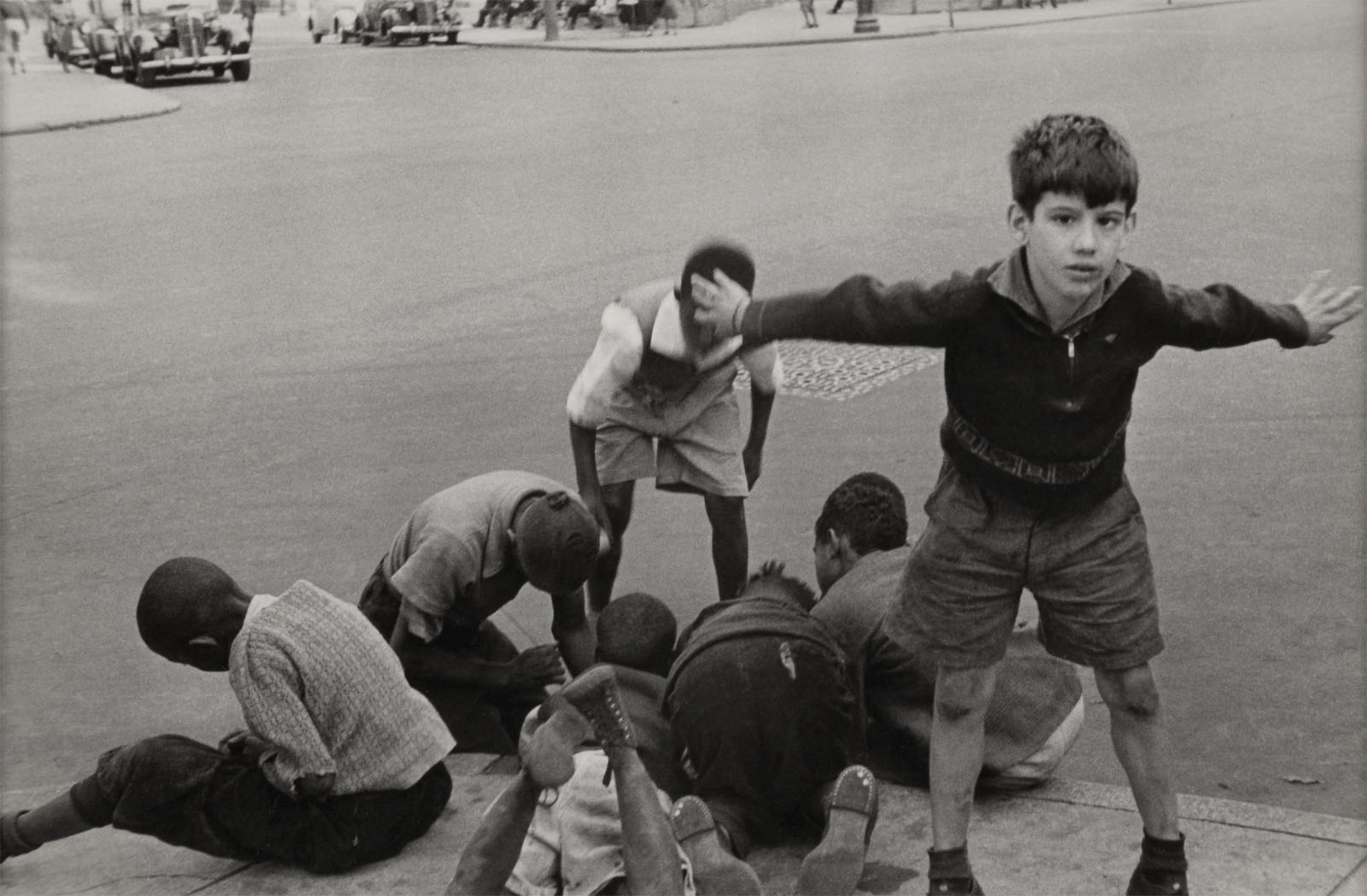
Helen Levitt (American, 1913-2009)
New York
1940
Gelatin silver print
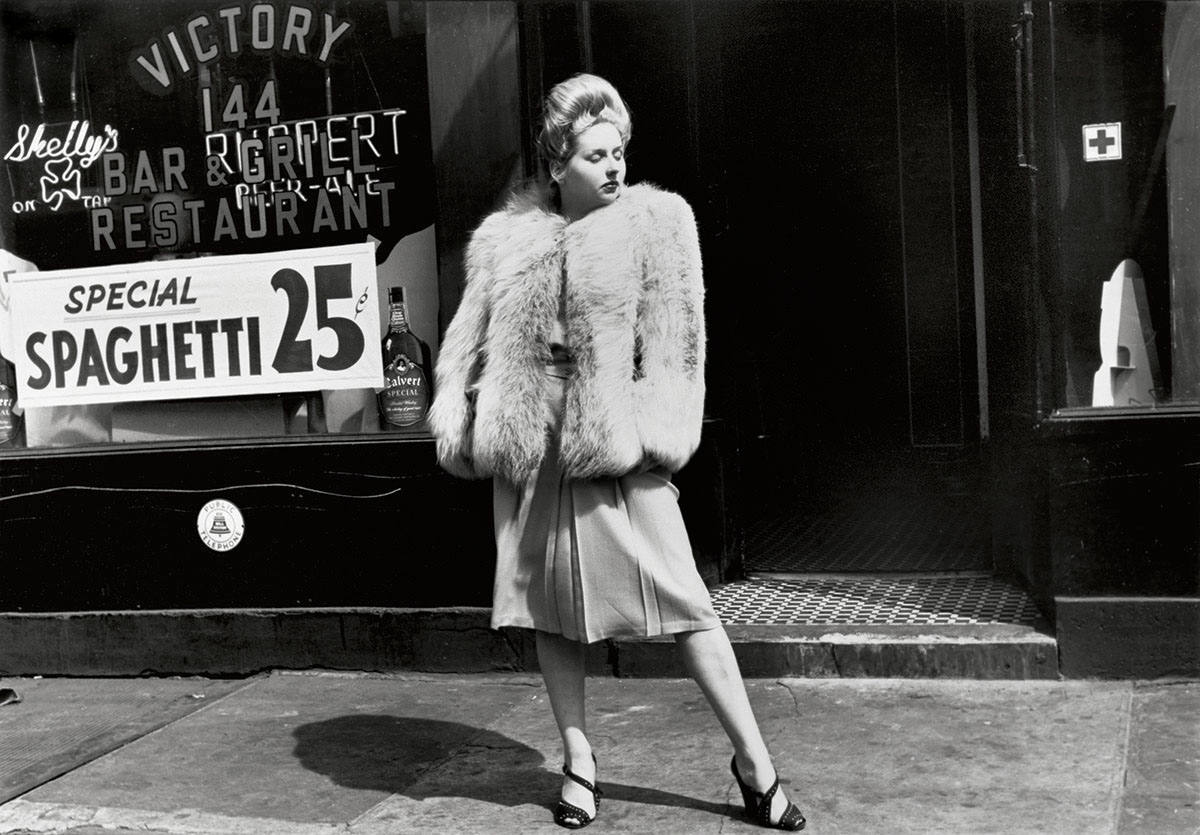
Helen Levitt (American, 1913-2009)
New York
c. 1940
Gelatin silver print
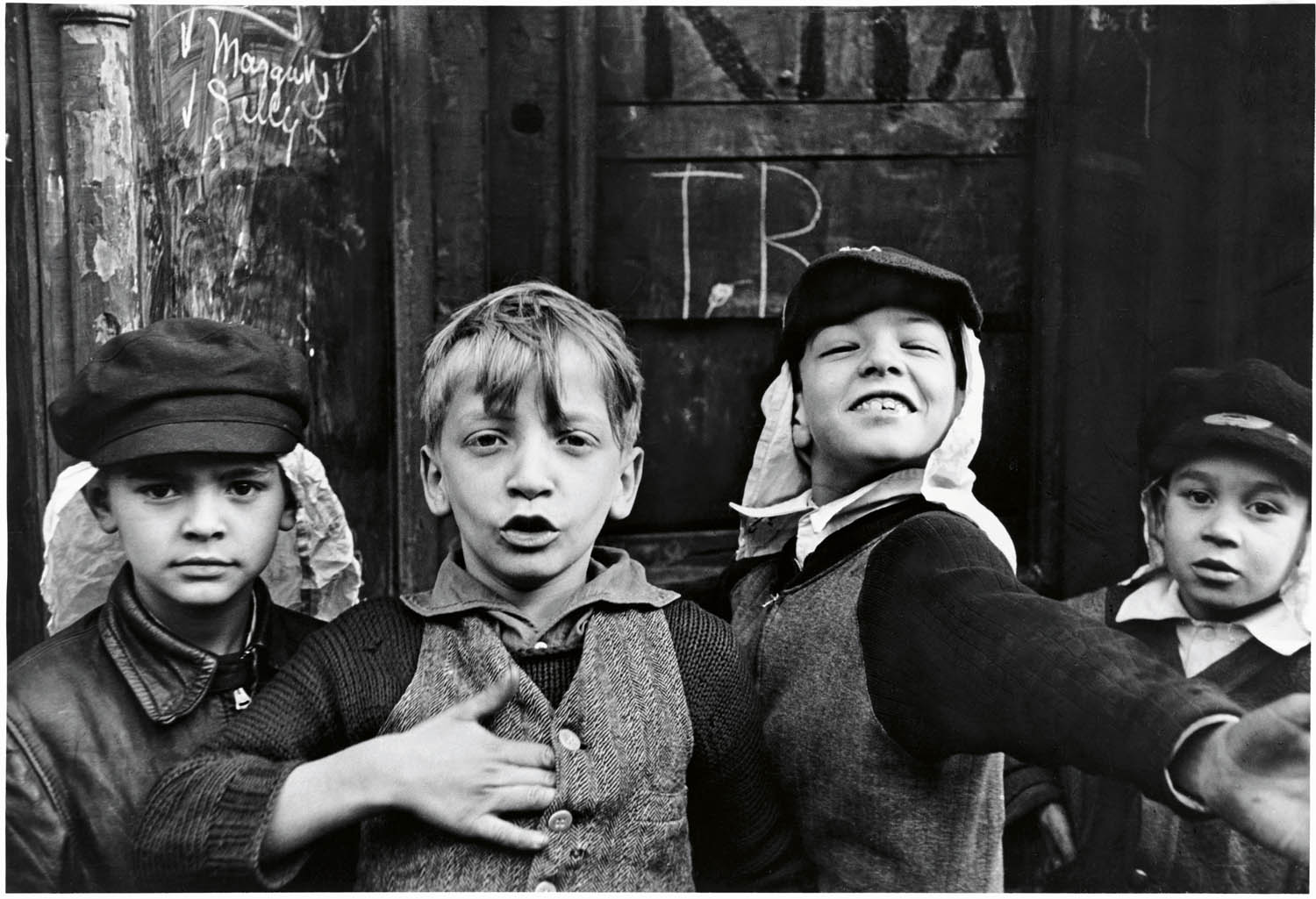
Helen Levitt (American, 1913-2009)
New York
c. 1940
Gelatin silver print
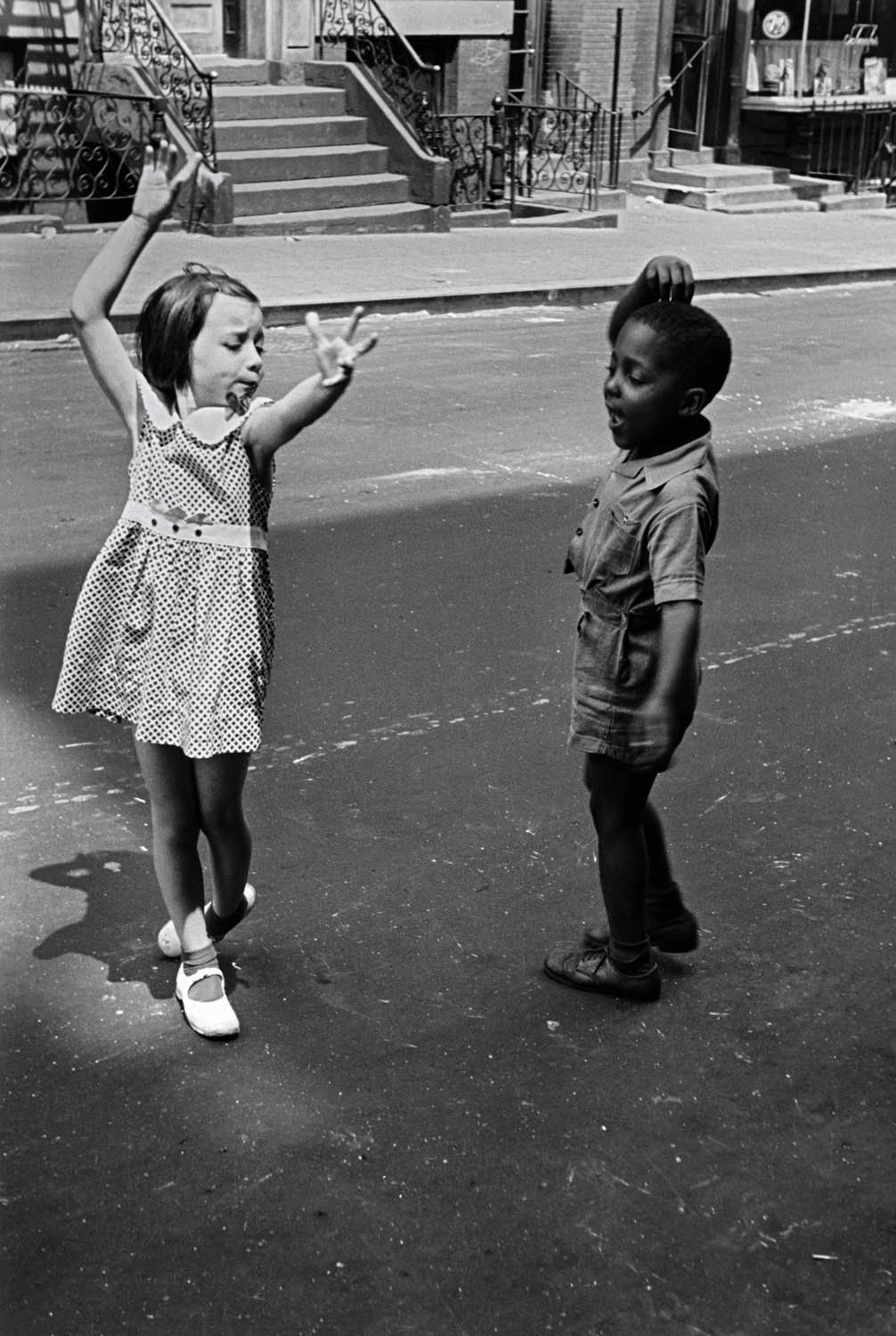
Helen Levitt (American, 1913-2009)
New York
c. 1940
Gelatin silver print
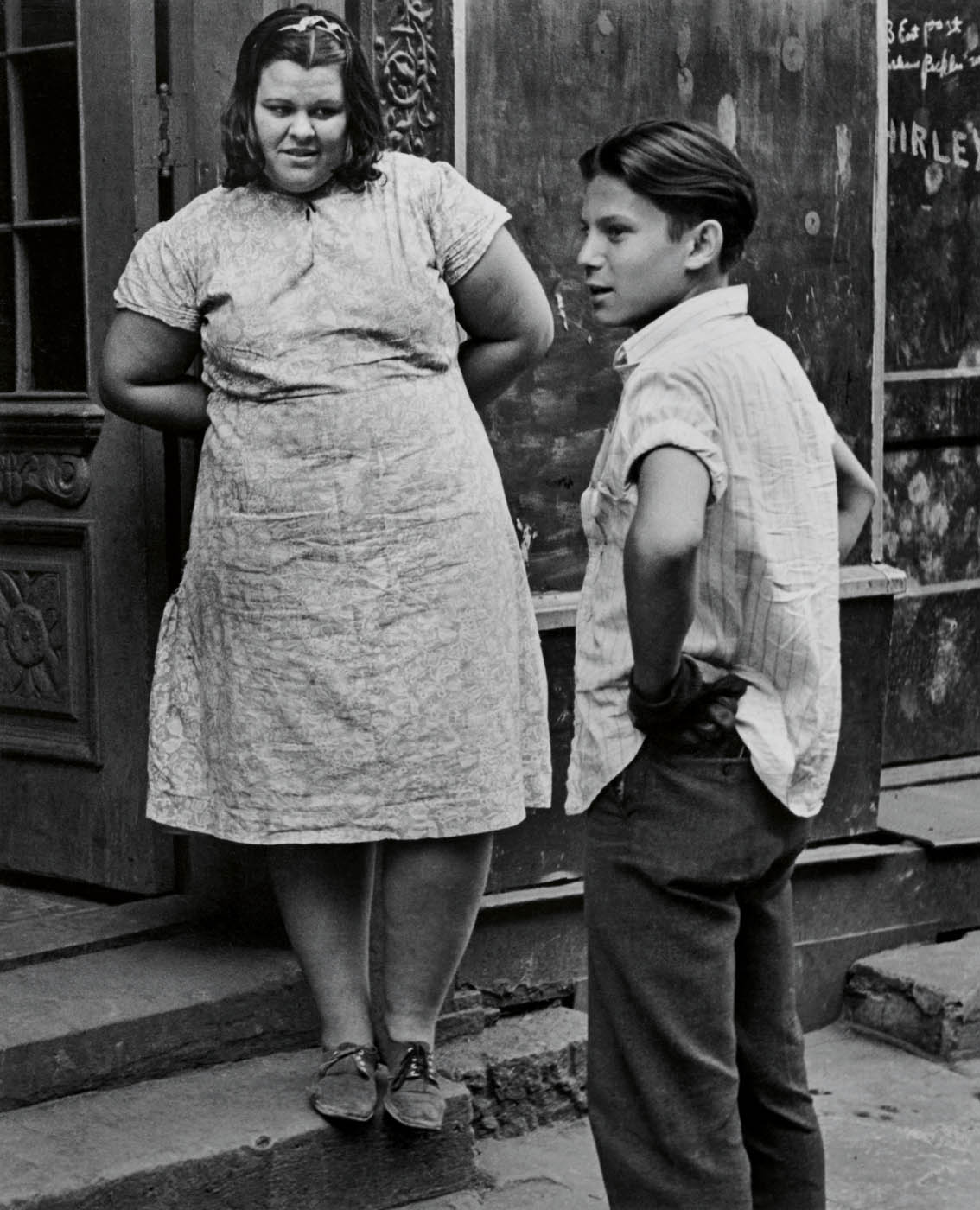
Helen Levitt (American, 1913-2009)
New York
c. 1940
Gelatin silver print
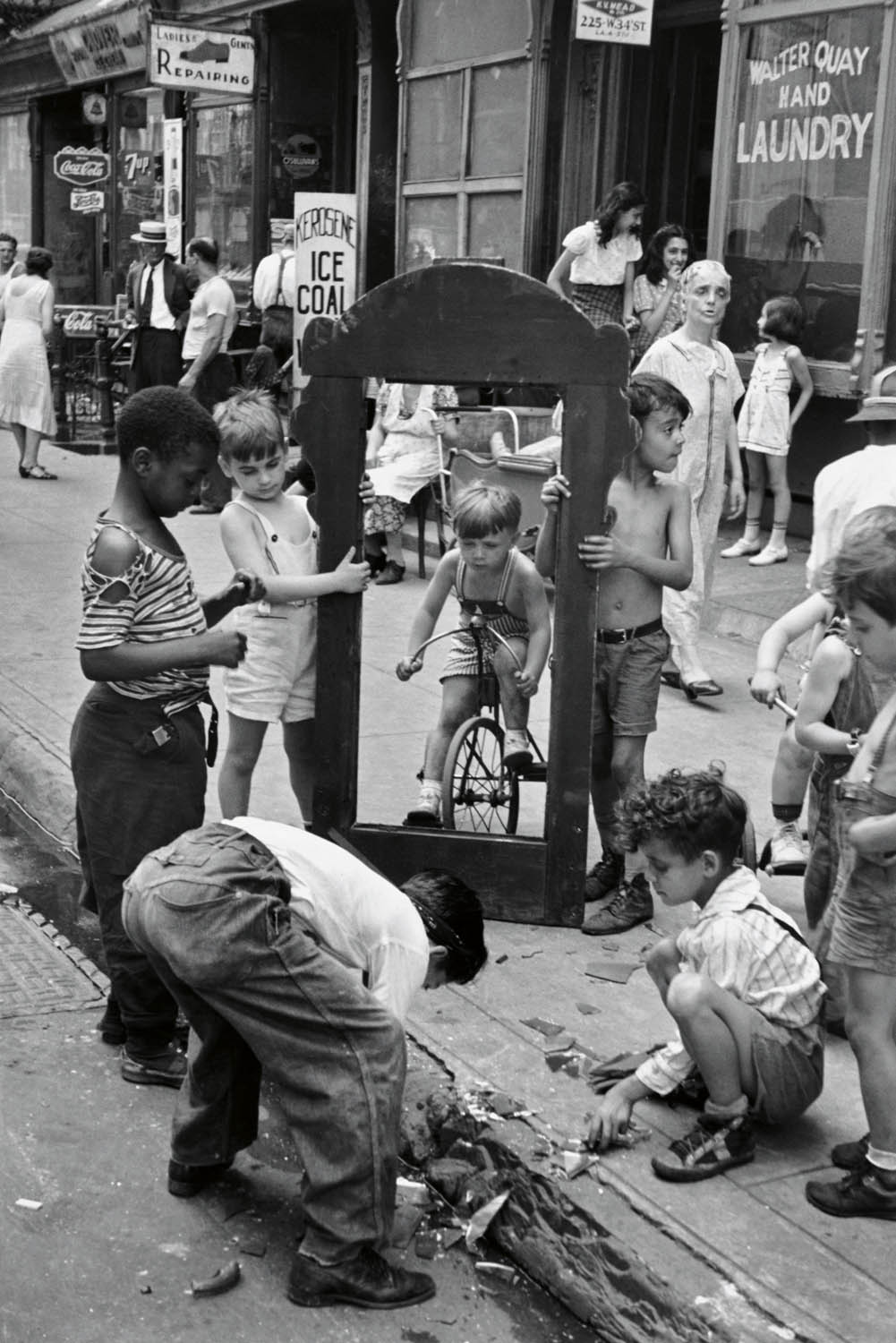
Helen Levitt (American, 1913-2009)
New York
c. 1940
Gelatin silver print
Born and raised in Brooklyn, New York, Helen Levitt (American, 1913-2009) became a photographer in the mid-1930s after meeting Henri Cartier-Bresson and seeing his radical new pictures made with a discreet, handheld camera. By the end of the decade, she had developed a unique sensibility, one informed by Surrealism and a love of avant-garde cinema but focused on the interactions of ordinary people in the streets, sidewalks, stoops, and vacant lots of her native city.
Grounded in gritty realism but brimming with subversive humor, mischief, and pathos, Levitt’s pictures are open-ended and enigmatic, concealing as much as they reveal. Her uncanny photographs of urban children and their games brought Levitt early renown even as she remained attentive to the quiet gestures and movements of a broader swath of humanity observed with her 35mm Leica, especially in Spanish Harlem, where the activity of everyday life often spilled out of doors.
Following a months long foray in Mexico City, Levitt began to work in filmmaking, leading to a long hiatus in her photographic activity. In 1959, advances in the sensitivity colour film spurred her to take to the streets again with her Leica. She continued to photograph in colour throughout the 1970s, reverting to black-and-white film for a series of pictures taken in the New York City subway. Levitt continued to photograph intermittently until the early 1990s, when she became known as the “unofficial poet laureate” of New York and her oeuvre universally acknowledged as one of the most timeless and affecting in the history of the medium.
Joshua Chuang
Comisario / Curator
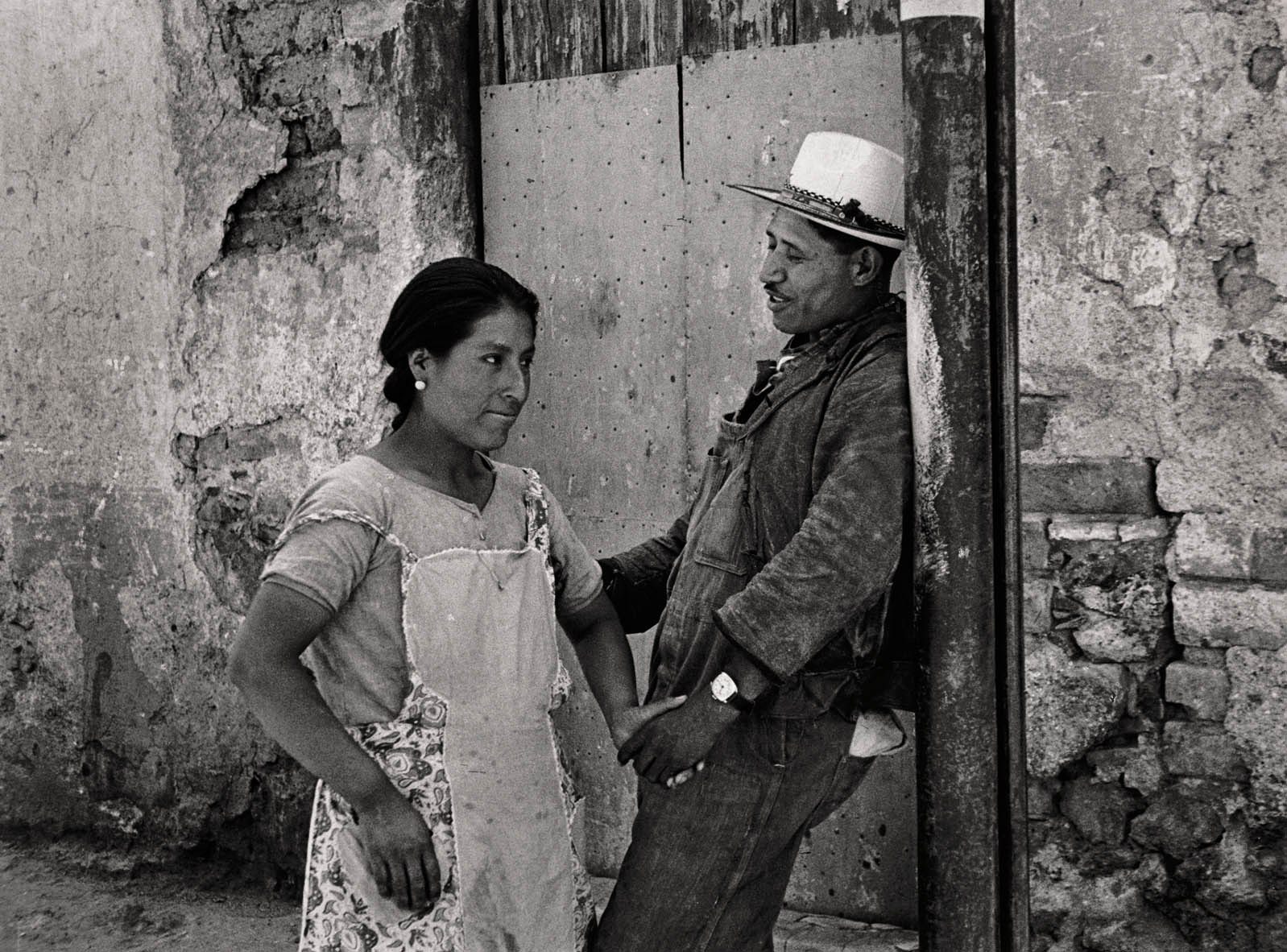
Helen Levitt (American, 1913-2009)
Mexico City
1941
Gelatin silver print
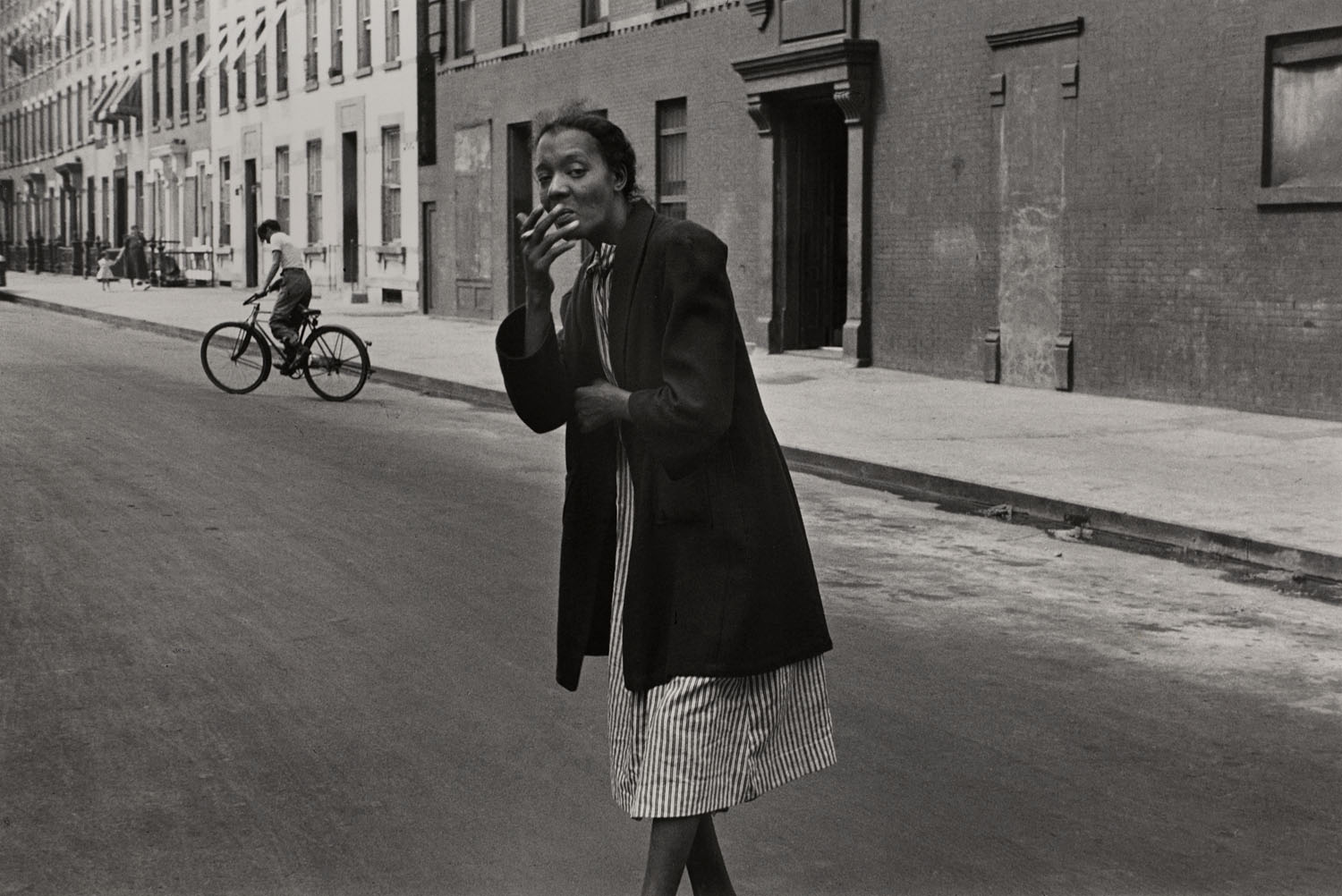
Helen Levitt (American, 1913-2009)
New York
c. 1942
Gelatin silver print
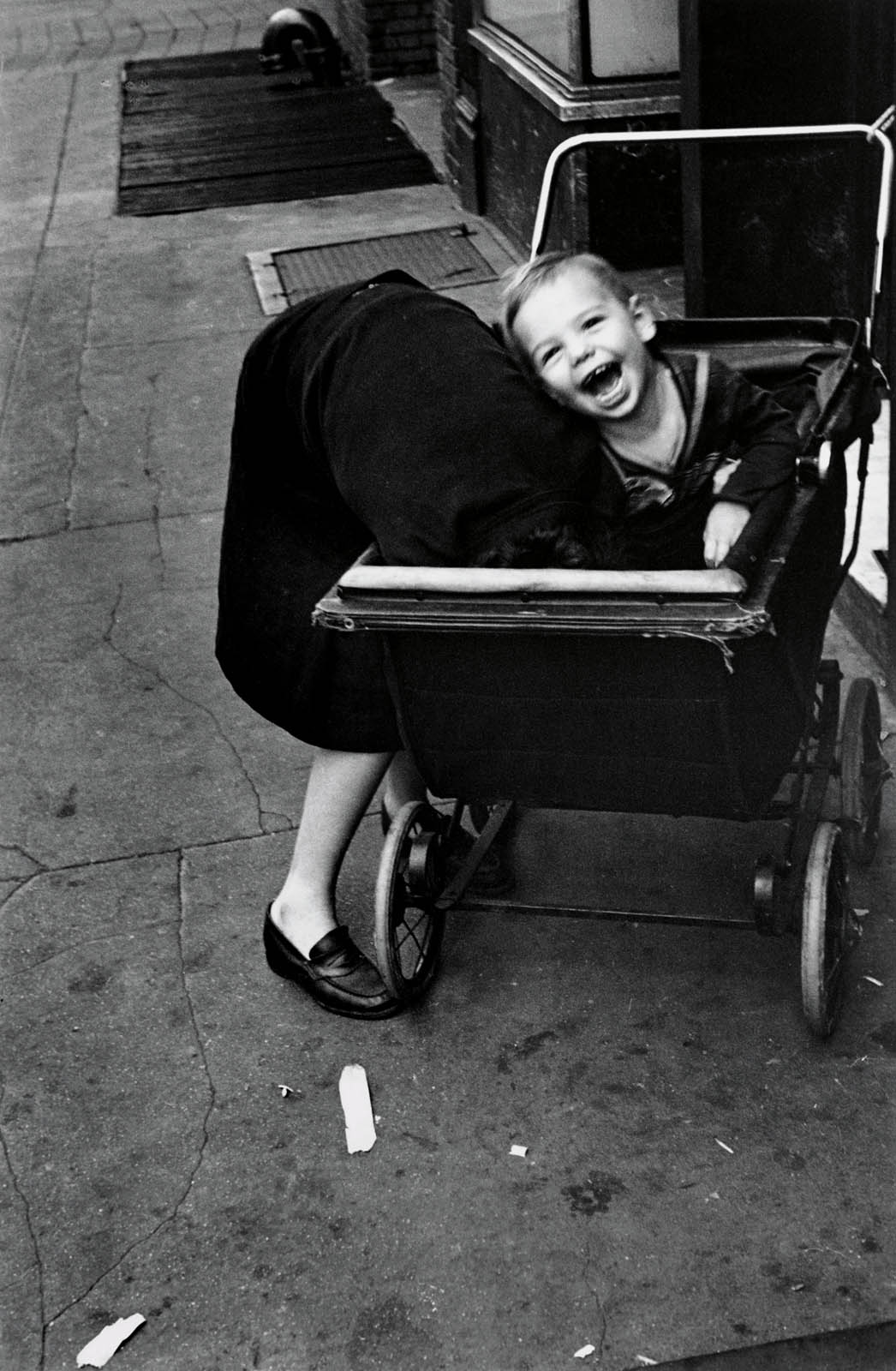
Helen Levitt (American, 1913-2009)
New York
c. 1942
Gelatin silver print
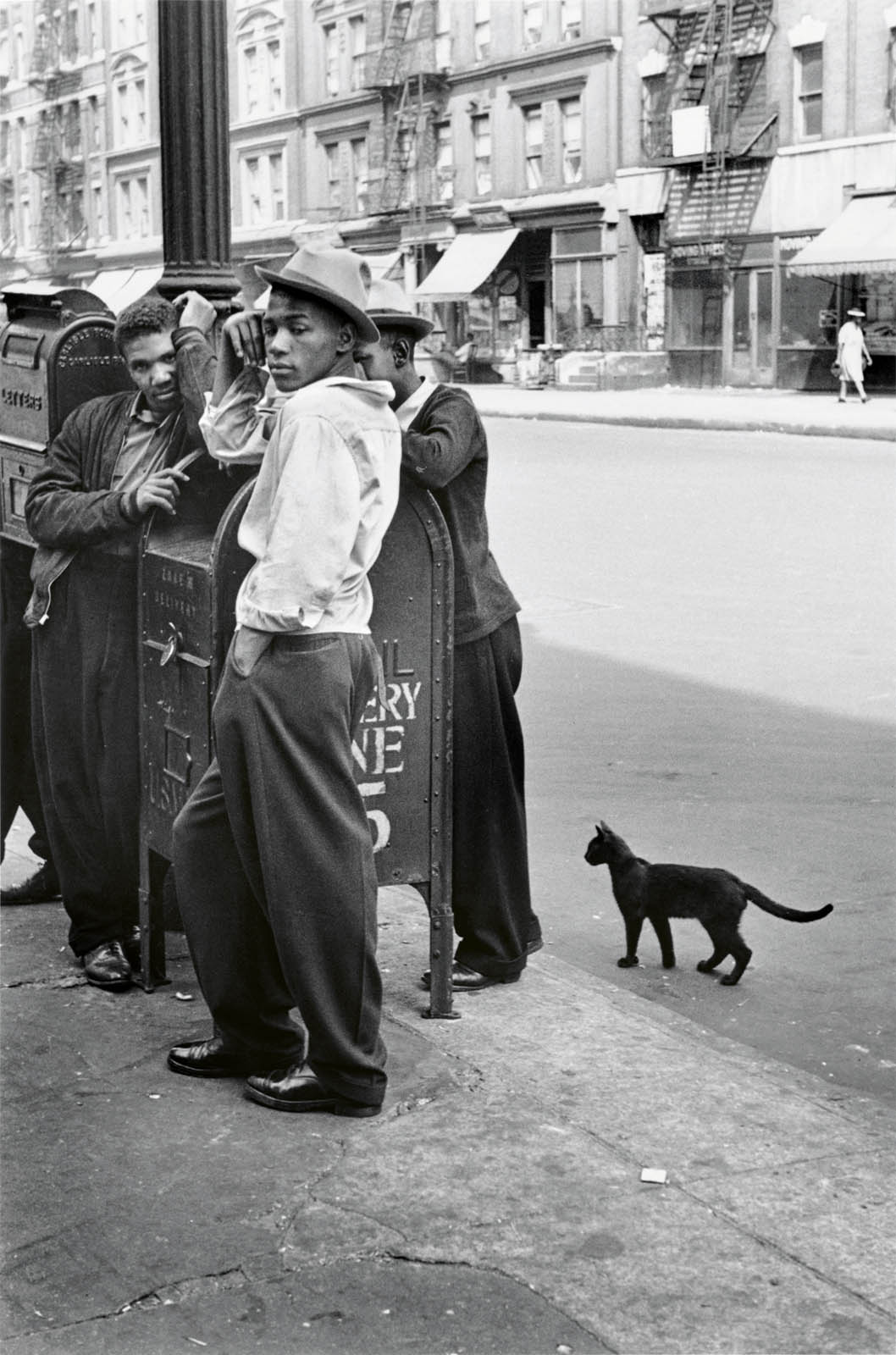
Helen Levitt (American, 1913-2009)
New York
c. 1945
Gelatin silver print
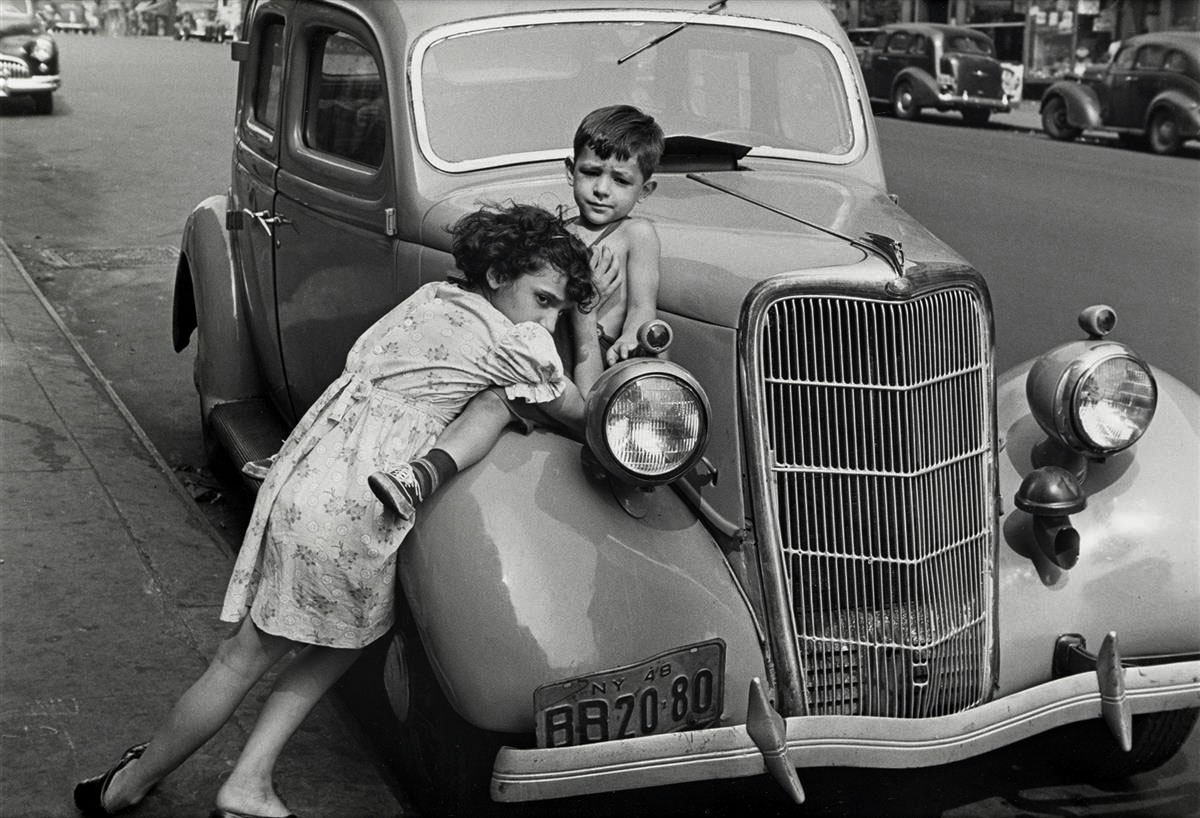
Helen Levitt (American, 1913-2009)
New York
1948
Gelatin silver print
In the Street, 1948 – A Film by Helen Levitt, ft. New Musical Score by Ben Model | From the Vault – The Metropolitan Museum of Art
Filmed in East Harlem just after the end of World War II, “In the Street” is a dynamic, tender, and often humorous portrait of life in New York City: children dance and play in alleyways, shopkeepers sweep the sidewalks, onlookers watch from their windows. This captivating film presents the bustling theater of city life, where “every human is a poet, a masker, a warrior, a dancer.” Directed by the renowned photographer Helen Levitt, in collaboration with Janice Loeb and James Agee, and featuring a new musical score written and performed by Ben Model.
Text from the YouTube website
Early Work / Graffiti / Gypsies
Only a few examples survive from Levitt’s first year using a Leica camera. Amid the backdrop of the Great Depression, her pictures of lone figures hunched over or lying on the ground appear documentary in their impulse, while other depictions of people in urban surroundings are notably more ambivalent in their view.
In 1937, while employed by the Federal Art Project to teach at a public school in East (Spanish) Harlem, Levitt noticed the many chalk drawings and messages illicitly scrawled by children on streets and buildings on her way to work, and began to document them in all their variety, innocence, and vulgarity. She sometimes also portrayed the artists themselves posing next to their ephemeral interventions.
Around 1938, on the advice of Walker Evans, Levitt began to use a right-angle viewfinder, a device that allowed her to face one direction while pointing her camera in another. This was particularly effective in recording the uninhibited interactions of the “gypsy” families prevalent in Spanish Harlem and Yorkville. Drawn to their way of life, she also borrowed Evans’s 4 x 5-inch view camera and tripod to make portraits of “gypsy” children in their homes.
1938-1940 / Mexico City / A Way of Seeing
By 1940 Levitt had established her terrain, subject, and approach. In a rare statement, she later described her intent “to seize upon and record those apparently accidental disarrangements that nevertheless and in seeming contradiction provide a more intense apperception of reality.” Uninterested in portraying New York City as a bustling metropolis, Levitt instead saw it as an environment whose “size and varied character constantly forces into the open material for my camera.” The working class, immigrant neighbourhoods she frequented – where adults chatted on stoops, mothers and children leaned out of windows, and children were left to their own devices – proved to be an especially fertile ground for her work.
In 1941, again inspired by Cartier-Bresson’s example, Levitt, a reluctant traveller, went to Mexico City with a friend to photograph there. Initially struggling with the challenge of working in new environment, she was eventually able to find her artistic footing, producing a body of work that at once acknowledged rawer social realities while locating a subtle lyricism unique to the city and its people. It would be her only trip abroad.
Upon her return to New York City, Levitt picked up where she left off, picking up on more sober themes of melancholy, alienation, and what she referred to as “the deep repressions of the unyoung.” After having photographed for a decade, Levitt collaborated with her friend, the writer and critic James Agee, to edit and sequence a book of her New York photographs. Envisioning the project as an urban counterpart to Let Us Now Praise Famous Men, his 1941 collaboration with Walker Evans, Agee wrote an extensive essay to accompany Levitt’s pictures that heralded their lyric qualities, the sum of which presented “unified view of the world, an insistent but irrefutable manifesto.” After a series of setbacks, the book, eventually given the title A Way of Seeing, was not published until nearly two decades later in 1965.
Color / Metro / Anys 1980
In 1959, Levitt was granted a Guggenheim fellowship to experiment with “the latest techniques in colour photography.” Her Leica loaded with colour slide film, she walked some of the same streets she had frequented in the 30s and 40s, newly attentive to the chromatic character of her compositions. After the bulk of her slides were stolen by a burglar in 1970, Levitt redoubled her efforts, photographing throughout the decade with renewed zeal, developing an intuitive system of colour that was at once transporting and transparent. In 1974, a continuous projection of forty of Levitt’s slides were featured at MoMA in New York, after which she began to realise select images as dye transfer prints.
Around the same time, Levitt also decided to revisit the subterranean theater of New York City subway as a site to make pictures, having served as a decoy for Walker Evans’s subway project work more than three decades earlier. With her subjects largely stationary in train cars and platforms, Levitt attended to the nuances of expression and gesture, recording quiet dramas amid unflattering light and cramped quarters.
From the 1980s onwards, Levitt continued to photograph, but only intermittently, working mainly in black and white, both in the city and outside it.
Text from Fundación MAPFRE
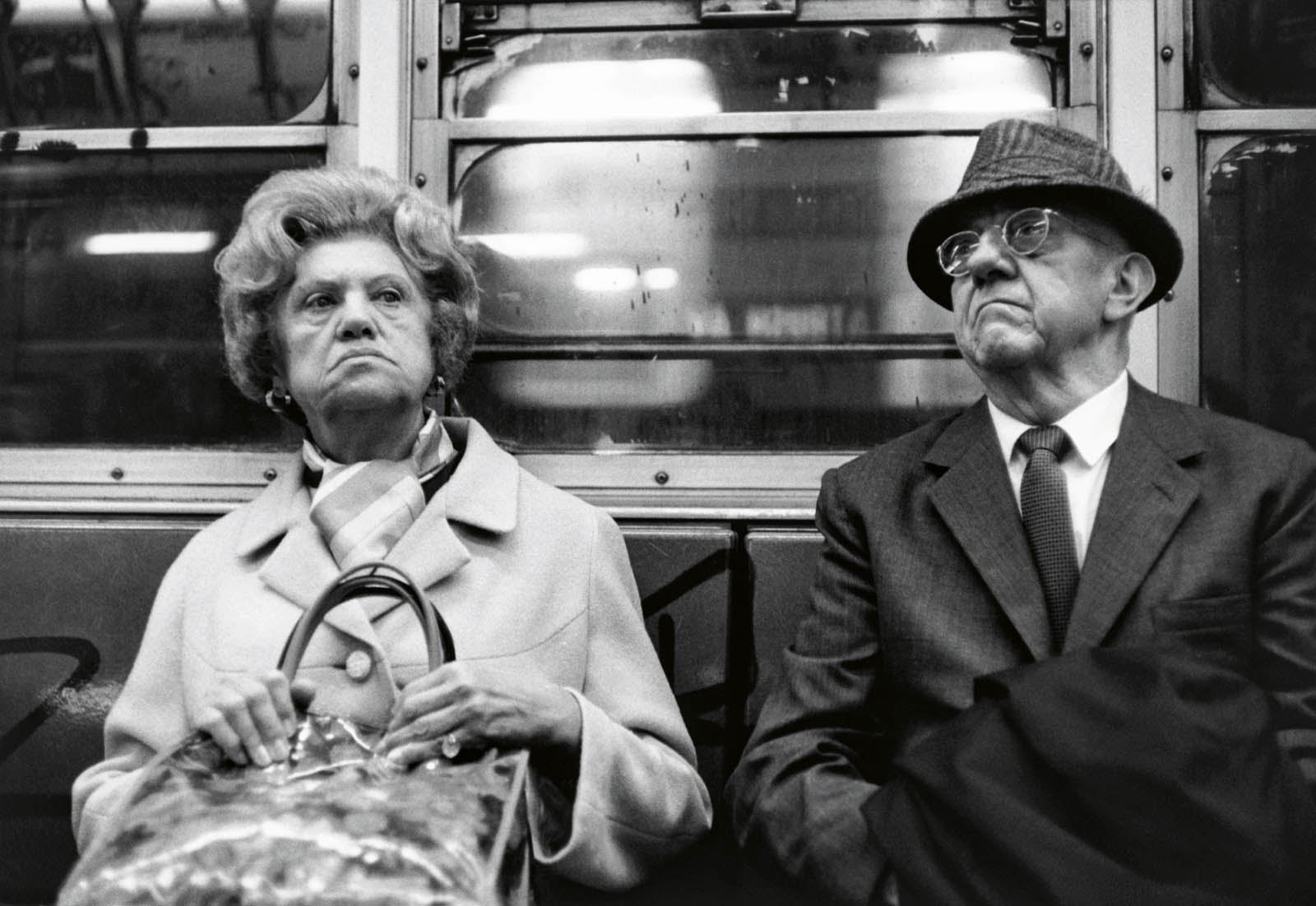
Helen Levitt (American, 1913-2009)
New York
1975
Gelatin silver print
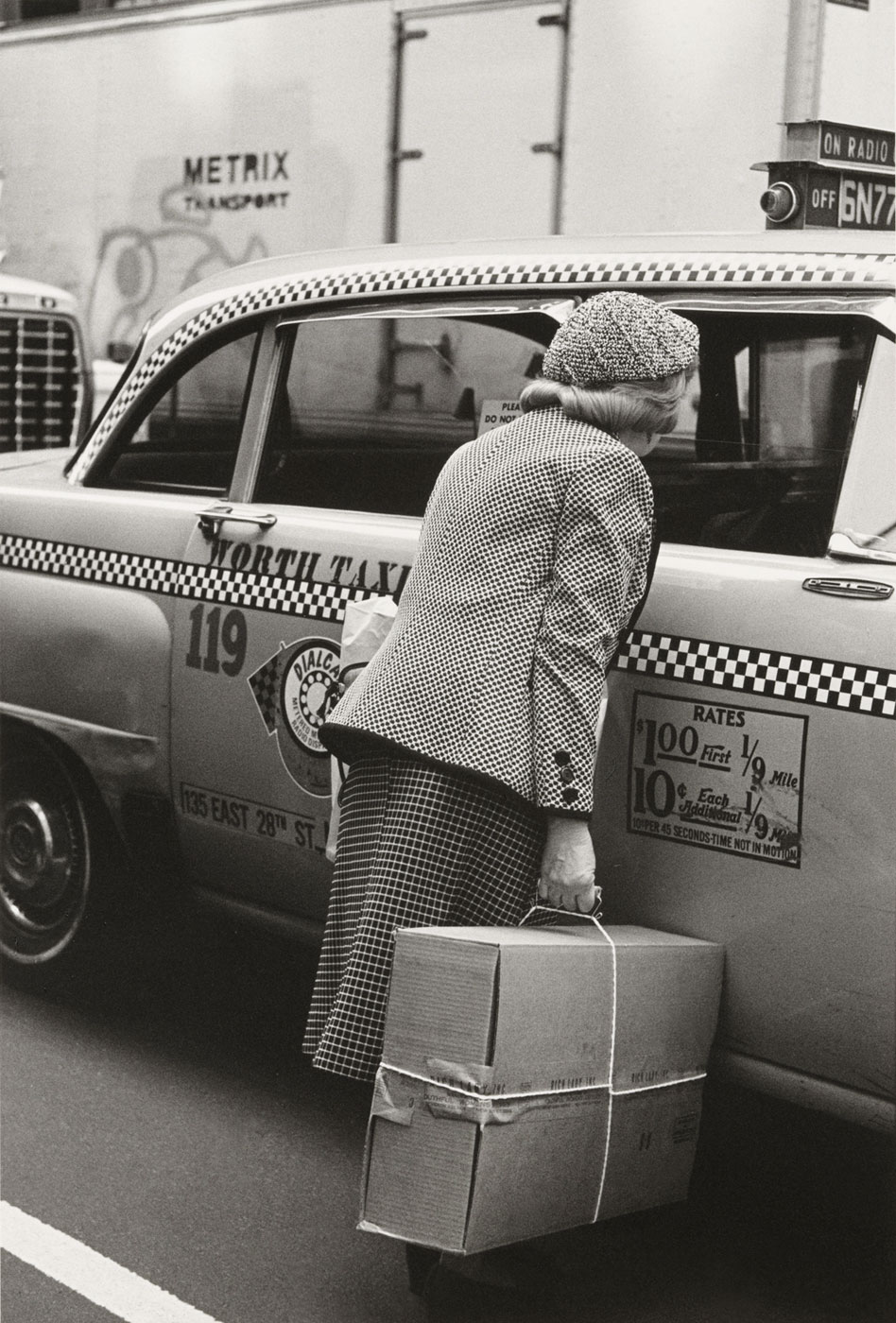
Helen Levitt (American, 1913-2009)
New York (Woman and taxi)
1982
Gelatin silver print
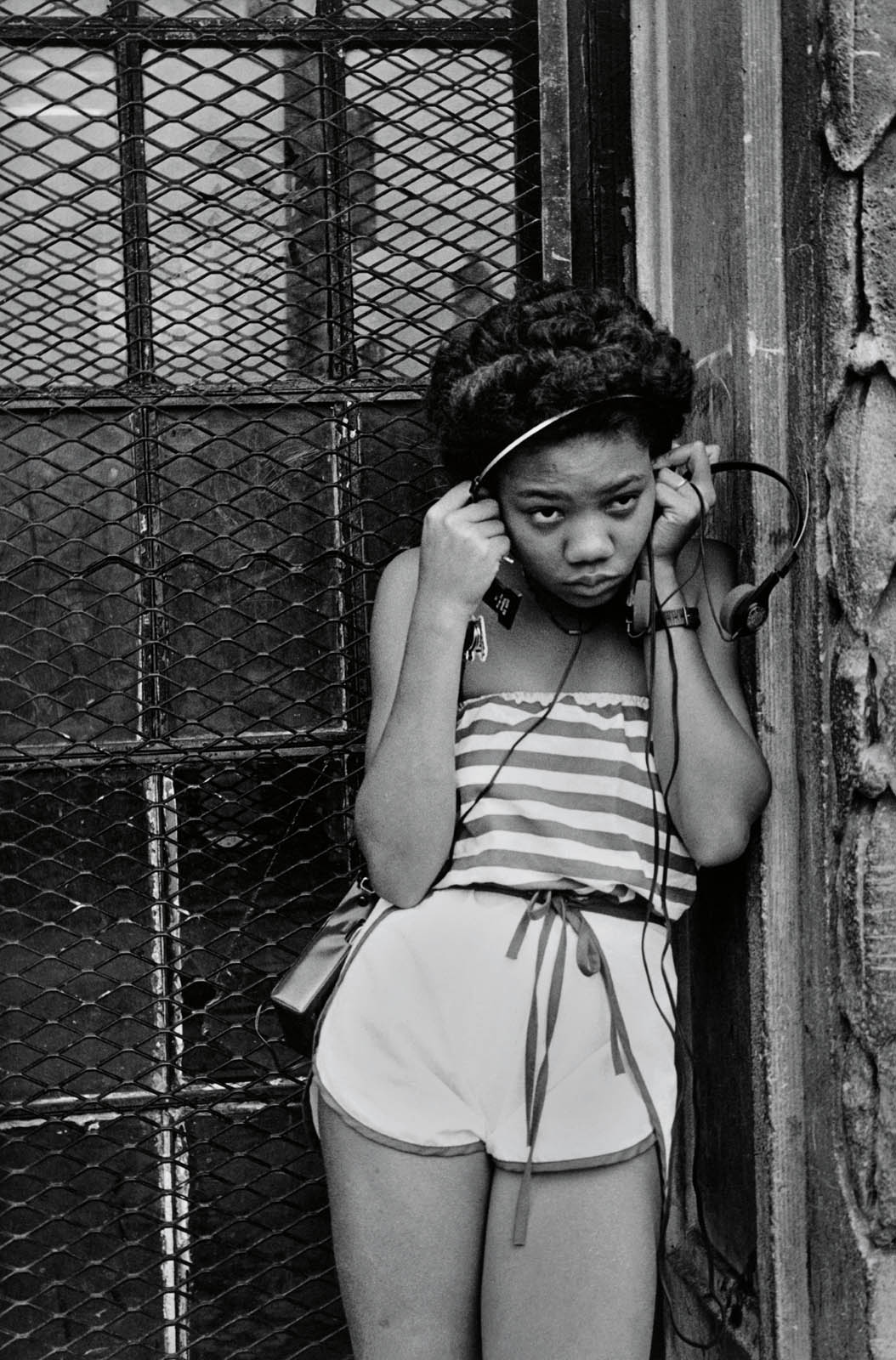
Helen Levitt (American, 1913-2009)
New York
Nd
Gelatin silver print
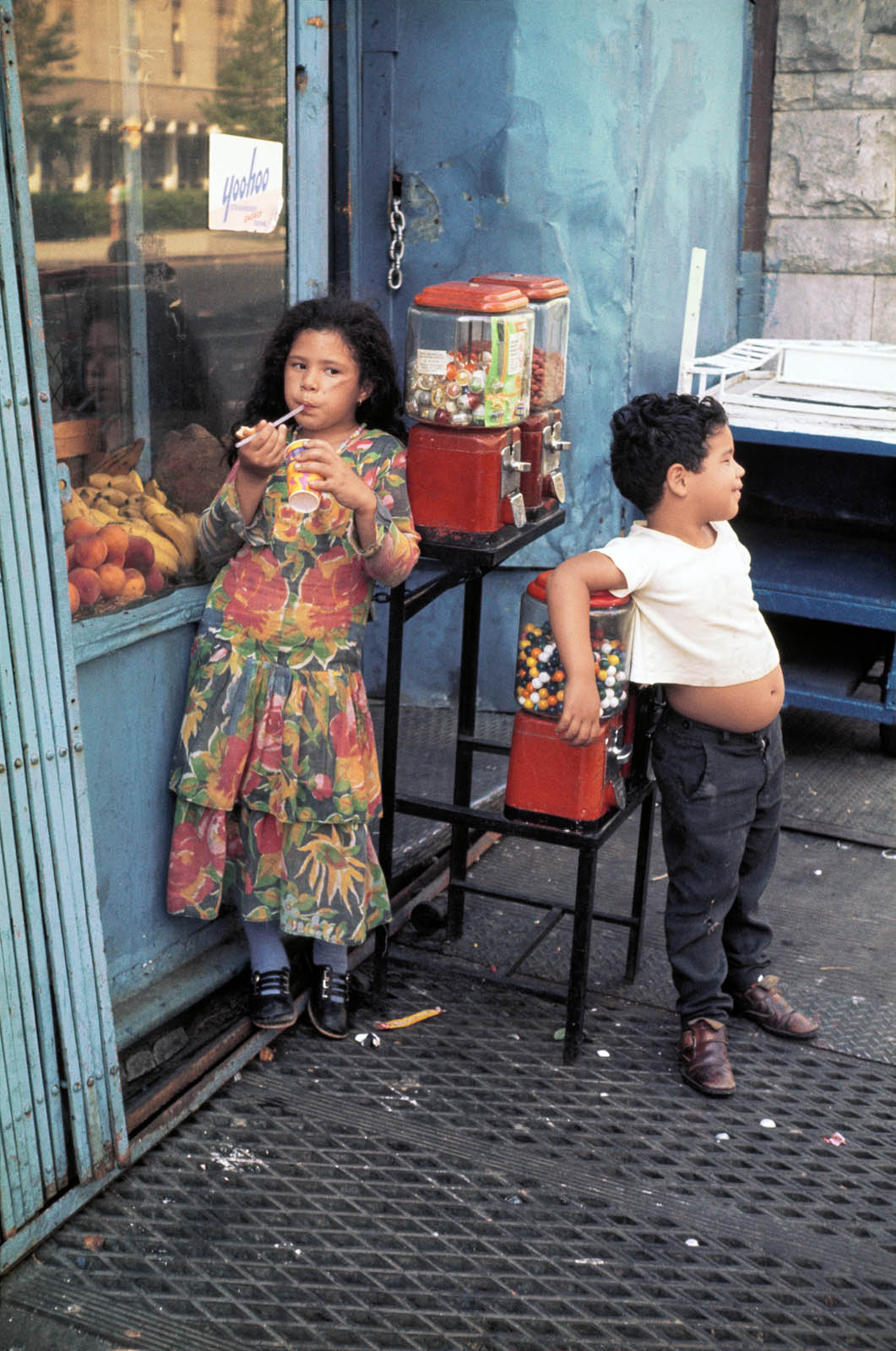
Helen Levitt (American, 1913-2009)
New York
1971
Dye transfer print
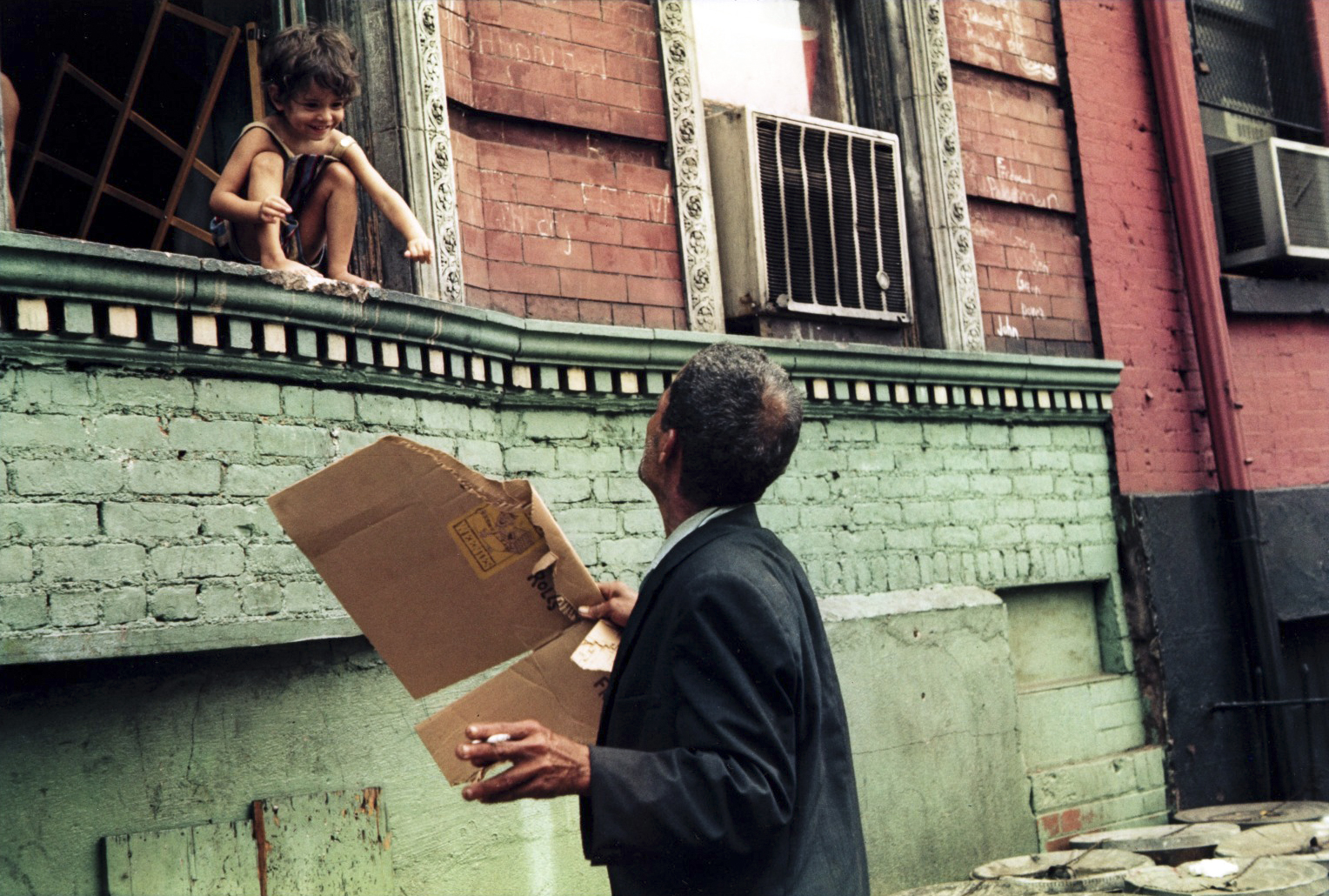
Helen Levitt (American, 1913-2009)
New York
1972
Dye transfer print
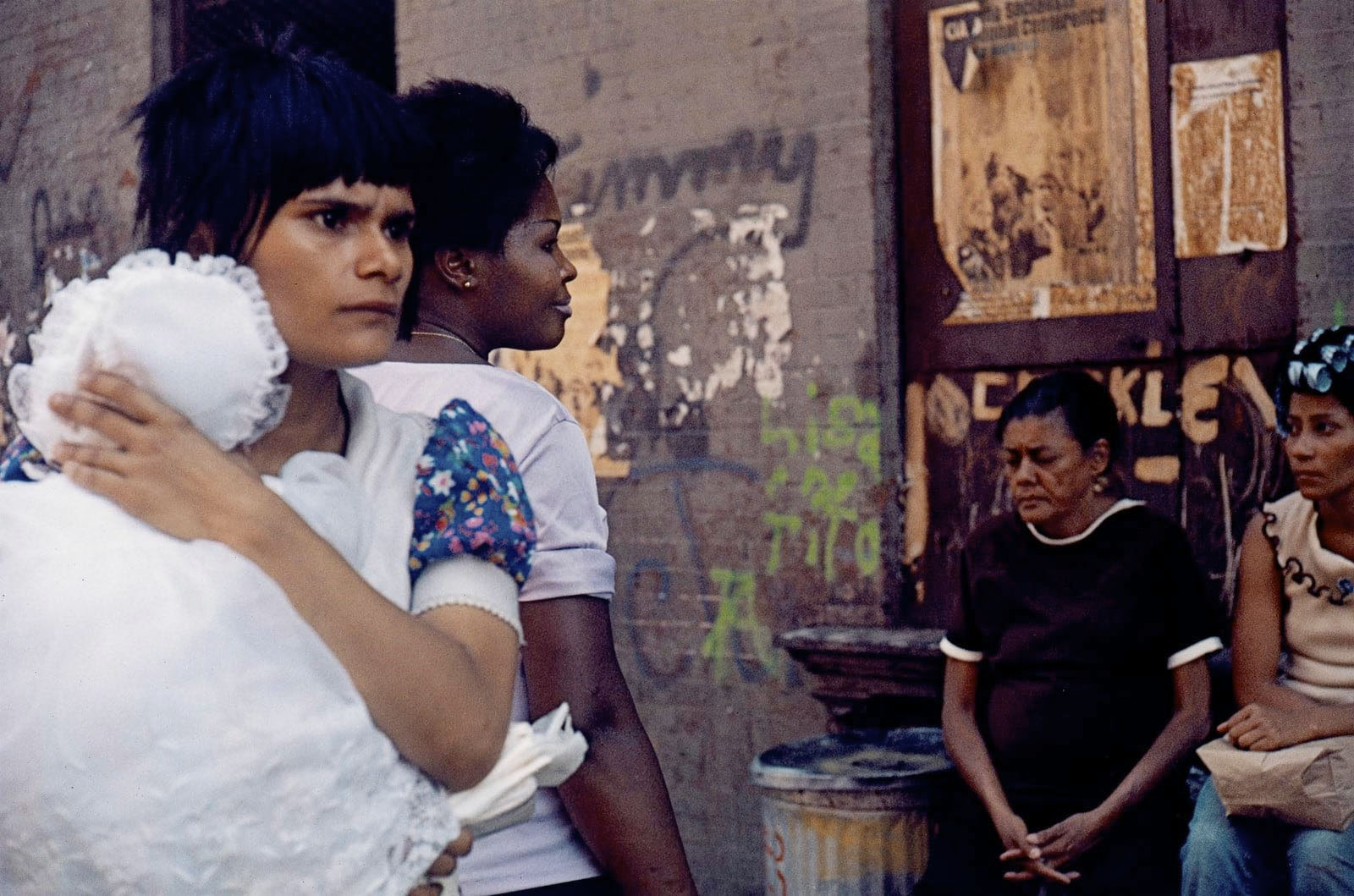
Helen Levitt (American, 1913-2009)
New York
1974
Dye transfer print

Helen Levitt (American, 1913-2009)
Cat next to red car, New York
1973
Type C print
18 x 12 inches
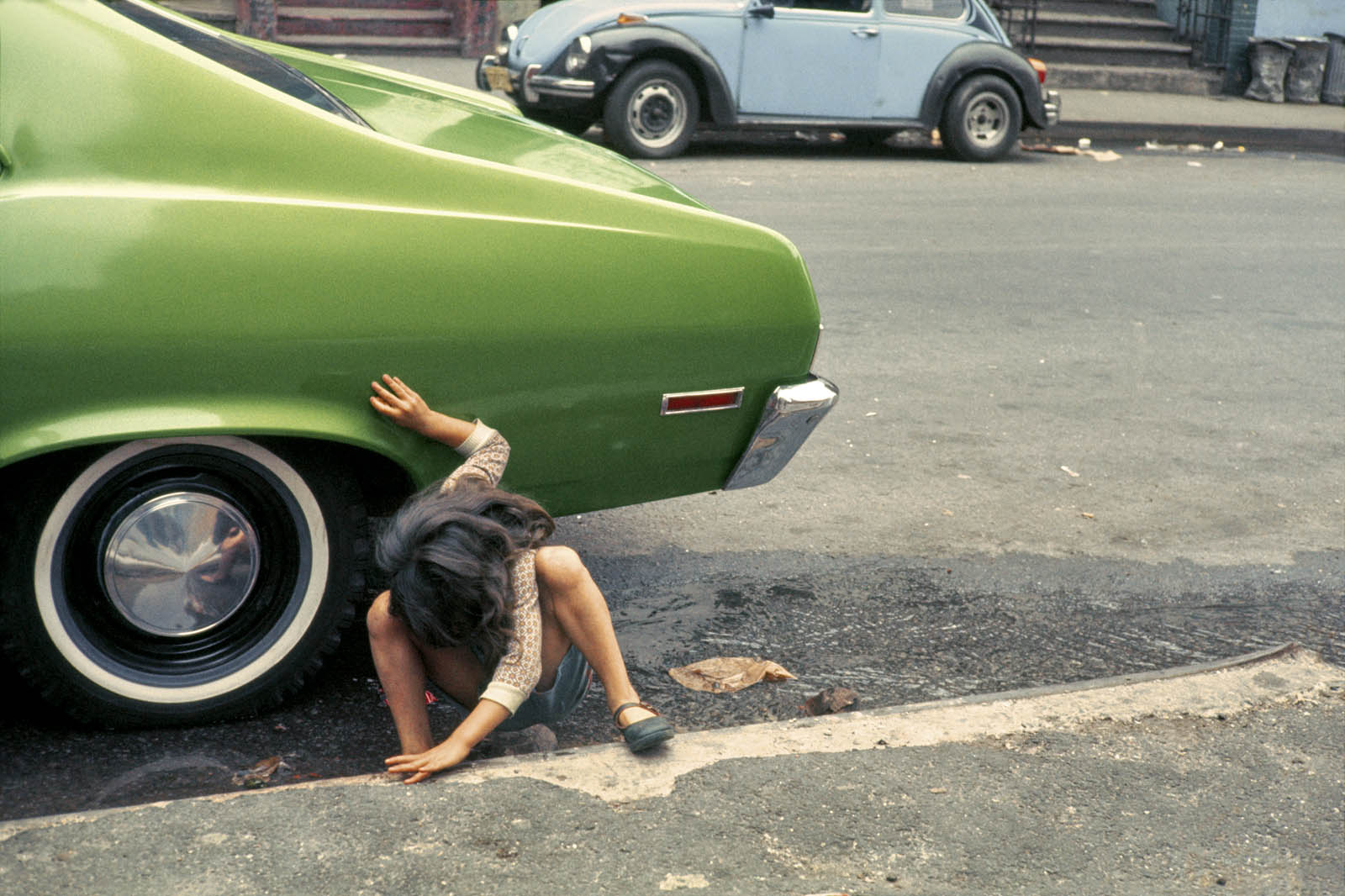
Helen Levitt (American, 1913-2009)
New York
1976
Dye transfer print
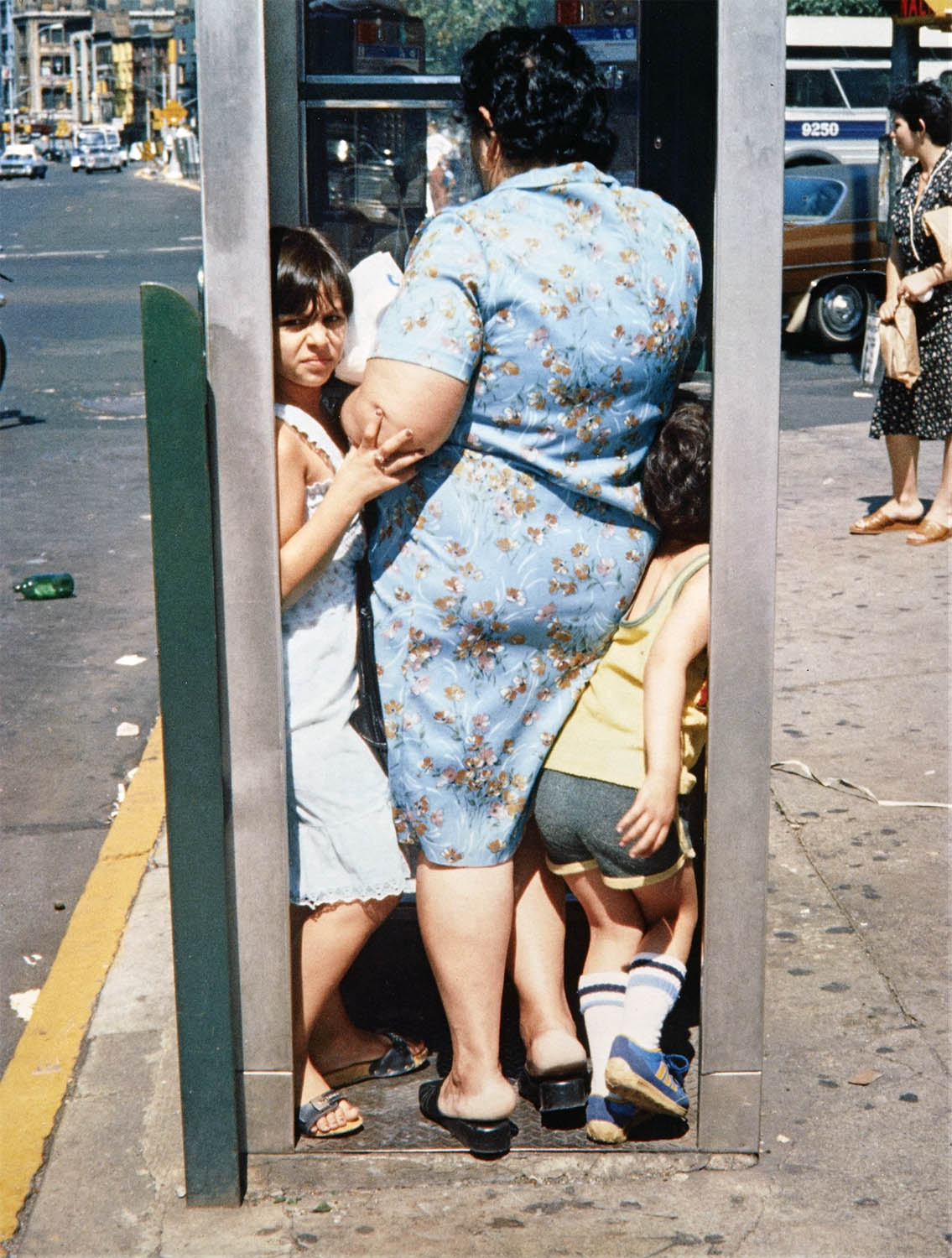
Helen Levitt (American, 1913-2009)
New York City (phone booth)
1988
Dye transfer print
Fundación MAPFRE
Recoletos Exhibition Hall
Paseo Recoletos 23, 28004 Madrid
Phone: +34 91 581 61 00
Opening hours:
Mondays (except holidays): 2pm – 8pm
Tuesday to Saturday: 11am – 8pm
Sunday and holidays: 11am – 7pm


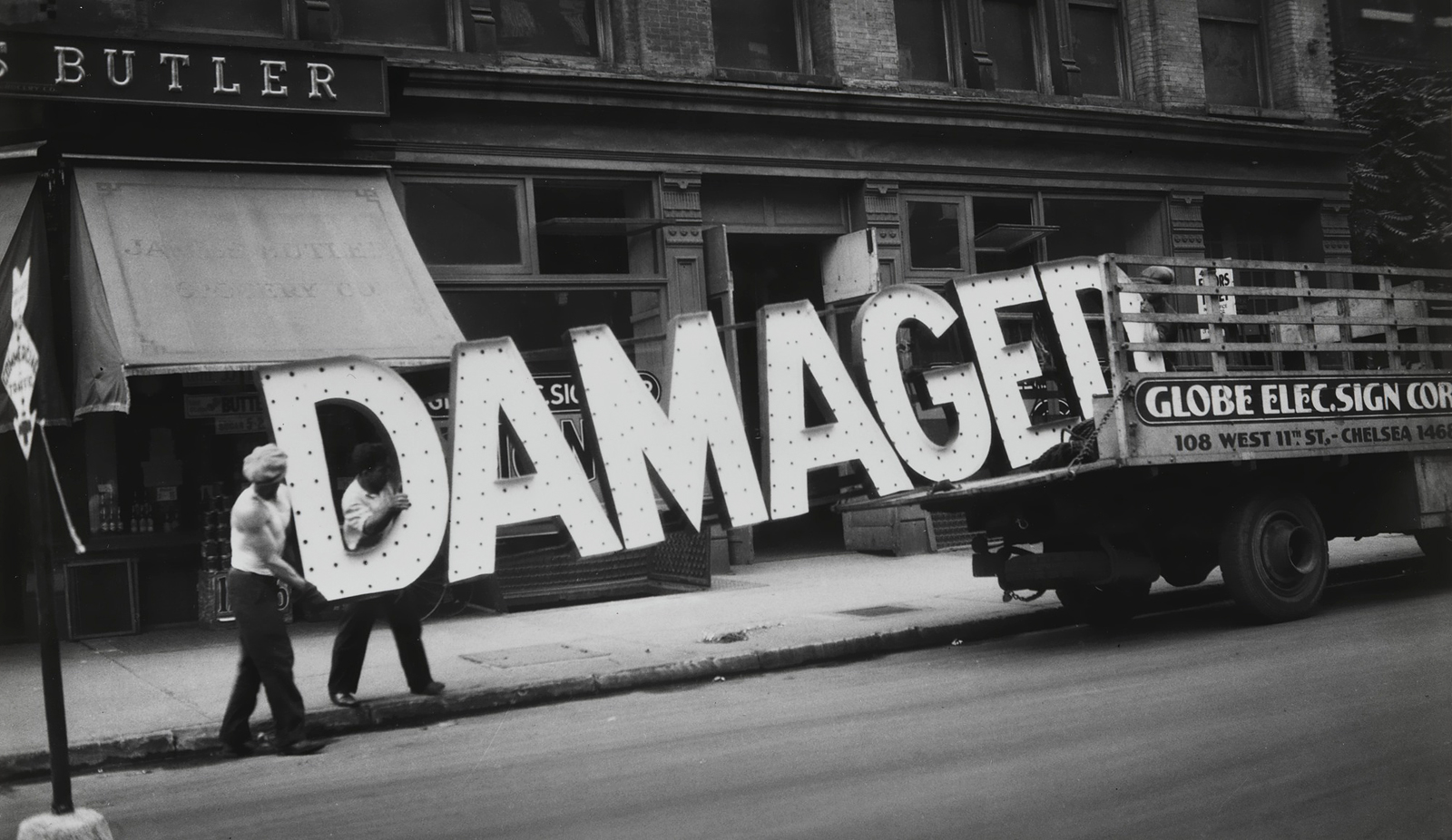
![Walker Evans (American, 1903-1975) '[Detail of Stencilled Lettering on Yellow Railroad Car: "DO NOT HUMP"]' September 16, 1974](https://artblart.com/wp-content/uploads/2009/06/evans-do-not-hump-web.jpg "Walker Evans (American, 1903-1975) '[Detail of Stencilled Lettering on Yellow Railroad Car: \"DO NOT HUMP\"]' September 16, 1974")



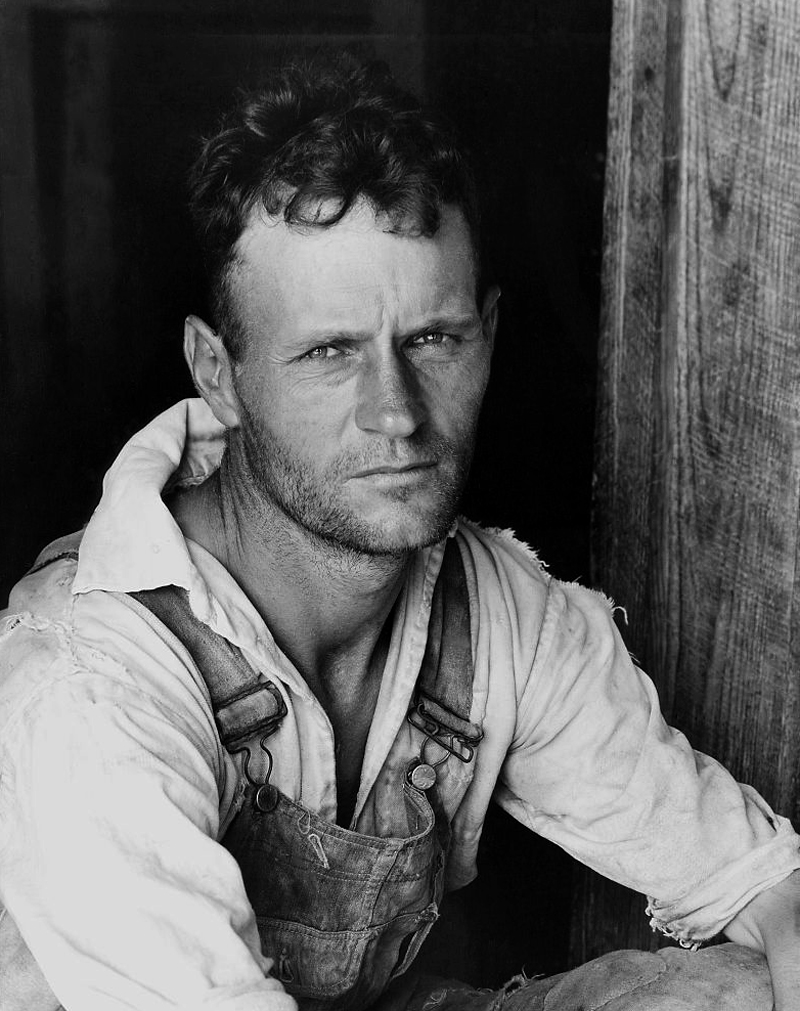
![Walker Evans (American, 1903-1975) '[Fireplace in Floyd Burrroughs's Bedroom with Bedpost in Foreground, Hale County, Alabama]' 1936](https://artblart.com/wp-content/uploads/2009/06/walker-evans-fireplace-web.jpg "Walker Evans (American, 1903-1975) '[Fireplace in Floyd Burrroughs's Bedroom with Bedpost in Foreground, Hale County, Alabama]' 1936")

 Art Blart _ art and cultural memory archive
You must be logged in to post a comment.