It’s such a pity when a gallery or museum spends an inordinate amount of time, energy and money to put on an exhibition and then doesn’t do all it can to promote the exhibition by providing media and installation photographs.
As I observed to my friend Colin Vickery on the Art Blart Facebook page, I can’t really comment on the exhibition as there were so few media images and one installation photo that I really don’t have much to go on. I had to scrounge around just to get enough to make up this post
Of course each of the photographers I admire in their own right but together … that would be incredible to see. One can only imagine the energy bouncing between the images of three masters of photography.
Suffice to say I have ordered the catalogue even though it’s $110 in Australia on Amazon.
Dr Marcus Bunyan
Many thankx to Princeton University Art Museum for allowing me to publish the photographs in the posting. Please click on the photographs for a larger version of the image.
“Soon, the grand sweep of the exhibition becomes clear as it maps a shared strategy among this trio in the formation of a network of institutions, criticism, publishing, museum engagement, and, perhaps most crucially, an educational infrastructure that would embed photography as an academic and cultural participant. As a premise, it is both startling and self-evident and vividly demonstrates the coordination of parts among the Museum of Modern Art, Aperture, the George Eastman Museum, Rhode Island School of Design (RISD), and the IIT Institute of Design in Chicago. Indeed, Photography as a Way of Life is as much about the careers of each photographer and their advancement as they chaperoned the medium. The exhibition does not seem a matter of cunning and opportunism, as it might be perceived, but of passion and commitment. …
To its credit, the exhibition includes a second chapter in the chronicle. By 1970, a new generation of photographers who had studied at RISD, Rochester Institute of Technology and the newly formed Visual Studies Workshop in Rochester, in the spirit of the times, departed from the received wisdom of the photograph as a formalist device. From the tutelage of Callahan and Siskind, especially, came an assertion of the photograph not as an object of wistful contemplation but one of cultural rhetoric. It was not a delicate mimetic device but a public construction, a surface and a process. Graduates of this school of thought and practice became a pedagogical diaspora that propagated photographic thinking as we know it today.”
Photography as a Way of Life examines the careers of Minor White, Aaron Siskind, and Harry Callahan – influential photographers, teachers, and thinkers in the United States in the mid-twentieth century – and traces their impact on the field of photography. Training and inspiring makers through courses, workshops, exhibitions, magazines, and photobooks, these artists built a devoted audience for their work while shaping the aspirations of their era.
Amid exploding markets for Kodak’s snapshots and Magnum’s decisive moments, White, Siskind, and Callahan shared inclinations toward abstraction and toward deeply personal photographs. Seeking to carve out a new role and status for art photography, just as a new crop of photography programs were emerging within higher education, they established themselves as icons among the first generation of college-level photography teachers.
Drawing on the rich photography holdings of the Princeton University Art Museum and its Minor White Archive, this exhibition brings together iconic and previously unpublished colour and black-and-white prints, rarely seen slides, and an array of published and archival materials that illuminate a vision of making a living and shaping a life through photography.
Text from the Princeton University Art Museum website
Installation view of the exhibition Photography as a Way of Life: Minor White, Aaron Siskind, and Harry Callahan at the Princeton University Art Museum, Princeton, NJ, 2026 Photo: Joseph Hu
“In bringing their works together in dialogue, [Brendan] Fay illustrates how White, Siskind, Callahan – each in his own way and as a spiritual collective – not only elevated photography into a way of making a comfortable living, but as a manifesto for how to be in the world. As fellow travelers, they would shape their medium into a discipline defined by an intentional and introspective way of seeing, that is, one that has a worldview, a morality. …
Minor White, Aaron Siskind, and Harry Callahan shared a propensity for abstraction, which set their vision apart from the post–World War II years when documentary photography, Kodak’s snapshots, and Magnum’s “decisive moments” dominated the market. They were steadfast in their artistic right to ambiguity and improvisation. They rejected reproducibility, resisted interpretation. They carried on the Romantic tradition of superimposing one’s emotional landscape onto natural terrain. They saw the ethereal in urban settings. They associated themselves with the Beat poets and Abstract Expressionists. White, in particular, carved out a space for so-called creative photography as the founding editor of this magazine and championed the works of Callahan and Siskind in its pages. (White co-founded Aperture in 1952 and was one of the magazine’s longtime editors. His archives are held by the Princeton University Art Museum.)”
The Princeton University Art Museum announces Photography as a Way of Life: Minor White, Aaron Siskind, and Harry Callahan, an exhibition exploring the intertwined careers of three of the most influential photographers and teachers in mid-twentieth-century America.On view in Princeton from April 19 through September 7, 2026, and then traveling, the exhibition draws on the rich photography holdings of the Princeton University Art Museum and its Minor White Archive to bring together iconic and previously unpublished colour and black-and-white prints, rarely seen slides, and an array of published and archival materials that illuminate a vision of making a living and shaping a life through photography.
“Photography as a Way of Life highlights a pivotal historical moment when photography emerged as a serious academic discipline and a viable artistic profession, and thus as a way of being and living,” said James Steward, Nancy A. Nasher-David J. Haemisegger, Class of 1976, Director of the Princeton University Art Museum. “White, Siskind, and Callahan did more than make extraordinary photographs: They built institutions, communities, and ideas that continue to shape how photography is taught and valued today.”
Tracing the decades after World War II, Photography as a Way of Life explores how Minor White, Aaron Siskind, and Harry Callahan redefined photography as both an artistic practice and a professional vocation. Coming to the medium from distinct backgrounds and visual traditions, these three artists converged around shared commitments to abstraction, deeply personal expression, and the belief that photography could sustain a life’s work.
The exhibition takes its title from a recurring phrase in Minor White’s diaries and letters, in which he described photography as a “way of life.” For White, the phrase encompassed artistic ambition, pedagogy, and personal growth – a vision he advanced as a founding editor of Aperture, the influential photography magazine launched in 1952. Siskind and Callahan were central figures in White’s vision for the field, with their work prominently featured in Aperture alongside broader discussions of photographic education and postwar art photography.
“Princeton University holds a central place in the academic study of photography, with a proud legacy of stewardship and landmark scholarly exhibitions,” said Brendan Fay, exhibition curator. “The Minor White Archive is one of the cornerstones of that legacy, and it’s an honour to present an exhibition that builds on that strength during the new Museum’s inaugural year.”
From the 1940s through the 1970s, amid booming markets for Kodak snapshots and photojournalism, photography began to take root within higher education. White, Siskind, and Callahan were among the first generation of college-level photography teachers, developing models of photographic education during the GI Bill era that quickly spread across colleges and universities in the United States. While achieving critical success through books, exhibitions, and museum acquisitions, these artists also helped catalyze the creation of academic programs, publishing ventures, and professional societies that defined the postwar photographic landscape.
Highlights of the exhibition include a reconstruction of White’s Slow Dance, a projected sequence of color slides performed for live audiences in the late 1960s and 1970s, as well as materials from magazines and journals ranging from Popular Photography and Apertureto poetry publications and The Black Photographers Annual. The exhibition also traces the expansive networks shaped by these photographers, featuring works by more than forty additional artists, from Alfred Stieglitz and Dorothea Lange to Anthony Barboza and Donna-Lee Phillips.
The exhibition is accompanied by a richly illustrated exhibition catalogue copublished by the Museum and Princeton University Press. While on view in Princeton, the exhibition will inspire a number of public programs, including a two-day symposium beginning April 30, a film series, and a talk by curator Brendan Fay on April 18. Attendees to the curatorial talk will have the opportunity to preview the exhibition alongside Museum members prior to the exhibition’s public opening the following day. Visit the exhibition website for a full list of related programming.
Photography as a Way of Life is curated by Brendan Fay, associate professor of art history in the School of Art & Design at Eastern Michigan University andis organized and presented by the Princeton University Art Museum. Following its debut at Princeton, the exhibition will travel through 2028, with presentations at the High Museum of Art in Atlanta; the Addison Gallery of American Art in Andover, Massachusetts; and the Nelson-Atkins Museum of Art in Kansas City, Missouri.
Exhibition credits
Photography as a Way of Life: Minor White, Aaron Siskind, and Harry Callahan is made possible by leadership support from Jim McKinney and the late Valerie McKinney, with generous support from Anne Robinson Woods and Sandy and Robin Stuart.
Additional support is provided by Black Dog Private Foundation; the Curtis W. McGraw Foundation; the Melanie and John Clarke Exhibition Fund; the Peter C. Bunnell Photography Fund; Princeton University’s Department of Art & Archaeology, Effron Center for the Study of America, and Humanities Council; Kathryn Richardson and family; and contributors to the Director’s Exhibition Fund.
The accompanying publication is made possible in part by the Andrew W. Mellon Foundation Fund; the Barr Ferree Foundation Fund for Publications, Department of Art & Archaeology, Princeton University; Furthermore: a program of the J. M. Kaplan Fund; and the Wyeth Foundation for American Art.
Press release from Princeton University Art Museum
Minor White, Aaron Siskind, and Harry Callahan carved out a new role for photographers and their art in the decades after World War Two. Photography as a Way of Life traces how these influential teachers and theorists reimagined the medium as a livelihood and a life’s work.
Together with growing markets for snapshots and photojournalism, the postwar years saw the emergence of photography as an established field of study in higher education. In this beautifully produced book, Brendan Fay takes readers from the late 1940s through the 1970s to explore how White, Siskind, and Callahan transformed the ways photography was taught, shown, and understood. Inclined toward abstraction and personally expressive images, they modeled a commitment to art in the face of commercial and professional pressures. In classrooms and private workshops and through exhibitions, photobooks, and magazines-including Aperture, with White as its founding editor-they offered training and inspiration while building a devoted audience for their pictures.
Blending stunning illustrations with rare archival material published here for the first time, Photography as a Way of Lifebrings together the work of three boldly inventive artists and educators who opened new possibilities for photography in postwar America and exemplified a vision of learning and living through photography.
Published in association with the Princeton University Art Museum
Curator: Maria L. Kelly, High Museum of Art assistant curator of photography
Aaron Siskind (American, 1903-1991) Pleasures and Terrors of Levitation #37 1953 Gelatin silver print High Museum of Art, Atlanta, gift of Adair and Joe B. Massey in honour of Gus Kayafas
Aaron Siskind was recognised for the ways he rendered his surroundings into often stark shapes and forms, which reflected his fascination with contemporary trends in abstract art. He was an influential teacher at Chicago’s Institute of Design, which was founded by László Moholy-Nagy as the New Bauhaus. This image of a person flying or falling comes from a series Siskind made of the contorted bodies of divers plunging into Lake Michigan. He masterfully created its disorienting effect through tight focus on the floating figure without contextual elements.
Text from the High Museum of Art website
While contemporarily AI-powered technologies are revolutionising the way we interact with and consume media, enabling us to “to process and analyse vast amounts of data quickly, making it easier to find and access the information we need” in the 1920s and 1930s there was also a revolution in the way artists (and their use of the camera) viewed and felt the world – one not based on information, image quality or duplicity in the veracity of the image but one based on the word, perspective – be that point of view, context, close ups, surreality, fragmentation, scale, concept, construction, colour, aesthetics, identity, gender, or radical experimentation.
In this departure from traditional photographic methods, “New Vision photographers foregrounded experimental techniques, including photograms, photomontages and compositions that favoured extreme angles and unusual viewpoints, and these extended to movements such as surrealism and constructivism.” (Press release)
To me, this New Vision is about experiencing different perspectives – experiencing, sensing, feeling and seeing the world in a new light. After the disasters and machine-ations, the destruction of a conservative way of life before the First World War, here was a way to grasp hold of (and picture) the speed of a new world order, the dreams of physiological analysis, the diversity of new identities, and the fluidity of rapidly evolving technological and social cultures.
While today this (r)evolution continues at an ever expanding pace with the consumption of huge amounts of information and images, I believe it may be advantageous to rest for a while on certain experiences and images … so that we let the daggers drop from our eyes, to ‘not make images’ in our minds eye but just to be present in the viewing of a photograph, so that we appreciate and understand every aspect of the great life spirit of this wondrous earth.
Then and now, new vision.
Dr Marcus Bunyan
Many thankx to the High Museum of Art for allowing me to publish the photographs in the posting. Please click on the photographs for a larger version of the image.
The New Vision movement of the 1920s and 1930s offered a revolutionary approach to seeing the world. It represented a rebellion against traditional photographic methods and an embrace of avant-garde experimentation and innovative techniques. László Moholy-Nagy, an artist and influential teacher at the Bauhaus in Germany, named this period of expansion the “New Vision.” Today, the term encompasses photographic developments that took place between the two World Wars in Europe, America, and beyond. New Vision photographers foregrounded inventive techniques, including photograms, photomontages, and light studies, and made photographs that favoured extreme angles and unusual viewpoints. These approaches – which also extended to more defined movements like Surrealism – spoke to a desire to find and see different perspectives in the wake of World War I.
Uniting more than one hundred works from the High’s photography collection, the exhibition traces the movement’s impact, from its origins in the 1920s to today, and demonstrates its long-standing effect on subsequent generations.
Text from the High Museum of Art website
Photography’s New Vision: Experiments in Seeing
Named by the influential German artist and teacher László Moholy-Nagy, the “New Vision” comprised an expansive variety of photographic exploration that took place in Europe, America, and beyond in the 1920s and 1930s. The movement was characterised by its departure from traditional photographic methods. New Vision photographers foregrounded experimental techniques, including photograms, photomontages, and light studies, and made photographs that favoured extreme angles and unusual viewpoints.
This exhibition, uniting more than one hundred works from the High’s robust photography collection, will trace the impact of the New Vision movement from its origins in the 1920s to today. Photographs from that era by Ilse Bing, Alexander Rodchenko, Imogen Cunningham, and Moholy-Nagy will be complemented by a multitude of works by modern and contemporary artists such as Barbara Kasten, Jerry Uelsmann, Hiroshi Sugimoto, and Abelardo Morell to demonstrate the long-standing impact of the movement on subsequent generations.
Text from the High Museum of Art website
Installation views of the exhibition Photography’s New Vision: Experiments in Seeing at the High Museum of Art, Atlanta, June 2025 – January 2026 Photos: Mike Jensen
The High Museum of Art presents “Photography’s New Vision: Experiments in Seeing” (June 13, 2025 – Jan. 4, 2026), an exhibition uniting more than 100 works from the High’s robust photography collection to trace the impact of the New Vision movement from its origins in the 1920s to today. Works include century-old photographs exemplifying themes from the movement and modern and contemporary images that emphasise the relevance of current artistic and social practices as a response to the technological and cultural changes that occurred in the early 20th century.
“This exhibition provides an opportunity to illuminate photographers’ creativity and innovative practices, all inspired by the progression of the medium in the 1920s and 30s,” said High Museum of Art Director Rand Suffolk. “Many of the works are rarely on view, so it will be an exciting experience for visitors to see them and learn about photographers’ abilities as they reflect reality while experimenting with technique and perspective.” Named by the influential German artist and teacher László Moholy-Nagy, the “New Vision” comprised an expansive variety of photographic exploration that took place in Europe, America and beyond in the 1920s and 1930s. The movement was characterised by its departure from traditional photographic methods. New Vision photographers foregrounded experimental techniques, including photograms, photomontages and compositions that favoured extreme angles and unusual viewpoints, and these extended to movements such as surrealism and constructivism.
“Experiments in Seeing” features nearly 100 photographers. It also demonstrates how the New Vision movement revolutionised the medium of photography in the early 20th century in response to the great societal, economic and technological shifts spurred by the upheaval of the two World Wars. Photographs from that era by Ilse Bing, Alexander Rodchenko, Imogen Cunningham and Moholy-Nagy have been complemented by a multitude of photographs by modern and contemporary artists such as Barbara Kasten, Jerry Uelsmann, Hiroshi Sugimoto and Abelardo Morell to demonstrate the long-standing impact of the movement on subsequent generations.
The first section of the exhibition delves into experimental techniques that foreground the light-sensitive aspects of photography, followed by works created through in-camera manipulations or additions to the surfaces of the prints. Subsequent sections explore inventive methods of capturing unexpected views of the world articulated with radical angles or detailed close-ups. Other works showcase surreal approaches to subjects such as humanlike forms and bodies, the use of mirrors and doubling, and everyday scenes heightened by uncanny moments or distorted through the interplay of light, shadow and water.
“Not only does the early 20th century and its art movements continue to be influential, but that time also echoes our current moment – one that feels similarly consequential and innovative with the development of new emerging technologies and methods of communicating,” said Maria L. Kelly, the High’s assistant curator of photography. “The movements and happenings of a century ago are akin to those of today and those shown in the exhibition. There remains a desire for alternative ways to see and approach the world through art, and particularly through photography.”
“Photography’s New Vision: Experiments in Seeing” is on view in the Lucinda W. Bunnen Galleries for Photography located on the Lower Level of the High’s Wieland Pavilion.
Press release from the High Museum of Art
“Light was considered the medium that permits photography. But for me it became the main subject: the protagonist of my photography.”
Ilse Bing, c. 1920s
Light Experimentation
After the trauma of World War I, many artists felt compelled to reconsider conventional art making methods to better reflect and engage with the world. Some photographers turned their attention to the essential element of photography: light. Through innovative visual investigations, cameraless photographs were produced, viewes of the world altered, and scientific discoveries made.
Experimentations with illumination and light-sensitive paper in the darkroom gave rise to photograms, enabling artists to pursue abstraction and to wield light as a sculptural element. The process of solarisation – reversing tones in a print using a flash of light during developing – provided an unconventional view of a subject. Early attempts to capture traces of light on film led to scientific innovations such as using strove lights to freeze movement, depicting magnetic fields, and tracing electrical currents on light sensitive paper.
These processes aim to reveal the invisible, with the elements of change as a constant companion. While artists can insert some control over the elements, the process ultimately shapes the final image. Many artworks in this section exist as unique prints, challenging the assumption of the reproducibility of photography, and emphasising the singularity of the creative moment.
Wall text from the exhibition
Francis Bruguière (American, 1879-1945) The Light That Never Was on Land or Sea c. 1925 Gelatin silver print High Museum of Art, Atlanta, purchase with funds from Georgia-Pacific Corporation
Nathan Lerner (American, 1913-1977) Light Drawing #8 (Smoke) 1938-1939 Gelatin silver print High Museum of Art, Atlanta, gift of Hilary Leff and Elliot Groffman
Ilse Bing (American born Germany, 1899-1998) Untitled [Seated Woman with Necklace, Solarized] 1943 Gelatin silver print High Museum of Art, Atlanta, gift of the Estate of Ilse Bing Wolff
Inspired by William Henry Fox Talbot, an inventor of photography who was fascinated with electromagnetic conduction, Hiroshi Sugimoto began applying charges of electricity directly to unexposed photographic film. After months of honing his technique in the darkroom, he managed to achieve remarkable results with a handheld wand charged by a generator. His Lightning Fields photographs are made without a camera or lens. Here, the abstract visual trace of an electric charge measuring over 400,000 volts sweeps across the composition, reading like the textures of a human hand, the upward tentacles of a fern, or the stark branches of a tree.
V. Elizabeth Turk is an Atlanta-based photographer whose work explores the connections between the human body and the natural world. To make this print, Turk used an analog process from the 1800s that involves coating a large sheet of paper with light-sensitive chemicals. She then arranged her model on top of the sheet and exposed it to light, creating a ghostly silhouette, before repeating the exposure with plants. The resulting photogram is a unique image in which botanical forms intersect with the body, alluding to bones, veins, and skin and suggesting a visceral bond between humans and the environment.
Text from the High Museum of Art website
“The limits of photography are incalculable; everything is so recent that even the mere act of searching may lead to creative results. […] The illiterate of the future will be the person ignorant of the use of the camera as well as of the pen.”
László Moholy-Nagy 1928
Radical Viewpoints
From photography’s inception in 1839, camera technology involved cumbersome equipment and time-consuming development processes until the advent of lightweight cameras in the 1920s. Photographers were then able to work more nimbly, transforming photography into a medium capable of capturing fleeting moments, unusual viewpoints, and multiple perspectives. The exploration of unexpected angles became a hallmark of New Vision photography. Sharp diagonals, extreme vantage points, and shortened perspectives opened novel pathways of perceiving otherwise commonplace environments.
Alexander Rodchenko, a pioneer in this method, championed the camera’s ability to reveal, stating, “in order to teach man to see from all viewpoints, it is necessary to photograph […] from completely unexpected viewpoints and in unexpected positions […] We don’t see what we are looking at. We don’t see marvellous perspectives.” This approach aimed to provide a fuller impression of subjects, prompting viewers to seek and appreciate what might otherwise be overlooked.
Though these early photographs may not appear groundbreaking today, their makers’ carefully considered methods transferred how photography is used. This is evident in photographers’ creative interpretations of their surroundings over the past century.
Alexander Rodchenko was a key figure in the movements of New Vision and Constructivism – abstract and functional art that reflected an industrial society. Advocating “to achieve a revolution in our visual thought,” he explored various methods, such as photographing from unexpected angles, to capture dynamic views and expose new realities. With a new, lightweight 35 mm camera, he often photographed from his apartment balcony to create dramatic scenes of the street below. The perspective in this photograph flattens the building’s stories into one visual field, giving the image a theatrical quality as an onlooker peers over the railing.
A central figure among twentieth-century American photographers, Walker Evans created works in his early career that sample from the New Vision aesthetic, which he may have encountered while abroad in Paris in 1926. His photographs of New York City, made after he returned to the United States, feature dramatically angled or cropped scenes of architecture and city life. Evans made numerous photographic studies of the Brooklyn Bridge from both below and on the bridge, portraying it less as a recognisable landmark and more as a hulking expanse whose form fills each tight frame.
Text from the High Museum of Art website
László Moholy-Nagy (Hungarian 1895-1946) Stage Set for Madame Butterfly 1931 Gelatin silver print High Museum of Art, Atlanta, purchase with funds from Georgia-Pacific Corporation
Moholy-Nagy, a leader of the New Vision, had an expansive artistic practice that included painting, photography, sculpture, film, and more. As a teacher at the Bauhaus, which connected art and industry, he believed in technology’s potential to advance art and society. In 1929, he became set designer at the Kroll Opera House and created avant-garde sets with translucent and perforated materials, often making light itself a sculptural element. Lucia Moholy, a photographer, writer, teacher, and Moholy-Nagy’s first wife, was commissioned as Kroll’s stage photographer. In this image, which either artist may have made, the sharp angle shot from above complicates the set of Madame Butterfly, emphasising intersecting, moving elements and heightening areas of light and shadow.
Similar to the practice of using unusual angles to offer unexpected perspectives, some photographers began capturing highly detailed, close-up views of objects. This approach affords a study of texture, pattern, and structure that may otherwise go unnoticed by the human eye. By eliminating surroundings that could offer a narrative, the physicality of the object becomes the primary focus, allowing it to transcend beyond its everyday existence.
Practitioners of straight photography in the United States and the concurrent New Objectivity movement in Germany shared a core desire to unearth a balance of the familiar and the foreign within intricate images of forms. While Imogen Cunningham and Edward Weston perfected carefully composed studies of plants and other natural matter, Albert Renger-Patzsch, Alexander Rodchenko, and Ralph Steiner explored scientific and industrial objects. Such images celebrated the technological advancements of the time and revealed how mechanical structures often mimic those found in nature, suggesting a shared framework, and a shared beauty, between humanmade and natural. The emphasis on detail and abstraction invites viewers to reconsider their perceptions of both the ordinary and the extraordinary in the world around them.
Eugenia de Olazabal (Mexican, b. 1936) Espinas c. 1985 Gelatin silver print High Museum of Art, Atlanta, gift of the artist
“Surrealism lies at the heart of the photographic enterprise: in the very creation of a duplicate world, of a reality in the second degree, narrower but more dramatic than the one perceived by natural vision.”
Susan Sontag, 1973
Surreality
Surrealism emerged as an artistic movement in reaction to the horrors of World War I. The often disconcerting imagery and literature of the movement reflected a world that felt disorienting and chaotic and captured how the very foundations of reason and humanity were tested and questioned through the realities of war. In his Surrealist Manifesto (1924), French writer Andre Breton advocates for a rejection of rational ways of approaching the world in four of dreams and imagination as pathways to new creative expressions.
Photography played an important role in the Surrealist movement. Artists valued how the medium could capture spontaneous moments that reveal the unexpected, be manipulated to stage scenes, or be altered with darkroom processes. They harness photography in a multitude of ways to create dreamlike and unconscious associations with reality. In these galleries, artists explore uncanny moments and create links to the human psyche by focusing on humanlike forms and fragmented body parts, mirrored and doubled views, and the impact of light and shadows in space.
Eugène Atget was the great chronicler of Paris at the turn of the century. His vast photographic archive captures a city on the precipice of modernisation. Though his photographs of empty city streets were documentary in nature, the Surrealists admired their dreamlike quality and claimed Atget as one of their own despite his protestations. They believed any photograph could shed its original context and intent when viewed with a surrealist sensibility. Atget’s photograph of mannequins peering out of a shop window appealed to the movement by embodying the uncanny valley, where the human likeness of a nonhuman entity evokes both affinity and discomfort in viewers.
Text from the High Museum of Art website
Florence Henri (Swiss born United States, 1893-1982) Composition 1932, printed 1972 Gelatin silver print High Museum of Art, Atlanta, gift of Dr. Joe B. Massey in honor of Maria L. Kelly
Florence Henri is well known for her manipulations of light and form that create complex, surrealist scenes. She used angled mirrors to frame, obscure, and replicate portions of scenes to dissolve a sense of perspective and space, as seen in this still life comprising mirrors, pears, and an image of the sea. After only one semester studying under László Moholy-Nagy at the Bauhaus in 1927, Henri shifted her focus from painting to photography and began using various experimental techniques such as photomontage, multiple exposures, photograms, and negative printing.
Barbara Kasten’s art is as much about the process of setting up innovative still life scenes as it is about the photographs she makes of them. Her Constructs series focuses on large-scale complex assemblages that she builds in her studio using a wide variety of materials, including painted wood, plaster, mirrors, screens, and fibers. Her work is not digitally altered; instead, she complicates the scene using mirrors and light, much in the tradition of Florence Henri, whose photograph is also on view in the exhibition.
Text from the High Museum of Art website
Manipulations
This final section features photographers from the New Vision period to the present day who experiment with physically manipulating photographs. Through approaches such as double exposure, photomontage, surface alteration, and multilayering, they challenge and expand our perceptions of reality. The artworks in this section prioritise the creative process through labour, intention, intervention, and theatricality.
Double exposures is the process of photographing multiple images with the same negative within the camera, resulting in layered images that often provide a frenetic, multifaceted view of a scene. In contrast to the in-camera process of double exposure, photomontage combines separate images in the darkroom to produce a final photograph that emphasises the image’s artifice and absurdity. Physically disrupting the surface of photographs with alterations such as adding unnatural colour, drawing connections, stitching into prints, or inscribing texts augments the visual experience and offers emotional and narrative depth. Finally, whether through ancient visual techniques like the camera obscure or new technologies like digital screens, these artists create enigmatic scenes by layering and physically transforming subject, composition, and image.
Wall text from the exhibition
Barbara Morgan (American, 1900-1992) Protest 1940 Gelatin silver print High Museum of Art, Atlanta, purchase
Noémie Goudal (French, b. 1984) Phoenix V 2021 Dye coupler print High Museum of Art, Atlanta, purchase through funds provided by patrons of Collectors Evening 2023
Noémie Goudal visualises “deep time” (geological history of the planet) and paleoclimatology (study of past climates) to challenge our perception of the world. Referring to the ancient continental split two billion years ago that formed South America and Africa, this image features the Phoenix atlantica, a palm tree that grows on both sides of the Atlantic. Goudal arranged strips of photographic prints of the palms made on one continent in front of the physical palms on the other and rephotographed the scene. The resulting image interweaves the two continents, creating a glitchy, kaleidoscopic view meant to unsettle our sense of stability and the constancy of the planet.
Text from the High Museum of Art website
Naima Green (American, b. 1992) It Lingers Sweetly 2022 Pigmented inkjet print High Museum of Art, Atlanta, purchase with funds from the LGBTQIA+ Photography Centennial Initiative
Naima Green’s practice centres connection and collaboration to cast a tender lens on her own queer community of colour. Her lyrical portraits take shape in intimate domestic spaces and airy outdoor environments that embody havens for the people in those spaces. Through double exposure and serial photographs, she provides what she calls “multiple entry points” into a moment in time, translating movements and emotions into a single image. She explains her interest in double exposure “as a means of capturing things that can’t be held in just one way … ,” allowing her to “play with loosening the narrative and letting go of some control.”
Text from the High Museum of Art website
The High Museum of Art 1280 Peachtree St NE Atlanta, GA 30309
Curator: Susan van Wyk, NGV Senior Curator of Photography
Paul Strand (American 1890-1976, France 1951-1976) Still life, pear and bowls, Twin Lakes, Connecticut 1916, printed 1983 From the Paul Strand: The Formative Years 1914-1917 portfolio photogravure National Gallery of Victoria, Melbourne Purchased, 1984 Public domain
“I feel that photographs can either document or record reality or they can offer images as an alternative to everyday life: places for the viewer to dream in.”
Francesca Woodman, 1980
Smoke and mirrors, smoke and mirrors…
In many ways the exhibition Photography: Real & Imagined at The Ian Potter Centre: NGV Australia can be seen as a summation of all that is good and bad with the photography collection and the photography exhibition program at the National Gallery of Victoria.
Since the sad and unfortunate demise of the small but important dedicated photography gallery, photography exhibitions at the NGV (other than the large Patrick Pound exhibition all those years ago in 2017) have been in a state of deep freeze. I MISS that little third floor gallery… it’s all we had for photography at the NGV on a regular basis and there were some interesting shows there. It’s been gone for years and photography has been lumped in with contemporary art. And then, and now, nothing for years.
Therefore, as a fellow photographic artist observed to me, “It was great to see the NGV finally give photography a large exhibition after so many years of neglect.” Never a truer word said.
Let’s get the good stuff about the exhibition out of the way first. Whoever curated the exhibition (unknown, unnamed) really knew how to pull an installation of photographs together. There was some sophisticated sequencing of the images on the various themes from Australian and International artists, very intelligently and beautifully rendered which I enjoyed tremendously. I also enjoyed seeing the glorious display of photobooks: I was in heaven seeing in one display cabinet Man Ray’s book Photographs by Man Ray Paris 1920-1934 (published 1934), Claude Cahun and Marcel Moore’s book Aveux non Avenus (Disavowals or Cancelled Confessions) (published 1930), Bill Brandt’s book Perspective of Nudes (published 1961), and Germaine Krull’s book Nude studies (Études de nu) (published 1930). What a selection!
And it was finally great to see Australian and international work displayed together on such a large scale, something I can’t remember happening in the 35 years I have being viewing photography exhibitions in Australia. This is something that the NGV should have been promoting for many years, the placement of Australian photography in an international context… even taking this concept overseas, to promote Australian photography internationally. But no, nothing of this kind of forward thinking has ever happened in insular Australia.
Now to the not so good stuff. The most glaring anomaly about the exhibition was its over ambitious structure. While the concept ‘Real & Imagined’ was very strong – an exhibition of photographs picturing a version of reality captured by the camera (for it can never capture reality itself) / photographs created by the imagination of human beings – this robust concept was overwhelmed by too many thematic sections in the exhibition.
These sections included ‘Light’ and ‘Systems and Surface’ and ‘Surreal’ and ‘Narrative’ and ‘Work and Play’ and ‘Movement’ and ‘Studio and Things’ and ‘Display’ and ‘Consumption’ and ‘Self’ and ‘Skin’ and ‘Community and Touch’ and ‘Environment’ and ‘Place and Built’ and ‘Nineteenth-century photography’ and ‘Conflict’ and ‘Death’. I’m exhausted already…
And then, walking around the exhibition, the wall texts used to identify and illuminate these sections became totally irrelevant as through their placement on the wall I had no idea to which area they were referring. It was totally confusing and in the end I just ignored them.
As I observed people wandering around the exhibition, most had no idea of the importance of some of the images on display… why would they? They are not photography aficionados but the viewing public. If I found the exhibition confusing imagine how they viewed it. What the NGV should have done was have a guided tour on the hour, every hour, to talk about the seminal works in the exhibition and about how the exhibition had been structured. Imagine someone explaining the importance of the four photobooks in a display cabinet mentioned earlier in the history of photography and how by putting them together you were creating a sophisticated dialogue over time about identity and gender issues.
As the aforementioned colleague observed to me, “the exhibition felt like a data dump with a tacked on theme that strained (and failed) to resonate.” I wouldn’t go that far for the overall concept was strong and vibrant but like much of what has happened with the photography collection at the NGV, the overall outcome was confused and piecemeal.
This can no better be illustrated than through the comments of the Director of the NGV, Tony Ellwood, when he said in the press release, “This exhibition celebrates the collections and achievements of the NGV’s photography department, which has presented more than 180 exhibitions in its 55-year history. The exhibition is a testament to the strength of the NGV Collection, with so many key examples of the history of photography represented, from the earliest examples from the 19th century, through to contemporary images being produced right now in the twenty-first century.”
I note that when the head of the NGV boasts about the number of photography exhibitions over the last 55 years (180, about 3 a year mainly small exhibitions) and the “strength” of the NGV Photography Collection… you know that he is proselytising.
Most of the large photography exhibitions have been brought in from outside sources in the last 30 years and little research has been done into Australian photography and its relationship to world photography in house. And while the NGV collection has “strength” in certain areas it is woefully lacking in others. Again, the word “piecemeal” springs to mind, like Swiss cheese full of the biggest holes … and this exhibition only serves to reinforce that idea, often displaying the only photograph by an important artist that the collection holds.
Smoke and mirrors, smoke and mirrors!
For example I picked a few photographic artists off the top of my head as I thought of them – and the NGV collection possesses some in reasonable depth:
Edward Steichen 23
Paul Strand 51
Brassai 17
André Kertesz 45
Eugène Atget 143
Frank Hurley 20
Max Dupain 94
Bill Brandt 44
Bill Henson 108
Lee Friedlander 31
David Goldblatt 15
Dorothea Lange 28
August Sander 16
Other important photographers the NGV have nothing or next to nothing at all:
Joseph Sudek 1
Stephen Shore 0
William Eggleston 0
Julia Margaret Cameron 3
Robert Mapplethorpe 1
Ansel Adams 4
Hiroshi Sugimoto 1
Daido Moriyama 0
Raja Deen Dayal 0
Aleksandr Rodchenko 1
Olive Cotton 9
Berenice Abbott 7
Diane Arbus 2
Roger Ballen 1
Bernd and Hiller Becher 1
Thomas Ruff 2
Manuel Álvarez Bravo 0
Edward Weston 6
Henri Cartier-Bresson 2
Robert Frank 11
Garry Winogrand 0
Nan Goldin 3
Gordon Parks 3
Lewis Hine 9
Peter Hujar 0
Imogen Cunningham 6
Not exactly an institution that has “strength” in their photography collection. And over the last 30 years seemingly nothing much has been done to plug these enormous holes in the collection…. instead, for example, buying one work by Jeff Wall for a million dollars.
The NGV needs to improve the photography collection and its photography exhibition program. After too many years of stagnation an injection of new ideas and a new direction for exhibition programming is needed. A couple of focused photography exhibitions per year would be a good start, as would the purchasing of historic photographs to fill huge gaps in the collection rather than the purchasing of contemporary work. Non-vintage prints of the masters can still be bought at affordable prices. And therein lies just one of the problems: money.
Investment in photography at the NGV in terms of people and money is much needed, otherwise the deep freeze and dance of smoke and mirrors will continue well into the future.
Photography: Real and Imagined examines two perspectives on photography; photography grounded in the real world, as a record, a document, a reflection of the world around us; and photography as the product of imagination, storytelling and illusion. On occasion, photography operates in both realms of the real and the imagined.
Highlighting major photographic works from the NGV Collection, including recent acquisitions on display for the very first time, Photography: Real and Imagined examines the complex, engaging and sometimes contradictory nature, of all things photographic. The NGV’s largest survey of the photography collection, the exhibition includes more than 300 works by Australian and international photographers and artists working with photo-media from the nineteenth, twentieth and twenty-first centuries.
Installation view of the exhibition Photography: Real & Imagined at The Ian Potter Centre: NGV Australia, Melbourne showing at rear left, Penelope Davis’ Shelf (2008) and Non-fiction (red) (2008, below); at third right, Anne Ferran’s Scenes on the death of nature, III (1986); at second right, Candida Höfer’s Teylers Museum Haarlem II (2003, below); and at right, Thomas Struth’s Pergamon Museum IV, Berlin (2001) Photo: Marcus Bunyan
Installation view of the exhibition Photography: Real & Imagined at The Ian Potter Centre: NGV Australia, Melbourne showing Penelope Davis’ Shelf (2008) and Non-fiction (red) (2008) from the Fiction-Non-Fiction series 2007-2008 Photo: Marcus Bunyan
Installation view of the exhibition Photography: Real & Imagined at The Ian Potter Centre: NGV Australia, Melbourne showing at middle left, Anne Ferran’s Scenes on the death of nature, III (1986); at centre, Candida Höfer’s Teylers Museum Haarlem II (2003, below); and at middle right, Thomas Struth’s Pergamon Museum IV, Berlin (2001) Photo: Marcus Bunyan
The luminous photograph by Thomas Struth shows museum visitors immersed in observing the Telephos frieze within a room of the Pergamon Museum in Berlin. Struth draws our attention to the fact that viewing a work of art in a public gallery is rarely a private experience. The visit is usually shared by other visitors, museum staff, security guards and tour guides. There is also the omnipresent gaze of security cameras. Struth seems to be emulating the technical innovations of the Telephos frieze in his arrangement of the viewers. Similarities between the poses of the audience members and the poses of the carved relief figures gradually emerge, suggesting an unconscious dialogue between the viewers and the objects they regard.
Wall text from the exhibition
Candida Höfer (German, b. 1944) Teylers Museum Haarlem II 2003 Type C photograph National Gallery of Victoria, Melbourne Purchased, 2004
This photograph shows the famous Oval Room within Teylers Museum, the oldest public museum in the Netherlands. Candida Höfer photographed the space bathed in a brilliant, even light that illuminates its architecture, objects and famed mineralogical cabinet. The highly structured museological ordering of the objects and the Neoclassical architecture that contains them are exaggerated by the formal, symmetrical composition of the photograph. This image invites reflection of the ways in which cultural institutions direct our engagement with materials. As the artist has said, ‘There are no people there, but you understand that the places were made specially for them. This is very meaningful for me, and it’s exactly what I want to express’.
Wall text from the exhibition
Installation view of the exhibition Photography: Real & Imagined at The Ian Potter Centre: NGV Australia, Melbourne showing at left, Anne Ferran’s Scenes on the death of nature, III (1986); at centre, Candida Höfer’s Teylers Museum Haarlem II (2003, above); and at right, Thomas Struth’s Pergamon Museum IV, Berlin (2001). In the distance can be seen Lotte Jacobi’s Head of a dancer (1929, below); Man Ray’s Head of a dancer (1929, below); and Lee Miller’s Nimet Eloui Bey (c. 1930, below) Photo: Marcus Bunyan
Lotte Jacobi (German 1896-1990, United States 1935-1990) Head of a dancer 1929, printed c. 1970 Gelatin silver photograph 26.4 x 33.2cm National Gallery of Victoria, Melbourne Bowness Family Fund for Photography, 2021 Public domain
Man Ray (Emmanuel Radnitzky) (American, 1890-1976) Kiki with African mask 1926 Gelatin silver photograph 21.1 x 27.6cm National Gallery of Victoria, Melbourne Purchased through The Art Foundation of Victoria with the assistance of Miss Flora MacDonald Anderson and Mrs Ethel Elizabeth Ogilvy Lumsden, Founder Benefactors, 1983 Public domain
Kiki with African maskis one of Man Ray’s most celebrated photographs and an iconic image of the Art Deco period. First published in Vogue in 1926, it is an elegant image, but it also speaks to the impact of European colonialism in Africa. In this pared-back studio photograph all extraneous detail is excluded from the image, focusing our attention on the exquisitely made-up face of Kiki in juxtaposition with the perfectly polished ebony of the mask. This photograph invites us to delight in the physical beauty of Man Ray’s celebrated model but offers nothing about the mask or its maker.
Wall text from the exhibition
Installation view of the exhibition Photography: Real & Imagined at The Ian Potter Centre: NGV Australia, Melbourne showing Lee Miller’s Nimet Eloui Bey (c. 1930, below) Photo: Marcus Bunyan
Lee Miller (American 1907-1977) Nimet Eloui Bey (installation view) c. 1930 Gelatin silver photograph 23.0 x 15.8cm National Gallery of Victoria, Melbourne Gift of Krystyna Campbell-Pretty AM and Family through the Australian Government’s Cultural Gifts Program, 2022 Photo: Marcus Bunyan
Lee Miller may have been well-known as Man Ray’s colleague, model and lover, but she was also celebrated for her own photographic practice, producing portrait and fashion photographs. When Miller photographed Egyptian model Nimet Eloui Bey the encounter changed both women’s lives. Four years after taking this intimate portrait, Miller would marry Nimet’s then husband, Aziz Eloui Bey. As curator Sophia Cai comments, ‘The personal scandal behind this portrait colours many contemporary interpretations, but also demonstrates the way that the personal lives of artists become interwoven with their artistic identities. This is particularly true in instances of women artists who are relegated to the role of the “muse” or lovers to male artists’.
Wall text from the exhibition
Installation view of the exhibition Photography: Real & Imagined at The Ian Potter Centre: NGV Australia, Melbourne showing at centre, Fiona Pardington’s Portrait of a life-cast of Koe, Timor (2010) and Portrait of a life cast of Matoua Tawai, Aotearoa New Zealand (2010); and at right, Linda Judge’s Victoria and Albert Museum 20/4/94 (1994, below) Photo: Marcus Bunyan
Fiona Pardington’s photograph shows a life cast of the tattooed head of a Māori man, Matoua Tawai. The cast, held in a museum collection, is one of many made by Pierre- Marie Alexandre Dumoutier of Māori peoples in the 1830s. Pardington, who is of Māori and Scottish descent, has spoken of her desire to reconsider the complex history of these life casts and find a state of continuum between the past and present, to, as she says, ‘find the faces of the living people presenting and manifesting in the object’. Printing the photograph at larger-than-life scale provokes a physical encounter, an opportunity to look again and reconsider the histories of the person, the object and the image.
Wall text from the exhibition
Linda Judge (Australian, b. 1964) Victoria and Albert Museum 20/4/94 (installation view detail) 1994 Type C photographs National Gallery of Victoria, Melbourne Margaret Stewart Endowment, 1994 Photo: Marcus Bunyan
In this image, Linda Judge wittily creates new narratives and resurrects otherwise ‘mummified’ museum objects. Concerned with the open-ended nature of archives and their ability to slip between fiction and reality, Judge presents photographs of historical lace from the collection of the Victoria and Albert Museum, London. Beneath each photograph, Judge has provided a range of both ‘plausible’ captions (’12. collar, cuff, border: Italian, late 17th century, Tape lace with needlepoint fillings and brides’) and fanciful ones (’51. veil: Brussels, end 18th century, needlepoint on bobbin ground. Worn by Madonna, for Like a Virgin in her Brussels tour ’91’). Judge humorously invites the viewer to interrogate the expectations of truth in the presentation of archival content.
Wall text from the exhibition
Installation view of the exhibition Photography: Real & Imagined at The Ian Potter Centre: NGV Australia, Melbourne showing at left, Martin Parr’s Pink pig cakes from Common Sense (1995-1999); at fourth left, ringl+pit’s Komol (1931, below); at fifth left, Ilse Bing’s Salut de Schiaparelli (1934, below); and at sixth left, Dora Maar’s Untitled (Study of Beauty) (1936, below) Photo: Marcus Bunyan
Installation view of the exhibition Photography: Real & Imagined at The Ian Potter Centre: NGV Australia, Melbourne showing ringl+pit’s Komol (1931, below) Photo: Marcus Bunyan
Installation view of the exhibition Photography: Real & Imagined at The Ian Potter Centre: NGV Australia, Melbourne showing at left, Martin Parr’s Pink Pig Cakes, Bristol, UK (1995); at third right, Lillian Bassman’s More fashion mileage per dress, Barbara Vaughn, Harper’s Bazaar, New York (1956); at second right, and at right, Darren Sylvester’s On Holiday (2010) Photo: Marcus Bunyan
Darren Sylvester builds and photographs hyperreal tableaux using the visual language of advertising – beautiful models, perfect lighting and considered ‘product’ placement – to construct a familiar yet illusionary reality. Here Sylvester’s model plays the role of a handsome businessman. ‘Against a sunrise, a business traveller gazes at an unknown destination’, Sylvester once wrote of this image. ‘The composition plays on stereotypes of luxury aspirations and aeroplane advertisements. For example, no-one ever flies into darkness or storms in an ad.’ In this lush, seductive photograph, Sylvester explores the slippery space between reality and illusion, aspiration and irrelevance, as we move on to the next shiny thing.
Wall text from the exhibition
Lillian Bassman (American, 1917-2012) More fashion mileage per dress, Barbara Vaughn, Harper’s Bazaar, New York 1956, printed later Gelatin silver photograph National Gallery of Victoria, Melbourne Gift of Krystyna Campbell-Pretty AM and Family through the Australian Government’s Cultural Gifts Program, 2023
In the late 1930s, Lillian Bassman studied fashion illustration and textile design at the Pratt Institute, New York. In 1940 she began working with Alexey Brodovitch, art director of Harper’s Bazaar magazine, which soon led to her appointment as art director of the subsidiary publication Junior Bazaar. In this capacity she worked with photographers, including Richard Avedon and Robert Frank, and in 1947 began working as a freelance fashion and advertising photographer. In an interview later in her life Bassman played down her directorial role as photographer, stating, ‘It is part of the nature of a woman to be unconsciously graceful … I try to record that natural grace with a camera’.
Wall text from the exhibition
Installation view of the exhibition Photography: Real & Imagined at The Ian Potter Centre: NGV Australia, Melbourne showing Athol Shmith’s Fashion illustration, model Ann Chapman (c. 1961) Photo: Marcus Bunyan
Installation view of the exhibition Photography: Real & Imagined at The Ian Potter Centre: NGV Australia, Melbourne showing at left, Alice Mills’ Joan Margaret Syme (c. 1918, below); at second left, works by Edson Chagas from his Tipo Passe series (2014); and at third left, Hassan Hajjaj’s Master Cobra Mansa (2013, below) with at right, Martin Parr’s Pink Pig Cakes, Bristol, UK (1995) Photo: Marcus Bunyan
Alice Mills (attributed to) (Australian, 1870-1929) Joan Margaret Syme c. 1918 Gelatin silver photograph, coloured dyes National Gallery of Victoria, Melbourne Presented through the NGV Foundation by Michael Hayne, 2005 Public domain
Alice Mills set up her first studio in Melbourne in 1900. She was highly regarded as a portrait photographer and in 1907 was invited to exhibit in the Australian Exhibition of Women’s Work. Her portrait of five-year-old Joan Margaret Syme dressed in a leopard-skin robe is an outstanding example of studio portraiture. It shows the skilled application of hand colouring, which was used to transform black-and-white photographs in the era before colour photography, bringing a life-like quality to the portrait. At almost two metres high, this is no only a charming study of a young child, but one of the largest photographs from the early twentieth century in the NGV Collection.
Wall text from the exhibition
Installation view of the exhibition Photography: Real & Imagined at The Ian Potter Centre: NGV Australia, Melbourne showing at left Alice Mills’ Joan Margaret Syme (c. 1918, above); at centre, works by Edson Chagas from his Tipo Passe series (2014); and at right, Hassan Hajjaj’s Master Cobra Mansa (2013, below) Photo: Marcus Bunyan
Multidisciplinary artist Hassan Hajjaj’s portraits show London’s Moroccan diaspora; as a designer he also creates stylish street fashion and playful interiors that are a contemporary take on Moroccan tea houses and riads. Hajjaj came to professional photography by happenstance, taking pictures both for fun and as a tool while working as a stylist on music videos. It soon became a cornerstone of his creative practice. From the outset Hajjaj wanted his photography to show ‘another side of Moroccan culture’, something that, as he says, was not ‘camels, dates and drinking mint tea!’
Wall text from the exhibition
Adolphe Braun (French 1811-1877) No title (Flower study) c. 1854 Albumen silver photograph 31.0 x 37.3cm National Gallery of Victoria, Melbourne Purchased NGV Foundation, 2017 Public domain
Adolphe Braun arrived in Paris in 1828 to study drafting and decorative design and within six years had established a textile design studio. Around 1853 he began to make photographs using the recently invented collodion process. The following year Braun commenced a project to photograph an extensive series of flower studies with the intent of providing documentary source material for artists and designers. He produced 300 of these photographs and in 1854 published his images in a six-volume series titled Fleurs photographiés. When they were exhibited in the 1855 Universal Exhibition in Paris, Braun was awarded a gold medal for his work’s usefulness to the fabric and decorating industries.
Wall text from the exhibition
Installation view of the exhibition Photography: Real & Imagined at The Ian Potter Centre: NGV Australia, Melbourne showing at left Julie Rrap’s Persona and shadow: Madonna (1984, below)
Julie Rrap (Australian, b. 1950) Persona and shadow: Madonna 1984 Cibachrome photograph 194.7 × 104.6cm (image and sheet) National Gallery of Victoria, Melbourne Michell Endowment, 1984
Installation view of the exhibition Photography: Real & Imagined at The Ian Potter Centre: NGV Australia, Melbourne showing from left to right, Yasumasa Morimura’s An inner dialogue with Frida Kahlo (Flower wreath and tears) (2001, below); Phumzile Khanyile’s Untitled (2016); Zanele Muholi’s Ntozkhe II (Parktown) (2016, below); Ayana V. Jackson’s How sweet the song (2017); Julie Rrap’s Madonna (1984, above); and Siri Hayes Spilling pearls (2012) Photo: Marcus Bunyan
Yasumasa Morimura (Japanese, b. 1951) An inner dialogue with Frida Kahlo (Flower wreath and tears) (installation views) 2001 From the An Inner Dialogue with Frida Kahlo series 1991-2001 Photograph, plastic 213.4cm diameter National Gallery of Victoria, Melbourne Purchased NGV Foundation, 2022 Photos: Marcus Bunyan
Using found props – in this instance a ‘crown’ of scouring pads – Zanele Muholi has photographed themself to confront racial stereotypes and examine concepts of self-representation while honouring generations of women who have worked domestically. Discussing this work the artist wrote, ‘In some ways, yes: Ntozakhe is based on the Statue of Liberty, representing the idea of freedom – the freedom all women should have – as well as pride: pride in who we are as black, female-bodied beings. But what kind of freedom are we talking about? What is the colour of the Statue of Liberty? What race is the figure monumentalised as Lady Liberty?’
Wall text from the exhibition
Installation view of the exhibition Photography: Real & Imagined at The Ian Potter Centre: NGV Australia, Melbourne showing at left, Julie Rrap’s Madonna (1984, above); at second left, Siri Hayes’ Spilling pearls (2012); at third left, Sarah Lucas’ Self-portrait with fried eggs (1999); at fourth left, William Yang’s William, Father, Mother, Graceville, Brisbane (1974, below) and then his Self Portrait #5 (2008, below) Photo: Marcus Bunyan
William Yang (Australian, b. 1943) William, Father, Mother, Graceville, Brisbane (installation view) 1974, printed 2014 Inkjet print National Gallery of Victoria, Melbourne Purchased, Victorian Foundation for Living Australian Artists, 2014 Photo: Marcus Bunyan
William Yang’s autobiographical photographs combine photographs and handwritten text to tell the stories of Yang’s family, his childhood, and his experiences of being Chinese in an Australia that was not always welcoming to him. In one of these photographs Yang points to the difficulties he faced as a young man torn between his parents’ aspirations for him and his own wish for a different life. In the other, he describes himself as more content, at ease with himself and the choices he has made in his life. Together they form part of a powerful account of his life and sense of self.
Wall text from the exhibition
William Yang (Australian, b. 1943) Self Portrait #5 (installation view) 2008; printed 2014 From the Self Portrait series Inkjet print 43 x 65cm National Gallery of Victoria, Melbourne Purchased, Victorian Foundation for Living Australian Artists, 2014 Photo: Marcus Bunyan
Installation view of the exhibition Photography: Real & Imagined at The Ian Potter Centre: NGV Australia, Melbourne showing from left to right, Virginie Grange’s Untitled (1990); George Hoyningen-Huene’s Horst torso (1931, below); František Drtikol’s Nude (1927-1929); Olive Cotton’s Max after surfing (1937, below); Edward Weston’s Nude (1936, below); Eadweard Muybridge’s Plate 227 from Animal Locomotion series 1887; and Helmut Newton’s Big nude I (1980) Photo: Marcus Bunyan
Installation view of the exhibition Photography: Real & Imagined at The Ian Potter Centre: NGV Australia, Melbourne showing from left to right, George Hoyningen-Huene’s Horst torso (1931, below); František Drtikol’s Nude (1927-1929); Olive Cotton’s Max after surfing (1937, below); Edward Weston’s Nude (1936, below); Eadweard Muybridge’s Plate 227 from Animal Locomotion series 1887 Photo: Marcus Bunyan
The František Drtikol was the first fine art photograph to enter the National Gallery of Victoria collection.
George Hoyningen-Huene (Russian 1900-1968, England 1917-1921, France 1921-1935, United States 1935-1968) Horst torso 1931, printed 1980s Gelatin silver photograph 23.1 x 27.9cm National Gallery of Victoria, Melbourne Bowness Family Fund for Photography, 2017
Edward Weston (American 1886-1958) Nude 1936, printed 1976 Gelatin silver photograph 17.8 x 23.8cm (image and sheet) National Gallery of Victoria, Melbourne Purchased from Agfa and B. H. P. donation, 1977 Public domain
Olive Cotton (Australian, 1911-2003) Max after surfing 1937, printed 1998 Gelatin silver photograph 26.0 x 19.7cm National Gallery of Victoria, Melbourne Purchased through The Art Foundation of Victoria with the assistance of Optus Communications Pty Limited, Member, 1998
Photographs of lovers, family and friends are perhaps the most emotionally charged of all images, not because the subject is monumental or dramatic, but because they allow us to see into intimate relationships. When photographs show subjects nude, or even partially naked, the sense of familiarity is heightened. Olive Cotton’s photograph of Max Dupain is an image that reveals intimacy and tenderness. His body is sculpted by raking side lighting and the allusion to Classical sculpture is apparent, but this photograph also carries an erotic charge – Dupain is shown as being tanned and muscular, movie-star handsome and the object of Cotton’s desire.
Wall text from the exhibition
Installation view of the exhibition Photography: Real & Imagined at The Ian Potter Centre: NGV Australia, Melbourne showing from left to right, Francesca Woodman’s Space², Providence, Rhode Island, 1976 (1976, below); E. J. Bellocq’s Woman reclining with mask (c. 1912, below); Florence Henri’s Nude composition (c. 1930, below); an anonymous American photographer’s image Kaloma (1914); and Germaine Krull’s Daretha (Dorothea) Albu (c. 1925) Photo: Marcus Bunyan
Francesca Woodman (American, 1958-1981) Space², Providence, Rhode Island, 1976 1976, printed c. 2000 Gelatin silver photograph 16.3 x 16.3cm National Gallery of Victoria, Melbourne Ruth Margaret Frances Houghton Bequest, 2021
Francesca Woodman once stated, ‘I want my pictures to have a certain timeless, personal but allegorical quality like they do in many Ingres history paintings, but I like the rough edge that photography gives a nude’. Woodman was only twenty-three when she died, her work has had a profound impact on other artists, including Cindy Sherman, who wrote, ‘[Woodman] had few boundaries and made art out of nothing: empty rooms with peeling wallpaper and just her figure … Her process struck me more the way a painter works, making do with what’s right in front of her, rather than photographers like myself who need time to plan out what they’re going to do’.
Wall text from the exhibition
E. J. Bellocq (American, 1873-1949) No title (Woman reclining with mask) c. 1912, printed c. 1981 From the Storyville Portraits series c. 1911-1913 Gelatin silver photograph National Gallery of Victoria, Melbourne Purchased, 1981 Public domain
Florence Henri (American, 1893-1982) Nude composition (Nu composition) c. 1930 Gelatin silver photograph National Gallery of Victoria, Melbourne Gift of Krystyna Campbell-Pretty AM and Family through the Australian Government’s Cultural Gifts Program, 2021 Public domain
This photograph is a beautiful example of the way in which Florence Henri combined the elements of New Objectivity in photography, including sharp focus and unexpected vantage points, with her exploration of identity and sexuality. The presentation of the woman is unashamedly erotic: her naked form is presented for the pleasure of the viewer, but she does not conform to conventional modes of softcore pornography. The woman’s gaze excludes the viewer; she reclines on a coarse cloth backdrop, crumpled to suggest a beach as she looks at a perfect conch shell symbolising female fertility and an eloquently beautiful indicator of the artist’s object of desire.
Wall text from the exhibition
Installation view of the exhibition Photography: Real & Imagined at The Ian Potter Centre: NGV Australia, Melbourne showing at left, Sophie Calle’s The giraffe (2012); and centre right, Lynne Roberts-Goodwin’s Al Hammadi Desert Saqar #1 and #3; and at right, Sarah Waiswa’s Finding solace (2016) Photo: Marcus Bunyan
Sarah Waiswa (Ugandan, b. 1980) Finding solace (installation view) 2016 From the Stranger in a Familiar Land series 2016 Inkjet print 79.5 × 79.5cm Purchased NGV Foundation, 2017 Photo: Marcus Bunyan
Sarah Waiswa has described her series Stranger in a Familiar Land as an exploration of life outside the security and boundaries of community. Discussing her work, she wrote, ‘People fear what they do not understand … The concept of Stranger in a Familiar Land groups together various portraits of an albino woman set against the backdrop of the Kibera slums, which are a metaphor for my turbulent vision of the outside world. The series also explores how the sense of non-belonging has led her to wander and exist in a dreamlike state. People notice Kisombe, but at the same time, they don’t’.
Wall text from the exhibition
Installation view of the exhibition Photography: Real & Imagined at The Ian Potter Centre: NGV Australia, Melbourne showing at right, Lynne Roberts-Goodwin’s Al Hammadi Desert Saqar #1 and #3 Photo: Marcus Bunyan
Installation view of the exhibition Photography: Real & Imagined at The Ian Potter Centre: NGV Australia, Melbourne showing from left to right, Jan Groover’s Untitled (1981); August Sander’s Bohemians (Willi Bongard and Gottfried Brockman) (1922-1925, below); Julia Margaret Cameron’s Mrs Herbert Duckworth, her son George, Florence Fisher and H. A. L. Fisher (c. 1871, below); Harry Callahan’s Eleanor and Barbara, Chicago (1954); Gordon Parks’ Big Mama and boy, 1961 (1961); Micky Allan’s Man holding his daughter (1982, below); Brenda L. Croft’s In my mother’s garden (1998); and Angela Lynkushka’s Zühre Yildirim from Turkey with grand-daughter Nurahan Gundogdu, born in Australia. De Carle Street, Brunswick (1982) Photo: Marcus Bunyan
August Sander (German, 1876-1964) Bohemians (Willi Bongard and Gottfried Brockman) 1922-1925, printed 1973 From the People of the Twentieth Century project 1920s-1964 Gelatin silver photograph 23.3 x 30.5cm (image and sheet) National Gallery of Victoria, Melbourne Purchased, 1974
Gottfried Waldemar Brockmann (1903-1983) was a German artist, educator, publisher, and served as a cultural advisor for the city of Kiel, Germany. He taught at Muthesius Academy of Art in Kiel.
Julia Margaret Cameron (English, 1815-1879, Ceylon (Sri Lanka) 1875-1879) Mrs Herbert Duckworth, her son George, Florence Fisher and H. A. L. Fisher c. 1871 Albumen silver photograph 31.0 x 22.7cm (image and sheet) National Gallery of Victoria, Melbourne Purchased through The Art Foundation of Victoria with the assistance of the Herald & Weekly Times Limited, Fellow, 1979 Public domain
In this portrait, Julia Duckworth sits for her aunt, Julia Margaret Cameron, one of the nineteenth century’s most esteemed photographers. As curator Elisa deCourcy notes, ‘Julia Duckworth’s lackadaisical pose and her flailing hand cast her as somewhat of a Pre-Raphaelite heroine, very much in the style of Cameron’s broader oeuvre’. DeCourcy adds it is perhaps also a depiction of the experience of maternal exhaustion: ‘Julia’s distant gaze and slouched form makes it hard for us not to read this photograph as depicting fatigued motherhood. Through touch, the children seem to demonstrate a sentimental connection to Julia while also laying claim to her attention and energy’.
Wall text from the exhibition
Harry Callahan (American, 1912-1999) Eleanor and Barbara 1954, printed 1970s Gelatin silver photograph National Gallery of Victoria, Melbourne Purchased, 1979
Harry Callahan began photographing his wife Eleanor shortly after they married in 1936 and continued to do so for almost fifty years. Discussing their relationship as artist and muse in a 1983 film, Callahan said, ‘I felt very natural photographing Eleanor. I didn’t feel like there were any obstacles of any kind’. Following the birth of their daughter Barbara in 1950 he began to photograph mother and child and, as can be seen in this image, often captured moments of family life in pictures of great intimacy.
Wall text from the exhibition
Installation view of the exhibition Photography: Real & Imagined at The Ian Potter Centre: NGV Australia, Melbourne showing Micky Allan’s Man holding his daughter (1982) from the People of Elizabeth series 1982-1983 Photo: Marcus Bunyan
The application of hand-colouring to photographs was generally the work of women in photography studios until the 1950s. In the 1970s and 80s these superseded processes experienced a revival as some feminist photographers applied the historic treatment to their images of contemporary life. As art historian Elisa deCourcy observes, ‘Micky Allan’s vibrant hand-colouring radically alters the topography of this otherwise monochrome photographic portrait of a young father and daughter from the 1980s … The application of colour to the father’s and daughter’s faces and the “retouching” of their hair, eyes and lips with colour offers an illuminated realism to each subject’.
Wall text from the exhibition
Installation view of the exhibition Photography: Real & Imagined at The Ian Potter Centre: NGV Australia, Melbourne showing at right Gilbert & George’s FORWARD (2008, below) Photo: Marcus Bunyan
Gilbert & George (active 1967- ) Gilbert Proesch (Italian, b. 1943 George Passmore (English, b. 1942) FORWARD 2008 From the Jack Freak series Inkjet print National Gallery of Victoria, Melbourne Professor AGL Shaw AO Bequest, 2021
Writer Michael Bracewell described the Jack Freak series as being ‘among the most iconic, philosophically astute and visually violent works that Gilbert & George have ever created’. In this picture the Union Jack, an internationally familiar flag and politically charged symbol whose significance spans the cultural spectrum from contemporary fashion to aggressive national pride, forms the backdrop to monumental portraits of the artists. In contrast to this visual cacophony the artists appear as rather low-key, neatly dressed, senior statesmen maintaining their central relevance in a community that too often disregards the elderly.
Wall text from the exhibition
Installation view of the exhibition Photography: Real & Imagined at The Ian Potter Centre: NGV Australia, Melbourne showing from left to right, Ellen José’s Basket Weaver, Lake Tyers (1988); Roman Vishniac’s Grandfather and granddaughter, Warsaw (c. 1935-1938, below); Wolfgang Tillmans’ Lars in tube (1993); Ruth Maddison’s Molly O’Sullivan, 82 (1990); Naomi Hobson’s The God Father (2021); Donna Bailey’s Lush (2002); Carol Jerrems Sharpies (1976, below); and Nan Goldin’s Misty in Sheridan Square, NYC (1991, below) Photo: Marcus Bunyan
Roman Vishniac (Russian, 1897-1990, United States 1940-1990) Grandfather and granddaughter, Warsaw c. 1935-1938, printed 1977 Gelatin silver photograph National Gallery of Victoria, Melbourne Purchased, 1978
Installation view of the exhibition Photography: Real & Imagined at The Ian Potter Centre: NGV Australia, Melbourne showing Carol Jerrems’ Sharpies (1976) Photo: Marcus Bunyan
Installation view of the exhibition Photography: Real & Imagined at The Ian Potter Centre: NGV Australia, Melbourne showing from left to right, Huang Yan’s Chinese landscape – Tattoo (Number 1) (1999); four photographs by Hedda Morrison (1935, below); and Mervyn Bishop’s Prime Minister Gough Whitlam pours soil into the hands of traditional land owner Vincent Lingiari, Northern Territory (1975, below) Photo: Marcus Bunyan
Huang Yan (Chinese, b. 1966) Chinese landscape – Tattoo (Number 1) 1999, printed 2004 Type C photograph National Gallery of Victoria, Melbourne Purchased, 2004
In this photograph Huang Yan uses the human body as a canvas for the traditional shānshuǐ style of Chinese landscape painting. Discussing this image, curator and writer Isobel Crombie observed, ‘The title of the work, Tattoo, implies that landscape traditions are written permanently into the Chinese body, making them alive and active. However, ironically, the scenes painted onto the artist’s torso are clearly fugitive, alerting us to both the fragility of the natural environment and the transience of the body’.
Wall text from the exhibition
Hedda Morrison (German 1908-1991, China 1933-1946, Australia 1967-1991) No title (Fairy Palm Cliff) 1935 Gelatin silver photograph 25.3 x 22.8cm Purchased, 1976 National Gallery of Victoria, Melbourne Purchased, 1976 Public domain
Hedda Morrison (German 1908-1991, China 1933-1946, Australia 1967-1991) No title (Three gnarled pines) 1935 Gelatin silver photograph 30.6 × 19cm Purchased, 1976 National Gallery of Victoria, Melbourne Purchased, 1976 Public domain
Hedda Morrison (German 1908-1991, China 1933-1946, Australia 1967-1991) No title (Lone pine against clouds) 1935; printed 1976 Gelatin silver photograph 25.3 x 22.8cm Purchased, 1976 National Gallery of Victoria, Melbourne Purchased, 1976 Public domain
Hedda Morrison (German 1908-1991, China 1933-1946, Australia 1967-1991) No title (Morning clouds) 1935; printed 1970s Gelatin silver photograph 25.3 x 22.8cm Purchased, 1976 National Gallery of Victoria, Melbourne Purchased, 1976 Public domain
In August 1975 Mervyn Bishop travelled to Daguragu, formerly known as Wattie Creek, in the Northern Territory. As a press photographer he captured the moment when then prime minister Gough Whitlam placed a handful of soil into the palm of Gurindji elder and activist Vincent Lingiari. This photograph is an iconic image of the ongoing battle for self-determination for Australia’s traditional owners; however, the photograph is not as straightforward as it appears: the moment was re-staged outside so Bishop could take advantage of better lighting.
Wall text from the exhibition
Installation view of the exhibition Photography: Real & Imagined at The Ian Potter Centre: NGV Australia, Melbourne showing from left to right, Robert Macpherson’s Rome (c. 1860); Louis-Emile Durandelle and Clémence Delmaet’s The new Paris Opera, ornamental sculpture (c. 1870, below); Edouard Baldus’ Notre Dame, Paris (c. 1852-1853, below); and Véronique Ellena’s Santi Luca e Martina, Rome (2011) Photo: Marcus Bunyan
In Véronique Ellena’s photograph we see a shrouded figure, draped in a blanket or canvas cloth, lying on the steps of a Baroque church in central Rome. Initially seducing us with the formal beauty of the city and its architecture, the photograph then jolts us as we recognise the harsh reality of the scene. This was a calculated strategy on Ellena’s part, as she acknowledges: ‘At first, we could only perceive the sublime beauty of architecture. But this work tells us something else: the place of some people in this world, who are there but whom we do not see – or not anymore’.
Wall text from the exhibition
Louis-Emile Durandelle (French, 1839-1917) Clémence Delmaet (French, 1838-1917) The new Paris Opera, ornamental sculpture c. 1870 Albumen silver photograph 38.1 x 28.3cm (image and sheet) National Gallery of Victoria, Melbourne Presented by the Lunn Gallery, Washington D.C, USA, 1982 Public domain
Edouard Baldus (Prussian 1813-1989, France c. 1848 – c. 1869) Notre Dame, Paris c. 1852-1853, printed 1880s Platinum photograph National Gallery of Victoria, Melbourne Presented by the National Gallery Women’s Association, 1995 Public domain
By the middle of the nineteenth century many of the great historic buildings of Paris, including Notre Dame Cathedral, were in a state of disrepair due to decades of neglect. Under the auspices of the Commission des Monuments Historiques, significant historic buildings underwent extensive restoration. This committee recognised the invaluable role photography could play in documenting the changes occurring to the architectural heritage of Paris. Official Second Empire photographer, Édouard Baldus, captured the splendour of newly commissioned and lavishly restored architectural icons as cultural highlights of the Second Empire.
Wall text from the exhibition
Installation view of the exhibition Photography: Real & Imagined at The Ian Potter Centre: NGV Australia, Melbourne showing at left, Véronique Ellena’s Santi Luca e Martina, Rome (2011); at second right, work from Girma Berta’s Moving shadows series (2017); and at right, Pieter Hugo’s Green Point Common, Cape Town (2013) Photo: Marcus Bunyan
Installation view of the exhibition Photography: Real & Imagined at The Ian Potter Centre: NGV Australia, Melbourne showing at centre, Girma Berta’s Untitled IV, VI and XII (2017) at right, Pieter Hugo’s Green Point Common, Cape Town (2013) Photo: Marcus Bunyan
Girma Berta has been photographing people on the streets of Addis Ababa, Ethiopia, since around 2014. His earlier photographs were documentary in style, but over time his work has become more refined and stylised.
The five photographs from his Moving Shadows series 2017 … are from an ongoing body of work in which all background detail has been removed. These photographs show isolated figures, and their shadows, on immersive, coloured backgrounds. The works feature individuals photographed on the streets of Addis Ababa going about the daily lives. Using the camera in his phone, Berta is able to work discretely and capture his subjects without them being aware of his presence.
In all his street-based work, Berta is interested in presenting a ‘portrait’ of the people of Addis Ababa. Working in his studio, he has developed a method to extract aspects of the scenes he photographs from the city’s busy streetscapes. Berta explains further: ‘Through my work on Instagram, I wish the world (would) stare into the eyes of a face of Addis Ababa; the city where I was born and where I grew up. The beautiful, the ugly and all that is in between.’
Text from the National Gallery of Victoria website
Installation view of the exhibition Photography: Real & Imagined at The Ian Potter Centre: NGV Australia, Melbourne showing at second left, Girma Berta’s Untitled IV, VI and XII (2017, above); and at right, Dacre Stubbs’ St. George’s Road flats (1953, below) Photo: Marcus Bunyan
Installation view of the exhibition Photography: Real & Imagined at The Ian Potter Centre: NGV Australia, Melbourne showing from left to right, Gertrude Kasebier’s Gargoyle (1901, top); Albert Renger-Patzsch’s Art d’eglise in Achen (1930s, bottom); Werner Mantz’s Industrial Landscape (1937, top); Max Dupain’s Silos through windscreen (1935, bottom); Edward Steichen’s The maypole (1932); Barbara Morgan’s City shell (1938, top); Berenice Abbott’s Park Avenue and Thirty-ninth Street, Manhattan, October 8 (1936, bottom) and Dacre Stubbs’ St. George’s Road flats (1953) Photo: Marcus Bunyan
For modernist architects in the 1930s there was a natural synergy between their own vision of the constructed environment in the machine age and the work of photographers. In architecture this was manifested in structural clarity and precision, and the use of modern building materials such as steel, glass and unadorned concrete. In photography the use of sharp focus, unexpected vantage points, radical cropping of images and unusual perspectives formed part of the lexicon of the so-called New Objectivity. Photographers like Werner Mantz show a world in which compressed space and unexpected vantages confound our expectations of how buildings should be photographed.
Wall text from the exhibition
Gertrude Kasebier (American, 1852-1934) Gargoyle 1901 Platinum photograph 20.6 x 13.5cm (image and sheet) National Gallery of Victoria, Melbourne Purchased through The Art Foundation of Victoria with the assistance of the Herald & Weekly Times Limited, Fellow, 1979 Public domain
Werner Mantz (German 1901-1983) Industrial landscape 1937 Gelatin silver photograph 38.6 x 29.2cm (image and sheet) National Gallery of Victoria, Melbourne Purchased, 1983 Public domain
Max Dupain (Australian 1911-1992) Silos through windscreen 1935, printed c. 1985 Gelatin silver photograph National Gallery of Victoria, Melbourne Purchased, 1986 Public domain
Installation view of the exhibition Photography: Real & Imagined at The Ian Potter Centre: NGV Australia, Melbourne showing Edward Steichen’s The maypole (1932) Photo: Marcus Bunyan
Barbara Morgan (American, 1900-1992) City shell 1938, printed 1972 Gelatin silver photograph 34.4 x 25.1cm (image and sheet) National Gallery of Victoria, Melbourne Gift of Krystyna Campbell-Pretty AM and Family through the Australian Government’s Cultural Gifts Program, 2022 Public domain
Barbara Morgan moved to New York in 1930 and began experimenting with the avant-garde photographic techniques of photograms and photomontage. City shell is an outstanding example of Morgan’s innovative photography from the 1930s. In this image she combined a view from her studio window of the Empire State Building with a shell gifted to her by a friend. The monumental skyscraper is shown tilted on an extreme angle while the shell appears upright in the centre of the photograph – a visual metaphor, according to the artist, for the transient nature of built structures in comparison to those of the natural world.
Wall text from the exhibition
Berenice Abbott (American 1898-1991, France 1921-1929) Park Avenue and Thirty-ninth Street, Manhattan, October 8 1936 Gelatin silver photograph 19.3 x 24.3cm National Gallery of Victoria, Melbourne Bowness Family Fund for Photography, 2021 Public domain
In 1929, after living in Paris for eight years, Berenice Abbott returned to New York and, having noted the rapid change taking place across the city, commenced a project to document New York in photographs. Abbott’s project was funded by the WPA Federal Art Project from 1935 to 1939, which culminated in the 1939 book and exhibition, Changing New York. Discussing her project, Abbott wrote of desiring to capture the ‘spirit’ of the city, driven by the urgent realisation that ‘the tempo of the metropolis is not of eternity, or even time, but of the vanishing instant’.
Wall text from the exhibition
Installation view of the exhibition Photography: Real & Imagined at The Ian Potter Centre: NGV Australia, Melbourne showing Dacre Stubbs’ St George’s Road flats (1953, below) Photo: Marcus Bunyan
Dacre Stubbs (English 1910-2001, Australia 1948-2001) St George’s Road flats 1953 Gelatin silver photograph 47.6 x 38.0cm National Gallery of Victoria, Melbourne Purchased, 1993 Public domain
More photographs from the exhibition
Installation view of the exhibition Photography: Real & Imagined at The Ian Potter Centre: NGV Australia, Melbourne showing William Henry Fox Talbot’s Portrait of a man (c. 1844, below) Photo: Marcus Bunyan
William Henry Fox Talbot (English, 1800-1877) No title (Portrait of a man) c. 1844 Salted paper photograph 7.6 x 6.6cm irreg. National Gallery of Victoria, Melbourne Purchased through The Art Foundation of Victoria with the assistance of David Syme & Co. Limited, Fellow, 1982 Public domain
Maxime Du Camp (French 1822-1894) Peristyle of the Palace of Rameses III, Medinet Habu, Thebes 1849-1851, printed 1852 Salted paper photograph National Gallery of Victoria, Melbourne Purchased, 1983 Public domain
Gaspard-Felix Tournachon Nadar (French, 1820-1910) Alexander Dumas (père) 1855 Salted paper photograph 24.4 x 18.6cm irreg. (image and sheet) National Gallery of Victoria, Melbourne Presented by the National Gallery Women’s Association, 1995 Public domain
Alexander Gardner (American 1821-1882) Home of a Rebel sharpshooter, Gettysburg 1863; printed 1865-1866 Plate no. 41 from Gardner’s Photographic Sketch Book of the War, vol. I and II, 1865-1866 Albumen silver photograph National Gallery of Victoria, Melbourne Purchased through The Art Foundation of Victoria with the assistance of the Herald & Weekly Times Limited, Fellow, 1979 Public domain
Around 620,000 soldiers are believed to have died during the American Civil War, which was fought from 1861 to 1865. Discussing the war, this photograph, and the work of Alexander Gardner, author and art historian Helen Ennis wrote, ‘The extensive coverage of the war that Gardner and his colleagues achieved – including its often graphic, confronting imagery – is lauded in the history of photography for its pioneering documentary photography and photojournalism. However, war photography has its own disturbing history, one in which photographing the dead has become routine. In Gardner’s photograph the corpse (and his rifle) may have been specially positioned for the photograph, a further reminder that in war death has no dignity’.
Wall text from the exhibition
Installation view of the exhibition Photography: Real & Imagined at The Ian Potter Centre: NGV Australia, Melbourne showing Julia Margaret Cameron’s Julia Jackson (1864, below) Photo: Marcus Bunyan
Julia Margaret Cameron (English, 1815-1879) Julia Jackson 1864 Albumen silver photograph 24.0 x 19.1cm (image and sheet) National Gallery of Victoria, Melbourne Purchased through The Art Foundation of Victoria with the assistance of the Herald and Weekly Times Limited, Fellow, 1979 Public domain
Giorgio Sommer (German 1834-1914) Human imprint, Pompeii (Impronte umare. Pompei) 1873 Albumen silver photograph 19.8 x 25.5cm National Gallery of Victoria, Melbourne Presented through the NGV Foundation by Janice Hinderaker, Member, 2003 Public domain
Charles Rudd (Australian 1872-1900) Statuary Gallery, Melbourne Public Library 1886-1887 From the C. Rudd’s New Views of Melbourne series 1886-1887 Albumen silver photograph 13.6 x 19.8cm National Gallery of Victoria, Melbourne Gift of Terence Lane, 1990 Public domain
F. B. Mendelssohn & Co., Melbourne (Australian, active 1889-1900) No title (Young woman, full length, seated at plush covered table) 1889 Cabinet print Albumen silver photograph 14 x 10cm National Gallery of Victoria, Melbourne Gift of C. Stuart Tompkins, 1972 Public domain
Installation view of the exhibition Photography: Real & Imagined at The Ian Potter Centre: NGV Australia, Melbourne showing Diane Jones’ Woman in black Dress (2009) Photo: Marcus Bunyan
Writing about historical and contemporary studio photography, curator Sophia Cai explored connections between the work of contemporary artist Dianne Jones and historical vernacular portraits, noting that ‘Jones is a contemporary Balardung artist who works in photo media to critically re-examine historical and contemporary depictions of Indigenous peoples in popular imagery. Jones’s work sees the artist insert herself into familiar, iconic scenes from Australian art and photography to challenge myths of cultural nationhood and identity. This act of insertion is both a comedic and political action, as it not only highlights the homogeneity common to these scenes, but also addresses the lack of Indigenous representation in our histories and stories’.
Wall text from the exhibition
Unknown photographer (Japanese active 1880s) No title (Woman with umbrella) 1880s Albumen silver photograph, colour dyes 24.2 x 19.4cm (image and sheet) National Gallery of Victoria, Melbourne Public domain
In the nineteenth century a distinctive style of photography developed in Japan in which the aesthetics of traditional woodblock prints (ukiyo-e) were translated into photographic practice. The resulting photographs included carefully composed genre images featuring traditional aspects of the life and work of the Japanese middle classes. Typical life scenes, such as this one showing a woman walking through a rainstorm, were recreated in the studio with remarkable attention to detail, as seen in the subject’s ‘windblown’ kimono. As these images were staged for the European market, however, they often diverted from reality in favour of focusing on customs that would have appeared ‘exotic’ to their Western viewers.
Wall text from the exhibition
Installation view of the exhibition Photography: Real & Imagined at The Ian Potter Centre: NGV Australia, Melbourne showing Frank Hurley’s A turreted berg (1913, below) Photo: Marcus Bunyan
Frank Hurley (Australian, 1890-1962) No title (A turreted berg) 1913 Carbon print National Gallery of Victoria, Melbourne Purchased, 1999 Public domain
The photographs produced by Frank Hurley during his time as the official photographer for the Australasian Antarctic Expedition (1911-1914), and his subsequent texts, dramatically convey the awe-inspiring gargantuan icebergs encountered in the region. ‘No grander sight have I ever witnessed among the wonders of Antarctica’, Hurley wrote of the icebergs in the area where this photograph was taken. ‘We threaded a way down lanes of vivid blue with shimmering walls of mammoth bergs rising like castles of jade on either side.’ This photograph is, at first appearance, a sublimely ‘true’ representation of an iceberg. On closer inspection, however, subtle alterations become apparent. More real than real, Hurley’s constructed image was celebrated at the time and continues to be.
Wall text from the exhibition
André Kertész (Hungarian, 1894-1985) Chez Mondrian, Paris 1926; c. 1972 {printed} Gelatin silver photograph 24.7 x 18.5 cm (image) 25.3 x 20.4 cm (sheet) National Gallery of Victoria, Melbourne Purchased, 1973 Public domain
Trude Fleischmann (Austrian 1895-1990, United States 1938-1990) The actress Sibylle Binder, Vienna c. 1926 Gelatin silver photograph 21.9 x 16.2cm National Gallery of Victoria, Melbourne Bowness Family Fund for Photography, 2022 Public domain
Trude Fleischmann (American born Austria, 1895-1990)
Trude Fleischmann (22 December 1895 – 21 January 1990) was an Austrian-born American photographer. After becoming a notable society photographer in Vienna in the 1920s, she re-established her business in New York in 1940. …
In 1920, at the age of 25, Fleischmann opened her own studio close to Vienna’s city hall. Her glass plates benefitted from her careful use of diffuse artificial light. Photographing music and theatre celebrities, her work was published in journals such as Die Bühne, Moderne Welt, ‘Welt und Mode and Uhu. She was represented by Schostal Photo Agency (Agentur Schostal). In addition to portraits of Karl Kraus and Adolf Loos, in 1925 she took a nude series of the dancer Claire Bauroff which the police confiscated when the images were displayed at a Berlin theatre, bringing her international fame. Fleischmann also did much to encourage other women to become professional photographers.
With the Anschluss in 1938, Fleischmann was forced to leave the country. She moved first to Paris, then to London and finally, together with her former student and companion Helen Post, in April 1939 to New York. In 1940, she opened a studio on West 56th Street next to Carnegie Hall which she ran with Frank Elmer who had also emigrated from Vienna. In addition to scenes of New York City, she photographed celebrities and notable immigrants including Albert Einstein, Eleanor Roosevelt, Oskar Kokoschka, Lotte Lehmann, Otto von Habsburg, Count Richard von Coudenhove-Kalergi and Arturo Toscanini. She also worked as a fashion photographer, contributing to magazines such as Vogue. She established a close friendship with the photographer Lisette Model.
Sybille Binder (5 January 1895 – 30 June 1962) was an Austrian actress of Jewish descent whose career of over 40 years was based variously in her home country, Germany and Britain, where she found success in films during the 1940s.
Binder began her stage career in Berlin in 1915, then in 1918 moved to Munich, where she enjoyed success in classical drama. Between 1916 and 1918 she also appeared in a handful of silent films. In 1922, she returned to Berlin and received acclaim for her performance in Frank Wedekind’s Earth Spirit. Over the next few years she performed regularly in Germany and Austria then, in the mid-1930s as war approached and conditions in Germany became difficult, she made the decision to move to England.
Between 1942 and 1950 Binder featured in 13 British films, including several of superior quality. Her first screen appearance in Britain came auspiciously in the highly acclaimed supernatural drama Thunder Rock, playing opposite dramatic heavyweights including Michael Redgrave, James Mason and Frederick Valk. Other notable films in which Binder appeared were war drama Candlelight in Algeria (1944), hugely popular period melodrama Blanche Fury, espionage thriller Against the Wind and amnesia-themed romance Portrait from Life (all 1948).
Binder returned to Germany in 1950, settling in Düsseldorf, where she successfully picked up her stage career but did not attempt to break into the German film industry. She died on 30 June 1962, aged 67.
Walker Evans (American 1903-1975) Graveyard, houses and steel mill, Bethlehem, Pennsylvania 1935, printed c. 1975 Gelatin silver photograph 39.5 x 49.5cm National Gallery of Victoria, Melbourne Purchased, 1975 Public domain
Marion Post Wolcott (American, 1910-1990) Near Wadesboro, North Carolina 1938; c. 1975 {printed} Gelatin silver photograph 26.4 x 26.5cm National Gallery of Victoria, Melbourne Purchased, 1975
Joe Rosenthal (1911-2006) Raising the Flag on Iwo Jima 1945; printed (c. 1948) Gelatin silver photograph 11.5 x 8.8cm National Gallery of Victoria, Melbourne Gift of Francis Reiss, 2014 Public domain
Imogen Cunningham (American, 1883-1976) The unmade bed 1957 Gelatin silver photograph 24.4 x 32.7cm National Gallery of Victoria, Melbourne Gift of Krystyna Campbell-Pretty AM and Family through the Australian Government’s Cultural Gifts Program, 2023
In 1957, while teaching at the California School of Fine Arts in San Francisco, Imogen Cunningham overheard her colleague Dorothea Lange set a task for her students to photograph an ordinary object that they used every day. Cunningham is said to have set the same task for herself. The resulting photograph, The unmade bed, is an image constructed with familiar objects, including discarded hairpins and a crumpled bedsheet. In this quiet and unassuming photograph, Cunningham has created both an elegant still life and an unexpectedly tender portrait of a woman recently risen from her sleep.
Wall text from the exhibition
George Bell (Australian 1878-1966, England 1907-1920) Pain 1966, printed 1991 Gelatin silver photograph 28.2 × 35.6cm National Gallery of Victoria, Melbourne Purchased, 1991 Public domain
Ulrich Wüst (German, b. 1949) Berlin (installation view) 1982 From the Cityscapes (Stadtbilder) series 1979-1984 Inkjet print National Gallery of Victoria, Melbourne Purchased NGV Foundation, 2018 Photo: Marcus Bunyan
Hank Willis Thomas’s photographs printed on mirrors are sometimes difficult to look at, but with the viewer’s reflection integrated into the work they are also impossible to ignore. In this work we bear witness to the shockingly violent incursions into what was intended to have been a peaceful civil rights protest in Selma, Alabama. Willis Thomas’s work and its source image, a photograph taken in 1965 by Spider Martin, show civil rights activist Amelia Boynton Robinson being carried by fellow marchers after being gassed and beaten. Through his use of archival images Willis Thomas draws connections between historical moments and contemporary life, leaving little comfortable space to be a dispassionate observer.
Malala Andrialavidrazana’s series Figures are digital photomontages created using images sourced from archival collections of nineteenth-century maps of the African continent, as well as bank notes and stamps. The historical maps are overlaid with portraits of various heads of state and depictions of colonial developments and decorative details showing people, places, plants and animals from across Africa. These photomontages reveal the complex political and cultural histories of maps, cartography and archives, and the changing understanding of the greater African continent by European colonial powers in the nineteenth and twentieth centuries.
Wall text from the exhibition
Section wall texts from the exhibition
Light wall text from the exhibition
Systems and Surface wall text from the exhibition
Surreal wall text from the exhibition
Narrative wall text from the exhibition
Work and Play wall text from the exhibition
Movement wall text from the exhibition
Studio and Things wall text from the exhibition
Display wall text from the exhibition
Consumption wall text from the exhibition
SELF wall text from the exhibition (missing)
Skin wall text from the exhibition
Community and Touch wall text from the exhibition
ENVIRONMENT wall text from the exhibition (missing)
Place and Built wall text from the exhibition
NINETEETH-CENTURY PHOTOGRAPHY wall text from the exhibition (missing)
Conflict wall text from the exhibition
DEATH wall text from the exhibition (missing)
The Ian Potter Centre: NGV Australia Federation Square Corner of Russell and Flinders Streets, Melbourne
In which the visions (ghosts?) in these haunting photographs live, breathe, and barely exist in a strange closed world. Where the subjects seem so vulnerable.
In which there is little sentimentality. The portraits emit a deep sense of melancholy in their re/pose, in the subjects temporal existence separated out from time. Heath photographs people as they are. He projects himself, not his ego, into this vision of vulnerable humanity.
In which this vision of truth illuminates the complex relationship between human nature and reality through emotional energy.
Dr Marcus Bunyan
Many thankx to The Photographers’ Gallery for allowing me to publish the photographs in the posting. Please click on the photographs for a larger version of the image.
“… the conundrum of the title is a reference about how to navigate the terrain of solitude one wishes to experience (to be alone), but also how to make that extend into a conversation with the subjects in front of you that will eventually become a single body of work for many to view (to be of more than one). This is of course conditional to your position within the world at large and how you view your presence within the greater universal ether. You must carry your solipsism like a rusty bucket of dirty brown well water. In Heath’s case, the solitary monologue and the ramble of the flaneur become something of a mantra – an incessant need to repeat, to be part of the cacophony of the worship of modern life in which the self and the crowd / city are forced to adjust to one another, but at safe distance with impassioned and yearning eyes.”
Extract from Brad Feuerhelm. “David Heath: “Dialogues With Solitudes”,” on the ASX website November 23, 2018 [Online] Cited 26/05/2019
“”A Dialogue with Solitude” is a self-portrait in which the artist himself never really appears, but is revealed and interpreted by every detail. Its revolt is alive with sympathy and acceptance of man’s modern placement in the world, mated with contradictory realization and resistance which deny and combat the absurdities of existence. This is expressed with a sincere poetry which is never shocked out of countenance by reality.”
Edwards, exh. label for A Dialogue of Solitude, 1963, on file in the Photography Department, Art Institute of Chicago quoted in Hugh Edwards. “Dave Heath,” on the Art Institute of Chicago website [Online] Cited 26/05/2019
The first major UK exhibition dedicated to the work of this hugely influential American photographer.
Heath’s psychologically charged images both reflect and respond to the alienation particularly prevalent in post war North American society. He was one of the first of a new generation of artists seeking new ways to try and make sense of the increasing sense of isolation and vulnerability that typified the age.
Predominantly self-taught, Heath was nonetheless extremely informed and versed in the craft, theory and history of photography and taught extensively throughout his life. Although greatly influenced by W. Eugene Smith and the photographers of the Chicago School, including Aaron Siskind and Harry Callahan, Heath cannot be neatly pigeonholed as either a documentary or experimental photographer. His work feels more at home within a narrative or poetic tradition, where an interior reality takes precedence.
Taking his masterwork and first publication, A Dialogue With Solitude, as a point of departure, this exhibition highlights Heath’s preoccupations with solitude and contemplation and further makes explicit the importance of sequencing in his practice. Heath was clear that “the central issue of my work is sequence” and held the belief that the relativity and rhythm of images offered a truer way of conveying a universal psychological state than a single image. He perfected a form of montage, often blending text and image to create visual poems, which captured the mood of the decade in a manner akin to a photographic protest song.
Heath’s photographs are shown in dialogue with cult American films from the 1960s similarly focused on themes of solitude and alienation. These include: Portrait of Jason by Shirley Clarke (1966); Salesman by Albert and David Maysles and Charlotte Mitchell Zwerin (1968); and The Savage Eye by Ben Maddow, Sidney Meyers and Joseph Strick (1960).
“The fact that I never had a family, a place or a story that defined me, inspired a need in me to join the community of mankind. I did so by inventing a poetic form linking this community, at least symbolically, in my imagination, through this form.” ~ Dave Heath
Curated by Diane Dufour, Director of LE BAL. Exhibition conceived by LE BAL with the support of Stephen Bulger Gallery (Toronto), Howard Greenberg Gallery (New York), Archive of Modern Conflict (London) and Les Films du Camélia (Paris).
Text from the Photographers’ Gallery website [Online] Cited 25/05/2019
The Photographers’ Gallery, in collaboration with LE BAL Paris, presents Dave Heath: Dialogues with Solitudes; the first major UK exhibition dedicated to the work of this hugely influential American photographer (b. 1931 USA, d. 2016 Canada).
Heath’s psychologically charged images both reflect and respond to the alienation particularly prevalent in post war North American society. He was one of the first of a new generation of artists seeking new ways to try and make sense of the increasing sense of isolation and vulnerability that typified the age. Predominantly self-taught, Heath was nonetheless extremely informed and versed in the craft, theory and history of photography and taught extensively throughout his life. Although greatly influenced by W. Eugene Smith and the photographers of the Chicago School, including Aaron Siskind and Harry Callahan, Heath cannot be neatly pigeonholed as either a documentary or experimental photographer. His work feels more at home within a narrative or poetic tradition, where an interior reality takes precedence.
Heath was born in Philadelphia in 1931 and had a turbulent childhood, abandoned by his parents at the age of four and consigned to a series of foster homes before being placed in an orphanage. He first became interested in photography as a teenager, and joined an amateur camera club. He was fascinated by the photo essays in Life Magazine and cites one in particular as having a decisive impact on his future. Bad Boy’s Story by Ralph Crane, charted the emotional landscape of a young orphan. Not only did Heath identify with the protagonist, he immediately recognised the power of photography as a means of self expression and as a way of connecting to others. In the following years he trained himself in the craft, taking courses in commercial art, working in a photo processing lab, and studying paintings at the Philadelphia Museum of Art. While stationed in Korea with the US Army, he began to photograph his fellow soldiers, eschewing the drama of the battlefield for quiet and private moments of subdued reflection.
On his return, Heath dedicated himself to photography, continuing his interest with capturing an “inner landscape” and training his lens on anonymous strangers whom he identified as similarly lost or fragile. Although he photographed in mostly public spaces, on the streets of Chicago and New York (where he moved to in 1957), his subjects seem detached from their physical context, shot in close-up, articulated by their isolation. His frames possess an intensity of concentration, showing single figures or close-knit couples entirely wrapped up in their own world. An occasional sidelong glance conveys a momentary awareness of being photographed, but for the most part Heath is an unobserved, unobtrusive witness. By concentrating on the fragility of human connection, focusing on the personal over the political, Heath gave ‘voice’ to those largely unheard and joined a growing community of artists searching for alternative forms of expression. His work was pivotal in depicting the fractured feeling of societal unease just prior to the rise of the civil rights movement and opposition to the Vietnam War and his ground-breaking approaches to narrative and image sequence, his exquisite printing techniques, handmade book maquettes, multimedia slide presentations culminated in his poetic masterwork, A Dialogue with Solitude, 1965. This sensitive exploration of loss, pain, love and hope reveals Heath as one the most original photographers of those decades.
After 1970, Dave Heath devoted much of his time to teaching (in particular at Ryerson University, Toronto) in Canada, where he later became a citizen. He died in 2016.
Press release from The Photographers’ Gallery website [Online] Cited 25/05/2019
Jeff Busby (Australian, b. 1952) William Heimerman c. 1975-1980 Silver gelatin print
William Heimerman: the essence of 344
Imagine a gallery in a land far far way, that for a period of 10 years or so brought the very best of West Coast/East Coast North American and European, mainly male fine art photography to that land for the edification of artists, students and the viewing public.
Imagine a land that had never seen many fine art prints by such luminaries as Edouard Boubat, Harry Callahan, Paul Caponigro, Larry Clark, William Clift, William Eggleston, Franco Fontana, Oliver Gagliani, Ralph Gibson, Emmet Gowin, Eikoh Hosoe, Eliot Porter, Duane Michals, Lisette Model, August Sander, Aaron Siskind, and Brett Weston before. Imagine the impact that this gallery (together with Brummels and Church Street Photographic Centre) had on the development of photography as an art form in this land during the period 1975-85.
No, this is not the internationally famous art gallery 291 that was located in Midtown Manhattan at 291 Fifth Avenue in New York City, created and managed by Alfred Stieglitz; but rather The Photographers’ Gallery located at 344 Punt Road, South Yarra, run from 1975 onwards by that dynamic duo, William (Bill) Heimerman and Ian Lobb, until Bill took over the sole running of the gallery in 1980. Such is the importance of this gallery to the history and development of art photography in that far away land, Australia, that the number 344 should be enshrined in the legend that this gallery has become during this time period. As Ian Lobb has observed, “The initial philosophy was simply to let people see the physical difference between the production of prints overseas and locally. After a while this moved from the Fine Print to other concerns both aesthetic and conceptual.”
Personally, I cannot speak of the early years at the gallery, for I only arrived in Australia in 1986… but I have done enough research to know of the incredible impact that the exhibitions and workshops at the gallery had on the photographic community in Australia at the time. The gallery was run on a shoe-string budget and never made any money, but both Bill and Ian were so passionate about the endeavour, about what they were trying to achieve – that there was an absolute integrity to their mission, undertaken with so much knowledge and insight into photography, art, and life, that drew people to them and to the gallery. There was so much energy and fun, that was the critical thing fun, to be had at the gallery.
I will be forever grateful to William Heimerman. Bill was the first person to give me a solo exhibition at a commercial gallery in 1992, during the second year of my Bachelor of Arts (Fine Art Photography) at what was then Phillip Institute out at Bundoora. Incidentally, Ian Lobb was one my lecturers out at Bundoora. I was only just finding my way as an artist producing classical black and white fine art photographs, a wet behind the ears 34 year old at the beginning of his path, following his dream as an artist. Two other solo exhibitions followed in 1993 (black and white) and 1995 (colour, conceptual Master of Arts exhibition). I also co-curated with Bill, John Cato’s retrospective, ‘…and his forms were without number’ at The Photographers’ Gallery in 2002. What an enlightening experience that was.
I also vividly remember getting an absolutely terrible review of one of my first two exhibitions at the Gallery by a now well known academic in one of the only two big newspapers in Melbourne, the Herald Sun, and being absolutely distraught upon reading it. It was soul destroying. Bill sat me down and, in that laid-back Wisconsin accent, comforted me and told me it was ok, that I should not give up, but I should keep on doing what I was doing, and that everything would be ok. To follow my path no matter what. I’ll never forget Bill’s kindness in that moment of despair, his compassion and honest forthrightness with advice. It bring tears to my ears even now. 25 years later I am still an artist, and I am still in love with photography.
Bill was handsome, charming, urbane, erudite, witty, and above all, fun. I remember the openings we had at the gallery, the glasses of wine out the back in the garden with Bill and friends; the long talks in the back space of the gallery about art and photography. I have a photograph, a Polaroid of me in a satin yellow shirt with Bill in the background smiling, at one of the openings… but blow if I can find it at the moment. That was Bill, enjoying the sunshine, the art, the education, the friends and the fun.
While the gallery never really made any money during the early period – and while their was a feminist reaction during the 1970s “against the technocratic and patriarchal American West Coast ‘fine print’ tradition then being promoted by the Photographers’ Gallery” – one can never underestimate or demean the achievement of Bill (and Ian) in bringing to Australia the work of such notable artists. Geoff Strong, writing the catalogue essay “The Melbourne Movement: Fashion and Faction in the Seventies” for the exhibition The Thousand Mile Stare at the Victorian Centre for Photography in 1988, likened Bill and Ian to a “pair of blinkered bulldozers” in their promotion of the gallery’s programme, proposing that Carol Jerrems was of another stream, people who wanted to change the world in the great tradition of the European avant-garde movements of the 1920s.
But here we have photographs of Jerrems by Bill and Bill by Jerrems (how strange to see them both looking through the camera lens at each other); and we have wonderful photographs of Bill and Ian taken by Jerrems, with their 35mm and Rollei SL66 cameras sitting behind them at the Dog Rocks near Geelong. This is what it was about: exploration, passion, photography, friendship, and fun. The Photographers’ Gallery did change the photographic art world in Australia as people knew it through the charisma and hard work of two men. As Ian said at the recent gathering for Bill, ‘Ralph Gibson said to us, “what am I doing here with you guys in Melbourne, Australia – they want me in Berlin and Tokyo, yet I’m here with you!”‘
To Bill I say, thank you for the memories, for your advice, for your friendship and above all, for your unblinking passion and commitment to photography and art. An exhibition at the Photographers’ Gallery was an honour. You can look back on those comments by Geoff Strong as a badge of courage, and with pride … because you had the foresight to go out there and get the job done. And for that vision Bill, you will forever be remembered in the annals of the history of photography in Australia. Respect.
Carol Jerrems (Australian, 1949-1980) Ayer’s Dog Rock [Bill Heimerman looking through his Rolleiflex] 1975 Silver gelatin print (Digital clean by Marcus Bunyan)
William Heimerman (Australian born America, 1950-2017) Untitled [Carol Jerrems looking through her camera, Dog Rocks near Geelong] c. 1975 Silver gelatin print
Carol Jerrems (Australian, 1949-1980) Untitled [Bill Heimerman and Ian Lobb at the Dog Rocks near Geelong] 1975 Silver gelatin print (Digital clean by Marcus Bunyan)
Carol Jerrems (Australian, 1949-1980) Untitled [Bill Heimerman and Ian Lobb at the Dog Rocks near Geelong] 1975 Silver gelatin print (Digital clean by Marcus Bunyan)
William Heimerman 1950-2017
William Heimerman, who has died aged 67, was the long-term director of the Photographers’ Gallery and Workshop in South Yarra where museum quality exhibitions were held from the mid 1970’s. The Photographers’ Gallery, was established in 1973 by Rod McNicol, Paul Cox, and John Williams, then sold to photographer Ian Lobb who convinced William to assist in running the gallery, from that point known as the Photographers’ Gallery & Workshop. They set out on a journey to exhibit Australian and international photographic work of the highest quality. After a few years of co-directorship, from 1977 until 2015 William was the sole director energetically seeking out the finest work from Australia, the USA, and Europe.
Many renowned photographers have had solo or group exhibitions at the Gallery over many years including Jennifer Aitken, Lynn Bender, Robert Besanko, Edouard Boubat, Warren Breninger, Wynn Bullock, Marcus Bunyan (3), Francis Busby (3), Jeff Busby, Harry Callahan, Paul Caponigro (2), Jack Cato, John Cato, Larry Clark, William Clift, Christine Cornish, John Divola, Rennie Ellis, William Eggleston, Franco Fontana, Oliver Gagliani, Ralph Gibson, Christine Godden, Michael Goldsmith, Emmet Gowin (2), Marion Hardman, Paul Hill, Paul Hopper, Eikoh Hosoe, Graham Howe, Carol Jerrems, Christopher Koller, Jean-Marc Le Péchoux, Peter Leiss (5+1, 2 person), Ian Lobb (2), Steven Lojewski, Rod McNicol, Duane Michaels, Lisette Model, Boone Morrison, Eliot Porter, August Sander, Aaron Siskind, Ingeborg Tyssen, Greg Wayn, Brett Weston, Konrad Winkler.
The gallery also offered workshops in all aspects of photography taught by Australian & international photographers including John Cato, William Clift, Ralph Gibson, Ian Lobb, Stephen Lojewski, and Les Walkling. At the invitation of The Photographers’ Gallery renowned photographer Harry Callahan visited Australia to present a public lecture. Tony Perry in 1980 wrote about the gallery, “Today the Photographers’ Gallery is run solely by Bill Heimerman… with an enviable record of exhibitions and workshops is seen as the premier gallery in Australia; a show there is a genuine honour.”
William Lee Heimerman was born 13th January 1950 in Appleton, Wisconsin, the son of the late Peter and Rose Heimerman. William grew up in Menasha, Wisconsin, attending St Patrick’s grade school then St Mary’s high school. During his high school years he enjoyed and excelled in all sporting activities, receiving a scholarship to attend the University of Wisconsin, Milwaukee. Following his undergraduate studies he secured a Master’s Degree (Cum Laude) from the University of Wisconsin, Oshkosh. After graduating from University he taught English at Winneconne High School, Wisconsin, and coached both the football and the debate teams.
In 1974 William accepted a teaching position with the Victorian Education Department and taught English at Coburg Technical School. It was here that he met Ian Lobb and the late Carol Jerrems, both avid photographers, who initiated his interest in and appreciation of photography. William subsequently moved to Brighton Technical College where he and other staff established a photography programme.
A few years later William was teaching photography at Melbourne State College and the Council of Adult Education in Melbourne, inculcating students in the techniques of fine printing and the zone system. William was himself an accomplished photographer, producing work in abstract, portrait and landscape veins. His is art of great poetry that will be exhibited in a posthumous exhibition that is in preparation.
William passed away on October 1 at Hammond Care in Caulfield after a relatively short period of declining health. Siblings, Patricia, Jane, Jeff, Kevin, Ted, brother in law Tom, sisters in law Sarah, Diane, and Paula, many nieces and nephews, extended relatives and friends, survive him. His brother Robert preceded William in death. He will be greatly missed by lifelong friend Barbara Derrick, and the many artists and art collectors that he befriended.
Barbara, Louise and Jeff (William’s brother)
Peter Leiss (Australian born England, b. 1951) Untitled [Bill Heimerman and Ian Lobb at the rear of the Photographers’ Gallery] c. 1975-1980 Silver gelatin print
Jeff Busby (Australian, b. 1952) Untitled [William Heimerman and friend outside the Photographers’ Gallery (344)] c. 1978 Silver gelatin print
Louise Bradley Untitled [William Heimerman adjusting Robert Besanko prints in the main space of the Photographers’ Gallery] c. 1975-1980 Silver gelatin print (Digital clean by Marcus Bunyan)
Jeff Busby (Australian, b. 1952) Untitled [Bill Heimerman and friends at the Photographers’ Gallery] c. 1975-1980 Silver gelatin print
The Photographers’ Gallery: A very brief history
The Photographers Gallery & Workshop was founded by Paul Cox, Ingeborg Tyssen, John F. Williams and Rod McNicoll in 1973, and the Gallery was then taken over in late 1974 by Ian Lobb, his first exhibition as director being at the beginning of 1975; Bill Heimerman joined as joint director at the beginning of 1976.
Shows of American photography became relatively commonplace in Melbourne and it was the first time Australian photographers and the general public had access to such a concentration of international photography in a variety of styles. From 1975-1981 every second exhibition at The Photographers Gallery was an international exhibition. Some of the exhibitions during this period included work by August Sander (German – arranged by Bill Heimerman), Edouard Boubat (France), Emmet Gowin (USA – twice), Paul Caponigro (USA – twice), Ralph Gibson (UK – twice, once of his colour work), William Eggelston (USA), Eliot Porter (USA), Wynn Bullock (USA), William Clift (USA), Harry Callahan (USA), Aaron Siskind (USA – twice, once with a show hung at Ohnetitel) Jerry Uelsmann (USA), Brett Weston (USA). The artists often came out to Australia, presenting a series of lectures and workshops during their exhibitions.
Very few prints were ever purchased by the National Gallery of Victoria or the National Gallery of Australia during this period, for a variety of reasons (mainly personal, financial and institutional). As Ian Lobb observes,
“The initial philosophy was simply to let people see the physical difference between the production of prints overseas and locally. After a while this moved from the Fine Print to other concerns both aesthetic and conceptual. The gallery at best, just paid for itself. During international shows the attendance at the gallery was high. During Australian shows the attendance was low.”
Exhibitors at The Photographers’ Gallery (solo exhibitions)
Jennifer Aitken, Lynn Bender, Robert Besanko, Edouard Boubat, Warren Breninger, Wynn Bullock, Marcus Bunyan (3), Francis Busby (3), Jeff Busby, Harry Callahan, Paul Caponigro (2), Jack Cato, John Cato, Larry Clark, William Clift, Christine Cornish, John Divola, Rennie Ellis, William Eggleston, Franco Fontana, Oliver Gagliani, Ralph Gibson, Christine Godden, Michael Goldsmith, Emmet Gowin (2), Marion Hardman, Paul Hill, Paul Hopper, Eikoh Hosoe, Graham Howe, Carol Jerrems, Christopher Koller, Jean-Marc Le Péchoux, Peter Leiss (5+1, 2 person), Ian Lobb (2), Steven Lojewski, Rod McNicol, Duane Michaels, Lisette Model, Boone Morrison, Eliot Porter, August Sander, Aaron Siskind, Ingeborg Tyssen, Greg Wayn, Brett Weston, Konrad Winkler.
Workshops by
Harry Callahan, William Clift, John Cato, Ralph Gibson, Ian Lobb, Stephen Lojewski, Les Walkling.
William Heimerman (Australian born America, 1950-2017) Carol Jerrems c. 1975-1980 Silver gelatin print
Peter Leiss (Australian born England, b. 1951) William Heimerman c. 1975-1980 Silver gelatin print
Peter Leiss (Australian born England, b. 1951) Untitled [Bill Heimerman at the Photographers’ Gallery] c. 1975-1980 Silver gelatin print
Peter Leiss (Australian born England, b. 1951) Untitled [Bill and Barbara] c. 1975-1980 Silver gelatin print
The Photographers’ Gallery
The most significant time for contemporary Australian photography was the period from mid 1975 to 1977. Three singular events occurred which provided local artist/ photographers with more hope and encouragement than some thought they had any right to expect. In the latter half of 1975 Bill Heimerman and lan Lobb took over the Photographers’ Gallery in South Yarra. With a new and dynamic policy they challenged the status quo and, in time, changed the course of the previous five years.
While actively seeking new, local work they were determined the gallery would never compromise itself, and only photographs of the highest quality would be exhibited in the hope that Australian standards would be lifted to an international level. After an initial, brief flirtation with local photography it became evident that the homegrown product was noticeably shabby, and the gallery embarked on the risky program of bringing the best contemporary, international work to Australia.
By doing this it was hoped that a better understanding of print quality would follow, that internationally acclaimed work would break down the public resistance to photography as an artistic medium and that buyers, both public and private, would respond to a venue which allowed them to view overseas work before purchasing. The gallery was to become a locus and the means whereby Australians, working at home, could gain credibility overseas. By 1977, with a series of first class exhibitions behind them, Heimerman and Lobb organised the first workshop to be conducted here by an American photographer, Ralph Gibson. In previous years we had seen lecture tours by Szarkowski and Friedlander but these were poorly publicised and attended. The gallery has also sponsored visits by William Clift and Harry Callahan who have both inspired and encouraged those lucky enough to meet them. Today the Photographers’ Gallery is run solely by Bill Heimerman, lan Lobb having left to pursue his photography, and with an enviable record of exhibitions and workshops is seen as the premier gallery in Australia; a show there is a genuine honour.
~ Tony Perry 1980
Print Letter No.25 Jan/Feb. 1980 Vol. 5 No. 1 pp. 8-9
Peter Leiss (Australian born England, b. 1951) Untitled [The note] Melbourne, 2017 Digital photograph
Peter Leiss (Australian born England, b. 1951) Untitled [At the gathering for William Heimerman: Jeff Busby, Conrad Winkler and Marcus Bunyan] Melbourne, 2017 Digital photograph
Peter Leiss (Australian born England, b. 1951) Untitled [At the gathering for William Heimerman] Melbourne, 2017 Digital photograph
Left to right standing: Jeff Busby, Konrad Winkler, Francis Busby, Andrew Daly, Barbara Anne Smith, Robert Besanko, Marcus Bunyan, Philip Ingamells, Mae O’Laughlin, Sandy Sonderal, Angelo Kara Karavitis Sitting: Louise Bradley, Barbara Derrick, Ian Lobb, Kalli Pulos, Ros Winkler, Diana Haig, Jon Conte Dogs: Yoshi, Sophie
Exhibition dates: 29th October, 2016 – 7th May, 2017
Curators: Quentin Bajac, the Joel and Anne Ehrenkranz Chief Curator of Photography, with Katerina Stathopoulou, Curatorial Assistant, Department of Photography, MoMA
Roger Fenton (British, 1819-1869) Greek Hero c. 1857 Salted-paper print from a wet-collodion glass negative 13 7/16 × 10 3/16″ (34.2 × 25.8cm) The Museum of Modern Art, New York Robert and Joyce Menschel Fund
Photography is … a language for asking questions about the world. The Shape of Things imbues this aphorism with a linear taxonomy in its written material (while the installation “occasionally diverges from a strict chronological progression”), no matter that each “moment” in the history of photography – historical, modern, contemporary – is never self contained or self sufficient, that each overlaps and informs one another, in a nexus of interweaving threads.
Charles Harry Jones’ Peapods (c. 1900) are as modern as Bernd and Hilla Becher’s Cooling Towers (1973); Margaret Watkins’ Design Angles (1919) are as directorial as Jan Groover’s Untitled (1983) or Charles Harry Jones’ Onions (c. 1900). And so it goes…
The ideation “the shape of things” is rather a bald fundamental statement in relation to how we imagine and encounter the marvellous. No matter the era, the country or the person who makes them; no matter the meanings readable in photographs or their specific use value in a particular context – the photograph is still the footprint of an idea and, as John Berger asks, a trace naturally left by something that has past? That flicker of imagination in the mind’s eye which has no time.
As Sartre says in Being and Nothingness, “Temporality is only a tool of vision.”
Dr Marcus Bunyan
Many thankx to MoMA for allowing me to publish the photographs in posting. Please click on the photographs for a larger version of the image.
The Shape of Things presents a compact and non-comprehensive history of photography, from its inception to the early twenty-first century, in one hundred images. The exhibition is drawn entirely from the 504 photographs that have entered The Museum of Modern Art’s collection with the support of Robert B. Menschel over the past forty years, including a notable selection of works from his personal collection that were given in 2016 and are being shown here for the first time.
“Photography is less and less a cognitive process, in the traditional sense of the term, or an affirmative one, offering answers, but rather a language for asking questions about the world,” wrote the Italian photographer and critic Luigi Ghirri in 1989. Echoing these words, the exhibition presents the history of the medium in three parts, emphasising the strengths of Menschel’s collection and mirroring his equal interest in historical, modern, and contemporary photography. Each section focuses on a moment in photography’s history and the conceptions of the medium that were dominant then: informational and documentary in the nineteenth and early twentieth centuries, more formal and subjective in the immediate postwar era, and questioning and self-referential from the 1970s onward. The installation occasionally diverges from a strict chronological progression, fuelled by the conviction that works from different periods, rather than being antagonistic, correspond with and enrich each other.
The exhibition The Shape of Things: Photographs from Robert B. Menschel presents a compact history of photography, from its inception to the early 21st century, in 100 images. On view from October 29, 2016, through May 7, 2017, the exhibition is drawn entirely from the 504 photographs that have entered The Museum of Modern Art’s collection over the past 40 years with the support of longtime Museum trustee Robert B. Menschel. It includes a notable selection of works from his personal collection that were given in 2016 and are being shown here for the first time. The Shape of Things is organised by Quentin Bajac, the Joel and Anne Ehrenkranz Chief Curator of Photography, with Katerina Stathopoulou, Curatorial Assistant, Department of Photography, MoMA.
Borrowing its title from the eponymous work by Carrie Mae Weems (American, b. 1953), the exhibition presents the history of the medium in three parts, emphasising the strengths of Menschel’s collection and mirroring his equal interest in historical, modern, and contemporary photography. Each section focuses on a moment in photography’s history and the conceptions of the medium that were dominant then: informational and documentary in the 19th and early 20th centuries, more formal and subjective in the immediate postwar era, and questioning and self-referential from the 1970s onward. The installation occasionally diverges from a strict chronological progression, fuelled by the conviction that works from different periods, rather than being antagonistic, correspond with and enrich each other.
Historical
From 1840 to 1900, in photography’s infancy as a medium, artists principally sought to depict truthful representations of their surrounding environments. This primal stage is distinguished by a debate on the artistic-versus-scientific nature of the invention. Photographers engaged with the aesthetic and technical qualities of the medium, experimenting with tone, texture, and printing processes. The exhibition begins with seminal photographs such as William Henry Talbot Fox’s (British, 1800-1877) 1843 picture Rue Basse des Remparts, Paris, taken from the windows of the Hôtel de Douvres. Also on view is the astronomer Jules Janssen’s (French, 1824-1907) masterpiece L’Atlas de photographies solaires (Atlas of solar photographs), published in 1903. Summing up a quarter-century of daily photography at Janssen’s observatory in Meudon, France, the volume on view contains 30 images of the photosphere, demonstrating photography’s instrumental role in advancing the study of science. Other artists included in this section are Louis-August and Auguste-Rosalie Bisson (Bisson brothers), Eugène Cuvelier, Roger Fenton, Hugh W. Diamond, Charles Marville, and Henri Le Secq.
Modern
As photographers grappled with war and its aftermath, they began to turn their focus away from documenting the world around them and toward capturing their own personal experiences in a more formal, subjective way. A selection of works from 1940 to 1960 explores this theme, including works by two artists whose images Menschel collected extensively: Harry Callahan (American, 1912-1999) and Aaron Siskind (American, 1903-1991). A selection from Callahan’s quintessential photographs of urban environments – from Chicago and New York to Aix-en Provence and Cuzco, Peru – double exposures of city views, and portraits of his wife Eleanor and daughter Barbara, underscore the breadth of his oeuvre. In the summer of 1951, while teaching alongside Callahan at Black Mountain College in North Carolina, Siskind began the series of pictures of the surfaces of walls for which he is best known. One of the early works in the series on view, North Carolina 30 (1951), shows the bare legs of a woman framed by the words “IN” and”AND” amid layers of peeling layers of posters. In their planarity and graphic quality, these pictures also have a kinship with paintings by the Abstract Expressionists, alongside whom Siskind began exhibiting in the late 1940s. Other artists in this section include Berenice Abbott, Robert Frank, Lee Friedlander, John Gossage, André Kertész, Clarence John Laughlin, and Dora Maar.
Contemporary
From the 1970s onward, photographers began working in what A. D. Coleman defined as “The Directorial Mode,” wherein the photographer consciously creates events for the sole purpose of making images. John Coplans (British, 1920-2003) took his own body, naked and with the head invisible, as the subject of his work – both carrying on and contradicting the tradition of the self-portrait centred on the face – as seen in Self-Portrait (Back with Arms Above) (1984). Joan Fontcuberta’s (Spanish, b. 1955) series Herbarium appears at first glance to be a collection of botanical studies, depicting plants with new and distinctive contours and rigorously scientific names. However, as revealed by his fictional character Dr Hortensio Verdeprado (“green pasture” in Spanish), the “plants” are actually carefully composed by the photographer using scrap picked up in industrial areas around Barcelona. Made of bits of paper and plastic, small animal bones, and other detritus, these forms are not only non-vegetal – there is almost nothing natural about them at all. Fontcuberta is interested in the way data assumes meaning through its presentation and in the acceptance of the photographic image as evidence of truth. Other artists in this section include Jan Groover, David Levinthal, An-My Lê, Michael Spano, JoAnn Verburg, and William Wegman.
Press release from the Museum of Modern Art
Hugh W. Diamond (British, 1809-1886) Untitled c. 1852-55 Albumen silver print from a glass negative 6 1/2 x 5 5/16″ (16.6 x 13.5cm) Horace W. Goldsmith Fund through Robert B. Menschel
William Henry Fox Talbot (British, 1800-1877) Rue Basse des Remparts, Paris May 1843 Salted paper print 6 11/16 × 6 3/4″ (17 × 17.2cm) Promised gift of Robert B. Menschel
Charles Marville (French, 1816-1879) Pont Neuf 1870s Albumen silver print 14 1/8 x 8 1/4″ (36 x 23.5cm) Horace W. Goldsmith Fund through Robert B. Menschel
Charles Marville (French, 1816-1879) Rue des Prêtres-Saint-Germain-l’Auxerrois c. 1866 Albumen silver print 11 13/16 × 10 1/2″ (30 × 26.6cm) Promised gift of Robert B. Menschel
Charles Marville (French, 1816-1879) Rue du Cygne c. 1865 Albumen silver print from a glass negative 11 3/4 x 10 9/16″ (29.9 x 26.9cm) Horace W. Goldsmith Fund through Robert B. Menschel
Alfred Stieglitz (American, 1864-1946) The Terminal 1893 Photogravure mounted to board 10 × 13 3/16″ (25.4 × 33.5cm) Promised gift of Robert B. Menschel
Truthful representations, 1840-1930
“One advantage of the discovery of the Photographic Art will be, that it will enable us to introduce into our pictures a multitude of minute details which add to the truth and reality of the representation, but which no artist would take the trouble to copy faithfully from nature.
Contenting himself with a general effect, he would probably deem it beneath his genius to copy every accident of light and shade; nor could he do so indeed, without a disproportionate expenditure of time and trouble, which might be otherwise much better employed.
Nevertheless, it is well to have the means at our disposal of introducing these minutiae without any additional trouble, for they will sometimes be found to give an air of variety beyond expectation to the scene represented.”
William Henry Fox Talbot, The Pencil of Nature, 1844-1846
“I was interested in a straightforward 19th-century way of photographing an object. To photograph things frontally creates the strongest presence and you can eliminate the possibilities of being too obviously subjective. If you photograph an octopus, you have to work out which approach will show the most typical character of the animal. But first you have to learn about the octopus. Does it have six legs or eight? You have to be able to understand the subject visually, through its visual appearance. You need clarity and not sentimentality.”
Hilla Becher, in “The Music of the Blast Furnaces: Bernhard and Hilla Becher in Conversation with James Lingwood,” Art Press, no. 209 (1996)
Charles Harry Jones (British, 1866-1959) Peapods c. 1900 Gelatin silver printing-out-paper print 6 5/16 x 8 1/4″ (16 x 20.9cm) Promised gift of Robert B. Menschel
Berenice Abbott (American, 1898-1991) Gunsmith, 6 Centre Market Place, Manhattan February 4, 1937 Gelatin silver print 9 5/8 x 7 9/16″ (24.4 x 19.1cm) Gift of the Robert and Joyce Menschel Foundation
Bernd Becher (German, 1931-2007), Hilla Becher (German, 1934-2015) Hannover Mine 1/2/5, Bochum-Hordel, Ruhr Region, Germany 1973 Gelatin silver print 18 7/16 x 22 11/16″ (46.9 x 57.6cm) Horace W. Goldsmith Fund through Robert B. Menschel
Bernd Becher (German, 1931-2007), Hilla Becher (German, 1934-2015) Duisburg-Bruckhausen, Ruhr Region, Germany 1999 Gelatin silver print 19 5/16 x 24″ (49.1 x 60.9cm) Horace W. Goldsmith Fund through Robert B. Menschel
Louis-Auguste Bisson (French, 1814-1876) Cathedral of Notre Dame, Paris (detail of facade) c. 1853 Albumen silver print from a glass negative 14 7/16 x 17 13/16″ (36.6 x 45.3cm) Acquired through the generosity of Robert B. Menschel
Germaine Krull (Dutch born Germany, 1897-1985) Rails c. 1927 Gelatin silver print 15 7/16 x 10 3/8″ (39.2 x 26.3cm) Horace W. Goldsmith Fund through Robert B. Menschel
Germaine Krull (Dutch born Germany, 1897-1985) Le Metal Inspirateur d’Art (Metal Inspiration of Art) 1930 Gelatin silver print 6 5/8 x 8 7/16″ (16.8 x 21.5cm) Promised gift of Robert B. Menschel
Personal experiences, 1940-1960
“As photographers, we must learn to relax our beliefs. Move on objects with your eye straight on, to the left, around on the right. Watch them grow large as you approach, group and regroup themselves as you shift your position. Relationships gradually emerge, and sometimes assert themselves with finality. And that’s your picture.
What I have just described is an emotional experience. It is utterly personal: no one else can ever see quite what you have seen, and the picture that emerges is unique, never made and never to be repeated. The picture – and this is fundamental – has the unity of an organism. Its elements were not put together, with whatever skill or taste or ingenuity. It came into being as an instant act of sight.”
Aaron Siskind, “The Drama of Objects,” Minicam Photography 8, no. 9 (1945)
“The business of making a photograph may be said in simple terms to consist of three elements: the objective world (whose permanent condition is change and disorder), the sheet of paper on which the picture will be realised, and the experience which brings them together. First, and emphatically, I accept the flat plane of the picture surface as the primary frame of reference of the picture. The experience itself may be described as one of total absorption in the object. But the object serves only a personal need and the requirements of the picture. Thus rocks are sculptured forms; a section of common decorated ironwork, springing rhythmic shapes; fragments of paper sticking to a wall, a conversation piece. And these forms, totems, masks, figures, shapes, images must finally take their place in the tonal field of the picture and strictly conform to their space environment. The object has entered the picture in a sense; it has been photographed directly. But it is often unrecognisable; for it has been removed from its usual context, disassociated from its customary neighbours and forced into new relationships.”
Aaron Siskind, “Credo,” Spectrum 6, No. 2 (1956)
Weegee (Arthur Fellig) (American born Austria, 1899-1968) The Gay Deceiver c. 1939 Gelatin silver print 13 x 10 1/4″ (33 x 26cm) Promised gift of Robert B. Menschel
Harry Callahan (American, 1912-1999) Chicago 1951 Dye transfer print 10 5/16 x 15 11/16″ (26.2 x 39.9cm) Promised gift of Robert B. Menschel
Clarence John Laughlin (American, 1905-1985) Spectre of Coca-Cola 1962 Gelatin silver print, printed 1981 13 1/4 x 10 3/8″ (33.6 x 26.4cm) Robert B. Menschel Fund
Harry Callahan (American, 1912-1999) Siena 1968 Gelatin silver print 9 × 8 7/8″ (22.9 × 22.5cm) Promised gift of Robert B. Menschel
Harry Callahan (American, 1912-1999) Chicago c. 1952 Dye transfer print 8 3/4 × 13 7/16″ (22.3 × 34.1cm) Promised gift of Robert B. Menschel
Harry Callahan (American, 1912-1999) Chicago c. 1949 Gelatin silver print 7 11/16 x 9 9/16″ (19.5 x 24.3cm) Gift of Robert and Joyce Menschel
Harry Callahan (American, 1912-1999) Eleanor and Barbara, Chicago 1953 Gelatin silver print 7 11/16 x 9 11/16″ (19.5 x 24.6cm) Gift of Robert and Joyce Menschel
Harry Callahan (American, 1912-1999) Providence 1974 Gelatin silver print 6 9/16 × 6 7/16″ (16.6 × 16.3cm) Promised gift of Robert B. Menschel
André Kertész (American born Hungary, 1894-1985) New York August 10, 1969 Gelatin silver print 13 11/16 x 9 3/4″ (34.7 x 24.7cm) Promised gift of Robert B. Menschel
Directorial modes, 1970s and beyond
“Here the photographer consciously and intentionally creates events for the express purpose of making images thereof. This may be achieved by intervening in ongoing ‘real’ events or by staging tableaux – in either case, by causing something to take place which would not have occurred had the photographer not made it happen.
Here the authenticity of the original event is not an issue, nor the photographer’s fidelity to it, and the viewer would be expected to raise those questions only ironically. Such images use photography’s overt veracity by evoking it for events and relationships generated by the photographer’s deliberate structuring of what takes place in front of the lens as well as of the resulting image. There is an inherent ambiguity at work in such images, for even though what they purport to describe as ‘slices of life’ would not have occurred except for the photographer’s instigation, nonetheless those events (or a reasonable facsimile thereof) did actually take place, as the photographs demonstrate.
… This mode I would define as the directorial.”
A. D. Coleman, “The Directorial Mode: Notes Towards a Definition,” Artforum 15, No. 1 (1976)
Aaron Siskind (American, 1903-1991) Chicago 30 1949 Gelatin silver print 14 x 17 13/16″ (35.6 x 45.3cm) Gift of Robert and Joyce Menschel
Aaron Siskind (American, 1903-1991) North Carolina 30 1951 Gelatin silver print 13 1/16 × 9 11/16″ (33.2 × 24.6cm) Promised gift of Robert B. Menschel
Lee Friedlander (American, born 1934) Glenwood Springs, Colorado 1981 Gelatin silver print 8 5/8 x 12 15/16″ (21.9 x 32.8cm) Horace W. Goldsmith Fund through Robert B. Menschel
Jan Groover (American, 1943-2012) Untitled 1983 Gelatin silver print 10 3/16 x 13 1/2″ (25.9 x 34.3cm) Promised gift of Robert B. Menschel
Margaret Watkins (Canadian, 1884-1969) Design Angles 1919 Gelatin silver print 8 5/16 x 6 3/8″ (21.1 x 16.2cm) Acquired through the generosity of Robert B. Menschel
Charles Harry Jones (British, 1866-1959) Onions c. 1900 Gelatin silver printing-out-paper print 5 7/8 x 8 1/4″ (15 x 21cm) Promised gift of Robert B. Menschel
Aaron Siskind (American, 1903-1991) Jalapa 30 (Homage to Franz Kline) 1973 Gelatin silver print 9 1/2 x 9 15/16″ (24.1 x 23.6cm) Gift of Robert and Joyce Menschel
Aaron Siskind (American, 1903-1991) Jalapa 38 (Homage to Franz Kline) 1973 Gelatin silver print 9 1/2 x 8 15/16″ (24.1 x 22.8cm) Gift of Robert and Joyce Menschel
Aaron Siskind (American, 1903-1991) Lima 89 (Homage to Franz Klein) 1975 Gelatin silver print 10 3/16 × 9 5/8″ (25.9 × 24.4cm) Promised gift of Robert B. Menschel
John Gossage (American, b. 1946) Monumentenbricke 1982 Gelatin silver print 12 3/16 x 9 11/16″ (30.9 x 24.6cm) Promised gift of Robert B. Menschel
Frederick Sommer (American born Italy, 1905-1999) I Adore You 1947 Gelatin silver print 7 9/16 × 9 1/2″ (19.2 × 24.1 cm) The Museum of Modern Art, New York Promised gift of Robert B. Menschel
John Coplans (British, 1920-2003) Self-Portrait (Back with Arms Above) 1984 Gelatin silver print 19 13/16 × 15″ (50.4 × 38.1cm) Promised gift of Robert B. Menschel
Joan Fontcuberta (Spanish, b. 1955) Giliandria Escoliforcia 1983 Gelatin silver print 10 9/16 x 8 1/2″ (26.8 x 21.5cm) Robert and Joyce Menschel Fund
Joan Fontcuberta (Spanish, b. 1955) Mullerpolis Plunfis 1983 Gelatin silver print 10 9/16 x 8 1/2″ (26.8 x 21.5cm) Robert and Joyce Menschel Fund
David Levinthal (American, b. 1949) Untitled from the series Hitler Moves East 1975 Gelatin silver print 10 9/16 x 13 7/16″ (26.8 x 34.1cm) The Fellows of Photography Fund and Horace W. Goldsmith Fund through Robert B. Menschel
William Wegman (American, b. 1943) Contemplating the Bust of Man Ray from the portfolio Man Ray 1976 Gelatin silver print 7 5/16 × 6 7/8″ (18.5 × 17.5cm) Promised gift of Robert B. Menschel
Michael Spano (American, b. 1949) Photogram-Michael Spano 1983 Gelatin silver print 57 7/8 x 23 15/16″ (145.2 x 60.8cm) (irregular) Robert B. Menschel Fund
Carrie Mae Weems (American, b. 1953) The Shape of Things 1993 Gelatin silver prints a) 26 7/8 x 26 15/16″ (68.2 x 68.4 cm) b) 26 15/16 x 26 7/8″ (68.5 x 68.3 cm) Gift of Robert B. Menschel
The Museum of Modern Art 11 West 53 Street New York, NY 10019 Phone: (212) 708-9400
Opening hours: 10.30am – 5.30pm Open seven days a week
Exhibition dates: 29th May, 2016 – 2nd January, 2017
Curators: Sarah Greenough, senior curator, department of photographs, and Philip Brookman, consulting curator, department of photographs, both National Gallery of Art, are the exhibition curators.
Louis Stettner (American, 1922-2016) Times Square, New York City 1952-1954 Gelatin silver print Sheet (trimmed to image): 42.1 x 27.5cm (16 9/16 x 10 13/16 in.) National Gallery of Art, Washington, Patrons’ Permanent Fund
The last posting of a fruitful year for Art Blart. I wish all the readers of Art Blart a happy and safe New Year!
The exhibition is organised around five themes – movement, sequence, narrative, studio, and identity – found in the work of Muybridge and Stieglitz, themes then developed in the work of other artists. While there is some interesting work in the posting, the conceptual rationale and stand alone nature of the themes and the work within them is a curatorial ordering of ideas that, in reality, cannot be contained within any one boundary, the single point of view.
Movement can be contained in sequences; narrative can be unfolded in a sequence (as in the work of Duane Michals); narrative and identity have a complex association which can also be told through studio work (eg. Gregory Crewdson), etc… What does Roger Mayne’s Goalie, Street Football, Brindley Road (1956, below) not have to do with identity, the young lad with his dirty hands, playing in his socks, in a poverty stricken area of London; why has Hiroshi Sugimoto’s Oscar Wilde (1999, below) been included in the studio section when it has much more to do with the construction of identity through photography – “Triply removing his portrait from reality – from Oscar Wilde himself to a portrait photograph to a wax sculpture and back to a photograph” – which confounds our expectations of the nature of photography. Photography is nefariously unstable in its depiction of an always, constructed reality, through representation(s) which reject simple causality.
To isolate and embolden the centre is to disclaim and disavow the periphery, work which crosses boundaries, is multifaceted and multitudinous; work which forms a nexus for networks of association beyond borders, beyond de/lineation – the line from here to there. The self-contained themes within this exhibition are purely illusory.
Dr Marcus Bunyan
Many thankx to the National Gallery of Art for allowing me to publish the photographs in the posting. Please click on the photographs for a larger version of the image.
“We can no longer accept that the identity of a man can be adequately established by preserving and fixing what he looks like from a single viewpoint in one place.”
John Berger. “No More Portraits,” in New Society August 1967
“Intersections: Photographs and Videos from the National Gallery of Art and the Corcoran Gallery of Art explores the connections between the two newly joined photography collections. On view from May 29, 2016, through January 2, 2017, the exhibition is organised around themes found in the work of the two pioneers of each collection: Eadweard Muybridge (1830-1904) and Alfred Stieglitz (1864-1946). Inspired by these two seminal artists, Intersections brings together more than 100 highlights of the recently merged collections by a range of artists from the 1840s to today.
Just as the nearly 700 photographs from Muybridge’s groundbreaking publication Animal Locomotion, acquired by the Corcoran Gallery of Art in 1887, became the foundation for the institution’s early interest in photography, the Key Set of more than 1,600 works by Stieglitz, donated by Georgia O’Keeffe and the Alfred Stieglitz Estate, launched the photography collection at the National Gallery of Art in 1949.”
Press release from the National Gallery of Art
Exhibition highlights
The exhibition is organised around five themes – movement, sequence, narrative, studio, and identity – found in the work of Muybridge and Stieglitz.
Movement
Works by Muybridge, who is best known for creating photographic technologies to stop and record motion, anchor the opening section devoted to movement. Photographs by Berenice Abbott and Harold Eugene Edgerton, which study how objects move through space, are included, as are works by Roger Mayne, Alexey Brodovitch, and other who employed the camera to isolate an instant from the flux of time.
Wall text
Eadweard Muybridge (English, 1830-1904) Horses. Running. Phyrne L. No. 40, from The Attitudes of Animals in Motion 1879 Albumen print Image: 16 x 22.4cm (6 5/16 x 8 13/16 in.) Sheet: 25.7 x 32.4cm (10 1/8 x 12 3/4 in.) National Gallery of Art, Washington, Gift of Mary and Dan Solomon
In order to analyse the movement of racehorses, farm animals, and acrobats, Muybridge pioneered new and innovative ways to stop motion with photography. In 1878, he started making pictures at railroad magnate Leland Stanford’s horse farm in Palo Alto, California, where he developed an electronic shutter that enabled exposures as fast as one-thousandth of a second. In this print from Muybridge’s 1881 album The Attitudes of Animals in Motion, Stanford’s prized racehorse Phryne L is shown running in a sequential grid of pictures made by 24 different cameras with electromagnetic shutters tripped by wires as the animal ran across the track. These pictures are now considered a critical step in the development of cinema.
Eadweard Muybridge (English, 1830-1904) Internegative for Horses. Trotting. Abe Edgington. No. 28, from The Attitudes of Animals in Motion 1878 Collodion negative Overall (glass plate): 15.3 x 25.4cm (6 x 10 in.) National Gallery of Art, Washington, Gift of Mary and Dan Solomon and Patrons’ Permanent Fund
This glass negative shows the sequence of Leland Stanford’s horse Abe Edgington trotting across a racetrack in Palo Alto, California – a revolutionary record of the changes in the horse’s gait in about one second. Muybridge composed the negative from photographs made by eight different cameras lined up to capture the horse’s movements. Used to print the whole sequence together onto albumen paper, this internegative served as an intermediary step in the production of Muybridge’s 1881 album The Attitudes of Animals in Motion.
Étienne Jules Marey (French, 1830-1904) Chronophotograph of a Man on a Bicycle c. 1885-1890 Glass lantern slide Image: 4 x 7.5cm (1 9/16 x 2 15/16 in.) Plate: 8.8 x 10.2cm (3 7/16 x 4 in.) National Gallery of Art, Washington, Gift of Mary and David Robinson
A scientist and physiologist, Marey became fascinated with movement in the 1870s. Unlike Muybridge, who had already made separate pictures of animals in motion, Marey developed in 1882 a means to record several phases of movement onto one photographic plate using a rotating shutter with slots cut into it. He called this process “chronophotography,” meaning photography of time. His photographs, which he published in books and showed in lantern slide presentations, influenced 20th-century cubist, futurist, and Dada artists who examined the interdependence of time and space.
William Henry Fox Talbot (English, 1800-1877) The Boulevards of Paris 1843 Salted paper print Image: 16.6 × 17.1cm (6 9/16 × 6 3/4 in.) Sheet: 19 × 23.2cm (7 1/2 × 9 1/8 in.) National Gallery of Art, Washington, New Century Fund
As soon as Talbot announced his invention of photography in 1839, he realised that its ability to freeze time enabled him to present the visual spectacle of the world in an entirely new way. By capturing something as mundane as a fleeting moment on a busy street, he could transform life into art, creating a picture that could be savoured long after the event had transpired.
David Octavius Hill (Scottish, 1802-1870) and Robert Adamson (Scottish, 1821-1848) Colinton Manse and weir, with part of the old mill on the right 1843-1847 Salted paper print Image: 20.7 x 14.6cm (8 1/8 x 5 3/4 in.) National Gallery of Art, Washington, Paul Mellon Fund
In 1843, only four years after Talbot announced his negative / positive process of photography, painter David Octavius Hill teamed up with engineer Robert Adamson. Working in Scotland, they created important early portraits of the local populace and photographed Scottish architecture, rustic landscapes, and city scenes. Today a suburb southwest of Edinburgh, 19th-century Colinton was a mill town beside a river known as the Water of Leith. Because of the long exposure time required to make this photograph, the water rushing over a small dam appears as a glassy blur.
Thomas Annan (Scottish, 1829-1887) Old Vennel, Off High Street 1868-1871 Carbon print Image: 26.9 x 22.3cm (10 9/16 x 8 3/4 in.) Sheet: 50.8 x 37.9cm (20 x 14 15/16 in.) National Gallery of Art, Washington, Patrons’ Permanent Fund
In 1868, Glasgow’s City Improvements Trust hired Annan to photograph the “old closes and streets of Glasgow” before the city’s tenements were demolished. Annan’s pictures constitute one of the first commissioned photographic records of living conditions in urban slums. The collodion process Annan used to make his large, glass negatives required a long exposure time. In the dim light of this narrow passage, it was impossible for the photographer to stop the motion of the restless children, who appear as ghostly blurs moving barefoot across the cobblestones.
Thomas Annan (Scottish, 1829-1887) Old Vennel, Off High Street (detail) 1868-1871 Carbon print Image: 26.9 x 22.3cm (10 9/16 x 8 3/4 in.) Sheet: 50.8 x 37.9cm (20 x 14 15/16 in.) National Gallery of Art, Washington, Patrons’ Permanent Fund
Alfred Stieglitz (American, 1864-1946) Going to the Post, Morris Park 1904 Photogravure Image: 30.8 x 26.4cm (12 1/8 x 10 3/8 in.) Sheet: 38.5 x 30.3cm (15 3/16 x 11 15/16 in.) National Gallery of Art, Washington, Alfred Stieglitz Collection
In the 1880s and 1890s, improvements in photographic processes enabled manufacturers to produce small, handheld cameras that did not need to be mounted on tripods. Faster film and shutter speeds also allowed practitioners to capture rapidly moving objects. Stieglitz was one of the first fine art photographers to exploit the aesthetic potential of these new cameras and films. Around the turn of the century, he made many photographs of rapidly moving trains, horse-drawn carriages, and racetracks that capture the pace of the increasingly modern city.
Harold Eugene Edgerton (American, 1903-1990) Wes Fesler Kicking a Football 1934 Gelatin silver print Image: 11 1/2 x 9 5/8 in. Sheet: 13 15/16 x 11 in. National Gallery of Art, Washington, Corcoran Collection (Museum Purchase with the aid of funds from the National Endowment for the Arts, Washington, D.C., a Federal Agency, and The Polaroid Corporation)
A professor of electrical engineering at the Massachusetts Institute of Technology, Edgerton in the early 1930s invited the stroboscope, a tube filled with gas that produced high-intensity bursts of light at regular and very brief intervals. He used it to illuminate objects in motion so that they could be captured by a camera. At first he was hired by industrial clients to reveal flaws in their production of materials, but by the mid-1930s he began to photography everyday events… Edgerton captured phenomena moving too fast for the naked eye to see, and revealed the beauty of people and objects in motion.
Alexey Brodovitch (American born Russia, 1898-1971) Untitled from “Ballet” series 1938 Gelatin silver print Overall: 20.4 x 27.5cm (8 1/16 x 10 13/16 in.) National Gallery of Art, Washington, Diana and Mallory Walker Fund
A graphic artist, Russian-born Brodovitch moved to the United States from Paris in 1930. Known for his innovative use of photographs, illustrations, and type on the printed page, he became art director for Harper’s Bazaar in 1934, and photographed the Ballets Russes de Monte Carlo during their American tours from 1935 to 1939. Using a small-format, 35 mm camera, Brodovitch worked in the backstage shadows and glaring light of the theatre to produce a series of rough, grainy pictures that convey the drama and action of the performance. This photograph employs figures in motion, a narrow field of focus, and high-contrast effects to express the stylised movements of Léonide Massine’s 1938 choreography for Beethoven’s Seventh Symphony.
Harry Callahan (American, 1912-1999) Detroit c. 1943 Dye imbibition print, printed c. 1980 Overall (image): 18 x 26.7cm (7 1/16 x 10 1/2 in.) Sheet: 27.31 x 36.83cm (10 3/4 x 14 1/2 in.) National Gallery of Art, Washington, Gift of the Callahan Family
Harry Callahan (American, 1912-1999) Camera Movement on Neon Lights at Night 1946 Dye imbibition print, printed 1979 Image: 8 3/4 x 13 5/8 in. Sheet: 10 3/8 x 13 15/16 in. National Gallery of Art, Washington, Corcoran Collection (Gift of Richard W. and Susan R. Gessner)
Frank Horvat (Italian, 1928-2020) Paris, Gare Saint-Lazare 1959 Gelatin silver print Overall: 39.3 x 26.2cm (15 1/2 x 10 5/16 in.) National Gallery of Art, Washington, Patrons’ Permanent Fund
Gare Saint-Lazare is one of the principal railway stations in Paris. Because of its industrial appearance, steaming locomotives, and teeming crowds, it was a frequent subject for 19th-century French painters – including Claude Monet, Édouard Manet, and Gustave Caillebotte – who used it to express the vitality of modern life. 20th-century artists such as Horvat also depicted it to address the pace and anonymity that defined their time. Using a telephoto lens and long exposure, he captured the rushing movement of travellers scattered beneath giant destination signs.
Roger Mayne (English, 1929-2014) Goalie, Street Football, Brindley Road 1956 Gelatin silver print Image: 34.7 × 29.1cm (13 11/16 × 11 7/16 in.) National Gallery of Art, Washington, Patrons’ Permanent Fund
From 1956 to 1961, Mayne photographed London’s North Kensington neighbourhood to record its emergence from the devastation and poverty caused by World War II. This dramatic photograph of a young goalie lunging for the ball during an after-school soccer game relies on the camera’s ability to freeze the fast-paced and unpredictable action. Because the boy’s daring lunge is forever suspended in time, we will never know its outcome.
Shōmei Tōmatsu (Japanese, 1930-2012) Rush Hour, Tokyo (detail) 1981 Gelatin silver print Sheet: 11 5/16 x 9 7/16 in. (28.73 x 23.97 cm) National Gallery of Art, Washington, Corcoran Collection (Gift of Michael D. Abrams)
Best known for his expressive documentation of World War II’s impact on Japanese culture, Tomatsu was one of Japan’s most creative and influential photographers. Starting in the early 1960s, he documented the country’s dramatic economic, political, and cultural transformation. This photograph – a long exposure made with his camera mounted on a tripod – conveys the chaotic rush of commuters on their way through downtown Tokyo. Tomatsu used this graphic description of movement, which distorts the faceless bodies of commuters dashing down a flight of stairs, to symbolise the dehumanising nature of work in the fast-paced city of the early 1980s.
Sequence
Muybridge set up banks of cameras and used electronic shutters triggered in sequence to analyse the motion of people and animals. Like a storyteller, he sometimes adjusted the order of images for visual and sequential impact. Other photographers have also investigated the medium’s capacity to record change over time, express variations on a theme, or connect seemingly disparate pictures. In the early 1920s, Stieglitz began to create poetic sequences of cloud photographs meant to evoke distinct emotional experiences. These works (later known as Equivalents) influenced Ansel Adams and Minor White – both artists created specific sequences to evoke the rhythms of nature or the poetry of time passing.
Wall text
Alfred Stieglitz (American, 1864-1946) From My Window at An American Place, Southwest March 1932 Gelatin silver print Sheet (trimmed to image): 23.8 x 18.4cm (9 3/8 x 7 1/4 in.) National Gallery of Art, Washington, Alfred Stieglitz Collection
Alfred Stieglitz (American, 1864-1946) From My Window at An American Place, Southwest April 1932 Gelatin silver print Sheet (trimmed to image): 23.8 x 18.8cm (9 3/8 x 7 3/8 in.) National Gallery of Art, Washington, Alfred Stieglitz Collection
Alfred Stieglitz (American, 1864-1946) Water Tower and Radio City, New York 1933 Gelatin silver print Sheet: 23.7 x 18.6cm (9 5/16 x 7 5/16 in.) National Gallery of Art, Washington, Alfred Stieglitz Collection
Whenever Stieglitz exhibited his photographs of New York City made in the late 1920s and early 1930s, he grouped them into series that record views from the windows of his gallery, An American Place, or his apartment at the Shelton Hotel, showing the gradual growth of the buildings under construction in the background. Although he delighted in the formal beauty of the visual spectacle, he lamented that these buildings, planned in the exuberance of the late 1920s, continued to be built in the depths of the Depression, while “artists starved,” as he said at the time, and museums were “threatened with closure.”
Ed Ruscha (American, b. 1937) Every Building on the Sunset Strip 1966 Offset lithography book: 7 x 5 3/4 in. (17.78 x 14.61cm) Unfolded (open flat): 7 x 276 in. National Gallery of Art, Washington, Corcoran Collection (Gift of Philip Brookman and Amy Brookman)
Vito Acconci (American, 1940-2017) Step Piece 1970 Five gelatin silver prints and four sheets of type-written paper, mounted on board with annotations in black ink Sheet: 76.2 x 101.6cm (30 x 40 in.) National Gallery of Art, Washington, Dorothy and Herbert Vogel Collection
Acconci’s Step Piece is made up of equal parts photography, drawing, performance, and quantitative analysis. It documents a test of endurance: stepping on and off a stool for as long as possible every day. This performance-based conceptual work is rooted in the idea that the body itself can be a medium for making art. To record his activity, Acconci made a series of five photographs spanning one complete action. Like the background grid in many of Muybridge’s motion studies, vertical panels in Acconci’s studio help delineate the space. His handwritten notes and sketches suggest the patterns of order and chaos associated with the performance, while typewritten sheets, which record his daily progress, were given to people who were invited to observe.
Narrative
The exhibition also explores the narrative possibilities of photography found in the interplay of image and text in the work of Robert Frank, Larry Sultan, and Jim Goldberg; the emotional drama of personal crisis in Nan Goldin’s image grids; or the expansion of photographic description into experimental video and film by Victor Burgin and Judy Fiskin.
Wall text
Alfred Stieglitz (American, 1864-1946) Judith Being Carted from Oaklawn to the Hill. The Way Art Moves 1920 Gelatin silver print Image: 24.1 x 18.8cm (9 1/2 x 7 3/8 in.) Sheet: 25.2 x 20.1cm (9 15/16 x 7 15/16 in.) National Gallery of Art, Washington, Alfred Stieglitz Collection
In 1920, Stieglitz’s family sold their Victorian summerhouse on the shore of Lake George, New York, and moved to a farmhouse on a hill above it. This photograph shows three sculptures his father had collected – two 19th-century replicas of ancient statues and a circa 1880 bust by Moses Ezekiel depicting the Old Testament heroine Judith – as they were being moved in a wooden cart from one house to another. Stieglitz titled it The Way Art Moves, wryly commenting on the low status of art in American society. With her masculine face and bared breast, Judith was much maligned by Georgia O’Keeffe and other younger family members. In a playful summer prank, they later buried her somewhere near the farmhouse, where she remained lost, despite many subsequent efforts by the perpetrators themselves to find her.
Dan Graham (American, 1942-2022) Homes for America 1966-1967 Two chromogenic prints Image (top): 23 x 34cm (9 1/16 x 13 3/8 in.) Image (bottom): 27.8 x 34cm (10 15/16 x 13 3/8 in.) Mount: 101 x 75cm (39 3/4 x 29 1/2 in.) Framed: 102 x 76.2 x 2.8cm (40 3/16 x 30 x 1 1/8 in.) National Gallery of Art, Washington, Glenstone in honour of Eileen and Michael Cohen
Beginning in the mid-1960s, conceptual artist Dan Graham created several works of art for magazine pages and slide shows. When Homes for America was designed for Arts magazine in 1966, his accompanying text critiqued the mass production of cookie-cutter homes, while his photographs – made with an inexpensive Kodak Instamatic camera – described a suburban world of offices, houses, restaurants, highways, and truck stops. With their haphazard composition and amateur technique, Graham’s pictures ironically scrutinised the aesthetics of America’s postwar housing and inspired other conceptual artists to incorporate photographs into their work. Together, these two photographs link a middle-class family at the opening of a Jersey City highway restaurant with the soulless industrial landscape seen through the window.
Larry Sultan (American, 1946-2009) Thanksgiving Turkey/Newspaper (detail) 1985-1992 Two plexiglass panels with screen printing Framed (Thanksgiving Turkey): 76 × 91cm (29 15/16 × 35 13/16 in.) Framed (Newspaper): 76 × 91cm (29 15/16 × 35 13/16 in.) Other (2 text panels): 50.8 × 76.2cm (20 × 30 in.) Overall: 30 x 117 in. National Gallery of Art, Washington, Corcoran Collection (Gift of the FRIENDS of the Corcoran Gallery of Art)
From 1983 to 1992, Sultan photographed his parents in retirement at their Southern California house. His innovative book, Pictures from Home, combines his photographs and text with family album snapshots and stills from home movies, mining the family’s memories and archives to create a universal narrative about the American dream of work, home, and family. Thanksgiving Turkey/Newspaper juxtaposes photographs of his mother and father, each with their face hidden and with adjacent texts where they complain about each other’s shortcomings. “I realise that beyond the rolls of film and the few good pictures … is the wish to take photography literally,” Sultan wrote. “To stop time. I want my parents to live forever.”
Shimon Attie (American, b. 1957) Mulackstrasse 32: Slide Projections of Former Jewish Residents and Hebrew Reading Room, 1932, Berlin 1992 Chromogenic print Unframed: 20 x 24 in. (50.8 x 60.96cm) National Gallery of Art, Washington, Corcoran Collection (Gift of Julia J. Norrell in honor of Hilary Allard and Lauren Harry)
Attie projected historical photographs made in 1932 onto the sides of a building at Mulackstrasse 32, the site of a Hebrew reading room in a Jewish neighbourhood in Berlin during the 1930s. Fusing pictures made before Jews were removed from their homes and killed during World War II with photographs of the same dark, empty street made in 1992, Attie has created a haunting picture of wartime loss.
Nan Goldin (American, b. 1953) Relapse/Detox Grid 1998-2000 Nine silver dye bleach prints Overall: 42 1/2 x 62 1/8 in. (107.95 x 157.8cm) National Gallery of Art, Washington, Corcoran Collection (Museum Purchase with funds donated by the FRIENDS of the Corcoran Gallery of Art)
Goldin has unsparingly chronicled her own community of friends by photographing their struggles, hopes, and dreams through years of camaraderie, abuse, addiction, illness, loss, and redemption. Relapse/Detox Grid presents nine colourful yet plaintive pictures in a slide show-like narrative, offering glimpses of a life rooted in struggle, along with Goldin’s own recovery at a detox center, seen in the bottom row.
Nan Goldin (American, b. 1953) Relapse/Detox Grid (detail) 1998-2000 Nine silver dye bleach prints Overall: 42 1/2 x 62 1/8 in. (107.95 x 157.8cm) National Gallery of Art, Washington, Corcoran Collection (Museum Purchase with funds donated by the FRIENDS of the Corcoran Gallery of Art)
Victor Burgin (British, b. 1941) Watergate 2000 Video with sound, 9:58 minutes National Gallery of Art, Washington, Corcoran Collection (Museum Purchase, with funds from the bequest of Betty Battle to the Women’s Committee of the Corcoran Gallery of Art)
An early advocate of conceptual art, Burgin is an artist and writer whose work spans photographs, text, and video. Watergate shows how the meaning of art can change depending on the context in which it is seen. Burgin animated digital, 160-degree panoramic photographs of nineteenth-century American art hanging in the Corcoran Gallery of Art and in a hotel room. While the camera circles the gallery, an actor reads from Jean-Paul Satre’s Being and Nothingness, which questions the relationship between presence and absence. Then a dreamlike pan around a hotel room overlooking the nearby Watergate complex mysteriously reveals Niagara, the Corcoran’s 1859 landscape by Frederic Church, having on the wall. In 1859, Niagara Falls was seen as a symbol of the glory and promise of the American nation, yet when Church’s painting is placed in the context of the Watergate, an icon of the scandal that led to Richard Nixon’s resignation, it assumes a different meaning and suggests an ominous sense of disillusionment.
Studio
Intersections also examines the studio as a locus of creativity, from Stieglitz’s photographs of his gallery, 291, and James Van Der Zee’s commercial studio portraits, to the manipulated images of Wallace Berman, Robert Heinecken, and Martha Rosler. Works by Laurie Simmons, David Levinthal, and Vik Muniz also highlight the postmodern strategy of staging images created in the studio.
Wall text
Nadar (Gaspard-Félix Tournachon) (French, 1820-1910) Self-Portrait with Wife Ernestine in a Balloon Gondola c. 1865 Gelatin silver print, printed c. 1890 8.6 × 7.7cm (3 3/8 × 3 1/16 in.) National Gallery of Art, Washington, Horace W. Goldsmith Foundation through Robert and Joyce Menschel
Nadar (a pseudonym for Gaspard-Félix Tournachon) was not only a celebrated portrait photographer, but also a journalist, caricaturist, and early proponent of manned flight. In 1863, he commissioned a prominent balloonist to build an enormous balloon 196 feet high, which he named The Giant. The ascents he made from 1863 to 1867 were widely covered in the press and celebrated by the cartoonist Honoré Daumier, who depicted Nadar soaring above Paris, its buildings festooned with signs for photography studios. Nadar made and sold small prints like this self-portrait to promote his ballooning ventures. The obviously artificial construction of this picture – Nadar and his wife sit in a basket far too small for a real ascent and are posed in front of a painted backdrop – and its untrimmed edges showing assistants at either side make it less of the self-aggrandising statement that Nadar wished and more of an amusing behind-the-scenes look at studio practice.
Alfred Stieglitz (American, 1864-1946) Self-Portrait probably 1911 Platinum print Image: 24.2 x 19.3cm (9 1/2 x 7 5/8 in.) Sheet: 25.3 x 20.3cm (9 15/16 x 8 in.) National Gallery of Art, Washington, Alfred Stieglitz Collection
Unlike many other photographers, Stieglitz made few self-portraits. He created this one shortly before he embarked on a series of portraits of the artists who frequented his New York gallery, 291. Focusing only on his face and leaving all else in shadow, he presents himself not as an artist at work or play, but as a charismatic leader who would guide American art and culture into the 20th century.
Alfred Stieglitz (American, 1864-1946) 291 – Picasso-Braque Exhibition 1915 Platinum print Image: 18.5 x 23.6 cm (7 5/16 x 9 5/16 in.) Sheet: 20.1 x 25.3 cm (7 15/16 x 9 15/16 in.) National Gallery of Art, Washington, Alfred Stieglitz Collection
291 was Stieglitz’s legendary gallery in New York City (its name derived from its address on Fifth Avenue), where he introduced modern European and American art and photography to the American public. He also used 291 as a studio, frequently photographing friends and colleagues there, as well as the views from its windows. This picture records what Stieglitz called a “demonstration” – a short display of no more than a few days designed to prompt a focused discussion. Including two works by Picasso, an African mask from the Kota people, a wasps’ nest, and 291’s signature brass bowl, the photograph calls into question the relationship between nature and culture, Western and African art.
James Van Der Zee (American, 1886-1983) Sisters 1926 Gelatin silver print Sheet (trimmed to image): 17.6 x 12.5cm (6 15/16 x 4 15/16 in.) National Gallery of Art, Washington, Horace W. Goldsmith Foundation through Robert and Joyce Menschel
James Van Der Zee was a prolific studio photographer in Harlem during a period known as the Harlem Renaissance, from the end of World War I to the middle of the 1930s. He photographed many of Harlem’s celebrities, middle-class residents, and community organisations, establishing a visual archive that remains one of the best records of the era. He stands out for his playful use of props and retouching, thereby personalising each picture and enhancing the sitter’s appearance. In this portrait of three sisters, clasped hands show the tender bond of the two youngest, one of whom holds a celebrity portrait, revealing her enthusiasm for popular culture.
Wallace Berman (American, 1926-1976) Silence Series #7 1965-1968 Verifax (wet process photocopy) collage Actual: 24 1/2 x 26 1/2 in. (62.23 x 67.31cm) National Gallery of Art, Washington, Corcoran Collection (Museum Purchase, William A. Clark Fund)
An influential artist of California’s Beat Generation during the 1950s and 1960s, Berman was a visionary thinker and publisher of the underground magazine Semina. His mysterious and playful juxtapositions of divers objects, images, and texts were often inspired by Dada and surrealist art. Silence Series #7 presents a cinematic sequence of his trademark transistor radios, each displaying military, religious, or mechanical images along with those of athletes and cultural icons, such as Andy Warhol. Appropriated from mass media, reversed in tone, and printed backward using an early version of a photocopy machine, these found images, pieced together and recopied as photomontages, replace then ew transmitted through the radios. Beat poet Robert Duncan once called Berman’s Verify collages a “series of magic ‘TV’ lantern shows.”
Doug and Mike Starn (American) Double Rembrandt (with steps) 1987-1991 Gelatin silver prints, ortho film, tape, wood, plexiglass, glue and silicone 2 interlocking parts: Part 1 overall: 26 1/2 x 13 7/8 in. Part 2 overall: 26 3/8 x 13 3/4 in. Overall: 26 1/2 x 27 3/4 in. National Gallery of Art, Washington, Gift of Susan and Peter MacGill
Doug and Mike Starn, identical twins who have worked collaboratively since they were thirteen, have a reputation for creating unorthodox works. Using take, wood, and glue, the brothers assembles sheets of photographic film and paper to create a dynamic composition that includes an appropriated image of Rembrandt van Rijn’s Old Man with a Gold Chain (1631). Double Rembrandt (with steps) challenges the authority of the austere fine art print, as well as the aura of the original painting, while playfully invoking the twins’ own double identity.
Martha Rosler (American, b. 1943) Cleaning the Drapes, from the series, House Beautiful: Bringing the War Home 1967-1972 Inkjet print, printed 2007 Framed: 53.5 × 63.3cm (21 1/16 × 24 15/16 in.) National Gallery of Art, Washington, Gift of the Collectors Committee and the Pepita Milmore Memorial Fund
A painter, photographer, video artist, feminist, activist writer, and teacher, Martha Rosler made this photomontage while she was a graduate student in the late 1960s and early 1970s. Frustrated by the portrayal of the Vietnam War on television and in other media, she wrote: “The images were always very far away and of a place we couldn’t imagine.” To bring “the war home,” as she announced in her title, she cut out images from Life magazine and House Beautiful to make powerfully layered collages that contrast American middle-class life with the realities of the war. She selected colour pictures of the idealised American life rich in the trappings of consumer society, and used black-and-white pictures of troops in Vietnam to heighten the contrast between here and there, while also calling attention to stereotypical views of men and women.
Sally Mann (American, b. 1951) Self-Portrait 1974 Gelatin silver print Image: 17 × 14.9cm (6 11/16 × 5 7/8 in.) Sheet: 35 × 27.2cm (13 3/4 × 10 11/16 in.) National Gallery of Art, Washington, Corcoran Collection (Gift of Olga Hirshhorn)
Sally Mann, who is best known for the pictures of her children she made in the 1980s and 1990s, began to photograph when she was a teenager. In this rare, early, and intimate self-portrait, the artist is reflected in a mirror, clasping her loose shirt as she stands in a friend’s bathroom. Her thoughtful, expectant expression, coupled with her finger pointing directly at the lens of the large view camera that towers above her, foreshadows the commanding presence photography would have in her life.
David Levinthal (American, b. 1949) Untitled (from the series Hitler Moves East) 1975 Gelatin silver print Sheet: 15 15/16 x 20 in. (40.48 x 50.8cm) Image: 10 9/16 x 13 7/16 in. (26.83 x 34.13cm) National Gallery of Art, Washington, Corcoran Collection (Gift of the artist)
Levinthal’s series of photographs Hitler Moves East was made not during World War II, but in 1975, when the news media was saturated with images of the end of America’s involvement in the Vietnam War. In this series, he appropriates the grainy look of photojournalism and uses toy soldiers and fabricated environments to stage scenes from Germany’s brutal campaign on the Eastern Front during World War II. His pictures are often based on scenes found in television and movies, further distancing them from the actual events. A small stick was used to prop up the falling soldier and the explosion was made with puffs of flour. Hitler Moves East casts doubt on the implied authenticity of photojournalism and calls attention to the power of the media to define public understanding of events.
Hiroshi Sugimoto (Japanese, b. 1948) Oscar Wilde 1999 Gelatin silver print Image: 148.59 × 119.6cm (58 1/2 × 47 1/16 in.) Framed: 182.25 × 152.4cm (71 3/4 × 60 in.) National Gallery of Art, Washington, Corcoran Collection (Gift of The Heather and Tony Podesta Collection)
Hiroshi Sugimoto (Japanese, b. 1948) Oscar Wilde (detail) 1999 Gelatin silver print Image: 148.59 × 119.6cm (58 1/2 × 47 1/16 in.) Framed: 182.25 × 152.4cm (71 3/4 × 60 in.) National Gallery of Art, Washington, Corcoran Collection (Gift of The Heather and Tony Podesta Collection)
While most traditional portrait photographers worked in studios, Sugimoto upended this practice in a series of pictures he made at Madame Tussaud’s wax museums in London and Amsterdam, where lifelike wax figures, based on paintings or photographs, as is the case with Oscar Wilde, are displayed in staged vignettes. By isolating the figure from its setting, posing it in a three-quarter-length view, illuminating it to convey the impression of a carefully lit studio portrait, and making his final print almost six feet tall, Sugimoto renders the artificial as real. Triply removing his portrait from reality – from Oscar Wilde himself to a portrait photograph to a wax sculpture and back to a photograph – Sugimoto collapses time and confounds our expectations of the nature of photography.
Vik Muniz (Brazilian, b. 1961) Alfred Stieglitz (from the series Pictures of Ink) 2000 Silver dye bleach print Image: 152.4 × 121.92cm (60 × 48 in.) Framed: 161.29 × 130.81 × 5.08cm (63 1/2 × 51 1/2 × 2 in.) National Gallery of Art, Washington, Corcoran Collection (Museum Purchase with funds provided by the FRIENDS of the Corcoran Gallery of Art)
Muniz has spent his career remaking works of art by artists as varied as Botticelli and Warhol using unusual materials – sugar, diamonds, and even junk. He has been especially interested in Stieglitz and has re-created his photographs using chocolate syrup and cotton. Here, he refashioned Stieglitz’s celebrated self-portrait using wet ink and mimicking the dot matrix of a halftone reproduction. He then photographed his drawing and greatly enlarged it so that the dot matrix itself becomes as important as the picture it replicates.
Identity
Historic and contemporary works by August Sander, Diane Arbus, Lorna Simpson, and Hank Willis Thomas, among others, make up the final section, which explores the role of photography in the construction of identity.”
Wall text
Witkacy (Stanislaw Ignacy Witkiewicz) (Polish, 1885-1939) Self-Portrait (Collapse by the Lamp/Kolaps przy lampie) c. 1913 Gelatin silver print 12.86 x 17.78cm (5 1/16 x 7 in.) National Gallery of Art, Washington, Foto Fund and Robert Menschel and the Vital Projects Fund
A writer, painter, and philosopher, Witkiewicz began to photograph while he was a teenager. From 1911 to 1914, while undergoing psychoanalysis and involved in two tumultuous relationships (one ending when his pregnant fiancée killed herself in 1914), he made a series of startling self-portraits. Close-up, confrontational, and searching, they are pictures in which the artist seems to seek understanding of himself by scrutinising his visage.
August Sander (German, 1876-1964) The Bricklayer 1929, printed c. 1950 Gelatin silver print Sheet (trimmed to image): 50.4 x 37.5cm (19 13/16 x 14 3/4 in.) National Gallery of Art, Washington, Gift of Gerhard and Christine Sander, in honour of the 50th Anniversary of the National Gallery of Art
In 1911, Sander began a massive project to document “people of the twentieth century.” Identifying them by their professions, not their names, he aimed to create a typological record of citizens of the Weimar Republic. He photographed people from all walks of life – from bakers, bankers, and businessmen to soldiers, students, and tradesmen, as well as gypsies, the unemployed, and the homeless. The Nazis banned his project in the 1930s because his pictures did not conform to the ideal Aryan type. Although he stopped working after World War II, he made this rare enlargement of a bricklayer for an exhibition of his photographs in the early 1950s.
Walker Evans (American, 1903-1975) Photographer’s Display Window, Birmingham, Alabama 1936 Gelatin silver print Image: 24.1 x 19.3cm (9 1/2 x 7 5/8 in.) Sheet: 25.2 x 20.3cm (9 15/16 x 8 in.) National Gallery of Art, Washington, Gift of Mr. and Mrs. Harry H. Lunn, Jr. in honor of Jacob Kainen and in Honor of the 50th Anniversary of the National Gallery of Art
Diane Arbus (American, 1923-1971) Triplets in their Bedroom, N.J., 1963 Gelatin silver print Image: 37.7 x 37.8cm (14 13/16 x 14 7/8 in.) Sheet: 50.4 x 40.4cm (19 13/16 x 15 7/8 in.) National Gallery of Art, Washington, R. K. Mellon Family Foundation
Celebrated for her portraits of people traditionally on the margins of society – dwarfs and giants – as well as those on the inside – society matrons and crying babies – Arbus was fascinated with the relationship between appearance and identity. Many of her subjects, such as these triplets, face the camera, tacitly aware of their collaboration in her art. Rendering the familiar strange and the strange familiar, her carefully composed pictures compel us to look at the world in new ways. “We’ve all got an identity,” she said. “You can’t avoid it. It’s what’s left when you take away everything else.”
Lorna Simpson (American, b. 1960) Untitled (Two Necklines) 1989 Two gelatin silver prints with 11 plastic plaques Overall: 101.6 x 254 cm (40 x 100 in.) National Gallery of Art, Washington, Gift of the Collectors Committee
From the mid-1980s to the present, Simpson has created provocative works that question stereotypes of gender, identity, history, and culture, often by combining photographs and words. Two Necklines shows two circular and identical photographs of an African American woman’s mouth, chin, neck, and collarbone, as well as the bodice of her simple shift. Set in between are black plaques, each inscribed with a single word: “ring, surround, lasso, noose, eye, areola, halo, cuffs, collar, loop.” The words connote things that bind and conjure a sense of menace, yet when placed between the two calm, elegant photographs, their meaning is at first uncertain. But when we read the red plaque inscribed “feel the ground sliding from under you” and note the location of the word “noose” adjacent to the two necklines, we realise that Simpson is quietly but chillingly referring to the act of lynching.
Hank Willis Thomas (American, b. 1976) And One 2011 Digital chromogenic print Framed: 248.29 × 125.73 × 6.35cm (97 3/4 × 49 1/2 × 2 1/2 in.) National Gallery of Art, Washington, Corcoran Collection (Gift of the artist and Jack Shainman Gallery, New York)
And One is from Thomas’s Strange Fruit series, which explores the concepts of spectacle and display as they relate to modern African American identity. Popularised by singer Billie Holiday, the series title Strange Fruit comes from a poem by Abel Meeropol, who wrote the infamous words “Black bodies swinging in the southern breeze; Strange fruit hanging from the poplar trees” after seeing a photograph of a lynching in 1936. In And One, a contemporary African American artist reflects on how black bodies have been represented in two different contexts: lynching and professional sports. Thomas ponders the connections between these disparate forms through his dramatic photograph of two basketball players frozen in midair, one dunking a ball through a hanging noose.
National Gallery of Art National Mall between 3rd and 7th Streets Constitution Avenue NW, Washington
This is a disappointing first solo exhibition in Victoria by internationally renowned Australian photojournalist Trent Parke, the main body of the exhibition made up of his “internationally celebrated series, consisting of anonymous portraits taken on the streets of Adelaide.” (Wall text from the exhibition)
Seriously, who writes this stuff?
Sure, Parke is Australia’s only member of the Magnum photo agency but I have been commenting on photography for many years now, and have never heard of this series before, neither locally and definitely not internationally.
From the ironic title, The camera is god, critiquing the all seeing eye of the camera, to the work itself – a large grid of black and white digital prints from film negatives, the images taken when Parke, “fixed his camera on a tripod and set it to take multiple shots (up to 30 shots in eight-second bursts) when the pedestrian lights changed.” Parke then extracted, “individual portraits from these photographs of street traffic, Parke allowed motion-blur and film grain to obscure the identity of his subjects” – the series feels like a university photography course exercise into the study of motion. While the installation works better from a distance, the gridded layout forming a holistic whole of ambiguous individuals, the closer you get the more the integrity of the images naturally falls apart with golf ball sized grain. Unfortunately, not all the grain is from the film negative. Some of it is digital noise, and the combination of film grain and digital pixellation does not sit well with the images. If you are going to shoot analogue film, why then destroy its characteristics by printing digitally, and introducing an entirely different element into the equation?
Photographs of anonymous people in the city have a long presence in the history of photography. They disavow what is known as the ‘civil contract of photography’1 that is, a relation between formally equal parties (the photographer and the sitter), whose equality lies in their shared participation in the act of being photographed, in what Ariella Azoulay terms, the community of ‘the governed’.2 As Daniel Palmer and Jessica Whyte note, “Photography is one of the ways in which we are able to establish a distance from power and observe its actions from a position that is not already marked as one of subjection.”3 In other words, the photographer can photograph from a position of freedom and not of surveillance and control (by state power). Of course, this does not negate the power of the photographer to choose what to photograph, who to make subjective to their whim and control… with or without permission (to photograph).
Early examples in this genre are works by Paul Strand taken between 1915-1917, close-up portraits of anonymous urban subjects. Next we have portraits of anonymous New York subway commuters taken by Walker Evans with a hidden camera between 1938-41 (see below). Other photographers include Harry Callahan and his Chicago series of 1950 and, in Australia, Bill Henson’s Untitled 1980/82 series of crowds, taken with a telephoto lens to flatten the pictorial plane.
Commenting on the work of Walker Evans, the author Max Kozloff observes in his highly recommended book, The Theatre of the Face: Portrait Photography Since 1900,
“From around 1938 to 1941 this ‘penitent spy and apologetic voyeur’, as he later styled himself, photographed passengers with a hidden camera, a cable release trailing down his coat sleeve to his itchy hand. This had been a devious, unsavoury thing to do, and he knew it; but the result was spectacular in its disclosure of the miscellaneous, anonymous, quotidian texture of metropolitan life, solemn or comic by turns. It was made up of figures whose collective presence he retroactively implied by experimentally sequencing his pictures, cropped and in grids. Evans did not see what his camera saw, and his subjects were oblivious to his design.”4
Sound familiar? sequencing his pictures, cropped and in grids…
The key here is an annunciation, a spiritual exposition, of the quotidian texture of metropolitan life through the photography of anonymous human beings. Human beings who have not given their permission to be photographed but who are captured anyway in the passions of life, the angst of existence, in a slightly devious way. Let’s get this straight: this series is not about the camera being god, it is about the photographer actively choosing to press the shutter release of the camera, the photographer choosing what to crop out of the image, about the photographer choosing what to print and how to arrange and sequence the work. It is about the photographer as (an absent) god … for he neither looks through the lens of the camera, nor is there at the exhibition. But he is an omnipresent, omni-prescient force, forever surveilling the field of view, dominating the subject and presenting his choice. The photograph is framed by the photographer’s (absent, but controlling) eye. It is about his ego, not the cameras, as to what is represented. Commenting on his own work, Walker Evans observes,
“A distinct point, though, is made in the lifting of these objects from their original settings. The point is that this lifting, is, in the raw, exactly what the photographer is doing with his machine, the camera, anyway, always. The photographer, the artist, “takes” a picture: symbolically he lifts an object or a combination of objects, and in so doing he makes a claim for that object or that composition, and a claim for his act of seeing in the first place. The claim is that he has rendered his object in some way transcendent, and that in each instance his vision has penetrating validity”5
Further, as Annete Kuhn notes, the eye of the camera is neutral, it sees the world as it is:
“Photographs are coded, but usually so as to appear uncoded. The truth / authenticity potential of photography is tied in with the idea that seeing is believing. Photography draws on an ideology of the visible as evidence. The eye of the camera is neutral, it sees the world as it is: we look at a photograph and see a slice of the world. To complete the circuit of recording, visibility and truth set up by the photograph, there has to be someone looking at it …”6 (My italics)
Caroline Blinder suggests that,
“… transcendental ethos is aligned with the camera’s ability to capture the real and the spiritual, the native and the universal simultaneously. Hence, Evans’s images of vernacular America, of regional architecture, objects, signs, and people become representative of a “moment of seeing” in which a secular vision of America is given sacred implications.
“The idea of reinserting a sacred purpose into the photographic project became part of the era’s [1930-40s] attempts to codify photography as a medium with far-reaching metaphoric, aesthetic, and cultural ramifications. In this context, the combination of a self-effacing aspect with a moment of total vision – “I am nothing; I see all” – in itself suggests a constant oscillation between positions behind and in front of a metaphorical camera; positions which, incidentally, also mimic and reflect the role of the critic vis-à-vis the subject of photography.”7
There is no penetrating validity to be seen here, for the series seems to have been codified (in absentia) as a form of post-human conceptualisation, undermining the 1930s attempt to codify the medium with a spiritual dimension. Unlike the photographs of Walker Evans, or Bill Henson, where I am fascinated with the object of the photographers attention (what were they thinking, where were they going, what was their life about?), in this case the object of the artist’s attention – “the transience of street life and the photographer’s own experience of being adrift in the world of light and movement” – does not carry me along for the journey, has not become existential, transcendent. It is not the ghost in the machine of the camera (its ability to capture things that humans cannot see) that is present, but the ghost in the machine of the human that becomes apparent in these images… that of an unresolved idea, a floating bit of code.
Personally, I found the rendered object not worth a second glance. The images did not, and will not, reveal themselves to you over weeks and years. Of much more interest was the single, whole image from which the detail is taken. If I had been surrounded by the light and energy of works such as the only complete image shown (see below) – say 15 of them in a darkened room – then I would have been excited, surprised, challenged and enlightened. Go with he source!
These images remain a promise unfulfilled. They could have been so much more “than the closed-off beings of our own mediations, of our own mirrors, our machines.”8
Dr Marcus Bunyan
Footnotes
1/ Azoulay, Ariella (2008), The Civil Contract of Photography (trans. Rela Mazali and Ruvik Danieli), New York: Zone Books.
2/ Palmer, Daniel and Whyte, Jessica. “‘No Credible Photographic Interest’: Photography restrictions and surveillance in a time of terror,” in Philosophy of Photography Volume 1 Number 2, Intellect Limited 2010, p. 178.
3/ Ibid., p. 179.
4/ Kozloff, Max. The Theatre of the Face: Portrait Photography Since 1900. London: Phaidon Press, 2007, p. 149.
5/ Walker Evans quoted in Thompson, J. L. (ed.,). Walker Evans at Work. London: Thames and Hudson, 1984, p. 229 in Caroline Blinder. “”The Transparent Eyeball”: On Emerson and Walker Evans,” in Mosaic : a Journal for the Interdisciplinary Study of Literature. Winnipeg: Dec 2004. Vol. 37, Iss. 4; pg. 149, 15 pgs.
6/ Kuhn, Annette. The Power of the Image: Essays on Representation and Sexuality. London: Routledge and Kegan Paul, 1985, pp. 27-28.
7/ Blinder, Caroline. “”The Transparent Eyeball”: On Emerson and Walker Evans,” in Mosaic : a Journal for the Interdisciplinary Study of Literature. Winnipeg: Dec 2004. Vol. 37, Iss. 4; pg. 149, 15 pgs.
“Walker Evans once wrote a friend: “Stare. It is the way to educate your eye, and more. Stare, pry, listen, eavesdrop. Die knowing something. You are not here long.” Evans’ insistence on staring as the main road to learning included making pictures of subway riders with a hidden camera, but he felt so guilty about being an unobserved observer that he withheld publication for years. This compunction still dogs many photographers but seldom stops them.”
Goldberg, Vicki. “Voyeurism, Exposed,” on the Artnet website [Online] Cited 06/02/2016
MGA provides Victorians with their first opportunity to see a significant exhibition of work by Trent Parke, the internationally renowned Australian photojournalist. Over the past two decades Parke has brought his highly poetic sensibility to traditional documentary photography. Alongside a range of Parke’s work recently purchased for the MGA collection this exhibition features his 2013 series, The camera is god (street portrait series), which puts a metaphysical spin on street photography.
During the late 1990s Trent Parke turned away from his career as a press photographer to concentrate on using the visual language of documentary photography to explore personal interests. Continuing to work in the manner of a photojournalist – venturing into the world with a 35mm film camera hanging from his neck – Parke’s artistic practice is a type of existential journey.
Trent Parke: the camera is god is the first solo exhibition of Parke’s work in Victoria, and provides an opportunity to appreciate the trajectory of his practice over the last 15 years.
At the heart of this exhibition is Parke’s The camera is god (street portrait series) of 2014. This internationally celebrated series consists of anonymous portraits, taken on the streets of Adelaide. To capture these images Parke fixed his camera on a tripod and set it to take multiple shots (up to 30 shots in eight-second bursts) when the pedestrian lights changed. Extracting individual portraits from these photographs of street traffic, Parke allowed motion-blur and film grain to obscure the identity of his subjects. As such, this series is not really about individuals, but about the transience of street life and the photographer’s own experience of being adrift in the world of light and movement.
Wall text from the exhibition
Walker Evans (American, 1903-1975) Subway Passenger, New York 1938 Silver gelatin photograph
Walker Evans (American, 1903-1975) Subway Passenger, New York 1938 Silver gelatin photograph
Walker Evans (American, 1903-1975) Subway Passenger, New York 1938 Silver gelatin photograph
Walker Evans (American, 1903-1975) Subway Passenger, New York 1938 Silver gelatin photograph
Walker Evans (American, 1903-1975) Subway Passenger, New York 1938 Silver gelatin photograph
Walker Evans (American, 1903-1975) Subway Passenger, New York 1938 Silver gelatin photograph
Harry Callahan (American, 1912-1999) Chicago 1950 Gelatin silver print 8 1/16 x 12 15/16 in. (20.48 x 32.86cm)
Harry Callahan (American, 1912-1999) Chicago 1950 Gelatin silver print 8 3/8 x 12 3/8 in. (21.27 x 31.43cm)
Harry Callahan (American, 1912-1999) Chicago 1950 Gelatin silver print 8 3/8 x 12 1/2 in. (21.27 x 31.75cm)
Harry Callahan (American, 1912-1999) Chicago 1950 Gelatin silver print 7 7/8 x 12 3/4 in. (20 x 32.39cm)
Bill Henson (Australian, b. 1955) Untitled 1980/82 Gelatin silver chlorobromide print From a series of 220 57.5 × 53.4cm Courtesy the artist and Roslyn Oxley9 Gallery, Sydney
Bill Henson (Australian, b. 1955) Untitled 1980/82 Gelatin silver chlorobromide print From a series of 220 57.5 × 53.4cm Courtesy the artist and Roslyn Oxley9 Gallery, Sydney
Berenice Abbott (American, 1898-1991) Fifth Avenue Houses (5th Avenue and 8th Street) 1936, printed later Silver gelatin print
A selection of interesting images.
The Vanishing Race by Edward S. Curtis is simple, yet one of the best. Their shadows seem more substantial than their owners.
Any photographer worth their salt would recognise the light on the foliage in a certain location that they know, but the chance of it being as perfect as this are about a billion to one. Notice how the original frame extends the synthesis of man and landscape as well. Such a great amalgam of image and frame, such a perfect marriage where one complements the other without the frame being overpowering, as though the frame were an extension of the image (and organic nature of the landscape).
The line of the riders in the image … they would have virtually ridden over the photographer and the tripod if they had kept that line! And the outrider – magnificent!!
Marcus
Please click on the photographs for a larger version of the image.
Edward S. Curtis (American, 1868-1952) The Vanishing Race – Navaho 1904 Orotone (in original frame)
“The passing of every old man or woman means the passing of some tradition, some knowledge of sacred rites possessed by no other… consequently the information that is to be gathered, for the benefit of future generations, respecting the mode of life of one of the great races of mankind, must be collected at once or the opportunity will be lost for all time.”
Paul Caponigro (American, 1932-2024) Redding Stream, Redding, Connecticut 1968, printed later Gelatin silver print
Paul Caponigro (American, 1932-2024) Nautilus Shell, Ipswich, Mass 1960 Silver gelatin print
Paul Caponigro (American, 1932-2024) Two Leaves, Brewster, New York 1963 Silver gelatin print
Harry Callahan (American, 1912-1999) Eleanor, Port Huron c. 1954 Silver gelatin print
With her raven hair and ripe figure, Eleanor Callahan is one of the most recognisable models in the history of 20th-century photography, an inseparable part of both the life and work of one of its most renowned artists. Clothed and standing among trees in a public park, or nude and turned to the wall while clutching a radiator in an empty room, she served as a formal element within Mr. Callahan’s austere compositions as well as a symbol of womanhood. From 1941 to his death in 1999, she allowed herself to be photographed by him, without complaint, hundreds of times…
“He just liked to take the pictures of me,” she told an interviewer in 2008. “In every pose. Rain or shine. And whatever I was doing. If I was doing the dishes or if I was half asleep. And he knew that I never, never said no. I was always there for him. Because I knew that Harry would only do the right thing.”
Text from Richard B. Woodward. “Eleanor Callahan, Photographic Muse, Dies at 95,” on the New York Times website 28th February 2012. Used under fair use conditions for the purposes of education and research
Dorothea Lange (American, 1895-1965) Potato truck in the field near Shafter, California 1937 Ferrotyped silver print
Walker Evans (American, 1903-1975) Fish Market near Birmingham, Alabama 1936 Silver gelatin print
Robert Doisneau (French, 1912-1994) Le gardien des géants du Nord Nd Silver gelatin print
Berenice Abbott (American, 1898-1991) Christopher Street Shop late 1940s Silver gelatin print
Francesca Woodman (American, 1958-1981) But Lately I Find a Sliver of a Mirror is Simply to Slice an Eyelid 1979-1980 Silver gelatin print
André Kertész (Hungarian, 1894-1985) Fan, December 1937 1937 Silver gelatin print
“I am an amateur and I intend to stay that way for the rest of my life.”
~ André Kertész
Margaret Bourke-White (American, 1904-1971) Fort Peck Dam, Montana 1936 Silver gelatin print
This photograph became an icon of the machine age, not only because it was printed as the cover of the first issue of Life magazine (November 23, 1936), but also because it showed the power of modern technology to dwarf humankind. The giant buttresses and what seem to be crenellated battlements (actually the supports for an elevated highway) are meant to be as raw and impressive as the towering walls of ancient monuments. The engineers on the spillway provide the necessary indication of scale.
Margaret Bourke-White (American, 1904-1971) Terminal Tower [Cleveland] c. 1928 Silver gelatin print
“I stood on the deck to watch the city [Cleveland] come into view. As the skyline took form in the morning mist, I felt I was coming to my promised land … columns of machinery gaining height as we drew toward the pier, derricks swinging like living creatures. Deep inside I knew these were my subjects.”
~ Margaret Bourke-White 1927
François Kollar (Hungarian, 1904-1979) Double-impression of the Eiffel Tower 1931 Solarised silver gelatin print
In this unique and widely-reproduced photograph, the French modernist photographer has overlaid positive and negative images of the magnificent Eiffel Tower. The iconic structure is depicted from an unusual perspective, thrusting upward, with Kollar’s special solarised effect.
Edward J. Kelty (American, 1888-1967) X-ray of Ajax, the sword swallower 1928 Silver print 18 × 11 inches (45.7 × 27.9cm) With a New York X-ray lab credit in the negative
Edward J. Kelty (American, 1888-1967) Marcellus Golden Models 1933 Silver print 11 1/4 × 8 7/8 inches (28.6 × 22.5cm) With Kelty’s credit and title in the negative
Exhibition dates: 8th February – 2nd November, 2014
The Edward Steichen Photography Galleries, third floor
Curators: Organised by Quentin Bajac, The Joel and Anne Ehrenkranz Chief Curator, with Lucy Gallun, Assistant Curator, Department of Photography
Peter Hujar (American, 1934-1987) David Wojnarowicz 1981 Gelatin silver print 14 x 14″ (35.6 x 35.6cm) The Fellows of Photography Fund Museum of Modern Art Collection
Many thankx to MoMA for allowing me to publish four of the photographs in the posting. The rest of the images were sourced from the Internet in order to give the reader a more comprehensive understanding of what this exhibition is actually about – especially if you are thousands of miles away and have no hope of ever seeing it!
Please click on the photographs for a larger version of the image.
The exhibition is divided into 6 themes each with its own gallery space:
1/ Surveying the Studio 2/ The Studio as Stage 3/ The Studio as Set 4/ A Neutral Space 5/ Virtual Spaces 6/ The Studio, from Laboratory to Playground
A Neutral Space
Harry Callahan (American, 1912-1999) Eleanor 1948 Gelatin silver print 4 1/2 x 3 1/4″ (11.4 x 8.3cm) Gift of the artist Museum of Modern Art Collection
Charles Harry Jones (English, 1866-1959) Brussels Sprouts c. 1900 Gelatin silver printing-out-paper print 6 1/8 × 8 1/16″ (15.5 × 20.5cm) Acquired through the generosity of Robert B. Menschel Museum of Modern Art Collection
Charles Harry Jones (1866 – 15 November 1959) was an English gardener and photographer, noted for his still lifes of fruit and vegetables.
The photographs were probably made between 1895 and 1910, and likely while he was employed at Ote Hall. Jones’ work was never exhibited in his lifetime, and was largely unknown even to his family, until the photographic prints were discovered by accident in 1981. Sean Sexton found a suitcase containing hundreds of prints of vegetables, fruits and flowers at Bermondsey antiques market. Other than a very few exceptions, Jones’ photographs exist only in unique examples. None of the glass-plate negatives have been located.
Jones isolated his vegetables, fruits and flowers against neutral dark or light backgrounds, in the manner of formal studio portraits. He used long exposures and small apertures to give depth of field.
Imogen Cunningham (American, 1883-1976) Cala Leaves 1932 Gelatin silver print 9 9/16 x 7 9/16″ (24.3 x 19.2cm) Gift of Paul F. Walter Museum of Modern Art Collection
Richard Avedon (American, 1923-2004) Carl Hoefert, unemployed blackjack dealer, Reno, Nevada, from the series In the American West August 30, 1983 Gelatin silver print, printed 1985 47 1/2 x 37 1/2″ (120.6 x 95.2cm) Gift of the artist Museum of Modern Art Collection
Peter Hujar (American, 1934-1987) Pascal (Paris) 1980 Gelatin silver print 14 5/8 x 14 11/16″ (37.1 x 37.3cm) Gift of David Wojnarowicz Museum of Modern Art Collection
Valérie Belin (French, b. 1964) Untitled from the series Mannequins 2003 Gelatin silver print 61 x 49″ (154.9 x 124.5cm) Purchase Museum of Modern Art Collection
Laurie Simmons (American, b. 1949) Allan McCollum (American, b. 1944) Untitled from the series Actual Photos 1985 Silver dye bleach print 9 5/16 x 6 5/16″ (23.7 x 16.1cm) Joel and Anne Ehrenkranz Fund Museum of Modern Art Collection
Josephine Meckseper (German, b. 1964) Blow-Up (Michelli, Knee-Highs) 2006 Chromogenic colour print 78 5/8 x 62 5/8″ (199.7 x 159.1cm) Fund for the Twenty-First Century Museum of Modern Art Collection
Christian Marclay (American and Swiss, b. 1955) Allover (Genesis, Travis Tritt, and Others) 2008 Cyanotype Composition and sheet: 51 1/2 x 97 3/4″ (130.8 x 248.3cm) Publisher and printer: Graphic studio, University of South Florida, Tampa Acquired through the generosity of Steven A. and Alexandra M. Cohen Museum of Modern Art Collection
Luigi Veronesi (28 May 1908 – 25 February 1998) was an Italian photographer, painter, scenographer and film director born in Milan.
Thomas Ruff (German, b. 1958) phg.06 2012 Chromogenic colour print 100 3/8 x 72 13/16″ (255 x 185cm) Courtesy David Zwirner, New York/London Museum of Modern Art Collection
Man Ray (American, 1890-1976) Rayograph 1923 Gelatin silver print 9 7/16 x 7″ (23.9 x 17.8cm) Purchase Museum of Modern Art Collection
György Kepes (American born Hungary, 1906-2001) Abstraction – Surface Tension #2 c. 1940 Gelatin silver print 14 x 11 1/8″ (35.6 x 28.3cm) Gift of the artist Museum of Modern Art Collection
The Studio, from Laboratory to Playground
Barbara Morgan (American, 1900-1992) Pure Energy and Neurotic Man 1941 Gelatin silver print, printed 1971 19 1/8 x 15 1/2″ (48.6 x 39.3cm) Gift of the artist Museum of Modern Art Collection
Barbara Morgan (American, 1900-1992) Cadenza 1940 Gelatin silver print, printed 1971 17 7/8 x 15″ (45.4 x 38.2cm) Gift of the artist Museum of Modern Art Collection
Berenice Abbott (American, 1898-1991) Focusing Water Waves, Massachusetts Institute of Technology 1958-1961 Gelatin silver print 6 9/16 x 7 15/16″ (16.7 x 20.1cm) Gift of Ronald A. Kurtz Museum of Modern Art Collection
Berenice Abbott (American, 1898-1991) Wave Pattern with Glass Plate, Massachusetts Institute of Technology 1958-1961 Gelatin silver print 6 9/16 x 7 9/16″ (16.7 x 19.2cm) Gift of Ronald A. Kurtz Museum of Modern Art Collection
Heinz Hajek-Halke (German, 1898-1983) Embrace (Umarmung) 1947-1951 Gelatin silver print 15 5/8 x 11 3/8″ (39.7 x 29.0cm) Gift of the artist Museum of Modern Art Collection
Harold Edgerton (American, 1903-1990) Lead Falling in a Shot Tower 1936 Gelatin silver print 7 9/16 x 9 1/2″ (19.3 x 24.2cm) Gift of Gus and Arlette Kayafas Museum of Modern Art Collection
Harold Edgerton (American, 1903-1990) Bouncing Ball Bearing 1962 Gelatin silver print 9 9/16 x 7 11/16″ (24.3 x 19.5cm) Gift of Gus and Arlette Kayafas Museum of Modern Art Collection
Harold Edgerton (American, 1903-1990) This is Coffee 1933 Gelatin silver print 9 7/8 x 12 7/8″ (25.1 x 32.7cm) Gift of the artist Museum of Modern Art Collection
Roman Signer (Swiss, b. 1938) Sand Curtain (Sandvorhang) 1983 Super 8 film transferred to video (colour, silent) Approximately 2 min. Committee on Media Funds Museum of Modern Art Collection
Roman Signer (Swiss, b. 1938) Sand Stairs (Sandtreppe) 1975 Super 8 film transferred to video (colour, silent) Approximately 2 min. Committee on Media Funds Museum of Modern Art Collection
Roman Signer (Swiss, b. 1938) Rubber Motor (Gummimotor) 1983 Super 8 film transferred to video (colour, silent) Approximately 2 min. Committee on Media Funds Museum of Modern Art Collection
Roman Signer (Swiss, b. 1938) Sand Cone (Sandkegel) 1984 Super 8 film transferred to video (colour, silent) Approximately 2 min. Committee on Media Funds Museum of Modern Art Collection
Roman Signer (Swiss, b. 1938) Sand Pillar (Sandturm) 1987 Super 8 film transferred to video (colour, silent) Approximately 2 min. Committee on Media Funds Museum of Modern Art Collection
Roman Signer (Swiss, b. 1938) Sand (Sand) 1988 Super 8 film transferred to video (colour, silent) Approximately 2 min. Committee on Media Funds Museum of Modern Art Collection
Roman Signer (Swiss, b. 1938) Umbrella (Schirm) 1989 Super 8 film transferred to video (colour, silent) Approximately 2 min. Committee on Media Funds Museum of Modern Art Collection
Roman Signer (Swiss, b. 1938) Barrel (Fass) 1985 Super 8 film transferred to video (colour, silent) Approximately 2 min. Committee on Media Funds Museum of Modern Art Collection
Roman Signer (Swiss, b. 1938) Carriage (Wagen) 1982 Super 8 film transferred to video (colour, silent) Approximately 2 min. Committee on Media Funds Museum of Modern Art Collection
Roman Signer (Swiss, b. 1938) Tube (Schlauch) 1982 Super 8 film transferred to video (colour, silent) Approximately 2 min. Committee on Media Funds Museum of Modern Art Collection
Roman Signer (b. 1938 in Appenzell, Switzerland) is principally a visual artist who works in sculpture, installations photography, and video. Signer’s work has grown out of, and has affinities with both land art and performance art, but they are not typically representative of either category.It is often being described as following the tradition of the Swiss engineer-artist, such as Jean Tinguely and Peter Fischli & David Weiss.
Signer’s “action sculptures” involve setting up, carrying out, and recording “experiments” or events that bear aesthetic results. Day-to-day objects such as umbrellas, tables, boots, containers, hats and bicycles are part of Signer’s working vocabulary. Following carefully planned and strictly executed and documented procedures, the artist enacts and records such acts as explosions, collisions, and the projection of objects through space. Signer advocates ‘controlled destruction, not destruction for its own sake’.Action Kurhaus Weissbad (1992) saw chairs catapulted out of a hotel’s windows; Table (1994) launched a table into the sea on four buckets; Kayak (2000) featured the artist being towed down a road in a canoe. In documenta 8 (1987), he catapulted thousands of sheets of paper into the air to create an ephemeral wall in the room for a brief, but all the more intense moment. As the Swiss representative at the Venice Biennale in 1999, he made 117 steel balls fall from the ceiling on to lumps of clay lying on the ground.Many of his happenings are not for public viewing, and are only documented in photos and film.Video works like Stiefel mit Rakete (Boot with Rocket) are integral to Signer’s performances, capturing the original setup of materials that self-destruct in the process of creating an emotionally and visually compelling event.
Kiki Smith (American born Germany, b. 1954) My Secret Business 1993 Lithograph 23 9/16 x 18 1/8″ (59.8 x 46cm) Gift of Howard B. Johnson Museum of Modern Art Collection
Adrian Piper (American, b. 1948) Food for the Spirit #2 1971, printed 1997 Gelatin silver print 14 9/16 x 15″ (37 x 38.1cm) The Family of Man Fund Museum of Modern Art Collection
Adrian Piper (American, b. 1948) Food for the Spirit #8 1971, printed 1997 Gelatin silver print 14 9/16 x 14 15/16″ (37 x 38cm) The Family of Man Fund Museum of Modern Art Collection
Adrian Piper (American, b. 1948) Food for the Spirit #14 1971, printed 1997 Gelatin silver print 14 9/16 x 15″ (37 x 38.1cm) The Family of Man Fund Museum of Modern Art Collection
Harold Edgerton (American, 1903-1990) Indian Club Demonstration 1939 Gelatin silver print 13 x 10″ (33.0 x 26.0cm) Gift of the artist Museum of Modern Art Collection
Harold Edgerton (American, 1903-1990) Bobby Jones with an Iron 1938 Gelatin silver print 9 5/8 x 11 1/2″ (24.4 x 29.2cm) Gift of the artist Museum of Modern Art Collection
John Divola (American, b. 1949) Untitled from the series Vandalism 1974 Gelatin silver print 7 1/16 x 7 1/16″ (18.0 x 18.0cm) Purchase Museum of Modern Art Collection
John Divola (American, b. 1949) Untitled from the series Vandalism 1974 Gelatin silver print 7 x 7″ (17.9 x 17.9cm) Purchase Museum of Modern Art Collection
Robert Frank (American born Switzerland, 1924-2019) Boston (detail) March 20, 1985 Colour instant prints (Polaroids) with hand-applied paint and collage Each 27 3/4 x 22 1/4″ (70.3 x 56.4cm) Acquired through the generosity of Polaroid Corporation Museum of Modern Art Collection
Anna Blume (German, 1937-2020) Bernhard Blume (German, 1937-2011) Kitchen Frenzy (Küchenkoller) (detail) 1986 Gelatin silver prints Each 66 15/16 x 42 1/2″ (170 x 108cm) Acquired through the generosity of the Contemporary Arts Council of The Museum of Modern Art Museum of Modern Art Collection
Anna Blume (née Helming; 21 April 1936 – 18 June 2020) and Bernhard Johannes Blume (8 September 1937 – 1 September 2011) were German art photographers. They created sequences of large black-and-white photos of staged scenes in which they appeared themselves, with objects taking on a “life” of their own. Their works have been shown internationally in exhibitions and museums, including New York’s MoMA. They are regarded as “among the pioneers of staged photography”. …
Anna and Bernhard Blume together created installations, sequences of large photo scenes and, mostly in the 1990s, Polaroids. Both created drawings. They staged and photographed scenes in which they appeared themselves, with objects taking on a “life” of their own. According to the Deutsche Börse Photography Foundation, their process was to create their picture sequences together and complete all related tasks without outside help. That included designing the sets and costumes, developing the negatives, and producing enlargements; at each stage the artwork was refined, polished and painted. Anna said: “Wir malen mit der Kamera, und diese malerische Arbeit findet auch noch im Labor statt.” (We paint with our camera, and this painterly work continues in the lab, too.) The images were produced without the aid of digital manipulation or post-production montages. Taking pictures of a “flying, crashing, and swirling world”, the artists used safety features such as ropes, nets and mattresses.

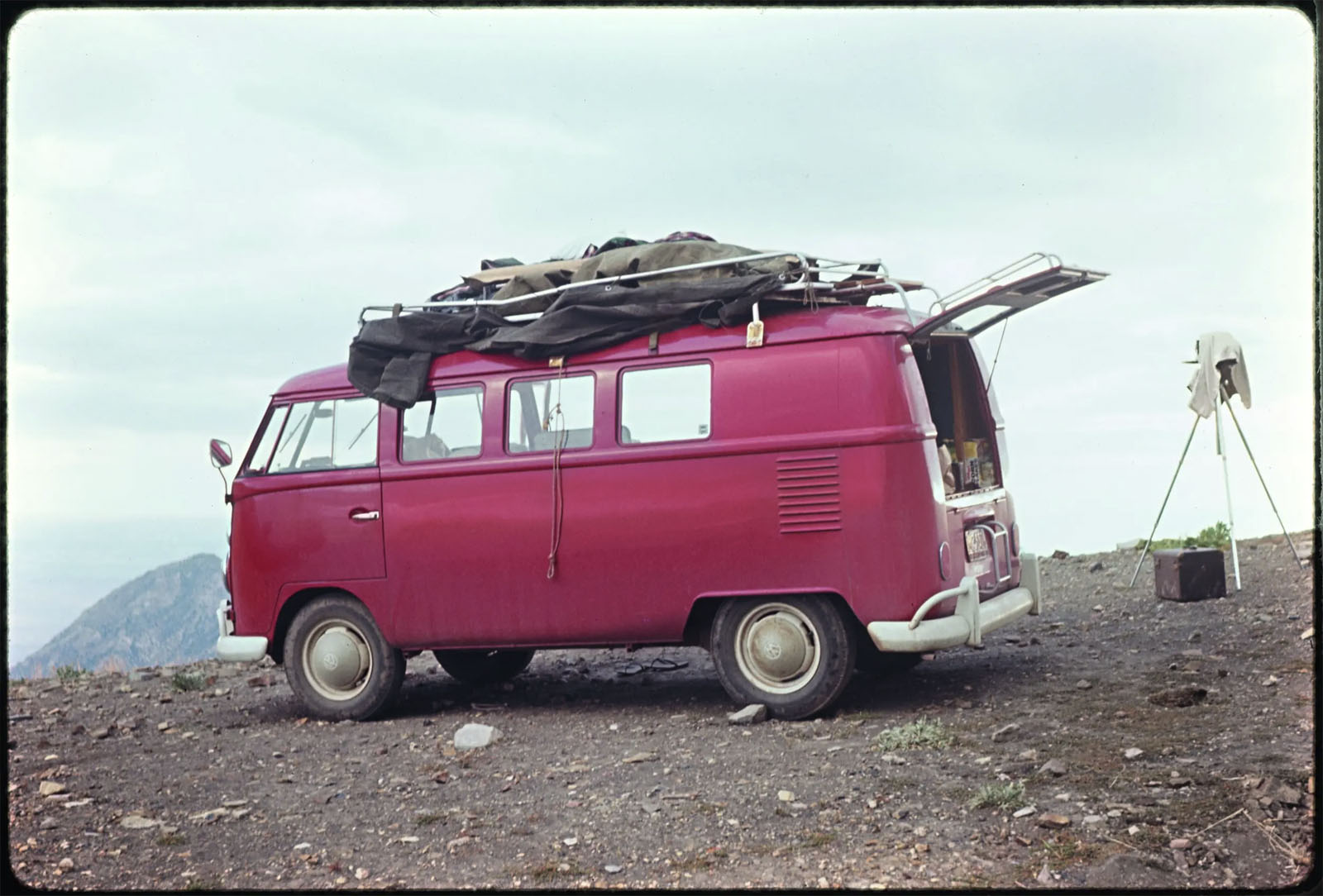

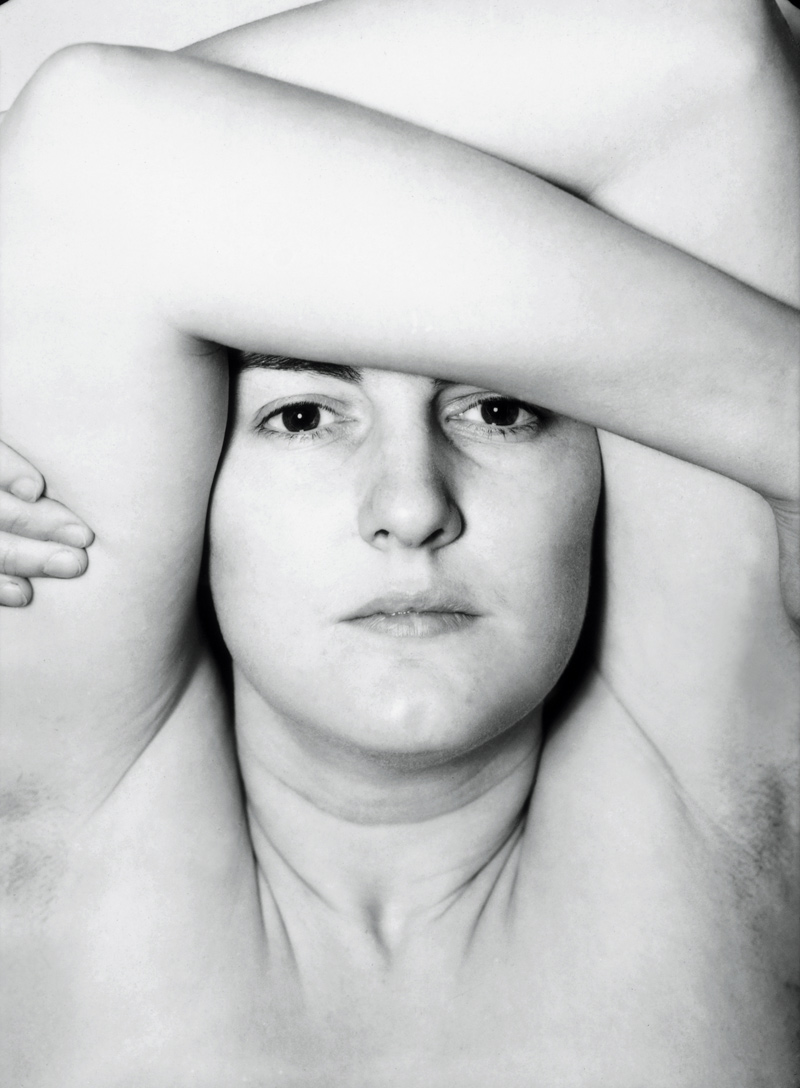
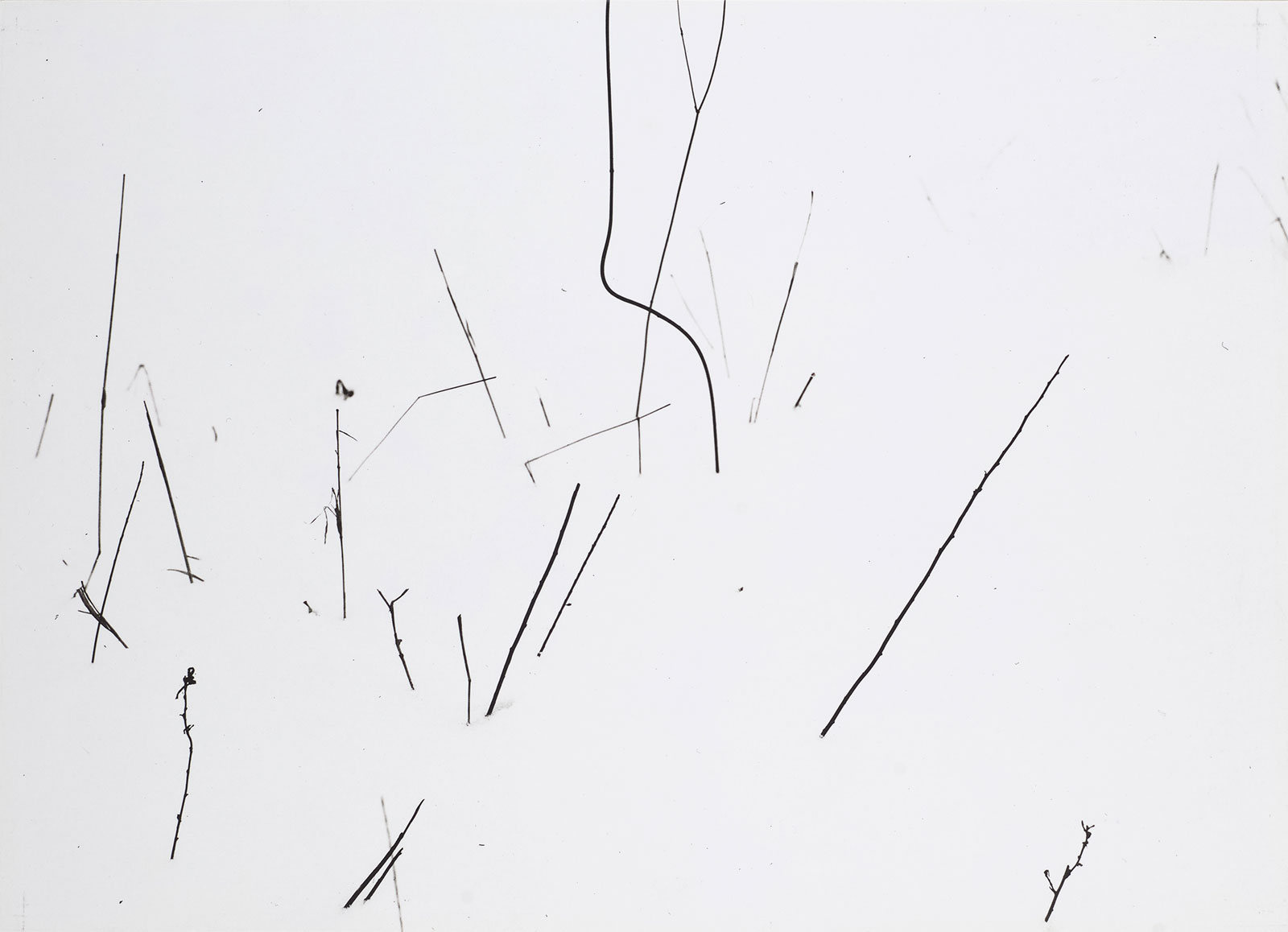
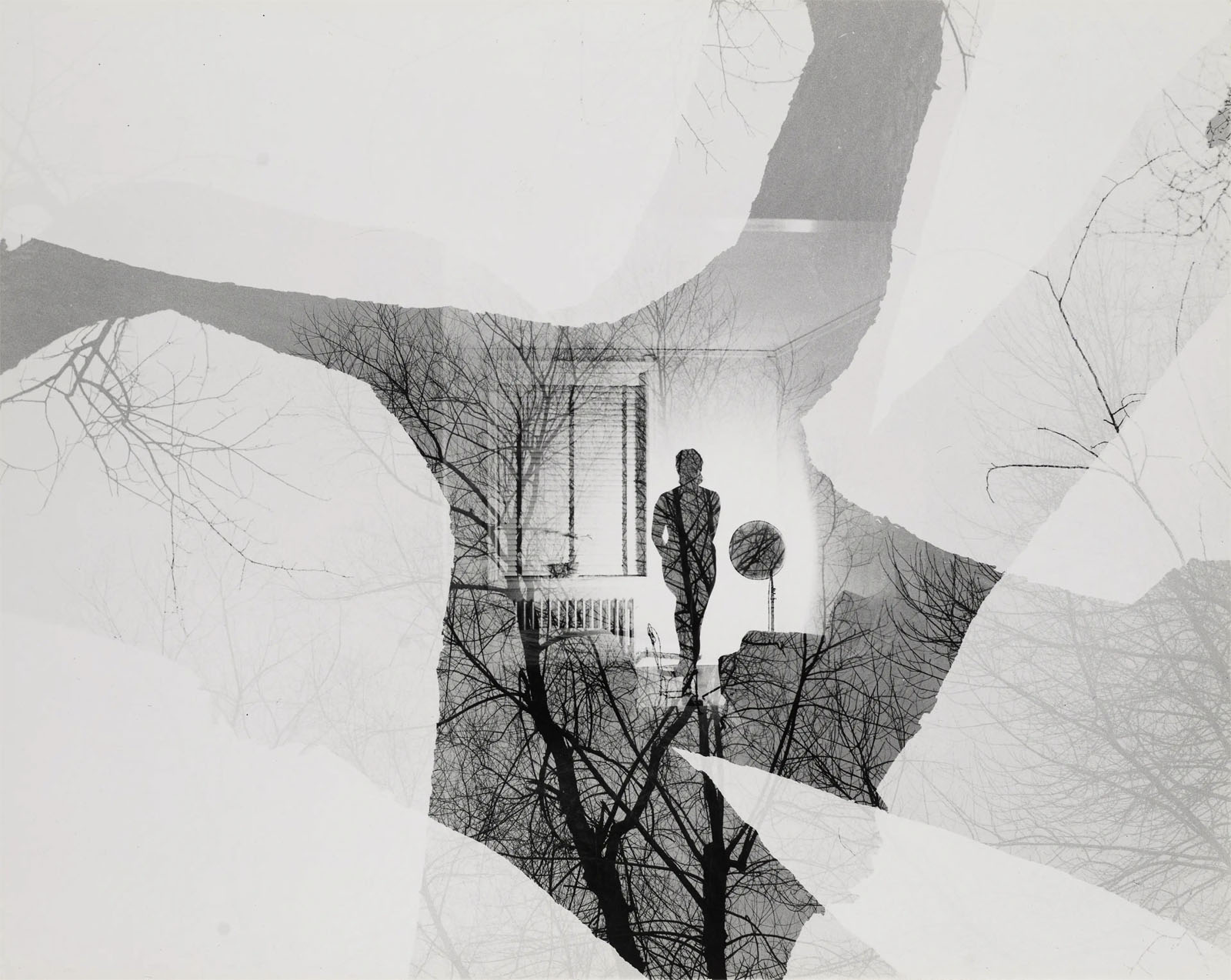
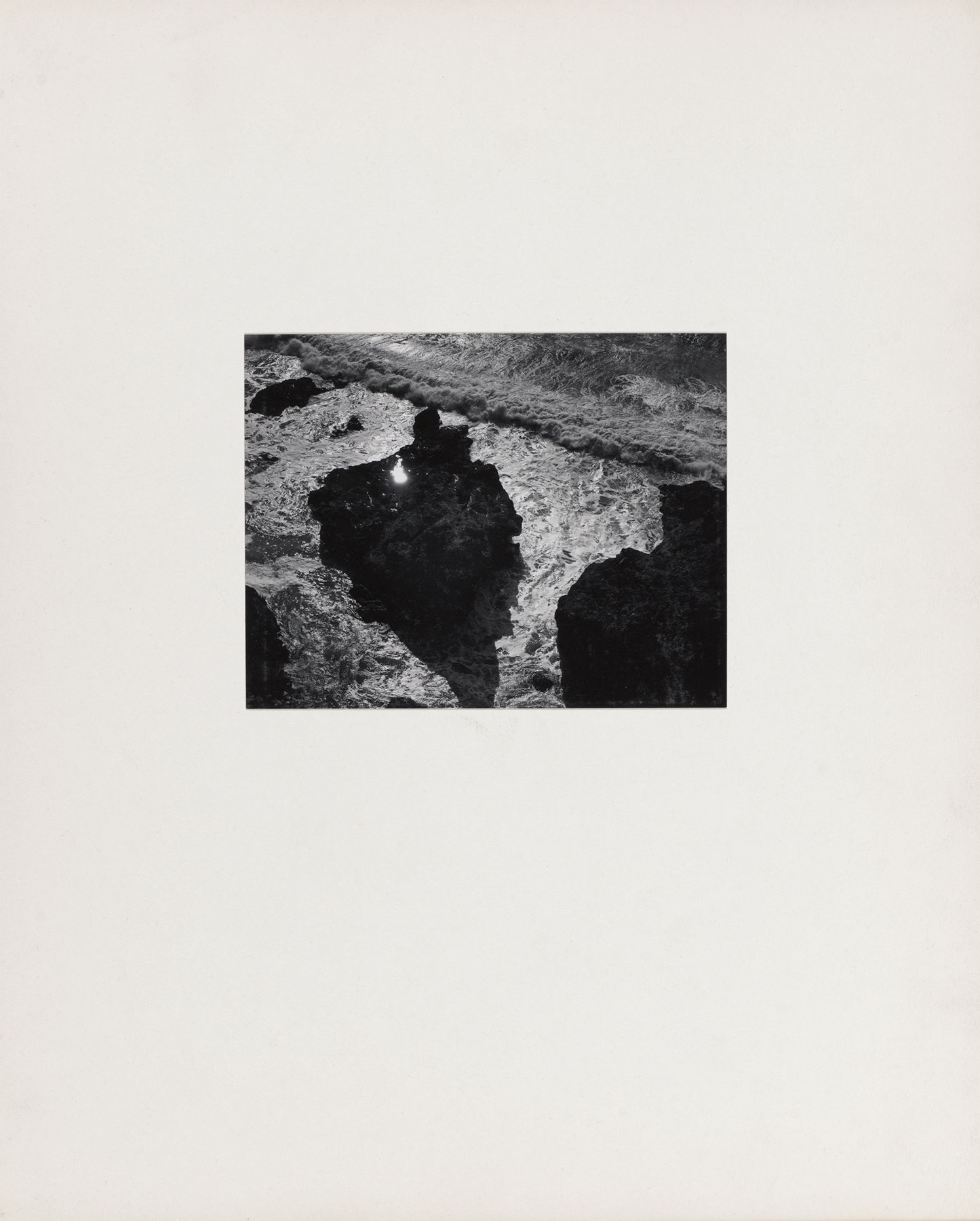
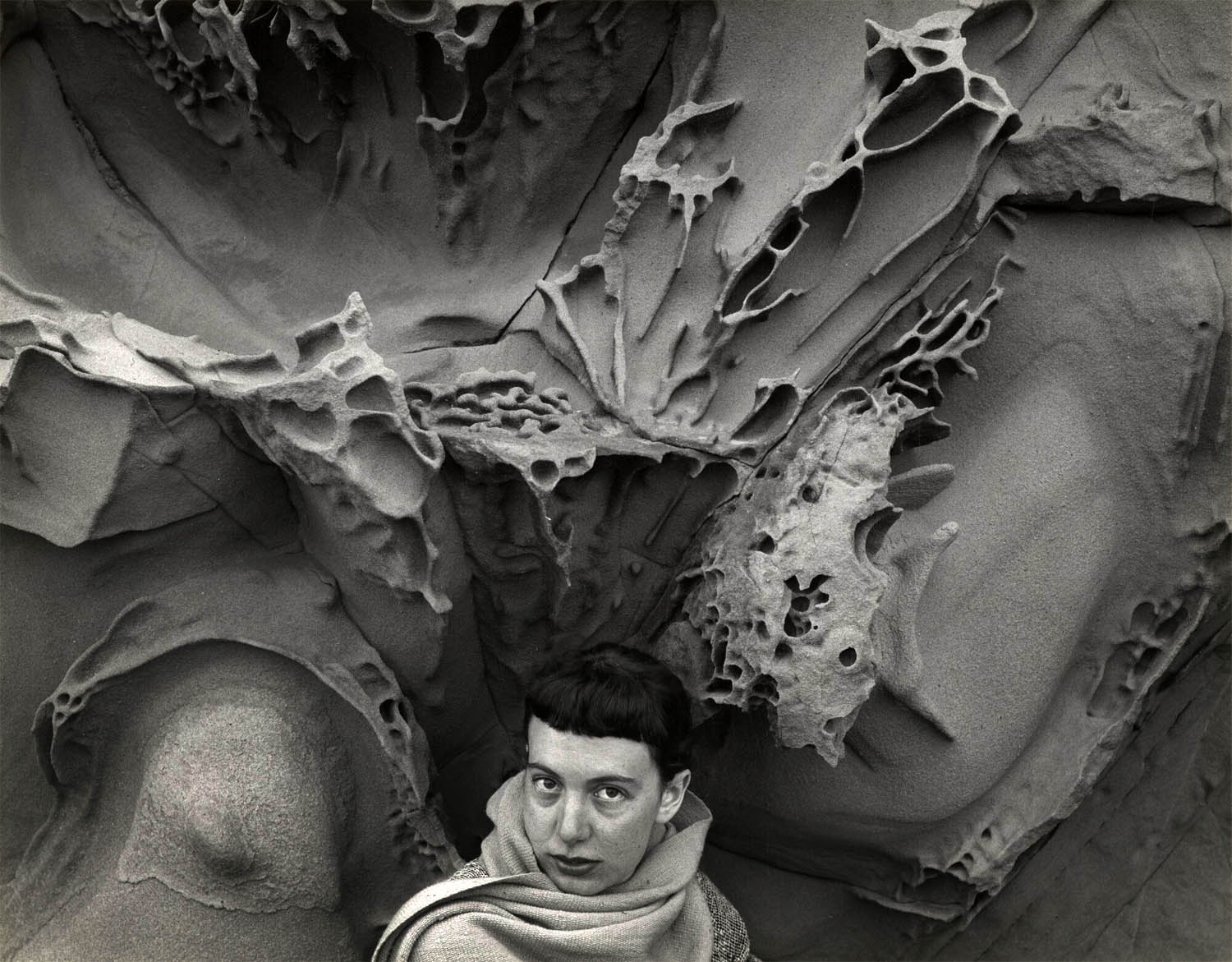

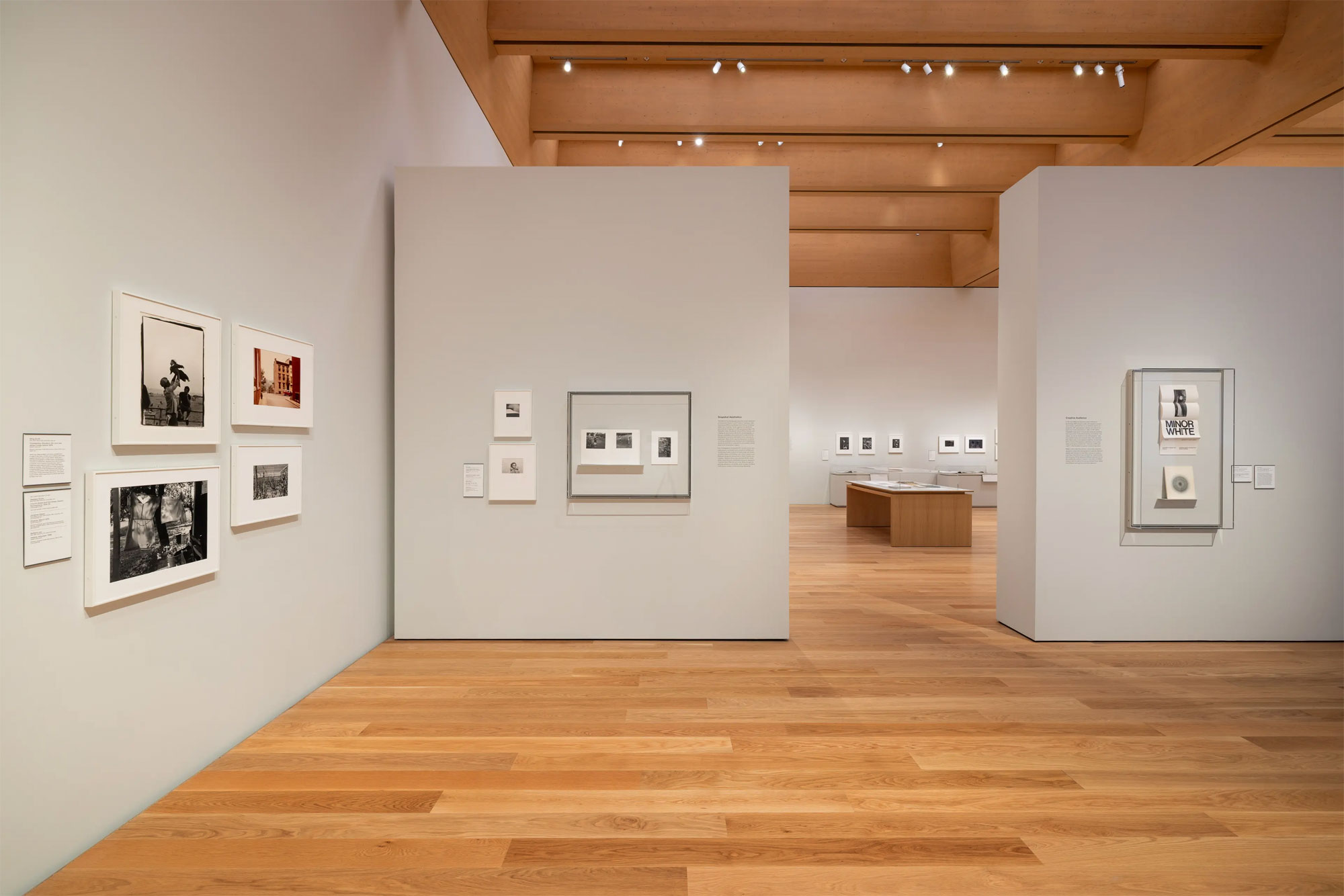
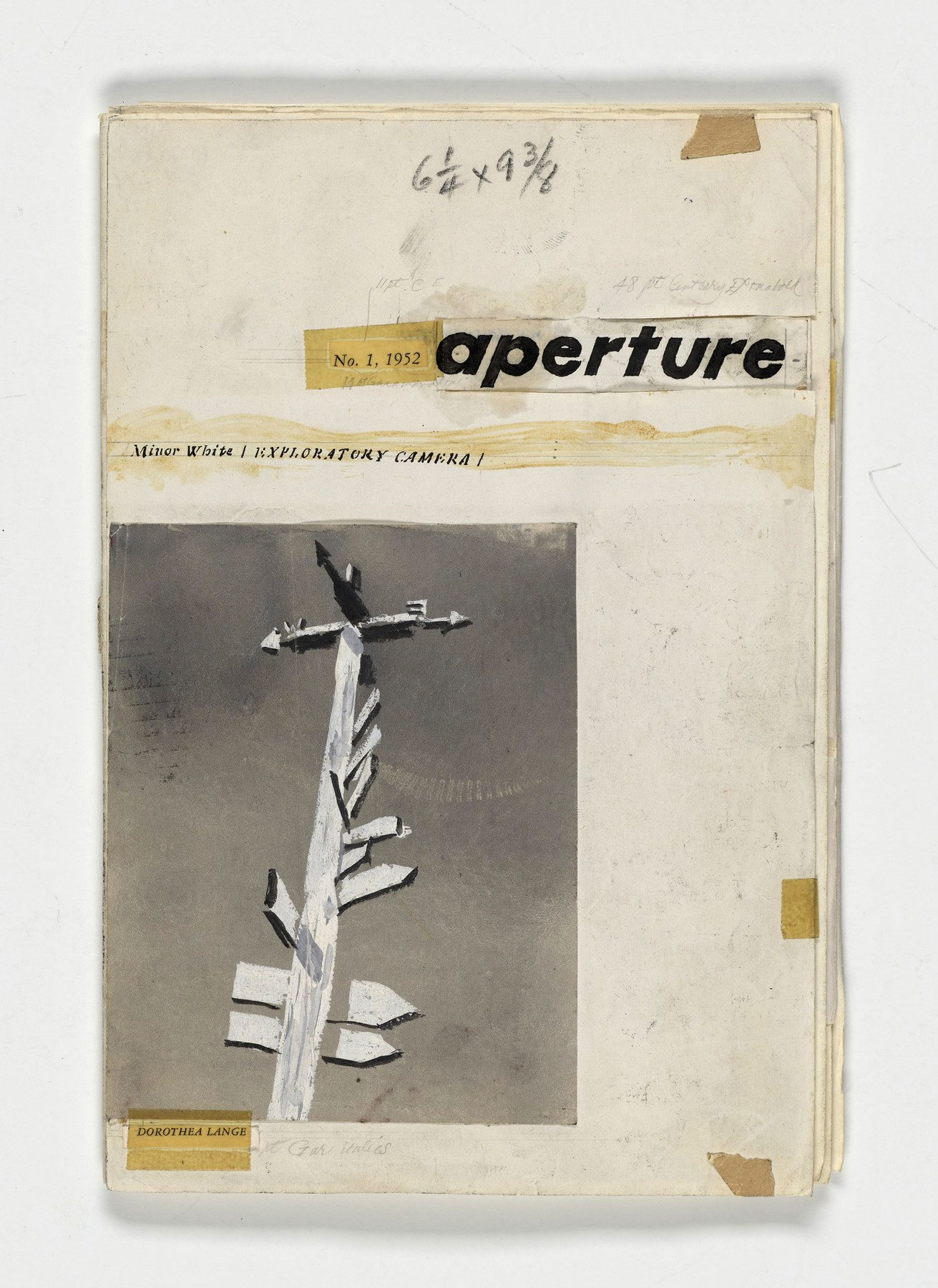
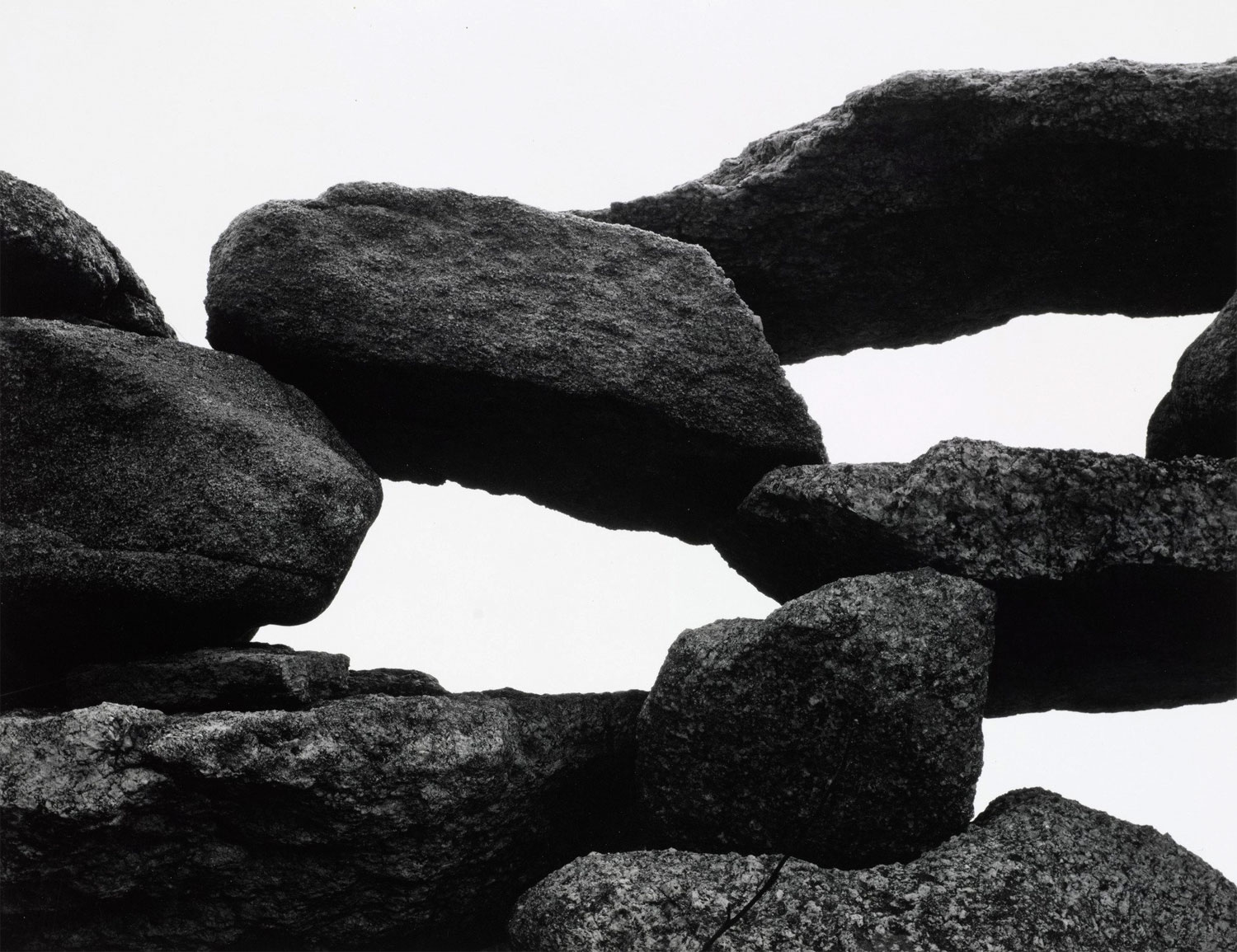
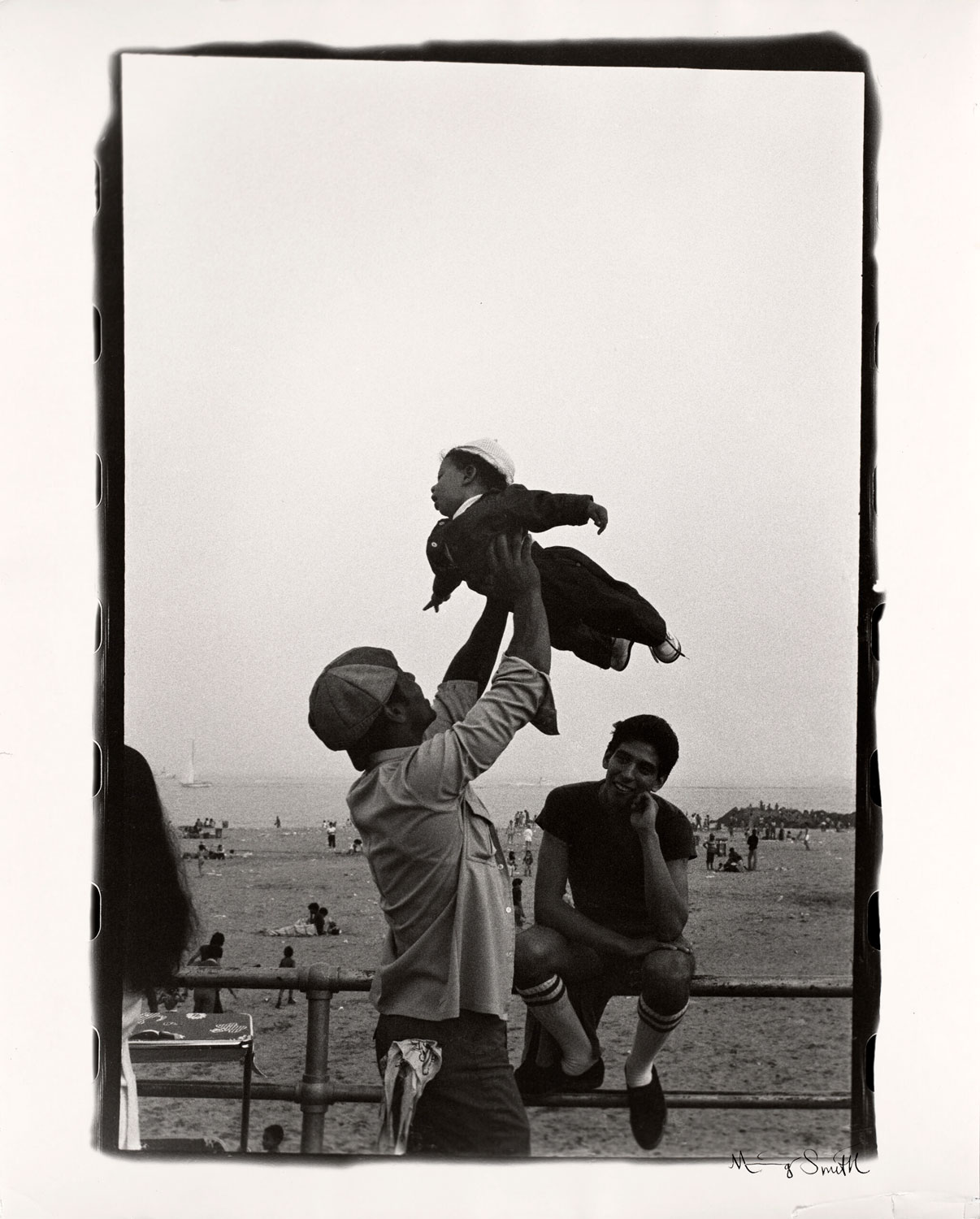
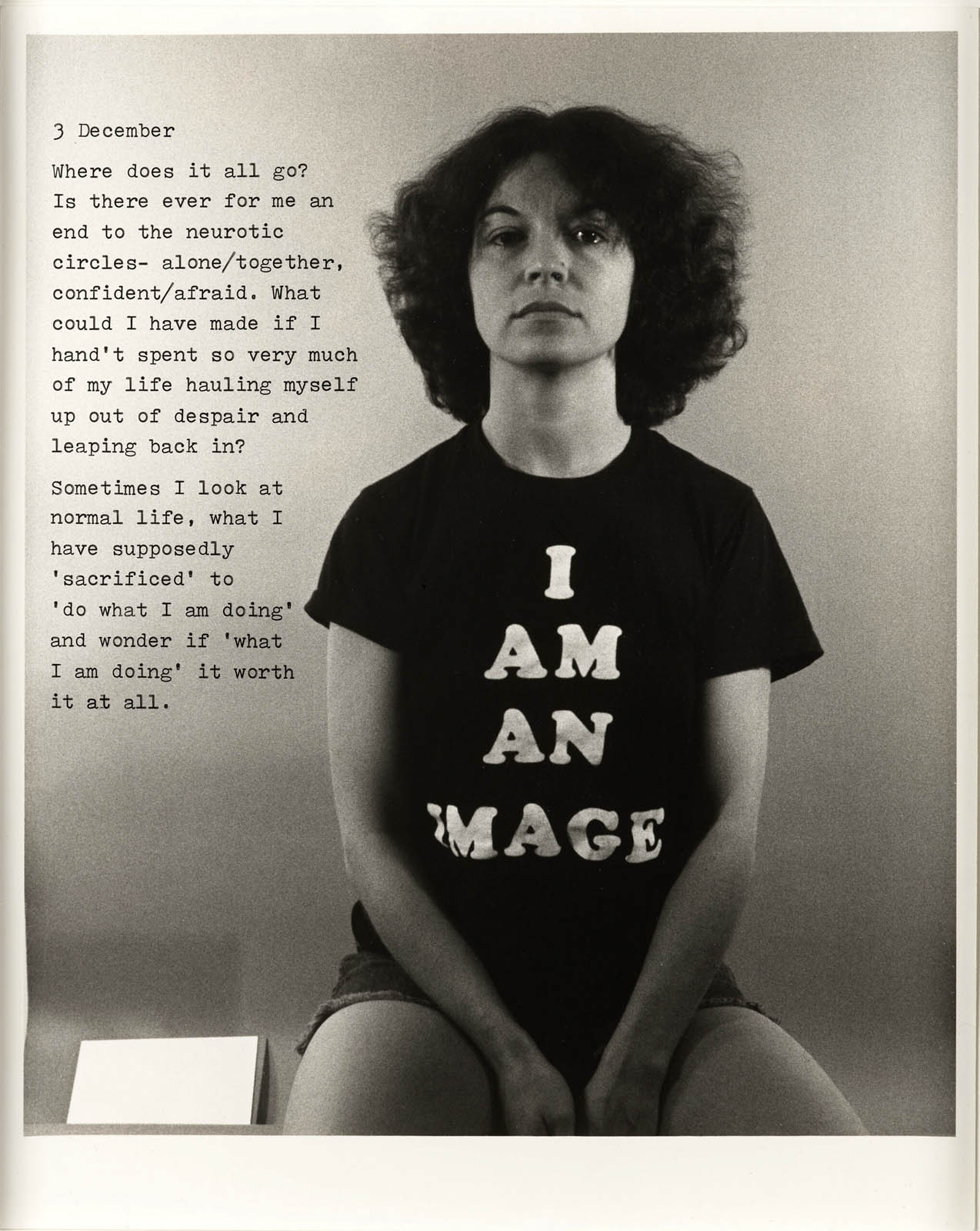
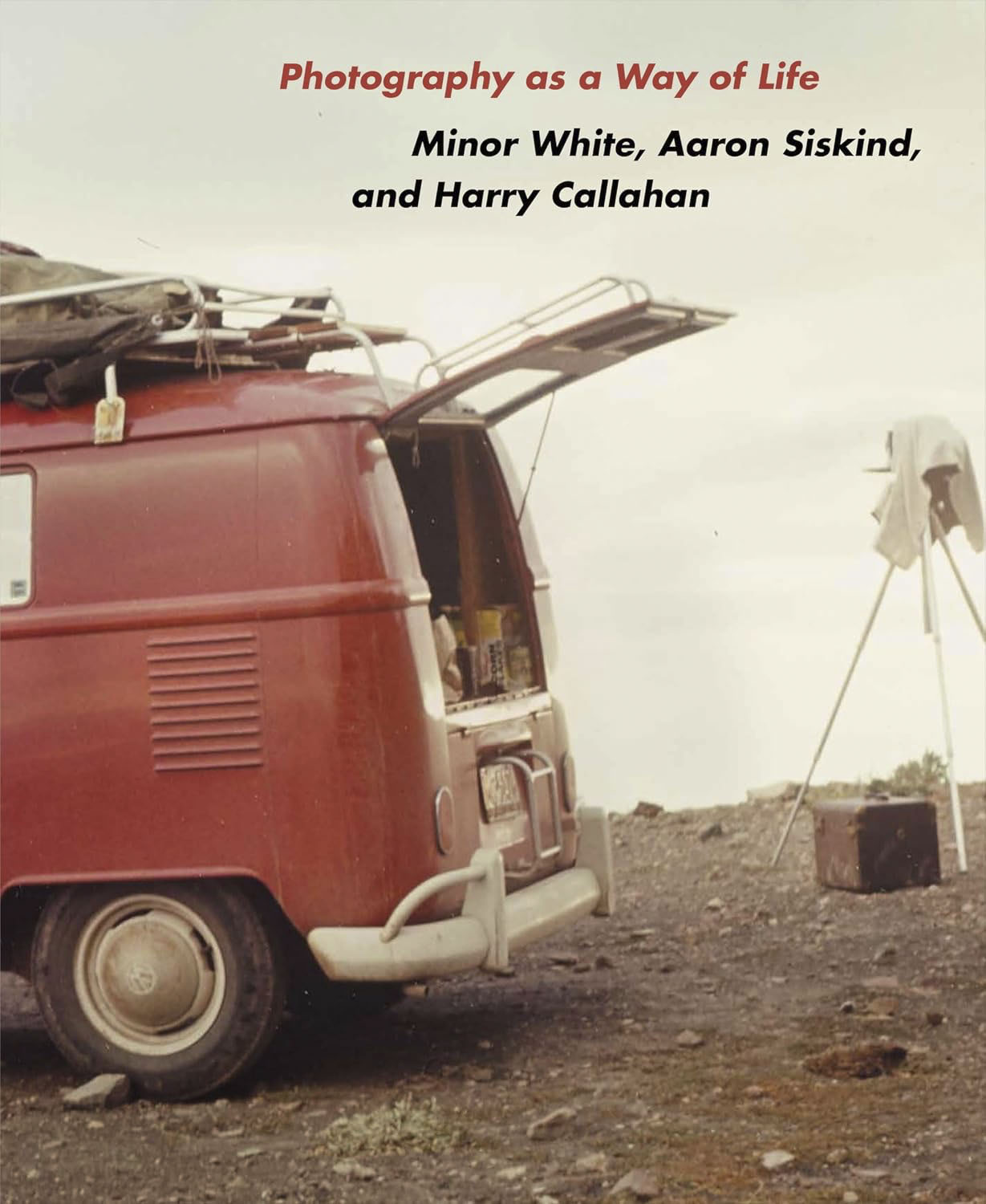
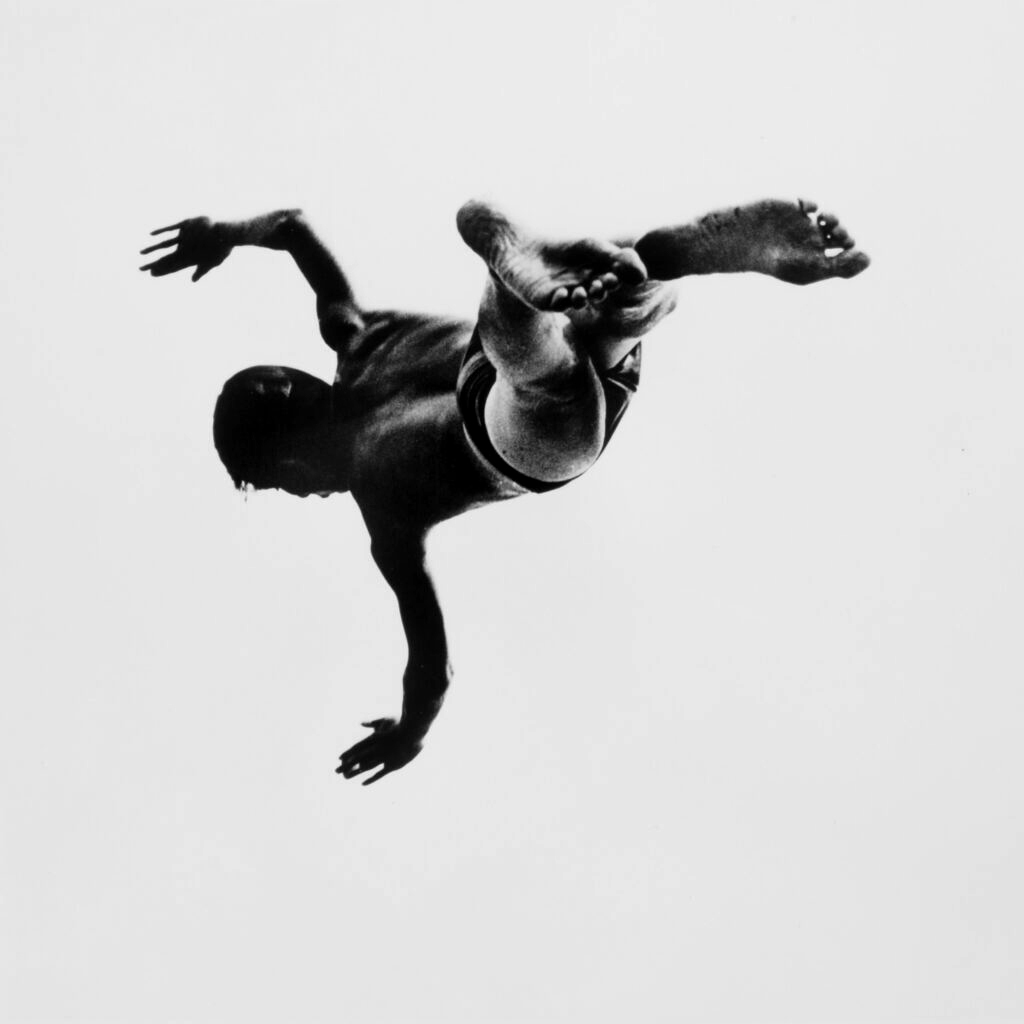


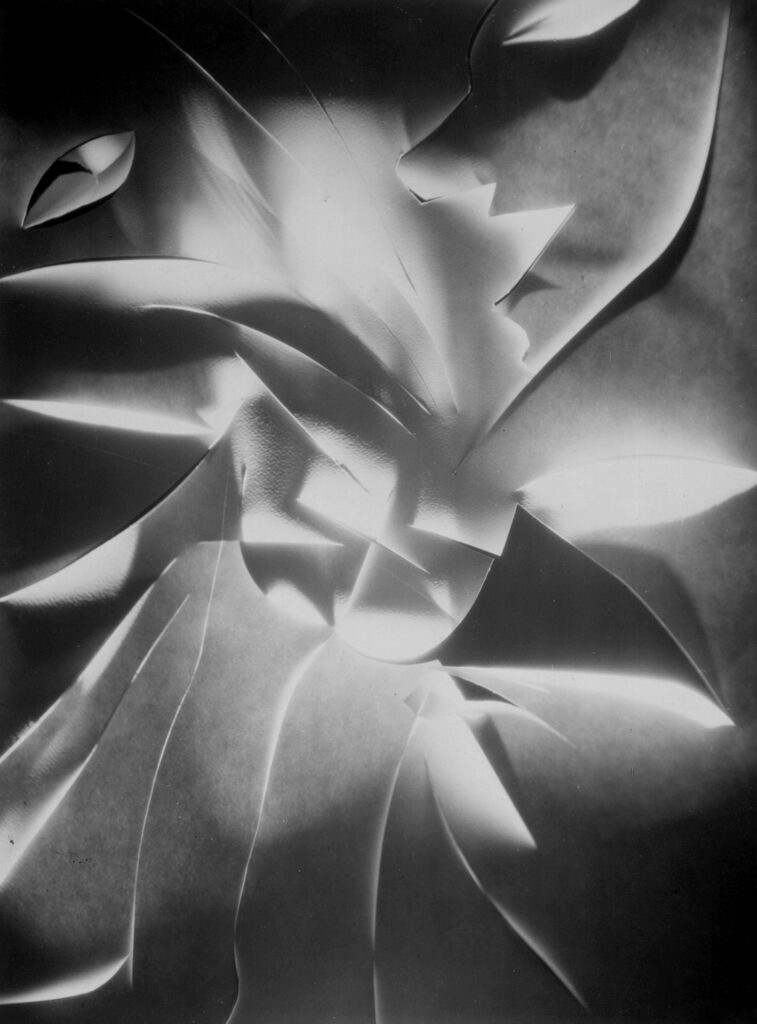
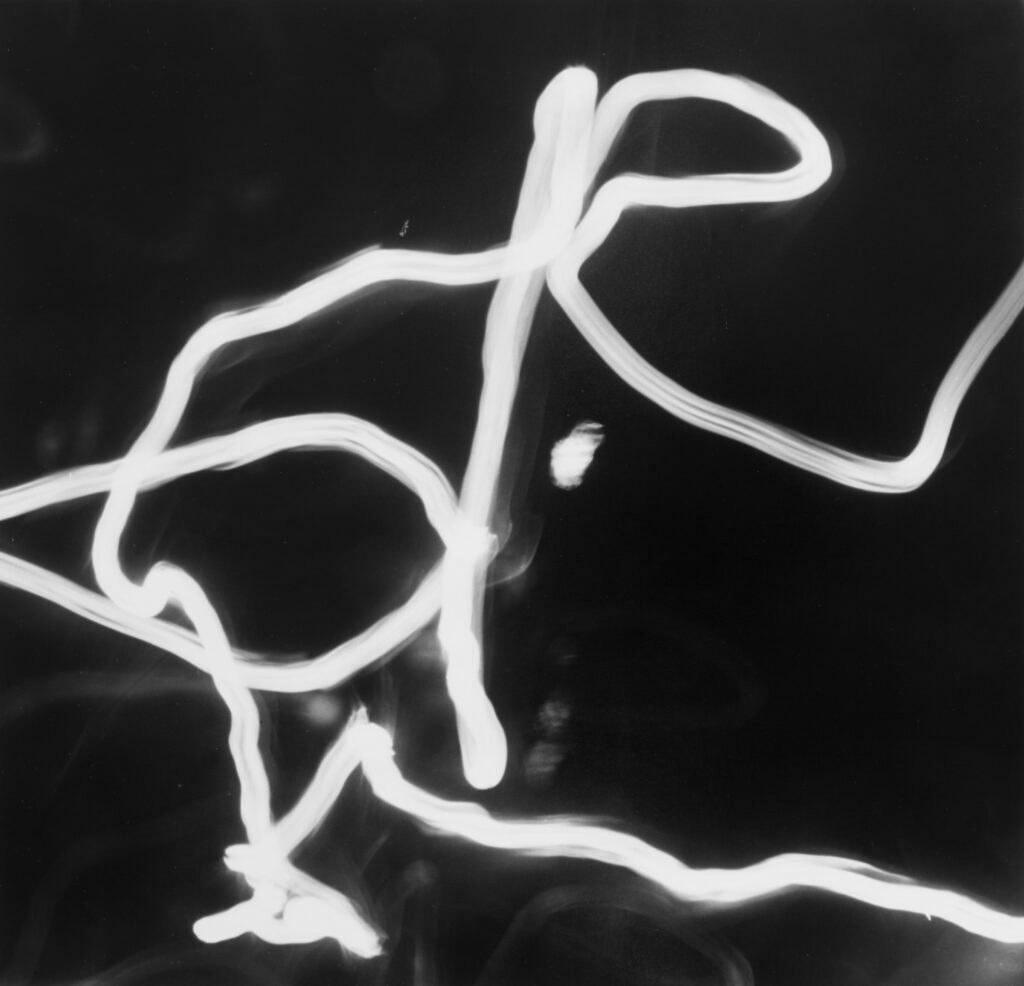
![Ilse Bing (American born Germany, 1899-1998) 'Untitled [Seated Woman with Necklace, Solarized]' 1943](https://artblart.com/wp-content/uploads/2025/10/ilse-bing-seated-woman-with-necklace.jpg "Ilse Bing (American born Germany, 1899-1998) 'Untitled [Seated Woman with Necklace, Solarized]' 1943")
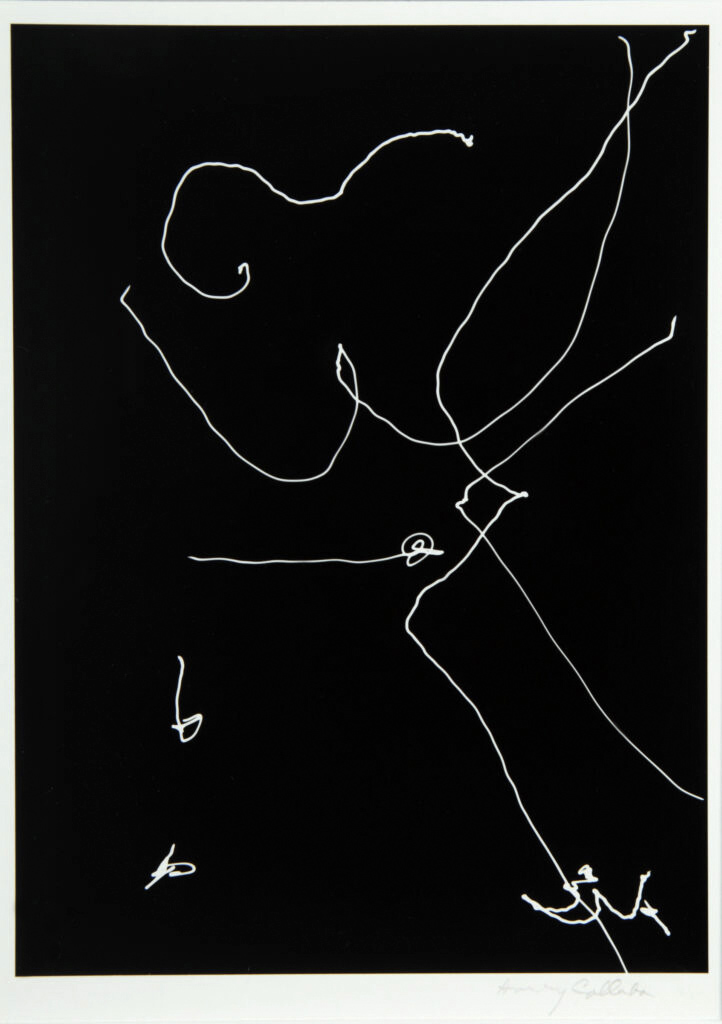

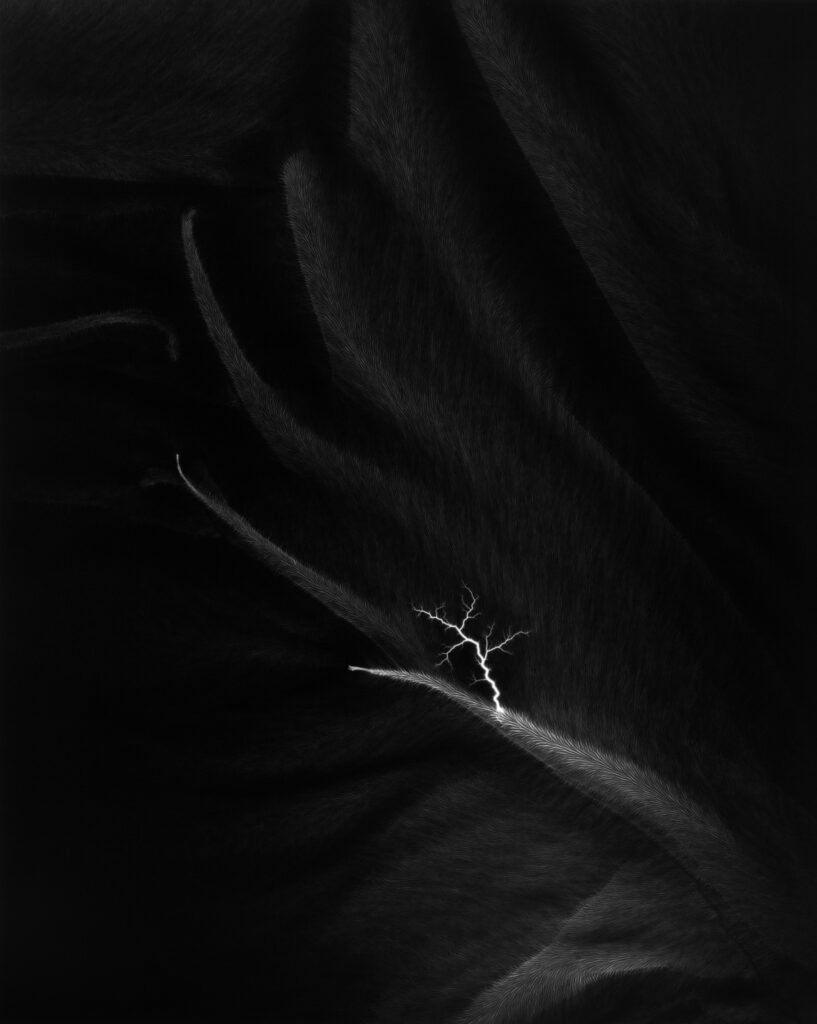


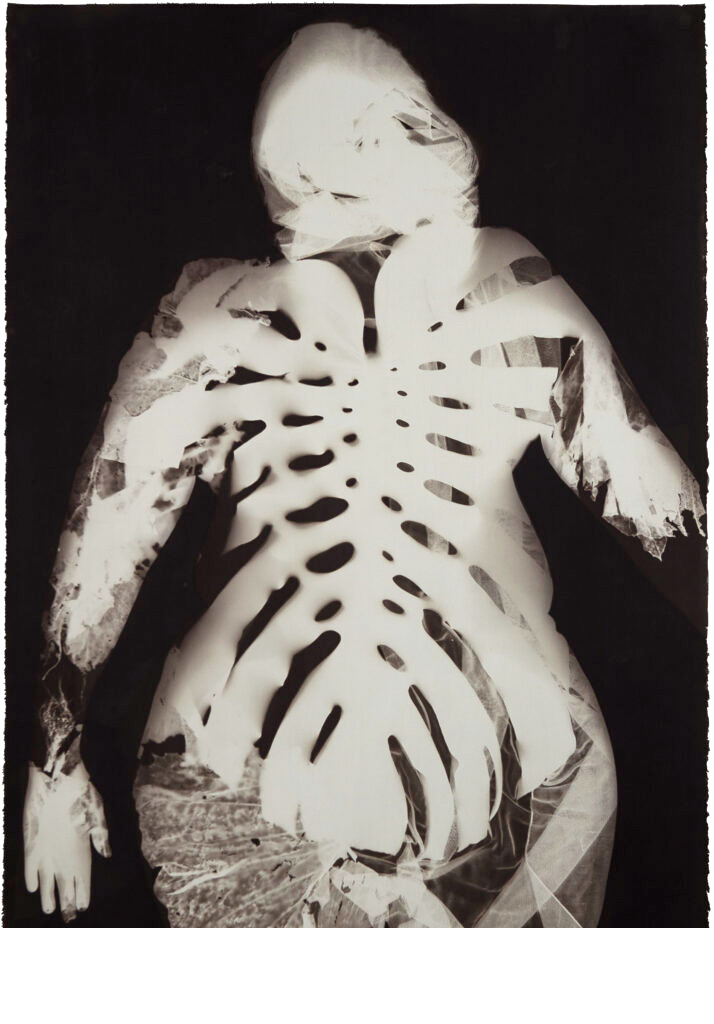
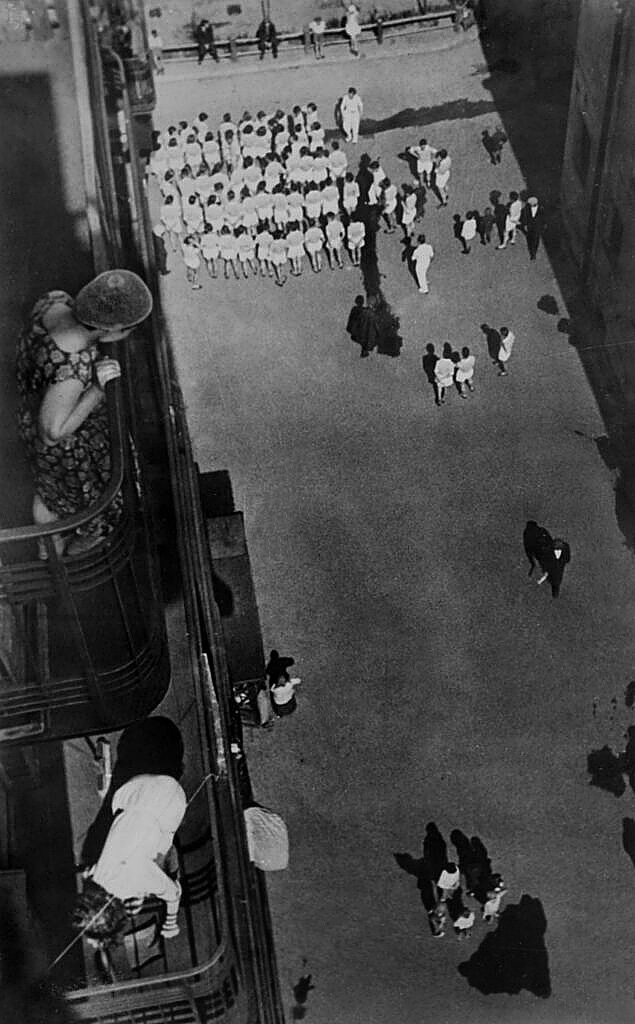


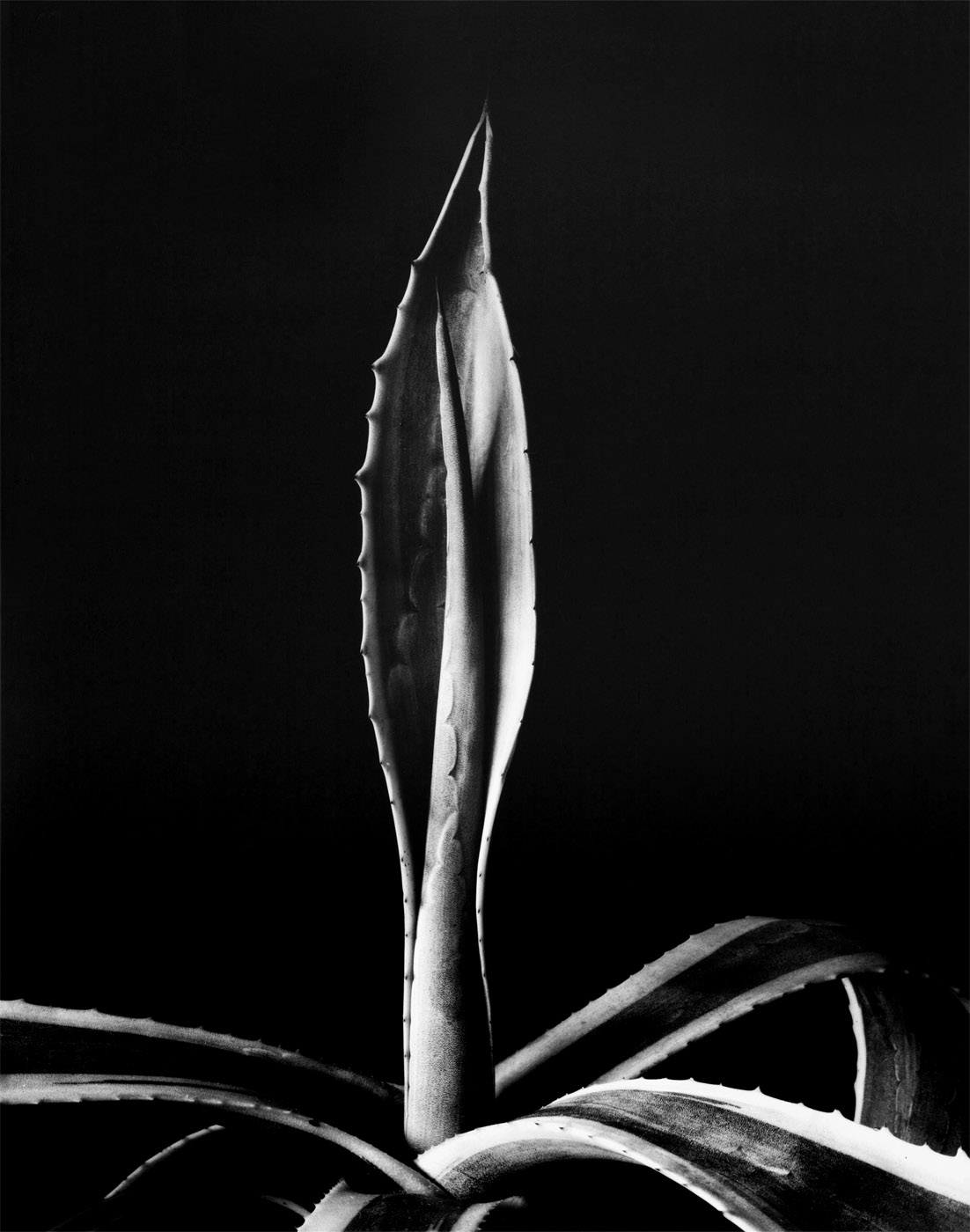
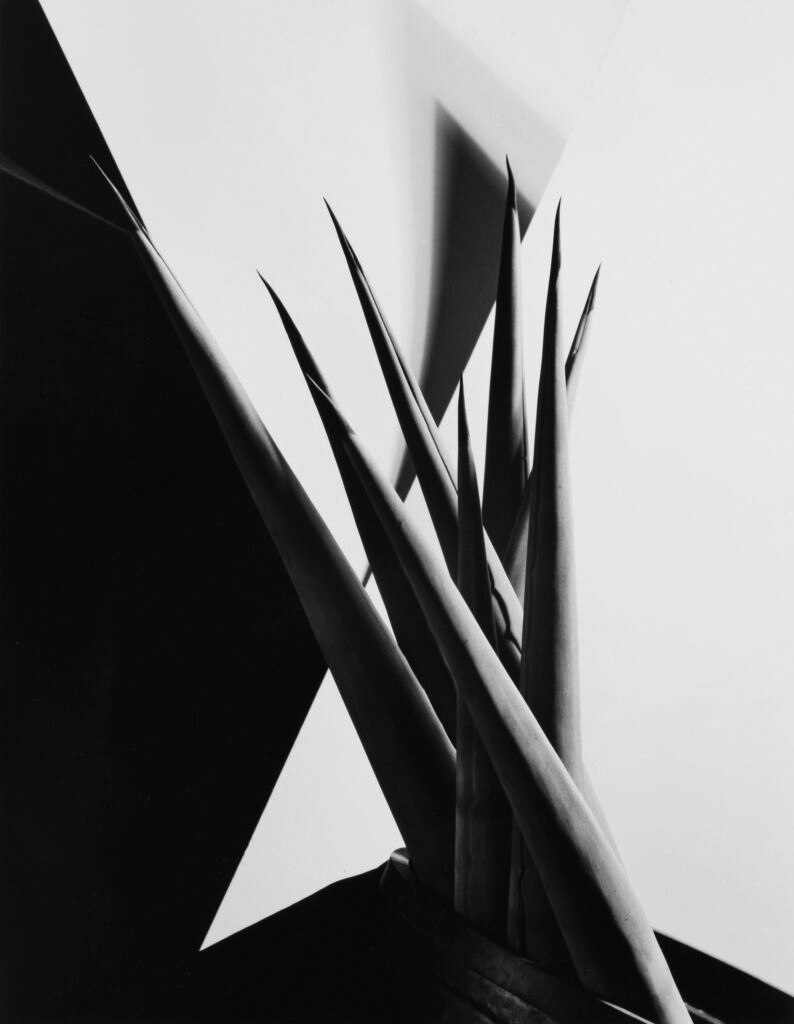
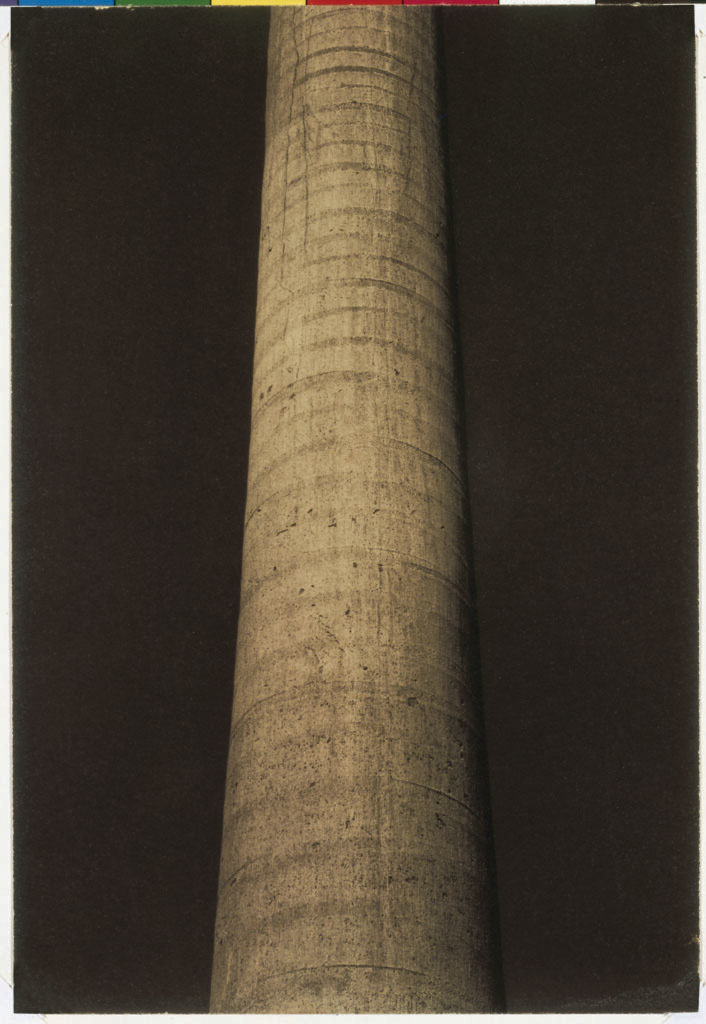

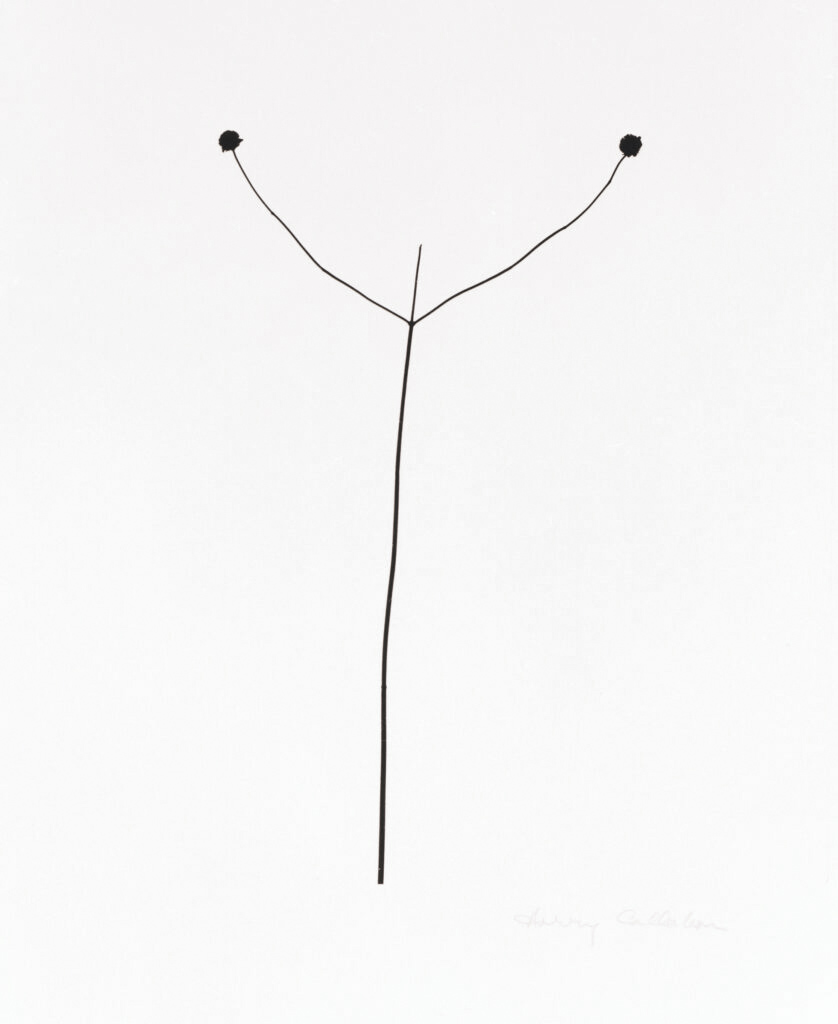
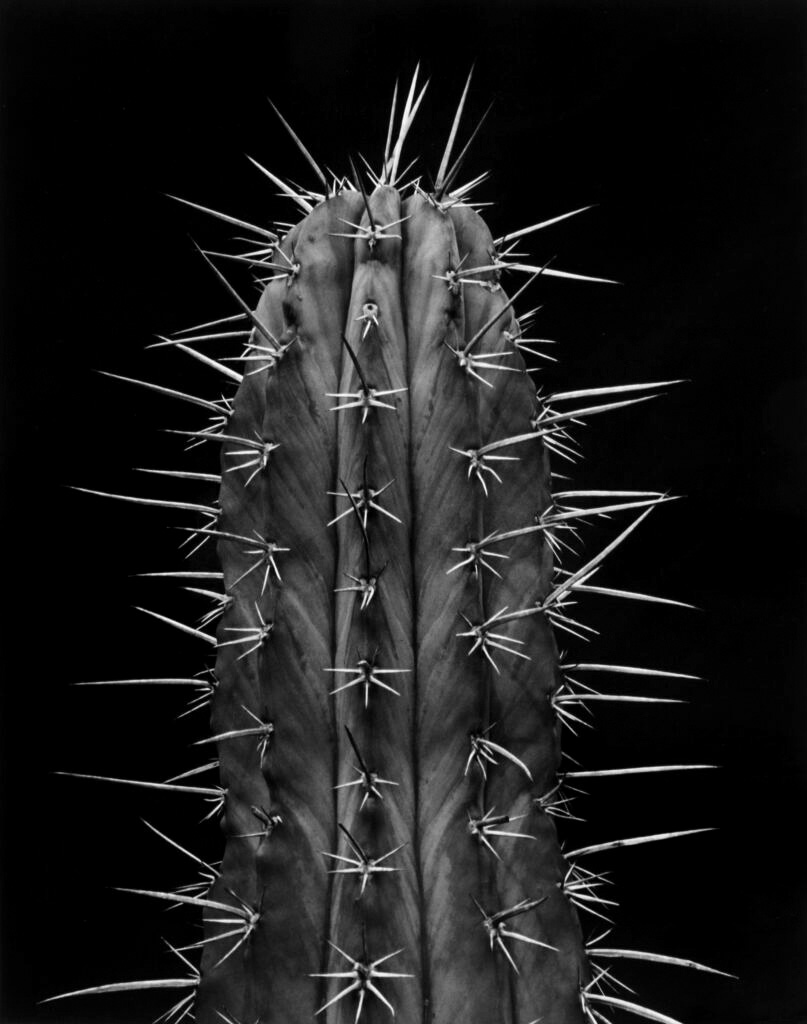


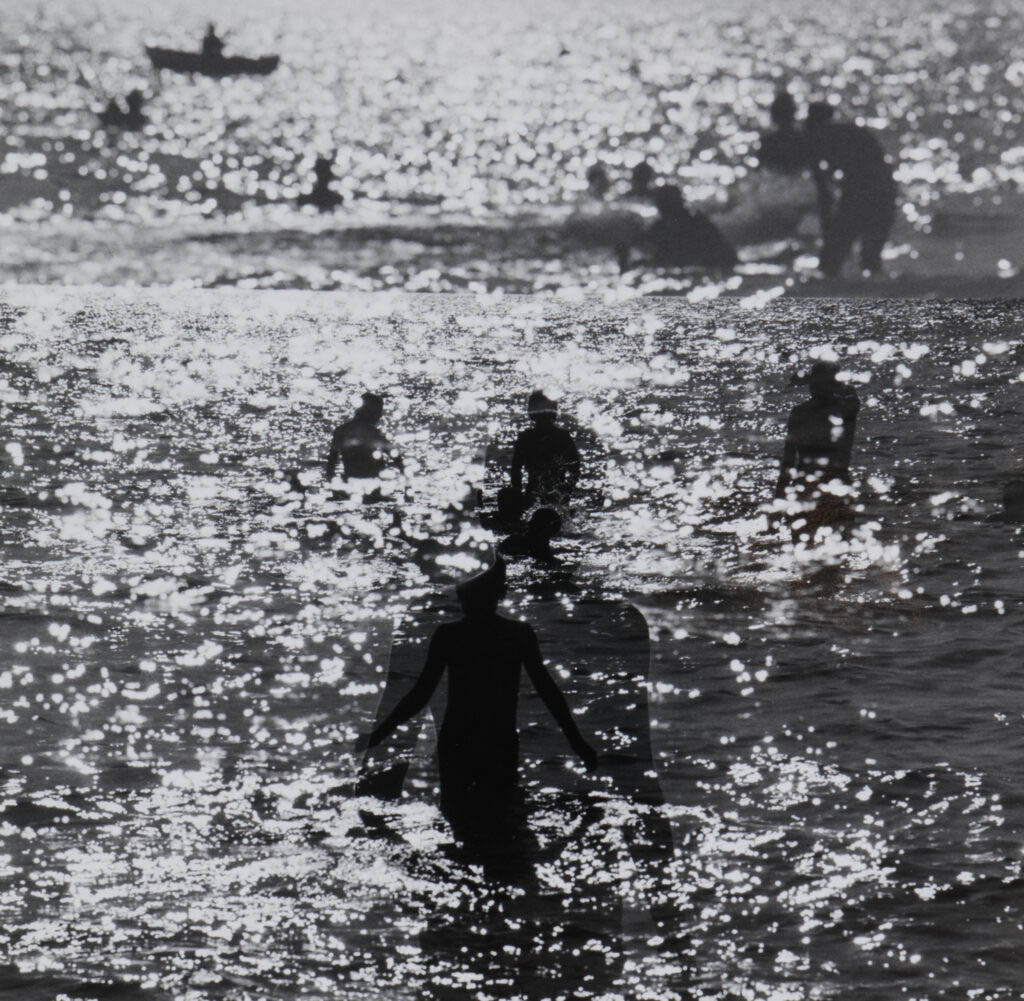


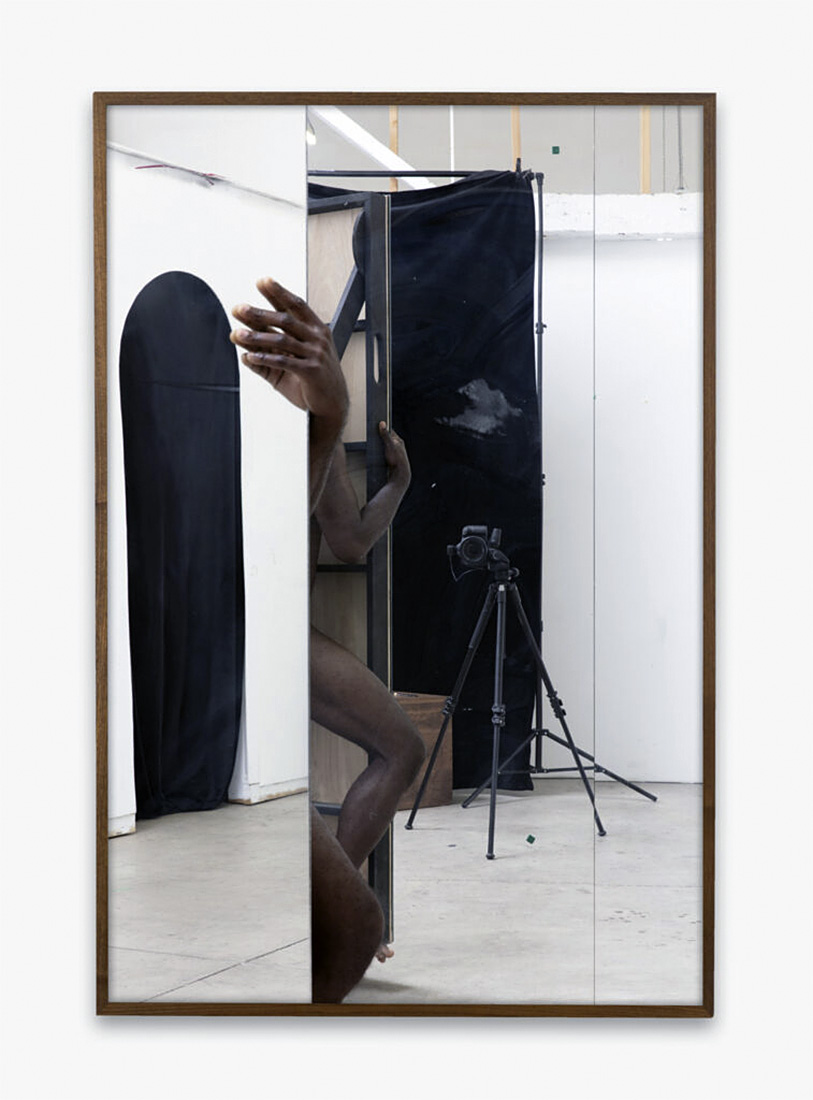
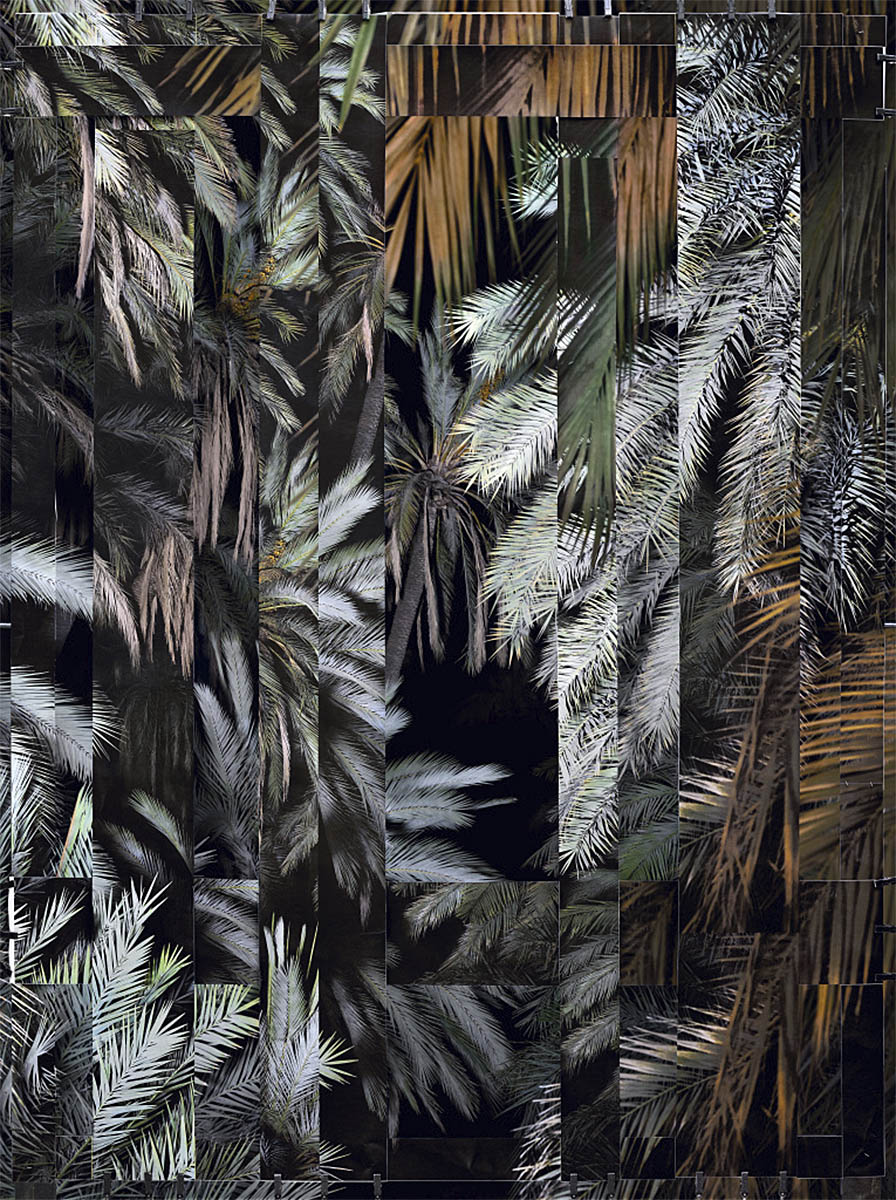
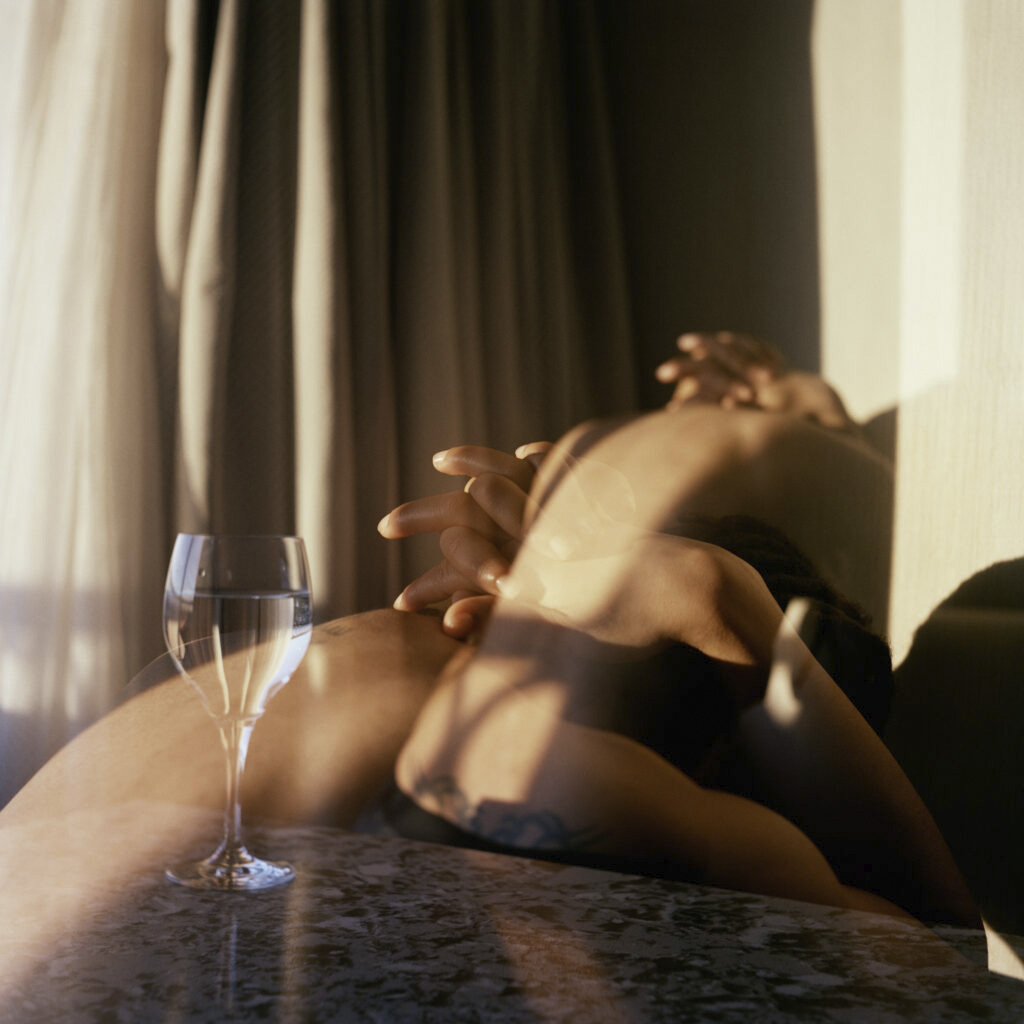


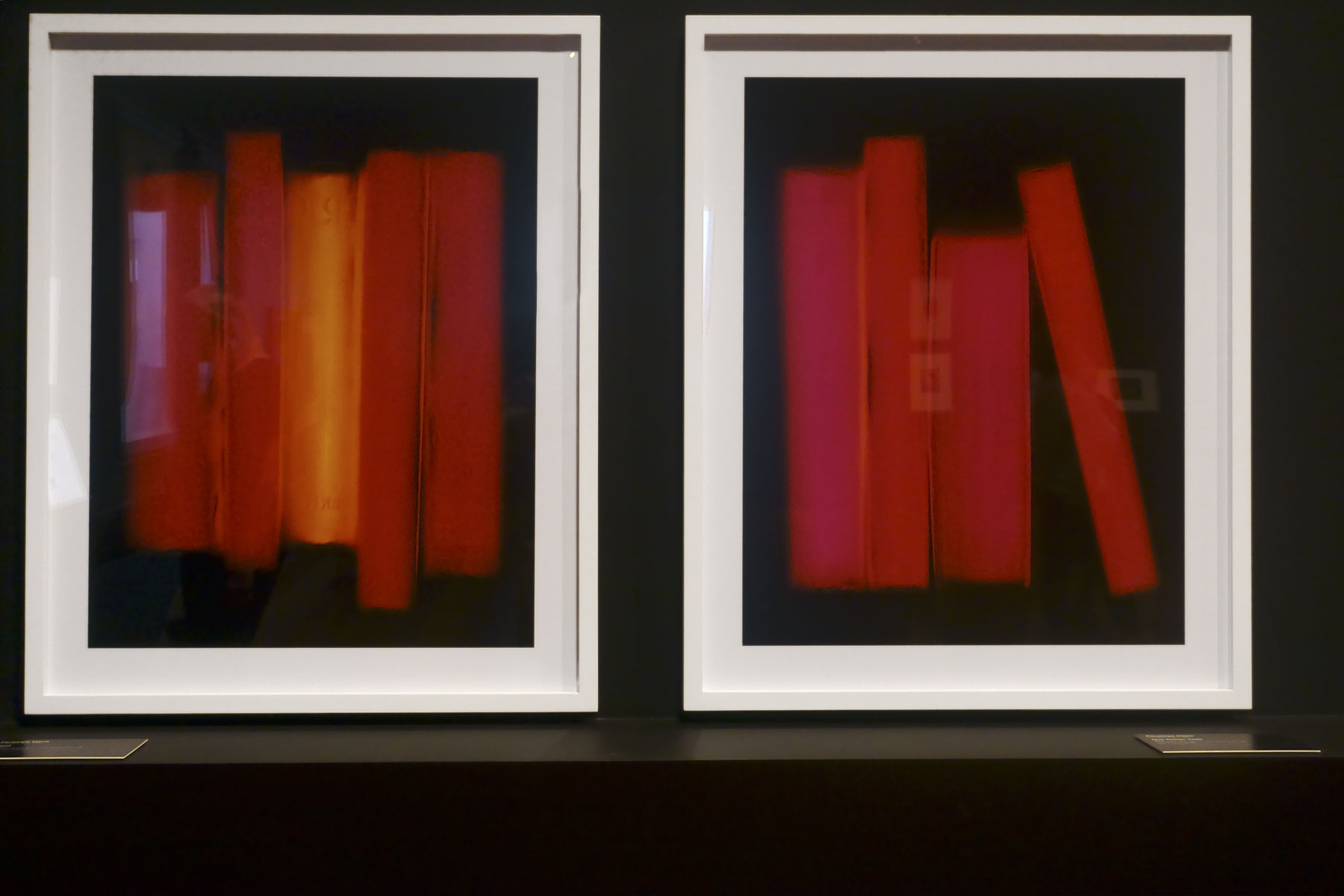


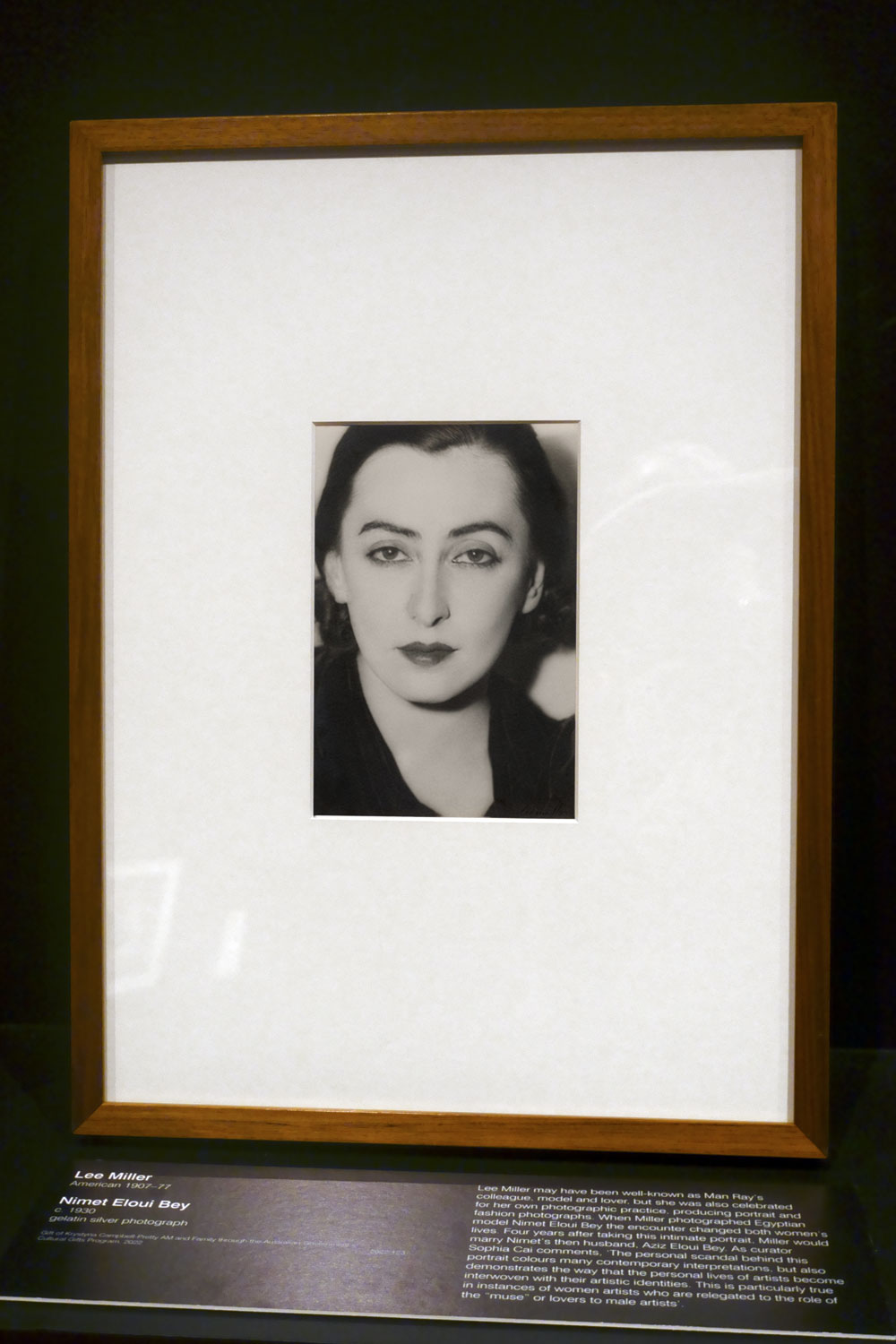


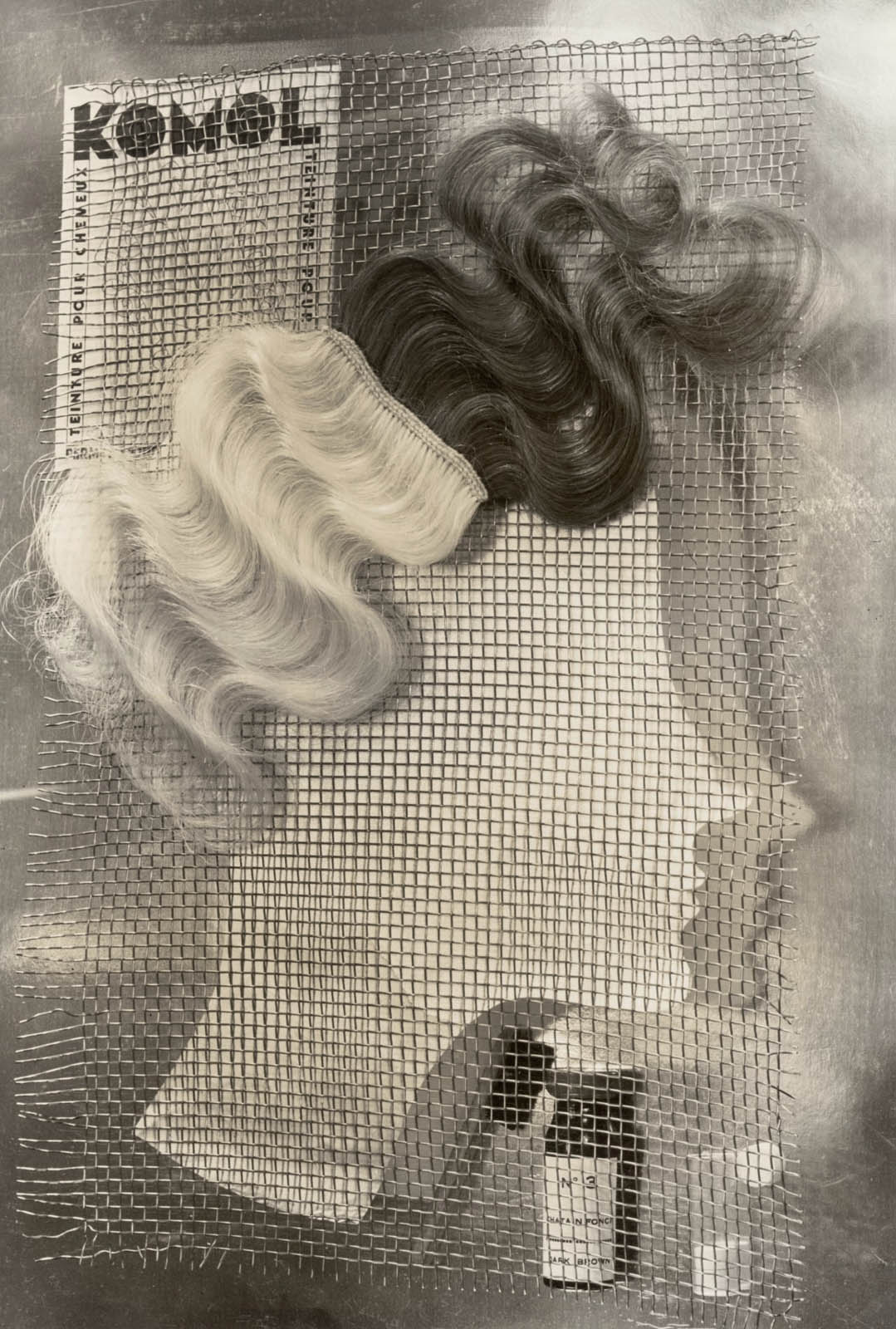


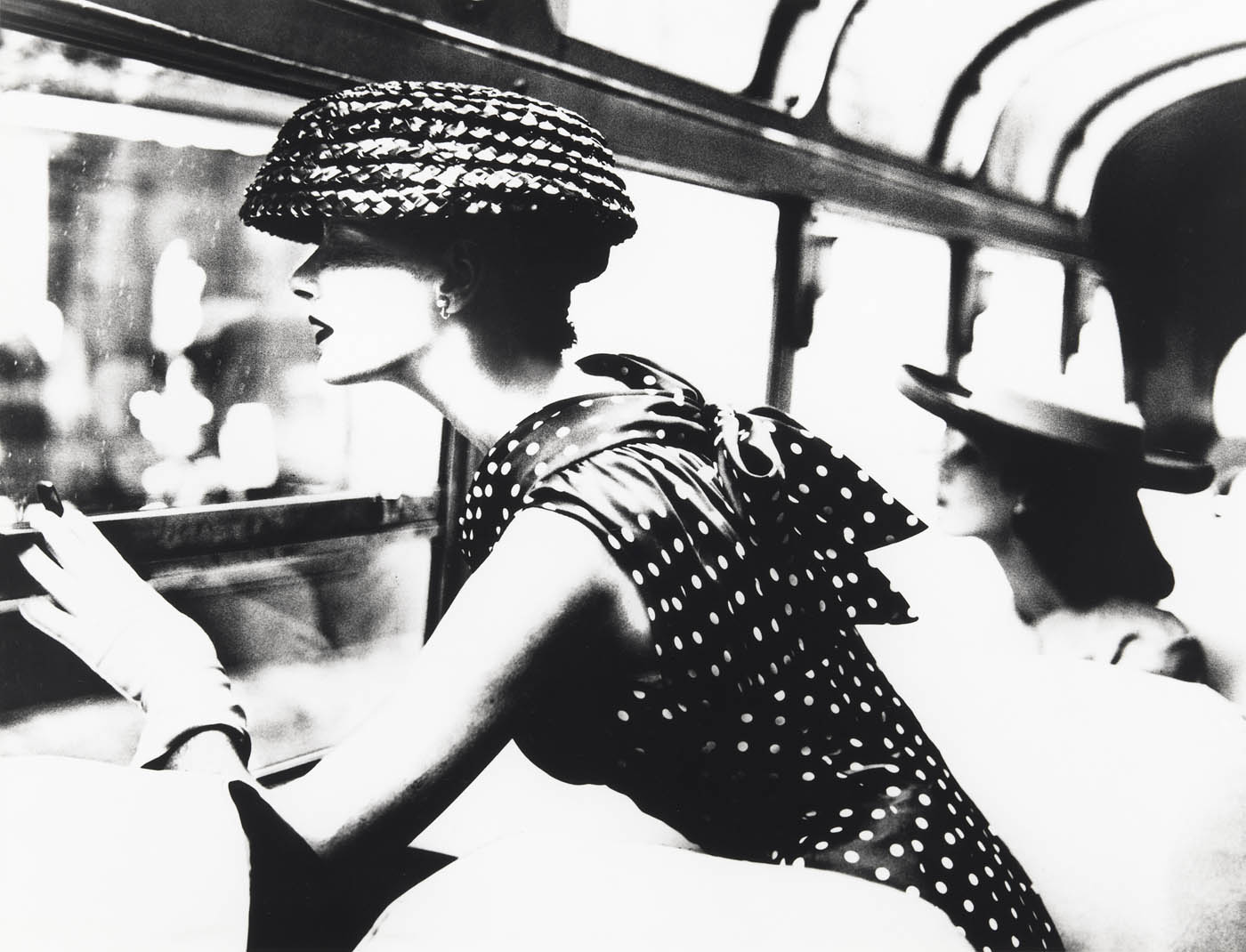


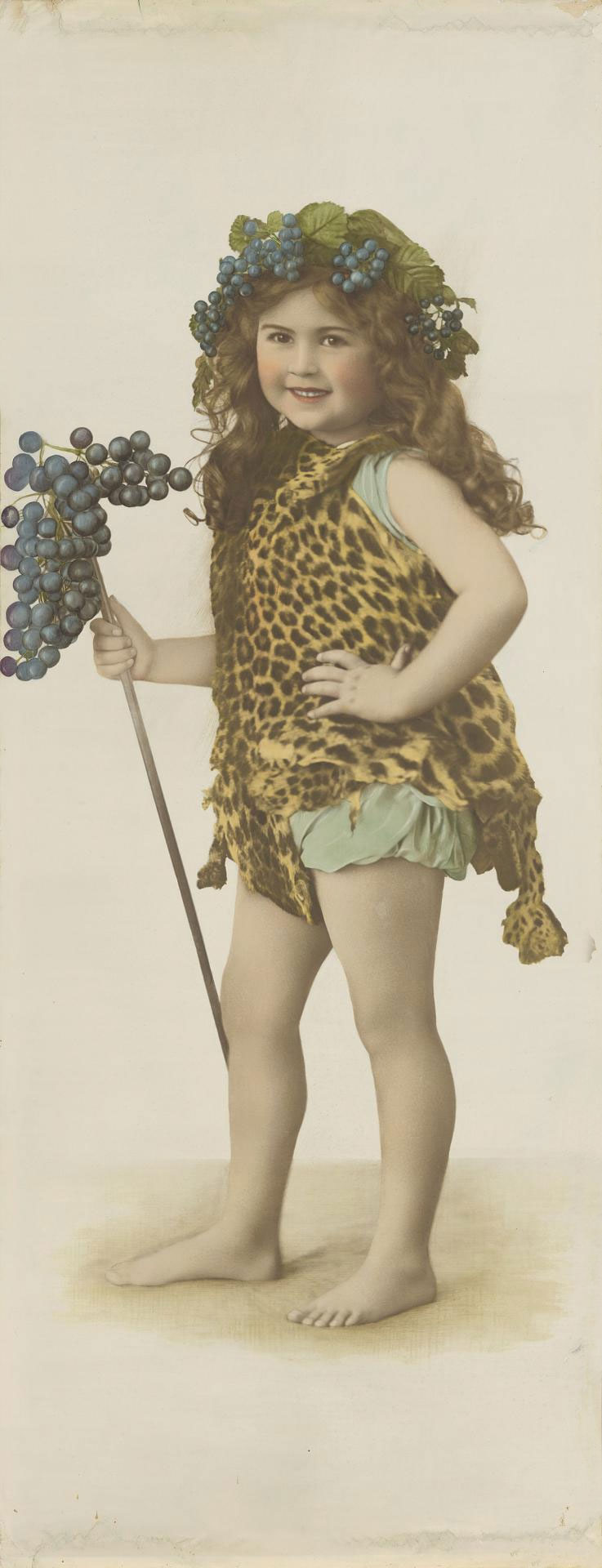


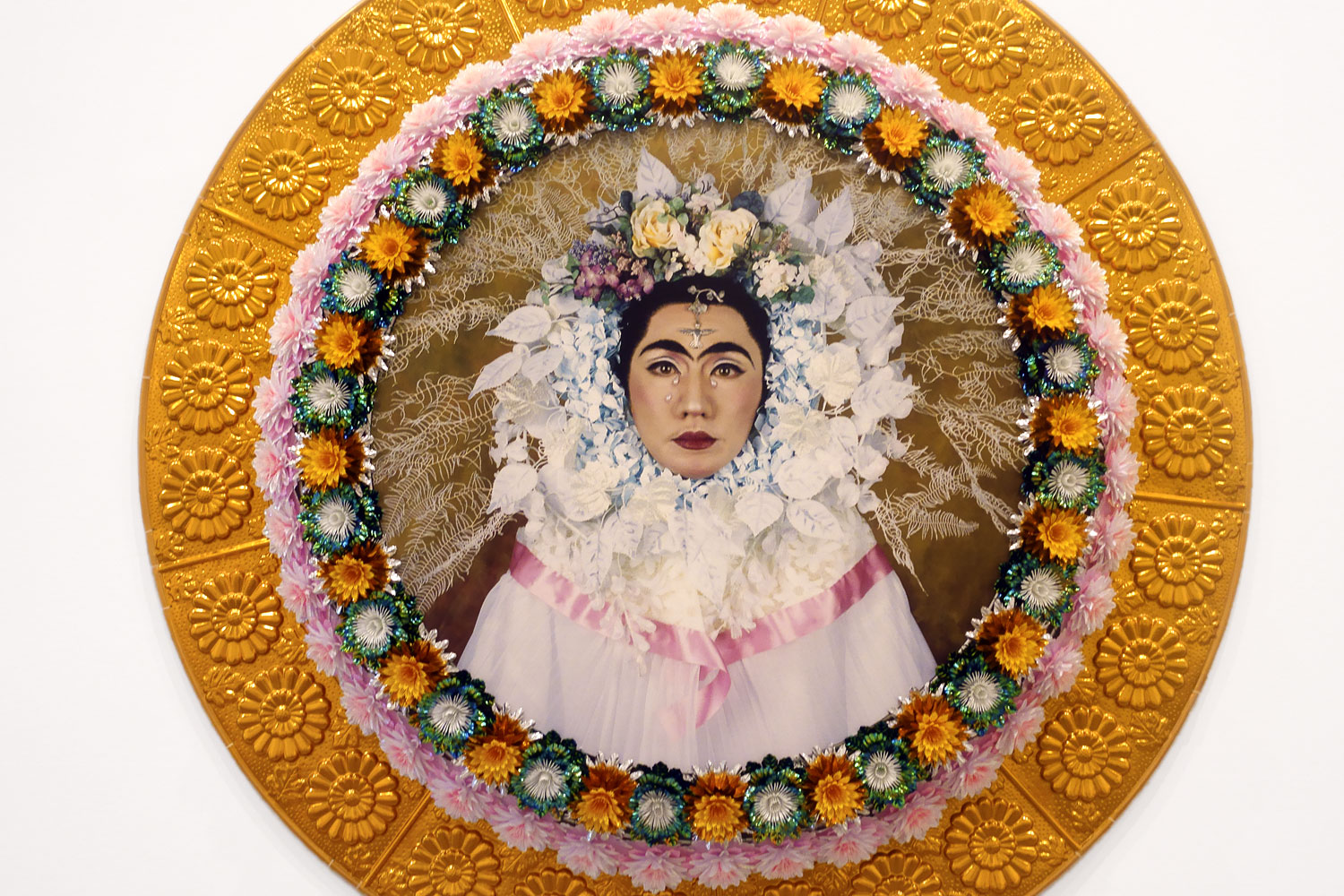
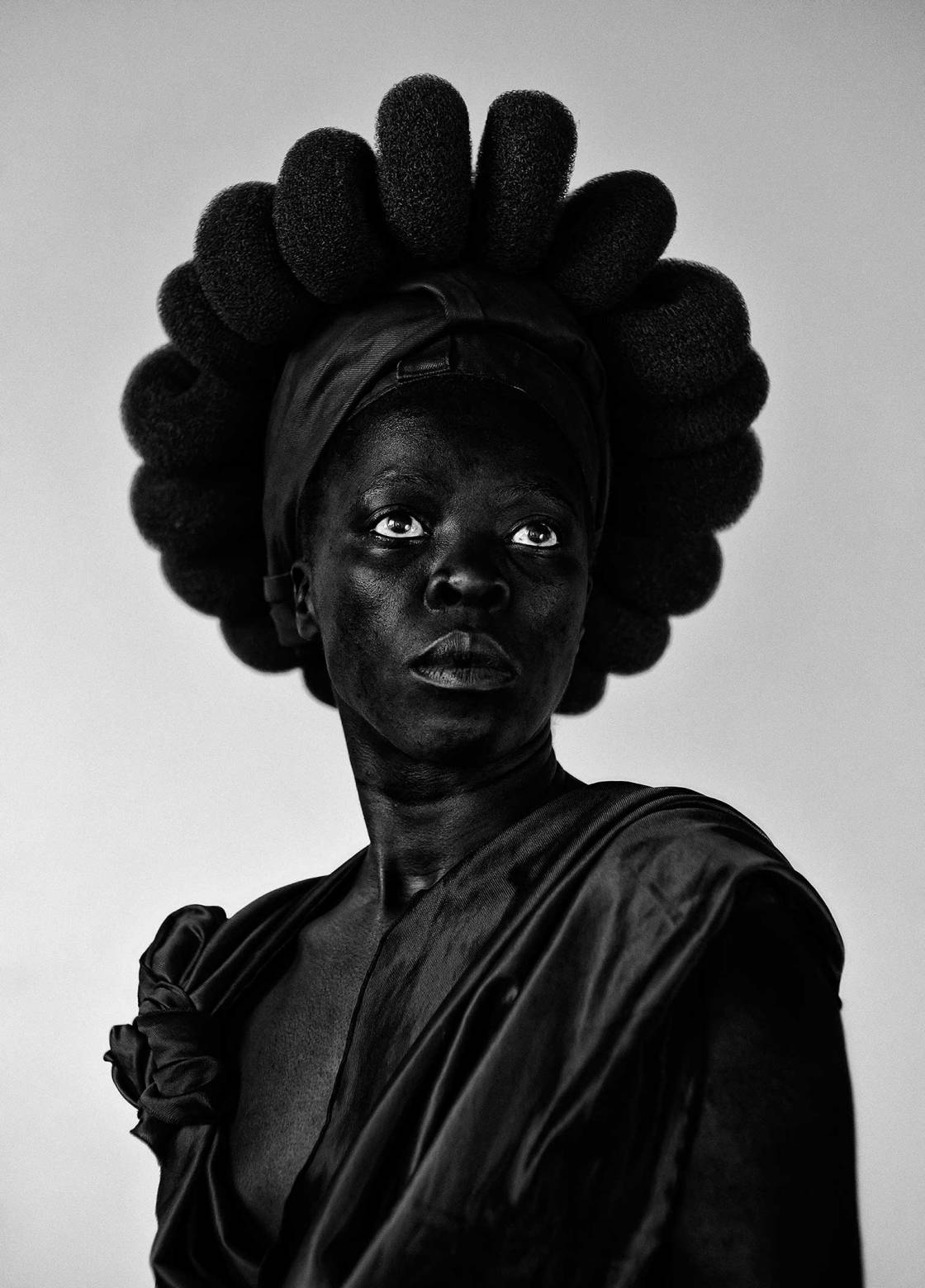
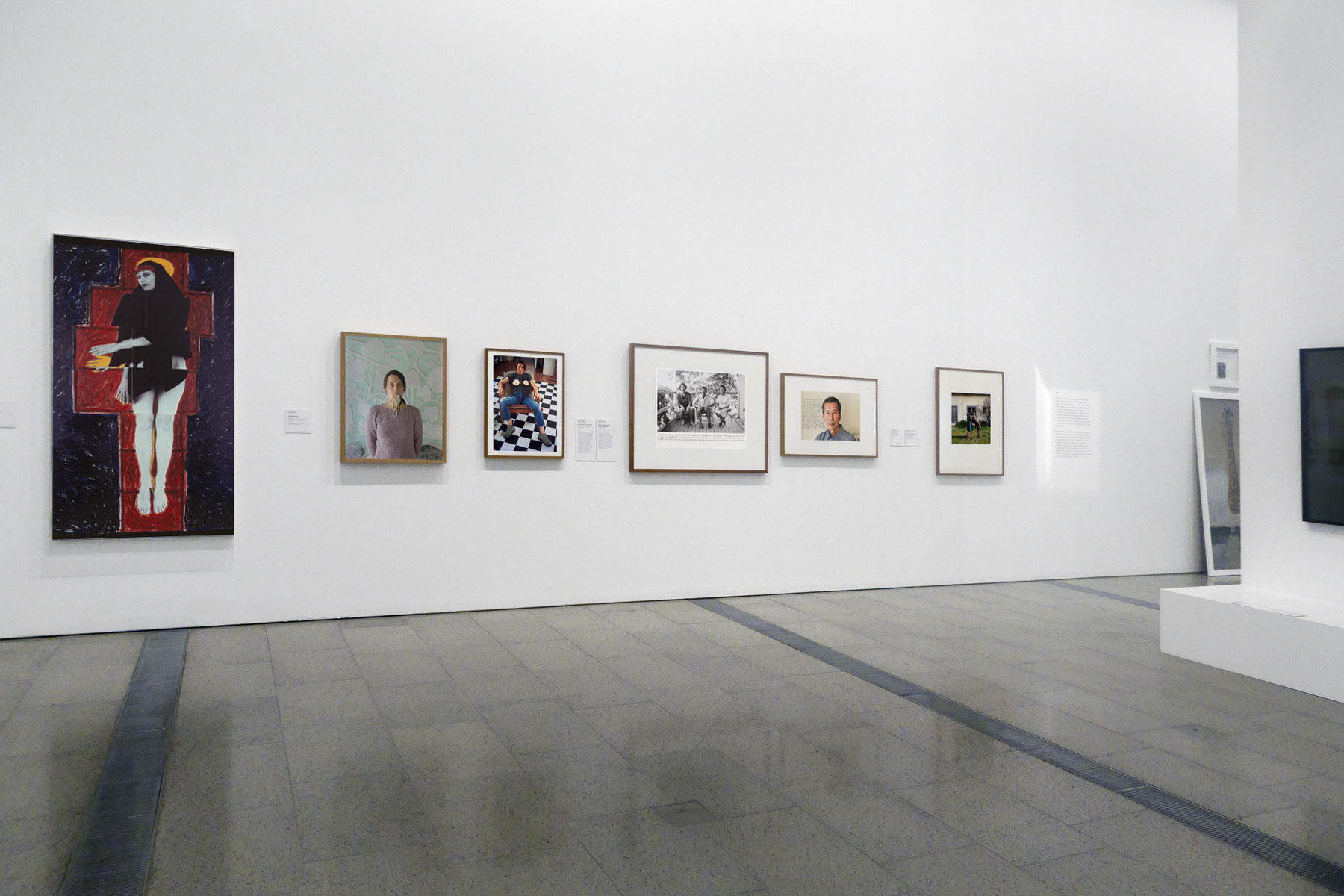

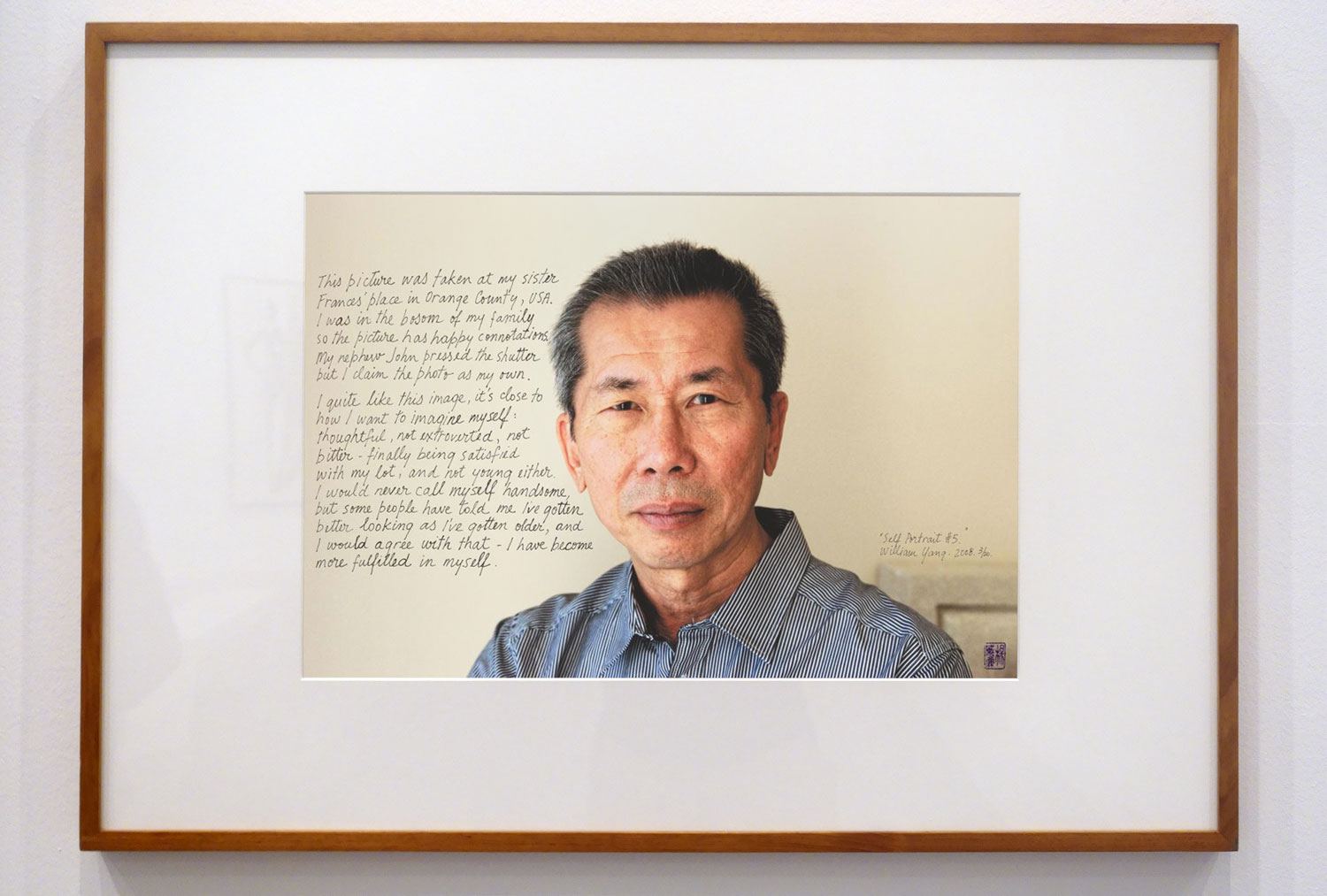


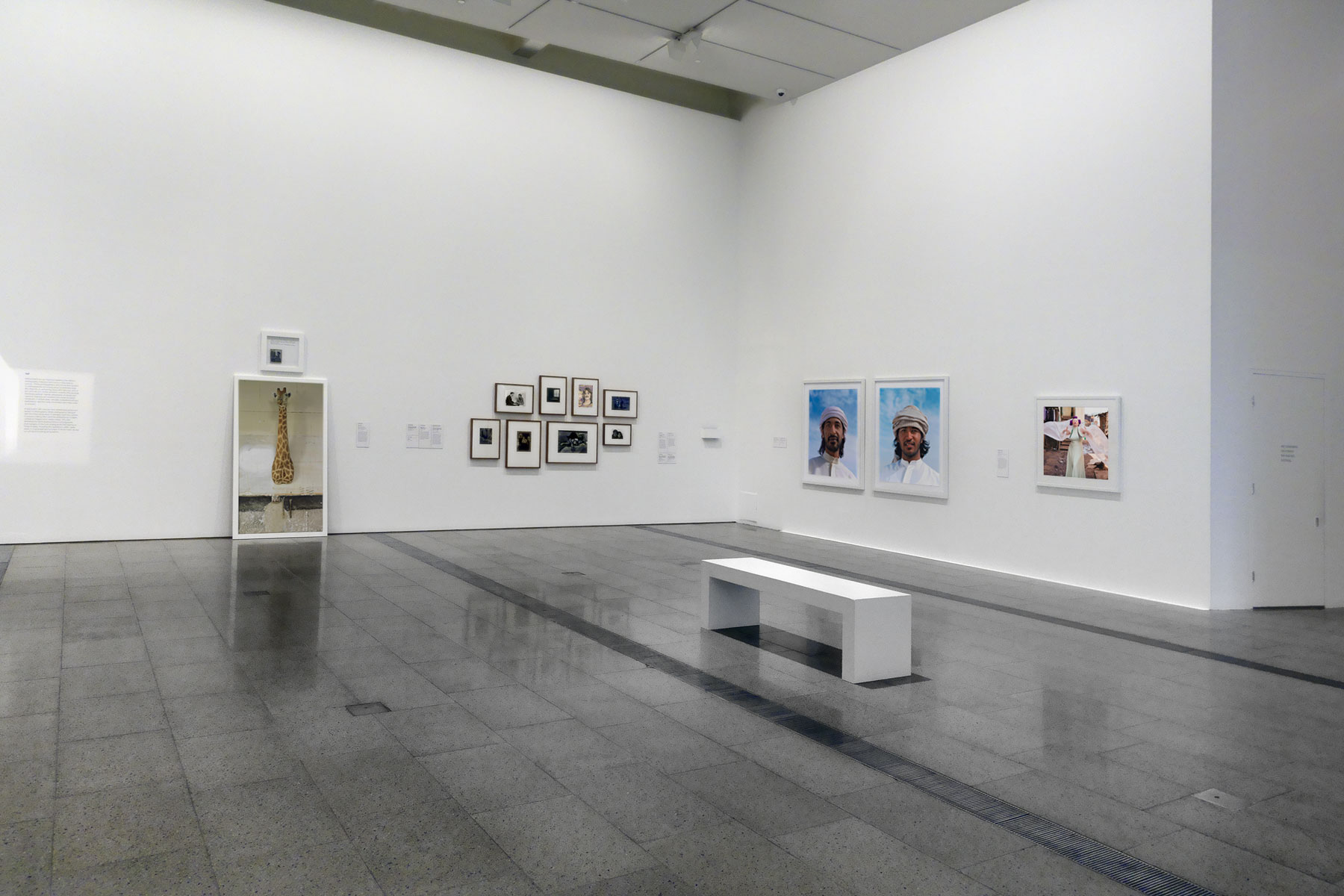


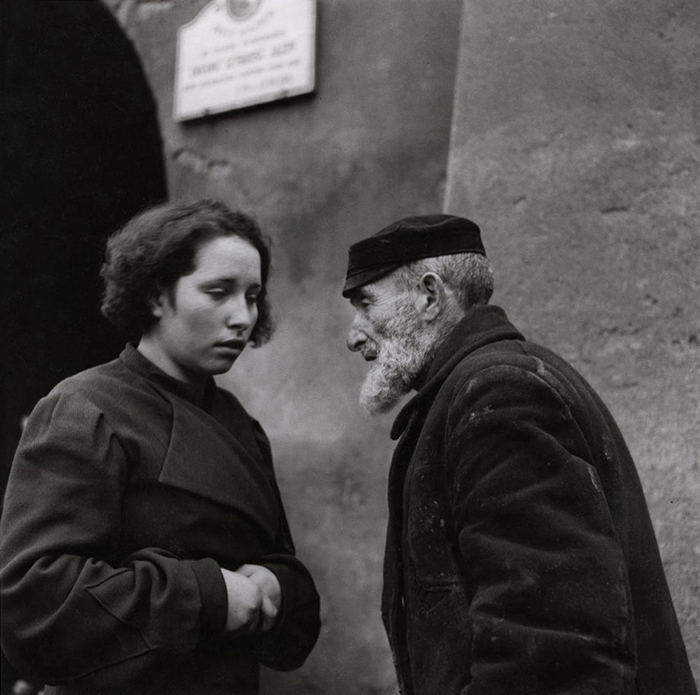


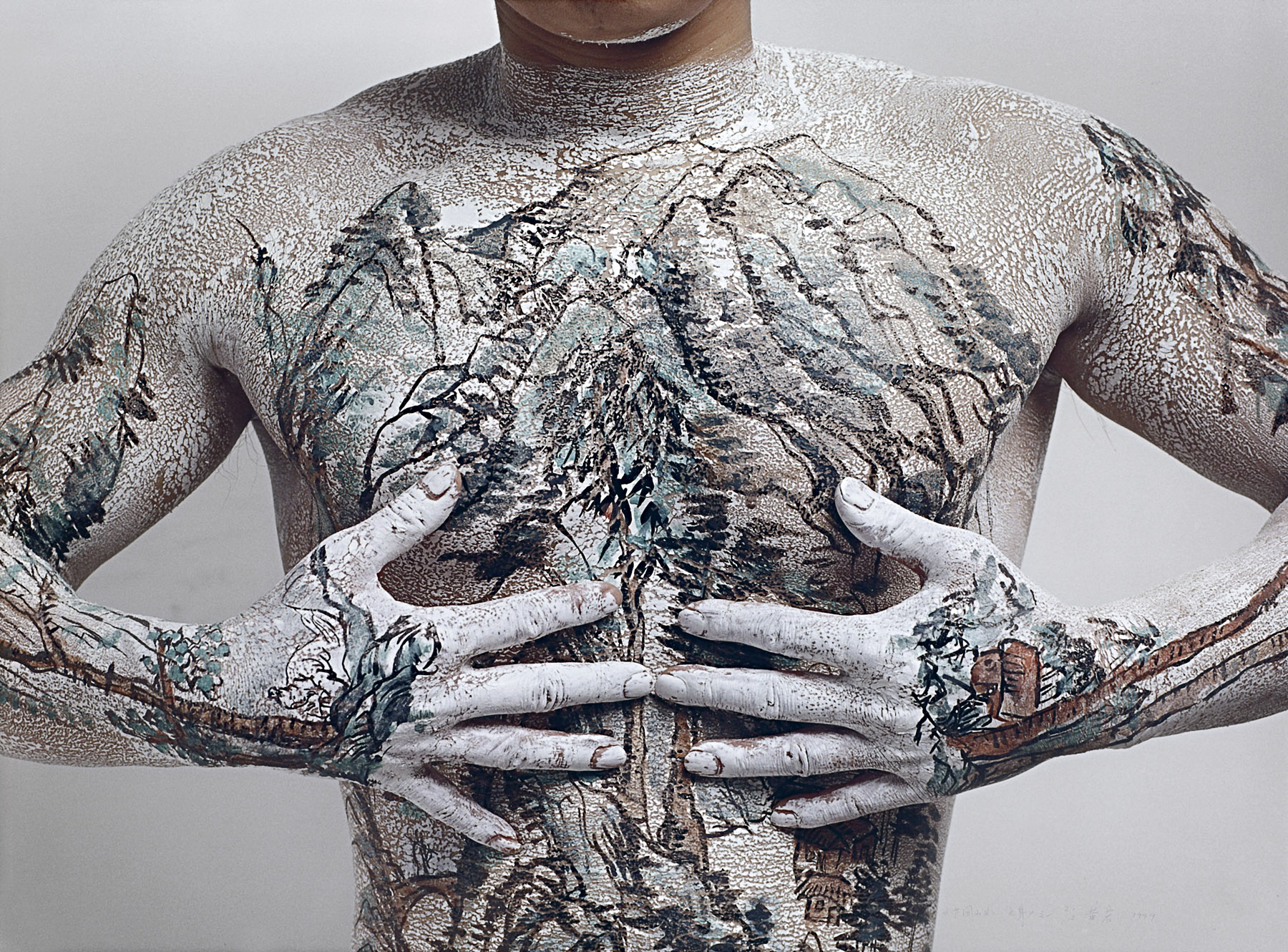


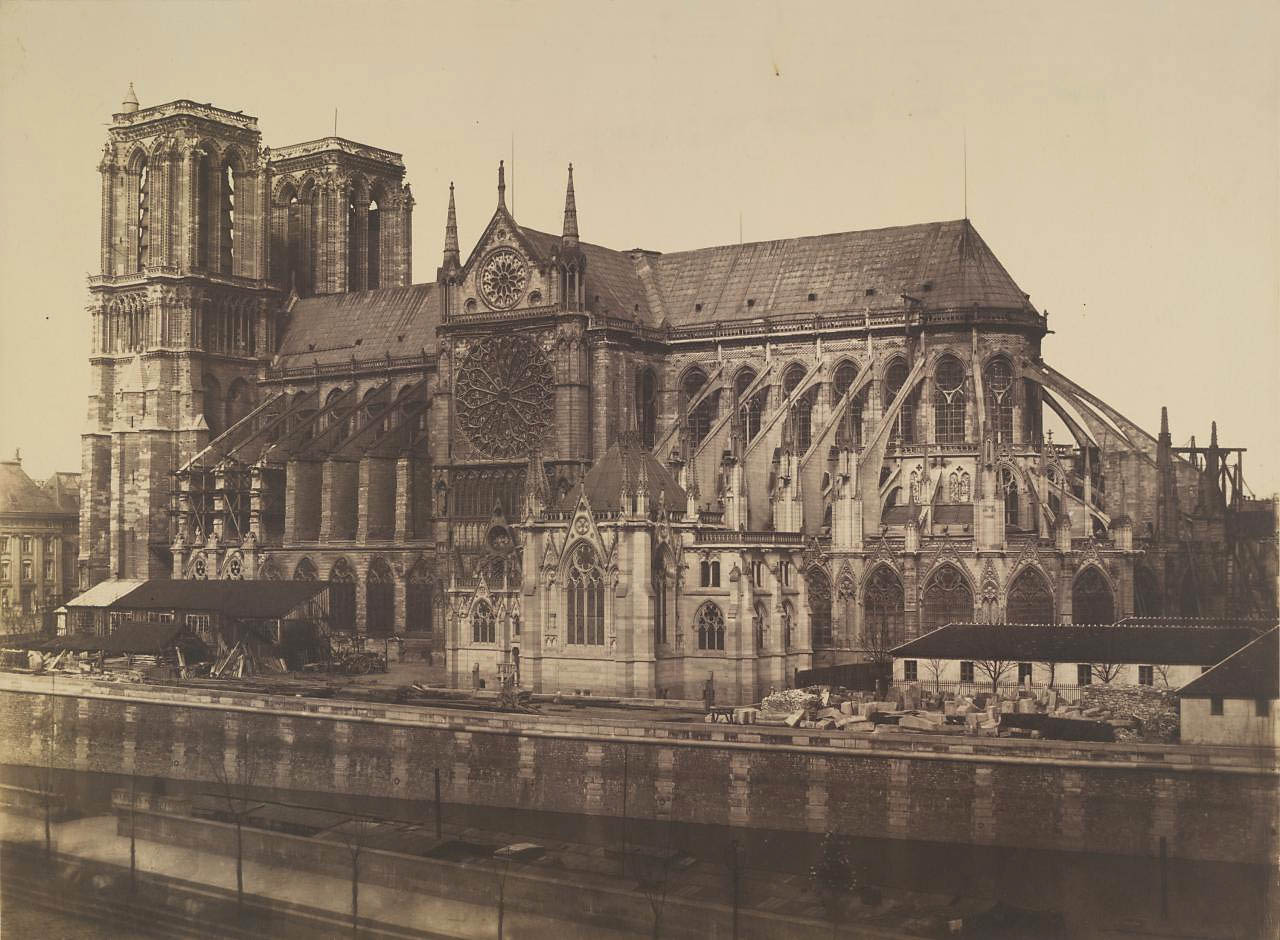


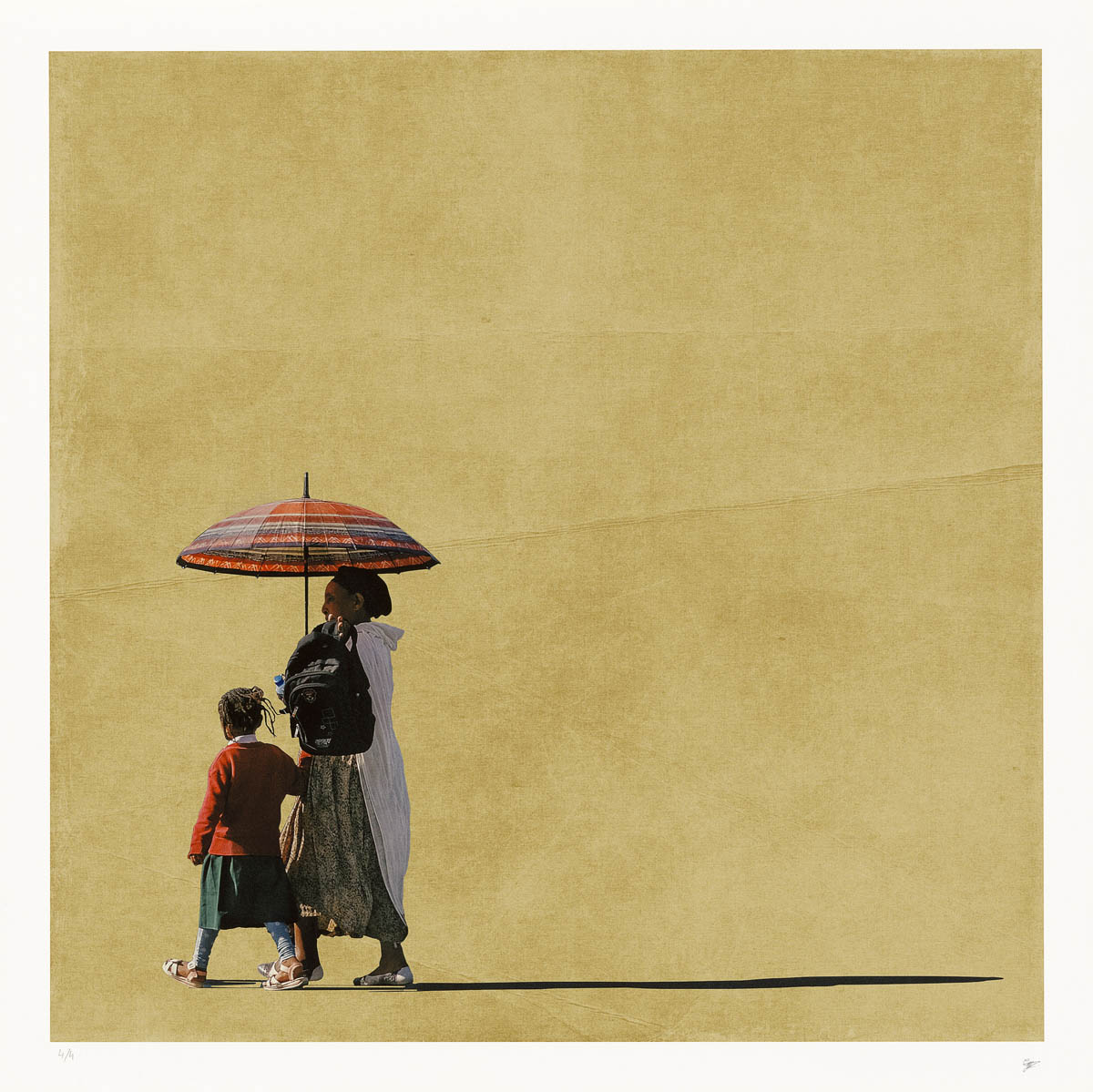


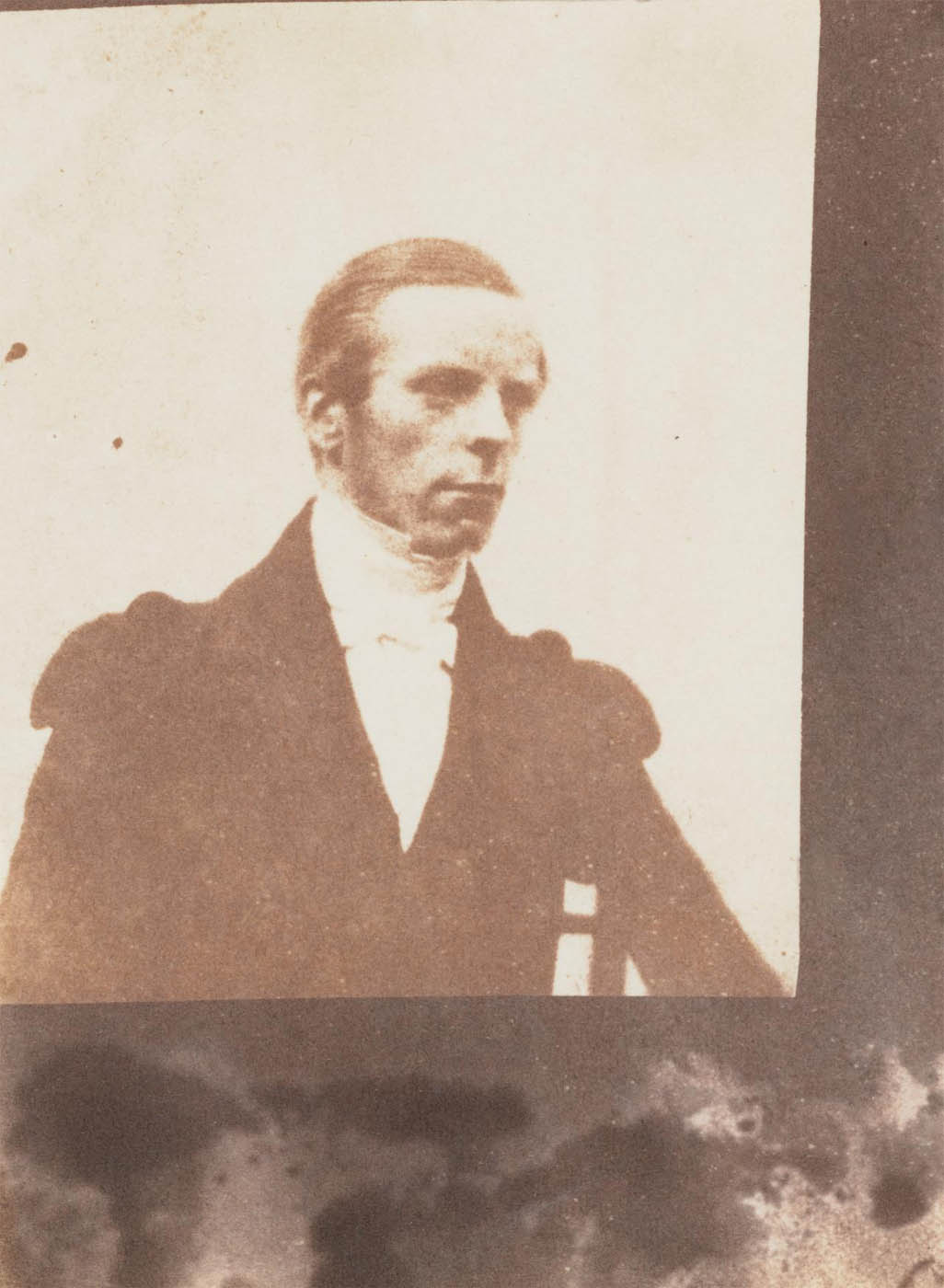


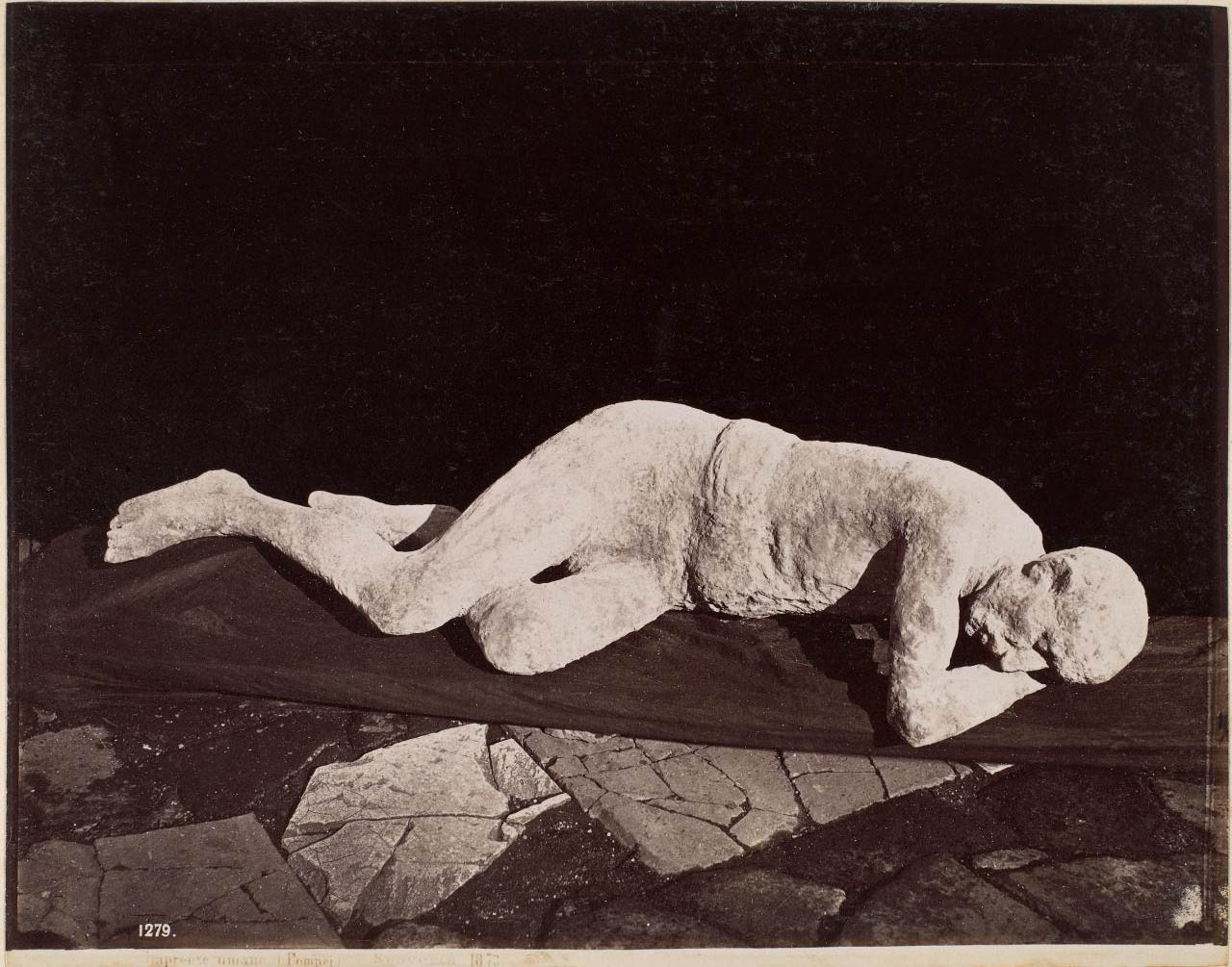


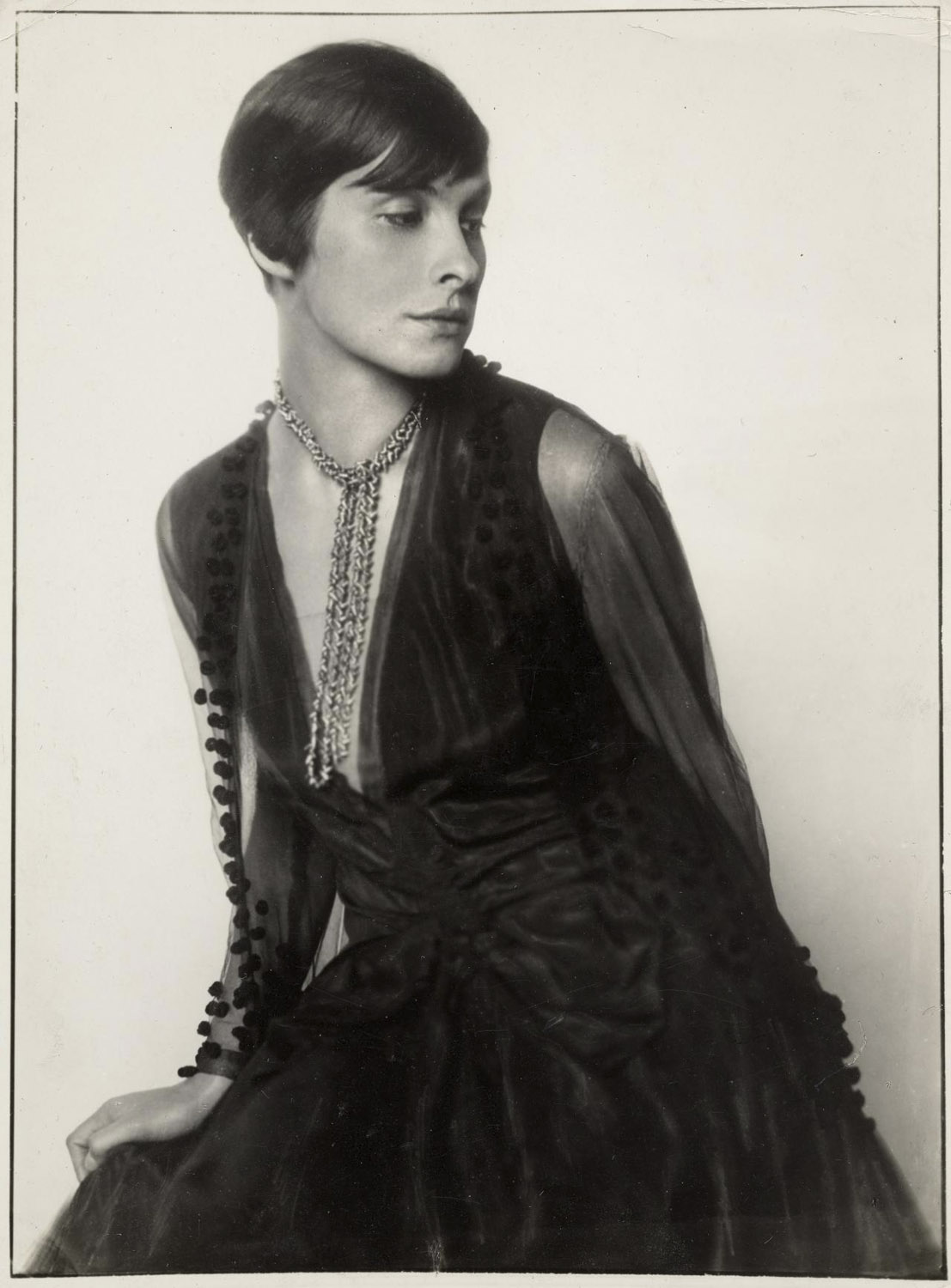




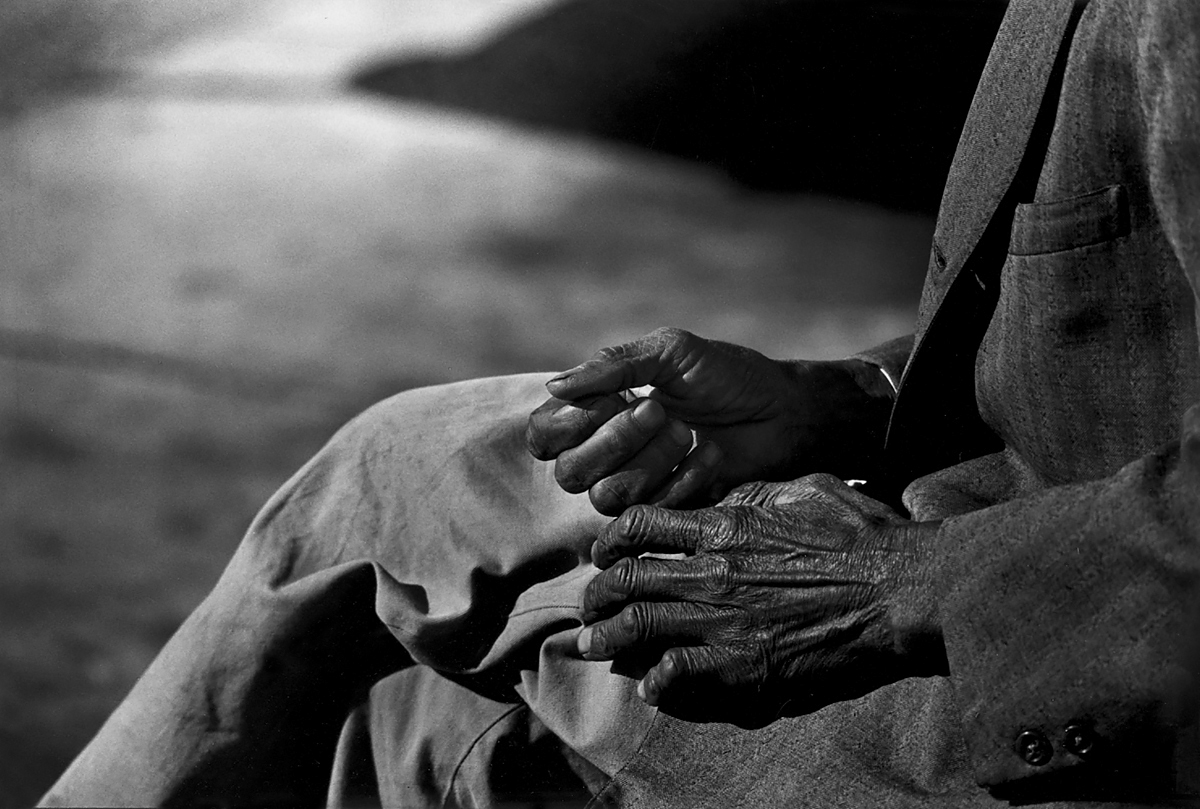
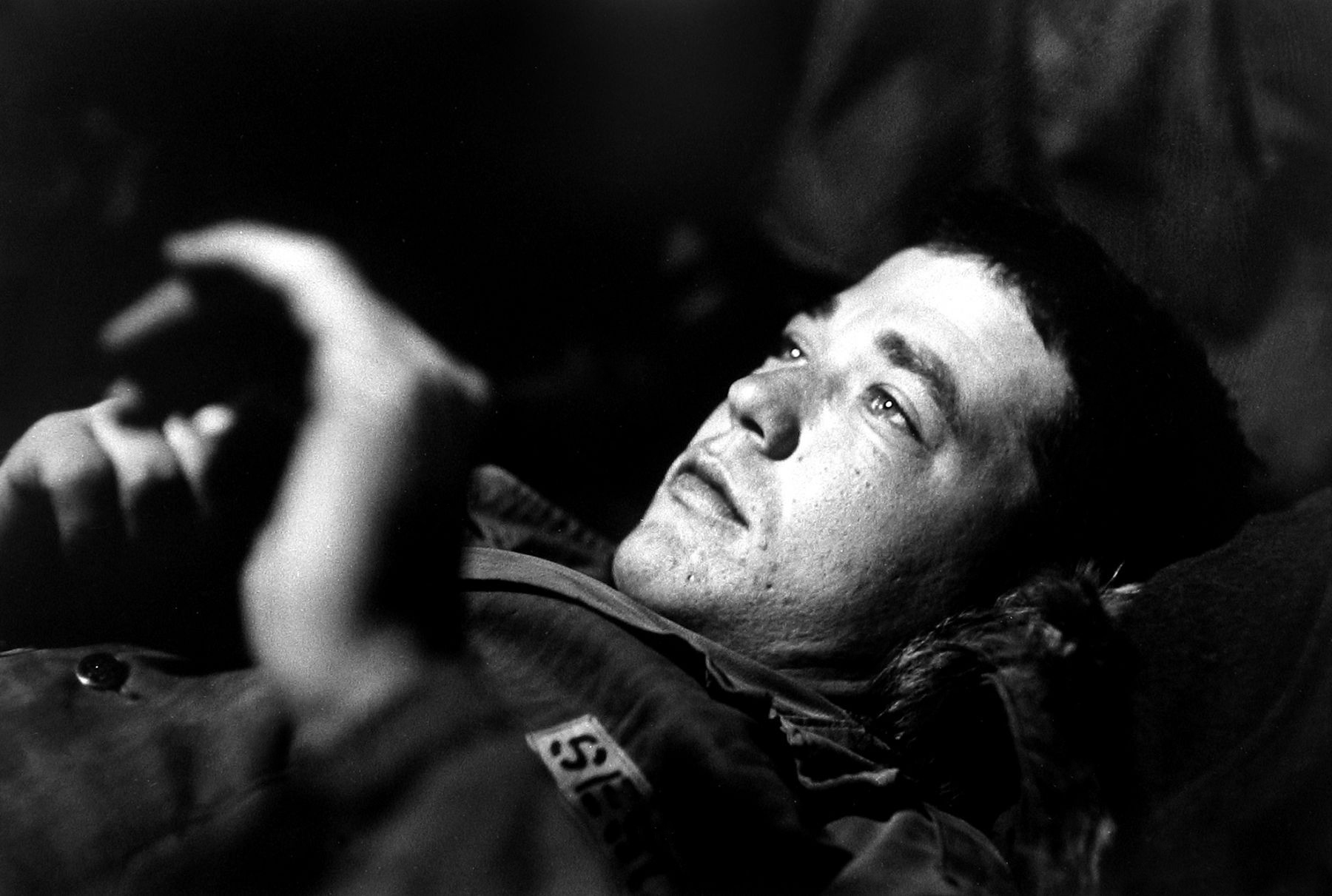
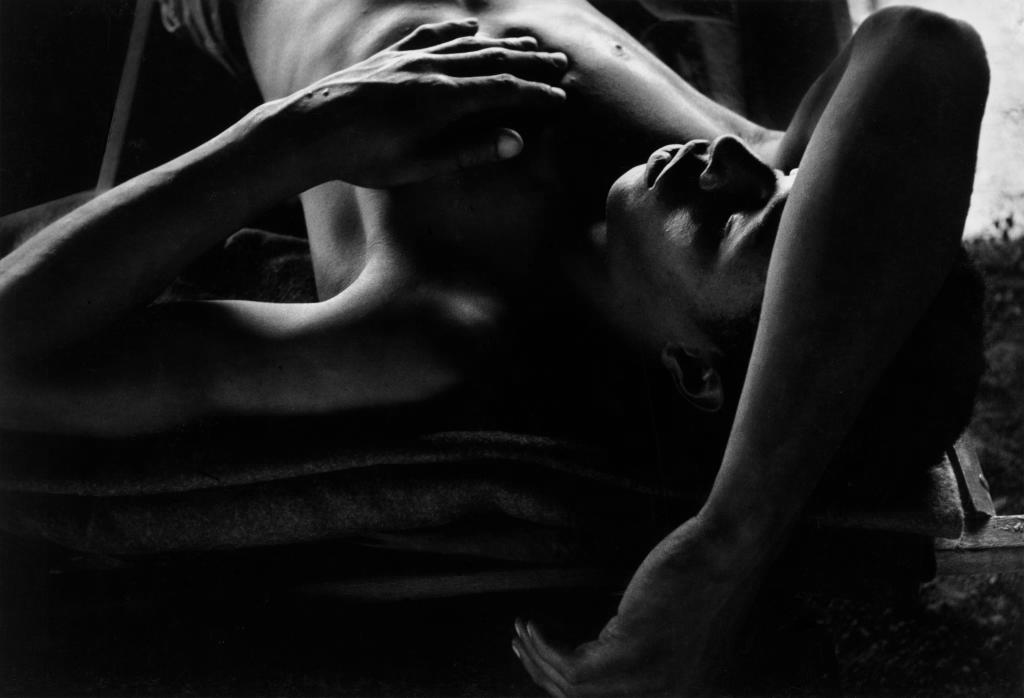
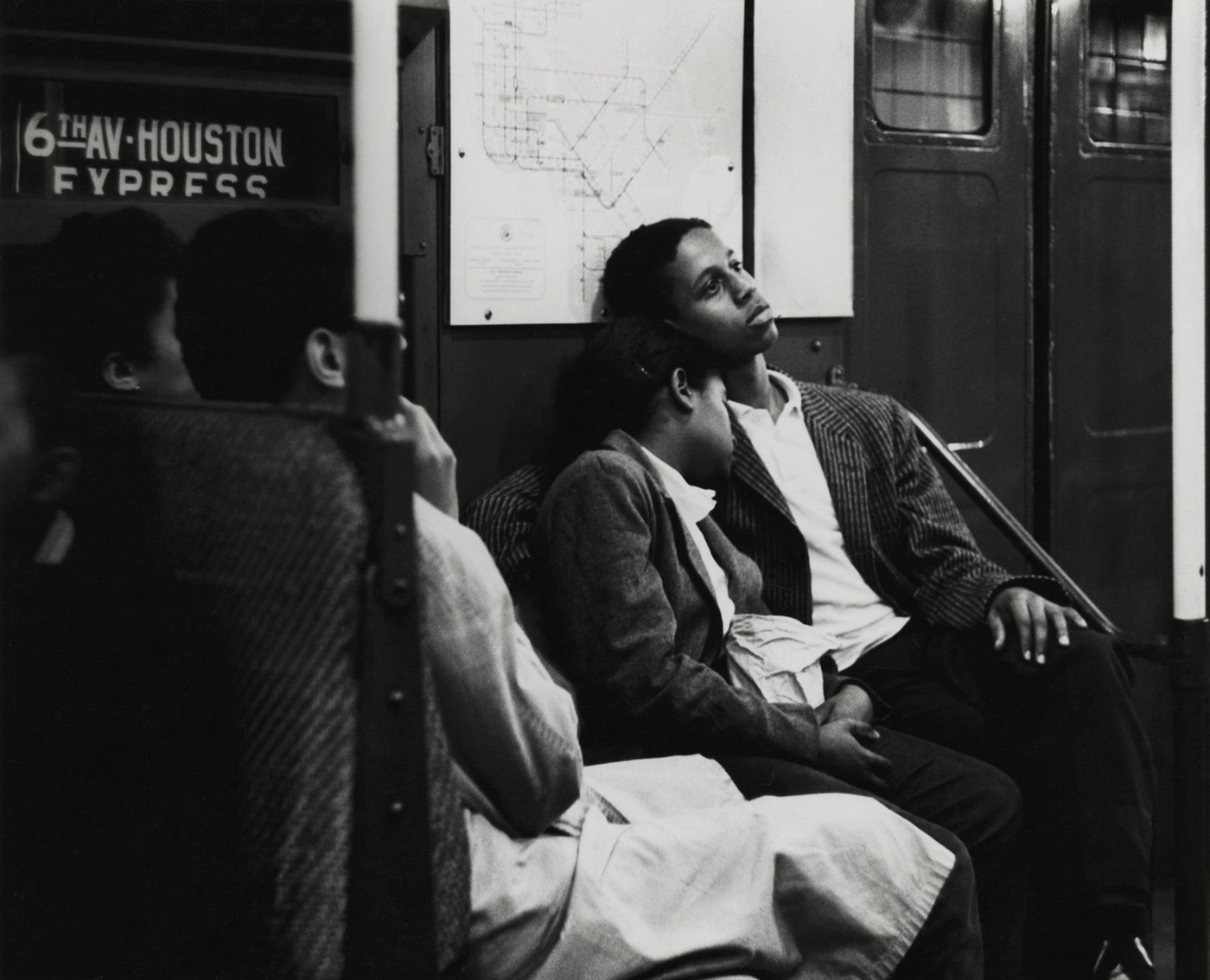
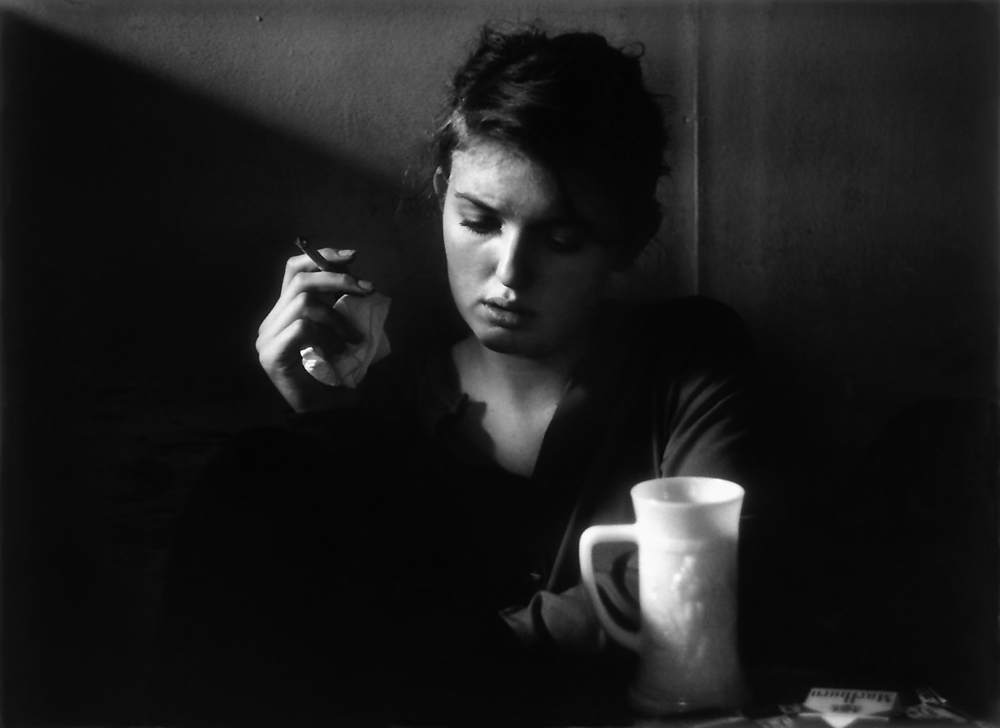
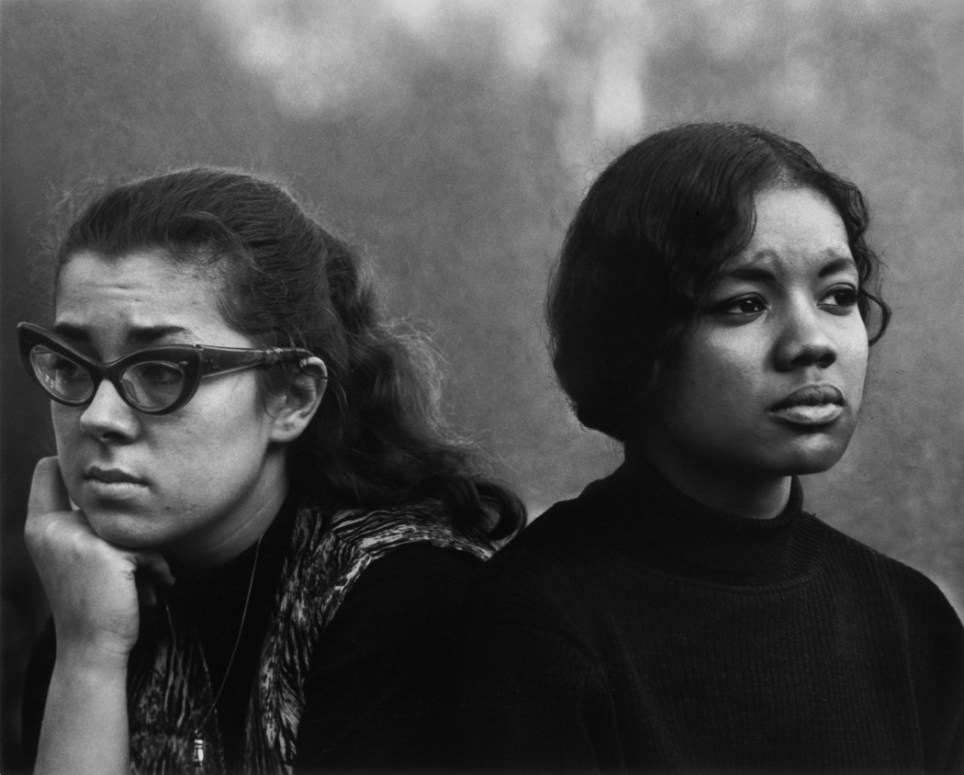
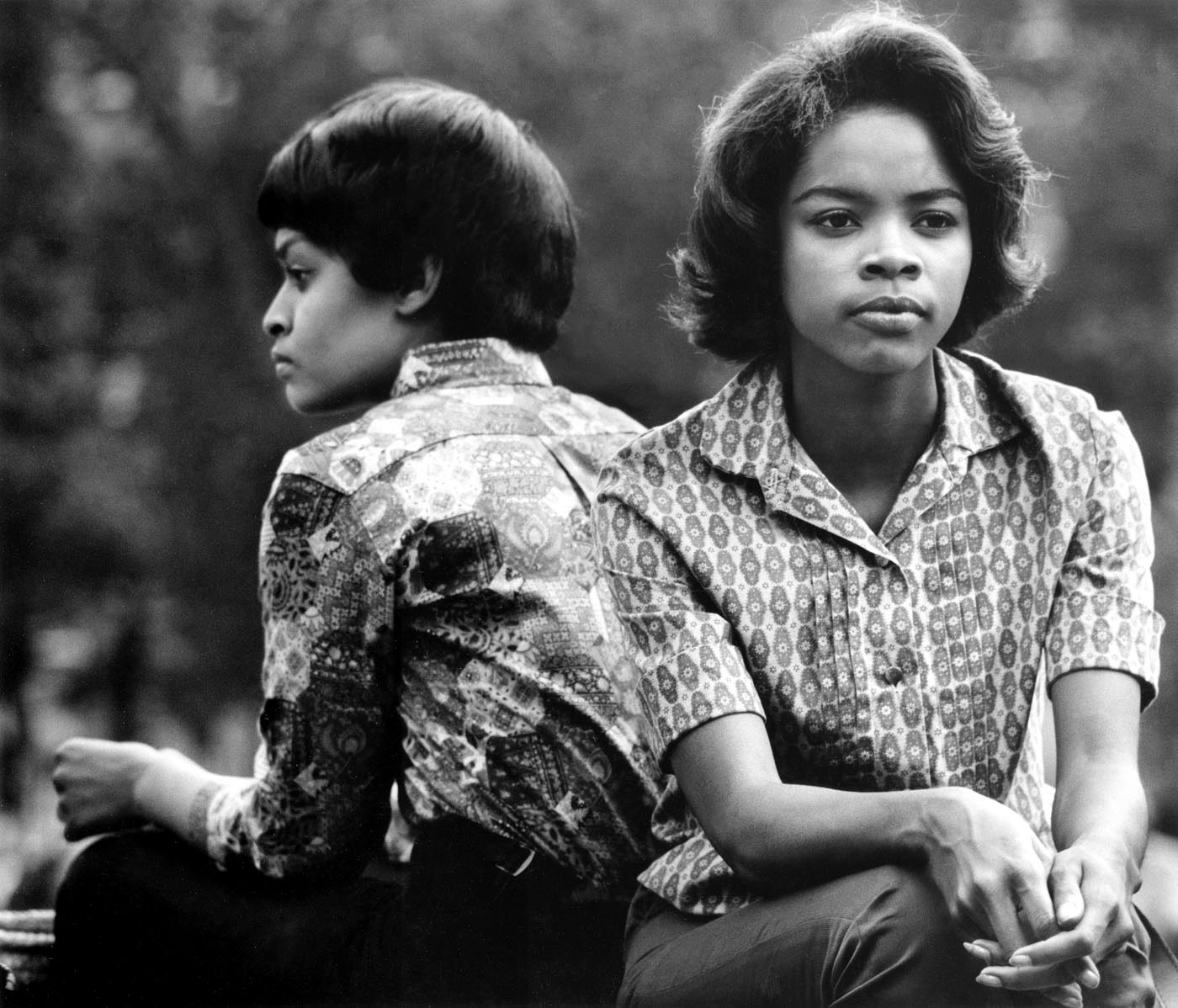
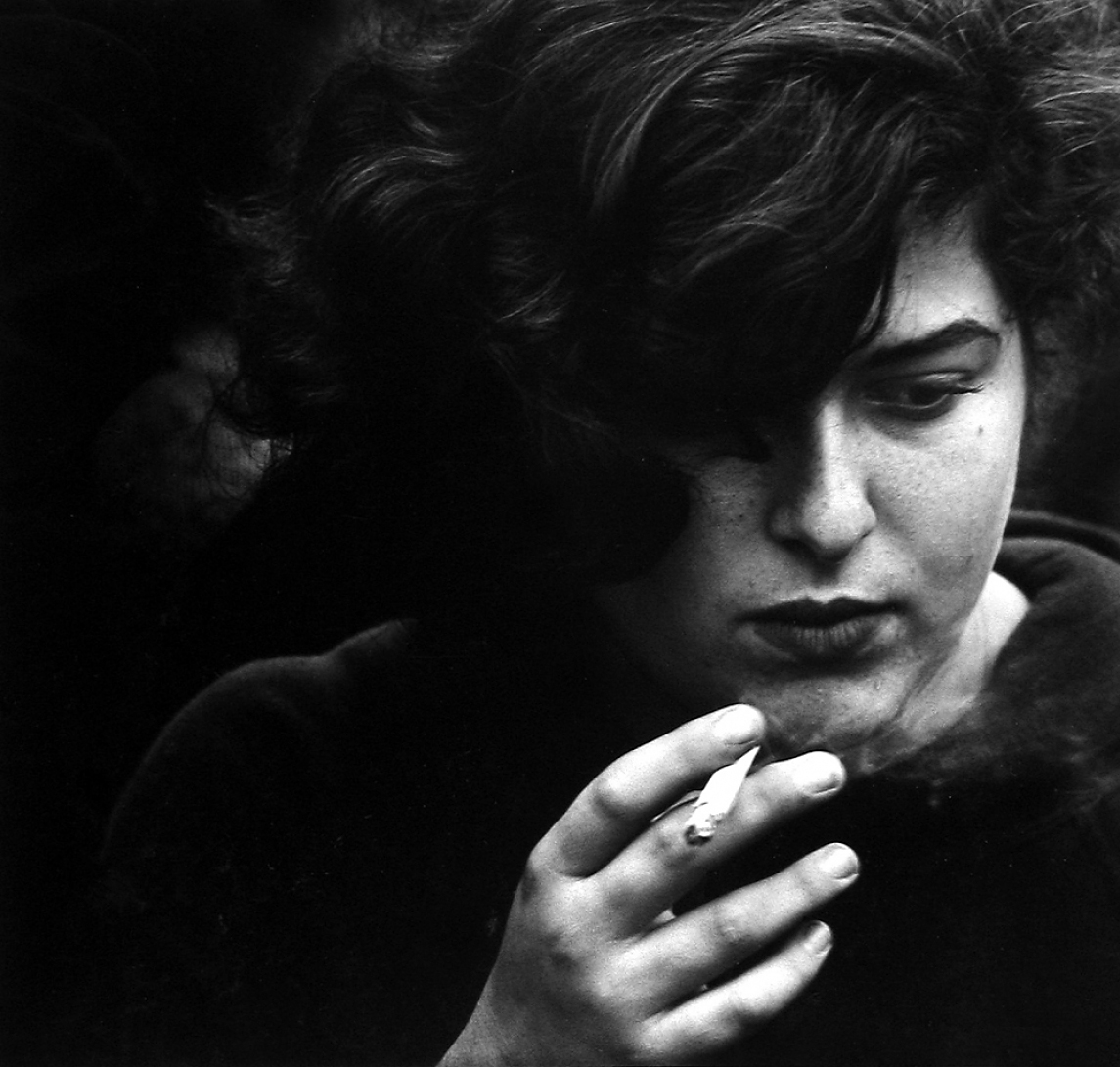
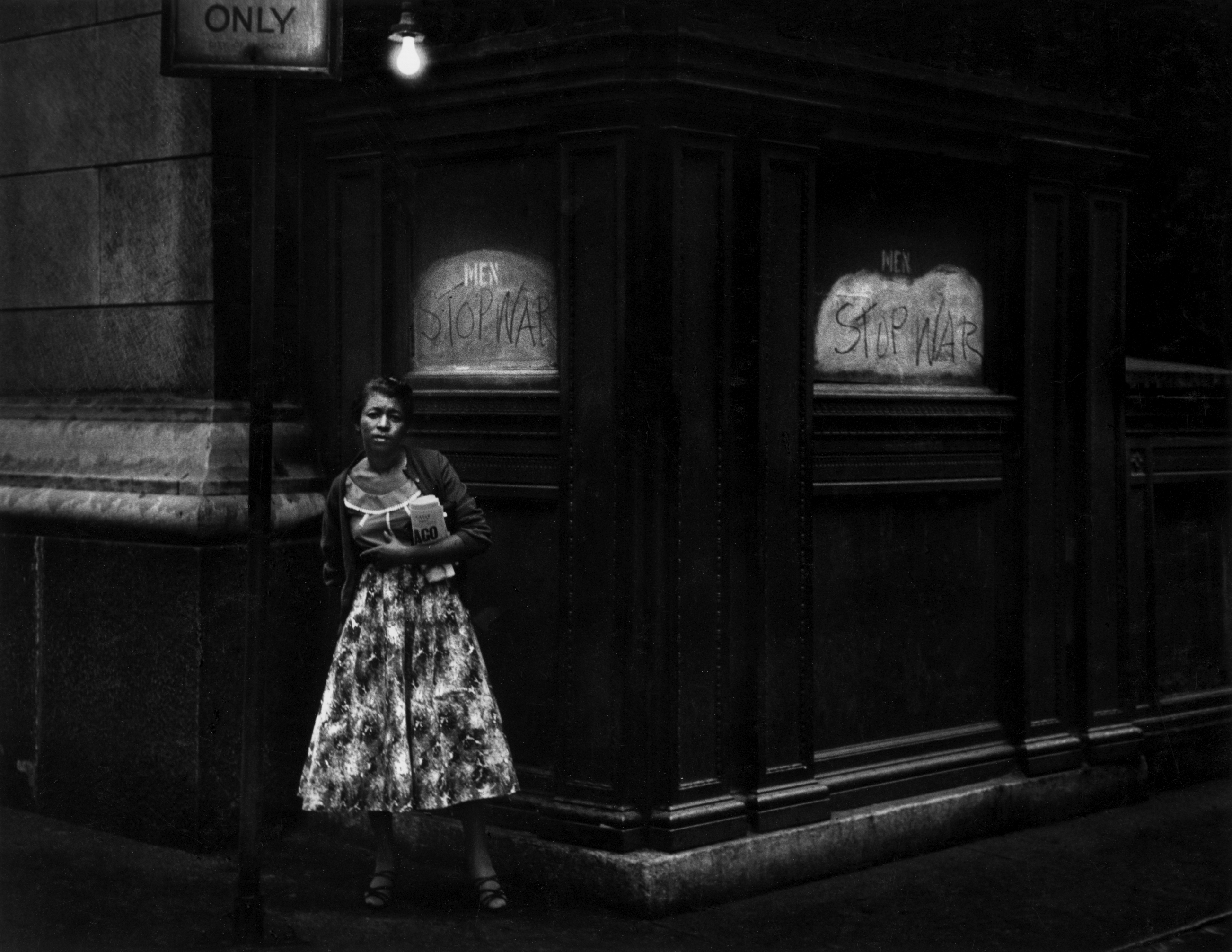
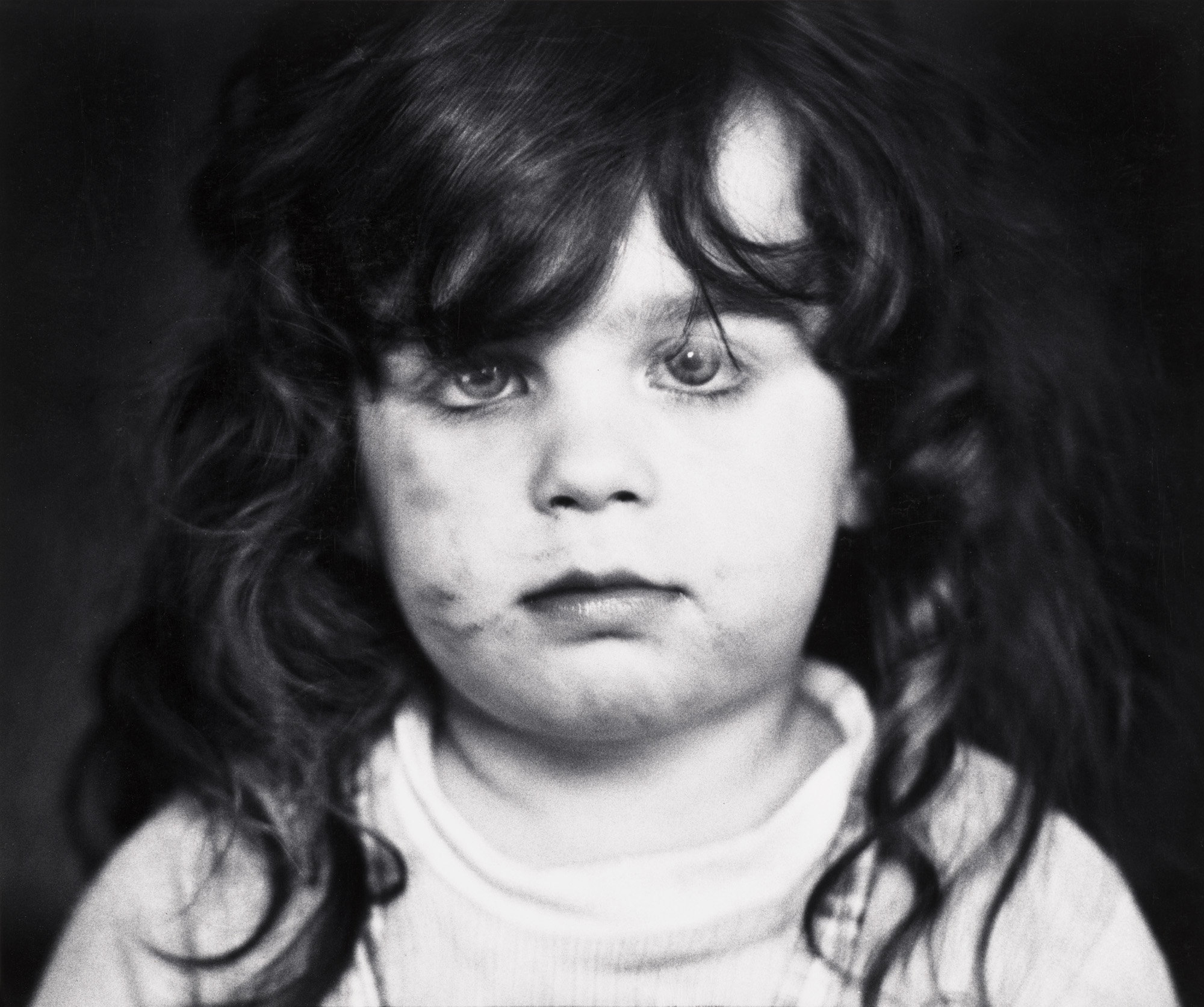
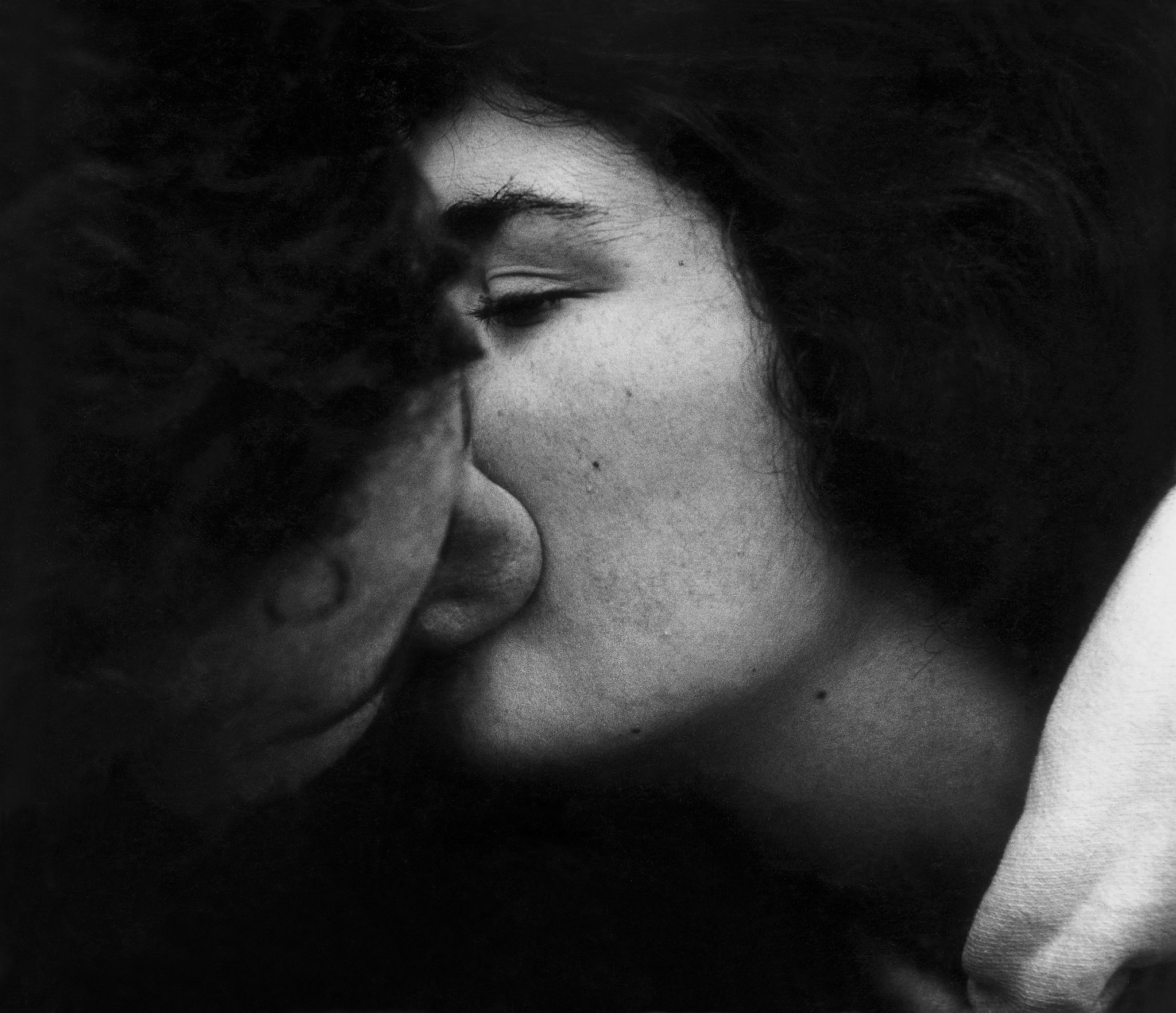
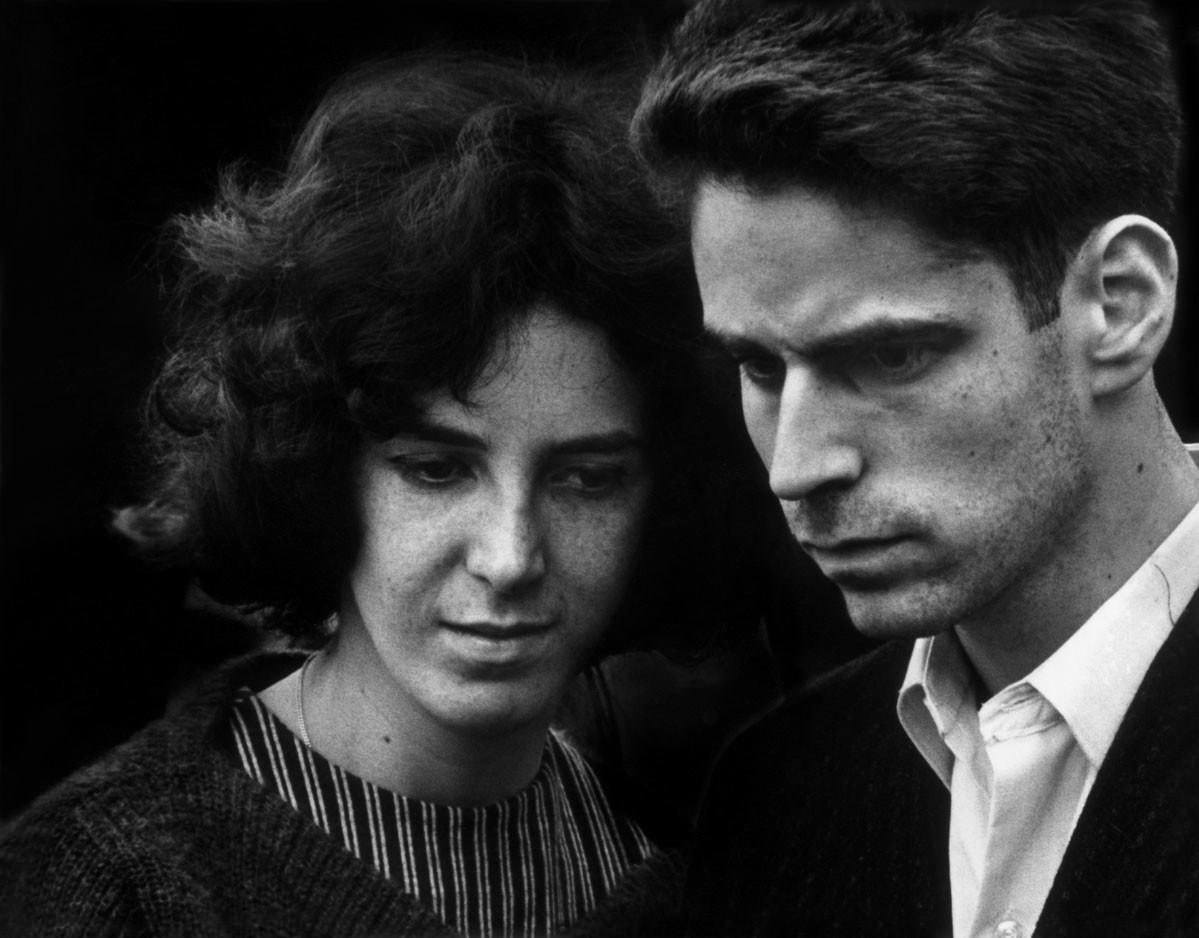
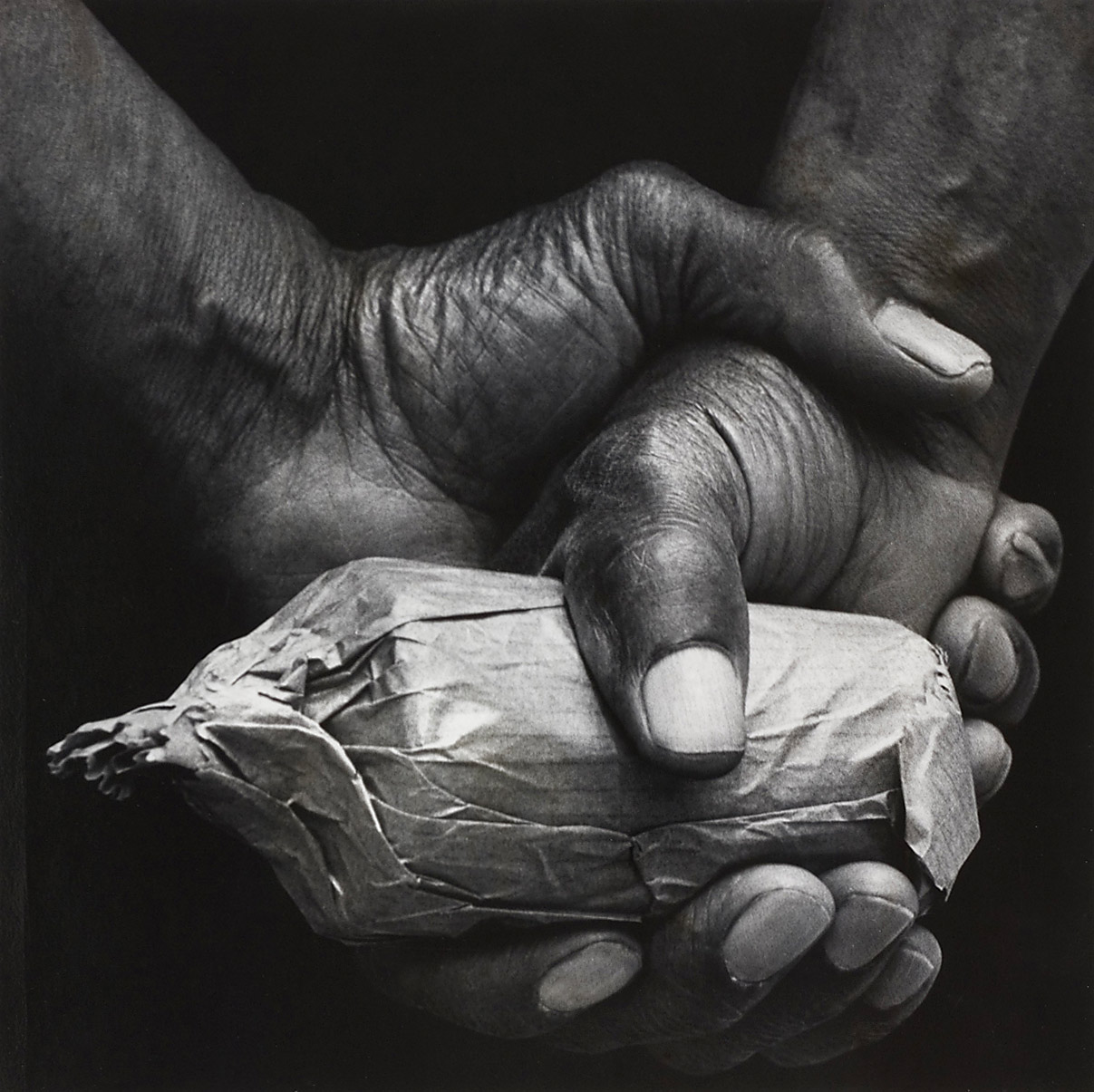
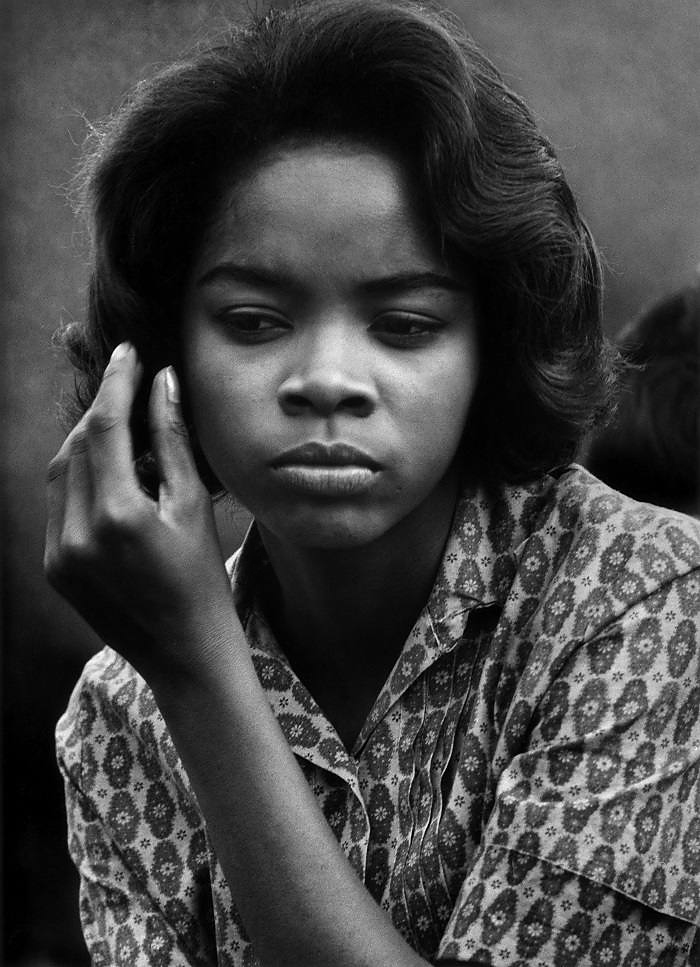
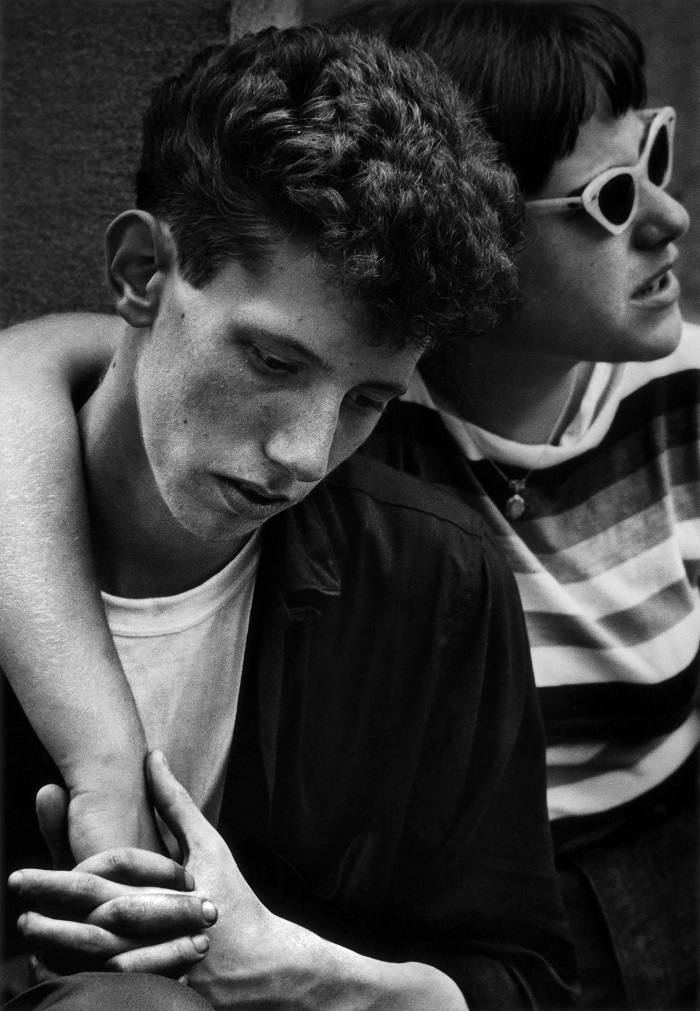
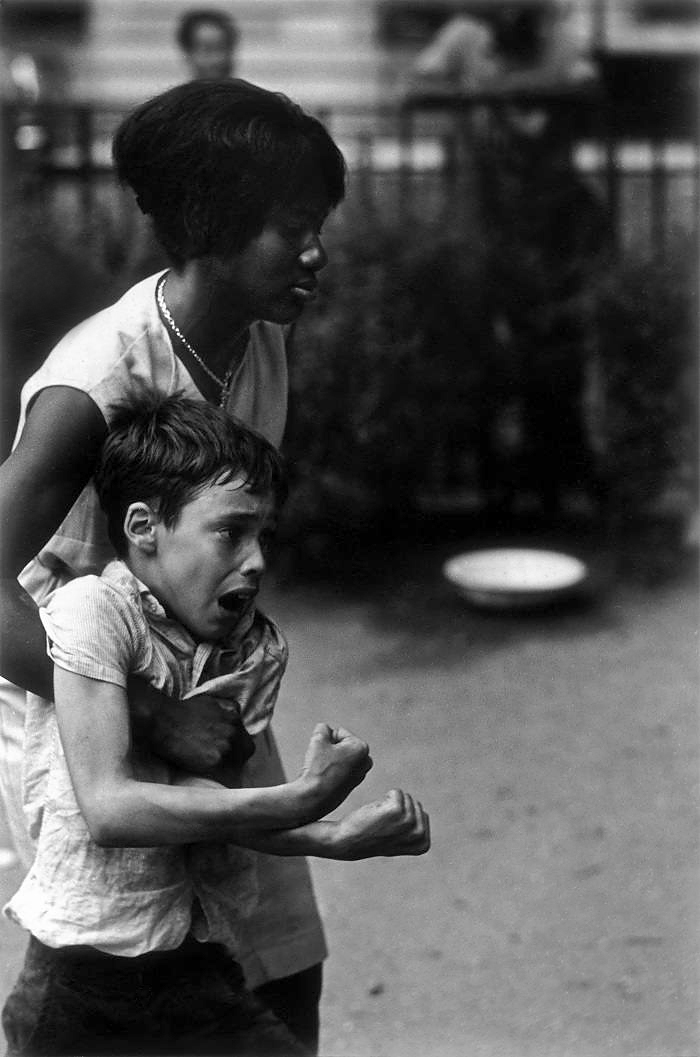
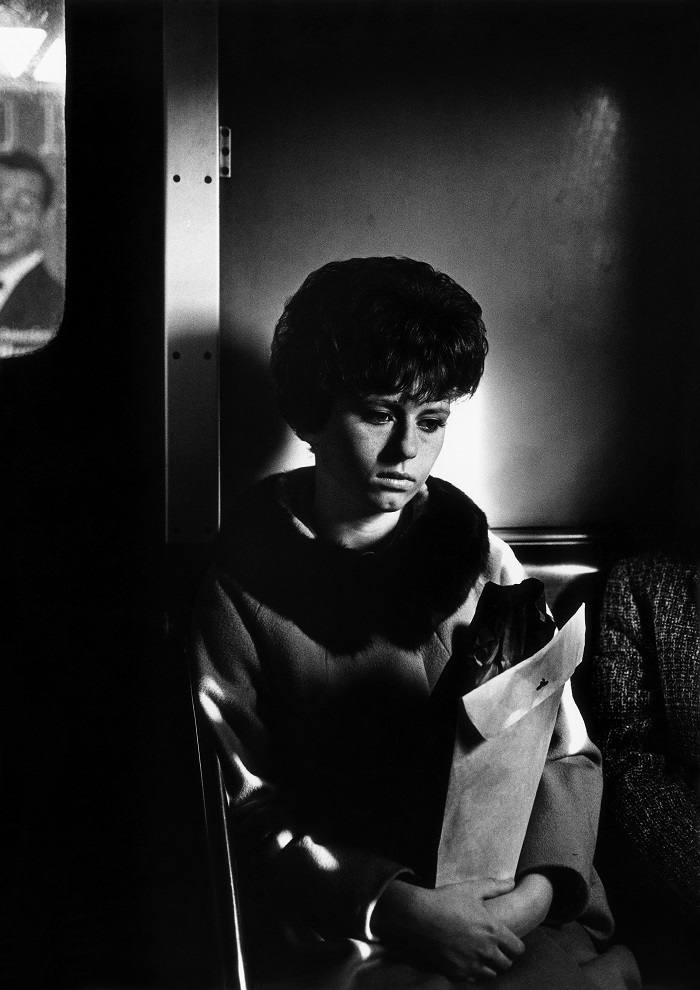
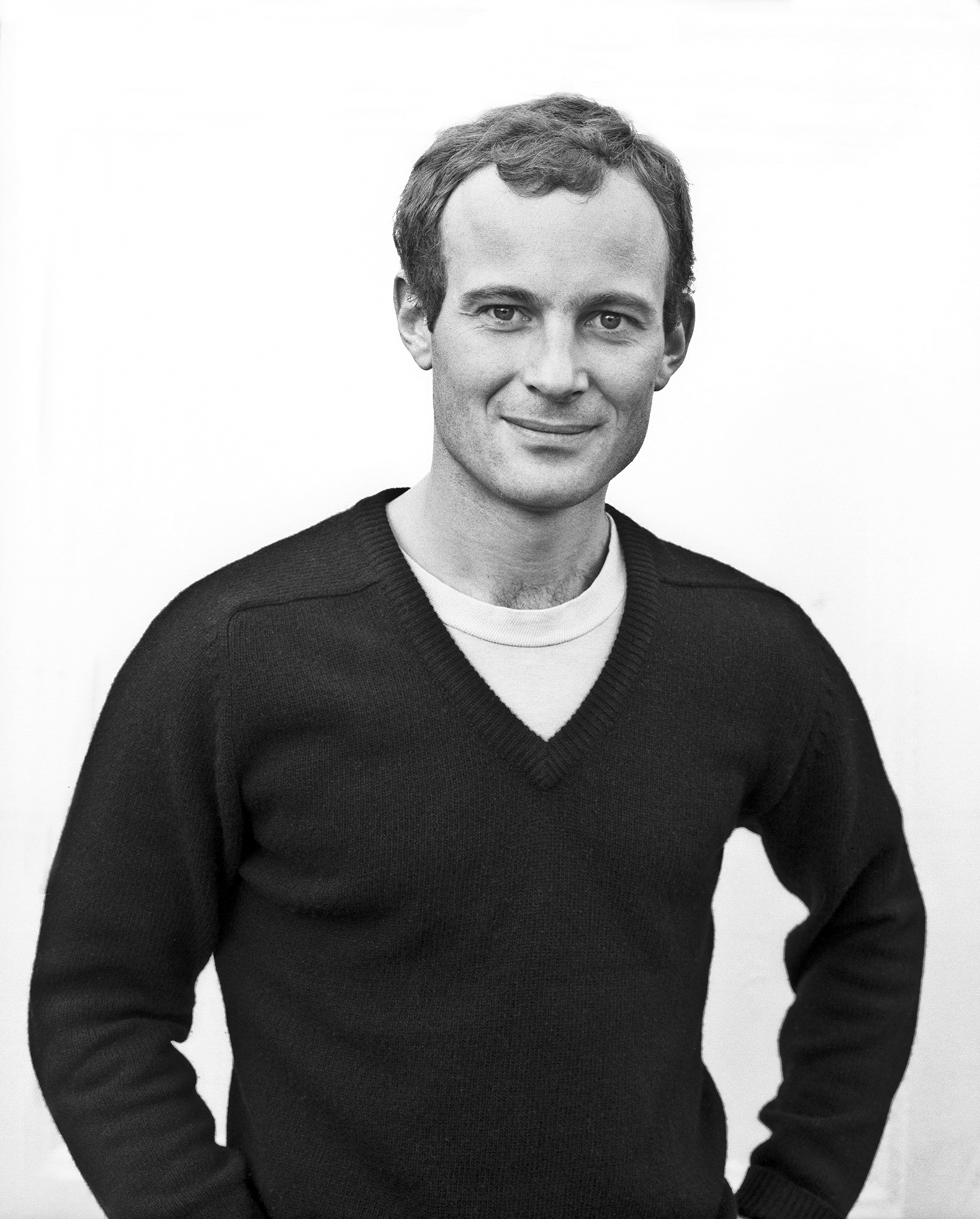
![Carol Jerrems (Australian, 1949-1980) 'Ayer's Dog Rock [Bill Heimerman looking through his Rolleiflex]' 1975](https://artblart.com/wp-content/uploads/2017/10/jerrems-william-heimerman-web.jpg "Carol Jerrems (Australian, 1949-1980) 'Ayer's Dog Rock [Bill Heimerman looking through his Rolleiflex]' 1975")
![William Heimerman (Australian born America, 1950-2017) 'Untitled [Carol Jerrems looking through her camera, Dog Rocks near Geelong]' c. 1975-1980](https://artblart.com/wp-content/uploads/2017/10/heimerman-carol-jerrems-web.jpg "William Heimerman (Australian born America, 1950-2017) 'Untitled [Carol Jerrems looking through her camera, Dog Rocks near Geelong]' c. 1975-1980")
![Carol Jerrems (Australian, 1949-1980) 'Untitled [Bill Heimerman and Ian Lobb at the Dog Rocks near Geelong]' 1975](https://artblart.com/wp-content/uploads/2017/10/jerrems-william-heimerman-ian-lobb-web.jpg "Carol Jerrems (Australian, 1949-1980) 'Untitled [Bill Heimerman and Ian Lobb at the Dog Rocks near Geelong]' 1975")
![Carol Jerrems (Australian, 1949-1980) 'Untitled [Bill Heimerman and Ian Lobb at the Dog Rocks near Geelong]' 1975](https://artblart.com/wp-content/uploads/2017/10/jerrems-william-heimerman-ian-lobb1-web.jpg "Carol Jerrems (Australian, 1949-1980) 'Untitled [Bill Heimerman and Ian Lobb at the Dog Rocks near Geelong]' 1975")
![Peter Leiss (Australian born England, b. 1951) 'Untitled [Bill Heimerman and Ian Lobb at the rear of the Photographers' Gallery]' c. 1975-1980](https://artblart.com/wp-content/uploads/2017/10/leiss-william-heimerman2-web.jpg "Peter Leiss (Australian born England, b. 1951) 'Untitled [Bill Heimerman and Ian Lobb at the rear of the Photographers' Gallery]' c. 1975-1980")
![Jeff Busby (Australian, b. 1952) 'Untitled [William Heimerman and friend outside the Photographers Gallery (344)]' c. 1978](https://artblart.com/wp-content/uploads/2017/10/busby-william-heimerman-and-friend-web.jpg "Jeff Busby (Australian, b. 1952) 'Untitled [William Heimerman and friend outside the Photographers Gallery (344)]' c. 1978")
![Louise Bradley. Untitled [William Heimerman adjusting Robert Besanko prints in the main space of the Photographers' Gallery] c. 1975-1980](https://artblart.com/wp-content/uploads/2017/10/louise-bradley-william-heimerman-web.jpg "Louise Bradley. Untitled [William Heimerman adjusting Robert Besanko prints in the main space of the Photographers' Gallery] c. 1975-1980")
![Jeff Busby (Australian, b. 1952) 'Untitled [Bill Heimerman and friends at the Photographers' Gallery]' c. 1975-1980](https://artblart.com/wp-content/uploads/2017/10/busby-william-heimerman1-web.jpg "Jeff Busby (Australian, b. 1952) 'Untitled [Bill Heimerman and friends at the Photographers' Gallery]' c. 1975-1980")
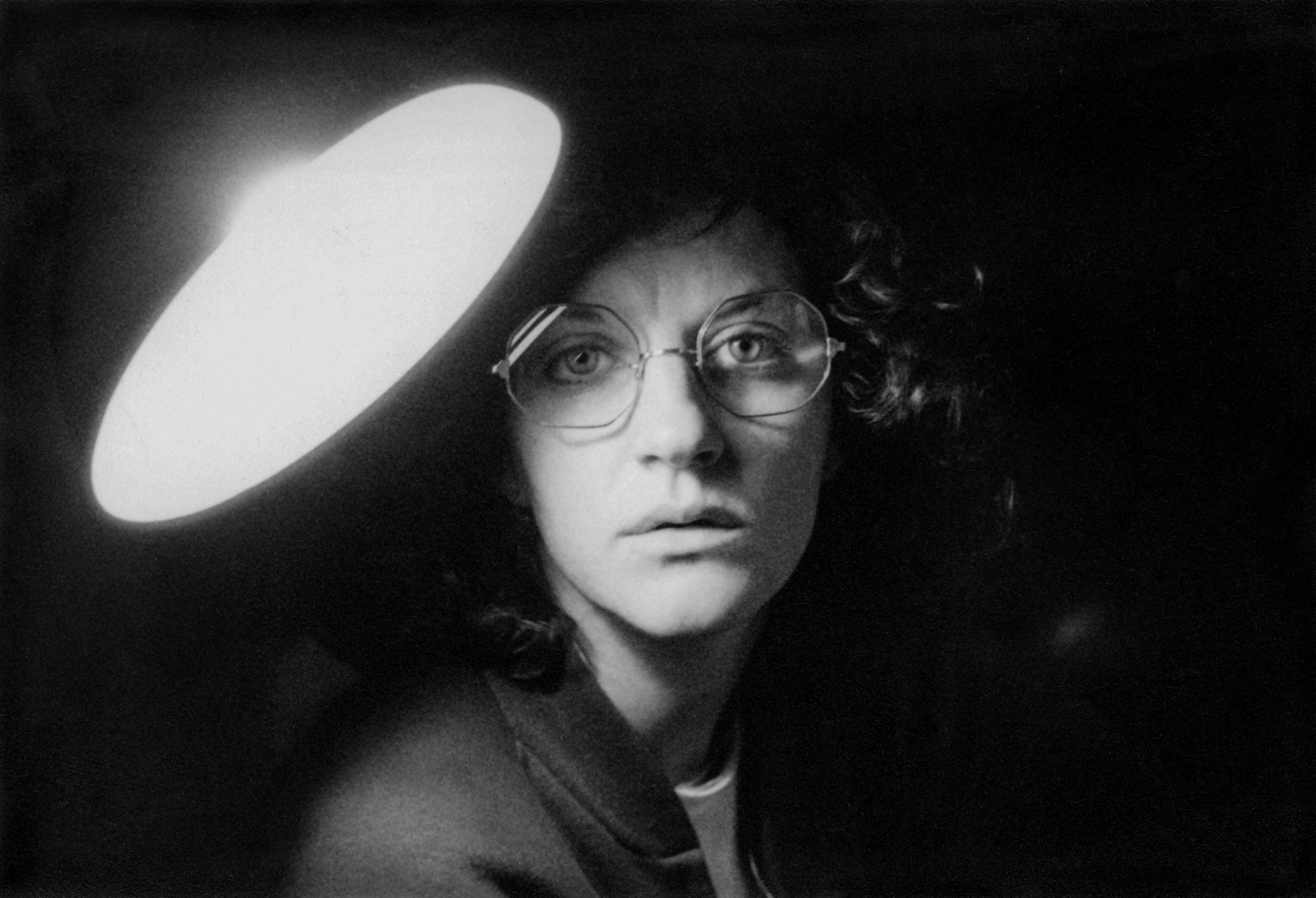
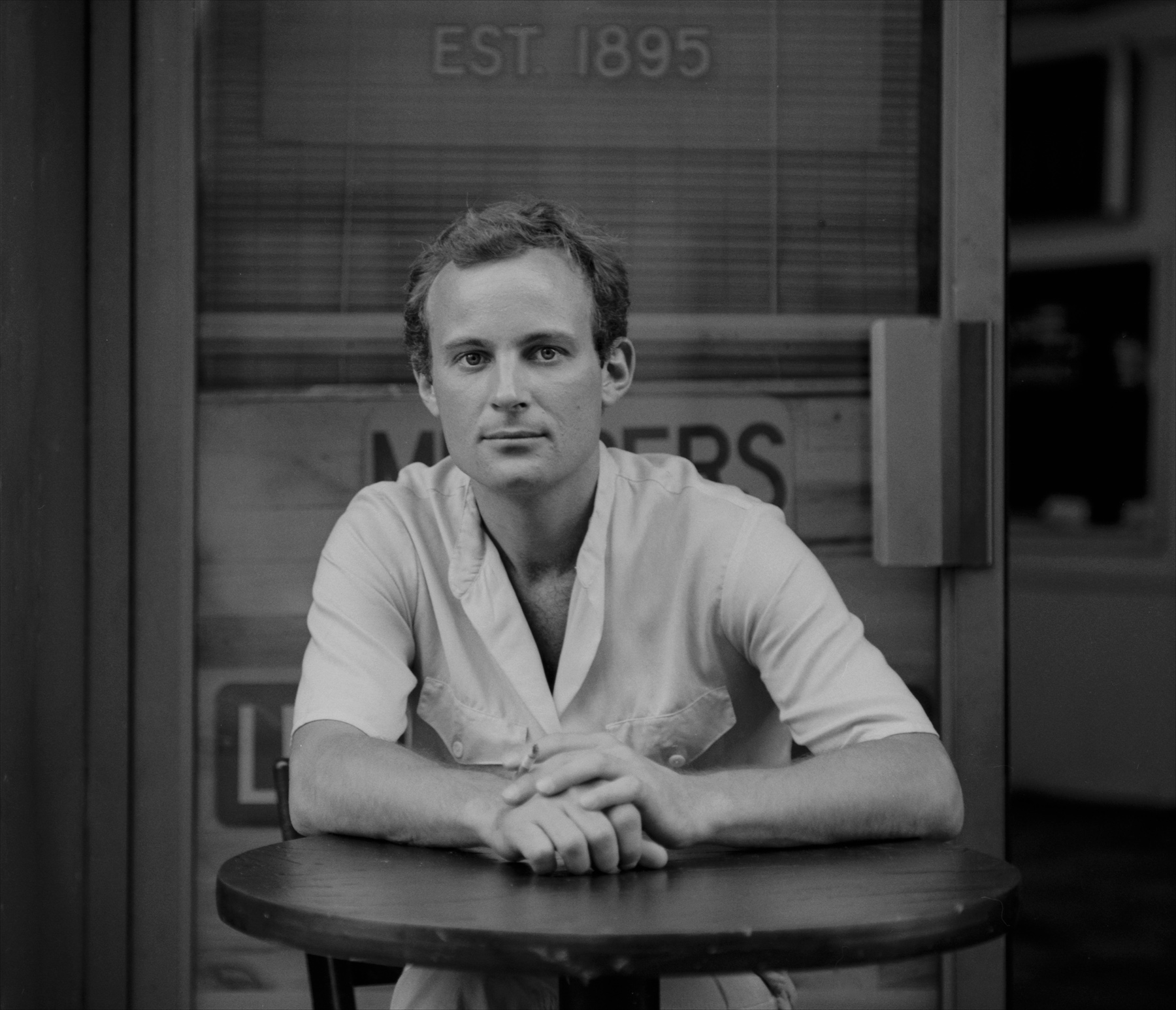
![Peter Leiss (Australian born England, b. 1951) 'Untitled [Bill Heimerman at the Photographers' Gallery]' c. 1975-1980](https://artblart.com/wp-content/uploads/2017/10/leiss-william-heimerman-web.jpg "Peter Leiss (Australian born England, b. 1951) 'Untitled [Bill Heimerman at the Photographers' Gallery]' c. 1975-1980")
![Peter Leiss (Australian born England, b. 1951) Untitled [Bill and Barbara]' c. 1975-1980](https://artblart.com/wp-content/uploads/2017/10/leiss-william-heimerman3-web.jpg "Peter Leiss (Australian born England, b. 1951) Untitled [Bill and Barbara]' c. 1975-1980")
![Peter Leiss (Australian born England, b. 1951) 'Untitled [The note]' Melbourne, 2017](https://artblart.com/wp-content/uploads/2017/10/leiss-the-note-web.jpg "Peter Leiss (Australian born England, b. 1951) 'Untitled [The note]' Melbourne, 2017")
![Peter Leiss (Australian born England, b. 1951) 'Untitled [At the gathering for William Heimerman: Jeff Busby, Conrad Winkler and Marcus Bunyan]' Melbourne, 2017](https://artblart.com/wp-content/uploads/2017/10/leiss-busby-winkler-bunyan-web.jpg "Peter Leiss (Australian born England, b. 1951) 'Untitled [At the gathering for William Heimerman: Jeff Busby, Conrad Winkler and Marcus Bunyan]' Melbourne, 2017")
![Peter Leiss (Australian born England, b. 1951) 'Untitled [At the gathering for William Heimerman]' Melbourne, 2017](https://artblart.com/wp-content/uploads/2017/10/leiss-heimerman-group-2017-web.jpg "Peter Leiss (Australian born England, b. 1951) 'Untitled [At the gathering for William Heimerman]' Melbourne, 2017")


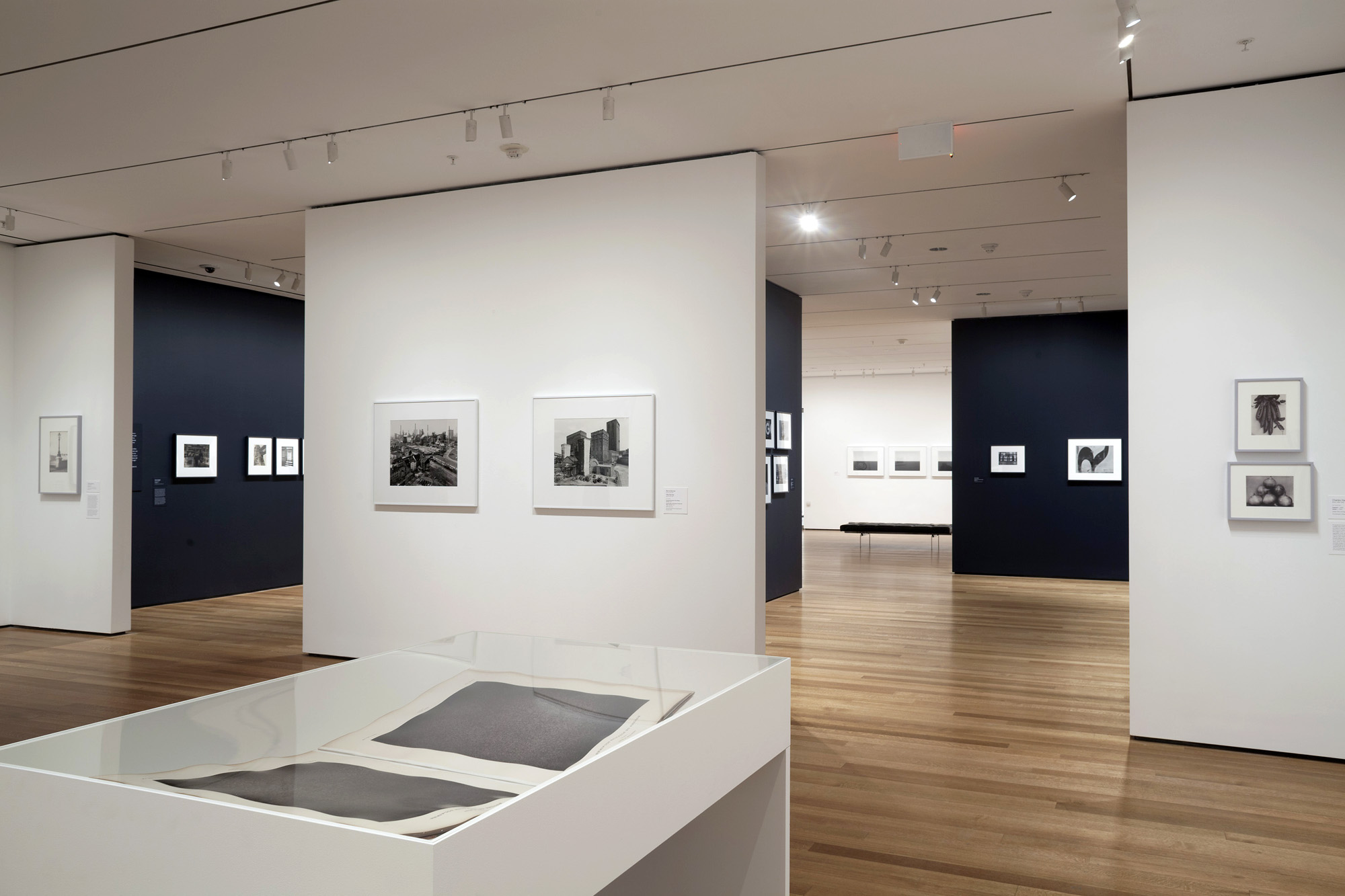


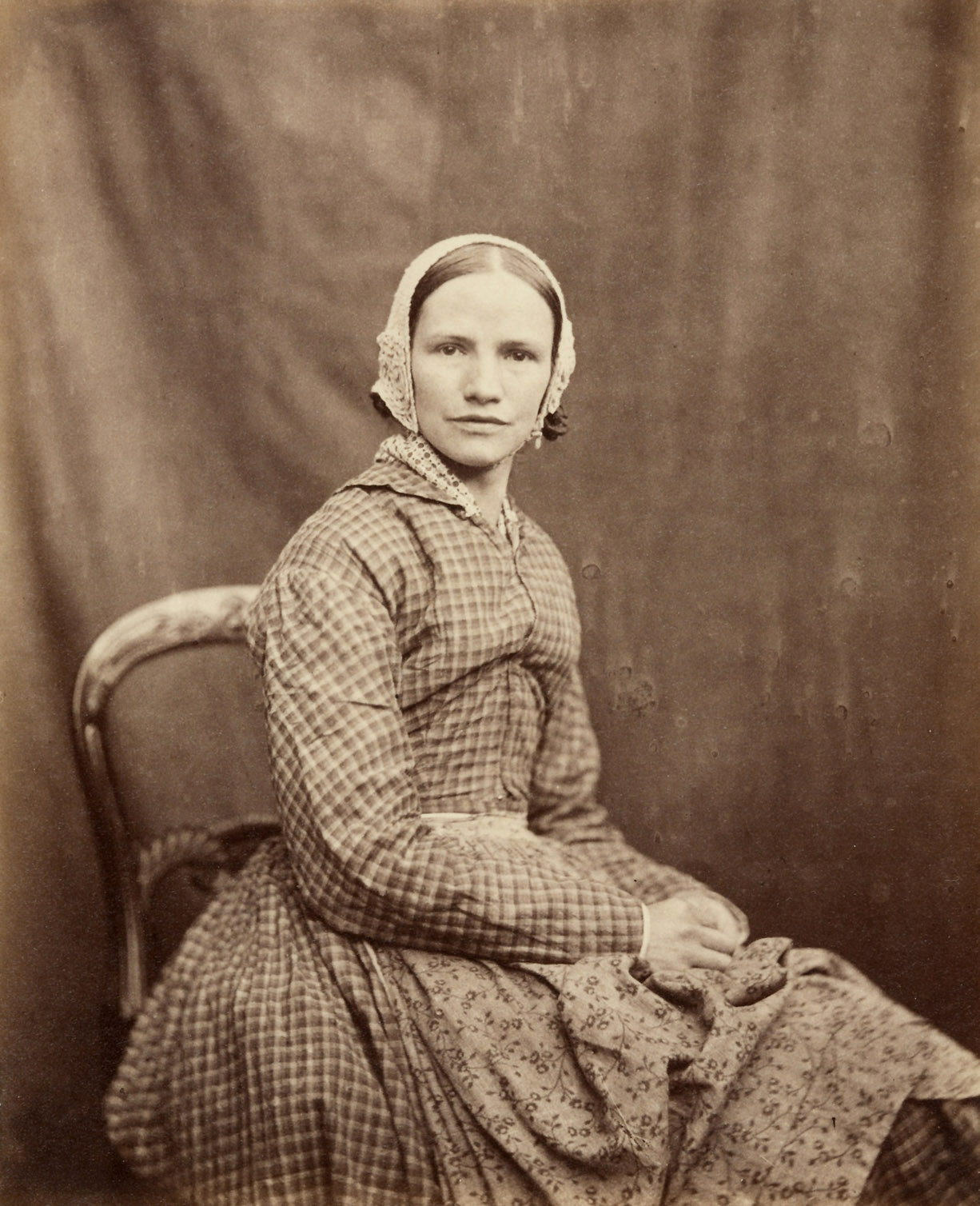
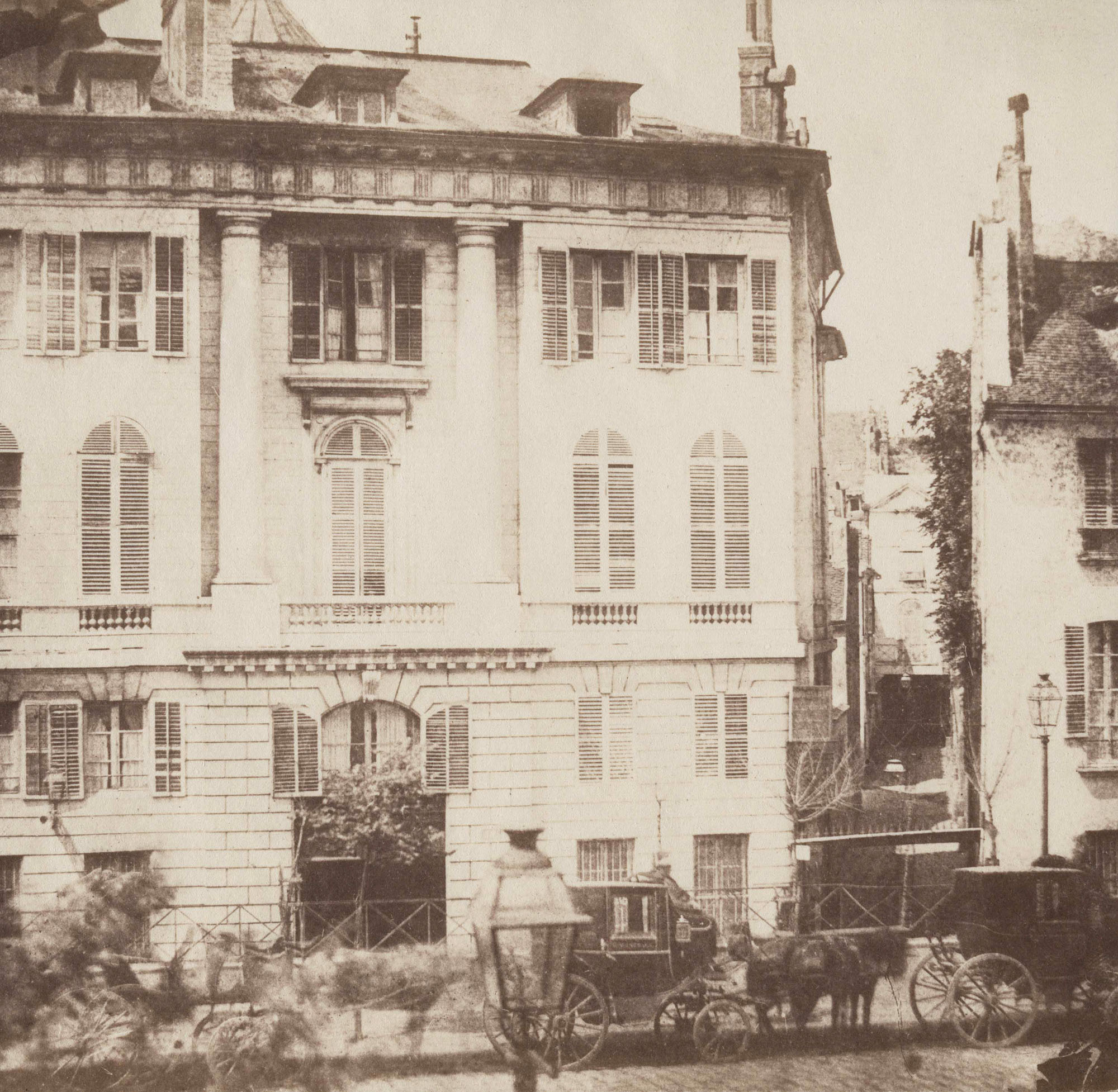


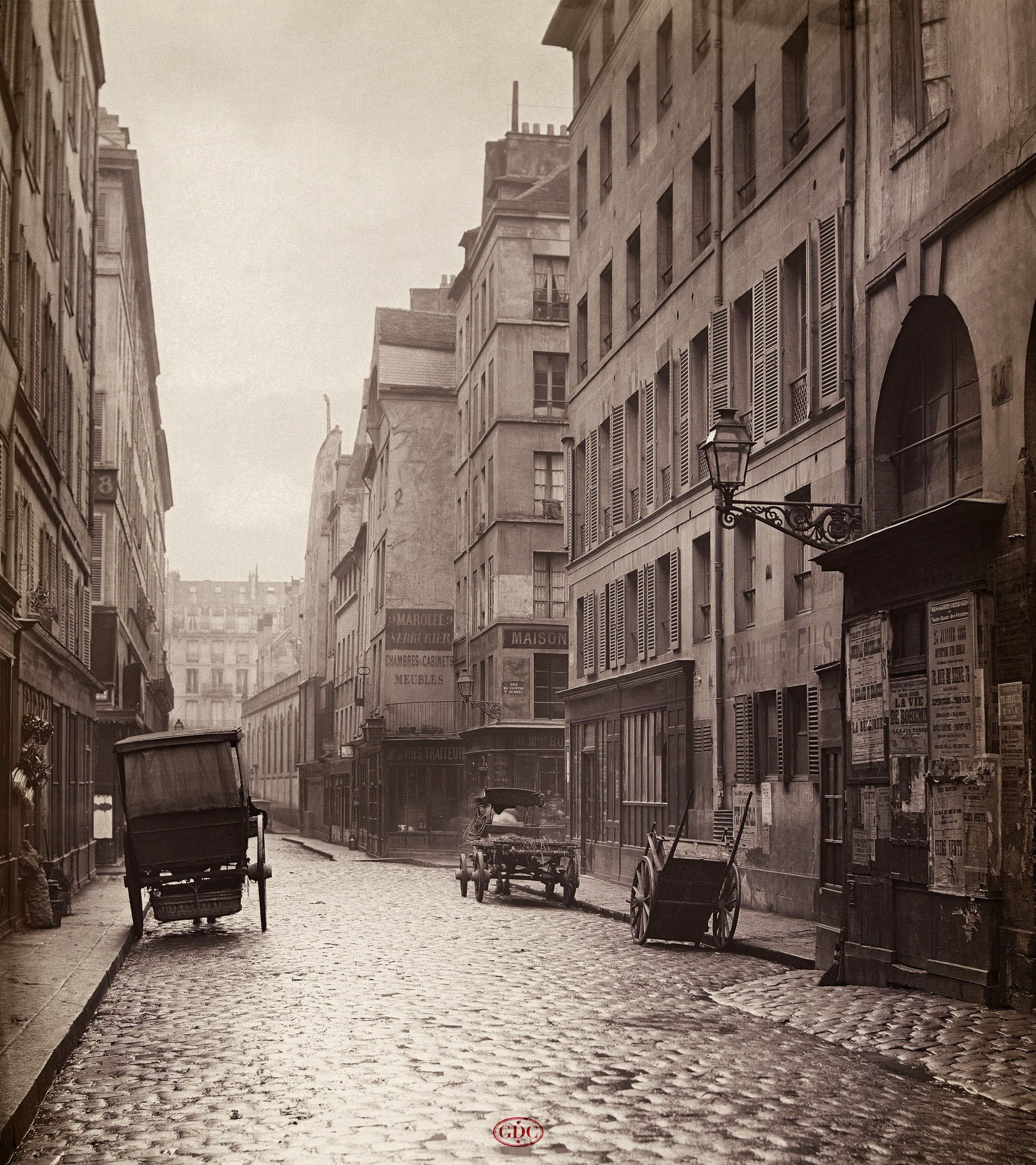


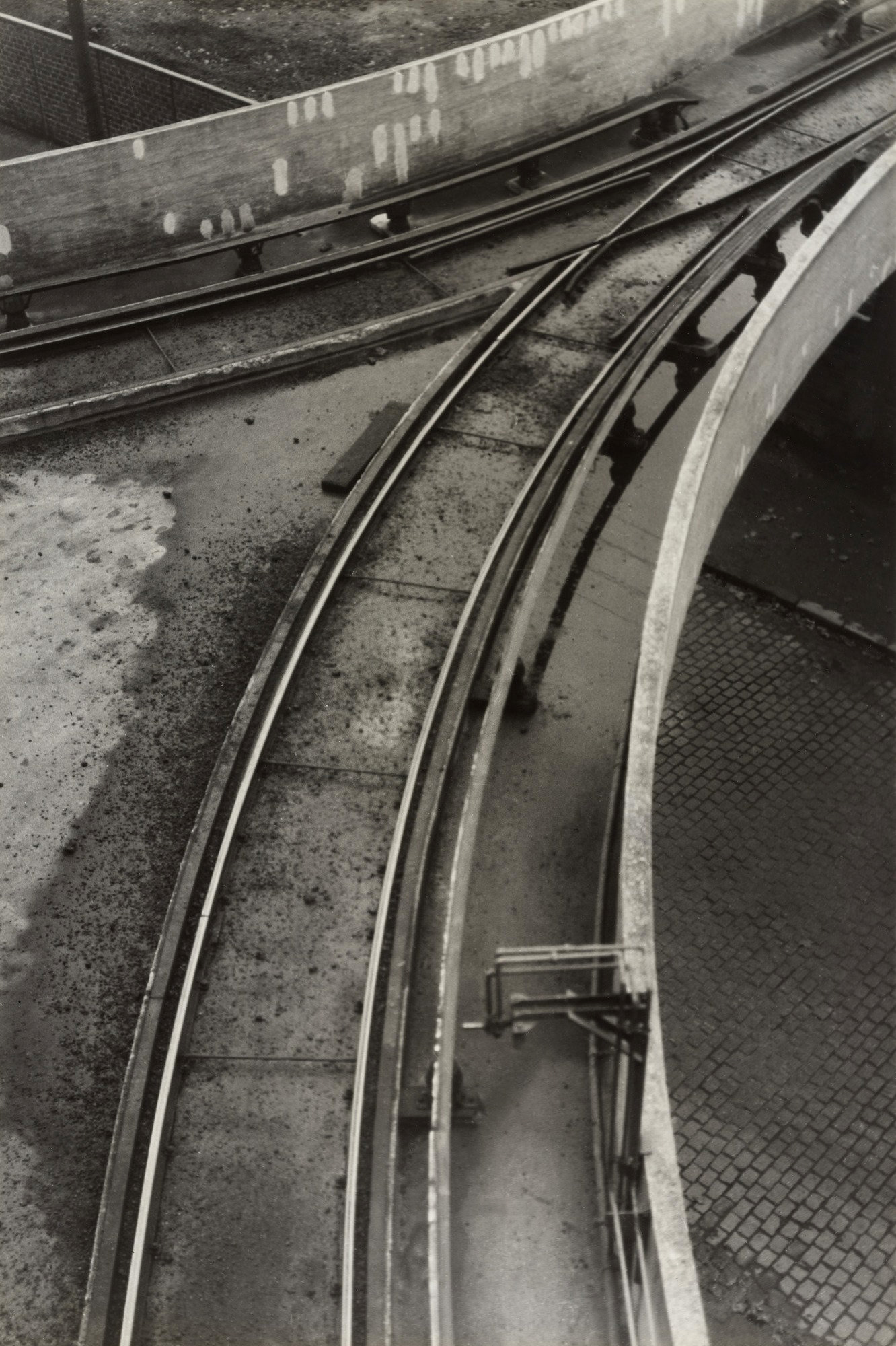


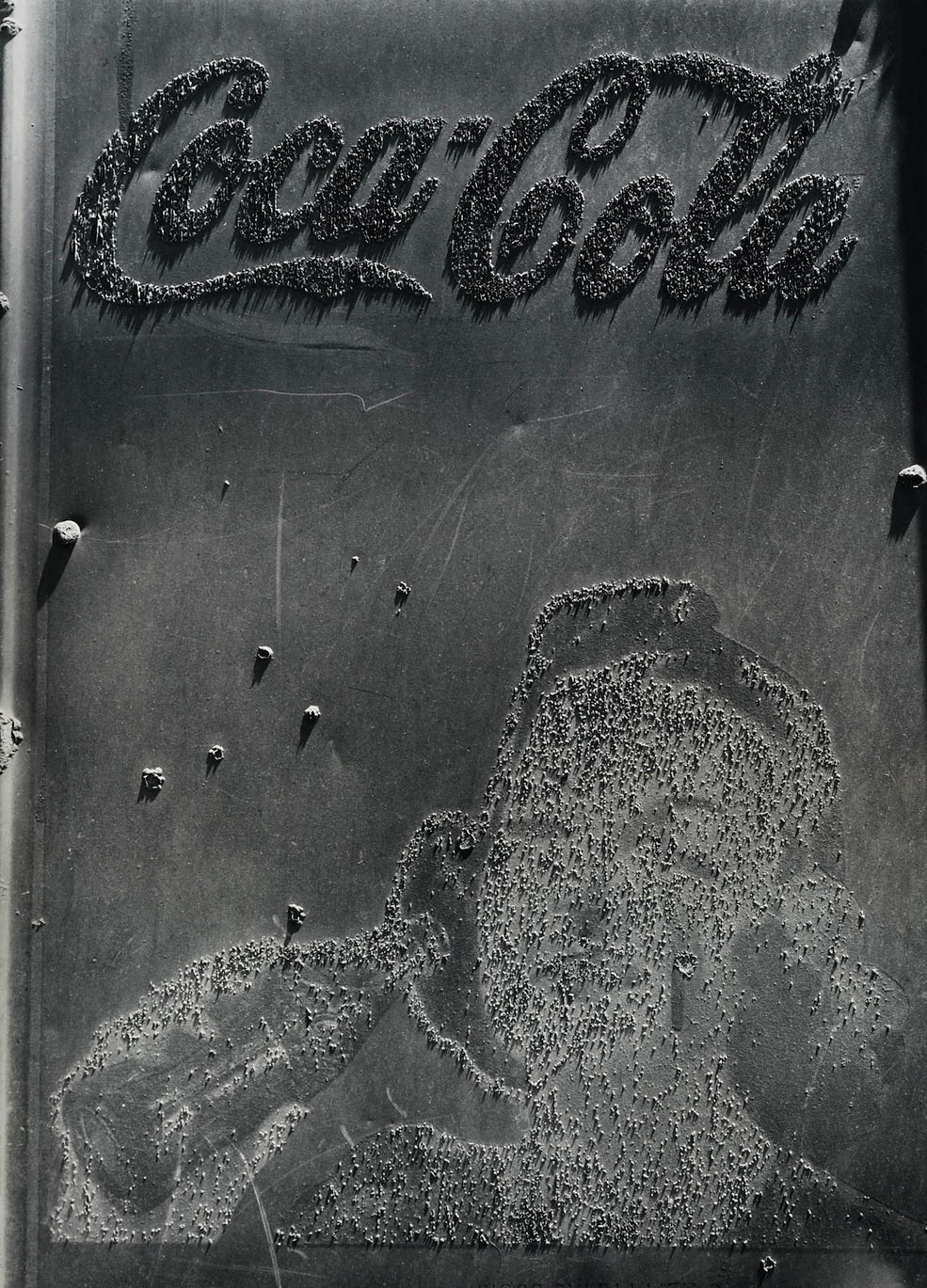


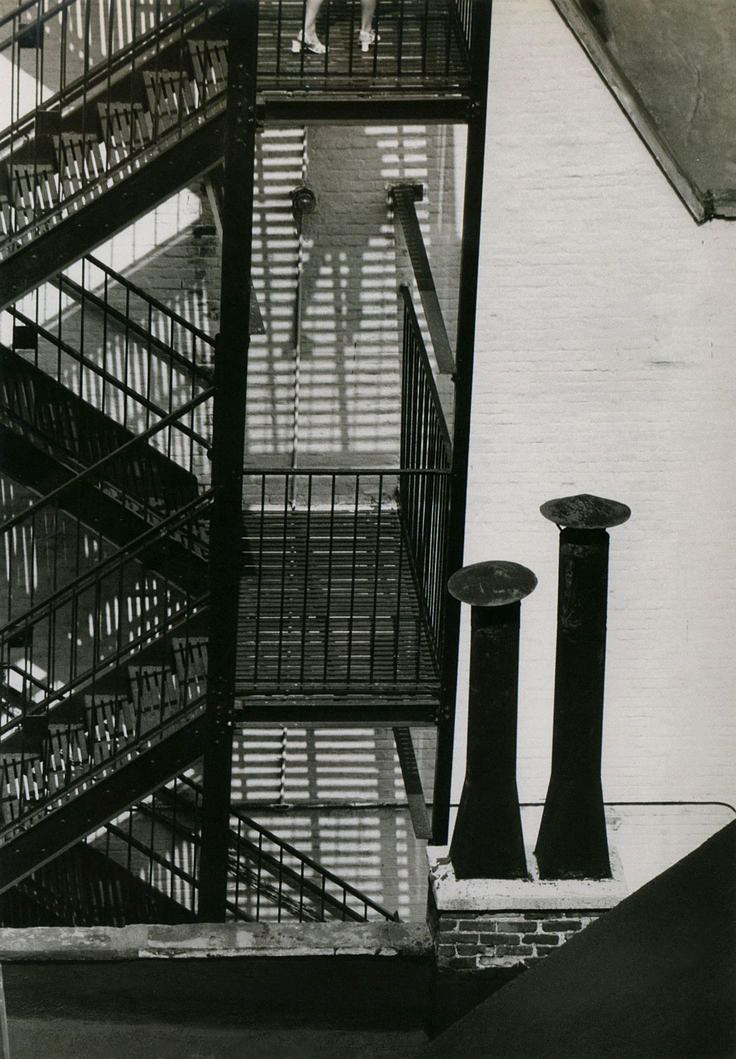
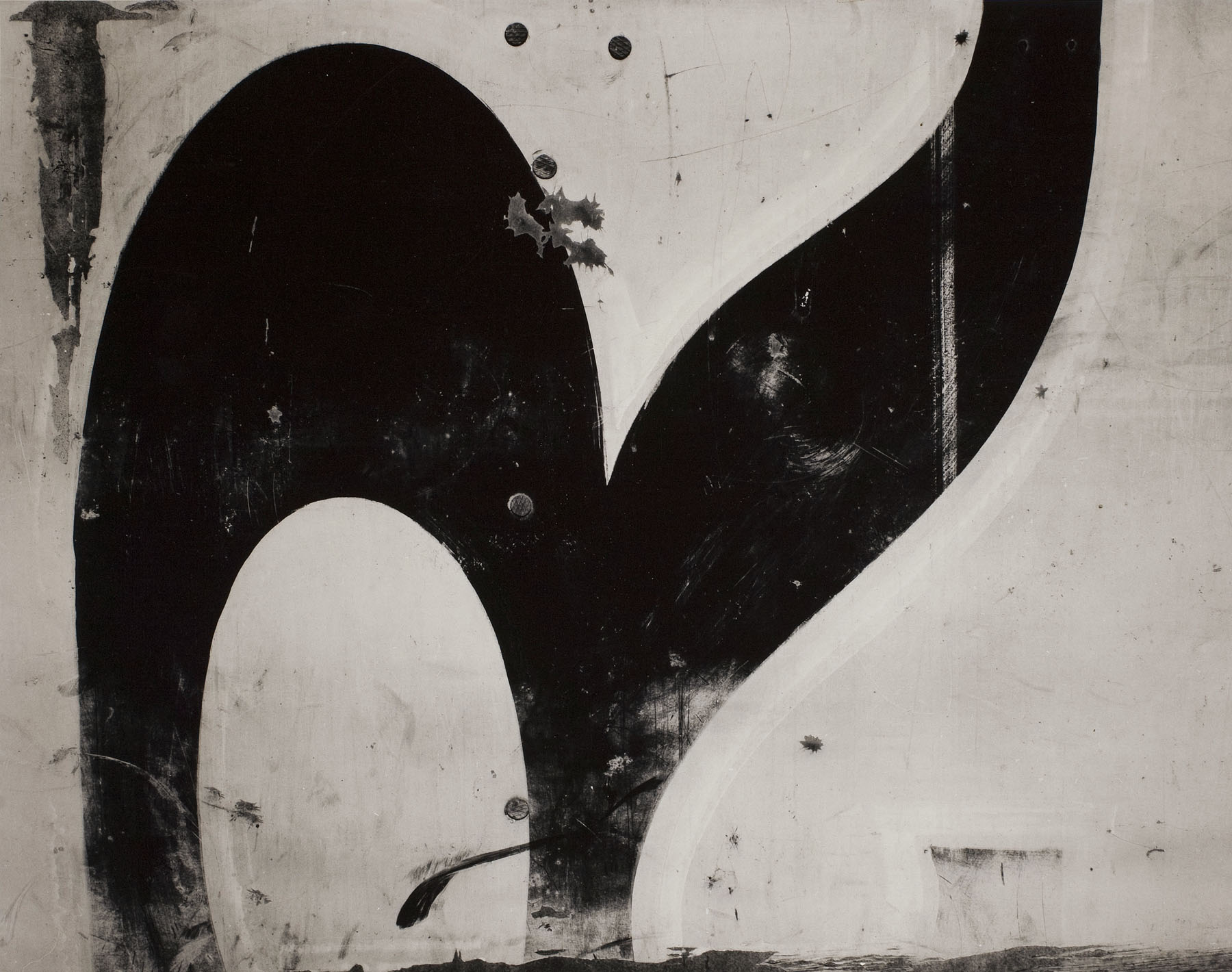
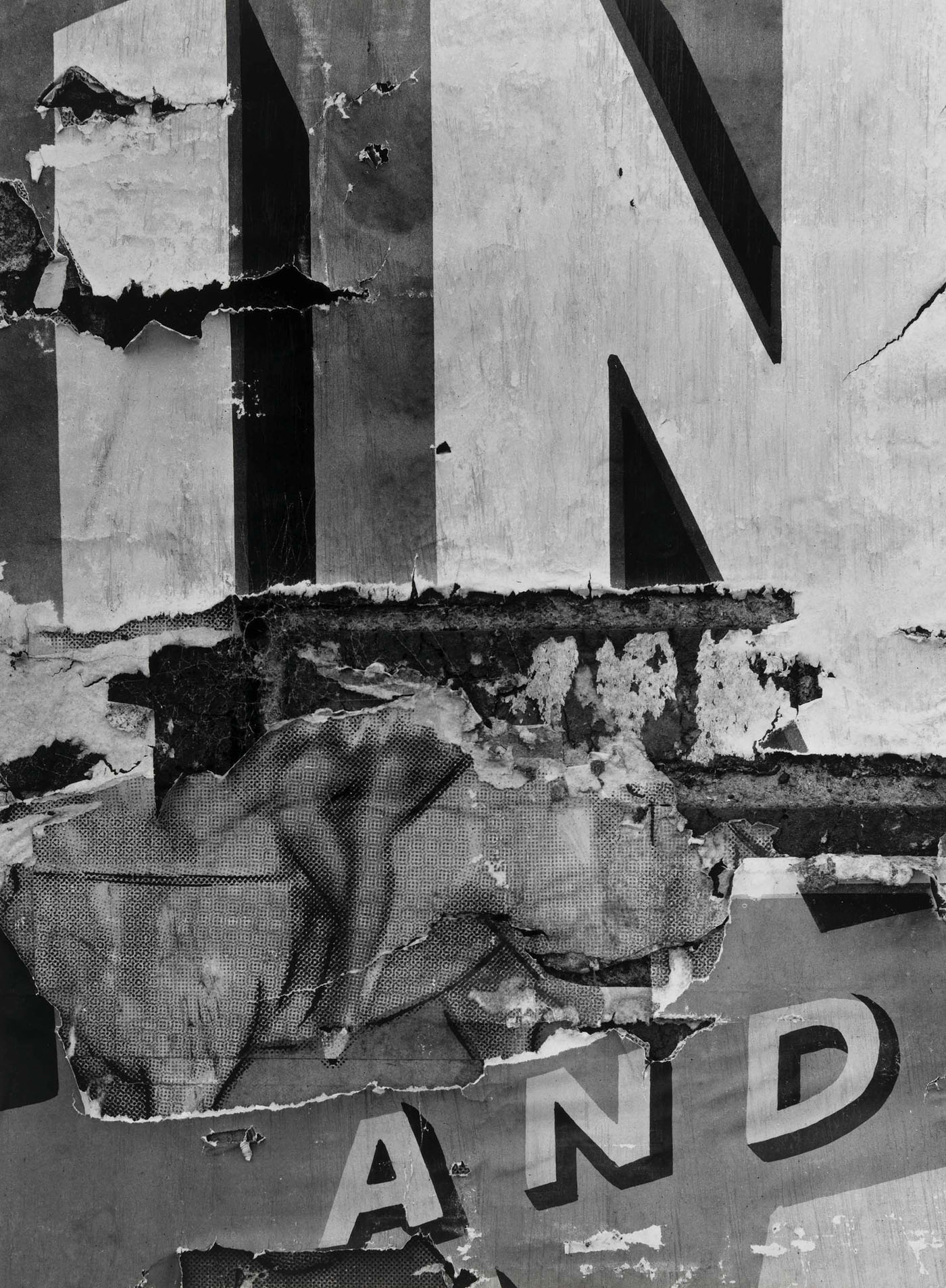


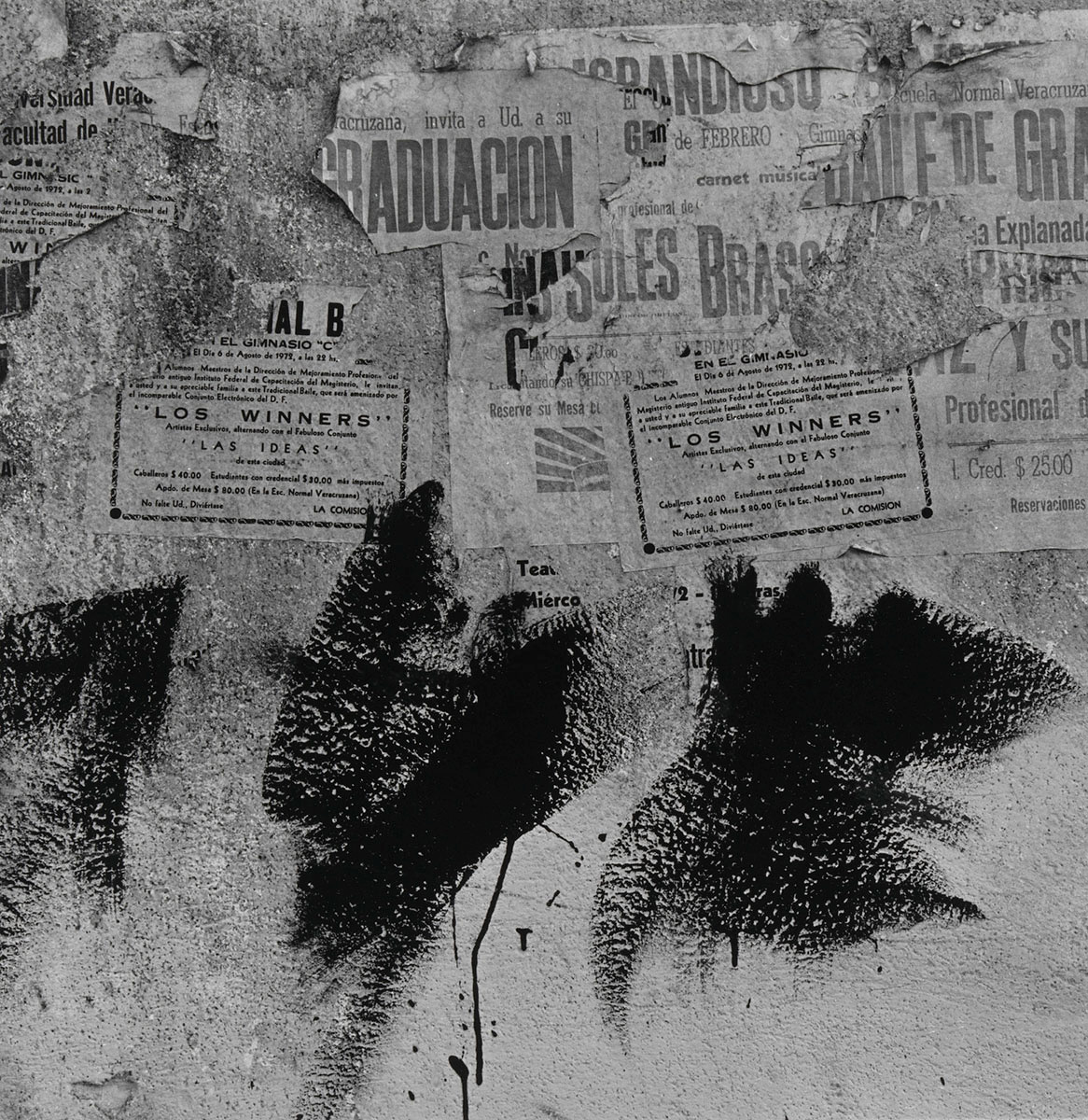
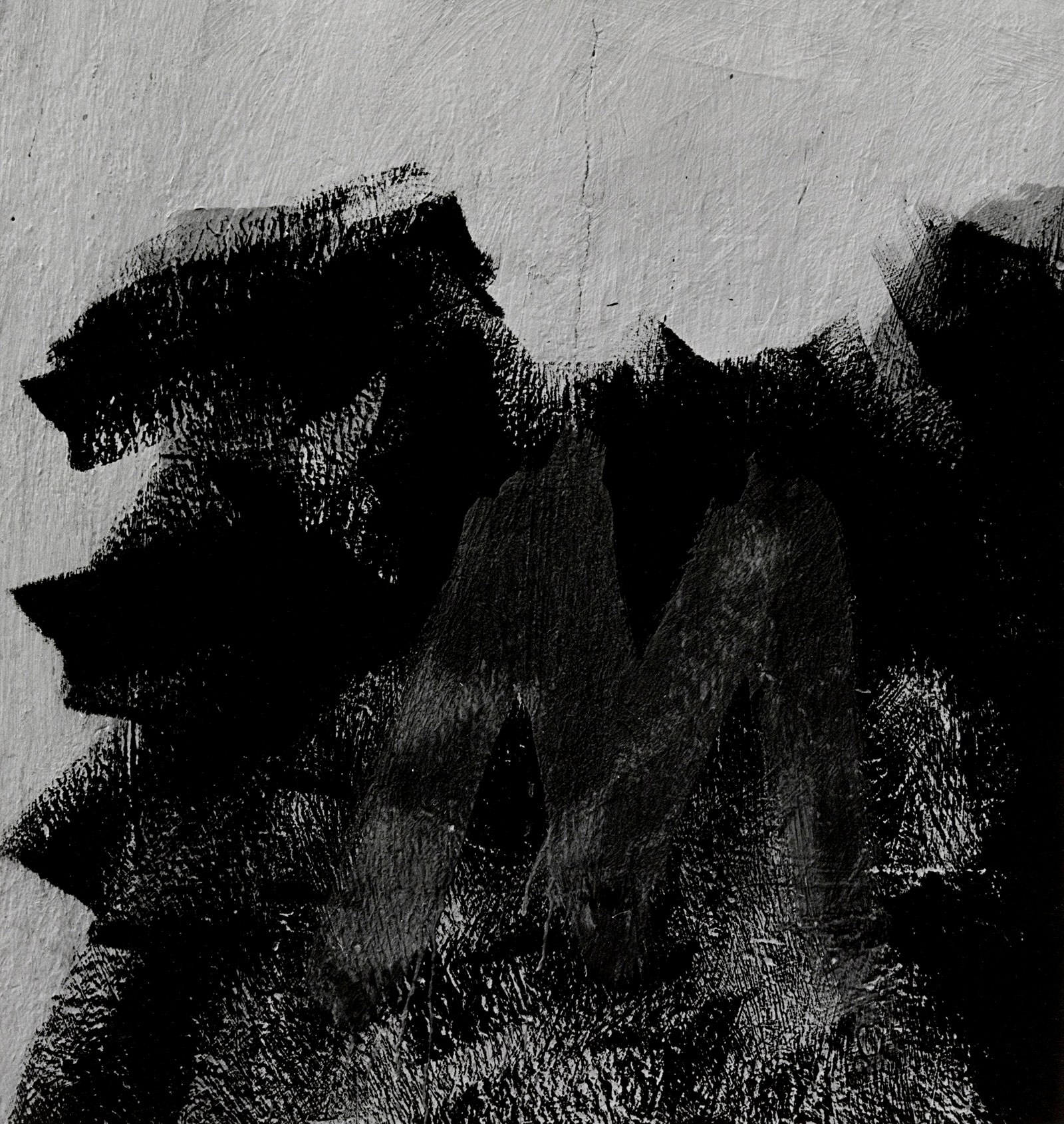


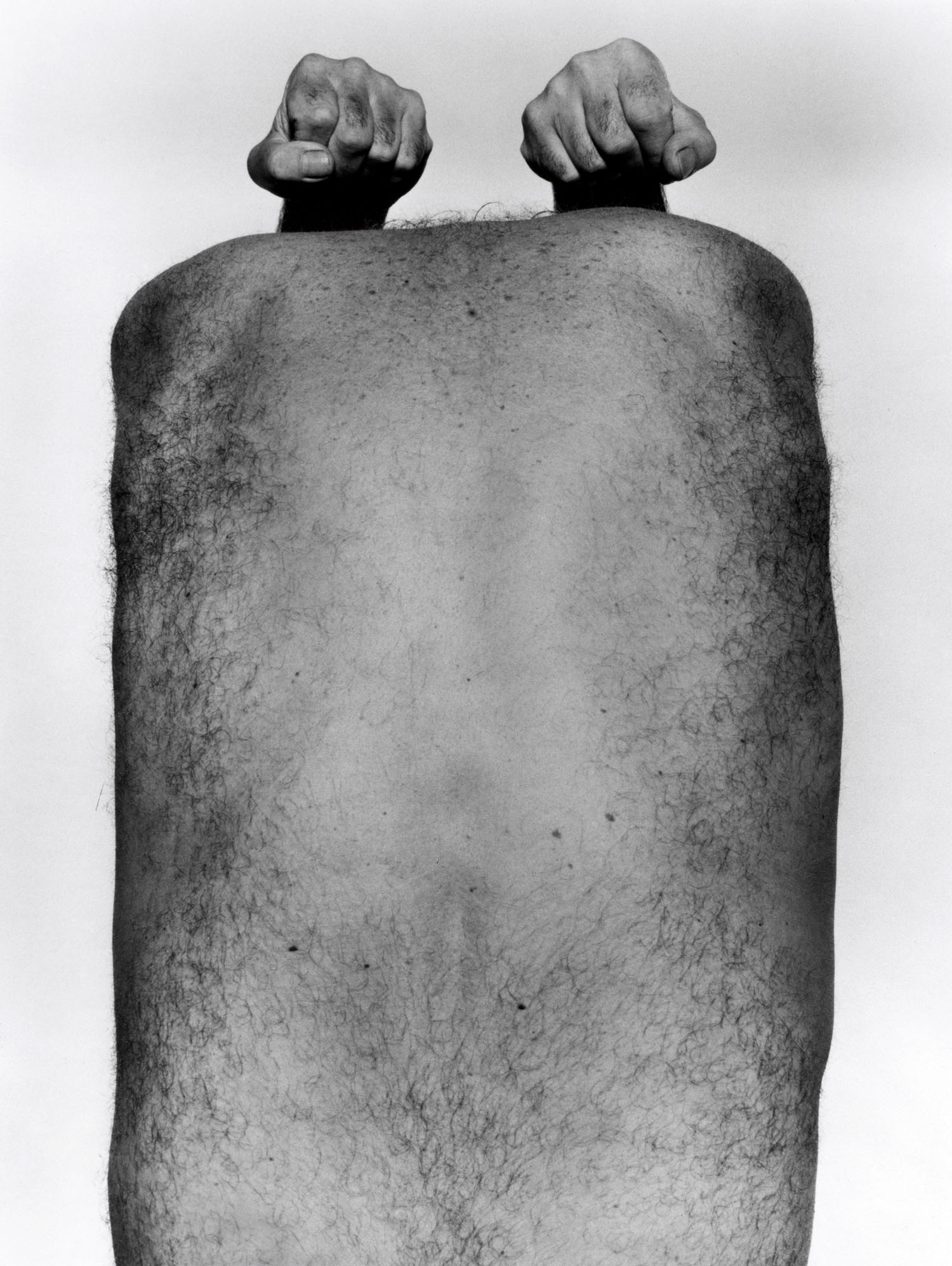
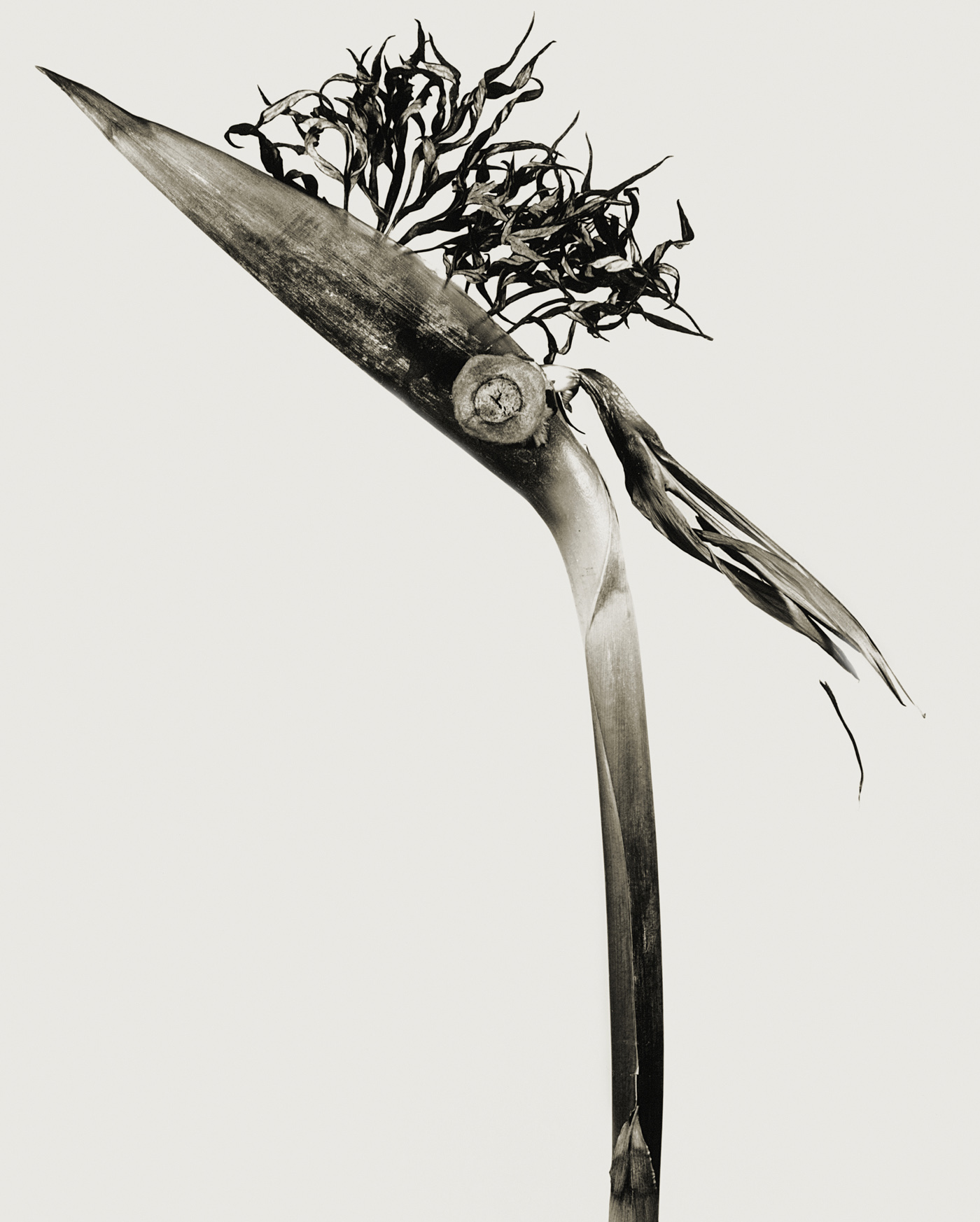
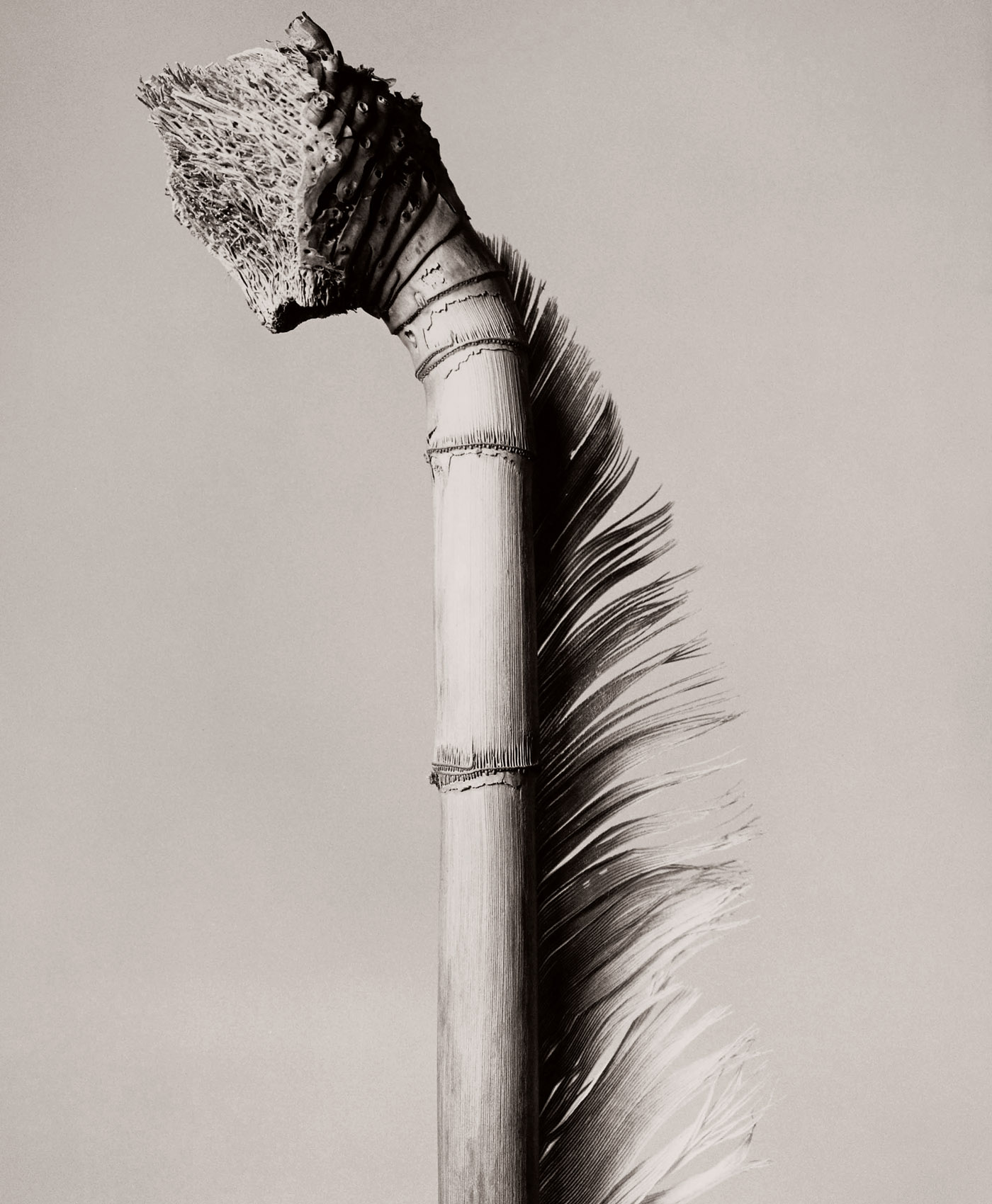
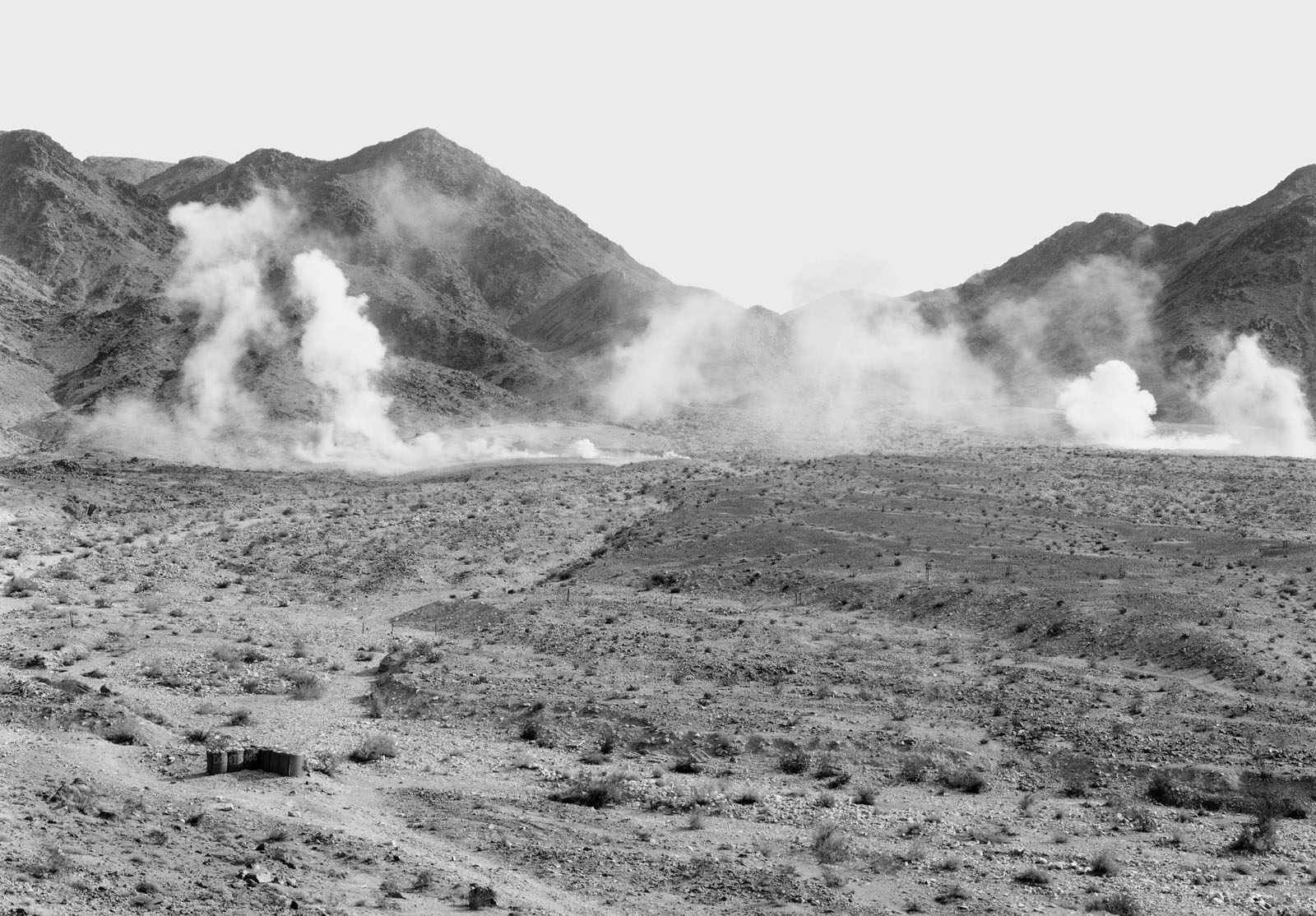

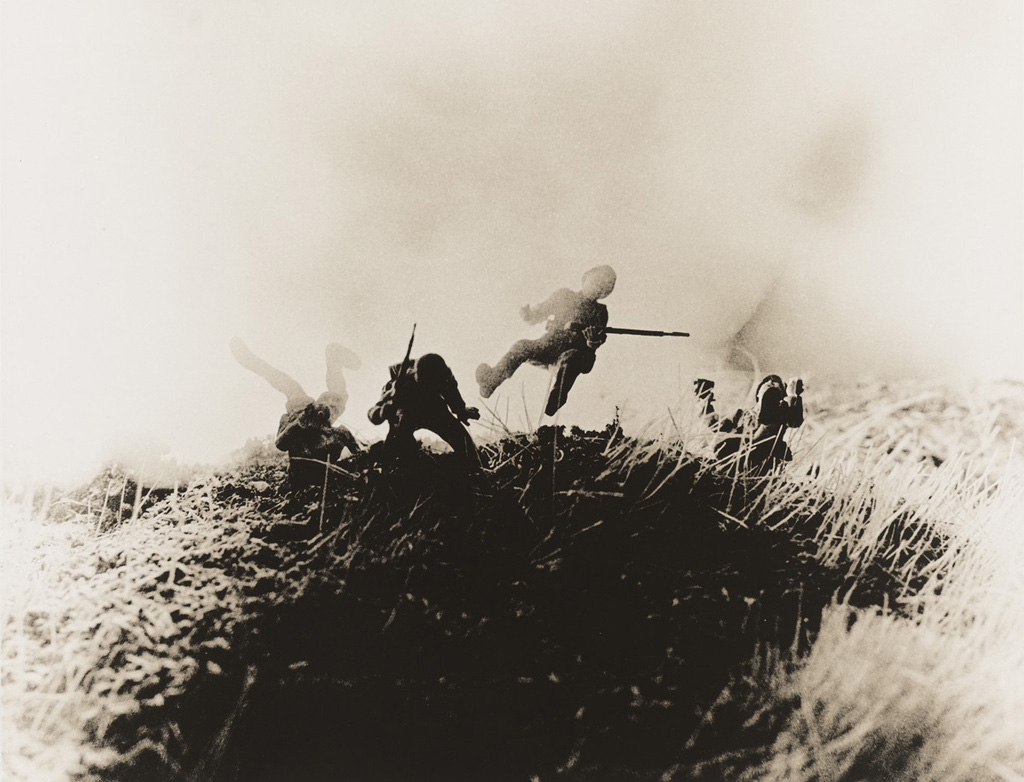


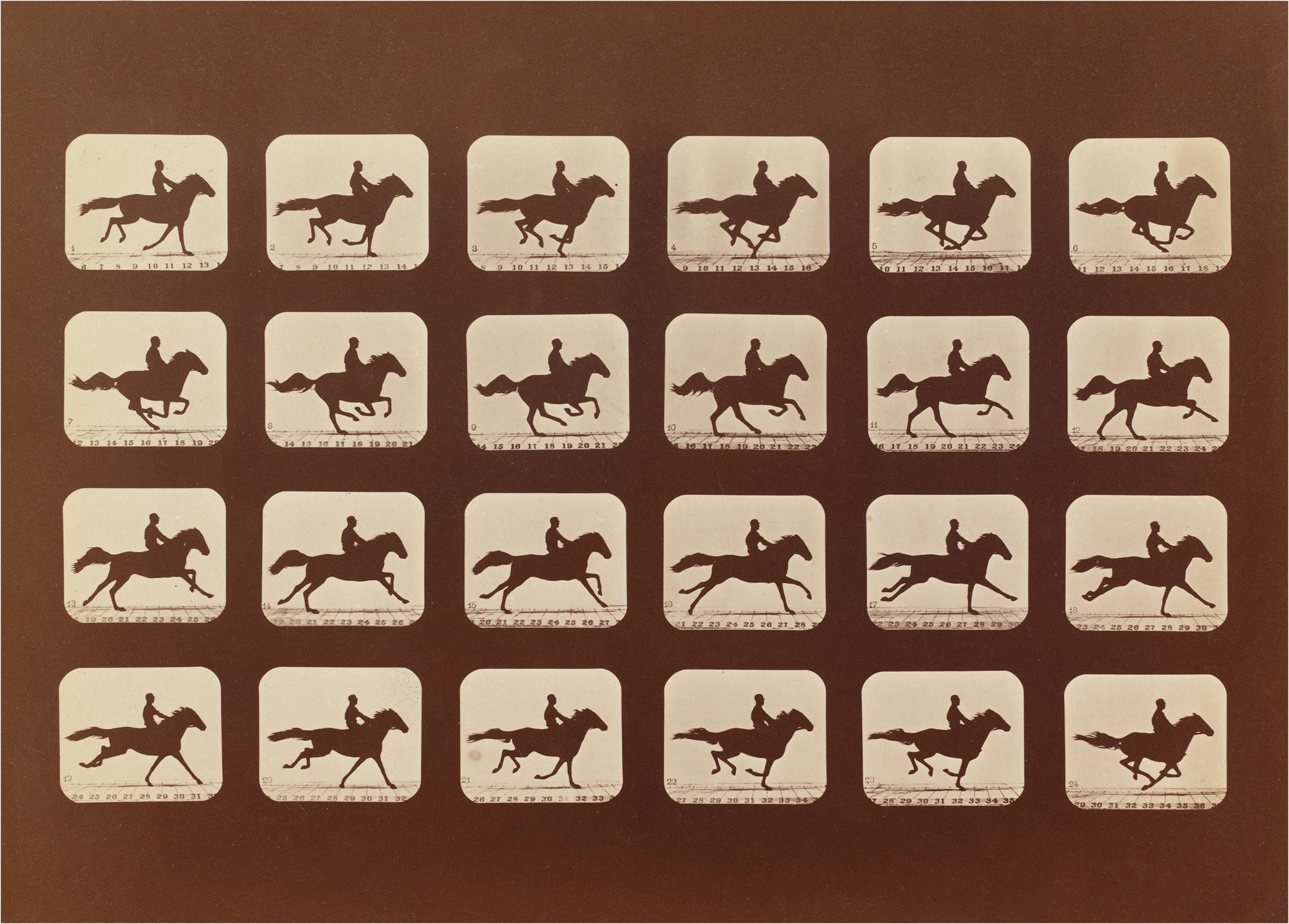
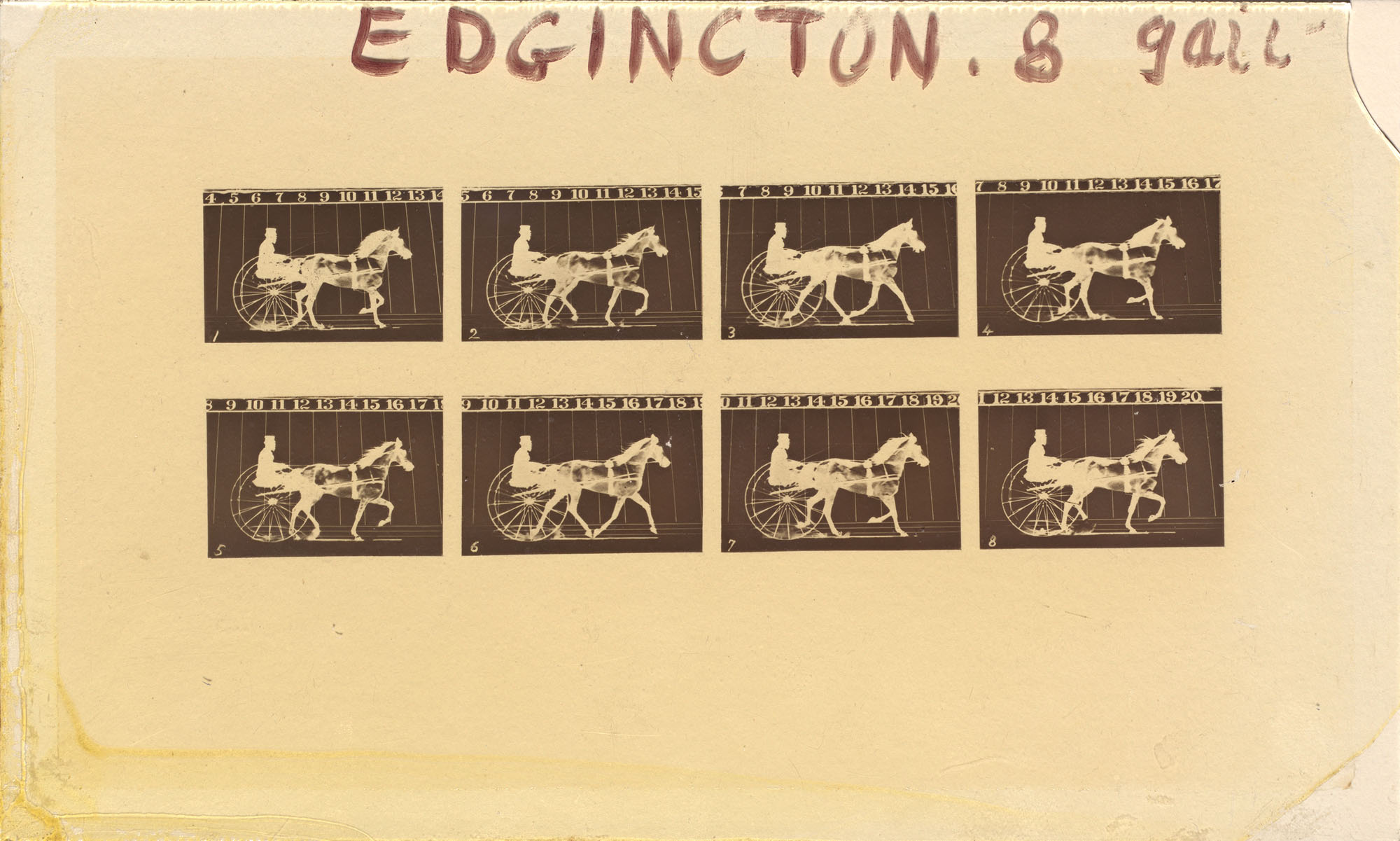
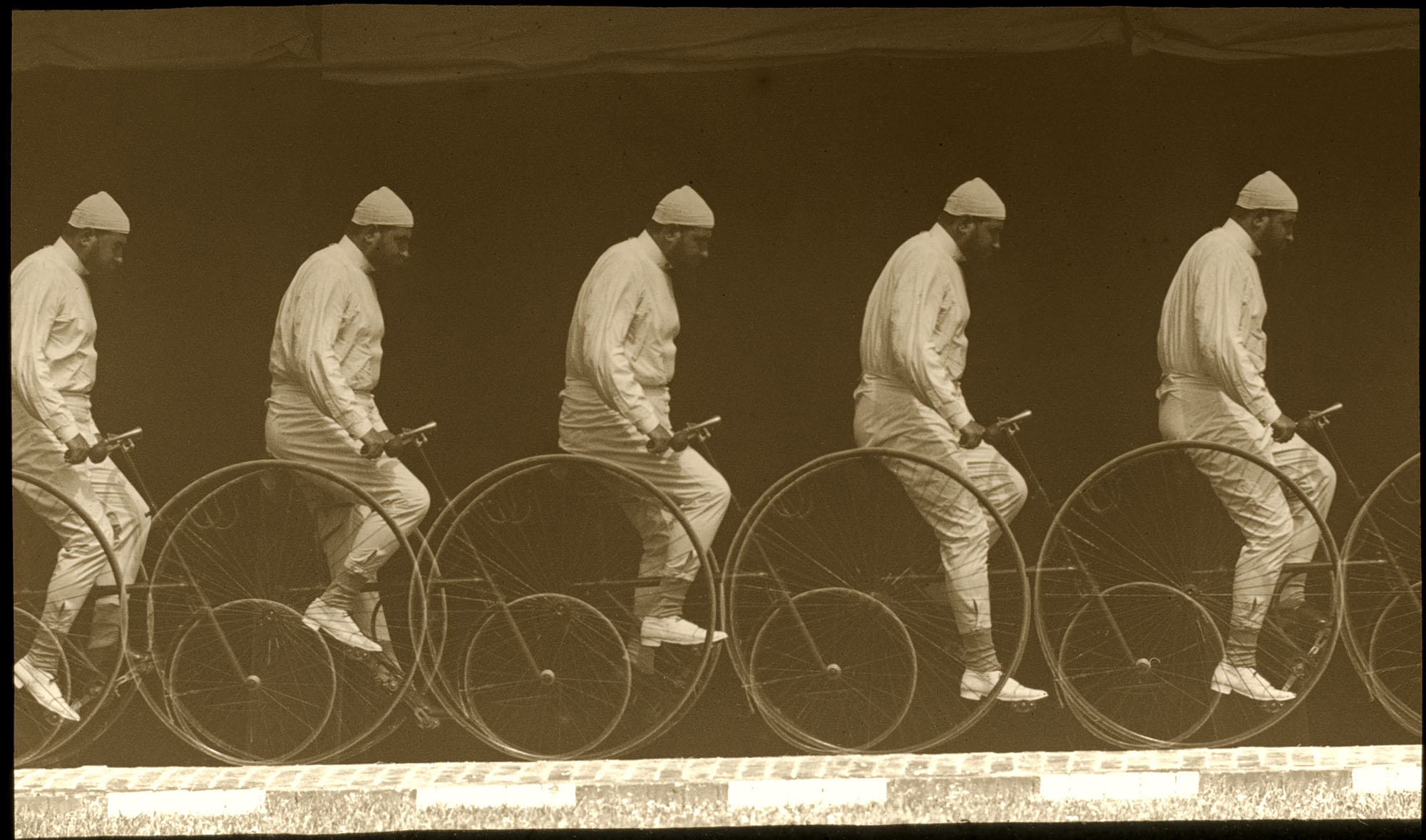
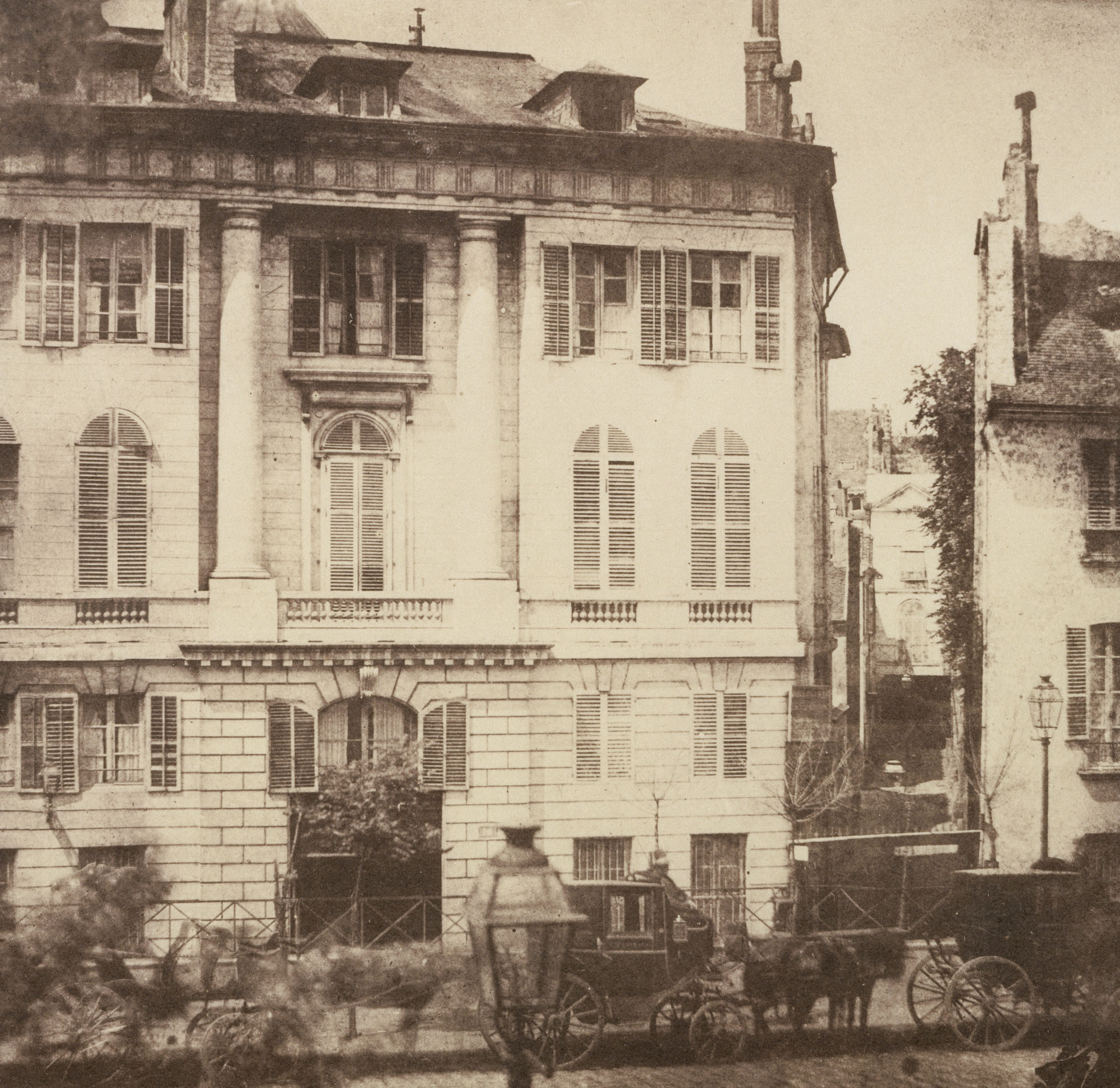


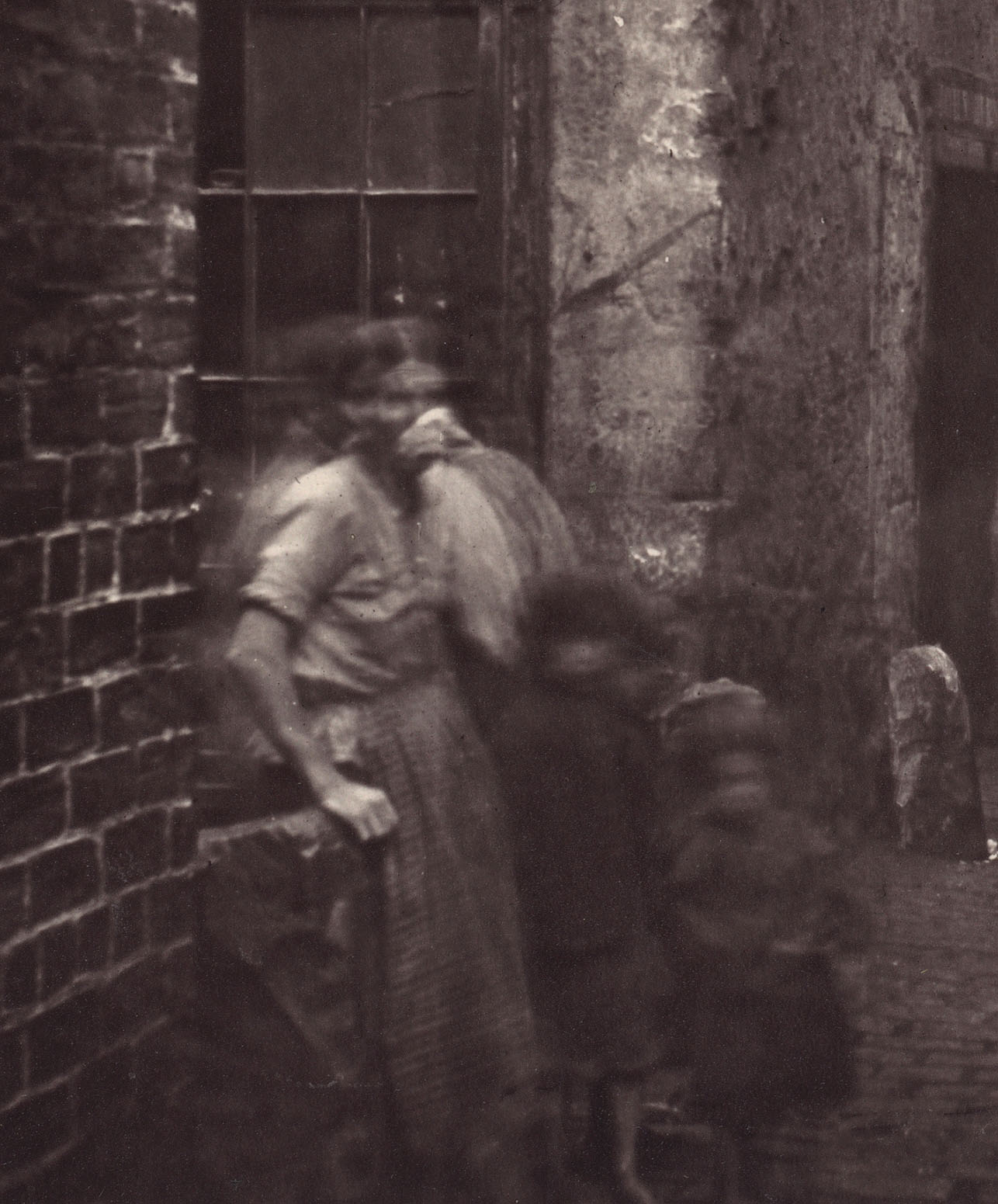
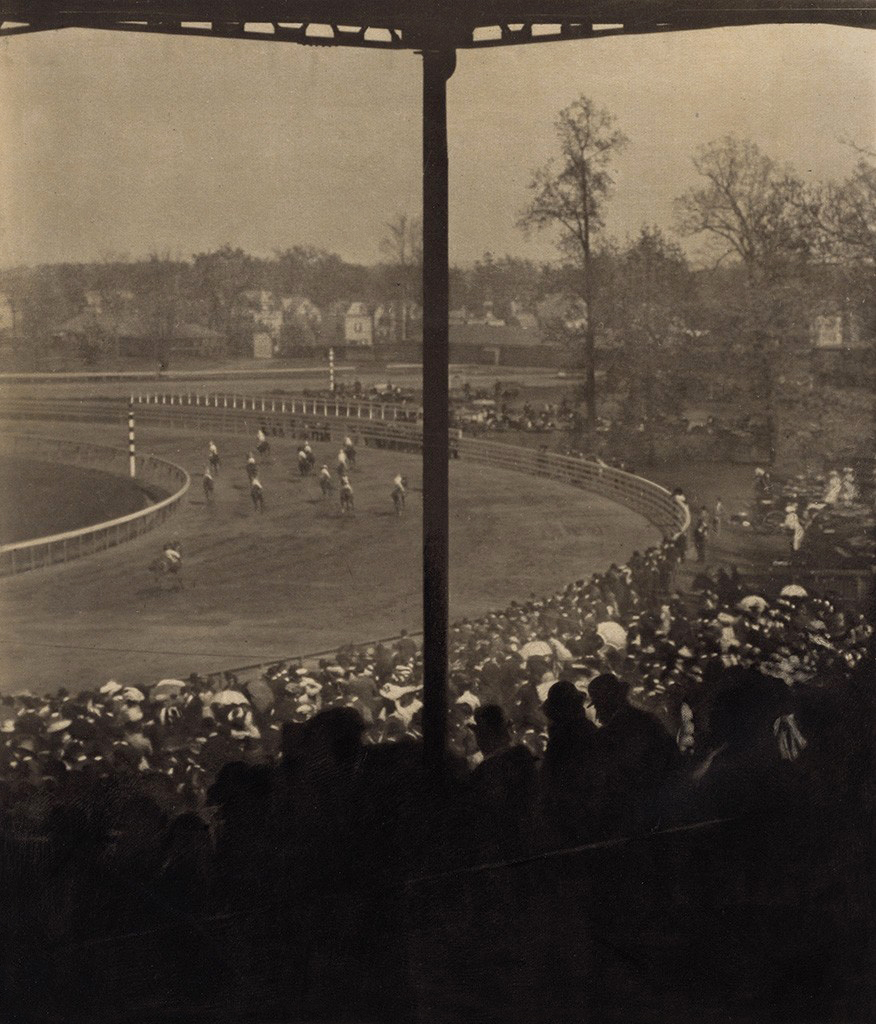

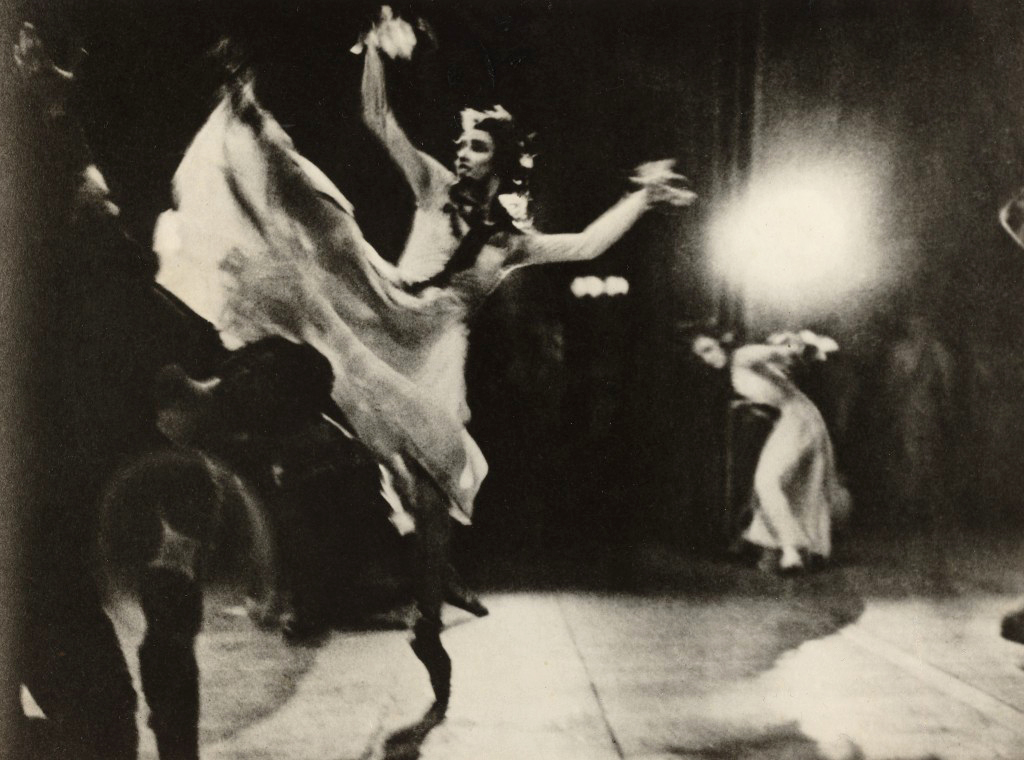
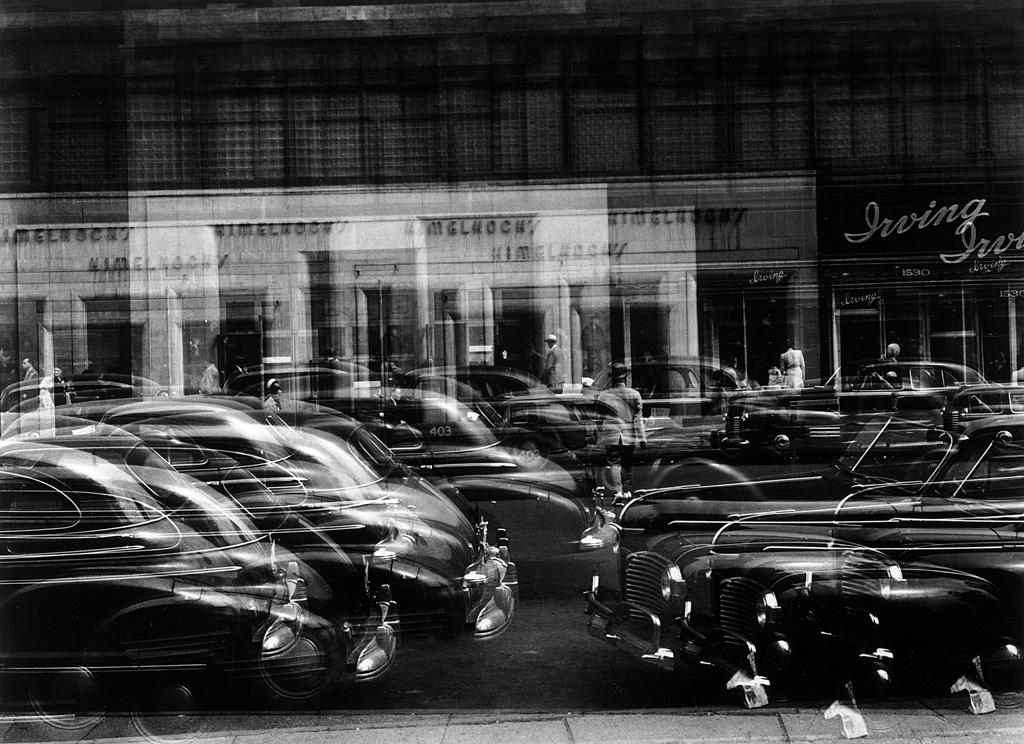
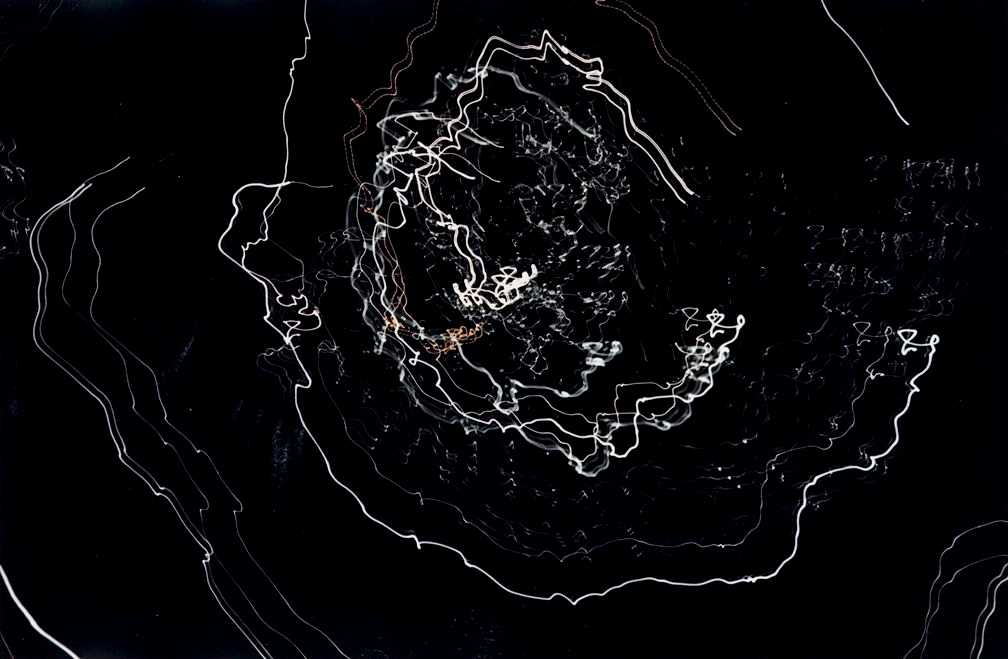
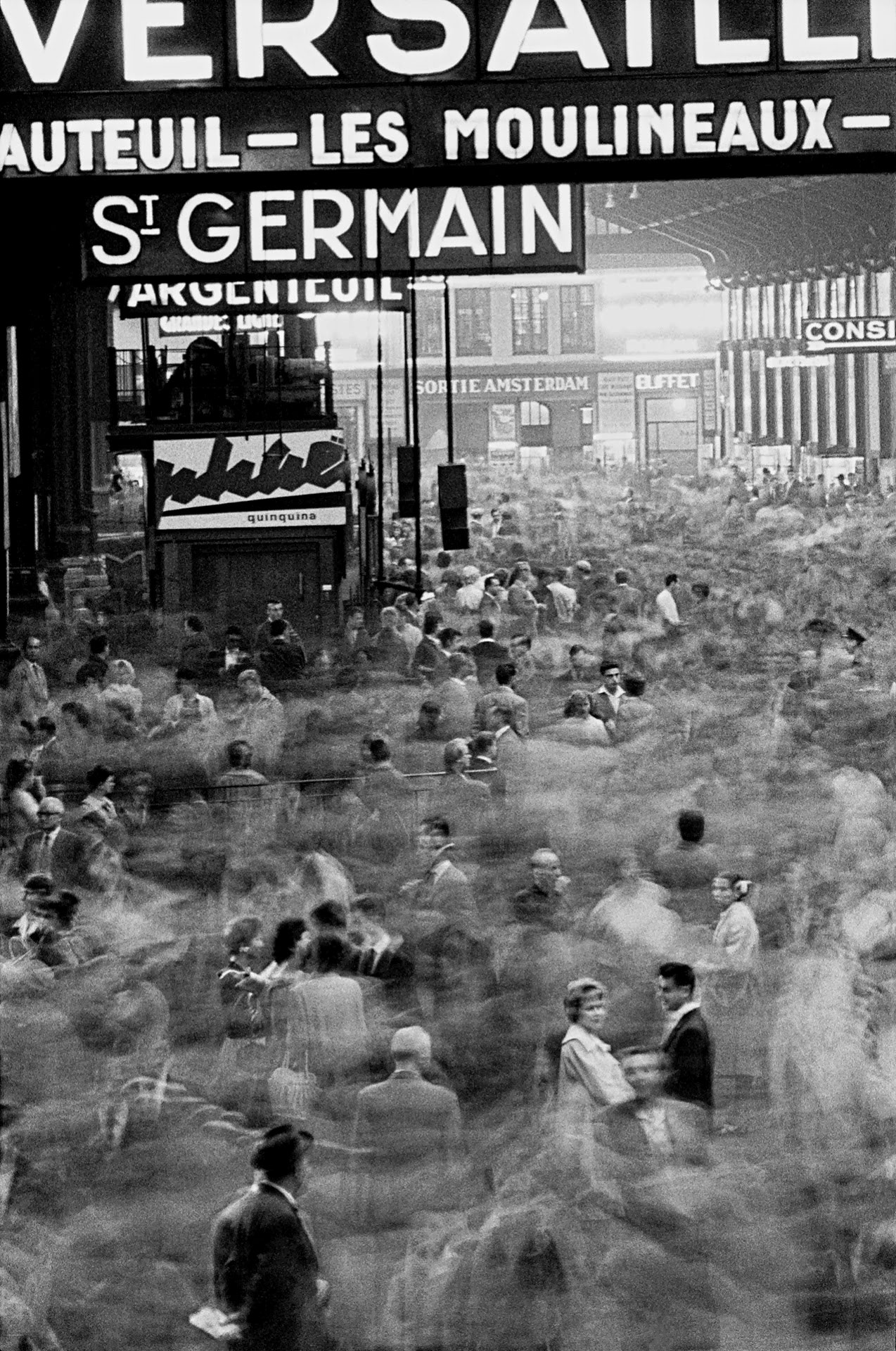
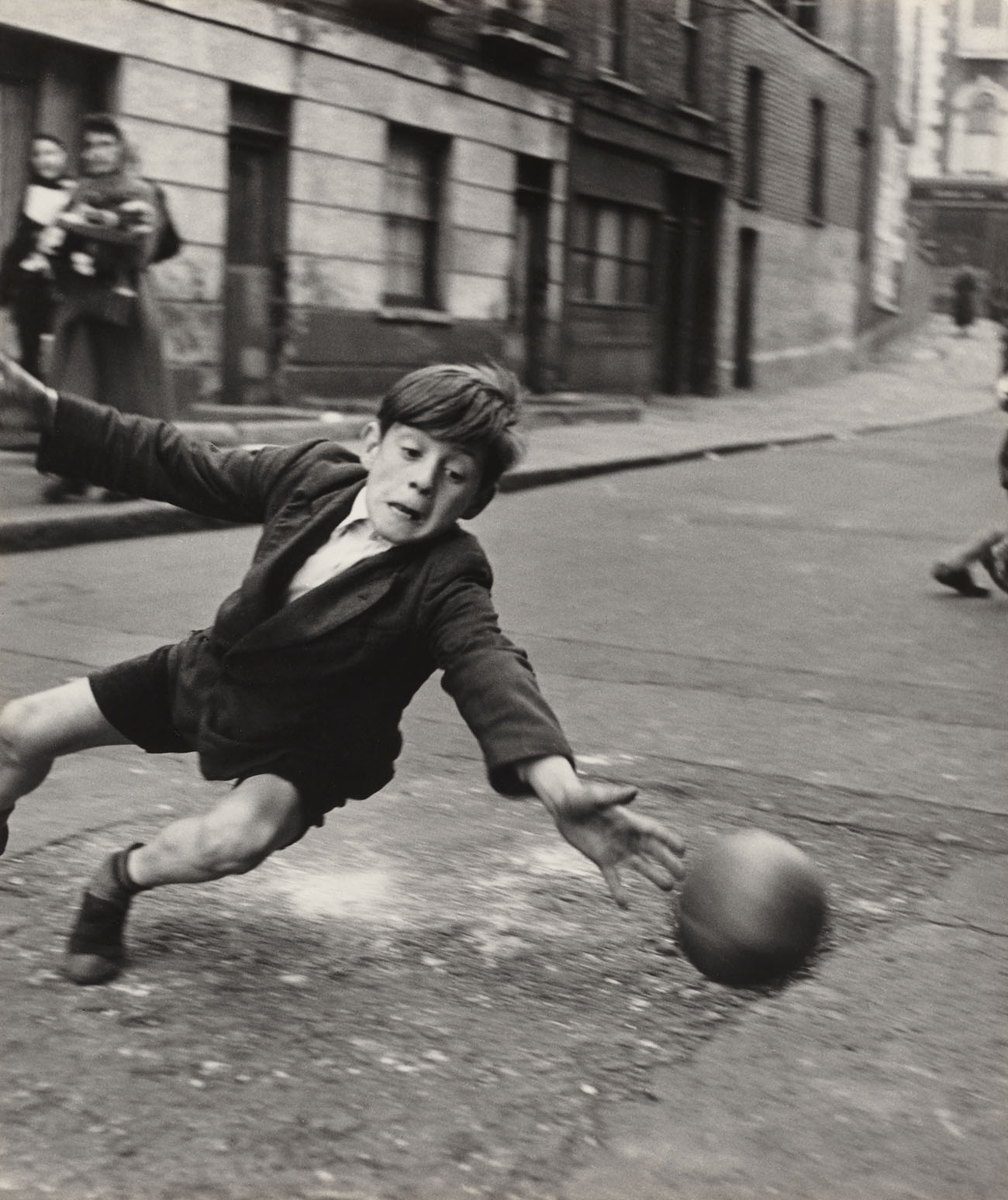
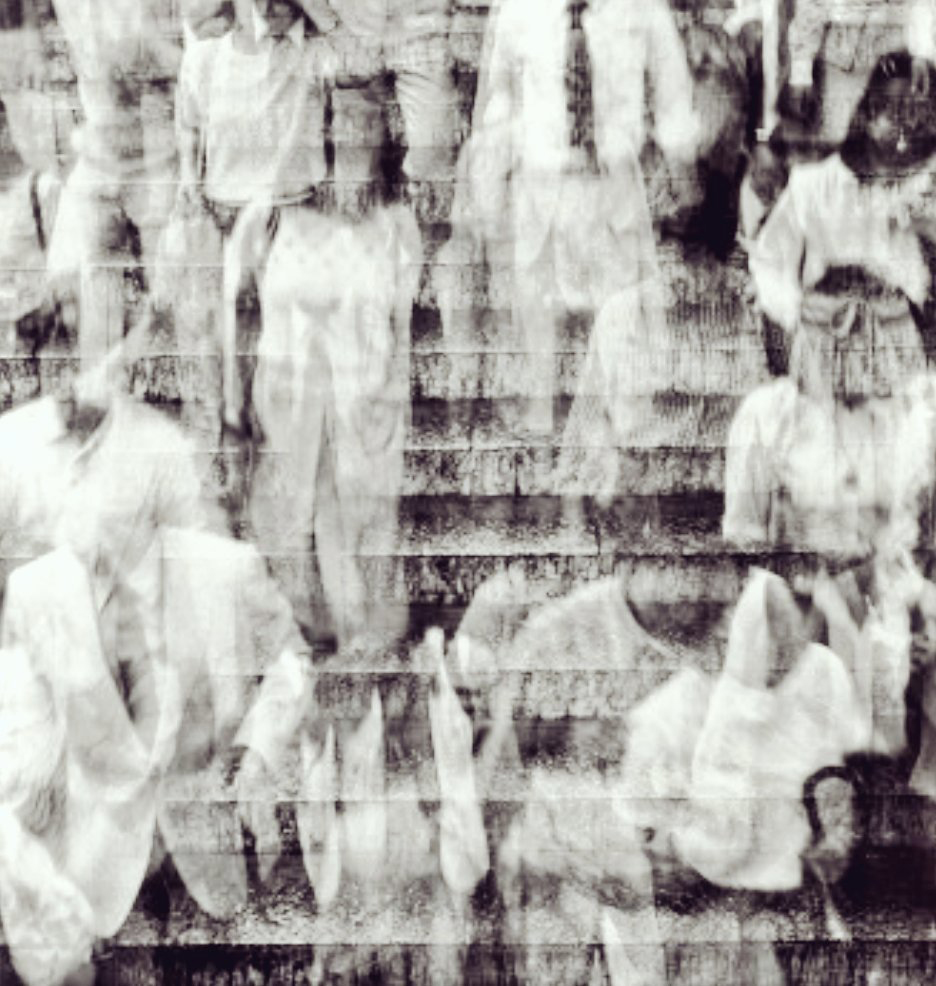


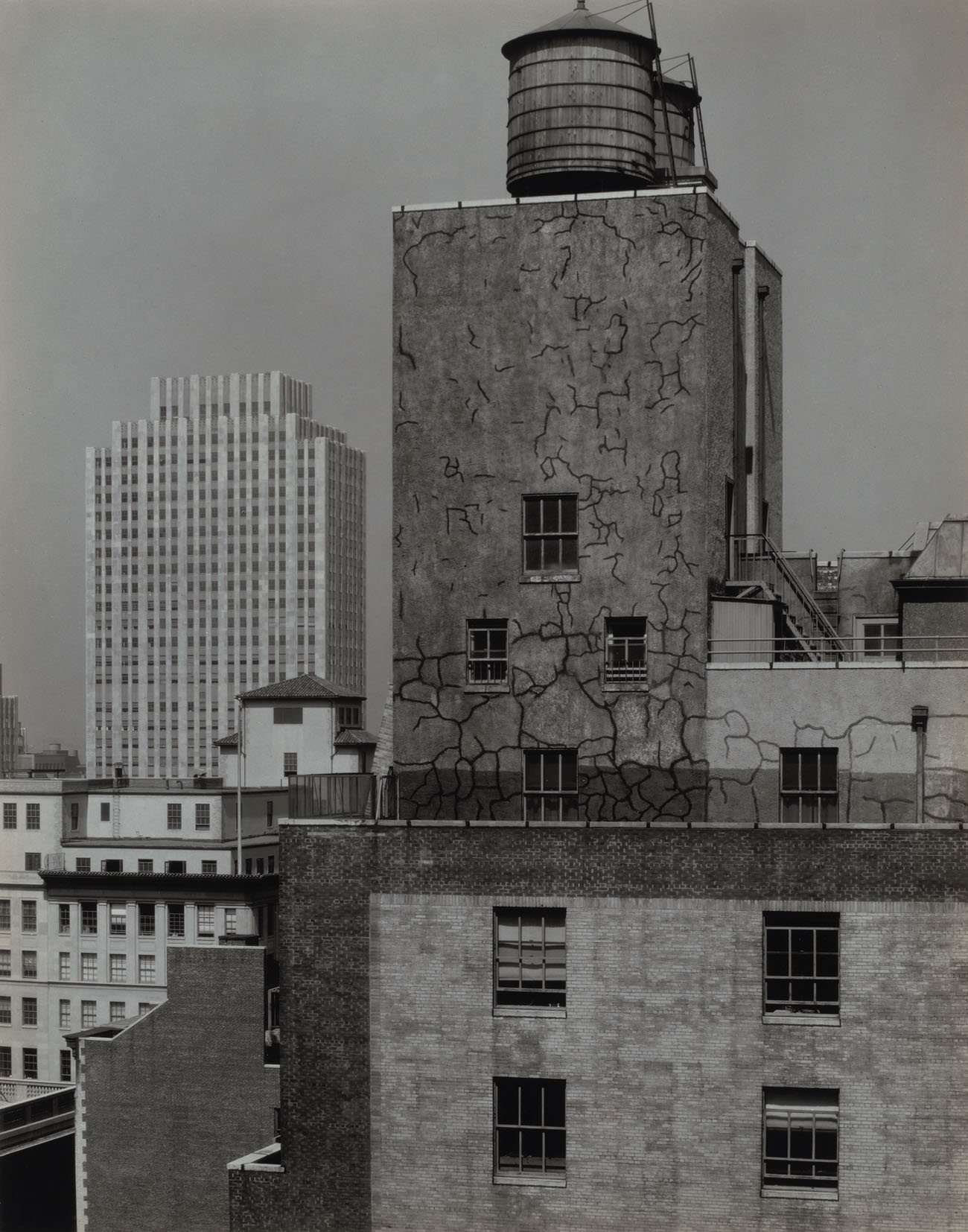
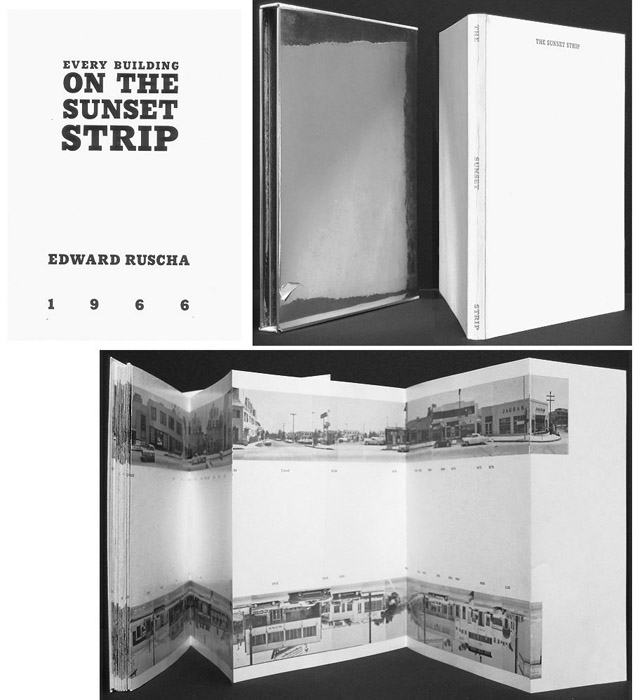
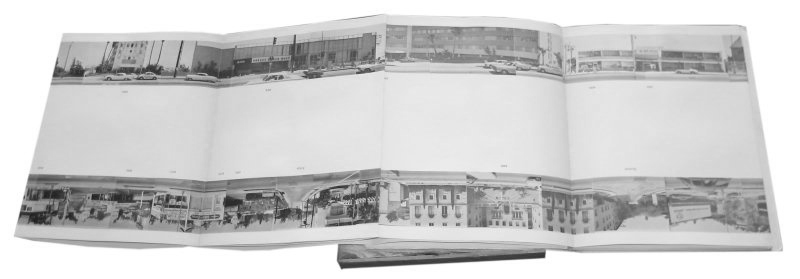

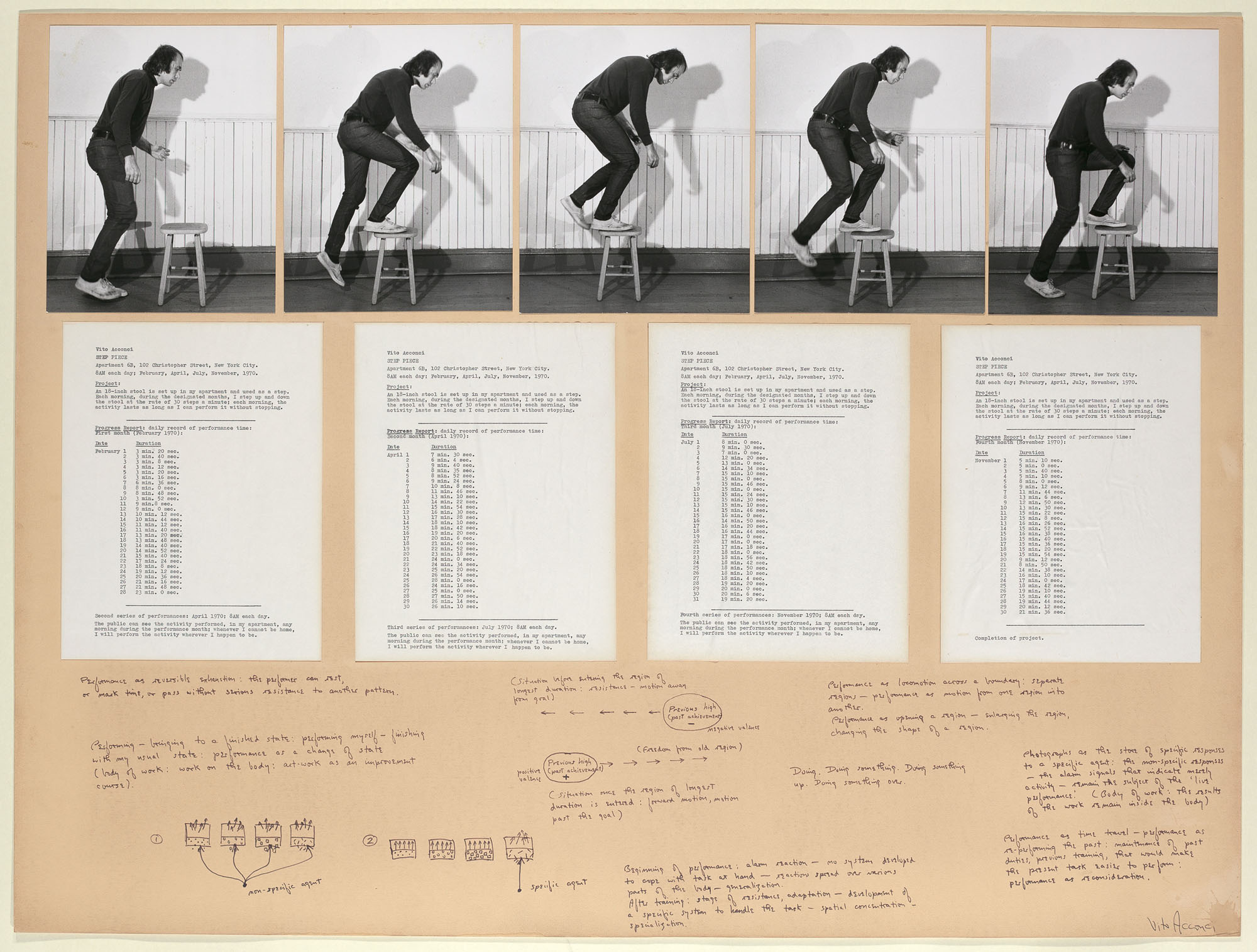

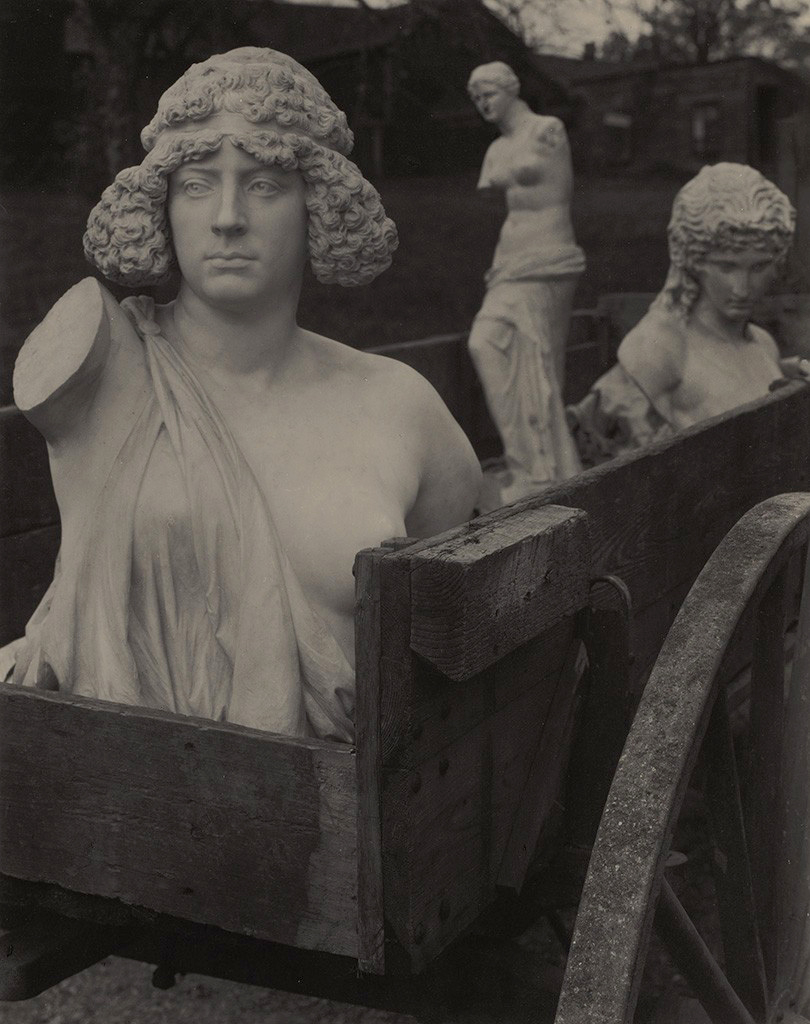
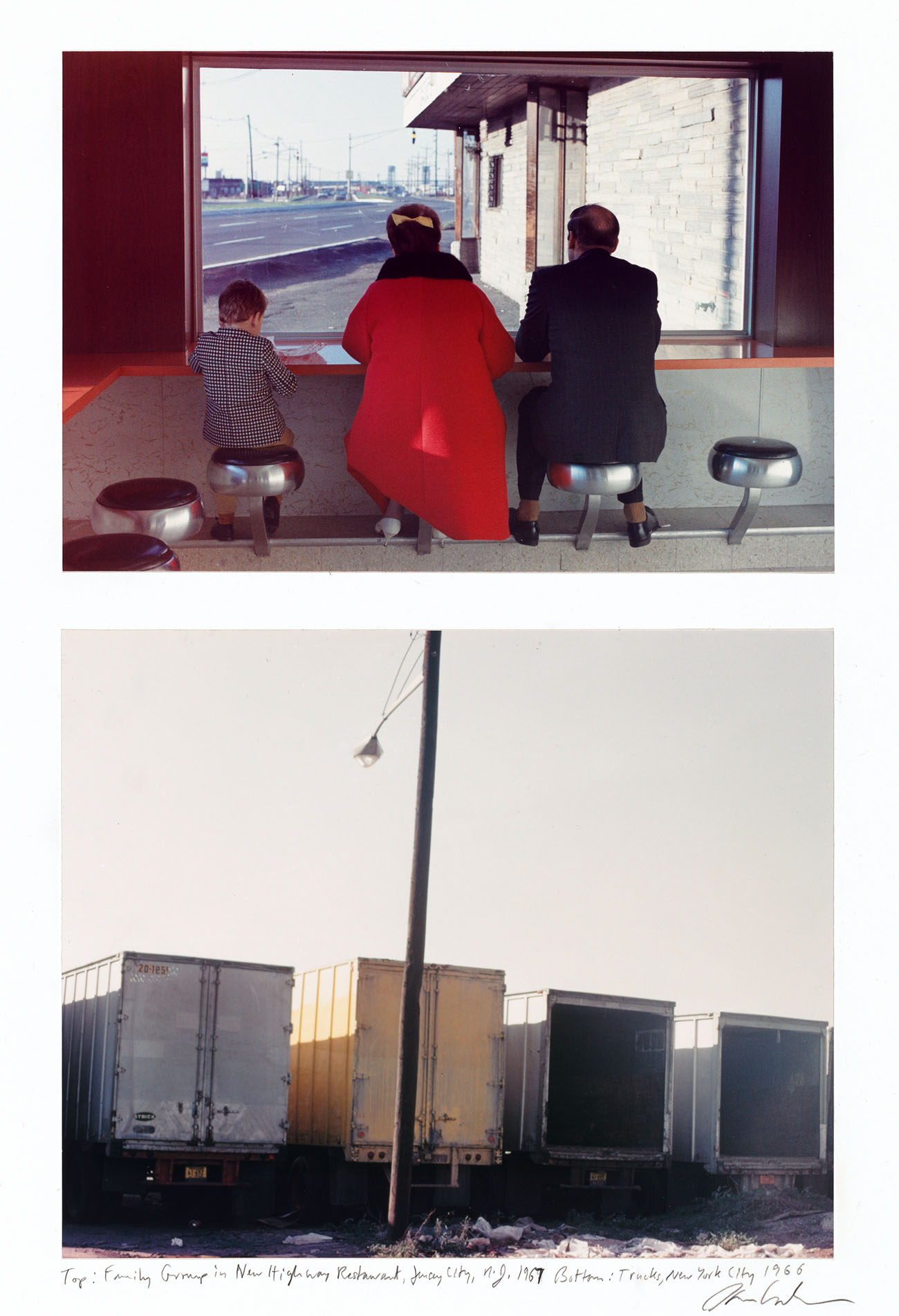
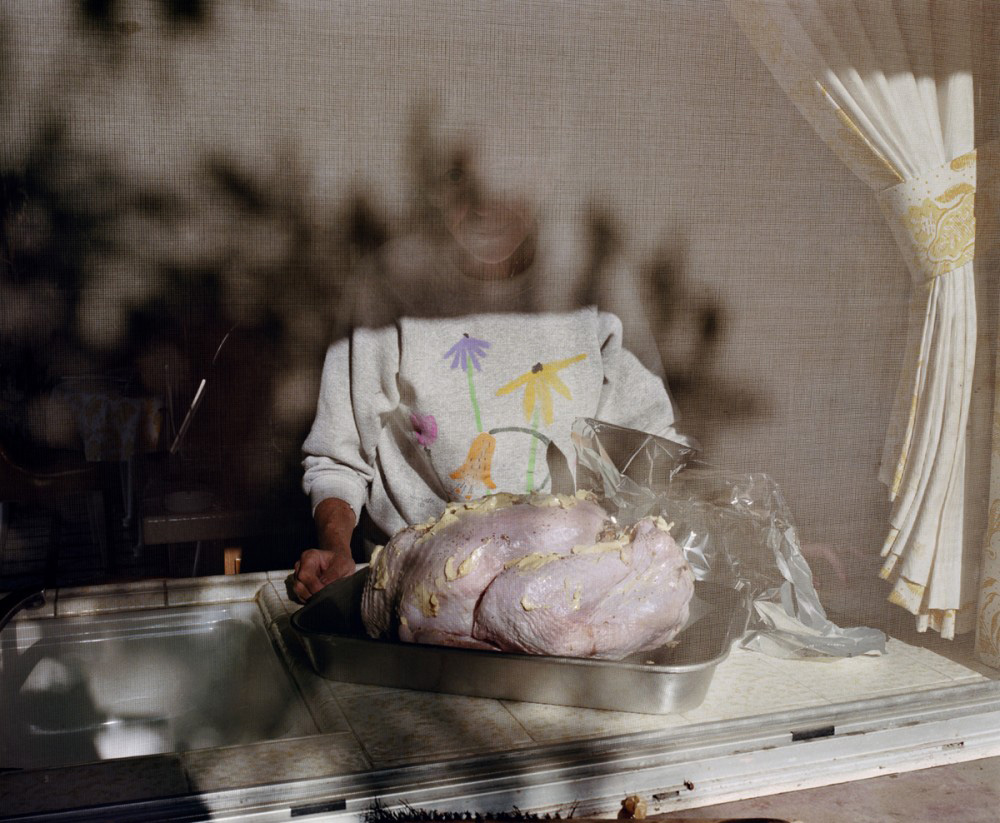
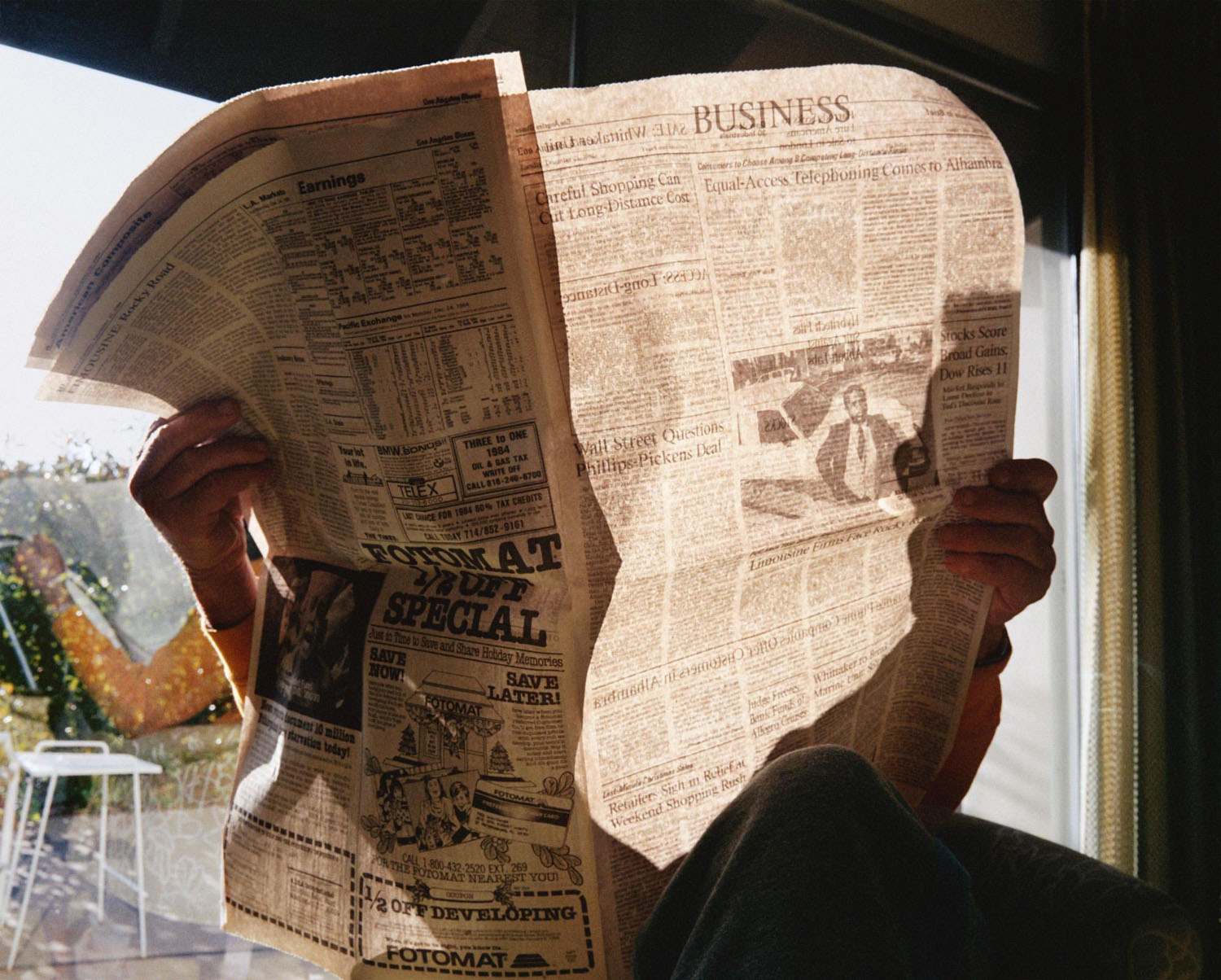
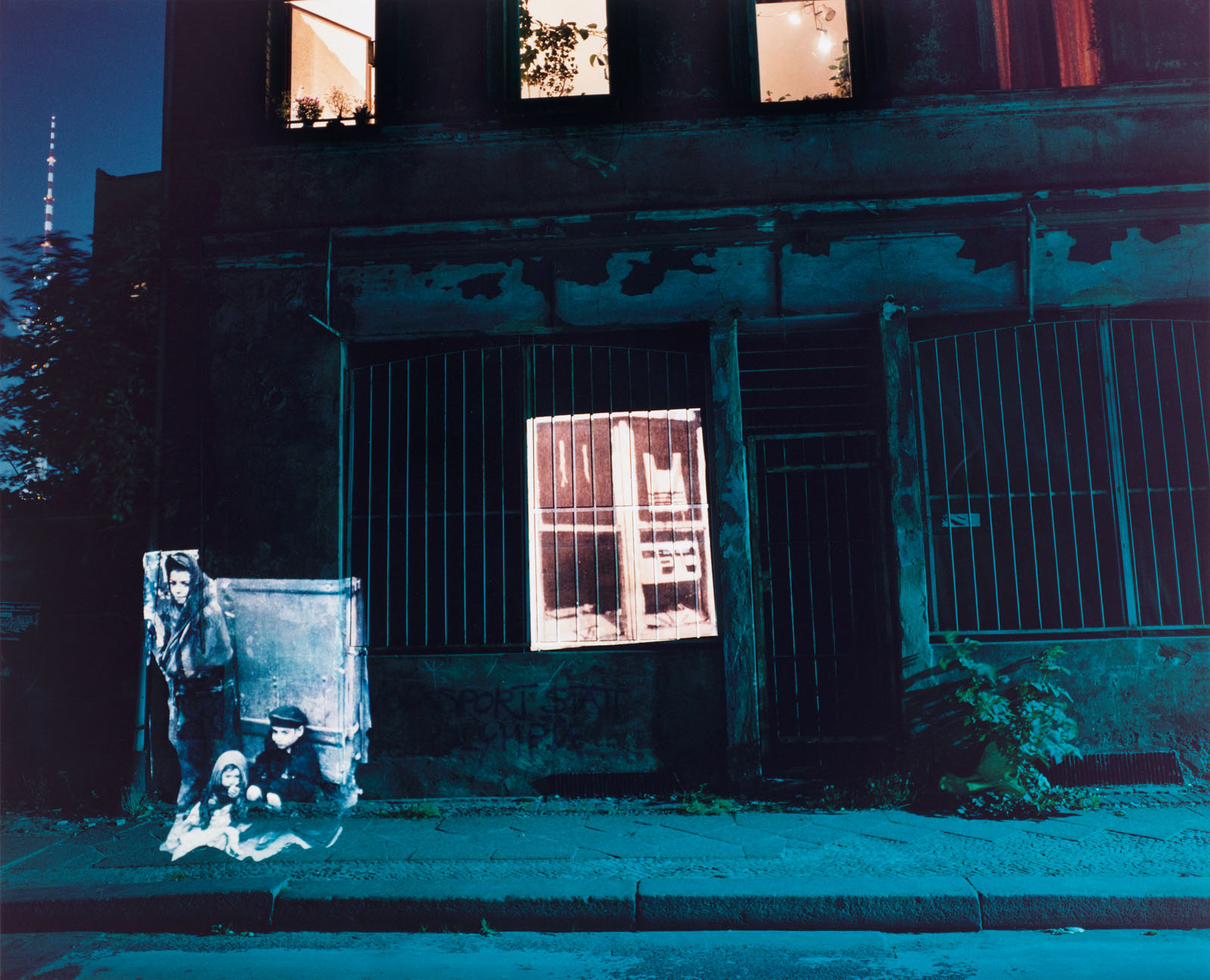
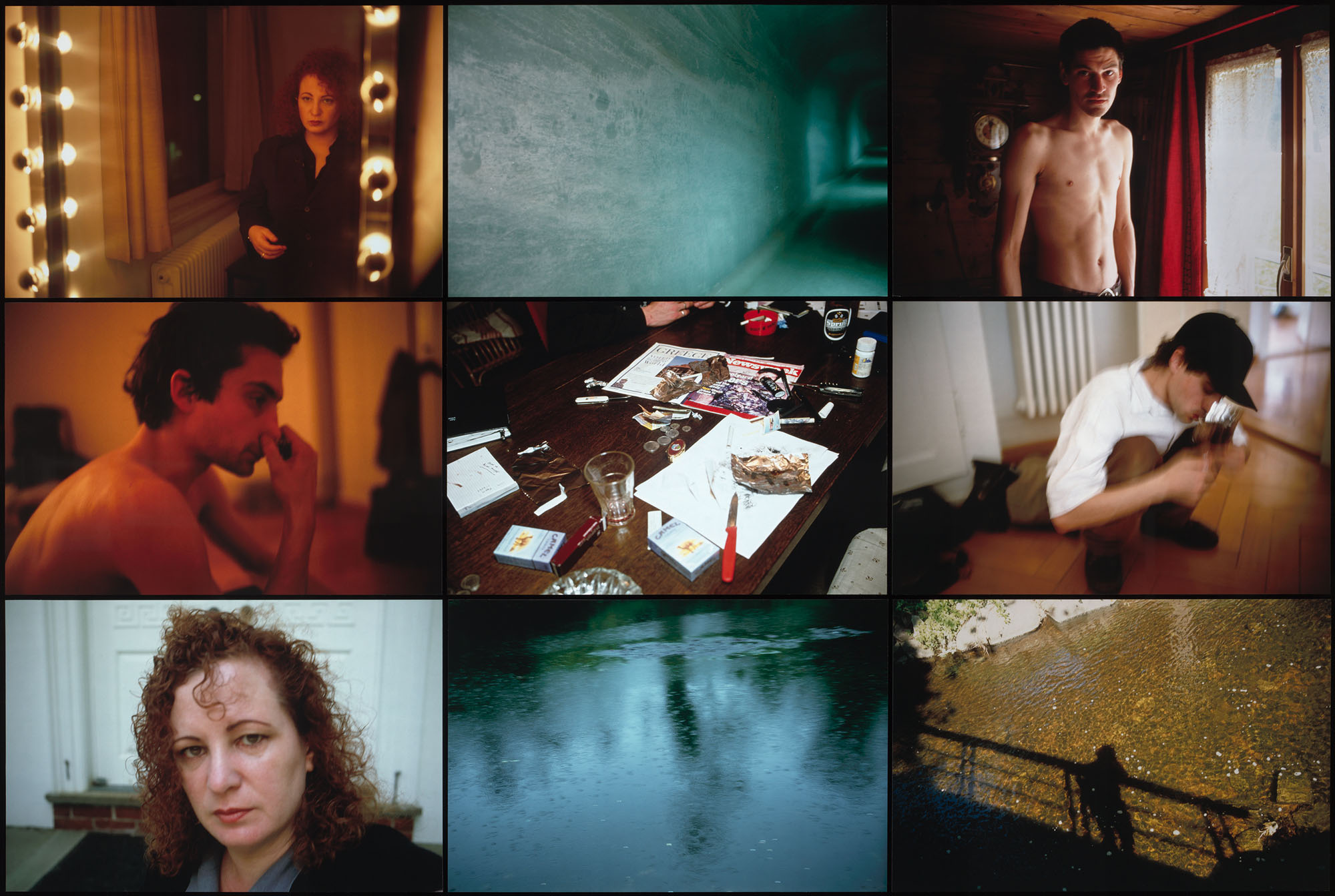
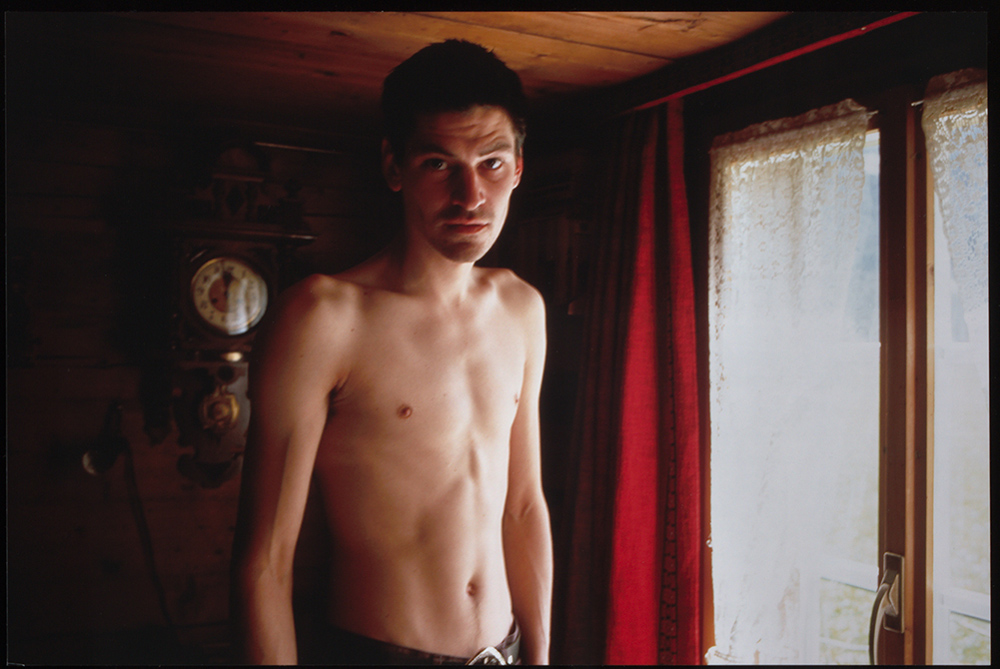
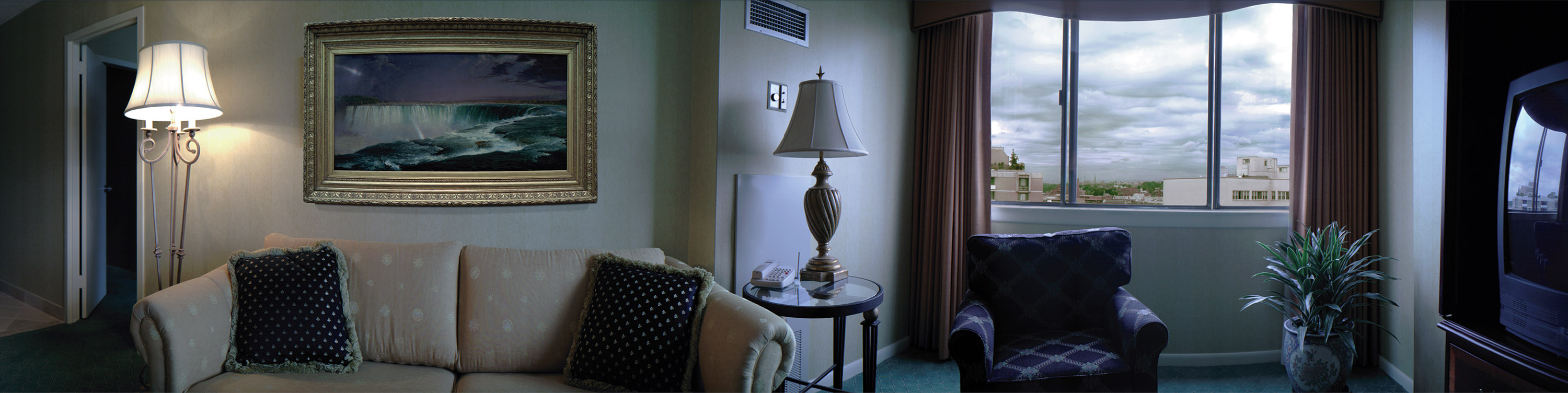
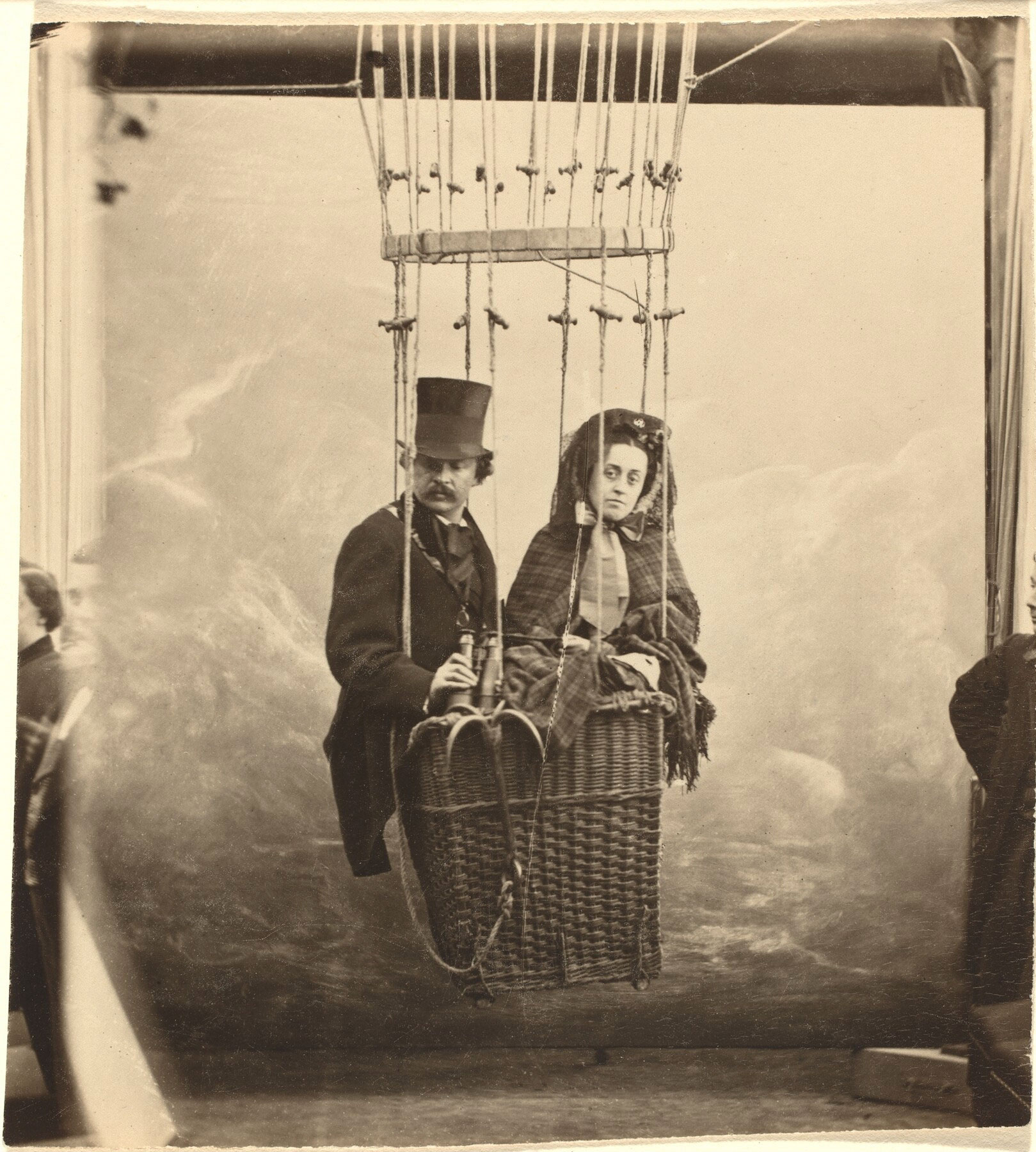

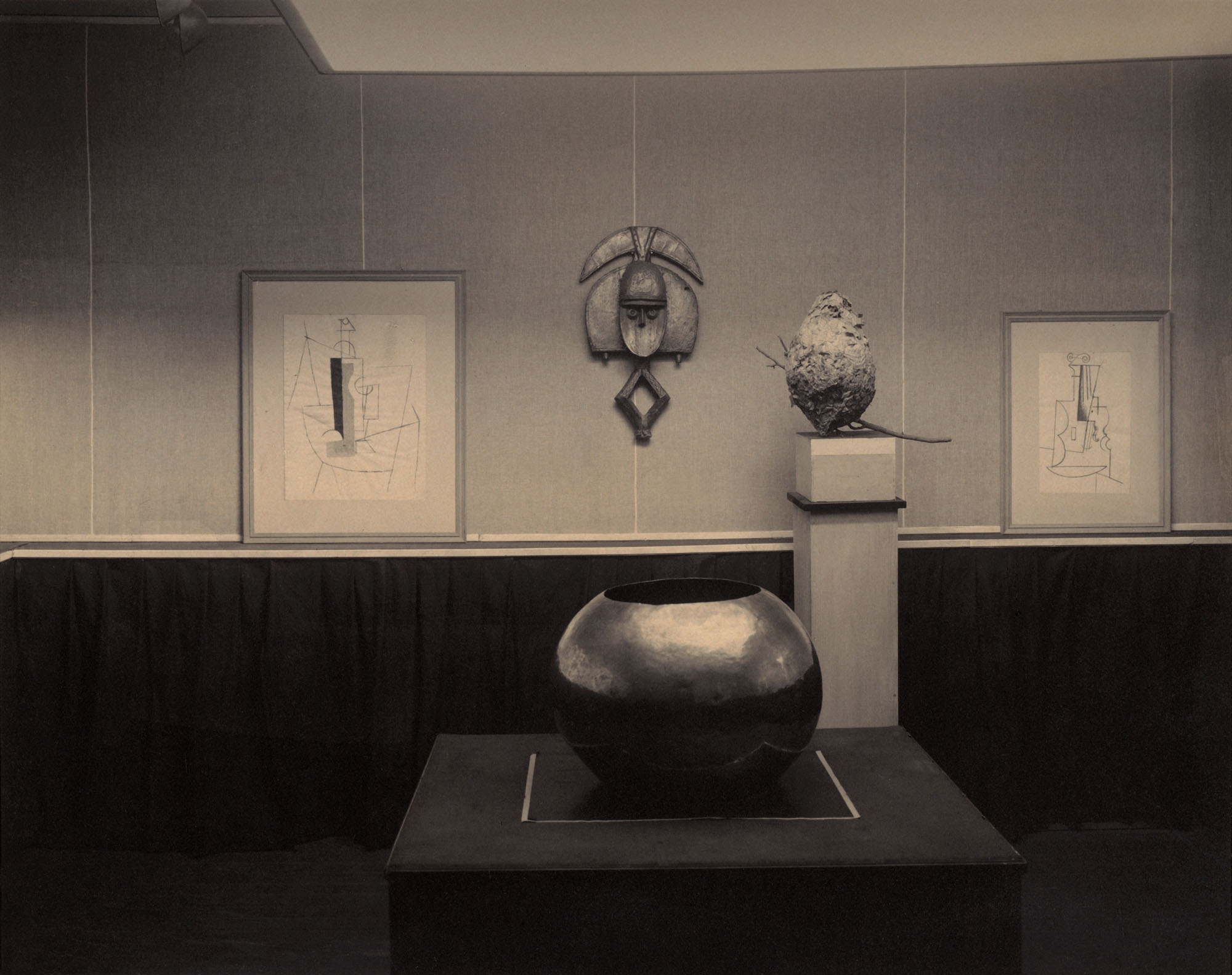
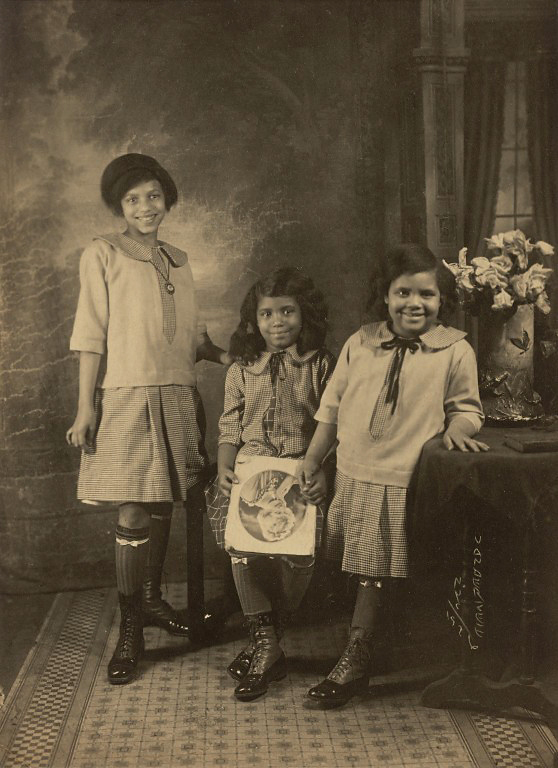
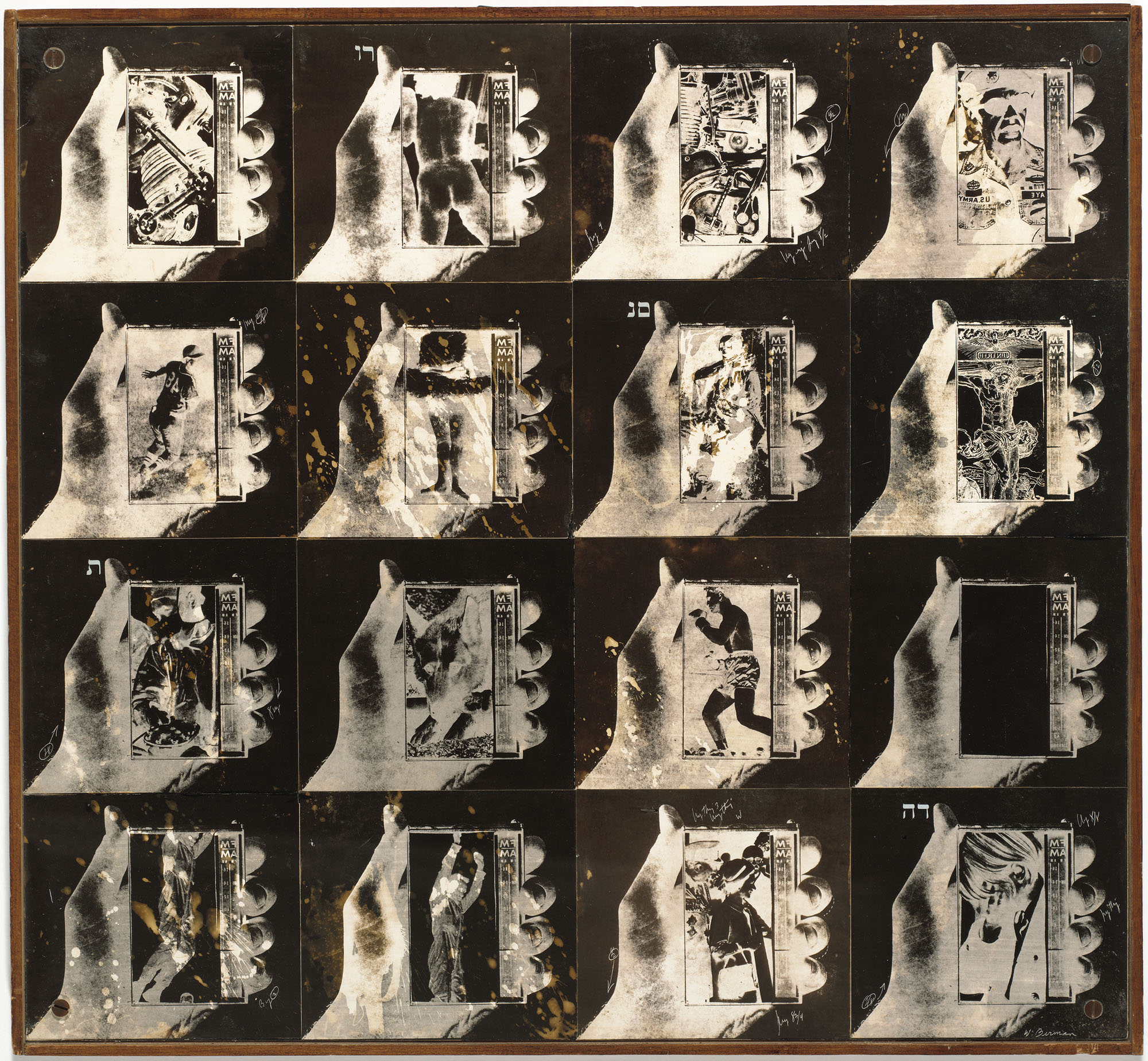
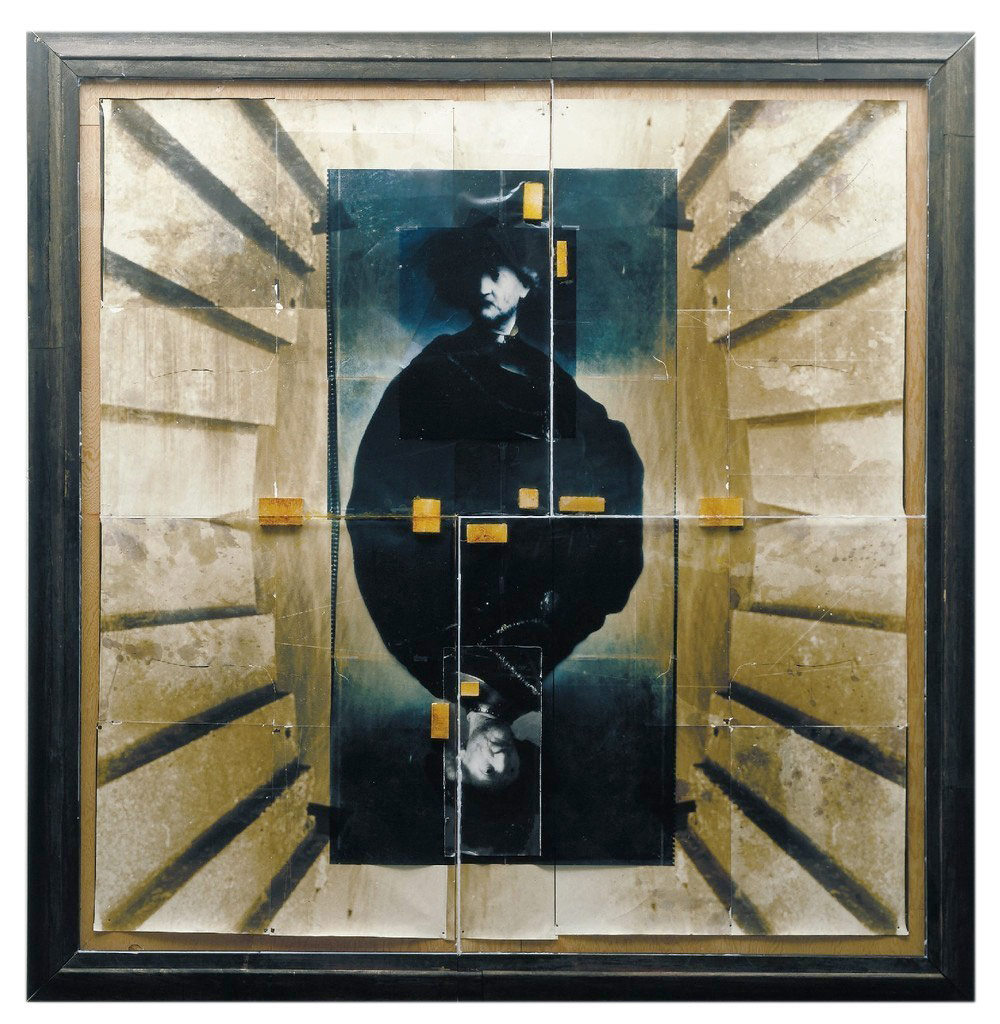
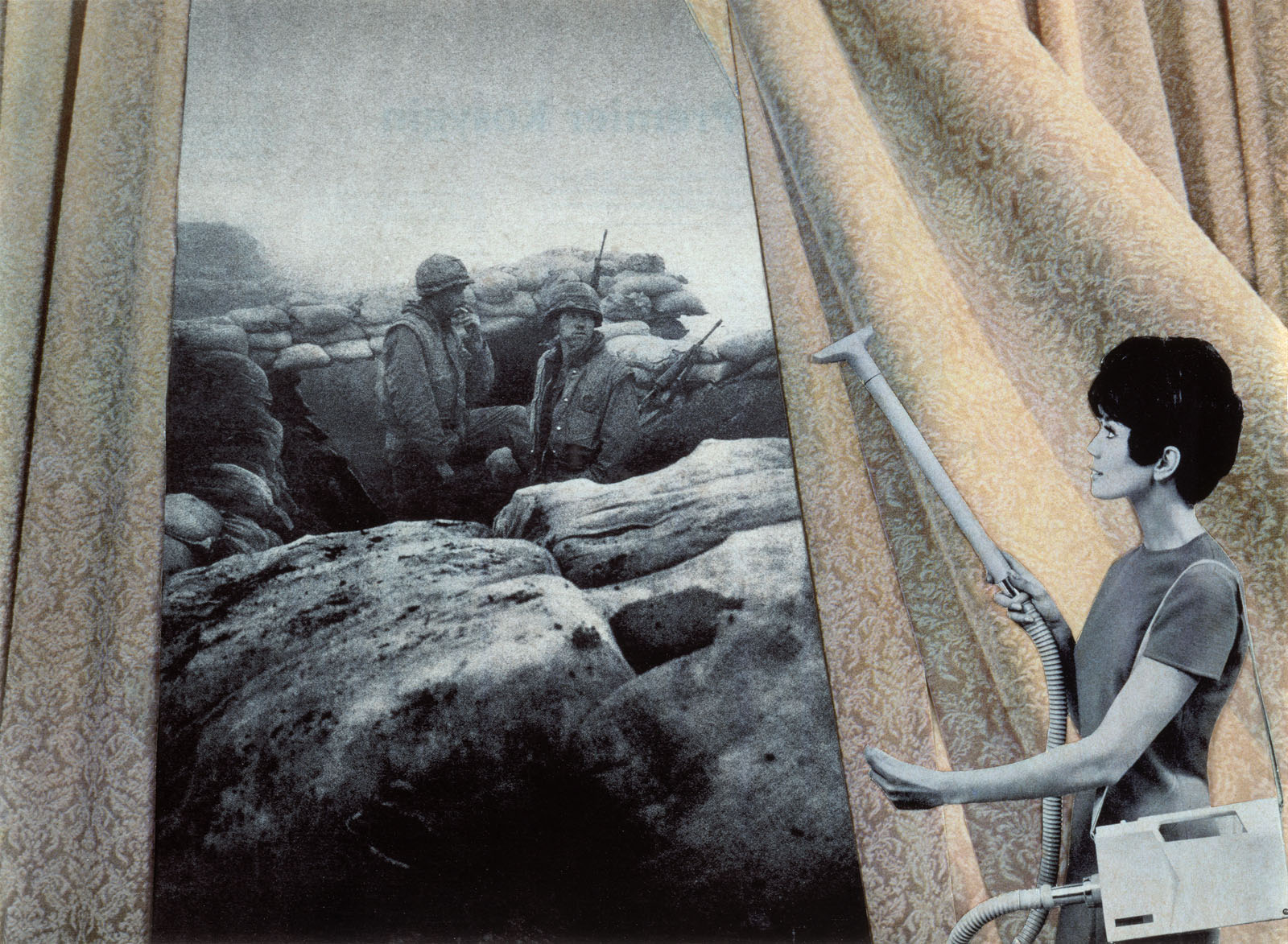

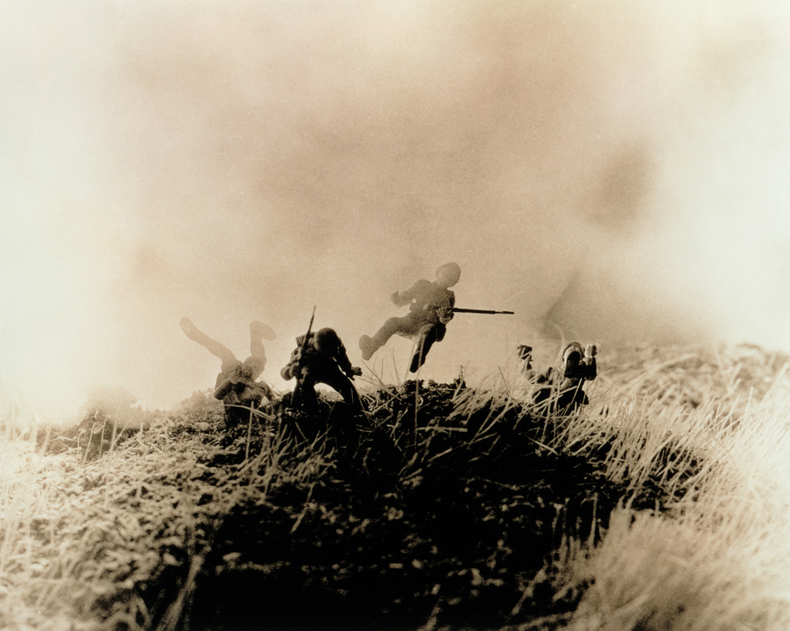


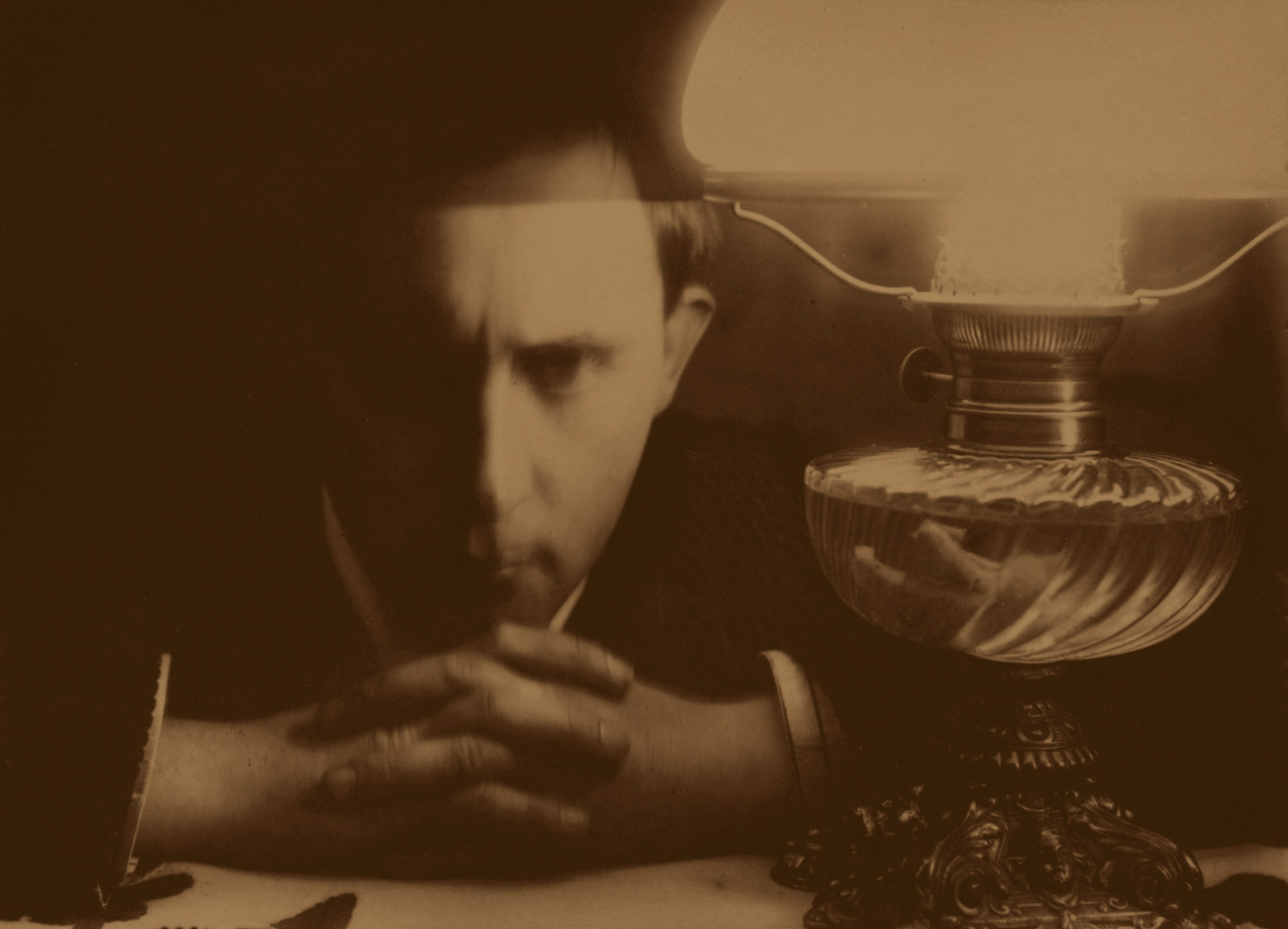


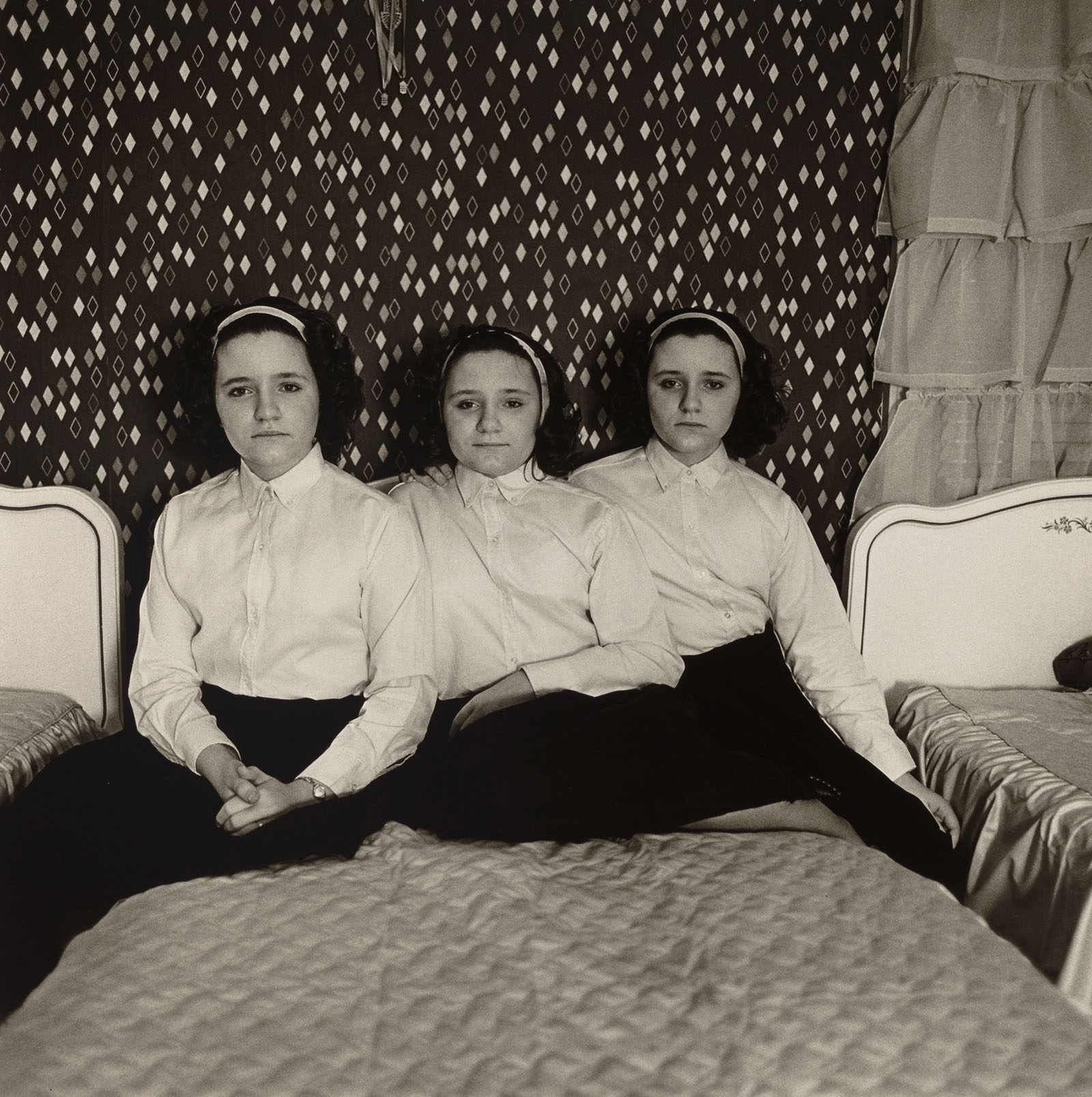
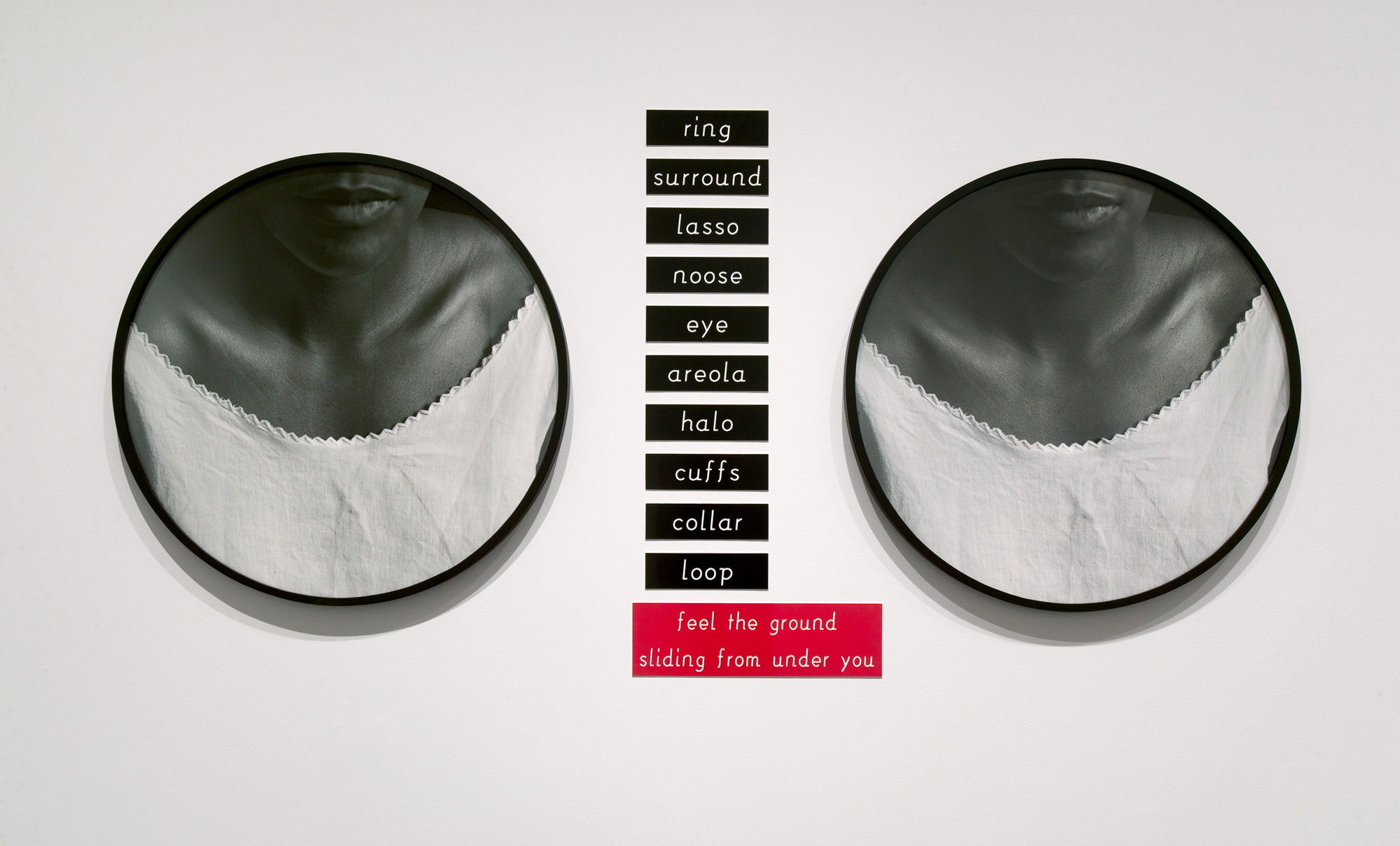
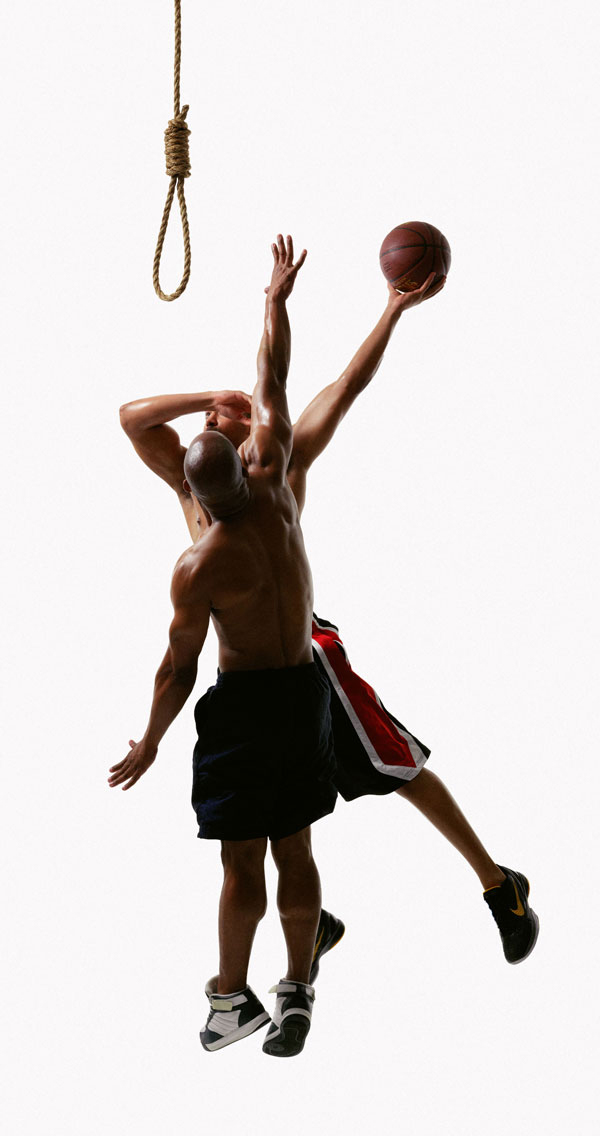


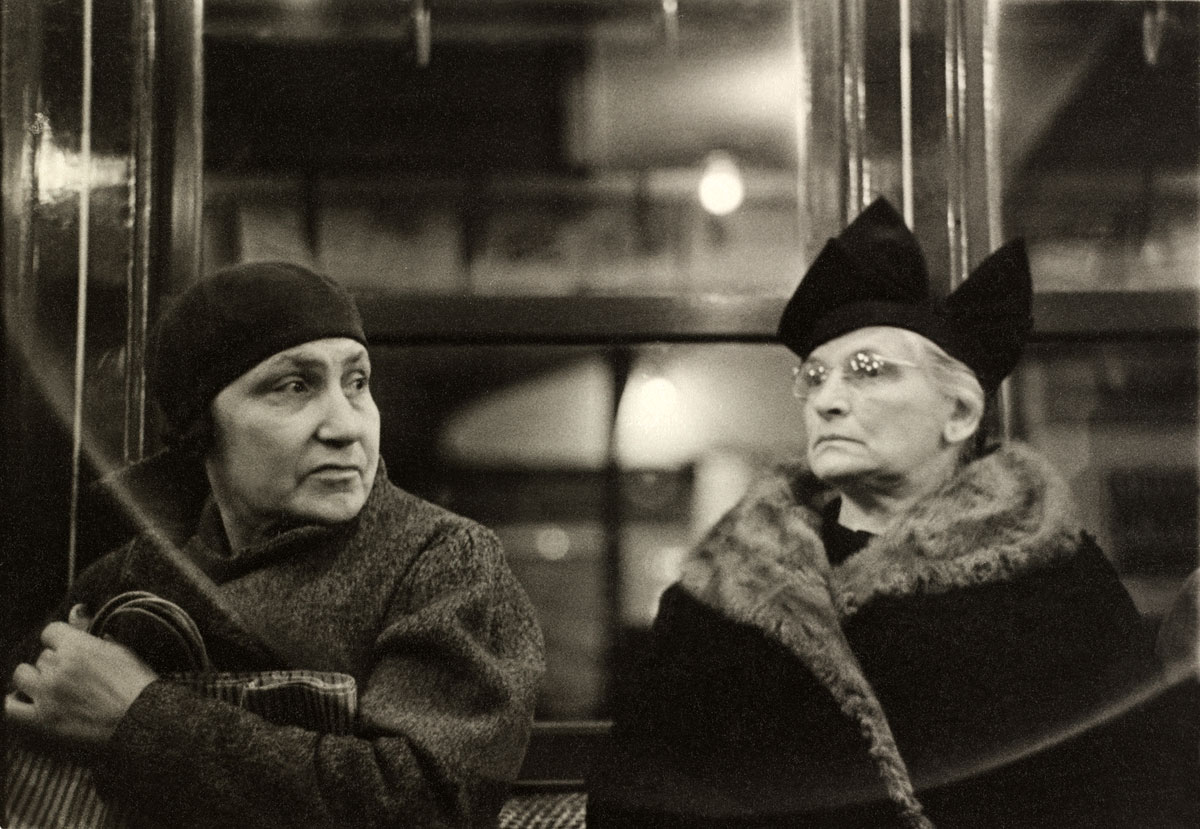

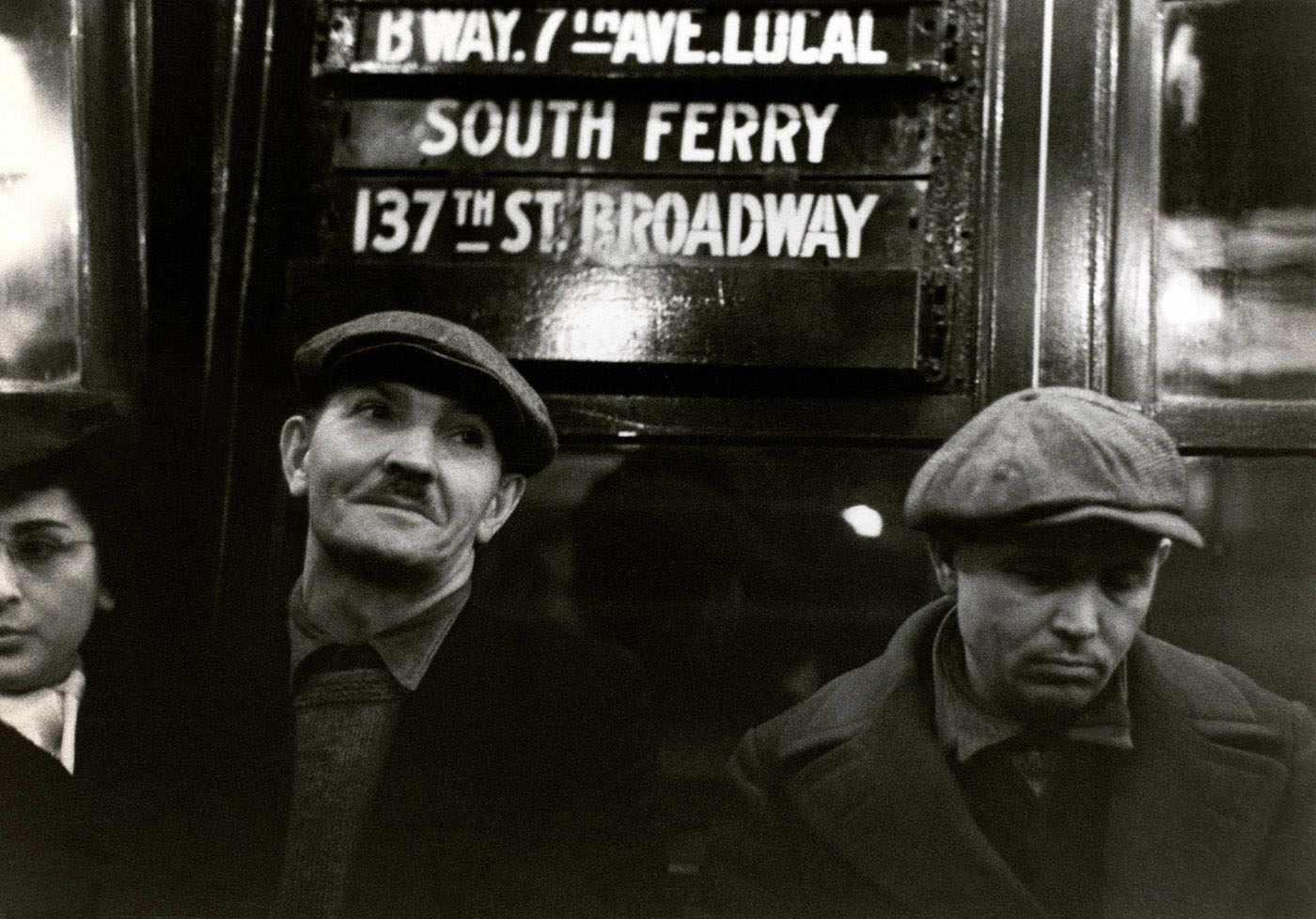


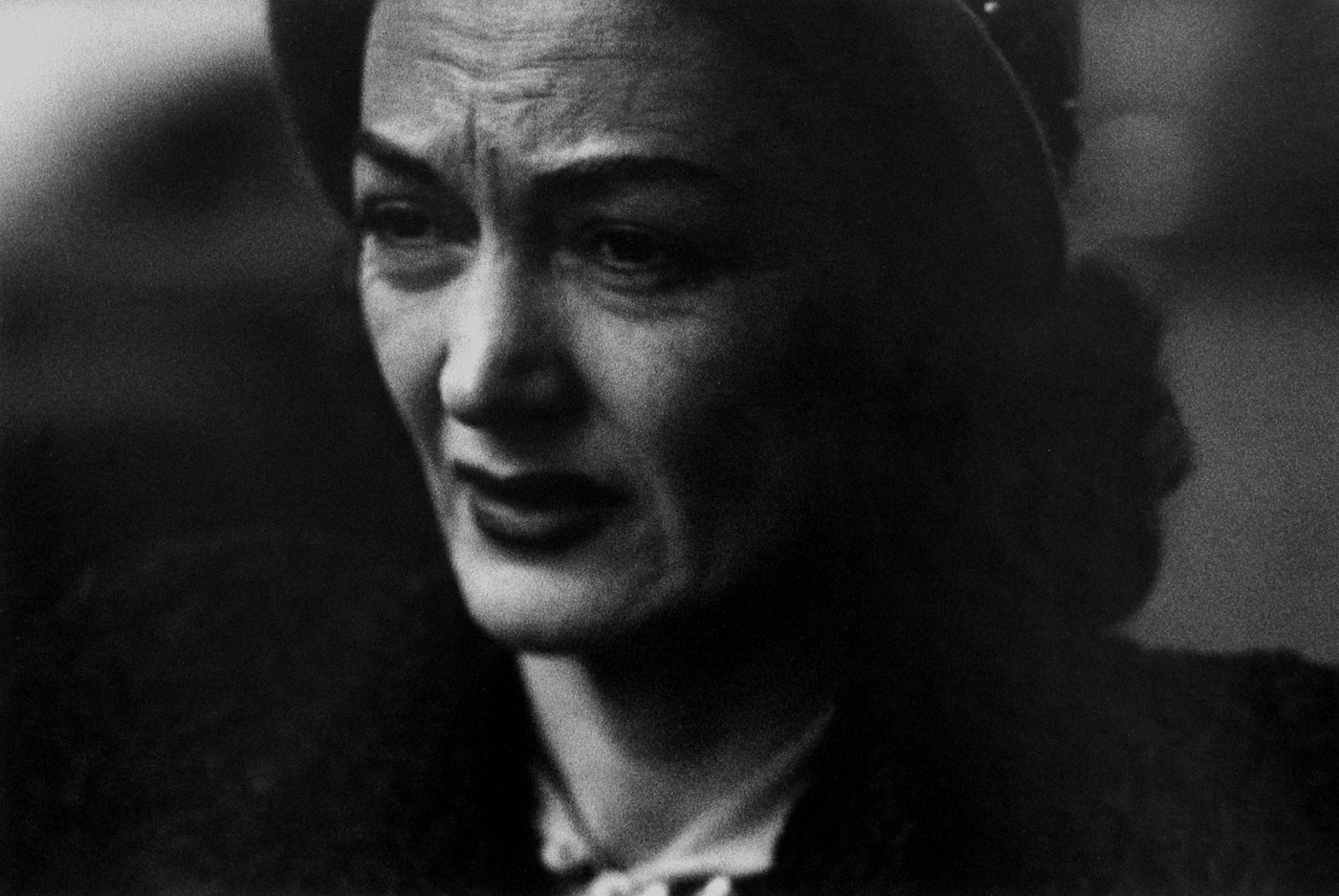


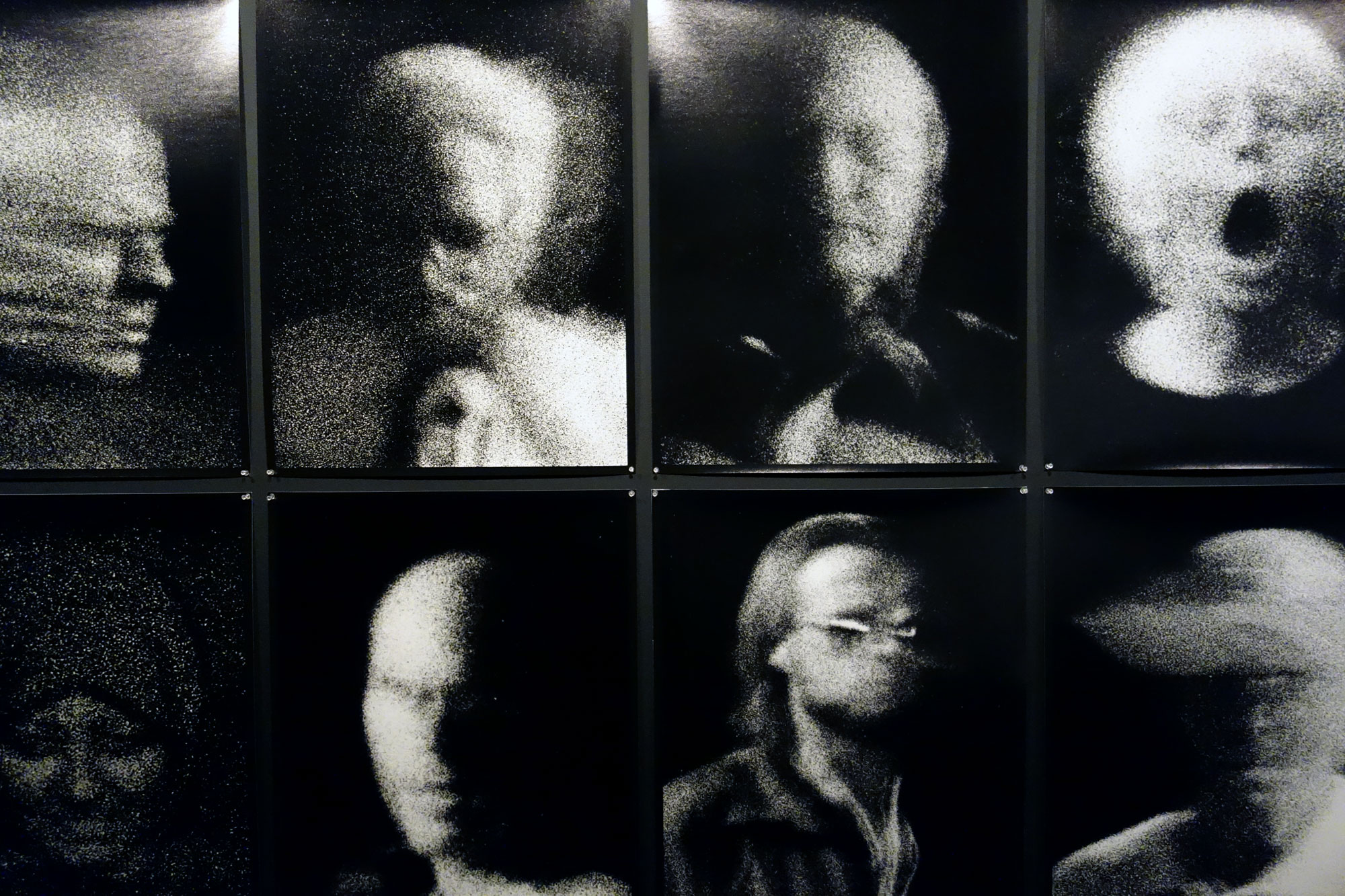
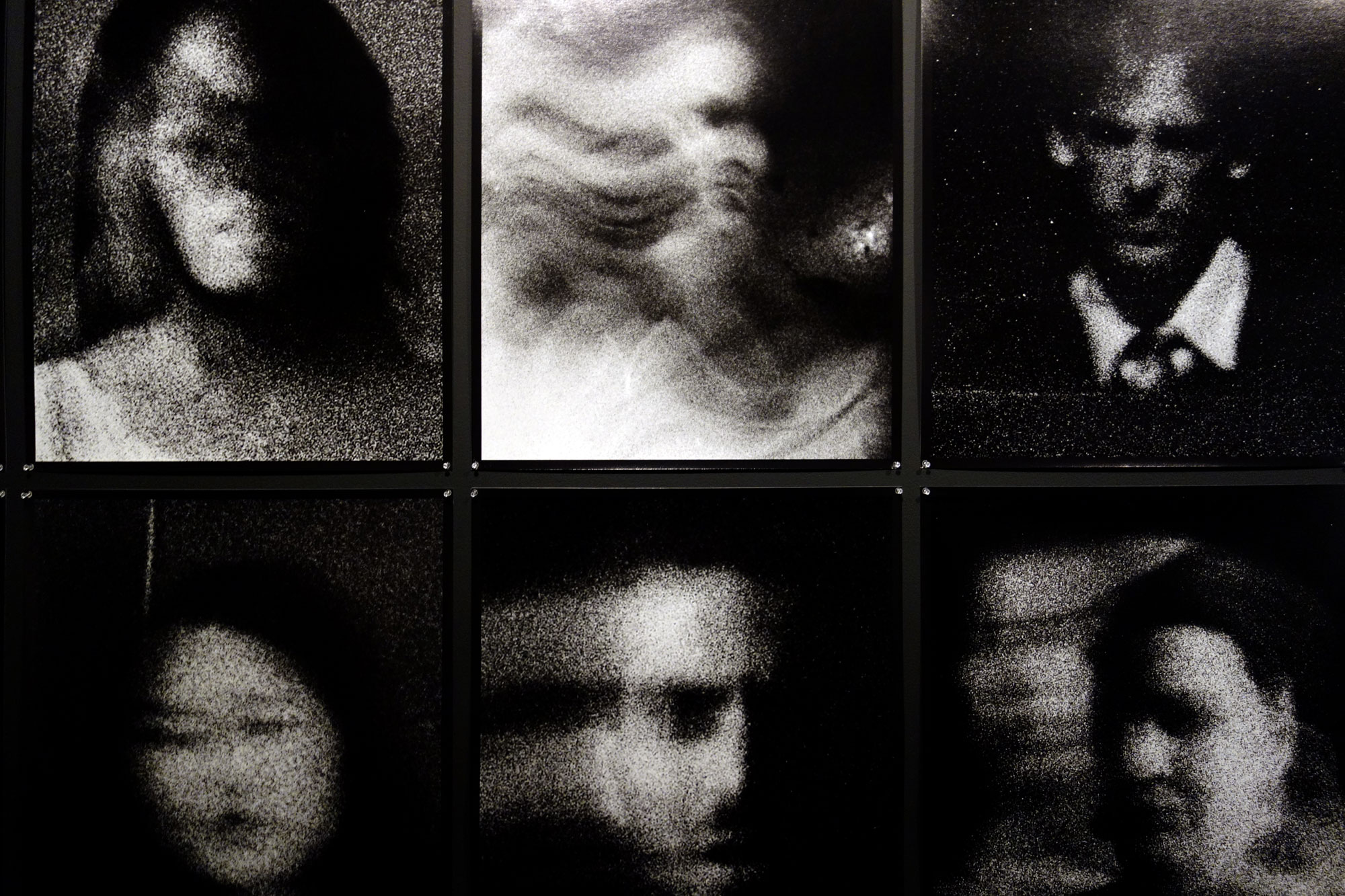


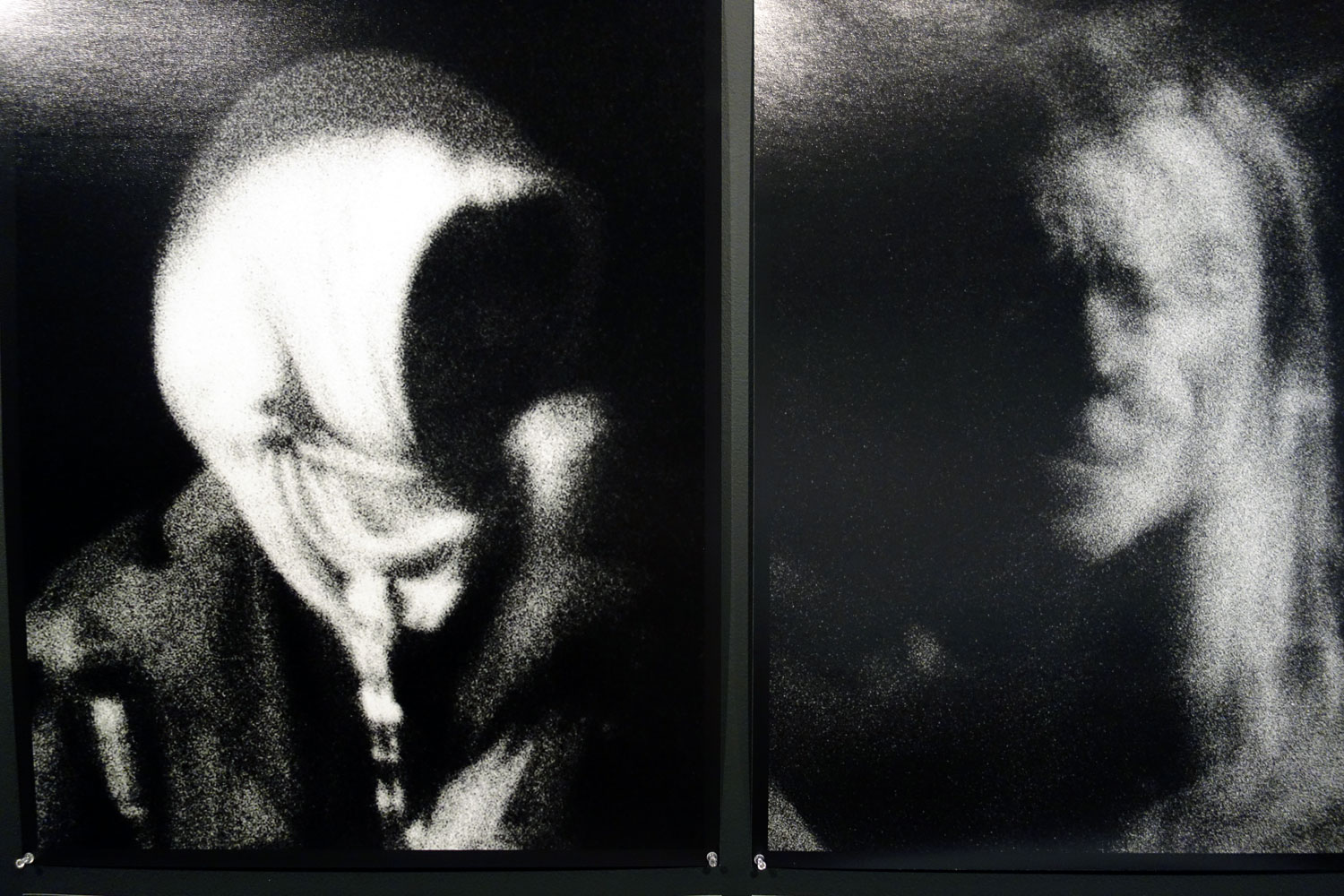


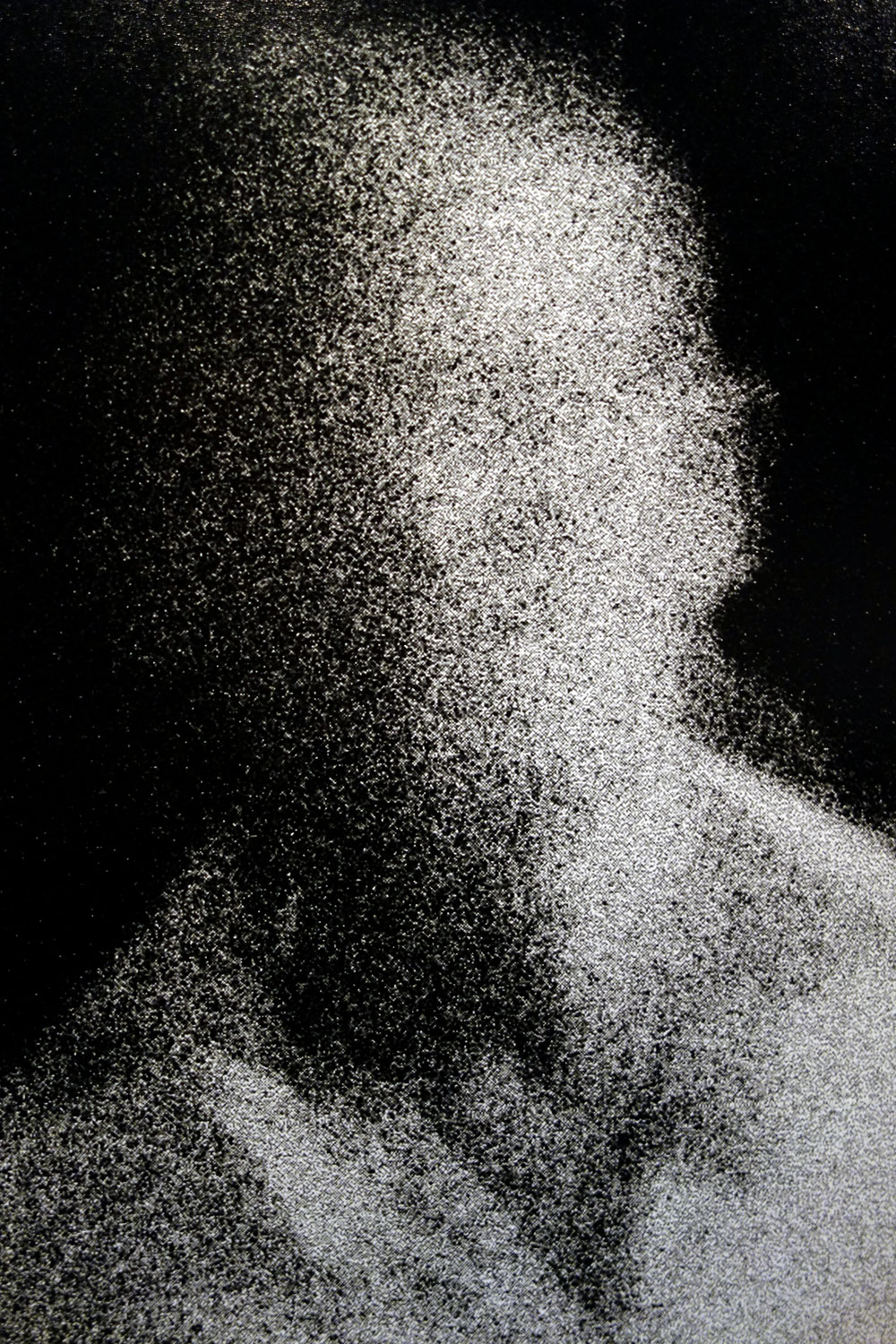

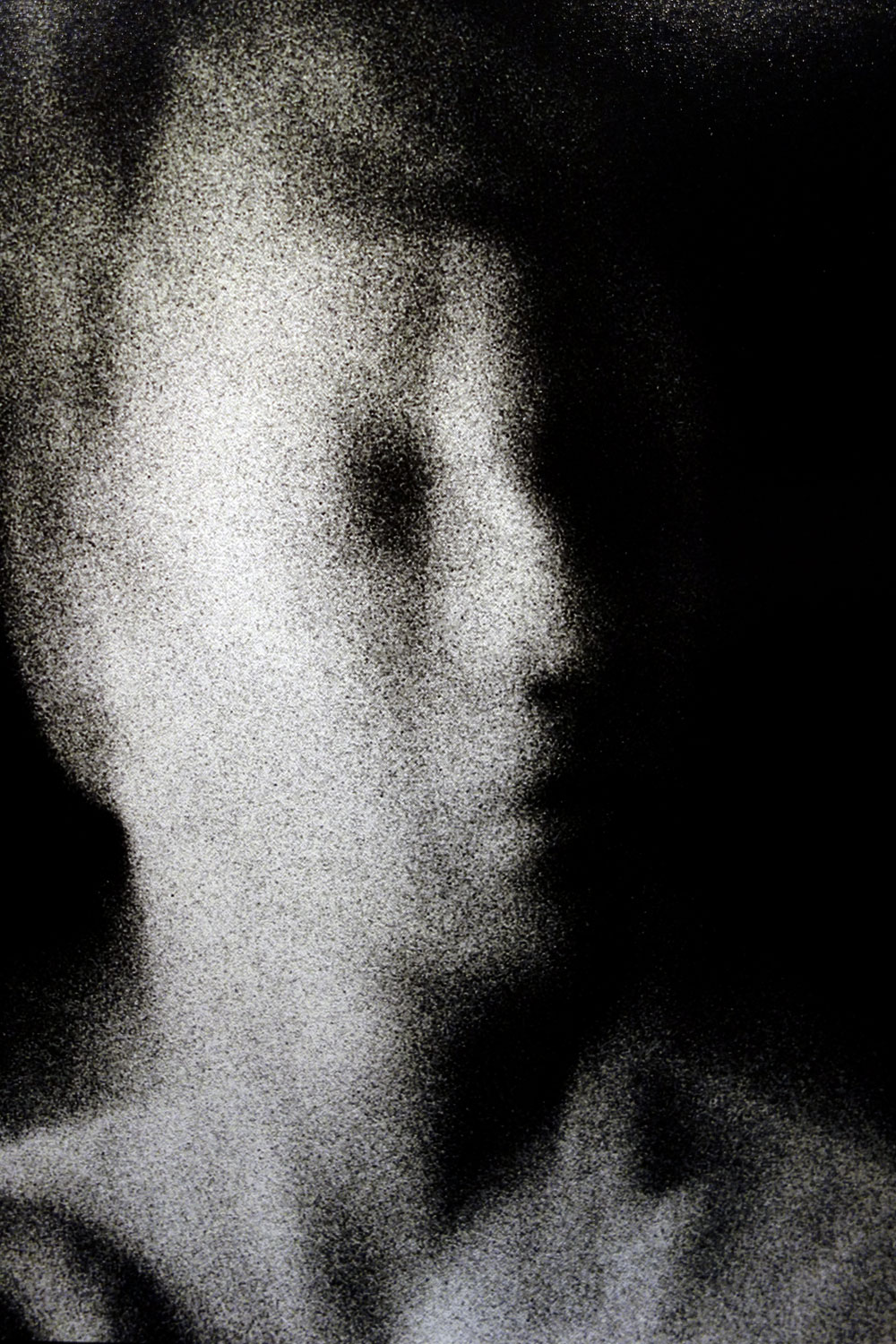


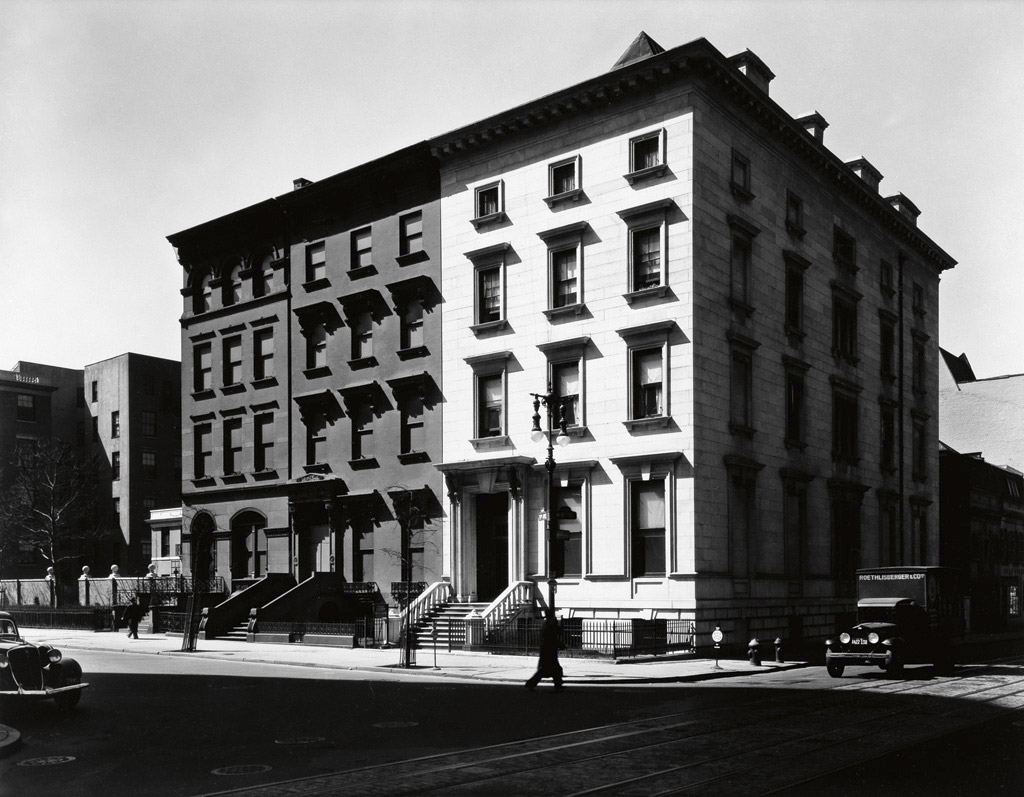


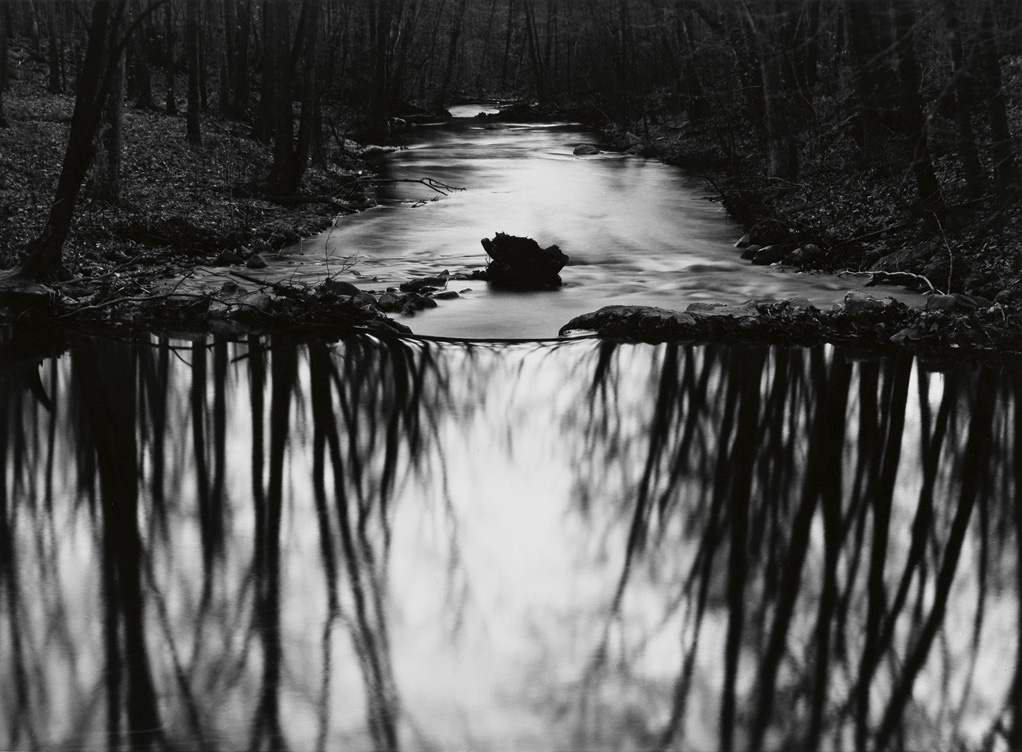
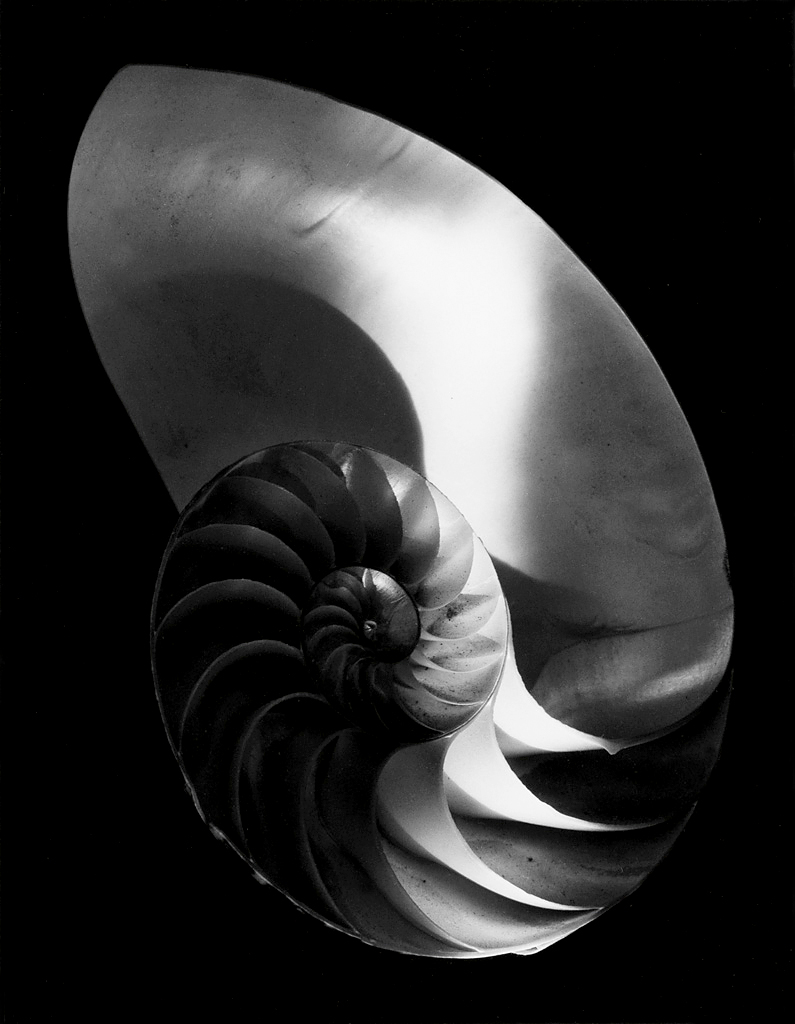
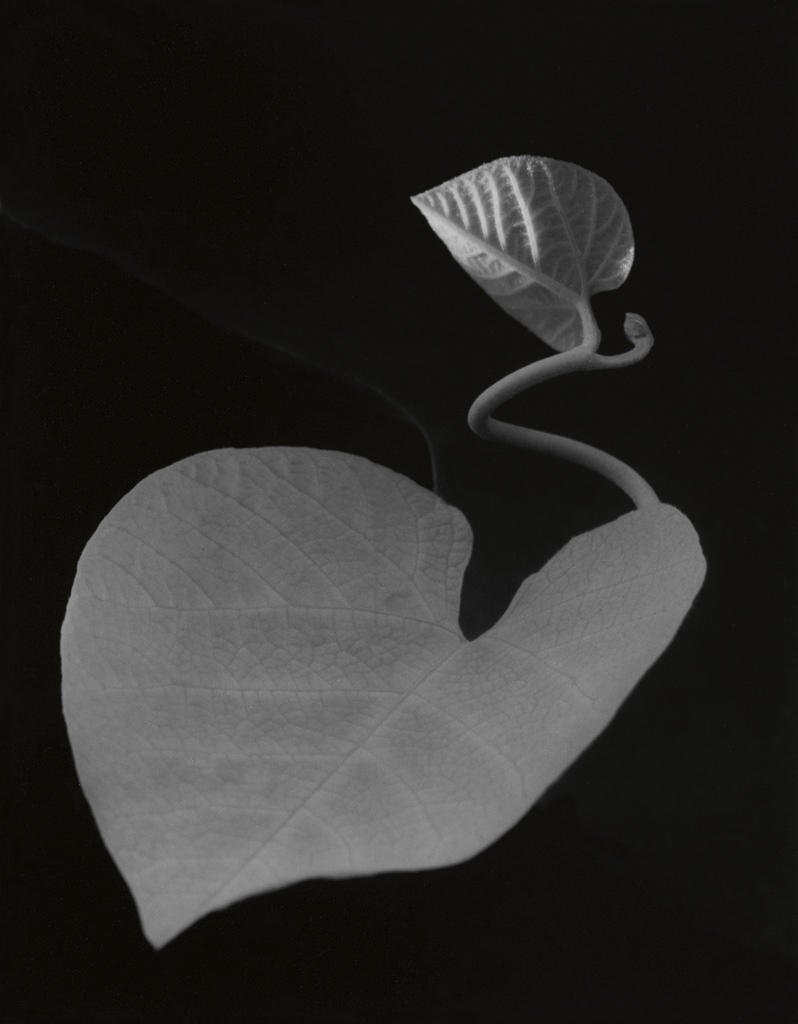
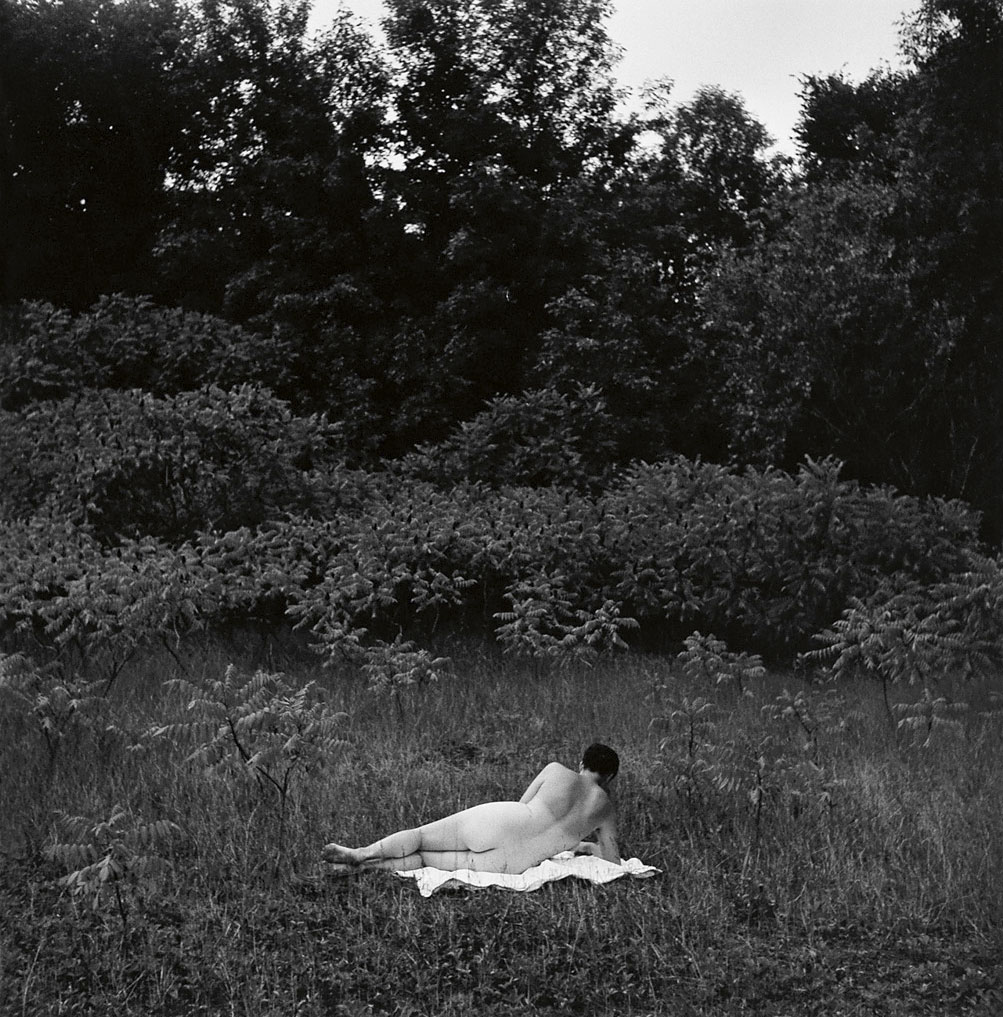
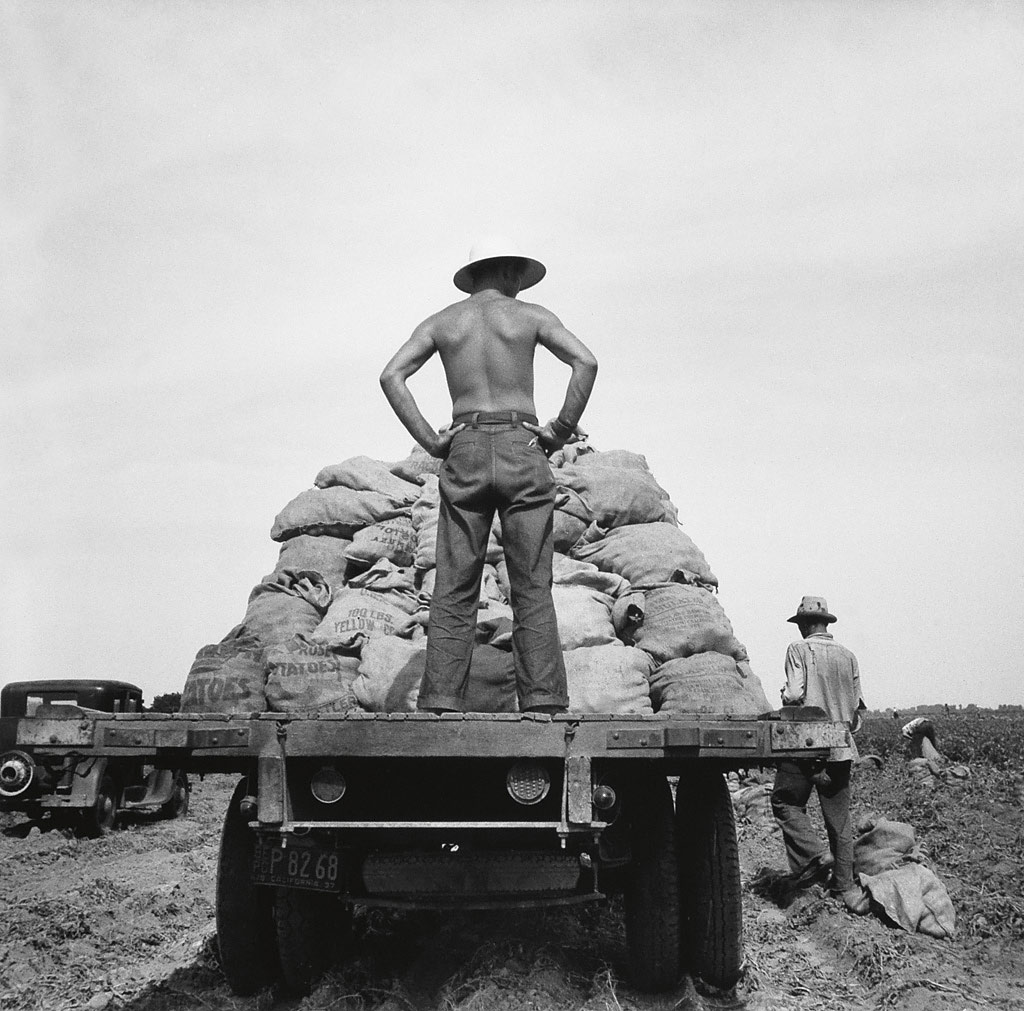

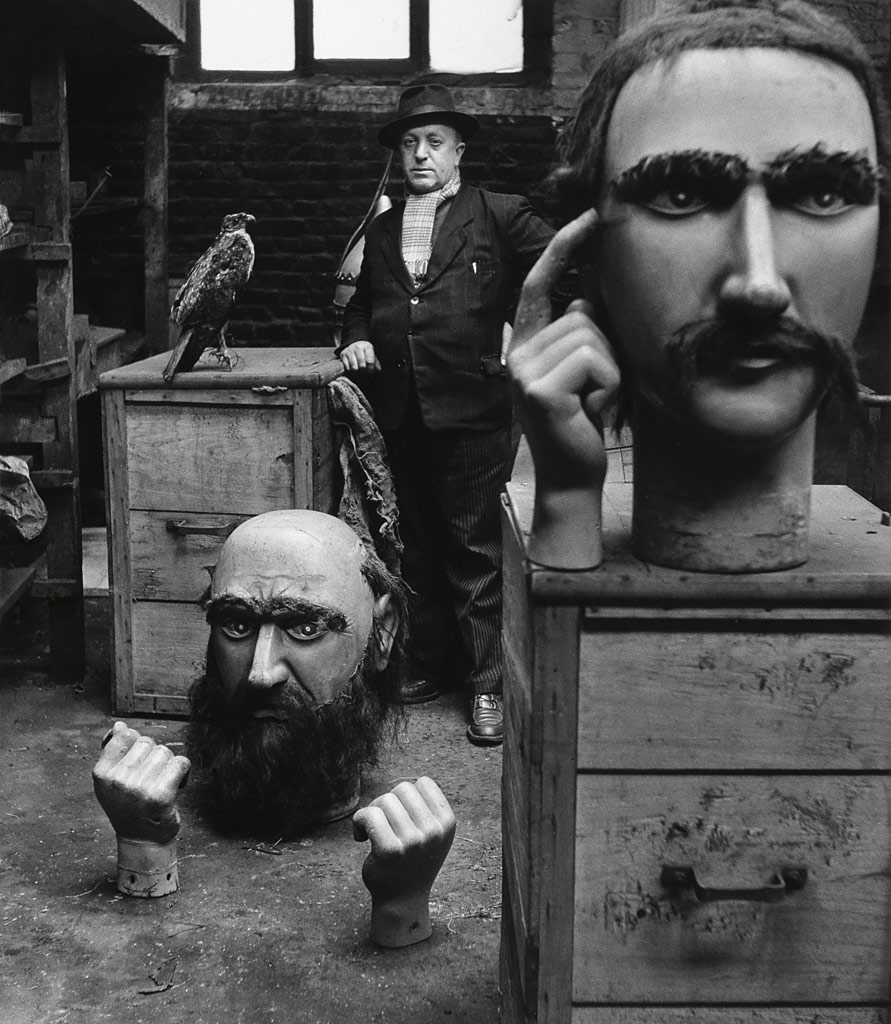
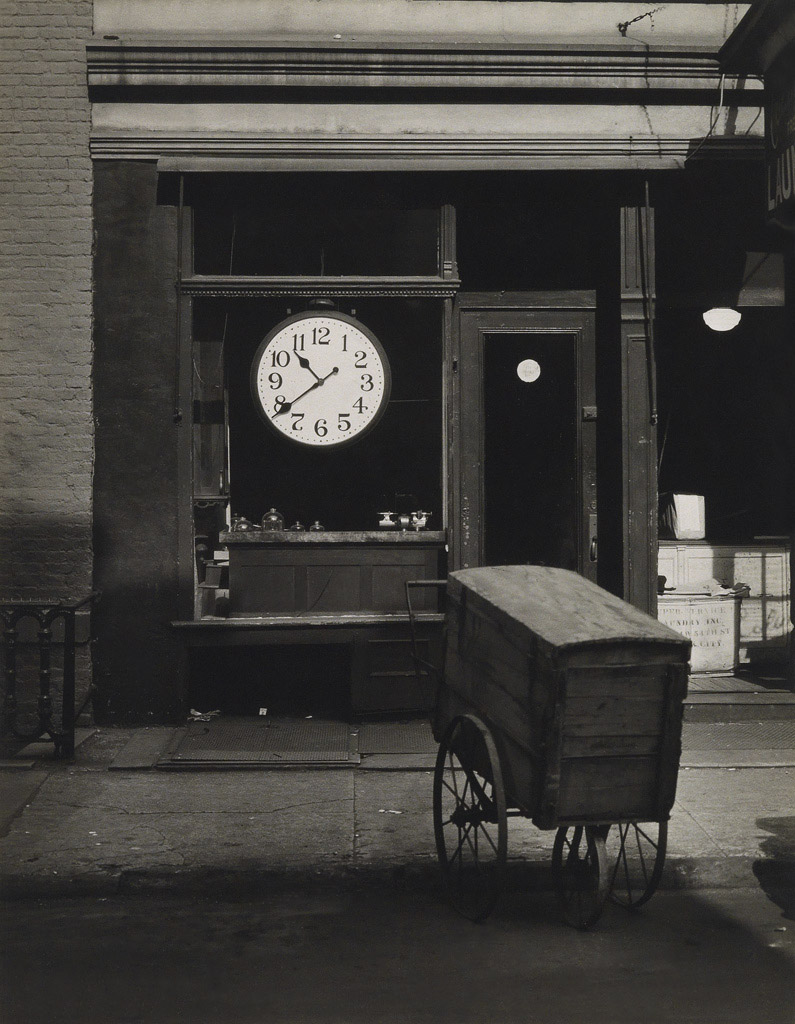
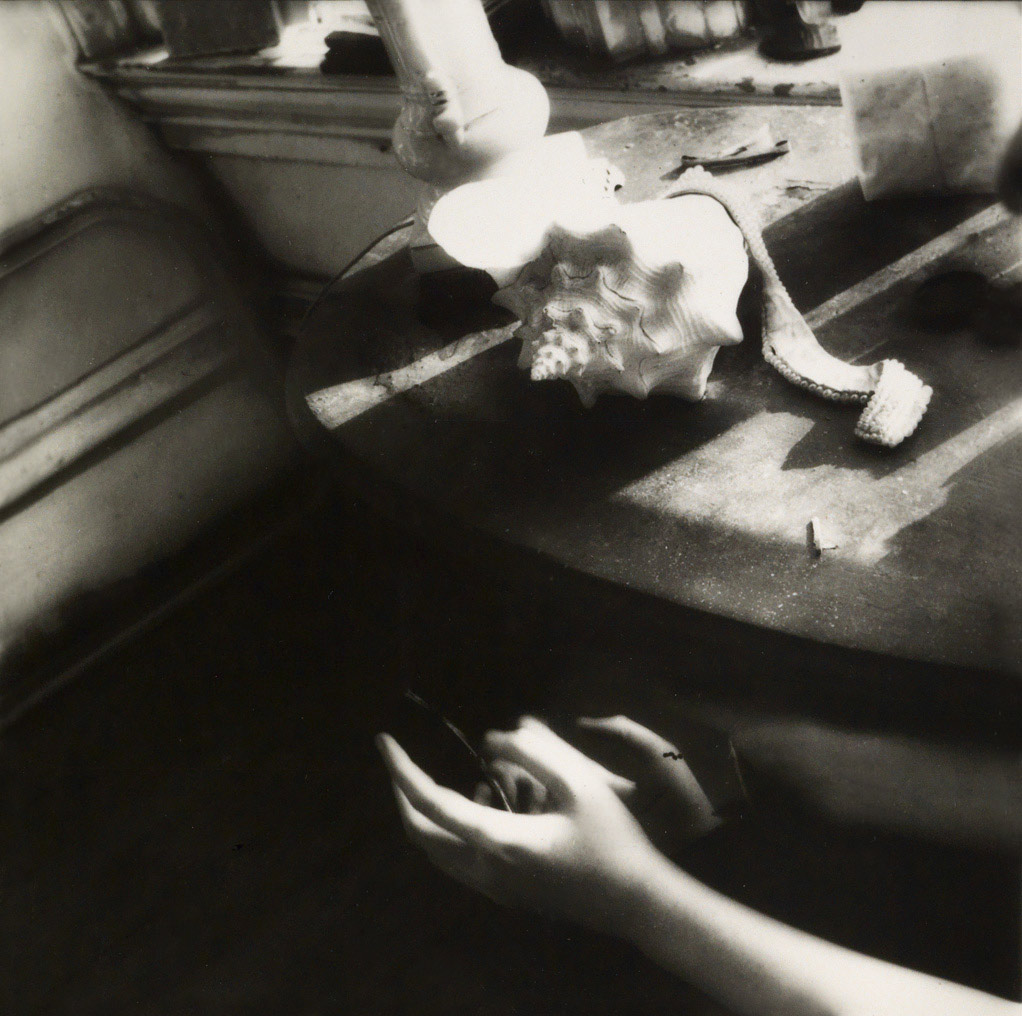
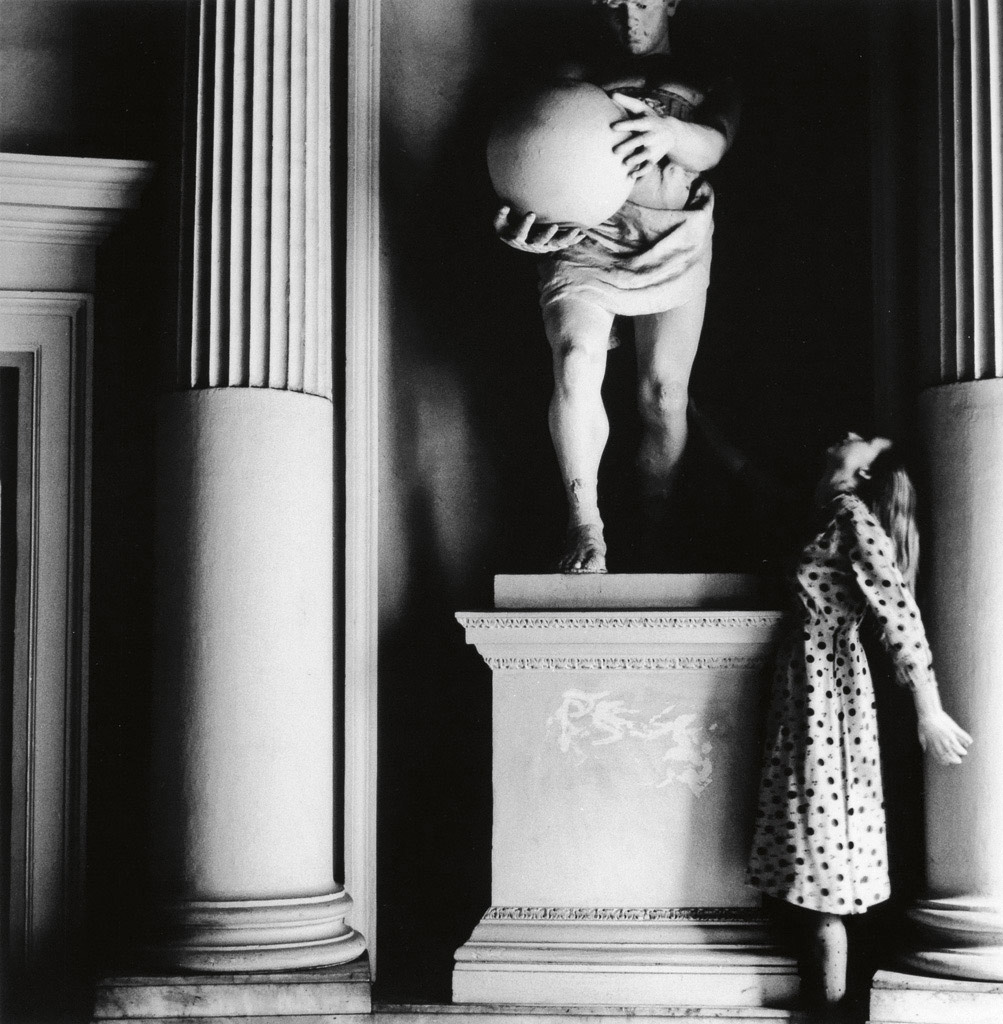
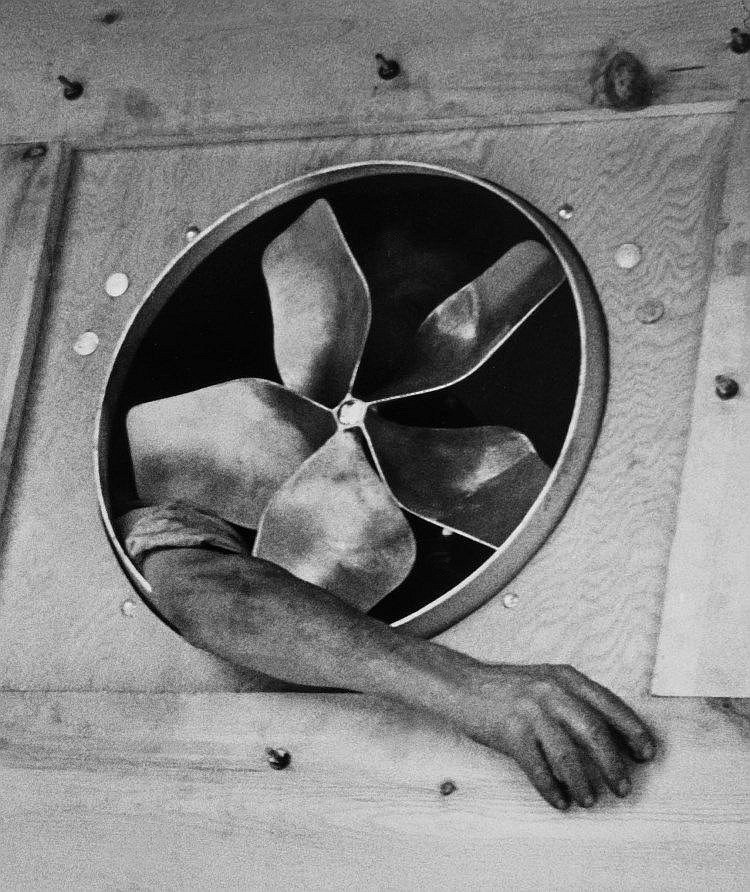
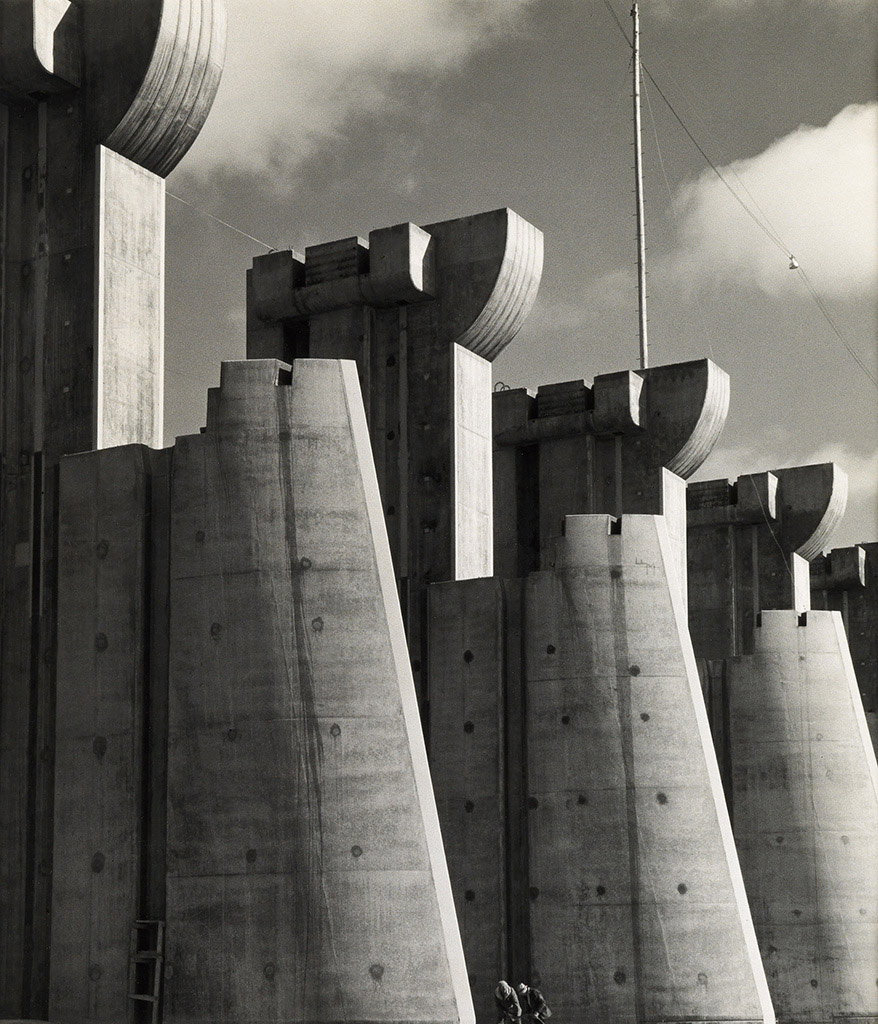
![Margaret Bourke-White (American, 1904-1971) 'Terminal Tower [Cleveland]' c. 1928](https://artblart.com/wp-content/uploads/2015/03/margaret-bourke-white-terminal-tower-cleveland-web.jpg "Margaret Bourke-White (American, 1904-1971) 'Terminal Tower [Cleveland]' c. 1928")
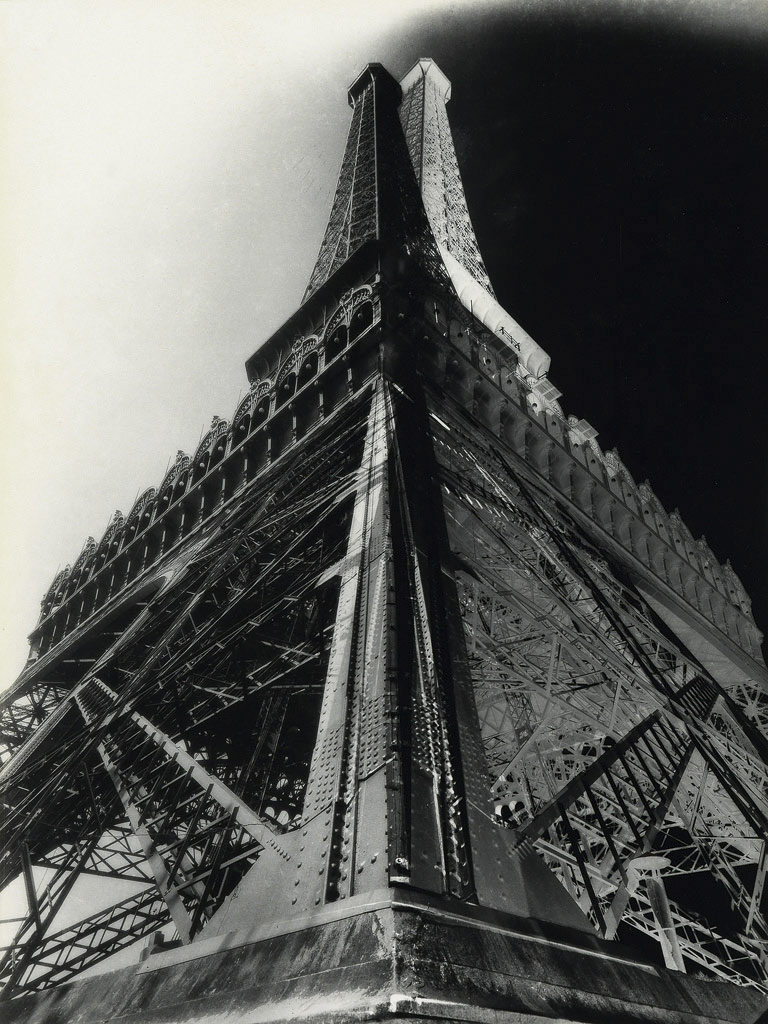
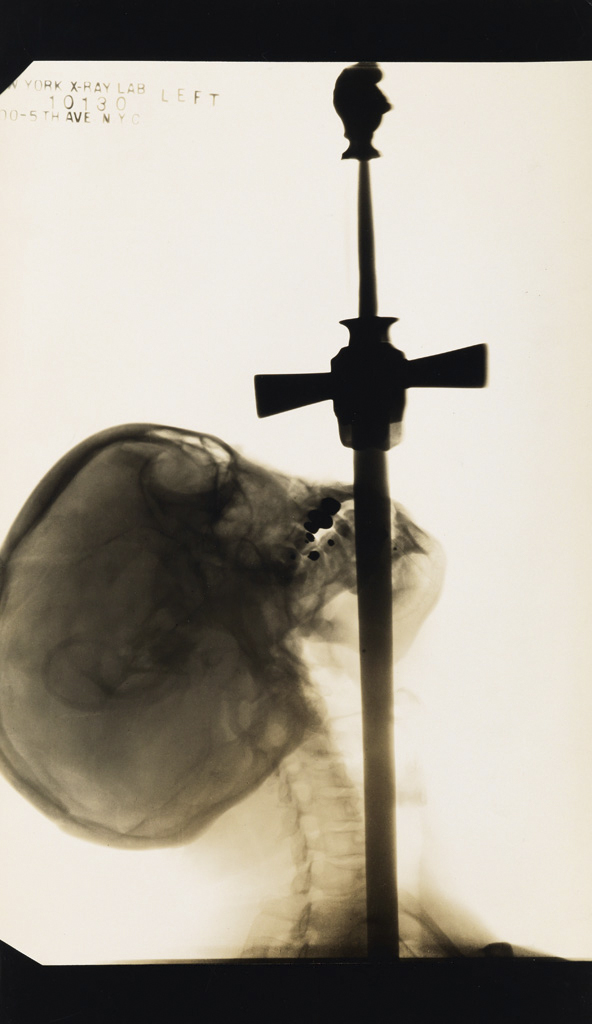
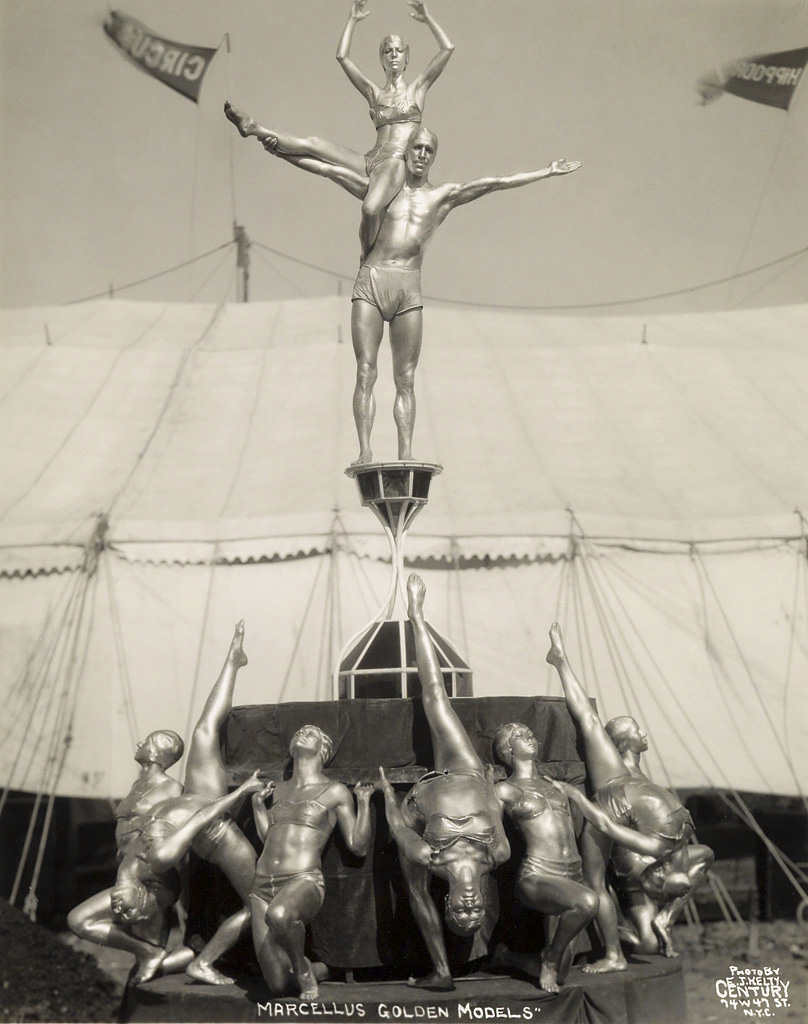
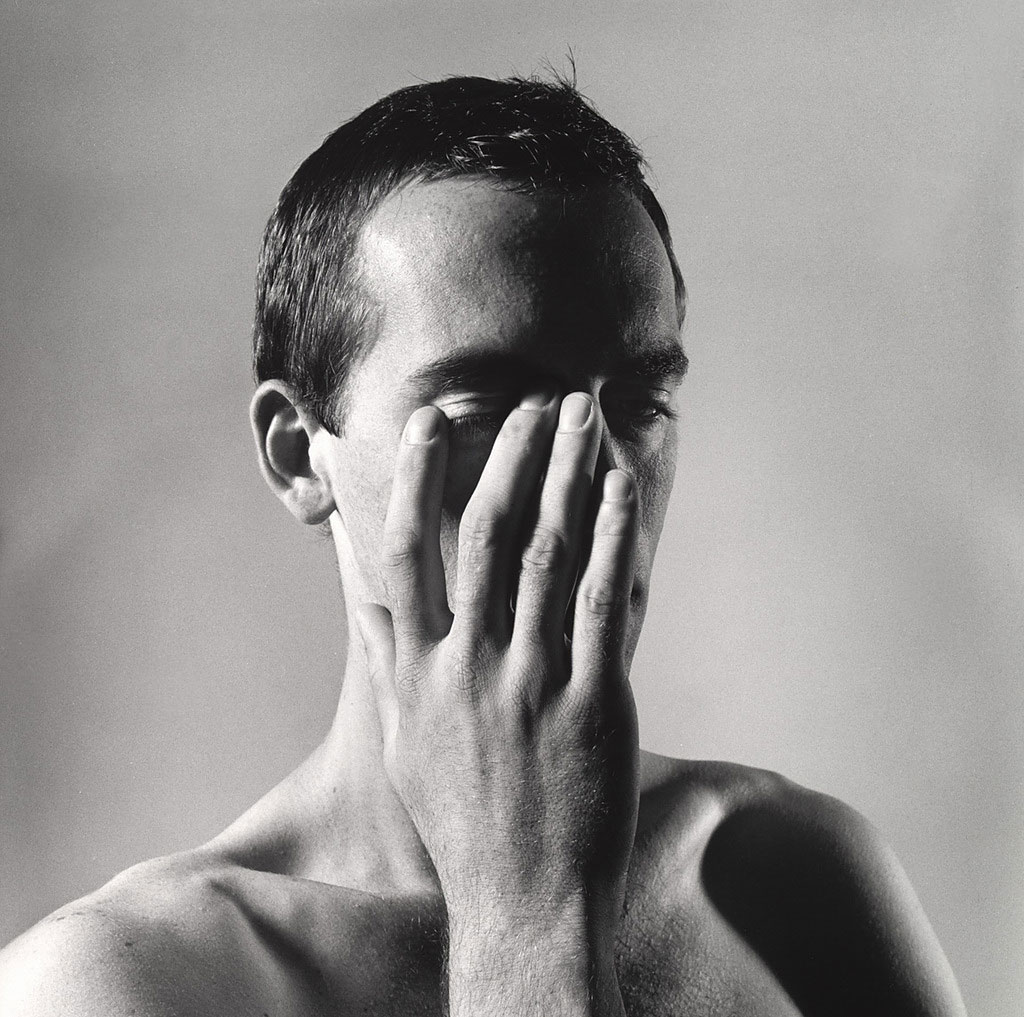
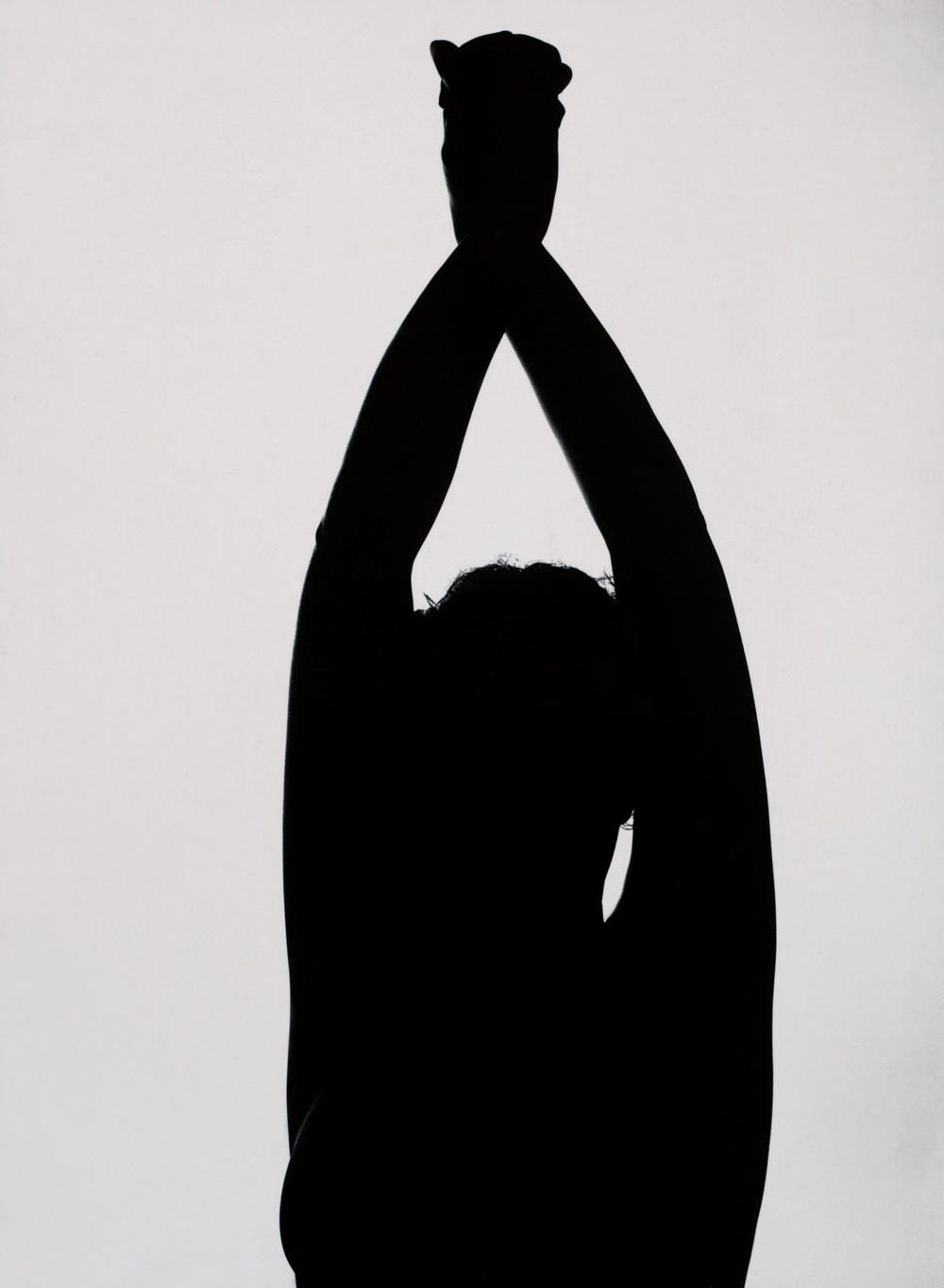

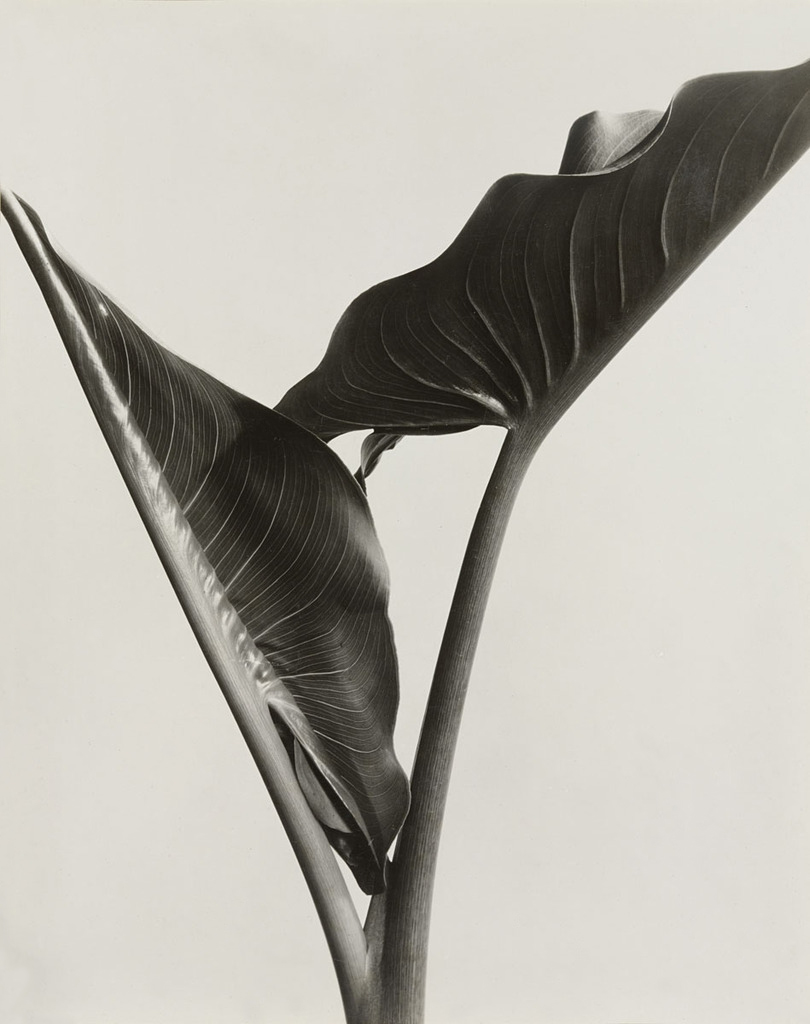
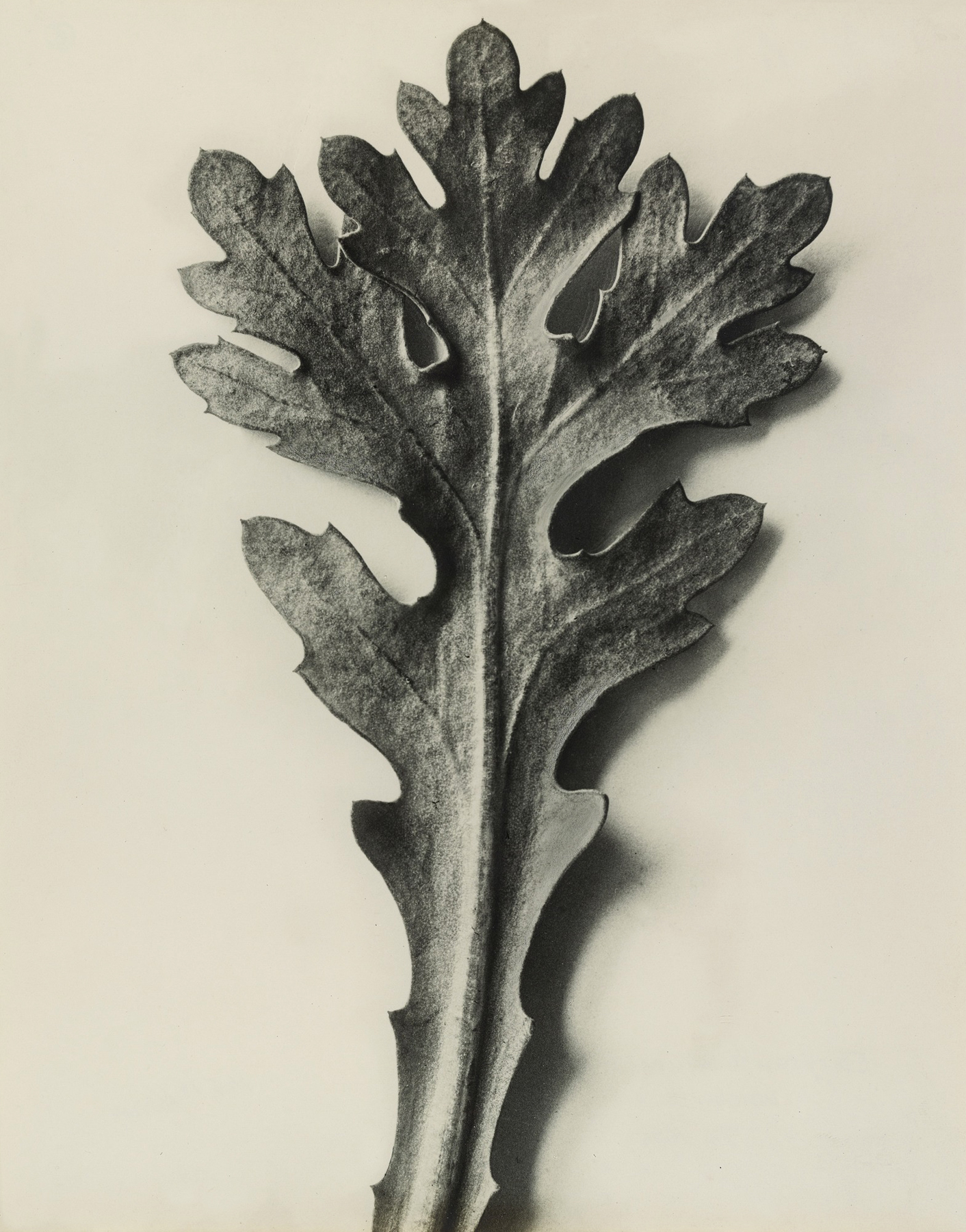
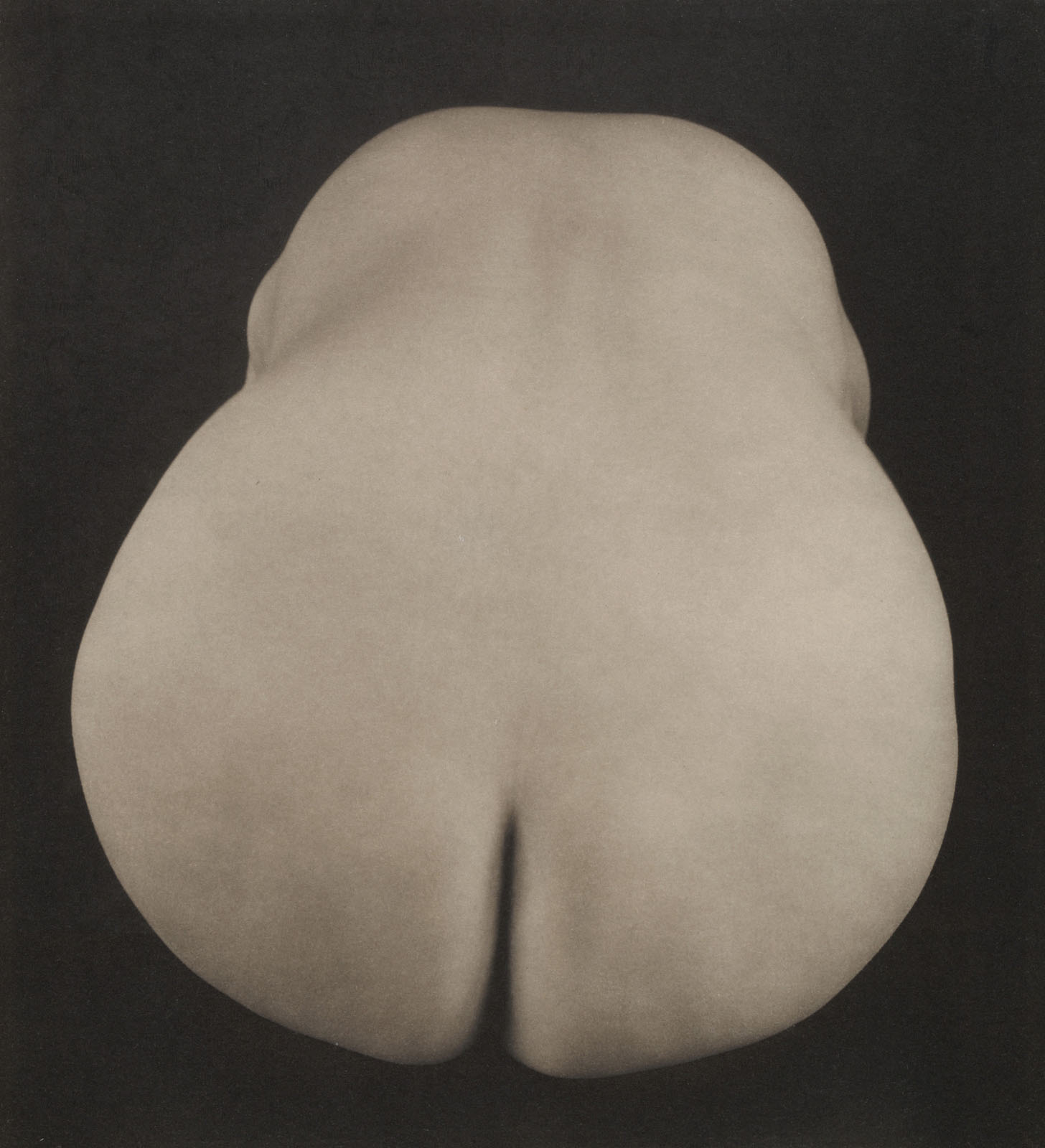

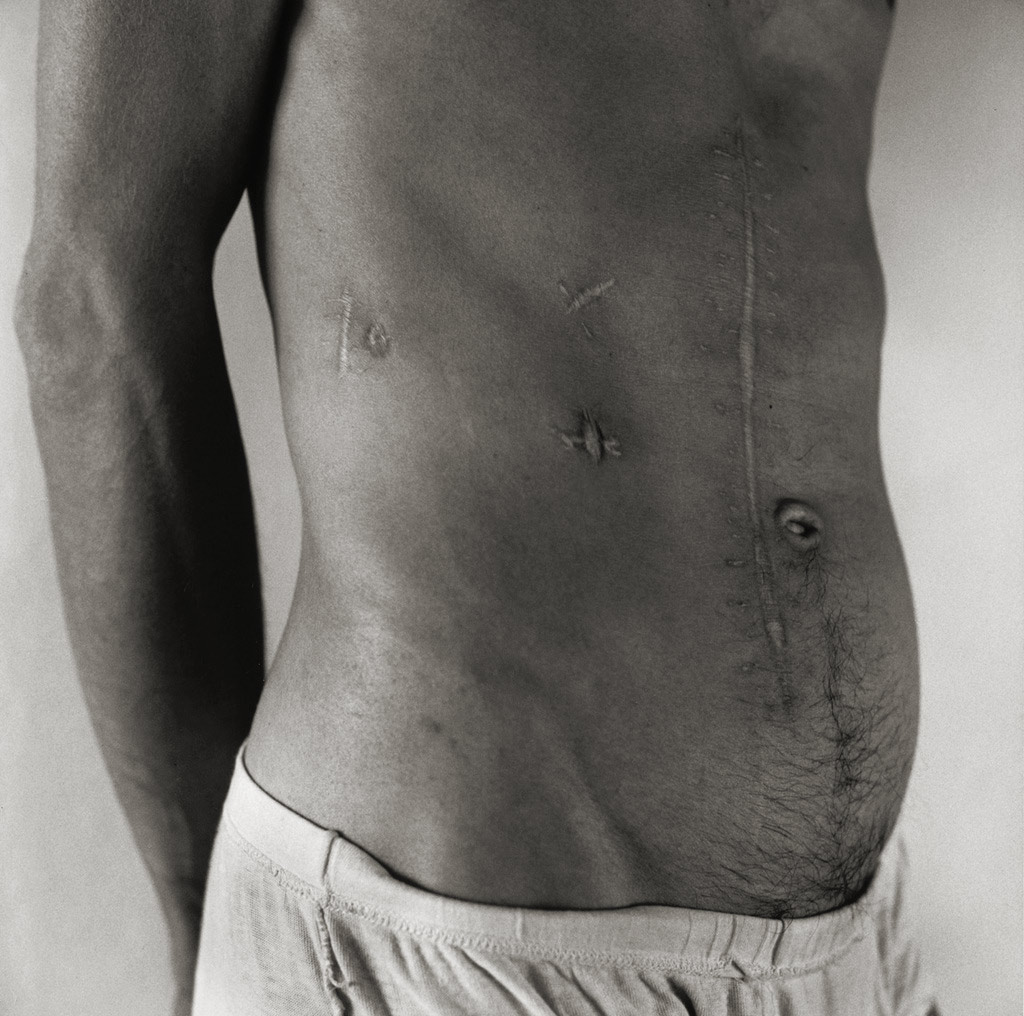
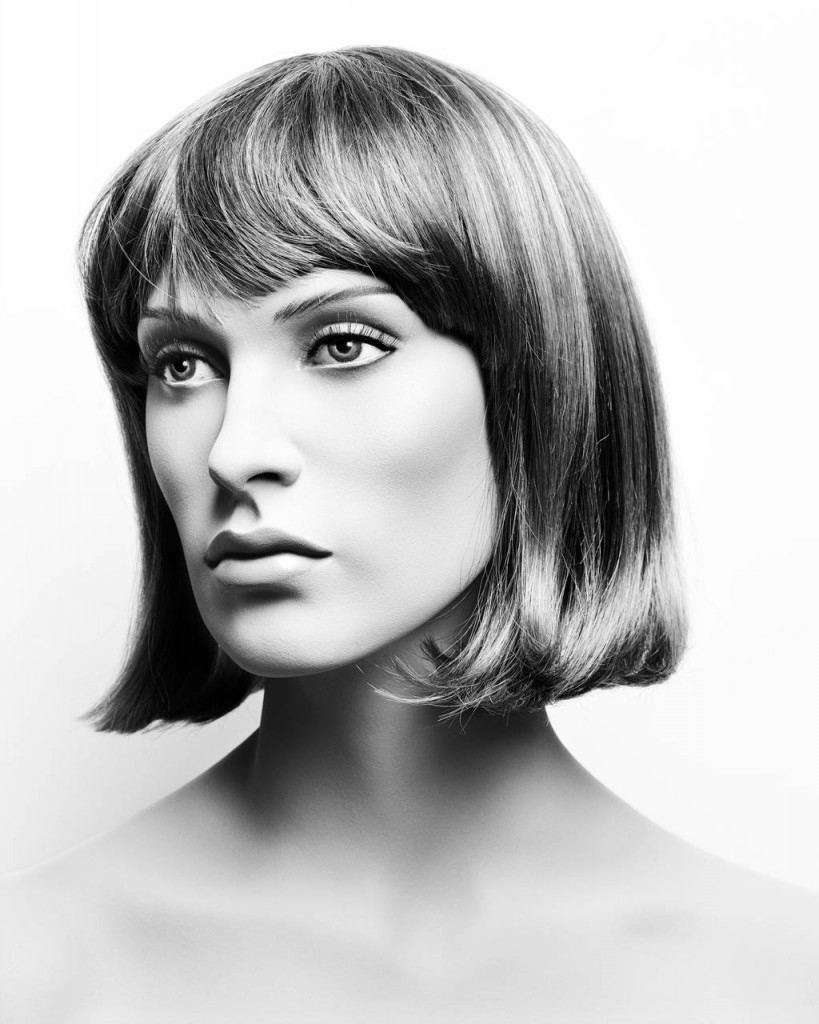
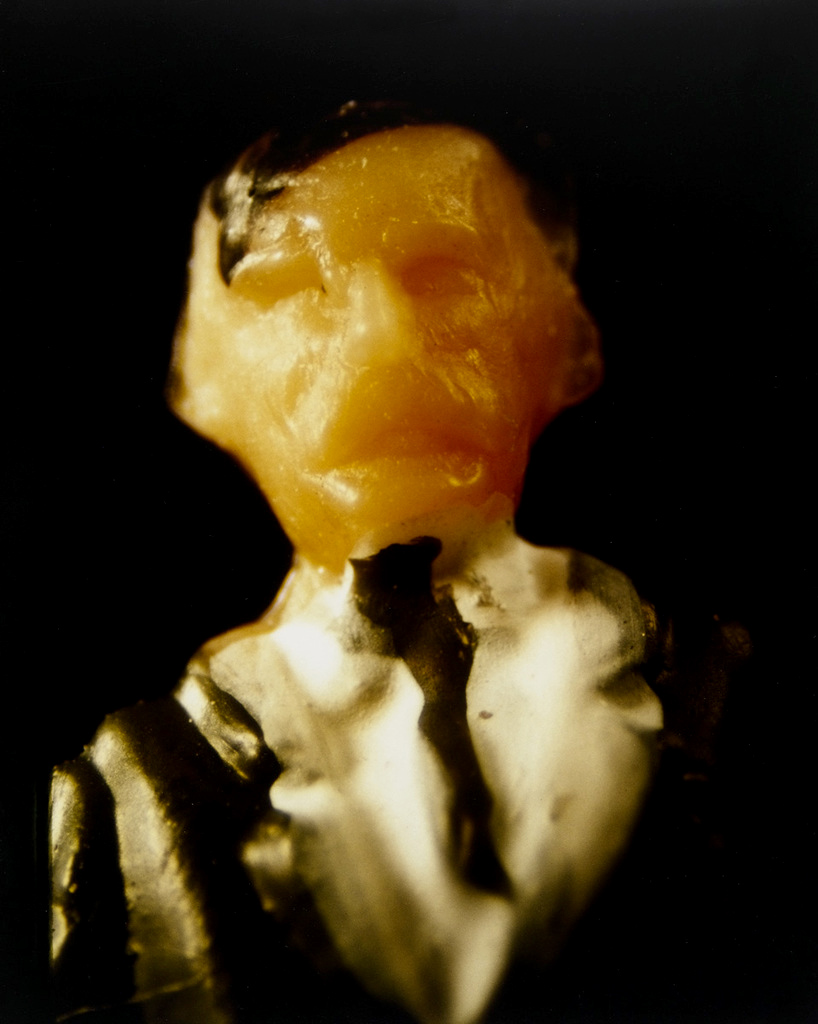
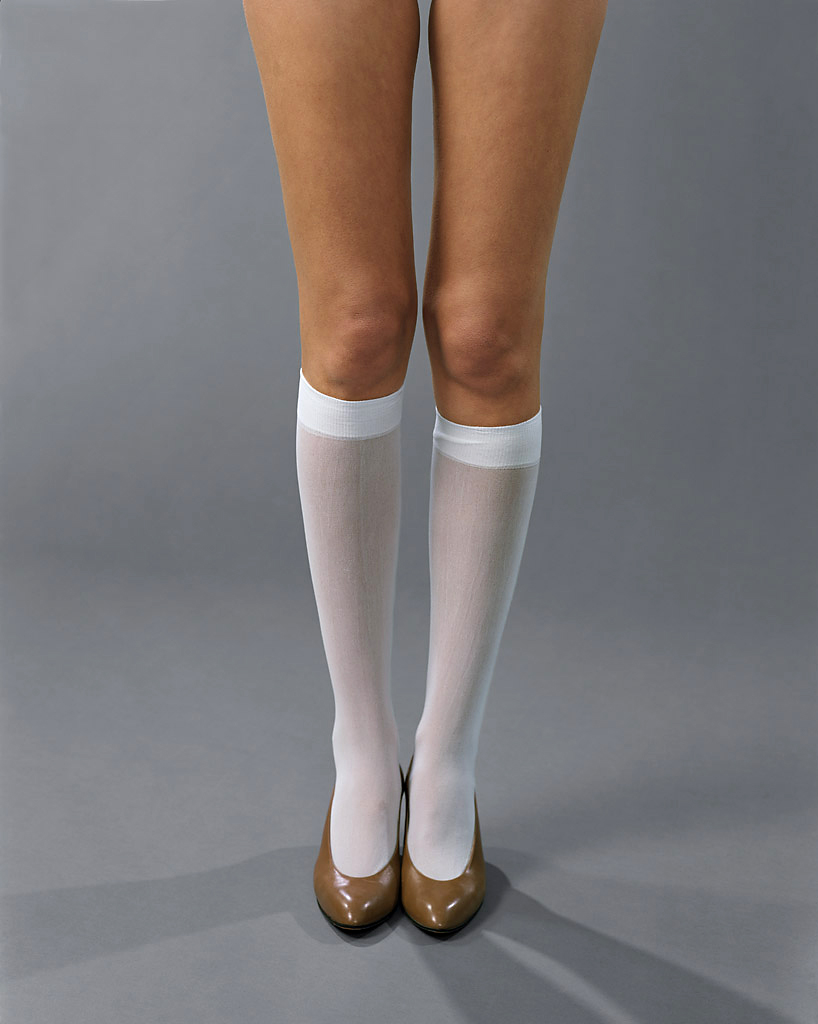
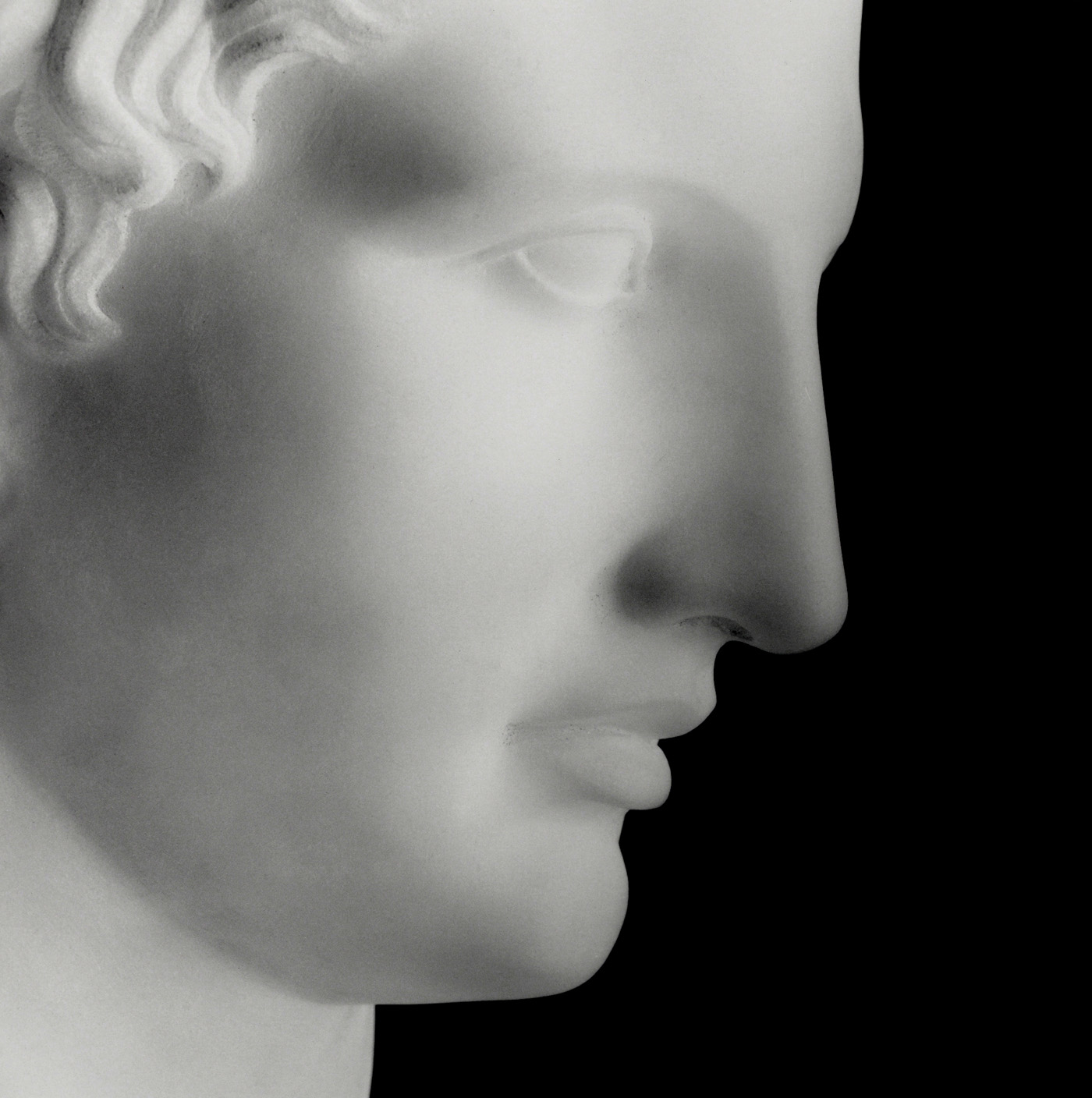


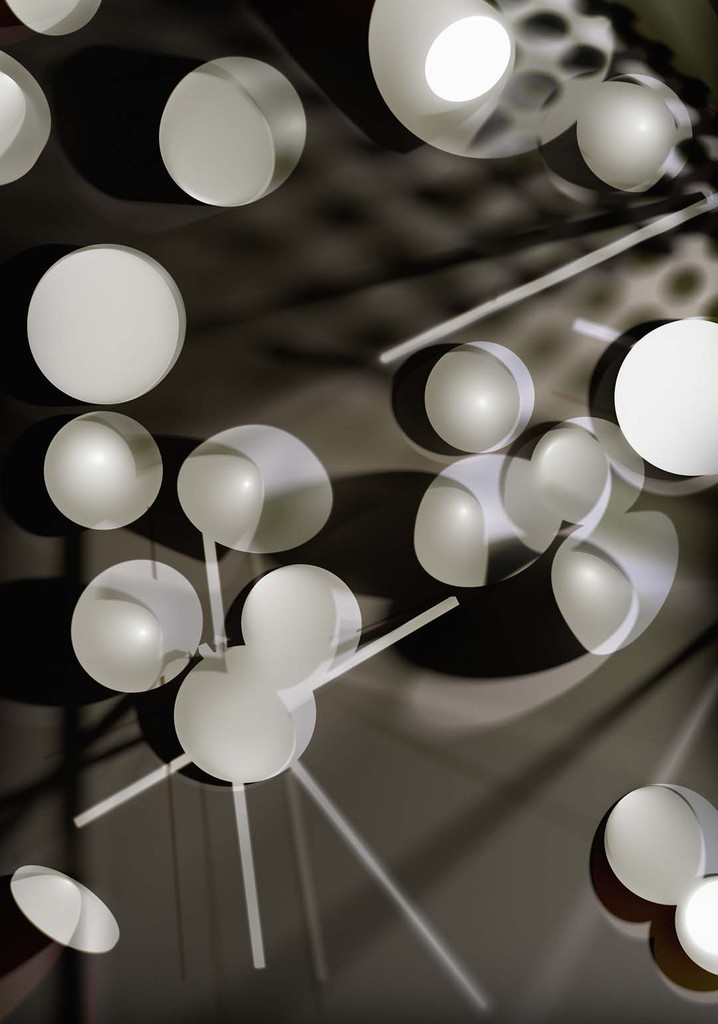
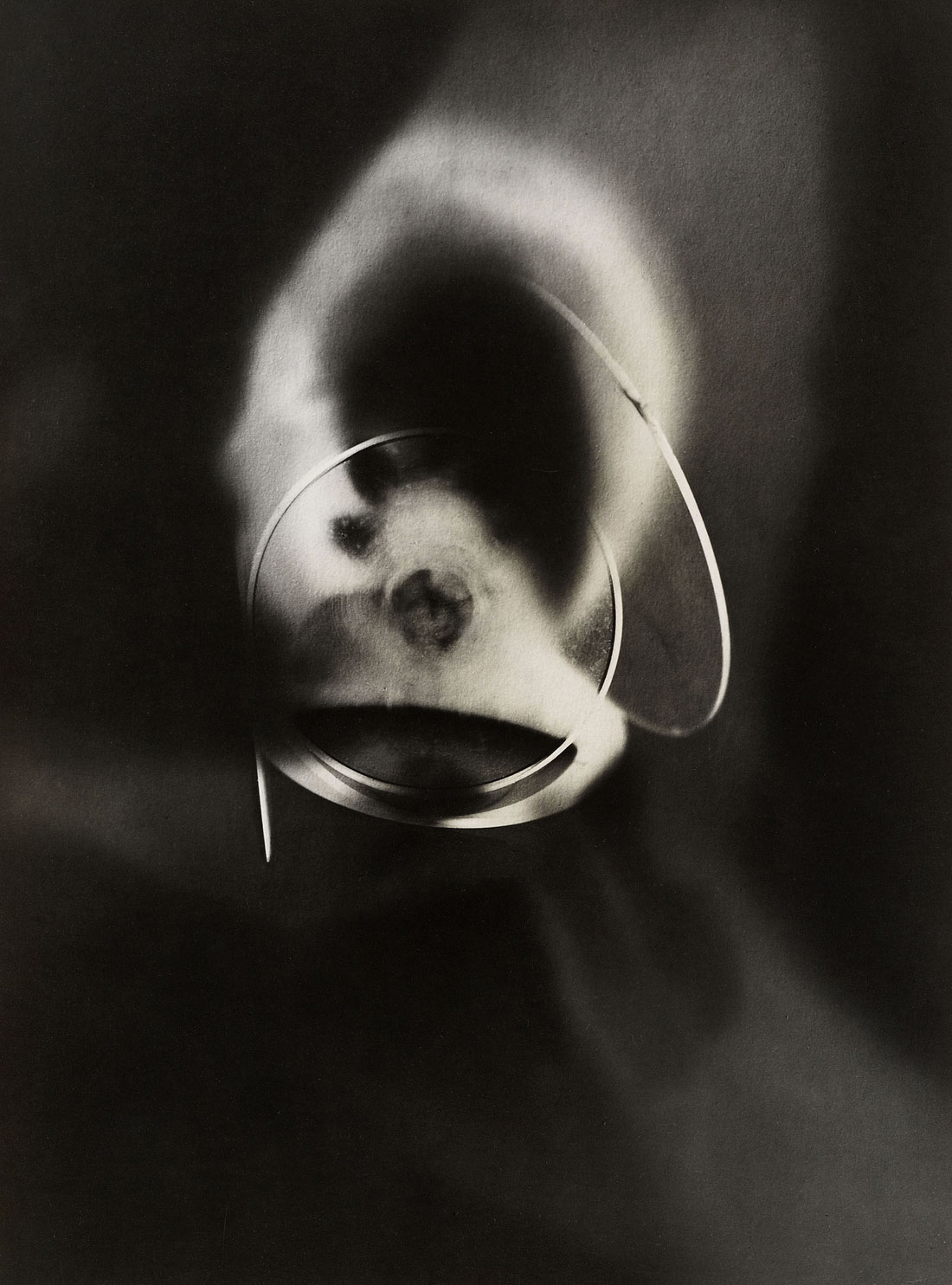
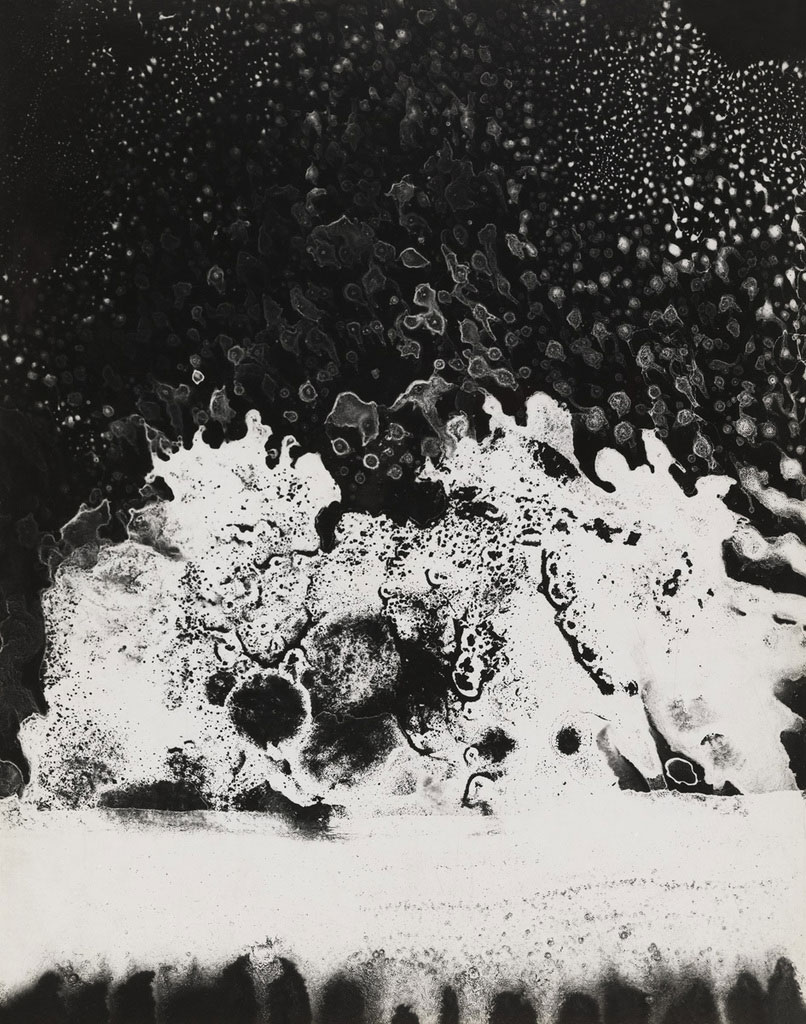


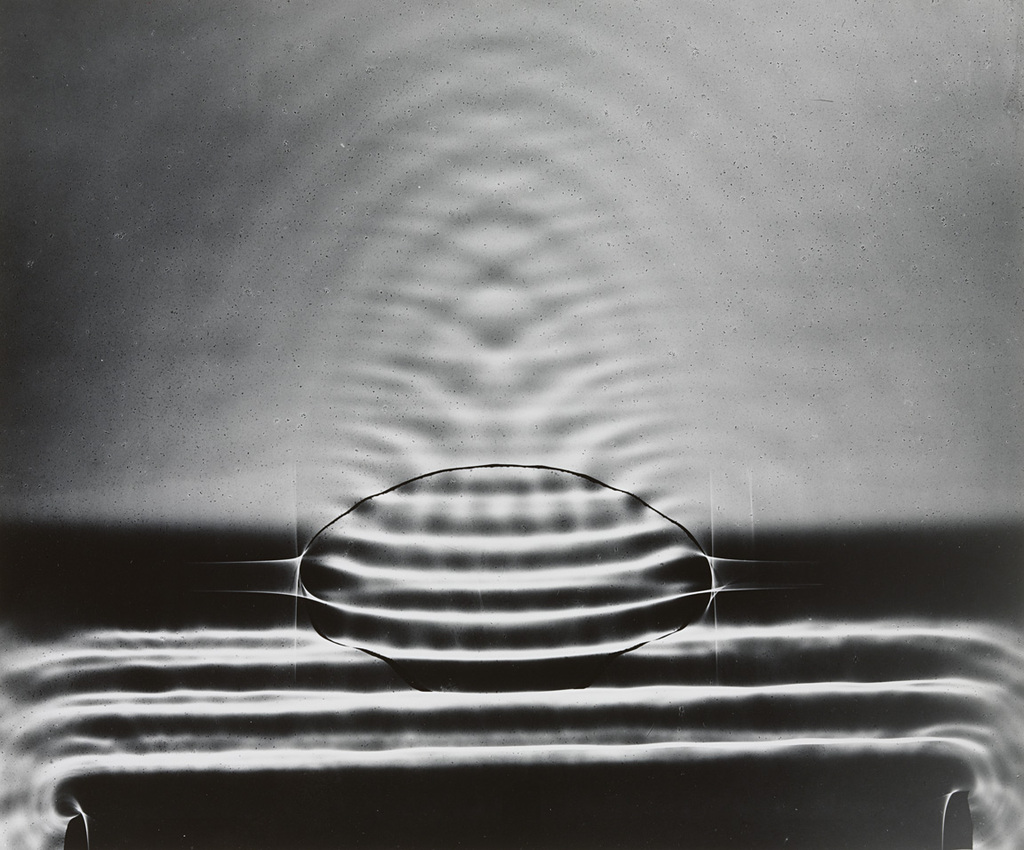

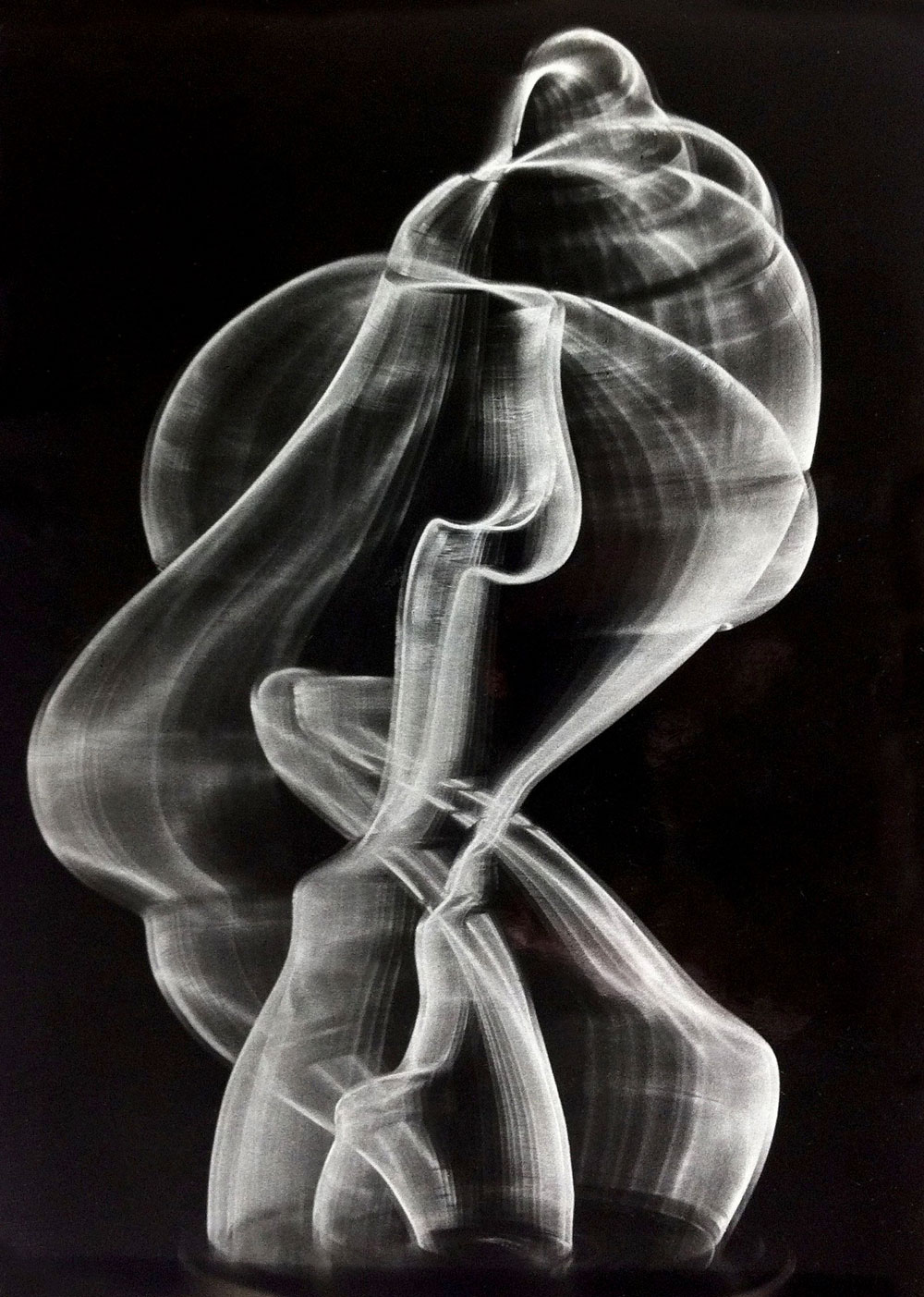
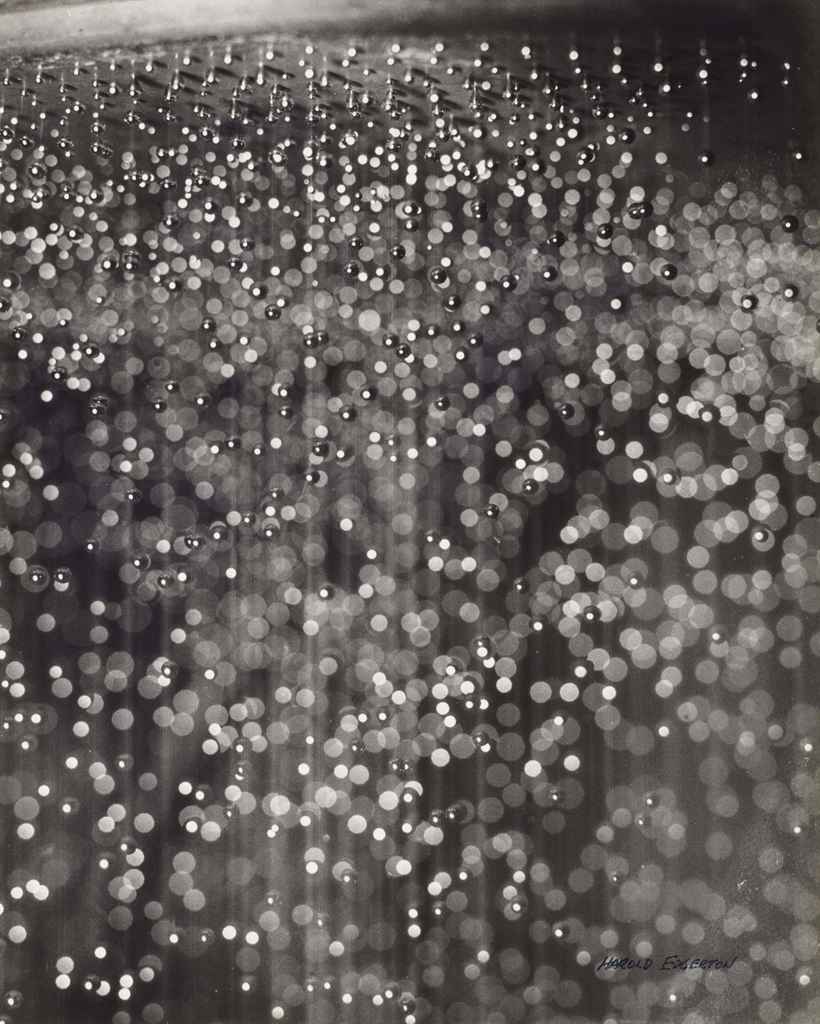

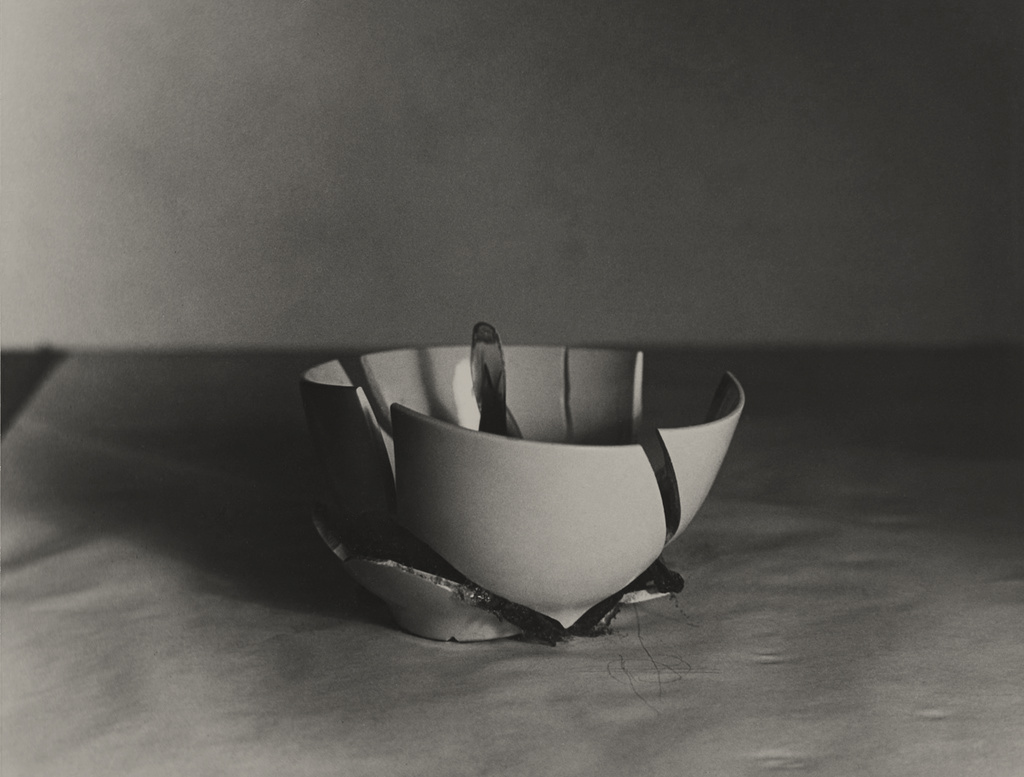


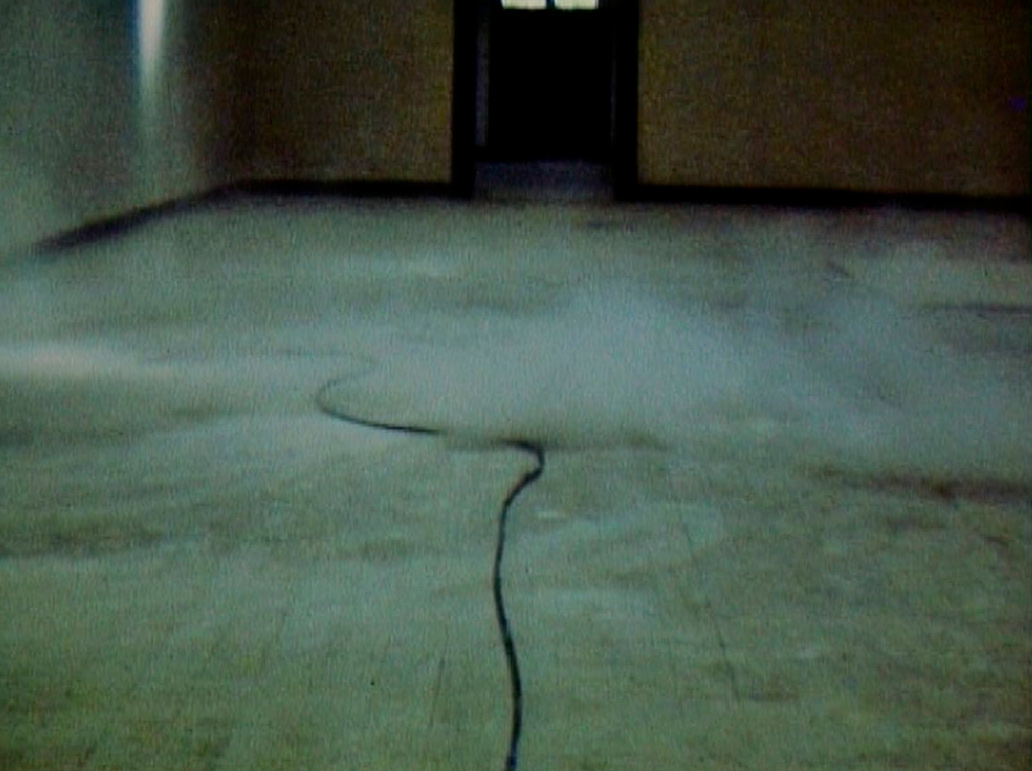

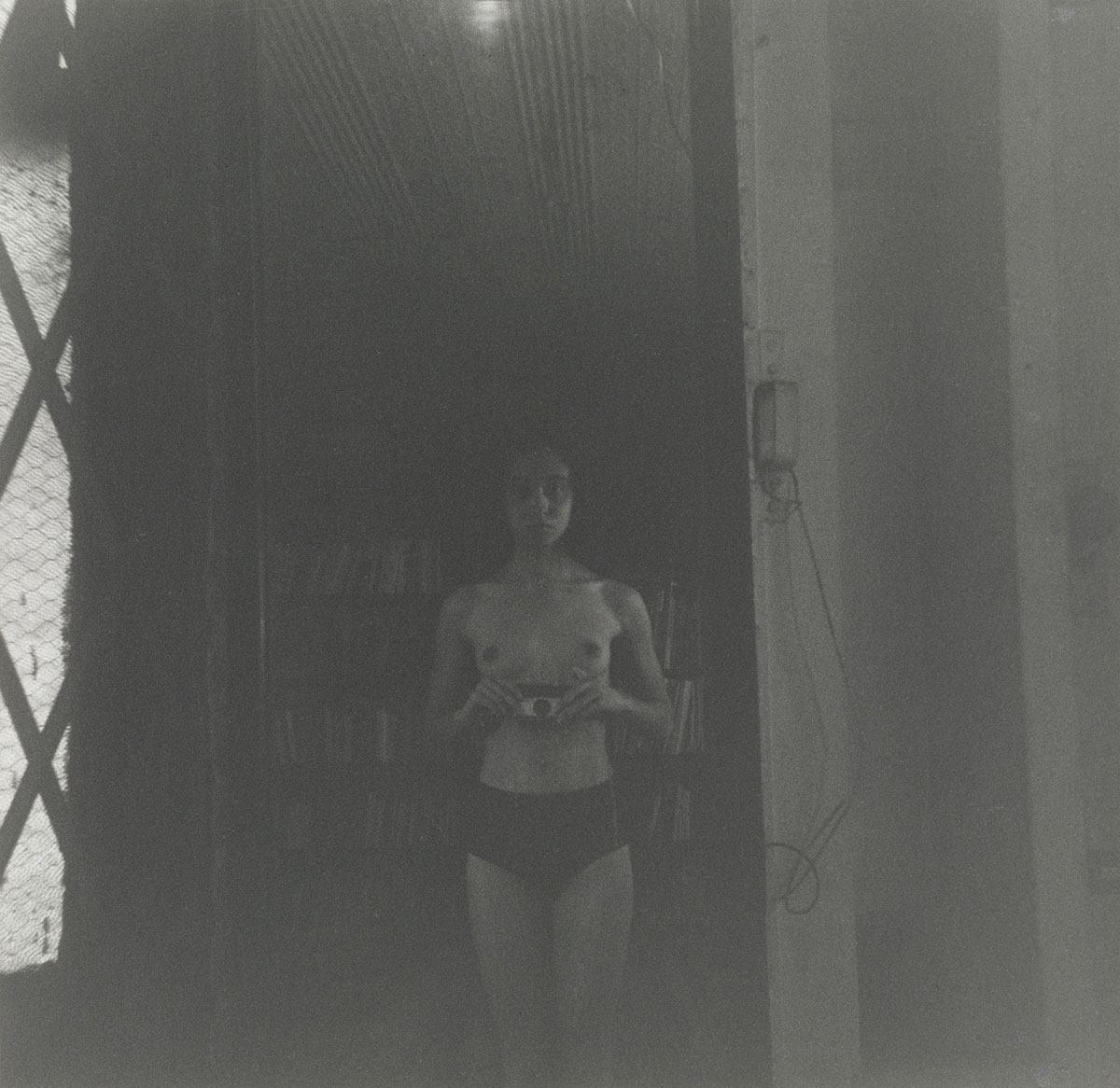


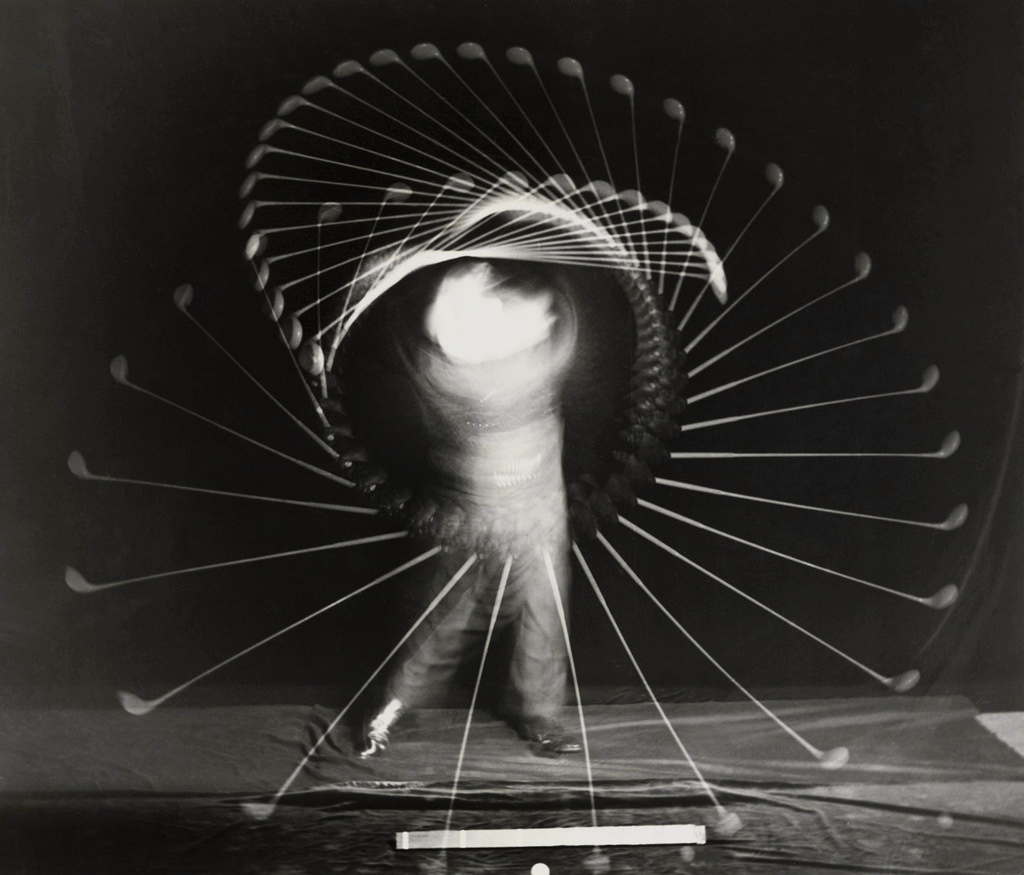
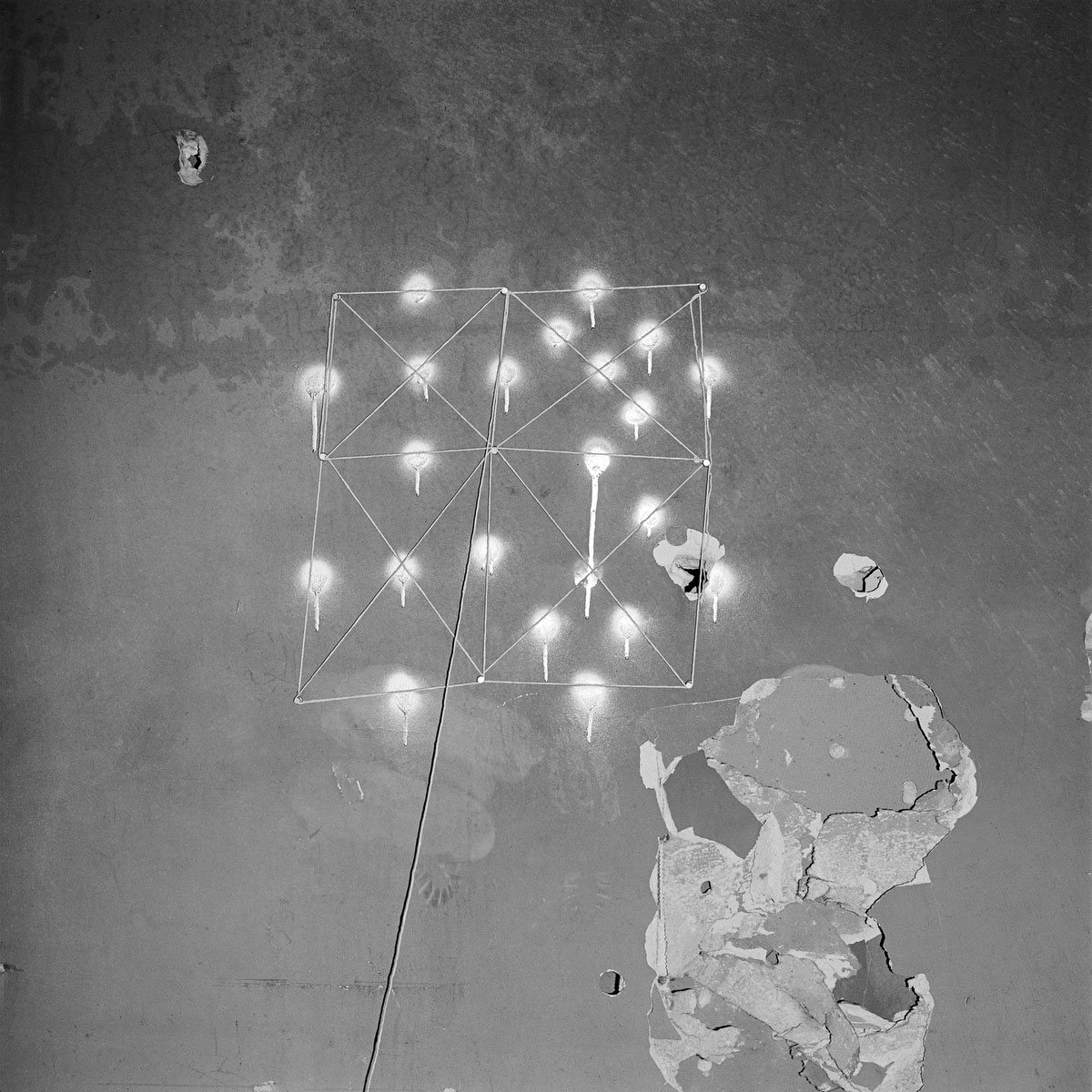
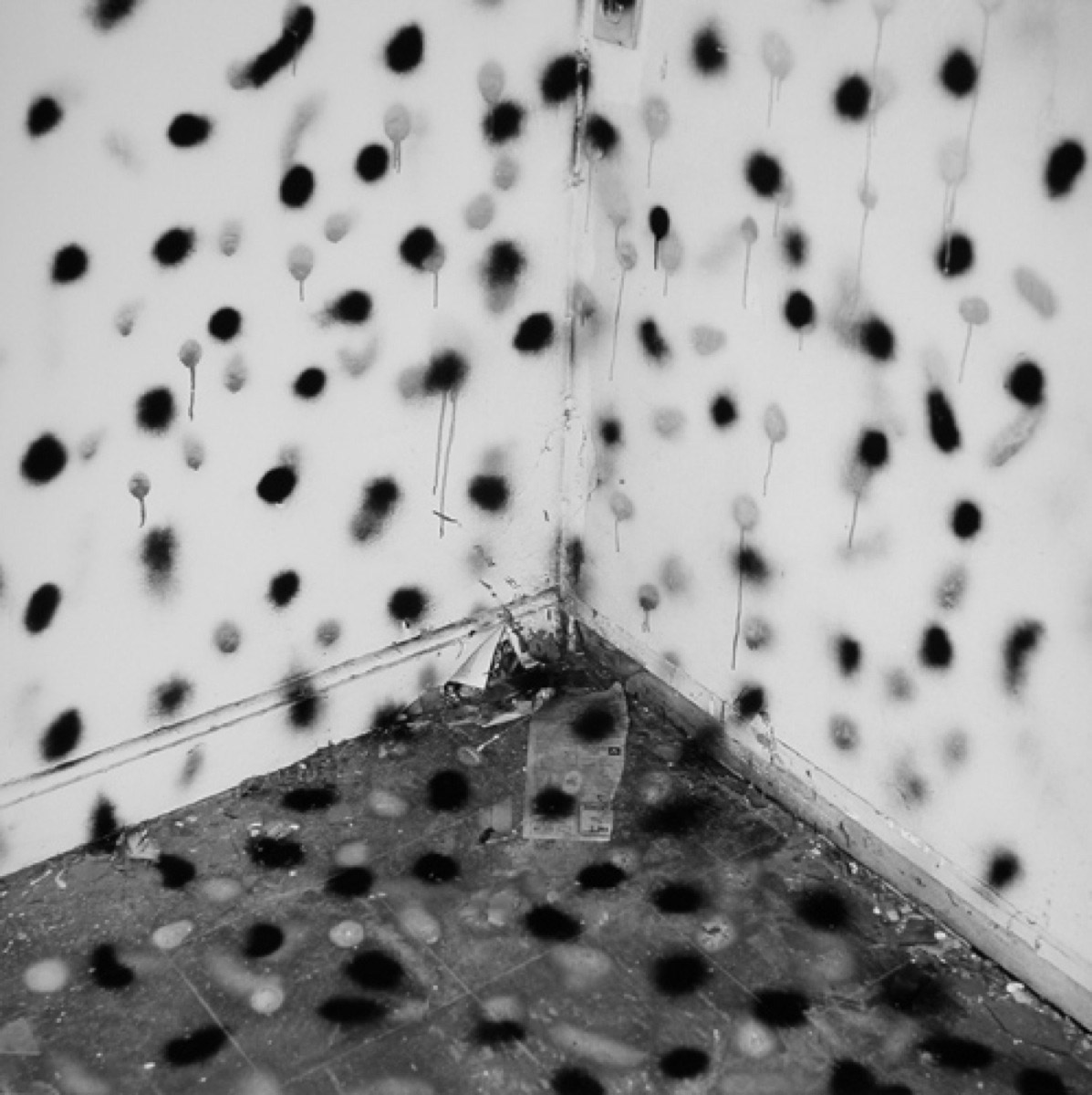
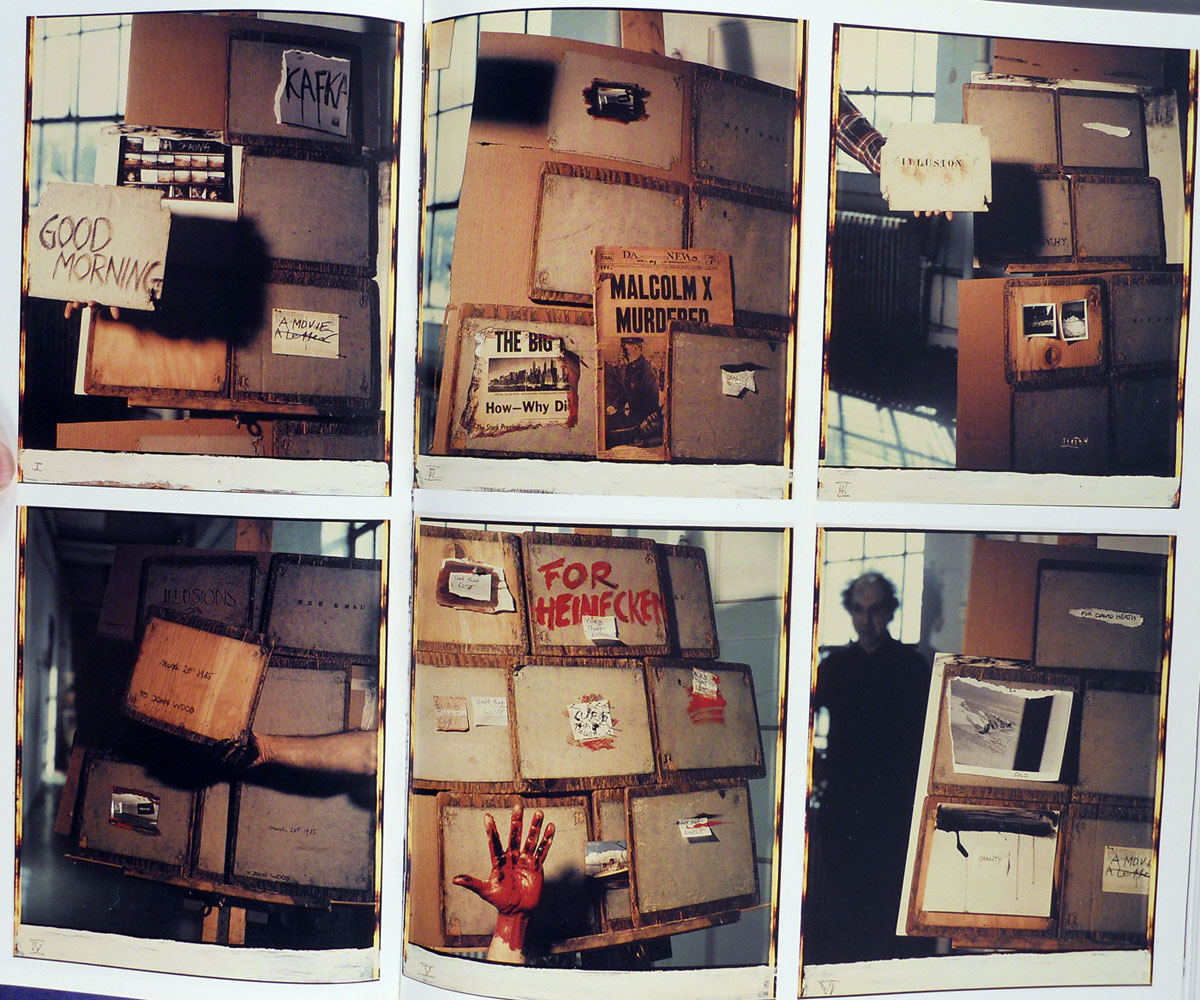


You must be logged in to post a comment.