I read a comment about the exhibition On the Street Where I Live: Viva Gibb at the City Gallery, Melbourne on Instagram the other day. It described the exhibition as “charming”.
What does that mean? charming… it’s almost as bad as calling an artist’s work “nice”. I’m sure if someone called my work “charming” I would take a turn and I think that Viva Gibb would be rolling in her grave if she heard the comment.
Let us be clear. Viva Gibb’s 1970s-1980s social documentary portraits of the people of inner city Melbourne (specifically North and West Melbourne) centred around her studio in Capel Street are direct, tough, intimate, compassionate, empathetic, feminist, political (in a socialist sense) and strongly humanist photographs of the people of her neighbourhoods and the working class suburbs in which they lived. Everyday people, human dignity, and social connection.
Through “mid or long shots, with the subject captured in relation to their environment,” Gibb’s photographs picture the day-to-day lives of the people that surrounded her, people that she had a connection with and wanted to photograph. As she said, “I only ask them for a photograph if I am interested in that person, if there is something in the whole story about them.”
Gibb photographed the people of these suburbs, people who formed countercultural communities of artists and intellectuals, cafe owners and customers, butchers and bakers, the old, the young, punks, dating couples and the homeless. She photographed facets of their life revealing within the images their innate dignity (every person has high value and deep worth simply because they are human), often using a multi-image convention to capture their essence, returning to photograph them over an extended time period. She built a relationship with people for however short or long a time in order to tell their story.
“The people in my photographs are those who have survived at all odds – socially, racially, and economically – in our essentially bourgeois society; the lonely man next door, the old people who have lived in the area all their lives and are threatened with eviction, the homeless man whose only dream is to have a room of his own.”
Through her photographs we can feel the transformation of a moment into a story unfolded by observation.
As Walker Evans observed, “Leaving aside the mysteries and the inequities of human talent, brains, taste, and reputations, the matter of art in photography may come down to this: it is the capture and projection of the delights of seeing; it is the defining of observation full and felt.”
The defining of observation full and felt. There goes Viva…
In one sense the hang of the exhibition, in photo cloud form, emphasises the interconnectedness of all people and all things within these communities, but conversely the viewer can become overwhelmed by the amount of photographs. Collectively, they become more of a sociological project rather than photographs with an individual aura. It is only when one stops and slows down and contemplates the individual portraits does one begin to admire the majesty of Gibb’s achievement.
Using a Rolleiflex medium-format camera for most of her portraiture so that she could look down into the camera while having a direct relationship to the person being photographed (not a camera held to the eye) one can see how, as James McArdle observes, she built the trust of the person being photographed. “… one can see how Viva is standing above her camera or beside it, in eye contact with her subject, perhaps talking to them, calmly or animatedly depending on the reaction desired, as she presses the shutter.”
Much like Diane Arbus using a Rolleiflex in New York, here in Gibb’s photographs there is a direct engagement with the reality of the world. This is never more evident than in my favourite part of the exhibition, her personal photo albums: The Street Where I Live 1974-1978; Boppin’ in West Melbourne; West Melb. 1980-1985; Those were the days my friend (below).
In the small photographs stuck into personal photo albums we can viscerally feel the power and intimacy of Gibb’s passion project. We can observe in the sequencing of images of the city, houses, streets, businesses and people, how she created stories about the people and places for which she cared dearly. And her love of dogs! Always people with dogs – Amelia and the new puppy; Betty and her dogs, Stanley St. Here, no overblown gigantic photographs that have no need to be that big, that have no presence, instead powerful, intimate photographs of a Melbourne now vanished from our sight through gentrification.
I remember coming to live in Melbourne in the mid-1980s from England and these suburbs, these characters, were still alive and present. No longer. While community groups tried to protect their suburbs and ways of life at the time, and the heritage buildings survived, council auctioned off the properties it had accumulated. “Most residents, unable to afford their properties, were forced to move on.” Caring communities built up over decades were destroyed.
Much the same is happening in contemporary Melbourne suburbs with the destruction of long standing community housing throughout the city. Under the guise of modernisation and money, and the increase in high density living in the city, communities are being torn apart with little or no recourse for low income human beings or their wishes. Public housing blocks are being torn down all over the city, the land given by the government to private developers for “mixed housing development” which combines private market-rate homes with affordable or social housing. Except social housing only ever makes up about 20% of the project. As usual it’s all about the money, ignoring the fact that it is destroying communities that have been there for decades. Shame on councils, supposed community housing associations and unscrupulous developers (please see Marcus Bunyan. “Frederick Oswald Barnett (Australian, 1883-1972),” on the Art Blart website, 23rd February, 2024; and Rachael Dexter. “Developer quietly guts ‘affordable’ housing promise in northern suburbs,” on The Age website, March 3, 2026 [Online] both cited 24/07/2026).
This brings me to the title of this piece of text taken from the front of Gibb’s photo album West Melb. 1980-1985: “Please handle with care -” followed by the admonishment “these photos are delicate”. These words can serve as metaphor for the de/generations of society that Gibb photographed and the subsequent loss of culture and community … a process that is only increasing today. While Gibb was “deeply aware, socially engaged and heartfelt” in her interactions with community and the stories she was telling – and this passion is embodied, embedded in her images – her photos are, still, delicate as she states, much like the lives of the people and communities depicted in them. Human beings need nature and nurture surrounding them, not huge four wheel drives, grand designs and high density living where you don’t even know your neighbour.
Caring for the counterculture, caring for the people around you, is a sign of a robust, flourishing society. Gibb’s tangible photographs convince us that such a proposition is true.
Dr Marcus Bunyan
PS. If you would like to know about the history, cultural and political background of this inspirational artist please read my friend James McArdle’s in depth research on Viva Gibb in the text “Stance,” on the On This Date In Photography website, March 19, 2026.
PPS. I love how people are smiling in the photographs!
Many thankx to the City Gallery for allowing me to publish the photographs in the posting. Please click on the photographs for a larger version of the image.
“I don’t really deal with people I don’t know… I only ask them for a photograph if I am interested in that person, if there is something in the whole story about them.”
Viva Gibb
“The people in my photographs are those who have survived at all odds – socially, racially, and economically – in our essentially bourgeois society; the lonely man next door, the old people who have lived in the area all their lives and are threatened with eviction, the homeless man whose only dream is to have a room of his own. In photographing the commonplace of the apparently trivial event of a woman holding her baby or a man standing in front of his home, I can see the transformation of a moment into a story unfolded by observation; the little dog by her side, the tender way the man puts his hand on her shoulder, the expression in her eyes, the garden, the ornaments on the mantelpiece, the city skyscrapers in the background and the traffic zooming past. The details fit together like pieces of a jigsaw, presenting a story of a lifetime and a constant reminder of the fragility of life itself. As an individual and an artist I can only hope to present a reality other than that presented by TV and the media. I believe that with humanity, compassion, and a re-examination of past values we can counter the destructive forces that threaten the very existence of a living environment on this earth.”
Viva Gibb, “In the Land of the Living (1981),” in Virginia Coventry (ed.), The Critical Distance: work with photography, politics, writing, exh. cat., Hale & Iremonger, Sydney, 1986, p. 92 quoted in Smith, Savannah; Garner, Helen; Maddison, Ruth (2026). On the streets where I live : Viva Gibb’s portrait of North and West Melbourne. Melbourne, Vic.: City of Melbourne, p. 15. Exhibition catalogue
“Gibb’s sympathetic representation of the urban environment was undergirded by her socio-political beliefs and compassionate worldview. She was alive to the forces of change impacting the lives of those around her and fiercely critical of one social class or race dominating another. Gibb was increasingly angered by wealth and expansion being valued at the expense of all else. She was troubled by environmental degradation and was an animal welfare advocate – a vegetarian from the age of 16 and a vegan later in life. She was also deeply concerned about the treatment and deprivations of First Nations people and the plight of those establishing new lives in Australia.”
Smith, Savannah; Garner, Helen; Maddison, Ruth (2026). On the streets where I live : Viva Gibb’s portrait of North and West Melbourne. Melbourne, Vic.: City of Melbourne, p. 14. Exhibition catalogue
Gibb’s portrait of North and West Melbourne is an important record of an inner urban area during a transformative moment in Melbourne’s history. On the city’s streets, radical countercultural ideals for a progressive society flourished through the activism of young people, while at the same time another chapter of the city’s history would close. In the 1970s and 1980s, amid the gentrification of the inner suburbs, West Melbourne flew under the radar for longer than most. It provided a countercultural community, which included artists and intellectuals, with low-cost space in which to live and work. Gibb’s house and studio were central to this community, a ‘social hub’ for ‘artists of all kinds, from the Pram Factory or the nascent Circus Oz’.10 For a period, they lived alongside longtime residents of the semi-industrial suburb. West Melbourne’s proximity to the railway, the docks and CBD meant it had been home to many working-class and migrant people who laboured in nearby industries or at Queen Victoria Market. Gibb’s photographs capture this amalgamated community – old and new – at this precise moment in time.
Capel Street was a focal point in this story of inner-suburban transformation. Many dilapidated properties in the area were leased out by Melbourne City Council following their acquisition ahead of the proposed redevelopment of the Queen Victoria Market. Gibb herself had moved to Capel Street as a council tenant. When the market redevelopment was abandoned in 1976, council’s continued property acquisition caused alarm among residents and business owners alike regarding the undisclosed intentions for the area. In response, the Capel Street and Peel Street Action Group was formed, of which Gibb was an active member. The group’s two concerns were the conservation of the Victorian-era terraces and cottages and compulsory eviction of long-term residents. Many of the heritage buildings survived, but the group was ultimately unsuccessful in protecting the community. Council began auctioning off the properties in December 1990. Most residents, unable to afford their properties, were forced to move on. …
Viva Gibb’s photographs express the sophisticated practice of an artist who cared deeply for her community and the world at large. Through her work we come to know a vibrant group of individuals, captured in their day-to-day lives. Her photographs are an important historical and cultural record that reminds us of the importance of people in our city’s history and future. But these images also offer a glimpse of Viva herself and her unique perspective on the world: her genuine compassion and affection for people, for animals and for the environment. Viva’s portrait of North and West Melbourne is distinctively hers – deeply aware, socially engaged and heartfelt.
10/ Niels Hutchison, ‘Appendix Five: Interview with Niels Hutchison, 13 February 2019’, in Jean Ely (ed.), Preserving Melbourne’s Colonial Past: Capel Street West Melbourne, 2019, p. 60
Smith, Savannah; Garner, Helen; Maddison, Ruth (2026). On the streets where I live : Viva Gibb’s portrait of North and West Melbourne. Melbourne, Vic.: City of Melbourne, pp. 16-17. Exhibition catalogue
Viva Gibb was a part of the group of ‘northside’ social documentary photographers of the 1970s and 1980s (Ruth Maddison, Ponch Hawkes, Micky Allan, Helen Grace). She documented the suburbs of North and West Melbourne – where she lived – creating a distinctive, sympathetic portrait of her community during a transformative period in Melbourne’s history.
The exhibition has come about following a major donation of over 200 of Gibb’s photographs made to the Melbourne Art Trust in 2025, and will be the largest display of her work in over 30 years. The show features more than 250 images, including the artist’s photo albums. We have also published a small catalogue for the exhibition, which includes reflections written by Ruth Maddison and Helen Garner.
Text from the City Gallery website
“[Gibb] worked with a Rolleiflex medium-format camera for most of her portraiture, and a large-format 4 x 5-inch Graflex Speed Graphic press camera, tools that supported her patience and purpose, and built the trust of the person being photographed. The use of both offsets that sense of being scrutinised directly by the photographer that is imposed by an eye-level viewfinder or reflex camera, and one can see how Viva is standing above her camera or beside it, in eye contact with her subject, perhaps talking to them, calmly or animatedly depending on the reaction desired, as she presses the shutter.”
Associate Professor James McArdle. “Stance,” on the On This Date In Photography website, March 19, 2026 [Online] Cited 06/07/2026. Used under fair use conditions for the purposes of education and research
In 2025, Melbourne Art Trust acquired a major donation by artist and social-documentary photographer Viva Jillian Gibb (1945-2017). Generously made by the artist’s children, Sybil Gibb and Rupert Duffy, it comprises more than 200 silver gelatin photographs taken between the mid-1970s and the early 1990s. On the street where I live showcases works from this donation, alongside several prints and photo albums loaned from the artist’s family. Taking its title from one of these albums, the exhibition re-examines this period of Gibb’s practice, reintroducing an artist whose vast body of work has largely lain dormant for three decades.
Born in Bobinawarrah, Victoria, Gibb was first and foremost an artist. She was unwavering in her pursuit of this. She undertook a diploma of art at Wangaratta Technical College (1961-65); moved to Melbourne to study painting at the National Gallery Art School (1965-68); and studied printmaking at the Victorian College of the Arts (VCA; 1973-74). Photography became the focus of her practice only after her postgraduate study.
Moving to West Melbourne in 1975, Gibb quickly established her first dedicated darkroom at 72 Capel Street. Her technical printmaking skills carried over to photography’s hands-on processes. She had an array of photographic papers, often shooting to print on a particular paper. Her son Rupert recalls, “she knew exactly how black she wanted her blacks to be and how bright her highlights were and knew her exposures so well that she was rarely wasteful with film’.1 She worked with a Rolleiflex medium-format camera and a large-format 4 x 5” Graflex Speed Graphic press camera.
The community of North and West Melbourne was Gibb’s foremost subject between the mid-1970s and early 1990s. Her sustained documentation of those living and working in this area remains unmatched. The prolific nature of her practice is evident in the number of photographs – more than 250 – on display in this exhibition, a small fraction of the work she produced.
In the late 1980s, Gibb’s commitment to social justice led her to South Africa, where she documented people’s lives in towns and villages under apartheid. She also travelled to Hong Kong and China, photographing markets and sacred sites for a series titled Of Gods and Animals, which commented on the contrast between spiritual traditions and lived realities.
Returning to Australia, Gibb noted the lack of photographic training opportunities for Aboriginal women. In response, she approached the Victorian Women’s Trust for funding to facilitate a photography cadetship program. The first recipients of these funded cadetships were Maree Clarke and Kim Kruger.
Gibb began what would become her last photographic series in the 1990s. The Way: Religious Ceremonies in Victoria documented the ceremonies and events of multicultural communities. She wanted to draw attention to the historical significance of these events, especially for migrants, who she saw as having managed, against great odds, to maintain their cultural practices in Australia.
The premature end of Gibb’s practice, around 2000, was likely brought about by the digital turn in photography, changes to which she never adapted. She kept photographically documenting her friends and family but returned to painting until she passed away in 2017.
From her first solo exhibition in 1978, Gibb’s work was exhibited throughout the 1980s, including at the National Gallery of Victoria (NGV) and National Gallery of Australia. Today, her photographs are held in significant public collections across the country. In 2019, the Museum of Australian Photography was the first public gallery to show her work in more than 30 years. On the street where I live builds on this, situating Gibb’s work in relation to her contemporaries and the broader social, political and cultural context of the time.
Text from Smith, Savannah; Garner, Helen; Maddison, Ruth (2026). On the streets where I live: Viva Gibb’s portrait of North and West Melbourne. Melbourne, Vic.: City of Melbourne, pp. 6-7. Exhibition catalogue
Work and Life
At the Studio
North Melbourne
Hawke Street
Victoria Street
Installation views of the exhibition On the Street Where I Live: Viva Gibb at the City Gallery, Melbourne, March – August, 2026 Photos: Tobias Titz
The rehabilitation of Gibb’s reputation has come in two stages, each through a different institutional imperative. The first was the 2019 donation by her children, Sybil Gibb and Rupert Duffy, of a significant body of work to the Monash Gallery of Art (now the Museum of Australian Photography, or MAPh). This gift – silver gelatin prints from the West and North Melbourne years – led directly to A Place in Time: Photographs by Viva Gibb, which opened at MAPh in July 2019. It was, as the institution noted, the first public gallery showing of her work in more than thirty years. MAPh’s interest was in photography’s history: Gibb as a figure in Australian documentary practice, her technical mastery of the silver gelatin print, her place in the feminist photography network of the 1970s and ’80s.
The second act of institutional recognition came in 2025, when Sybil and Rupert donated over 200 silver gelatin prints to the Melbourne Art Trust – managed by the City of Melbourne’s Art and Heritage Collection. This donation, which came about through a stroke of chance (a separate donor mentioned Sybil Gibb to curator Savannah Smith, who then made contact), led to On the Street Where I Live: Viva Gibb’s Portrait of North and West Melbourne, which opened at City Gallery in Melbourne Town Hall on 12 March 2026 and runs until 7 August.
The City of Melbourne’s interest is civic and historical: Gibb’s photographs are a record of what West Melbourne was before gentrification arrived, before council auctioned off the properties it had accumulated, before the working-class and migrant community was priced out and dispersed. The exhibition is partly an act of municipal memory – an acknowledgement of what was lost when, in Gibb’s own words, “all those interesting faces which told a story” were gone.
These are not contradictory interests, but distinct, and reveal how photographic reputations may be restored: through the convergence of estate generosity, curatorial initiative, and institutional need. The photographs remain the same; what changed was who needed them, and why.
Associate Professor James McArdle. “Stance,” on the On This Date In Photography website, March 19, 2026 [Online] Cited 06/07/2026. Used under fair use conditions for the purposes of education and research
Viva Gibb albums
Installation view of the exhibition On the Street Where I Live: Viva Gibb at the City Gallery, Melbourne, March – August, 2026 showing Viva Gibb’s photo albums in a display case Photos: Tobias Titz
The Street Where I Live 1974-1978 photo album
The Street Where I Live photo album
Boppin’ in West Melbourne photo album
West Melb. 1980-1985 photo album
Those were the days my friend photo album
City Gallery Enter via Customer Service City Gallery 110 Swanston St Melbourne 3000
Exhibition dates: 28th November, 2025 – 3rd May, 2026
Curator: Maggie Finch, Curator of Photography at the NGV
Mina Moore (New Zealand, 1882-1957) Nellie Stewart c. 1913-1916 Gelatin silver photograph 18.6 x 12.7cm (image) National Gallery of Victoria, Melbourne Gift of the Latrobe Collection, State Library of Victoria, 1992
Sisters May and Mina Moore operated their photography studio from 1913 in the newly completed Auditorium Building at 167 Collins Street, Melbourne. This building also housed a concert hall, where recitals, operas and music performances were presented. The location was particularly advantageous for the photographers as it provided a steady stream of performers and productions in need of promotional portraits.
Wall text from the exhibition
Nellie Stewart, born Eleanor Stewart Towzey (1858-1931) was an Australian actress and singer, known as “Our Nell” and “Sweet Nell”. Born into a theatrical family, Stewart began acting as a child. As a young woman, she built a career playing in operetta and Gilbert and Sullivan operas.
It’s great to have a record of this extensive photography exhibition at the National Gallery of Victoria, Melbourne
In this first part of the exhibition, Part 1 of a huge two-part posting on Art Blart (posting proceeds as in a walk through of the exhibition), highlights for me included:
~ Two photographs by the under appreciated Bahaus artist and self taught photographer Gertrud Arndt (German, 1903-2000) whose portraits of friends, still-lifes, and performative self-portrait images are rarely seen
~ Six small, intense, jewel-like photographs by Bauhaus student Yamawaki Michiko (Japan, 1910-2000, worked in Germany 1930-1932) of “new women” and street corners in Ginza, Japan which were a revelation for their beauty, pictorial composition, tonality, spatiality and physical presence of the image
~ The groundbreaking portfolio Métal by Germaine Krull (European, 1897-1985) which was magnificently laid out so that you could “appreciate its unique design as an object” and the “vitality of the photography”, allowing the viewer to begin to understand the complex relationships between images one to another and the flow of the whole folio. A joy to behold!
Entrance to the exhibition Women Photographers 1900-1975: A Legacy of Light at NGV International, Melbourne, November 2025 – May 2026 showing at left, Mina and May Moore’s Murial Starr (c. 1913-1916, below); at second left, May Moore’s Janina Korolewicz-Wayda (c. 1910-1920); at at third right, Mina Moore’s Nellie Stewart (c. 1913-1916, above) Photos: Marcus Bunyan
Women Photographers 1900-1975: A Legacy of Light celebrates the wide-ranging photographic practices of more than eighty women artists working between 1900 and 1975. Featuring prints, postcards, photobooks and magazines, the exhibition explores the role of photographers as image-makers, and the ways in which women artists create an image of themselves, of others, of the times – from images of the women’s suffrage movement at the turn of the twentieth century, through to the women’s liberation movement and beyond. From Melbourne to Tokyo, Paris to Buenos Aires, the exhibition showcases the works of trailblazing artists such as Berenice Abbott, Lola Álvarez Bravo, Claude Cahun and Marcel Moore, Imogen Cunningham, Mikki Ferrill, Sue Ford, Christine Godden, Ponch Hawkes, Annemarie Heinrich, Ruth Hollick, Florence Henri, Kati Horna, Germaine Krull, Tina Modotti, Lucia Moholy, Toyoko Tokiwa, Yamazawa Eiko and many more.
The exhibition reflects a recent collecting focus on celebrating the contributions of women artists of the early twentieth century in the NGV Photography Collection. Featuring portraiture, photojournalism, landscape photography, photomontage, experimental avant-garde imagery and more, Women Photographers 1900-1975: A Legacy of Light presents the diverse work of women photographers against the backdrop of significant social, political and cultural events.
Text from the National Gallery of Victoria
Installation view of the exhibition Women Photographers 1900-1975: A Legacy of Light at NGV International, Melbourne, November 2025 – May 2026 showing May and Mina Moore’s Murial Starr (c. 1913-1916, below) Photo: Marcus Bunyan
May and Mina Moore (New Zealand, 1881-1931 and 1882-1957) Murial Starr c. 1913-1916 Gelatin silver photograph 19.6 x 12.5cm (image) National Gallery of Victoria, Melbourne Gift of the Latrobe Collection, State Library of Victoria, 1992
Sisters May and Mina Moore established their Wellington studio-portraiture business in around 1907. May, originally trained as a painter, learned to operate the camera while Mina, a schoolteacher, gained skills in printing. Expanding their business to Australia, May established a Sydney studio in 1911 while, two years later, Mina set up a Melbourne studio, which was later taken over by photographer Ruth Hollick. The pair became known for their studio portraits of actors, artists and musicians. Using only natural light, they created dramatic images marked by a striking chiaroscuro effect (a technique involving strong contrasts of light and shade) on the faces of their subjects.
Wall text from the exhibition
Muriel Starr (1888-1950) was a Canadian stage actress. She was particularly popular in Australia in the 1910s and 1920s. She appeared in one film, Within the Law (1916), an adaptation of her stage success. She was also known for the plays East of Suez, Birds of Paradise and Madame X.
Installation views of the exhibition Women Photographers 1900-1975: A Legacy of Light at NGV International, Melbourne, November 2025 – May 2026 showing May and Mina Moore’s No title (Woman) (c. 1914) Photos: Marcus Bunyan
Installation views of the exhibition Women Photographers 1900-1975: A Legacy of Light at NGV International, Melbourne, November 2025 – May 2026 Photos: Marcus Bunyan
Installation view of the exhibition Women Photographers 1900-1975: A Legacy of Light at NGV International, Melbourne, November 2025 – May 2026 showing Isabel Seymour (England, 1882-1963) The Seymour Album (c. 1907-1911). Recent acquisition Photos: Marcus Bunyan
The suffragette Isabel Seymour was employed by the Women’s Social and Political Union (WSPU) in London in 1906. Fluent in English and German, she facilitated international speaking tours for the organisation. Assembled by Seymour for the WSPU, this personal scrapbook includes photographs, postcards, advertisements and newspaper articles detailing suffragette activities. The album provides a historical snapshot of the activities and people involved in the suffragette movement, through one of its key organisations.
Vitrine text from the exhibition
Installation view of the exhibition Women Photographers 1900-1975: A Legacy of Light at NGV International, Melbourne, November 2025 – May 2026 showing from left to right, Woman’s Social and Political Union (distributor) Toye & Co. (manufacturer) Medal for Valour, awarded to Selina Martin, with original box (1909); Selina Martin (England, 1882-1972) No title (Photographic album containing images and handwritten text relating to Selina Martin) (c. 1910); Lizzie Casual Smith (England, 1870-1956) Miss Christabel Pankhurst (c. 1900s) Photo: Marcus Bunyan
Installation view of the exhibition Women Photographers 1900-1975: A Legacy of Light at NGV International, Melbourne, November 2025 – May 2026 showing at left, Woman’s Social and Political Union (distributor) Toye & Co. (manufacturer) Medal for Valour, awarded to Selina Martin, with original box (1909) and at right, Selina Martin (England, 1882-1972) No title (Photographic album containing images and handwritten text relating to Selina Martin) (c. 1910) Photo: Marcus Bunyan
Installation view of the exhibition Women Photographers 1900-1975: A Legacy of Light at NGV International, Melbourne, November 2025 – May 2026 showing at left, Woman’s Social and Political Union (distributor) Toye & Co. (manufacturer) Medal for Valour, awarded to Selina Martin, with original box (1909) and at right, Selina Martin (England, 1882-1972) No title (Photographic album containing images and handwritten text relating to Selina Martin) (c. 1910) Photos: Marcus Bunyan
New acquisition
The suffragette Selina Martin joined the Women’s Social and Political Union (WSPU) in 1908. She was imprisoned on several occasions due to her activism and was awarded a Hunger Strike Medal for valour by the WSPU. This album is Martin’s personal compilation of photographs, postcards and writings, many of which relate to the suffragette cause. It includes writing from notable acquaintances such as political activist and suffragette Mary Leigh, and human rights activist and feminist Ethel Snowden.
Vitrine text from the exhibition
Selina Martin (English, 1882-1972) was a member of the suffragette movement in the early 20th century. She was arrested several times. Her Hunger Strike Medal given ‘for Valour’ by the Women’s Social and Political Union (WSPU) was sold at auction in Nottingham in 2019.
Installation views of the exhibition Women Photographers 1900-1975: A Legacy of Light at NGV International, Melbourne, November 2025 – May 2026 showing at left, Gertrude Kasebier The gargoyle (c. 1900, below); at third right, Ruth Hollick No title (Young woman in hunting costume, model Lucy Crosbie Morrison) (c. 1920, below); at second right, Ruth Hollick Thought (1921, below); and at right, Madame d’Ora Untitled (1931, below) Photos: Marcus Bunyan
Image-Makers: Women in Photography
By the start of the twentieth century, photography was becoming increasingly accessible to the public in many cities around the world. Previously, the medium was practised by an affluent minority of amateur artists and commercial studios. However, the production of lower-cost cameras gradually opened up photography to the broader public, particularly the expanding middle class. At the same time, women began to participate in photography as both creators and consumers. For many women, photography offered a means of income, a way to document daily life, and a powerful tool for communication and activism.
In England, suffragettes actively used photography to create and share images that were integral to their campaign for women’s right to vote. The suffragettes constructed their images in photographic studios and in the streets, merging style and fashionable dress with politics and self-assuredness. These photographs became crucial in shaping the public image of the suffrage movement.
In Australia, May and Mina Moore ran a successful photographic business. Known for their dramatically lit portraits of stage performers, they responded to the appetite for stylised portraiture as popularised by the suffragettes. At a time of shifting gender roles, May Moore also advocated publicly for women to work in photography.
Installation views of the exhibition Women Photographers 1900-1975: A Legacy of Light at NGV International, Melbourne, November 2025 – May 2026 showing Gertrude Kasebier The gargoyle (c. 1900, below) Photos: Marcus Bunyan
Gertrude Kasebier (American, 1852-1934) The gargoyle c. 1900 Platinum photograph 20.6 x 13.5 cm (image and sheet) National Gallery of Victoria, Melbourne Purchased through The Art Foundation of Victoria with the assistance of the Herald & Weekly Times Limited, Fellow, 1979
In the early twentieth century, leading Pictorialist photographer Gertrude Käsebier played a key role in establishing photography as a form of fine art. As a member of the Photo-Secession group alongside Alfred Stieglitz, Käsebier was dedicated to Pictorialism, a style that emphasised artistic expression over documentary accuracy. This photograph, taken in Paris, highlights the painterly, emotional qualities inherent in Pictorialism. Käsebier has created an evocative image using composition and light to transform the scene. After leaving the Photo-Secession group in 1912, Käsebier became a founder and active member of the Pictorial Photographers of America.
Wall text from the exhibition
Installation view of the exhibition Women Photographers 1900-1975: A Legacy of Light at NGV International, Melbourne, November 2025 – May 2026 showing at left, Ruth Hollick No title (Young woman in hunting costume, model Lucy Crosbie Morrison) (c. 1920, below); at second left, Ruth Hollick Thought (1921, below); and at right, Madame d’Ora Untitled (1931, below) Photos: Marcus Bunyan
Ruth Hollick (Australian, 1883-1977) No title (Young woman in hunting costume, model Lucy Crosbie Morrison) c. 1920 Gelatin silver photograph 20.0 x 14.6cm (image) National Gallery of Victoria, Melbourne Presented through The Art Foundation of Victoria by Mrs Lucy Crosbie Morrison, Member, 1993 Public domain
Ruth Hollick attended the National Gallery of Victoria Art School from 1902 to 1906 and began to photograph commercially around 1908. In 1918, along with her life and professional partner, fellow photographer Dorothy Izard, she took over the studio of May and Mina Moore at 167 Collins Street, Melbourne. Eventually Hollick expanded her studio into the newly completed Chartres House building next door at 165 Collins Street. From 1920 her photographs were regularly included in magazines as well as Australian and British Pictorialist exhibitions and salons. Hollick closed her city studio in the early 1930s but continued working from her home in the Melbourne suburb of Moonee Ponds into the 1960s.
Wall text from the exhibition
Ruth Hollick (Australian, 1883-1977) Thought 1921 Gelatin silver photograph 37.4 x 25.3cm (image) National Gallery of Victoria, Melbourne Presented through The Art Foundation of Victoria by Mrs Lucy Crosbie Morrison, Member, 1993 Public domain
This sensitive portrait depicts the artist’s niece Lucy Crosbie Morrison. The pose of the subject, combined with the title, reveals the photographer’s careful direction and artistic ambition. The subject’s outfit, adorned with appliqué gum leaves and a gumnut belt, references native Australian plants. The work aligns with the style of Pictorialism, a popular international photographic trend at the time. Thought was recognised at the 1921 Colonial Exhibition in London, highlighting both its local significance and broader artistic appeal.
Wall text from the exhibition
Dora Kallmus (Madame d’Ora) (Austrian, 1881–1963) Untitled (installation view) 1931 Gelatin silver photograph 22.4 x 16.4cm (image and sheet) National Gallery of Victoria, Melbourne Gift of Krystyna Campbell-Pretty AM and Family through the Australian Government’s Cultural Gifts Program, 2023 Photo: Marcus Bunyan
Dora Kallmus, known professionally as Madame d’Ora, photographed high-profile figures associated with art, fashion and politics, including Josephine Baker and Coco Chanel. In 1907 Madame d’Ora opened her first studio in Vienna, Atelier d’Ora, one of the first photography studios in Vienna to be operated by a woman. She later moved to Paris, where her career flourished well into the 1930s – Atelier d’Ora was renowned for its glamorous, softly focused portraits – until she was forced to close her studio due to Nazi occupation.
Wall text from the exhibition
Dora Kallmus (1881-1963), better known as Madame d’Ora, was an unusual woman for her time with a spectacular career as one of the leading photographic portraitists of the early twentieth century. This exhibition, the largest museum retrospective on the Austrian photographer to date in the United States, presents the different periods of her life, from her early upbringing as the daughter of Jewish intellectuals in Vienna, to her days as a premier society photographer, through her survival during the Holocaust. Forging a path in a field that was dominated by men, d’Ora enjoyed an illustrious 50-year career, from 1907 until 1957. The show includes more than 100 examples of her work, which is distinguished for its extreme elegance, and utter depth and darkness.
Born into a privileged background and coming of age amidst the creative and intellectual atmosphere of fin-de-siècle Vienna, Kallmus was extremely well cultured. At age 23 while on a trip to the Côte d’Azur, she purchased her first camera, a Kodak box camera. She was the first woman photographer in Vienna to open her own studio and in May 1906, she was listed in the commercial register as a photographer for the first time. Self-styled simply as d’Ora, she initially took portraits of friends and members from her social circle. In the autumn of 1909, an exhibition of her work received a lively response from the press. Critics both praised the artistic style of her portraits and emphasized the prominent individuals who streamed in to view the show.
Over the course of her lifetime, d’Ora turned her lens on many artists, including Josephine Baker, Colette, Gustav Klimt, Tamara de Lempicka, and Pablo Picasso, among others. Alongside these commissions, she also photographed members of the Habsburg family and Viennese aristocracy, the Rothschild family, and other prominent cultural figures and politicians. D’Ora had close ties to avant-garde artistic circles and captured members of the Expressionist dance movement with her lens, including Anita Berber and Sebastian Droste. Fashion and glamor subjects were another important mainstay of her business. She regularly photographed Wiener Werkstätte fashion models and the designer Emilie Flöge of the Schwestern Flöge salon wearing artistic reform dresses. When d’Ora moved to Paris in 1925, she shifted her focus to fashion, covering the couture scene and leading lights of the period until 1940. She befriended key figures, such as the French milliner Madame Agnès and the Spanish designer Cristóbal Balenciaga, as well as the top fashion magazine editors of the day. She also helped create and sustain glamorous images for a variety of celebrities, including Cecil Beaton, Maurice Chevalier, and Colette.
When the Nazis seized control of Paris in 1940, she was forced to close her studio and flee. She spent the war years in a semi-underground existence living in Ardèche in the southeast of France. Her sister Anna Kallmus, along with other family and friends, died in the Chełmno concentration camp. After World War II, d’Ora returned to Paris, profoundly affected by personal losses. While she lacked an elegant studio in Paris, d’Ora’s lasting connections to wealthy clients remained and many of them returned to her. While she accepted portrait commissions, mostly for financial stability, she also pushed into new, sometimes darker directions. Around 1948, she embarked on an astonishing series of photographs in displaced persons or refugee camps, which was commissioned by the United Nations. From around 1949 to 1958, d’Ora worked on a project, which she called “my big final work.” She visited numerous slaughterhouses in Paris, and amid the pools of blood and deathly screams, she stood in an elegant suit and a hat photographing the butchered animals hundreds of times.
Anonymous. “Madame d’Ora,” on the Neue Galerie website Nd [Online] Cited 30/03/2026. Used under fair use conditions for the purposes of education and research
Installation view of the exhibition Women Photographers 1900-1975: A Legacy of Light at NGV International, Melbourne, November 2025 – May 2026 showing at left, Madame D’Ora The Dolly Sisters (c. 1928, below); at second right, Trude Fleischmann The actress Sibylle Binder, Vienna (c. 1926, below); and at right, Trude Fleischmann View of Michaelerplatz, Vienna (1929, below) Photo: Marcus Bunyan
Dora Kallmus (Madame d’Ora) (Austrian, 1881–1963) The Dolly sisters (installation views) c. 1928 Gelatin silver photograph 18.0 x 21.1cm National Gallery of Victoria, Melbourne Bowness Family Fund for Photography, 2022 Photos: Marcus Bunyan
Around 1928 Madame d’Ora photographed the Dolly Sisters, who were celebrated for their glamorous performances in the 1920s. Jenny and Rosie Dolly, Hungarian-American identical twins, were vaudeville and cabaret dancers adored in Britain, the United States and across Europe for their beauty and erotically charged performances. In d’Ora’s photograph they embody the ideal of the modern woman, with bobbed hair and short skirts, dressed in glittering couture costumes and adorned with pearls.
Wall text from the exhibition
Trude Fleischmann (American born Austria, 1895-1990) The actress Sibylle Binder, Vienna c. 1926 Gelatin silver photograph 21.9 x 16.2cm (image) 22.9 x 17.1cm (sheet) National Gallery of Victoria, Melbourne Bowness Family Fund for Photography, 2022 Photo: Marcus Bunyan
Trude Fleischmann (American born Austria, 1895-1990) The actress Sibylle Binder, Vienna c. 1926 Gelatin silver photograph 21.9 x 16.2cm (image) 22.9 x 17.1cm (sheet) National Gallery of Victoria, Melbourne Bowness Family Fund for Photography, 2022 Public domain
Trude Fleischmann studied photography in Paris and, after graduating from the Viennese visual arts college die Graphische, apprenticed in the studio of photographer Madame d’Ora. In 1920 Fleischmann opened her own studio, specialising in female nudes, celebrity and socialite portraits, and glamorous photographs of actors. In 1938 she fled Austria, eventually settling in New York, where she re-established her studio and continued to focus on portraits of high-profile figures. This portrait depicts the Viennese actress Sibylle Binder, who performed throughout Germany and Austria in the 1920s. Binder is photographed in glamorous dress and with the classic short, androgynous hairstyle of the New Woman.
Wall text from the exhibition
Sybille Binder (Austrian, 1895-1962)
Sybille Binder (5 January 1895 – 30 June 1962) was an Austrian actress of Jewish descent whose career of over 40 years was based variously in her home country, Germany and Britain, where she found success in films during the 1940s.
Career
Binder began her stage career in Berlin in 1915, then in 1918 moved to Munich, where she enjoyed success in classical drama. Between 1916 and 1918 she also appeared in a handful of silent films. In 1922, she returned to Berlin and received acclaim for her performance in Frank Wedekind’s Earth Spirit. Over the next few years she performed regularly in Germany and Austria then, in the mid-1930s as war approached and conditions in Germany became difficult, she made the decision to move to England.
Between 1942 and 1950 Binder featured in 13 British films, including several of superior quality. Her first screen appearance in Britain came auspiciously in the highly acclaimed supernatural drama Thunder Rock, playing opposite dramatic heavyweights including Michael Redgrave, James Mason and Frederick Valk. Other notable films in which Binder appeared were war drama Candlelight in Algeria (1944), hugely popular period melodrama Blanche Fury, espionage thriller Against the Wind and amnesia-themed romance Portrait from Life (all 1948).
Binder returned to Germany in 1950, settling in Düsseldorf, where she successfully picked up her stage career but did not attempt to break into the German film industry. She died on 30 June 1962, aged 67.
Trude Fleischmann (American born Austria, 1895-1990) View of Michaelerplatz, Vienna (Blick zum Michaelerplatz Wien) 1929 Gelatin silver photograph 18.4 x 16.6cm (image) 19.0 x 17.3cm (sheet) National Gallery of Victoria, Melbourne Bowness Family Fund for Photography, 2024 Photo: Marcus Bunyan
Installation view of the exhibition Women Photographers 1900-1975: A Legacy of Light at NGV International, Melbourne, November 2025 – May 2026 showing in the bottom image at third left, Kitty Hoffmann Posing dance group (Tanzgruppe Trude Goodwin) (1930, below); at third right, Lotte Jacobi Head of a dancer (1929, below); at second right, Gertrud Arndt Mask self-portrait No. 11 (1930, below); and at right, Gertrud Arndt Wera Waldek (1930, below) Photos: Marcus Bunyan
New Women, New Visions
Photography studios flourished in the early twentieth century. In Vienna, Austria, numerous prominent women photographers ran successful businesses, including Madame d’Ora and later Trude Fleischmann and Kitty Hoffmann. While Madame d’Ora’s glamorous portraits retained the soft focus characteristic of turn-of-the-century photography, the women in Fleischmann’s and Hoffmann’s images of the 1920s and 1930s matched the mood of the modern city. With their chic dress and bobbed haircuts, they represented the famed ‘New Woman’, or Neue Frau, an archetype that came to symbolise female empowerment and the shift away from traditional gender roles.
Opening in 1919 in Weimar, Germany, the Bauhaus art school experienced an influx of women students due to changes in the country’s constitution that guaranteed women the right to vote and study. Photography, while not officially taught at the Bauhaus for some years, flourished: it was seen to be an essential means of expression appropriate for the modern age. Lucia Moholy and her husband, Bauhaus professor László Moholy-Nagy, promoted the idea of ‘New Vision’ at the school. The camera was seen as the ultimate mirror of the everyday, while the camera-less images they produced allowed for great experimentation and abstraction.
Kitty Hoffmann (Austrian, 1900-1968) Posing dance group (Tanzgruppe Trude Goodwin) (installation view) 1930 Gelatin silver photograph 15.9 x 19.8cm (image) 16.8 x 20.7cm (sheet) National Gallery of Victoria, Melbourne Bowness Family Fund for Photography, 2024 Photo: Marcus Bunyan
Kitty Hoffmann (Austrian, 1900-1968) Posing dance group (Tanzgruppe Trude Goodwin) 1930 Gelatin silver photograph 15.9 x 19.8cm (image) 16.8 x 20.7cm (sheet) National Gallery of Victoria, Melbourne Bowness Family Fund for Photography, 2024
Kitty Hoffmann worked and studied at Vienna’s die Graphische visual arts college from 1922 to 1924. Three years later, upon completing her studies, she opened a photographic studio in the city, specialising in fashion and society portraiture. Hoffmann’s photographs were regularly published in popular lifestyle and theatre magazines of the time, including Die Dame von Heute (The Lady of Today)and Die Bühne (The Stage). This photograph depicts dancers from the Trude Goodwin dance group. The dancers form a graphic shape that echoes the oval stage-set behind them, encapsulating the Ausdruckstanz, or ‘expressive dance’ movement, which reached peak popularity in Vienna during the 1920s.
Wall text from the exhibition
Lotte Jacobi (German-American, 1896-1990) Head of a dancer 1929, printed c. 1970 Gelatin silver photograph 26.4 x 33.2cm (image) 27.7 x 35.3cm (sheet) National Gallery of Victoria, Melbourne Bowness Family Fund for Photography, 2021 Public domain
Lotte Jacobi’s father and grandfather were also photographers, and her great-grandfather studied with Louis Daguerre, inventor of the daguerreotype. This modernist portrait features Russian dancer Niuta Norskaya. The dancer’s pale, oval-shaped face is encompassed by her wide-brimmed black hat, resulting in a striking study of modern beauty.
Wall text from the exhibition
Gertrud Arndt (German, 1903-2000) Mask self-portrait no. 11 (Maskenselbstbildnis Nr. 11) (installation views) 1930 Gelatin silver photograph 22.9 x 14.7cm (image and sheet) National Gallery of Victoria, Melbourne Bowness Family Fund for Photography, 2024 Photos: Marcus Bunyan
Gertrud Arndt (born Gertrud Hantschk in Upper Silicia) set out to become an architect, beginning a three-year apprenticeship in 1919 at the architecture firm of Karl Meinhardt in Erfurt, where her family lived at the time. While there, she began teaching herself photography by taking pictures of buildings in town. She also attended courses in typography, drawing, and art history at the Kunstgewerbeschule (School of design). Encouraged by Meinhardt, a friend of Walter Gropius, Arndt was awarded a scholarship to continue her studies at the Bauhaus in Weimar. Enrolled from 1923 to 1927, Arndt took the Vorkurs (foundation course) from László Moholy-Nagy, who was a chief proponent of the value of experimentation with photography. After her Vorkurs, Georg Muche, leader of the weaving workshop, persuaded her to join his course, which then became the formal focus of her studies. Upon graduation, in March 1927, she married fellow Bauhaus graduate and architect Alfred Arndt. The couple moved to Probstzella in Eastern Germany, where Arndt photographed buildings for her husband’s architecture firm.
In 1929, Hannes Meyer invited Alfred Arndt to teach at the Bauhaus, where Arndt focused her energy on photography, entering her period of greatest activity, featuring portraits of friends, still-lifes, and a series of performative self-portraits, as well as At the Masters’ Houses, which shows the influence of her studies with Moholy-Nagy as well as her keen eye for architecture. After the Bauhaus closed, in 1932, the couple left Dessau and moved back to Probstzella. Three years after the end of World War II the family moved to Darmstadt; Arndt almost completely stopped making photographs.
Mitra Abbaspour, Associate Curator, Department of Photography “Gertrud Arndt,” on the MoMA website 2014 [Online] Cited 31/03/2026. Used under fair use conditions for the purposes of education and research
Gertrud Arndt (German, 1903-2000) Wera Waldek 1930, printed 1984 From the Bauhaus portfolio I (1919-1933) 1984 Gelatin silver photograph (19.0 x 22.5cm) irreg. (image) 27.0 x 35.3cm (sheet) National Gallery of Victoria, Melbourne Gift of Galerie Kicken Berlin in memory of Rudolf Kicken (1947-2014), 2024 Photo: Marcus Bunyan
Originally wanting to study architecture, Gertrud Arndt enrolled at the Bauhaus school in 1923-1924, ultimately specialising in weaving. A self-taught photographer, she informally developed her skills while apprenticing at an architect’s office in Erfurt prior to her studies, later photographing buildings for her husband’s architecture firm. Printing this picture in its negative state, rather than turning it into a positive image, Arndt creates a striking dreamlike effect. The portrait depicts fellow Bauhaus architecture student Wera Waldek, who made designs for children’s play furniture and housing interiors. The image forms part of the Bauhaus Portfolio I 1919-1933, published by Rudolf Kicken Galerie in 1984.
Wall text from the exhibition
Installation view of the exhibition Women Photographers 1900-1975: A Legacy of Light at NGV International, Melbourne, November 2025 – May 2026 showing from left to right in the bottom image, Florence Henri Still life (Nature morte) (1931 printed 1975, below); Elsa Thiemann (German, 1910-1981) Design for wallpaper (1930-1931); 1930s photographs by Yamawaki Michiko (Japan, 1910-2000, worked in Germany 1930-1932) see below; and two 1920s photographs by Lucia Moholy of the Bauhaus, Dessau, see below Photos: Marcus Bunyan
Elsa Thiemann trained in painting, graphic design and photography at the Bauhaus school. While there, she responded to an advertisement from school director Hannes Meyer for wallpaper designs to be considered for the new Bauhaus collection, planned for production by the wallpaper manufacturer Gebrüder Rasch. Thiemann’s designs used photograms of flowers and hand-coloured swirling patterns, which were meticulously cut, organised and pasted into repetitious symmetrical layouts. While her designs were not manufactured, likely due to their contrast with the brighter patterns ultimately selected for production, they remain as standalone works indicative of the experimental design being practised at the Bauhaus.
After studying music and painting, Florence Henri was introduced to photography in 1927 while attending the Bauhaus school. There, she met László Moholy-Nagy and Lucia Moholy, whose influence (especially Moholy’s) led Henri to focus solely on photography. In 1929 she established a studio in Paris, where she became renowned for her avant-garde and experimental practice. In addition to portraits of women, her work often features still-life compositions that combine everyday objects like envelopes and sheets of paper with natural elements such as flowers and leaves. Henri also frequently used mirrors as a means of fragmenting the pictorial space.
Wall text from the exhibition. New acquisition
Installation view of the exhibition Women Photographers 1900-1975: A Legacy of Light at NGV International, Melbourne, November 2025 – May 2026 showing photographs by Yamawaki Michiko, top to bottom, left to right: Ginza (Street corner) (1932, below); Ginza (Women in matching kimonos and white parasols) (1932); Ginza (Woman walking with 1930s style dress, white, with white hat) (1932, below); Ginza (Two women crossing street, one with white hat) (1932, below); Ginza (Ginza Palace) (1932, below); Ginza (Pumps and sandals walking on sidewalk) (1932). New acquisitions Photo: Marcus Bunyan
Yamawaki Michiko and her husband spent two years studying at the Bauhaus art school in Dessau, Germany from 1930, returning to Japan in 1932. Taken in the summer of 1933, Yamawaki’s Tokyo street scenes show the influence of the Bauhaus vision, while highlighting the differing roles of women at a time of great social change. We see mothers carrying children, women in kimono holding parasols, and moga (modern girls) wearing knee-length dresses and Western-inspired clothes. Yamawaki used details from twenty-one of these photographs to create her bustling modernist photomontage Melted Tokyo, published in Asahi Camera magazine in 1933.
Wall text from the exhibition
Yamawaki Michiko (Japan, 1910-2000, worked in Germany 1930-1932) Ginza (Street corner) (installation view) 1932 Gelatin silver photograph 11.0 x 8.2 cm (image and sheet) National Gallery of Victoria, Melbourne Bowness Family Fund for Photography, 2024 Photo: Marcus Bunyan
Yamawaki Michiko (Japan, 1910-2000, worked in Germany 1930-1932) Ginza (Woman walking with 1930s style dress, white, with white hat) (installation view) 1932 Gelatin silver photograph 11.2 x 8.3cm (image) 12.6 x 10.0cm (sheet) National Gallery of Victoria, Melbourne Bowness Family Fund for Photography, 2024 Photo: Marcus Bunyan
Yamawaki Michiko (Japan, 1910-2000, worked in Germany 1930-1932) Ginza (Two women crossing street, one with white hat) (installation view) 1932 Gelatin silver photograph 11.2 x 8.2cm (image) 12.6 x 10.0cm (sheet) National Gallery of Victoria, Melbourne Bowness Family Fund for Photography, 2024 Photo: Marcus Bunyan
Yamawaki Michiko (Japan, 1910-2000, worked in Germany 1930-1932) Ginza (Ginza Palace) (installation view) 1932 Gelatin silver photograph 11.2 x 8.3cm (image) 12.5 x 10.0cm (sheet) National Gallery of Victoria, Melbourne Bowness Family Fund for Photography, 2024 Photo: Marcus Bunyan
Installation view of the exhibition Women Photographers 1900-1975: A Legacy of Light at NGV International, Melbourne, November 2025 – May 2026 showing at top, Lucia Moholy Bauhaus residences Dessau, kitchen – sideboard (1926, below); and at bottom, Lucia Moholy Berlin Architecture Exhibition (1928, below) Photo: Marcus Bunyan
Lucia Moholy (British born Czech, 1894-1989) Bauhaus residences Dessau, kitchen – sideboard (Bauhaussiedlung Dessau, küche – anrichte) 1926 Gelatin silver photograph 11.9 x 16.8cm (image) 13.0 x 17.9cm (sheet) National Gallery of Victoria, Melbourne Bowness Family Fund for Photography, 2024 Photo: Marcus Bunyan
Lucia Moholy is best known for documenting the architecture, people and creative outputs of the Bauhaus school. Her work was often incorrectly attributed to famous men of the school, such as its founder, Walter Gropius, and Moholy’s then husband, László Moholy-Nagy. In this photograph, Moholy captures Gropius’s kitchen in the Masters’ House. The building and the design schools nearby, built between 1925 and 1926, are exemplars of European modern architecture and design. Sharp lines and dynamic angles emphasise the modular design, displaying the modernist principles of photography that Moholy applied to her images of architectural spaces.
“I suggest that Walter Gropius was most likely not interested in the ‘design’ of kitchens. These function rooms he would have not visited often nor did he cook. Gropius had a maid while in the Bauhaus as well as in later life. The kitchen at the Bauhaus was functional according to the times and the needs as seen by the employers of the maids who worked in them. Whereas the Frankfurt Kitchens were a result of attention to design as well as function and efficiency. …
Lucia had not enjoyed small town Dessau and intense campus life at the Bauhaus. She worked in Berlin but at in 1933 Moholy had to flee in fear of arrest for her communist association, leaving all her possessions behind including her negatives.
After time on Prague and Paris, Lucia Moholy settled In England in 1934 where she worked as a portrait photographer and teacher. …
After seeing her images as uncredited illustrations in the catalogue of a 1938 exhibition on the Bauhaus at the Museum of Modern Art, New York and many later publications, Lucia Moholy became aware that her negatives had survived. She found they had come into the possession of Walter Gropius who took them to his new teaching post America in 1937. He could easily have found Lucia post war. For years Lucia Moholy asked Gropius to give the plates back but he would not until her lawyers were able to force the return about half the original number in 1957. She complained that Gropius enjoyed the use and income from the photographs while she lived in want.”
Gael Newton AM. “Lucia Moholy: The Kitchen,” on the Photo-web website, March 2026 [Online] Cited 02/04/2026. Used under fair use conditions for the purposes of education and research
The question remains: what happened to the remaining negatives not returned by Walter Gropius to Lucia Moholy in the 1957 settlement? According to Moholy’s own card catalogue, which she used to keep track of her works, 330 negatives remained missing from her collection by the time of her death in 1989. Lost, damaged or stolen … the reputation of Gropius is forever sullied by his unseemly, grasping, patriarchal actions. MB
Lucia Moholy (British born Czech, 1894-1989) Berlin Architecture Exhibition (Exposition d’Architecture à Berlin en 1928) 1928 Gelatin silver photograph 16.3 x 22.4cm (image) 16.9 x 22.9 cm (sheet) National Gallery of Victoria, Melbourne Bowness Family Fund for Photography, 2024 Photo: Marcus Bunyan
In 1928 Lucia Moholy and László Moholy-Nagy left Dessau for a new life in Berlin. This image documents an innovative housing exhibition showcasing modern living. The display, designed by architect Walter Gropius, founder of the Bauhaus school, featured new housing concepts in Zehlendorf, a Berlin neighbourhood. The graphic lettering on the building translates to ‘Live in a green environment, ideal case: Zehlendorf’. Moholy-Nagy designed the interiors, and Moholy’s images, with their signature focus on starkly contrasting vertical and horizontal lines, highlight their modernist design principles.
Wall text from the exhibition
Like many women of her time, Lucia Moholy often found herself in the shadow cast by her more conspicuous male peers – one of whom happened to be her husband, the photographer László Moholy-Nagy. After marrying in 1921, the couple moved to Weimar, Germany, so that he could begin a professorship at the Bauhaus, the influential German school of architecture, design, and applied arts. While László taught, Lucia undertook photography training, serving as an apprentice in Otto Eckner’s Bauhaus photography studio. By 1926 she had mastered a wide range of techniques, installed a darkroom in their home, and begun collaborating with her husband on experimental forms of cameraless photography.
As part of her photographic practice, Lucia began documenting the people and architectural spaces of the Bauhaus. Many of her images focus on the women who either supported or participated in the school’s activities. Edith Tschichold (1926), for instance, depicts the wife of German typographer and frequent Bauhaus collaborator Jan Tschichold. Meanwhile, Florence Henri (1927) portrays the notable Surrealist artist at the outset of her career, when she came to the Bauhaus in 1927 as a visiting photography student. Both portraits are tightly cropped around the women’s faces, revealing expressions of wistfulness or self-assurance that pull viewers into a shared emotional space.
One of Lucia’s more iconic portraits is an untitled photograph of her husband, who, sporting a machinist’s coveralls over his shirt and tie, humorously attempts to block the camera lens with his hand. The candid shot hints at the playful nature of the couple’s working relationship; once circulated, it also helped to shape László’s persona as an artist-constructor. Despite happy appearances, their relationship began to deteriorate as László declined to credit Lucia for many of their collaborations, including the celebrated 1925 book Malerei, Photografie, Film (Painting, Photography, Film).
This was not the only – or even the most significant – erasure of Lucia’s career. Forced to flee Germany in 1933 due to the rise of the Nazi Party, she made the difficult decision to leave behind her collection of 560 glass-plate negatives, which she described as “my only tangible asset.”
Following World War II, in the midst of a revival of interest in the Bauhaus, she tried desperately to locate them with no success. It wasn’t until 1954 that Walter Gropius, founder and former head of the Bauhaus, acknowledged that the negatives were in his possession, that he had been reproducing them, and that he had no intention of returning them to her. Lucia Moholy’s precise visual records of the school’s architecture – such as Bauhaus Workshop Building from Below. Oblique View (1926) – had been circulated without attribution for years in order to promote Bauhaus aesthetics. In fact, 49 of her prints appeared uncredited in the catalogue accompanying MoMA’s exhibition Bauhaus, 1919–1928, which was mounted in 1938 with Gropius’s input.
As part of her legal efforts to reclaim the negatives, Lucia wrote, “Everybody, except myself, have used, and admit to having used my photographs […] and often also without mentioning my name. Everyone – except myself – have derived advantages from using my photographs, either directly, or indirectly, in a number of ways, be it in cash or prestige, or both.”
Her claim was ultimately successful, leading to the return of 230 extant negatives in 1957. However, the acknowledgement of her influence – both as a collaborator in László Moholy-Nagy’s photographic experiments, and as an agent in the construction of Bauhaus visual identity – remains an ongoing project.
Dana Ostrander, Curatorial Assistant, Department of Photography “Lucia Moholy,” on the MoMA website 2020 [Online] Cited 31/03/2026
Installation view of the exhibition Women Photographers 1900-1975: A Legacy of Light at NGV International, Melbourne, November 2025 – May 2026 showing from left to right, Olive Cotton Girl with mirror (1938, below); Teacup ballet (1935 printed 1992, below); Shasta daisies (1937 printed 1992, below); at second right, Dora Maar Fashion study (c. 1936, below); and at right, Untitled (Study of Beauty (1936, below) Photo: Marcus Bunyan
Installation view of the exhibition Women Photographers 1900-1975: A Legacy of Light at NGV International, Melbourne, November 2025 – May 2026 showing from left to right, Olive Cotton’s Girl with mirror (1938, below); Teacup ballet (1935 printed 1992, below); Shasta daisies (1937 printed 1992, below) Photo: Marcus Bunyan
Olive Cotton (Australian, 1911-2003) Girl with mirror (installation view) 1938 Gelatin silver photograph 31.8 x 29.9cm (image) National Gallery of Victoria, Melbourne Purchased from Admission Funds, 1992 Photo: Marcus Bunyan
Olive Cotton created this image while assisting her colleague and then partner Max Dupain on location at beaches around Sydney. According to Cotton, when Dupain was shooting fashion photographs, she had the freedom to create her own images while the model was ‘waiting her turn to be photographed by Max’. Dupain’s camera tripod cast ‘long slanting lines of shadow’ against the sand. While its creation was incidental, this photograph demonstrates Cotton’s eye for composition and her mastery of light and shade, emphasising the graphic elements of the scene.
Olive Cotton (Australian, 1911-2003) Teacup ballet (installation view) 1935, printed 1992 Gelatin silver photograph 36.0 x 29.2cm (image) National Gallery of Victoria, Melbourne Purchased from Admission Funds, 1992 Photo: Marcus Bunyan
Upon purchasing a set of inexpensive cups and saucers to replace the mugs in photographer Max Dupain’s Sydney studio, where she was a studio assistant, Olive Cotton recognised the potential for a dynamic composition. Later describing the handles of the cups as ‘arms akimbo’, Cotton, in her efforts ‘to express a dance theme’, used a spotlight to accentuate shadows, resulting in a ‘ballet-like composition’. Through her deft use of lighting and arrangement of objects, the teacups appear transformed, as if they are ballerinas performing onstage. The image was immediately successful both in Australia and abroad, being included in the London Salon of Photography from September 1935.
Olive Cotton (Australia 1911-2003) Shasta daisies 1937, printed 1992 Gelatin silver photograph 38.2 x 28.1cm (image) National Gallery of Victoria, Melbourne Purchased from Admission Funds, 1992 Photo: Marcus Bunyan
‘The camera can do more than merely record an unchanging picture of a subject … The lighting, the relation of the various objects to the shape of picture and many other factors can be changed by the individual, and this is where discernment and personality come into the picture as it were.’
Dora Maar (French, 1907-1997) Fashion study (installation view) c. 1936 Gelatin silver photograph Proposed acquisition
Dora Maar (French 1907-1997) Untitled (Study of beauty) (installation view) 1936 Gelatin silver photograph 33.0 x 24.1cm Bowness Family Fund for Photography, 2021
Dora Maar, a French photographer, poet and painter, established her commercial studio in Paris in 1932, quickly gaining recognition as a portrait and fashion photographer. While known as one of Pablo Picasso’s muses and the inspiration for his Weeping woman paintings, Maar was an influential artist in her own right, painting well into her eighties. As a photographer, Maar developed an elegant and experimental style, drawing on her knowledge of avant-garde photography and the ideas underpinning Surrealism. In this work, an advertising commission for the haircare brand Dolfar, Maar explores the ideal of beauty, creating an image in which the subject appears like a classical statue come to life.
Installation view of the exhibition Women Photographers 1900-1975: A Legacy of Light at NGV International, Melbourne, November 2025 – May 2026 Photo: Marcus Bunyan
Featuring some of the most iconic images from the twentieth century by the likes of Diane Arbus, Dora Maar, Lee Miller, Dorothea Lange, Olive Cotton and many more, Women Photographers 1900-1975: A Legacy of Light celebrates the images, lives and stories of more than 70 influential artists working between 1900 to 1975. Opening 28 November 2025 at NGV International, the exhibition features more than 300 rare and innovative photographs, prints, postcards, photobooks and magazines from the NGV Collection – with 170+ recently acquired and 130+ on display for the very first time.
Featuring portraiture, photojournalism, landscape photography, fashion photography, experimental avant-garde imagery and more, Women Photographers 1900-1975: A Legacy of Light explores the work of the artists against the backdrop of significant social, political and cultural events – from Melbourne to Tokyo, Paris to Buenos Aires. From historic images of the suffrage movement at the turn of the twentieth century, through to the women’s liberation movement and beyond, the exhibition reveals how these artists have used key photographic styles to capture, reflect and challenge the world around them. This exhibition highlights the rich networks of exchange of information, ideas and support between many of these women across the world.
The exhibition showcases the work of prominent and leading figures of photography, as well as drawing attention to lesser-known artists. Featured artists include Berenice Abbott, Lola Álvarez Bravo, Claude Cahun and Marcel Moore, Imogen Cunningham, Mikki Ferrill, Sue Ford, Christine Godden, Ponch Hawkes, Annemarie Heinrich, Ruth Hollick, Florence Henri, Kati Horna, Germaine Krull, Tina Modotti, Lucia Moholy, Tokiwa Toyoko, Francesca Woodman, Yamazawa Eiko, among many others.
The exhibition reflects a recent strategic collecting focus on celebrating the contributions of women artists of the early twentieth century in the NGV Photography collection. Many of the new works on display – including by artists previously unrepresented in the NGV Collection – have been acquired with the generous support of the Bowness Family Foundation, who have been involved with the NGV for almost 25 years and who also generously contributed to the publication. There have also been significant works joining the NGV Collection with the generous support of Krystyna Campbell-Pretty AM and Family, as well as Professor Wang Gungwu, and Joy Anderson.
Highlight works include an outstanding selection of photographs by Dora Maar, including fashion photographs, social documentary images and portraiture. Dora Maar was a sophisticated artist and image-maker and deeply connected within the avant-garde community. In 1935-36, she created these studio images of Pablo Picasso, with whom she was romantically involved. In these portraits, on display in the exhibition, Maar turns the gaze of her camera onto Picasso, offering the viewer a candid insight into their private domestic lives.
A further highlight is Dorothea Lange’s instantly recognisable work, Migrant Mother, Nipomo, California, 1936, commissioned as part of a campaign by the US government Farm Security Administration to bring recognition to the impacts of the Great Depression on working class families. Lange created several photographs of the woman, Florence Owens Thompson, and her children. This image, focussed on Thompson’s seemingly anxious face, became a poignant symbol of the times.
In the 1930s German-born Ilse Bing became known as the ‘Queen of Leica’ for her use of the small, hand-held camera which allowed her the flexibility to shoot from dizzying angles, create contrasts of light, shade and shadows, and dynamic perspectives. The exhibition will feature Bing’s iconic modernist image, Self-portrait 1931, showing the artist’s reflection, of herself and her camera, accompanied by her side profile in another angled mirror demonstrating the significance of the camera in her image-making.
Inner-city Melbourne of the 1970s is brought to life in the photographs of Ponch Hawkes, offering audiences a first-hand glimpse into the changing social dynamics and sense of activism of the period. Photographs on display include her documentation of life in communal houses, of urban graffiti calling for childcare and social housing, of celebrations for Gay Pride Week, and documentation of the Women’s Theatre Group, performing outdoors beneath a Women’s Liberation banner.
Also on display is Olive Cotton’s iconic Teacup ballet, 1935, a wonderful study of light, shadows and forms. Cotton had purchased an inexpensive set of cups and saucers to replace the mugs in the Sydney studio of photographer Max Dupain, where she was studio assistant. Realising their potential for a dynamic arrangement, she photographed the teacups with elongated shadows, creating a striking composition of shadow play that Cotton described as “ballet-like”.
American artist Lee Miller moved to Paris in 1929, where she became Man Ray’s photographic student, then colleague, model and lover – all the while creating her own extraordinary photographs. On display in the exhibition is Miller’s portrait of Man Ray, taken in 1931 in Miller’s Paris apartment depicting her subject framed tightly, his gaze diverted.
Lucy Schwob and Suzanne Malherbe, better known by their adopted alliterative pseudonyms Claude Cahun and Marcel Moore, were an artist duo who radically questioned the constraints of gender in their artwork and lives. The pair are represented in this exhibition with the artist’s book Aveux non Avenus, 1930. In this highly experimental book, featuring ‘essay-poems’ and collaborative photomontages, which feature self-portraits of Cahun with a shaved head and androgynous appearance and dress, Cahun and Moore raise powerful questions about identity, sexuality and self-expression.
Las Lavanderas (The Washerwomen) c. 1940, also on display, is one of several photographs created by Mexican artist Lolo Álvarez Bravo of women washing their clothes at a waterfront. The sun casts long shadows from a nearby structure, transforming the scene of everyday labour into one of dynamic angles and forms. Bravo is known for her passionate documentation of the peoples and cultures of Mexico, through such dynamic and vivid compositions.
Parliamentary Secretary for Creative Industries, Katie Hall, said: “This exhibition will celebrate the work of women photographers who documented the world around them from vastly different places and perspectives. The NGV continues to present exhibitions that show us life through different lenses and introduce us to creative trailblazers from around the world.”
Tony Ellwood AM, Director, NGV, said: “Like all collecting institutions globally, the NGV has been actively looking at historically underrepresented areas of our collection, including gender. Though this is a long and ongoing process, this exhibition offers an opportunity to celebrate and share the more than 300 works by women photographers, many of which we’ve collected since 2020. We hope this exhibition gives audiences the chance to discover the work of lesser-known photographers or deepen their appreciation of familiar ones.”
Professor Simon Tormey, Dean, Faculty of Arts and Education, Deakin, said: “This important exhibition foregrounds the often-overlooked contributions of women to the evolution of photography across the twentieth century. At Deakin, where we teach and research across Creative Arts and Photography, we are proud to support initiatives that celebrate artistic innovation and also challenge historical silences. This collaboration with the NGV exemplifies our commitment to the transformative power of the arts.”
The exhibition will be accompanied by a beautifully illustrated publication exploring the images, lives and stories of women photographers from the pivotal period of 1900-1975. The publication will feature new essays from NGV Curators and international contributors including leading American art historian, critic and curator Abigail Solomon-Godeau; Emeritus Professor at the ANU School of Art & Design Helen Ennis; World Press Photo lead curator Amanda Maddox; photographer and writer Carla Williams, and Tokyo Photographic Art Museum curator Yamada Yuri. Women Photographers 1900–1975 will be co-published with Hatje Cantz in Berlin.
This exhibition coincides with the fifty-year anniversary of the first International Women’s Year in 1975, as declared by the United Nations.
Press release from the National Gallery of Victoria
Installation view of the exhibition Women Photographers 1900-1975: A Legacy of Light at NGV International, Melbourne, November 2025 – May 2026 showing at left, Ilse Bing Salut de Schiaparelli (1934, below) Photo: Marcus Bunyan
Ilse Bing (German, 1899-1998) Salut de Schiaparelli (installation view) 1934 Gelatin silver photograph 49.5 x 39.7cm (image and sheet) National Gallery of Victoria, Melbourne Bowness Family Fund for Photography, 2022 Photo: Marcus Bunyan
Ilse Bing (German, 1899-1998) Salut de Schiaparelli 1934 Gelatin silver photograph 49.5 x 39.7cm (image and sheet) National Gallery of Victoria, Melbourne Bowness Family Fund for Photography, 2022
Upon moving from Frankfurt to Paris in 1930, Ilse Bing established a studio known for producing innovative portraits and fashion photography. This photograph was commissioned by fashion designer Elsa Schiaparelli for a new perfume called Salut. Bing placed a scattered bouquet of lilies in the composition to represent the perfume’s scent. The image’s dreamlike quality is enhanced by Bing’s experimental use of the solarisation technique, which reverses the tones in a photograph.
Wall text from the exhibition
At Play: The Studio, Light and Shadows
In the 1920s, amid the aftermath of the First World War, many European avant-garde artists experimented with photography to actively ‘see’ the world anew. So-called New Photography emerged during this period, with images characterised by the play of light and shadow, extreme vantage points and the use of sharp focus. These techniques aimed to disorient the viewer – familiar scenes were made to feel unfamiliar.
Artists embracing these styles predominantly worked in studios, creating experimental images that explored the principles of New Photography. Some images were made purely as artistic exercises, while others demonstrate the use of experimental techniques for commercial purposes. In the 1920s and 1930s, there was a great demand for modern photography in advertising, newspapers, catalogues and picture magazines. With the wide dissemination of these media, the influence of New Photography travelled far beyond Europe, and can be seen in works by Olive Cotton in Sydney, Lola Álvarez Bravo in Mexico City and Annemarie Heinrich in Buenos Aires.
Installation view of the exhibition Women Photographers 1900-1975: A Legacy of Light at NGV International, Melbourne, November 2025 – May 2026 showing at second left, Ilse Bing Salut de Schiaparelli (1934, above); at second right, Annemarie Heinrich (Argentinian born Germany, 1912-2005) Eva’s apple (La manzana de Eva) 1953; and at right, ringl+pit (German, active 1930-1933, Ellen Auerbach and Grete Stern) Komol (1931 printed 1984, below) Photo: Marcus Bunyan
ringl+pit, Berlin Grete Stern (Argentine born Germany, 1904-1999) Ellen Auerbach (American born Germany, 1906-2004) Komol 1931, printed 1984 Gelatin silver photograph 34.4 x 23.3cm (image) 35.2 x 24.0cm (sheet) National Gallery of Victoria, Melbourne Bowness Family Fund for Photography, 2022 Photo: Marcus Bunyan
Named after the childhood nicknames of Grete Stern (Ringl) and Ellen Auerbach (Pit), photography studio ringl+pit was sought after for its highly innovative and experimental work. The studio’s work broke free from feminine ideals and expectations. Komol, an unconventional advertisement for hair dye, is a tongue-in-cheek reference to the shallow nature of commercialised femininity. ringl+pit’s playful productions speak to the safety of the artists’ shared space, described by art historian Elizabeth Otto as ‘a haven of humour and honesty for the photographers in contrast to the outside world that does not understand them’.
Wall text from the exhibition
Installation view of the exhibition Women Photographers 1900-1975: A Legacy of Light at NGV International, Melbourne, November 2025 – May 2026 showing at left in the bottom image, Grace Lock The fly (c. 1960s); Ruth Bernhard Two Leaves (1952); and at right, Imogen Cunningham Agave design I (1920s, printed 1979) Photos: Marcus Bunyan
Imogen Cunningham (American, 1883-1976) Agave Design I 1920s, printed 1979 Gelatin silver photograph 32.6 x 25.6cm (image and sheet) 49.6 x 39.8cm (support) National Gallery of Victoria, Melbourne Purchased, 1979
Image from the Art Blart archive
Following the birth of her three sons, Imogen Cunningham had to close her portrait studio in Seattle. However, she found a way to continue taking pictures at home. According to Cunningham, she would spend the afternoons while her children napped photographing her plants, ‘because I couldn’t get out anywhere, and I had a garden’. In this close-up image of an agave, Cunningham focuses on the plant’s sharp lines and the play of light. The image is recognised as one of the most iconic abstracted avant-garde images of the early twentieth century. Soon after its creation, the image was included in the 1929 contemporary exhibition Film und Foto in Stuttgart, Germany.
Wall text from the exhibition
Installation view of the exhibition Women Photographers 1900-1975: A Legacy of Light at NGV International, Melbourne, November 2025 – May 2026 showing two photographs by Lola Álvarez Bravo (Mexican, 1903-1993) with at second right, Tribute to Salvador Toscano (1949 printed 1960s, below) New acquisition; and at right, The washerwomen (Las Lavanderas) (c. 1950, below) New acquisition Photo: Marcus Bunyan
Installation view of the exhibition Women Photographers 1900-1975: A Legacy of Light at NGV International, Melbourne, November 2025 – May 2026 showing at left, Lola Álvarez Bravo Tribute to Salvador Toscano (1949, printed 1960s) New acquisition; and at right, Lola Álvarez Bravo The washerwomen (Las Lavanderas) (c. 1950, below) New acquisition Photo: Marcus Bunyan
New acquisitions
Lola Álvarez Bravo (Mexican, 1903-1993) The washerwomen (Las Lavanderas) c. 1950 Gelatin silver photograph on cardboard 18.9 × 22.3cm (image and sheet) National Gallery of Victoria, Melbourne Bowness Family Fund for Photography, 2024 Photo: Marcus Bunyan
New acquisition
Throughout her career, Lola Álvarez Bravo took several photographs of women washing their clothes at the waterfront. In this image, a large shadow from a nearby structure is cast over a group of women, children and dogs. The shadow appears to symbolise Mexico’s industrial growth and post-revolution transformation. Álvarez Bravo implemented modernist photography techniques such as high contrasts and extreme viewpoints to transform scenes of everyday labour into graphic compositions of dynamic angles and forms.
Installation view of the exhibition Women Photographers 1900-1975: A Legacy of Light at NGV International, Melbourne, November 2025 – May 2026 showing in the bottom image at left, Barbara Morgan (United States, 1900-1992) Hearst over the people (c. 1938-1939, below) New acquisition; at second left, Barbara Morgan City shell (1938, printed 1972); at second right, Margaret Bourke-White Campbell’s Soup No. 6 (1935, below) New acquisition; and at right, Margaret Bourke-White Beach accident, Coney Island (1952, below) Photos: Marcus Bunyan
Barbara Morgan (American, 1900-1992) Hearst over the people (installation view) c. 1938-1939 Gelatin silver photograph 26.3 x 32.4cm (image) 26.8 x 33.0cm (sheet) National Gallery of Victoria, Melbourne Bowness Family Fund for Photography, 2023 Photo: Marcus Bunyan
New acquisition
After moving to New York in 1930 with her photojournalist husband, Barbara Morgan turned to photography after a decade devoted to painting and printmaking. While her children were sleeping, she would experiment with avant-garde photographic techniques. In this photomontage, the artist set out to ‘visually distort the consummate distorter’: media mogul William Randolph Hearst, notorious for his sensationalist news empire. Hearst’s grinning face is stretched into a sinister omniscient octopus, its tentacles writhing into crowds of workers on the street. First published in the influential left-wing magazine New Masses, this is a compelling depiction of psychological infiltration. It also, perhaps, proposes Hearst as an effigy of authority for agitators to protest.
Wall text from the exhibition
Installation view of the exhibition Women Photographers 1900-1975: A Legacy of Light at NGV International, Melbourne, November 2025 – May 2026 showing at left, Berenice Abbott New York at Night (1932); at second left, Berenice Abbott Old Post Office, Broadway and Park Row, Manhattan, May 25 (1938, below); and at right, Berenice Abbott Park Avenue and Thirty-Ninth Street, Manhattan, October 8 (1936) Photos: Marcus Bunyan
Cities, Industries, Technologies
The early decades of the twentieth century came to be known as the Machine Age due to rapidly increasing automation, technological change and mass production. As cities industrialised, photographers responded by capturing buildings, workers and crowds.
Germaine Krull’s photographs from the 1920s and 1930s exemplify her dynamic, modern vision. Reflecting on the inspiration she gained from photographing cranes and bridges in Europe, which eventually led to the production of her famed 1928 photobook Métal, she said: “These steel giants revealed something to me that made me love photography again. From this moment onward, I began to SEE things as the eye sees them, and it is at this moment that photography was born for me.”
Machine Age artists were also experimenting with photomontage, a method that offered radical new perspectives and challenged conventional ways of seeing. Photomontage emerged in direct response to industrial development, as cities expanded and everyday life transformed. Barbara Morgan’s images reflect on the tension between the natural and the constructed. In contrast, Varvara Stepanova and Aleksandr Rodchenko embraced the tools of mass production, combining design, image-making and progressive printing techniques to create graphic publications that promoted the Soviet Union’s industrial power to a wide audience.
Berenice Abbott (American, 1898-1991) Old Post Office, Broadway and Park Row, Manhattan, May 25 (installation view0 1938 Gelatin silver photograph 23.9 x 19.3cm (image) 25.3 x 20.3cm (sheet) National Gallery of Victoria, Melbourne Bowness Family Fund for Photography, 2021 Photo: Marcus Bunyan
New acquisition
Berenice Abbott (American, 1898-1991) Old Post Office, Broadway and Park Row, Manhattan, May 25 1938 Gelatin silver photograph 23.9 x 19.3cm (image) 25.3 x 20.3cm (sheet) National Gallery of Victoria, Melbourne Bowness Family Fund for Photography, 2021
New acquisition
Berenice Abbott (American, 1898-1991) Park Avenue and Thirty-ninth Street, Manhattan, October 8 1936 Gelatin silver photograph 19.3 x 24.3cm (image) (irreg) 20.2 x 25.2cm (sheet) National Gallery of Victoria, Melbourne Bowness Family Fund for Photography, 2021
Installation view of the exhibition Women Photographers 1900-1975: A Legacy of Light at NGV International, Melbourne, November 2025 – May 2026 showing at left, Margaret Bourke-White Campbell’s Soup No. 6 (1935, below); Margaret Bourke-White Beach accident, Coney Island (1952, below); and at right, Berenice Abbott New York at night (1932 printed c. 1975, below) Photo: Marcus Bunyan
Margaret Bourke-White (American, 1904-1971) Campbell’s Soup #6 1935 Gelatin silver print 17.3 × 24.1cm (image and sheet) National Gallery of Victoria, Melbourne Bowness Family Fund for Photography, 2024 Public Domain
New acquisition
Margaret Bourke-White became widely known for her documentation of workers and scenes of modern industry. Her photography was used on the cover of the first issue of Fortune magazine in 1930, and on the first photographically illustrated cover of Life in 1936. Bourke-White often documented aspects of the Machine Age, contrasting machines and human labourers. Taken in a factory owned by Campbell’s, a major American canned-food company established in 1869, this photograph captures part of the canning process. Bourke-White’s framing, which does not show the worker’s face, amplifies the dominance of the machine. The image first featured as a commission for a local food magazine alongside the caption ‘tangled and tricky, spaghetti defeats the mechanic’.
Wall text from the exhibition
Margaret Bourke-White (American, 1904-1971) Beach accident, Coney Island 1952 Gelatin silver photograph 35.2 x 27.9cm (image and sheet) National Gallery of Victoria, Melbourne Purchased, 1973 Public domain
Berenice Abbott (American, 1898-1991) New York at night 1932, printed c. 1975 Gelatin silver photograph 34.1 x 26.1cm (image and sheet) 49.8 x 40.0cm (support) National Gallery of Victoria, Melbourne Gift of an anonymous donor in memory of Rosa Zerfas (1896-1983), 1985 Photo: Marcus Bunyan
This photograph of the illuminated buildings of New York is the result of a fifteen-minute exposure taken from high up in the Empire State Building. The idea of documenting a changing metropolis recalls the project of pioneering French photographer Eugène Atget, who recorded Paris as it transitioned from the nineteenth into the twentieth century. Berenice Abbott had befriended Atget through fellow American émigré artist Man Ray, for whom she worked as a darkroom assistant after moving to Paris in 1921. Atget’s influence on Abbott was profound: on her return to New York in 1929 she focused on documenting the city’s civic spaces and architecture.
Wall text from the exhibition
Berenice Abbott (American, 1898-1991) New York at Night 1932 Gelatin silver print 12 7/8 x 10 9/16″ (32.7 x 26.9cm)
Photograph from the Art Blart archive
Berenice Abbott (American, 1898-1991) Changing New York 1939 Artist’s book: half-tone and letterpress text, blue cloth cover, photographic dust jacket 1st edition Purchased NGV Foundation 2022 Photo: Marcus Bunyan
New acquisition
In her funding proposal for the photobook Changing New York, Berenice Abbott described her desire to capture the ‘spirit’ of the city, driven by the realisation that ‘the tempo of the metropolis is not of eternity, or even time, but of the vanishing instant’. The images in the photobook are accompanied by texts written by Abbott’s partner, art critic Elizabeth McCausland. However, recent research has revealed that Abbott and McCausland’s original intentions for the book were significantly different to what was ultimately published, included alternate texts and a more innovative interplay between words and images.
Vitrine text from the exhibition
Margaret Bourke-White (American, 1904-1971) Fort Peck Dam, Montana Front cover, Life magazine, first issue, November 1936 Published by Time Inc. Magazine: offset lithographs and printed text Shaw research Library, Gift of Patrick Pound, 2025
Margaret Bourke-White (American, 1904-1971) Fort Peck Dam, Montana Front cover, Life magazine, first issue, November 1936, ‘Salesman’s edition’ Published by Time Inc. Magazine: offset lithographs and printed text Shaw research Library, Gift of Patrick Pound, 2025
Margaret Bourke-White (American, 1904-1971) Fort Peck Dam, Montana Reproduced on front cover, Life magazine, tenth anniversary issue, 25 November 1946 Published by Time Inc. Magazine: offset lithographs and printed text Shaw research Library, Gift of Patrick Pound, 2025 Photo: Marcus Bunyan
New acquisitions
When the American publication Life was purchased by Henry Luce in 1936, it was transformed into a photographic news magazine. Its aim was to let its readers ‘see’ the world. Photojournalist Margaret Bourke-White had preciously worked with Luce at Fortune magazine, and a year later he sent Bourke-White to the Soviet Union as the first official foreign photographer allowed to create images of Soviet industry. Later, she was the first accredited woman photographer assigned to photograph the effects of the Second World War.
In 1936 Life magazine gave Margaret Bourke-White the brief of seeking out something ‘grand’ and aspirational at the chain of dams being built at the Columbia River basin. The dams were being built to stimulate the economy as the United States grappled with the devastating effects of the Great Depression. The resulting photograph was selected for the first cover of the relaunched Life magazine. An image of modern industry, the composition emphasises the graphic forms and patterns created by the bases of the elevated spillway. The pillars seem to repeat endlessly, overshadowing two workers dwarfed by the enormous construction. Bourke-White’s image is considered an iconic representation of the Machine Age.
Vitrine text from the exhibition
Margaret Bourke-White (American, 1904-1971) Fort Peck Dam, Montana Front cover, Life magazine, first issue, November 1936 Published by Time Inc. Magazine: offset lithographs and printed text Shaw research Library, Gift of Patrick Pound, 2025
Margaret Bourke-White (American, 1904-1971) Fort Peck Dam, Montana Front cover, Life magazine, first issue, November 1936, ‘Salesman’s edition’ Published by Time Inc. Magazine: offset lithographs and printed text Shaw research Library, Gift of Patrick Pound, 2025 Photos: Marcus Bunyan
New acquisitions
Margaret Bourke-White (American, 1904-1971) Fort Peck Dam, Montana Front cover, Life magazine, first issue, November 1936 Published by Time Inc. Magazine: offset lithographs and printed text Shaw research Library, Gift of Patrick Pound, 2025
Installation view of the exhibition Women Photographers 1900-1975: A Legacy of Light at NGV International, Melbourne, November 2025 – May 2026 showing at left, Laure Albin Guillot (French, 1879-1962) Hammer in bloom 1940s New acquisition; at second left, Germaine Krull The Eiffel Tower (c. 1928, below); at third left, Germaine Krull At the Galeries Lafayette c. 1930 New acquisition; at centre, Bea Maddock Square (1972, below); at third right, Ilse Bing Champs de Mars (1931 printed 1994, below) New acquisition; at second right, Heather George The last wall of Melbourne’s Old Eastern Markets comes down for the Southern Cross (c. 1966 printed 1978, below); and at right, Olive Cotton Radio telescope, Parkes (1964) Photo: Marcus Bunyan
Germaine Krull (Dutch born Germany, 1897-1985) The Eiffel Tower (installation view) c. 1928 Gelatin silver photograph 17.0 x 24.3cm (image and sheet) National Gallery of Victoria, Melbourne Bowness Family Fund for Photography, 2022 Photo: Marcus Bunyan
New acquisition
Germaine Krull (Dutch born Germany, 1897-1985) The Eiffel Tower c. 1928 Gelatin silver photograph 17.0 x 24.3cm (image and sheet) National Gallery of Victoria, Melbourne Bowness Family Fund for Photography, 2022
New acquisition
Germaine Krull photographed industrial forms, political upheaval and modern life. Trained in Munich, she opened a portrait studio in 1919, relocating to Paris in 1926. Three years later, Krull’s photographs were included in the renowned 1929 exhibition Film und Foto in Stuttgart, Germany, the first international exhibition of modernist photography. During the 1920s the Eiffel Tower became a symbol of modernity for many artists, including Krull. In this image, she reimagines the visual language of the man-made structure, highlighting both the beauty and functionality of the famous landmark. Krull led a peripatetic life across four continents, focusing on photojournalism in South-East Asia after the Second World War and later living among Tibetan monks.
Wall text from the exhibition
Bea Maddock (Australian, 1934-2016) Square 1972 Photo-etching and etching 46.2 × 36.7cm (image) 49.0 × 39.4cm (plate) 76.0 × 56.8cm (sheet) National Gallery of Victoria, Melbourne Purchased, 1973 Photos: Marcus Bunyan
In the 1970s, Australian artist Bea Maddock embraced the photo-etching process, which incorporates pen and ink. She regularly used found images as the basis for these works. In Square, Maddock overlaid an image of people in a crowd, taken from ‘a book on movement of people in cities’, with a grid structure. As she said, “The actual grid comes from the windows in the National Gallery School, Victorian College of the Arts … the windows had little grills on them … and so they got drawn in because that’s how I saw the world – through those windows.”
Wall text from the exhibition
Ilse Bing (German, 1899-1998) Champs de Mars (installation view) 1931, printed 1994 Gelatin silver photograph 21.9 x 33.1cm (image) 27.6 x 35.3cm (sheet) National Gallery of Victoria, Melbourne Bowness Family Fund for Photography, 2022 Photo: Marcus Bunyan
Ilse Bing (German, 1899-1998) Champs de Mars 1931, printed 1994 Gelatin silver photograph 21.9 x 33.1cm (image) 27.6 x 35.3cm (sheet) National Gallery of Victoria, Melbourne Bowness Family Fund for Photography, 2022
Taken atop the Eiffel Tower, this image sees Ilse Bing turn her lightweight 35 mm Leica camera downwards, photographing the people and bustling city below. The distance created by this dizzying viewpoint reduces the scene to a pattern of shapes and forms. Images such as these were characteristic of a ‘new way of seeing’ that was adopted by avant-garde photographers during the interwar period.
Wall text from the exhibition
Heather George (Australian, 1907-1983) The last wall of Melbourne’s Old Eastern Markets comes down for the Southern Cross c. 1966, printed 1978 From the Melbourne, old buildings and new projects series (c. 1966) Gelatin silver photograph 24.0 × 29.1cm (image) National Gallery of Victoria, Melbourne Purchased, 1980 Public domain
Installation view of the exhibition Women Photographers 1900-1975: A Legacy of Light at NGV International, Melbourne, November 2025 – May 2026 showing in the bottom image at left, Germaine Krull At the Galeries Lafayette c. 1930 New acquisition; at second left, Bea Maddock Square (1972, above); at third left, Ilse Bing Champs de Mars (1931 printed 1994, above) New acquisition; at second right, Heather George The last wall of Melbourne’s Old Eastern Markets comes down for the Southern Cross (c. 1966 printed 1978, above); and at right, Olive Cotton Radio telescope, Parkes (1964) Photos: Marcus Bunyan
Aleksandr Rodchenko (Russian, 1891-1956) and Varvara Stepanova (Russian, 1894-1958) USSR in construction, no.12 (Parachute issue) (installation views) 1935 Illustrated journal: colour rotogravure, 22 pages with fold-out inserts, lithographic cover 42.3 x 60.3 x 1.2cm (open) 42.3 x 30.3 x 0.4cm (closed) National Gallery of Victoria, Melbourne Purchased, NGV Supporters of Prints and Drawings, 2019 Photos: Marcus Bunyan
Varvara Stepanova and her husband, fellow artist and designer Aleksandr Rodchenko, were founder-members of the First Working Group of Constructivists. This is a French-language edition of USSR in Construction, a journal that aimed to reflect, through photography, the modernisation of the Soviet Union and to promote its industrial power. The journal employed cutting-edge artistic and printing developments, and this issue was designed by Stepanova and Rodchenko using original ideas around photomontage and page design. Dedicated to the ‘brave Soviet paratroopers’, the so-called ‘Parachute’ issue draws upon the circular form of the opened parachute.
Wall text from the exhibition
Installation view of the exhibition Women Photographers 1900-1975: A Legacy of Light at NGV International, Melbourne, November 2025 – May 2026 showing collotypes from Germaine Krull’s portfolio Métal 1928 Photos: Marcus Bunyan
One of the most significant modernist photobooks of the 1920s, Germaine Krull’s Métal portfolio comprises sixty-four images printed on individual sheets, a title page and a three-page preface by the French writer and journalist Florent Fels. Krull photographed iron structures such as cranes and transport bridges in Amsterdam, Rotterdam, Marseille and Saint-Malo, as well as the Eiffel Tower in Paris. Krull showcases the beauty and innovation of the structures, conveying the sense of awe that accompanied the rapid industrialisation of the time. The presentation of the photographs – loose, to be arranged however the viewer chooses – is also radical, allowing for endless interpretations.
Wall text from the exhibition
Germaine Krull (European, 1897-1985) Métal 1928 64 black and white collotype plates, letterpress on paper, black cloth-backed paper-covered board portfolio with ribbons 30.5 x 23.5 x 2.5cm (overall) National Gallery of Victoria, Melbourne Bowness Family Fund for Photography, 2023
Photographs from the Art Blart posting Germaine Krull Métal 1928, December 2018. Used under fair use conditions for the purposes of education and research
Germaine Krull’s 1928 publication Métal is often described as one of the most significant photobooks of the twentieth century. Interestingly, Métal is not a book in a conventional sense, of sequential pages bound together with a narrative to guide the structure. Rather, when looking through this new acquisition to the NGV Collection you can immediately appreciate its unique design as an object. This dynamic format which, along with the vitality of the photography, has continued to inspire graphic designers, book publishers and artists since its publication almost a century ago.
Métal consists of a folded board cover, with ribbons attached, that acts as a folder for the pages within. The cover, designed by artist Lou Tchimoukow, reproduces one of Krull’s photographs of a detail of machinery on Paris’s Eiffel Tower. This image is overlaid with bold, vertically arranged letters spelling out ‘KRULL’ in a staggered pattern that mimics the lines of the structure beneath. Within the folder are sixty-four unbound plates. Each plate reproduces a photograph by Germaine Krull of industrial forms (and on one occasion, two images to a page) printed as collotypes, as well as the words ‘Krull, Métal’ at the top left, the plate number at the top right, and the publisher’s information ‘A. Calavas, Paris’ at the base. There is also an insert of eight pages (two sheets folded) that includes texts by journalist Florent Fels, and words from Krull herself. …
For Métal, Krull brought together a selection of recent photographs which, as she wrote in the introductory text, were from sites that included the Eiffel Tower, as well as the cranes and transport bridges of Amsterdam, Rotterdam, Marseille and Saint-Malo. Apart from the Eiffel Tower, they are emblematic of new industries and engineering emerging in these European cities in the decade after the end of the First World War and could, at first glance, be read as a tribute to modernity as seen through this rapid industrial development.
The presentation of the photographs, however, disrupts the opportunity for any clear narrative, or interpretation. While they are numbered, Krull’s images are printed without any captions (a radical technique in a photobook for the period). The audience is encouraged to actively engage: they are able to construct their own sequences and visual associations. And the composition of the images is highly varied – some close up and cropped, showing the cogs, bolts and mechanics; some reveal dizzying angles and perspectives; some show clear lines, some are abstracted; the majority are taken outside, some are within a factory; some are printed on the vertical, some on the horizontal; some are the result of multiple exposures, as if to emphasise a sense of movement or energy.
Art historian Professor Kim Sichel writes that Krull constructs an ‘activist narrative’ in Métal: ‘Through narrative techniques that are part taxonomy, part lyrical poem, part vertiginous montage, part Industrial-Age adulation, and by making the whole volume uncomfortable and strange to read, she brings her machine parts to life as they oscillate uneasily throughout the album’.2
The photographs in Métal can be linked to contemporary art movements circulating within Europe, such as the visual language of the ‘New Vision’ styles of photography emerging out of the Bauhaus in Germany, or the clean lines of the ‘New Objectivity’ as demonstrated by photographers, such as Albert Renger-Patzsch. Krull’s photographic vision, however, remains dynamic and unique – it does not follow one clear aesthetic or technical path. Métal is an innovative publication: it is open-ended and allows for endless interpretations.
2/ Kim Sichel, “Montage: Germaine Krull’s Métal,” in Sichel, Kim, Making Strange: The Modernist Photobook in France, Yale University Press, Connecticut, 2020, pp. 33–4.
Maggie Finch. “Germaine Krull Métal portfolio 1928,” on the NGV website 22 Oct 25 [Online] Cited 24/12/2025. This article first appeared in the January–February 2024 edition of NGV Magazine. Used under fair use conditions for the purposes of education and research
All the haughtiness of the upper-upper, lower-upper, socialites and high society in Promenade des Anglais, Nice (1934, below) versus all the “colour” and characters of Sammy’s Bar in New York, salt of the earth, dead beat party animals (1940-1944, below).
All the obsequious opulence of the women in Fashion Show, Hotel Pierre, New York (1940-1946, below) versus all the low angle, unbuttoned bulk of a New York bag lady in Lower East Side, New York (1940-1947, below)
Model sure doesn’t pull any punches and, perchance, you know which side of the fence she sits.
Combining social realism and emotional expression Model’s street-life scenes and portraits are shot with a razor sharp mind and eye, honed with emotional insight and social conviction, promoting “a fierce attack on the bourgeoisie of the time.” These images are shot from the gut, felt in the gut! Oooof! Kapow!
This philosophical, libertarian vision is grounded in the everydayness of working people, not in men “who sit at desks as large as thrones, who gather in solemn hemicycles, in splendid and severe seats…”
Her Promenade des Anglais photographs are incisive, cutting to the marrow, evidencing a piercing, core-level truth about the nature of power, money, humility, humanity. Knowing exactly the story she wanted to tell, Model cropped her negatives in the darkroom to get the desired, constructed photographs of the elite, this promenade of the privileged. That she passed on her wisdom to Diane Arbus is only to our benefit.
Model’s photographs in this series are more biting, satirical and oblique than those of Arbus. Direct in one way (in the placement of the camera in front of the subject) but oblique in another … in the asymmetrical placement of the figures within the picture plane, in the sly acknowledgement (or not) and resentment of the camera by the subject. Conversely, her photographs of people in nightclubs, jazz performers and the socially disadvantaged are humanist photographs of the highest order, unorthodox musical compositions that sing with light, movement, and life much more so than the square, formal attributes of the Arbus.
God bless Lisette Model for her glorious irreverence and musical lyricism.
Dr Marcus Bunyan
Many thankx to The Albertina Museum for allowing me to publish the photographs in the posting. Please click on the photographs for a larger version of the image.
“As long as man exploits man, as long as humanity is divided into masters and servants, there will be neither normality nor peace. The reason for all the evil of our time is here. Do you see these? Severe, double-breasted, elegant men who get on and off airplanes, who run in powerful cars, who sit at desks as large as thrones, who gather in solemn hemicycles, in splendid and severe seats: these men with the faces of dogs or of saints, of hyenas or eagles, these are the masters.”
Pier Paolo Pasolini
Model’s libertarian philosophy is not easy to classify… it is often stuck in the approximation of street photography… but photography, when it is great, is one! and one only!… Genres only serve to sink it into the language of commerce! The lopsided shots, the deep blacks, the stellar whites… beaded with emotional uniqueness… see the human being as an end and never as a means… they invite us to think that justice is inseparable from beauty, it is a way of doing things well, like a chair-setter, a coalman, or a bricklayer… to flee from the arrogance, imitation, and contempt that accompany social codifications… what is beautiful is naturally right… because photography is not just a linguistic quest, but precisely as a linguistic quest, it is a philosophical vision… that respects no barriers or emulates the gods… it is an original, archetypal desire, that takes precedence over everything and carries it as the absolute value of beauty and justice!
Pino Bertelli. “Lisette Model. Sulla fotografia del disinganno,” on the Phocus Magazine website Nd [Online] Cited 02/02/2026. Translated from the Italian by Google Translate. Used under fair use conditions for the purposes of education and research
“Visiting her mother in Nice in 1934 Model took her camera out on the Promenade des Anglais and made a series of portraits which to this day are among her most widely reproduced and widely exhibited images. With them Model declared her trademark style: Close-up, biting, satirical – almost like photographic political cartoons. In a nice bit of art history sleuthing, Thomas discovered that this series was published in the communist periodical Regards, a publication led by Ehrenburg, Gide, Gorky and Malreaux in 1935. Model, she says, never denied having published her work in Europe, but neither did she ever precisely acknowledge having done so… Thomas also relates Model’s style to the style of images published in Regards and what was being shown in small galleries – that approach, almost mocking, surely exposing, with the photographer or artist clearly separate/different if not superior from the subject – was in the air. Model perfected it, but she didn’t invent it.”
Elsa Dorfman. “Ann Thomas on Lisette Model,” on the AMERICANSUBURB X: THEORY website, June 14, 2010 [Online] Cited 03/02/2026. Used under fair use conditions for the purposes of education and research
Lisette Model (1901-1983), born into a Viennese Jewish family, is regarded as one of the 20th century’s most influential photographers. This ALBERTINA exhibition presents a broad retrospective covering her most important groups of works created between 1933 and 1959. Alongside iconic photographs such as Coney Island Bather and Café Metropole, the selection will also include seldom-seen works.
Model, following her emigration to New York in 1938, quickly rose to prominence with her pictures for magazines such as Harper’s Bazaar showing facets of urban life: the poverty of the Lower East Side, the upper class at their leisure pursuits, and night life at bars and jazz clubs. Model went on to become an influential teacher during the McCarthy Era. The exhibition features the first-ever public presentation of the original draft of her 1979 monograph, a classic of photo book history.
Text from The Albertina Museum website
Lisette Model (American born Austria, 1901-1983) First Reflection, New York 1939-1940, printed 1976-1981 Gelatin silver print Estate of Gerd Sander, Julian Sander Gallery, Cologne
Lisette Model (American born Austria, 1901-1983) Window, Bonwit Teller, New York 1939-1940, printed 1976-1981 Gelatin silver print Estate of Gerd Sander, Julian Sander Gallery, Cologne
Born into a Viennese family with Jewish roots, Lisette Model (1901-1983) is considered one of the most internationally influential female photographers. The exhibition at the ALBERTINA Museum is the most comprehensive presentation of the artist in Austria to date and brings together her most important groups of works from 1933 to 1959. In addition to iconic photographs such as Coney Island Bather and Singer at the Metropole Café, the exhibition also includes lesser-known works that have never been shown before.
While Lisette Model initially pursued a musical education, it was only in France, where she lived from the mid-1920s, that she found her way to photography: in 1934, the self-taught photographer took her revealing series of portraits of rich idlers in Nice, which caused a sensation as a biting social critique in the heated political climate of the time. After Model emigrated to New York in 1938, she quickly made a name for herself in the vibrant art scene as a freelance photographer for style-setting magazines such as Harper’s Bazaar. She photographed the diverse and contradictory facets of urban life: Model showed the poor population of the Lower East Side district in unsparing shots, the upper class at their pleasures in confrontational portraits and the vibrant nightlife in bars and jazz clubs in dynamic series. In the late 1940s and 1950s, she created extensive groups of works outside New York.
The photos of the west coast of the USA or Venezuela are characterised by a melancholy and gloomy mood without Model losing sight of social conditions. Due to political reprisals during the McCarthy era, Model began her second, enormously influential career as a teacher. After decades of effort, the publishing house Aperture published her first monograph in 1979. The exhibition Lisette Model presents the original design of this publication, which is now a classic among photo books, for the first time.
Lisette Model
Lisette Model (1901-1983) brought about a sudden change in photography with her spectacularly direct pictures. Her immediate, humorous, frequently confrontational, yet sometimes also empathetic style of representation revolutionised traditional documentary photography. Her pictures of street-life scenes and portraits combine social realism and emotional expression: “Shoot from the gut!” was her famous credo. This retrospective brings together Model’s most important groups of works from her nearly thirty-year career, from 1933 to 1959, including works that have never been on view before.
Lisette Model was born as Elise Amelie Felicie Stern (Seybert) into an upper class Viennese family with Jewish roots in 1901. She initially pursued a musical education and from 1919 to 1921 attended courses taught by composer Arnold Schönberg at the progressive Schwarzwald School, which had been founded by Eugenie Schwarzwald. Her contact with Schönberg proved formative for Model’s artistic work. After her father’s death, Lisette Model, together with her mother and sister, moved to France in 1926, where she discovered photography. In 1934 she shot her first extensive portrait series of wealthy idlers in Nice, which caused a furor for betraying social criticism in the heated political climate of the time.
Having emigrated to New York in 1938, Model quickly made a name for herself in the art scene as a freelance photographer for such influential magazines as Harper’s Bazaar. She photographed the contrasts of urban life: in unsparing images, Model presented the impoverished population of the Lower East Side; in scathing portraits, she depicted the upper classes indulging in their pleasures; and in a number of dynamic series, she captured the pulsating nightlife of the metropolis. In the late 1940s and 1950s she created her first series of works outside New York. Due to political reprisals during the McCarthy era, Model’s artistic work stagnated. She embarked on an influential career as a teacher, shaping an entire generation of photographers, including Larry Fink, Diane Arbus, and others.
France
In 1926, Lisette Model moved to France, where she continued her vocal training, which she was forced to discontinue abruptly due to voice problems. In 1933 she turned to photography instead. The threatening political situation in Europe made it necessary for her to learn a profession, and photography offered itself as a modern field of activity especially for women. Model’s sister Olga, a trained photographer, and the artist Rogi André provided important inspiration, including the momentous advice to photograph only what aroused her passionate interest.
The economic crisis and the rise of fascism went hand in hand with a debate among committed left-wing artists about documentary photography. The central question was to what extent photography could expose social injustices and serve as a weapon in social conflicts. It is unclear how closely Model followed these debates; in later years, she remained persistently silent on the subject. Her early photographs from Paris clearly reveal a socially critical approach. Going about her work with distinct directness, she photographed sleeping homeless people and blind beggars, whom she characterised as victims of social circumstances through their bent bodies.
In July 1934, Lisette Model used a Rolleiflex to photograph a series of portraits of wealthy idlers on the Promenade des Anglais in Nice. It was synonymous with glamour and elite tourism and a popular motif at the time. Yet Model portrayed her subjects as caricatures through their facial expressions, postures, and gestures. The narrow cropping of the motifs suggests that the photographer was in close proximity to her subjects, who look condescendingly into the camera. In fact, however, Model achieved this effect in the darkroom, where she selected radically novel perspectives from the negatives.
Regards
Although Lisette Model was only at the beginning of her career, the respected communist magazine Regards published her photographs from the series Promenade des Anglais in 1935. The layout of the article juxtaposed Model’s portraits with an image of a female worker with a fishing net. The accompanying text also embeds the photographs in the ideological rhetoric of class struggle: “The Promenade des Anglais is a zoological garden where the most abominable specimens of the human species lounge in white armchairs. Their faces betray boredom, condescension, impertinent stupidity, and at times malice. These rich people, who spend most of their time dressing, adorning themselves, manicuring their nails, and applying makeup, fail to conceal the decadence and immeasurable emptiness of bourgeois thinking.”
Against the backdrop of the repressive climate of the McCarthy era in the 1950s, Lisette Model would later tone down the political content of her images from Nice. Instead, she emphasised the humour and her intuitive approach to portraiture in public spaces.
New York
In October 1938, Lisette Model emigrated to New York with her husband Evsa Model, a Jewish-Russian painter. Her first series shot there reveal her great fascination with the metropolis. The work Reflection, which makes use of reflections in shop windows, merges motifs and spaces to create an enigmatic collage. For the Running Legs photographs, Model did not point her camera upwards at the skyscrapers as usual, but looked at the feet of passersby at street level. Model experienced New York’s hectic and consumer-oriented culture as ambivalent: the dark shadows in the windows of the department stores seem threatening, and the dense crowds of legs have a claustrophobic effect. In portraits of people on Fifth Avenue and Wall Street photographed from below, Model highlights the arrogance of the pedestrians rushing by.
Shortly after her arrival in New York, Lisette Model attracted the attention of several key figures in the art and media world. Her contacts with Ralph Steiner, editor of the magazine PM’s Weekly, and Alexey Brodovitch, the legendary art director of Harper’s Bazaar, proved momentous. In 1941, Steiner published Model’s biting photographs of the Promenade des Anglais in Nice under the provocative title “Why France Fell” as an explanation for the country’s defeat in World War II. Model’s first commission for Harper’s Bazaar took her to the popular leisure destination of Coney Island, where she shot her iconic photographs of a bather with an empathetic eye. As early as 1940, the Museum of Modern Art in New York acquired one of Model’s pictures and continued to show her works in exhibitions in the following years.
Lower East Side
In one of her most extensive groups of works, Lisette Model focuses on the residents of the Lower East Side. Model’s attention to physical peculiarities and extremes becomes particularly apparent in it. Retrospectively defined cropping detaches the people from their spatial surroundings and emphasises the sitters’ statuesque monumentality.
Lisette Model shared her interest in the socially disadvantaged with photographers from the New York Photo League, an influential left-wing political association dedicated to socially committed photography. Becoming a member, Model actively participated in Photo League events and exhibited on its premises. And yet she distanced herself from her photography being categorised as political or social documentary. She also rejected accusations of portraying her models overly sarcastically, arguing instead for a humanist point-of-view that focuses on the strength and personality of her subjects. Emotional expression and social realism are inextricably linked in these photographs: the expressive bodies clearly display the burden of tough living conditions.
Entertainment
Similar to her photographs from France, Model also explored disparities in urban life in New York. The harsh images of the Lower East Side are juxtaposed with photographs of people indulging in leisure activities and amusing themselves at all kinds of shows. Model captured these scenes with a keen eye for human contradictions and bizarre moments: dressed-up ladies at a fashion show are just as much a part of this as participants in a dog show bearing a striking resemblance to their four-legged friends. Photographs taken in museums do not focus on the artworks intently viewed by visitors, but rather on the act of vision itself. With a few exceptions, the series Dog Show and Museum have only survived as negatives. They can now be presented here in digital form for the first time.
Nightlife
Lisette Model’s intuitive approach to photography reached its peak in her pictures of nightclubs. Using bright flashes, she snatched the celebrating guests and energetic performers from the darkness and in the subsequent post-editing of the images tilted the motifs to render the compositions more dynamic. The depiction of expressive gestures and people in moments of emotional tension recalls the body images of the early Viennese Expressionists, whom Model got to know through her contact with Arnold Schönberg. Model, who always vehemently denied the influence of other artists, acknowledged solely Schönberg’s impact on her work. His theory of the “emancipation of dissonance,” which expands on classical harmony, is echoed both in Model’s unorthodox compositions and in her caricatures.
The traumatic experience of exile left deep traces in Lisette Model’s work. Like the Lower East Side before, nightclubs were places populated by immigrants. They evoked a sense of social belonging and cultural familiarity in the artist.
West Coast
In 1946, Lisette Model accompanied her husband Evsa to San Francisco on an invitation from the California School of Fine Arts (CSFA). She quickly established connections with the lively photography scene on the US West Coast, where famous photographers such as Ansel Adams and Edward Weston were active. Model returned several times and in 1949 taught a course on documentary photography at the CSFA’s photography department; she continued with her teaching in New York from 1951 onward.
Model did her first major groups of works outside New York. The photographs of visitors to the opera of San Francisco rank among her most striking portraits and illustrate her strategy of bringing out individual characters by exaggerating physical peculiarities.
In 1949 an assignment for the Ladies Home Journal took Lisette Model to Reno, Nevada. She photographed women staying at so-called “divorce ranches,” waiting for their divorces to be finalised. Thanks to more liberal laws, divorce was possible in Nevada after a waiting period of just a few weeks – compared to the patriarchal rules of other states, this was an uncomplicated way for women in particular to separate from their spouses. Lisette Model’s sympathy for her sitters becomes palpable. Unlike the pictures taken in San Francisco, these portraits are less expressive, but more melancholic instead.
Venezuela
In the 1950s, in the wake of Senator Joseph McCarthy’s communist witch hunt, the Federal Bureau of Investigation (FBI) inquired into Lisette Model’s activities. Neighbours and even her grocer were questioned about the artist. In February 1954 two FBI agents finally interrogated Lisette Model and accused her of alleged membership in the communist party and of her actual affiliation with the Photo League, which had already disbanded in 1951 due to political pressure. The agents were unable to prove any wrongdoing on Model’s part, but classified her as uncooperative and recommended that she be placed on the security watch list. As a result of these accusations, Model lost some of her most important clients and was forced to supplement her income by working as a teacher.
Plagued by financial difficulties, she travelled to Caracas in 1954, accepting an invitation extended by the Venezuelan government. By then, Venezuela had been under the presidency of Marcos Evangelista Pérez Jiménez for two years – a military officer and dictator who modernised Caracas and exploited the country’s rich oil reserves. In photographs that were unusual for her in terms of motif and style, Model captured the technical infrastructure for oil production around Lake Maracaibo. Because of their gloomy atmosphere, the images were unsuitable for use in advertising and propaganda. Unsettled by the paranoia of the McCarthy era, the photographer often found it difficult to relate to her surroundings.
Jazz
As a result of the reprisals during the McCarthy era, Lisette Model photographed significantly less in the 1950s than in the promising decades before. One exception were the photographs she took during a horserace in New York in 1956, where she directed her attention at the audience instead of the competition. Her preoccupation with the subject of jazz was most intense. It is Model’s largest body of work, which developed from her photographs of New York nightclubs in the 1940s. Model was one of the few women to photograph jazz events such as the Newport Jazz Festival or concerts of the Lenox School of Jazz at the Berkshire Music Barn in Massachusetts. Highly musical herself, Model knew how to use her straightforward approach to convey the passion and intensity of the musicians’ playing as an immediate experience. No musician was photographed by her as often as Billie Holiday. One of Lisette Model’s last pictures, taken in 1959, shows the singer lying in her coffin.
In the 1950s, Model planned to publish her jazz photographs. It would have been the first monographic jazz book in history, but the project failed when her former client at Harper’s Bazaar discredited Model as a “troublemaker” and, due to her “political unreliability,” dissuaded potential financial backers.
Starting in the 1970s, Lisette Model was rediscovered in exhibitions and interviews. After years of effort, the first monograph on her work, with an introduction by Berenice Abbott, came out in 1979 with the renowned publisher Aperture. It is now considered an incunabulum within the photo book genre. The Albertina owns the hitherto unpublished dummy with original prints. Originally, the book was to be printed with a comprehensive biography of the artist penned by author Phillip Lopate. Dissatisfied with the text, Model had the manuscript withdrawn and commented on it with scathing remarks: “I thought an introduction was to be written – not that I was to be put on trial,” she noted down on the title page.
Model’s behaviour was indicative of the protective shield she had built around her private life as a result of her threatening encounter with the paranoia of the McCarthy era. In her public statements and interviews she obscured facts and details of her biography. She resisted simplistic interpretations of her work, but also concealed and marginalised references to politically explosive works, such as the publication of her photographs from Nice in the communist publication Regards in the mid-1930s.
Lisette Model (American born Austria, 1901-1983) Albert-Alberta, Hubert’s Forty-second Street Flea Circus, New York 1945, printed 1980s Gelatin silver print Estate of Gerd Sander, Julian Sander Gallery, Cologne
Lisette Model (American born Austria, 1901-1983) Female impersonator c. 1945 Gelatin silver print National Gallery of Canada, Ottawa
Lisette Model (Vienna, 1901 – New York, 1983) was one of the main practitioners of North American direct photography. Born into a Jewish bourgeois family in Vienna, she studied piano and singing with Arnold Schönberg. In 1926 she moved to Paris where she became interested in painting and photography. Due to the oncoming war in Europe and growing anti-Semitism spreading throughout the continent, Model moved to New York in 1938 and began to work as a photographer for the magazine Harper’s Bazaar under the guidance of Alexey Brodovitch. She became a member of the Photo League.
Free of any sort of indoctrination, Model’s work stands out for her use of direct portraiture and for focusing on the peculiarities of the people she portrayed. Her images are full of low-angle shots, radical framings, and powerful black and white contrasts, making them greatly expressive. Some of her most renowned series – Promenade des Anglais, Reflections, and Running Legs – were produced in the French Côte d’Azur and in New York.
At the end of her career Model worked with Gerhard Sander, grandson of the photographer August Sander, who became her art dealer and lab assistant. Her work as an instructor was also notable. She began teaching in 1949 at the California School of Fine Arts and continued to teach throughout her life at other institutions such as the New School for Social Research. Her role as a professor would leave a mark on some of the most important photographers of the following generation, such as Diane Arbus, Larry Fink, and Peter Hujar, to name a few.
Model’s photographs are close. Uncomfortably close. Faces, bodies, gestures fill the frame, often to the limit of what is bearable. The famous tight cropping, often decided only in the darkroom, frees the people from their surroundings and confronts the viewer with full presence. There is no escaping. No decorative surroundings.
And yet there is no voyeurism. No mockery. Despite all the harshness, these images carry a form of respect, often with a good dose of humor or, depending on the subject, social criticism. You sense that someone is looking here, not looking down. There is tension hanging in the air – between ruthlessness and empathy – and it keeps the work relevant to this day.
I profoundly admire the work of Polish social documentary photographer Zofia Rydet.
There are no ‘look at me I’m the photographer’ flourishes to her photographs, no egotistical excess, just a version of reality pictured through direct flash photography – rural Polish life, interiors and ancestors, families and marriages, portraits of younger self, older self and the transience of time.
Here lives religion, wallpaper, stencils pasted directly onto thick, rough hewn walls, patterned, fabrics, youth and old age. A boy in his flat with a racing helmet and a poster of Brazilian Formula 1 driver Carlos Reutemann on the wall, bottles of gin and brandy above the door; a young girl, wall plastered with posters of Sting and the band The Police; a woman sitting on a chair, bare feet, rickety bed to left, portraits of wedding day and husband and life behind her. Ancient and modern.
Like August Sander’s unfinished magnum opus People of the 20th Century in which the photographer attempted “to produce a definitive atlas of the German people over the course of his lifetime” (Getty), Zofia Rydet’s archive, record, document, is “an unfinished atlas of memory” of a Polish way of life that is fast disappearing. Her stories of Polish humanity with their huts and habitations speaks to the essential nature, the rootedness, of a people and culture.
The souls are not photogenic, but through Rydet’s direct, engaging process they become photo-gene(ic), archetypes and representatives of ancestors past, present and future which together form the genetic make-up of Polish society. Rydet tells their stories with empathy and compassion, the artist “captivated by something worth preserving – especially the wonderful human stories I hear during these visits.”
These photographs hold the viewers attention because they mean something in this transient world of facile images. As Youssra Manlaykhaf cogently observes,
“Today, in an age when we document ourselves endlessly but often forget what those images mean, Rydet’s work feels newly vital. Her archive is a reminder that photography can still be an act of devotion, a way of saying I see you, and you matter. Rydet didn’t just photograph people; she photographed the fragile dignity of being human. And in doing so, she built a record not just for Poland, but for all of us; an unfinished atlas of memory, tender and eternal.”1
Dr Marcus Bunyan
1/ Youssra Manlaykhaf. “The Unfinished Archive,” on The Photographers’ Gallery website Nd [Online] Cited 05/02/202. Used under fair use conditions for the purposes of education and research
Many thankx to The Photographers’ Gallery for allowing me to publish the photographs in the posting. Please click on the photographs for a larger version of the image.
“I knock on the door, I say ‘hello’, and I shake hands.”
“Even if they don’t publish it… this will remain, not art perhaps, but a document of the times.”
“For me, photography is not just a visual image, but above all, a language I’d like to speak to ordinary people, not great artists. Photography’s greatest value lies in its informative role, its content – not in its transient artistic endeavours. The more my “Record” grows, the more I believe it will have lasting value. I’m convinced I’m on the right track – I still have so many plans, just not enough life ahead of me…”
“I know some people think I’m hypocritical, self-serving, telling these people they’re beautiful. But I truly see something interesting, beautiful in every person, and I’m captivated by something worth preserving – especially the wonderful human stories I hear during these visits. Each person is a story in itself, some very interesting, some instructive, sometimes moving…”
Zofia Ryde
Interview with the Zofia Rydet Foundation | The Photographers’ Gallery
Delve into the life and work of the warmly remembered Polish social documentarian, Zofia Rydet in an interview with the Zofia Rydet Foundation and Clare Grafik, Head of Exhibitions, The Photographers’ Gallery.
Sociological Record by Zofia Rydet is a sweepingly comprehensive documentary portrait of Polish domestic life which spans decades, eras, regions and cultures.
Head curator and art historian Karolina Ziębińska explorie the work and legacy of Zofia Rydet (1911-1997), one of Poland’s most significant post-war photographers.
Best known for her lifelong project The Sociological Record (1978-1990), Rydet sought to systematically document the interiors and inhabitants of Polish homes, creating a vast visual archive of everyday life during a time of profound social and political transformation.
In this talk, Ziębińska introduce Rydet’s distinctive approach to photography, situating her practice within the shifting cultural, historical and ideological contexts of 20th-century Poland. It also spotlights other areas of Rydet’s practice and is an opportunity to consider how Rydet’s work resonates within broader conversations about identity, memory and the role of the photograph as social document.
Installation view of the exhibition Zofia Rydet: Sociological Record at The Photographers’ Gallery, London
From 1978, when she was 67, Zofia Rydet (1911-1997) set out to photograph the inside of every Polish household. She would approach a home unannounced, knock, and warmly introduce herself and ask the people living there if they would like to take part in her project.
Rydet was always on the road, with a camera in her hand. For nearly three decades, she photographed people in their homes, still lives, building exteriors and landscapes. She also returned to the same houses several years after she first visited to document the transformation of rural Poland. The result – Sociological Record – is a monumental project and one of the most important achievements in 20th century Polish photography.
Rydet used photography to express everyday stories and capture the essence of what it meant to be human. Despite the project’s epic scope, the individual portraits often feel intimate and revealing. Her careful and considered practice spans decades and she worked on the project until her death in 1997.
Rydet is best known for The Sociological Record – an extraordinary lifelong project documenting thousands of domestic interiors and portraits across Poland from the late 1970s onwards. Her work captured the nuances of everyday life during a time of rapid social and political change, revealing how identity, class and belonging were expressed within the home. For me, Rydet’s photographs are a commentary on a particular period in time, a transition from communism to capitalism, a shift from rural to the urban and a way of seeing that span the personal and the collective. …
I discussed Sociological Record with my mum who also visited the exhibition. We were both deeply moved by the large vinyl image of a straw house surrounded by smaller photographs of other homes. It is heartwarming to see such intimate, everyday experiences documented and acknowledged in the Gallery – moments that resonate deeply with many Polish people living in the UK. …
The recurring presence of John Paul II in Rydet’s work also struck a familiar chord; his image continues to appear in Polish households both in the UK and in Poland, carrying with it layers of cultural memory, belonging, but also conflict. Some of Rydet’s portraits – with their lace curtains, tablecloths, patterned rugs and carefully arranged family photographs – reminded me of our own home in Poland. They share an aesthetic and emotional language that feels instantly recognisable: the way ancestors’ portraits watch quietly from the walls, the mix of pride and modesty in how people present their space. To see this visual culture acknowledged and valued within a major British art institution feels both affirming and long awaited – a recognition of a Polish history that has long existed yet has rarely been seen.
Delve into the life and work of the warmly remembered Polish social documentarian, Zofia Rydet
By the time Zofia Rydet began her greatest work, she was already in her sixties, an age when most photographers might be reflecting on what they’ve accomplished, not setting out to capture an entire nation. Yet that’s exactly what she did. From the late 1970s until a few years before the end of her life, Rydet roamed through towns and villages across Poland, camera in hand, knocking on doors and asking to come inside.
Her project, Sociological Record (Zapis socjologiczny), became one of the most extraordinary photographic archives of the twentieth century: over 20,000 black-and-white portraits, most taken inside a person’s home. The format rarely changed. Her subjects stand in their living rooms, surrounded by furniture, family photos, crucifixes, embroidery, clocks and wallpaper that tells as much of a story as their faces do. Every image is composed with the same direct flash, the same square frame, and the same feeling that time has briefly stood still.
At first glance, Rydet’s portraits might seem uniform, almost bureaucratic in their repetition. But look longer, and the sameness dissolves. You begin to notice the delicate individuality in each frame: the proud tilt of a chin, a mismatched chair, a child’s toy tucked behind an armchair. Each photograph becomes a world of its own.
Rydet was born in 1911 in Stanisławów, a city that no longer exists as it once did. Over her lifetime, Poland’s borders shifted, wars came and went, and entire ways of life vanished. Perhaps that’s why she photographed with such urgency. She once said she wanted to “save people from disappearing,” and in Sociological Record, that impulse becomes visible. Her archive reads like a collective portrait of Poland on the brink of transformation, the last breaths of a rural and domestic culture before modernity swept through. “I can already see the difference now, three or four years later – the huts are disappearing, being rebuilt… I miss the houses near Warsaw, but I’m afraid to go there…”
Before she began this monumental project, Rydet had already spent two decades photographing daily life: children playing in the streets, fishermen, women at markets. Her early images are tender and human, often filled with humour. But in the late 1970s, she found her true calling. Carrying her medium-format camera and a small flash, she entered the homes of strangers, sometimes by invitation, sometimes by bold insistence, and created what she saw as a kind of “photographic sociology.”
What’s remarkable is that Rydet’s approach, while systematic, never feels cold. Her use of flash flattens space so that every detail, faces, furniture, wallpaper and light becomes equally significant. It’s as if she believed that the soul of a person might just as easily reside in the pattern of a curtain as in their expression.
Her images speak not only of individuals but of collective identity: Polish Catholic iconography, working-class aspiration, domestic pride. And beneath it all, the quiet ache of time passing. In one photo, a couple stands shoulder to shoulder beneath their wedding portrait, two images separated by decades, yet bound by the same gaze. In another, a young boy stares directly at the camera, his future still unwritten.
Rydet continued photographing well into the 1980s, often assisted by younger artists who recognised the importance of what she was building. She never considered the project finished; how could she? The very premise, recording the human condition through its domestic spaces, was infinite by nature. When she died in 1997, she left behind a sprawling, incomplete monument to ordinary lives.
Today, in an age when we document ourselves endlessly but often forget what those images mean, Rydet’s work feels newly vital. Her archive is a reminder that photography can still be an act of devotion, a way of saying I see you, and you matter. Rydet didn’t just photograph people; she photographed the fragile dignity of being human. And in doing so, she built a record not just for Poland, but for all of us; an unfinished atlas of memory, tender and eternal.
Youssra Manlaykhaf. “The Unfinished Archive,” on The Photographers’ Gallery website Nd [Online] Cited 05/02/202. Used under fair use conditions for the purposes of education and research
Opening this October at The Photographers’ Gallery, as part of the UK/Poland Season 2025, Sociological Record is a landmark photographic project undertaken by Polish photographer Zofia Rydet. The series is a comprehensive documentary portrait of Polish domestic life which spans decades, eras, regions and cultures.
Starting in 1978, aged 67 years old, Zofia Rydet (1911-1997) set out on a mammoth task to photograph the inside of ‘every’ Polish household. Motivated by a desire to capture the ordinary, unsung populations, particularly of the countryside – but also covering towns and cities – Rydet would become increasingly obsessed with her mission to record the cultures and people that she sought out.
Rydet cut an unlikely figure on her field trips to different regions, a diminutive woman travelling by bus or with the help of friends who could drive her. Approaching households unannounced, she would knock and warmly introduce herself, asking those living there if they would like to take part in her project. Using a newly acquired wide angle lens and flash, Rydet was able to capture often darkened interiors of homes and their inhabitants in great detail. Asking her sitters not to smile and look straight ahead into the camera lens, her subjects are posed in their homes, rich in personal histories.
As the series progressed, Rydet would identify different categories within the Sociological Record such as ‘Women on Doorsteps’, ‘Professions’, ‘The Ill’, ‘Road Signs’, ‘Windows’, ‘Houses’ and ‘Televisions’. She would also come to identify more philosophical themes such as ‘Presence’ – noting the omniscience of the Polish Pope John Paul II’s image (inaugurated the same year Rydet started the Record in 1978) within Polish households. Others included ‘The Myth of Photography’ focusing on the central position and significance of family photographs within the home, such as traditional, hand-painted studio photographs of married couples in homes with little or no other decoration.
Through the cumulative interactions with her sitters, sometimes returning to households more than once over time, Rydet identified a change in her own personal and artistic journey and the role photography played within it. Creating over 20,000 images, many of which by the end of the project were never printed – Sociological Record is a monumental project and one of the most important achievements in 20th century Polish photography.
Rydet said of her hopes for the work: “Even if they don’t publish it… this will remain, not art perhaps, but a document of the times.” Rydet continued working on the Record until 1990, seven years before she died aged 86 years old.
This is the first substantial exhibition of Zofia Rydet’s Sociological Record in the UK. It focuses on the small proportion of rare prints she made from the series in her home darkroom, including the significant ‘People in Interiors’ works, and other sub-series such as ‘Women on Doorsteps’ and ‘Presence’. It will also feature ephemera from Rydet’s archives and original publications. Polish filmmaker Andrzej Różycki’s 1989 documentary film about Rydet, ‘Endlessly Distant Roads’, as well as Polish photographer Anna Beata Bohdziewicz’s documentary portraits of Rydet at work will also be on show.
Zofia Rydet: Sociological Record is part of the UK/Poland Season 2025. It is produced by The Photographers’’’ Gallery in partnership with the Adam Mickiewicz Institute (co-financed by the Ministry of Culture and National Heritage), Poland, and the Zofia Rydet Foundation.
A new English catalogue will accompany the exhibition featuring texts by Zofia Rydet and 100 images from the Sociological Record series. Edited by co-curators of the exhibition, Clare Grafik and Karol Hordziej, image edit with the collaboration of Wojciech Nowicki. Produced by Lola Paprocki and designed by Brian Kanagaki / Kanagaki Studio. Co-published by The Photographers’ Gallery and Palm* Studios, with support from the Adam Mickiewicz Institute.
About Zofia Rydet
Zofia Rydet was born in 1911 in Stanisławów, Galicia – then part of the Austro-Hungarian Empire, later Poland, now Ivano-Frankivsk, Ukraine. The daughter of a Polish lawyer and judge who served the rural populations of the area, her first photographs were in the regions of south-eastern Polish borderlands.
Following the brutal and tumultuous occupation of Nazi Germany in World War II and the region’s absorption into the Ukrainian Soviet Socialist Republic, her family fled into the newly defined borders of Poland at the end of the war to Rabka and then Bytom in Upper Silesia. There she would focus on her passion for photography, as one of the few women members of the Gliwice Photography Society, which she joined in 1954. She met other avant-garde photographers, became a photography teacher and began sending her photographs to international and national competitions.
Her artistic career developed through many distinct but overlapping phases which included the seminal series and photobook Little Man (Mały Człowiek), which drew on her many photographs of children taken during her national and international travels, highlighting humanist approaches to documentary photography and emphasising the complexities and challenges of childhood. Her long-standing surrealist collage series The World of Feelings and Imagination (Świat uczuć i wyobraźni) also marked an important expressive phase in her creative practice. Sociological Record (Zapis socjologiczny) would become her final and largest artistic project.
About Adam Mickiewicz Institute
The Adam Mickiewicz Institute (AMI) brings Polish culture to people around the world. Being a state institution, it creates lasting interest in Polish culture and art through strengthening the presence of Polish artists on the global stage. It initiates innovative projects, supports international cooperation and cultural exchanges. It promotes the work of both established and promising artists, showing the diversity and richness of our culture. The Adam Mickiewicz Institute is also responsible for the Culture.pl website, a comprehensive source of knowledge about Polish culture. For more information please visit: www.iam.pl.
Press release from The Photographers’ Gallery
Portrait of Zofia Rydet Nd
Zofia Rydet and photographer friends Nd
Zofia Rydet with camera and subjects Nd
The Photographers’ Gallery 16-18 Ramillies Street London W1F 7LW
Nicolás Muller (Spanish born Hungary, 1913-2000) Tangier 1940, printed 2005 by J. M. Castro Prieto Printed with pigmented inks on cotton paper 623 x 610 mm Acquired in 2006 with a charge to the Guitarte legacy
What an enchanted life!
Nicolás Muller was a Hungarian photographer but the rise of Nazism forced him to flee his homeland in 1938 because he was Jewish… to Paris to continue his work, then temporary shelter in Portugal before finally finding sanctuary in Tangier under the Spanish protectorate where he “published two notable books: Estampas marroquíes (Moroccan Prints) and Tánger por el Jalifa (Tangier by the Khalifa). These works revealed a mature artist, deeply sensitive to his surroundings and possessing a mastery of his craft.” (Press release)
“… in the 1930s Muller worked in a humanist, documentary vein, evincing a strong sense of sympathy for the world of labour and the most modest members of society. His interest in the working man’s experience would remain a hallmark of his photographs. As the social and political contexts changed, he photographed agricultural labourers and dockers in the ports of Marseille and Porto, then children and street vendors in Tangiers, and life in the countryside.”1
Off to Madrid for the first time to mix with underground intelligentsia where he met a beautiful woman who was to become his wife (moving to Madrid permanently in 1947, for love!), living in Spain under a fascist dictator (oh the irony, of one who had fled fascism!)
Then to become one of Spain’s greatest photographic visual storytellers, capturing the essence of the Spanish countryside and its people, the peasants and the sacred myths of the cultures of Spain, the mountain towns and the cities, the artists and the intellectuals. The passion and the people.
In Morocco it’s the blinding light and the open space of his photographs; in Spain it’s the intensity of his vision revealing something sensual and intimate in his photographs. Rich, textured, engaged / engaging.
“I learned that photography can be a weapon, an authentic document of reality. […] I became an engaged person, an engaged photographer.”
At heart always a humanist photographer he seems to me to be a romantic and I love that. I want to see more of his photographs, particularly his early photographs in Hungary and Paris which I have never seen.
Nicolás Muller is my secret pleasure. He deserves to be more widely recognised in the history of photography.
Dr Marcus Bunyan
1/ Press release on the exhibition Nicolás Muller (1913-2000). Traces of exile from the Château de Tours website quoted in Art Blart: art and cultural memory archive, May 10, 2015 [Online] Cited 28/02/2025
Many thankx to the Real Academia de Bellas Artes de San Fernando for allowing me to publish the photographs in the posting. Please click on the photographs for a larger version of the image.
Fore more photographs of the artist’s work please see the previous posting on the exhibition ‘Nicolás Muller (1913-2000). Traces of exile’ at the Château de Tours, November 2014 – May 2015
Nicolás Muller (Spanish born Hungary, 1913-2000) Desnudo. Tangier 1940, printed 2005 by J. M. Castro Prieto Printed with pigmented inks on cotton paper 724 x 610 mm Acquired in 2006 with a charge to the Guitarte legacy
Within the hallowed halls of the Real Academia de Bellas Artes de San Fernando, a collection of photographs whispers stories of exile, resilience, and the vibrant cultural tapestry of a bygone era. These are the works of Nicolás Muller, a Hungarian-born photographer who, through his lens, became one of Spain’s most influential visual storytellers. This current exhibition at the prestigious academy offers a profound look at his impact, reminding us of the power of photography to transcend borders and capture the essence of humanity.
Muller’s life reads like a historical novel. Born in Hungary in 1913, he belonged to a remarkable generation of Hungarian photographers – a group that included giants like Robert Capa, Brassaï, Moholy-Nagy, and André Kertész. But the rise of Nazism forced him to flee his homeland in 1938, beginning a journey of exile that would shape his life and work.
Paris became his first refuge, where he contributed to prestigious publications like France Magazine, Paris-Match, and Regard. However, the shadow of war followed him. As a Jew, Muller was again forced to move, seeking temporary shelter in Portugal. Even there, he was not safe, facing expulsion by the Salazar regime’s secret police.
His wandering eventually led him to Tangier, a cosmopolitan city in Morocco, where he found a semblance of stability. From 1940 to 1947, Muller established a successful portrait studio, capturing the diverse faces of the city. During this time, under the Spanish Protectorate, he also collaborated with the newspaper España and published two notable books: Estampas marroquíes (Moroccan Prints) and Tánger por el Jalifa (Tangier by the Khalifa). These works revealed a mature artist, deeply sensitive to his surroundings and possessing a mastery of his craft.
In 1944, a pivotal encounter with Fernando Vela, a prominent intellectual and co-founder of the Revista de Occidente, brought Muller to Madrid for the first time. Three years later, he made Madrid his permanent home, opening a studio on Serrano Street, near the iconic Puerta de Alcalá.
Post-war Madrid was a city recovering from the ravages of conflict and under the weight of Franco’s dictatorship. Yet, Muller’s studio became a beacon of light and a haven for intellectuals, artists, and writers who yearned for intellectual freedom. His studio wasn’t just a place for portraits; it was a salon, a vibrant hub where minds met and ideas were exchanged.
Imagine the scene: the warm glow of studio lights, the quiet hum of conversation, the friendly presence of Muller’s dogs. Within those walls, giants of Spanish thought and culture gathered: Baroja and Azorín, elder statesmen of literature; philosophers like Pedro Laín Entralgo and Xavier Zubiri; poets like Gabriel Celaya and Gerardo Diego; writers like Ignacio Aldecoa and María Zambrano. Once a week, Muller himself would venture out to the nearby Café Gijón, joining the lively discussions of poets and painters.
This gathering at Muller’s studio echoed the legendary salons of 19th-century Paris, particularly that of Nadar. Like Nadar, Muller created a visual record of his time, capturing the faces of a generation that shaped Spain’s intellectual and artistic landscape. His portraits are more than just images; they are intimate glimpses into the souls of these remarkable individuals.
But Muller’s work extended far beyond the confines of his studio. He ventured across Spain, documenting its landscapes, towns, monuments, and people. His photographs offer a poignant portrayal of a country grappling with its past and striving for a new identity. His books, such as España Clara (Clear Spain) and numerous regional guides, are now treasured historical documents, offering a window into a Spain that has changed but not disappeared.
In 1980, after a rich and eventful career, Muller passed the torch to his daughter, Ana, also a talented photographer, and retired to the coastal town of Andrín, Asturias. It wasn’t until the 1990s, with a major retrospective at the Museum of Contemporary Art of Madrid and a comprehensive catalog, that Muller’s work received the widespread recognition it deserved. He was finally acknowledged as one of Spain’s most important photographers, a status he shares with his admired colleague, Catalá-Roca.
Now, this important body of work is being celebrated at the Real Academia de Bellas Artes de San Fernando, offering a new generation the chance to connect with Muller’s vision. His photographs remind us of the power of art to transcend borders, to connect us to the past, and to illuminate the human experience. They are a testament to the enduring impact of a wandering lens that found its home in Spain and captured the soul of a nation.
Press release from the Real Academia de Bellas Artes de San Fernando
Nicolás Muller (Spanish born Hungary, 1913-2000) Bailarina Tajara. Larache (Tajara dancer. Larache) 1942, printed 2005 by J. M. Castro Prieto Printed with pigmented inks on cotton paper 623 x 610 mm Acquired in 2006 with a charge to the Guitarte legacy
Nicolás Muller (Spanish born Hungary, 1913-2000) Fiesta del Mulud II 1942, printed 2005 by J. M. Castro Prieto Printed with pigmented inks on cotton paper 724 x 610 mm Acquired in 2006 with a charge to the Guitarte legacy
Nicolás Muller (Spanish born Hungary, 1913-2000) Pio Baroja paseando por el Retiro (Pio Baroja strolling through the Retiro) 1950, printed 2005 by J. M. Castro Prieto Printed with pigmented inks on cotton paper 623 x 610 mm Acquired in 2006 with a charge to the Guitarte legacy
The Museum’s photography room displays a selection of works by photographer Nicolás Muller that are part of the Academy’s collection. In addition, bibliographic and photographic material from the Pedro Melero / Marisa Llorente collection and a portrait of the photographer from the Ana Muller collection are on display.
In the cultural wasteland of autocratic Spain, the photographer Nicolás Muller (Hungary, 1913 – Asturias, 2000) was, together with Catalá-Roca, the greatest and most influential Spanish photographer. A prominent member of the privileged group of Hungarian photographers of his generation – Robert Capa, Brassaï, Moholy-Nagi, André Kertész… – like them, he had to leave his country fleeing Nazism in 1938, to settle in Paris, where he actively collaborated in the famous weeklies France Magazine, Paris-Match and Regard. Of Jewish origin, the German occupation condemned him to a new and precarious exile in Portugal, a country from which he was arrested and expelled by the PIDE, the political police of the Salazar dictatorship. Finally, his long journey as a wandering Jew led him to Tangier, an open city where he lived and worked until 1947.
In Tangier he set up a portrait studio, which soon became the most prestigious and visited in the city. During the Spanish Protectorate of Morocco, Muller collaborated with the newspaper España and published two of his best books, Estampas marroquíes and Tánger por el Jalifa, which were added to those published in Hungary and which showed a photographer in full maturity, cultured, delicate, committed and deeply knowledgeable of all the secrets of his trade. In 1944, with the help of his great friend Fernando Vela, co-founder of the Revista de Occidente and director of España, he came to Madrid for the first time, where he exhibited his photographs at the Palace Hotel. Three years later he left Tangier for good, to move to Madrid. After working in two portrait studios, in 1947 he took up residence in a bright gallery on Calle Serrano, a stone’s throw from the Puerta de Alcalá.
In a shabby and intimidated Madrid, his studio soon became the most prestigious in the city and a back room and meeting point for a group of intellectuals and artists close to the liberal ideas led by Ortega y Gasset and Fernando Vela, from the Revista de Occidente. In that culturally depressed time, marked by the obsolescence of an aesthetically exhausted photographic officialdom, Muller represented one of the few windows open to modernity. In the shadow of the spotlights in his studio, in the presence of his friendly dogs, the most notable artists and intellectuals of the day met for years: Baroja and Azorín, as foster parents, Pedro Laín Entralgo, Lorenzo Goñi, Fernando Vela, Gabriel Celaya, Dionisio Ridruejo, Rodrigo Uría, Xavier Zubiri, Gerardo Diego, Pío and Julio Caro Baroja, Ignacio Aldecoa, María Zambrano… And once a week, the photographer would go to the nearby Café Gijón to join the well-known gathering known as the poets and painters, made up of Martínez Novillo, Benjamín Palencia, Pablo Serrano, Zabaleta, Pancho Cossío, Paco García Pavón, Gabriel Celaya and Cristino Mallo.
The gatherings in Muller’s studio, given the distance in time, are comparable only to the councils held a century earlier in the Parisian studio of the first Nadar, on the Boulevard des Capucines. Like the great French portraitist, Muller was building an admirable Parnassus, made up of more than a hundred portraits of painters, sculptors, poets, novelists and philosophers from that Madrid aggrieved by pain, hunger, fear and ration cards, which contrasted with the frivolous and offensive euphoria of the disrespectful mandarins and the rich speculators, to use the words of Dionisio Ridruejo. For these portraits alone, Muller would deserve a place of honour in the history of Spanish and universal photography.
But, unlike his Madrid colleagues at the time – Gyenes, Amer Ventosa, Ibáñez – whom he surpassed in talent, in addition to his work in the studio, from the very day of his arrival in the capital, Muller deployed an intense professional activity that led him to travel around Spain and portray its towns, its monuments, its landscapes and its people. The fruit of that titanic work are his numerous and excellent books, unfortunately not available today, such as España Clara (1966) and a dozen guides to the various provinces and regions of Spain, such as those produced in the Basque Country (1967), Andalusia (1968), Cantabria (1969) and La Mancha (1970). This series was followed by those dedicated to the Landscapes of Spain, Spanish Popular Architecture, Spanish Romanesque and the Jewish footprint in Spain, with texts by Azorín, Sáinz de Robles, Luis Rosales, Julio Caro Baroja, Gerardo Diego, Dionisio Ridruejo, Torrente Ballester, Fernando Vela and Laín Entralgo. In 1980, after a turbulent and well-lived professional life, in which he came to penetrate the roots of grief, successive exiles, love, friendship and melancholy, he left his Madrid studio in the hands of his daughter Ana Muller, an excellent professional, and retired to his small chosen homeland, in Andrín, Asturias, on the seashore.
Following his retrospective exhibition, Nicolás Muller. Fotógrafo, held in 1994 at the Museum of Contemporary Art in Madrid and the extraordinary catalogue published by Lunwerg Editores, Muller began to be recognised as the most important Spanish photographer of his time; a status he shares with his admired Catalá-Roca, with whom he shared many common points: curiosity, talent, a love of the arts, a joy for his work and a deep knowledge of the secrets of life and his craft. Since 1994, his exhibitions have multiplied in Spain and in various countries in Europe and America. Among them, Nicolás Muller. Obras maestras (2013) and Nicolás Muller, una mirada compromiso (2020) stand out, which is still touring various countries in Europe.
With the fall of communism in Hungary, Muller began to be known and admired in his country as well, after the retrospective exhibition of his photographs, held with great solemnity in his hometown and inaugurated by Arpad Gönez, the first Hungarian president of the democratic era. This exhibition was followed by others, among which Nicolas Muller. A retrospective look stands out, held in Budapest, organised by the Embassy of Spain and the House of Hungarian Photographers, six years after the death of the master. An emotional and well-deserved tribute to this great professional, Hungarian by birth, Spanish by adoption and, above all, a wandering Jew and citizen of the world.
Publio López Mondéjar Academic. Section of Image Arts
Text from the Real Academia de Bellas Artes de San Fernando website
Nicolás Muller (Spanish born Hungary, 1913-2000) Pintando el barco. Las Palmas de Gran Canaria (Painting the boat. Las Palmas de Gran Canaria) 1964, printed 2005 by J. M. Castro Prieto Printed with pigmented inks on cotton paper 623 x 610 mm Acquired in 2006 with a charge to the Guitarte legacy
Nicolás Muller (Spanish born Hungary, 1913-2000) Monjitas en Lanzarote (Nuns in Lanzarote) 1964, printed 2005 by J. M. Castro Prieto Printed with pigmented inks on cotton paper 724 x 610 mm Acquired in 2006 with a charge to the Guitarte legacy
Nicolás Muller (Spanish born Hungary, 1913-2000) Pablo Serrano 1965 Vintage silver gelatin print
Pablo Serrano Aguilar (8 March 1908, Crivillén, Teruel – 26 November 1985, Madrid) was a Spanish abstract sculptor.
Nicolás Muller (Spanish born Hungary, 1913-2000) Soledad. Cudillero (Solitude. Cudillero) 1965, printed 2005 by J. M. Castro Prieto Printed with pigmented inks on cotton paper 623 x 610 mm Acquired in 2006 with a charge to the Guitarte legacy
Nicolás Muller (Spanish born Hungary, 1913-2000) País Vasco (the Basque Country) 1966, printed 2005 by J. M. Castro Prieto Printed with pigmented inks on cotton paper 623 x 610 mm Acquired in 2006 with a charge to the Guitarte legacy
Real Academia de Bellas Artes de San Fernando C. de Alcalá, 13, Centro, 28014 Madrid, Spain
Dorothea Lange (American, 1895-1965) Child of Impoverished Black Tenant Family Working on Farm, Alabama July 1936 Gelatin silver print Image: 20 x 19.2cm (7 7/8 x 7 9/16 in.) Sheet: 25.4 x 20.2cm (10 x 7 15/16 in.) Mat: 14 x 14 in. Frame (outside): 15 x 15 in. National Gallery of Art, Washington, Gift of Daniel Greenberg and Susan Steinhauser
A humungous two-part posting on the work of American photographer Dorothea Lange (1895-1965) which features over 110 of her photographs many of which were unknown to me.
Of course, the posting features the photographs for which she is rightly famous (Migrant Mother; White Angel Breadline; Nettie Featherston; Migratory cotton picker with his cotton sack slung over his shoulder rests at the scales before returning to work in the field; Once a Missouri farmer, now a Migratory Farm Laborer) but others are a surprise for the senses, especially the Irish portrait photographs.
Many thankx to the National Gallery of Art for allowing me to publish the photographs in the posting. Please click on the photographs for a larger version of the image.
During her long, prolific, and groundbreaking career, the American photographer Dorothea Lange made some of the most iconic portraits of the 20th century. Dorothea Lange: Seeing People reframes Lange’s work through the lens of portraiture, highlighting her unique ability to discover and reveal the character and resilience of those she photographed.
Featuring some 100 photographs, the exhibition addresses her innovative approaches to picturing people, emphasising her work on social issues including economic disparity, migration, poverty, and racism.
“The portrait is made more meaningful by intimacy – an intimacy shared not only by the photographer with his subject but by the audience.”
Dorothea Lange
“The power of her pictures – their ability to speak to the character and resilience of those she photographed – lies not only in her desire to effect social change, but also in her deep humanism, her abiding interest in people, and the skills and insights she learned as a portrait photographer.”
A growing desire to capture the Depression’s impact drew Lange to the White Angel Jungle, a San Francisco soup kitchen run by Lois Jordan, the “White Angel.” There Lange photographed this downtrodden man leaning on a barricade, his jaw clenched, shoulders hunched, back to the crowd, and eyes covered by the brim of his hat. Though anonymous, he drew Lange’s sympathetic eye and became a symbol of the nameless masses who faced economic hardship as the United States plunged deep into financial crisis.
In spring and summer 1934, a longshoremen’s strike gripped San Francisco and demonstrations took place throughout the city. Protesters also advocated for Japanese unions, which were being threatened by anti-labor forces in Japan. Lange wrote in her notes, “This was just before the New Deal during a time when Communists were very active. A few blocks away … soup was being distributed daily to the unemployed.”
Lange focused on a lone policeman standing before a crowd of protesters holding placards in English and Japanese. The policeman projects authority through his firm stance, crisp uniform, and shiny badge, creating a barrier between the photographer and the crowd.
In the summer of 1935, Lange traveled with Paul Taylor, working with his research team on a study of migrant labourers funded by California’s State Emergency Relief Administration. Mexican farm labourers, like this trio of cantaloupe harvesters, saw wages plummet during the Depression as thousands of westbound American migrants flooded the labour market. Angling her camera upward, Lange silhouetted the workers against a hazy sky, producing a striking group portrait. Working together solidified Lange and Taylor’s professional relationship, which developed into a romantic partnership and marriage later that same year.
Label text from the exhibition
Dorothea Lange (American, 1895-1965) Once a Missouri farmer, now a Migratory Farm Laborer. San Joaquin Valley, California February 1936, printed c. 1965 Gelatin silver print Image/sheet: 44.6 x 39.5cm (17 9/16 x 15 9/16 in.) Mat: 26 x 22 in. Frame (outside): 27 x 23 in. National Gallery of Art, Washington, Gift of Daniel Greenberg and Susan Steinhauser
Although this farm labourer from Missouri seems to be alone behind the wheel of his car, he is actually seated beside his wife, in the passenger seat. Her overcoat and right arm are easily overlooked at the bottom left. By focusing only on the driver, with his gaunt features and intense gaze, Lange heightens our sense of his isolation to create an evocative portrait of a man grappling with the consequences of dislocation. The photograph also calls attention to the automobile as a means of transport and escape for some Depression-era migrants.
Label text from the exhibition
Dorothea Lange (American, 1895-1965) Former Tenant Farmer on Relief Grant in the Imperial Valley, California March 1937 Gelatin silver print Image/sheet: 9.5 x 9cm (3 3/4 x 3 9/16 in.) Mat: 14 x 11 in. Frame (outside): 15 x 12 3/4 in. National Gallery of Art, Washington, Gift of Daniel Greenberg and Susan Steinhauser
Dorothea Lange (American, 1895-1965) Eighteen-Year-Old Mother from Oklahoma, now a California Migrant March 1937 Gelatin silver print Image: 18.9 x 24.5cm (7 7/16 x 9 5/8 in.) Sheet: 20.6 x 25.5cm (8 1/8 x 10 1/16 in.) Mat: 13 x 16 in. Frame (outside): 14 x 17 in. National Gallery of Art, Washington, Gift of Daniel Greenberg and Susan Steinhauser
Dorothea Lange (American, 1895-1965) Displaced Tenant Farmers, Goodlett, Hardeman County, Texas July 1937, printed 1950s Gelatin silver print Image: 19 x 24cm (7 1/2 x 9 7/16 in.) Sheet: 20.3 x 25.2cm (8 x 9 15/16 in.) Mat: 14 x 16 in. Frame (outside): 15 x 17 in. National Gallery of Art, Washington, Gift of Daniel Greenberg and Susan Steinhauser
During the 1930s, machines began to replace people in some cotton-growing regions like Hardeman County in Northeast Texas; consequently, many tenant farmers were evicted from their land. Already reckoning with severe drought and economic depression, these “tractored out” farmers were forced to seek work as day labourers, a precarious livelihood offering little security. In this picture, five displaced tenant farmers congregate outside the screened porch of a small house. Although they are united by a common plight, each man seems utterly alone, unable to find solace or support within an eroding agricultural system.
When Lange photographed her on a North Texas farm, 40-year-old Nettie Featherston was accustomed to a life of hard labor and poverty. She and her family had left Oklahoma seeking work in California when they ran out of money in Texas and found work picking cotton. Lange’s portrait reveals a gaunt survivor of the Dust Bowl, her right arm echoing the shape of the storm cloud behind her – a symbol of the difficult road ahead for migrant families looking for work. Reflecting on the photograph of herself years later, Featherston said, “It seems like … I have too much on my mind. I can just be burdened so bad, awful burdens they’ll be.”
Label text from the exhibition
Nettie Featherston
Lange met Nettie Featherston while working on that same FSA project. Like Turpen, Featherston’s family had been forced off their farm in Oklahoma. On their way to California to find work, they ran out of money and found themselves stranded in Childress, Texas.
The Featherstons sold their car for money to buy food. That left them with no way out of the dry and dusty landscape we seen behind Featherston. She looks desperate and distraught. “This county’s a hard county. They won’t help bury you here. If you die, you’re dead, that’s all,” she told Lange.
Decades later photographer and author Bill Ganzel tracked down Featherston. Then in her 80s, she still remembered how difficult that time had been. “Your kids would cry for something to eat, and you couldn’t give it. We cooked with black-eyed peas until I never wanted to ever see another black-eyed pea.”
Dorothea Lange (American, 1895-1965) Arkansas mother come to California for a new start, with husband and eleven children. Now a rural rehabilitation client. Tulare County, California, from The American Country Woman November 1938, printed 1965 Gelatin silver print Image/sheet: 35.5 x 27.9cm (14 x 11 in.) Mat: 20 x 16 in. Frame (outside): 21 x 17 in. National Gallery of Art, Washington, Gift of Daniel Greenberg and Susan Steinhauser
Dorothea Lange (American, 1895-1965) On the Plains a Hat Is More Than a Covering 1938, printed c. 1965 Gelatin silver print Image/sheet: 32 x 26.3cm (12 5/8 x 10 3/8 in.) Mat: 20 x 18 in. Frame (outside): 21 x 19 in. National Gallery of Art, Washington, Gift of Daniel Greenberg and Susan Steinhauser
Lange wrote in her field notes that a “hat is more than a covering against sun and wind … it is a badge of service … linking past and present.” This artfully cropped photograph of James Abner Turpen, a 70-year-old Texas tenant farmer, focuses on Turpen’s hand as his fingers curl around the brim of a hat. Both hand and hat are weathered, aged by time and work, and portray Turpen without showing his face.
Label text from the exhibition
James Abner Turpen
From 1936 to 1939, Lange worked for the Resettlement Administration (which later became the Farm Security Administration). In Texas she documented the impacts of mechanisation on farmers. In the town of Goodlett she met James Abner Turpen, a 70-year-old tenant farmer who was about to be “tractored out” of his farm. Realising that agricultural machines like tractors could replace many farmers, landowners would evict their tenant farmers.
Turpen’s sons had already been tractored out. In her caption, Lange recorded his distress. “What are my boys going to do?” he asked. He believed the government was partly to blame. “They’re not any up there in Congress but what are big landowners and they’re going to see that the program is in their interest.”
Lange cropped one image to focus on Turpen’s weathered hand grasping his hat. The photograph is titled On the Plains a Hat Is More Than a Covering. But curator Philip Brookman inspected the image closely and compared it with others to confirm that Turpen is the subject.
Dorothea Lange (American, 1895-1965) Migratory Field Worker Picking Cotton in San Joaquin Valley, California from An American Exodus November 1938, printed later Gelatin silver print Image/sheet: 19 x 24cm (7 1/2 x 9 7/16 in.) Mat: 14 x 18 in. Frame (outside): 15 x 19 in. National Gallery of Art, Washington, Gift of Daniel Greenberg and Susan Steinhauser
This photograph of hard stoop labor appeared in Lange and Paul Taylor’s 1939 book An American Exodus. According to Taylor’s field notes, “These pickers are paid seventy-five cents per hundred pounds of picked cotton. Strikers organising under CIO union (Congress of Industrial Organizations) are demanding one dollar. A good male picker, in good cotton, under favourable weather conditions, can pick about two hundred pounds in a day’s work.”
Label text from the exhibition
Dorothea Lange (American, 1895-1965) Cotton Pickers and Farm Owners, Bakersfield, California 1938, printed c. 1950s Gelatin silver print Image: 19 x 24cm (7 1/2 x 9 7/16 in.) Sheet: 20.32 x 25.4cm (8 x 10 in.) Mat: 13 x 16 in. Frame (outside): 14 x 17 in. National Gallery of Art, Washington, Gift of Daniel Greenberg and Susan Steinhauser
Dorothea Lange (American, 1895-1965) Yazoo Delta, Mississippi from An American Exodus 1938, printed 1965 Gelatin silver print Image/sheet: 34.2 x 44.7cm (13 7/16 x 17 5/8 in.) Mat: 20 x 24 in. Frame (outside): 21 x 25 in. National Gallery of Art, Washington, Gift of Daniel Greenberg and Susan Steinhauser
Dorothea Lange (American, 1895-1965) Edison, Kern County, California. Young migratory mother, originally from Texas. On the day before the photograph was made, she and her husband traveled 35 miles each way to pick peas. They worked 5 hours each and together earned $2.25. They have two young children… Live in auto camp. April 11, 1940, printed 1950s Gelatin silver print Image/sheet: 30.1 x 24cm (11 7/8 x 9 7/16 in.) Mount: 30.8 x 24cm (12 1/8 x 9 7/16 in.) Mat: 20 x 16 in. Frame (outside): 21 x 17 in. National Gallery of Art, Washington, Gift of Daniel Greenberg and Susan Steinhauser
Dorothea Lange (American, 1895-1965) Children of the Weill Public School Shown in a Flag Pledge Ceremony, San Francisco, California April 1942, printed c. 1965 Gelatin silver print Image: 23.5 x 17.4cm (9 1/4 x 6 7/8 in.) Mat: 18 x 14 in. Frame (outside): 19 x 15 in. National Gallery of Art, Washington, Gift of Daniel Greenberg and Susan Steinhauser
Fortune magazine commissioned Lange to document the bustling shipyards in Richmond, north of Oakland, where newly desegregated defence firms were rapidly constructing transport, cargo, and warships for the United States Navy. With its tight cropping and dynamic configuration, End of Shift focuses on the rushing legs and torsos of shipbuilders leaving a wartime facility. Lange expressed the urgency of their work in defence production without showing their individual features. The angled composition and complex interplay of light and shadow demonstrate Lange’s understanding of how modern design techniques could convey the force and energy of a group working together on a project critical to the nation’s defence.
While in Richmond, Lange photographed not only shipyard workers but also local people on the street, such as this pair of young mothers. Cradling swaddled infants, with a knee-high toddler between them, the two women personify the prosperity and growth generated by the wartime boom, which brought renewed economic stability to many Californians. Lange’s pictures from Richmond capitalise on the symbolism presented by the backdrop of expanding production. In this photograph, for example, cruciform utility poles seem to watch over the women and children like industrial guards, symbolically guiding them away from the poverty of the Depression years.
During her prolific and groundbreaking career, the American photographer Dorothea Lange (1895-1965) made some of the most iconic portraits of the 20th century. Dorothea Lange: Seeing People examines Lange’s decades-long investigation into how portrait photography could embody the humanity of the people she depicted. It demonstrates how her photographs helped shape contemporary documentary practice by connecting everyday people with moments of history – from the Great Depression through the mid-1960s – that still resonate with our lives in the 21st century. Featuring 101 photographs, the exhibition addresses her innovative approaches to picturing people, emphasising her work on various social issues including economic disparity, migration, poverty, and racism. The exhibition is on view from November 5, 2023, through March 31, 2024, in the West Building of the National Gallery of Art.
“Throughout the course of her 50-year career, Lange created an intensely humanistic body of work that sought to transform how we see and understand people,” said Kaywin Feldman, director of the National Gallery of Art. “Merging her skills as a portrait artist, a social documentary photographer, and a storyteller, she helped redefine photography through images that emphasise social issues.”
About the Exhibition
Dorothea Lange: Seeing People examines how Lange’s portraits have shaped our contemporary understanding of documentary photography as well as its importance to her vision and creative practice. Divided into six thematic sections, the exhibition features portraits ranging from her early career as a San Francisco studio photographer – the earliest work is from 1919 – and her powerful coverage of the Great Depression through expressive photographs of everyday people and communities during the 1950s and early 1960s.
Among the works on view are portraits of Indigenous people in Arizona and New Mexico from the 1920s and early 1930s; later depictions of striking labourers, migrant farmworkers, rural African Americans during the Jim Crow era, Japanese Americans denied their civil rights during World War II, and postwar baby boomers; and portraits of people in Ireland, Korea, Vietnam, Egypt, and Venezuela that Lange made in the decade before her death in 1965.
Lange began her career as a commercial studio photographer in San Francisco in 1918. Her studio became a gathering spot for artists who had serious discussions about photography and art. In 1920 she married Maynard Dixon, a painter of western subjects, who encouraged Lange to take her photography outside. She accompanied him on trips through the American Southwest, photographing rural landscapes and Dixon at work, along with the Indigenous communities he was portraying.
She started to work in the streets of San Francisco in 1933, making photographs such as White Angel Breadline, San Francisco, California (1933) that capture the effects of the Great Depression and the plight of the city’s dispossessed men and women. Lange also photographed labor organisers and protesters at May Day events around San Francisco’s Civic Center Plaza: she focused on the protesters speaking, listening, or holding signs, and vowed to produce prints within 24 hours, as in May Day, San Francisco, California (1934). She also documented ensuing strikes, creating portraits of speakers and demonstrators with placards as well as photographs of the police presence in works such as Street Demonstration, San Francisco (1934). When she met the labor economist Paul Schuster Taylor in 1934, Lange began to photograph the plight of migrant farmers who had moved to California from the South and Midwest seeking new livelihoods.
From 1935 to 1943, while working for the for the US Resettlement Administration, Farm Security Administration, and War Relocation Authority, Lange focused on the resilience of Depression-era families, farmworkers, rural cooperative communities, migrant camps, and the forced incarceration of Japanese Americans in the early days of World War II. The resulting images illustrate the human and economic impact wrought across the United States by farm tenancy, racism, the legacy of slavery, climate change, and migrations. These portraits, sometimes combined with interviews, added a personal element to Lange’s stark pictures of makeshift housing and agricultural fields and cemented her documentary style.
During World War II Lange produced one of her most powerful series for the War Relocation Authority, depicting the forced incarceration of California’s Japanese Americans at Manzanar, in works on view such as Grandfather and Grandson of Japanese Ancestry at a War Relocation Authority Center, Manzanar, California (July 1942). She also photographed the shifts in California’s social fabric as its rising economy – sparked by growing defence industries – drew African Americans from the South and women into previously male-dominated and segregated businesses such as shipbuilding. In the 1950s, Lange continued to pursue stories about people and their communities for personal projects, as well as for Life magazine, that include her first photographs from Europe. Asia, South America, and North Africa.
Exhibition Publication
Published by the National Gallery of Art and distributed by Yale University Press, this 208-page illustrated volume explores Dorothea Lange’s decades-long investigation of how photography, through articulating people’s core values and their sense of self, helped to expand our current understanding of portraiture and the meaning of documentary practice. Lange’s sensitive, humane portraits of often-marginalised people galvanised public understanding of important social problems in the 20th century.
Compassion guided Lange’s early portraits of Indigenous people in Arizona and New Mexico from the 1920s and 1930s, as well as her depictions of striking workers, migrant farmers, rural African Americans during the Jim Crow era, Japanese Americans in internment camps, and the people she met while traveling in Europe, Asia, Venezuela, and Egypt. Drawing on new research, Philip Brookman, Sarah Greenough, Andrea Nelson, and Laura Wexler, examine Lange’s roots in studio portraiture and demonstrate how her influential and widely seen photographs addressed issues of identity as well as social, economic, and racial inequalities – topics that remain as relevant for our times as they were for hers.
In fall 1919 Lange met Maynard Dixon, a painter and illustrator of western subjects and one of the best-known artists in California. Early the following year, Lange and Dixon were married. Their first son, Daniel, was born in 1925 and their second, John, in 1928. This intimate portrait presents a close-up view of Dixon’s hands holding Dan in a gentle embrace, with the boy’s tiny fingers quietly resting on top of his father’s. Here Lange directed their pose to express both character and personal narrative, which recalls her training in New York portrait studios, as well as Alfred Stieglitz’s “portraits” of Georgia O’Keeffe that focused on her hands to convey her personality.
Label text from the exhibition
Alfred Stieglitz (American, 1864-1946) Georgia O’Keeffe – Hands 1917 Silver-platinum print National Gallery of Art, Alfred Stieglitz Collection
Mary Ann Savage was a faithful Mormon all her life. She was a plural wife. She was a pioneer. She crossed the plains in 1856 with her family when she was six years old. Her mother pushed her little children across plain and desert in a hand-cart. A sister died along the way. “My mother wrapped her in a blanket and put her to one side.”
From Dorothea Lange Looks at the American Country Woman
Dorothea Lange (American, 1895-1965) Dispossessed Arkansas farmers. These people are resettling themselves on the dump outside of Bakersfield, California from An American Exodus 1935 Gelatin silver print Image: 24.1 x 18.8cm (9 1/2 x 7 3/8 in.) Sheet: 25.3 x 20.7cm (9 15/16 x 8 1/8 in.) Mat: 16 x 14 in. Frame (outside): 17 x 15 in. National Gallery of Art, Washington, Gift of Daniel Greenberg and Susan Steinhauser
Dorothea Lange (American, 1895-1965) Black Woman Working in Field near Eutaw, Alabama 1936 Gelatin silver print Image/sheet: 20.5 x 13.8cm (8 1/16 x 5 7/16 in.) Mount: 21.2 x 14.5cm (8 3/8 x 5 11/16 in.) Mat: 15 x 12 in. Frame (outside): 16 x 13 in. National Gallery of Art, Washington, Gift of Daniel Greenberg and Susan Steinhauser
Dorothea Lange (American, 1895-1965) Calipatria (vicinity), California. Native of Indiana in a migratory labor contractor’s camp. “It’s root hog or die for us folks.” February 1937 Gelatin silver print Image/sheet: 24.1 x 19.1cm (9 1/2 x 7 1/2 in.) Mat: 16 x 14 in. Frame (outside): 17 x 15 in. National Gallery of Art, Washington, Gift of Daniel Greenberg and Susan Steinhauser
Dorothea Lange (American, 1895-1965) Line of men inside a division office of the State Employment Service office at San Francisco, California, waiting to register for unemployment benefits January 1938, printed c. 1960s Gelatin silver print Image: 19 x 24cm (7 1/2 x 9 7/16 in.) Sheet: 25.08 x 20.32cm (9 7/8 x 8 in.) Mat: 14 x 17 in. Frame (outside): 15 x 18 in. National Gallery of Art, Washington, Gift of Daniel Greenberg and Susan Steinhauser
Dorothea Lange (American, 1895-1965) Funeral Cortege, San Joaquin Valley, California 1938, printed early 1950s Gelatin silver print Image: 20 x 19cm (7 7/8 x 7 1/2 in.) Sheet: 25.08 x 20.32cm (9 7/8 x 8 in.) Mat: 16 x 14 in. Frame (outside): 17 x 15 in. National Gallery of Art, Washington, Gift of Daniel Greenberg and Susan Steinhauser
Dorothea Lange (American, 1895-1965) Hitch-hiking from Joplin, Missouri, to a sawmill job in Arizona. On U.S. 66 near Weatherford, western Oklahoma August 12, 1938, printed c. 1960s Gelatin silver print Image: 24 x 19.5cm (9 7/16 x 7 11/16 in.) Sheet: 25.4 x 20.32cm (10 x 8 in.) Mat: 16 x 13 in. Frame (outside): 17 x 14 in. National Gallery of Art, Washington, Gift of Daniel Greenberg and Susan Steinhauser
Dorothea Lange (American, 1895-1965) Formerly Enslaved Woman, Alabama from The American Country Woman 1938, printed 1950s Gelatin silver print Image/sheet: 20.3 x 27.9cm (8 x 11 in.) Mat: 14 x 18 in. Frame (outside): 15 x 19 in. National Gallery of Art, Washington, Gift of Daniel Greenberg and Susan Steinhauser
This formerly enslaved woman, whom Lange does not name, would have witnessed several events that transformed the nation. She would have experienced the tragedy of chattel slavery in the United States and the victory for enslaved people in the South through Emancipation, as well as the ups and downs of Reconstruction, the passage of Jim Crow laws that permitted segregation, and the Great Depression. The dilapidated home, falling and standing simultaneously, suggests her own perseverance amid a lifetime of racial, gender, and class oppression.
Label text from the exhibition
Dorothea Lange (American, 1895-1965) Formerly Enslaved Woman, Alabama from The American Country Woman 1938, printed c. 1955 Gelatin silver print Image: 24 x 19cm (9 7/16 x 7 1/2 in.) Sheet: 25 x 20cm (9 13/16 x 7 7/8 in.) Mat: 16 x 13 in. Frame (outside): 17 x 14 in. National Gallery of Art, Washington, Gift of Daniel Greenberg and Susan Steinhauser
Lange’s portraits of Depression-era people have inspired other artists, such as Elizabeth Catlett, to remember that time. In Survivor, Catlett translated the power of Lange’s photograph of a formerly enslaved woman into a linocut, an image cut into a linoleum block, inked, and then pressed onto paper, which prints it in reverse from the original.
Label text from the exhibition
Elizabeth Catlett (American, 1915-2012) Survivor 1983 Linocut National Gallery of Art Purchased as the Gift of the Roy Lichtenstein Foundation in Honor of Mary Lee Corlett
Wheeley’s Church was a congregation of Primitive Baptists, conservative practitioners located primarily in the South. Lange had a knack for building rapport with people from various religious communities and worked to gain their trust and respect to make photographs. This portrait features one church member, “Queen” Bowes, a devout widow shaded by her elaborate sunbonnet. Lange captured her stern expression, with piercing eyes and a tightly closed mouth that hid her false teeth.
Label text from the exhibition
Dorothea Lange (American, 1895-1965) Scandinavian Homesteader, Great Plains, South Dakota from The American Country Woman 1939, printed 1950s Gelatin silver print Image/sheet: 25.9 x 26.6cm (10 3/16 x 10 1/2 in.) Mat: 18 x 18 in. Frame (outside): 19 x 19 in. National Gallery of Art, Washington, Gift of Daniel Greenberg and Susan Steinhauser
Dorothea Lange (American, 1895-1965) Near Coolidge, Arizona. Migratory cotton picker with his cotton sack slung over his shoulder rests at the scales before returning to work in the field November 1940, printed c. 1965 Gelatin silver print Image/sheet: 31.5 x 41cm (12 3/8 x 16 1/8 in.) Mat: 24 x 20 in. Frame (outside): 21 x 25 in. National Gallery of Art, Washington, Gift of Daniel Greenberg and Susan Steinhauser
Dorothea Lange (American, 1895-1965) Edison, Kern County, California. Young girl looks up from her work. She picks and sacks potatoes on large-scale ranch April 11, 1940 Gelatin silver print Image: 18.7 x 24cm (7 3/8 x 9 7/16 in.) Sheet: 20.2 x 25.3cm (7 15/16 x 9 15/16 in.) Mat: 13 x 16 in. Frame (outside): 14 x 17 in. National Gallery of Art, Washington, Gift of Daniel Greenberg and Susan Steinhauser
Riley Savage, son of Mary Ann Savage (pictured in the photograph nearby), was a third-generation Mormon settler whose grandmother had crossed the plains to the Utah Territory in 1856.
On assignment for Life magazine in 1954, Lange spent six weeks in Ireland with her son, Dan Dixon – her first time overseas. They stayed in Ennis, a small town in County Clare, and traveled extensively; Lange took some 2,400 photographs. Twenty-two of these were featured in Life the following year. Lange enjoyed working in Ireland and was particularly fond of this portrait of a smiling girl in a rain bonnet, which she pinned to a corkboard in her home kitchen. “Isn’t that a beautiful face?” she declared. “That’s pure Ireland.”
During a 1958 trip to Indonesia with Paul Taylor, Lange observed a practice session of traditional gamelan music and Javanese dance. In this photograph, she focused on a gesture known as Ngrayung / Nangreu. Although such gestures can carry different meanings depending on the choreography, each highly controlled movement is believed to embody an expression of the soul and requires deep concentration.
Lange joined Taylor on a trip to Venezuela, where he was consulting on agrarian reform. Here, she captured a man holding an axe in one hand and a machete in the other – blades used to clear corn stalks in the field. The presence of these sharp tools, along with the man’s torn clothing and bare feet, hint at the physical and economic vulnerability of farm labourers working on the land.
Here is another woman photographer with an strong, passionate, objective but sensitive eye who seems to have slipped through the cracks of time, history and recognition. Would you believe it, this is the first comprehensive survey of the work of photographer Hildegard Heise (German, 1897-1979).
At first New Objectivity, New Vision to the fore… multiples, rows and grids. Carousel horses shot from below, town hall towers as a medieval encampment, and a mass of herring barrels so perfect in their unity higher than the surrounding buildings. An then my favourite, the mass and floating weight of the leaves of the Victoria Regia… the rigour of the composition, its cadences, and the tonality and feeling of the image are just superb. I could go on: the cactus, the crystal, the china – so pure and clean. Followed by glorious almost breathless landscape photographs – Wintry trees, Hamburg (1955, below) and Blossoming apple trees (1961, below). Where has this woman been?
The star of the show has to be her portrait photography. THIS is how you take a portrait, unlike those modestly proficient evocations we saw from Man Ray in the last posting. In these portraits Heise shows her strength and understanding of subject matter, she grasps the essence of the person she is photographing… the whimsy of Alfred Mahlau with film strips (1928-1933, below); the sensitivity of the hands of Carpet weaver Alen Müller-Hellwig at work (1930, below); the windswept bravura of Siegfried Leber, cow hand in Neuendorf on Hiddensee (1934-1938, below); and the composure of the mother in Mother and child on the inter-island steamer (1938, below) with the shadow of the hat covering her face, and the placement of the hands of both mother and child. You could almost pick these people out of the photo and shake them, ask them about their lives, empathise with them. They have true presence. Call me an old romantic, but I could rave on and on about this photographer’s work.
And to top it all off, we have a self-knowing, all-knowing self-portrait where Hildegard (which is a female name derived from the Old High German hild (‘war’ or ‘battle’) and gard (‘enclosure’ or ‘yard’), and means ‘battle enclosure’) appears as if a Sander archetype, staring directly at the camera like a Wagnerian god/ess, both masculine and feminine at the same time. A true enunciation of Gesamtkunstwerk, where art, design, creative process and life combine to create a single cohesive whole.
I take a lovely enjoyment, finally, in her success (Freudenfreude).
Dr Marcus Bunyan
Many thankx to the Museum fur Kunst und Gewerbe Hamburg for allowing me to publish the photographs in the posting. Please click on the photographs for a larger version of the image.
It was in the 1920s, a decade when new career prospects were opening up for women, that Hildegard Heise discovered her passion for photography.
Photography during this period reflected the upheavals and transformation of society in the wake of the First World War. Heise found innovative ways to picture these developments, often choosing unusual perspectives. In line with the “new” genre of object photography, which showcased the world of things, she emphasised the structure, surfaces and form of her subjects. Heise for example shot the “bathing machines” in the French beach town of Carolles from a plunging angle to highlight their graphic structures, and focused in on the shiny surfaces of technical vessels produced by a Berlin porcelain manufactory.
Heise found portrait models all around her, photographing mainly children and artists. In 1937 she took a long trip through the Caribbean, portraying people in their communities, their home settings and landscapes. A precise observer, she succeeded in painting a multifaceted picture of a foreign, still little-travelled region. Even at an advanced age, Heise was still capturing landscapes with her camera; her last pictures show the view out her window of passing cloud formations.
The Museum für Kunst und Gewerbe Hamburg (MK&G) is proud to present the first comprehensive survey of the work of photographer Hildegard Heise (1897-1979). The photographs she produced between 1928 and the early 1970s are nothing less than a revelation. In 1930, Heise exhibited alongside avant-garde photographers such as Max Burchartz, Andreas Feininger, Hans Finsler, Hein Gorny and Anneliese Kretschmer at the “Internationale Ausstellung – Das Lichtbild” in Munich. But this buoyant period of bright prospects was followed after 1945 by a systematic side-lining of women artists. Heise continued to privately pursue photography, but her work fell into oblivion and was little researched. With around 160 images on view, the exhibition now pays delayed tribute to this important photographer. As an exponent of the New Objectivity, Heise often focused in closely on details and emphasised the structure, surfaces and form of her subjects. Her images span the areas of object photography, portraiture, in particular portraits of children, city scenes, travel photography and landscapes. Heise lived in Lübeck until 1933 and in Hamburg from 1945 to 1959, where she helped shape the city’s cultural life together with her husband, Carl Georg Heise, director of the Hamburger Kunsthalle from 1945. The couple counted among their close friends the painter Anita Rée, the graphic artist and painter Alfred Mahlau, and the photographer Albert Renger-Patzsch. Heise did a number of portraits while in Hamburg, for example of Oskar Kokoschka, Karl Schmidt-Rottluff and the weaver Alen Müller-Hellwig. Hildegard Heise’s estate, comprising around 3000 photographs and 2500 negatives, is housed at MK&G.
The exhibition is organised along Heise’s major areas of focus. In her OBJECT PHOTOGRAPHY she highlighted graphic structures and the formal qualities of the objects depicted. In 1930, for example, she photographed the “bathing machines” in the French town of Carolles from an unusual camera angle and showed the turrets lined up atop Lübeck’s town hall. She devoted the same attention to the worn surfaces of Much-Loved Dolls (1928) as she did to the immaculate exteriors of technical vessels produced by a Berlin porcelain manufactory [see below].
Heise found models for her PORTRAITS all around her, for example among her friends or artists such as Oskar Kokoschka, Karl Schmidt-Rottluff and Alfred Mahlau. These are often half-length portraits concentrating on the sitter’s face, manifesting the great preoccupation during this period with physiognomy. Children’s portraiture – mainly the realm of women photographers at the time – became a specialty that Heise continued to pursue over the years. She did such portraits on commission but also in her circle of friends, where she proved to be an attentive observer, seemingly capturing candid moments.
From 1934 to 1936 Heise created an extensive CITY PORTRAIT of Emden that interweaves photographs of people, the cityscape and the northern German dike landscape. Her study of Emden combines shots of boatmen, carters and other occupational groups with scenes of the harbour with its herring factory and views of the Hanseatic city’s architecture and cultural monuments. Heise would continue in the following decades to work with the stylistic device of linking varied perspectives.
In 1937-1938, Heise and her husband took an extended trip to the islands of St. Thomas, St. Croix, Jamaica and Hispaniola in search of traces of her Caribbean grandmother. The PHOTOGRAPHIC TRAVEL REPORTAGE she created during the journey conjoins portraits with scenes of the landscape and built environment. In addition to the sea, exotic vegetation and architecture, she evinced a keen interest in the people she encountered and the different ways of life of the various social classes. Her subjects include the wife of a priest, an elegantly dressed Caribbean lady she spied on a ferry as well as a chambermaid in a grand hotel and the children of market vendors. By addressing everyday human experiences, Heise’s work thus anticipates the humanist photography of the post-war period. After the war, Heise’s travel photography became even more spontaneous and situational. In Naples in the 1960s, she captured the colourful comings and goings at the harbour, and in 1969 she observed the process of wood being loaded onto ships at a port in Finland. The photographer’s pronounced interest in painting a broad portrait of society with its different classes and cultures is in evidence once more in her images of New York’s Central Park (1970).
Another consistent theme in Heise’s work is LANDSCAPE PHOTOGRAPHY. Until an advanced age, she engaged in an almost meditative contemplation of trees and their root systems, remaining true to her matter-of-fact, objective approach. Her nature observations intensified even further after she moved to Nußdorf am Inn, where starting in 1960 she produced extensive series of scenes of the Upper Bavarian winter landscape surrounding her new home. Photography would remain an important means of expression for her until the very last; she was still photographing passing clouds from the window of the residential home where she spent her final years.
Hildegard Heise, born in Lübeck in 1897, initially trained during the First World War as a kindergarten teacher, baby nurse and social worker, unusual occupations for a woman from the upper middle class that testify to her social commitment. After marrying Carl Georg Heise in 1922, she gave up these activities and took up photography, studying in 1928 with her contemporary Albert Renger-Patzsch, a friend of the couple who was at the time a museum director in Lübeck. She accompanied Renger-Patzsch to Holland and Alsace as his assistant. From 1929 to 1930 she continued her training with Hans Finsler (head of the photography class at the Burg Giebichenstein School of Art in Halle) and spent three months working in Grete Kolliner’s portrait studio in Vienna. In 1930 Heise exhibited at the “Internationale Ausstellung – Das Lichtbild” in Munich. Thereafter she participated in a showing of the “Kurt Kirchbach Collection” at the Hamburger Kunstverein in 1932 and in an exhibition on “Contemporary German Photography” at Mills College in California around 1934. Her photographs were featured in magazines including Atlantis, Das Deutsche Familienblatt and the Allgemeiner Wegweiser. Heise sold her pictures through the photography agencies Bavaria and kind-foto and accepted commissions to document works of art and decorative art and architecture, including for the publication Das Lübecker Orgelbuch (1931). From 1945 until the early 1970s, Heise continued to pursue her artistic activities in private.
Press release from the Museum fur Kunst und Gewerbe Hamburg
“I can no longer find my way in such a world, to which I no longer belong and I have no desire but to leave it. What is the point – without a family, without the once loved art and without any people – to continue to vegetate alone in such an indescribable, madness-riddled world … ?”
Anita Rée in her farewell letter to her sister before committing suicide in 1933
Anita Clara Rée (born 9 February 1885 in Hamburg, died 12 December 1933 in Kampen) was a German avant-garde painter during the Weimar Republic. After she took her own life the anti-Semitic government declared her work degenerate. Her works were saved by a groundskeeper. …
In 1930, she received a commission to create a triptych for the altar at the new Ansgarkirche in Langenhorn. The church fathers were not happy with her designs, however, and the commission was withdrawn in 1932 over “religious concerns”. Meanwhile, the Nazis had denounced her as a Jew and the Hamburg Art Association called her an “alien”. Shortly after, she moved to Sylt.
She was a suicide in 1933, partly as a result of having been subjected to such hostility and continuing harassment by antisemitic forces, partly due to disappointments on the personal level. In a note to her sister, she decried the insanity of the world. In 1937, the Nazis designated Rée’s work as “Degenerate art” and began purging it from museum collections. Wilhelm Werner, a groundskeeper at the Kunsthalle Hamburg preserved many of Rée’s paintings by hiding them in his apartment.
Anita Rée is one of the most fascinating and enigmatic artist of the 1920s. In many respects she lived a life in between worlds: as an independent woman in an art world on the verge between tradition and Modernism, as a regional artist with international aspirations, as a native from Hamburg brought up as a Protestant, with South American and Jewish roots. The works of Anita Rée (1885-1933) also reflect the at times radical changes in modern society at the beginning of the 20th century. Yet their main focus lies on the search for one’s own identity that is still highly topical and existential.
In hauntingly intense paintings, Rée depicts both people of different origins and the self as a foreign being. Her intimate female nudes continue to touch us today. Portraits of society gentlemen, the southern landscape as a place of yearning, worldly figure paintings with religious overtones or lone animals in stark dunes mirror the wide variety of her motives.
Text from the Hamburger Kunsthalle website [Online] Cited 12/02/2022. No longer available online
Alfred Mahlau (21 June 1894 – 22 January 1967) German painter, illustrator and teacher.
Alfred Mahlau was born in Berlin on 21 June 1894. He was best known for his graphical work and illustrations, and for the large stained glass window, Dance of Death, in the Lübeck Marienkirche (St. Mary’s Church in Lübeck), which paid homage to a famous mural of the Dance of Death in the church that was destroyed in the bombing of Lübeck during World War II. His books include a number of works with paintings and drawings of Hamburg and the Hamburg port. In the 1920s Mahlau created packaging design for Niederegger, and in 1927 he created the company profile that it still uses today.
During the Third Reich he was a celebrated artist, and was drafted only at a very late stage, to Berlin in April of 1945. He was captured by the Soviets, and held in custody for a couple of months. After the war he became a professor in 1946 at the Hamburg Academy of Fine Arts in Lerchenfeld.
Alen Müller-Hellwig, née Müller ( October 7, 1901 in Lauenburg in Pomerania – December 9, 1993 in Lübeck) was a German weaver.
Alen Müller learned hand weaving and embroidery, first at the Hamburg School of Applied Arts as a student of Paul Helms and Maria Brinckmann, then at the Munich School of Applied Arts with Else Jaskolla. In 1925 she passed the master’s examination as an embroiderer and in 1928 as a hand weaver.
From 1926 to 1991 she had a workshop for hand weaving in Lübeck. In 1934 she was given the castle gate (tower and the customs officer’s house to the east ) as a place to work and live. She had been married to the violin maker Günther Hellwig (1903-1985) since 1937, who also moved his workshop here and devoted himself specifically to building the viola da gamba .
As one of the first weavers, she created a tapestry using only undyed sheep’s wool, working solely with the natural shades and material appeal of the undyed and partially unwashed wool. When Der Baum, her first work of this kind, was exhibited in the Grassi Museum in Leipzig in autumn 1927, it caused a sensation. She was then invited to all major exhibitions of German arts and crafts abroad.
Her style came close to the ideas of the Bauhaus. She “invented constructive motifs from the technique of warp and weft.” With the exhibition Handwoven Carpets from the Best German Weaving Mills in the Behnhaus, Carl Georg Heise offered her the first great opportunity to present herself in Lübeck and showed her work again in the Hallway of the Behnhaus on the occasion of the major Lübeck Carl Milles exhibition in 1929. From 1929, Mies van der Rohe and Lilly Reich ordered a series of monochrome, hand-knotted sheep’s wool carpets from her for the Villa Tugendhat, the Barcelona pavilionand buildings in Paris and Milan. In 1931 she received the honorary award of the city of Berlin. She took part in the world exhibitions in Chicago in 1933 and in Paris in 1937. In Paris she received a gold medal.
Alfred Mahlau, Robert Pudlich and Ervin Bossányi, among others, provided designs for their carpets. A template by Bossányi was her first figurative weaving motif. In 1932 she was the only woman to co-found the artist group Werkgruppe Lübeck with the painters Curt Stoermer and Hans Peters, the graphic artist Alfred Mahlau, the garden architect Harry Maasz and the architects Wilhelm Bräck and Emil Steffann.
From 1934 to 1939, 70 carpets were made based on designs by Alfred Mahlau, mainly on behalf of the Reich Air Ministry, but also for municipalities and private individuals. This kept the growing workshop busy. In 1935 it comprised ten looms, a wool washer, a spinning mill with nine spinning wheels, a showroom and an office and sales room and employed three journeymen, four apprentices, two clerks, three unskilled workers, nine homeworkers and two interns. The first carpet in this series was the curtain Drei Möwen for Kiel-Holtenau Airport. Most of the works from this period have been destroyed or lost. Some examples including the cycle However, the four elements from 1939 have been preserved because they were acquired by Walter Passarge for the Kunsthalle Mannheim. The cooperation with Mahlau ended in 1940 because Alen Müller-Hellwig wanted to support Hildegard Osten, who had worked for many years, after opening her own workshop. In March 1942, during the German occupation, an exhibition was held in the Reichsmuseum Amsterdam under the title Exhibition of modern tapestries based on designs by Alfred Mahlau and Alen Müller-Hellwig Lübeck. fabrics and embroidery. Alfred Mahlau Lübeck. Cardboard boxes for tapestries from the workshop of Alen Müller Hellwig.
Alen Müller-Hellwig turned back to her own designs and created until 1942 a series of tapestries with plant motifs such as Foxglove Meadow (1940), Spiraea, Bear’s Hogweed and Mullein. Also after the air raid on Lübeck on March 29, 1942, where her workshop remained undamaged, she continued to run it in the Lübeck Burgtor (she brought her two children Friedemann and Barbara to safety in Timmendorfer Strand). After the end of the war, the work was expanded to include textiles for everyday use (bed linen, towels, tablecloths) and employed numerous women, especially from East Germany, e.g. Spinners from East Prussia. After the industrial production of textiles got going again, she limited her work to decorative pieces and floor carpets. In 1954 she received the Art Prize of the State of Schleswig-Holstein. Alen Müller-Hellwig ran her workshop until 1990.
Her last trainee Ruth Löbe (1959-2016) took over the workshop in 1992 and continued it until her death in January 2016.
A consistent theme in Hildegard Heise’s work is landscape photography.Up until old age, the photographer repeatedly dealt with trees and roots in an almost meditative repetition, while remaining true to her objective, sober approach.After moving to Nußdorf am Inn, she intensified her engagement with nature observation, where from 1960 extensive series about the Upper Bavarian winter landscape in the vicinity of her new place of residence were created.Photography remained Heise’s most important means of expression until the end of her life.From around 1965, Hildegard Heise photographed simultaneously in black and white and with colour slides.Heise photographed the passing clouds from the window of the residential home where she lived between 1973 and 1975.
Esther Ruelfs on the Museum fur Kunst und Gewerbe Hamburg website Nd [Online] Cited 11/02/2022
Rare magician, strange alchemist, tells stories through visuals
I am indebted to James McArdle’s blog posting “Work” on his excellent On This Date In Photography website for alerting me to this exhibition, and for reminding me of the work of this outstanding artist, Jakob Tuggener.
The short version: Jakob Tuggener was a draftsman before he became an artist, studying poster design, typography, photography and film. “In 1943, in the middle of the Second World War, Tuggerer’s book Fabrik (Factory) appeared. At first glance, the series of 72 photographs without a text contained therein seems to depict a kind of history of industrialisation – from the rural textile industry to mechanical engineering and high-voltage electrical engineering to modern power plant construction in the mountains. An in-depth reading, however, shows that Tuggener’s film-associative series of photographs simultaneously points to the destructive potential of unrestrained technological progress, as a result of which he sees the then raging World War, and for which the Swiss arms industry produced unlimited weapons. Tuggener was ahead of his time with the book conceived according to the laws of silent film.” (Press release)
Fabrik, subtitled Ein Bildepos der Technik (“Epic of the technological image” or “A picture of technology”) pictures the world of work and industry, and “is considered a milestone in the history of the photo book.” It uses expressive visuals (actions, appearances and behaviours; movements, gestures and details – Tuggener loves the detail) to tell a subjective story, that of the relationship between human and machine. While the book was well ahead of its time, and influenced the early work of that famous Swiss photographer Robert Frank, it did not emerge out of a vacuum and is perhaps not as revolutionary as some people think. Nothing ever appears out of thin air.
“German photographer Paul Wolff, often working in collaboration with Alfred Tritschler, produced a number of exceptional photo books through the 1920s and ’30s, at a time when Constructivism and the Bauhaus influenced many with visions “of an industrialized and socialized society” that placed Germany at “the forefront of European photography” (Martin Parr and Gerry Badger. The Photobook: A History Volume I, Phaidon Press, 2005, p. 86). Arbeit! (1937) is particularly noted for its architectural framing and lighting of massive machinery, its striking portraits of factory workers, and is frequently aligned with works such as Lewis Hine’s Men at Work (1932) and Albert Renger-Patzsch’s Eisen und Stahl (Iron and Steel) (1931).” (Anonymous. “Arbeit!,” on the Bauman Rare Books website [Online] Cited 03/02/2022)
François Kollar’s project La France travail (Working France) (1931-1934), E. O. Hoppé’s Deutsche Arbeit (1930), Heinrich Hauser’s Schwarzes Revier (Black Area) (1930) and Germaine Krull’s Metal (1928) all address the profound social and economic tensions that preceded the Second World War, through an avant-garde photography in the style of “New Vision” and “New Objectivity” – that is, through objective photographs that question common rules of composition, avoiding the more obvious ways subjects would have been photographed at the time. Obscure angles and perspectives abound in these striking photobooks, making their clinical, objective fervour “the great persuaders” of the 1930s and 40s, Modernist and propaganda books of their time.
What made Tuggener so different was the uncompromising subjectiveness of his work, “photographing the two worlds, privilege and labour.” His direct, strong images of factories and high society use wonderful form, light, and shadow to convey their message, never loosing sight of the human dimension, for they shift “our angle from the boss’ POV [point of view] to those unable to get any respite or distance from the situation,” that of the workers. They are a piece of time and human history, which gets closer to the lived reality of the factory floor, than much of the work of his predecessors. Tuggener portrays the mundanity of the “operational sequence” (la chaîne opératoire) of the machine, where the human becomes the oil used to grease the cogs of the ever-demanding “mechanical monsters.” (See Evan Calder Williams’ “Rattling Devils” quotations below)
Tuggener then adds to this new way of seeing which recorded the multiplicity of his points of view – “a modern new style of photography showing not just how things looked, but how it felt to be there” – through the sequencing of the images, which can be seen in the wonderfully combined double pages of the Fabrik book layouts below. Take for example, the photograph that is on the dust jacket, a portrait of a middle-aged worker with a grave look on his face that says, “why the hell are you taking my photograph, why don’t you just f… off.” In the book, Tuggener pairs this image with a whistle letting off steam, a metaphor for the man’s state of being. Tuggener creates these most alien worlds from the inside out, worlds which are grounded in actual lived experience – the little screws lying in the palm of a blackened hand; Navy Cut cigarettes amongst steel artefacts; man being consumed by machine; man being dwarfed by machine; man as machine (the girl paired opposite the counting machine); the Frankenstein scenario of the laboratory (man as monster, machine as man); the intense, feverish eyes of the worker in Heater on electric furnace (the machine human as the devil); and the surrealism of a small doll among the serried ranks of mass destruction, facing the opposition, the opposing lined face of an older worker. This is the stuff of alchemy, the place where art challenges life.
“As Arnold Burgaurer cogently states in his introduction, Tuggener is a jack-of-all-trades: he exhibits, ‘the sharp eye of the hunter, the dreamy eye of the painter; he can be a realist, a formalist, romantic, theatrical, surreal.’ Tuggener’s moves effortlessly between large-format lucidity and grainy, blurred impressionism, in a book that is a decade ahead of its time.” (Martin Parr and Gerry Badger. The Photobook: A History Volume I, Phaidon Press, 2005, p. 144.)
James McCardle observes that, “the meaning of Fabrik is left to the viewer to discover between its pictures, its glimpses of an overwhelming industrial whole; it is essentially filmic on a cryptic film-noir level, a revelation to Frank.” Tuggener’s influence on the early work of Robert Frank can be seen in a sequence from the book Portfolio: 40 Photos 1941/1946 by Robert Frank that was republished by Steidl in 2009 (see below). “Like Tuggener, Frank tackles the task of seemingly incongruous subject matter and finds a harmony through edit and assembly. Again and again throughout this portfolio, Frank is not just trying to show his prowess in making images but in pairing them. They define conflicts in life.” Pace Tuggener. At Frank’s suggestion, Tuggener’s work appeared in both Edward Steichen’s Post-War European Photography and in The Museum of Modern Art’s seminal exhibition, The Family of Man, the latter an essentially humanist exhibition which took the form of a photo essay celebrating the universal aspects of the human experience.
McCardle goes onto suggest that Fabrik, as a photo book, was a model for Frank’s Les Américains: The Americans published fifteen years later in Paris by Delpire, 1958. On this point, we disagree. While his early work as seen in Portfolio: 40 Photos 1941/1946 may have been heavily influenced by Tuggener’s photo book, by the time Frank came to compose Les Américains (for that is what The Americans is, a composition) his point of view had changed, as had that of his camera. While The Americans has many formal elements that can be seen in the construction of the photographs, they also have an element of jazz that would have been inconceivable to Tuggener at that time. Grainy film, strange angles, lighting flare, street lights, night time photography, jukeboxes and American flags portray the American dream not so much from the vantage point of a knowing insider (as Tuggener was) but as a visitor from another planet. Not so much alienating world (man as machine) as alien world, picturing something that has never been recognised before. These are two different models of being. While both are photo books and both pair images together in sequences, Frank had moved on to another point of view, that of an “invalid” outsider, and his photo book has a completely different nature to that of Tuggener’s Fabrik.
Dr Marcus Bunyan
Word count: 1,366
Many thankx to Fotostiftung Schweiz for allowing me to publish some of the photographs in the posting. Please click on the photographs for a larger version of the image.
For Jakob Tuggener, whose works can be seen within the context of social documentary photography, the individual and the industrial boom of the 19th and 20th centuries were central themes. His often somber, black and white photographs seem to confront this new world with a sense of fear as well as admiration. Will technology help relieve us of physically hard labour or replace us altogether? Tuggener owes his renown to his photo book Fabrik (Factory) that was published in 1943. With an aesthetic approach that was unique for his time, Tuggener explores in his photographic essay the relationship between humans and the perceived threat as well as progress of technology. The labourers depicted are grave, their faces worn marked by deep folds, while a factory building in the background stands strong, enveloped in a vaporous cloud. This “Pictorial Epic of Technology,” as Tuggener himself described it, is today considered a milestone in the history of photography books.
Jakob Tuggener (1904-1988) Page layout from the book Fabrik 1943
Selection from the book Portfolio: 40 Photos 1941/1946 by Robert Frank (Steidl, 2009)
The ‘weightless’ and the ‘grounded’ are two opposing themes that Frank repeatedly uses to move us through this sequence. Three radio transistors in a product shot float into the sky while a music conductor, his band and a church steeple succumb to gravity on the facing page. Even in this image Frank shifts focus to the sky and beyond – the weightless. When he photographs rural life, the farmers heft whole pigs into the air and another carries a huge bale of freshly cut grain which seems featherlight but for the woman trailing behind with hands ready to assist.
Considering this work was made while fascism was on the move through Europe, external politics is felt through metaphor. A painted portrait of men in uniform among a display of pots and pans for sale faces a brightly polished cog from a machine – its teeth sharp and precise. In another pairing, demonstrators waving flags in the streets of Zurich face a street sign covered with snow and frost, a Swiss flag blows in the background. in yet another of a crowd of spectators face the illuminated march of a piece of machinery – its illusory shadow filling in the ranks. These pairings feel under the influence of Jakob Tuggener, whose work Frank certainly knew. Like Tuggener, Frank tackles the task of seemingly incongruous subject matter and finds a harmony through edit and assembly.
Again and again throughout this portfolio, Frank is not just trying to show his prowess in making images but in pairing them. They define conflicts in life. One boy struggles to climb a rope while a ski jumper is frozen in flight. Fisherman bask in sunlight while two pedestrians are caught in blinding snowfall.
“Above all, the contrast between the brilliantly lit ballroom and the dark factory hall influenced the perception of his artistic oeuvre,” [curator] Martin Gasser explains. “Tuggener also positioned himself between these two extremes when he stated: ‘Silk and machines, that’s Tuggener’. In reality, he loved both: the wasteful luxury and the dirty work, the enchanting women and the sweaty labourers. For him, they were both of equal value and he resisted being categorised as a social critic who pitted one world against the other. On the contrary, these contrasts belonged to his conception of life and he relished experiencing the extremes – and the shades of tones in between – to the most intense degree.”
“Jakob Tuggener’s ‘Fabrik’, published in Zurich in 1943, is a milestone in the history of the photography book. Its 72 images, in the expressionist aesthetic of a silent movie, impart a skeptical view of technological progress: at the time the Swiss military industry was producing weapons for World War II. Tuggener, who was born in 1904, had an uncompromisingly critical view of the military-industrial complex that did not suit his era. His images of rural life and high-society parties had been easy to sell, but ‘Fabrik’ found no publisher. And when the book did come out, it was not a commercial success. Copies were sold at a loss and some are believed to have been pulped. Now this seminal work, which has since become a sought-after classic, is being reissued with a contemporary afterword. In his lifetime, Tuggener’s work appeared – at Robert Frank’s suggestion – in Edward Steichen’s ‘Post-War European Photography’ and in The Museum of Modern Art’s seminal exhibition, ‘The Family of Man’, in whose catalogue it remains in print. Tuggener’s death in 1988 left an immense catalogue of his life’s work, much of which has yet to be shown: more than 60 maquettes, thousands of photographs, drawings, watercolours, oil paintings and silent films.”
Book description on Amazon. The book has been republished by Steidl in January, 2012.
Jakob Tuggener (1904-1988) is one of the exceptional phenomena of Swiss photography. His personal and expressive recordings of glittering celebrations of better society are legendary, and his 1943 book Fabrik (Factory) is considered a milestone in the history of the photo book. At the centre of the exhibition “Machine time” are photographs and films from the world of work and industry. They not only reflect the technical development from the textile industry in the Zurich Oberland to power plant construction in the Alps, but also testify to Tuggener’s lifelong fascination with all sorts of machines: from looms to smelting furnaces and turbines to locomotives, steamers and racing cars. He loved her noise, her dynamic movements and her unruly power, and he artistically transposed them. At the same time, he observed the men and women who keep up the motor of progress with their work – not without hinting that one day machines might dominate people.
Machine time
Jakob Tuggener knew the world of factories like no other photographer of his time, having completed an apprenticeship as a draftsman at Maag Zahnräder AG in Zurich and then worked in their design department. Through the photographer Gustav Maag he was also introduced to the technique of photography. However, as a result of the economic crisis in the late 1920s, he was dismissed, after which he fulfilled his childhood dream of becoming an artist by studying at the Reimannschule in Berlin. For almost a year he dealt intensively with poster design, typography and film and let himself be carried away with his camera by the dynamics of the big city.
After returning to Switzerland in 1932, he began working as a freelancer for the Maschinenfabrik Oerlikon (MFO), especially for their house newspaper with the programmatic title Der Gleichrichter (The Rectifier). Although the company already employed its own photographer, he was entrusted with the task of developing a kind of photographic interior view of the company. This was intended to bridge the gap between workers and office workers on the one hand and management on the other. By the end of the 1930s, in addition to multi-part reports from the production halls, as well as portraits of “members of the MFO family”, one-sided, album-like series of unnoticed scenes from everyday factory life appeared. From 1937 Tuggener also created a series of 16mm short films – always black and white, silent, and representing the tension between fiction and documentation. This includes, for example, the drama about death and transience (Die Seemühle (The Sea mill), 1944), which was influenced by surrealism and staged by Tuggener with amateur actors in a vacant factory on the shores of Lake Zurich. or the cinematic exploration of the subject of man and machine (Die Maschinenzeit (The Machine Time), 1938-1970). This ties in with the earlier book maquette of the same name and transforms it into a moving, immediately perceptible, but also fleeting vision of the Tuggenean machine age.
In 1943, in the middle of the Second World War, Tuggerer’s book Fabrik (Factory) appeared. At first glance, the series of 72 photographs without a text contained therein seems to depict a kind of history of industrialisation – from the rural textile industry to mechanical engineering and high-voltage electrical engineering to modern power plant construction in the mountains. An in-depth reading, however, shows that Tuggener’s film-associative series of photographs simultaneously points to the destructive potential of unrestrained technological progress, as a result of which he sees the then raging World War, and for which the Swiss arms industry produced unlimited weapons. Tuggener was ahead of his time with the book conceived according to the laws of silent film.1 Neither his uncompromisingly subjective photography nor his critical attitude matched the threatening situation in which Switzerland was called to unity and strength under the slogan “Spiritual Defense”.
Although the book was not commercially successful, Tuggener’s Fabrik was a great artistic success and continued to explore the issues of work and industry. He produced two more book maquettes: Schwarzes Eisen (Black Iron) (1950) and Die Maschinenzeit (The Machine Time) (1952). They can be understood as a kind of continuation of the published book, which the journalist Arnold Burgauer described as a “glowing and sparkling factual and accountable report of the world of the machine, of its development, its possibilities and limitations.” In the mid-1950s, on the threshold of the computer age, Tuggener’s classic “machine time” came to an end. On the one hand, the mechanical processes that had so fascinated Tuggener evaded his eyes. On the other hand, he could not or did not want to make friends with the idea that one day even a human heart could be replaced by a machine.
Portrayer of opposites
As early as 1930 in Berlin, Tuggener had begun to take pictures of the then famous Reimannschule balls. He was fascinated by the tingling erotic atmosphere of these occasions, and he found photography in sparsely lit rooms a great challenge. Back in Zurich, he immediately plunged into local nightlife to surrender to the splendour and luxury of mask, artist and New Year’s balls. Again and again he let himself be abducted by elegant ladies with their silk dresses, their necklines, bare back or shoulders in a glittering fairytale world, whose mysterious facets he sought to fathom with his Leica. Although Tuggener’s ball recordings were only perceived by a small insider audience for a long time, many quickly saw him as a “masterful portrayer of our world of stark contrasts,” a world torn between a brightly lit ballroom and gloomy factory hall. Tuggener also positioned himself between these extremes when he stated, “Silk and machines, that’s Tuggener.” Because he loved both the lavish luxury and the dirty work, the jewelled women and the sweaty men. He felt that he was equal and resisted being classified as a social critic.
In whatever world he moved, Jakob Tuggener did it with the elegance of a grand seigneur [a man whose rank or position allows him to command others]. He was an eye man with a casual, loving look for the inconspicuous, the superficial incident; not just a sensitive picture-poet, but the “photographische Dichter römisch I,” as he used to call himself self-confidently. Critic Max Eichenberger wrote of the Fabrik photographs: “Tuggener is able to make factory photographs that reveal not only a painter, but also a poet, and a rare magician and strange alchemist – lead, albeit modestly turned into gold.”
The exhibition Jakob Tuggener – Maschinenzeit includes vintage and later prints from the early 1930s to the late 1950s, which for the most part come from the photographers estate. In an adjoining room the exhibition will also feature a selection of his 16mm short films from the years 1937-1970, which revolve around the topic of “man and machine” in various ways. These films were newly digitised specifically for the exhibition (in collaboration with Lichtspiel / Cinematheque Bern).
Press release from Fotostiftung Schweiz
1/ The story in silent film is best told through visuals (such as actions, appearances and behaviours). Focus on movements and gestures, and borrow from dance and mime. Large, exaggerated motions translate well to silent films, but balance these also with subtlety (ie. a raised eyebrow, a quivering lip – especially when paired with a close-up shot). Karlanna Lewis. “8 Tips for Making Silent Movies,” on the Raindance website June 1, 2014 [Online] Cited 03/02/2022
Jakob Tuggener (1904-1988) Page layouts from the book Fabrik 1943
Extracts from Shard Cinema by Evan Calder Williams London: Repeater Books, 2017
“All gestures are perhaps inhuman, because they enact that hinge with the world, forging a bridge and buffer that can’t be navigated by words or by actions that feel like purely one’s own. In Vilém Flusser’s definition, a gesture is “a movement of the body or of a tool connected to the body for which there is no satisfactory causal explanation” – that is, it can’t be explained on its own isolated terms.26 The factory will massively extend this tendency, because the “explanation” lies not in the literal circuit of production but in the social abstraction of value driving the entire process yet nowhere immediately visible. We might frame the difficulty of this imagining with the concept of “operational sequence” (la chaîne opératoire), posed by French archaeologist André Leroi-Gourhan, which designates a “succession of mental operations and technical gestures, in order to satisfy a need (immediate or not), according to a preexisting project.”25
26. Vilém Flusser, Gestures (Minneapolis: University of Minnesota Press, 2014), p. 2. 27. Catherine Perlès, Les Industries Lithiques Taillées de Franchthi, Argolide: Presentation Generate et Industries Paleolithiques (Terre Haute: Indiana University Press, 1987), p. 23.
“Which is to say: we build factories. And in those factories, the process of the exteriorization of memory and muscle becomes almost total, as “the hand no longer intervenes except to feed or to stop” what Leroi-Gourhan, like Larcom, will call “mechanical monsters,” “machines without a nervous system of their own, constantly requiring the assistance of a human partner.”30 But along with engendering the panic of becoming caregiver to the inanimate, this also poses the problem of animation in an unprecedented way. Because if a “technical gesture is the producer of forms, deriving them from inert nature and preparing them for animation,” the factory constitutes us in a different network of the animated and animating.31 It’s a network that can be seen in those writings of factory workers, with their distinct sense of not just preparing those materials but becoming the pivot that eases, smooths, and guides the links of an operational sequence. In particular, a worker functions as the point of compression and transformation between tremendous motive force and products made whose regularity must be assured. The human becomes the regulator of this process, the assurance of an abstract standardization.”
30 André Leroi-Gourhan, Gesture and Speech, trans. Anna Bostock Berger (Cambridge, MA: MIT Press, 1993), p. 246 31. Ibid., p. 313
“… what I’m sketching here in this passage through scattered materials of the century prior to filmed moving images is something simpler, a small corrective to insist that by the time cinema was becoming a medium that seemed to offer a novel form of mechanical time, motion, and vision, one that historians and theorists will fixate on as the unique province and promise of film, many of its viewers had themselves already been enacting and struggling against that form for decades, day in, day out. The point is to place the human operator back in the frame, to ask after those who tended the machine before it was available as a spectacle, and to listen to how they understood what they were tangled in the midst of. But this is neither a humanist gesture of assuring the centrality of the person in the mesh that holds them nor a historical rejoinder to the forgetting and active dismissal of many of these personal accounts. Rather, it’s an effort to show how only with the operator’s experience made central can we see the real historical destruction of such illusions of centrality and, in their place, the novel construction of the human as tender and mender of a flailing inhuman net, the pivot who forms the connective tissue that enacts the lethal animation around her. In short, to see how the real subsumption of labor to capital is not only a systemic or periodizing concept that marks the historical transformation of discrete activities in accordance with the abstractions of value. It also is the granular description of a lived and bitterly contested process by which those abstractions get corporally and mechanically made and unmade, one which we can understand differently if we shift our angle from the boss’ POV to those unable to get any respite or distance from the situation.”
Excerpt from Evan Calder Williams. “Rattling Devils,” on the Viewpoint Magazine website July 13, 2017 [Online] Cited 29/12/2017
I have waited nearly ten years to do a posting on this artist and his “humanist photography” (he was part of Steichen’s Family of Man exhibition). Of itself, that says enough, that there are so few exhibitions of his work.
I admit that he is not one of my favourites. His photographs, while containing a good dose of humour and occasional irony, seem to lack panache; his simply crafted ‘imperfect of the objective’ never really cuts it against Cartier-Bresson’s ‘imagination, from life’, or the wonder of artists like Walker Evans (from an earlier era) and the incomparable Helen Levitt.
His juggling act – “juggler, tightrope walker, illusionist to achieve even more realism” – leaves most of the work feeling brittle, over controlled with a salutary sense of stage fright.
Dr Marcus Bunyan
Many thankx to Martin-Gropius-Bau for allowing me to publish some of the photographs in the posting. Please click on the photograph for a larger version of the image.
“People like my photos because they see in them what they would see if they stopped rushing about and took the time to enjoy the city…”
Robert Doisneau
“Doisneau always approached his work with a little self mockery, perhaps it was his antidote to the anguish of not being a jester, a tight-rope walker, a magician as he was too much of a realist: and here lies the paradox of one who wished to carry out his work like a street artist, with the chaste joy and fun of an artist malgré lui [in spite of himself] ….
There was a real bond between him and Henri Cartier-Bresson; if they were equally childlike in their joking, they were just as ready to consult each other on professional questions. ‘Our friendship is lost in the darkness of time’, wrote Cartier-Bresson in 1995. ‘We will no longer have his laugh, full of compassion, nor his hard-hitting retorts, so funny and profound. Never told twice: each time a surprise. But his deep kindness, his love for all beings and for a simple life will always exist in his work’. They did not have the same conception of photography, given the difficulty of ‘conjugating’ Doisneau’s ‘imperfect of the objective’ (imparfait de l’objectif) with the ‘imagination, from life’ (imaginaire d’après nature) of Cartier-Bresson, who was more inclined to rigour, influenced by painting and drawing and averse to reframing…
Doisneau always took an ironic approach to his work, which for him was only an antidote to the anxiety of not being. Juggler, tightrope walker, illusionist to achieve even more realism: such is the deceptive paradox of someone who wanted to ‘carry off his tricks like the sidewalk artists’, with the modest lucidity of an artist in spite of himself.”
Very few photographers have become famous through a single picture. “Le Baiser de l’Hôtel de Ville” (The Kiss by the Hôtel de Ville) is such a picture, which Robert Doisneau (1912-1994) took in March 1950 in front of a Parisian street café in the Rue de Rivoli. The image of the couple kissing was a work commissioned by LIFE magazine. Although it was staged, it contains an entire story: It became the symbol of Paris as the “city of love”. It is one of the iconic photographs of the 20th century.
However, Doisneau’s oeuvre is much deeper and more complex. It is comprised of approximately 350,000 photographs, including professionally crafted shots and others which have the force and charisma of an artistic solitaire. He worked as a photojournalist for the major magazines such as Vogue, Paris Match, Le Point and LIFE. His most famous photographs were shot while wandering through the French metropolis. The exhibition provides an inside view of Doisneau’s work with around 100 selected photographs most of them taken during the 1940s and 50s. It shows his fascination for the normal, for the petit bourgeois and for the melancholic and fragile.
During the first half of the 20th century, Paris was one of the leading art metropolises of the world. The French capital attracts artists from all nations as it is multi-faceted and an ideal environment to capture in snapshots. Artists such as Henri Cartier-Bresson, Brassaï, André Kertész, Martin Munkácsi, Germaine Krull, Robert Doisneau, use the new technical features of a camera with short exposure time and cultivate a photography of the moment. They focus on people and on a parallel trend, illustrating the increasing invasion of public life into the private sphere and making the private, intimate and personal visually public. Achieving this moment requires new aesthetic value measures. The relegation of the remaining is no longer the focal point of attention but rather the beauty of spontaneity becomes more and more noticeable.
Doisneau’s clients were photo agencies, fashion magazines and revues. They looked for photojournalists whose photographs can convey a momentary event comprehensively and with their own impressions. Doisneau delivered.
He prowled around the centre and outskirts of Paris with his Rolleiflex in his spare time. He was concerned with securing evidence. He did this less systematically than his great role model Eugène Atget (1857-1927), who catalogued street by street with his unwieldy large-format camera. Doisneau, however, was concerned with the atmosphere itself. He photographed building facades, interior rooms, quays, children playing, passers-by, wedding couples and moments that are often condensed into a sentimental story. He befriended intellectuals, journalists and poets like Robert Giraud (1921-1997), Jacques Prévert (1900-1977) and Blaise Cendrars (1887-1961). They took him with them to bars and music halls. In 1949, he published the book “La Banlieue de Paris” (The Suburbs of Paris) with Blaise Cendrars.
Doisneau was born in the suburb in the small village of Gentilly southwest of Paris in 1912. He finished his studies at the École Estienne in Paris in 1928 with a diploma in lithography and engraving. He first worked as an assistant to the “Encyclopédie photographique de l’art” photographer and publisher André Vigneau (1892-1968) in 1931 and then as a factory photographer for the car manufacturer Renault between 1934 and 1939. He stopped working for Renault to become a freelance photojournalist at the renowned Rapho Agency. During the Second World War, he documented daily life in occupied and later liberated Paris. He wanted his work to be understood as an encouragement to life.
To this day, Robert Doisneau stands for what is called “humanist photography”: a photography, which turns to people in their everyday life. The surprising moments of everyday life in the big city of Paris made him one of the most important chroniclers of the 20th century.
Text from the Martin-Gropius-Bau
Robert Doisneau (French, 1912-1994) Palm Springs 1960
Robert Doisneau (French, 1912-1994) Palm Springs 1960
Robert Doisneau (French, 1912-1994) Palm Springs 1960
Robert Doisneau (French, 1912-1994) Palm Springs 1960
Robert Doisneau (French, 1912-1994) Palm Springs 1960
Robert Doisneau (French, 1912-1994) Palm Springs 1960
Martin-Gropius-Bau Berlin Niederkirchnerstraße 7 Corner Stresemannstr. 110 10963 Berlin Phone: +49 (0)30 254 86-0
A photographer I knew very little about before assembling this posting. The undoubted influence of Henri Cartier-Bresson can be seen in many images (such as Vendeurs de pain, Athènes 1958 and Village moderne de pêcheurs 1954, both below), while other images are redolent of Josef Koudelka (Marriage gitan, 1953) and Paul Strand (Jeune mineur, 1955).
Weiss strikes one as a solid photographer in the humanist, Family of Man tradition who doesn’t push the boundaries of the medium or the genre, nor generate a recognisable signature style.
Dr Marcus Bunyan
Many thankx to Jeu de Paume for allowing me to publish the photographs in the posting. Please click on the photographs for a larger version of the image.
Sabine Weiss – Jeu de Paume Château de Tours
“Sabine Weiss”: exhibition at Jeu de Paume Château de Tours from 18 June 2016 until 30 October 2016.
Sabine Weiss is the last representative of the French humanist school of photography, which includes photographers like Robert Doisneau, Willy Ronis, Édouard Boubat, Brassaï and Izis.
Still active at over 90 years of age, she has accepted for the first time to present her personal archives, thereby providing a privileged insight into her life and career as a photographer. The exhibition at the Château de Tours will showcase just a few milestones from her long career.
Through almost 130 prints, as well as numerous period documents – many of which are being shown for the first time – this exhibition provides visitors with an overview of the multiple facets of this prolific artist, for whom photography was first and foremost, a fascinating occupation.
Sabine Weiss is the last representative of the French humanist school of photography, which includes photographers like Robert Doisneau, Willy Ronis, Édouard Boubat, Brassaï and Izis.
Still active at over 90 years of age, she has accepted for the first time to present her personal archives, thereby providing a privileged insight into her life and career as a photographer. The exhibition at the Château de Tours will showcase just a few milestones from her long career. Through almost 130 prints, as well as numerous period documents – many of which are being shown for the first time – this exhibition provides visitors with an overview of the multiple facets of this prolific artist, for whom photography was first and foremost, a fascinating occupation.
Sabine Weiss is the last representative of the French humanist school of photography, which includes photographers like Robert Doisneau, Willy Ronis, Édouard Boubat, Brassaï and Izis.
Still active at over 90 years of age, she has accepted for the first time to present her personal archives, thereby providing a privileged insight into her life and career as a photographer. The exhibition at the Château de Tours will showcase just a few milestones from her long career. Through almost 130 prints, as well as numerous period documents – many of which are being shown for the first time – this exhibition provides visitors with an overview of the multiple facets of this prolific artist, for whom photography was first and foremost, a fascinating occupation.
Née Weber in Switzerland in 1924, Sabine Weiss was drawn to photography from a very early age and did her apprenticeship at Paul Boissonnas’ studio, a dynasty of photographers practising in Geneva since the late nineteenth century. In 1946, she left Geneva for Paris and became the assistant of Willy Maywald, a German photographer living in the French capital, specialising in fashion photography and portraits. She married the American painter Hugh Weiss in 1950, and at this time embarked upon a career as an independent photographer. She moved into a small Parisian studio with her husband – where she continues to live today – and socialised in the artistic circles of the post-war period. This allowed her to photograph Georges Braque, Joan Miró, Alberto Giacometti, André Breton and Ossip Zadkine, and later numerous musicians, writers and actors.
Circa 1952, Sabine Weiss joined the Rapho Agency thanks to Robert Doisneau’s recommendation. Her personal work met with immediate critical acclaim in the United States with exhibitions at the Museum of Modern Art in New York, the Art Institute of Chicago, the Walker Art Institute in Minneapolis and the Limelight Gallery, New York. Three of her photographs were shown as part of the famous exhibition “The Family of Man”, organised by Edward Steichen in 1955, and Sabine obtained long-lasting contracts with The New York Times Magazine, Life, Newsweek, Vogue, Point de vue-Images du monde, Paris Match, Esquire, and Holiday. From that time and up until the 2000s, Sabine Weiss continued to work for the international illustrated press, as well as for numerous institutions and brands, seamlessly passing from reportage to fashion features, and from advertising to portraits of celebrities or social issues.
In the late 1970s, her work returned to the spotlight thanks to a growing revival of interest in so-called humanist photography on behalf of festivals and institutions. This interest encouraged Sabine to return to black and white photography. At over sixty years of age, she began a new body of personal work, punctuated by her travels in France, Egypt, India, Reunion Island, Bulgaria and Burma, and in which a more sentimental melody may be heard, centred on the pensive and solitary moments of human existence. At the same time, Sabine became the focus of a growing number of tributes, all of which has contributed to her reputation as an independent and dynamic photographer, with a great humanist sensibility and an eye for the detail of everyday life.

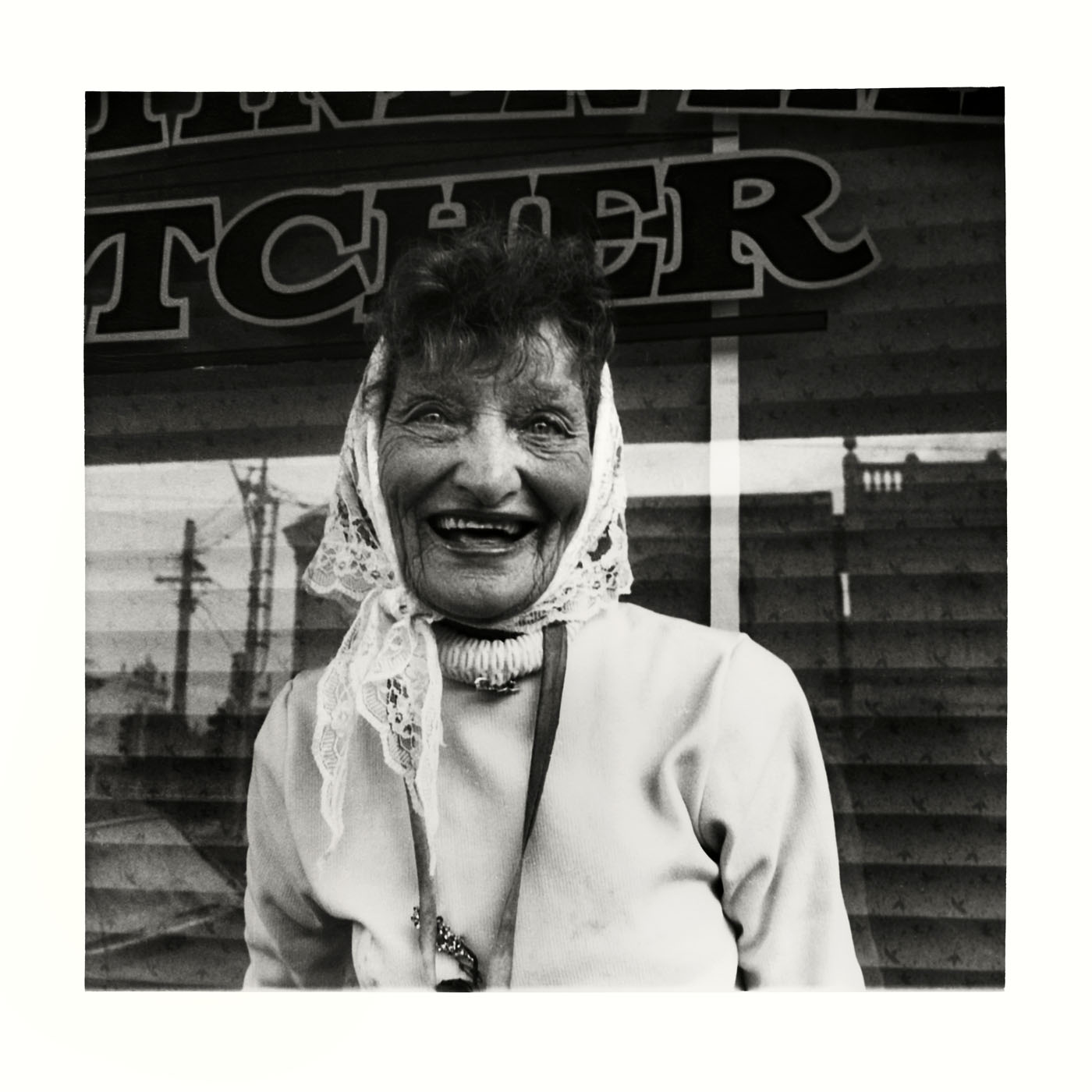
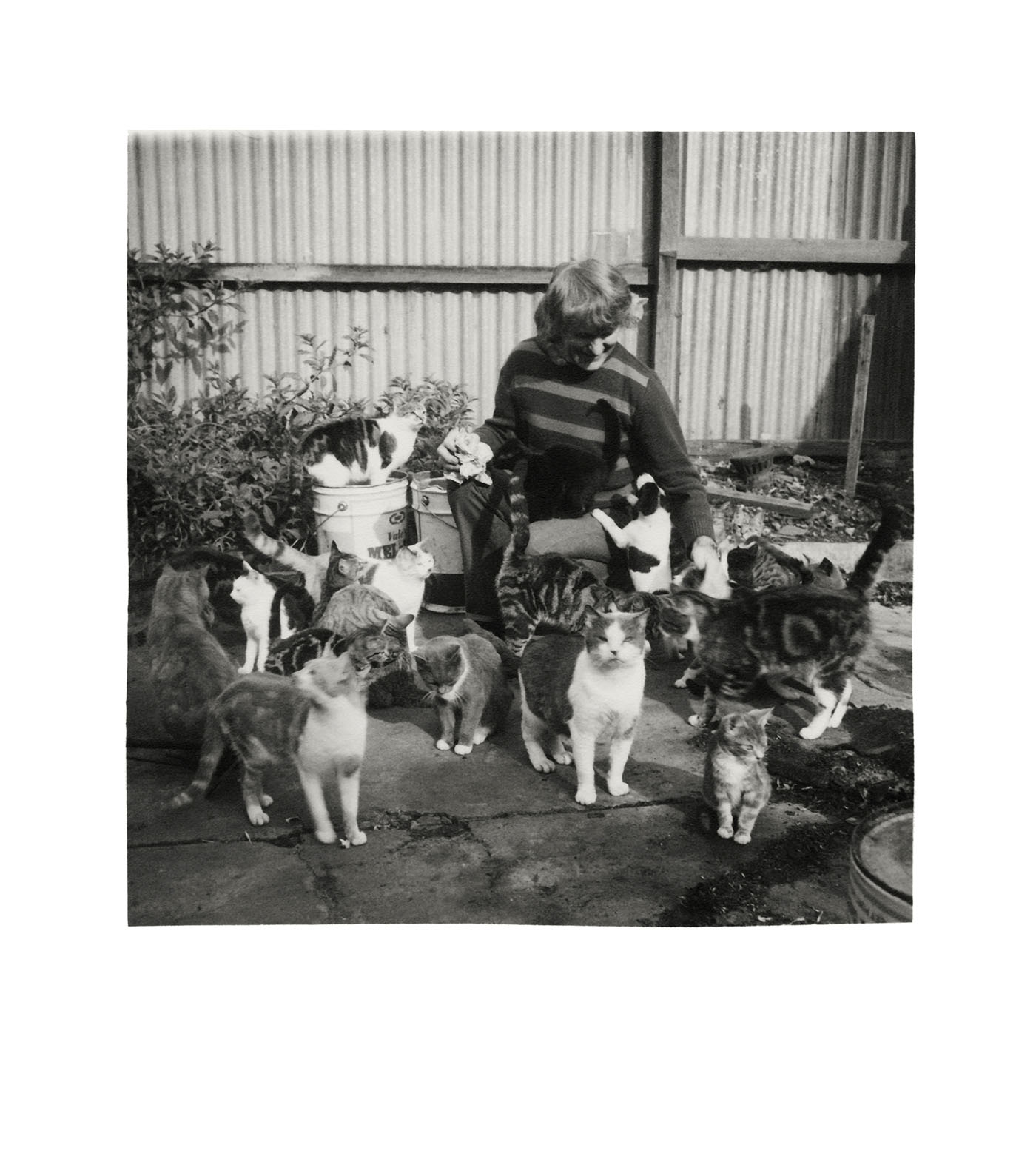
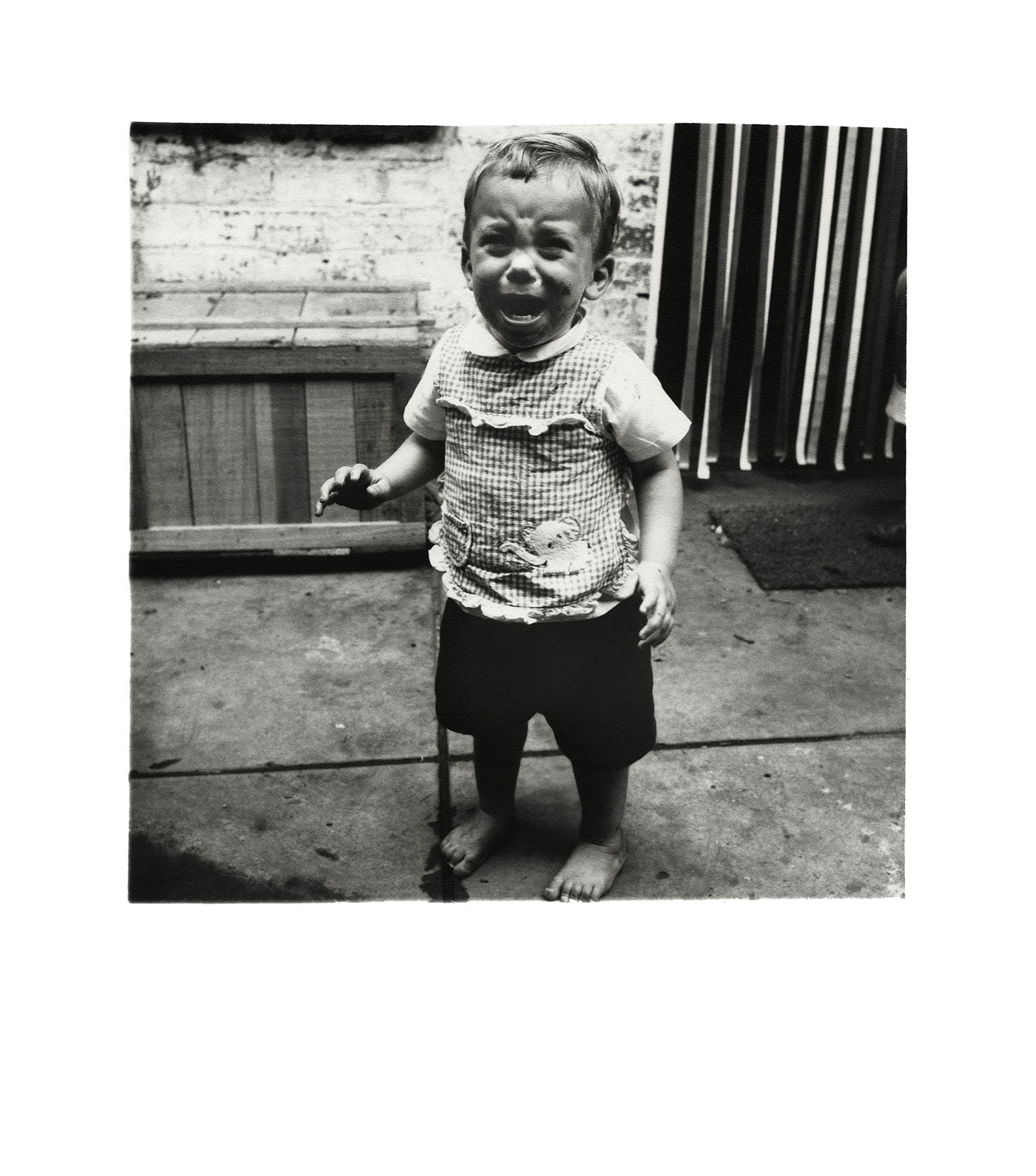
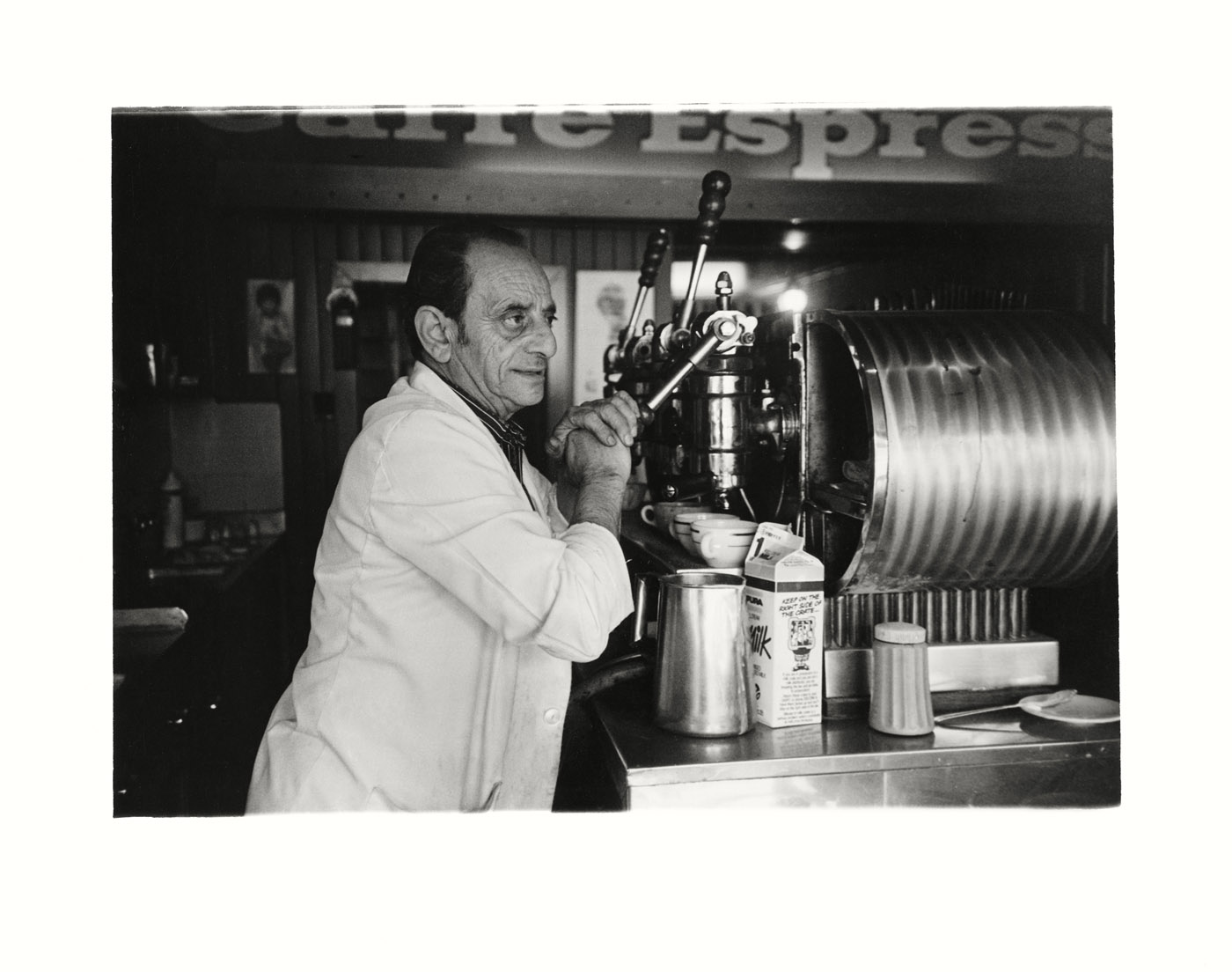
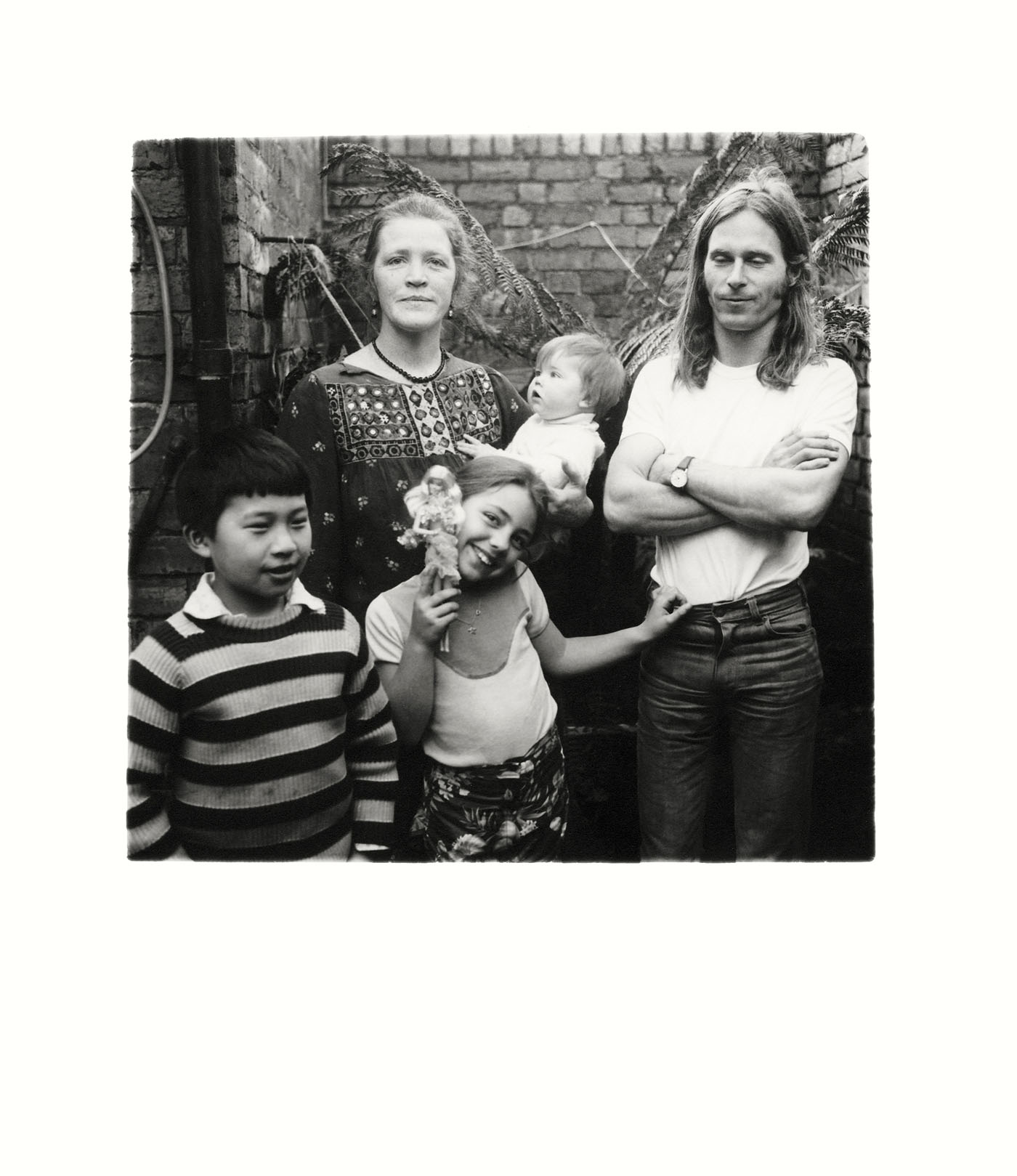
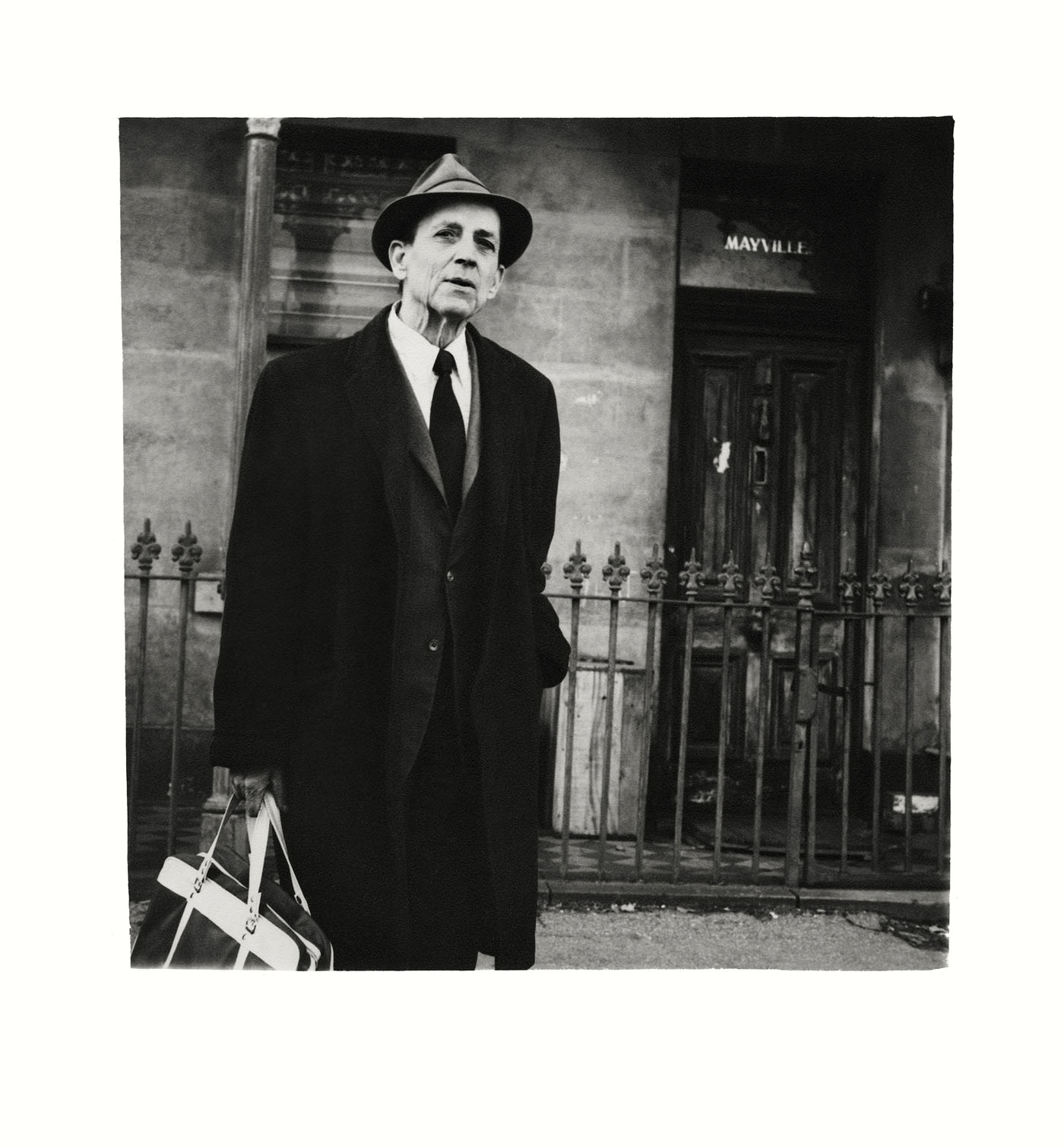
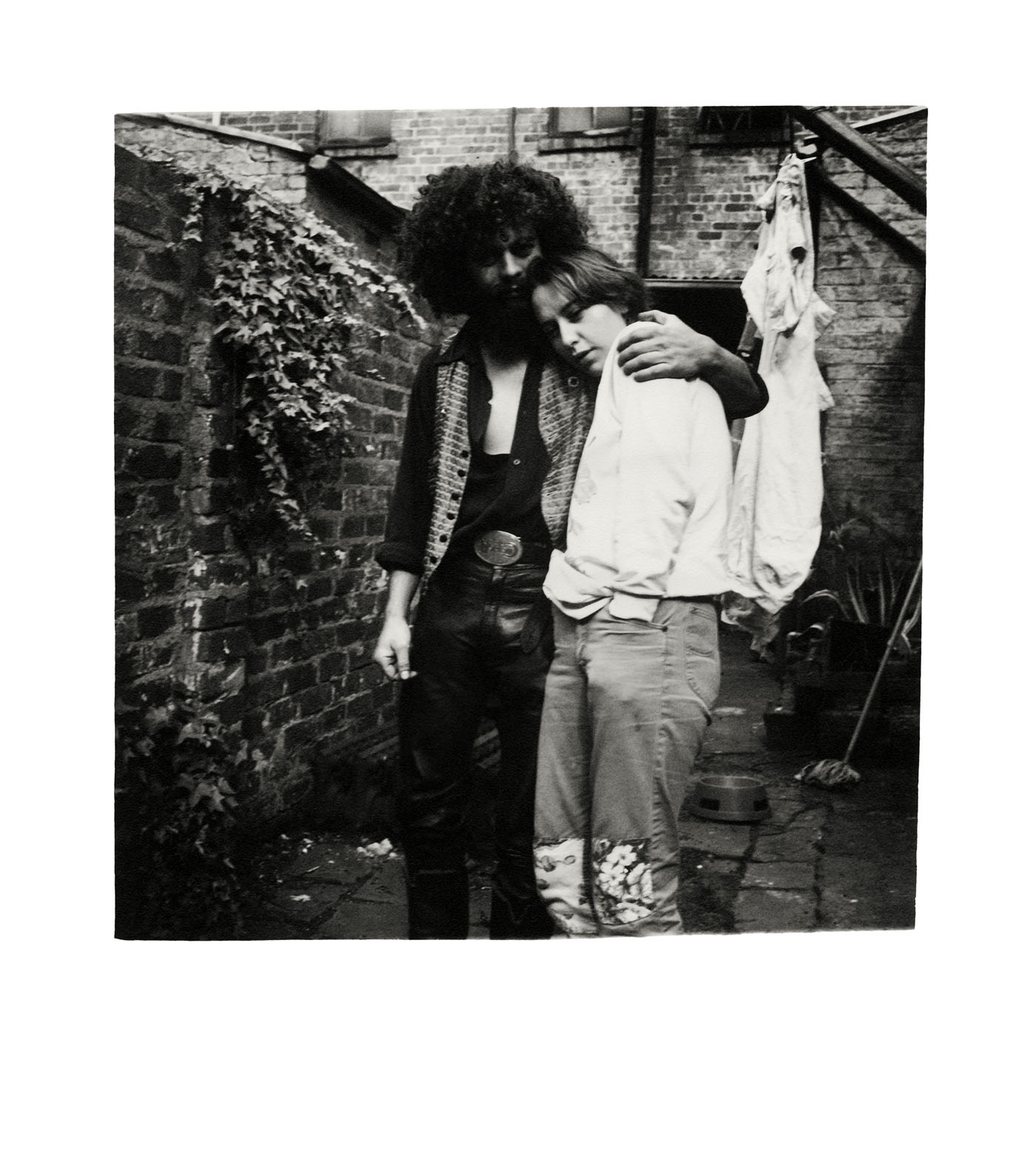
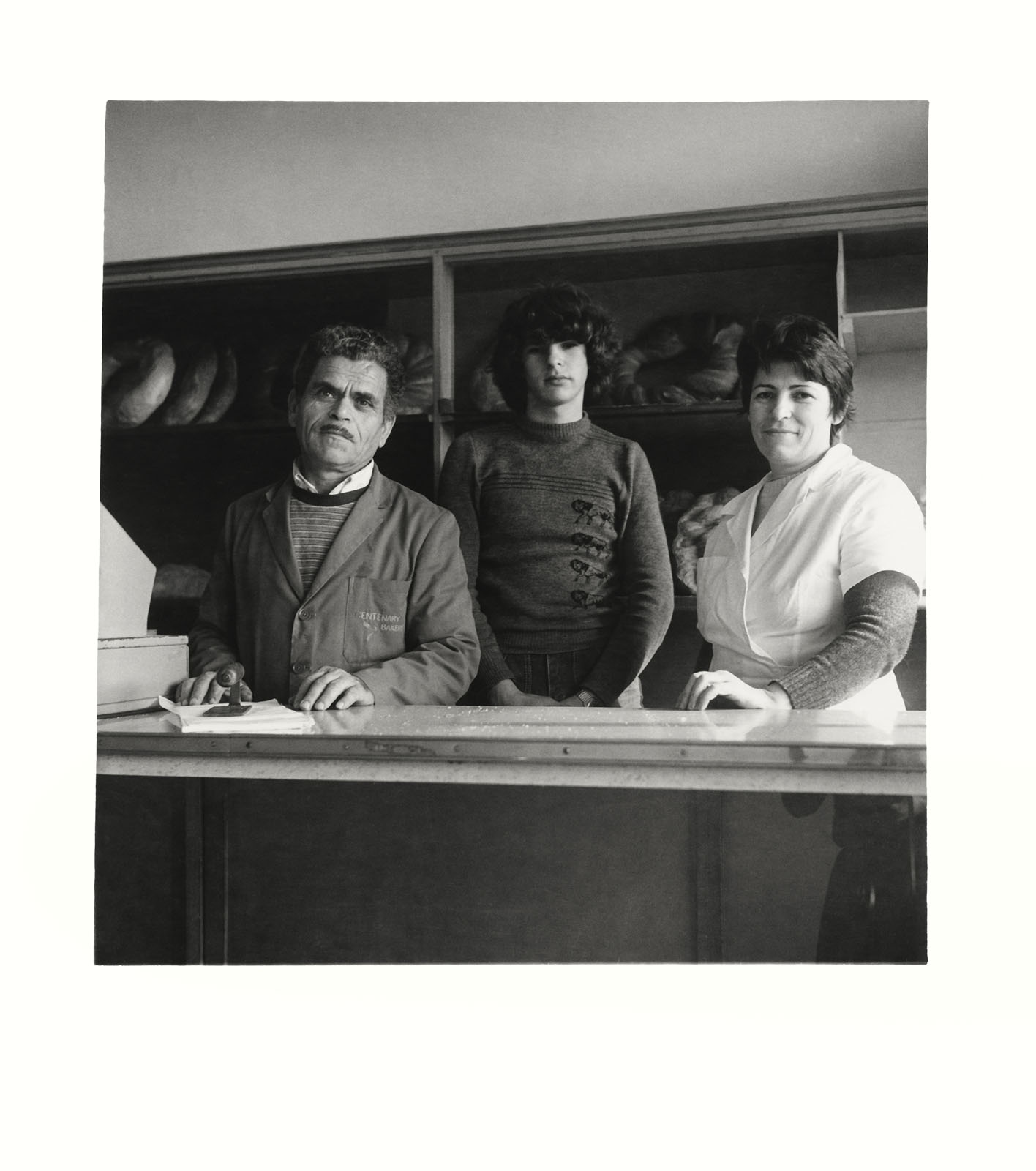
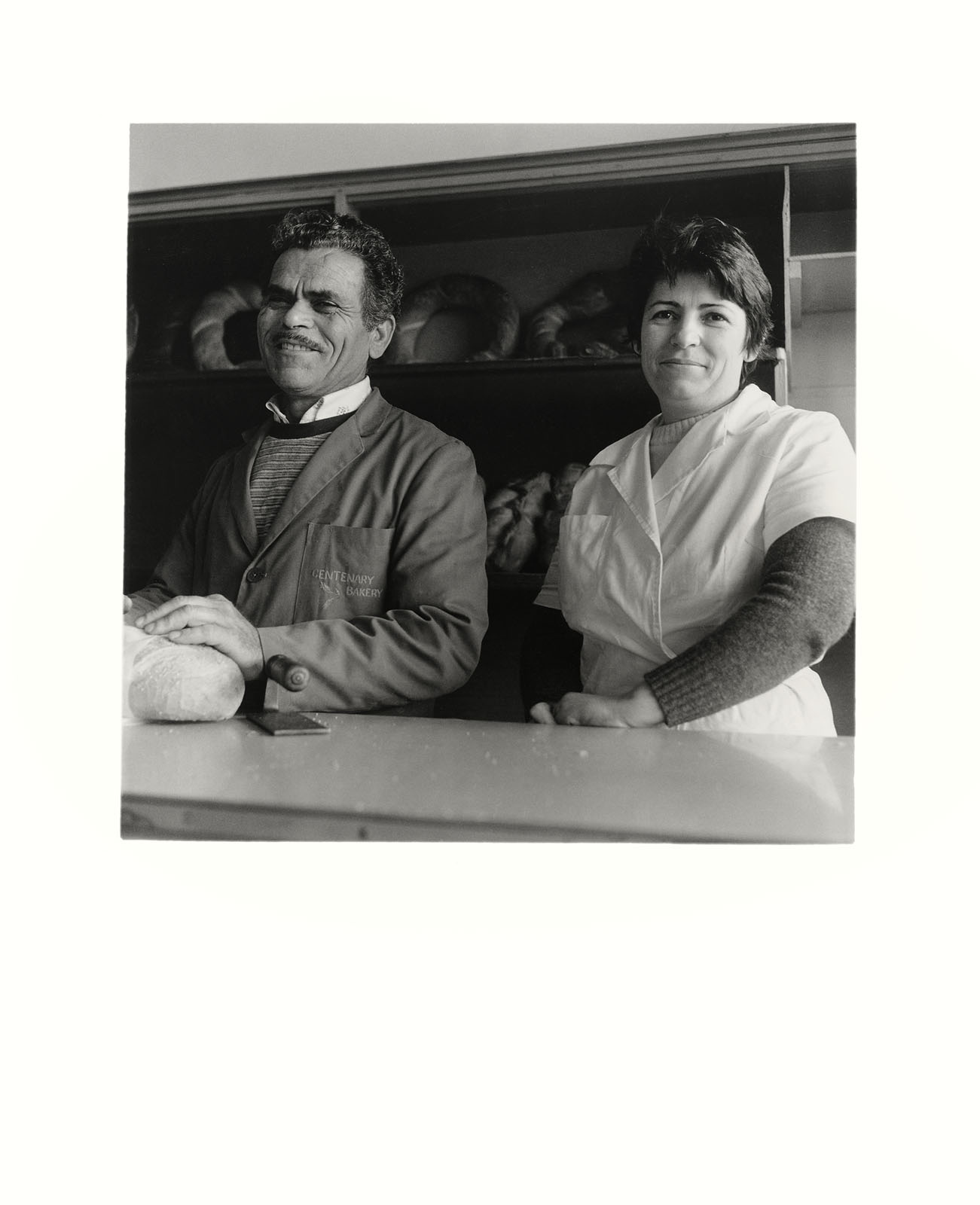
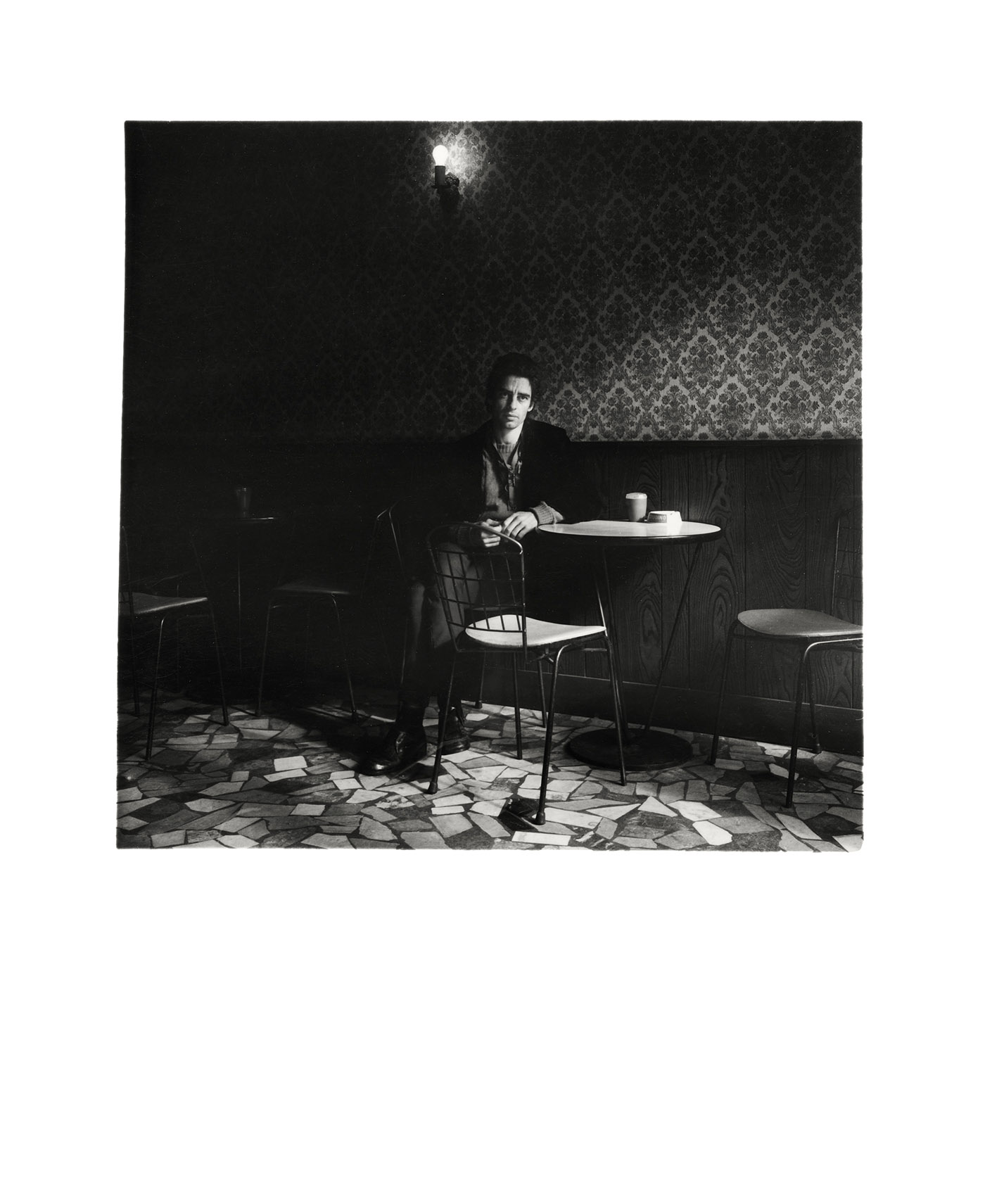
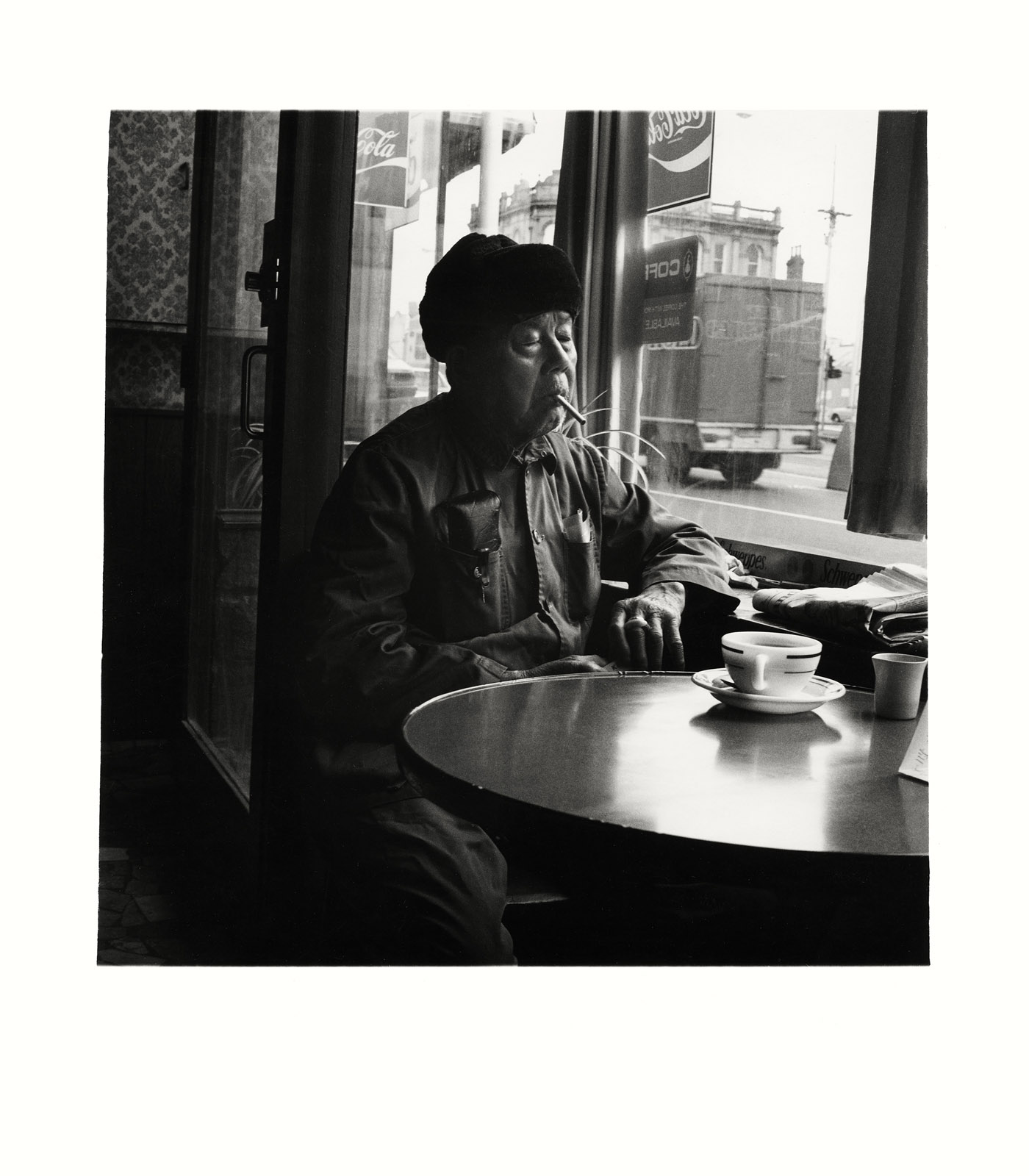
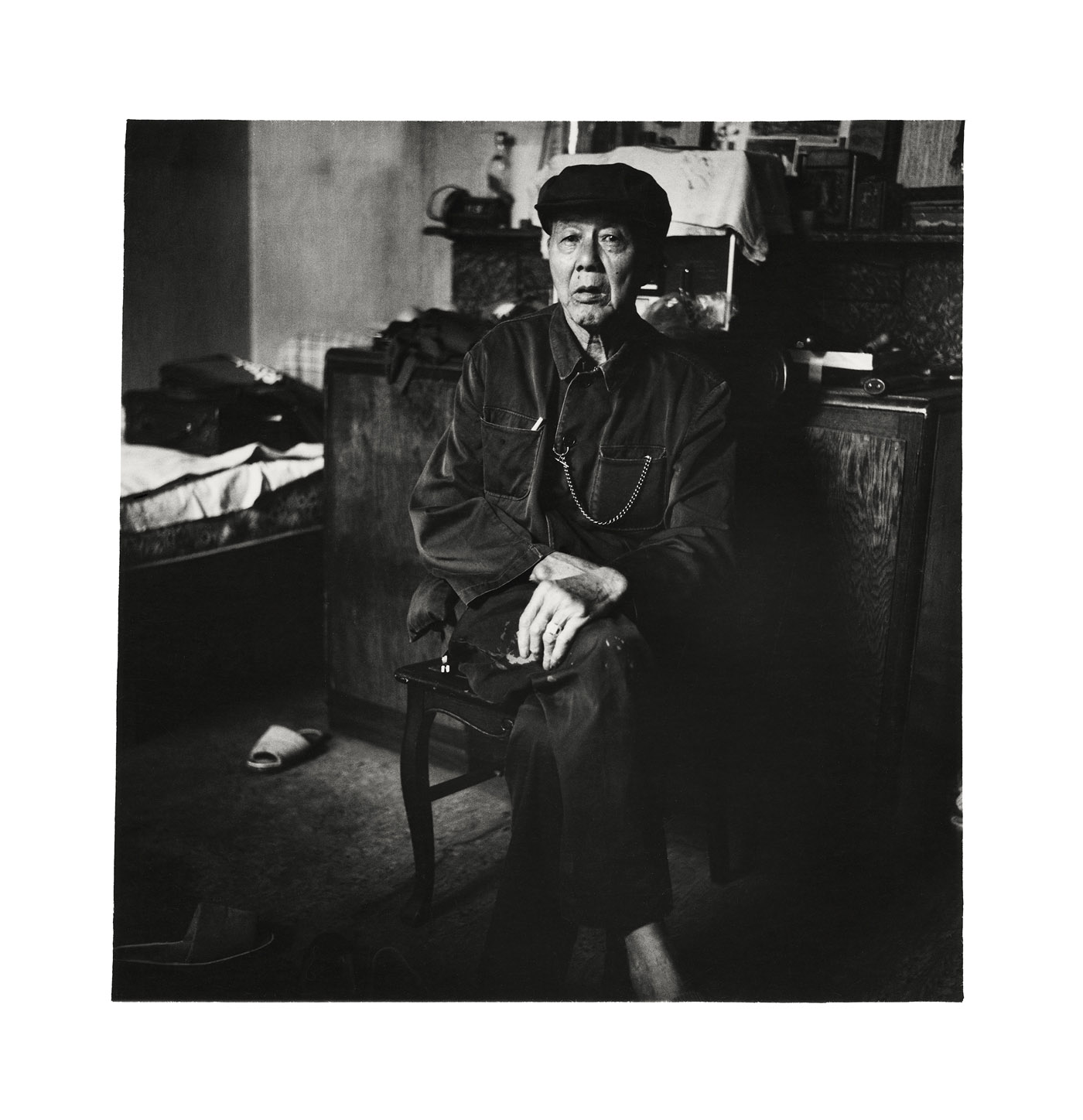
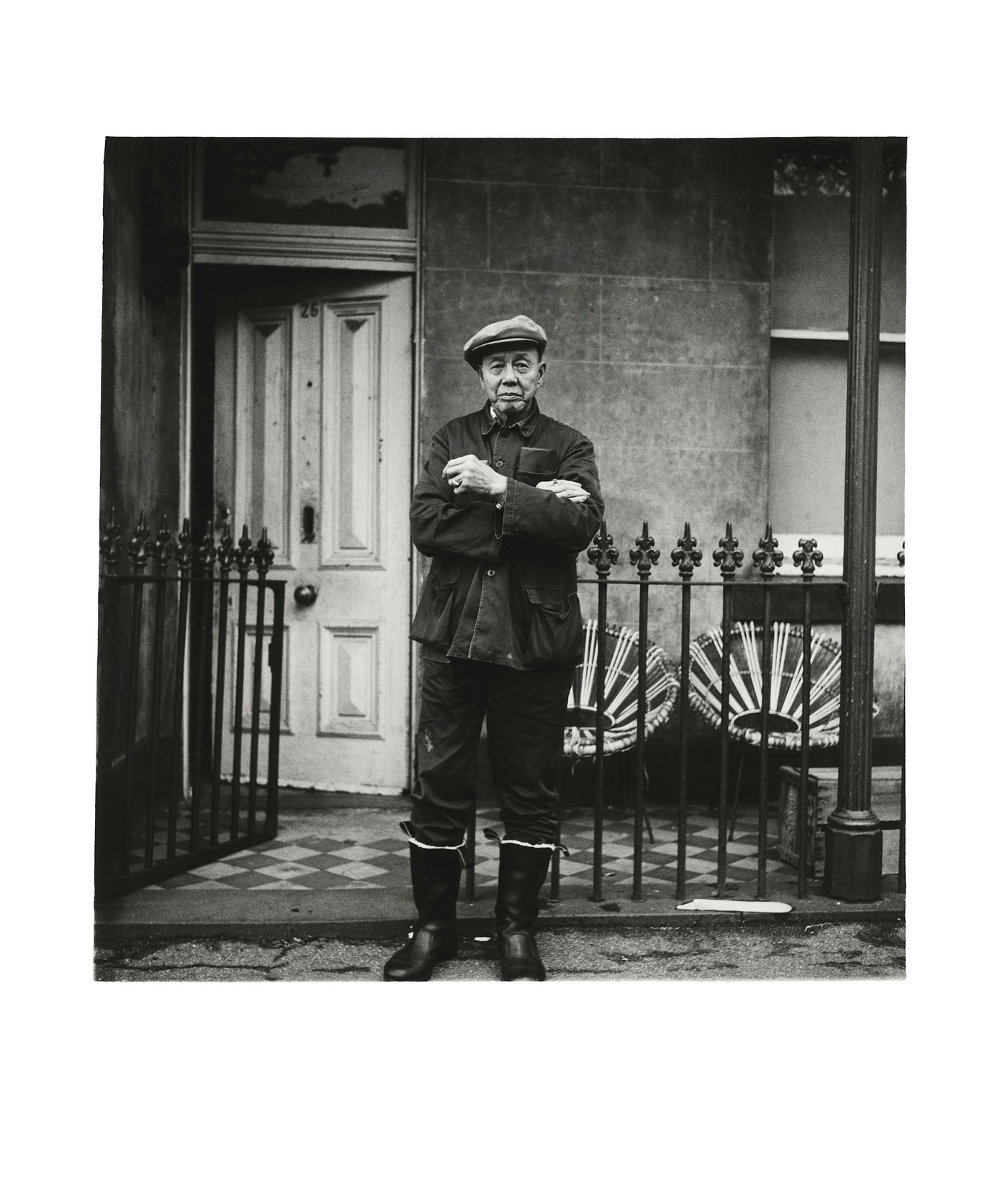
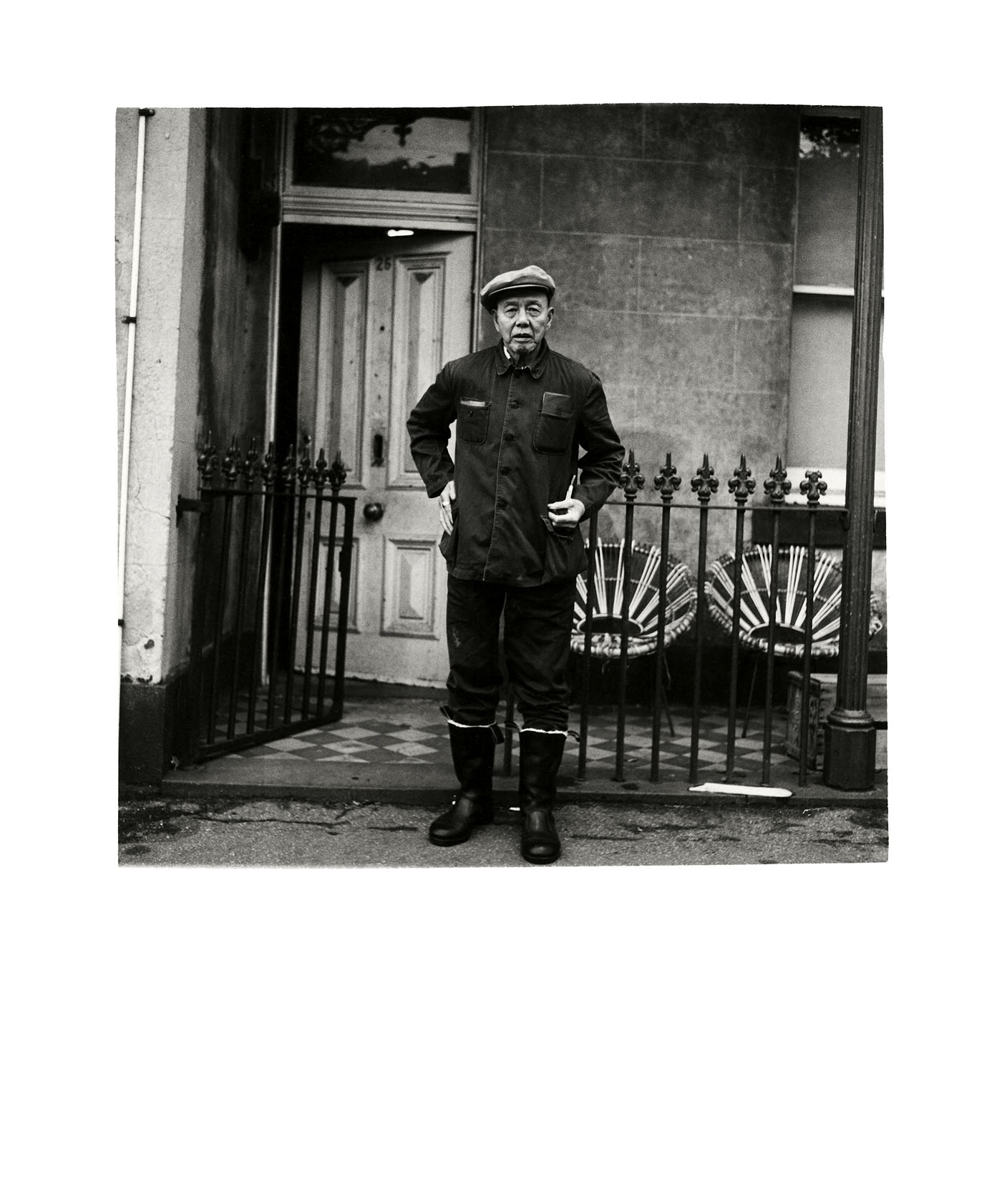
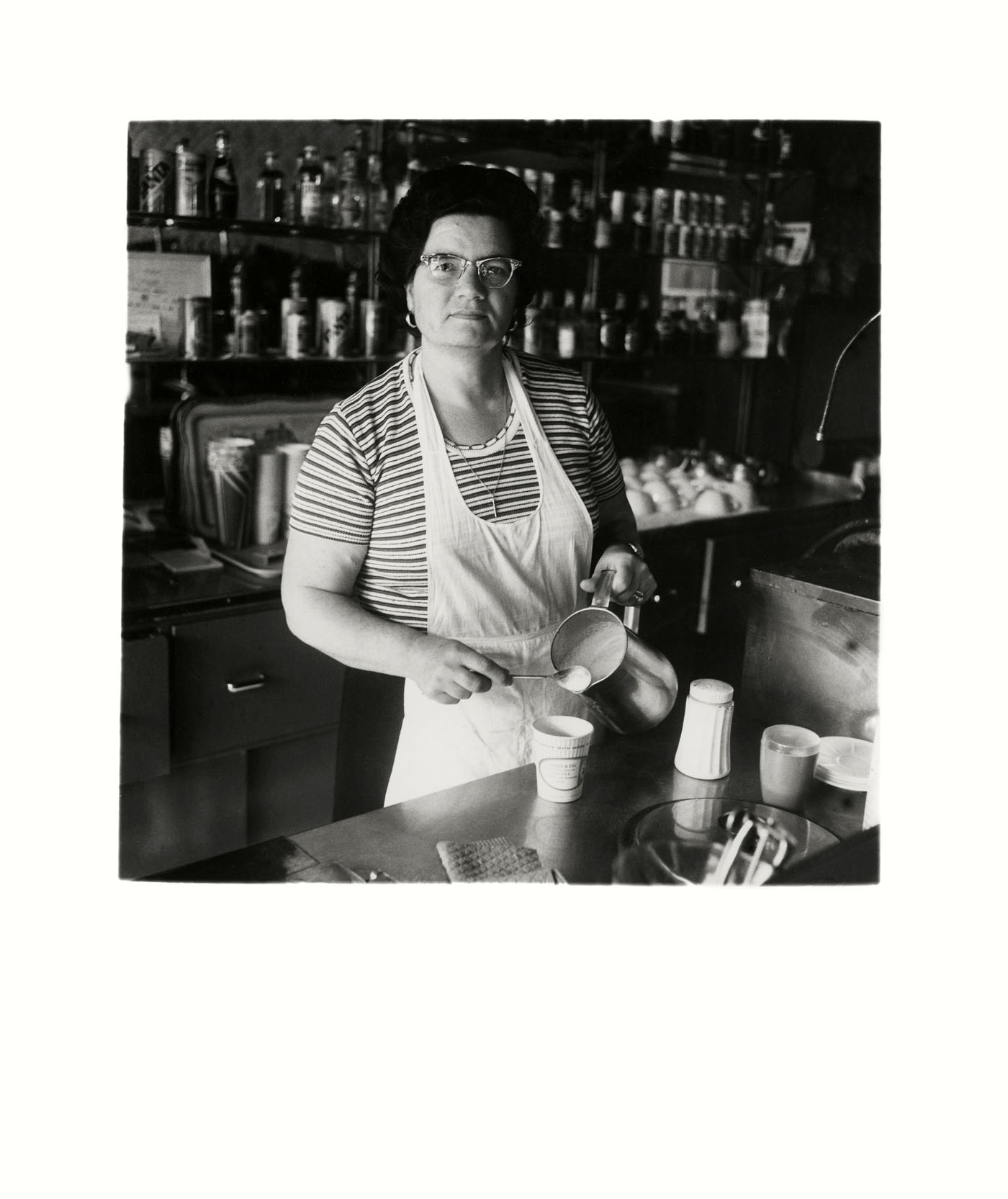
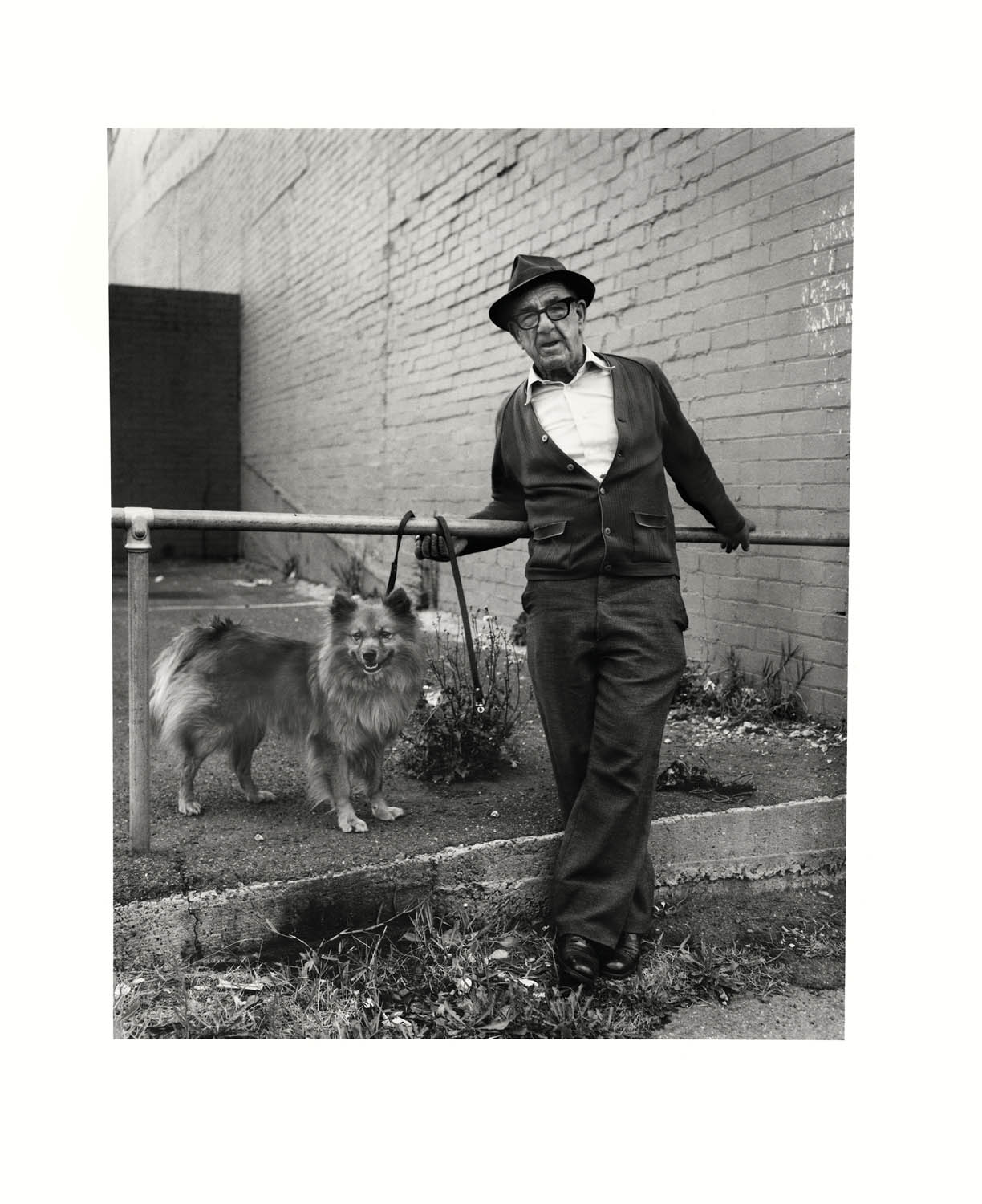
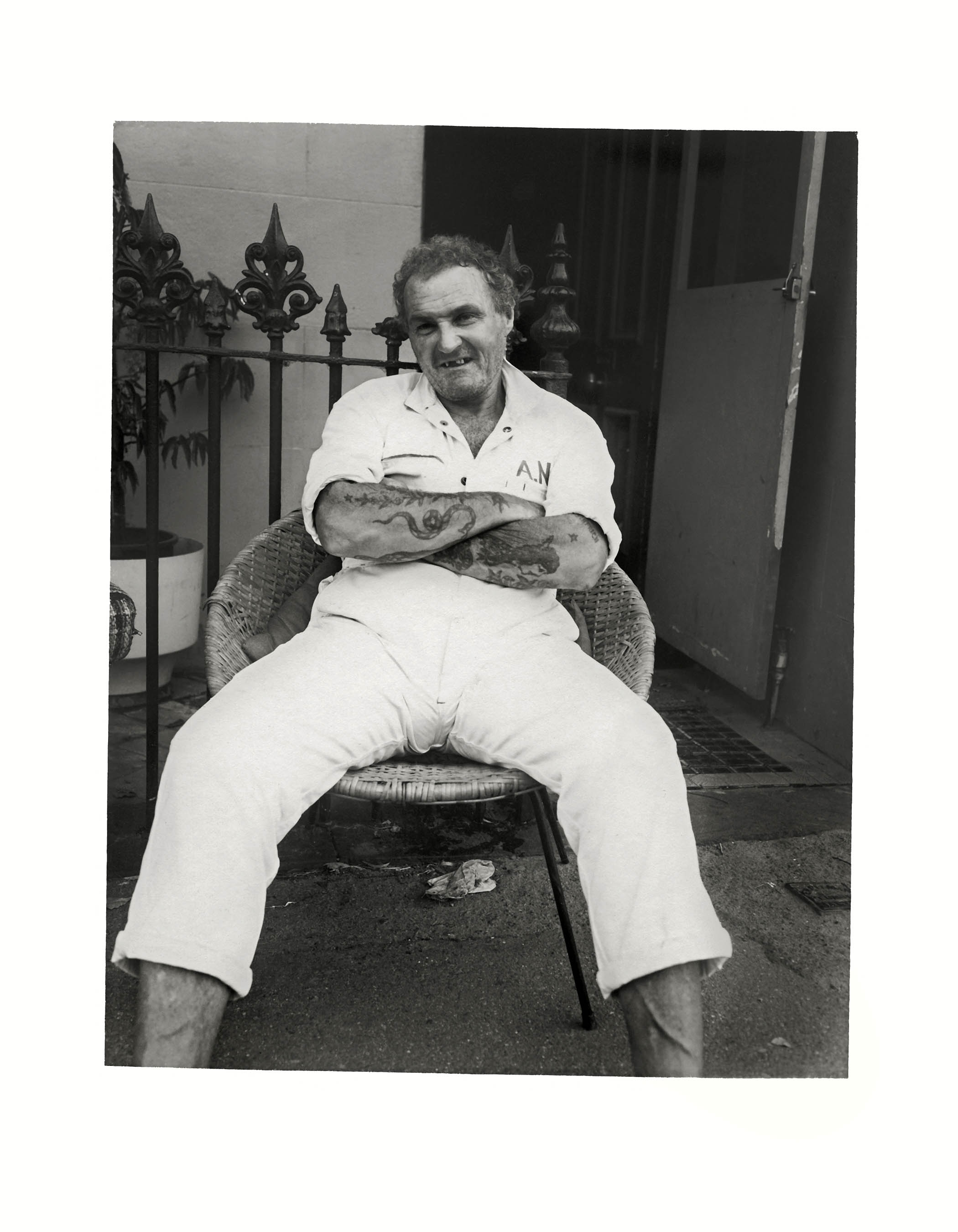
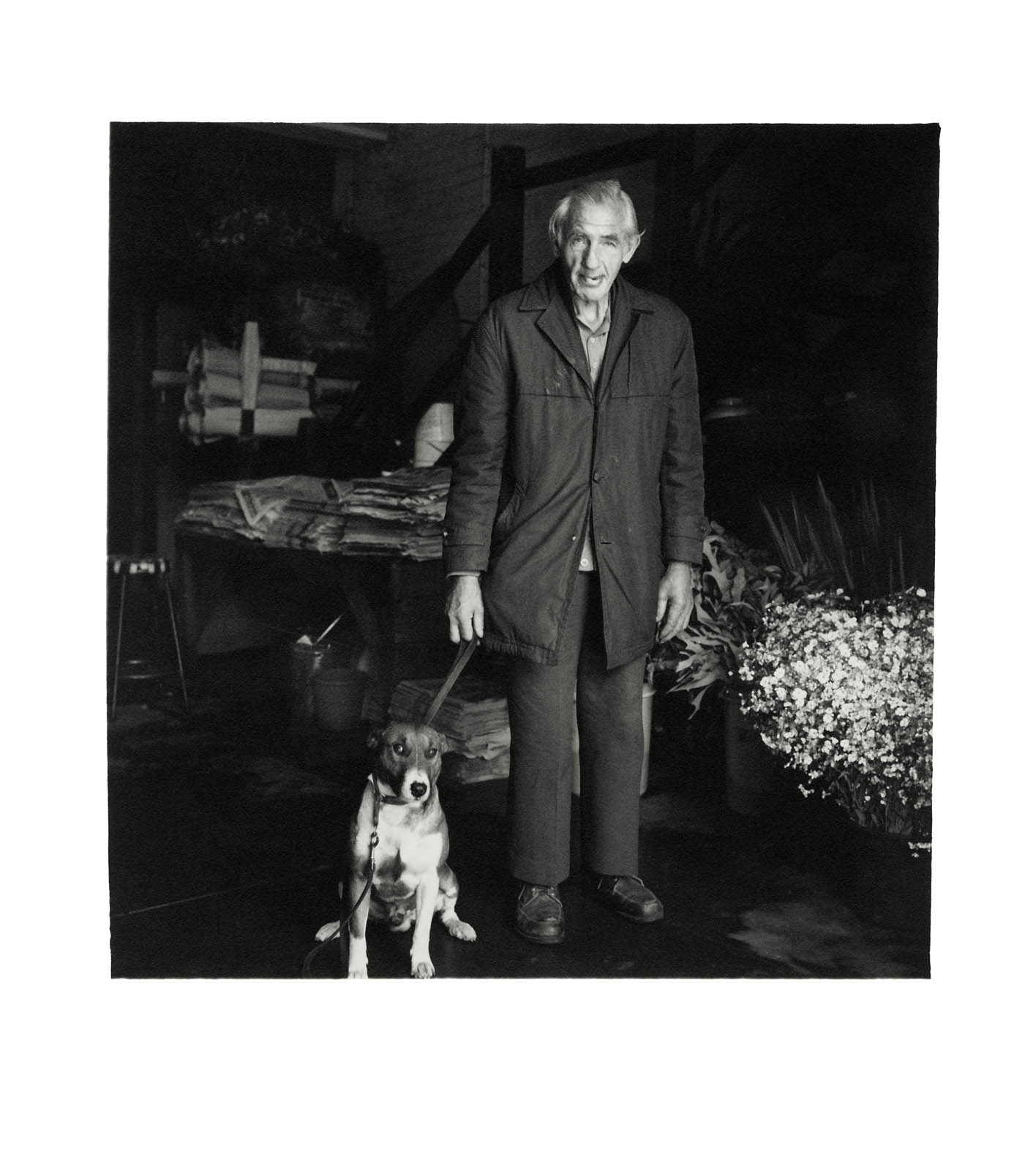
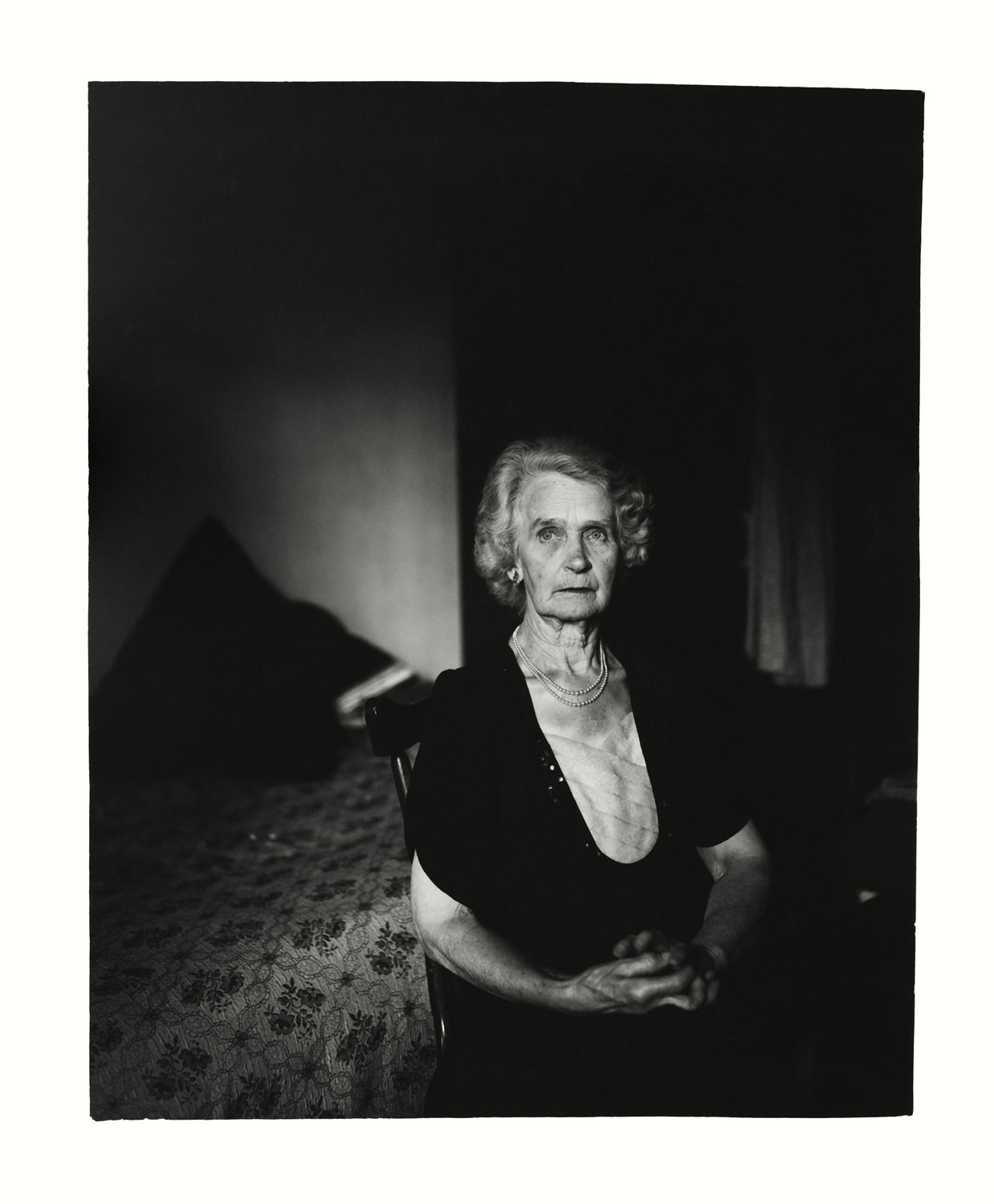
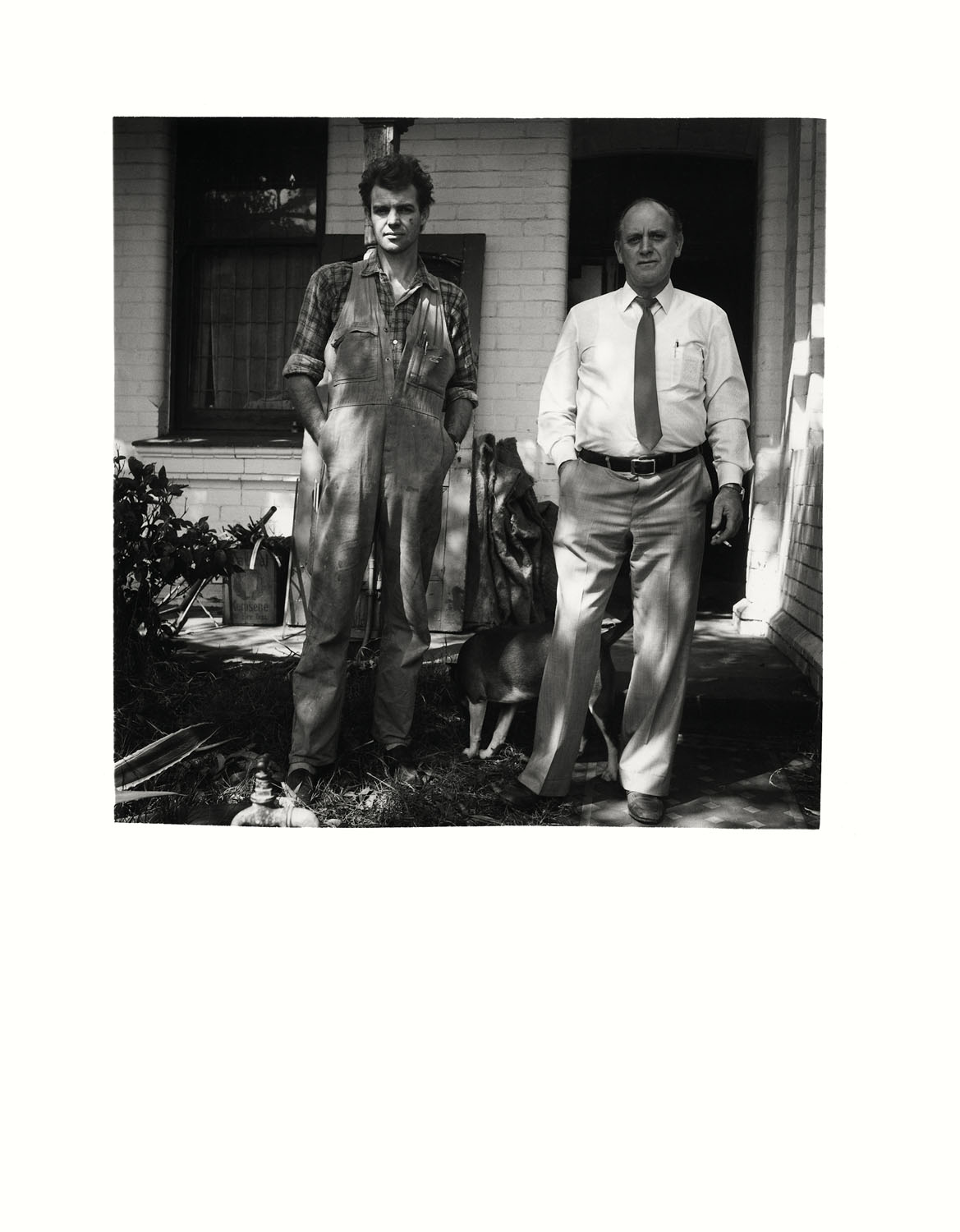
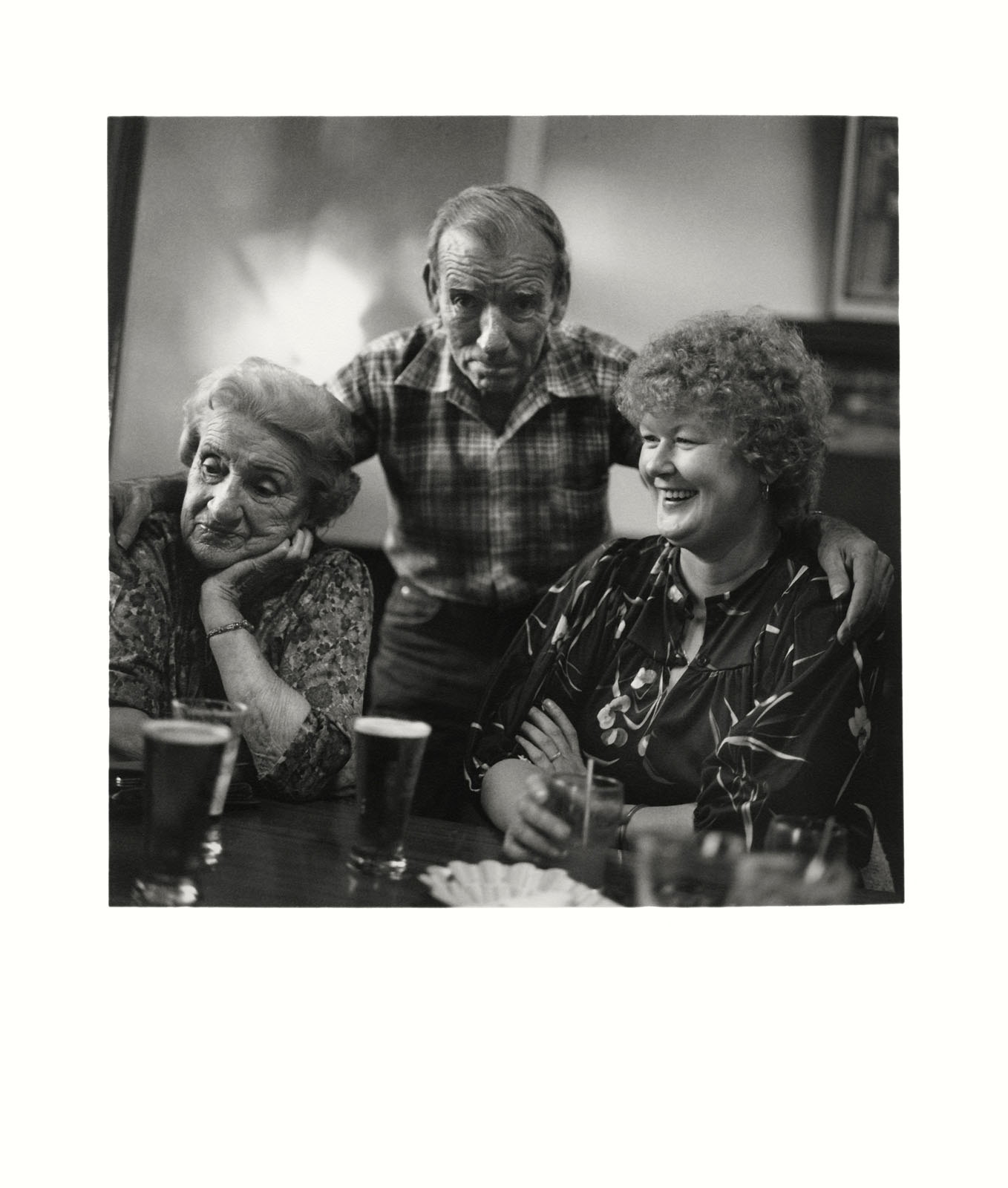
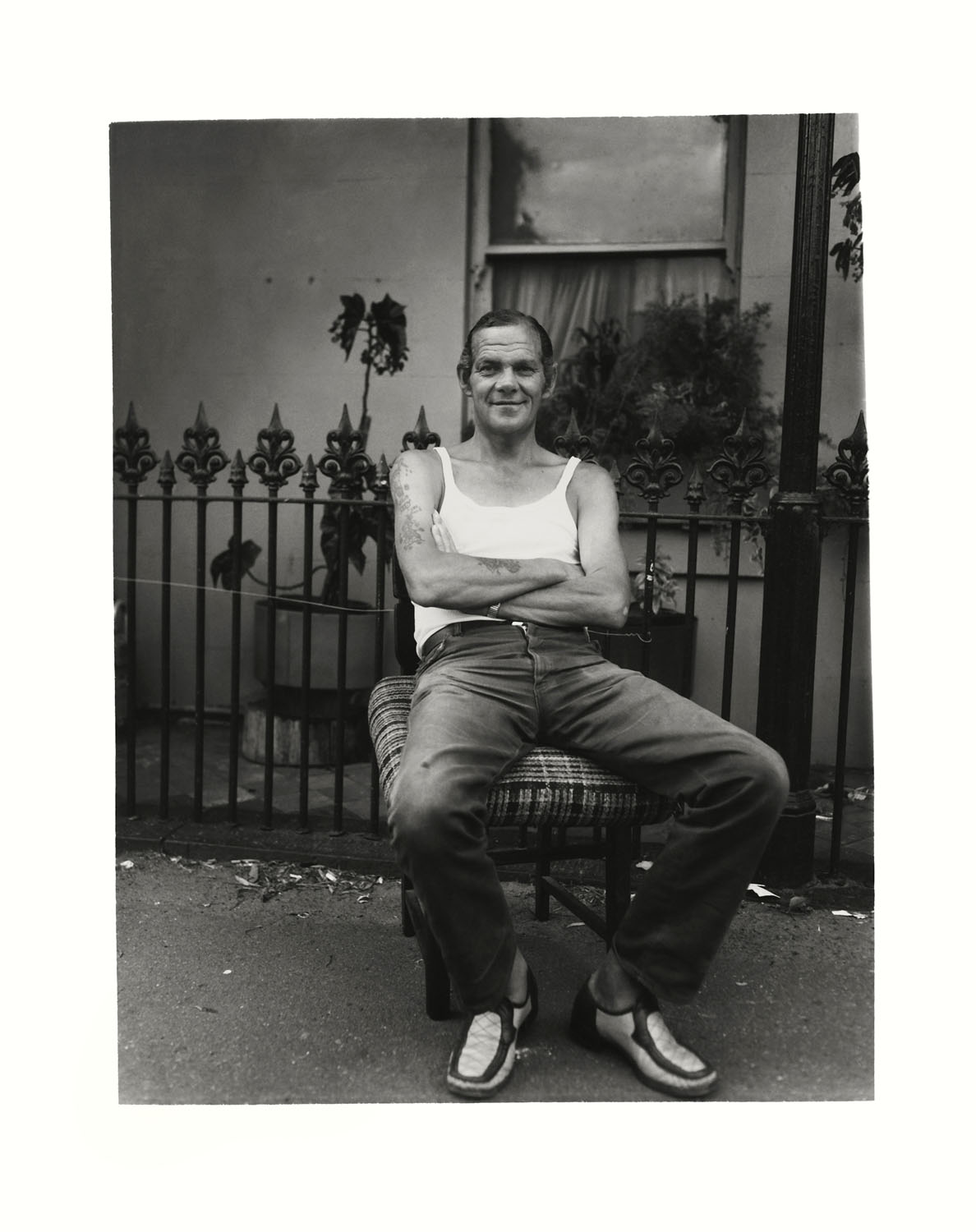
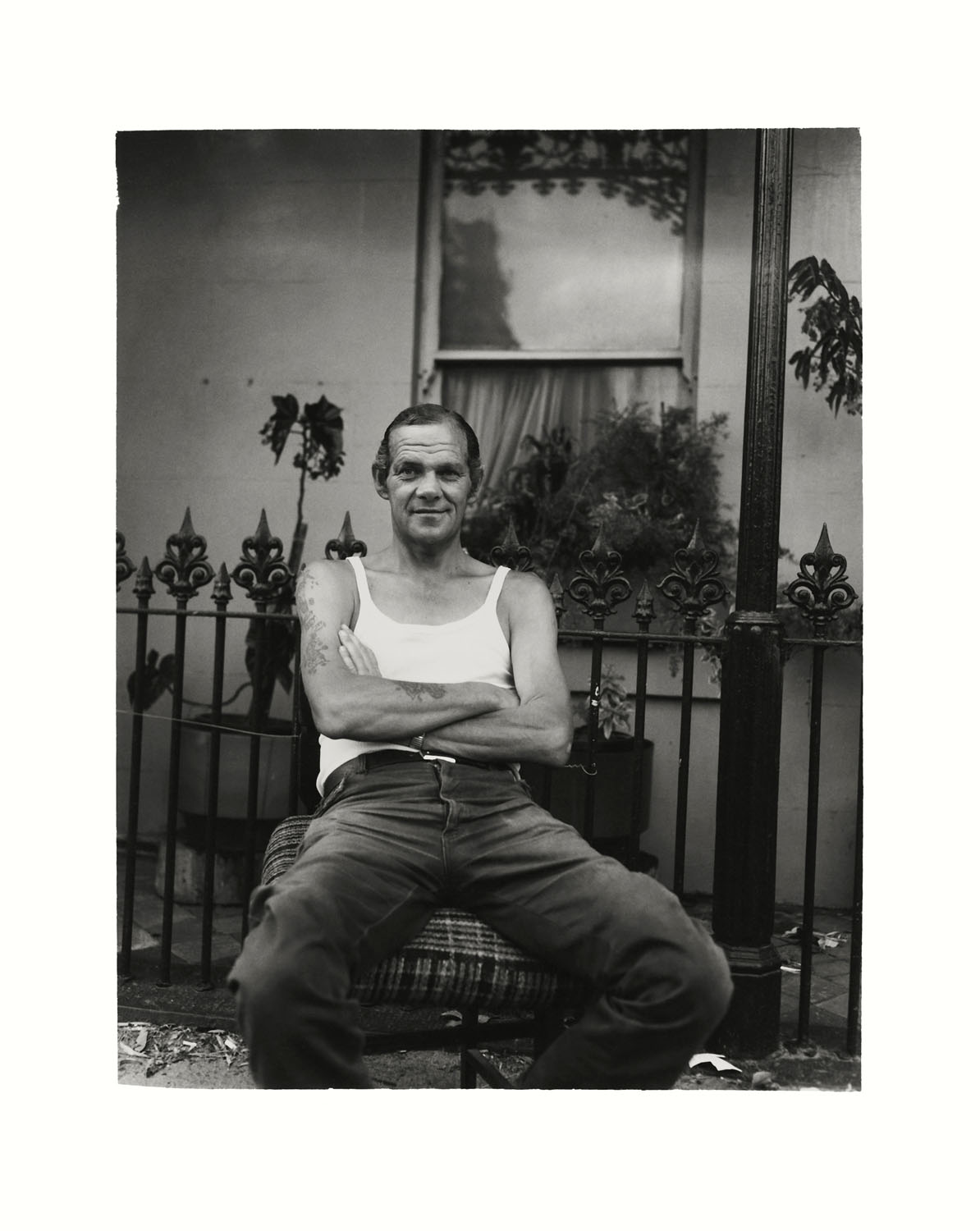
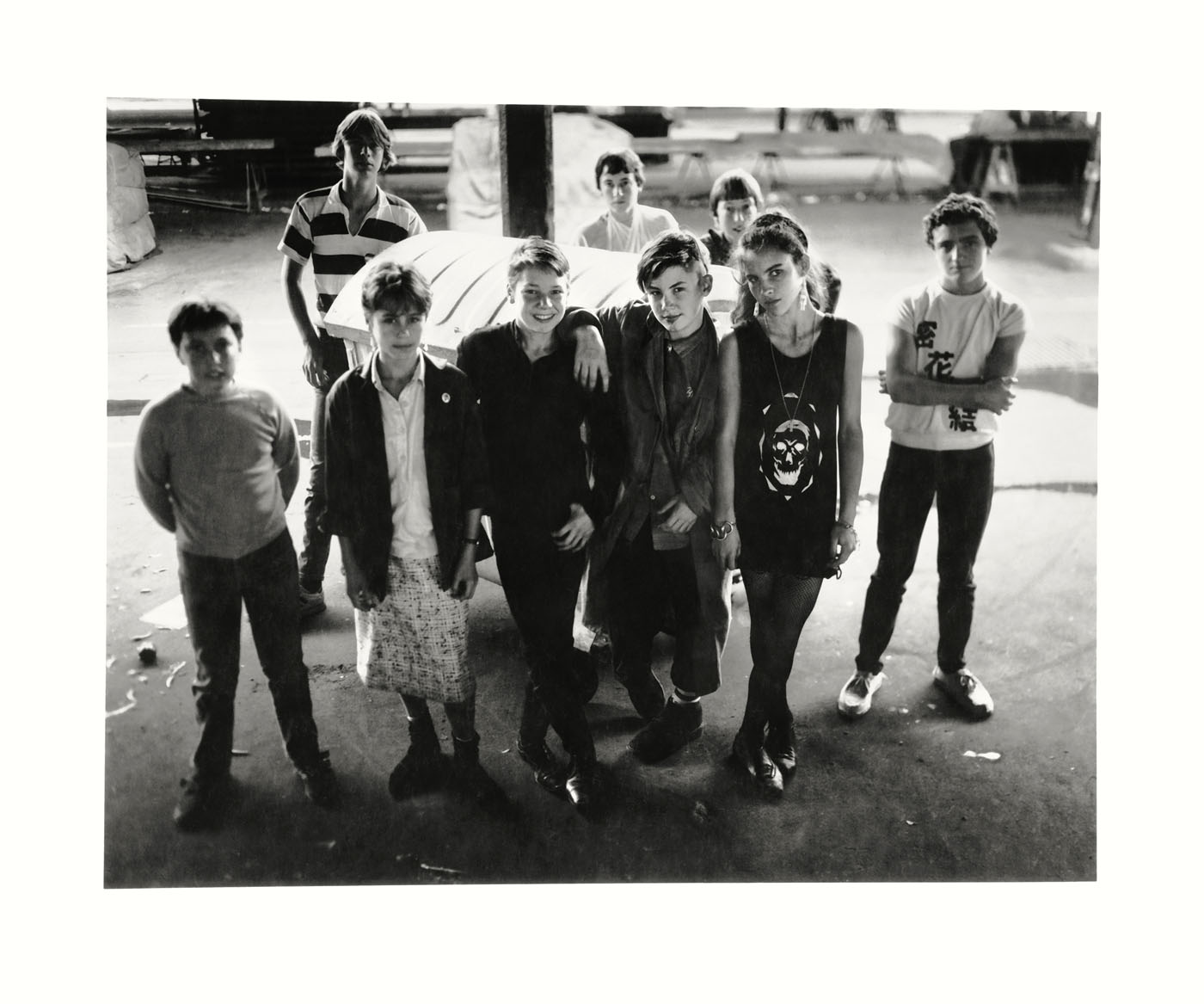
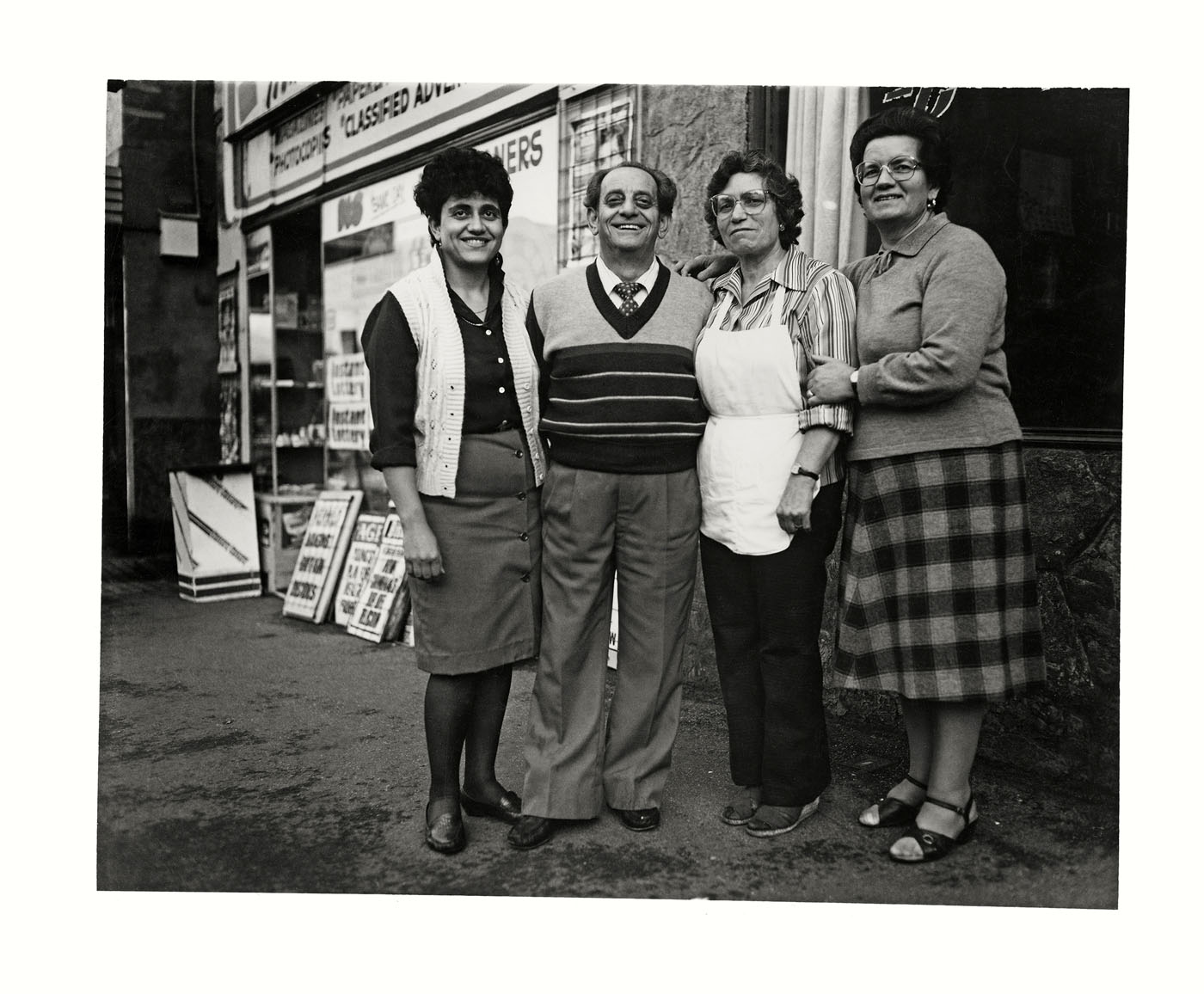
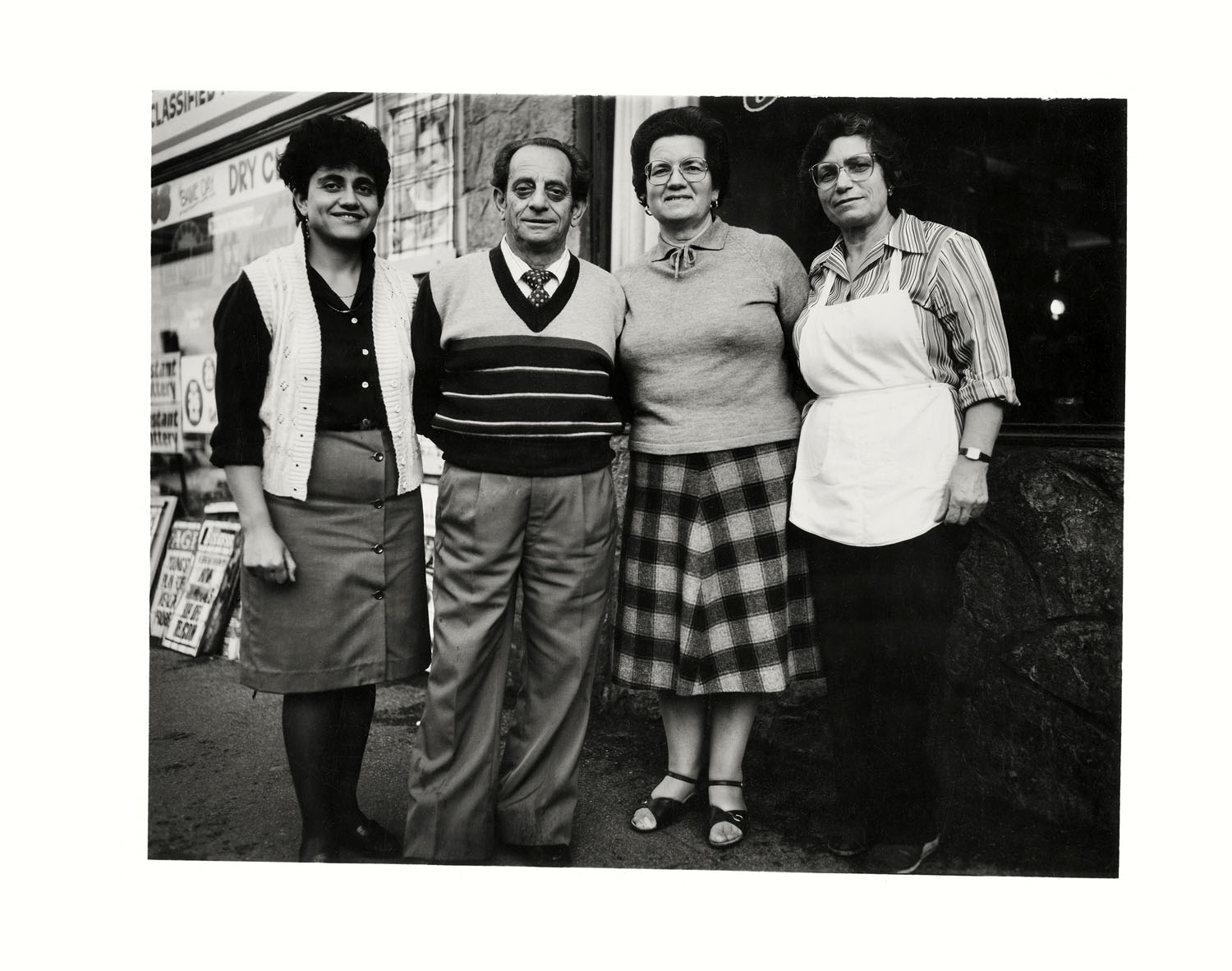
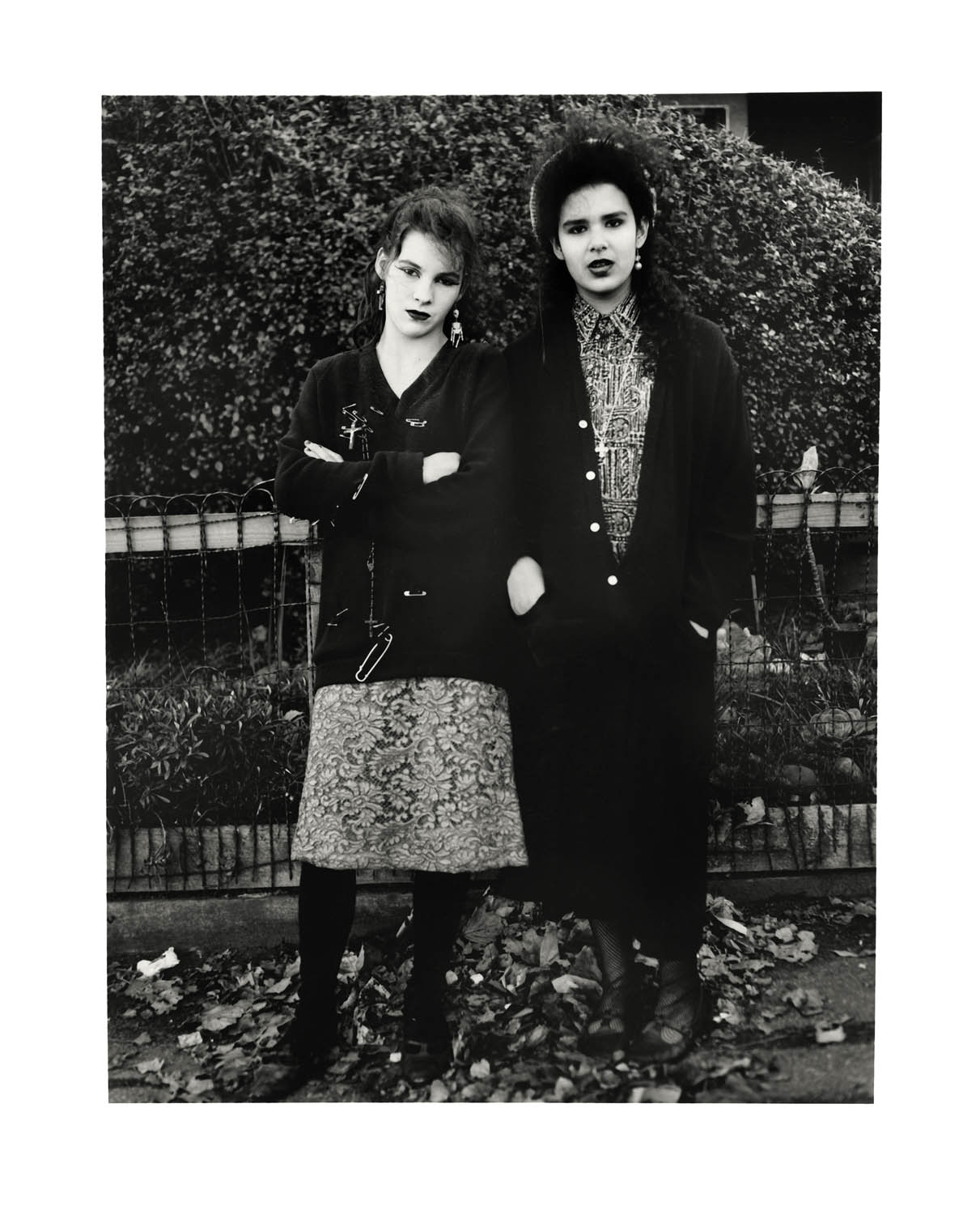
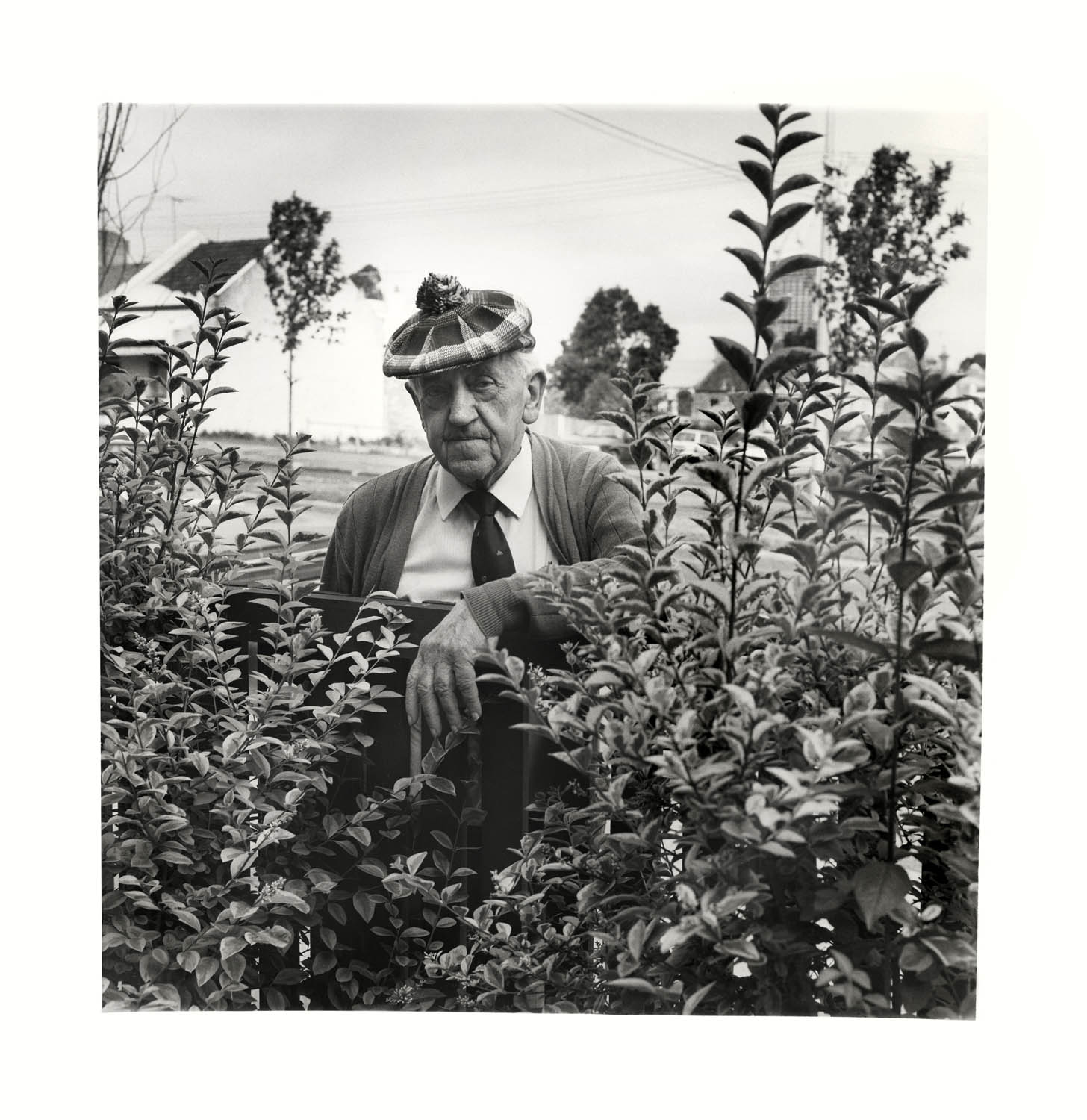
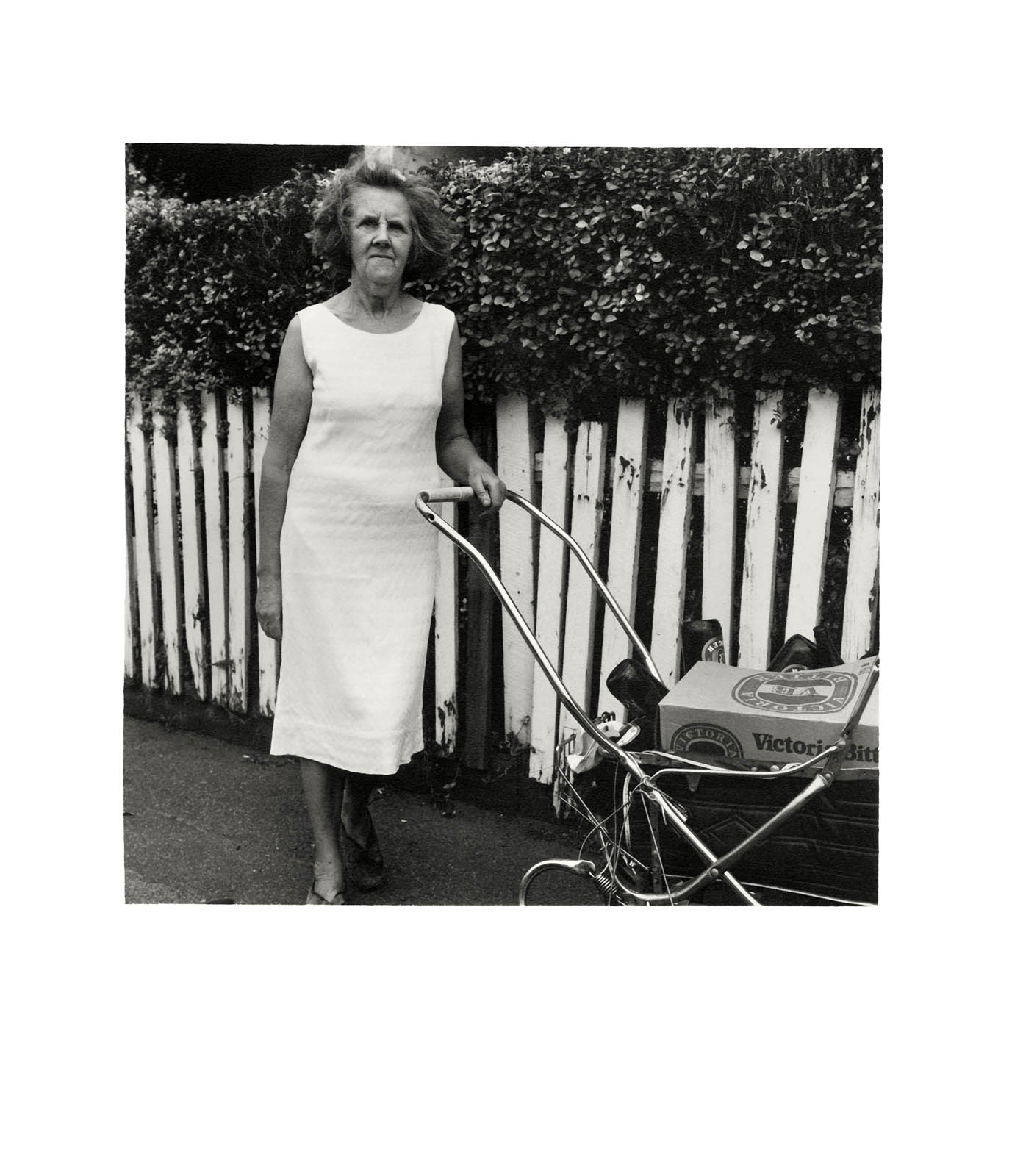
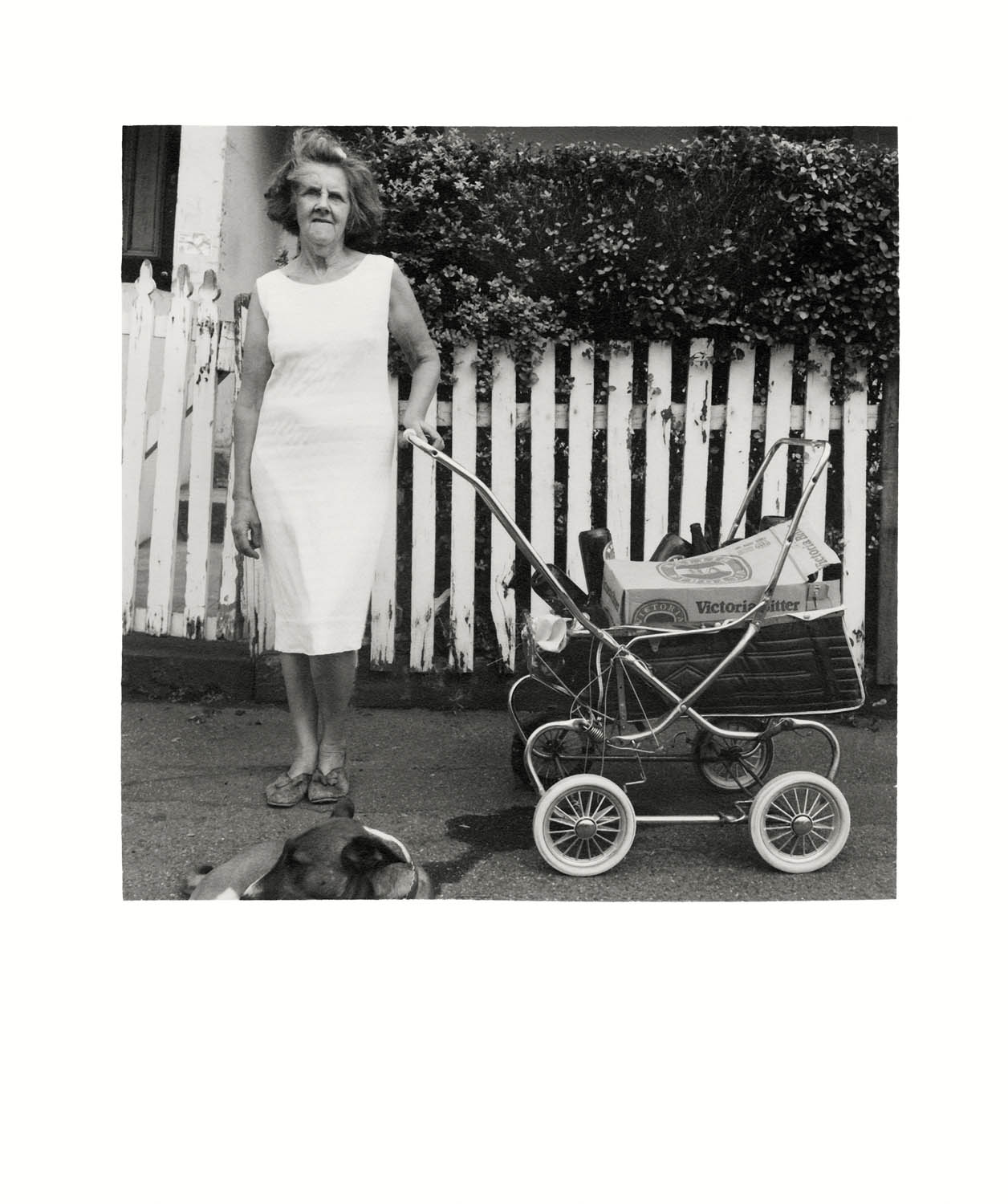
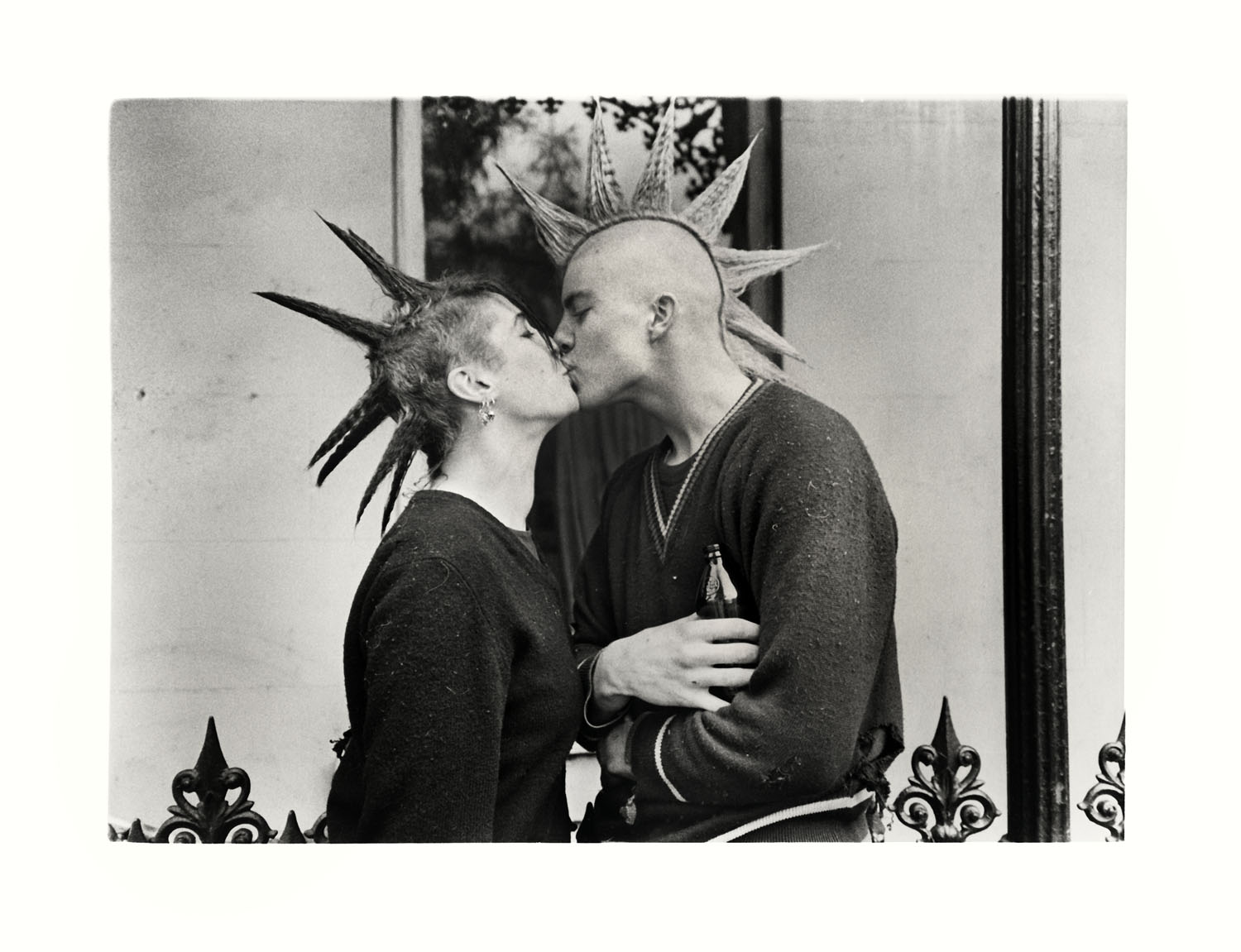
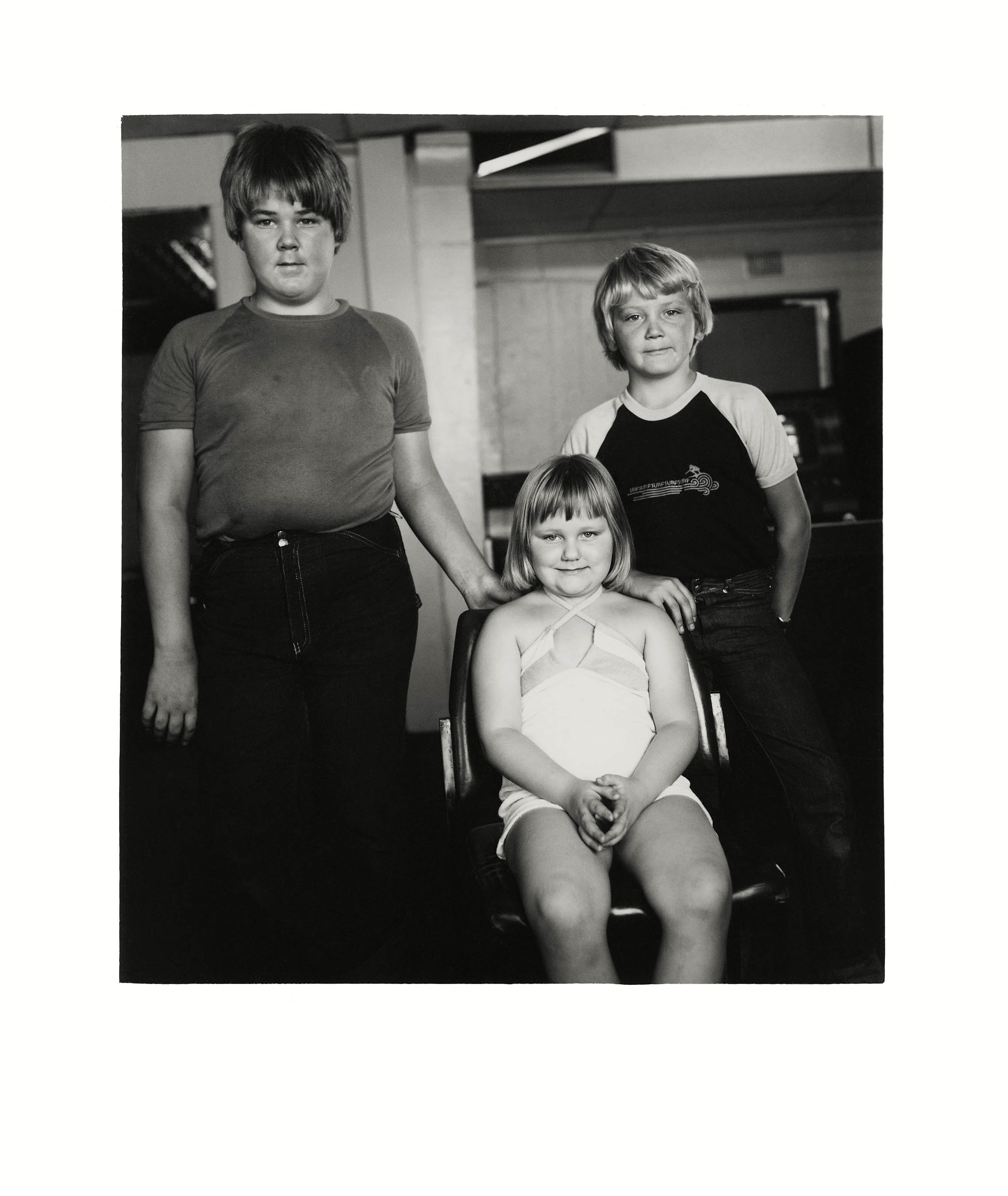
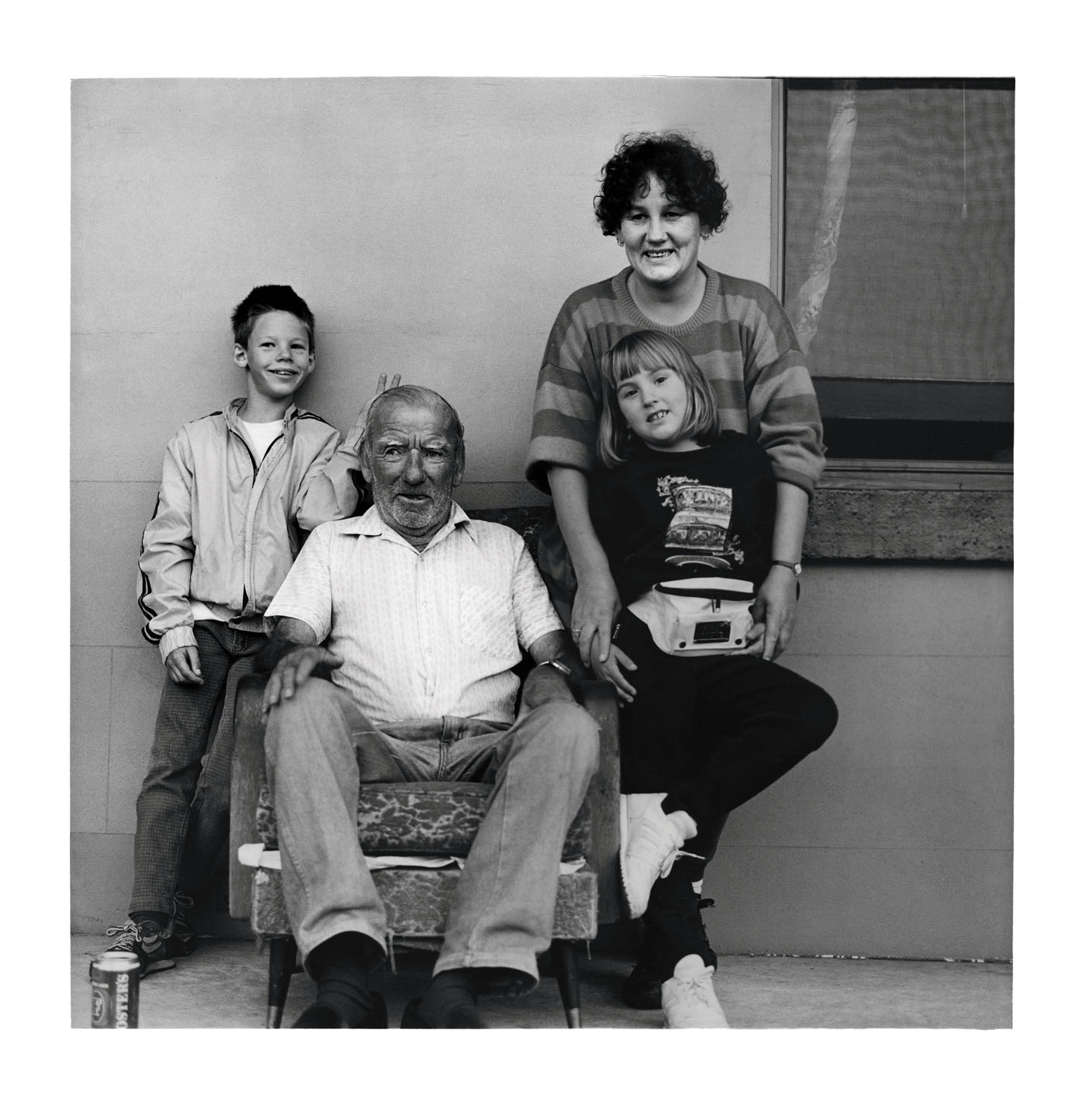
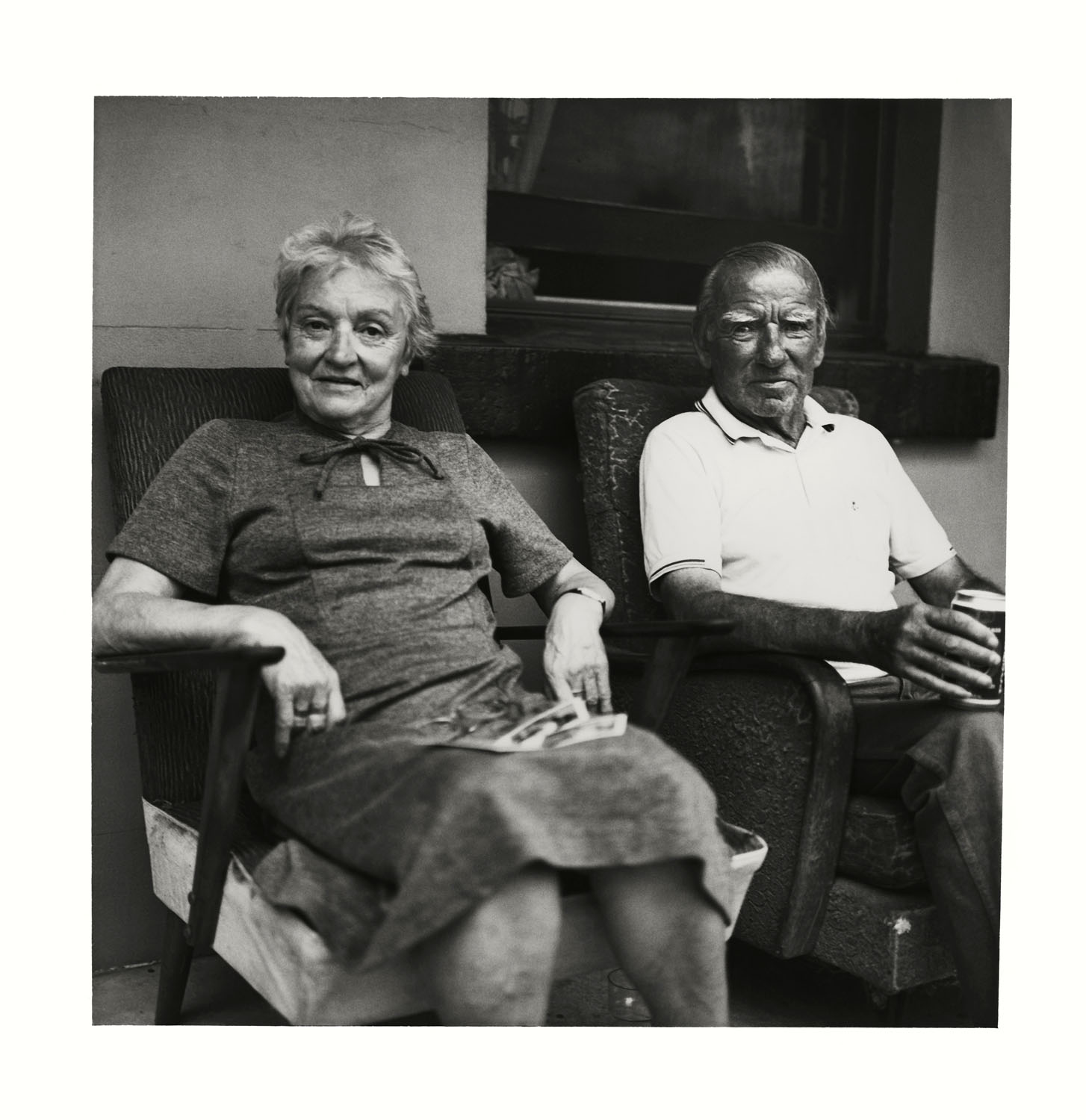
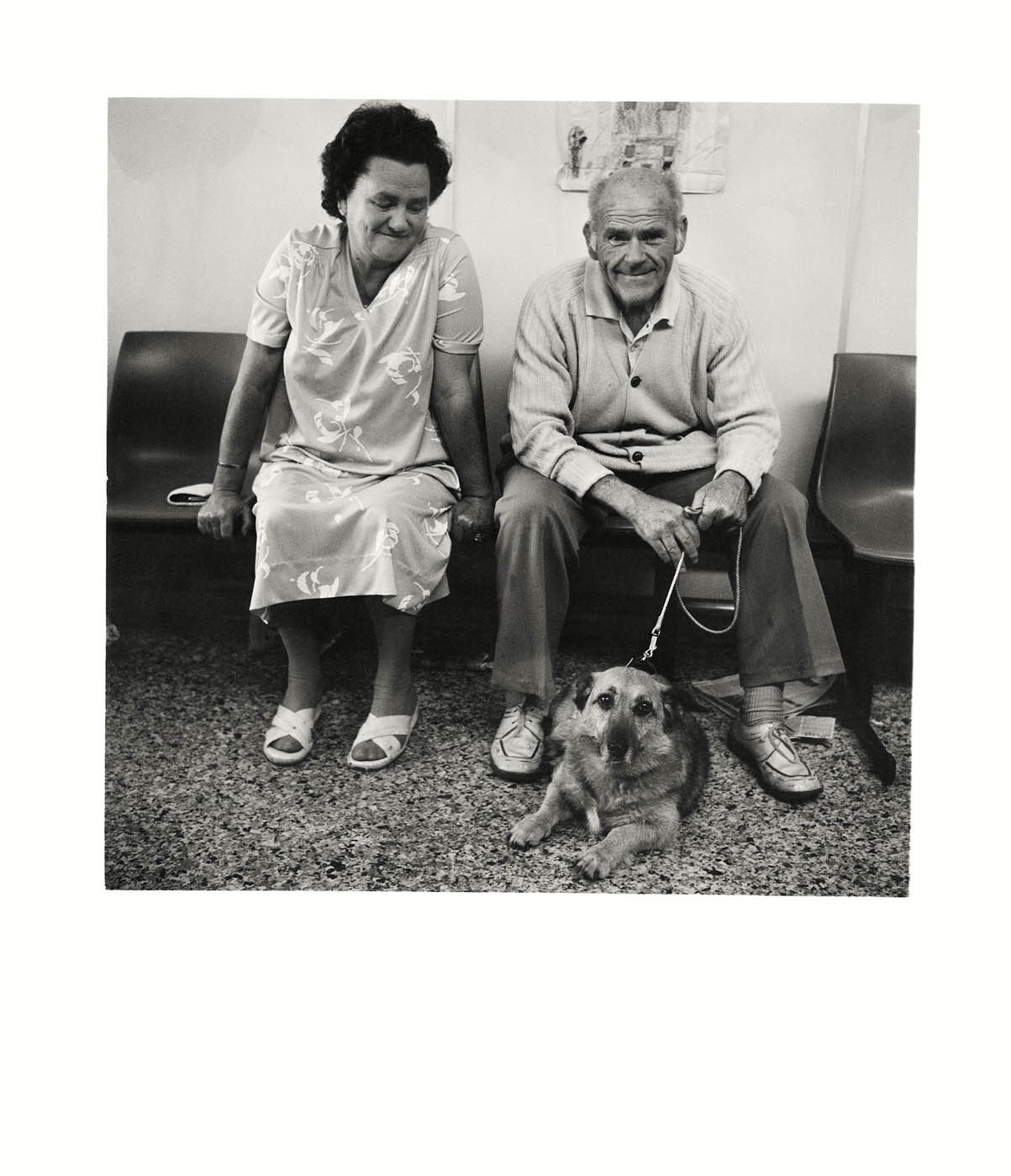
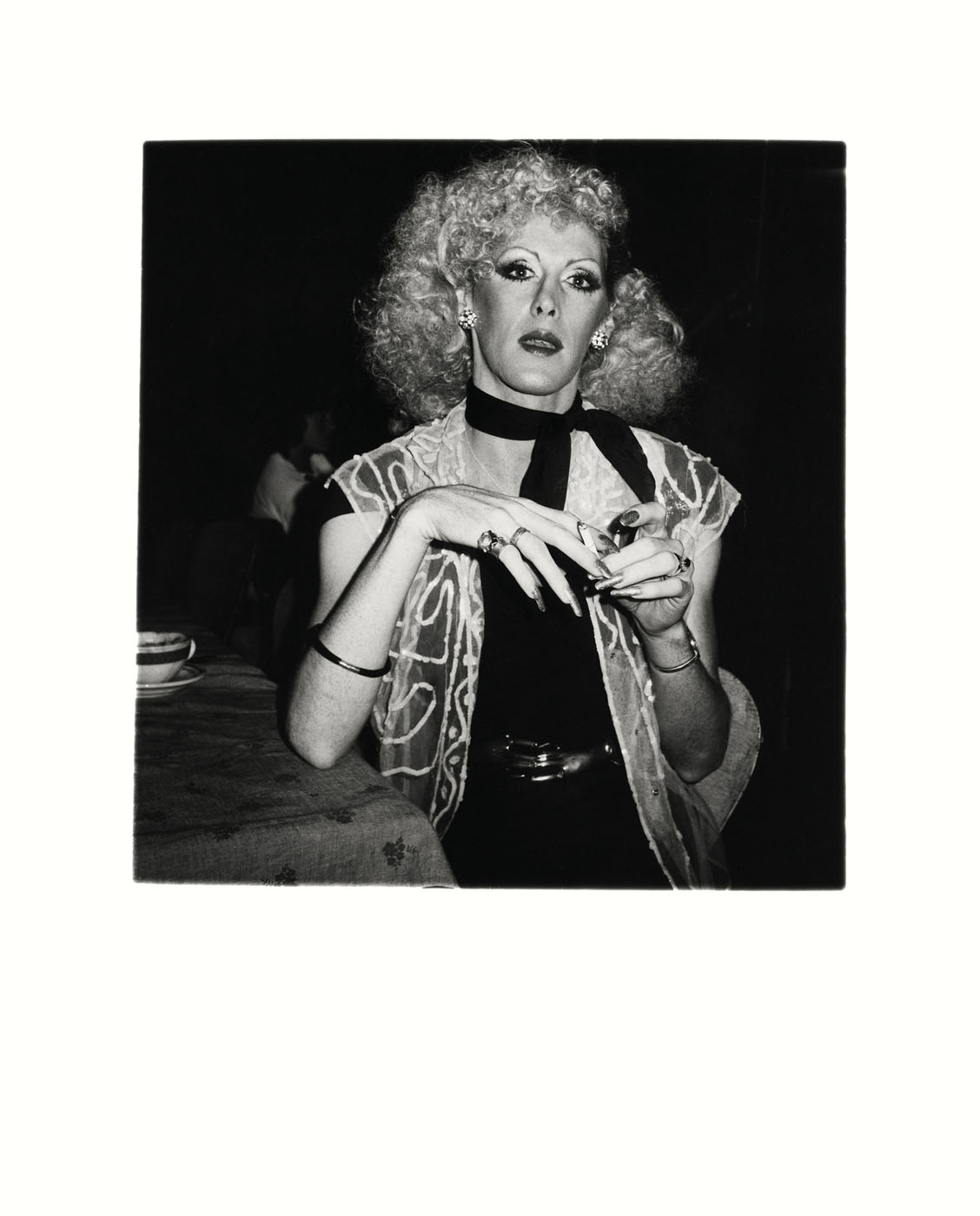
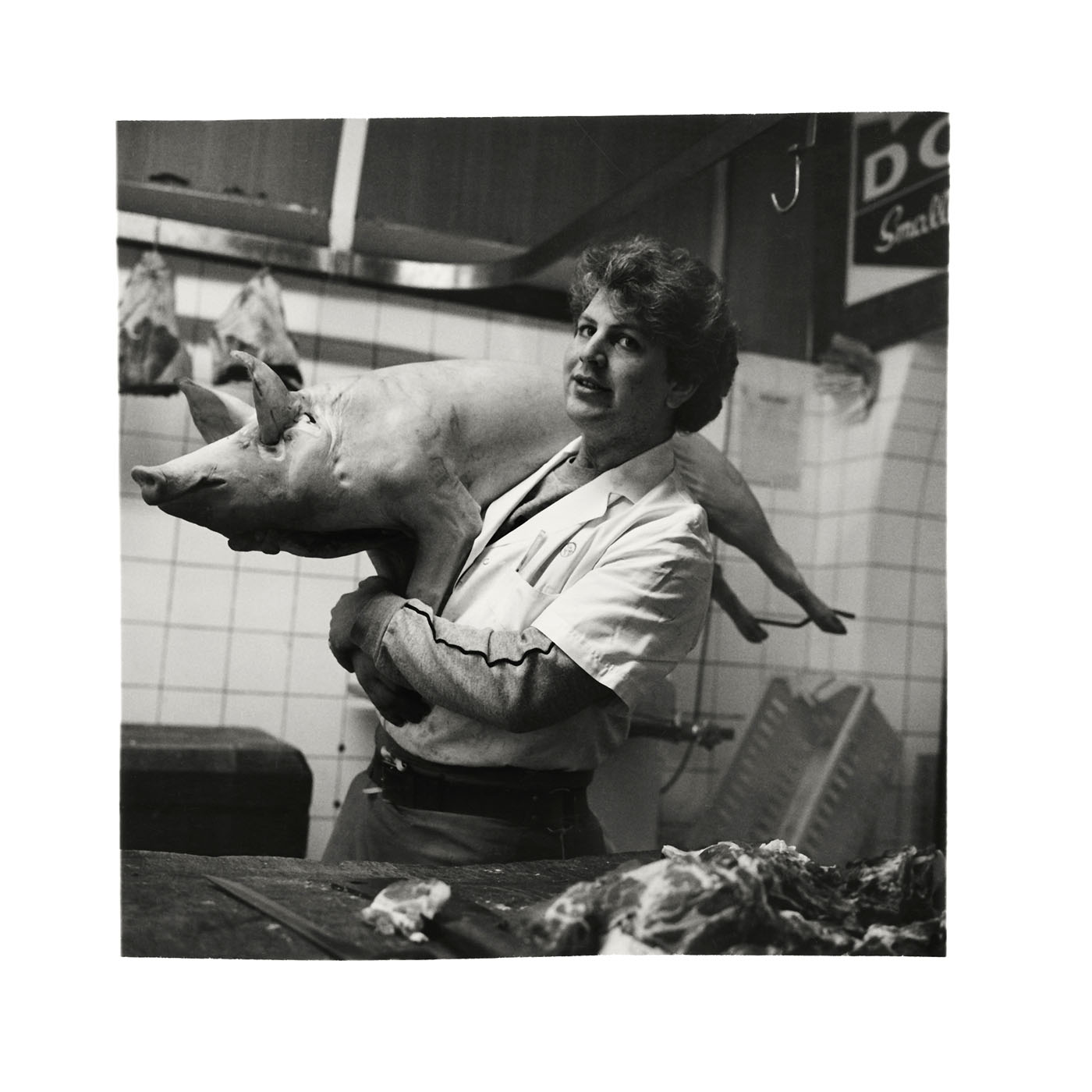
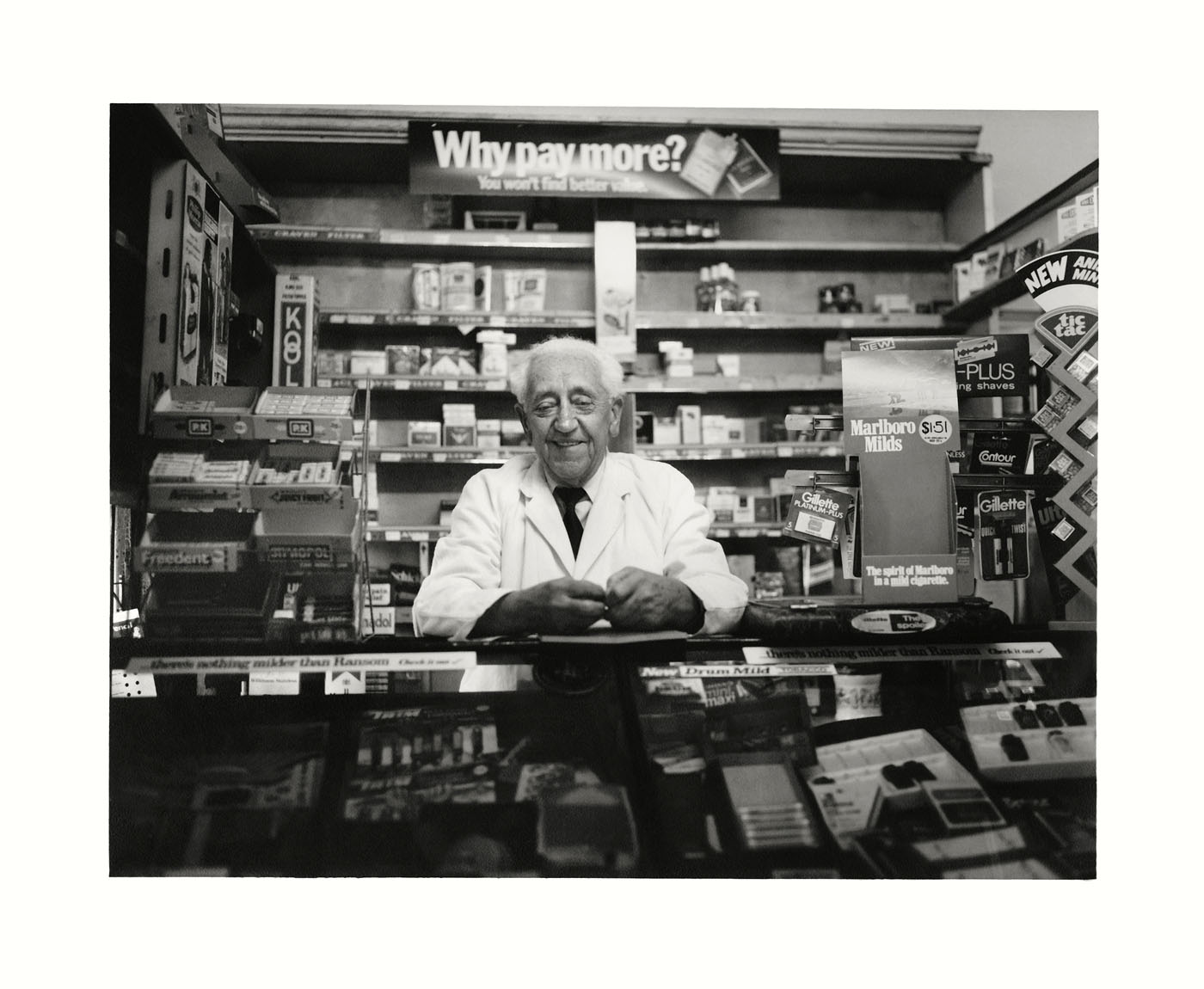
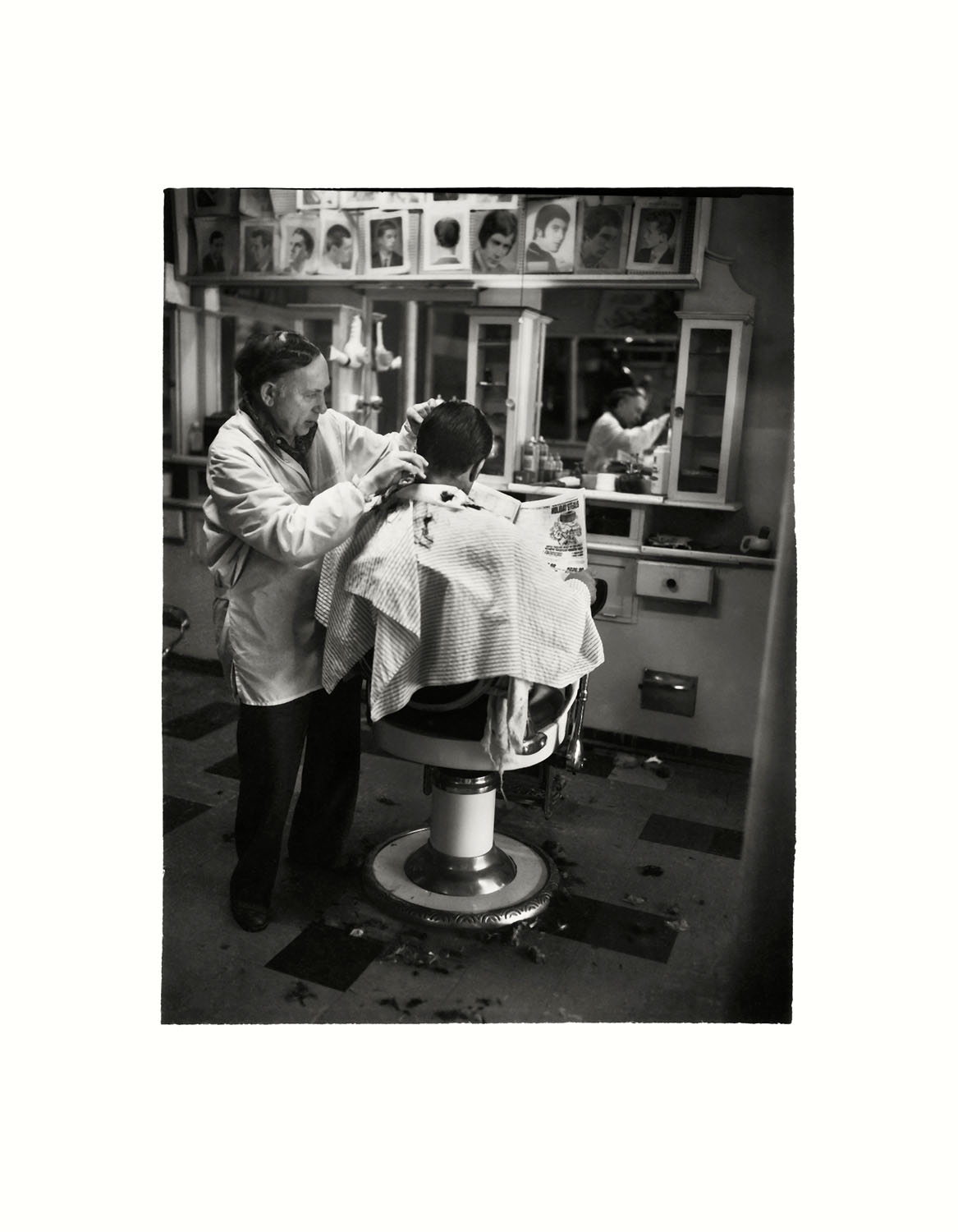
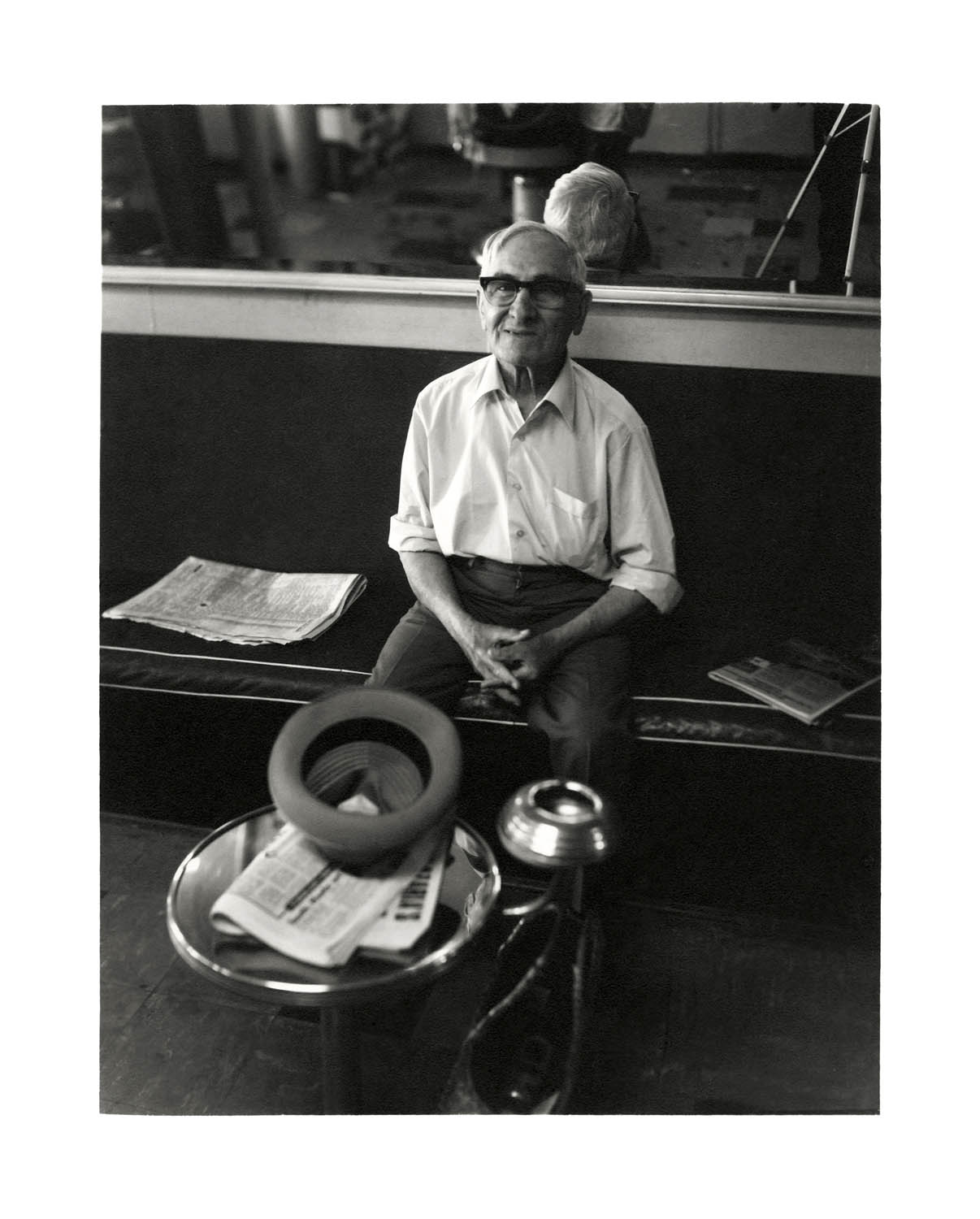
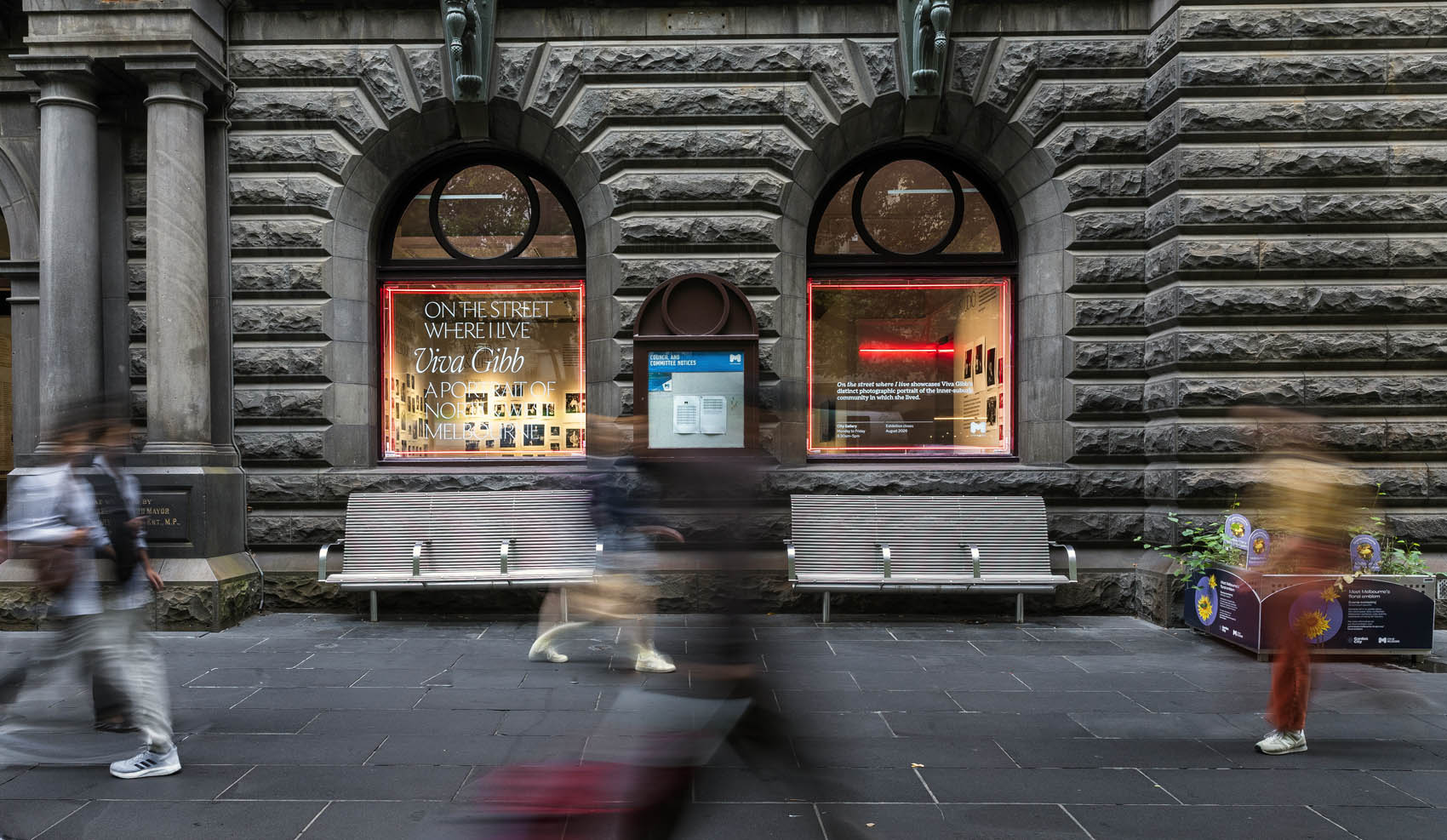
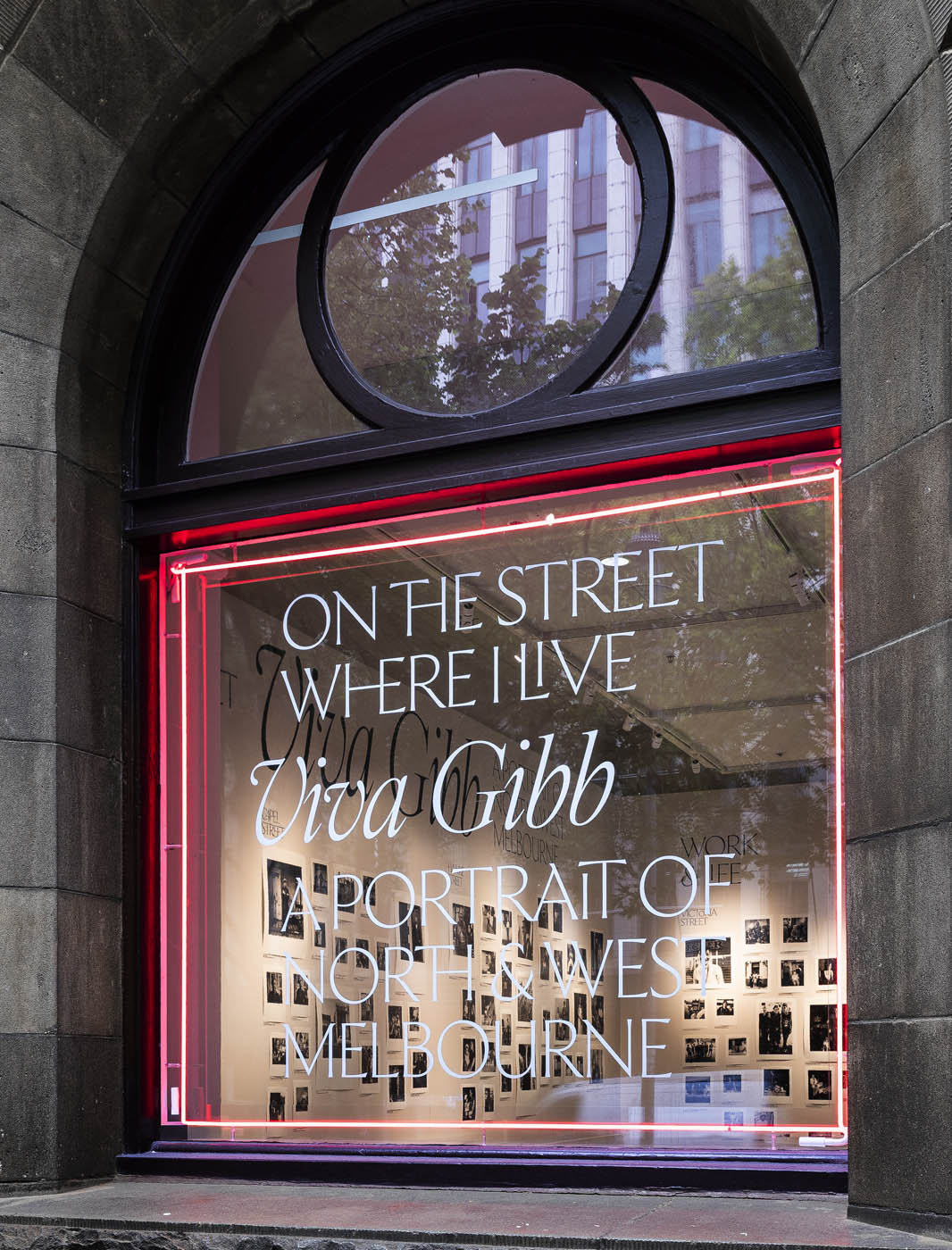
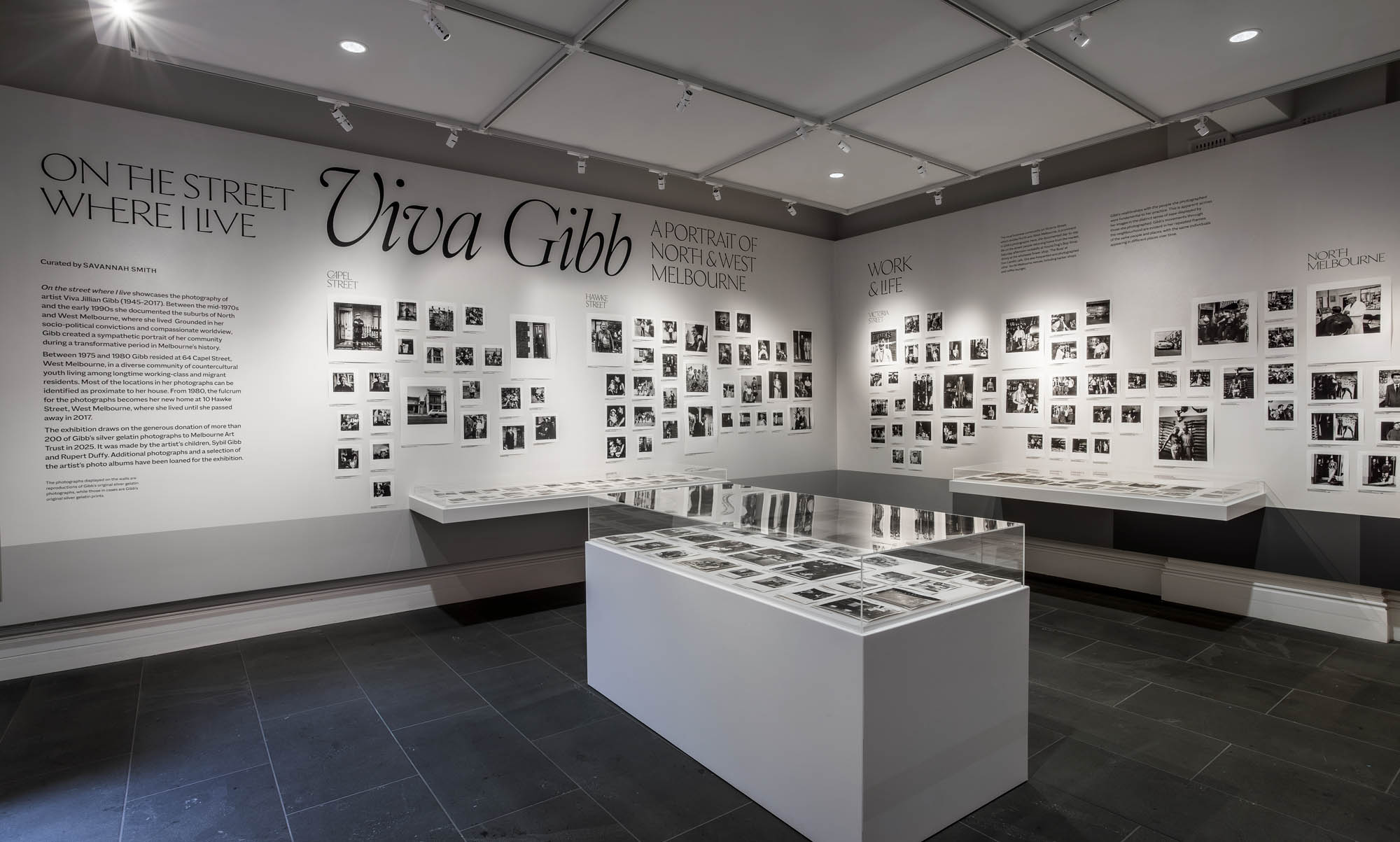
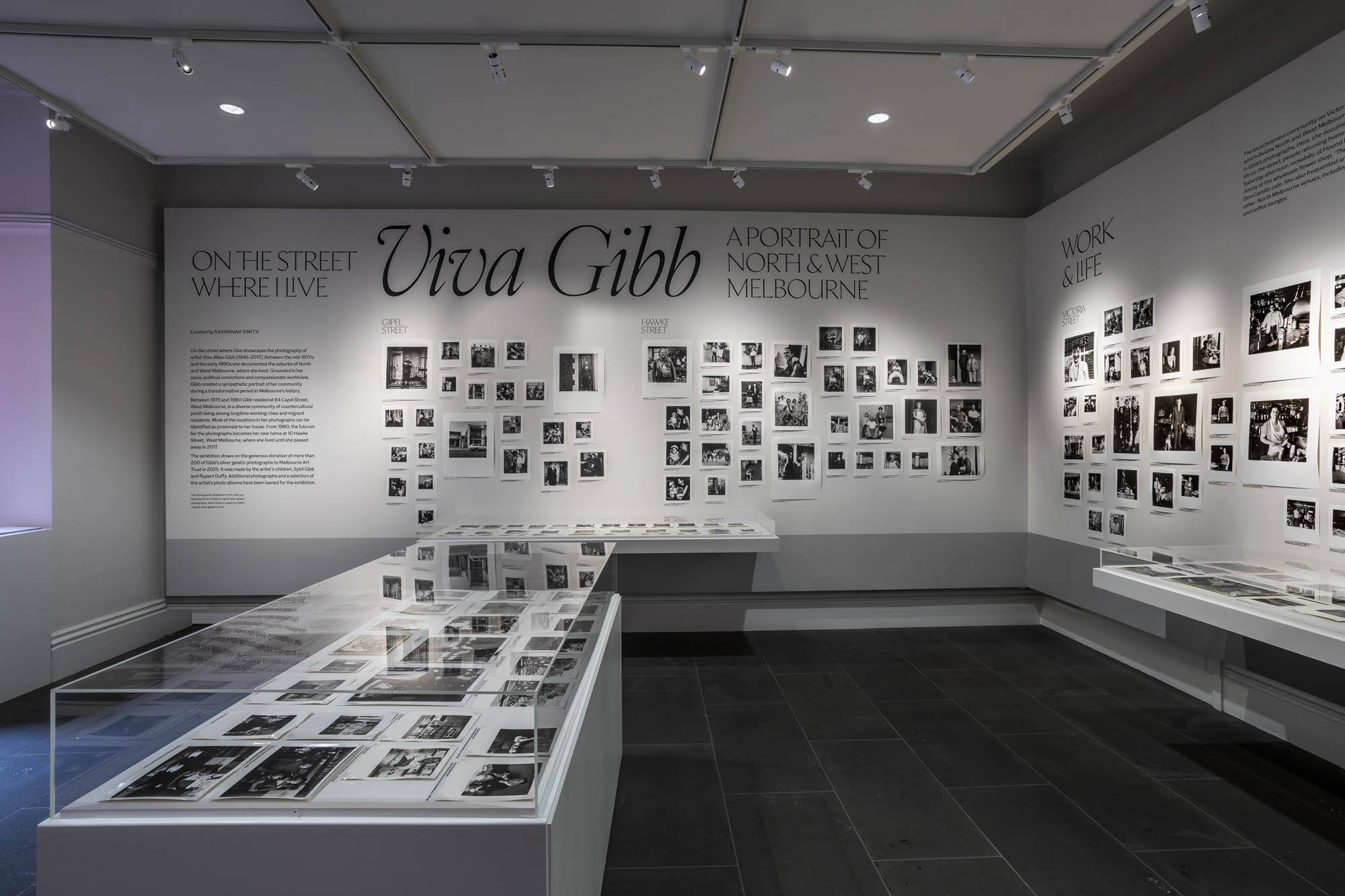
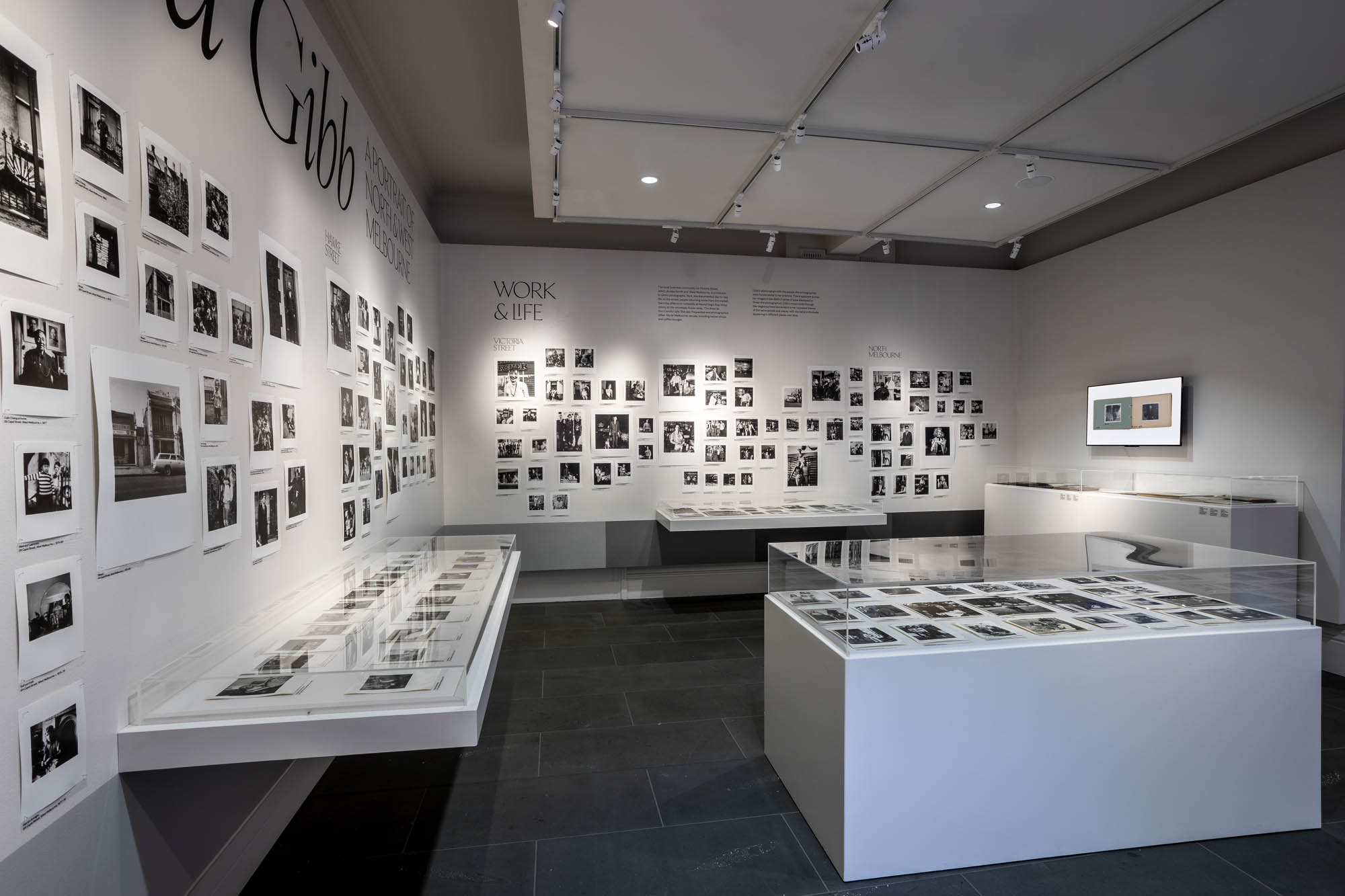
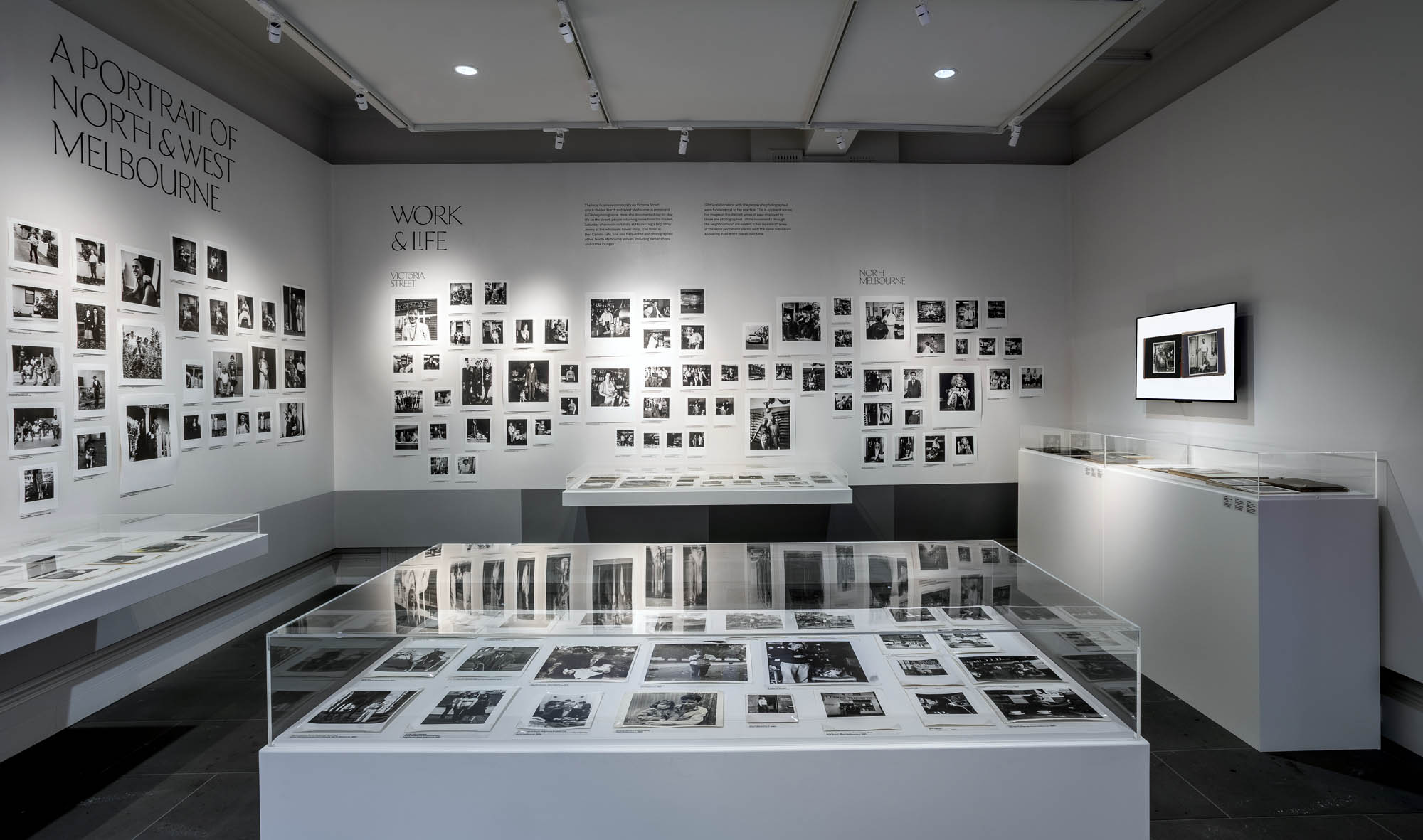
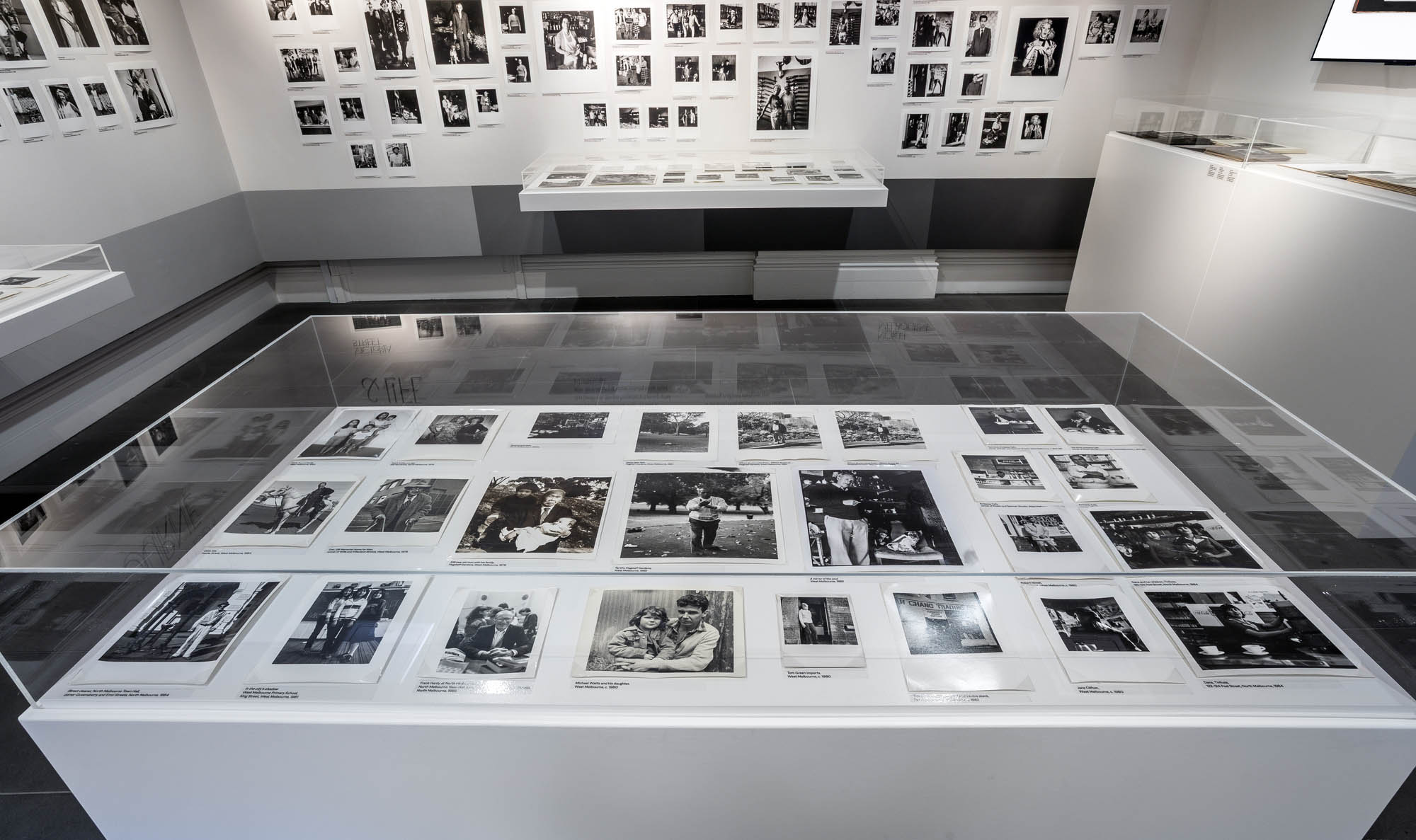
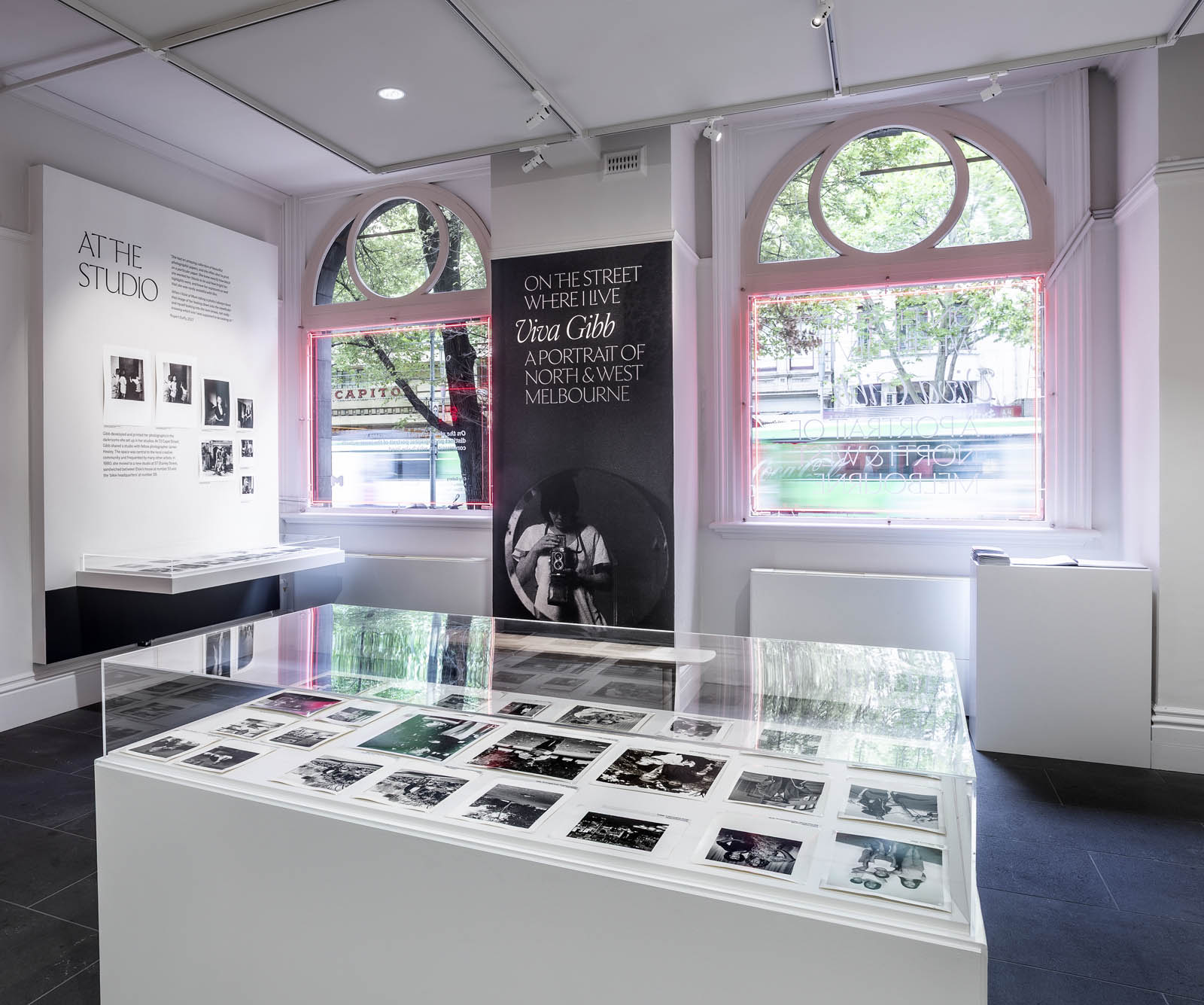
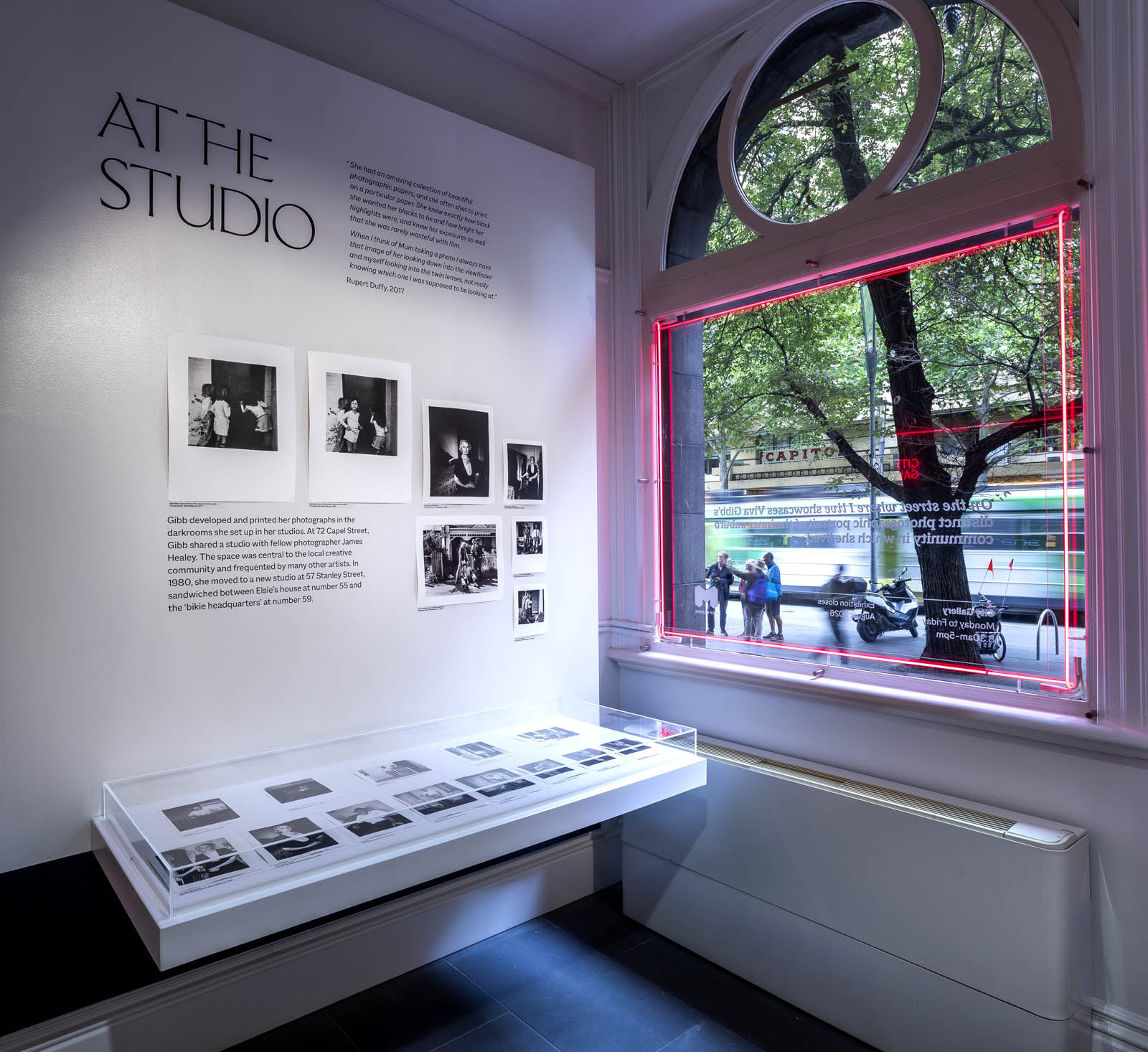
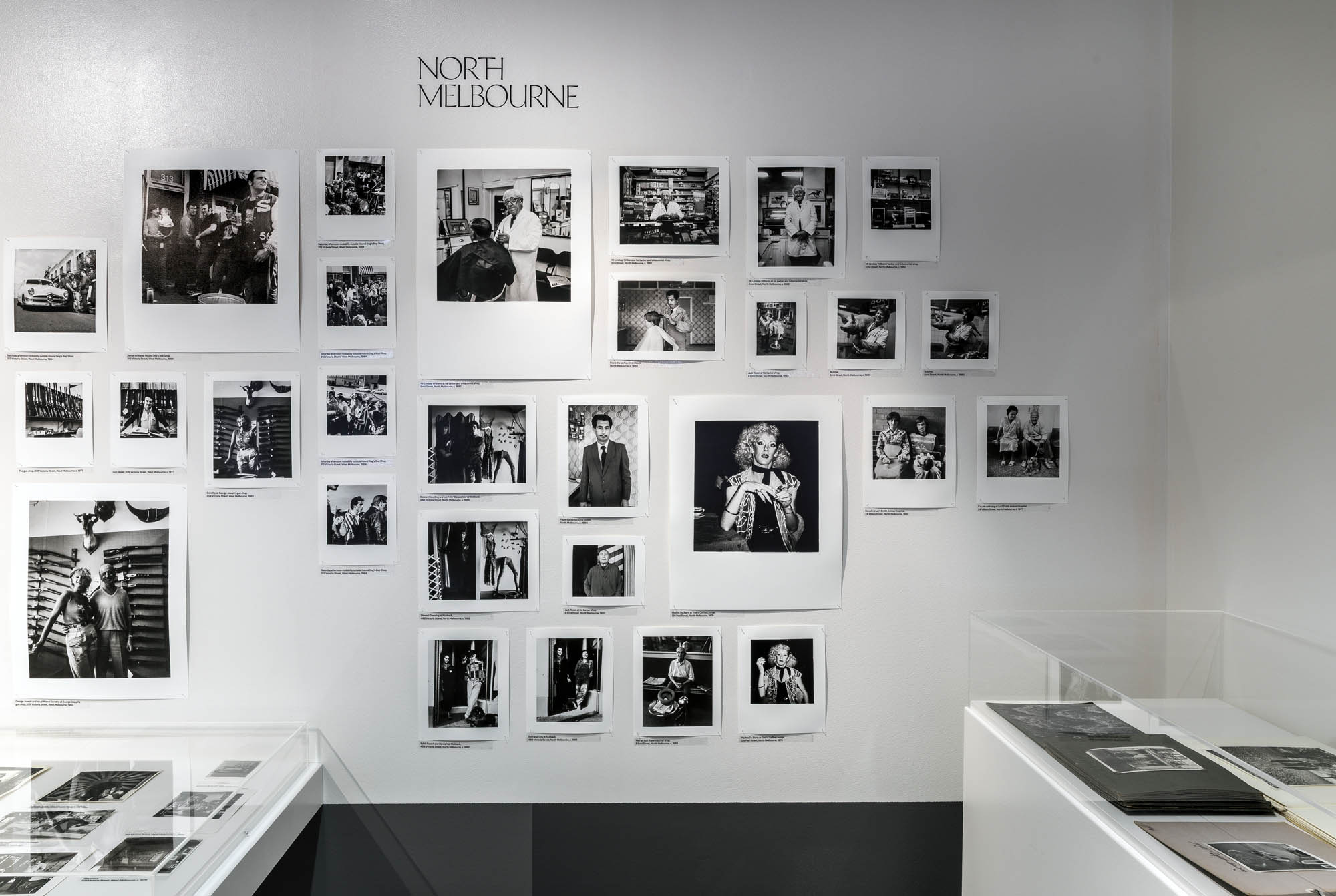
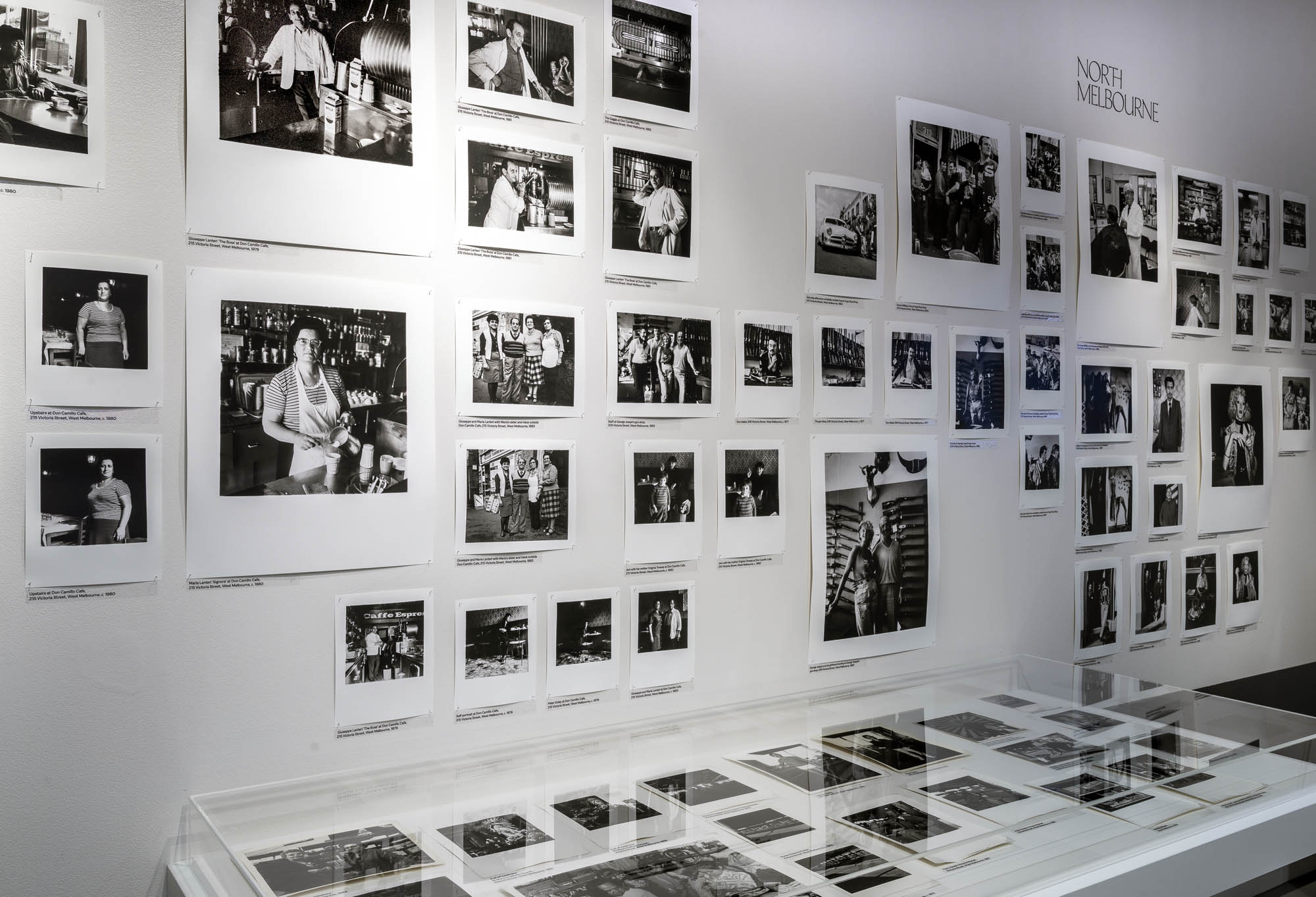
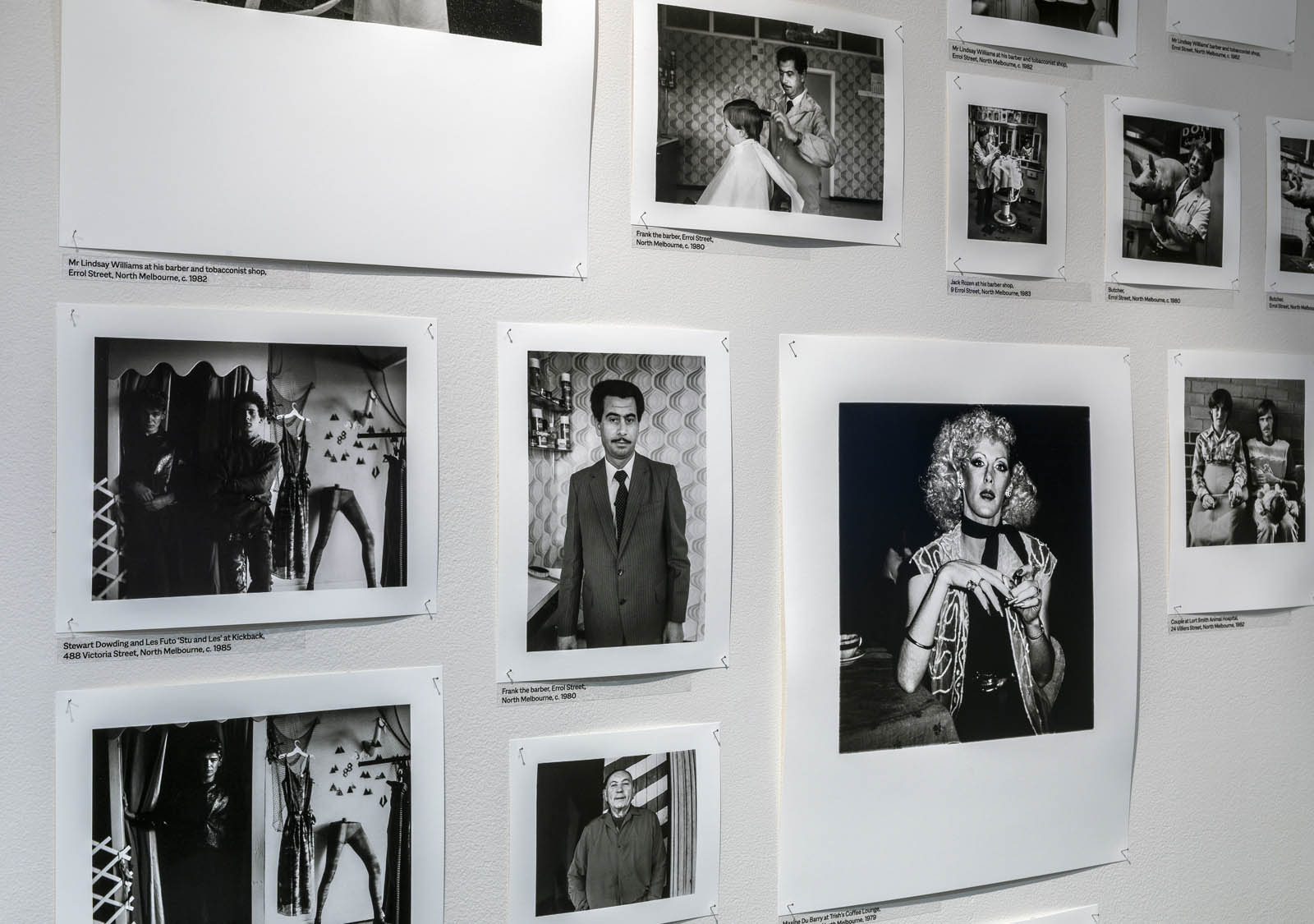
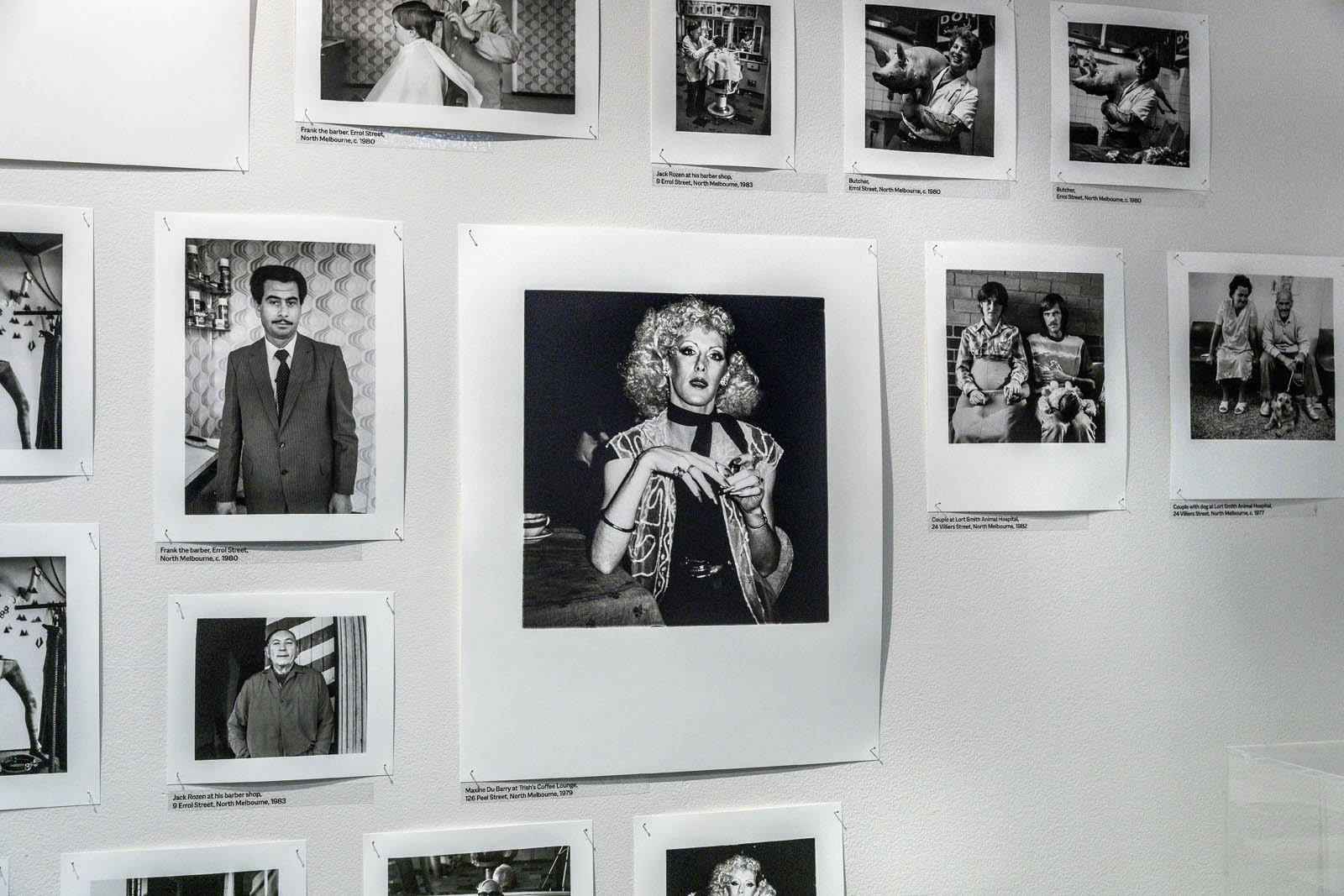
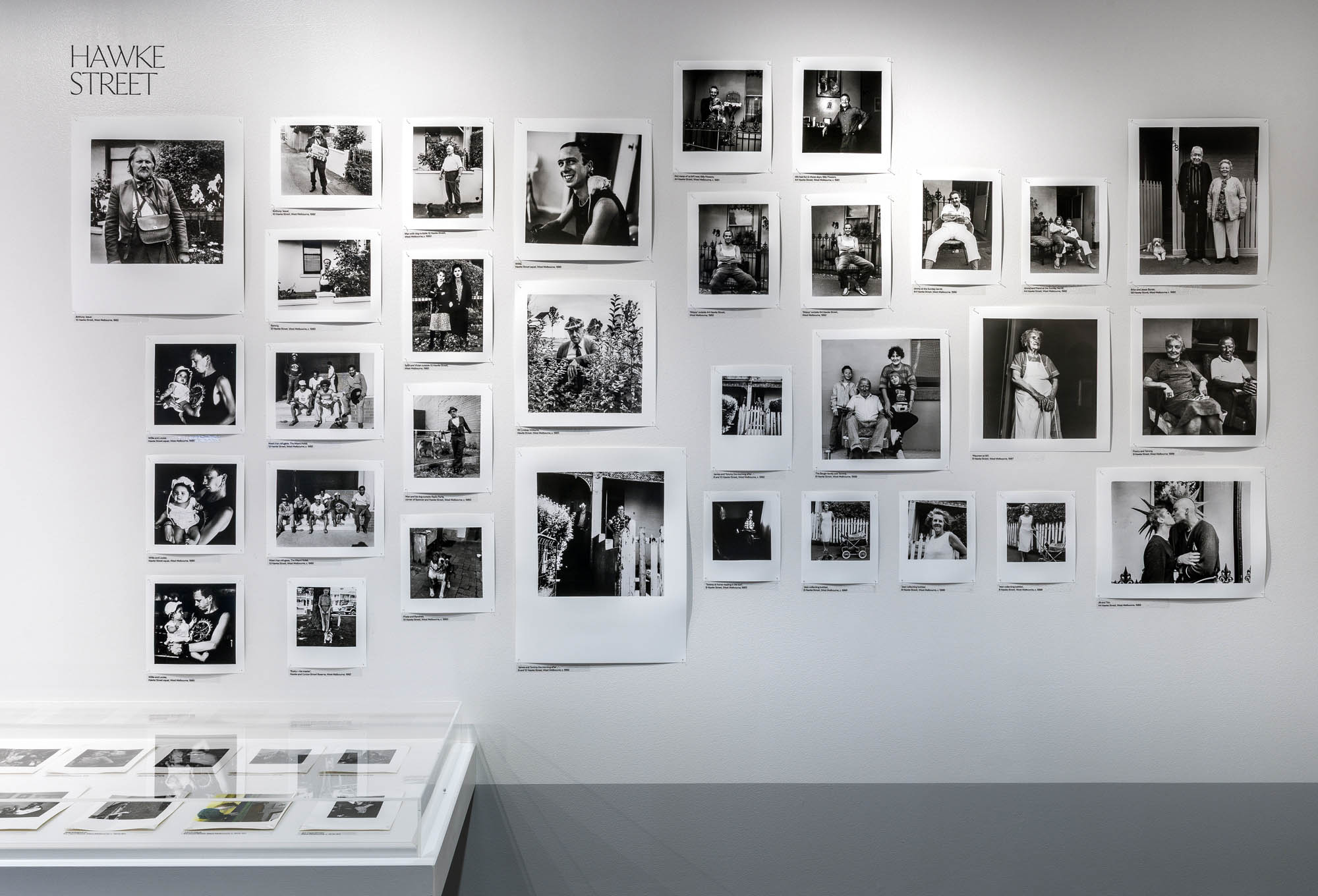
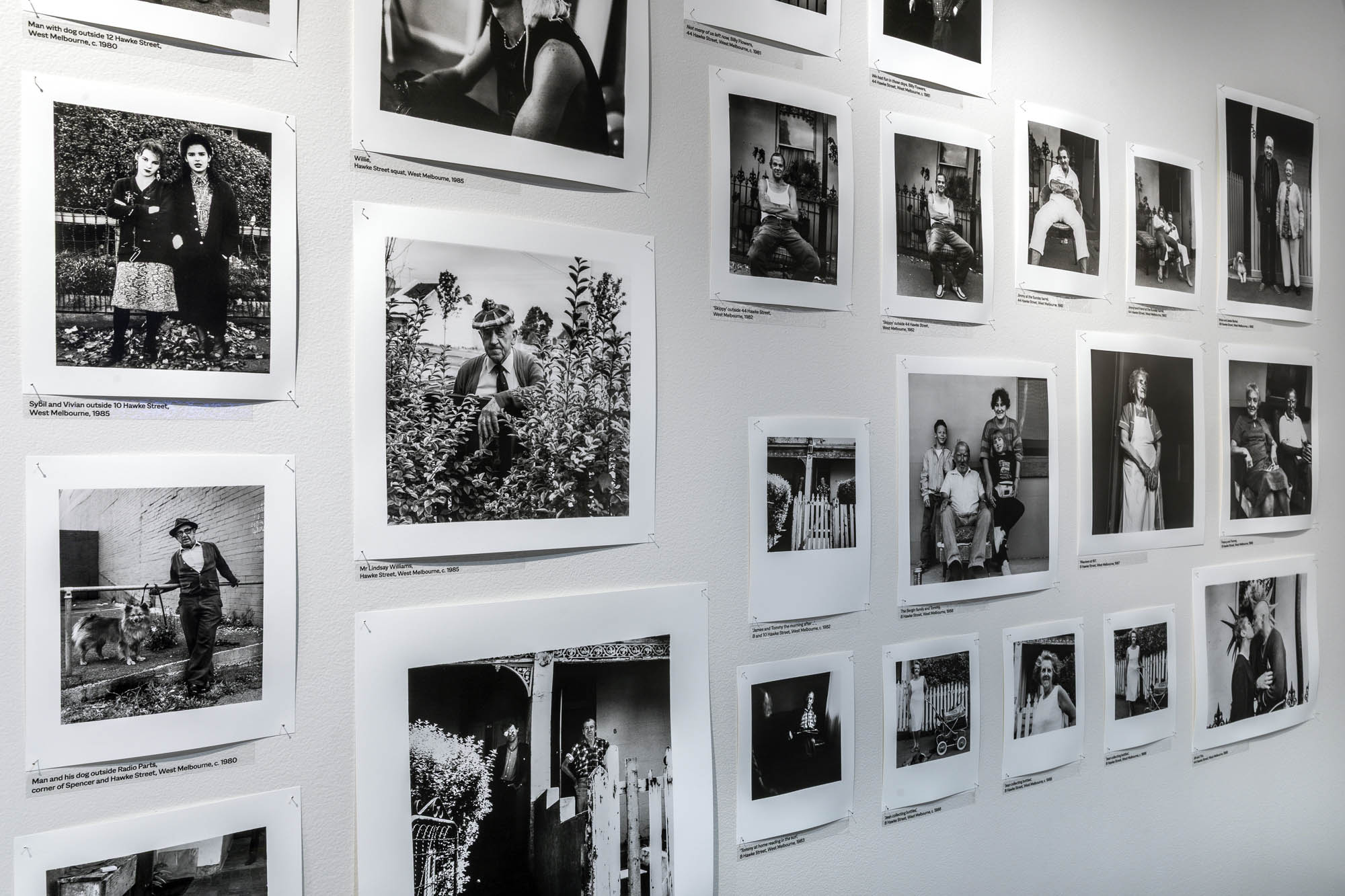
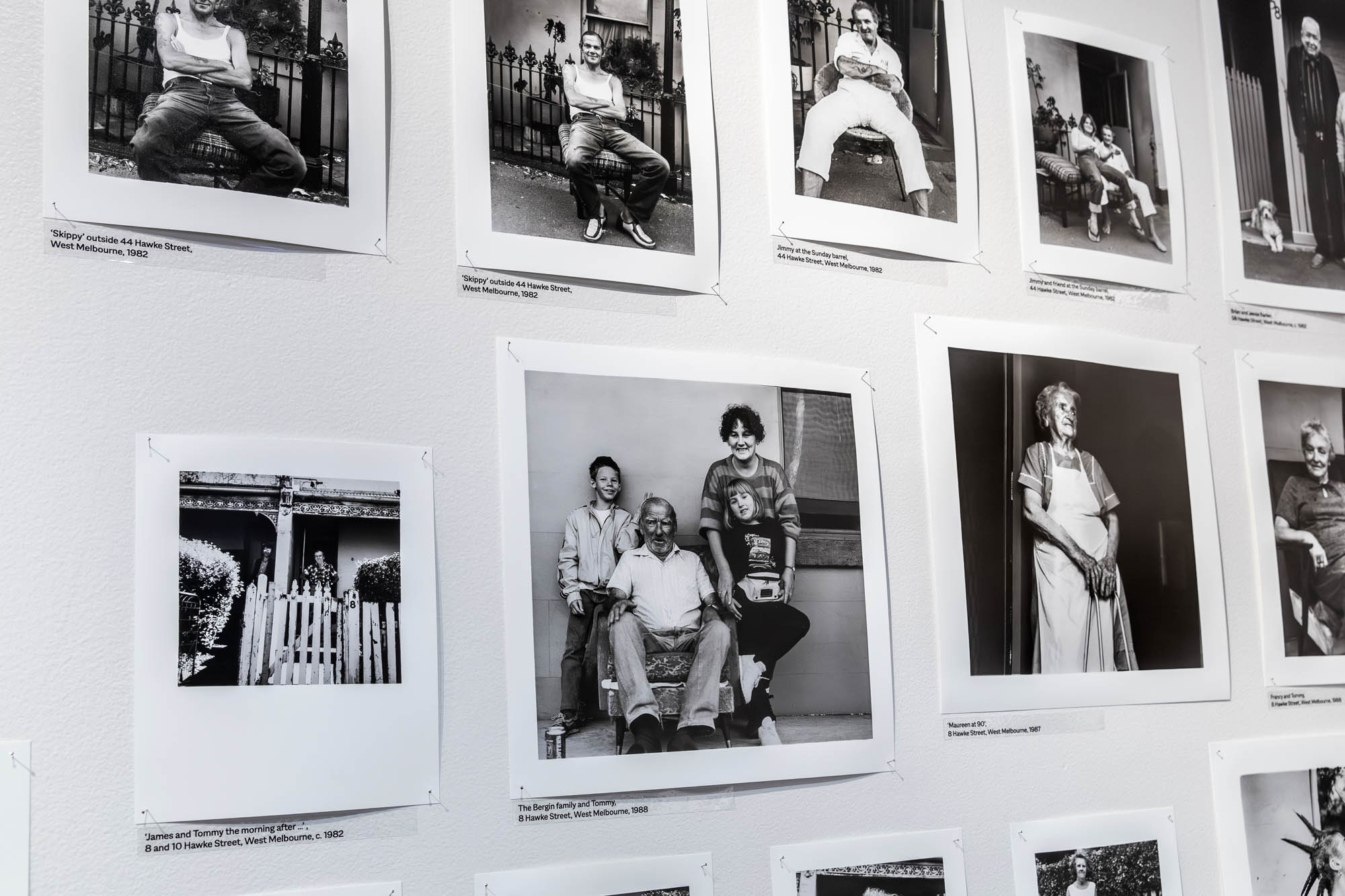
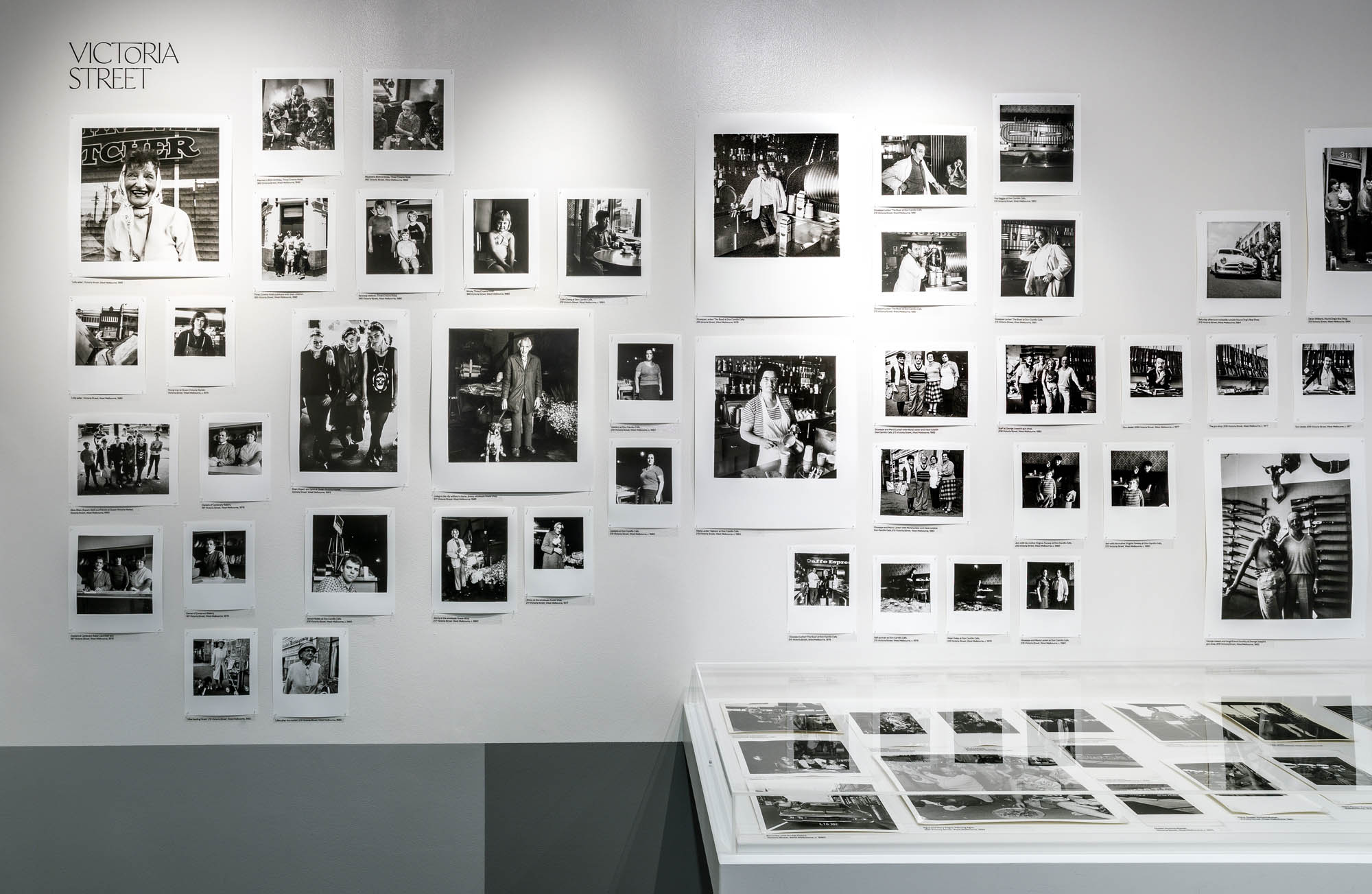
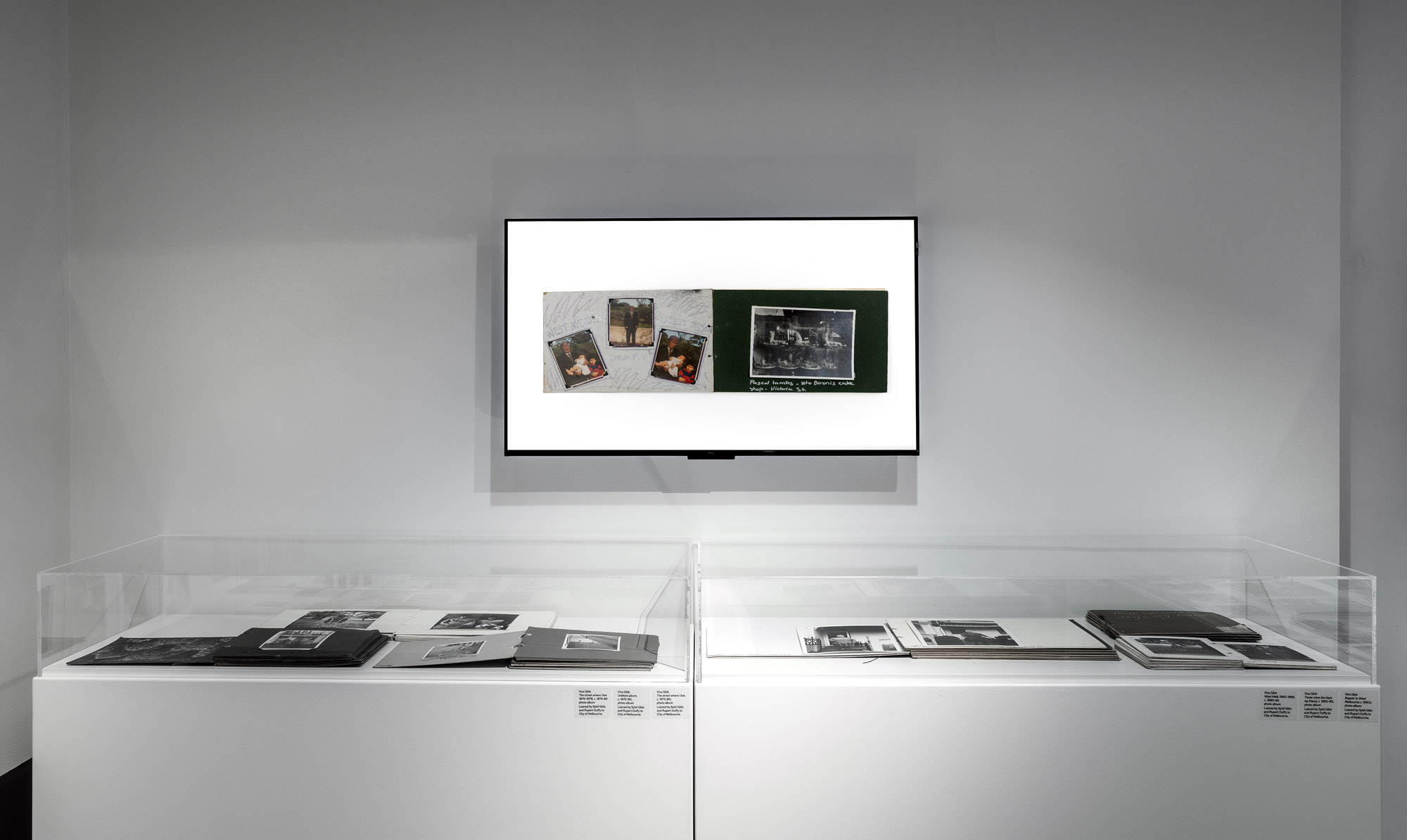
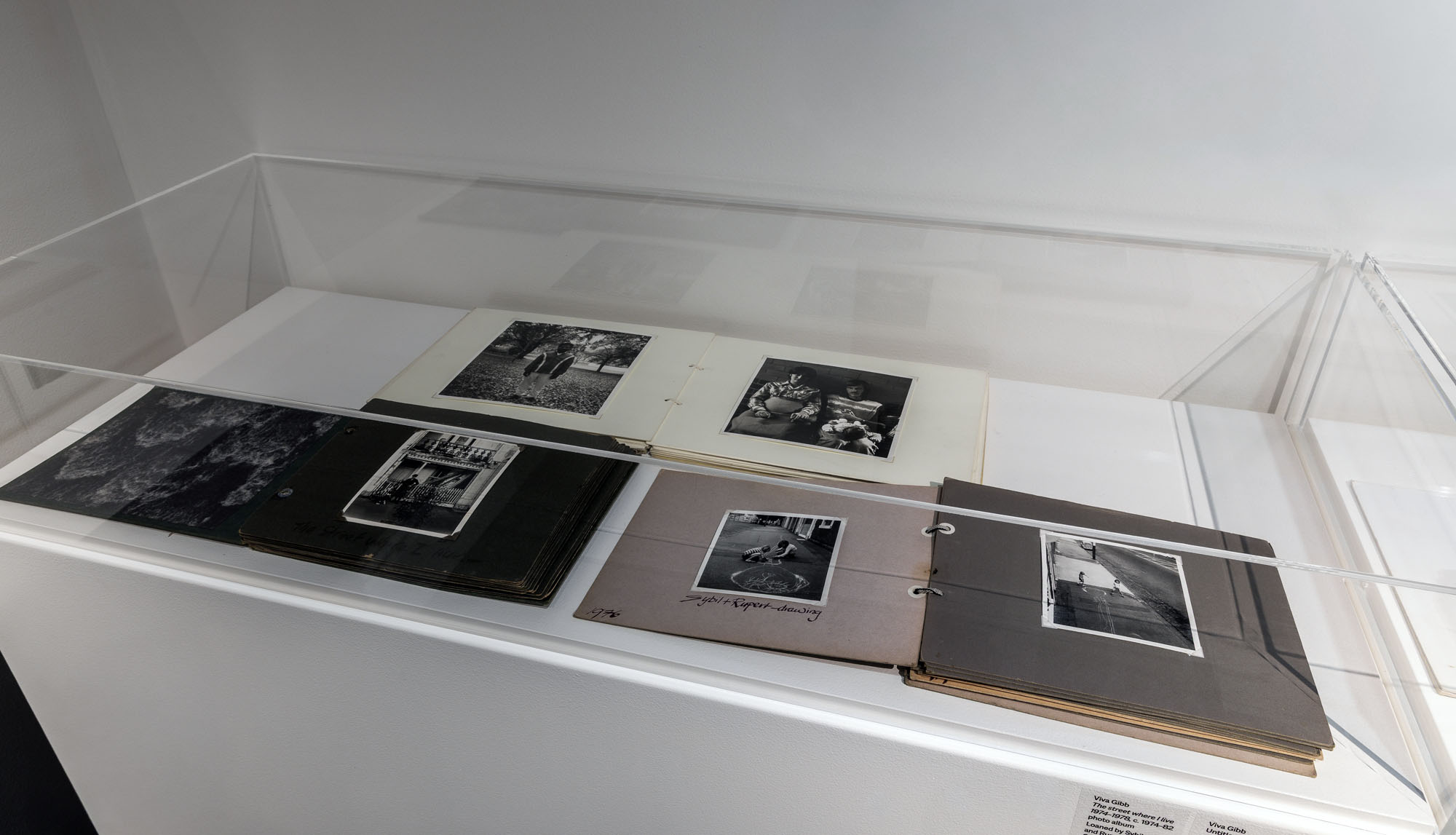
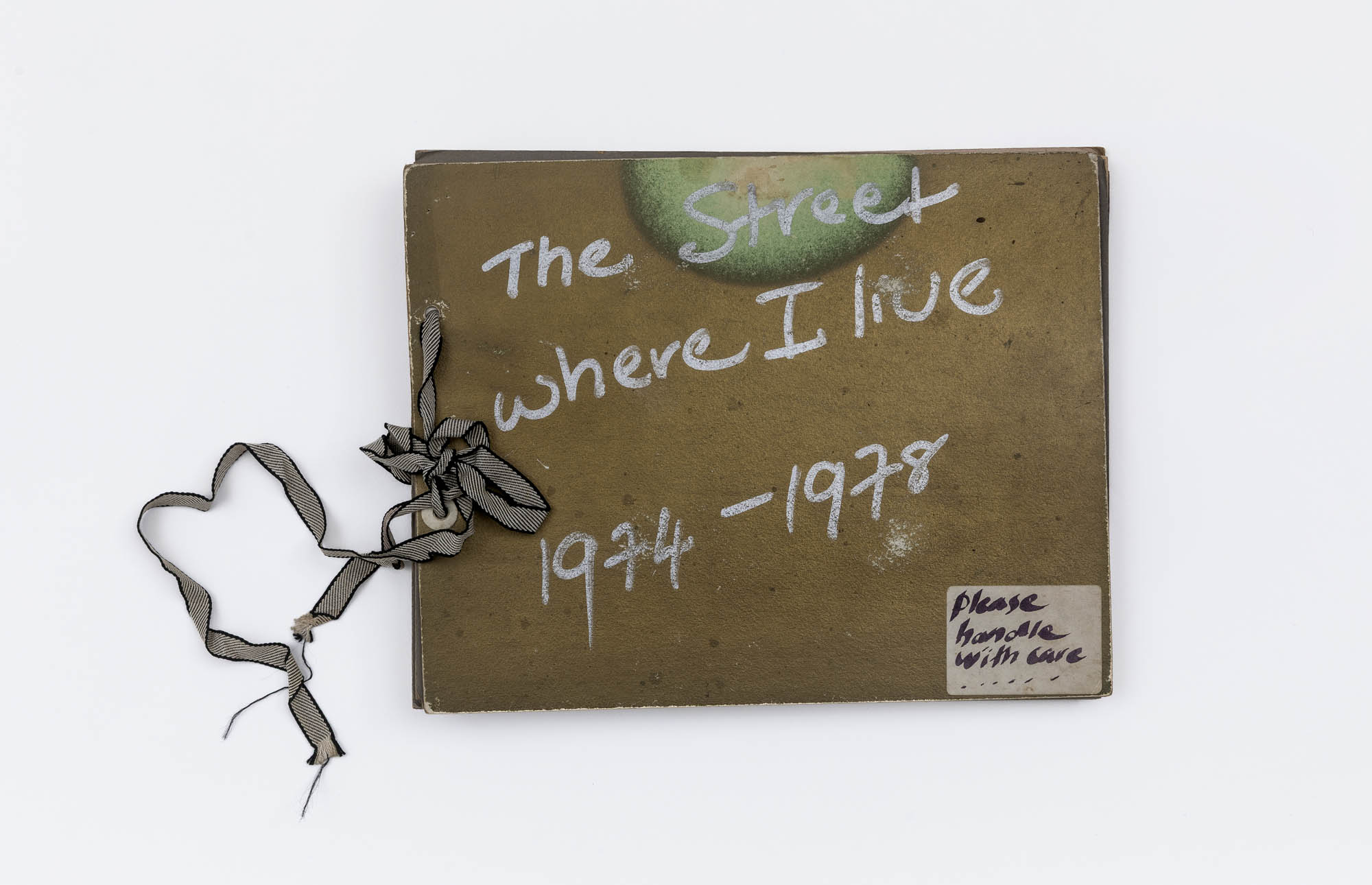
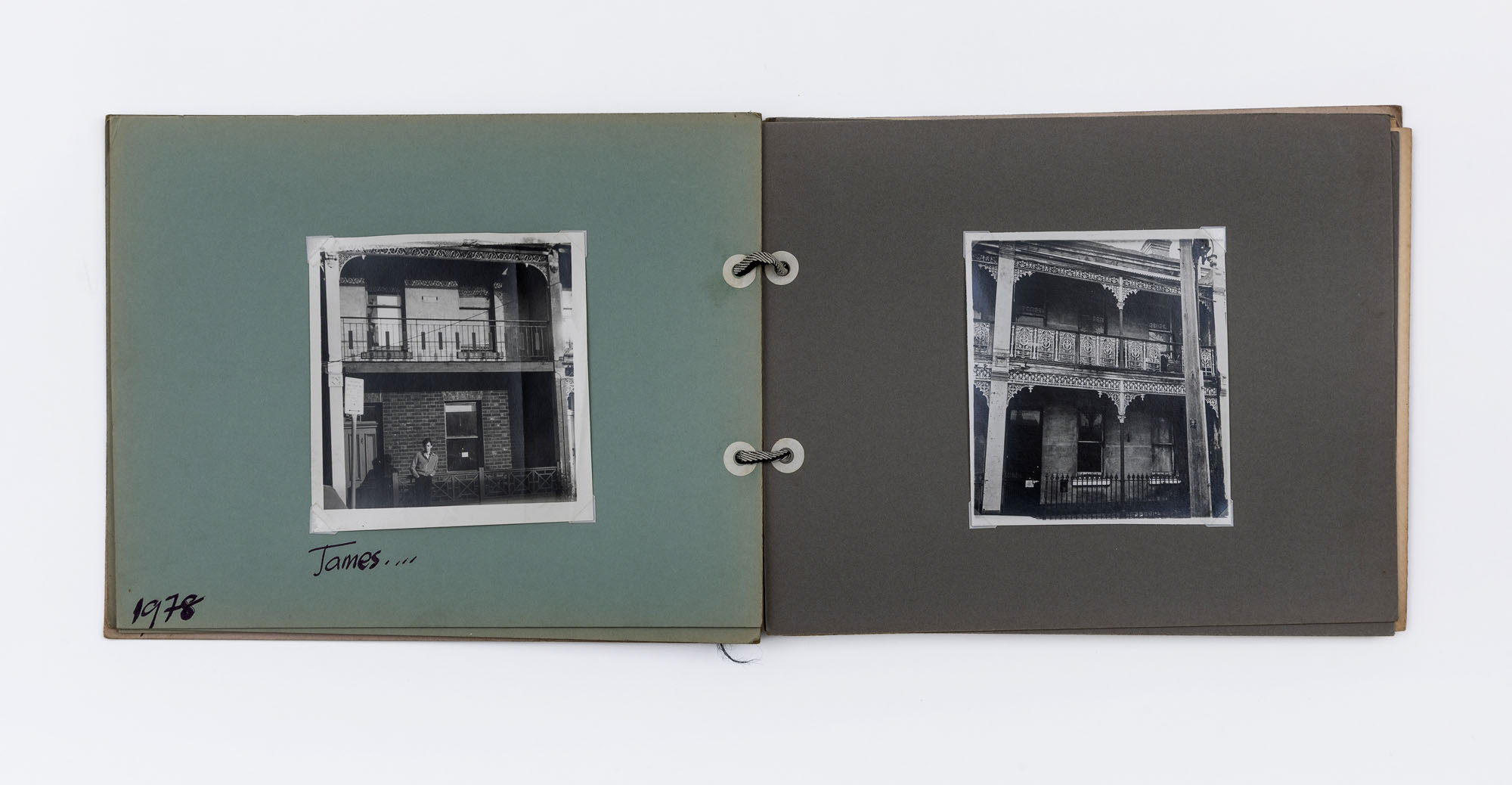
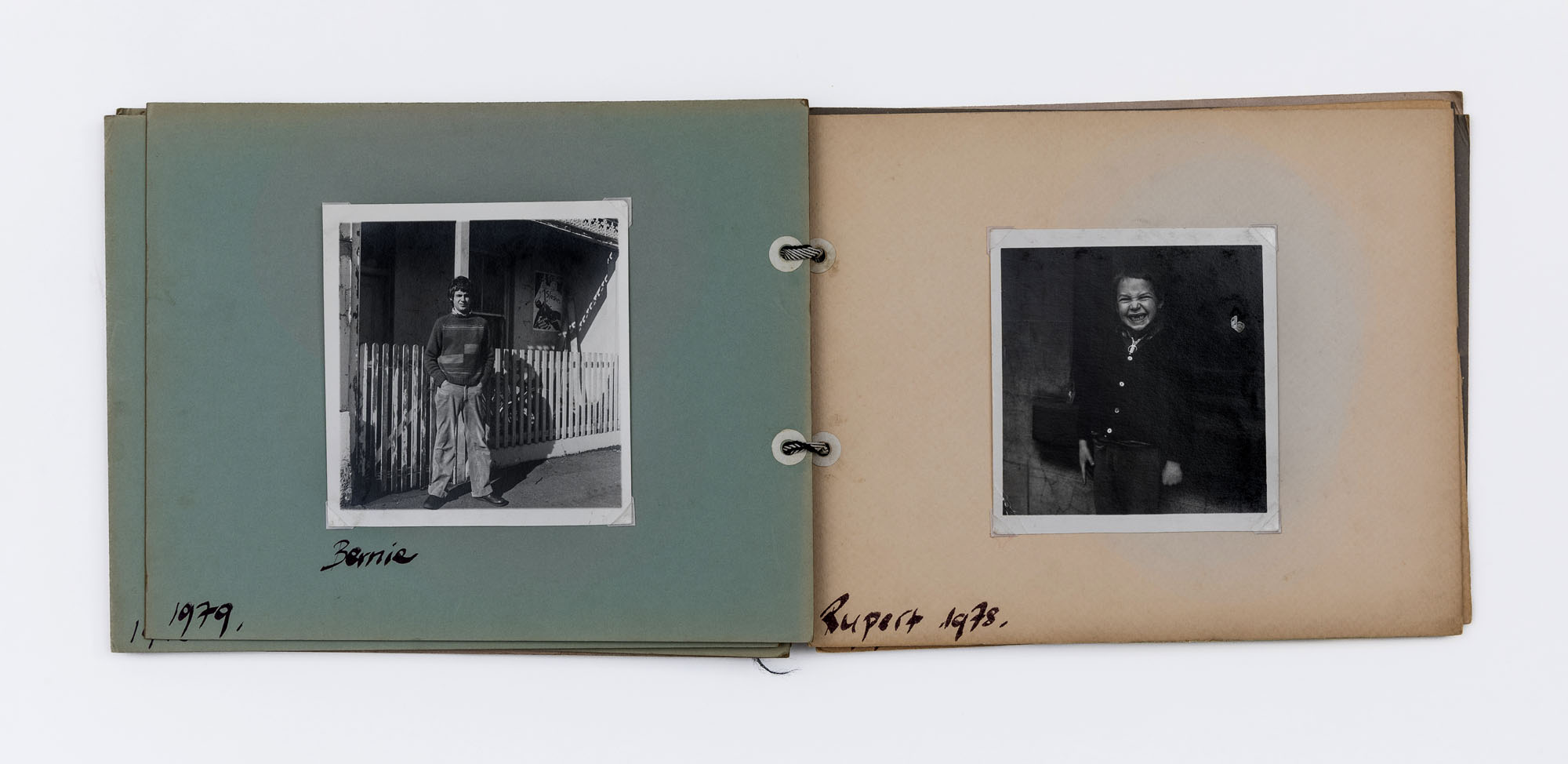
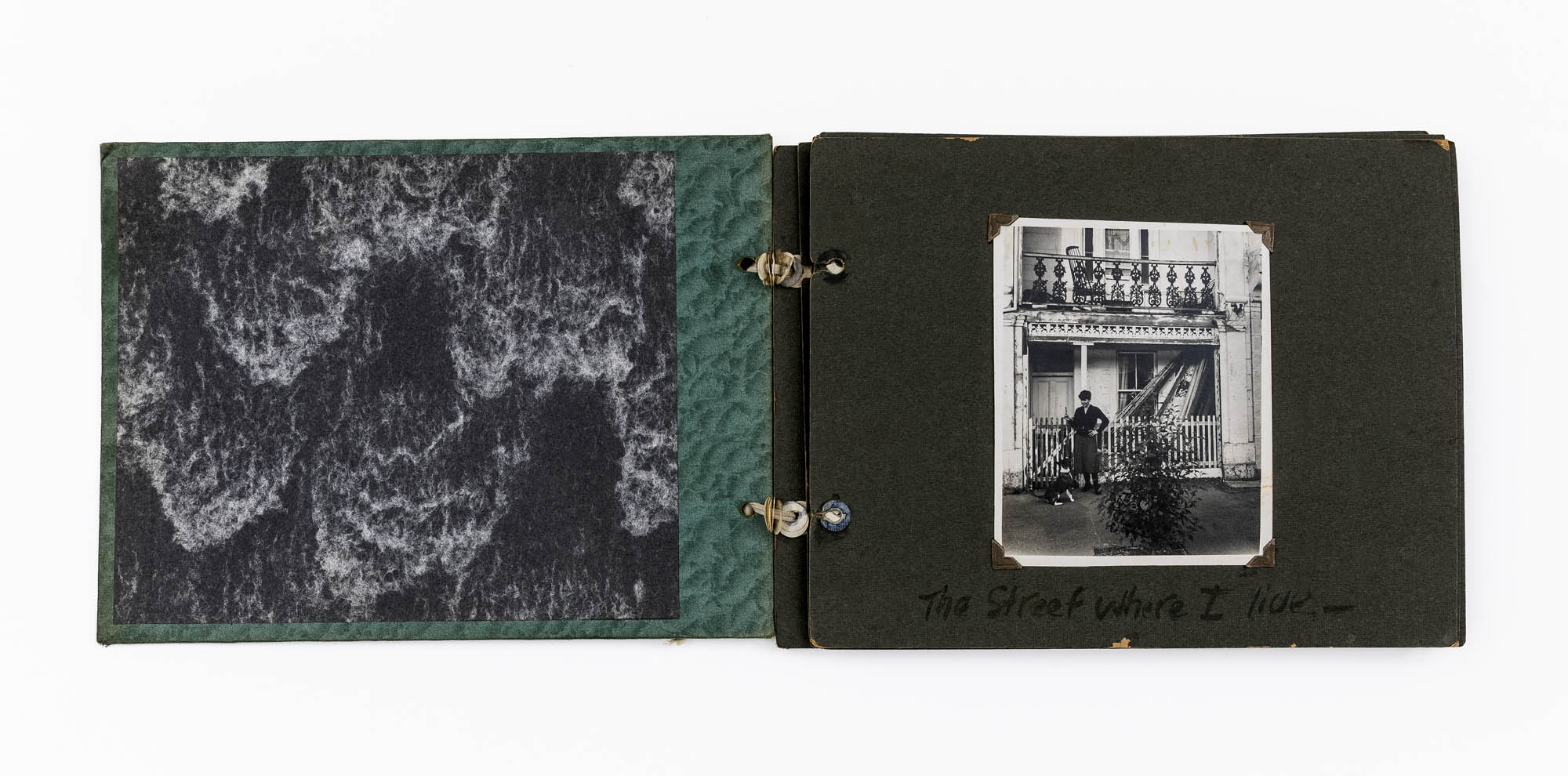
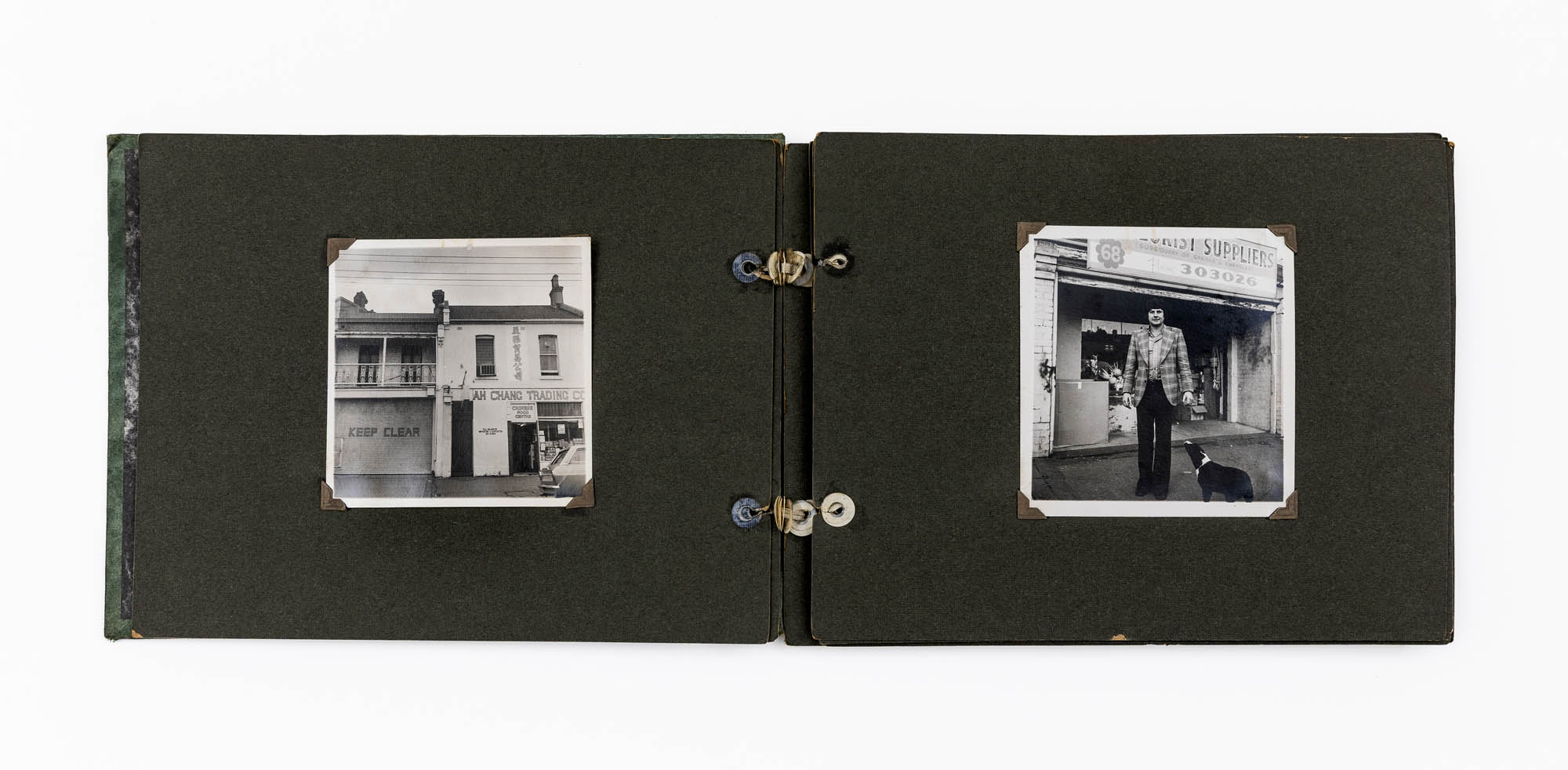
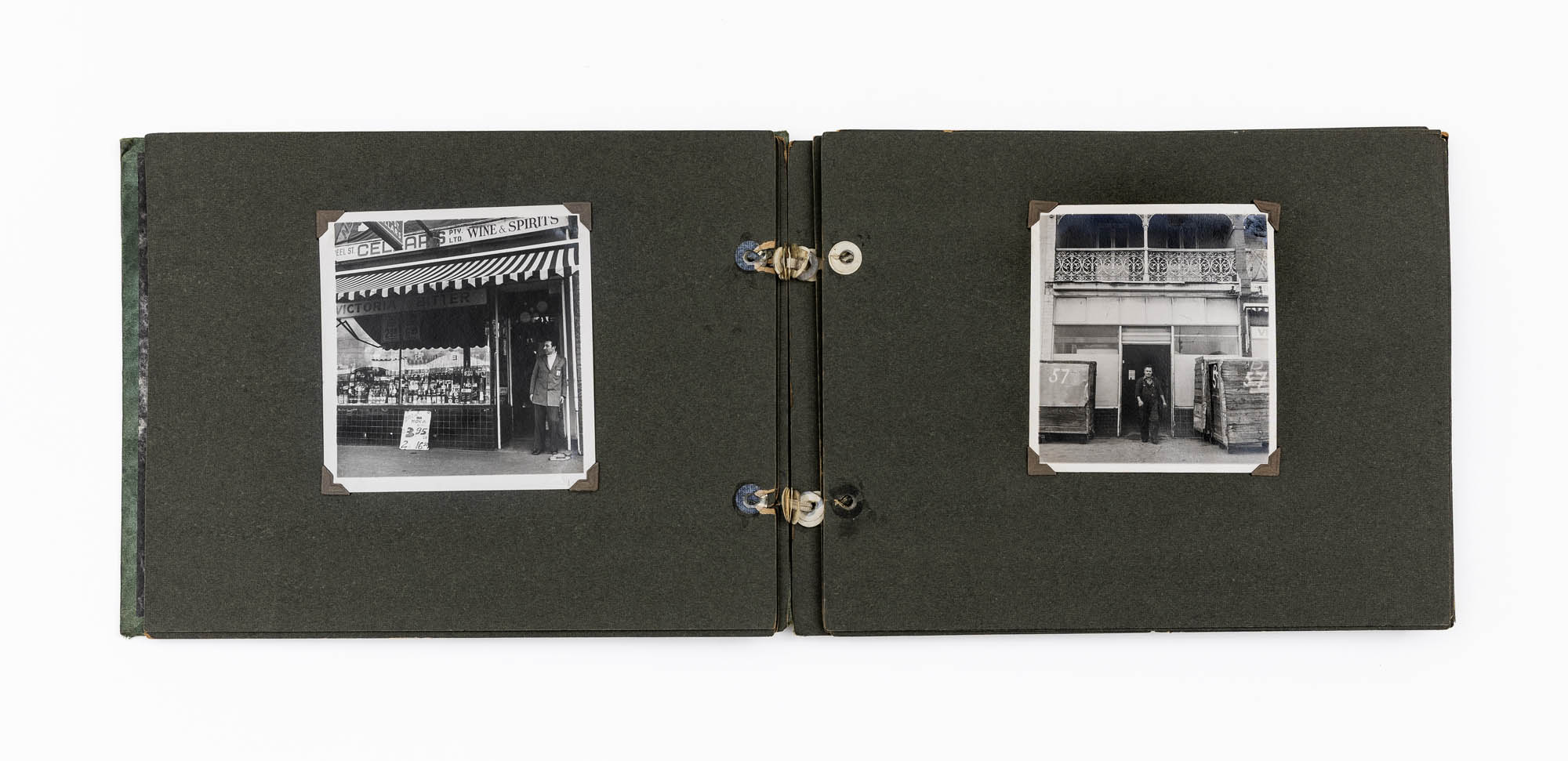
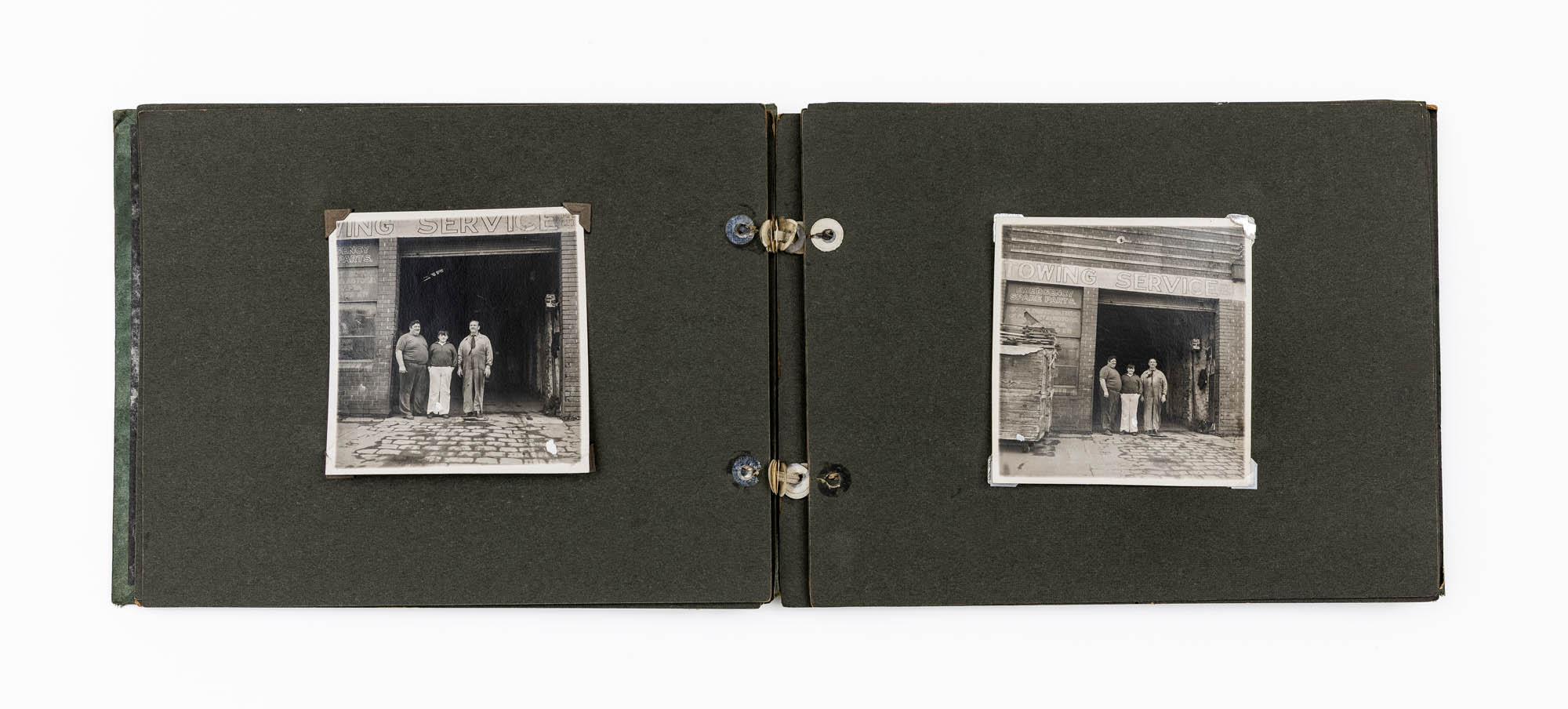
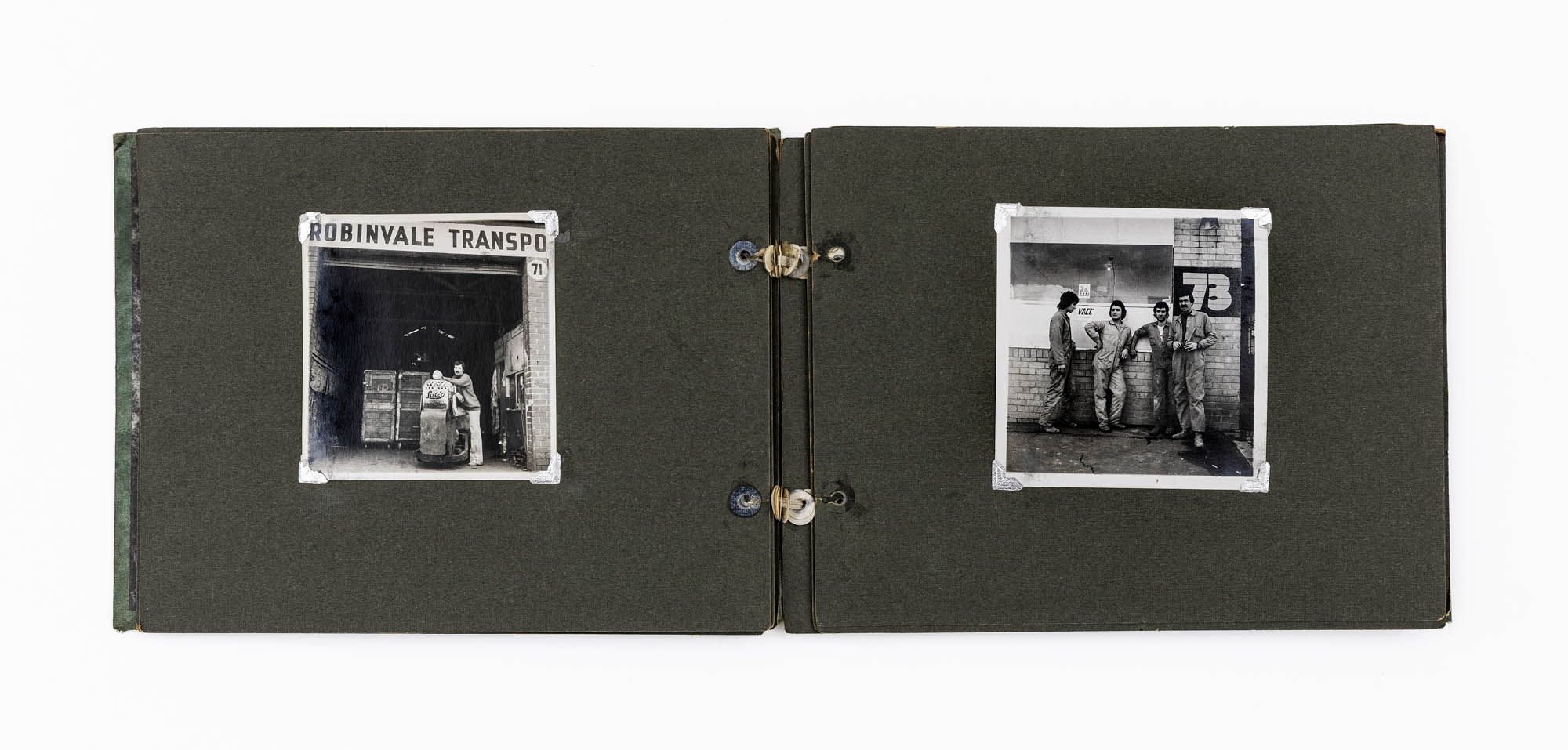
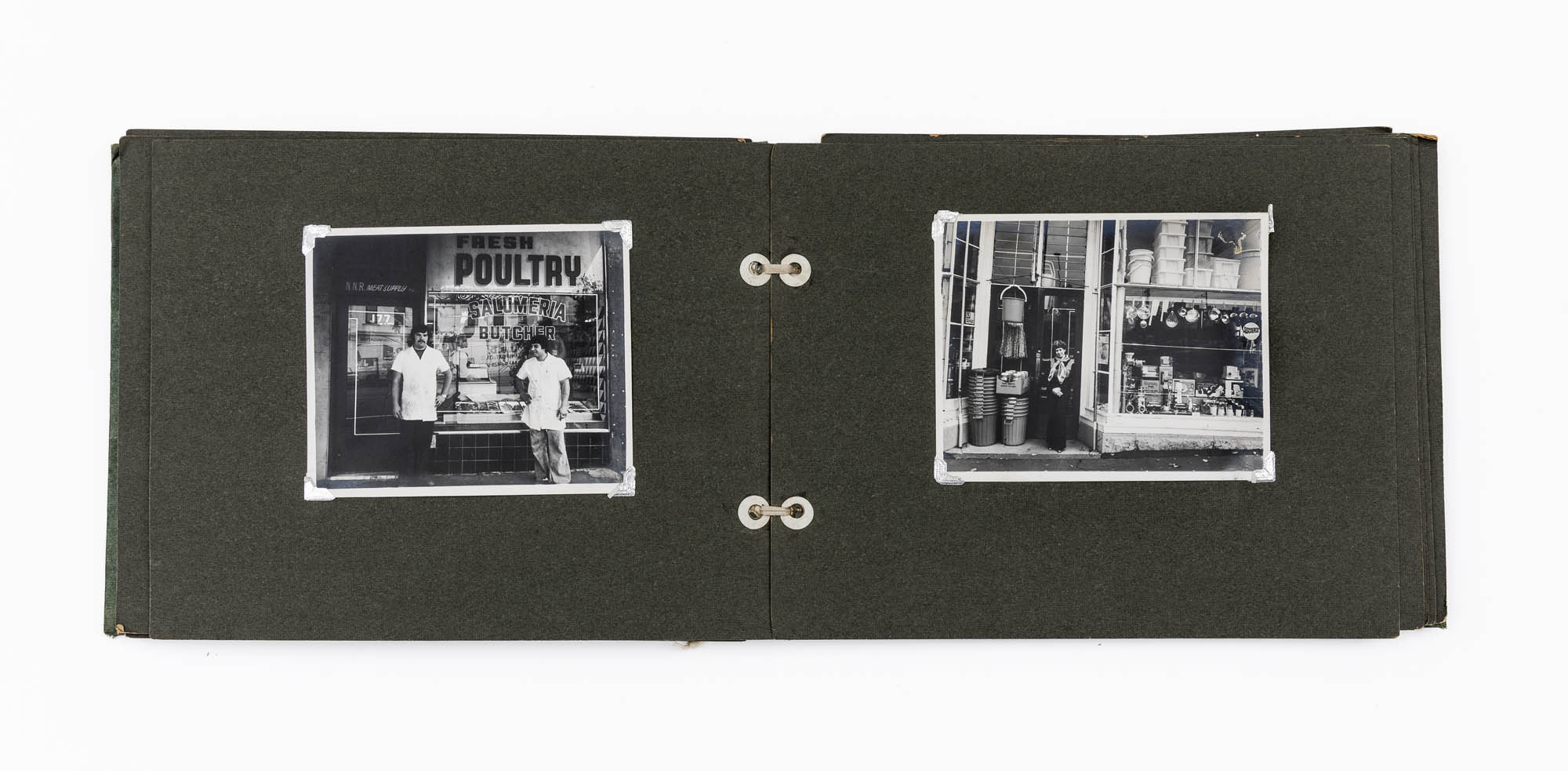
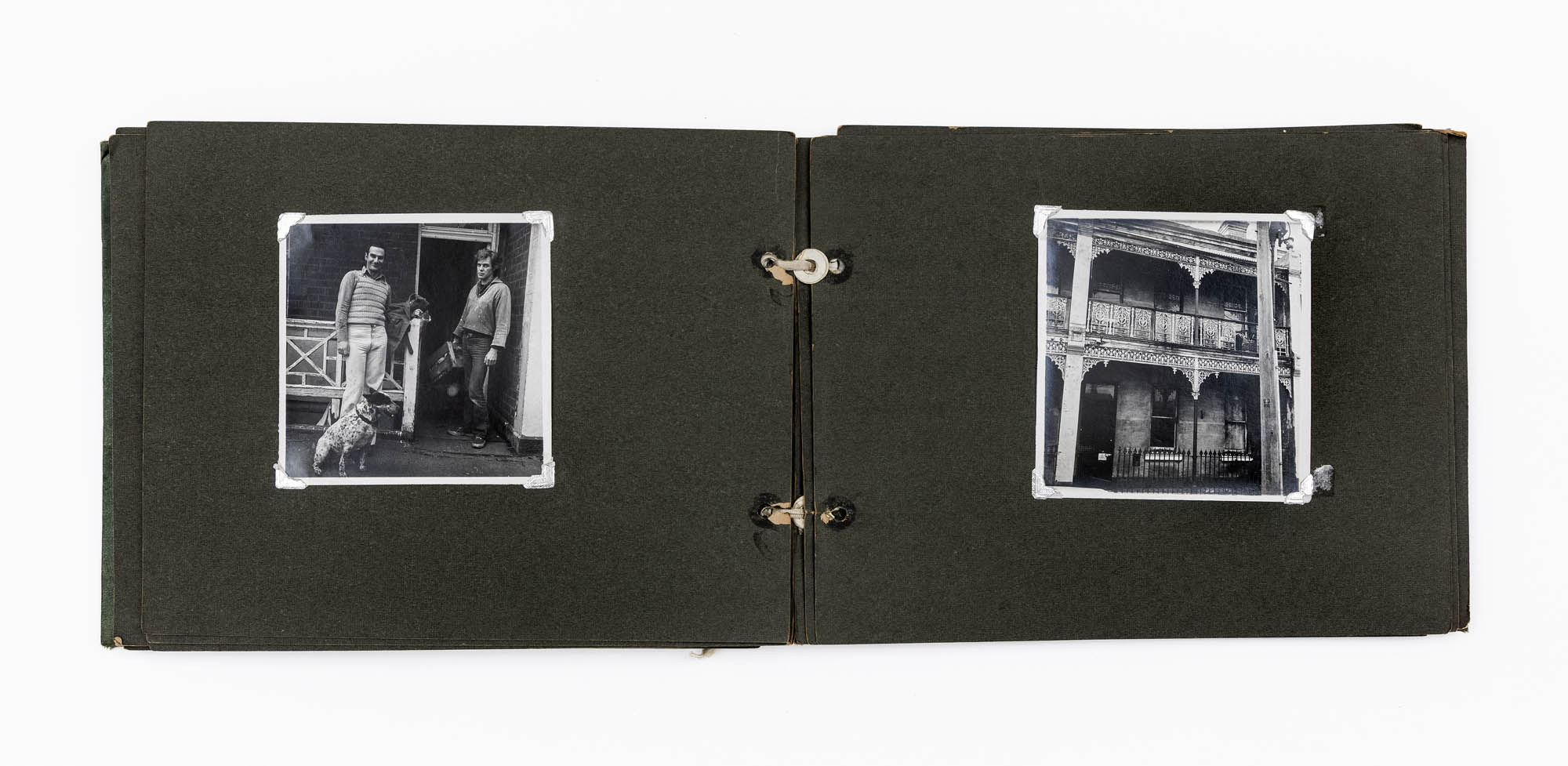
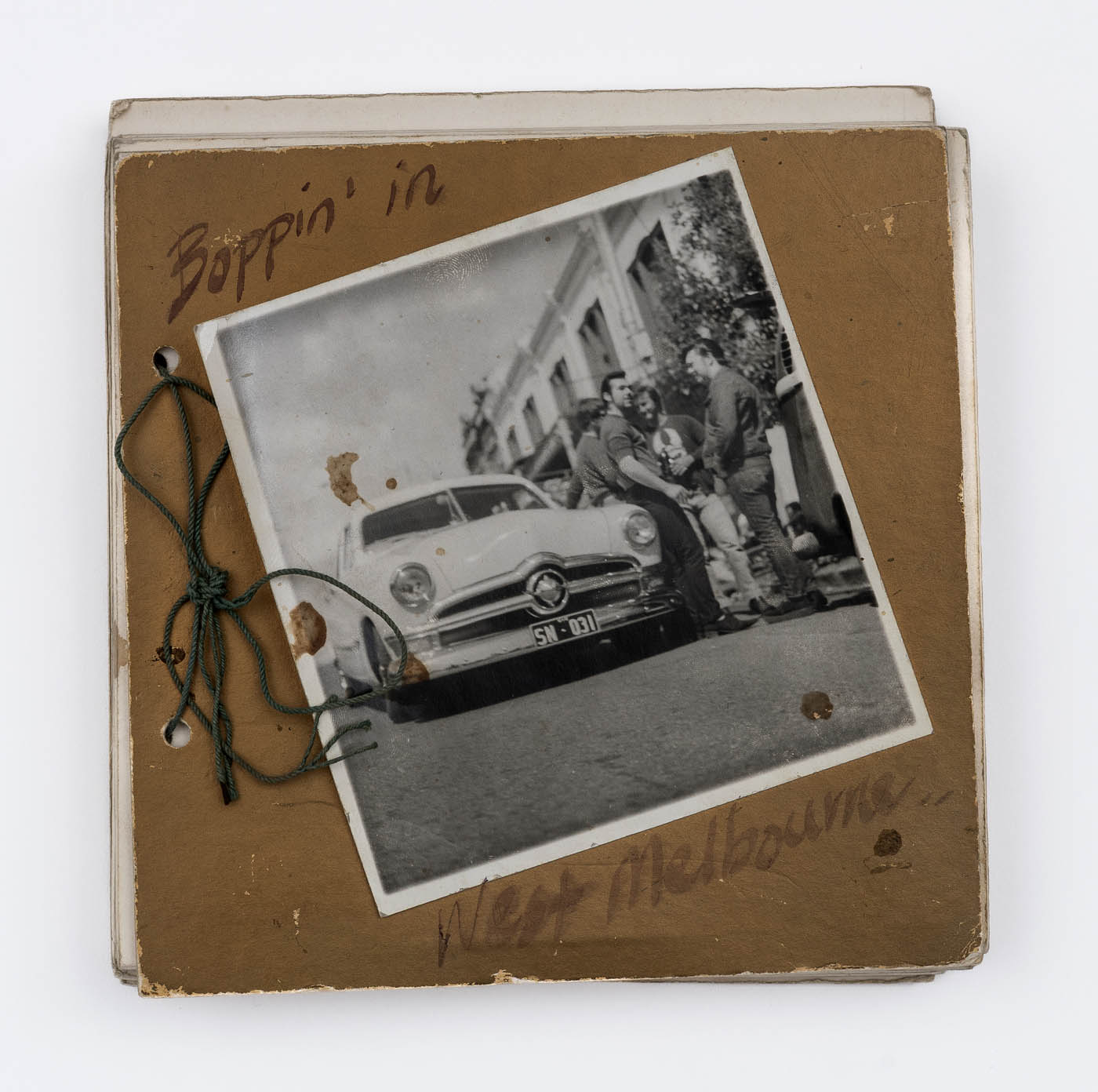
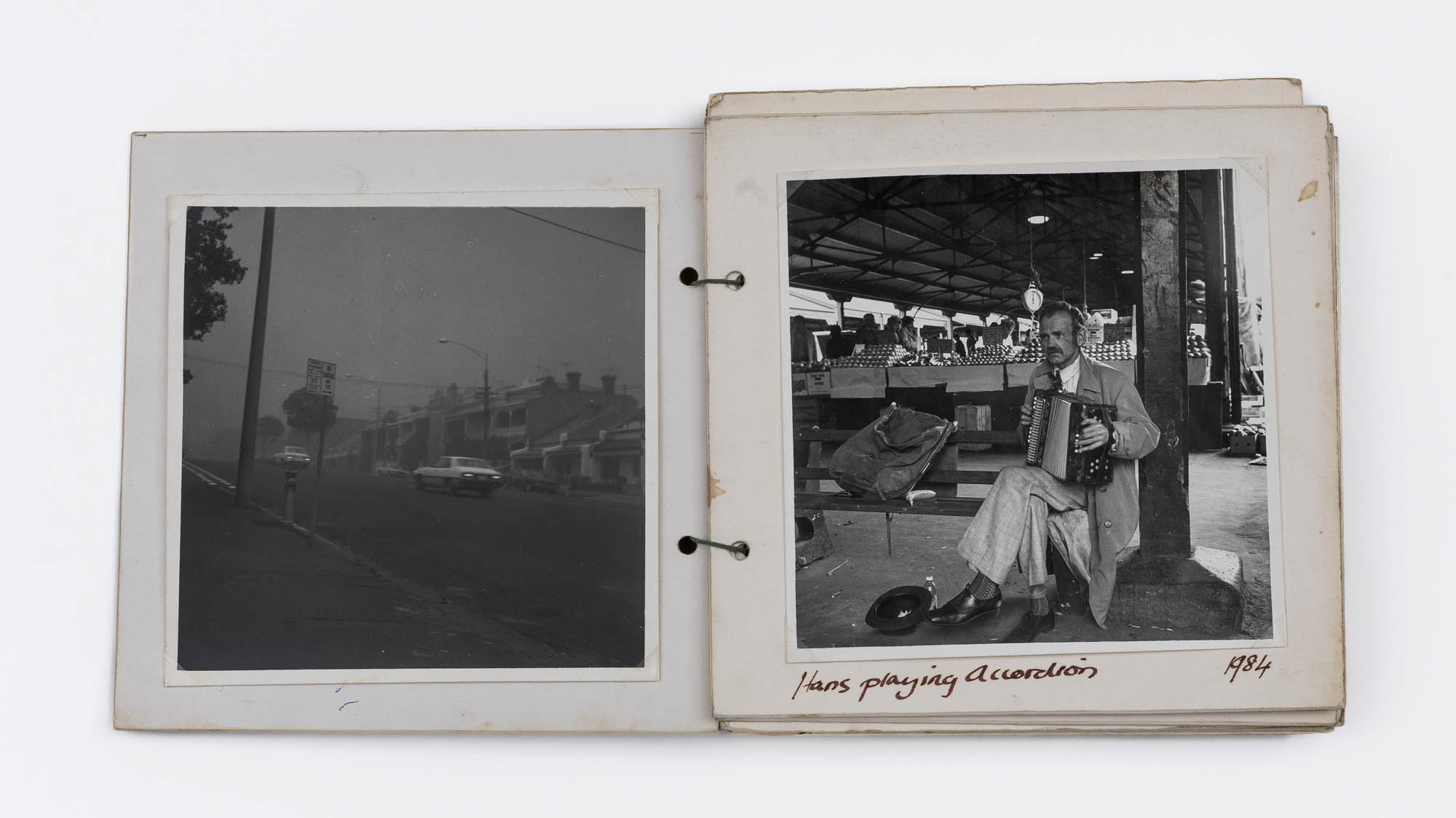
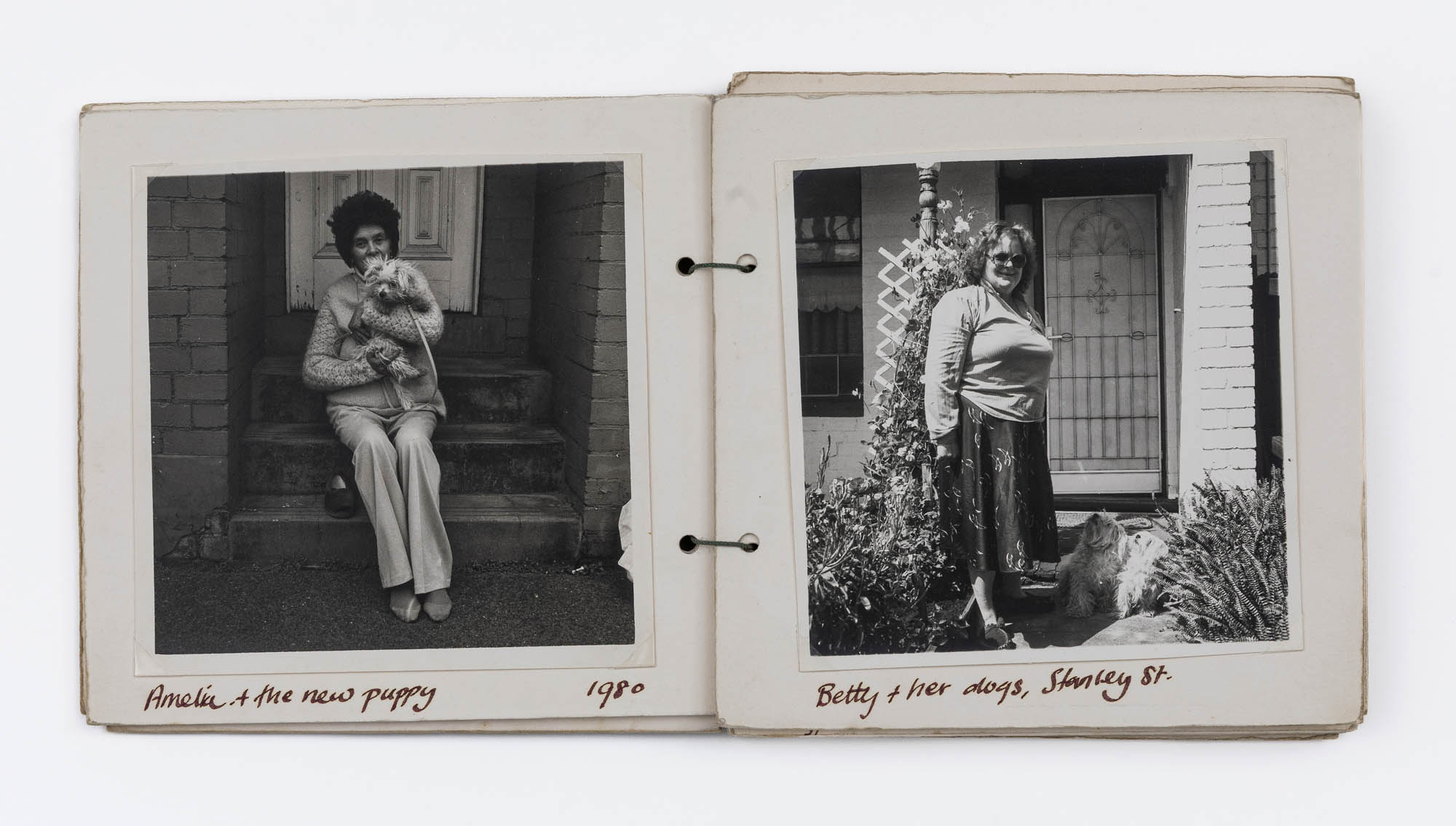
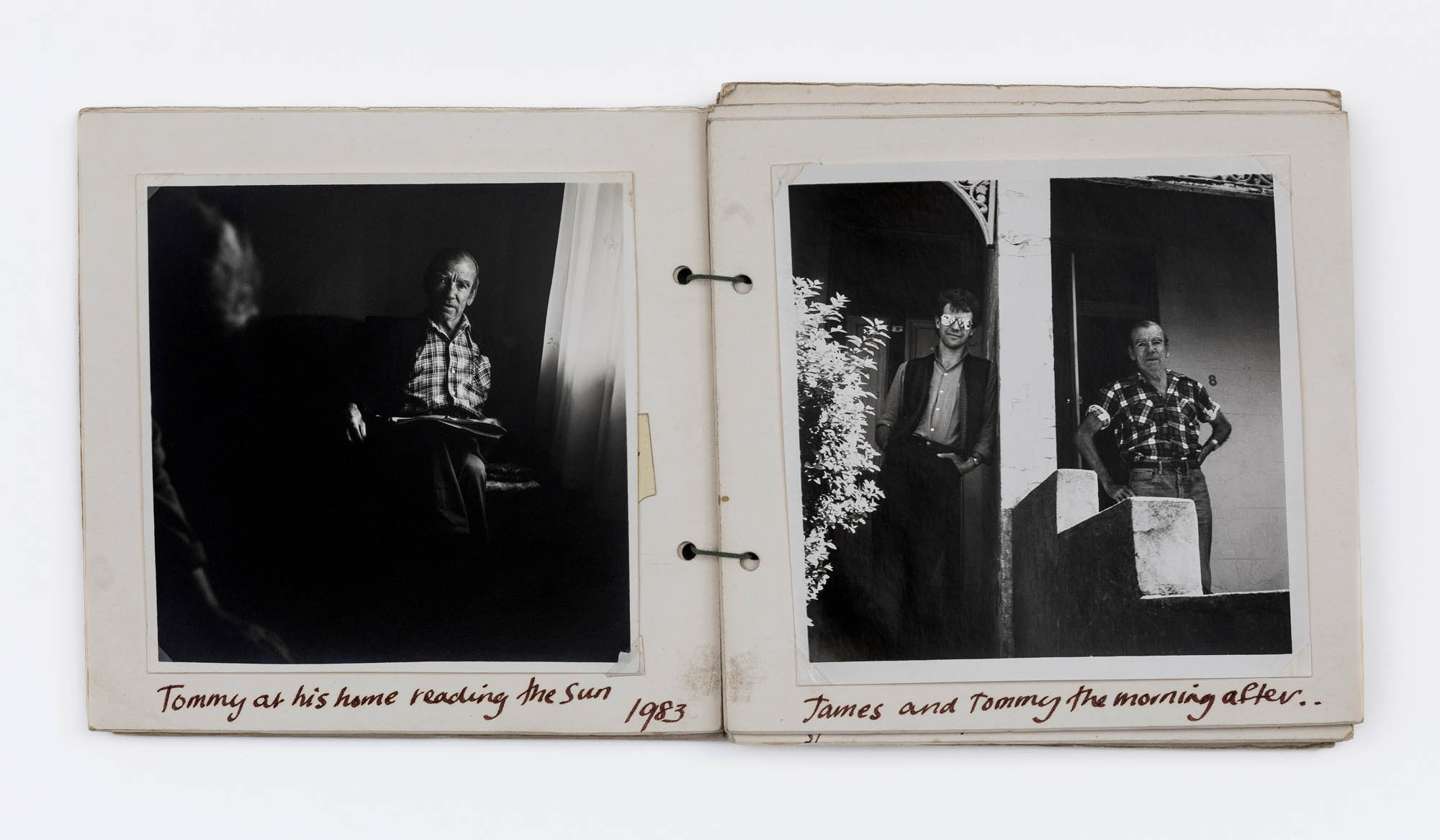
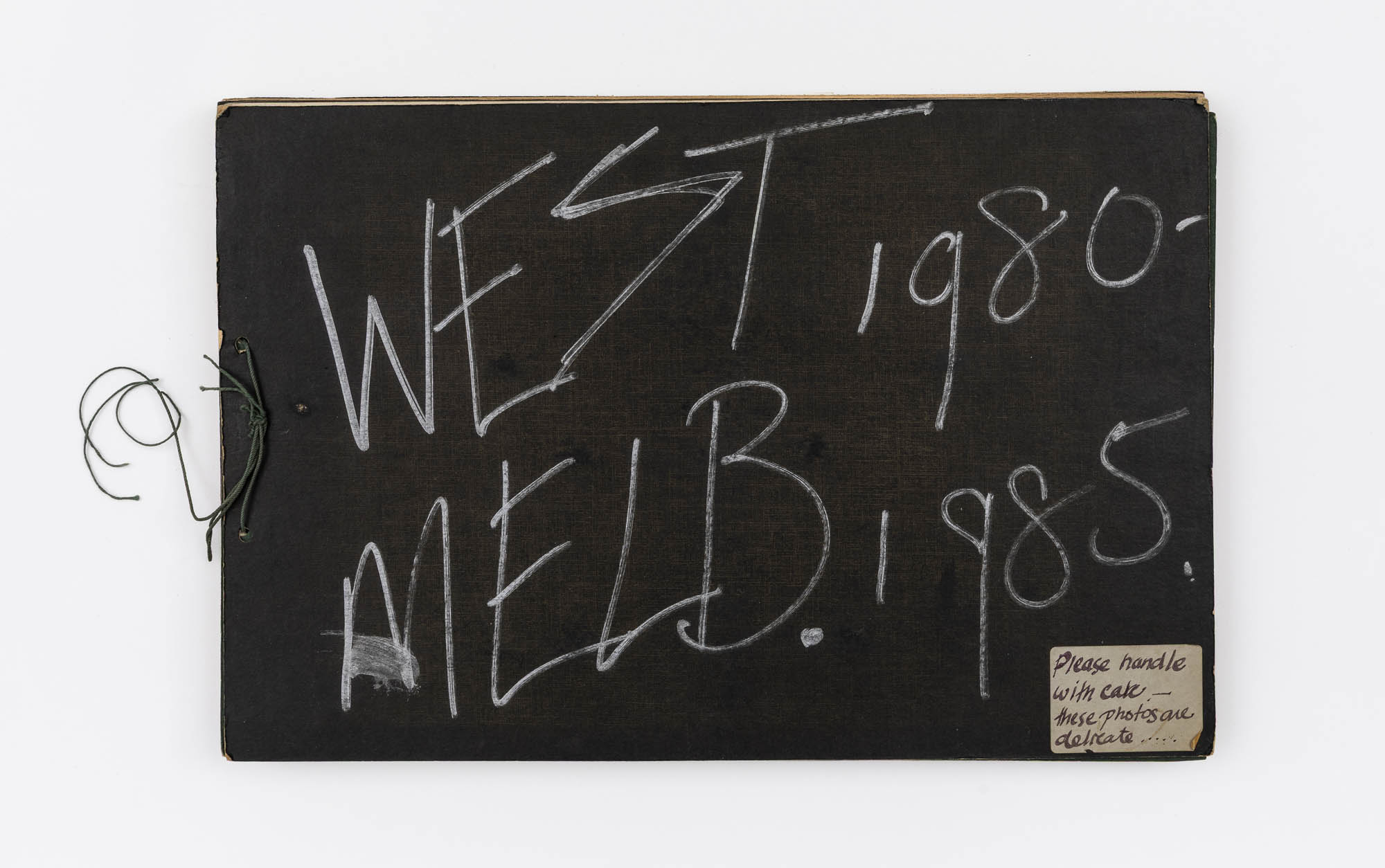
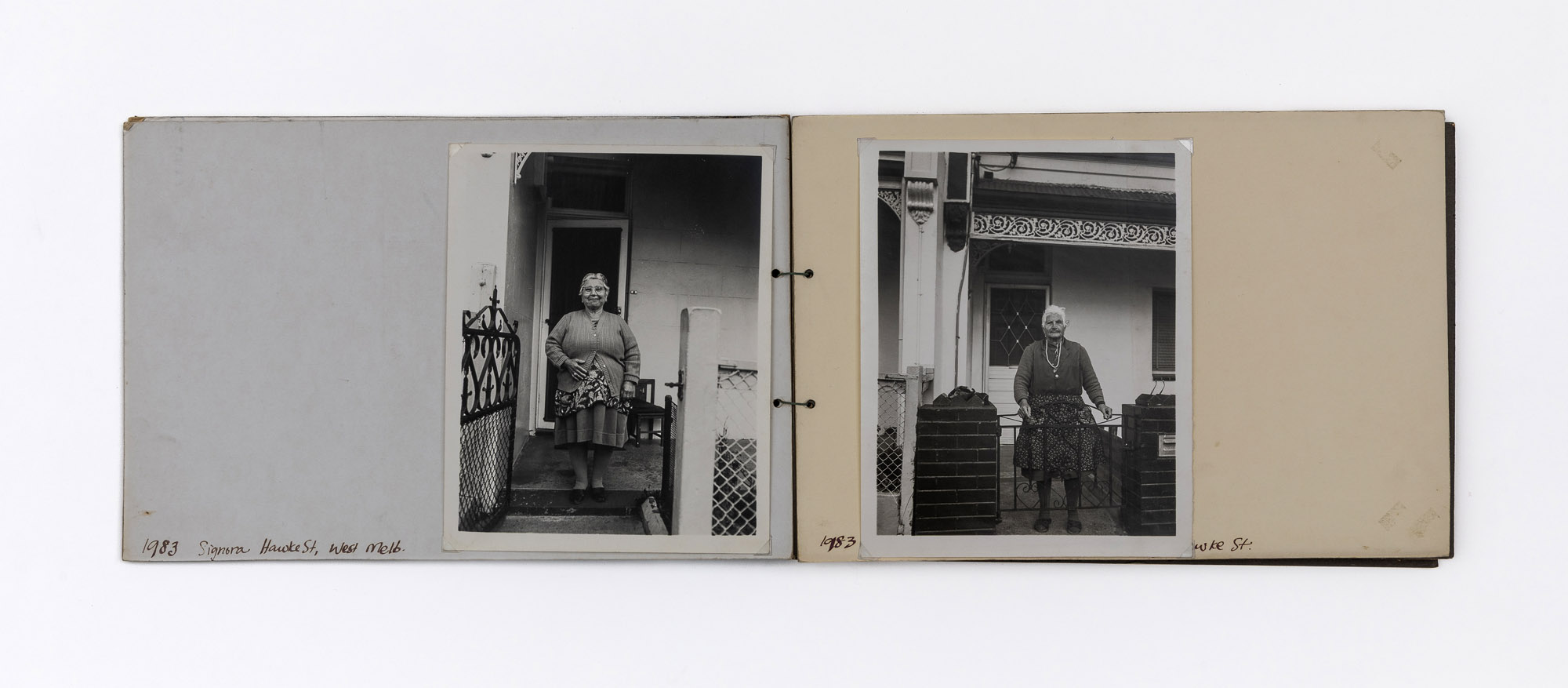
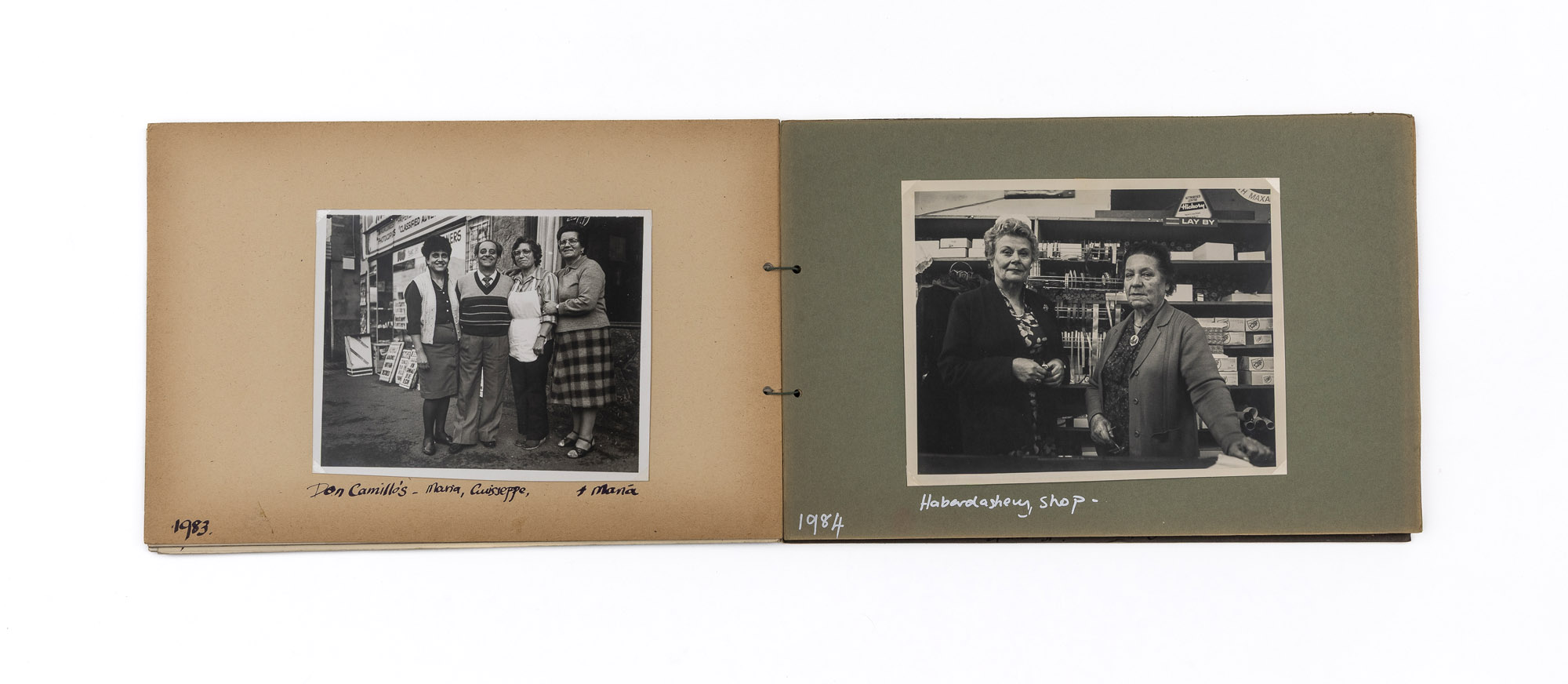
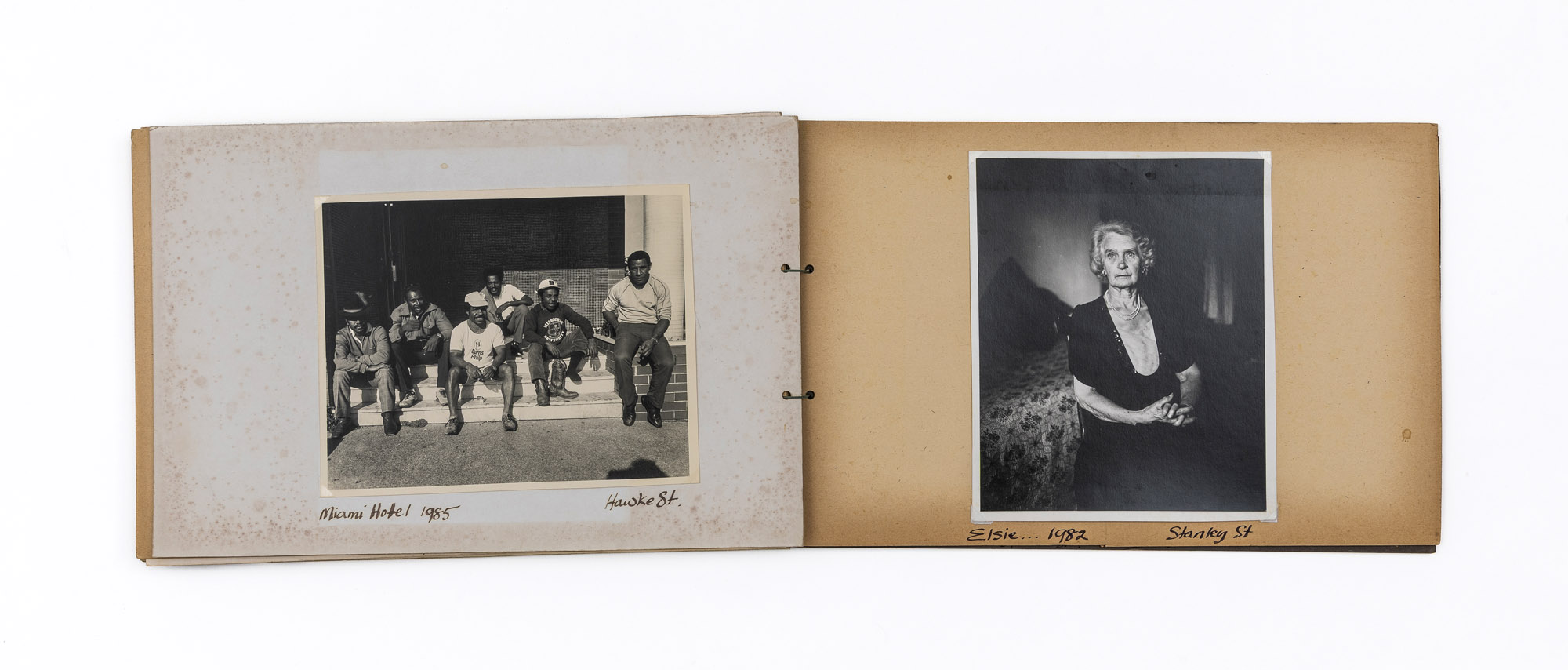
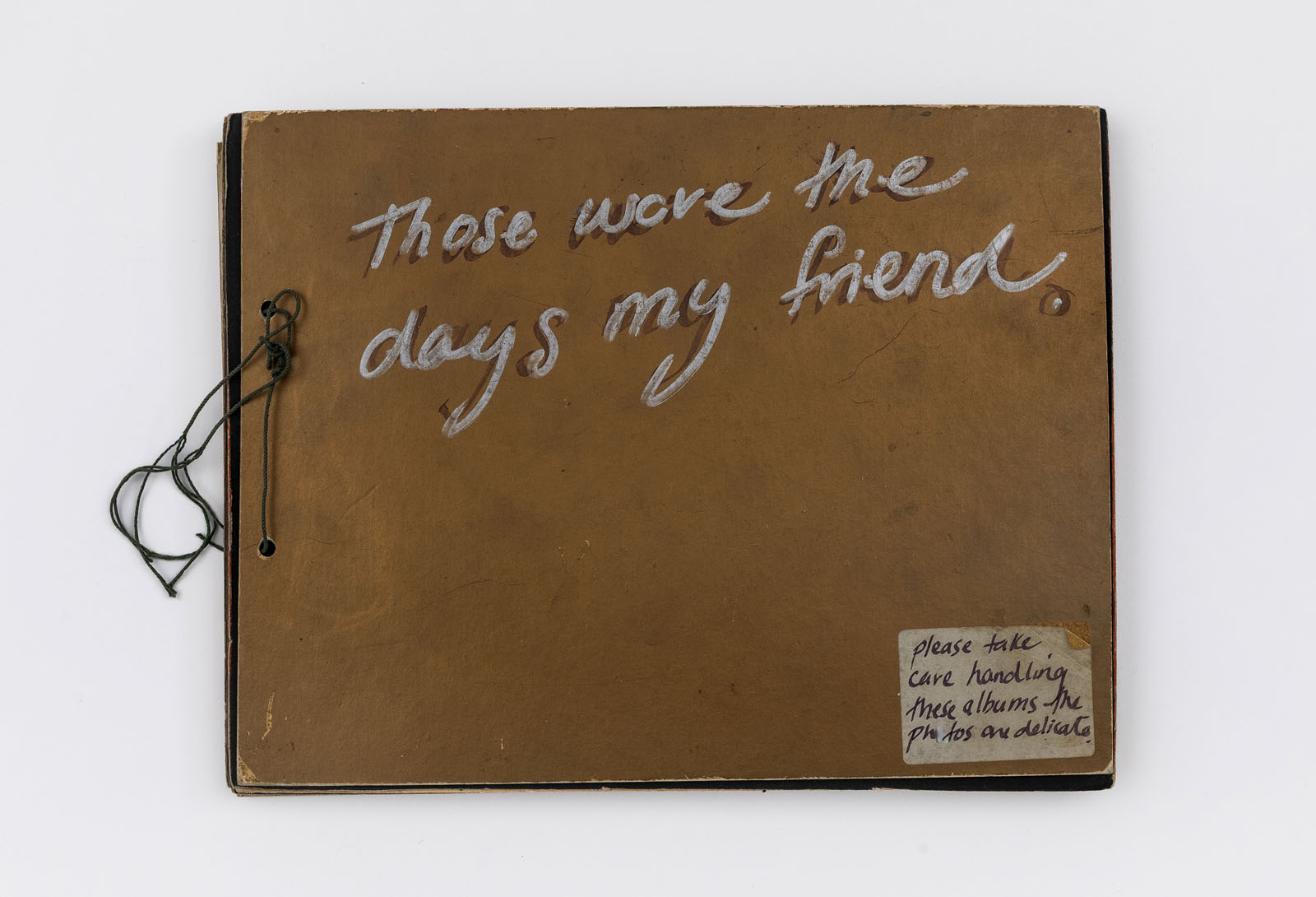
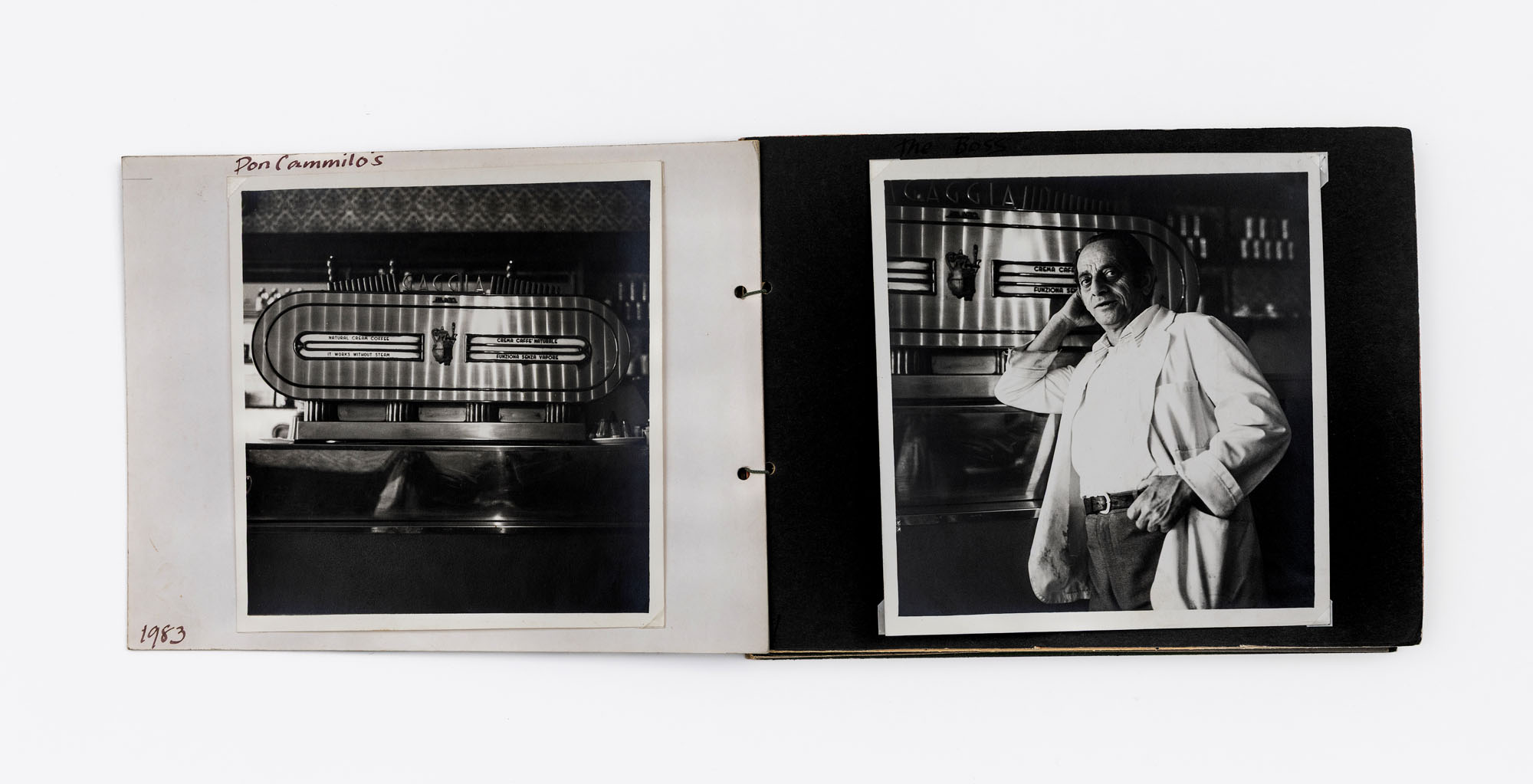
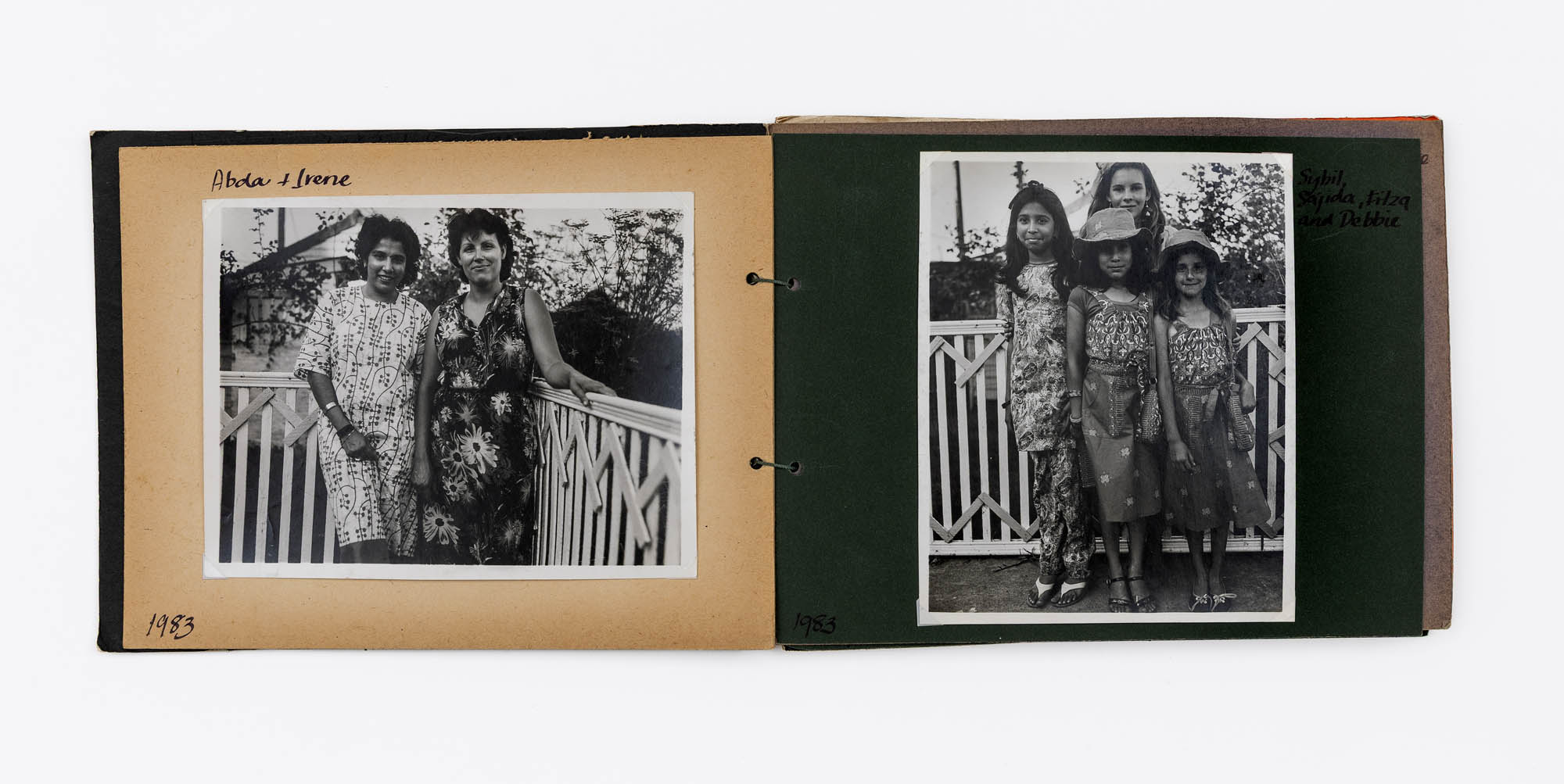
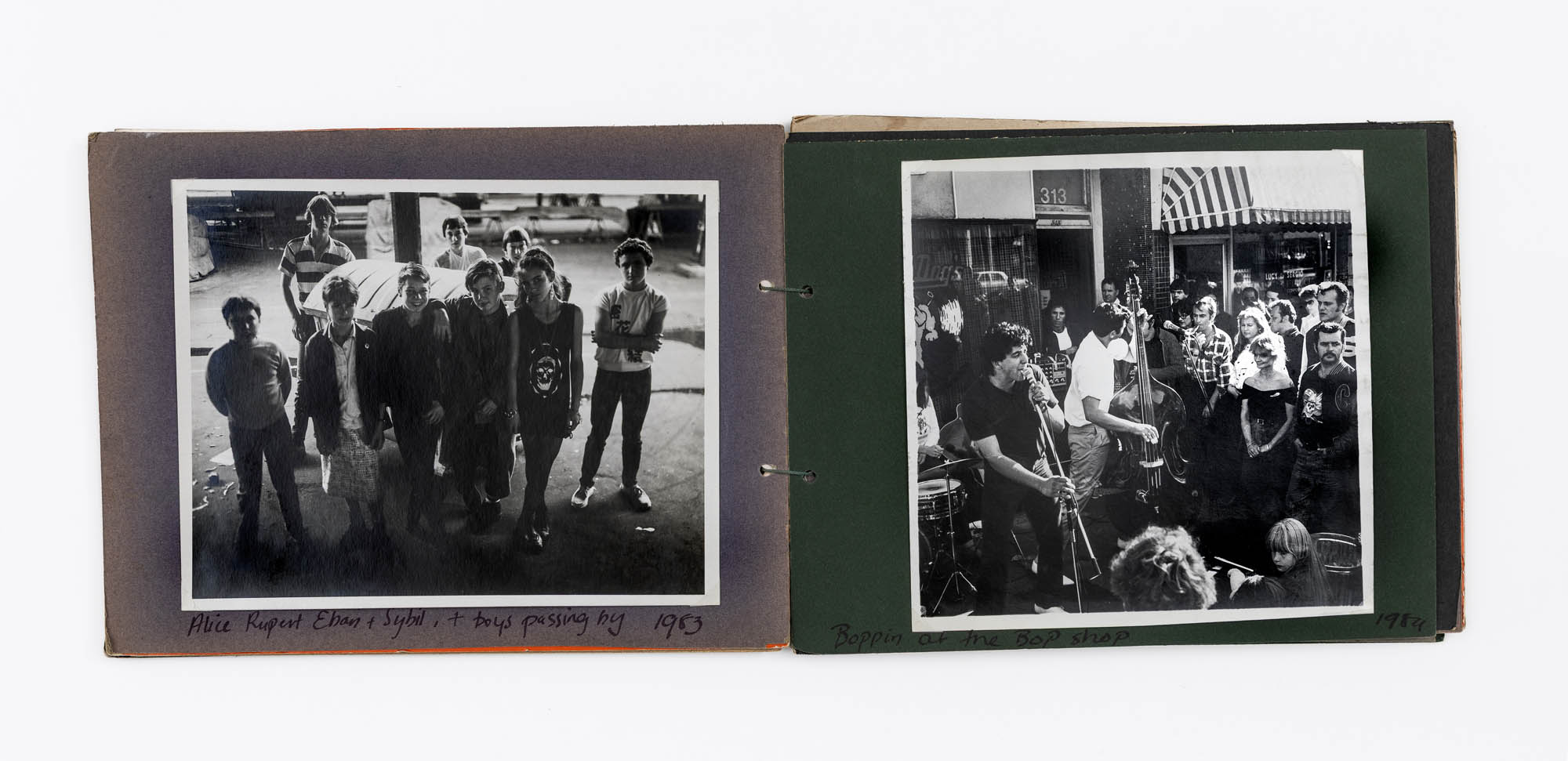
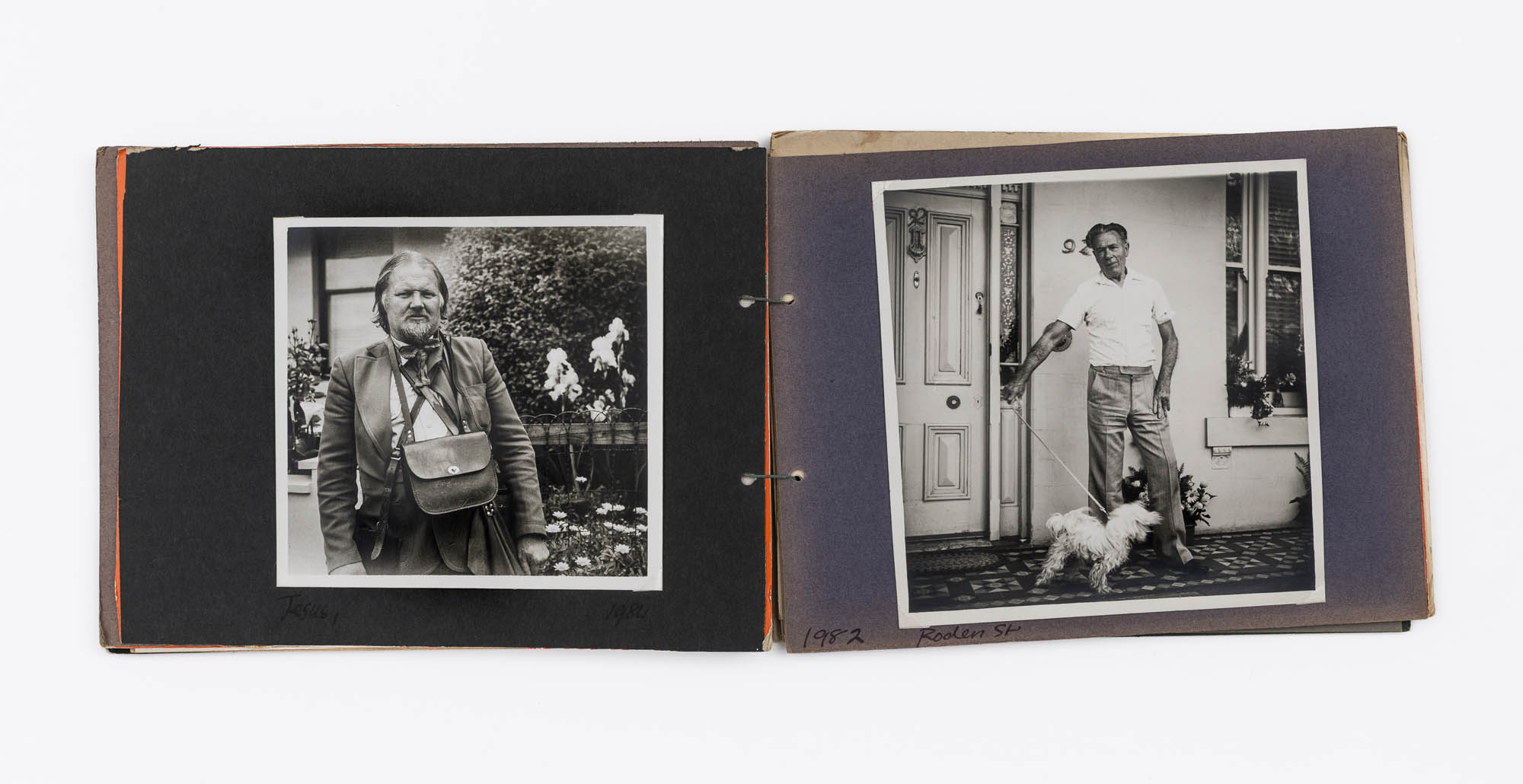
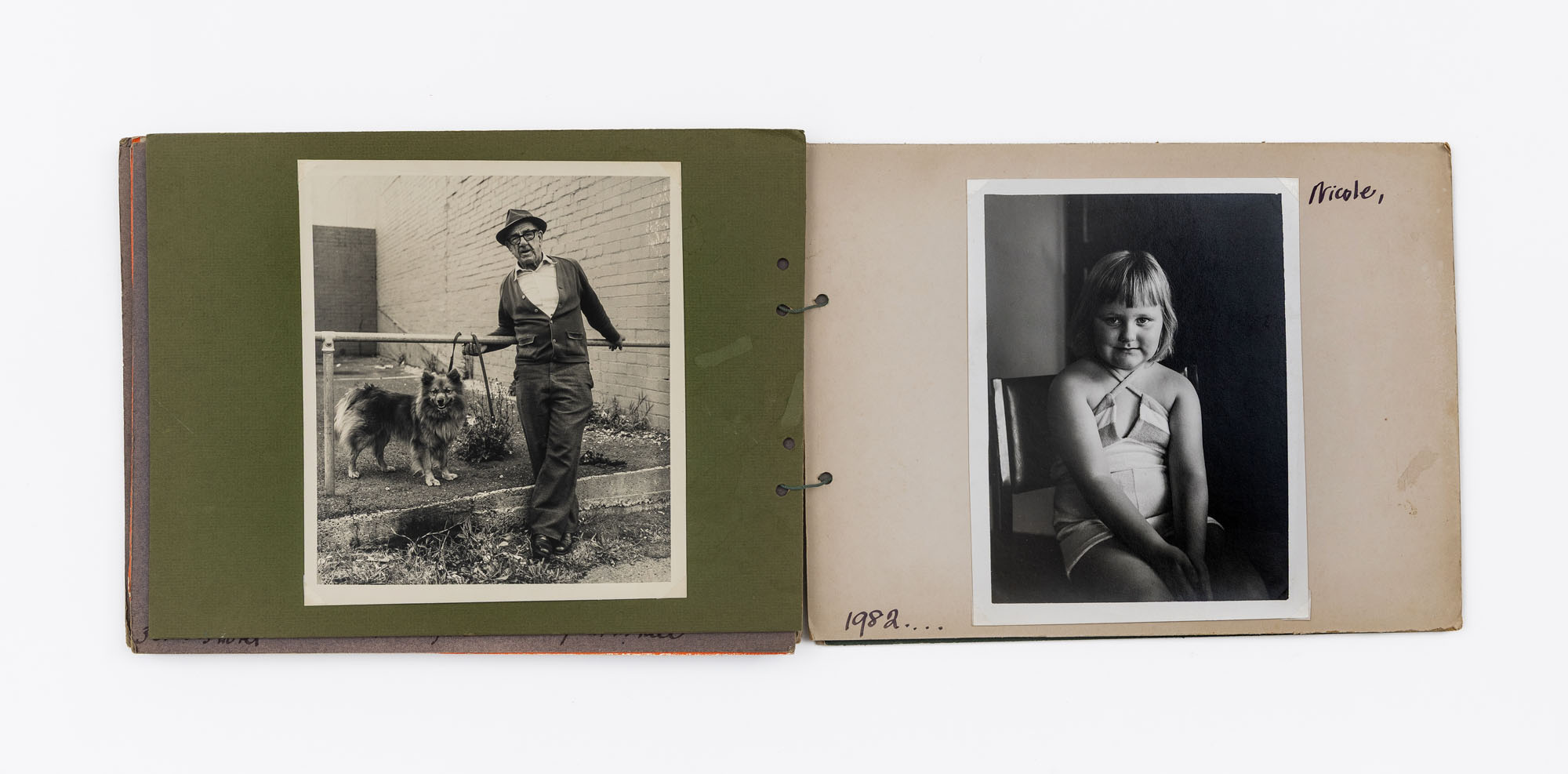
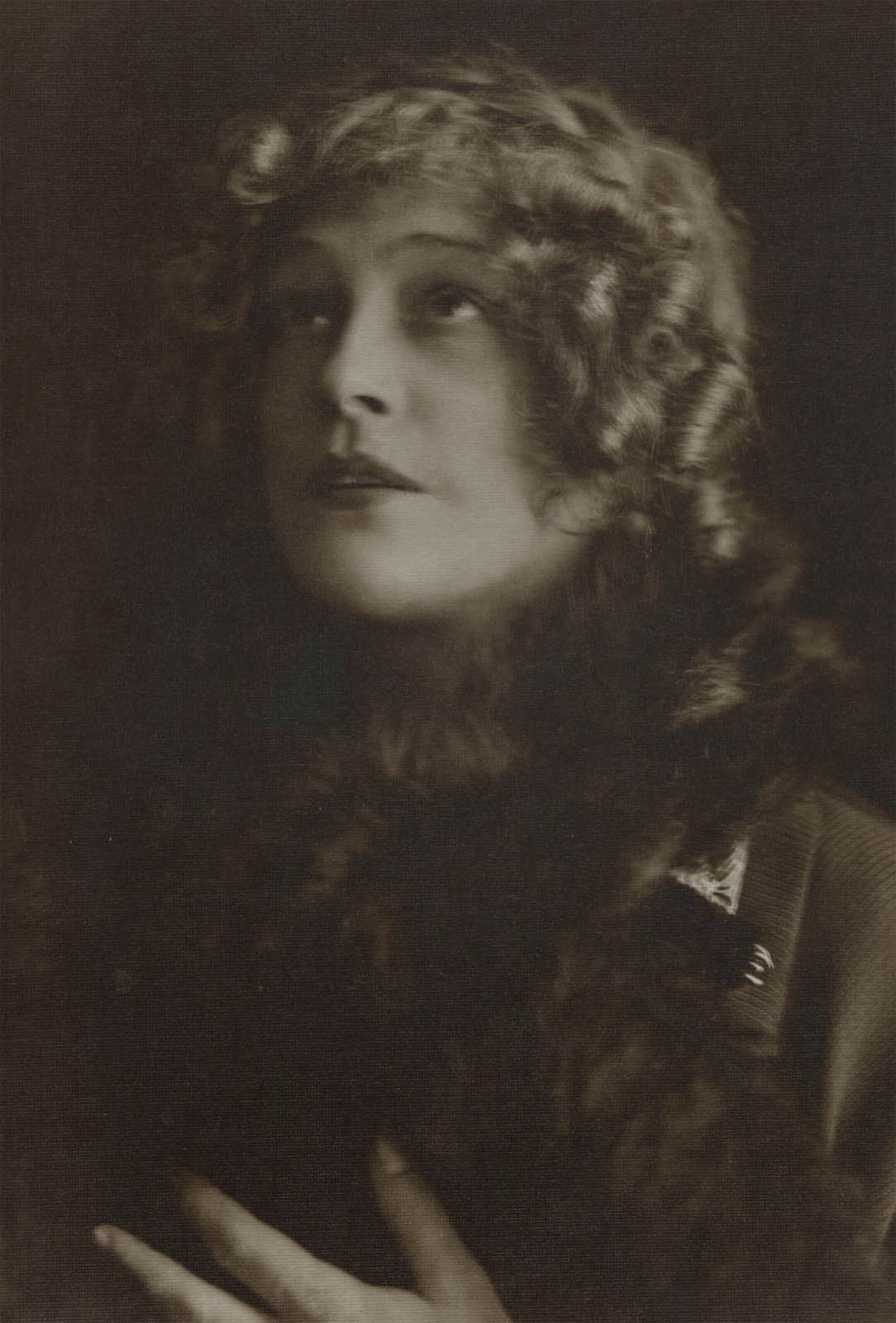
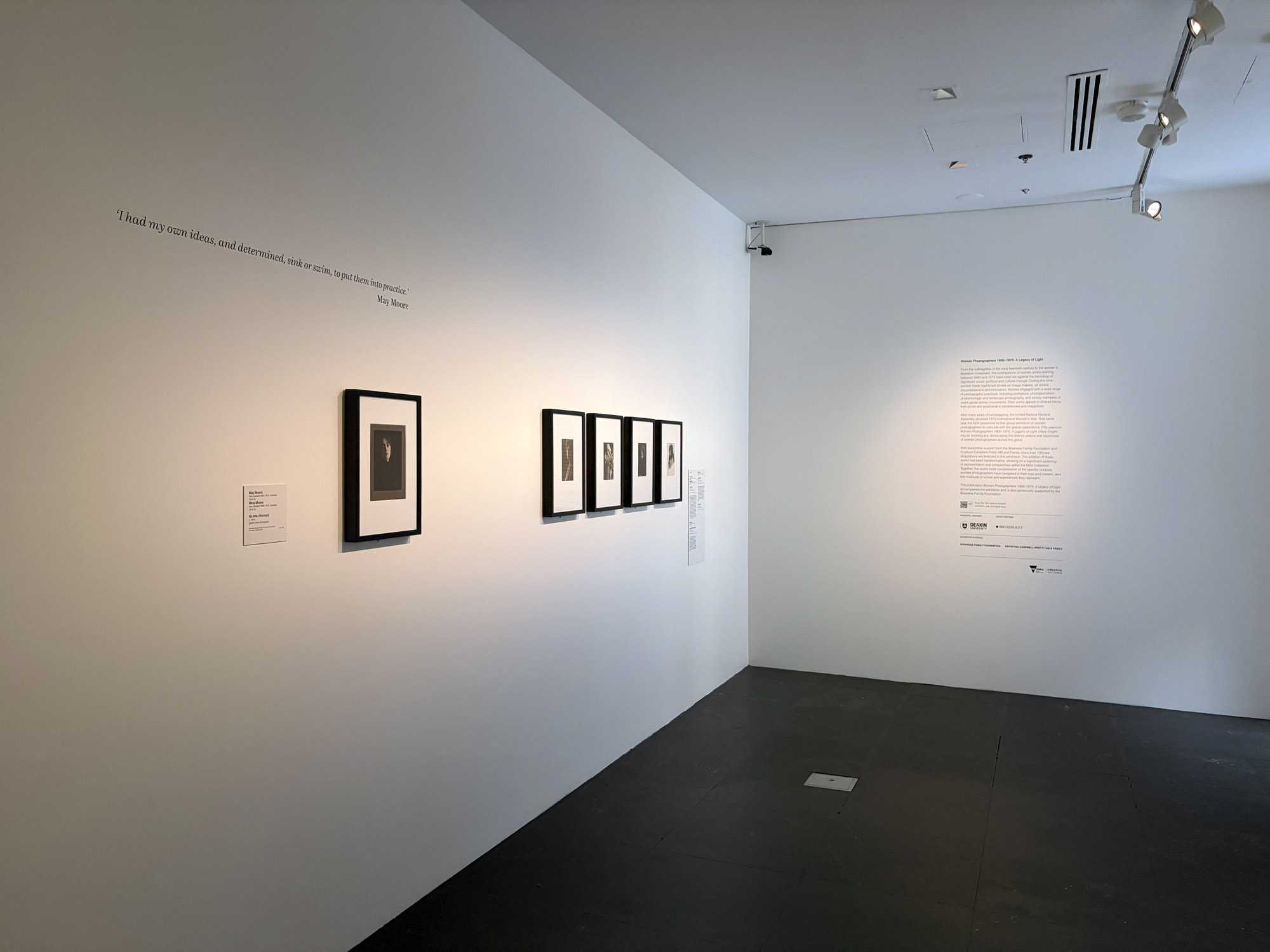
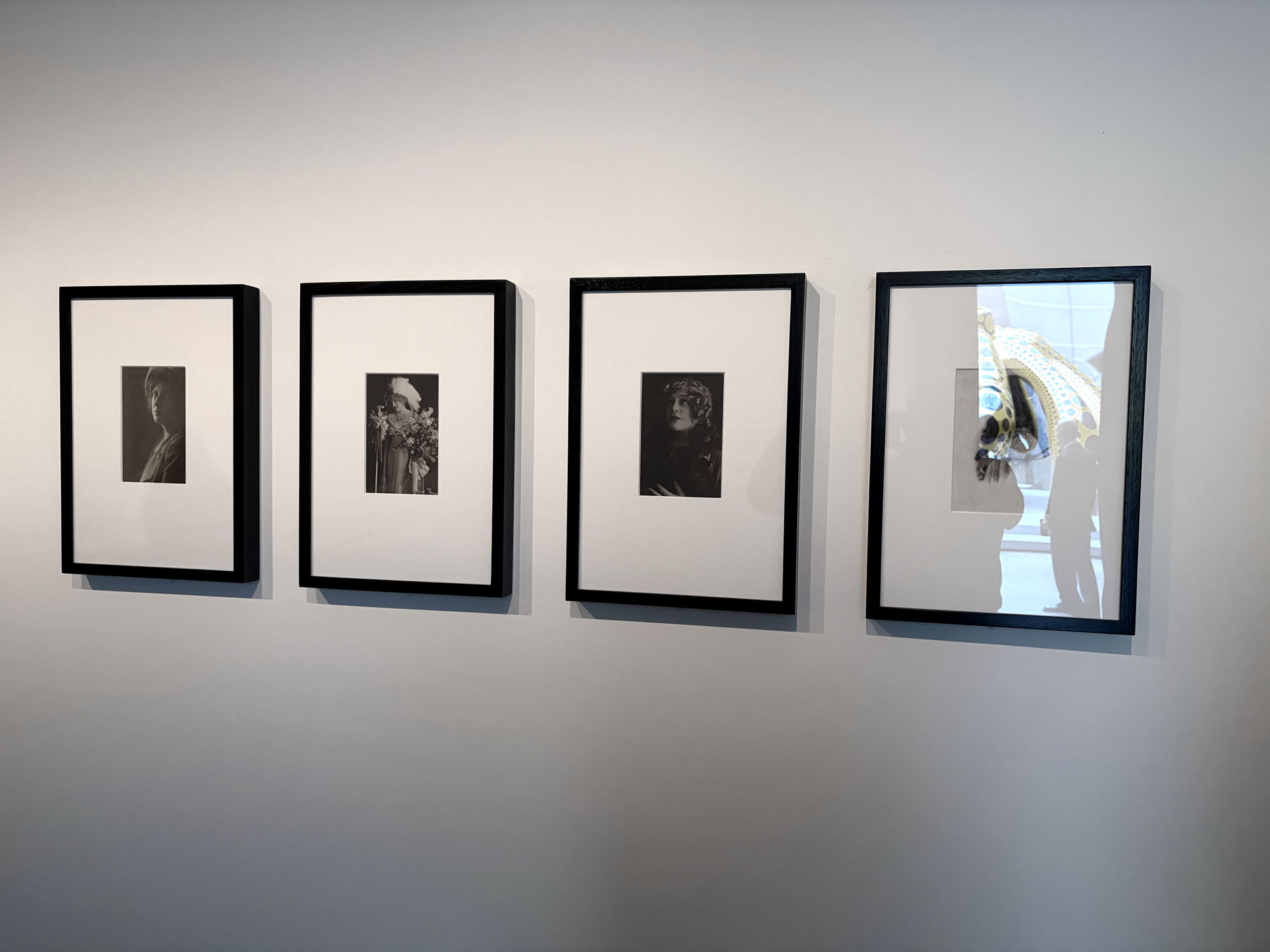
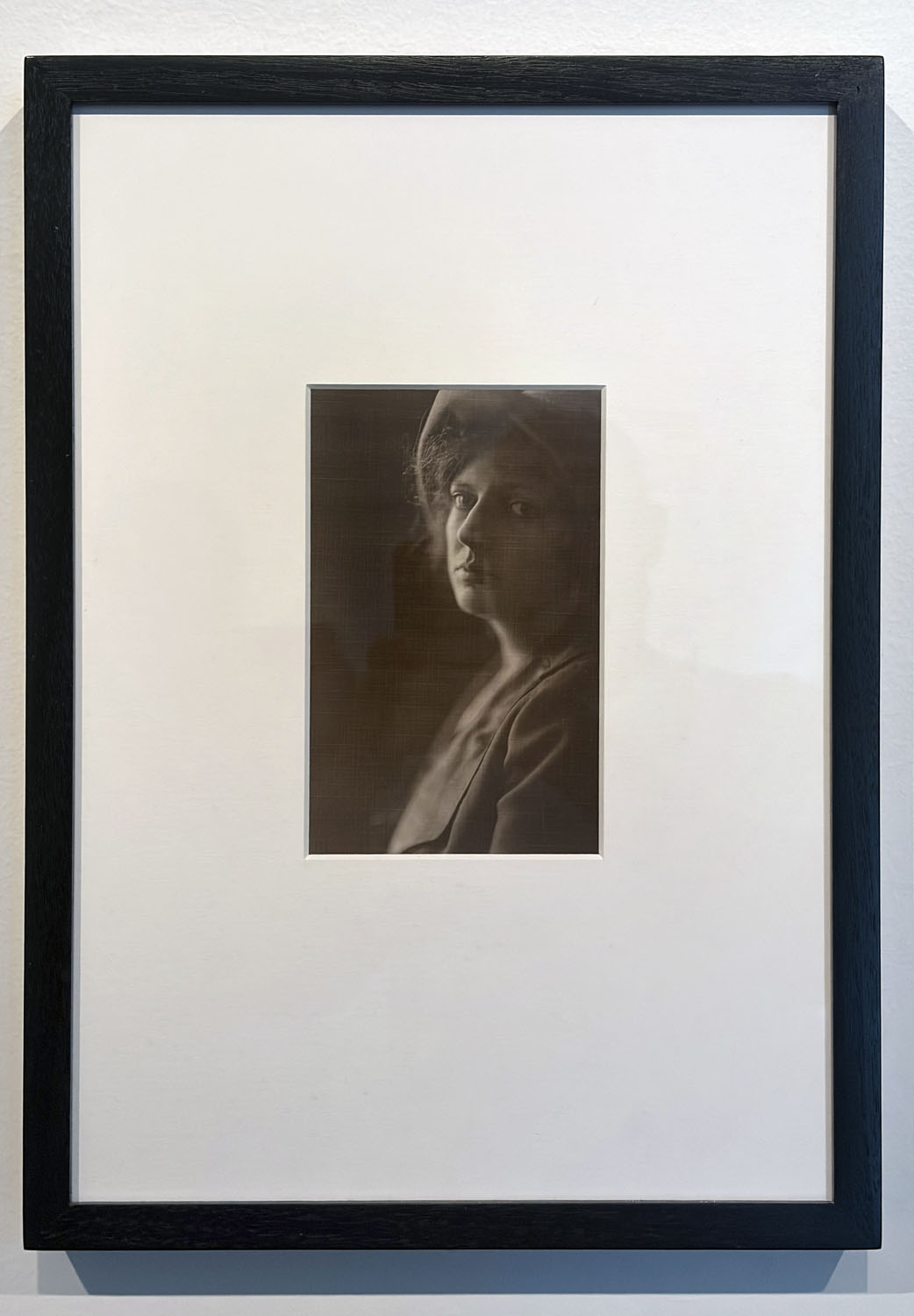
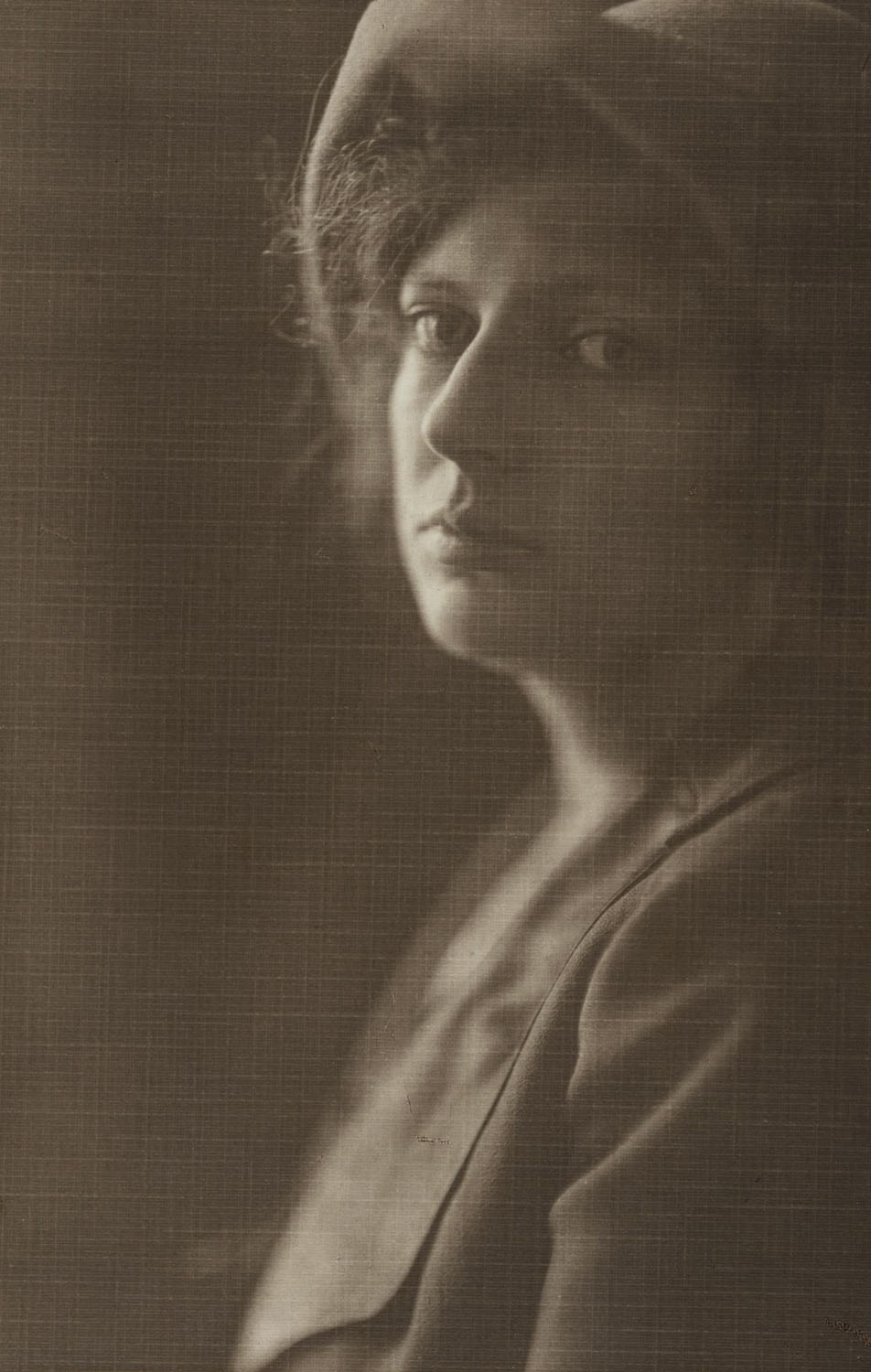
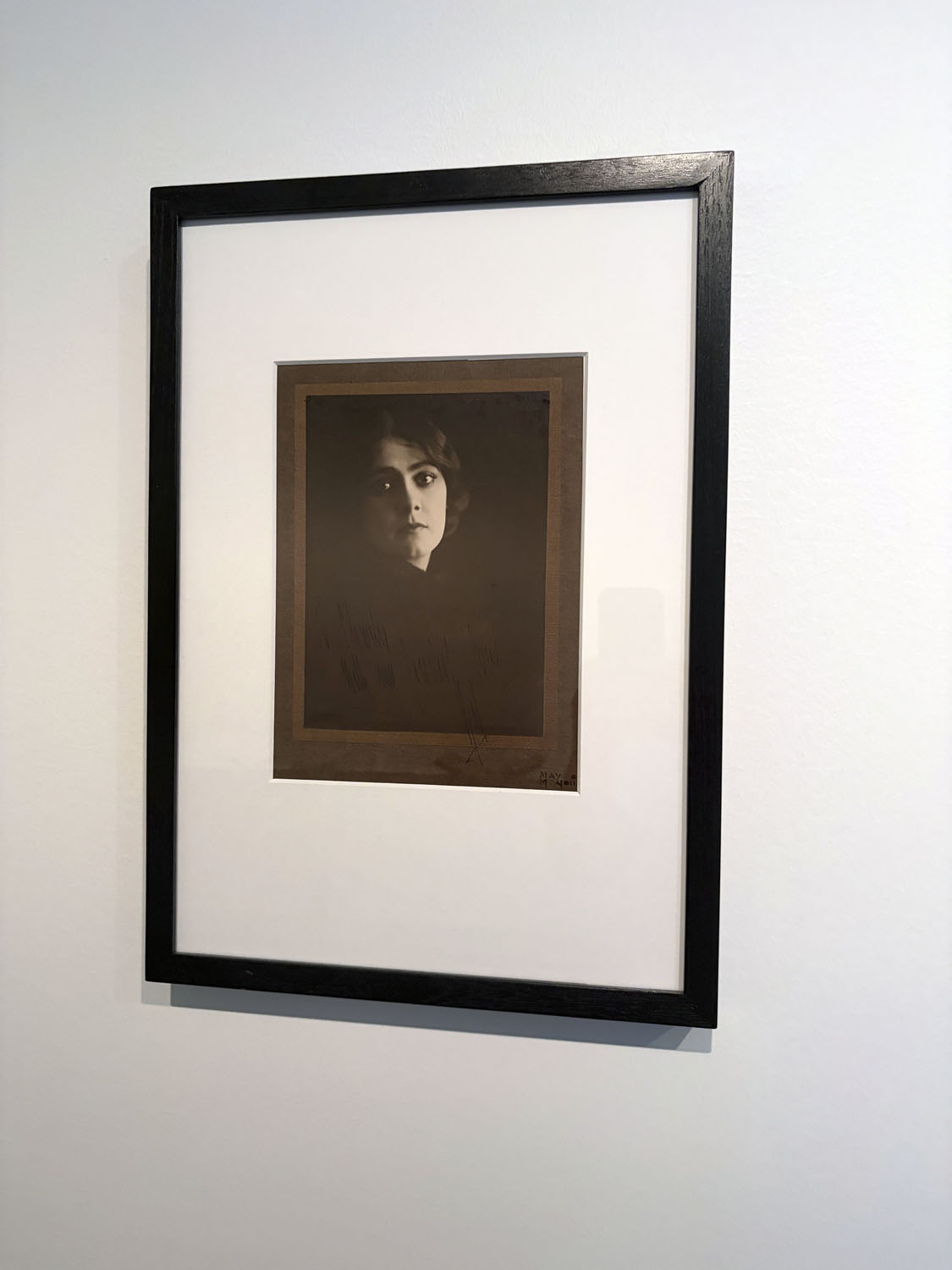
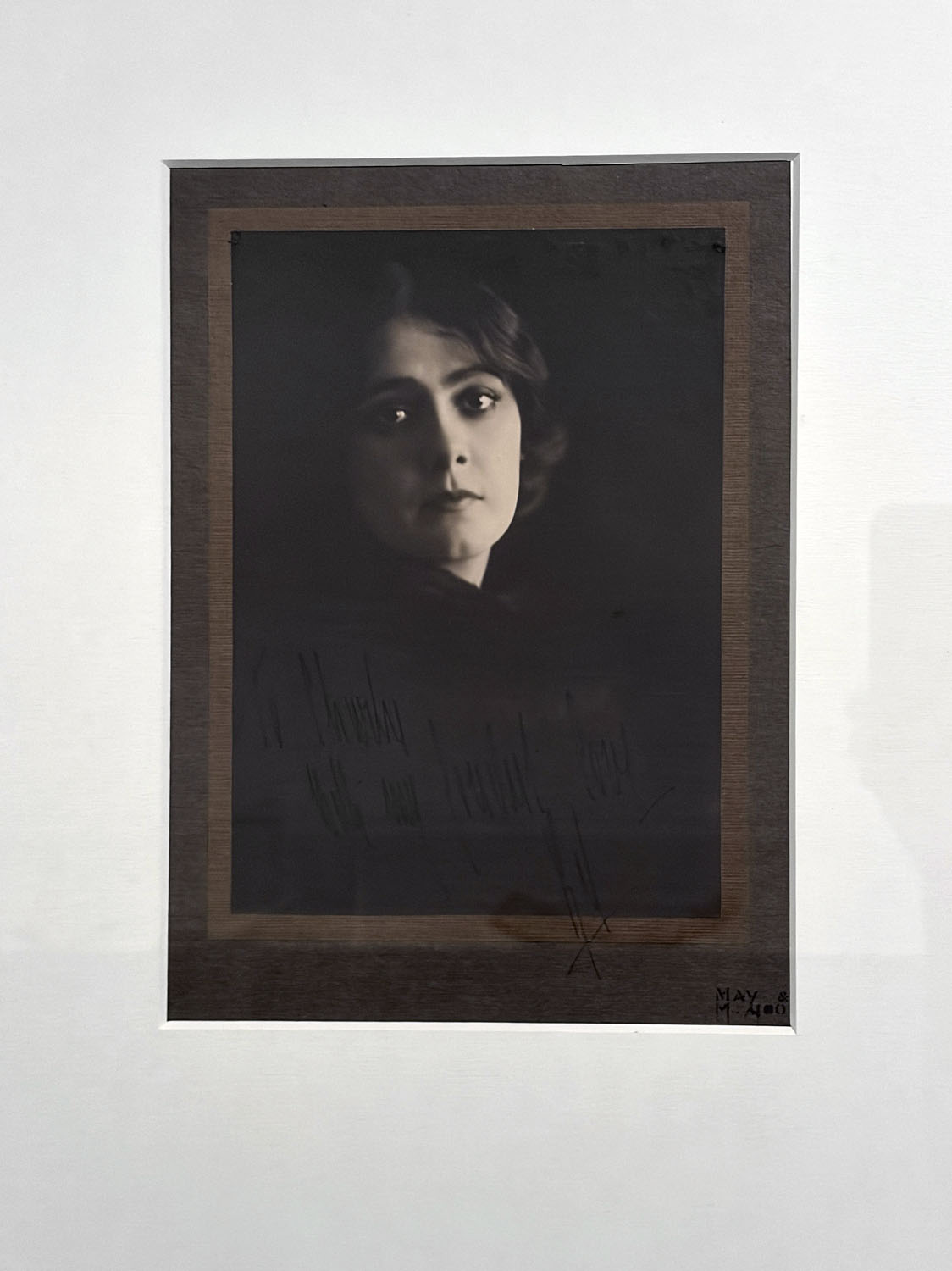
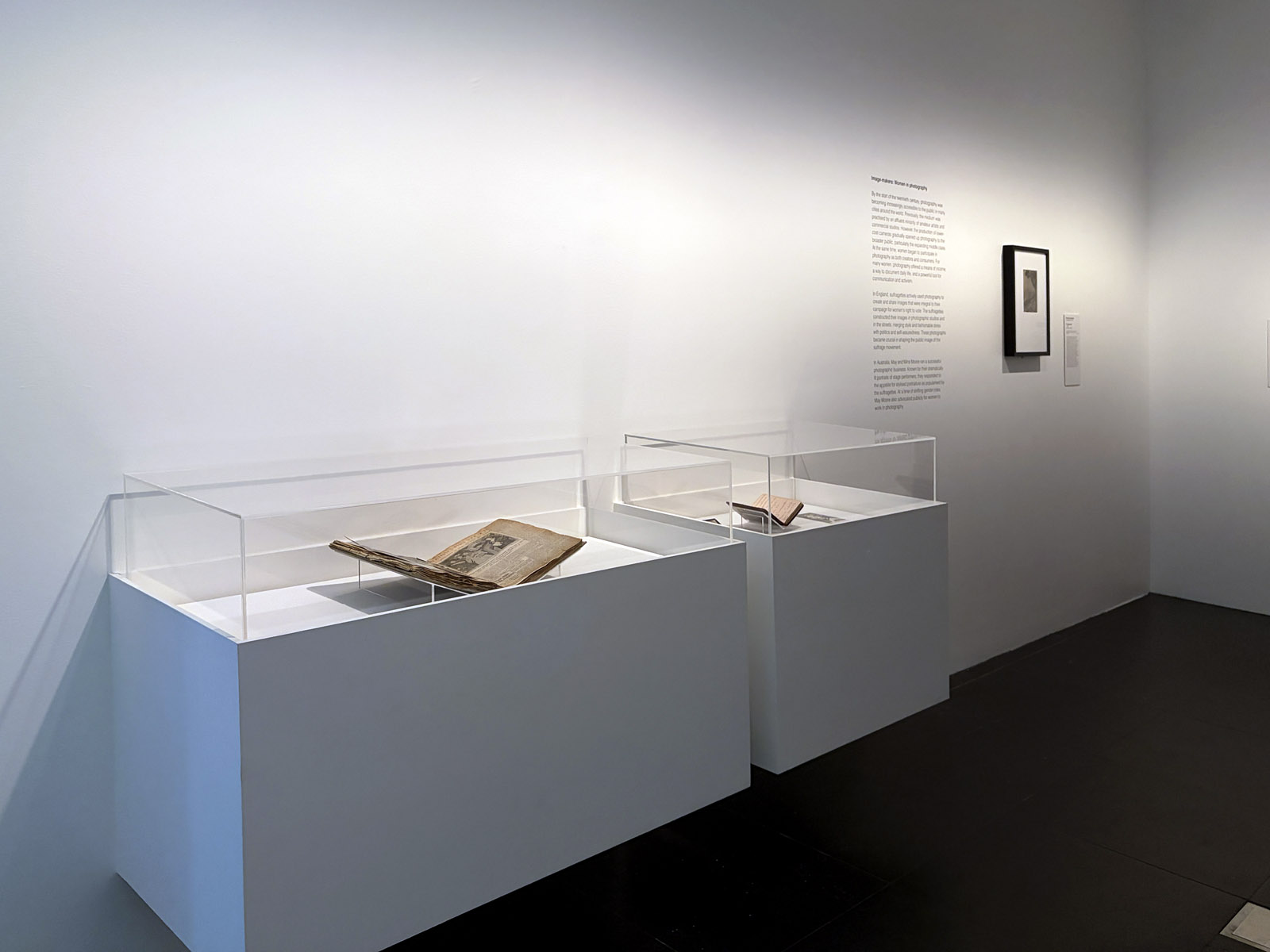
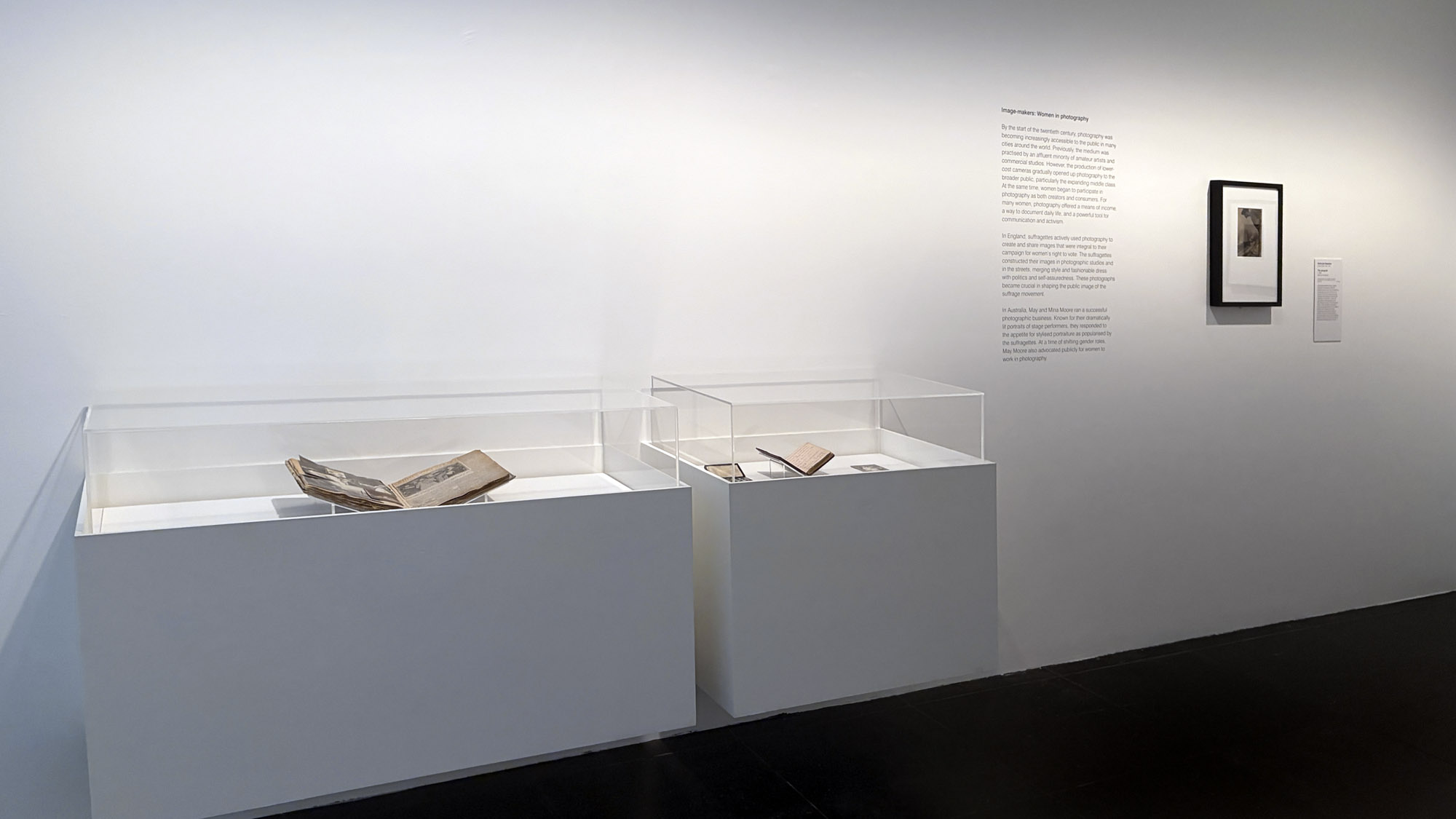
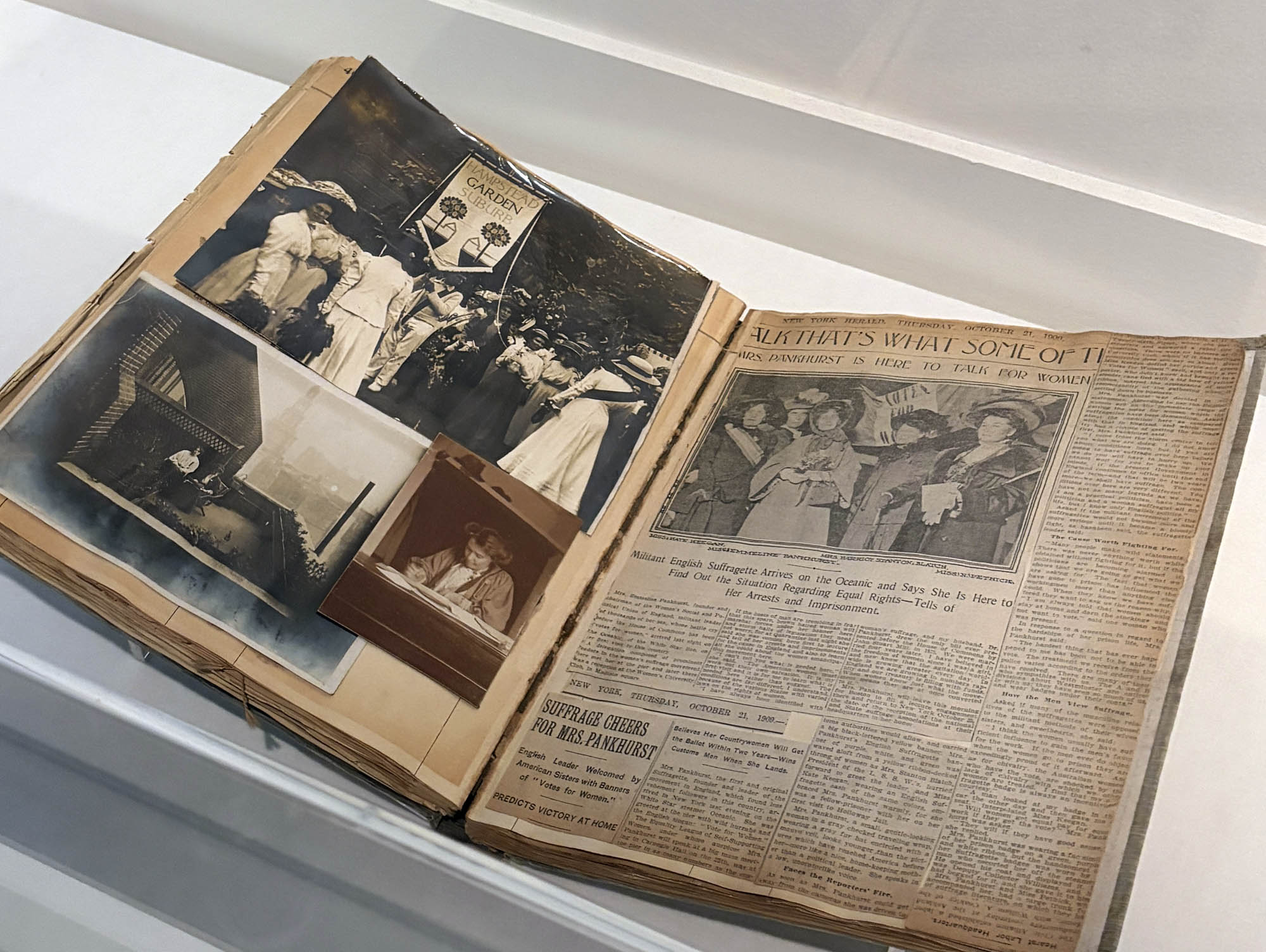
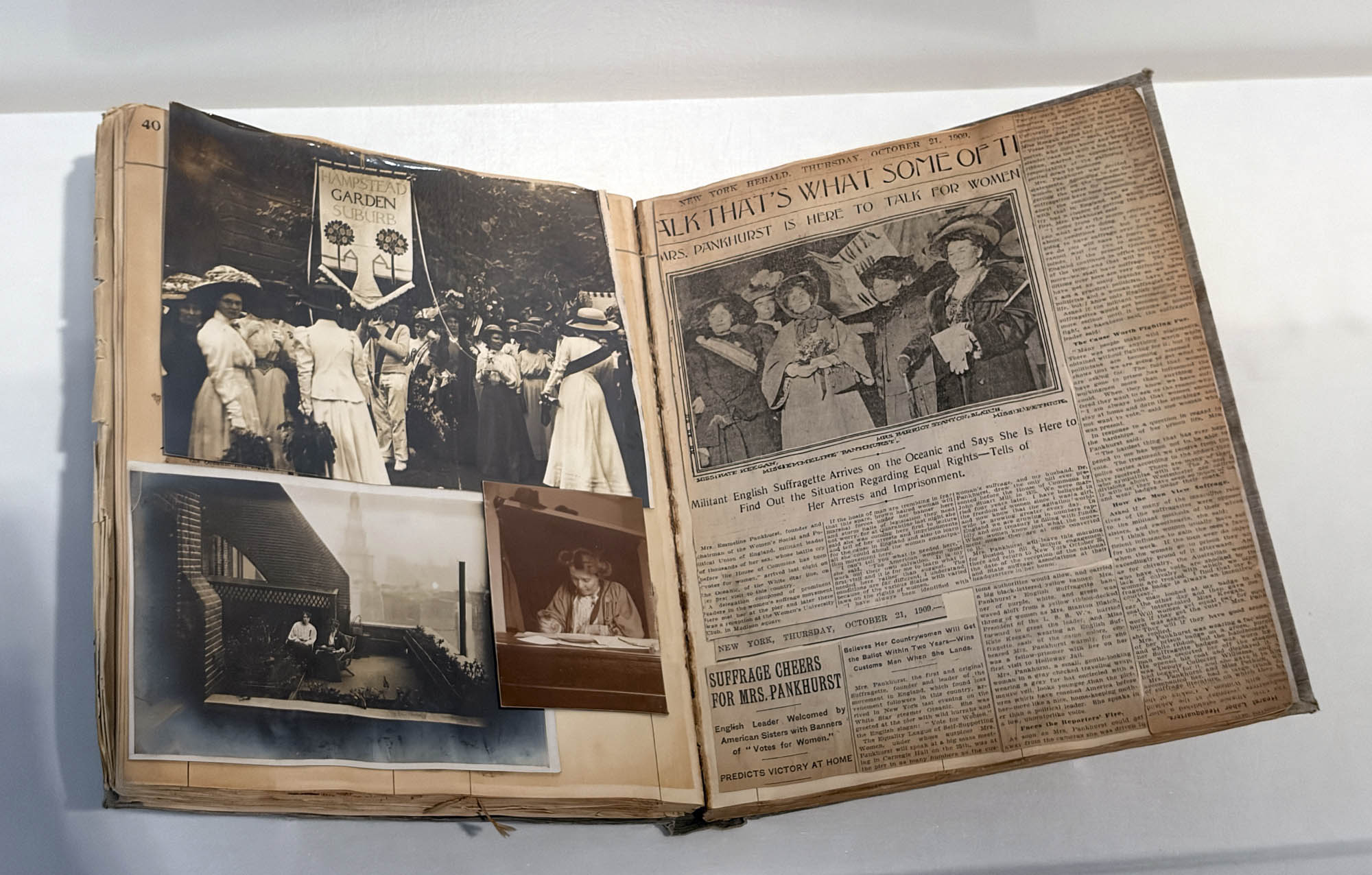
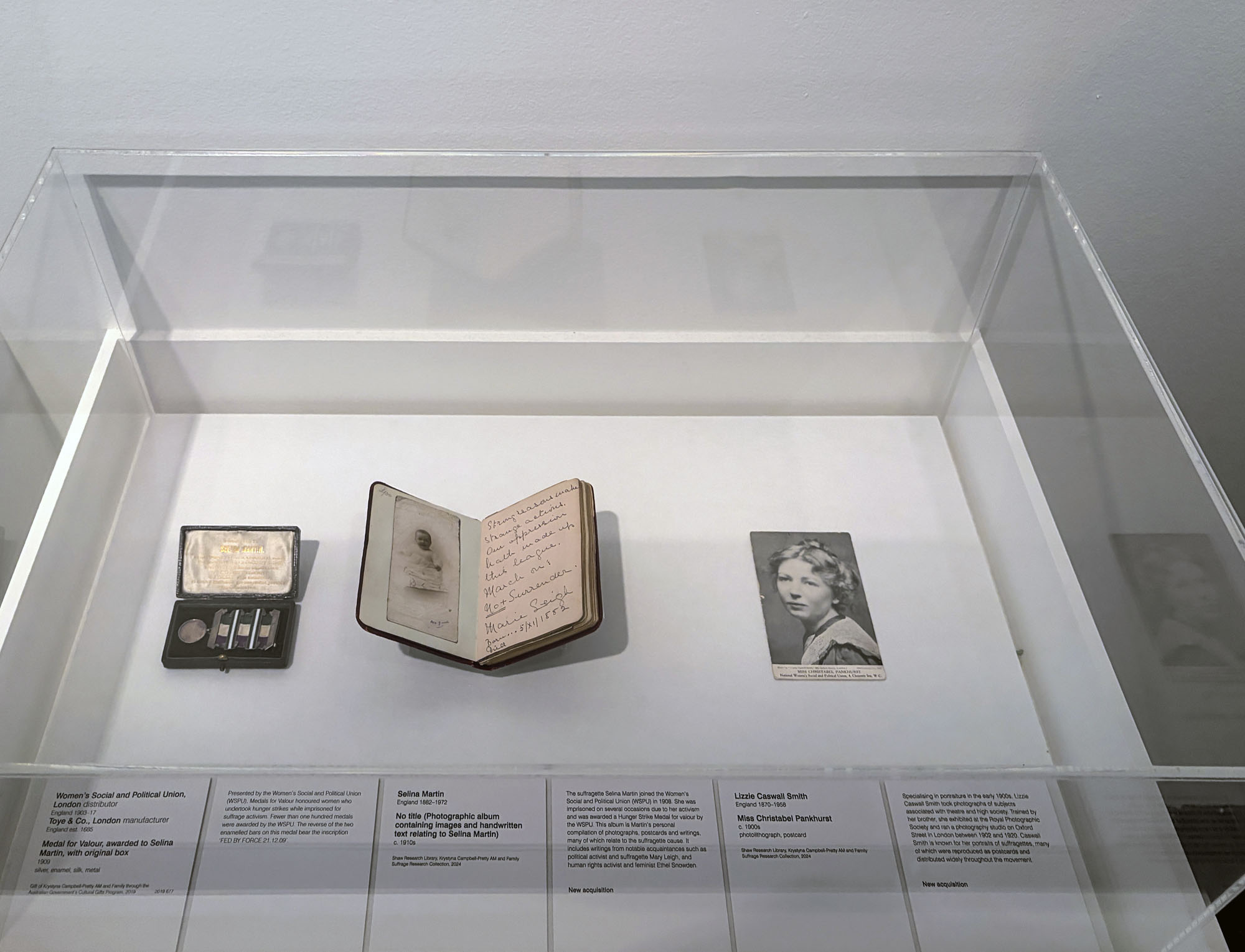
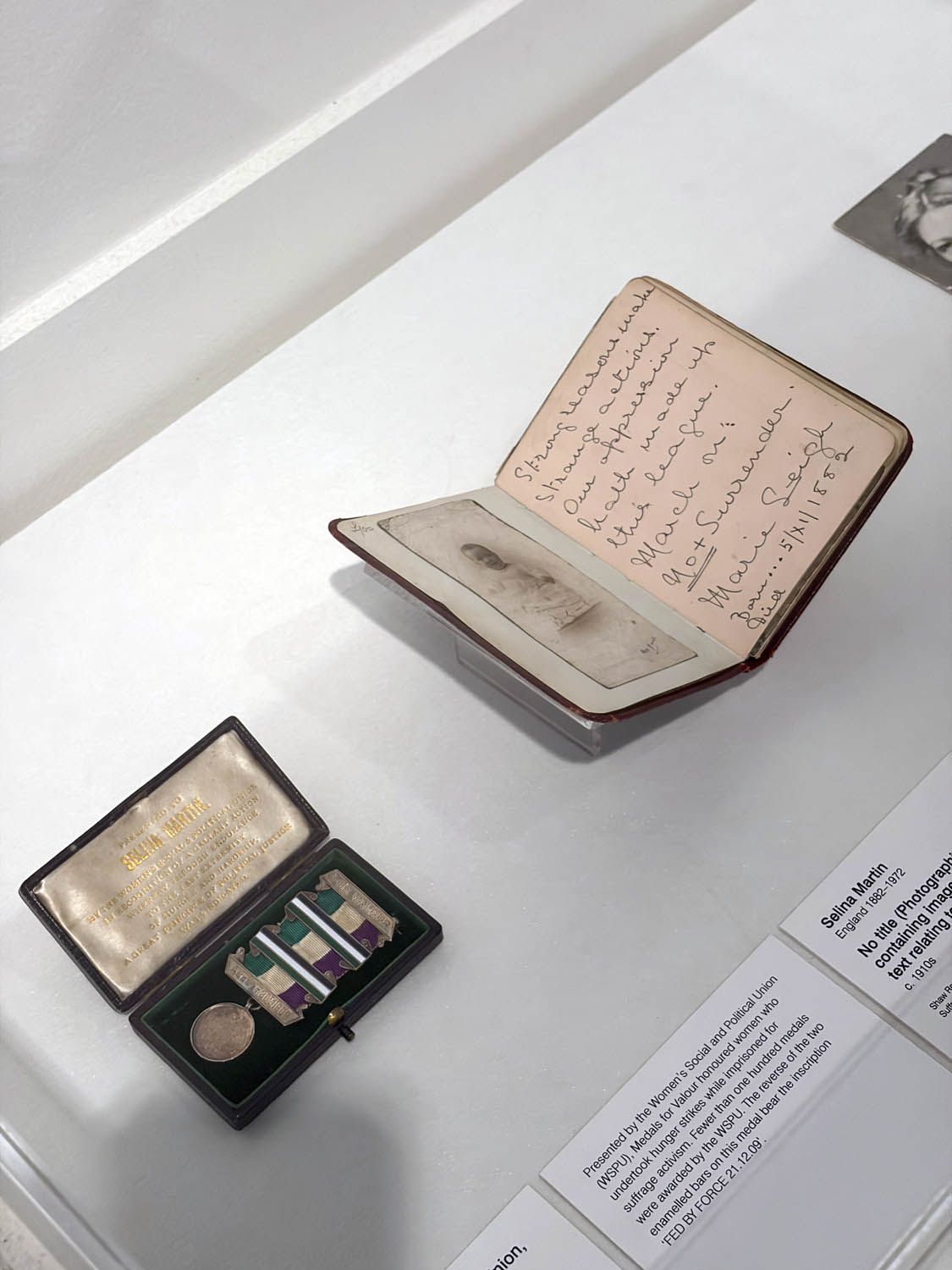
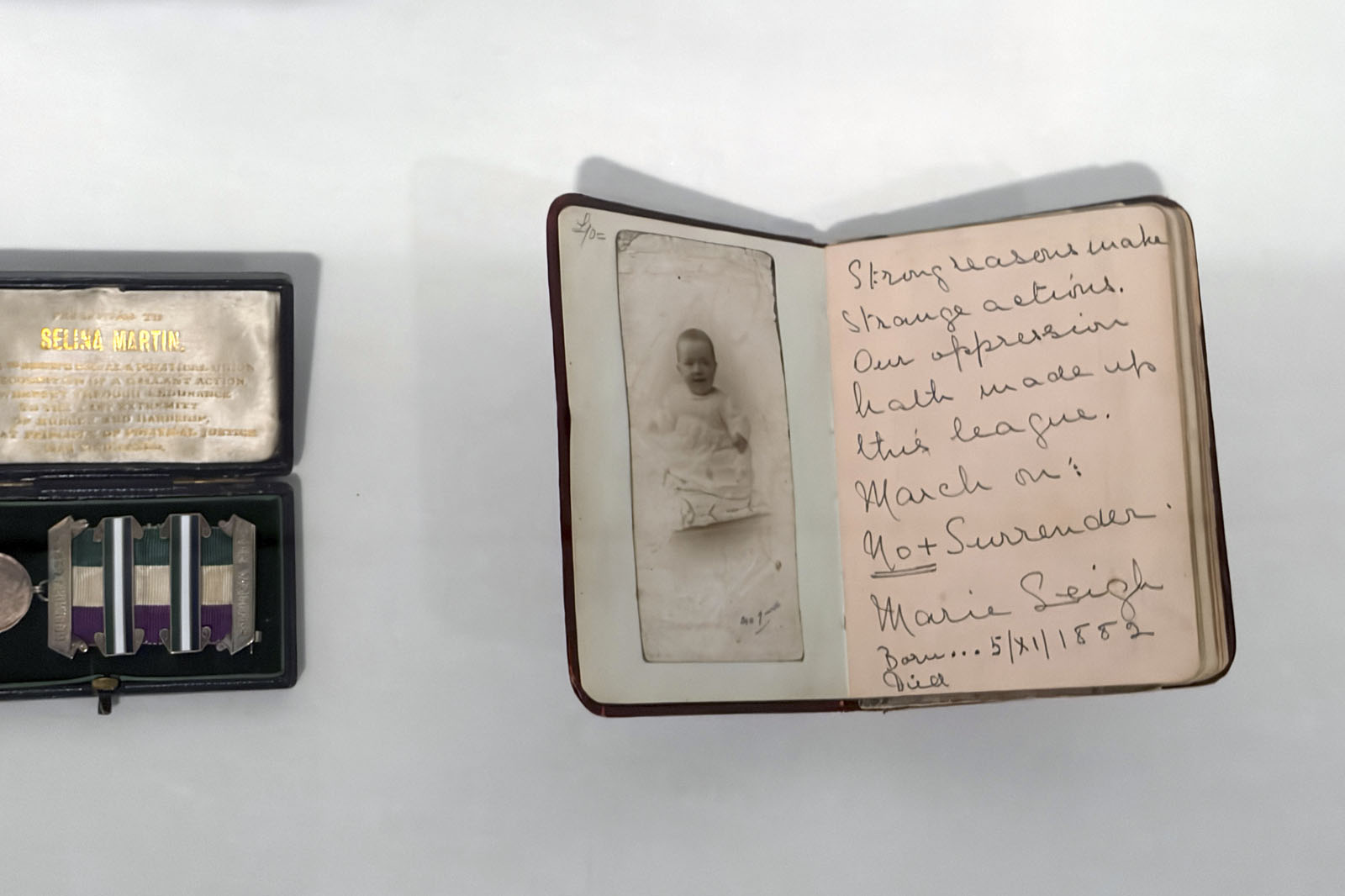
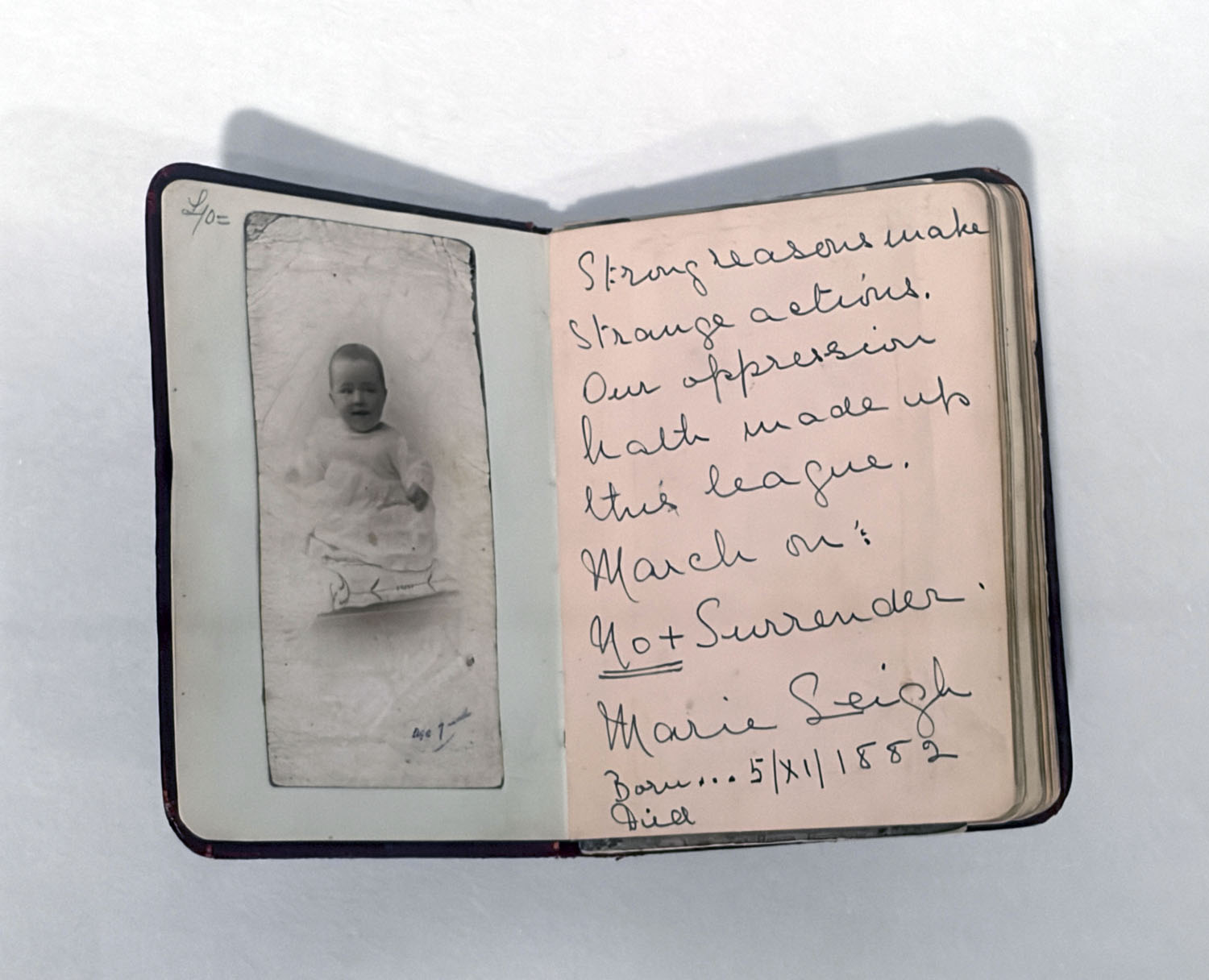
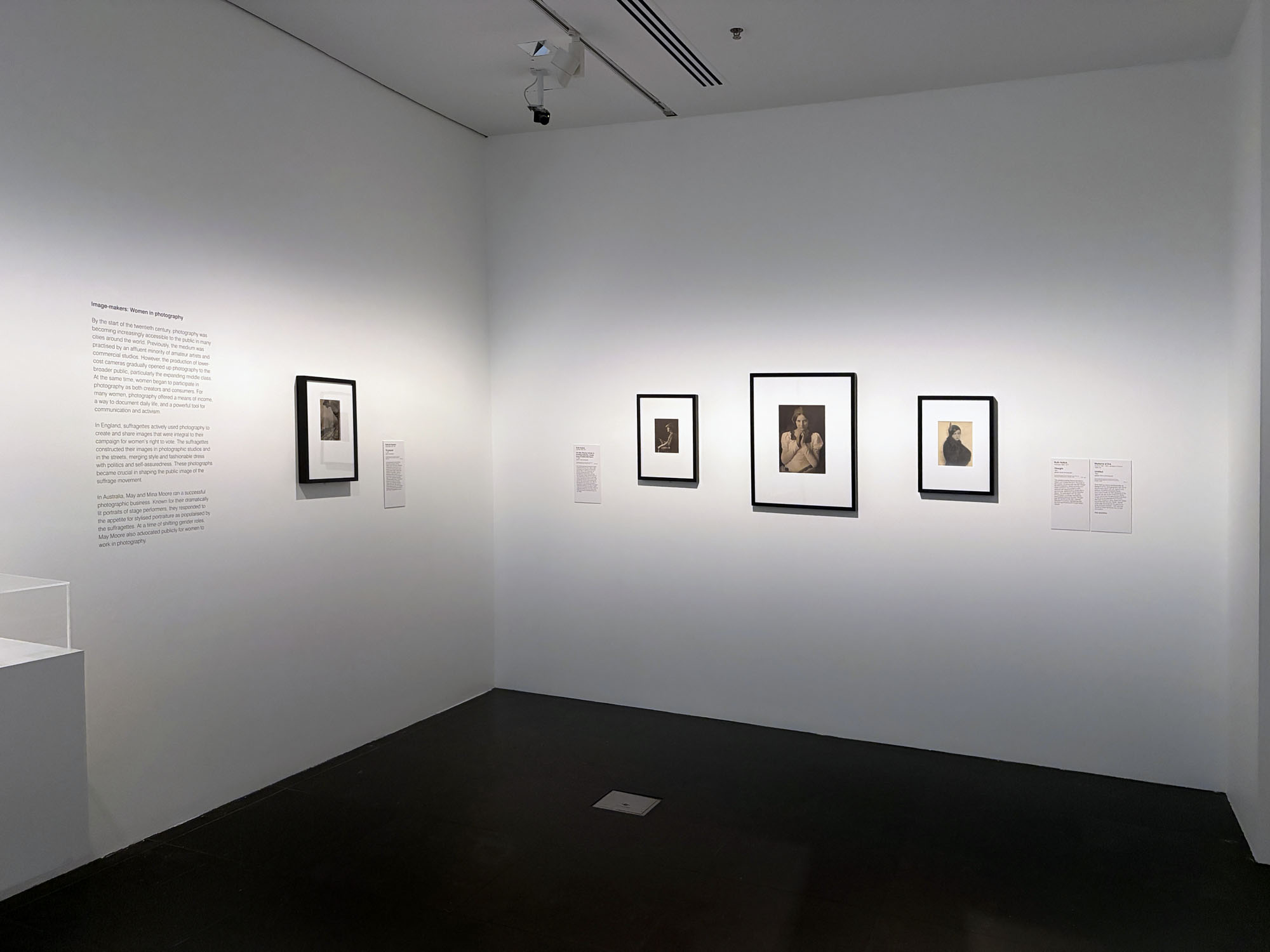
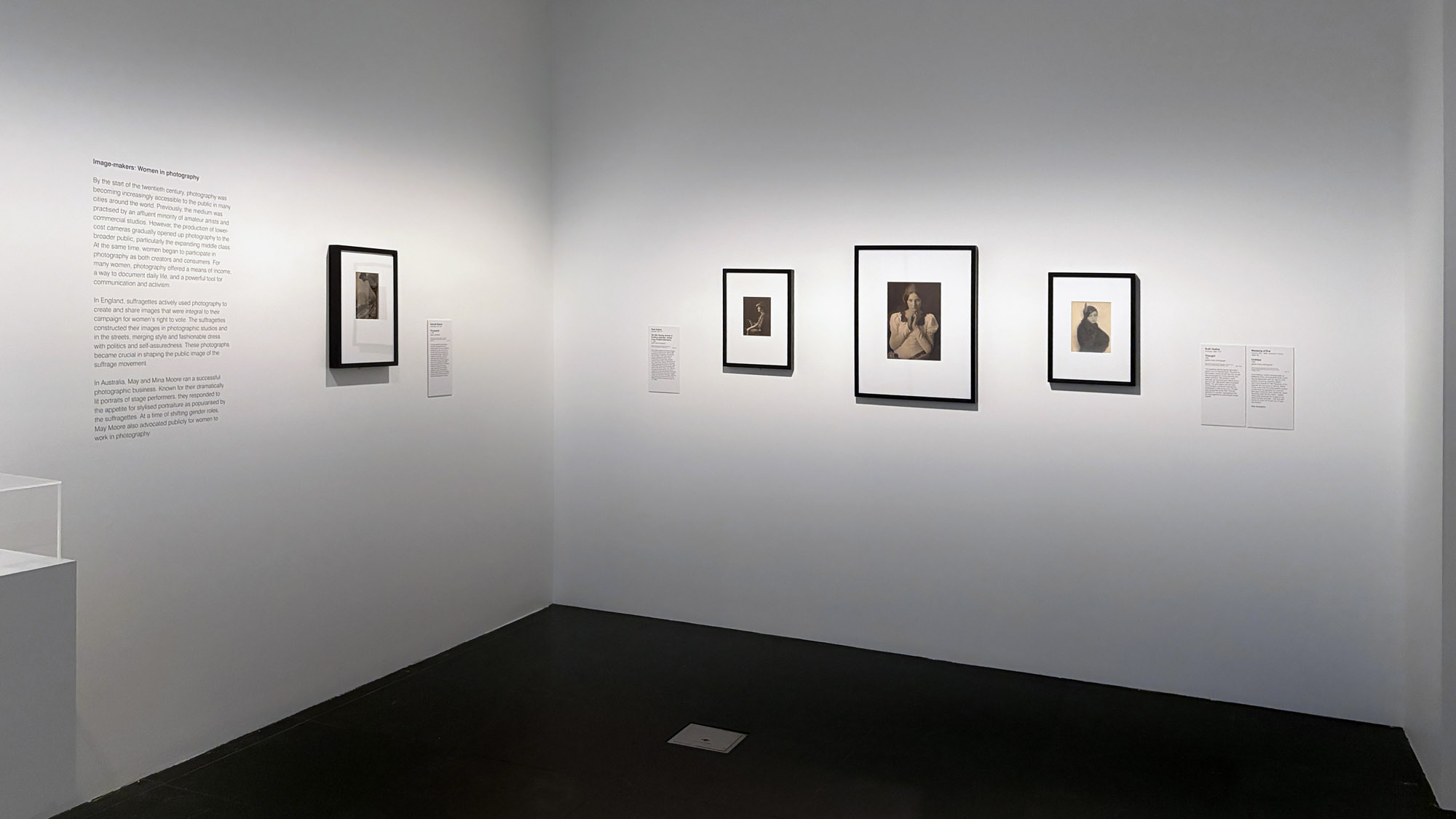
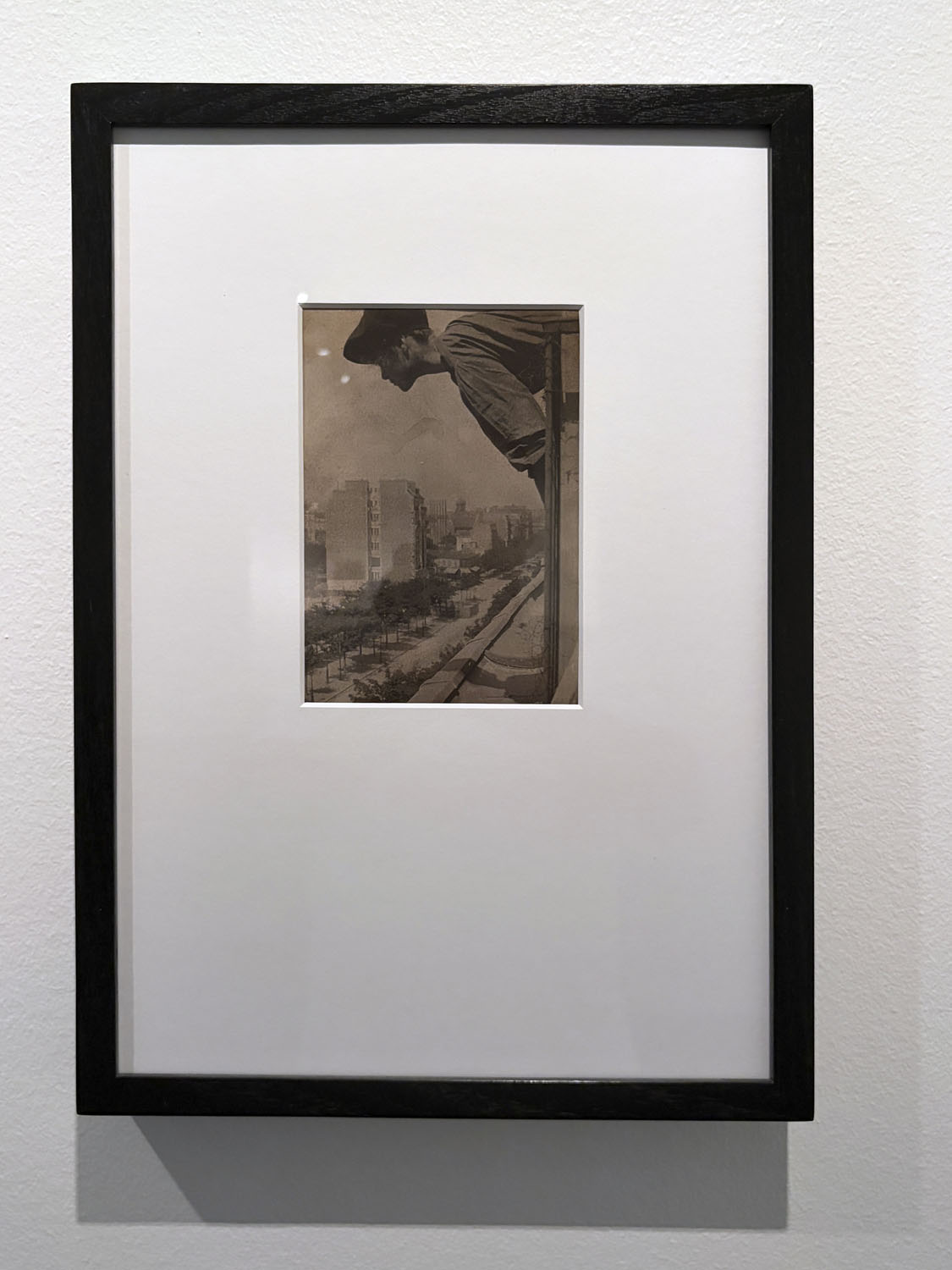
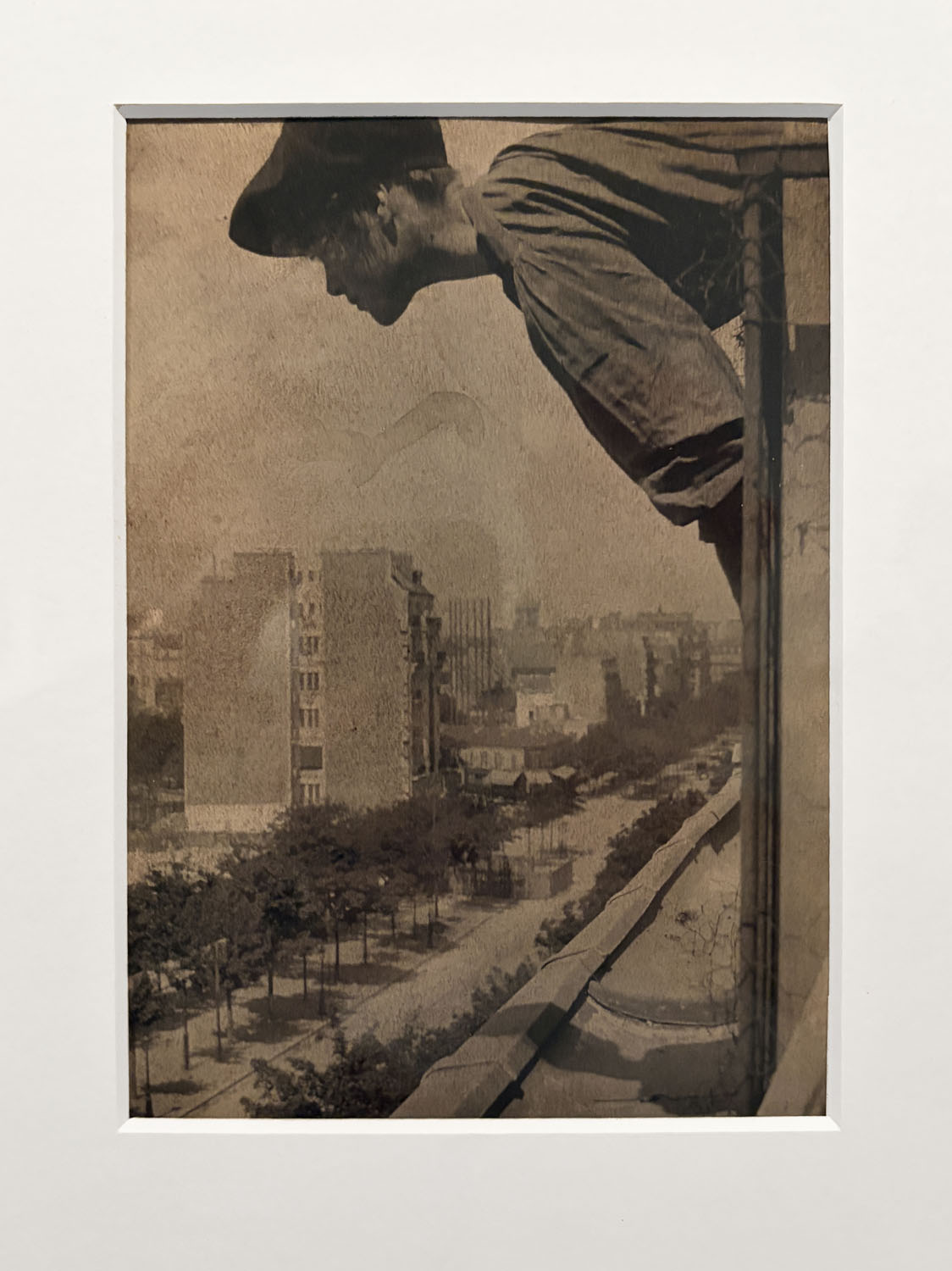

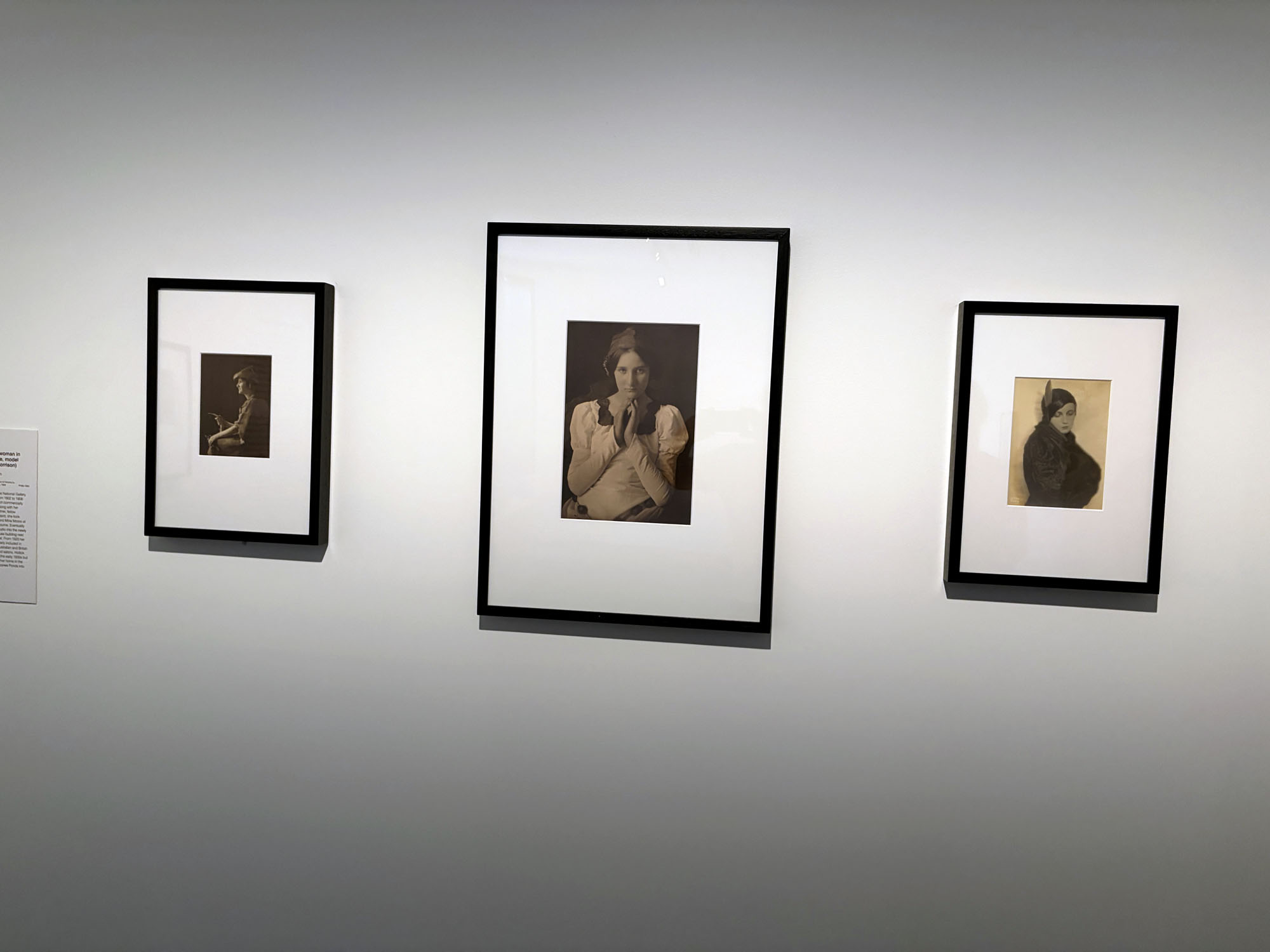
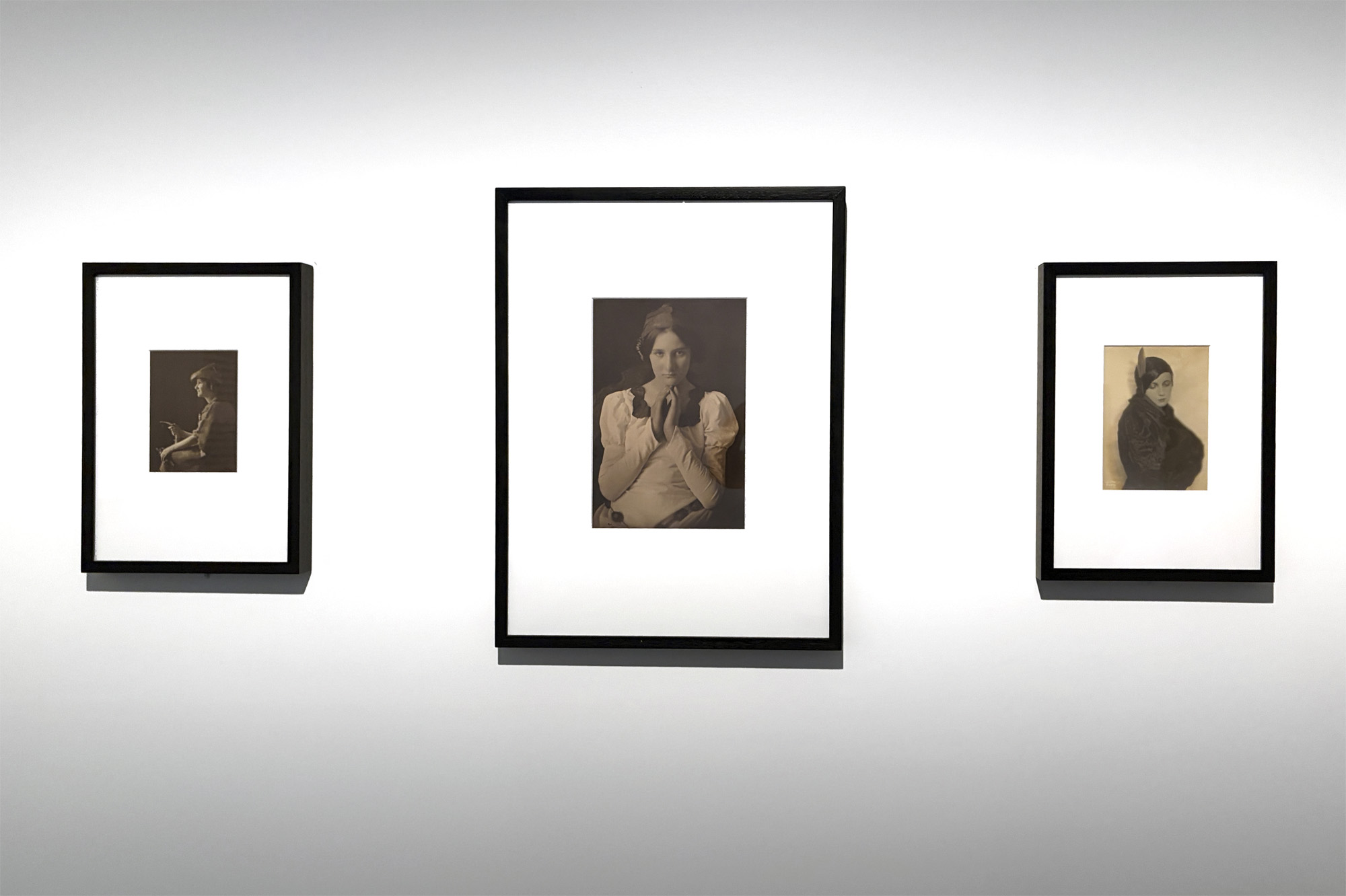
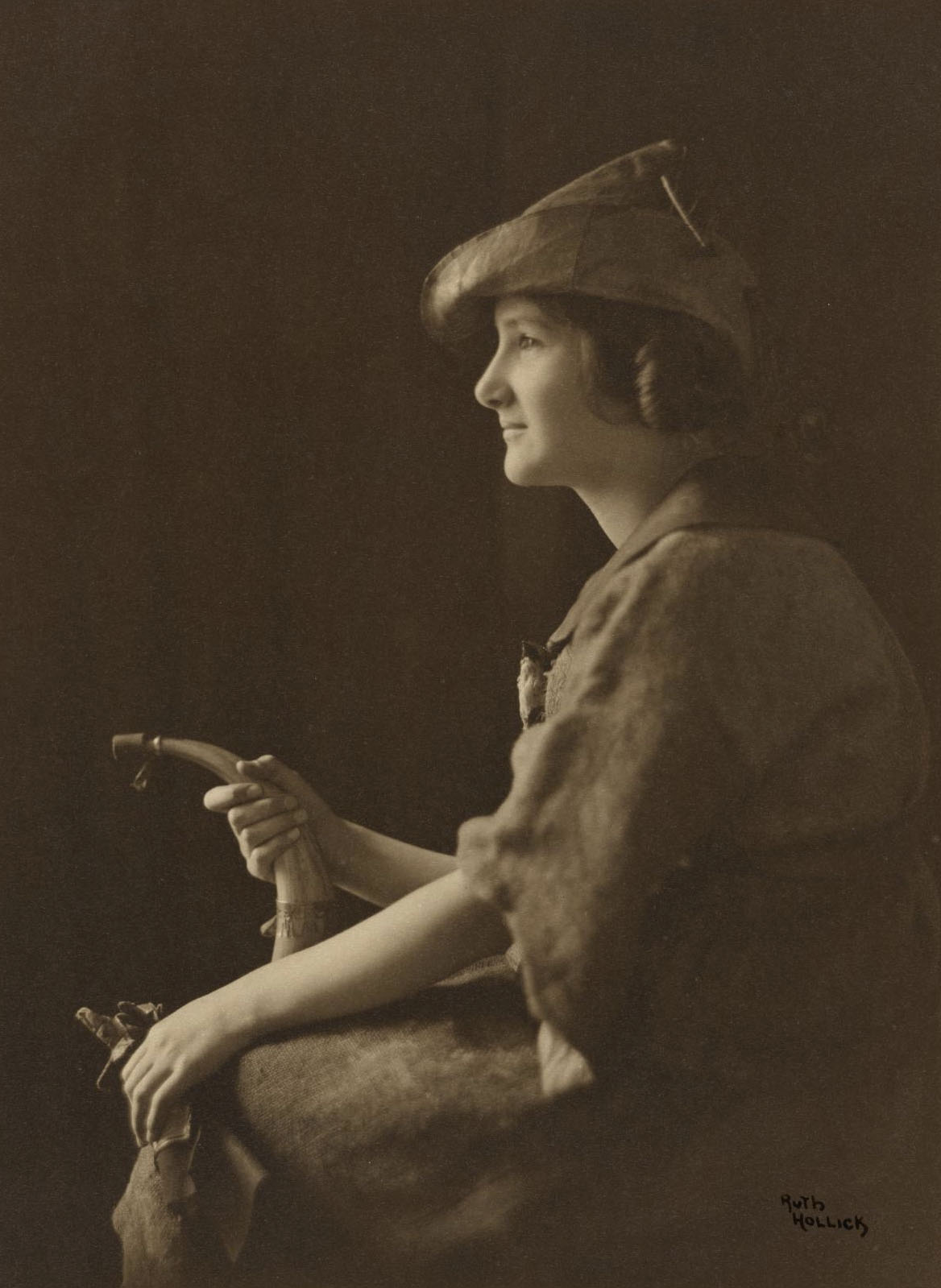
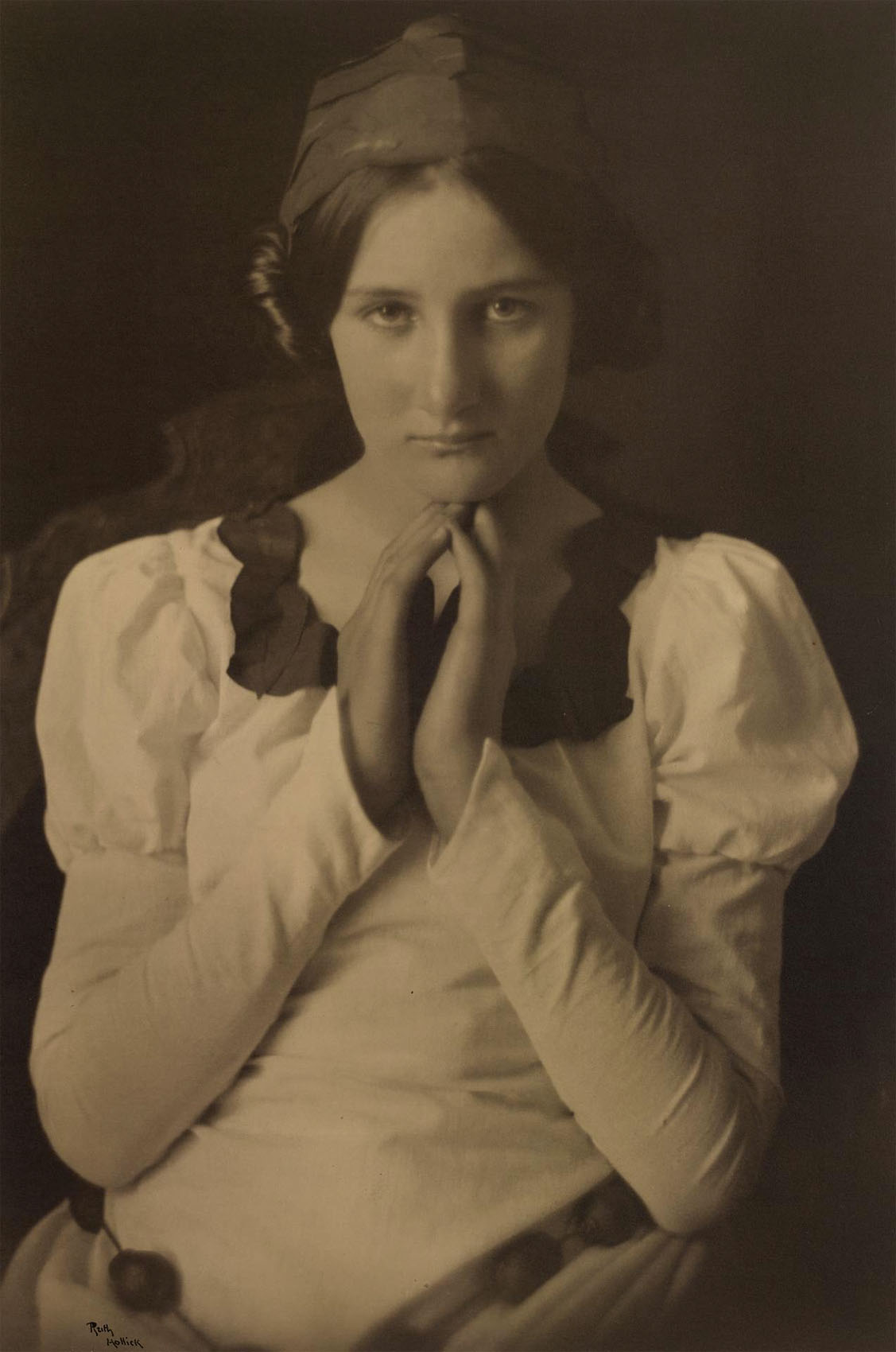
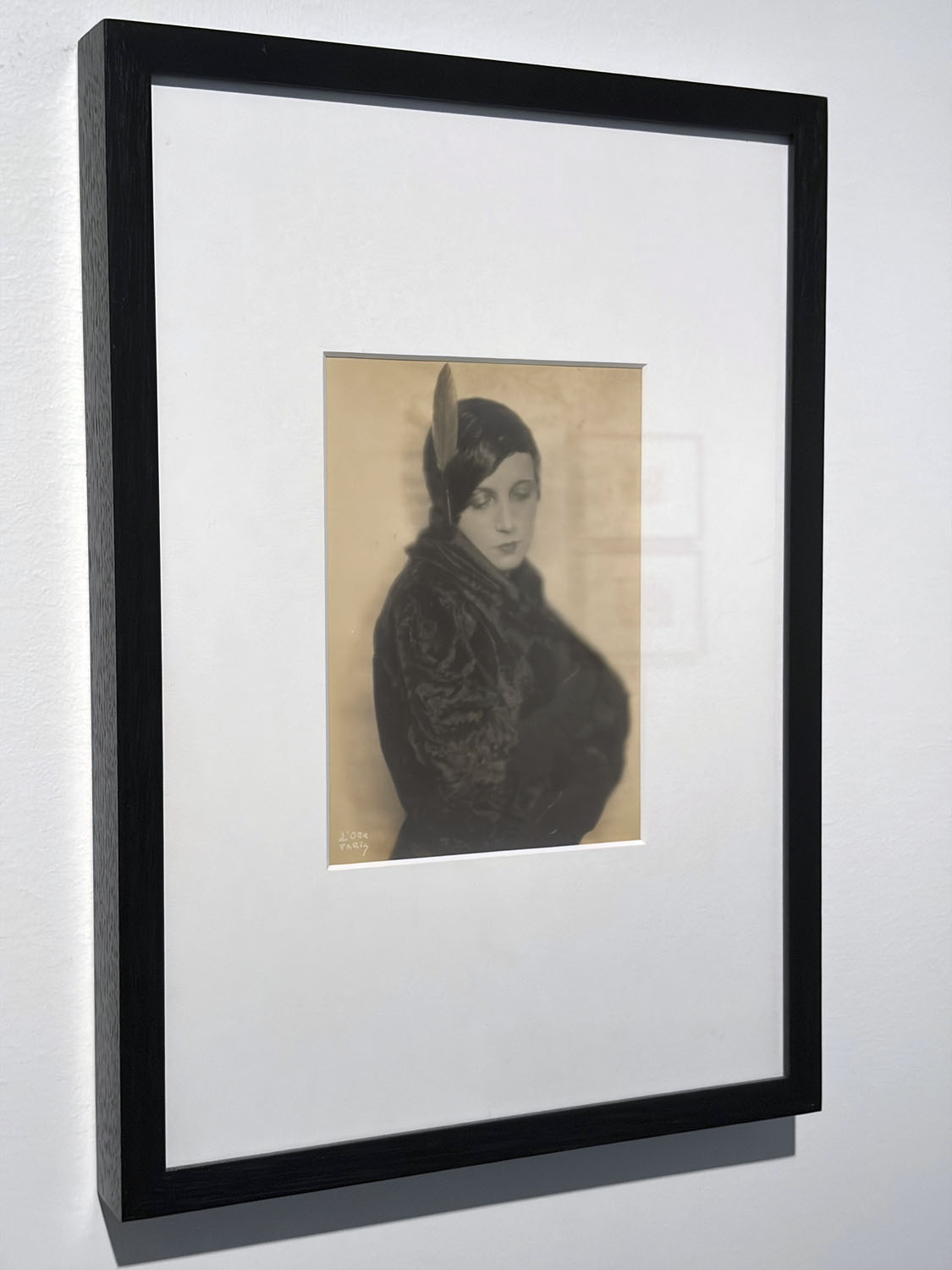
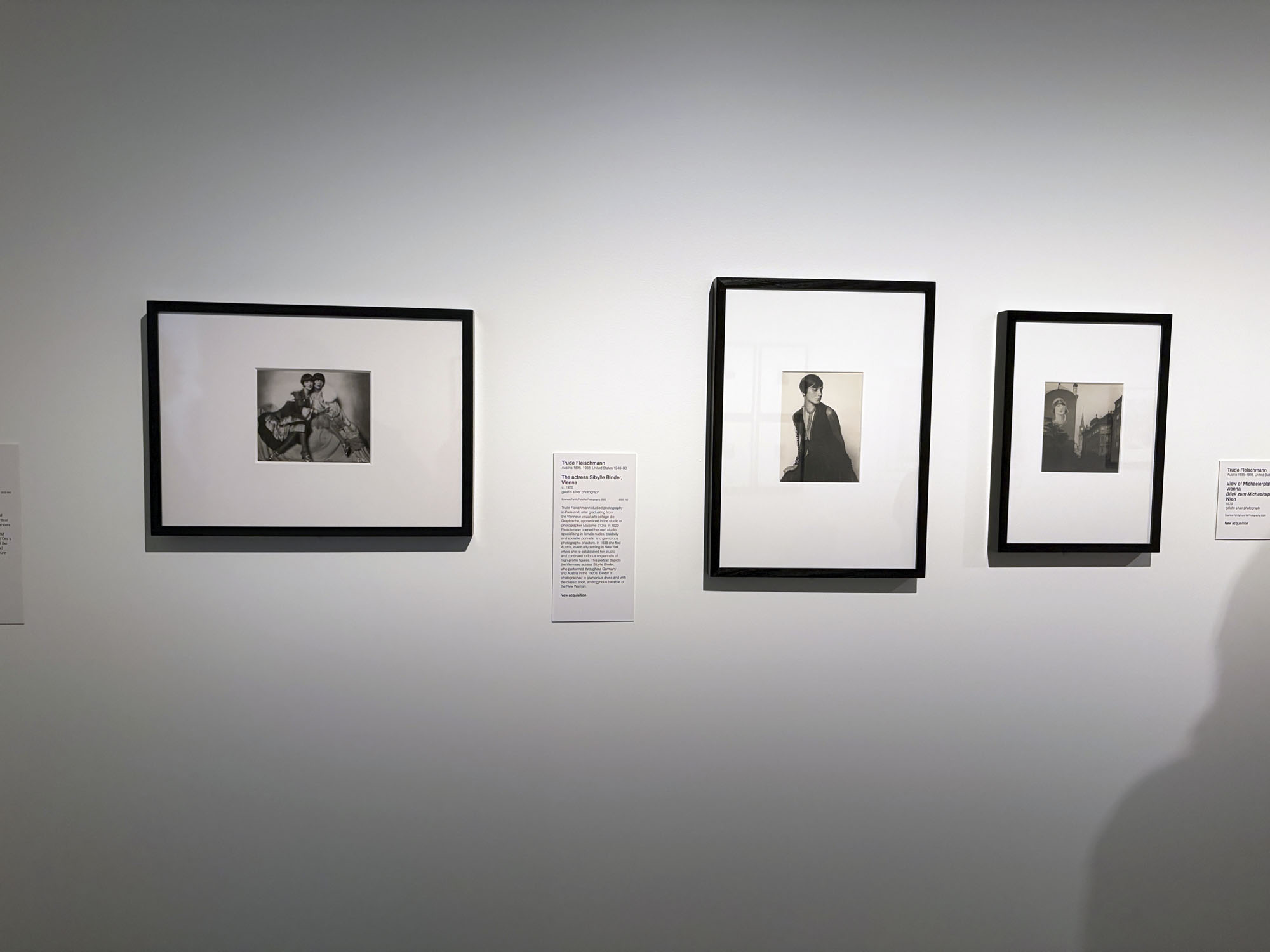
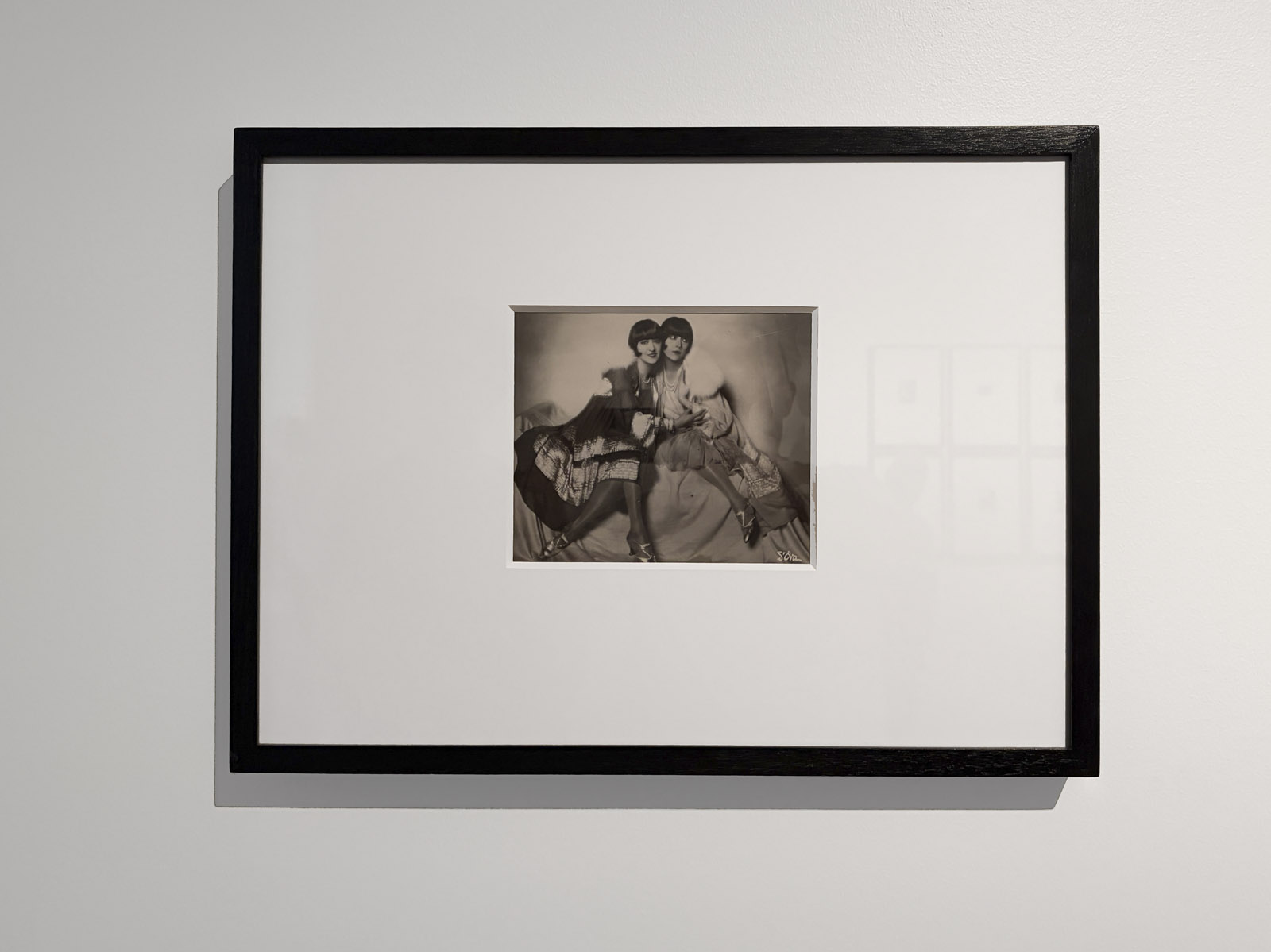
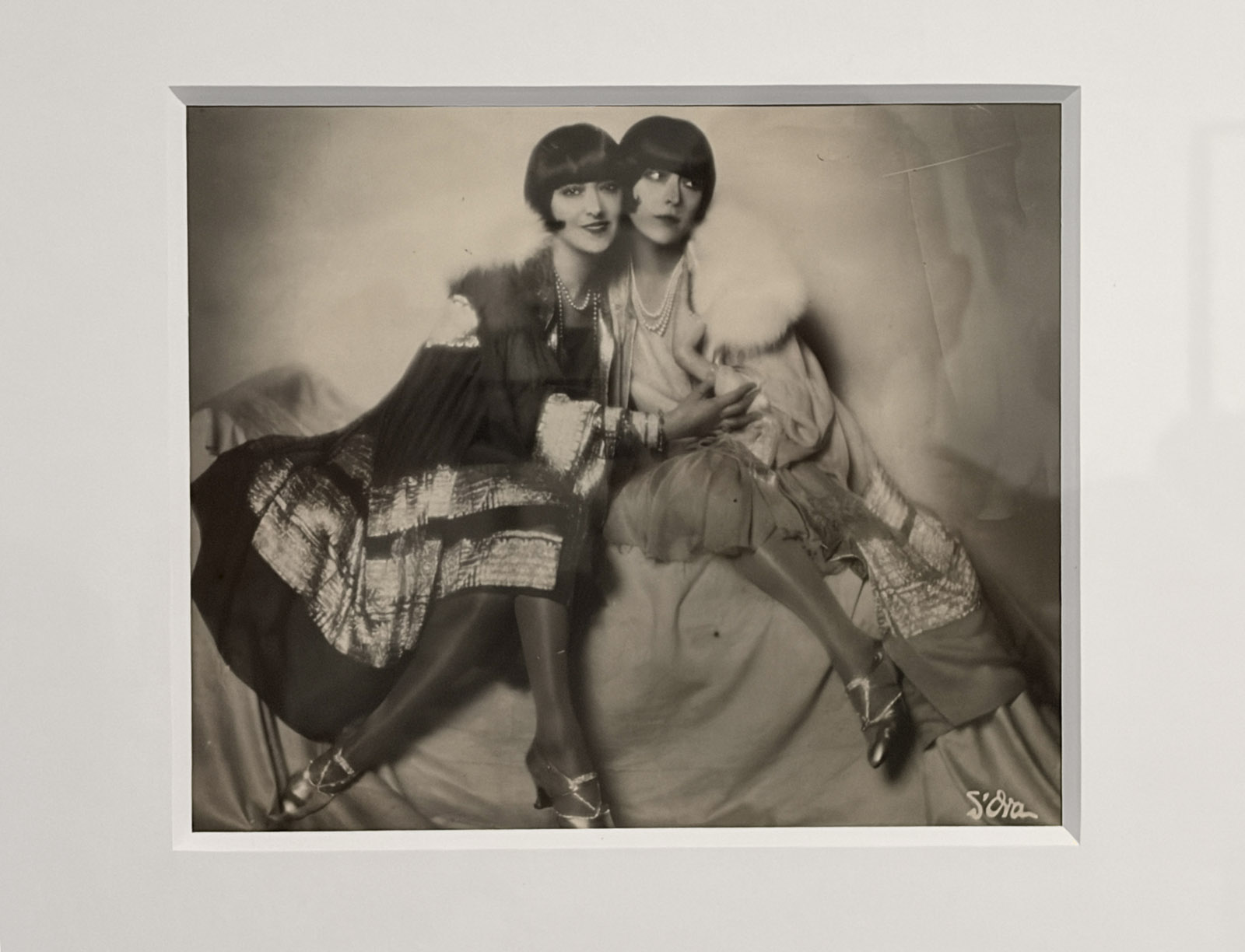
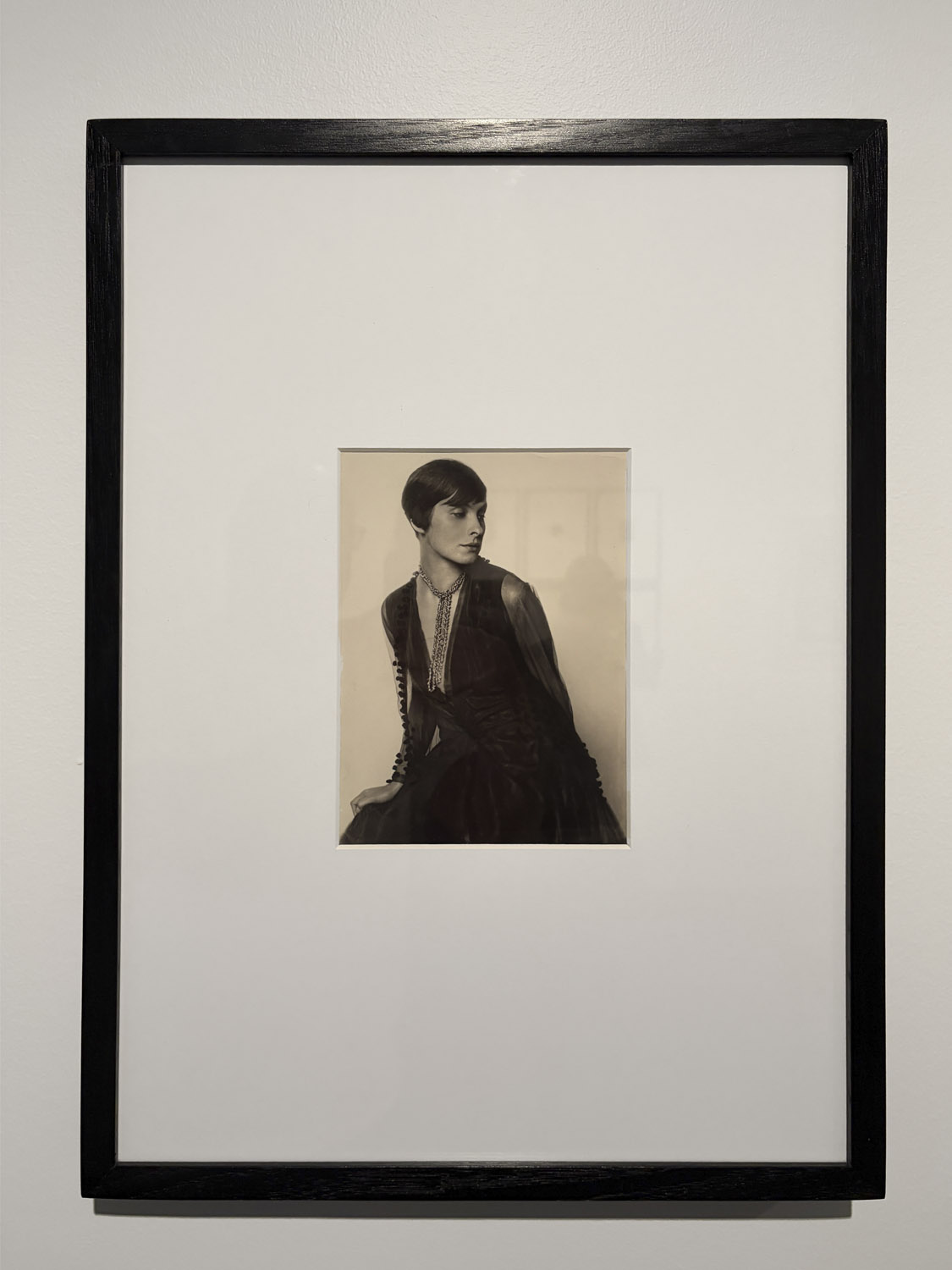
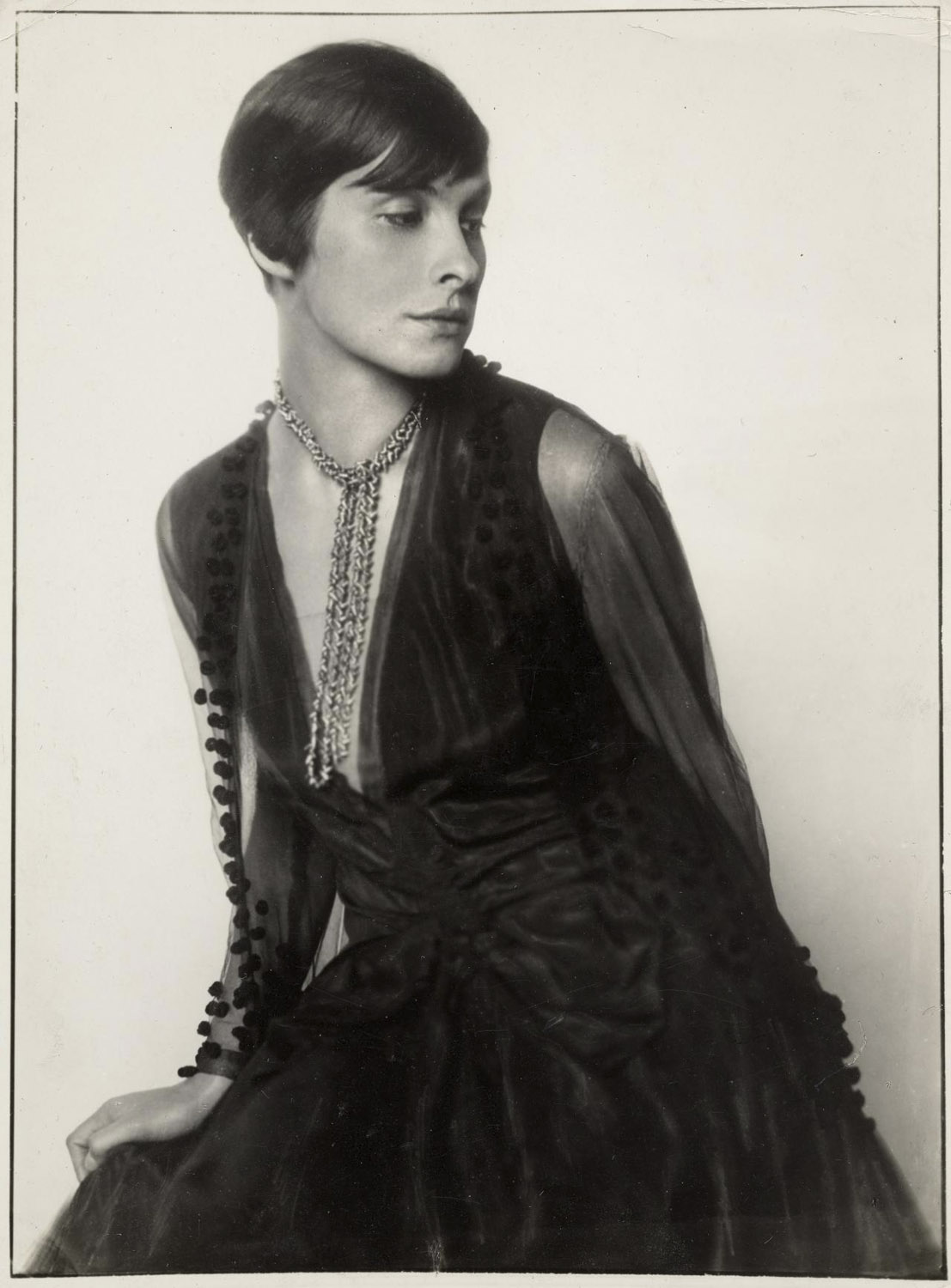
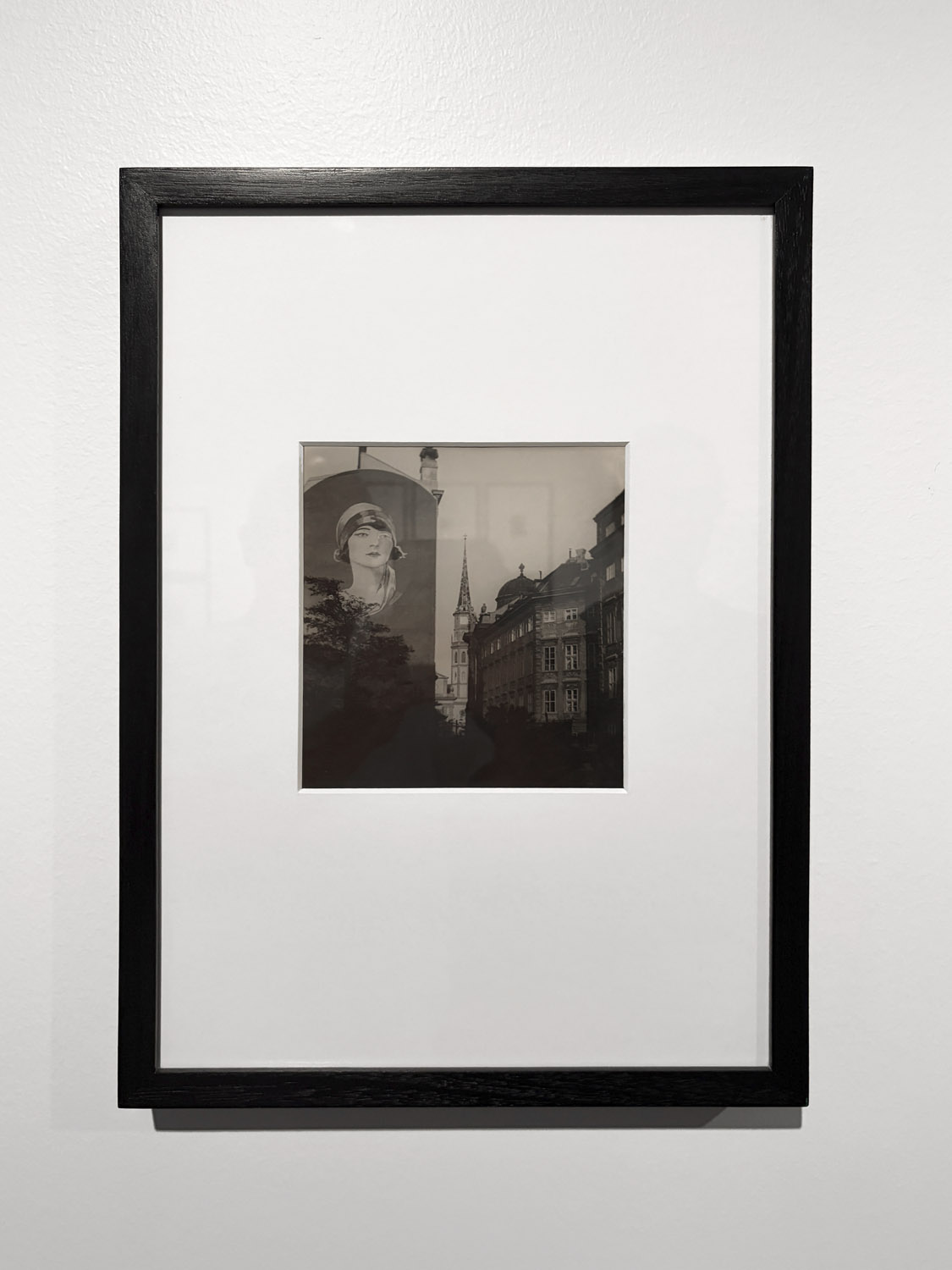
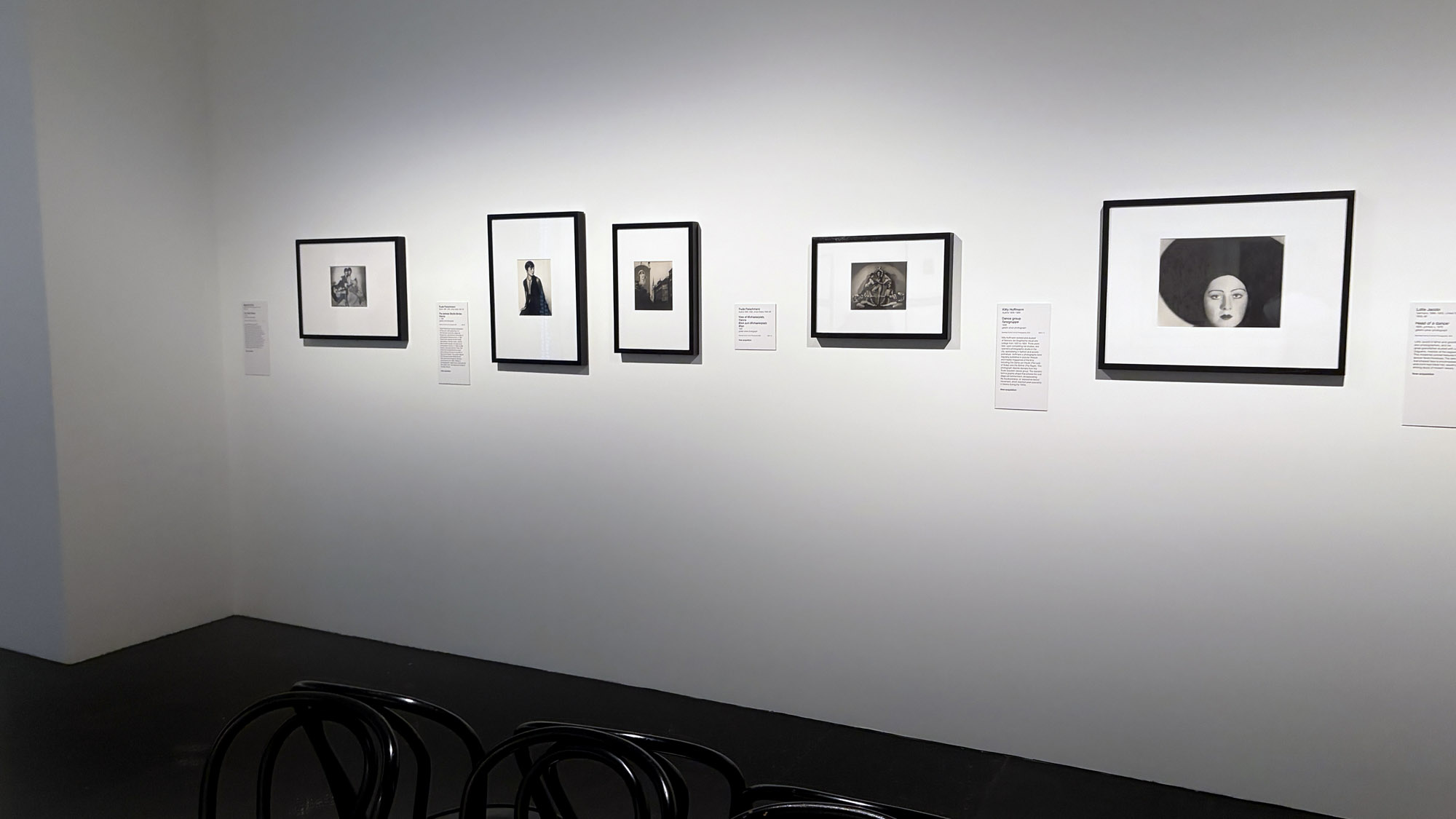
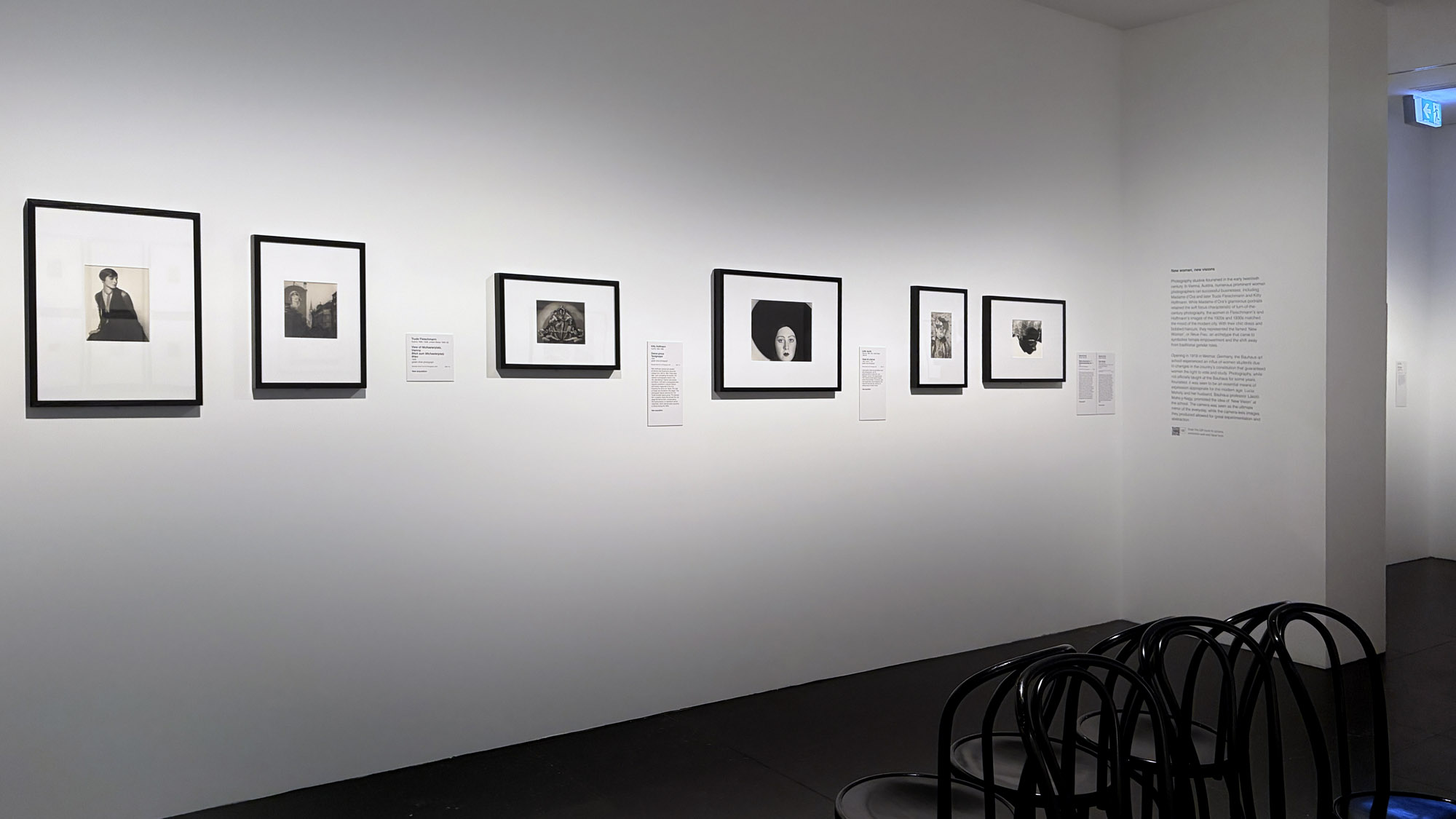
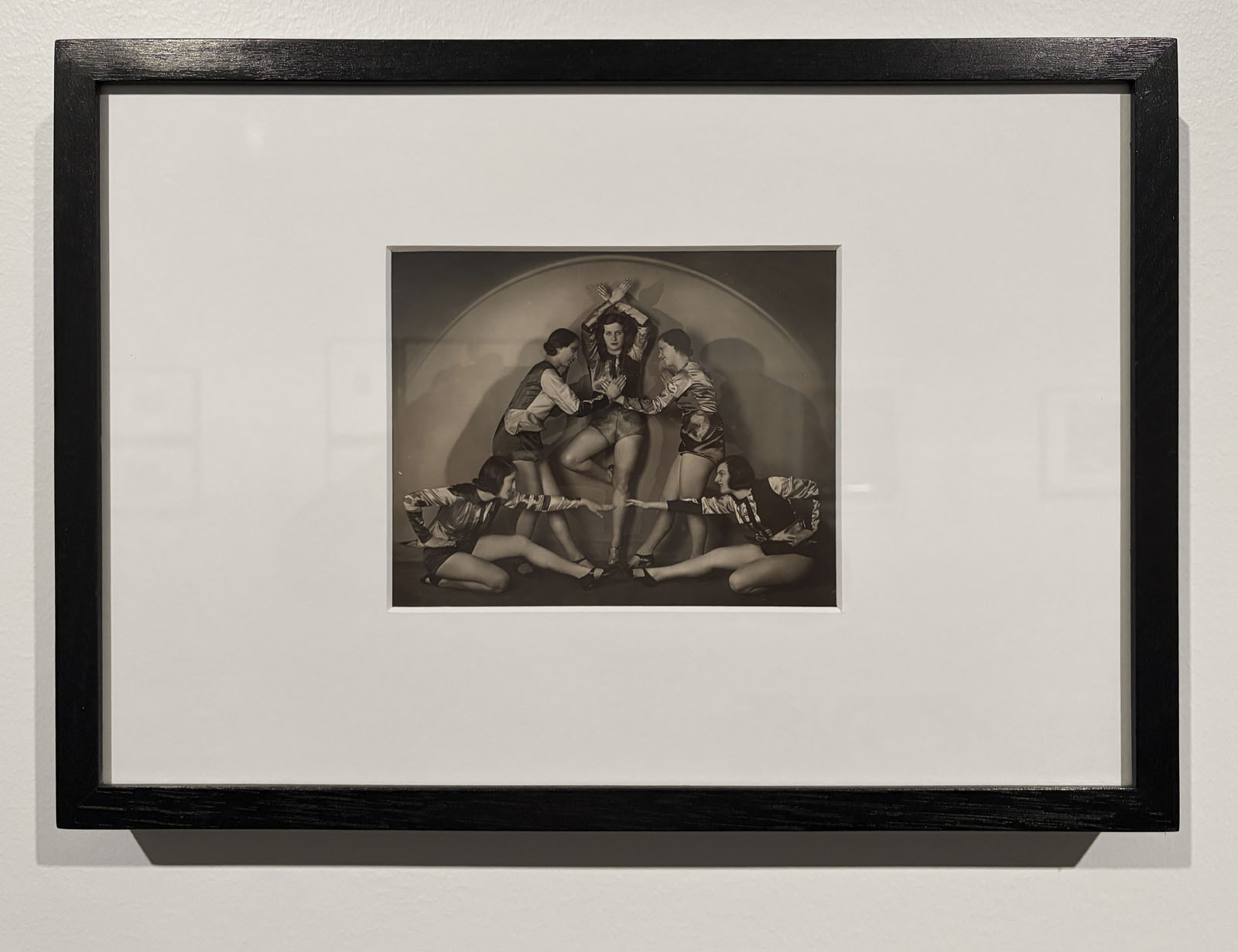
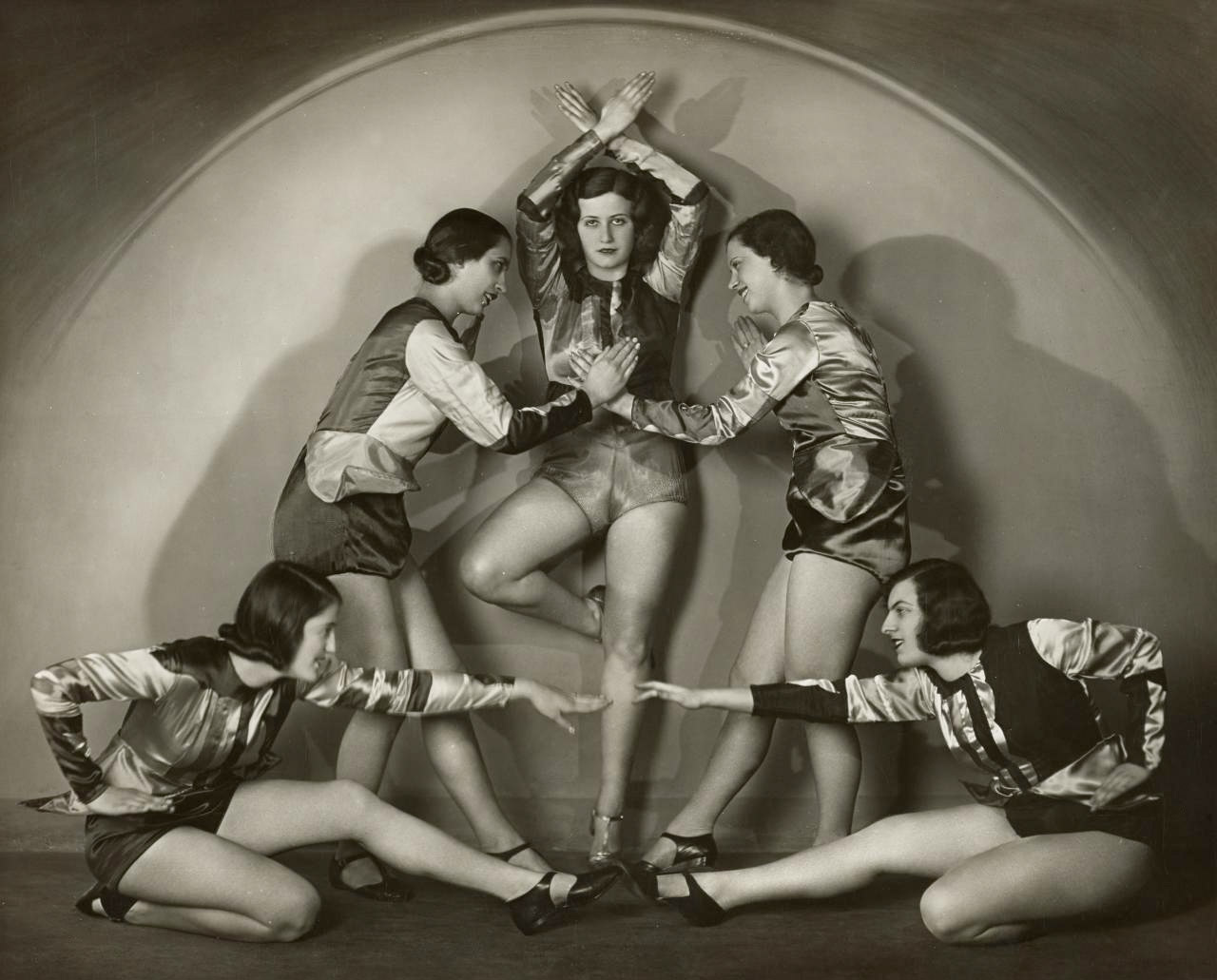

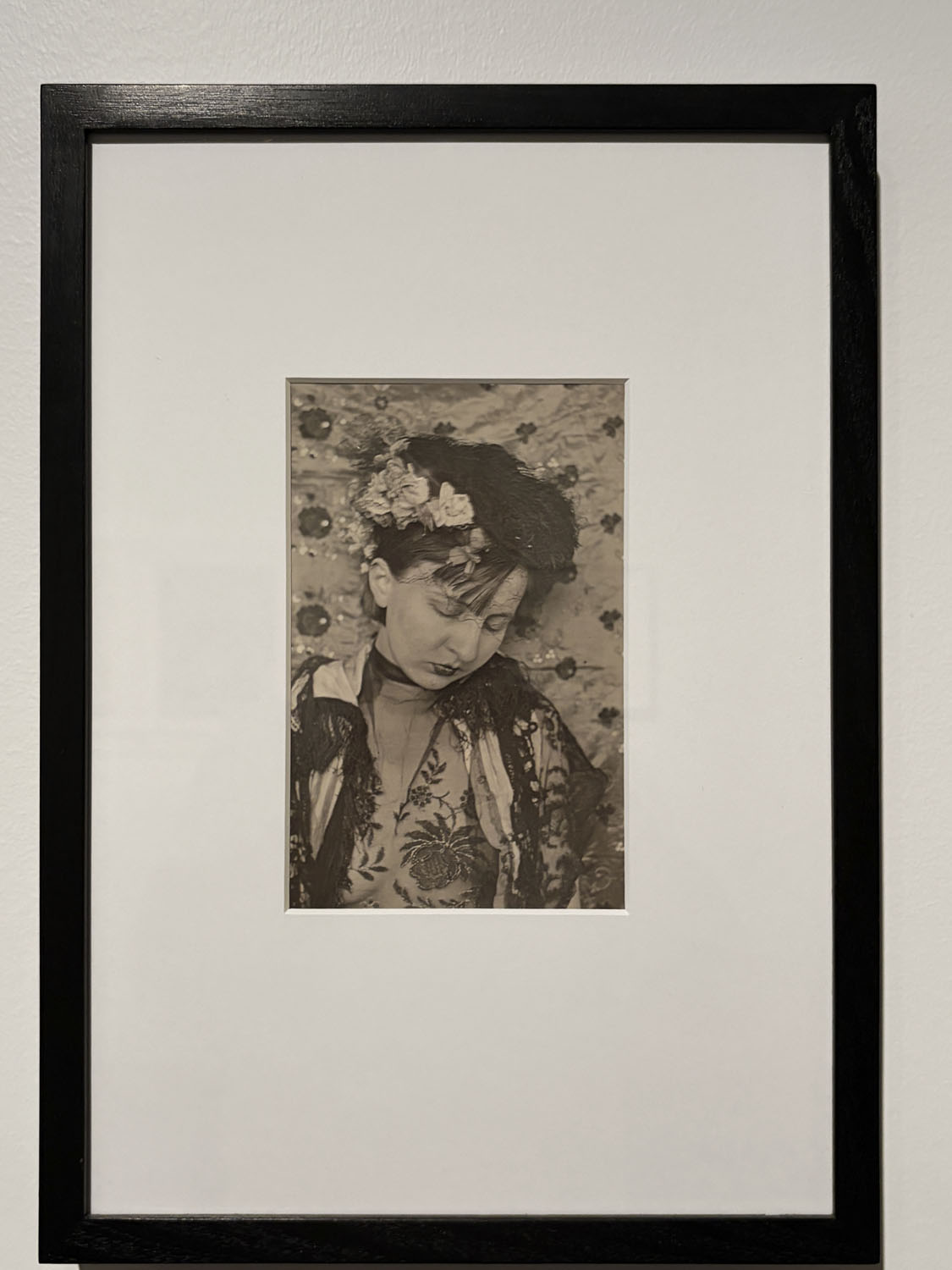
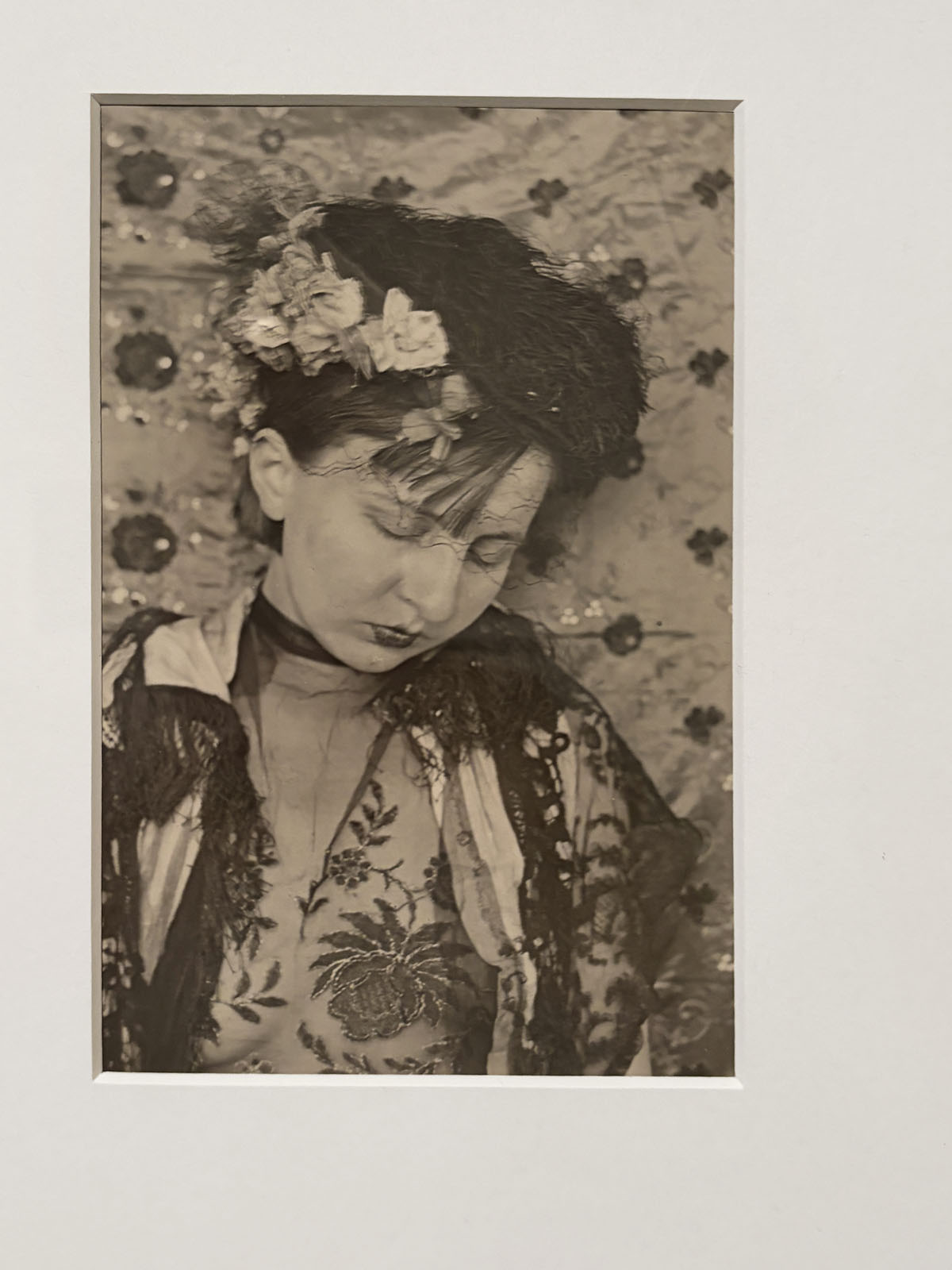
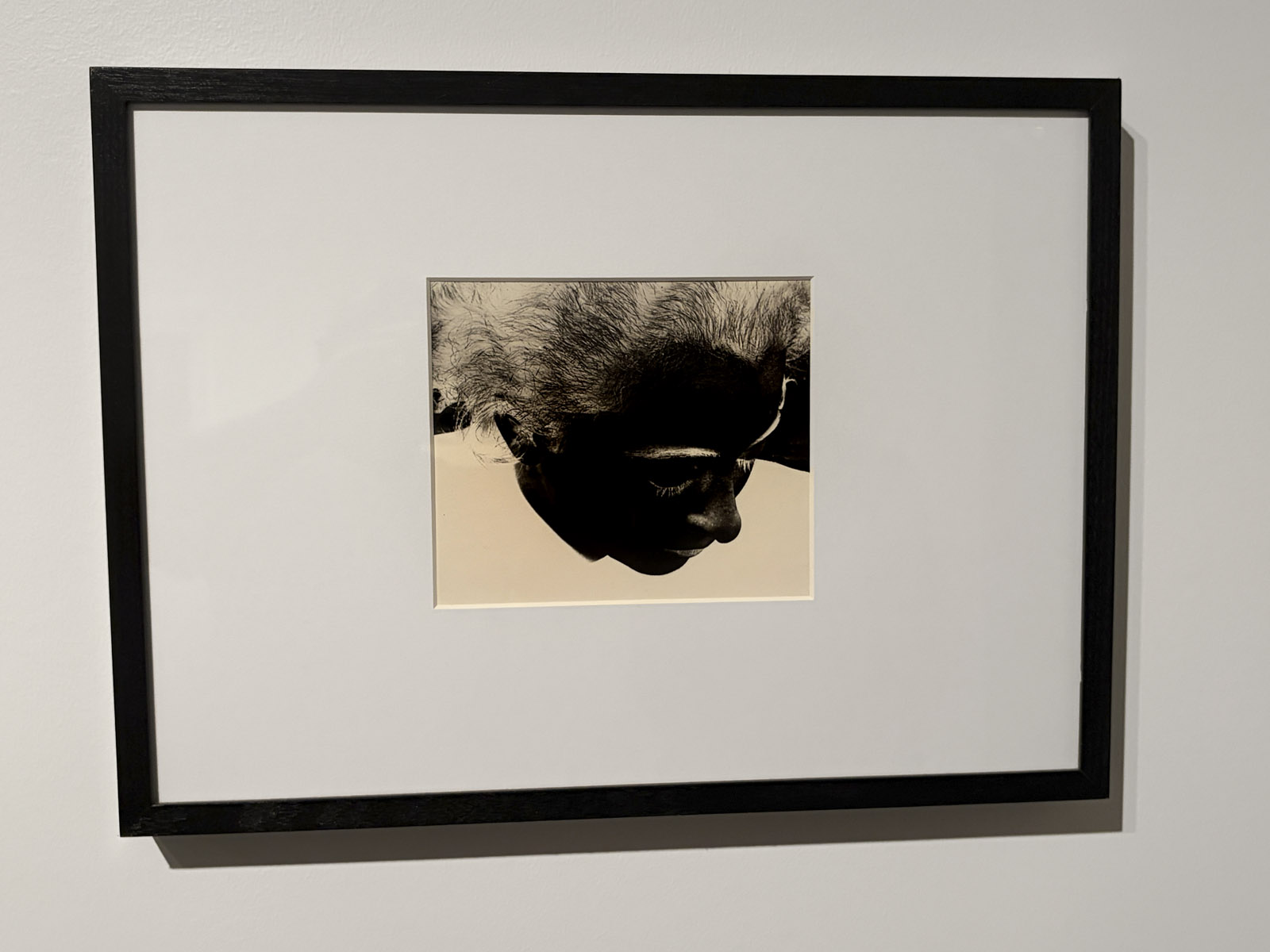
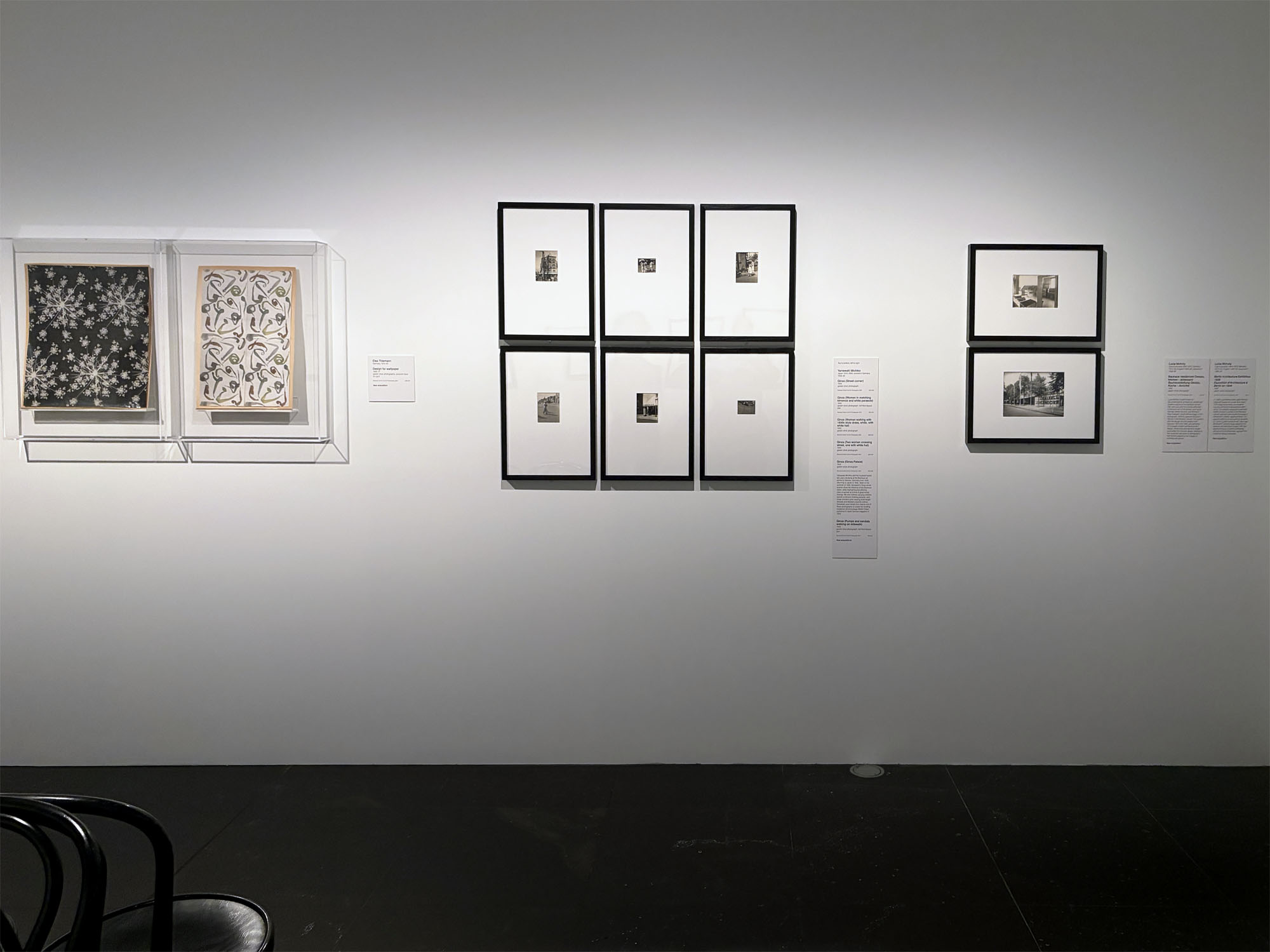
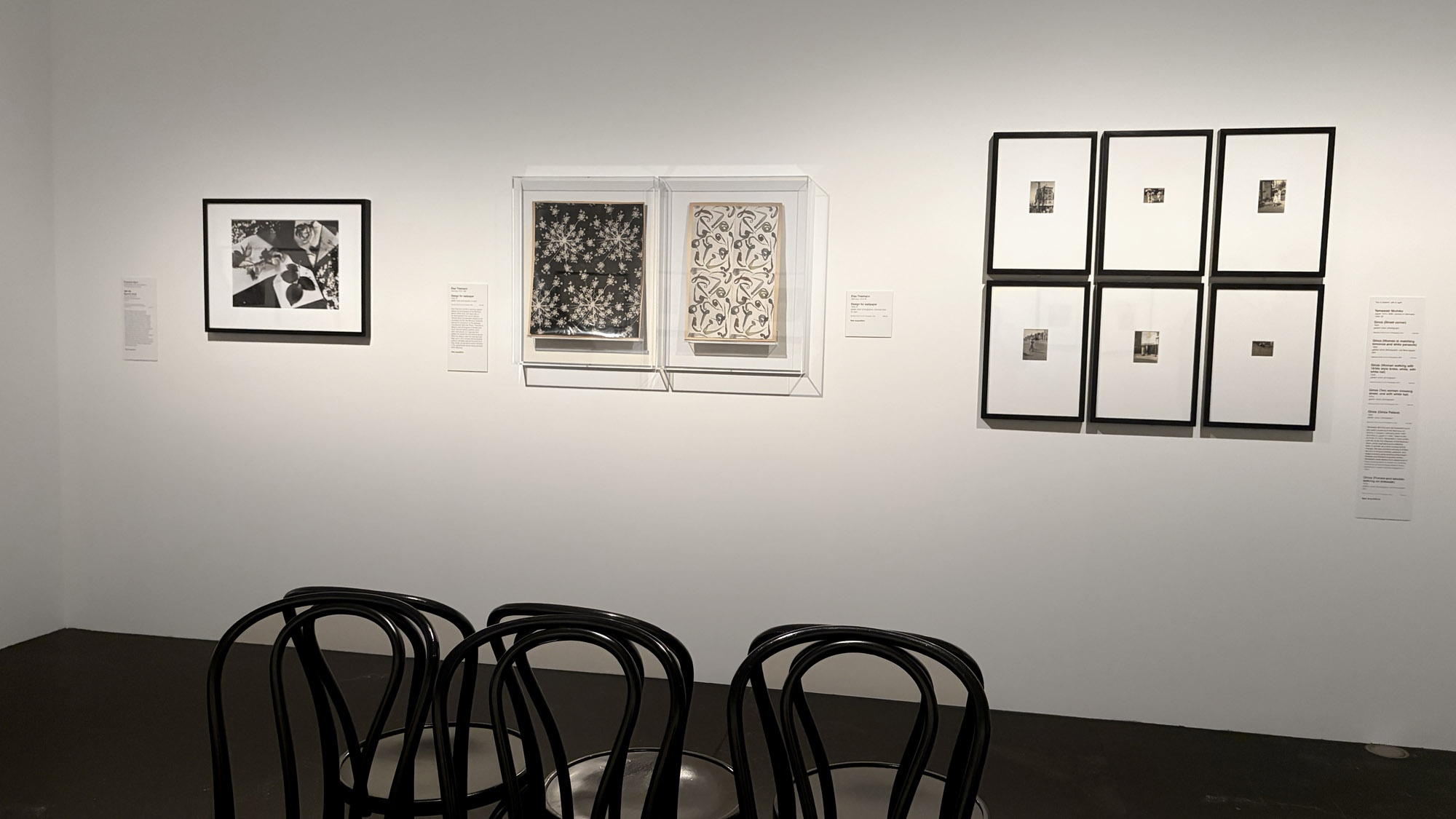
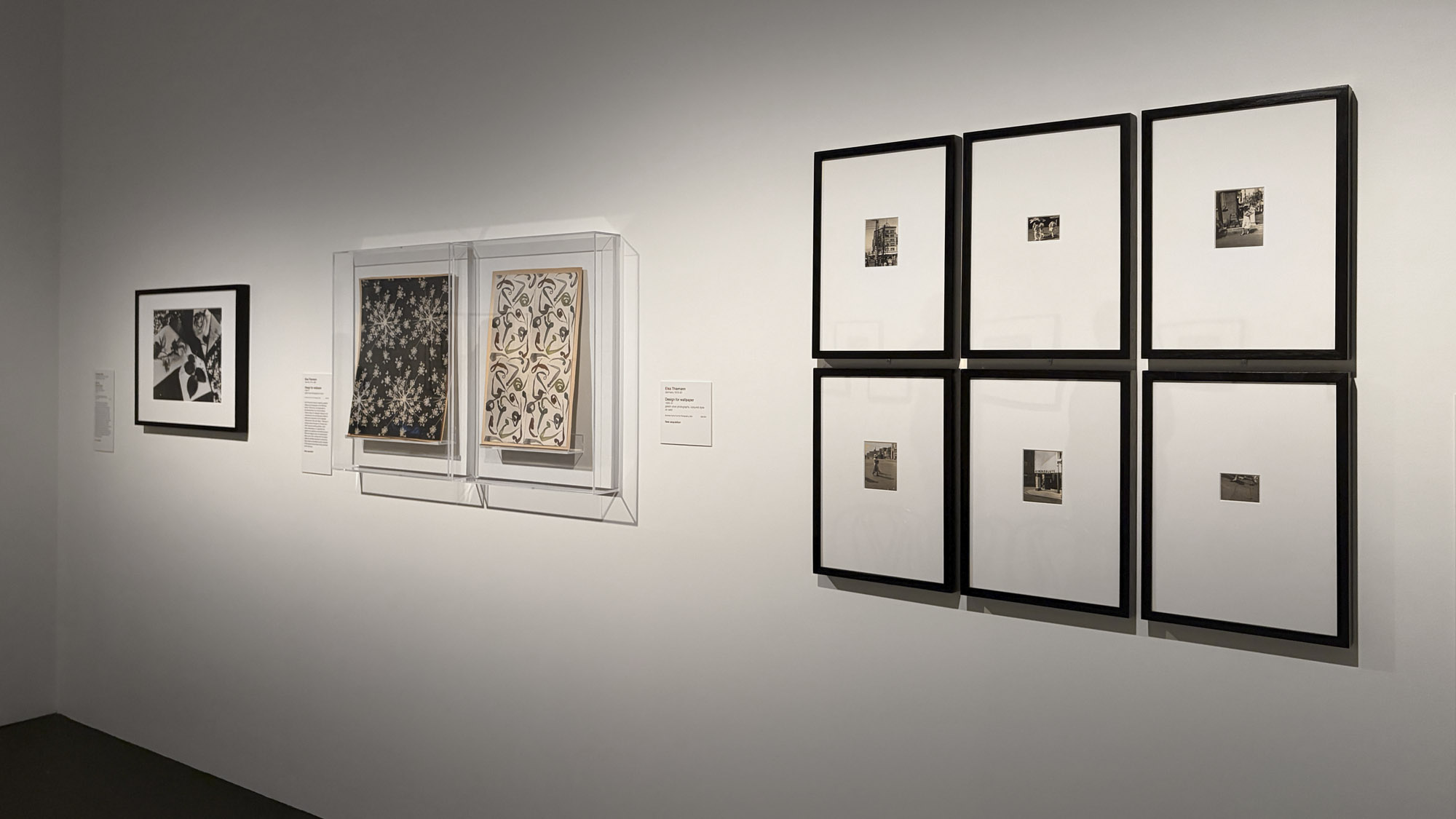
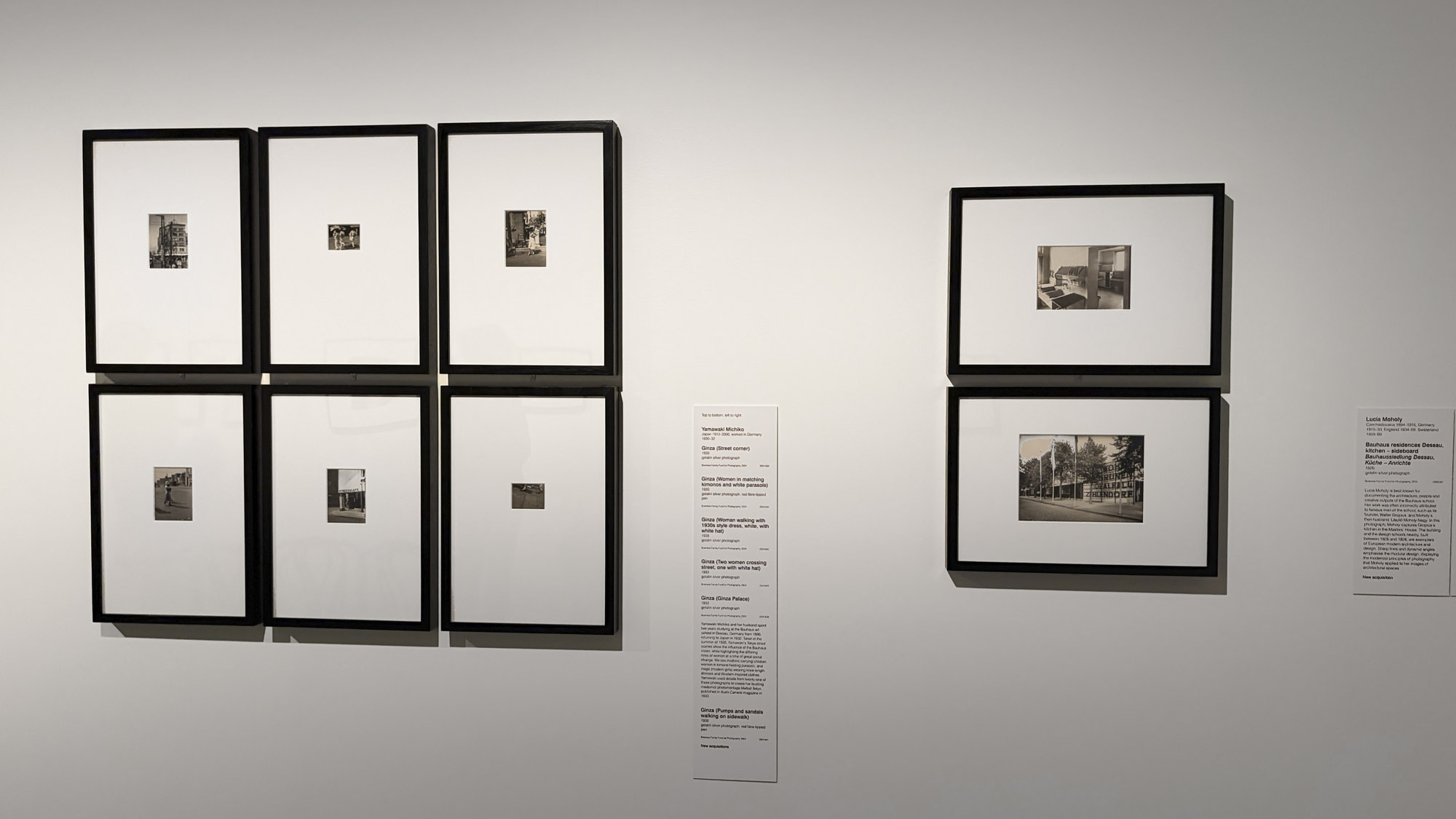
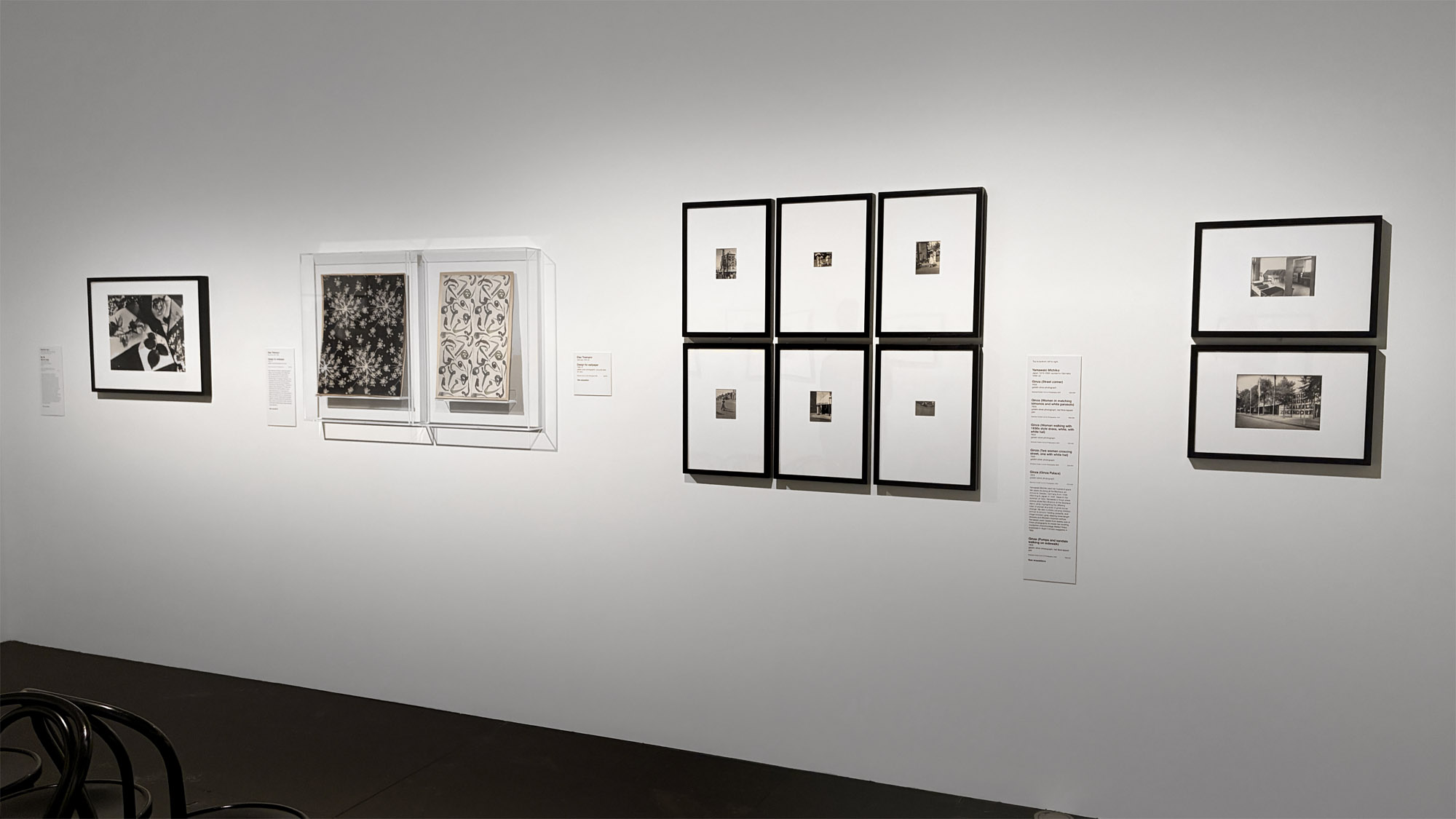
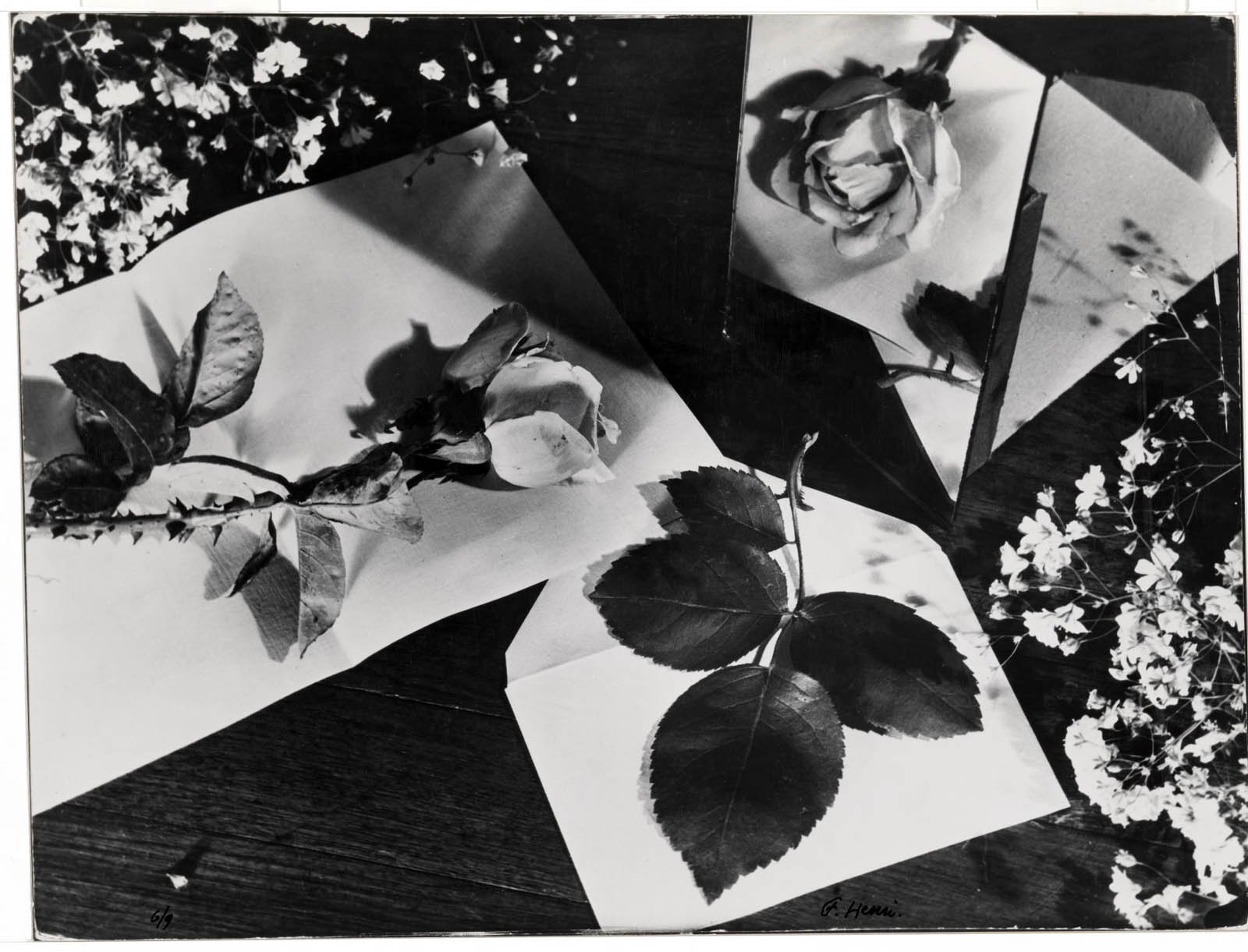
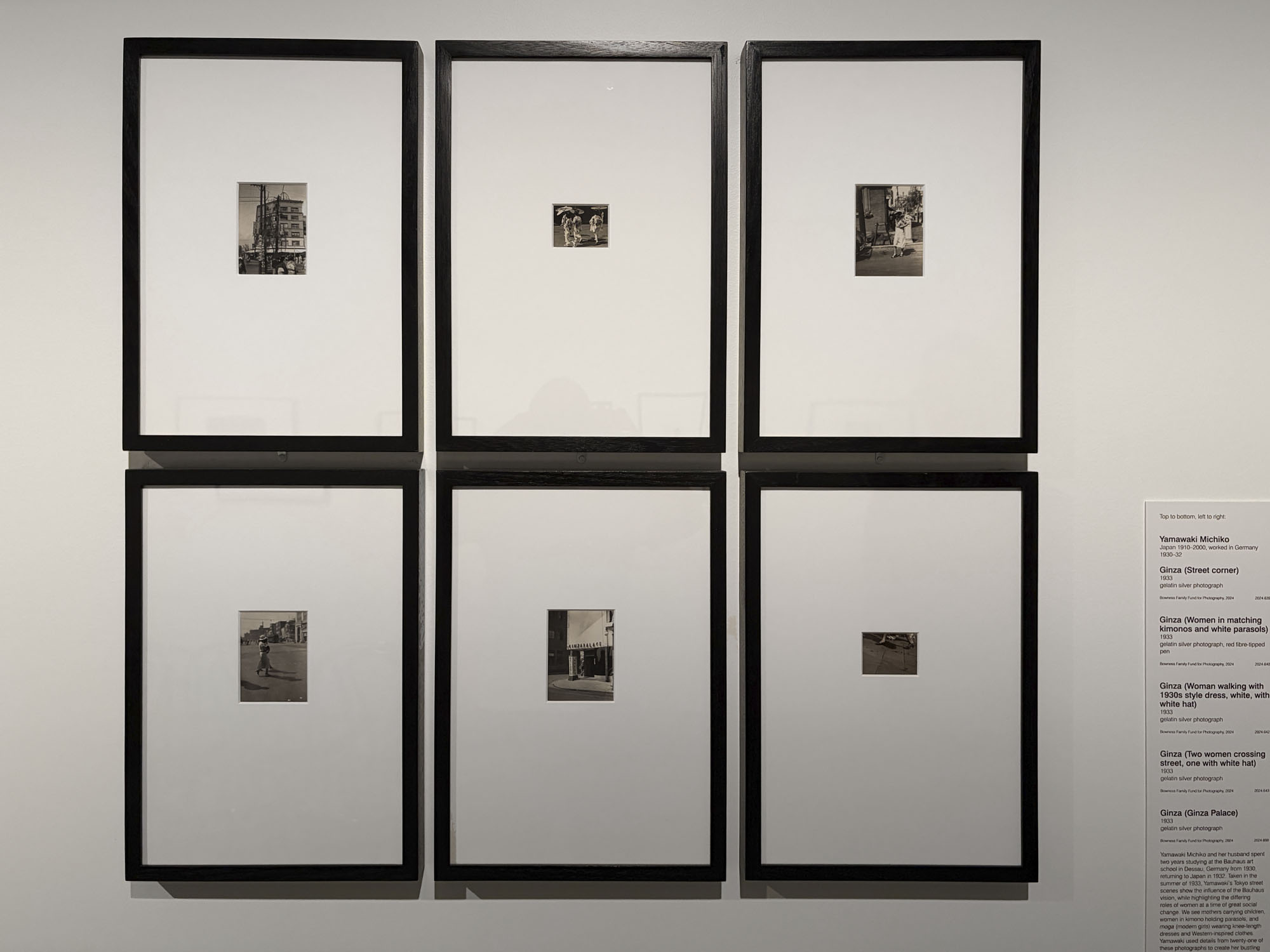
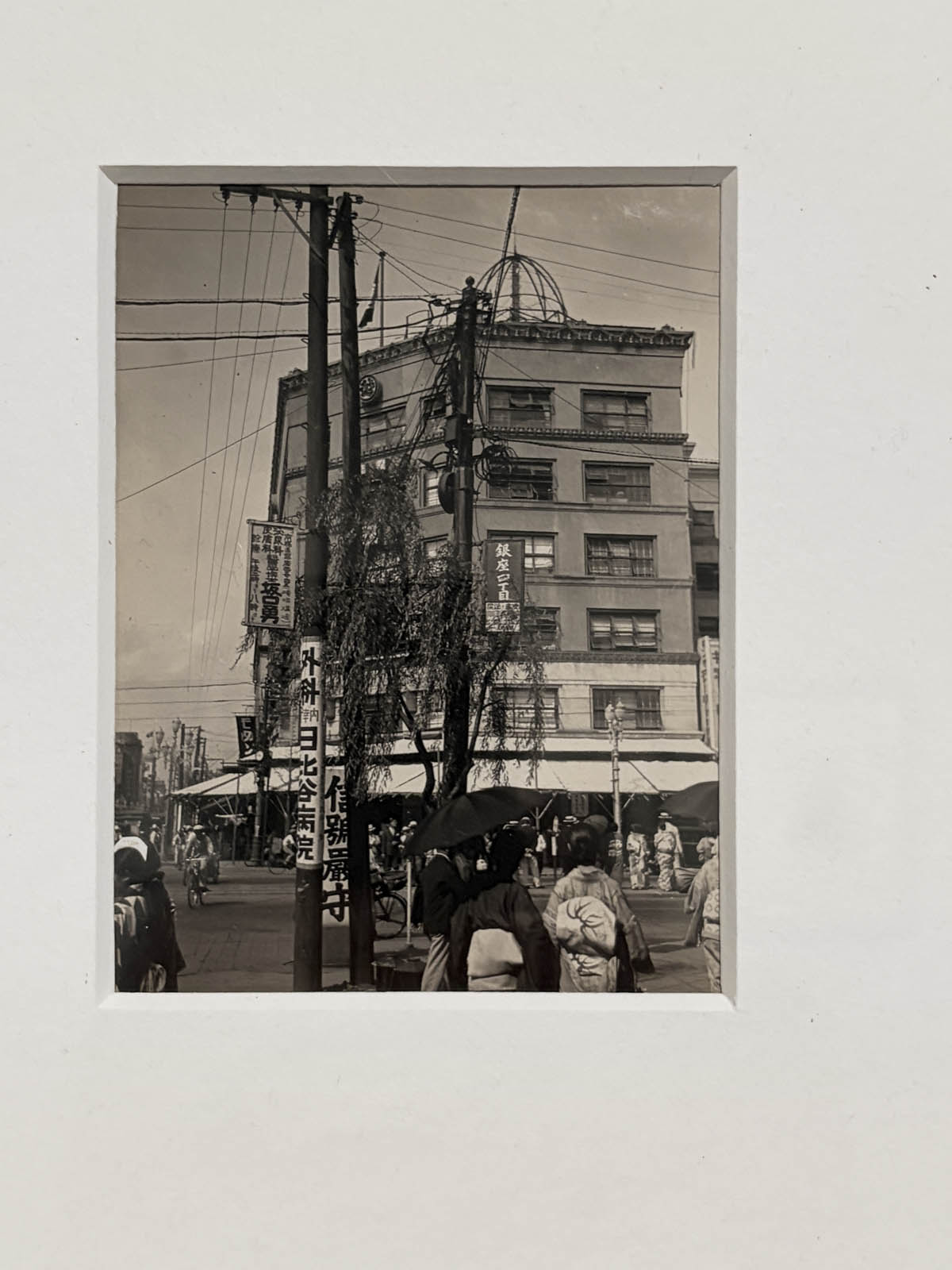
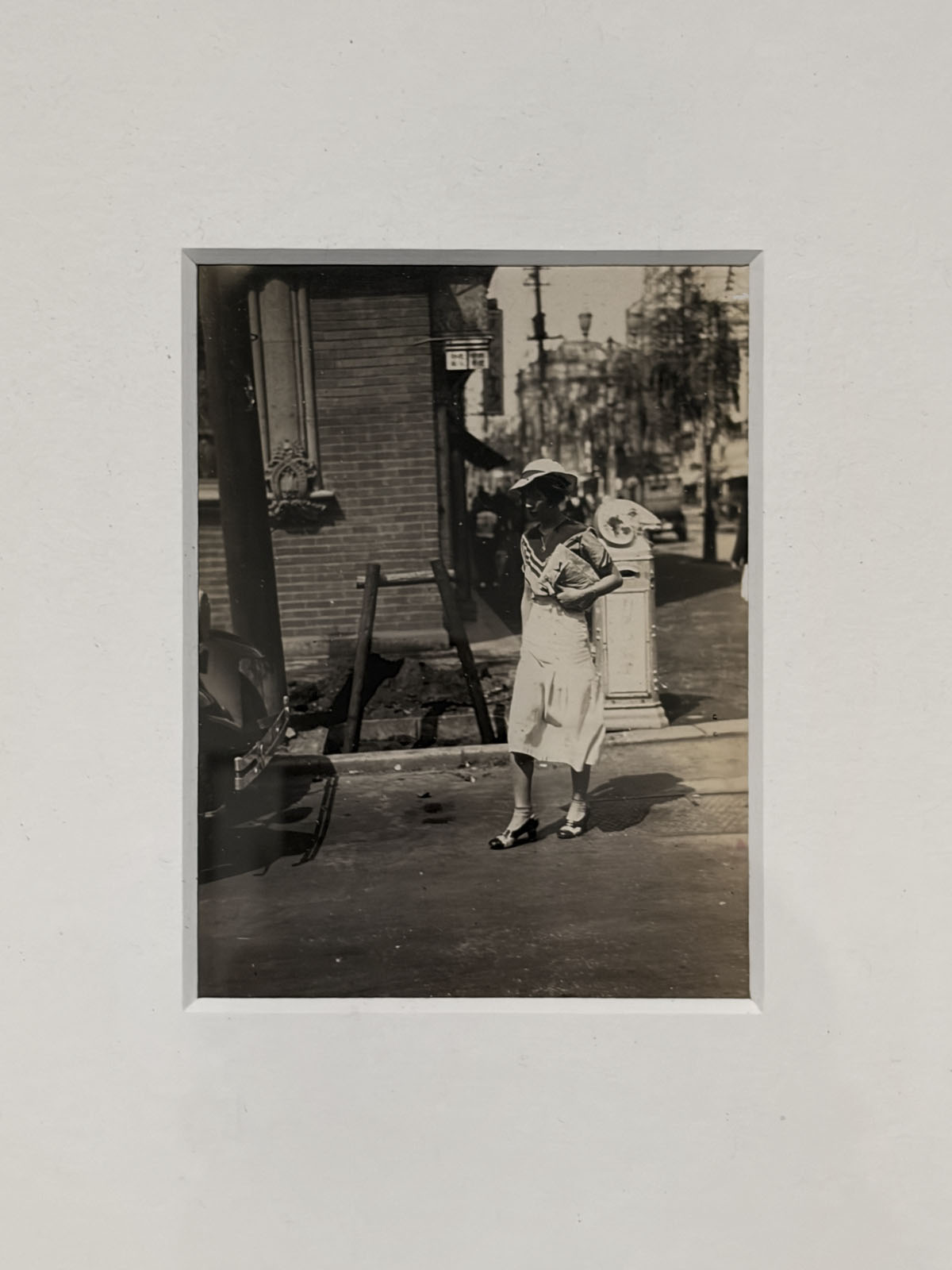
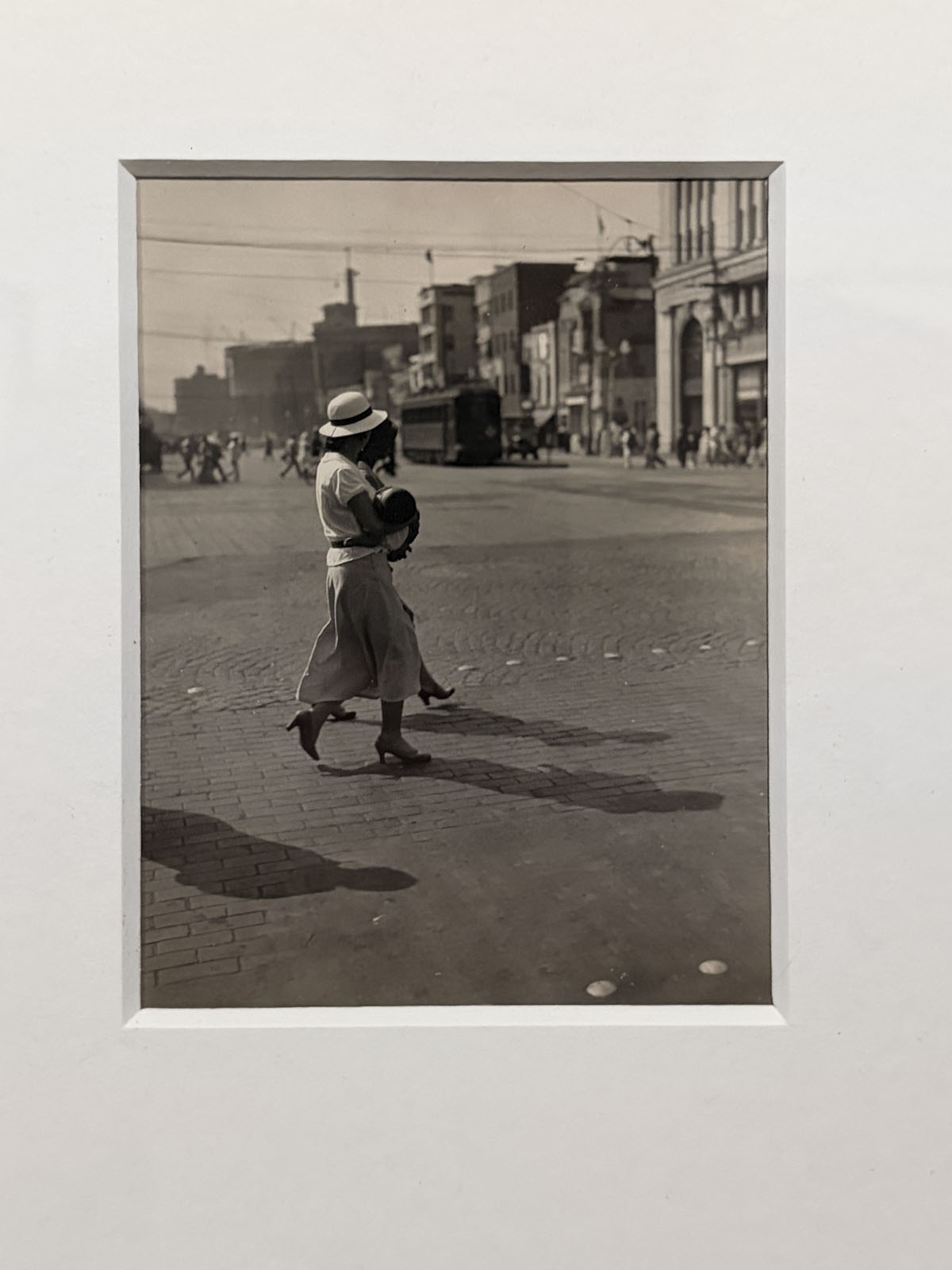
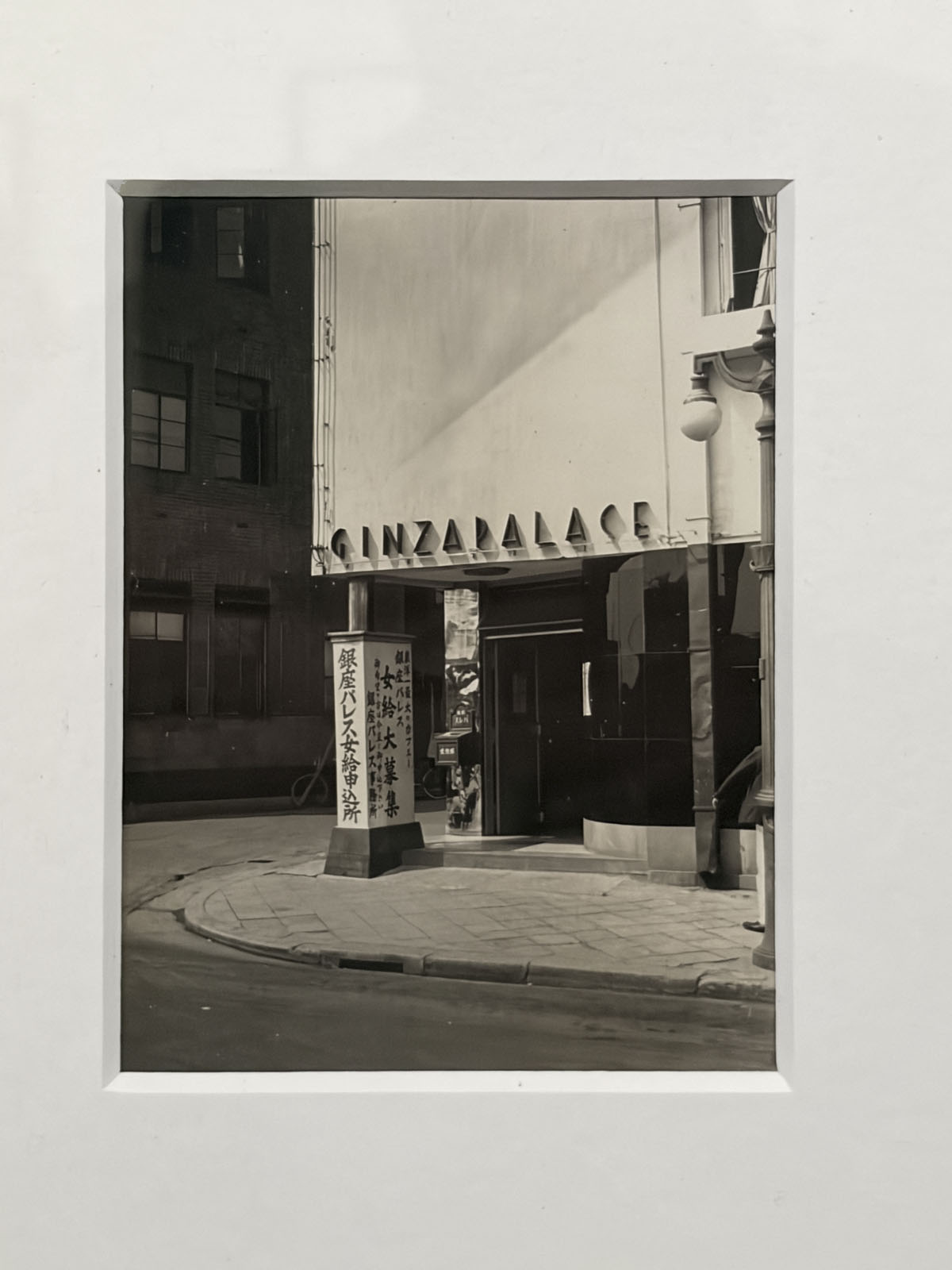
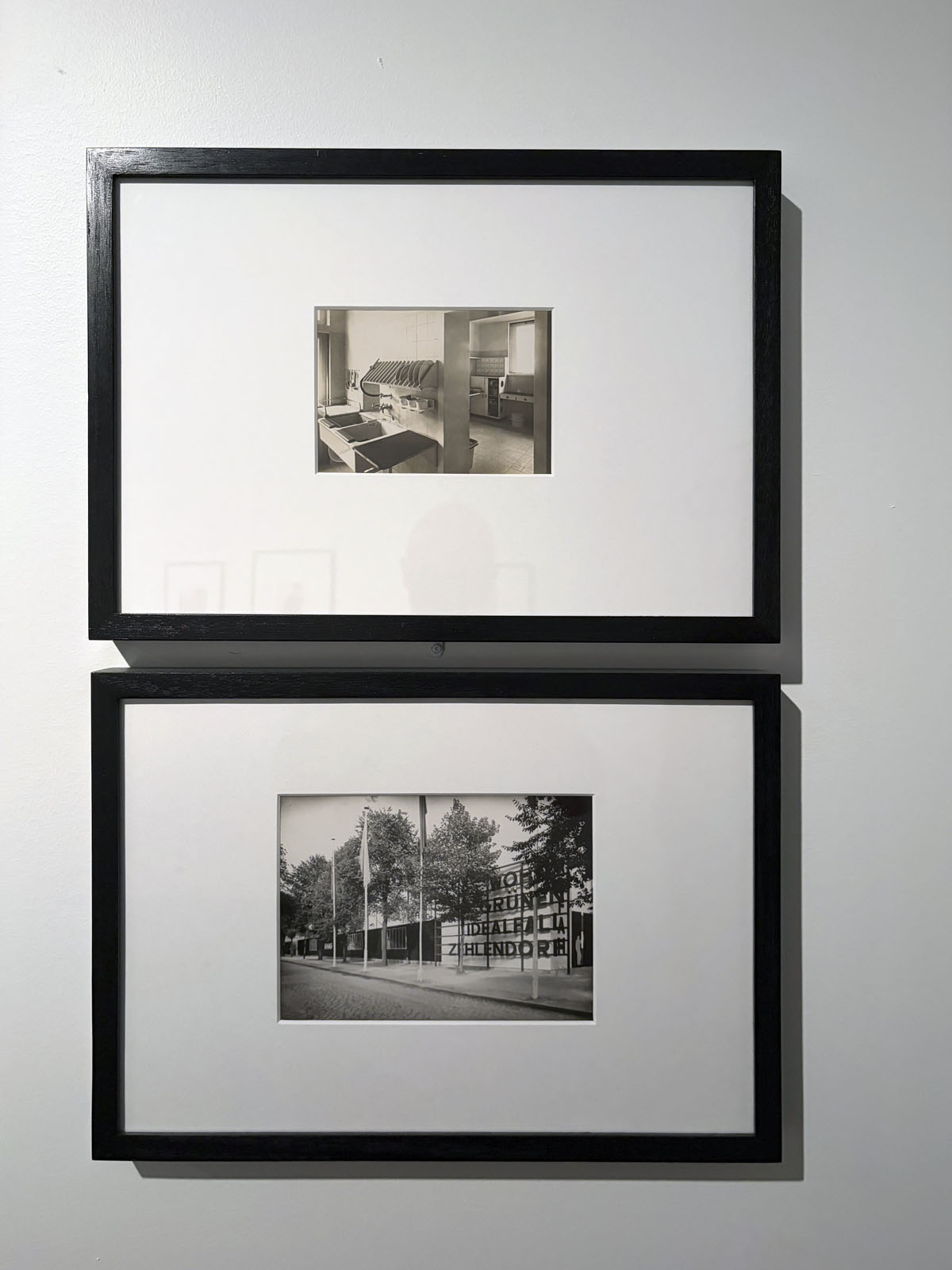
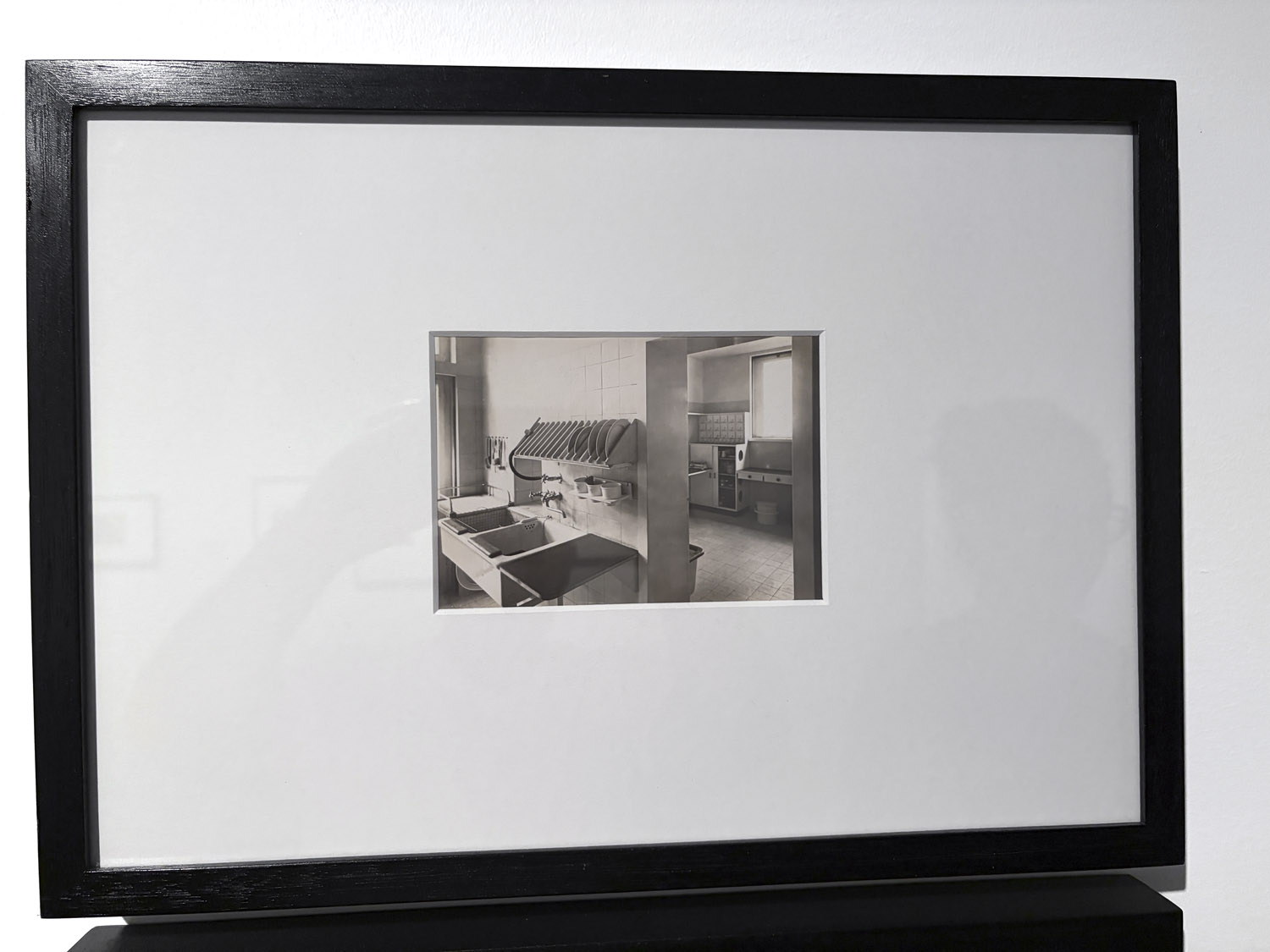
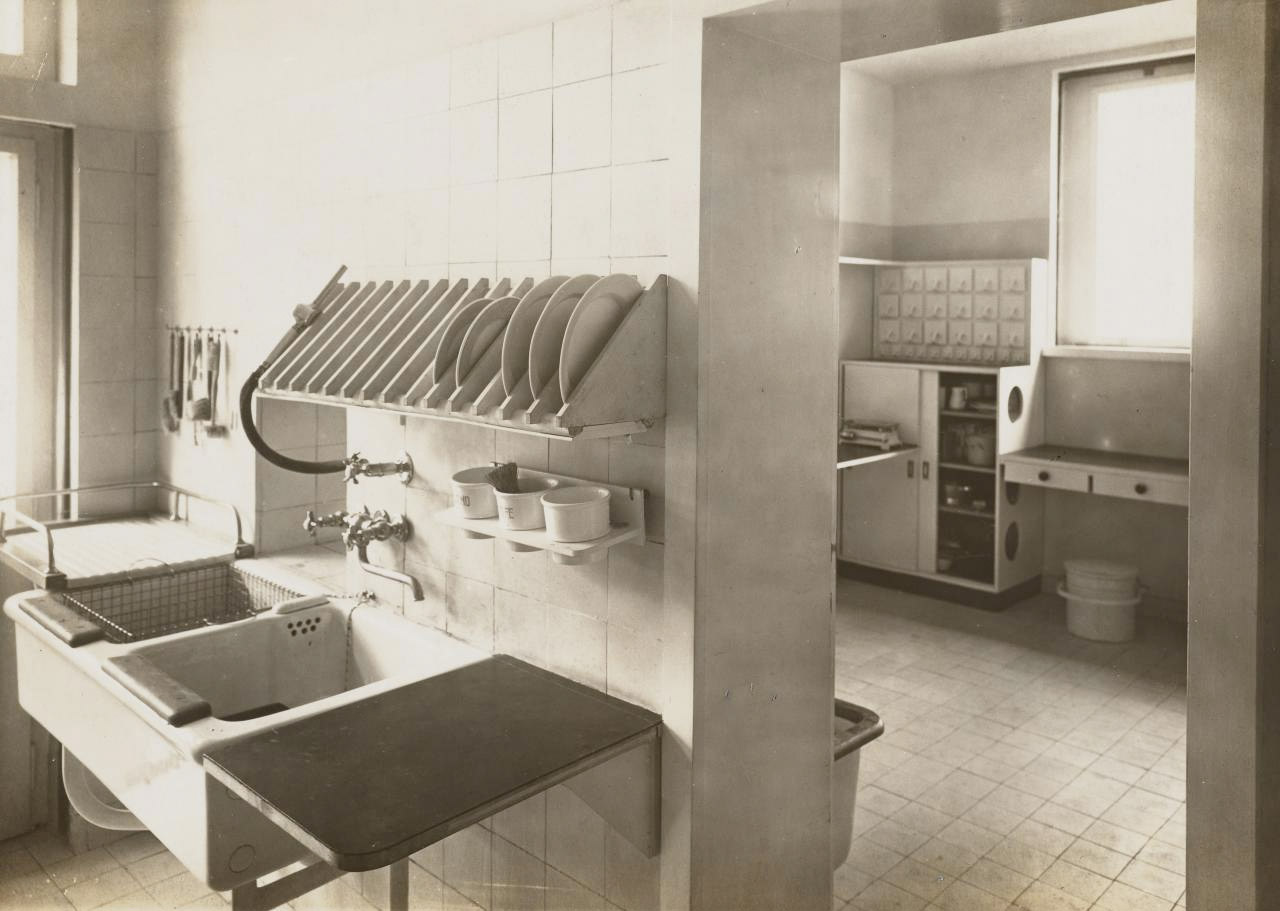
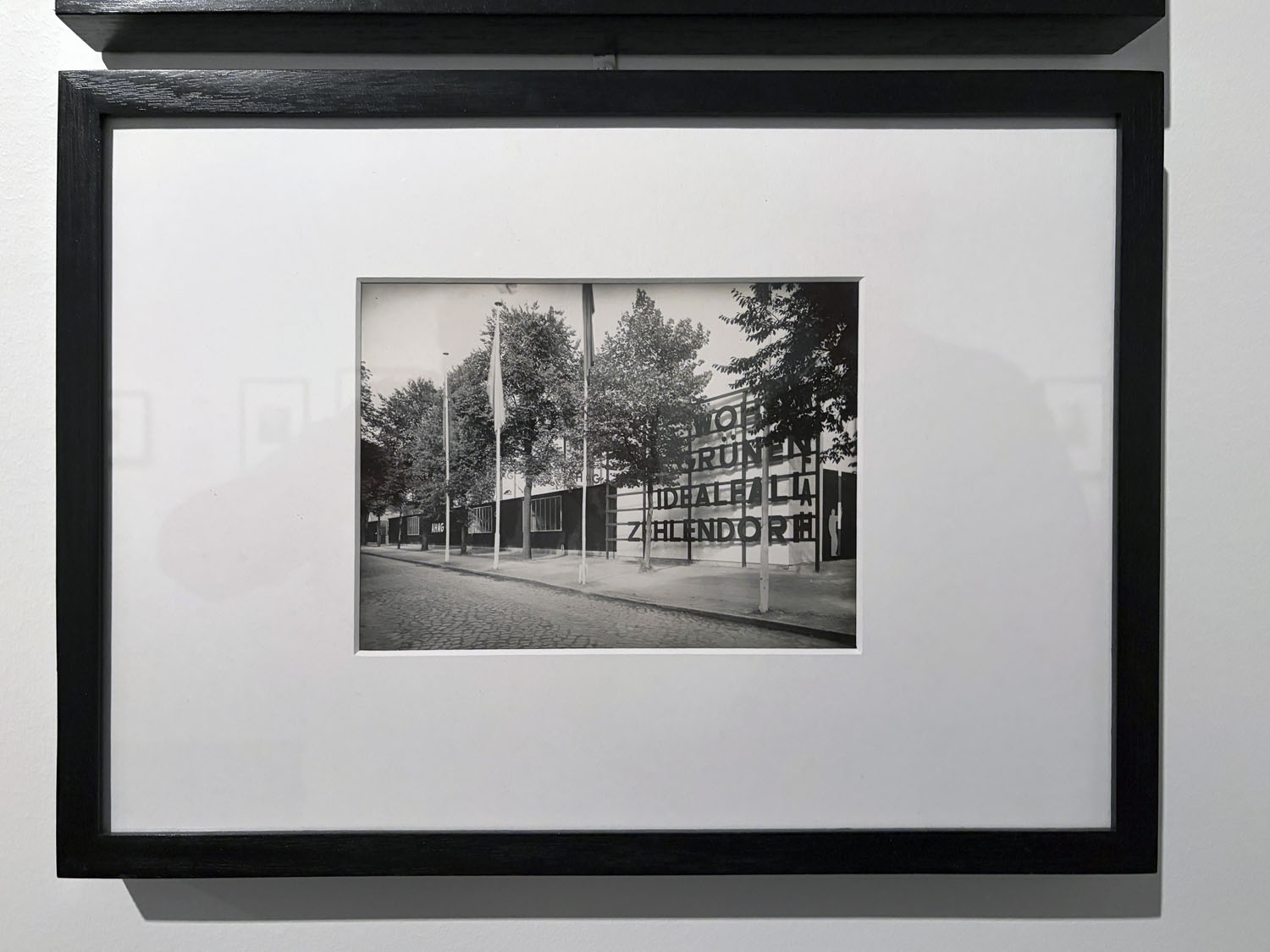
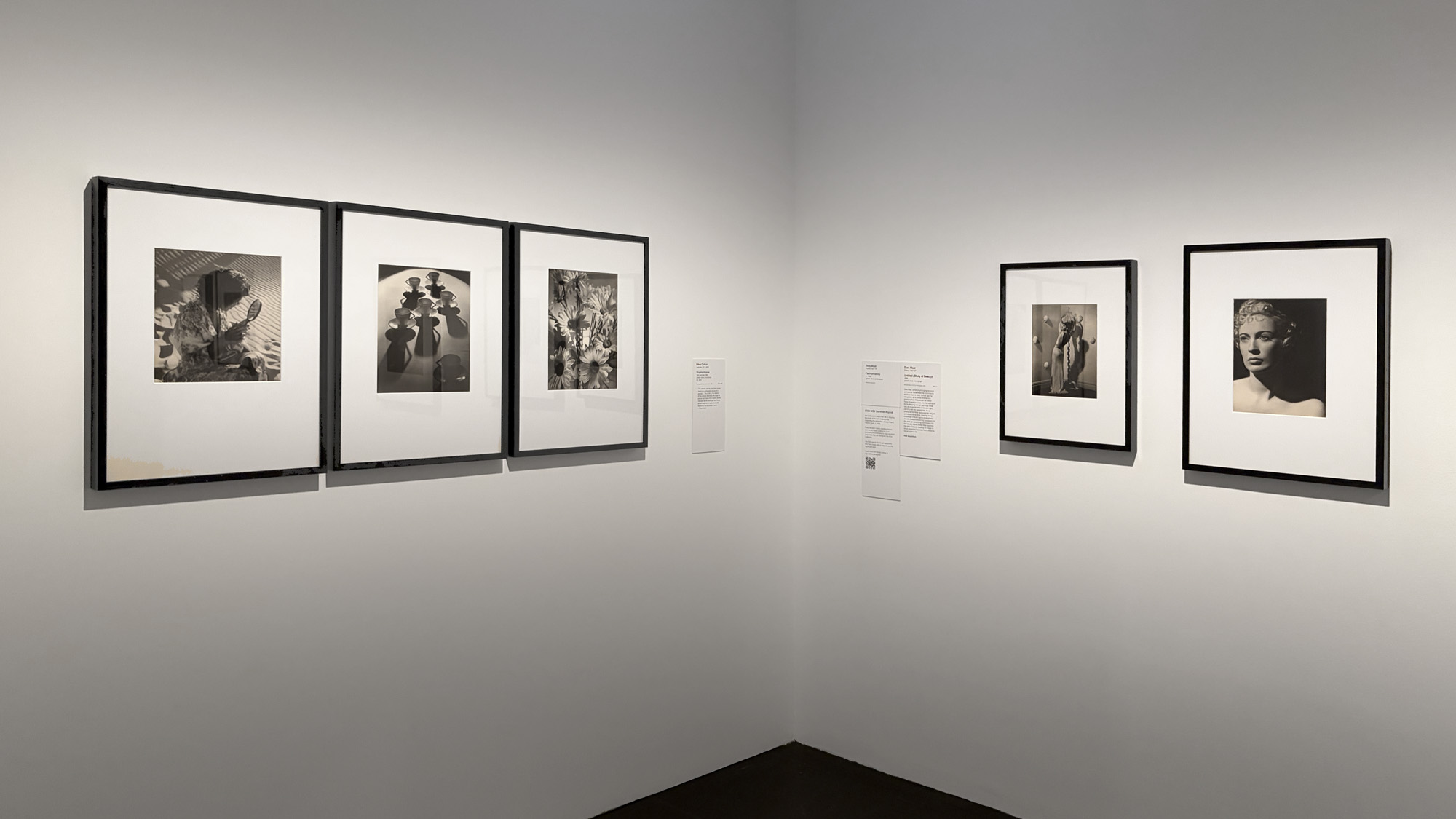
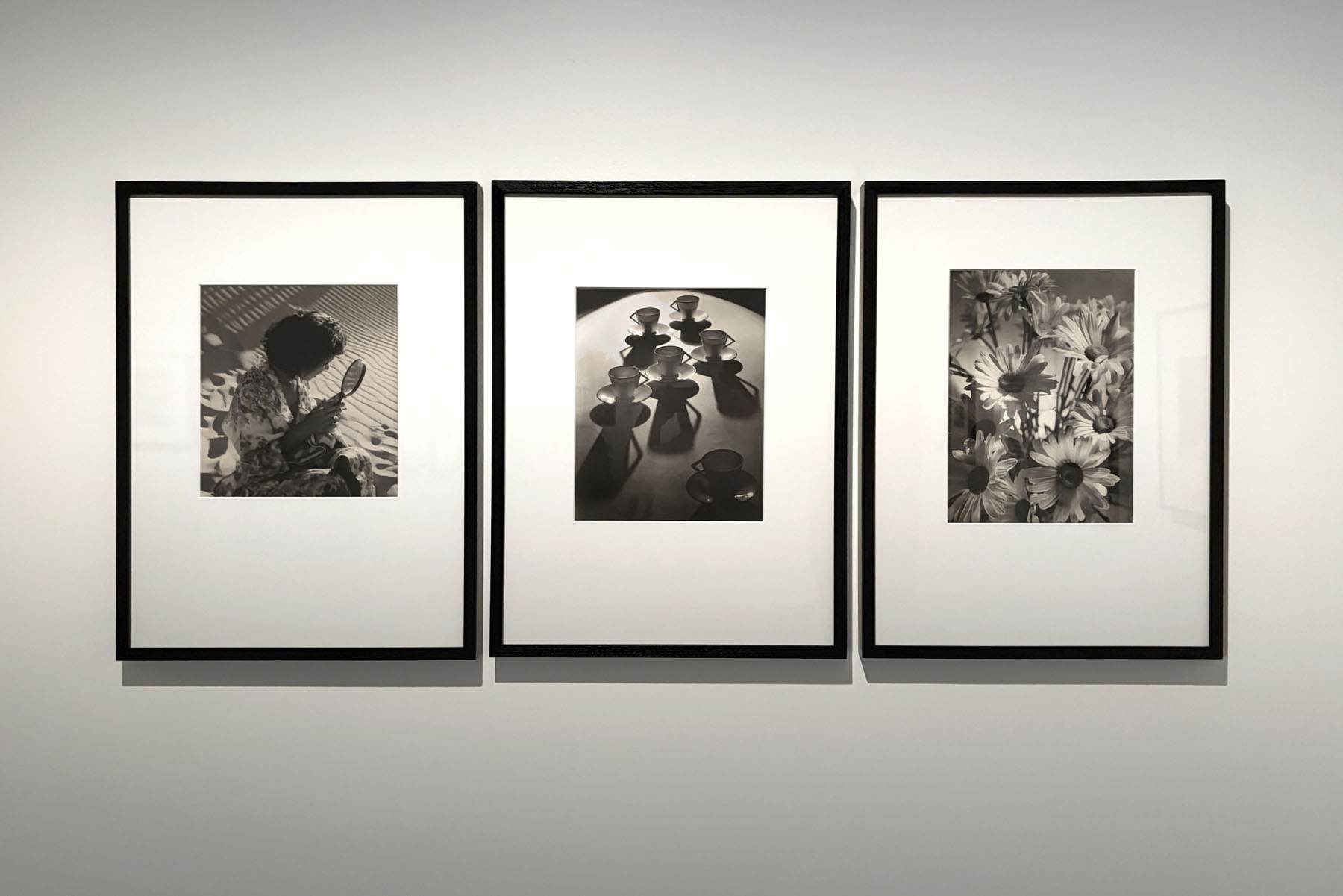
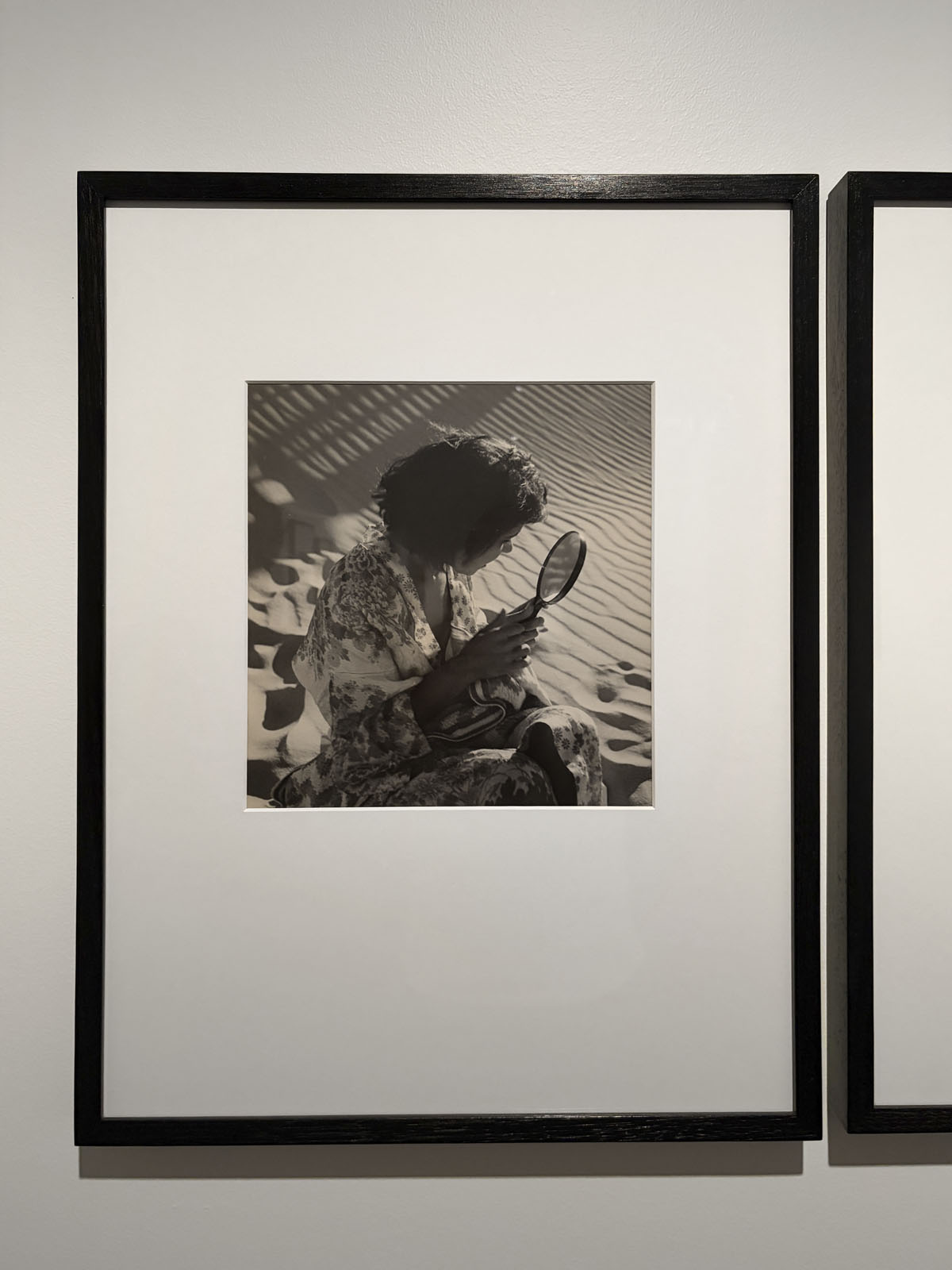
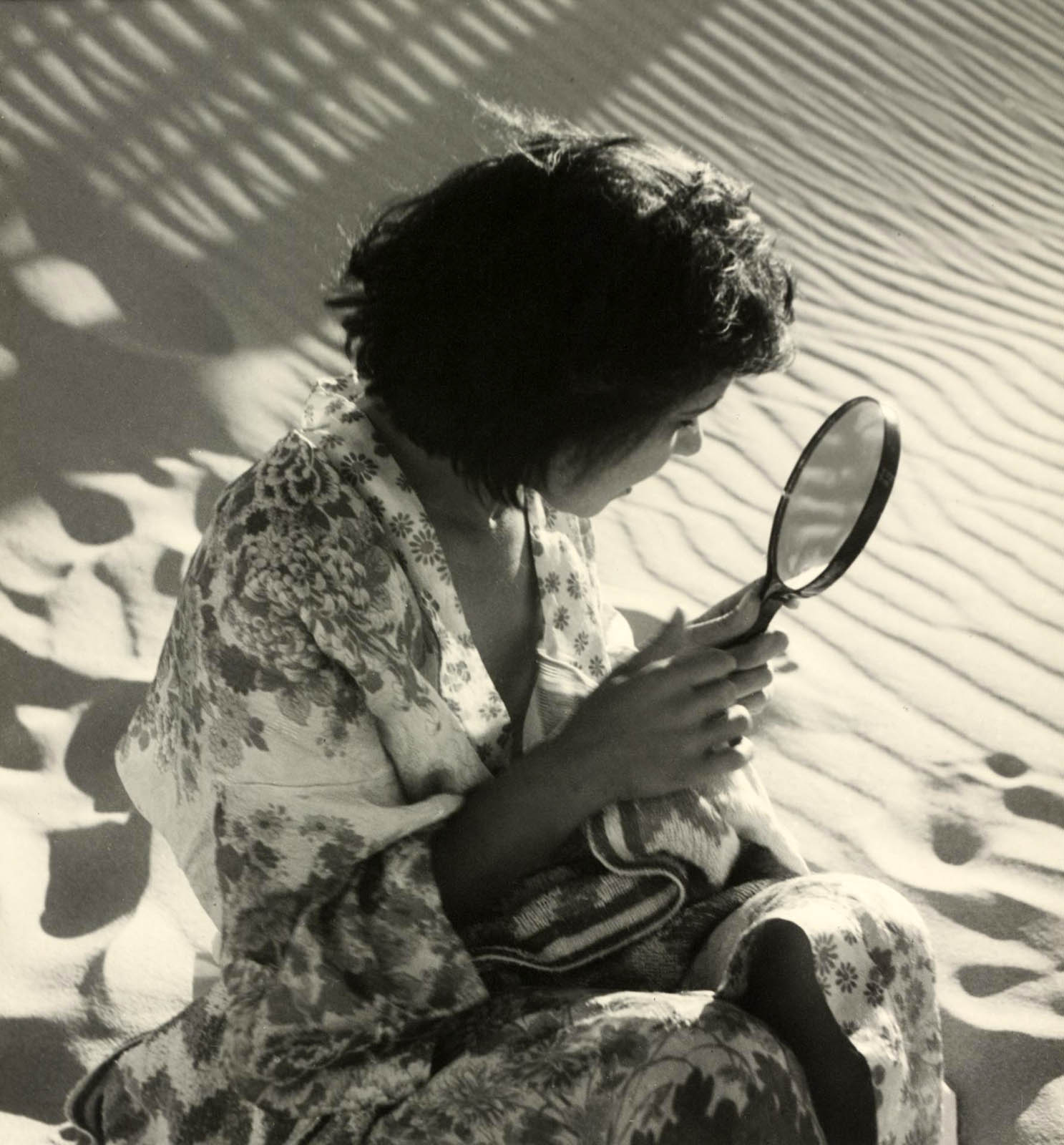
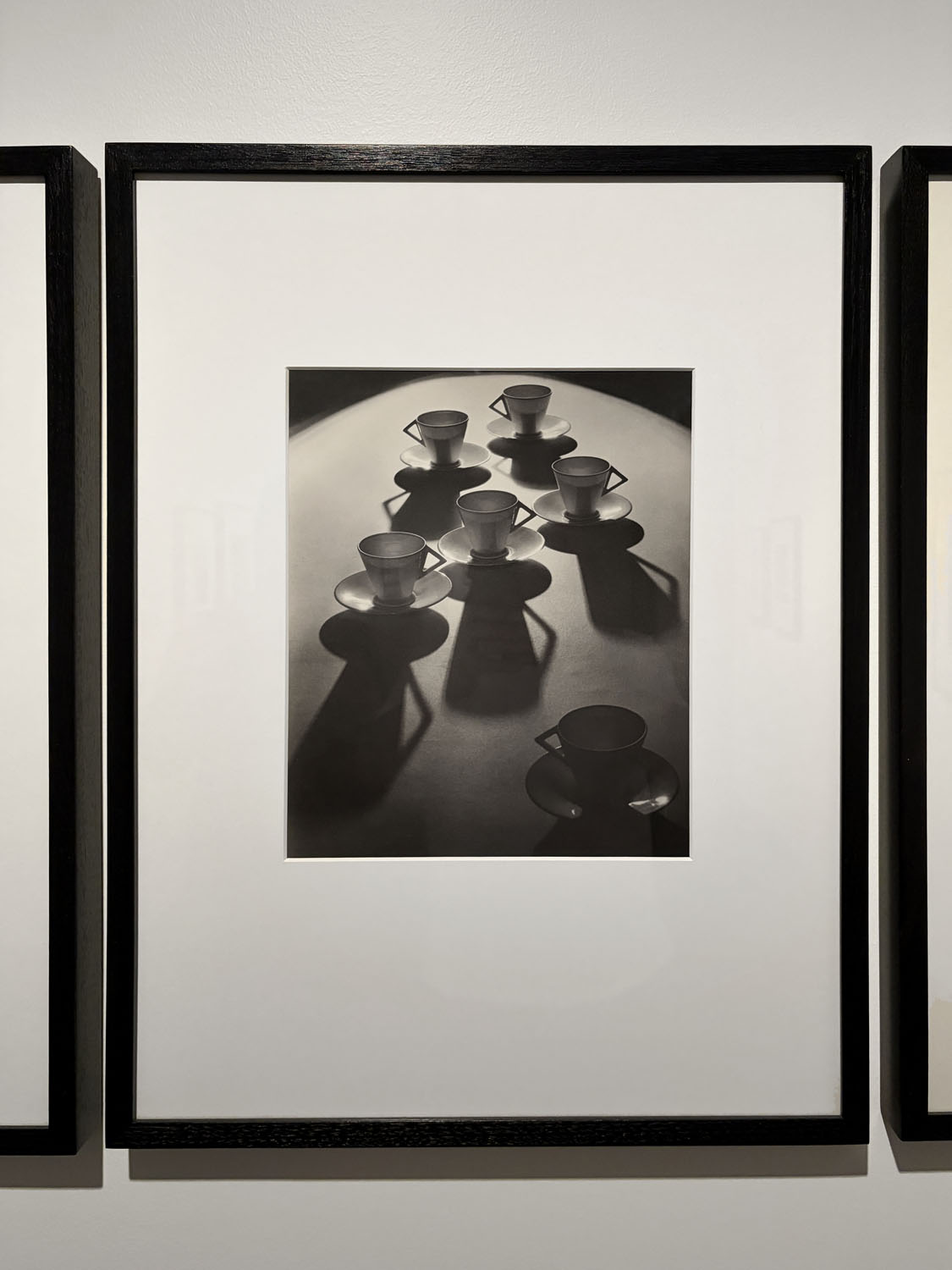

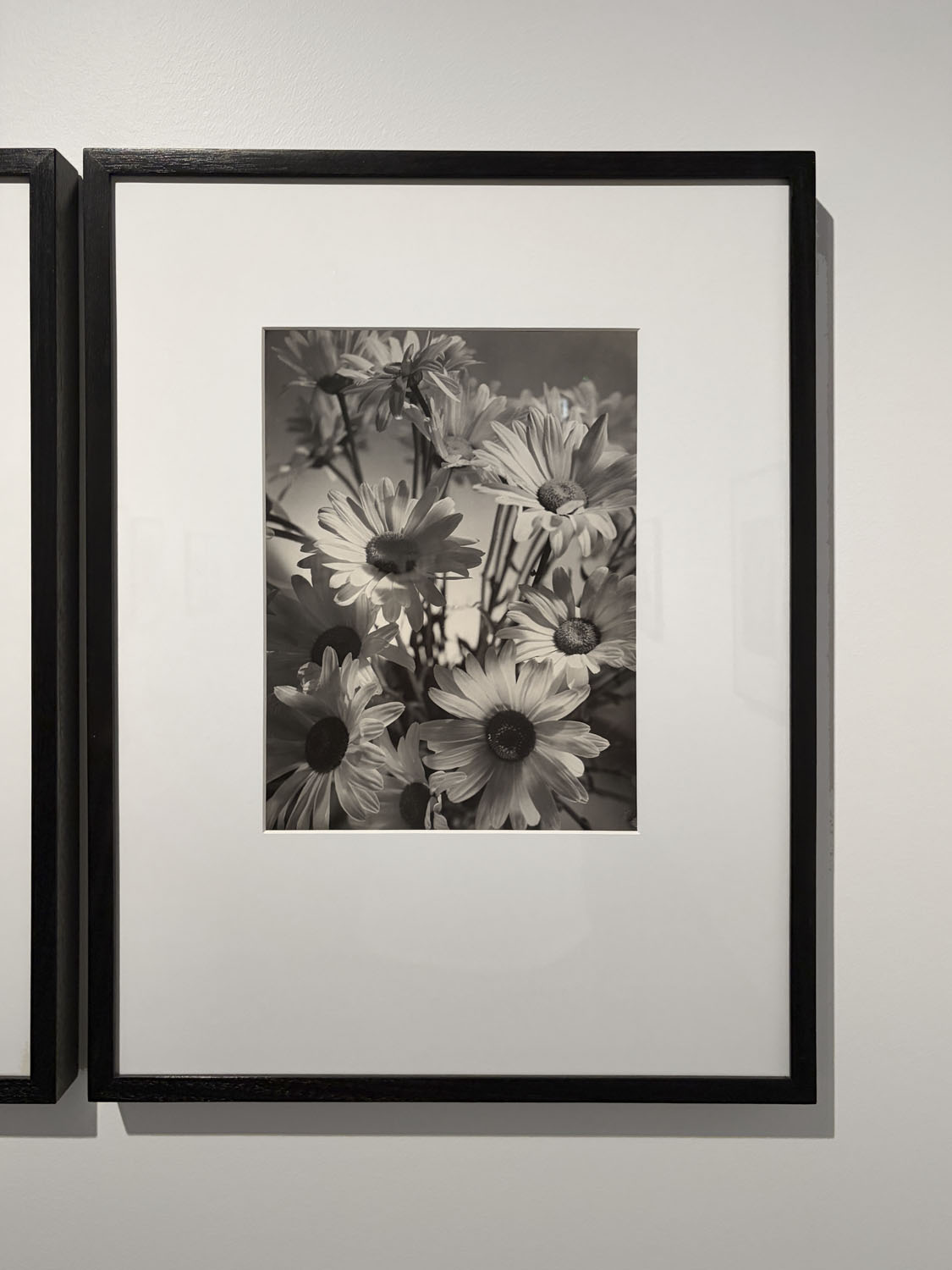
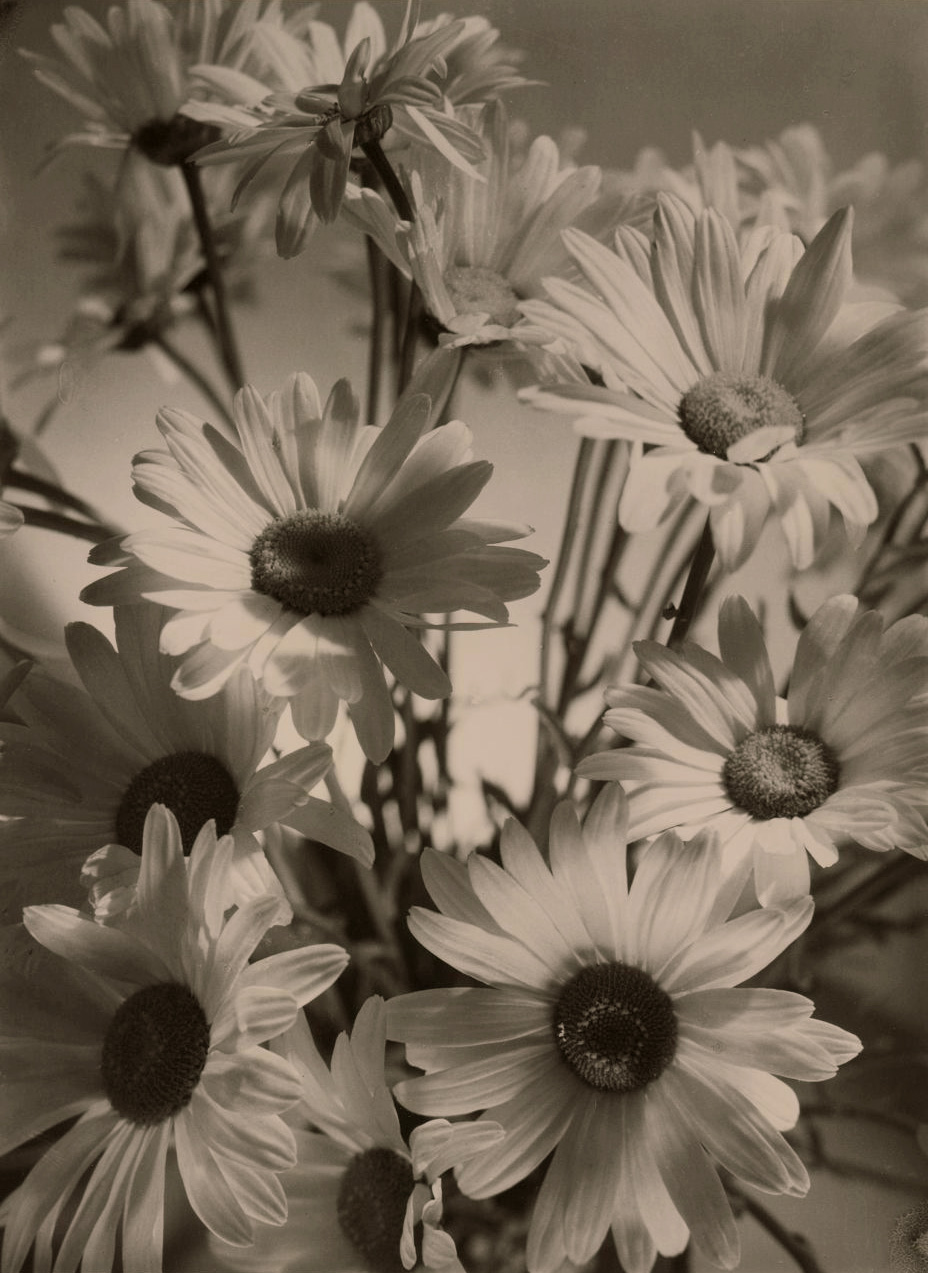
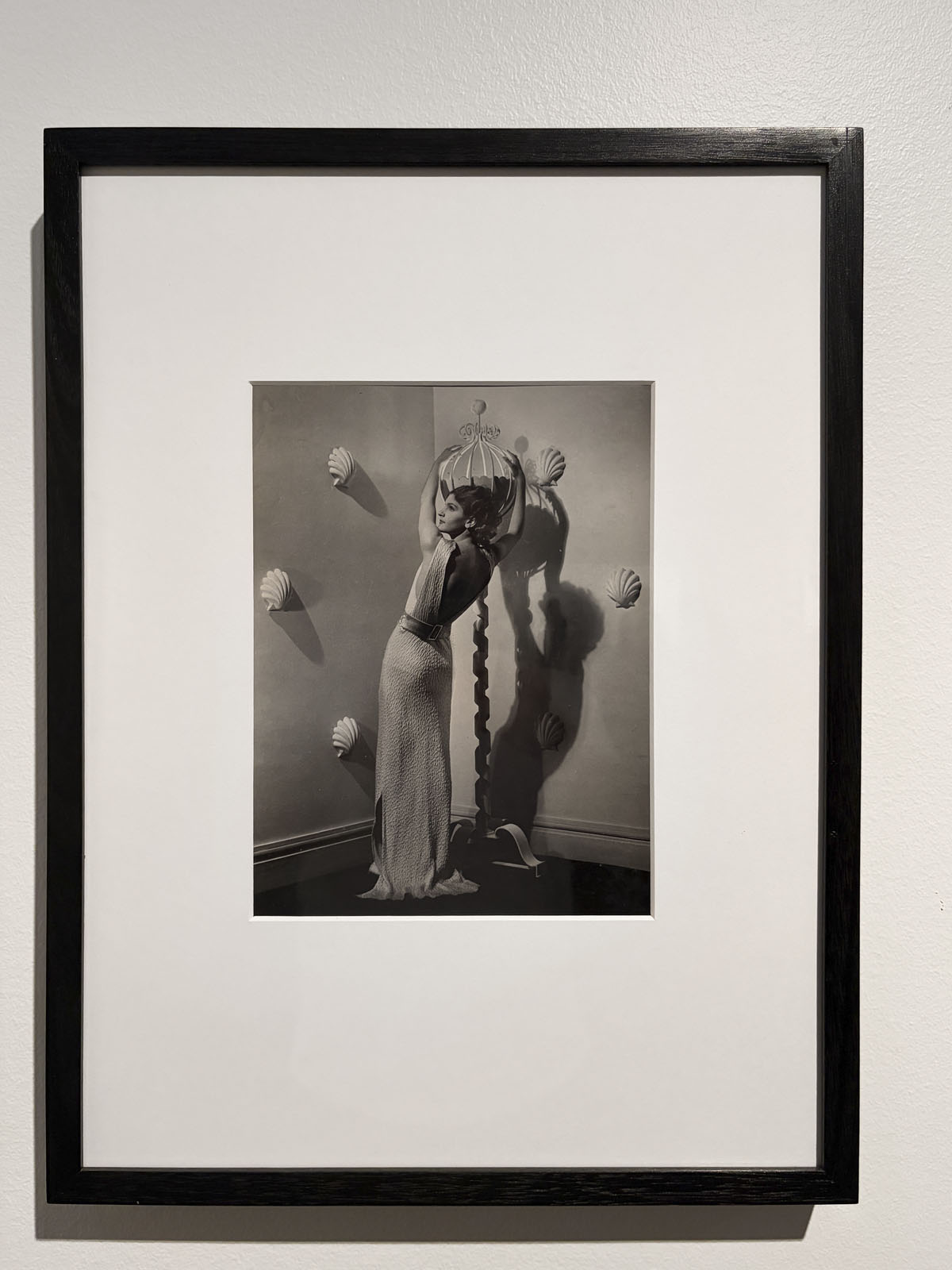
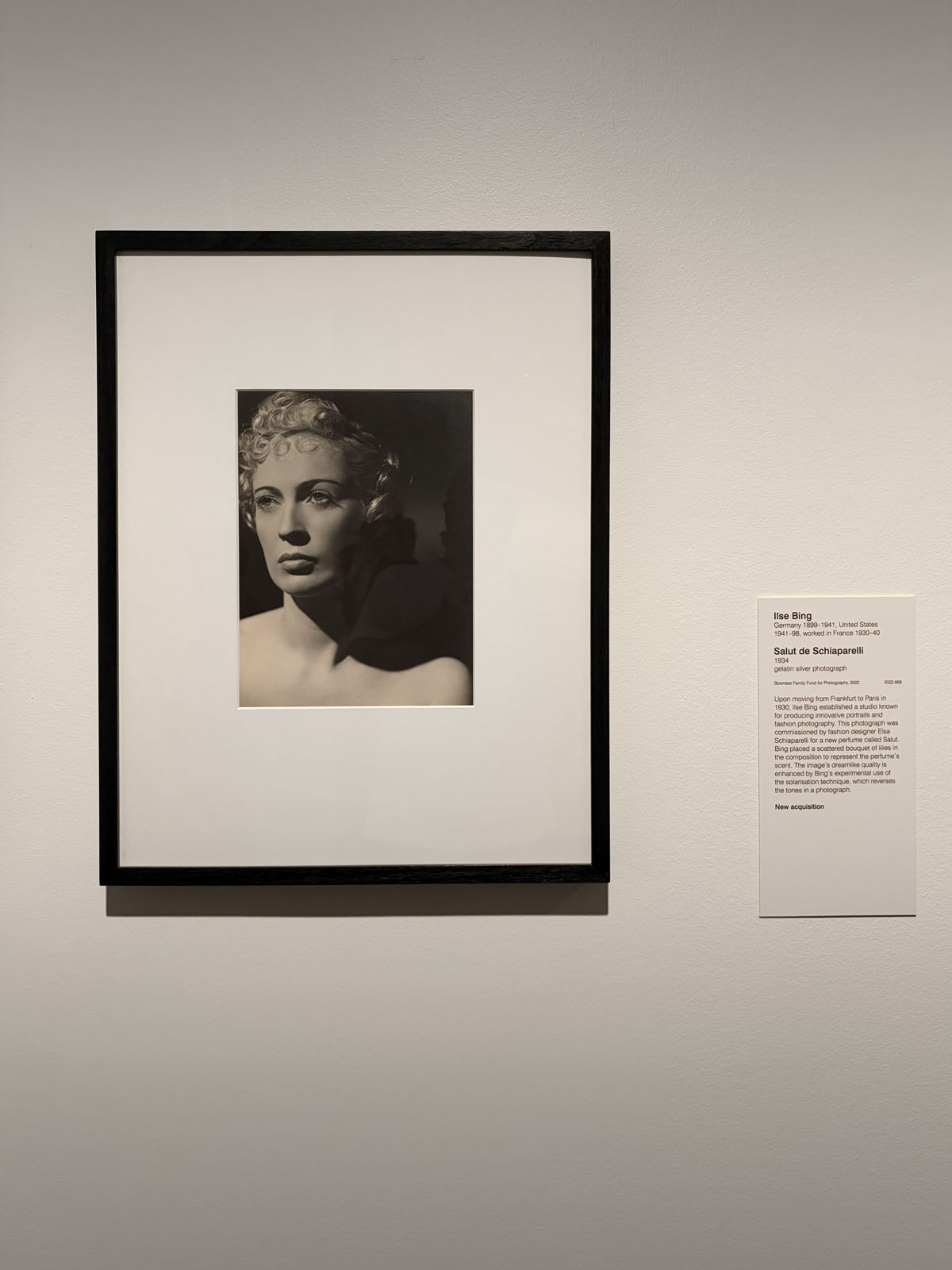

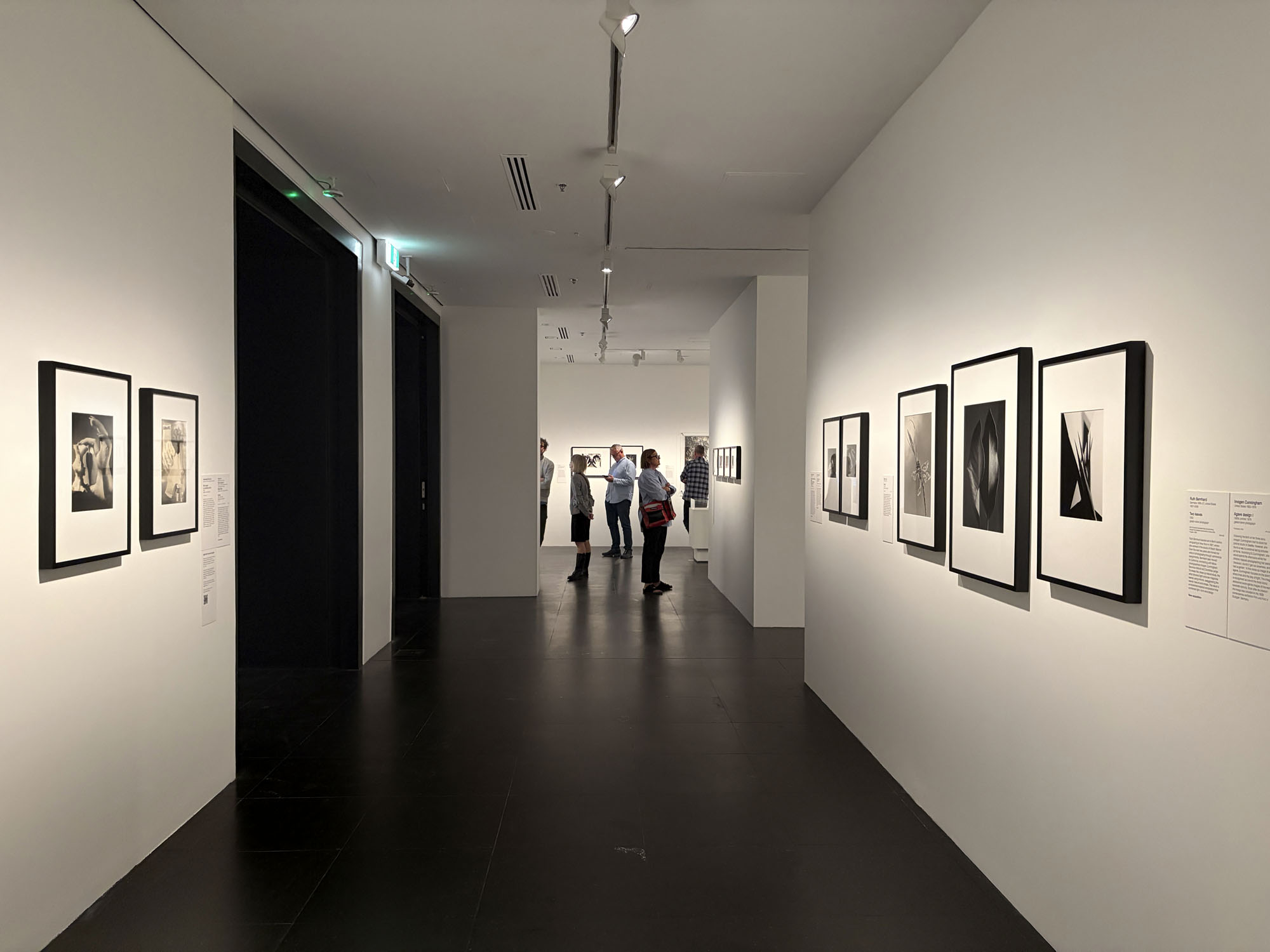
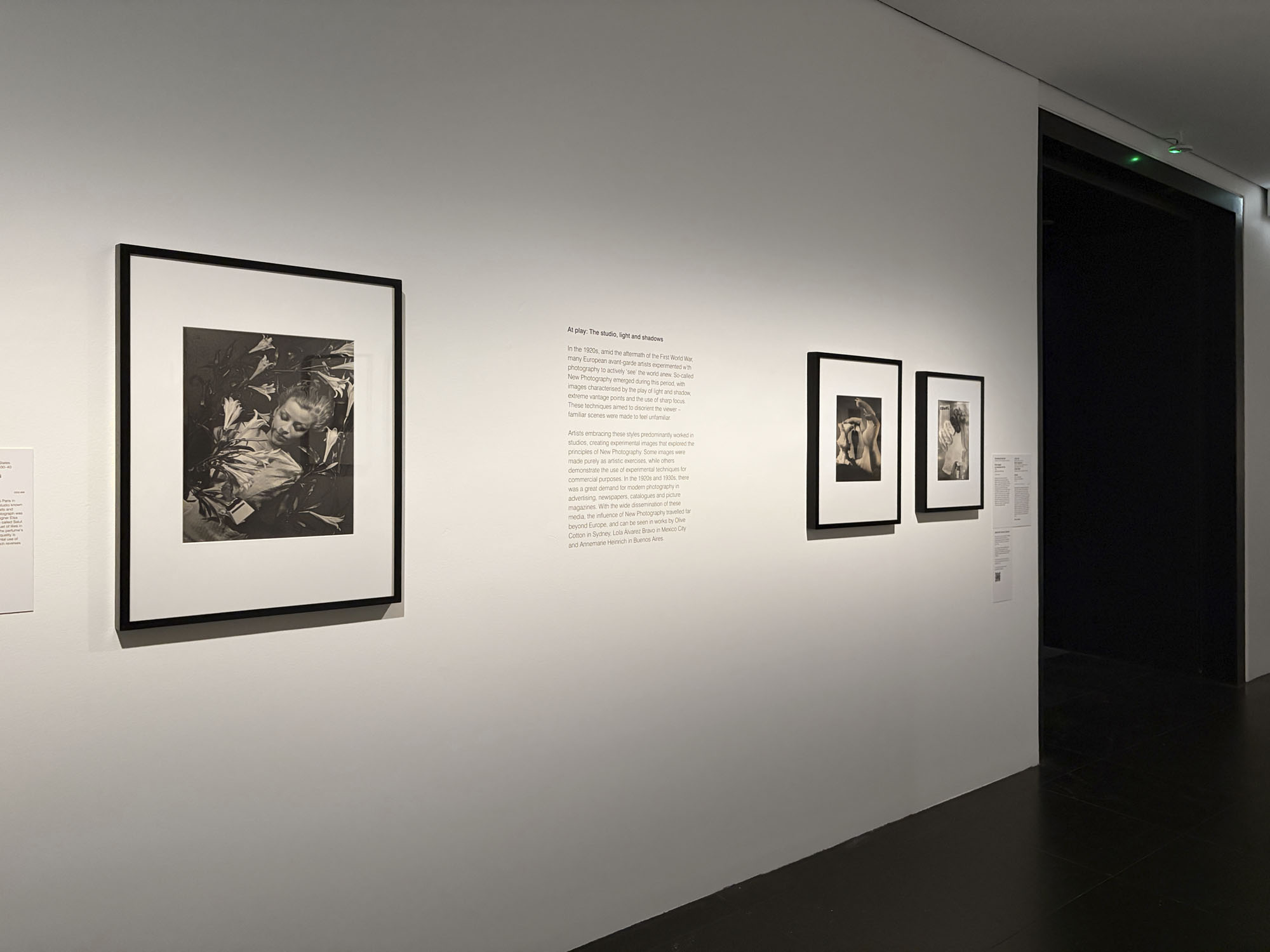
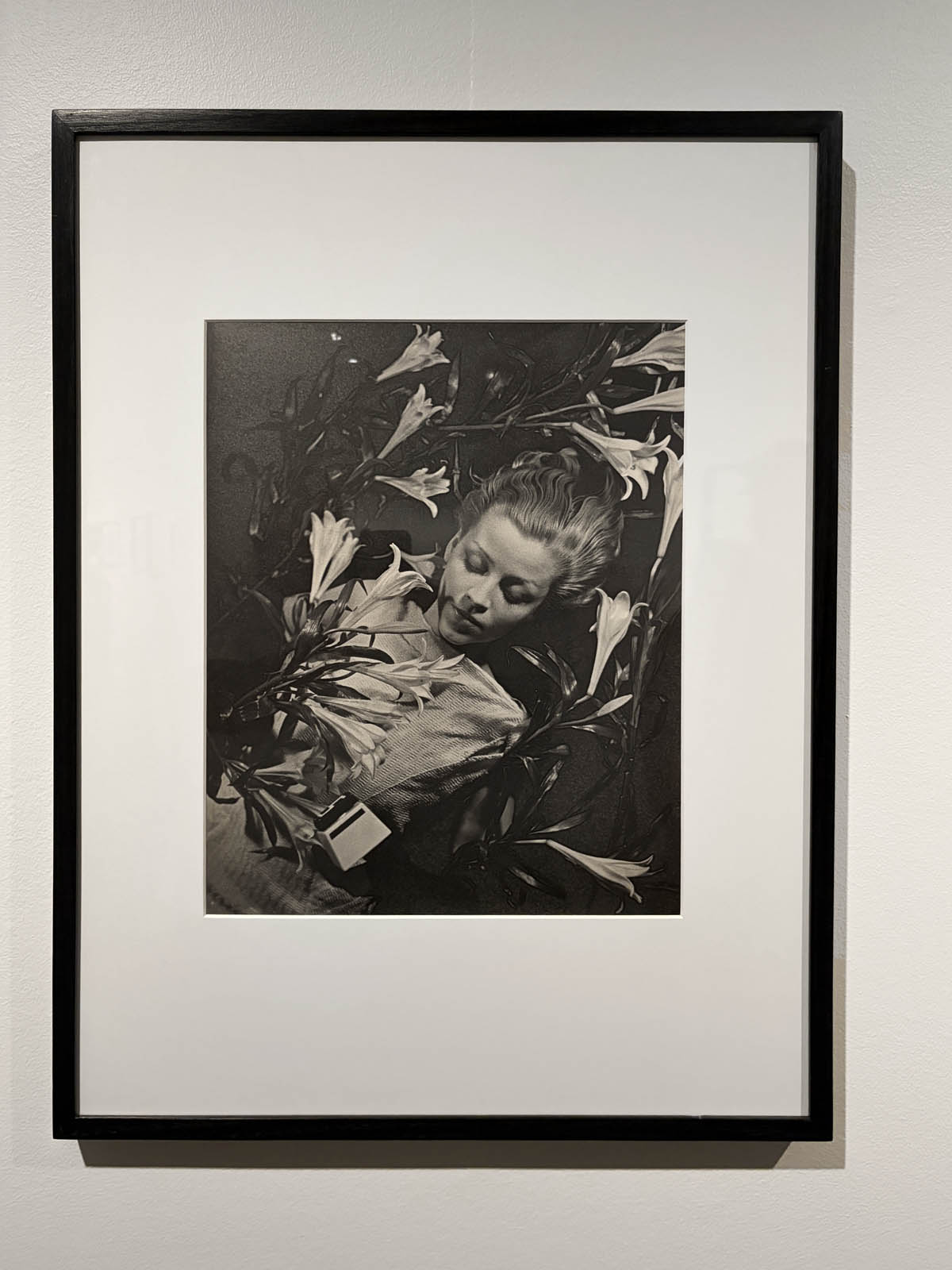
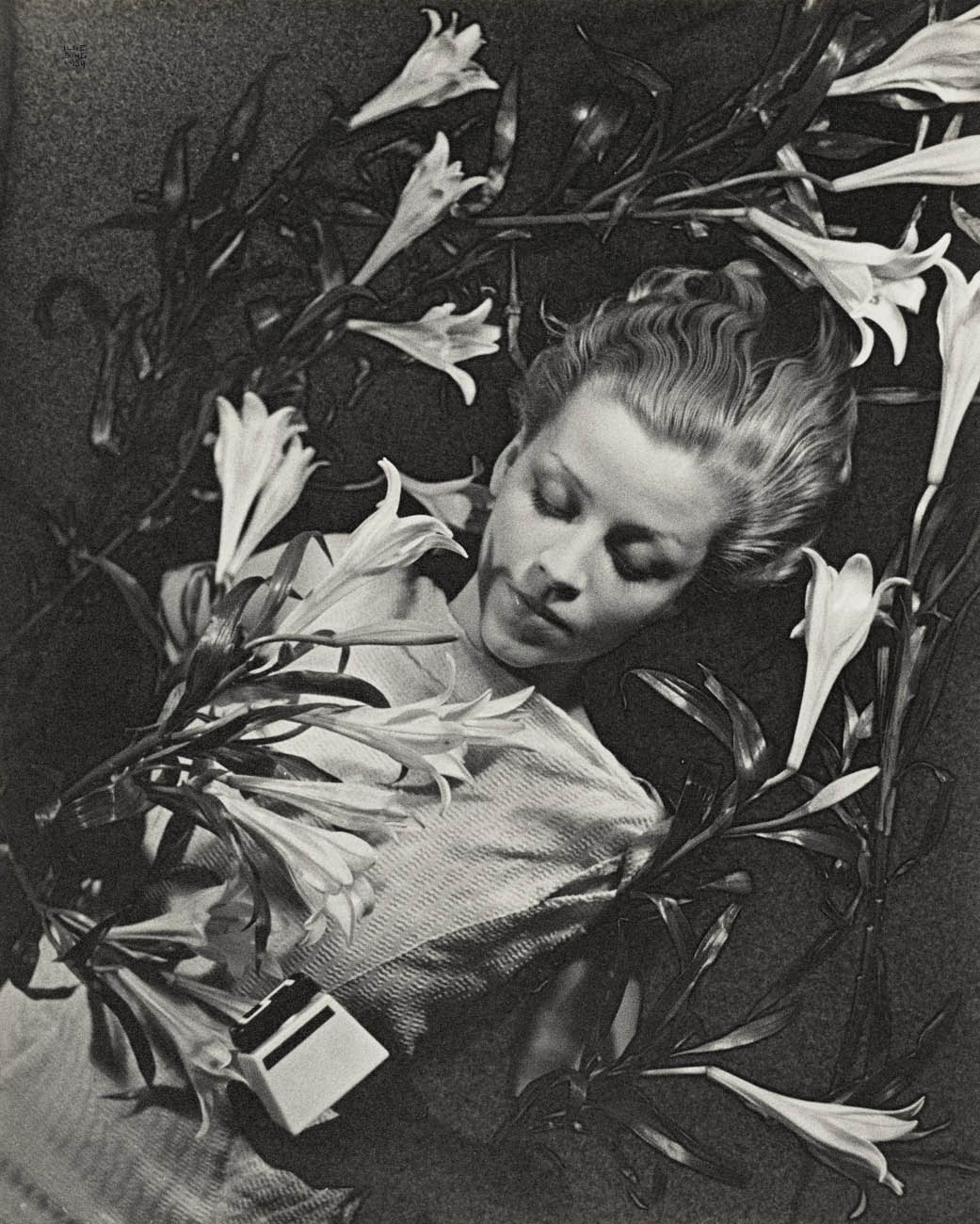
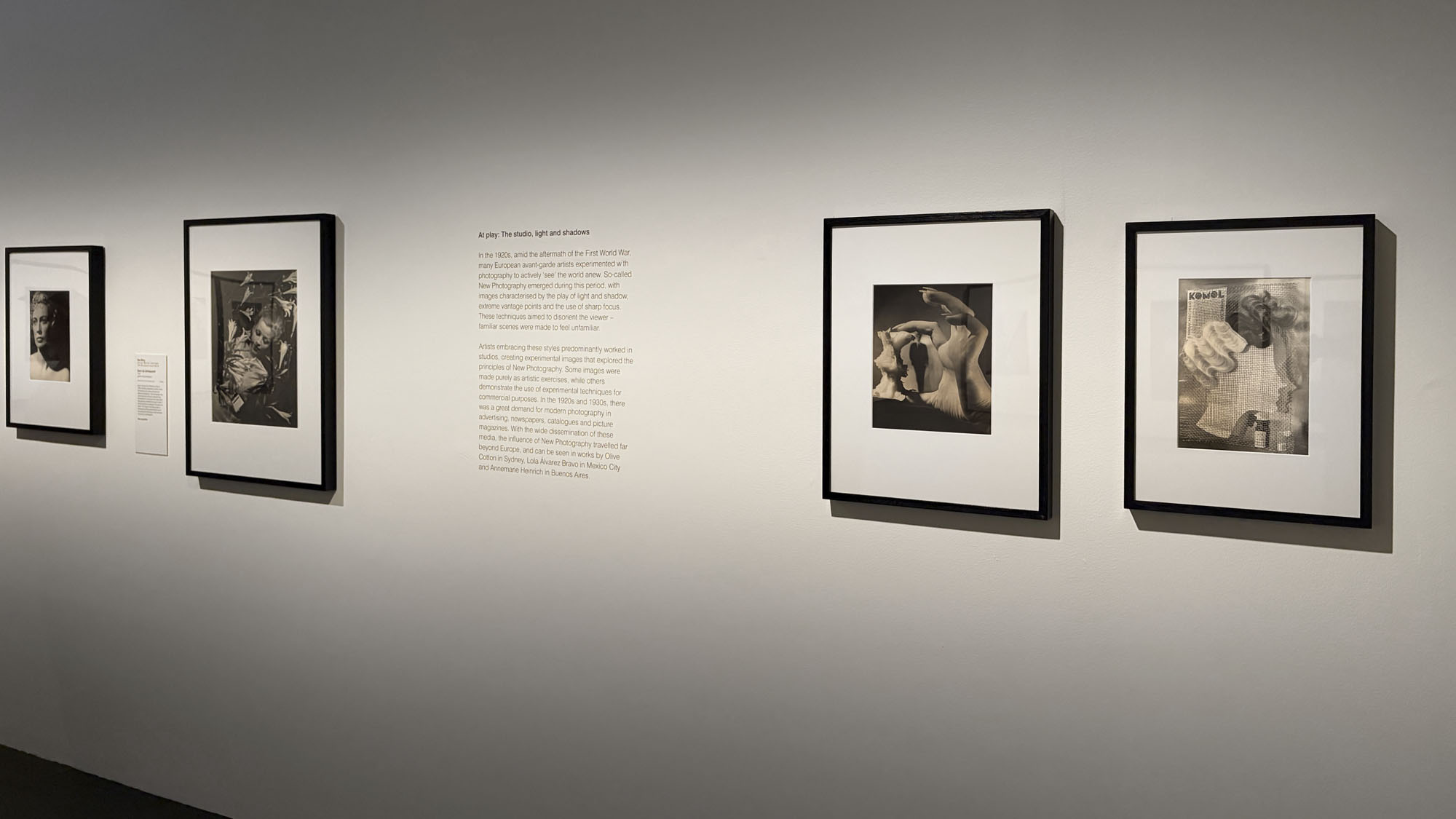
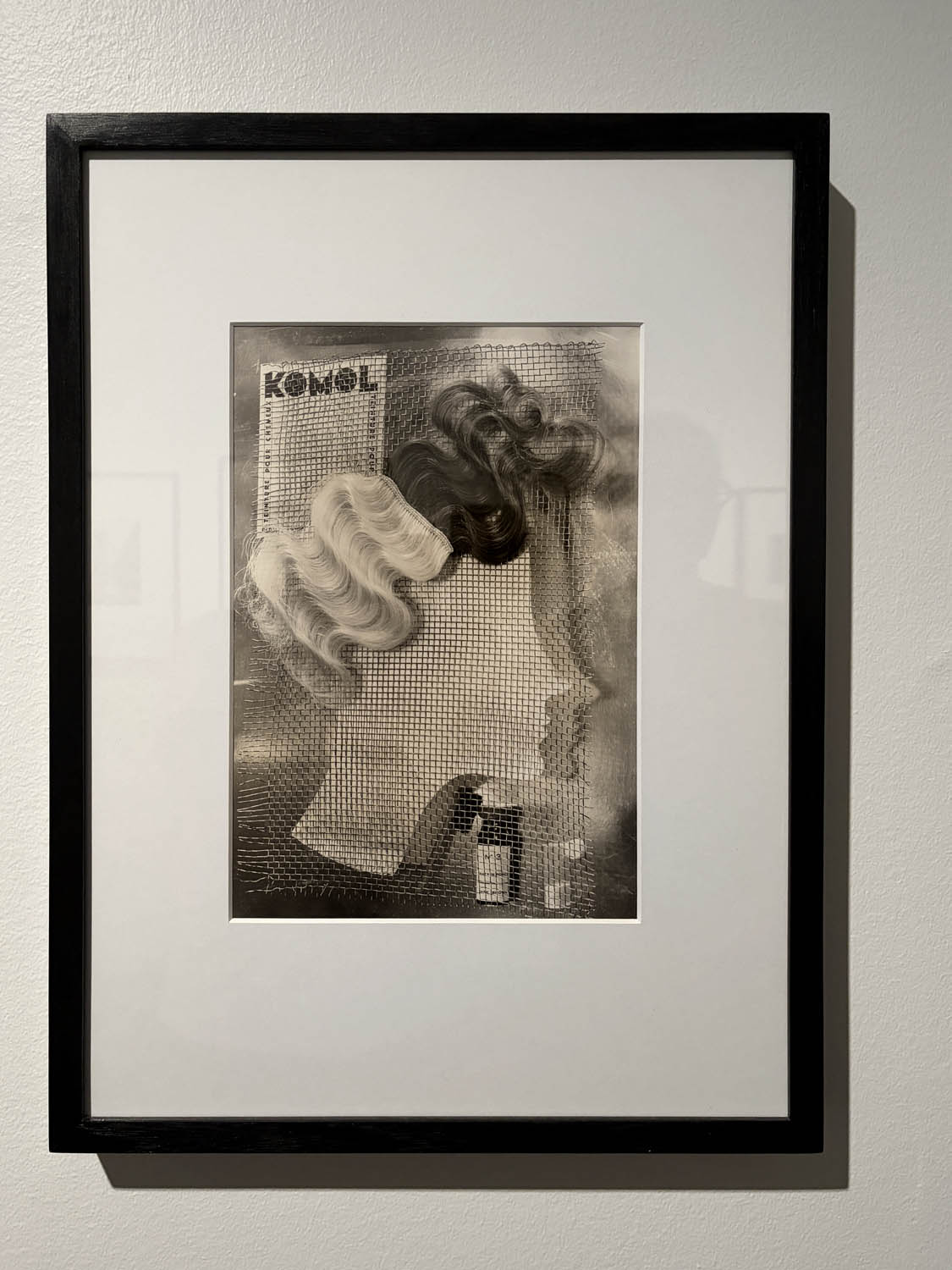
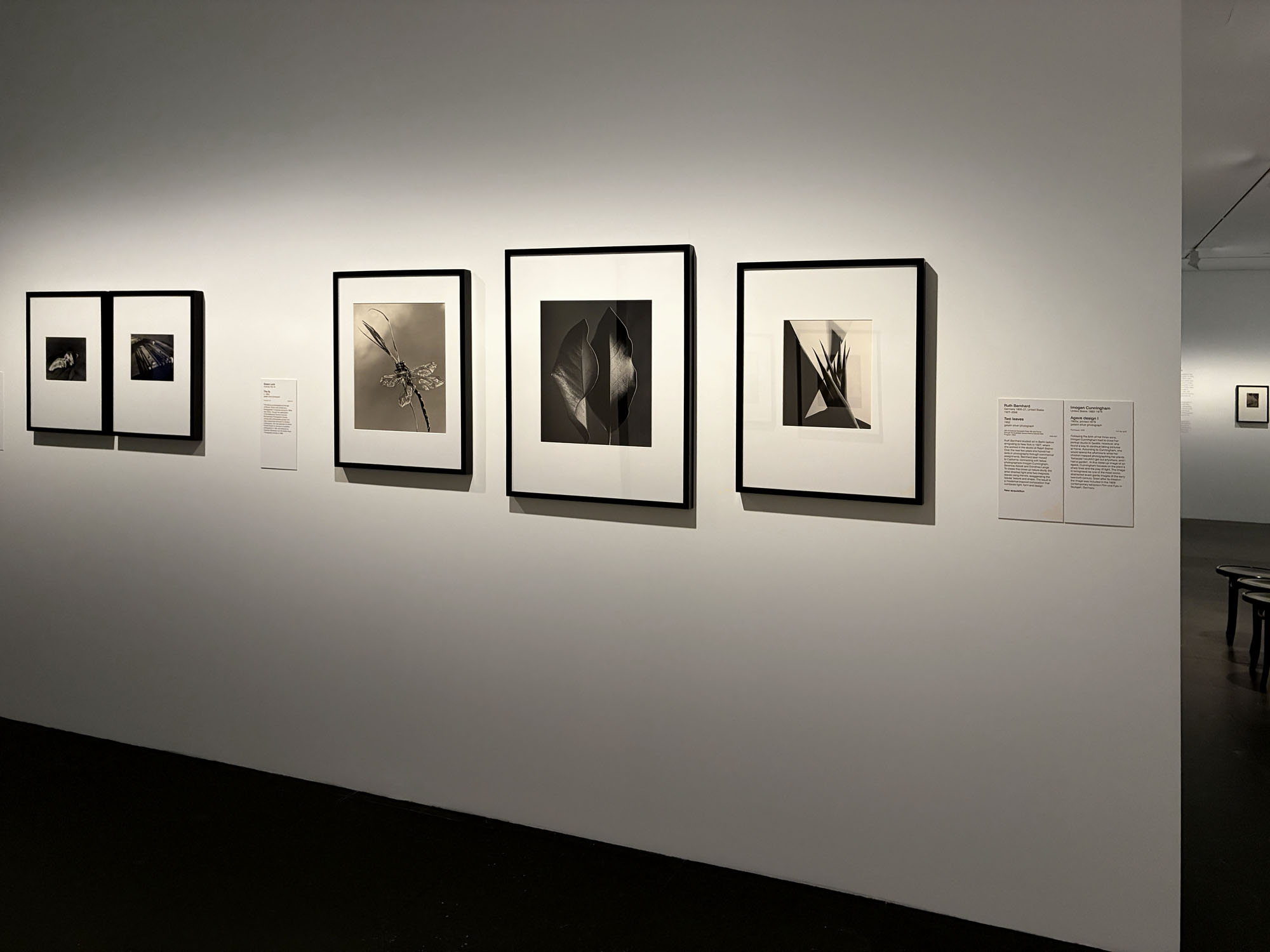
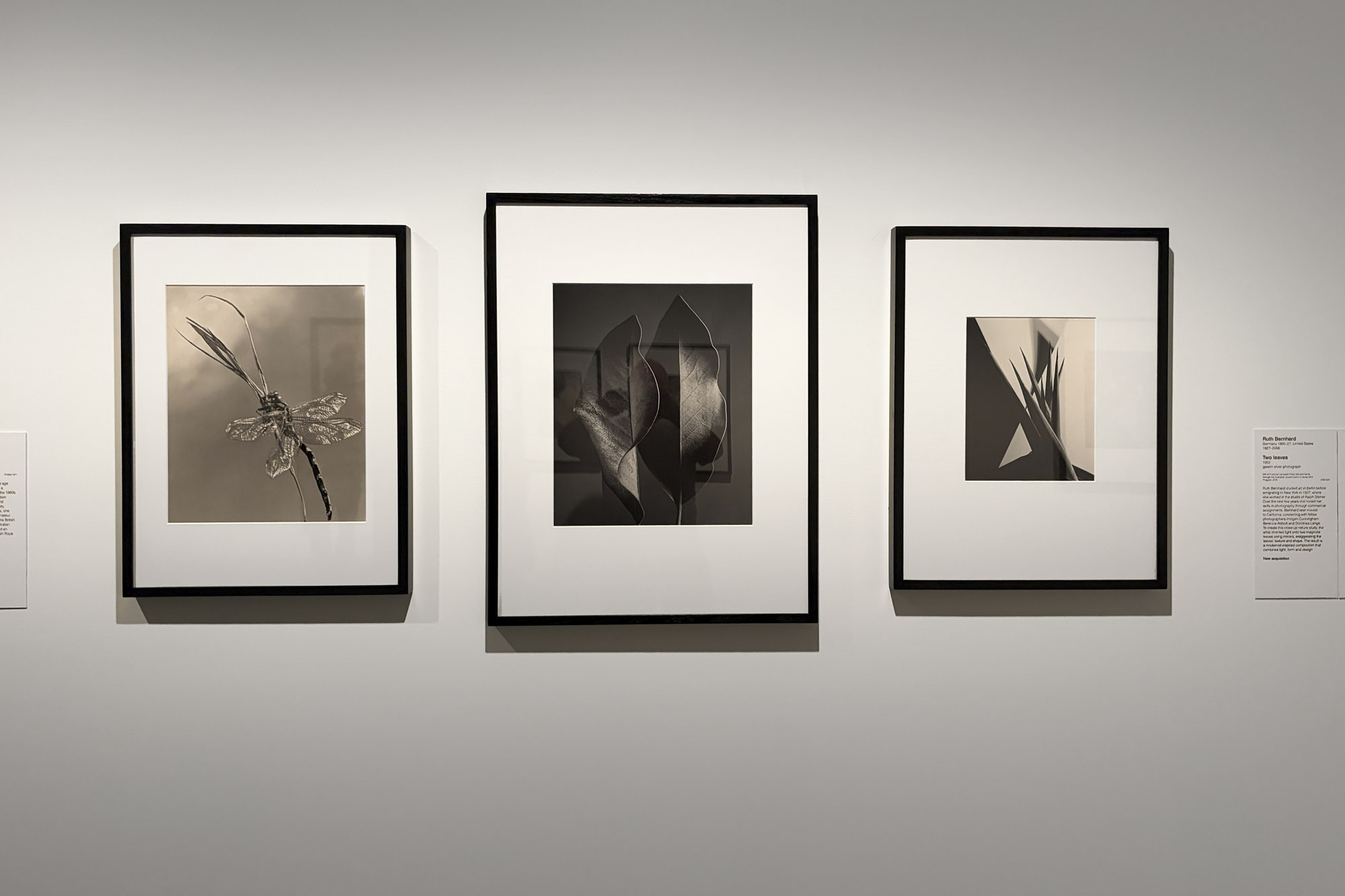
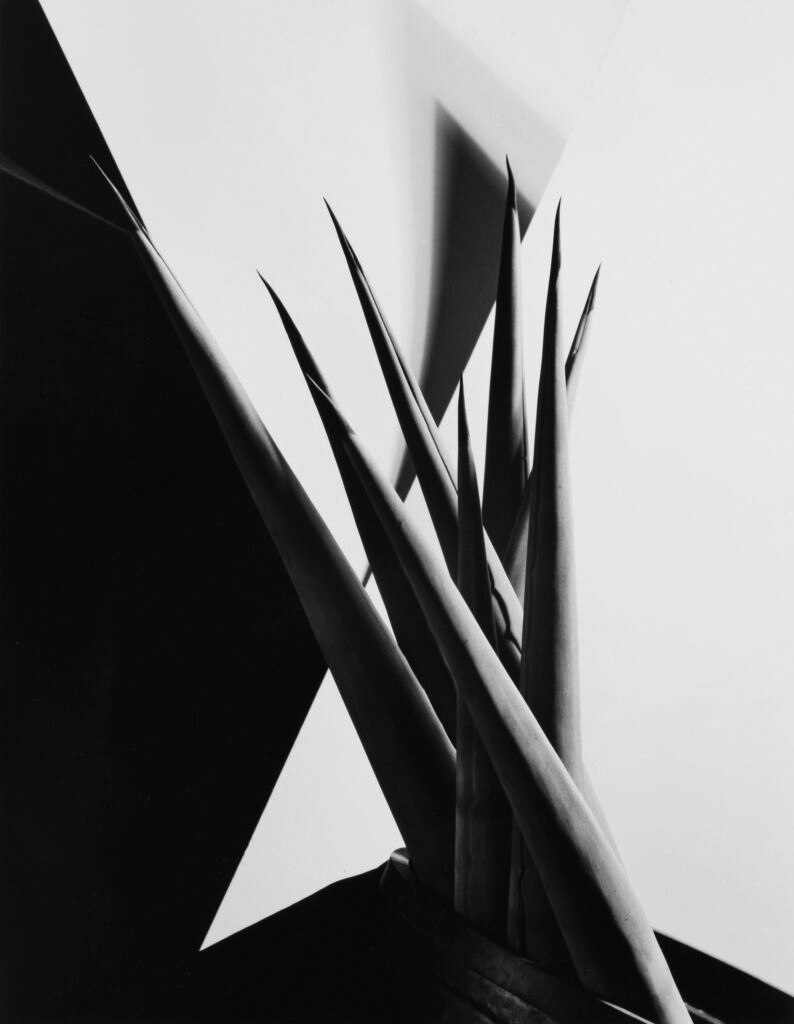
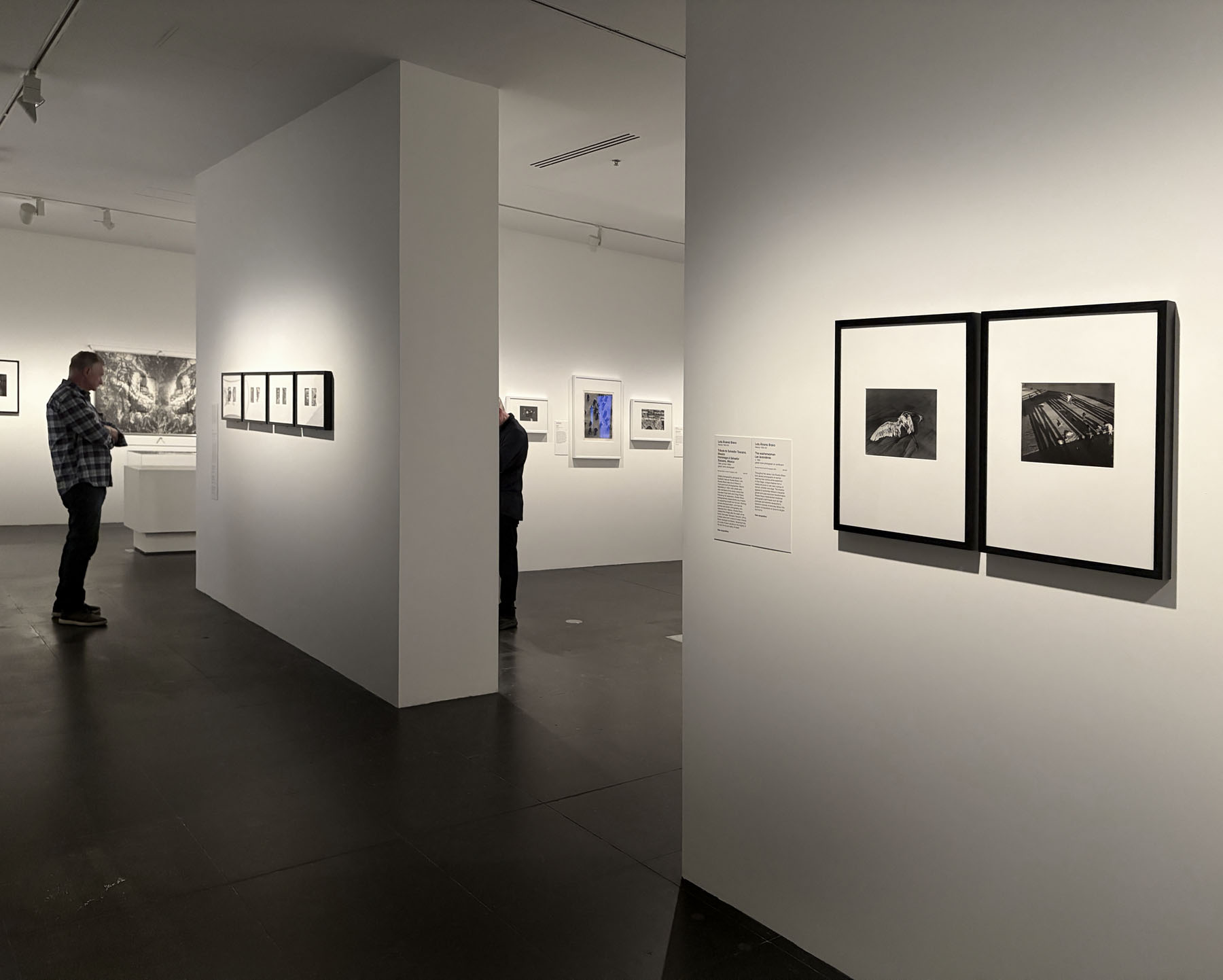
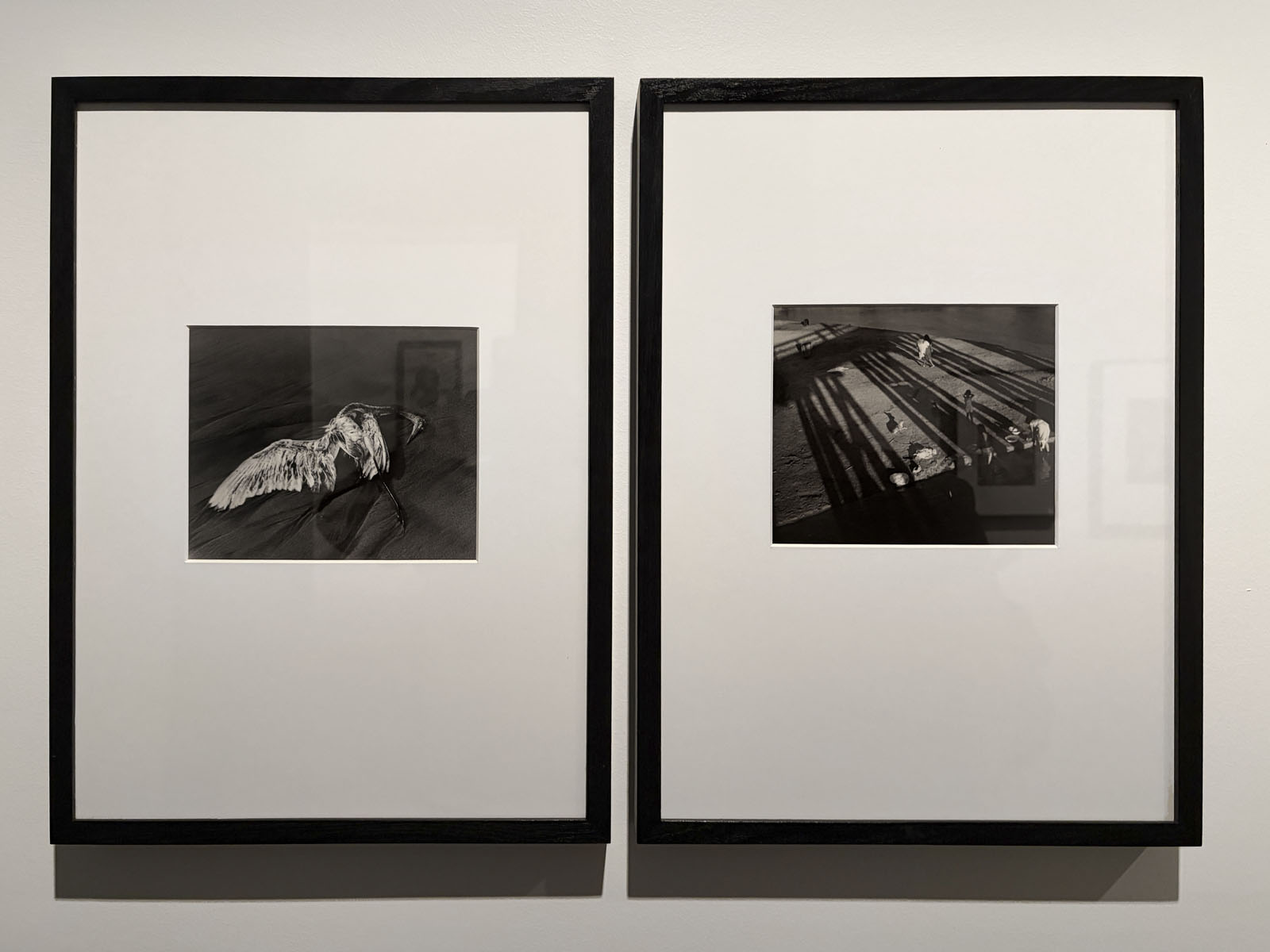
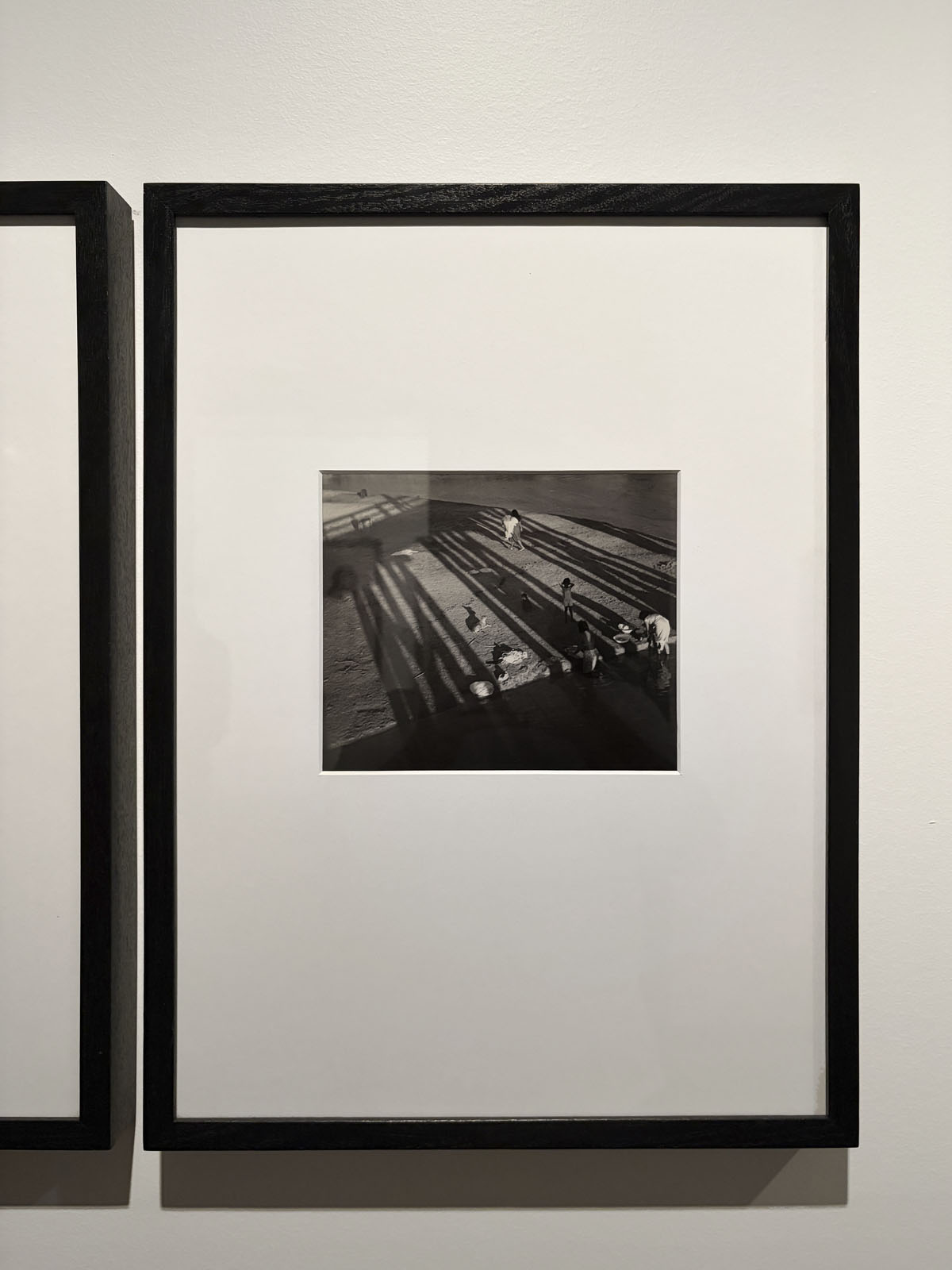
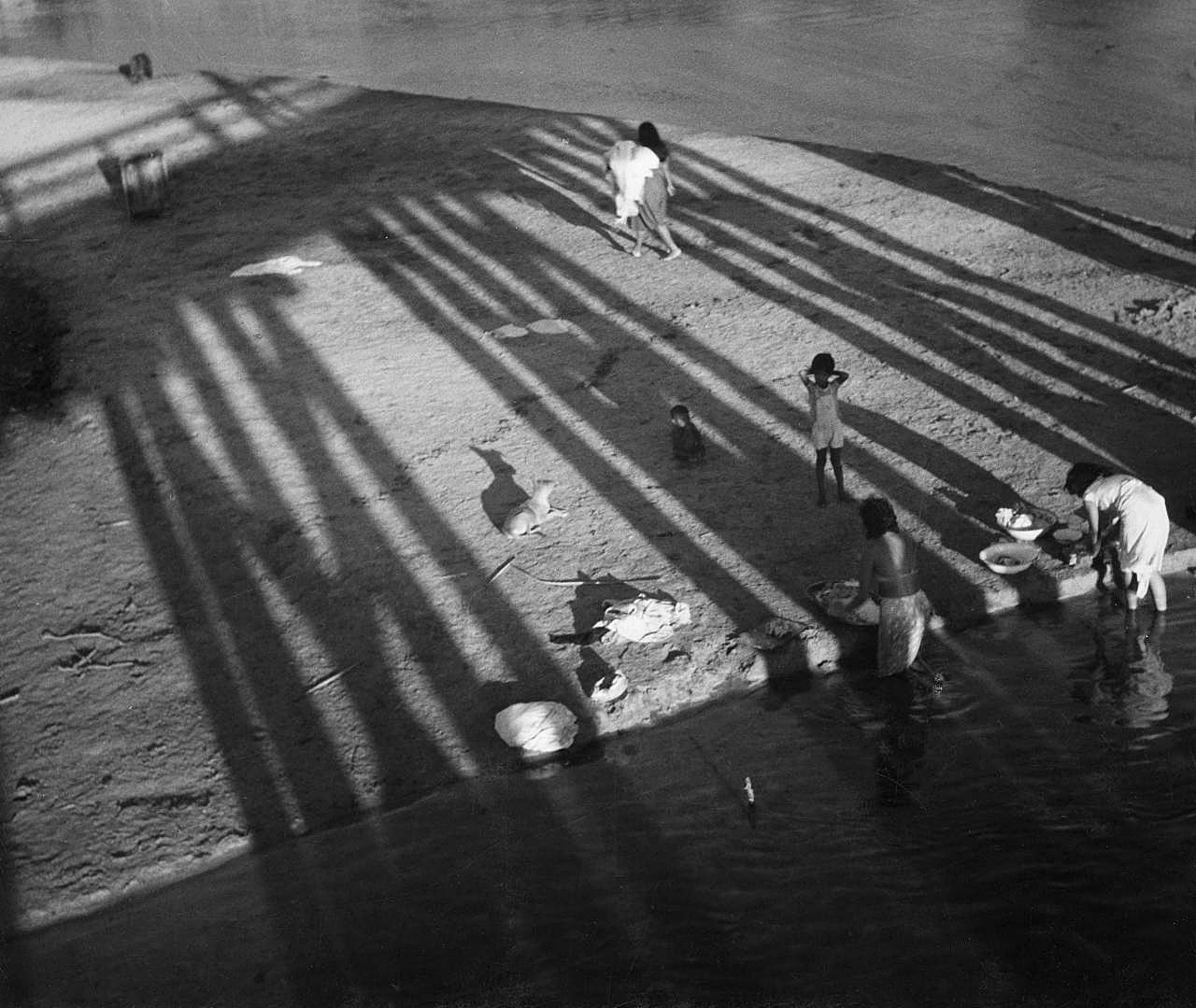
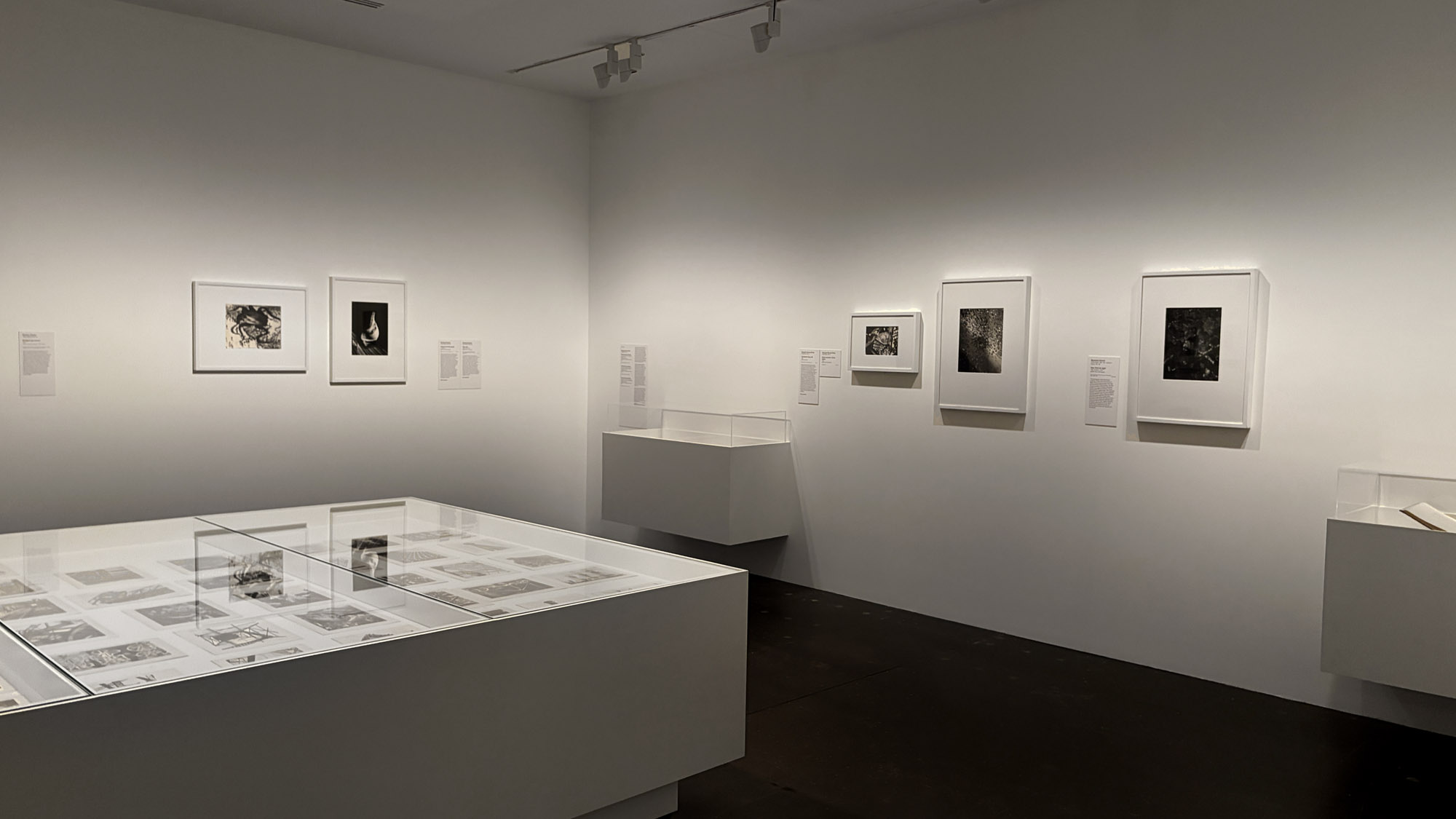
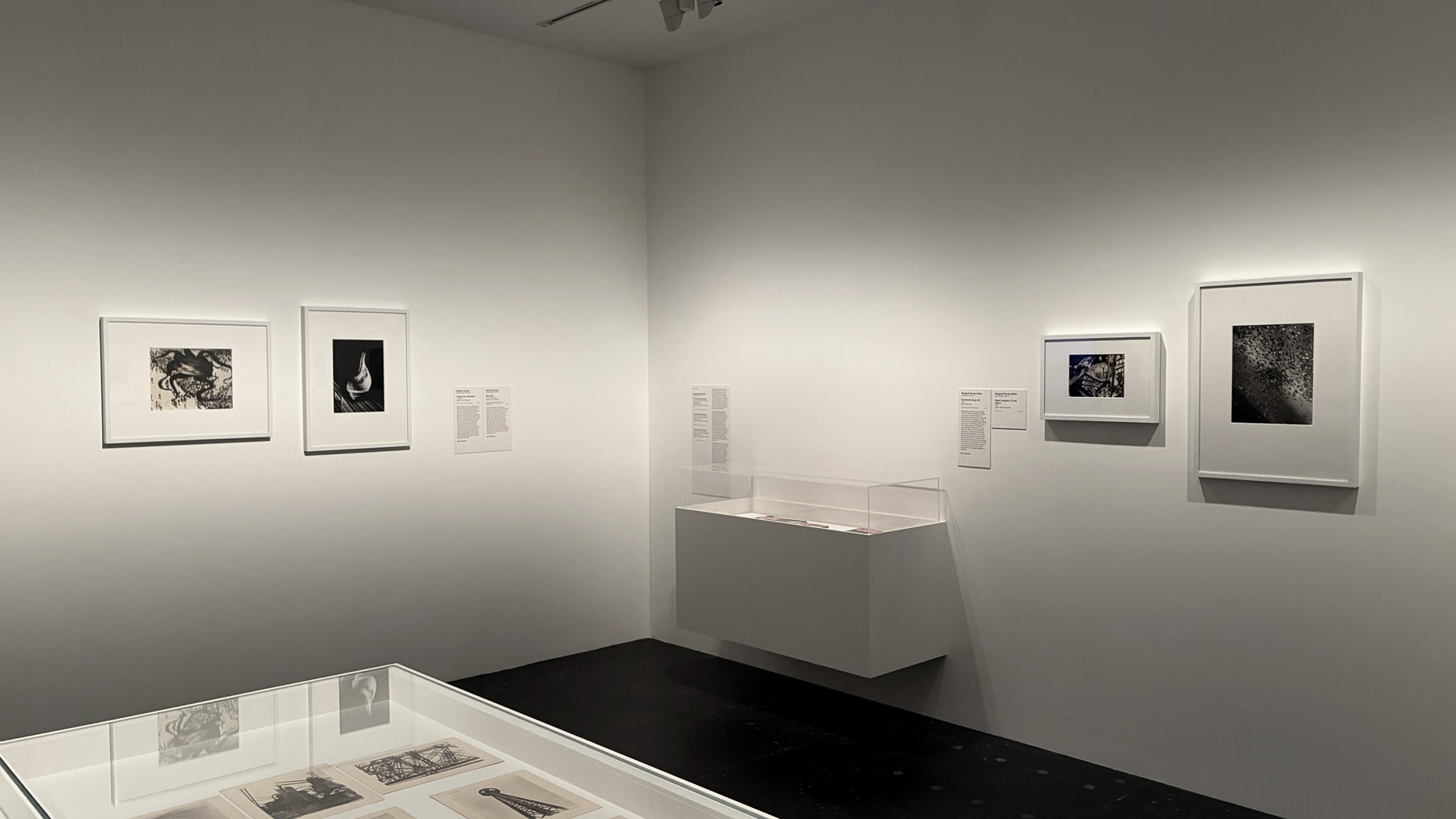
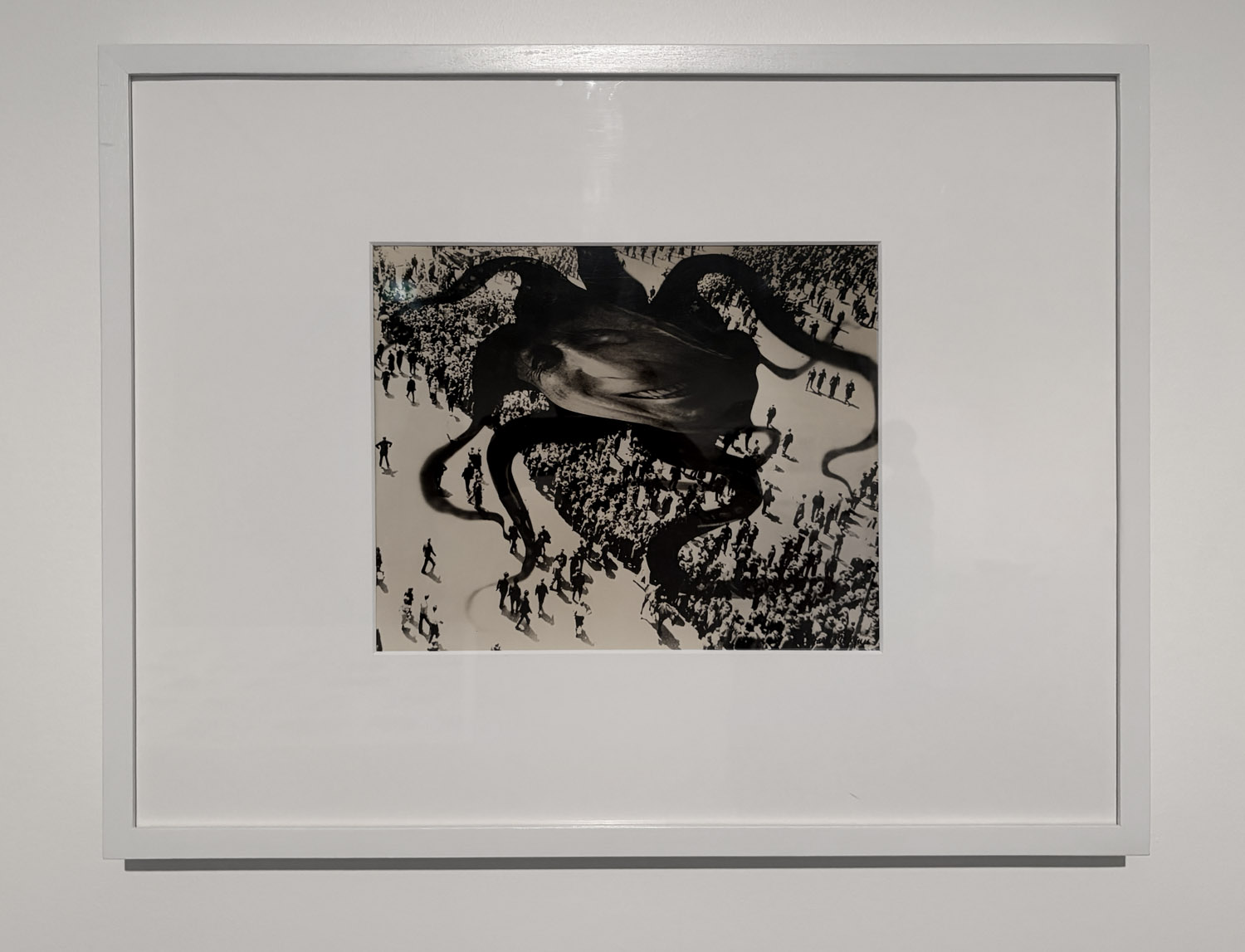
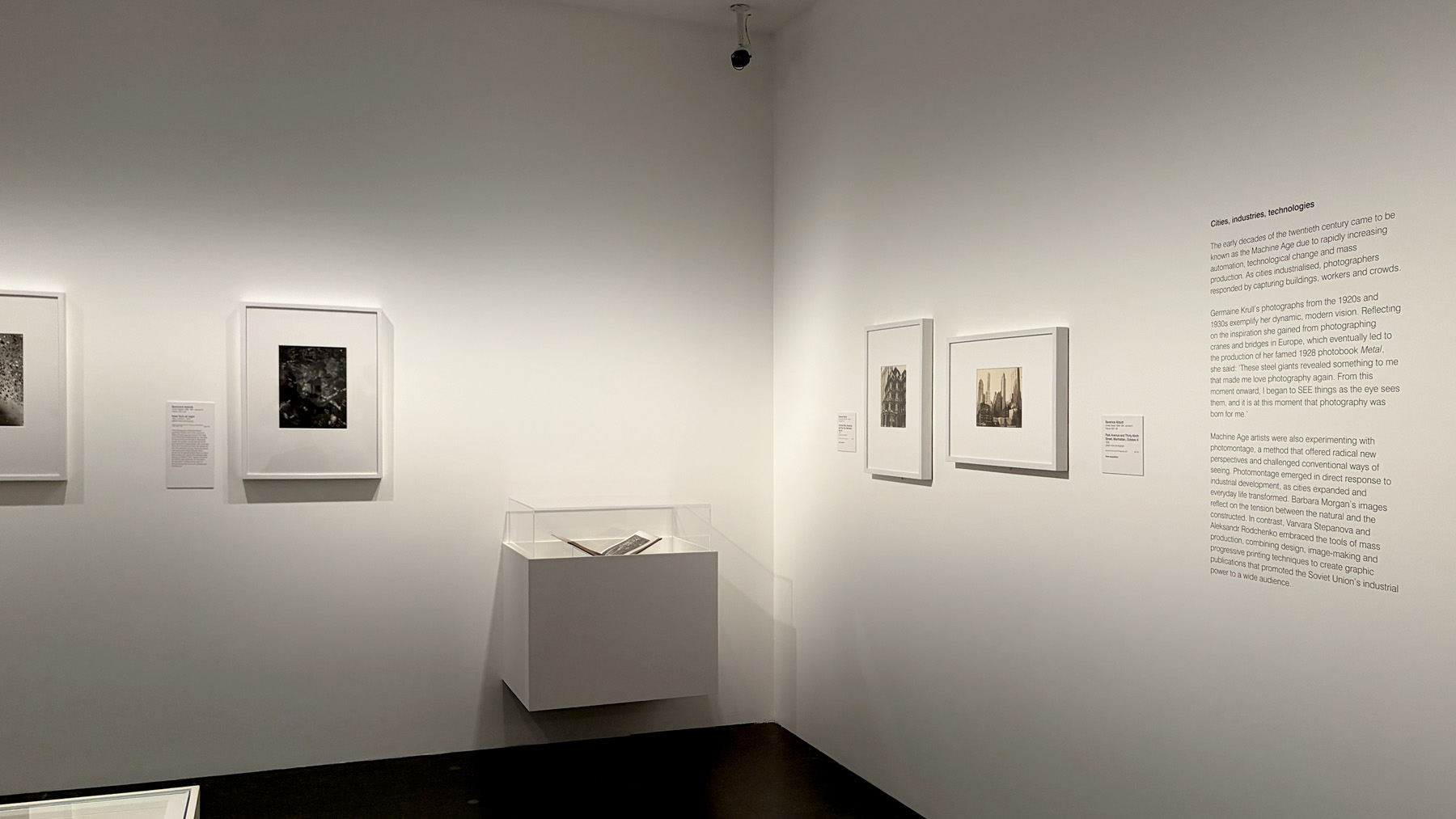
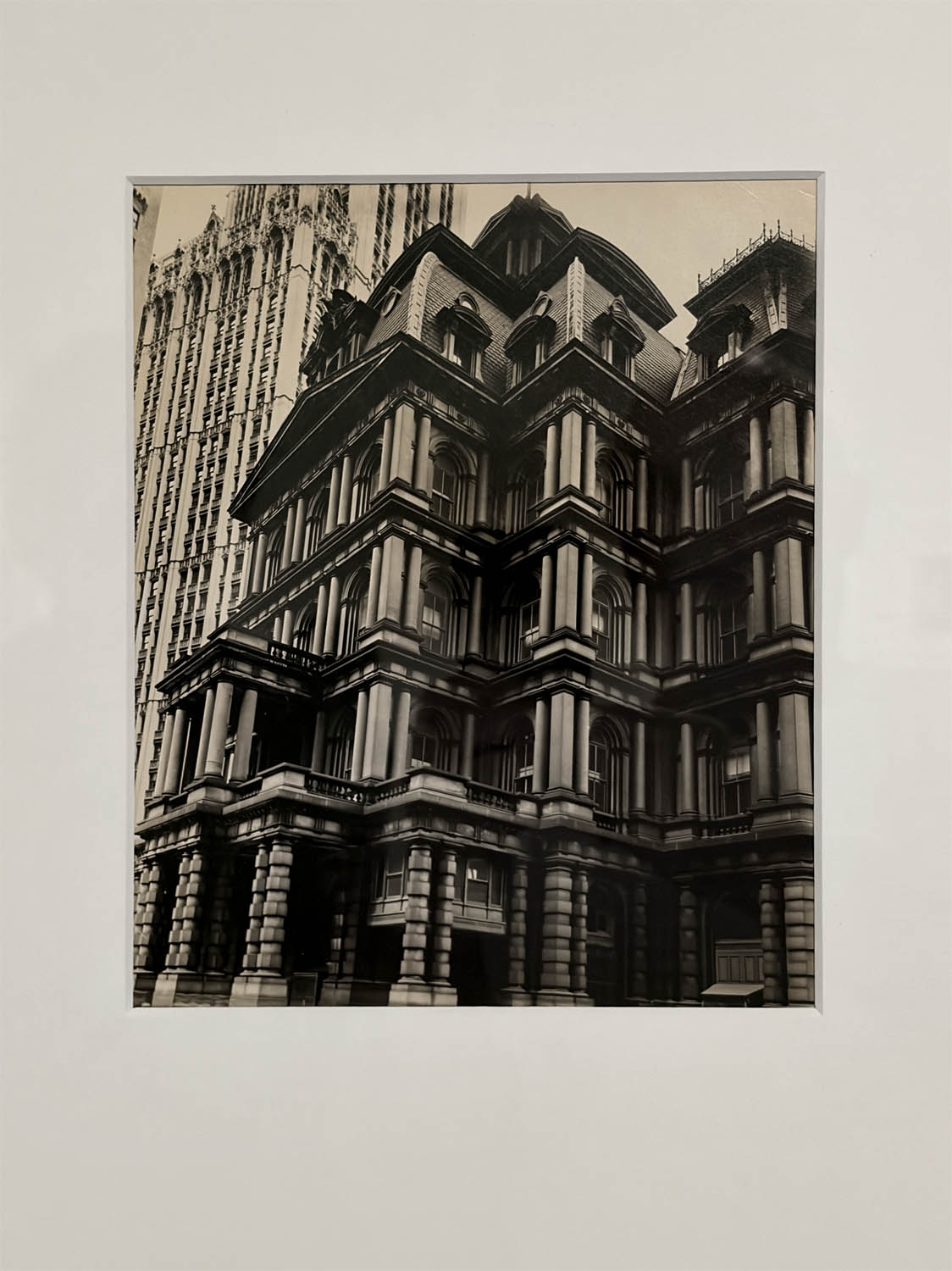
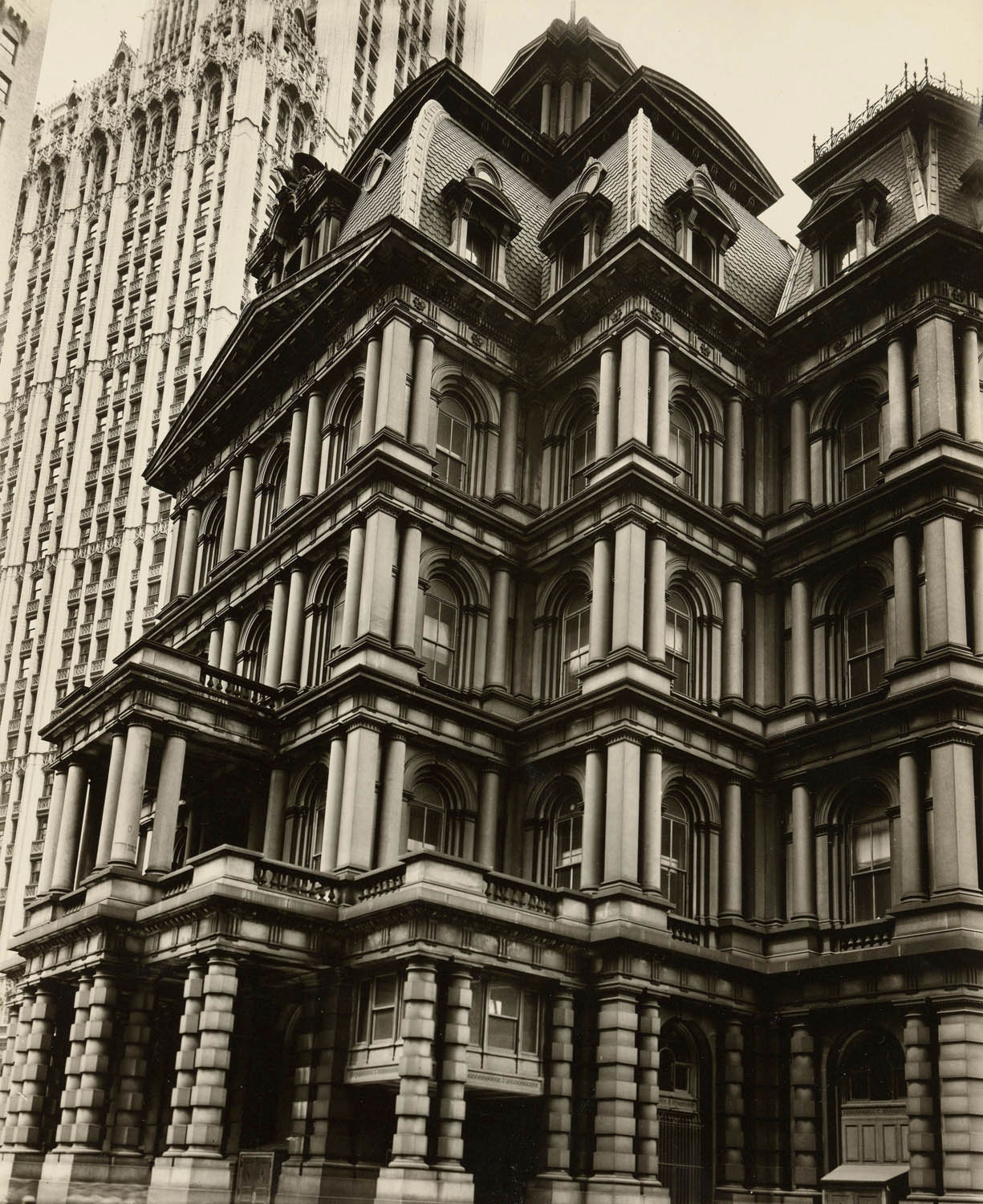
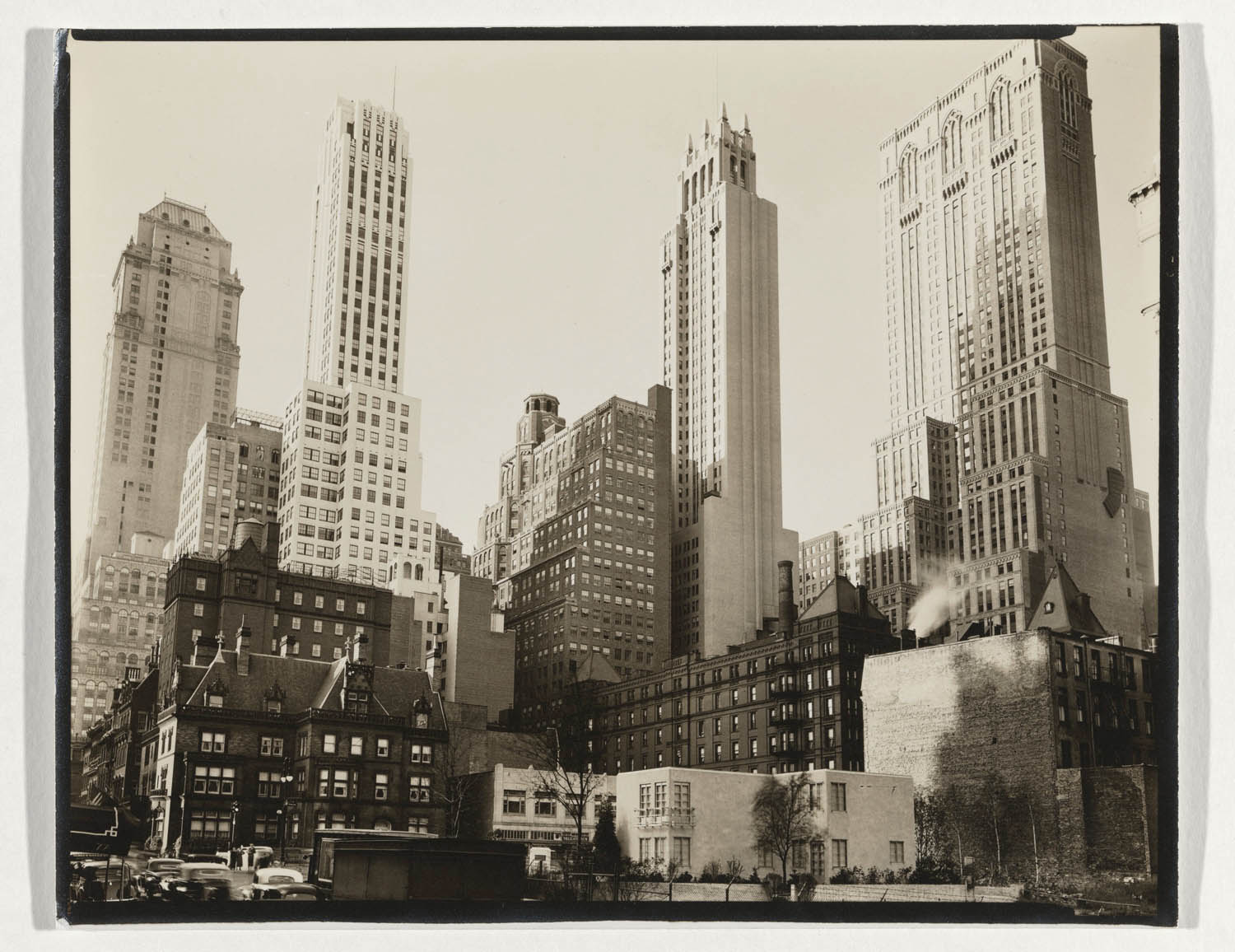
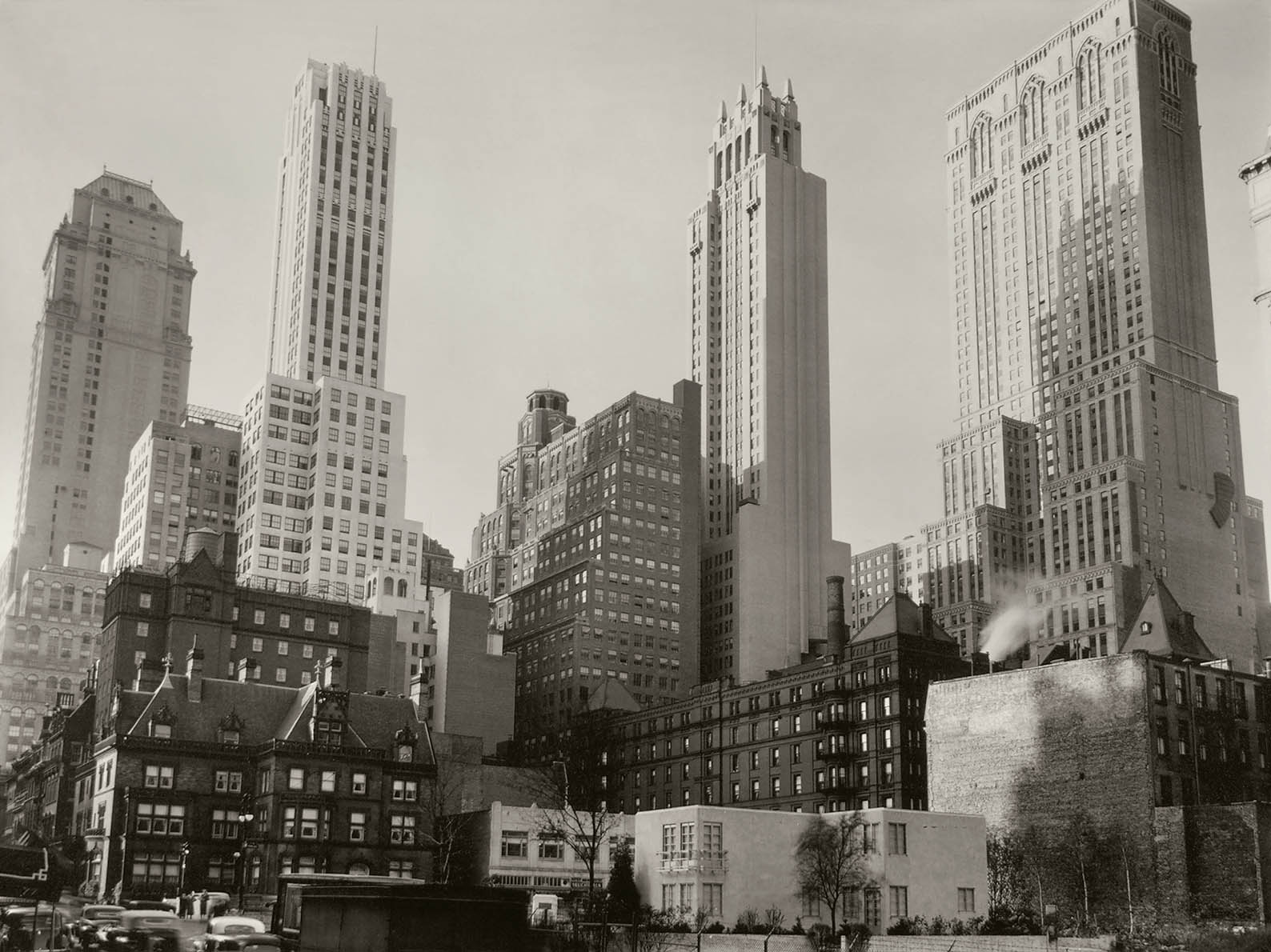
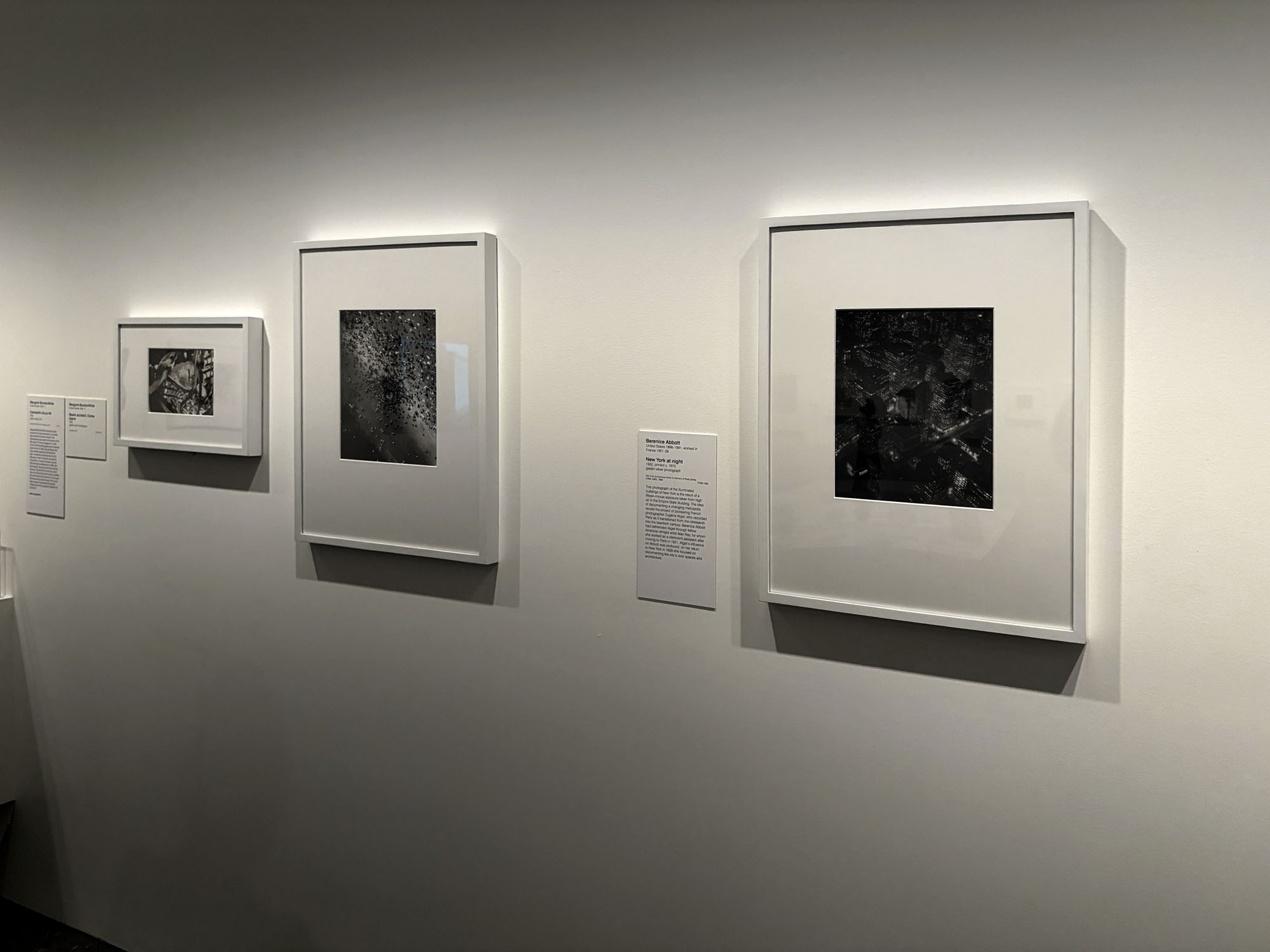
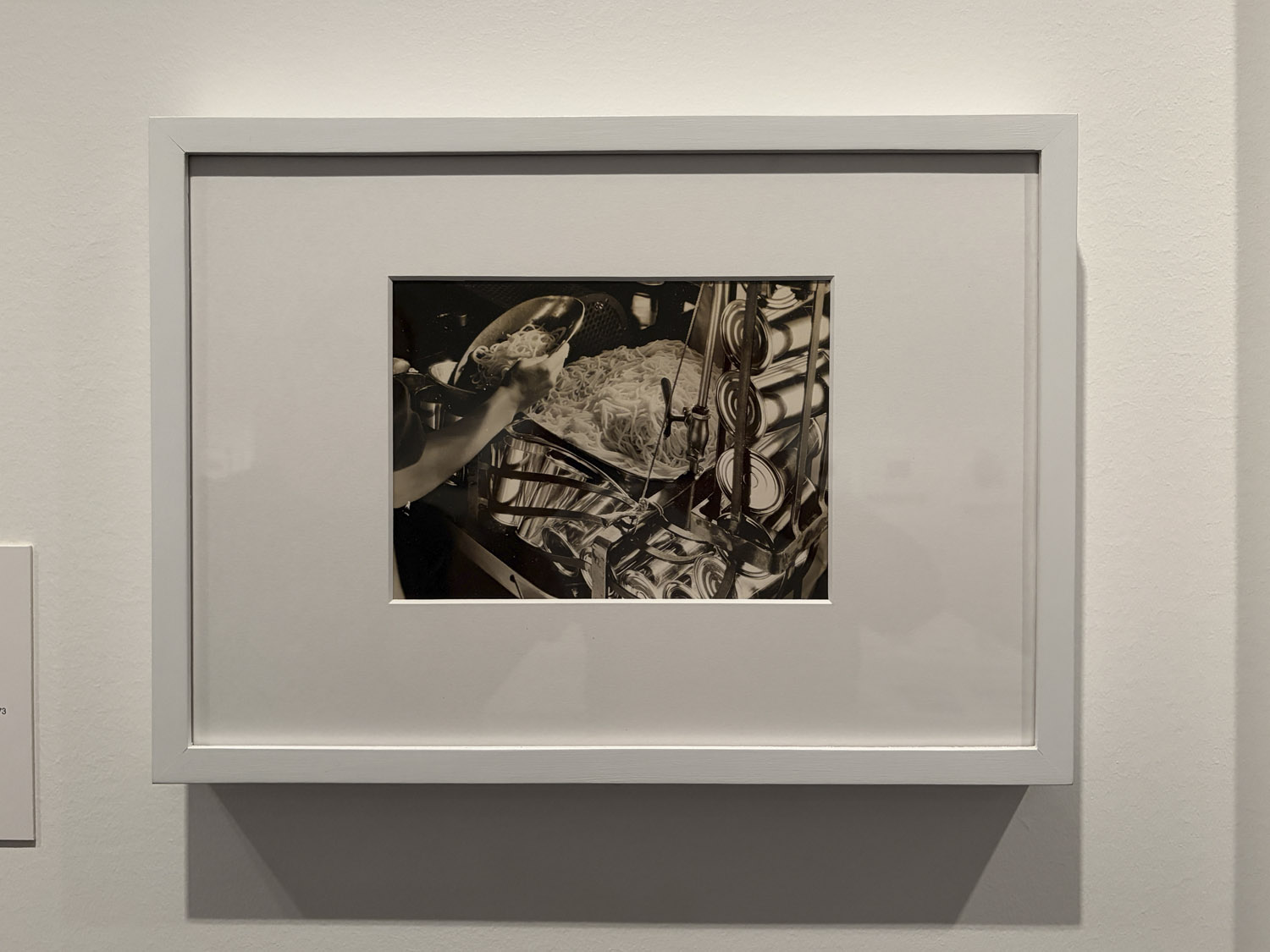
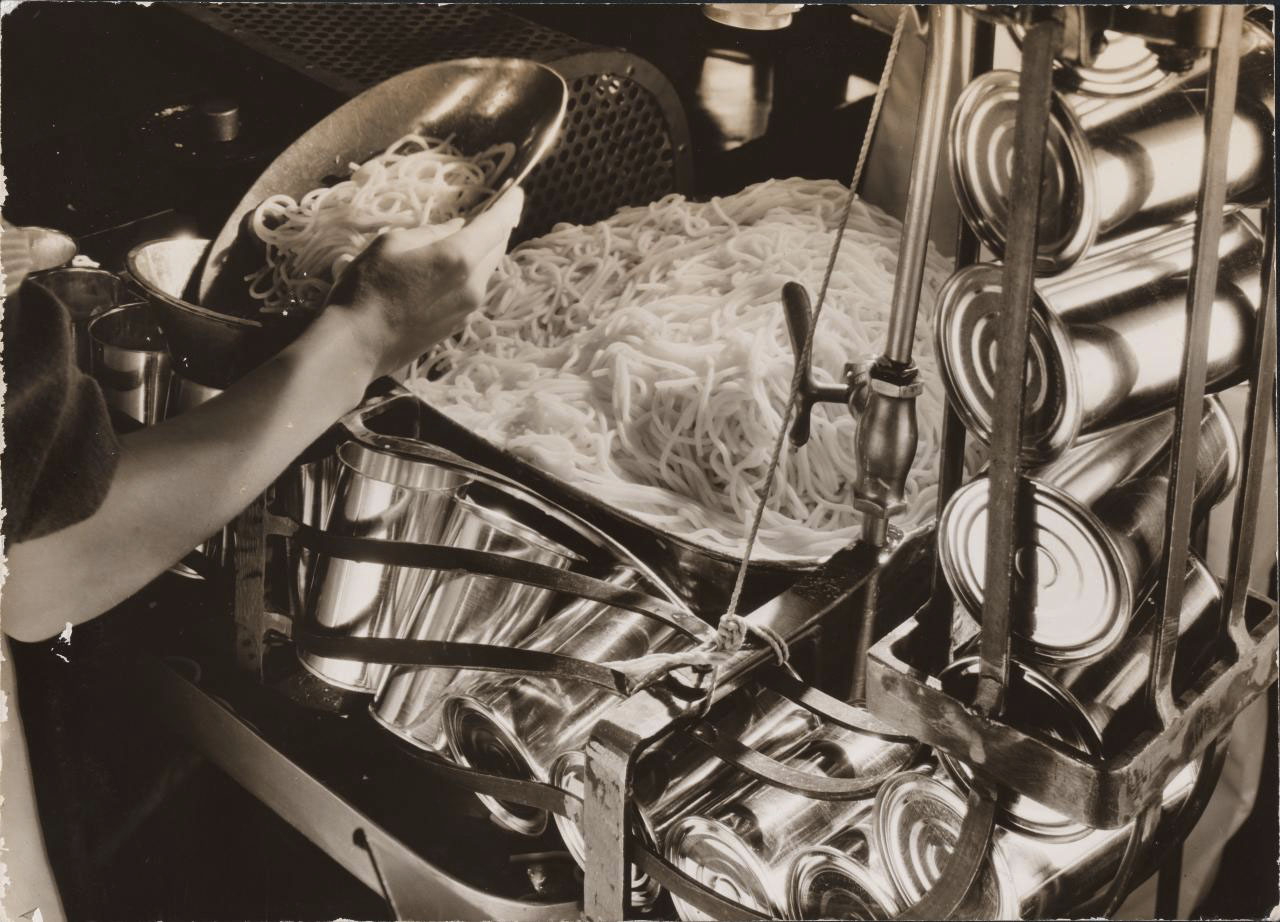
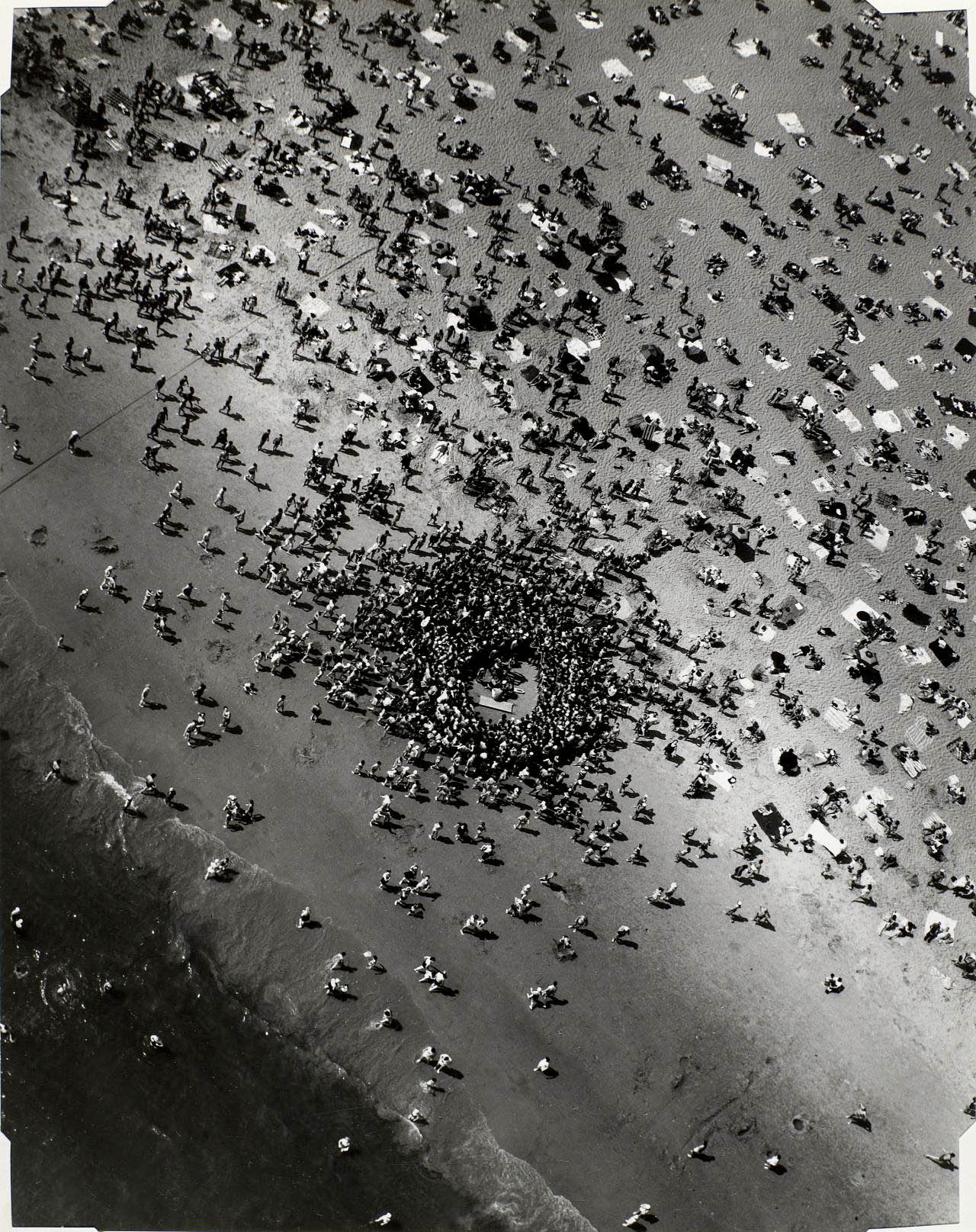
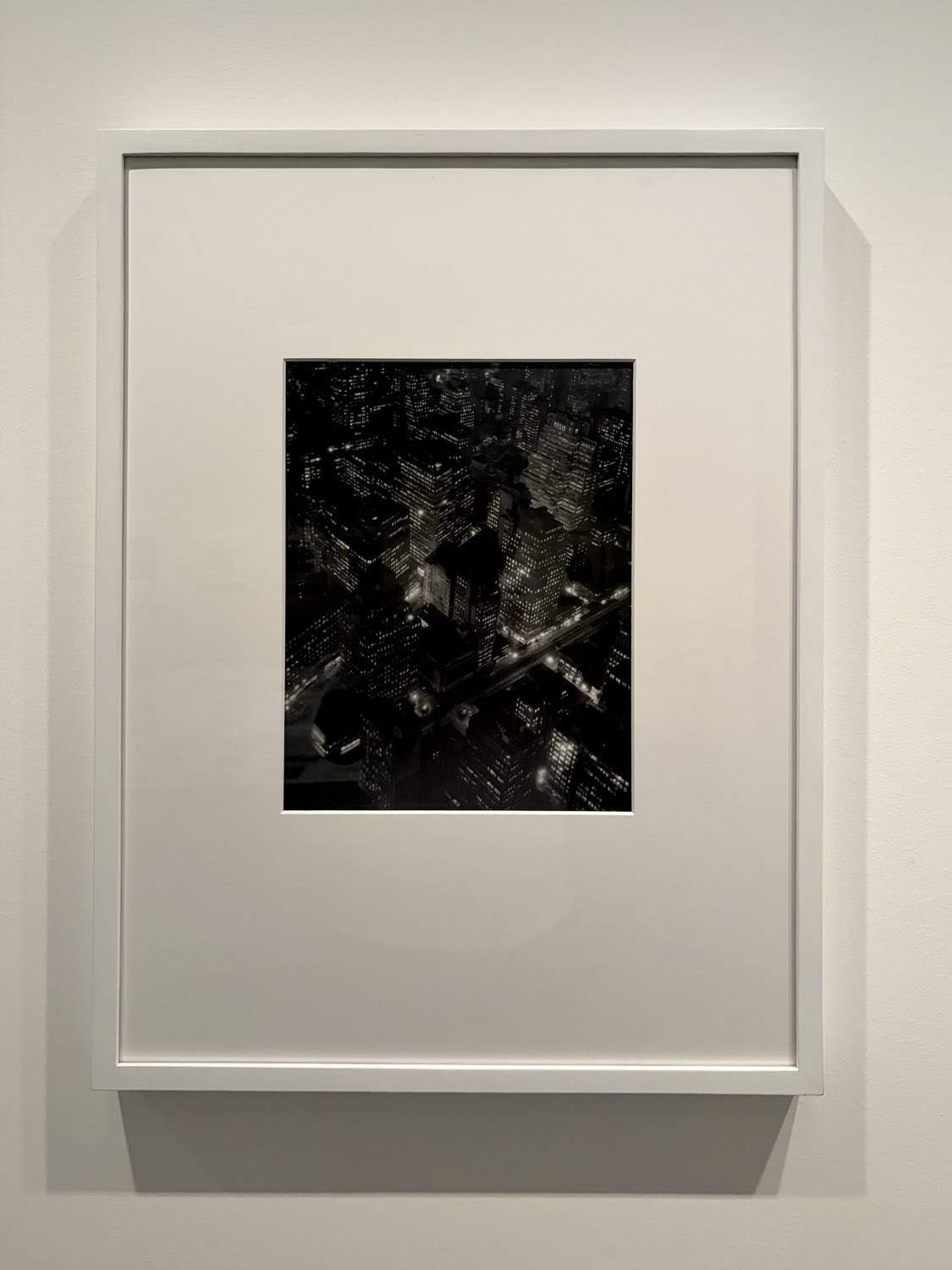

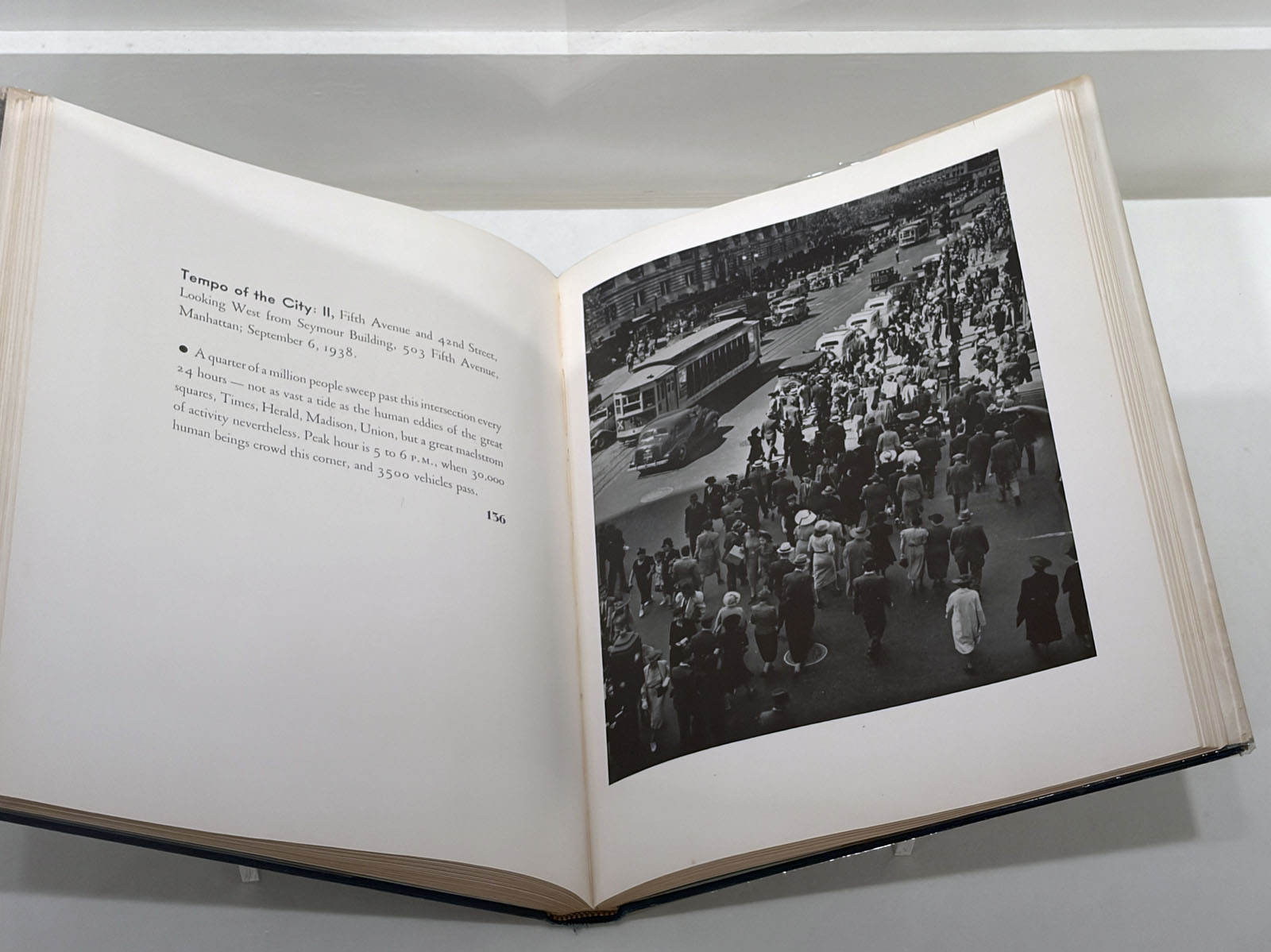
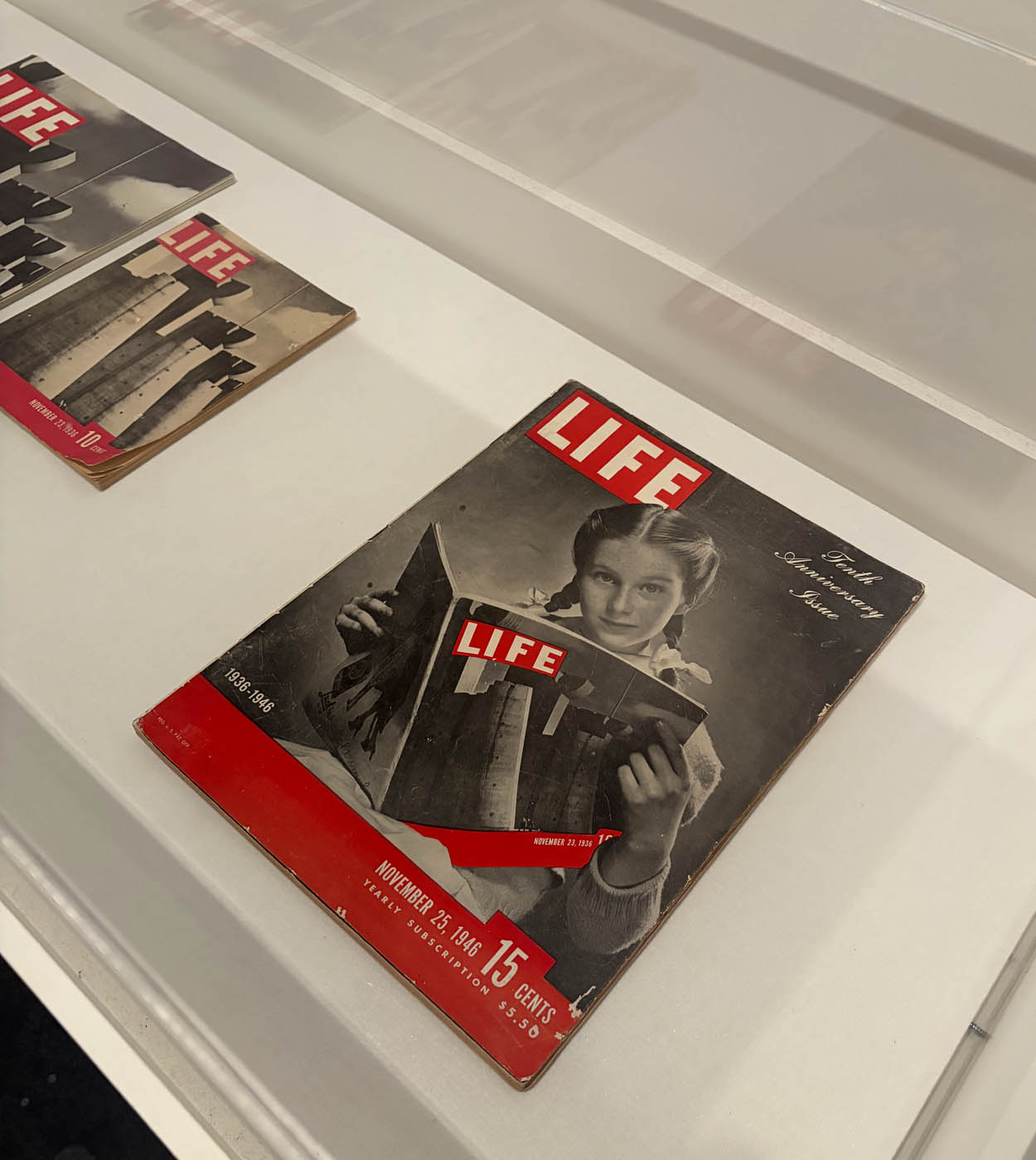
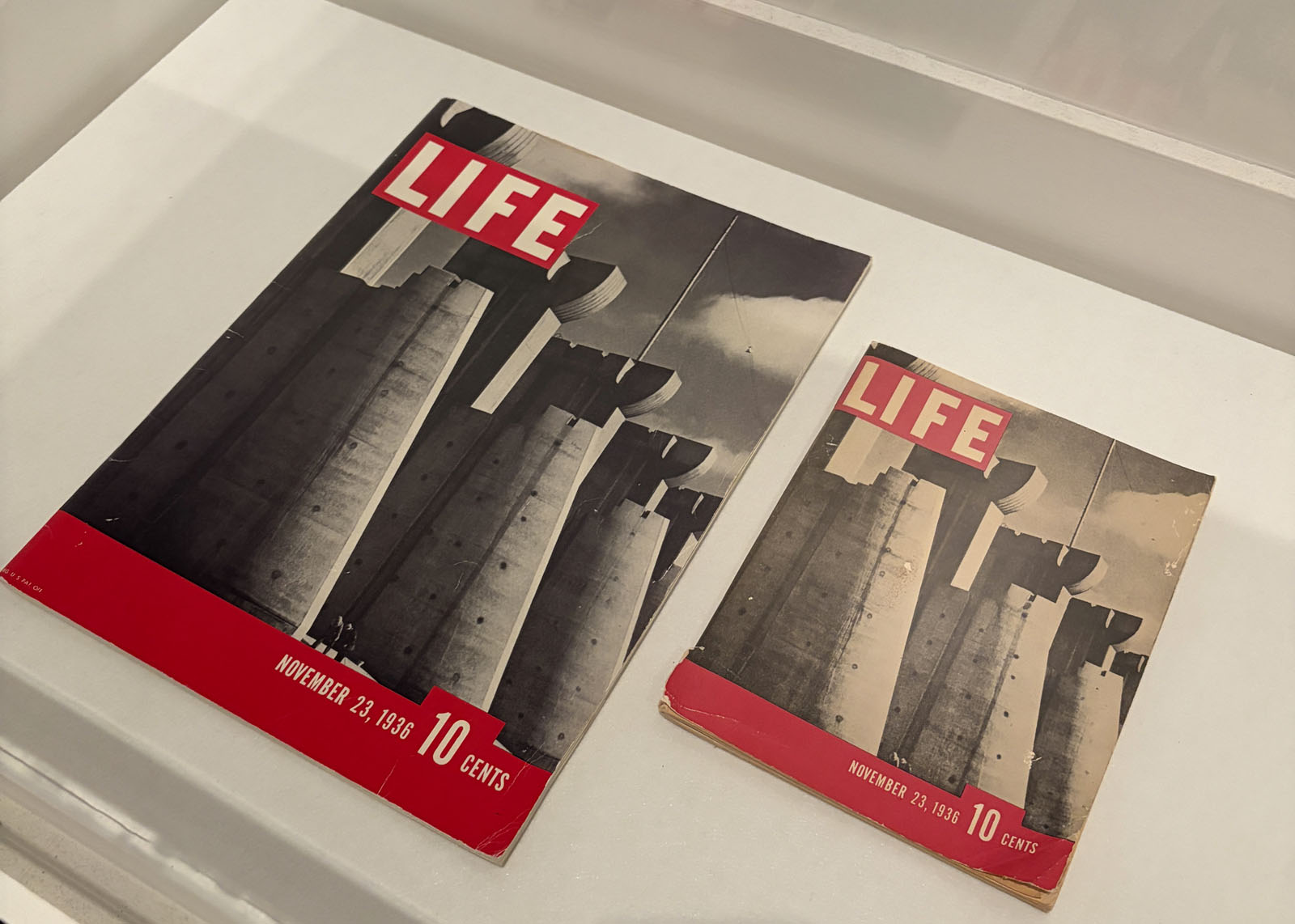
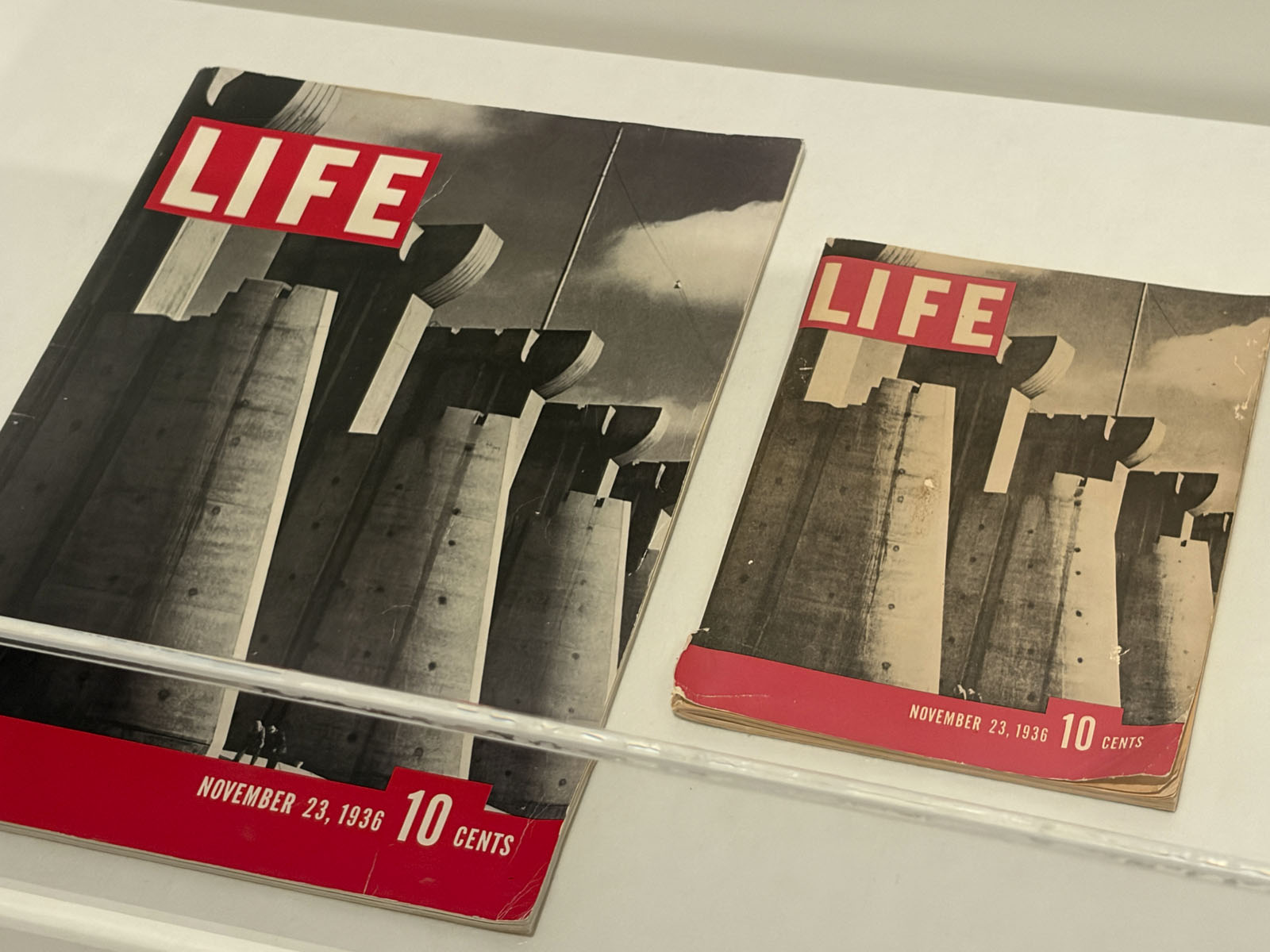
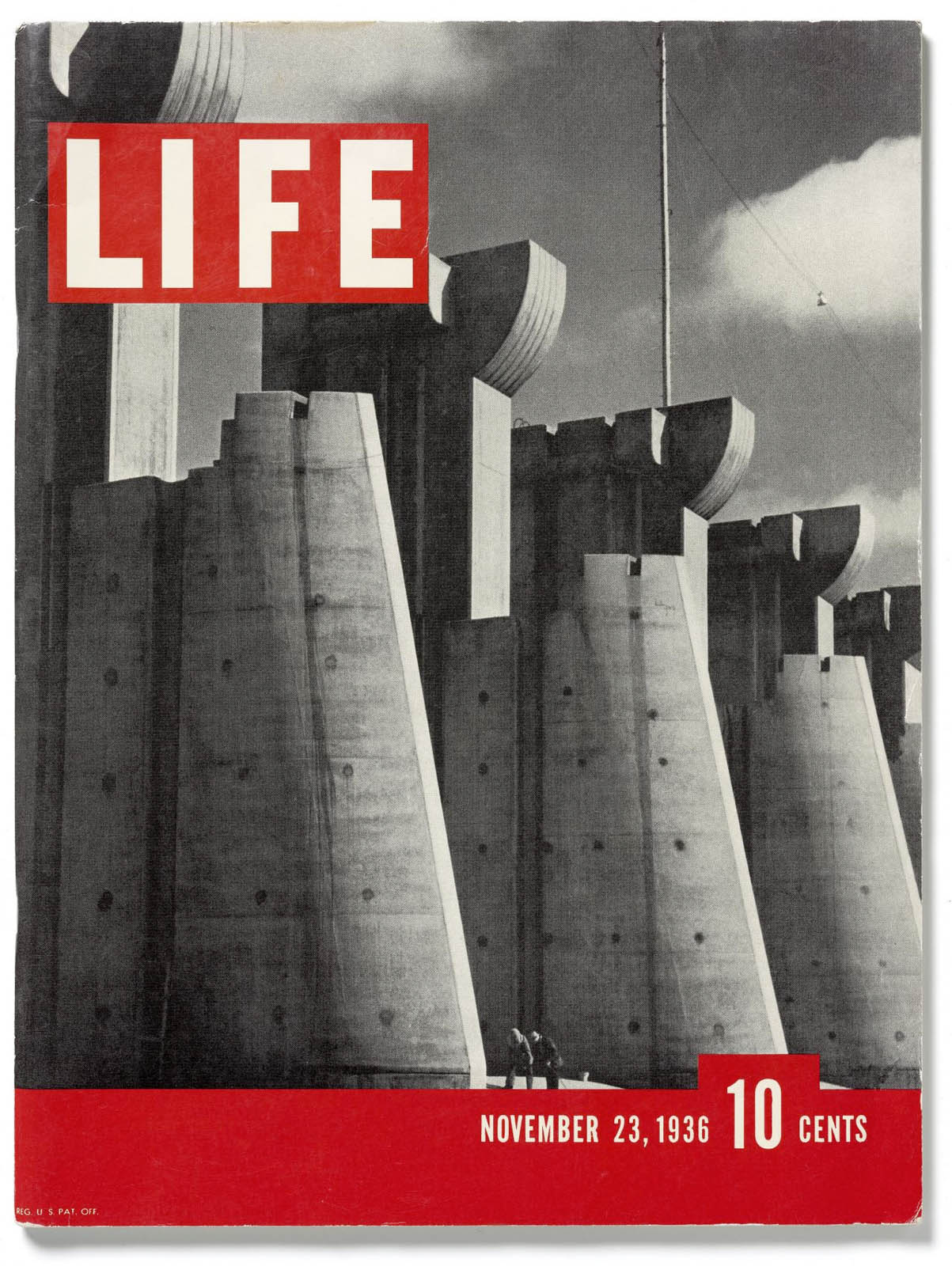
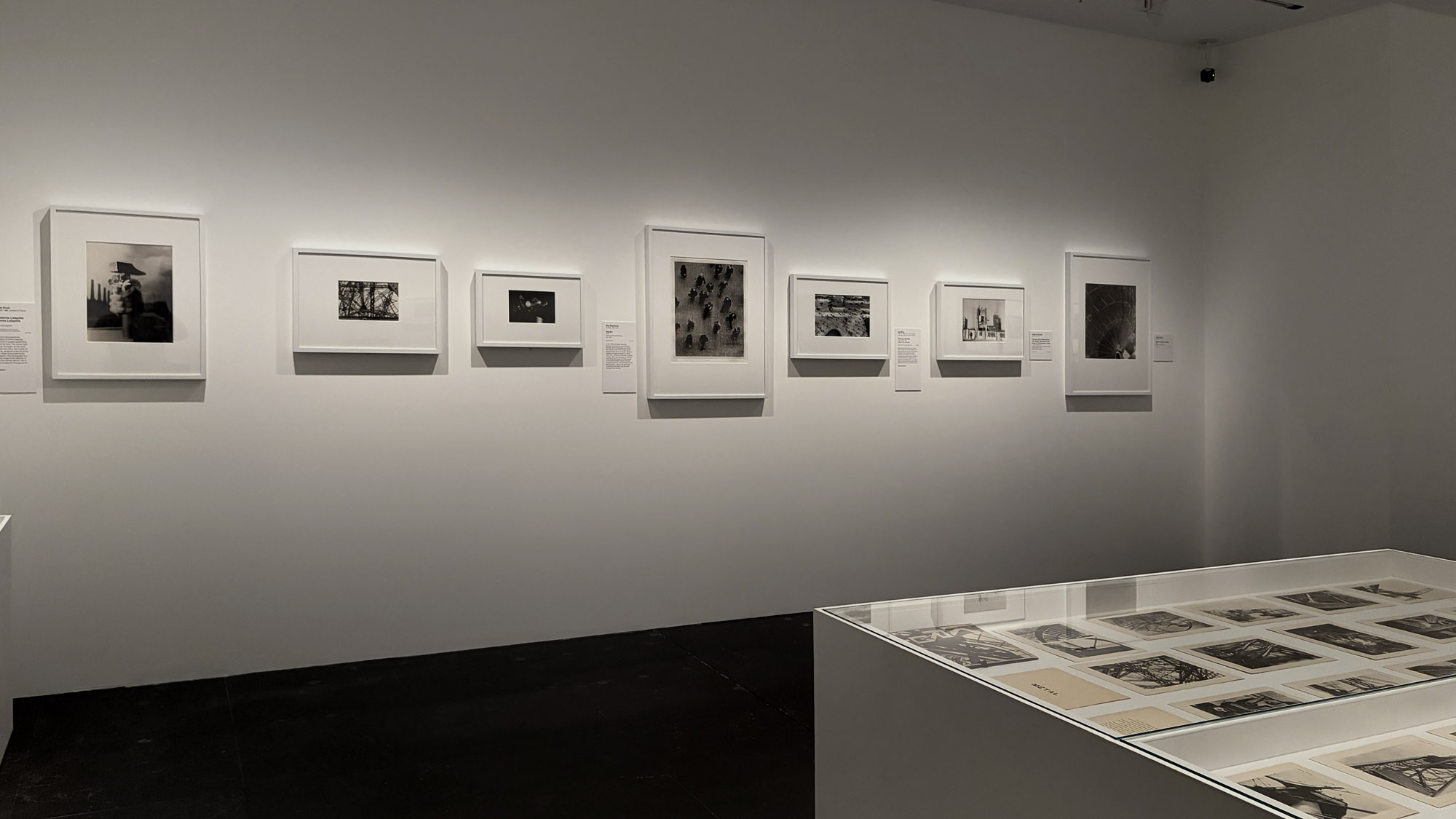
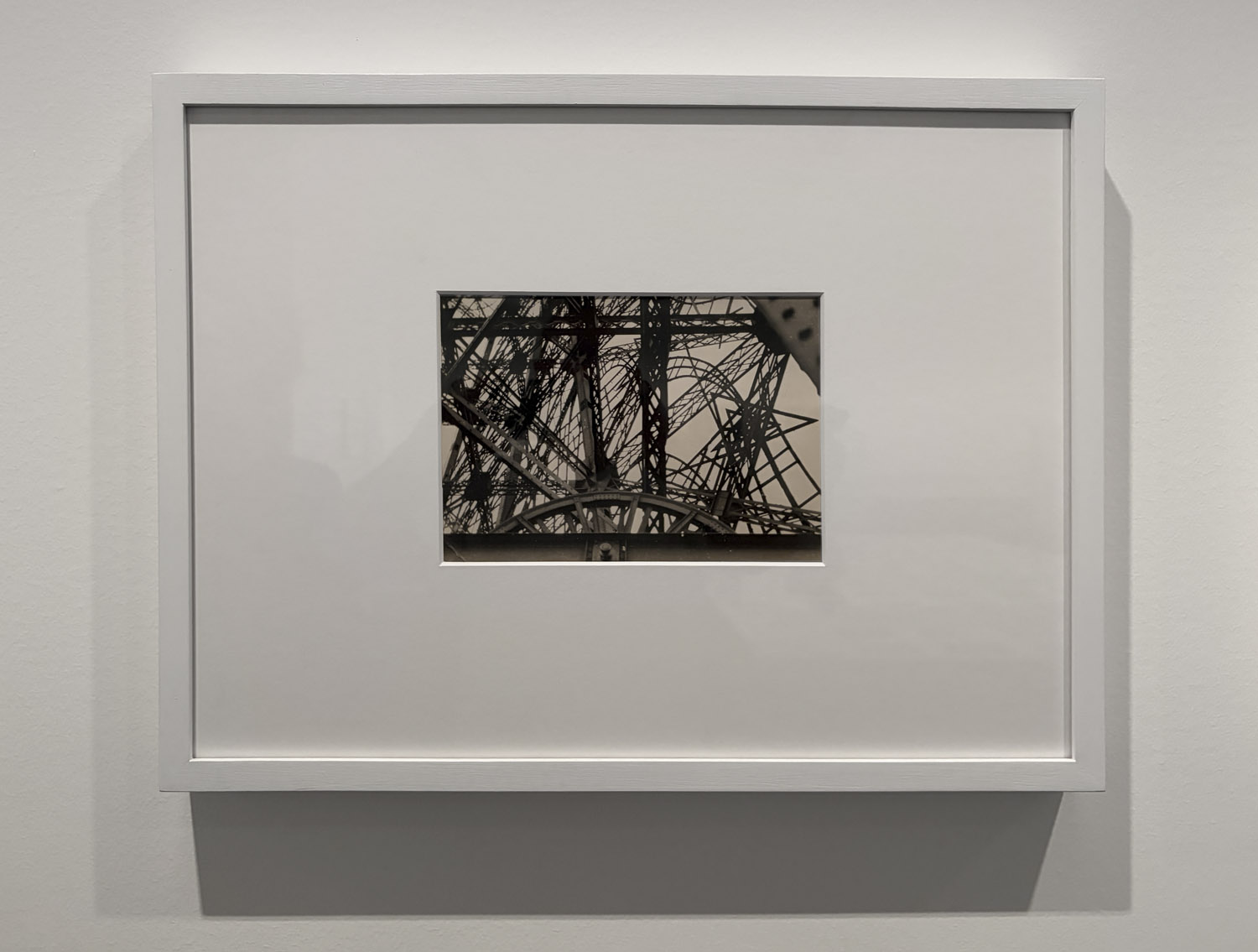
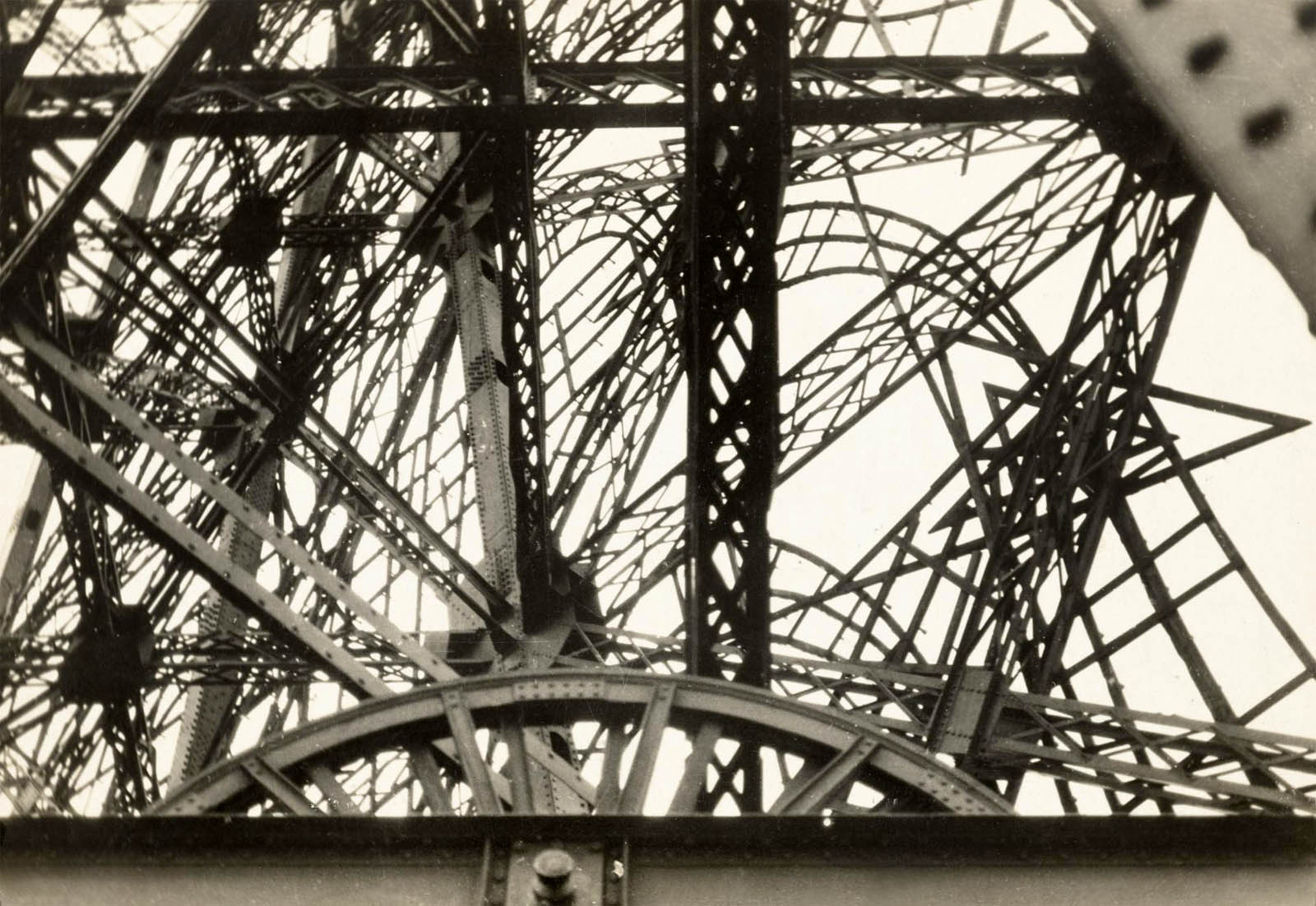
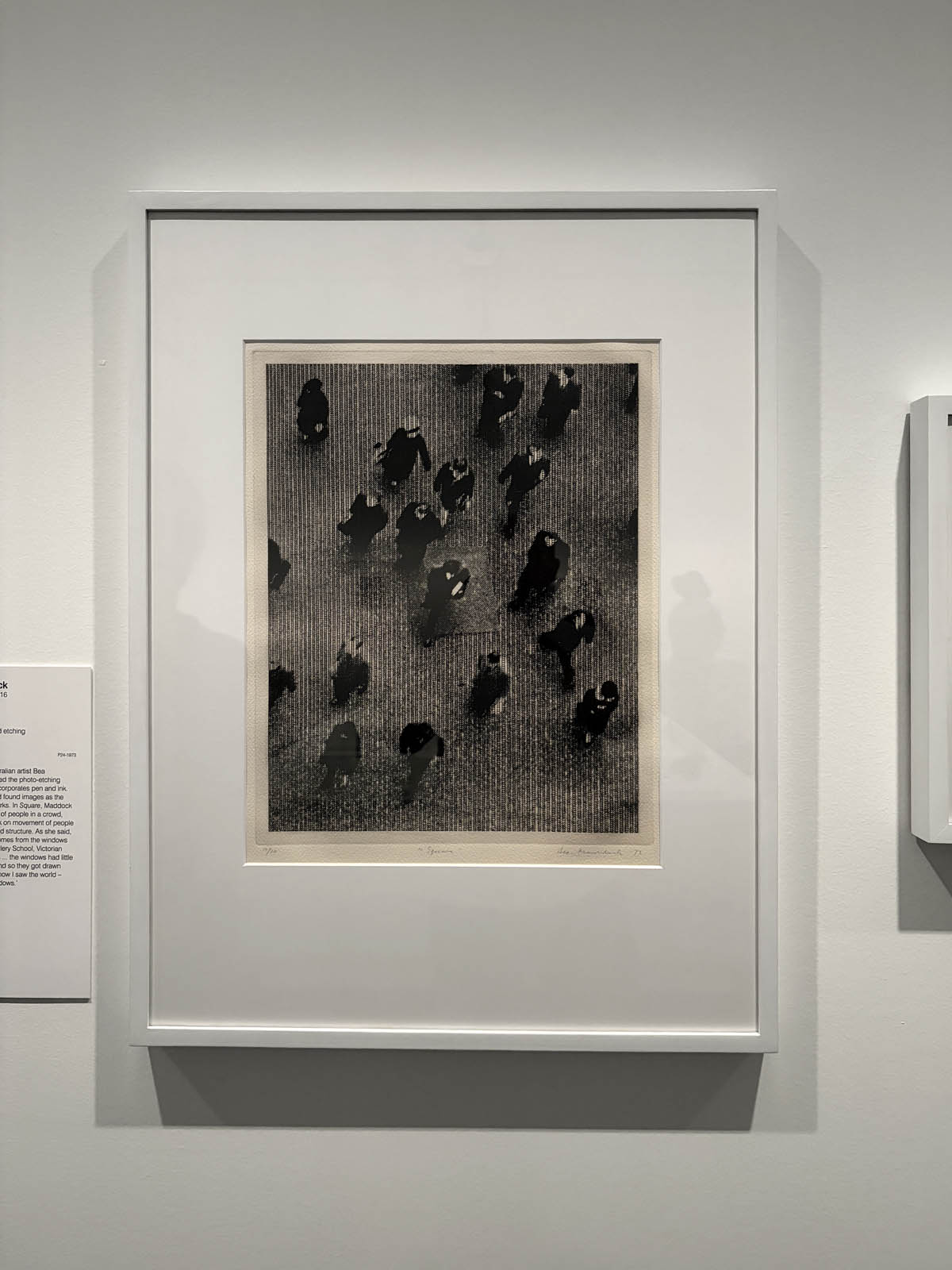
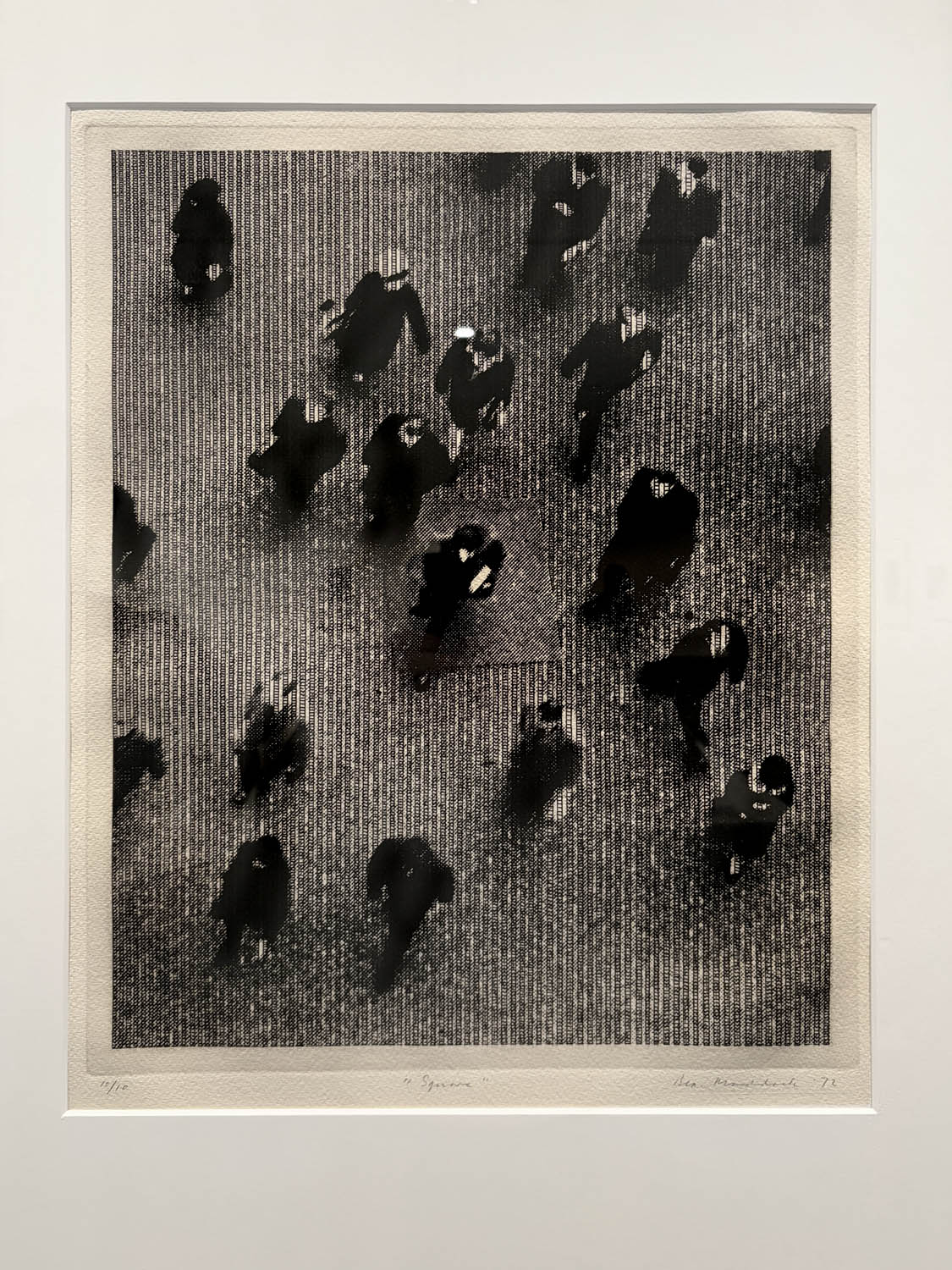
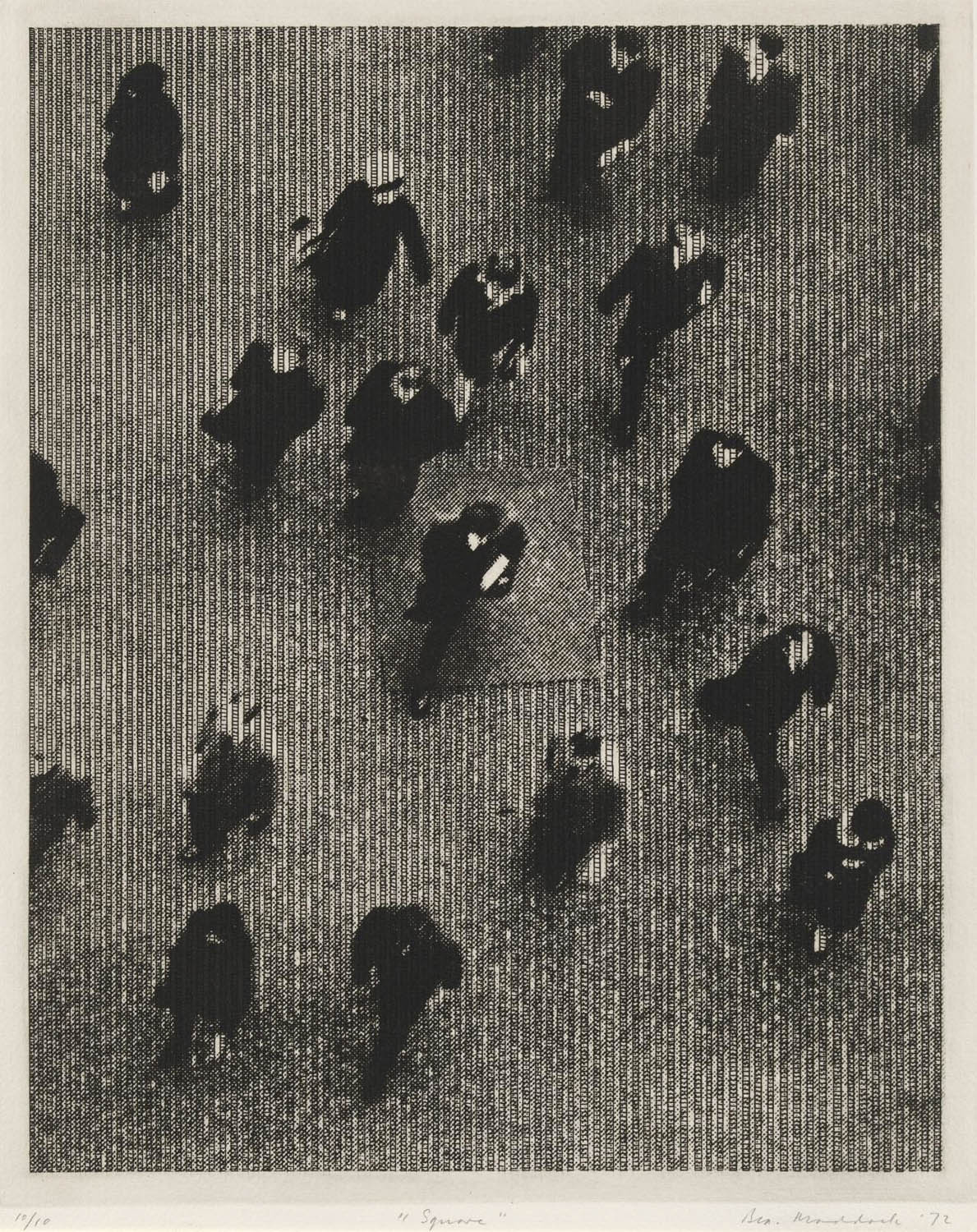
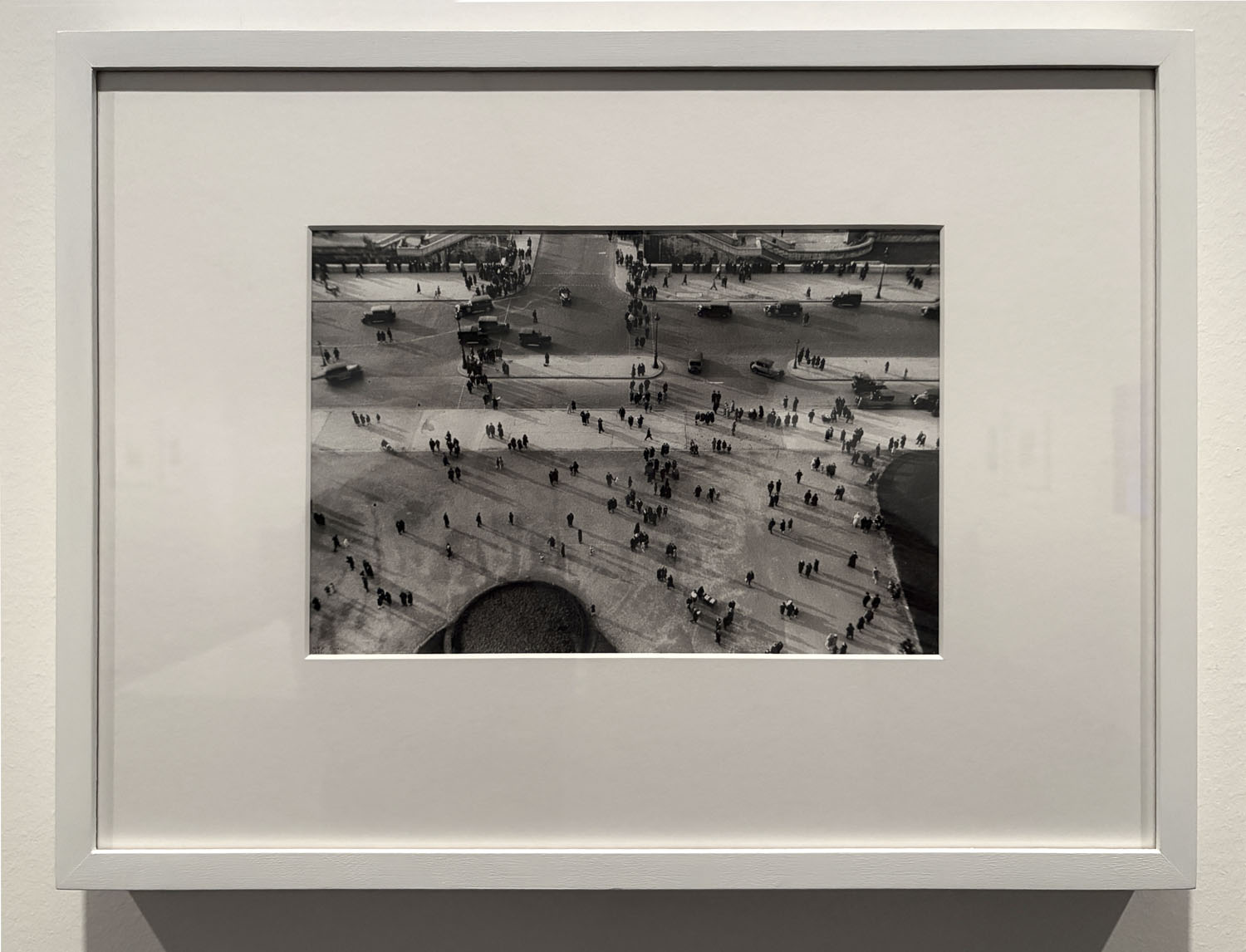
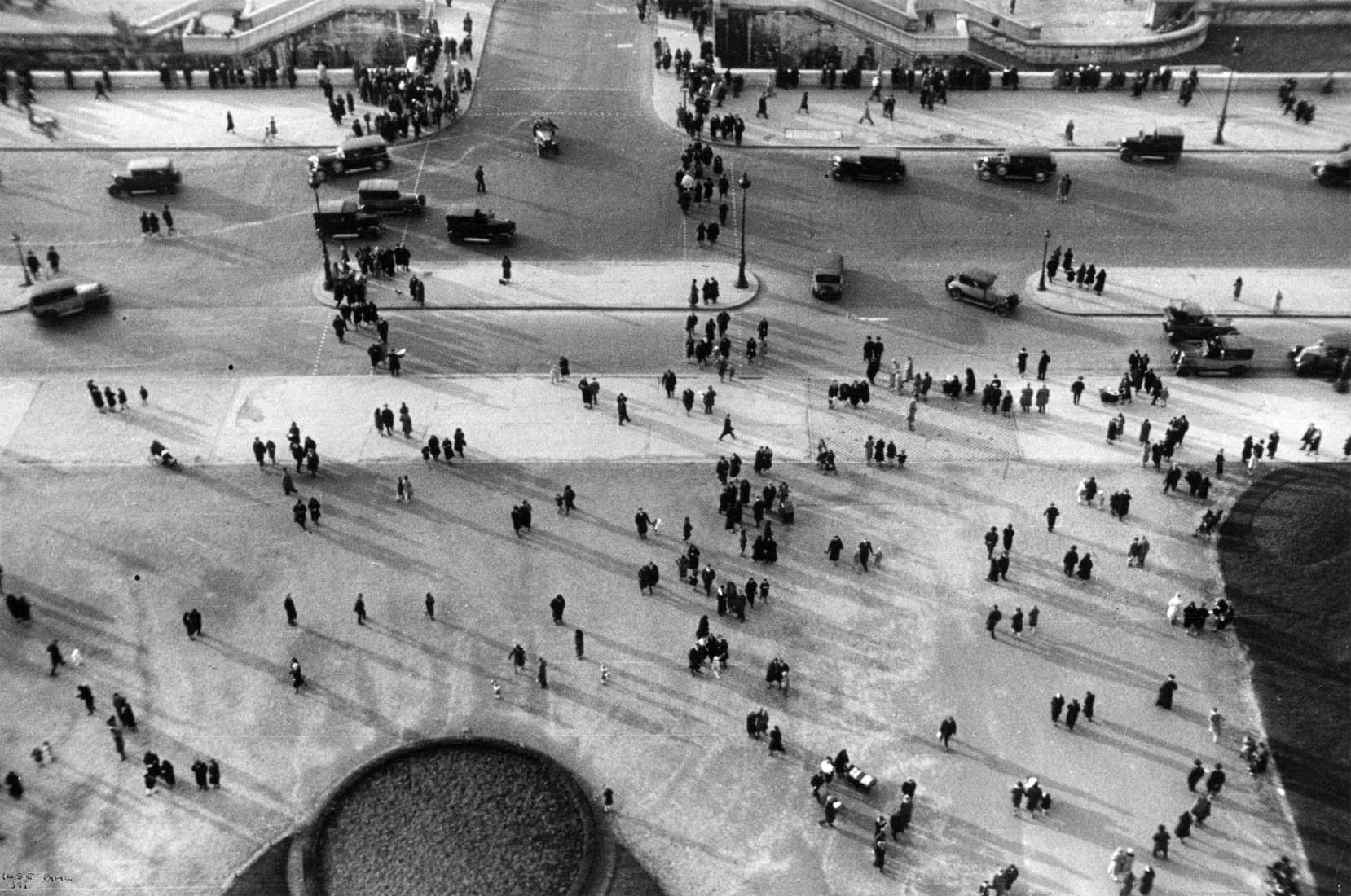
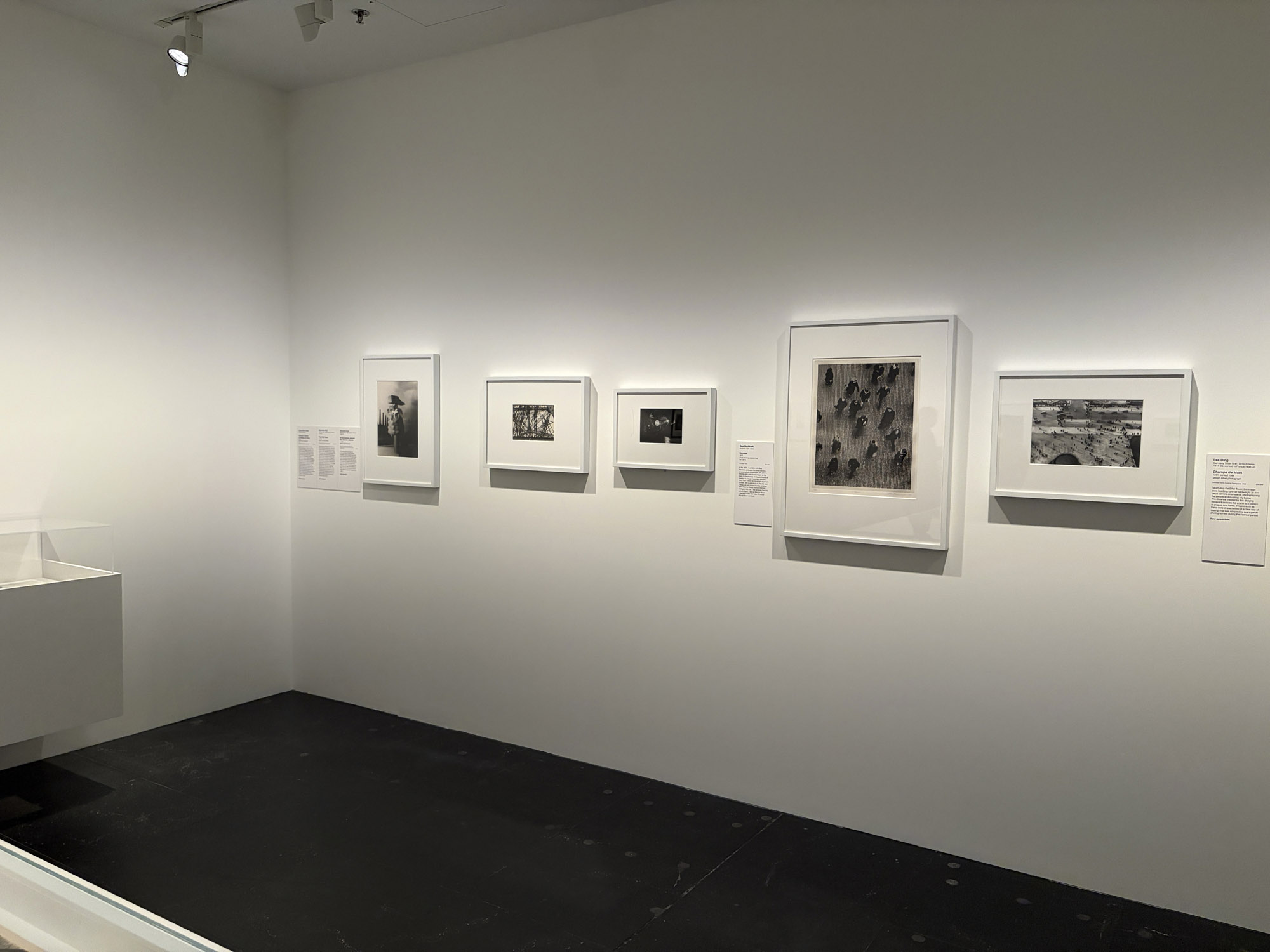
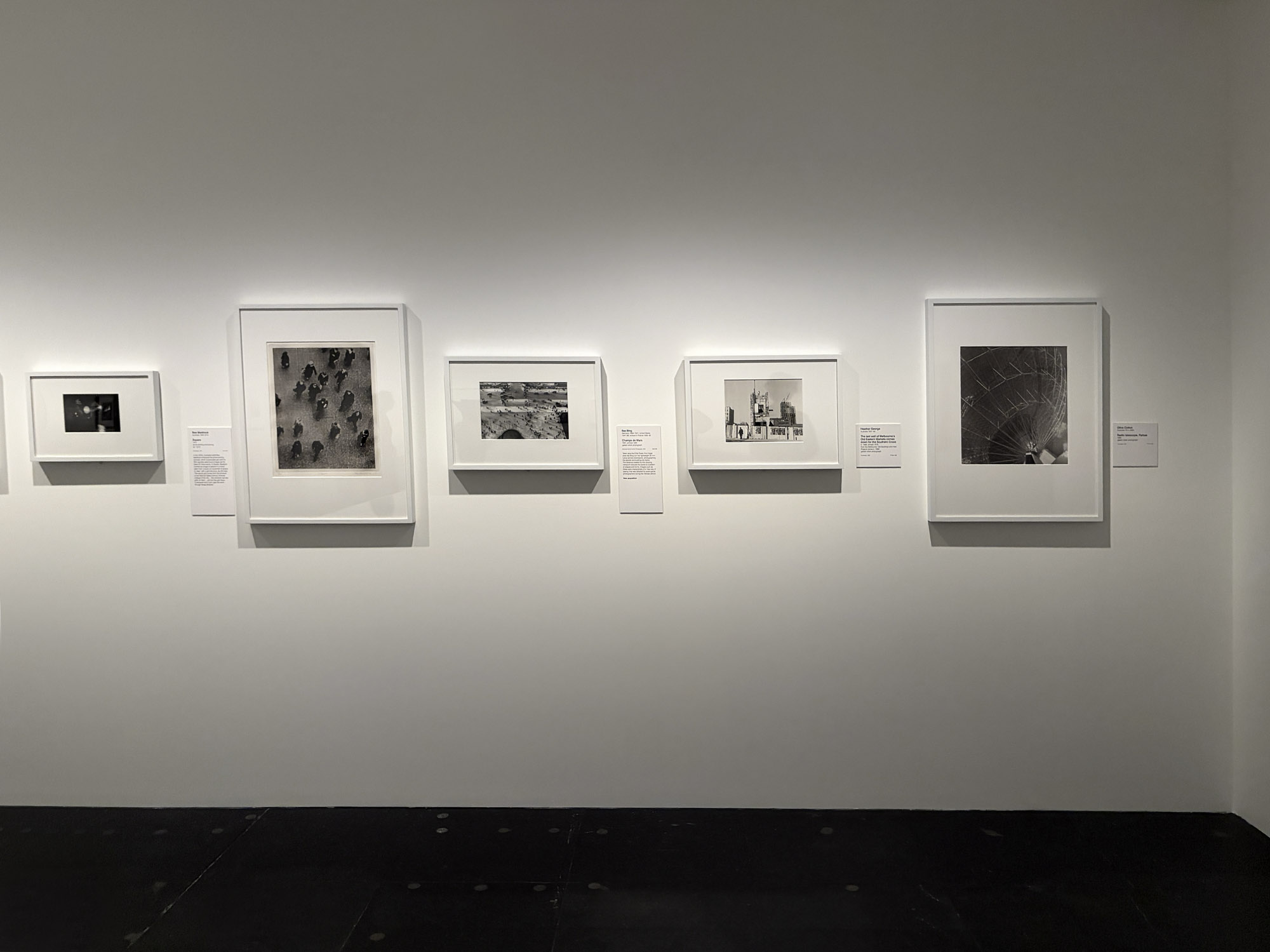
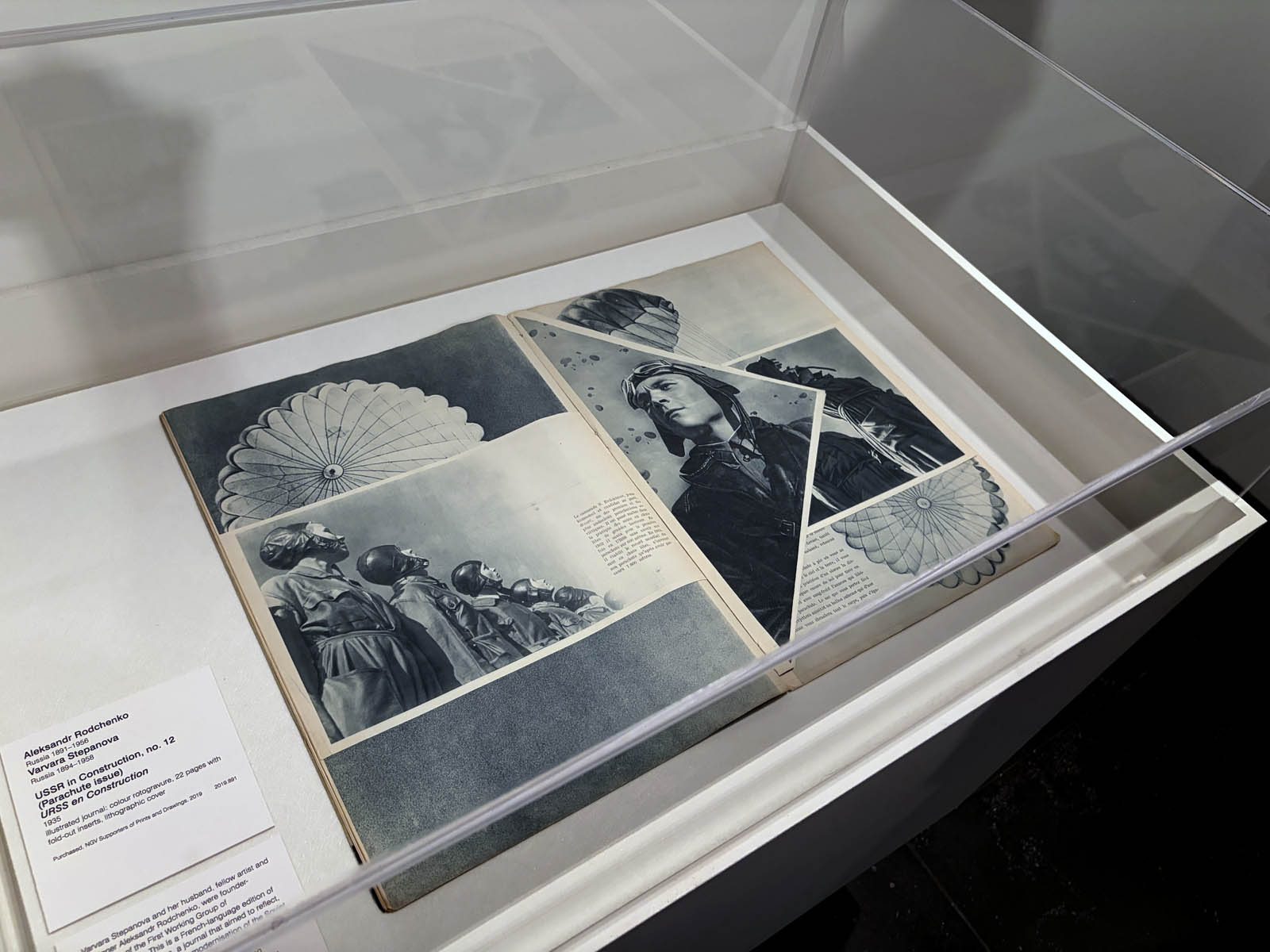
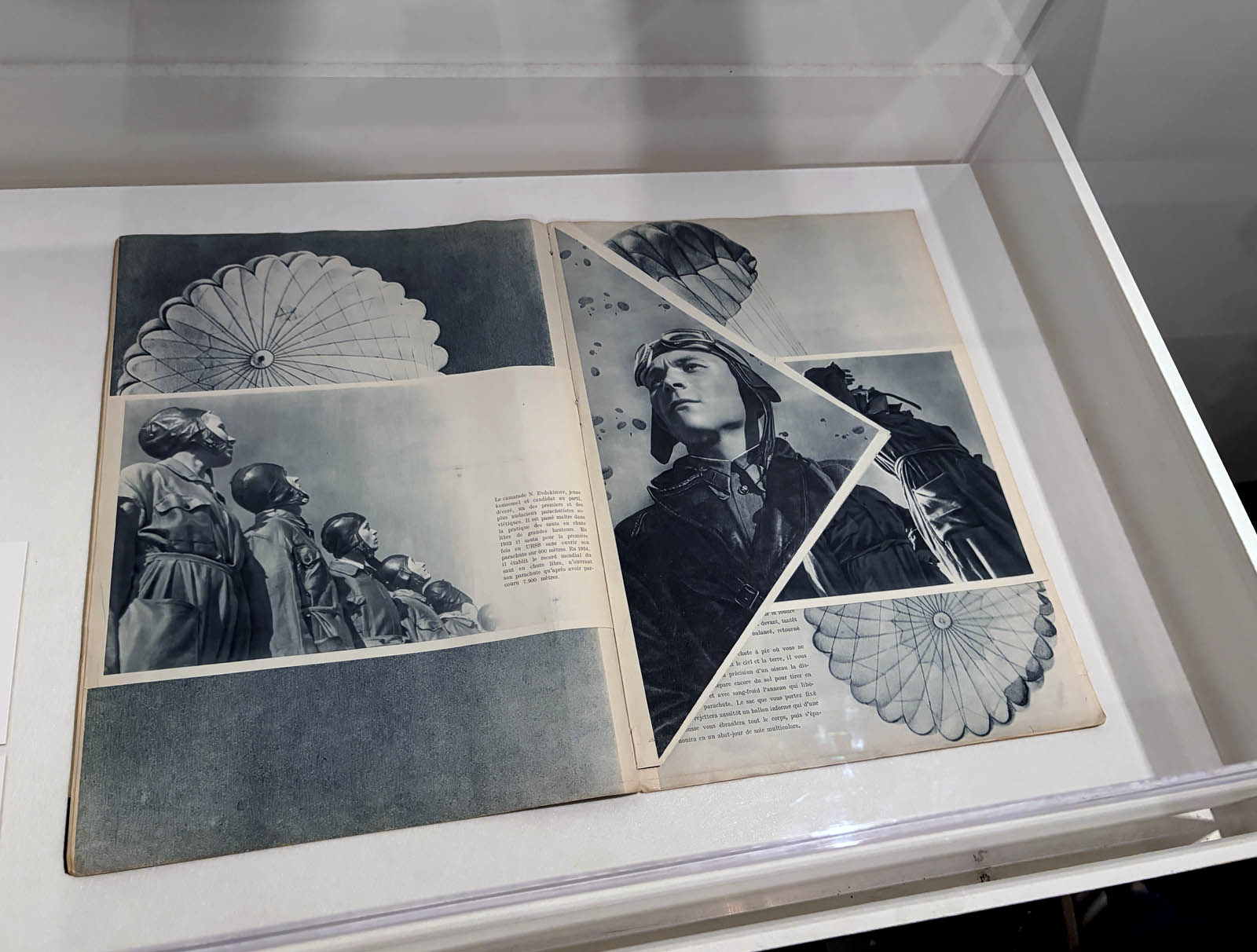
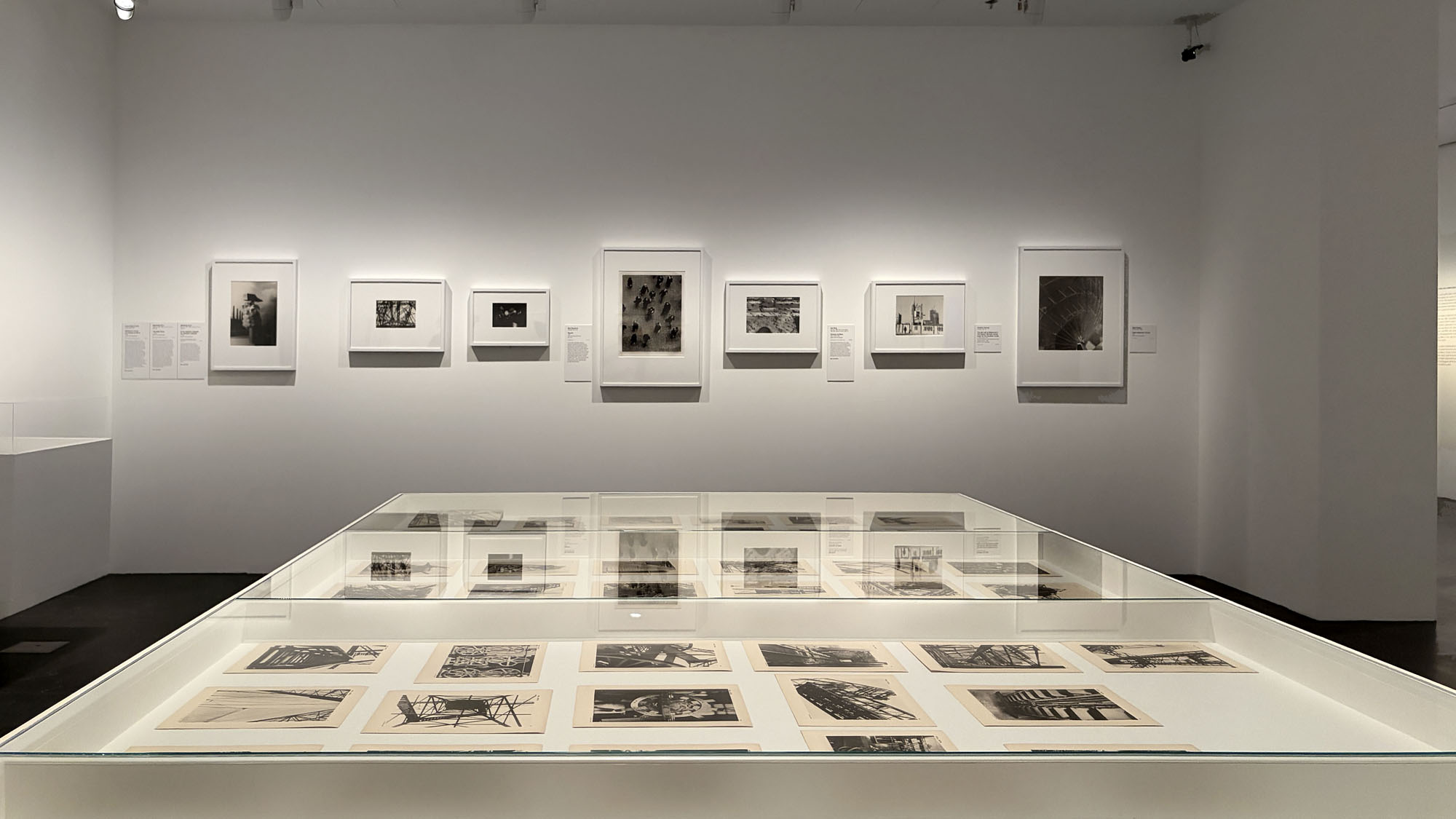
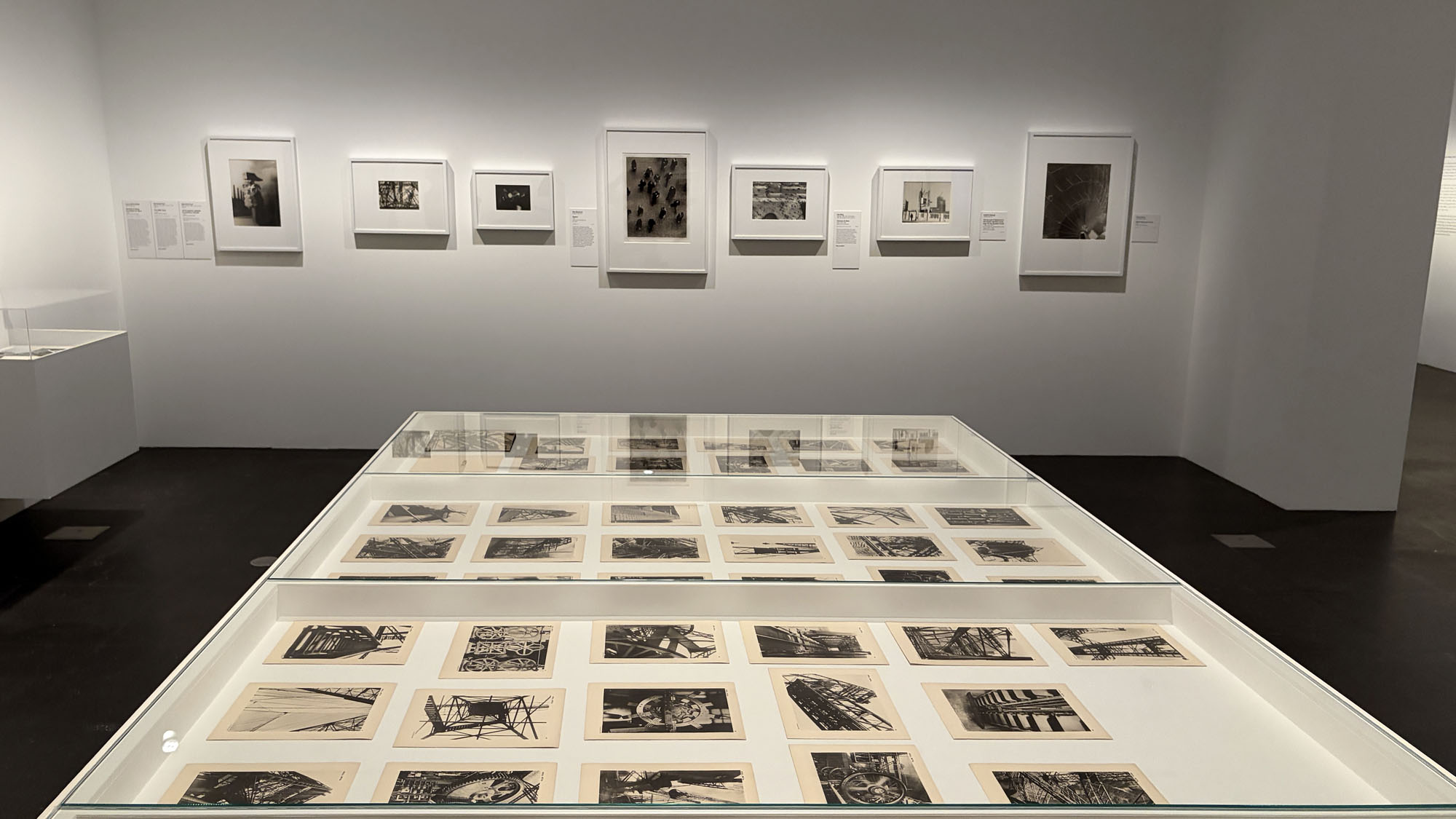
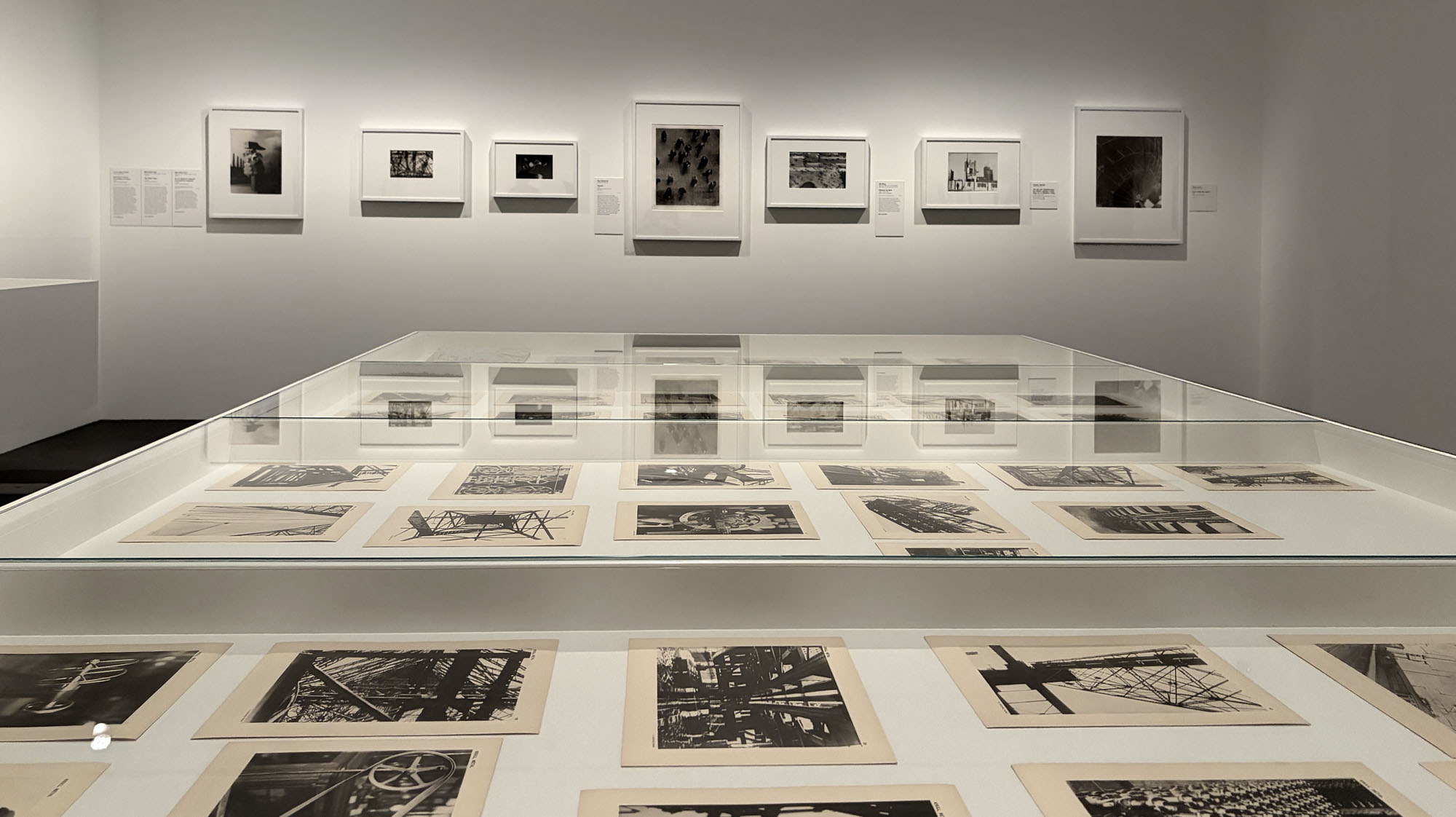
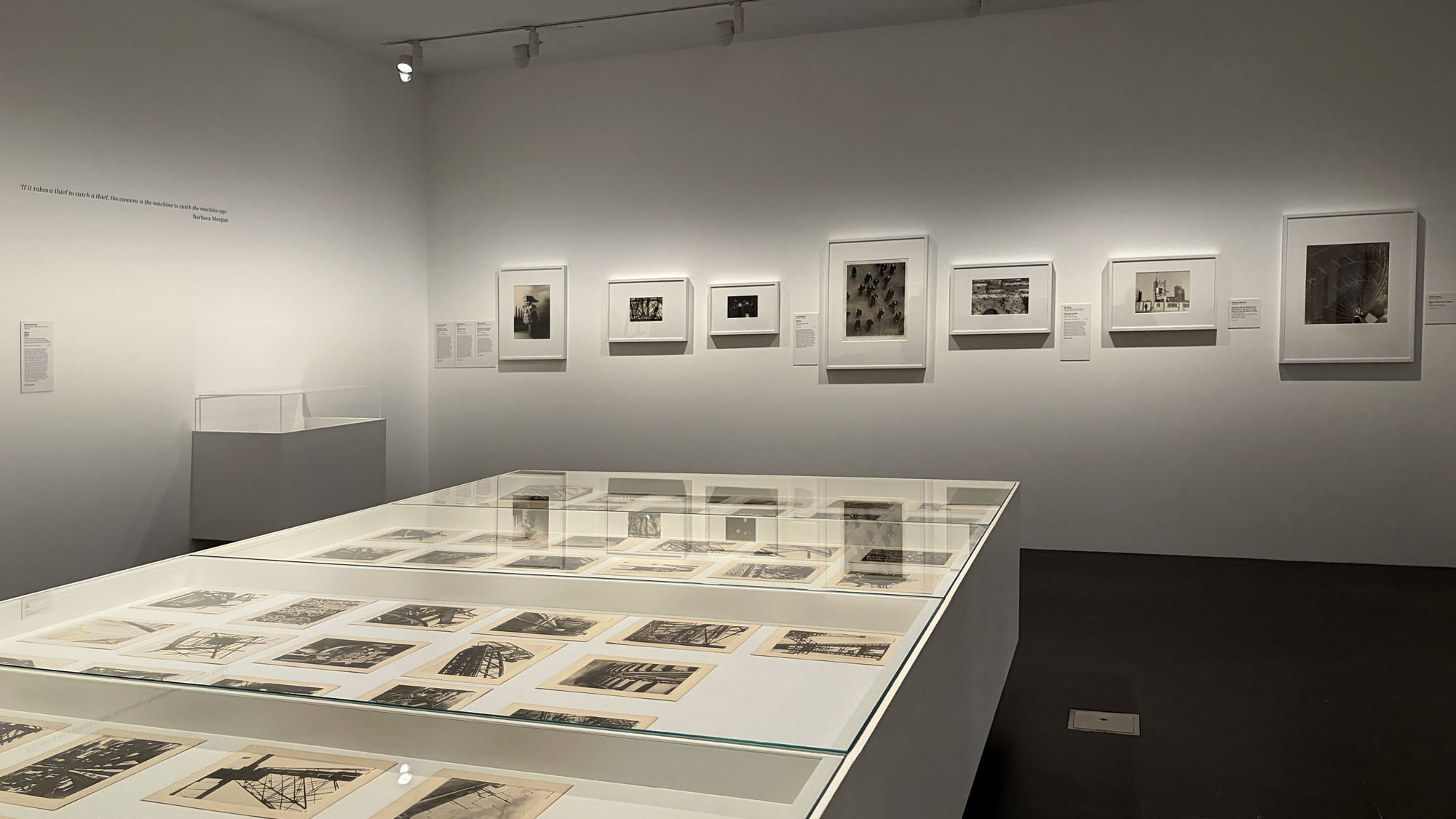
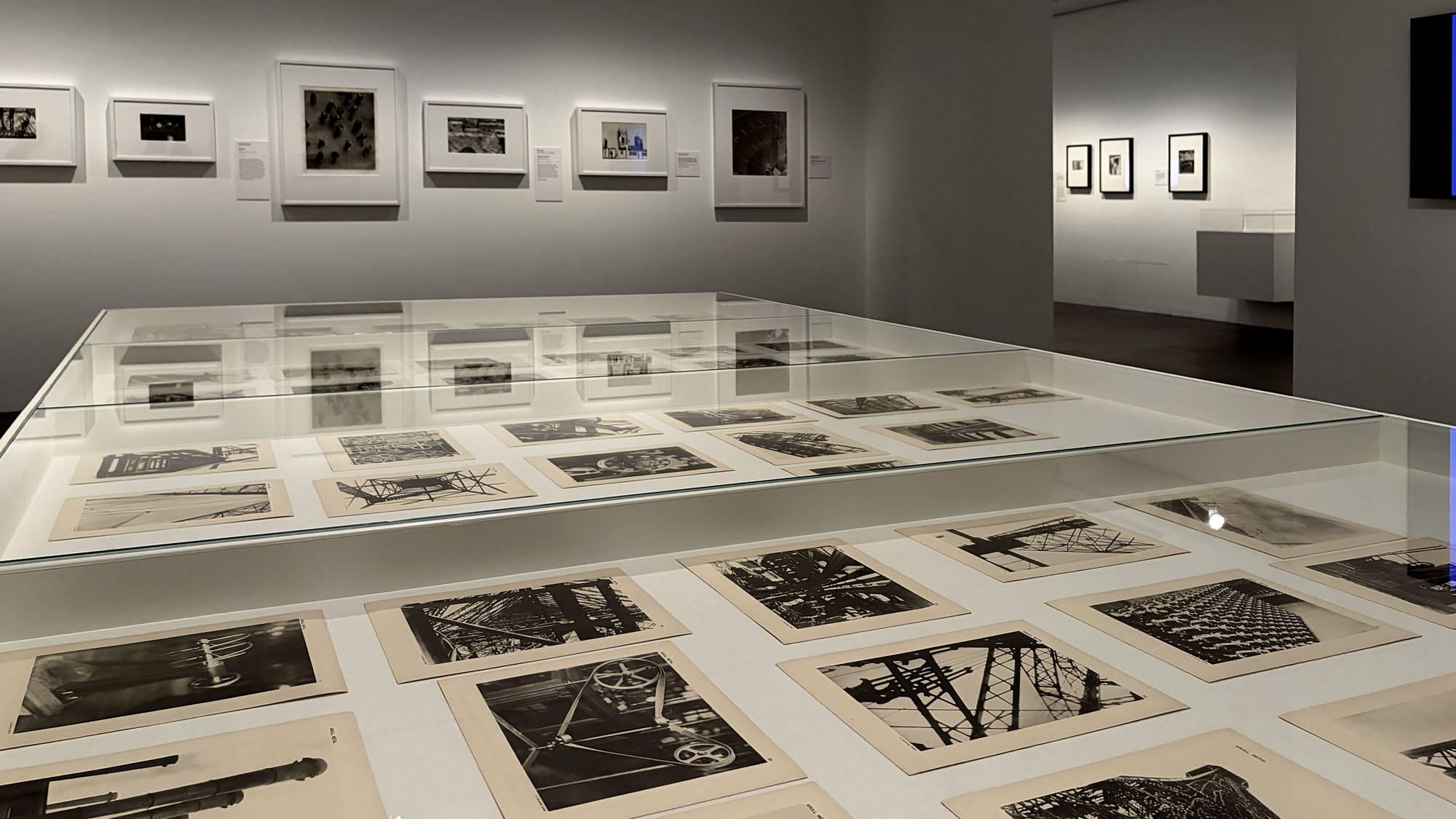
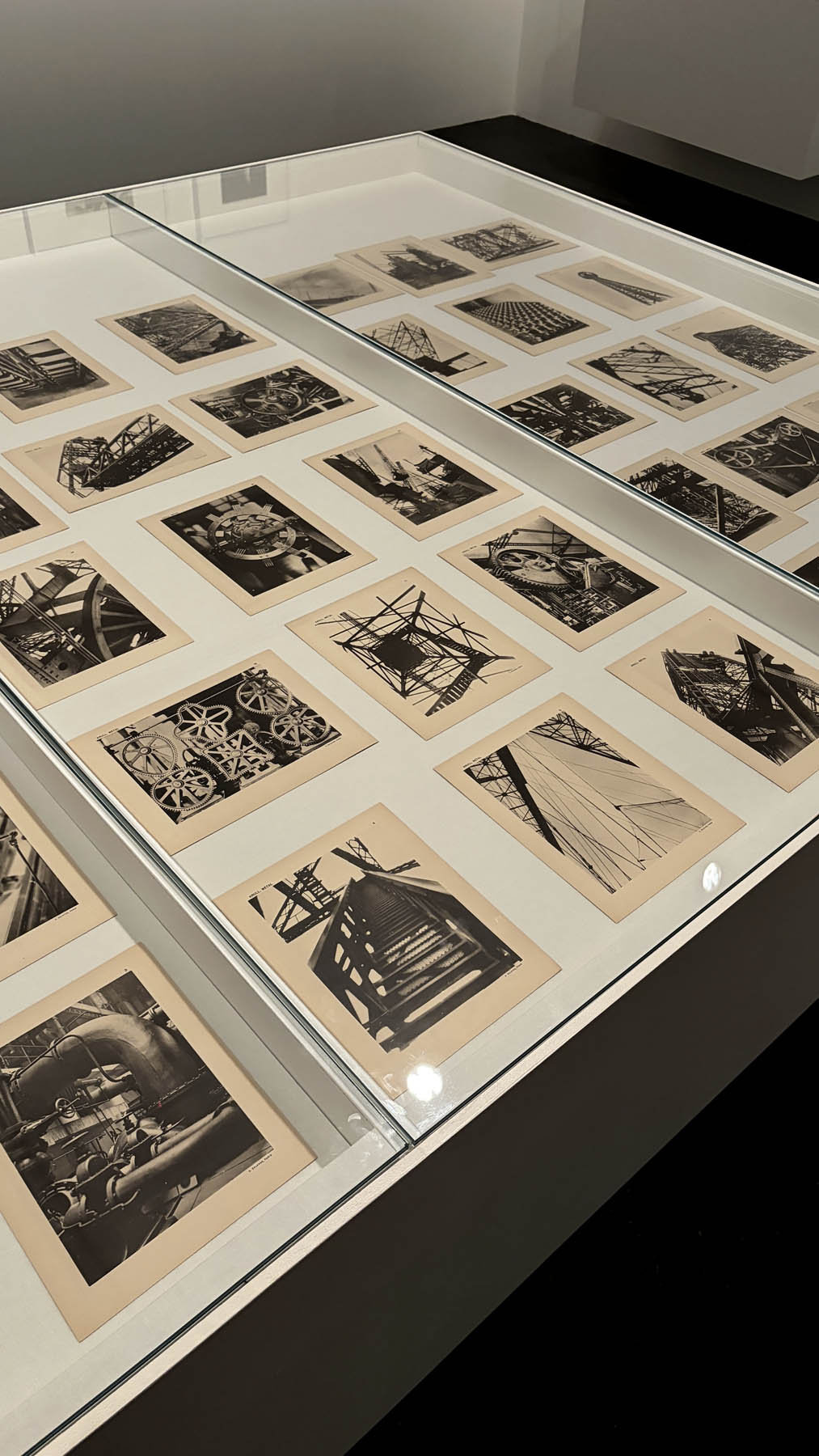
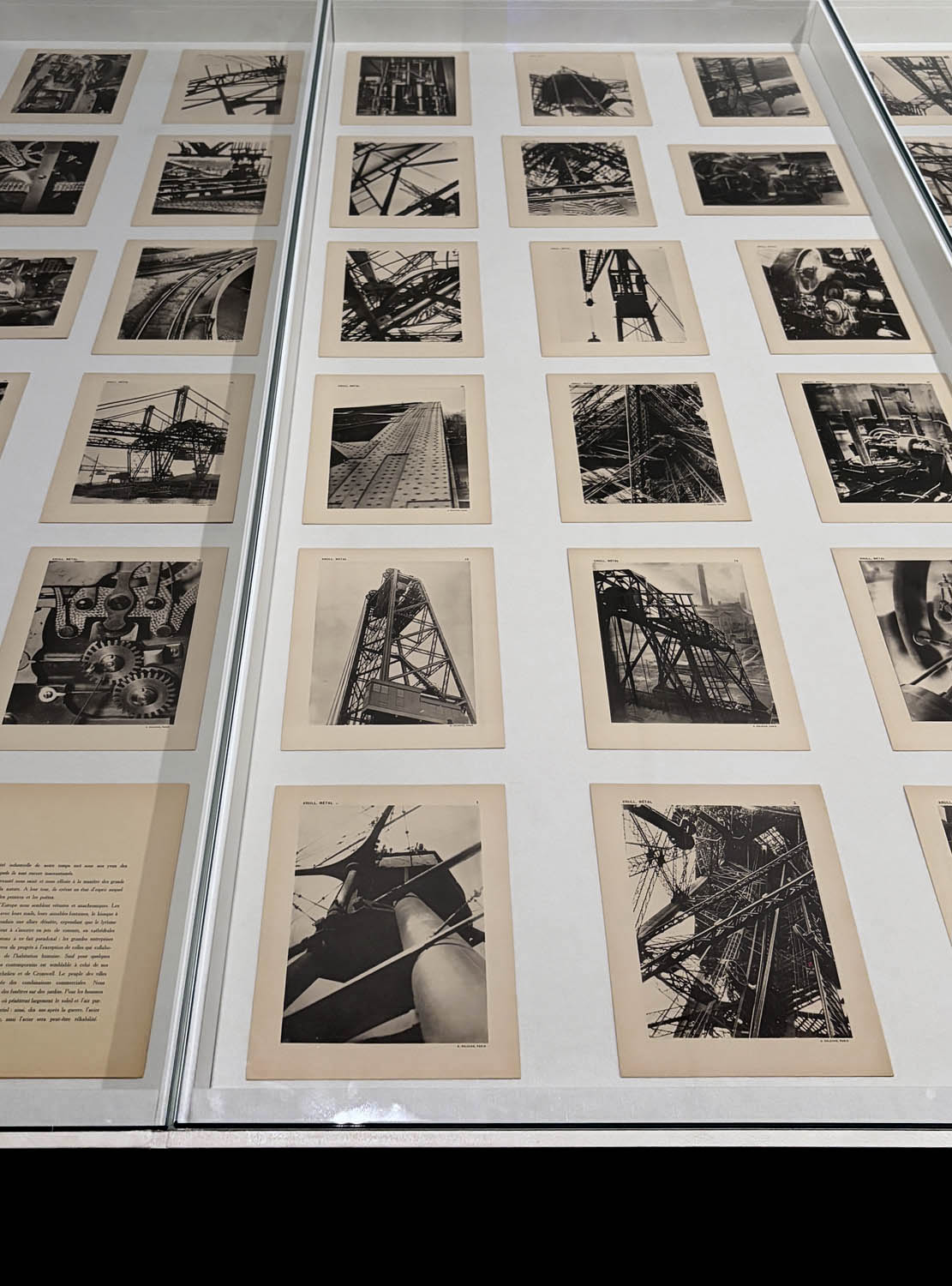
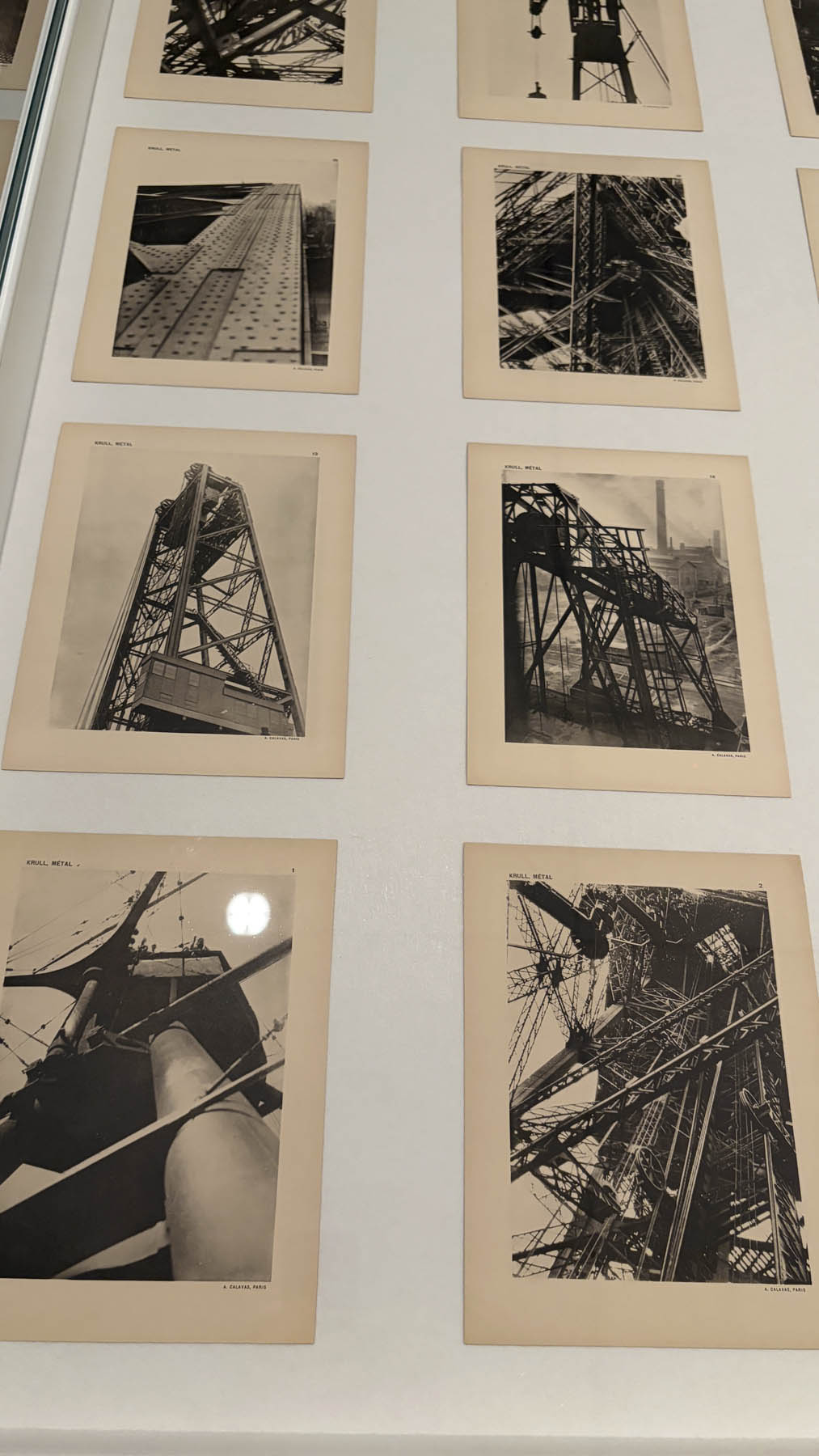
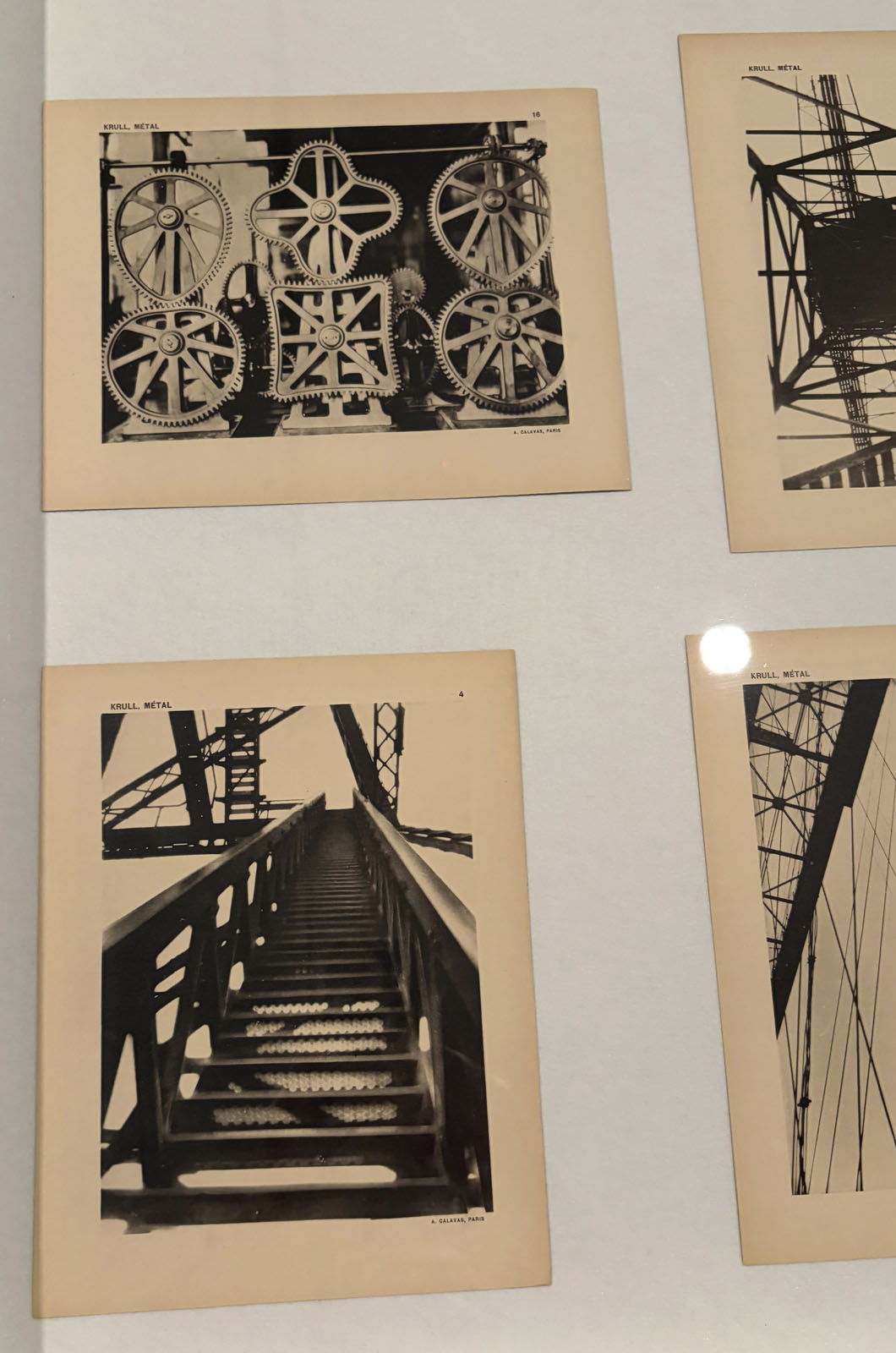
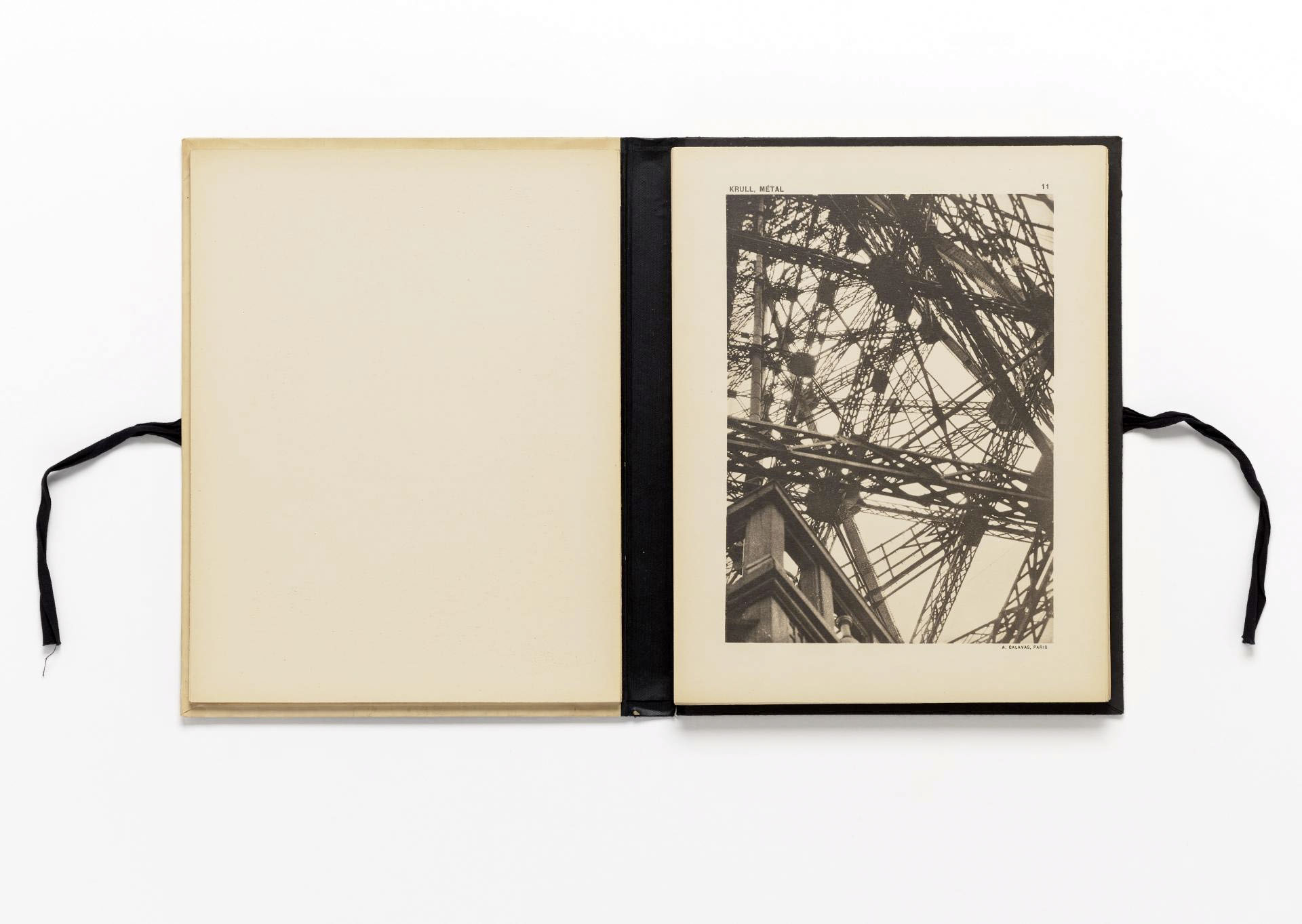
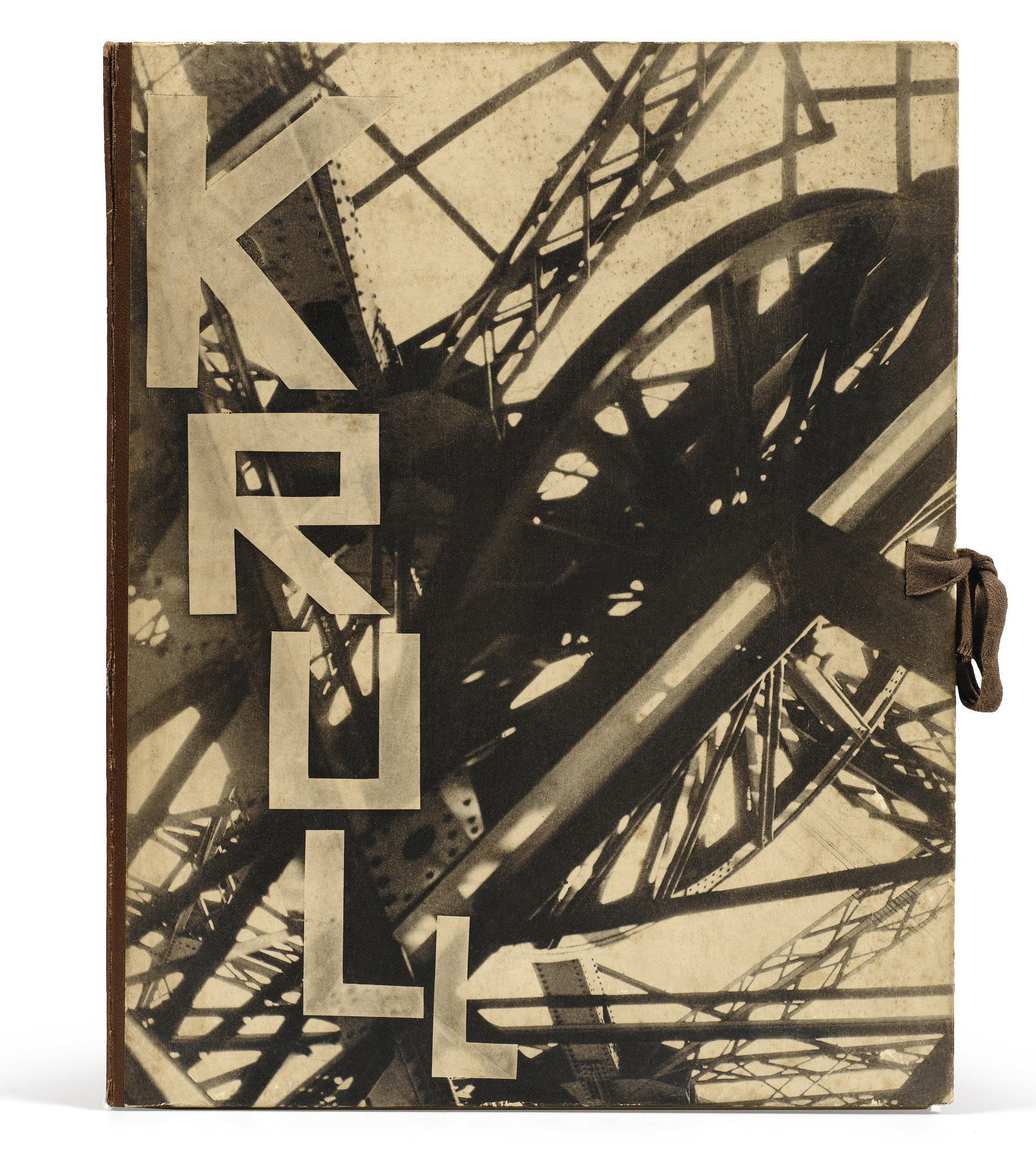
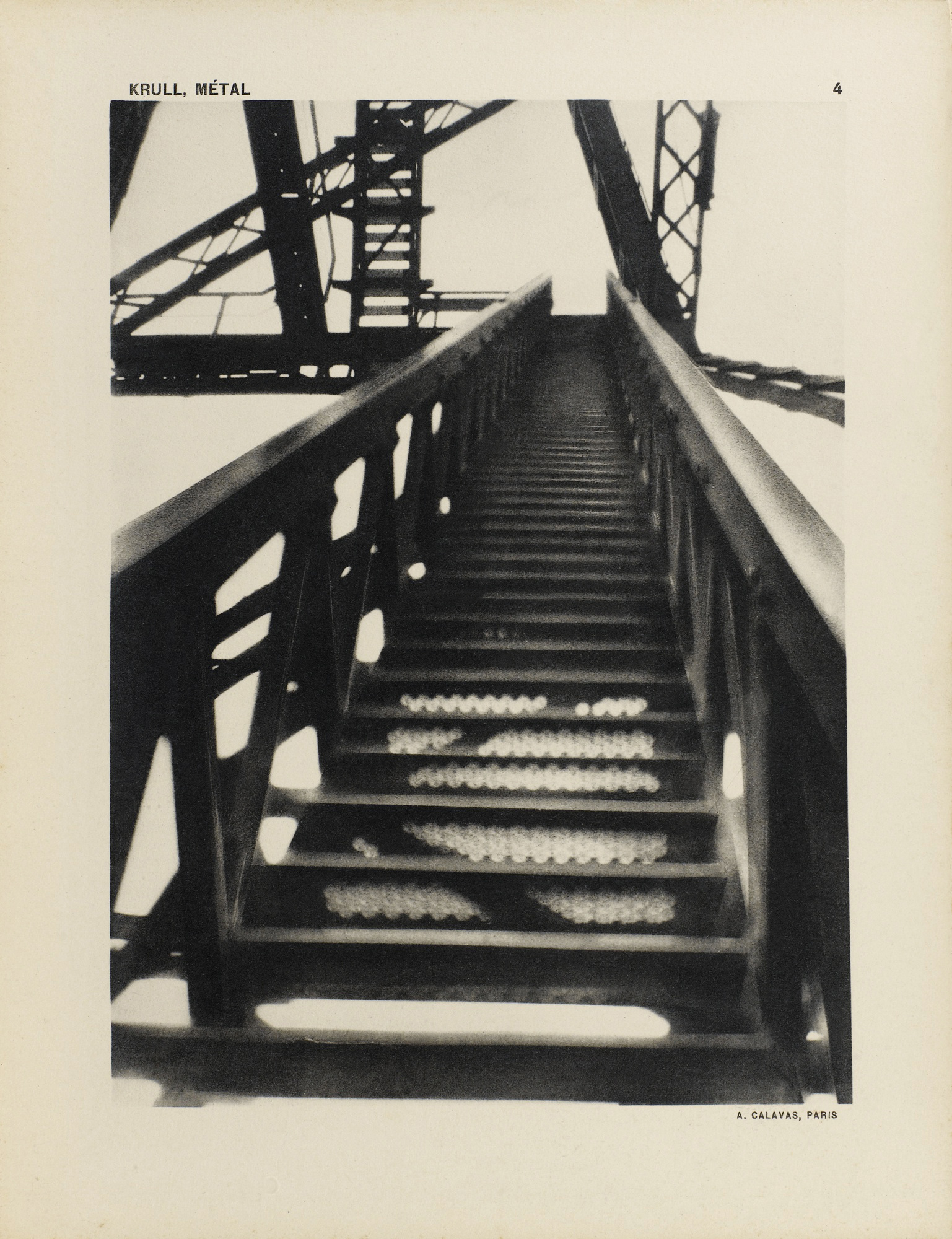
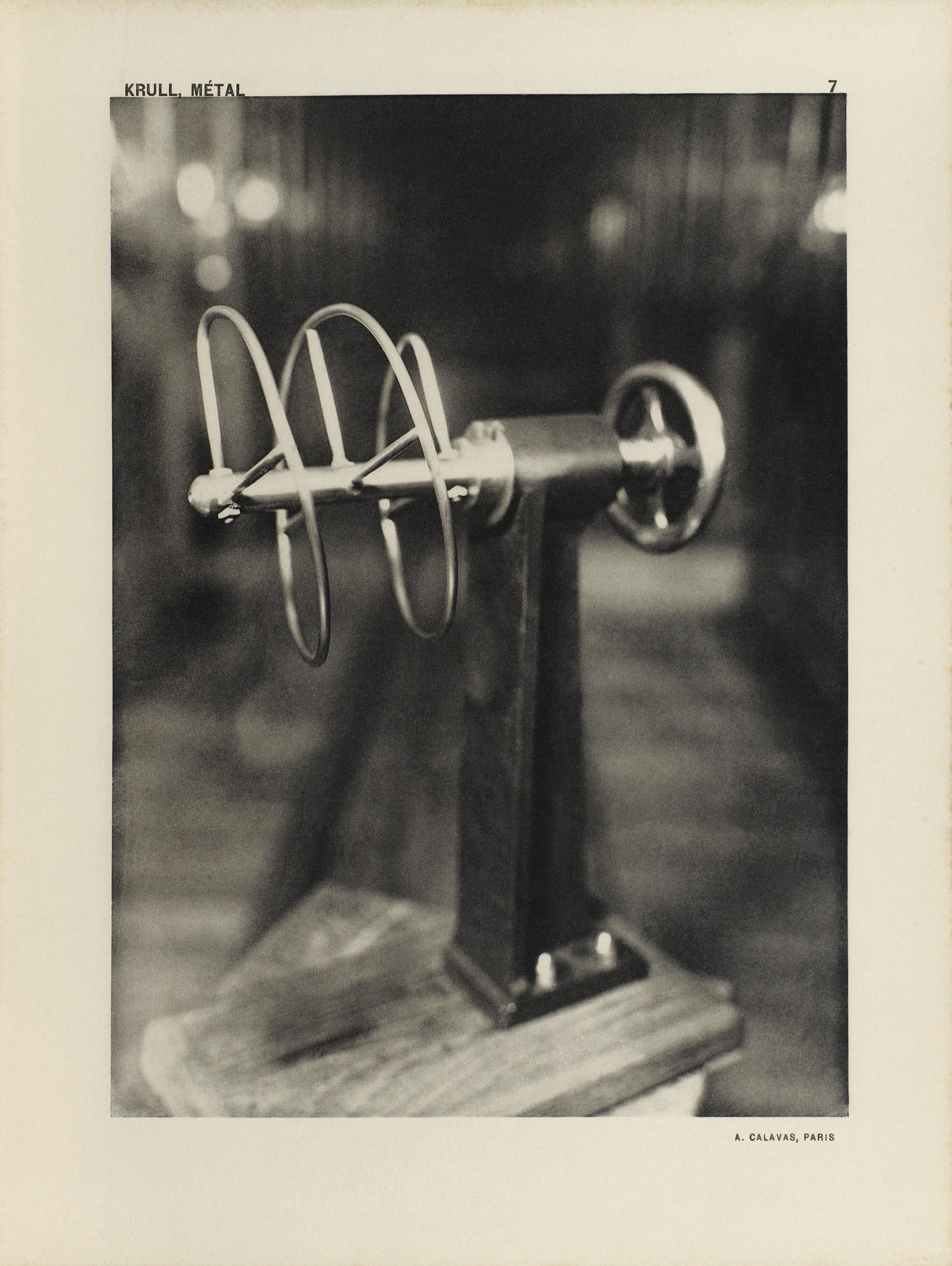

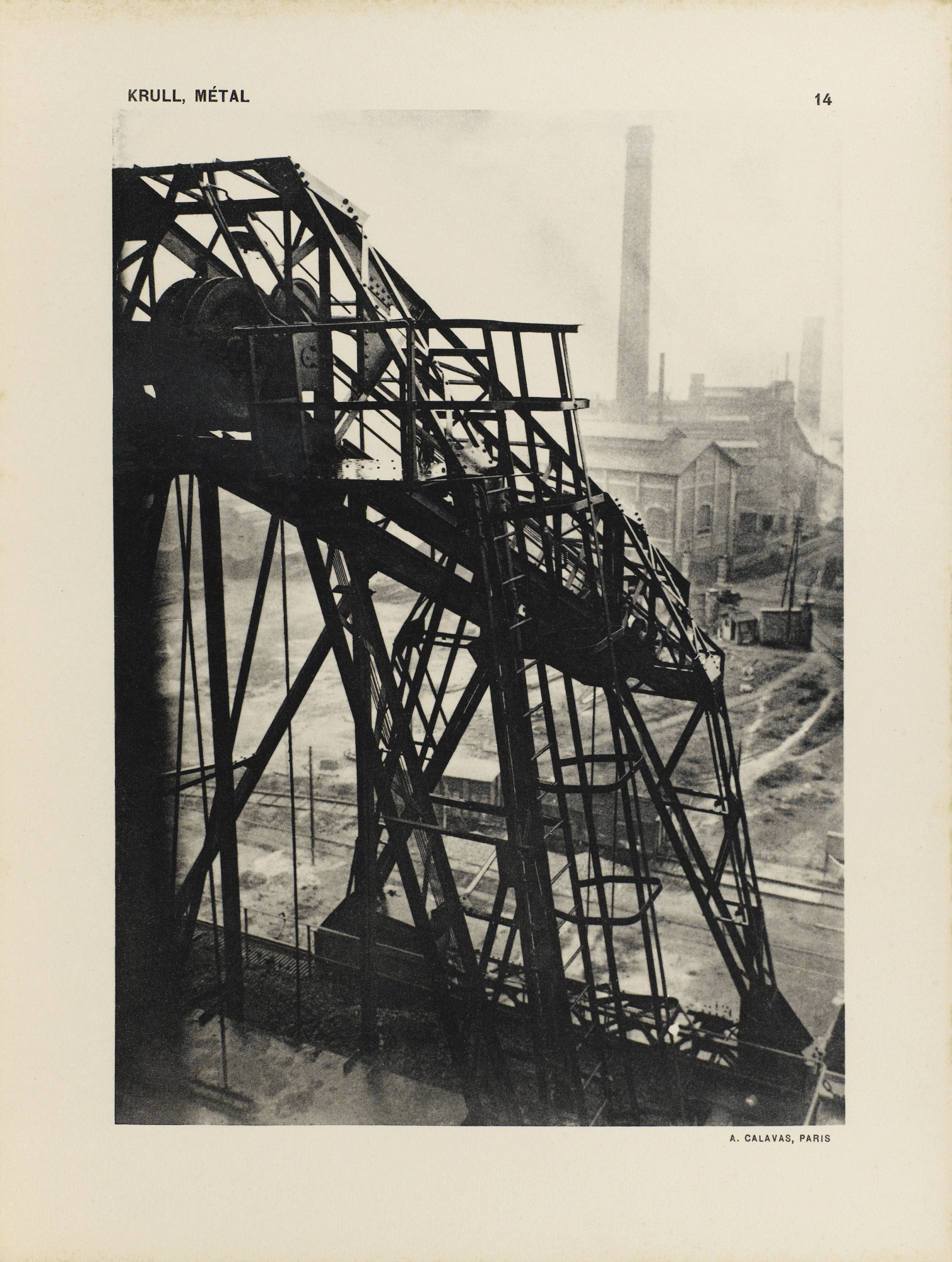
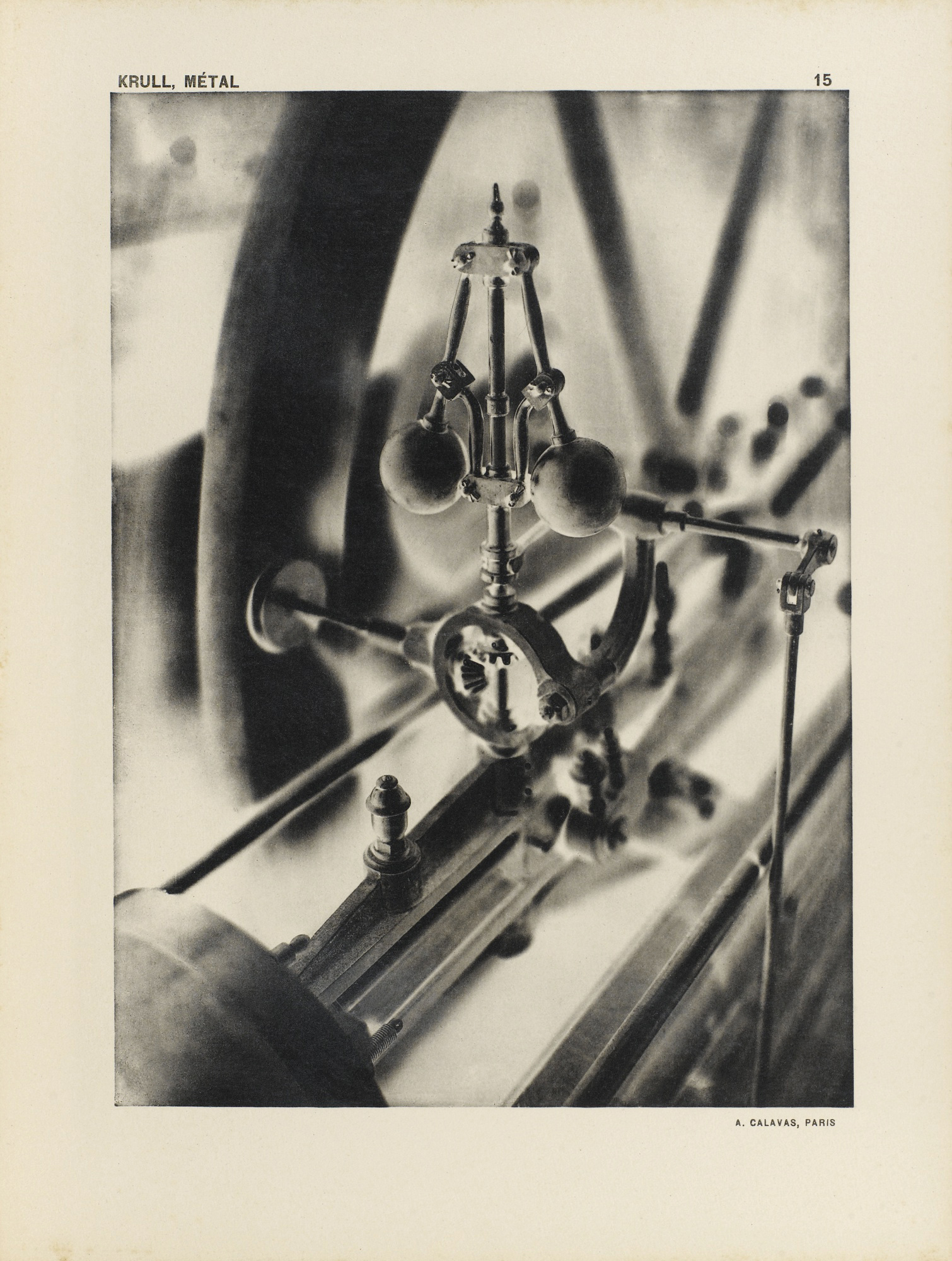
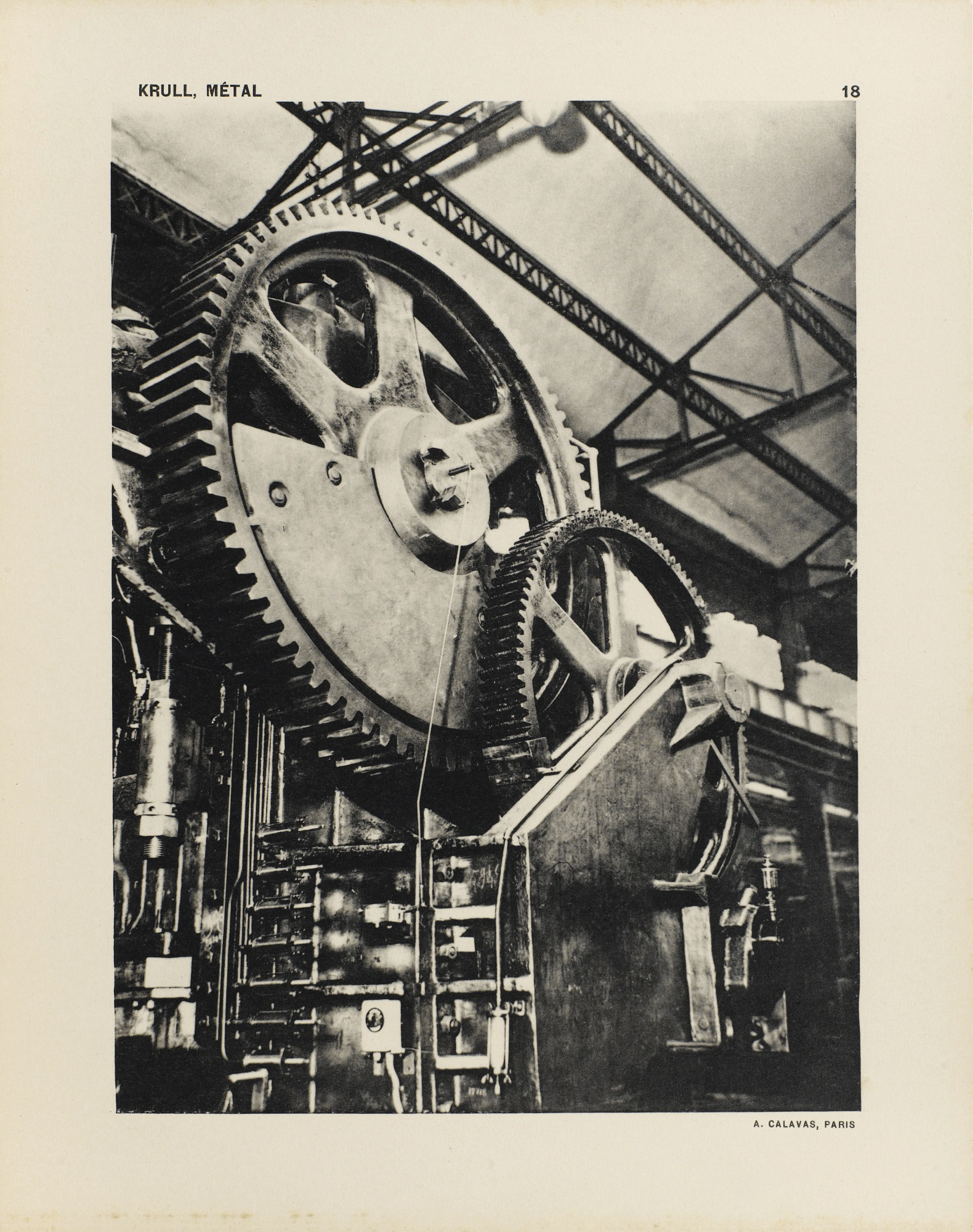
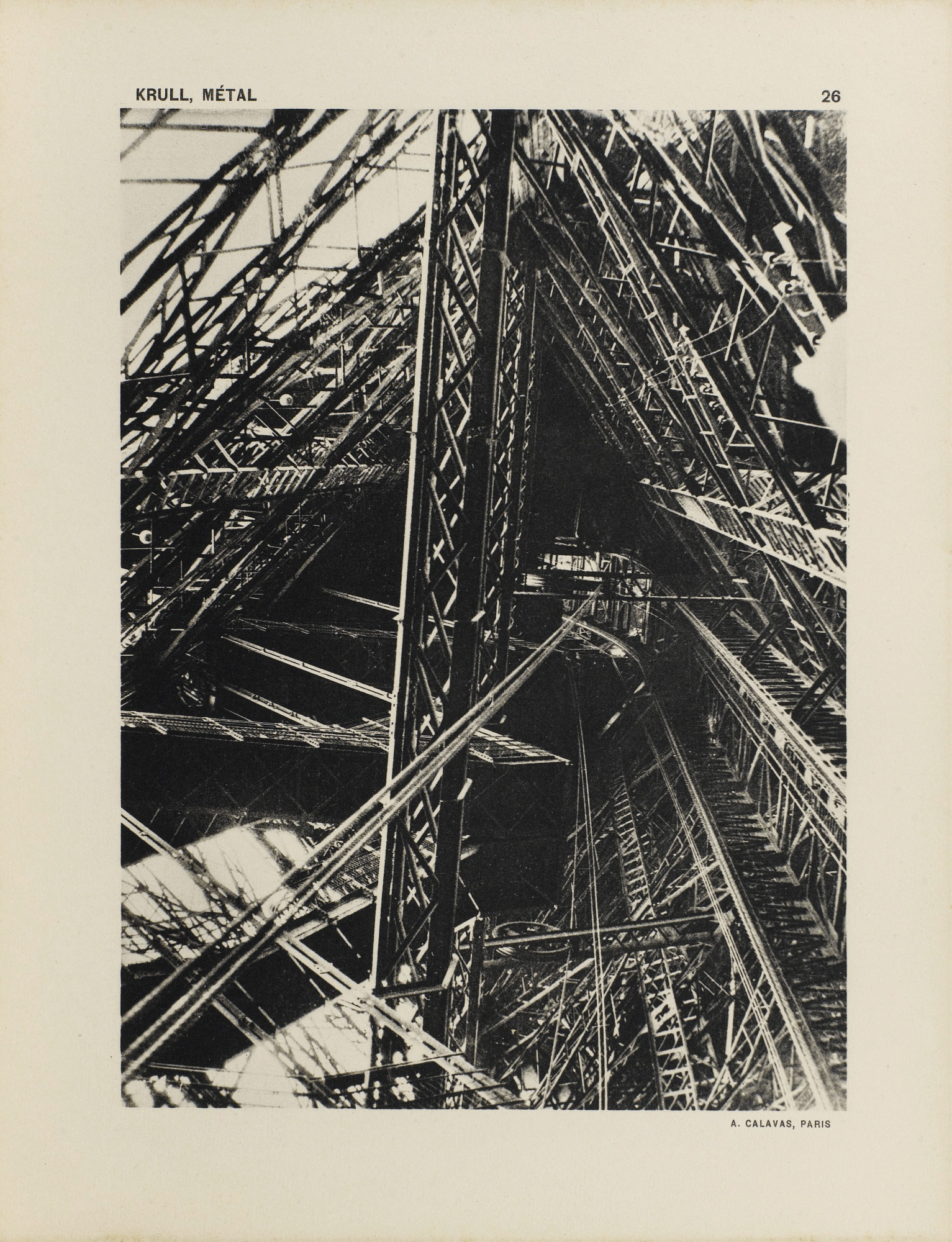
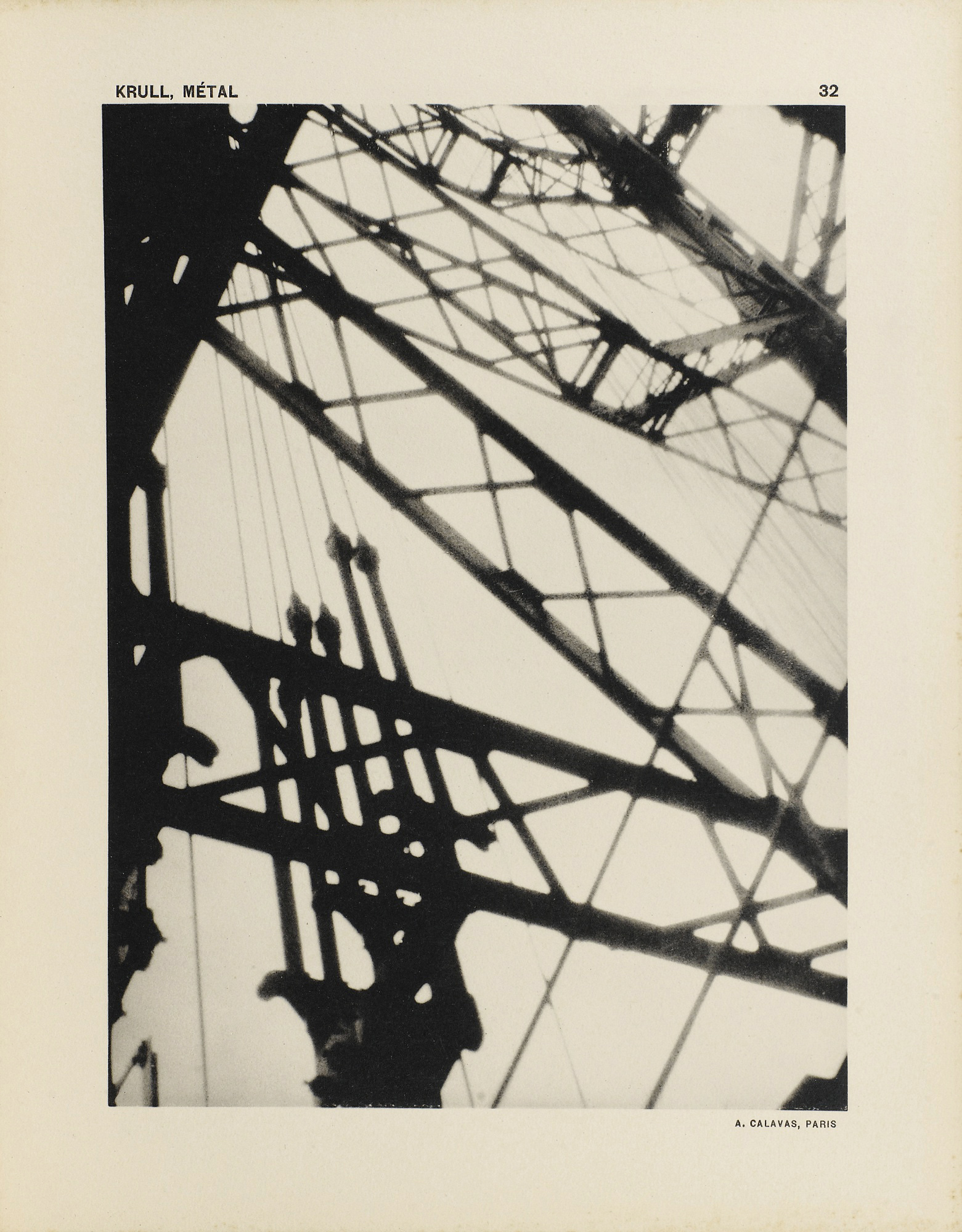

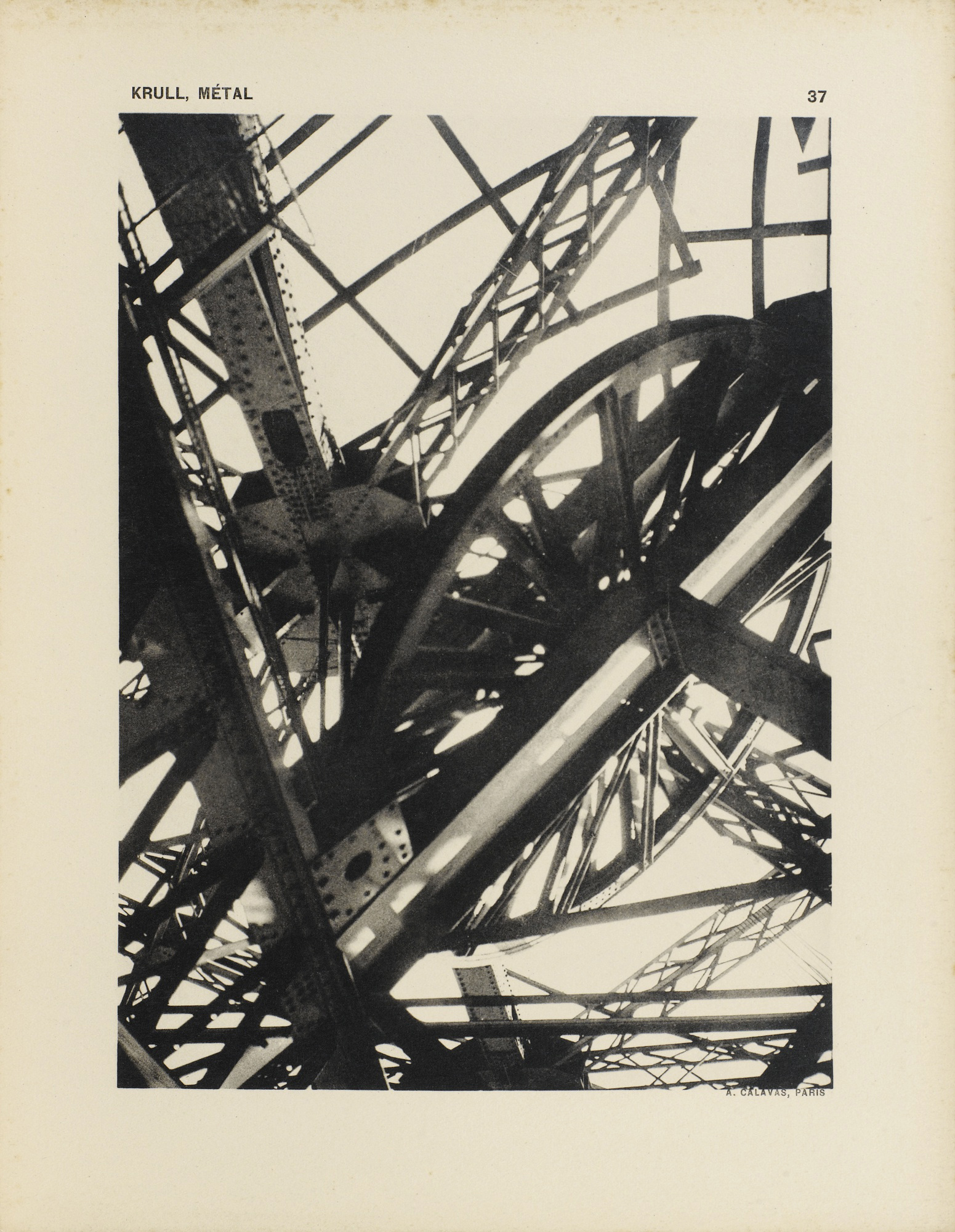
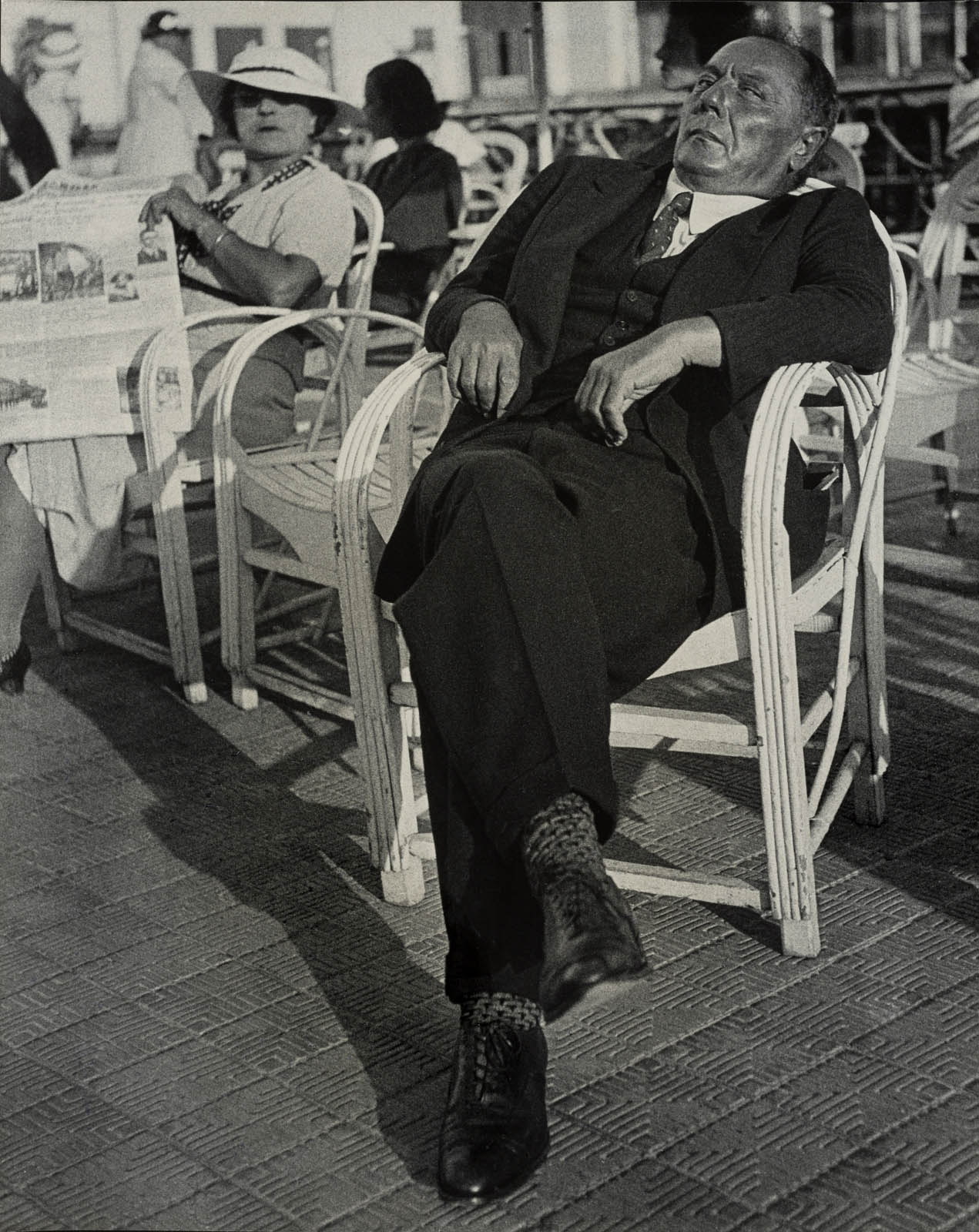
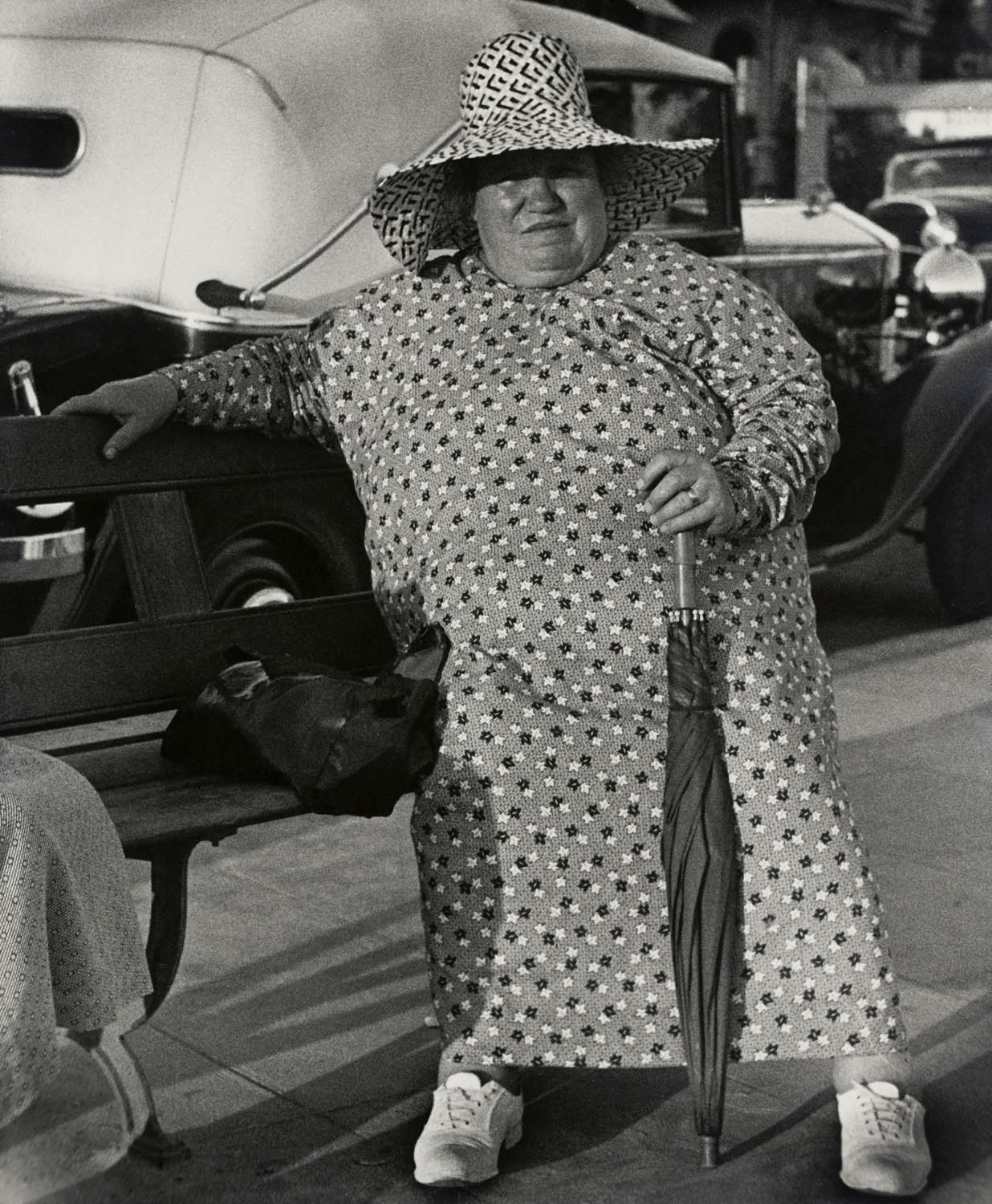
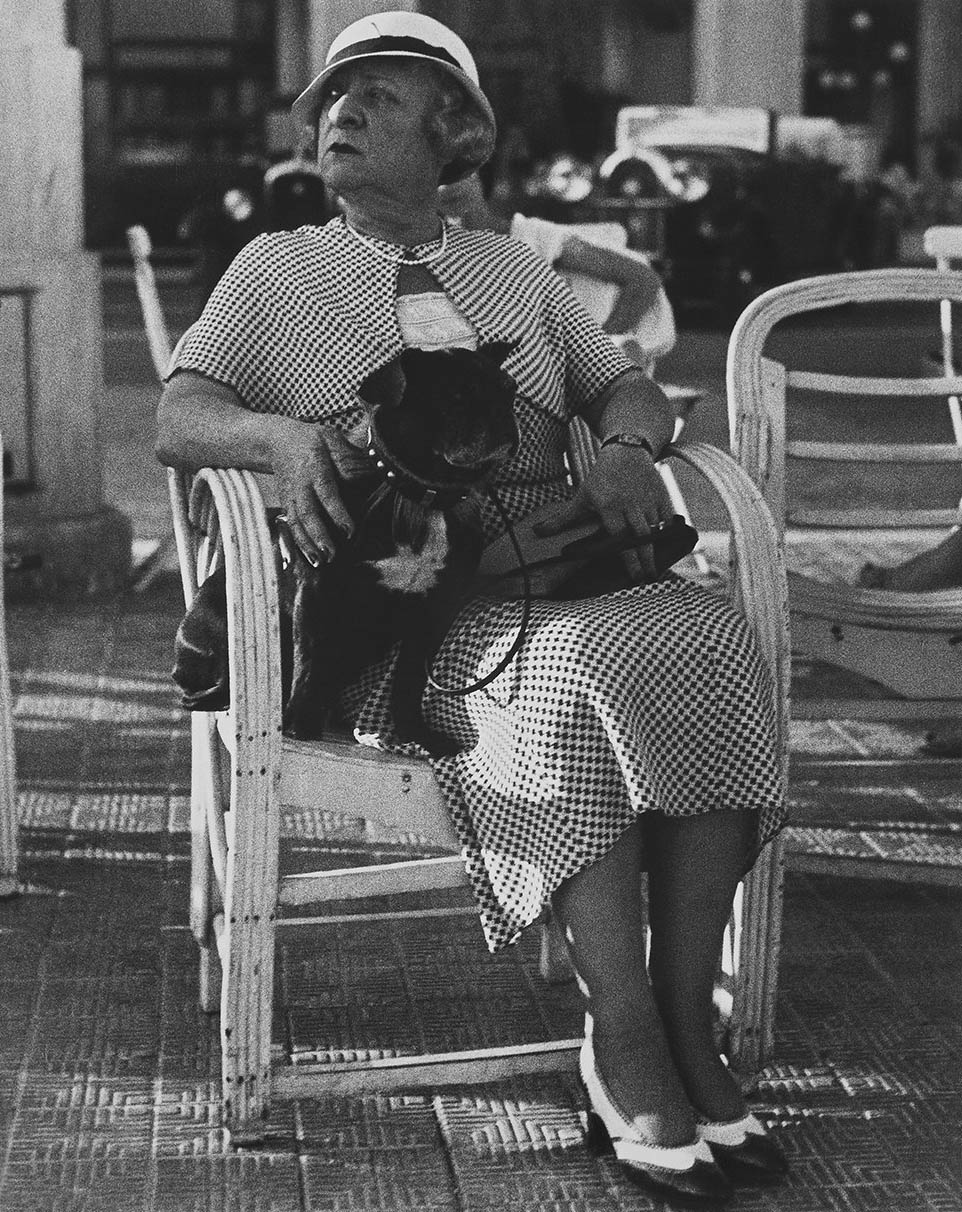
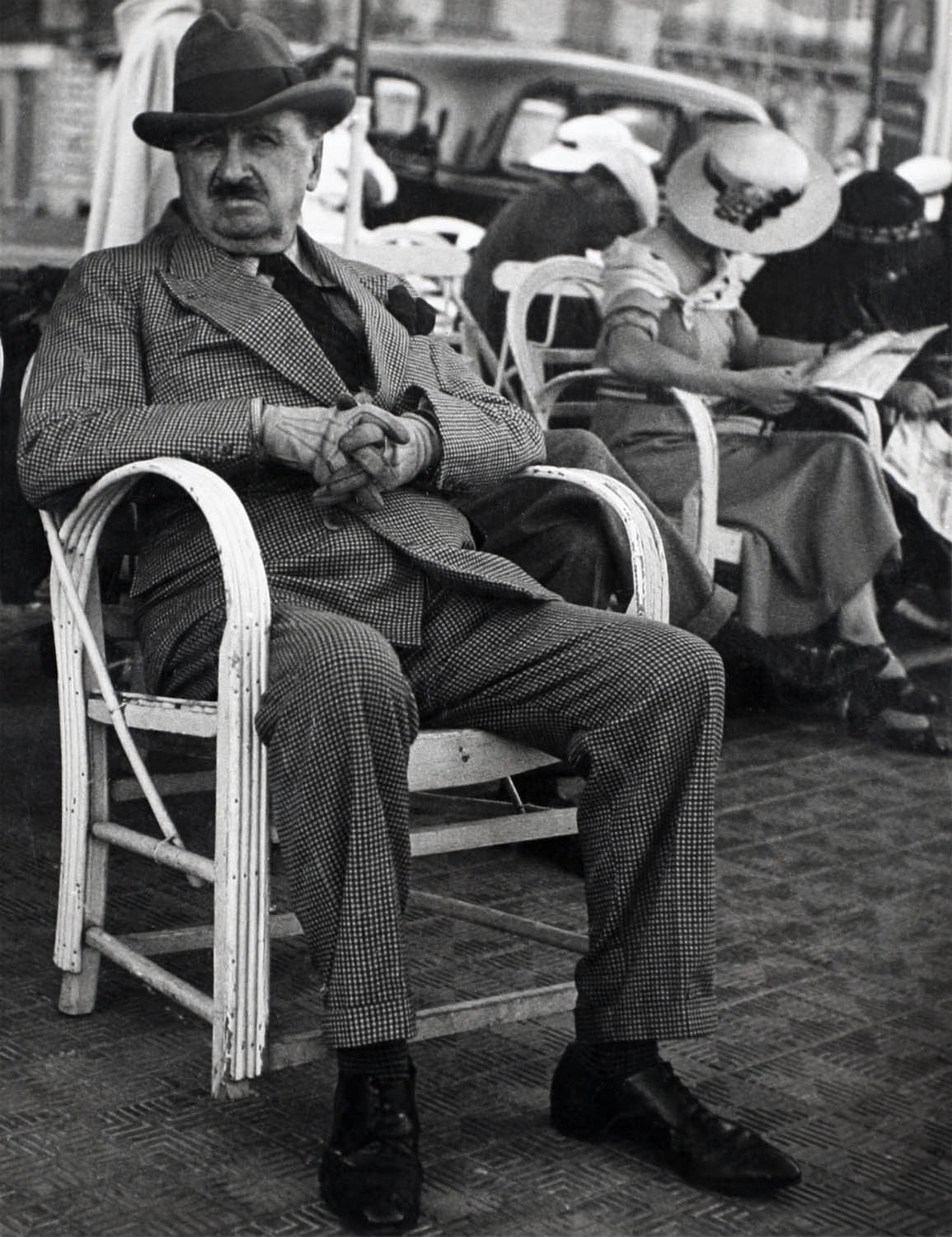
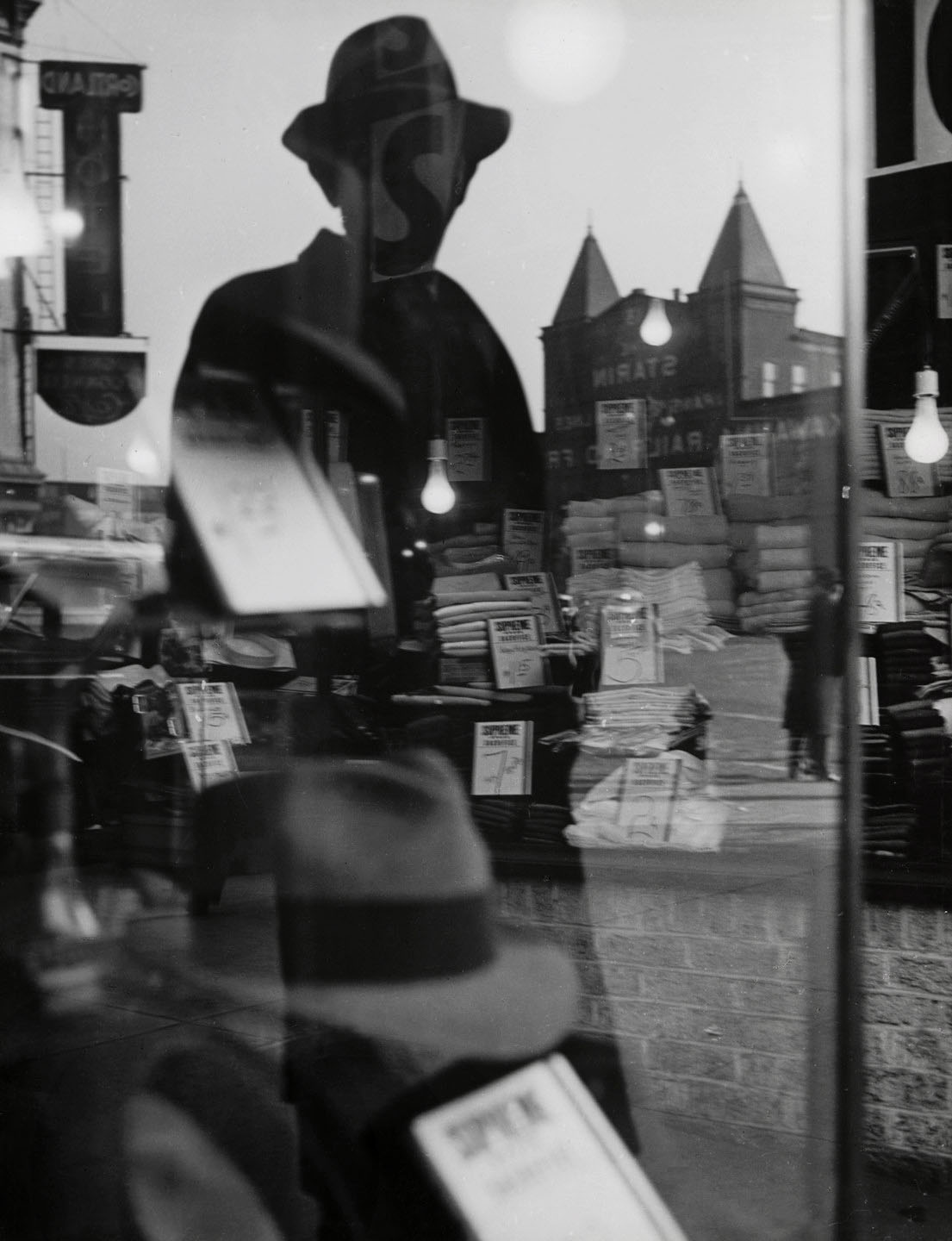
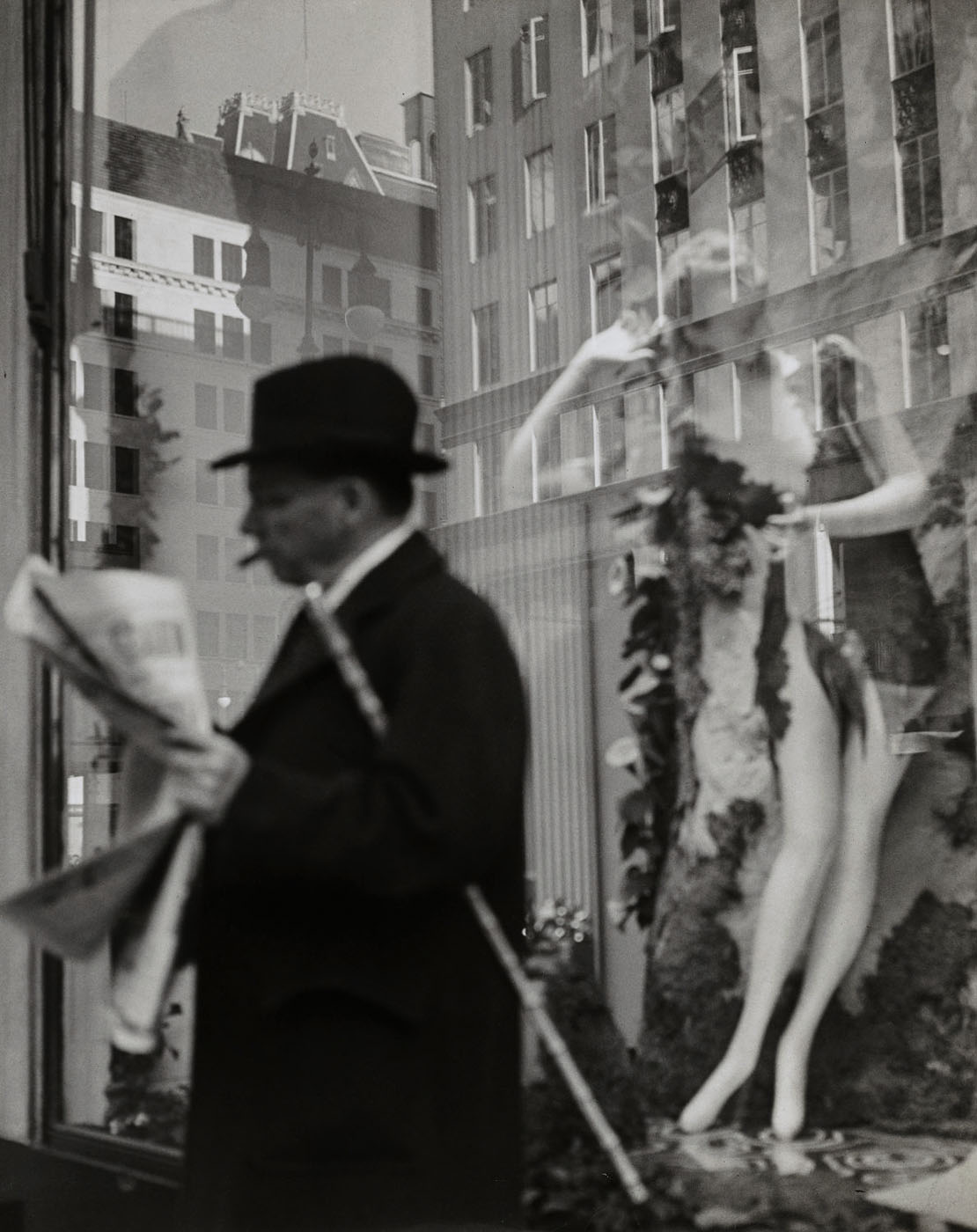
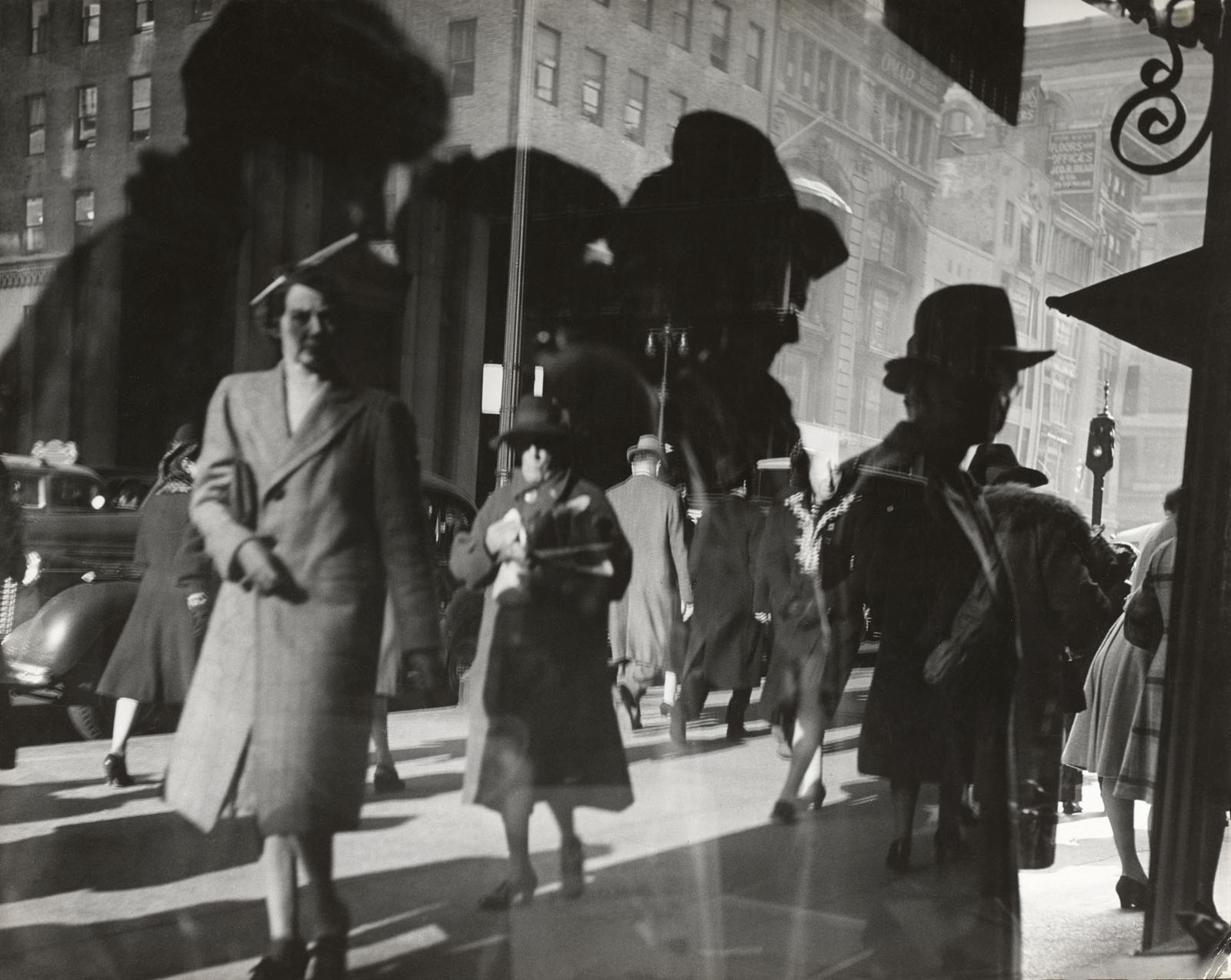
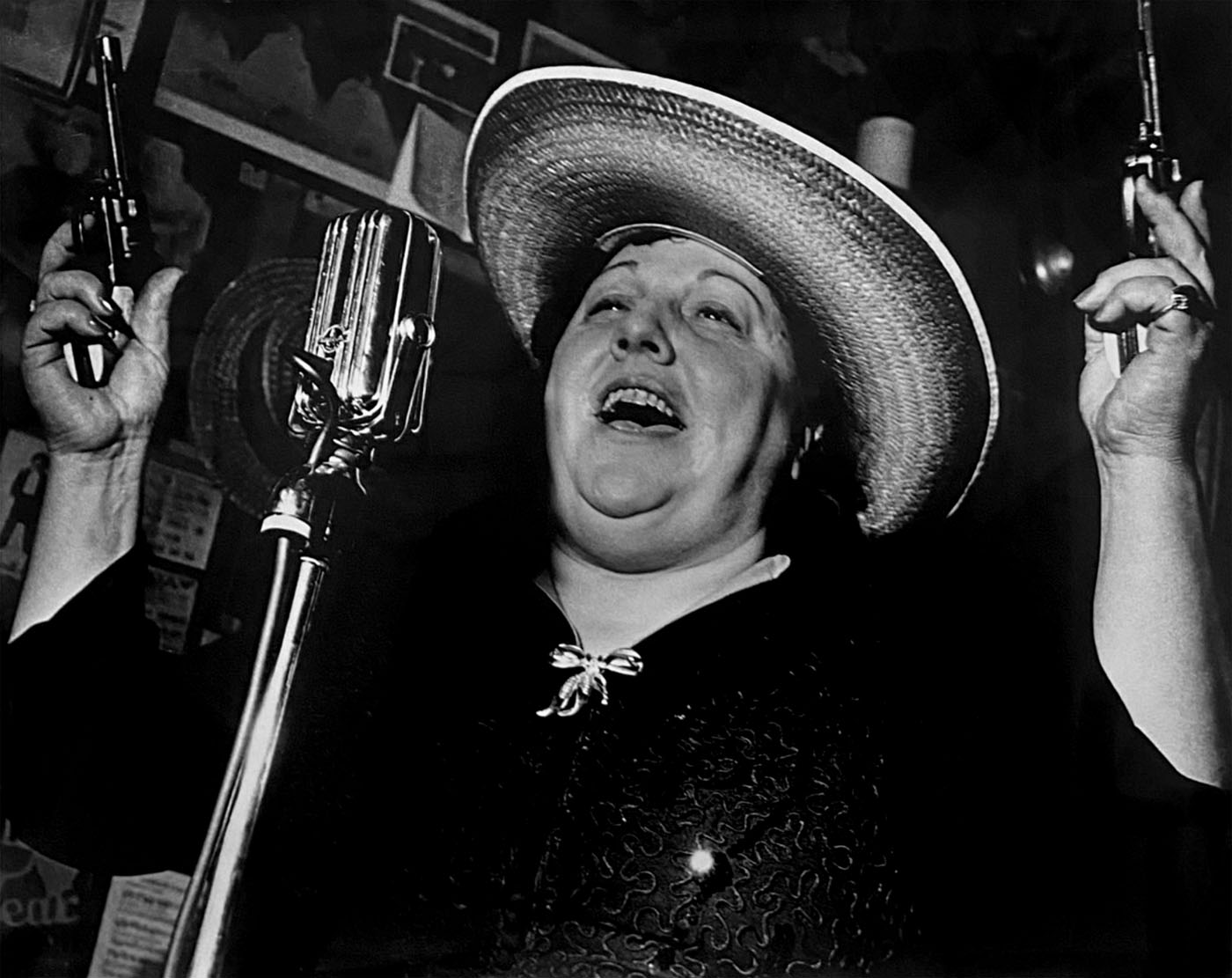
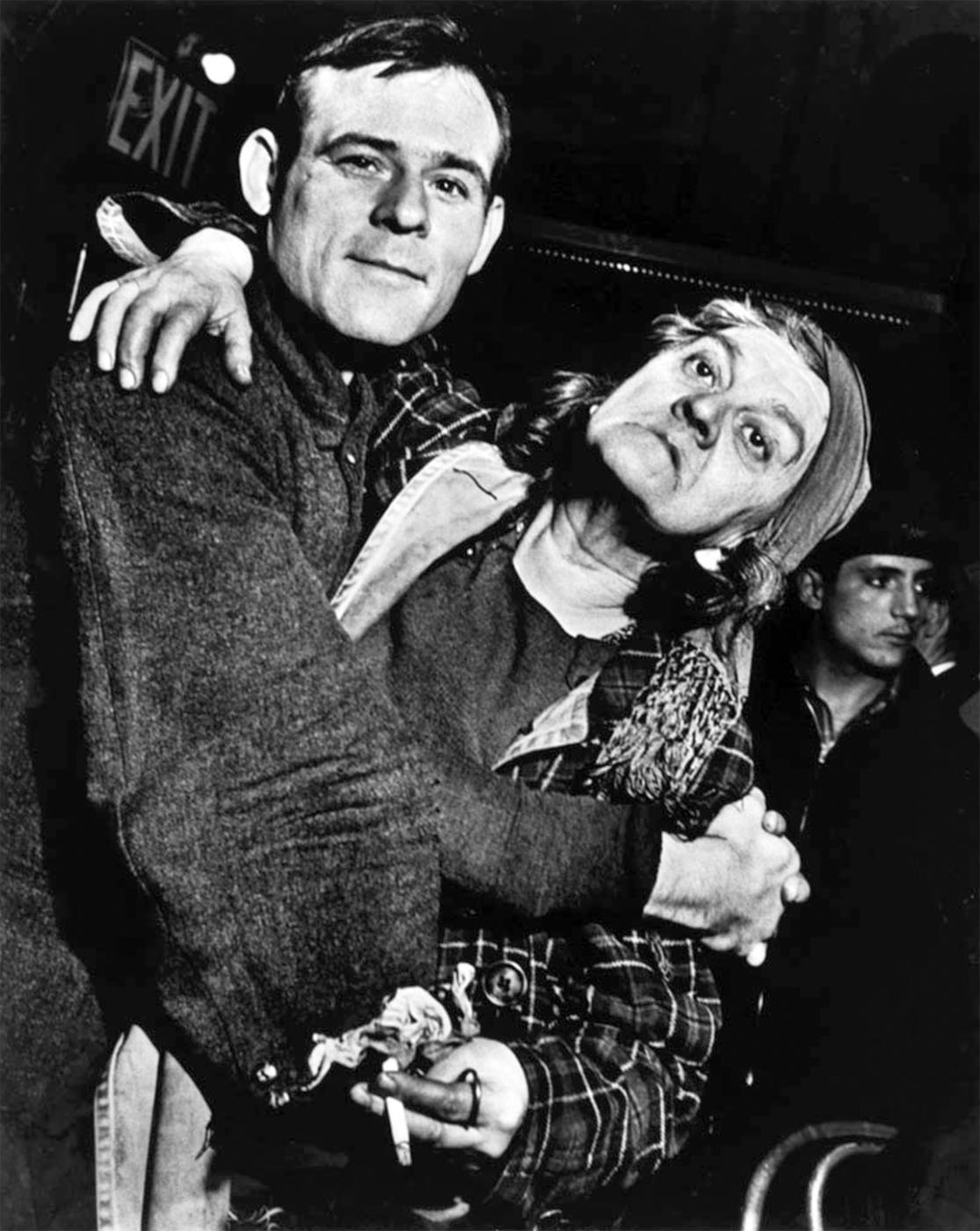


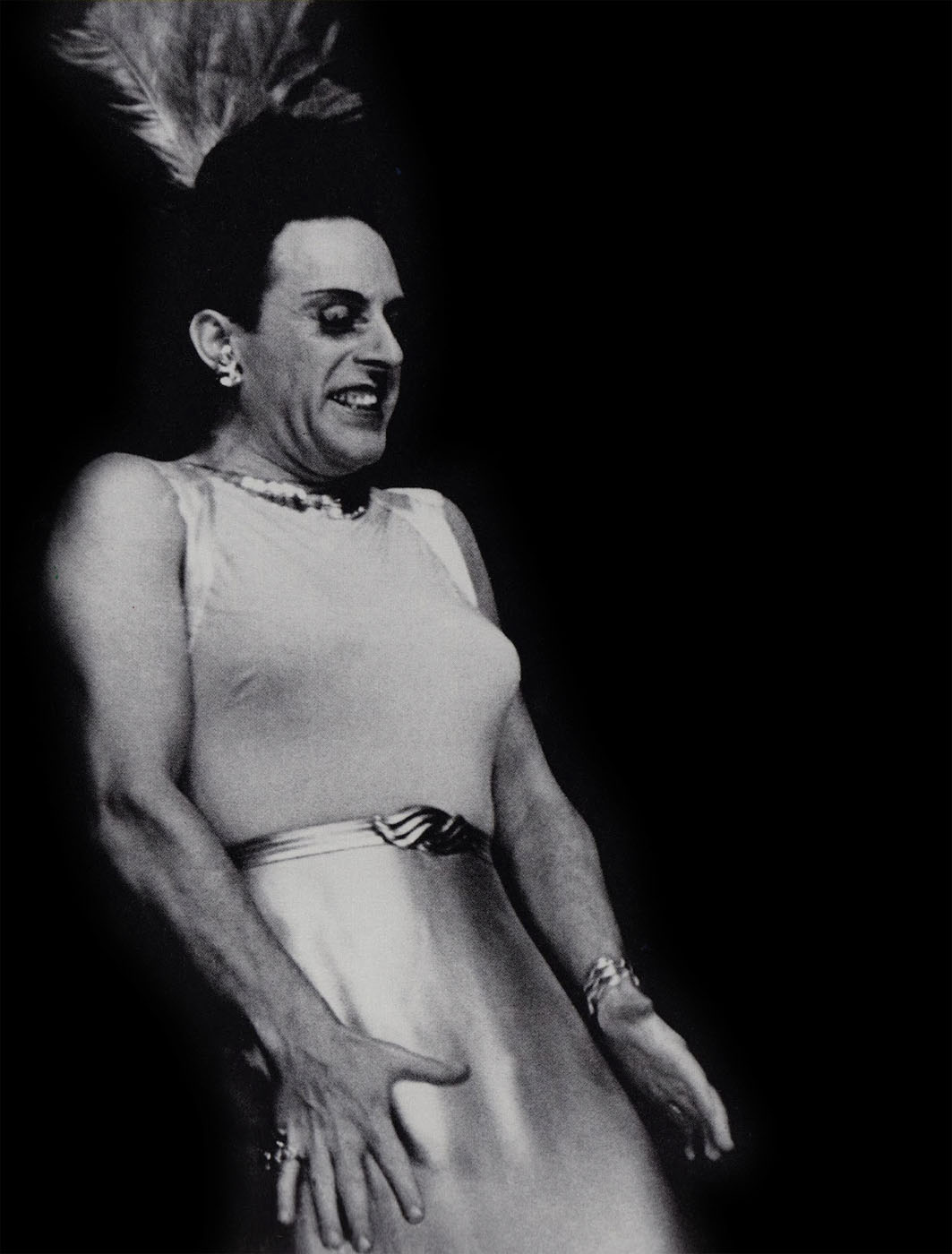
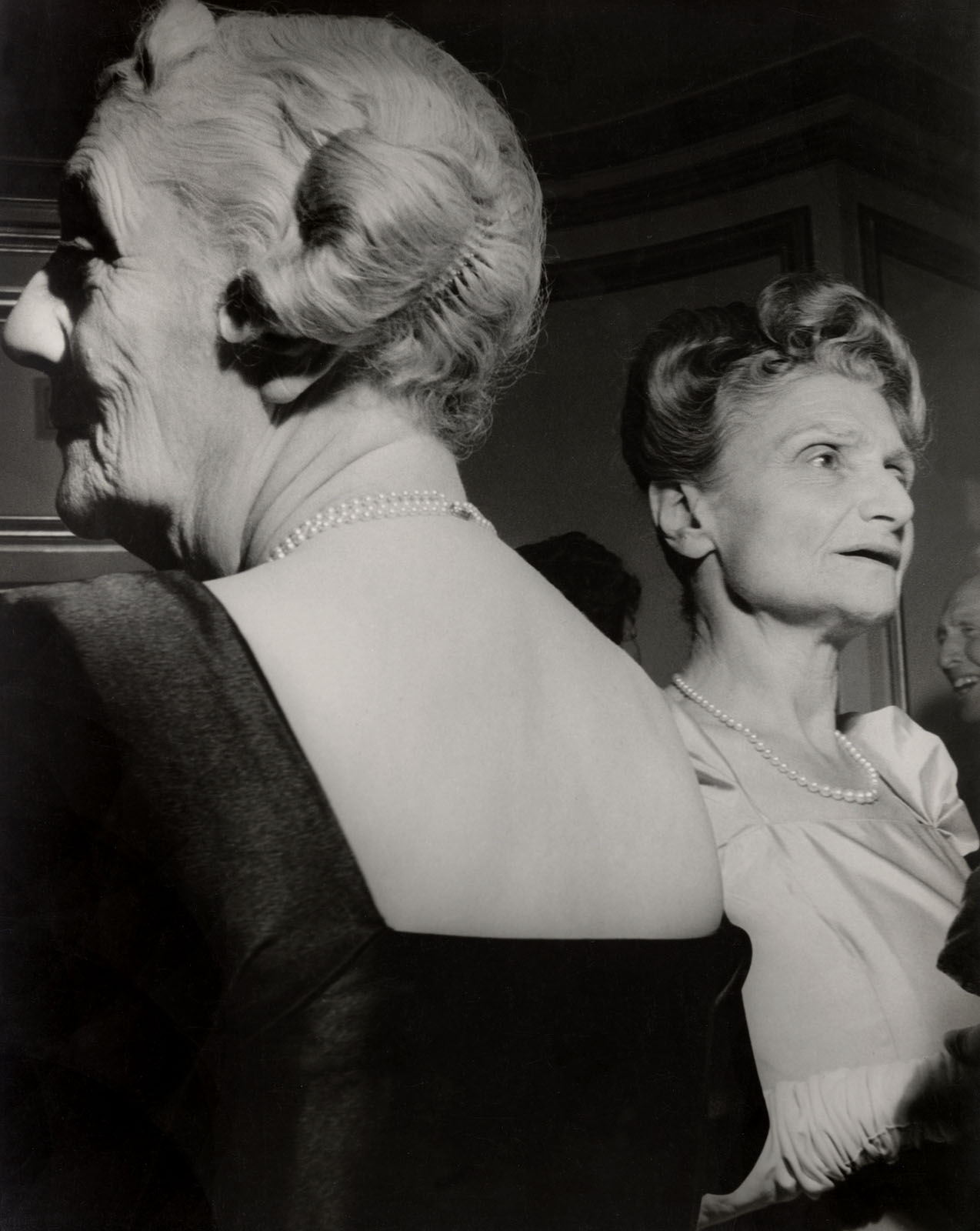

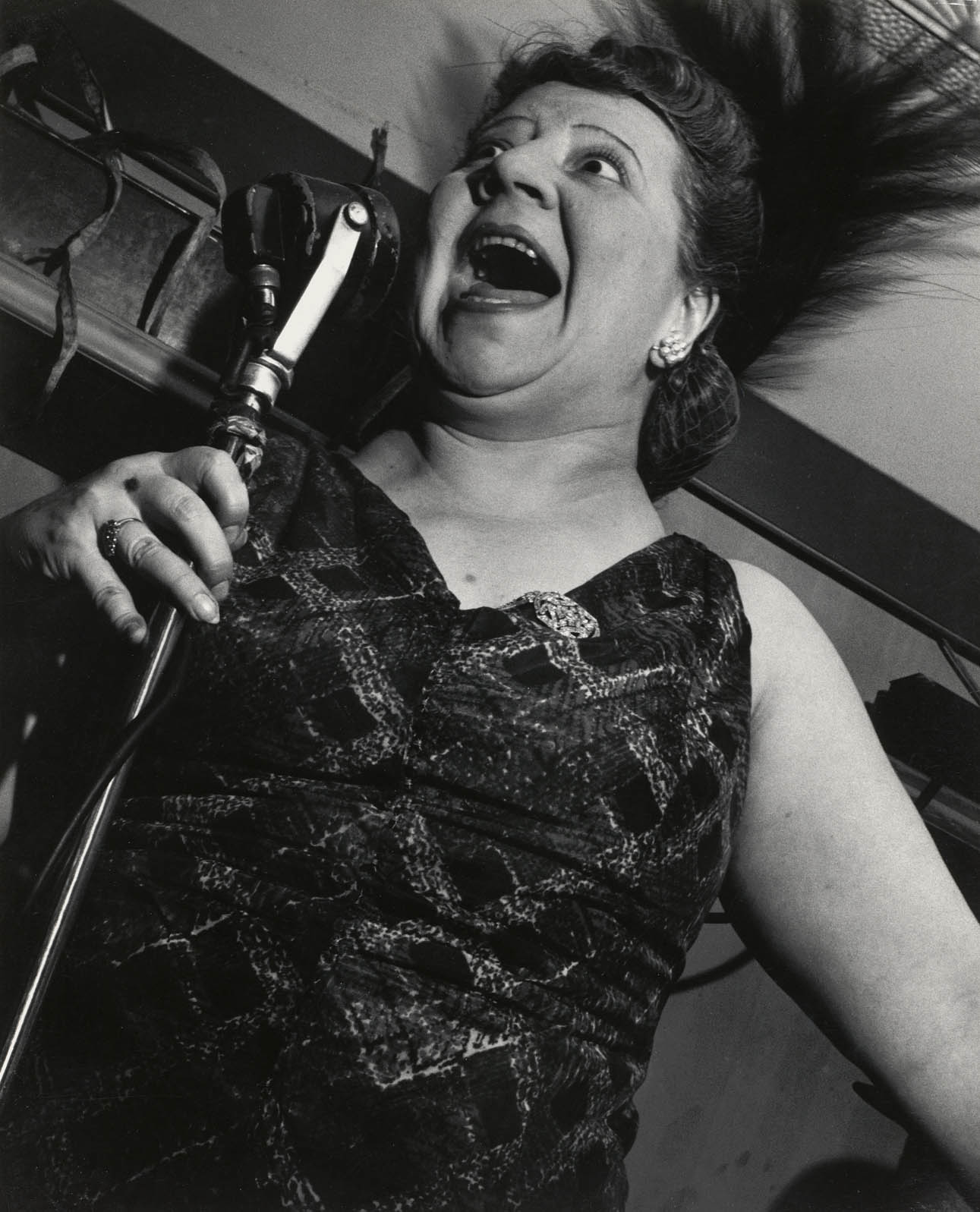
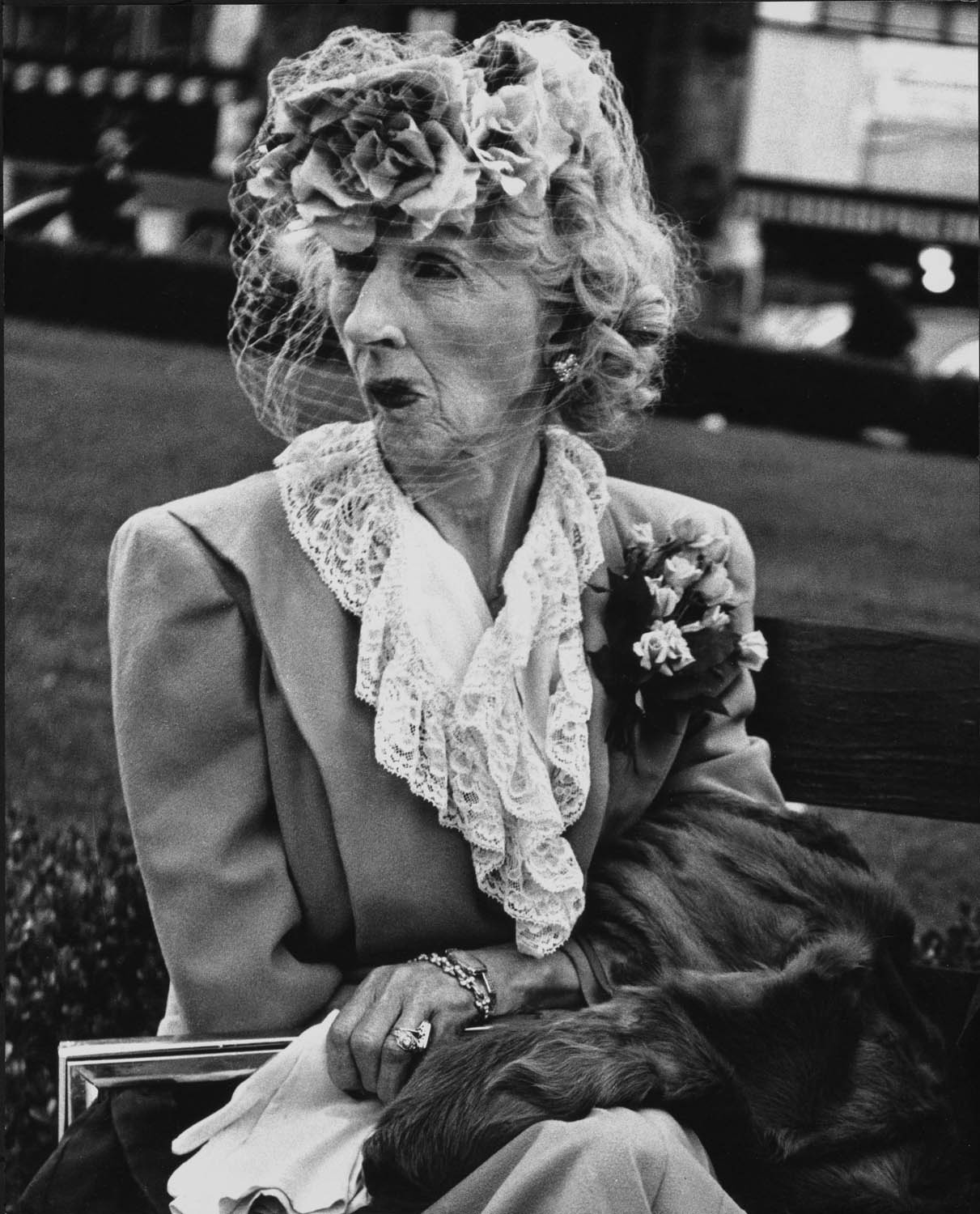
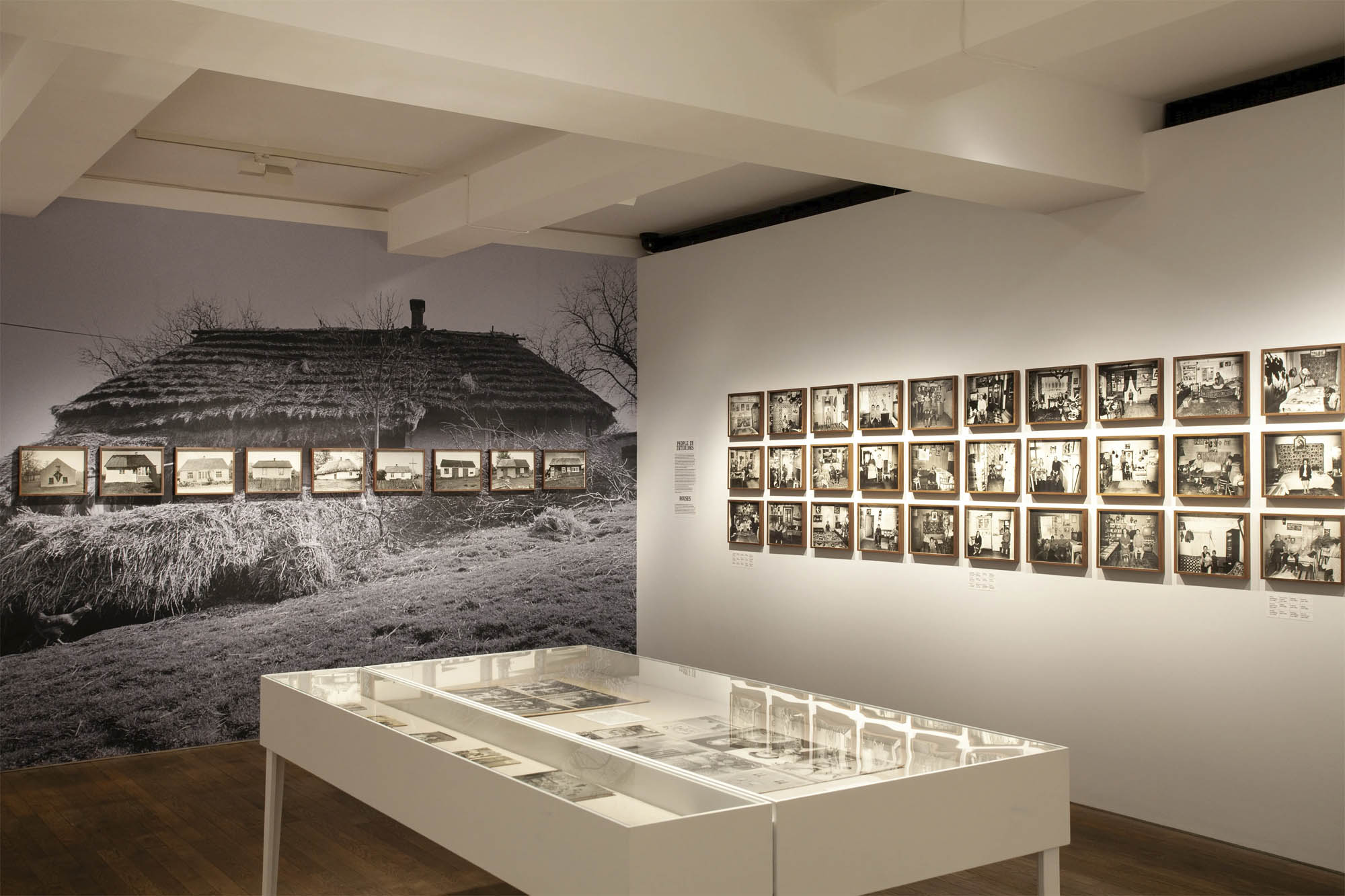
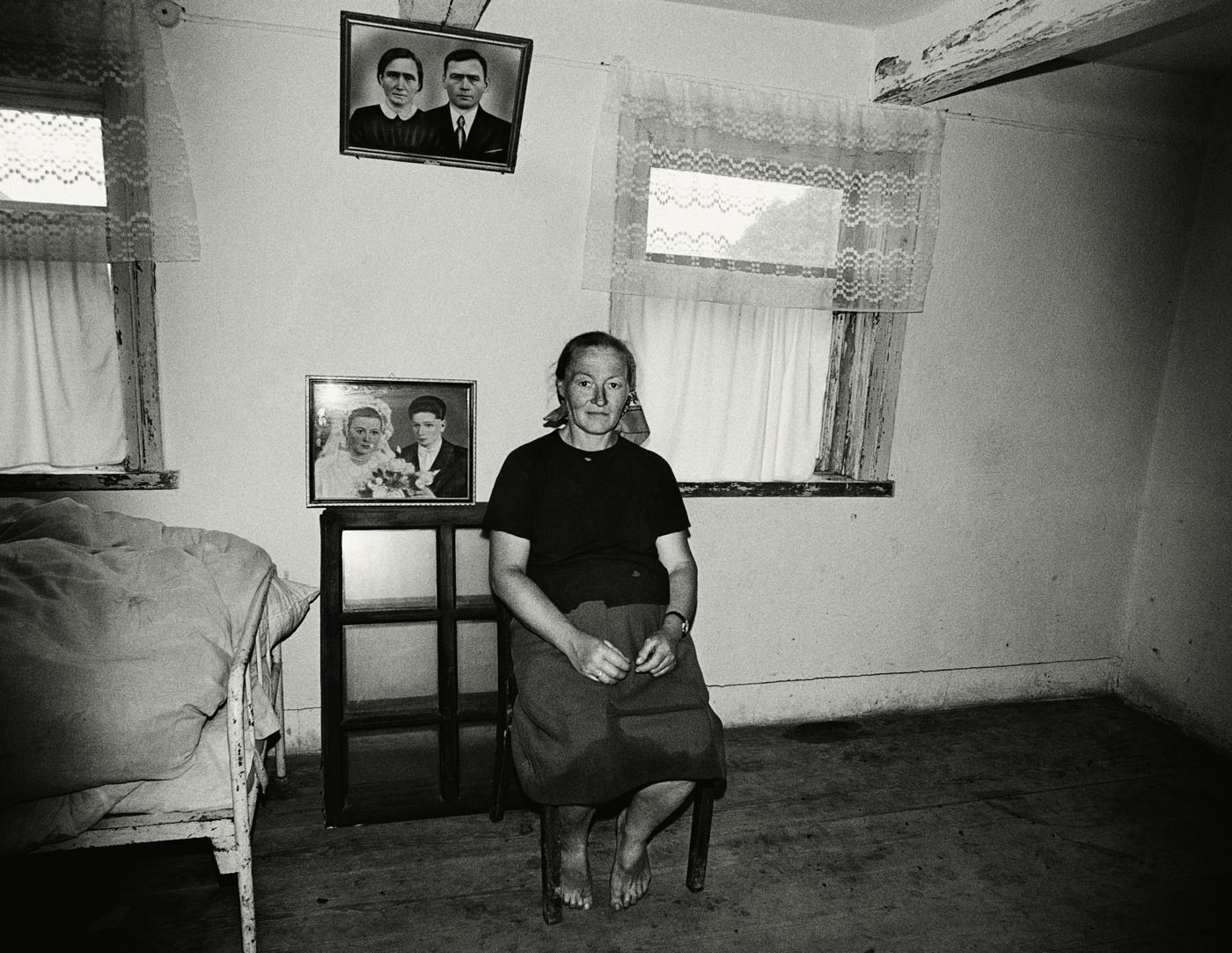
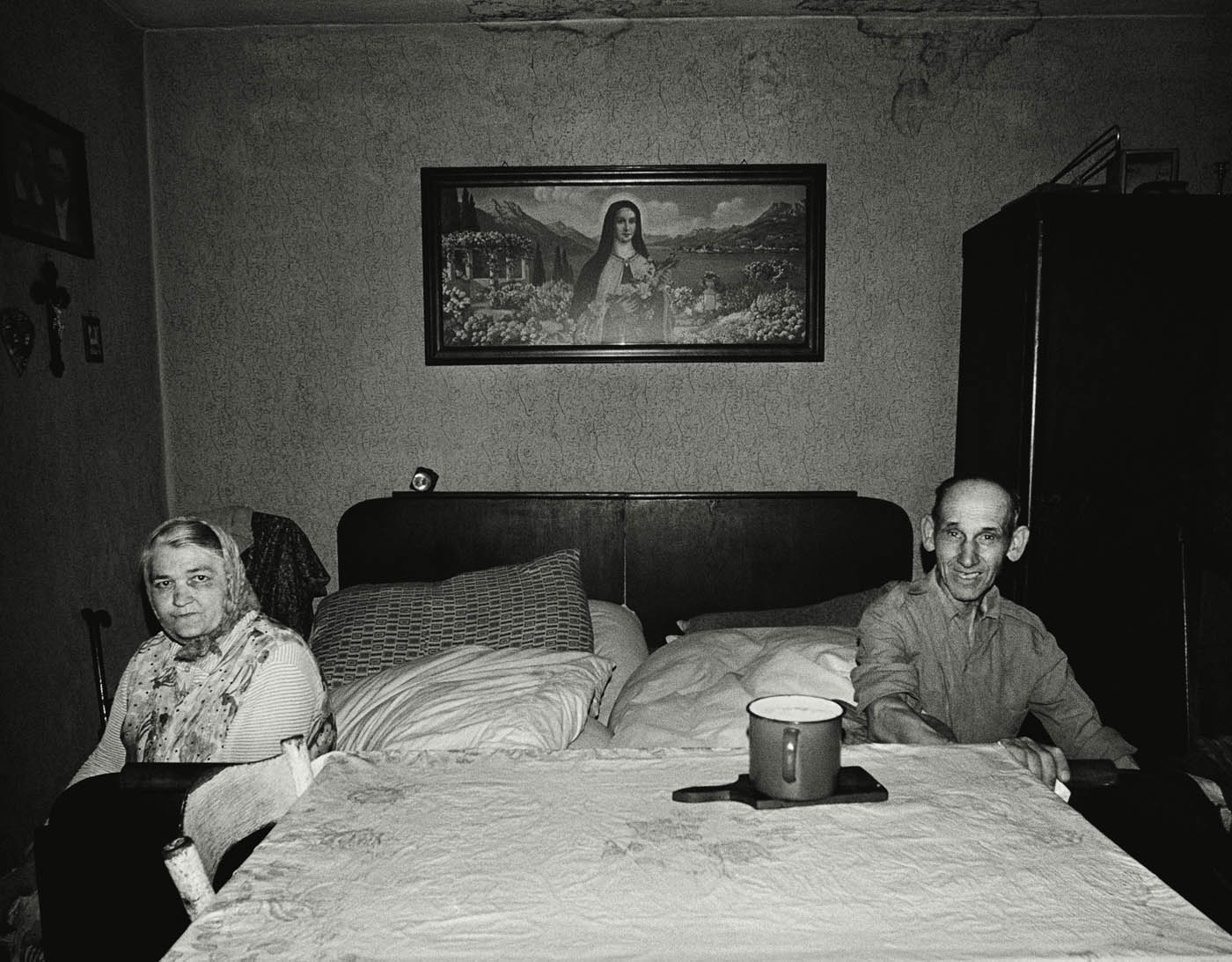
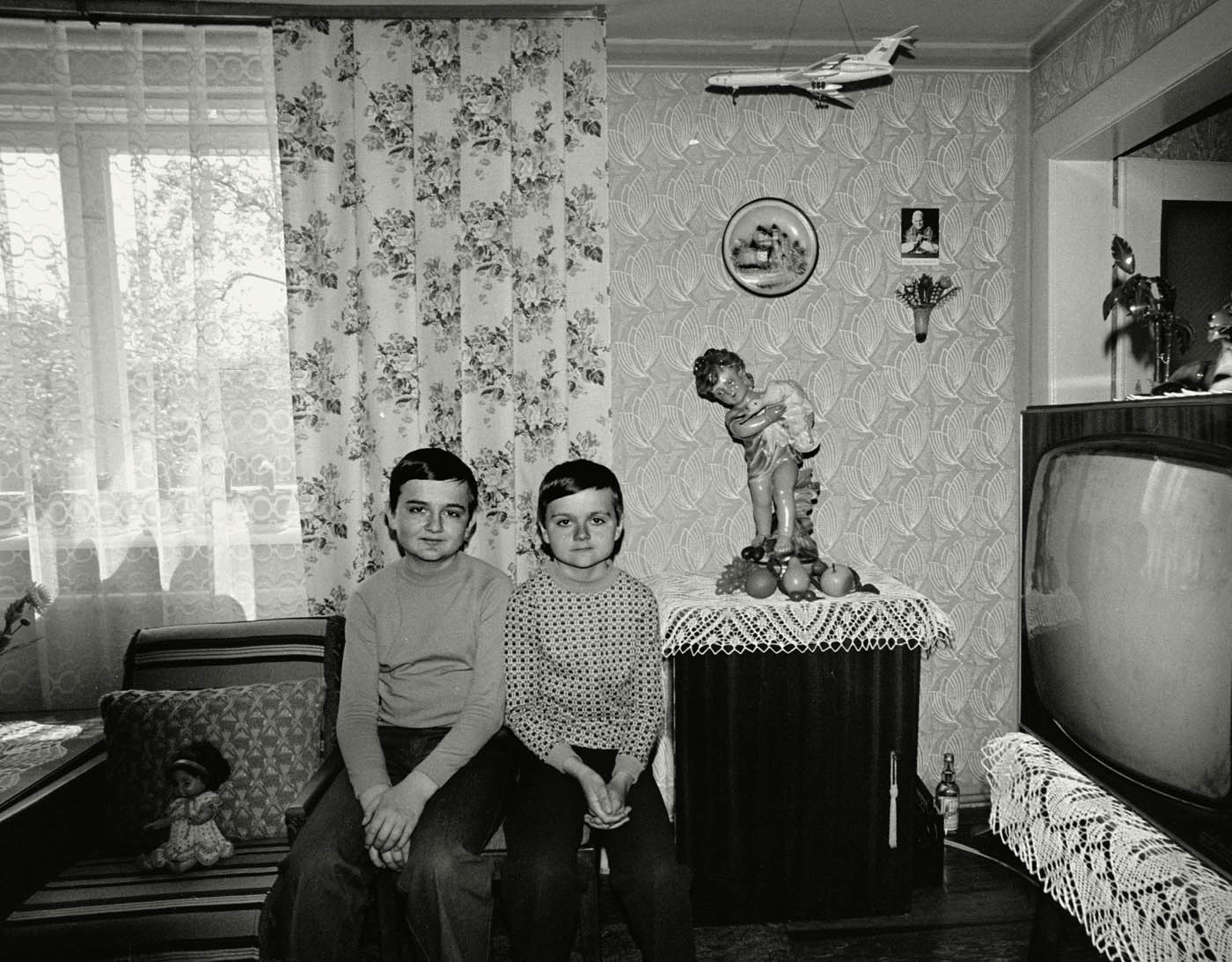
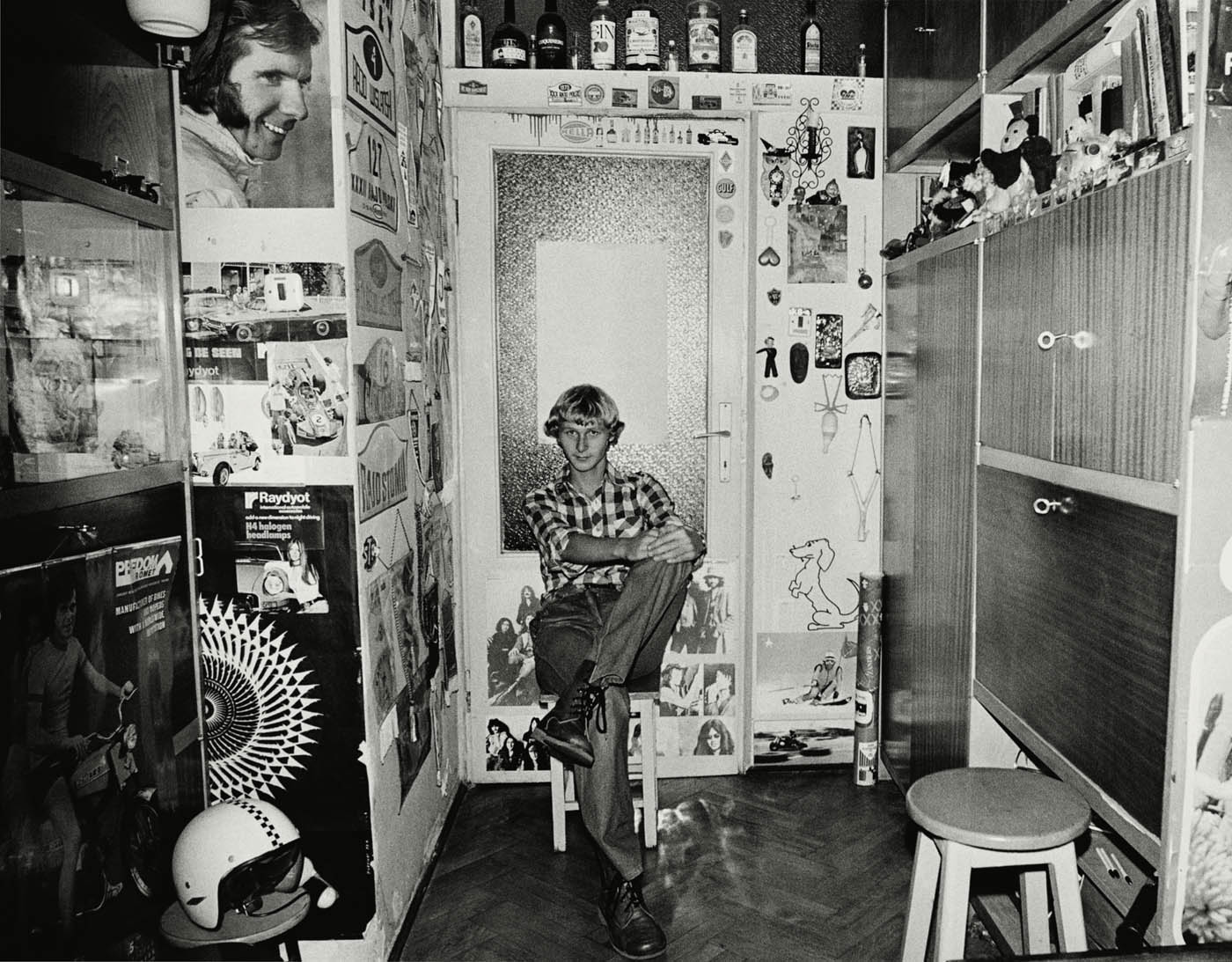
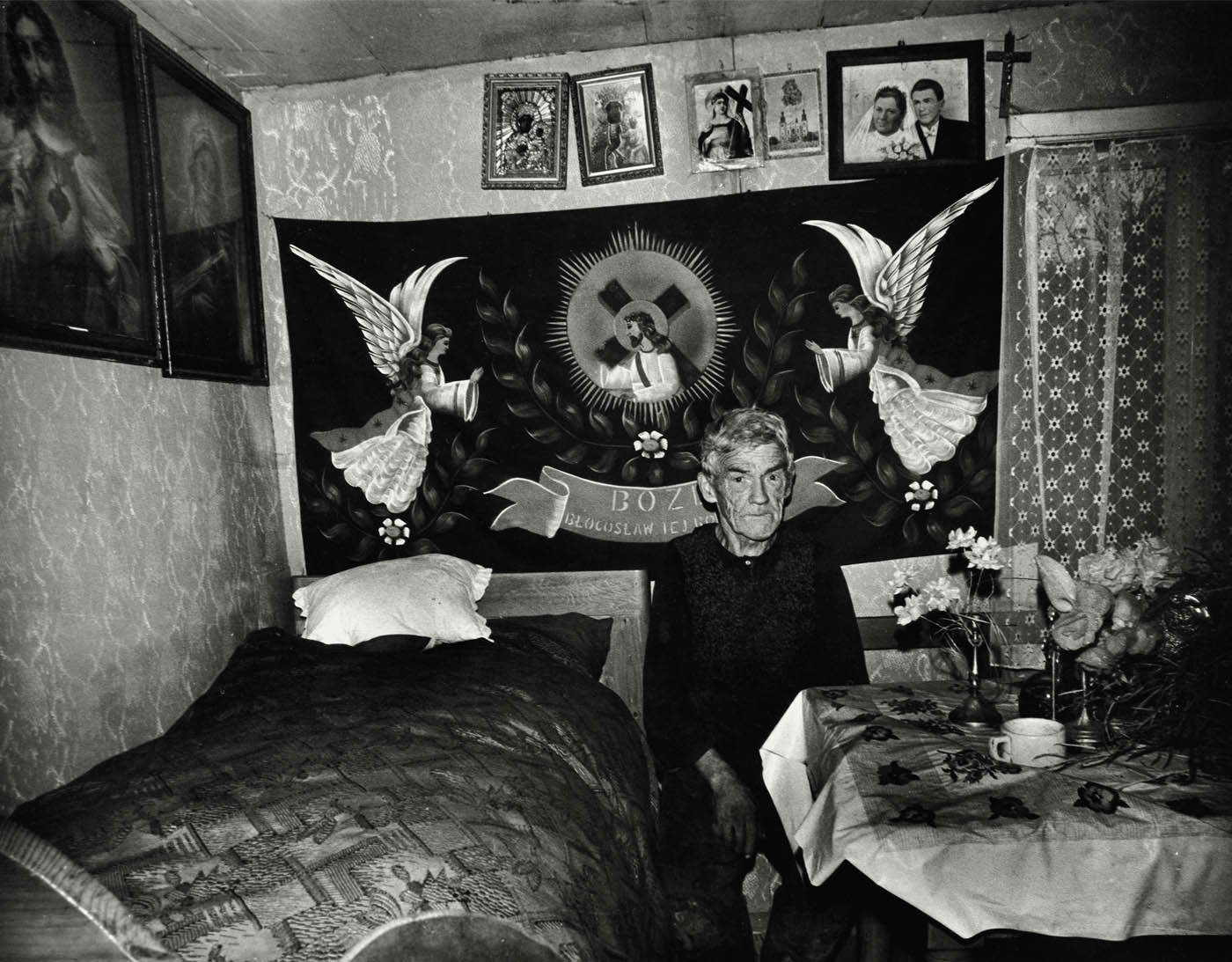
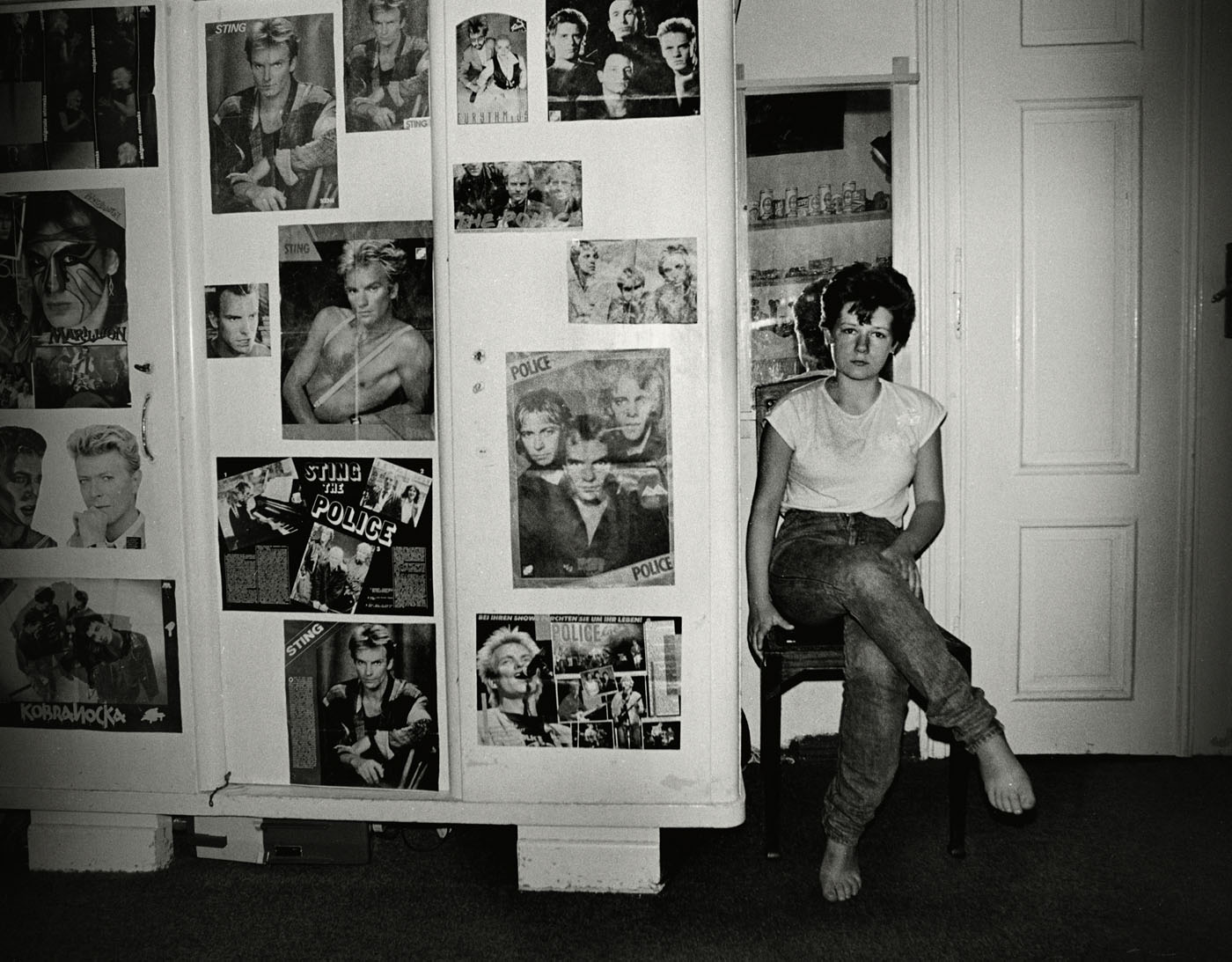
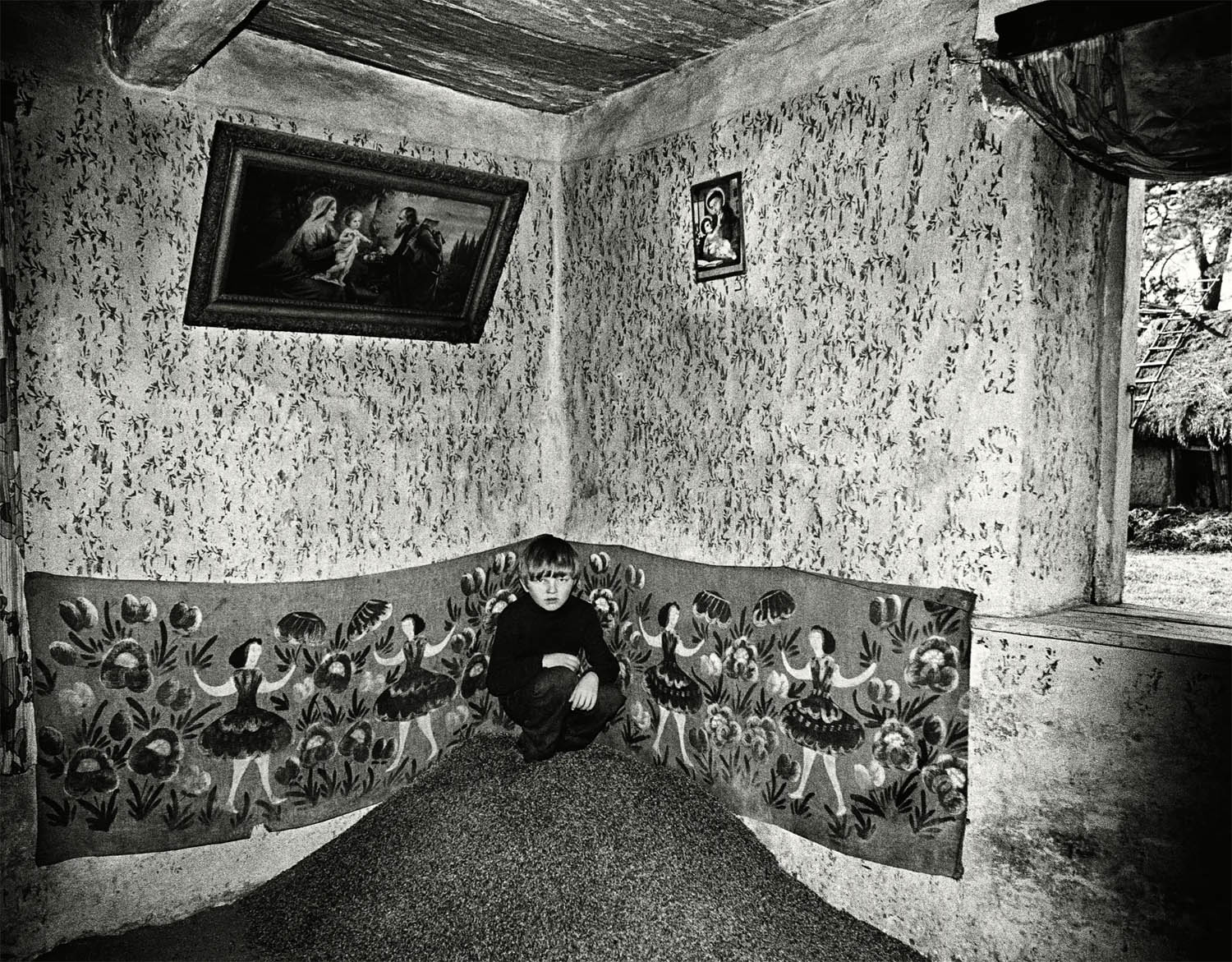
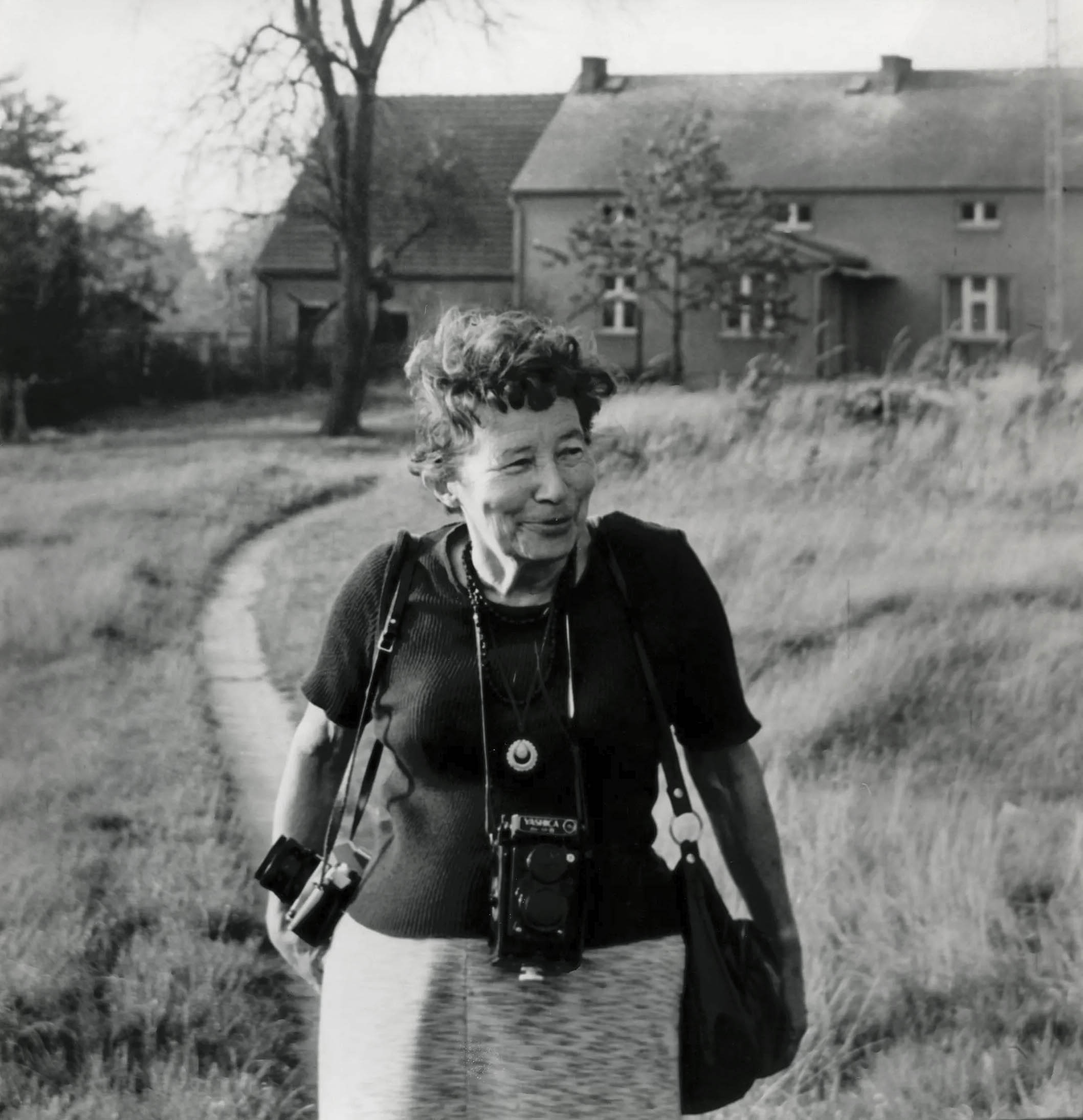
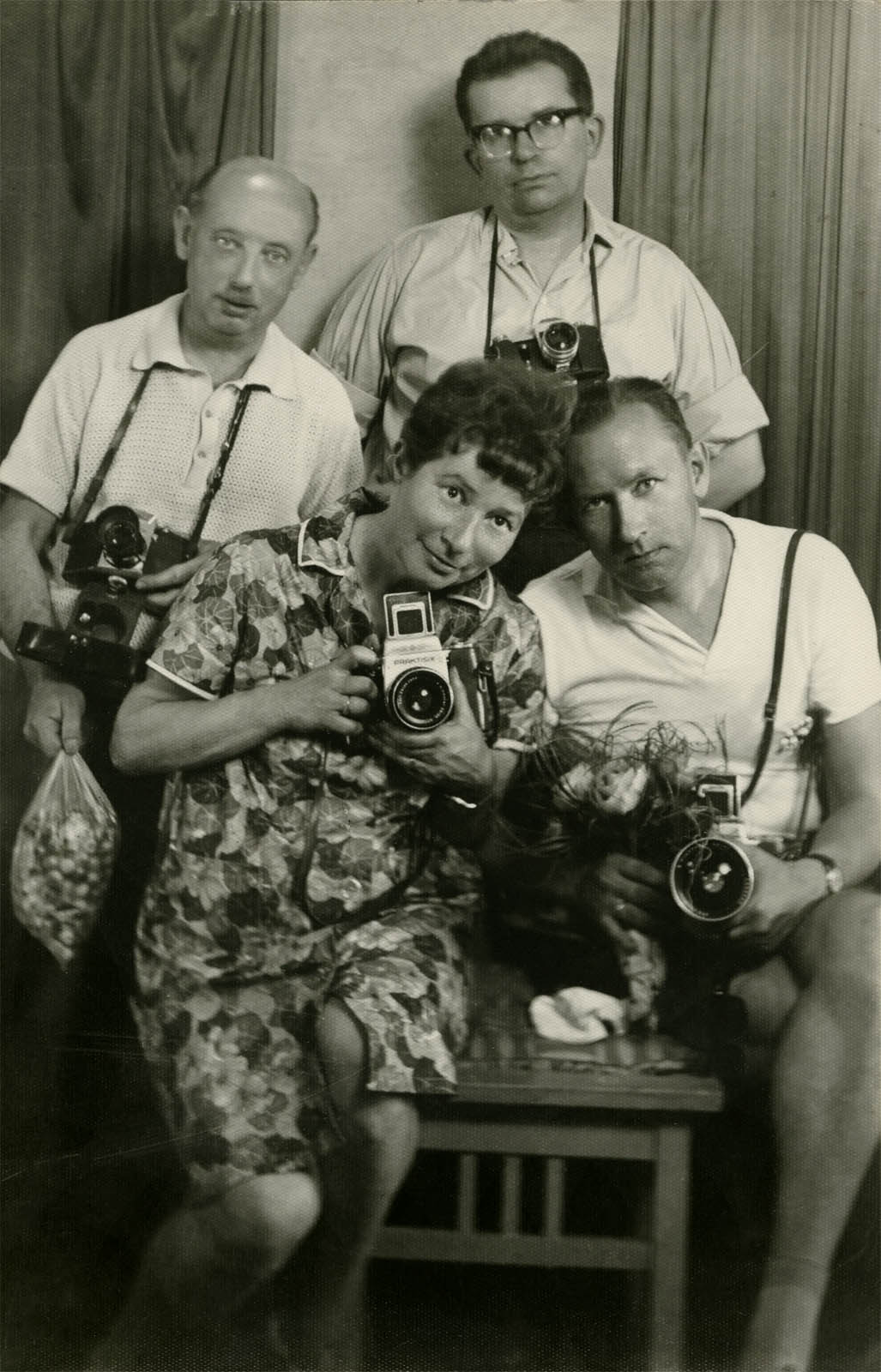
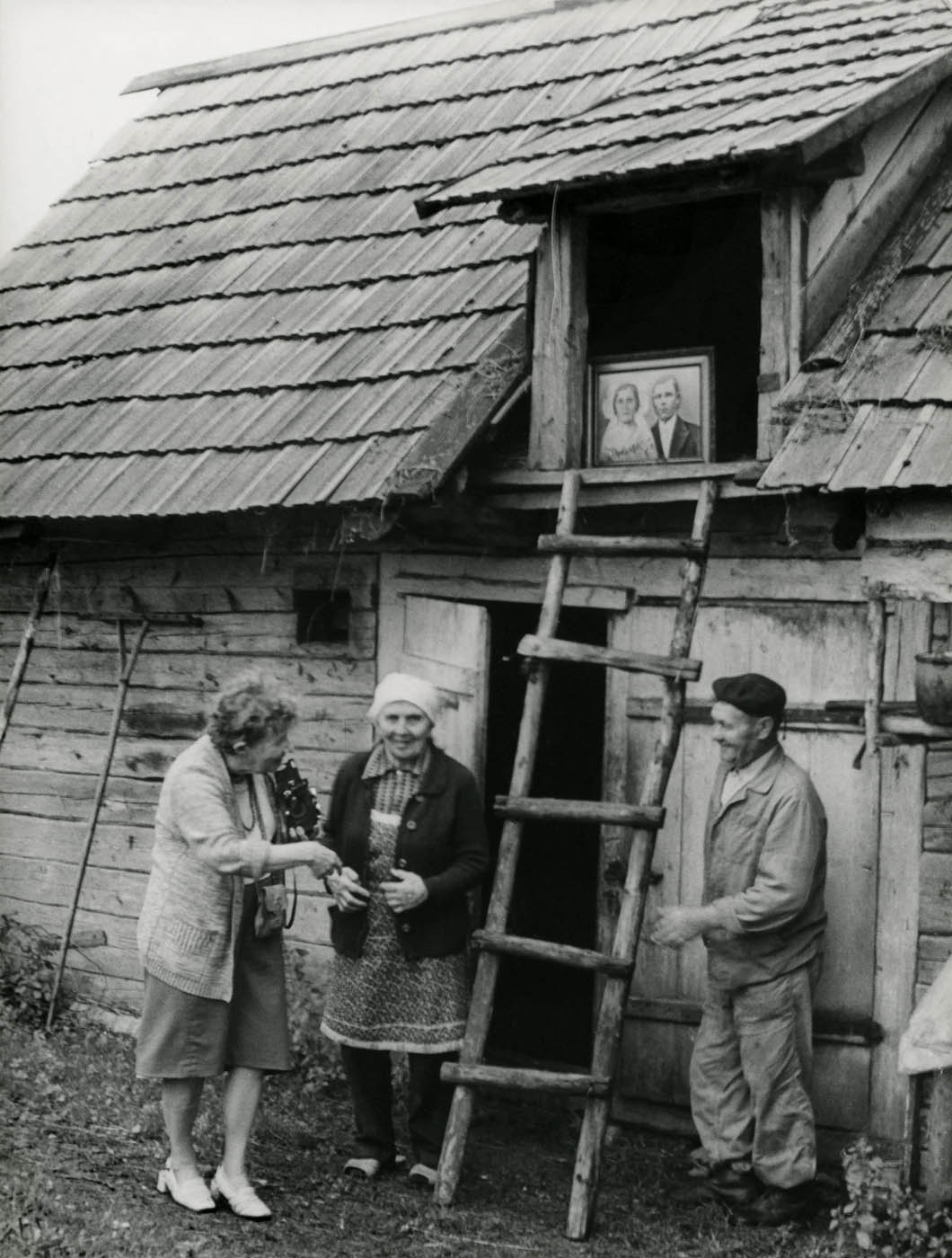


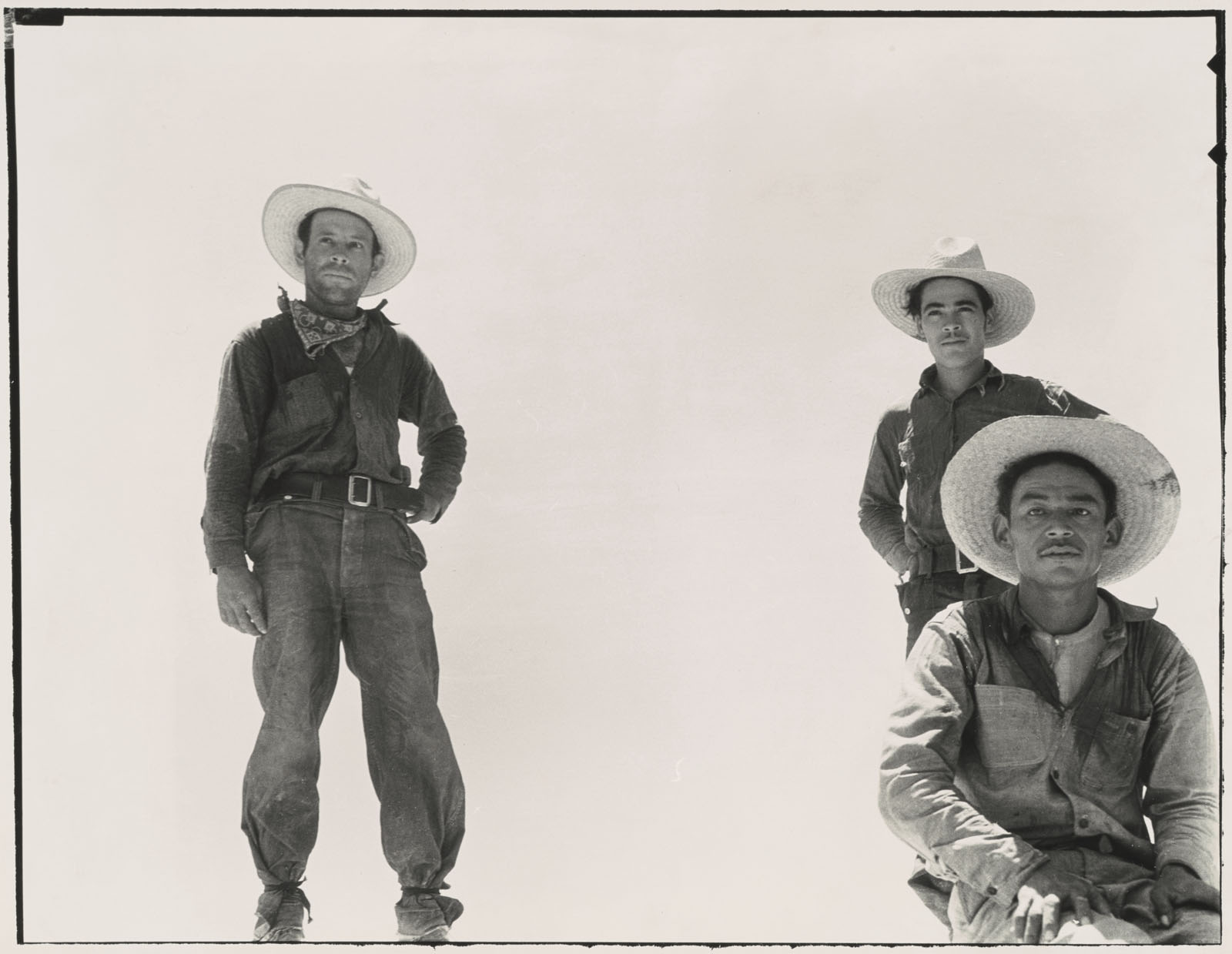
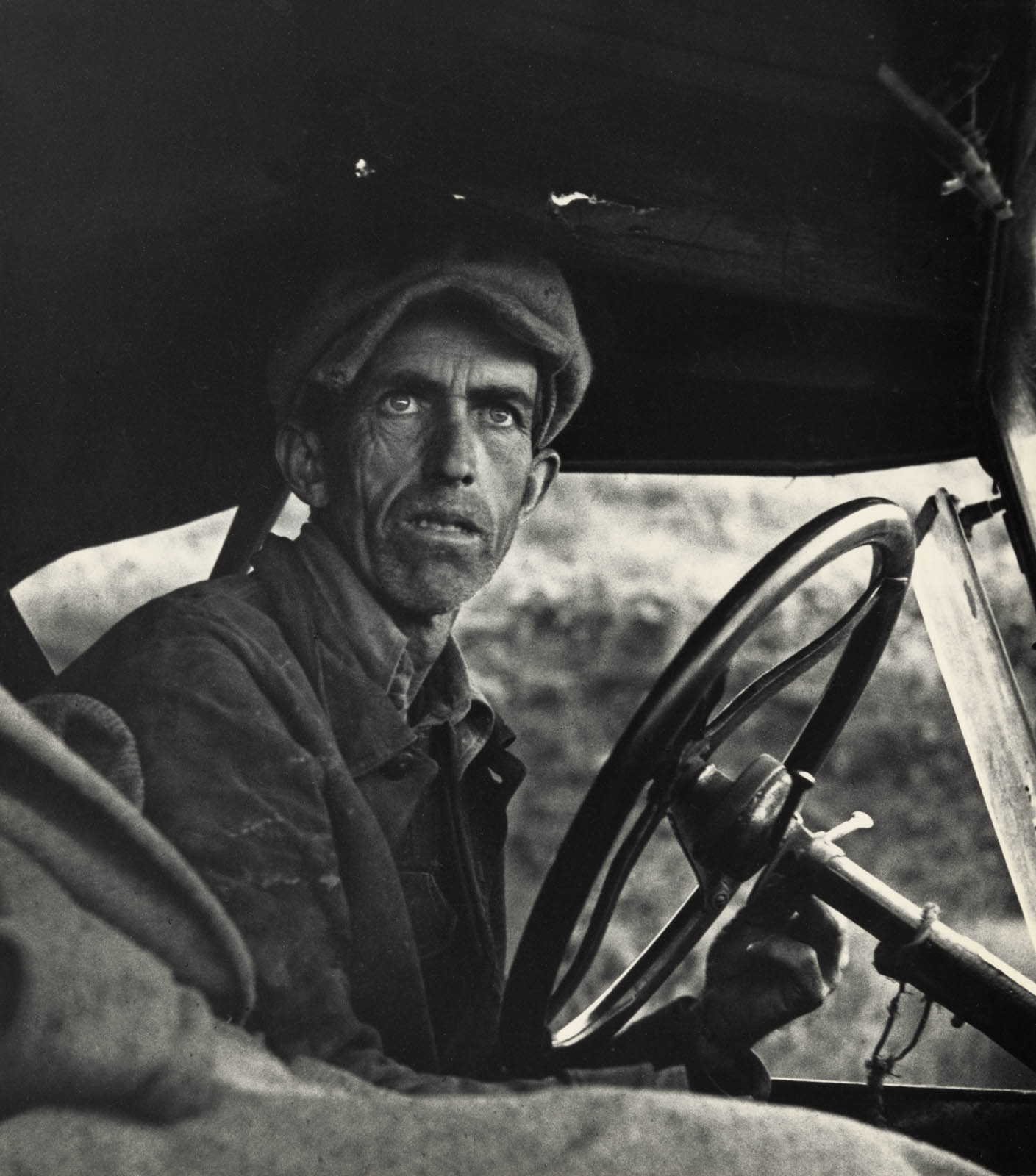

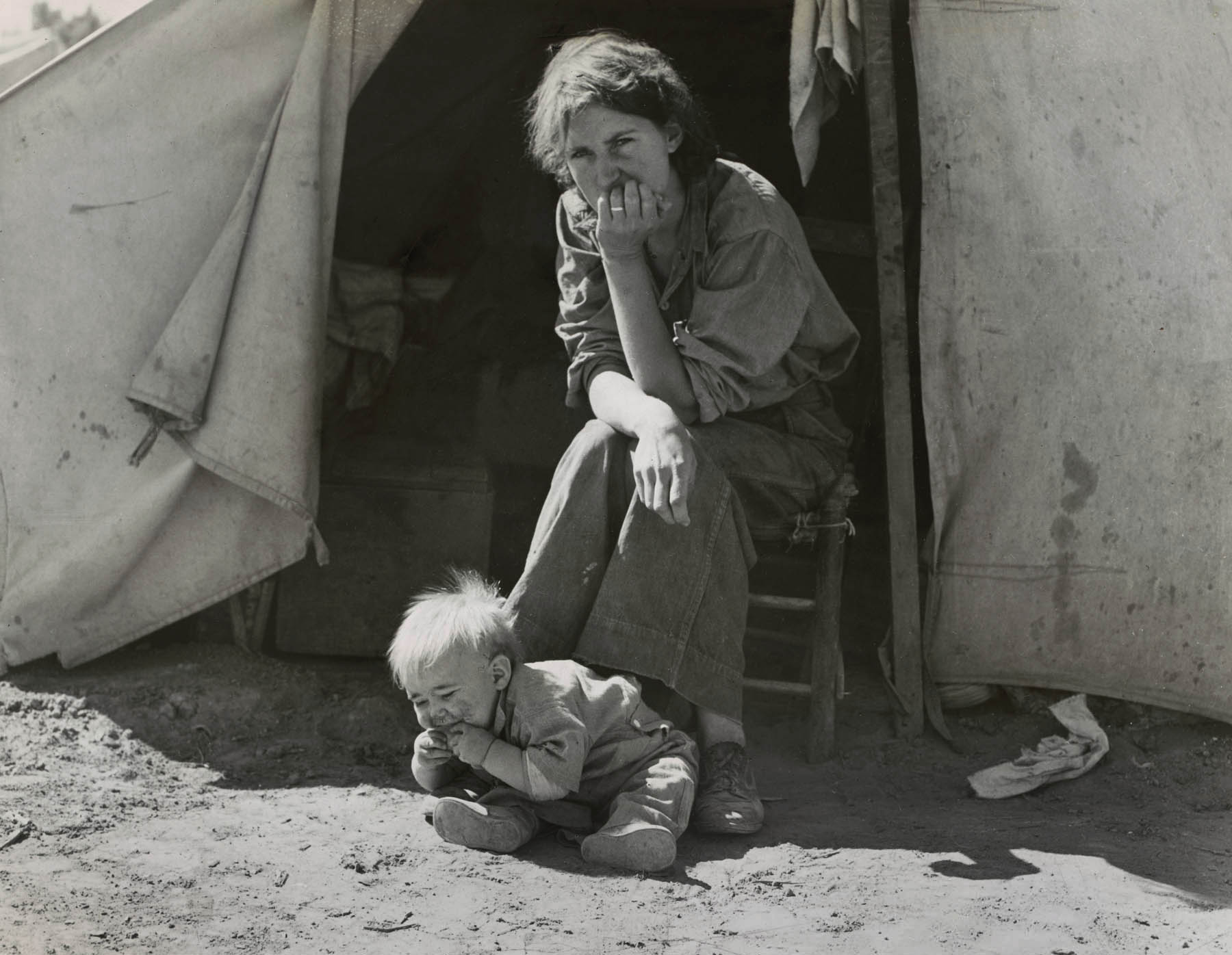


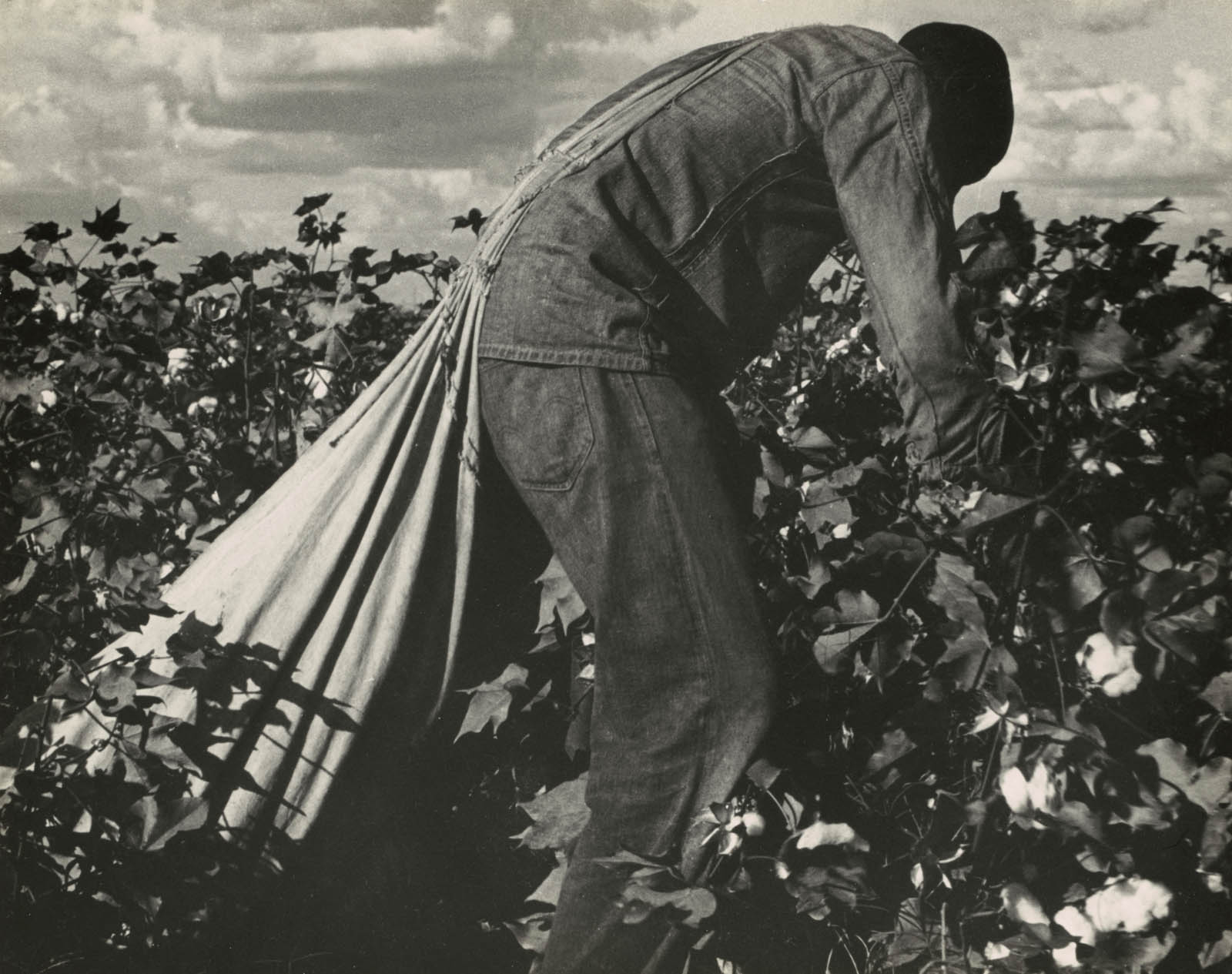
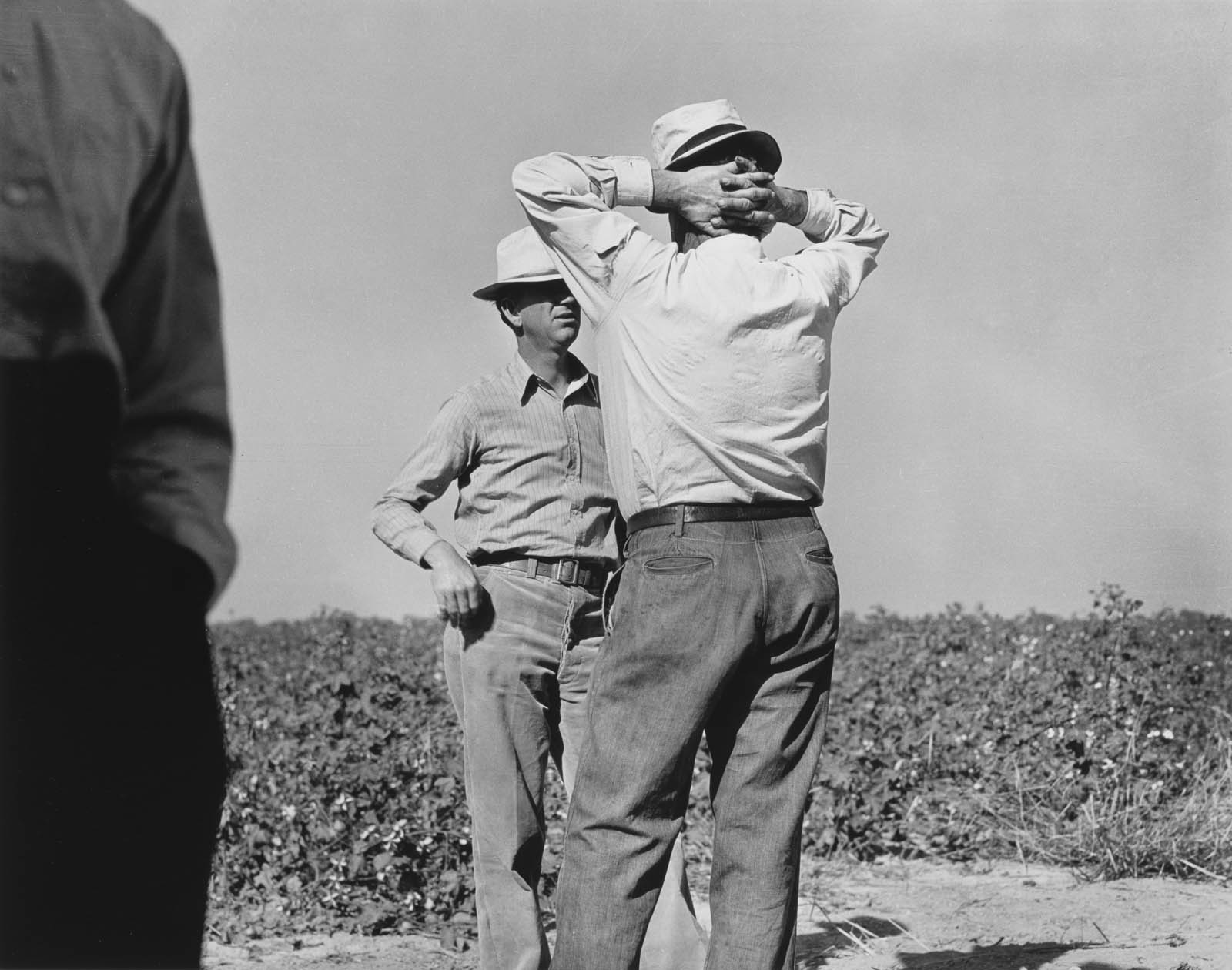

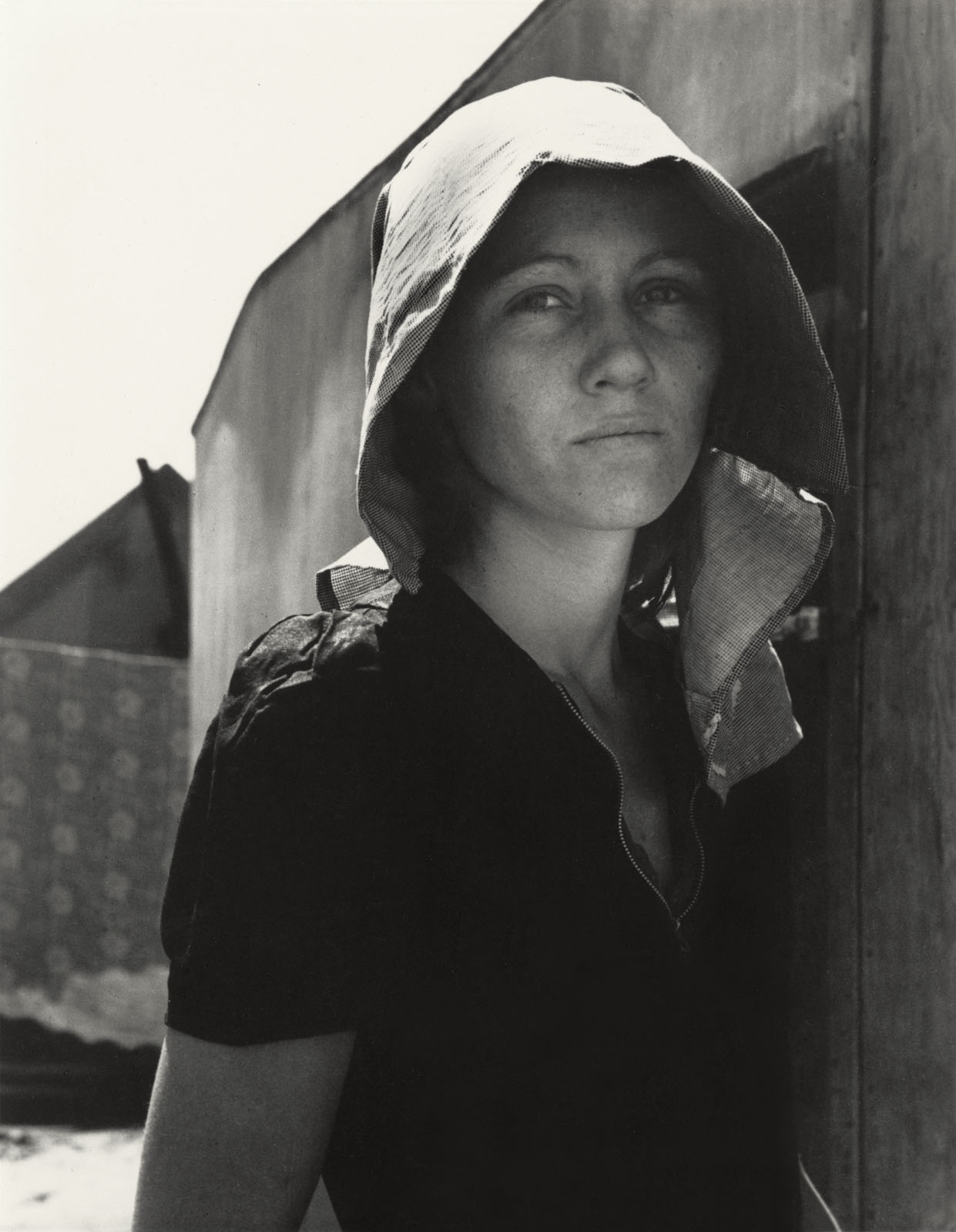


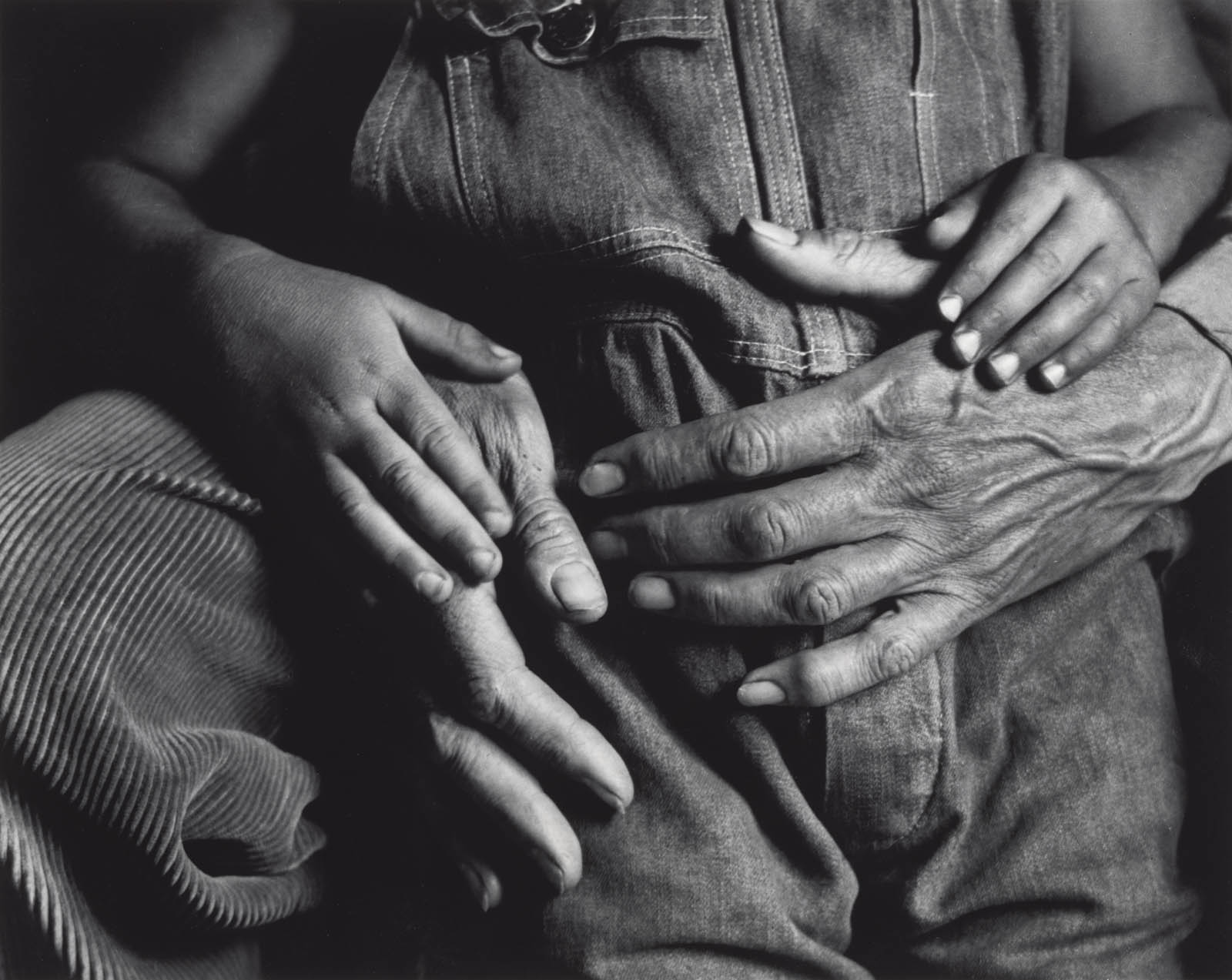
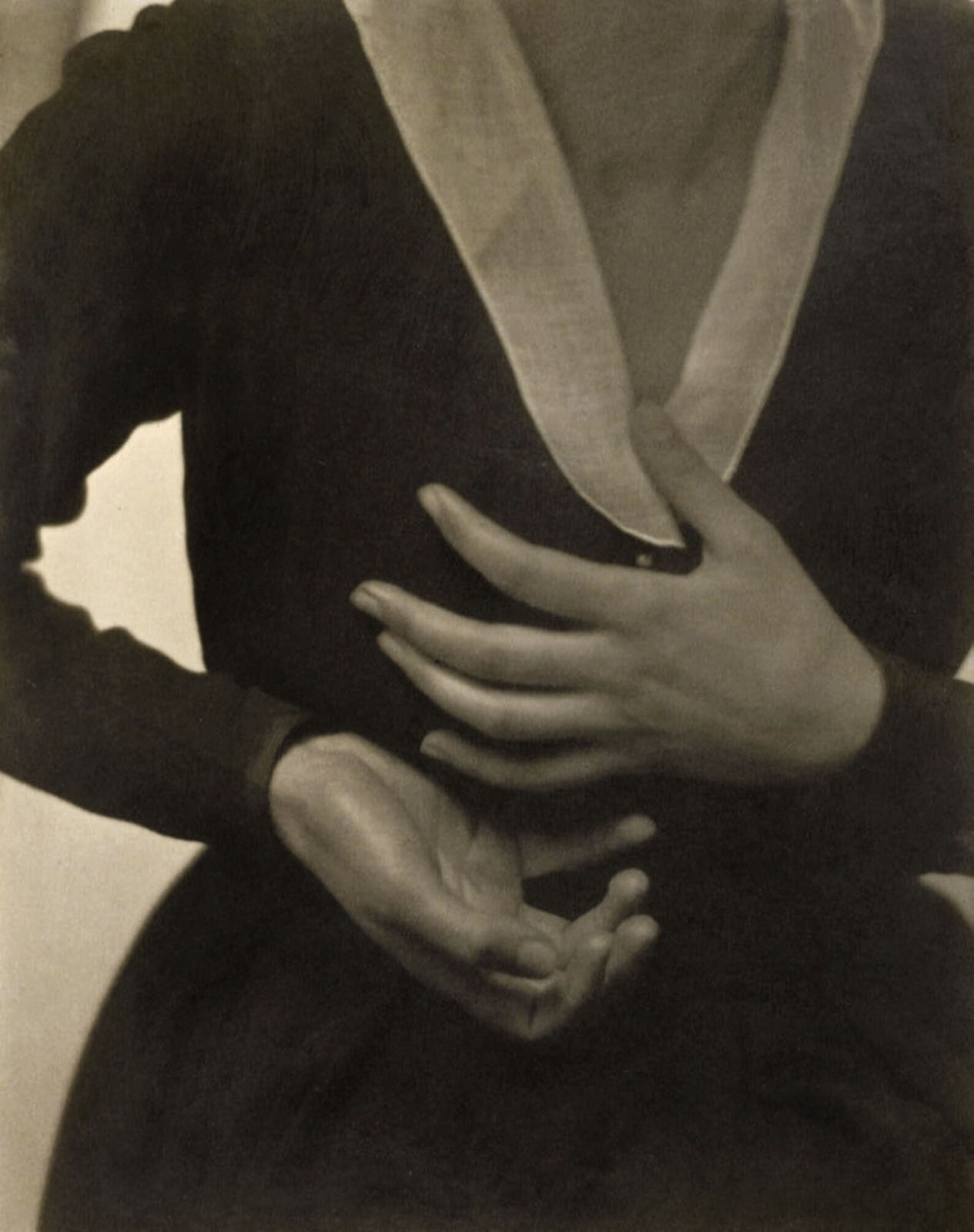


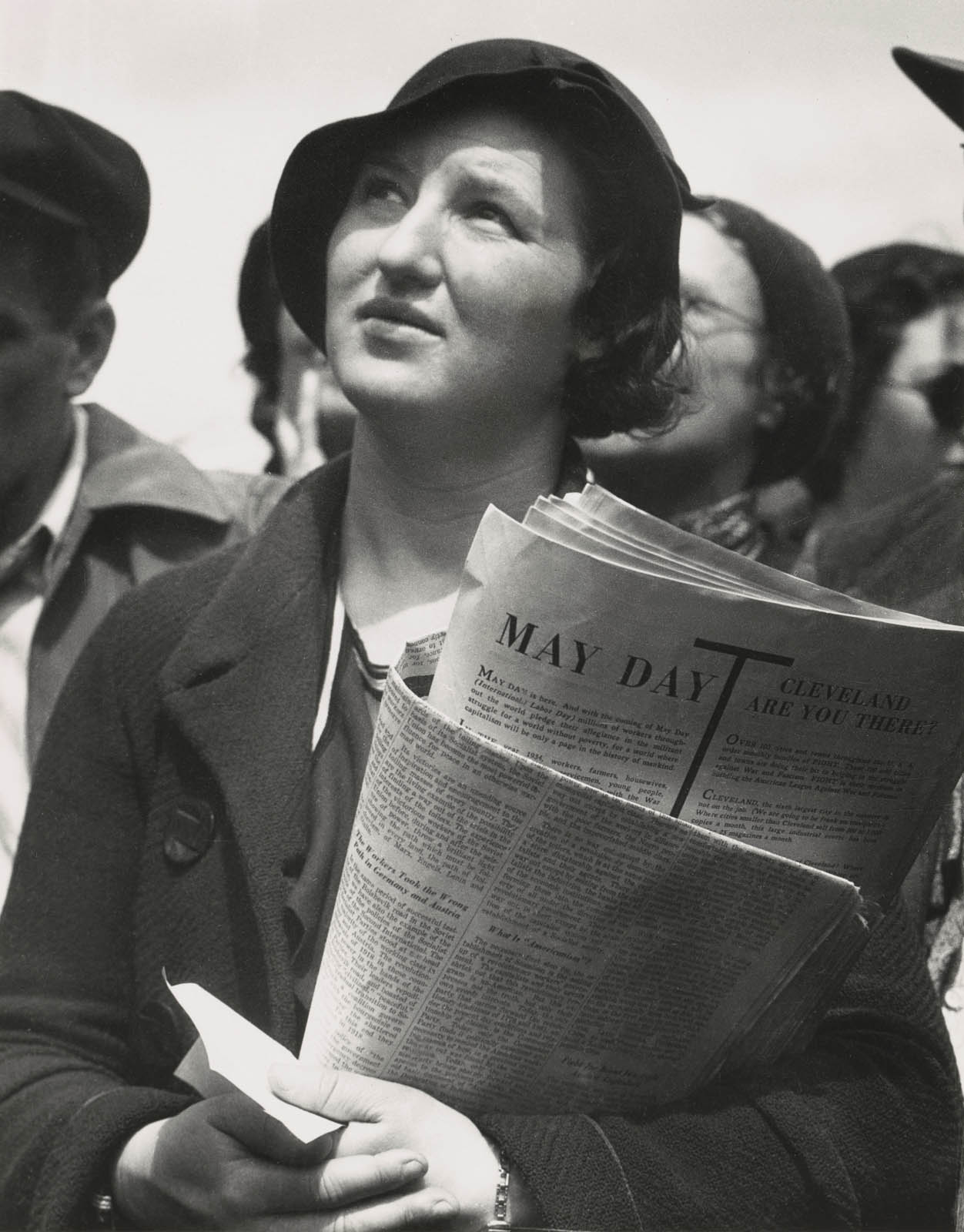
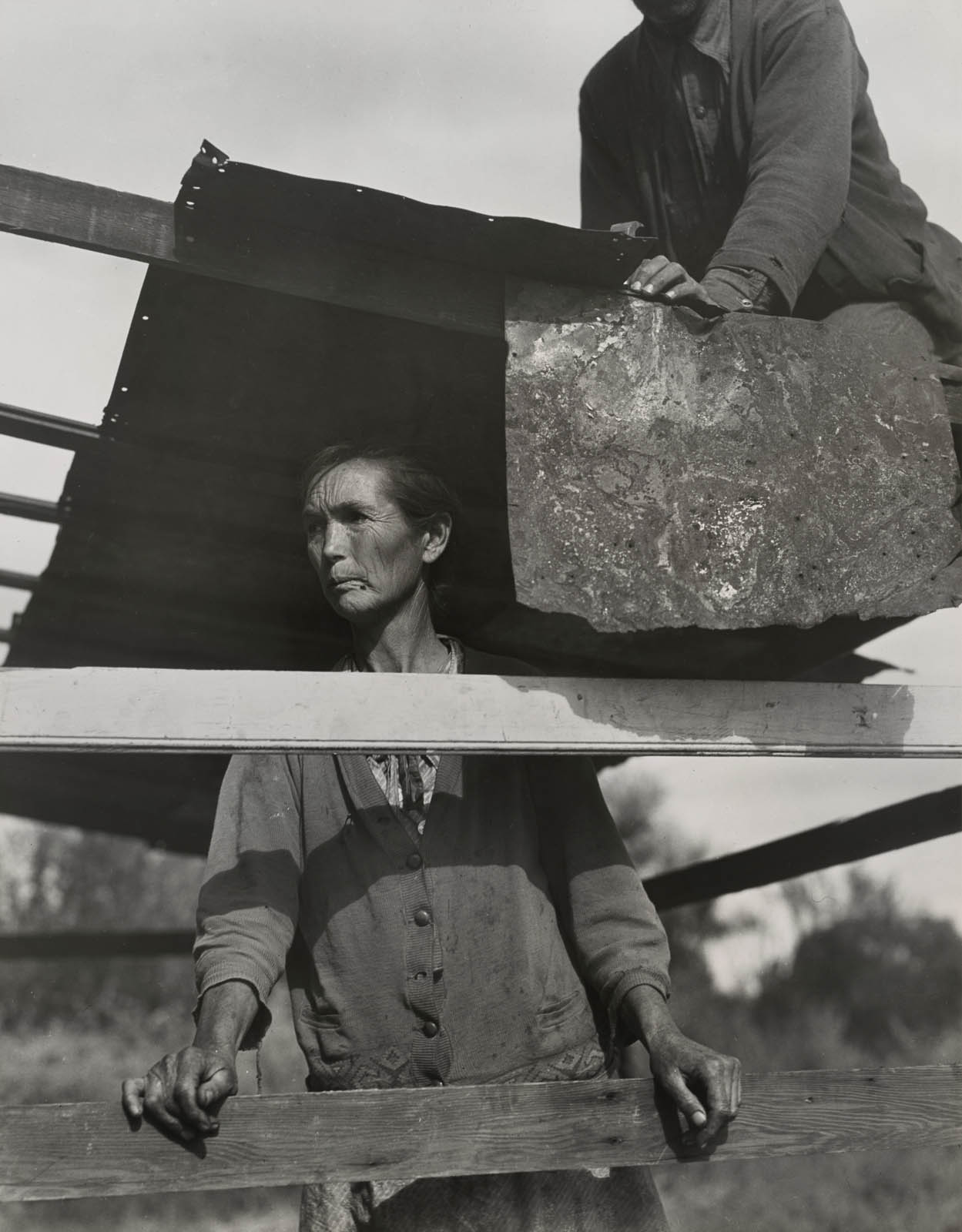


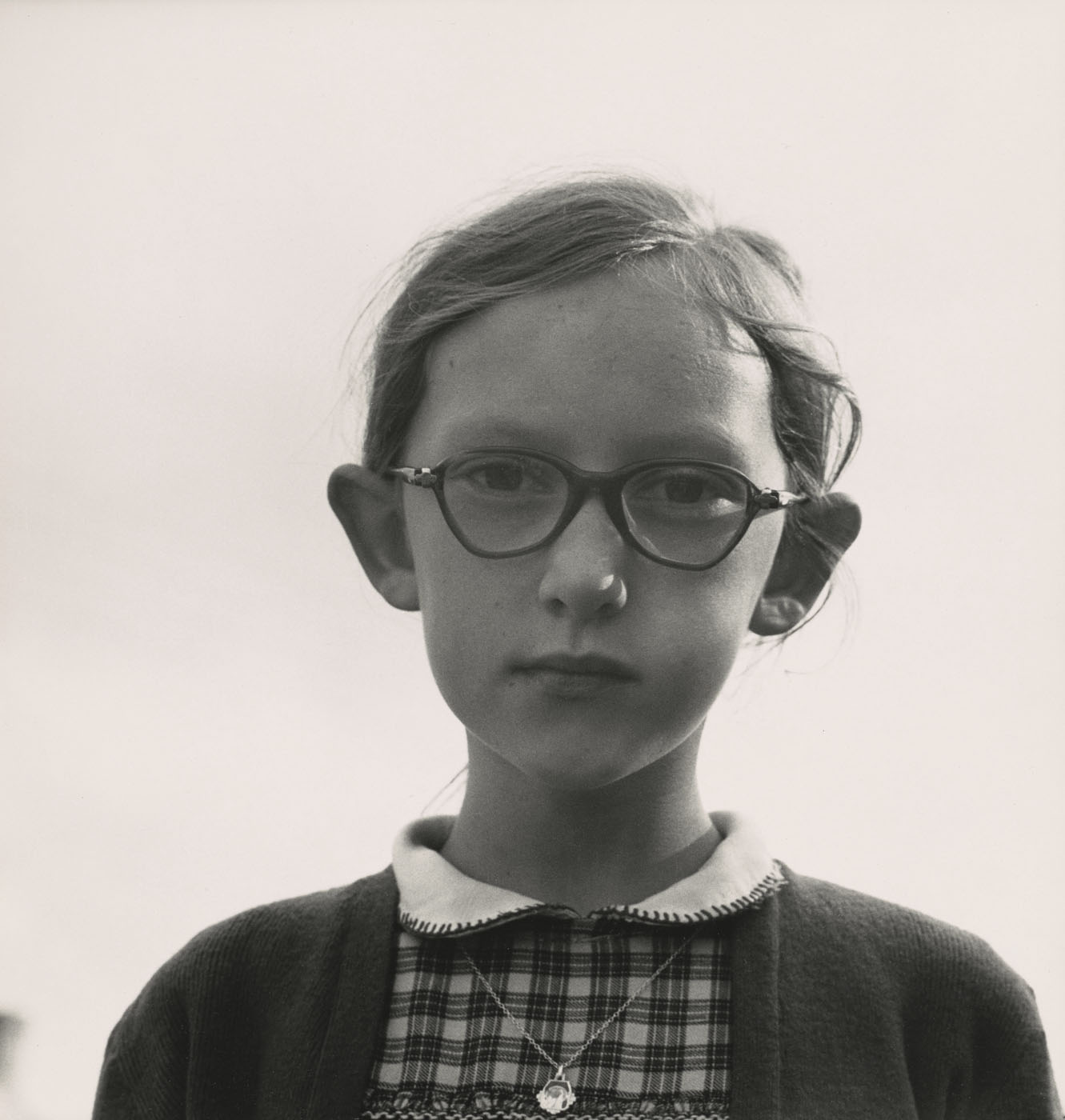


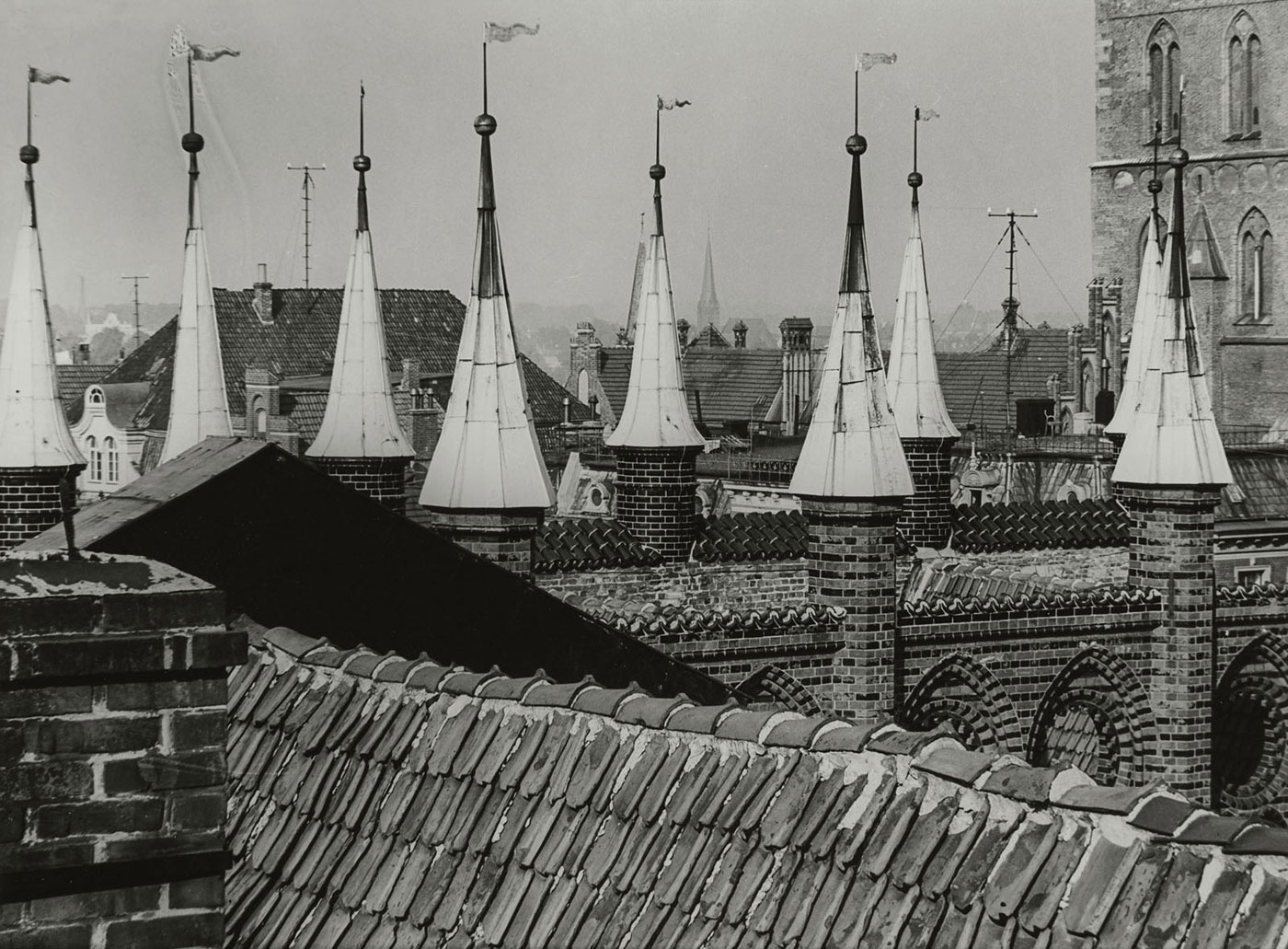


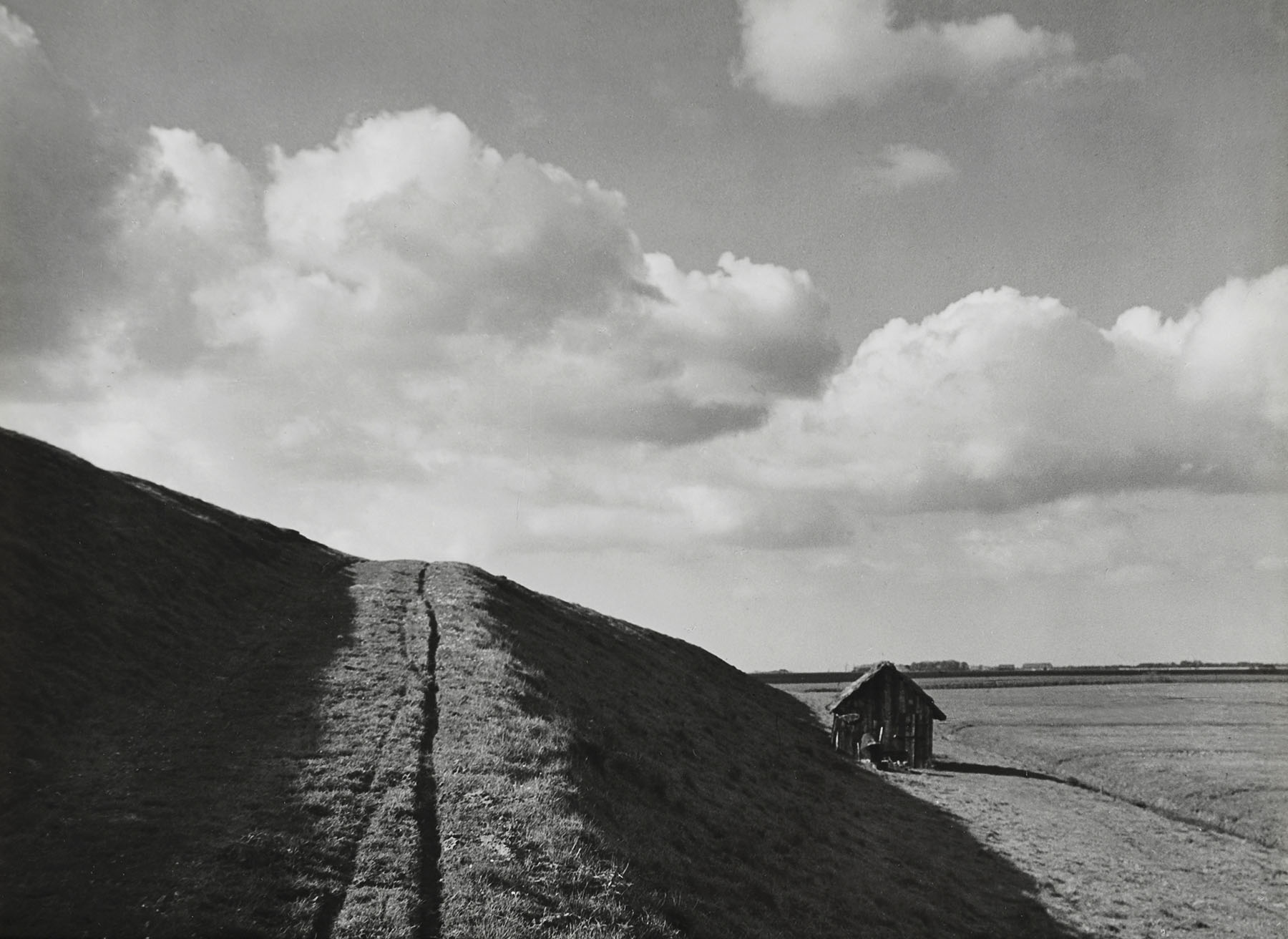

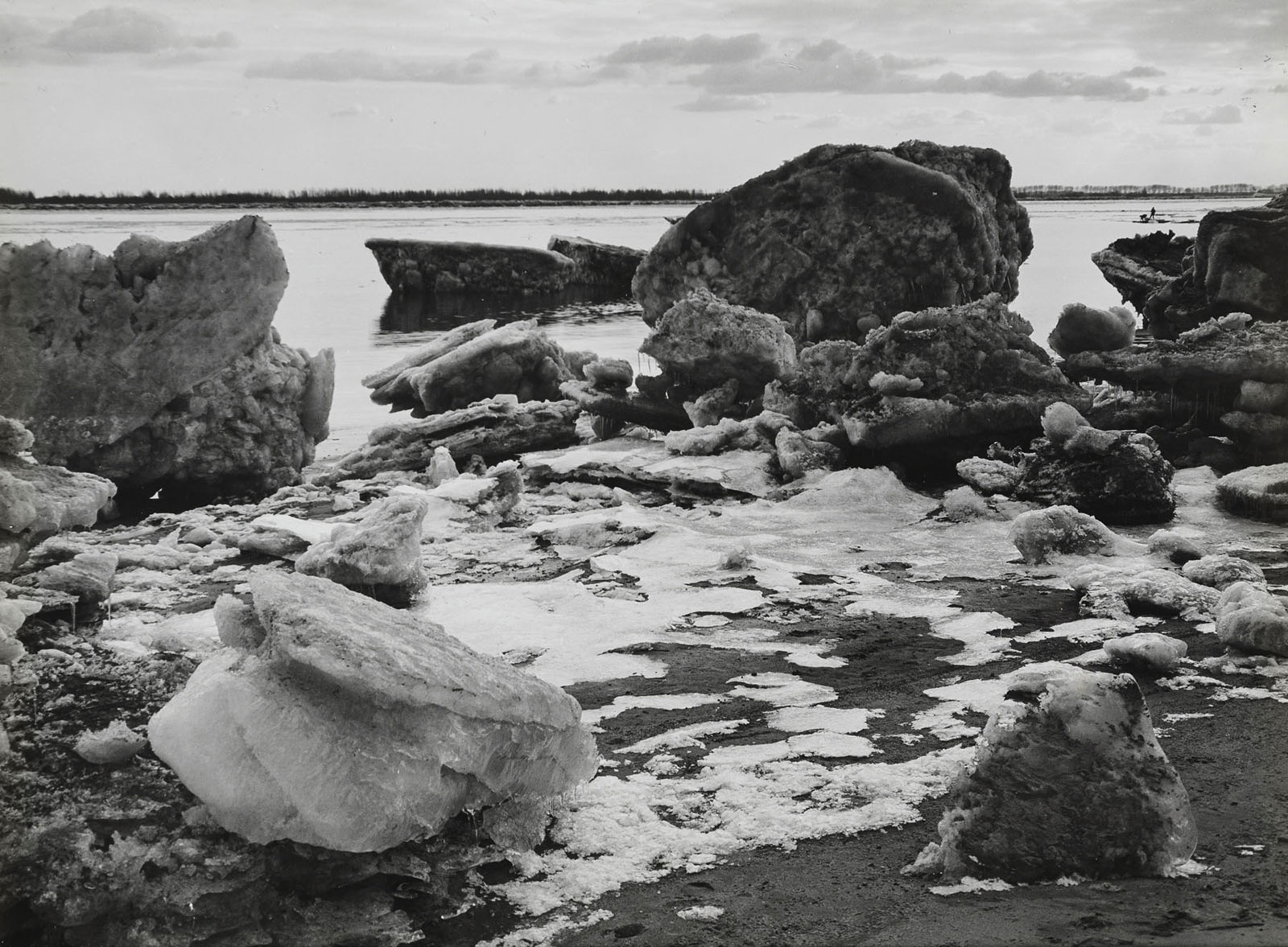
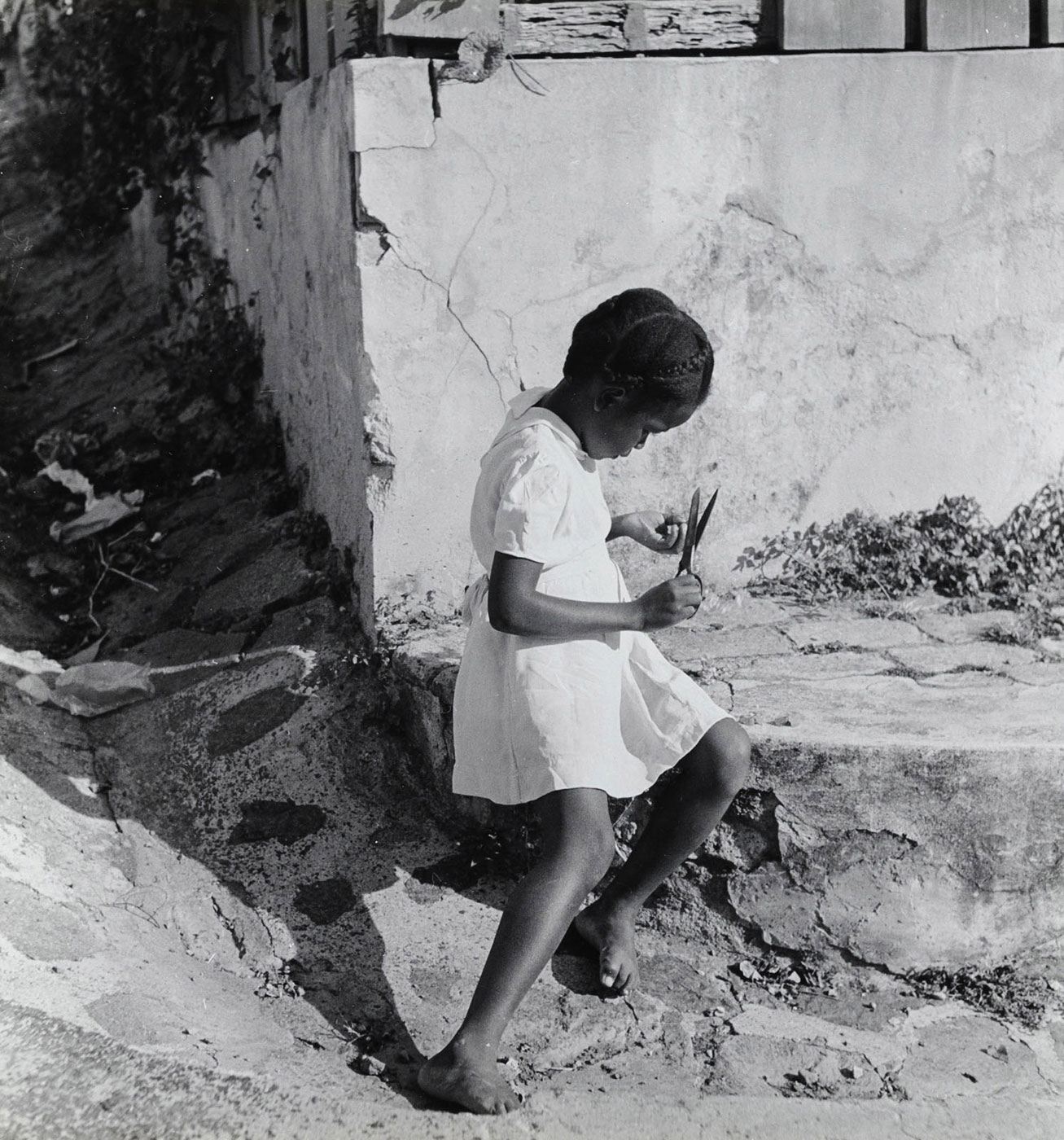


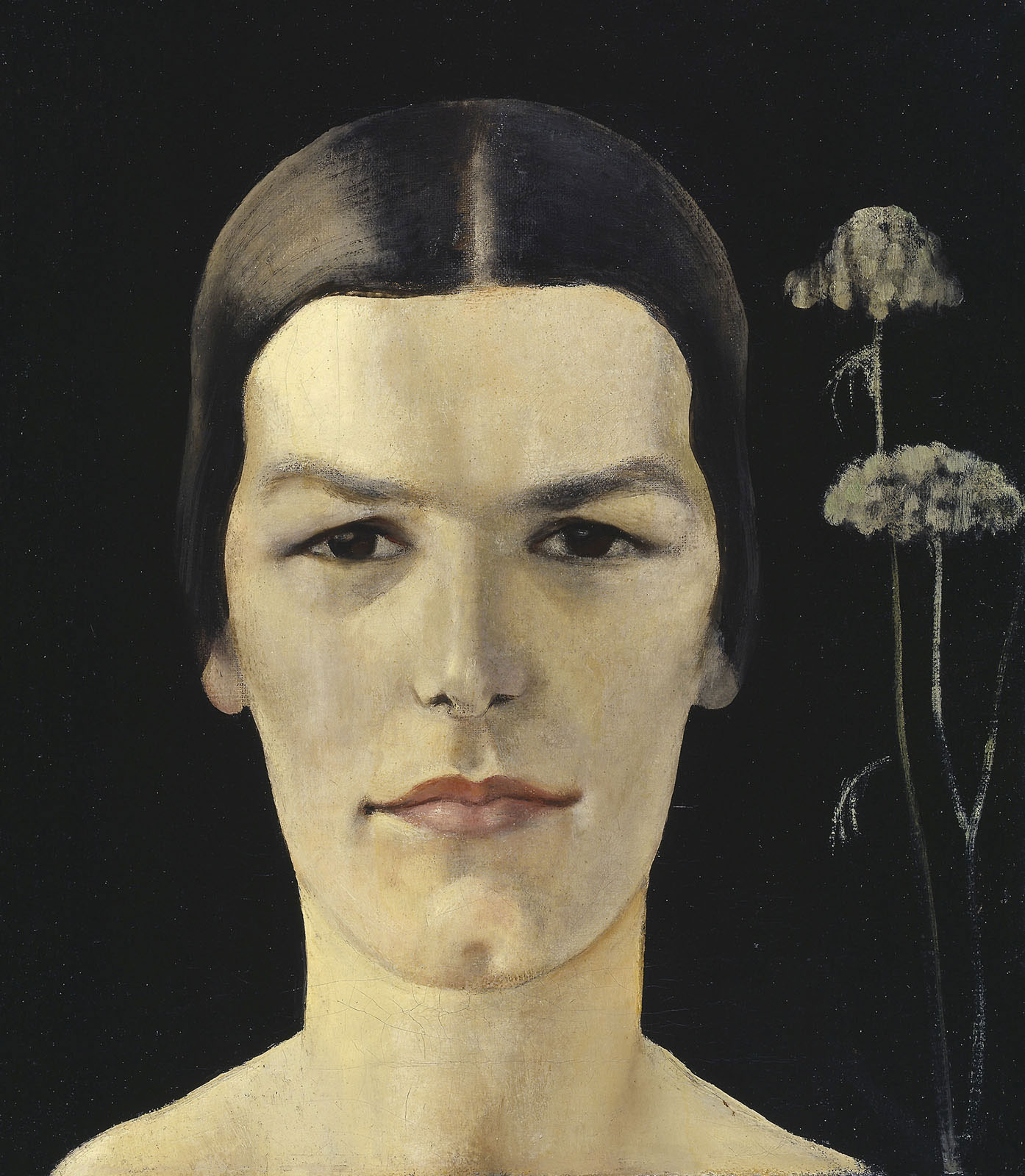


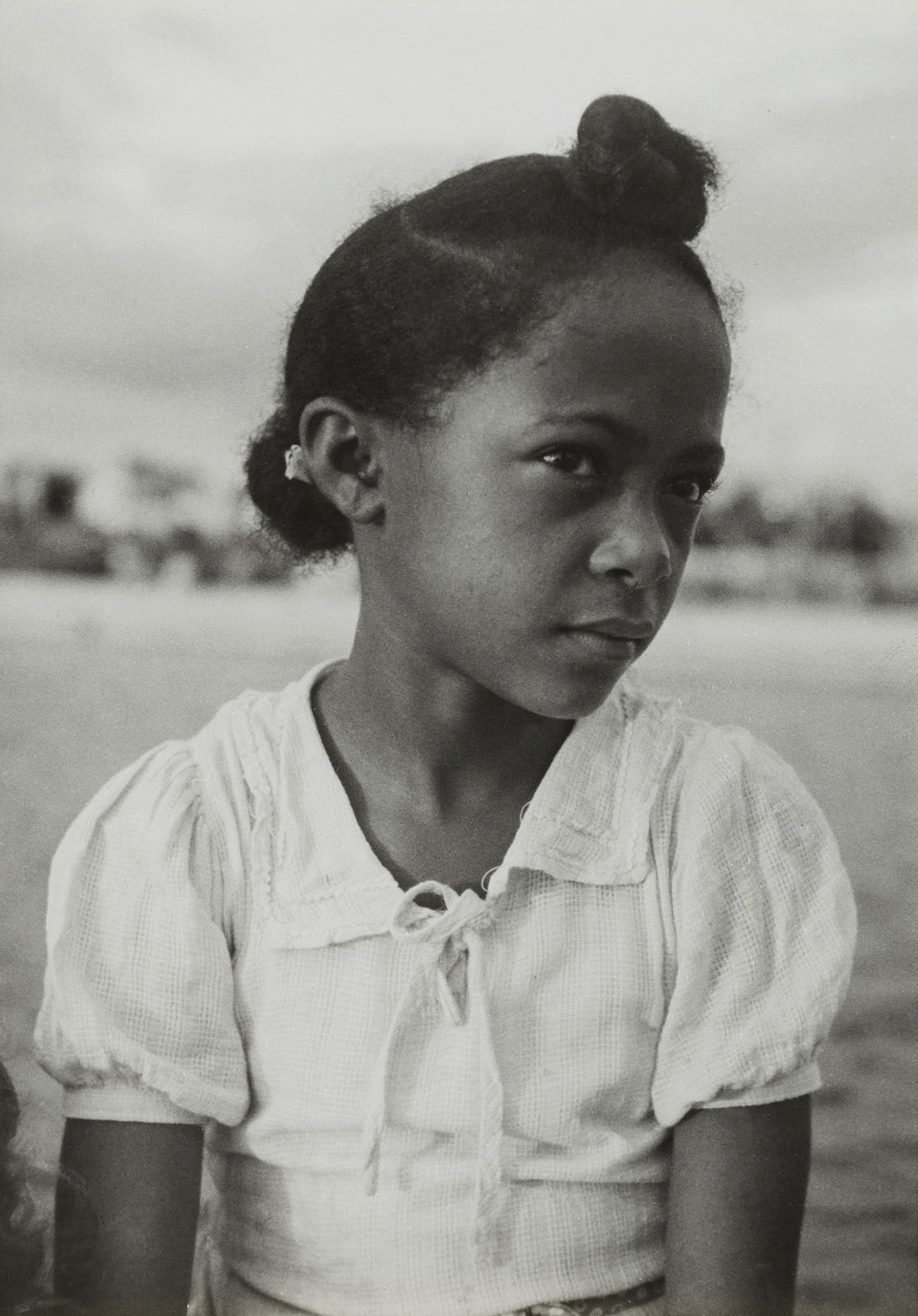


![Jakob Tuggener (Swiss, 1904-1988) 'Autoritratto, Zurigo [Self-portrait, Zurich]' 1927 from the exhibition Exhibition: 'Jakob Tuggener – Machine time' at Fotostiftung Schweiz, Winterthur, Zurich, Oct 2017 - Jan 2018](https://artblart.com/wp-content/uploads/2018/01/jakob-tuggener-autoritratto-zurigo-1927-web.jpg "Jakob Tuggener (Swiss, 1904-1988) 'Autoritratto, Zurigo [Self-portrait, Zurich]' 1927 from the exhibition Exhibition: 'Jakob Tuggener – Machine time' at Fotostiftung Schweiz, Winterthur, Zurich, Oct 2017 - Jan 2018")

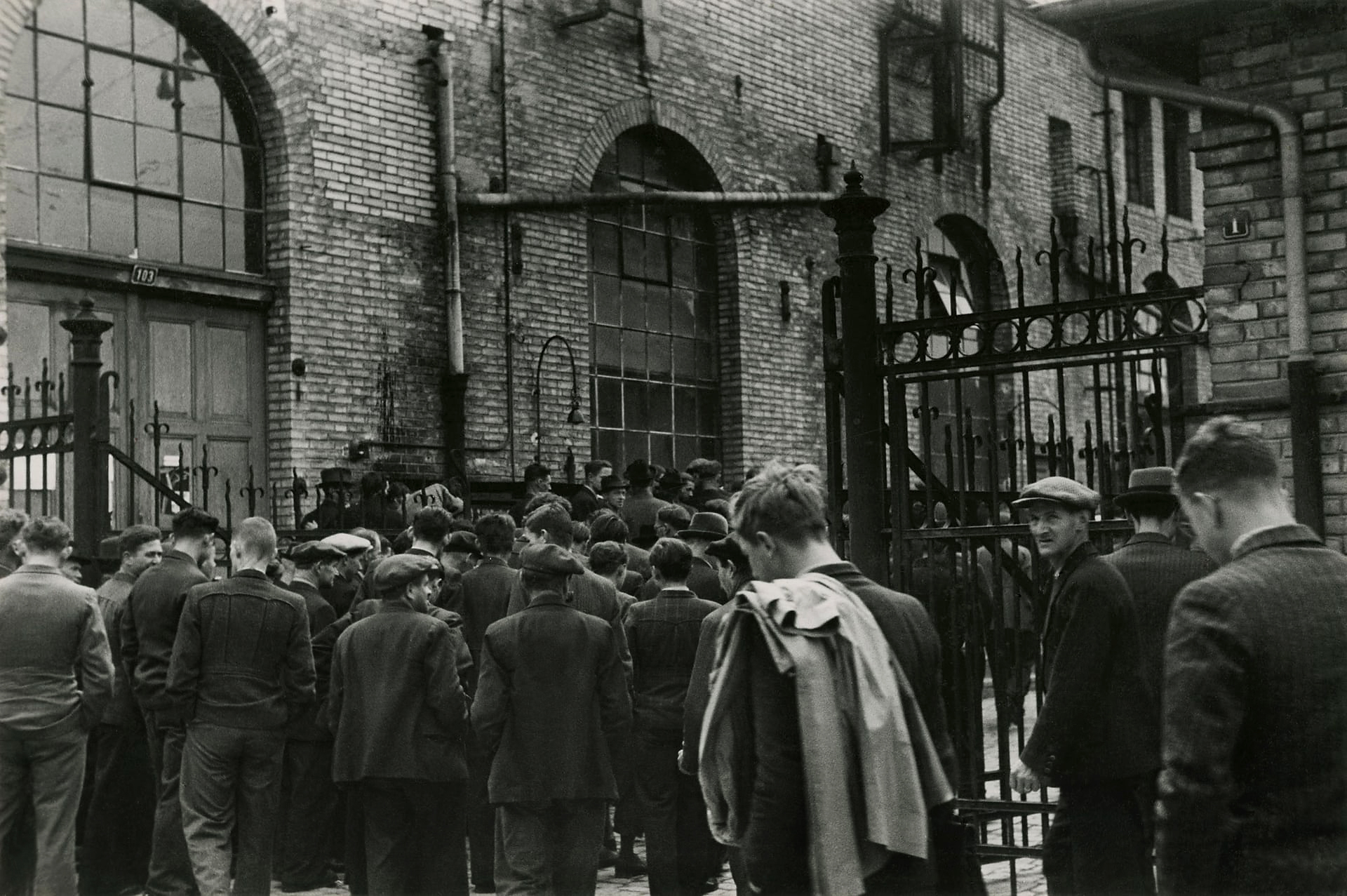


![Jakob Tuggener (Swiss, 1904-1988) 'Nell'ufficio della fonderia, fabbrica di costruzioni meccaniche Oerlikon' [In the foundry office, Oerlikon mechanical engineering factory] 1937](https://artblart.com/wp-content/uploads/2018/01/jakob-tuggener-nellufficio-della-fonderia-web.jpg "Jakob Tuggener (Swiss, 1904-1988) 'Nell'ufficio della fonderia, fabbrica di costruzioni meccaniche Oerlikon' [In the foundry office, Oerlikon mechanical engineering factory] 1937")

![Jakob Tuggener (Swiss, 1904-1988) 'Navy Cut, Ateliers de construction mécanique Oerlikon (MFO)' [Navy Cut, Machine Shops Oerlikon (MFO)] 1940](https://artblart.com/wp-content/uploads/2018/01/tuggener-navy-cut-web.jpg "Jakob Tuggener (Swiss, 1904-1988) 'Navy Cut, Ateliers de construction mécanique Oerlikon (MFO)' [Navy Cut, Machine Shops Oerlikon (MFO)] 1940")


![Jakob Tuggener (Swiss, 1904-1988) 'Laboratorio di ricerca, fabbrica di costruzioni meccaniche Oerlikon' [Research laboratory, Oerlikon mechanical engineering factory] 1941](https://artblart.com/wp-content/uploads/2018/01/jakob-tuggener-laboratorio-di-ricerca-web.jpg "Jakob Tuggener (Swiss, 1904-1988) 'Laboratorio di ricerca, fabbrica di costruzioni meccaniche Oerlikon' [Research laboratory, Oerlikon mechanical engineering factory] 1941")




![Jakob Tuggener (Swiss, 1904-1988) 'Forgeron dans une fabrique de wagons de Schlieren' [Blacksmith in a Schlieren wagon factory] 1949](https://artblart.com/wp-content/uploads/2018/01/tuggener-forgeron-dans-une-fabrique-de-wagons-web.jpg "Jakob Tuggener (Swiss, 1904-1988) 'Forgeron dans une fabrique de wagons de Schlieren' [Blacksmith in a Schlieren wagon factory] 1949")








![Jakob Tuggener (Swiss, 1904-1988) 'Ballo ungherese, Grand Hotel Dolder, Zurigo, 1935' [Hungarian dance, Grand Hotel Dolder, Zurich, 1935] 1935](https://artblart.com/wp-content/uploads/2018/01/tuggener-ballo-ungherese-web.jpg "Jakob Tuggener (Swiss, 1904-1988) 'Ballo ungherese, Grand Hotel Dolder, Zurigo, 1935' [Hungarian dance, Grand Hotel Dolder, Zurich, 1935] 1935")
![Jakob Tuggener (Swiss, 1904-1988) 'Ballo ungherese, Grand Hotel Dolder, Zurigo, 1935' [Hungarian dance, Grand Hotel Dolder, Zurich, 1935] 1935](https://artblart.com/wp-content/uploads/2018/01/jakob-tuggener-ballo-ungherese-web.jpg "Jakob Tuggener (Swiss, 1904-1988) 'Ballo ungherese, Grand Hotel Dolder, Zurigo, 1935' [Hungarian dance, Grand Hotel Dolder, Zurich, 1935] 1935")


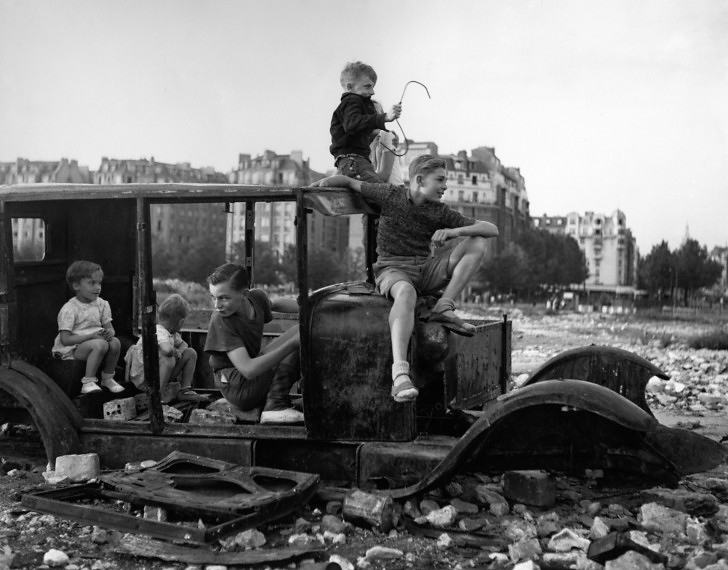

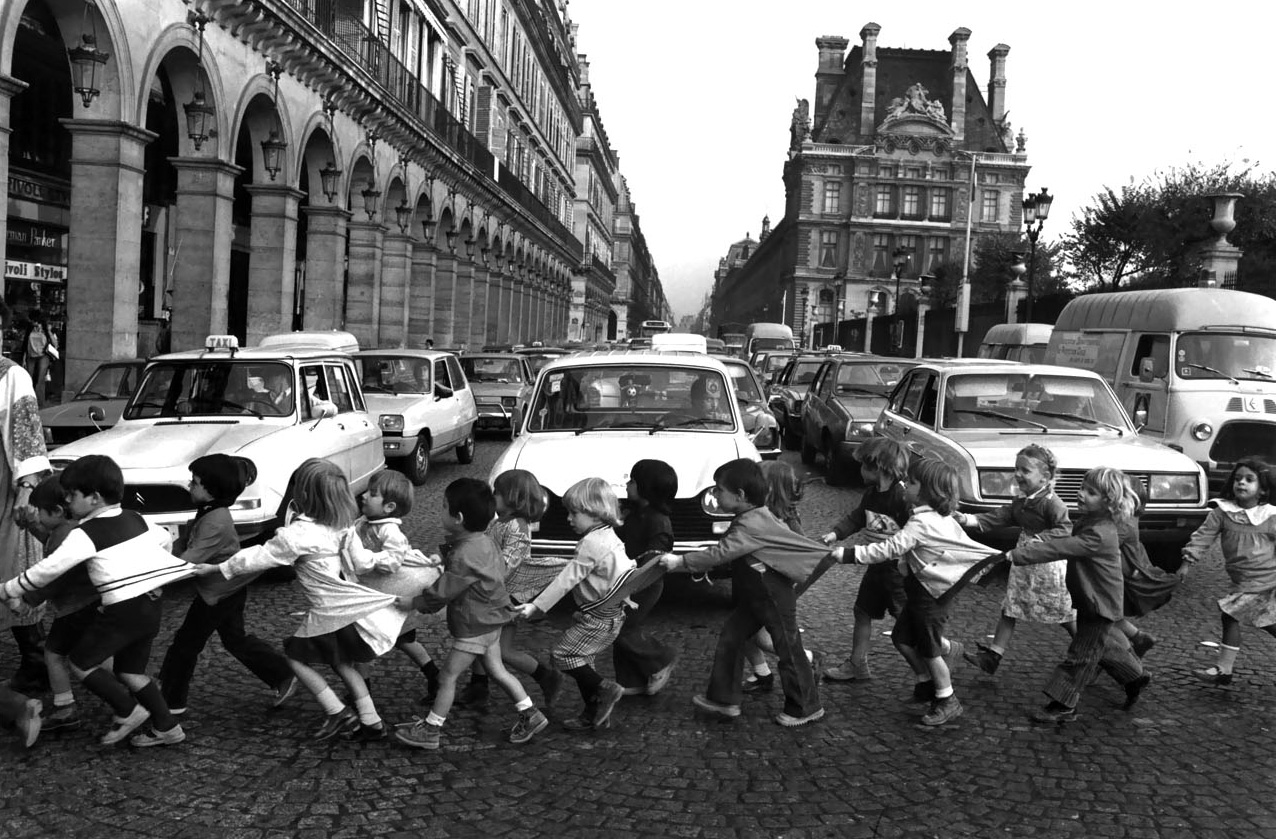


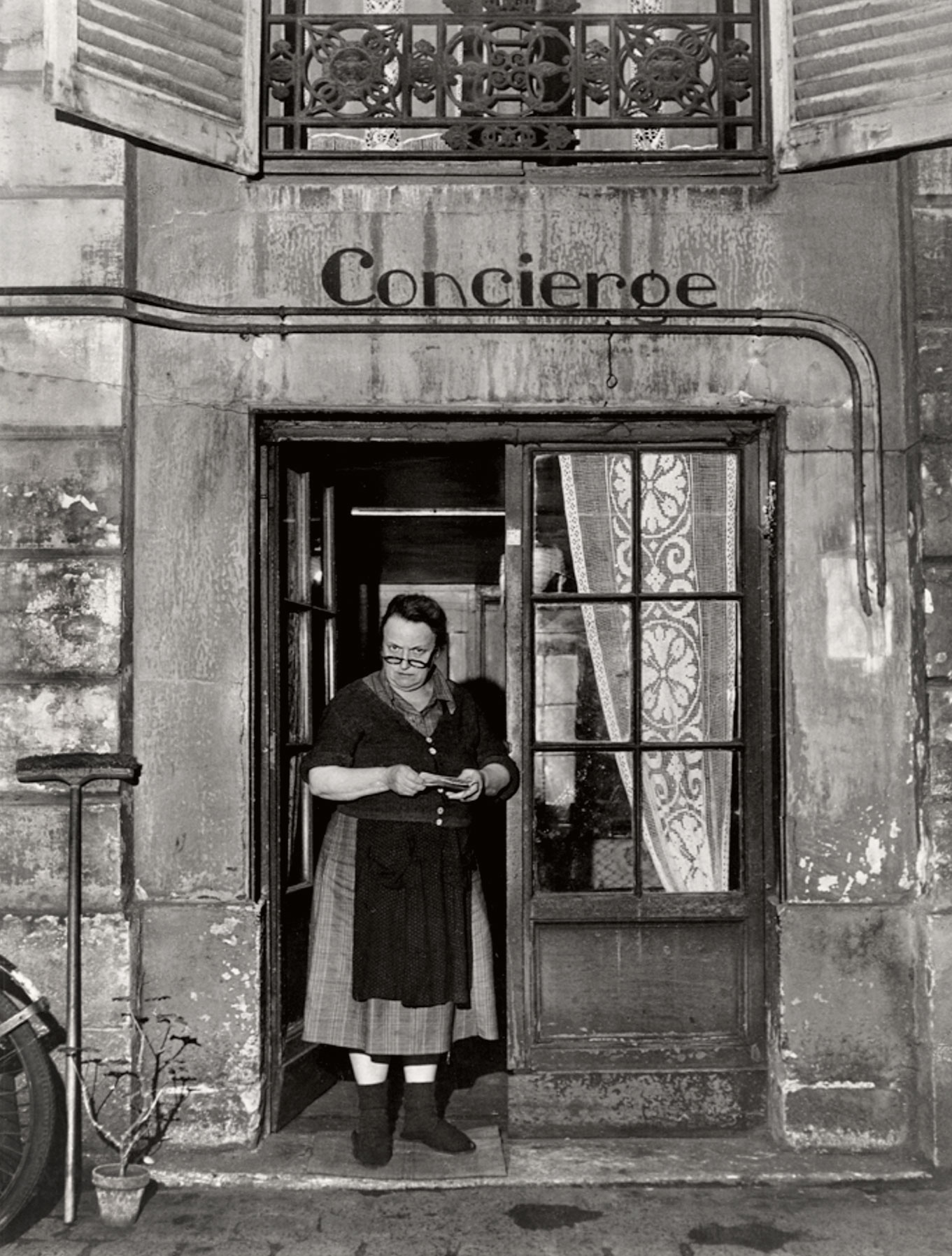
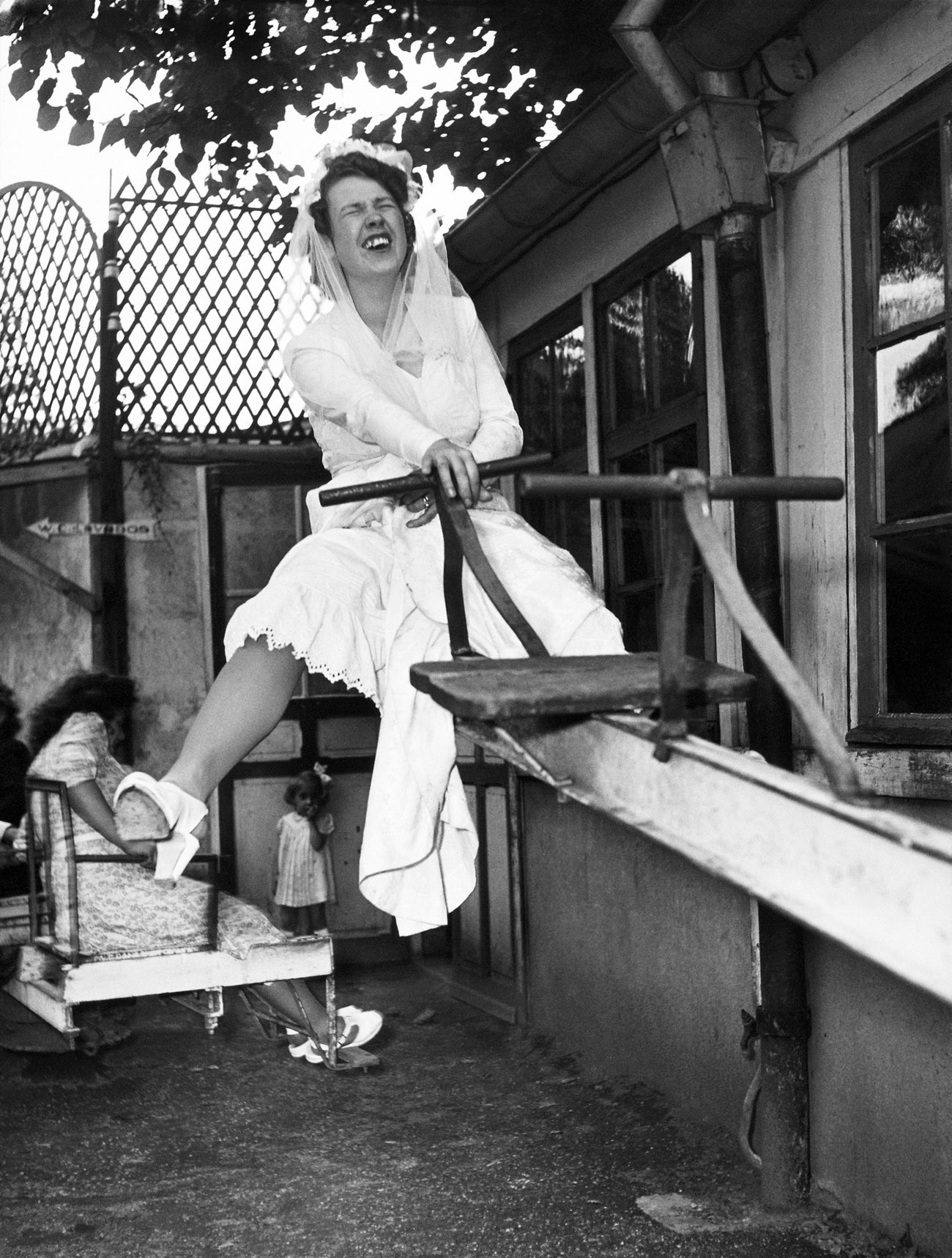
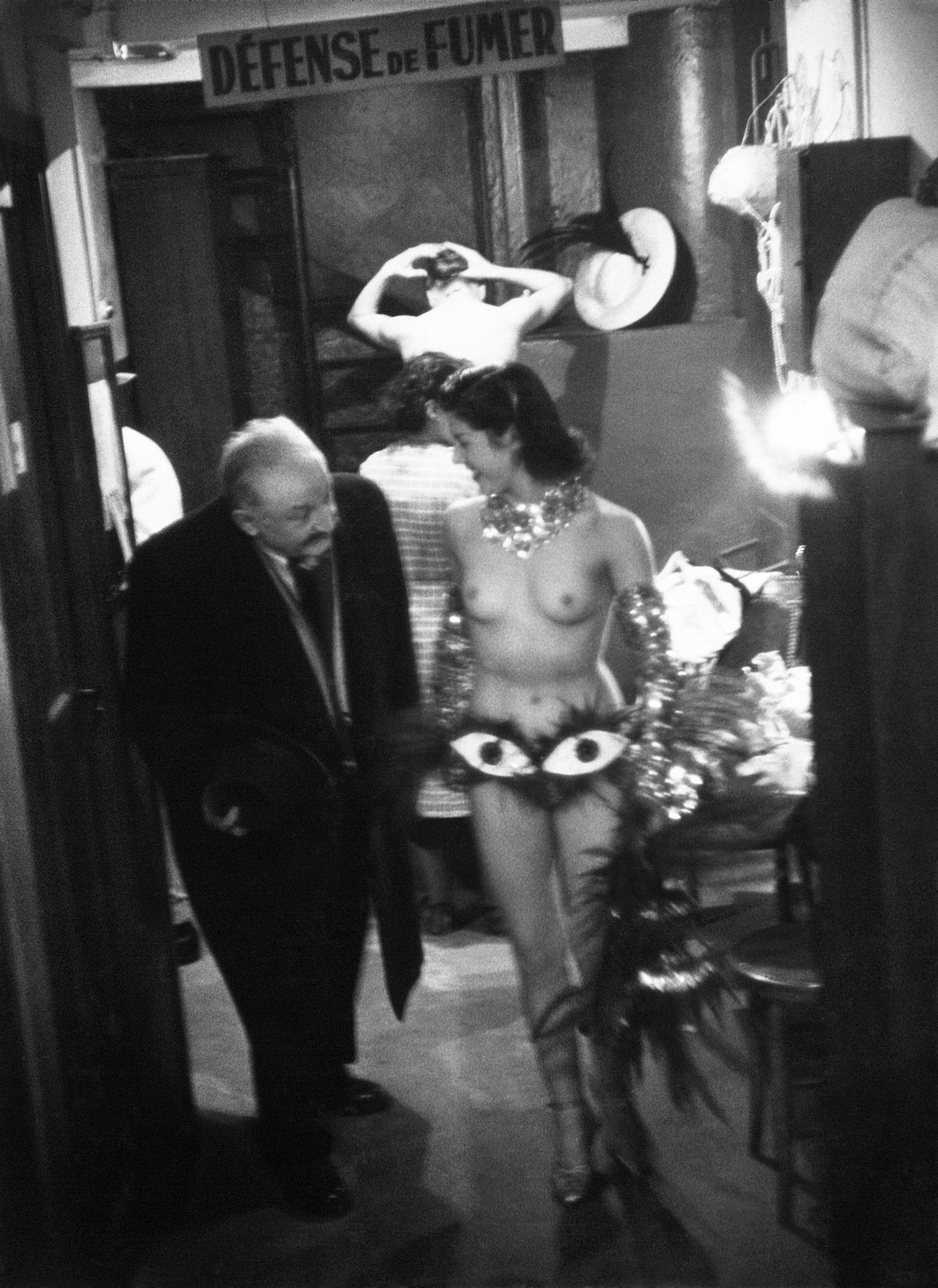


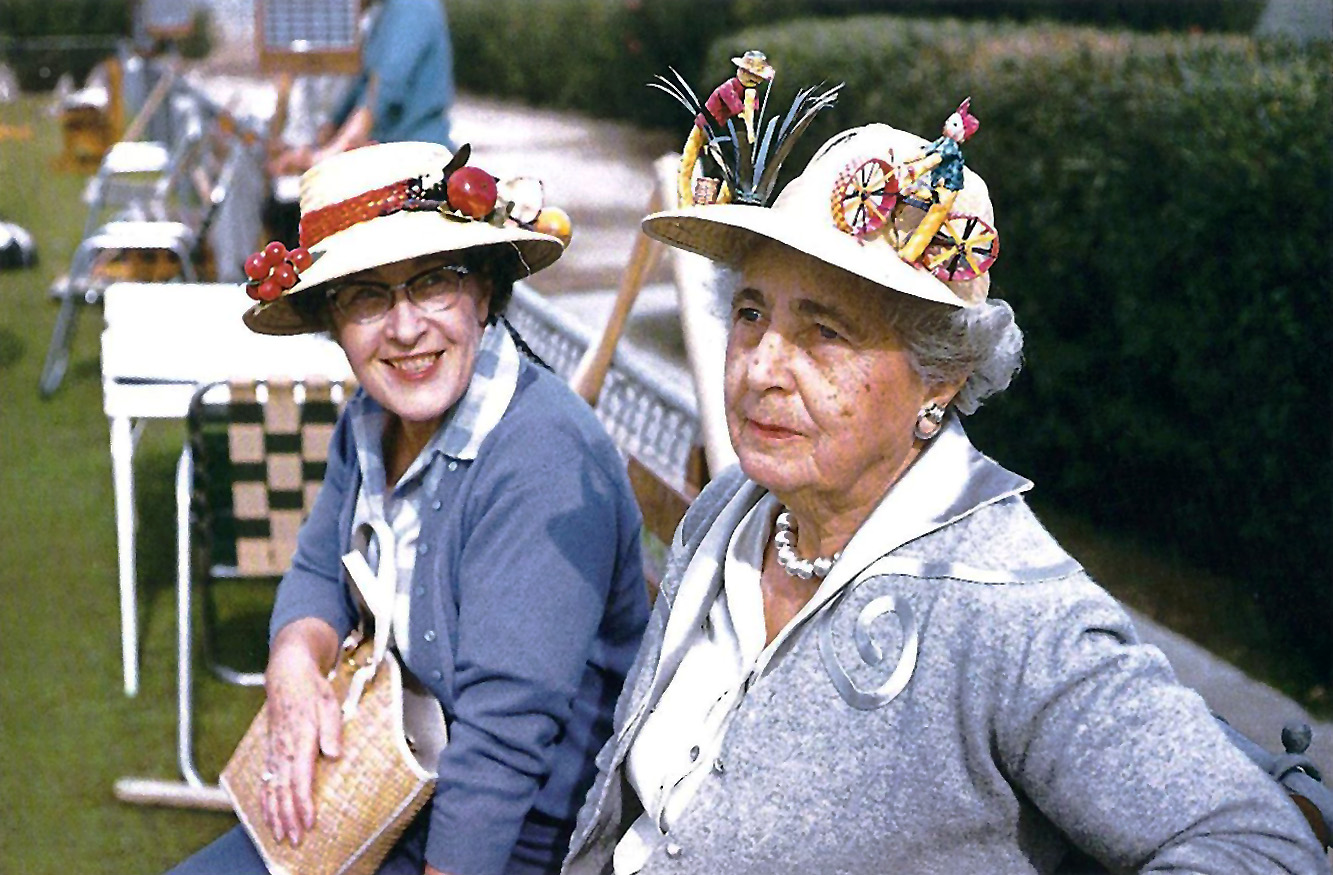



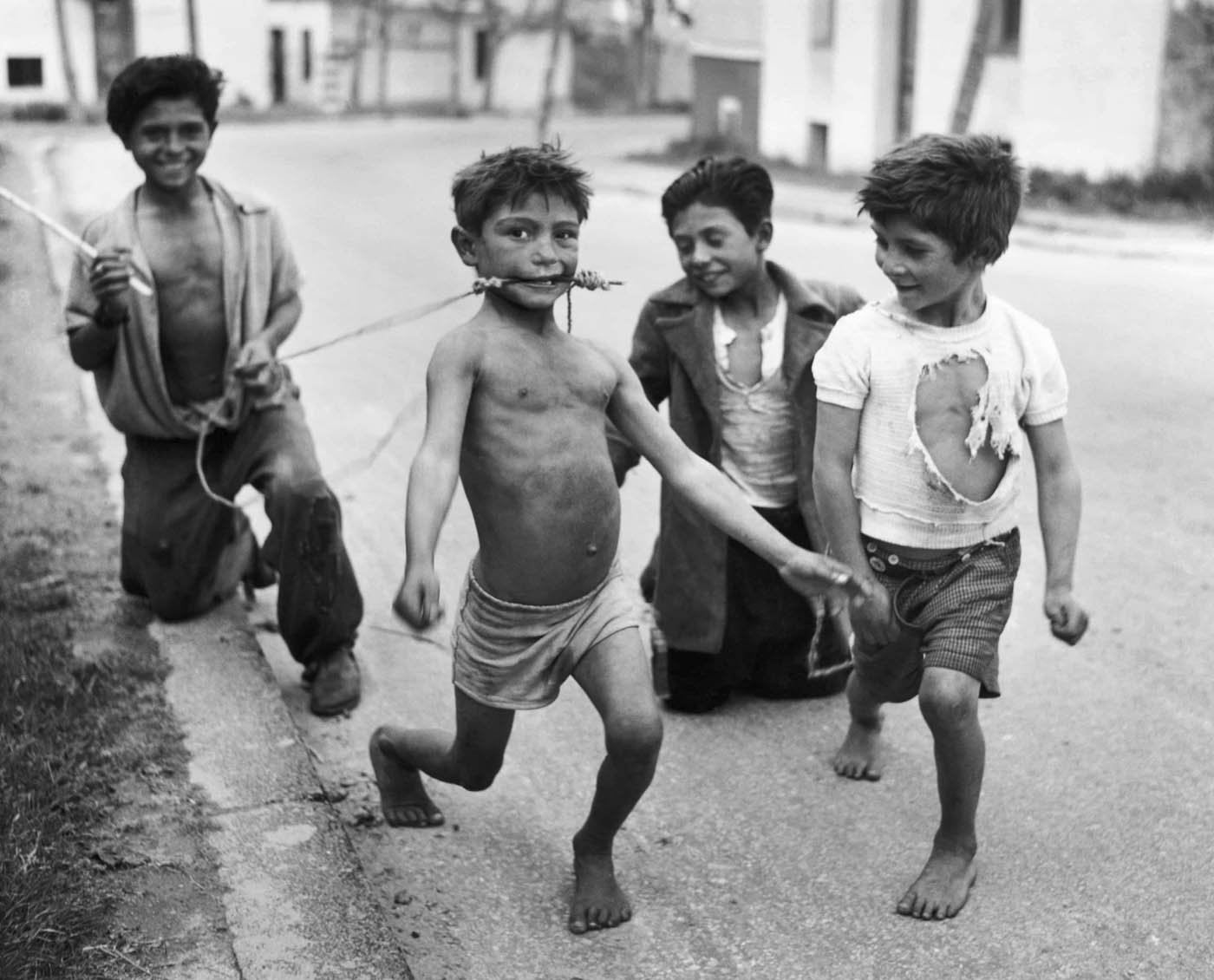
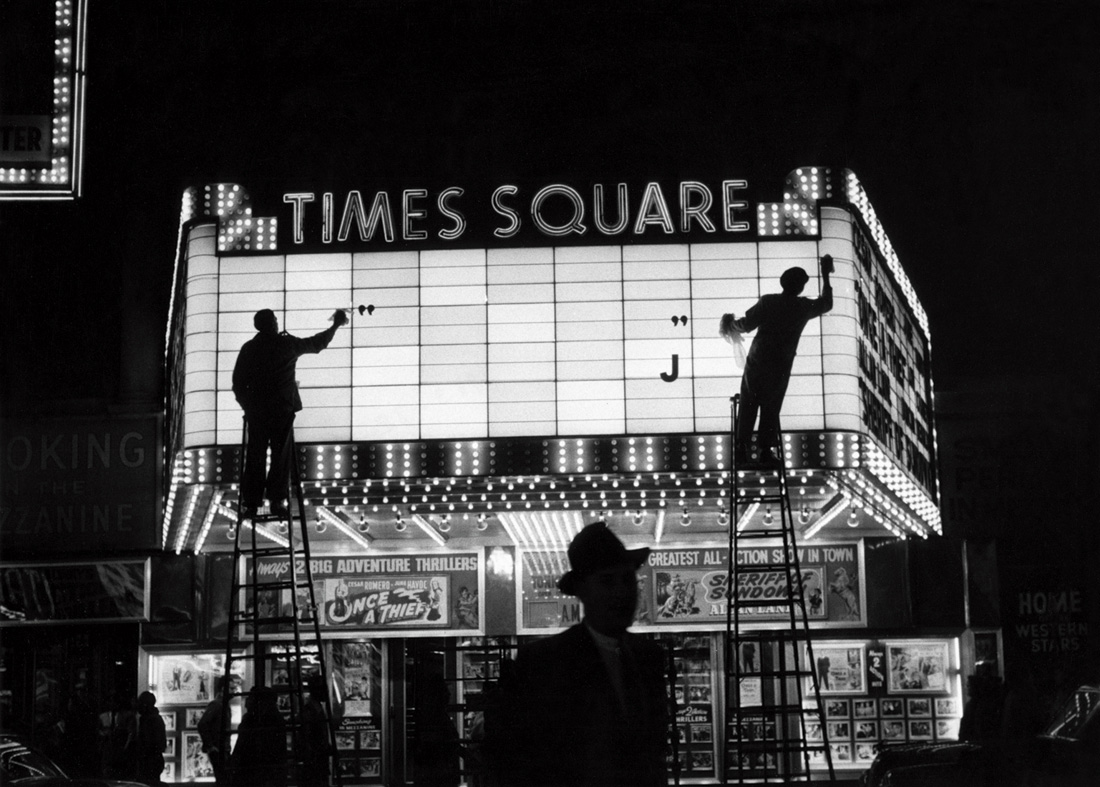


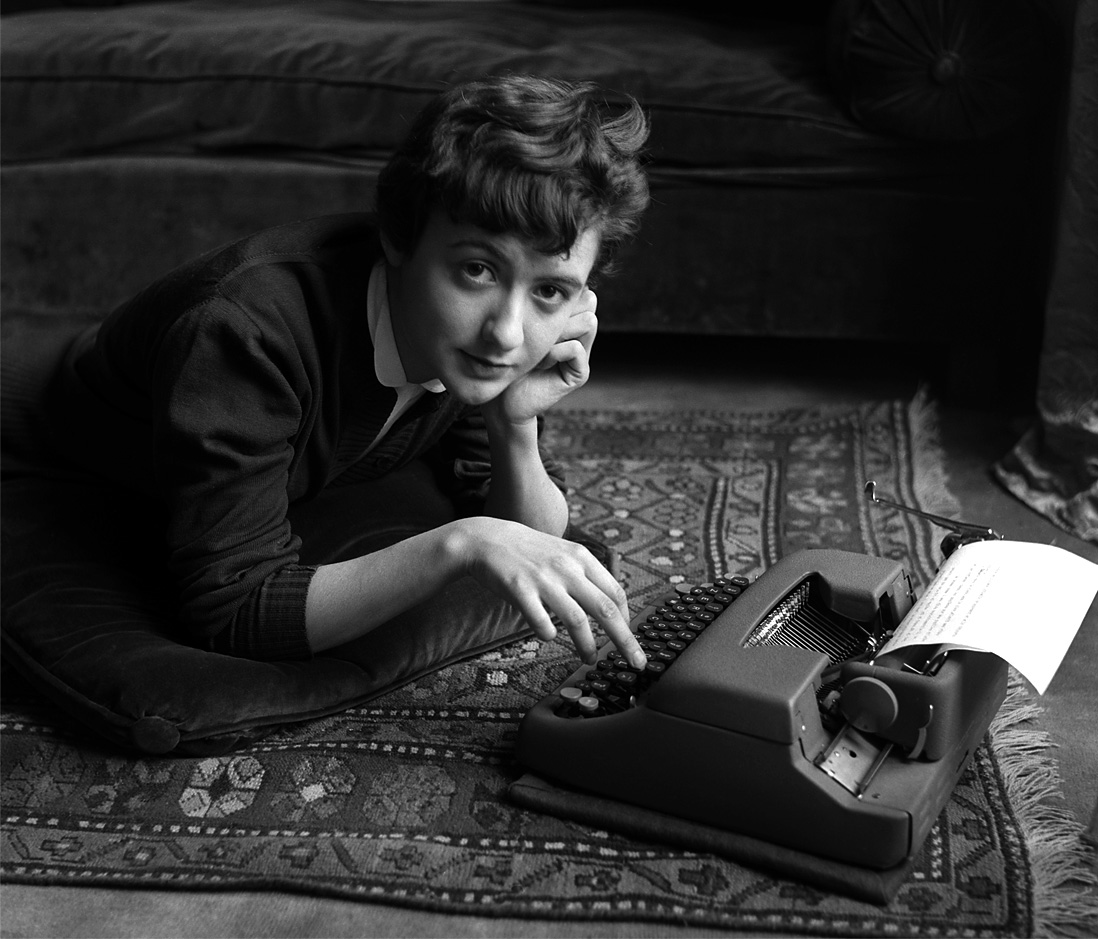


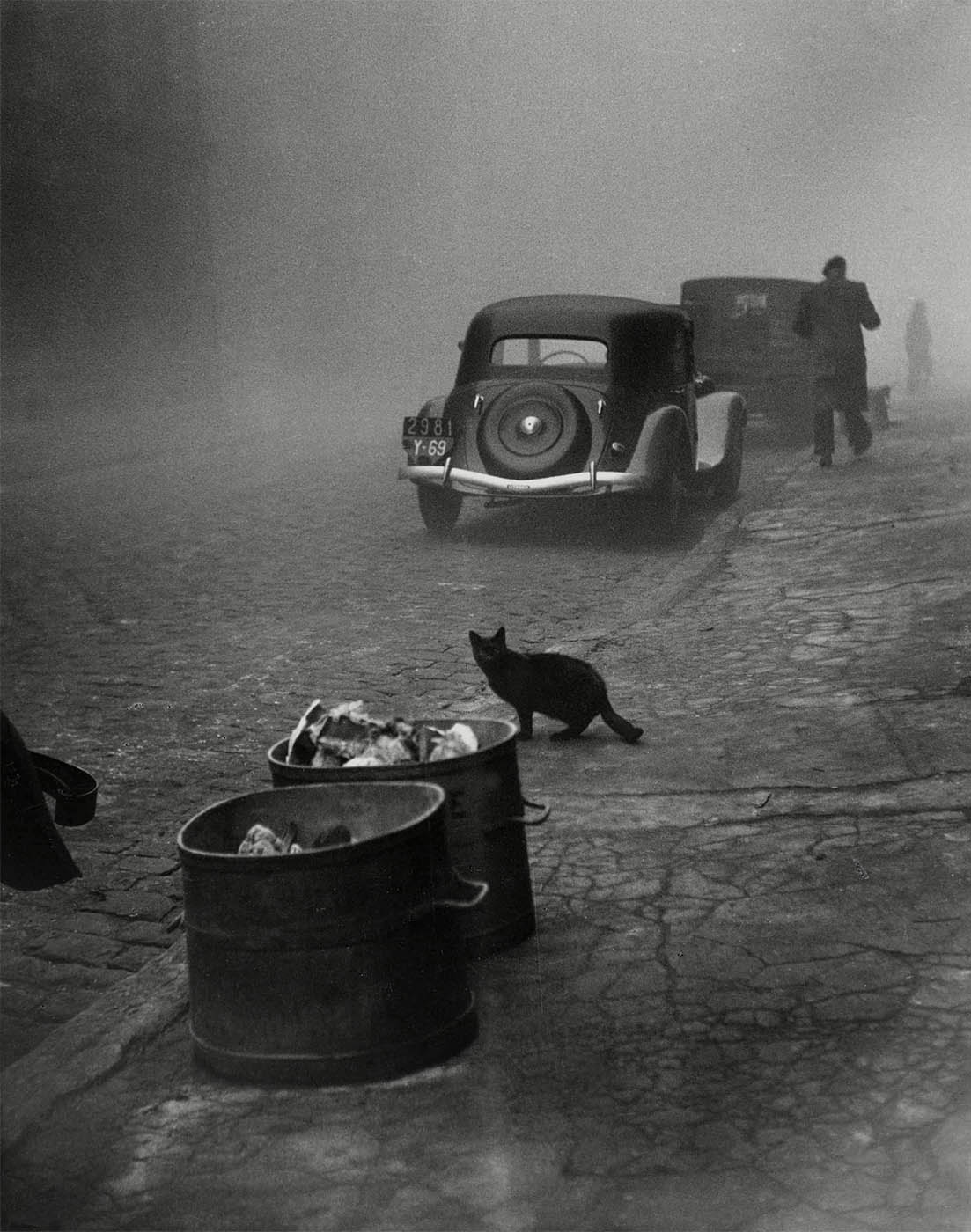
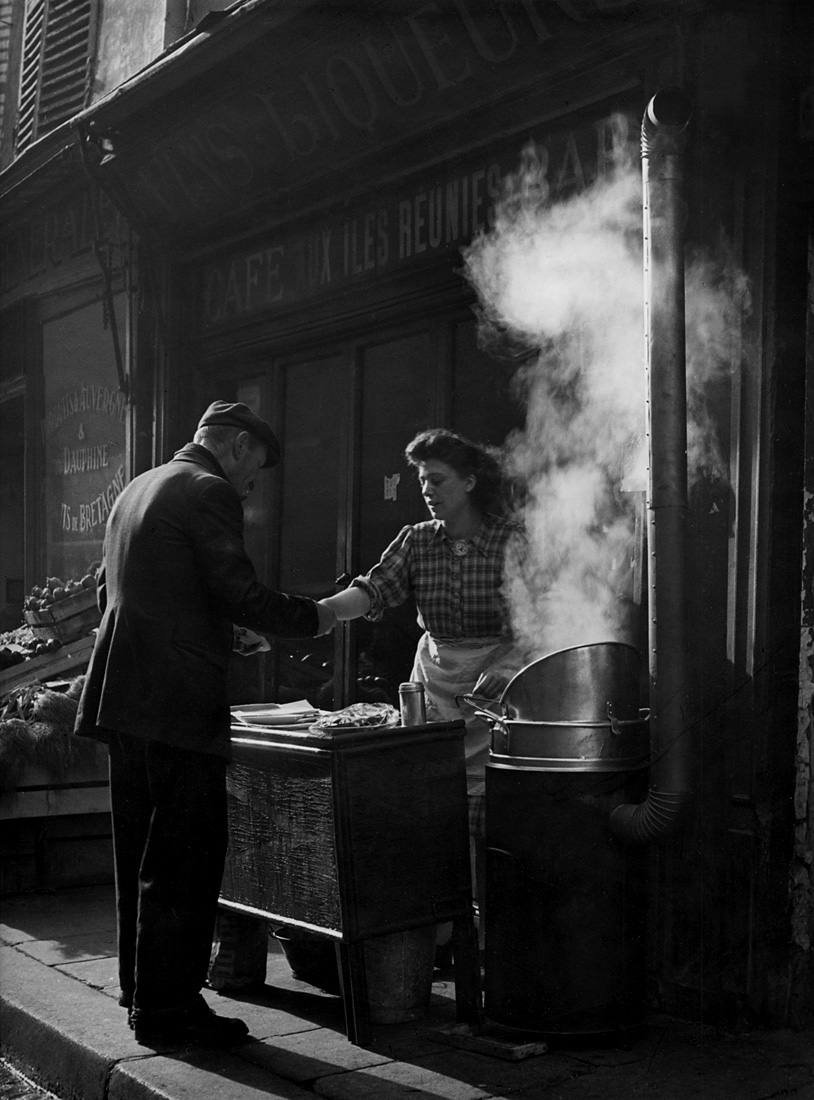
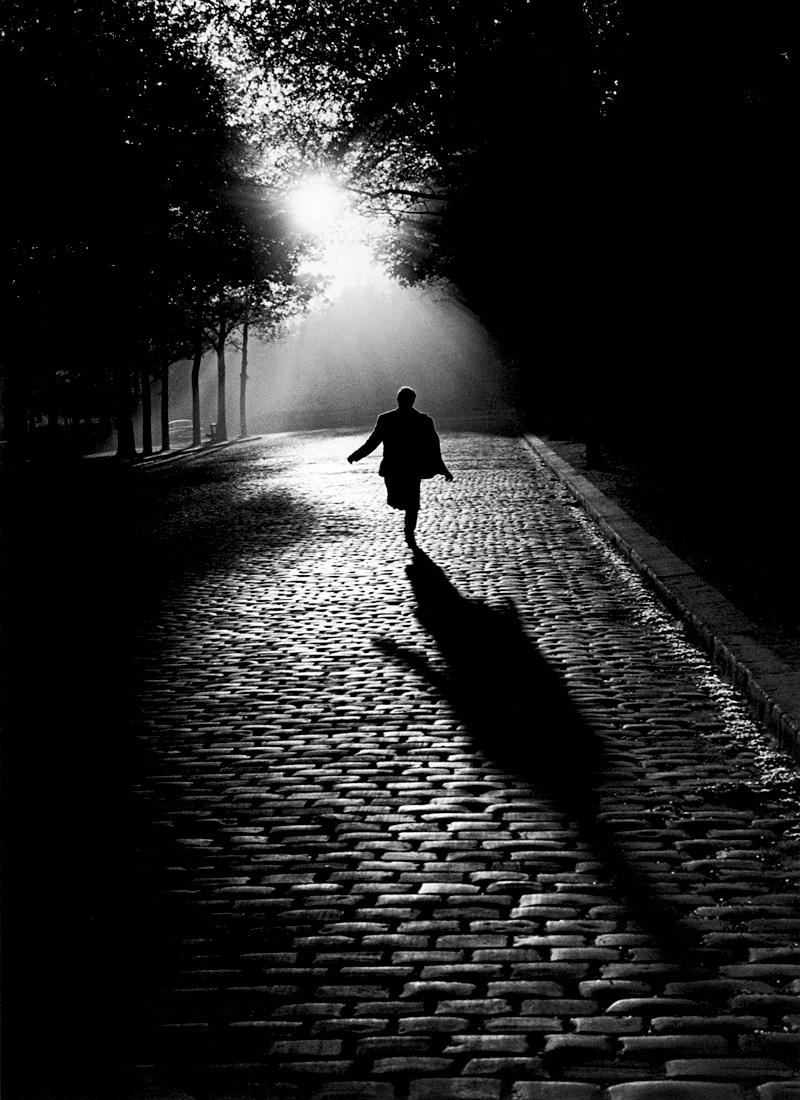
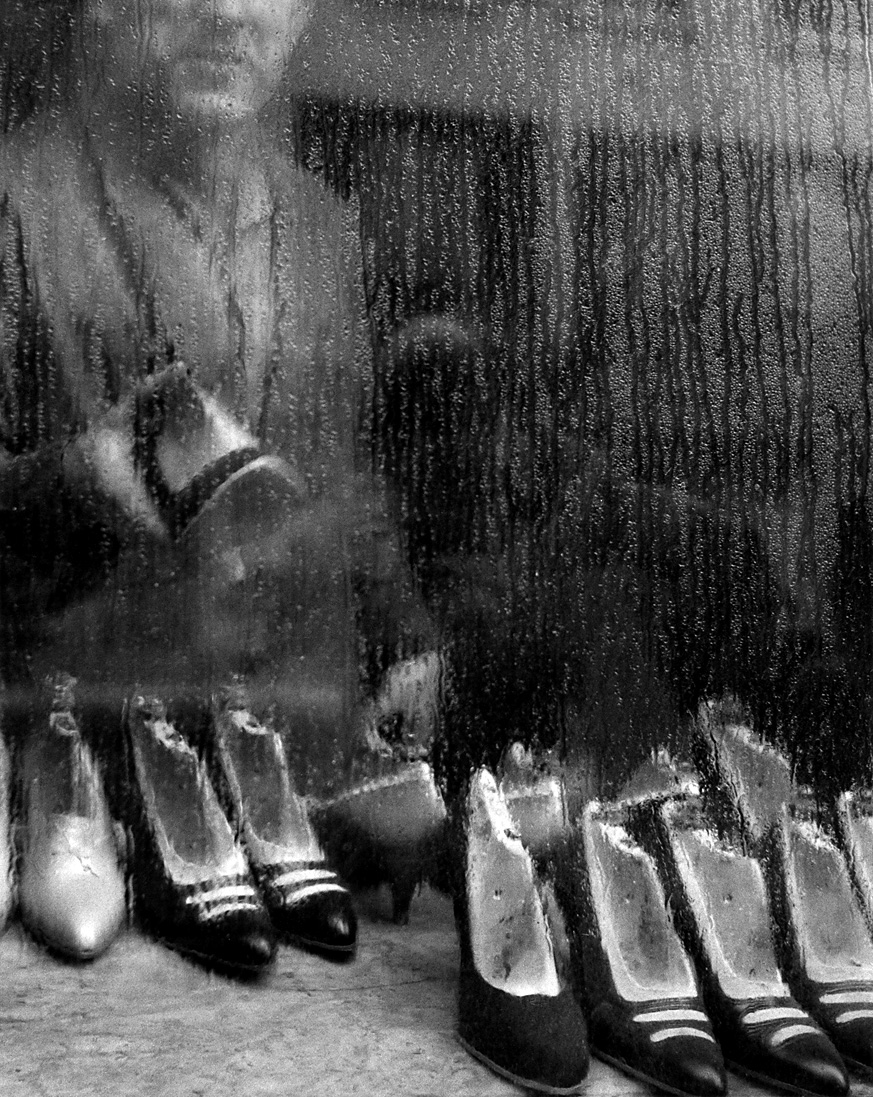
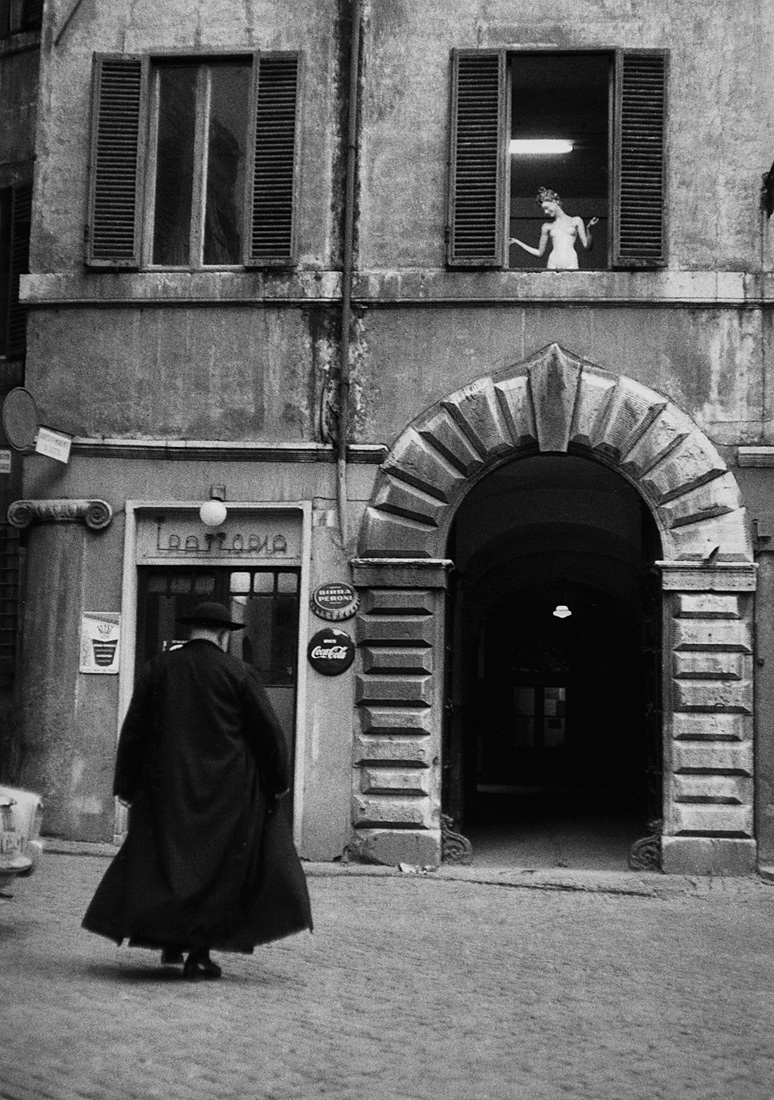
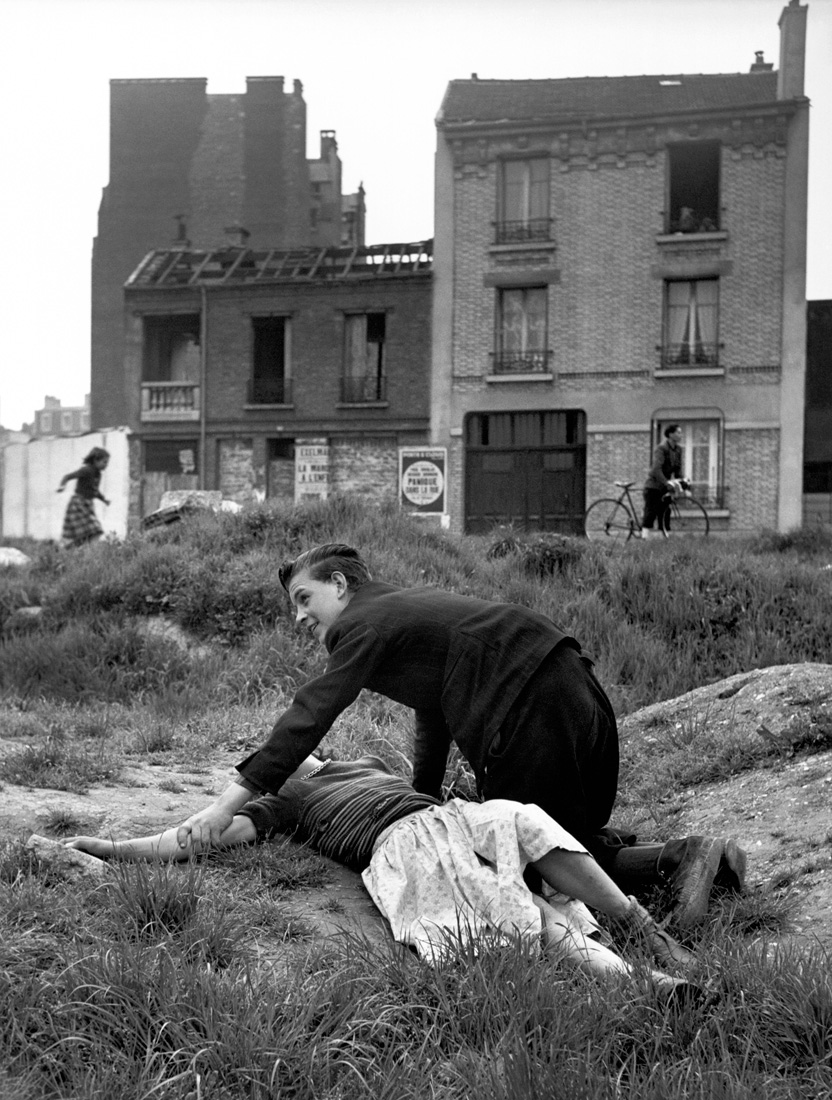
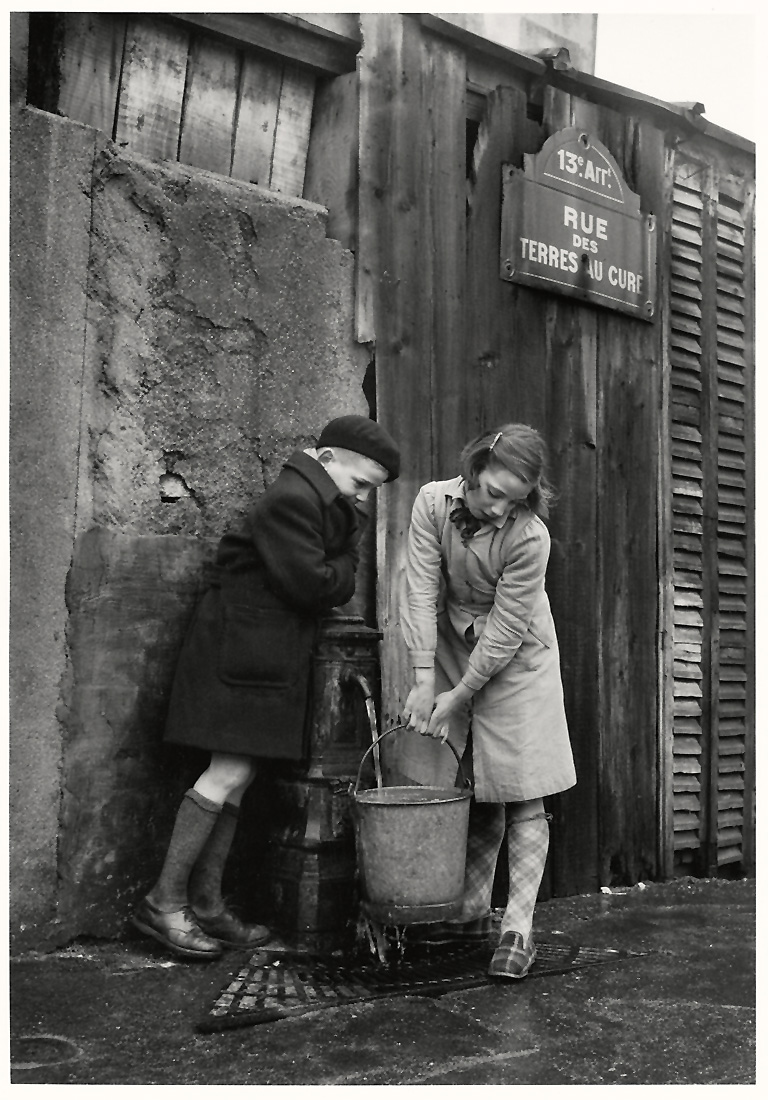
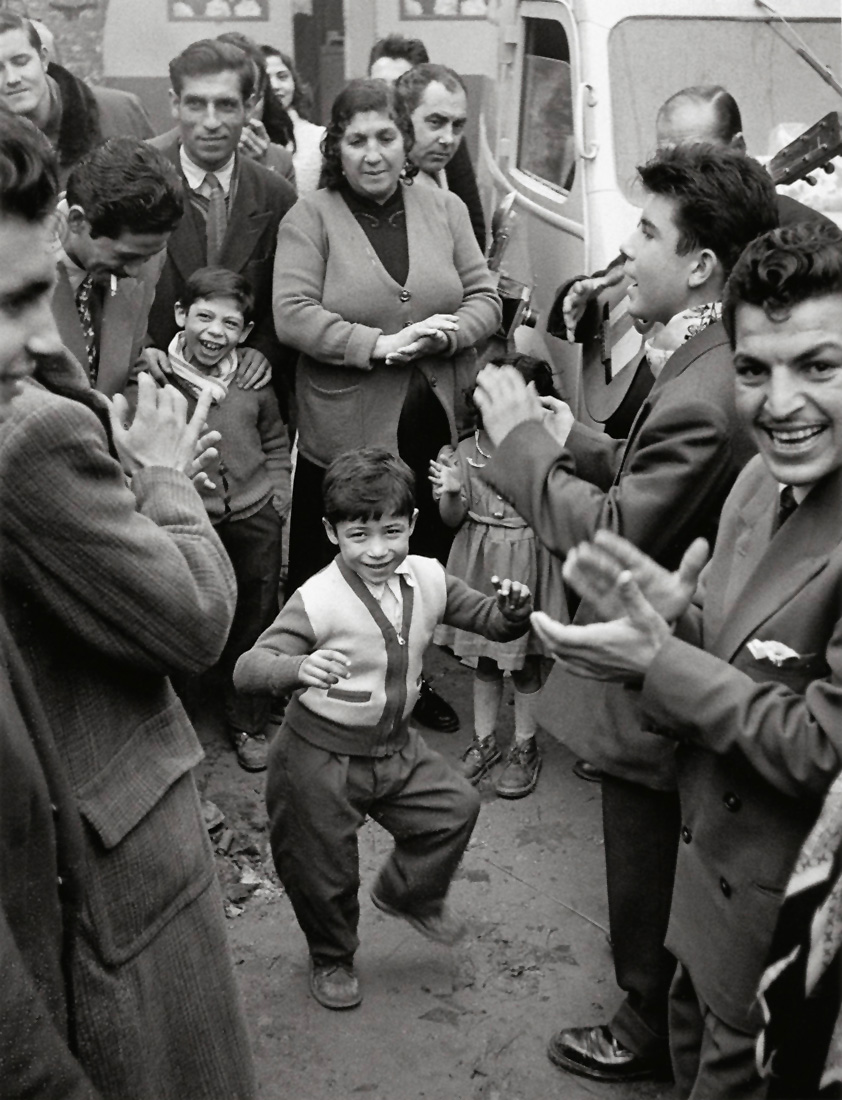
![Sabine Weiss (Swiss-French, 1924-2021) 'Enfants jouant, rue Edmond-Flamand' [Children playing, rue Edmond-Flamand] Paris, 1952](https://artblart.com/wp-content/uploads/2016/10/weiss-children-playing-web.jpg "Sabine Weiss (Swiss-French, 1924-2021) 'Enfants jouant, rue Edmond-Flamand' [Children playing, rue Edmond-Flamand] Paris, 1952")
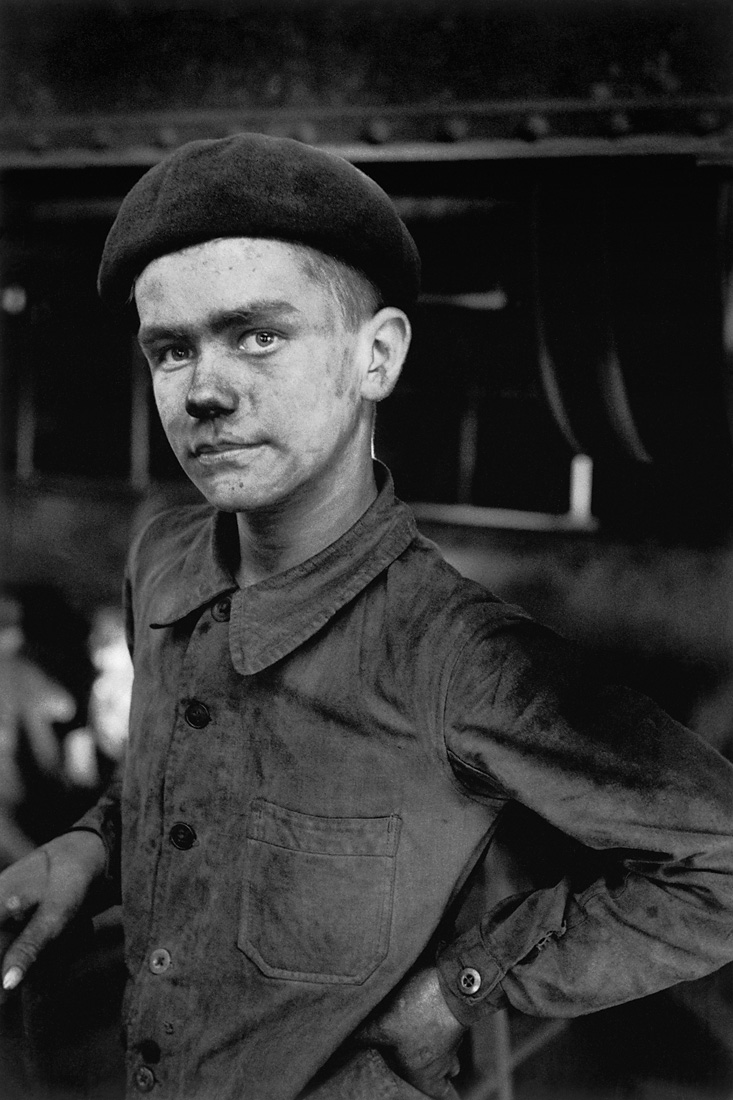
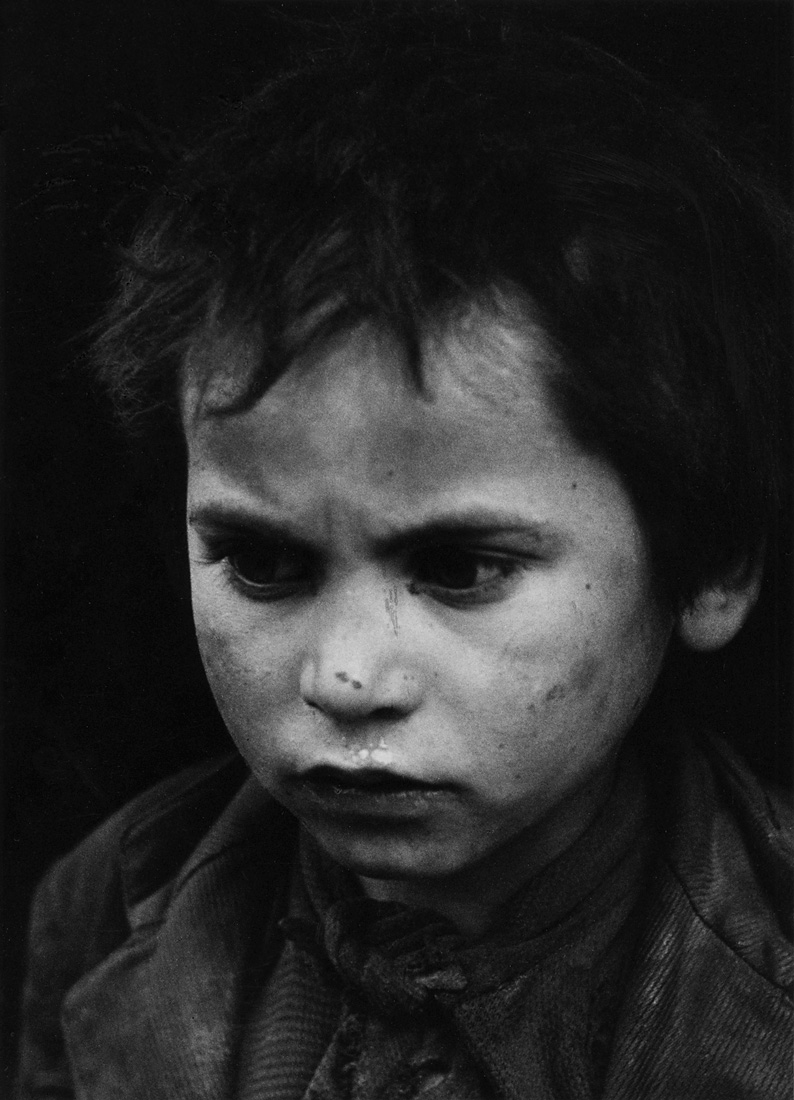
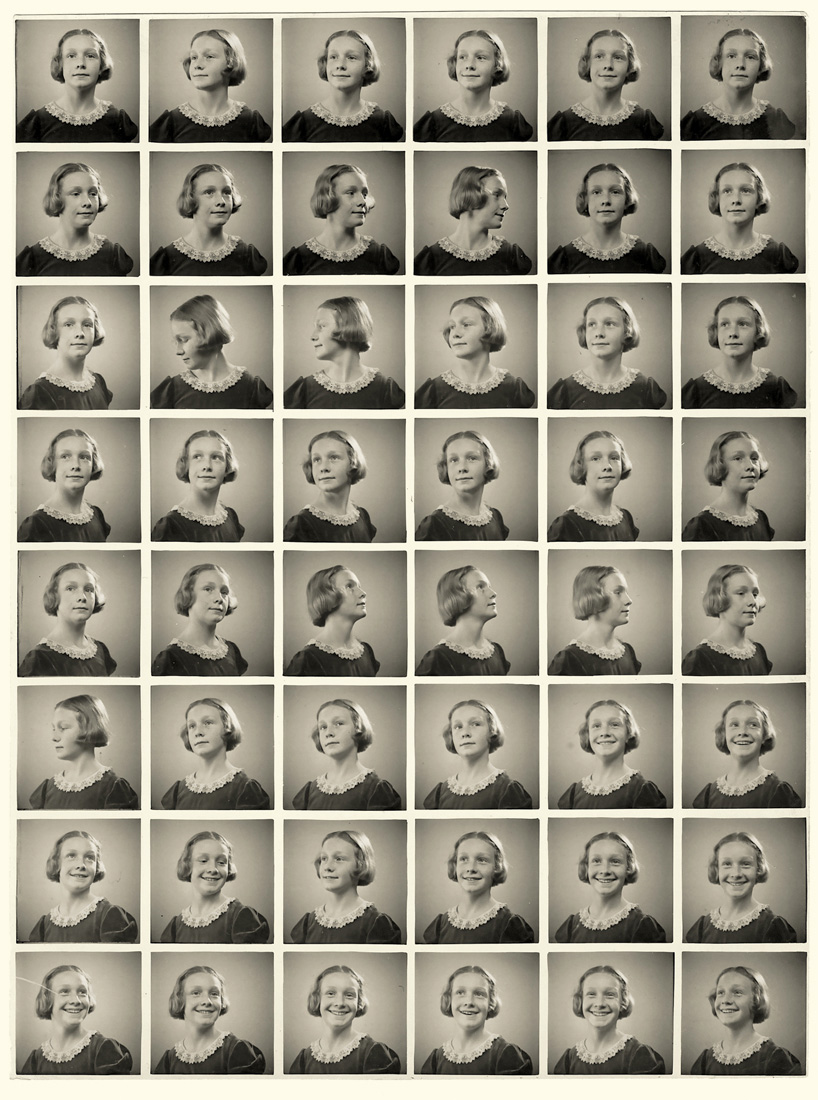
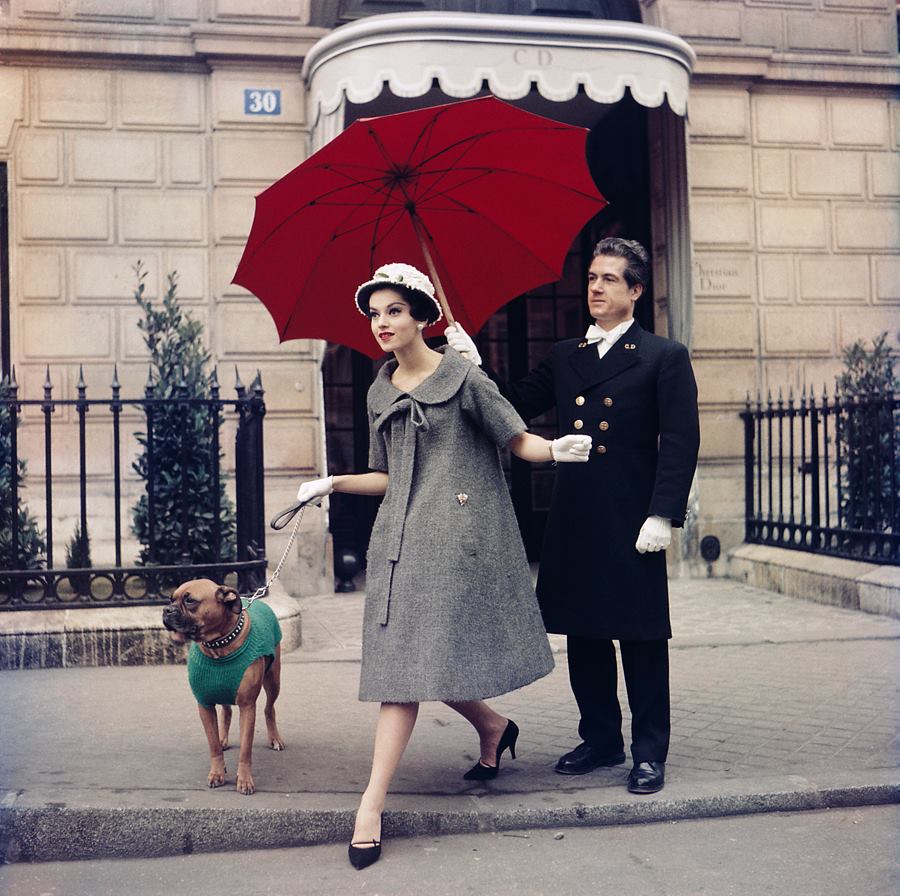
![Sabine Weiss (Swiss-French, 1924-2021) 'Anna Karina pour la marque Korrigan' [Anna Karina for the brand Korrigan] 1958](https://artblart.com/wp-content/uploads/2016/10/weiss-karina-web.jpg "Sabine Weiss (Swiss-French, 1924-2021) 'Anna Karina pour la marque Korrigan' [Anna Karina for the brand Korrigan] 1958")
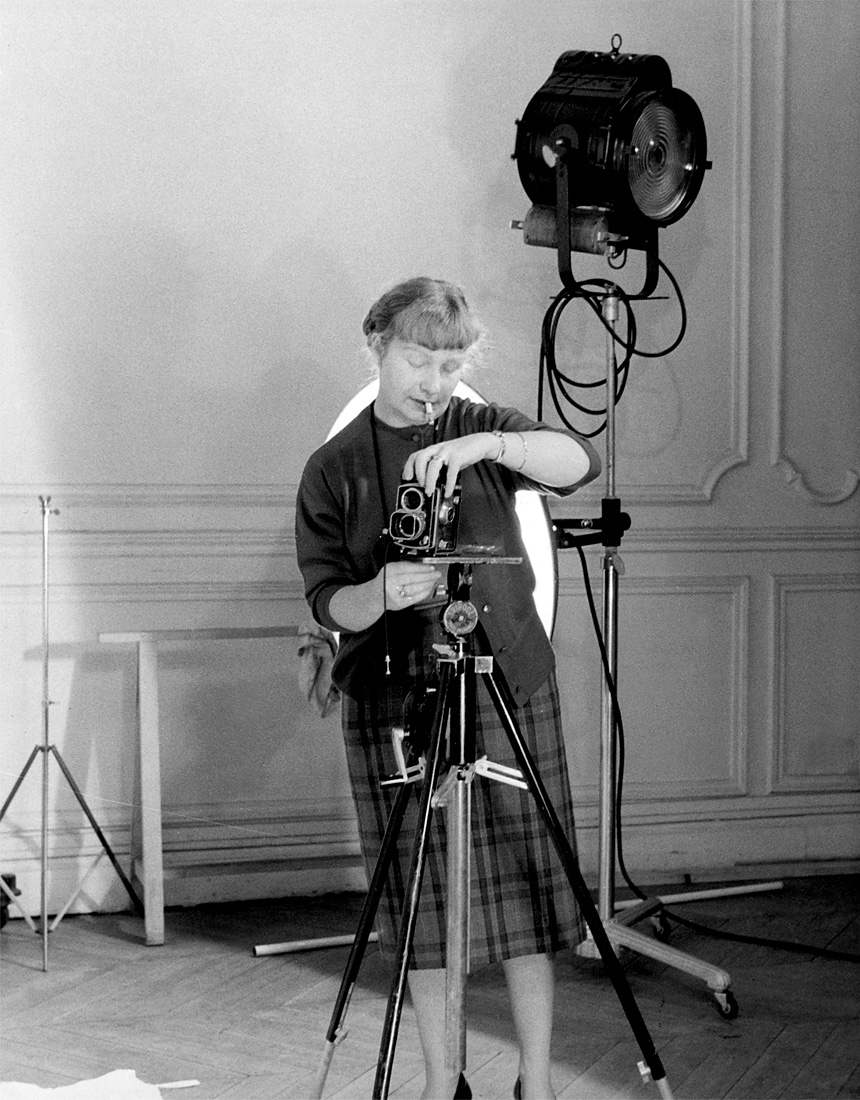


You must be logged in to post a comment.