Curator: Alexander Moore, Creative Producer, Dulwich Picture Gallery
Artists: Berenice Abbott, Robert Adams, Diane Arbus, Richard Avedon, Ilse Bing, Margaret Bourke‑White, Ted Croner, Imogen Cunningham, Bruce Davidson, Roy DeCarava, William Eggleston, Morris Engel, Walker Evans, Louis Faurer, Lee Friedlander, John Gutmann, Lewis Hine, Peter Hujar, André Kertész, William Klein, Dorothea Lange, Saul Leiter, Arthur Leipzig, Rebecca Lepkoff, Helen Levitt, Mary Ellen Mark, Elaine Mayes, Lisette Model, Nicholas Nixon, Ruth Orkin, Ed Ruscha, Aaron Siskind, Herbert Snitzer, Edward Steichen, Alfred Stieglitz, Weegee, Edward Weston and Garry Winogrand
Some well-known favourites sprinkled with photographs unknown to me:
Berenice Abbott’s Exchange Place, New York (1933) Margaret Bourke‑White’s Augusta, Georgia (1936) Morris Engel’s Harlem Merchant, New York (1937) Louis Faurer’s Looking at the RCA Building at Rockefeller Center (1949) Saul Leiter’s Orange Umbrella (c. 1950) William Klein’s Happy Days Bar, 3rd Avenue, New York (1954) Peter Hujar’s Richie (1985)
I thought I knew most of Hujar’s photographs but not this one!
My favourite of the photographs I haven’t seen before is Roy DeCarava’s Hallway (1953), a moody evocation of tenement life in an American city.
So many images so little time!
Dr Marcus Bunyan
Please click on the photographs for a larger version of the image.
“The exhibition as a whole retells the American narrative of the city – almost all of the photographers here are first- or second-generation European immigrants. It also shows how photography became a way for artists to deal with the overwhelming nature of the city, to try to take hold of it, to make it their own – or try, like Garry Winogrand, to disappear into it completely, to come closer to “not existing” as the photographer described his process, a quote emphasised on the exhibition wall. Portrait of a City is about the multiplicity of quiet-but-dazzling instants that happen every day – like Peter Hujar’s Richie, standing to reflect for a second in the rain on a street in New York at night, raindrops glimmering on a car windscreen.”
Step into a century of American city life through photographs that capture the people who built, inhabited, and transformed urban spaces into living, breathing communities.
The exhibition explores one hundred years of American urban life through the people who lived, worked, and moved through its streets. Featuring works by 34 influential photographers from 1907 to 2012, the exhibition traces how photography evolved alongside the modern city, capturing individuals and communities shaped by and shaping their environments.
Photography and the American City
Set in New York, Los Angeles, Chicago, and San Francisco, the photographs reveal cities as dynamic stages for social change. From mass immigration and industrial growth to moments of counterculture and protest, photographers used urban spaces to examine identity, labour, and belonging. Adapting the traditions of portraiture, they recorded faces and lives that reflect the inner story of a nation in flux.
Artists and Highlights
Highlights include works by Alfred Stieglitz, Helen Levitt, Dorothea Lange, Lewis Hine, Berenice Abbott, Walker Evans, Diane Arbus, Garry Winogrand, and Bruce Davidson. Seen together, these portraits and cityscapes form a collective narrative that is both intimate and expansive, capturing the human experience at the heart of America’s evolving cities.
Partners and Collections
The exhibition is presented in special partnership with The Savings Bank Foundation DNB, drawing from its outstanding collection of twentieth-century American photography, with thanks to our partner, Lillehammer Art Museum.
Text from the Dulwich Picture Gallery website
Lewis Hine (American, 1874-1940) Riding the Ball High up on Empire State c. 1930 Courtesy of The Savings Bank Foundation DNB Collection, on deposit at Lillehammer Art Museum
Walker Evans (American, 1903-1975) Main Street, Saratoga Springs, New York 1931 Gelatin silver print
Edward Steichen (American, 1879-1973) The Maypole (Empire State Building) 1932 Gelatin silver print
Berenice Abbott (American, 1898-1991) Exchange Place, New York 1933 Gelatin silver print
Dorothea Lange (American, 1895-1965) White Angel Breadline, San Francisco, California 1933 Gelatin silver print
Dulwich Picture Gallery announces Portrait of a City: A Century of American Photography
In summer 2026, Dulwich Picture Gallery will present a major new exhibition Portrait of a City: A Century of American Photography, bringing together more than 100 landmark works by some of the most influential photographers of the 20th century. The exhibition will chart the dramatic evolution of American city life from the early 1900s to the close of the 20th century. Featuring images from New York, Los Angeles, Chicago and San Francisco, the exhibition draws exclusively from the DNB Saving Bank Foundation’s collection in Norway.
Showcasing 38 leading photographers of the modern era, Portrait of a City traces how photography has shaped our collective understanding of the American city.
It demonstrates how rapid urban expansion catalysed the medium’s rise as a tool to document changing conditions, presenting a compelling visual account of a nation in motion.
The exhibition opens in the early 1900s, a moment when American cities expanded rapidly through mass immigration, industrial growth and new forms of labour, drawing photographers to sites of social and economic shift. Evolving skylines became symbols of change, captured in works such as Lewis Hine’s Riding the Ball High up on Empire State, 1930. At the same time, photographers like Alfred Stieglitz were redefining the medium’s artistic potential; his seminal image The Steerage, 1907, reveals the realities of labour and class with striking immediacy.
After the Wall Street Crash in 1929, photography took on an urgent social role, recording mass unemployment, poverty and migration. Iconic works, including Dorothea Lange’s White Angel Breadline, San Francisco, 1933 and Margaret Bourke‑White’s Augusta, Georgia, 1936 trace the profound impact of the Great Depression, bringing into sharp focus the harsh realities of the following years for people across the United States.
Here, the exhibition changes gear, tracing the rise of photographic modernism through artists such as Walker Evans, whose work helped secure photography’s place within the modern art world. Alongside this, the influence of the New York Photo League is represented through photographers including Weegee, Morris Engel, Ruth Orkin, Aaron Siskind, Rebecca Lepkoff and Lisette Model, whose socially engaged images document the rhythms and pressures of everyday urban life. Also presented are intimate portrayals of marginalised communities in New York, including Helen Levitt and Saul Leiter’s studies of street life and Roy DeCarava’s tender images of Black life in Harlem.
The exhibition then turns to artists documenting the dramatic physical changes reshaping American cities in the mid‑20th century. Works by Berenice Abbott record the evolution of New York’s skyline, setting new architectural forms against the city’s historic fabric, while Arthur Leipzig’s Divers, East River, 1948 captures how peripheral urban spaces became sites of leisure and community.
Moving into the 1960s and 1970s, the exhibition explores how photographers responded to a nation undergoing cultural and political transformation. Artists such as Ed Ruscha and Robert Adams examined the structures and systems of the built environment, while Garry Winogrand, Diane Arbus and Lee Friedlander brought new immediacy to street photography. This section also presents powerful depictions of life on the margins, including Mary Ellen Mark’s The Damm Family in Their Car, Los Angeles, 1987, which confronts the realities of homelessness, and Peter Hujar’s Richie, 1985, offering an intimate insight into communities affected by the AIDS crisis.
Portrait of a City concludes with a presentation of Bruce Davidson’s renowned Subway series, 1980-85, whose vivid, unflinching photographs capture the diversity, individuality and raw immediacy of New York life, an enduring hallmark of the photographer’s career.
Alexander Moore, Creative Producer, Dulwich Picture Gallery and Curator of the exhibition, said: “American photography offers one of the most vivid and influential records of the modern city, and by bringing this remarkable collection to London, we invite audiences to reflect on how the rhythms, challenges and possibilities of urban life continue to echo through our own – a century of human stories told with extraordinary immediacy and invention.”
Anders Bjørnsen, Manager, Art & Culture, DNB Savings Bank Foundation, said: “These photographs capture the profound social and cultural changes that have shaped the modern American city. We are pleased to share this important collection with new audiences through our collaboration with Dulwich Picture Gallery, and to highlight photography’s unique ability to tell human stories across time and place.”
Jennifer Scott, Director, Dulwich Picture Gallery, said: “The spirit, aspiration, and reality of the 20th Century are captured in these photographs. Meticulously collected over the past ten years by the DNB Savings Bank Foundation, the exhibition is testament to this outstanding Norwegian art collection and creates exciting visual links to the landscape paintings in our Collection.”
Portrait of a City: A Century of American Photography is curated by Alexander Moore, Creative Producer, Dulwich Picture Gallery (Curator of Unearthed: Photography’s Roots, 2021). The exhibition will be accompanied by a full-colour publication written and edited by Alexander Moore and Nils Ohlsen, Director, Lillehammer Art Museum, published by Dulwich Picture Gallery, June 2026.
Press release from the Dulwich Picture Gallery
Arthur Leipzig (American, 1918-2014) Divers, East River 1948 Gelatin silver print Arthur Leipzig/Howard Greenberg Gallery, New York
Louis Faurer (American, 1916-2001) Looking at the RCA Building at Rockefeller Center 1949 Gelatin silver print Louis Faurer/Howard Greenberg Gallery, New York
Roy DeCarava (American, 1919-2009) Hallway 1953 Gelatin silver print
Garry Winogrand (American, 1928-1984) John F. Kennedy, Democratic National Convention, Los Angeles 1960 From the portfolio Big Shots Gelatin silver print
Bruce Davidson (American, b. 1933) Untitled 1980-85 From the Subway series Dye-transfer/chromogenic print
“I wanted to transform the subway from its dark, degrading, and impersonal reality into images that open up our experience again to the color, sensuality, and vitality of the individual souls that ride it each day.”
“It’s a great social equalizer … From the moving train above ground, we see glimpses of the city, and as the train moves into the tunnels, sterile fluorescent light reaches into the stony gloom and we, trapped inside, all hang on together”
“I feel that there was a passion and a purpose to photographing in the subway. We were all in the same boat and I was just expressing the everyday occurrences in the subway at that point in 1980. It’s a different subway, although you still have to watch your back.”
~ Bruce Davidson
Bruce Davidson (American, b. 1933) Untitled 1980-85 From the Subway series Dye-transfer/chromogenic print
Bruce Davidson (American, b. 1933) Untitled 1980-85 From the Subway series Dye-transfer/chromogenic print
Bruce Davidson (American, b. 1933) Untitled 1980-85 From the Subway series Dye-transfer/chromogenic print
Curators: Barbara Tannenbaum, Curator of Photography and Chair of Prints, Drawings, and Photographs at the Cleveland Museum of Art
Unknown photographer Black Horseman in Front of a Doorway c. 1855 Salt print from wet collodion negative Image: 15.5 x 13.5cm (6 1/8 x 5 5/16 in.) Mounted: 47 x 30.6cm (18 1/2 x 12 1/16 in.) Matted: 50.8 x 40.6cm (20 x 16 in.) The Cleveland Museum of Art John L. Severance Fund
The uniform of the rider identifies him as a major in the Chasseurs d’Afrique (African Light Infantry), a cavalry group within France’s colonial army in Africa. By 1855, African people were living in France, so he may have been born and raised there or have been African-born and in France for training.
Magnificent gems of 19th-century French photography.
The studied simplicity of Nadar’s Man on a Horse (c. 1860s, below), man and animal captured against a painted studio backdrop.
The formal beauty of Édouard Baldus’ architectural salted paper and albumen prints of Notre-Dame, Paris (1852-1853, below), Arc de Triomphe de l’Etoile, Paris (c. 1860s, below), Louvre, Façade rue de Rivoli, Paris (1855, below) and Pavilion Richelieu, Louvre, Paris (1856-1857, below) which emphasise the volume of the structures, their scale and grandeur.
Compare these to the spatial openness and intimacy of Charles Marville’s Rue de la Ferronnerie (c. 1865, below) only 10 years later which leads, inexorably, to the alleyways and architectural details of Eugène Atget capturing a disappearing Paris, an Old Paris, towards the end of the 19th century.
Dotted amongst these are an atmospheric landscape of the French interior near Lyon by that most bucolic of photographers Félix Thiollier; a pastoral village scene of impressionistic intimacy by Adolphe Braun, Untitled (Farm Animals) (1850s, below); and a superb photograph of a stone bridge set in mountainous landscape near the Spanish border taken by Gustave Le Gray, The Bridge of Palalda (near Amelieles-Bains) (1851-1852, below)
No conceptual histrionics, no untoward flourishes, just photographs of the utmost integrity of people and places in a time of change, photographs that hold the viewer’s gaze through the holistic balance and beauty of the images.
Dr Marcus Bunyan
. Many thankx to The Cleveland Museum of Art for allowing me to publish the photographs in the posting. Please click on the photographs for a larger version of the image.
Nadar (French, 1820-1910) Man on a Horse c. 1860s Albumen print from wet collodion negative Image: 17 x 22.3cm (6 11/16 x 8 3/4 in.) Matted: 35.6 x 45.7cm (14 x 18 in.) The Cleveland Museum of Art Gift of Robert Hershkowitz and Charles Isaacs
Nadar (French, 1820-1910) Portrait of Ernestine Nadar, the artist’s wife, wearing fur stole c. 1880-1883 Uncut sheet of three matte gelatin silver carte-de-visites Overall: 10.8 x 21.9cm (4 1/4 x 8 5/8 in.) The Cleveland Museum of Art Gift of Michael Mattis and Judith Hochberg
This striking and unusual uncut sheet of carte-de-visite exposures was taken by one of France’s most successful early portraitist photographers, Nadar. His wife Ernestine frequently modeled for him, including when he tried out new equipment or processes such as these gelatin silver prints. These portraits seem to be an intimate, direct exchange between sitter and camera, wife and husband.
Born Gaspard-Félix Tournachon in Paris, Nadar is probably the best known French photographer. His portraits of celebrities and public figures help define our impression of France in the second half of the 19th century; his panache in conducting his business helped popularize photography. Educated at the Collège Bourber, Paris (1833-36), Nadar moved to Lyon, where he studied medicine (1837-38) before continuing his studies at the Hôtel Dieu and the Bicêtre in Paris. He wrote satires and essays and drew caricatures (his pseudonym derived from his barbed wit aimed against the establishment) for a number of Paris publications, eventually founding several of his own, and was a highly visible figure in the city’s cultural and artistic life. Learning photographic technique from Adophe Bertsch and Camille d’Arnaud, Nadar founded a studio in 1854. Twenty years later his son Paul, also a photographer, became director of the business and by 1886 headed the firm. He also worked for a time with his brother, Adrien, who sometimes called himself Nadar jeune, a practice which later prompted Nadar to file a lawsuit. Nadar’s exploits with aerial balloon photography were of both photographic and historic importance. Below ground, he used artificial light to make surveys of the catacombs and sewers of Paris, novel and highly popular curiosities. With his son Paul as photographer, he is credited with the first photo-interview, conducted with the scientist and color theorist Michel-Eugène Chevreul on his 100th birthday in 1886. Because of the importance of his work and the notoriety of his sitters, among them Franz Liszt, George Sand, Sarah Bernhardt, and Honoré Balzac, Nadar will long occupy a key place in the development of photography. T.W.F.
About the exhibition
Édouard Manet and Berthe Morisot lived during a tumultuous yet fertile period in France. Events included war and the loss of territory; modernisation and the rise of industry; and a shift from rural to urban living. As both artists were living in Paris, it became the largest city in continental Europe and the arts capital of the world. Manet and Morisot’s lifetime also coincided with the birth and rise of a new art form – photography – which recorded many of these social, political, and cultural changes.
Masters of the new medium such as Charles Marville and Édouard-Denis Baldus were commissioned by the Emperor Napoleon III, the Louvre museum, and the railroads to document both historic monuments and the construction of new architectural and engineering marvels throughout the country. This era also saw the rise of celebrity portraiture and of the general public as patron. Actresses such as Sarah Bernhardt and popular authors Victor Hugo, Charles Baudelaire, Alexandre Dumas, and others sat for photographers such as Nadar, André-Adolphe-Eugene Disderi, Gustave Le Gray, and Étienne Carjat. The resulting portraits were printed – and sold – in large quantities to meet a soaring public demand for portraits of the luminaries of the time. When the rising urban middle class sought to have their own likenesses recorded, they flocked to the same studios.
In this exhibition, drawn from the museum’s rich holdings of 19th-century French photography, we can feel that we, like the photographers, are eyewitnesses to the transformation of France in the 1800s. This show was organised to complement Manet & Morisot, on view in the Kelvin and Eleanor Smith Foundation Gallery from March 29 through July 5, 2026.
Text from The Cleveland Museum of Art website
André Adolphe-Eugène Disdéri (French, 1819-1889) Monsieur Merlen 1861 Albumen print from wet collodion negative, uncut carte-de-visite proof print Image: 19.9 x 23.1cm (7 13/16 x 9 1/8 in.) Matted: 35.6 x 45.7cm (14 x 18 in.) The Cleveland Museum of Art Gift of Paula and Robert Hershkowitz in memory of Sam Wagstaff Public domain
The carte-de-visite process was so inexpensive, Monsieur Merlen felt he could clown around, riding a child’s toy horse in the first two exposures.
The carte-de-visite, a small photograph mounted on card stock, was patented by André Adolphe-Eugène Disdéri in 1854. This efficient, inexpensive process employed a camera with four lenses and a sliding plate holder that produced eight sequential exposures on a single glass negative. The resulting paper print was cut into individual images. This uncut sheet, which includes several humorous views, was probably produced for the sitter’s approval. The low cost of the carte-de-visite led to the trend of collecting celebrity portraits. By 1862, Disdéri’s studio was producing over 2,000 prints a day, making him reputedly the world’s richest photographer.
André Adolphe-Eugène Disdéri
André-Adolphe-Eugène Disdéri French, 1819-1889
Disdéri is best known as a portraitist and populariser of the carte-de-visite. He spent 10 years as a painter and working in the theatre, and another five in the clothing business, before becoming seriously interested in photography around age 30. He first operated studios in Brest and Nîmes, then moved to Paris and opened a studio in 1854, and a second in 1863. In 1854 Disdéri patented the carte-de-visite, a method of producing a number of small images on a single negative that achieved great popularity. He later opened additional studios in London, Madrid, and Toulon. Disdéri was one of the best known portrait photographers of his day, with many important commissions and sitters. Like Mathew Brady, he was an innovator and entrepreneur as well as an artist. The carte-de-visite, which he did not invent, but rather adapted, helped photography to become increasingly versatile as a medium and available to people of all means. In 1879 Disdéri sold his business and moved to Nice. Despite his success, he died 10 years later in Paris in poverty, obscurity, and poor health. T.W.F.
André Adolphe-Eugène Disdéri (French, 1819-1889) Village Scene (Southern France) c. 1853 Salted paper print from waxed-paper negative Image: 15.2 x 12.2cm (6 x 4 13/16 in.) Matted: 45.7 x 35.6cm (18 x 14 in.) The Cleveland Museum of Art John L. Severance Fund
André Adolphe-Eugène Disdéri is best known for his development in Paris in 1854 of the carte-de-visite format for portraits. The year before, he was living in Southern France where he made this rural view. Disderi used waxed-paper negatives for only a short time. The oval cropping and picturesque scene – posed but seemingly spontaneous – suggest that this is meant to be an artistic, rather than a documentary, photograph.
Édouard Baldus (French, 1813-1889) Arc de Triomphe de l’Etoile, Paris c. 1860s Albumen print from collodion negative Image: 21.5 x 28.2cm (8 7/16 x 11 1/8 in.) Paper: 21.5 x 28.2cm (8 7/16 x 11 1/8 in.) Mounted: 32.6 x 43.5 cm (12 13/16 x 17 1/8 in.) The Cleveland Museum of Art Severance and Greta Millikin Purchase Fund Public domain
For three decades starting in 1854, Paris was a construction site as Baron Haussmann replaced the crooked streets and crumbling buildings of medieval Paris with a modern city. The cobblestones in the foreground were for paving the newly expanded set of broad avenues that radiated from the Arc, part of Baron Haussmann’s urban renewal plans. Exposure times for film in the 1860s were usually too long to capture people in the street, but a man – perhaps the paver – paused long enough to leave his “ghost” to the left of the cobblestones.
Édouard Baldus (French, 1813-1889) Notre-Dame, Paris 1852-1853 Salted paper print from wet collodion negative Image: 29.5 x 44.7cm (11 5/8 x 17 5/8 in.) Matted: 50.8 x 61cm (20 x 24 in.) The Cleveland Museum of Art Edwin R. and Harriet Pelton Perkins Memorial Fund
Édouard Baldus photographed the side of the famed cathedral to capture the volume of the structure. Visible from this angle are two workshops for the church’s restoration, some of the construction materials, and scaffolding on three of its flying buttresses (architectural structures that form an arch with the wall they support).
Édouard Baldus
Édouard Baldus French, b. Prussia, 1813 – 1889
The large and regal prints made by Édouard-Denis Baldus are widely agreed to be among the finest photographic images ever produced. After serving as an artillery officer in the Prussian army, Baldus left his native country for France during the 1830s to become a painter. He exhibited his paintings of religious subjects, portraits, and genre scenes in the Paris Salons from 1841 – 51 and was naturalized as a French citizen in 1849, the same year his interests turned to photography. Combining his training in painting with an inquisitive, inventive technical expertise, Baldus produced a body of work of exceptional quality and interest. His subjects included architecture, landscape, and engineering feats. In 1851 the Commission des monuments historiques selected him for the Missions héliographique – a government project that sponsored the photographing of endangered classical and medieval architecture in France. For this important series Baldus produced views of Burgundy, Provence, and the Dauphiné, and the following year he completed a commission for the Ministry of the Interior. In 1855 he began his photography of railroads, some of his most distinctive work. A copy of his album recording the line between Paris and Boulogne was presented to Queen Victoria. He also documented the flooding of the Rhone, as well as construction of the new Louvre and other Paris views. A founding member of the Société héliographique and a member of the Société française de photographie (1857), Baldus exhibited his photographs widely in London, Amsterdam, Edinburgh, Brussels, and Paris and won numerous medals of award. A master printer, he produced combination prints in the early 1850s, frequently retouching his images with pencil and ink. His best work appears most often in specially assembled albums – such as Les principaux Monuments de la France reproduits en héliogravure par E. Baldus, published in 1875 from plates drawn from earlier negatives. Today, his work continues to be much sought after and to set a standard by which other photographers are judged. T.W.F.
Édouard Baldus (French, 1813-1889) Louvre, Façade rue de Rivoli, Paris 1855 Albumen print Image: 28 x 21.8cm (11 x 8 9/16 in.) Paper: 39.9 x 29.9cm (15 11/16 x 11 3/4 in.) The Cleveland Museum of Art Gift of William and Margaret Lipscomb
Édouard Baldus (French, 1813-1889) Pavilion Richelieu, Louvre, Paris 1856-1857 Salted paper print, albumenised, from wet collodion negative Image: 44.5 x 34.3cm (17 1/2 x 13 1/2 in.) Matted: 61 x 50.8cm (24 x 20 in.) The Cleveland Museum of Art Andrew R. and Martha Holden Jennings Fund
In 1854, Édouard Baldus and two other artists were commissioned to record construction of the New Louvre. New wings joined the Louvre Palace, started in the late 1100s, to the Tuileries Palace, begun in 1564. The Pavilion Richelieu, completed shortly before this photograph was taken, originally housed governmental offices and only became part of the Louvre Museum in 1993.
Opening this weekend at the Cleveland Museum of Art, France in the Time of Manet and Morisot offers visitors a vivid view of the people, places, and defining moments that shaped 19th-century France. With approximately 50 photographs from CMA’s rich holdings, visitors will get a firsthand glimpse of the rapid industrial growth and political upheaval in this tumultuous, yet fertile, period of time.
This CMA-organised companion exhibition was designed to complement Manet & Morisot, the first ever major exhibition dedicated to the artistic exchange between Édouard Manet often referred to as the father of modern painting, and Berthe Morisot, the only woman among the founding members of the Impressionist movement. While Manet & Morisot travels nationally, this companion exhibition is uniquely presented at CMA, offering visitors an experience available only in Cleveland. Visitors to the CMA will have the opportunity to experience both exhibitions now through July 5, 2026.
“It’s truly a pleasure to share our rich holdings of 19th-century French photography alongside Manet & Morisot,” said Barbara Tannenbaum, curator of photography and chair of prints, drawings, and photographs. “In the mid-1800s, when the two painters were living in Paris, it became the largest city in continental Europe and the arts capital of the world. However, France also endured war and the loss of territory; experienced modernisation and the rise of industry; and saw a shift from rural to urban living. These events coincided with the birth of a new art form – photography – which was used to record these social, political, and cultural changes.”
In the 19th century, masters of the newfound photography medium, such as Charles Marville and Édouard Baldus, were commissioned by Emperor Napoleon III, the Louvre museum, and the railroads to document both historic monuments and the construction of new architectural and engineering marvels throughout the country.
This era also saw the rise of celebrity portraiture and of the public as patron. Actresses such as Sarah Bernhardt and popular authors Charles Baudelaire, Alexandre Dumas, and others sat for photographers such as Nadar, André Adolphe-Eugene Disderi, and Étienne Carjat. The resulting portraits were printed – and sold – in large quantities to meet a soaring public demand for portraits of the luminaries of the time. When the rising urban middle class sought to have their own likenesses recorded, they flocked to the same studios.
France in the Time of Manet and Morisot, a free exhibition, will be on view in the Mark Schwartz and Bettina Katz Photography Galleries from May 10, 2026, through August 23, 2026. Manet & Morisot, a ticketed exhibition, is on view in the Kelvin and Eleanor Smith Foundation Gallery through July 5, 2026.
“Together, these exhibitions offer a compelling portrait of a society in transition – one that visitors can now experience firsthand at the Cleveland Museum of Art,” said Tannenbaum.
Press release for The Cleveland Museum of Art
Charles Marville (French, 1813-1879) Opéra (Rostral Column) c. 1875 Albumen print from wet collodion negative Image: 37.7 x 26.7cm (14 13/16 x 10 1/2 in.) Mounted: 35.4 x 26.7cm (13 15/16 x 10 1/2 in.) Matted: 71.1 x 55.9cm (28 x 22 in.) The Cleveland Museum of Art Purchase from the Karl B. Goldfield Trust
In the 1800s, gas lamps replaced the oil lights. When Napoleon III commissioned a new opera house in Paris in 1860, it was surrounded by a “Ring of Light,” including this column with three gas streetlights. The opera house became the setting for Gaston LeRoux’s 1910 novel The Phantom of the Opera, which inspired the 1976 musical and 2004 film.
Charles Marville
Charles Marville French, 1813-1879
At the invitation of the city of Paris, photographer Charles Marville was among the first to document the ancient quarters of his birthplace. His views, taken in the late 1850s, were intended to record the many buildings and neighborhoods ultimately destroyed by Baron Georges-Eugène Haussmann’s urban planning project that would create the boulevards and open spaces of modern Paris. While Marville’s survey of the city, extensive and thorough in scope, prefigured other important efforts of its kind, it is distinguished by its emotional accessibility. His work beautifully reveals a Paris that has long disappeared. Originally trained as a painter and illustrator, Marville worked with both calotype and glass plate negatives. He photographed in France, Italy, Germany, and Algeria, becoming most well known for his architectural imagery but also producing acclaimed landscapes and studies of trees. Many of Marville’s early views, often considered his best, were included in the albums of Louis-Désiré Blanquart-Évrard before the printer’s establishment in Lille closed in 1855. Named official photographer of Paris in 1862, Marville also served as photographer to the Imperial Museum of the Louvre and to King Vittorio Emmanuelle of Italy. T.W.F.
Charles Marville (French, 1813-1879) Sky Study, Paris 1856-1857 Albumen print from wet collodion negative Image: 15.3 x 21.4cm (6 x 8 7/16 in.) Matted: 40.6 x 50.8cm (16 x 20 in.) The Cleveland Museum of Art John L. Severance Fund
Thirty years before the construction of the Eiffel Tower, Charles Marville made a series of views of the skies over Paris, some from various rooftops and others from his apartment window. This view frames the city so that the dome of the chapel of Les Invalides – a retirement home and hospital for military veterans – dominates the skyline. In the 1850s, the light-sensitive coatings for photographic plates were incapable of properly exposing both earth and the sky in a single shot. Marville here set his camera to capture the dramatic sky and clouds, which meant that the city below, for the most part, became a dark mass of undifferentiated buildings. The scale, drama, and majesty of this natural spectacle overwhelm human achievements.
Charles Marville (French, 1813-1879) Rue de la Ferronnerie c. 1865 Albumen print from wet collodion negative Image: 28 x 27cm (11 x 10 5/8 in.) Matted: 61 x 50.8cm (24 x 20 in.) The Cleveland Museum of Art Leonard C. Hanna Jr. Fund
Charles Marville preferred photographing on overcast, rainy days when diffused light and glistening cobblestones yielded an image with the maximum tonal range and detail. In 1865, the ground floor spaces on the Rue de la Ferronnerie or “street of ironwork” (named in 1229) were occupied by businesses including a café, a hotel, and a men’s clothing store. Apartments on the upper floors housed some of the many people who moved from the country into the city during the Second Empire.
Attributed to Charles Marville (French, 1813-1879) La Belle Jardinère: le magasin de la rue de la Cité pendant sa demolition, Paris 1864-1866 Albumen print from collodion negative Image: 22.9 x 34.6cm (9 x 13 5/8 in.) The Cleveland Museum of Art Gift of Michael Mattis and Judith Hochberg
Founded in 1824, La Belle Jardinière (The Beautiful Gardener) department store pioneered the sale of ready-to-wear clothing for those of modest means.
The department store was located on the Ile de la Cité in the Seine in the middle of Paris. In 1864, as part of the renovation of the city, the government ordered that the store be replaced with a new building for the country’s oldest hospital. While there are numerous photographs of new structures and broad streets that resulted from Baron Haussmann’s urban renewal plan, views of the demolition of the old structures are rare.
Étienne Carjat (French, 1828–1906) Sarah Bernhardt in “Zaire” by Voltaire 1874 Albumen print from wet collodion negative Image: 27.3 x 21.3cm (10 3/4 x 8 3/8 in.) Matted: 50.8 x 40.6cm (20 x 16 in.) The Cleveland Museum of Art John L. Severance Fund
Photographer Étienne Carjat established his reputation through celebrity portraiture. Famed French actress Sarah Bernhardt is seen here as the star of Zaire, a play by the French author Voltaire first performed in 1732. The actress, who studied sculpture, exhibited work in the Paris Salon for the first time in 1874. She just missed being in the same show as Morisot, who exhibited regularly at the Salon from 1864 to 1873, but in 1874 decided instead to show in the first Impressionist exhibition. Édouard Manet produced many portraits of actresses and performers.
Étienne Carjat
Étienne Carjat French, 1828-1906
Born in Fareins, Étienne Carjat and his friend and contemporary Nadar are considered the masters of 19th-century French portrait photography. Like Nadar, whose immense reputation tended to overshadow his own, Carjat was a caricaturist and journalist, and much involved in politics and the arts. In style, however, he was more straightforward and less overtly dramatic than Nadar, frequently portraying his subjects in simple settings and showing close attention to expression, pose, detail, and line. After study with Pierre Petit in 1858, Carjat first took up photography to produce his series Le Panthéon Parisien in the early 1860s. He had several studios in Paris, from which he conducted a portrait business and contributed to the important series Galeries des célébrités contemporaines. Among his sitters were Émile Zola, Antonio Rossini, Charles Baudelaire, and Gustave Courbet. Carjat was a founder of the satirical journal Diogène (1856), as well as an author, actor, poet, and playwright. He became less active in photography after 1867 and reportedly ceased altogether after 1875. In 1878 he and Nadar are believed to have been the only mourners at the burial of their fellow caricaturist, the acerbic Honoré Daumier. T.W.F.
Guglielmo Marconi (French, 1842 – after 1885) Male Nude c. 1870-1875 Albumen print from wet collodion negative Image: 27.2 x 18.8cm (10 11/16 x 7 3/8 in.) Matted: 55.9 x 45.7cm (22 x 18 in.) The Cleveland Museum of Art John L. Severance Fund
Guglielmo Marconi specialised in nude studies for use by painters and sculptors. Using children, women, and men as models, he photographed a variety of poses traditionally employed by models in academic studios. Artists purchased them because working from a photograph was much cheaper than hiring a live model.
Unknown photographer and maker Untitled (Case with portraits of a man and woman and hair ornaments) c. 1870s Photographs: photographs on enamel, framed in copper alloy metal frames; hair lockets: hair with pen and black and ink on cream-coloured backing; case: leather with metal push-clasp and velvet-lined interior Image: 3.5 x 3cm (1 3/8 x 1 3/16 in.) Case: 9 x 5 x 1cm (3 9/16 x 1 15/16 x 3/8 in.) The Cleveland Museum of Art John Cook Memorial Fund
The photographs of this man and woman, presumably husband and wife, are juxtaposed with clippings of their hair arranged to form their initials, A and M. In the late 1800s, photographic portraits and hair clippings combined in jewellery or frames served as mementos or memorials for loved ones. For permanence, the portraits here were vitrified on enamel, a process now used primarily for funerary monuments.
Camille Dolard (French, 1810-1884) Self-Portrait in Painting Studio c. 1843 Daguerreotype (full-plate) Platemark: 20.5 x 15cm (8 1/16 x 5 7/8 in.) Matted: 55.9 x 45.7cm (22 x 18 in.) The Cleveland Museum of Art Leonard C. Hanna Jr. Fund
Dolard, a portrait painter, may have offered photographs to prospective clients of lesser means. In this image, possibly made as an advertisement for his studio, he identifies himself as a painter, surrounded by the tools of the trade. The coat and the hookah suggest an interest in orientalism, a fashion that occupied many mid-19th-century artists. A remarkable technical achievement, this whole-plate image required Dolard to remain motionless for well over a minute, at least 30 times longer than the exposure for the smaller plates in the case below.
Camille Silvy (French, 1834-1910) The d’Orléans Family during a Fête Champêtre at Orléans House 1864 Enamelist: Lafon de Camarsac (French, 1821-1905) Enamelled photograph in original metal frame Plate: 11.5 x 15.5cm (4 1/2 x 6 1/8 in.) Framed: 27 x 29cm (10 5/8 x 11 7/16 in.) The Cleveland Museum of Art Jo Hershey Selden Fund
The image celebrates the d’Orléans family, who abdicated the French throne during the Revolution of 1848 and settled in England. The setting for this group portrait is d’Orléans House in Twickenham, where the d’Orléans hosted numerous grand social events such as the garden party that occasioned this sitting. Many of these events raised money to support monarchist and other activities in France.
Camille Silvy (French, 1834-1910) The d’Orléans Family during a Fête Champêtre at Orléans House (detail) 1864 Enamelist: Lafon de Camarsac (French, 1821-1905) Enamelled photograph in original metal frame Plate: 11.5 x 15.5cm (4 1/2 x 6 1/8 in.) Framed: 27 x 29cm (10 5/8 x 11 7/16 in.) The Cleveland Museum of Art Jo Hershey Selden Fund
Félix Thiollier (French, 1842-1914) Vue prise du Couvent des Dominicains, Chalais (Isère), France c. 1865 Albumen print from collodion negative Image: 13.1 x 20cm (5 3/16 x 7 7/8 in.) Paper: 13.1 x 20cm (5 3/16 x 7 7/8 in.) Mounted: 31.7 x 49.1cm (12 1/2 x 19 5/16 in.) The Cleveland Museum of Art Gift of Michael Mattis and Judith Hochberg
Félix Thiollier brought to landscape photography the emotional power and mystery of the Barbizon and naturalist painters whom he collected and befriended. This dramatic view provides a deep vista more commonly found in photographs of the Western United States at the time. Underlying it, however, are a geometric structure of overlapping triangles, curved top border, and atmospheric clouds and mist that relate directly to precedents in painting.
Auguste-Rosalie Bisson (French, 1826–1900) and Louis-Auguste Bisson (French, 1814–1876) Mount Maudit, Savoy 1860 Albumen print from wet collodion negative Image: 23.2 x 39.2cm (9 1/8 x 15 7/16 in.) Matted: 50.8 x 61cm (20 x 24 in.) The Cleveland Museum of Art James Parmelee Fund
The Bisson brothers’ photograph of Mount Maudit – which translates as “cursed mountain” – makes the 14,649-foot peak seem inaccessible. In fact, it was not summited until 1878. Photographing at high altitudes necessitated climbing while carrying heavy equipment, including large glass plates and a portable darkroom, and required extraordinary technical prowess and speed in working with the chemicals at low temperatures.
Bisson Frères – consisting of brothers Louis-Auguste and Auguste-Rosalie Bisson, also known as the Bissons âiné and jeune (older and younger) – was one of the most celebrated and widely known French photographic studios and publishing houses of the 19th century. Begun by their father, a heraldic painter, the Bissons’ first studio opened in Paris in 1841, shortly after the invention of the daguerreotype. Louis-Auguste, a student of architecture and chemistry, learned photography directly from Louis-Jacques-Mandé Daguerre and went on to advance the medium through a number of inventions and techniques, contributions for which the brothers received considerable praise. He retired from the business in 1865. Auguste-Rosalie, perhaps the better known of the two, was responsible for some of their more spectacular photographic successes, including the first closeup views of the peaks of Mt. Blanc (1861). Among the Bissons’ many accomplishments and honors were a set of 900 daguerreotypes of the members of the French National Assembly, which were later published in lithographic copies; their appointment as official photographers to Napoléon III and Pope Pius IX; their role as founding members of the Société française de photographie; and their numerous and much-admired series of landscape, architectural, and portrait photographs. After his brother’s retirement, Auguste-Rosalie continued to work in photography, including a voyage to Egypt in 1869 and views of the Siege of Paris in 1871. As late as 1900, the year of his death, he patented a heliochrome process for the printing of photographs in color with ink. T.W.F.
Auguste Giraudon’s Artist (French) Man with Walking Stick Late 1870’s Albumen print from wet collodion negative Image: 17.1 x 11.2cm (6 3/4 x 4 7/16 in.) Paper: 17.1 x 11.2cm (6 3/4 x 4 7/16 in.) Matted: 45.7 x 35.6cm (18 x 14 in.) The Cleveland Museum of Art Purchase from the J. H. Wade Fund
During the 1870s, Giraudon commissioned one or more artists – probably a French painter who wished to remain anonymous – to create photographs of peasants. Now called Giraudon’s Artist, this photographer was one of the few in the 1800s specialising in rural figure studies created for use by artists. The images were likely taken near Barbizon, a destination popular with artists who wanted to work from nature. The artistry of these images derives from their skilful use of light, ability to render a subject in the landscape, and a perceptive depiction of human dignity.
Auguste Giraudon’s Artist (French) Female Peasant Carrying a Basket and Hay c. 1870 Albumen print from wet collodion negative Image: 17.2 x 11.1cm (6 3/4 x 4 3/8 in.) Mounted: 20.7 x 15.8cm (8 1/8 x 6 1/4 in.) Matted: 45.7 x 35.6cm (18 x 14 in.) The Cleveland Museum of Art John L. Severance Fund
Jules DuClos (French, 1824-1879) Pont-de-Buis, on the Doufine, France c. 1865 Albumen print from wet collodion negative Image: 33.8 x 30.1cm (13 5/16 x 11 7/8 in.) Matted: 61 x 50.8cm (24 x 20 in.) The Cleveland Museum of Art John L. Severance Fund
The extension of railroad service from Paris across Brittany in northern France occurred in stages between 1840 and 1865. Extending railway service required the construction of railway bridges such as this masonry viaduct which crosses the Doufine River near Pont-de-Buis. Jules DuClos shows it under construction, with timbers supporting the arches and a man standing in the river below.
Adolphe Braun (French, 1812-1877) Untitled (Farm Animals) 1850s Albumen print from wet collodion negative Image: 28 x 39.4cm (11 x 15 1/2 in.) Framed: 53.7 x 63.8cm (21 1/8 x 25 1/8 in.) Matted: 50.8 x 61cm (20 x 24 in.) The Cleveland Museum of Art Norman O. Stone and Ella A. Stone Memorial Fund
While the animals and farmers are in sharp focus in Adolphe Braun’s photograph, the buildings are blurred, suggesting that perhaps Braun intended to market these photographs to visual artists as models rather than intending them to be hung on people’s walls as a substitute for a painting.
Adolphe Braun
Adolphe Braun French, 1812-1877
Adolphe Braun, a French textile designer born in Besançon and trained in Paris, opened his own studio in Dornach, Alsace, before becoming involved in photography in the early 1850s. He produced several early floral textile designs that were published as lithographs. In 1853 Braun began work on a large album of some 300 photographic still-life studies of flowers, intended as aids for artists in the field of decorative arts. The work met with such success at the 1855 Exposition Universelle in Paris that he left the field of design for photography. Braun’s carefully executed still lifes are considered to be among the finest ever done. From the mid-1850s on, Braun’s firm, Adolphe Braun et Cie., later headed by his son Gaston (1845-1928), became one of the world’s largest studios and publishers of topographical views and of reproductions of works of art. In the latter effort, their importance was in part due to Gaston’s success with the orthochromatic process, in which photographic reproductions retained a tonal range very close to that of the original work of art. Braun et Cie. were the official photographers to Napoléon III and Pope Pius IX. Their reproductions of works in the Louvre, the Sistine Chapel, and many other subjects in architecture, sculpture, painting, and drawing, sometimes using the more permanent carbon or Woodburytype processes, were offered in all sizes and formats, and became the standard in their field. The number of negatives taken by the Brauns or their operators was variously estimated in 1870 to be between 4,000 and 8,000. The Brauns were members of the Société française de photographie. Both were awarded the French Legion of Honor-Adolphe in 1860, and Gaston in 1892. T.W.F.
Adolphe Braun (French, 1812-1877) Young Alsacienne Woman c. 1871 Carbon print on a ruled mount Image: 40 x 30.5cm (15 3/4 x 12 in.) The Cleveland Museum of Art Gift of Michael Mattis and Judith Hochberg
This woman wears a regional folk costume from the French region of Alsace, recalling traditions that were disappearing under the impact of industrialisation and modernisation.
At the end of the Franco-Prussian War, Prussia seized much of the regions of Alsace and Lorraine. That inspired Adolphe Braun to produce a series of images of women meant to personify those lost territories. The images proved so popular that they were reproduced on souvenir items including postcards and ceramic plates.
Gustave Le Gray (French, 1820-1884) The Bridge of Palalda (near Amelieles-Bains) 1851-1852 Salted paper print from waxed-paper negative Image: 23.8 x 32.7cm (9 3/8 x 12 7/8 in.) Matted: 50.8 x 61cm (20 x 24 in.) The Cleveland Museum of Art John L. Severance Fund
In 1851, Gustave Le Gray and his friend, photographer Auguste Mestral, travelled throughout southwestern France for the Commission of Historic French Monuments to document sites of historical importance, especially those in urgent need of, or undergoing, restoration. This image was taken from the left bank of the Tech River, situated below the old town of Palalda, four miles from the Spanish border. Le Gray stressed the rugged landscape over a close-up rendering of the ancient bridge, which was not on his list of assigned sites.
Gustave Le Gray
Gustave Le Gray French, 1820-1884
A master both technically and aesthetically, Gustave Le Gray (born in Villiers-le-Bel) was one of the most important figures in 19th-century French photography, bringing to the medium artistic integrity and visual imagination. Le Gray, trained as a painter, was exhibiting his work in the Paris Salons in the late 1840s and early 1850s when he became interested in photography. Along with Henri Le Secq and Charles Nègre, he was a student of Paul Delaroche, a painter of considerable reputation and ability who was one of the first to grasp the importance of photography. In 1851 Le Gray announced his invention of a waxed paper negative, a significant improvement over earlier paper methods that was later adopted by Louis de Clercq, Dr. August Jakob Lorent, and others. That same year the Commission des Monuments historiques named him as one of five photographers of the Mission héliographique, for which he produced well-known studies of army manoeuvres at Chalons. Le Gray also worked with François Arago, the scientist and champion of Louis-Jacques-Mandé Daguerre, and later proposed a new method of toning prints, among other innovations. Le Gray was perhaps most admired for the effects he achieved with water and sky. To capture the subtle qualities of cloud patterns in some of his seascapes, he employed two negatives to produce the final image. His commissioned studies of historic monuments are classic examples of early architectural photography. In the early 1850s he worked in the Barbizon tradition at Fontainebleau and, in 1860, documented the uprising against François II in Palermo. He was a founding member of the Société héliographique and the Société française de photographie. Despite his influence and artistic success, Le Gray left Paris in 1865 to become a professor of design at the École Polytechnique in Cairo. He died in Egypt. T.W.F.
Charles Soulier (French, 1840-1875) Notre Dame de Paris early 1860s Albumen print from glass negative Image: 38 x 30.6cm (14 15/16 x 12 1/16 in.) Matted: 71.1 x 61cm (28 x 24 in.) The Cleveland Museum of Art John L. Severance Fund
When the popularity of Victor Hugo’s novel The Hunchback of Notre Dame drew attention to the church, the state hired architect and preservationist Eugène Viollet-le-Duc to restore it. His renovation, which lasted from 1844 to 1864, modified the cathedral: he added the spire, gargoyles, and griffins. Charles Soulier shows us the church’s front and some of the surrounding neighbourhood, bustling with carriages and new construction.
Charles Soulier
Charles Soulier French, 1840-1875
Charles Soulier operated in partnerships, first with A. Clouzard (1854-59) and later with Claude-Marie Ferrier and his son A. Ferrier (1860-64). Soulier was among the first to take naturalistic, snapshot-like views of Paris. His city street scenes were represented in an extensive set of glass stereographs, a medium preferred by Soulier for the delicacy of its reproductive range. Panoramas of the city were considered his specialty. In 1859 Soulier photographed Napoléon III on his campaign in Austria; he was later named photographer to the emperor. He became a member of the Société française de photographie in 1867 and in 1871 documented activities of the Paris Commune. His work includes topographical, urban, and landscape views, among them images of Mt. Blanc and other European scenery, as well as photographic reproductions of artwork. T.W.F.
Edmond Bacot (French, 1814-1875) Young Girl Seated on Straw, Leaning on a Basket 1862 Albumen print from wet collodion negative Paper: 22.7 x 18.2cm (8 15/16 x 7 3/16 in.) Matted: 50.8 x 40.6cm (20 x 16 in.) The Cleveland Museum of Art John L. Severance Fund
While Impressionist painters were depicting women outdoors in gardens and parks, scenes of rural labor were popular subjects for many other painters. Those painters sometimes turned to photographs as models for the figures in those paintings. Another print of this photograph and several other images of the same girl were owned by the novelist Victor Hugo, a champion of the working classes. Edmond Bacot took them while visiting Hugo.
Eugène Atget (French, 1857-1927) Rue de la Montagne-Sainte-Geneviève 1898 Albumen print, gold toned Image: 22 x 17.4cm (8 11/16 x 6 7/8 in.) Matted: 45.7 x 35.6cm (18 x 14 in.) The Cleveland Museum of Art John L. Severance Fund
This narrow street, the site of the founding of the University of Paris in 1112, ends in a church built in the 1600s. Atget sold his photographs not as art but as “documents for artists,” similar in purpose to the nude studies other photographers made for use by painters. That may be why he photographed early in the morning, when a normally bustling street like this one was empty.
Eugène Atget
Eugène Atget French, 1857-1927
Relatively unknown to the public during his lifetime, Eugène Atget is today an icon – one of the most celebrated and influential photographers of the 20th century. Born near Bordeaux, Atget first directed his efforts to painting and the stage before turning to photography shortly before 1890. He is best known for his documentary scenes of Paris and Versailles, but he photographed a number of other sites as well. Atget viewed his work as a historical and aesthetic record, regarding it as documentation for use by artists. Indeed, several artists are known to have painted from his images. Using relatively unsophisticated, even outdated equipment, Atget achieved a view of French architecture and culture that is both personal and factual. Along with the rediscovery of the images of Mathew Brady in the early 20th century, the recognition of Atget’s artistic accomplishments shortly before his death by Berenice Abbott, Man Ray, and others helped turn photographers away from the mannered style of Pictorialism toward the visual and technical clarity of modernism. Marked by a selective and highly individual method, his is among the most widely shown, published, and recognised work in photography today. T.W.F.
Eugène Atget (French, 1857-1927) Rue du Regard 1899 Albumen print, gold toned Image: 21.9 x 18.1cm (8 5/8 x 7 1/8 in.) Matted: 45.7 x 35.6cm (18 x 14 in.) The Cleveland Museum of Art Norman O. Stone and Ella A. Stone Memorial Fund
This entrance, which looks similar today, led into the courtyard for the “petit hôtel de Guiche,” built in the 1700s, which adjoined the larger “hôtel de Guiche.” Fragments of those buildings have been incorporated into the modern structures that now occupy the land behind the portal. The houses were named for the de Guiche family, aristocrats that occupied them in the mid-1700s. Their son was guillotined in 1794 following the French Revolution.
Cleveland Museum of Art 11150 East Boulevard Cleveland, Ohio 44106
The work of Tata Ronkholz belongs to the Düsseldorf School of Photography which refers to a group of photographers who studied at the Kunstakademie Düsseldorf in the mid 1970s with teachers Bernd and Hiller Becher – whose conceptual rationale for an objective excellence for art photography emerged from the German Neue Sachlichkeit (New Objectivity) modern realist movement of the 1920s.
“This [objective] conceptualisation opens up an expanded terrain of becoming for photography … The work of these artists is vital to an understanding of the place of photography within the observation, construction and taxonomy of contemporary culture and its pictorial representation.”1
Ronkholz’s photographs are images of infinite focus … where the attention of the photographer is tightly controlled as to the conceptualisation of the image and the constructed reality that is being re/presented.
Ronkholz was aware of the importance of these ephemeral structures, the importance of documenting them, these industrial gates, kiosks and small shops, which arise and then are gone. Here today, gone tomorrow (much like life itself). “These often small, sometimes freestanding structures, with their designs, surroundings, product offerings, and advertisements, serve as vivid testaments to everyday culture.”2
And testaments to the transitory nature of contemporary culture.
I love these photographs of everyday things for their clear seeing, their frontality, their directness, which allows the viewer to address a reality which might have passed them by as they walk the streets in a dream.
2/ Text from the Die Photographische Sammlung/SK Stiftung Kultur, Cologne website
Many thankx to Die Photographische Sammlung/ SK Stiftung Kultur, Cologne for allowing me to publish the photographs in the posting. Please click on the photographs for a larger version of the image.
An exhibition by Die Photographische Sammlung/SK Stiftung Kultur in collaboration with the Stadtmuseum Düsseldorf and VAN HAM Art Estate
The artist and photographer Tata Ronkholz (1940-1997) will be honoured in the spring with her first major retrospective. She is one of the first members of the class taught by Bernd Becher at the Kunstakademie Düsseldorf. Due to her early death Ronkholz’s work has long been recognised only partly even though her oeuvre reflects a profound and continuous engagement with multiple themes. Ronkholz is best known for her series of kiosks and small shops in the Rhineland and Ruhr area, which she began in 1977. These often small, sometimes freestanding structures, with their designs, surroundings, product offerings, and advertisements, serve as vivid testaments to everyday culture. Additionally, she created a photographic series documenting various industrial gates. Together with her fellow student Thomas Struth, she documented Düsseldorf’s Rheinhafen district from 1979 to 1981 before its transformation into the so-called “Medienhafen”.
The exhibition will also feature surprising insights into Ronkholz’s early works as a freelance product designer and photographs of architectural forms taken in Italy. An accompanying catalog will be published.
Text from the Die Photographische Sammlung/SK Stiftung Kultur, Cologne website
This retrospective is the first comprehensive tribute to the versatile work of Tata Ronkholz (born 1940 in Krefeld; died 1997 in Hürth-Kendenich, née Maria Juliana Roswitha Tölle). The exhibition features works by the photographer, product designer, and interior architect who was one of the early students of the Becher class at the Kunstakademie Düsseldorf. Among her fellow students were renowned artists such as Candida Höfer, Axel Hütte, Thomas Ruff, Thomas Struth, and Petra Wunderlich. Ronkholz’s estate, acquired in 2011 by VAN HAM Art Estate in Cologne, forms the basis of the exhibition alongside the holdings of Stadtmuseum Düsseldorf. Significant contributions have also been made from the in-house collections of Die Photographische Sammlung/ SK Stiftung Kultur and from other lenders.
The retrospective finds its stylistically fitting context in the Photographic Collection, with the on-site Bernd and Hilla Becher Archive. Ronkholz’s works follow in the tradition of objective, documentary photography – a tradition decisively shaped by the Bechers. Her work is characterised by clear compositions, a serial approach, and a documentary focus on architectural structures and everyday architectures. Using her large-format camera, she produced sharply defined and realistic photographs in which the subject matter, rather than the photographer’s personal signature, takes center stage. Her work is predominantly in black and white, although color images also appear, demonstrating her ambition to engage with the emerging artistic colour photography in Germany during the 1970s and 80s.
Tata Ronkholz became known for her appealing series of kiosks and small shops that capture typical moments of urban everyday culture. These were photographed between 1977 and 1985, particularly in neighborhoods of Cologne and Düsseldorf, in the Ruhr area, as well as in Leverkusen and Krefeld. For example, the kiosk in Cologne-Nippes – with its ice cream and newspaper advertisements and vending machines for chewing gum and cigarettes – is captured in a straightforward, unadorned manner that is as amusing and engaging as the boutique in Cologne-Mülheim on Berliner Straße 120, where, according to the store sign, alongside clothing, “Third World records” were also offered. Many details in the images evoke personal memories – perhaps a shopping trip to a Turkish grocery store or an ice cream sundae at Eiscafé Fortuna. The photographs illustrate the transformation of product offerings, decoration, and advertising in urban spaces. The depicted details remind viewers of their own surroundings and provide insight into the shopping habits of past decades.
In this way, the subjects in Tata Ronkholz’s work indirectly testify to social, cultural, and economic change while also revealing how the personal tastes of shop owners influenced the design of these small retail outlets. Viewed in this light, her images offer a vivid basis for a sociological examination of our own species, addressing fundamental societal questions: What needs did we have and do we have? What did we need and do we need to live? How do we shape our surroundings? What role do images play?
Another significant series is dedicated to industrial gates, photographed between 1977 and 1985. The simple black-and-white images of these gates, with their grids and frameworks, offer glimpses into the interiors of industrial areas, their graphic structure appearing almost abstract. In the photographs, the gates function as interfaces between private and public space, between interior and exterior, and between activity and calm. Their aesthetic, reminiscent of abstract artworks, imbues the everyday with a new significance.
A particularly impressive documentary series is the body of work on the Düsseldorf Rhine Harbor, which Ronkholz began in 1979 together with her then fellow student Thomas Struth. The project originated from the planned redevelopment of the historic harbor area – a site that, in its original form, was considered an industrial area of significant urban historical and architectural importance. Struth observed the initial changes from his studio and convinced Tata Ronkholz to join the project. Together, they set out to document the harbor in its entirety, capturing its historic buildings, technical installations, and operational structures. They recorded façades, interiors, silos, warehouses, crane structures, and harbor basins in carefully composed images, before these elements partially disappeared or were fundamentally altered during the restructuring. The photographs strikingly showcase the industrial architecture of the 19th and 20th centuries while simultaneously highlighting the transformation from a center of commerce and production to today’s media harbor. Overall, this critically composed documentation of the Düsseldorf Rhine Harbor stands as an exemplary case for the complex issues of urban redevelopment in other locations as well.
In addition, the exhibition presents works that highlight Ronkholz’s achievements as a product designer, including depictions of geometrically shaped furniture and lighting fixtures as well as designs for office and cafeteria furniture. Between 1961 and 1965, she studied at the Werkkunstschule Krefeld with a focus on furniture design and subsequently worked as a freelance designer until 1977. Her designs are characterised by clear forms and functional elegance, as exemplified by the “Spherical Light” developed in collaboration with Adolf Luther, featuring a convex glass element. Finally, the retrospective also presents early photographs of architectural forms created in 1975/76 in Italy and France. Even in these works, her strong affinity for the aspects of the designed world across various areas of life becomes apparent.
Accompanying the exhibition is the catalog Tata Ronkholz: Designed World. A Retrospective published by Schirmer / Mosel Verlag, featuring texts by renowned authors (ger/en). The exhibition is supported by the City of Düsseldorf and VAN HAM Cologne.
Press release from Die Photographische Sammlung/ SK Stiftung Kultur, Cologne
This exhibition attempts to reconcile the two sides of the work of American photographer Weegee (Arthur Felig, 1899-1968) – “First are his stories for the New York press from 1935-1945. Then, photo-caricatures of public personalities developed during his Hollywood period, between 1948-1951, which he continued to produce for the rest of his life” – by showing that, beyond formal differences, the photographer’s approach is a critically coherent investigation into the omnipresence of the spectacle in modern society.
The spectacle is a central notion in the Situationist theory, developed by Guy Debord in his 1967 book The Society of the Spectacle:
“Debord traces the development of a modern society in which authentic social life has been replaced with its representation… The spectacle is the inverted image of society in which relations between commodities have supplanted relations between people, in which “passive identification with the spectacle supplants genuine activity”. “The spectacle is not a collection of images,” Debord writes, “rather, it is a social relation among people, mediated by images.””1
While both halves of Weegee’s photographic work picture the spectacle, I believe that they are a different but connected order of being. Like yin and yang, Weegee’s scenes of chaos “Murder is my business” and “photo-caricatures” emerge from the same psyche but image equal opposites which both repel, attract and complement each other.
Weegee’s photographs which tell stories for the New York press are external representations or emanations captured from the world around us, whereas his later photo-caricatures of public personalities feel to me to be internalised, dream-like representations of his own feelings towards the celebrity people he observed and photographed as much as they are offer insights into their personality.2 Thus, Weegee’s photographs are an examination of a body (an autopsy) both external and internal.
Personally I don’t think that it is necessary to reconcile both halves of Weegee’s work. The bodies exist for what they are: perceptive insights into the existence and spirit of the world and the human race, spec(tac)ular images that mirror a social relation among people which don’t necessarily have to be conflated one with the other.
Dr Marcus Bunyan
1/ Debord, Guy (1994)[1967] The Society of the Spectacle, translation by Donald Nicholson-Smith (New York: Zone Books), p. 4 quoted in “The Society of the Spectacle,” on the Wikipedia website [Online] Cited 10/05/2024
2/ “external exaggeration high-lights internal character and distortion offers surprising insights into personality”
“How your TV heroes look to Weegee’s magic camera” in Look magazine
Many thank to the Foundation Henri Cartier-Bresson for allowing me to publish the photographs in the posting. Please click on the photographs for a larger version of the image.
“The curious […], they’re always in a hurry […], but they still find the time to stop and look.
Weegee
“Crime was my oyster,” Weegee wrote in his 1961 memoir, Weegee by Weegee. “I was friend and confidant to them all. The bookies, madams, gamblers, call girls, pimps, con men, burglars and jewel fencers.” … Weegee’s photos from the 1930s and ’40s defined Manhattan as a film noir nightscape of gangsters, bums, slumming swells and tenement dwellers.”
John Strausbaugh. “Crime Was Weegee’s Oyster,” on The New York Times website June 20, 2008 [Online] Cited 13/04/2024
“Weegee is not the first nor the only person to have taken interest in people watching. Not long before him, in 1937, Henri Cartier-Bresson photographed spectators at the Coronation of George VI for Ce Soir. And a quarter century prior, in 1912, Eugène Atget photographed passers-by observing a solar eclipse at Place de la Bastille. But Weegee took the idea even further. He systematised it. He made it a principle he never shied from applying at the first opportunity. It’s a way of placing things at a distance, pushing the viewers to ask themselves about the manner in which they look, making them aware of the fact that they themselves, like the people watching in the photo, are in a voyeuristic position. It’s also a critique of how American society transforms news into spectacle.”
Clément Chéroux
The specular image, then, is accompanied by anxiety-anxiety that it will “soon dissolve like a cloud.” It is the nature of visions (apparitions) to dissolve before our very eyes without disclosing their secrets, just as dream-images are quickly forgotten upon awakening.
Craig Owens. “Posing,” in Difference: On Representation and Sexuality. New York: The New Museum of Contemporary Art, 1985, p. 12
There’s still a mystery to Weegee. The American photographer’s career seems to be split in two. First are his stories for the New York press from 1935-1945. Then, photo-caricatures of public personalities developed during his Hollywood period, between 1948-1951, which he continued to produce for the rest of his life. How can these diametrically opposed bodies of work coexist? Critics have enjoyed highlighting the opposition between the two periods, praising the former and disparaging the latter. This project seeks to reconcile the two parts of Weegee by showing that, beyond formal differences, the photographer’s approach is critically coherent.
The spectacle is omnipresent in Weegee’s work. In the first part of his career, coinciding with the rise of the tabloid press, he was an active participant in transforming news into spectacle. To show this, he often included spectators or other photographers in the foreground of his images. In the second half of his career, Weegee mocked the Hollywood spectacular, its ephemeral glory, adoring crowds, and social scenes. Some years before the Situationist International, his photography presented an incisive critique of the Society of the Spectacle.
Curator Clément Chéroux
Wall text from the exhibition
Installation view of the exhibition Weegee, Autopsy of the Spectacle at the Foundation Henri Cartier-Bresson, Paris showing at left, Self-Portrait, Weegee with Speed Graphic Camera (1950, above); at second left, “Chevrolet”. Weegee in front of his typewriter, installed in the trunk of a 1938 Chevrolet, New York (c. 1943, below); at third left bottom, Weegee covering the morning line-up at police headquarters, New York(c. 1939, below); at fourth left, Self-portrait (1950,below); at fifth left, Frank Pape, Arrested for Homicide (1944, below); at sixth left, Charles Sodokoff and Arthur Webber Use Their Top Hats to Hide Their Faces (1942, below); and at eighth left, Man Arrested for Cross-Dressing, New York (Gay Deceiver) (1939, below)
Weegee Himself: “I have always been a doer and not a thinker.” Weegee enjoyed putting himself in front of the camera, re-enacting circumstances he was confronted with in his daily work. In the name of pedagogy, and probably a little out of narcissism and self-advertisement, he took pictures of himself writing captions for his photographs in the back of his car, in police wagons and behind bars, never without his camera.
Arthur Fellig, better known as Weegee, was a New York city freelance news photographer from the 1930s to the 1950s. Here he talks about his career and gives advice to those wanting to become news photographers.
Installation view of the exhibition Weegee, Autopsy of the Spectacle at the Foundation Henri Cartier-Bresson, Paris showing at second left, Weegee’s Man Arrested for Cross-Dressing, New York (Gay Deceiver) (1939, above); and at top right, a magazine print of his photograph Untitled [Young man smoking cigarette in crashed car while waiting for ambulance, New York] (1941, below)
Off Road: “Sudden death for one… sudden shock for the other.” American culture is fascinated by twisted metal. In the 19th century, a railroad company staged public collisions between locomotives destined for the junkyard. Weegee photographed many traffic accidents introducing the “car crash” genre, later adopted by other figures, such as Andy Warhol, J.G. Ballard, David Cronenberg, etc.
Installation view of the exhibition Weegee, Autopsy of the Spectacle at the Foundation Henri Cartier-Bresson, Paris showing at right, Weegee’s photograph Henry Rosen (left) and Harvey Stemmer (centre) cover their faces with handkerchiefs after their arrest for bribery and conspiracy to fix a US college basketball match (25 January 1945)
There’s a mystery to Weegee. The American photographer’s career seems to be split in two. One side includes his sensational photography printed in North American tabloids: corpses of gangsters lying in pools of their own blood, bodies trapped in battered vehicles, kingpins looking sinister behind the bars of prison wagons, dilapidated slums consumed by fire, and other harrowing documents on the lives of the underprivileged in New York from 1935 to 1945. Then come the festive photographs – glamorous parties, performances by entertainers, jubilant crowds, openings and premieres – to which we must add a vast array of portraits of public figures that Weegee delighted in distorting using a rich palette of tricks between 1948 and 1951, a practice he pursued until the end of his life.
How can these diametrically opposed bodies of work coexist? Critics have enjoyed highlighting the opposition between the two periods, praising the former and disparaging the latter. The exhibition Autopsy of the Spectacle seeks to reconcile the two parts of Weegee by showing that, beyond formal differences, the photographer’s approach is critically coherent.
The spectacle is omnipresent in Weegee’s work. In the first part of his career, which coincides with the rise of the tabloid press, he was an active participant in transforming news into spectacle. To show this, he often included spectators, or other photographers, in the foreground of his images. In the second half of his career, Weegee mocked the Hollywood spectacular: its ephemeral glory, adoring crowds and social scenes. Some years before the Situationist International, his photography presented an incisive critique of the Society of the Spectacle.
With a new perspective on Weegee’s oeuvre, Autopsy of the Spectacle presents the photographer’s iconic images beside lesser-known works, including images not-yet-exhibited in France.
Biography
Weegee was born Usher Fellig on June 12, 1899, to a Jewish family in Zolochiv, a small town in Galicia, then part of the Austro-Hungarian Empire, today in western Ukraine. At 11 years old, he joined his father who’d emigrated to the United States. At the immigration station Ellis Island, he became Arthur Fellig. Living in the slums of the Lower East Side, he left school at 14 to earn money to support his family. After working in different professions, he became a traveling photographer, worked for photographers Duckett & Adler, then in the lab of ACME Newspictures agency.
Starting in 1935, he was self-employed as photo-reporter. Towards 1937, he began using the pseudonym Weegee, and around 1941, started marking the backs of his prints with a stamp in the form of a self-fulfilling prophecy: “Weegee the Famous.” For 10 years, connected to Police radio, he took photographs, mainly at night, of crime, arrests, fires, accidents and other news items. Though the photographer most certainly had connections within the Police, without whom his work would not have been possible, he also frequented left-wing circles. He was very close to the Photo League, a group of independent photographers who firmly believed in emancipation through the image and fought for social justice. In 1945, he published his best photographs in a book entitled Naked City, which met with great success both in its reception and sales.
In the spring of 1948, he moved to Hollywood to work in cinema as a technical advisor, sometimes as an actor. He photographed the endless party and developed different photographic techniques used to create his caricatures of celebrities. In December of 1951, after four years on the West Coast, he returned to New York with no intention of resuming his former practice. Up until his death on December 26, 1968, the majority of his work involved taking advantage of his notoriety to publish other books, go on tour, and promote his photo-caricatures in newspapers.
Text from the Foundation Henri Cartier-Bresson website
Installation view of the exhibition Weegee, Autopsy of the Spectacle at the Foundation Henri Cartier-Bresson, Paris showing at left, Performer Jimmy Armstrong (c. 1943, below); at second left, Ladies keep their money in their stockings…(1944, below); and at centre, Afternoon Crowd at Coney Island, Brooklyn (1940, below)
“There is no cover charge nor cigarette girl, and a vending machine dispenses cigarettes. Neither is there a hat check girl. Patrons prefer to dance with their hats and coats on. But there is a lively floor show… the only saloon in the Bowery with a cabaret license.”
Installation view of the exhibition Weegee, Autopsy of the Spectacle at the Foundation Henri Cartier-Bresson, Paris showing at centre left, Opening night at the Metropolitan Opera (1943); In the Lobby at the Metropolitan Opera, Opening Night (1943); and at centre right, The Critic (1943, below)
Even his most popular photograph was a set-up, says Wallis: “The Critic, which was taken in 1943, was surely staged and shows the wealthy Mrs George Washington Cavanaugh and Lady Decies arriving at the opera, greeted by a staggering drunk who seems to be mocking them and who Weegee reportedly rounded up at Sammy’s bar on the Bowery.
“This picture is a good example of how Weegee previsualized a scene, developed a punchy satirical narrative, and staged the picture. The Critic was widely reproduced at the time, and even shown at the Museum of Modern Art.”
Boo Paterson. “Big guns to big top: Weegee at circus,” on the Boo York City website [Online] Cited 13/04/2024. Used under fair use conditions for the purposes of education and research
In Weegee’s day similar culture clashes happened at Sammy’s Bowery Follies (267 Bowery, between East Houston and Stanton Streets), which from 1934 to 1970 attracted what The New York Times once described as a mixed crowd of “drunks and swells, drifters and celebrities, the rich and the forgotten.” …
Among the regulars, he wrote in his 1945 book, “Naked City,” was a woman they called Pruneface and a midget who walked the streets dressed as a penguin to promote cigarettes. When the midget got drunk, Weegee wrote, he “offered to fight any man his size in the house.”
Weegee held two book parties there. At the photography center Mr. George showed me silent-film footage taken in 1946 at the party for Weegee’s second book, “Weegee’s People.” Pretty uptown blondes and dowagers in pearls mingle with toothless crones and panhandlers, as models parade in their foundation garments, and a man with a flea circus puts his tiny performers through their paces.
John Strausbaugh. “Crime Was Weegee’s Oyster,” on The New York Times website June 20, 2008 [Online] Cited 13/04/2024. Used under fair use conditions for the purposes of education and research
Installation view of the exhibition Weegee, Autopsy of the Spectacle at the Foundation Henri Cartier-Bresson, Paris showing his photographs in magazine layouts
Custom milliners often go to extremes. This spring, the have outdone themselves by creating 1957 version of the most exaggerated hats of the last fifty years. Here again are the flapper cloche, the slouch had Garbo wore in the ’30’s, the heavy veiling of the early 1900’s, the turban of the World War I era, the perennial mad profusion of fruit and flowers. Look had Michael A. Vaccaro photograph examples of these hats as they really are. Then camera artist Weegee turned out satirical prints, with these startling results.
Look magazine 1957
WAIT. Don’t reach for a drink. Don’t reach for your glasses. And don’t – please don’t – write us an indignant letter. What you think you see on these pages is there, all right. It’s the work of a zany photographer named Weegee (few know his first name) who has a wicked sense of caricature and an outrageous sense of humor.
The subjects were not photographed under water. Wedge simply prints his negatives through bubbles glass, wire screens, press, kaleidoscopes or whatever gives him the characterization he is after. It’s a sort of three-way-stretch technique in which Weegee is assisted by photographic color expert Mike Lavelle.
The results of Weegee’s impudent manipulation of reality are both perceptive and astonishing: Faces take on a certain ga-ga verity; external exaggeration high-lights internal character and distortion offers surprising insights into personality. Weegee calls this “Photo-Caricature.” There was a man who might have enjoyed revelations like these. His name was Bobbie Burns and he wrote in one of his poems: “O wad some Pow’r the giftie gie us to see oursels as others see us.”
“How your TV heroes look to Weegee’s magic camera” in Look magazine
“”Modern Women Aren’t Human!’ … If You Don’t Believe It … This Man Tells Why” in the National Enquirer, 1967
There’s a mystery to Weegee. The American photographer’s career seems to be split in two. One side includes his sensational photography printed in North American tabloids: corpses of gangsters lying in pools of their own blood, bodies trapped in battered vehicles, kingpins looking sinister behind the bars of prison wagons, dilapidated slums consumed by fire, and other harrowing documents on the lives of the underprivileged in New York from 1935 to 1945. Then come the festive photographs – glamorous parties, performances by entertainers, jubilant crowds, openings and premieres – to which we must add a vast array of portraits of public figures that Weegee delighted in distorting using a rich palette of tricks between 1948 and 1951, a practice he pursued until the end of his life. How can these diametrically opposed bodies of work coexist? Critics have enjoyed highlighting the opposition between the two periods, praising the former and disparaging the latter. The exhibition Autopsy of the Spectacle seeks to reconcile the two parts of Weegee by showing that, beyond formal differences, the photographer’s approach is critically coherent.
The spectacle is omnipresent in Weegee’s work. In the first part of his career, which coincides with the rise of the tabloid press, he was an active participant in transforming news into spectacle. To show this, he often included spectators, or other photographers, in the foreground of his images. In the second half of his career, Weegee mocked the Hollywood spectacular: its ephemeral glory, adoring crowds and social scenes. Some years before the Situationist International, his photography presented an incisive critique of the Society of the Spectacle.
With a new perspective on Weegee’s oeuvre, Autopsy of the Spectacle presents the photographer’s iconic images beside lesser-known works, including images not-yet-exhibited in France.
Curator Clément Chéroux
Press release from the Henri Cartier-Bresson Foundation
Son of a Jewish immigrant from Ukraine, Weegee knew the slums, like those children seeking coolness on the fire escape ladder. He produced “real social documents” on the living conditions of the poor.
“In Central Park the lawns were crowded before darkness with family groups,” reported the July 10, 1936 New York Times; the temperature had reached an astounding 106 degrees the day before. “On the Lower East Side traffic was seriously impeded as small armies of persons emerged from tenement houses with chairs, boxes and even beds which they set up in the streets.”
And from the Times on August 4, 1938, when the mercury hit 93 degrees:
“More than 3,000 persons slept on the sand at Coney Island and Brighton Beach to escape the heat last night, the police estimated. Ten additional patrolmen were assigned to the area to prevent molestation of the sleepers, many of whom brought blankets and sheets.”
Anonymous. “How New Yorkers survived hot summer nights,” on the Ephemeral New York website Nd [Online] Cited 14/04/2024. Used under fair use conditions for the purposes of education and research
At noon Fifth Avenue was crowded. Alfred Klausman, middle-aged office manager of a linen firm, walked across the street from his office to the bank on the corner and drew the weekly pay roll: $649.
As the genial, round-faced Klausman walked back, two men silently threaded through the crowd behind him, two strange, grey-coated creatures washed up from the depths of New York City’s criminal world. One was Anthony Esposito, 35, a long-nosed, horse-faced hoodlum who had been in & out of New York’s prisons and reformatories for 16 years, had once been deported to Italy and sneaked back in. His brother William, 29, had robbed drunks, snatched pocketbooks, done a seven-year stretch in Sing Sing. Their father had served time for forgery. Their brother was in Clinton Prison, Dannemora, N. Y. for parole violation. Their lives had been spent in squalor, petty crime, prison and torpid, hard-eyed loafing.
Klausman entered the elevator to his office. The Esposito brothers stepped in after him. Between the second and third floors they drew revolvers from their overcoat pockets, ordered the operator to stop, face the door. He heard Klausman cry “No! No! No!” – then one of the gunmen put his revolver to Klausman’s head and pulled the trigger.
They ordered the operator to take the elevator down, ducked out into the street, disappeared into B. Altman’s big department store.
Out into the street the operator yelled “Holdup! Murder!” The cry spread. Two patrolmen raced from the corner, into the store, a long way behind.
Down the crowded aisles of the store darted the Espositos, through the block-long building. At the far entrance they climbed into a cab, put a gun at the driver’s head. But Madison Avenue was jammed with traffic; they were trapped. “Get going. Make it fast. Get moving or we’ll kill you.” Back in the store panic was spreading as police with drawn revolvers moved down the aisles shouting, “Get down!” The cab stalled behind a bus. Like men leaping over a cliff, the brothers jumped out into the traffic. At sight of the two running men, waving revolvers, people flattened themselves against the buildings or ducked to the sidewalk. A taxi driver ran to Patrolman Edward Maher, directing traffic on the corner, yelled “Stick-up!” and pointed at the fleeing men. Maher raced after them, only 20 feet behind, afraid to shoot into the crowd. Motorists left their cars and joined the chase. Maher saw a clear space, shot twice, and William Esposito staggered sideways, fell face downward, one arm outstretched, one twisted under him, apparently dead.
A little crowd collected around him. Patrolman Maher held the gunman by the overcoat, started to turn him over, turned to warn the crowd away. “Back up, please,” he said, “someone’s liable to get hurt.” As he rolled William over, the gunman’s .38 came up. William Esposito pulled the trigger and Patrolman Maher slumped over, dead.
The crowd surged back, then forward. A taxi driver named Leonard Weisberg leaped on the prone gunman. He grabbed for the revolver, missed. Esposito jerked it back a few inches, fired again. Weisberg, clutching his throat, gasping for breath, fell to the sidewalk.
Esposito, still lying down, drew another gun from his overcoat pocket. Two men leaped on him. Then the crowd closed in, kicking and beating.
Anthony ran on when his brother fell. Behind him the police fired into the air. He shot a few times, wildly, apparently to clear crowds out of his way on Fifth Avenue. He ducked into Woolworth’s, bowling over the women shoppers. He plunged to the basement, put away his guns, walked up again to hide in the crowd – and met six policemen at the head of the stairs, went down with revolver butts thudding on his skull.
The Espositos went to the hospital, to the lineup, to indictment for murder. Leonard Weisberg, recovering from his throat wound, was promised a new cab of his own, and won a hero’s praise. The Nazi press gleefully played up the crime as evidence of democratic depravity.
Anonymous. “National Affairs: SLAUGHTER ON FIFTH AVENUE,” in TIME Monday, Jan. 27, 1941 on the TIME website [Online] Cited 14/04/2024. Used under fair use conditions for the purposes of education and research
Weegee (author) Textual, Henri Cartier-Bresson Foundation (editor) January, 2024 (release) ISBN 9782845979901 208 pages 55 euros
This book accompanies the exhibition Weegee, Autopsie du Spectacle presented from January 30, 2024 to May 19, 2024 at the Henri Cartier-Bresson Foundation.
There is a Weegee conundrum. His photographs fall into two distinct categories. On the one hand, there are his images of news items taken in New York during the 1940s, in a documentary, direct and raw approach. And on the other, photographs of starlets, politicians and other socialites taken in Hollywood in the following decade, for which he willingly resorted with special effects. Declaring himself “bewitched by the mystery of the murders,” Weegee stood out for his ability to arrive promptly at the crime scene or to wait for the salad baskets to arrive on the steps of the police stations to capture the defendants on the spot. Nevertheless, he strives to bring onlookers, often from the working classes, into his framework, or even to be interested only in them. Made up of around a hundred photographs – the best known, but also many images never highlighted – this book shows the coherence of Weegee’s work based on a radical and incisive critique of the Society of the Spectacle, borrowing from an unexpected empathy towards the disadvantaged.
Weegee (1899-1968) was an American photojournalist known for his images of a New York marked by crime. In 1941, New York’s Photo League dedicated an exhibition to him which was followed by that of MoMA in 1943. He published his first book Naked City in 1945 and his autobiography Weegee by Weegee in 1961.
Hardcover 20 x 26cm Texts by Isabelle Bonnet, David Campany, Clément Chéroux and Cynthia Young. Texts in French
Translated from the French by Google Translate from the Foundation Henri Cartier-Bresson website
Fondation Henri Cartier-Bresson 79 rue des Archives 75003 Paris
“The photographs tell a powerful story of Germany before and after the fall of communism whilst instilling in the viewer a wondering, an accumulation and visual nourishment for the senses.” Dr Marcus Bunyan
Wonder noun. a feeling of amazement and admiration, caused by something beautiful, remarkable, or unfamiliar.
As enunciated by Jake Wilson in The Age newspaper in a review of the film La Chimera, “ultimately, the problem dramatised here is the same one faced by any modern artist: how do you retain a meaningful link to your predecessors while shaping something new?”1
Further, my mentor and friend Ian Lobb would often challenge me to define what I was adding to the artistic dialogue of photography instead of repeating the language of a previous era, and I would spar with him asking him was it really necessary to constantly reinvent the wheel, was it not enough to see and feel with clarity and humour those precious moments that surround us, and insightfully photograph them. These are the questions that enliven life: is it always necessary to shape something new, or is it enough to be attentive to the moment – of your mind, heart and vision – to create spellbinding photographs that carry your own interpretation of a certain reality.
Such is the case with the stimulating, two-room exhibition of the German photographer Ulrich Wüst at RMIT Gallery, Melbourne.
Wüst’s photography shows great affinity with the work of Bernd and Hiller Becher and the Becher and Dusseldorf Schools of photography which would have been known in East Germany by the time Wüst shot the 1980s series Stadtbilder. 1979-1985 (Cityscapes. 1979-1985) that first brought Wüst to international attention (the border was very permeable to artistic ideas from the West reaching East Germany).2 Indeed, most of Wüst’s oeuvre has direct links to the aesthetic of the Bechers (with their attention to detail and “devotion to the 1920s German tradition of Neue Sachlichkeit (New Objectivity”) and photographers such as Thomas Ruff (with their surreal enlargement of scale and “fundamentally sceptical attitude towards photography’s claim to truth and documentation”).
I believe that referencing and riffing off that aesthetic as Wüst does is no bad thing … for it forms the basis for the photographer’s further take on reality. But there are plenty of other forces at play in his photographs. I observe traces of August Sander, Berenice Abbott, Robert Frank, Michael Schmidt and Eugène Atget among others, especially with the latter in the positioning of Wüst’s camera.
As he observes, “When shooting I often find that if I move just fraction away from the more customary perspective a subtle heightening of tension with take place within the image. It’s no accident that I and my camera frequently get suspicious looks when the angle of the lens shifts away from the perspective found in souvenirs and postcards.” (Wall text from the exhibition)
And this is exactly what Atget did, he moved his camera from the “normal” point of view ever so slightly so that there immediately becomes this tension within the image plane coupled to the possibility of a magical revelation of space, an ironic comment on construction, or a grotesque play of opposites. As Wüst says, his vision, his observation, contains “plenty that is comic, grotesque, ironic” which many people do not see.
If we think about the supposedly objective work of the Bechers, which they insisted was all about documenting the object and not about any type of emotion, we fail to consider, as Julia Curl opines, “that this “objectivity” is only surface-level – that the work is deeply personal, even if its apparent uniformity claims otherwise.”3 Personally, I have never bought into the cool objectification of the Becher’s work for the photographers made defined choices as to how they depicted their constructed realities, each iteration of a water tower, gravel plant or cooling tower different from the other (fragments of a whole). This was deeply personal vision of how the world is perceived.
The same can be said of the photographs of Ulrich Wüst. His photographs are entirely personal, fragmentary excavations of history. In Wüst’s works by series, his photographs – surreal, sculptural scenes absent of people, full of elemental beauty – are not just the flawed humanity of our creation / the creation of our flawed humanity … but the creation and imagination of the human mind captured by the eye of the camera. Wüst’s photographs challenge us to look closer at the reality around us not accepting the status quo, the postcard view, not walking the city as if unaware of the vistas around us, feeling the “traces, injuries, missing and empty spaces in the image, so that things begin to speak of themselves…”4
As the art historian Matthias Flügge states, Wüst’s photographs are “images of intellectual-spatial situations,” wholly a creation, an accretion, on existing forms of photography. Not something new, which is ultimately unnecessary, but a growth in “wondering” – not wandering – achieved through the gradual accumulation of additional layers of beauty, feeling, knowledge so that we are informed and fully aware of our (un)familiar surroundings.
The photographs tell a powerful story of Germany before and after the fall of communism whilst instilling in the viewer a wondering, an accumulation and visual nourishment for the senses.
Such is the photography of Ulrich Wüst.
Dr Marcus Bunyan
PS. The only down side to this exhibition is that all the black and white photographs are modern archival ink jet prints. Call me old fashioned but these pigment prints have no real “presence”. It’s like the difference between an LP and a CD, or a movie in Technicolor or 5K. One has “atmosphere”, one has mood and aura and the other just sits there in all its perfection like a dog with a bone waiting for you to go “oooh, ahhh”. There are people that say you can’t tell the difference between the two. Rubbish. Give me gelatin silver prints any day of the week.
1/ Jake Wilson. “Lost and Found while digging up the cinematic past,” in The Age newspaper, 11 April 2024, p. 24.
2/”Huyssen reveals the complexity of artistic development on both sides of the Wall and notes that “the borders between East and West became porous during the 1970s as a result of treaties between the GDR and the FRG.” His focus in this regard, however, is on those artists who left the East for the West and made an impact there, such as Georg Baselitz and Gerhard Richter; he does not acknowledge the extent to which ideas and influences went in both directions. … While it is true that West German artists showed little interest in exhibiting in the East or in the art that was created there, East German artists tended to be well informed about Western artistic developments…” p. 598
April A. Eisman. “East German Art and the Permeability of the Berlin Wall,” in German Studies Review, Vol. 38, No. 3 (October 2015), pp. 597-616. Published by The Johns Hopkins University Press on behalf of the German Studies Association
Many thankx to the RMIT Gallery and the ifa for allowing me to publish the photographs in the posting. Please click on the photographs for a larger version of the image.
An exhibition by ifa – Institut für Auslandsbeziehungen e.V., Stuttgart – in partnership with the Goethe-Institut. This project is an official exhibition of PHOTO 2024 International Festival of Photography.
“Most viewers, unfortunately, are so dreadfully serious when they look at the pictures. I have to “hammer it home” incredibly hard before anyone will allow themselves to laugh. In my works there is simply – perhaps a bit hidden – plenty that is comic, grotesque, ironic.”
Ulrich Wüst, wall text from the exhibition
“I’m sure I do give those power symbols the aesthetic treatment, otherwise it’s unlikely that I would have any desire or energy to photograph them. But it would also be unfair to say that these objects do not hold their own innate aesthetic fascination. All I can do is try to describe how I am torn between spontaneous fascination and rational rejection, aiming to convey that experience and make it understandable. When shooting I often find that if I move just fraction away from the more customary perspective a subtle heightening of tension with take place within the image. It’s no accident that I and my camera frequently get suspicious looks when the angle of the lens shifts away from the perspective found in souvenirs and postcards. People are very attuned to that sort of shift.”
Ulrich Wüst, wall text from the exhibition
Installation view, Ulrich Wüst, Flatland. Schönhof, 2013 (centre), The Pomp of Power, 1983-1990 (left) and Red October, 2018 (right) from the exhibition Wanderings About History. The Photography of Ulrich Wüst, RMIT Gallery, Melbourne, 2024 Photo: Christian Capurro
Ulrich Wüst’s photographic work captures his wanderings through German history, portraying the social and urban transformations from the GDR and its disintegration, through the German reunification to the present day. Wüst revives the German history in a new static way, where the past and present clash in a dynamic and ever-changing environment.
Wanderings About History. The Photography of Ulrich Wüst shows a selection of nine suites taken between 1978 and 2019. Ulrich Wüst’s photographic work can be contemplated from different perspectives. While the observations captured here are rooted in Germany’s division and its mending, at the same time they always relate to universal phenomena of social change and its material manifestations. The seemingly terse images, extremely precise in their composition, are the fruits of lengthy visual wanderings through present sites of recent history.
Ulrich Wüst’s photographic œuvre, which explores Eastern Germany in the broader sense, is not confined to the sunken GDR. It might be described as a pictorial archaeology of our present day. These pictures reveal the finds from his “excavations” and are at the same time tools of their conservation. Wüst has an infallible feel for the graphic quality of everyday situations, objects and materials, but also for the deeper layers of significance associated with found images. Examples are the enlarged details from East German press products that demonstrate a manipulative use of photography.
Ulrich Wüst’s photographic work can be contemplated from different perspectives. While the observations captured here are essentially rooted in Germany’s division and its mending, at the same time they always relate to universal phenomena of social change and its material manifestations. The seemingly terse images, extremely precise in their composition, are the fruits of lengthy visual wanderings through present sites of recent history.
Installation view, Ulrich Wüst, Flatland. Schönhof, 2013, from the exhibition Wanderings About History. The Photography of Ulrich Wüst, RMIT Gallery, Melbourne, 2024 Photo: Christian Capurro
“These photographs of newspapers and magazines were taken in the countryside, things that I found within a very small radius. Previously I had always done that urban stuff but then I would go looking for contrasts, because after a while your eye becomes tired.”
Ulrich Wüst, wall text from the exhibition
Installation view, Ulrich Wüst, Cityscapes 1979-1985 (left) and Wiegmann Legacy. Bülowssiege 1991-1992 (right) from the exhibition Wanderings About History. The Photography of Ulrich Wüst, RMIT Gallery, Melbourne, 2024 Photo: Christian Capurro
Ulrich Wüst’s photos are “images of mental-spatial situations”
In every city there are places that have been photographed thousands of times. From tourists, amateurs and professionals. Always captured on paper or the digital matrix. Big Ben, Eiffel Tower, Alexanderplatz in the heart of Berlin. Thousands, even millions of looks at the striking symbols of a metropolis that want to capture the essence of the city. Ulrich Wüst was far away from such direct concepts. His view of Alexanderplatz is almost shy, more of a cautious approach, and yet he gets a grip on the place. But it’s not primarily about Berlin. Wüst’s city images are less studies of specific cities than “images of intellectual-spatial situations,” as the art historian and rector of the Dresden University of Fine Arts Matthias Flügge states in his insightful text for the photo book Ulrich Wüst – Stadtbilder 1979-1985 (Ulrich Wüst – City Images 1979-1985).
If you read Flügge’s text, it becomes clear once again that a picture is not just a picture and that it requires more than a fleeting observation, especially with a subject like the cityscape. Because you could easily come to the conclusion that you immediately understand the motif at hand, after all, you yourself are a city dweller and are aware of your habitat. But a photograph is also a starting point for deeper reflections. Wüst’s photographs of prefabricated buildings in East Berlin, vacancies in Magdeburg, and the central square in Karl-Marx-Stadt are not unseen motifs. Rather, they are all too well known. Such urban constellations should not be foreign to anyone who lived in the GDR in the 1970s and 1980s, or even those born later or socialised in the West. …
“Determining the status quo of the constructed, shaped, printed or otherwise produced objective world with all its traces, injuries, missing and empty spaces in the image, so that things begin to speak of themselves,” is what Wüst does, writes Flügge.
“For me it had always been about the built environment. […] And then I started on those rather dry Cityscapes, which always seems so objective, even though they never were and never tried to be. I wanted to take a concentrated, analytical look at the city. Back then I had a strong sense of mission; I really did want to achieve something. And the things I wanted to say about the city as space I also wanted to tell people who weren’t at all interested in photography or urban space. In some respects it was definitely intended to enlighten. Ultimately I wanted to provoke a debate about what we imagine a “city” to be and what this environment does to us.”
Ulrich Wüst, wall text from the exhibition
Axel Hütte (German, b. 1951) James Hammett House 1982-1984 Silver gelatin print on baryte paper 66 x 80cm Loan of the artist
The work of Ulrich Wüst might best be described as a pictorial archaeology of recent German history. With an unsentimental precision these photographic ‘excavations’ pivot around moments of social change; those points in history when the old and the new collide, when the seemingly endless cycle of destruction and construction can so easily relegate the present to the oblivion of the past.
Initially photographing life in the former East Germany, Wüst’s oeuvre grew to include the documentation of everyday situations, objects and materials; expanding further with the addition of found images, cropped and rephotographed by Wüst to reveal alternative readings.
In his sparse black and white Cityscapes, the 1980s series that first brought Wust to international attention, we find images of East German cities and towns still carrying scars from the Second World War – an environment formed through the combination of unchecked decay and Soviet-era reconstruction. With an interest in the absurd – those visual anomalies that arrive through accident or misguided intent – Wüst has forged a unique, non-ideological representation of that time. In a similar manner but on a different scale, Wüst’s Wiegmann Legacy. Bülowssiege (1991-1992) – a photo inventory of objects left behind by the former owner of his house – engages us with the incidental nature of history. Intimate and fragile, these ordinary objects are made monumental through Wüst’s lens, yet these discarded possessions have the same precariousness as the hastily built architecture of cities in perpetual change.
Ulrich Wüst’s photographic work exists as a registry of everyday images. It could be considered akin to the personal archive of a once divided country mending itself, wandering through time, settling upon moments and fragments that also speak to the wider, universal phenomena of social change and its material manifestations.
Wall text from the exhibition
Installation view, Ulrich Wüst, Cityscapes, 1979-1985 (right), Morgenstraße. Magdeburg, 1998-2000 (second right), Wiegmann Legacy. Bülowssiege, 1991-1992 (third right) and Red October, 2018 (left) from the exhibition Wanderings About History. The Photography of Ulrich Wüst, RMIT Gallery, Melbourne, 2024 Photo: Christian Capurro
Installation view, Ulrich Wüst, Morgenstraße. Magdeburg, 1998-2000 (right), Wiegmann Legacy. Bülowssiege, 1991-1992 (centre left) from the exhibition Wanderings About History. The Photography of Ulrich Wüst, RMIT Gallery, Melbourne, 2024 Photo: Christian Capurro
“As soon as we see people in pictures, we focus on those people. We seem to be fixated on that somehow and we stare at the figures depicted, however small they may be. But as I wanted to steer attention to the built environment, to what we have built for ourselves, I quite simply decided to leave the people out. If there a no people in sight in the pictures, then for one thing nobody can look at them and for another the effect is disconcerting. Disconcertion is a good opening gambit.”
“I make a point of calling myself a photographer, because then the art question usually no longer arises. But if others still want to see me as an artist, I can (happily) live with that. Personally I don’t want to think about that question. The only thing I do want to stress is that my work is not documentary. I use documentary technique as a form, as a means, and in certain works I am also looking for documentary precision.”
Ulrich Wüst, wall text from the exhibition
Installation view, Ulrich Wüst, Wiegmann Legacy. Bülowssiege, 1991-1992 from the exhibition Wanderings About History. The Photography of Ulrich Wüst, RMIT Gallery, Melbourne, 2024 Photo: Christian Capurro
Installation view, Ulrich Wüst, Cityscapes, 1979-1985 (left) and Wiegmann Legacy. Bülowssiege, 1991-1992 (right) from the exhibition Wanderings About History. The Photography of Ulrich Wüst, RMIT Gallery, Melbourne, 2024 Photo: Christian Capurro
Installation view, Ulrich Wüst, Wiegmann Legacy. Bülowssiege, 1991-1992 (left) and Notations 1984-1986 (right) from the exhibition Wanderings About History. The Photography of Ulrich Wüst, RMIT Gallery, Melbourne, 2024 Photo: Christian Capurro
“While I was still busy fine-tuning my technical skills for Cityscapes, over in West Germany very small automatic rangefinders were coming onto the market. That was in the early 1980s. […] I got hold of one of those and suddenly I could carry a camera with me all the time, take it anywhere, and I started using it like an “extended eye”. The little camera allowed me to take more intimate, more “personal” works. For me that meant talking about my own life. That was the beginning of the series Notations, as I later called it. I focused on my circle of friends and my immediate environment. And so the Notations came about and that was what I wanted to achieve, as a conscious antithesis to other series like the Cityscapes.”
Ulrich Wüst, wall text from the exhibition
Installation view, Ulrich Wüst, Red October 2018, from the exhibition Wanderings About History. The Photography of Ulrich Wüst, RMIT Gallery, Melbourne, 2024 Photo: Christian Capurro
Tata Ronkholz (German, 1940-1997) Dusseldorf, Sankt-Franziskusstraße 107 1977 Silver gelatin print on baryta paper 41.2 x 51.2cm Courtesy The Photographische Sammlung / SK Stiftung Kultur, Cologne / Permanent Loan of the Sparkasse KölnBonn
“Photographers love to complain about the chaos they work in and how that prevents them from keeping tabs on what they do. At some point I realised that the concertinas were a fantastic tool for tracing and recoding the progress of my work. Above all, they enabled me to locate my negatives, because I used very simple but precise captions with the place and date of the picture. I always liked the versatility of the concertina. Now, whenever I need to find a negative, I take one of these booklets of the shelf and look for the photograph. They have become a means to communicate with myself about my work and I miss them when they are being exhibition and I haven’t got them at home.”
Ulrich Wüst, wall text from the exhibition
Installation view, Ulrich Wüst, The Pomp of Power. 1983-1990, from the exhibition Wanderings About History. The Photography of Ulrich Wüst, RMIT Gallery, Melbourne, 2024 Photo: Christian Capurro
It may also have been his professional disposition that led him to pay particular attention to the GDR city. After all, he was an expert. Wüst was an expert in the field of urban development; he knew exactly what he was photographing. In the midst of the “leaden times” of the GDR, an era shortly before the collapse in which hardly anything seemed to be moving. Mid-1970s to mid-1980s. Urban and housing construction has long since said goodbye to the promising ideals of a better, because socialist, promise. The reality was pragmatic and merciless. Dilapidated old building and decaying substance on one side and serial prefabricated building on the other.
Wüst’s pictures, which sometimes develop a peculiar irony in their clarity and compositional elegance, can also be understood as political statements. “They searched for clues in a way that was unusual in the GDR as a way of ascertaining the real perceived state of the present,” writes Flügge about the photographer, who knew exactly what he wanted to find and capture. Even the depiction of reality could be considered subversive in the workers’ and farmers’ state. It wasn’t appropriate to show things as they were. Rather, you should show things as they should be. …
By “limiting the image section, he forces reality to formulate its own,” summarizes Flügge.
Installation view, Ulrich Wüst, Village Edge. The Municipality of Nordwestuckermark, 2014-2019 from the exhibition Wanderings About History. The Photography of Ulrich Wüst, RMIT Gallery, Melbourne, 2024 Photo: Christian Capurro
Installation view, Ulrich Wüst, Book of the Years. 1978-2008 (right) and Mitte. Berlin, 1994-1997 (left) from the exhibition Wanderings About History. The Photography of Ulrich Wüst, RMIT Gallery, Melbourne, 2024 Photo: Christian Capurro
The different historical eras come together in his pictures. Relics from the pre-war period, often ruins, alongside the proud examples of Eastern Modernism from the post-war period, and finally the cheap and quickly built architecture of the present day. These photos are still important today, and not just for architectural historians and photography connoisseurs. Wüst’s pictures of the GDR city are visual findings about the condition of its residents, even if the people in them are absent. In his text, Flügge quotes from Alexander Mitscherlich’s book Die Unwirtlichkeit unserer Städte. Anstiftung zum Unfrieden (The inhospitability of our cities. Incitement to Discord), in which the doctor, psychoanalyst and writer examined the West German city as early as 1965: “This city shape is regressively shaping the character of its residents.” In his book, Mitscherlich hoped that the city would one day become a “biotope for free people”. It didn’t quite turn out that way, but in a certain sense Mitscherlich wasn’t entirely wrong either. The GDR would soon disappear and with it the GDR city.
I am well aware of how ambivalent photography is. And just because photographs have a documentary air about them, I find it to some extent dubious to slap a documentary label on them. If, ten centimetres from the edge of my picture, the whole content is counteracted by something completely different, then I can no longer claim to be doing serious documentary work. Documentation as a form, in my view, is just a way to explore a theme – a means. I only want to photograph and not distort things. It’s true that there is a documentary background, but what I do with it is always something of my own and totally subjective.
Ulrich Wüst, wall text from the exhibition
Installation view, Ulrich Wüst, Mitte. Berlin 1994-1997 (right) and Prenzlau, 2018 (left) from the exhibition Wanderings About History. The Photography of Ulrich Wüst, RMIT Gallery, Melbourne, 2024 Photo: Christian Capurro
Installation view, Ulrich Wüst, Prenzlau, 2018, from the exhibition Wanderings About History. The Photography of Ulrich Wüst, RMIT Gallery, Melbourne, 2024 Photo: Christian Capurro
Installation view, Ulrich Wüst, Wiegmann Legacy. Bülowssiege, 1991-1992 (right) and Book of the Years. 1978-2008 (left), from the exhibition Wanderings About History. The Photography of Ulrich Wüst, RMIT Gallery, Melbourne, 2024 Photo: Christian Capurro
A collection/compilation. A great deal of chance and responding to mood. The urban excursions, by contrast, followed a strict pattern. There it was about the grey cityscapes, grey “Mitte” and grey “Morgenstraße”. And yet all of them were taken in bright sunlight! Without the weather forecast promising a safe sunny day, I would probably never have been brave enough to set out on wanderings that did not augur much solace.
Most of the pictures in the book of the Years, on the other hand, really were taken in grey weather. They were done over a period of thirty years, mostly without any particular intention, straight from the experience. Later I gathered them into a kind of melancholy section through times and places. The pictures say: I was here. And I was in this or that mood. They are mood! And sometimes they flirt with the mood as well. That can happen.
~ Ulrich Wüst, wall text from the exhibition
Installation view, Ulrich Wüst, Mitte. Berlin 1994-1997 (right), Village Edge. The Municipality of Nordwestuckermark, 2014-2019 (left) and Prentzlow. Prenzlau, 2018 (centre) from the exhibition Wanderings About History. The Photography of Ulrich Wüst, RMIT Gallery, Melbourne, 2024 Photo: Christian Capurro
Ulrich Wüst’s photographic work captures his wanderings through German history, portraying the social and urban transformations from the GDR and its disintegration, through the German reunification to the present day. Wüst revives the German history in a new static way, where the past and present clash in a dynamic and ever-changing environment.
Wanderings About History. The Photography of Ulrich Wüst shows a selection of nine suites taken between 1978 and 2019. Ulrich Wüst’s photographic work can be contemplated from different perspectives. While the observations captured here are rooted in Germany’s division and its mending, at the same time they always relate to universal phenomena of social change and its material manifestations. The seemingly terse images, extremely precise in their composition, are the fruits of lengthy visual wanderings through present sites of recent history.
An exhibition by ifa – Institut für Auslandsbeziehungen e.V., Stuttgart – in partnership with the Goethe-Institut. This project is an official exhibition of PHOTO 2024 International Festival of Photography.
Text from the RMIT Gallery website
Installation view, Ulrich Wüst, Wiegmann Legacy. Bülowssiege, 1991-1992 (left) and Village Edge. The Municipality of Nordwestuckermark, 2014-2019 (right) from the exhibition Wanderings About History. The Photography of Ulrich Wüst, RMIT Gallery, Melbourne, 2024 Photo: Christian Capurro
“In the last few years I started taking pictures in the countryside again. The idea was to have photographs of villages and landscapes that were just as “dry” as my cityscape series, like Berlin, or Magdeburg. The resulting work is far removed from any sort of rural idyll, but equally as far removed from the affection I have from these landscapes. I chose not to give too much away.”
from the series Travelling the wonderful loneliness 2019-2024
March 2024
The third sequence from my new series.
Urban wandering, or travel as Hadjicostis writes, “more than any other activity cultivates the art of asking questions.“1
During 2019 I took a photographic journey through Europe. The trip was an ascetic experience, hardly talking to anyone for 2 months, immersed in photography, taking almost 10,000 photographs on three digital cameras. I have whittled these photographs down to around 120 images in four sequences.
This sequence, Tell Me Why, is one of the four sequences in the series collectively titled Travelling the wonderful loneliness (2019-2024).
1/ Nicos Hadjicostis. Destination Earth : A New Philosophy of Travel by a World-Traveler. Bamboo Leaf Press, 2016, p. 85 quoted in quoted in Olivia Schlichting. “Women in Cities & the Art of the Flaneuse,” in Urban Space & Women paper November 30, 2018, p. 11.
Please click on the photographs for a larger version of the image.
Elongation
The Red CarMan in blue
The Green Man
Clare Castle, England
Suspension
Three cracked eggs
Yellow funnel
Silver
Southbound Northbound
Push
Catch
The profit of industry
Rue des Ursulines, Paris
PhotospheresIn Memory Of (In Memory of the forty three people who died as a result of the tragic accident at Moorgate Underground Station on the 28th February 1975)
Christmas in October
The Riding School, England
The Blue Fan
The Casualities of War
Atget (colour)
Suspension
Self-portrait with dog
After (Hokusai)
Photographs are available from this series for purchase. As a guide, a digital colour 16″ x 20″ print costs $1,000 plus tracked and insured shipping. For more information please see the Store web page.
from the series Travelling the wonderful loneliness 2019-2024
March 2024
Photographs from the sequence Material Witness from the series Travelling the wonderful loneliness (2019-2024)
During 2019 I took a photographic journey through Europe. The trip was an ascetic experience, hardly talking to anyone for 2 months, immersed in photography, taking almost 10,000 photographs on three digital cameras. I have whittled these photographs down to around 120 images in four sequences.
This sequence, Material Witness, is one of the four sequences in the series collectively titled Travelling the wonderful loneliness (2019-2024).
Notice the hole in the carpet and the hole in the wall. Ian Lobb loved the conjunction of the creeper up the side of the building and the yellow plastic with orange tape, in the repose of a dead body. Minor White’s ice/fire…
Please click on the photographs for a larger version of the image.
Photographs from the sequence Material Witness from the series Travelling the wonderful loneliness (2019-2024)
Photographs are available from this series for purchase. As a guide, a digital colour 16″ x 20″ print costs $1,000 plus tracked and insured shipping. For more information please see the Store web page.
from the series Travelling the wonderful loneliness 2019-2024
March 2024
My mother’s apples
During 2019 I took a photographic journey through Europe. The trip was an ascetic experience, hardly talking to anyone for 2 months, immersed in photography, taking almost 10,000 photographs on three digital cameras. I have whittled these photographs down to around 120 images in four sequences.
This sequence, (How I) Wish You Were Here, is one of the four sequences in the series collectively titled Travelling the wonderful loneliness (2019-2024).
Please click on the photographs for a larger version of the image.
EL 25
Looking at you looking at me
Crossing
Habitat
Dawn, Prague
Only You
Photoautomat
Imaginary friends
Ascending
Liberté, Egalité, Fraternité
Infinity, Centre Pompidou
Mr Skull is Not for sale!
Golden angel
Pastoral landscape, No. 2
Purple chair
Blue jeans
White coach
Love
V&A Photography Centre, London
Dawn, Prague
The Bell
An American in Amsterdam (Berenice Abbott)
C D
Arriving leaving, Stowmarket
Pink, blue, green
Ovule
Heads I win tails you loose
Photographs are available from this series for purchase. As a guide, a digital colour 16″ x 20″ print costs $1,000 plus tracked and insured shipping. For more information please see the Store web page.
“For many people, secure and stable public housing has been their safe space from the vicissitudes of the world. No longer.” Dr Marcus Bunyan
February 2024
F. Oswald Barnett (Australian, 1883-1972) Interior, children’s bedroom c. 1935 Gelatin silver print 9.7 x 7.4cm F. Oswald Barnett Collection State Library of Victoria Public domain
Communities dismantled
Dismantled: late 16th century (in the sense ‘destroy the defensive capability of a fortification’): from Old French desmanteler, from des- (expressing reversal) + manteler ‘fortify’ (from Latin mantellum ‘cloak’).
At any age in life, having a stable place to live is vitally important to your physical and mental health. This is especially true for lower socio-economic individuals and families, older human beings, and people with a physical and/or mental disability.
The photographs presented in this posting by active Methodist and photographer F. Oswald Barnett were used to encourage government to remove the ‘slum menace’ – that is, a person or thing that is likely to cause harm; a threat or danger – in inner city Melbourne during the late 1930s-1970s. “Captured by Methodist social reformer F. Oswald Barnett, these photographs served to power his campaign to abolish the city’s inner-city slums and provide a better quality of life for Melbournians.”
“Slum portrayals were sensationalist and voyeuristic. Photos from the slums featured alcoholic mothers with loose moral standards, ‘vermin-infested kitchens’, and children riddled with fleas and head lice.”1
Of course, it is photography’s “ability to police and regulate its subjects, especially those lacking social and political power: the poor, presumed “deviants” or “criminals,” and workers”2 that is at play here. Value judgements about people’s lives and homes were made by do gooders, those of moral fortitude and in positions of power and comfort, likely those very people who had never experienced what it is to be poor, homeless or suffer from a disability. Class would have come in to it as much as the self lubricating disciplinary systems of church, state, hospital, prison that enable and enact power and control over others (Foucault).
And yet, and yet, despite their obvious poverty and “slum” residency (a squalid and overcrowded urban street or district inhabited by very poor people), F. Oswald Barnett’s photographs also document proud people and communities.
Observe the key of the front door hanging outside a hole in the door in Fitzroy. The key of the front door of the apartment house (c. 1935, below) and note the inference that “easy means of access is the open door to immorality.” A true moralists deduction given the evidence… whereas I would have thought it was a testament to the honesty and integrity of the community, and the lack of crime, that the key to the house could be left freely accessible.
In Carlton. Slum pocket (c. 1930, below) two older women stand proudly in their front yards, positioned for and staring at the camera, a broom propped up against the picket fence where one of the woman has been sweeping down the cobbled street. In North Melbourne. Group of children in Erskine Place (c. 1935, below) eight children stand in a line for the camera, quizzical, sullen, smiling, barefoot. Collectively the possess a sense of camaraderie. Witness the two boys holding hands at the left of the image, probably brothers, the one brother looking with love at his brother who faces the camera. This sense of camaraderie, community and family is something all the modernisation in the world can’t buy.
The plan to excise the slums ‘for the common good’ and for immoral reasons, did not go according to plan.
“But abolishing the slums was proving to be difficult. The ‘demolitions program’ was beset with problems. By 1940, only 53 families had actually been moved into new houses. Synchronising demolition works with the building program was hard. The Commission did not have enough resources, and lacked the support of the labour movement.
The Housing Commission upped the ante. In the 1950s and 1960s, the Commission launched the most ambitious slum-clearance projects ever seen in Australia. Residents in Fitzroy, Collingwood and Richmond protested and refused to move. In 1969, the Carlton Association launched a PR campaign denouncing the schemes.
Finally, four years later, the Victorian government abandoned the slum clearance schemes, but by then, whole communities had been dismantled. The buildings that housed them had been demolished.”3
Whole communities had been dismantled for no apparent benefit. And this is exactly what is happening with the demolition of existing public housing in Melbourne at the moment, to be replaced by a mixture of social, affordable and private housing, often tripling the number of dwellings in redevelopments and totally destroying any sense of community that existed in that place, where people actively looked after each other.
Cait Kelly, in an article on the Guardian website in July 2023 on the proposed demolition of the Barak Beacon estate in Port Melbourne comments on Margaret Kelly, the last resident left living in the estate. “When Kelly moved in to Barak Beacon she was a 43-year-old single mum who had spent years in and out of different homes. The housing estate gave her stability. She raised her son, who now has an international career as a game developer, grew flowers in the garden and watched as her neighbour’s children grew up. She said she was “shattered” to be having to fight to stay in her home. “This was our safe home,” she said. “And that’s what it’s been for so many tenants.”4
For many people, secure and stable public housing has been their safe space from the vicissitudes of the world. No longer. Today in Victoria and across Australia, these havens of security and community are being dismantled to be replaced by public-private housing, shared spaces and high density living.
Which brings me to the Grosvenor Precinct (Brunning, Woodstock & Grosvenor Street residences) in Balaclava. HousingFirst, a not-for-profit community housing organisation (providing social housing to over 2000 people across Melbourne) – which purchased the precinct in 1989 “to build and construct accommodation for older persons” – hand delivered a letter at 5pm on the Friday of a long weekend, dropped into the letterbox of each resident.
The letter states, “At HousingFirst, we work hard to continually improve our housing because we want you to enjoy living in a home that meets contemporary standards, where you and your family can live your best life.
We’re pleased to announce the redevelopment of our Grosvenor Precinct (Brunning, Woodstock & Grosvenor Street residences) in Balaclava.
The redevelopment will provide 68 new architect designed environmentally sustainable homes with modern amenity and beautiful shared spaces for all to enjoy.
To accommodate the changes, you will need to move out of your current home into alternative accommodation that will be arranged by HousingFirst for the period of construction. However, you will have first right of return to the new developed homes once the new homes are complete, and we’re confident the enhanced amenity with be worth the inconvenience.”5
This letter arrived without warning to the residents of the precinct on a Friday night of a long weekend without any consultation, as a fait accompli.
It is believed that the redevelopment of 68 units (which more than triples the number of units on the precinct) will be a mixture of private and public housing although this knowledge has not been formally addressed to the current tenants in the form of a letter. The percentage of public and private housing is uncertain in this point in time. And, despite the protestations of the letter, there is no legal guarantee at the moment that any of the current tenants will be offered first preference in the new development and apartments upon completion.
The older, disabled people who live in this “precinct” sit on a valuable parcel of land (and therein lies one of the major problems). They enjoy units close to the shops, with single or double bedroom villas with their own very small courtyard garden. It is a quiet precinct with little noise and no violence or drug use and the villas are modern and well maintained. The residents are now being placed in multi-storey blocks of flats with noise at all hours of the night, nowhere to house their pets, drug users living down the corridor and litter everywhere. Residents who have already been forced to move have noted that their mental and physical health has deteriorated under the stress of these new living arrangements. HousingFirst is destroying a stable, loving community that cared about each other for the sake of modernisation and, let’s be honest, probably profit.
The whole community is up in arms, both the public housing residents who are left in the precinct together with the residents of privately owned homes in the surrounding area, who themselves have formed a committee to oppose the redevelopment.
This underhand development enacted under a “cloak” of secrecy (see the definition of “dismantling”) has been thrust on vulnerable, older, disabled people without consultation … and is typical of what is going on all over Victoria, as public housing is torn down across the state to be replaced by a mixture of mainly private housing with a bit of public housing thrown in for good measure. All in the name of high density inner city living and supposedly more “modern” amenities without any regard to culture, friendship or community.
It is therefore ironic that the HousingFirst website states that, in terms of building communities, it is their belief that “social and affordable housing is the foundation on which we build strong communities… The service we provide is more than just a safe, secure place to call home. We know that homes transform the lives of our residents. HousingFirst helps our residents put down roots which means home becomes community.”6
Home becomes community! What a load of lip service…
In terms of their residents they state, “Everyday we work with our residents and stakeholders, developing relationships built on our values of integrity, respect, inclusiveness, collaboration and accountability.”7
In all of these areas, these values, their supposed values, have truly been washed down the drain.
As with the ‘excising’ of slum pockets for the ‘common good’ in the late 1930s onwards in Melbourne – an exercise of futility if ever there was one – so the destruction of perfectly modern villa units with their own garden, a small community of older and disabled people who look after each other, and their spreading to the uncertain winds of poorer physical and mental health (I already have reports that where people have been moved they are suffering with both) is outright social vandalism.
Talk about trashing your brand. Well done HousingFirst you have achieved that admirably!
Dr Marcus Bunyan
1/ Sarah Matthews. “Slums of Melbourne,” on the State Library of Victoria Blog website August 6, 2015 [Online] Cited 12/02/2024
Please click on the photographs for a larger version of the image. All F. Oswald Barnett photographs are public domain on the State Library of Victoria website. They have been digitally cleaned and balanced by Marcus Bunyan.
Building Communities
Our Belief
We believe social and affordable housing is the foundation on which we build strong communities. Securing housing first allows us to then support the well-being and full participation of low income, disadvantaged Victorians.
The service we provide is more than just a safe, secure place to call home.
We know that homes transform the lives of our residents.
HousingFirst helps our residents put down roots which means home becomes community.
Our Residents
Everyday we work with our residents and stakeholders, developing relationships built on our values of integrity, respect, inclusiveness, collaboration and accountability.
Anonymous. “Building Communities,” on the HousingFirst website June 2020 [Online] Cited 12/02/2024
The land at Grosvenor, Brunning and Woodstock Streets Balaclava was purchased in 1989 to build and construct accommodation for older persons. Construction commenced in 1992 with final completion in 1994.
The property comprises:
10 x 1BR units (2 in Brunning St, 2 in Grosvenor St, 6 in Woodstock St) 8 x 2BR units (4 in Brunning St, 4 in Grosvenor St) 2 x 3BR units (Grosvenor St) 4 parking spaces at Woodstock with street parking and resident permits available all units are wheelchair accessible.
DHS holds nomination rights over 2 units in each Brunning and Grosvenor, as well as for 4 units at Woodstock.
Map of Woodstock, Brunning and Grosvenor Streets, Balaclava, Melbourne
Photograph of the units in Woodstock Street, Balaclava
The Great Depression saw Australia’s unemployment rate rise to 32% by 1932, is seen through the eyes of photographer F. Oswald Barnett in his powerful images of poverty-stricken inner Melbourne suburbs such as Fitzroy, Collingwood and Carlton.
From the vault: Melbourne slums of the 1930s
The first video in our brand new series, From the Vault, provides a rare glimpse into the slums of Melbourne 100 years ago.
Captured by Methodist social reformer F. Oswald Barnett, these photographs served to power his campaign to abolish the city’s inner-city slums and provide a better quality of life for Melbournians.
This collection also tells a fascinating story about the history of Melbourne’s housing reform movement more broadly. Barnett himself was instrumental in helping to lay the foundations for what would become the Housing Commission of Victoria – although as you’ll discover in this film, its remit to excise the slums ‘for the common good’ did not go according to plan.
F. Oswald Barnett (Australian, 1883-1972) Bathroom interior c. 1935 Gelatin silver print 24.1 x 19.1cm F. Oswald Barnett Collection State Library of Victoria Public domain
Collingwood
F. Oswald Barnett (Australian, 1883-1972) Collingwood. Glasshouse Street c. 1935 Gelatin silver print 5.4 x 8cm F. Oswald Barnett Collection State Library of Victoria Public domain
View of road paved with bluestone disappearing between corrugated iron fence on left hand side and paling fence on the right. Weatherboard house behind paling fence. Large brick building bearing the words, “Foy & Gibson” visible in the background.
F. Oswald Barnett (Australian, 1883-1972) Collingwood. Little Oxford Street c. 1935 Gelatin silver print 5.4 x 8.1cm F. Oswald Barnett Collection State Library of Victoria Public domain
View of street with single storey brick/weatherboard/stone houses along the right hand side and other houses visible in the background. Girl standing on footpath outside one-roomed house. Two boys standing in the middle of the road and a car parked on the left hand side.
F. Oswald Barnett (Australian, 1883-1972) Collingwood. Victoria Place. c. 1935 Gelatin silver print 5.4 x 8cm F. Oswald Barnett Collection State Library of Victoria Public domain
F. Oswald Barnett (Australian, 1883-1972) Collingwood. Plan of house, No. 12 Hood Street. c. 1935 Gelatin silver print, hand-coloured 10.5 x 6.8cm F. Oswald Barnett Collection State Library of Victoria Public domain
F. Oswald Barnett (Australian, 1883-1972) Collingwood. Hood Street c. 1935 Gelatin silver 5.4 x 8cm F. Oswald Barnett Collection State Library of Victoria Public domain
Map of contemporary Melbourne showing two of the locations pictured in F. Oswald Barnett’s photographs of Collingwood
Frederick Oswald Barnett (1883-1972) was an active Methodist. In 1923 a visit to an inner-city slum shocked him deeply and, concerned for the welfare of the children in particular, he enlisted the aid of young Methodists in a campaign which led to the establishment of the Methodist Babies’ Home in South Yarra in 1929. At the same time he was studying part time at the University of Melbourne (B. Com., 1928); his master’s thesis of 1931, based on the result of 150 questionnaires, was published in 1933 as The Unsuspected Slums.
Barnett set up a study-group of forty people drawn from various community organisations, who met weekly in his office to discuss problems of housing reform. His group soon widened its activities to form the nucleus of the slum-abolition movement of the early 1930s. In his public campaign Barnett used a combination of scientifically gathered data and sometimes emotional presentation; he urged his audiences to write to the premier (Sir) Albert Dunstan, who finally agreed to inspect the slums for himself. In 1936 the premier appointed a Housing Investigation and Slum Abolition Board, of which Barnett was a member: it recommended establishment of a housing scheme run by a commission of experts, a policy which his group had long advocated. When the Housing Commission of Victoria was set up in 1938 Barnett became vice-chairman until 1948, when he declined reappointment.
Barnett frequently contributed to public discussion of housing, poverty and related issues through newspaper articles, public addresses and pamphlets, which included, with W. O. Burt, Housing the Australian Nation (1942) and, with Burt and F. Heath, We Must Go On: A Study in Planned Reconstruction and Housing (1944). In 1941-49 he was a director of the City Mutual Life Assurance Society Ltd and chairman from 1946 of its Victorian board, but he was asked to resign when it was known that he was auditor to Australia-Soviet House, Melbourne. In 1952 his was virtually a lone voice attacking proposals for multi-storey flats as public housing, in an address from his familiar platform, the Pleasant Sunday Afternoon at Wesley Church.
E. W. Russell. “Frederick Oswald Barnett (1883-1972),” on the Australian Dictionary of Biography website 2006 first published in the Australian Dictionary of Biography, Volume 7, 1979 [Online] Cited 11/02/2024. Used under fair use conditions for the purposes of education and research
Fitzroy
F. Oswald Barnett (Australian, 1883-1972) Fitzroy. The Bungalows c. 1935 Gelatin silver print 7.5 x 10.0cm mounted on card F. Oswald Barnett Collection State Library of Victoria Public domain
F. Oswald Barnett (Australian, 1883-1972) Fitzroy. A group of four cottages c. 1935 Gelatin silver print 7.7 x 10.0cm mounted on card F. Oswald Barnett Collection State Library of Victoria Public domain
F. Oswald Barnett (Australian, 1883-1972) Fitzroy. The key of the front door of the apartment house c. 1935 Gelatin silver 9.4 x 7.1cm F. Oswald Barnett Collection State Library of Victoria Public domain
F. Oswald Barnett (Australian, 1883-1972) Fitzroy. The key of the front door of the apartment house (detail) c. 1935 Gelatin silver 9.4 x 7.1cm F. Oswald Barnett Collection State Library of Victoria Public domain
F. Oswald Barnett (Australian, 1883-1972) Fitzroy. View from the Brotherhood of St. Lawrence c. 1935 Gelatin silver print 7.6 x 9.4cm F. Oswald Barnett Collection State Library of Victoria Public domain
F. Oswald Barnett (Australian, 1883-1972) Fitzroy. Rear view of house c. 1935 Gelatin silver print F. Oswald Barnett Collection State Library of Victoria Public domain
F. Oswald Barnett (Australian, 1883-1972) Fitzroy Town Hall c. 1935 Gelatin silver print 8.0 x 5.3cm F. Oswald Barnett Collection State Library of Victoria Public domain
F. Oswald Barnett (Australian, 1883-1972) Fitzroy. Tin house, Ward’s Lane c. 1935 Gelatin silver print 7.2 x 9.6cm F. Oswald Barnett Collection State Library of Victoria Public domain
View down lane paved with bluestone. Paling fence on right hand side, single storey brick houses on the left, one appearing to have a tin structure attached. Double storey houses visible in the background.
F. Oswald Barnett (Australian, 1883-1972) Fitzroy. Argyle Street c. 1935 Gelatin silver print 7.4 x 9.5cm F. Oswald Barnett Collection State Library of Victoria Public domain
F. Oswald Barnett (Australian, 1883-1972) Fitzroy. Martin i.e. Market Street c. 1935 Gelatin silver print 7.0 x 9.4cm F. Oswald Barnett Collection State Library of Victoria Public domain
As far back as the 1850s, slums existed in inner city Melbourne. Slum dwellers lived a squalid existence. Often, they had no bathrooms, or sewerage. They lived in ramshackle housing, with leaky roofs and holes in the walls.
In 1923, active Methodist and social reformer F. Oswald Barnett visited an inner city slum. He was so shocked that he was moved to write the following lament:
WHAT CAN I DO?
Oh God. What shall I do about these little ones, These children of the slums, These helpless, unwashed babies of the slums, Who crawl along on bare and filthy floors, Who feed with sticky flies, Who play in evil-smelling lanes, Whose mothers cannot keep them clean, In body or in soul?1
Enlisting the help of other young Methodists, Barnett began a campaign for social change. Together, they successfully advocated for the establishment of the Methodist Babies’ House in South Yarra in 1929.
Barnett went further. Along with several other photographers, he began taking photos of the slums, using them as fuel in his push for social reform. The pictures, combined with emotive language, simultaneously shocked and captivated the public.
Melbourne historian, Dr Andrew Brown-May, observes that from the 1850s onwards: ‘Slum depictions, fashioned in words and illustration, endured as a powerful genre in Melbourne’s cultural landscape.’2
Slum portrayals were sensationalist and voyeuristic. Photos from the slums featured alcoholic mothers with loose moral standards, ‘vermin-infested kitchens’, and children riddled with fleas and head lice.
The campaign to rid Melbourne of its slums steadily gained momentum over the next century. In 1937 the Housing Investigation and Slum Abolition Board produced a damning report on the ‘slum menace’:
‘The Board records its horror and amazement at the deplorable conditions … Hidden behind wide, spacious streets there are slum pockets which are hotbeds of depravity and disease’.3
The Board recommended urgent measures to combat the problem, including the rehousing of slum dwellers and reclamation of slum areas. Its report led to the creation of the Housing Commission of Victoria.
In 1938, the Victorian government passed legislation to facilitate a‘war on slums.’ The Housing Commission was tasked with ‘excising’ slum pockets for the ‘common good’.4 The Commission built flats to rehouse the slum dwellers. At the same time, it went about acquiring cheap land in suburbs such as Coburg, Brunswick, Northcote, Fitzroy and Richmond.
But abolishing the slums was proving to be difficult. The ‘demolitions program’ was beset with problems. By 1940, only 53 families had actually been moved into new houses. Synchronising demolition works with the building program was hard. The Commission did not have enough resources, and lacked the support of the labour movement.5
The Housing Commission upped the ante. In the 1950s and 1960s, the Commission launched the most ambitious slum-clearance projects ever seen in Australia. Residents in Fitzroy, Collingwood and Richmond protested and refused to move. In 1969, the Carlton Association launched a PR campaign denouncing the schemes.
Finally, four years later, the Victorian government abandoned the slum clearance schemes, but by then, whole communities had been dismantled. The buildings that housed them had been demolished.
Society moved on to other concerns. But the slum stereotype lives on in our records. It is the only version of the truth that remains.
Sarah Matthews. “Slums of Melbourne,” on the State Library of Victoria Blog website August 6, 2015 [Online] Cited 12/02/2024. Used under fair use conditions for the purposes of education and research
Carlton
F. Oswald Barnett (Australian, 1883-1972) Carlton. David Street c. 1935 Gelatin silver print 7.3 x 9.7cm F. Oswald Barnett Collection State Library of Victoria Public domain
View down paved street. Two storey brick houses on either side. Child leaning over front fence on left hand side. Two dogs, child and other single storey houses visible at end of street.
F. Oswald Barnett (Australian, 1883-1972) Carlton. Two mothers c. 1935 Gelatin silver print 9.5 x 6.5cm mounted on card 15.2 x 10.1cm F. Oswald Barnett Collection State Library of Victoria Public domain
F. Oswald Barnett (Australian, 1883-1972) Carlton. Two mothers (detail) c. 1935 Gelatin silver print 9.5 x 6.5cm mounted on card 15.2 x 10.1cm F. Oswald Barnett Collection State Library of Victoria Public domain
F. Oswald Barnett (Australian, 1883-1972) Carlton. Carlton Place c. 1935 Gelatin silver print 7.1 x 9.5cm F. Oswald Barnett Collection State Library of Victoria Public domain
F. Oswald Barnett (Australian, 1883-1972) Carlton. Entrance to a slum pocket c. 1935 Gelatin silver print 6.4 x 9.7cm F. Oswald Barnett Collection State Library of Victoria Public domain
F. Oswald Barnett (Australian, 1883-1972) Carlton. Slum pocket c. 1930 Gelatin silver print 7.3 x 9.8 cm F. Oswald Barnett Collection State Library of Victoria Public domain
F. Oswald Barnett (Australian, 1883-1972) Carlton. Little Barkly Street c. 1935 Gelatin silver print 7.4 x 9.6cm mounted on card F. Oswald Barnett Collection State Library of Victoria Public domain
F. Oswald Barnett (Australian, 1883-1972) Carlton. Little Barkly Street (detail) c. 1935 Gelatin silver print 7.4 x 9.6cm mounted on card F. Oswald Barnett Collection State Library of Victoria Public domain
F. Oswald Barnett (Australian, 1883-1972) Carlton. Kitchen interior with woman and three children c. 1935 Gelatin silver print 7.2 x 9.9cm F. Oswald Barnett Collection State Library of Victoria Public domain
Interior view of kitchen with open fireplace. Containers and utensils on mantelpiece above fireplace. Woman and three children seated around a wooden table in front of fireplace.
F. Oswald Barnett (Australian, 1883-1972) Carlton. Wash-house and bath-room, 48 Palmerston Street c. 1935 Gelatin silver print 7.4 x 9.6cm mounted on card F. Oswald Barnett Collection State Library of Victoria Public domain
F. Oswald Barnett (Australian, 1883-1972) Carlton. Wash-house and bath-room, 48 Palmerston Street (detail) c. 1935 Gelatin silver print 7.4 x 9.6cm mounted on card F. Oswald Barnett Collection State Library of Victoria Public domain
Contemporary photograph of 48 Palmerston Street, Carlton
F. Oswald Barnett (Australian, 1883-1972) Carlton. Airedale Place c. 1935 Gelatin silver print 7.2 x 9.8cm F. Oswald Barnett Collection State Library of Victoria Public domain
F. Oswald Barnett (Australian, 1883-1972) Carlton. Somerset Place c. 1935 Gelatin silver 6.0 x 9.8cm F. Oswald Barnett Collection State Library of Victoria Public domain
F. Oswald Barnett (Australian, 1883-1972) Carlton. Somerset Place (detail) c. 1935 Gelatin silver 6.0 x 9.8cm F. Oswald Barnett Collection State Library of Victoria Public domain
F. Oswald Barnett (Australian, 1883-1972) Carlton. Ormond Place c. 1935 Gelatin silver 6.1 x 9.5cm F. Oswald Barnett Collection State Library of Victoria Public domain
Map of contemporary Melbourne showing five of the locations pictured in F. Oswald Barnett’s photographs of Carlton
One of the most visible and lasting effects of the Great Depression was the housing crisis in the poor working class areas of Melbourne and Sydney. Many of the nineteenth-century houses had fallen into disrepair, overcrowding was endemic and a great number of families lived in squalid and unhealthy conditions. Throughout the decade ‘slum’ abolition movements in Melbourne and Sydney ran public campaigns to place public housing on the political agenda, leading to the creation of the first state Housing Commissions.
In Melbourne, Methodist layman F. Oswald Barnett led a campaign calling for slum demolition and the rehousing of residents in government-financed housing. He took hundreds of photographs that were used in public lectures and to illustrate the 1937 report of the Housing Investigation and Slum Abolition Board. This led to the creation of the Housing Commission of Victoria in 1938, with its first major project being the Garden City estate at Fishermans Bend. In Sydney a similar campaign led to the Housing Improvement Act of 1936 and the construction of the first fifty-six home units at Erskineville.
Text from the National Gallery of Victoria
The photographs in the F. Oswald Barnett Collection were taken by Barnett and other unidentified photographers in the 1930s. Many of them were used to illustrate a government report on slum housing and/or made into lantern slides for lectures in a public campaign. F. Oswald Barnett was born in Brunswick, Victoria. A committed Methodist and housing reformer, he led a crusade against Melbourne’s inner city slums. In 1936 he was appointed to the Slum Abolition Board and from 1938-1948 he was the vice-chair of the Housing Commission. In this position he attempted to shape compassionate public housing policy. He later protested vigorously against proposed high-rise housing.
Text from the Monash Biographical Dictionary of 20th century Australia
West Melbourne and North Melbourne
F. Oswald Barnett (Australian, 1883-1972) West Melbourne. The lavatory to a Dudley Mansion c. 1935 Gelatin silver 7.4 x 9.7cm F. Oswald Barnett Collection State Library of Victoria Public domain
View of a poorly constructed lavatory building on the edge of a stretch of water. Construction material is mainly corrugated iron. Rail freight car and industrial landscape in the background.
F. Oswald Barnett (Australian, 1883-1972) West Melbourne. The lavatory to a Dudley Mansion (detail) c. 1935 Gelatin silver 7.4 x 9.7cm F. Oswald Barnett Collection State Library of Victoria Public domain
F. Oswald Barnett (Australian, 1883-1972) West Melbourne. A Dudley Mansion c. 1935 Gelatin silver print 7.5 x 9.7cm F. Oswald Barnett Collection State Library of Victoria Public domain
F. Oswald Barnett (Australian, 1883-1972) West Melbourne. A Dudley Mansion (detail) c. 1935 Gelatin silver print 7.5 x 9.7cm F. Oswald Barnett Collection State Library of Victoria Public domain
F. Oswald Barnett (Australian, 1883-1972) West Melbourne. A group of Dudley Mansions c. 1935 Gelatin silver print 7.4 x 9.8cm F. Oswald Barnett Collection State Library of Victoria Public domain
View across hillside and stretch of water to a group of shanties. Industrial landscape in the background.
F. Oswald Barnett (Australian, 1883-1972) West Melbourne. One of the Dudley Mansions c. 1935 Gelatin silver print 7.4 x 9.7cm F. Oswald Barnett Collection State Library of Victoria Public domain
F. Oswald Barnett (Australian, 1883-1972) West Melbourne. One of the Dudley Mansions (detail) c. 1935 Gelatin silver print 7.4 x 9.7cm F. Oswald Barnett Collection State Library of Victoria Public domain
F. Oswald Barnett (Australian, 1883-1972) North Melbourne. Row of four houses c. 1935 Gelatin silver print 7.3 x 9.6cm F. Oswald Barnett Collection State Library of Victoria Public domain
F. Oswald Barnett (Australian, 1883-1972) North Melbourne. Group of children in Erskine Place c. 1935 Gelatin silver print 10.0 x 7.5cm F. Oswald Barnett Collection State Library of Victoria Public domain
F. Oswald Barnett (Australian, 1883-1972) North Melbourne. Group of children in Erskine Place (detail) c. 1935 Gelatin silver print 10.0 x 7.5cm F. Oswald Barnett Collection State Library of Victoria Public domain
F. Oswald Barnett (Australian, 1883-1972) North Melbourne. Group of children in Erskine Place (detail) c. 1935 Gelatin silver print 10.0 x 7.5cm F. Oswald Barnett Collection State Library of Victoria Public domain
F. Oswald Barnett (Australian, 1883-1972) North Melbourne. Hardwicke Street c. 1935 Gelatin silver 7.2 x 9.7cm F. Oswald Barnett Collection State Library of Victoria Public domain
F. Oswald Barnett (Australian, 1883-1972) North Melbourne. Hardwicke Street (detail) c. 1935 Gelatin silver 7.2 x 9.7cm F. Oswald Barnett Collection State Library of Victoria Public domain
F. Oswald Barnett (Australian, 1883-1972) North Melbourne. No. 19 Byron Street c. 1935 Gelatin silver print F. Oswald Barnett Collection State Library of Victoria Public domain
Contemporary photograph of Byron Street, North Melbourne with number 19 half way along on the left. All apartment complexes now…
George Tice (American, 1938-2025) Petit’s Mobil Station, Cherry Hill, New Jersey 1974 Gelatin silver print 8 x 10 inches
I have always loved the work of George Tice. I have one of his photographs in my collection. I think his work is very underrated.
Tice’s consummate control of the construction of the image plane never gets in the way of the elemental, eternal, and magical aspects of the photograph.
Photographers such as Tice, and Atget, have an innate ability to place the camera in such as position as to reveal the subject matter in a new light. More intuitive, more sensitive to other ways of seeing, these great photographers look at the world from a different point of view.
In this posting, the hovering spaceship that is Petit’s Mobil Station, Cherry Hill, New Jersey (1974, above) is a superb example of this … almost hallucinatory feeling in the image. Other mesmerising photographs include the Cubist Houses and Water Towers, Moorestown, New Jersey (1973, below) and Industrial Landscape, Kearny, New Jersey (1973, below) with its acknowledgment of Alfred Stieglitz’s The Hand of Man (1902, below). Notice how Tice lowers the level of his camera when compared to Stieglitz’s photograph, thus raising the horizon line, so we now follow the bare, ascending train tracks to the massed stacks of the barren industrial landscape instead of looking down on the scene as in The Hand of Man. Here is a master of previsualisation at work.
Other photographs have already been seen in postings on Art Blart, but it is always a pleasure to look at George Tice’s work – especially his dusk and night time photographs such as New International Cinema, New Brunswick, New Jersey (1974, below), Steve’s Diner, Route 130, North Brunswick, New Jersey (1974, below) and Ideal Diner, Perth Amboy, New Jersey (1980, below). There are hints of the intimacies of Walker Evans and the clinical observations of Bernd and Hiller Becker in Tice’s work, but somehow he always makes images which possess his own signature, his own creative writing.
Following on from last week’s posting where I was banging on about the “spiritual” in contemporary photography (and by “spiritual” I mean an energy and feeling for subject matter captured in the negative and then revealed in the image), the photographs I have presented by Tice in this posting are a perfect example of this alternate perspective.
As he observes, “The great difficulty of what I attempt is seeing beyond the moment; the everydayness of life gets in the way of the eternal.”
Dr Marcus Bunyan
Many thankx to Joseph Bellows Gallery for allowing me to publish the photograph in the posting. Please click on the photographs for a larger version of the image.
“It takes the passage of time before an image of a commonplace subject can be assessed. The great difficulty of what I attempt is seeing beyond the moment; the everydayness of life gets in the way of the eternal.”
George Tice
George Tice (American, 1938-2025) Houses and Water Towers, Moorestown, New Jersey 1973 Gelatin silver print 11 x 14 inches
George Tice (American, 1938-2025) Industrial Landscape, Kearny, New Jersey 1973 Gelatin silver print 8 x 10 inches
Alfred Stieglitz (American, 1864-1946) The Hand of Man 1902 Photogravure 24.1 x 31.8cm (9 1/2 x 12 1/2 in.) The J. Paul Getty Museum, Los Angeles
A locomotive engine steams toward the camera on its barely visible tracks, wearing a billowing black cloud of smoke like a plumed hat. The criss-crossing lines of tracks beside it snake off toward the horizon, and the telephone poles at the left appear to be making the same march. Alfred Stieglitz’s composition is a treatise on the importance of the machine in the modern Industrial Age. The title of the photograph, The Hand of Man, sets up a comparison between the machine that is depicted and the human artistic impulse that created the image. Stieglitz reproduced this photograph in the January 1903 issue of Camera Work, a journal that he both founded and edited. In the early 1930s he returned to the image and printed additional photographs.
George Tice (American, 1938-2025) Railroad Bridge, High Bridge, New Jersey 1974 Gelatin silver print 8 x 10 inches
George Tice (American, 1938-2025) Rooftops, 21st and King Street, Paterson, New Jersey 1969 Vintage gelatin silver print 16 x 20 inches
George Tice (American, 1938-2025) Tenement Rooftops, Hoboken, New Jersey 1974 Vintage gelatin silver print 8 x 10 inches
George Tice (American, 1938-2025) Pulaski Skyway, Jersey City, New Jersey 1974 Vintage gelatin silver print 8 x 10 inches
George Tice (American, 1938-2025) Drawbridge, Morgan, New Jersey 1973 Vintage gelatin silver print 8 x 10 inches
The gallery’s current exhibition is a tribute to the lifework of George Tice, including many vintage prints of both famous and lesser-known images. Signed copies of his new book, Lifework, 1953-2013, are also available.
Tice is drawn to vestiges of American culture on the verge of extinction – from people in rural or small-town communities to suburban buildings and neighbourhoods that are often in decline. Although he has photographed throughout the Northwestern United States, he is best known for pictures of his native New Jersey, and the impeccable quality of his black-and-white prints.
Tice was born and raised in Newark, New Jersey – the state in which his ancestors had settled generations earlier. At fourteen, he joined a camera club. A turning point in his self-training happened two years later when a professional photographer critiquing club members’ work praised his picture of an alleyway. Tice briefly studied commercial photography at Newark Vocational and Technical High School; he then joined the Navy. A published image he made of an explosion aboard an American ship caught the eye of photographer Edward Steichen, who purchased it for The Museum of Modern Art. For about a decade, Tice worked as a portrait photographer and helped establish a gallery. That success enabled him to concentrate on personal projects.
In the 1960s, Tice shifted from smaller camera formats to larger ones, which enabled him to craft carefully toned and detailed prints. He portrayed traditional Amish and Shaker communities, as well as the hard lives of fishermen in Maine. In the 1970s, Tice began exploring his home state. Those photographs formed the beginnings of his Urban Landscapes series, which he worked on until the year 2000.
Text from the Joseph Bellows Gallery website
George Tice (American, 1938-2025) Strand Theater, Keyport, New Jersey 1973 Gelatin silver print 16 x 20 inches
George Tice (American, 1938-2025) New International Cinema, New Brunswick, New Jersey 1974 Vintage gelatin silver print 8 x 10 inches
George Tice (American, 1938-2025) Ideal Diner, Perth Amboy, New Jersey 1980 Gelatin silver print 11 x 14 inches
George Tice (American, 1938-2025) Steve’s Diner, Route 130, North Brunswick, New Jersey 1974 Vintage gelatin silver print 16 x 20 inches
George Tice (American, 1938-2025) Palace Funhouse, Ashbury Park, New Jersey 1995 Gelatin silver print 16 x 20 inches
George Tice (American, 1938-2025) Lexington Avenue, Passaic, New Jersey 1973 Vintage gelatin silver print 8 x 10 inches
George Tice (American, 1938-2025) Goldy Pharmacy, Mount Holly, New Jersey 1974 vintage gelatin silver print 8 x 10 inches
George Tice (American, 1938-2025) Gar’s Bakery and Leisure Laundry, Newark, New Jersey 1974 Vintage gelatin silver print 8 x 10 inches
George Tice (American, 1938-2025) Dari O’ Lite, Wood Avenue, Linden, New Jersey 1973 Vintage gelatin silver print 8 x 10 inches
George Tice (American, 1938-2025) Jimmy’s Bar and Grill, Newark, New Jersey 1973 Gelatin silver print 8 x 10 inches
George Tice (American, 1938-2025) Hudson’s Fish Market, Atlantic City, New Jersey 1973 Vintage gelatin silver print 8 x 10 inches
George Tice (American, 1938-2025) Houses, Ocean Grove, New Jersey 1974 Vintage gelatin silver print 8 x 10 inches
George Tice (American, 1938-2025) Dorn’s Photoshop, Red Bank, New Jersey 1999 Gelatin silver print 16 x 20 inches
Joseph Bellows Gallery 7661 Girrard Avenue La Jolla, California Phone: 858 456 5620
Opening hours: Tuesday – Saturday 11am – 5pm and by appointment

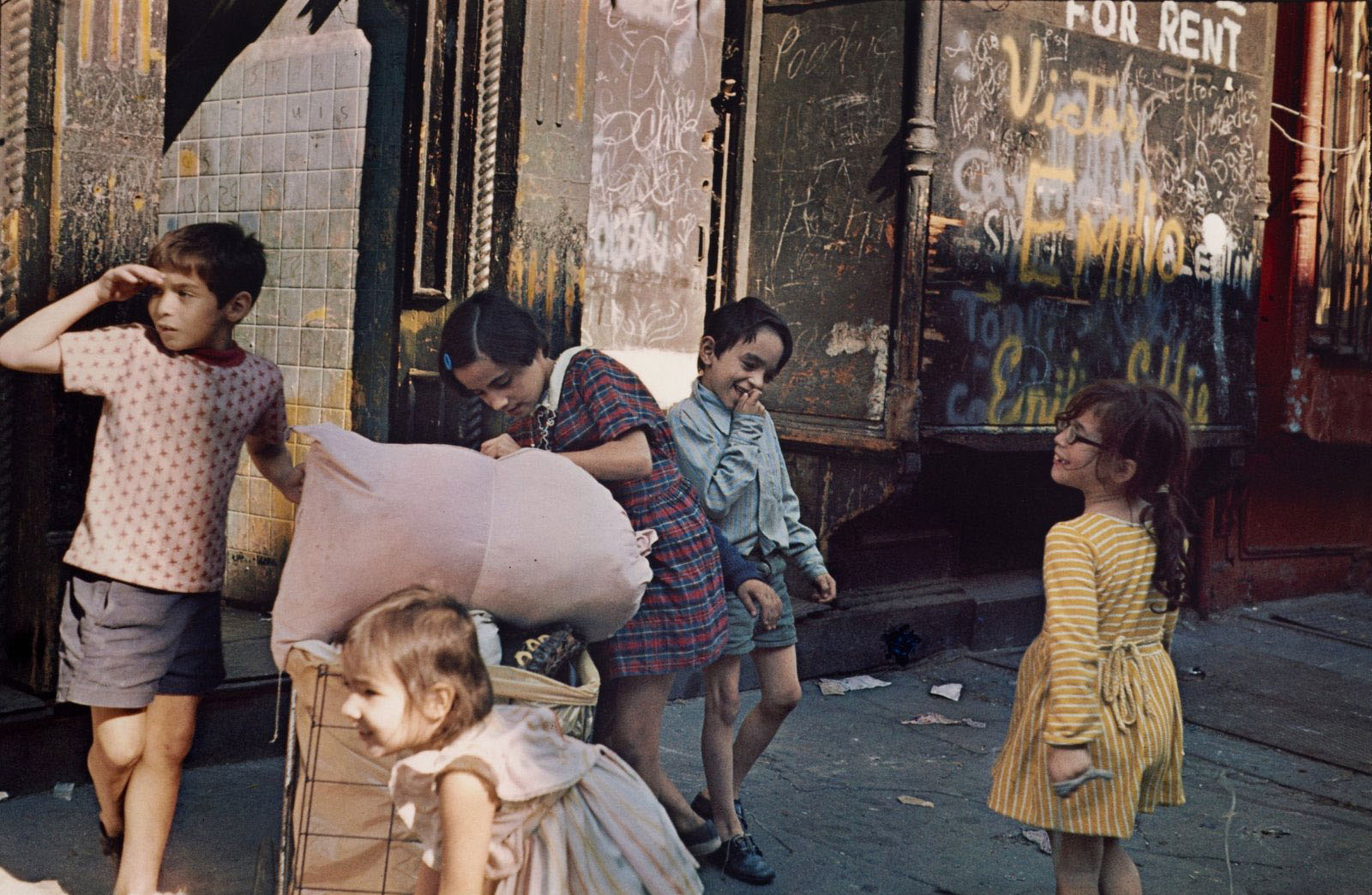
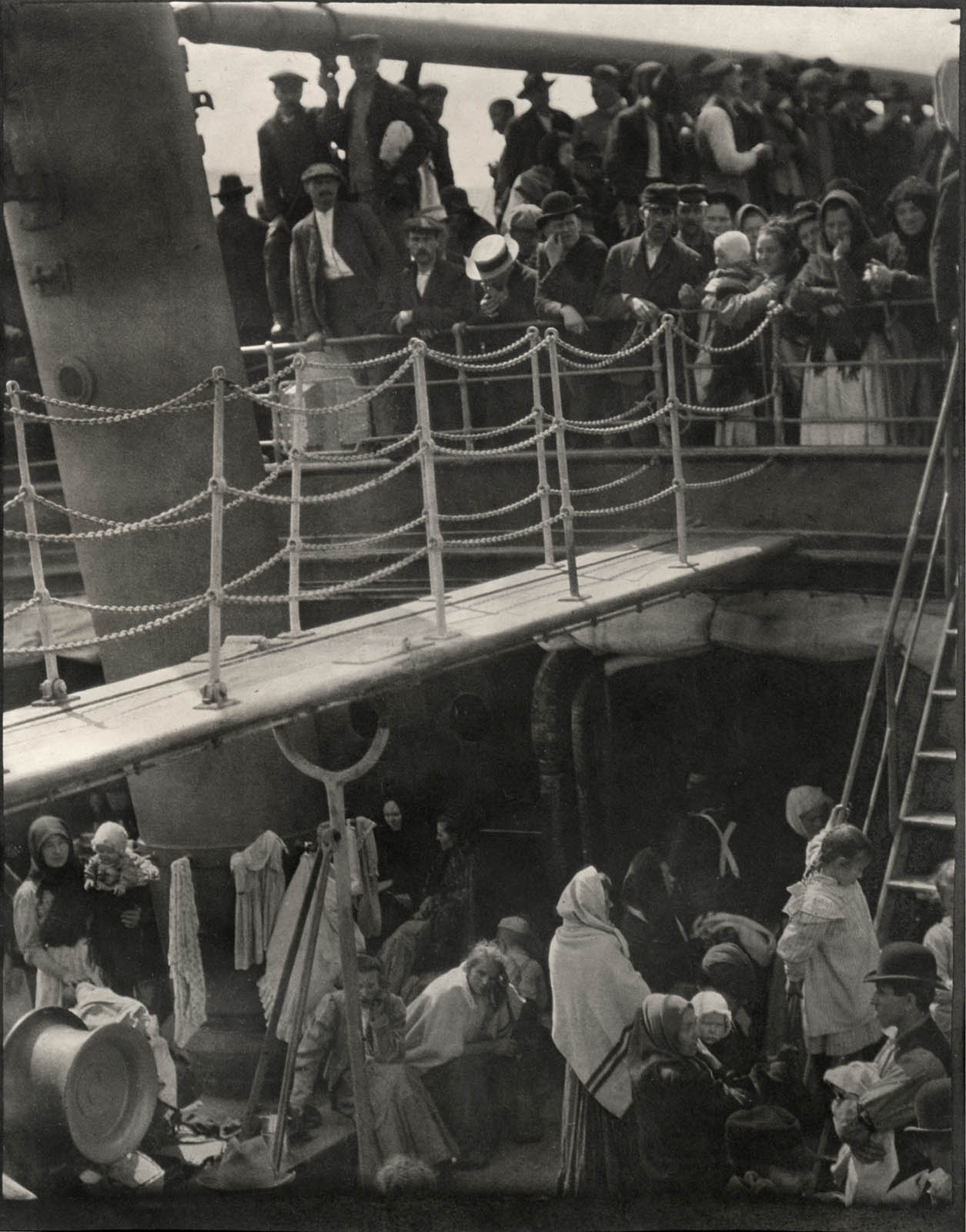

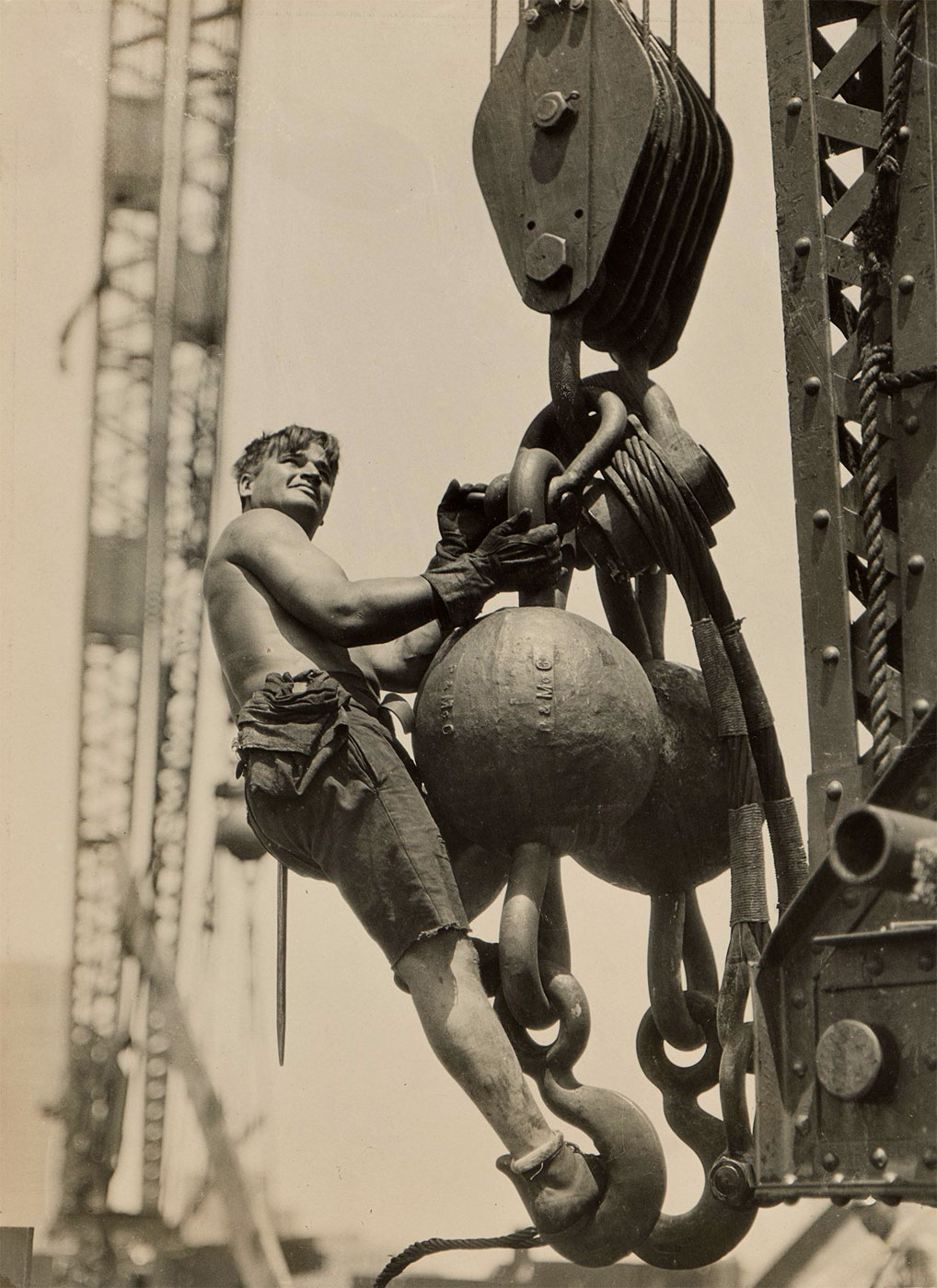

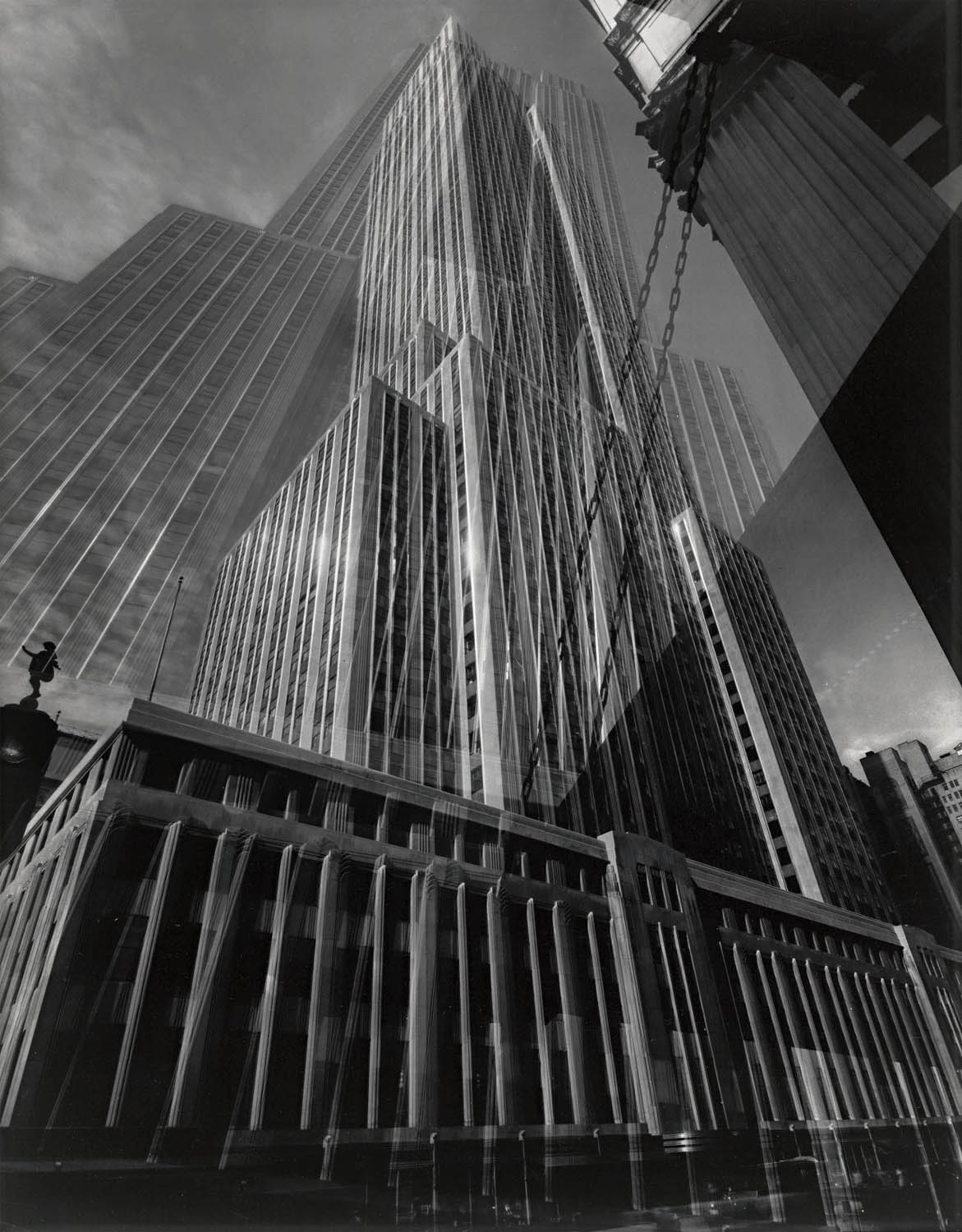
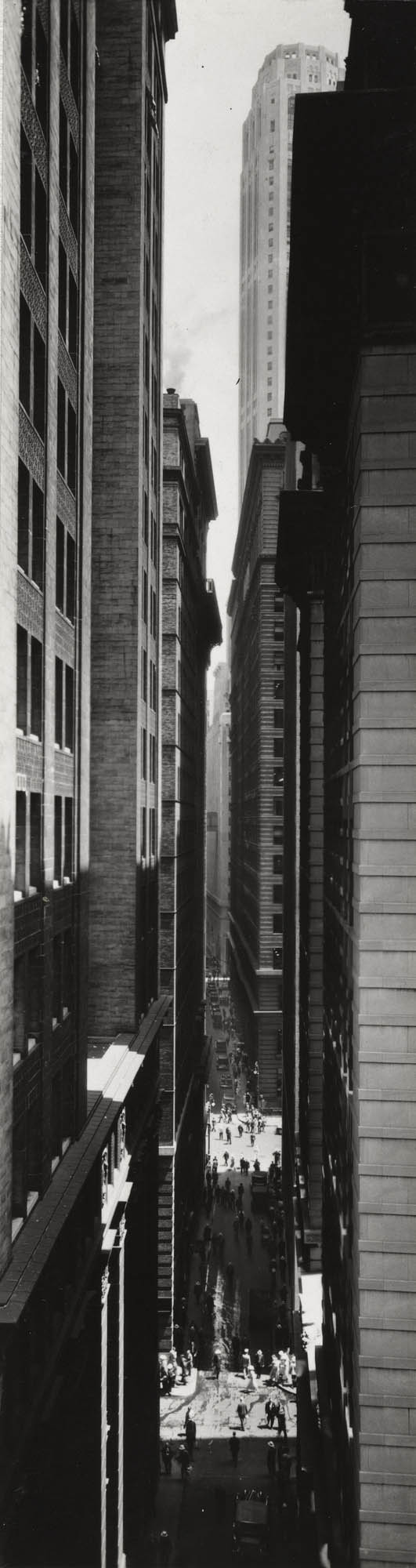

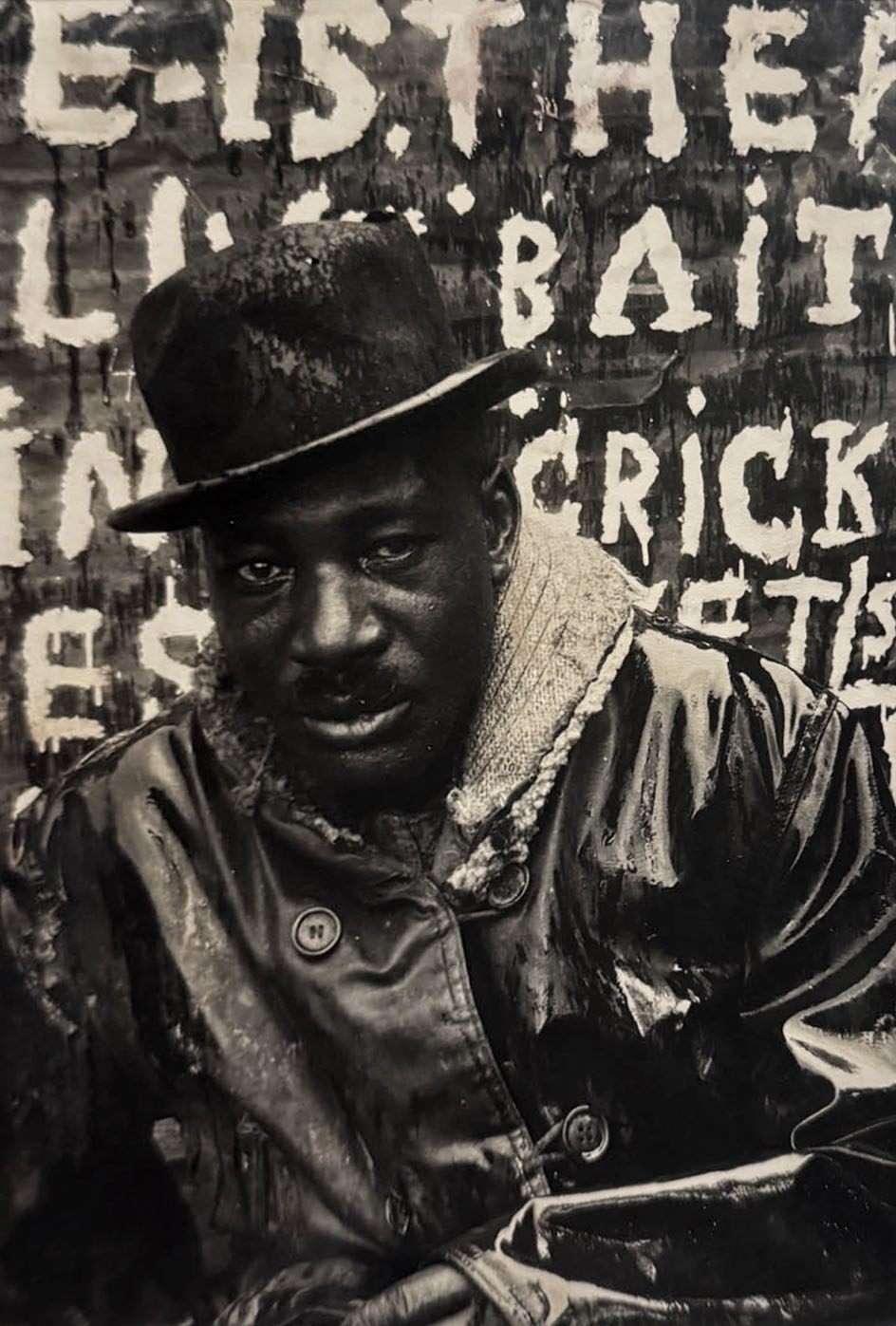


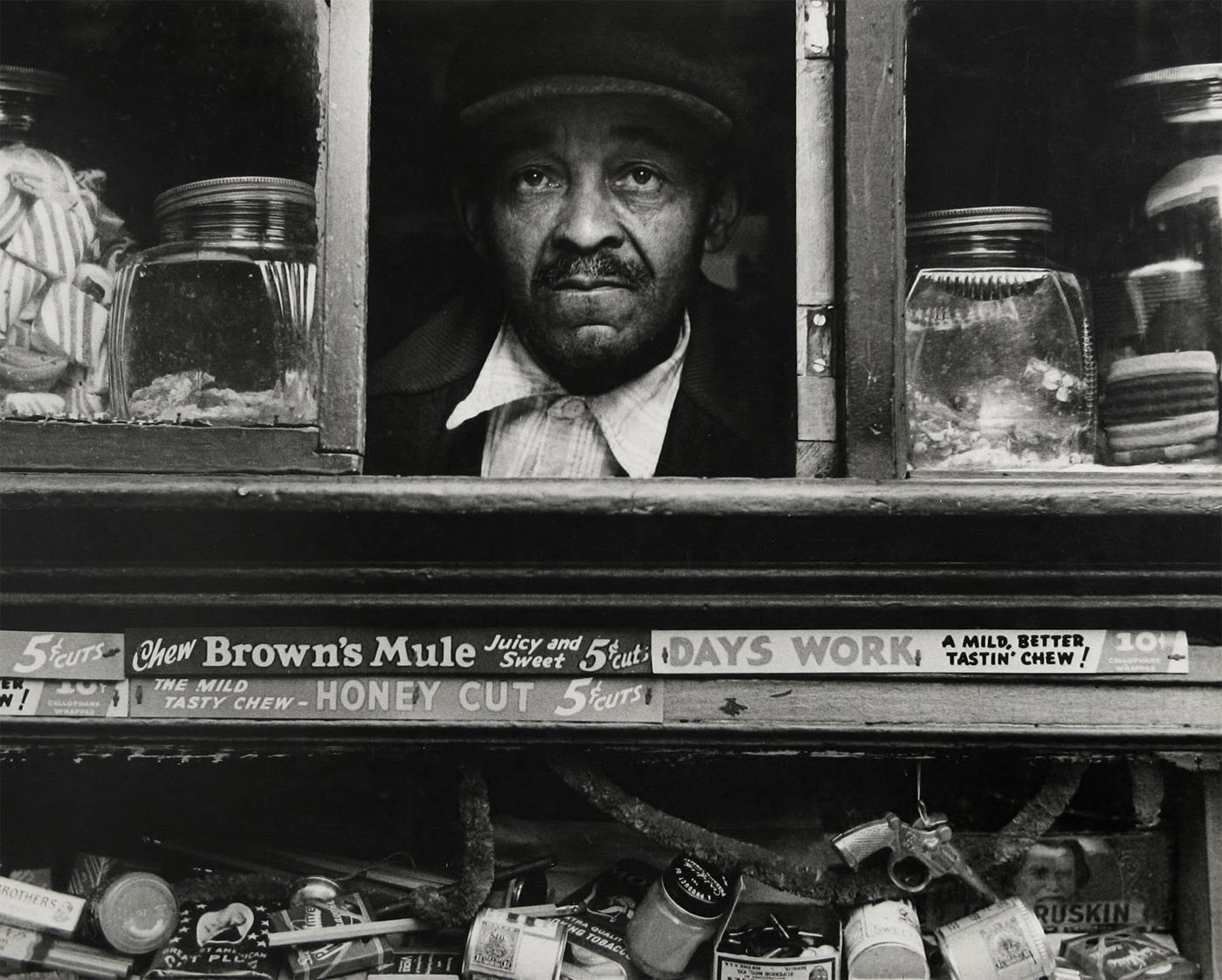
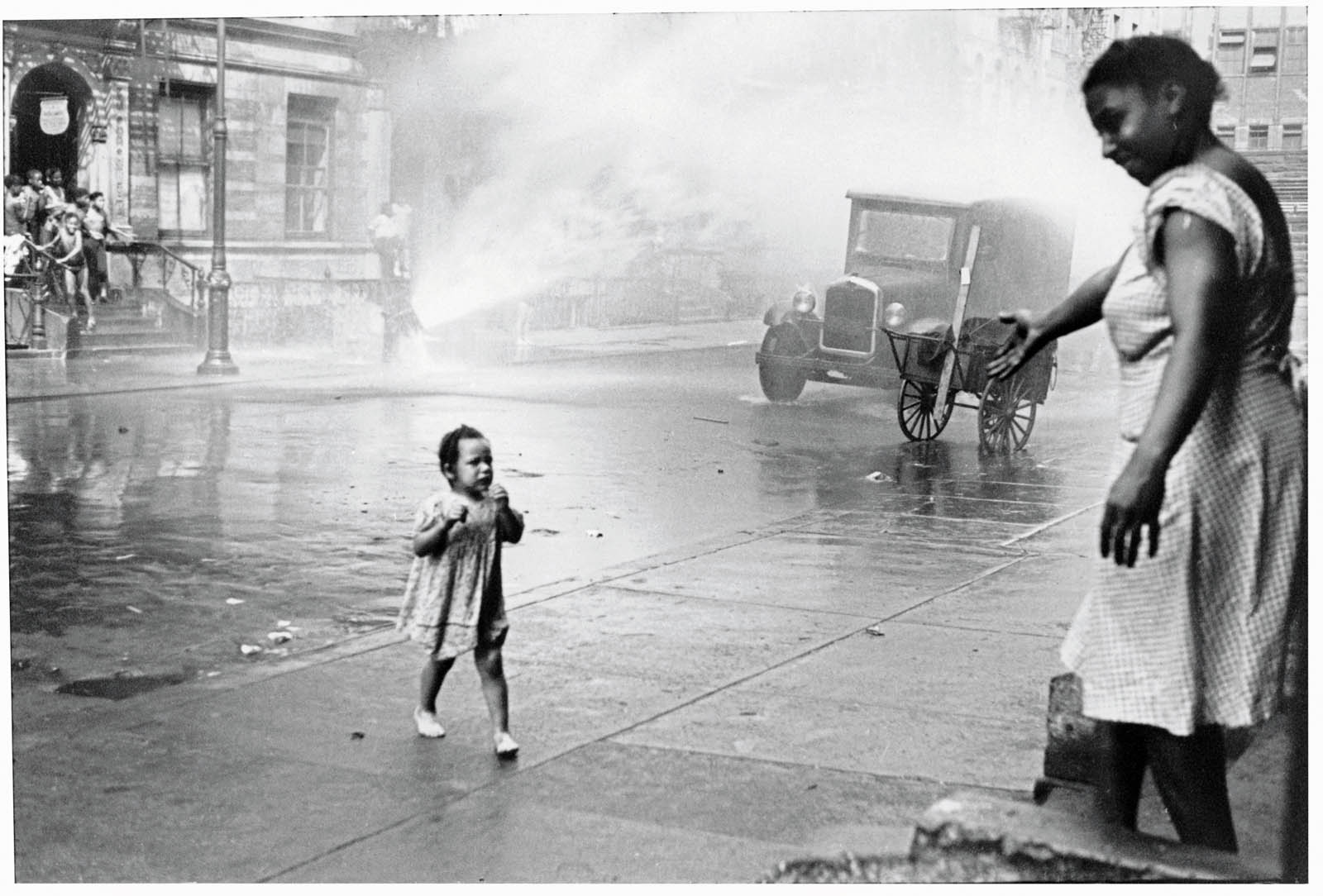
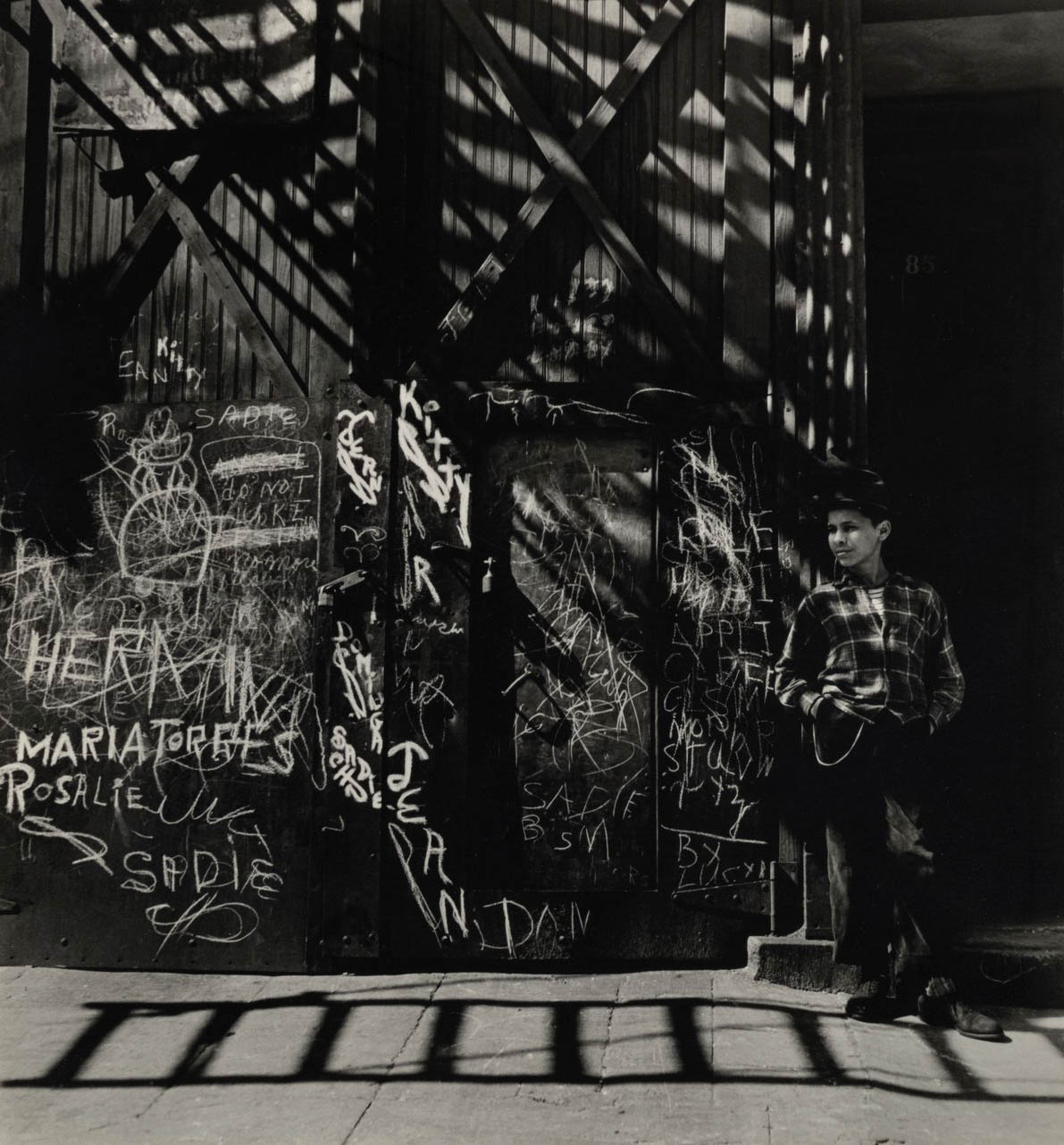
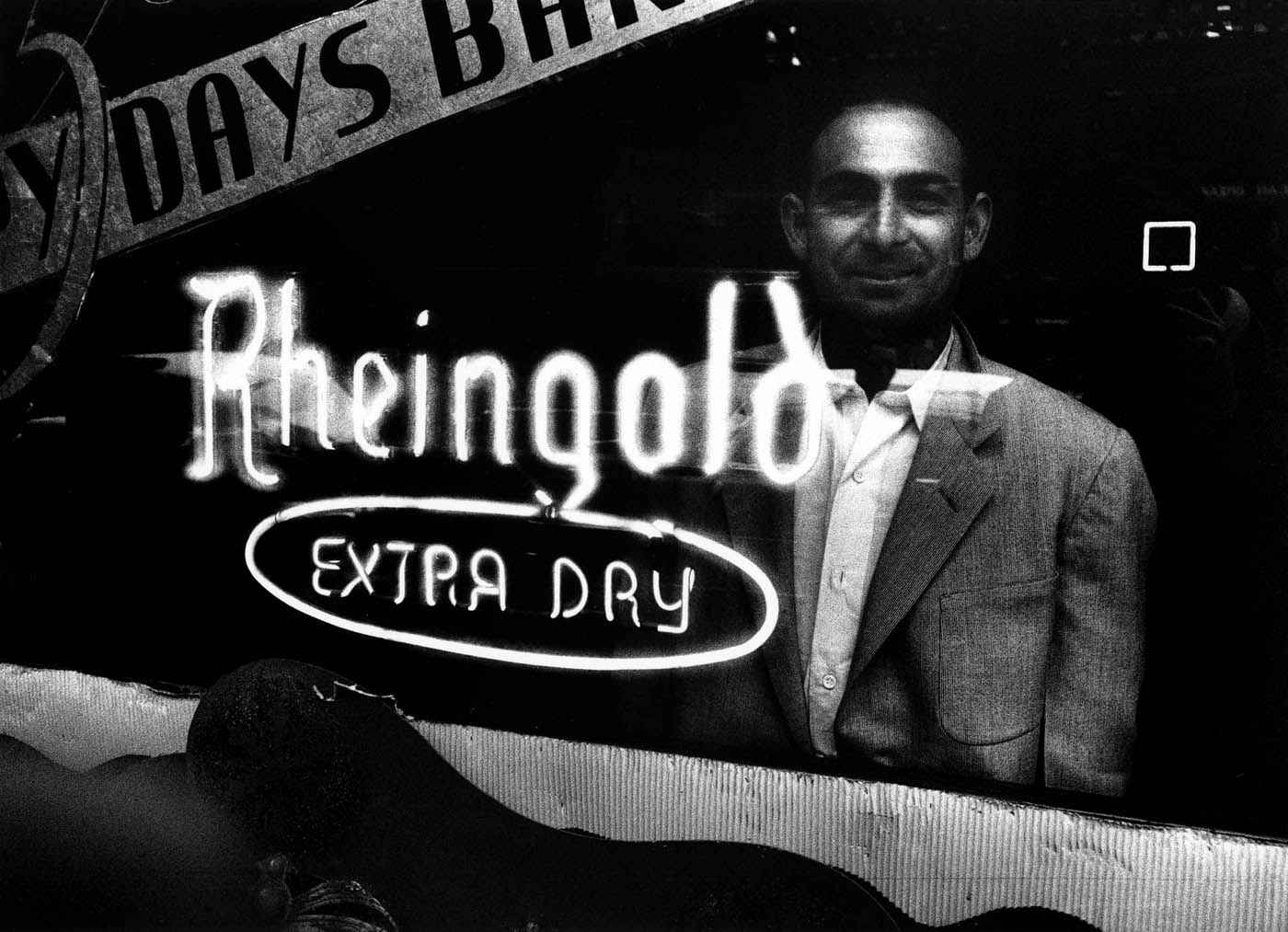
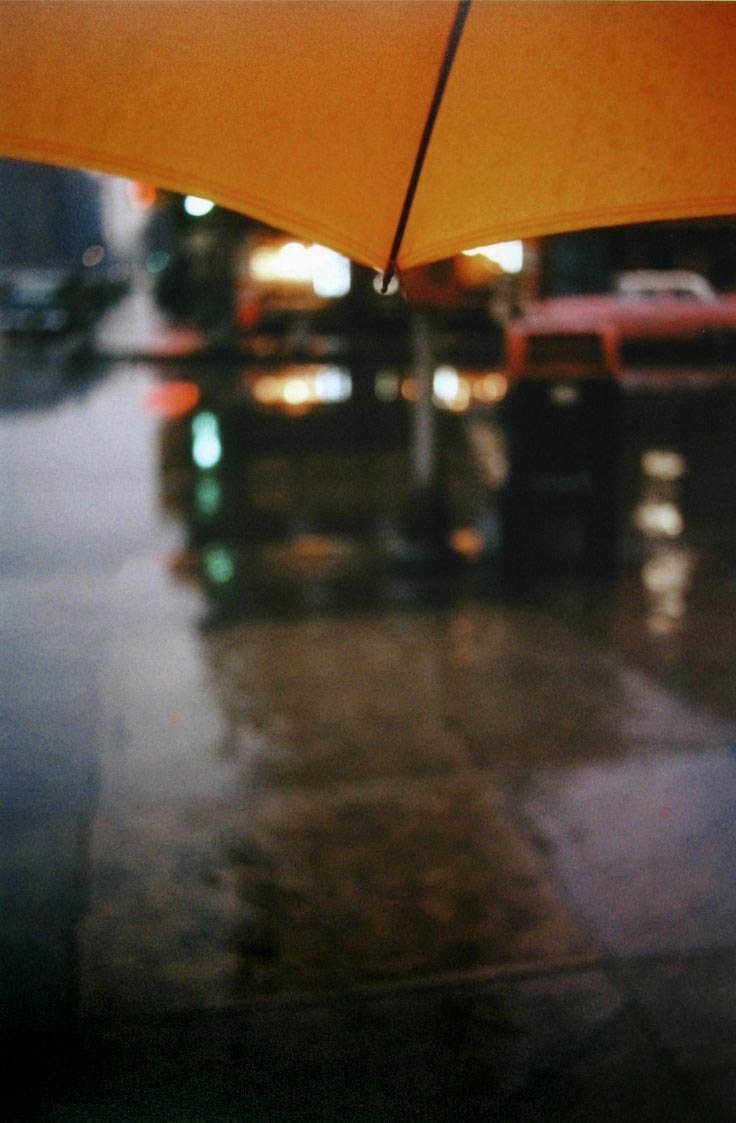


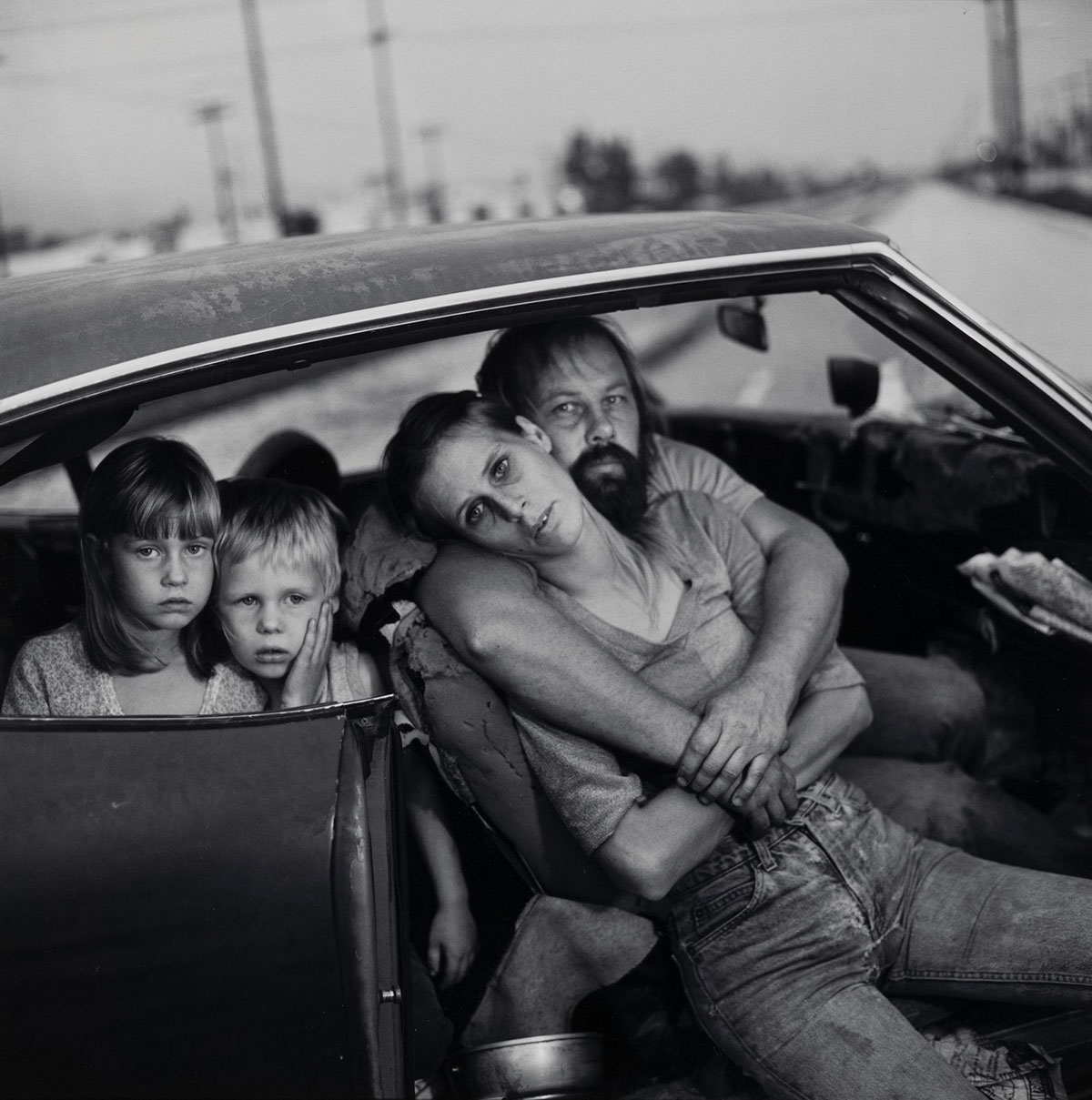
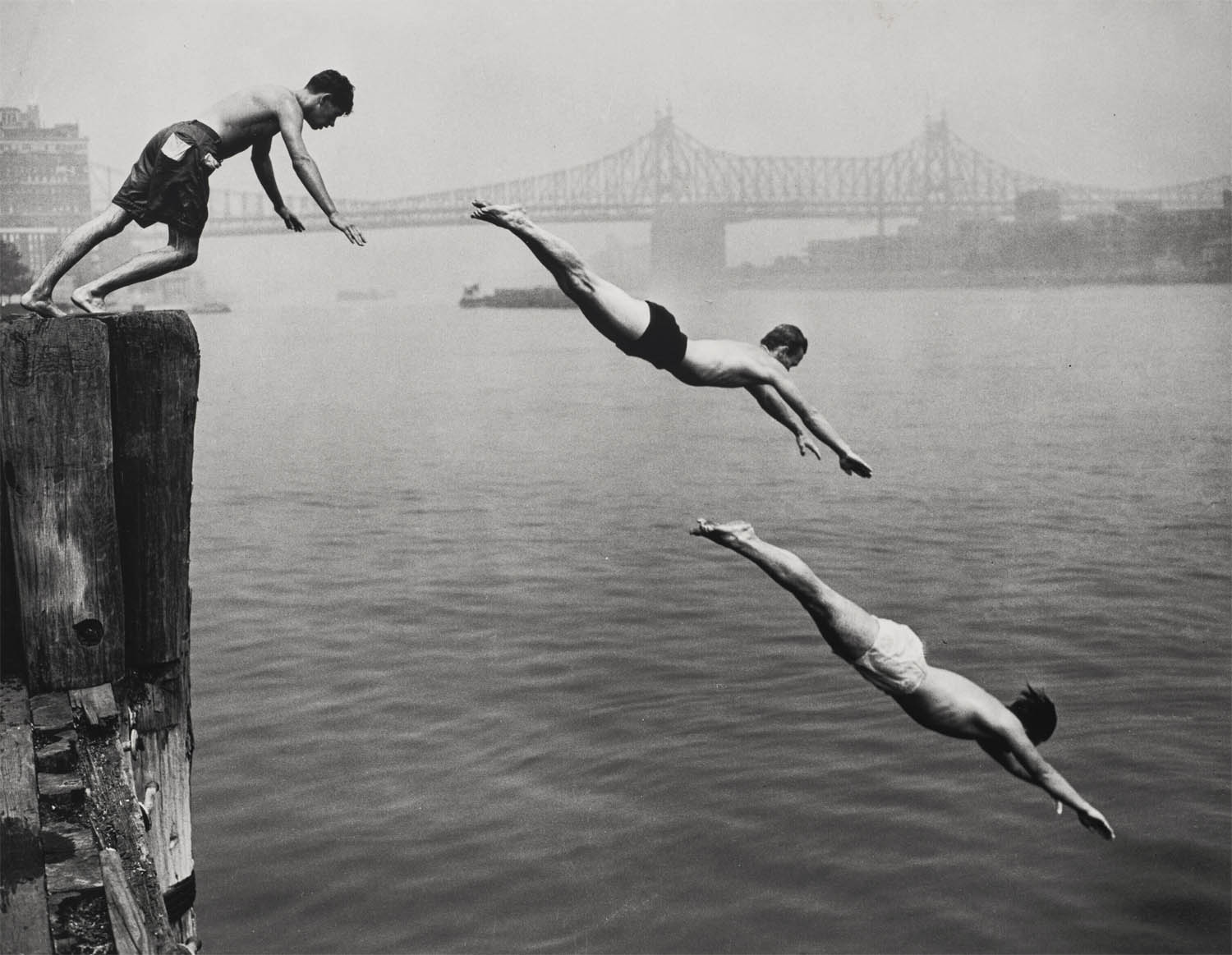
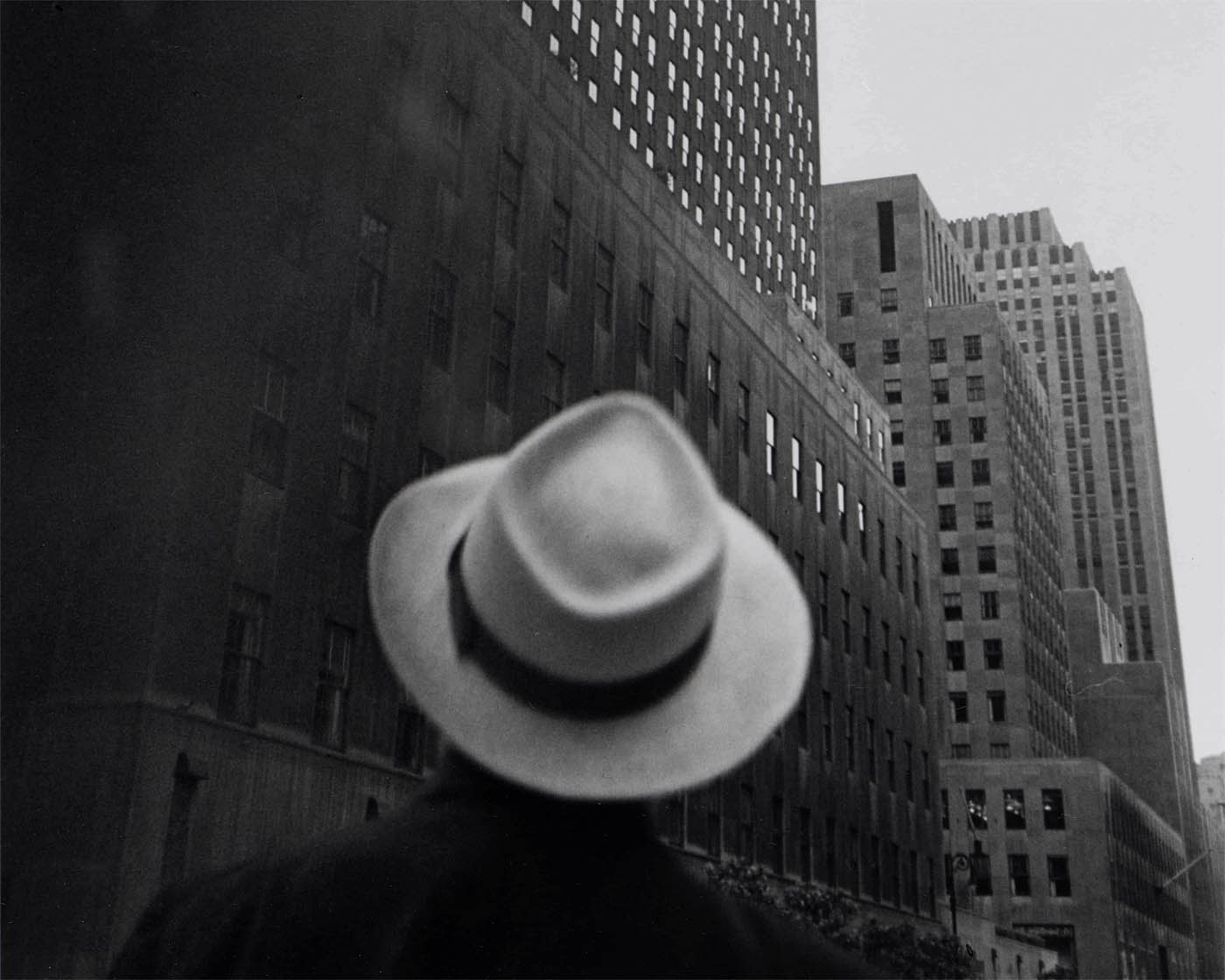
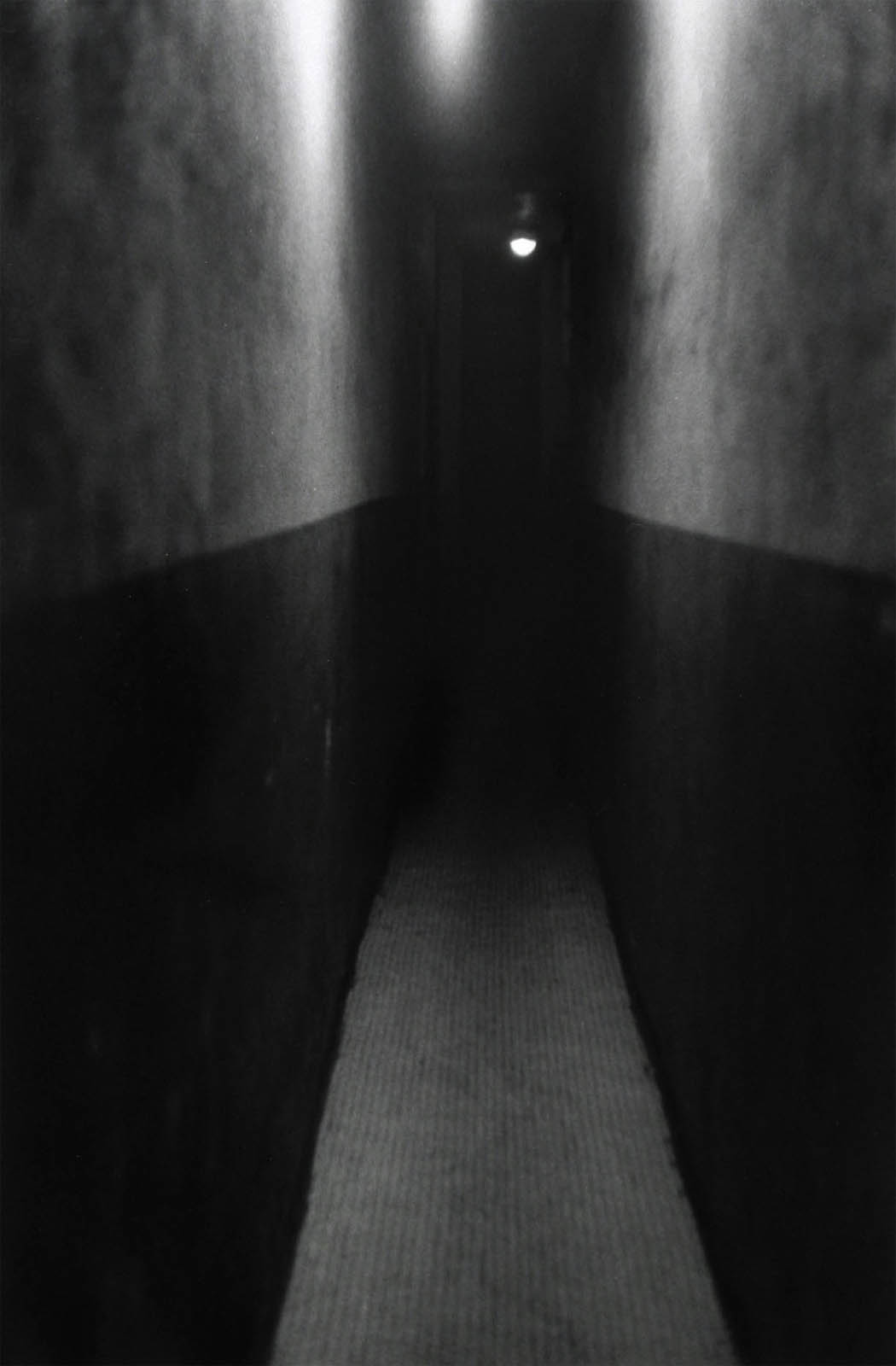
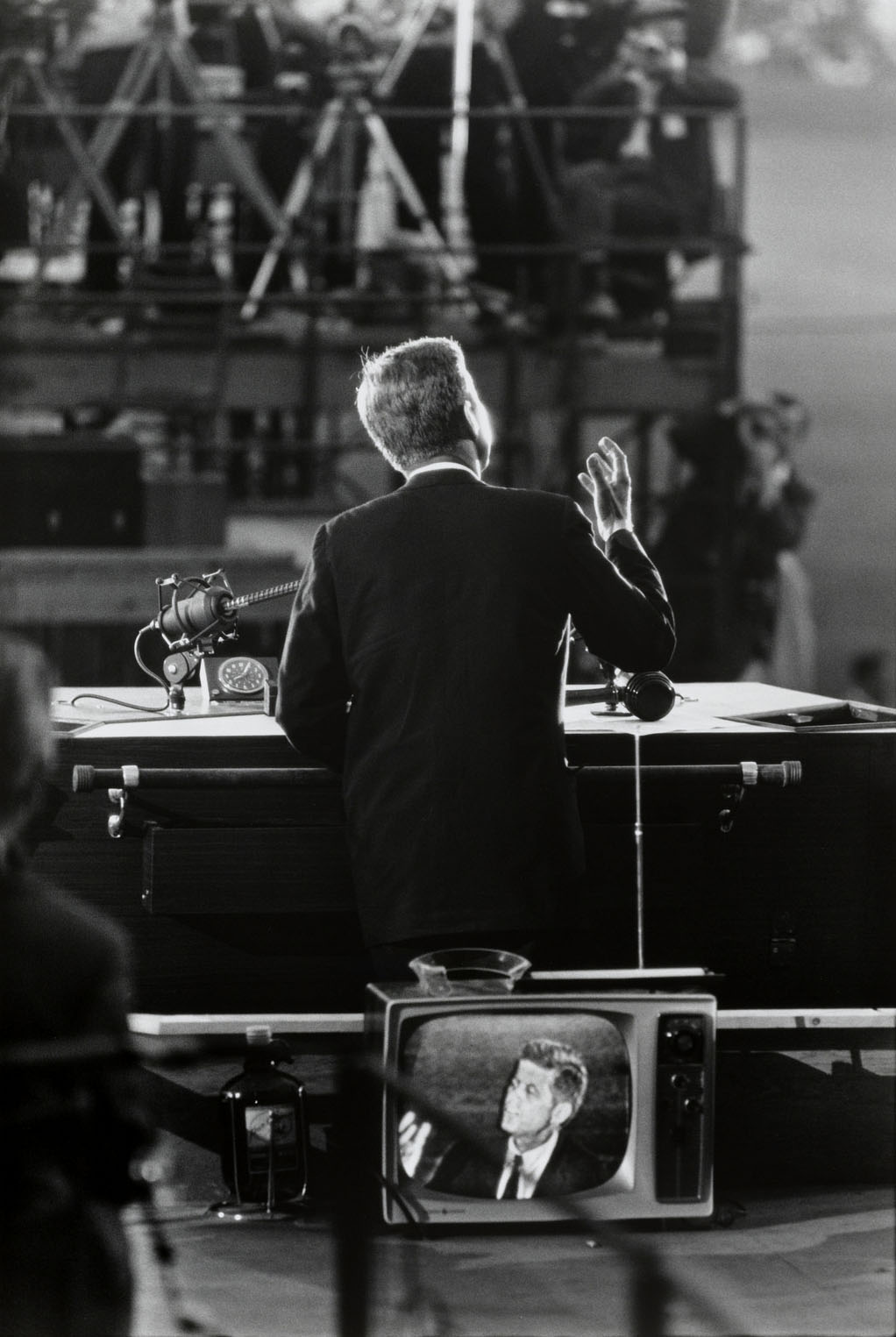

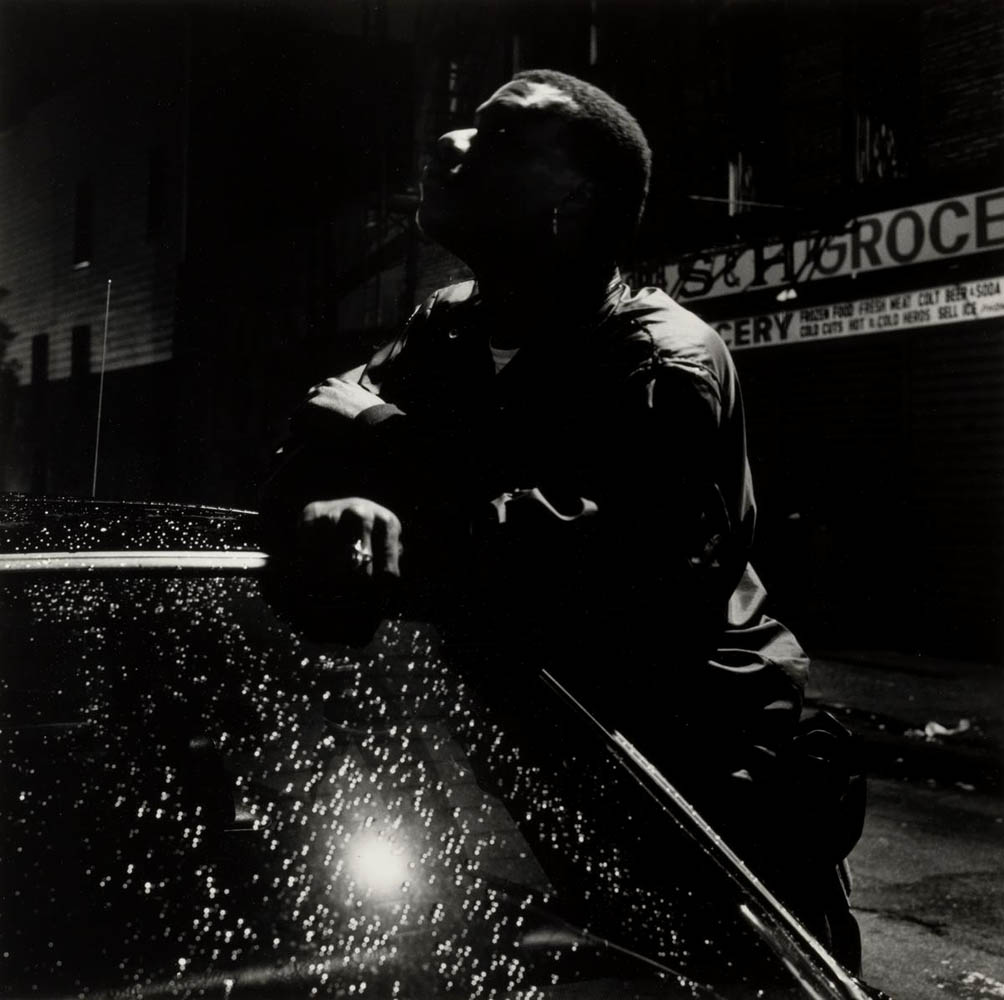
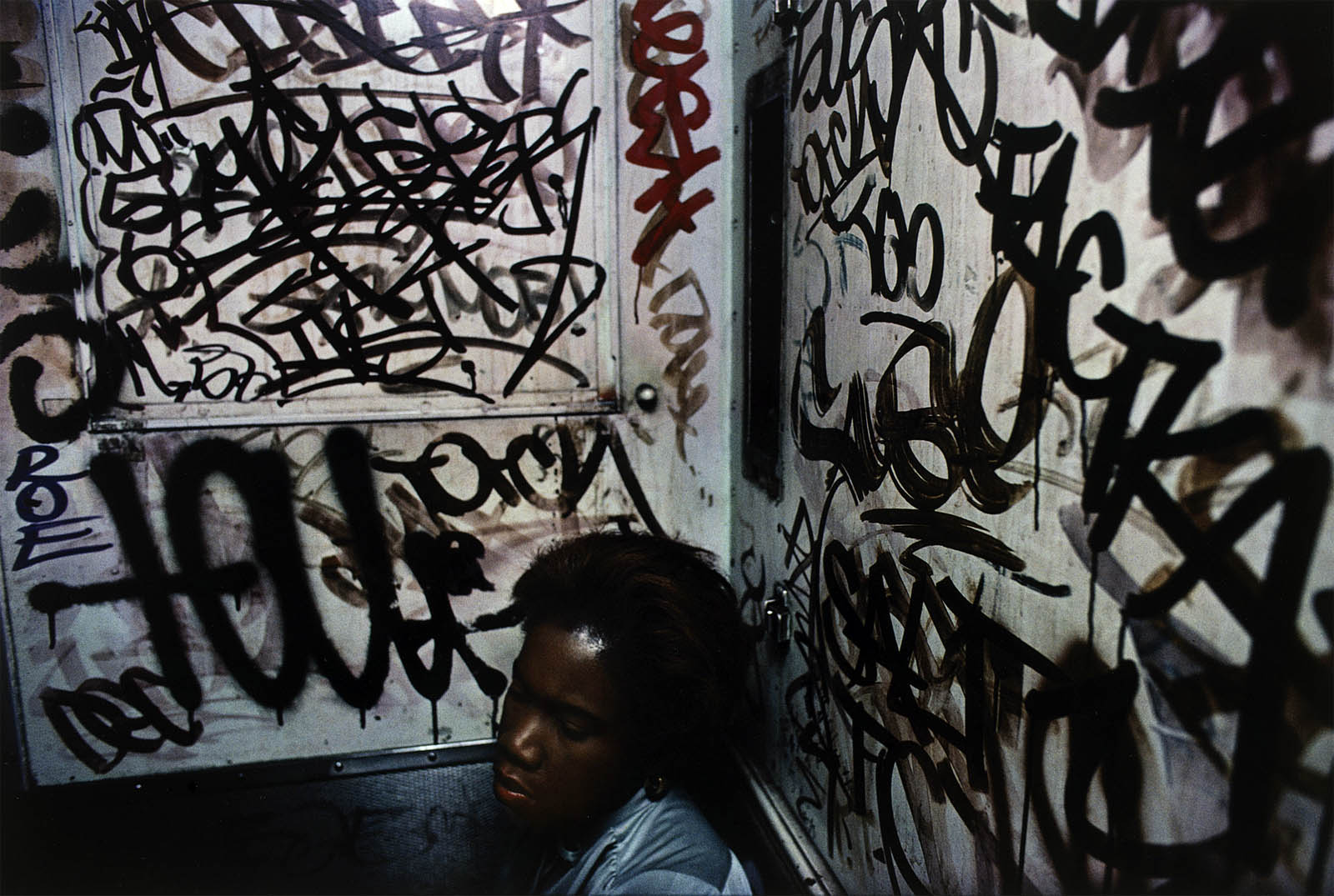
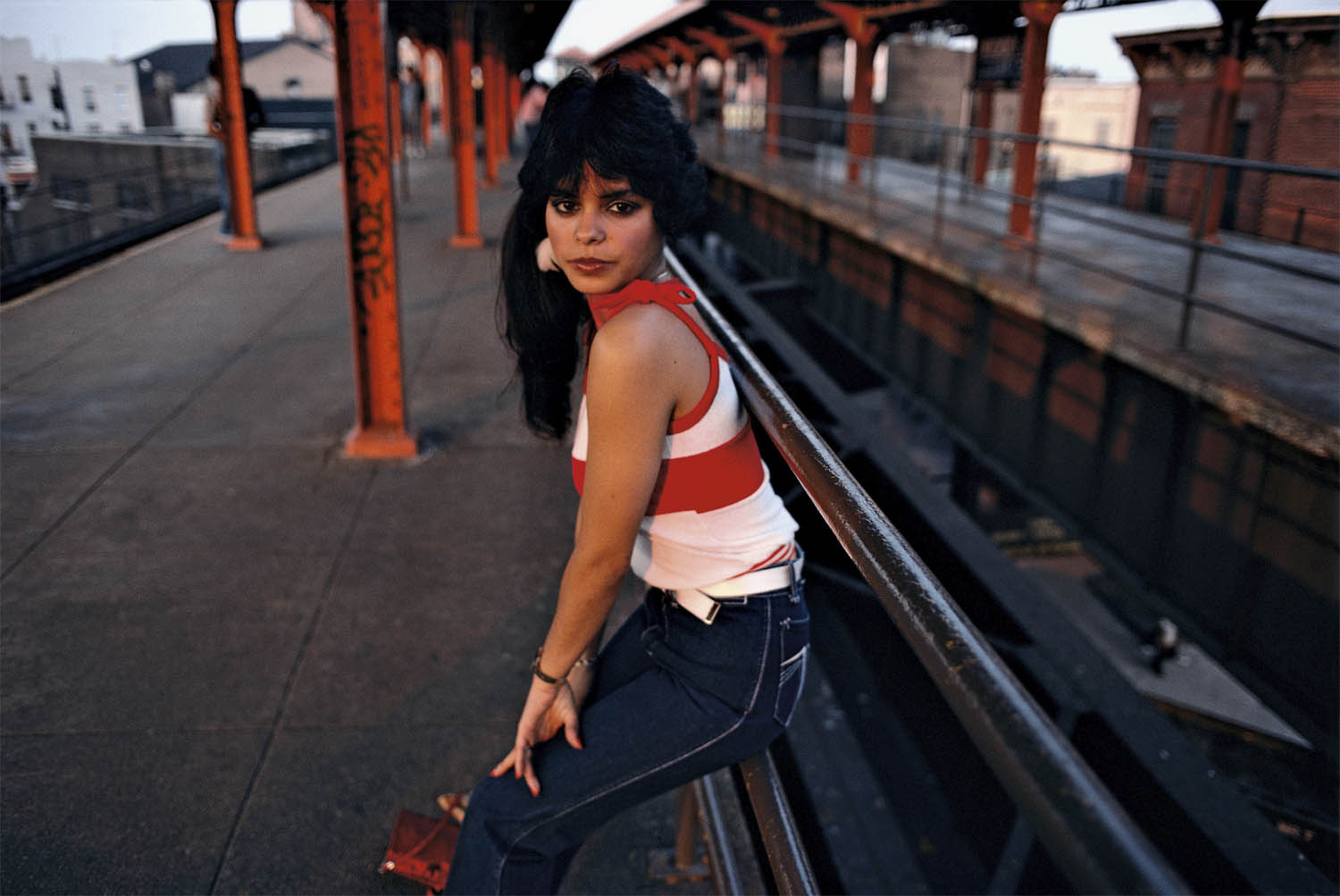
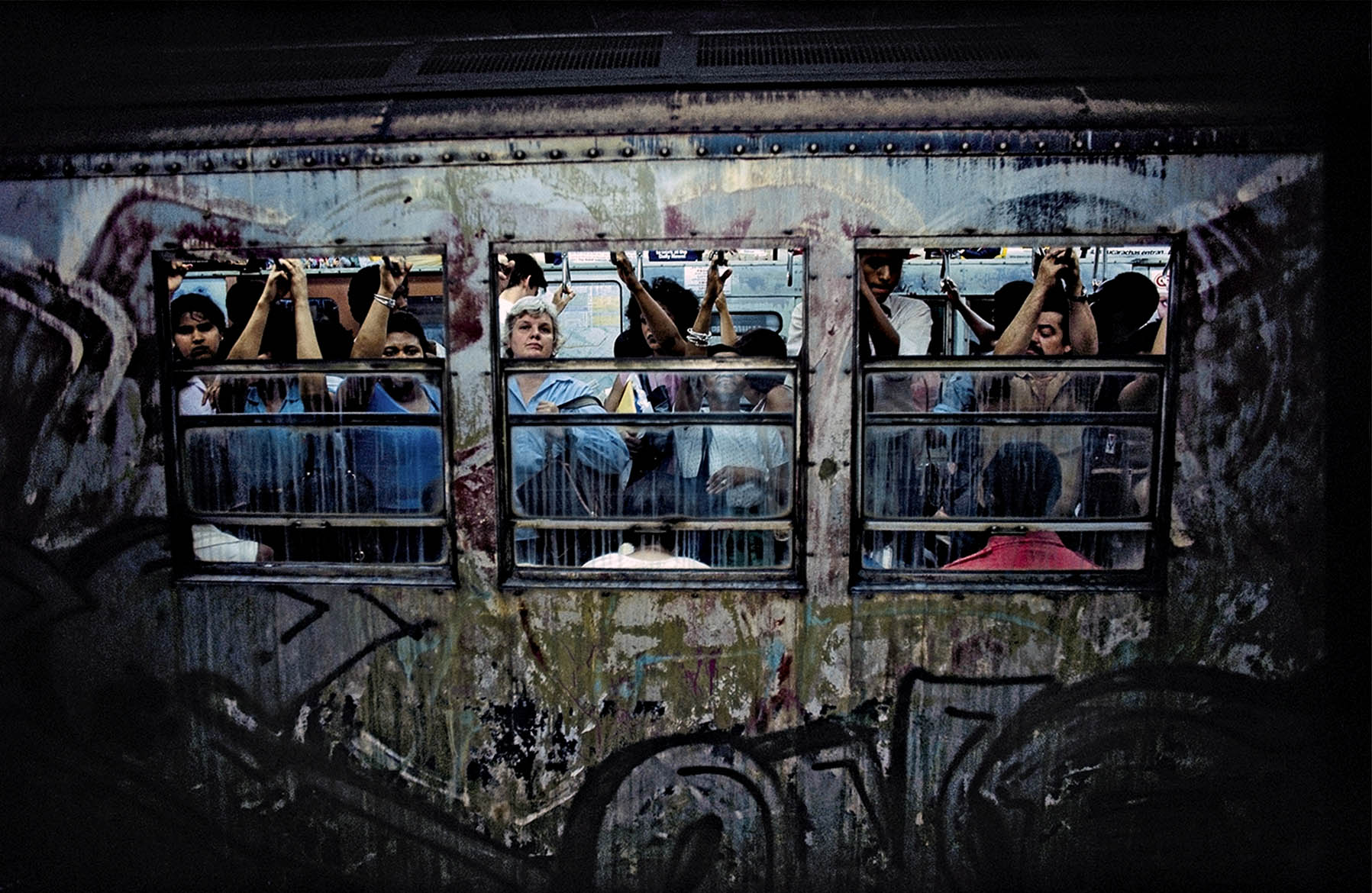
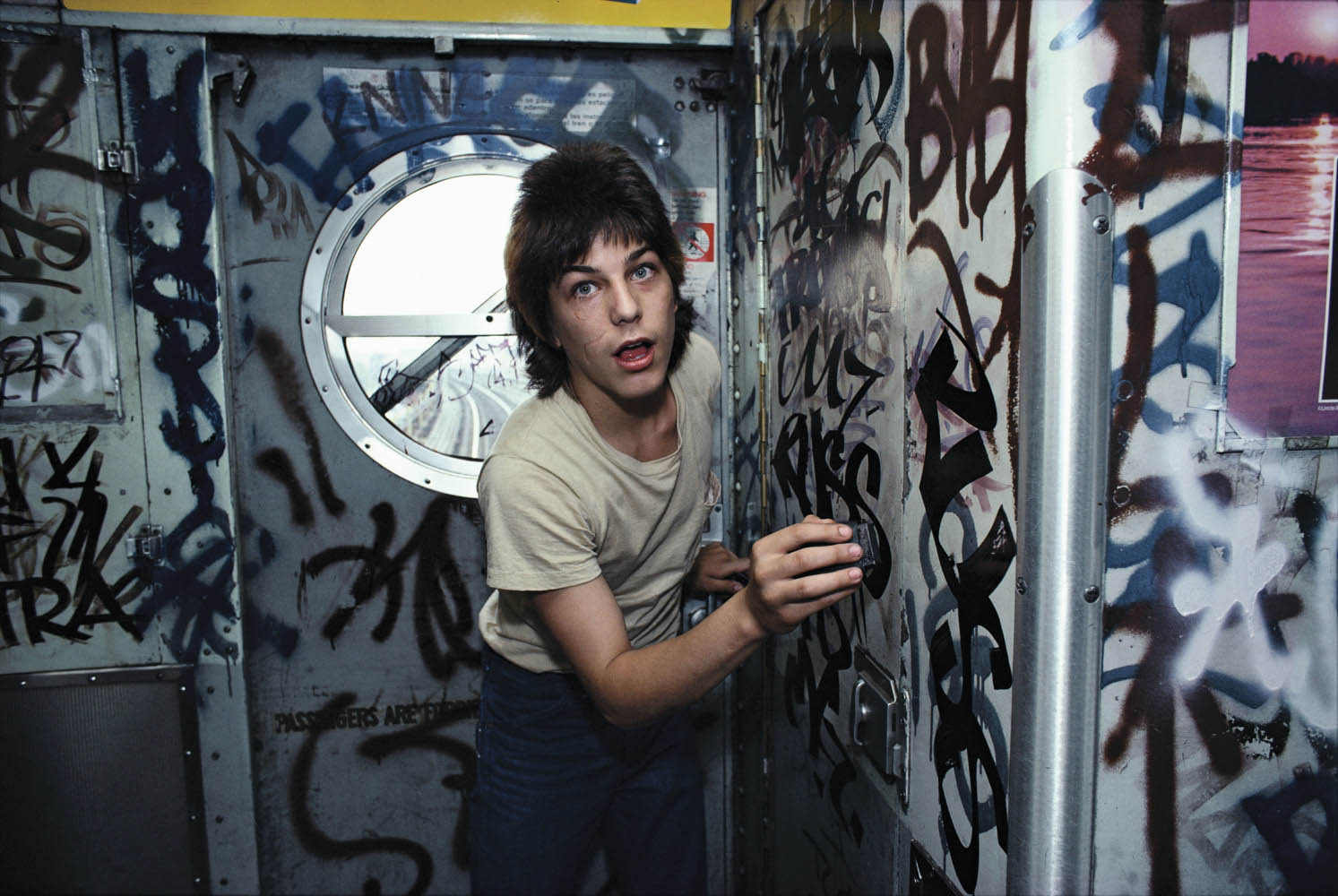
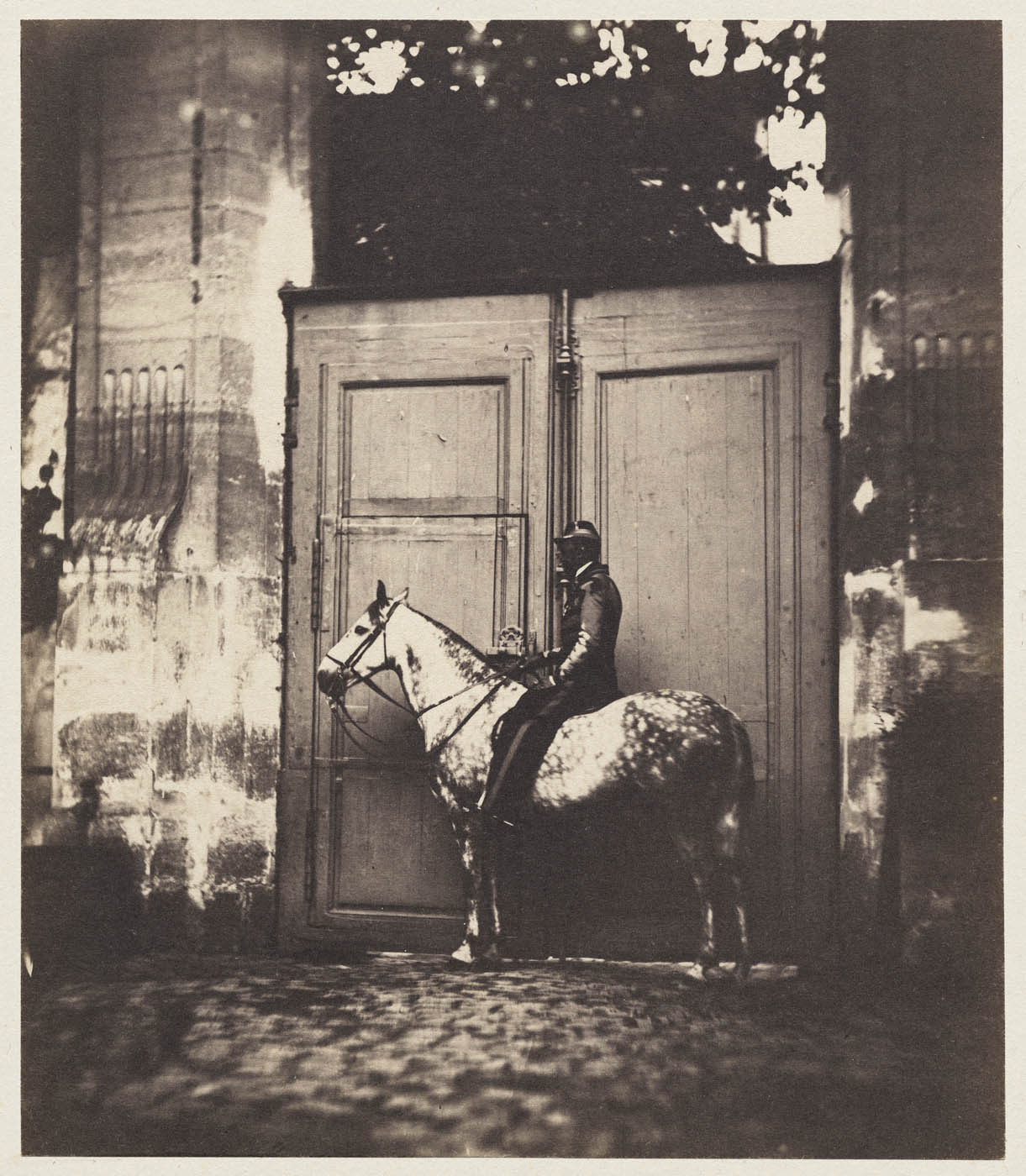
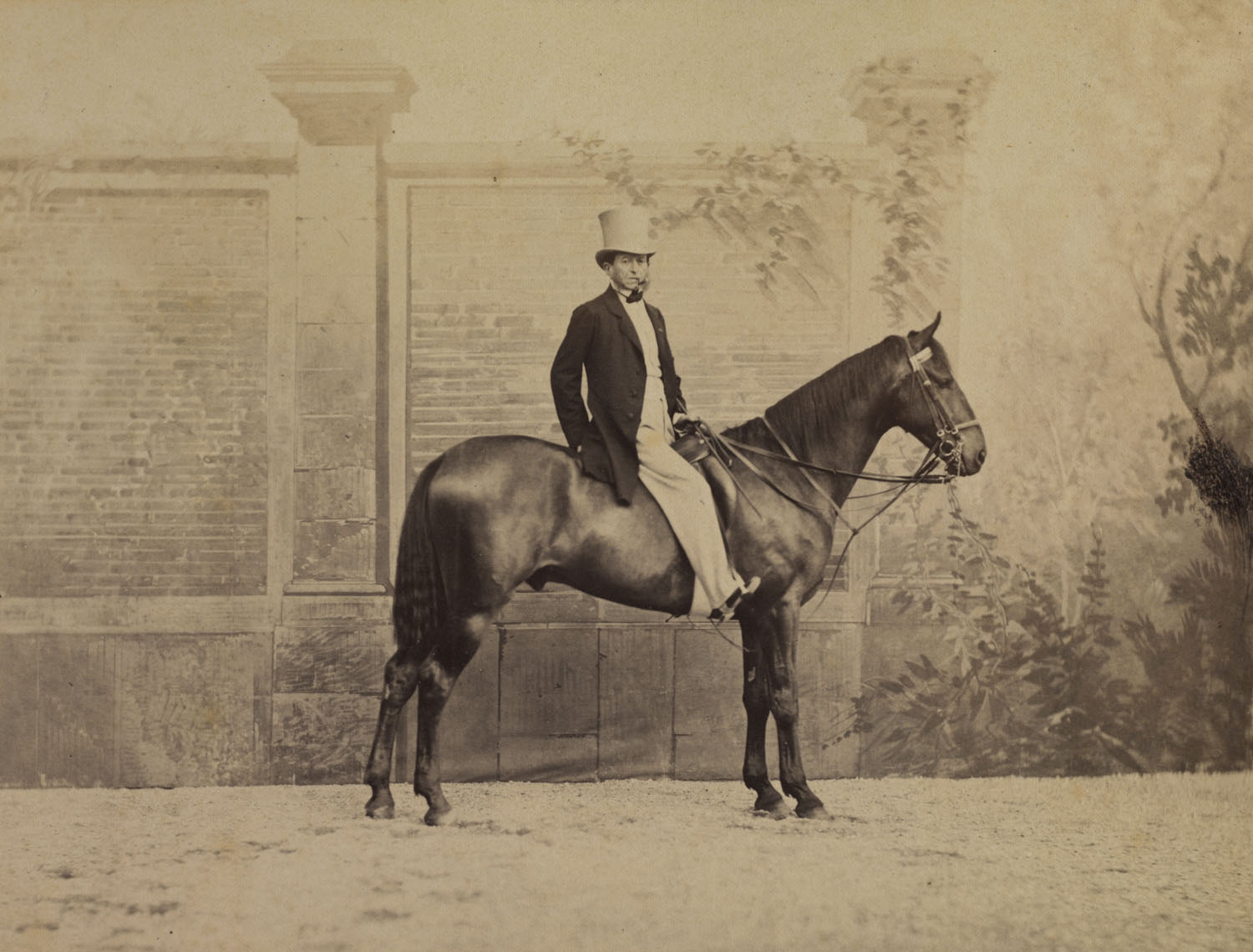
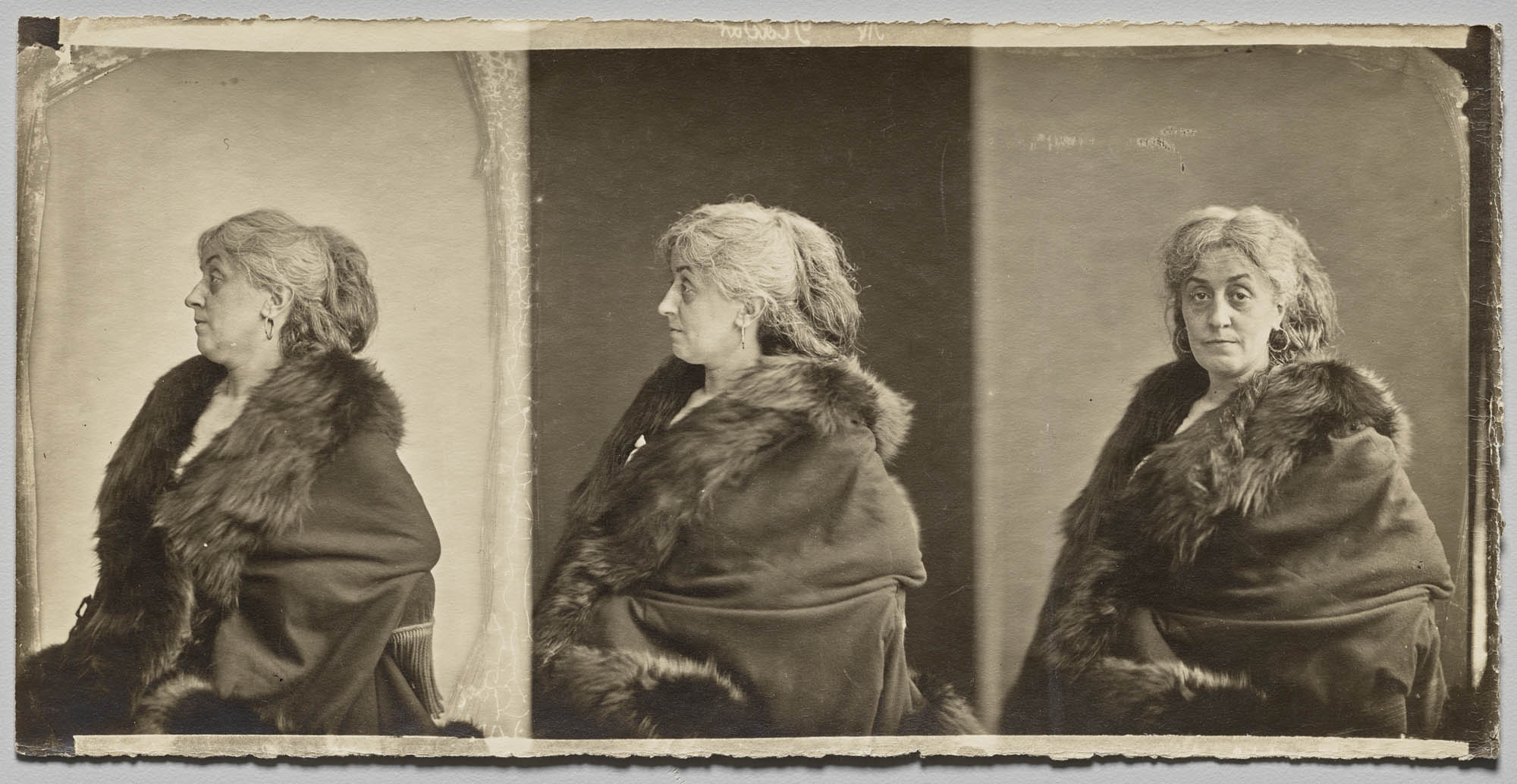
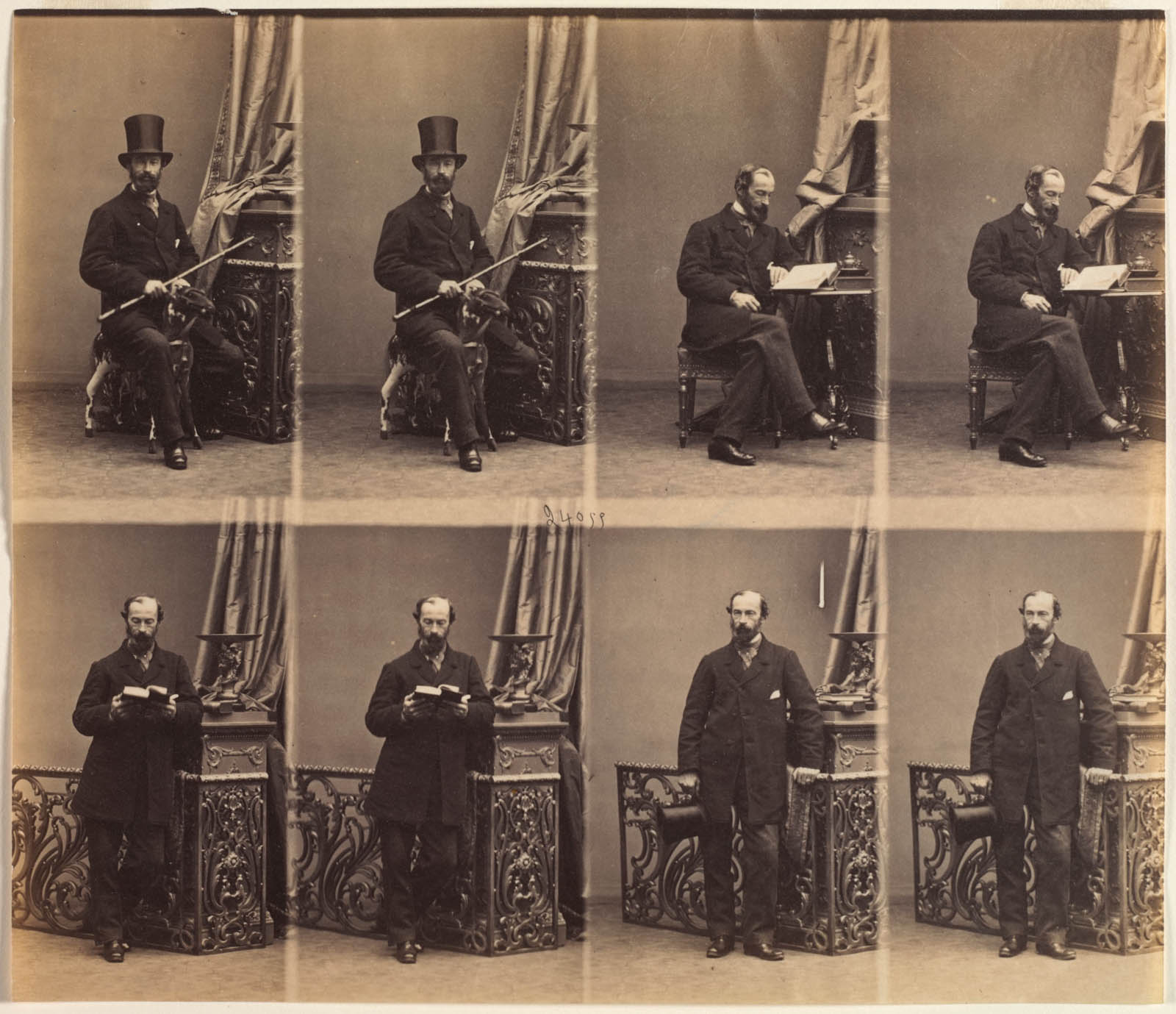
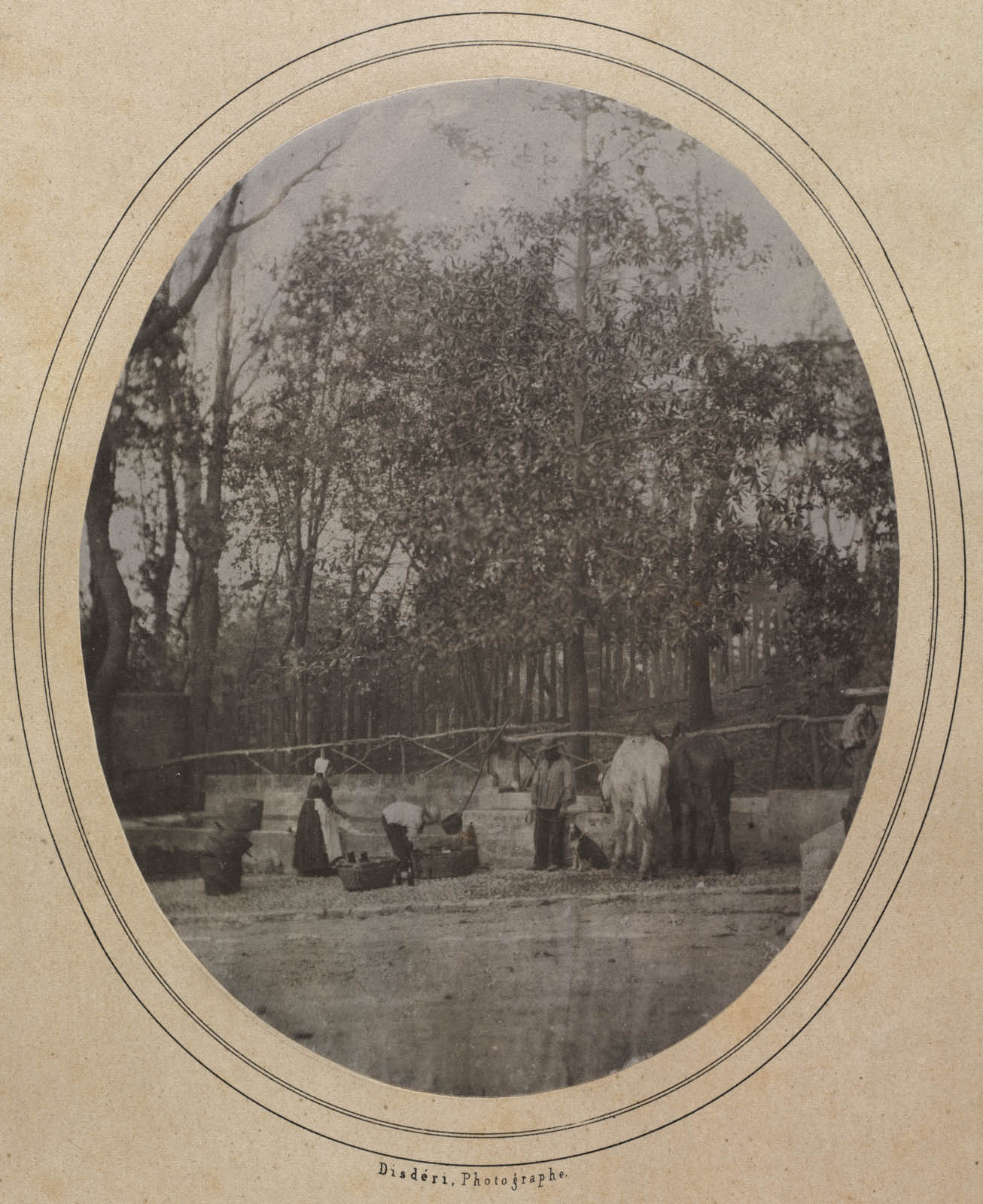
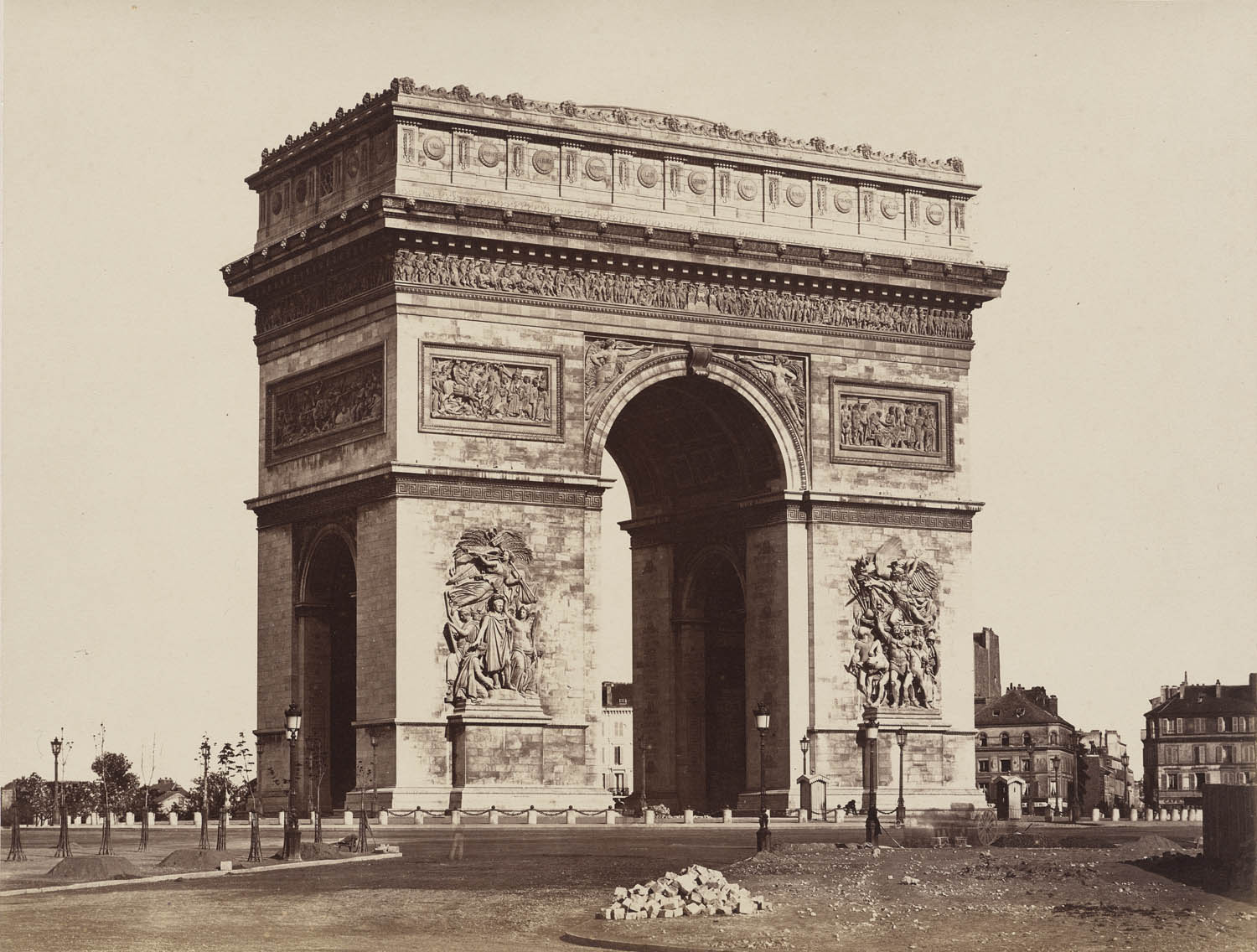
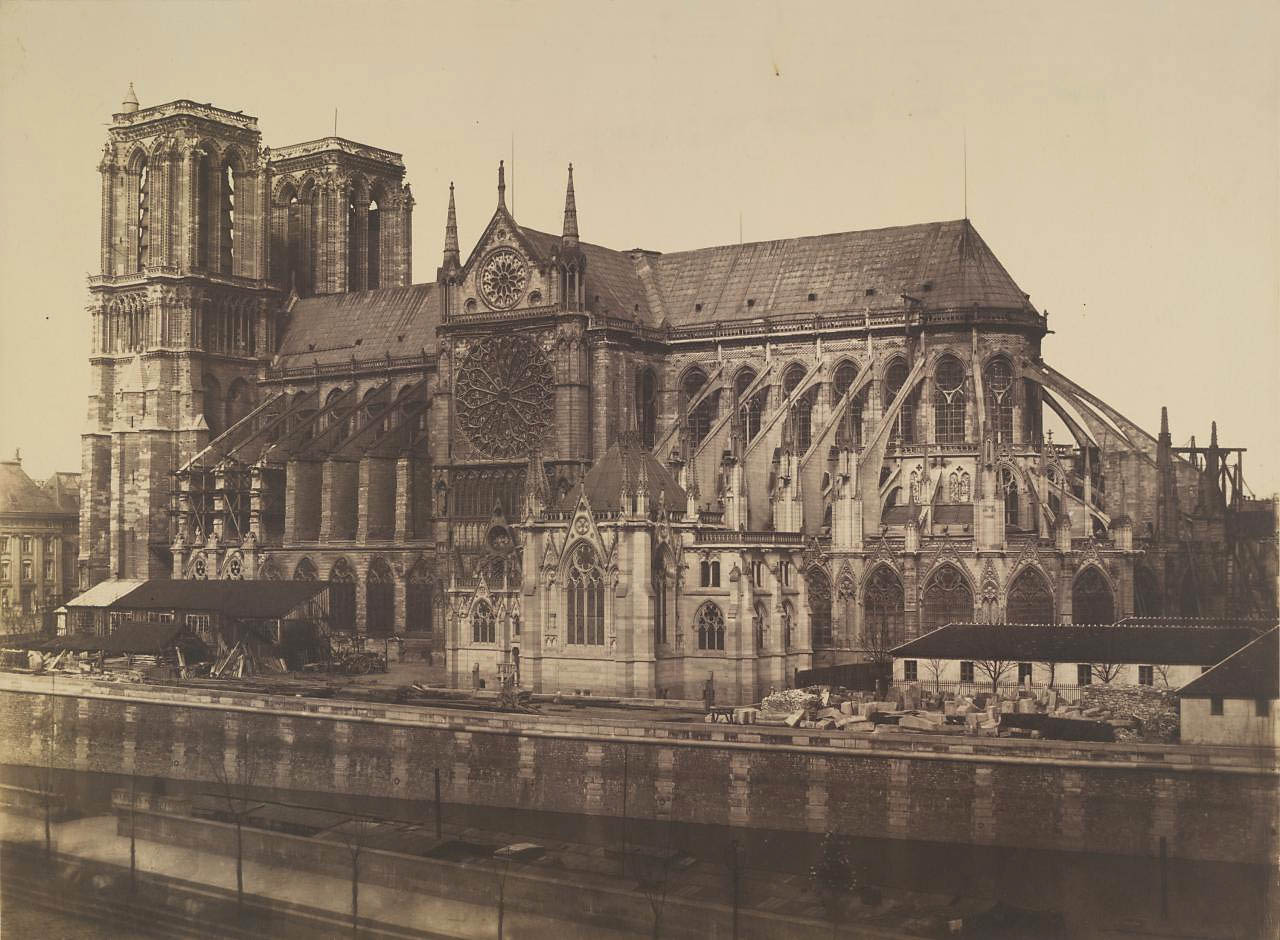

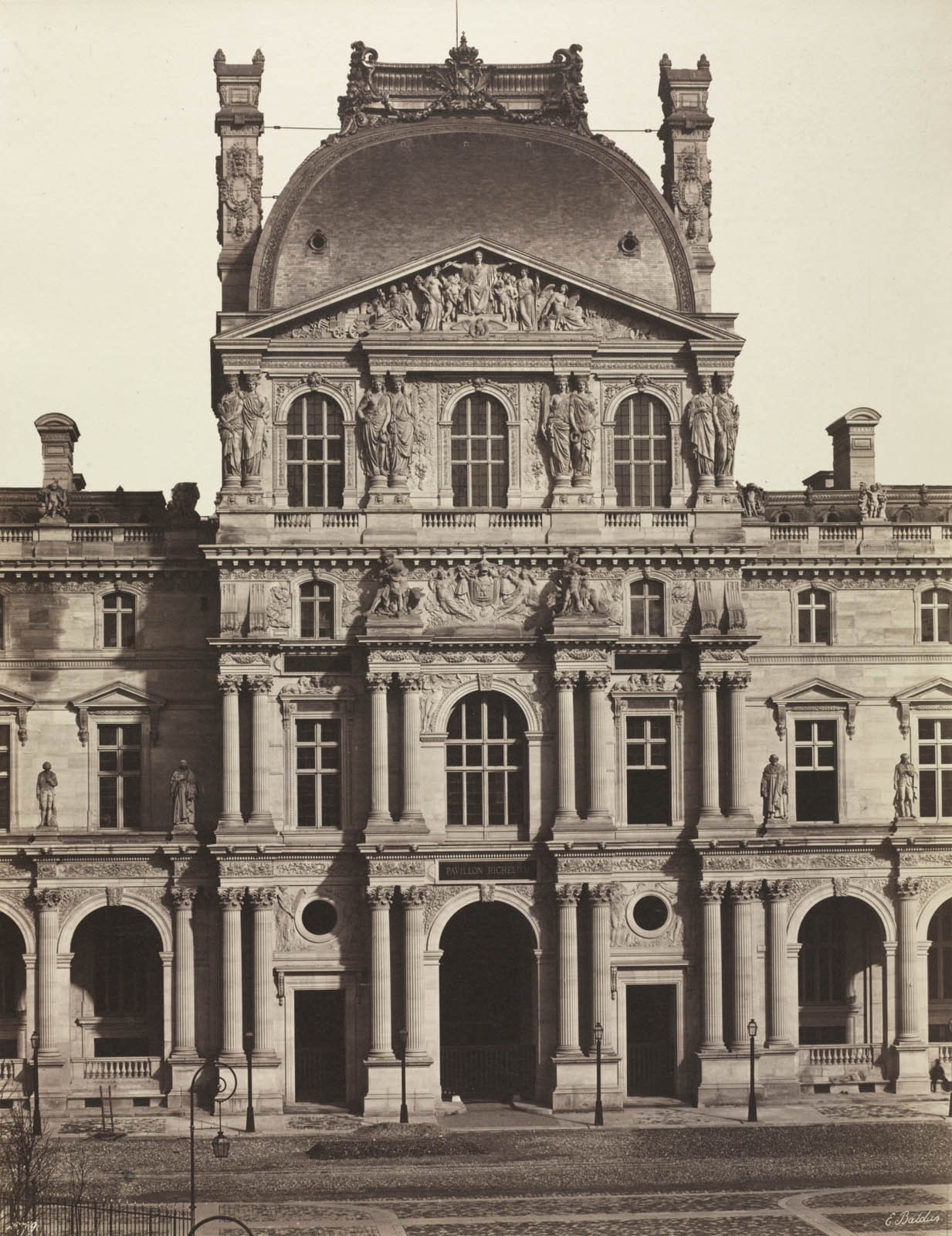
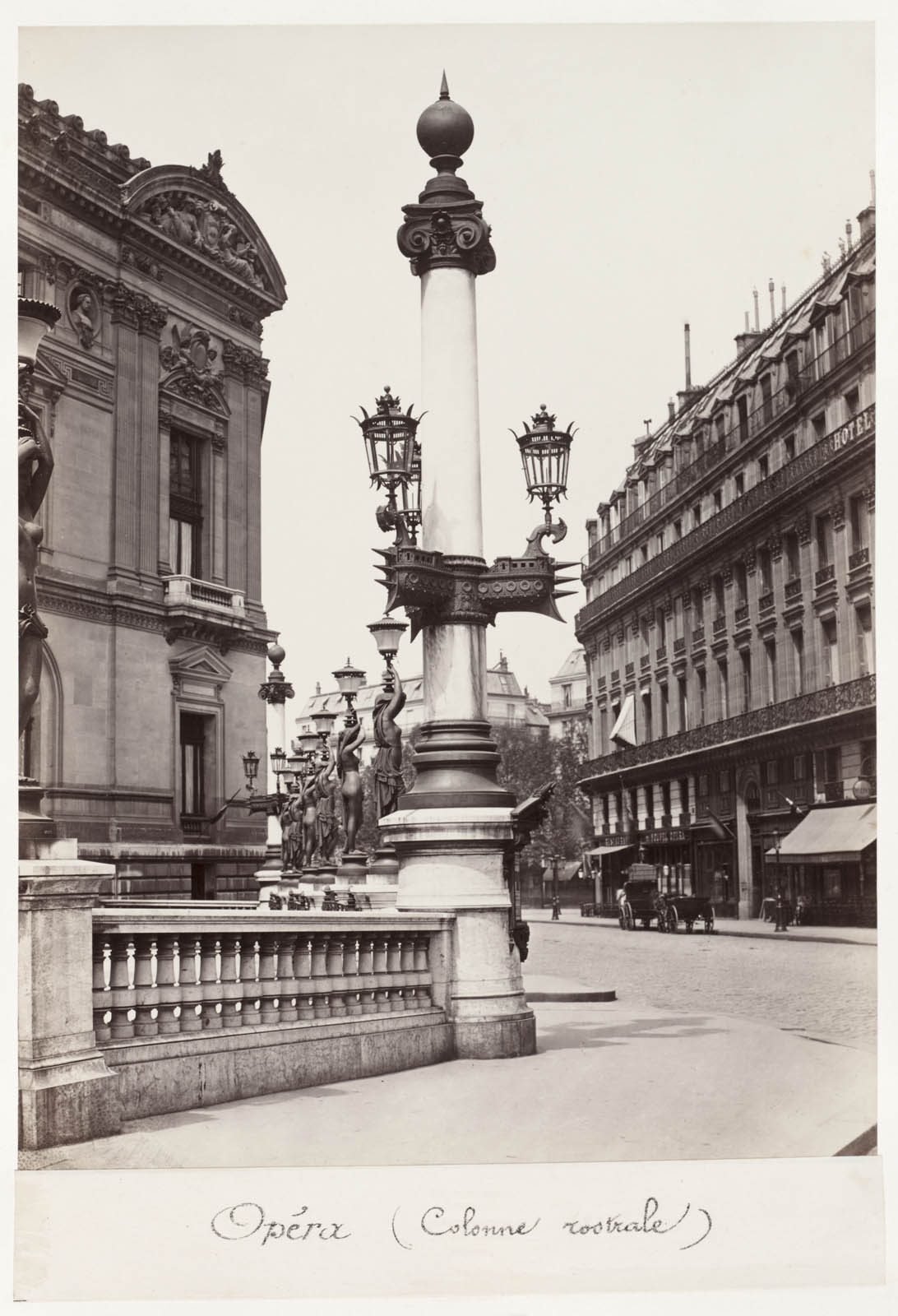
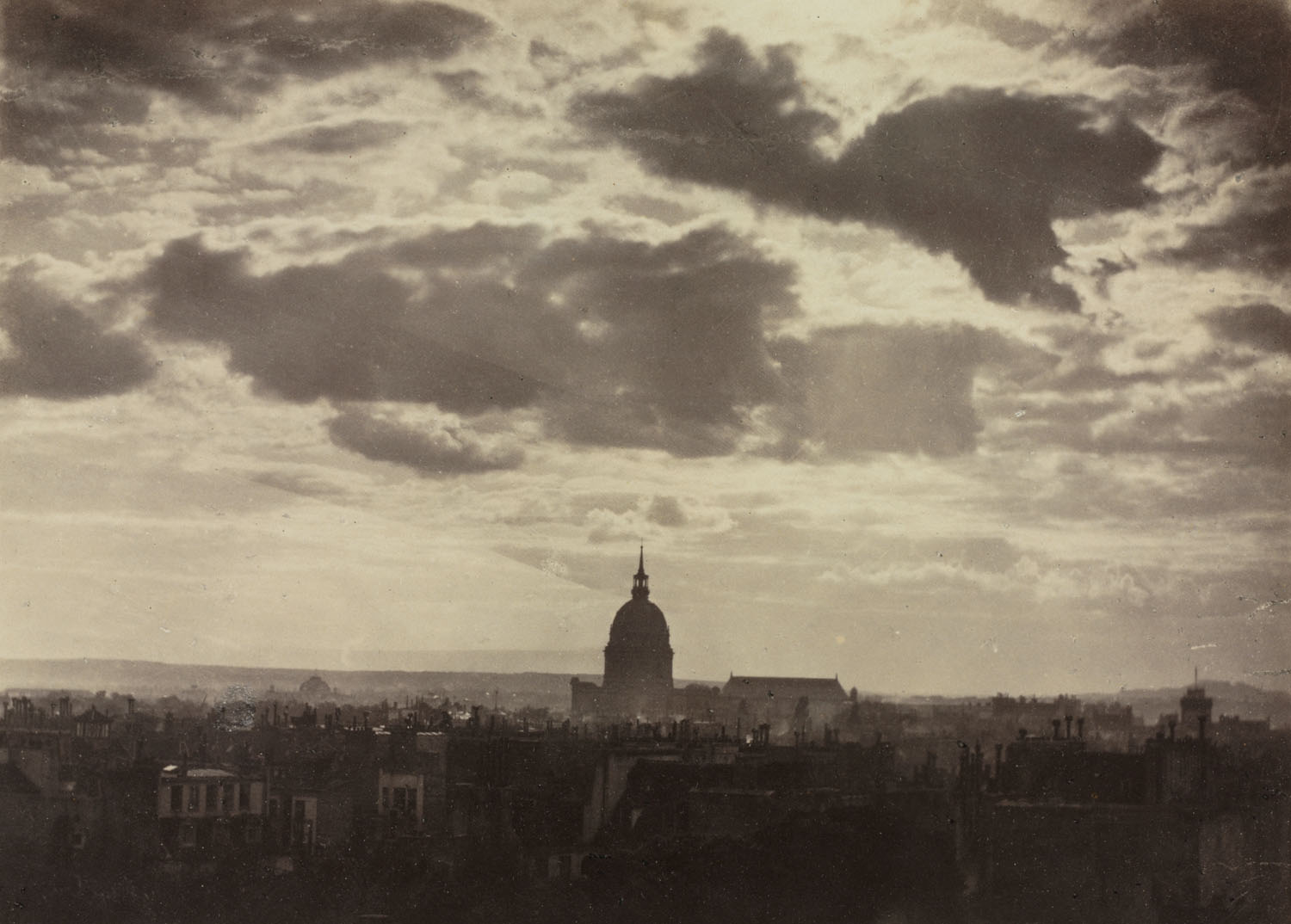
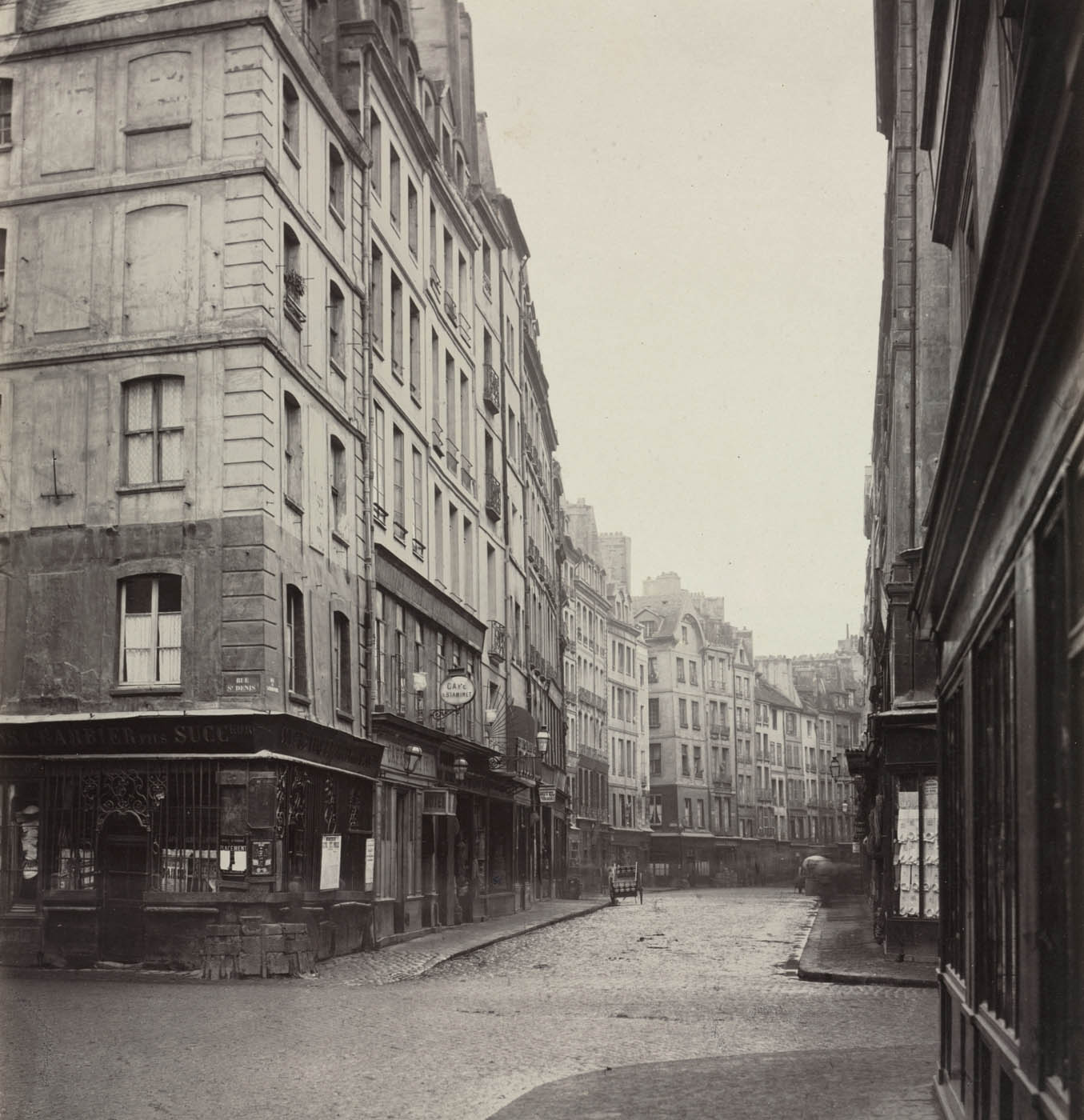
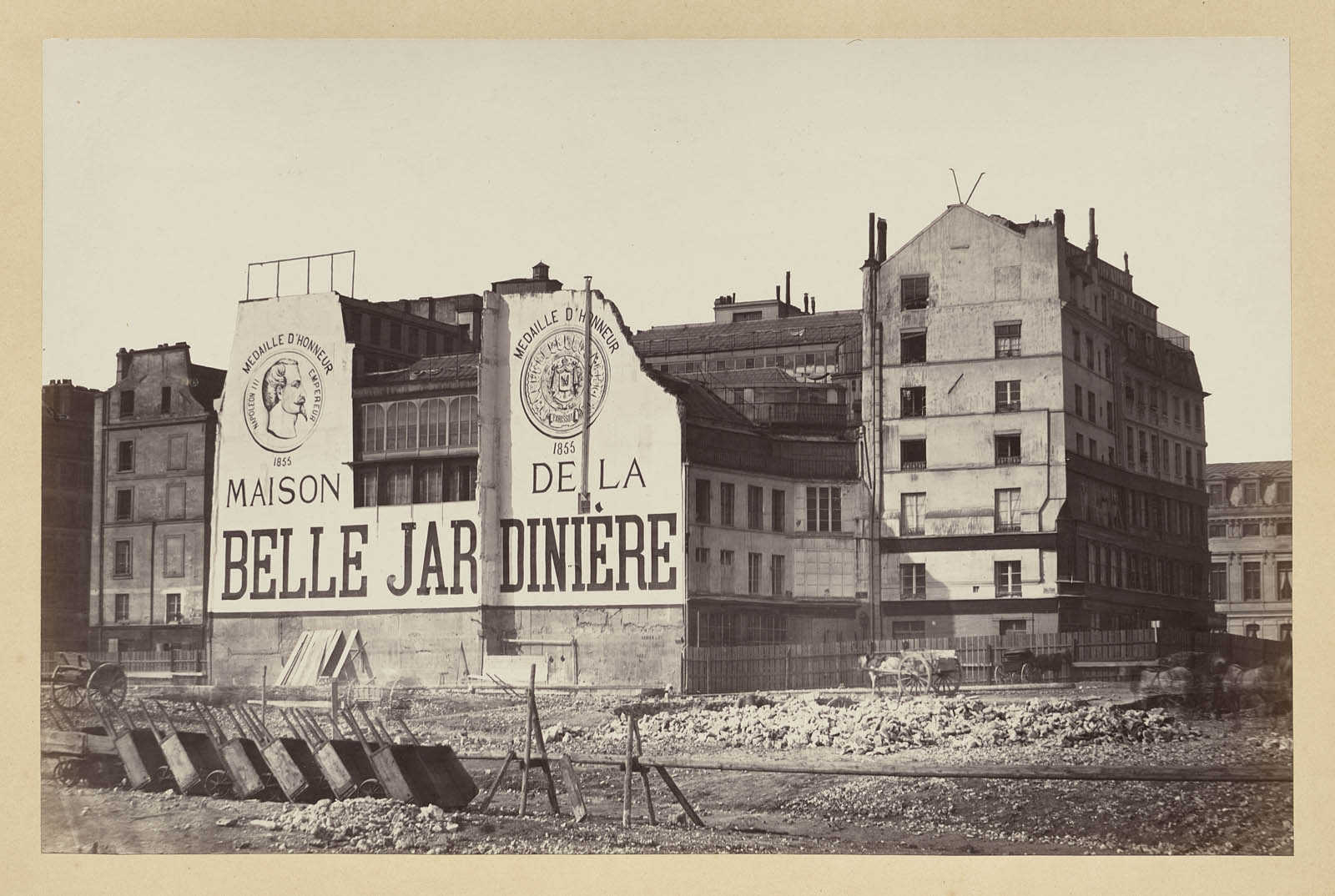
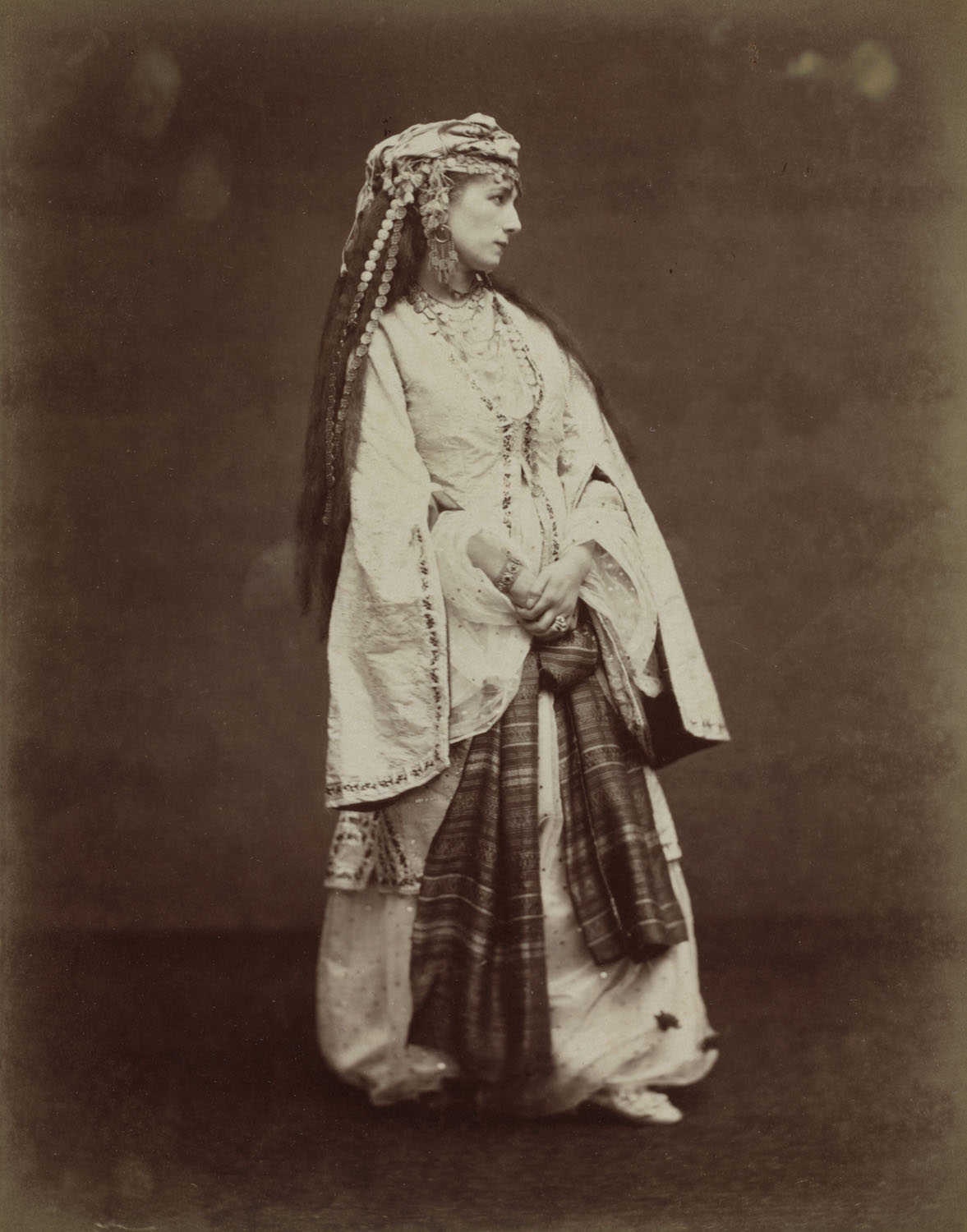
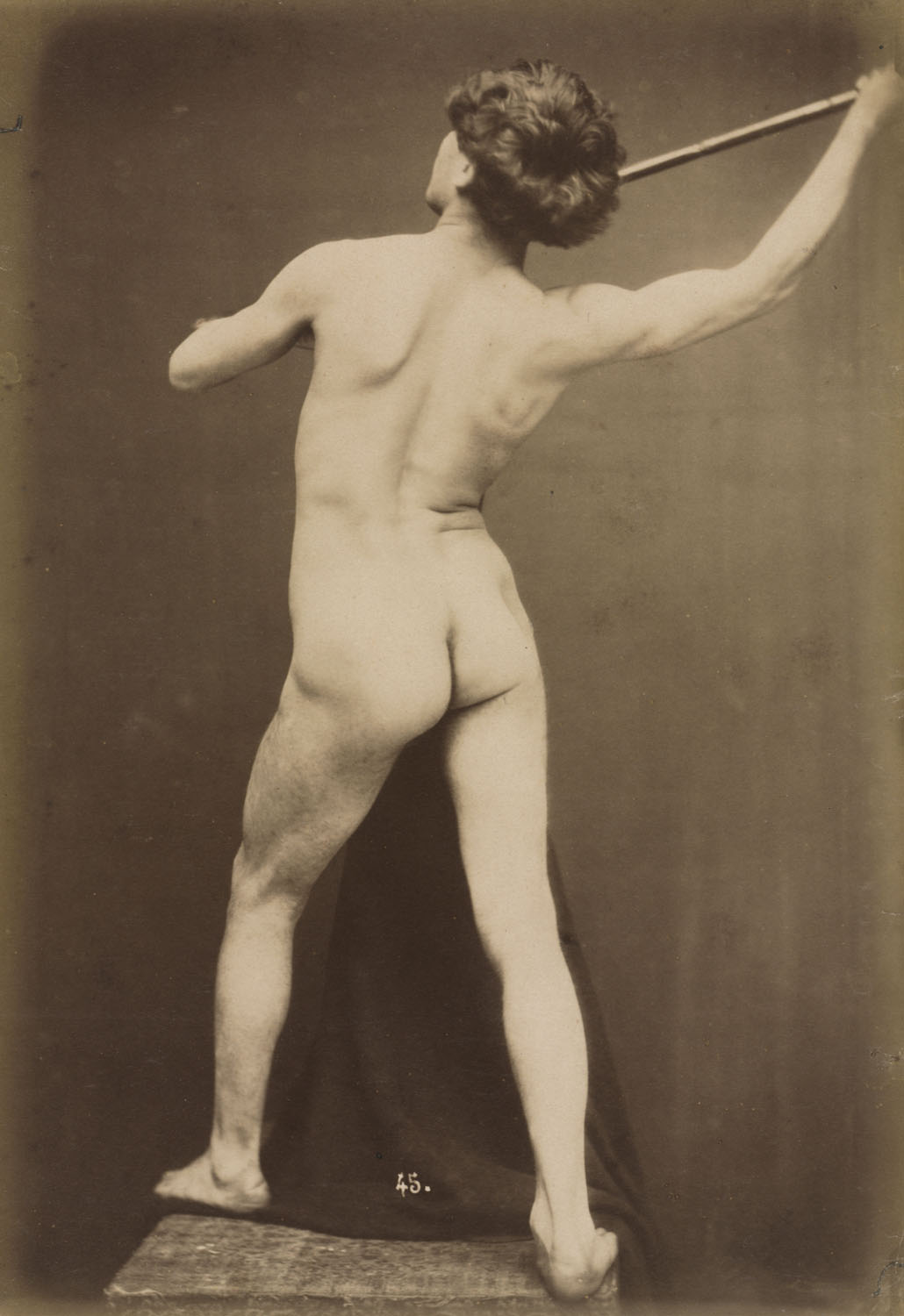

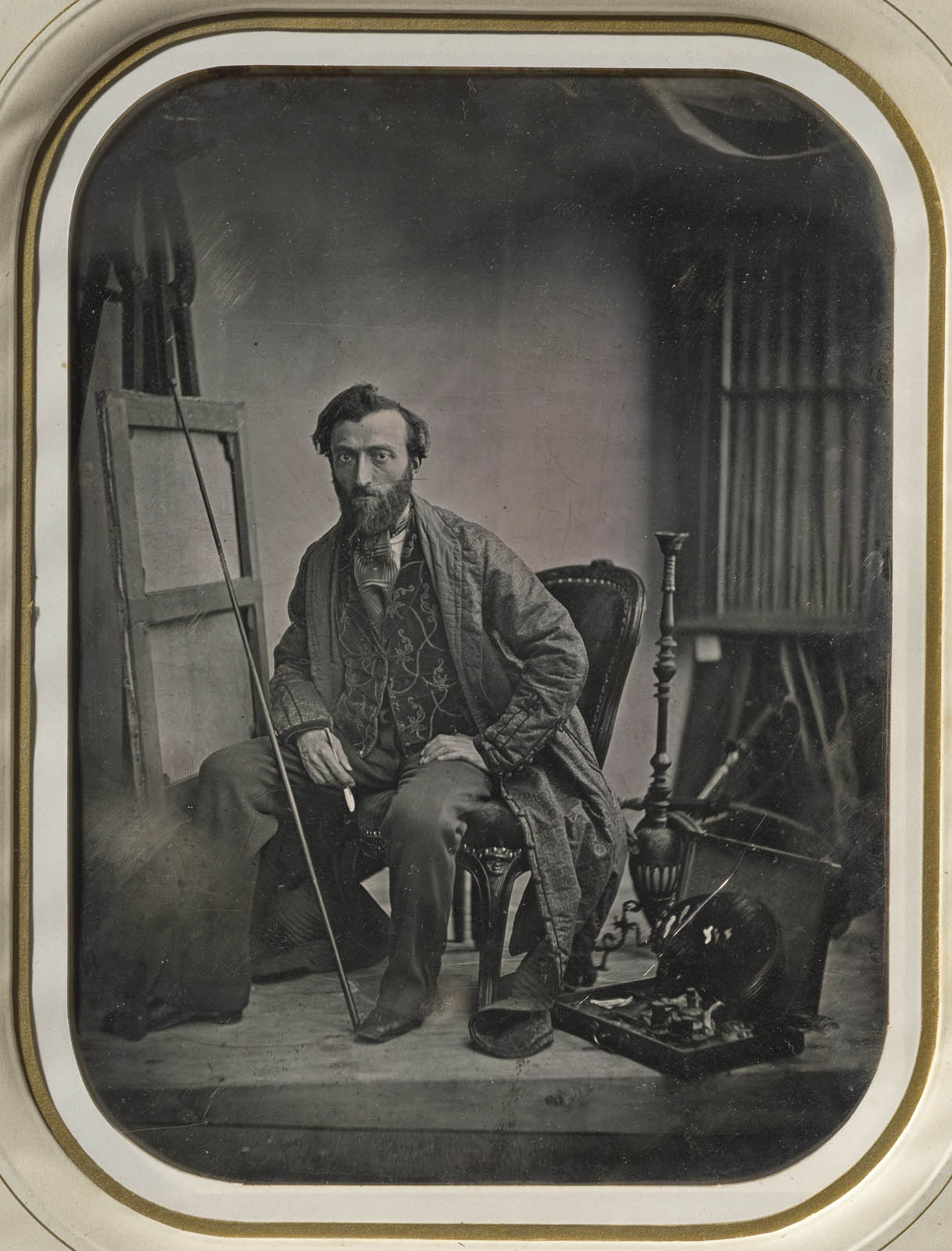
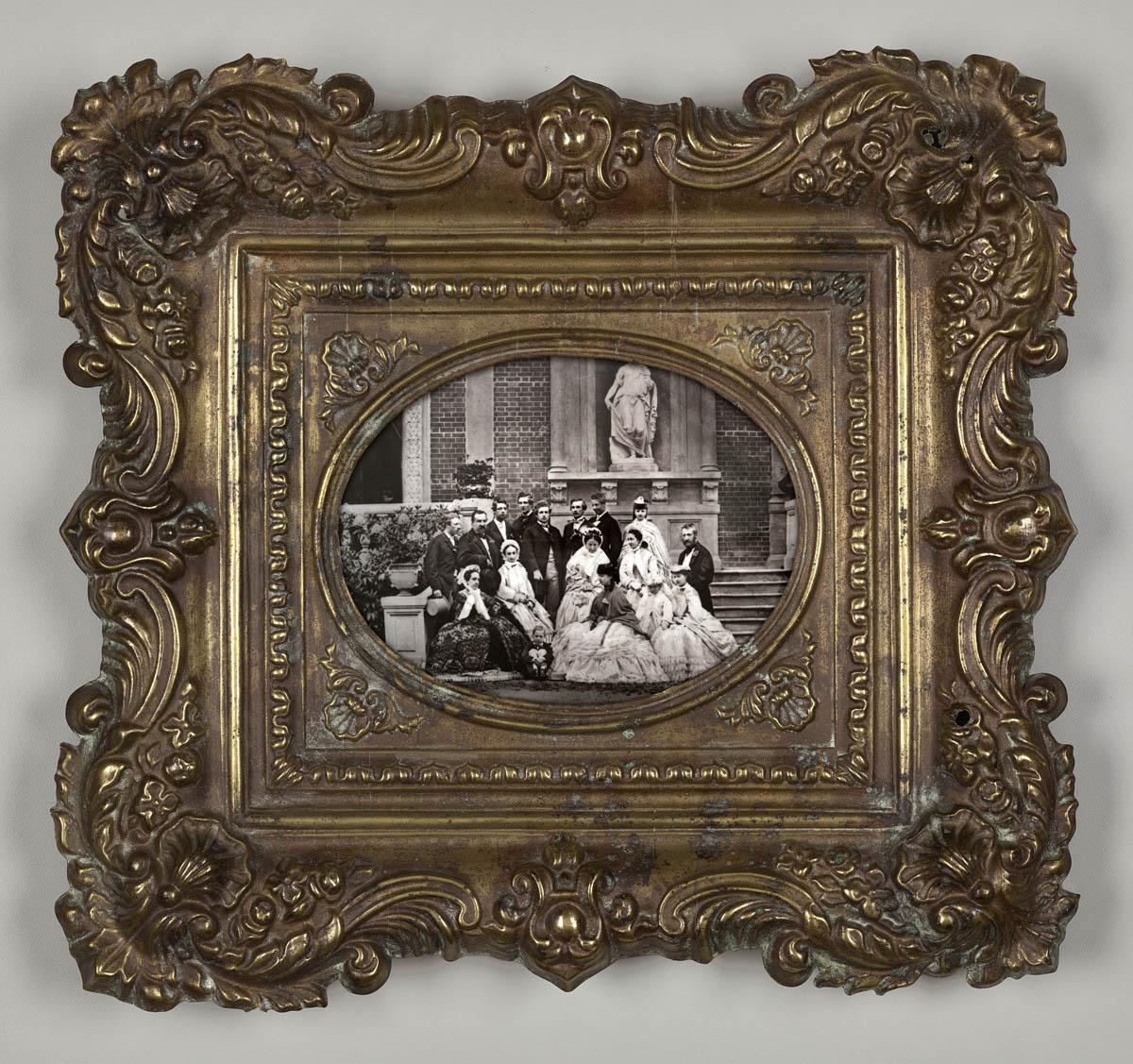
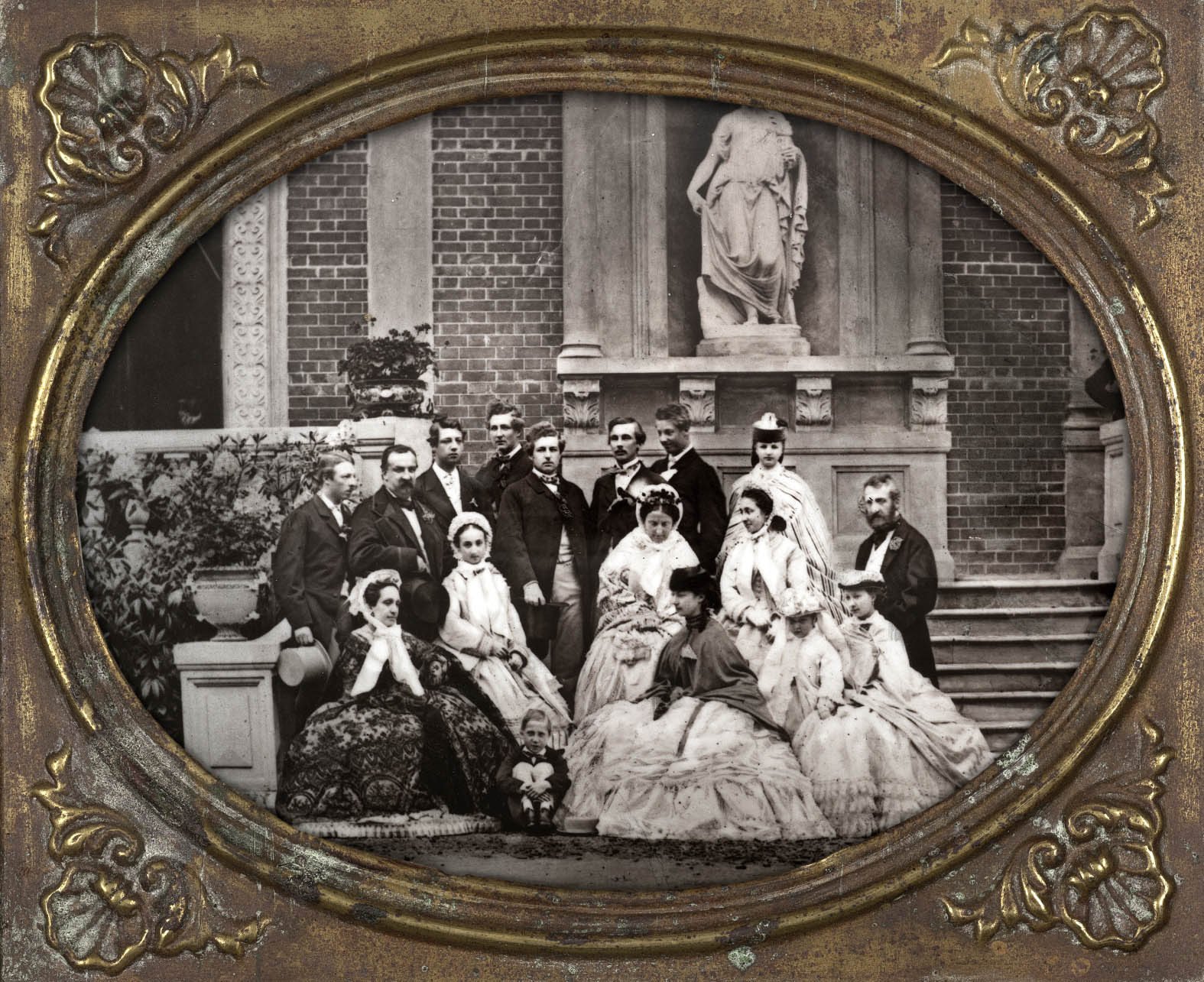
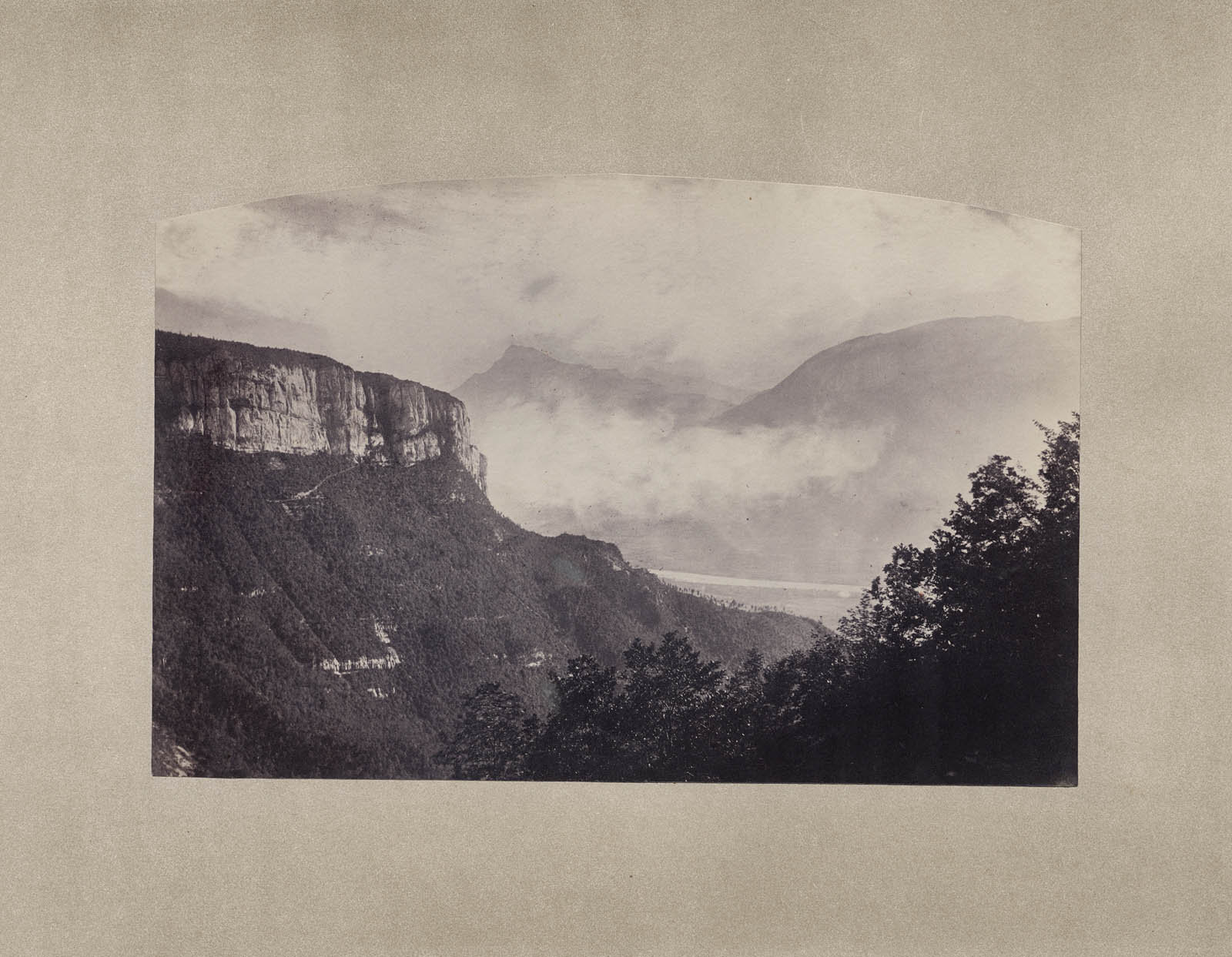

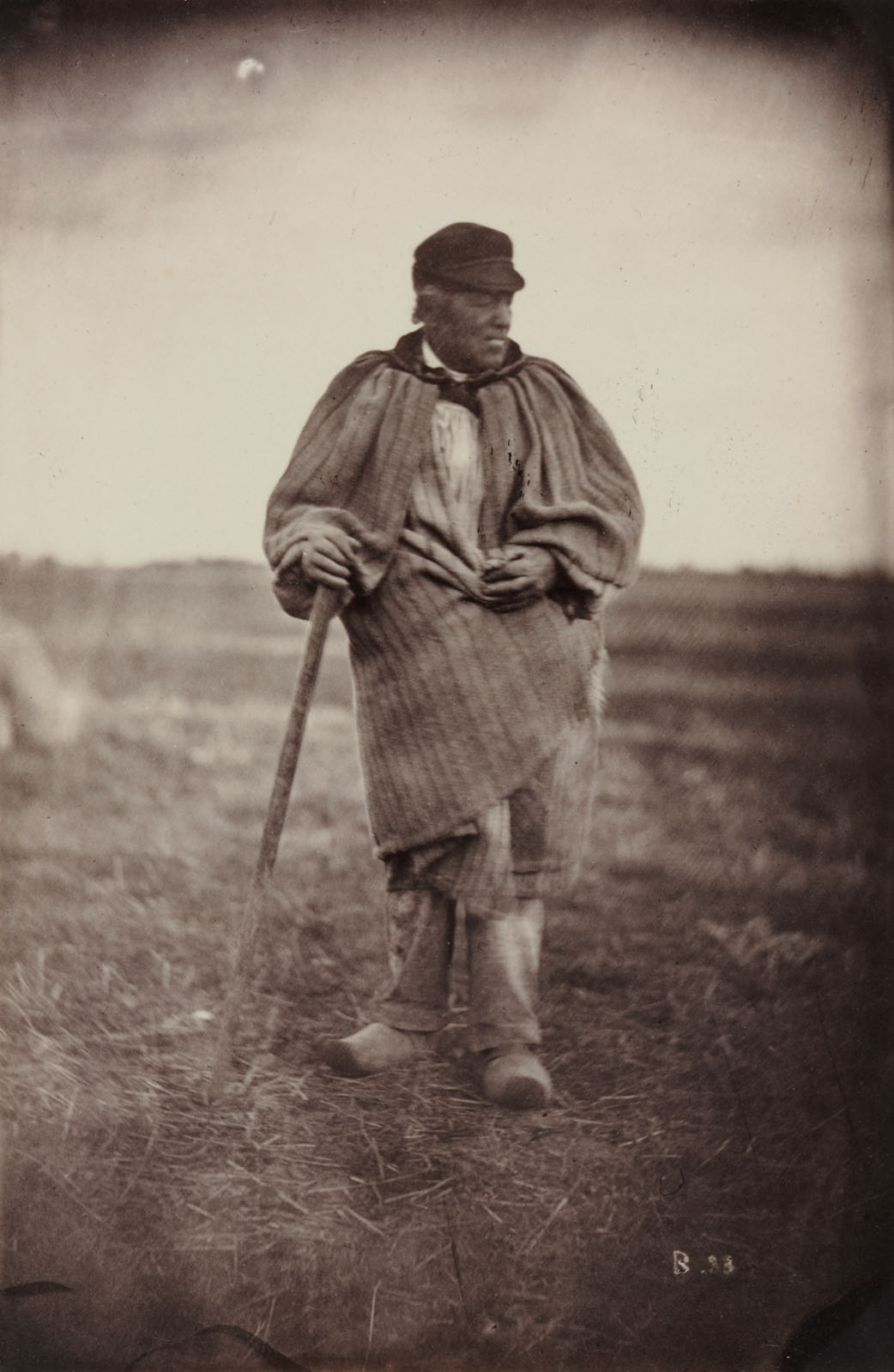
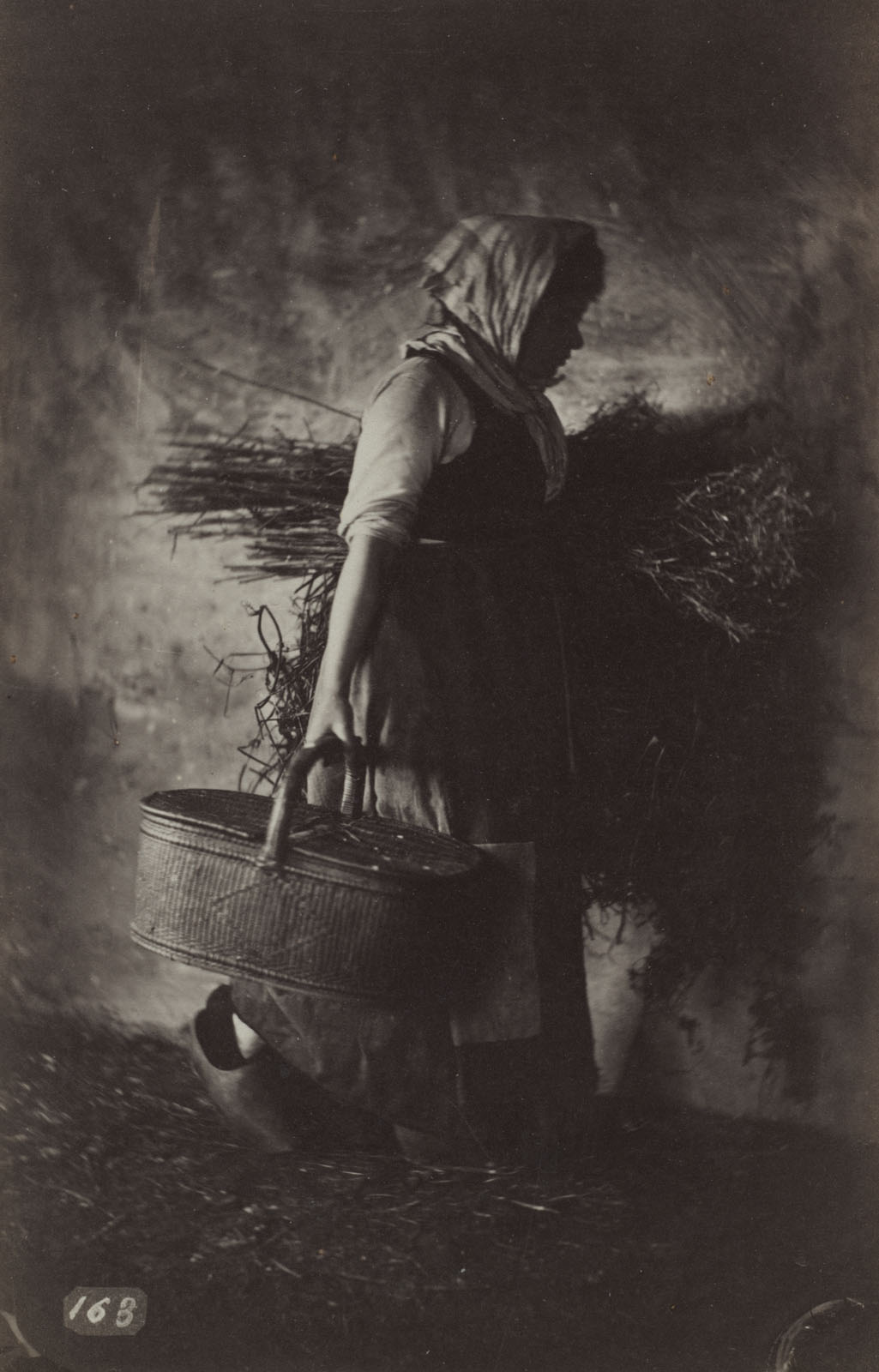
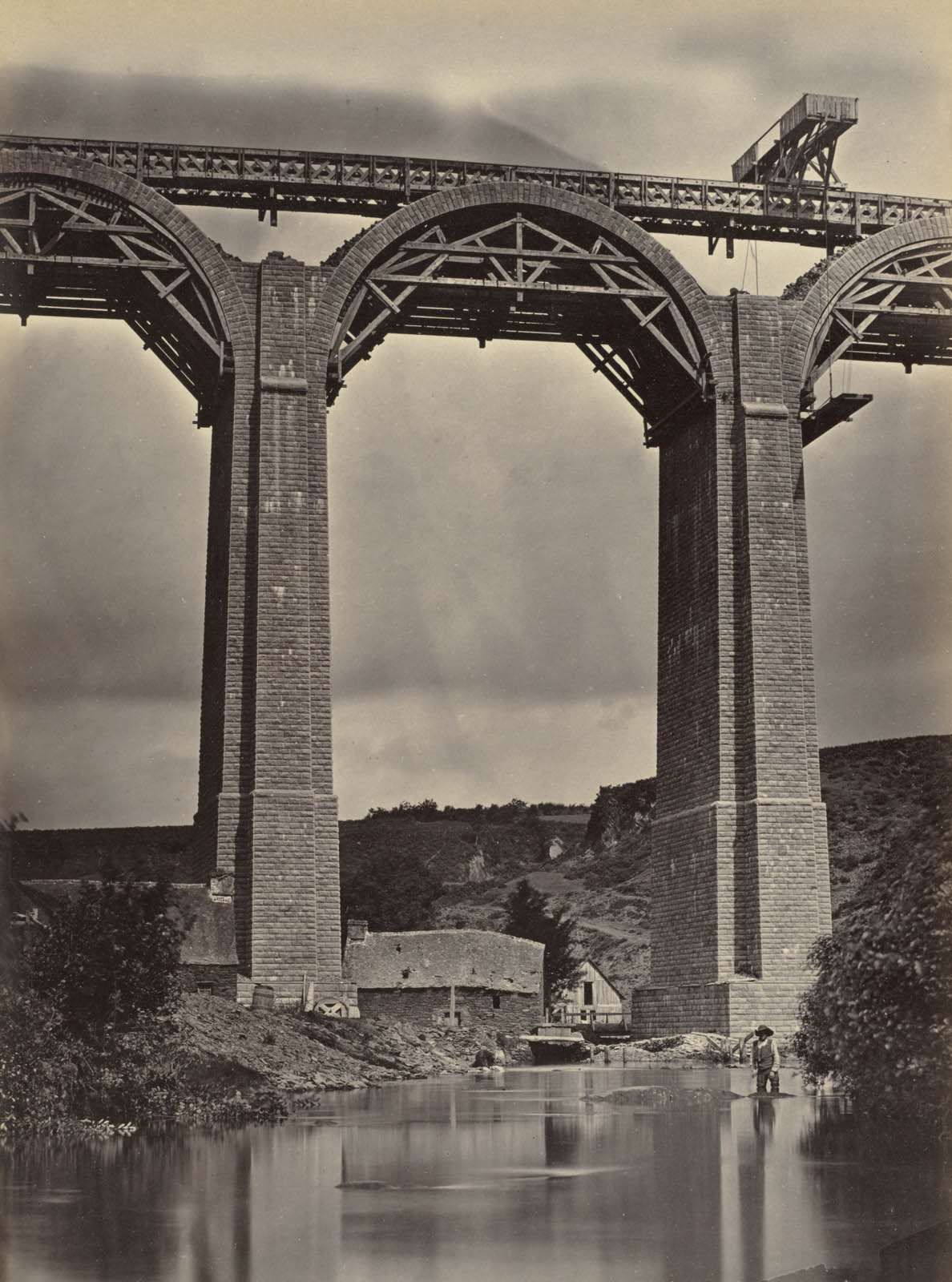
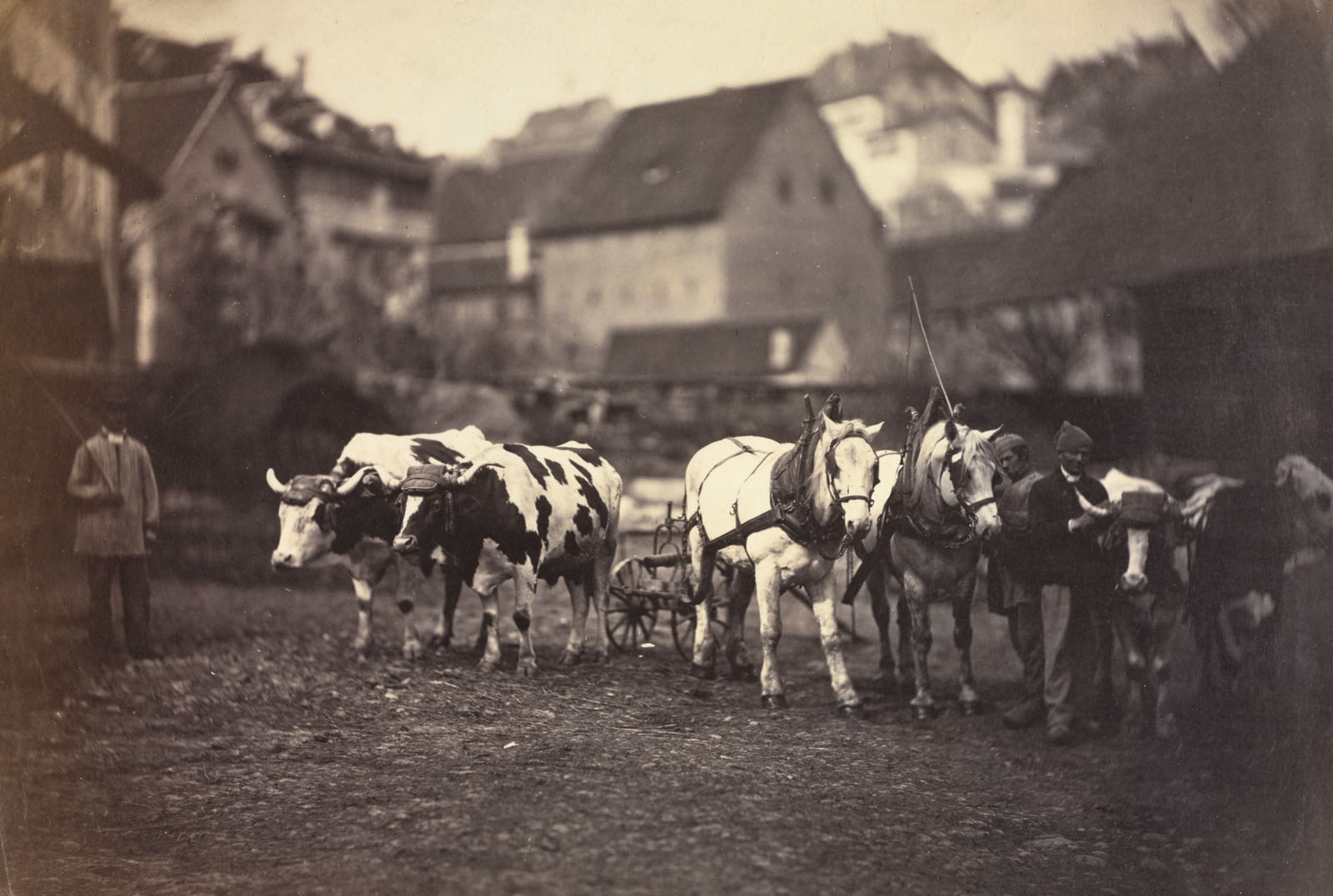
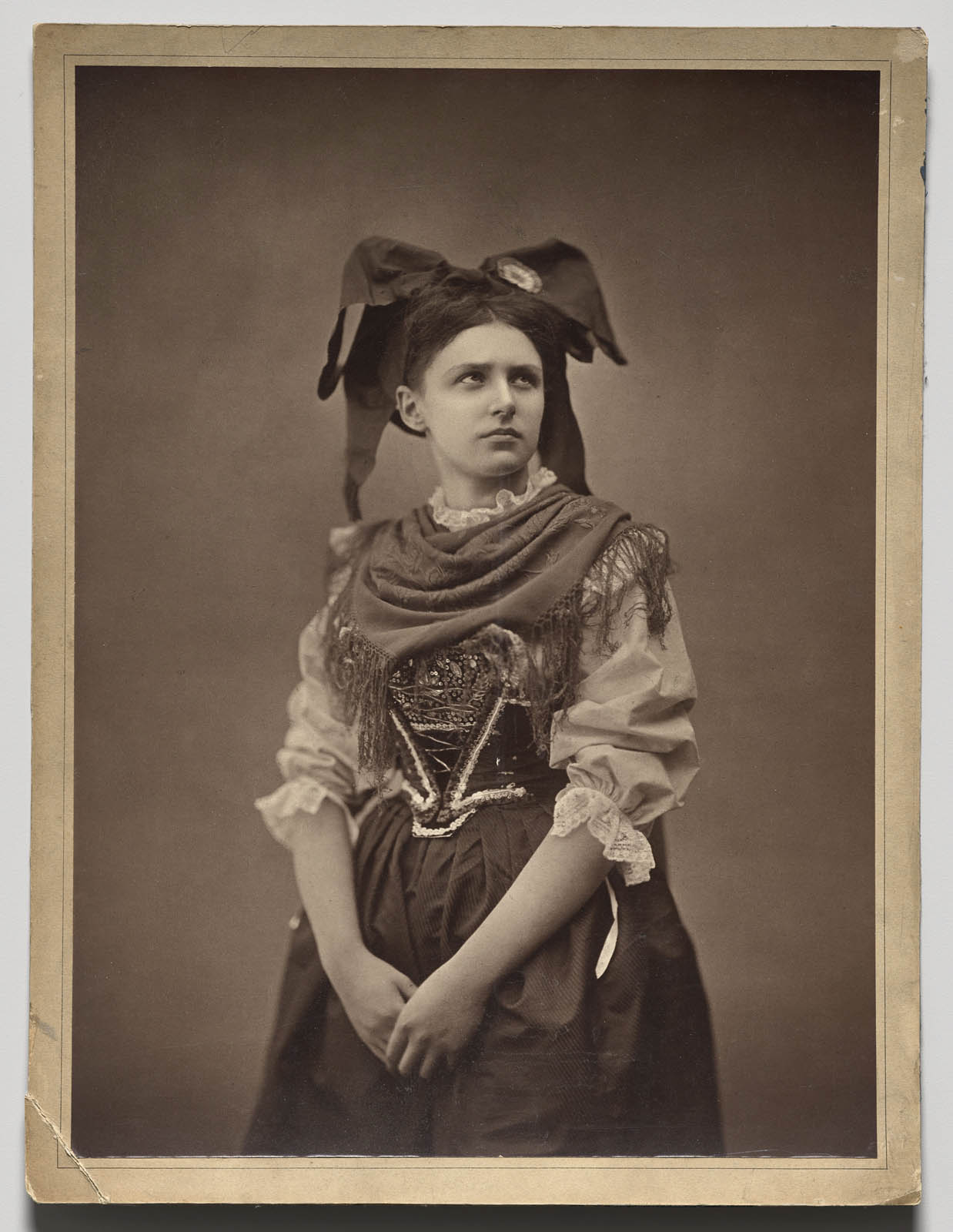
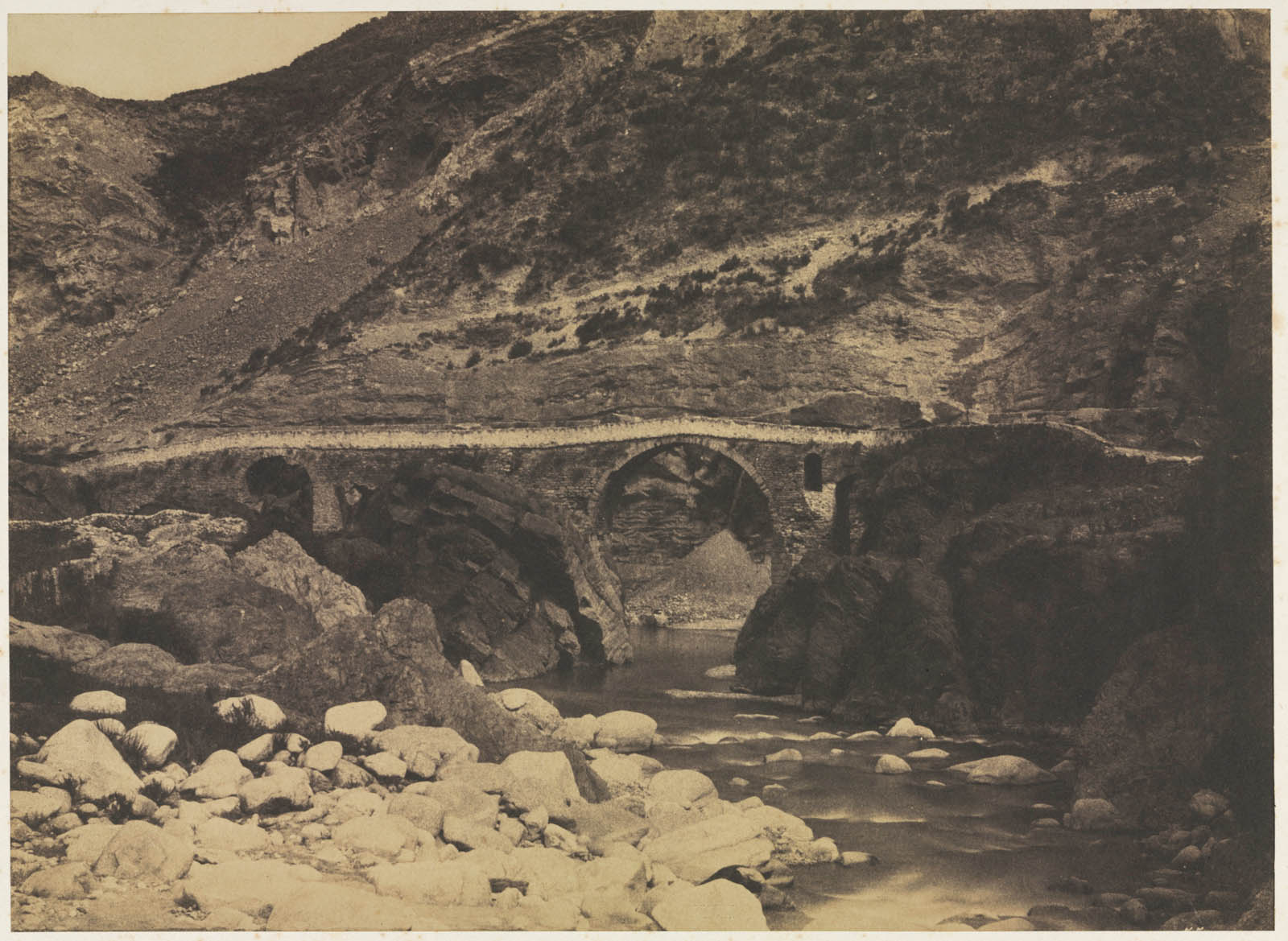
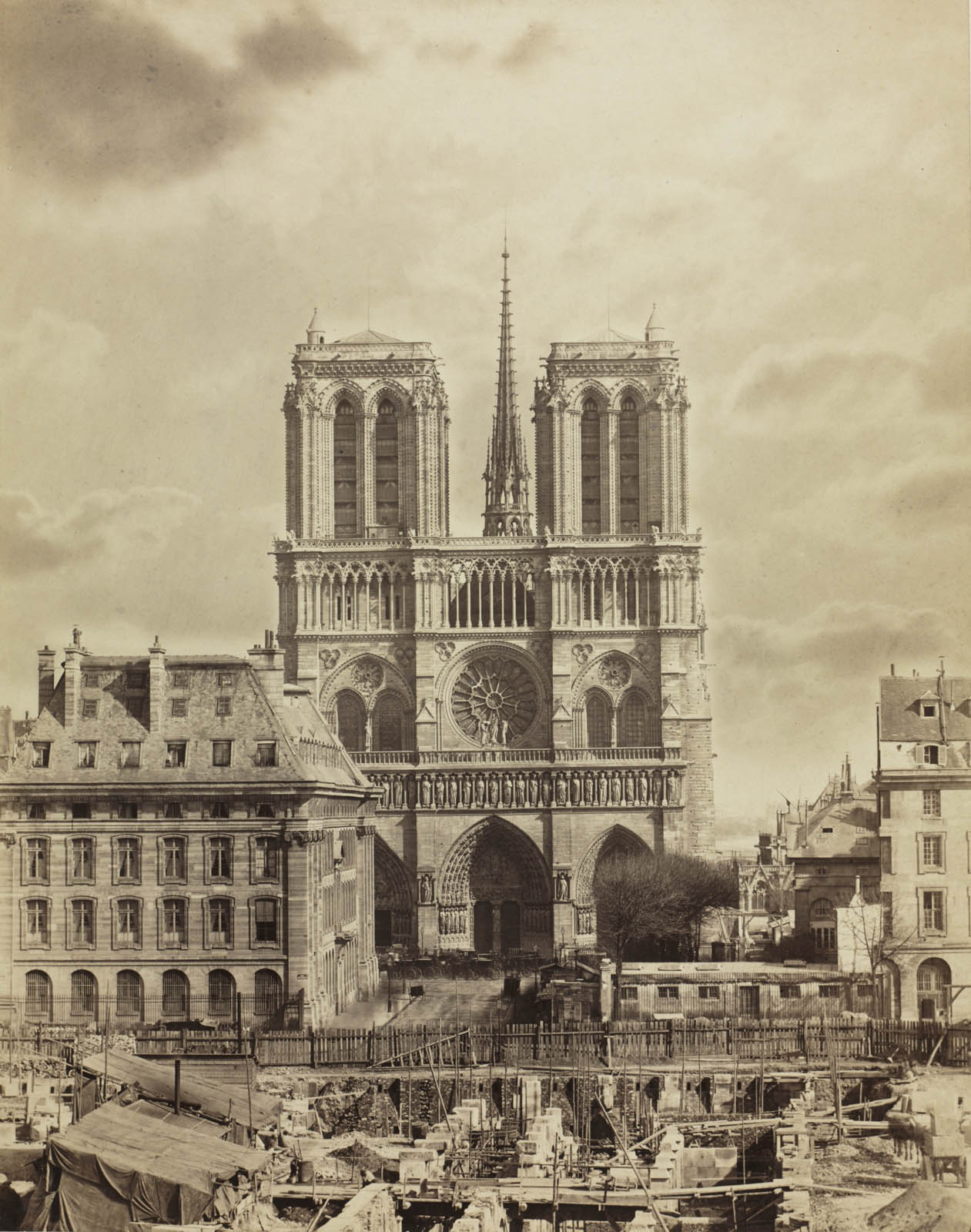
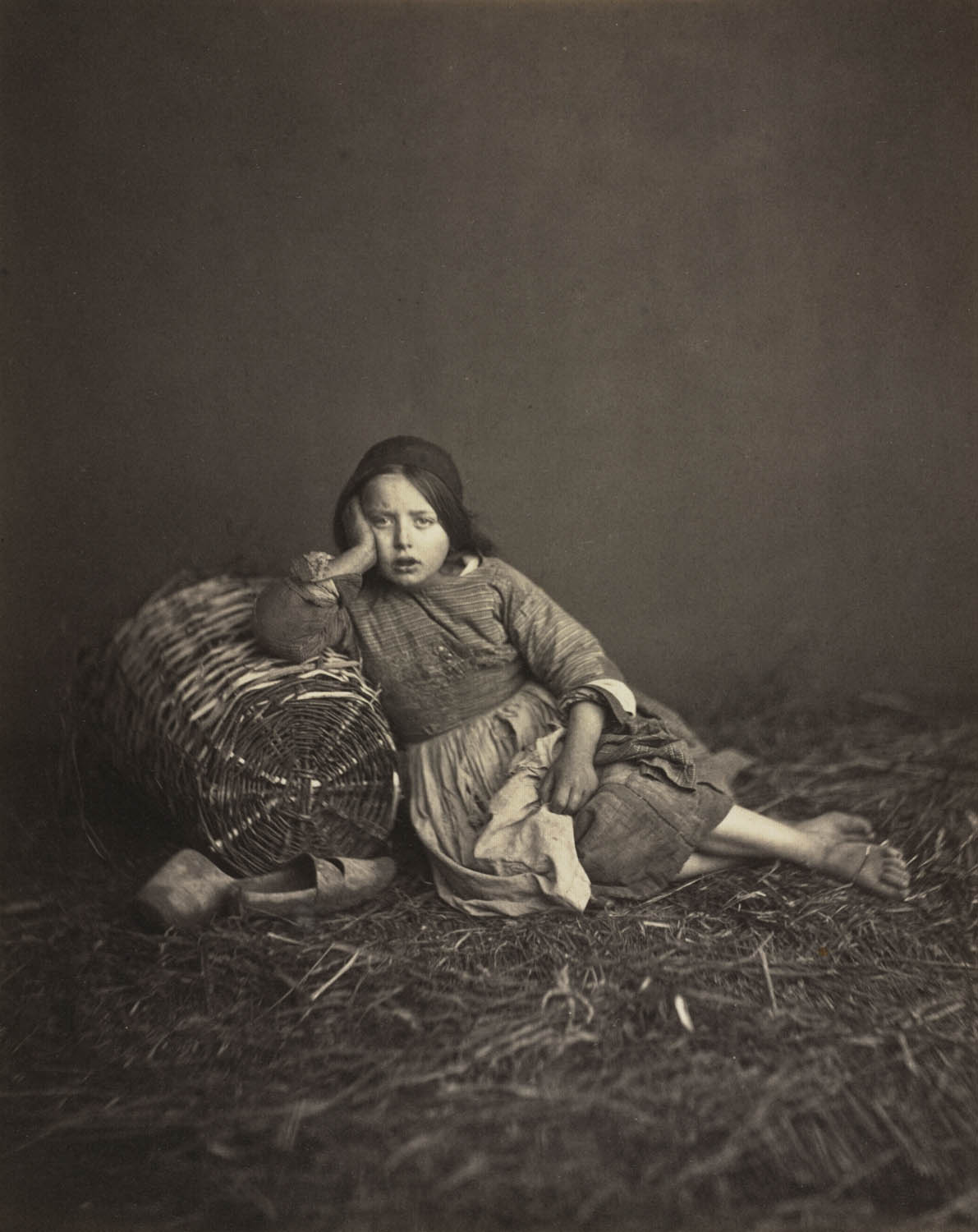
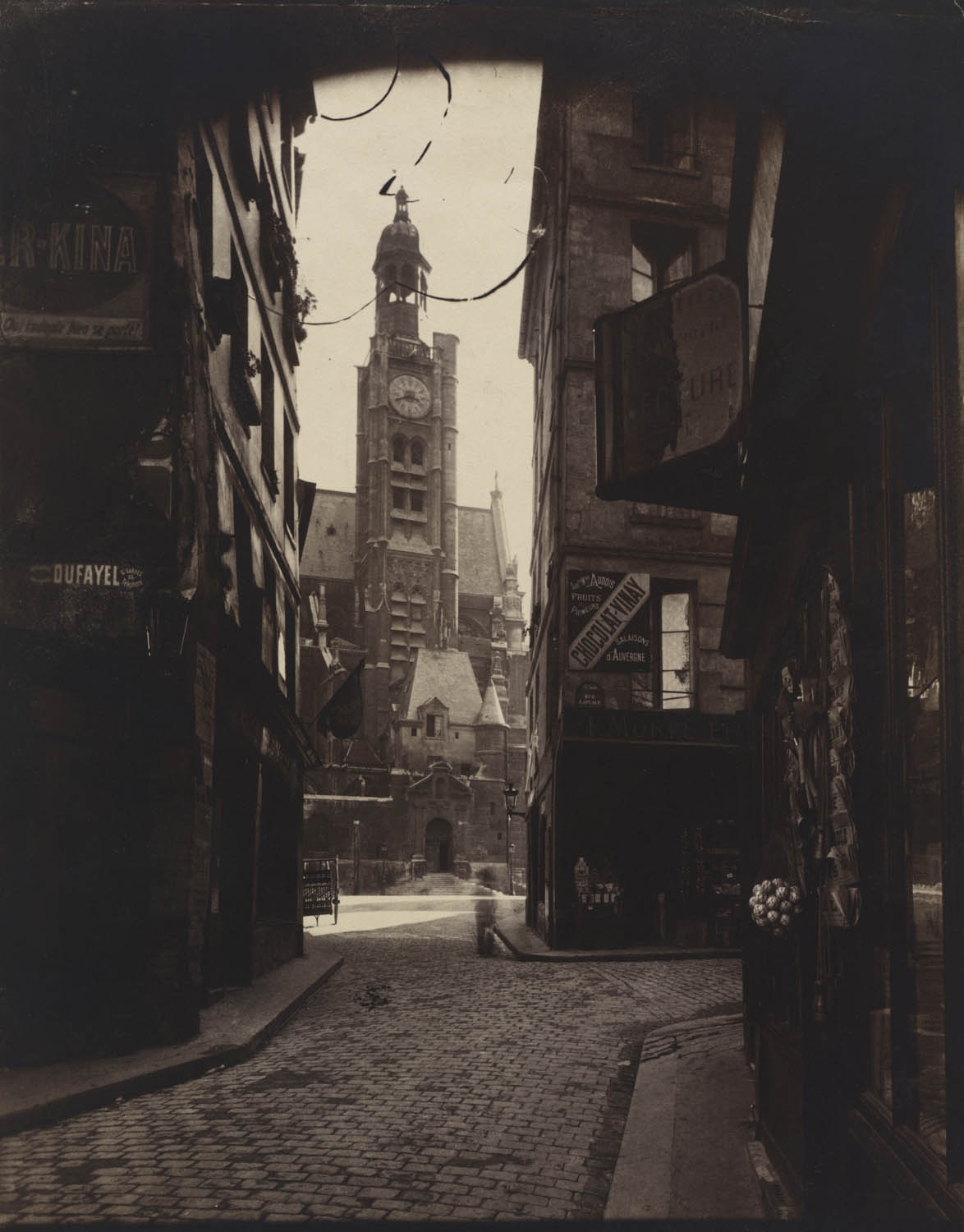
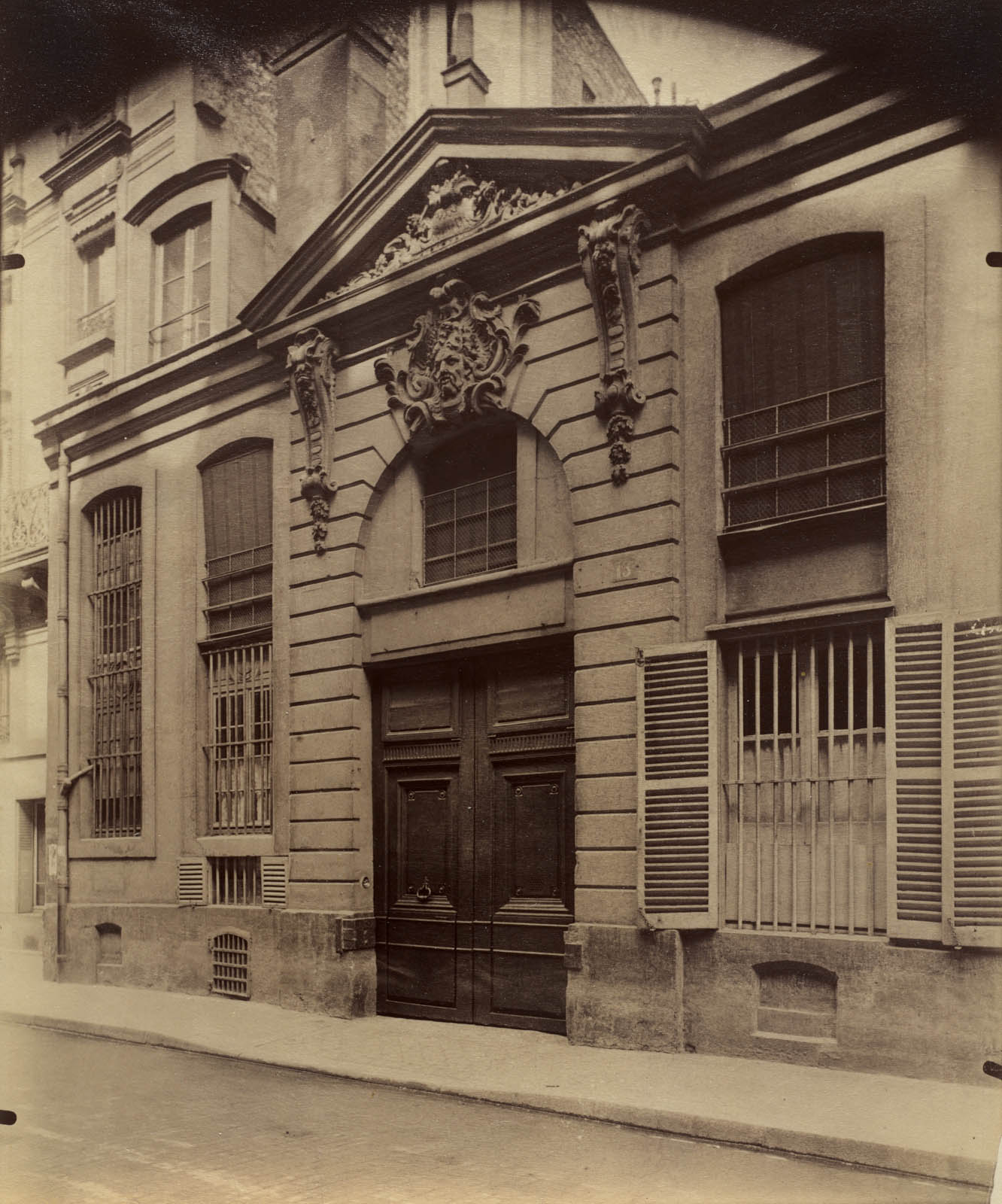
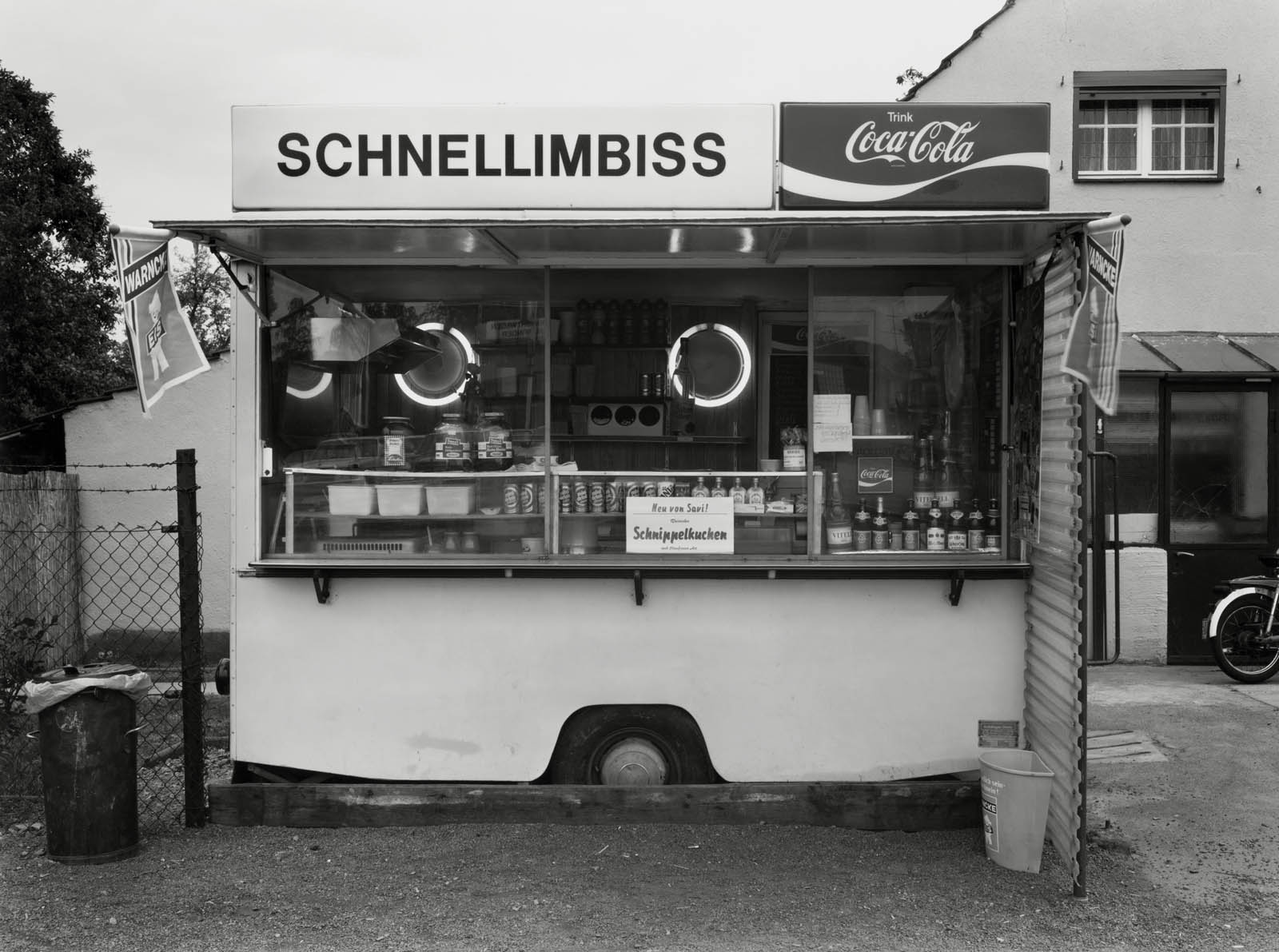
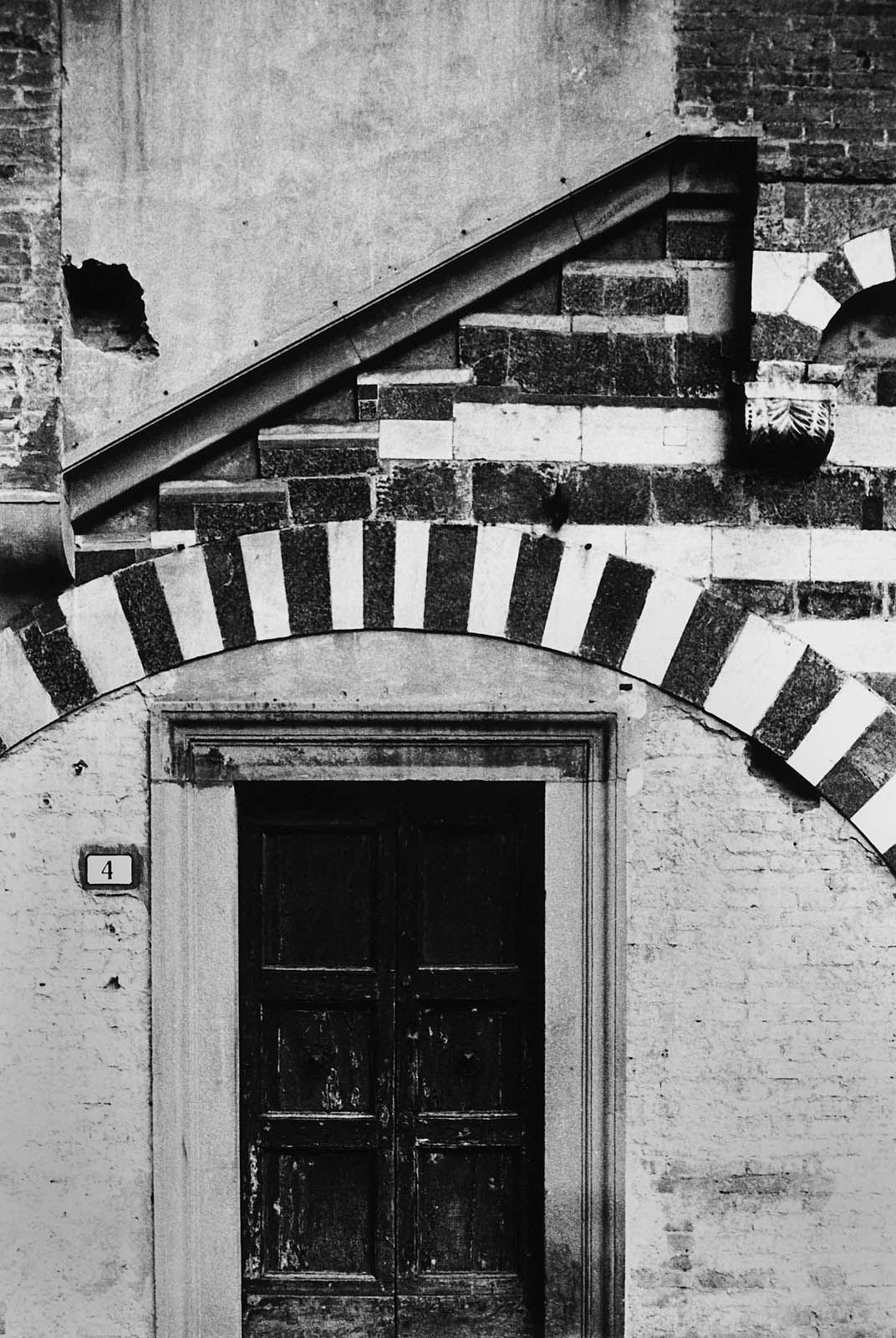
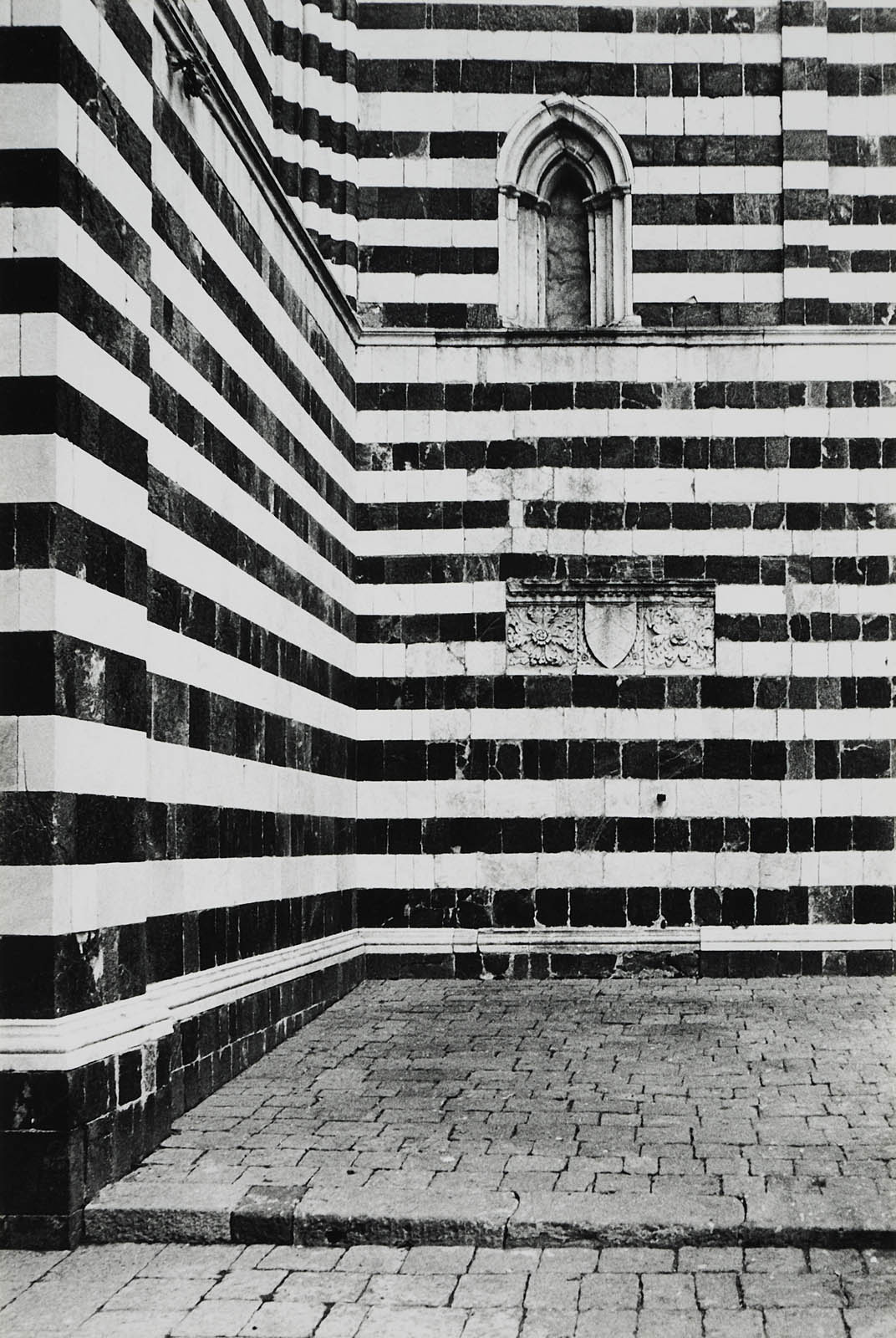
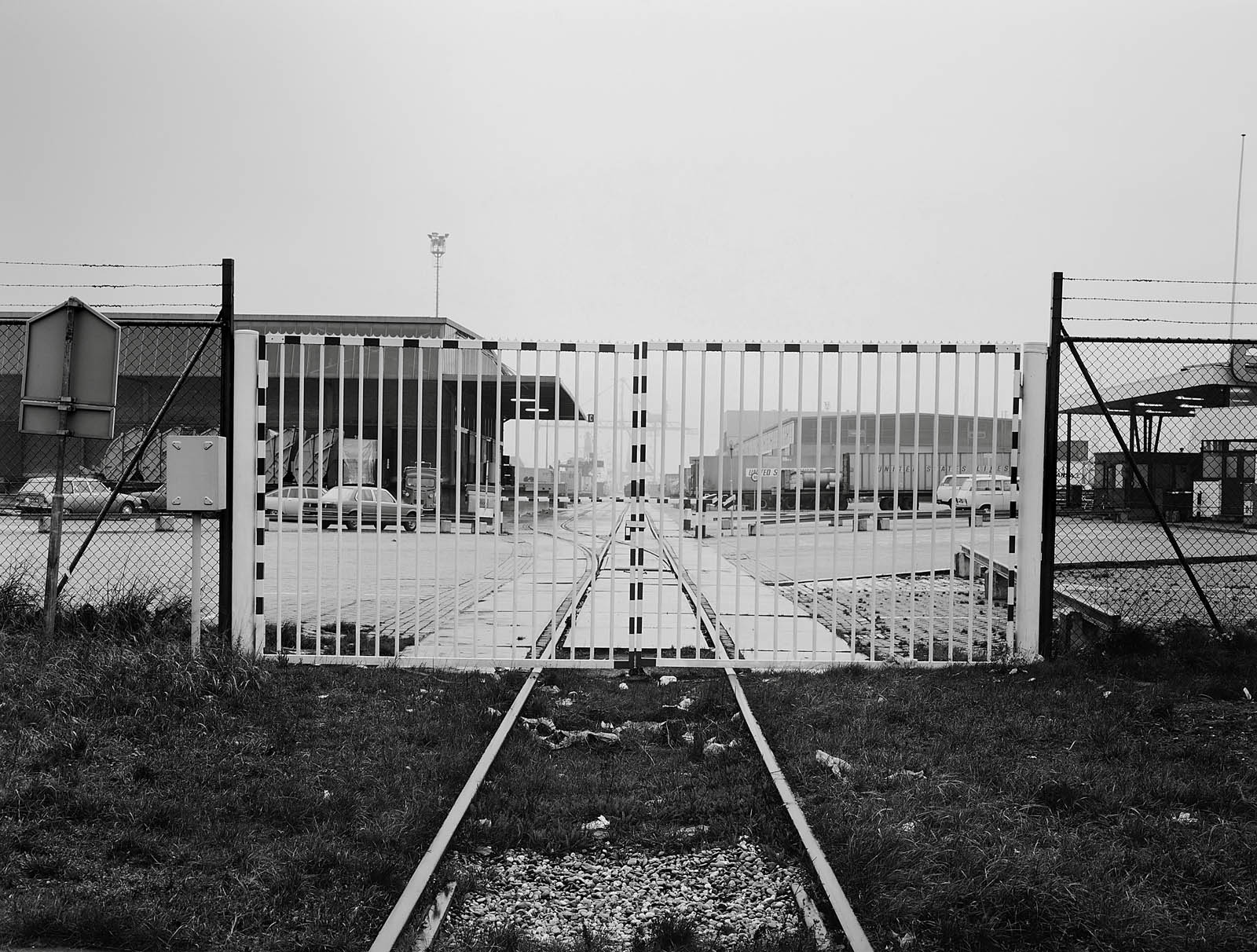
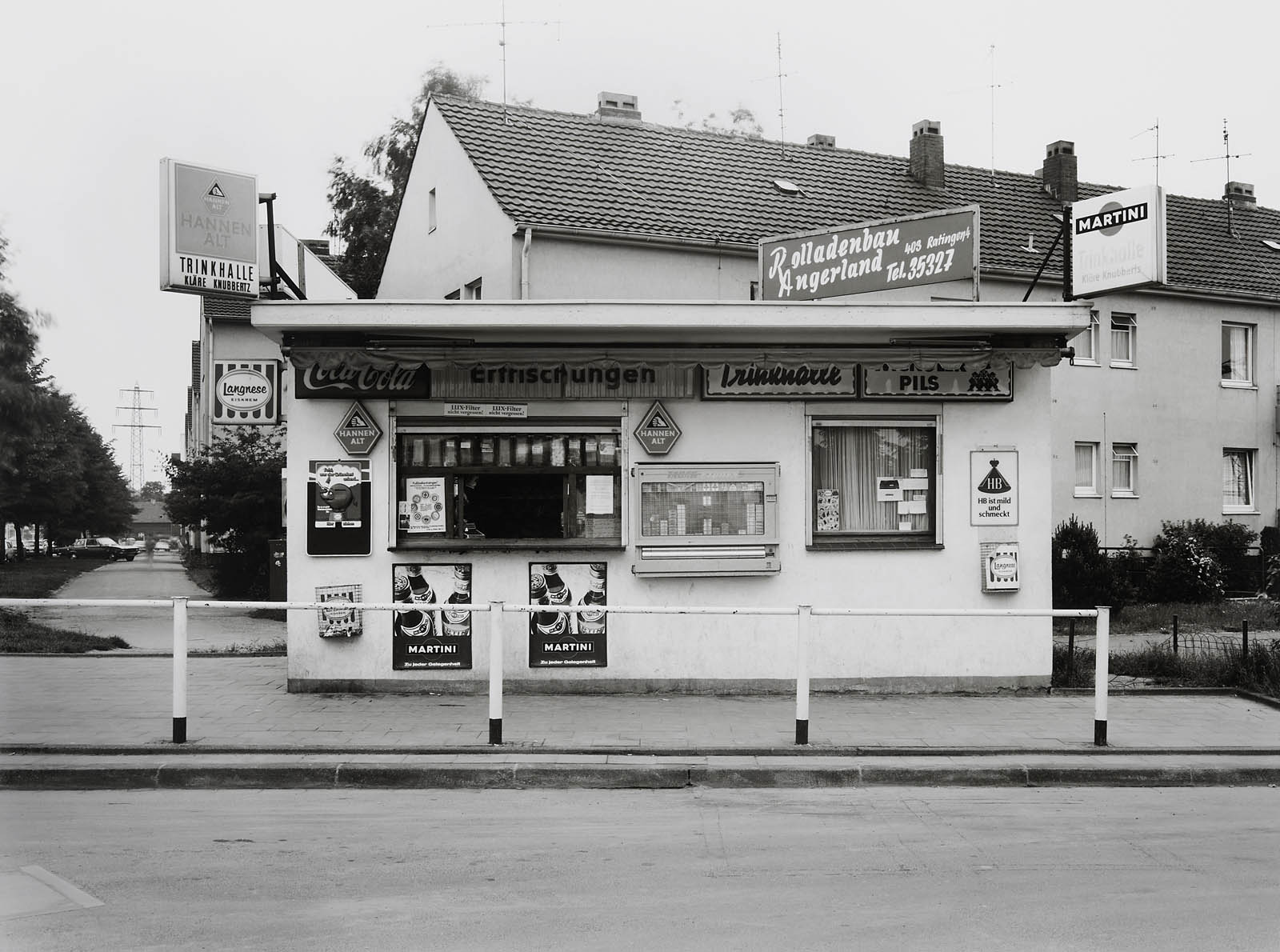
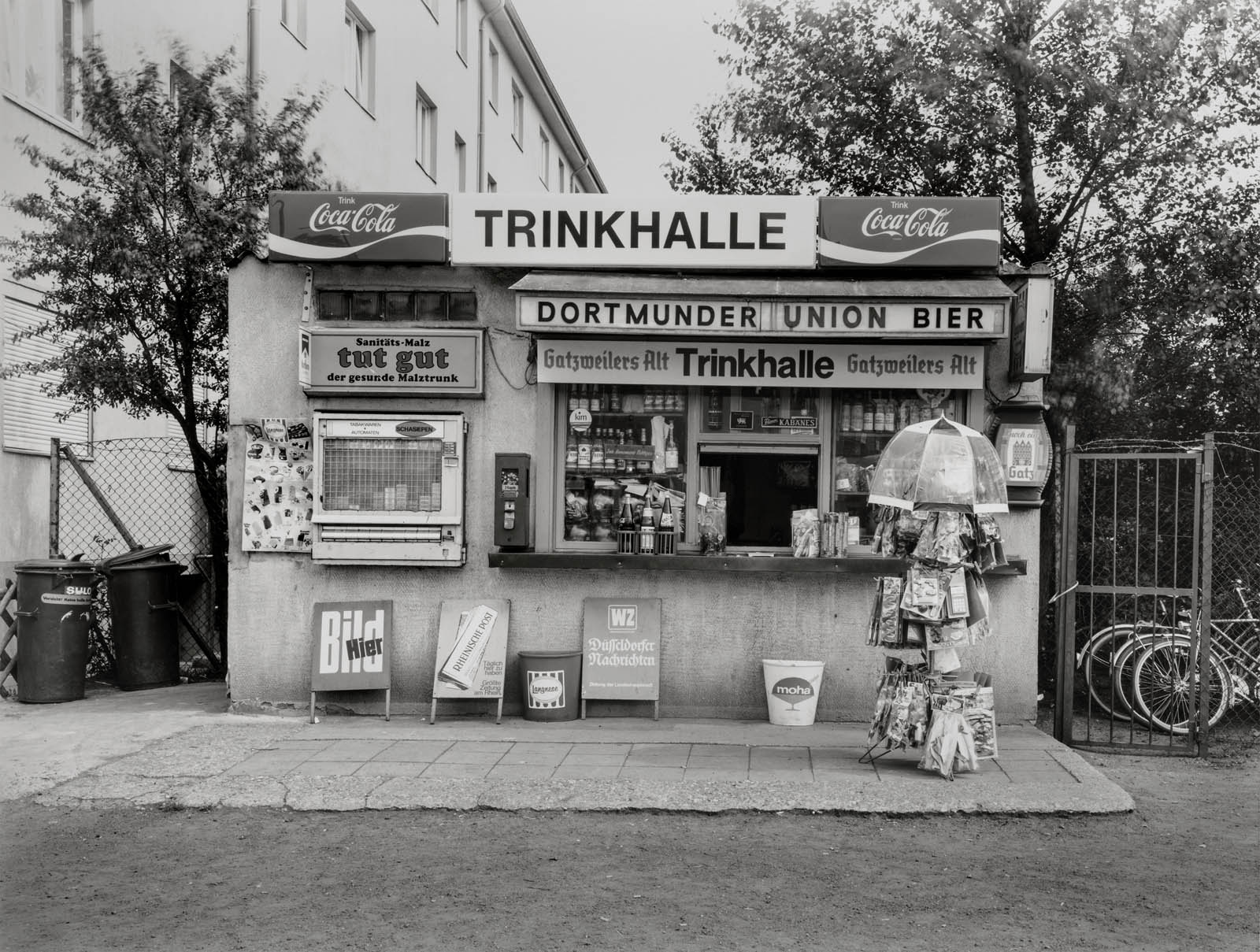
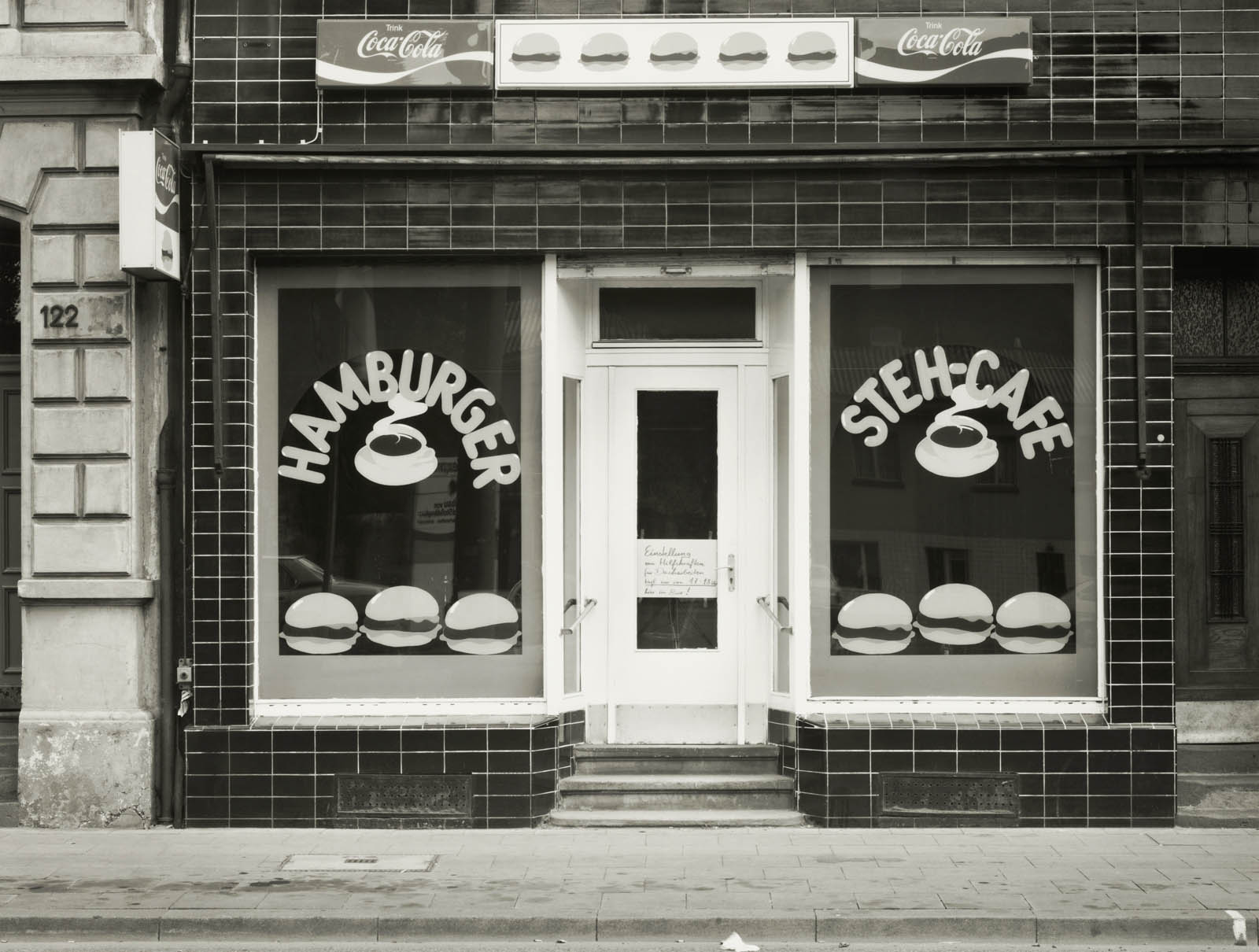
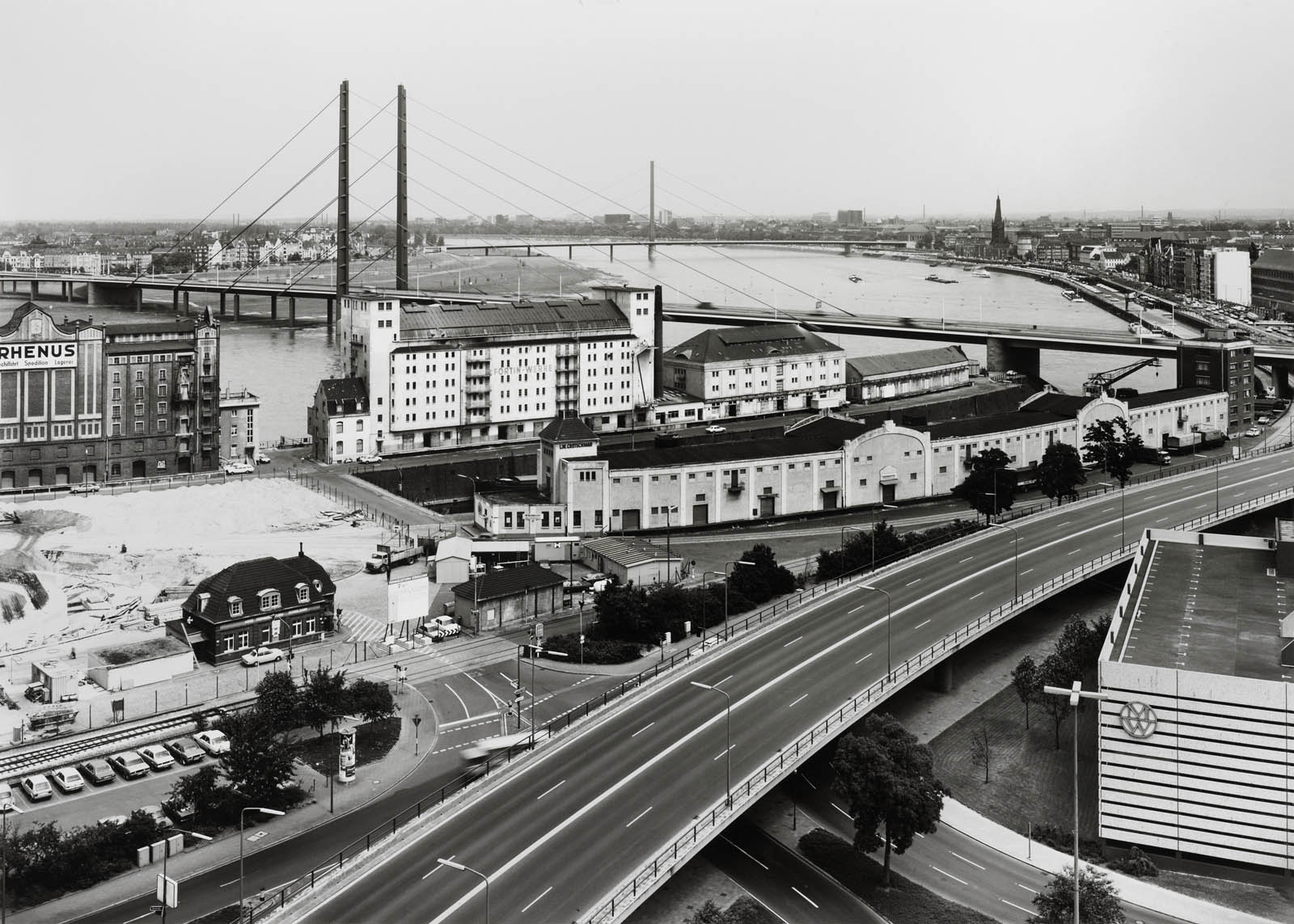
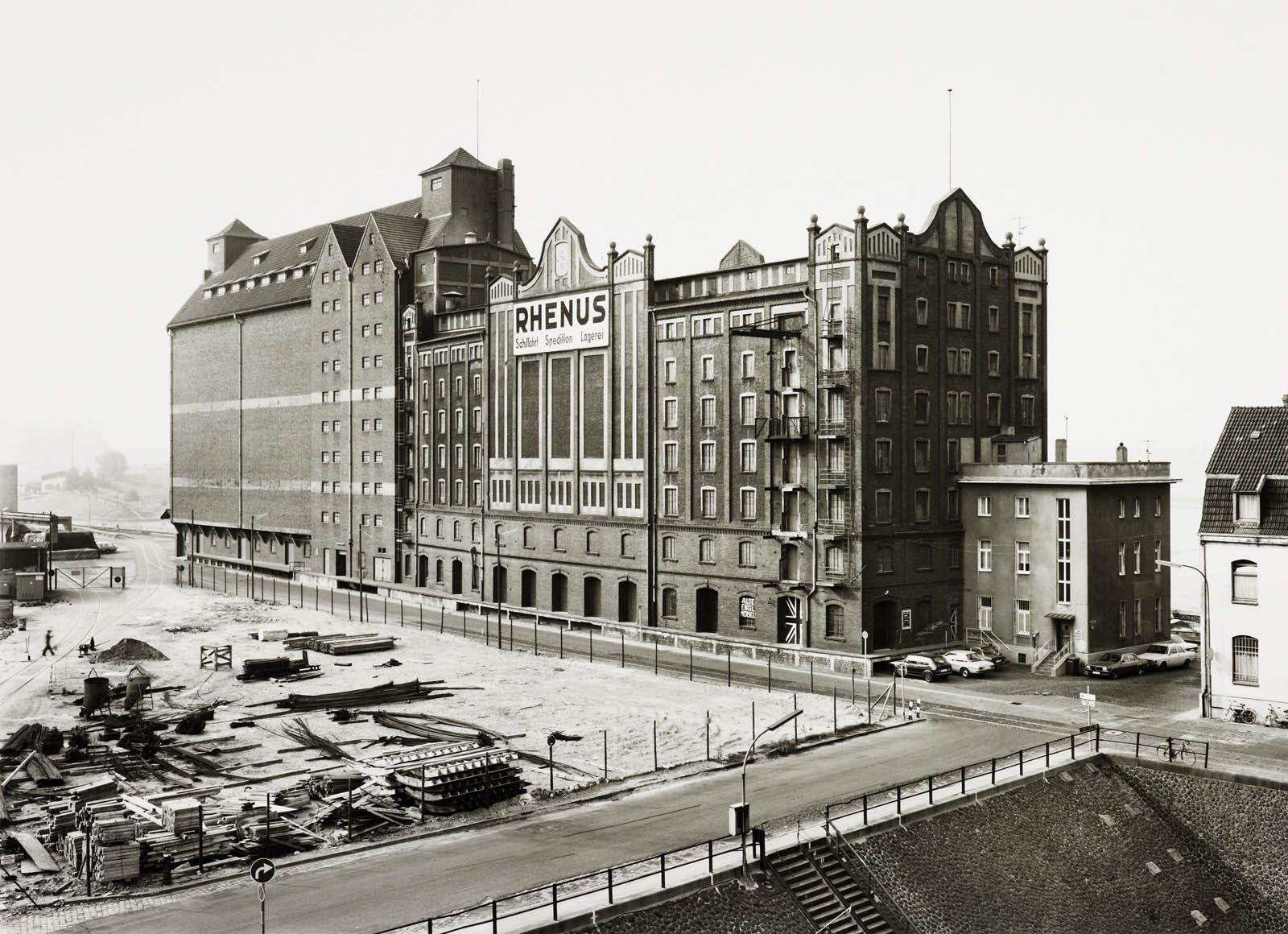
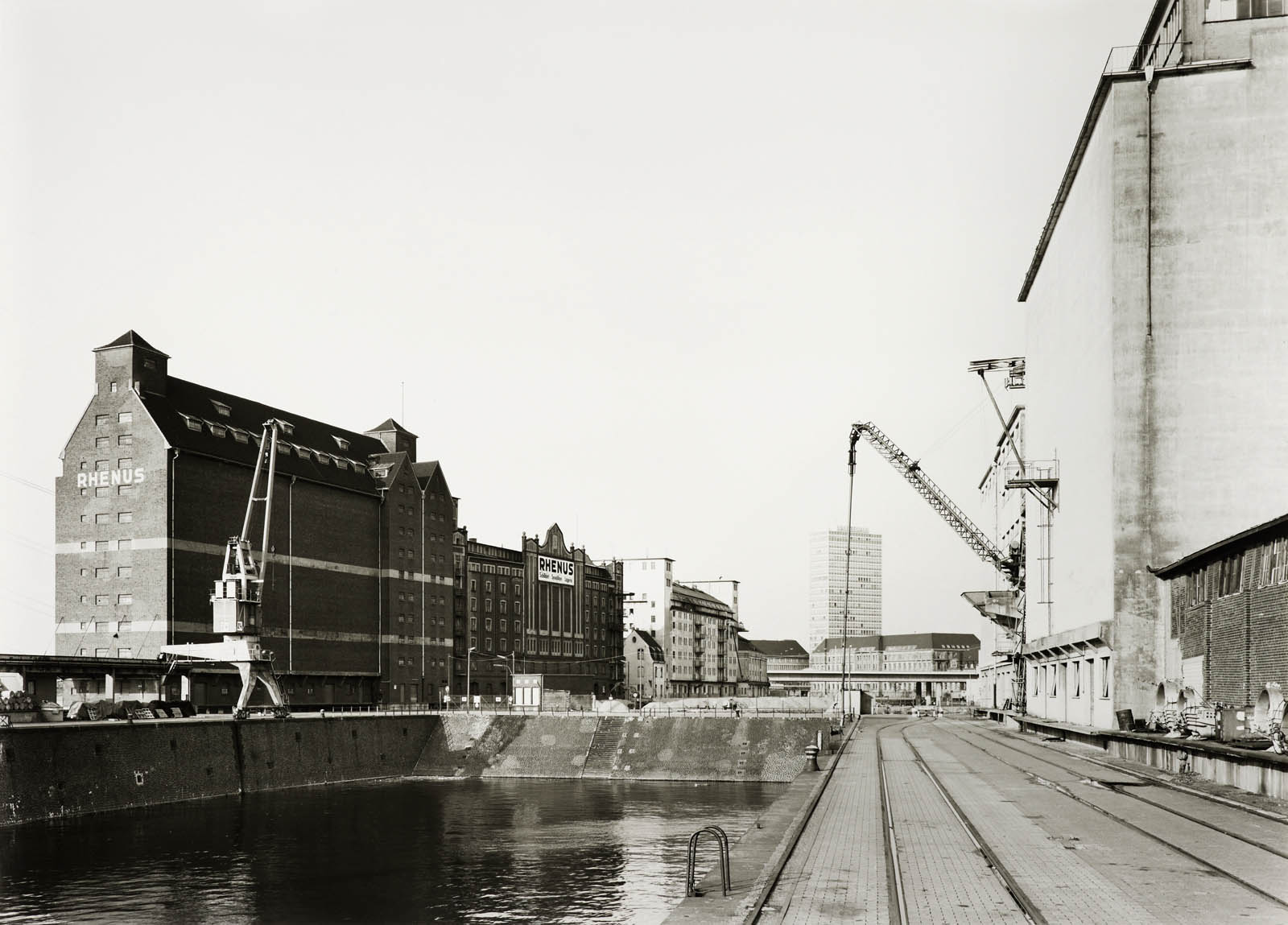
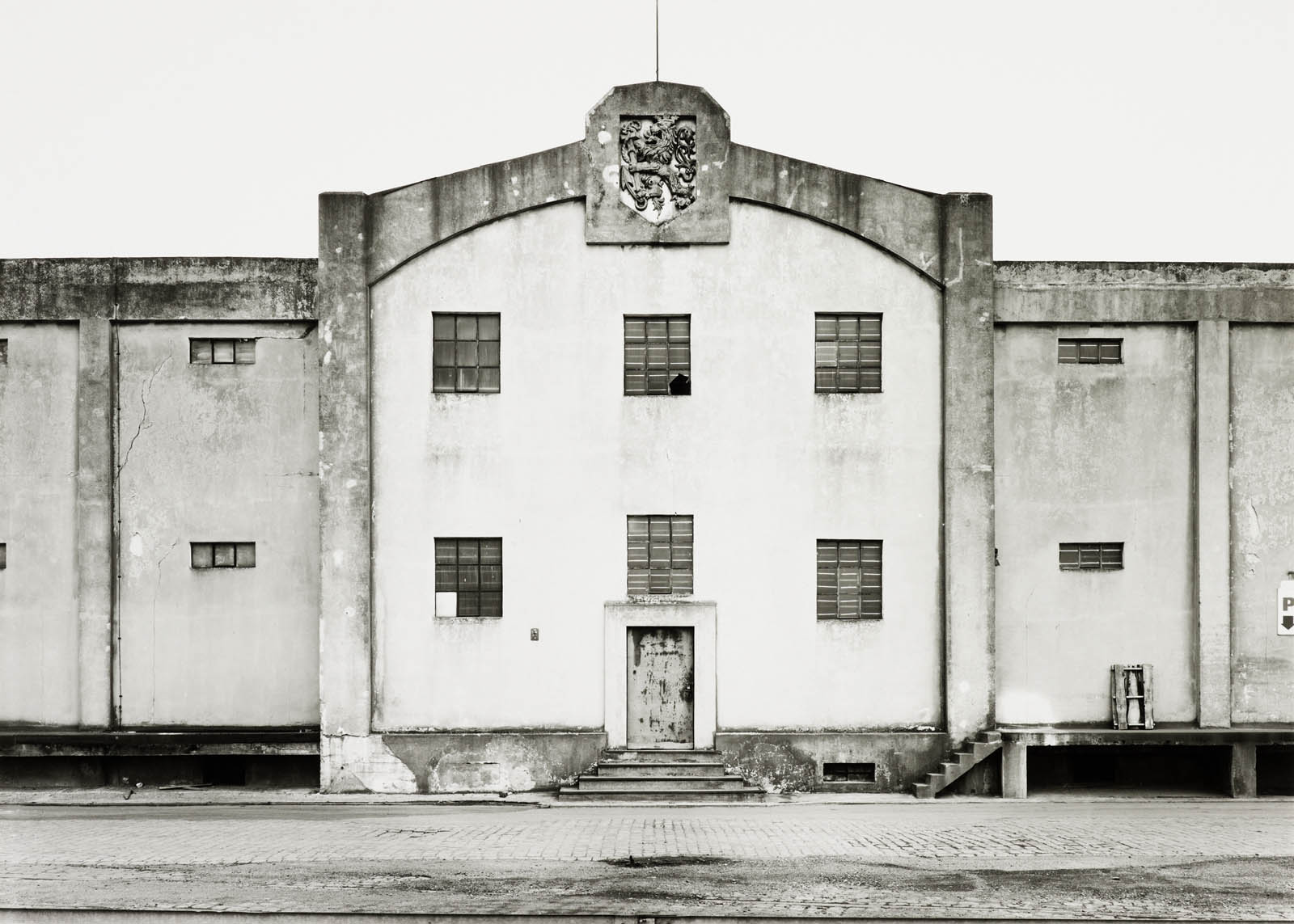
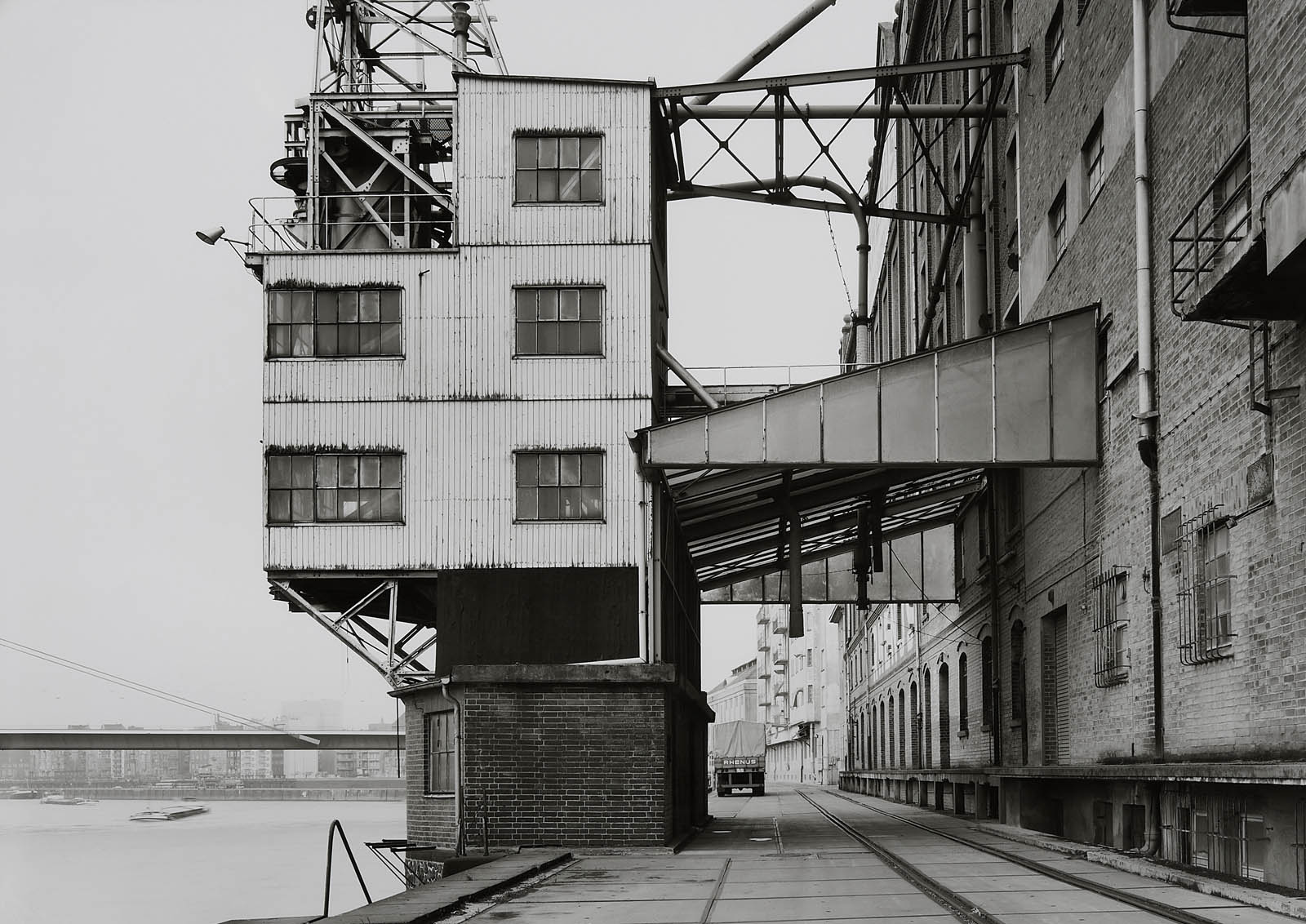
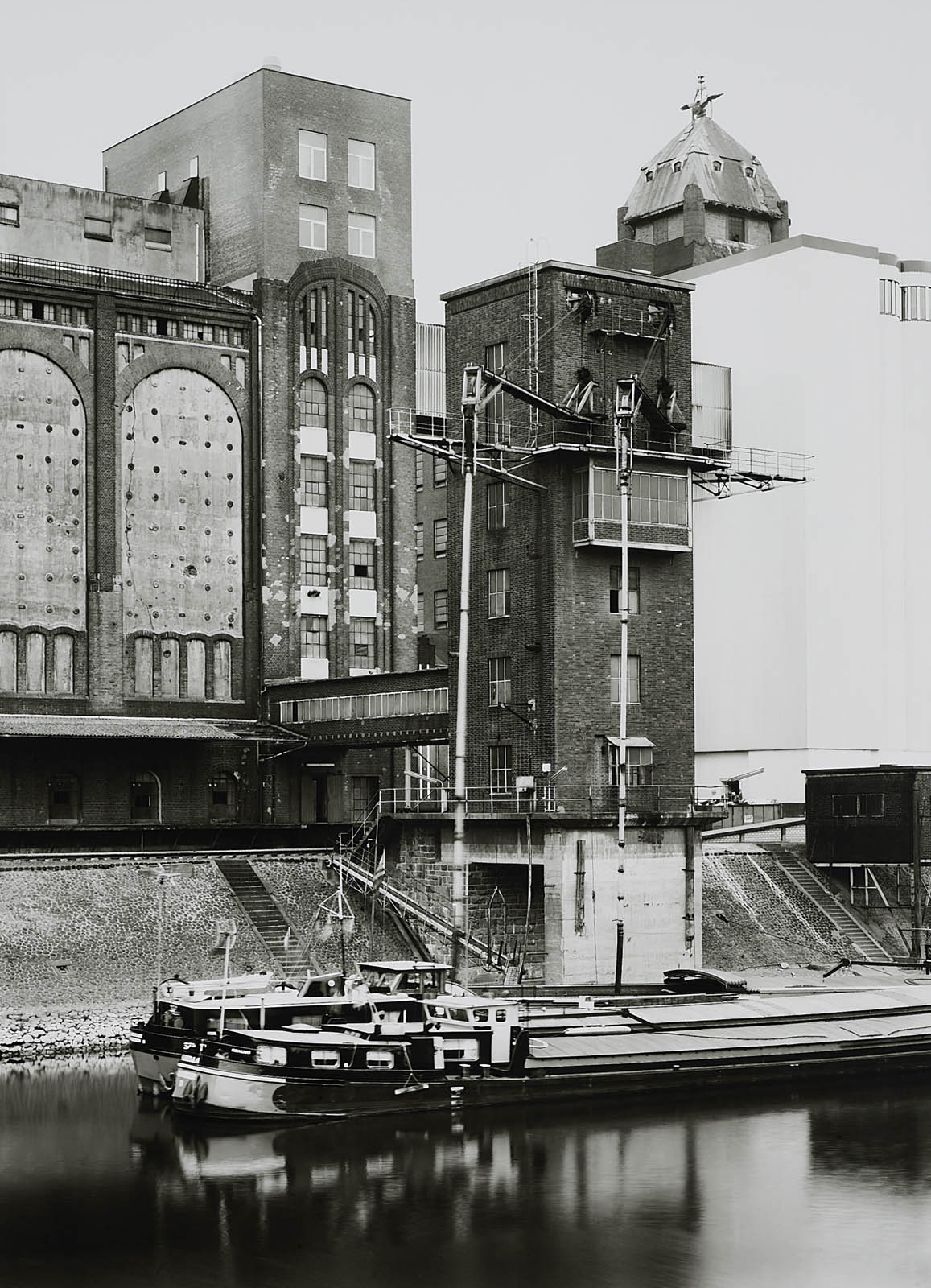
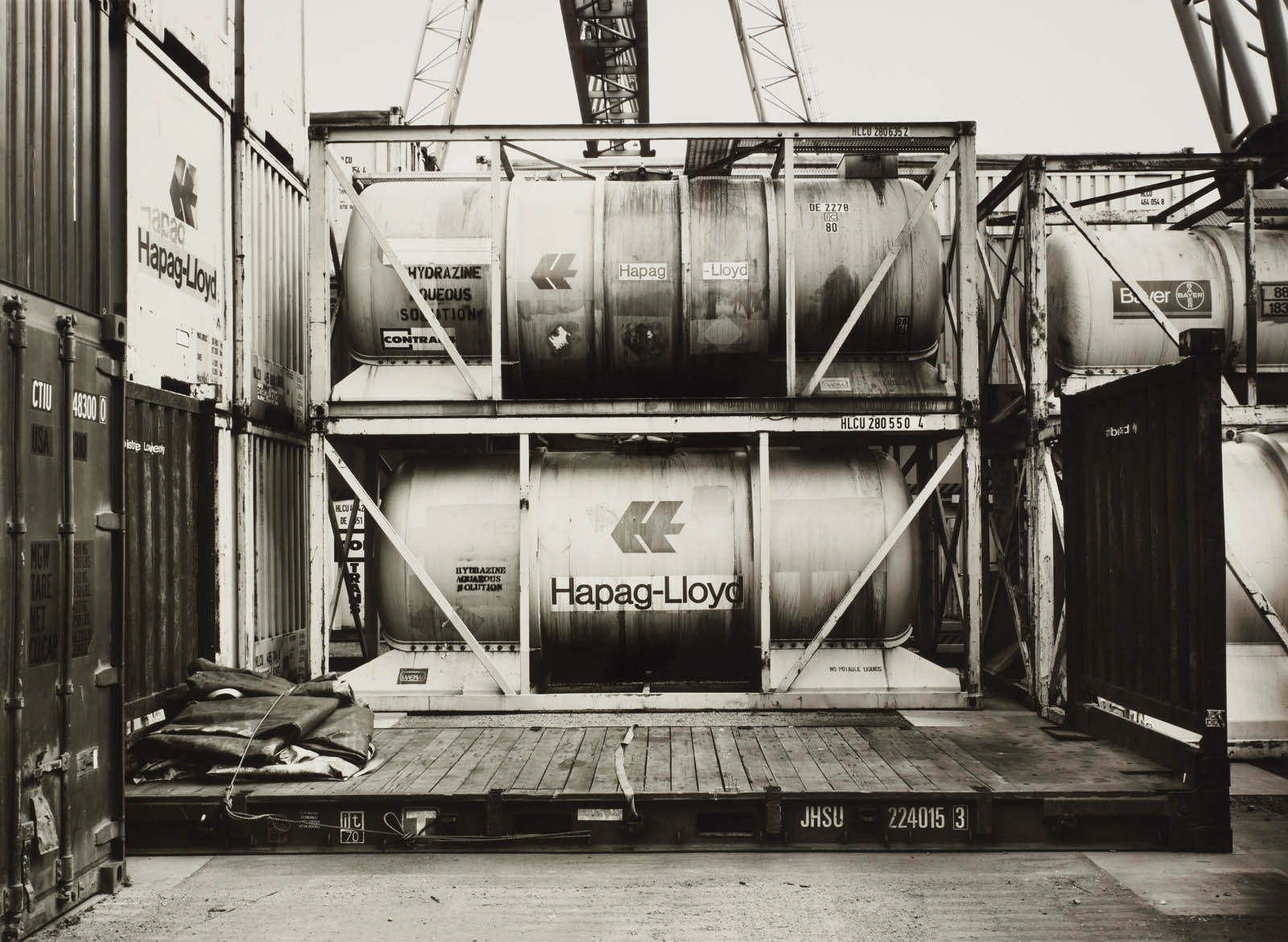
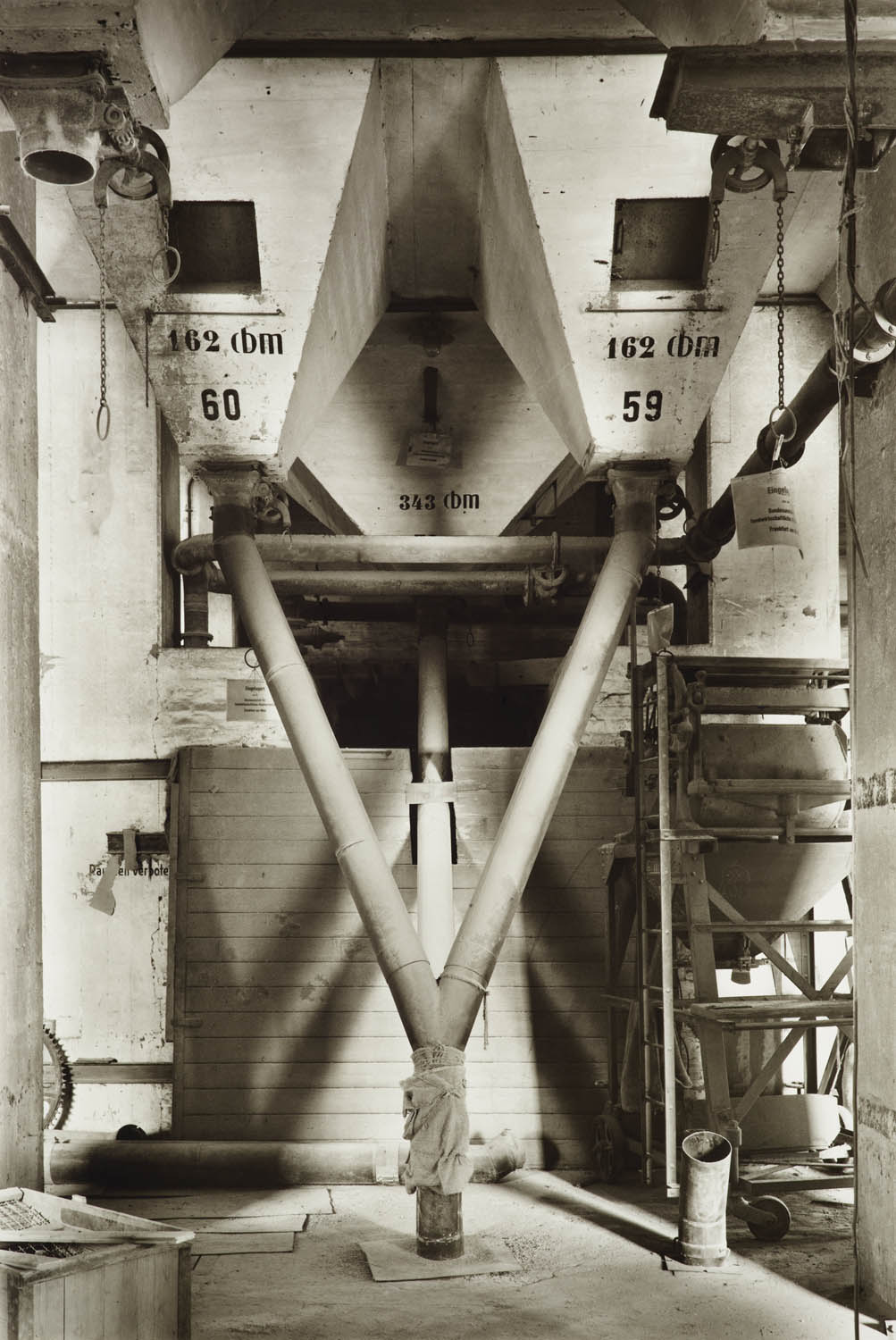
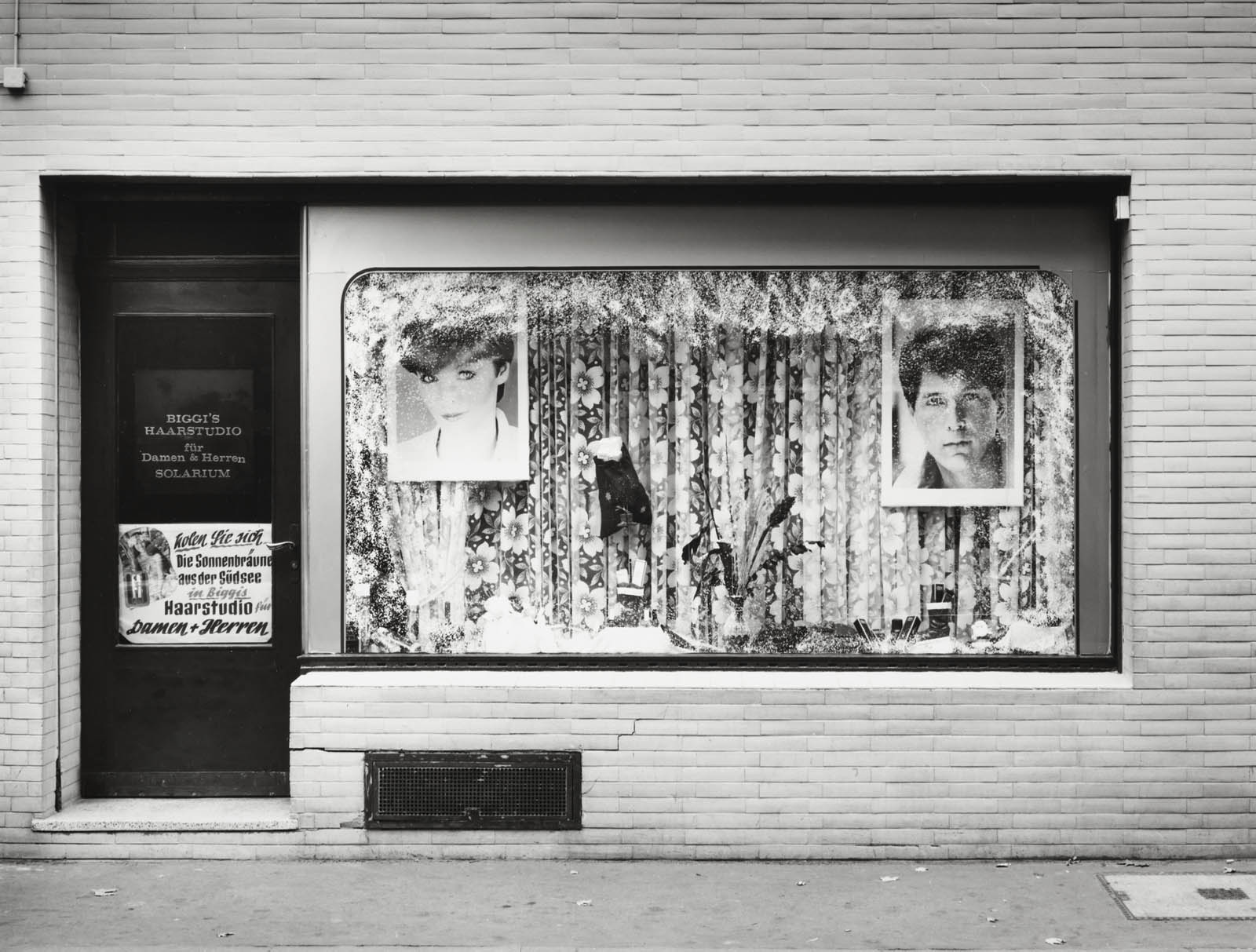
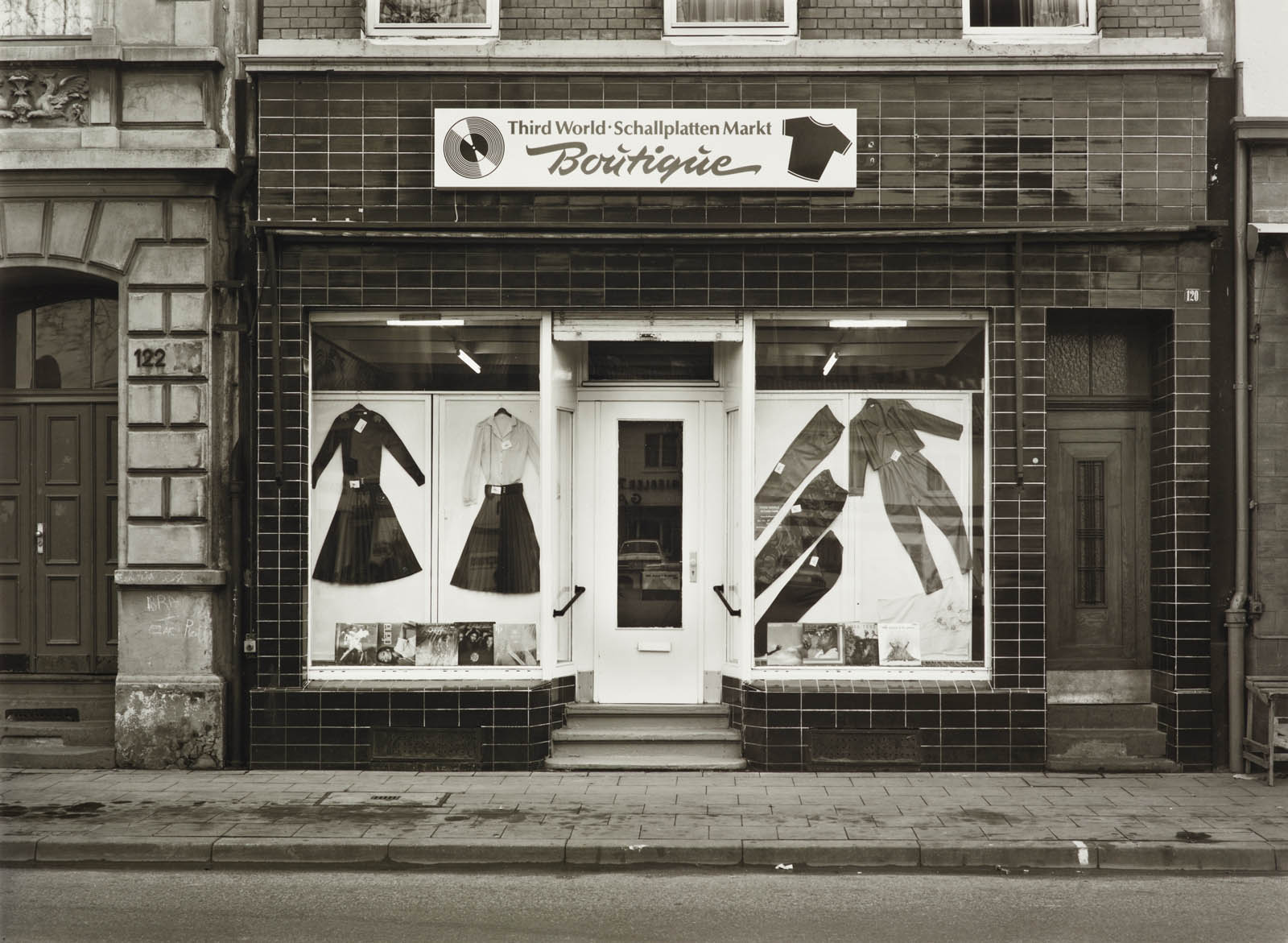
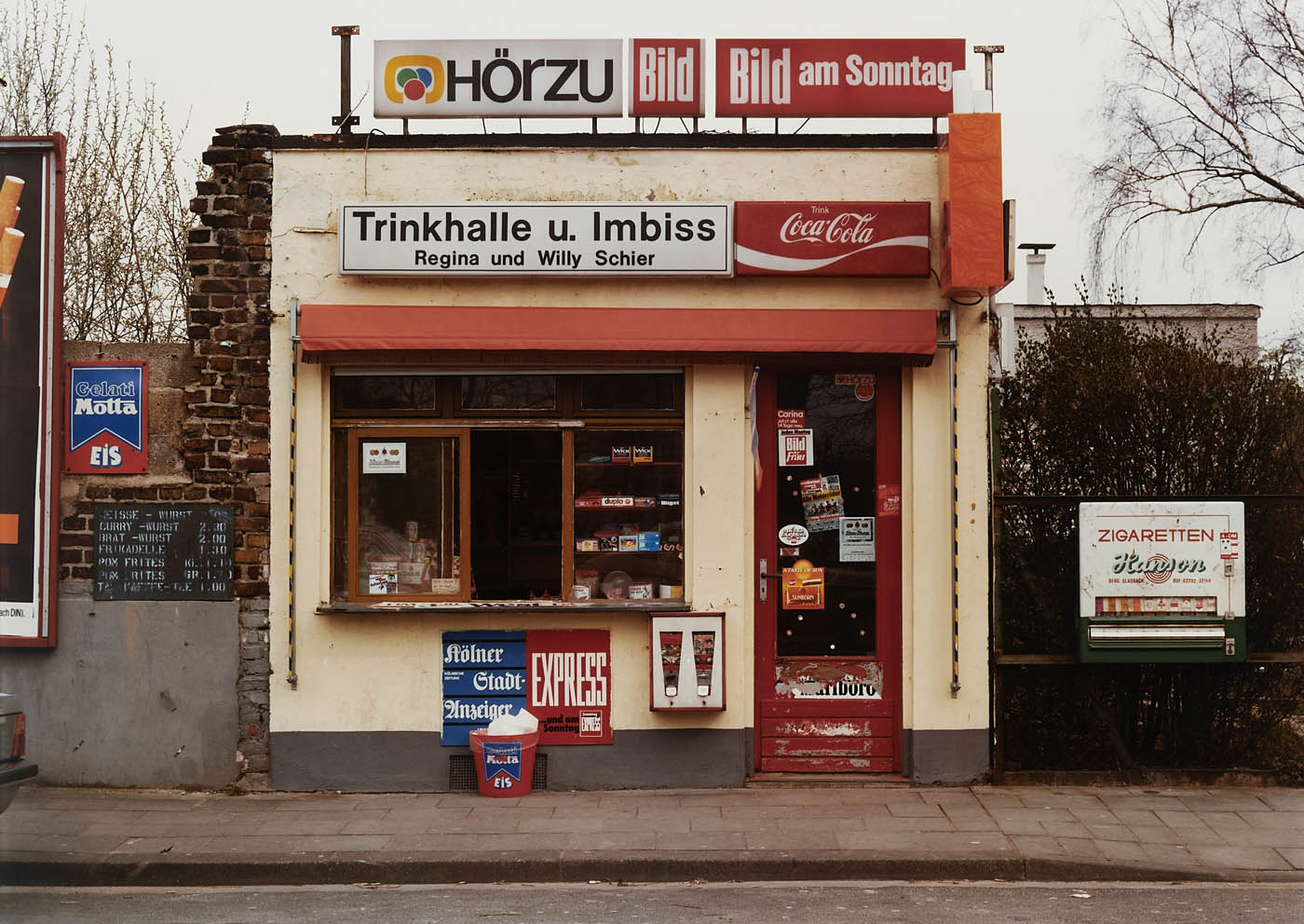
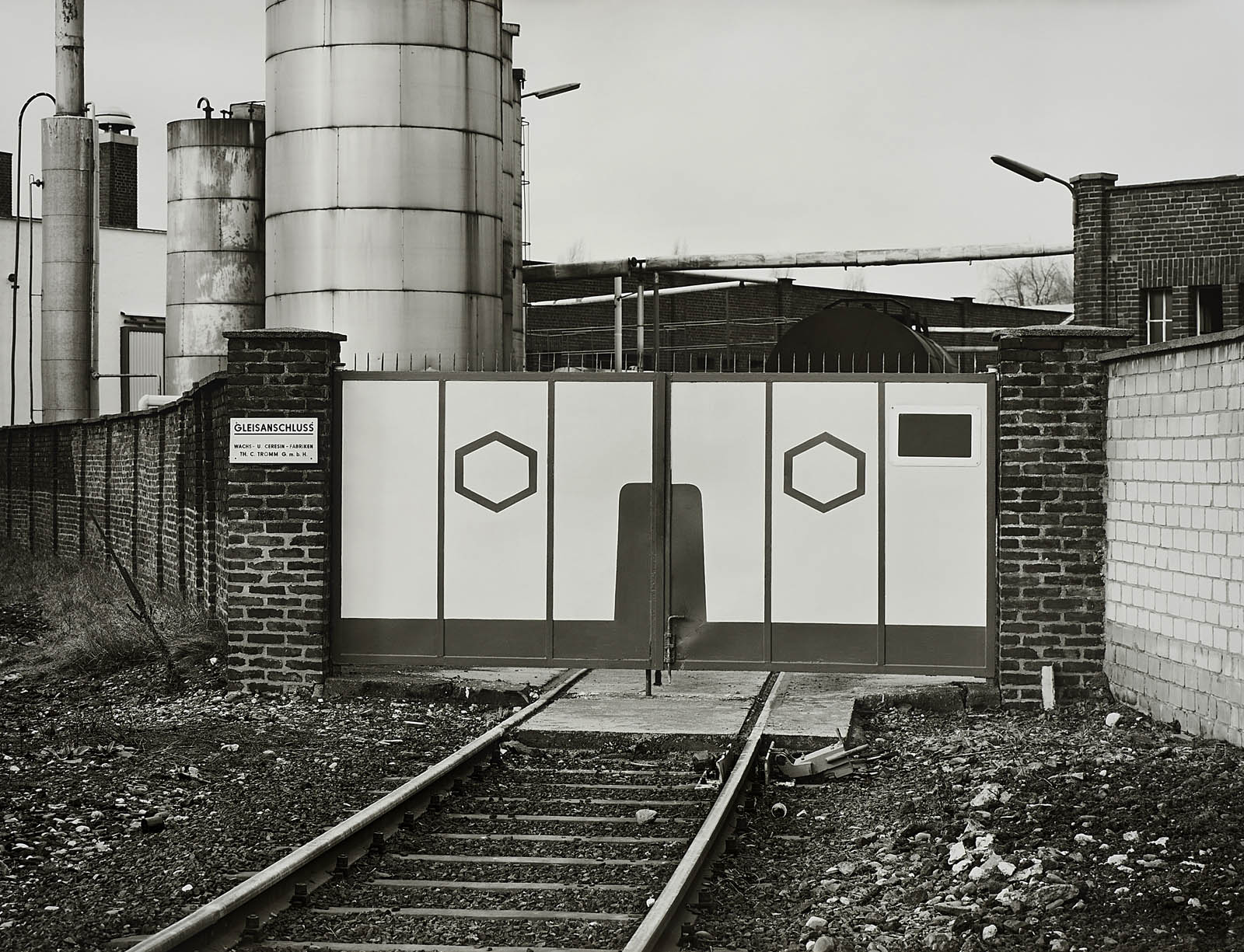
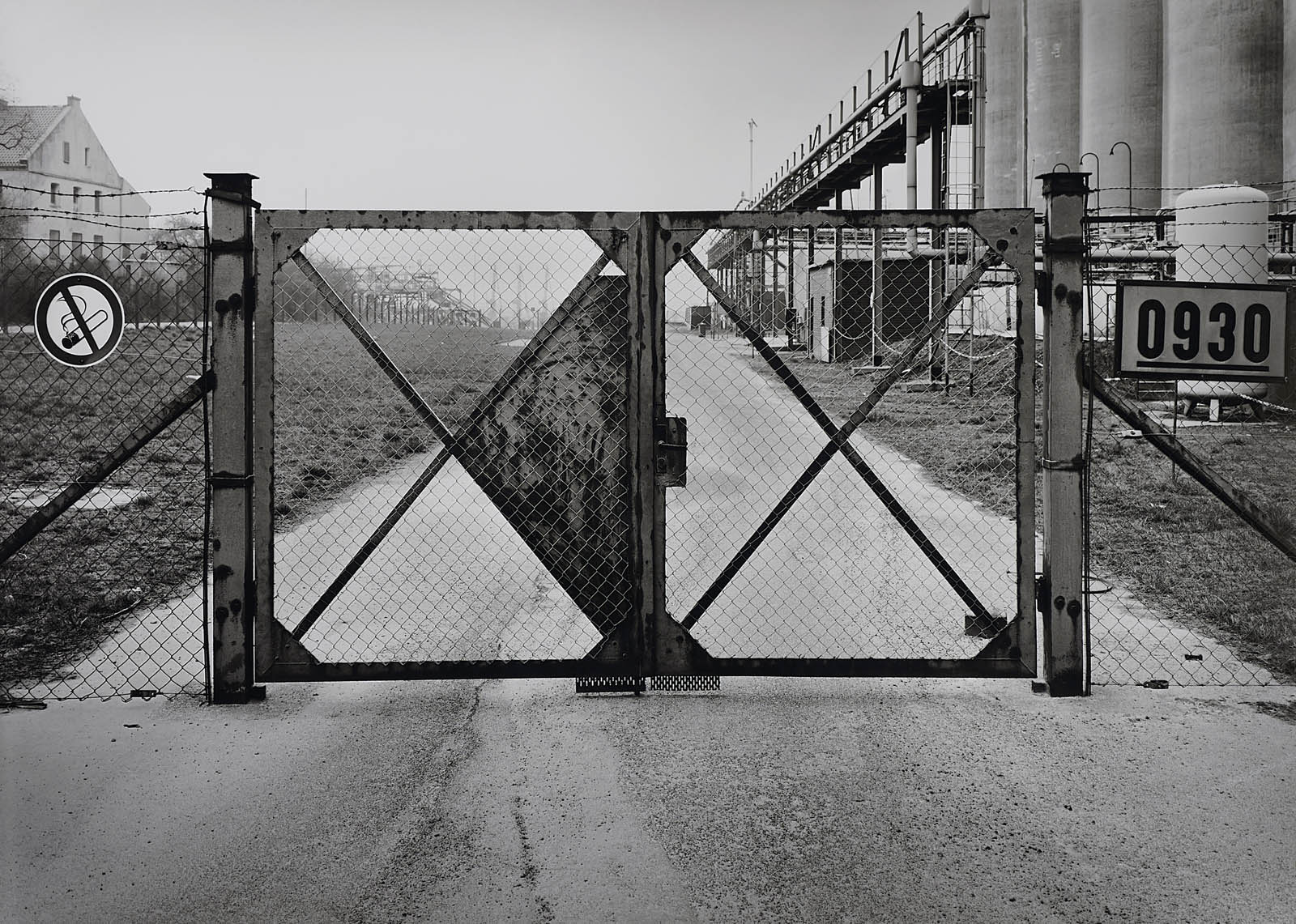


![Unidentified photographer. 'Untitled [Weegee covering the morning line-up at police headquarters, New York]' c. 1939](https://artblart.com/wp-content/uploads/2024/04/weegee-a.jpg "Unidentified photographer. 'Untitled [Weegee covering the morning line-up at police headquarters, New York]' c. 1939")
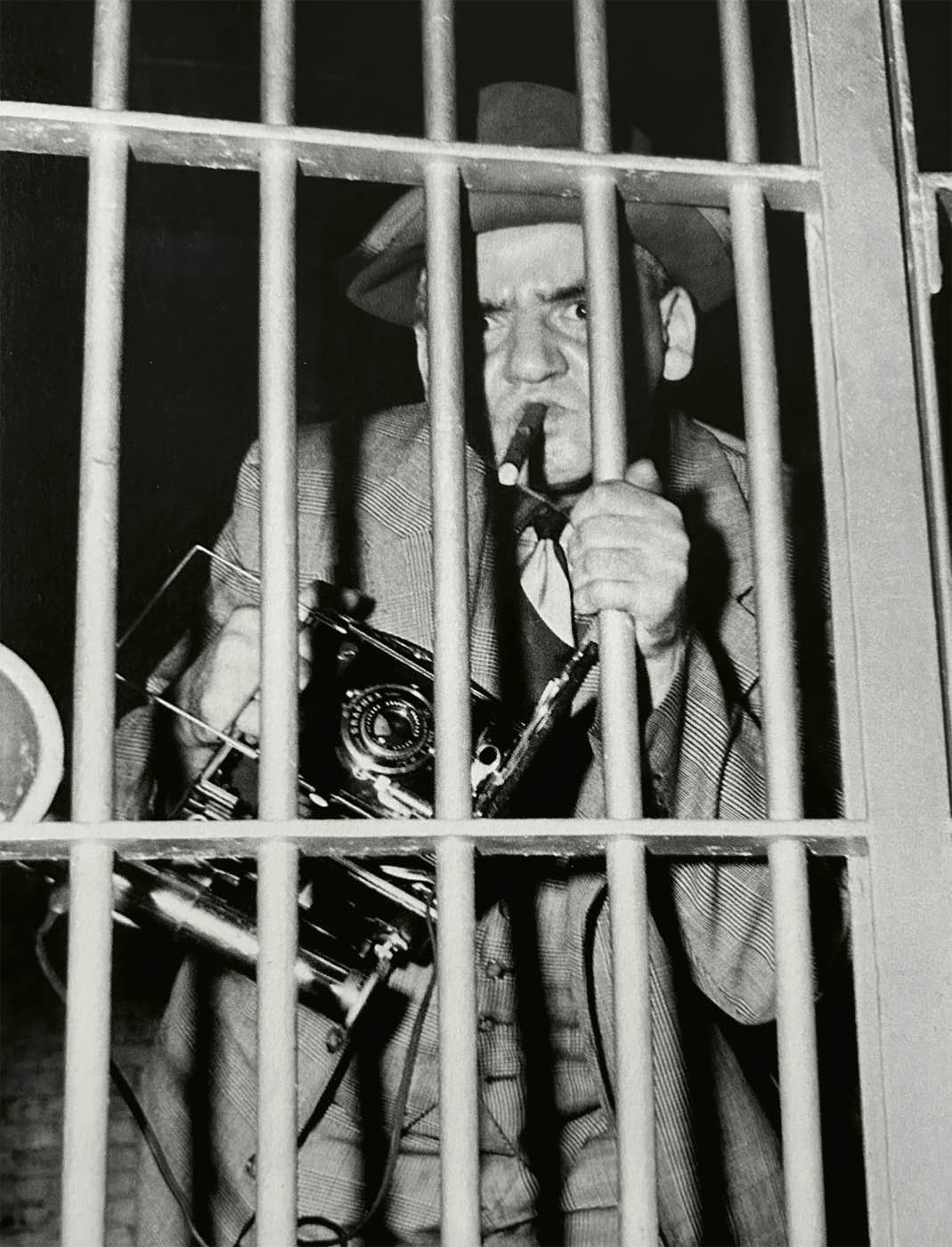


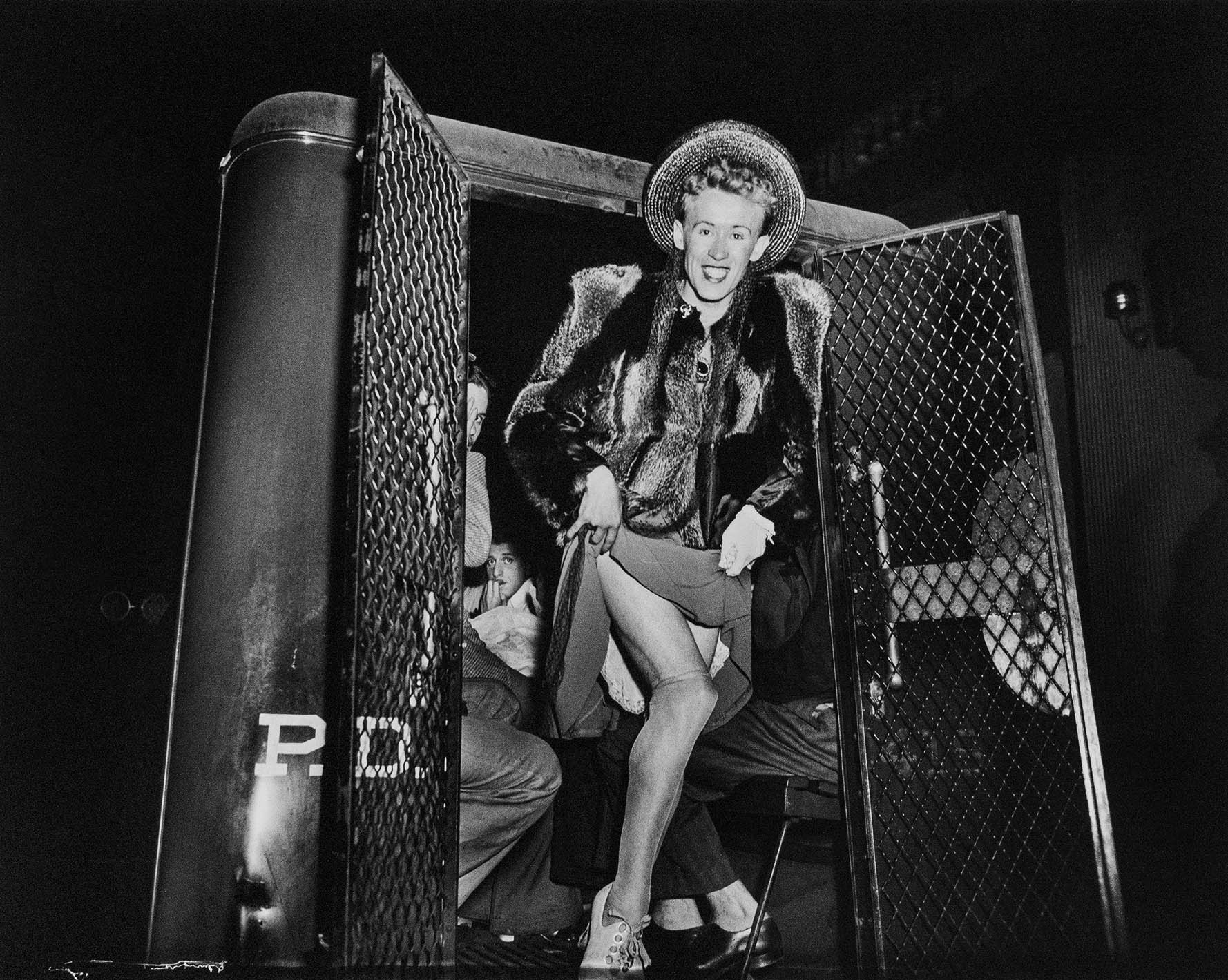
![Installation view of the exhibition 'Weegee, Autopsy of the Spectacle' at the Foundation Henri Cartier-Bresson, Paris showing at second left, Weegee's 'Man Arrested for Cross-Dressing, New York (Gay Deceiver)' (1939); and at top right, a magazine print of his photograph 'Untitled [Young man smoking cigarette in crashed car while waiting for ambulance, New York]' (1941)](https://artblart.com/wp-content/uploads/2024/05/weegee-installation-hcb.jpg "Installation view of the exhibition 'Weegee, Autopsy of the Spectacle' at the Foundation Henri Cartier-Bresson, Paris showing at second left, Weegee's 'Man Arrested for Cross-Dressing, New York (Gay Deceiver)' (1939); and at top right, a magazine print of his photograph 'Untitled [Young man smoking cigarette in crashed car while waiting for ambulance, New York]' (1941)")
![Weegee (American, 1899-1968) 'Untitled [Young man smoking cigarette in crashed car while waiting for ambulance, New York]' 1941](https://artblart.com/wp-content/uploads/2024/04/weegee-untitled-young-man-smoking-cigarette-in-crashed-car-while-waiting-for-ambulance-new-york-1941.jpg "Weegee (American, 1899-1968) 'Untitled [Young man smoking cigarette in crashed car while waiting for ambulance, New York]' 1941")

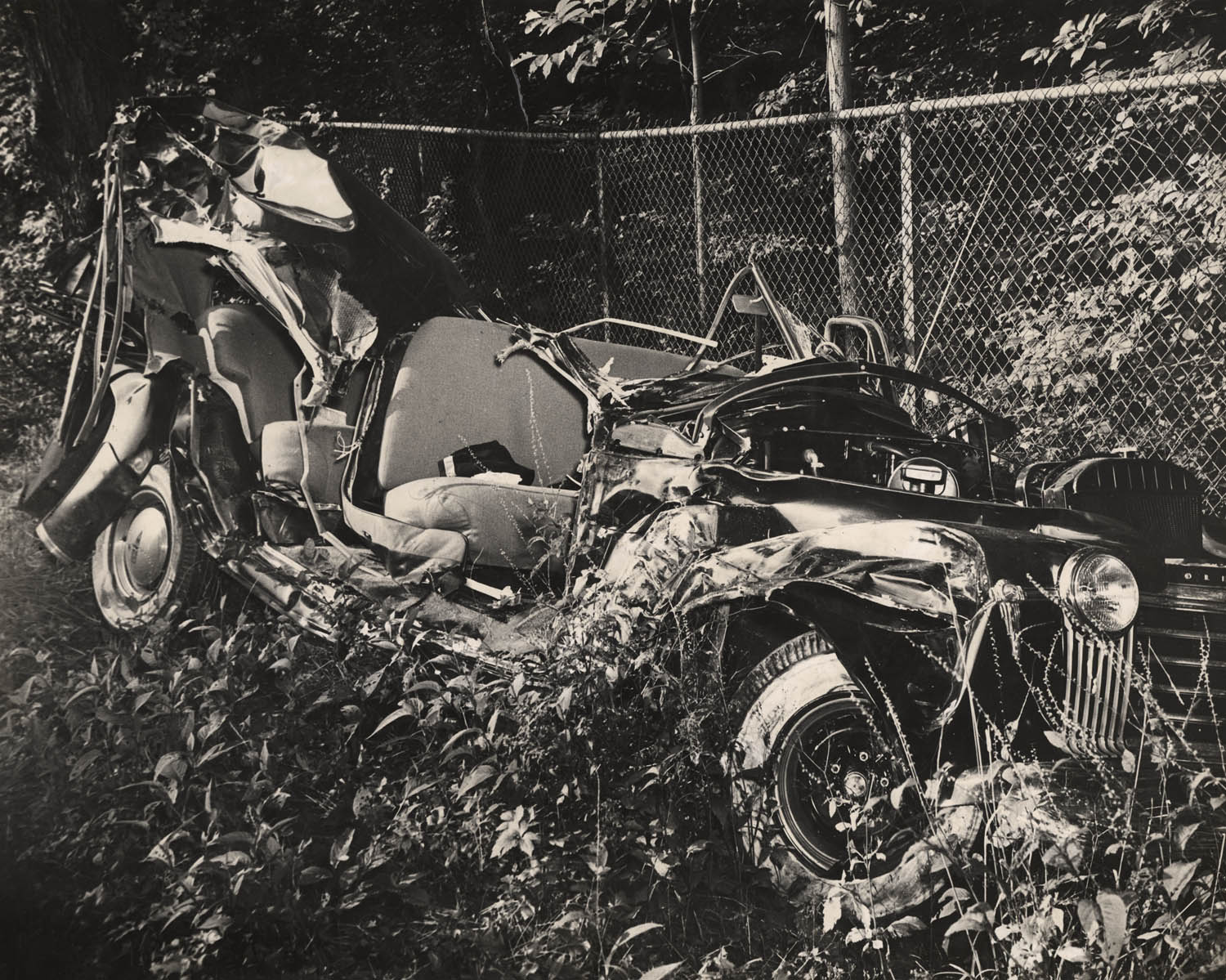
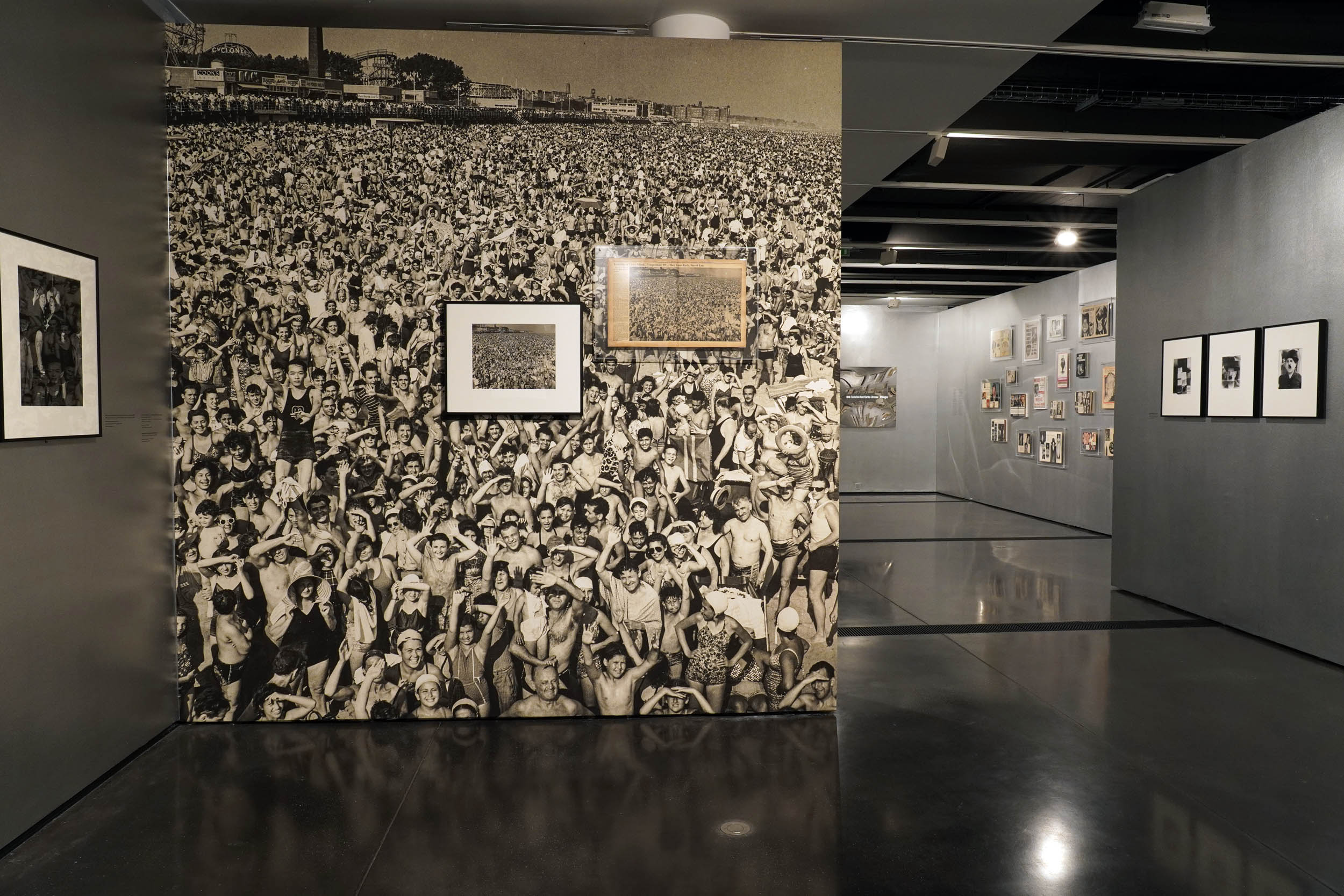
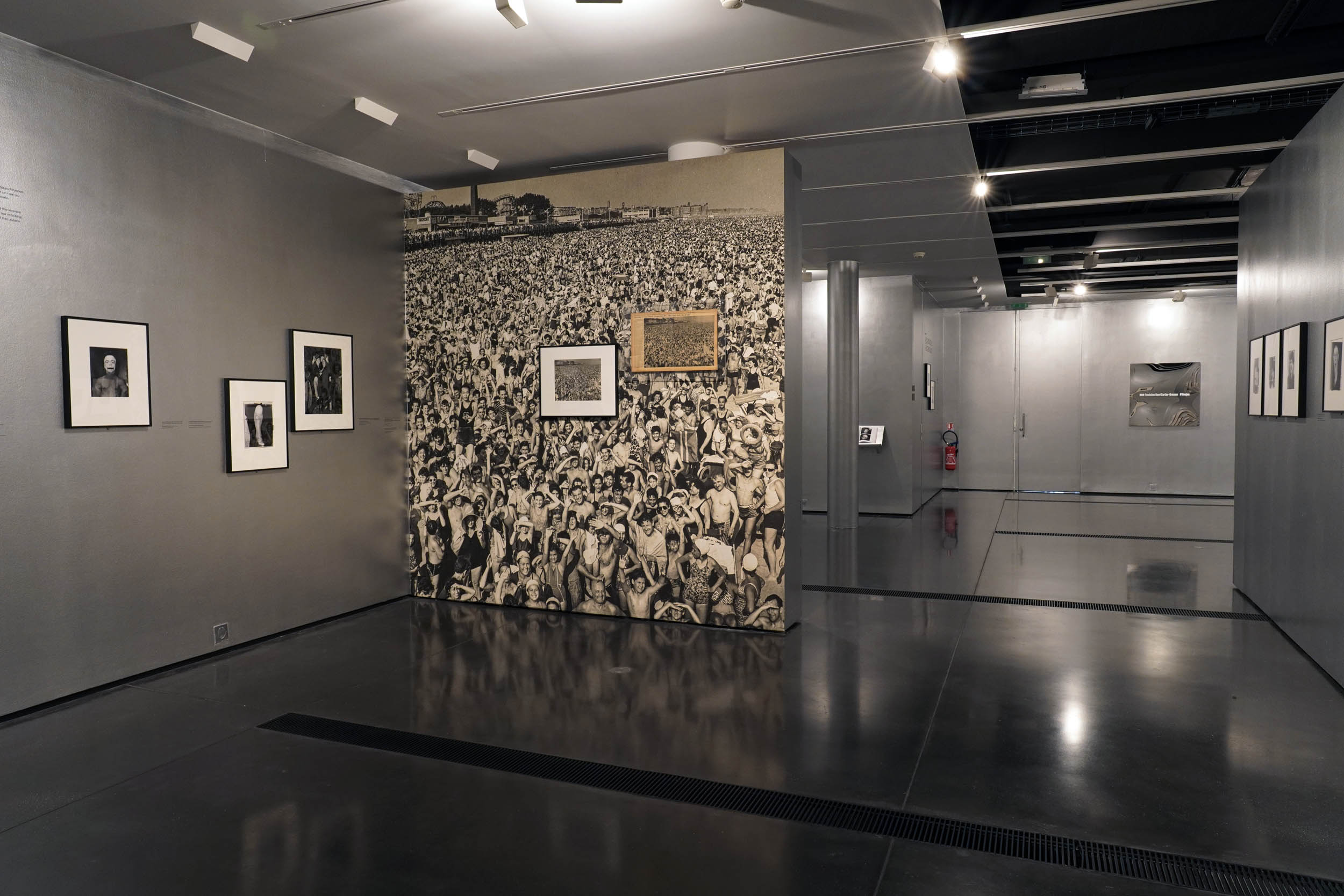


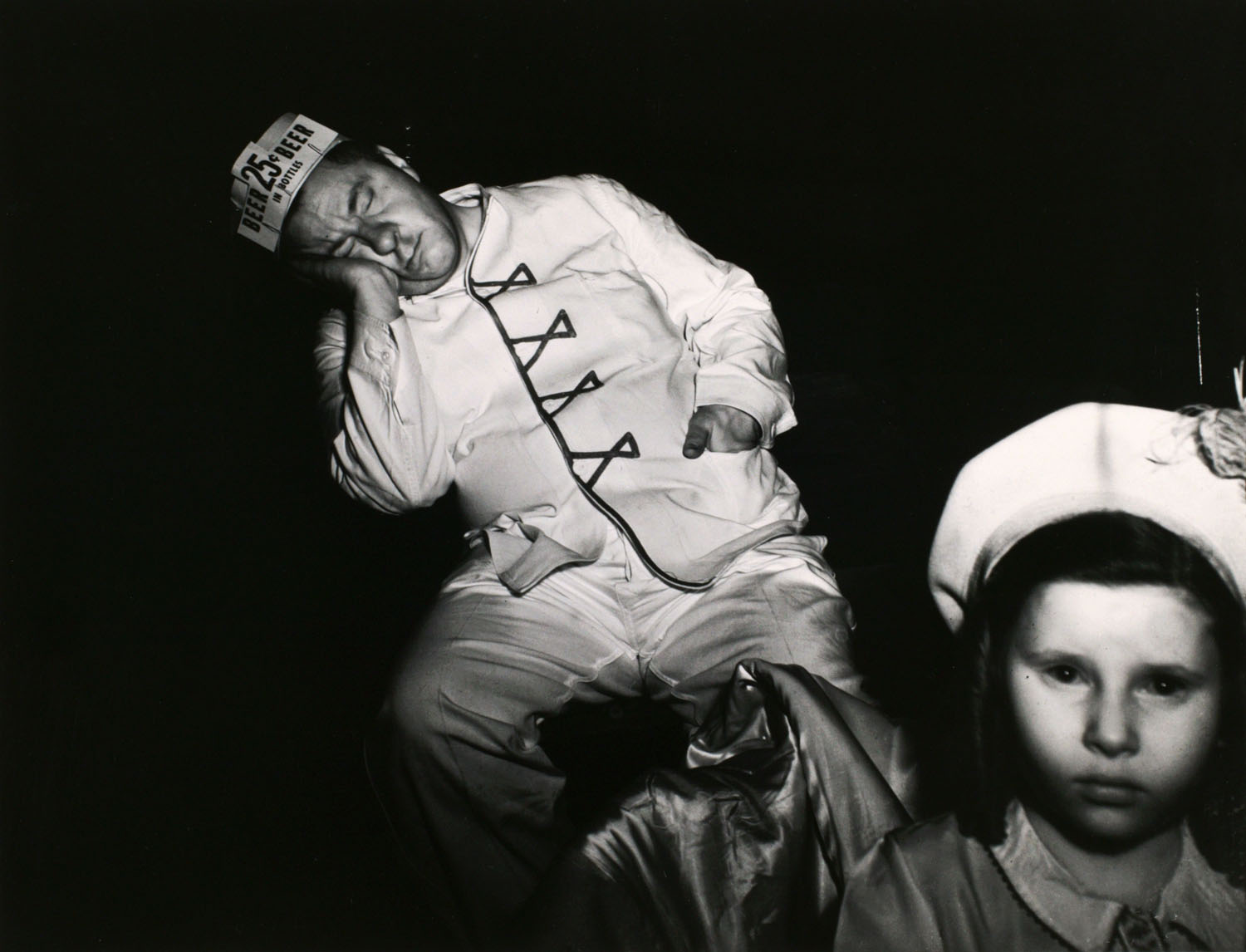


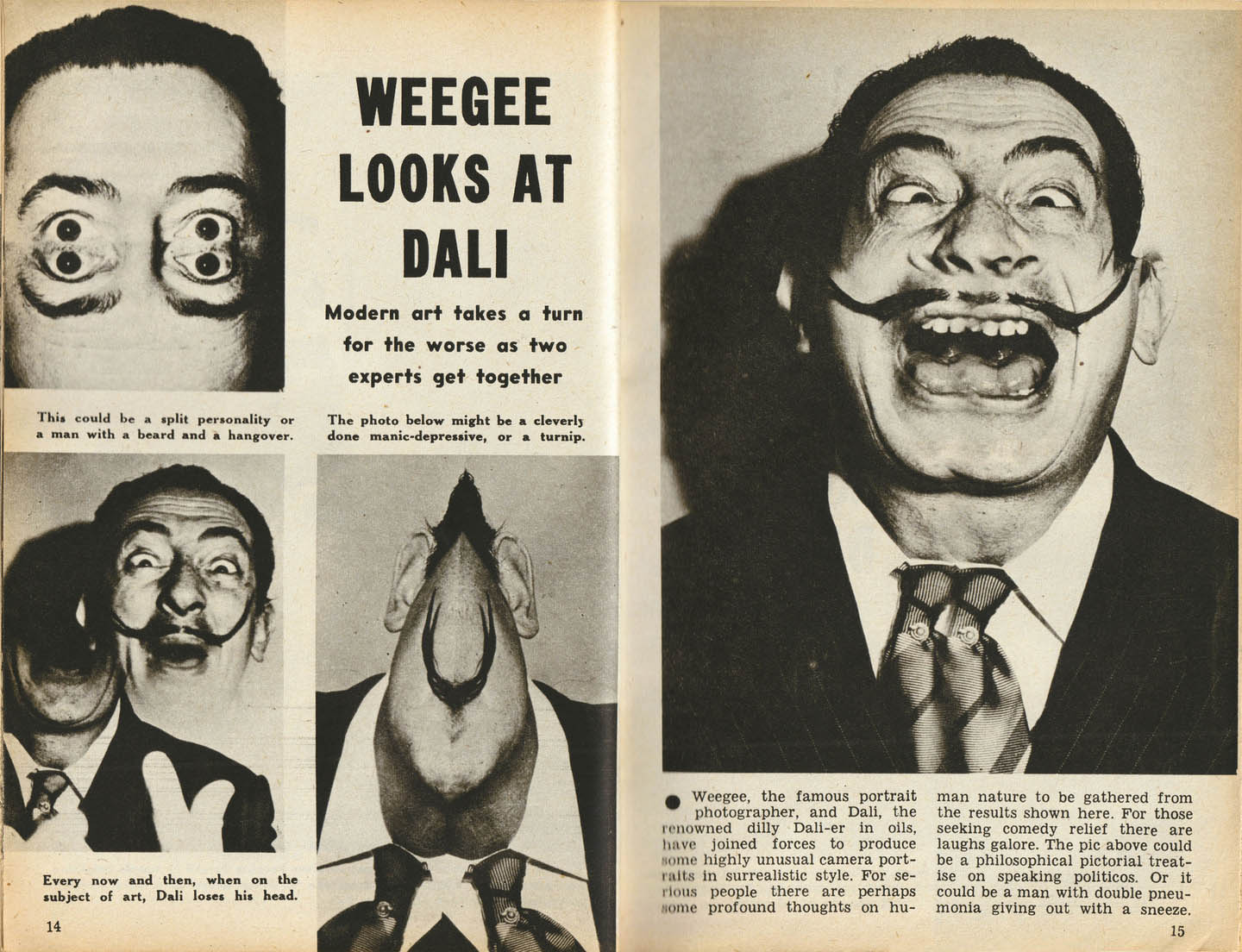
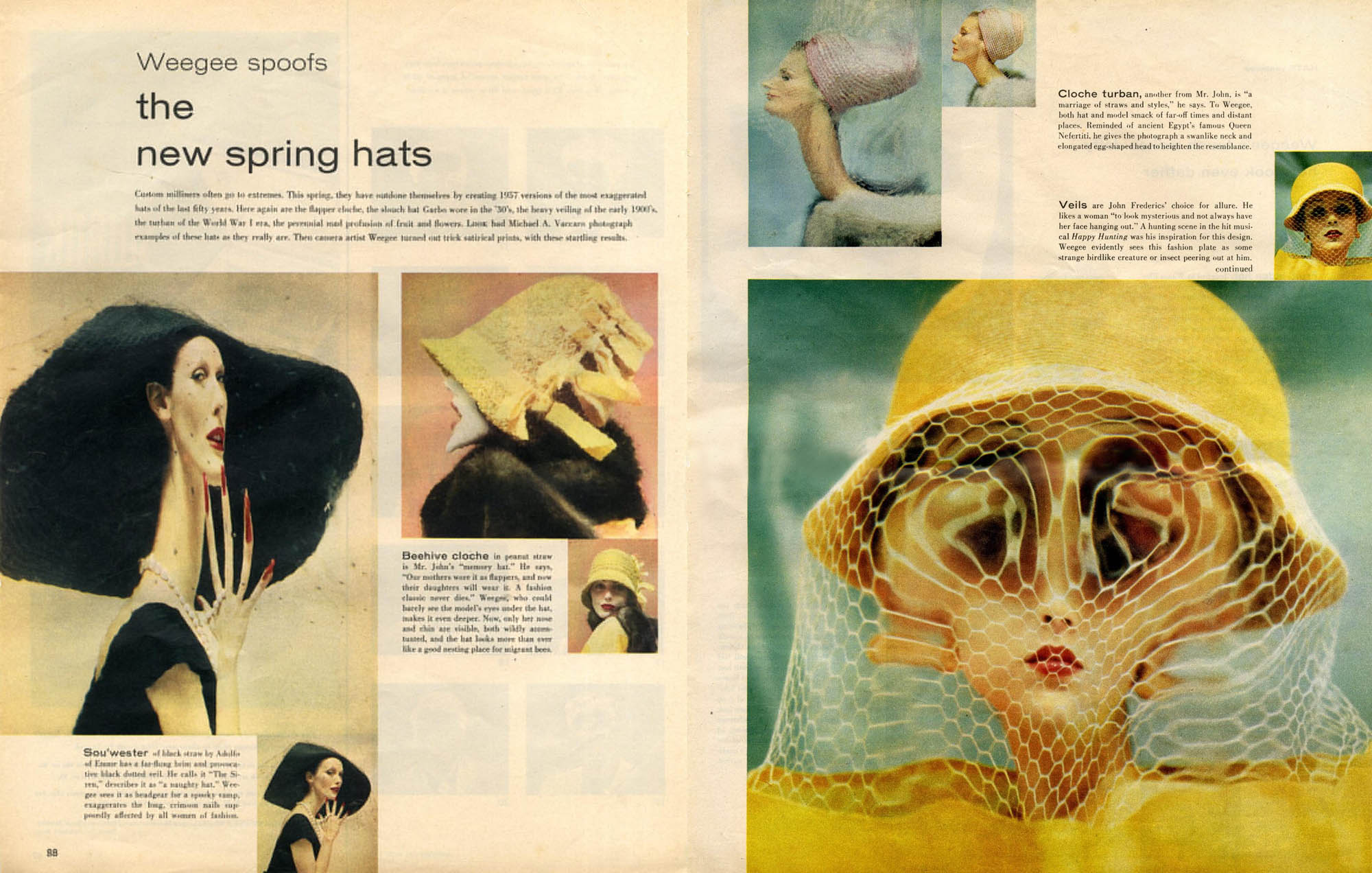
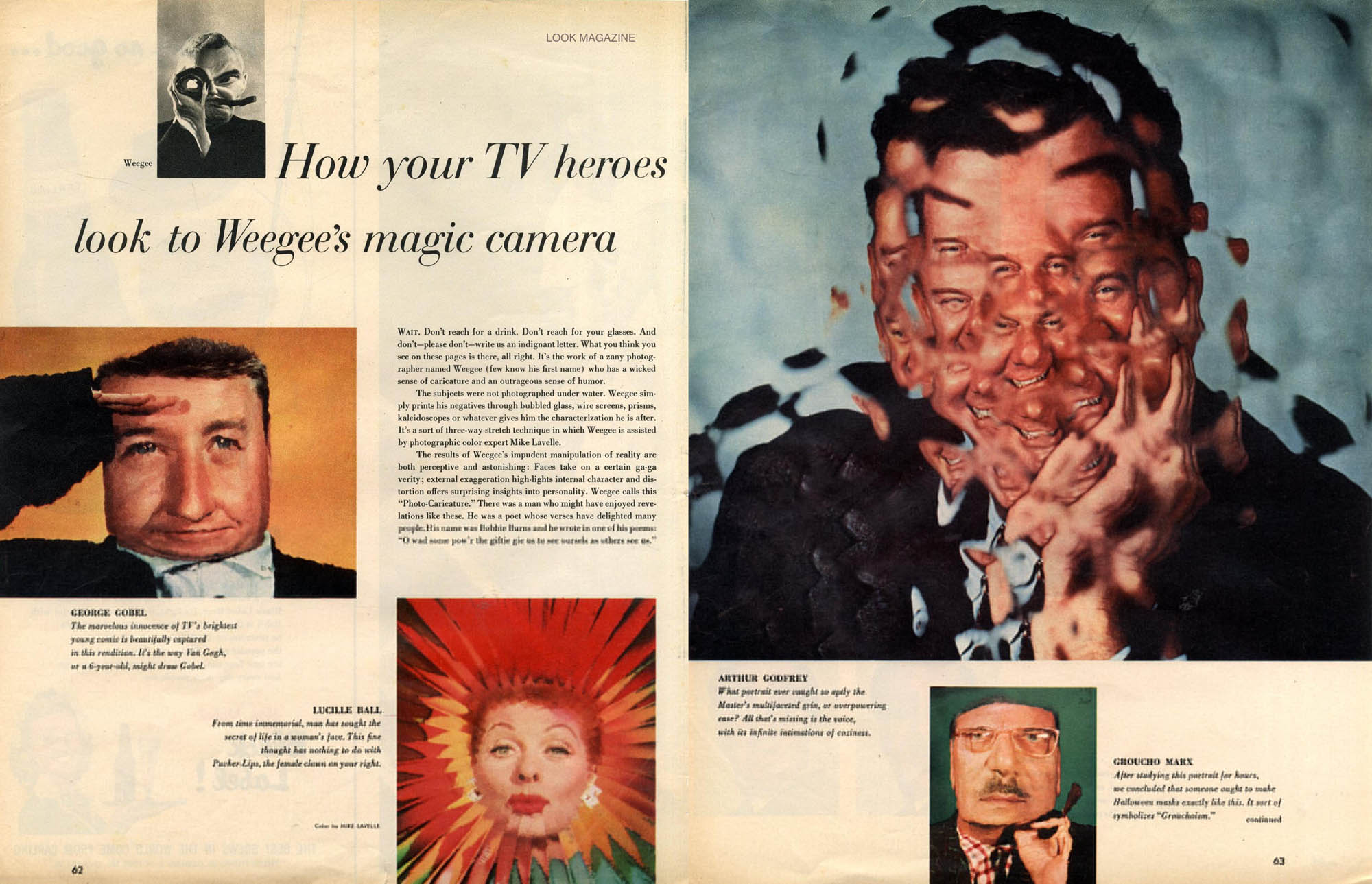


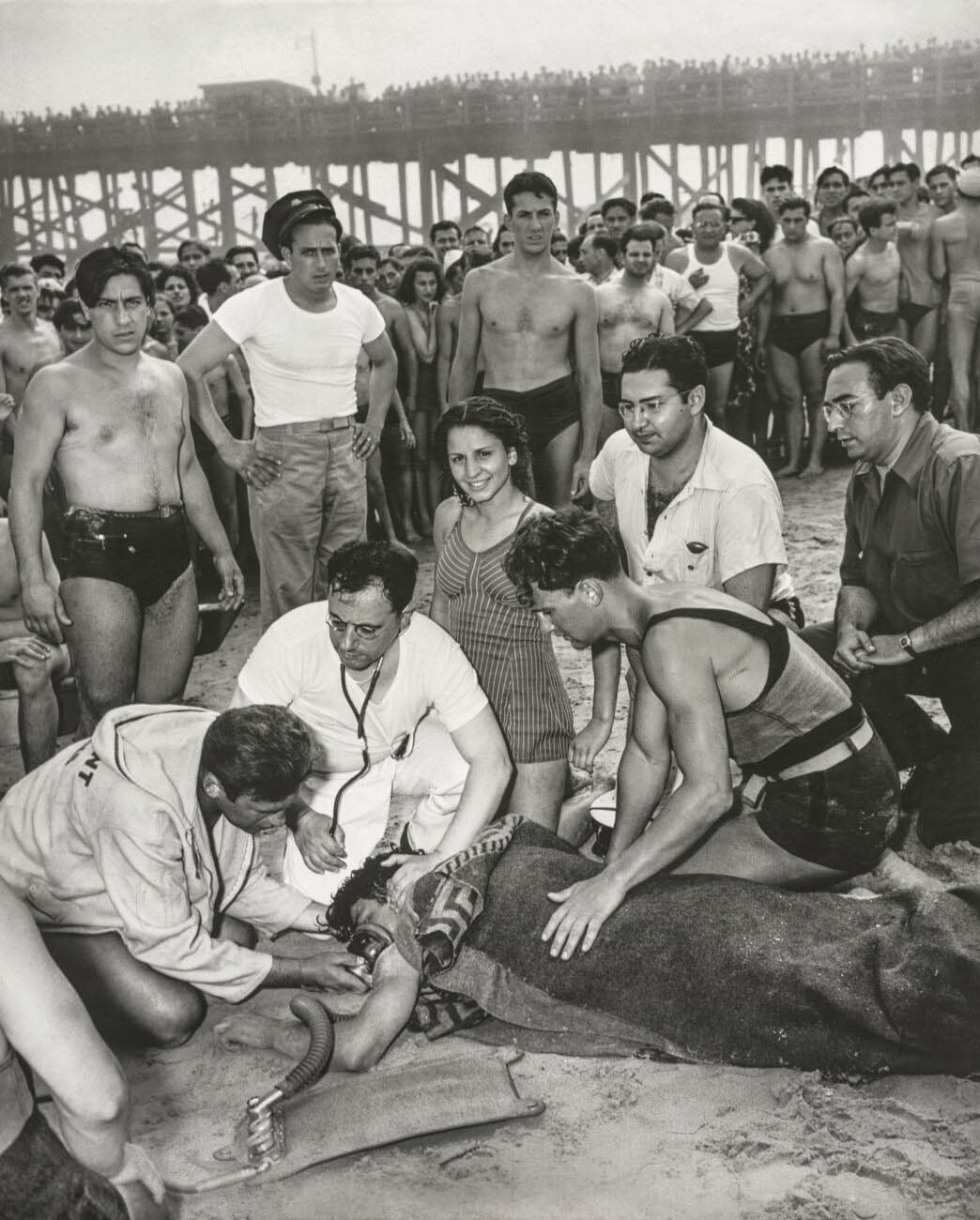

![Weegee (American, 1899-1968) 'Untitled [Tenement sleeping during heat spell, Lower East Side, New York]' May 23, 1941](https://artblart.com/wp-content/uploads/2024/04/weegee-tenement-sleeping-during-heat-spell-lower-east-side-new-york.jpg "Weegee (American, 1899-1968) 'Untitled [Tenement sleeping during heat spell, Lower East Side, New York]' May 23, 1941")
![Weegee (American, 1899-1968) 'Untitled [Fire in loft building, New York]' 1947](https://artblart.com/wp-content/uploads/2024/04/weegee-fire-in-loft-building.jpg "Weegee (American, 1899-1968) 'Untitled [Fire in loft building, New York]' 1947")


![Weegee (American, born Ukraine (Austria), Złoczów (Zolochiv) 1899 - 1968 New York) '[Outline of a Murder Victim]' 1942](https://artblart.com/wp-content/uploads/2016/07/weegee-outline-web.jpg)

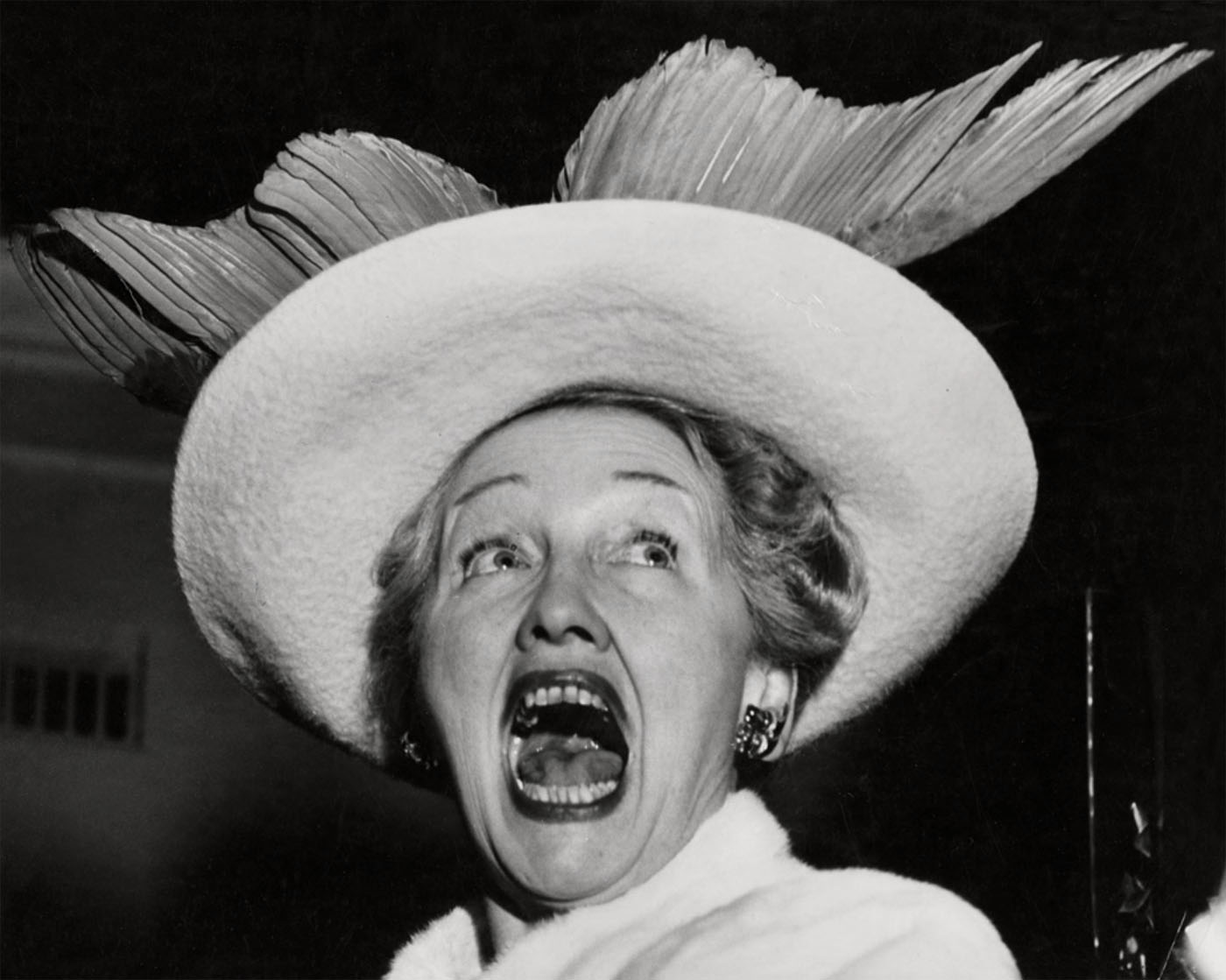


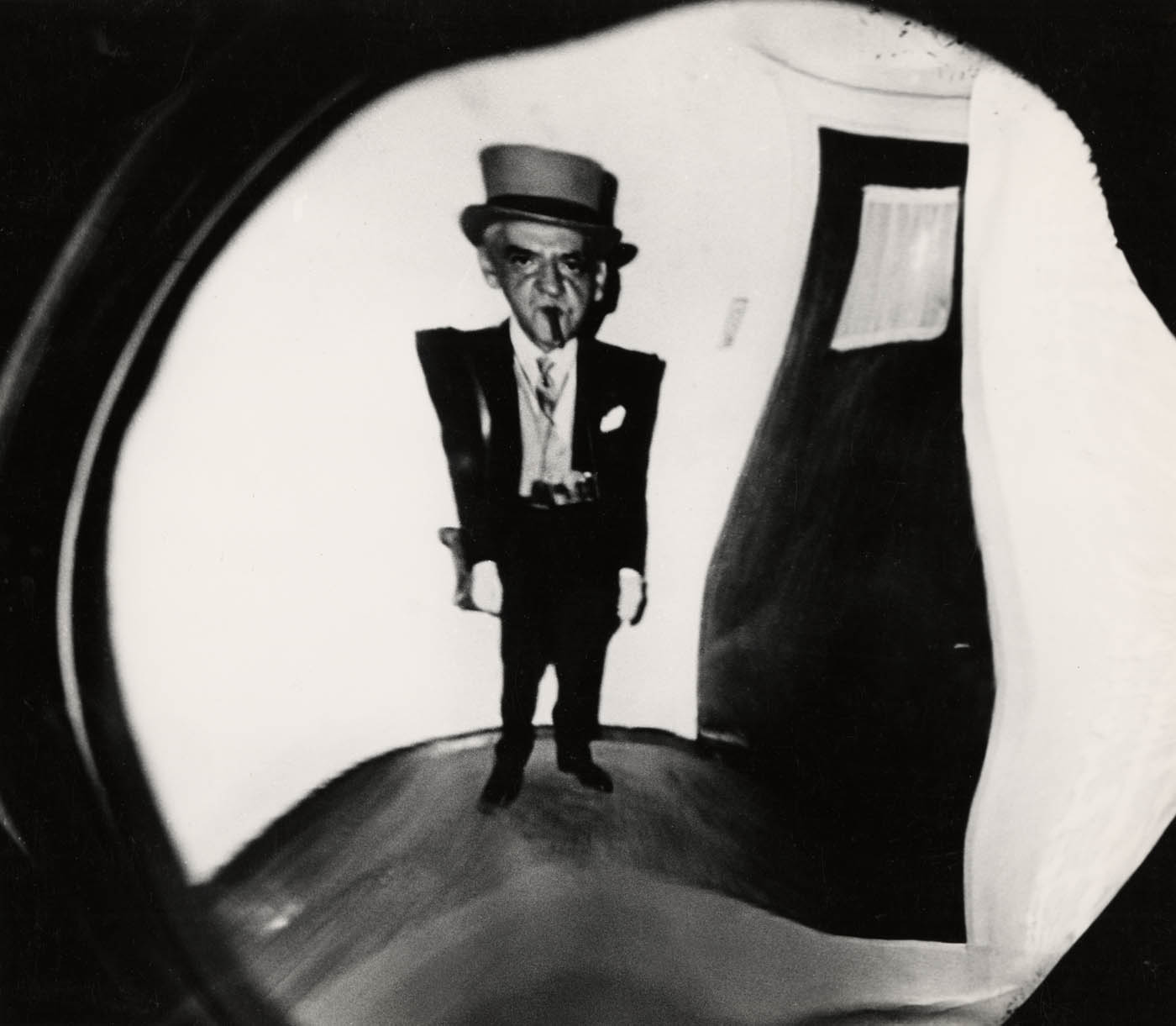
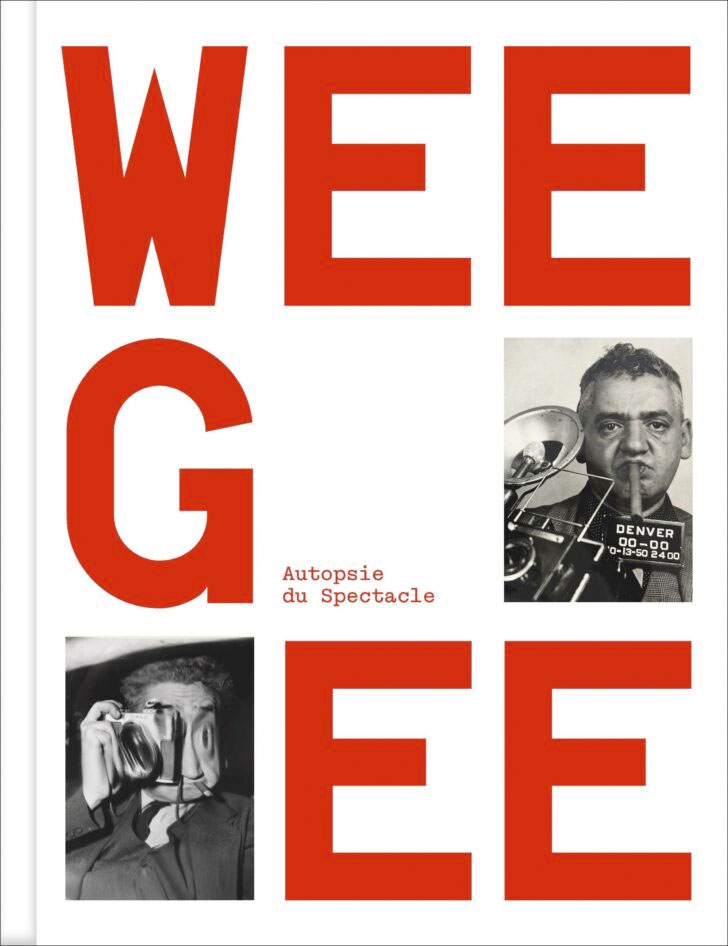






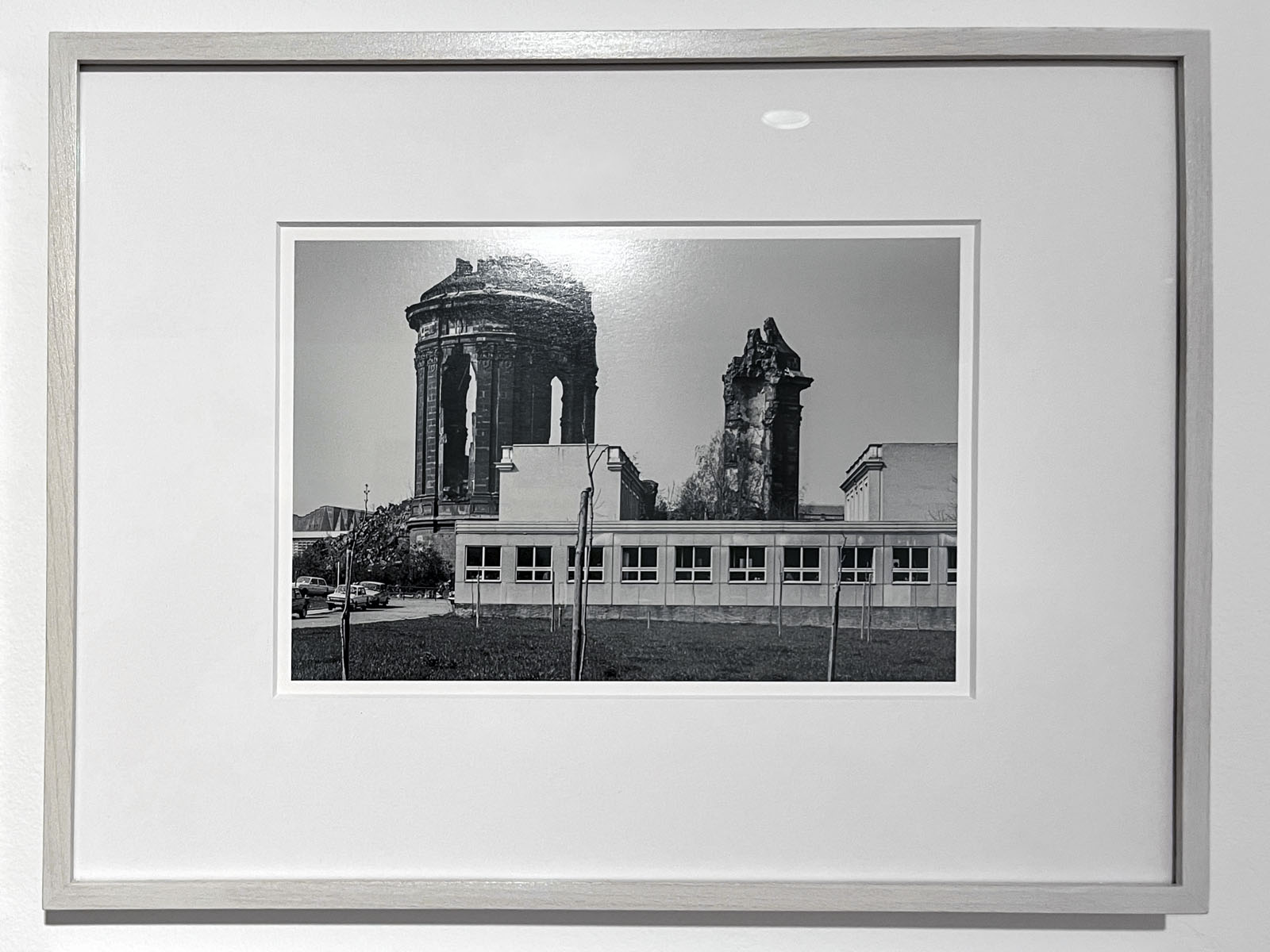
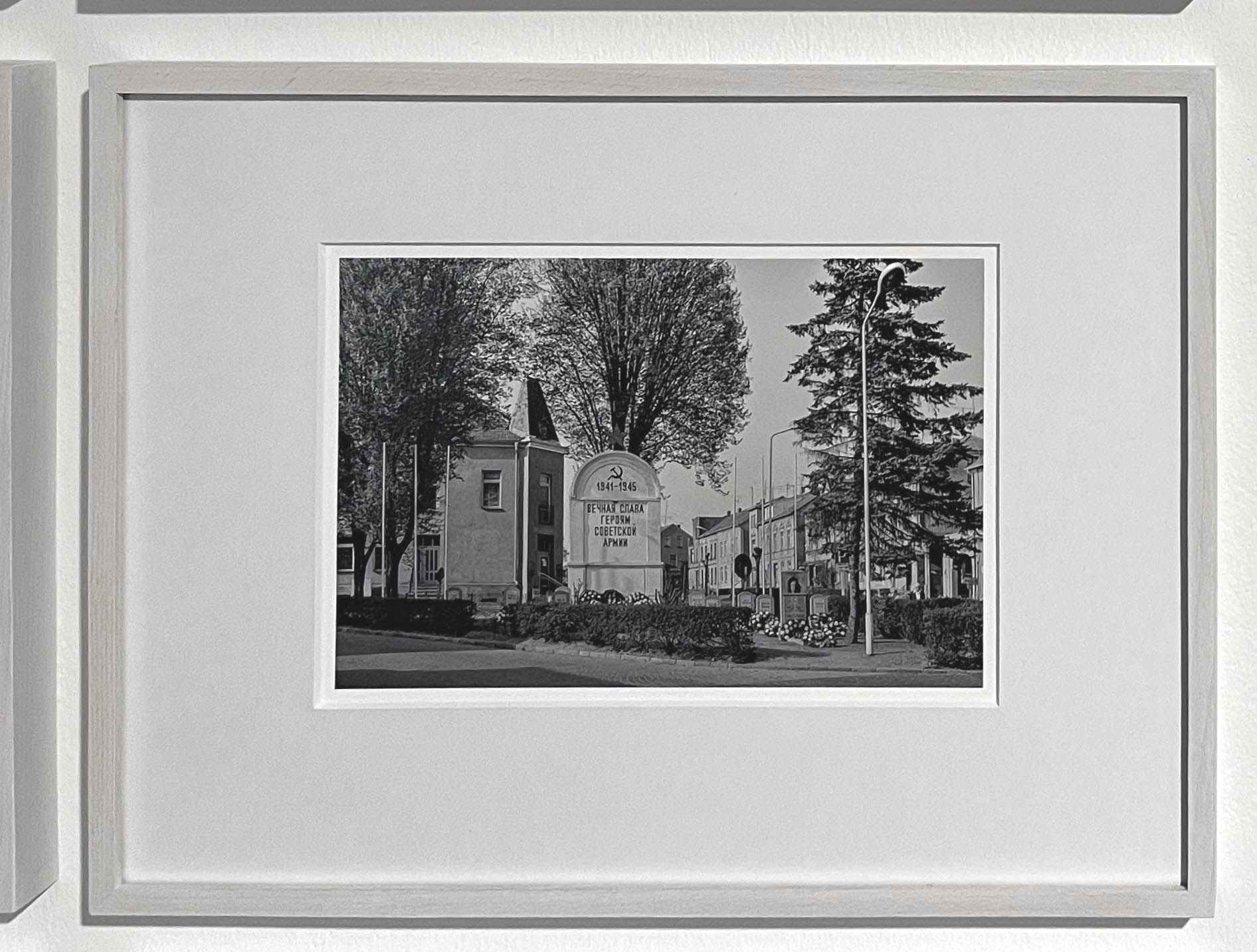


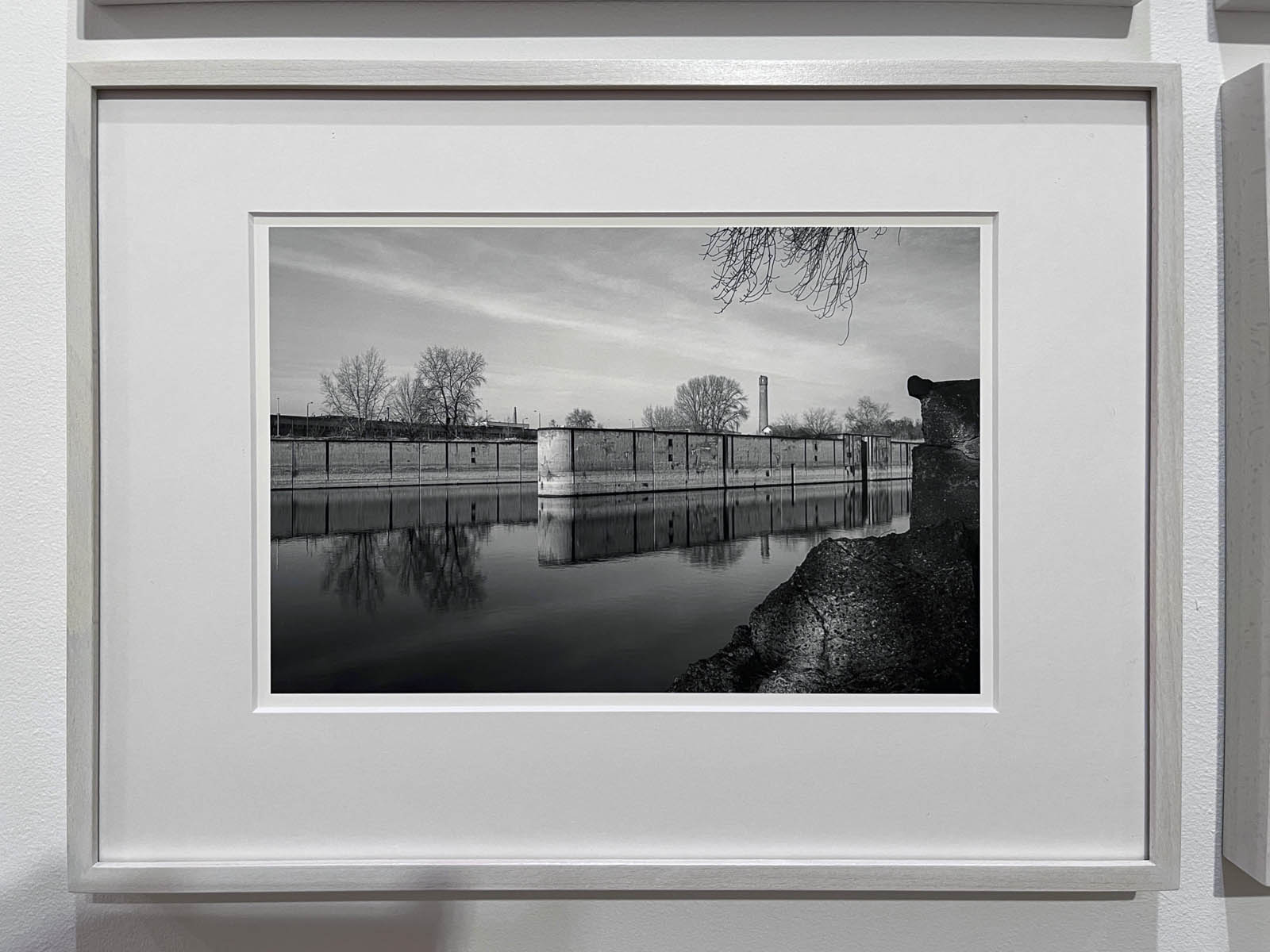
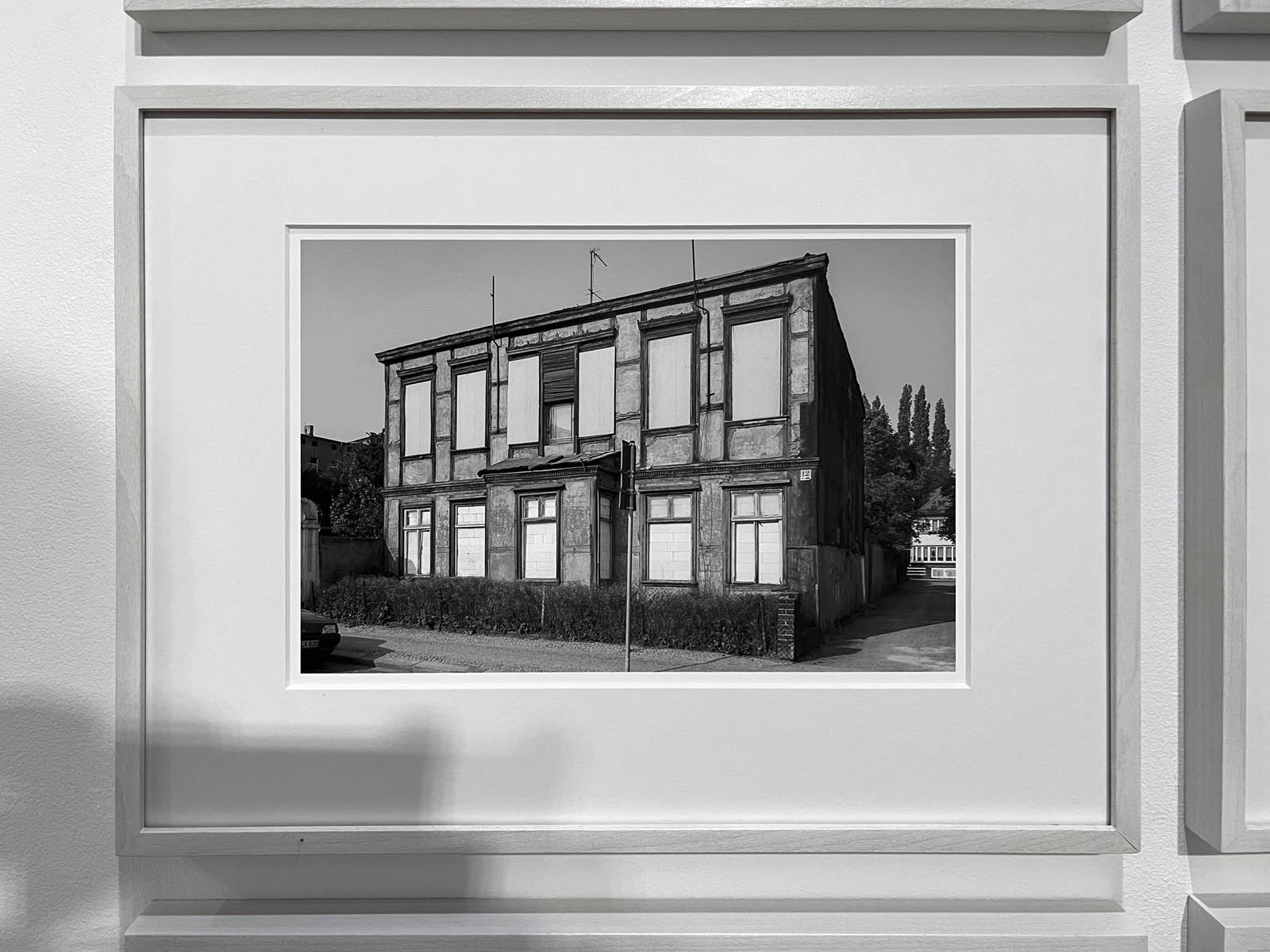



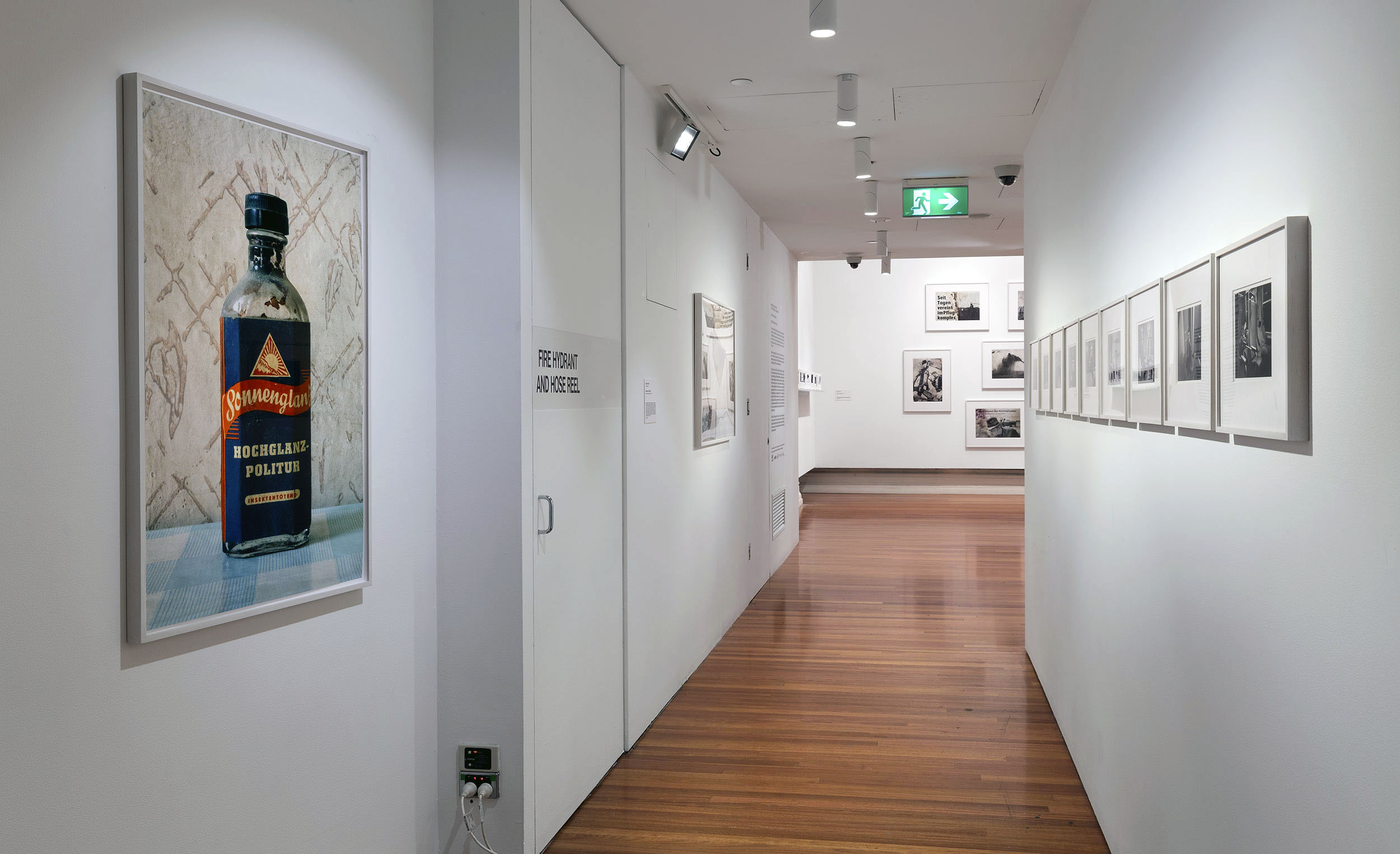
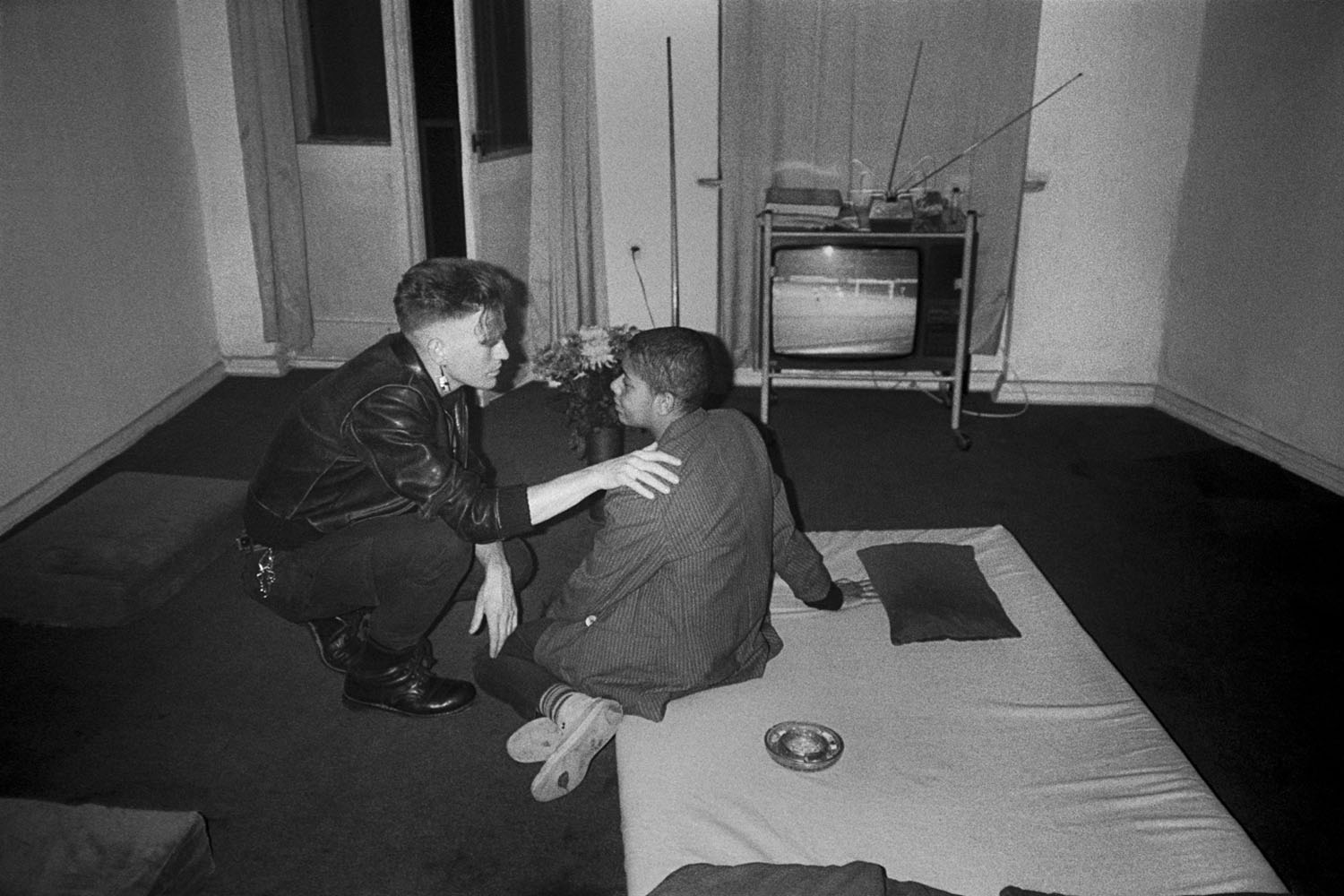


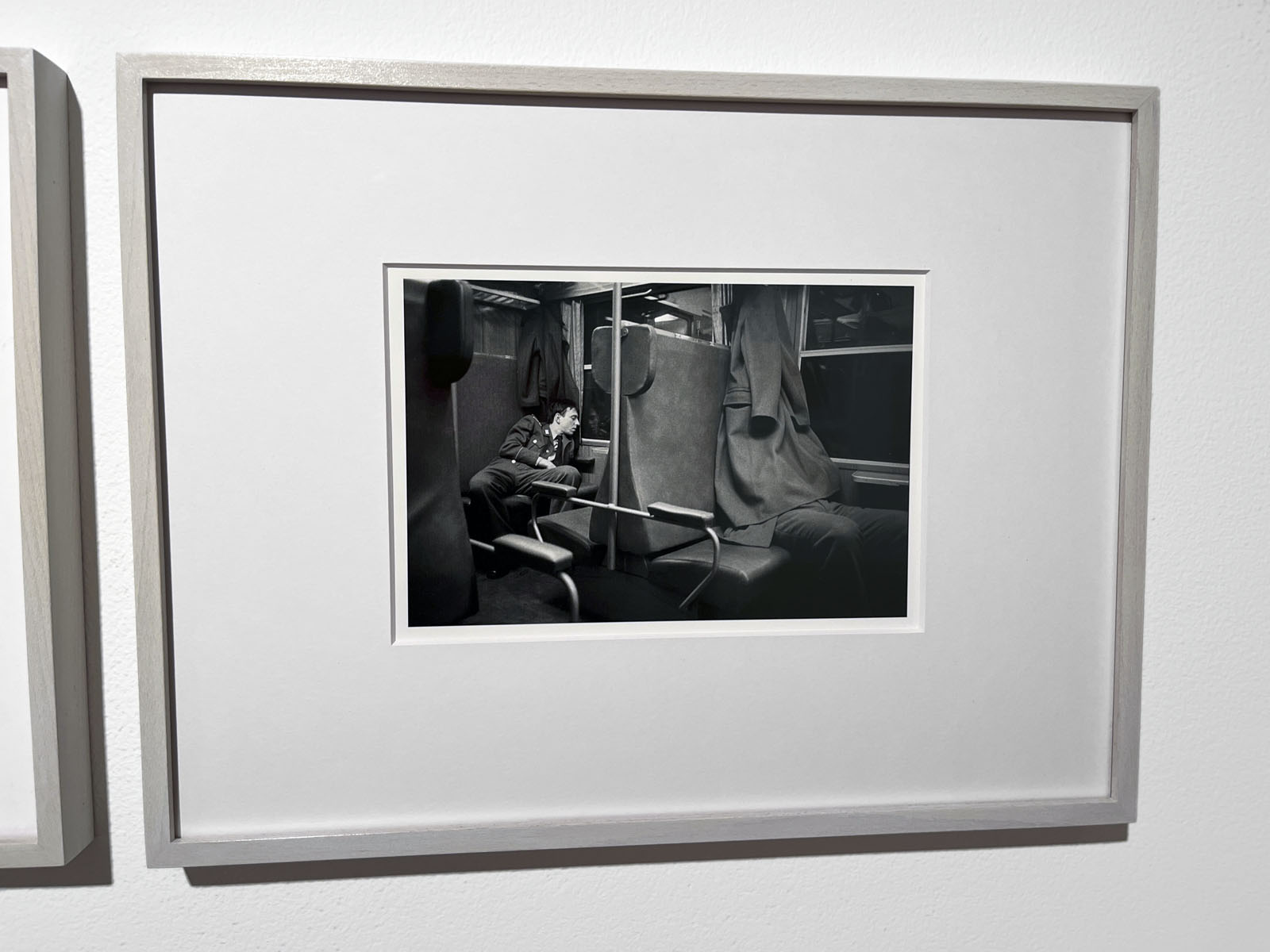
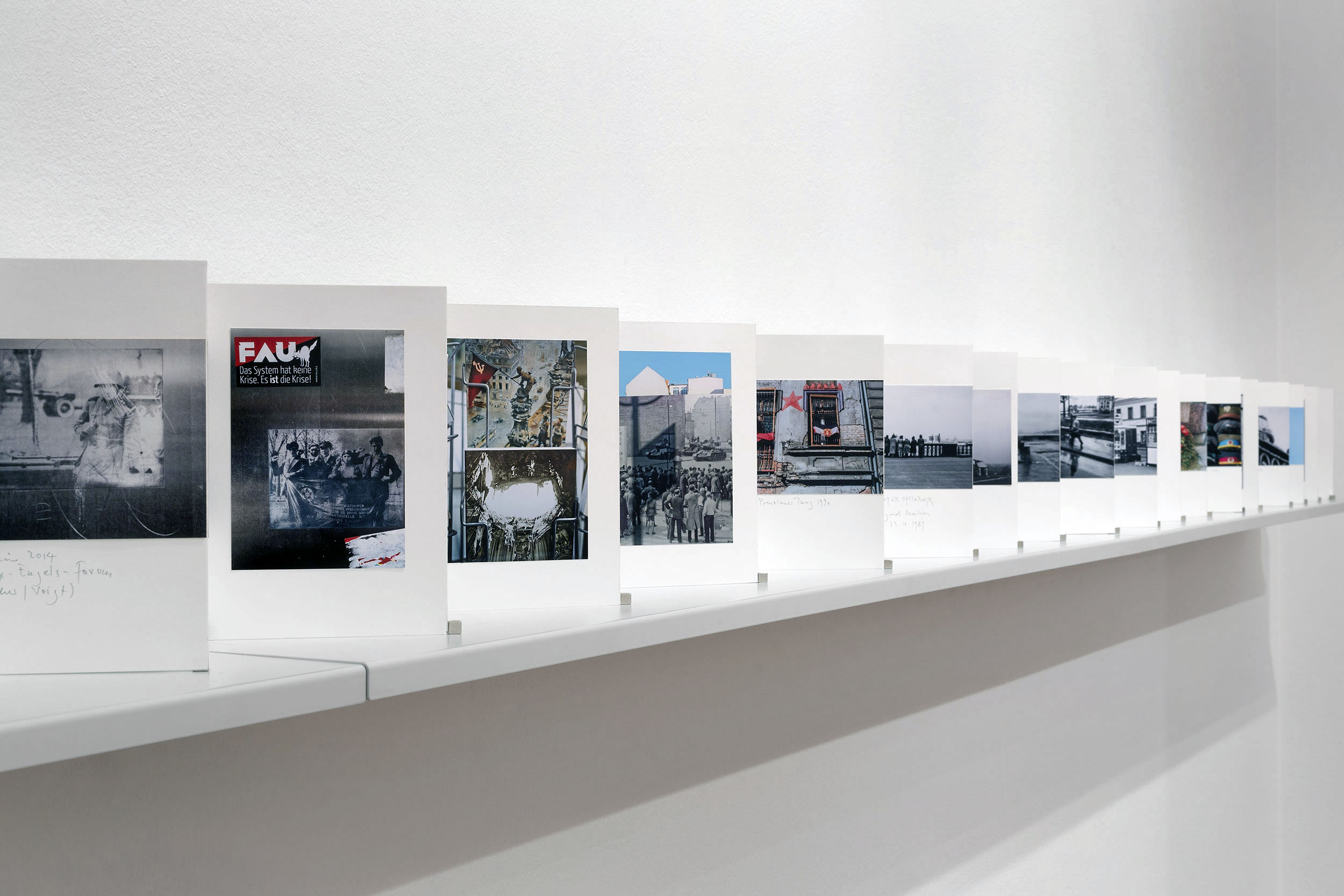
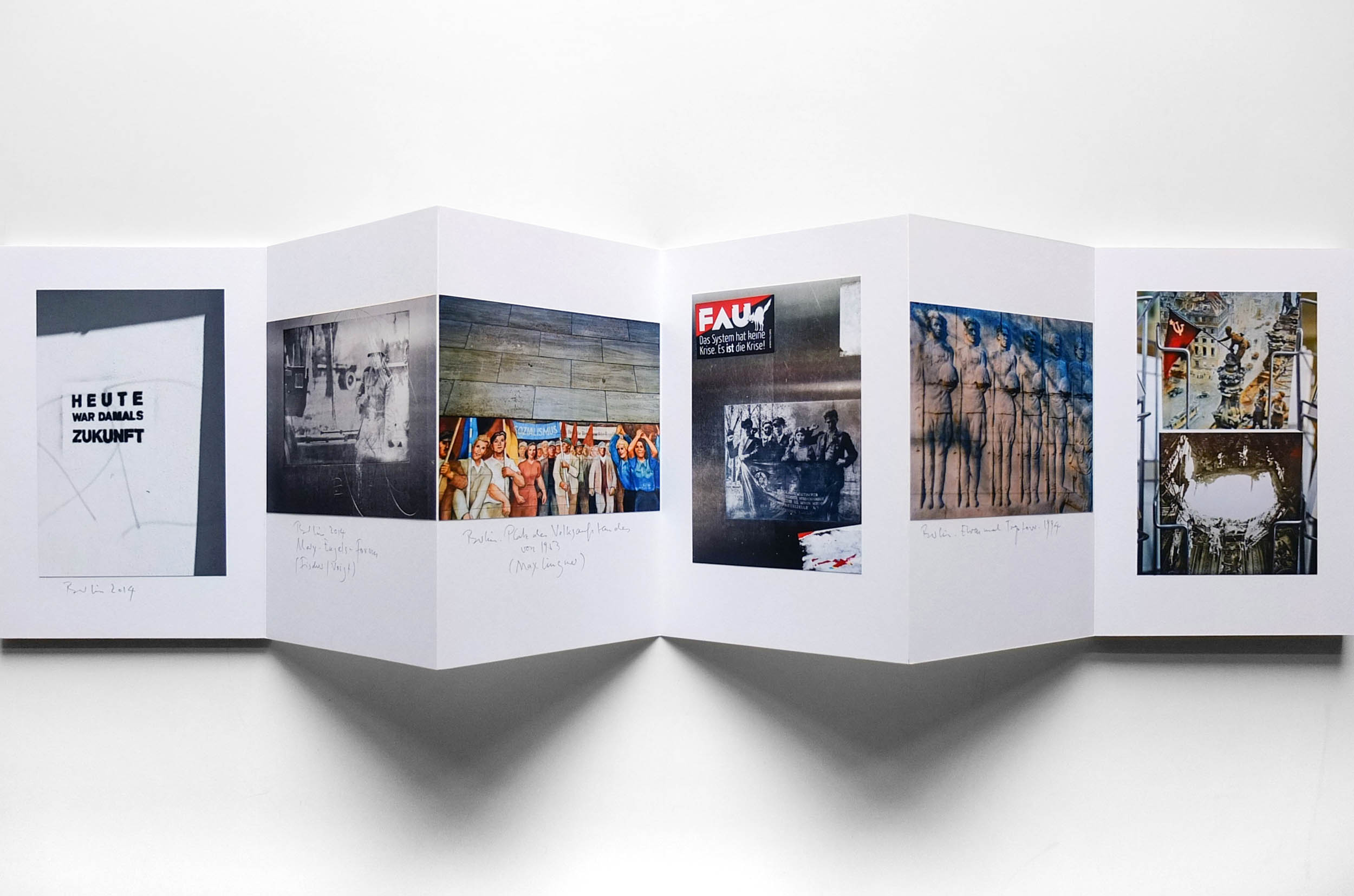

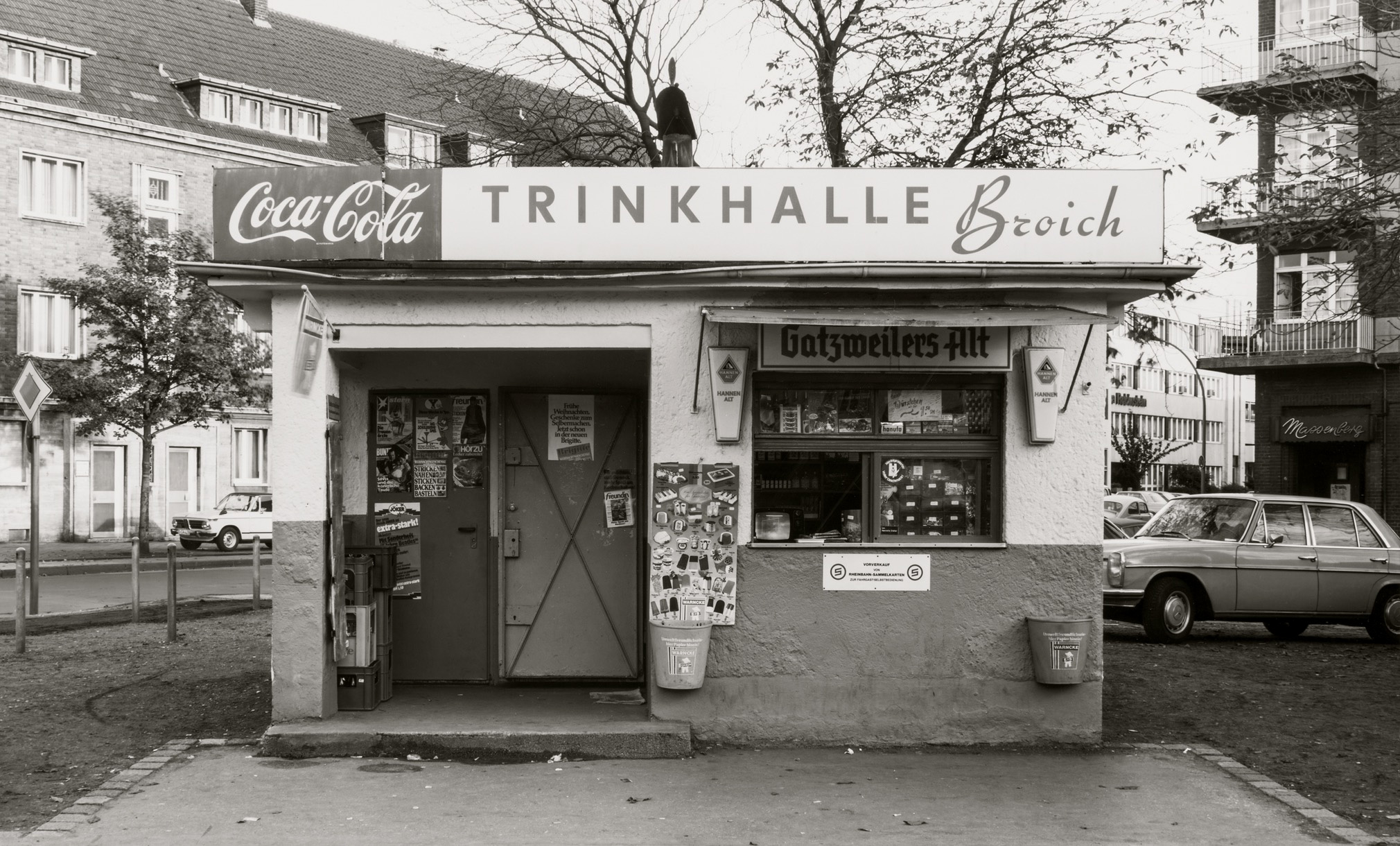


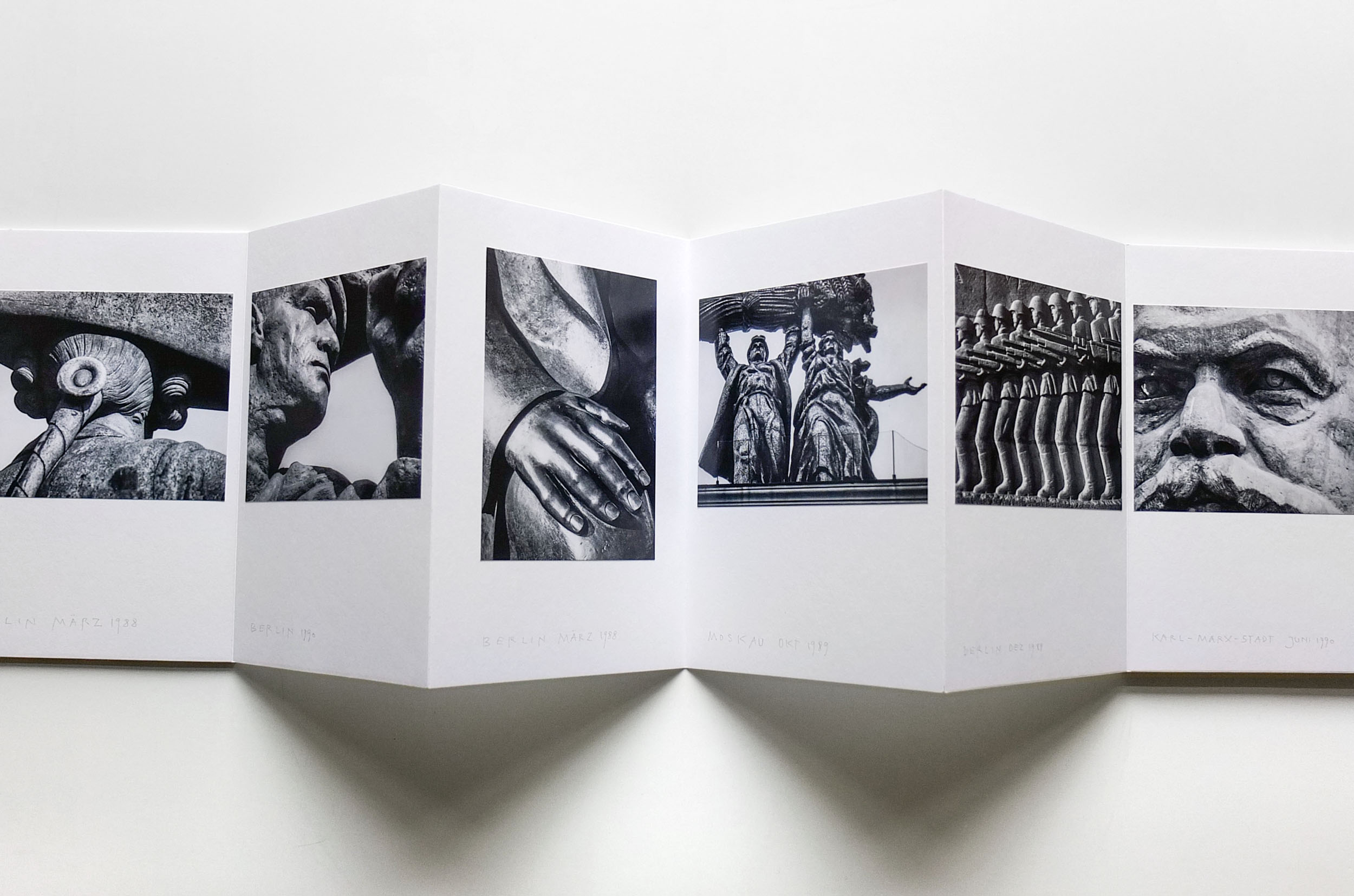


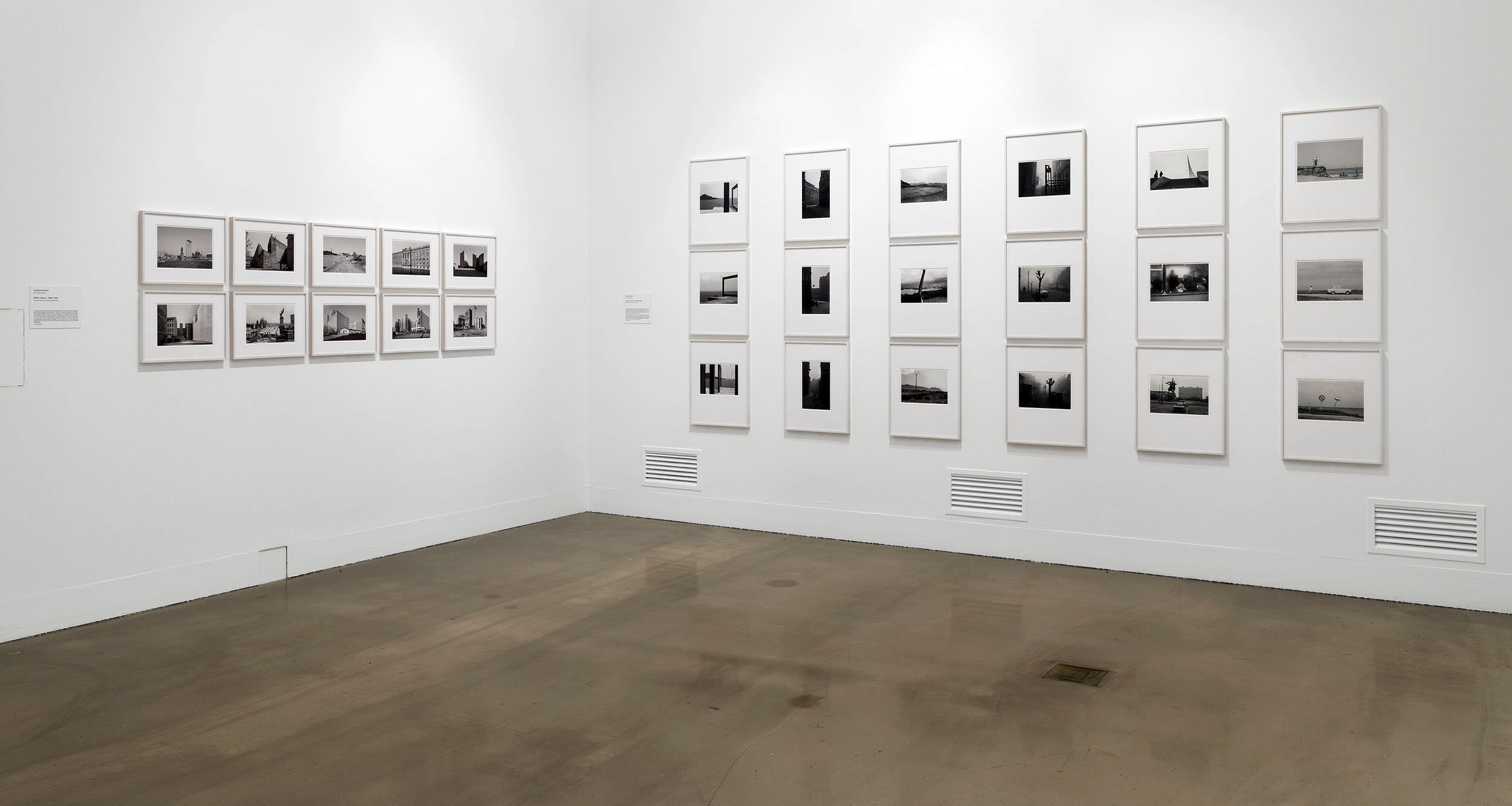


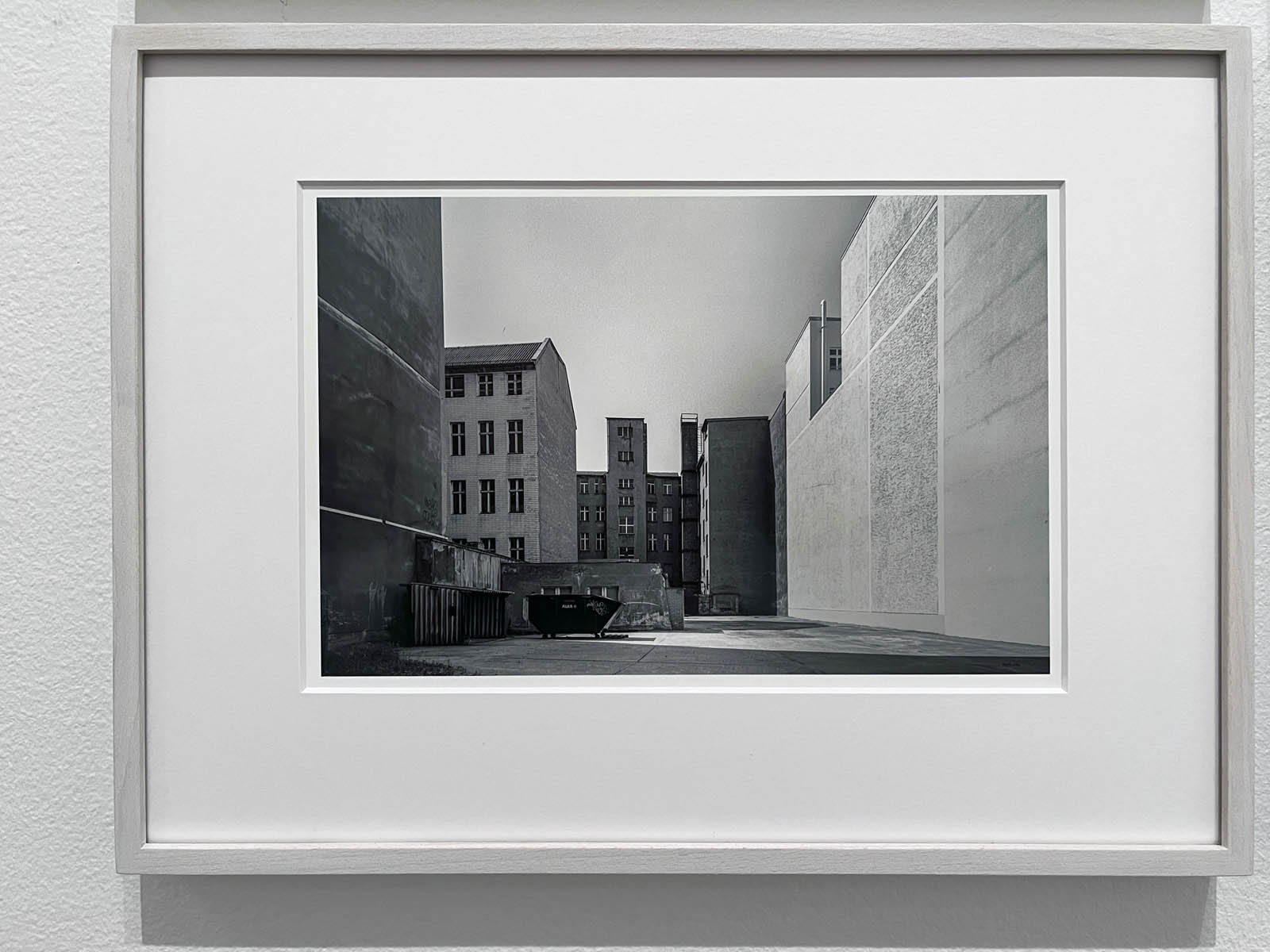
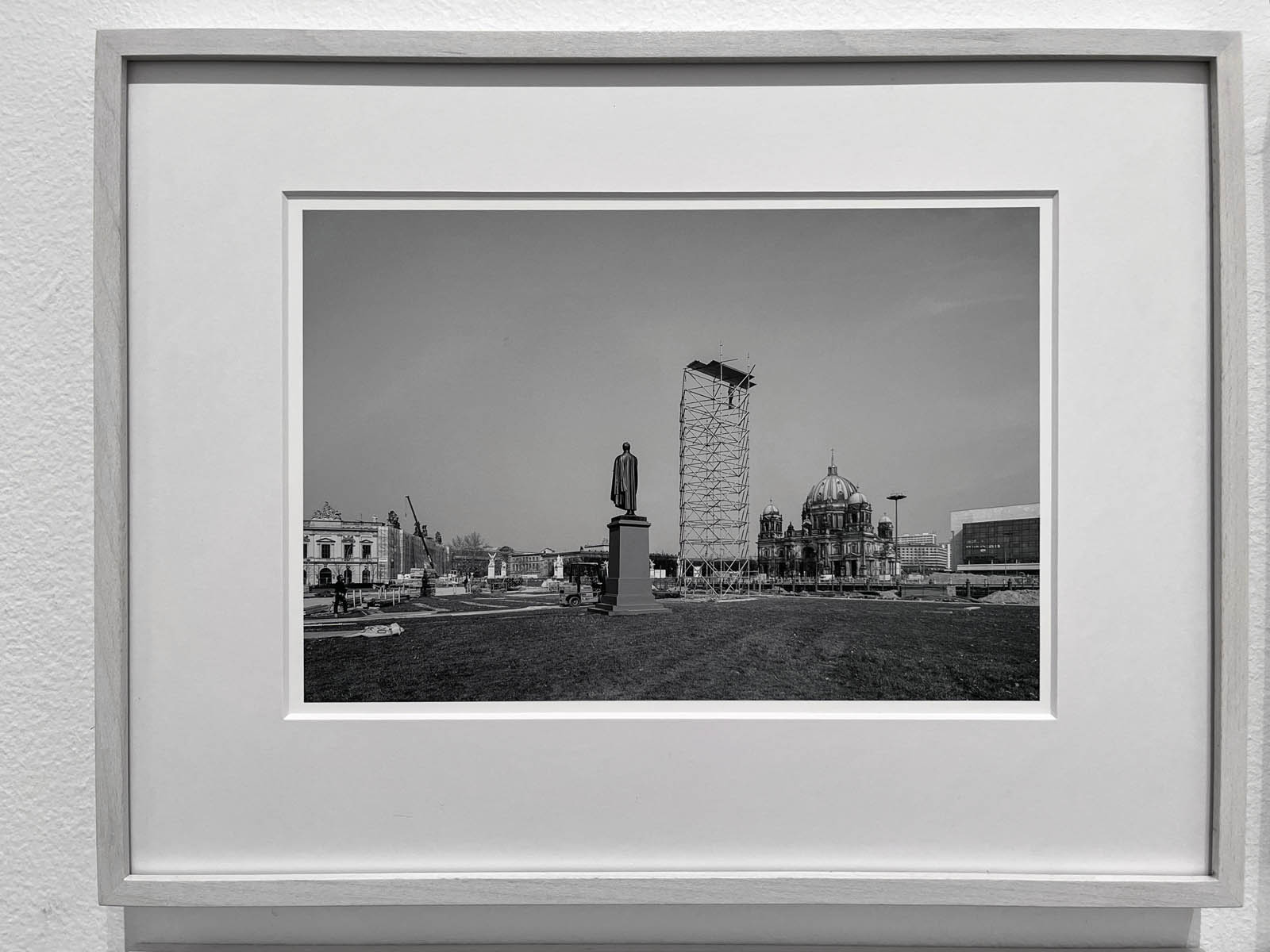


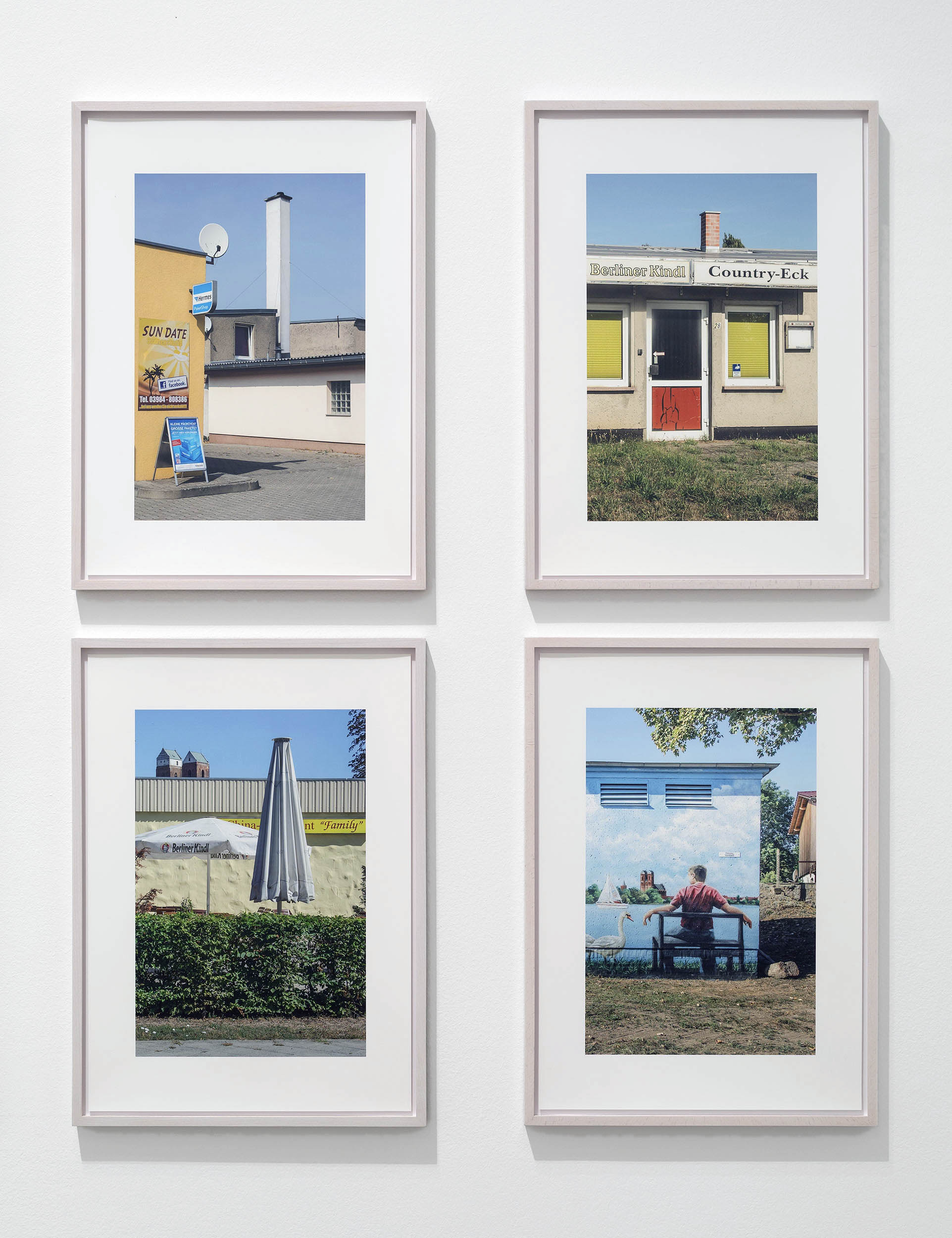




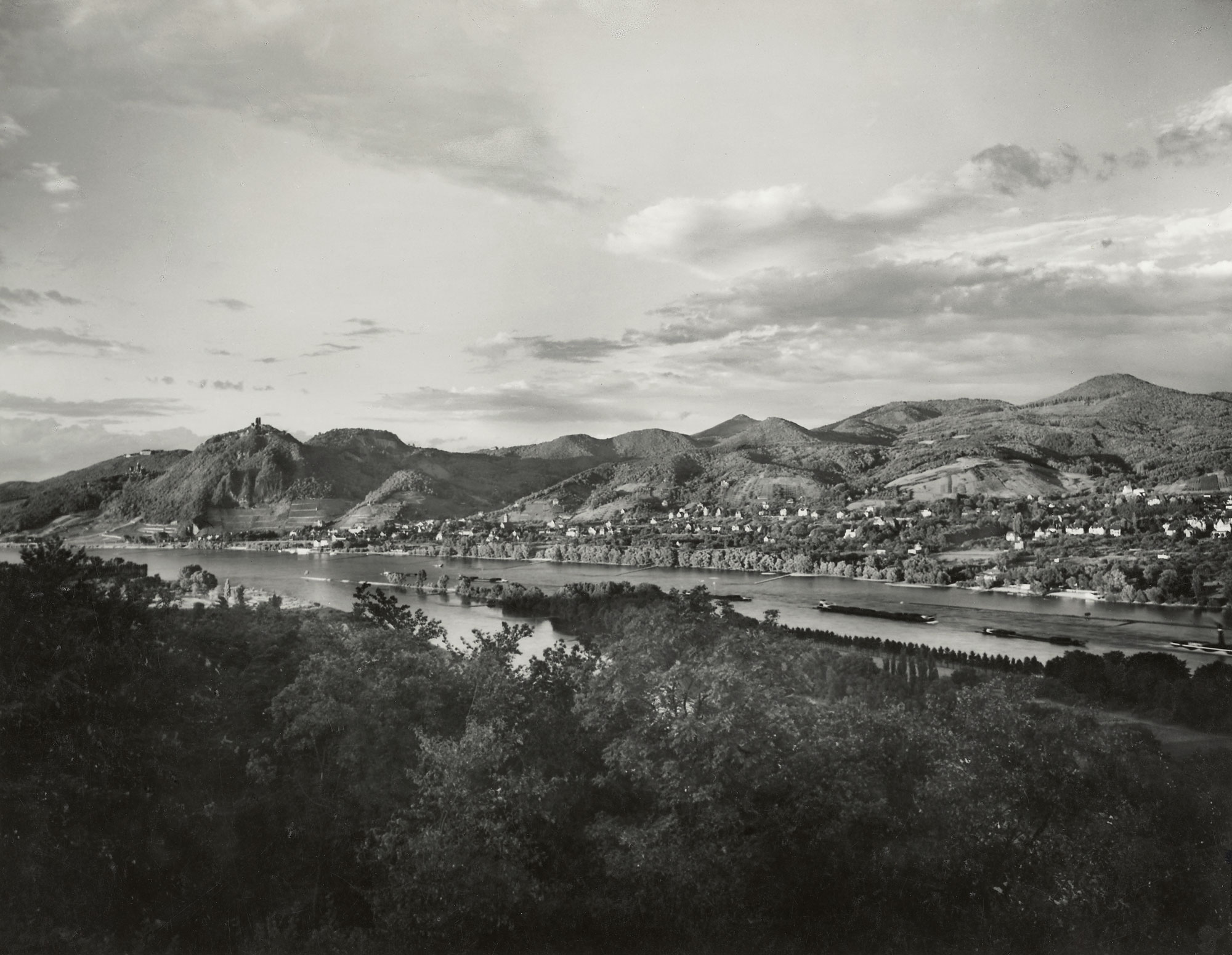
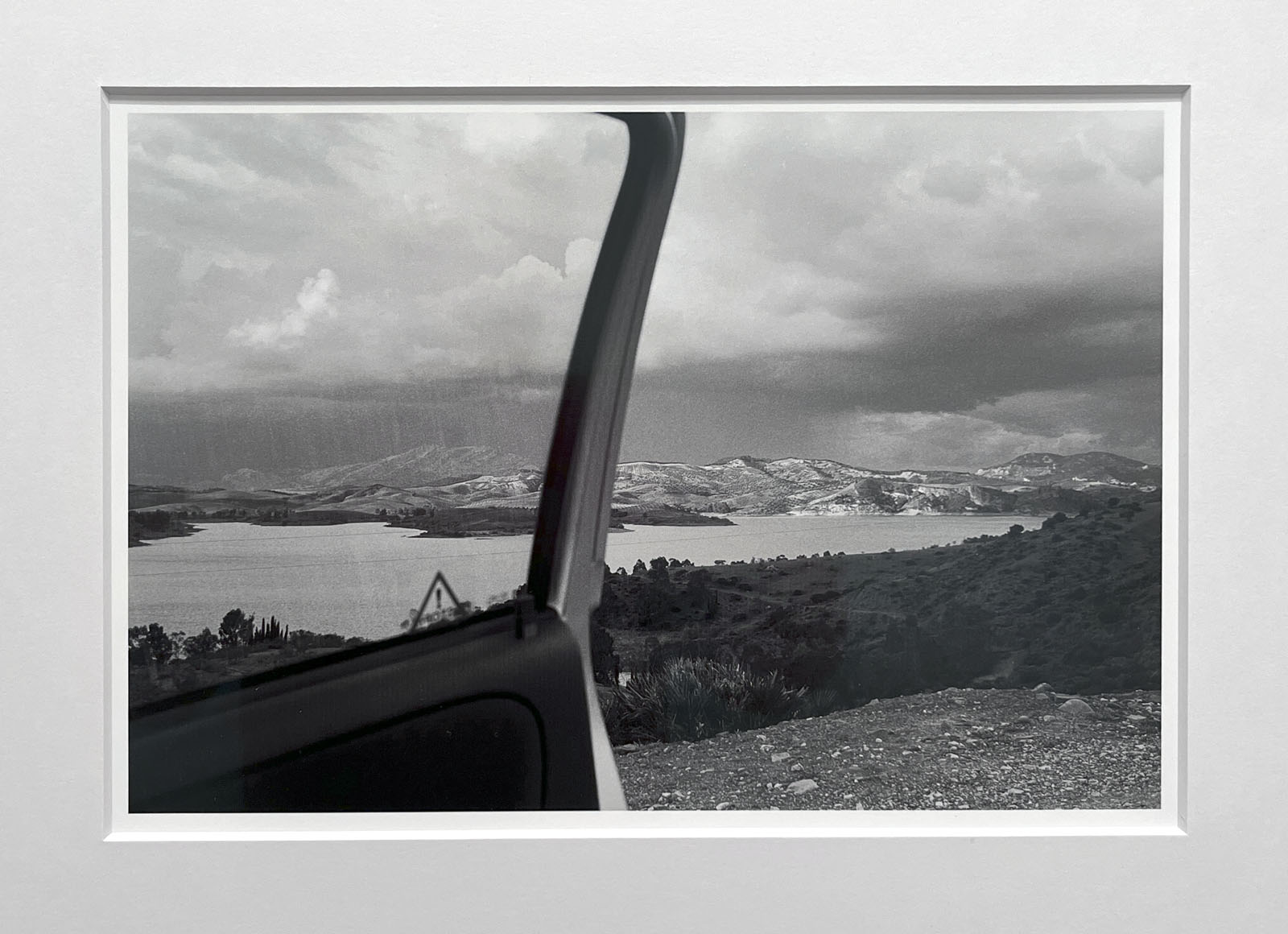


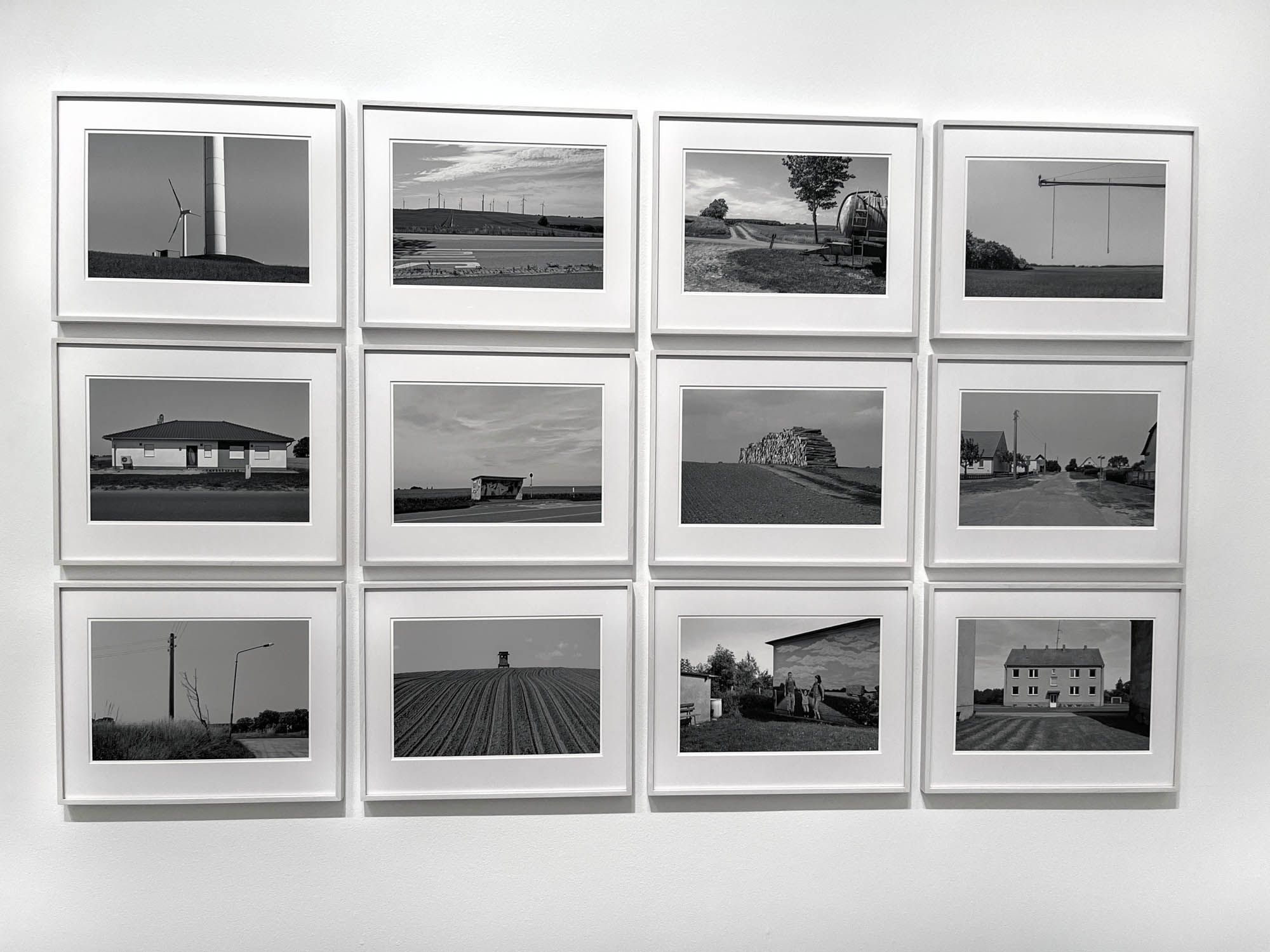


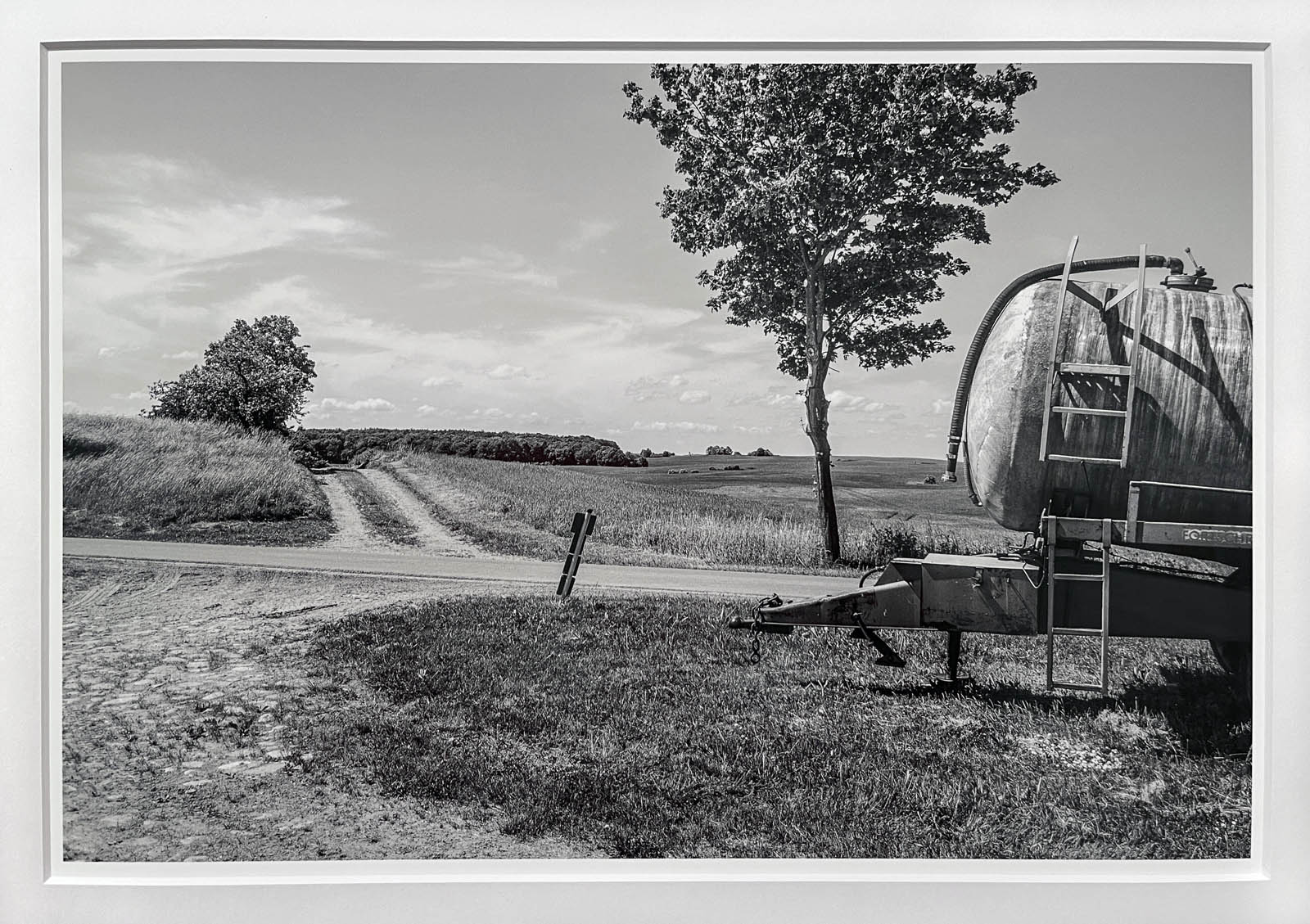










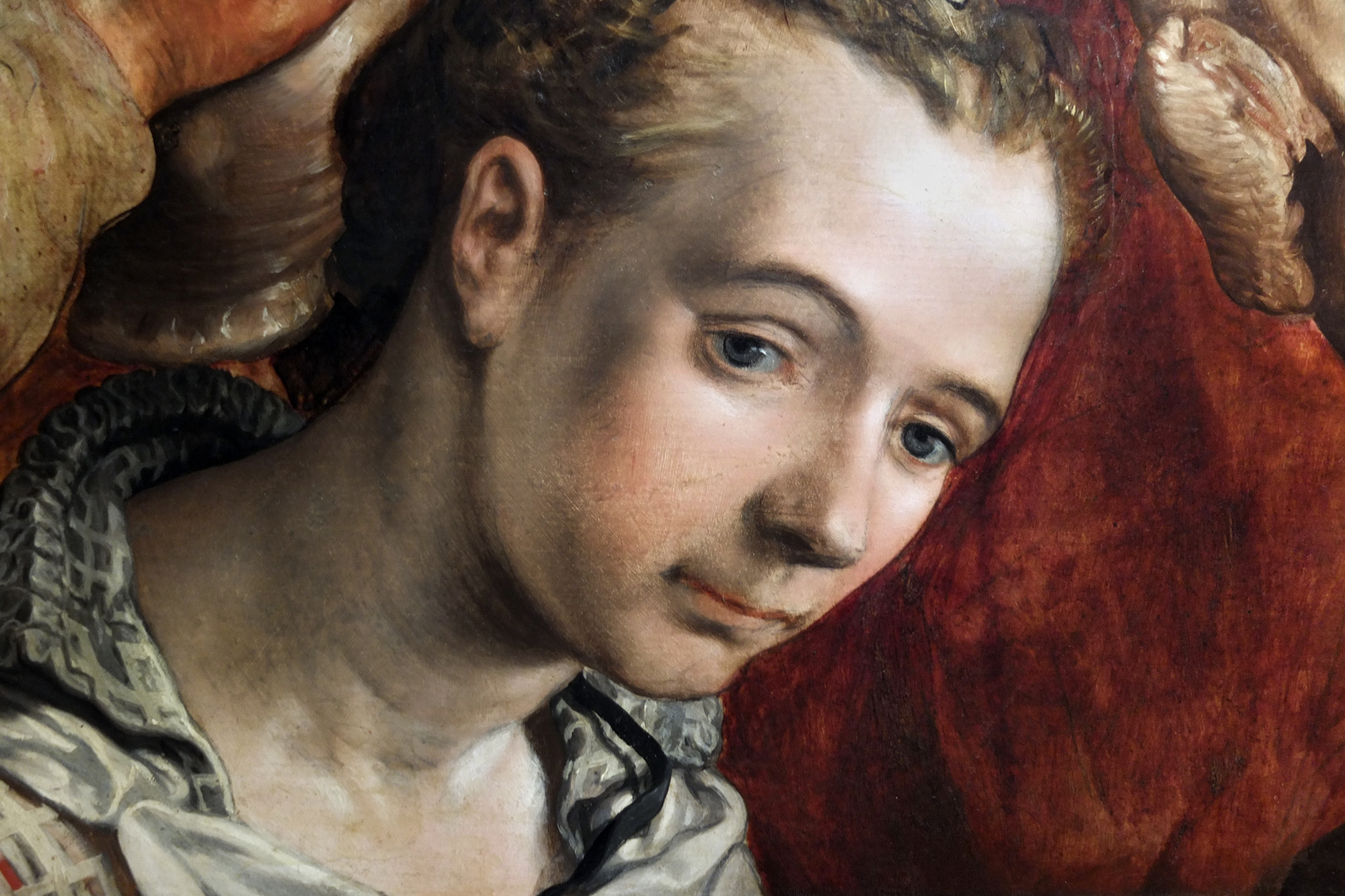


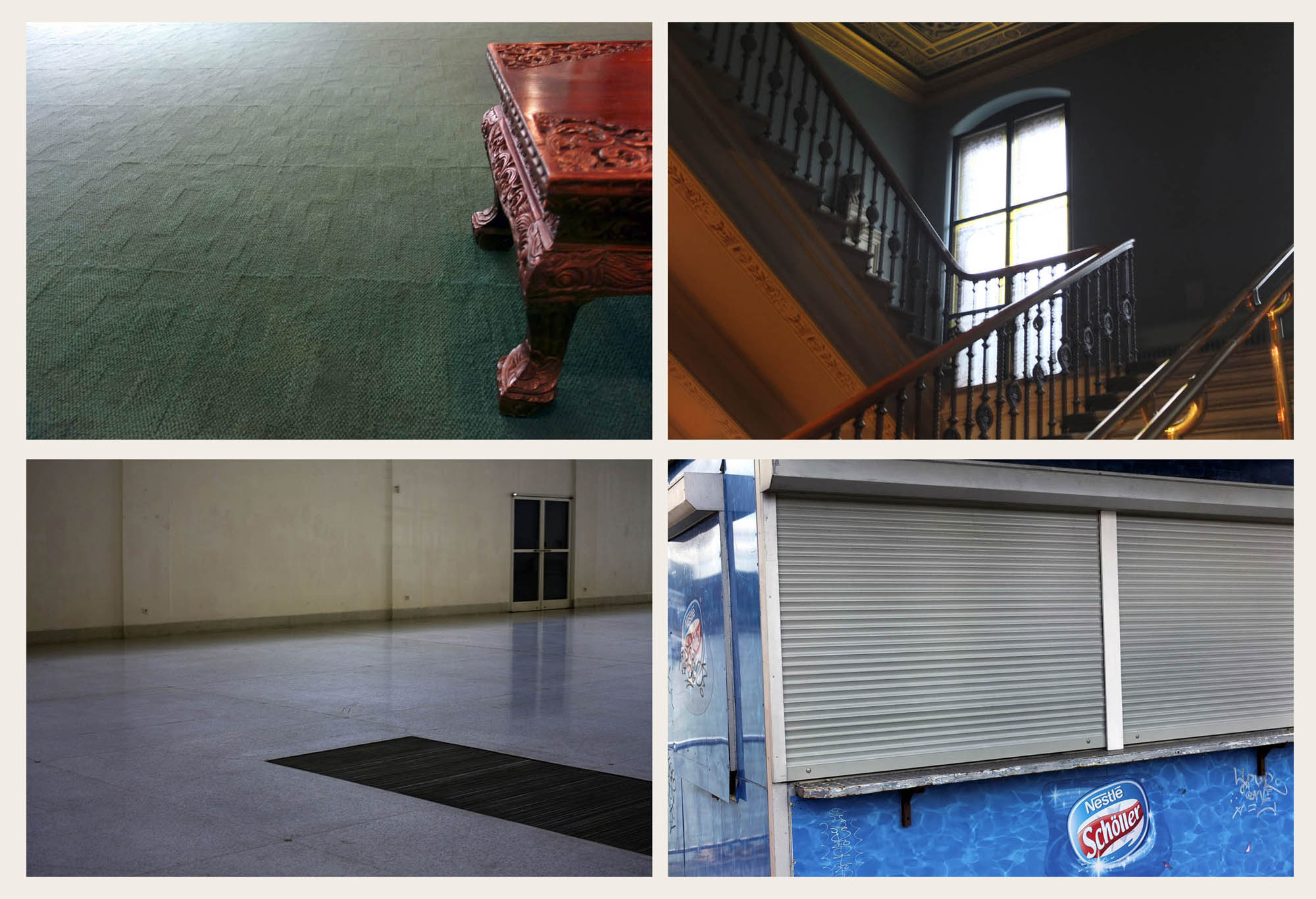














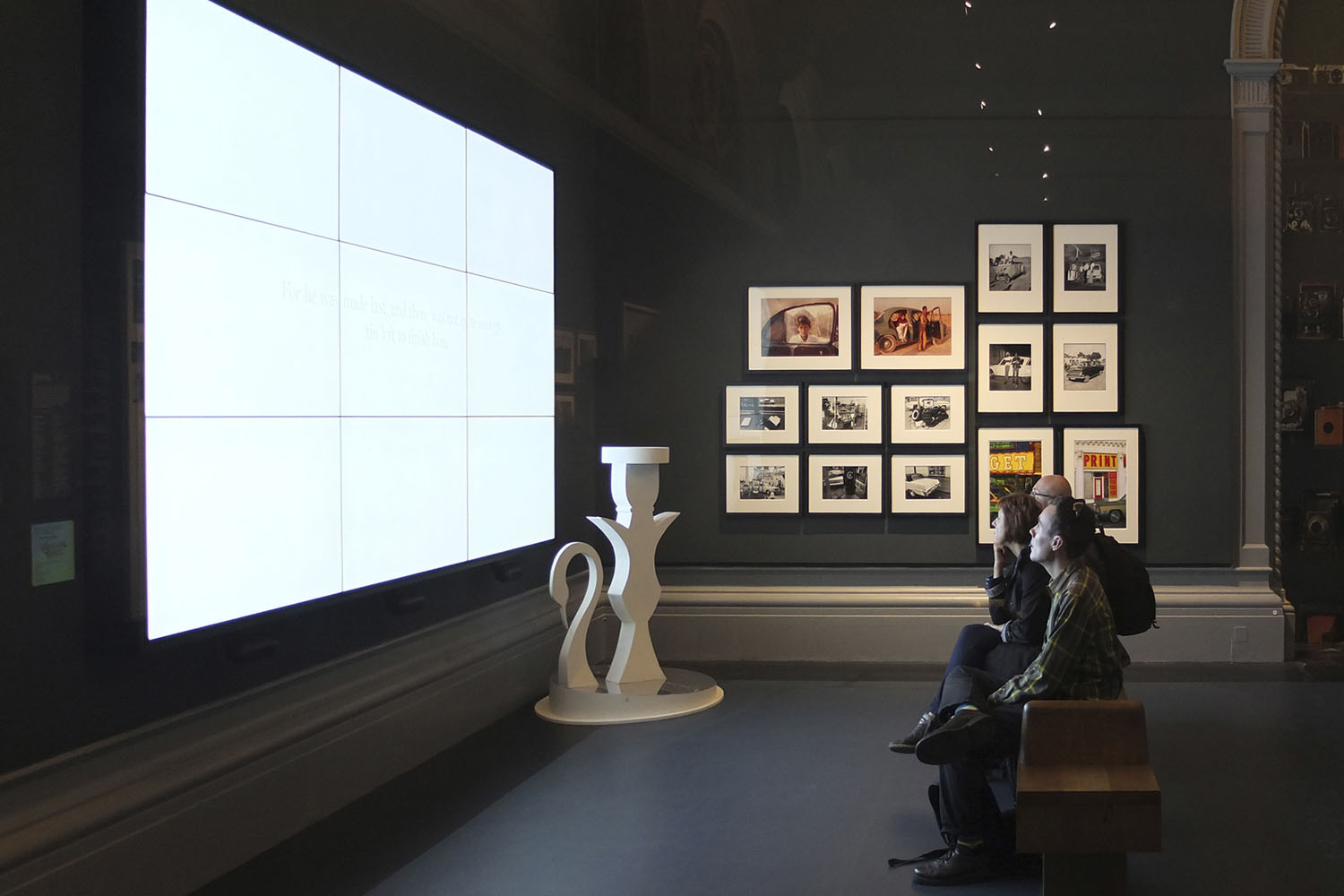






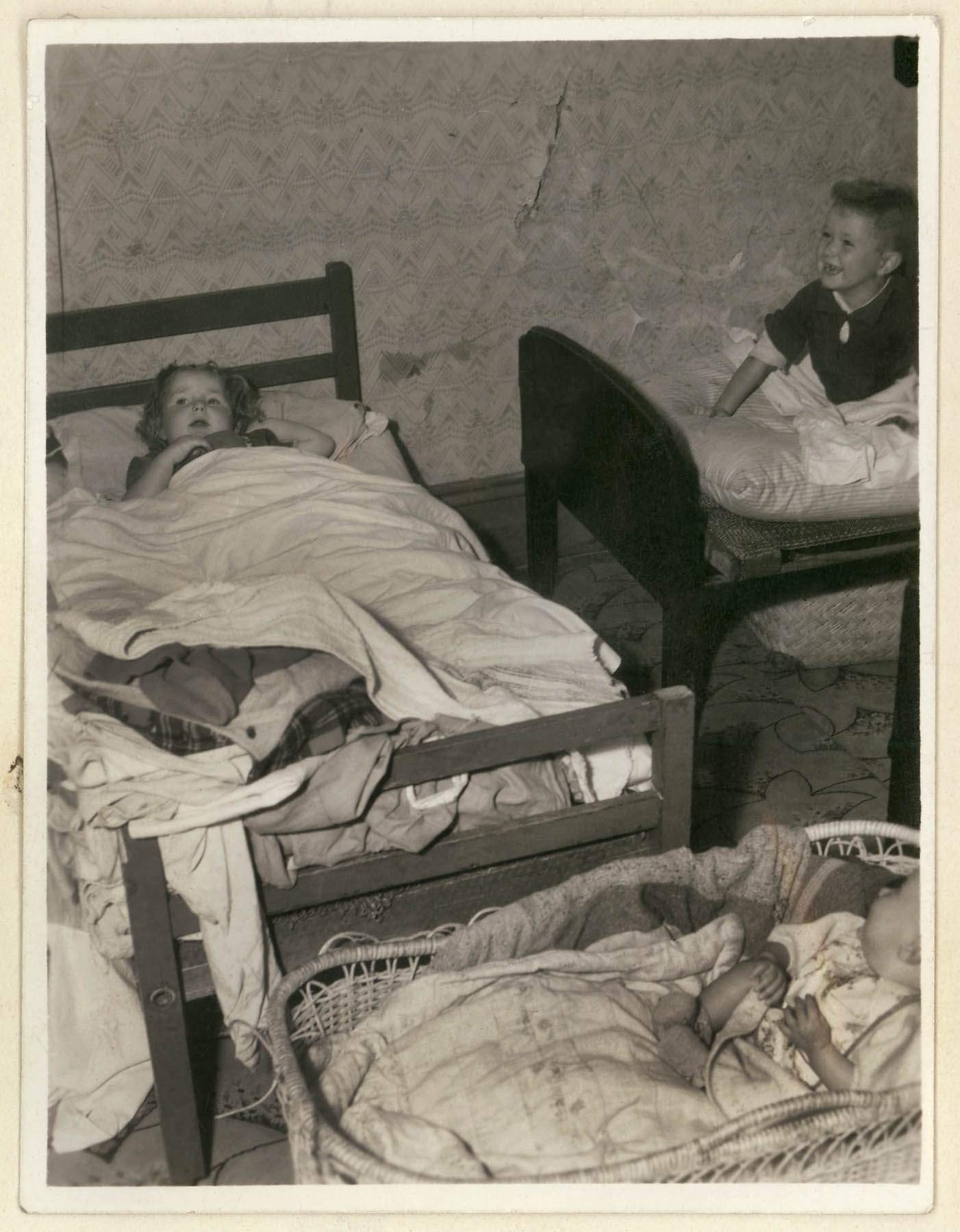
















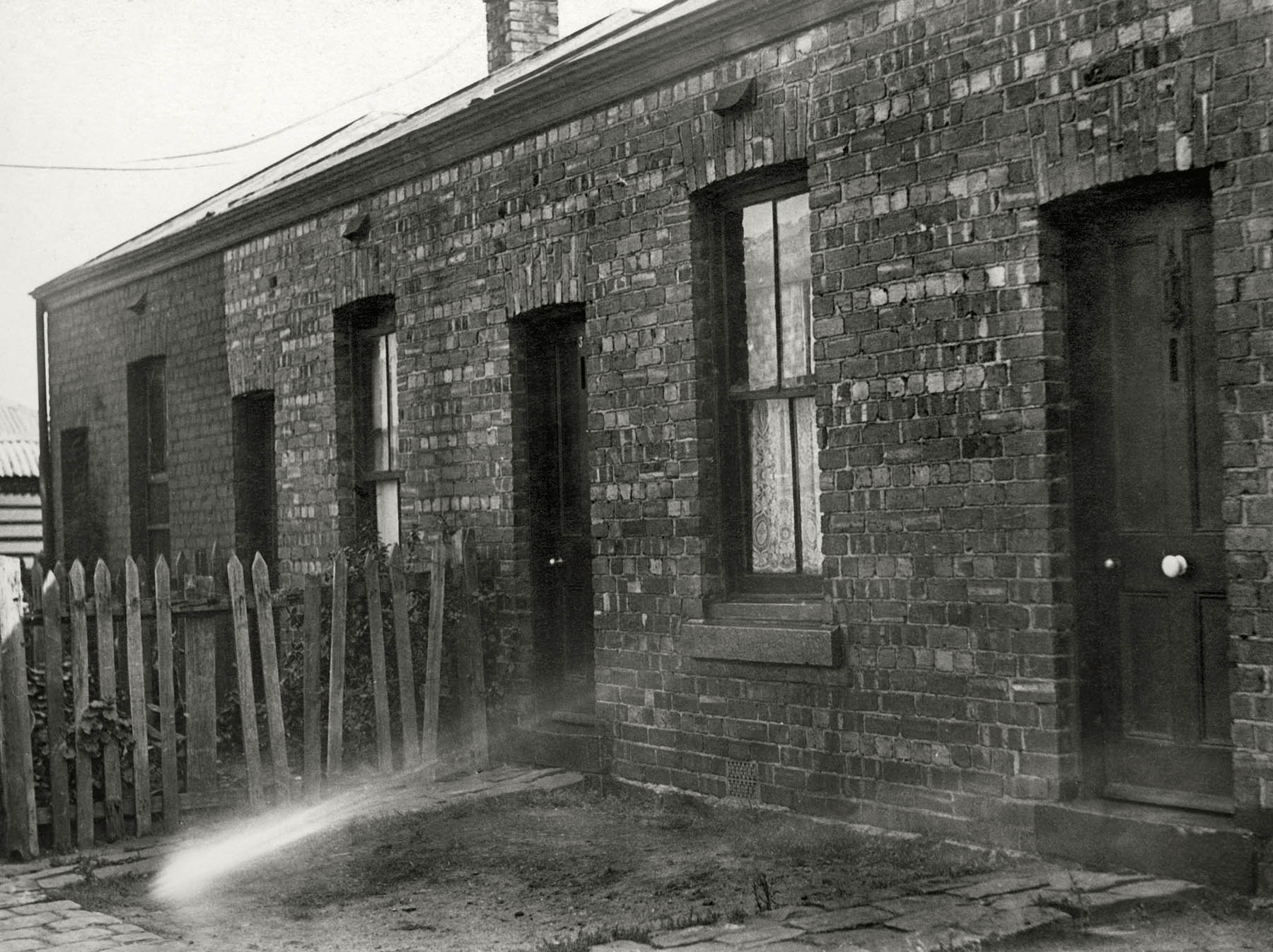


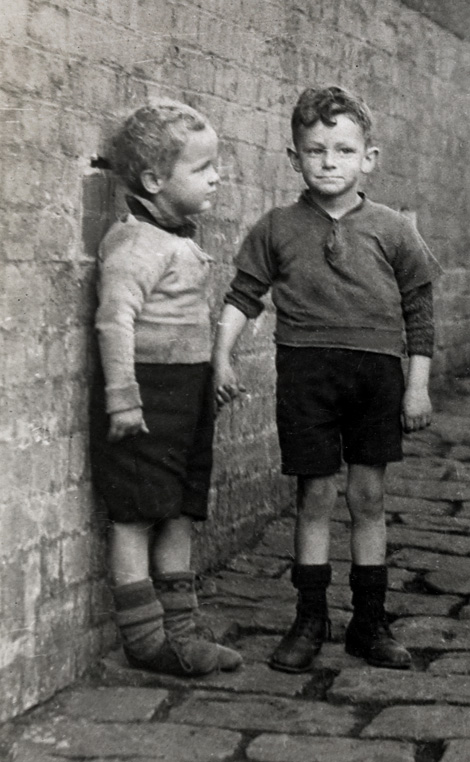


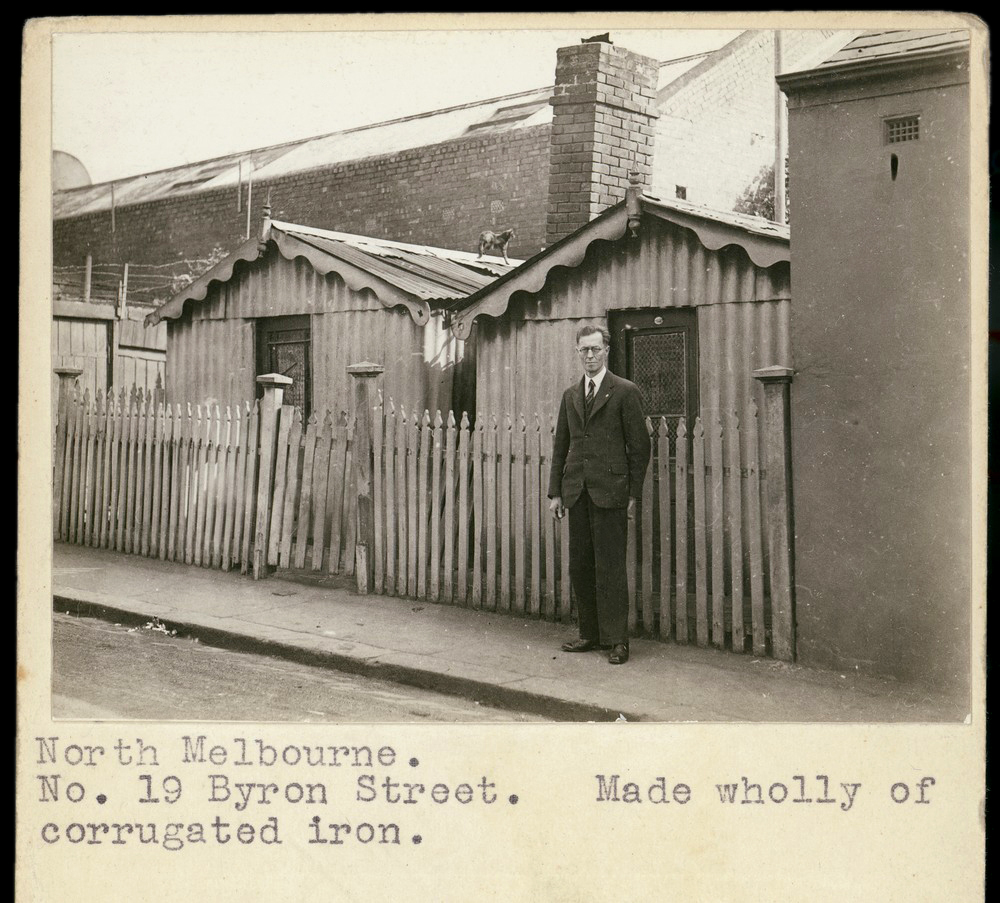


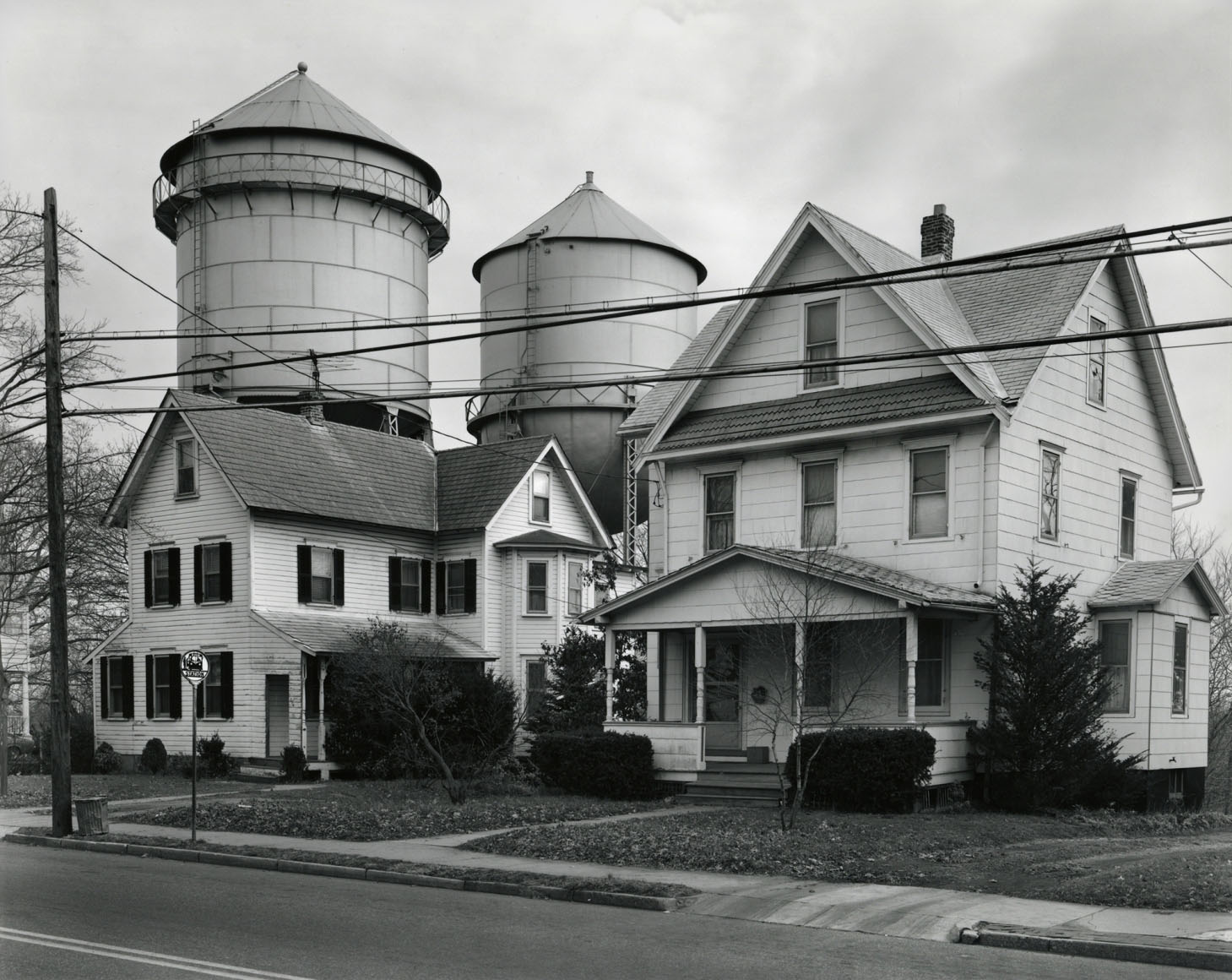







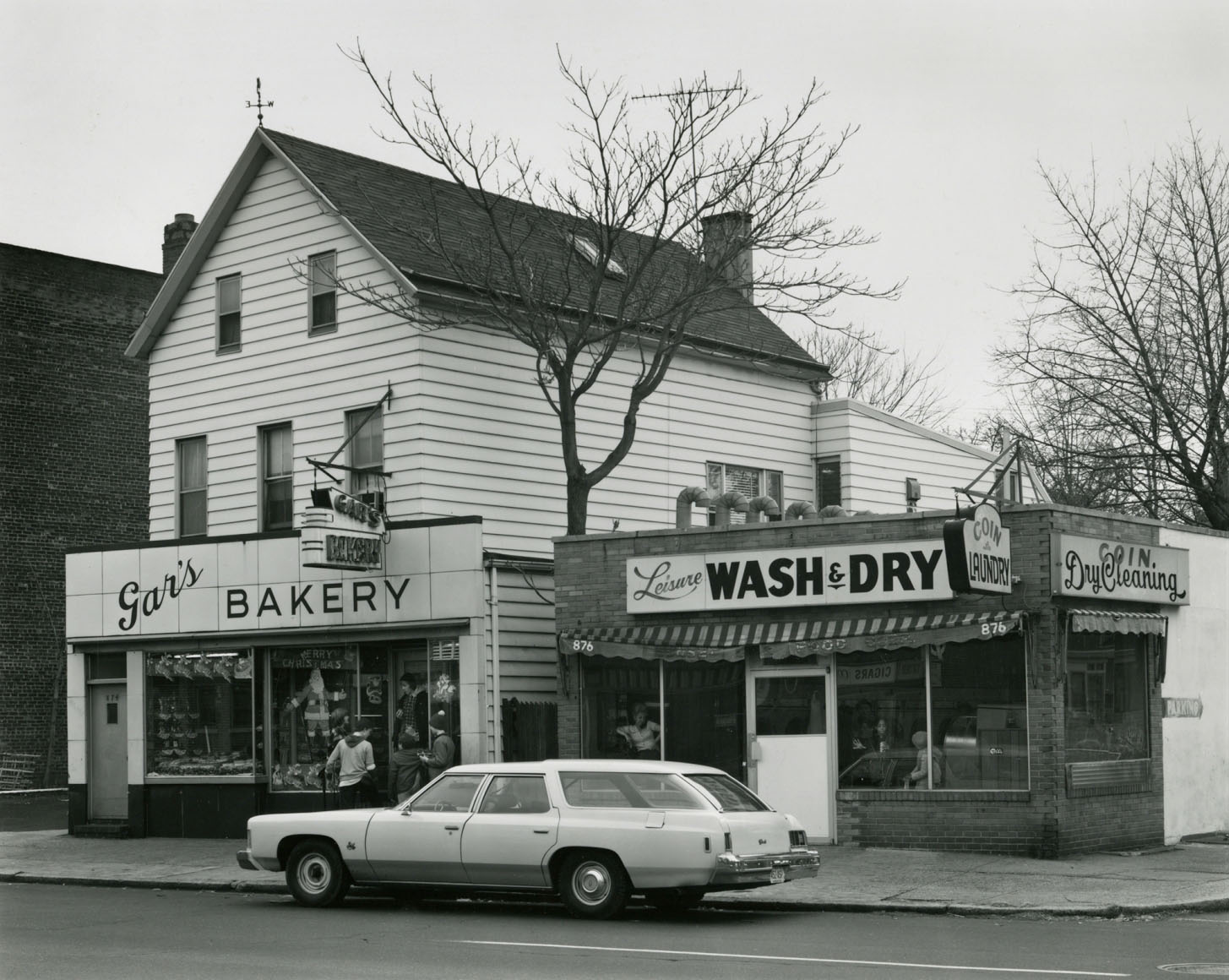
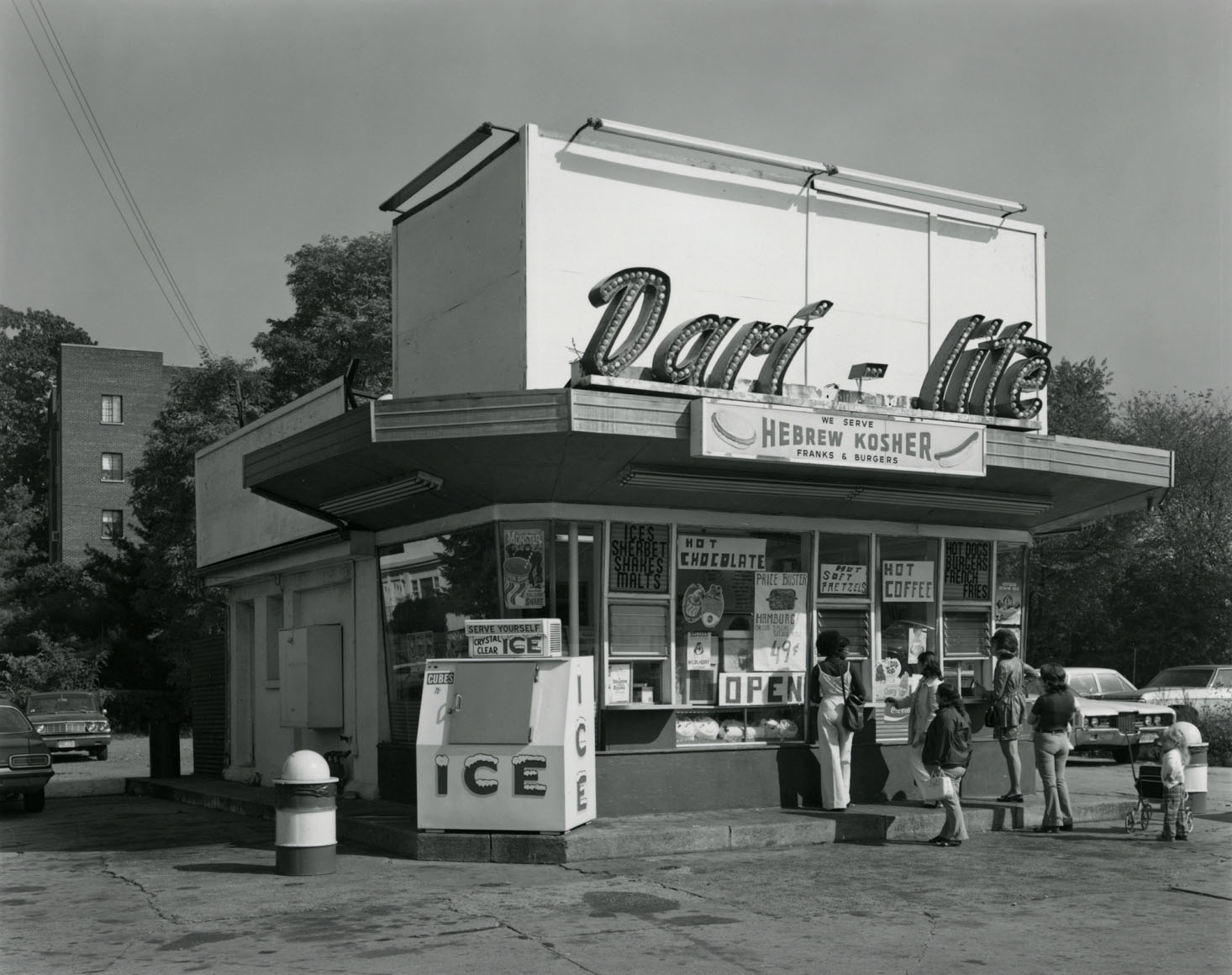
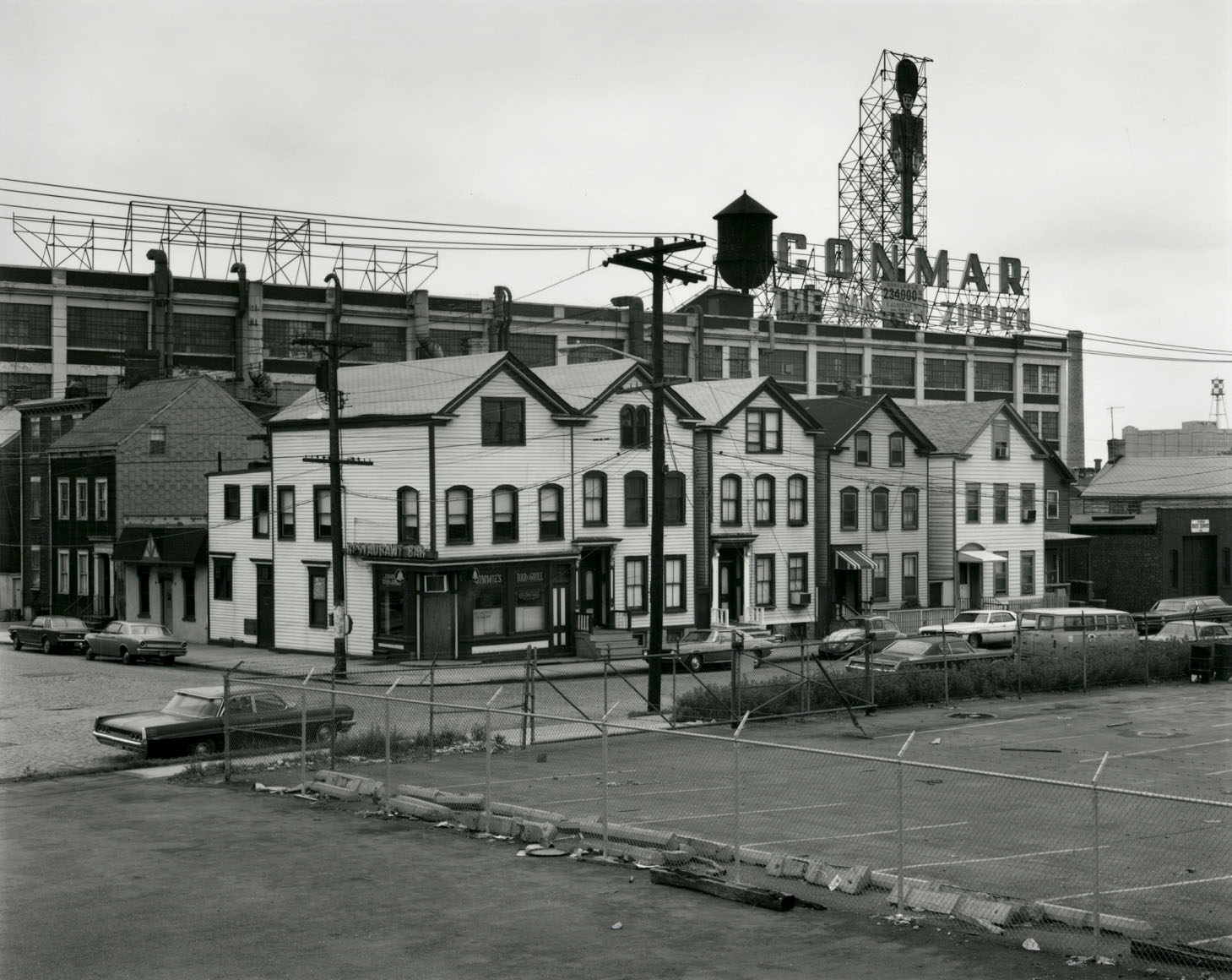
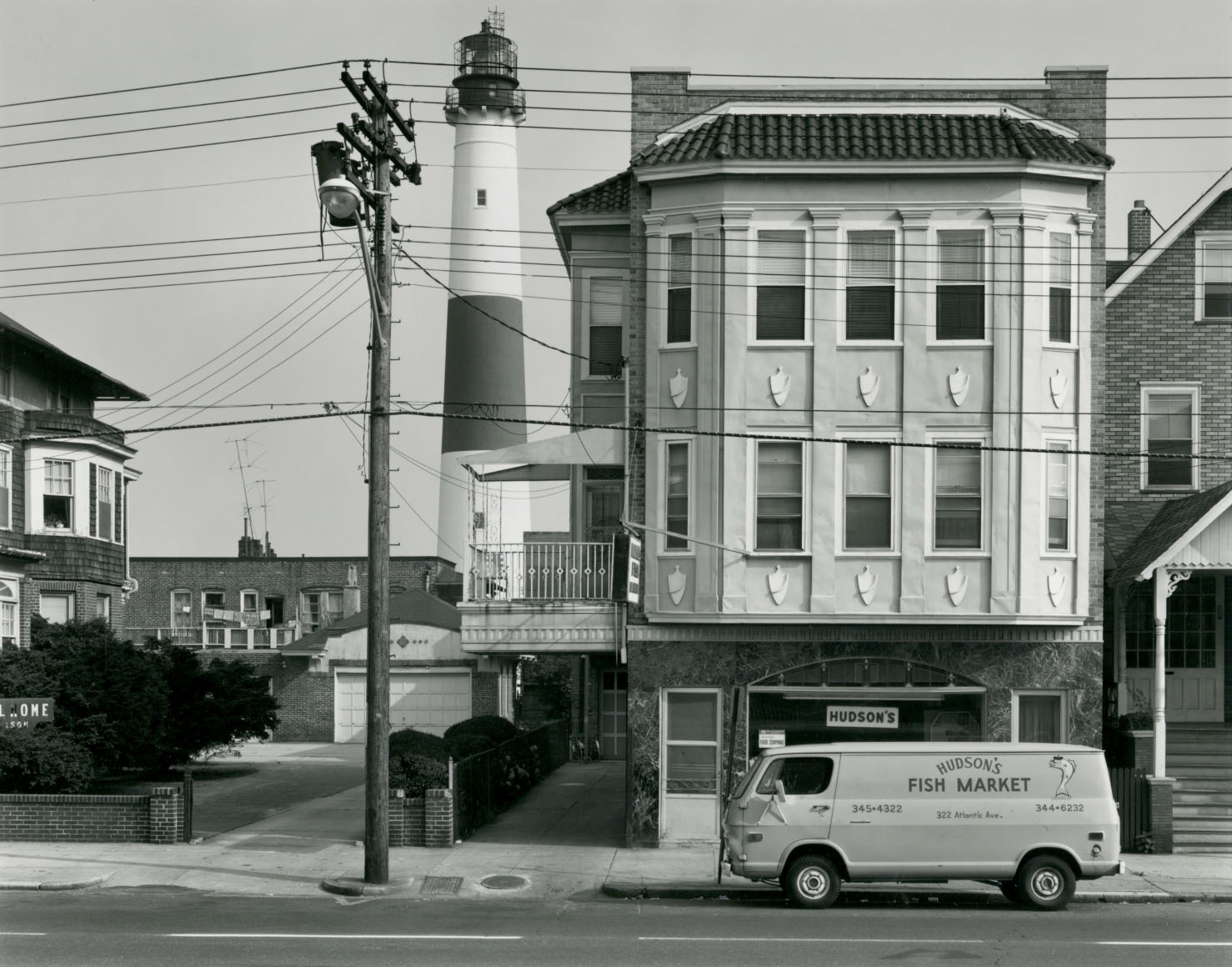

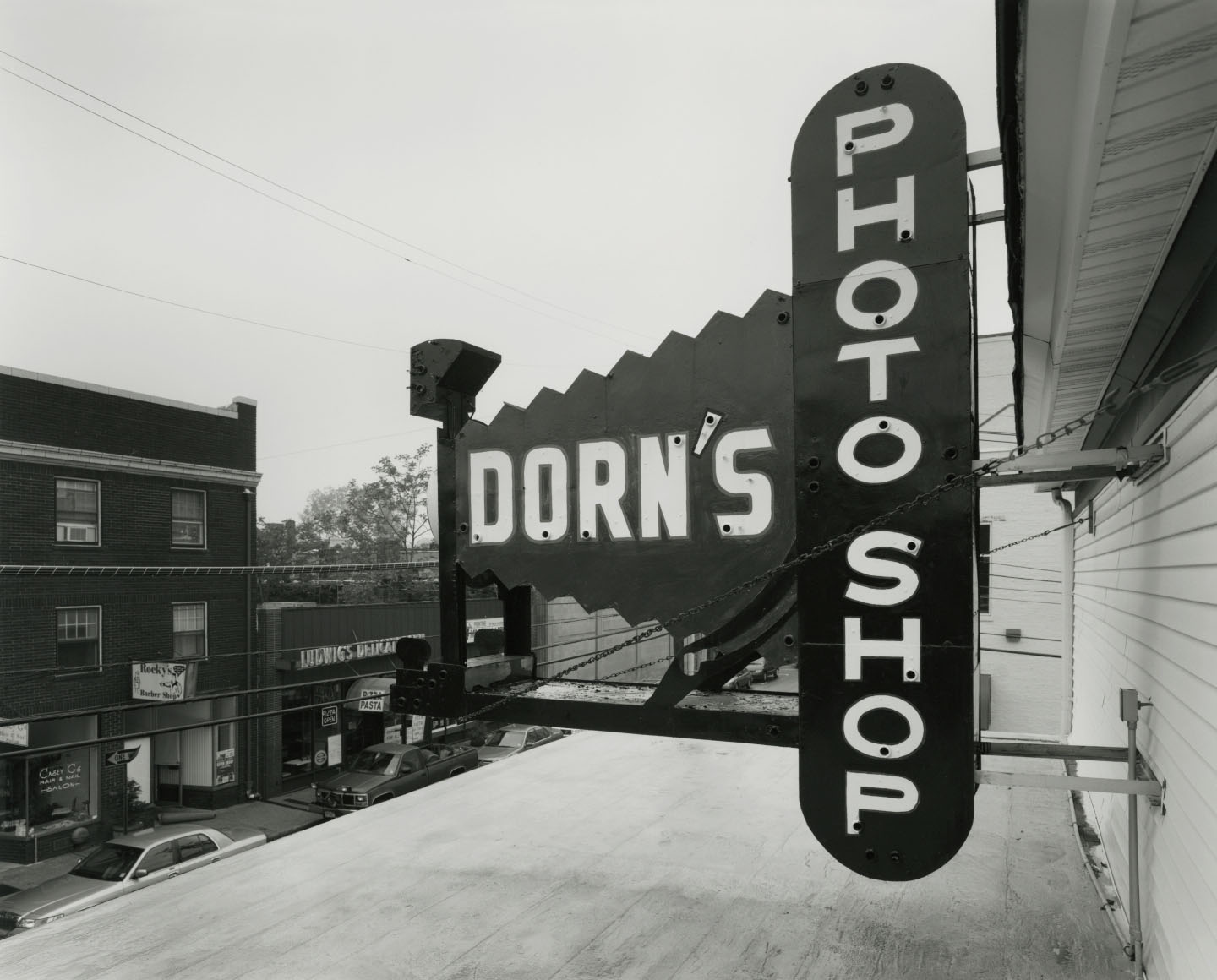


You must be logged in to post a comment.