
Exhibition dates: 30th January – 24th May, 2026
Curators: Quentin Bajac, in collaboration with Martin Parr and Clémentine de la Féronnière
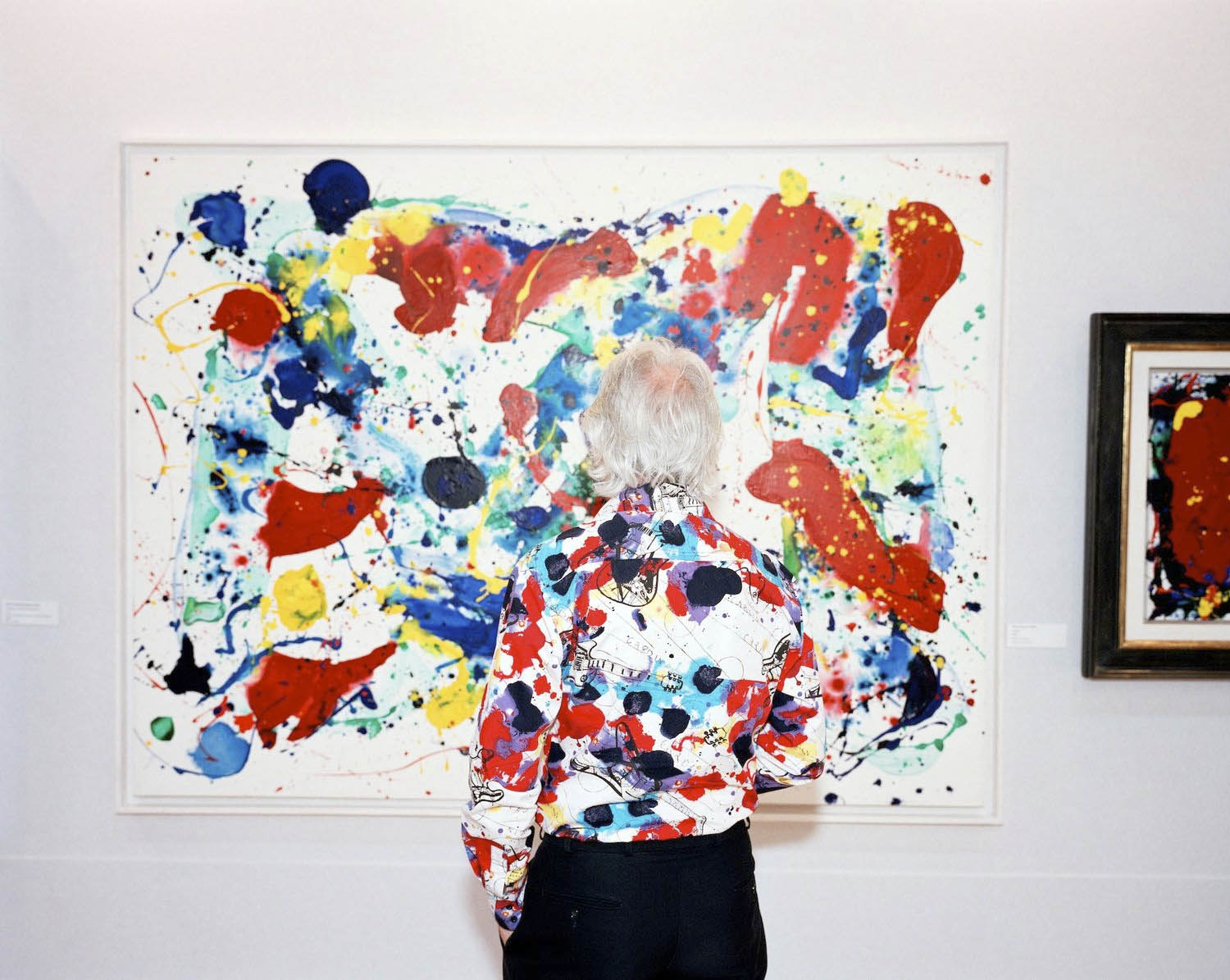
Martin Parr (English, 1952-2025)
United Arab Emirates, Dubai
2007
© Martin Parr / Magnum Photos
“Life is an act of consumption.
To consume is to live.”
From the film Jupiter Ascending 2015
“We are living in a time when, to borrow a phrase and book title of Sigmund Freud’s, civilization and its discontents are becoming painfully evident to us all. Our machine age technology with its private greed, ecologically disastrous policies, crass materialism, human alienation, incessant strife and conflict, and the portent of man’s destroying himself by his own recklessness, is taking its toll in terms of our confidence and optimism about life. …
John Anson Warner. “Introduction” to The Life & Art of the North American Indian. London: Hamlyn, 1975, p. 6.
A bewitching eye / the unfolding moment
A bewitching eye refers to eyes that are so powerfully, seductively attractive or charming that they appear to cast a spell, mesmerising or enchanting an onlooker. They possess an irresistible, magnetic allure that captivates the viewer, having an almost magical ability to draw someone in. This description could metaphorically be applied to the photographs of the legendary (and I don’t use that word lightly) contemporary British photographer Martin Parr (1952-2025).
Parr was an observer of life with a socially critical eye. Through his surreal, dream sequences captured in pop colour, punctum laden reality, Parr observed the absurdities of life on this planet – human, animal, inanimate – with curiosity and a sense of wonder even while questioning our path to destruction. While this exhibition is split into various sections – Leisure & waste lands; Last Chance To Buy; Small World; The Animal Kingdom; and Technological Addictions – in reality most of his images from each of the sections could fit into any other, for the whole world is interconnected in the excesses and grotesqueness of modern life, of civilization and its discontents.
Parr’s exploration of the pyschogeography of the urbanscape, the exploration of urban environments that emphasises interpersonal connections to places, is damming in its technicolor coat of glory. Mass tourism takes us to leisure spaces like the beach where technology is used to take selfies and mountains of waste pile up near the water’s edge. Mass human, mass cultivation (of palm oil or eucalyptus trees for example) is causing mass extinction of species across the planet. Mass consumption means that we are using the Earth’s resources indiscriminately to fuel (ha!) our desire for the latest, larger four-wheel drive we can get our hands on, the latest fashions that end up in landfill every 6 month cycle when they are not bought, or the brightest, pinkest, must luscious cup cakes you have ever seen in your life.
Parr’s colour saturated photos draw us into this consumptive world where the body is racked by disease, where the patient will soon be on life support. Through his mesmerising, enchanting, multilicious photographs he pokes a great big subversive stick at our follies, excesses, self-destructive desires. Unfortunately, while Parr’s photos seep into our subconscious, most images have little power to change public and personal opinion – all they can do is proffer alternate visions and interpretations of the world and hope that some glimmer of recognition of the environmental damage we are doing will permeate the mind of the viewer.
Of course, Parr’s famous photographs did not appear out of thin air. He was a dedicated photographer whose art practice required years of hard work, talent and skill to obtain his images. He emphasises that, “you have to look at the history of photography and learn what they have done and achieved and apply that, think about it and have it in the back of your head and then you can apply that to your own work.” By doing that, “you may have the rare opportunity actually to develop your own voice, and you can become a photographer with a particular voice.”
“What you are going to do, of course, is to find a good connection to the world out there. It is the quality of that connection that is really important. So, you find a subject you feel strongly about. Then work out how to articulate that and that hopefully will give you momentum for you to get good work.”
Nothing comes without hard work and perseverance.
In the video below where he is giving advice to young photographers he states that he might get only ten great photographs a year, sometimes only one, but he shoots heap of photographs and then discards the dross. What he also says that is really important is that he is attentive to the unfolding moment, he is aware and ready for what the energy of the world puts in front of his eye and his camera. If only the human race was so aware.
Parr was a human being that I would have really liked to have met. To have a conversation about the energy of the world, the passion and commitment of human beings to do good things, to see things differently, to make a difference.
We have his images for as long as the human race exists. But I miss him already.
Dr Marcus Bunyan
More postings on Martin Parr on Art Blart
~ Vale Martin Parr (English, 1952-2025), December 2025
~ Text/Exhibition: “Out in the midday sun” on the exhibition Martin Parr. Early Works at Fotografie Forum Frankfurt (FFF), September 2024 – February 2025
~ Exhibition: Glamour stakes: Martin Parr at Monash Gallery of Art, Melbourne, October – December 2016
~ Exhibition: Only in England: Photographs by Tony Ray-Jones and Martin Parr at Media Space at Science Museum, London, September 2013 – March 2014
~ Review: Martin Parr: In Focus at Niagara Galleries, Richmond, Melbourne, March 2012
Many thankx to Jeu de Paume for allowing me to publish the photographs in the posting. Please click on the photographs for a larger version of the image.
“l’m creating entertainment, which has a serious message if you want to read into it, but I’m not trying to convince anyone – l’m just showing them what they think they may know already.”
Martin Parr, 2021
“We are heading towards catastrophe but we are all going there together. Who would dare ban cars or air travel?”
“When I take a photograph, I try to say something. Beyond the garish colours, there is a political message…”
Martin Parr
I now realise that almost all the images I have taken and produced are indirectly linked to climate change.”
Martin Parr 2009
“Global Warning gives us Parr in all his gluttonous, giddy glory, an attentive, unabashed and unpretentious observer of everyday absurdities. But through clever curatorial nudges, this show also gives us other unexpected sides to Parr, a creeping sense of a doom we are hurtling towards at breakneck speed.”
Charlotte Jansen. “Martin Parr: Global Warning review – the great photographer in all his gluttonous, giddy glory,” on The Guardian website Mon 20 April 2026 [Online] Cited 21/04/2026
Martin Parr’s Advice to Young Photographers | Louisiana Channel
“You are probably going to fail, so unless you are obsessed, almost like a disease, you are not going to make it.” Legendary Martin Parr, regarded as the most crucial figure in contemporary British photography, offers advice to young photographers.
“What you are going to do, of course, is to find a good connection to the world out there. It is the quality of that connection that is really important. So, you find a subject you feel strongly about. Then work out how to articulate that and that hopefully will give you momentum for you to get good work.”
Another thing which is very important for Martin Parr to emphasise is that “you have to look at the history of photography and learn what they have done and achieved and apply that, think about it and have it in the back of your head and then you can apply that to your own work.” By doing that, “you may have the rare opportunity actually to develop your own voice, and you can become a photographer with a particular voice.”
Copyright: Louisiana Channel, Louisiana Museum of Modern Art, 2022
Text from the YouTube website
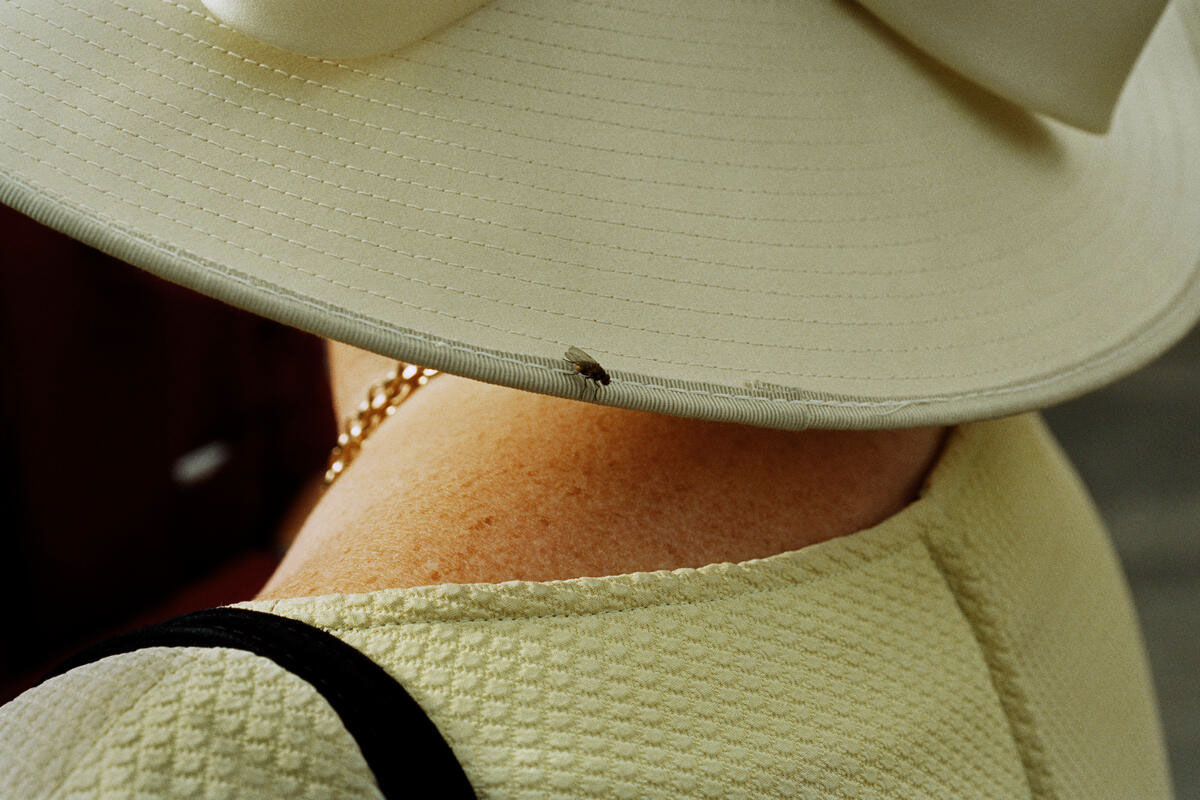
Martin Parr (English, 1952-2025)
Galway Races, Ireland
1997
From the series Luxury
© Martin Parr / Magnum Photos
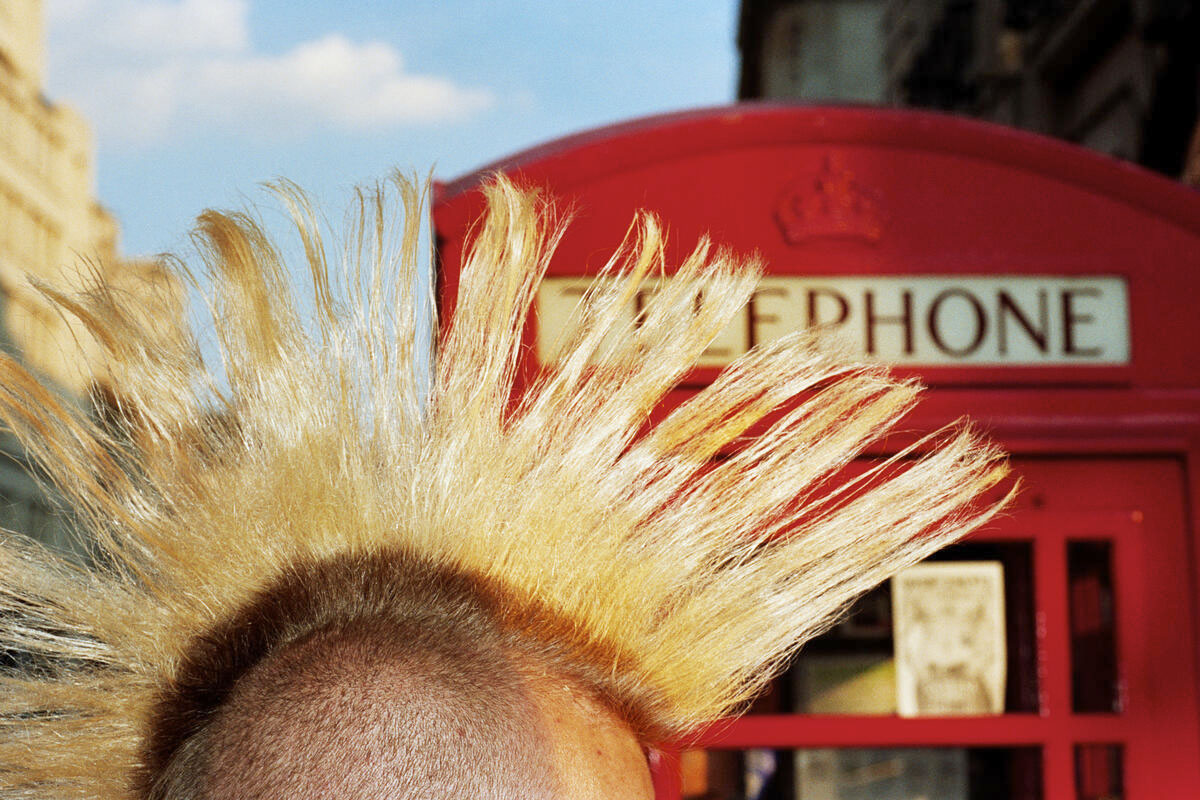
Martin Parr (English, 1952-2025)
London, England
1997
© Martin Parr / Magnum Photos
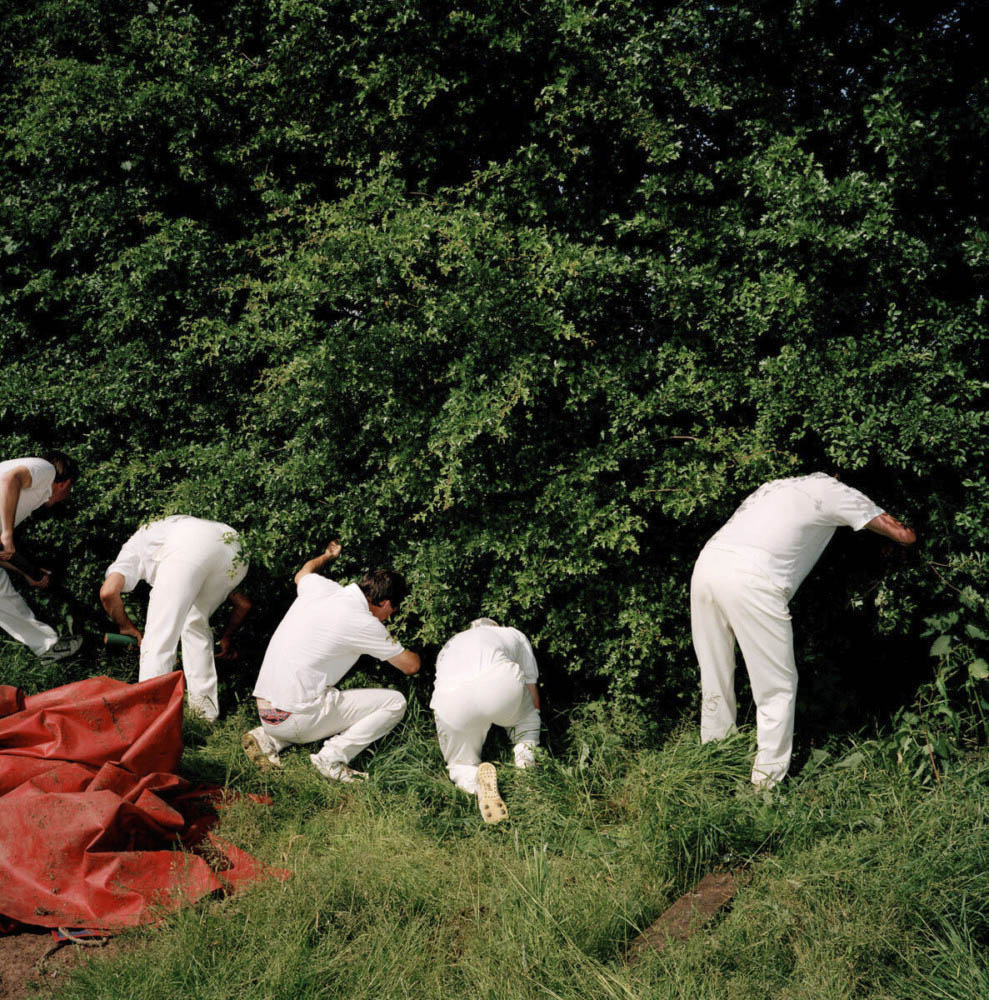
Martin Parr (English, 1952-2025)
Cricket players looking for a cricket ball, Chew Stoke, England
1992
© Martin Parr / Magnum Photos
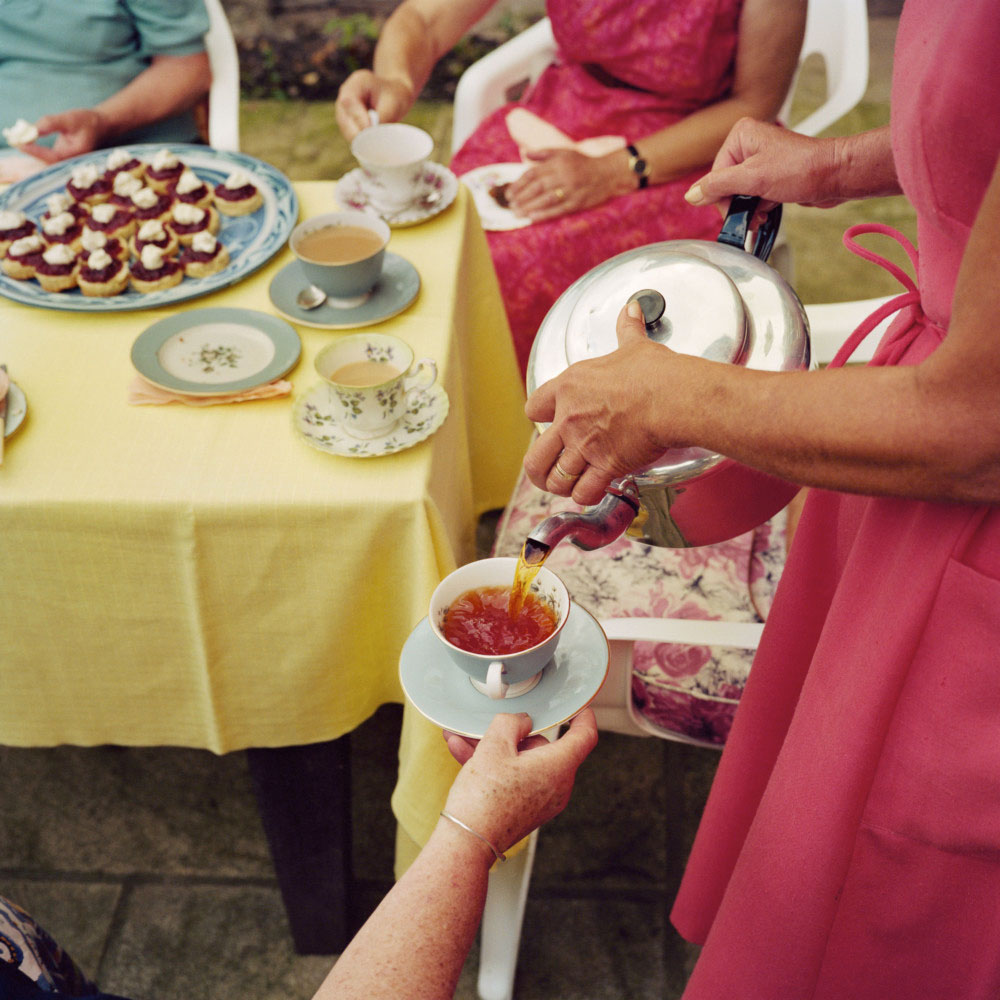
Martin Parr (English, 1952-2025)
Garden tea party, Chew Stoke, Somerset, England
1992
© Martin Parr / Magnum Photos
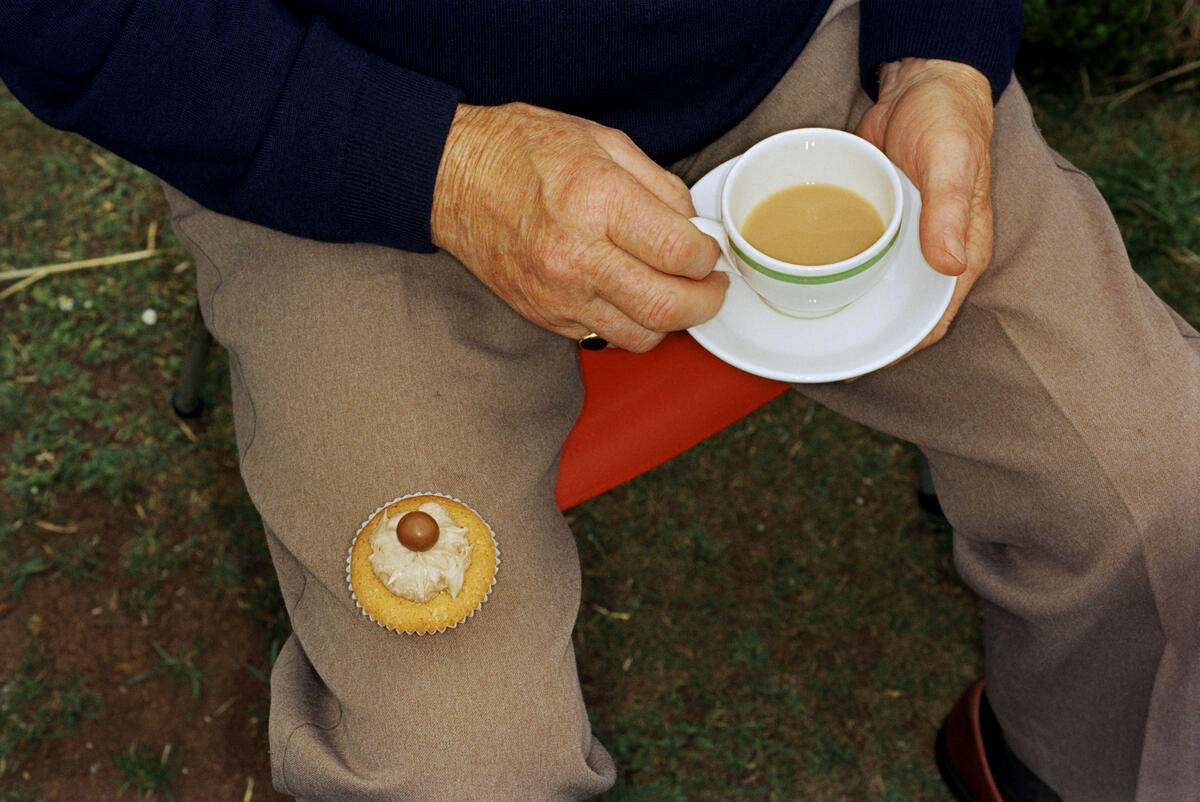
Martin Parr (English, 1952-2025)
Wells, Somerset, England
2000
© Martin Parr / Magnum Photos
This exhibition revisits the work of the late British photographer Martin Parr, bringing together a selection of series produced since the 1970s that find new resonance in light of the growing disarray of the contemporary world. For over fifty years, Parr travelled the globe not as an activist but as a relentless and amused observer, offering a lucid and unsparing portrait of global imbalances and the excesses of contemporary life: the grotesque face and damaging effects of mass tourism, the rise of car culture, our dependence on technology, unbridled consumerism, and our ambivalent relationship with other living beings.
Through his characteristically offbeat vision, Parr also indirectly engaged with the human behaviours driving contemporary climate change: the unrestrained use of transport, reliance on fossil fuels, global overconsumption, and environ mental degradation. Over time, and as social attitudes have shifted, what once appeared merely entertaining has revealed itself to be increasingly serious. ln retrospect, Parr’s corrosive irony places him within a long tradition of British satire: his sharp wit and deadpan humour deliver a critical, and at times merciless, view of the world we inhabit.
Text from the Jeu de Paume website
The Martin Parr: Global Warning exhibition at the Jeu de Paume (on display through May 2026) is organised into five thematic sections. These sections explore the excesses of modern life through about 180 photographs.
Leisure & waste lands: Focuses on recreational spaces like crowded beaches where pleasure often leads to environmental degradation.
Last Chance To Buy: Examines unbridled consumerism in supermarkets, malls, and luxury shops using Parr’s signature saturated colours.
Small World: Documents the rituals and “ravages” of mass tourism across five continents.
The Animal Kingdom: Explores our ambivalent relationship with animals – as pets, entertainment, or consumer products.
Technological Addictions: Highlights our growing dependence on machines, from slot machines to compulsive selfie-taking
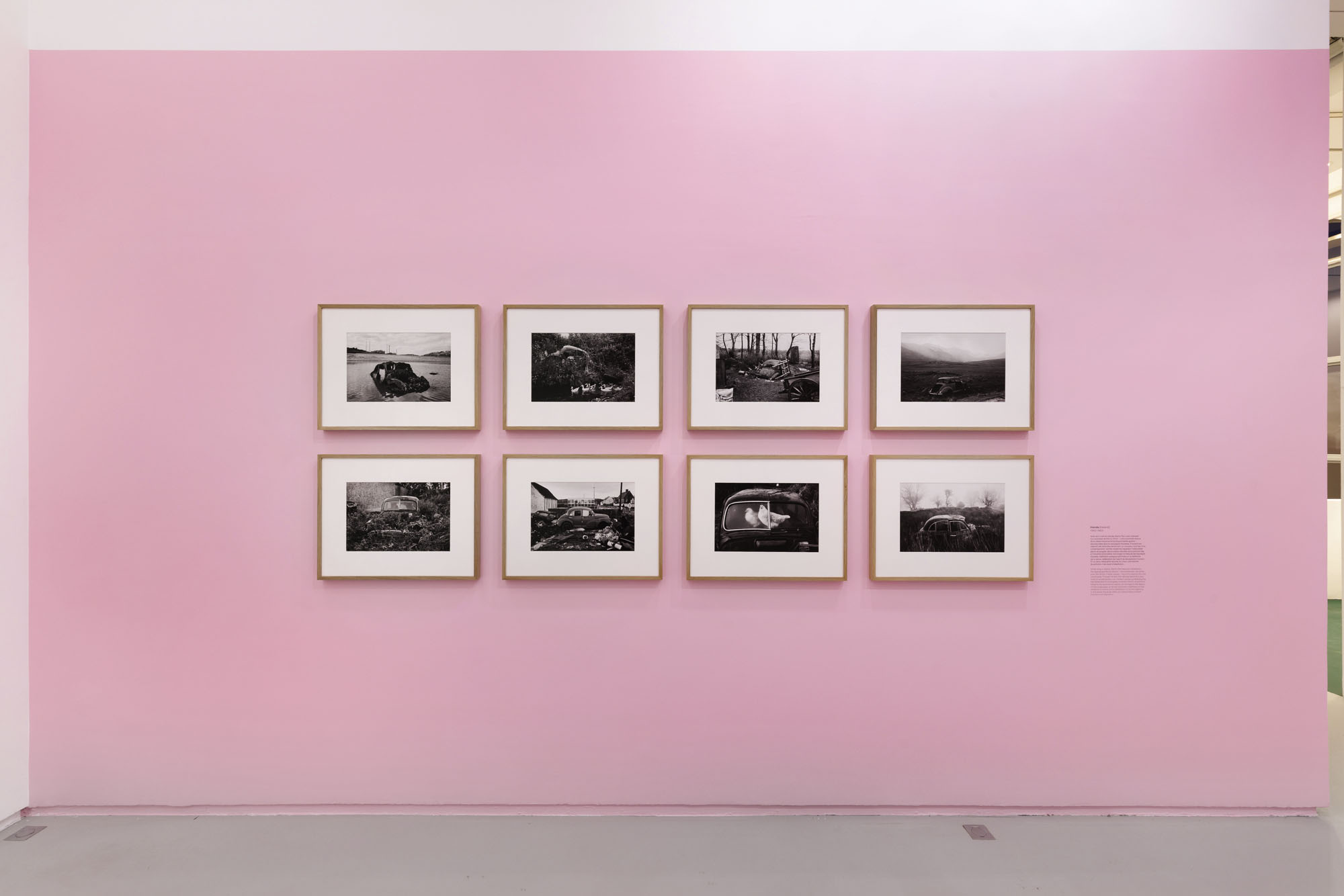
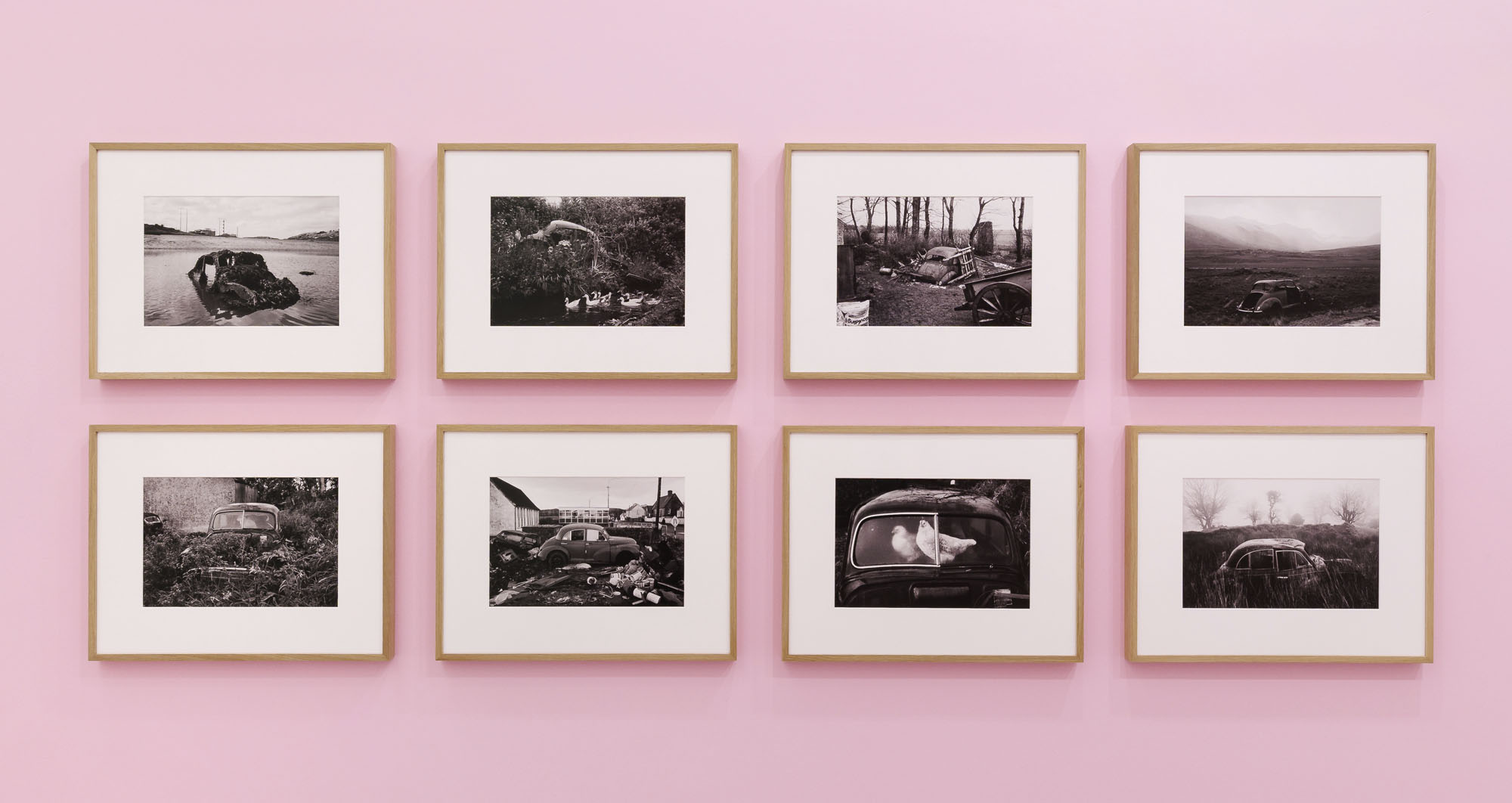
Installation view of the exhibition Martin Parr: Global Warning at Jeu de Paume, Paris, January – May, 2026 showing Martin Parr’s black and white photographs of Ireland 1980-83
Photos: Salim Santa Lucia
Ireland 1980-1983
While living in Ireland, Martin Parr became interested in the abandoned morris Minors – the emblematic car of the post-war British middle classes – found throughout the Irish countryside. Through his lens, the vehicles become a new motif of contemporary ruin: modern vanities symbolising the inevitable decline of progress, a subtle criticism of pollution linked to the automotive industry, an homage to the beauty of Irish landscapes, an almost optimistic meditation on the resilience of nature, and a celebration of human ingenuity. In this sense, the series offers an implicit history of both pollution and adaptation.
Wall text from the exhibition
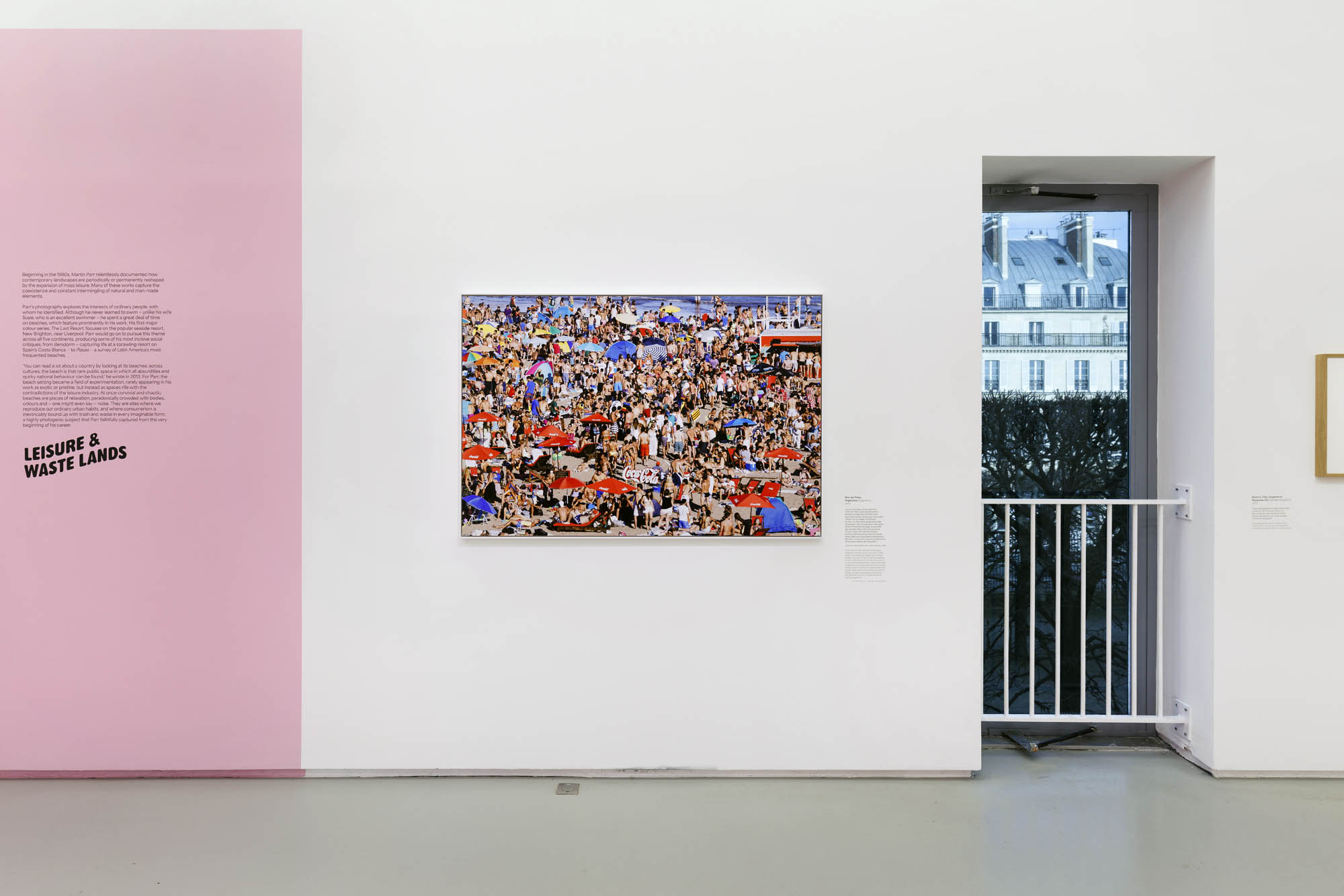
Installation view of the exhibition Martin Parr: Global Warning at Jeu de Paume, Paris, January – May, 2026 showing at left the wall text “Leisure & Waste Lands” and at centre, Martin Parr’s Mar del Plata, Argentina (2014, below)
Leisure & Waste Lands
Beginning in the 1980s, Martin Parr relentlessly documented how contemporary landscapes are periodically or permanently reshaped by the expansion of mass leisure. Many of these works capture the coexistence and constant intermingling of natural and man-made elements.
Parr’s photography explores the interests of ordinary people, with whom he identified. Although he never learned to swim – unlike his wife Susie, who is an excellent swimmer – he spent a great deal of time on beaches, which feature prominently in his work. His first major colour series, ‘The Last Resort’, focuses on the popular seaside resort, New Brighton, near Liverpool. Parr would go on to pursue this theme across all five continents, producing some of his most incisive social critiques, from ‘Benidorm’ – capturing life at a sprawling resort on Spain’s Costa Blanca – to ‘Playas’ – a survey of Latin America’s most frequented beaches.
‘You can read a lot about a country by looking at its beaches: across cultures, the beach is that rare public space in which all absurdities and quirky national behaviour can be found,’ he wrote in 2013. For Parr, the beach setting became a field of experimentation, rarely appearing in his work as exotic or pristine, but instead as spaces rife with the contradictions of the leisure industry. At once convivial and chaotic, beaches are places of relaxation, paradoxically crowded with bodies, colours and – on might even say – noise. They are sites where we reproduce our ordinary urban habits, and where consumerism is inextricably bound up with trash and waste in every imaginable form: a highly photogenic subject that Parr faithfully captured from the very beginning of his career.
Wall text from the exhibition
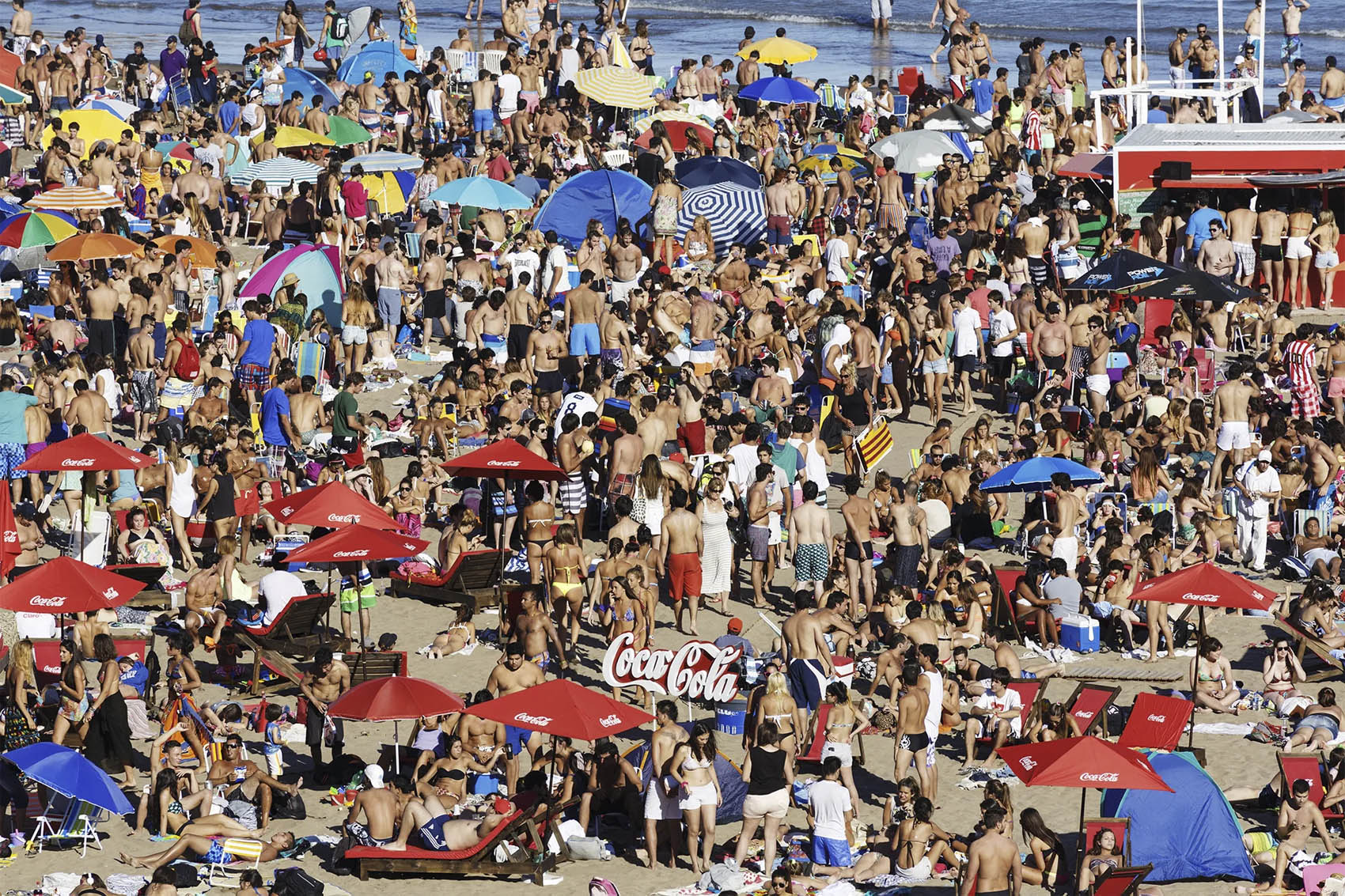
Martin Parr (English, 1952-2025)
Mar del Plata, Argentina
2014
© Martin Parr / Magnum Photos
‘I first came to Mar del Plata, the largest Argentine seaside resort, way back in 2007 when I was shooting images for my ‘Playas’ project, a survey of Latin American beaches. I was amazed then at the scale of the resort. It has two thousand hotels, sixteen kilometres of beaches, and welcomes over seven million visitors a year. In terms of scale, Mar del Plata dwarfs other well-known resorts across the globe, including Copacabana, Blackpool and benidorm, yet it is virtually unknown beyond Argentina.’
From Martin parr’s blog, Mar del Pata, 2004
Wall text from the exhibition
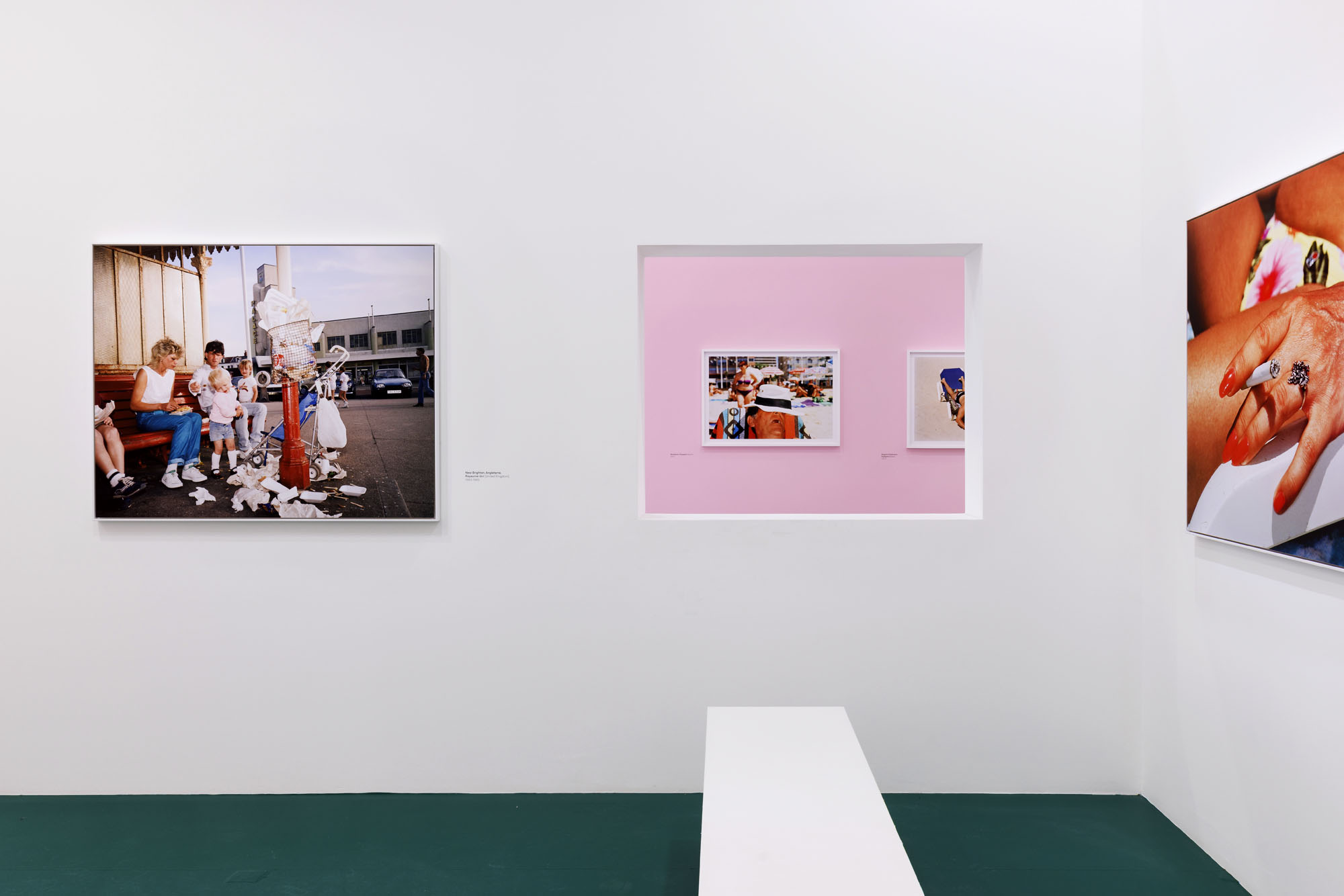
Installation view of the exhibition Martin Parr: Global Warning at Jeu de Paume, Paris, January – May, 2026 showing at left, Martin Parr’s New Brighton, United Kingdom (1983-85, below); and at second left, Benidorm, Spain (1997)
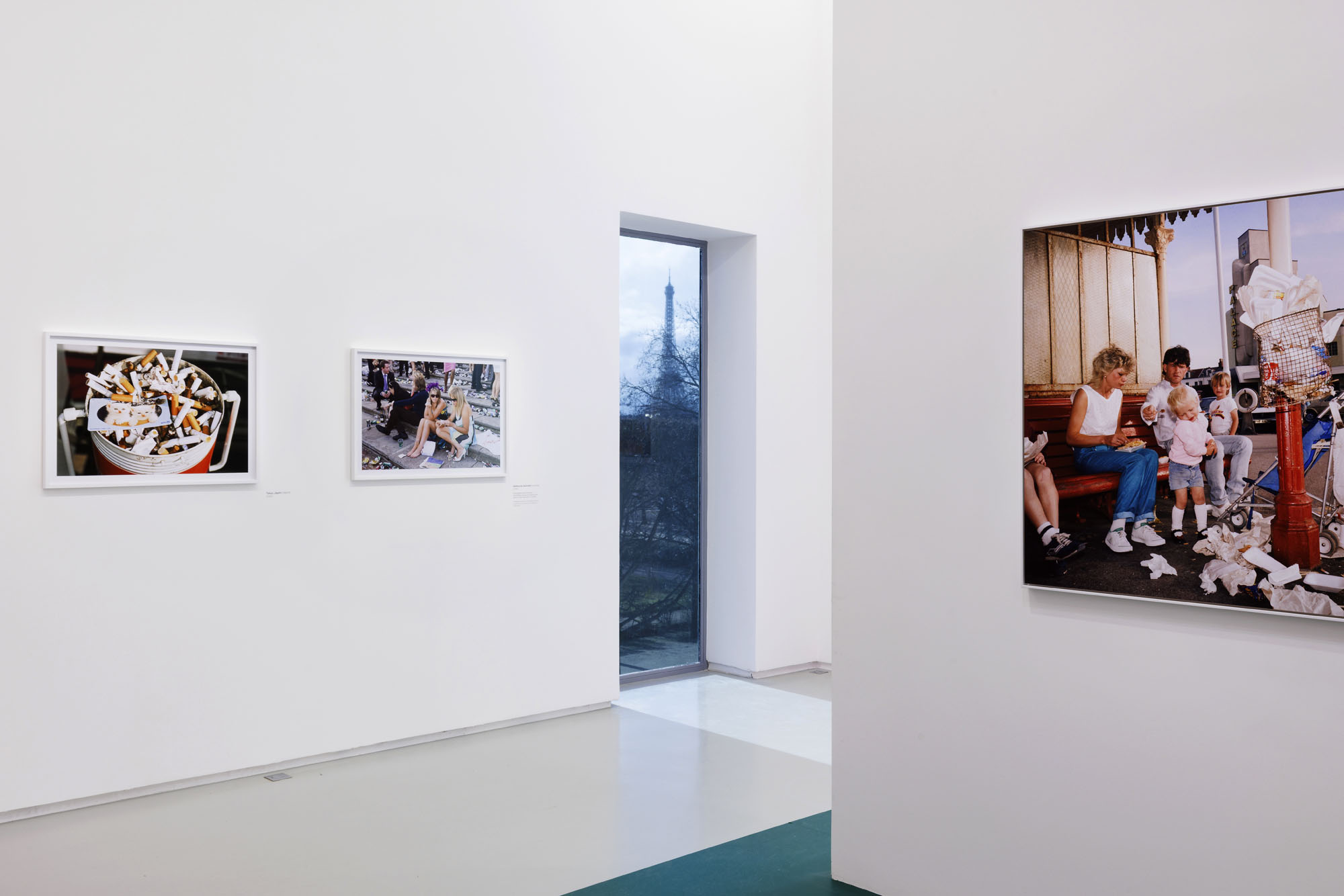
Installation view of the exhibition Martin Parr: Global Warning at Jeu de Paume, Paris, January – May, 2026 showing at left, Martin Parr’s Tokyo, Japan (2000, below); at second left, Melbourne, Australia (2008); and at right, New Brighton, United Kingdom (1983-85, below)
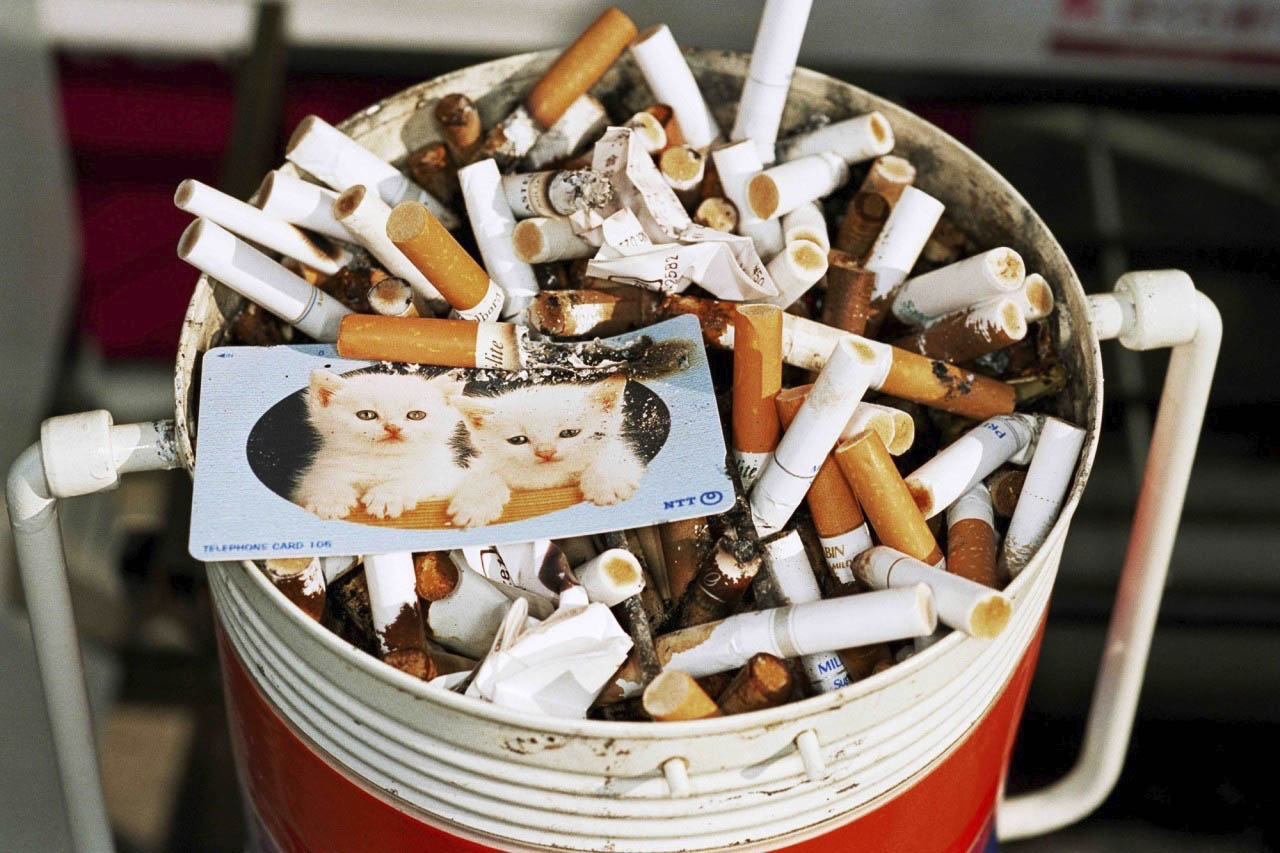
Martin Parr (English, 1952-2025)
Tokyo, Japan
2000
© Martin Parr / Magnum Photos
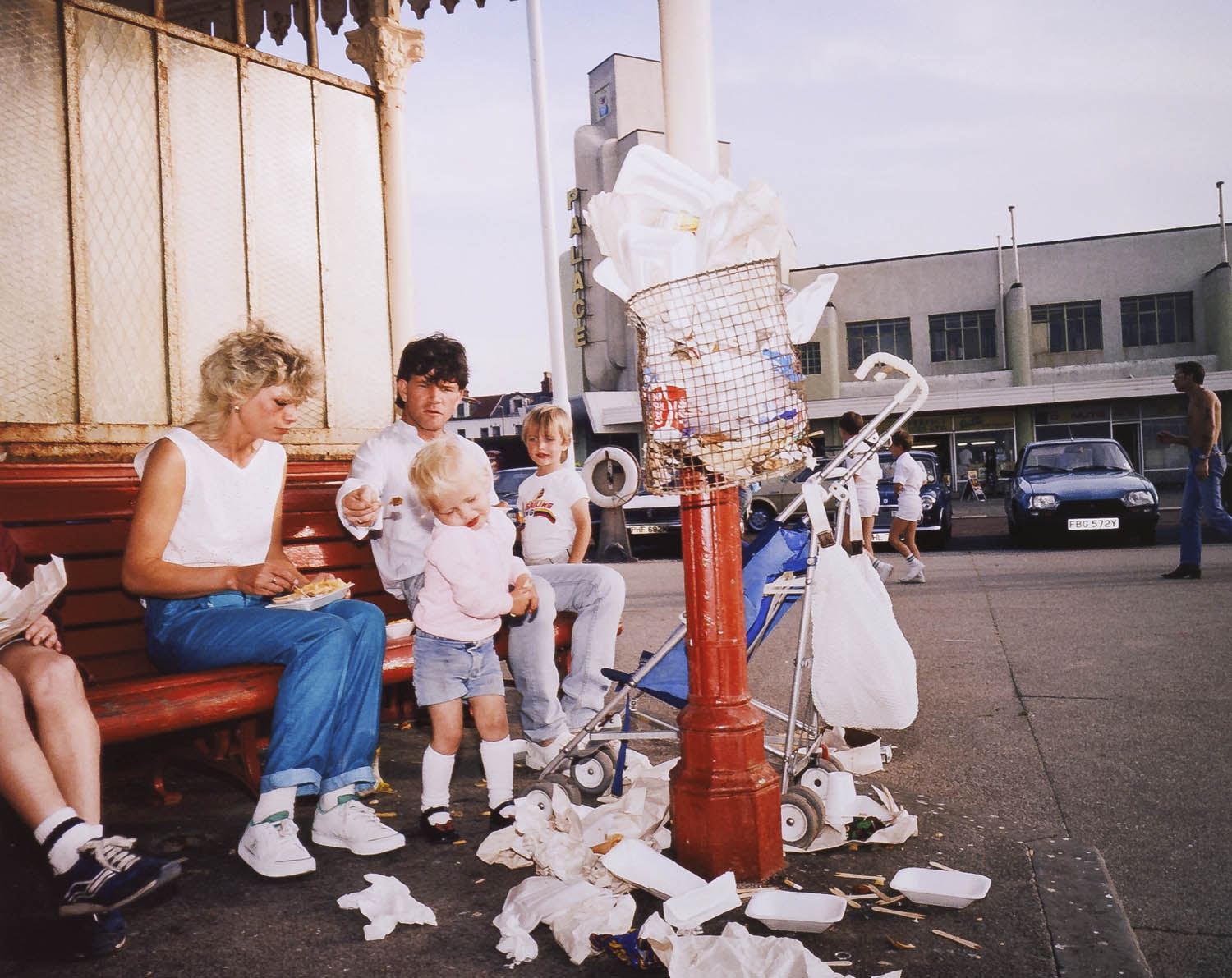
Martin Parr (English, 1952-2025)
New Brighton, United Kingdom
1983-85
From Last Resort
© Martin Parr / Magnum Photos
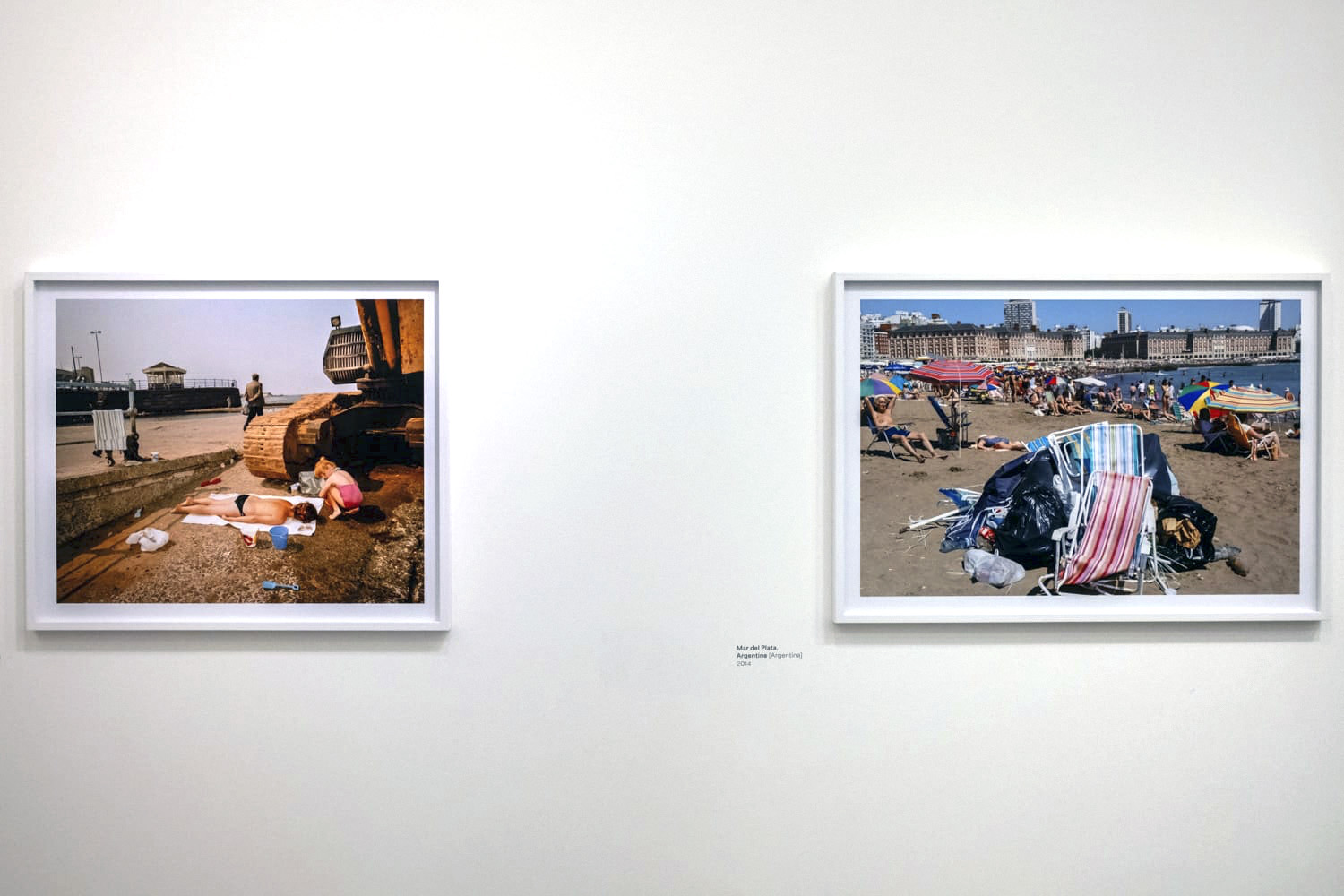
Installation view of the exhibition Martin Parr: Global Warning at Jeu de Paume, Paris, January – May, 2026 showing at left, Martin Parr’s photograph New Brighton, United Kingdom (1983-85, below); at at right, Mar del Plata, Argentina (2014)
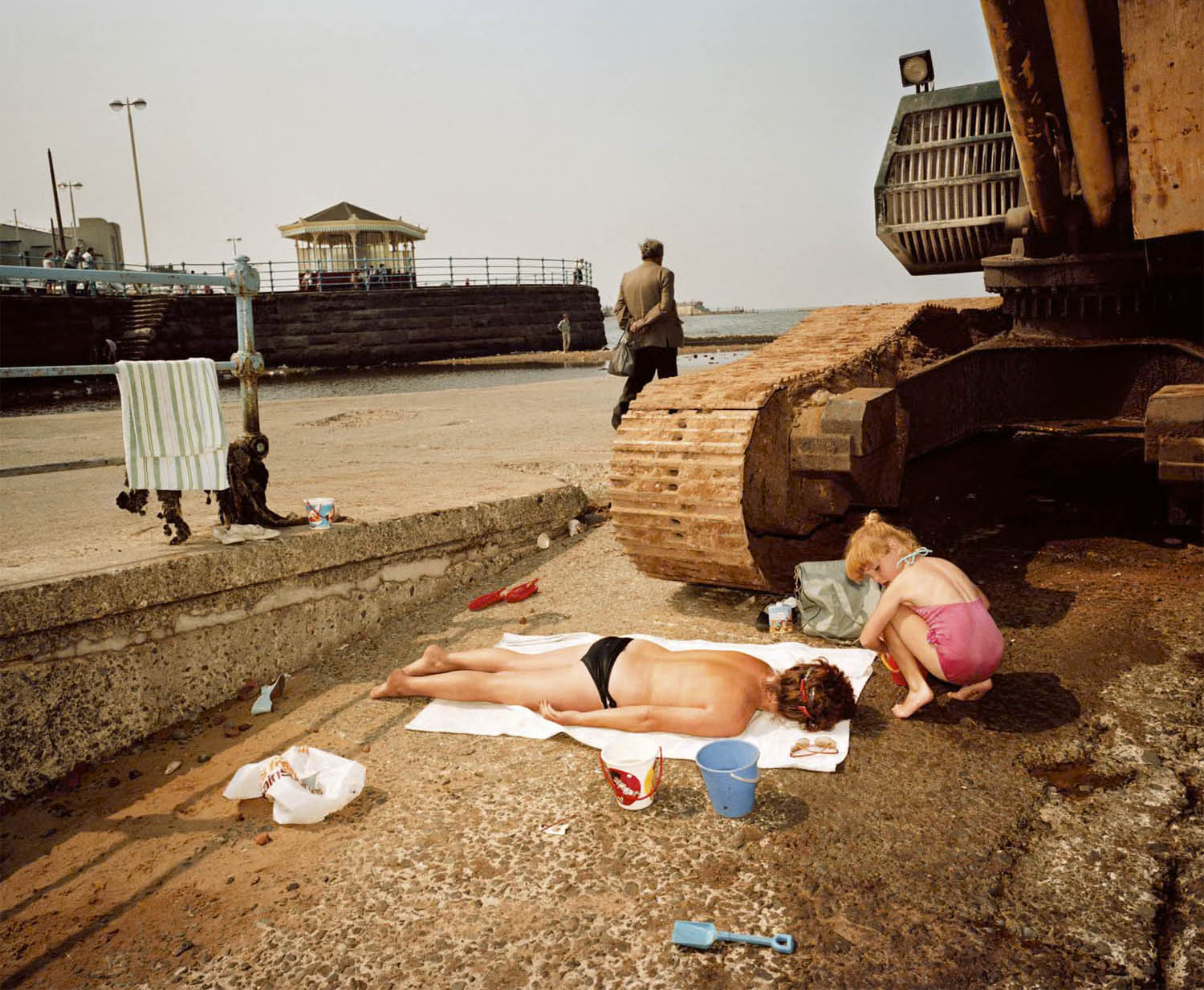
Martin Parr (English, 1952-2025)
New Brighton, United Kingdom
1983-85
From Last Resort
© Martin Parr / Magnum Photos
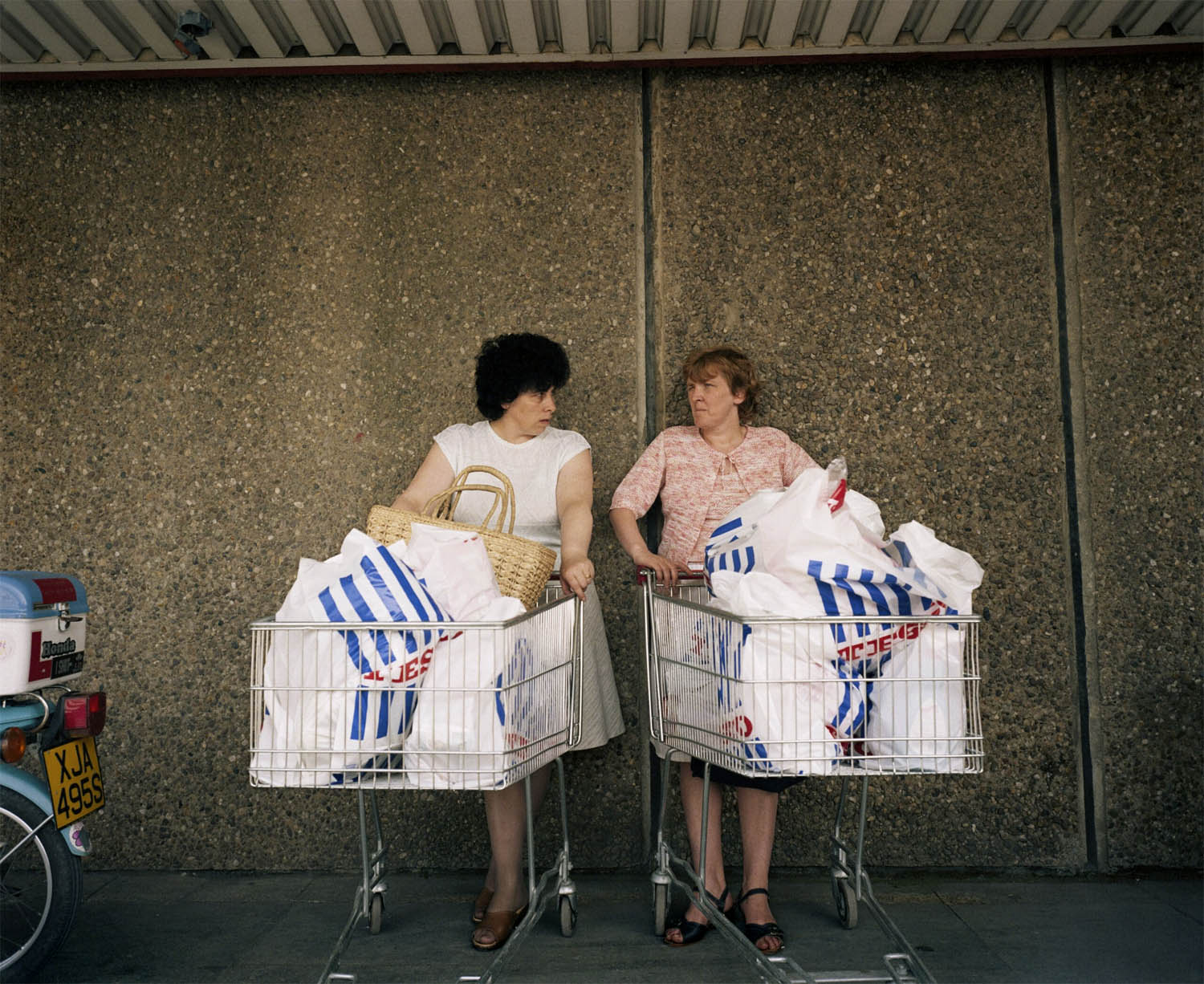
Martin Parr (English, 1952-2025)
Spending Time, Salford, England
1986
© Martin Parr / Magnum Photos
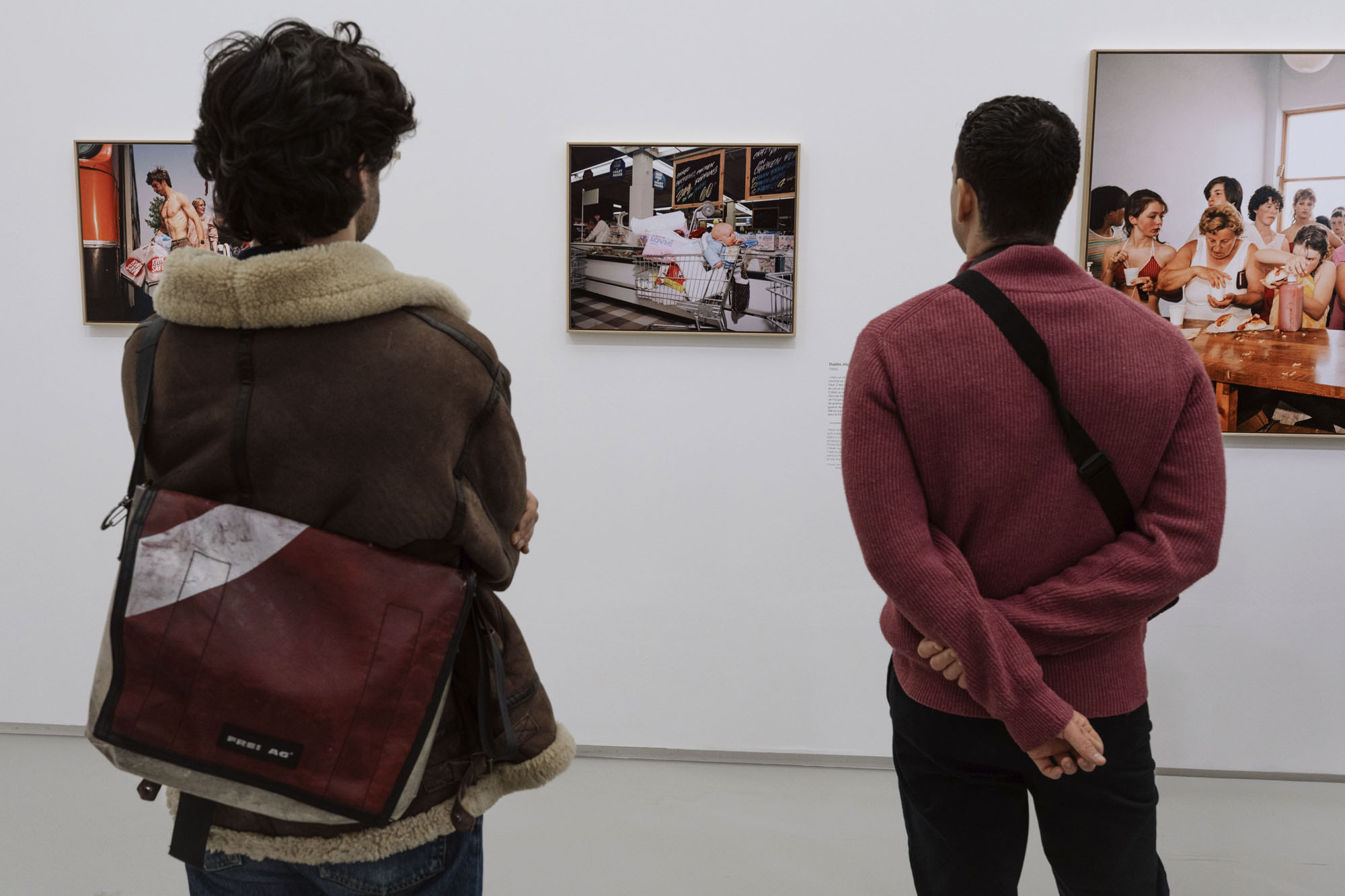
Installation view of the exhibition Martin Parr: Global Warning at Jeu de Paume, Paris, January – May, 2026 showing at right, Martin Parr’s photograph Untitled (Hot Dog Stand), United Kingdom (1983-85, below) from Last Resort
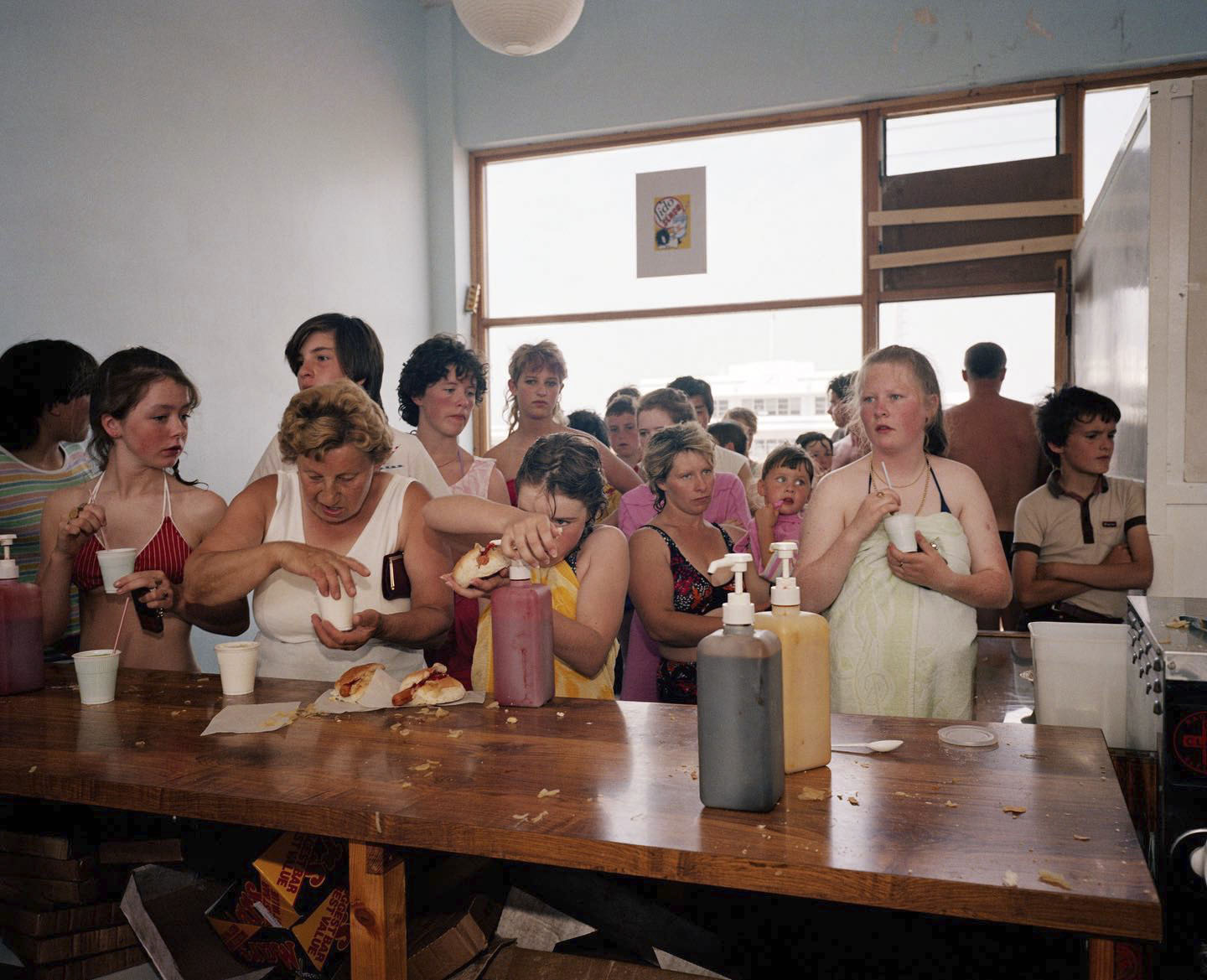
Martin Parr (English, 1952-2025)
Untitled (Hot Dog Stand), United Kingdom
1983-85
From Last Resort
© Martin Parr / Magnum Photos
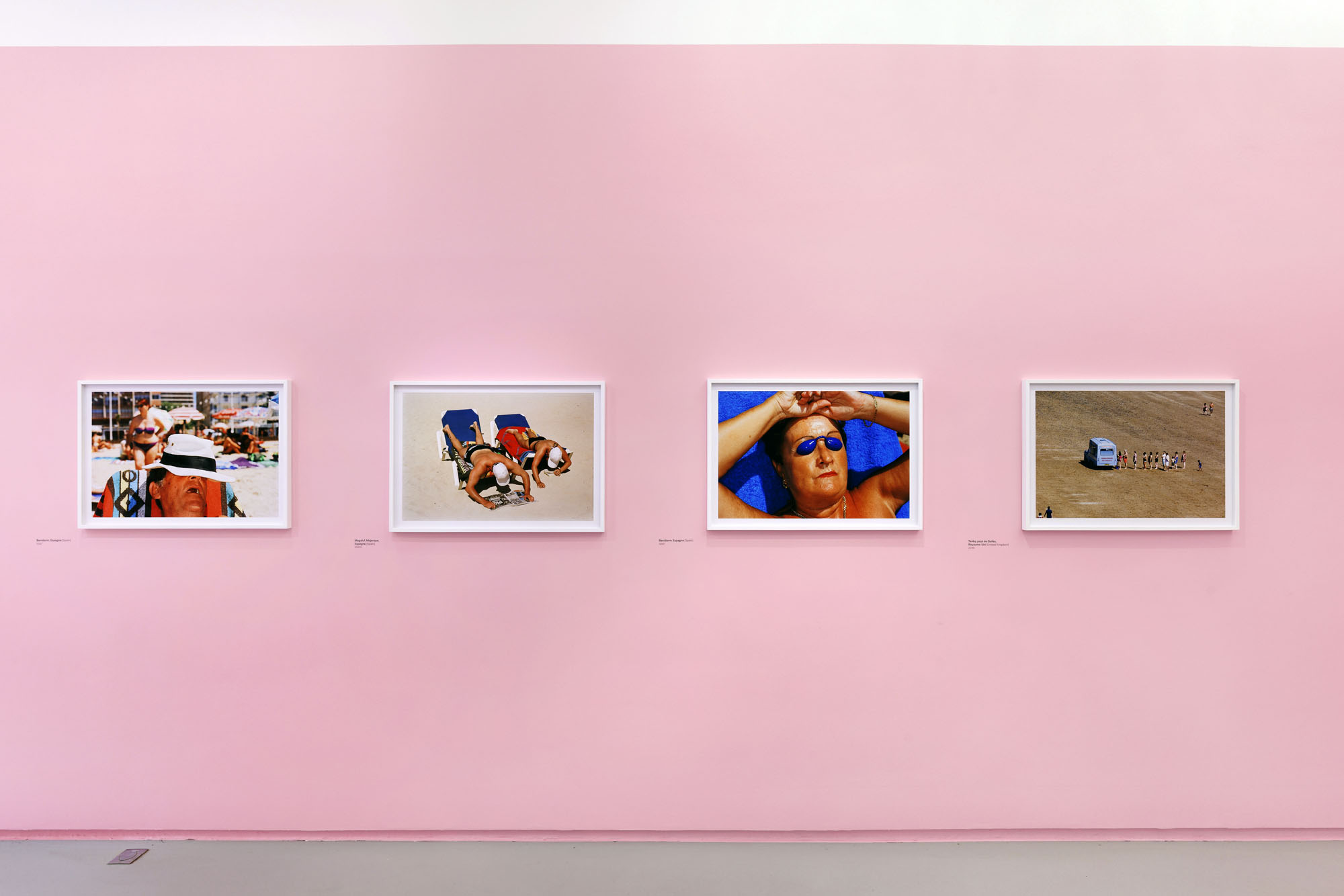
Installation view of the exhibition Martin Parr: Global Warming at Jeu de Paume, Paris, January – May, 2026 showing from left to right, Benidorm, Spain (1997); Magaluf, Majorca, Spain (2003); Benidorm, Spain (1997); and at right, Tenby, United Kingdom (2018)
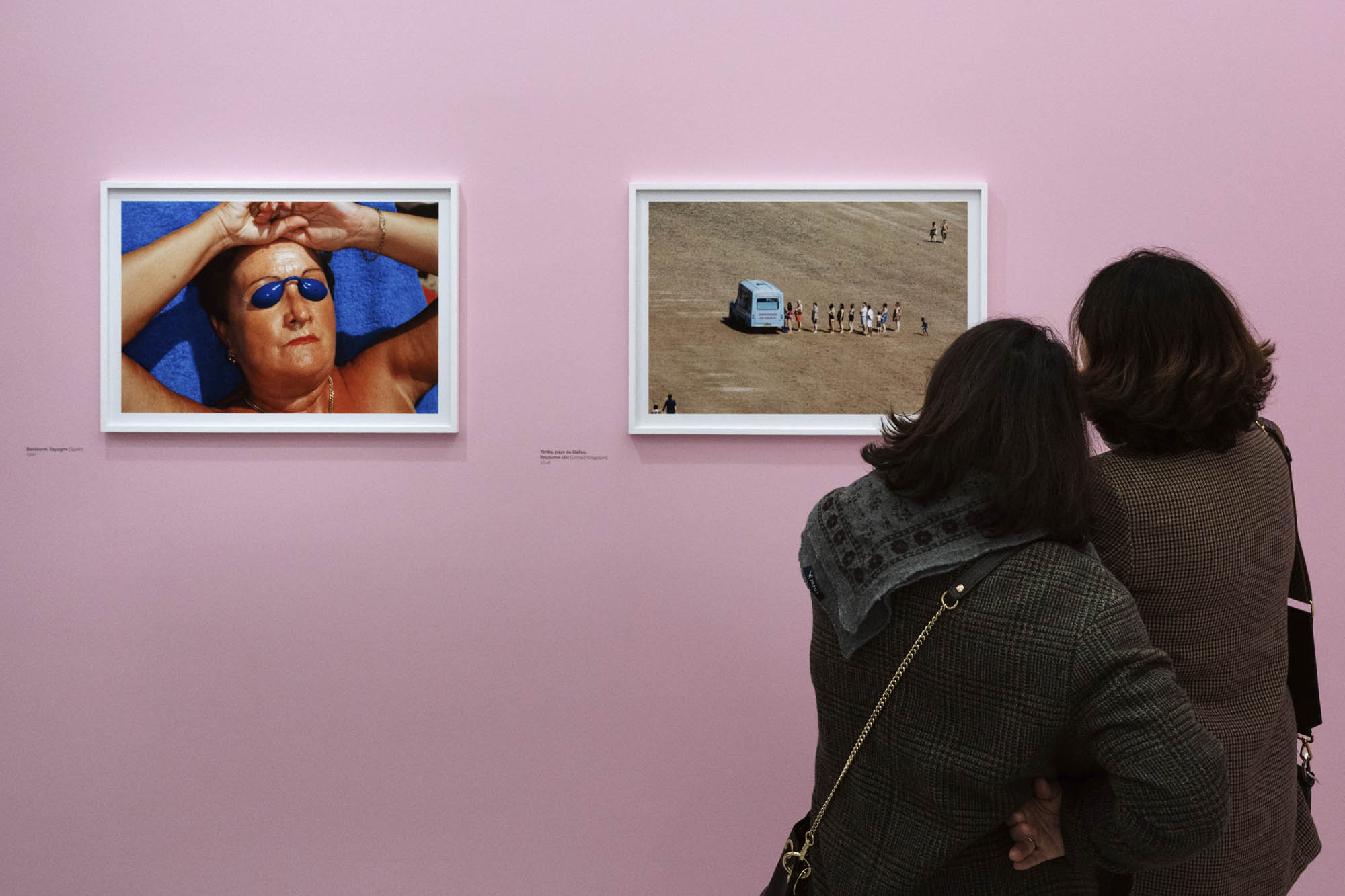
Installation view of the exhibition Martin Parr: Global Warming at Jeu de Paume, Paris, January – May, 2026 showing at left, Martin Parr’s Benidorm, Spain (1997, below) and at right, Tenby, United Kingdom (2018)
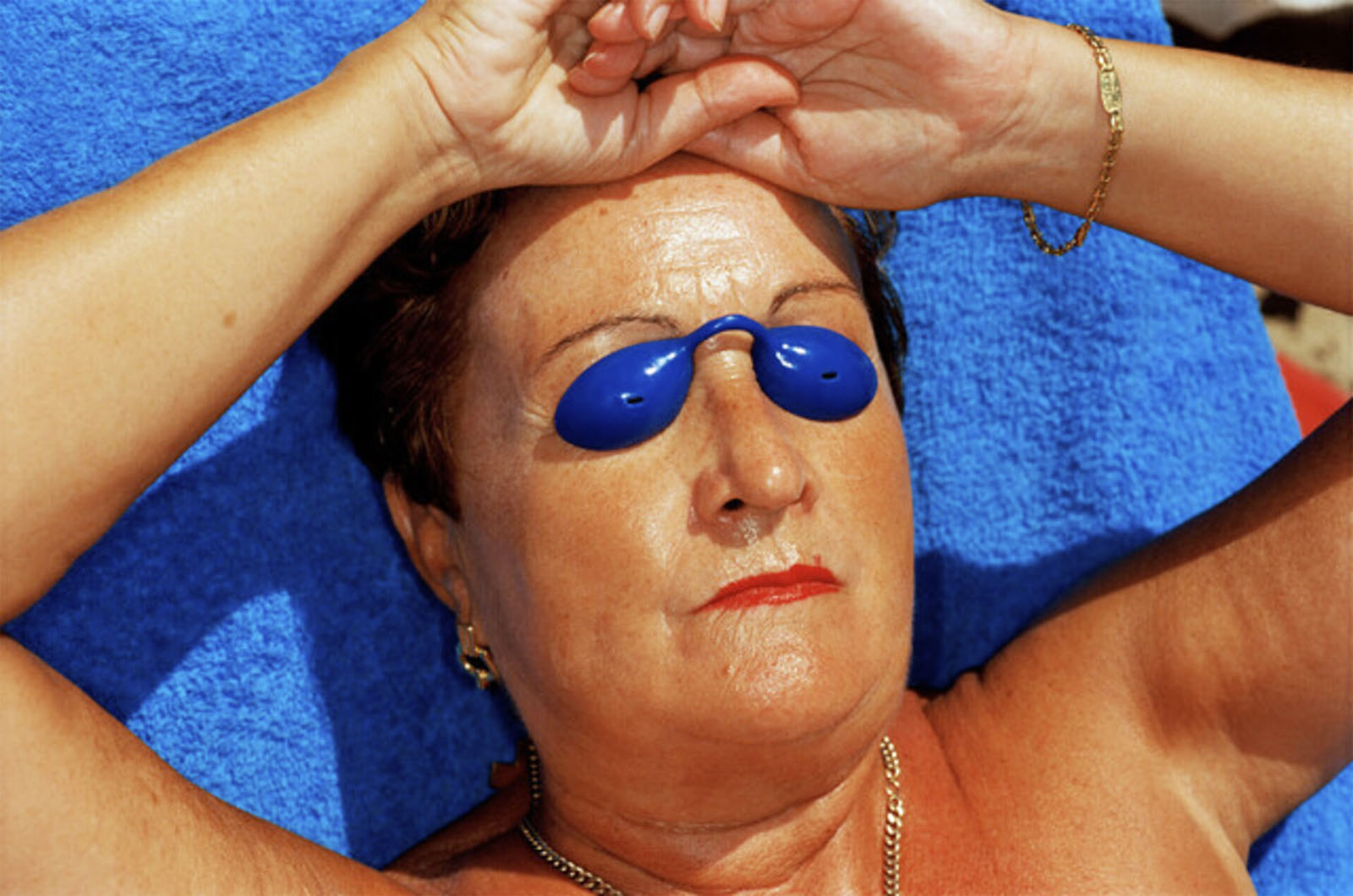
Martin Parr (English, 1952-2025)
Benidorm, Spain
1997
© Martin Parr / Magnum Photos
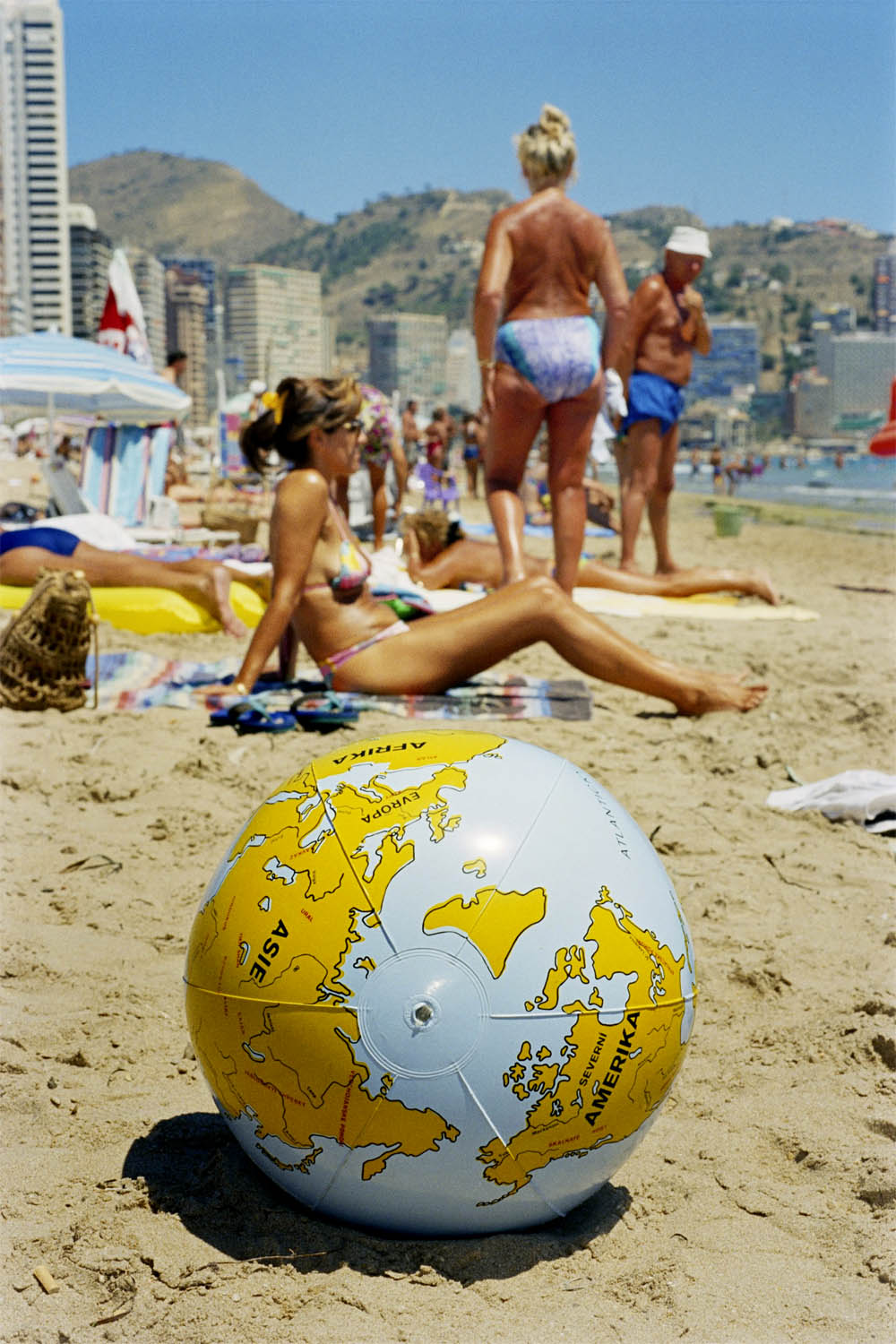
Martin Parr (English, 1952-2025)
Benidorm, Spain
1997
© Martin Parr / Magnum Photos
This exhibition invites the public to revisit the work of Martin Parr. Through different bodies of work created from the late 1970s to the present day, Parr’s photographs capture the absurdities and malfunctions of our contemporary world. Over 50 years, in locations all round the globe, the photographer has built up a corpus of work that portrays the inequalities and excesses of our modern lifestyle. A number of themes recur throughout. These include: the ravages of tourism, the prevalence of car culture, our dependence on technology, consumer excess, and even our ambivalent relationship with the living world. Martin Parr brings his unique, off-beat perspective to several major causes of climate change and environmental damage: unchecked global travel, reliance on fossil fuels, and world-wide overconsumption. Seemingly light-hearted and humorous, Parr’s work is in fact deeply serious. The ironical nature of his work places Parr firmly within the traditions of British satire and offers an indirect yet profound critique of contemporary life.
Through some 180 images spanning fifty years of work – from his early black
and white images to more recent output – this exhibition addresses the chaos of modern society. Five main sections, organised according to recurring themes, motifs and obsessions, convey the range and depth of Parr’s work. These sections explore the way in which our leisure pursuits impact the environment. Despite being a non-swimmer, Parr is repeatedly drawn to the beach as a site where the natural and artificial worlds coexist and pleasure leads to waste. In the section ‘Everything Must Go!’ our obsessive consumerism is explored. Parr draws up a crude inventory of sought-after objects and modes of consumption. Supermarkets, shopping malls, fairs and exhibitions provide the setting for a frantic materialistic race that is common to all classes of society. Sometimes even human beings become a form of merchandise.
In the ‘Small World’ section, named after one of his most celebrated series, Parr explores the joys, contradictions and dead ends of the tourism industry. In some of the world’s most iconic destinations, he focuses on the habits, behaviours, expectations and disappointments of the global tourist, against the backdrop of North/South, West/East imbalances. In ‘The Animal Kingdom’ he looks at the ambiguous relationship between humans and animals, from fascination and indulgence to neglect and exploitation. The final section – ‘Technological Addictions’ addresses our relationship with machines of all kinds: phones, cars, planes and computers as through them we navigate space, time and reality on a daily basis.
I create entertainment that contains a serious message if you are willing to look for it, but I’m not trying to convince anyone, I’m simply showing people what they think they know’ declared Martin Parr in 2021. Tireless photographer, frequent flyer, beach-lover, Martin Parr never tries to be a moral authority. He has often acknowledged that he himself is fully part of the world he documents and is clear-sighted about the environmental impact of his own lifestyle, particularly his significant carbon footprint: ‘We are heading towards catastrophe but we are all going there together. Who would dare ban cars or air travel?’
Aware that images alone are not enough to change the world, he advocates a form of discreet activism, a subtle visual guerilla warfare. If Parr uses humour it is always in the service of a commentary, often critical and satirical, that seeks to de-stabilise the idealised visions conveyed in the media by the cultural and tourism industries. Many of his images play with cliches, highlighting their inherent absurdity in order to subvert and deconstruct them. Tourist postcards, wildlife photography, foodie habits, selfies, all these and more provide the material that enables him to question, critique and occasionally mock the lifestyles and imagination of large sections of the world population. This exhibition is indeed a global warning.
Press release from Jeu de Paume
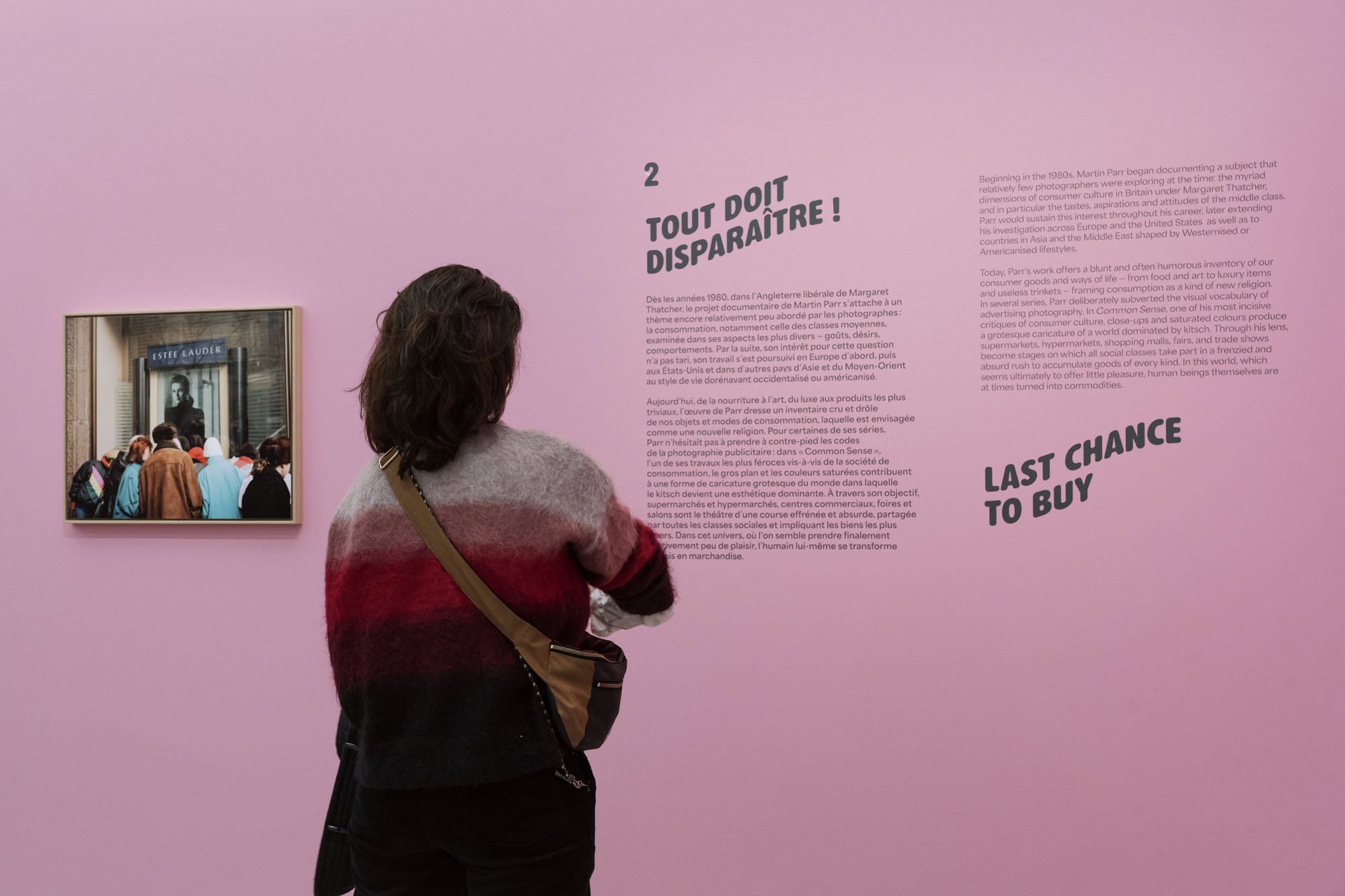
Installation view of the exhibition Martin Parr: Global Warning at Jeu de Paume, Paris, January – May, 2026 showing at left, Martin Parr’s Moscow (1992) ; and at right, the wall text to “Last chance to buy”
Last chance to buy
Beginning in the 1980s, Martin Parr began documenting a subject that relatively few photographers were exploring at the time: the myriad dimensions of consumer culture in Britain under Margaret Thatcher, and in particular the tastes, aspirations and attitudes of the middle class. Parr would sustain this interest throughout his career, later extending his investigation across Europe and the United Sates as well as to countries in Asia and the Middle East shaped by Westernised or Americanised lifestyles.
Today, Parr’s work offers a blunt and often humorous inventory of our consumer goods and ways of life – from food and art to luxury items and useless trinkets – framing consumption as a kind of new religion. In several series, parr deliberately subverted the visual vocabulary of advertising photography. In ‘Common Sense’, one of his most incisive critiques of consumer culture, close-ups and saturated colours produce a grotesque caricature of a world dominated by kitsch. Through his lens, supermarkets, hypermarkets, shopping malls, fairs, and trade shows become stages on which all social classes take part in a frenzied and absurd rush to accumulate goods of every kind. In this world, which seems ultimately to offer little pleasure, human beings themselves are at times turned into commodities.
Wall text from the exhibition
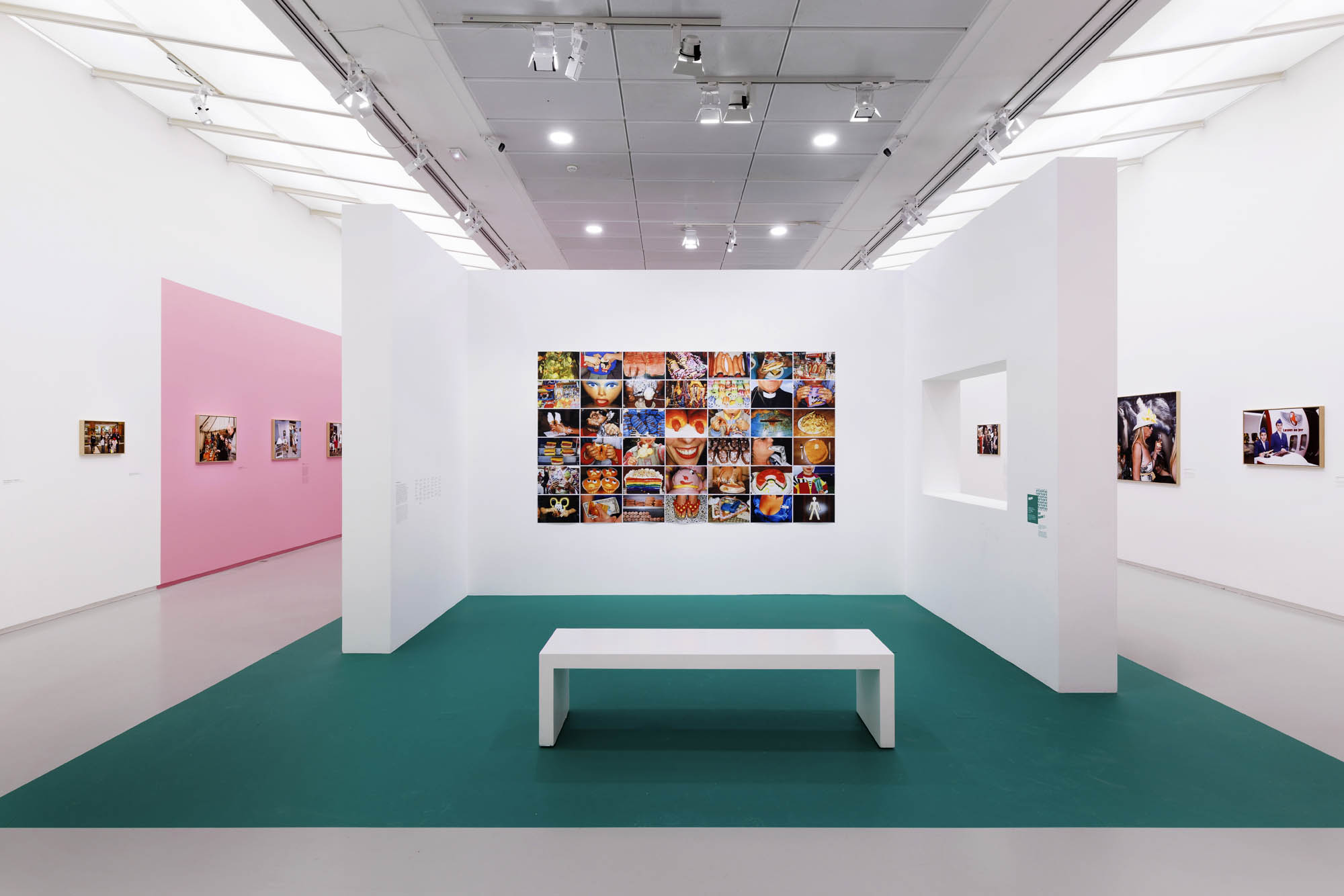
Installation view of the exhibition Martin Parr: Global Warning at Jeu de Paume, Paris, January – May, 2026 showing at centre, photographs from Martin Parr’s series Common Sense (1999)

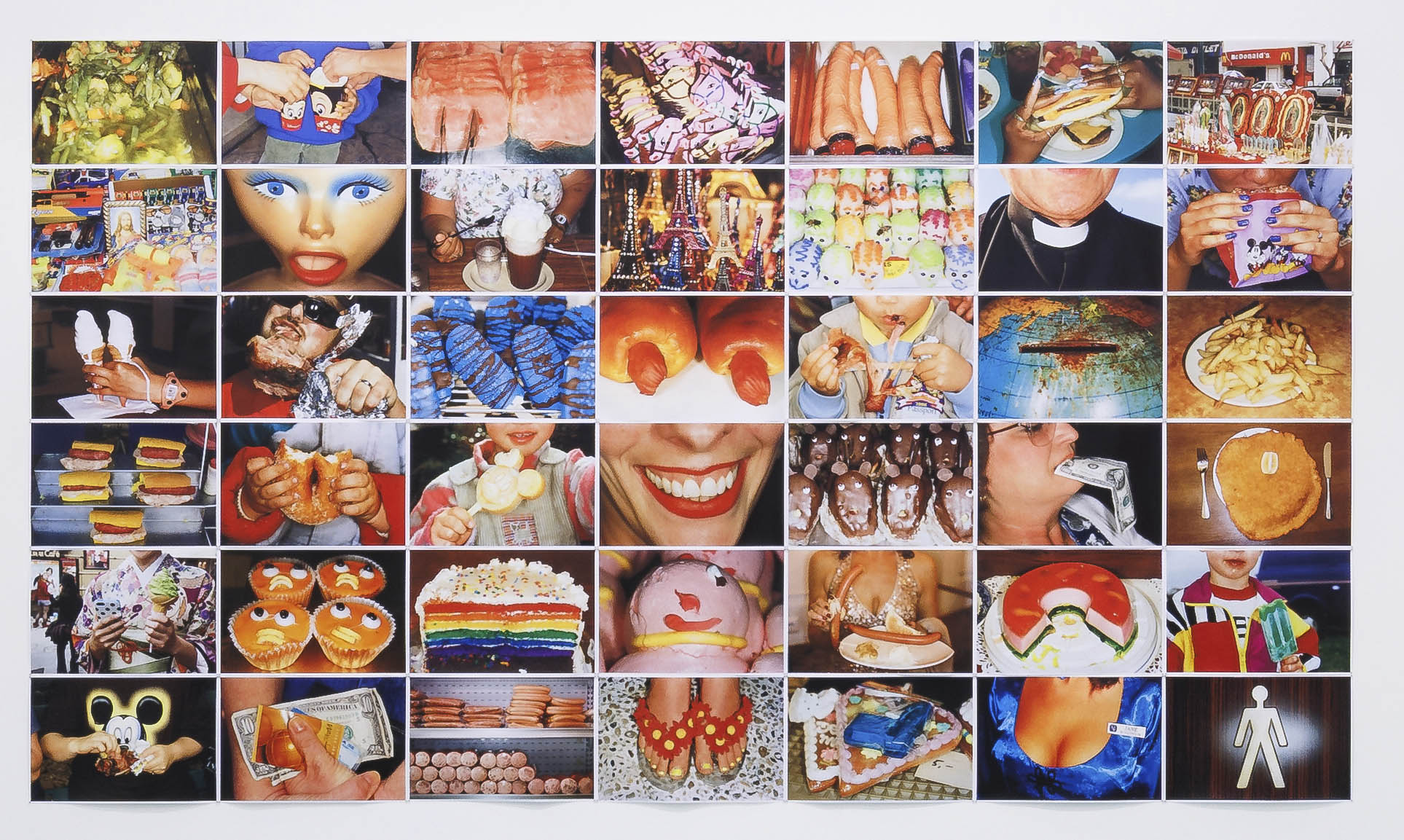
Installation views of the exhibition Martin Parr: Global Warning at Jeu de Paume, Paris, January – May, 2026 showing photographs from Martin Parr’s series Common Sense (1999, below)
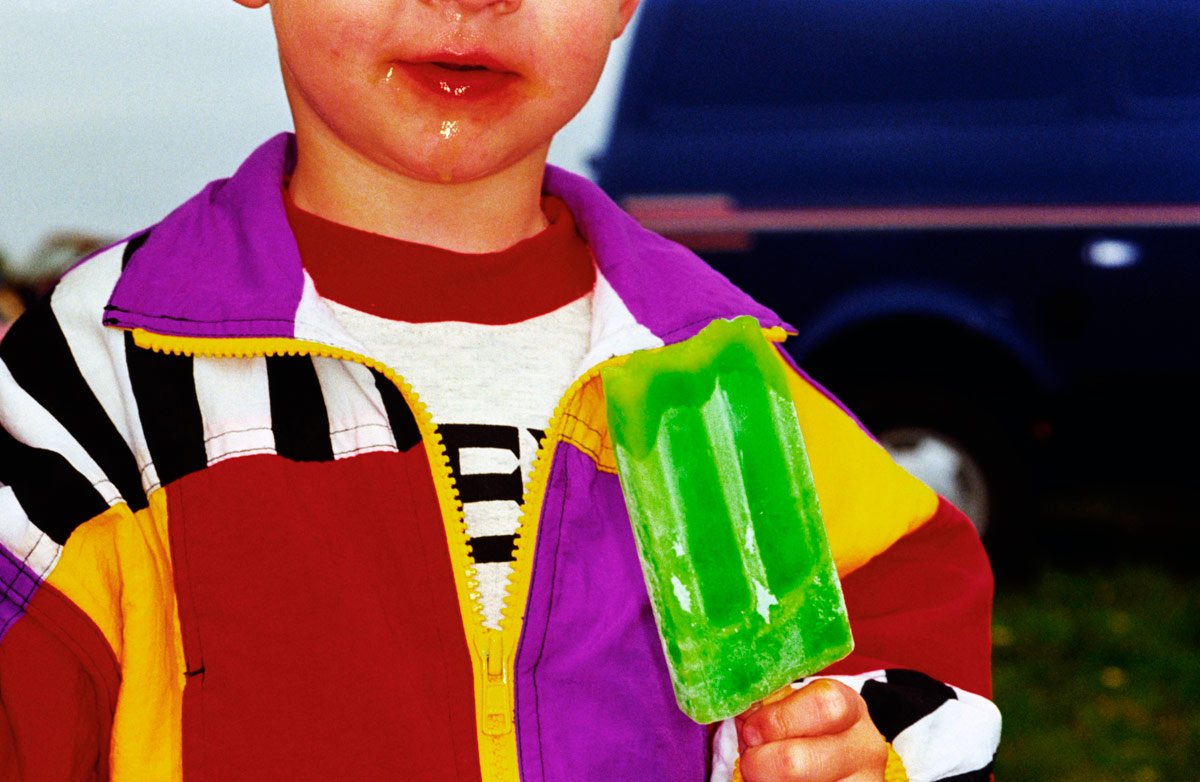
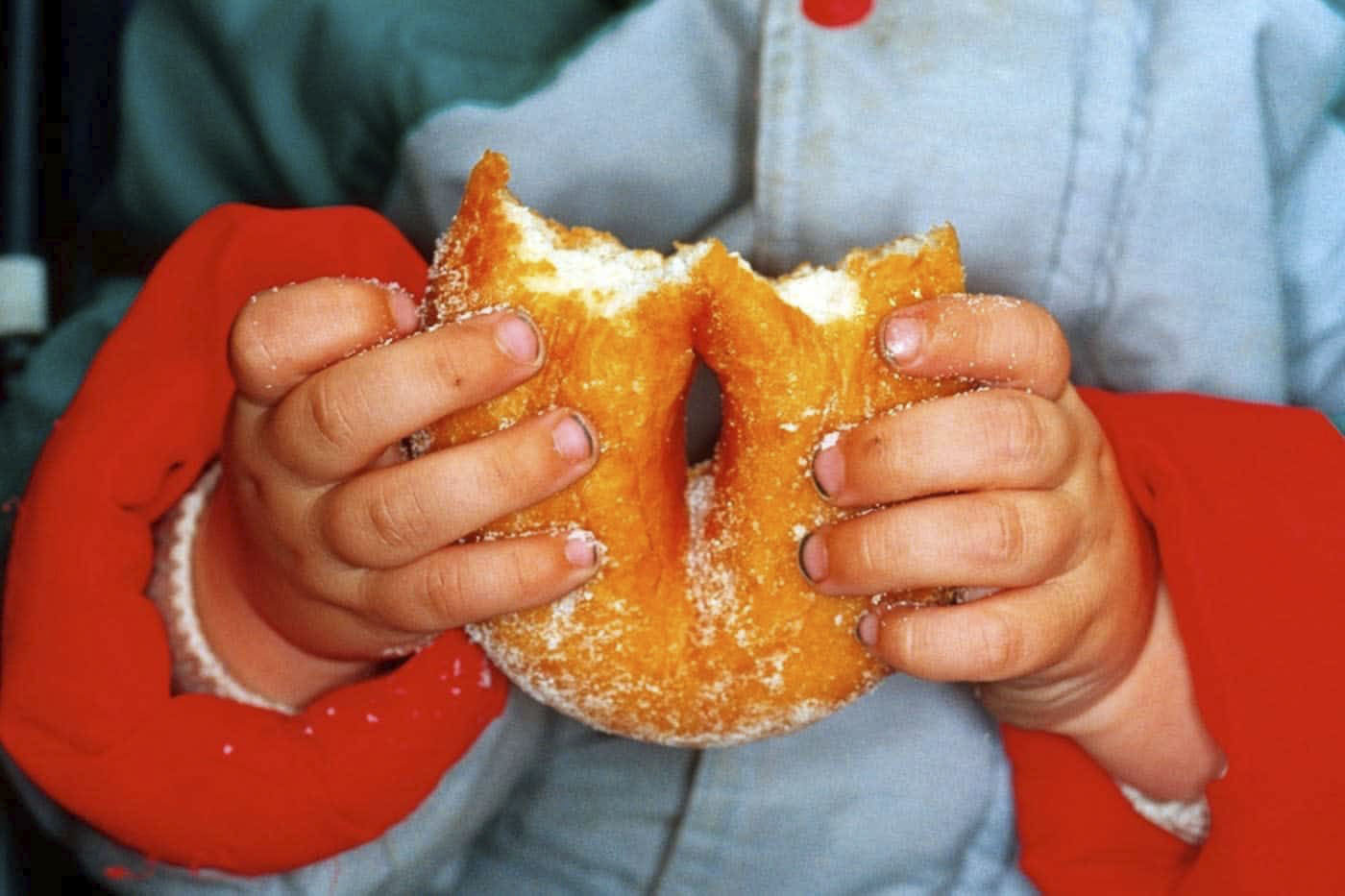
In his playfully titled Common sense series, British photographer Martin Parr confronts and amuses us in a similar way. Each image in the series is an isolated detail revealing one ghastly aspect of excessive consumerism and consumption after another. The images jostle for our attention like billboards on the side of a freeway, employing many of the tactics of advertising, using large-scale, saturated colour and shock value to attract our gaze.
In his photographs of food, Martin Parr pointedly examines the gross indulgence that is encouraged by manufacturers and their advertisers. Shown here as just another commodity, generic and mass-produced food becomes obscene in its abundance…. When seen in such lurid detail, the overblown details on the person’s hands, such as the ring with blue stone, a Band-Aid, and the imperfect application of the gaudy nail polish, become repulsive images of the ordinary. …
The Common sense series is a major body of work within Parr’s ongoing exploration of globalisation, mass tourism, class culture and consumerism. In common with much of his work, this series presents images critical of the contemporary culture with a distinctive sense of irony and British humour. There is something uncomfortable in all these photographs. We laugh at them while being slightly embarrassed by their familiarity and are acutely aware of the gulf between a dream of glamour and the sad synthetic reality.
Susan van Wyk, Curator, Photography, National Gallery of Victoria
Susan van Wyk. “Martin Parr’s Common Sense,” in Art Journal 46, 29 Jan 14 on the National Gallery of Victoria website [Online] Cited 16/04/2026. Used under fair use conditions for the purposes of education and research
Martin Parr (British, 1952-2025)
England. Bristol. Car boot sale. 1995
1994-1995
From Common Sense
© Martin Parr / Magnum Photos
Martin Parr (British, 1952-2025)
Ramsgate, England
1996
From Common Sense
© Martin Parr / Magnum Photos
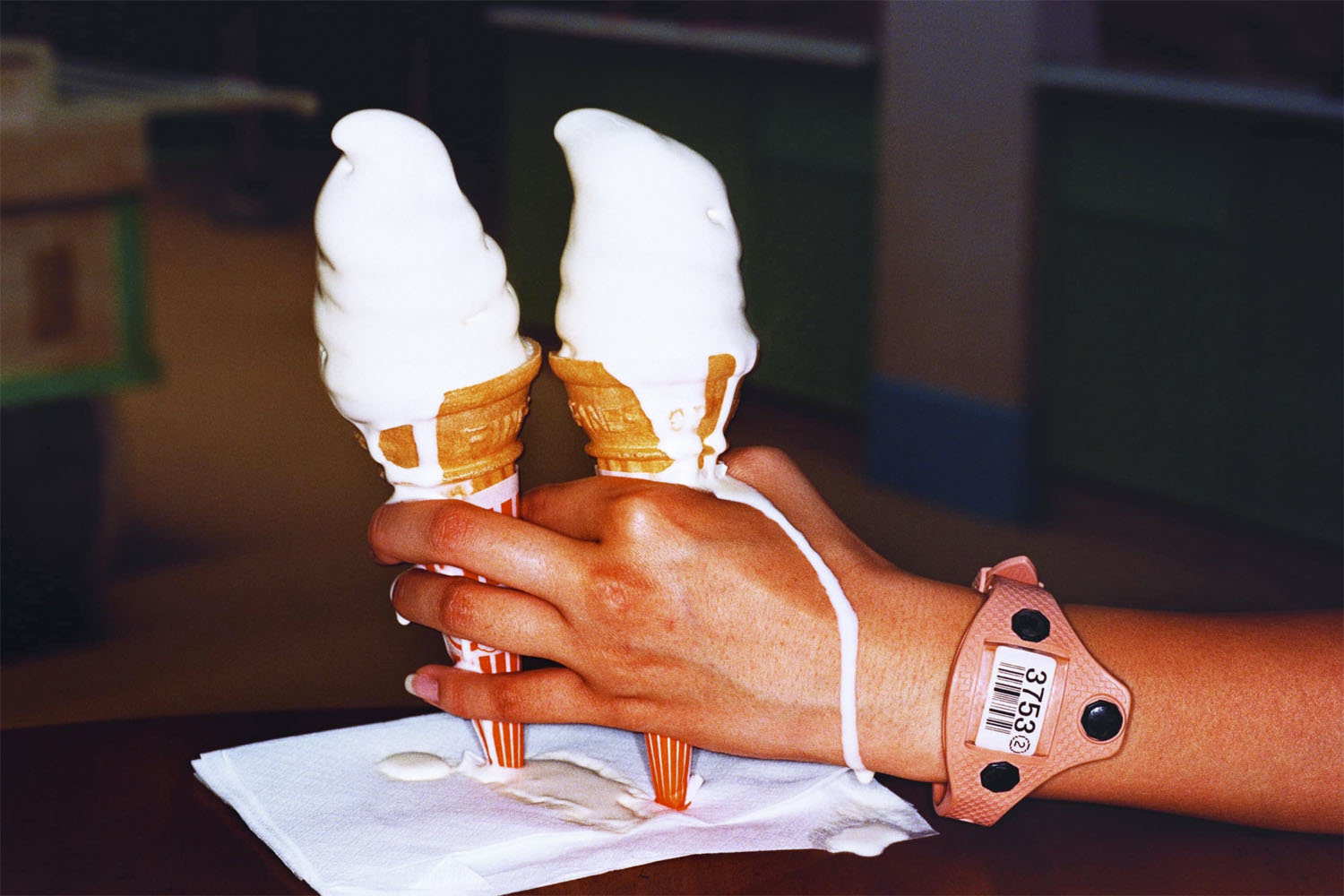
Martin Parr (English, 1952-2025)
Tokyo, Japan
1998
From Common Sense
© Martin Parr / Magnum Photos
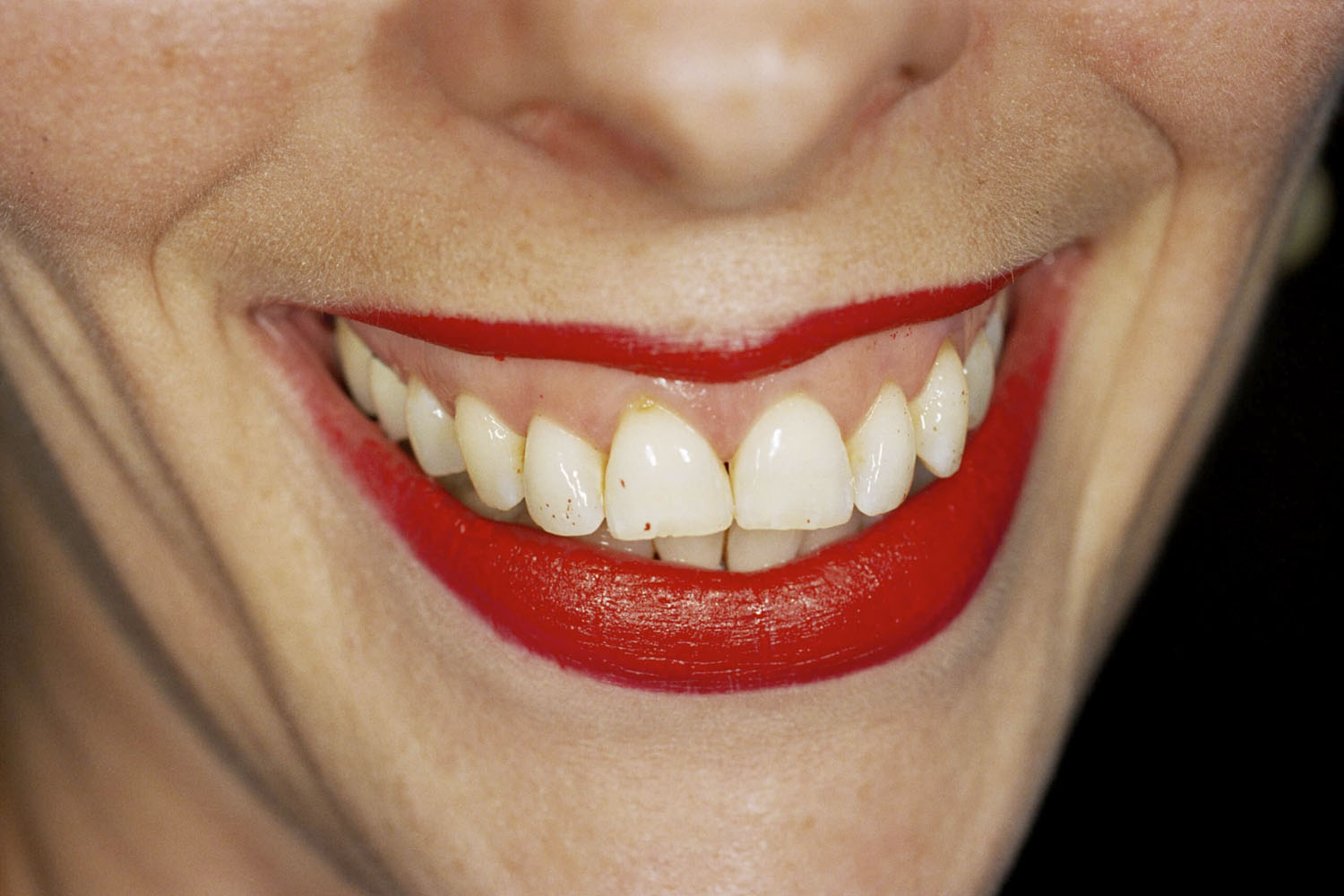
Martin Parr (English, 1952-2025)
Zurich, Switzerland
1997
From Common Sense
© Martin Parr / Magnum Photos
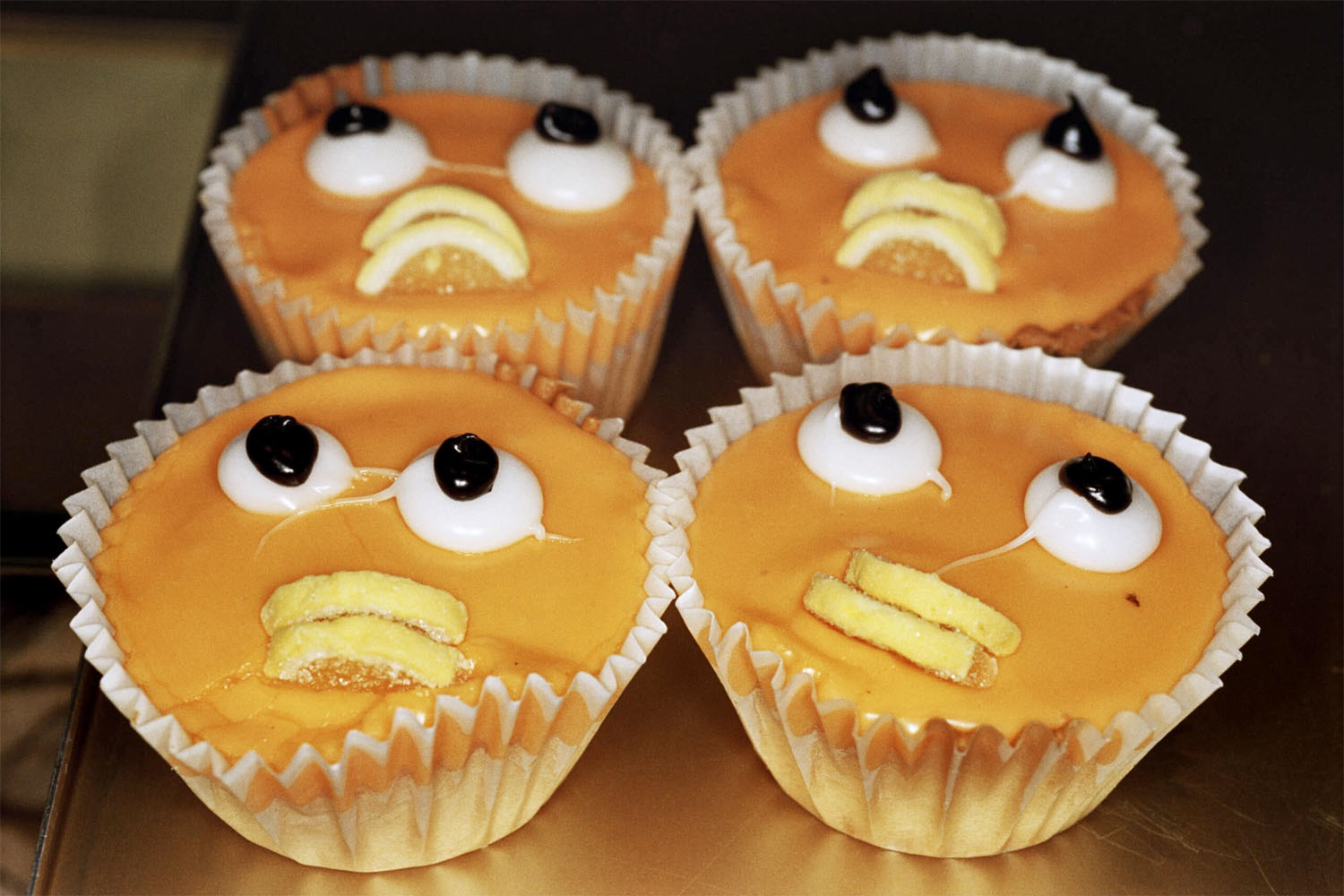
Martin Parr (English, 1952-2025)
Fairy Cakes, Glasgow, Scotland
1999
From Common Sense
© Martin Parr / Magnum Photos
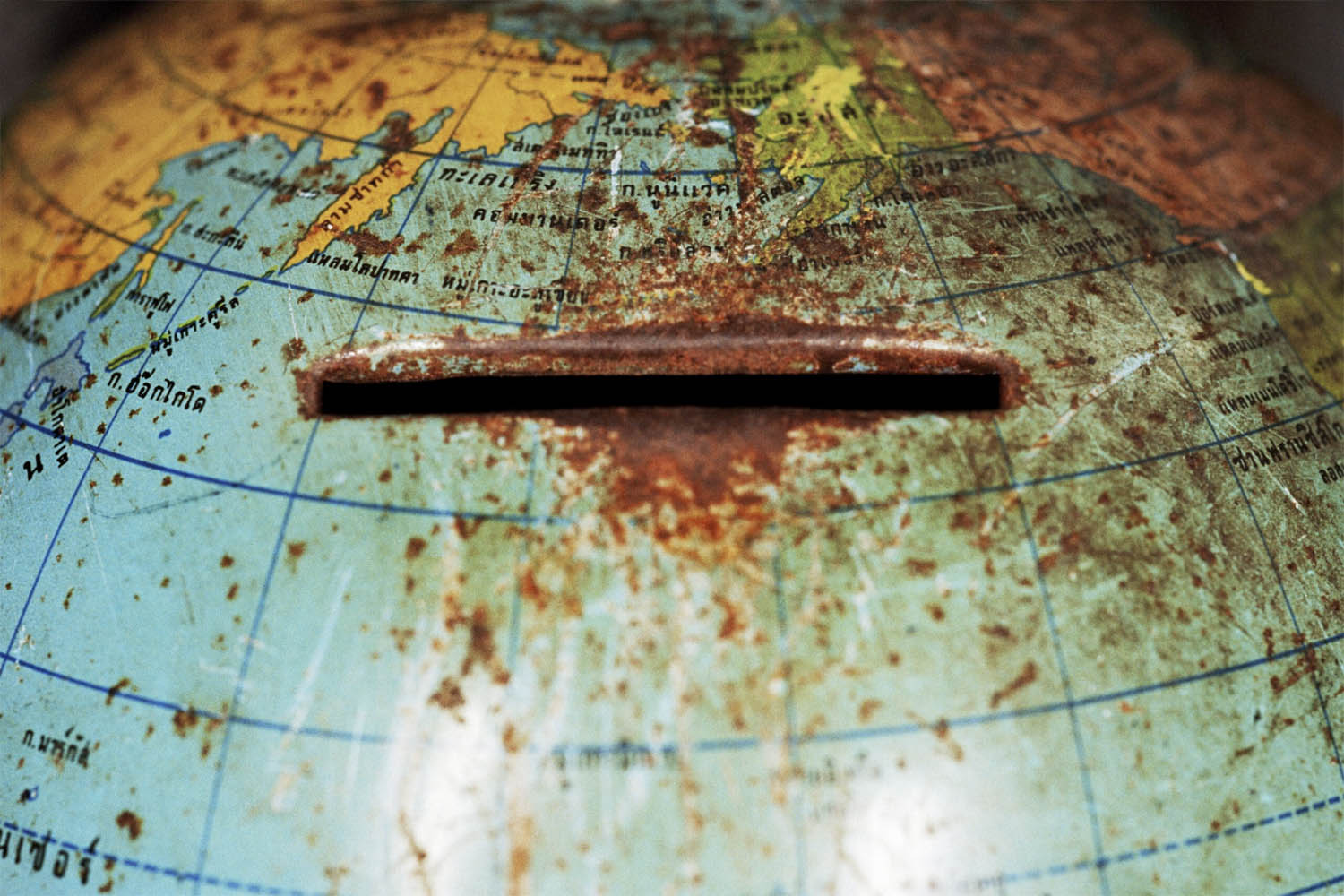
Martin Parr (English, 1952-2025)
Zurich, Switzerland
1997
From Common Sense
© Martin Parr / Magnum Photos
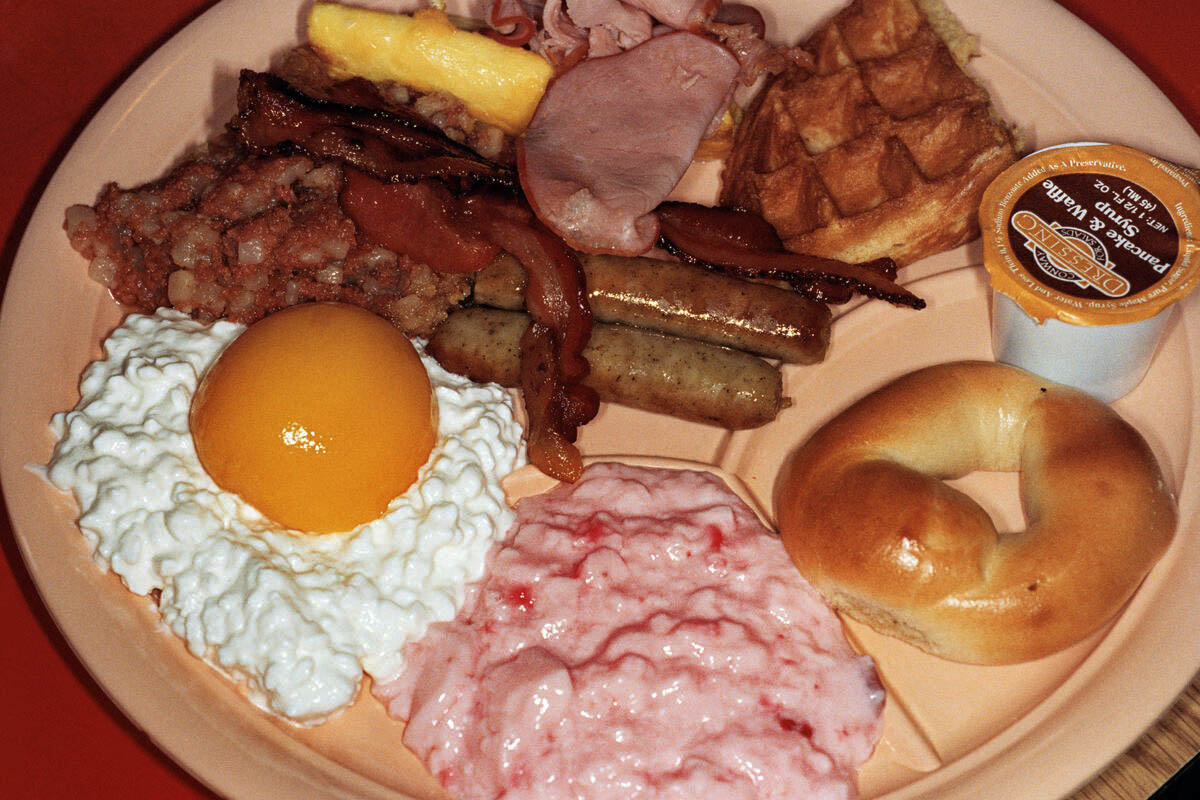
Martin Parr (English, 1952-2025)
Florida, USA
1998
© Martin Parr / Magnum Photos
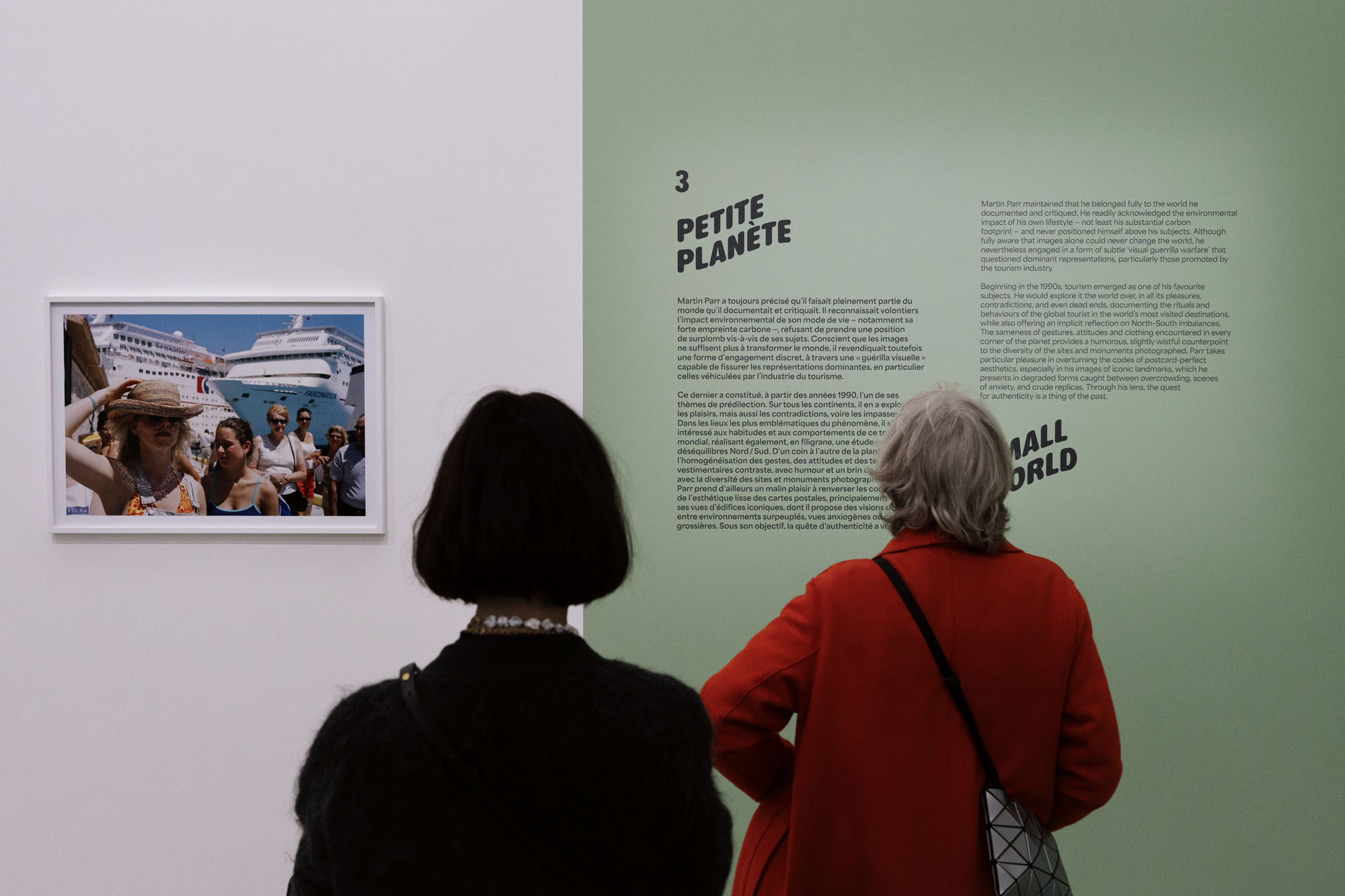
Installation view of the exhibition Martin Parr: Global Warning at Jeu de Paume, Paris, January – May, 2026 showing at left, Martin Parr’s Cozumel, Mexico (2002, below); and at right, the wall text for “Small World”
Small World
Martin Parr maintained that he belonged fully to the world he documented and critiqued. He readily acknowledged the environmental impact of his own lifestyle – not least his substantial carbon footprint – and near positioned himself above his subjects. Although fully aware that images alone could never change the world, he nevertheless engaged in a form of subtle, visual guerrilla warfare that questioned dominant representations, particularly those promoted by the tourism industry.
Beginning in the 1990s, tourism emerged as one of his favourite subjects. He would explore it the world over, in all its pleasures, contradictions, and even dead ends, documenting the rituals and behaviours of the global tourist in the world’s most visited destinations. The sameness of gestures, attitudes and clothing encountered in every corner of the planet provides a humorous, slightly wistful counterpoint to the diversity of the sites and monuments photographed. Parr takes particular pleasure in overturning the codes of postcard perfect aesthetics, especially in his images of iconic landmarks, which he presents in degraded forms caught between over crowding, scenes of anxiety, and crude replicas. Through his lens, the quest for authenticity is a thing of the past.
Wall text from the exhibition
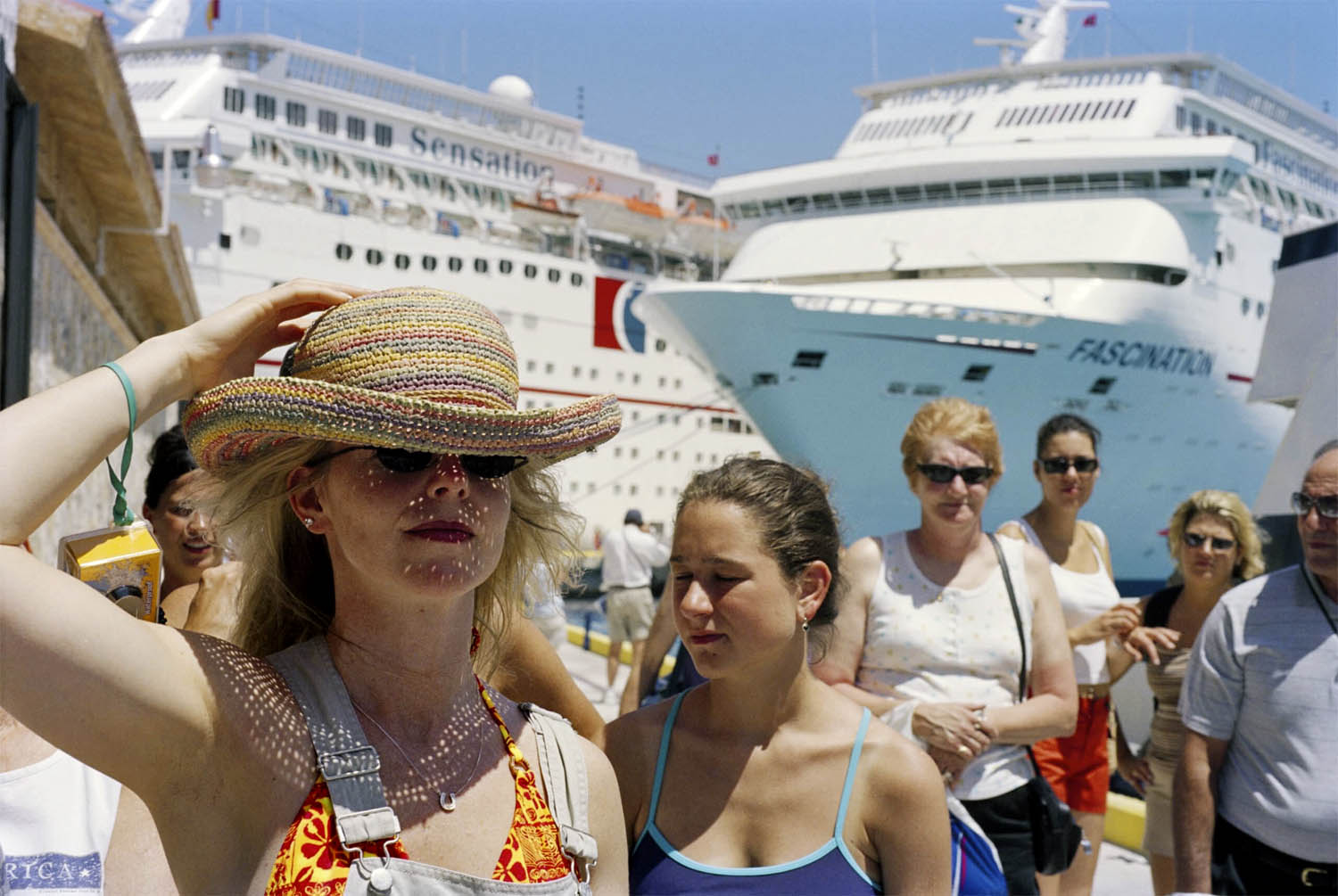
Martin Parr (English, 1952-2025)
Cozumel, Mexico
2002
© Martin Parr / Magnum Photos
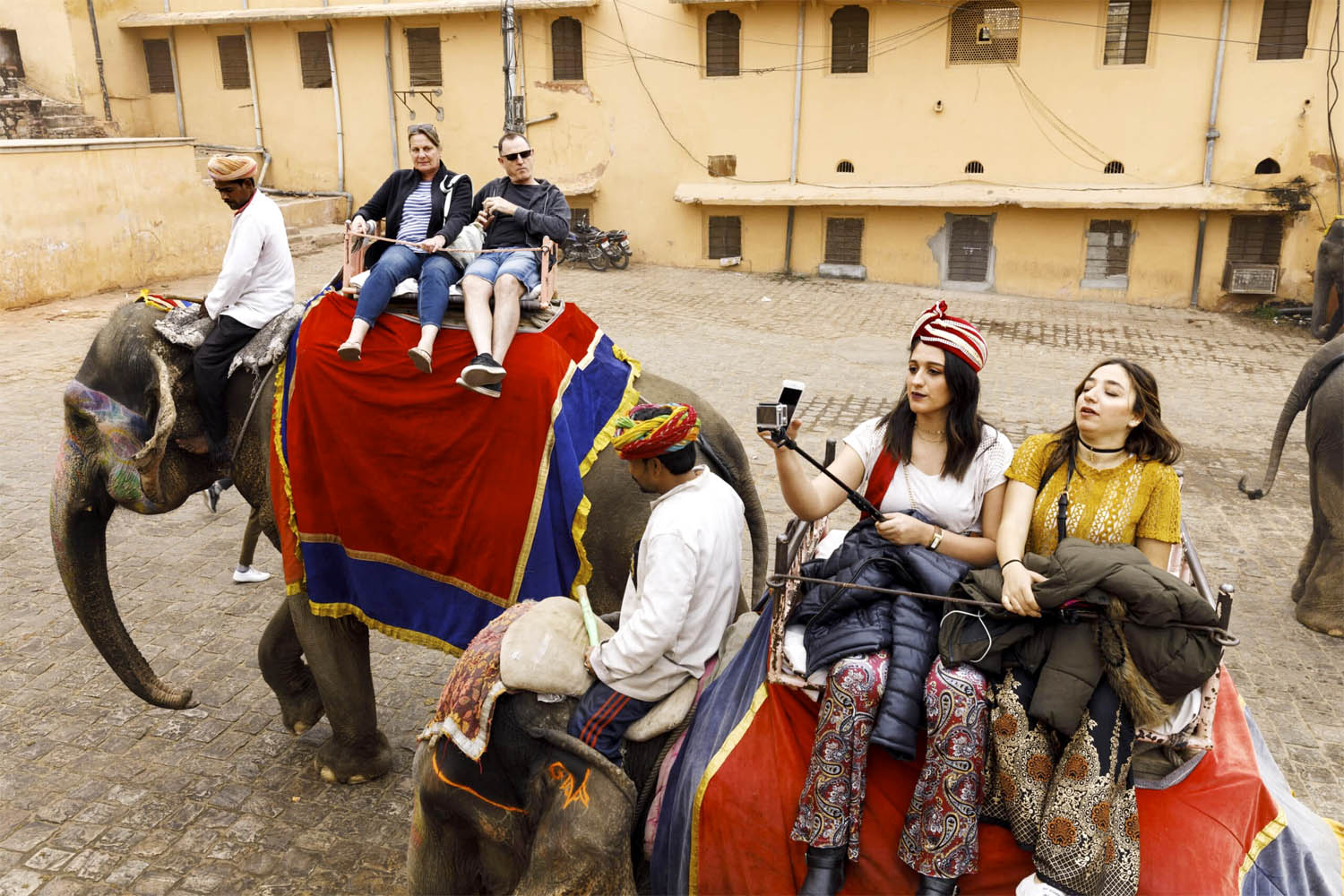
Martin Parr (English, 1952-2025)
Amer Fort, Jaipur, India
2019
© Martin Parr / Magnum Photos
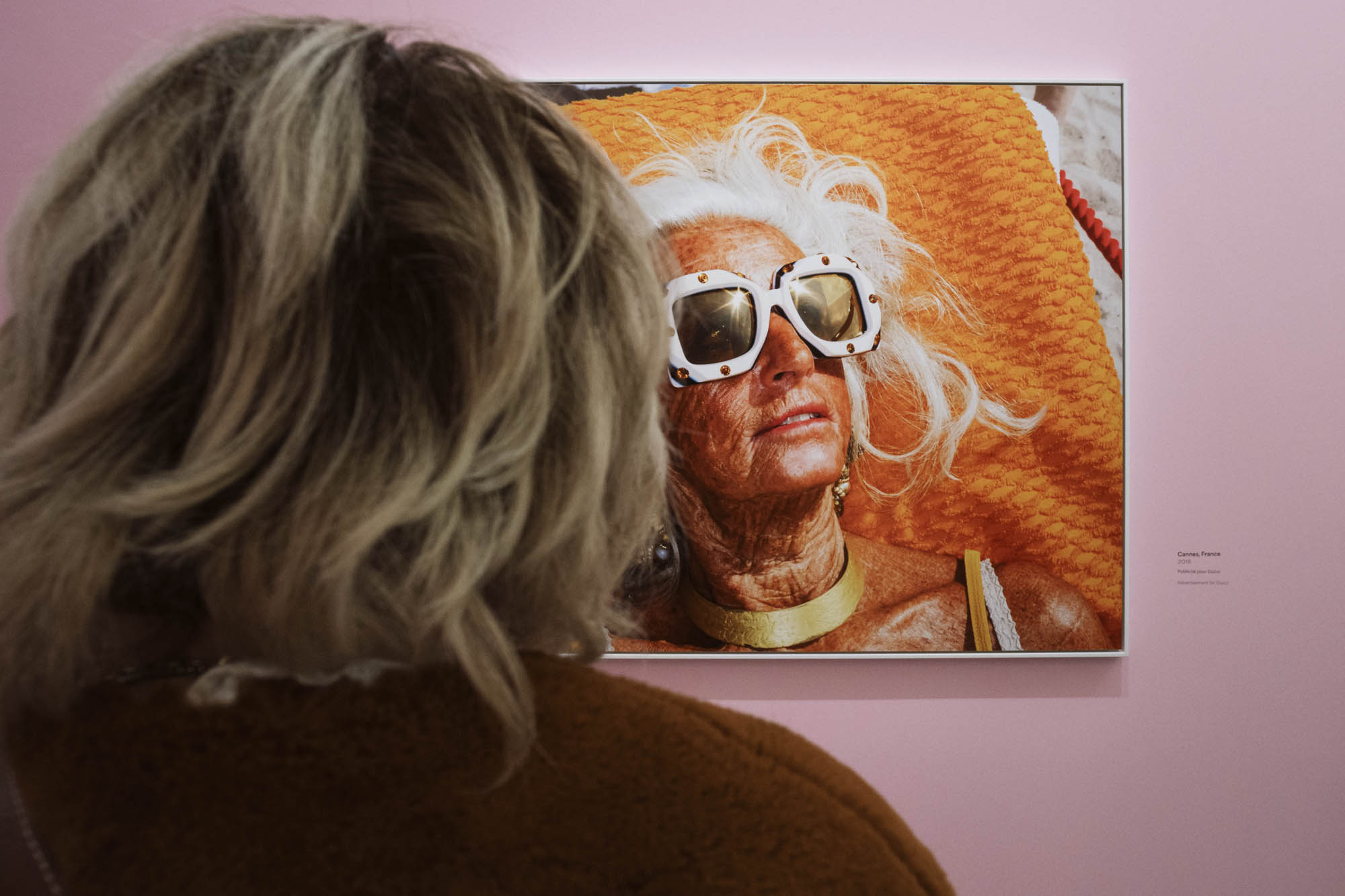
Installation view of the exhibition Martin Parr: Global Warning at Jeu de Paume, Paris, January – May, 2026 showing Parr’s photograph Cannes, France (2018, below)
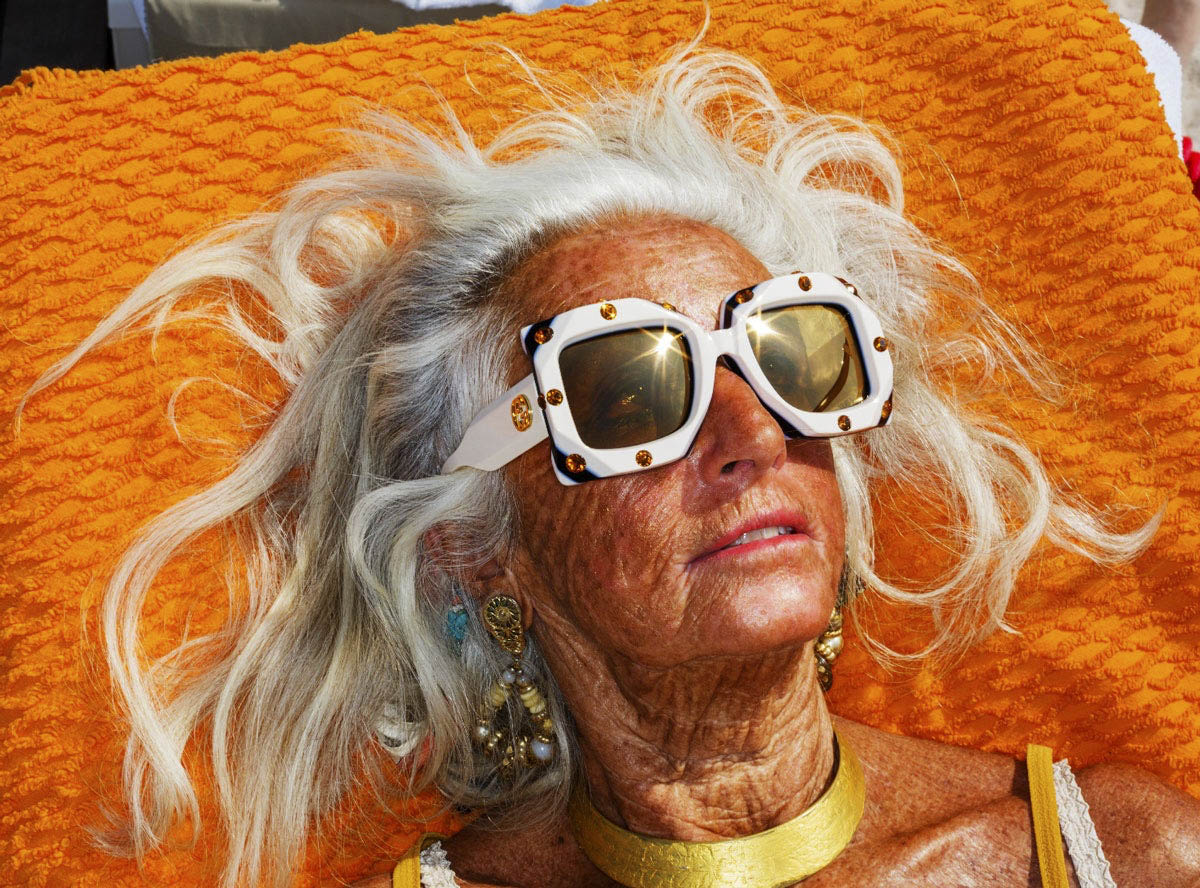
Martin Parr (English, 1952-2025)
Cannes, France
2018
© Martin Parr / Magnum Photos
Advertisement for Gucci
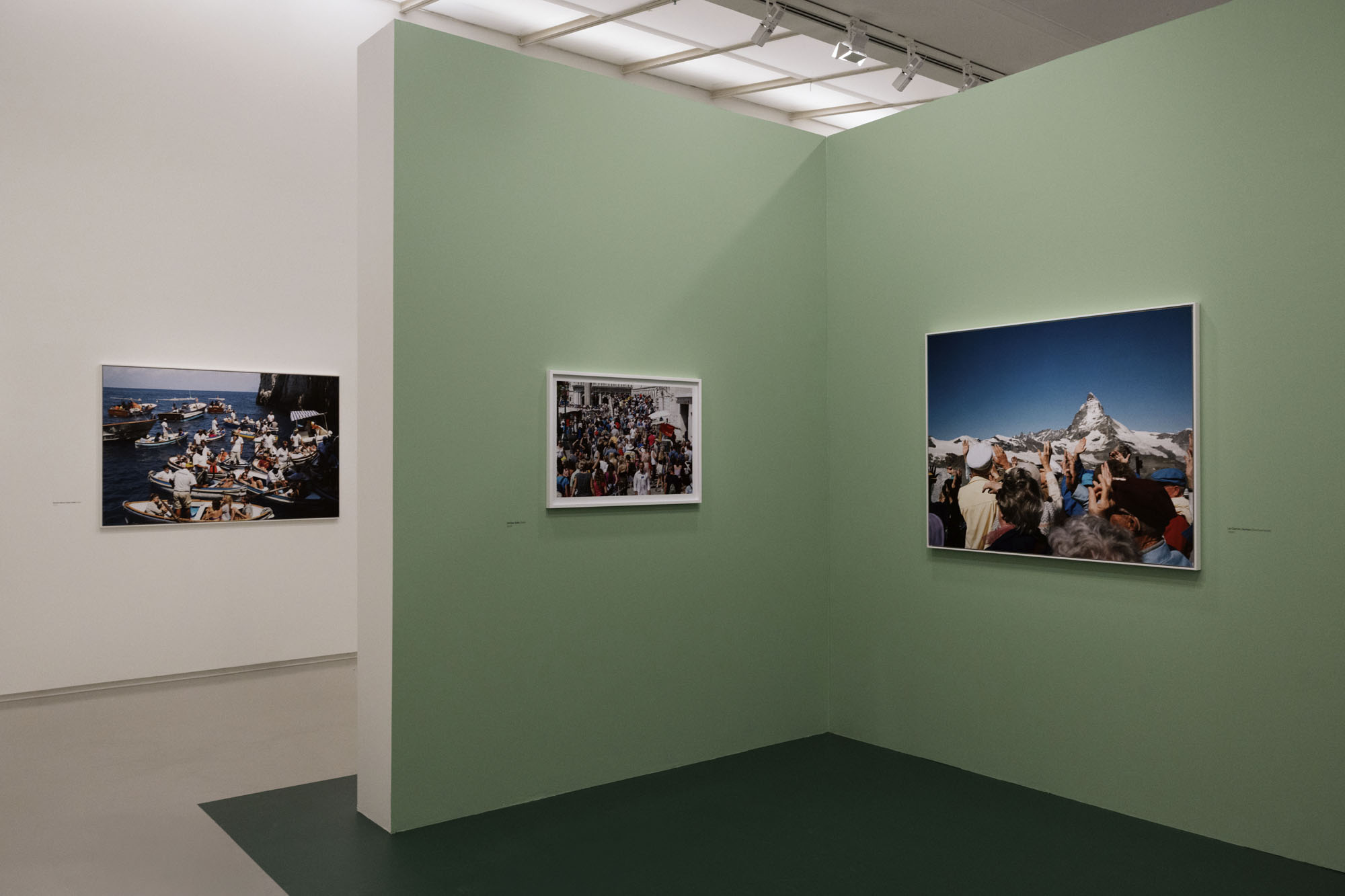
Installation view of the exhibition Martin Parr: Global Warning at Jeu de Paume, Paris, January – May, 2026 showing at left, Martin Parr’s photograph Sorrento, Italy (2014, below); and at right, The Matterhorn, Alps, Switzerland (1990)
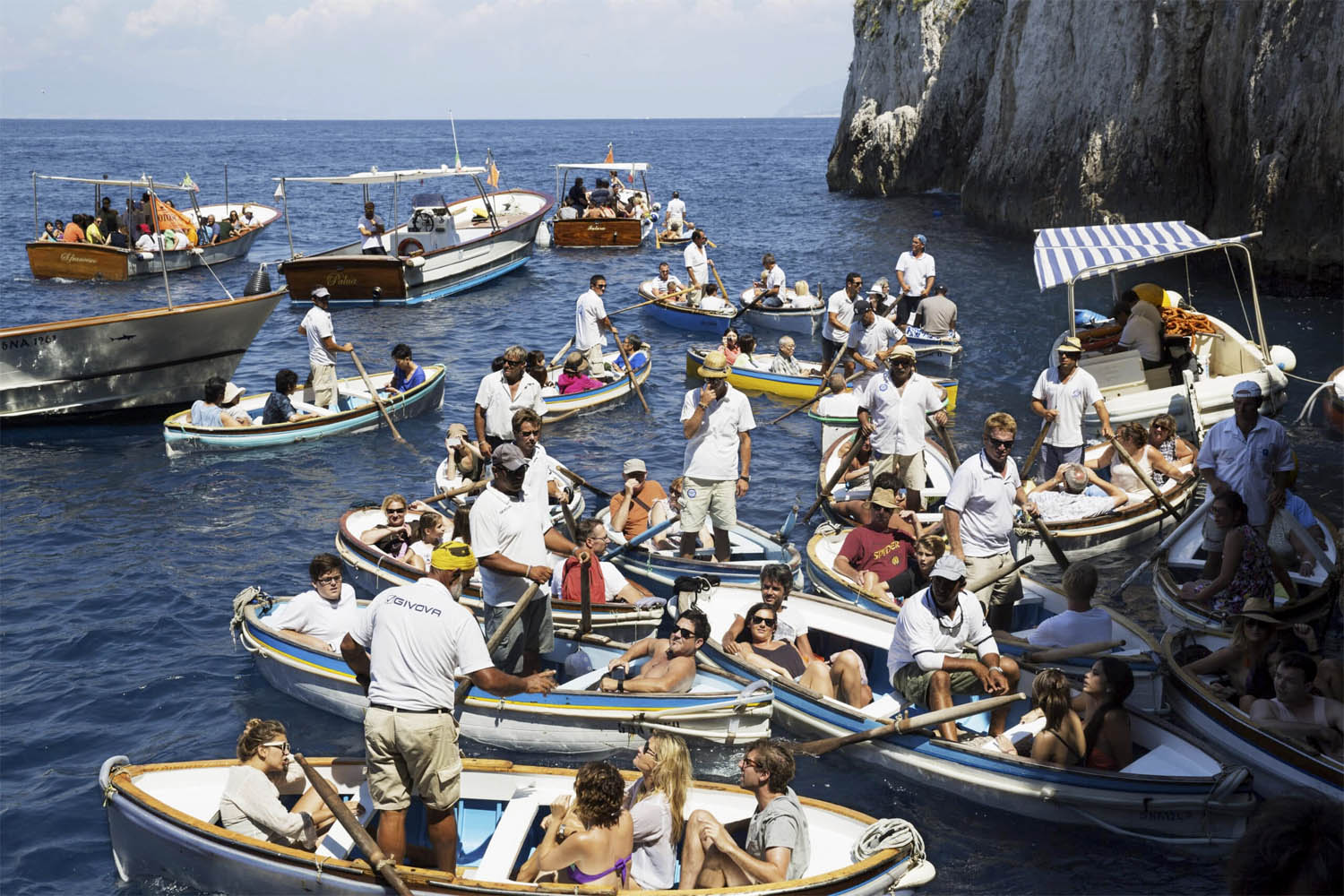
Martin Parr (English, 1952-2025)
Sorrento, Italy
2014
© Martin Parr / Magnum Photos
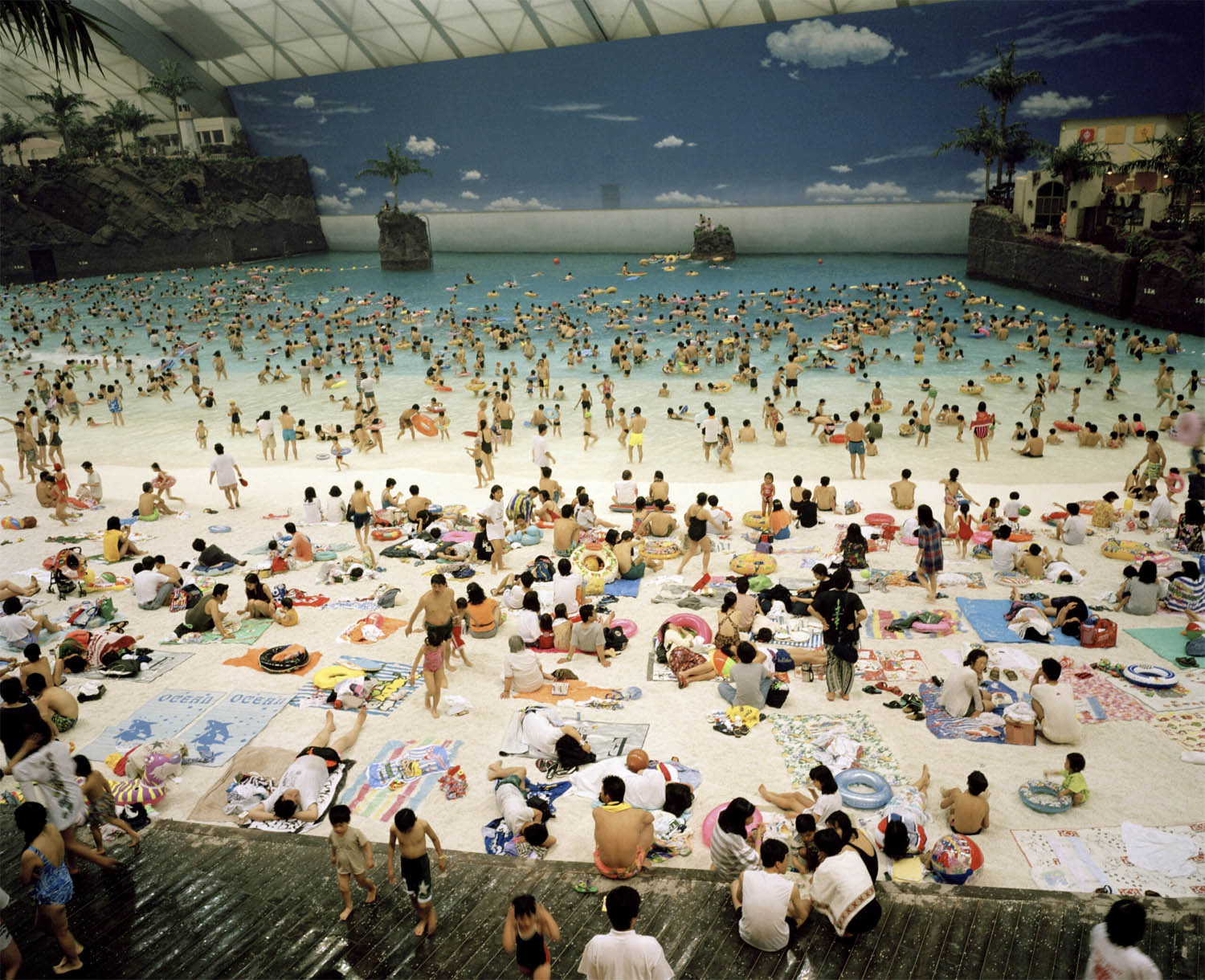
Martin Parr (English, 1952-2025)
The Artificial beach inside the Ocean Dome, Seagaia Ocean Dome, Miyazaki, Japan
1996
© Martin Parr / Magnum Photos
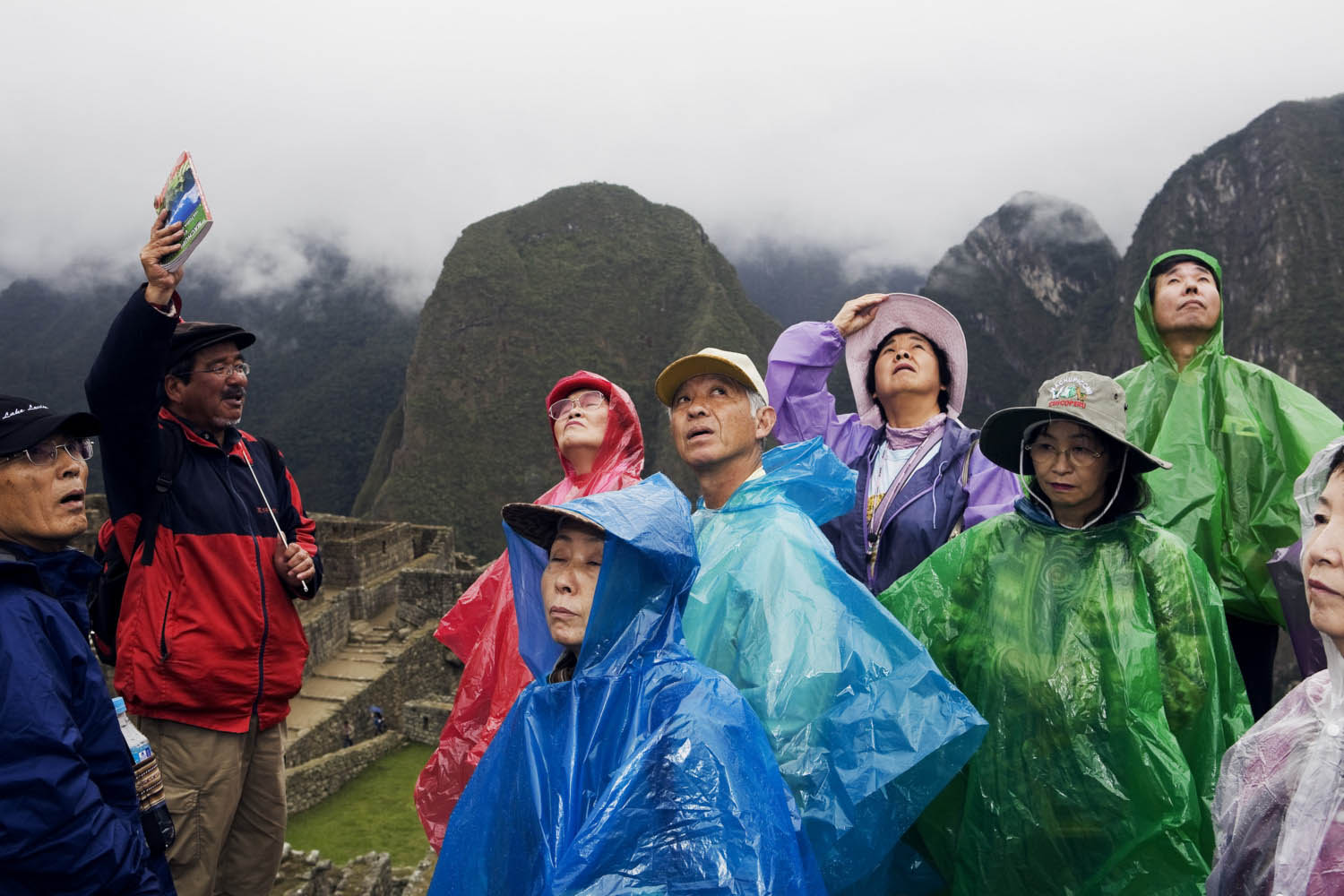
Martin Parr (English, 1952-2025)
Machu Picchu, Peru
2008
© Martin Parr / Magnum Photos
‘Between the hours of 10am and 2pm the site is at its busiest with up to 4,000 visitors arriving each day. Knowing how inaccessible the place is, it is staggering where and how they emerge. It is also not a cheap visit as each foreign tourist has to pay 122 soies (roughly $40) to enter the site. I am convinced that this entrance payment, together with the cost of the journey and the trekking are probably keeping the Peruvian economy afloat, as 70% of all visitors are foreigners.’
From Martin Parr’s blog, Machu Picchu, 2008
Wall text from the exhibition
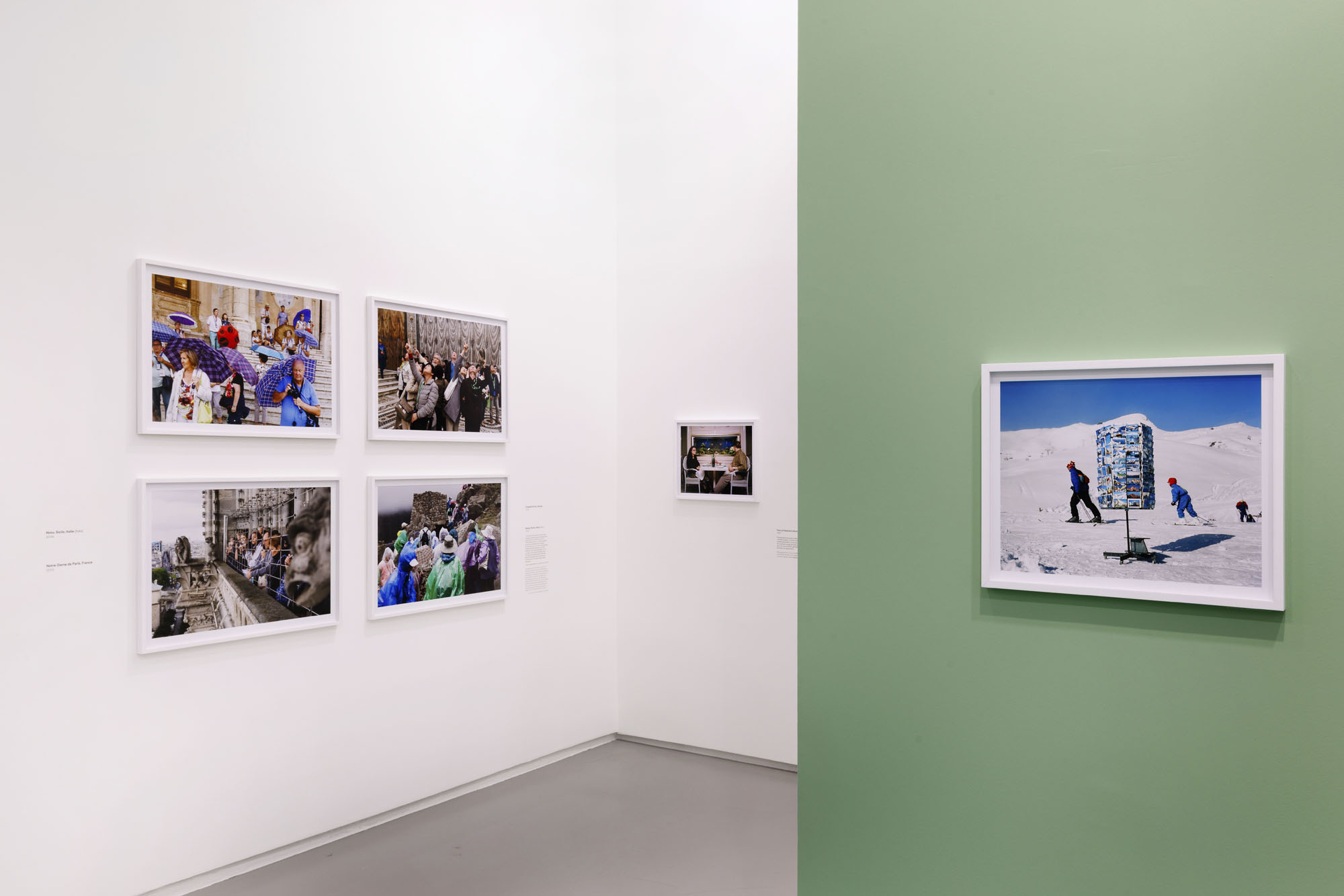
Installation view of the exhibition Martin Parr: Global Warning at Jeu de Paume, Paris, January – May, 2026 showing at bottom left, Martin Parr’s photograph Notre Dame, Paris, France (2012, below); and at right, Kleine Scheidegg, Switzerland (1994, below)
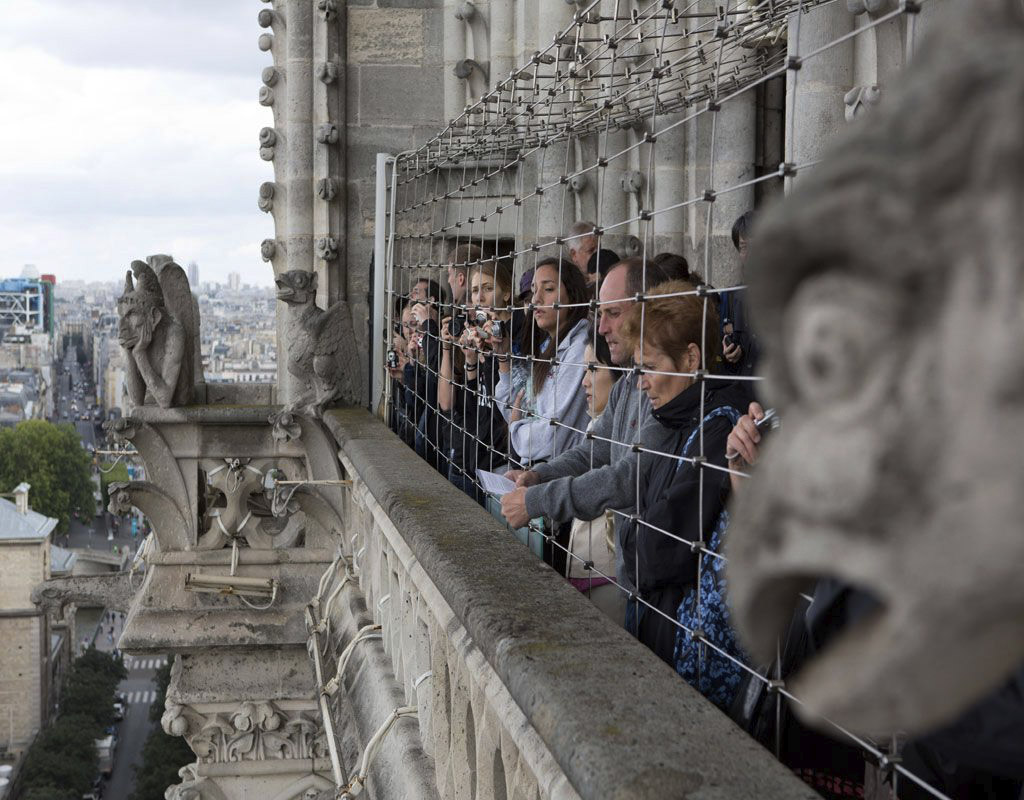
Martin Parr (English, 1952-2025)
Notre Dame, Paris, France
2012
© Martin Parr / Magnum Photos
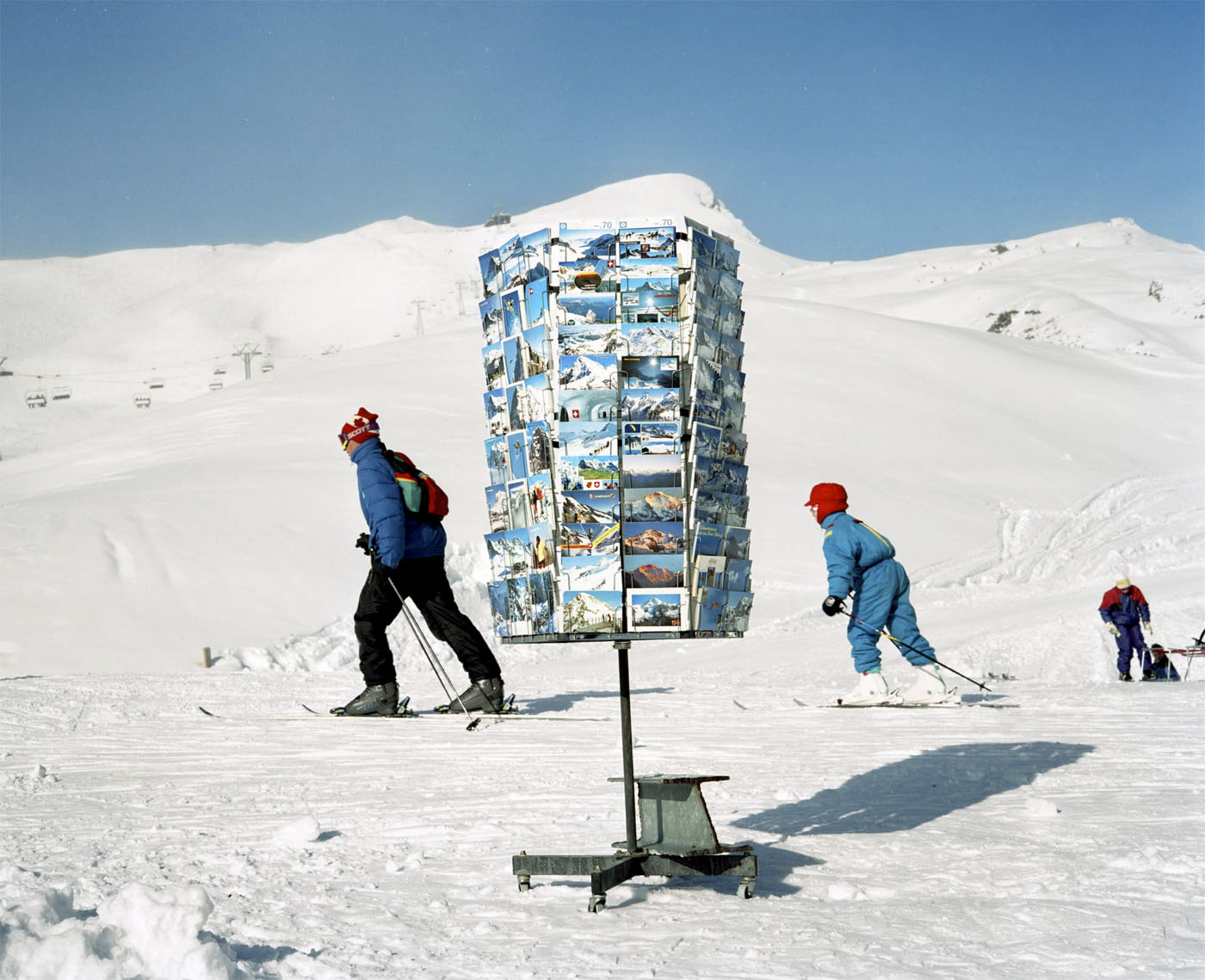
Martin Parr (English, 1952-2025)
Kleine Scheidegg, Switzerland
1994
© Martin Parr / Magnum Photos
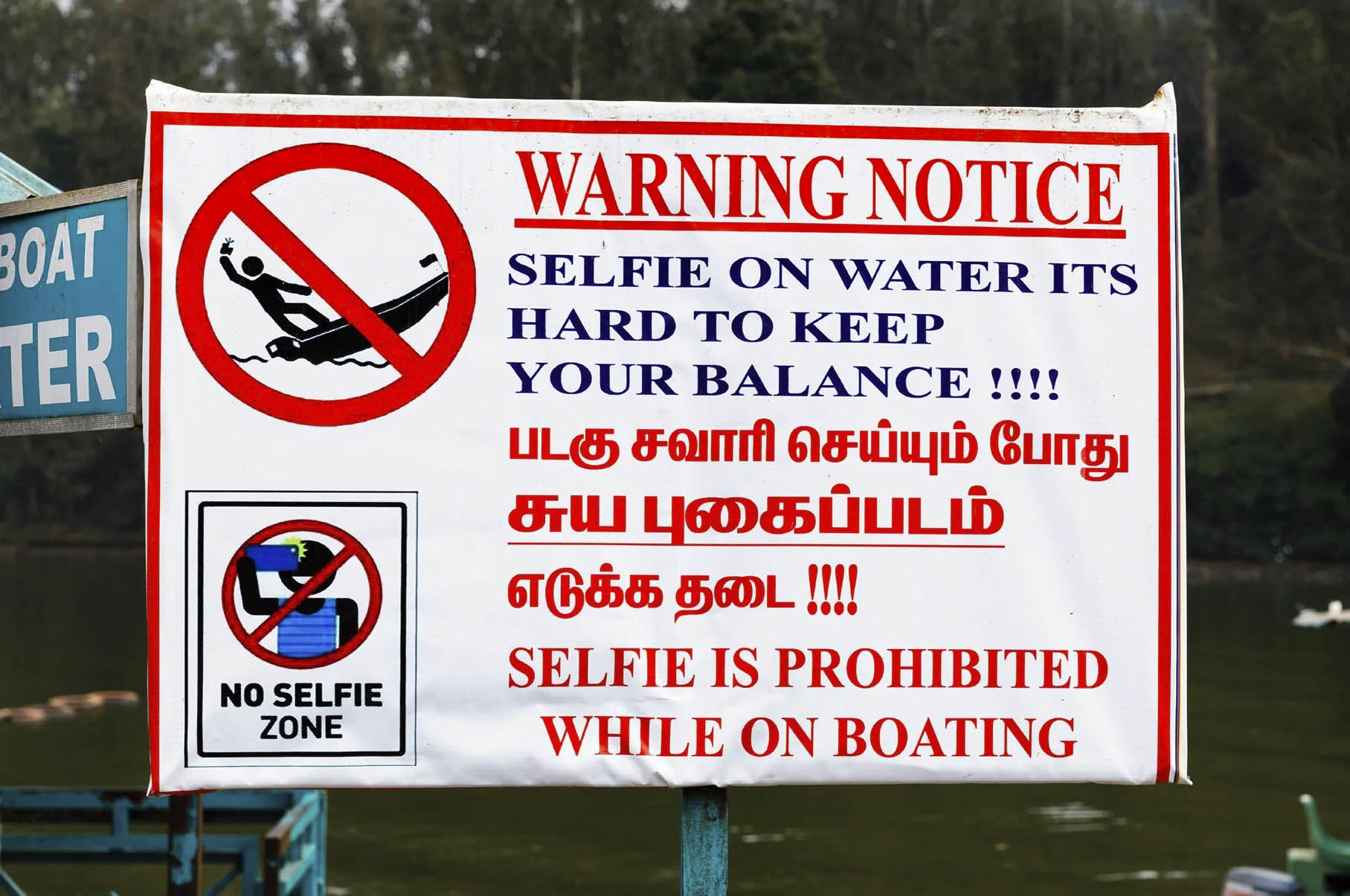
Martin Parr (English, 1952-2025)
Ooty, India
2018
© Martin Parr / Magnum Photos
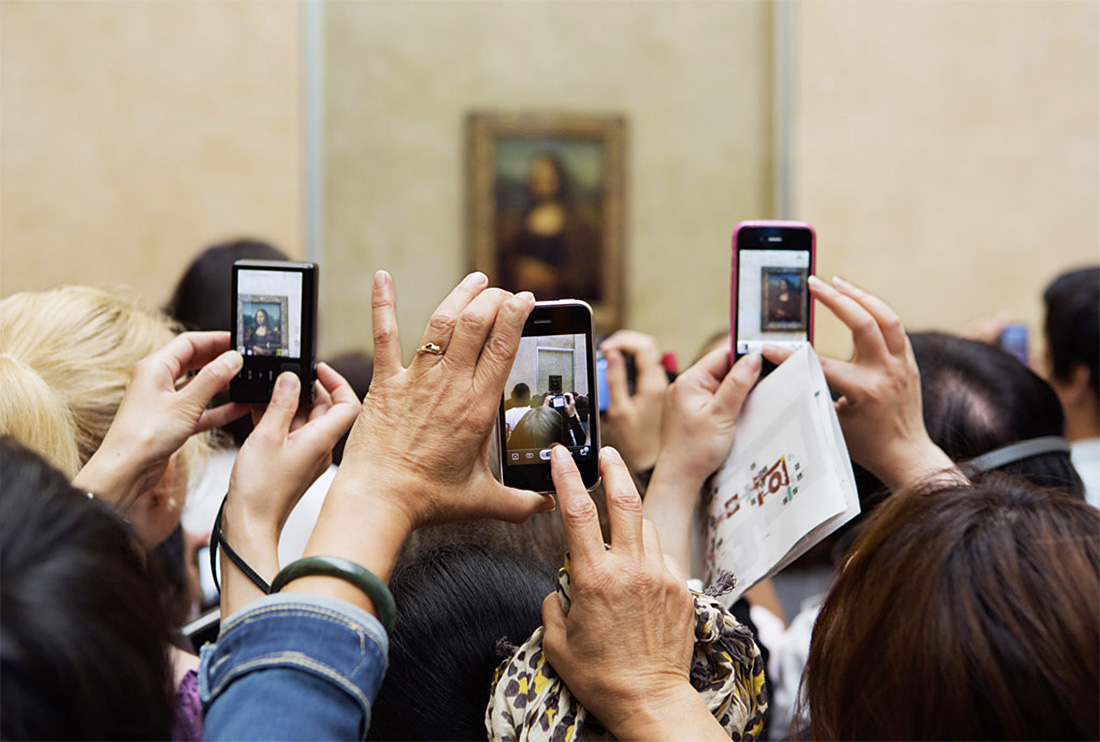
Martin Parr (English, 1952-2025)
Musée du Louvre, Paris, France
2012
© Martin Parr / Magnum Photos
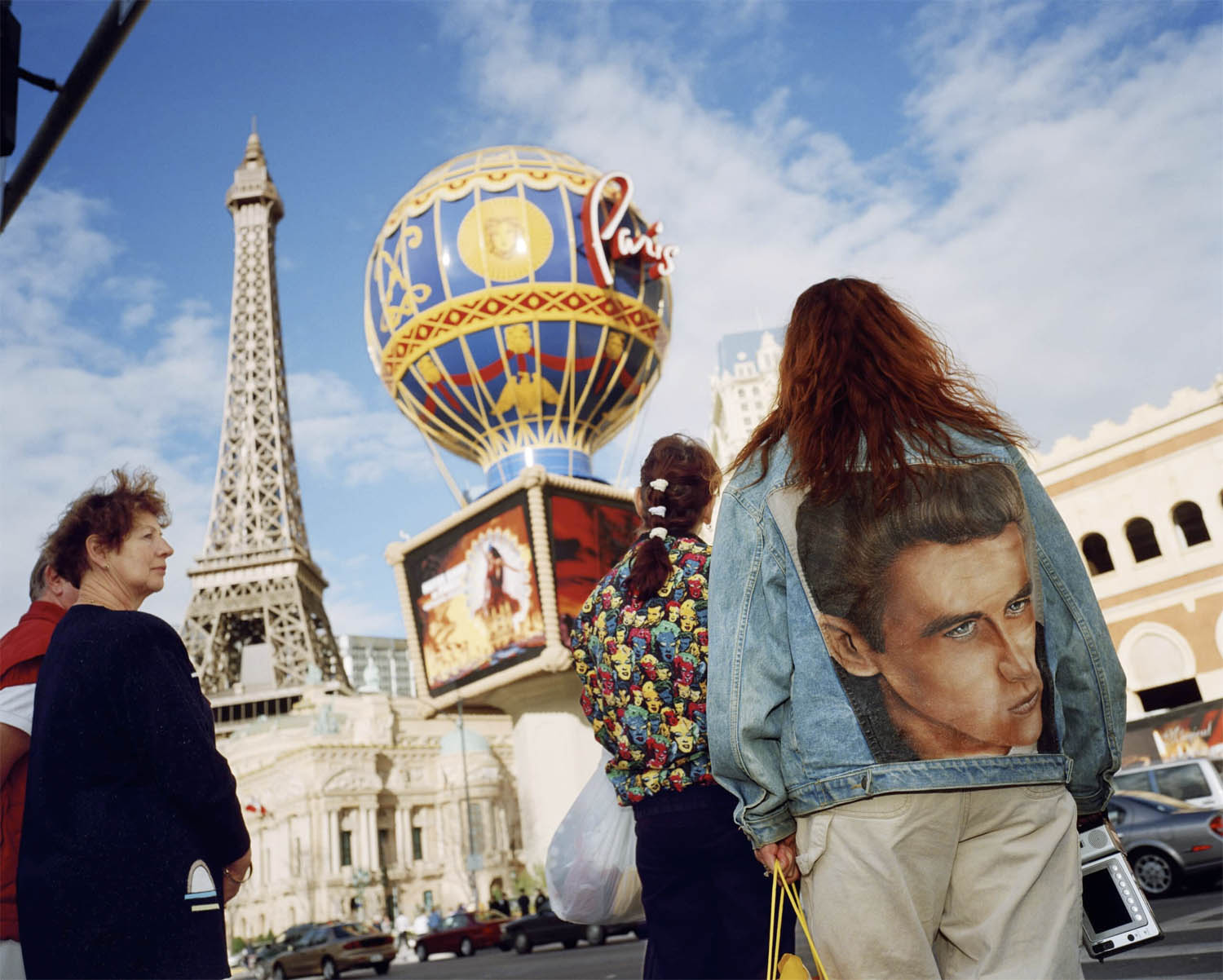
Martin Parr (English, 1952-2025)
Las Vegas, USA
2000
© Martin Parr / Magnum Photos
The Animal Kingdom
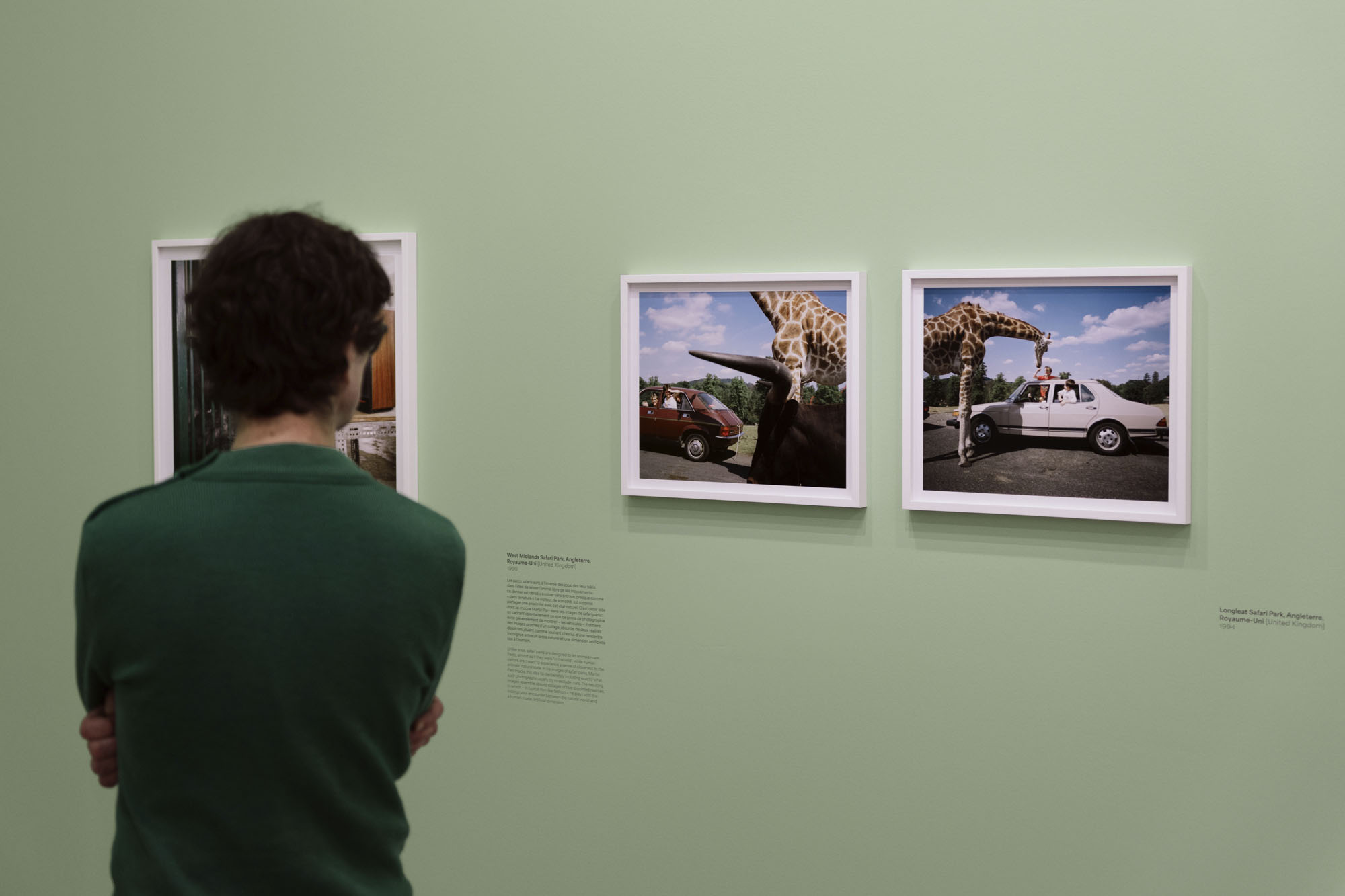
Installation view of the exhibition Martin Parr: Global Warming at Jeu de Paume, Paris, January – May, 2026 showing at left, Martin Parr’s West Midlands Safari Park, United Kingdom (1990); and at right, Longleat Safari Park, United Kingdom (1994)
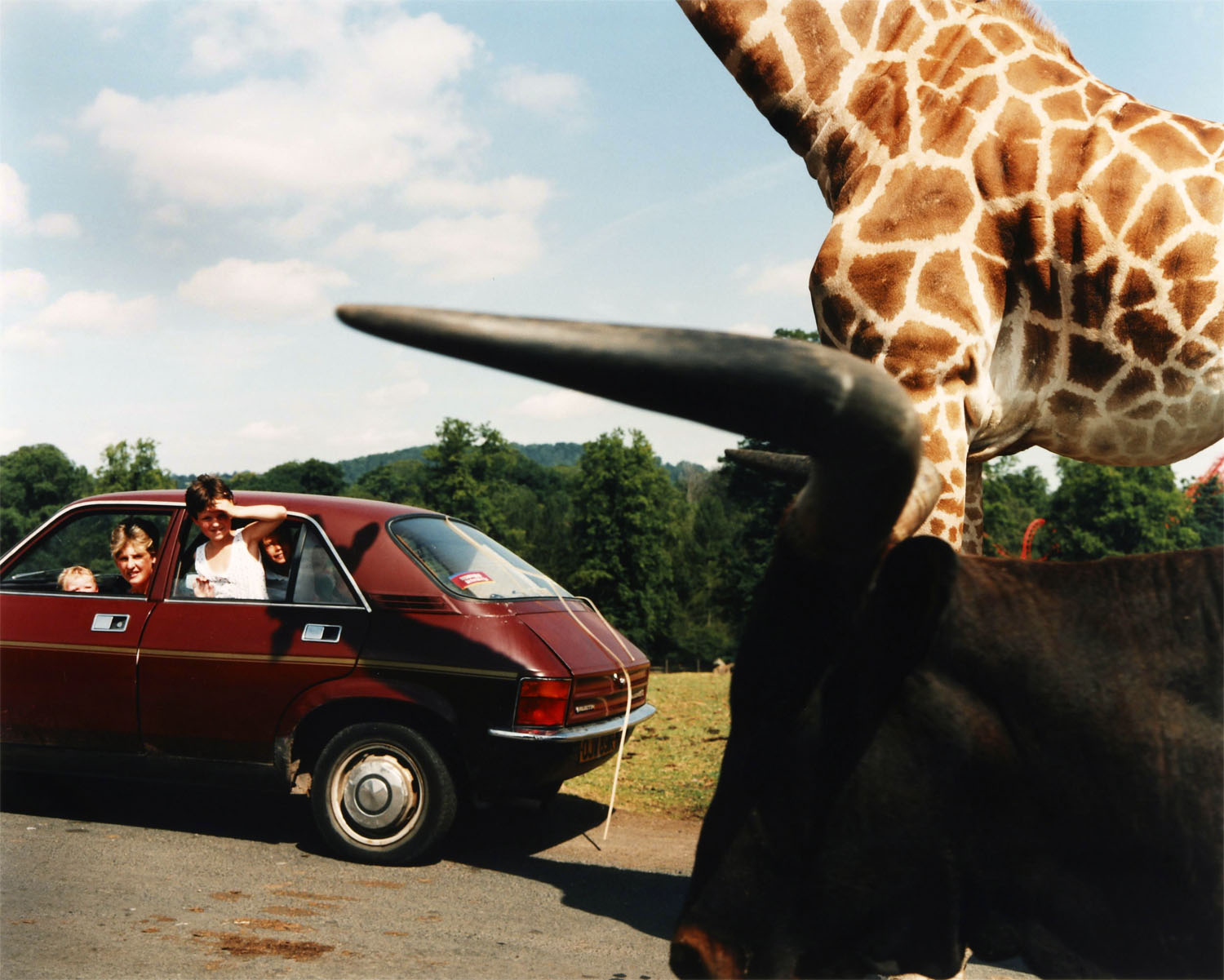
Martin Parr (English, 1952-2025)
West Midlands Safari Park, United Kingdom
1990
© Martin Parr / Magnum Photos
Unlike zoos, safari parks are designed to let animals roam freely, almost as if they were “in the wild”, while human visitors are meant to experience a sense of closeness to the animals natural state. In his images of safari parks, Martin Parr mocks this idea by deliberately including exactly what such photographs usually try to exclude: cars. The resulting images resemble absurd collages of two disjointed realities, in which – in typical Par-like fashion – he plays with the incongruous encounter between the natural world and a human-made, artificial dimension
Wall text from the exhibition
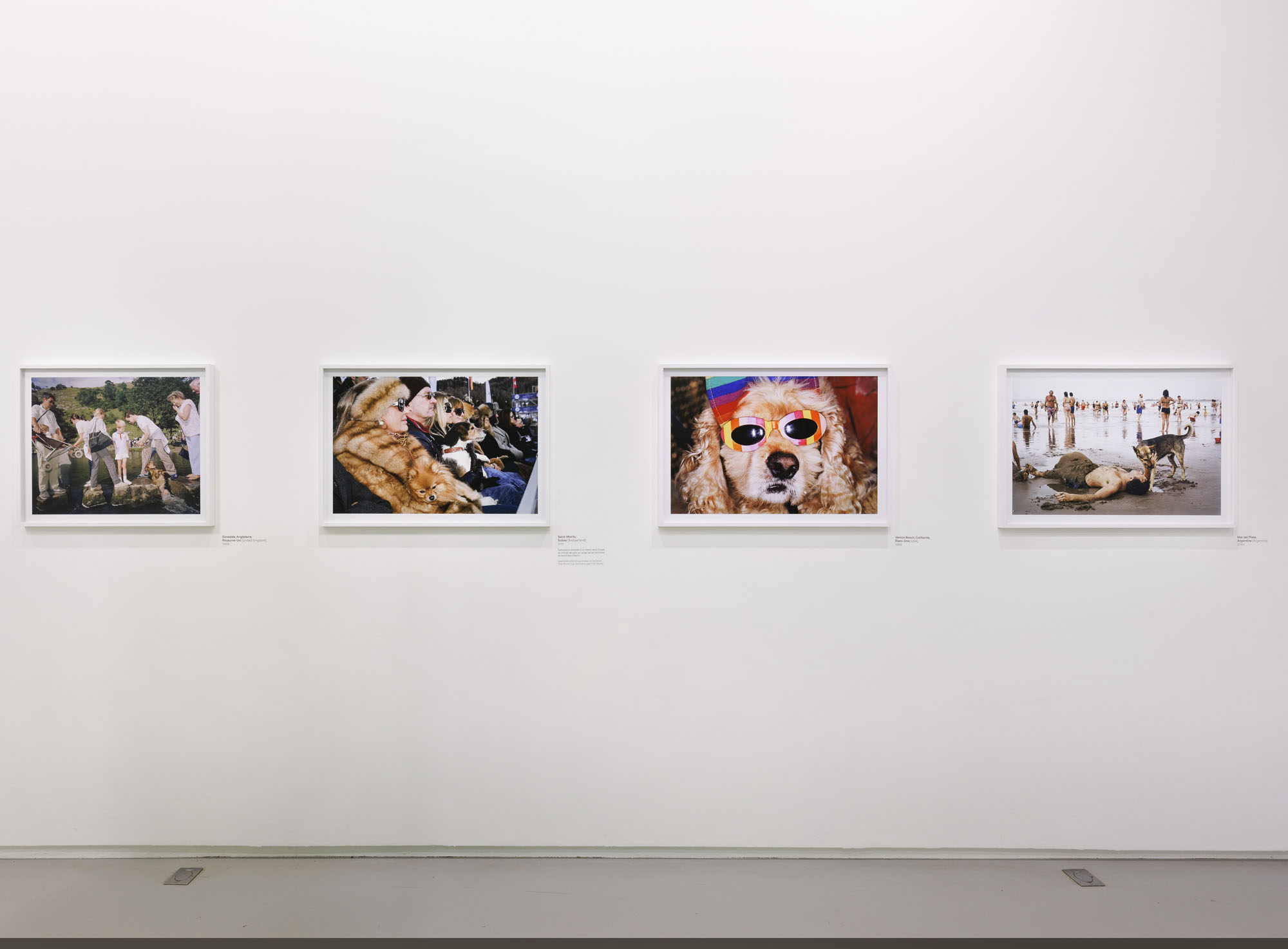
Installation view of the exhibition Martin Parr: Global Warming at Jeu de Paume, Paris, January – May, 2026 showing at second left, Martin Parr’s photograph Snow Polo World Cup, St Moritz, Switzerland (2011, below) from the series Luxury; and at second right, Venice Beach, California, USA (1998, below)
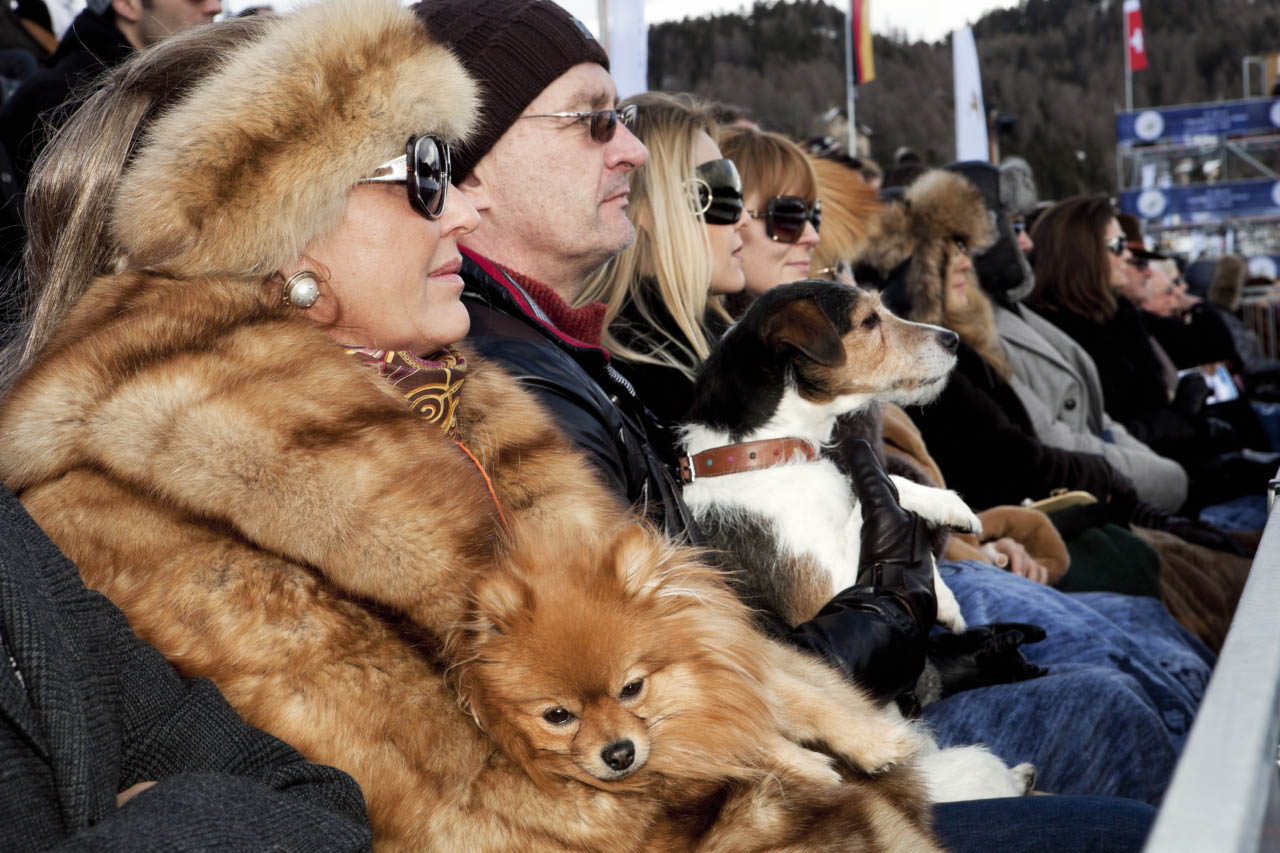
Martin Parr (English, 1952-2025)
Snow Polo World Cup, St Moritz, Switzerland
1998
© Martin Parr / Magnum Photos
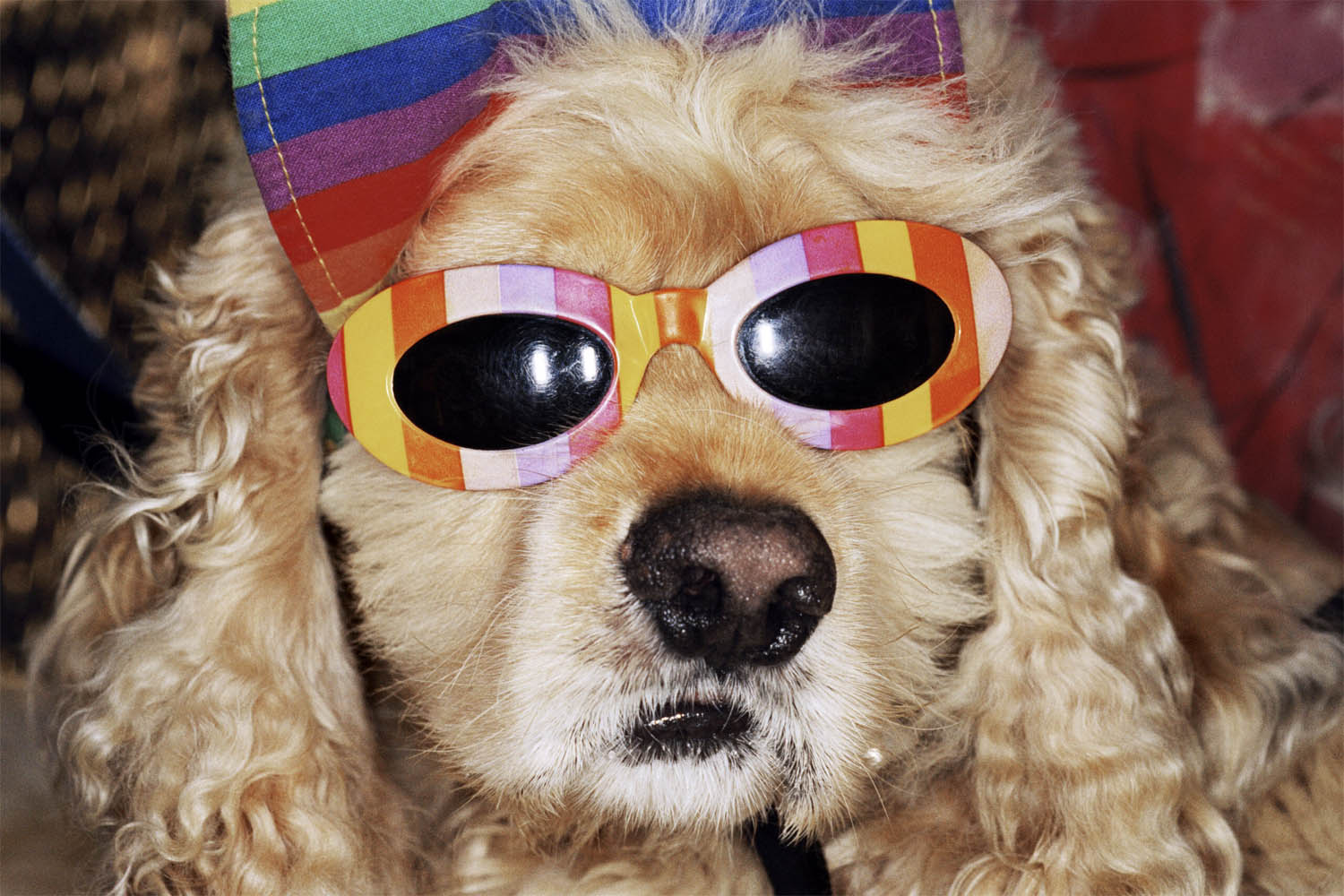
Martin Parr (English, 1952-2025)
Venice Beach, California, USA
1998
© Martin Parr / Magnum Photos
“I am not saying that tourism is bad – far from it as it brings a livelihood for many people. Organisations like Tourism Concern in the UK make a very important contribution to a better understanding of the yin and yang of tourism. This charity highlights the problems caused by tourism – from water shortages in newly developed sites to the pure rape of our ever decreasing natural habitats – and tries to ensure that local people benefit from the fruits of tourism. We need to adopt a better understanding of the issues surrounding this huge business. These photographs, I hope, will offer a good starting point. For remember we, in the wealthy West, are the ones that seek out the pleasures of tourism, so we’re all in this together.”
Martin Parr
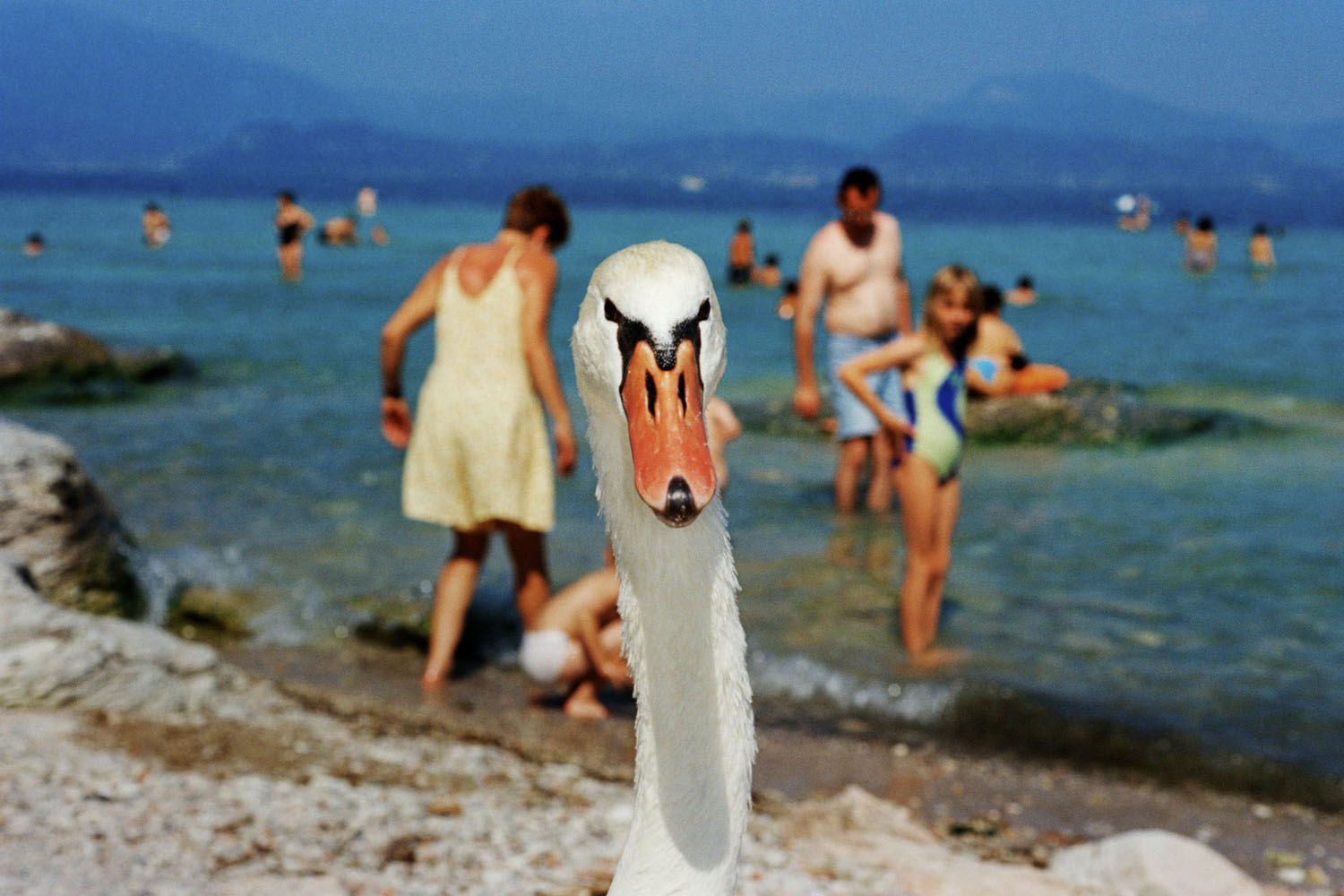
Martin Parr (English, 1952-2025)
Lake Garda, Italy
1999
© Martin Parr / Magnum Photos
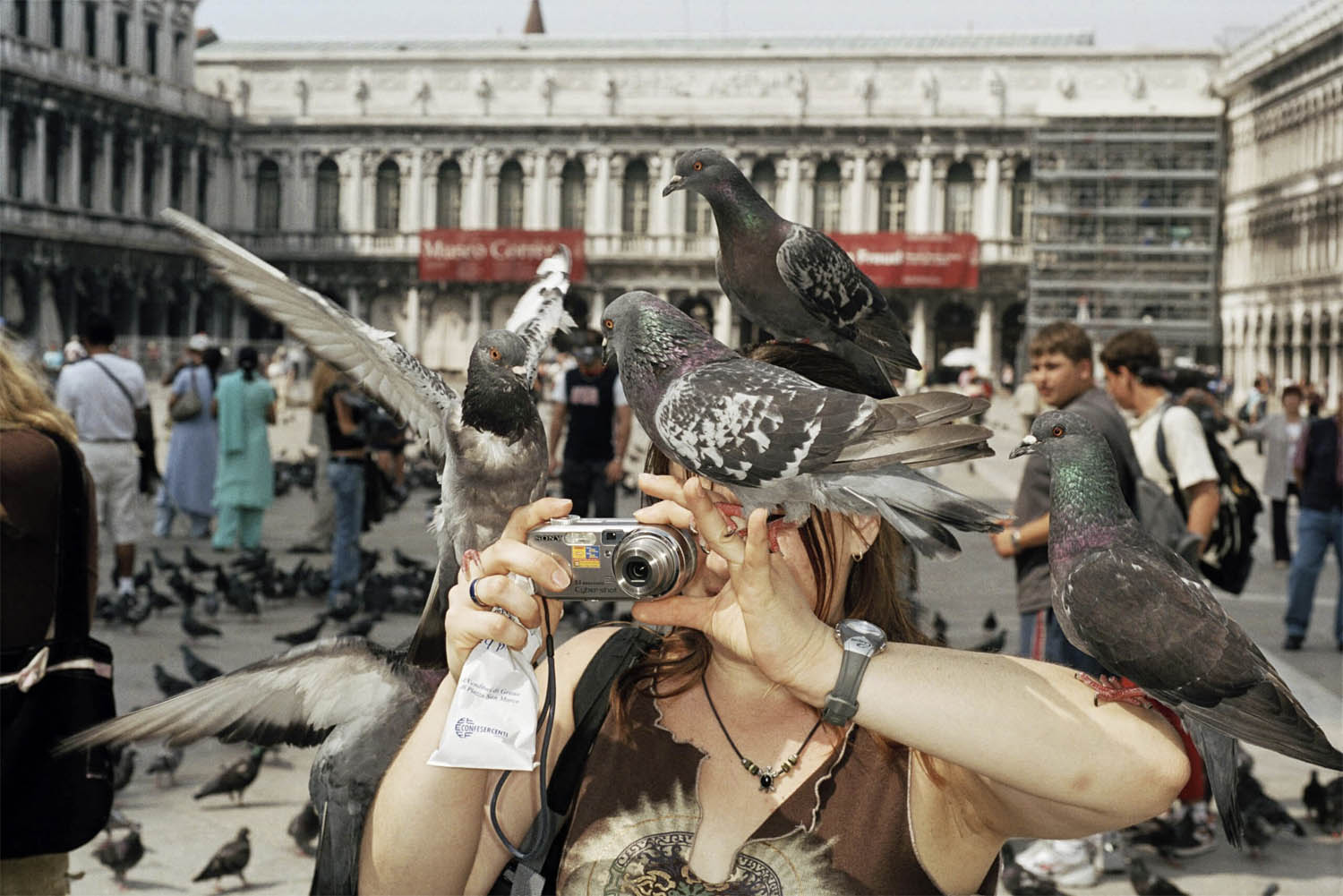
Martin Parr (English, 1952-2025)
Venice, Italy
2005
© Martin Parr / Magnum Photos
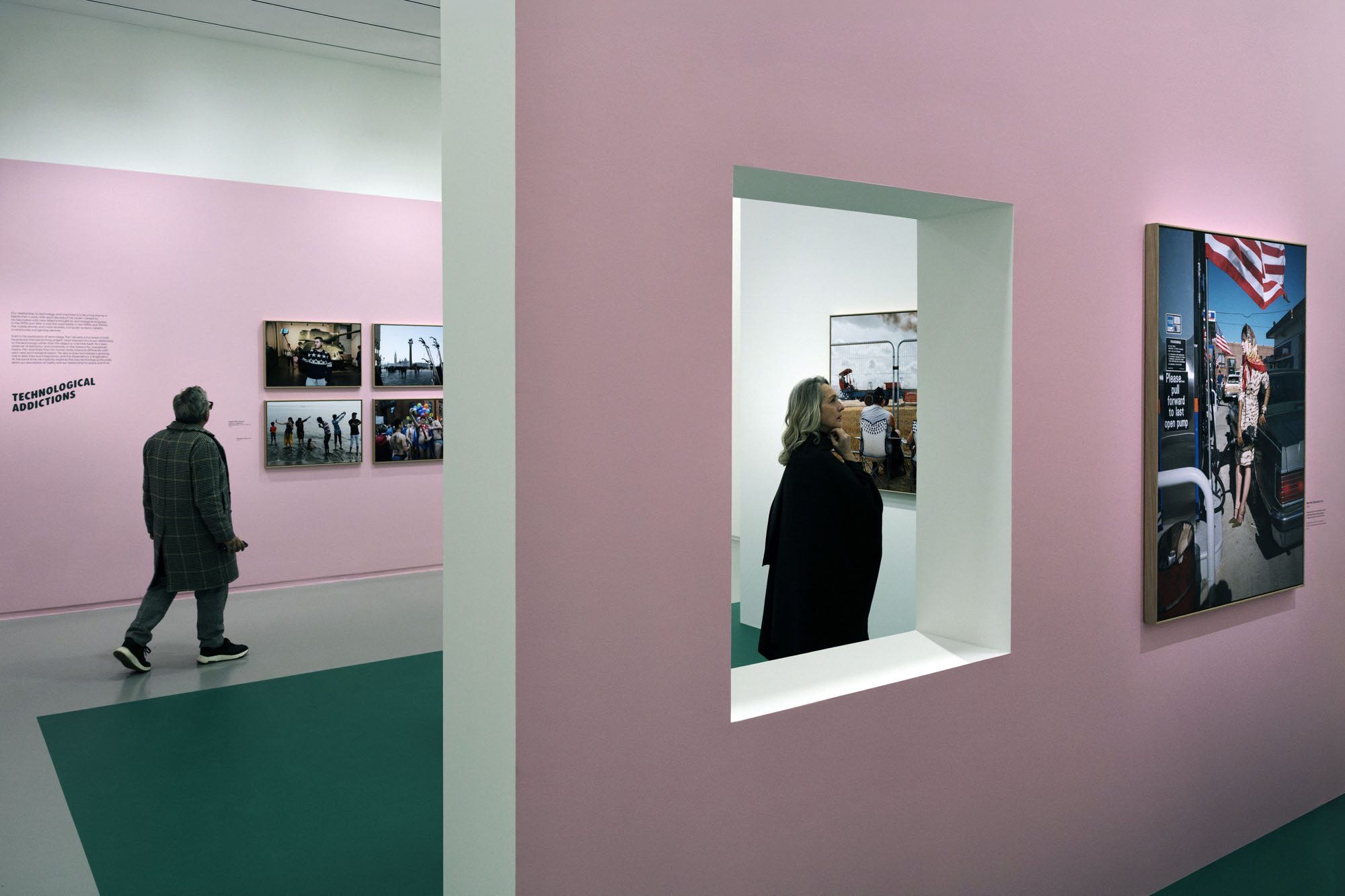
Installation view of the exhibition Martin Parr: Global Warning at Jeu de Paume, Paris, January – May, 2026 showing the wall text “Technological Addictions” with at bottom left, Martin Parr’s Chowpatty Beach, Mumbai, India (2018, below); at second right, Great Dorset Steam Fair, Dorset, England (2022, below) and at right, New York, USA (1999, below)
Technological Addictions
Even in his exploration of technology, Parr remains a humanist in both his practice and overarching project: what interests him is our relationship to the technology rather than the object or machine itself. As a keen observer of behaviour and constantly on the lookout for unexplored for unexplored topics, Parr examined how the human body interacts differently with each new technological object. He also probes technology’s growing role in daily lives and imagination, and the dependency it engenders. At the same time, he implicitly explores the way technology profoundly alters our perception of reality and our relationship to space and time.
Wall text from the exhibition
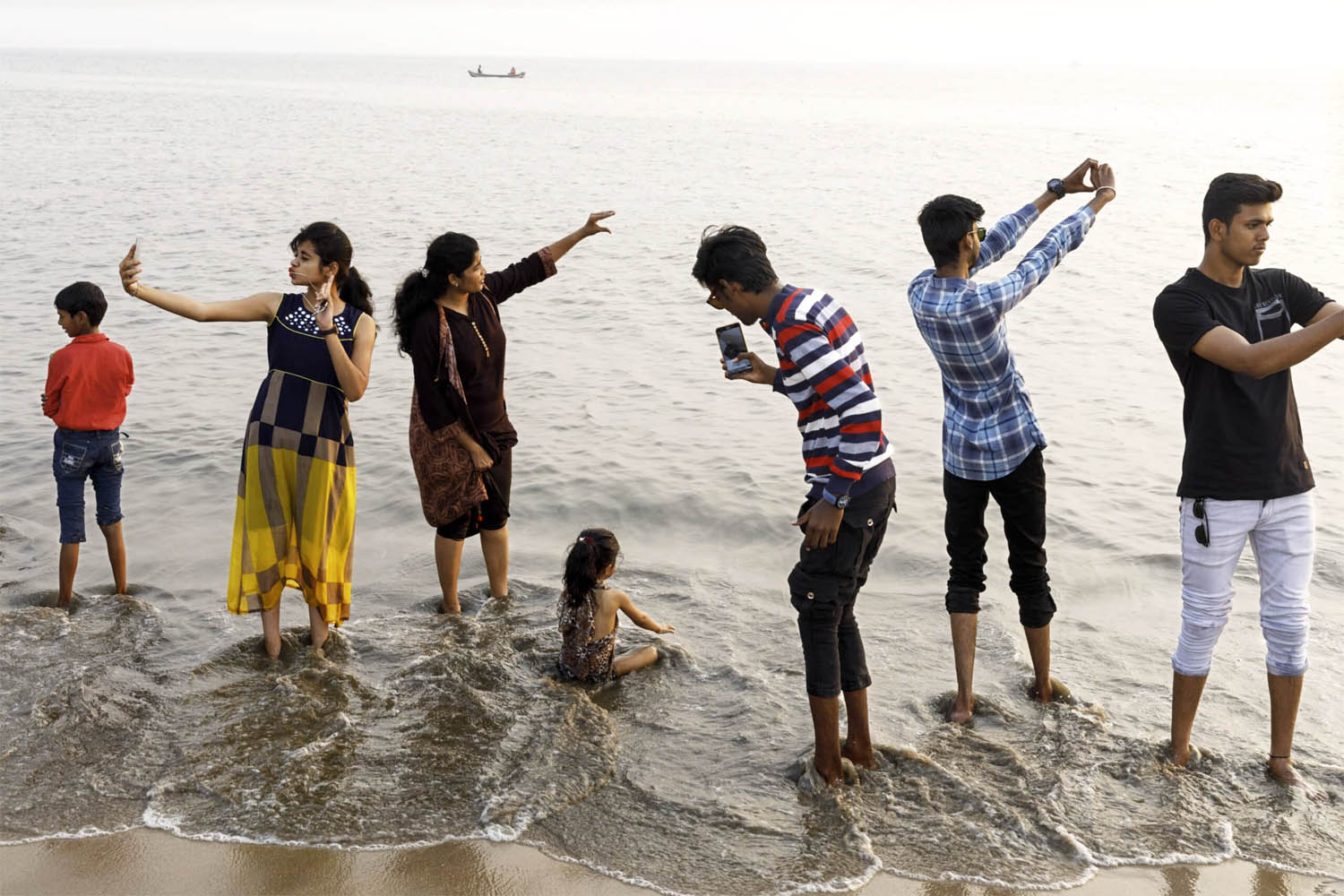
Martin Parr (English, 1952-2025)
Chowpatty Beach, Mumbai, India
2018
© Martin Parr / Magnum Photos
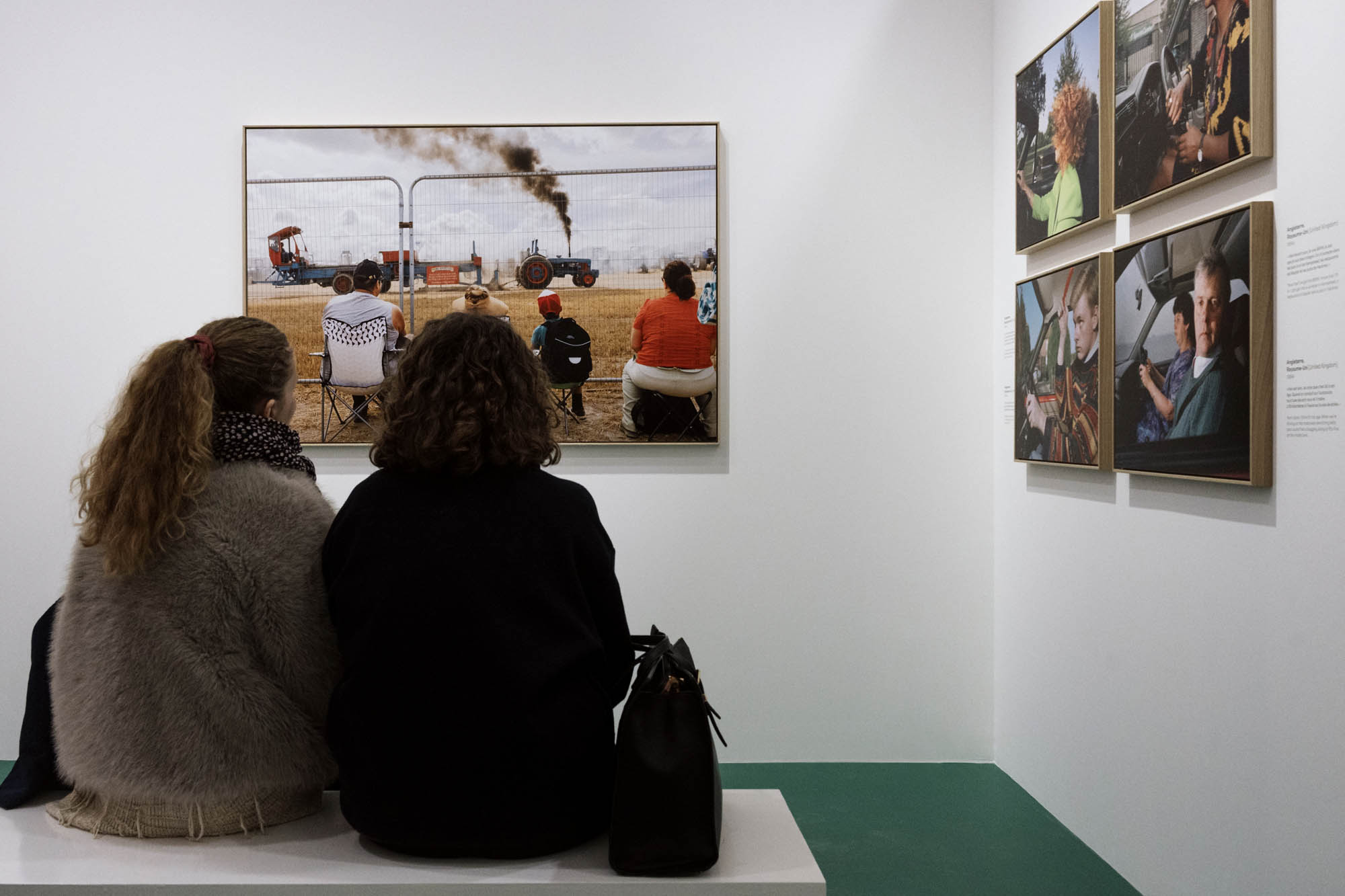
Installation view of the exhibition Martin Parr: Global Warning at Jeu de Paume, Paris, January – May, 2026 showing at left, Martin Parr’s Great Dorset Steam Fair, Dorset, England (2022, below); and at top right, England, United Kingdom (1994) and at bottom right, England, United Kingdom (1994)
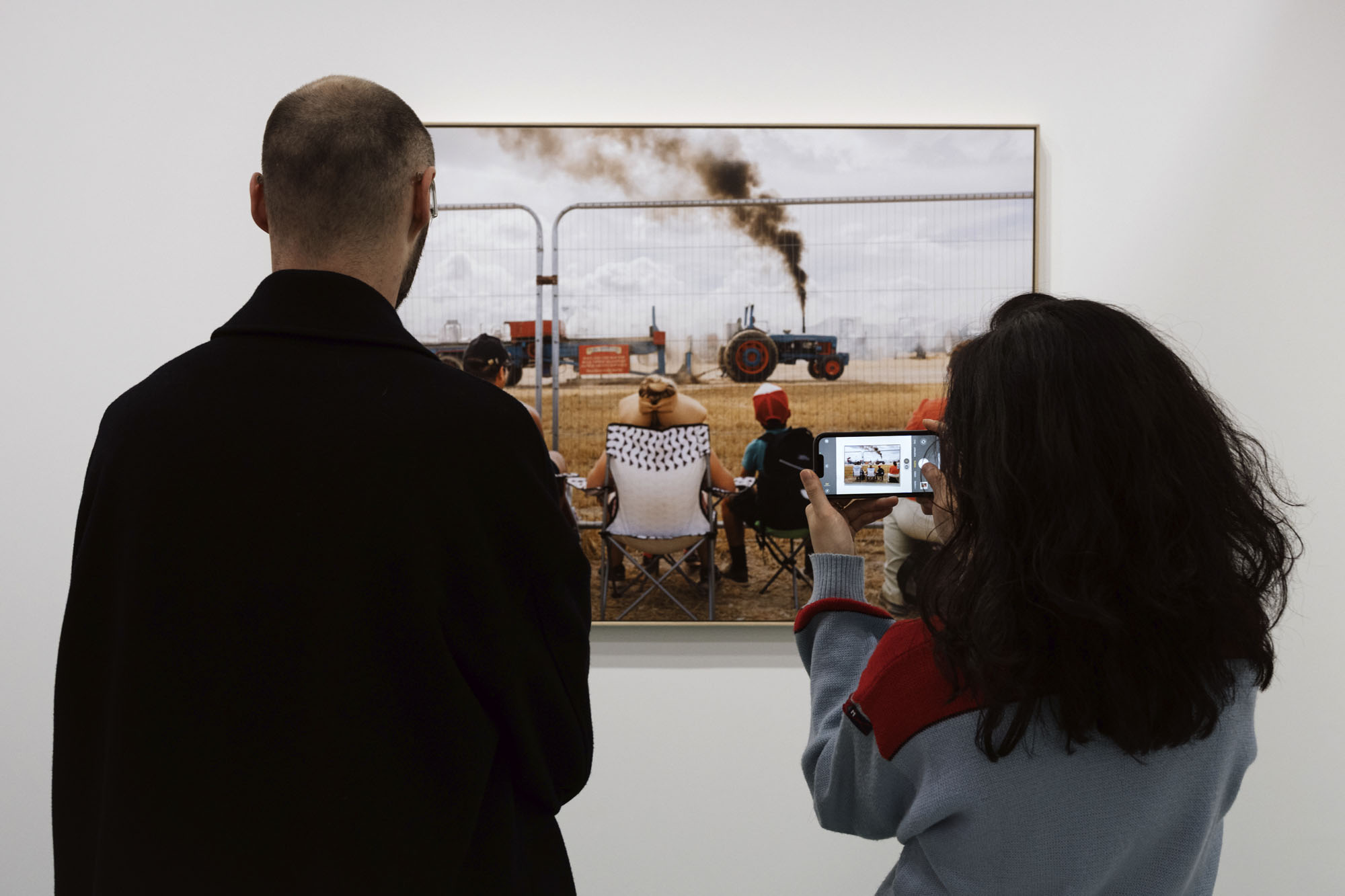
Installation view of the exhibition Martin Parr: Global Warning at Jeu de Paume, Paris, January – May, 2026 showing Martin Parr’s Great Dorset Steam Fair, Dorset, England (2022, below)
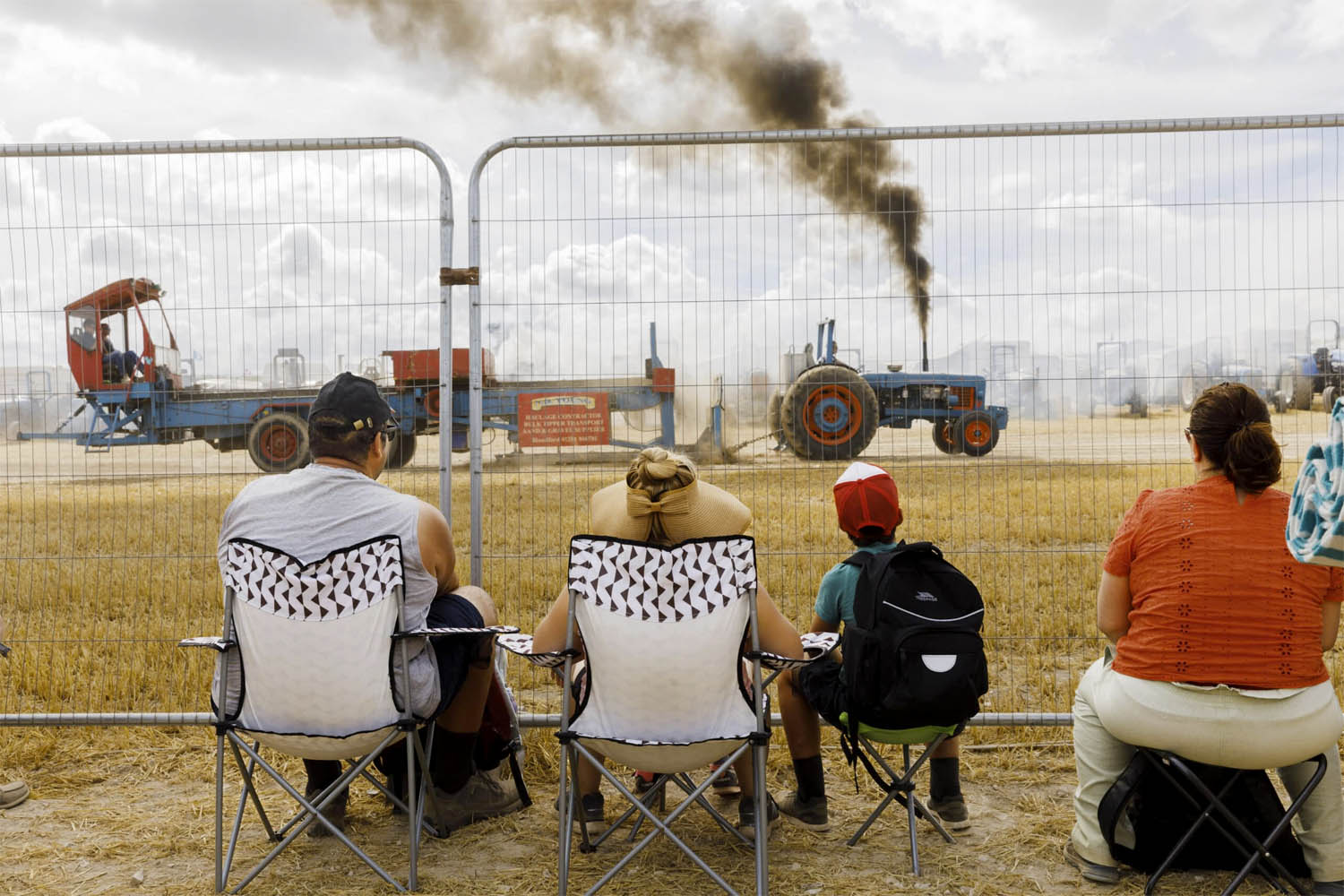
Martin Parr (English, 1952-2025)
Great Dorset Steam Fair, Dorset, England
2022
© Martin Parr / Magnum Photos
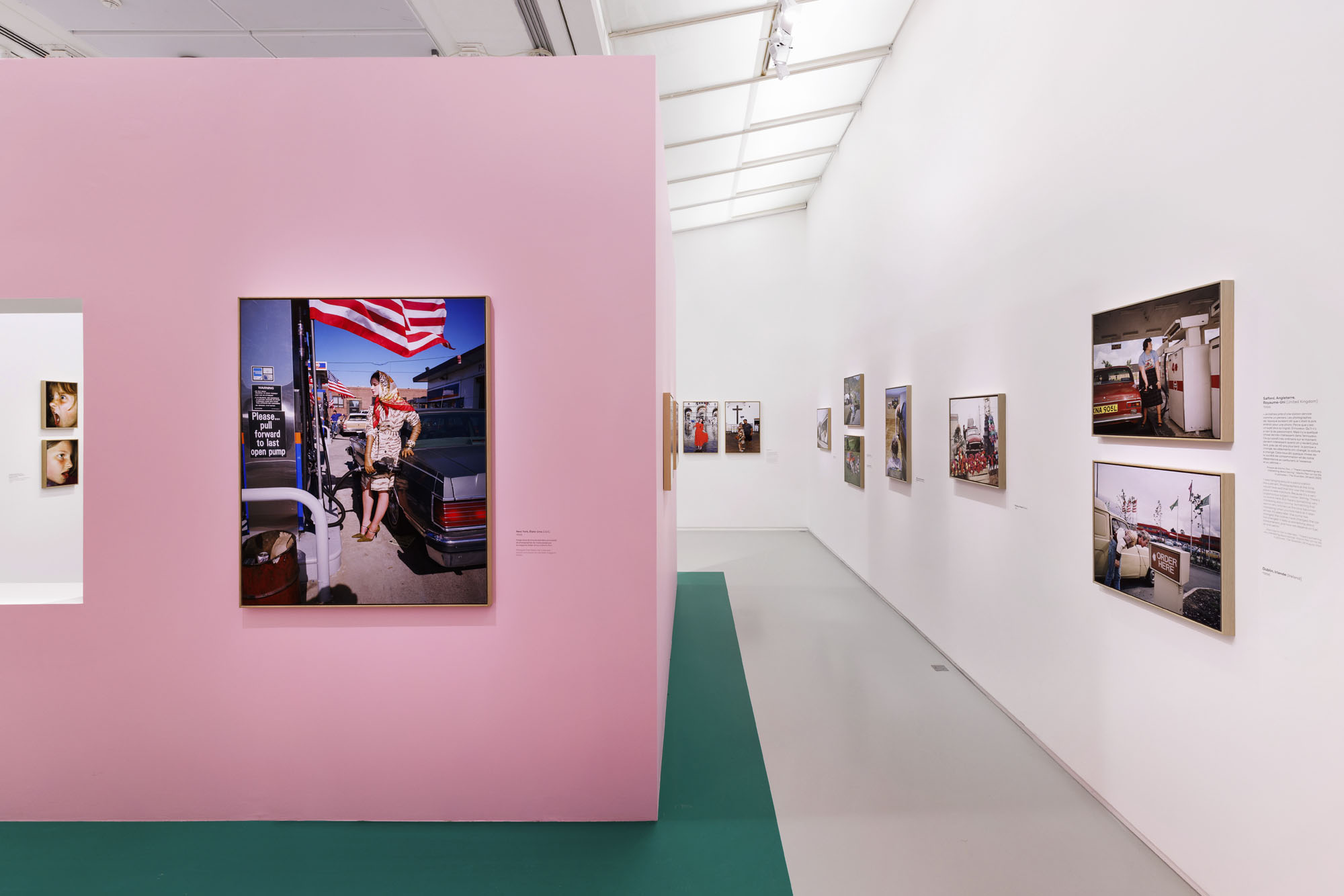
Installation view of the exhibition Martin Parr: Global Warning at Jeu de Paume, Paris, January – May, 2026 showing at left, Martin Parr’s New York, USA (1999, below); and at right top, Salford, United Kingdom (1986) and right bottom, Dublin, Ireland (1986)
‘I was hanging around a petrol station like a pervert. Photographers at the time would have said that this was the craziest place to take a picture. Because it’s a very unglamorous subject matter. Boring. There’s no drama here. But there’s something really interesting about boring. Something that seems very ordinary at the time becomes interesting when you look back at it later, almost 40 years later: the pump has changed, the clothes have changed, the car has changed. It tells us something about consumerism, and how we depend on fuel, oil and petrol.
From Martin Parr’s interview, ‘”There’s something very interesting about boring” Martin Parr on his life in pictures.’ The Guardian, 24 August 2025
Wall text from the exhibition
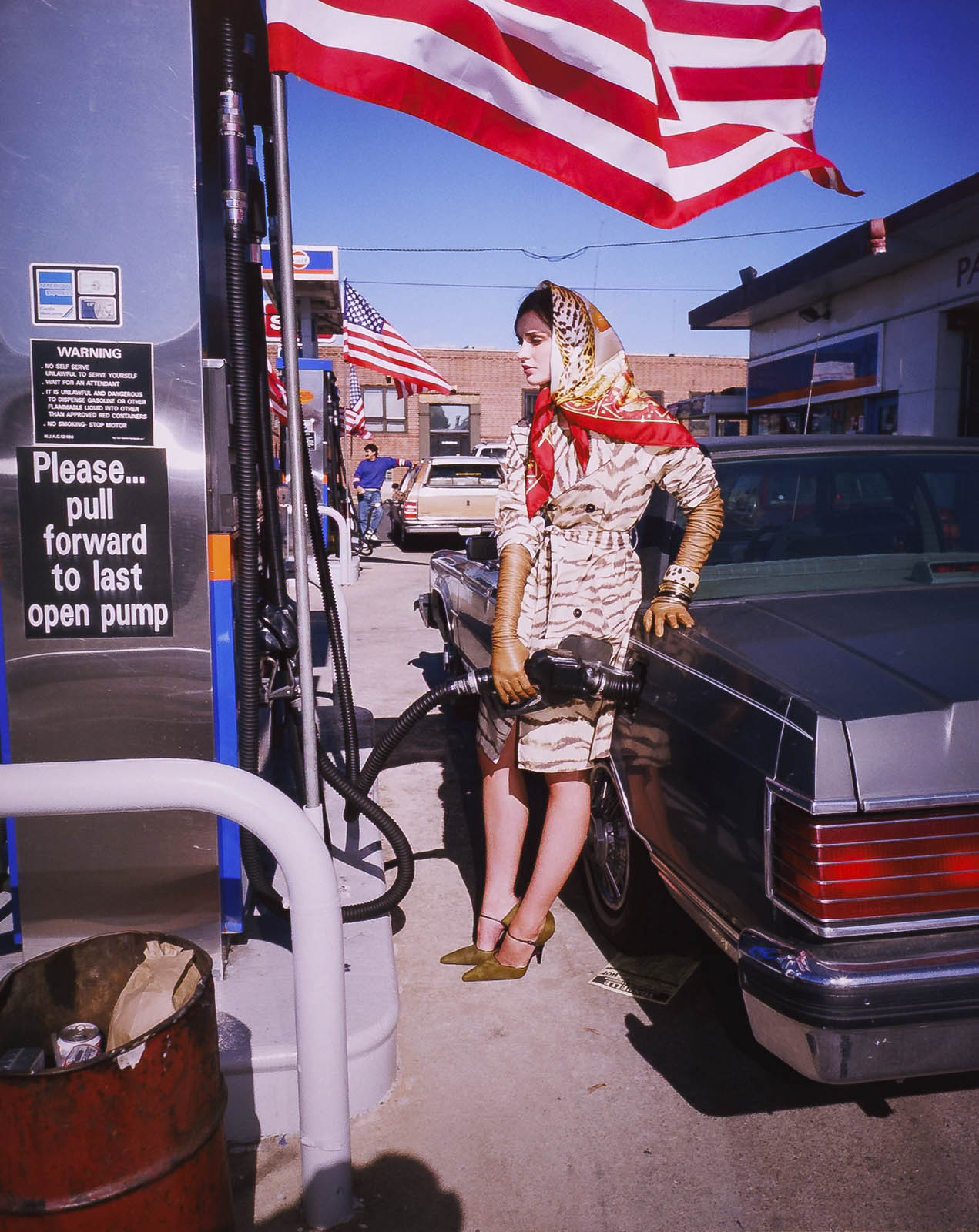
Martin Parr (English, 1952-2025)
New York, USA
1999
© Martin Parr / Magnum Photos
Photograph from Martin Parr’s first-ever fashion commission for the Italian magazine Amiga
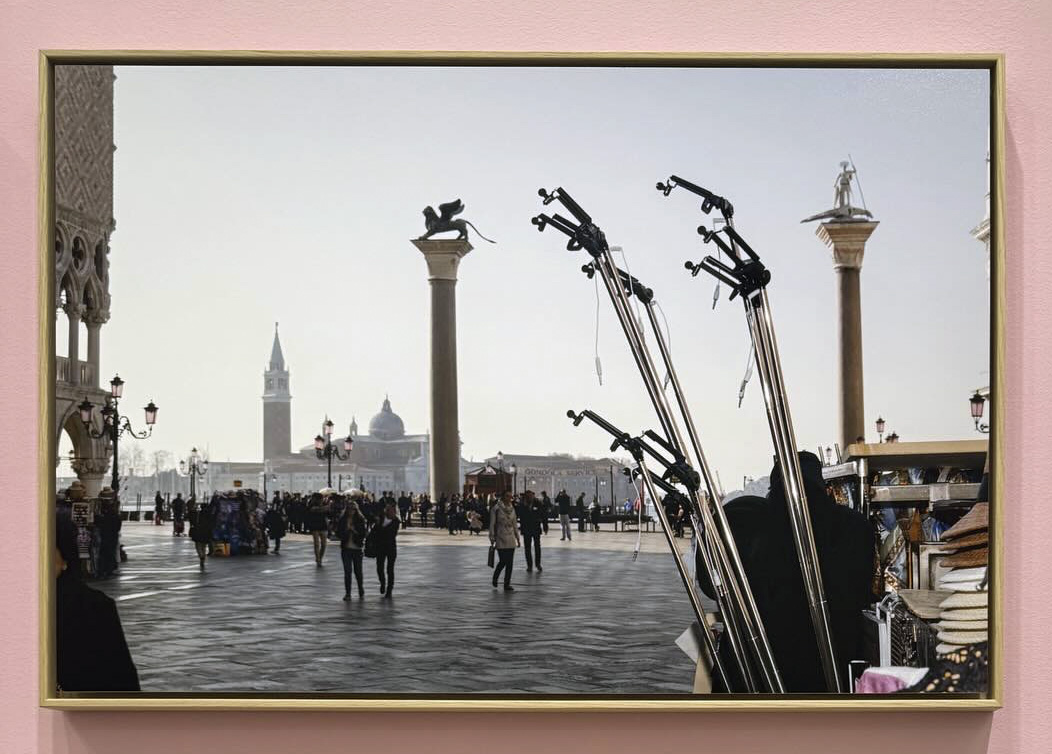
Martin Parr (English, 1952-2025)
Venice, Italy (installation view)
2015
© Martin Parr / Magnum Photos
‘Although many museums have now banned the selfie stick, outside in the street, especially in front of that iconic monument or landmark the stick comes into its own. Getting the photo of you and your loved one(s) with the landmark in the background is de rigueur. The tourism industry, which is the biggest in the world, now dictates that the first requirement of any trip is to prove you were there with the necessary photo. It connects you to the world that we know and understand, and it is a vital part of any successful holiday experience. We used to have to ask a passing tourist to take the photo, but thanks to the selfie stick those days are over and we are now self sufficient.’
From Martin Parr’s blog, The Selfie Stick, 2015
Wall text from the exhibition
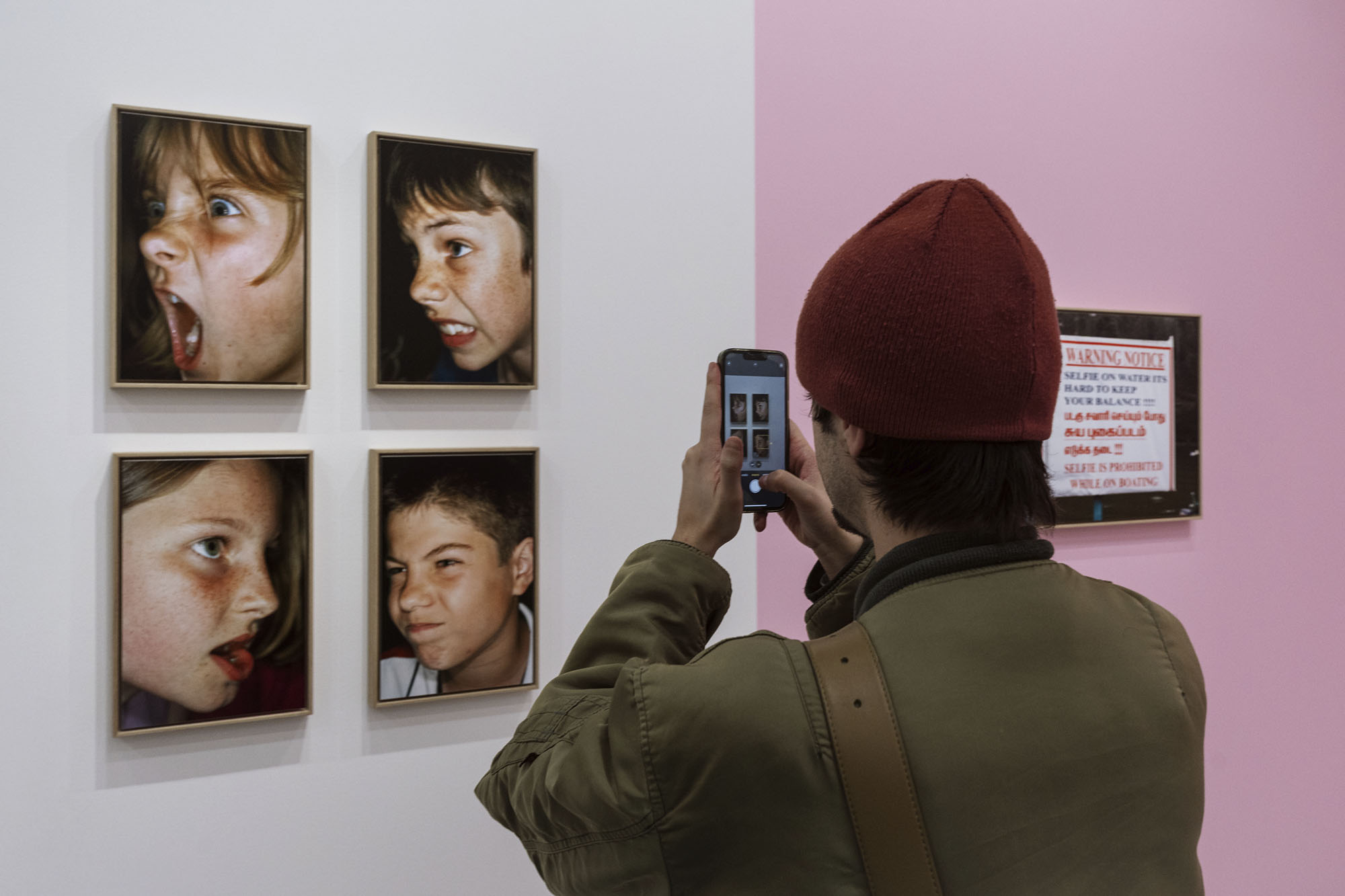
Installation view of the exhibition Martin Parr: Global Warning at Jeu de Paume, Paris, January – May, 2026 showing at left, Martin Parr’s photographs Advertisement for Sony PlayStation, England, United Kingdom (2003); and at right, Ooty, India (2018, above)
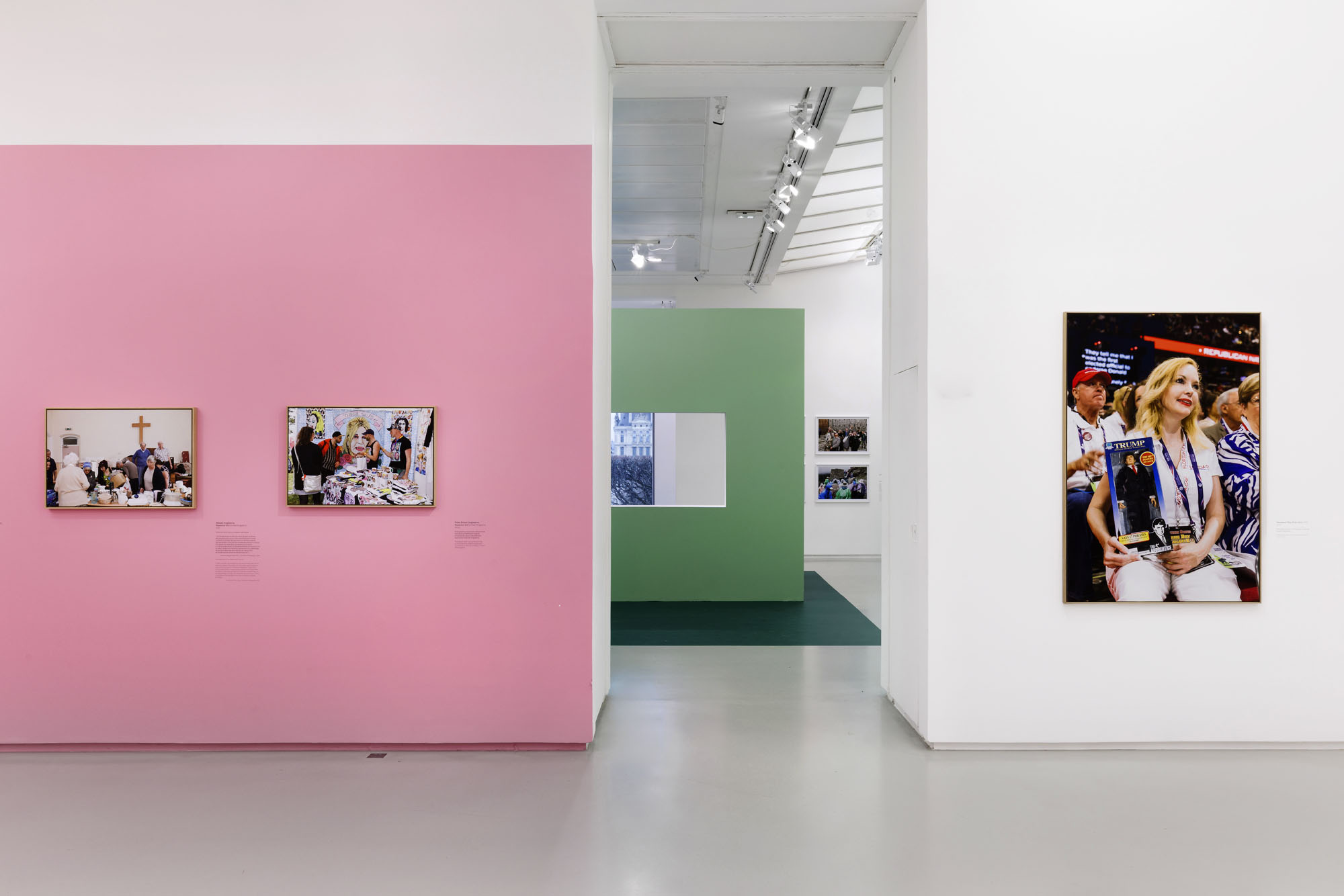
Installation view of the exhibition Martin Parr: Global Warning at Jeu de Paume, Paris, January – May, 2026 showing at right, Martin Parr’s photograph from The Republican National Convention, Cleveland, Ohio, USA (2016, below)

Martin Parr (English, 1952-2025)
The Republican National Convention, Cleveland, Ohio, USA
2016
© Martin Parr / Magnum Photos
Jeu de Paume
1, Place de la Concorde
75008 Paris
métro Concorde
Phone: 01 47 03 12 50
Opening hours:
Tuesday – Sunday 11am – 7pm
Closed Mondays


You must be logged in to post a comment.