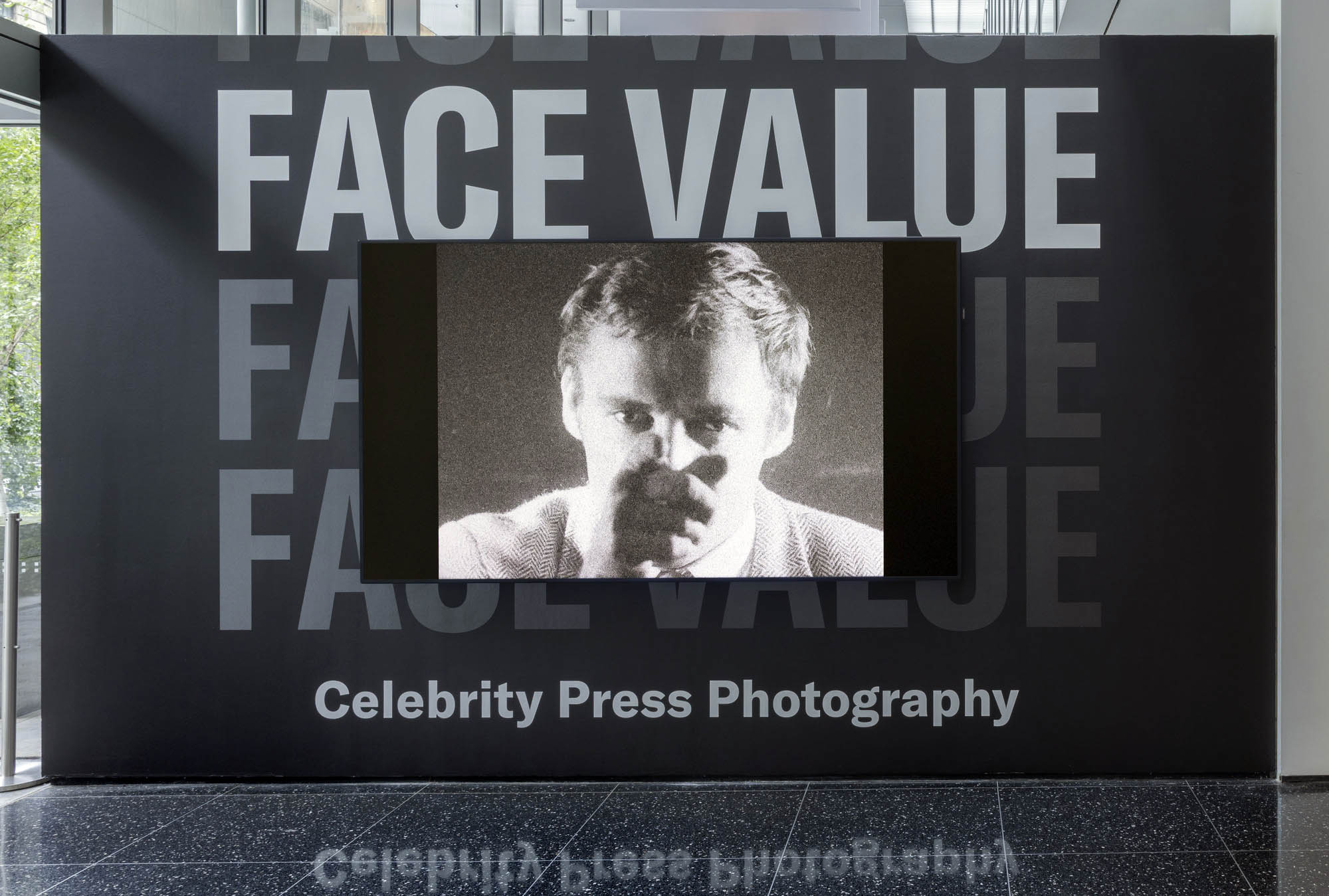
Exhibition: ‘Face Value: Celebrity Press Photography’ at The Museum of Modern Art (MoMA), New York

Exhibition dates: 28th June, 2025 – 21st June, 2026

Curators: Ron Magliozzi, Curator, with Katie Trainor, Film Collections Manager and Cara Shatzman, Collection Specialist, Department of Film.
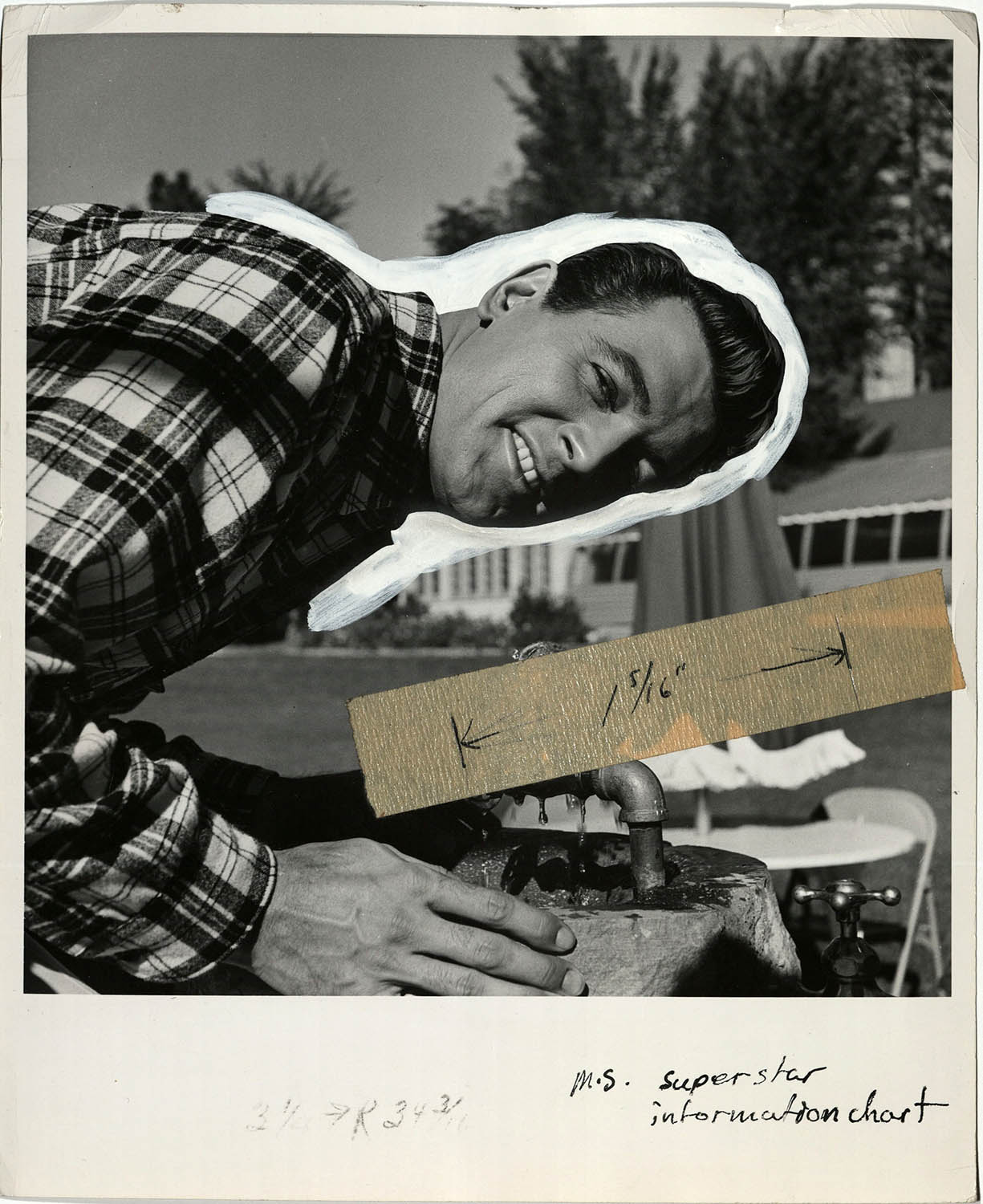
 

Bob Beerman (American) 'Rock Hudson' c. 1953


Bob Beerman (American)
Rock Hudson
c. 1953
Sheet: 9 15/16 x 8″ (25.2 x 20.3cm)
The Museum of Modern Art Film Stills Collection


Silhouetting the celebrity

MoMA always puts on interesting photography exhibitions and this one is no exception. Of course, they have a huge collection to draw from, but it still takes intelligence and curatorial inspiration to bring it all together.

It took me a long time to compile the posting. There were not many media images available but with a bit of digging around on the MoMA collection web pages, and searching online, I managed to find enough photographs to illustrate the exhibition / plus the installation photographs / and the addition of movie posters and magazines to illuminate the films the still photographs were taken from (please note: not in the exhibition). While many of the publicity shots were taken by unknown stills photographers, I have also added bibliographic information for the known photographers where possible.

This would be my only criticism of the exhibition: the inability of the viewer to visualise how these “covered with masking tape, marked up with crayon, or reconfigured with ghostly halos of white-out” photographs were actually used (in the press in everyday life) to create the fantasy ideals of Hollywood glamour stars. Perhaps this was a deliberate curatorial strategy, to concentrate on the pre-production rather than the post-production, to concentrate just on the still photos, without the distraction of further stimuli. And I can understand that decision.

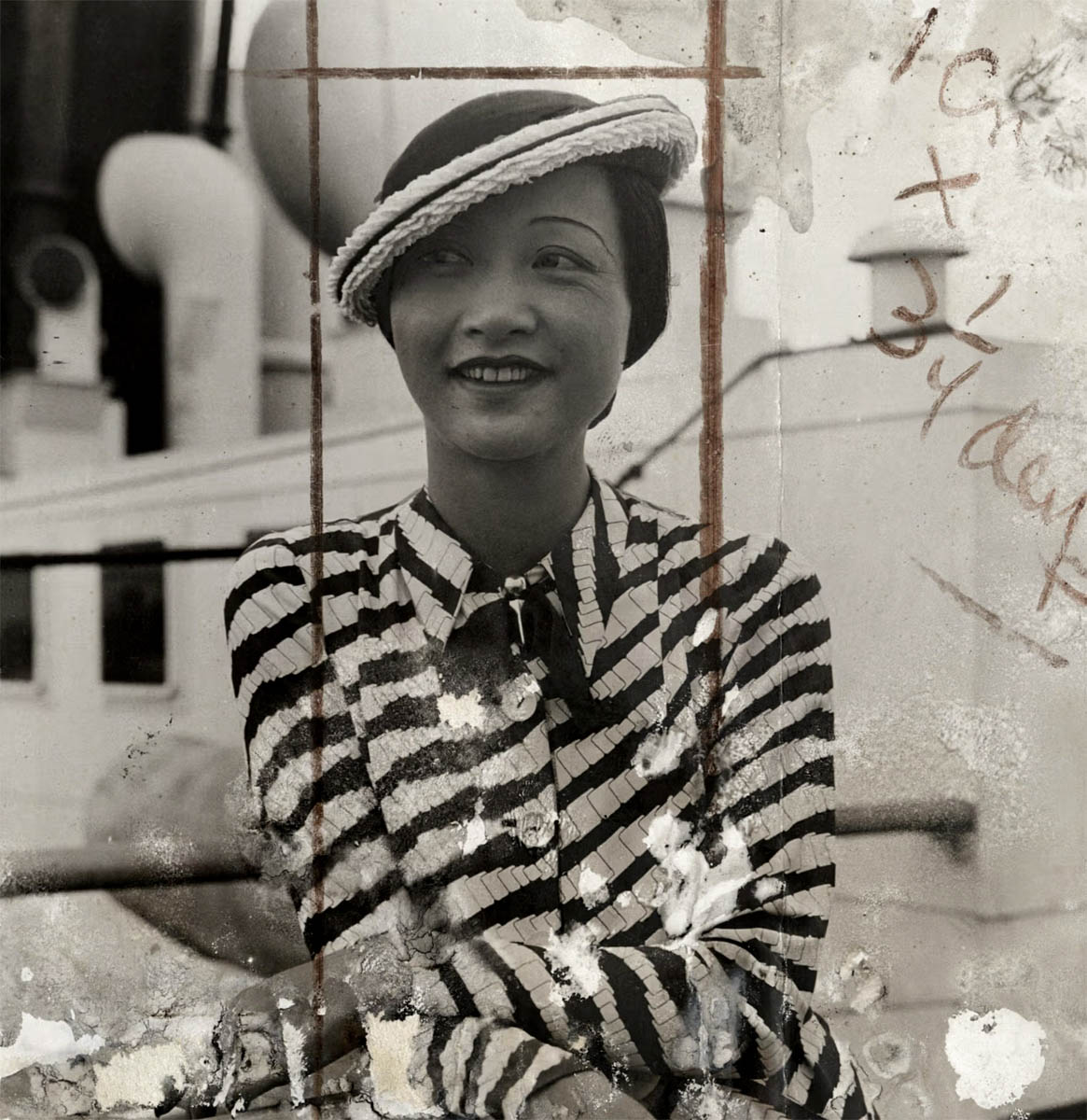
In this posting I can show you three examples of how these still photographs were used: the untouched photograph Jean Simmons, Rock Hudson [in “This Earth is Mine”] by an unknown photographer (1959, below) has then been colourised and used on the front cover of the DVD release of this film; the Limehouse Blues movie poster (1934, below) features a white-out around George Raft’s head, similar to the white-out around Joan Crawford or Rock Hudson (above); and the hair of Elsa Manchester in Elsa Lanchester [in “The Bride of Frankenstein”] by an unknown photographer (1935, below) is graphically stylised and coloured in the The Bride of Frankenstein movie poster (1935, below).

Silhouetting, in-painting, masking, sectioning, and collage were all hands-on practices that readied the photographs for the press whilst in press they promoted the desirous ideal of the glamorous movie starlet, heroic action man, the fantasy ready and available for consumption by the reading public: the beautiful heroine available to the male gaze, aspirational for so many young women.

Dr Marcus Bunyan


Many thankx to MoMA for allowing me to publish the photographs in the posting. Please click on the photographs for a larger version of the image.


“Though Iris Barry, who in 1935 became the founding curator of The Museum of Modern Art’s Film Library, aimed to preserve the history of moving images as an art form, she didn’t stop at moving images. “She was trying to save the record of film history,” explains Ron Magliozzi, a curator in what is today known as the Department of Film. “When the department was founded, the silent period had just ended. And its whole history was considered irrelevant and of no interest. That’s why she was so aggressive in collecting it. Films were the most important thing, and images from film history were second.”

Today, the Museum’s Film Stills Collection includes well over a million publicity photos, production stills, and more – and it’s not all pristine, glossy prints. In the current exhibition Face Value: Celebrity Press Photography, many of the images are covered with masking tape, marked up with crayon, or reconfigured with ghostly halos of white-out. It’s an occasionally startling reminder that the manipulation of photographs – and of celebrity itself – long predates Photoshop and Instagram.”


Jason Persse, Assistant Director, Content Team, MoMA


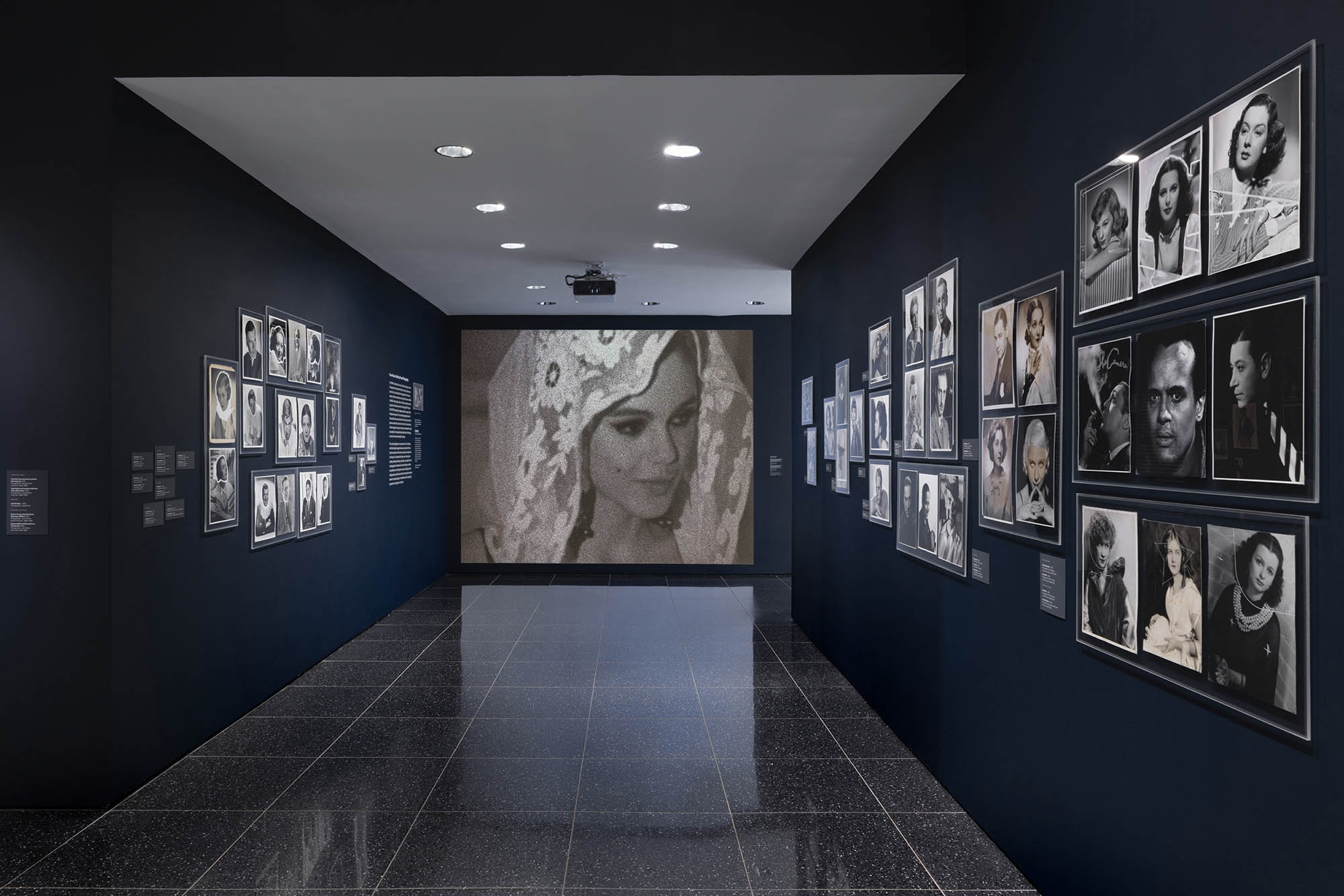
The Museum of Modern Art announces Face Value: Celebrity Press Photography, the first major exhibition of Hollywood studio portraiture to be drawn from the Museum’s film stills archive since 1993. On view in the Titus and Morita Galleries, the exhibition will offer a revisionist look at the Department of Film’s photographic archive, examining the evolution of editorial practice before the digital age, AI technology, and social media reshaped the experience of celebrity.

Face Value will feature over 200 works from 1921 to 1996, including studio photography of Louis Armstrong, Harry Belafonte, Clara Bow, Louise Brooks, Bette Davis, Mia Farrow, Katharine Hepburn, Dennis Hopper, Lena Horne, Bela Lugosi, Carmen Miranda, Elvis Presley, Diana Ross, Barbara Stanwyck, Elizabeth Taylor, Spencer Tracy, Oprah Winfrey, and many others.

Text from the MoMA website
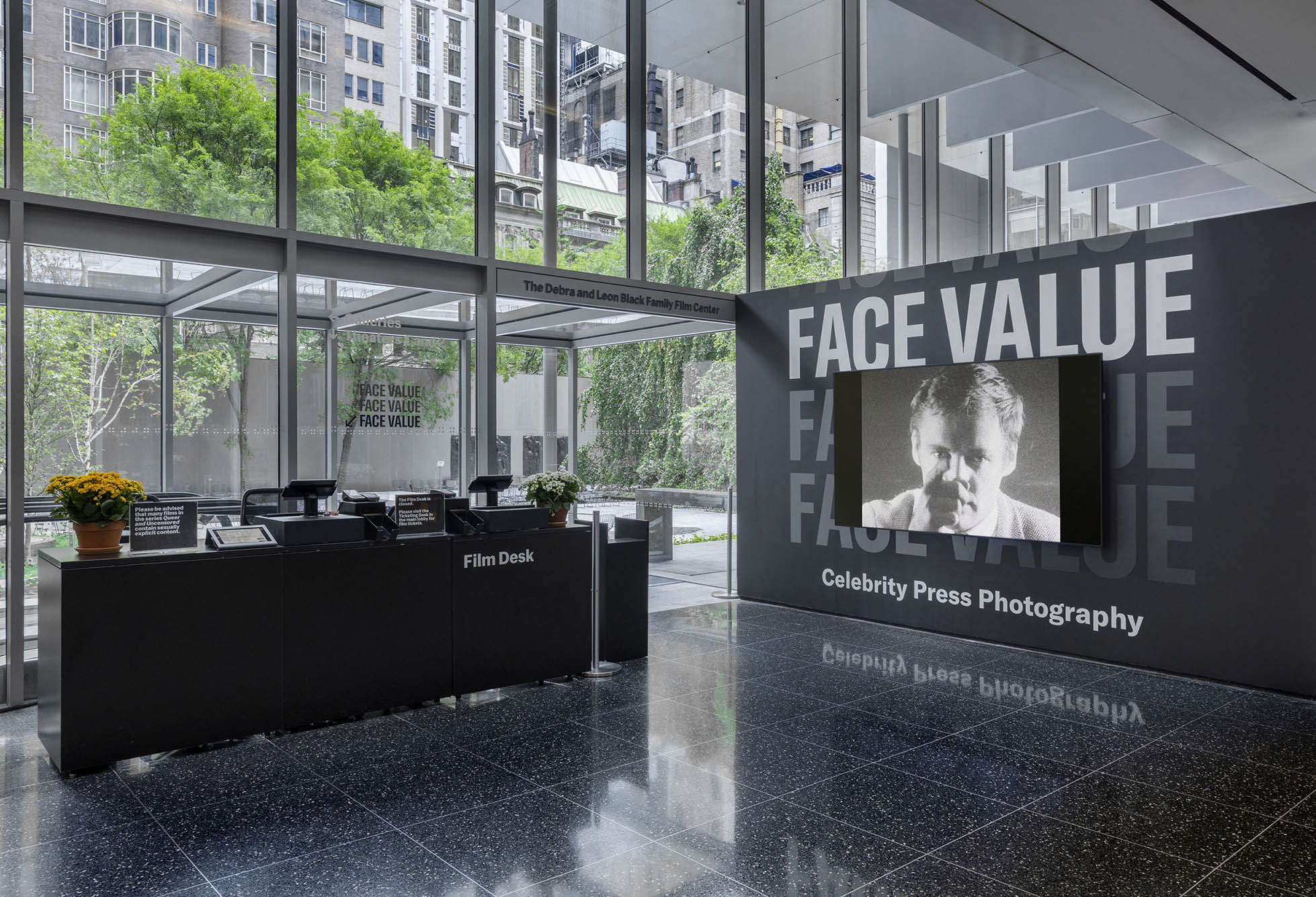
 

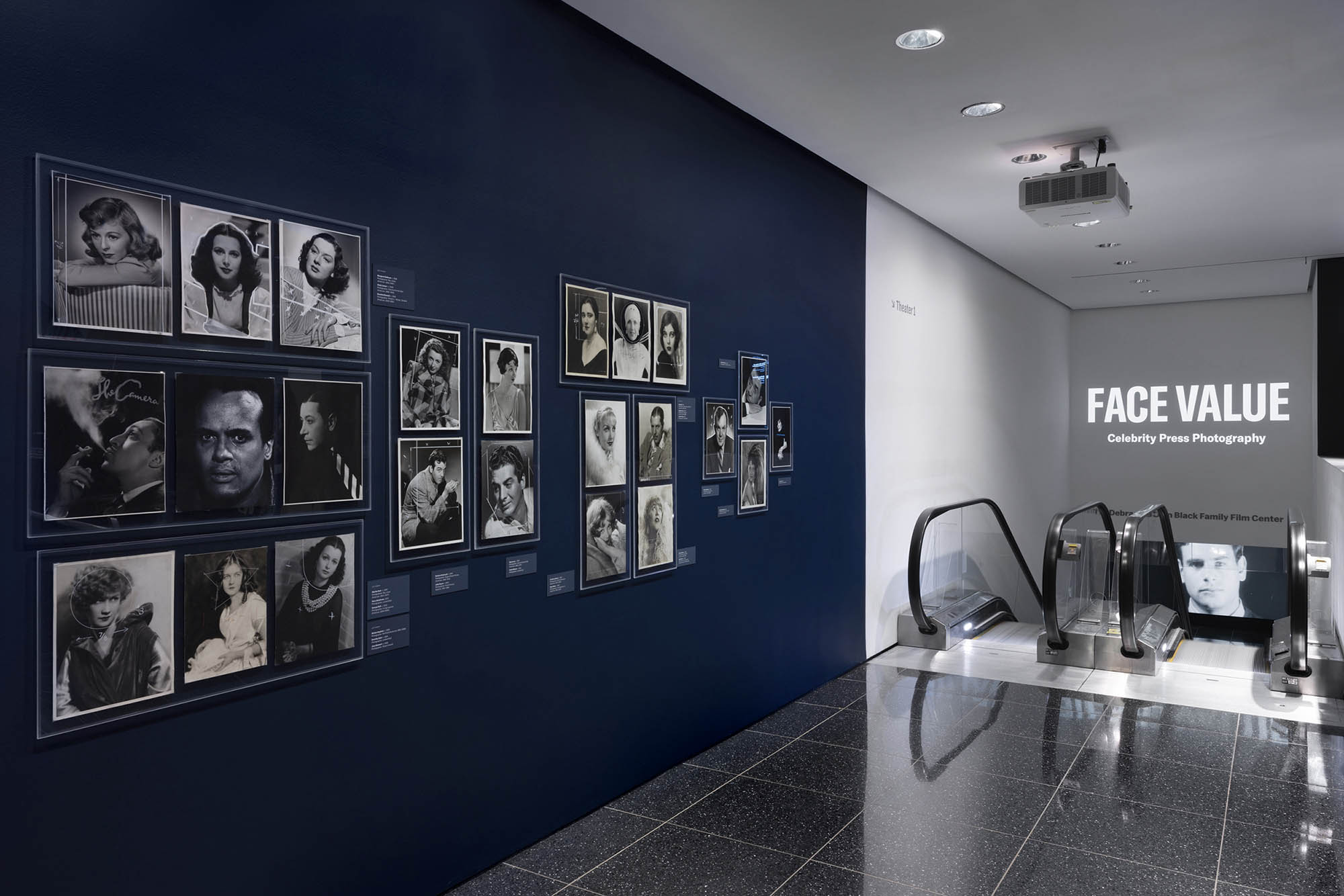
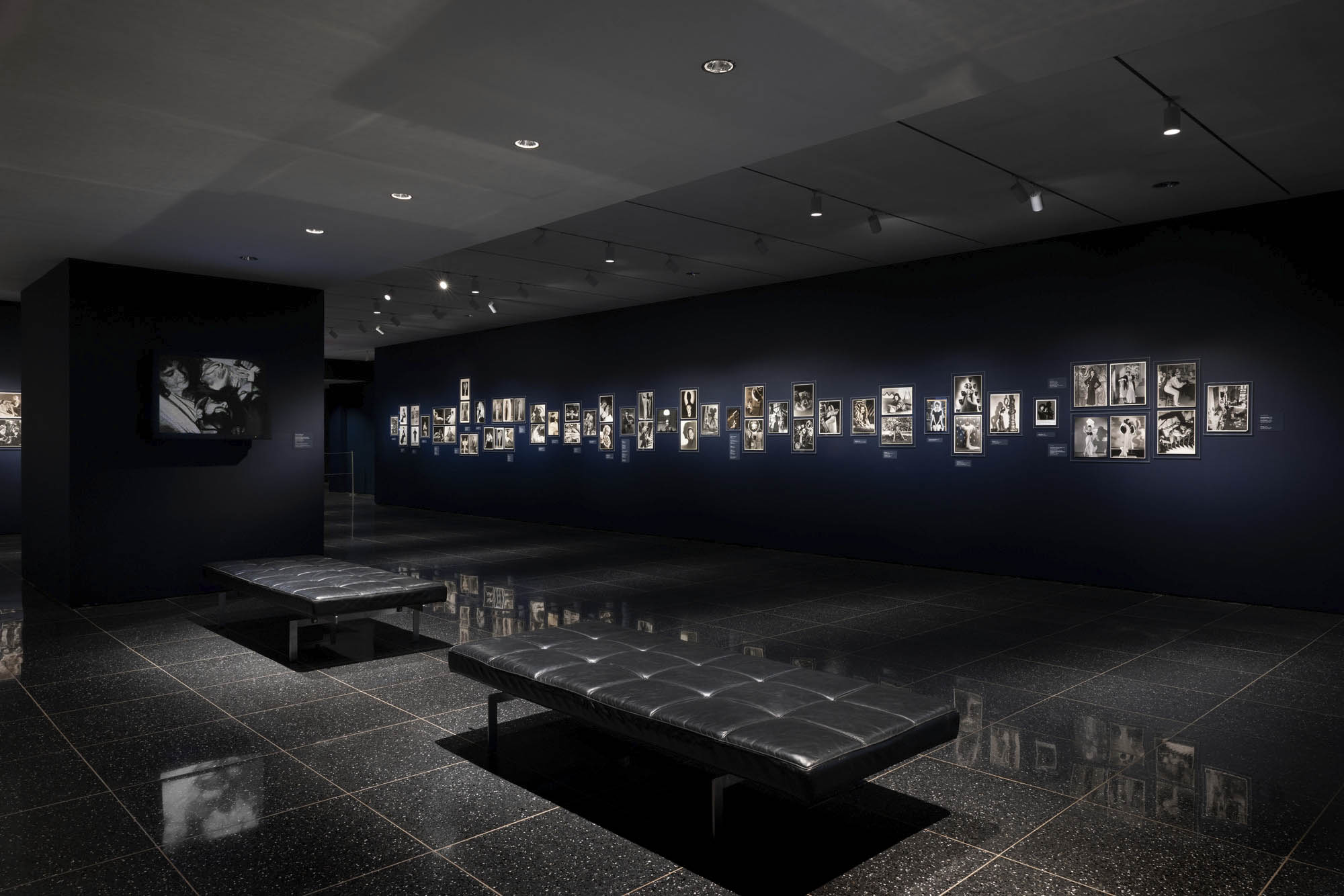
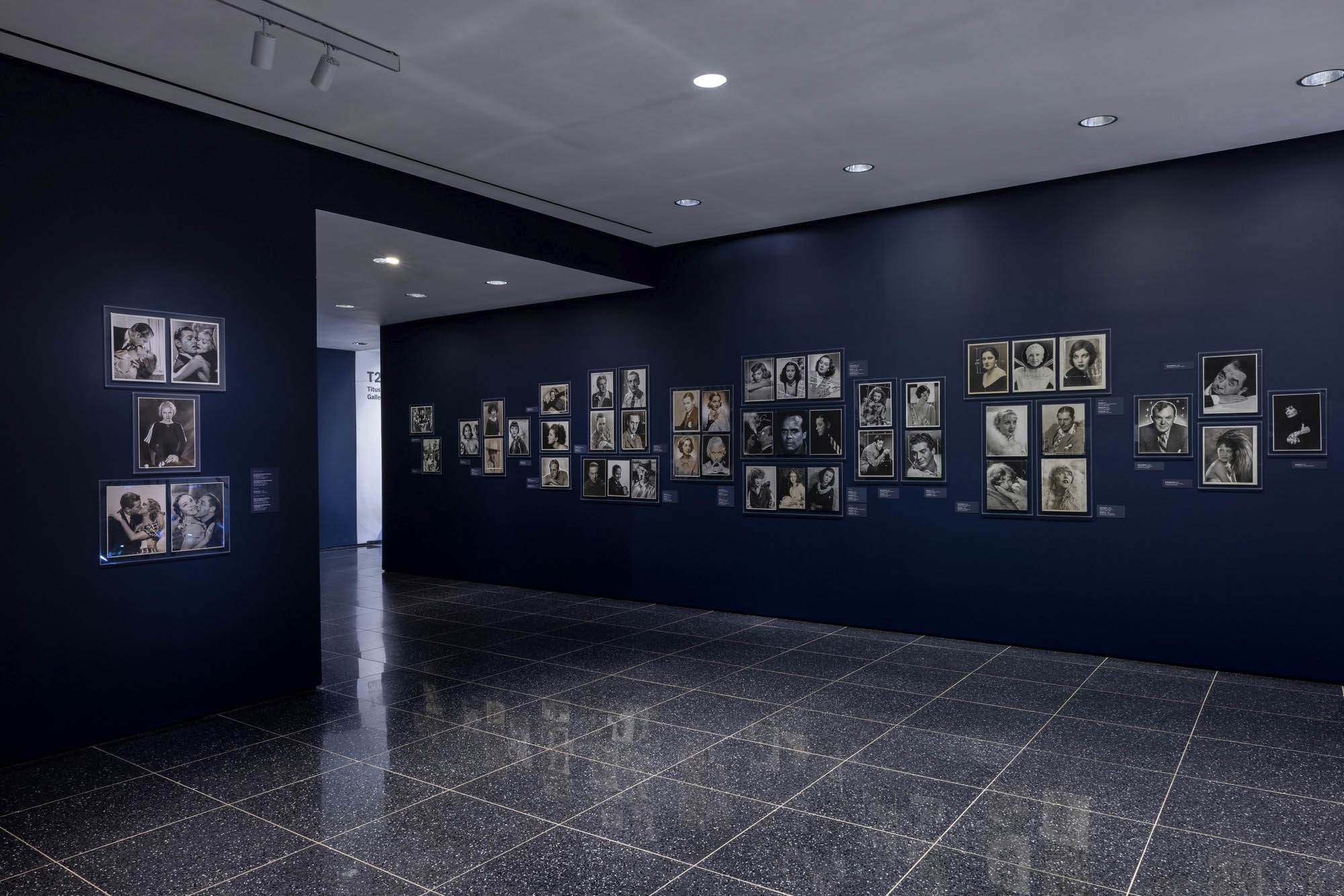
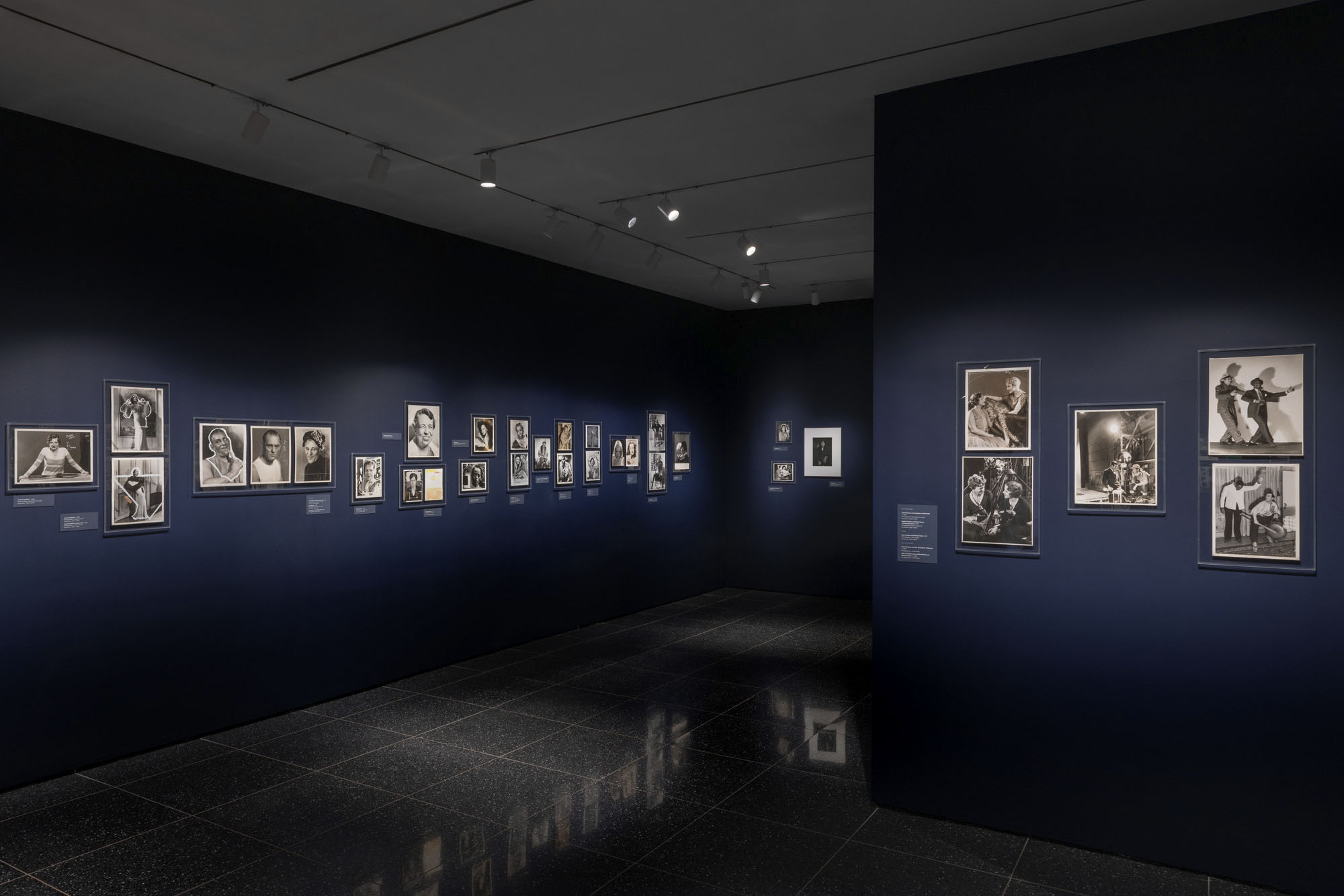
Installation view of the exhibition 'Face Value: Celebrity Press Photography' at The Museum of Modern Art (MoMA), New York, June 2025 - June 2026


Installation views of the exhibition Face Value: Celebrity Press Photography at The Museum of Modern Art (MoMA), New York, June 2025 – June 2026 showing in the left hand block of 9 photographs of the bottom image, from left to right top row to bottom row: Ray Jones’ Margaret Sullavan c. 1939 (below); Clarence Sinclair Bull’s Hedy Lamarr c. 1940; Adolph L. “Whitey” Schafer’s Rosalind Russell c. 1940; Ray Jones’ Mischa Auer c. 1940; Unknown photographer Harry Belafonte [in “The Angel Levine”] 1970; Irving Lippman’s George Raft c. 1933; Hal Phyfe’s Miriam Hopkins c. 1930; Unknown photographer Dorothy Gish c. 1929; and Imandt’s Joan Bennett c. 1939
Photos: Jonathan Dorado
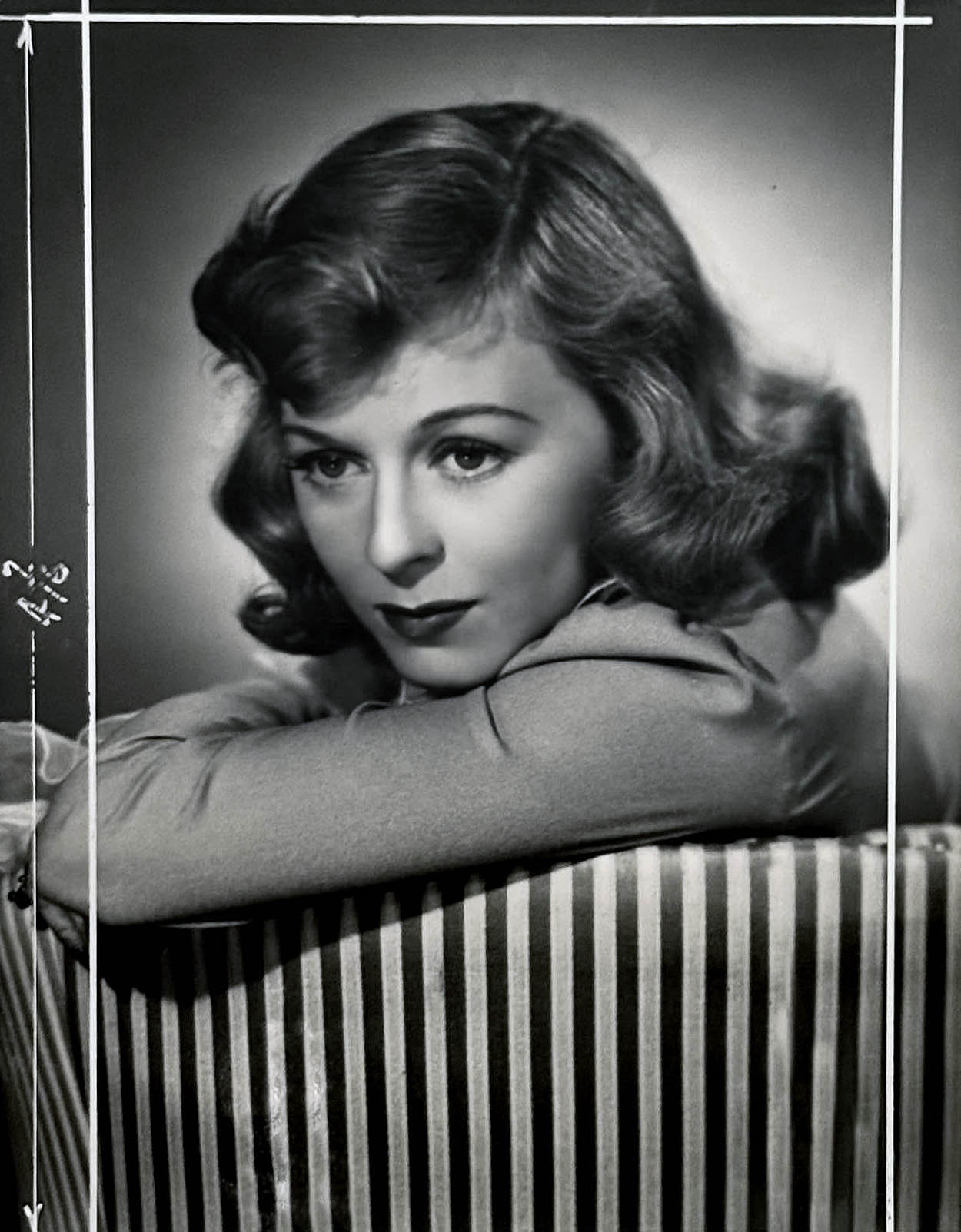
 

Ray Jones (American, 1901-1947) 'Margaret Sullavan' c. 1939


Ray Jones (American, 1901-1947)
Margaret Sullavan
c. 1939
Sheet: 13 7/8 x 10 7/8″ (35.2 x 27.6cm)
The Museum of Modern Art Film Stills Collection
 

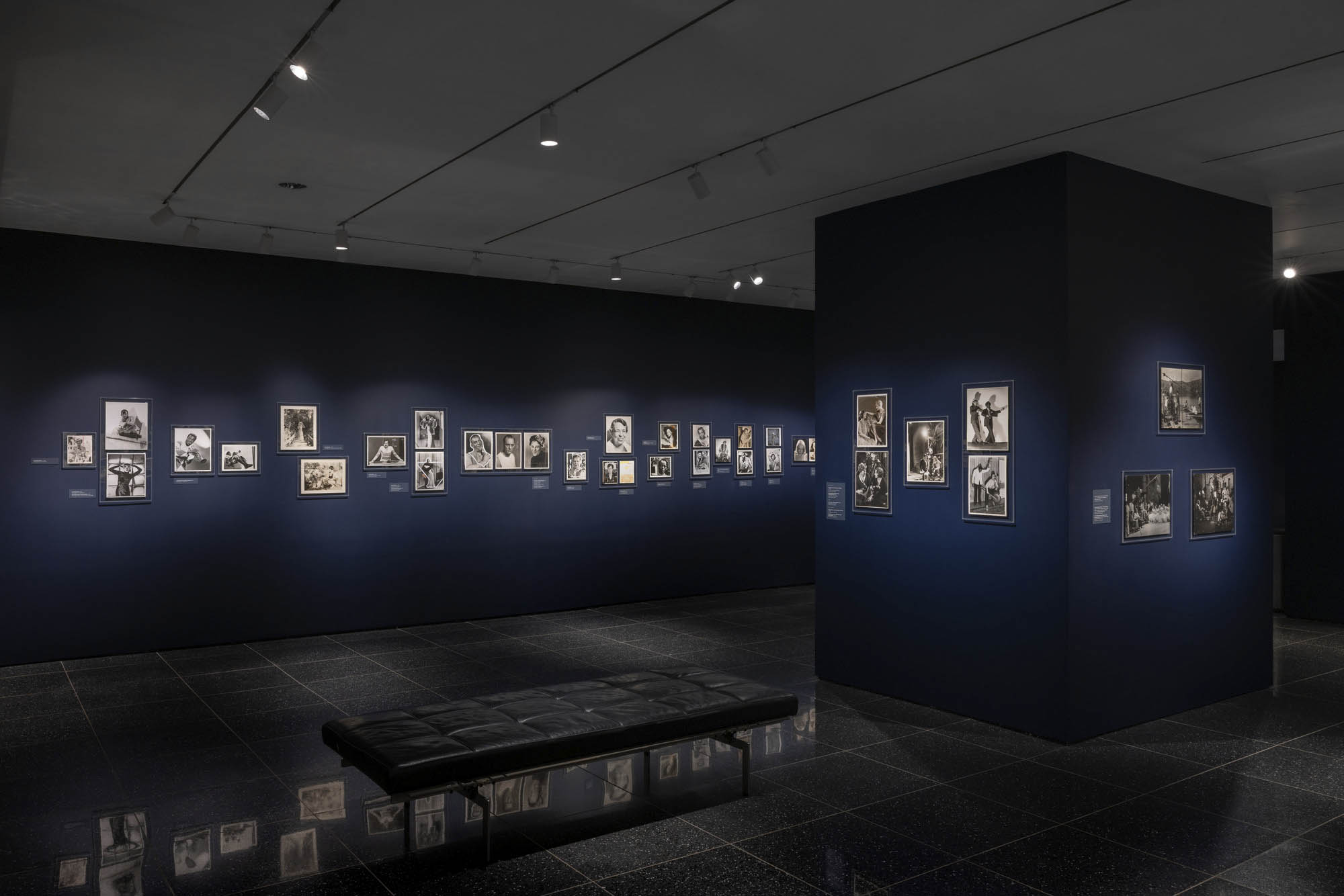
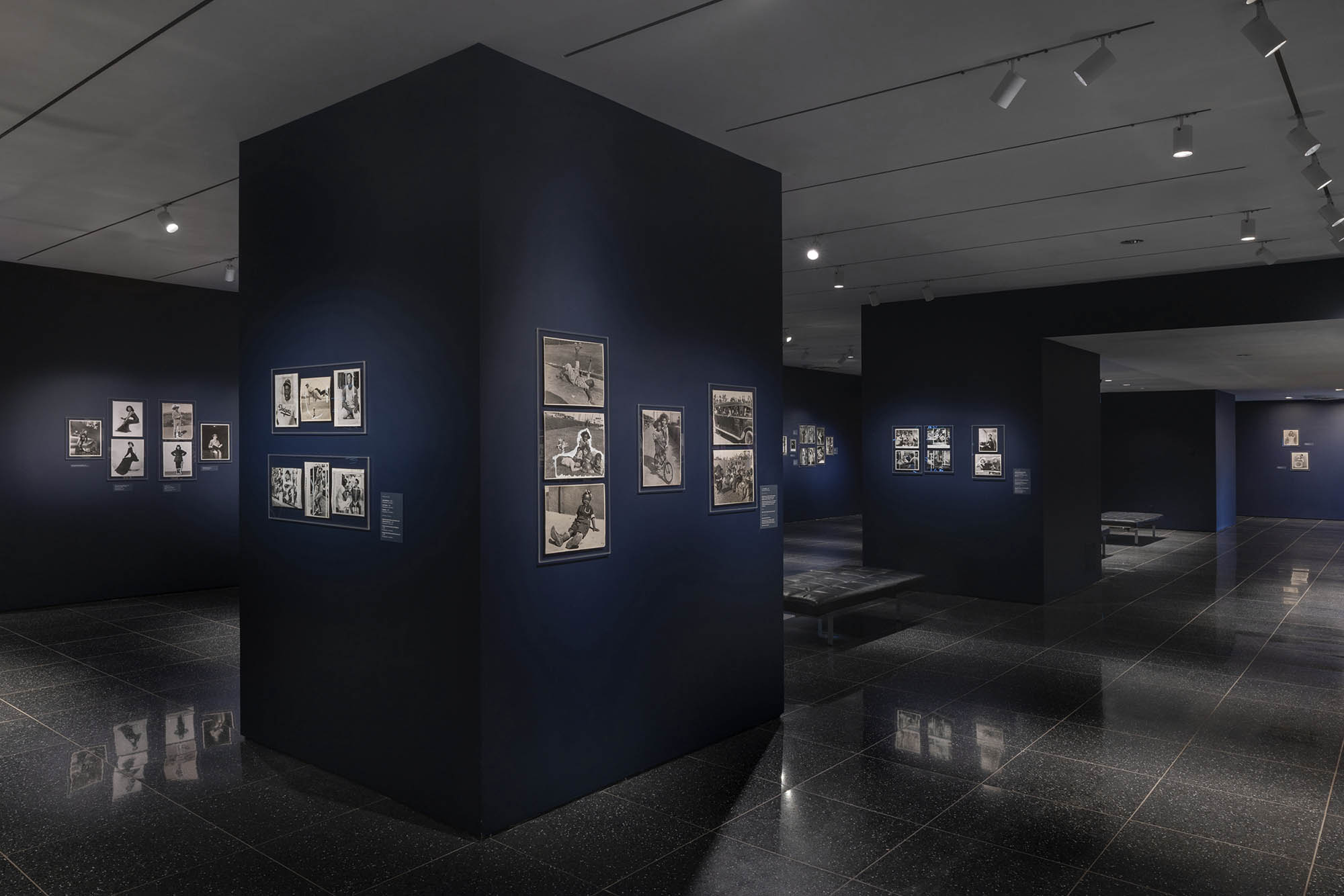
Installation view of the exhibition 'Face Value: Celebrity Press Photography' at The Museum of Modern Art (MoMA), New York, June 2025 - June 2026


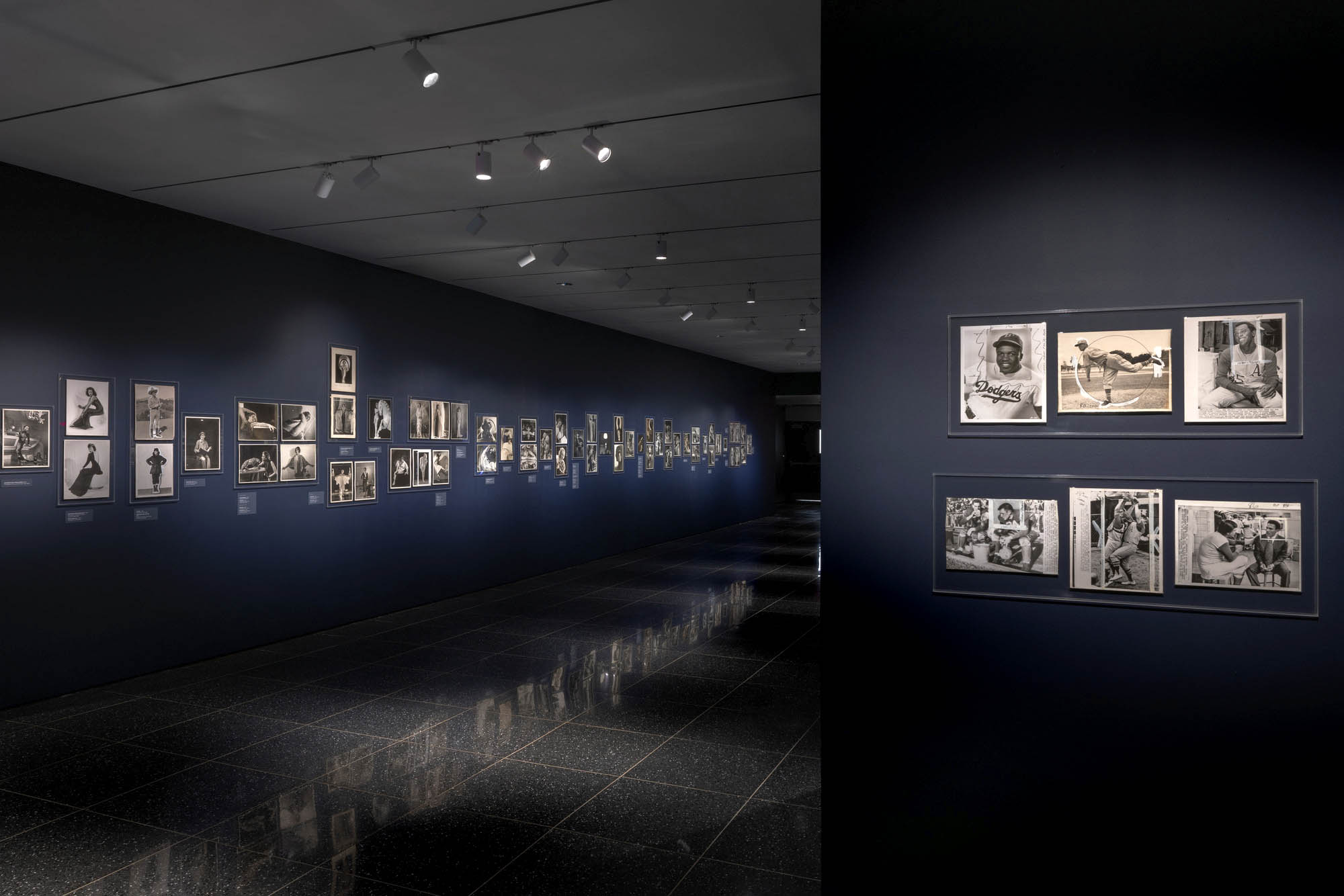
Installation view of the exhibition Face Value: Celebrity Press Photography at The Museum of Modern Art (MoMA), New York, June 2025 – June 2026 showing at right in the bottom image at third left in top row, Unknown photographer Jackie Robinson c. 1950
Photos: Jonathan Dorado
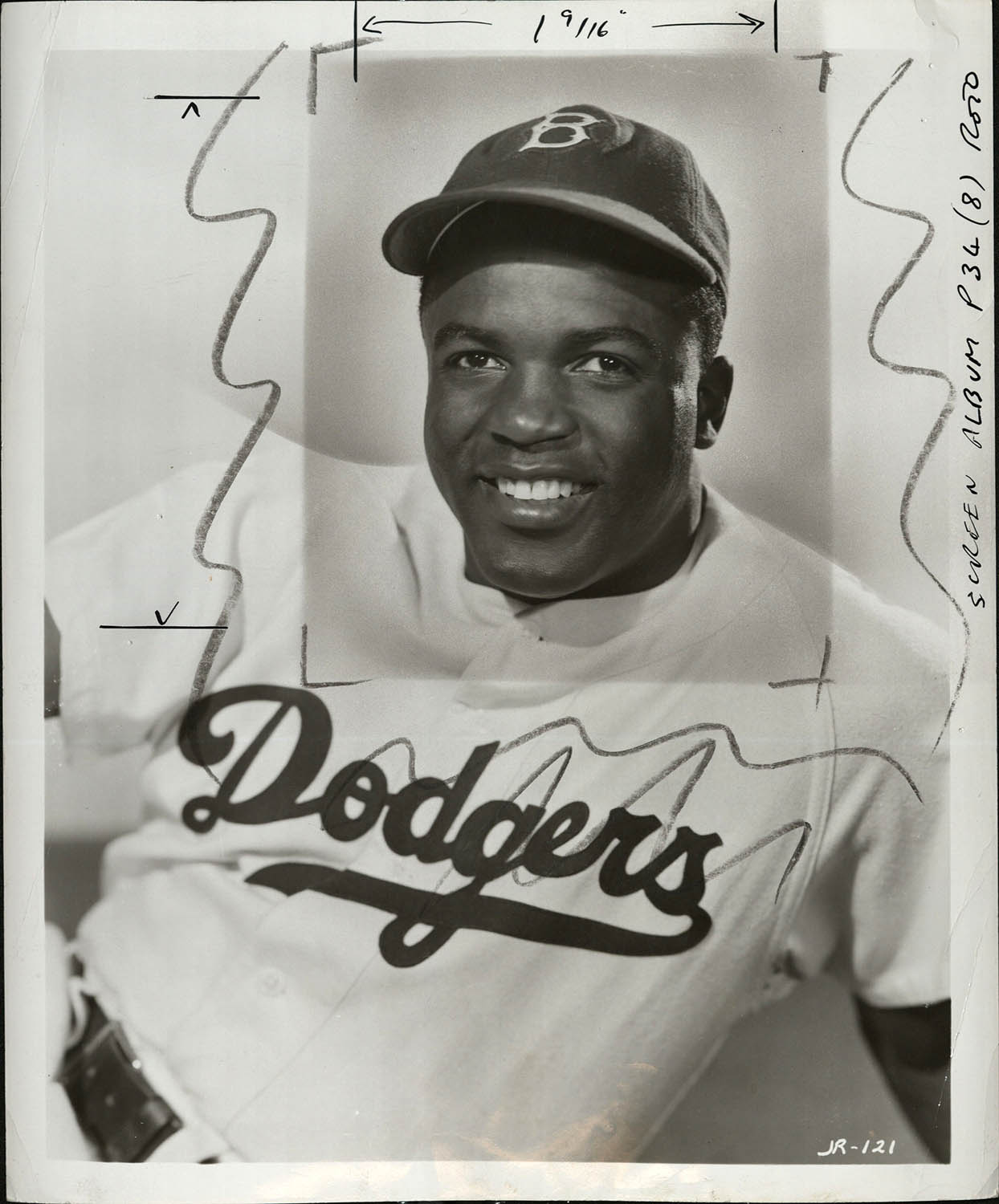
 

Unknown photographer. 'Jackie Robinson' c. 1950


Unknown photographer
Jackie Robinson
c. 1950
Sheet: 10 x 8″ (25.4 x 20.3cm)
The Museum of Modern Art Film Stills Collection


The Museum of Modern Art announces Face Value: Celebrity Press Photography, the first major exhibition of Hollywood studio portraiture to be drawn from the Museum’s film stills archive since 1993. On view in the Titus and Morita Galleries from June 28, 2025, through June 21, 2026, the exhibition will offer a revisionist look at the Department of Film’s photographic archive, examining the evolution of editorial practice before the digital age, AI technology, and social media reshaped the experience of celebrity.

Face Value will feature over 200 works from 1921to 1996, including studio photography of Louis Armstrong, Harry Belafonte, Clara Bow, Louise Brooks, Bette Davis, Mia Farrow, Katharine Hepburn, Dennis Hopper, Lena Horne, Bela Lugosi, Carmen Miranda, Elvis Presley, Diana Ross, Barbara Stanwyck, Elizabeth Taylor, Spencer Tracy, Oprah Winfrey, and many others.

Face Value: Celebrity Press Photography is organised by Ron Magliozzi, Curator, with Katie Trainor, Film Collections Manager, and Cara Shatzman, Collection Specialist, Department of Film.

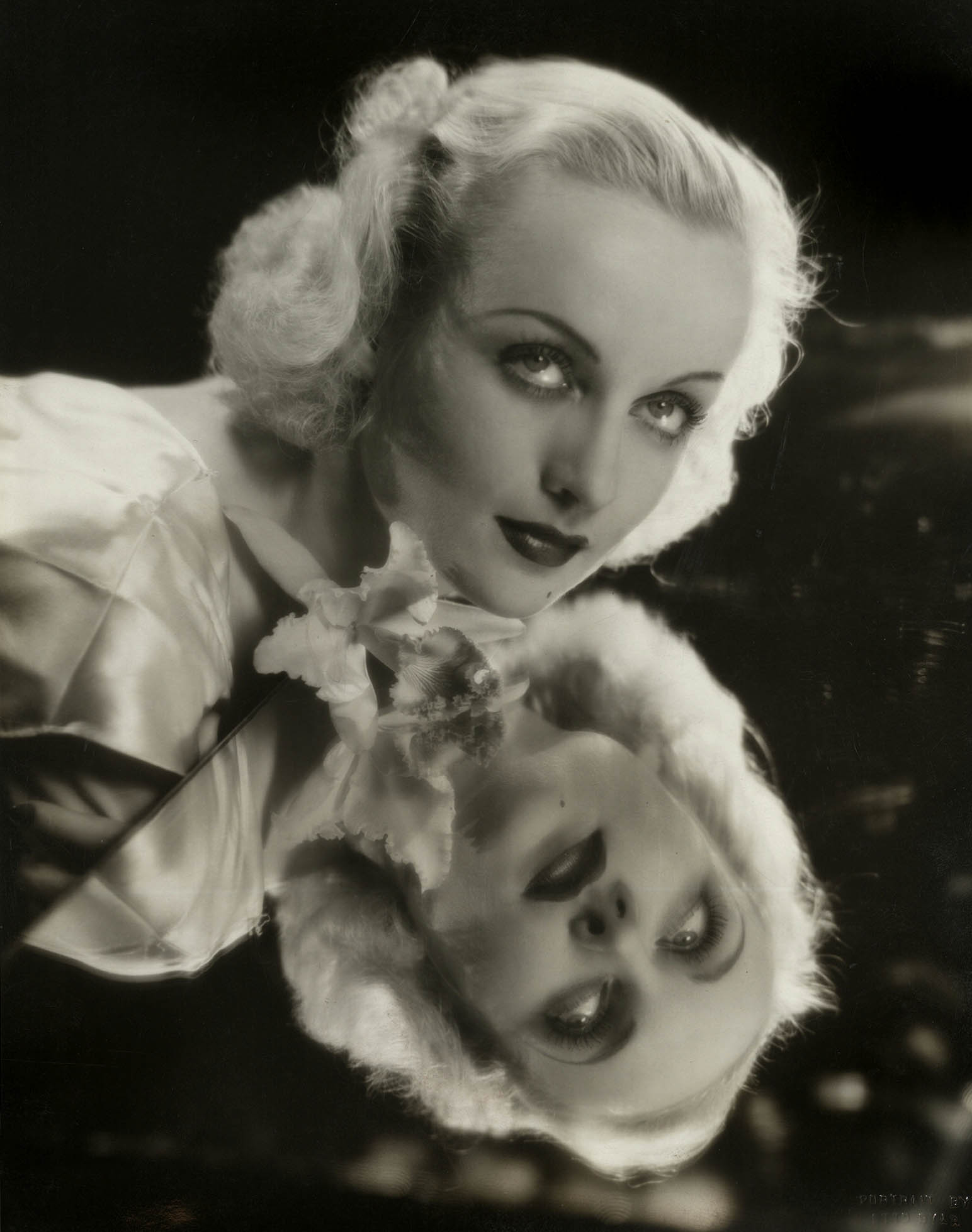
Face Value will encourage viewers to see through the facade of glamour at how celebrity is fabricated and exploited,” says Ron Magliozzi. Showcasing work by over 58 photographers, the exhibition will juxtapose “untouched” images like Otto Dyar’s Carole Lombard (c. 1933) with those altered through traditional press practices such as silhouetting, in-painting, masking, sectioning, and collage, like James Manatt’s Joan Crawford portrait for the film Letty Lynton (1932). Face Value examines how these methods shaped representations of not only film stars but also sports figures, socialites, and politicians, from Jackie Robinson to Jacqueline Kennedy Onassis and Eleanor Roosevelt. Presented in thematic suites, the installation highlights radical editing techniques, stylised visual motifs, and the gendered aesthetics embedded in the system, offering a revealing perspective on the fabrication of glamour and fame.

Since the Museum’s founding, photography has played a vital role in how it has documented the history of motion pictures. Face Value traces the origin of this early initiative to MoMA’s first film curator, Iris Barry, whose archival efforts led to the acquisition of editorial collections from Photoplay (1911-1980) and Dell (1921-1976), two leading publications that helped define Hollywood’s star system. The exhibition includes images of comic stars Buster Keaton, W. C. Fields, Lupe Velez, and Mae West; pioneering actress Hattie McDaniel with Ruby Berkley, the first Black accredited Hollywood correspondent; famed aviatrix Amelia Earhart on a Hollywood film set; and the last photo shoot with Marilyn Monroe.

Featuring promotional portraits crafted to cultivate celebrity personas, such as Ray Jones’s Anna May Wong portrait for the film Limehouse Blues, Soul of a Dragon (1934), the exhibition explores how these images were manipulated for public consumption through hands-on editing techniques long before digital tools became standard.

Press release from MoMA
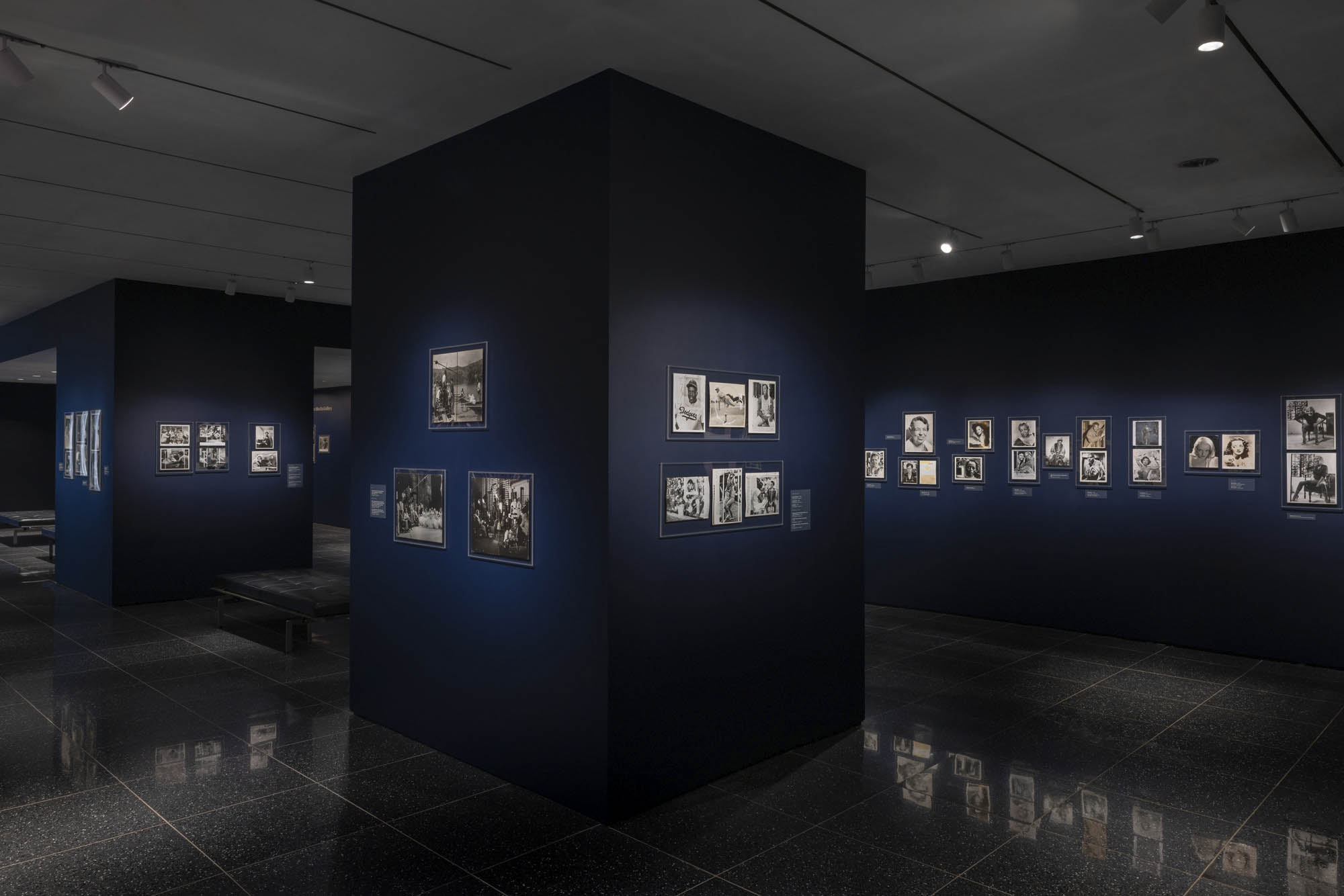
 

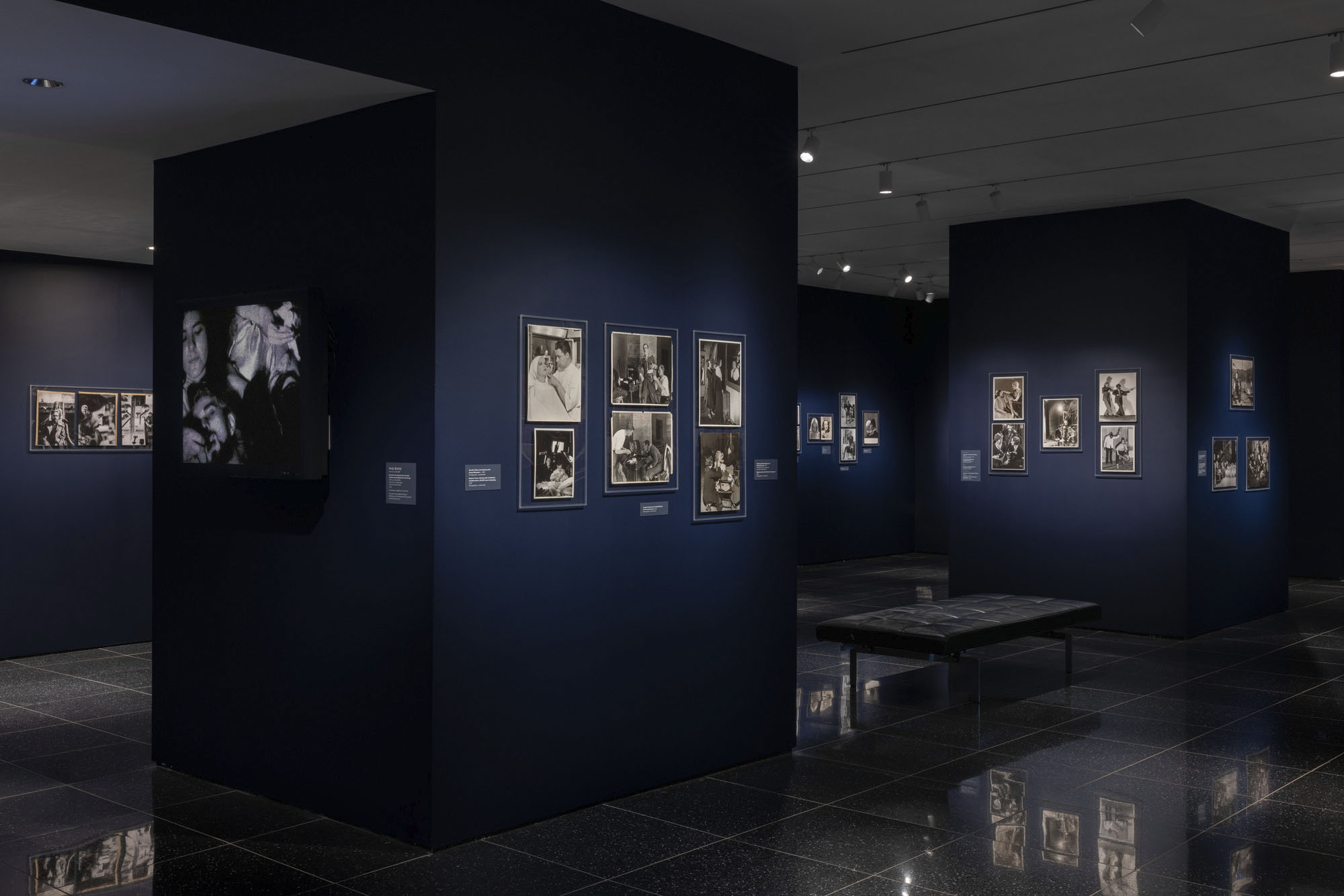
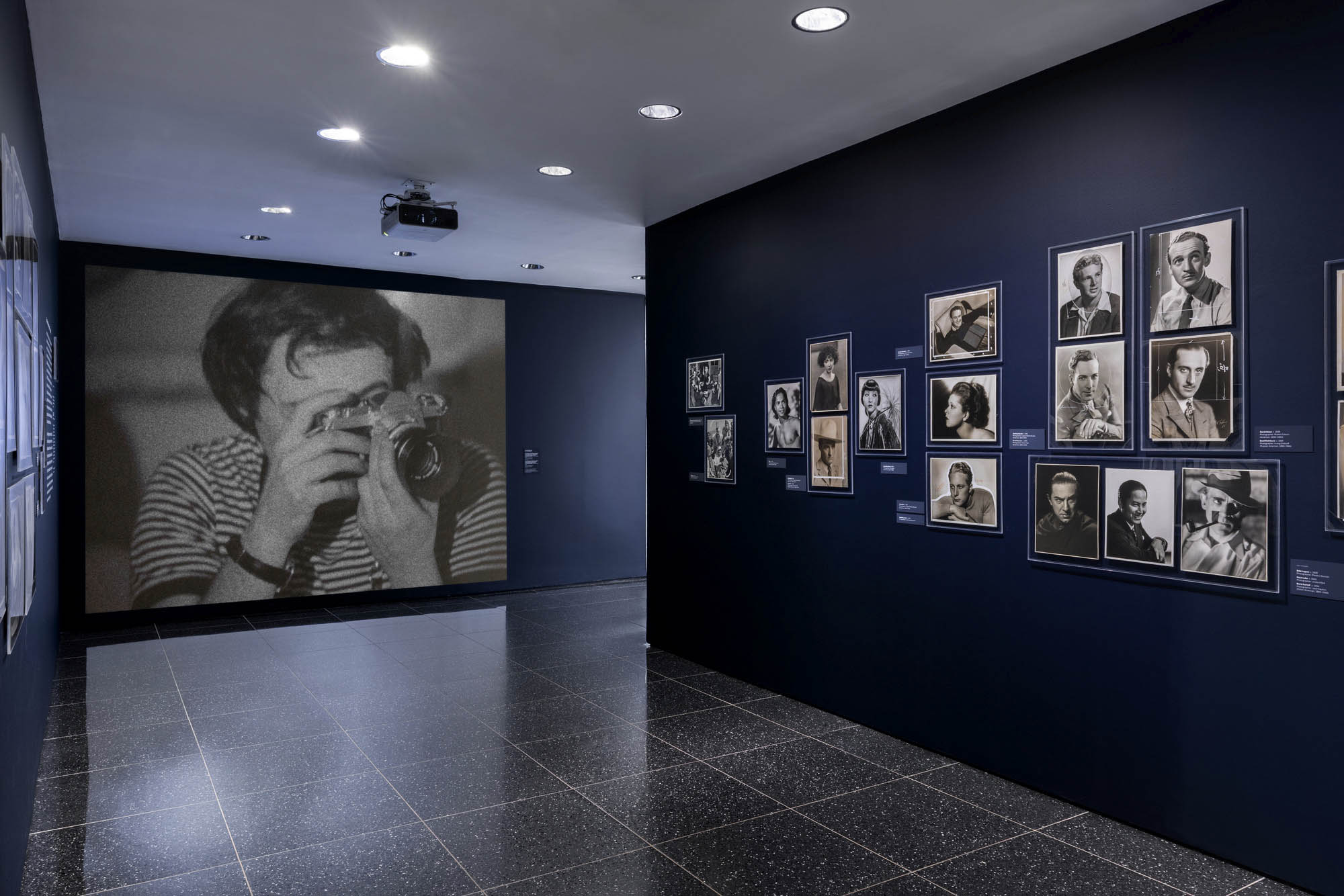
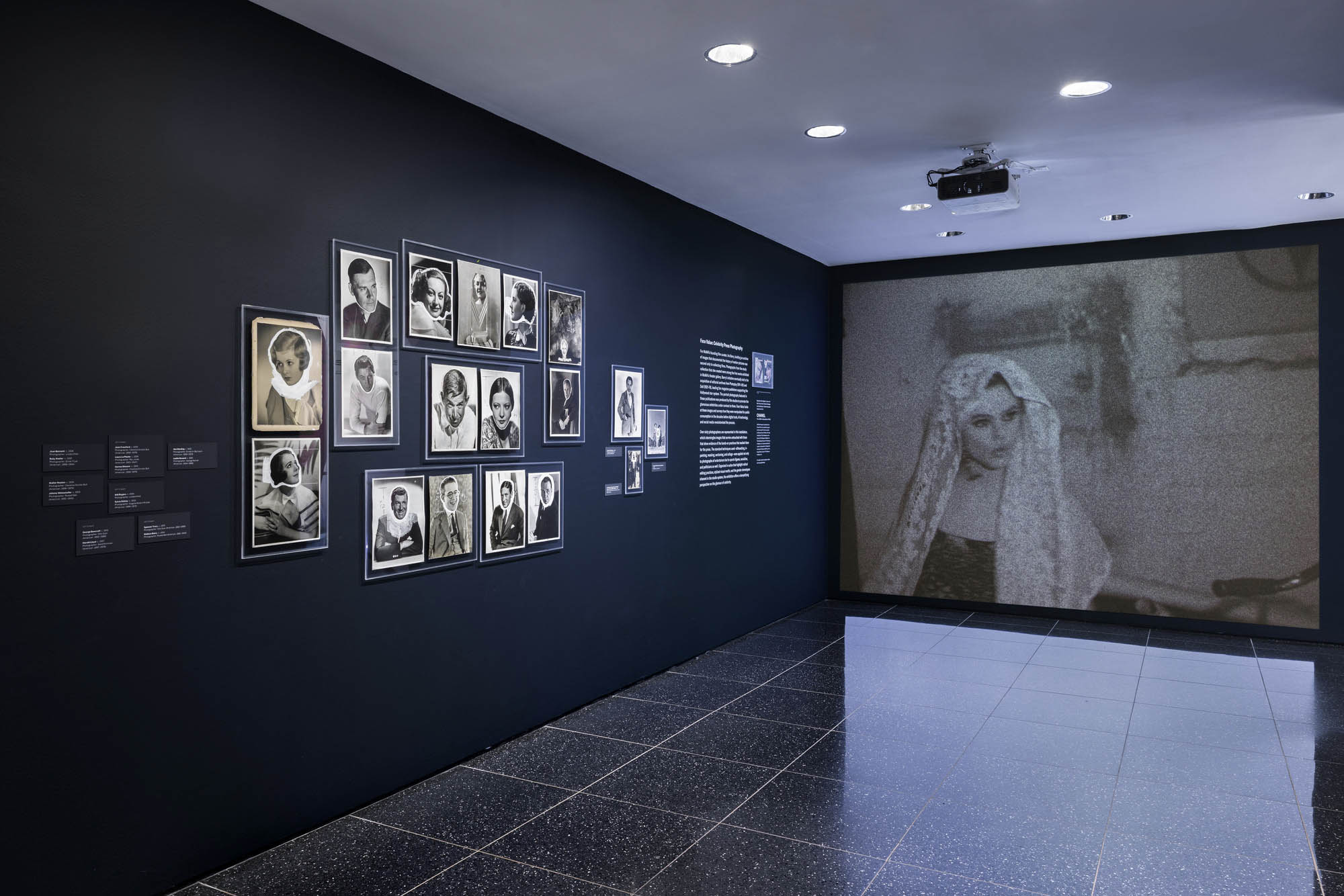
Installation view of the exhibition 'Face Value: Celebrity Press Photography' at The Museum of Modern Art (MoMA), New York, June 2025 - June 2026
Installation view of the exhibition 'Face Value: Celebrity Press Photography' at The Museum of Modern Art (MoMA), New York, June 2025 - June 2026 showing a video still from 'Edie Sedgwick, Gerard Malanga, Benedetta Barzini, Ingrid Superstar, Nat Finkelstein: Danny Williams footage of unknown documentary film shoot' c. 1965, processed 2024


Installation views of the exhibition Face Value: Celebrity Press Photography at The Museum of Modern Art (MoMA), New York, June 2025 – June 2026 showing in the bottom two photographs, video stills from Edie Sedgwick, Gerard Malanga, Benedetta Barzini, Ingrid Superstar, Nat Finkelstein: Danny Williams footage of unknown documentary film shoot c. 1965, processed 2024 (below)
Photos: Jonathan Dorado
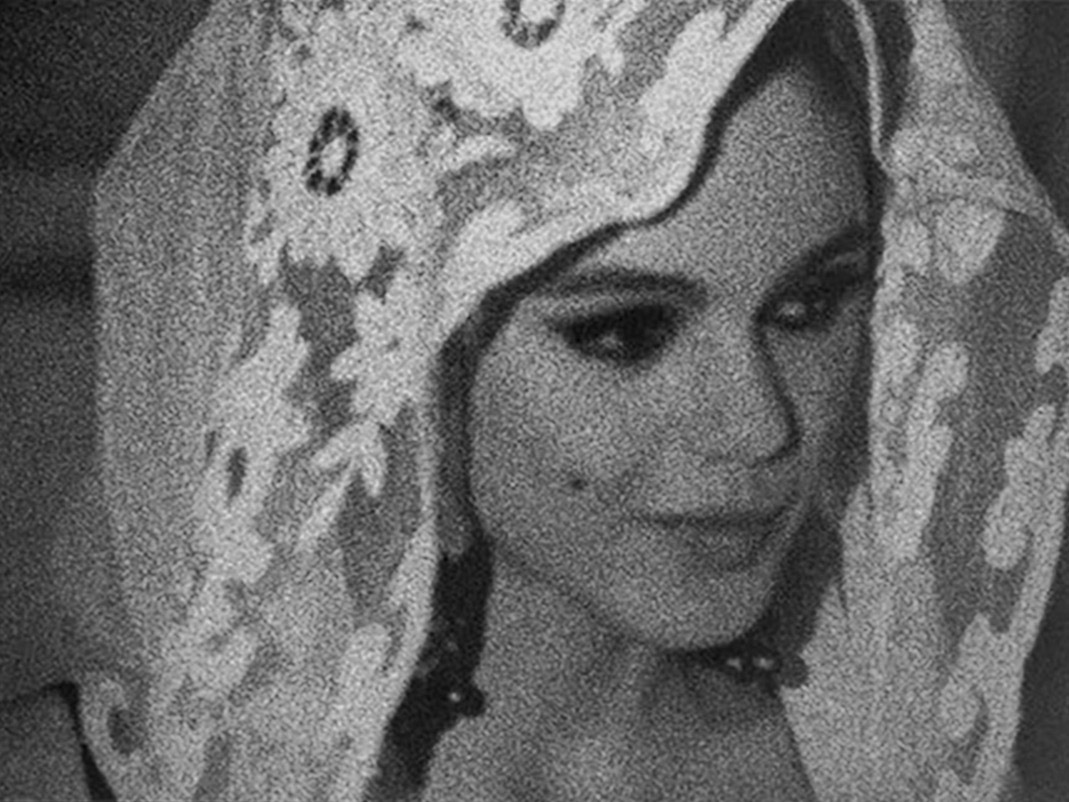
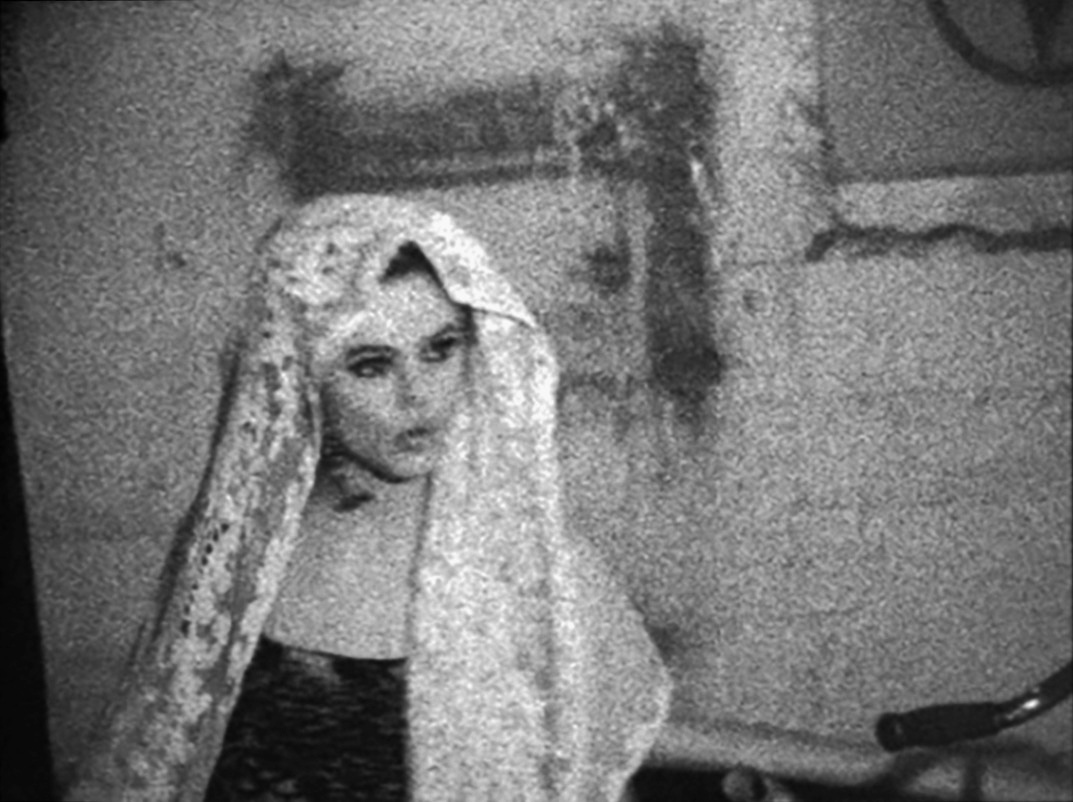
 

'Edie Sedgwick, Gerard Malanga, Benedetta Barzini, Ingrid Superstar, Nat Finkelstein: Danny Williams footage of unknown documentary film shoot' c. 1965, processed 2024


Edie Sedgwick, Gerard Malanga, Benedetta Barzini, Ingrid Superstar, Nat Finkelstein: Danny Williams footage of unknown documentary film shoot
c. 1965, processed 2024
The Museum of Modern Art Film Stills Collection


Edie Sedgwick dances in Andy Warhol’s Silver Factory during a photoshoot
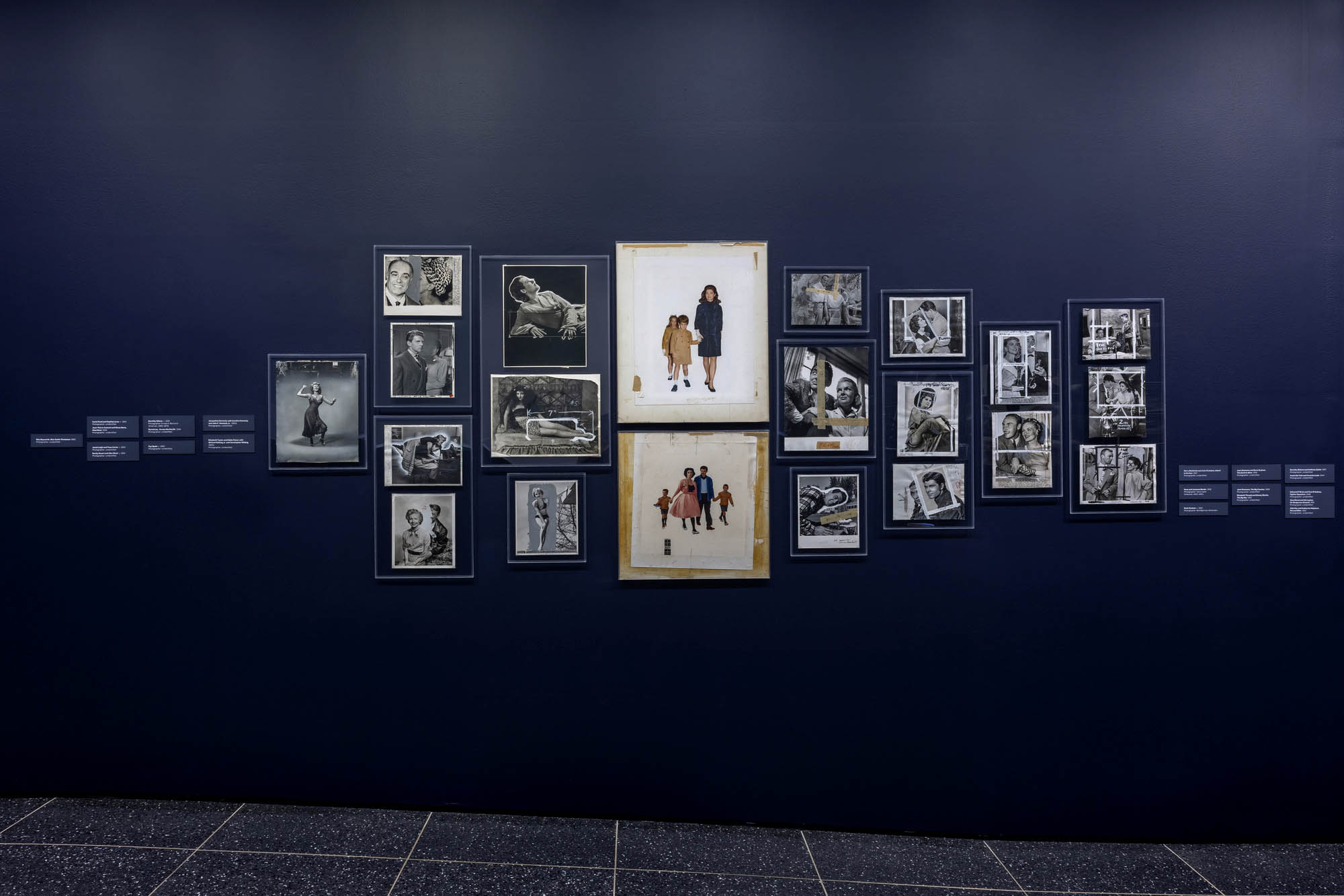
 

Installation view of the exhibition 'Face Value: Celebrity Press Photography' at The Museum of Modern Art (MoMA), New York, June 2025 - June 2026 showing at top centre, 'Jacqueline Kennedy with Caroline Kennedy, John F. Kennedy Jr.' 1960s; and a bottom centre, 'Elizabeth Taylor and Eddie Fisher with Michael Wilding Jr. and Christopher Wilding' 1960s


Installation view of the exhibition Face Value: Celebrity Press Photography at The Museum of Modern Art (MoMA), New York, June 2025 – June 2026 showing at top centre, Jacqueline Kennedy with Caroline Kennedy, John F. Kennedy Jr. 1960s; and a bottom centre, Elizabeth Taylor and Eddie Fisher with Michael Wilding Jr. and Christopher Wilding 1960s
Photo: Jonathan Dorado


Installation view of the exhibition 'Face Value: Celebrity Press Photography' at The Museum of Modern Art (MoMA), New York, June 2025 - June 2026 showing from top left to right, top to bottom, Unknown photographer Harry 'Belafonte and Joan Fontaine' 1957; Gene Lester (American, 1910-1994) 'Dean and Jeannne Martin' 1958; Bob Beerman (American) 'Rock Hudson' c. 1953; Unknown photographer 'Jean Simmons, Rock Hudson [in "This Earth is Mine"]' 1959; Unknown photographer 'Jean Simmons [in "The Big Country"]' 1958; Unknown photographer 'Elizabeth Threatt and Dewey Martin [in "The Big Sky"]' 1952; Unknown photographer 'Dorothy Malone and Anthony Quinn' 1957; Unknown photographer 'André De Toth and Veronica Lake' 1944; Unknown photographer 'Edmund O'Brien and Tom D'Andrea [in "Fighter Squadron"]' 1948; Unknown photographer 'Ward Bond and Ida Lupino [in "On Dangerous Ground"]' 1951; Unknown photographer 'Aldo Ray and Katharine Hepburn [in "Pat and Mike"]' 1952


Installation view of the exhibition Face Value: Celebrity Press Photography at The Museum of Modern Art (MoMA), New York, June 2025 – June 2026 showing from top left to right, top to bottom, Unknown photographer Harry Belafonte and Joan Fontaine 1957 (below); Gene Lester (American, 1910-1994) Dean and Jeannne Martin 1958; Bob Beerman (American) Rock Hudson c. 1953 (top of posting); Unknown photographer Jean Simmons, Rock Hudson [in “This Earth is Mine”] 1959 (below); Unknown photographer Jean Simmons [in “The Big Country”] 1958; Unknown photographer Elizabeth Threatt and Dewey Martin [in “The Big Sky”] 1952; Unknown photographer Dorothy Malone and Anthony Quinn 1957; Unknown photographer André De Toth and Veronica Lake 1944; Unknown photographer Edmund O’Brien and Tom D’Andrea [in “Fighter Squadron”] 1948; Unknown photographer Ward Bond and Ida Lupino [in “On Dangerous Ground”] 1951; Unknown photographer Aldo Ray and Katharine Hepburn [in “Pat and Mike”] 1952
Photo: Jonathan Dorado


Unknown photographer. 'Harry Belafonte and Joan Fontaine [in "Island in the Sun"]' 1957


Unknown photographer
Harry Belafonte and Joan Fontaine [in “Island in the Sun”]
1957
Sheet: 6 15/16 × 9 1/16″ (17.6 × 23 cm)
The Museum of Modern Art Film Stills Collection


Unknown photographer. 'Jean Simmons, Rock Hudson [in "This Earth is Mine"]' 1959


Unknown photographer
Jean Simmons, Rock Hudson [in “This Earth is Mine”]
1959
Sheet: 8 x 9 15/16″ (20.3 x 25.2cm)
The Museum of Modern Art Film Stills Collection
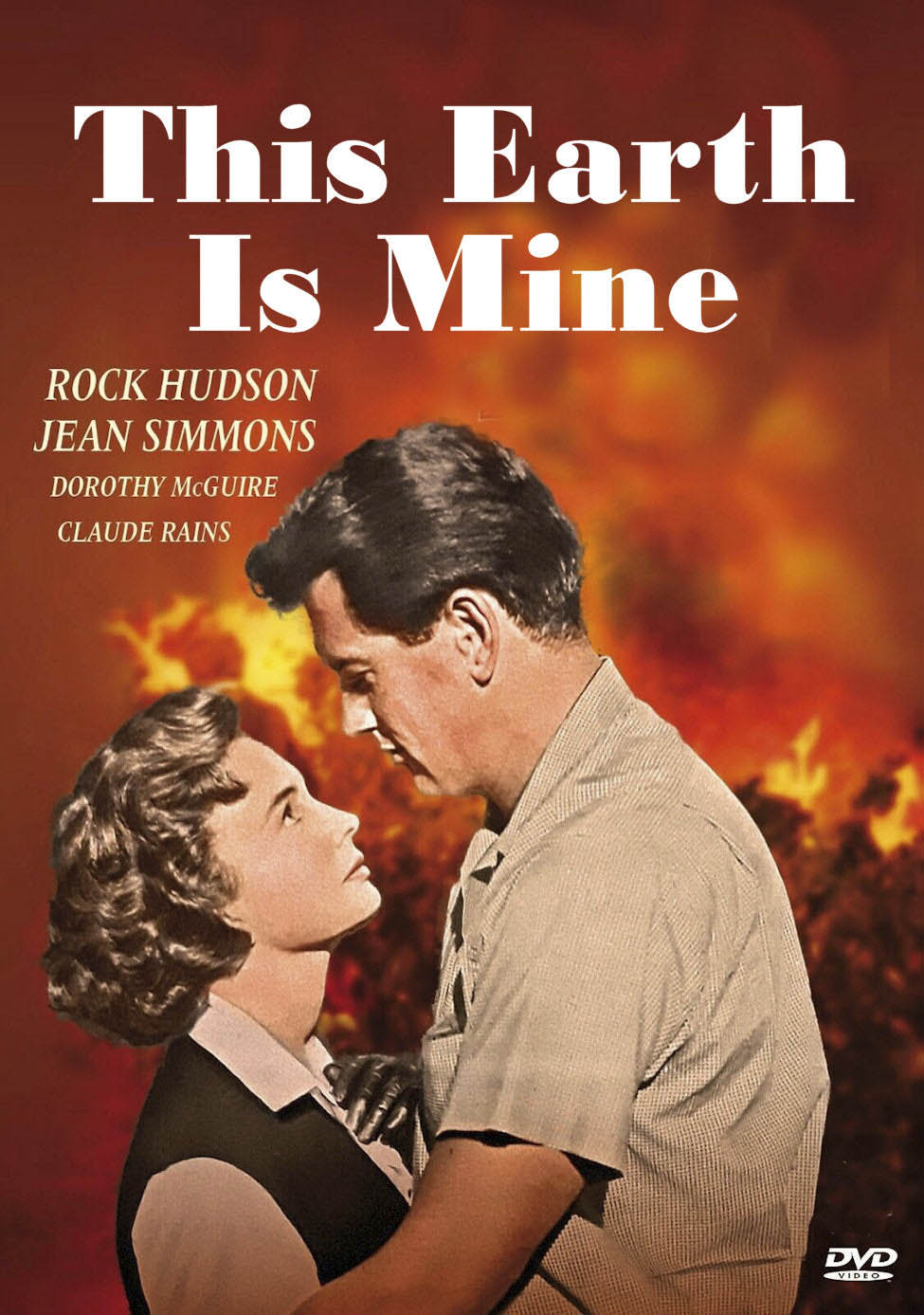
 

'This Earth Is Mine' (1959) DVD cover


This Earth is Mine (1959) DVD cover


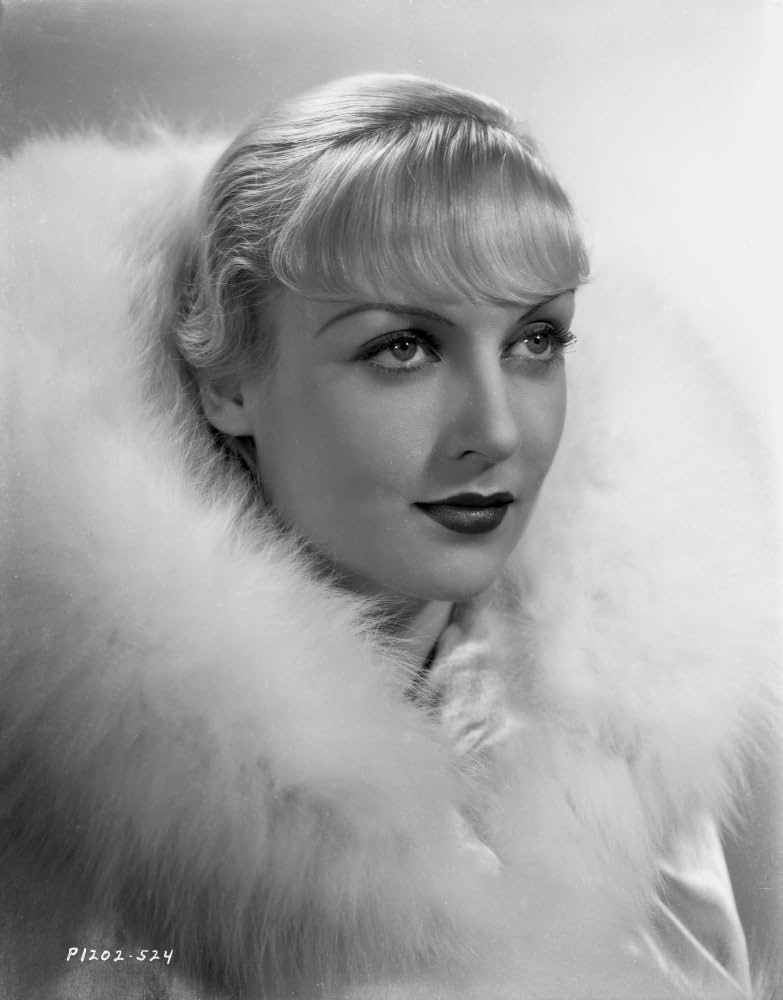
Otto Dyar (American, 1892-1988) 'Carole Lombard' c. 1933


Otto Dyar (American, 1892-1988)
Carole Lombard
c. 1933
Sheet: 13 7/8 x 10 1/2″ (35.2 x 26.7cm)
The Museum of Modern Art Film Stills Collection


Hollywood stills photographers like Dyar “were not mirroring life, but illusion; their subjects were not humans but gods – of love, of allure, of luxury, perfection incarnate from the golden age of Hollywood glamor”


John Kobal (ed), Hollywood glamor portraits, Courier Corporation, 1976, p.V on the Wikipedia website


Otto Dyar was a prominent stills photographer who began his career at the Paramount studios in the 1920s. Initially working as an assistant on major film productions such as the 1927 ‘Wings’, Dyar quickly rose through the ranks to become one of Hollywood’s most notable image-makers.

During the 1930s and 40s, Dyar developed his own, highly dramatic style of lighting and photography that deviated from the neoclassical glamor of the 1920s. Edgy and expressionistic, Dyar’s photographs pushed the iconic features of movie stars like Carole Lombard, Cary Grant, Kay Francis and Joan Crawford to a grittier place that was more in accord with the aesthetics of films made in those decades. Of particular note are Dyar’s star portraits taken outside of the studio, an unusual and daring step at the time.

Despite all the high-contrast lighting, skewed angles and often tiny ‘surrealist’ interventions that point to the influence of photographers like Man Ray, Dyar faithfully accomplished the task of elevating the studio stars to the realm of deities. Like his peers George Hurrell, Ted Allen and Clarence Sinclair Bull, Dyar was not concerned with the psychologies of his sitters. What interested him was amplifying and consolidating the image the stars exuded in their roles, which was usually so powerful that it eclipsed the ‘real’ person that was in front of the camera.

Vigen Galstyan. “Dyar, Otto,” on the Lusadaran: Armenian Photography Foundation website 2015 [Online] Cited 02/04/2026. Used under fair use conditions for the purposes of education and research
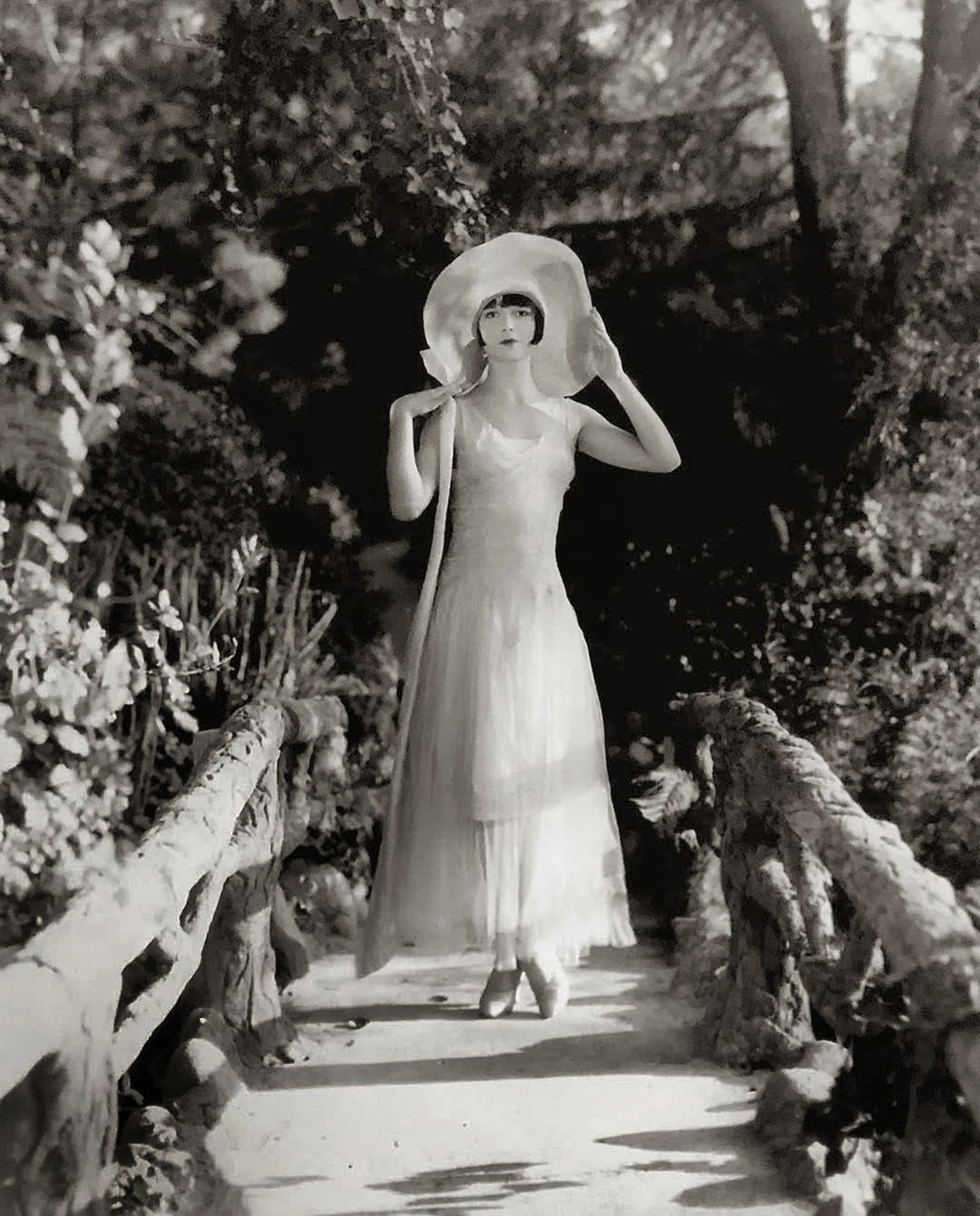
 

Otto Dyar (American, 1892-1988) 'Louise Brooks' c. 1927


Otto Dyar (American, 1892-1988)
Louise Brooks
c. 1927
Sheet: 13 15/16 x 10 15/16″ (35.4 x 27.8cm)
The Museum of Modern Art Film Stills Collection
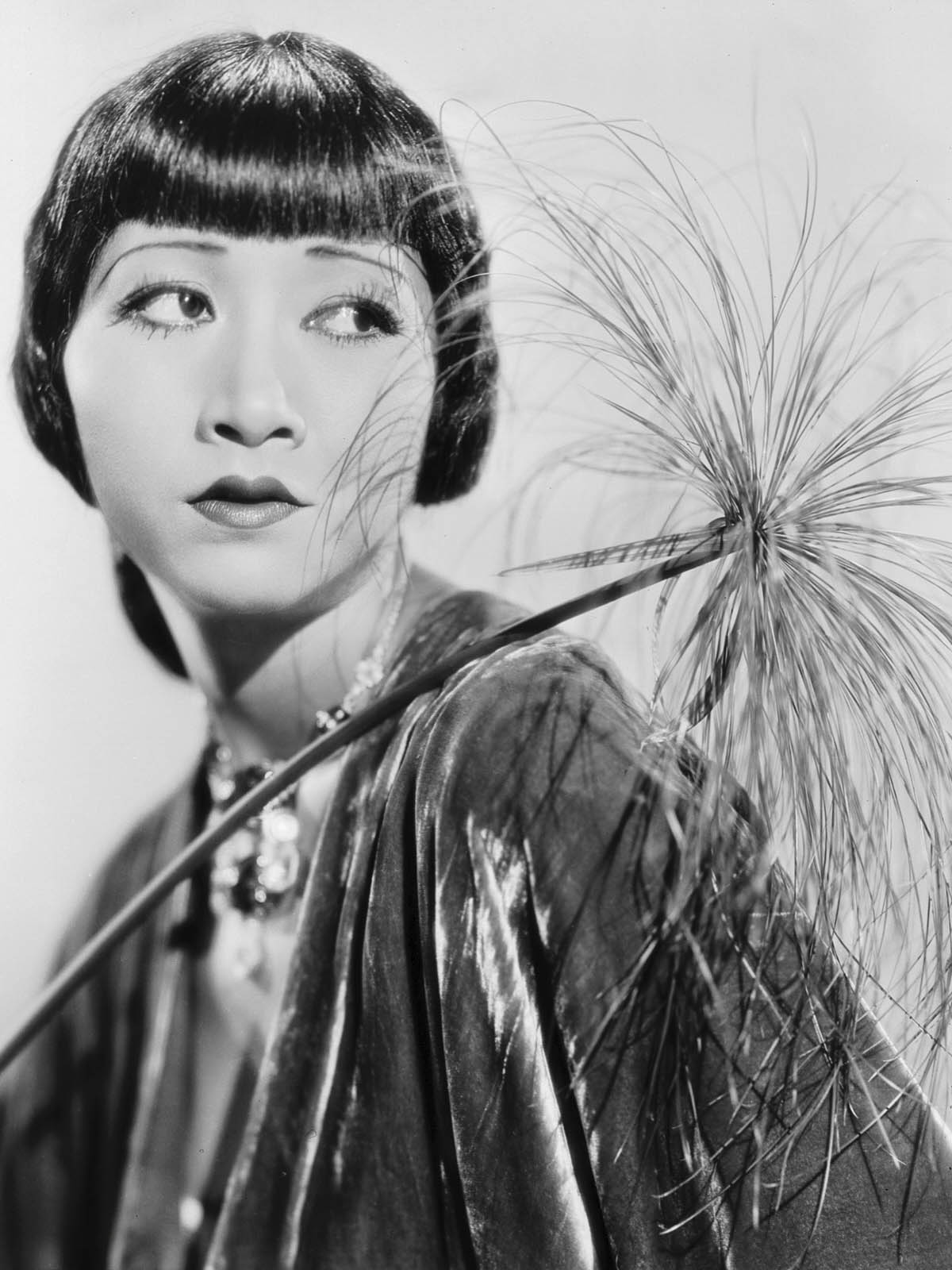
 

Otto Dyar (American, 1892-1988) 'Anna May Wong' 1930s


Otto Dyar (American, 1892-1988)
Anna May Wong
1930s
Sheet: 13 7/8 x 10 7/8″ (35.2 x 27.6cm)
The Museum of Modern Art Film Stills Collection


Ray Jones (American, 1901-1947) 'Anna May Wong [in "Limehouse Blues"]' 1934


Ray Jones (American, 1901-1947)
Anna May Wong [in “Limehouse Blues”]
1934
Sheet: 12 7/8 x 10″ (32.7 x 25.4cm)
The Museum of Modern Art Film Stills Collection
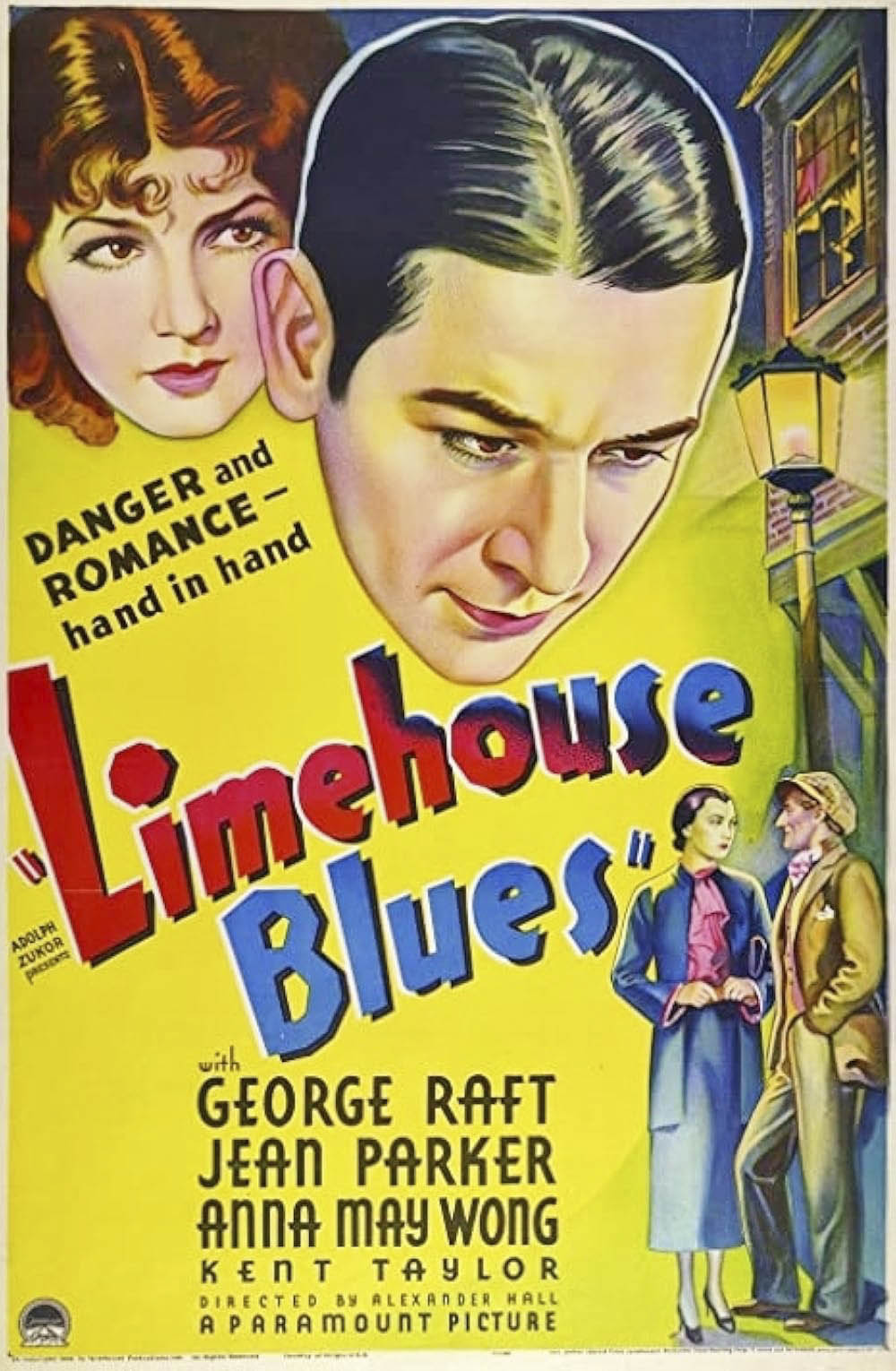
 

'Limehouse Blues' (1934) movie poster


Limehouse Blues (1934) movie poster


Unknown photographer. 'Anna May Wong' c. 1934


Unknown photographer
Anna May Wong
c. 1934
MoMA Film Stills Archive
Sheet: 8 x 6″ (20.3 x 15.2cm)
The Museum of Modern Art Film Stills Collection


Unknown photographer. 'Myrna Loy [in "Across the Pacific"]' 1926


Unknown photographer
Myrna Loy [in “Across the Pacific”]
1926
Sheet: 11 x 14″ (27.9 x 35.6cm)
The Museum of Modern Art Film Stills Collection
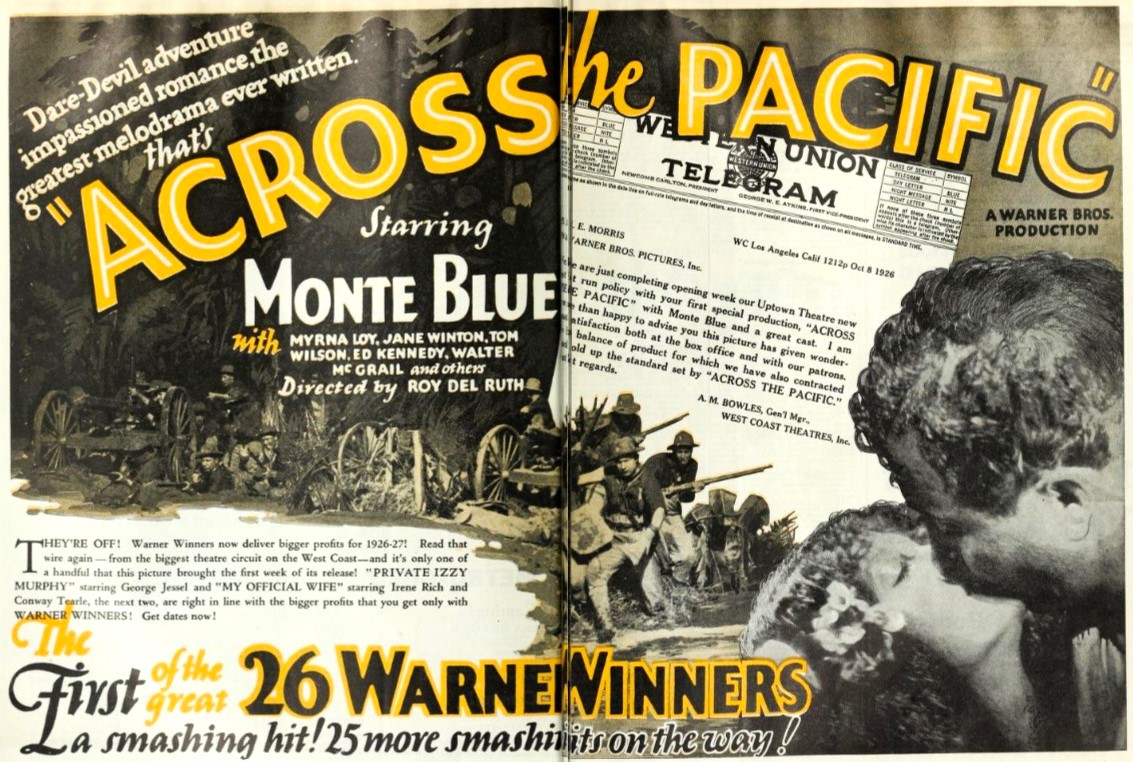
 

Advertisement for the American romantic adventure film 'Across the Pacific' (1926) with Monte Blue and Myrna Loy, on pages 6 and 7 of the October 26, 1926 'Film Daily'


Advertisement for the American romantic adventure film Across the Pacific (1926) with Monte Blue and Myrna Loy, on pages 6 and 7 of the October 26, 1926 Film Daily


John Miehle (American, 1902-1952) 'Dolores del Rio and Edmund Lowe [in "The Bad One"]' 1930


John Miehle (American, 1902-1952)
Dolores del Rio and Edmund Lowe [in “The Bad One”]
1930
Sheet: 13 7/8 x 10 15/16″ (35.2 x 27.8cm)
The Museum of Modern Art Film Stills Collection


John Miehle was born on August 7, 1902 in Los Angeles, California. Being born so close to Hollywood Miehle went to work as an assistant camera man on the 1931 movie “Delicious” starring Janet Gaynor and Charles Farrell.  

He then worked exclusively in the Camera and Electrical Department doing uncredited still photography on some of the best known films, such as “What Price Hollywood?,” “Rain,” “Little Women,” “Top Hat,” “Kitty Foyle,” “Rope” and “Portrait of Jennie.”

He photographed many of the greats as well including Constance Bennett, Joan Crawford, Irene Dunne, Ginger Rogers, Ann Harding, William Powell, Joel McCrea, Katherine Hepburn, Joan Bennett, Delores Del Rio, Randolph Scott, James Stewart, Cary Grant, Jean Arthur, Ruth Hussey, Jennifer Jones, Joseph Cotten, Ethel Barrymoore, Laraine Day, Franchot Tone, Ann Blyth, Farley Granger, and Dana Andrews…

In addition, he did many publicity shots of such stars as Carole Lombard, Marilyn Monroe, and Lucille Ball.

Don’t Forget The Illustrator! “The Classics and “Ginger Rogers” photographer John Miehle,” on the Vintage Movie Star Photos blog Thursday, March 28, 2013 [Online] Cited 12/05/2026. Used under fair use conditions for the purposes of education and research
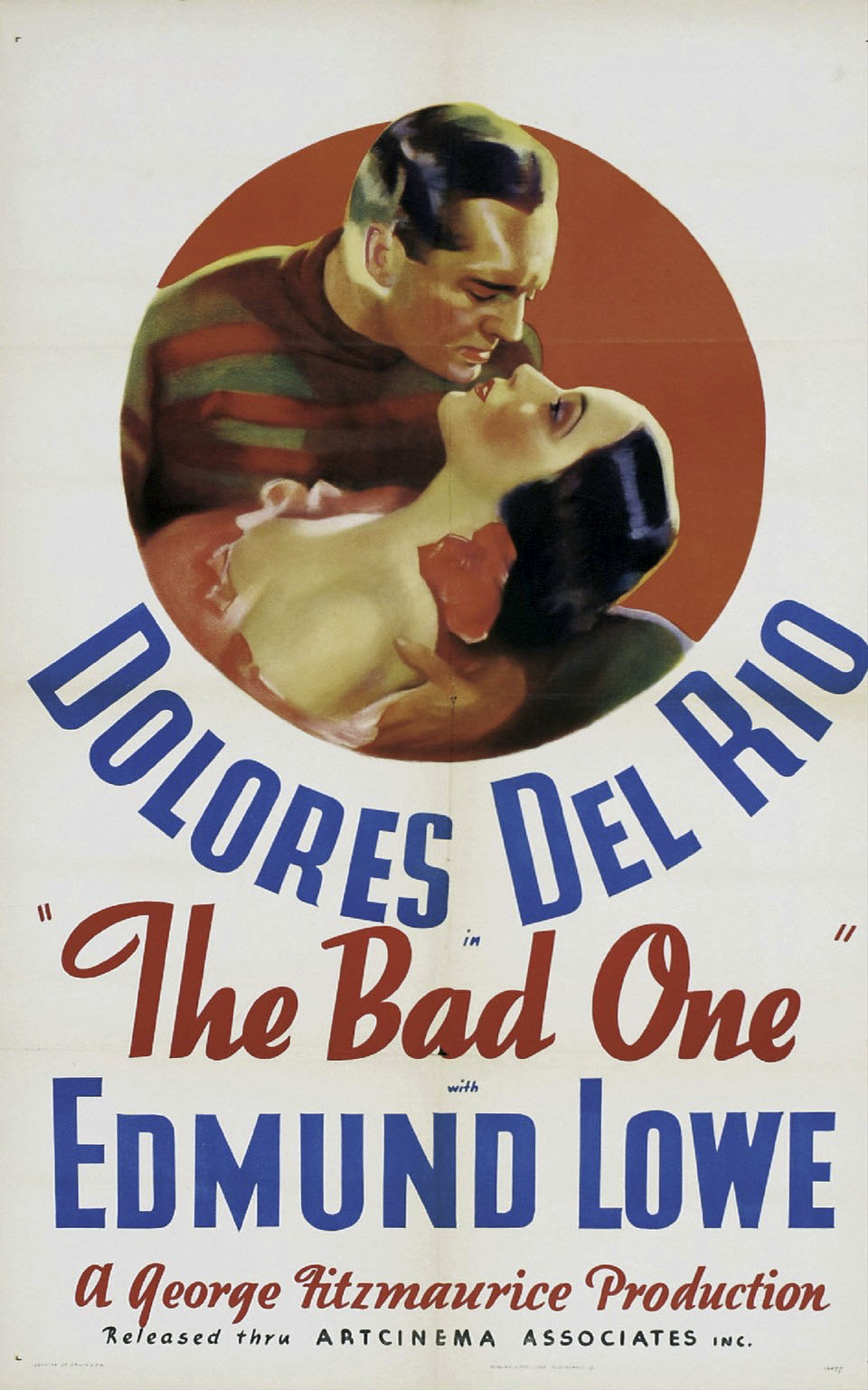
 

'The Bad One' (1930) movie poster


The Bad One (1930) movie poster


William Walling Jr (American, 1904-1983) 'Carole Lombard' c. 1933


William Walling Jr (American, 1904-1983)
Carole Lombard
c. 1933
Sheet: 13 7/8 x 11 15/16″ (35.2 x 30.3cm)
The Museum of Modern Art Film Stills Collection


William Richard Walling, Jr. (October 6, 1904 – December 11, 1983) was an American actor, inventor, and portrait photographer for film studios.


Robert Coburn (American, 1900-1990) 'Vera Zorina [in "The Goldywyn Follies"]' c. 1937


Robert Coburn (American, 1900-1990)
Vera Zorina [in “The Goldywyn Follies”]
c. 1937
Sheet: 13 13/16 x 10 15/16″ (35.1 x 27.8cm)
The Museum of Modern Art Film Stills Collection


Eva Brigitta Hartwig (January 2, 1917 – April 9, 2003), known professionally as Vera Zorina, was a German-Norwegian ballerina, theatre and film actress, and choreographer, chiefly remembered for her films choreographed by her husband George Balanchine. They include the Slaughter on Tenth Avenue sequence from On Your ToesThe Goldwyn FolliesI Was an Adventuress with Erich Von Stroheim and Peter LorreLouisiana Purchase with Bob Hope, and dancing to “That Old Black Magic” in Paramount Pictures’ Star Spangled Rhythm.

Text from the Wikipedia website


Robert Coburn was one of the most influential portrait photographers working in the major Hollywood movie studios from the 1930’s to 1960’s. His star subjects included Rita Hayworth, Joan Crawford, Kim Novak, Carole Lombard, William Holden, Glenn Ford, and Orson Welles. Coburn’s most infamous portraits immortalised Hollywood’s greatest icons and helped to define this era as the Golden Age of Cinema. In 1940, Robert Coburn began a twenty-year career with Columbia Pictures as the head of the still production department and the studio’s chief portrait photographer for many landmark films including “Picnic”, “Gilda”, and “The Big Heat”.

Text from the Fahey/Klein Gallery website
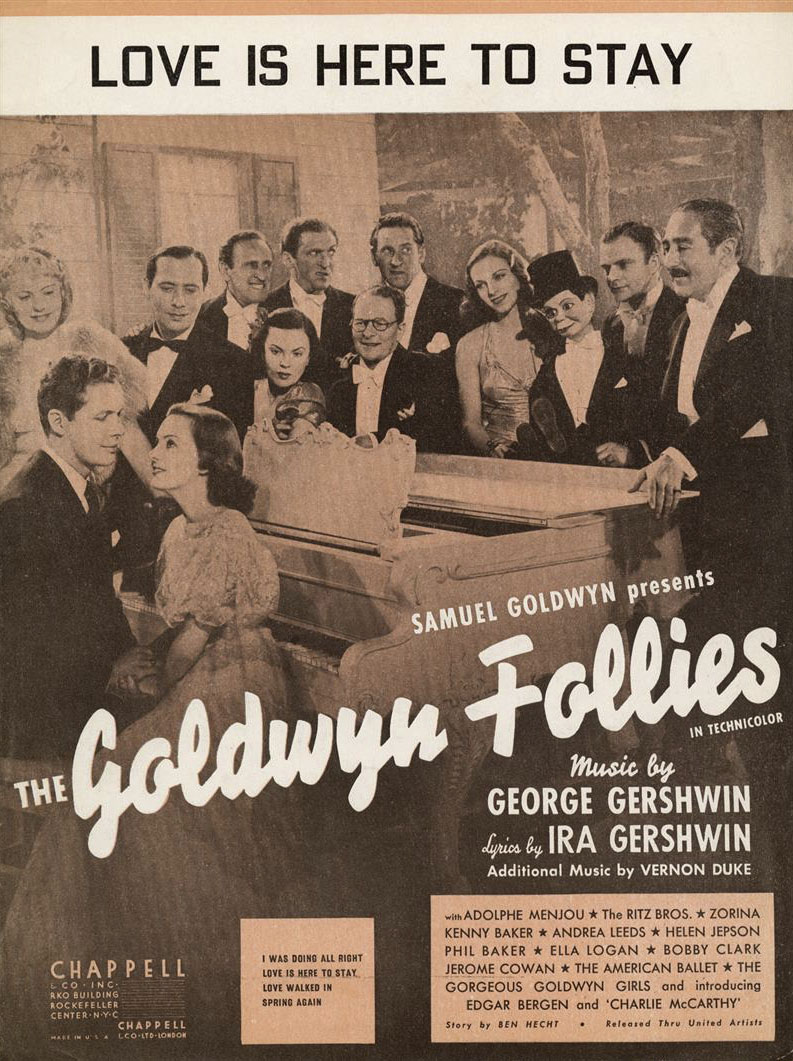
 

'Goldwyn Follies' (1937) movie poster


Goldwyn Follies (1937) movie poster


Face Value: Celebrity Press Photography Introductory text

For MoMA’s founding film curator, Iris Barry, building an archive of images that documented the history of motion pictures was second only to collecting films. Photographs from the study collection that she created were among the first works exhibited in MoMA’s theater gallery. Barry’s initiative eventually led to the acquisition of editorial archives from Photoplay (1911-1980) and Dell (1921-1976), leading fan magazine publishers supporting the Hollywood star system. The portrait photography featured in these publications was produced by film studios to promote the glamorous celebrities under contract to them. Face Value looks at these images and surveys how they were manipulated for public consumption in the decades before digital tools, AI technology, and social media revolutionized the process. 

Over sixty photographers are represented in this installation, which intermingles images that survive untouched with those that show evidence of the hands-on practices that readied them for the press. The standard techniques used – silhouetting, in-painting, masking, sectioning, and collage – were applied not only to photographs of entertainers but to sports figures, socialites, and politicians as well. Organised in suites that highlight radical editing practices, stylised visual motifs, and the gender stereotypes inherent in the studio system, the exhibition offers a demystifying perspective on the glamour of celebrity.

Wall text from the exhibition
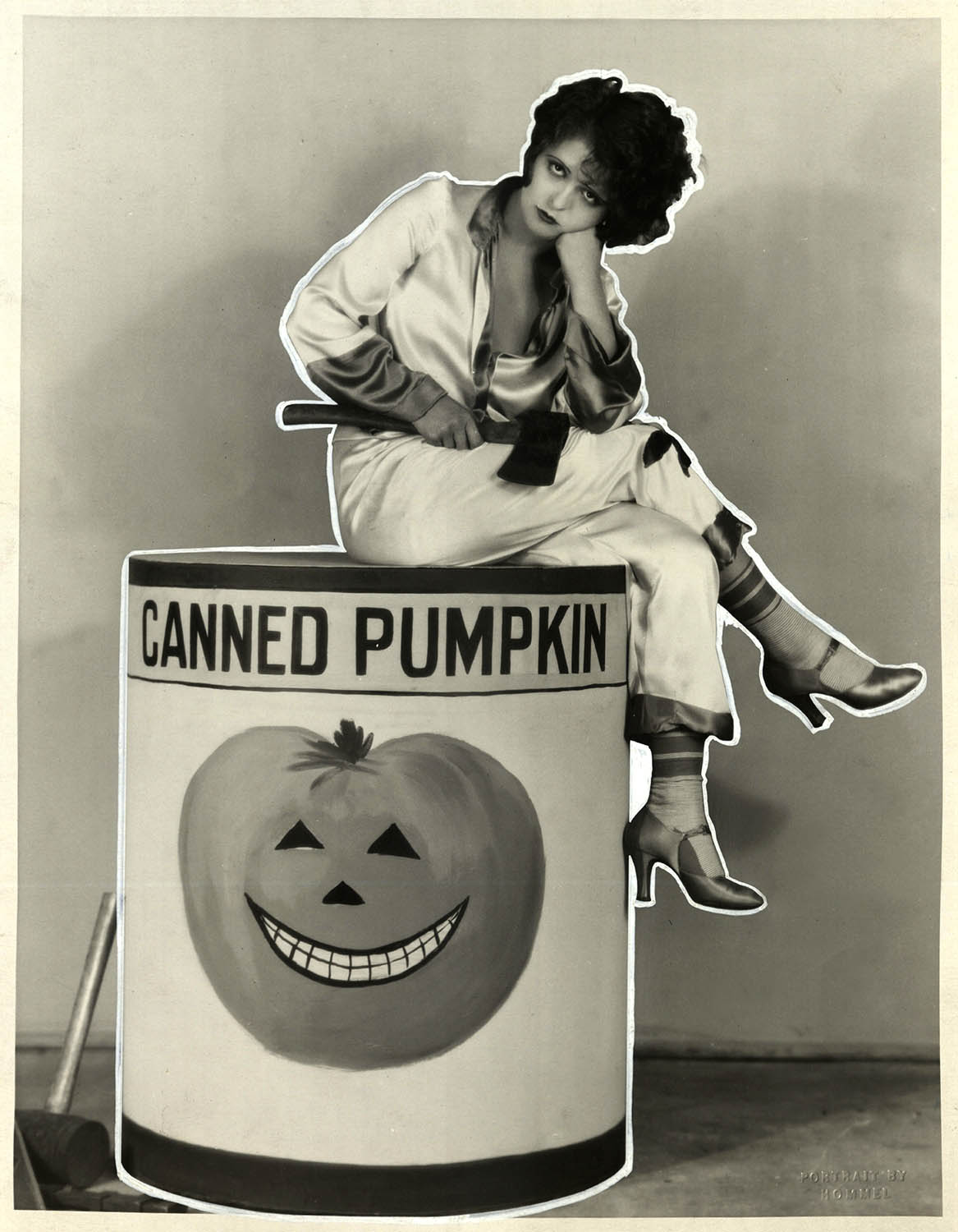
 

George P. Hommel (American, 1901-1953) 'Clara Bow' c. 1929


George P. Hommel (American, 1901-1953)
Clara Bow
c. 1929
Sheet: 14 x 11″ (35.6 x 27.9 cm)
The Museum of Modern Art Film Stills Collection


Overshadowed by the work of 1920s Paramount colleagues Donald Biddle Keyes and Eugene Robert Richee, stillsman George P. Hommel crafted thoughtful portraits highlighting both the beauty and sorrow of those he photographed. Like Keyes, the peripatetic Hommel always looked for new challenges, new opportunities, keeping him on the move. Unobstrusive and elegant, Hommel’s work reveals hidden depths in those he shot. …

Hommel’s straightforward portraiture captured the vulnerability of his sitters, revealing a wistful and often melancholic look in their expressive eyes. His pensive work focused on serious matters, not straining to create fleeting moods but revealing the heart of those he photographed. Employing simple, dark-textured background, Hommel focused on the eyes and lips, creating a sharp image with an often soft-focus background. His portraits often feature shadows and strong angular lines, creating dramatic composition. Hommel could also capture the sometimes insouciant or even overly exuberant emotions of sitters, often covering their vulnerability and pain, such as in his Pierrot portraits of Clara Bow as clown.

lmharnisch. “Mary Mallory / Hollywood Heights: George P. Hommel, Pensive Photographer,” on The Daily Mirror website, July 27, 2020 [Online] Cited 12/05/2026. Used under fair use conditions for the purposes of education and research


James Manatt (American, 1896-1989) 'Joan Crawford [in "Letty Lynton"]' 1932


James Manatt (American, 1896-1989)
Joan Crawford [in “Letty Lynton”]
1932
Sheet: 13 x 10″ (33 x 25.4cm)
The Museum of Modern Art Film Stills Collection
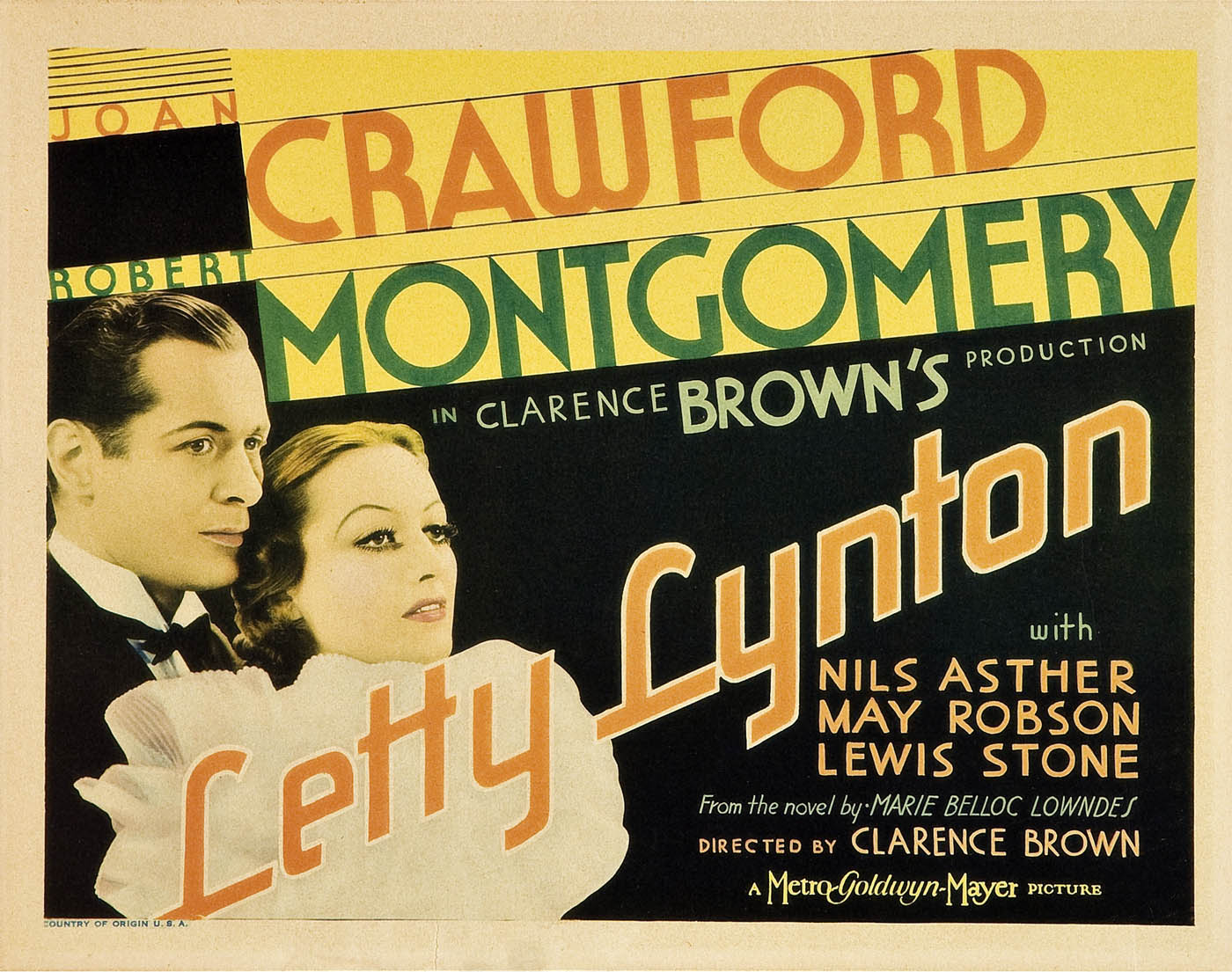
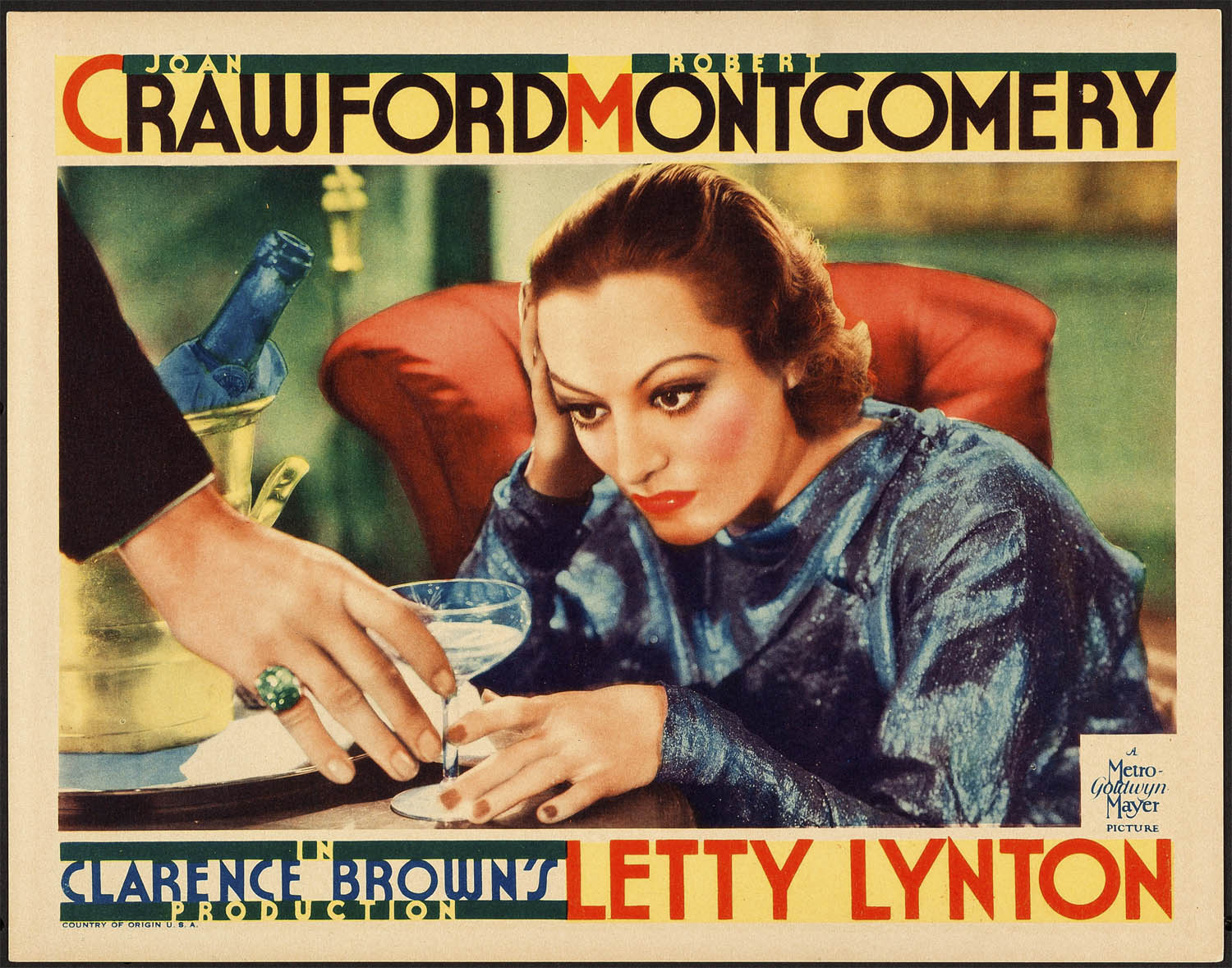
 

'Letty Lynton' (1932) movie poster


Letty Lynton (1932) movie posters


Elmer Fryer (American, 1898-1944) 'Lili Damita [in "The Match King"]' c. 1932


Elmer Fryer (American, 1898-1944)
Lili Damita [in “The Match King”]
c. 1932
Sheet: 14 1/16 x 11″ (35.7 x 27.9cm)
The Museum of Modern Art Film Stills Collection
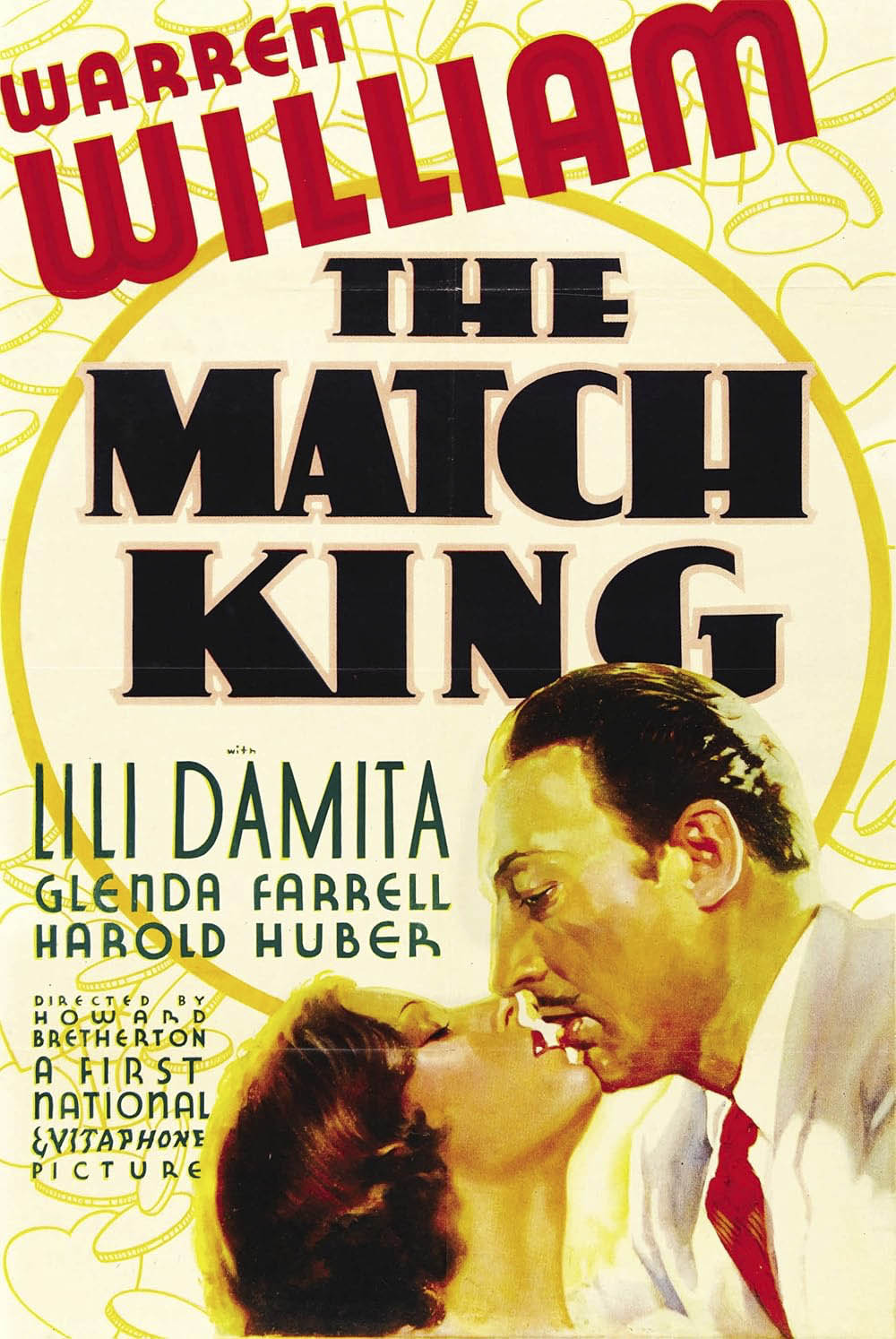
 

'The Match King' (1932) movie poster


The Match King (1932) movie poster


Bert Longworth (American, 1893-1964) 'Amelia Earhart with Helen Hayes [on set of "A Farewell to Arms"]' 1932


Bert Longworth (American, 1893-1964)
Amelia Earhart with Helen Hayes [on set of “A Farewell to Arms”]
1932
Sheet: 13 15/16 x 10 7/8″ (35.4 x 27.6cm)
The Museum of Modern Art Film Stills Collection


As the studio system came into place with the advent of talkies, studios hired many stillsmen to take scene stills, off-camera images, and candids of both above and below the line talent. Photographers took massive amounts of stills around the lot, at public events, premieres, at homes, in posed shots, to be widely distributed to magazines and newspapers for free publicity promoting upcoming films, new talent, and established stars. The journals, fan magazines, and newspapers splashed these images throughout their pages, building awareness and star popularity.

Bert “Buddy” Longworth was one of the stills photographers taking these images. Longworth began his career shooting scene stills at MGM for Greta Garbo’s first three films, including “Flesh and the Devil,” with Longworth capturing the passion of Garbo and John Gilbert as they fell in love. He was employed for a short time at Paramount, but from 1929 on, he worked at Warner Bros. as an action specialist, working on Busby Berkeley’s spectacular musicals, crime pictures, off-set candids, as well as portraits. Scholar David Shields calls him “Hollywood’s foremost expressionist, often using unusual perspective, occasional use of multiple exposures.”

lmharnisch. “Mary Mallory / Hollywood Heights: Bert Longworth and ‘Hold Still, Hollywood’,” on The Daily Mirror website, June 26, 2023 [Online] Cited 12/05/2026. Used under fair use conditions for the purposes of education and research
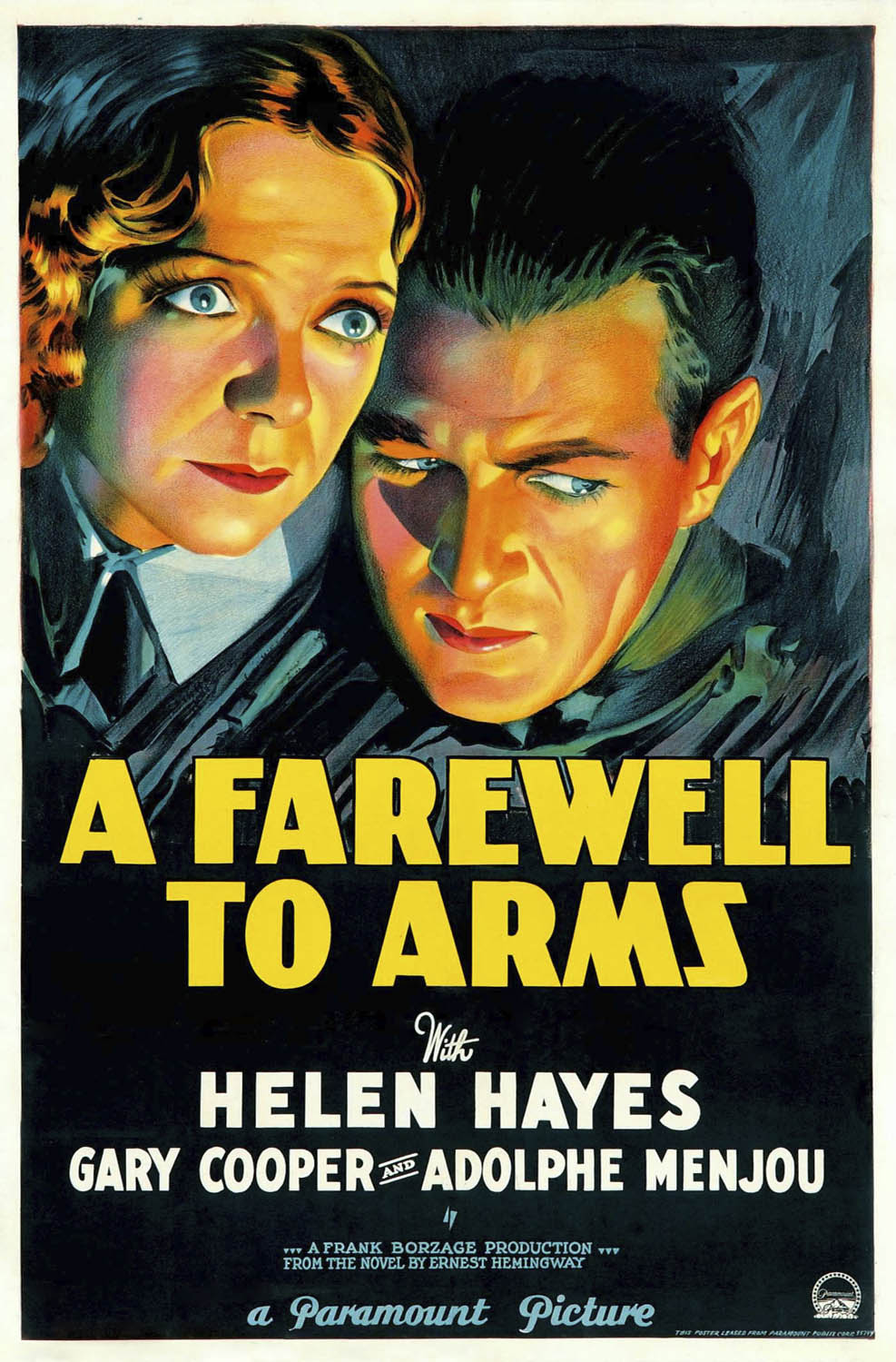
 

'A Farewell To Arms' (1932) movie poster


A Farewell To Arms (1932) movie poster


Unknown photographer. 'Elsa Lanchester [in "The Bride of Frankenstein"]' 1935


Unknown photographer
Elsa Lanchester [in “The Bride of Frankenstein”]
1935
Sheet: 13 1/2 x 9 3/16″ (34.3 x 23.3cm)
The Museum of Modern Art Film Stills Collection
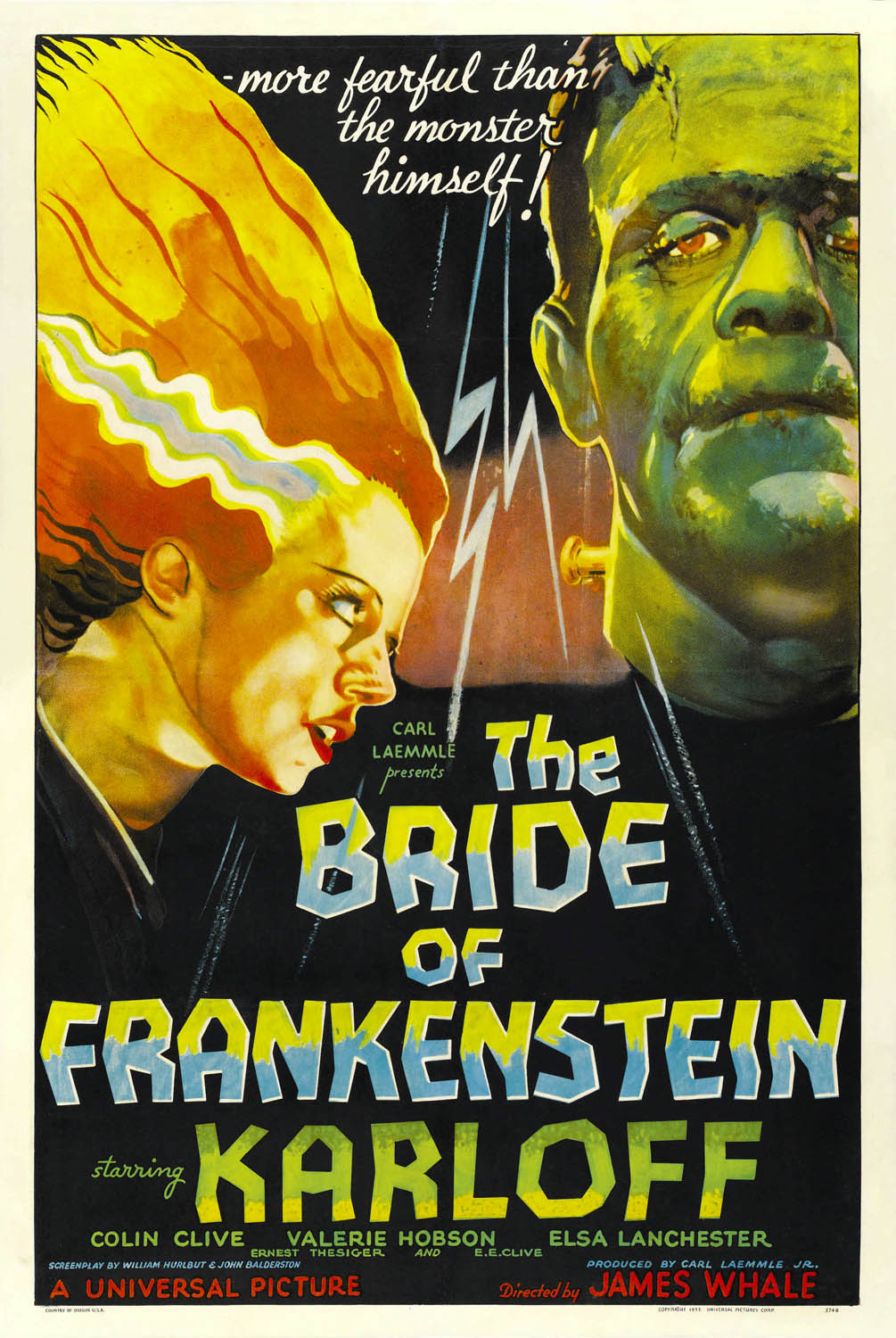
 

'The Bride of Frankenstein' (1935) movie poster


The Bride of Frankenstein (1935) movie poster


I want to talk more about the edited photographs. In many of the photos white-out has been used to separate the subject’s head or face – and in one notable case, their bare legs – from the rest of the image. What are some ways in which these disembodied segments were used by the studios and by the magazines?

RM: We know they were from Photoplay magazine, so if we have a still that’s been edited for Photoplay, Cara went and looked for the issue that published the photograph to see how it was used. It might have been a feature on women’s legs, so that’s why they only focused on the legs.

There’s one grouping of photographs, I call it the “eat face grouping,” where the stars are very close up. There’s a photograph of someone eating someone’s chin. Those were all taken for a particular issue of Photoplay – that’s why they’re all edited in the same way.

With research and detective work you can determine how they were actually used in print. The floating heads, they would attach to biographies. They call that silhouetting, with the white-out.

CS: A lot of the uses I found were very gossipy, which was interesting, a lot of rumor columns. And then of course, like Ron said, highlighting certain aspects of celebrities’ bodies or features.


Back in 1980 MoMA’s exhibition Hollywood Portrait Photographers, 1921 to 1941 actually used a couple of the same images that appear in this show. But that nnnexhibition celebrated the artistry and glamor of these images. Why did you choose to focus more on the ways that these images have been manipulated and edited?

RM: The audience for photographs like this has changed. In 1980 there was a whole generation of people who knew who these performers were, who appreciated them as performers and appreciated their celebrity. Nowadays, younger audiences, in many cases, have no idea who these folks are. Even we sometimes have trouble identifying everyone. Displaying them in that way seemed dated. We wanted to mount them in a way that reflected how visitors today would need to look at them.

The photographs in 1980 were all matted in a very formal way that encouraged appreciation for the beauty of the photograph. I wasn’t interested in how beautiful the images were. I wasn’t interested in the celebrities. We’re mostly interested in the photographs. I wanted them to look like working photographs, and that’s reflected in the way they’re displayed. We did ours on plexi traps, which turned out to be very elegant, but the notion was that it would be a less precious way of mounting them so we would look at them in a less precious way.

The other thing we did differently was to have large numbers of photographs grouped in very dense clusters. To me that reflects social media today. The way we encounter images daily is so dense, and we’re forced to sort through a lot of images that come our way in any one moment. So I wanted visitors to have a contemporary view. It was meant to reflect a digital-age perspective, because analog-versus-digital was a subtext of the show in our heads.

There were two shows that were touchstones for this one: the Hollywood Portrait show of 1980, and the Fame After Photography show, a wonderful show in 1999 that MoMA’s Photography department mounted. They borrowed a lot of film stills for that show, which was also investigating celebrity and fame.

Ron Magliozzi, Cara Shatzman, Jason Persse. “Cropped, Chopped, and Silhouetted: Taking Celebrity at Face Value,” in the MoMA magazine on the MoMA website Sep 17, 2025 [Online] Cited 10/05/2026. Used under fair use conditions for the purposes of education and research


Unknown photographer. 'Louis Armstrong [in "Cabin in the Sky"]' 1943


Unknown photographer
Louis Armstrong [in “Cabin in the Sky”]
1943
Sheet: 8 x 10″ (20.3 x 25.4 cm)
The Museum of Modern Art Film Stills Collection
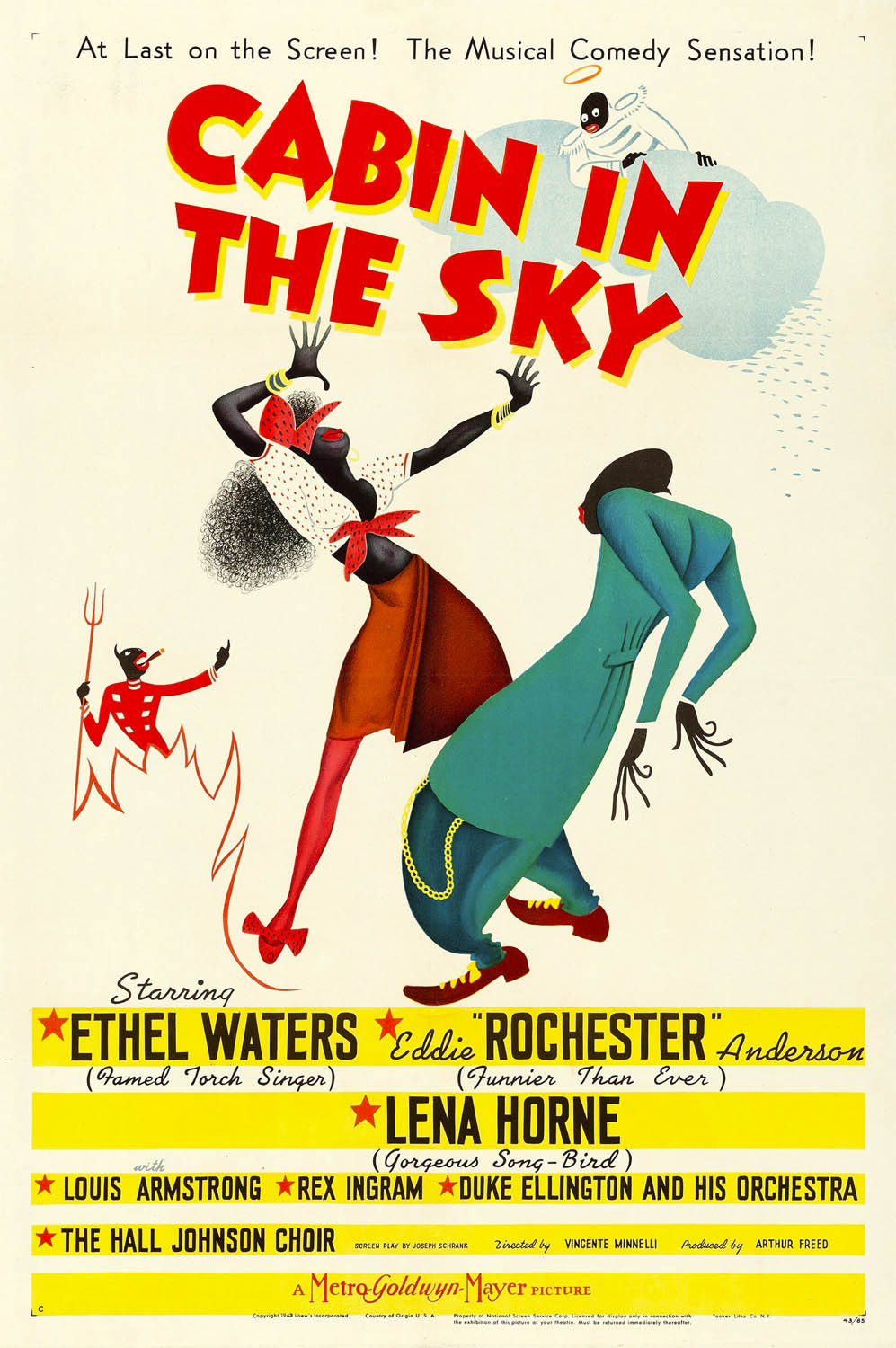
 

'Cabin in the sky' (1943) movie poster


Cabin in the sky (1943) movie poster


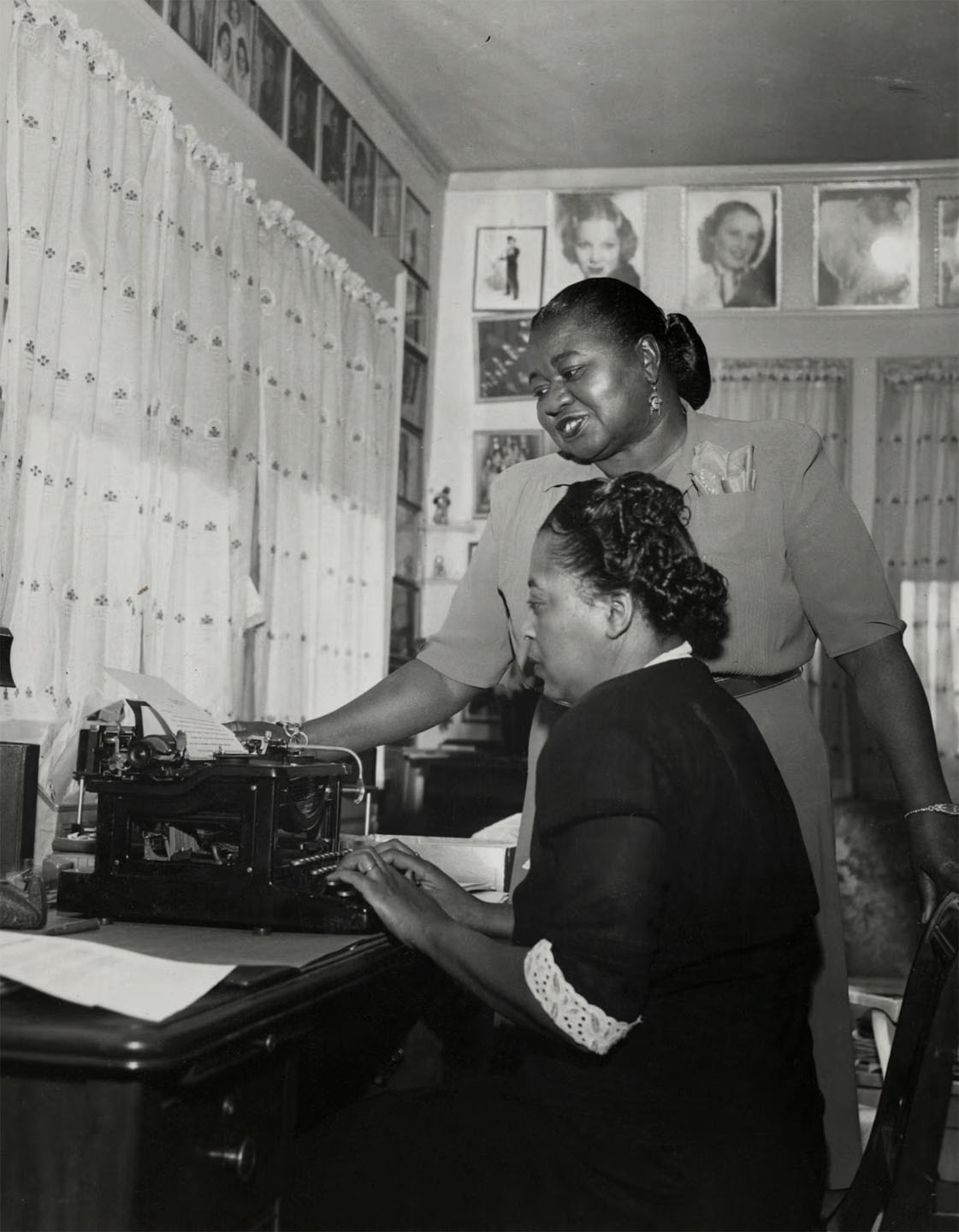
Unknown photographer. 'Hattie McDaniel and Ruby Berkley Goodwin' c. 1948


Unknown photographer
Hattie McDaniel and Ruby Berkley Goodwin
c. 1948
Sheet: 9 1/16 x 7″ (23 x 17.8cm)
The Museum of Modern Art Film Stills Collection


“[Ruby Berkley Goodwin] was also Hattie McDaniel’s publicist. And she was Ethel Waters’s publicist. She was the first Black American to have a syndicated newspaper column. She wrote this very famous autobiography called It’s Good to Be Black that was very, very popular. She was a poet. She was a fascinating person, and I was not familiar with her. That was a great aspect of learning about all of these people in these photographs.”

Ron Magliozzi, Cara Shatzman, Jason Persse. “Cropped, Chopped, and Silhouetted: Taking Celebrity at Face Value,” in the MoMA magazine on the MoMA website Sep 17, 2025 [Oline] Cited 10/05/2026. Used under fair use conditions for the purposes of education and research
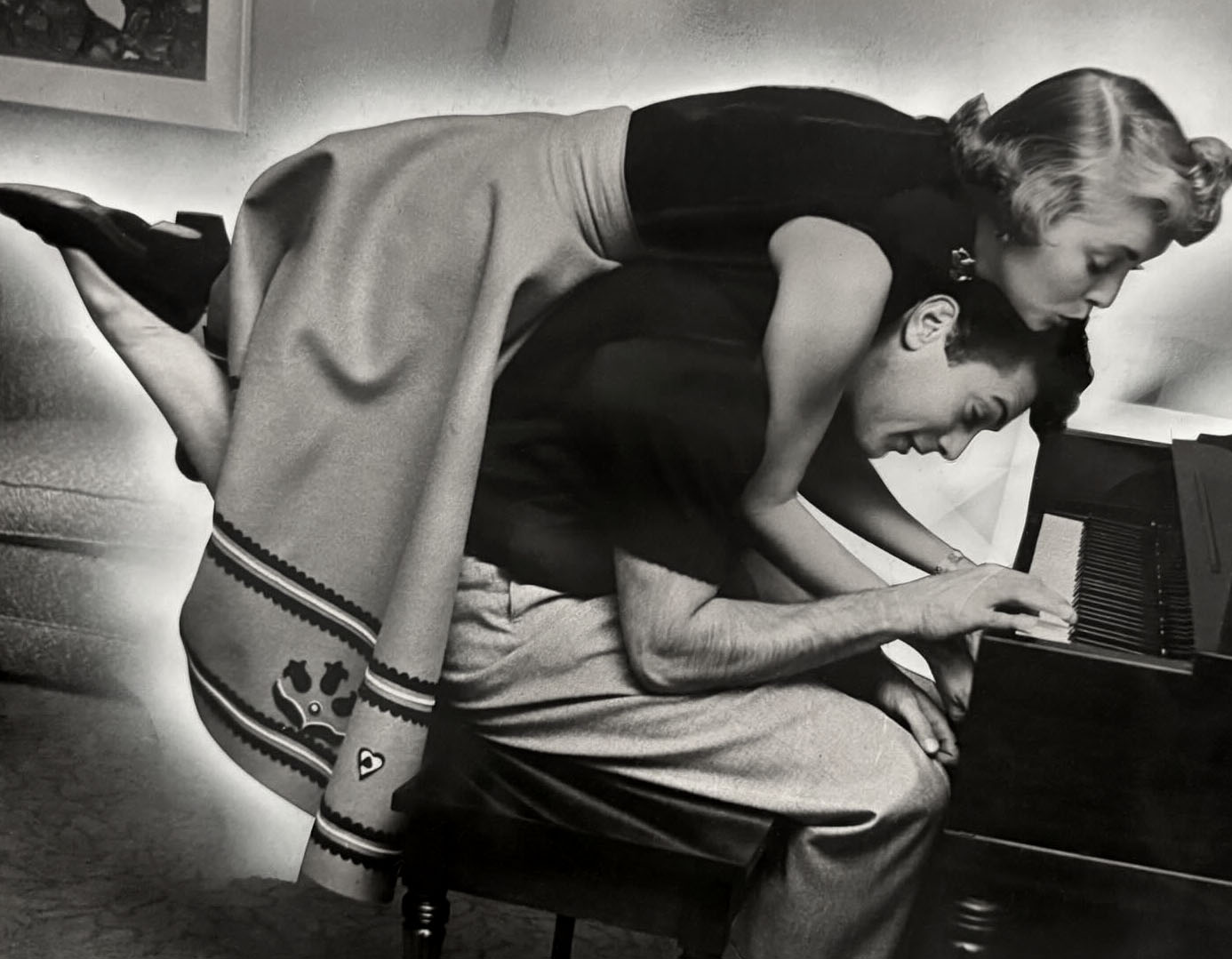
 

Unknown photographer. 'Janet Leigh and Tony Curtis' c. 1950 (detail)


Unknown photographer
Janet Leigh and Tony Curtis
c. 1950 (detail)
Sheet: 8 1/16 x 10″ (20.5 x 25.4cm)
The Museum of Modern Art Film Stills Collection


'Elvis Presley [Fans' Star Library magazine, No. 13]' 1959


Elvis Presley [Fans’ Star Library magazine, No. 13]
1959
Sheet: 7 x 5 1/8″ (17.8 x 13cm)
The Museum of Modern Art Film Stills Collection
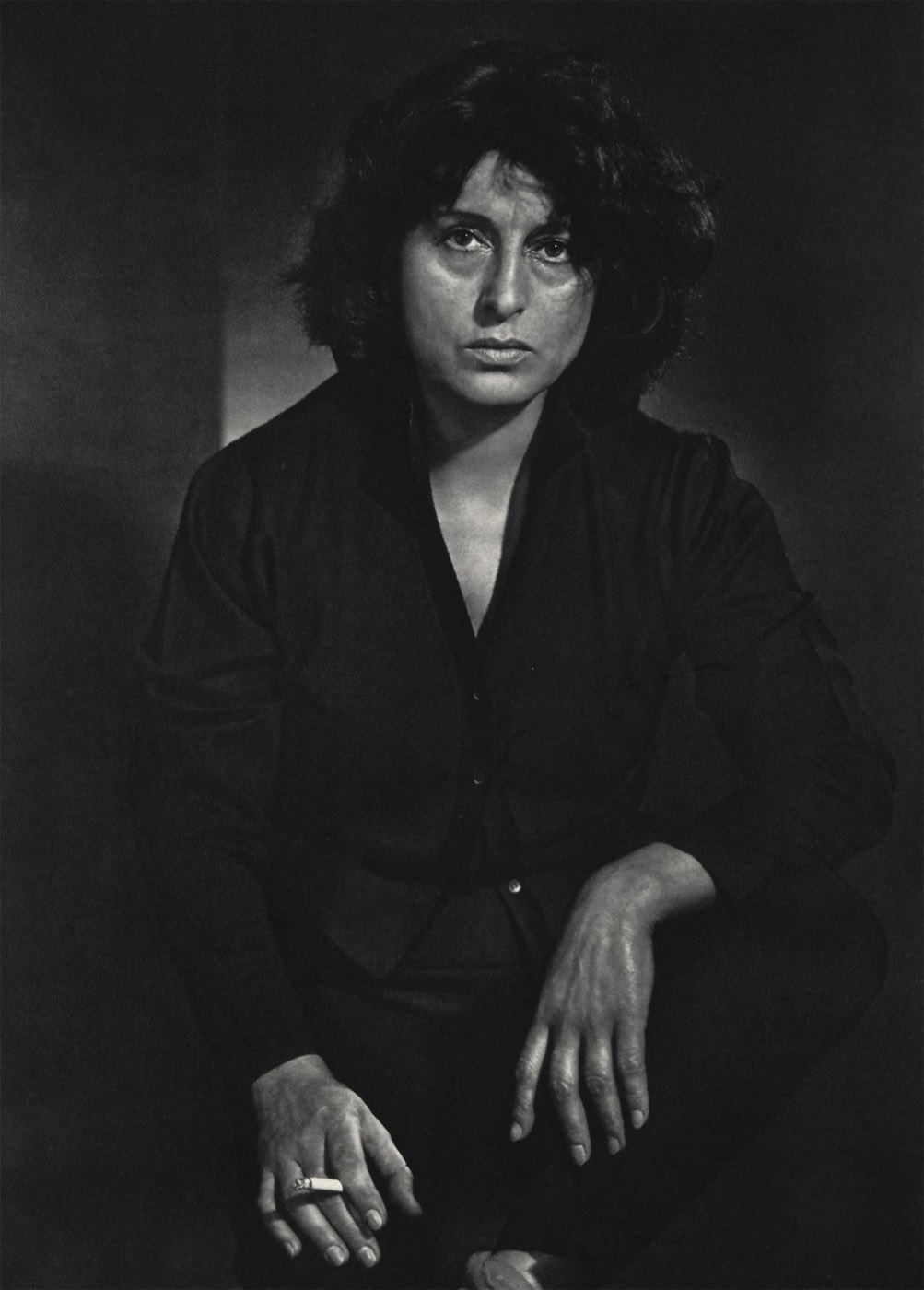
 

Yousuf Karsh (Armenian-Canadian born Mardin, Ottoman Empire (now Turkey), 1908-2002) 'Anna Magnani' 1959


Yousuf Karsh (Armenian-Canadian born Mardin, Ottoman Empire (now Turkey), 1908-2002)
Anna Magnani
1959
Sheet: 20 x 15 15/16″ (50.8 x 40.5cm)
The Museum of Modern Art Film Stills Collection


Anna Maria Magnani (Italian, 1908-1973)

Anna Maria Magnani (Italian; 7 March 1908 – 26 September 1973) was an Italian actress. She was the first Italian woman to win an Academy Award.

Born and raised in Rome, Italy or Alexandria, she worked her way through Rome’s Academy of Dramatic Art by singing at night clubs. During her career, her only child was stricken by polio when he was 18 months old and remained disabled. She was referred to as “La Lupa”, the “perennial toast of Rome” and a “living she-wolf symbol” of the cinema. Time described her personality as “fiery”, and drama critic Harold Clurman said her acting was “volcanic”. In the realm of Italian cinema, she was “passionate, fearless, and exciting”, an actress whom film historian Barry Monush calls “the volcanic earth mother of all Italian cinema.” Director Roberto Rossellini called her “the greatest acting genius since Eleonora Duse”. Playwright Tennessee Williams became an admirer of her acting and wrote The Rose Tattoo (1955) specifically for her to star in, a role for which she received an Academy Award for Best Actress.

After meeting director Goffredo Alessandrini, she received her first screen role in The Blind Woman of Sorrento (La cieca di Sorrento, 1934) and later achieved international attention in Rossellini’s Rome, Open City (1945), which is seen as launching the Italian neorealism movement in cinema. As an actress, she became recognised for her dynamic and forceful portrayals of “earthy lower-class women” in such films as L’Amore (1948), Bellissima (1951), The Rose Tattoo (1955), The Fugitive Kind (1960) and Mamma Roma (1962). As early as 1950, Life had already stated that Magnani was “one of the most impressive actresses since Garbo”.

Text from the Wikipedia website
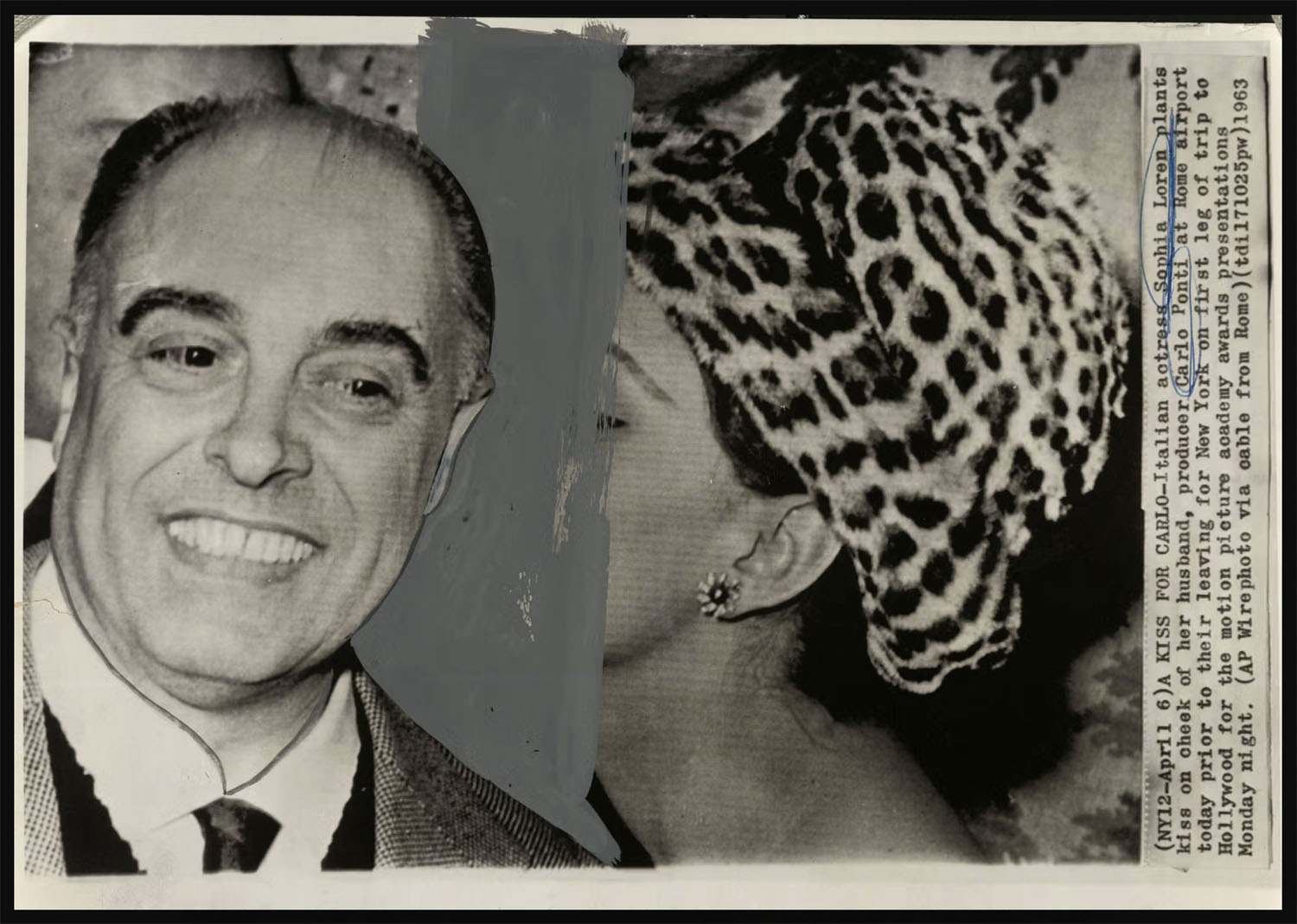
 

Unknown photographer. 'Carlo Ponti and Sophia Loren' c. 1963


Unknown photographer
Carlo Ponti and Sophia Loren
c. 1963
Sheet: 8 x 10″ (20.3 x 25.4cm)
The Museum of Modern Art Film Stills Collection


Ray Wilson. 'Mia Farrow [in "Rosemary's Baby"]' c. 1967


Ray Wilson
Mia Farrow [in “Rosemary’s Baby”]
c. 1967
Sheet: 12 x 8 3/16″ (30.5 x 20.8cm)
The Museum of Modern Art Film Stills Collection
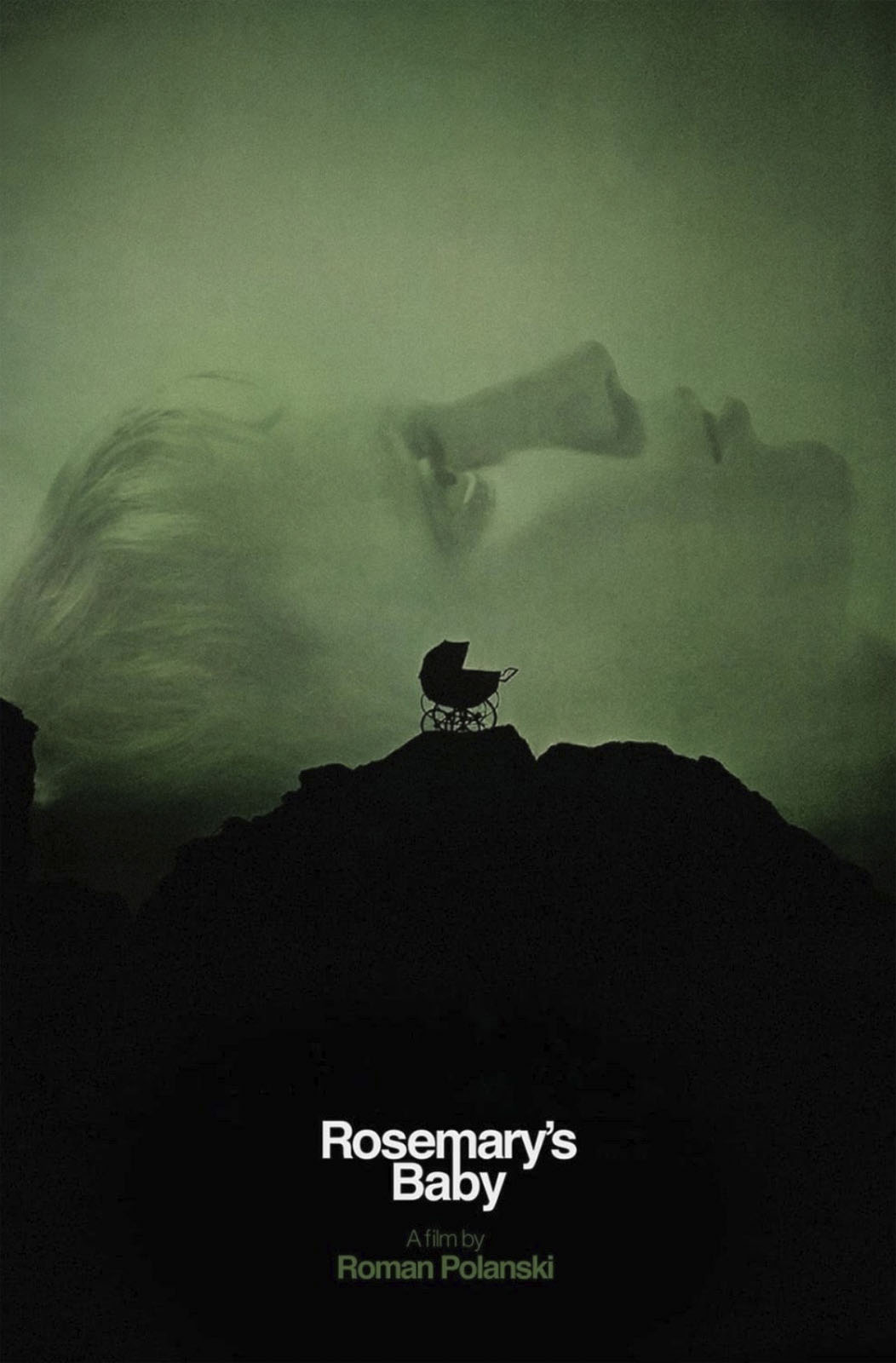
 

'Rosemary's Baby' (1968) movie poster


Rosemary’s Baby (1968) movie poster


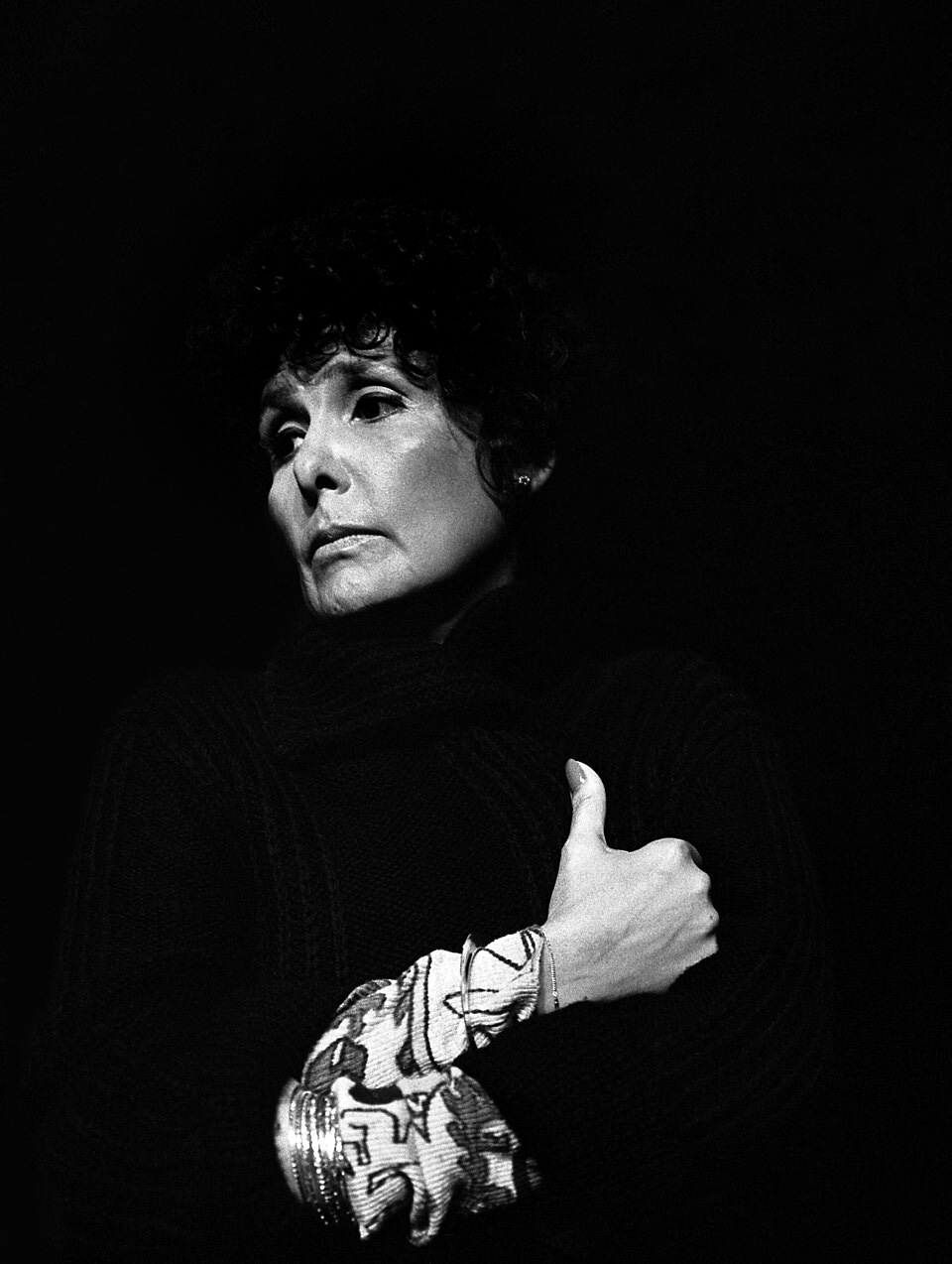
Kathleen Ballard. 'Lena Horne' 1975


Kathleen Ballard
Lena Horne
1975
Sheet: 13 1/16 x 9″ (33.2 x 22.9cm)
The Museum of Modern Art Film Stills Collection


The Museum of Modern Art
11 West 53 Street
New York, NY 10019
Phone: (212) 708-9400

Opening hours:
10.30am – 5.30pm
Open seven days a week

MoMA website

LIKE ART BLART ON FACEBOOK

Back to top
Exhibition: ‘Images of Italy: Places of Longing in Early Photography’ at the Städel Museum, Frankfurt

Exhibition dates: 23rd February – 3rd September 2023

Curator: Dr Kristina Lemke (Head of Photography, Städel Museum)


Giorgio Sommer (Italian born Germany, 1834-1914) 'Pompeii: The Oil Merchant's Shop' After 1873 from the exhibition 'Images of Italy: Places of Longing in Early Photography' at the Städel Museum, Frankfurt, February - September 2023


Giorgio Sommer (Italian born Germany, 1834-1914)
Pompeii: The Oil Merchant’s Shop
After 1873
Albumen print mounted on cardboard
20.5 x 25.3cm
Städel Museum, Frankfurt am Main
Acquired in the 19th century


Perhaps I was born in the wrong age for the more I view the wonders of 19th century photography the more disappointed I am at the vacuousness of a large proportion of contemporary photography.

In these photographs there seems to be a secret language of the photograph … where a certain piece of paper has a certain aesthetics of the image inherently buried in its structure which is then revealed. This is the place I long to be.

Thinking of the exhibition listings and texts for a recent major photographic biennale, the vacuousness of the concepts/themes and the resulting photographs was astounding. This, given the utter tsunami of the photo-digital and primacy of the visual in every day life, and every other aspect of our existence, is not a good situation. As my friend and artist Elizabeth Gertsakis observed, “‘Vacuousness’ is like a mirror without a capacity for reflection.” Or too much (self) reflection.

‘Self’ alone lacks both knowledge and authenticity.


Contemporary conceptual photography is full of false prophecies.

Perhaps the photographers need to ask: what really matters? What are the things in my life that I will not negotiate on. That I hold onto at the core of my being. Then perhaps the images that emerge from that investigation will again begin to mean something to them… and to others.

Dr Marcus Bunyan


Many thankx to the Städel Museum for allowing me to publish the photographs in the posting. Please click on the photographs for a larger version of the image.


Gondoliers on the Grand Canal, the Leaning Tower of Pisa, and the antiquities of Rome: numerous photographs by Giorgio Sommer, the Alinari brothers, Carlo Naya, and Robert Macpherson, among others, shaped the image of Italy as a place of longing. The Städel Museum is presenting a selection of early photographs of Italy. The exhibition unites altogether ninety major photos of the years 1850 to 1880 from the museum’s own collection.


About the exhibition

People have been dreaming their way to Italy for generations: the Mediterranean climate, multifaceted natural environment, and wealth of culture and art treasures have long since made the country a favourite travel destination. When the development of the railway system led to a boom in tourism in the second half of the nineteenth century, photography studios opened in the vicinity of the most popular sights. Even before the invention of the picture postcard, the photographic views on sale there were a prized souvenir for travellers, and also sold internationally by mail order. Johann David Passavant, then director of the Städel, began purchasing photos for the museum’s collection as far back as the 1850s. From these prints, both the art-interested public and students of the affiliated art academy were able to get an idea of southern Europe and its artistic and natural treasures. This brought distant countries closer while, simultaneously, the motifs in circulation determined what was considered worth seeing. To this day, the sceneries captured in photographs at that time continue to have an impact.

Text from the Städel Museum, Frankfurt


Installation view of the exhibition 'Images of Italy: Places of Longing in Early Photography' at the Städel Museum, Frankfurt

Installation view of the exhibition 'Images of Italy: Places of Longing in Early Photography' at the Städel Museum, Frankfurt

Installation view of the exhibition 'Images of Italy: Places of Longing in Early Photography' at the Städel Museum, Frankfurt

Installation view of the exhibition 'Images of Italy: Places of Longing in Early Photography' at the Städel Museum, Frankfurt


Installation views of the exhibition Images of Italy: Places of Longing in Early Photography at the Städel Museum, Frankfurt showing in the bottom image at left, Venice, Ca’ d’Oro (c. 1870-1880, below); and at centre, Carla Naya’s Venice: View of the Marciana Library, the Campanile and the Doge’s Palace (c. 1875, below)


Carlo Ponti (Italian 1823-1893) 'Venice, Ca' d'Oro' c. 1870-1880


Carlo Ponti (Italian 1823-1893)
Venice, Ca’ d’Oro
c. 1870-1880
Albumen print mounted on cardboard
24.9 x 33.1cm
Städel Museum, Frankfurt am Main
Acquired in 2012 as a gift from Alexander Rasor


The Ca’ d’Oro is the most famous of the more than 200 palaces lining the Canal Grande on both sides. Even today, a ride down the main waterway is one of the most popular tourist attractions in Venice. Captured in a frontal view from the canal and for the part isolated from its surroundings, the facade offers an opportunity for in-depth study of the architectural details. The rich decoration, complete with colonnades, tracery, and reliefs, is distinct down to the tiniest detail. The objective character of the view is underscored by the text on the back, which provides basic information on the building and its owners in a few sentences. By accompanying his prints with remarks of this kind in at least two languages, Carlo Ponti catered to a broad public – not only tourists but also exponents fo the young discipline of art history.

Wall text from the exhibition


Carlo Naya (Italian, 1816-1882) 'Venice: View of the Marciana Library, the Campanile and the Doge's Palace' c. 1875


Carlo Naya (Italian, 1816-1882)
Venice: View of the Marciana Library, the Campanile and the Doge’s Palace
c. 1875
Albumen print mounted on cardboard
41.3 x 54.1cm
Städel Museum, Frankfurt am Main


Against the backdrop of the Doge’s Palace on the Piazza San Marco, the gondola glides across the surface of the water, seemingly without a sound. At first sight, what we have before us is a snapshot bearing close resemblance to those taken by present-day visitors to Venice in their effort to capture the special charm of the onetime maritime republic. However, closer inspection reveals that there is nothing at all spontaneous about this image. The two gondoliers merely stage the poses required to propel the vessel forwards. In fact, they are using their oars to hold the gondola in place so that the shot of it will be in focus. Over the course of his long career, Carlo Naya photographed nearly eery one of Venice’s architectural landmarks – and thus advanced to become the city’s most prominent chronicler in the second half of the nineteenth century

Wall text from the exhibition


Installation view of the exhibition 'Images of Italy: Places of Longing in Early Photography' at the Städel Museum, Frankfurt

Installation view of the exhibition 'Images of Italy: Places of Longing in Early Photography' at the Städel Museum, Frankfurt

Installation view of the exhibition 'Images of Italy: Places of Longing in Early Photography' at the Städel Museum, Frankfurt

Installation view of the exhibition 'Images of Italy: Places of Longing in Early Photography' at the Städel Museum, Frankfurt


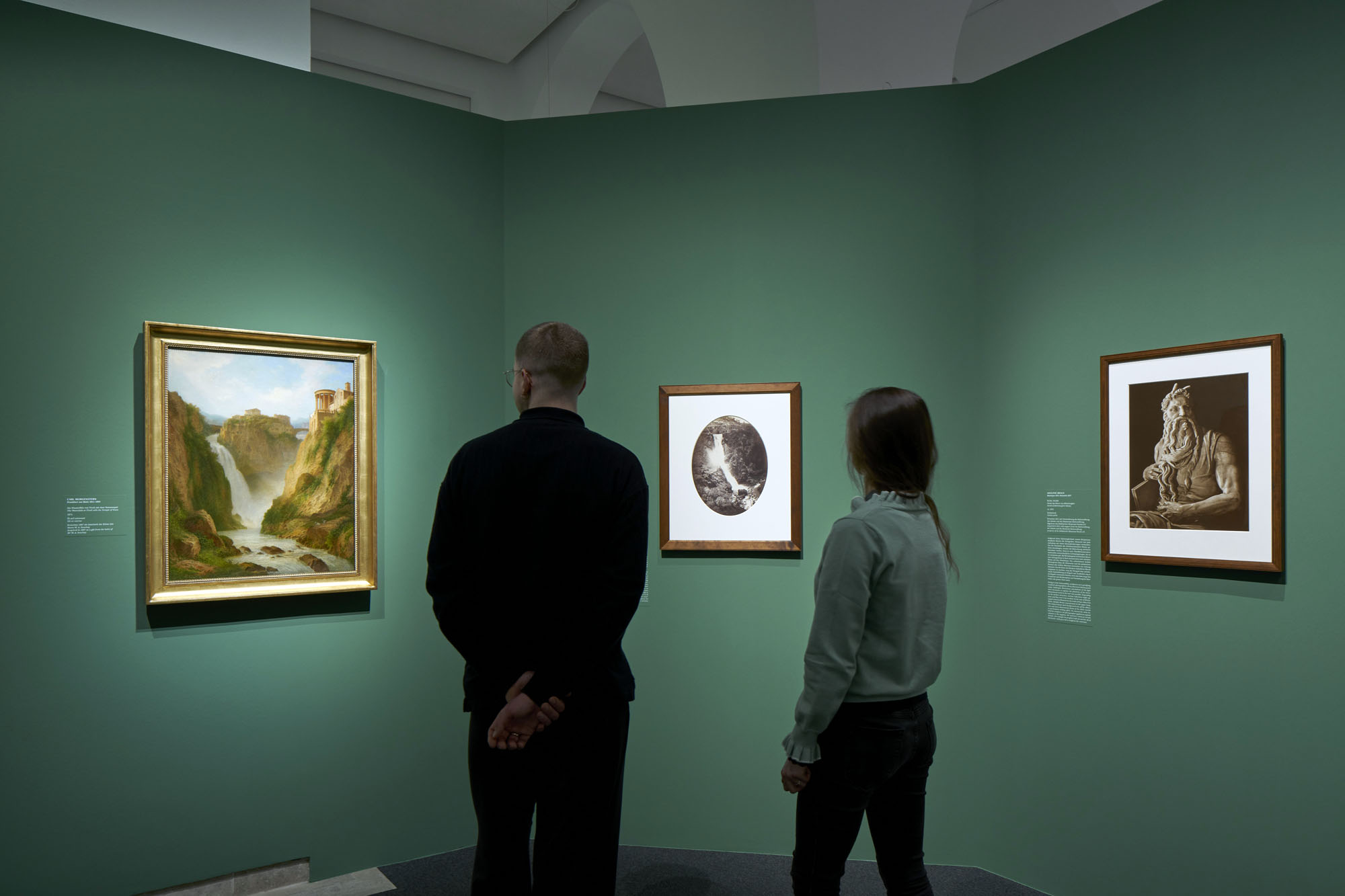
Installation views of the exhibition Images of Italy: Places of Longing in Early Photography at the Städel Museum, Frankfurt showing in the bottom image at centre, Robert Macpherson’s Tivoli: Waterfall (c. 1860-1865, below); and at right, Adolphe Braun’s Rome: Detail of Michelangelo’s Moses (c. 1875, below)


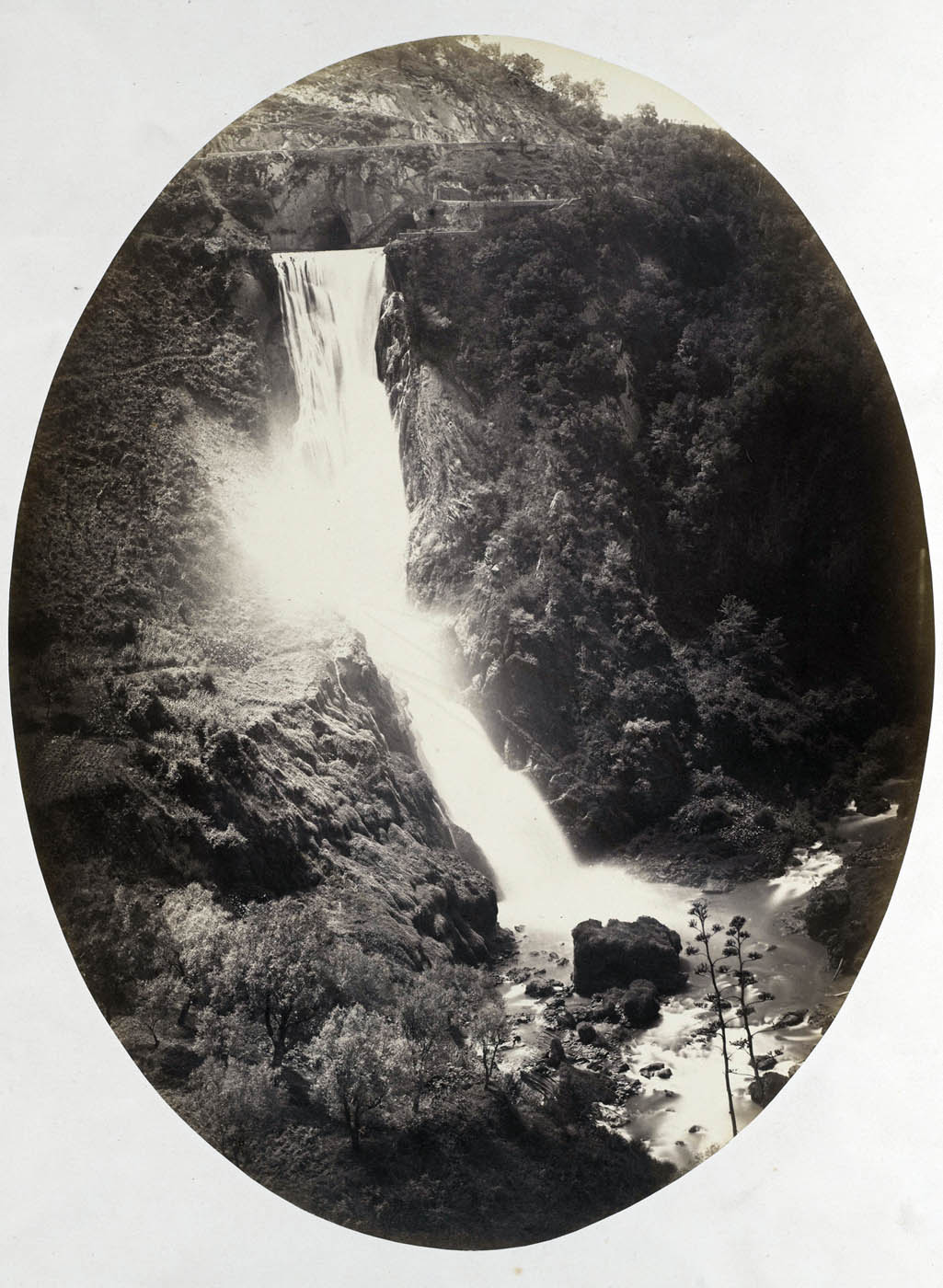
Robert Macpherson (Scottish lived Italy, 1814-1872) 'Tivoli: Waterfall' c. 1860-1865 from the exhibition 'Images of Italy: Places of Longing in Early Photography' at the Städel Museum, Frankfurt, February - September 2023


Robert Macpherson (Scottish lived Italy, 1814-1872)
Tivoli: Waterfall
c. 1860-1865
Albumen print mounted on cardboard
40 x 30.5cm
Städel Museum, Frankfurt am Main, property of the Städelscher Museums-Verein e.V.


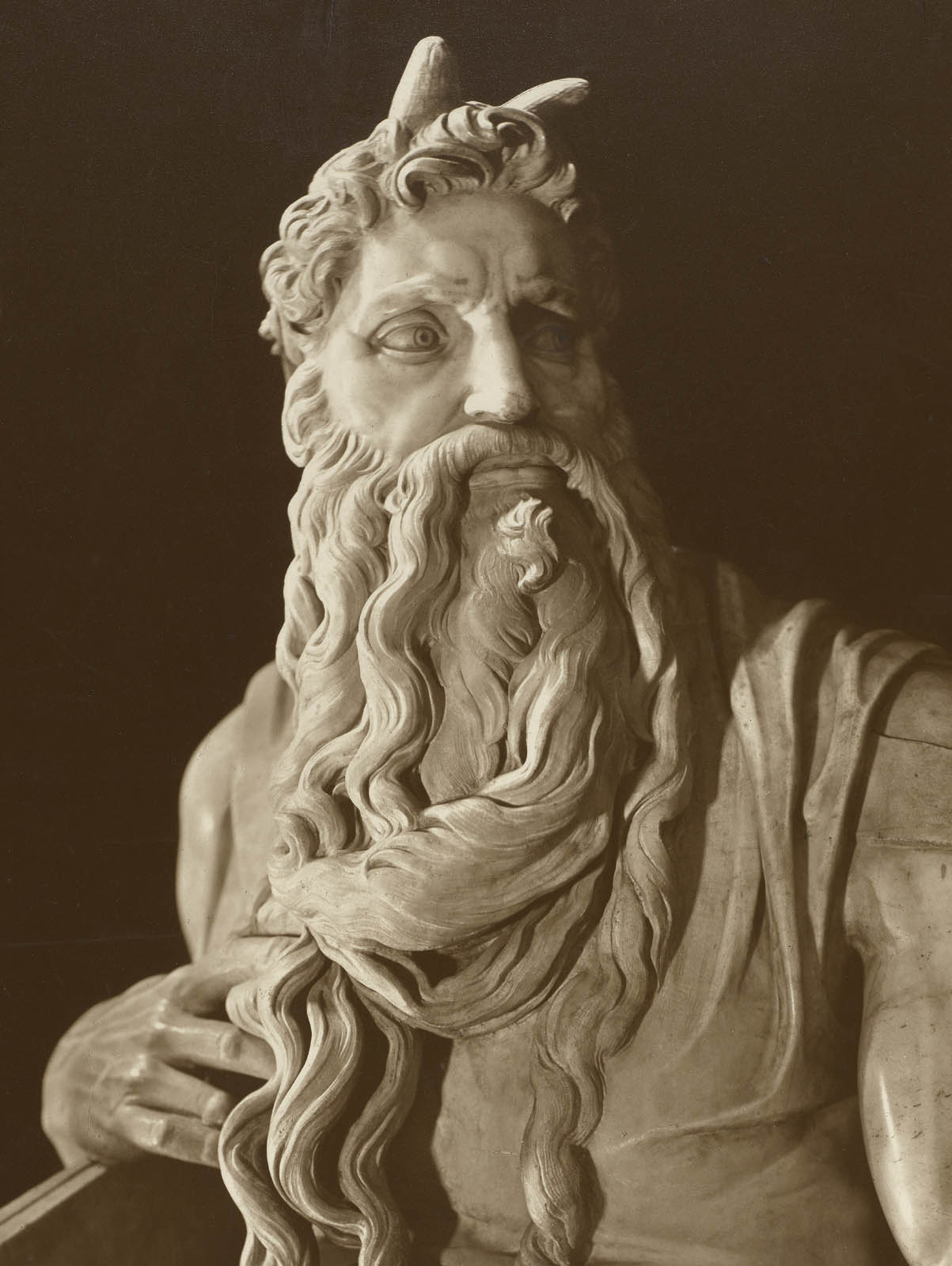
Adolphe Braun (French, 1811-1877) 'Rome: Detail of Michelangelo's Moses' c. 1875 from the exhibition 'Images of Italy: Places of Longing in Early Photography' at the Städel Museum, Frankfurt, February - September 2023


Adolphe Braun (French, 1811-1877)
Rome: Detail of Michelangelo’s Moses
c. 1875
Carbon print
48.6 x 36.1cm
Acquired in 2011 with support from the Kulturstiftung der Länder and the Hessischer Kulturstiftung, property of the Städelscher Museums-Verein e.V.


Owing to their immovability, sculptures were gratifying motifs for photographers. Every shot nevertheless posed many challenges. Meticulous calculations of the light were necessary to capture the plasticity of the three-dimensional works in the best way possible. Depending on the surface structure, various reflections might appear, and they were to be avoided. In the case of Michelangelo’s famous Moses from the tomb of Pope Julius II in Rome, Adolphe Braun concentrated on the upper body. The indeterminate dark background sets off the silhouette and three-dimensional forms of the white marble to particularly striking effect. To conceal the niche behind the sculpture, the photographer applied an asphalt solution to the negative. He moreover retraced certain details – for example the prophet’s left eye and the tip of his beard – with grey ink to heighten the contrasts.

Text from the Städel Museum website


Adolphe Braun (French, 1811-1877) 'Rome: Detail of Michelangelo's Moses' c. 1875 (detail)


Adolphe Braun (French, 1811-1877)
Rome: Detail of Michelangelo’s Moses (detail)
c. 1875
Carbon print
48.6 x 36.1cm
Acquired in 2011 with support from the Kulturstiftung der Länder and the Hessischer Kulturstiftung, property of the Städelscher Museums-Verein e.V.


Installation view of the exhibition 'Images of Italy: Places of Longing in Early Photography' at the Städel Museum, Frankfurt


Installation view of the exhibition Images of Italy: Places of Longing in Early Photography at the Städel Museum, Frankfurt showing Giorgio Sommer’s Gulf of Naples: View of Sorrento (c. 1880-1890, below)


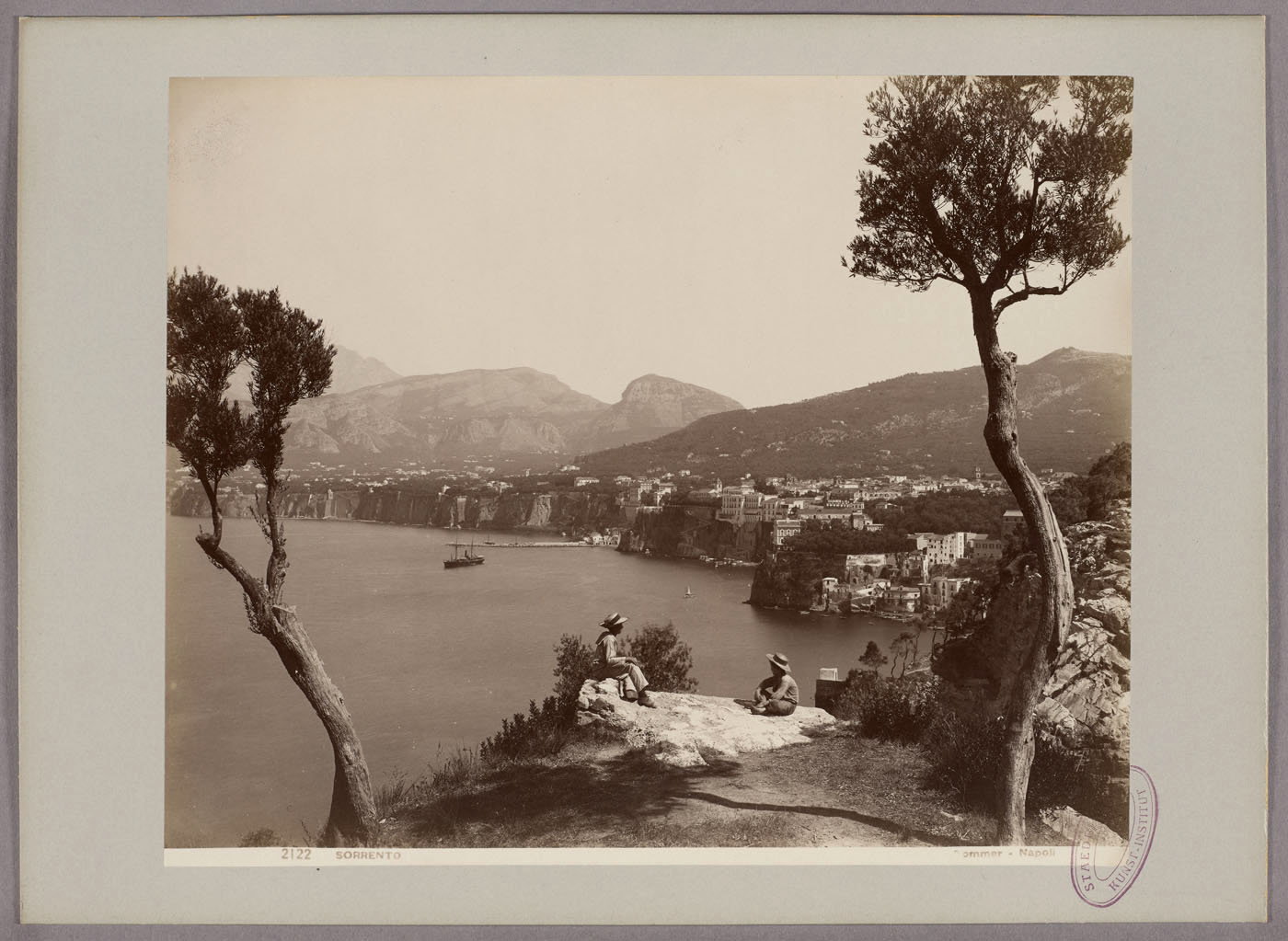
Giorgio Sommer (Italian born Germany, 1834-1914) 'Sorrento: View of the City from the West [Gulf of Naples: View of Sorrento'' c. 1880-1890


Giorgio Sommer (Italian born Germany, 1834-1914)
Sorrento: View of the City from the West [Gulf of Naples: View of Sorrento]
c. 1880-1890
Albumen print mounted on cardboard
20.9 x 25.5cm
Städel Museum, Frankfurt am Main
Acquired in the 19th century


Giorgio Sommer (Italian born Germany, 1834-1914) 'Gulf of Naples: View of Sorrento' c. 1880-1890


Giorgio Sommer (Italian born Germany, 1834-1914)
Sorrento: View of the City from the West [Gulf of Naples: View of Sorrento]
c. 1880-1890
Albumen print mounted on cardboard
20.9 x 25.5cm
Städel Museum, Frankfurt am Main
Acquired in the 19th century


Installation view of the exhibition 'Images of Italy: Places of Longing in Early Photography' at the Städel Museum, Frankfurt


Installation view of the exhibition Images of Italy: Places of Longing in Early Photography at the Städel Museum, Frankfurt showing at top left, Carlo Naya’s Venice. Cavalli Palace and the Grand Canal looking towards the Santa Maria della Salute church (c. 1877, below); and at bottom left, Carlo Naya’s Venice: View of the Canal Grande and Santa Maria della Salute from the Ponte della Carità (Moonlight Effect) (c. 1870, below)


Carlo Naya (Italian, 1816-1882) 'Venice. Cavalli Palace and the Grand Canal looking towards the Santa Maria della Salute church' c. 1877


Carlo Naya (Italian, 1816-1882)
Venice. Cavalli Palace and the Grand Canal looking towards the Santa Maria della Salute church
c. 1877
Albumen print mounted on cardboard
Städel Museum, Frankfurt am Main


Carlo Naya (Italian, 1816-1882) 'Venice: View of the Canal Grande and Santa Maria della Salute from the Ponte della Carità (Moonlight Effect)' c. 1870


Carlo Naya (Italian, 1816-1882)
Venice: View of the Canal Grande and Santa Maria della Salute from the Ponte della Carità (Moonlight Effect)
c. 1870
Albumen print mounted on cardboard
Städel Museum, Frankfurt am Main
Acquired in the 19th century


The mysterious aura of the “Floating City” in the silvery light of the moon had already been discovered in painting. The painter Friedrich Nerly, for example, had made a name for himself with nocturnal views of Venice. In the photography medium, it was Carlo Naya who specialised in this area. He had to go to tremendous pains, however, to achieve comparable effects. He shot the buildings and the cloudy sky separately during the day, strongly underexposing the film, and then assembled the negatives. When the print was developed on bluish prepared photo paper, the lighter zones took on the appearance of reflected moonlight. The scenes were extremely popular with tourists because they intensified the myth of Venice conveyed by romantic literature – as a place of intrigues and secret love affairs. Naya and Nerly were acquainted, and the photographer reproduced the works of the painter from 1865 onwards.

Text from the Städel Museum website


Giorgio Sommer (Italian born Germany, 1834-1914) (attributed) 'Venice: View of the Canal Grande and Santa Maria della Salute from the Ponte della Carità' c. 1860-1870


Giorgio Sommer (Italian born Germany, 1834-1914) (attributed)
Venice: View of the Canal Grande and Santa Maria della Salute from the Ponte della Carità
c. 1860-1870
Albumen print mounted on cardboard
18.0 x 23.9cm
Städel Museum, Frankfurt am Main
Acquired in the 19th century


Early photographers took orientation from veduta painting, which owed its development to eighteenth-century tourism. As in Nerly’s composition, the dome of Santa Maria della Salute also dominates the scene in the shot by Carlo Naya. Here, however, it does not mark the centre of the composition but has been shifted to the right, drawing the viewer’s gaze somewhat further into the depths towards the Adriatic Sea. Owing to technical limitations, photographers had to do without the reproduction of atmospheric phenomena. The long exposure times transformed the waves into a smooth surface. To prevent the movement of the clouds in the sky from causing streaks, the photographer covered that area of the negative with black or red ink before exposure. The result was an evenly bright background that sets off the minute details of the pin-sharp architecture to especially good effect.

Text from the Städel Museum website


Installation view of the exhibition 'Images of Italy: Places of Longing in Early Photography' at the Städel Museum, Frankfurt


Installation views of the exhibition Images of Italy: Places of Longing in Early Photography at the Städel Museum, Frankfurt showing various photographers’ views (including Carlo Naya, Giovanni Battista Brusa and Carlo Ponti) of the Bridge of Sighs (see below)
Photo: Städel Museum – Norbert Miguletz


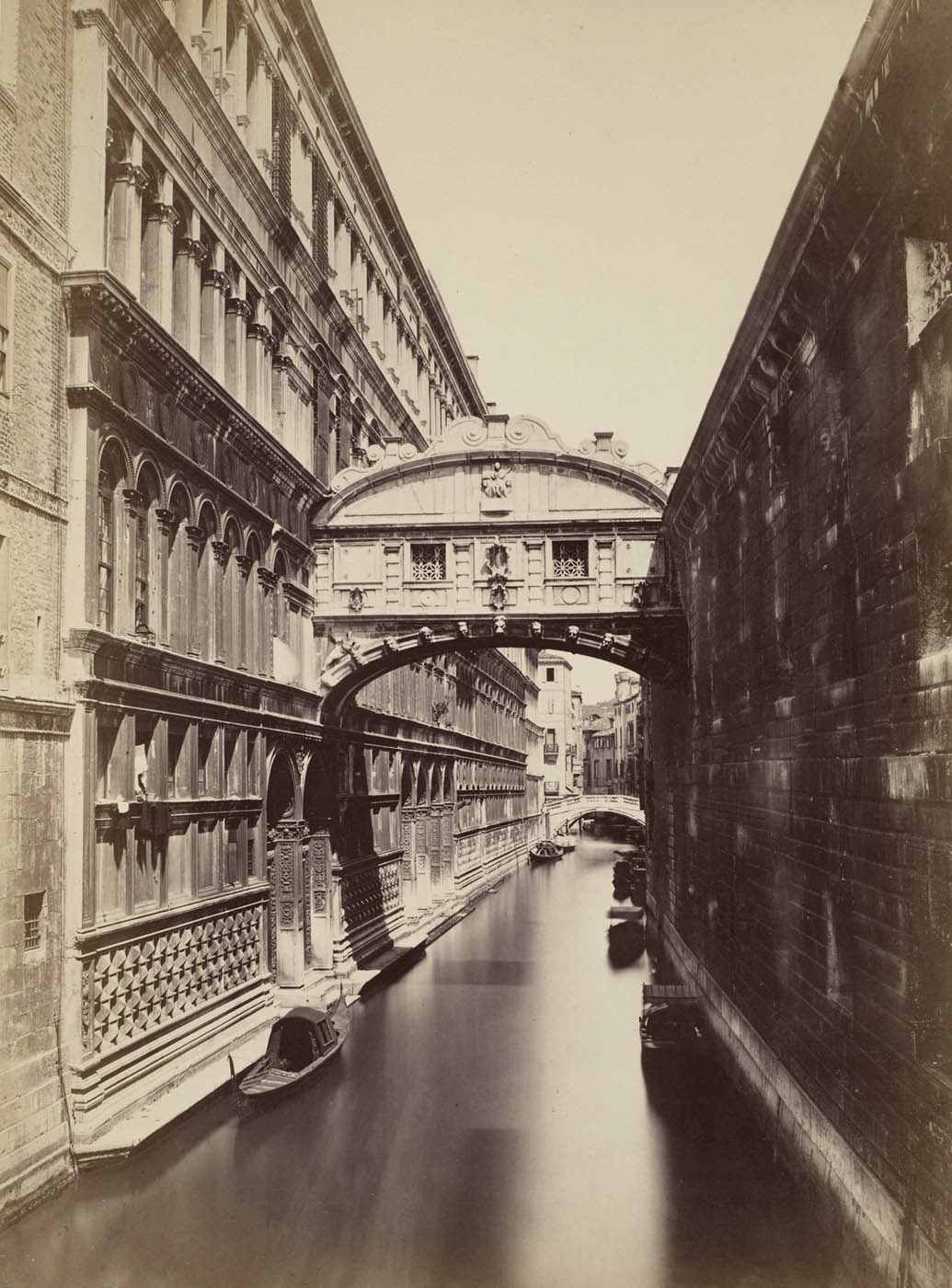
Giovanni Battista Brusa (Italian, active in Italy c. 1860-1880) 'Venice, Bridge of Sighs' c. 1860


Giovanni Battista Brusa (Italian, active in Italy c. 1860-1880)
Venice, Bridge of Sighs
c. 1860
Albumen print mounted on cardboard
26.4 x 19.7cm
Städel Museum, Frankfurt am Main
Acquired in the 19th century


The so-called Bridge of Sighs led from the Doge’s Palace to the Prigioni Nuove, the “New Prison”. On their way across, convicts are said to have issued a sigh at the brief glimpse of freedom. The famous Venice landmark is one of the world’s most photographed bridges – and that was already the case in the nineteenth century. Countless photographers have adopted the same slightly oblique angle of view from the pedestrian bridge Ponte della Paglia opposite the south façade of the Bridge of Sighs. Their photos differ in the play of shadows – as determined by the respective position of the sun – the tonal richness, and the number of gondolas. This perspective on the bridge has etched itself in the collective visual memory and is still encountered in the social media today as the ideal angle for holiday pics.

Text from the Städel Museum website


Carlo Ponti (Italian, 1823-1893) 'Venice: Bridge of Sighs' c. 1860-1870


Carlo Ponti (Italian, 1823-1893)
Venice, Bridge of Sighs
c. 1860-1870
Albumen print mounted on cardboard
35.2 x 25.5cm
Städel Museum, Frankfurt am Main
Acquired in the 19th century


Travel routes to art: owing to its ancient past and wealth of art treasures, Italy had already long been a favourite destination for artists, scholars, and affluent citizens. In the mid-nineteenth century, the new medium of photography further inflamed the yearning for Italy. In the years that followed,thanks to the invention of the railway, more people than ever were able to set off for the South and the land of their dreams. Photographic views of the most popular destinations were sold as souvenirs right on site or marketed all over Europe by way of mail-order trade. The spread and technical refinement of photography moreover offered art scholars a means of studying artworks in faithful reproductions independently of location. It was in the 1850s that then director Johann David Passavant acquired the first photographs for the Städel collection. In the German art-historical perception, Italy and its art were outstanding and exemplary. Photographic views of the same accordingly account for a large proportion of the Städel Museum’s photography holdings. They have lost nothing of their appeal to this day.

Text from the Städel Museum website


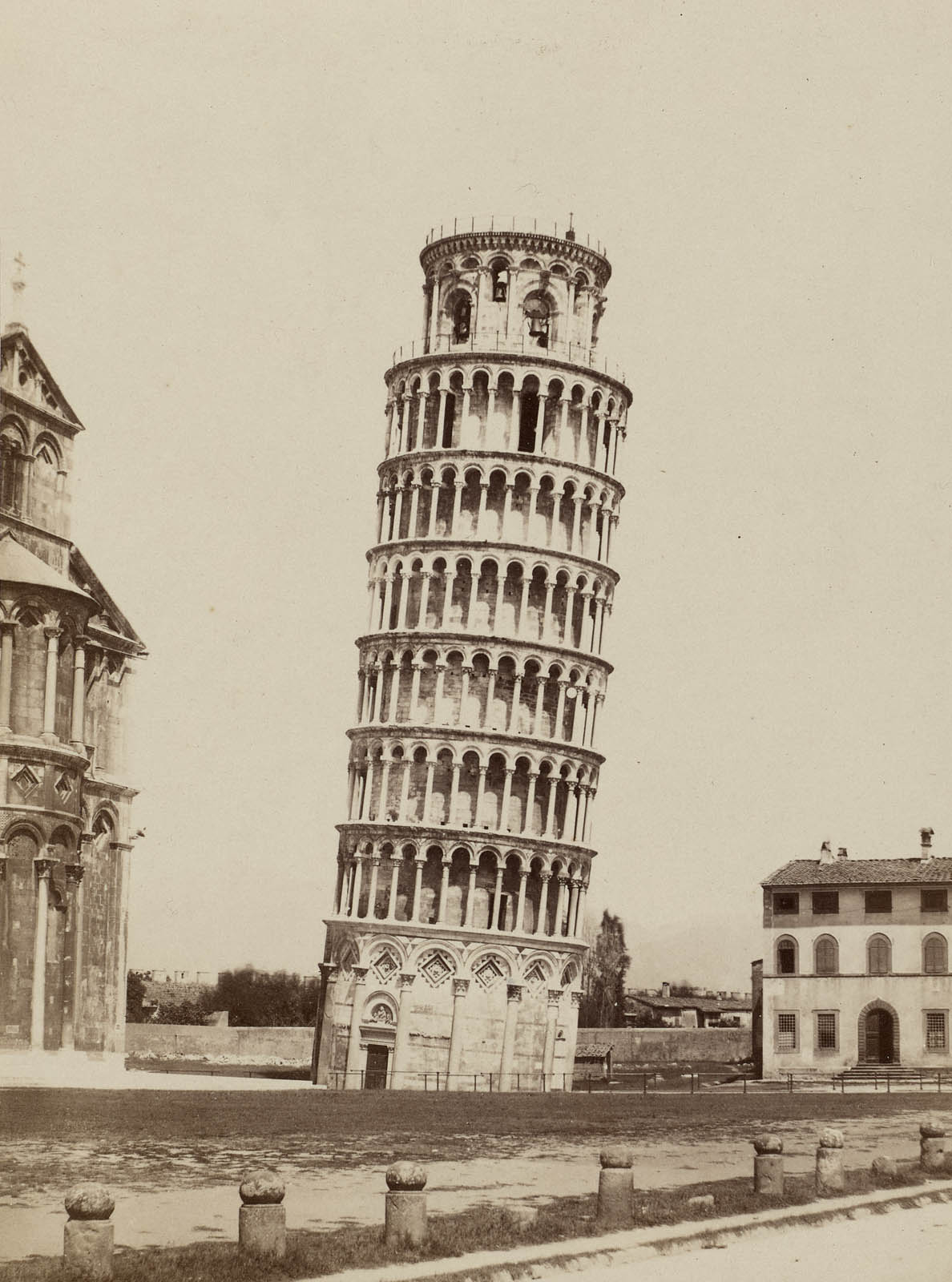
Enrico Van Lint (Italian, 1808-1884) 'Pisa: The Leaning Tower' c. 1855


Enrico Van Lint (Italian, 1808-1884)
Pisa: The Leaning Tower
c. 1855
Albumen print mounted on cardboard
14.5 x 10.9cm
Städel Museum, Frankfurt am Main


To this day, the Leaning Tower of Pisa is one of the most photographed sights in Italy. In the 1850s, the trained sculptor Enrico Van Lint repeatedly photographed the tower and the other buildings on the Cathedral Square from different perspectives. Under good weather conditions, the exposure times ranged between 20 seconds and 7 minutes, on overcast days up to 18 minutes. In the second half of the nineteenth century – long before the invention of the picture postcard – travellers to Italy could purchase the small-scale prints as souvenirs. This view by Enrico Van Lint is one of the oldest objects in the Städel Museum’s ancient photography collection which, like the photo itself, dates back to around 1850.

Text from the Städel Museum website


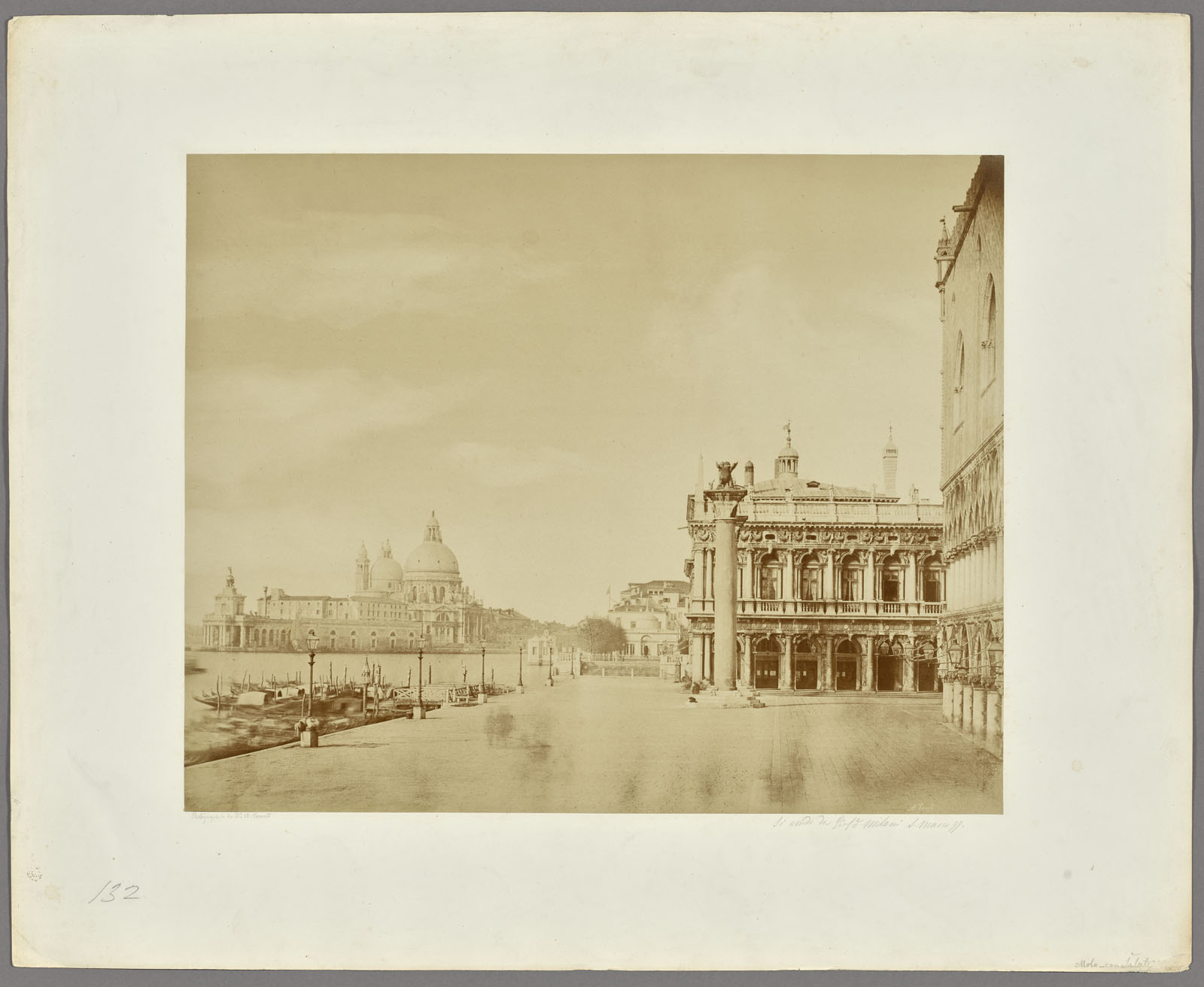
Jakob August Lorent (American lived Italy, 1813-1884) 'Venice: View of Santa Maria della Salute from the Molo' c. 1853


Jakob August Lorent (American lived Italy, 1813-1884)
Venice: View of Santa Maria della Salute from the Molo
c. 1853
Albumen print from wax-paper negative
38.4 x 47.7cm
Städel Museum, Frankfurt am Main
Acquired in 2011 with support from the Kulturstiftung der Länder and the Hessische Kulturstiftung, property of the Städelscher Museums-Verein e.V.


Gondoliers on the Grand Canal, the Leaning Tower of Pisa, and the antiquities of Rome: Numerous photographs by Giorgio Sommer, the Alinari brothers, Carlo Naya, and Robert Macpherson, among others, shaped the image of Italy as a place of longing. From 23 February to 3 September 2023, the Städel Museum is presenting a selection of early photographs of Italy. The exhibition unites altogether ninety major photos of the years 1850 to 1880 from the museum’s own collection, taking visitors on a photographic tour along the best-known routes with stops in Milan, Venice, Florence, Rome, and Naples.

People have been dreaming their way to Italy for generations: the Mediterranean climate, multifaceted natural environment, and wealth of culture and art treasures have long since made the country a favourite travel destination. When the development of the railway system led to a boom in tourism in the second half of the nineteenth century, photography studios opened in the vicinity of the most popular sights. Even before the invention of the picture postcard, the photographic views on sale there were a prized souvenir for travellers, and also sold internationally by mail order. Johann David Passavant, then director of the Städel, began purchasing photos for the museum’s collection as far back as the 1850s. From these prints, both the art interested public and students of the affiliated art academy were able to get an idea of southern Europe and its artistic and natural treasures. This brought distant countries closer while, simultaneously, the motifs in circulation determined what was considered worth seeing. To this day, the sceneries captured in photographs at that time continue to have an impact.

Philipp Demandt, director of the Städel Museum, on the exhibition: “‘Images of Italy’ invites visitors along on a photographic journey: from Milan, Venice, and Florence to Rome and Naples. At the same time, the show offers insights into the history of the Städel Museum’s photography collection. Johann David Passavant, the museum’s director at the time, recognised the possibility of providing unlimited access to artworks and cultural treasures with the help of the photography medium early on – thus upholding our founder Johann Friedrich Städel’s guiding principle in splendid manner.”

The beginnings of the photography collection

With reproductions of artworks, photography also created new possibilities for the developing discipline of art history. It was in the 1850s that Johann David Passavant (1787-1861), then director of the Städelsches Kunstinstitut, acquired the first photographs for the museum. Amassed from a range of different sources, the prints convey the wealth of motifs and forms distinguishing a cultural region appreciated at the time as one of Europe’s most important. In the German art-historical perception, Italy and its art were outstanding and exemplary. Photographic views of them accordingly account for a large proportion of the Städel Museum’s photography holdings. They served visitors and students alike as study objects and a means of exploring proportions, light conditions, and perspectives.

“The exhibition retraces the unique history of the development of photography in nineteenth-century Italy. The first section looks at how the medium entered the Städel Museum in the form of collection items and took on ever greater importance in connection with the emerging tourist industry. From there the show proceeds to images of Italy’s most important destinations, thus presenting a comprehensive – and singularly striking – stocktaking of its cultural landscape in the period in question. The sights of those days still attract the photographic eye today. The views are often the same ones we travel to now,” comments exhibition curator Kristina Lemke.

A tour of Italy in pictures

After crossing the Alps, the classical route of a trip to Italy for purposes of education and enjoyment took travellers through the North to Milan, Genoa, and Venice, onwards from there to Florence and Rome, and finally to Naples and Pompeii. Starting in the 1850s, photographers recorded the main architectural and natural attractions in pictures. In terms of visual language, the photographs exhibit a close similarity to paintings, drawings, and prints. To lend images an idyllic mood, the photographers chose their vantage points with care, waited for a time of day that would produce a finely gradated play of light and shade, and integrated models to enliven their compositions. Many of them, such as Pompeo Pozzi (1817-1880), Gioacchino Altobelli (1814-1878), and Enrico Van Lint (1808-1884) had initially trained as artists. The rapidly growing photography trade also offered numerous emigrants a source of income: Robert Macpherson (1814-1872), Eugène Constant (active in Rome 1848-1852), Jakob August Lorent (1813-1884), Alfred August Noack (1833-1895), and Giorgio Sommer (1834-1914), for example, came to Italy from the United Kingdom, France, and Germany. The widely circulating motifs shaped the travel canon.

The photographic views popular back then convey an image of Italy as a timeless place of longing. Only to an extent can they be understood as mirrors of reality. The region was shaped above all by a national unification movement that got underway after 1815: the Risorgimento, which – punctuated by frequent military disputes – would only end in 1870 with the capture of Rome. Yet the political conflicts did little to discourage the development of tourism and photography taking place in the same decades.

Photographers and motifs – a selection

To this day, the Leaning Tower of Pisa is one of the most photographed sights in Italy. In the 1850s, the trained sculptor Enrico Van Lint (Pisa 1808-1884) repeatedly photographed the tower and the other buildings on the Cathedral Square from different perspectives. Under good light conditions, the exposure times ranged between 20 seconds and 7 minutes, on overcast days between 8 and 18 minutes. Dating from around 1855, the view by Van Lint on display in the show is one of the oldest objects in the Städel Museum’s photography collection.

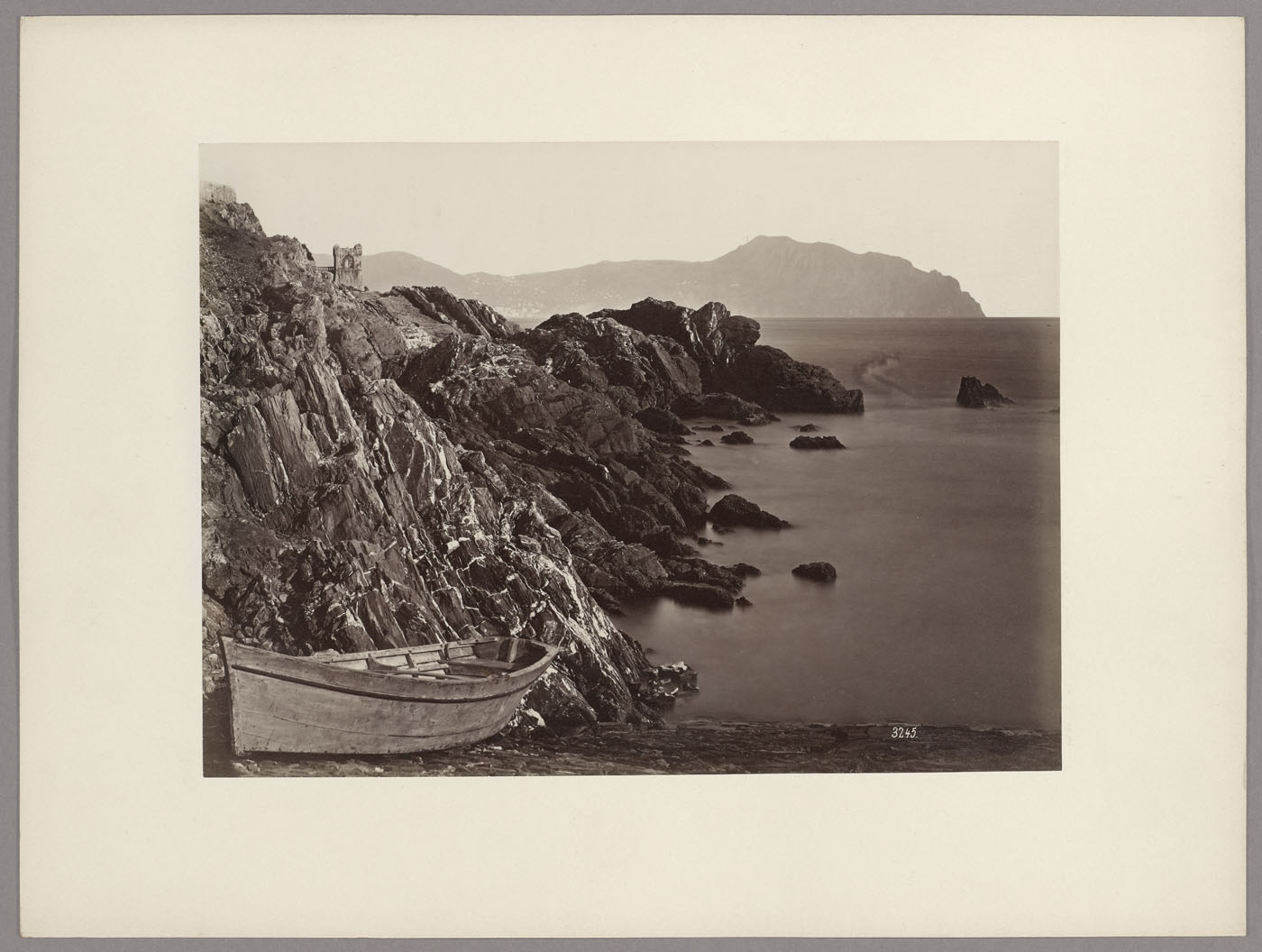
Alfred Noack (Dresden 1833 – Genoa 1895) completed artistic training in Dresden before emigrating to Italy in the late 1850s. After four years in Rome, he opened a photo studio in Genoa that served him as a base for explorations of the Ligurian Riviera. Here he captured the Sestri Levante section of the coast, a popular holiday destination, in photos he composed in painting-like manner. By reducing the depth of field after the manner of traditional landscape painting, Noack was able to create suggestive atmospheric images.

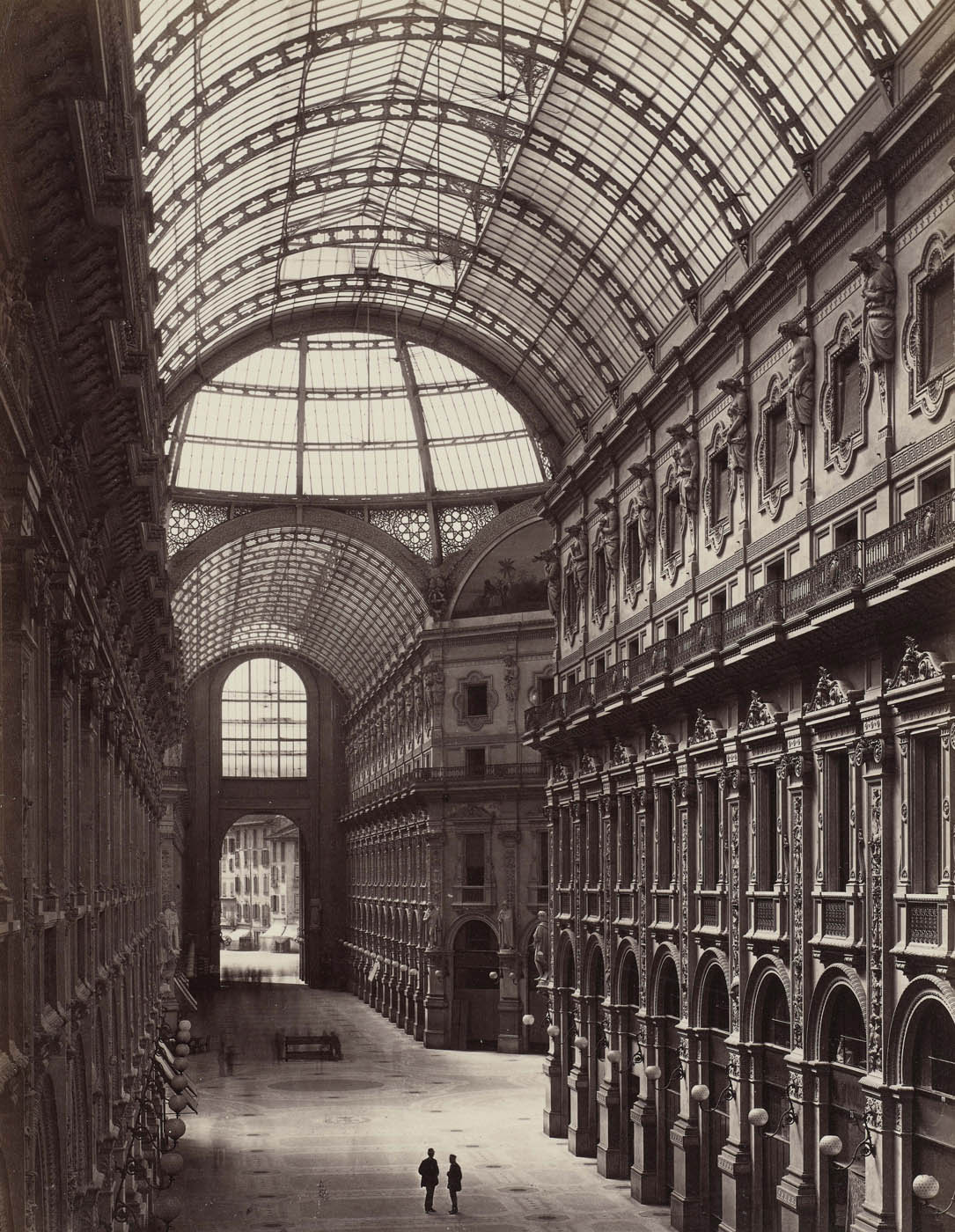
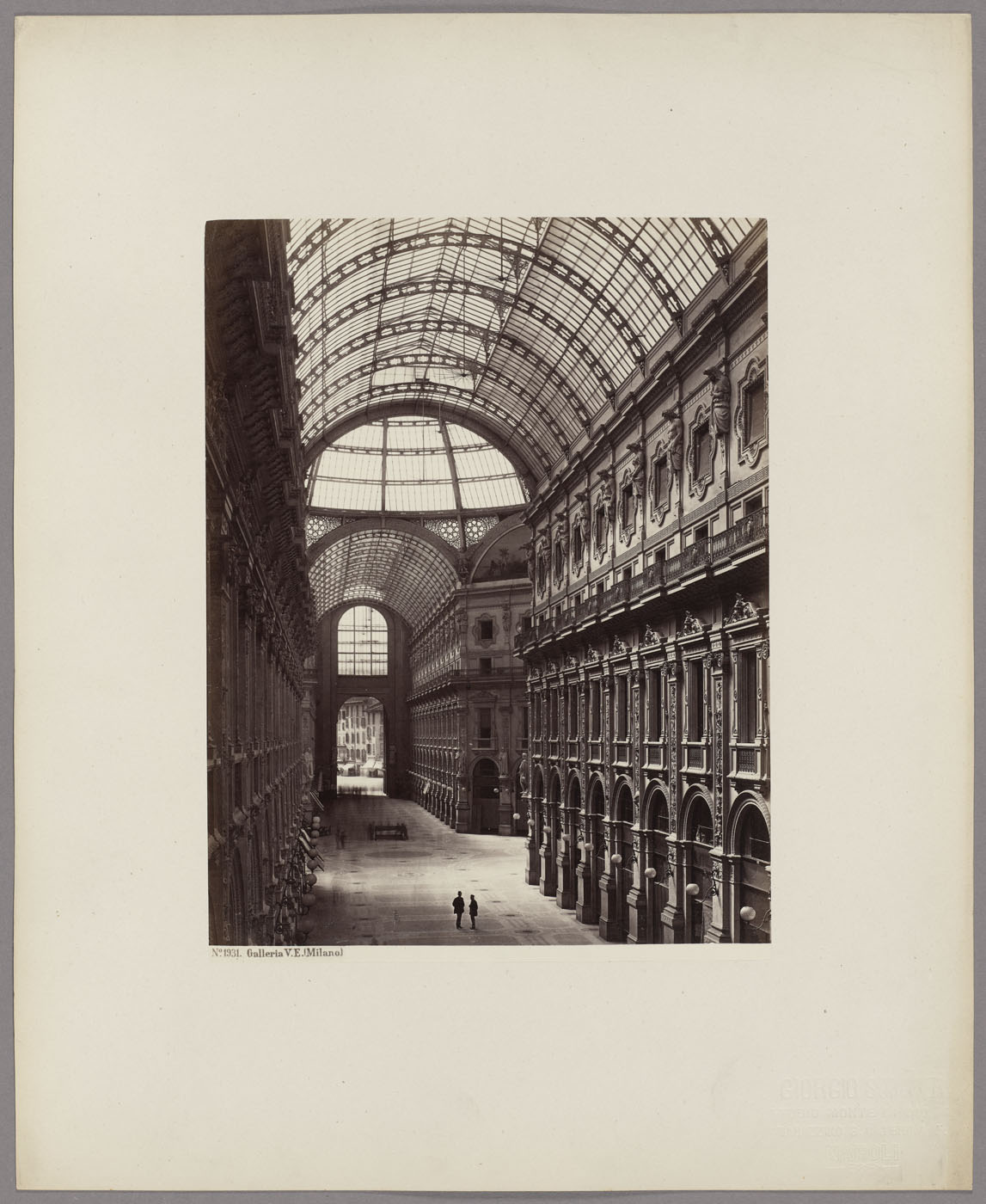
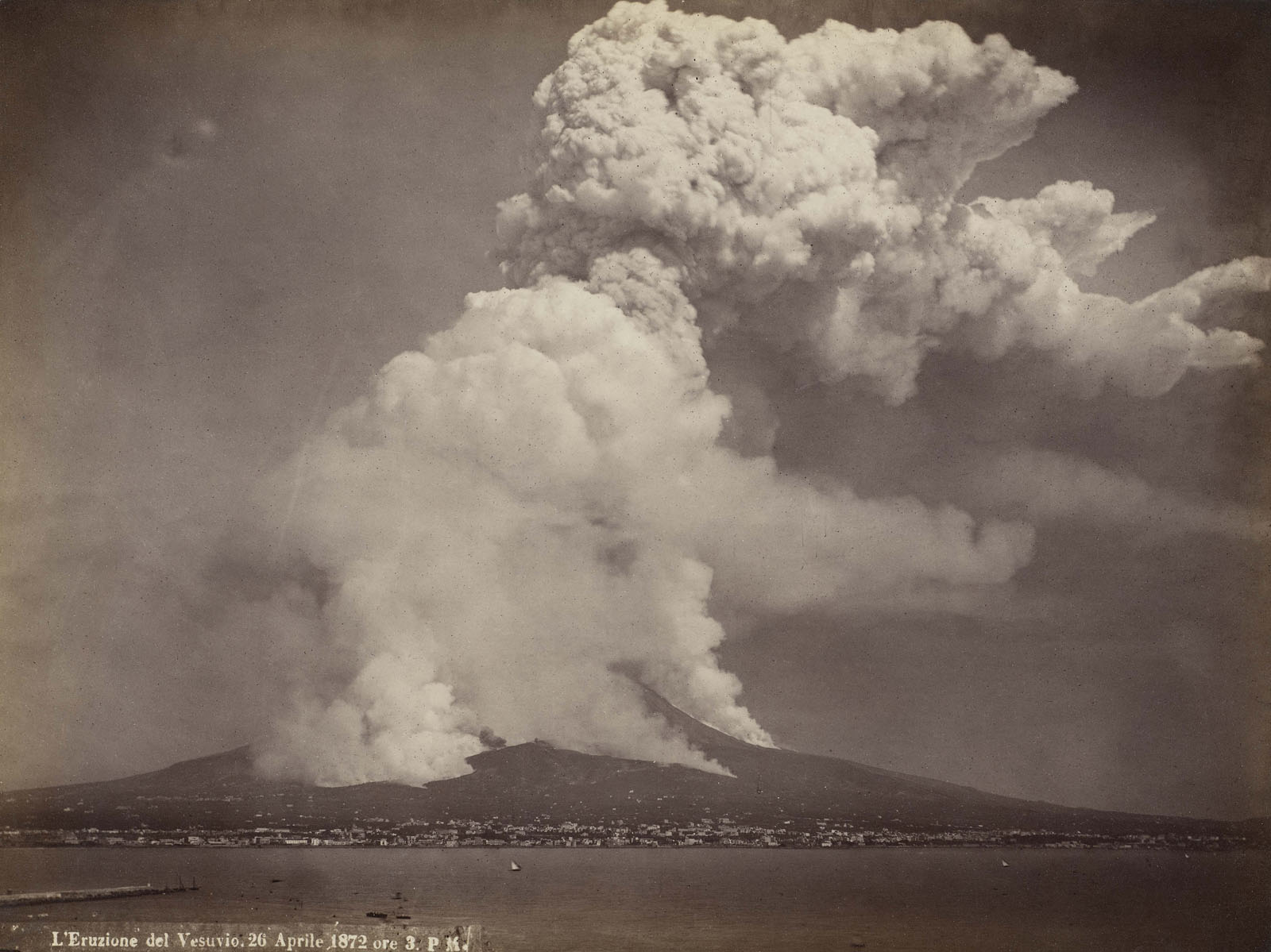
In 1856, the photographer Georg Sommer (1834 – Naples 1914) moved to Italy and, under the name Giorgio Sommer, became one of Naples’s most successful entrepreneurs. The exhibition presents, among others, his views of the Galleria Vittorio Emanuele II (c. 1868-1873) in Milan, the island of Capri, and a spectacular series of shots capturing the eruption of Mount Vesuvius in April 1872. Sommer photographed the rare natural spectacle at half-hour intervals from a boat lying at anchor a safe distance away in the Gulf of Naples. The Leipzig Illustrierte Zeitung featured woodcut reproductions of these images that can be regarded as forerunners of the later emerging field of photojournalism.

Carlo Naya (Tronzano Vercellese 1816 – Venice 1882) advanced to become the most prominent chronicler of Venice in the second half of the nineteenth century. At first sight, his photo of a gondola against the backdrop of the Library of Saint Mark, Campanile, and Doge’s Palace (c. 1875) looks like a snapshot, but nothing about it is spontaneous. Over the course of his long career, Naya captured nearly every one of Venice’s architectural landmarks, among them the so-called Bridge of Sighs. In the nineteenth century, the famous sight was one of the world’s most photographed bridges. Countless photographers have set up their camera on the same spot. The resulting view of the bridge has etched itself in the collective visual memory and is still encountered in the social media today as the ideal angle for holiday pics.

Carlo Ponti (Sagno 1823 – Venice 1893) produced views of popular architectural sights in Venice. Among the photos by Ponti on display in the exhibition is one of the Ca’ d’Oro (c. 1870-1880) providing information about the edifice in two languages on the back. With this souvenir, the photographer catered not only to tourists, but also to persons interested or specialising in the history of art and culture. In the image, the building’s rich decoration – with colonnades, tracery, and reliefs – is distinct down to the tiniest detail.

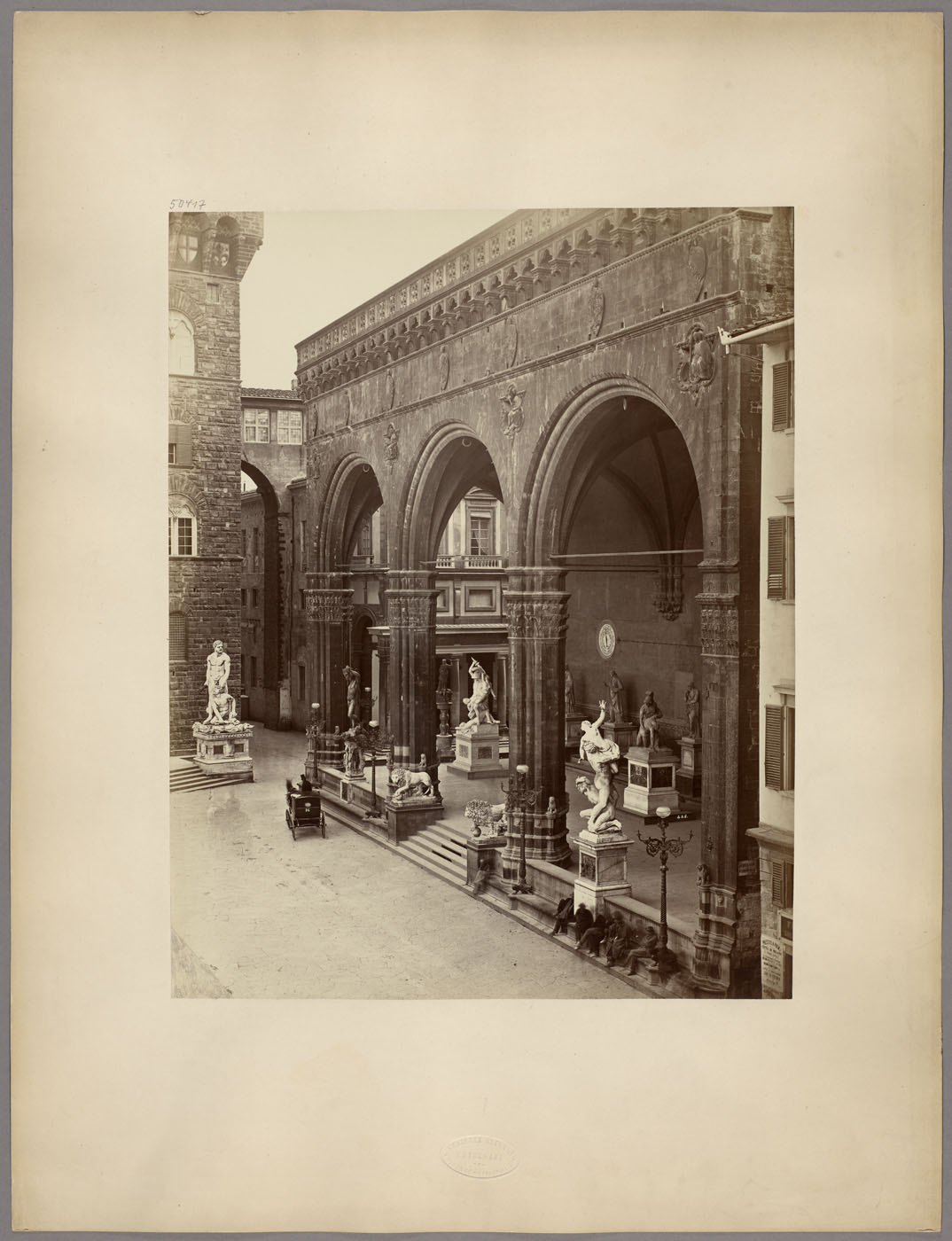
Leopoldo Alinari, who had trained as an engraver, went into business for himself as a photographer in 1852. Two years later he founded a studio with his brothers Romualdo and Giuseppe. In addition to portraits, the Fratelli Alinari offered views of the city’s famous monuments. In 1859, they came to international fame with reproductions of drawings by Raphael. From that time forward, photographic reproductions of artworks, for example from the Uffizi, were a permanent feature of the family company’s product range – and likewise among the Städelsches Kunstinstitut’s purchases.

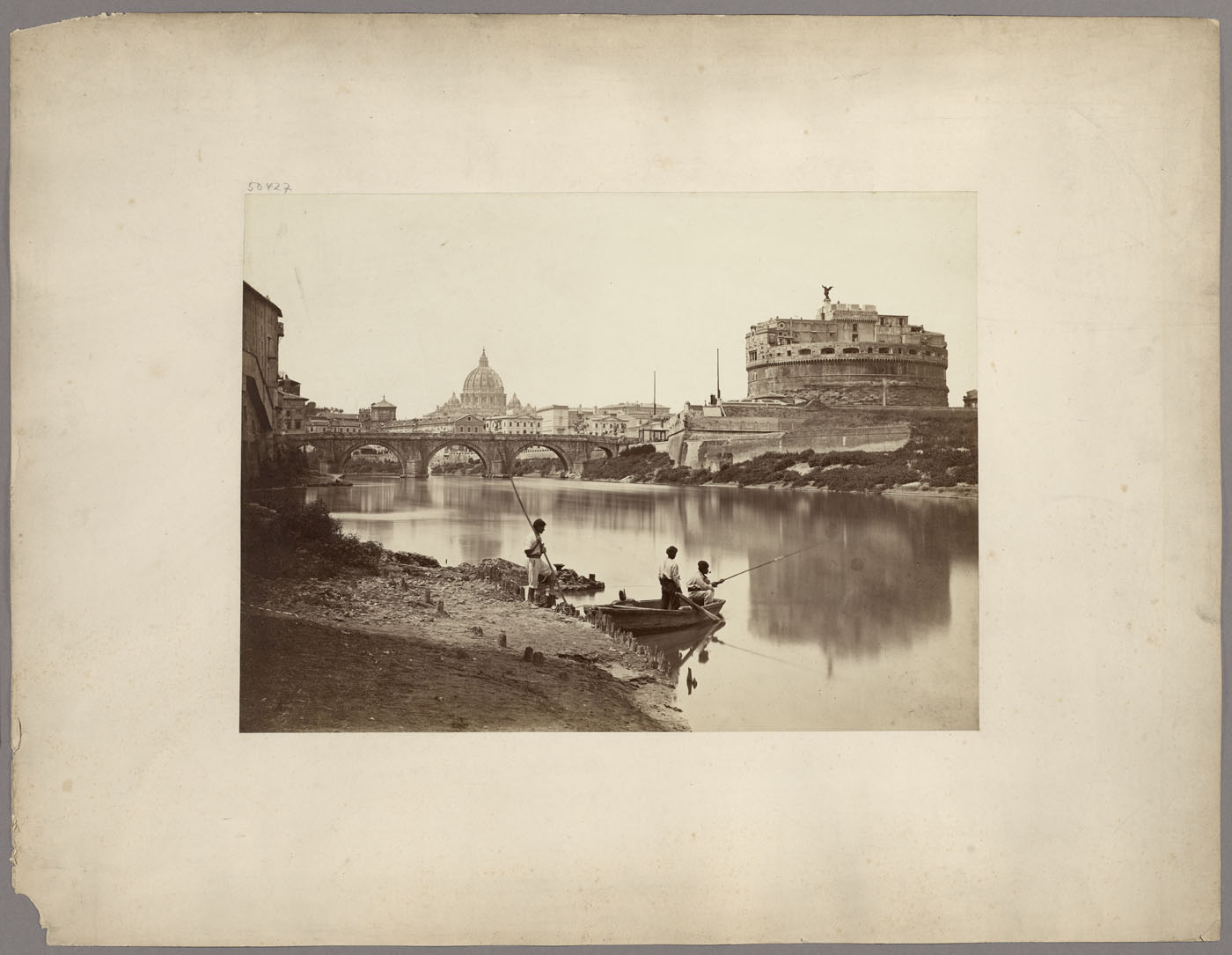
The exhibition also presents the remarkable photographic composition entitled Rome: Fishermen on the Tiber near the Castel Sant’Angelo (c. 1860) by Gioacchino Altobelli (Terni 1814 – Rome 1878), who had previously been active as a history and portrait painter. Altobelli was one of Rome’s most successful photographers. The Ponte Sant’Angelo with its Baroque sculptures by Gian Lorenzo Bernini divides the pictorial field about halfway between top and bottom, leaving plenty of space for the reflections of St Peter’s Basilica and the Castel Sant’Angelo in the smooth surface of the Tiber. The photographer was judicious in his choice of staffage in the foreground: the figures serve to point the viewer’s gaze to the main monuments.

Meticulous calculations of the light were necessary to capture the plasticity of sculptures in the best way possible. That is because, depending on the surface structure, various reflections might appear, and they were to be avoided. In the case of Michelangelo’s figure of Moses from the tomb of Pope Julius II in Rome, Adolphe Braun (Besançon 1811 – Dornach 1877) concentrated on the upper body. To conceal the niche behind the sculpture, the photographer applied an asphalt solution to the negative. He moreover retraced certain details – for example the prophet’s left eye and the tip of his beard – with grey ink to heighten the contrasts.

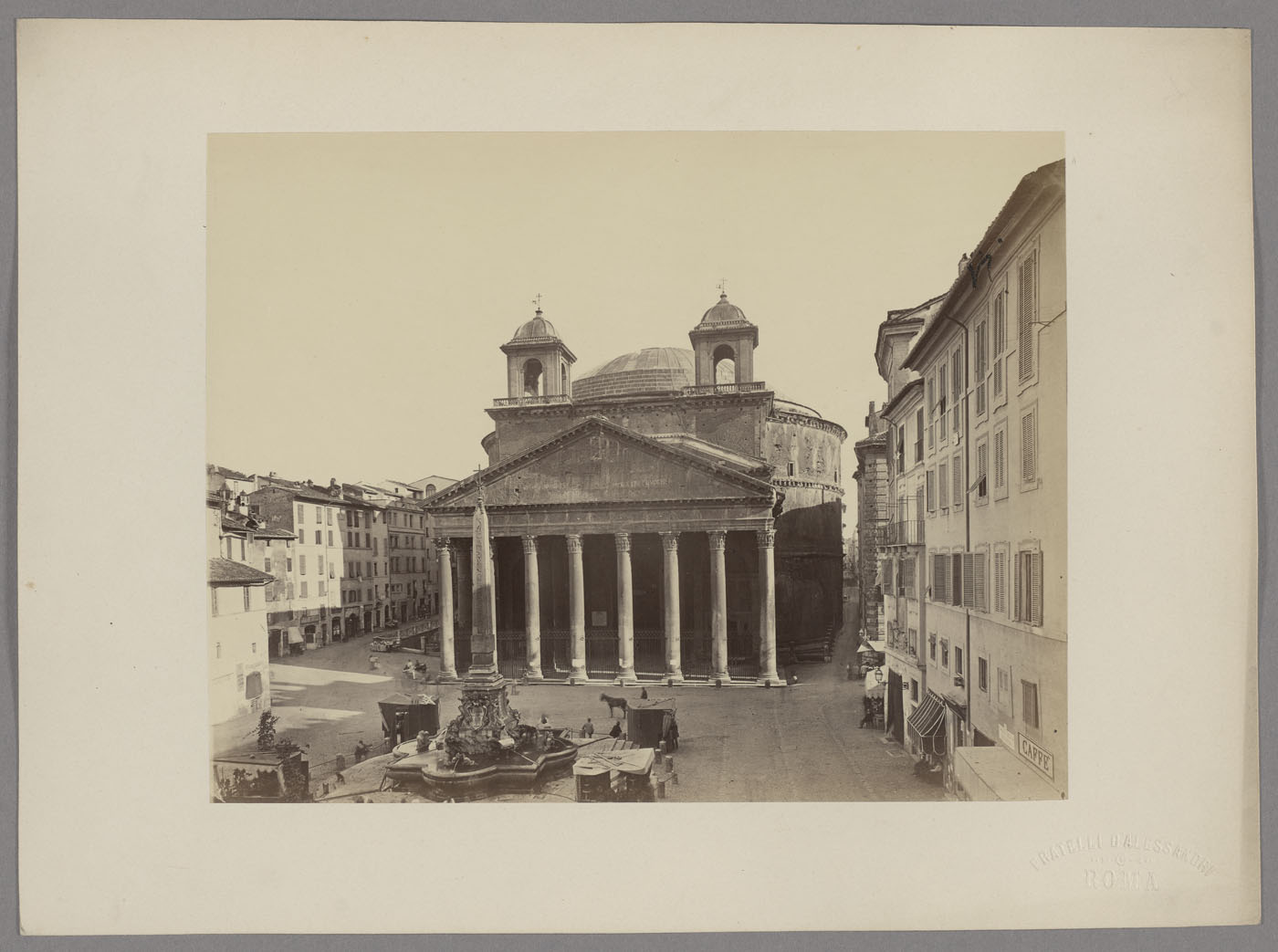
In the shot of the Pantheon (c. 1870) by the Fratelli D’Alessandri, the building still boasts a feature today no longer extant – the bell towers by the great Roman Baroque artist Gian Lorenzo Bernini. Thanks to the angle of view, the photograph captures not only the temple façade with its rectangular outline, but also the domed rotunda. At the same time it portrays the urban setting, complete with cafés, shops, and pedestrians, creating a suspenseful contrast between the permanence of the structure and the fugacity of the moment.

For nineteenth-century travellers to Rome, an excursion to the surrounding region was a must. In Tivoli, the great waterfall in the park of the Villa Gregoriana had already been attracting artists since the eighteenth century. They usually concentrated on staging the spectacular natural scenery in interplay with the remains of ancient culture. In Tivoli: Waterfall (c. 1860-1865), Robert Macpherson (Edinburgh 1814 – Rome 1872) – a surgeon by training – focussed solely on the plunging water and the bright reflections off the mist it causes. The oval shape heightens the image’s poetic effect and draws all the more attention to the motif.

Press release from the Städel Museum


A. De Bonis (Italian, active 1850-1870) (attributed) 'Rome: Man Reading in the Garden of the Cloister of San Giovanni in Laterano' c. 1855-1860


A. De Bonis (Italian, active 1850-1870) (attributed)
Rome: Man Reading in the Garden of the Cloister of San Giovanni in Laterano
c. 1855-1860
Albumen print mounted on cardboard
25.5 x 19.6cm
Städel Museum, Frankfurt am Main
Acquired in 2011 with support from the Kulturstiftung der Länder and the Hessischer Kulturstiftung, property of the Städelscher Museums-Verein e.V.


Fratelli D'Alessandri (Italian, 1858-1930) Antonio D'Alessandri (Italian, 1818-1893) Paolo Francesco D'Alessandri (Italian, 1827-1889) 'Rome: Pantheon' c. 1870


Fratelli D’Alessandri (Italian, 1858-1930)
Antonio D’Alessandri (Italian, 1818-1893)
Paolo Francesco D’Alessandri (Italian, 1827-1889)
Rome: Pantheon
c. 1870
Albumen print mounted on cardboard
17.1 x 21.9cm
Städel Museum, Frankfurt am Main
Acquired in the 19th century


No other metropolis offered a comparable rich and closely interwoven legacy of built monuments and art treasures from antiquity to the modern age. The Pantheon is a prime manifestation of Rome’s special status as the “Eternal City”. The best-preserved edifice of Roman antiquity, it was converted into a Christian church in AD 609. Since the Renaissance it has moreover served as the final resting place of prominent personages, among them Raphael. In this shot, the building still boasts a feature today no longer extant – the bell towers by the great Roman Baroque artist Gian Lorenzo Bernini. Thanks to the angle of view, the photograph by the D’Alessandri brothers captures not only the temple façade with its rectangular outline, but also the domed rotunda. At the same time it portrays the urban setting, complete with cafés, shops, and pedestrians, creating a suspenseful contrast between the permanence of the structure and the fugacity of the moment.

Text from the Städel Museum website


Jakob August Lorent (American lived Italy, 1813-1884) 'Venice: The Horses of San Marco' c. 1853


Jakob August Lorent (American lived Italy, 1813-1884)
Venice: The Horses of San Marco
c. 1853
Salt print mounted on cardboard
33.6 x 46.4cm
Städel Museum, Frankfurt am Main
Acquired in 2011 with support from the Kulturstiftung der Länder and the Hessische Kulturstiftung, property of the Städelscher Museums-Verein e.V.


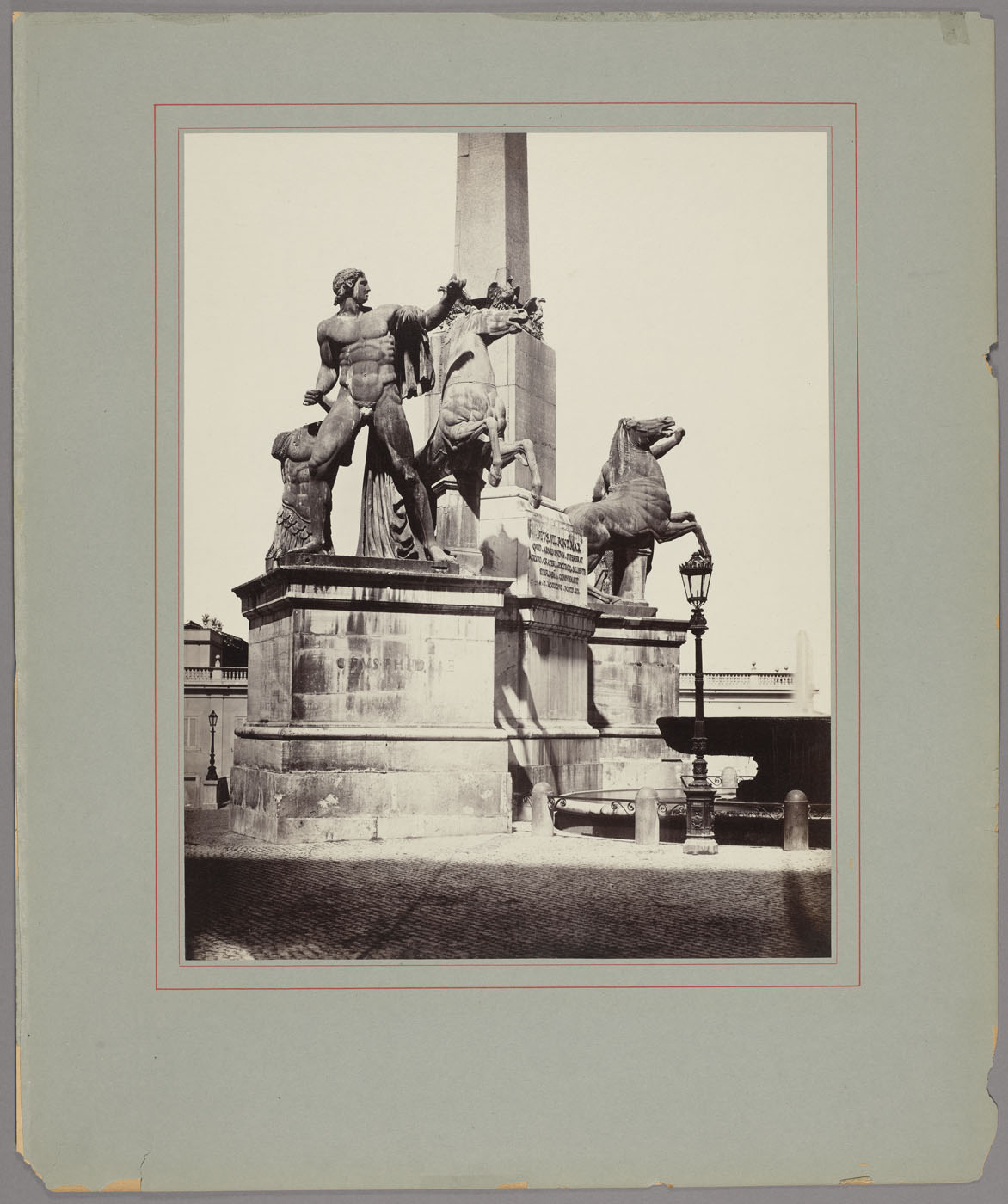
Robert Macpherson (Scottish lived Italy, 1814-1872) 'Rome: The Fountain of the Dioscuri on Quirinal Hill' 1860


Robert Macpherson (Scottish lived Italy, 1814-1872)
Rome: The Fountain of the Dioscuri on Quirinal Hill
1860
39.6 x 30.9cm
Albumen print mounted on cardboard
Städel Museum, Frankfurt am Main
Acquired in 2011 with support from the Kulturstiftung der Länder and the Hessischer Kulturstiftung, property of the Städelscher Museums-Verein e.V.


Carlo Naya (Italian, 1816-1882) 'Venice: Riva degli Schiavoni (with Carlo Naya's studio in the left foreground)' c. 1865-1875


Carlo Naya (Italian, 1816-1882)
Venice: Riva degli Schiavoni (with Carlo Naya’s studio in the left foreground)
c. 1865-1875
Albumen print mounted on cardboard
43.7 x 53.9cm
Städel Museum, Frankfurt am Main
Acquired in 2011 with support from the Kulturstiftung der Länder and the Hessischer Kulturstiftung, property of the Städelscher Museums-Verein e.V.


August Alfred Noack (Italian, 1833-1895) 'Genoa: Fishing Boat on the Beach of Nervi, View of Torre Gropallo and Monte Fasce' c. 1870


August Alfred Noack (Italian, 1833-1895)
Genoa: Fishing Boat on the Beach of Nervi, View of Torre Gropallo and Monte Fasce
c. 1870
Albumen print mounted on cardboard
20.5 x 28.0cm
Städel Museum, Frankfurt am Main
Acquired in the 19th century


In the 1850s Alfred Noack immigrated to Italy, like Giorgio Sommer. After four years in Rome he opened a photographic studio in Genoa and intensely studied the landscapes of the coast of Liguria. His photographs of the beach of Nervi, with rocky bits of land reaching diagonally into the picture plane, appear exceptionally modern. The angle he chose draws the viewer into the picture, an effect heightened by the abandoned boat. The careful tinting makes the single elements of the landscape melt into monotone areas, clearly distinguished by sharp contours.

Text from the Städel Museum website


August Alfred Noack (Italian, 1833-1895) 'Riviera di Levante: The Coast near Sestri Levante' c. 1870


August Alfred Noack (Italian, 1833-1895)
Riviera di Levante: The Coast near Sestri Levante
c. 1870
Albumen print mounted on cardboard
21.6 x 27.8cm
Städel Museum, Frankfurt am Main


Alfred Noack completed artistic training in Dresden before emigrating to Italy in the late 1850s. After four years in Rome, he opened a photo studio in Genoa which served him as a base for explorations of the Ligurian Riviera. Here he captured the Sestri Levante section of the coast, a popular holiday destination, in a photo composed in painting-like manner. The splendid agave blossom in the foreground leads the gaze from lower left to upper right, close up to far away. By reducing the depth of field after the manner of traditional landscape painting, Noack has achieved a suggestive atmospheric image. This effect is further enhanced by the path alluded to at the lower left, which prompts the viewers to stroll through the Mediterranean landscape themselves – at least in their imaginations.

Text from the Städel Museum website


Gioacchino Altobelli (Italian, 1814-1878?) 'Rome: Fishermen on the Tiber near the Castel Sant'Angelo' c. 1860

Gioacchino Altobelli (Italian, 1814-1878?) 'Rome: Fishermen on the Tiber near the Castel Sant'Angelo' c. 1860


Gioacchino Altobelli (Italian, 1814-1878?)
Rome: Fishermen on the Tiber near the Castel Sant’Angelo
c. 1860
Albumen print mounted on cardboard
27.7 x 38.0cm
Städel Museum, Frankfurt am Main
Acquired in the 19th century


Gioacchino Altobelli had previously been active as a history and portrait painter. Here he staged Christian Rome in a photographic composition distinguished by the utmost harmony. The Ponte Sant’Angelo with its Baroque sculptures by Gian Lorenzo Bernini divides the pictorial field about halfway between top and bottom, leaving plenty of space for the reflections of St Peter’s Basilica and the Castel Sant’Angelo in the smooth surface of the Tiber. The photographer was judicious in his choice of staffage in the foreground. The pipe smoker’s fishing rod and the long stick leaning against the shoulder of the man on the bank point the viewer’s gaze to the main monuments, which appear all the more imposing as a result. At the same time, with the fishing motif Altobelli was alluding to symbolic imagery widespread in the Christian pictorial tradition. He was one of the city’s most successful photographers.

Text from the Städel Museum website


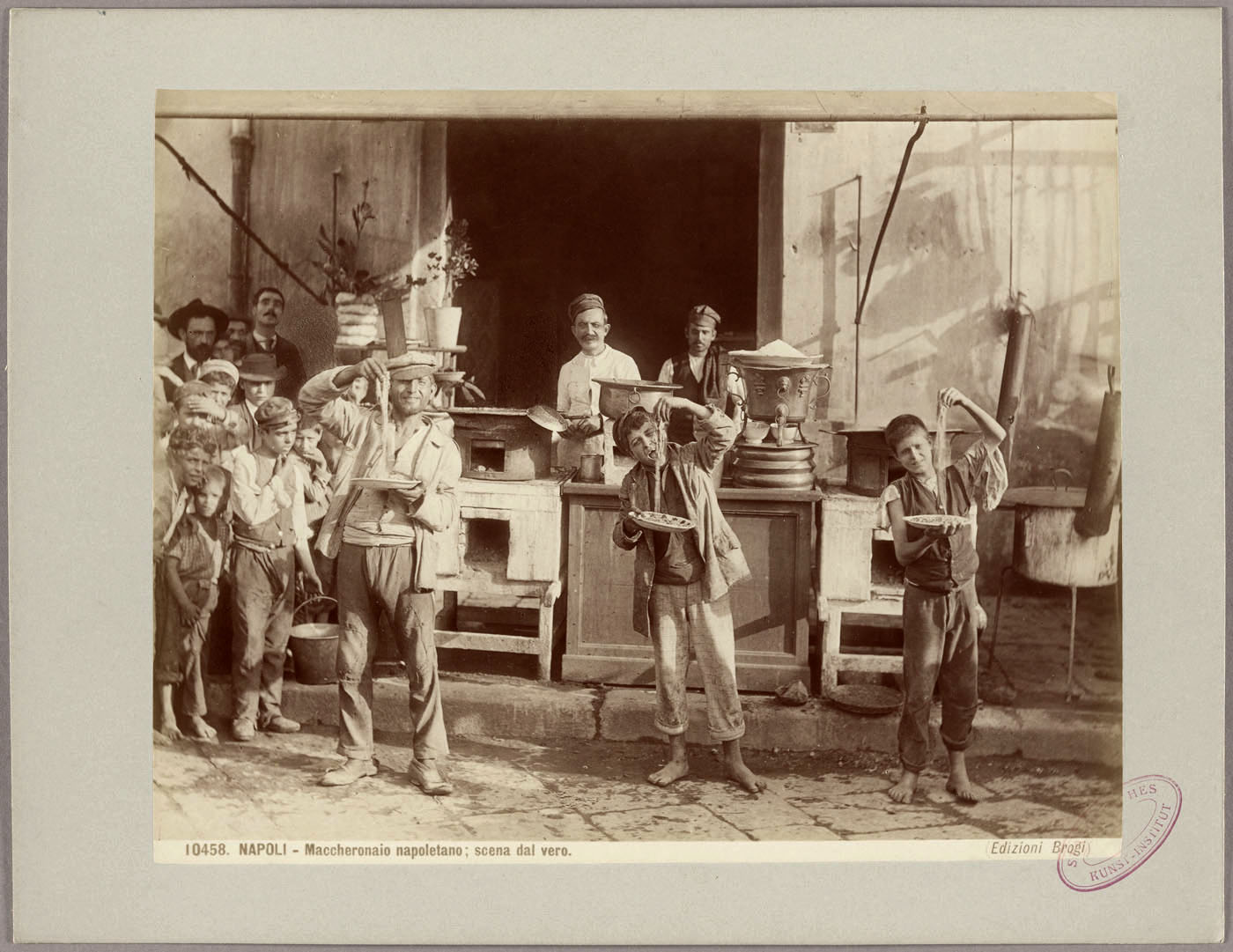
Edizioni Brogi (Italian, active 1860s-1920s publisher) Giacomo Brogi (Italian, 1822-1881) Carlo Brogi (Italian, 1850-1925) son of Giacomo Brogi. 'Naples: Macaroni Maker' c. 1880-1890


Edizioni Brogi (Italian, active 1860s-1920s publisher)
Giacomo Brogi (Italian, 1822-1881)
Carlo Brogi (Italian, 1850-1925) son of Giacomo Brogi
Naples: Macaroni Maker
c. 1880-1890
Albumen print mounted on cardboard
19.9 x 25.2cm
Städel Museum, Frankfurt am Main
Acquired in the 19th century


Naples held great appeal for tourists not only because of its charming coastal scenery and awe-inspiring Mount Vesuvius, but also thanks to its customs and traditions. Particularly from the 1880s onwards, Italian-based photographers increasingly marketed studies of human beings that shaped and continually fuelled the cliché of the poor but carefree population of Southern Italy. The Edizioni Brogi company staged its native performers against the backdrop of an osteria. In the foreground, a scruffy-looking man and two barefoot boys stand side by side, grinning cheerfully into the camera while eating macaroni with their hands as if it was the most natural thing in the world. To lend the artificial arrangement a connection to reality, Brogi claims in the printed text above that the photograph had been made “from life”.

Text from the Städel Museum website


Fratelli Alinari (founded 1852) Leopoldo Alinari (Italian, 1832-1865) Romualdo Alinari (Italian, 1830-1891) Giuseppe Alinari (Italian, 1836-1890) 'Florence: Loggia dei Lanzi' c. 1870


Fratelli Alinari (founded 1852)
Leopoldo Alinari (Italian, 1832-1865)
Romualdo Alinari (Italian, 1830-1891)
Giuseppe Alinari (Italian, 1836-1890)
Florence: Loggia dei Lanzi
c. 1870
Albumen print mounted on cardboard
41.2 x 32.5cm
Städel Museum, Frankfurt am Main
Acquired in the 19th century


Along with Venice, Rome, and Naples, Florence also made a name for itself as an important centre for photography in Italy. It was there that Leopoldo Alinari, who had trained as an engraver, set up his own business in 1852. Two years later his brothers Romualdo and Giuseppe founded a photo studio. In addition to portraits, the Alinari offered views of the city’s famous monuments which they sold primarily to tourists. In 1859, they came to international fame with reproductions of drawings by Raphael in photographs of “high artistic value”, as the Photographisches Journal reported. From that time forward, photographic reproductions of artworks, for example from the Uffizi, were a permanent feature of the family company’s product range. Still in existence today, the Alinari Archive is a unique document of Italian art and architecture.

Text from the Städel Museum website


Giorgio Sommer


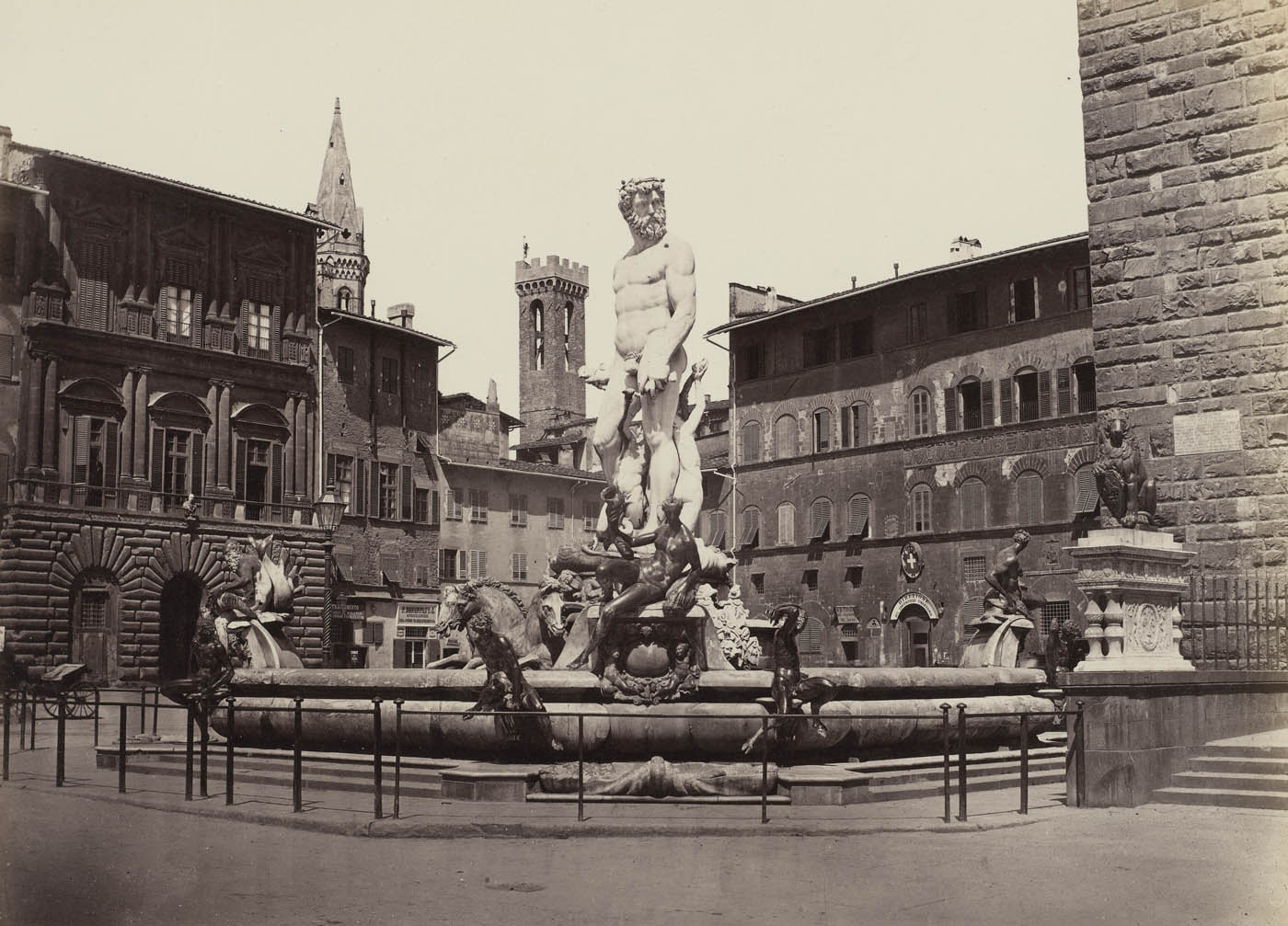
Giorgio Sommer (Italian born Germany, 1834-1914) 'Florence: Fountain of Neptune' c. 1860-1870


Giorgio Sommer (Italian born Germany, 1834-1914)
Florence: Fountain of Neptune
c. 1860-1870
Albumen print mounted on cardboard
18.1 x 24.5cm
Städel Museum, Frankfurt am Main


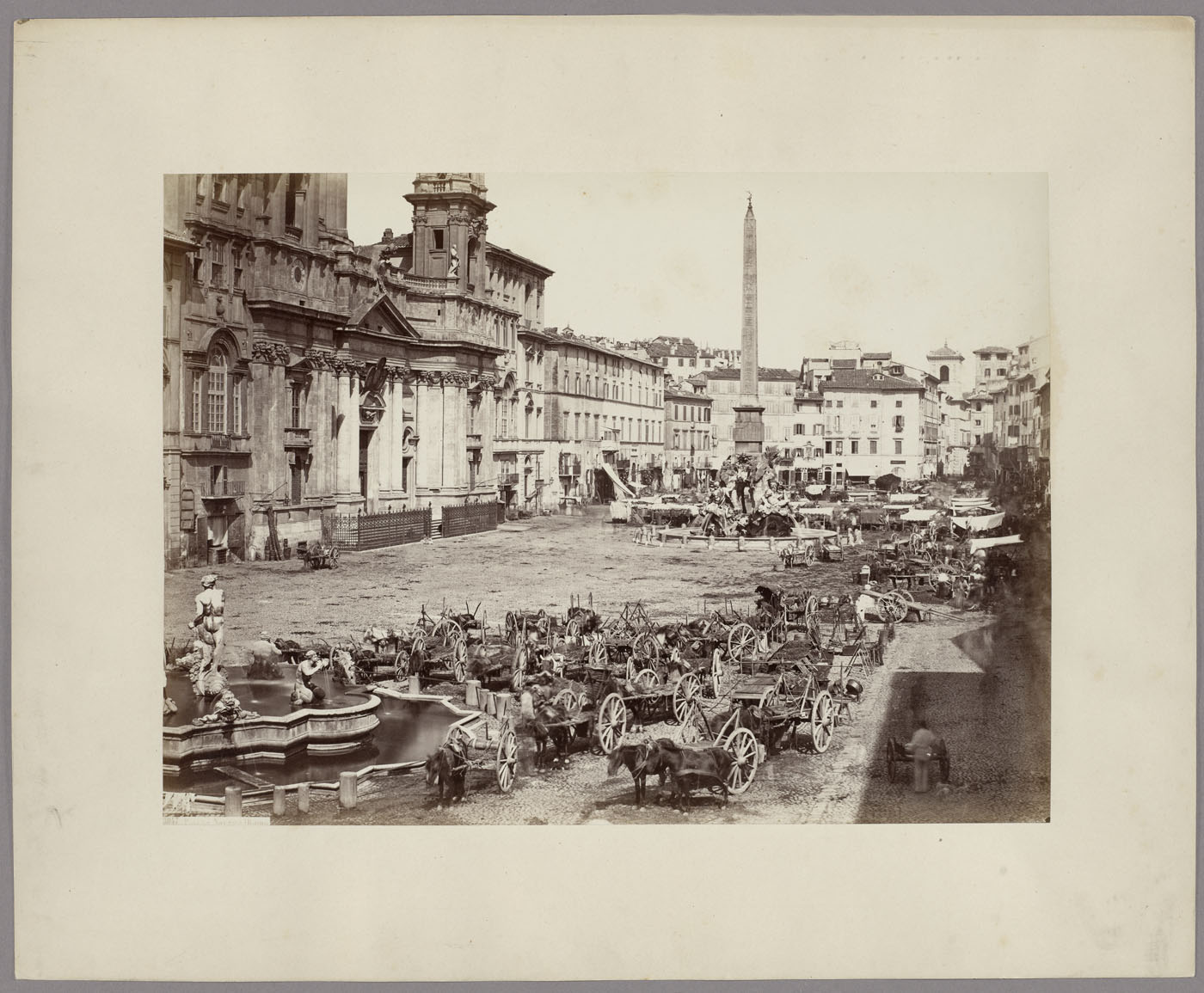
Giorgio Sommer (Italian born Germany, 1834-1914) 'Rome: The Market on Piazza Navona' c. 1862


Giorgio Sommer (Italian born Germany, 1834-1914)
Rome: The Market on Piazza Navona
c. 1862
Albumen print mounted on cardboard
27.4 x 37.4cm
Städel Museum, Frankfurt am Main
Acquired in 2011 with support from the Kulturstiftung der Länder and the Hessischer Kulturstiftung, property of the Städelscher Museums-Verein e.V.


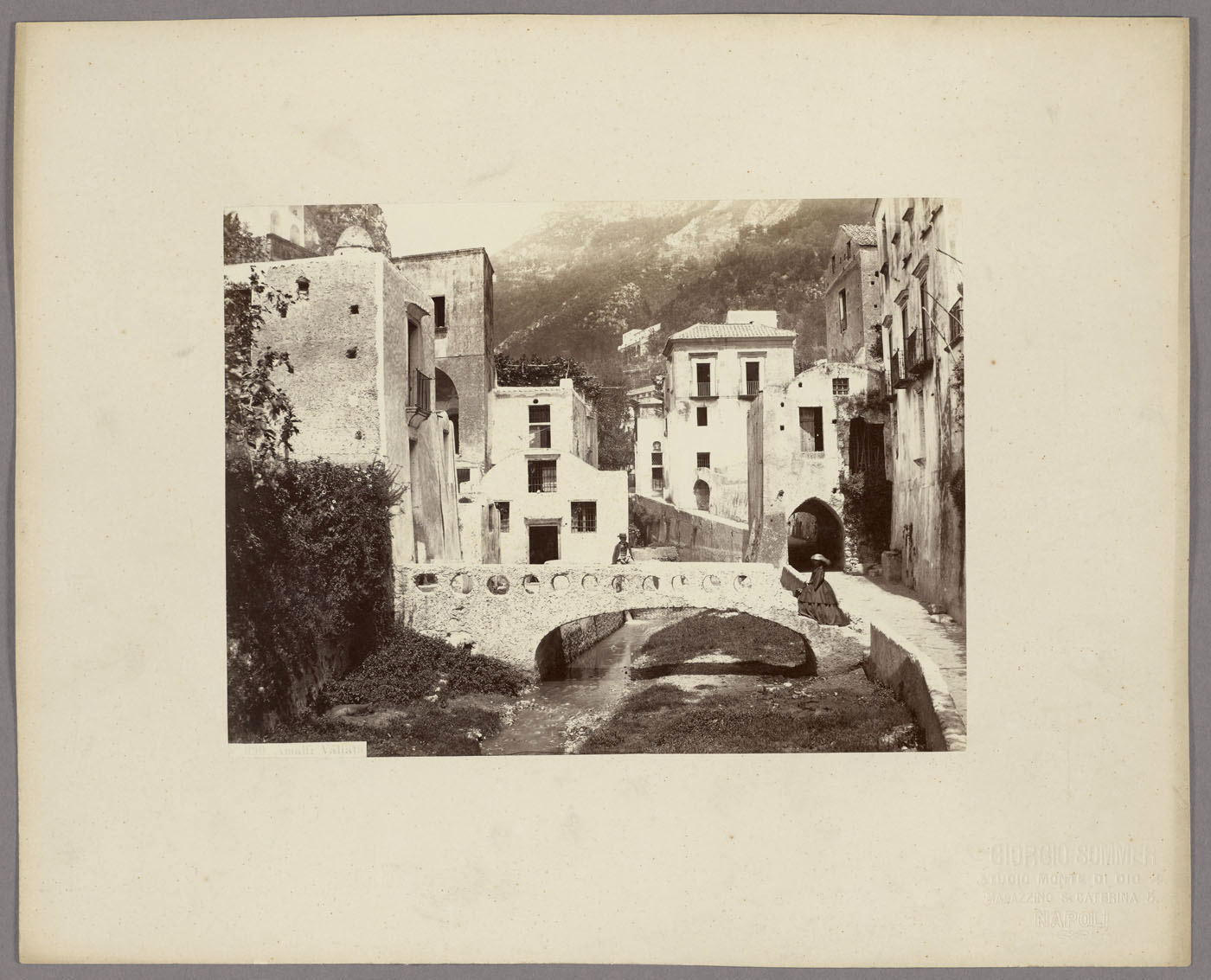
Giorgio Sommer (Italian born Germany, 1834-1914) 'Amalfi: Valle dei Mulini' c. 1860-1870


Giorgio Sommer (Italian born Germany, 1834-1914)
Amalfi: Valle dei Mulini
c. 1860-1870
Albumen print mounted on cardboard
17.6 x 23.5cm
Städel Museum, Frankfurt am Main
Acquired in the 19th century


Giorgio Sommer (Italian born Germany, 1834-1914) 'Amalfi: View from the Coast' c. 1860-1870


Giorgio Sommer (Italian born Germany, 1834-1914)
Amalfi: View from the Coast
c. 1860-1870
Albumen print mounted on cardboard
18.4 x 24.3cm
Städel Museum, Frankfurt am Main
Acquired in the 19th century


The area on the Gulf of Salerno figured prominently in Giorgio Sommer’s product range. By photographing striking sites from different perspectives, he amassed a large repertoire of multifarious views. Here we see the harbour of the once-powerful maritime republic Amalfi from a slightly elevated vantage point. On the beach, nets have been spread out between the boats for patching. The long masts of the sailing vessels point our gaze to the characteristic steep cliffs. According to the Baedeker travel guide of 1867, the region offers “a charming new landscape scene at almost every turn”. The intricately interleaved and overlapping houses have carved out a place for themselves at the foot of the rugged slopes.

Text from the Städel Museum website


Giorgio Sommer (Italian born Germany, 1834-1914) (attributed) 'Amalfi: Seaside Promenade' c. 1860-1870


Giorgio Sommer (Italian born Germany, 1834-1914) (attributed)
Amalfi: Seaside Promenade
c. 1860-1870
Albumen print mounted on cardboard
17.8 x 24.1cm
Städel Museum, Frankfurt am Main
Acquired in the 19th century


The area on the Gulf of Salerno figured prominently in Giorgio Sommer’s product range. By photographing striking sites from different perspectives, he amassed a large repertoire of multifarious views. Here we see the harbour of the once-powerful maritime republic Amalfi from a slightly elevated vantage point. On the beach, nets have been spread out between the boats for patching. The long masts of the sailing vessels point our gaze to the characteristic steep cliffs. According to the Baedeker travel guide of 1867, the region offers “a charming new landscape scene at almost every turn”. The intricately interleaved and overlapping houses have carved out a place for themselves at the foot of the rugged slopes.

Wall text from the exhibition


Giorgio Sommer (Italian born Germany, 1834-1914) 'Milan: Galleria Vittorio Emanuele II' c. 1868-1873


Giorgio Sommer (Italian born Germany, 1834-1914)
Milan: Galleria Vittorio Emanuele II
c. 1868-1873
Albumen print mounted on cardboard
24.0 x 18.2cm
Städel Museum, Frankfurt am Main
Acquired in the 19th century


The shopping mall erected in Milan between 1865 and 1867 inspired praise from the author of Baedeker’s Handbook for Travellers (1870): “Among Europe’s glass arcades, this is the most beautiful and magnificent by far.” Giorgio Sommer captured the prestigious edifice in a single shot. On the one hand the angle of view emphasises the longitudinal axis connecting the Piazza della Scala and the Piazza del Duomo. On the other hand, the choice of a vantage point to the left of the centre enables the onlooker to appreciate the richly ornamented arcades. Sommer moreover made use of the light entering from above to bring out the delicate structure of the architecture.

Wall text


Giorgio Sommer (Italian born Germany, 1834-1914) 'Milan: Galleria Vittorio Emanuele II' c. 1868-1873


Giorgio Sommer (Italian born Germany, 1834-1914)
Milan: Galleria Vittorio Emanuele II
c. 1868-1873
Albumen print mounted on cardboard
24.0 x 18.2cm
Städel Museum, Frankfurt am Main
Acquired in the 19th century


Giorgio Sommer (Italian born Germany, 1834-1914) 'Naples: The Eruption of Mount Vesuvius on 26 April 1872, 3.00 pm, 1872' 1872


Giorgio Sommer (Italian born Germany, 1834-1914)
Naples: The Eruption of Mount Vesuvius on 26 April 1872, 3.00 pm, 1872
1872
Albumen print mounted on cardboard
18.1 x 24.1cm
Städel Museum, Frankfurt am Main, property of the Städelscher Museums-Verein e.V.


When Mount Vesuvius began emitting masses of lava in April 1872, Giorgio Sommer photographed the rare natural spectacle at half-hour intervals from a boat lying at anchor a safe distance away in the Gulf of Naples. In the end he had created a series of shots documenting the volcanic emission. A display of the omnipotence of natural forces, the tower of ash several kilometres high sends shivers down the viewer’s spine. The photographs met with keen interest not only from tourists. In the Illustrierte Zeitung (Leipzig) they were also reproduced as woodcuts that can be regarded as forerunners of photojournalism. Unlike the relatively matter-of-fact photos that served as their basis, the printed reproductions turn the scene into an emotionally charged landscape veduta. The gulf and the city of Naples fill the foreground; the fire-spewing mountain looms up behind them like a mighty omen.

Text from the Städel Museum website


Giorgio Sommer (Italian born Germany, 1834-1914) (attributed) 'Naples: View of Capri from Massa Lubrense' c. 1860-1865


Giorgio Sommer (Italian born Germany, 1834-1914) (attributed)
Naples: View of Capri from Massa Lubrense
c. 1860-1865
Albumen print mounted on cardboard
18.0 x 23.8cm
Städel Museum, Frankfurt am Main
Acquired in the 19th century


On his wanderings in Southern Italy, Giorgio Sommer concentrated more than most of his photographer colleagues on the beauty of the landscape. He had the help of natural circumstances to arrive at this especially striking shot of Capri, an island in the Gulf of Naples that is still as popular with tourists as ever. The olive trees at the left and right frame it in such a way as to create a picture within a picture. The use of treetops for this purpose is a classical element of landscape painting. The two barefoot boys at the left not only enliven the composition but also serve as scale figures and underscore the vastness of natural setting. At the same time, they point to another area of Sommer’s repertoire: genre scenes from what was imagined to be typical everyday life in Southern Italy.

Text from the Städel Museum website


Giorgio Sommer (Italian born Germany, 1834-1914) (attributed) 'Naples: Largo del Municipio' c. 1860-1870


Giorgio Sommer (Italian born Germany, 1834-1914) (attributed)
Naples: Largo del Municipio
c. 1860-1870
Albumen print mounted on cardboard
18.1 x 23.9cm
Städel Museum, Frankfurt am Main
Acquired in the 19th century


Giorgio Sommer (Italian born Germany, 1834-1914) 'Pompeii: Panoramic View' c. 1860-1870


Giorgio Sommer (Italian born Germany, 1834-1914)
Pompeii: Panoramic View
c. 1860-1870
Albumen print mounted on cardboard
18.2 x 24.1cm
Städel Museum, Frankfurt am Main
Acquired in the 19th century


Giorgio Sommer (Italian born Germany, 1834-1914) 'Monreale: Panoramic View' Before 1886

Giorgio Sommer (Italian born Germany, 1834-1914) 'Monreale: Panoramic View' Before 1886


Giorgio Sommer (Italian born Germany, 1834-1914)
Monreale: Panoramic View
Before 1886
Albumen print mounted on cardboard
20.2 x 25.6cm
Städel Museum, Frankfurt am Main
Acquired in the 19th century


Städel Museum
Schaumainkai 63
60596 Frankfurt

Opening hours:
Tuesday, Wednesday, Friday – Sunday 10.00am – 6.00pm
Thursday 10.00am – 9.00pm
Monday closed

Städel Museum website

LIKE ART BLART ON FACEBOOK

Back to top