Framing within a square or rectangle, Pflaum’s situational, observational photographs of everyday life in post-war Vienna are full of humans pictured singly or in groups against the urban backdrop.
The figures are rarely photographed front and centre with the photographer using the near-far compositional technique – placing a prominent object very close to the camera lens while capturing a distant figure or background for context – to create a strong three-dimensional depth within the image which enables the artist to enact a compelling visual story. Figures are also placed asymmetrically within the picture. Silhouetting is used to great effect as is the use of low depth of field.
There is a sense of “caught on the fly” abstraction in Pflaum’s personal work, even as her street photographs, her personal not commercial work, are eloquently structured, visualised and resolved, demonstrating “not only her extraordinary powers of observation, her humor, and her phenomenal sense of form, but also a profound social awareness.”
Part Henri Cartier-Bresson, part Edith Tudor-Hart, Pflaum’s enduring street photographs are strong and engaging and entirely her own vision. I just wish I had more of them to show you … but please enlarge the installation views of the exhibition in the posting to gain a greater appreciation of their presence.
Dr Marcus Bunyan
Many thankx to MAK Museum for allowing me to publish the photographs in the posting. Please click on the photographs for a larger version of the image.
Pflaum’s style was marked by poised restraint and subordination of the photographer to the motif, prioritising observation and patience over aggressive intervention, which lent her images an unconventional, artistic edge amid the era’s photojournalistic hustle. Influences from her graphic training extended to lighting and post-processing, where she favoured natural illumination and minimal alterations to preserve raw authenticity, while exchanging ideas with contemporaries like Franz Hubmann, Erich Lessing, and Harry Weber shaped her approach to dynamic yet empathetic framing. This method resulted in a oeuvre of standalone, motif-driven photographs that engaged viewers through subtle interpretive layers rather than overt narratives. …
Barbara Pflaum’s photography served as a visual chronicle of post-war Vienna and Austria during the Second Republic, capturing the city’s social and cultural revival from the 1950s to the 1970s through street scenes, urban portraits, and everyday vignettes. Her images documented the reconstruction era’s vibrancy, including spontaneous moments like pedestrians jumping over puddles on Heldenplatz (c. 1960) and leisure activities at the Prater amusement park with the Giant Ferris Wheel in the background (1961), highlighting the resilience of Viennese daily life amid lingering post-war recovery. These works portrayed ordinary figures – such as market women, newspaper sellers, and coal delivery workers – as typological subjects, emphasising authentic urban interactions without ideological overlay, as seen in her depiction of a motorcycle race on Wiener Höhenstraße (1956).”
Anonymous. “Barbara Pflaum,” on the Grokipedia website Nd [Online] Cited 31/07/2026
Barbara Pflaum (1912-2002) was one of the few women who worked as photojournalists for pictorial magazines in the 1950s.
Men dominated this profession in the first two postwar decades, while women in Europe and the United States returned to domestic life. This was not the case for Pflaum, who came across photography at the University of Applied Arts Vienna, where she had taken up studies as a 40-year-old divorcée with three children.
Her photographs garnered the attention of several people. In 1954 she published her first reports – about Venice and about an experimental school in Sweden – in the Wiener Illustrierte newspaper. A short time later, she was hired as a photographer for the Wochenpresse weekly, where she worked for over 20 years. She and her classic Rolleiflex medium format camera could be found at most theatre and opera openings, vernissages, and most of all at political events.
Her portraits of heads of state, party leaders, and famous artists often adorned the cover pages of the weekly magazine. As the proud photographer of these images, she showed them in exhibitions throughout her life. The presentation at the MAK will show a different, less well-known side of her work – one that nowadays especially has the capacity to delight.
Between vernissages, conferences, and premieres, Barbara Pflaum tirelessly roamed the streets of Vienna and observed its inhabitants. Situational photographs and masterful portraits not only bring to light her extraordinary powers of observation, her sense of humour, and her phenomenal flair for form, but also reveal an encompassing social sensibility. Taken for herself, in passing – these photographs are the subject of the exhibition.
Some found their way into a Vienna photo book published by Pflaum in 1961, but many have never been released. The images show the city’s inhabitants going about their daily lives, as well as street protests, condemned neighbourhoods, and scenes from the annual Christmas markets.
From 15 April, the MAK dedicates a solo exhibition to Barbara Pflaum (1912–2002), a pioneer of Austrian press photography, in the MAK Works on Paper Room. With her extraordinary powers of observation and outstanding sense of form, Pflaum counts among the trailblazers of Austrian photojournalism in the 1950s. For over two decades, she helped shape the visual style of the Austrian weekly magazine Wochenpresse. Aged 40, divorced and a mother of three, Pflaum began studying at Vienna’s Academy of Applied Arts (now the University of Applied Arts Vienna) where she discovered photography and devoted herself to it with passion from then on. The exhibition at the MAK shows more than 100 photographs from the late 1950s and early 1960s, revealing an aspect of her work as yet little known: thoughtful, often humorous observations of everyday life in Vienna.
Pflaum received her first camera from her then-partner, the traveler, writer, and photographer Herbert Tichy in the early 1950s. At first, she mainly photographed her children and friends. These portraits caught the attention of the photo lab owner where she had her films developed. He encouraged her to submit her work to a magazine. As a result, Pflaum worked for the Wiener Illustrierte between 1954 and 1958. At the same time, she met the renowned Japanese-American photographer Yoichi Okamoto, head of the photo department at the US Information Service. Okamoto trained young photographers in modern photojournalism. Pflaum’s collaboration with Okamoto had a decisive influence on her style and led to her first publications in the Wiener Kurier.
Equipped with her classic medium-format camera, Pflaum had been photographing for the Wochenpresse since the mid-1950s, and was a regular presence at theatre and opera premieres, art exhibitions, political gatherings, and social events. She captured heads of state, party leaders, and international artists, and documented parliamentary debates, receptions, conferences, and cultural highlights. Many of her portraits of prominent figures appeared on the weekly magazine’s front cover – photographs of which she was particularly proud and which she repeatedly exhibited during her lifetime.
She consolidated her position as a photographer through her work in the press and exhibitions at Vienna’s Konzerthaus, as well as through her own publications. In addition to official commissions, she tirelessly documented everyday life in Vienna: people in coffee houses, at markets, in parks or at parades, passers-by, street vendors, children at play or people in public spaces. Of especial fascination for her was the city’s transformation: old neighborhoods undergoing renovation, demolition, new construction, or the beginning of gentrification.
Many of these photographs were taken, as it were, en passant – personal observations, some of which found their way into her 1961 picture volume, wie ist Wien? Most, however, remained unpublished, lying in the photographer’s archive for years. Today, these photographs offer a view of the city and its inhabitants that is as lively as it is humorous. They depict scenes of everyday life, as well as street protests, Christmas markets, and neighborhoods about to be demolished. At the same time, they document an urban atmosphere undergoing gradual change in post-war Vienna.
Most of the prints on display in the exhibition come directly from Pflaum’s own archive, which is now held by brandstaetter images. These are prints she made herself, some of which bear clear signs of wear – revealing their use as working materials.
A key element of Pflaum’s photographic style has to do with her camera of choice. She worked with a Rolleiflex, a large twin-lens camera for 6 x 6cm film. This technique required a deliberate and considered approach: the film had to be changed after every twelve exposures, and the image was composed in a square format. For publication in the press, which usually required rectangular image formats, the photographs had to be cropped later during enlargement. The Rolleiflex was held at hip height as the image was projected onto a ground glass screen on the top of the camera, meaning it could only be viewed from above.
Many of Pflaum’s photographs are characterised by their strong, multi-layered composition: often, a blurred foreground area structures the image, with the spatial context of the scene unfolding behind it. Only on a third level does the actual action take centre stage – a fleeting moment, an encounter, a gesture. This pictorial structure imbues the photographs with a sense of dynamism, steering the viewer’s gaze towards the essence of the image.
Pflaum’s gift for observation, her ability to “lie in wait” and capture the right moment, are remarkable, as is the originality of many of her compositions. Whether dealing with common photographic subjects such as markets or leisure activities, or with current events such as demonstrations, Pflaum always took care to draw attention to the people, ensure a dynamic energy in the image, and evoke associations. In this way, she was able to create a sense of narrative.
What emerges is a multi-layered photographic portrait of Vienna from more than half a century ago. Barbara Pflaum’s photographs also demonstrate the wealth of possibilities contained within even a fleeting moment on the street – provided it is observed with attentiveness, patience, and artistic sensitivity.
Karolina Ziębińska is a curator and art historian specializing in photography. From 2021 to 2025, she was director of the Museum of Warsaw. Prior to that, she was a curator at the Centre Pompidou in Paris from 2014 to 2020; Ziębińska also worked for ten years at Zachęta – National Gallery of Art in Warsaw. In 2008, she co-founded the Archaeology of Photography Foundation. Karolina Ziębińska has curated over 50 exhibitions and edited numerous publications on photographers of note.
I read a comment about the exhibition On the Street Where I Live: Viva Gibb at the City Gallery, Melbourne on Instagram the other day. It described the exhibition as “charming”.
What does that mean? charming… it’s almost as bad as calling an artist’s work “nice”. I’m sure if someone called my work “charming” I would take a turn and I think that Viva Gibb would be rolling in her grave if she heard the comment.
Let us be clear. Viva Gibb’s 1970s-1980s social documentary portraits of the people of inner city Melbourne (specifically North and West Melbourne) centred around her studio in Capel Street are direct, tough, intimate, compassionate, empathetic, feminist, political (in a socialist sense) and strongly humanist photographs of the people of her neighbourhoods and the working class suburbs in which they lived. Everyday people, human dignity, and social connection.
Through “mid or long shots, with the subject captured in relation to their environment,” Gibb’s photographs picture the day-to-day lives of the people that surrounded her, people that she had a connection with and wanted to photograph. As she said, “I only ask them for a photograph if I am interested in that person, if there is something in the whole story about them.”
Gibb photographed the people of these suburbs, people who formed countercultural communities of artists and intellectuals, cafe owners and customers, butchers and bakers, the old, the young, punks, dating couples and the homeless. She photographed facets of their life revealing within the images their innate dignity (every person has high value and deep worth simply because they are human), often using a multi-image convention to capture their essence, returning to photograph them over an extended time period. She built a relationship with people for however short or long a time in order to tell their story.
“The people in my photographs are those who have survived at all odds – socially, racially, and economically – in our essentially bourgeois society; the lonely man next door, the old people who have lived in the area all their lives and are threatened with eviction, the homeless man whose only dream is to have a room of his own.”
Through her photographs we can feel the transformation of a moment into a story unfolded by observation.
As Walker Evans observed, “Leaving aside the mysteries and the inequities of human talent, brains, taste, and reputations, the matter of art in photography may come down to this: it is the capture and projection of the delights of seeing; it is the defining of observation full and felt.”
The defining of observation full and felt. There goes Viva…
In one sense the hang of the exhibition, in photo cloud form, emphasises the interconnectedness of all people and all things within these communities, but conversely the viewer can become overwhelmed by the amount of photographs. Collectively, they become more of a sociological project rather than photographs with an individual aura. It is only when one stops and slows down and contemplates the individual portraits does one begin to admire the majesty of Gibb’s achievement.
Using a Rolleiflex medium-format camera for most of her portraiture so that she could look down into the camera while having a direct relationship to the person being photographed (not a camera held to the eye) one can see how, as James McArdle observes, she built the trust of the person being photographed. “… one can see how Viva is standing above her camera or beside it, in eye contact with her subject, perhaps talking to them, calmly or animatedly depending on the reaction desired, as she presses the shutter.”
Much like Diane Arbus using a Rolleiflex in New York, here in Gibb’s photographs there is a direct engagement with the reality of the world. This is never more evident than in my favourite part of the exhibition, her personal photo albums: The Street Where I Live 1974-1978; Boppin’ in West Melbourne; West Melb. 1980-1985; Those were the days my friend (below).
In the small photographs stuck into personal photo albums we can viscerally feel the power and intimacy of Gibb’s passion project. We can observe in the sequencing of images of the city, houses, streets, businesses and people, how she created stories about the people and places for which she cared dearly. And her love of dogs! Always people with dogs – Amelia and the new puppy; Betty and her dogs, Stanley St. Here, no overblown gigantic photographs that have no need to be that big, that have no presence, instead powerful, intimate photographs of a Melbourne now vanished from our sight through gentrification.
I remember coming to live in Melbourne in the mid-1980s from England and these suburbs, these characters, were still alive and present. No longer. While community groups tried to protect their suburbs and ways of life at the time, and the heritage buildings survived, council auctioned off the properties it had accumulated. “Most residents, unable to afford their properties, were forced to move on.” Caring communities built up over decades were destroyed.
Much the same is happening in contemporary Melbourne suburbs with the destruction of long standing community housing throughout the city. Under the guise of modernisation and money, and the increase in high density living in the city, communities are being torn apart with little or no recourse for low income human beings or their wishes. Public housing blocks are being torn down all over the city, the land given by the government to private developers for “mixed housing development” which combines private market-rate homes with affordable or social housing. Except social housing only ever makes up about 20% of the project. As usual it’s all about the money, ignoring the fact that it is destroying communities that have been there for decades. Shame on councils, supposed community housing associations and unscrupulous developers (please see Marcus Bunyan. “Frederick Oswald Barnett (Australian, 1883-1972),” on the Art Blart website, 23rd February, 2024; and Rachael Dexter. “Developer quietly guts ‘affordable’ housing promise in northern suburbs,” on The Age website, March 3, 2026 [Online] both cited 24/07/2026).
This brings me to the title of this piece of text taken from the front of Gibb’s photo album West Melb. 1980-1985: “Please handle with care -” followed by the admonishment “these photos are delicate”. These words can serve as metaphor for the de/generations of society that Gibb photographed and the subsequent loss of culture and community … a process that is only increasing today. While Gibb was “deeply aware, socially engaged and heartfelt” in her interactions with community and the stories she was telling – and this passion is embodied, embedded in her images – her photos are, still, delicate as she states, much like the lives of the people and communities depicted in them. Human beings need nature and nurture surrounding them, not huge four wheel drives, grand designs and high density living where you don’t even know your neighbour.
Caring for the counterculture, caring for the people around you, is a sign of a robust, flourishing society. Gibb’s tangible photographs convince us that such a proposition is true.
Dr Marcus Bunyan
PS. If you would like to know about the history, cultural and political background of this inspirational artist please read my friend James McArdle’s in depth research on Viva Gibb in the text “Stance,” on the On This Date In Photography website, March 19, 2026.
PPS. I love how people are smiling in the photographs!
Many thankx to the City Gallery for allowing me to publish the photographs in the posting. Please click on the photographs for a larger version of the image.
“I don’t really deal with people I don’t know… I only ask them for a photograph if I am interested in that person, if there is something in the whole story about them.”
Viva Gibb
“The people in my photographs are those who have survived at all odds – socially, racially, and economically – in our essentially bourgeois society; the lonely man next door, the old people who have lived in the area all their lives and are threatened with eviction, the homeless man whose only dream is to have a room of his own. In photographing the commonplace of the apparently trivial event of a woman holding her baby or a man standing in front of his home, I can see the transformation of a moment into a story unfolded by observation; the little dog by her side, the tender way the man puts his hand on her shoulder, the expression in her eyes, the garden, the ornaments on the mantelpiece, the city skyscrapers in the background and the traffic zooming past. The details fit together like pieces of a jigsaw, presenting a story of a lifetime and a constant reminder of the fragility of life itself. As an individual and an artist I can only hope to present a reality other than that presented by TV and the media. I believe that with humanity, compassion, and a re-examination of past values we can counter the destructive forces that threaten the very existence of a living environment on this earth.”
Viva Gibb, “In the Land of the Living (1981),” in Virginia Coventry (ed.), The Critical Distance: work with photography, politics, writing, exh. cat., Hale & Iremonger, Sydney, 1986, p. 92 quoted in Smith, Savannah; Garner, Helen; Maddison, Ruth (2026). On the streets where I live : Viva Gibb’s portrait of North and West Melbourne. Melbourne, Vic.: City of Melbourne, p. 15. Exhibition catalogue
“Gibb’s sympathetic representation of the urban environment was undergirded by her socio-political beliefs and compassionate worldview. She was alive to the forces of change impacting the lives of those around her and fiercely critical of one social class or race dominating another. Gibb was increasingly angered by wealth and expansion being valued at the expense of all else. She was troubled by environmental degradation and was an animal welfare advocate – a vegetarian from the age of 16 and a vegan later in life. She was also deeply concerned about the treatment and deprivations of First Nations people and the plight of those establishing new lives in Australia.”
Smith, Savannah; Garner, Helen; Maddison, Ruth (2026). On the streets where I live : Viva Gibb’s portrait of North and West Melbourne. Melbourne, Vic.: City of Melbourne, p. 14. Exhibition catalogue
Gibb’s portrait of North and West Melbourne is an important record of an inner urban area during a transformative moment in Melbourne’s history. On the city’s streets, radical countercultural ideals for a progressive society flourished through the activism of young people, while at the same time another chapter of the city’s history would close. In the 1970s and 1980s, amid the gentrification of the inner suburbs, West Melbourne flew under the radar for longer than most. It provided a countercultural community, which included artists and intellectuals, with low-cost space in which to live and work. Gibb’s house and studio were central to this community, a ‘social hub’ for ‘artists of all kinds, from the Pram Factory or the nascent Circus Oz’.10 For a period, they lived alongside longtime residents of the semi-industrial suburb. West Melbourne’s proximity to the railway, the docks and CBD meant it had been home to many working-class and migrant people who laboured in nearby industries or at Queen Victoria Market. Gibb’s photographs capture this amalgamated community – old and new – at this precise moment in time.
Capel Street was a focal point in this story of inner-suburban transformation. Many dilapidated properties in the area were leased out by Melbourne City Council following their acquisition ahead of the proposed redevelopment of the Queen Victoria Market. Gibb herself had moved to Capel Street as a council tenant. When the market redevelopment was abandoned in 1976, council’s continued property acquisition caused alarm among residents and business owners alike regarding the undisclosed intentions for the area. In response, the Capel Street and Peel Street Action Group was formed, of which Gibb was an active member. The group’s two concerns were the conservation of the Victorian-era terraces and cottages and compulsory eviction of long-term residents. Many of the heritage buildings survived, but the group was ultimately unsuccessful in protecting the community. Council began auctioning off the properties in December 1990. Most residents, unable to afford their properties, were forced to move on. …
Viva Gibb’s photographs express the sophisticated practice of an artist who cared deeply for her community and the world at large. Through her work we come to know a vibrant group of individuals, captured in their day-to-day lives. Her photographs are an important historical and cultural record that reminds us of the importance of people in our city’s history and future. But these images also offer a glimpse of Viva herself and her unique perspective on the world: her genuine compassion and affection for people, for animals and for the environment. Viva’s portrait of North and West Melbourne is distinctively hers – deeply aware, socially engaged and heartfelt.
10/ Niels Hutchison, ‘Appendix Five: Interview with Niels Hutchison, 13 February 2019’, in Jean Ely (ed.), Preserving Melbourne’s Colonial Past: Capel Street West Melbourne, 2019, p. 60
Smith, Savannah; Garner, Helen; Maddison, Ruth (2026). On the streets where I live : Viva Gibb’s portrait of North and West Melbourne. Melbourne, Vic.: City of Melbourne, pp. 16-17. Exhibition catalogue
Viva Gibb was a part of the group of ‘northside’ social documentary photographers of the 1970s and 1980s (Ruth Maddison, Ponch Hawkes, Micky Allan, Helen Grace). She documented the suburbs of North and West Melbourne – where she lived – creating a distinctive, sympathetic portrait of her community during a transformative period in Melbourne’s history.
The exhibition has come about following a major donation of over 200 of Gibb’s photographs made to the Melbourne Art Trust in 2025, and will be the largest display of her work in over 30 years. The show features more than 250 images, including the artist’s photo albums. We have also published a small catalogue for the exhibition, which includes reflections written by Ruth Maddison and Helen Garner.
Text from the City Gallery website
“[Gibb] worked with a Rolleiflex medium-format camera for most of her portraiture, and a large-format 4 x 5-inch Graflex Speed Graphic press camera, tools that supported her patience and purpose, and built the trust of the person being photographed. The use of both offsets that sense of being scrutinised directly by the photographer that is imposed by an eye-level viewfinder or reflex camera, and one can see how Viva is standing above her camera or beside it, in eye contact with her subject, perhaps talking to them, calmly or animatedly depending on the reaction desired, as she presses the shutter.”
Associate Professor James McArdle. “Stance,” on the On This Date In Photography website, March 19, 2026 [Online] Cited 06/07/2026. Used under fair use conditions for the purposes of education and research
In 2025, Melbourne Art Trust acquired a major donation by artist and social-documentary photographer Viva Jillian Gibb (1945-2017). Generously made by the artist’s children, Sybil Gibb and Rupert Duffy, it comprises more than 200 silver gelatin photographs taken between the mid-1970s and the early 1990s. On the street where I live showcases works from this donation, alongside several prints and photo albums loaned from the artist’s family. Taking its title from one of these albums, the exhibition re-examines this period of Gibb’s practice, reintroducing an artist whose vast body of work has largely lain dormant for three decades.
Born in Bobinawarrah, Victoria, Gibb was first and foremost an artist. She was unwavering in her pursuit of this. She undertook a diploma of art at Wangaratta Technical College (1961-65); moved to Melbourne to study painting at the National Gallery Art School (1965-68); and studied printmaking at the Victorian College of the Arts (VCA; 1973-74). Photography became the focus of her practice only after her postgraduate study.
Moving to West Melbourne in 1975, Gibb quickly established her first dedicated darkroom at 72 Capel Street. Her technical printmaking skills carried over to photography’s hands-on processes. She had an array of photographic papers, often shooting to print on a particular paper. Her son Rupert recalls, “she knew exactly how black she wanted her blacks to be and how bright her highlights were and knew her exposures so well that she was rarely wasteful with film’.1 She worked with a Rolleiflex medium-format camera and a large-format 4 x 5” Graflex Speed Graphic press camera.
The community of North and West Melbourne was Gibb’s foremost subject between the mid-1970s and early 1990s. Her sustained documentation of those living and working in this area remains unmatched. The prolific nature of her practice is evident in the number of photographs – more than 250 – on display in this exhibition, a small fraction of the work she produced.
In the late 1980s, Gibb’s commitment to social justice led her to South Africa, where she documented people’s lives in towns and villages under apartheid. She also travelled to Hong Kong and China, photographing markets and sacred sites for a series titled Of Gods and Animals, which commented on the contrast between spiritual traditions and lived realities.
Returning to Australia, Gibb noted the lack of photographic training opportunities for Aboriginal women. In response, she approached the Victorian Women’s Trust for funding to facilitate a photography cadetship program. The first recipients of these funded cadetships were Maree Clarke and Kim Kruger.
Gibb began what would become her last photographic series in the 1990s. The Way: Religious Ceremonies in Victoria documented the ceremonies and events of multicultural communities. She wanted to draw attention to the historical significance of these events, especially for migrants, who she saw as having managed, against great odds, to maintain their cultural practices in Australia.
The premature end of Gibb’s practice, around 2000, was likely brought about by the digital turn in photography, changes to which she never adapted. She kept photographically documenting her friends and family but returned to painting until she passed away in 2017.
From her first solo exhibition in 1978, Gibb’s work was exhibited throughout the 1980s, including at the National Gallery of Victoria (NGV) and National Gallery of Australia. Today, her photographs are held in significant public collections across the country. In 2019, the Museum of Australian Photography was the first public gallery to show her work in more than 30 years. On the street where I live builds on this, situating Gibb’s work in relation to her contemporaries and the broader social, political and cultural context of the time.
Text from Smith, Savannah; Garner, Helen; Maddison, Ruth (2026). On the streets where I live: Viva Gibb’s portrait of North and West Melbourne. Melbourne, Vic.: City of Melbourne, pp. 6-7. Exhibition catalogue
Work and Life
At the Studio
North Melbourne
Hawke Street
Victoria Street
Installation views of the exhibition On the Street Where I Live: Viva Gibb at the City Gallery, Melbourne, March – August, 2026 Photos: Tobias Titz
The rehabilitation of Gibb’s reputation has come in two stages, each through a different institutional imperative. The first was the 2019 donation by her children, Sybil Gibb and Rupert Duffy, of a significant body of work to the Monash Gallery of Art (now the Museum of Australian Photography, or MAPh). This gift – silver gelatin prints from the West and North Melbourne years – led directly to A Place in Time: Photographs by Viva Gibb, which opened at MAPh in July 2019. It was, as the institution noted, the first public gallery showing of her work in more than thirty years. MAPh’s interest was in photography’s history: Gibb as a figure in Australian documentary practice, her technical mastery of the silver gelatin print, her place in the feminist photography network of the 1970s and ’80s.
The second act of institutional recognition came in 2025, when Sybil and Rupert donated over 200 silver gelatin prints to the Melbourne Art Trust – managed by the City of Melbourne’s Art and Heritage Collection. This donation, which came about through a stroke of chance (a separate donor mentioned Sybil Gibb to curator Savannah Smith, who then made contact), led to On the Street Where I Live: Viva Gibb’s Portrait of North and West Melbourne, which opened at City Gallery in Melbourne Town Hall on 12 March 2026 and runs until 7 August.
The City of Melbourne’s interest is civic and historical: Gibb’s photographs are a record of what West Melbourne was before gentrification arrived, before council auctioned off the properties it had accumulated, before the working-class and migrant community was priced out and dispersed. The exhibition is partly an act of municipal memory – an acknowledgement of what was lost when, in Gibb’s own words, “all those interesting faces which told a story” were gone.
These are not contradictory interests, but distinct, and reveal how photographic reputations may be restored: through the convergence of estate generosity, curatorial initiative, and institutional need. The photographs remain the same; what changed was who needed them, and why.
Associate Professor James McArdle. “Stance,” on the On This Date In Photography website, March 19, 2026 [Online] Cited 06/07/2026. Used under fair use conditions for the purposes of education and research
Viva Gibb albums
Installation view of the exhibition On the Street Where I Live: Viva Gibb at the City Gallery, Melbourne, March – August, 2026 showing Viva Gibb’s photo albums in a display case Photos: Tobias Titz
The Street Where I Live 1974-1978 photo album
The Street Where I Live photo album
Boppin’ in West Melbourne photo album
West Melb. 1980-1985 photo album
Those were the days my friend photo album
City Gallery Enter via Customer Service City Gallery 110 Swanston St Melbourne 3000
“This is where I think that Siskind was less than happy with the results of his documentary photographs – that they weren’t giving him what he wanted out of his art: that interface of the image and imagination.” Dr Marcus Bunyan
July 2026
Aaron Siskind (American, 1902-1991) Boys in Empty Tenement c. 1935 Gelatin silver print
Image and imagination
I always find it fascinating to view the first few years of an artist’s journey, the golden path they take, for it more than likely informs all that is to come.
In the greatest abstract expressionist photographer the world has known, Aaron Siskind (American, 1902-1991), his starting point was as a straight documentary photographer, a member of the New York Photo League, a “left-leaning documentary collective, which prioritised using photography to advocate for social change.”
Using a large format camera and tripod Siskind, for his photo project Harlem Document, captured “the vibrancy, harsh realities, and daily life of the Black community in Harlem” – images which had their roots in American social documentary photography of the period and photographers such as Jacob Riis, Lewis Hine, Walker Evans, Dorothea Lange, Gordon Parks and the photographers of the Farm Security Administration (FSA) government program (1935-1944) which documented the struggles of rural Americans during the Great Depression.
As I have written in a 2023 text titled “Transcending reality”, “To my mind American photographers of the 1930s took photographs not only to document but also to honor what was greater and more interesting than they were. Not as a melding of reality-dream … but as an exploration of what is possible through the interface of the image and imagination, the interface as Ansel Adams put it “between the reality of the world and the reality of yourself”.”
This is where I think that Siskind was less than happy with the results of his documentary photographs – that they weren’t giving him what he wanted out of his art: that interface of the image and imagination.
“In working from the documentary approach, I had always tried to find what kind of meaning you could get in a picture of that kind, and was beginning to feel that I was not getting it. I felt I wasn’t getting anything really personal, really powerful and special…. My documentary pictures were very quiet and very formal.”1
Moving into the 1940s Siskind began experimenting with more abstract compositions (with their link to Abstract Expressionist painting). Evidence of this reorientation in his image making can already be seen in some of the documentary photographs in this posting. For example, the photographs Facades (1938, below) and Harlem (1938, below) both propose the flattening of the photographic surface with an interest in the geometry and abstraction of form – circle, oblong, square, diagonal, curve, line – within the pictorial plane, but with an attendant emphasis on light, texture and tone.
“Though he did not create the lines, shapes, rhythms and patterns in his images, he nonetheless expressed the lyricism of their relationships by harmoniously arriving at the perfect composition. And though his abstract photographs possessed undeniable content, he subverted that content by offering new interpretive possibilities based on the feelings the images conveyed.”2
Image and imagination.
Thus, Siskind was intelligent enough, was aware and informed enough, of his feelings towards the world and the cultural developments around him to approach a crossroads in his development as an artist, to recognise, that is the key word, to recognise the path he needed, he wanted to take.
And so we are forever grateful to have his abstract expressionist photographs that his spirit guided him towards, photographs that may also light our own path.
Dr Marcus Bunyan
PS. I have added relevant information on Siskind’s art practice, theatres, and ballrooms where possible and I have also included an extract from Gordon Parks’ forward to Siskind’s book Harlem Document.
1/ Jaromir Stephany unpublished interview with Aaron Siskind, February 1963. This interview is in the private papers of Jaormir Stephany quoted in Marcia Battle. “Harlem: A Document,” in Harlem Document: Photographs 1932-1940. Washington and London: Smithsonian Institution Press, 1990, pp. 4-6
Please click on the photographs for a larger version of the image.
“Photography has tremendous social value. Upon the photographer rests the responsibility and duty of recording a true image of the world as it is today. Moreover, he must not only show us how we live, but indicate the logical development of our lives.”
Photo Notes, newsletter of the Photo League, August 1938
Aaron Siskind’s photographs from 1935-1940 form the core of the Harlem Document, a landmark sociological and visual study commissioned by the New York Photo League. Siskind headed the Feature Group of this radical, left-leaning documentary collective, which prioritised using photography to advocate for social change. The images capture the vibrancy, harsh realities, and daily life of the Black community in Harlem during the Great Depression.
Google AI
Aaron Siskind (American, 1902-1991) Kitchen Scene 1937 Gelatin silver print
From 1937 to 1944, Siskind took pictures in and around Harlem – of its businesses, domestic interiors, religious and social organisations, and nightlife. He did so as a member of the New York Photo League – a documentary photography collective with roots in radical leftist politics – and in collaboration with journalist and sociologist Michael Carter and other photographers as part of a cultural study of Harlem. In 1981 fifty-two of Siskind’s images were published in the book Harlem Document: Photographs 1932-1940 alongside first-person interviews conducted in the late 1930s by writers employed by the Federal Writers Project, including novelist and essayist Ralph Ellison.
MoMA Gallery label from 2024
Aaron Siskind (American, 1902-1991) Apollo Theater 1937 Gelatin silver print
Apollo Theater
Since opening its doors in 1914 and introducing the first Amateur Night contests in 1934, The Apollo has played a major role in the emergence of jazz, swing, bebop, R&B, gospel, blues, and soul – all quintessentially American music genres. Ella Fitzgerald, Sarah Vaughan, Billie Holiday, Sammy Davis Jr., James Brown, Gladys Knight, Luther Vandross, D’Angelo, Lauryn Hill, and countless others began their road to stardom on the Apollo stage. Today, The Apollo is a respected nonprofit presenting concerts, theatrical and dance performances, film screenings, educational programs, and community outreach programs.
The neoclassical theater known today as The Apollo’s Historic Theater was designed by George Keister and first owned by Sidney Cohen. In 1914, Benjamin Hurtig and Harry Seamon obtained a thirty-year lease on the newly constructed theater, calling it Hurtig and Seamon’s New Burlesque Theater. Like many American theaters during this time, African-Americans were not allowed to attend as patrons or to perform.
In 1933, Fiorello La Guardia, who would later become New York City’s Mayor, began a campaign against burlesque, and Hurtig & Seamon’s was one of many theaters that would close down. Cohen reopened the building as the 125th Street Apollo Theatre in 1934 with his partner, Morris Sussman, serving as manager. Cohen and Sussman changed the format of the shows from burlesque to variety revues and redirected their marketing attention to the growing African-American community in Harlem.
Frank Schiffman and Leo Brecher took over The Apollo in 1935. The Schiffman and Brecher families would operate the Theater until the late 1970s. The Apollo reopened briefly in 1978 under new management then closed again in November 1979. In 1981, it was purchased by Percy Sutton, a prominent lawyer, politician, media and technology executive, and a group of private investors. Under Sutton’s ownership, the Theater was equipped with a recording and television studio.
Text from the Apollo Theater website. Used under fair use conditions for the purposes of education and research
Aaron Siskind (American, 1902-1991) Lady In Kitchen 1937 Gelatin silver print
Aaron Siskind’s artistic trajectory parallels broader shifts within mid-20th-century American photography. In the 1930s he cut his teeth as a documentary photographer affiliated with the Workers Film and Photo League, an artists’ cooperative that strove to advance progressive political causes. The following decade saw him turn away from studies of society. For the remainder of his career, he created still lifes that aimed to articulate interior states through near-abstract visual fields. Of this dramatic shift in his practice, the artist said, “For some reason or other there was in me the desire to see the world clean and fresh and alive.”1
Siskind’s documentary work was carefully planned and researched in advance. He honed this approach at the Film and Photo League, which he joined in 1933, only three years after receiving his first camera as a honeymoon gift. Among this community of photographers and filmmakers – many of them, like Siskind, the New York-born children of Jewish immigrants – he found technical guidance and critical feedback. When the League’s photographers broke from its filmmakers to establish the standalone Photo League in 1936, Siskind helped form its Feature Group, a unit dedicated to creating photo essays like those appearing in LIFE magazine and being produced by the Farm Security Administration. Collaborative at its core, the Feature Group prioritised the free exchange of ideas: each project began with a discussion of how to approach photographing its subject and ended with the group assessing their effort collectively. “We discovered a relationship between the clarity of one’s thought and feeling and the clarity of picture-making,” Siskind recalled of these formative dialogues.2
Of the many projects the Feature Group completed during Siskind’s four years of leadership, its most extended and ambitious was Harlem Document. This expansive cultural study of Harlem, undertaken between 1937 and 1940 in close consultation with the sociologist Michael Carter, originally aimed to produce a photographically illustrated book authored by Carter. Although the publication never materialised, Siskind’s photographs for Harlem Document indicate the project’s ambitious scope, depicting street life, domestic interiors, and gathering spots ranging from churches to dance halls to theaters.
Samuel Allen, Curatorial Assistant, The Robert B. Menschel Department of Photography, 2025 on the MoMA website [Online] Cited 14/07/2026. Used under fair use conditions for the purposes of education and research
1/ Aaron Siskind, “The Drama of Objects,” Minicam Photography 8, no. 9 (June 1945), 23.
The Lafayette Theatre (1912–1951), known locally as “the House Beautiful”, was one of the most famous theaters in the Harlem neighbourhood of Manhattan in New York City. It was an entertainment venue located at 132nd Street and 7th Avenue. The first major theatre in New York to desegregate, in its early history the theatre was home to the African American repertory theatre company the Lafayette Players. This group was originally founded by Anita Bush as Anita Bush Stock Company in 1914 and became a part of the Lafayette Theatre in 1916 when the theatre bought the stock company. The Lafayette Players was a successful company from the 1910s through the 1930s; after which the company floundered. In 1951 the theatre closed and was sold to the Williams Institutional Christian Methodist Episcopal Church. The structure was demolished in 2013.
Aaron Siskind’s Harlem document, a mirror of my own past, speaks explicitly for itself. It is an ongoing memory of black people living in crowded kitchenettes; suffering the loneliness of rented bedrooms; prating in leftover churches, and grasping a patch of happiness whenever and wherever they could find it. It is a nostalgic look at a kind of past that threatens to hang around Harlem for a long time to come – to doom it to further frustration and unrest. Those same tenements that once imprisoned me are still there, refusing to crumble, holding other restless black boys for sentence without trial.
I remember swarms of slow-moving people, moving close together up on Lenox Avenue – past child shacks, rib joints, funeral parlours and storefront churches- knowing one another but seldom bothering to speak. A city of blackness crammed inside a white city where, when you walked our the door, you became a stranger. …
Harlem has meant a lot of things to a lot of people. For me, in those days, it meant hunger, cultural devastation, unrequited longing and disillusionment. To others it was the swinging, exciting capitol of the entire Black world, the exotic Mecca of melting music, good times and dancing feet. Yet, for some, it was a sanctuary where loftier dreams were fostered; where now and then some of those dreams were realised, but where mostly they were hopelessly spent. To just about everyone who has worked in the vital processes of its survival, whose life has been textured by its tradition, Harlem is a place that won’t give up. Wobbly now under the impact of the past decades, its history mirror those problems its mother country once endured.
Extract from Gordon Parks. “Foreword,” in Harlem Document: Photographs 1932-1940. Washington and London: Smithsonian Institution Press, 1990. Used under fair use conditions for the purposes of education and research
Aaron Siskind (American, 1902-1991) Street Scene 1937 Gelatin silver print
Aaron Siskind (American, 1902-1991) Wishing Tree 1937 Gelatin silver print
Aaron Siskind (American, 1902-1991) Church Interior 1938 Gelatin silver print
Aaron Siskind’s interest in photography developed after his experiences with both music and poetry when he was an English teacher in the New York public school system. His early pictures were said to have been attempts at transferring musical and poetic concepts into images.2 Later, as a young adult, Siskind did everything from making political speeches on soapboxes in Manhattan to becoming a member of the Junior Young People’s Socialist League (YPSL).3
A friend gave Siskind his first camera in 1930. He soon discovered his attraction for the instrument, and almost simultaneously he discovered and joined the Photo league. At the League he found people who shared his political and social concerns and who were capable and willing to discuss technical information about photography. Many of the members were children of Jewish immigrants and most, like Siskind, were well educated. Their exhibited images documented illiteracy, discrimination, and poverty and called for social reforms on behalf of the working classes. Before joining the League, Siskind had already photographed some of the poverty-stricken areas of Manhattan and was searching for reaction and criticism to these pictures. …
As a photographer Siskind explored symbols and metaphors to create a visual relationship that balanced aesthetic concerns with social documents. Throughout his career the contrast of subject and symbol have dominated. …
With his work in Harlem Siskind’s style may have been changing. “In working from the documentary approach, I had always tried to find what kind of meaning you could get in a picture of that kind, and was beginning to feel that I was not getting it. I felt I wasn’t getting anything really personal, really powerful and special…. My documentary picture were very quiet and very formal.”4
Extract from Marcia Battle. “Harlem: A Document,” in Harlem Document: Photographs 1932-1940. Washington and London: Smithsonian Institution Press, 1990, pp. 4-6. Used under fair use conditions for the purposes of education and research
2/ Carl Chiarenza, Aaron Siskind: Pleasures and Terrors (Little, Brown and Co.,), 6.
3/ Carl Chiarenza, “Form and Content in the Early Work of Aaron Siskind,” The Massachusetts Review 19:4 (Winter 1978): 810.
4/ Jaromir Stephany unpublished interview with Aaron Siskind, February 1963. This interview is in the private papers of Jaormir Stephany.
The “Savoy Dancers” refer to the pioneering African American dancers who developed the Lindy Hop and other swing dances at the legendary Savoy Ballroom in Harlem, New York. Open from 1926 to 1958, the integrated ballroom housed iconic performers like Frankie Manning and Norma Miller who defined the “home of happy feet”.
These legendary dancers revolutionised social dancing by bringing athleticism, airborne aerials, and improvisational jazz styling to the Lindy Hop. Their legacy continues to thrive through modern swing dance communities and archival footage preserved in documentaries like The Spirit Moves.
About the Savoy Ballroom
From 1926 to 1958, the Savoy Ballroom stood at 596 Lenox Avenue as one of the first racially integrated public spaces in the United States. Its 10,000-square-foot, spring-loaded dance floor welcomed thousands nightly and launched a global dance phenomenon. The Savoy hosted legendary artists including Chick Webb, Duke Ellington, Ella Fitzgerald, and Count Basie, cementing its place at the heart of Harlem’s cultural history.
Aaron Siskind (American, 1902-1991) St. Joseph’s House – The Catholic Worker Movement c. 1939 Gelatin silver print
Aaron Siskind (American, 1902-1991) Grocery Store 1940 Gelatin silver print
Aaron Siskind (American, 1902-1991) Lady and Lamp 1940 Gelatin silver print
Aaron Siskind (American, 1902-1991) Street Scene 1940 Gelatin silver print
Aaron Siskind (American, 1902-1991) Watermelon Man 1940 Gelatin silver print
“There is something so infectious and engaging about these photographs, something that draws you into the transformative freedom of African identities.” Dr Marcus Bunyan
Curator: Oluremi C. Onabanjo, The Peter Schub Curator, with the assistance of Chiara M. Mannarino, Curatorial Assistant, The Robert B. Menschel Department of Photography
Air Afrique DJIMA RECORDS 1969 Vinyl 45tour Mono 7 1/16 x 7 1/16″ (18 x 18cm) Air Afrique Collective, courtesy of Lamine Diaoune, Ahmadou-Bamba Thiam, Djiby Kebe, Jeremy Konko
Of being and becoming
Why do I love African photography so much after the “winds of decolonial change” swept through the continent which “saw the disintegration of colonial territories and the formation of transnational solidarity across the African continent and diaspora.”
Firstly, I love the vibrancy present in photographs of everyday life – at the club, with friends, dancing, drinking. I love the hairstyles, I love the fabrics, I love the way people are proud of themselves and their cultural heritage. Joy, love, exuberance, passion. There is something so infectious and engaging about these photographs, something that draws you into the transformative freedom of African identities.
Secondly, I love the studio photographs that enable the sitter to dream the great dreams of life, to imagine who they want to be before the camera. Here, in a symbiotic relationship between the photographer and the sitter, the “studio becomes a kind of imaginative enterprise. You can go and be who you are, or you can go and be who you want to be.” In Sanlé Sory’s studio his “portraits made possible a particular process of being and becoming for his sitters. He reflected the ideas that they wanted to communicate – whether to friends, lovers, strangers, or themselves.” (Gallery label) The resulting portrait made the sitter feel connected to a cosmopolitan world. Both a world of dreams and aspirations and Africans’ lived experiences and realities.
Thirdly, I love how the photographer turns the camera towards himself, conceptually enacting in a staged theatricality of becoming, envisioning himself as different personalities through the act of constructing identities. Heroes, travellers, intellectuals, philosophers and, in Samuel Fosso’s case, prominent figures from 20th-century Pan-African liberation and American civil rights movements. African spirits and activists, intellectuals, and political leaders who fought for Black emancipation across the globe.
Pan-African modes of image-making after the end of colonisation open up, as curator Oluremi C. Onabanjo so eloquently states, “dazzling modes of Pan-African possibility” where everything is possible in every/body. There is no wringing of the hands here, no use of colonial photographs rehashed for contemporary consumption, just a joy, joy, joy in present and future becoming.
Dr Marcus Bunyan
Many thankx to the Museum of Modern Art for allowing me to publish the photographs in the posting. Please click on the photographs for a larger version of the image.
“Imagination is a Magic carpet Upon which we may soar To distant lands and climes And even go beyond the moon To any planet in the sky If we came from nowhere here Why can’t we go somewhere there?
. Sun Ra, “Imagination,” 1970
The Museum of Modern Art’s exhibition Ideas of Africa: Portraiture and Political Imagination showcases how photographic portraits fuel ideas of Pan-African subjectivity and solidarity. On view from December 14, 2025, through July 25, 2026, the exhibition considers the transatlantic call and response that constructed Africa as a political idea, due to the “winds of decolonial change” that swept the African continent in tandem with the Civil Rights movement in the United States. Ideas of Africa is the third exhibition organised at The Museum of Modern Art in celebration of the 2019 gift of modern and contemporary African art from prolific collector Jean Pigozzi. The exhibition features core works from this gift, alongside a selection of recent acquisitions and key loans.
Text from The Museum of Modern Art website
Air Afrique Balafon No. 1 1964 Magazine, softcover 10 5/8 x 8 1/4″ (27 x 21cm) Air Afrique Collective, courtesy of Lamine Diaoune, Ahmadou-Bamba Thiam, Djiby Kebe, Jeremy Konko
From 1961 to 2002, Air Afrique served as the official transnational carrier for francophone West and Central Africa, providing regular jet service throughout the continent and internationally. The airline was also deeply committed to the production of Pan-African arts and culture. It funded vinyl records, published books on African history, and produced the in-flight magazine Balafon, which reported on events across Africa and beyond. Twenty years after the airline shuttered, a Paris-based artist collective formed to revitalise the spirit of Air Afrique through design collaborations, film programs, and a magazine. Their collection of archival ephemera, on view here, comprises gifts and purchases from former Air Afrique staff.
Inspired by the international activities of Air Afrique, both past and present, this reading table presents issues of the airline’s in-flight magazine, Balafon, one of which features a portrait of the Malian photographer Malick Sidibé on its cover. This table also includes a selection of photobooks, catalogues, and scholarly publications, celebrating the circulation of images and ideas in Africa during the decolonial era. These books are additionally available to browse within the gallery, offering further directions for reading, thinking, dreaming, and imagining.
Gallery label from Ideas of Africa: Portraiture and Political Imagination, 2025
Air Afrique Balafon No. 3 1965 Magazine, softcover 10 5/8 x 8 1/4″ (27 x 21cm) Air Afrique Collective, courtesy of Lamine Diaoune, Ahmadou-Bamba Thiam, Djiby Kebe, Jeremy Konko
Installation view of the exhibition Ideas of Africa: Portraiture and Political Imagination at The Museum of Modern Art (MoMA), New York, December 2025 – July 2026 showing at right two Untitled photographs from the series African Spirits (2008, below) by Samuel Fosso (French and Central African born Cameroon, b. 1962)
Samuel Fosso (French and Central African born Cameroon, b. 1962) Untitled from the series African Spirits 2008 Gelatin silver print 64 1/8 x 48 1/16″ (162.8 x 122cm) Museum of Modern Art, New York The Family of Man Fund
Installation view of the exhibition Ideas of Africa: Portraiture and Political Imagination at The Museum of Modern Art (MoMA), New York, December 2025 – July 2026 showing at left photographs by Seydou Keïta (Malian, 1923-2001); and at right, two Untitled photographs from the series African Spirits (2008, below) by Samuel Fosso (French and Central African born Cameroon, b. 1962)
Samuel Fosso (French and Central African born Cameroon, b. 1962) Untitled from the series African Spirits 2008 Gelatin silver print 64 1/8 x 48 1/16″ (162.8 x 122cm) Museum of Modern Art, New York The Family of Man Fund
Artist, Silvia Rosi:African Spirit is a series of self-portraits where Fosso transforms himself into key figures of the Pan-African liberation movement of the 1960s and 70s.
I’m Silvia Rosi. I’m an artist working with photography and moving image.
Samuel Fosso started his career taking portraits of people in the studio, where there was always this act of constructing identities through props, poses, and the photographer’s imagination. At the end of each workday, Fosso would turn the camera toward himself.
In this series, he recreates these iconic photographs, taking on the faces of Angela Davis, of Martin Luther King, while at the same time remaining himself. For me, there’s this sense of recognition but also his own presence makes us question what it means to embody these figures.
The lighting and the poses and the composition echo this studio portrait tradition, but there’s always an element of theatricality that keeps you aware of the labor of becoming someone else. He neutralises the scene, removing the backdrop, and we’re forced to look at the subject that we have in front.
Turning the camera inwards can be really revolutionary. I think that’s something that deeply resonates with me, this idea of being in charge of my own representation and giving yourself complexity through images.
Installation view of the exhibition Ideas of Africa: Portraiture and Political Imagination at The Museum of Modern Art (MoMA), New York, December 2025 – July 2026 showing five Untitled photographs from the series African Spirits (2008) by Samuel Fosso (French and Central African born Cameroon, b. 1962)
The Museum of Modern Art’s exhibition Ideas of Africa: Portraiture and Political Imaginationshowcases how photographic portraits fuel ideas of Pan-African subjectivity and solidarity. On view from December 14, 2025, through July 25, 2026, the exhibition considers the transatlantic call and response that constructed Africa as a political idea, due to the “winds of decolonial change” that swept the African continent in tandem with the Civil Rights movement in the United States. Ideas of Africa is the third exhibition organised at The Museum of Modern Art in celebration of the 2019 gift of modern and contemporary African art from prolific collector Jean Pigozzi. The exhibition features core works from this gift, alongside a selection of recent acquisitions and key loans. Ideas of Africa: Portraiture and Political Imagination is organised by Oluremi C. Onabanjo, The Peter Schub Curator, with the assistance of Chiara M. Mannarino, Curatorial Assistant, The Robert B. Menschel Department of Photography.
Conceptually influenced by The Idea of Africa, a landmark publication by the late philosopher V. Y. Mudimbe (1941-2025), the exhibition brings together works by 20th-century photographers such as Seydou Keïta, Malick Sidibé, Jean Depara, Sanlé Sory, and Ambroise Ngaimoko, who worked across key urban centers in West and Central Africa during the “golden age of African portraiture.” Images by James Barnor and Kwame Brathwaite illuminate Pan-African modes of image-making across the African diaspora. Works by contemporary artists of African descent, including Samuel Fosso, Silvia Rosi, and Njideka Akunyili Crosby, alongside ephemera selected from the archive of the artist collective Air Afrique, embody the physical circulation of these ideas across space and time.
“As we continue to witness transformative shifts in the global geopolitical order, it is instructive to revisit a moment in history that saw the disintegration of colonial territories and the formation of transnational solidarity across the African continent and diaspora. This exhibition locates dazzling modes of Pan-African possibility in images made by inventive photographers who registered and beckoned in new worlds,” says Oluremi C. Onabanjo.
Ideas of Africa features a reading room as a tribute to the aspirations of knowledge production and the proliferation of the photographic image in print media during the decolonial era. In the reading room, visitors can access a selection of historical and contemporary photobooks and publications.
On the occasion of the exhibition, MoMA is publishing a richly illustrated catalogue featuring a lead essay by Oluremi C. Onabanjo, contributions by poet Momtaza Mehri and film programmer Yasmina Price, and reproductions of key texts by Brent Hayes Edwards and V. Y. Mudimbe. 140 pages, 105 color illustrations. Hardcover, $50. ISBN: 978-1-63345-171-1.
Press release from The Museum of Modern Art
Installation view of the exhibition Ideas of Africa: Portraiture and Political Imagination at The Museum of Modern Art (MoMA), New York, December 2025 – July 2026 showing at left, Malick Sidibé Nuit de Noël (Happy Club) [Christmas Eve] (1963, below); and at second left, Malick Sidibé Regardez-Moi [Look at Me!] (1962, below)
Malick Sidibé (Malian, 1936-2016) Nuit de Noël (Happy Club) [Christmas Eve] 1963 (printed January 2006) Gelatin silver print Image: 39 x 39″ (99 x 99.1cm) Sheet: 47 1/4 x 47 1/4″ (120 x 120cm) Frame: 53 9/16 x 53 9/16″ (136 x 136cm) Courtesy The Walther Collection, New York / Neu-Ulm
Malick Sidibé (Malian, 1936-2016) Regardez-Moi [Look at Me!] 1962 (printed January 2006) Gelatin silver print Image: 39 3/8 x 39″ (100 x 99cm) Sheet: 47 1/4 x 47 1/4″ (120 x 120cm) Frame: 52 3/16 x 52 3/16 x 1″ (132.5 x 132.5 x 2.5cm) Courtesy The Walther Collection, New York / Neu-Ulm
Malick Sidibé (Malian, 1936–2016) Boxeur (Boxer) 1966 Gelatin silver print Image: 16 15/16 x 16 15/16″ (43 x 43 cm) Frame: 27 9/16 x 27 9/16 x 9/16″ (70 x 70 x 1.5cm) Museum of Modern Art, New York The Jean Pigozzi African Art Collection
For Sidibé, the roving “eye of Bamako,” the city was his studio. Active during the 1960s and ’70s, Sidibé shot on 35mm film and often printed proofs of the exposures he took at weekend parties. He arranged them sequentially on pastel cardstock and displayed them at his studio so that clients might purchase souvenirs of their exploits. Sidibé’s images of youth culture emphatically pushed back against Mali’s normative state attitudes and expectations of decorum. Revelling in effusive gestures and strong poses, he deftly photographed a community full of elegance, style, and sensational flair that staked its claim on a connection to a global African Diaspora.
Gallery label from Ideas of Africa: Portraiture and Political Imagination, 2025
Malick Sidibé (Malian, 1936-2016) Nuit du 10 octobre 1970 (Night of October 10, 1970) 1970 Twenty-two gelatin silver prints mounted on paper 12 3/4 x 19 3/4″ (32.4 x 50.2cm) Museum of Modern Art, New York Judith and Wm. Brian Little Fund
Malick Sidibé (Malian, 1936-2016) Untitled July 28, 1973 Twenty-four gelatin silver prints mounted on paper 12 3/4 x 19 3/4″ (32.4 x 50.2cm) Museum of Modern Art, New York Judith and Wm. Brian Little Fund
“This wind of change blowing through Africa … is no ordinary wind,” wrote Ghana’s first president, Kwame Nkrumah, in 1963. “It is a raging hurricane against which the old order cannot stand.” In the 1960s, independence movements swept across the African continent, resulting in the disintegration of colonial territories. These transformative struggles coincided with an exhilarating campaign for civil rights in the United States, forging a transatlantic call-and-response that established “Africa” as a political idea.
Ideas of Africa: Portraiture and Political Imagination examines the role of portrait photography within this emerging sense of Pan-Africanism. It unites portraits by mid-century photographers from across West and Central Africa and works by contemporary artists of African descent, illuminating different modes of image making and forms of transnational solidarity. As the art historian Kobena Mercer has argued, “‘Africa’ has never been a static entity, confined to the boundaries of geography, but has always had a diasporic dimension.” Embedded within the exhibition is a reading room featuring a selection of photobooks, alongside archival ephemera from the Paris-based collective Air Afrique. Following in the wake of the eponymous international airline, the group has continued the circulation of Pan-African culture and ideas into the present day.
Conceptually influenced by the late philosopher V. Y. Mudimbe’s book The Idea of Africa (1994), in which he exposes Western views of Africa as politicised constructions, this exhibition demonstrates how African photographers grappled with Africa as a political idea in their own ways. Presenting subjects for whom the personal was undeniably political, their images assert photography’s unique potential to creatively reflect our surroundings and beckon new worlds. At a time when profound shifts are once again transforming the global geopolitical order, Ideas of Africa attests to the enduring relevance of these themes.
Gallery text from Ideas of Africa: Portraiture and Political Imagination, 2025
Installation view of the exhibition Ideas of Africa: Portraiture and Political Imagination at The Museum of Modern Art (MoMA), New York, December 2025 – July 2026 showing at left the work of Silvia Rosi (below); and at right, Njideka Akunyili Crosby And We Begin to Let Go (2013, below)
Silvia Rosi (Togolese and Italian, b. 1992) Disintegrata di profilo (Disintegrated in Profile) 2024 Inkjet print 31 1/2 x 31 1/2″ (80 x 80cm) Museum of Modern Art, New York Carl Jacobs Fund
Rosi has said, “I’m not just performing, but reflecting on history.” Through photographic self-portraits, the artist examines personal, familial, and national narratives of migration, memory, and belonging. Deeply informed by the history of West African studio portraiture, Rosi’s images elegantly synthesise the formal strategies of mid-century African photographers, including many of those represented in this exhibition. Rosi often reenacts moments from her family’s past. Disintegrated Waiting, for instance, recalls when her mother first arrived in Italy from Togo. “She once said, ‘I used to be integrated, now I’m disintegrated,'” the artist shared. “To me this phrase is … an expression of the experience of diaspora.”
Gallery label from Ideas of Africa: Portraiture and Political Imagination, 2025
Silvia Rosi (Togolese and Italian, b. 1992) Sposa italiana disintegrata (Disintegrated Italian Wife) 2024 Inkjet print 31 1/2 x 31 1/2″ (80 x 80cm) Museum of Modern Art, New York Carl Jacobs Fund
Njideka Akunyili Crosby (Nigerian, born 1983) And We Begin to Let Go 2013 Acrylic, acetone transfers, charcoal, pastel, marble dust, and collage on paper Sheet: 84 x 105″ (213.4 x 266.7cm) Museum of Modern Art, New York Promised gift of Jerry I. Speyer and Katherine Farley
Nigerian-born, Los Angeles-based artist Njideka Akunyili Crosby moved to the US at the age of 17 (after winning the green card lottery in her home town) to train as a painter at the Pennsylvania Academy of Fine Art and, later, Yale University. Here, as in many of her portraits, Crosby gives an intimate portrayal of her interracial marriage and day-to-day life in America. She combines photo-transfer processes with painting and collaged fabrics, fusing Nigerian and American materials, images, and cultural traditions.
In her practice, Akunyili Crosby meditates on familial life within a transcultural context. Her large-scale compositions of everyday domestic scenes synthesise drawing, painting, printmaking, and photography. And We Begin to Let Go depicts the artist and her husband, who leans over her shoulder. To make it, Akunyili Crosby drew from Nigerian print media publications and her family’s photographic archive. She united these images’ varied photographic textures through the same formal treatment: acetone transfer, a printmaking technique through which a printed image is transferred onto another surface using an acetone solvent. Images of smiling faces, elaborate coifs, and patterned clothing suffuse the picture plane, accruing on the surfaces this marital encounter.
Gallery label from Ideas of Africa: Portraiture and Political Imagination, 2025
Installation view of the exhibition Ideas of Africa: Portraiture and Political Imagination at The Museum of Modern Art (MoMA), New York, December 2025 – July 2026 showing at left, Njideka Akunyili Crosby And We Begin to Let Go (2013, above); and at centre, Kwame Brathwaite Untitled (Sikolo with Carolee Prince Designs) (1964-1968, below)
Kwame Brathwaite (American, 1938-2023) Untitled (Sikolo with Carolee Prince Designs) 1964-1968 Inkjet print, printed 2024 30 x 30″ (76.2 x 76.2cm) Museum of Modern Art, New York Committee on Photography Fund
Brathwaite, for whom photography functioned at the nexus of Black artistic, political, and cultural expression, rhythmically documented jazz scenes in Harlem and the Bronx. In 1956 he cofounded the African Jazz-Art Society and Studios (AJASS) in the South Bronx, where he made structured portraits of the Grandassa Models, a group of women who were part of the Black Is Beautiful movement of the 1960s and ’70s. “Black Is Beautiful was my directive … It was a time when people were protesting injustices related to race, class, and human rights around the globe,” Brathwaite said. “I focused on perfecting my craft so that I could use my gift to inspire thought, relay ideas, and tell stories of our struggle, our work, our liberation. … Oppression still exists today, and we must keep fighting, keep on pushing until we are free.”
Gallery label from Ideas of Africa: Portraiture and Political Imagination, 2025
Kwame Brathwaite (American, 1938-2023) Untitled (Nomsa with Earrings) 1964-1968 Inkjet print, printed 2024 15 x 15″ (38.1 x 38.1cm) Museum of Modern Art, New York Committee on Photography Fund
Felix Akinniran Olunloyo (Nigerian) Untitled c. 1950-1970 Gelatin silver print 5 1/2 x 3 9/16″ (13.9 x 9cm) Museum of Modern Art, New York The Jean Pigozzi African Art Collection. Gift of Jean Pigozzi
Felix Akinniran Olunloyo (Nigerian) Untitled c. 1950-1970 Gelatin silver print 5 1/2 x 3 9/16″ (13.9 x 9cm) Museum of Modern Art, New York The Jean Pigozzi African Art Collection. Gift of Jean Pigozzi
Oumar Ka (Senegalese, 1930-2020) Untitled (Two Women with Thatched Roof House) 1959-1968 Gelatin silver print, printed 2024 17 × 17″ (43.2 × 43.2 cm) Museum of Modern Art, New York Gift of Bernard Lumpkin and Carmine Boccuzzi in honor of Darren Walker
Historian, Giulia Paoletti: Getting a portrait done was a serious business, because this single portrait would circulate and stand for this person.
My name is Giulia Paoletti, and I am a researcher on photography and modern art in Africa.
In 1959, Oumar Ka met a photographer who gave him a camera, so he learned by himself. Photography in Senegal was extremely popular. Dozens and dozens of studios existed. But he started going from village to village taking portraits, and then he would go home, develop the negatives, and return the following week with the prints. So, you meet his sitters by their own home, in towns, sometimes in this open landscape. And that is a major distinction from other photographers who worked in a studio.
In this photograph, we see two young women in matching outfits, posing for the camera against a white backdrop attached to this thatched-roof house. The landscape, the architecture, the sky – this is part of who they are and how they want to be perceived. They’re young, they’re serious, they’re confident.
As Senegal is shifting from a colonised place to an independent country, these are sitters that are making visible their experience of modernisation, which looked very different from the experience if someone lived in the capital city. There is often this tendency to flatten what is African modernity, and instead it’s important to show the variety of experiences and subjects at the time.
Sanlé Sory (Burkinabé, b. 1943) L’Intellectuel (The Intellectual) 1970-85 Gelatin silver print 8 1/8 x 8 1/8″ (20.6 x 20.6cm) Museum of Modern Art, New York Committee on Photography Fund
“Everyone chooses what they want in photography,” Sory once said. First opening his studio, Volta Photo, in Bobo-Dioulasso, Upper Volta (present-day Burkina Faso), in 1960, Sory organised bals poussières (or “dust balls,” named after the dirt clouds that dancers kicked up) in the fields of the nearby Kou Valley. The sound of his Multiblitz flash accompanied the percussion at parties, setting an elusive tone for his reportage de nuit (nighttime journalism). At Volta Photo, Sory’s portraits made possible a particular process of being and becoming for his sitters. He reflected the ideas that they wanted to communicate – whether to friends, lovers, strangers, or themselves.
Gallery label from Ideas of Africa: Portraiture and Political Imagination, 2025
Sanlé Sory (Burkinabé, b. 1943) Le Voyageur (The Traveller) 1970-1985 Gelatin silver print 8 1/8 x 8 1/8″ (20.6 x 20.6cm) Museum of Modern Art, New York Committee on Photography Fund
Historian, Antawan I. Byrd: One of the fundamental principles of studio portraiture, especially as it developed in West Africa, is that the studio becomes a kind of imaginative enterprise. You can go and be who you are, or you can go and be who you want to be.
Hello, I’m Antawan I. Byrd. I am a curator, and my research focuses on photography in West Africa during the mid-20th century.
Sanlé Sory opened up his own photography studio in Bobo-Dioulasso, one of the major cities in present-day Burkina Faso. This is a time right after independence, in 1960, and so there is this sense of optimism and hope about the sovereign nation.
Sory once remarked, “Fun is central to my work.” I think he’s speaking about the dynamics of collaboration. Oftentimes, clients would line up outside of the studio, and Sory would have a sort of menu that they can choose from. They could point and say, “Sory, I’d like this portrait here, and I’d like to pose with that prop there.”
Here we’re looking at six portraits, and they’re assuming different personalities. There’s one figure who appears as the intellectual, reading a newspaper. Another figure standing powerfully with his hands in the air as if he’s a boxer. There’s another wielding a Air Afrique briefcase, suggesting that he is a traveller.
When we think about the studio as a kind of imaginative space, it’s possible that the figure with the briefcase has just come back from a trip. But it’s entirely possible that he’s never left Bobo-Dioulasso at all, and holding that briefcase is a way to signal his ambition to travel.
J.D. ‘Okhai Ojeikere (Nigerian, 1930-2014) Brush Eko Bridge 1973 Two gelatin silver prints Each 11 x 8″ (27.9 x 20.3cm) Museum of Modern Art, New York The Family of Man Fund
In 1968 Ojeikere embarked on a monumental project to document the myriad hairstyles worn by women across a newly independent Nigeria. Over the next seven years, he amassed more than one thousand photographs. Together, these rigorously composed images form a portrait of a nation undergoing social and physical transformation – with feminine beauty standards providing the ultimate symbol. In Brush Eko Bridge, clean lines appear across a woman’s carefully parted scalp, her hair threaded to sculptural effect. In profile her hairdo evokes the highways and architectural developments that were then populating the Lagos skyline.
Gallery label from Ideas of Africa: Portraiture and Political Imagination, 2025
Historian, Antawan I. Byrd: The hairstyles project is often described as Ojeikere’s most ambitious body of work, and it’s a body of work that he pursued over nearly half a century.
My name’s Antawan Byrd. I’m an art historian and curator based in Chicago.
J. D. ‘Okhai Ojeikere evolved as a photographer alongside major political shifts in Nigerian history. 1960 is when the country attains independence from British rule. Ojeikere began to attend many of the festivals that were celebrating traditional culture. Hair design was coming back into fashion after a long period of being regarded as retrograde by the colonial government. It was at one of those festivals that he began to make his earliest images of Nigerian hairstyles.
He was so fascinated by the nuances of the designs as you encounter them from different angles. Some of the hair designs are straightforward cornrow styles, whereas others are realised through the use of thread that’s been wrapped around strands of hair.
Many of the hair designs carry references to contemporary bridges and buildings in terms of their architectural design. That’s in part because after independence, the nation is being built, the skyline is being built, the hairstyles are being built. And so I think for Ojeikere, he was conscious of the multiplicity of changes that were happening. It’s simultaneously about hair and the tradition of hair, and yet it’s also about architecture and commerce and trade.
James Barnor (Ghanaian, born 1929) Ever Young Studio, Accra c. 1954-1959 Gelatin silver print, printed 2018-20 9 1/2 x 9 1/2″ (24.1 x 24.1cm) Museum of Modern Art, New York Acquired through the generosity of Heidi and Richard Rieger
Artist, James Barnor: Everything that happened in Accra passed through my street, and I call myself Lucky Jim. Anything that was happening, I was there.
I’m James Barnor. I was born on the 6th of June 1929. I had witnessed photography from a very small age because my mother’s brother was a professional photographer. My cousin was practicing in Accra, in Ghana. Because it was in the family, I must have thought, “Ah, this is something I could do in the future.”
Portraiture was number one. People are more important than places. I love people. ’53, I got a studio and I called it Ever Young. I thought about making people young, or even [laughs] better than they were before.
My sister was a nurse, and so I knew some nurses, and Evelyn was at the nursing training college. This is a portrait that I took of her. I had so many different backgrounds. And this was actually drawn on the wall. This is a sky. You can see the clouds. When I look at the different tones, from the white highlight to the black of the hair, it’s so very nice. This is a picture that I like very much.
I’m lucky to be alive and to be telling the story about my work. The inspiration that people get from my work will carry on and inspire others to develop their own way. The future is going to be grander because of photography.
James Barnor (Ghanaian, b. 1929) Portrait of Evelyn Abbew, Ever Young Studio, Accra c. 1954-1959 Gelatin silver print, printed 2018-2020 9 1/2 x 9 1/2″ (24.1 x 24.1cm) Museum of Modern Art, New York Acquired through the generosity of Ruth Nordenbrook
Jean Depara (Congolese born Angola, 1928-1997) Un Jazzeur (Jazzman) 1960 Gelatin silver print, printed later 23 x 19″ (58.4 x 48.3cm) Museum of Modern Art, New York The Jean Pigozzi African Art Collection. Gift of Jean Pigozzi
Historian, Sandrine Colard: Depara’s images, when you look at them, you see mostly people partying at nighttime or in his studio. So you don’t directly see people articulating a political discourse, but their bodies are.
My name is Sandrine Colard, and I’m a historian of African art and photography.
Jean Depara was living in Léopoldville, which will become Kinshasa. It was the capital of the Belgian Congo, seen as a very modern city for Africa at that time.
This is a portrait of a Black man in a suit and tie. The way the arms of this man are folded upon themselves – he’s touching himself in a delicate way. Under a colonial system, Black men are seen as a workforce. Your body is to be put into service of colonial power, and so the very fact of dressing up, this delicate relationship to his own body – for pleasure, enjoyment, beauty – is just something that’s radically opposing the construction of Black masculinity in the colonial Congo.
The fact that it’s also entitled Jazzeur makes a connection with music. Jazz is a diasporic language throughout the world, and a musician is definitely not someone who is enlisted into the colonial economy. All of that together, I would say, is really a sort of different portrait being constructed for Congolese masculinity at that time.
Jean Depara (Congolese, born Angola, 1928-1997) Una Moziki c. 1960 Gelatin silver print, printed later 23 x 19″ (58.4 x 48.3cm) Museum of Modern Art, New York The Jean Pigozzi African Art Collection. Gift of Jean Pigozzi
Jean Depara (Congolese, born Angola, 1928-1997) Le Progrès (The Progress) 1975 Gelatin silver print, printed later 15 3/4 x 11 13/16″ (40 x 30cm) Museum of Modern Art, New York The Jean Pigozzi African Art Collection. Gift of Jean Pigozzi
Seydou Keïta (Malian, 1923-2001) Untitled 1954 Gelatin silver print, printed later 46 15/16 x 65 7/8″ (119.2 x 167.3cm) Museum of Modern Art, New York The Jean Pigozzi African Art Collection. Gift of Jean Pigozzi
Introduction
Curator, Oluremi C. Onabanjo: I’m Oluremi Onabanjo. I’m the Peter Schub Curator of Photography at The Museum of Modern Art.
This exhibition includes some of the most iconic image-makers working across cities in West and Central Africa, at a moment when the continent was transitioning from European colonial powers to independent nations run by Africans themselves. Within this context, people are really interested in what it means to be themselves. What are the dreams you have, the places you want to go? How do you see yourself? Photographic portraits are the perfect way to wrestle with these questions.
And that’s important for understanding the great Seydou Keïta, who was working in Bamako, in French Sudan, but which became, in 1960, an independent Mali. People who came to Keïta’s studio were interested in being seen as connected to a cosmopolitan world. Keïta was extremely proud of making people look beautiful. He used sunlight for all of his photographs. He had a number of props – watches, radios, rings – to gesture to their investment in this global imaginary that they are constructing with Keïta.
With this exhibition, I encourage you to really think about how a portrait is made. These are deliberately constructed compositions, and when we are attentive to those moves, we might see things anew.
Seydou Keïta (Malian, 1923-2001) Untitled (Bamako) 1956-1957 Gelatin silver print, printed 1997 15 9/16 x 22 1/8″ (39.5 x 56.2cm) Museum of Modern Art, New York The Family of Man Fund
Seydou Keïta (Malian, 1923-2001) Untitled 1956 Modern gelatin silver print Image: 22 3/8 x 15 11/16″ (56.8 x 39.8cm) Frame: 30 3/16 x 23 7/16″ (76.7 x 59.6cm) Sheet: 23 7/8 x 19 15/16″ (60.7 x 50.7cm) Museum of Modern Art, New York The Jean Pigozzi African Art Collection
Ideas of Africa: Portraiture and Political Imagination catalogue cover
Mariano Fortuny y Marsal (Catalan: Marià Fortuny i Marsal, pronounced [məɾi a fuɾˈtuɲ i məɾ’sal]; June 11, 1838 – November 21, 1874) was a Spanish painter known for works focusing on Romantic fascination with Orientalist themes, historicist genre painting, and military painting of Spanish imperial expansion.
On the music of artists
What a fascinating group of photographs that picture how (mainly male) Spanish artists liked to see themselves in the 19th century and early 20th century.
“From the photographic corpus preserved in the Museum’s collections, a visual narrative of the artist in their personal and professional life is constructed, thus highlighting the importance of photography as an instrument of visibility, permanence, and legitimacy.” (Museo Nacional Del Prado)
Not only do we have the photographic corpus but we have the corpus, the body, of the artist, resplendent in all their finery, positioned and posed in their workspaces, “carefully constructed environments for the viewer’s gaze”, historic tableaux vivant which emphasise their social standing, their power and prestige.
While the photographs “depict alternative scenarios of creation and social interaction, broadening the traditional notion of the studio and recalling the diverse contexts in which artistic activity developed” (Museo Nacional Del Prado), they capture in a visual language the formal social rituals which accompanied the production of art, status, and self-representation.
“Portraiture, in particular, became a powerful tool. Carefully staged poses, symbolic objects, and profession-specific clothing allowed artists to shape how they were perceived. These were not casual snapshots – they were deliberate constructions of identity.” (Press release from the Museo Nacional del Prado)
This is the image they chose to portray to the world, many surrounded by the fruits of their creativity, antiques, objets d’art, and the trappings of wealth and prosperity.
Two things strike me.
The first is the visual feast that was the artist’s studio compared to today’s minimalist “white cube” galleries and studios, especially in photographs such as Federico de Madrazo’s studio in Madrid (1893, below) and Luis de Madrazo’s studio in Madrid (1885-1895, below) both by unknown photographers. The artist’s inhabit the space, it is their “habitas” – in Spanish and Portuguese, habitas is the second-person singular present indicative of the verbs habitar (Spanish) and habitar (Portuguese), which also translates to “you live” or “you inhabit.” And so in these photographs the artist inhabits the constructed space, and all these years later we observe this habitation, this creative habitation. You live / you inhabit.
Of particular interest are the two spheres hitched to a pulley system in both photographs. These classic plaster spheres (sometimes called a form sphere or sight-size sphere) – of which I had no previous knowledge – were vital in 19th-century academic painting, which heavily emphasised chiaroscuro, and served as a painter’s ‘dynamic light meter’. As the illumination from the studio skylight constantly shifted with the time and weather, the sphere offered the purest representation of the three-dimensional ‘five tonal values’ – such as highlights and the terminator line (the boundary that separates the directly illuminated side of a 3D object from the side in shadow). It allowed painters to easily reference and calibrate real-time lighting ratios at any moment, ensuring that the lighting logic across the entire painting remained precise and perfectly consistent. Through the pulley and counterweight system clearly visible in the images, painters could adjust the height of the sphere at any time to align it perfectly with models in various poses or specific objects. This allowed them to simulate specific light angles in real-time and from all angles, providing a precise reference for light and shadow. (Various sources)
I find this so fascinating, the correlation between “dynamic light meter” in painting – using the sphere – and the “dynamic light meter” in photography using the mirror of the camera, f stops and shutter speeds (depth of field), in camera metering or hand held spot meters.
We can also posit a correlation from the “five tonal values” in painting (highlight, light/halftone, terminator (core shadow), reflected light, cast shadow) to the innate understanding of the modulation of light and use of chiaroscuro by 19th century photographers (who were often painters transferring their talents to a different medium) through the apparatus of the camera – which eventually led to the development of Ansel Adams Zone system: zone 1 (black) through zone 5 (Kodak mid-grey) to zone 10 (white).
The second thing that strikes me about the exhibition which may just be a small point, but it’s important to me, because words matter.
The English version of the title for this exhibition on the Museo Nacional del Prado website is The artist’s world through the camera. The Spanish title for the exhibition is El universo del artista ante la cámara which means, literally, The Artist’s Universe Before the Camera, and indeed the press release titles the exhibition thus in English.
In the English title (on the website) the artist’s lives in a self-contained world (an entire realm created within a subject), and this world view is “seen” through the camera, is captured by the camera in its entirety from one point of view. In the Spanish title on the other hand, the artist’s universe – as the sum of, the totality of, their life, experiences, and thoughts, the interaction of the physical with the spiritual and thought with reality – is laid bare before the camera.
There is a great difference between a self-contained world, constrained and captured by the camera from one point of view, and a fluid, gestational engagement between the energy of the artist, his universal spirit, his habitation and the camera.
A small point but so very vital to our understanding of these photographs.
I have added bibliographic information for the artists where possible.
Dr Marcus Bunyan
Many thankx to the Museo Nacional del Prado for allowing me to publish the photographs in the posting. Please click on the photographs for a larger version of the image.
“The artist’s universe before the camera”, by Beatriz Sánchez Torija
Lecture “The Artist’s Universe Before the Camera” given by Beatriz Sánchez Torija (Department of Conservation of Drawings, Prints and Photographs, Museo Nacional del Prado) on May 12, 2026.
In Spanish (use subtitles to translate to English)
The arrival of photography in the 19th century gave rise to an unprecedented and extraordinarily effective way of representing reality. Artists quickly grasped the potential of this new discipline and used it as a tool to capture their image, record their work environment, and document both the creative processes and the final results of their works. From the photographic corpus preserved in the Museum’s collections, a visual narrative of the artist in their personal and professional life is constructed, thus highlighting the importance of photography as an instrument of visibility, permanence, and legitimacy.
Portraiture was one of the first genres adopted by the photographic medium. Through carefully studied poses, specific clothing, or attributes inherent to their profession, artists codified a public image that defined both their individuality and their membership in a professional collective. The camera captured painters, sculptors, and creators from various disciplines, both individually and in groups, highlighting the bonds of sociability, learning, and mutual recognition that structured the artistic world of the time. The presence of women artists in this collection also allows us to see their gradual entry into the professional sphere and their active participation in these processes of self-representation.
Creative spaces constitute another major focus of the discourse, understood not only as physical environments but also as symbolic extensions of artistic practice. Studios, workshops, and other workspaces appear photographed as settings for experimentation, reflection, and production, but also as carefully constructed environments for the viewer’s gaze. In them, the viewer accesses a universe where the works – in different stages of execution – coexist with the props, materials, and visual references characteristic of these spaces.
The images also depict alternative scenarios of creation and social interaction, broadening the traditional notion of the studio and recalling the diverse contexts in which artistic activity developed between the 19th and early 20th centuries.
The setting is a rooftop space – sometimes referred to in contemporary texts as a ‘glass hut’ – in which a gallery of portraits has been arranged to make best use of the light. The group’s devotion to the fine arts is emphasised by a sculpture and several paintbrushes visible in the foreground.
Initially Mr. Martínez, who is none other than Ángel Alonso Martínez (1825-1868), and later under the name of Alonso Martínez and his brother (other sources say that his brother-in-law), the studio maintained an important commercial activity specialized in the realization of high quality portraits, whose objective clientele was formed by the highest layers of society.
Marcus: There is a little cartoon drawing two thirds of the way up on the left hand side of Raimundo de Madrazo. He can be seen seventh from the left in the top row.
The advent of photography in the 19th century marked the birth of a new artistic discipline and paved the way for an unprecedented and remarkably effective method of representing reality. Artists rapidly grasped the scope of this transformation: they portrayed themselves (alone or with colleagues), documented their work spaces, and made the effort to graphically record both their creative processes and the final materialisation of their works.
Based on the holdings of the Museo del Prado, specifically the archives of Luis and Federico de Madrazo, Dióscoro Puebla, Rafael Rocafull, Cecilio Pla, Agustín Querol, Miguel Blay, Fernanda Francés and Manuel González Santos, the exhibition brings together photographs by renowned professionals alongside other anonymous and possibly amateur creations. Created using a range of techniques and formats, taken as a whole this group of images makes it possible to trace a visual map of the presence of artists in their domestic contexts, studios and various spaces of social interaction and learning, as well as in alternative creative settings, such as the evocative Patio de las Doncellas in the Real Alcázar in Seville.
The exhibition is intended as a tribute to the male and female creators who were active in the 19th and early 20th centuries, with a particular acknowledgement of those who understood photography as a privileged medium for ensuring the preservation of their image and artistic practice over time.
During his stay in Madrid, between 1858 and 1860, the English diplomat John Savile Lumley (1818-1896) spent time with Valentín Carderera, Federico and Luis de Madrazo, and purchased a number of works by Goya and Velázquez. A keen amateur painter himself, he is shown in this studio portrait with the characteristic tools of the trade: palette, paintbrushes and a mahlstick.
Georges Jean Penabert (1825-1903) was a French photographer. He lived in 1869 at 31 Passage du Havre in the 9th arrondissement in Paris. His declared profession for that year was a trader (photographer). Penabert began ihis activity in 1858 in Paris, under the name Penabert et Cie; he practiced at various addresses: 46 rue Basse du Rempart, 31 passage of Le Havre around 1864, 36/38 passage of Le Havre in 1875. He opened two branches, 587 Broadway in New York and 108 Calle de la Havana in Cuba. He became associated with Charles DeForest Fredricks (1823-1894) and his work was awarded a Silver Medal at the Paris World Fair in 1889. Georges Penabert died in Paris in the 11th district on December 27, 1903, at age 78.
Study of Altobelli and Molins Spanish Artists in Rome 1861 Prado National Museum
The study of Altobelli and Molins centres on the influential 19th-century Italian photography studio founded by Gioacchino Altobelli and Pompeo Molins. Operating in Rome between approximately 1858 and 1865, the duo is highly regarded for pioneering the wet-collodion process to capture architectural views, landscapes, and daily life in Italy.
Study of Altobelli and Molins Spanish Artists in Rome (detail) 1861 Prado National Museum
Rafael Rocafull y Monfort (Cádiz, 1825 – h. 1903) was a Spanish photographer and painter.
He began his artistic training at the School of Fine Arts of Cadiz and made different pictorial works of costume themes throughout his life, although he also practiced portraiture and landscape. He participated in the fine arts exhibition that was held in the city of Cadiz in 1854, obtaining a silver medal, and in which it took place in Jerez de la Frontera in 1858. Some of his canvases are: Sacra familia, San Antonio, Ángel de la Guarda, El Prisisinero de la Bastille, Cuatro cuadros sobre Cuatro Stations and Una aldeana.
He was also one of the pioneers of photography in Spain, he made numerous portraits, including the series Academics, dedicated to members of the Academy of Fine Arts of Cadiz of which he was a member. He also published albums with collections of photographs dedicated to several Spanish cities, such as Córdoba and Seville. His shots of the city of Cadiz are fundamental to know the evolution of the city’s image In the second half of the 19th century.
He served as director of the Museum of Painting of Cadiz and was even interested in political issues, being appointed on two occasions councilor of the City of Cadiz. It is believed that he moved out of his hometown in 1902, at the age of 77, ignoring the exact date and place where his death took place. Many of his pictorial works currently belong to private collections, such as the one entitled Aldeanos en una taberna (Bellver Collection of Seville).
Text from the Wikipedia website translated from the Spanish by Google Translate
In 1870, Mariano Fortuny and Cecilia de Madrazo took up residence in Granada, where their son Mariano was born the following year. To celebrate the recent birth, several friends and family members visited the couple in the summer of 1871, a gathering immortalised in this photograph, taken in the Alhambra.
Background and Context
In the summer of 1871, the painter Mariano Fortuny and his wife Cecilia de Madrazo were living in Granada, having taken up residence there the previous year. To celebrate the recent birth of their son, Mariano Fortuny and Madrazo, several family members and friends traveled south to visit the couple. This monumental photograph immortalizes the occasion, showcasing the distinguished figures posed in the serene and highly ornamented courtyard.
Key Figures in the Photograph
The gathering features several prominent figures of 19th-century Spanish art, including:
~ Federico de Madrazo y Kuntz: The patriarch of the family and renowned portraitist, who traveled from Madrid to visit his daughter and meet his new grandson. ~ Mariano Fortuny y Marsal: The celebrated Catalan painter and son-in-law to Federico. ~ Cecilia de Madrazo y Garreta: Mariano’s wife.Isabel de Madrazo y Garreta: Cecilia’s sister. ~ Martín Rico Ortega: A close family friend and notable landscape painter. ~ María Luisa Fortuny y Madrazo: The young daughter of Mariano and Cecilia.
Text from the Museo del Prado website
Charles Mauzaisse was a French painter and the son of a painter. He emigrated to Spain in 1857 and signed the visitors’ log at the Alhambra on the 29th of January. After a peripatetic period traveling through southern Spain, he settled in Granada permanently, becoming one of the city’s few foreigners to become a local professional photographer. As a portrait photographer, he offered his clientele their likenesses on oilcloth, paper, glass, and ivory. He soon expanded his repertoire to views of the city and its architectural monuments, especially the Alhambra, catering to foreign visitors’ whims and custom requests and the booming tourist trade. In 1862, he returned from a visit to France with the latest advances in the photographic field.
From this date to the beginning of the 1880s, he made many photographs. However, their dispersal has left scant remnants in public collections. The Royal Palace in Madrid owns an album with 40 of Mauzaisse’s photos. He dedicated it to María de las Mercedes de Orleans y Bórbon on her marriage in 1878 to King Alfonso XII of Spain. Mauzaisse’s photography conjoined with his activity as a painter. Art deeply entered him as the son of Jean-Baptiste Mauzaisse (1784-1844), a prolific if minor French artist. By 1870, Charles established himself as a painter as well as a photographer in the Alhambra. He reportedly maintained close contact with French artists like Henry Regnault (1843-1871), whom he entertained on his way to Morocco. Recent research has shown that Gustave Doré used photos by Mauzaisse as the basis for his engraved illustrations in several publications.
In July 1871, Mauzaisse photographed the Fortuny-Madrazo family in the Alhambra when they gathered in Granada to celebrate the birth of Fortuny’s son, Mariano Fortuny y Madrazo. Unfortunately, Charles Mauzaisse may have died in the cholera epidemic that swept through Andalucía in 1885.
The Museo del Prado has opened a new exhibition that turns the lens toward artists themselves, revealing how photography transformed not only how they were seen, but how they chose to present their world.
Titled “The artist’s universe through the camera,” the exhibition offers a compelling journey through the second half of the 19th century and the early decades of the 20th century – an era when photography was rapidly reshaping artistic identity.
Rather than focusing solely on finished artworks, the show brings visitors behind the scenes. Through portraits, studio views, and process images, it reveals artists at work, at rest, and in moments of self-reflection – capturing a more intimate and human side of artistic creation.
Photography enters the studio
When photography emerged in the 19th century, it offered something entirely new: the ability to capture reality with striking precision. Artists quickly embraced it.
They posed for portraits – alone or alongside peers – documented their studios, and even recorded the step-by-step evolution of their works. What had once been invisible or fleeting became permanent.
Portraiture, in particular, became a powerful tool. Carefully staged poses, symbolic objects, and profession-specific clothing allowed artists to shape how they were perceived. These were not casual snapshots – they were deliberate constructions of identity.
A social ritual and a visual language
By the late 1800s, visiting a photography studio had become a social event. These spaces – often located on upper floors with large windows to capture natural light – were as much about performance as documentation.
New formats such as:
~ Carte de visite ~ Promenade cards ~ Paris cards
made portrait photography more accessible and widely circulated. Meanwhile, larger formats were used for group portraits, celebrating artistic circles, collaborations, and milestones.
The exhibition shows how these images became a shared visual language – one that blended art, status, and self-presentation.
Inside the artist’s world
At the heart of the exhibition is the artist’s studio – not just as a workspace, but as a symbol.
Studios were places where:
~ Ideas took shape ~ Teaching and collaboration happened ~ Collections of objects, artworks, and memories accumulated
In many cases, they resembled cabinets of curiosities, filled with both finished works and sources of inspiration.
The exhibition takes visitors into these spaces, from the refined studios of Madrid and Paris to evocative settings like the Royal Alcázar of Seville.
From masters to lesser-known voices
Drawing from the Prado’s own archives, the exhibition brings together photographs linked to artists such as Federico de Madrazo, Miguel Blay, Cecilio Pla, and others – alongside anonymous and possibly amateur images.
This mix gives the show a refreshing depth. It doesn’t just highlight well-known figures; it captures a broader artistic ecosystem, including students, collaborators, and everyday moments in creative life.
One of the most compelling aspects is the attention given to women artists and students, whose presence in studios became increasingly visible during this period. Their inclusion adds an important layer to the narrative of artistic modernity.
Capturing the creative process
Beyond portraits and studio scenes, the exhibition also documents the making of art itself.
Visitors can follow the evolution of certain works step by step – most notably in the case of sculptor Miguel Blay, whose monument to Mariano Moreno is traced through various stages of creation.
These images reveal something rarely seen: the labour, experimentation, and transformation behind finished masterpieces.
A story of technique and transformation
The exhibition also highlights the evolution of photographic processes, from early albumen prints to more advanced techniques like platinum printing, autochrome, and gelatin prints.
Each method reflects not only technological innovation but also changing artistic sensibilities. Together, they tell a story of how photography and art developed side by side, influencing one another.
A lasting legacy
Ultimately, “The artist’s universe through the camera” is more than a historical survey – it’s a reminder of how artists adapted to a new medium that would forever change their relationship with the public.
Photography allowed them to control their image, document their work, and preserve their legacy in ways that had never been possible before.
And today, those images offer us a rare and intimate glimpse into their world.
Debas settled in Spain in the 1870s, and started his professional career in Madrid with his brother Edgardo Debas, also a photographer by profession. They set up a studio at 22, Calle del Príncipe, under the trade name of Fotografía Parisiense Debas Hermanos. After several years of working together, they went their separate ways. On 30th March 1875, King Alfonso XII granted Fernando the title of chamber photographer, as well as permission to use the royal coat of arms on his establishment’s displays and invoices. From that date onwards, and in the same studio, he styled himself as “First Photographer to His Majesty the King and the Princess of Asturias”. In 1877 he collaborated with two other renowned professional photographers, Jean Laurent and Alfredo Esperón, to create the album of photographs of the National Wine Exhibition held in Madrid the same year.
In 1878, he opened a branch in Valladolid with great commercial success. From 1883 onwards, he styled himself at his new gallery at 31, Calle de Alcalá as “Photographer to Their Majesties, and Their Royal Highnesses, the Princess of Asturias and the Infantas.” Debas’ studio had become one of the most famous of its generation, frequented by numerous politicians, military officers, intellectuals and other personalities of the time. The painter from Seville and founding member of the Free Academy of Fine Arts of Seville, Enrique Rumoroso, collaborated with Fernando Debas as an illuminator. His works include the album of photographs of the masked ball held on 25th February 1884 at the palace of the Duke and Duchess of Fernán Núñez. From 1884 onwards, he also worked for the magazine La Ilustración and, from 1896, for Nuevo Mundo.
The enormous prestige enjoyed by Debas’ establishment made him one of the most favourite photographers of the Royal Family; he held a virtual monopoly on palace photography during the Restoration and the Regency of Maria Christina. The documents in the Palace Archive attest to Debas’ connections with the Royal Household from 1875 until 1900, having taken the official portraits of Alfonso XII and of the early years of Alfonso XIII, as well as of each member of the family, their travels, leisure and entertainment.
Debas became the first photographer to show this new side of the royal family, previously unknown due to the limitations of photography. His first portraits still follow the fin-de-siècle photography formats, in response to the card-making fever of the times, and are arranged formally as required by studio portraiture back then, often with palace furnishings and accessory furniture, essential to create the most appropriate settings. Patrimonio Nacional holds nearly three hundred photographs by him, some of them bound in exquisite albums by Schropp.
Anonymous text from the Real Academia de la Historia website found in English as “Debas, Fernando,” on the Galeria de las Colecciones Reales website Nd [Online] Cited 30/06/2026. Used under fair use conditions for the purposes of education and research
Fernanda Frances Arribas (1862−1939) was a Spanish painter. She is known for still lifes and flower paintings. She taught at the Escuela de Artes y Oficinos in Madrid, and at the Escuela del Hogar in Madrid.
Fernanda Frances Arribas (Spanish, 1862−1939) Vase of Lilacs c. 1890 Oil on canvas Height: 118.8 cm Width: 47 cm Madrid, Museo Nacional del Prado Acquired by the State for the Museo Nacional de Pintura y Escultura (Museo del Prado), 1890; Museo de Arte Moderno, 1896-1971
A painter and teacher, Fernanda Francés enjoyed success and public recognition in the Spain of the Restoration. Specialising in flower painting and still lifes, and supported by clear critical acclaim, she won a second-class medal for this work at the 1890 National Exhibition. The profound realism of her art attracted a broad private clientele who kept her works in demand for several decades.
G. Navarro, Carlos, Invitadas. Fragmentos sobre mujeres, ideología y artes plásticas en España (1833-1931), Madrid, Museo Nacional del Prado, 2020, p.332 No. 92 on the Museo Nacional Del Prado website
Pedro Edgardo Debas (Moulins, France, May 23, 1845 – Madrid, December 28, 1891). He was a photographer whose professional life took place in Madrid, where he began with his brother Fernando Debas. He specialised in portraits as well as collaborating with the illustrated press of the late nineteenth century, such as the Spanish and American Enlightenment and the nobles of the time. He settled in Madrid’s Puerta del Sol and had his apogee period between the eighties and nineties of the nineteenth century. He died on December 28, 1891. His widow Antonia Coronado took charge of the studio for at least the next ten years until in 1902 the photographer Pedro Calvet kept the studio and its entire photographic collection.
Text from the Wikipedia website translated from the Spanish by Google Translate
Jaume Morera i Galícia (Spanish, 1854-1927) was a Catalan landscape painter.
Agustín Lhardy Garrigues (Spanish, 1848-1918) Disciple of Carlos de Haes and student of the Special School of Painting, Sculpture and Engraving. For his pictorial work he won some awards at the national exhibitions of Fine Arts. An emaling copy of a landscape of his master earned him the second engraving medal at the National Exhibition of 1904, an example that connects him with the French reproduction engraving of the last quarter of the s. XIX, dedicated to interpreting contemporary painting. The first engraving medal was not obtained until the 1912 Exhibition for a set of prints engraved with etching. Lhardy was the disciple who most directly followed Haes’ line, both in the theme and in the practice of the technique, although he frequently used resins, gining his compositions a great pictorial effect. He worked copper sheets larger than Haes
In the latter half of the 19th century, artistic practice moved beyond the traditional confines of the studio and expanded into new creative realms. Photography documented these outdoor forays, capturing the artist at work; at the same time, the setting itself – monument, city or landscape – gradually assumed greater prominence.
The photographer was Emilio Beauchy Cano (1849-1931), active in Seville between active 1881 and 1908.
Emilio Beauchy Cano (Seville, September 20, 1849 – Seville, January 15, 1931) was a Spanish photographer. Belonging to a family of photographers, he developed his work in Andalusia, and especially in Seville. He is considered one of the first Spanish photojournalists. His photographs, many of them marketed in albums, spread the image of Andalusia from the end of the 19th century.
Federico de Madrazo (1815-1894) lived and worked in the former Calle de la Greda, now named Calle de Los Madrazo. The photograph shows the interior of his studio, with its furniture, stove and imposing globe; visible artworks include an unfinished portrait of Cánovas del Castillo, which the artist kept until his death, and now belongs to the Museo del Prado (P007063).
The painter Vicente Palmaroli (1834-1896) directed the Spanish Academy in Rome between 1883 and 1891, and the Museo del Prado from 1894 until his death. For this portrait by Manuel Alviach, he opted for a large-format photograph, designed to be framed or displayed, rather than a painted likeness.
This portrait of Vicente Palmaroli made by the photographer Manuel Alviach (1846-1924) is a large albumen copy, mounted on a second cardboard support, which has a dedicatory inscription in the handwriting of the sitter: “to my dear Vicentín his father / Vicente. Madrid April 1894.” In the year in which the photograph is dated, the artist began his career as director of the Prado Museum and was photographed by one of the most famous professionals of the time, who had his studio in Madrid’s Puerta del Sol. Upon losing her father so prematurely, Carlota Rosales lived protected and educated by Vicente Palmaroli, who raised her as if she were his own daughter. He only had one son – Vicente Palmaroli Reboulet – who, upon his death, left all his assets to Carlota, whom he considered his sister, and this is the reason why the photograph of Vicente (father) dedicated to Vicentín (son) was in the possession of the descendants of Rosales’ daughter.
Sánchez Torija, Beatriz, ‘Varios autores. Dibujos y fotografías que pertenecieron a Carlota Rosales, segunda mitad del siglo XIX’. En: Memoria de Actividades 2022, Ministerio de Cultura y Deporte, 2023, p.154-157 on the Museo del Prado website translated from the Spanish by Google Translate
Manuel Alviach (Caspe (Zaragoza), 1845 – Madrid, 1924) Photographer. One of the best-known portrait photographers in late 19th-century Madrid. He worked as an assistant in Napoleon’s studio – specifically as a “portrait photographer’s assistant” – in Barcelona in 1862, and is later documented in Girona as well. In the 1870s, he settled in Madrid and, in 1872, opened a studio at Puerta del Sol 14, which he kept in operation until at least 1900. Alviach was part of the editorial board of the photographic magazine “Daguerre. Society of Established Photographers,” which also featured contributions from other important photographers of that era.
Information taken from the Census-Guide of Archives of Spain and Latin America of the Ministry of Culture and the Clifford Directory. Portal of 19th-Century Photographers in Spain.
This is one of a set of photographs – part of the Prado’s collection – showing the interior of the studio set up by Luis de Madrazo (1825-1897) at his home in Calle Caballero de Gracia, in Madrid. The painter’s tools are placed in the foreground, while the rear wall is taken by a number of paintings. Chief among these – due to its large format – is Jesus appears to the Holy Women; a preparatory sketch for the picture leans against the wall beneath the painting.
Federico de Madrazo y Kuntz (9 February 1815 – 10 June 1894) was a Spanish painter. …
While decorating the palace of Vista Alegre he took up portraiture. In 1832 he went to Paris, where he studied under Franz Winterhalter, and painted portraits of Baron Taylor and Ingres. In 1837 he was commissioned to produce a picture for the gallery at Versailles, and painted “Godfrey de Bouillon proclaimed King of Jerusalem”. The artist then returned to Rome, where he worked at various subjects, sacred and profane. Then he painted Maria Christina in the Dress of a Nun by the Bedside of Ferdinand III (1843), Queen Isabella, The Duchess of Medinaceli, and The Countess de Vilches (1845-47), besides a number of portraits of the Spanish aristocracy, some of which were sent to the exhibition of 1855.
He received the Legion of Honour in 1846. He was made a corresponding member of the Académie des Beaux-Arts on 10 December 1853, and in 1873, on the death of Schnorr, the painter, he was chosen foreign member. Three years after his father left office, he also became Director of the Museo del Prado and president of the Academy of San Fernando. He originated in Spain the production of art reviews and journals, such as El Artista, El Renacimiento, and El Semanario pintoresco. He died in Madrid.
His brother, Luis de Madrazo, was also known as a painter, chiefly by his Burial of Saint Cecilia (1855). Federico’s best-known pupils were his sons, Raimundo and Ricardo.
Antonio Cánovas del Castillo (Málaga, 1828 – Mondragón, Guipúzcoa, 1897) was an historian and politician. He is depicted three-quarter length and seated and is framed by a curtain on the left and, possibly, a statue of Pallas Athena on the right. As it is unfinished, the painter’s work method can be appreciated. He applied the colours over a generalised layer of grey, which provides it with the warm tonality of most of his portraits.
Since 2009, Room 60 at the Museo del Prado – relabelled “Open Warehouse” in 2026 – has been designed as a space for displaying the museum’s 19th century holdings as part of the permanent collection.
It has hosted small-scale exhibition projects spanning a range of perspectives: monographic shows highlighting artists such as Aureliano de Beruete, Miguel Blay, Rogelio de Egusquiza, Antonio María Esquivel, Federico de Madrazo, Jenaro Pérez Villaamil, Francisco Pradilla, Eduardo Rosales, Joaquín Sorolla and José de Madrazo (drawings); displays addressing specific techniques, including watercolours and Japanese prints; presentations linked to donations, such as the Rudolf Gerstenmaier bequest; and surveys dealing with particular themes, for example religious painting and child portraits.
Photography, while playing a part in some of these projects and recently taking centre stage in The Prado multiplied: Photography as shared Memory, again provides the core focus for The Artist’s World through the Camera, an exhibition devoted to the artists’ images and their creative spaces.
The advent of the new art of photography in the 19th century paved the way for an unprecedented and extraordinarily effective means of representing reality. Artists were quick to grasp the potential of this transformation: they photographed themselves both alone and in company, documented their workspaces and kept a careful visual record both of the creative process and of the completed oeuvre.
One of the earliest genres favoured by photography was the portrait, regarded not just as a record of identity and an affirmation of one’s own image but also as proof of the sitter’s social status. Through carefully considered poses, and using attributes intended to define the subject, as well as appropriate professional attire, the photographers – and the sitters themselves – constructed a visual language that enabled them to project the desired image.
In the latter half of the 19th century, visiting a photographer’s studio to have one’s portrait taken was a social event. Portrait studios – sometimes referred to as “glass cabins” in contemporary texts – were generally situated on the upper floors of buildings, and featured large windows to ensure plenty of natural light. They soon proliferated in cities, where they prompted growing competition, leading to the emergence of various kinds of specialist studios and a gradual fall in prices.
Smaller photograph formats – the carte de visite, the promenade card and the Paris card – were mainly intended for individual portraits, while larger formats provided the ideal solution for group compositions.
The group portraits in this exhibition focus on membership of a professional body or on the celebration of a particularly important event. The careful composition of the pictures – as well as press advertisements and notes on the back of the cardboard supports – indicate that some of the photographers showcased here had trained in the fine arts; this undoubtedly facilitated their dealings with other professional artists.
Drawing on the Museo del Prado’s holdings, including the archives of numerous artists – among them Luis and Federico de Madrazo, Dióscoro Puebla, Rafael Rocafull, Cecilio Pla, Agustín Querol, Miguel Blay, Fernanda Francés and Manuel González Santos – this exhibition brings together photographs both by leading professionals and by anonymous, possibly amateur photographers. This collection of prints, produced using a whole range of techniques and formats, allows us to visually chart the artist’s presence in his studio, in various social and educational spaces and in alternative creative settings, such as the evocative Patio de las Doncellas at the Real Alcázar in Seville.
Artists’ studios are spaces fraught with symbolic significance, where inspiration, careful observation and creation converge within a single creative process. The venues pictured here provided the setting not just for the production of art but also for social gatherings, for tuition and even – at times –for a veritable cabinet of curiosities, in which works of art were displayed alongside antiques and collectors’ items, as in Mariano Fortuny’s famous atelier in Rome.
Studios tended to be spacious rooms, designed to house significant collections of works – particularly bulky in the case of sculptures – as well as furniture, an area set aside for the models and their props, and the tools of the artist’s trade. Added to all this was an assortment of the artist’s personal keepsakes, mementoes of his life and career, which helped to heighten his prestige.
In this context, the portraits of painters such as Raimundo de Madrazo in his Paris studio or Luis Sainz at the Casa de los Estudios in Madrid, and of sculptors like Aniceto Marinas accompanied by his models, Mariano Benlliure with the writer Federico García Sanchiz and Agustín Querol proudly posing beside a detail from his allegory of the Arts for the pediment of the National Library, offer a glimpse into the creative world of their studios.
Special mention should be made of the portrait of María Luisa de la Riva in her Paris studio, which, together with pictures of some female students in classes taught by Cecilio Pla – including Carolina del Castillo – and by Manuel González Santos, testifies to the increasingly common presence of women in these creative spaces.
The selected photographs also chart the various stages in the creation of a single work of art, particularly well documented in cases such as the sculpture for the monument to Mariano Moreno, by Miguel Blay, commissioned in 1909 by the National Commission for the Centenary of Argentine Independence.
The exhibition The Artist’s World through the Camera pays tribute to the creative careers of those men and women who, in the 19th and early 20th centuries, recognised photography as the ideal medium for ensuring a lasting record of their image and their artistic practice.
Rather than “a distinguished amateur painter,” as she was described by the writer Manuel Ossorio y Bernard in 1883, María Luisa de la Riva was – as she herself stated in some of her letters – a “professional painter who works for a living,” with a long and successful career. She is pictured here, at the age of 41, in her studio, surrounded by her works and the props used in some of her compositions.
Luisa de la Riva was a Spanish painter specialising in still life and flower paintings. She was an honorary member of the Sociedad de Amigos del País in Santiago de Compostela and a member of the Society of Artists in Berlin and Vienna. She was awarded the Palm of the French Academy and the Order of the Nischam Yfttikai of Tunisia. She studied with sculptor Mariano Bellver and painter Antonio Pérez Rubio.
She participated in numerous exhibitions and contests, receiving an honorable mention at the National Exhibitions of Fine Arts in 1887 and 1895. She won third medals in the 1897 and 1901 exhibitions for her paintings titled “Uvas de España” and “Frutas de verano,” and a second medal in the 1920 edition for “Uvas y granadas.” Additionally, she was awarded a third medal at the Exposition Universelle in Paris in 1889 and at the Universal Exposition in Barcelona in 1898
Balbás Ibañez, Mª S. in Enciclopedia del Museo Nacional del Prado, 2006, vol. V, p. 1880 on the Museum del Prado website
“These pieces, which are at last leaving my studio, form the pediment for the National Library and Museum, a commission I won in the ’92 competition. I think it may be put up in a few days’ time.” With these words, published in the magazine Vida Galante in 1902, Agustín Querol announced the completion of one of his landmark works, beside which he proudly posed.
Conde de Polentinos typically refers to Aurelio de Colmenares y Orgaz (1873–1947), a Spanish aristocrat, historian, and renowned pioneer of stereoscopic photography (3D photography). He extensively documented Spanish heritage, landscapes, and society in the early 20th century.
He shot nearly 10,000 glass plate photographs between 1894 and 1931, which capture everything from architectural heritage to daily social customs and landscapes.
Text from the Instituto del Patrimonio Cultura de Espana website
Agustí Querol Subirats (Agustín Querol) (Spanish, 1860-1909) was a Spanish sculptor, born in Tortosa, Catalonia, Spain. Born to a poor family, the son of a baker, Querol was educated under Ramon Cerveto Bestraten (1829–1906). At the age of 18, he left his job at his father’s bakery and moved to Barcelona, where he worked as an apprentice at the studios of Domingo Talarn and of the Vallmitjana Brothers. He also attended sculpture classes at the Escola Provincial de Belles Arts (called colloquially “la Llotja”). He studied dissection and anatomy at the Hospital de la Santa Creu in Barcelona, then won a scholarship to study in Rome.
Based in Madrid from 1890, he was responsible for many monuments, sculptures, and project proposals through much of the Spanish-speaking world. Querol’s work is characterised by the same romantic style, fluid modelling, wealth of detail and technical skill as his French fin de siècle contemporaries like Jules Dalou, but Querol’s work is even more dynamic and profuse. The pediment for the Biblioteca Nacional de España, for instance, is crowded with 19 separate figures. All of his major designs are equally busy.
Emilio Sala y Francés (20 January 1850 – 14 April 1910) was a Spanish painter, primarily of female portraits.
He was born in Alcoy to a family of merchants. His first studies were at the Real Academia de Bellas Artes de San Carlos de Valencia with Plácido Francés y Pascual, his cousin. In 1871, he had his first public showing at the National Exhibition of Fine Arts and won First Prize there in 1878. He also opened a studio in Madrid and took part in decorating the Anglada and Mazarredo palaces, the ceilings of the Café de Fornos (now gone), and the Cantina Americana.
In 1885, after failing to receive a Professorship at the “School of Arts and Crafts”, he applied for and received a fellowship to study at the Spanish Academy in Rome but, two years later, was granted leave to study in Paris instead. At the Exposition Universelle (1889) he presented his now-famous painting Expulsion of the Jews from Spain, only to discover that the French public apparently no longer appreciated historical works, so he presented it in Spain, where it was better received. In 1890, perhaps as a result of this experience, he abandoned that subject in favor of genre scenes, landscapes, and illustrating.
In 1896, he returned to Spain, where he married and reopened his studio. Many of his works appeared in the magazine Blanco y Negro. He also illustrated some of the Episodios Nacionales of Benito Pérez Galdós. and created decorations for the palace of the Infanta Isabella, which were highly praised. Overall, however, his portraits stand out.
In 1906, he once again applied for an academic position, this time at the Escuela de Bellas Artes de San Fernando, and was rejected in favour of Ramón Menéndez Pidal. As compensation, the school created a chair in the “Theory and Esthetics of Color” especially for him. He held that post until his death, from heart failure, in 1910 in Madrid. Among his many honors are the Grand Cross of the Order of Isabel the Catholic and the Cross of the Order of St. Michael (Bavaria), presented at an exhibition in Munich in 1885.
Cecilio Plá is depicted in his studio on Calle Carranza, surrounded by his work tools. He is accompanied by Mariano Miguel González (1885-1954), one of his pupils who also helped him as an assistant teacher. Both are portrayed next to one of the canvases intended for the Royal Hall of the Casino de Madrid, a work in which Cecilio Plá was assisted by his pupil, who was the artistic director of the Madrid-produced magazine Por esos mundos. On the lower right-hand side Cecilio Plá’s sketch is discernible, with the grid still visible and from which the painter made the large composition for the Casino. The latter occupies most of the photograph.
In January 1909, Emilio Sala was commissioned to produce these paintings. Sala developed a complete iconographic plan for the ceiling of the Royal Hall. However, he was unable to complete it, as he died suddenly on 14 April 1910. Plá, who must have been very familiar with the project, continued with the commission using some sketches left by his mentor. All of the panels are canvases attached to the wall and, although they were completed by two different artists, upon entering the Royal Hall the viewer perceives an entirely coherent decorative programme.
Cecilio Plá y Gallardo (22 November 1860 – 4 August 1934) was a Spanish painter and illustrator.
Cecilio Plá was born in Valencia. As a child, he studied music at the Escuela de Artesanos de Valencia [es], in accordance with the wishes of his father, who was the bandleader and arranger for the Teatro Principal. Later, he followed his own desires to be an artist and continued his studies at the Instituto San Pablo and the Real Academia de Bellas Artes de San Carlos. After winning a silver medal at the Exposición de Valencia in 1879, he moved to Madrid with a friend, where he entered the Real Academia de Bellas Artes de San Fernando, becoming a student of Emilio Sala.
The following year, after travelling through Portugal, France and Italy, he settled in Rome. From there, he sent home numerous works, mostly in the Costumbrismo genre, which showed the influence of Marià Fortuny. Some were shown at the National Exhibition of Fine Arts, winning medals in 1884 and 1887 for paintings on Italian subjects. He received many more medals over the next two decades, including a Medal of Honor at the Exposition Universelle (1900). From 1893 to 1910, he drew illustrations for several periodicals, including La Ilustración Española y Americana, and Blanco y Negro.
In 1910, he began his career as a teacher at the Academy of San Fernando, succeeding Sala in the Chair of “Color Aesthetics and Painting Procedures”, which he held until his retirement in 1931. He was named an Academician in 1924. His dedication to teaching drastically reduced his artistic output. Juan Gris was, perhaps, his best-known student. He also published a “Pictorial Art Primer”.
In addition to his paintings and drawings, he worked on many public projects, completing the work begun by Sala at the Casino de Madrid and providing decorations for the Círculo de Bellas Artes. He died in Madrid, aged 73.
The Barcelona workshop headed by Manuel Morales was responsible for casting Mariano Moreno’s sculpture in bronze, while Federico Bechini’s workshop – also in Barcelona – was entrusted with the stone carving and assembly of the pedestal. The photograph shows the various pieces being worked and fitted prior to packing for dispatch to Argentina.
Miguel Blay y Fàbregas (in Catalan, Miquel Blay i Fàbregas) (8 October 1866, Olot – 22 January 1936, Madrid) was a Spanish sculptor.
Museo Nacional Del Prado Paseo del Prado, s/n, 28014 Madrid, Spain

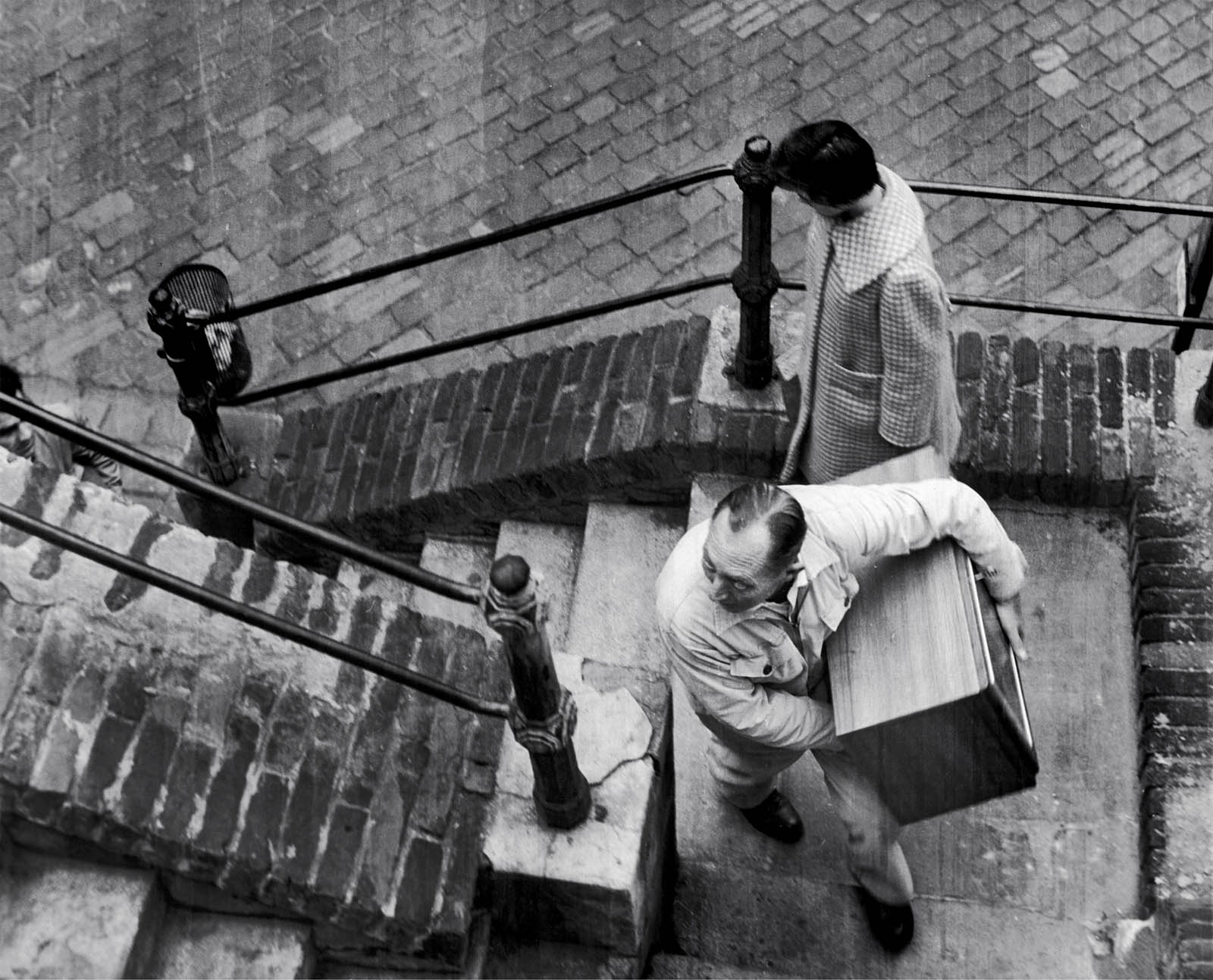
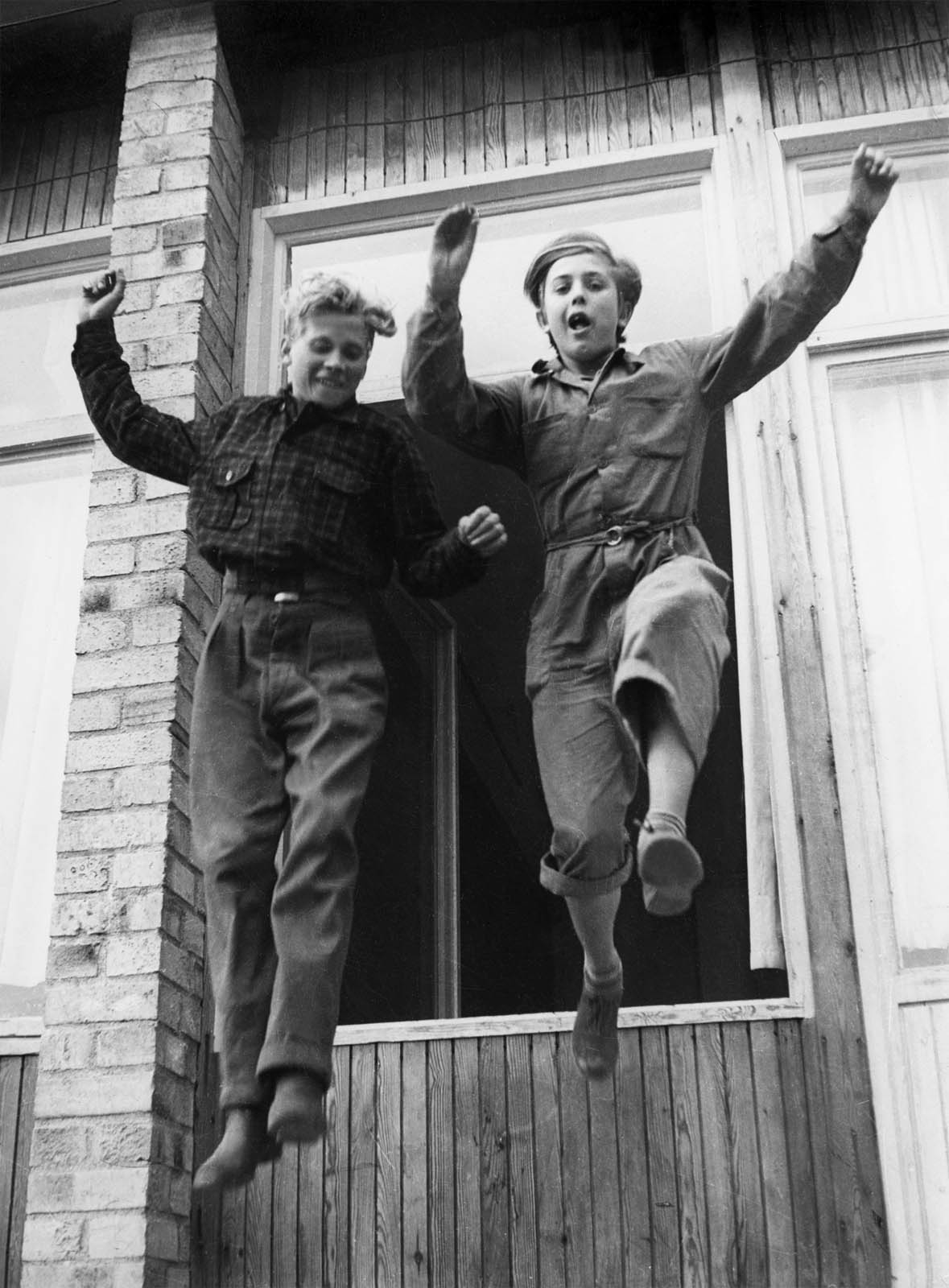
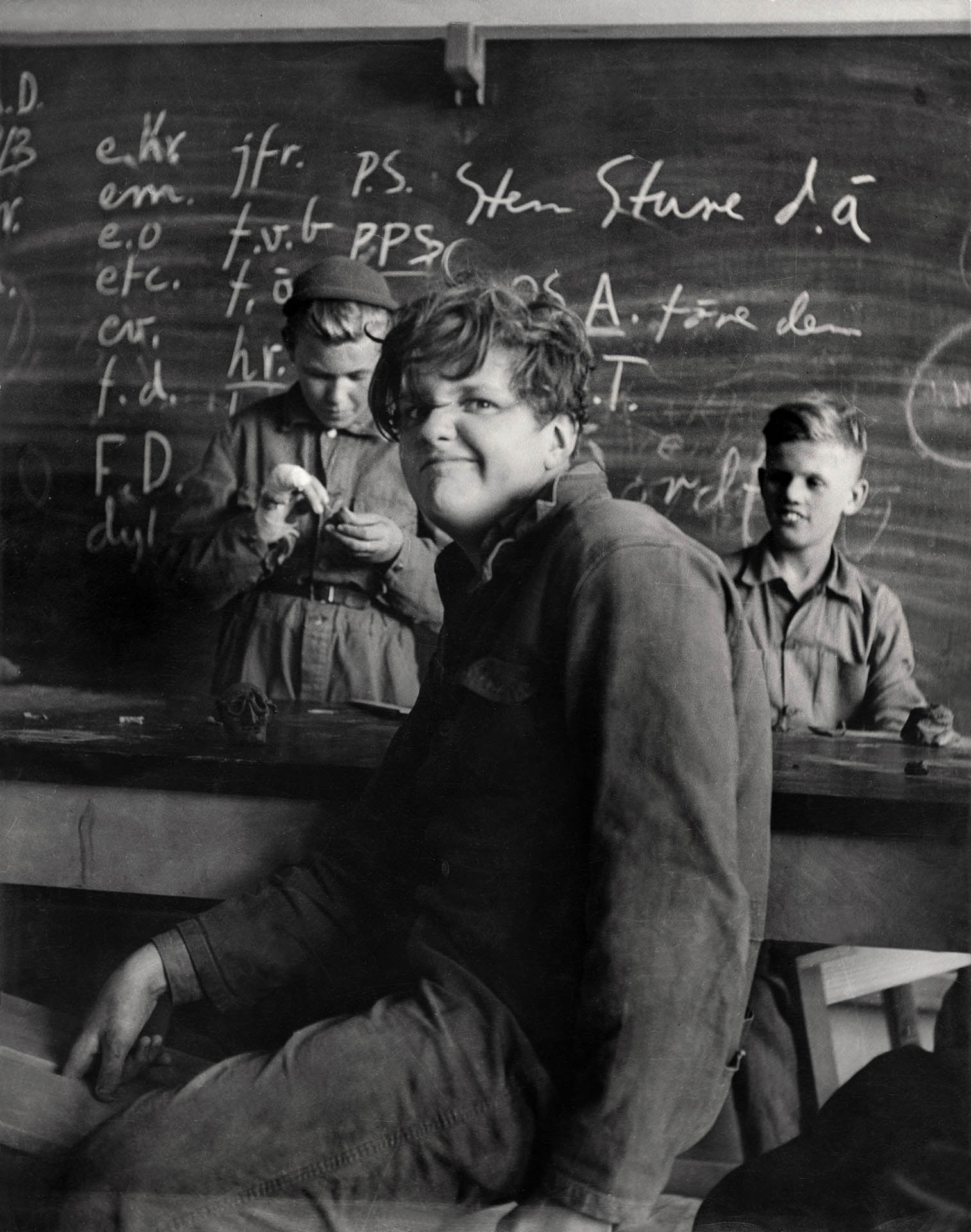
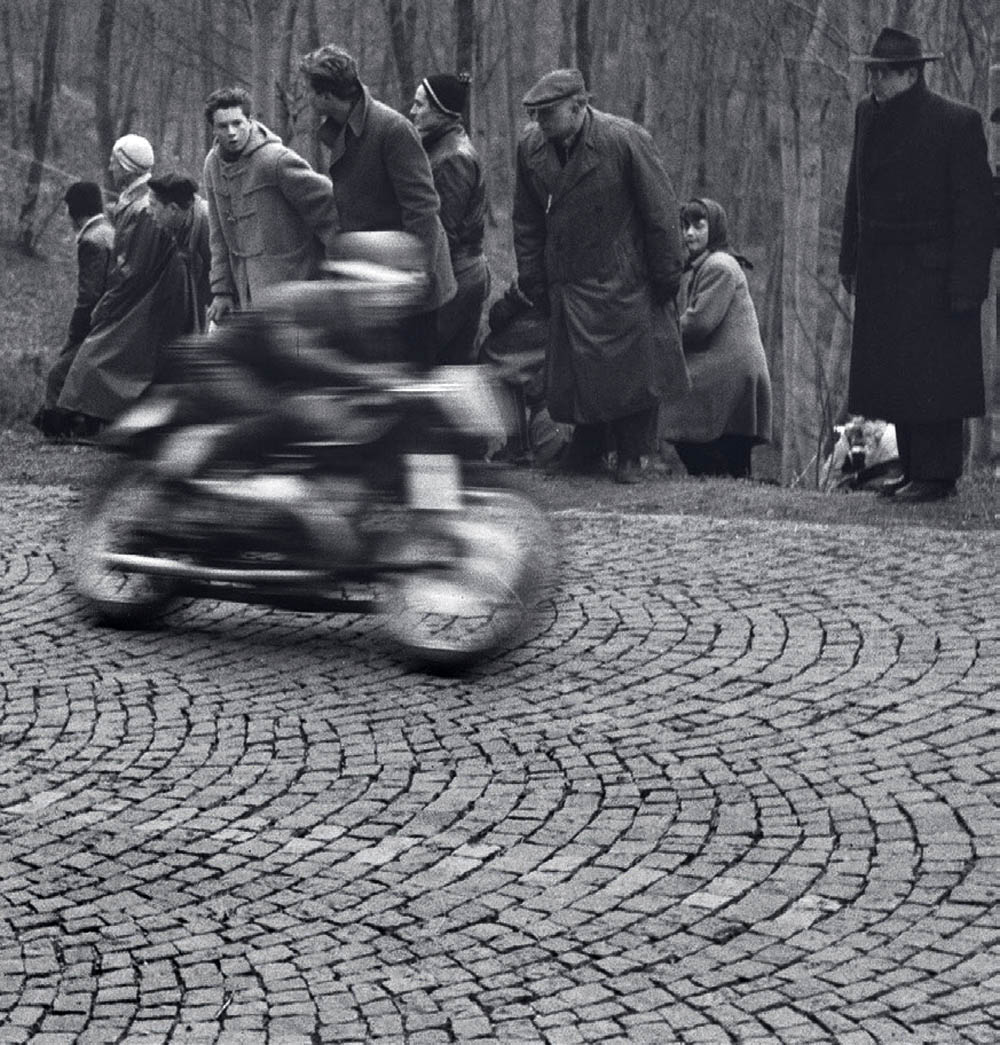
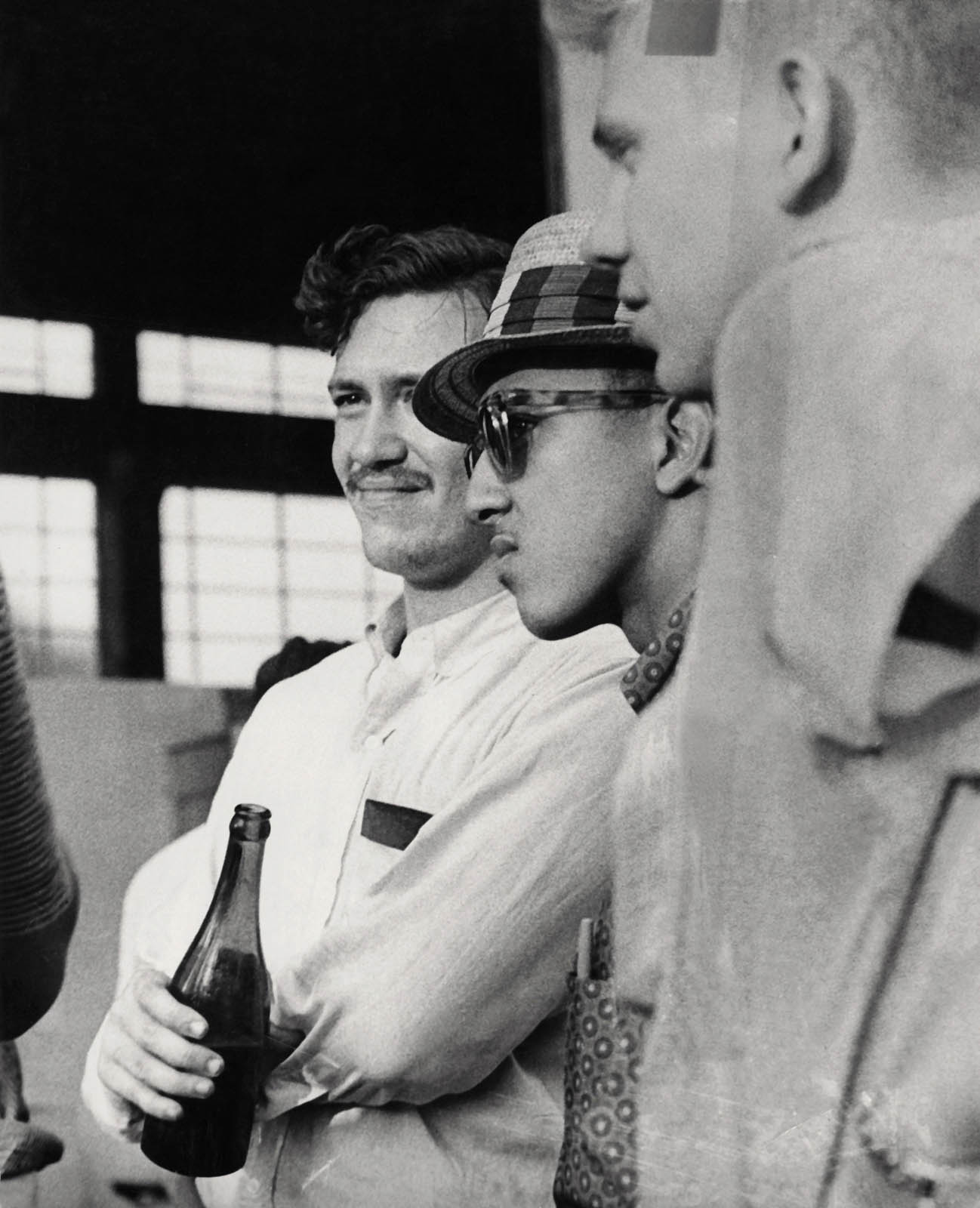
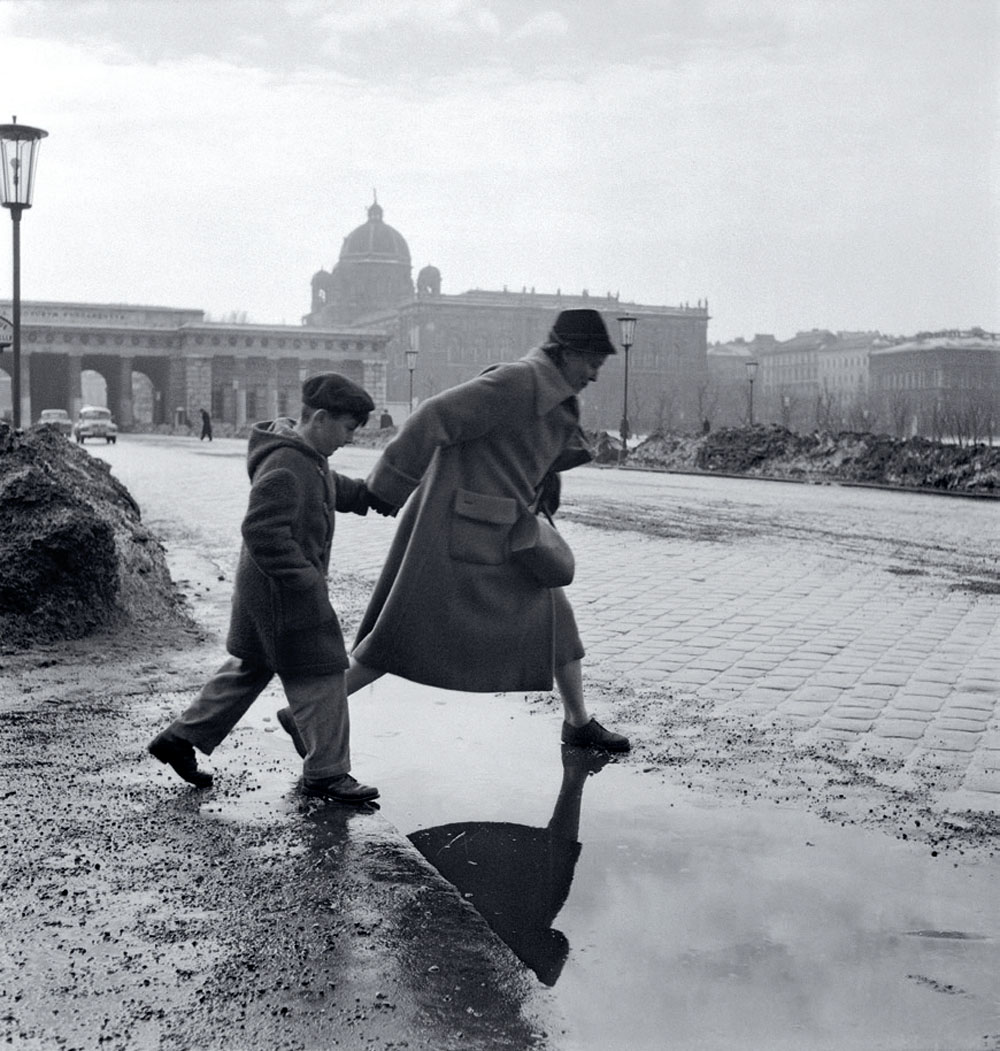
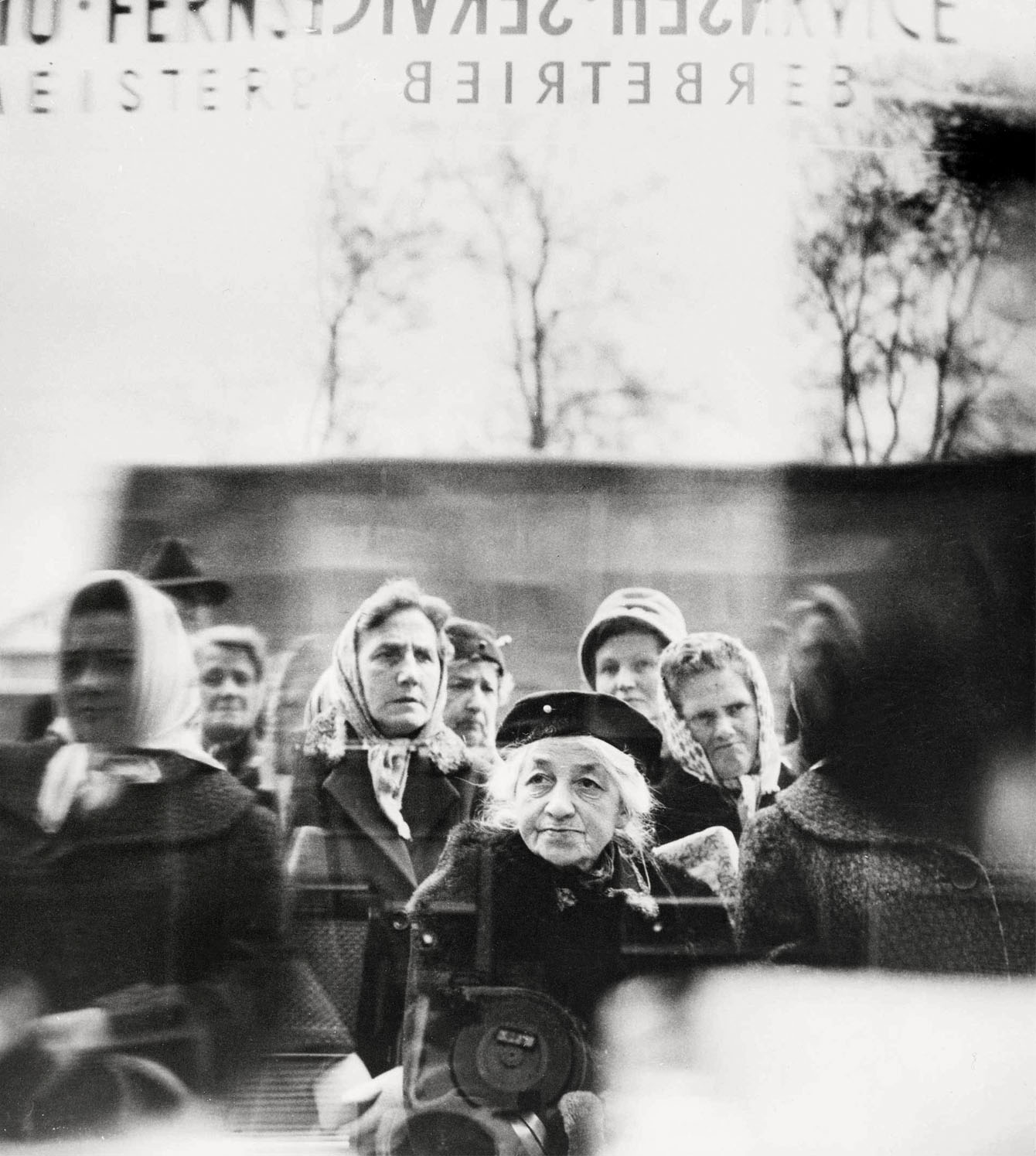
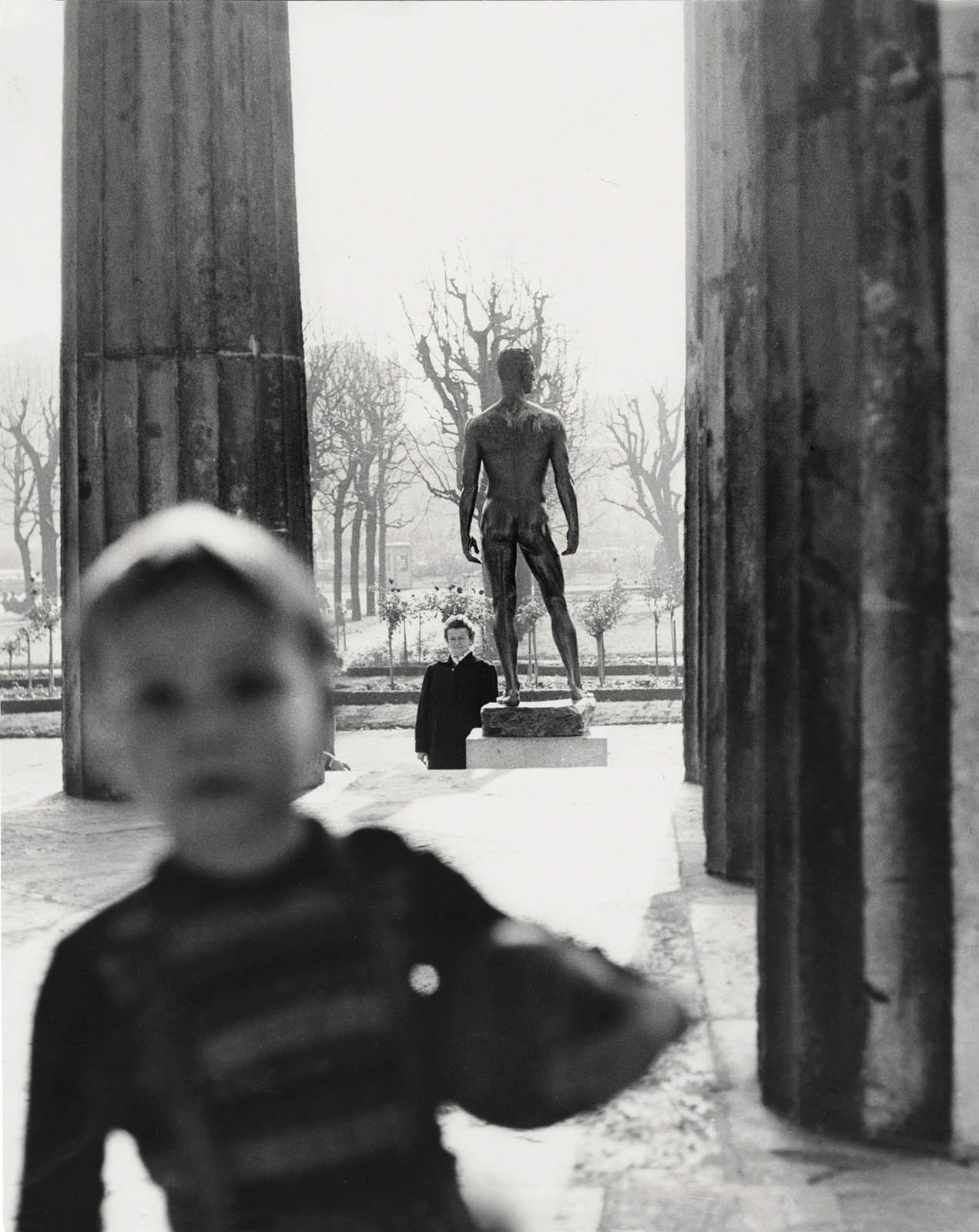
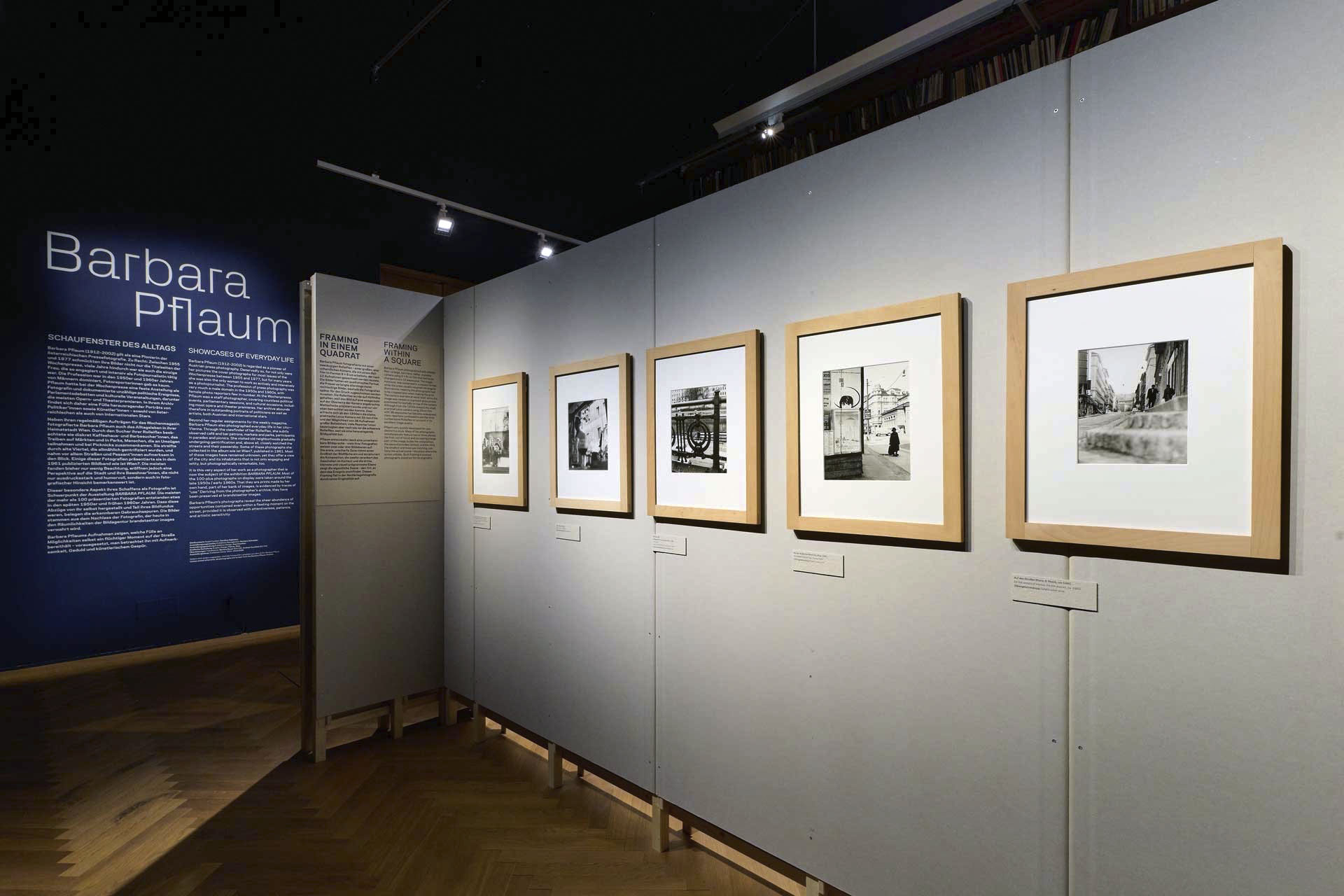
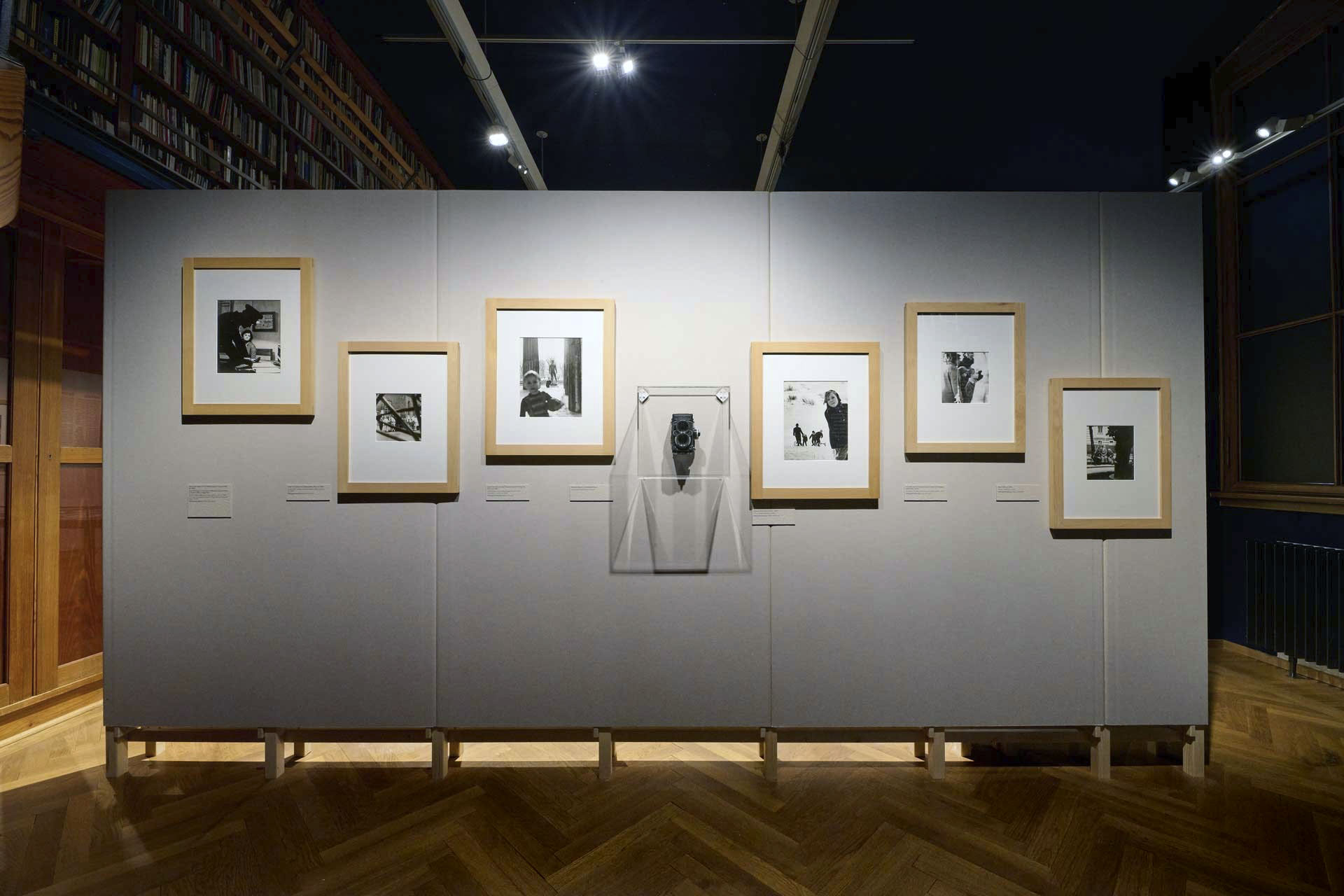
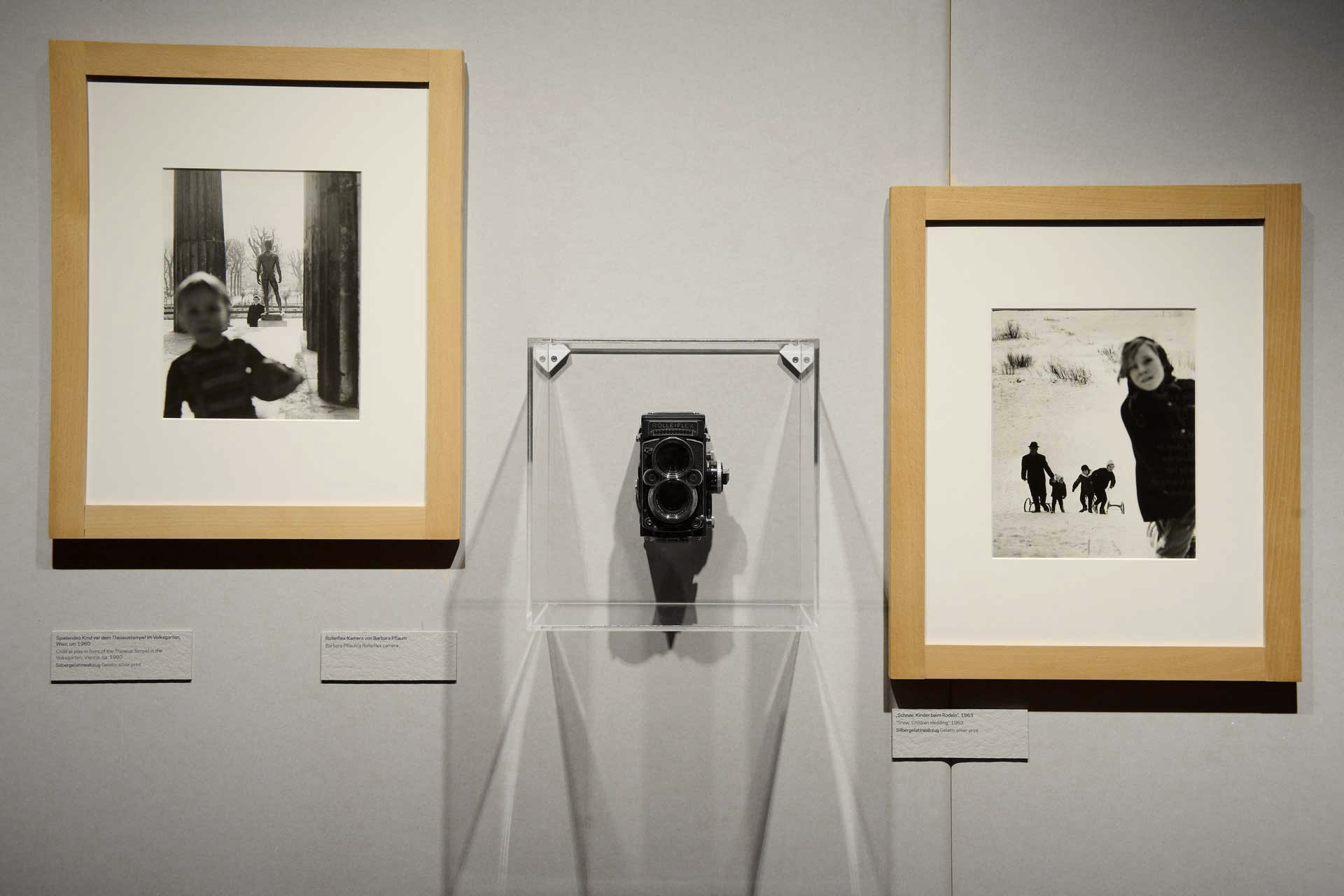
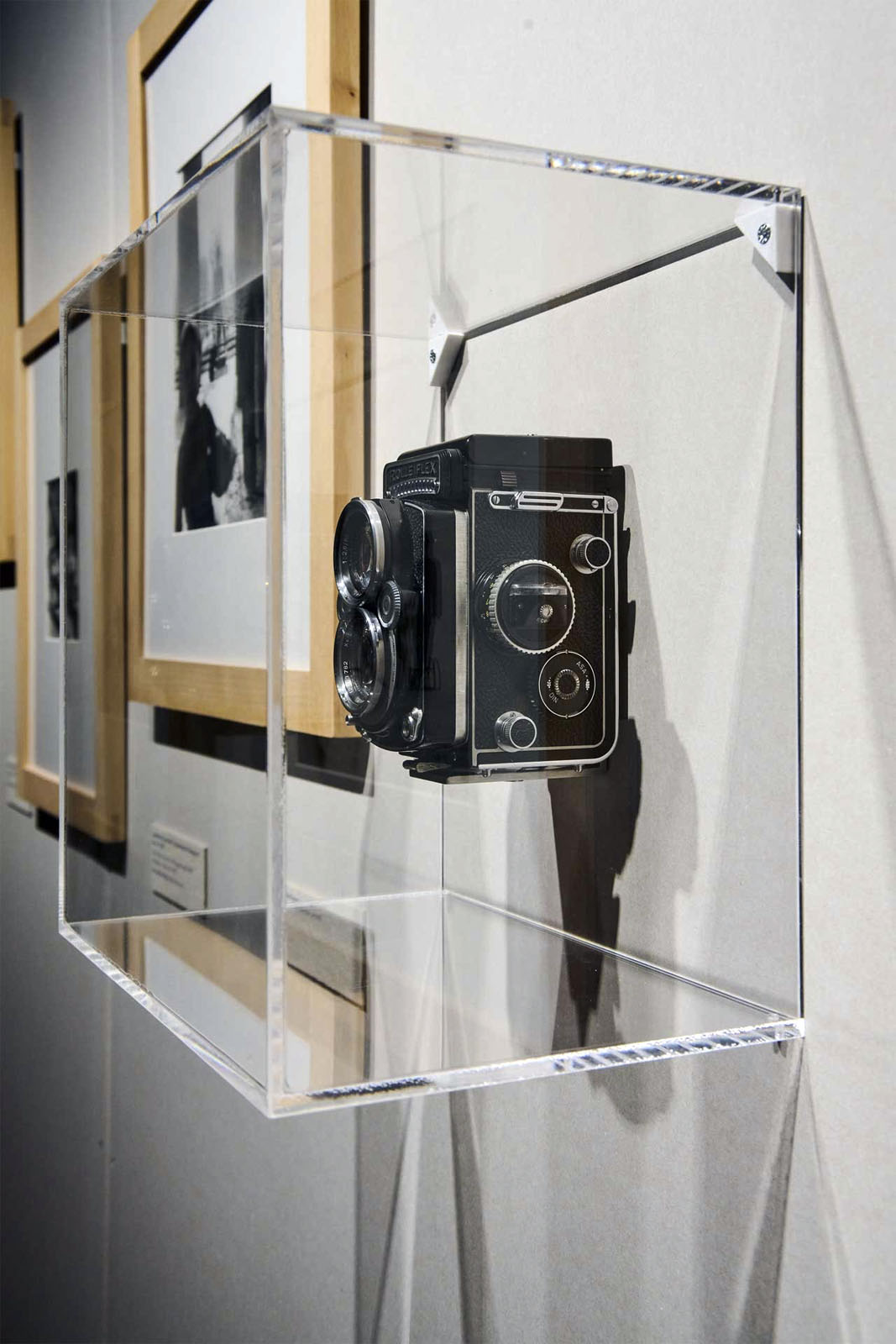
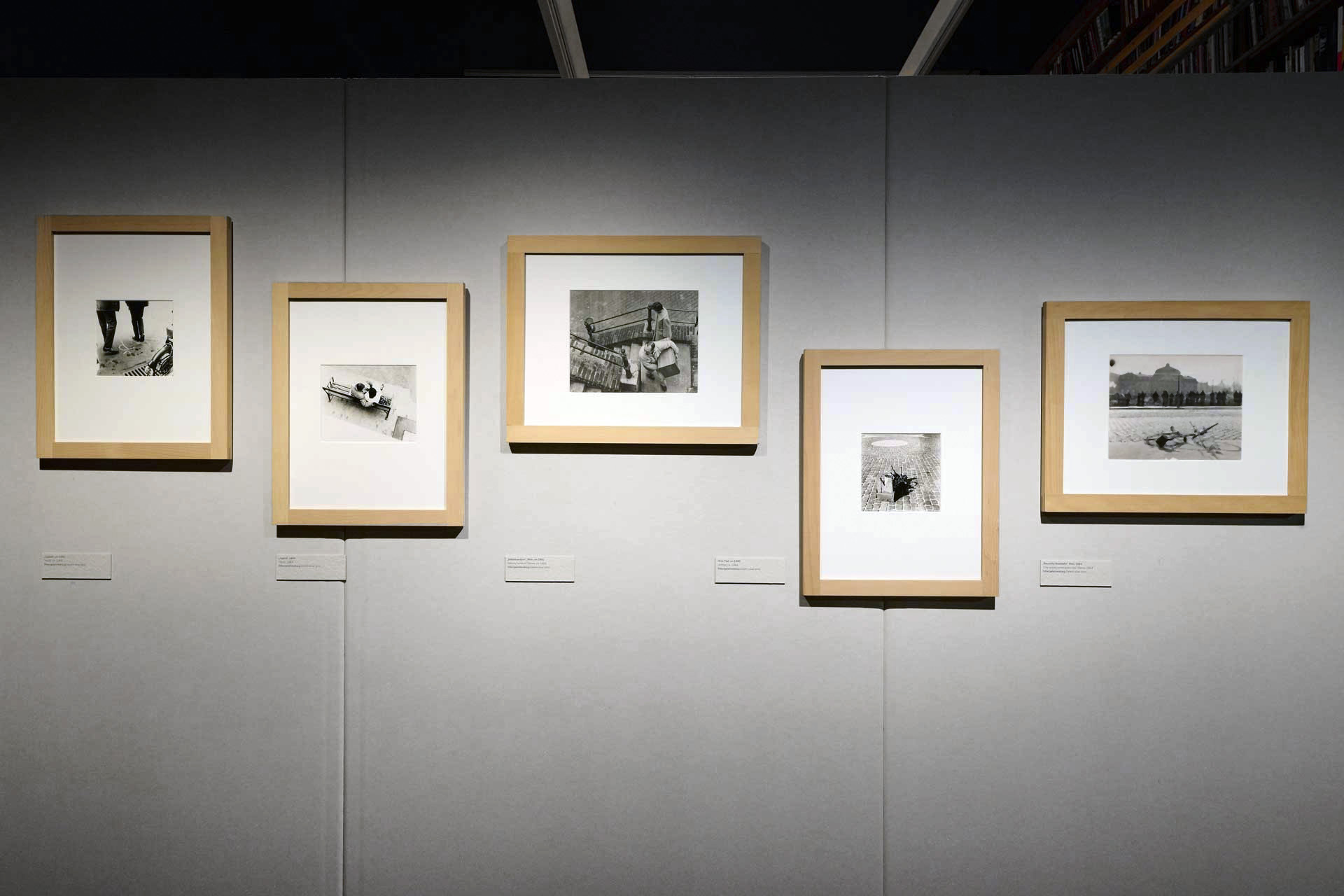
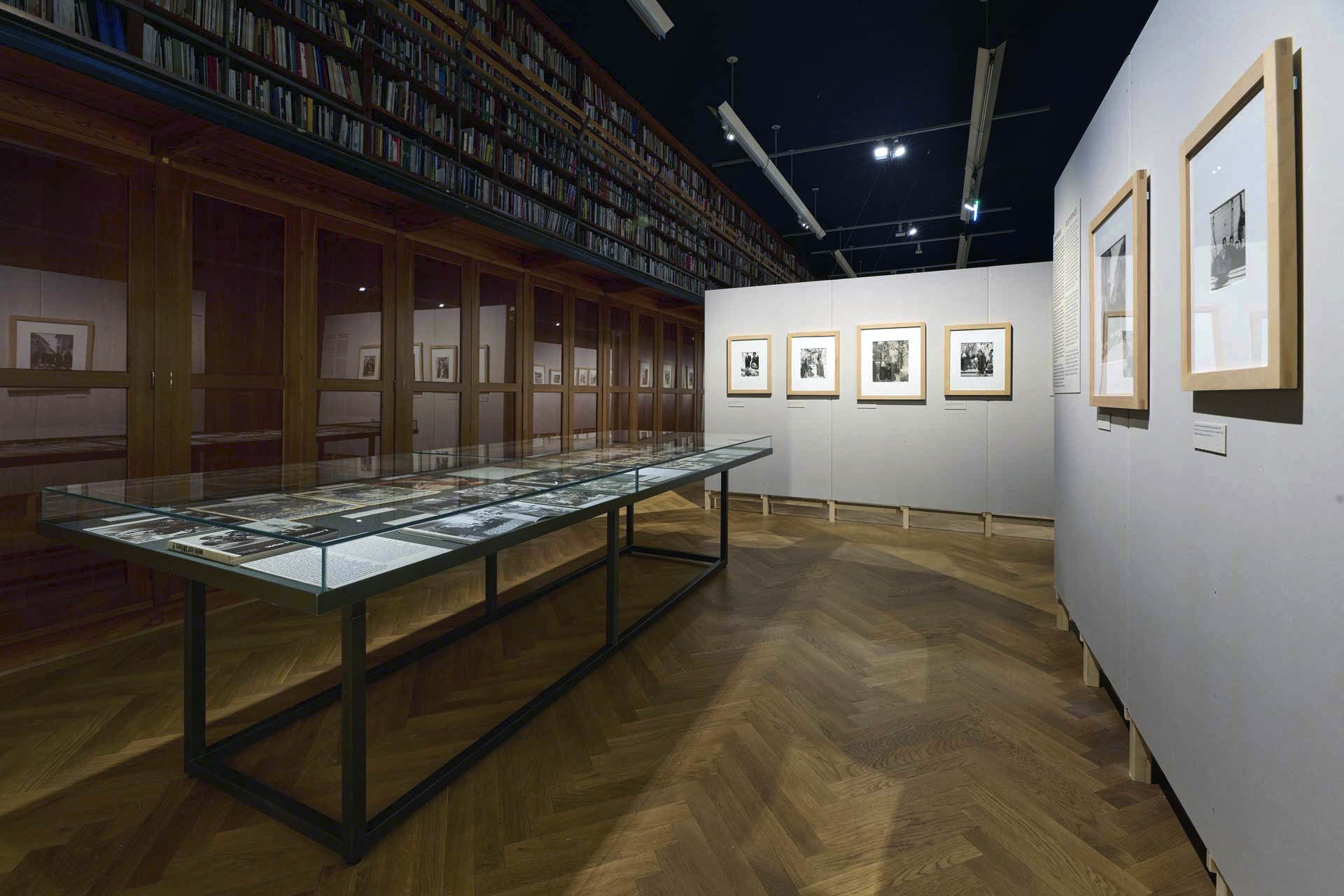
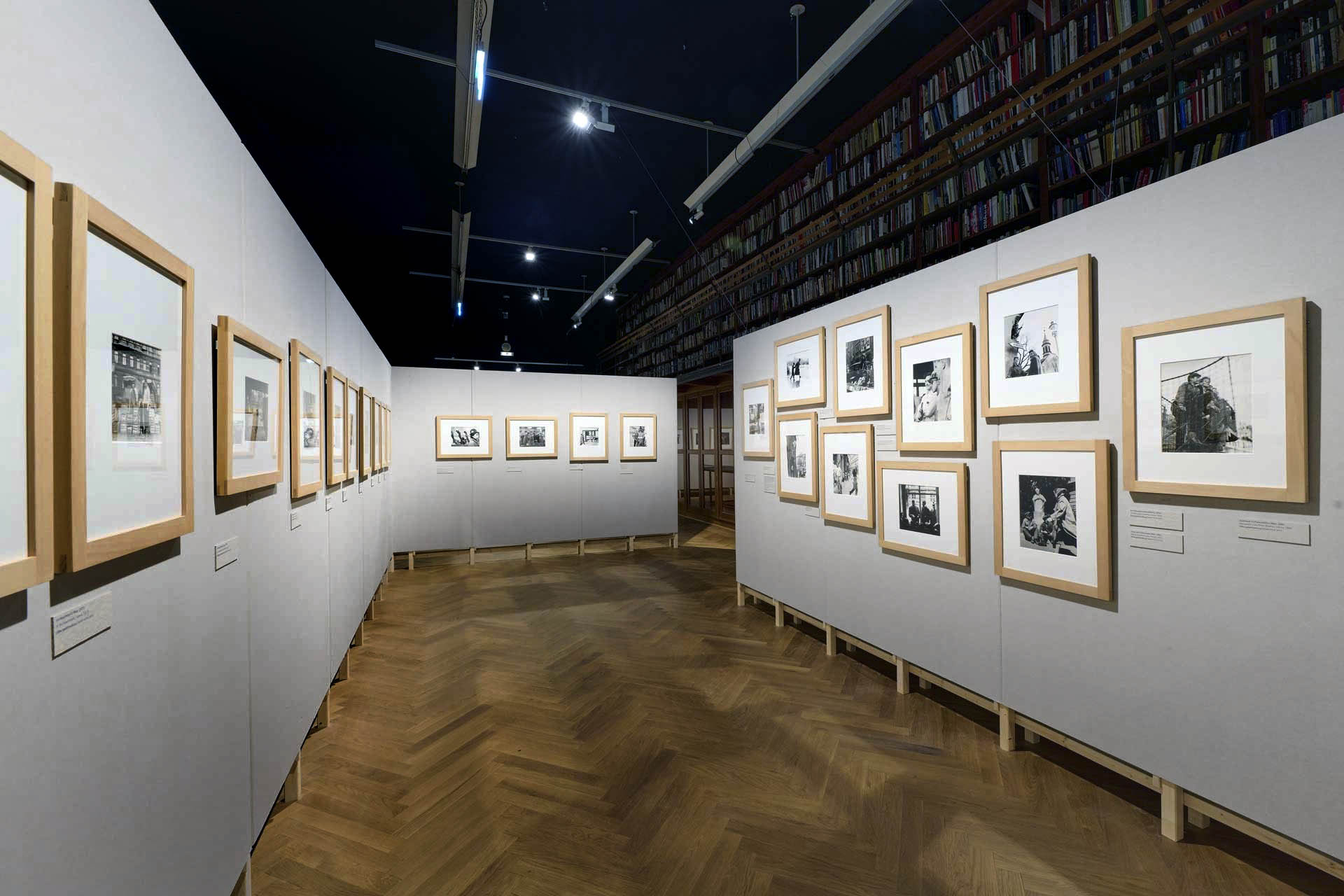
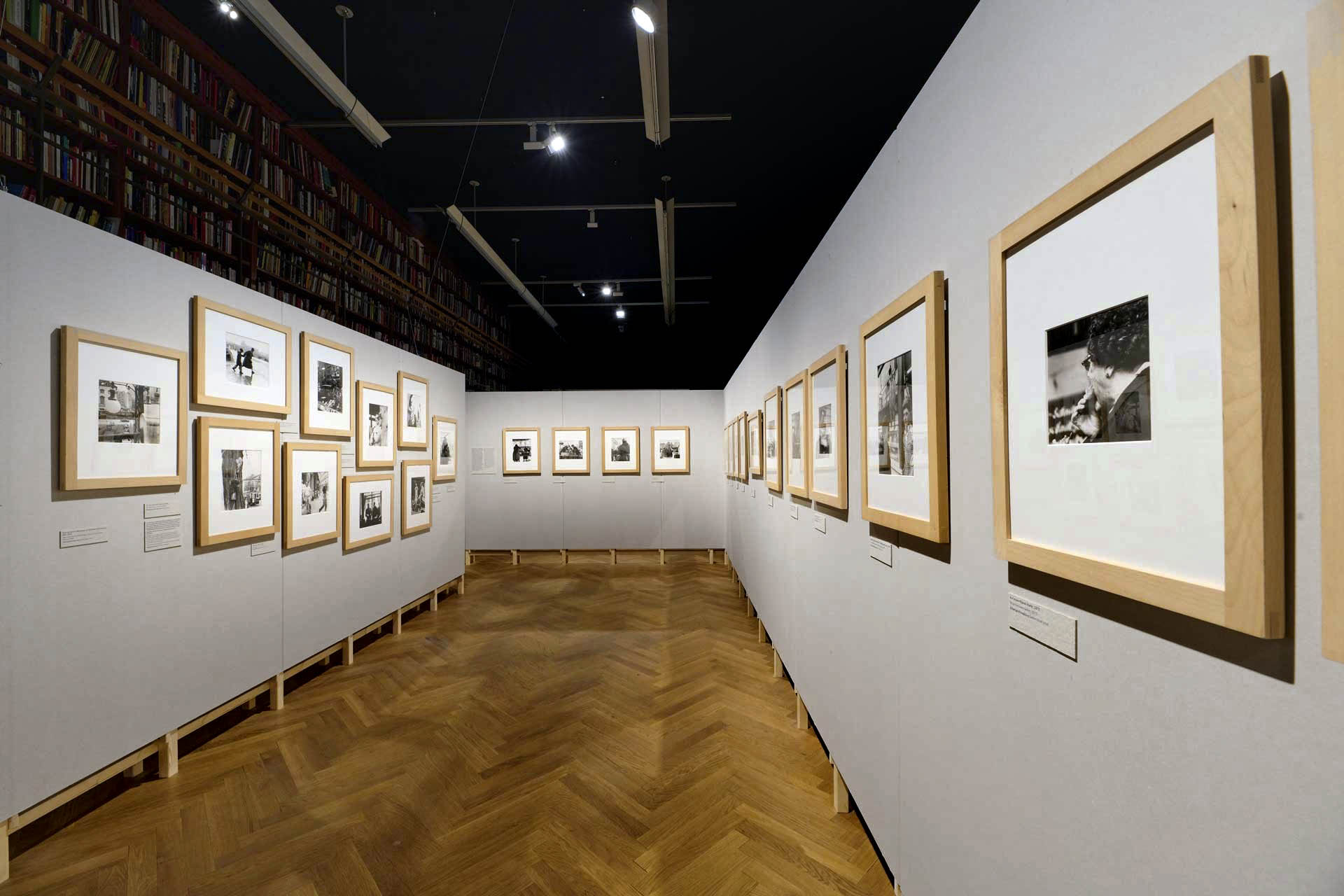

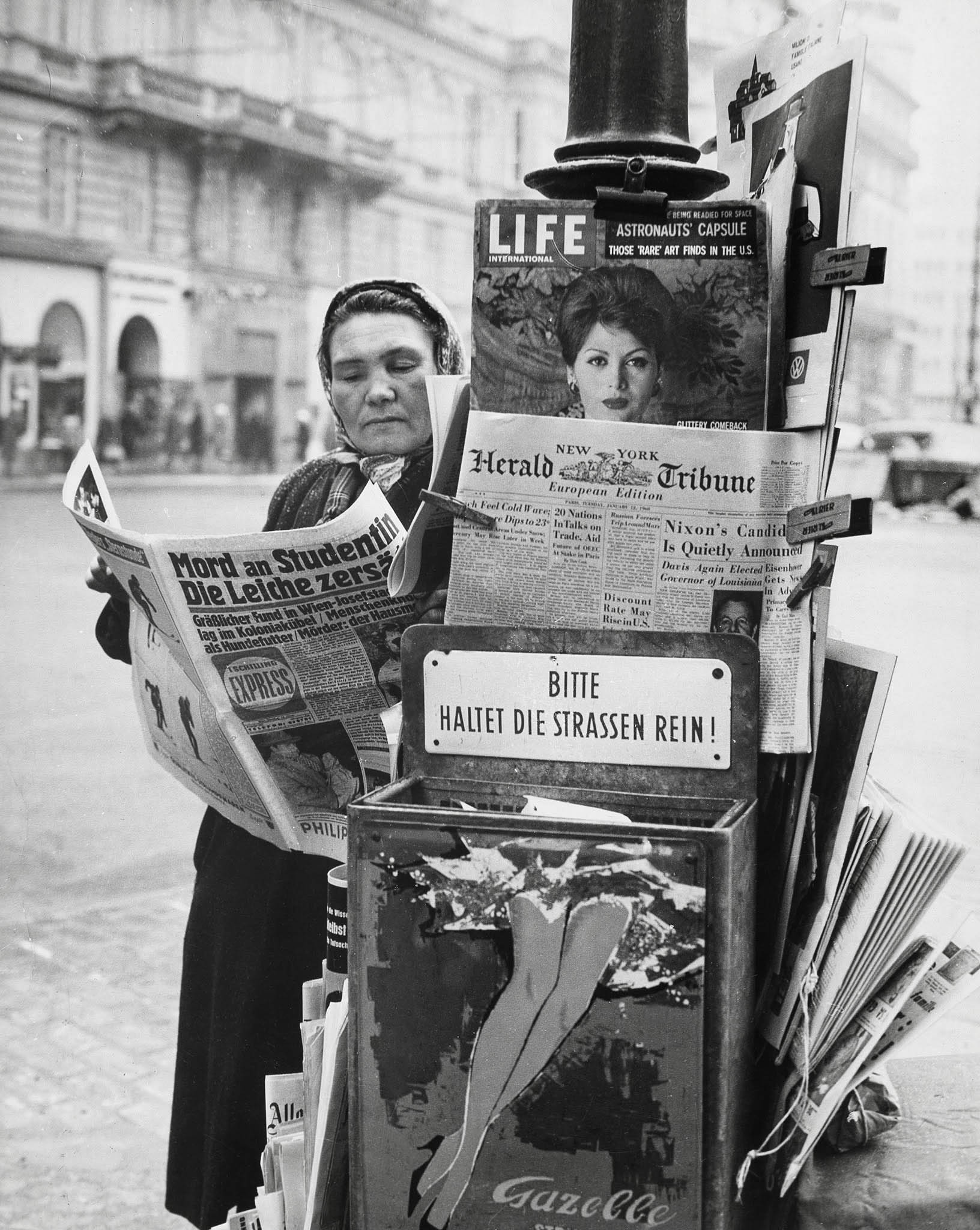
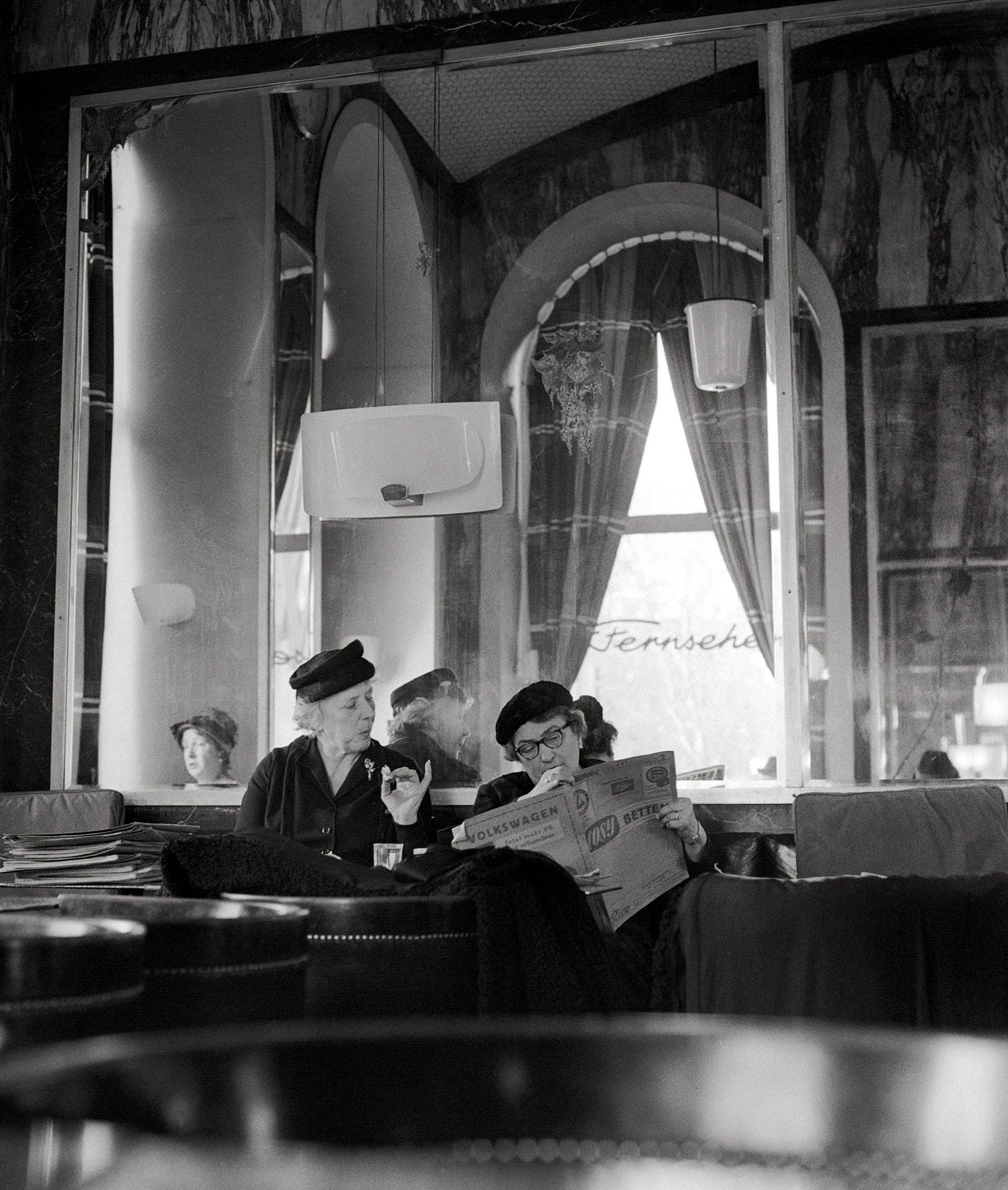


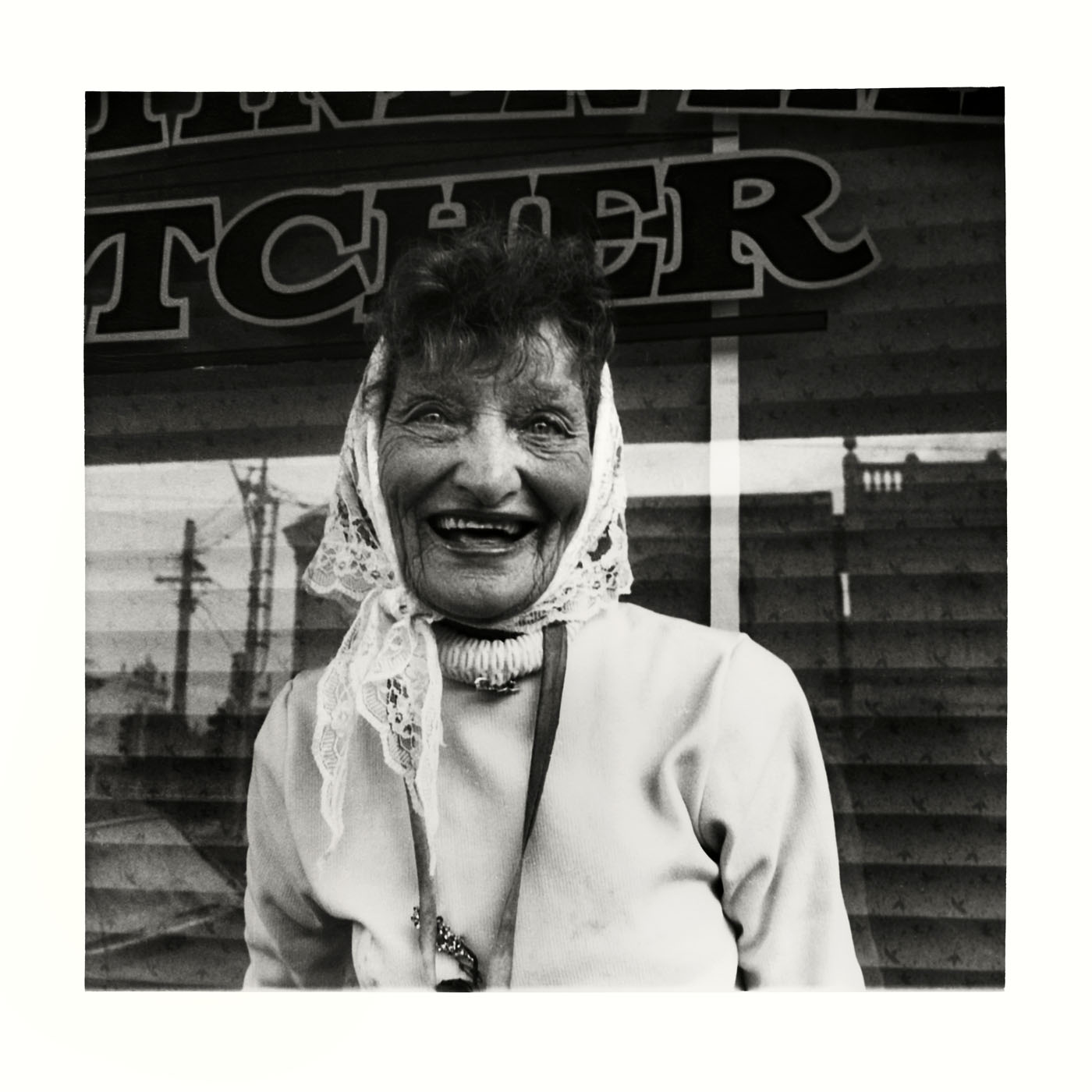
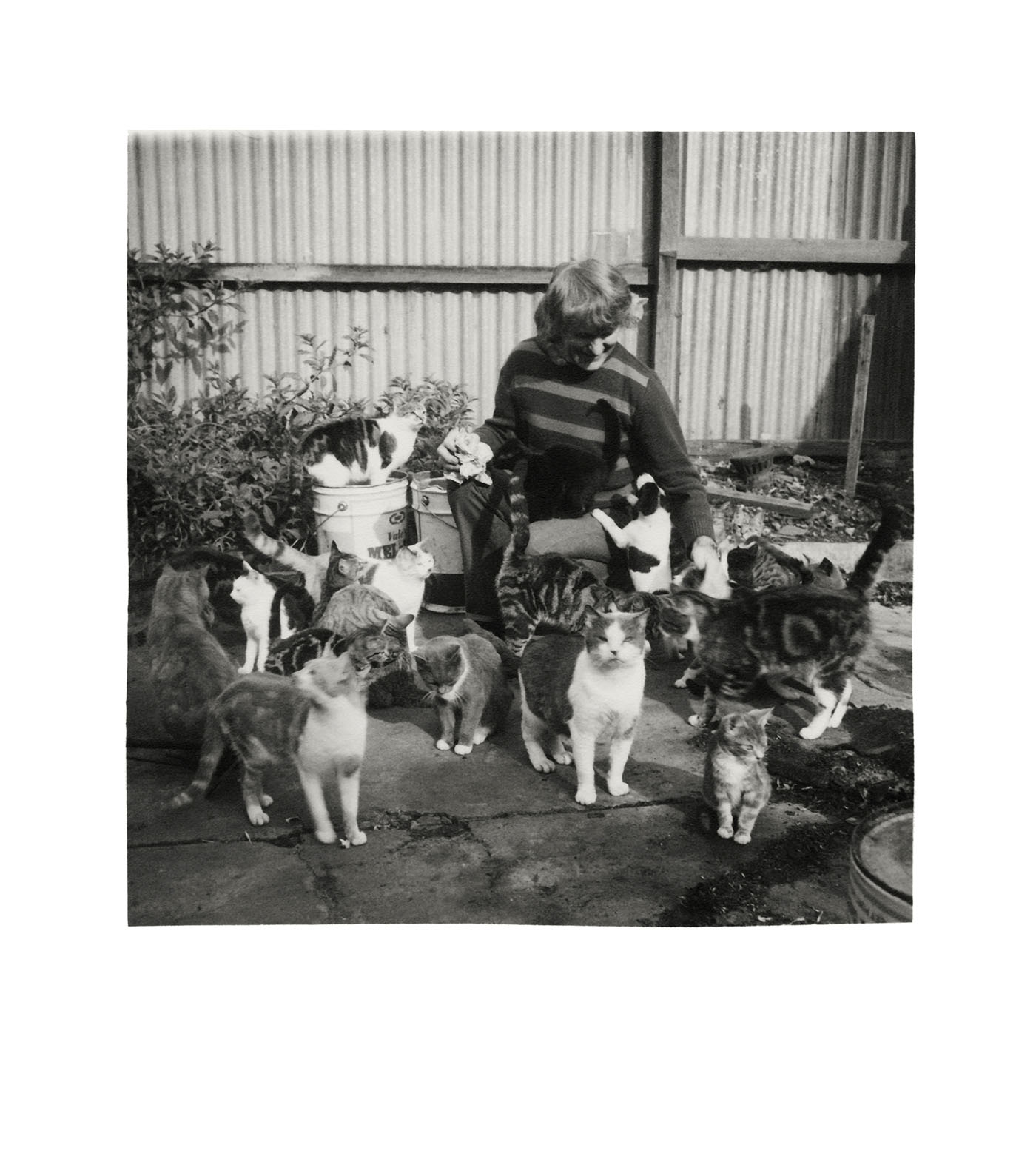
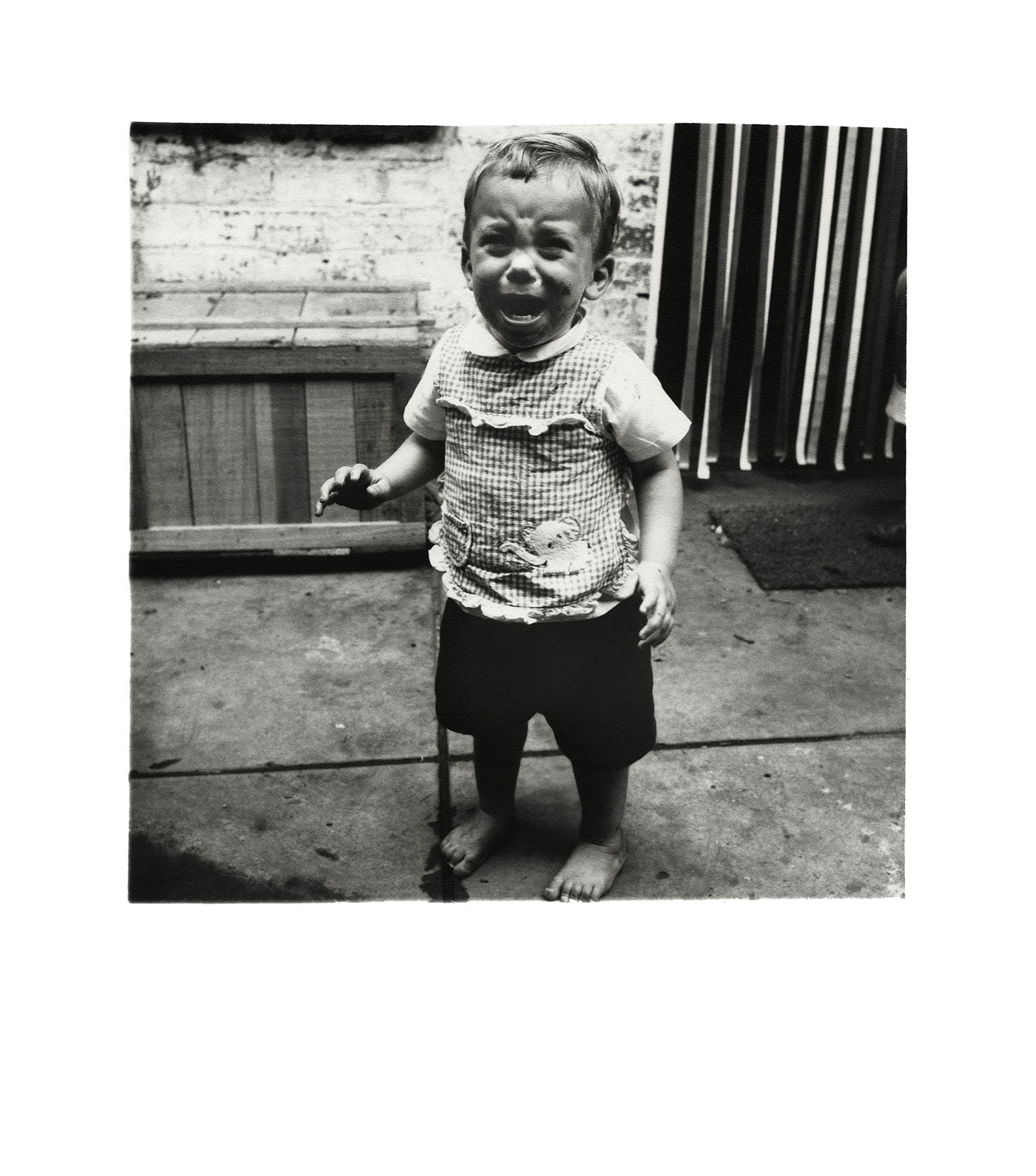
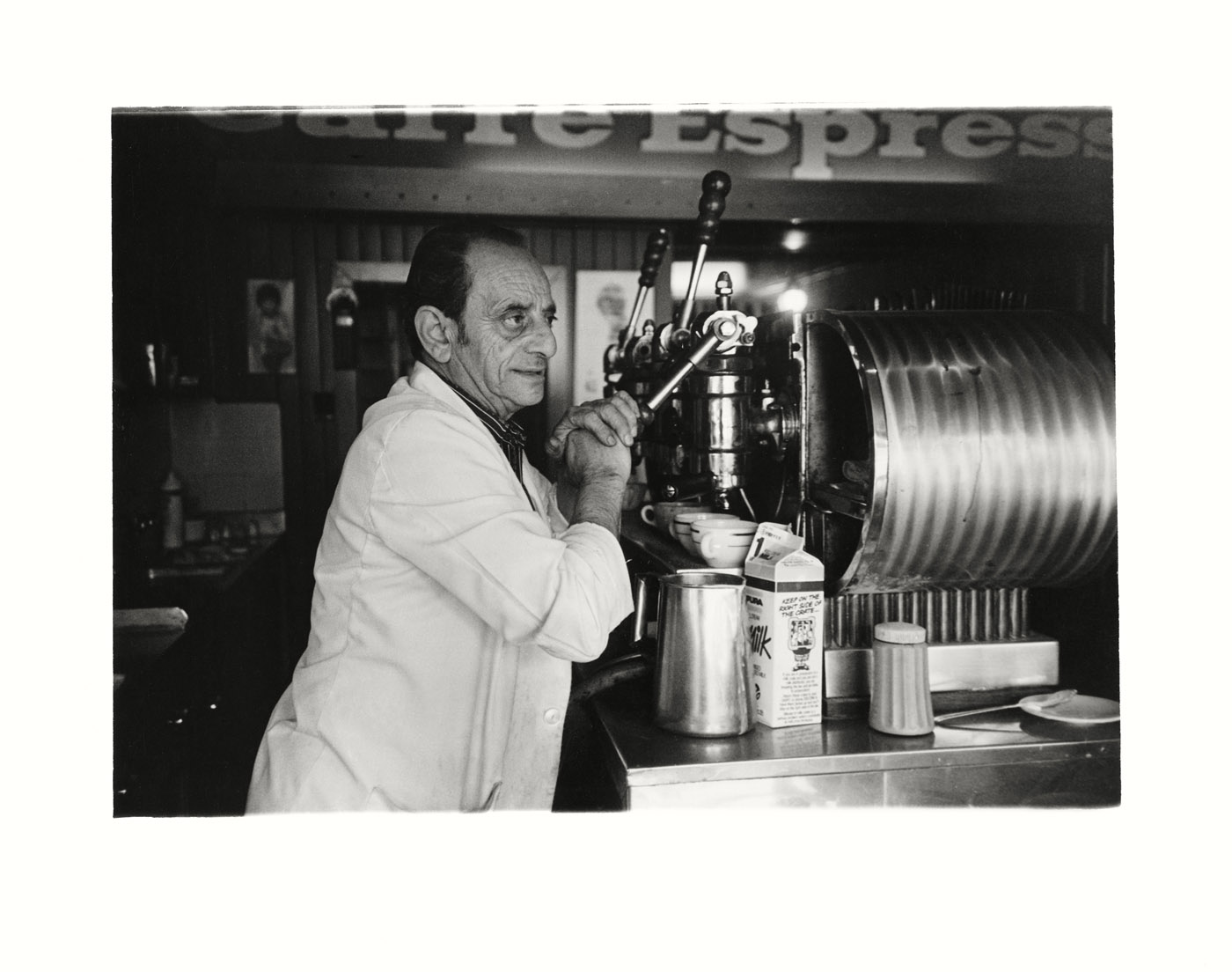
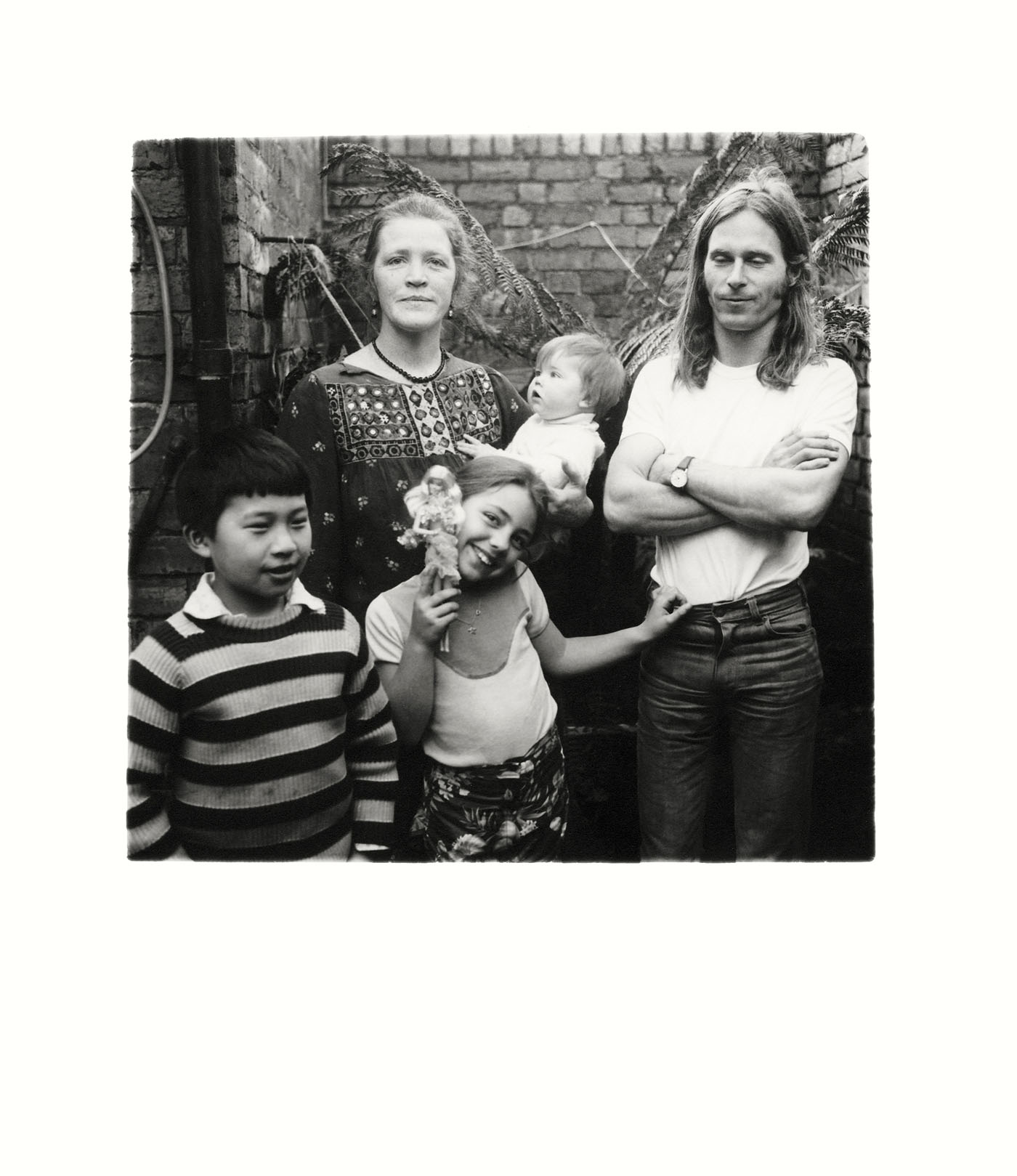
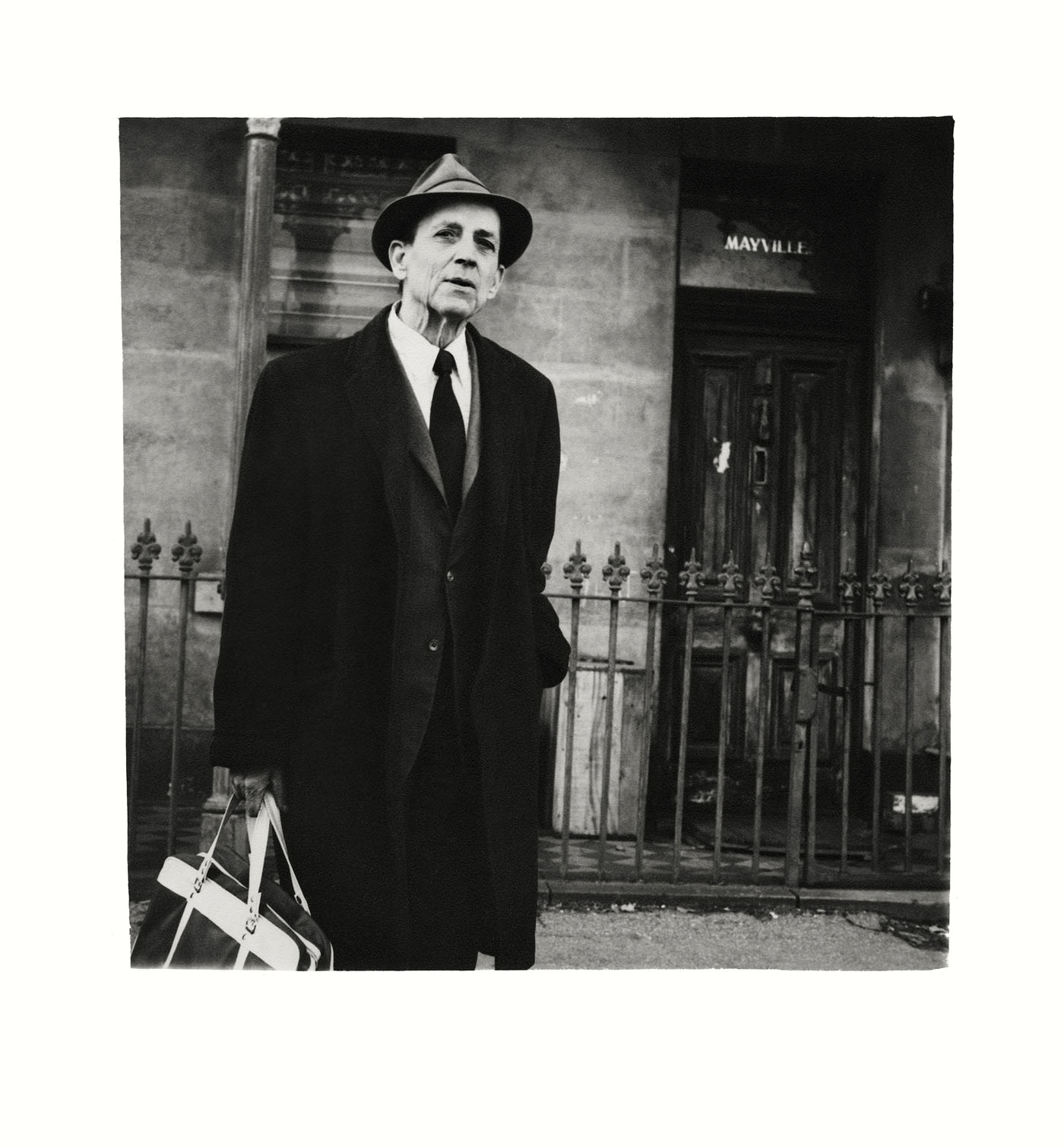
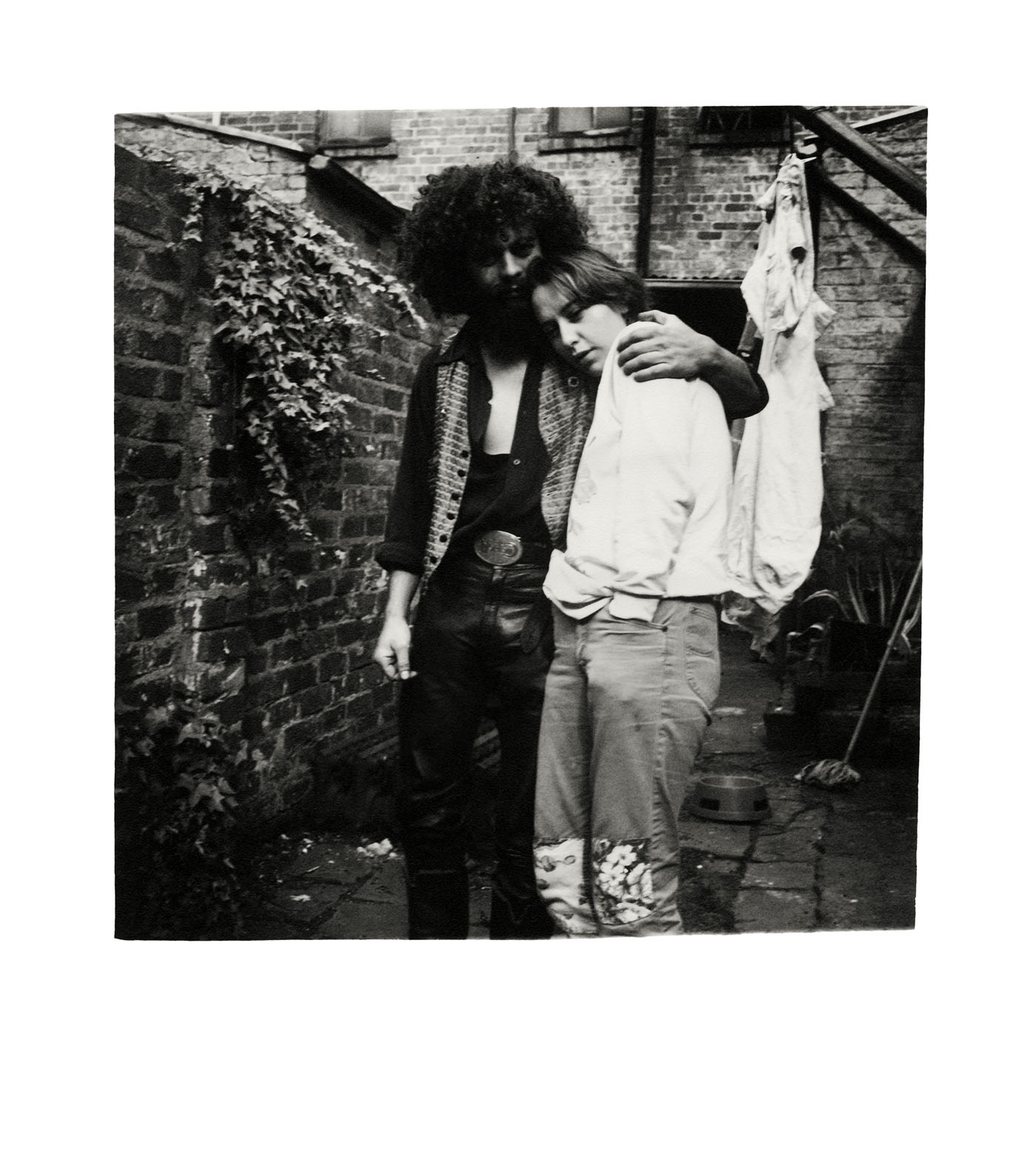
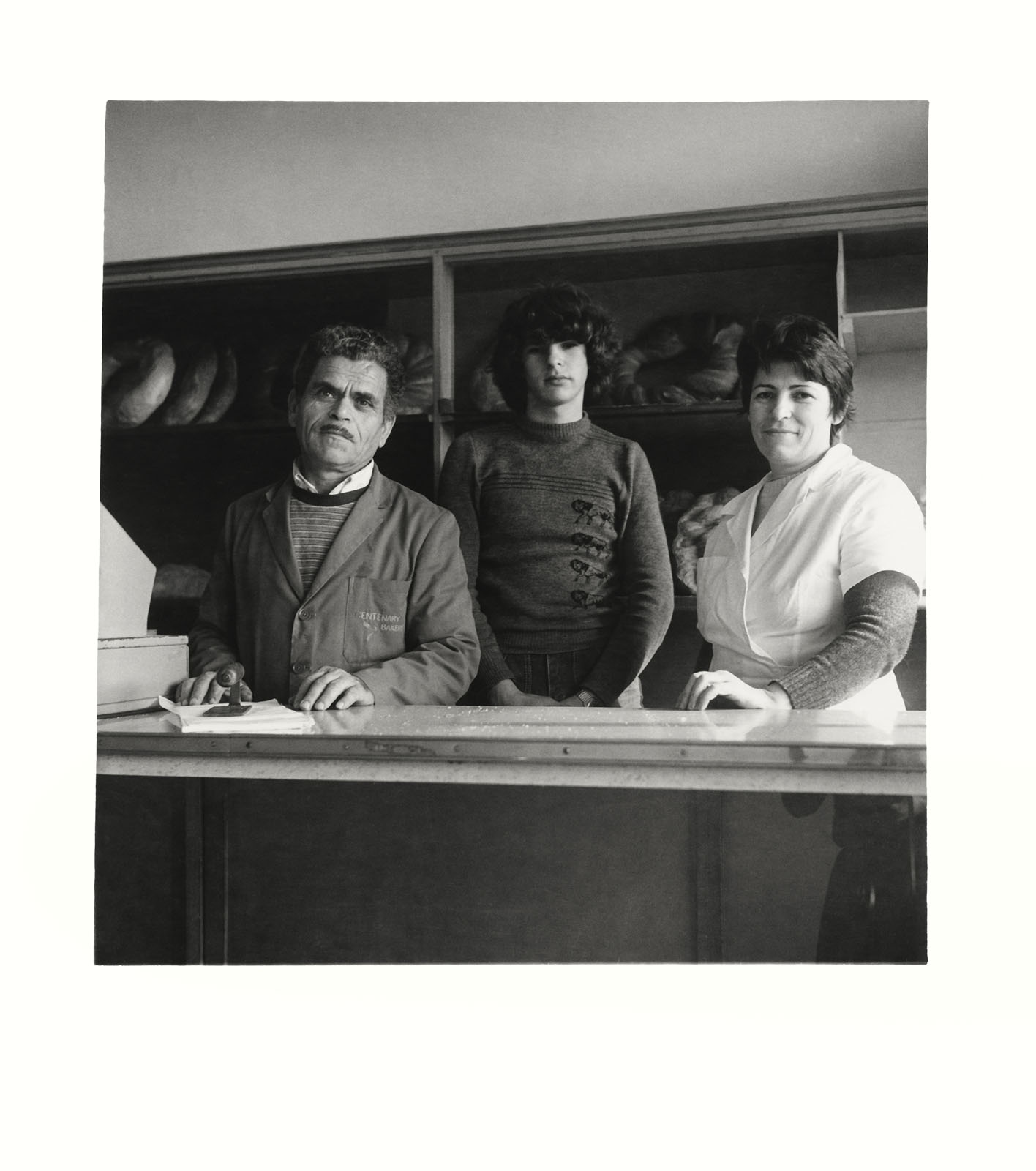
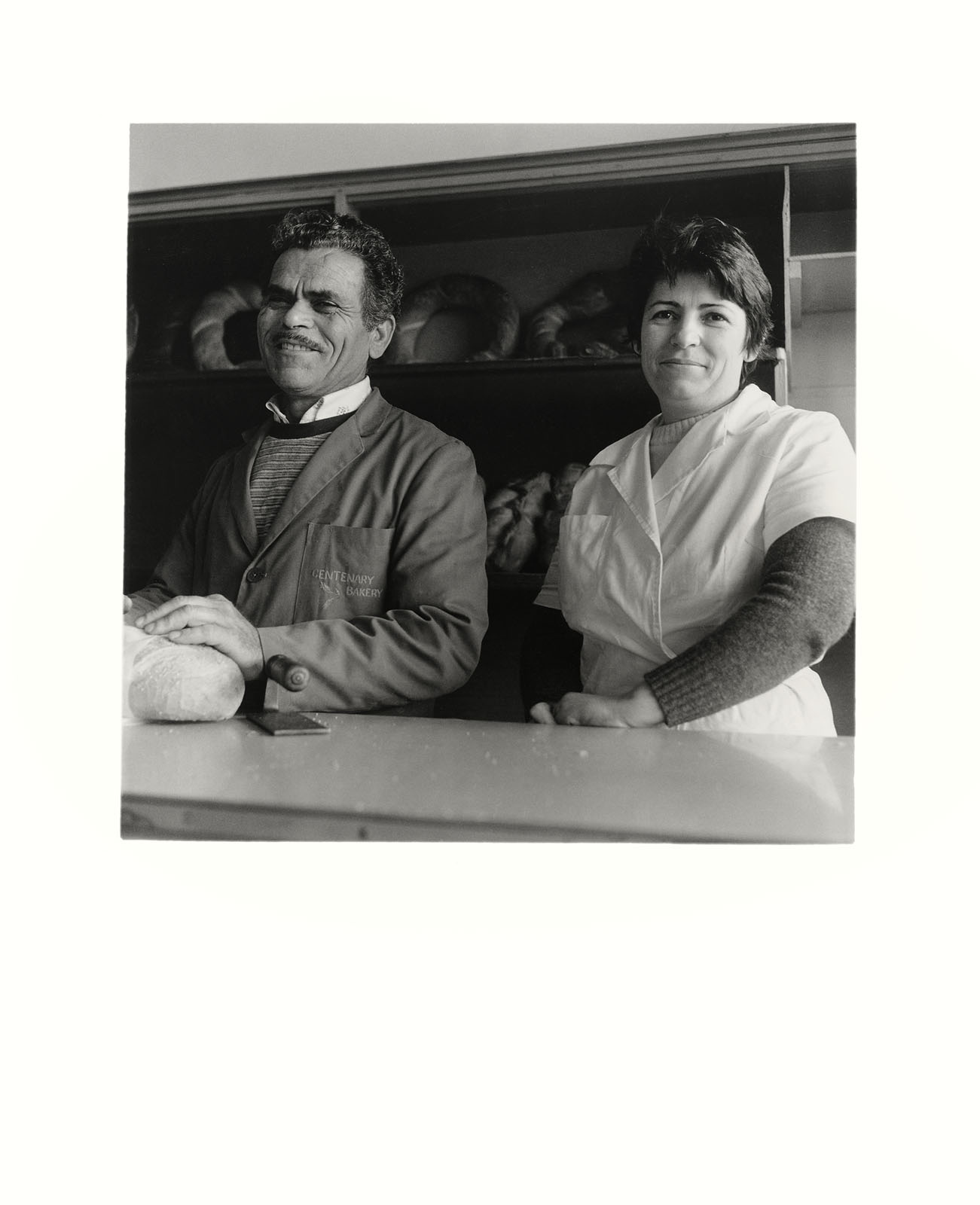
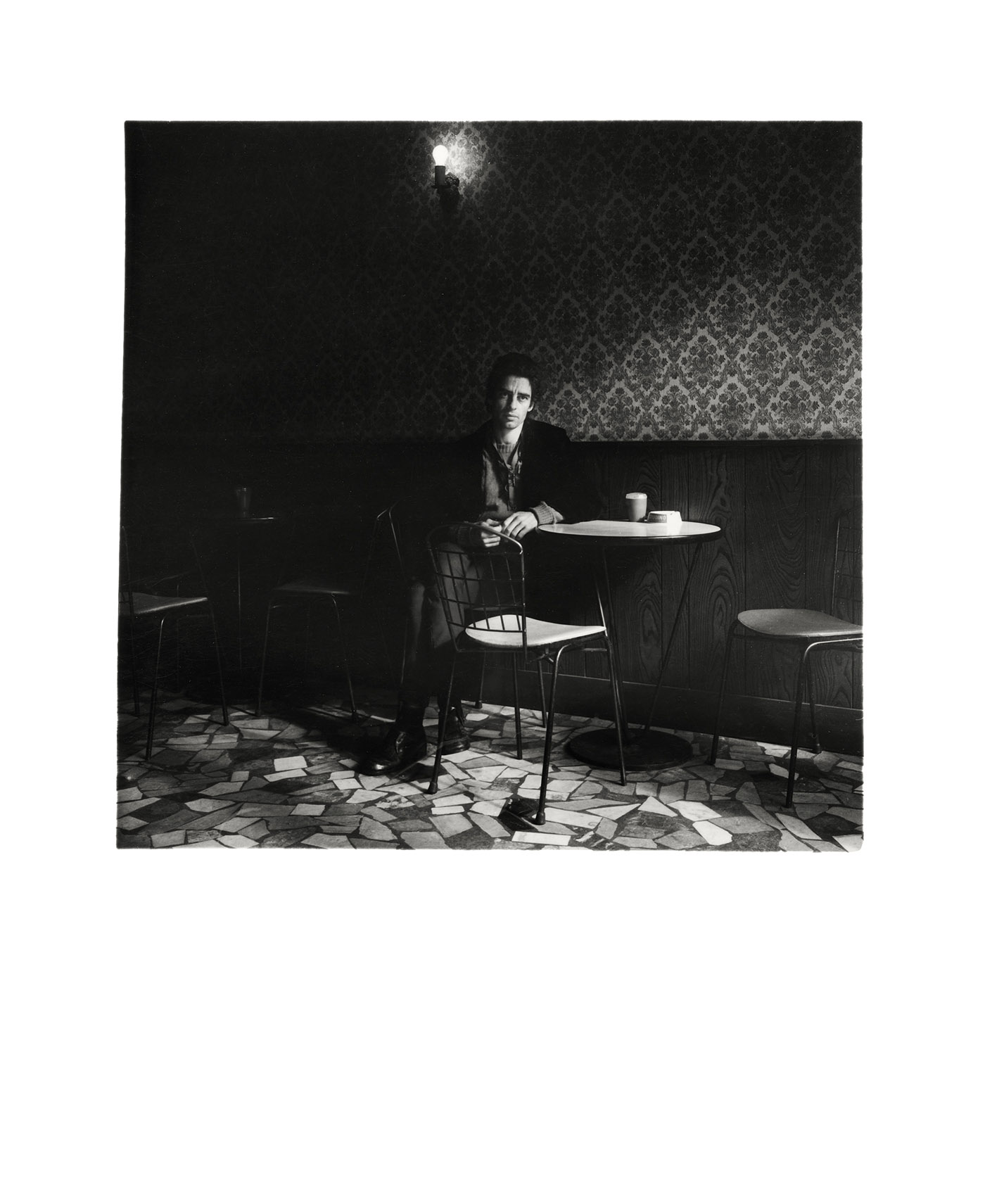
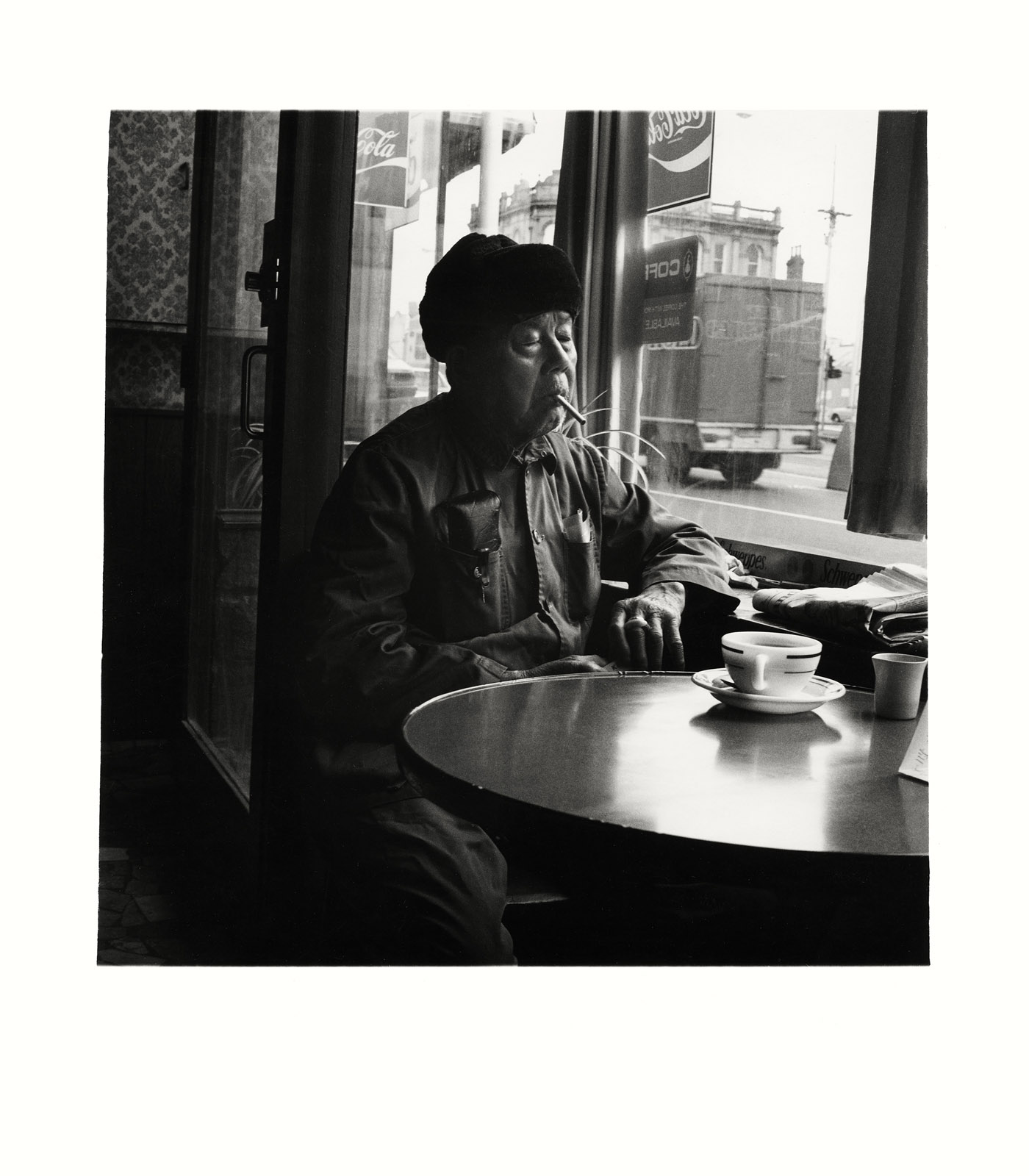
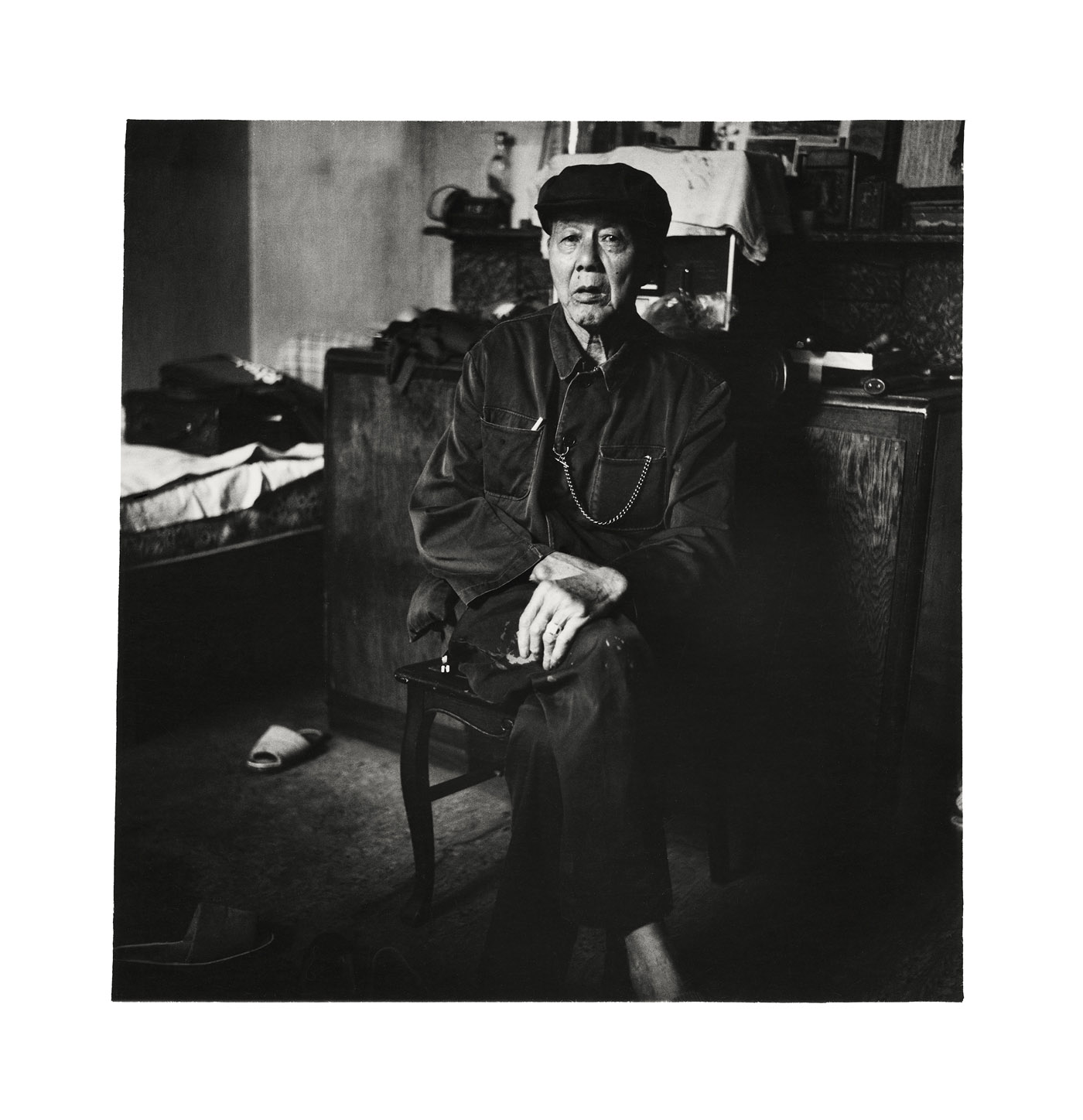
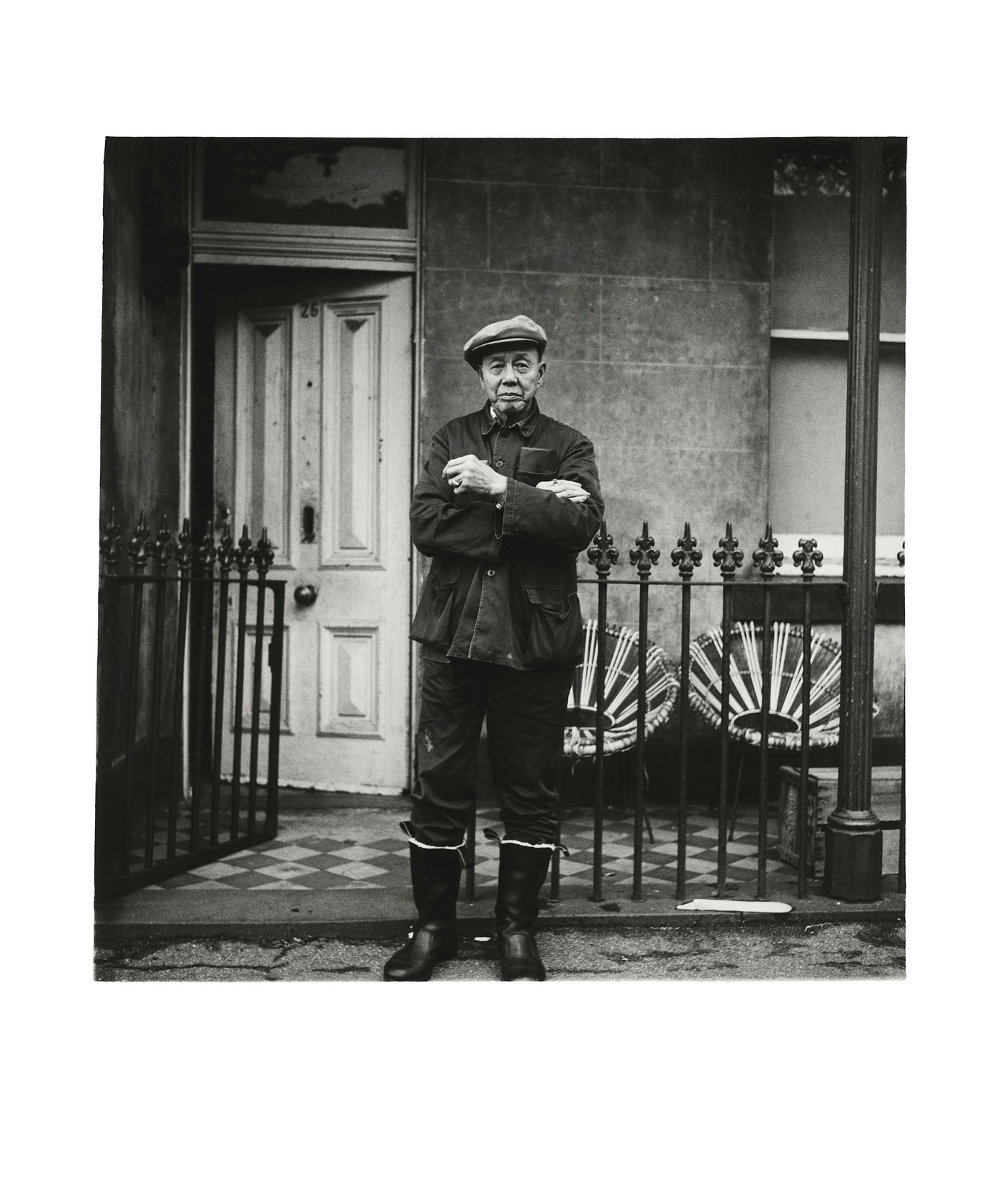
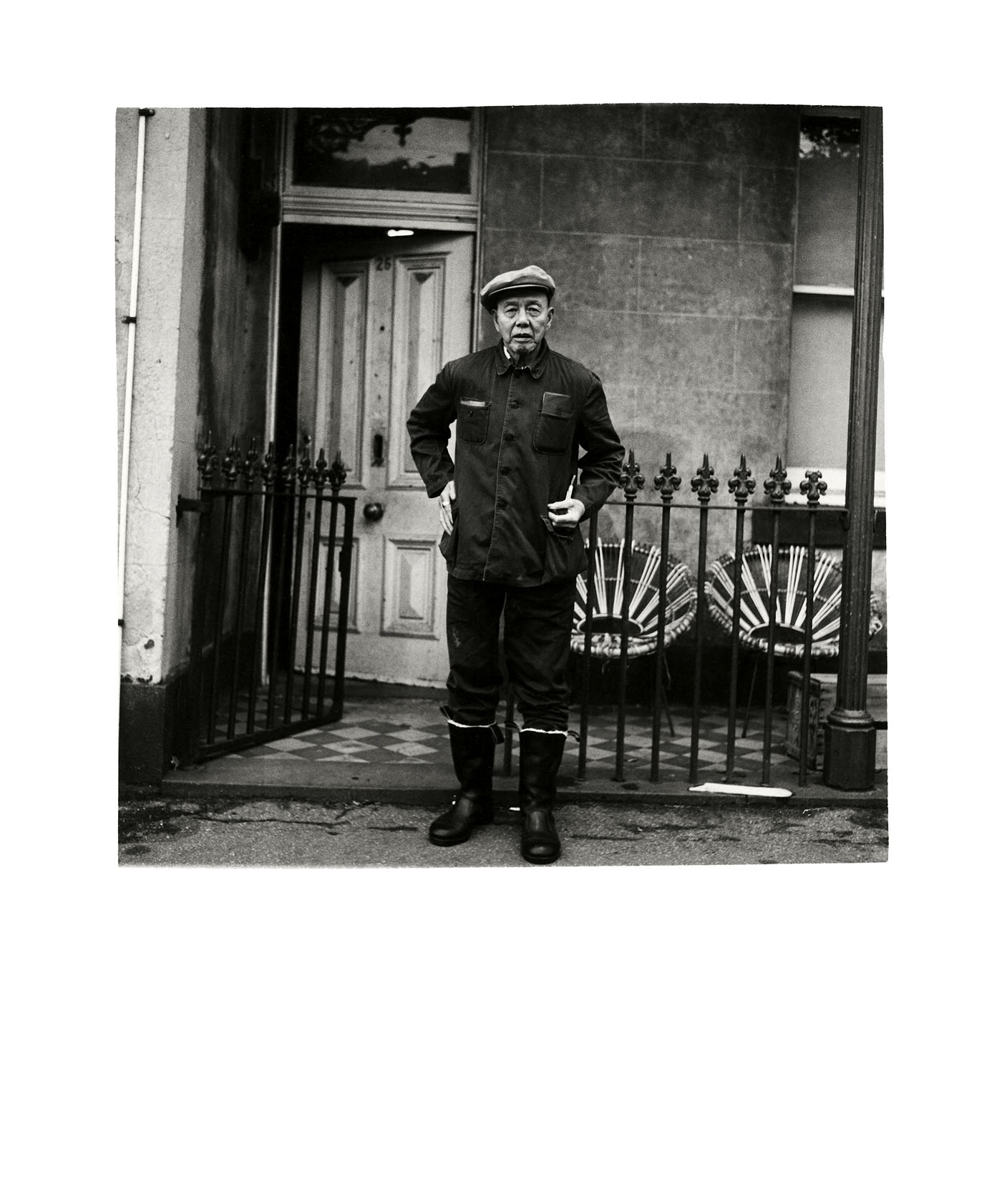
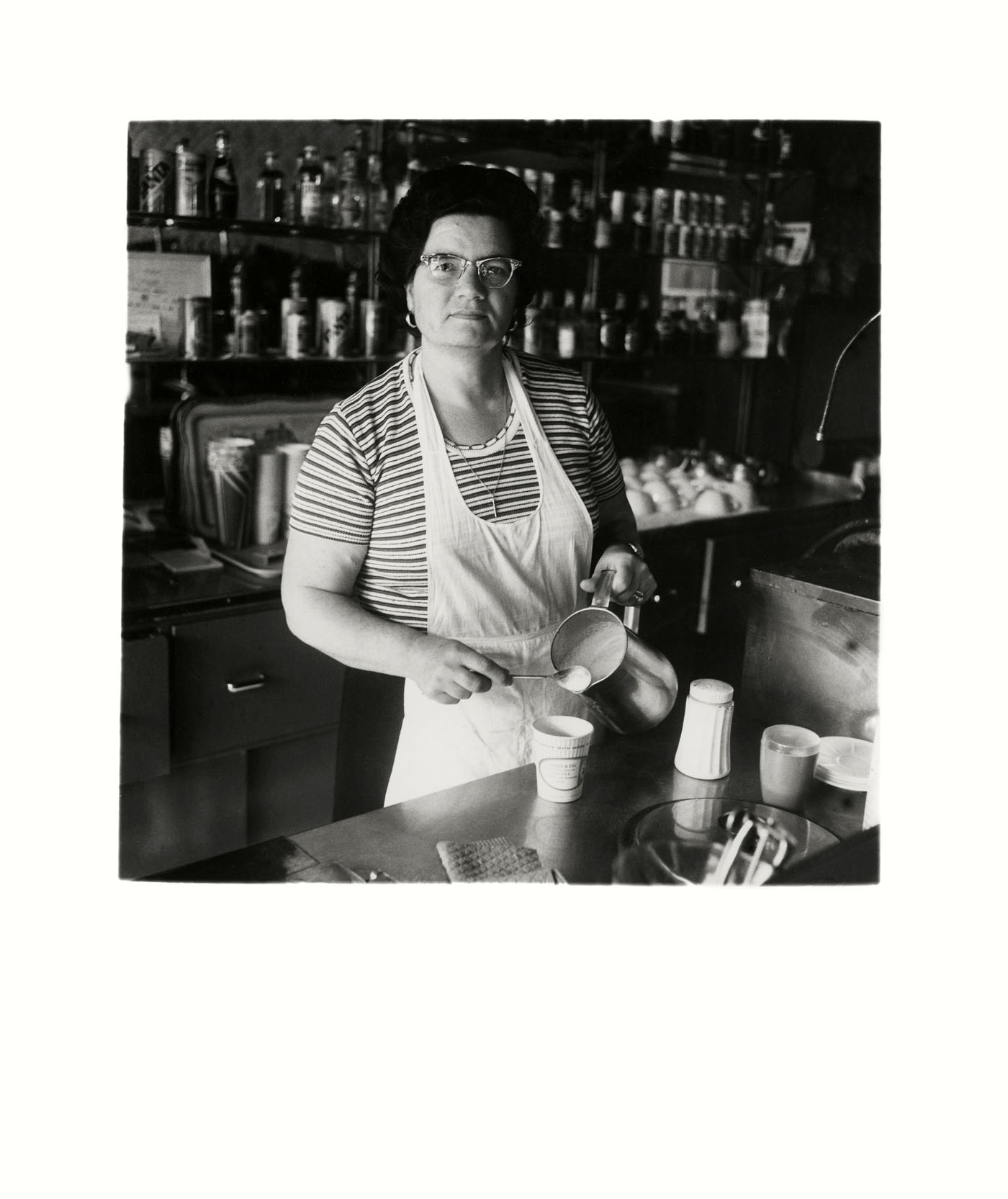
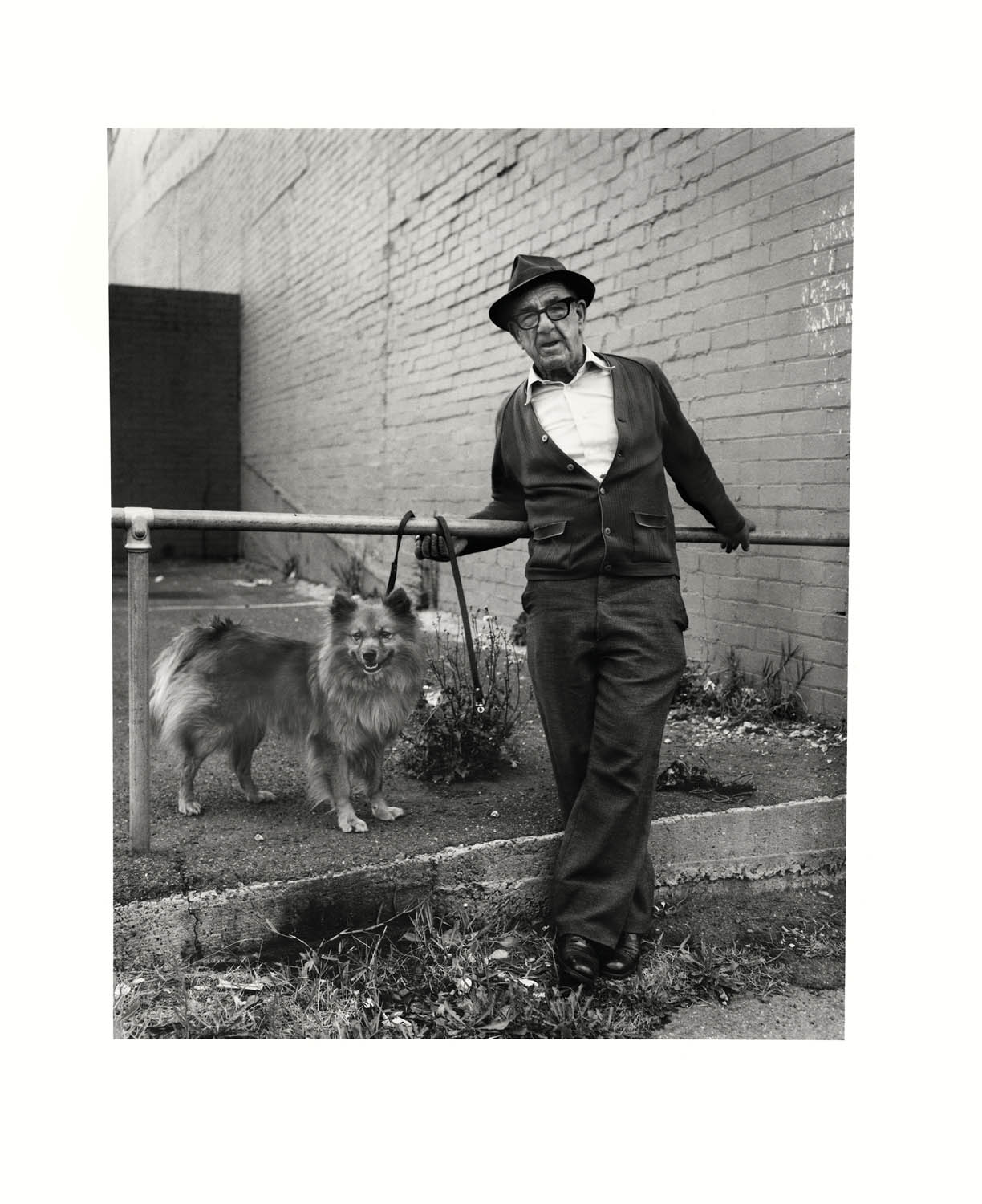
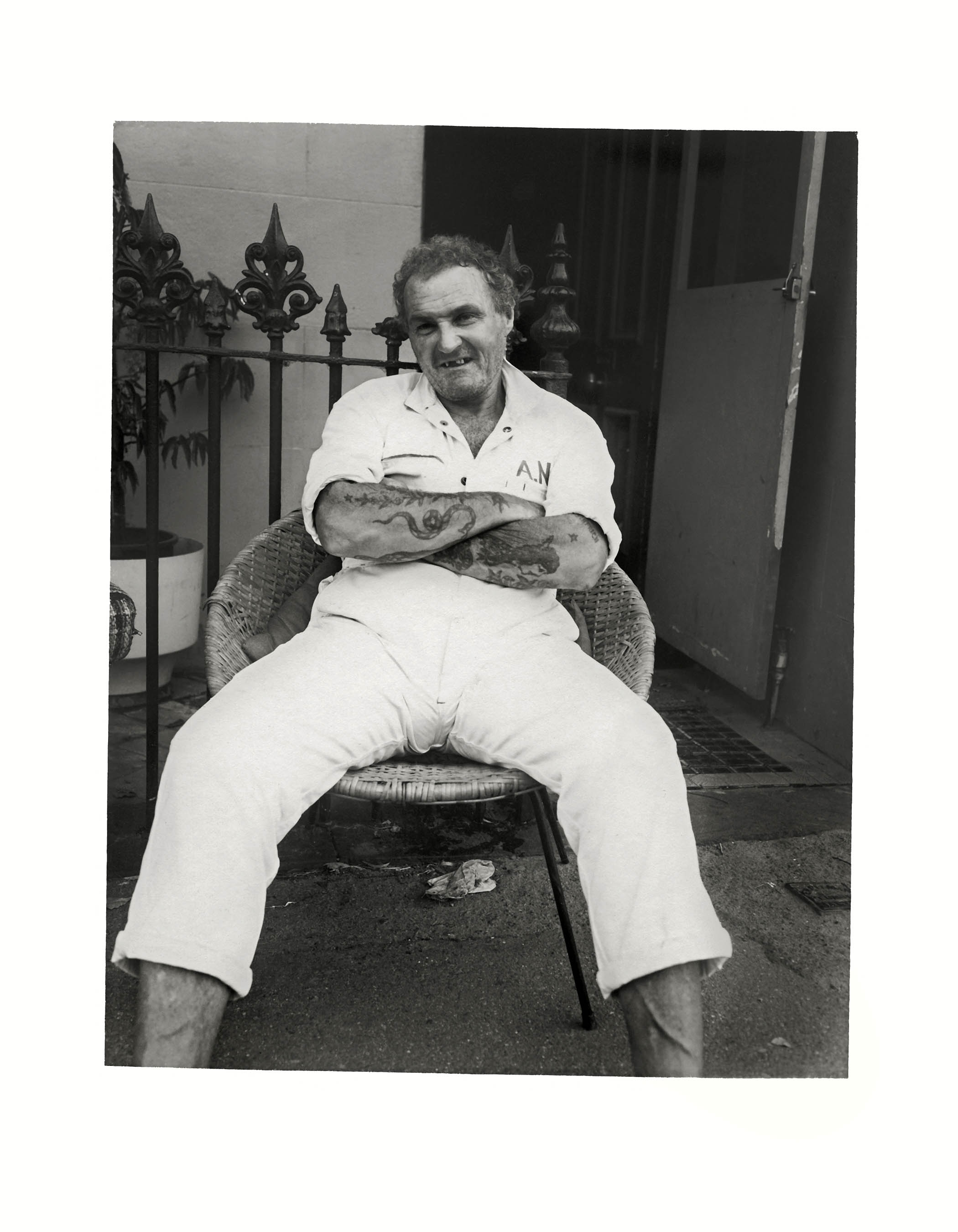
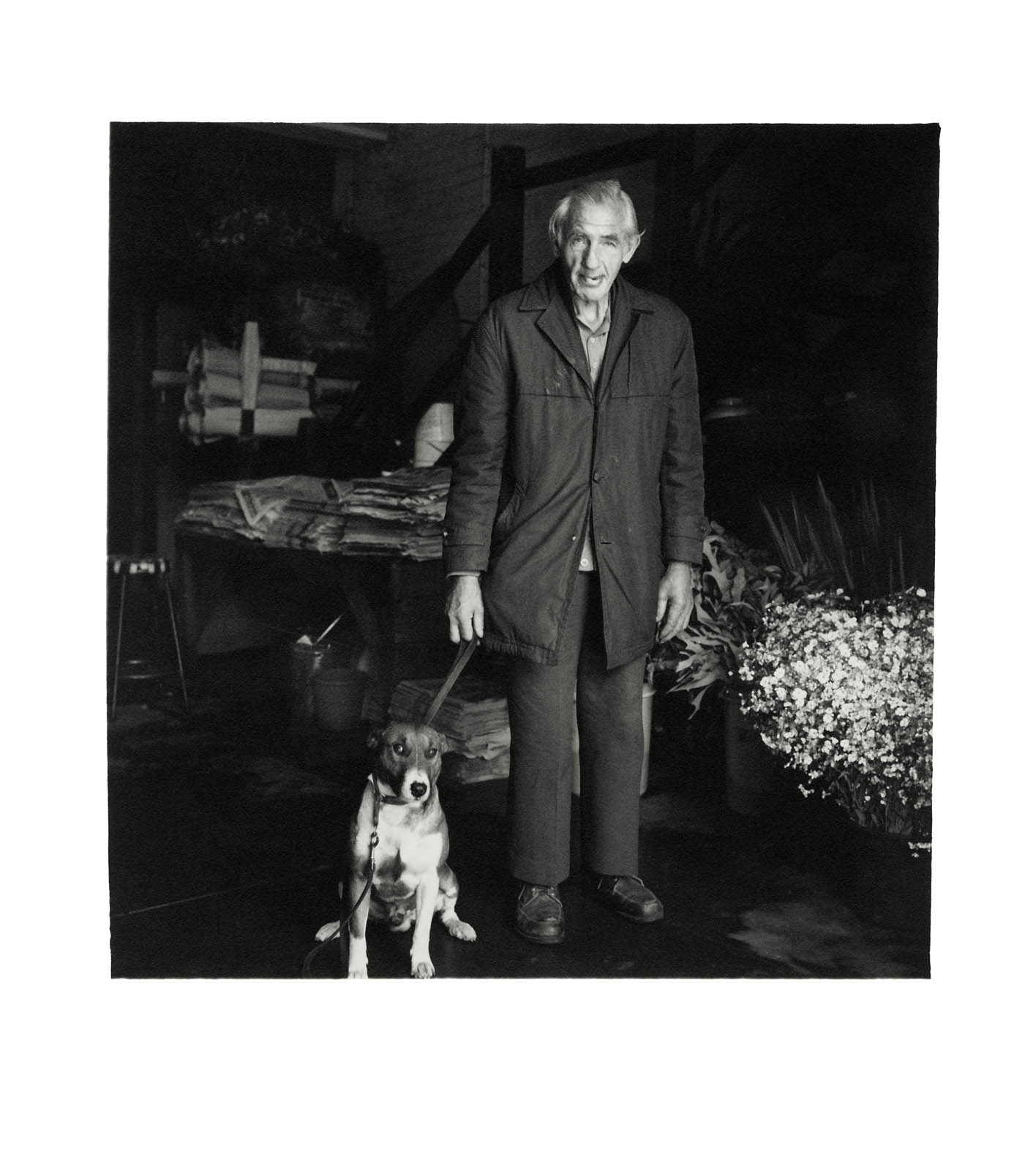
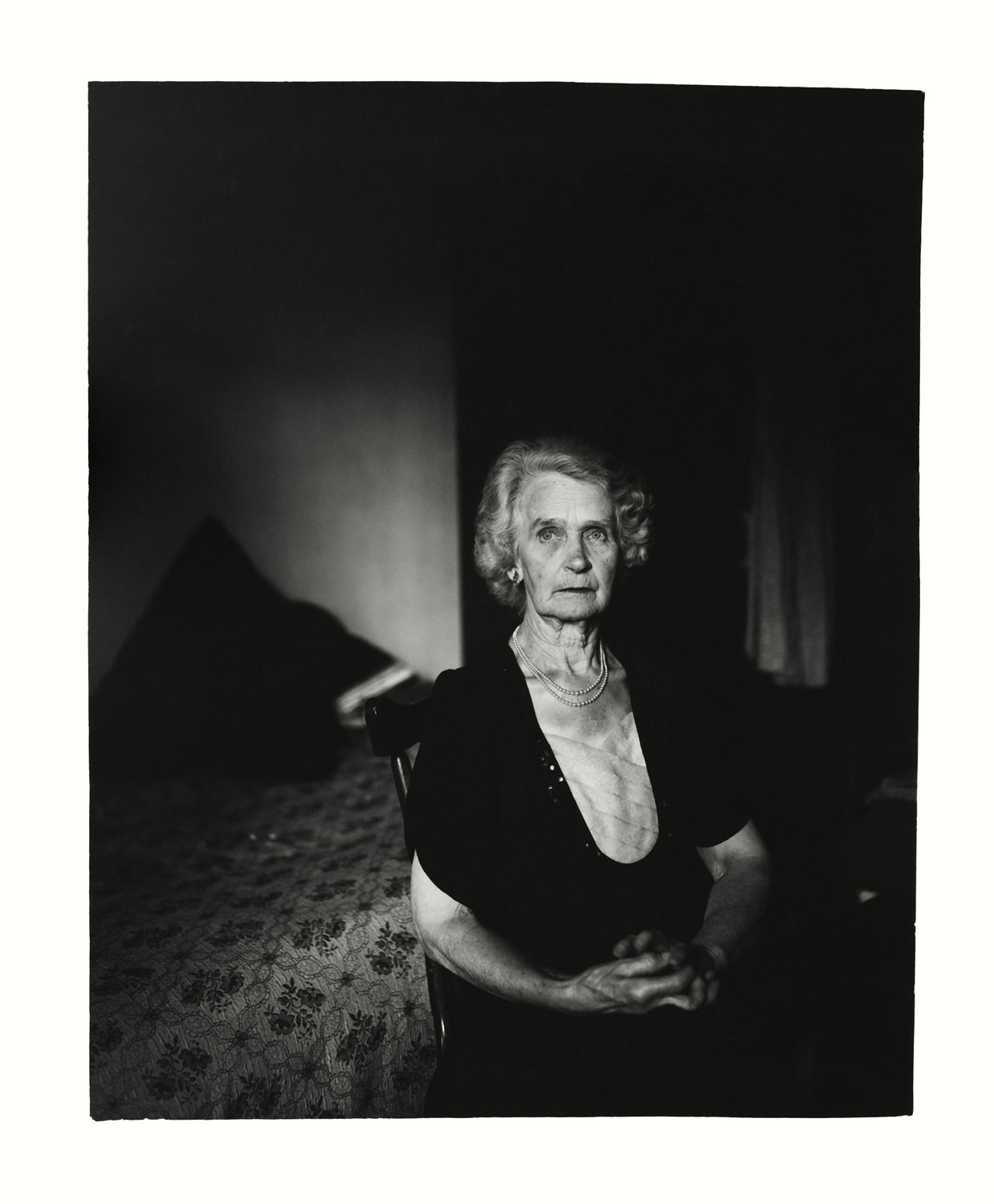
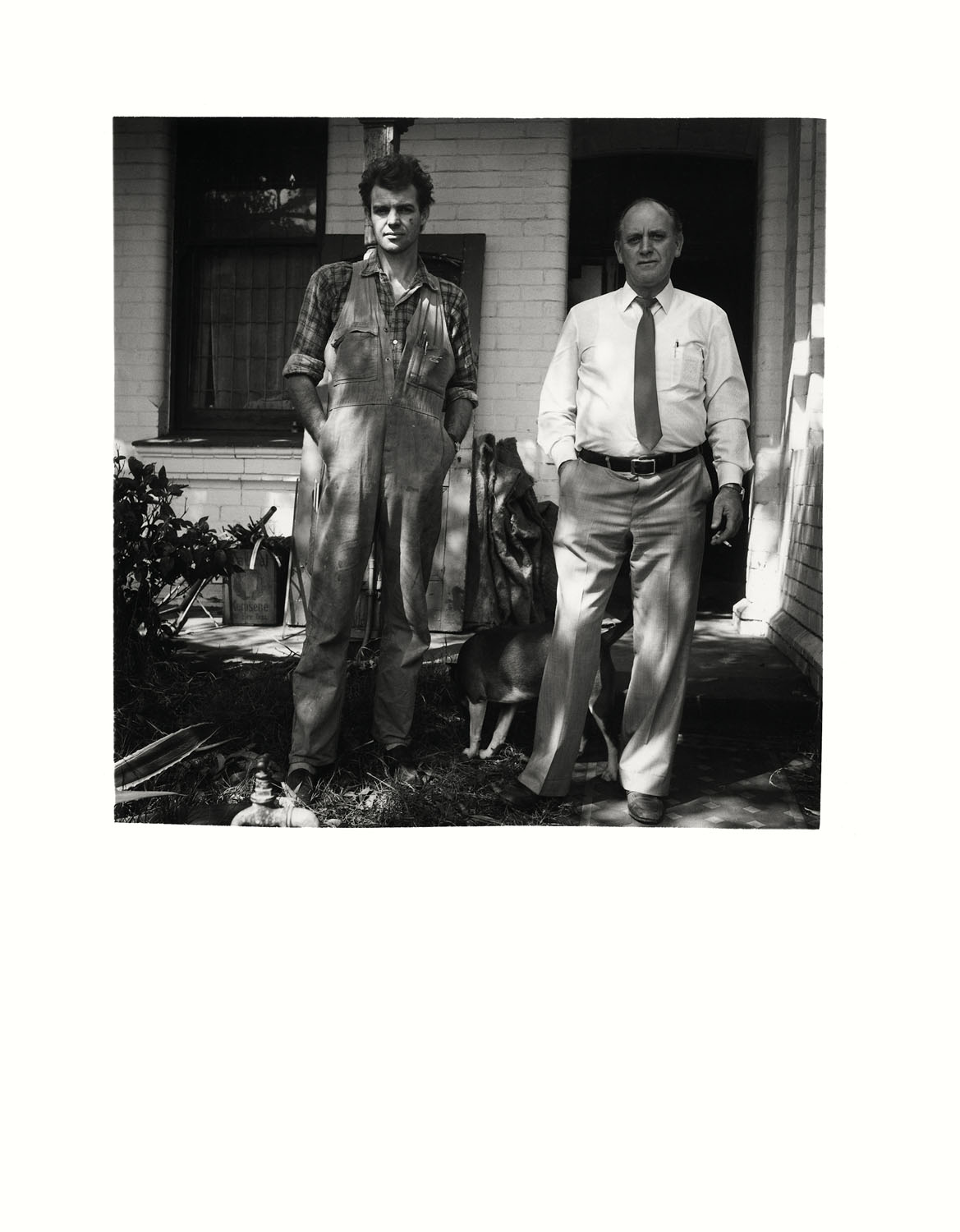
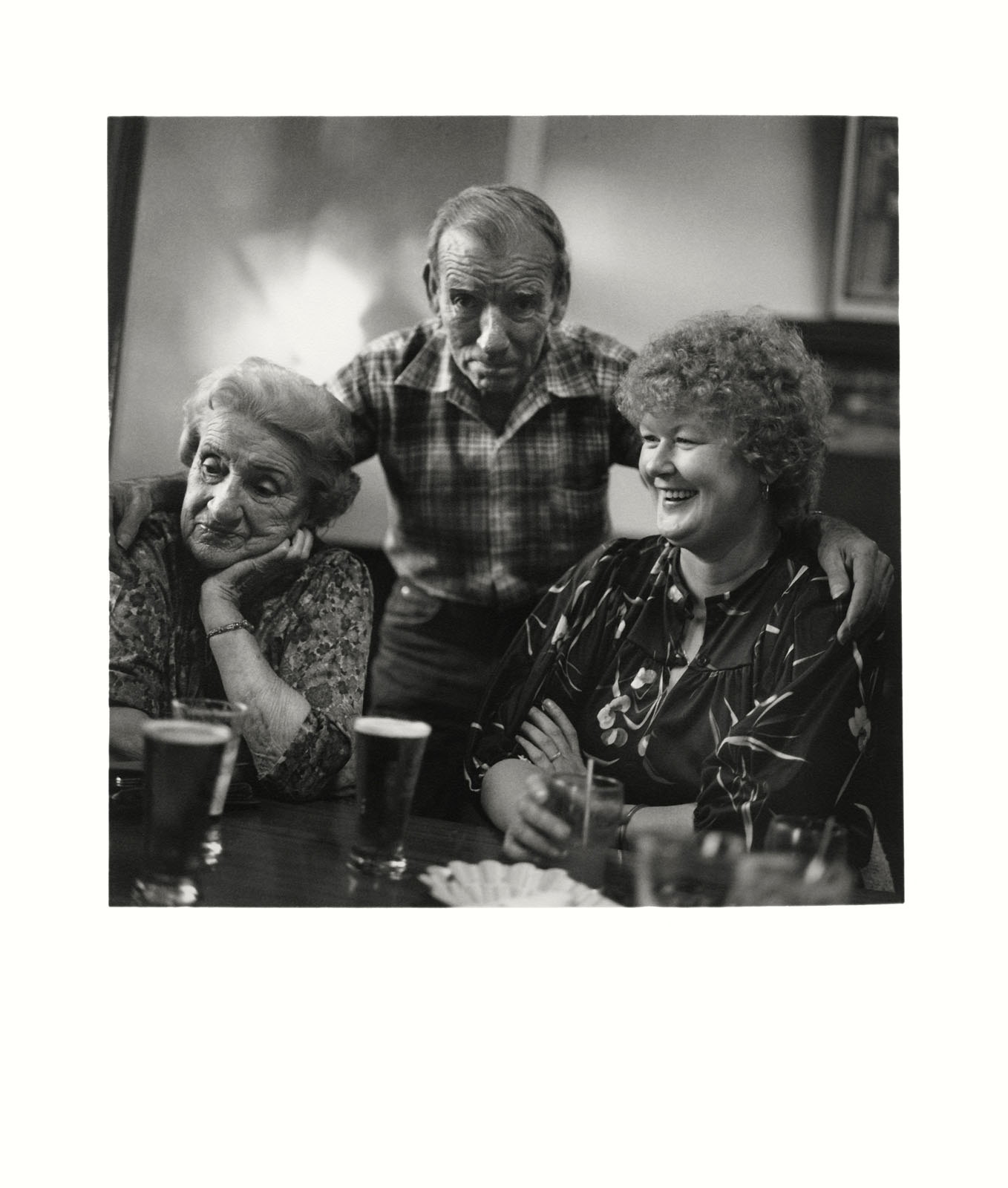
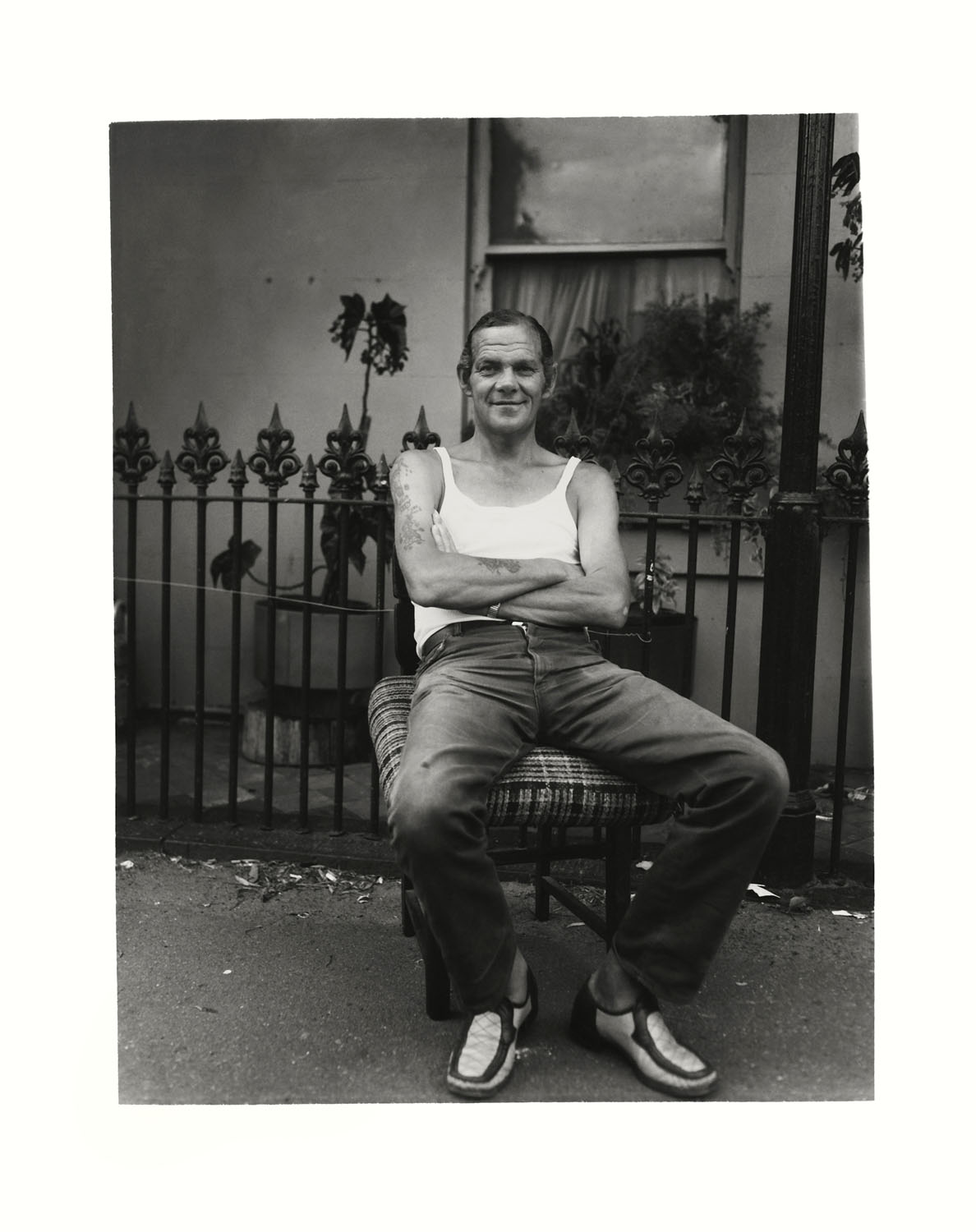
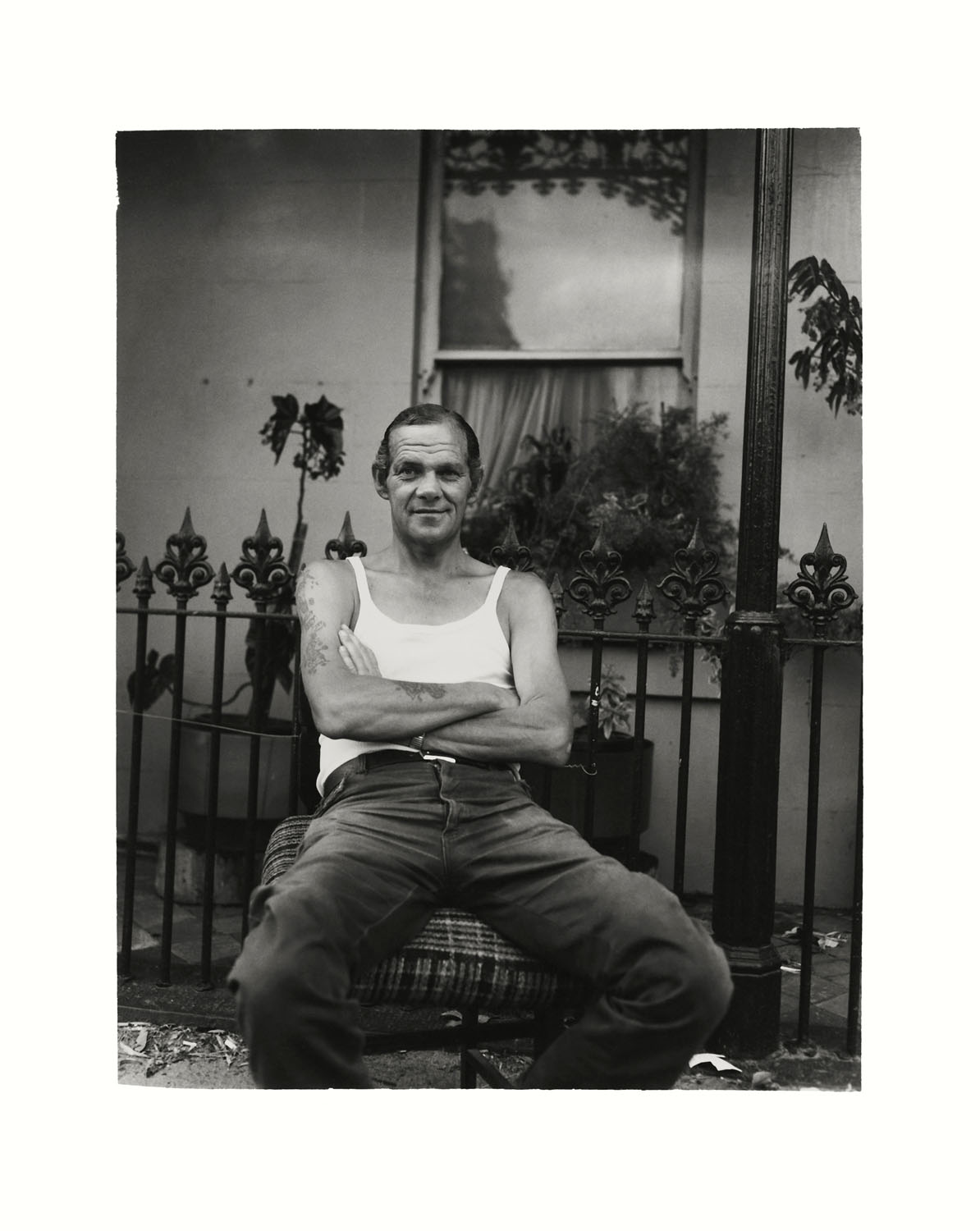
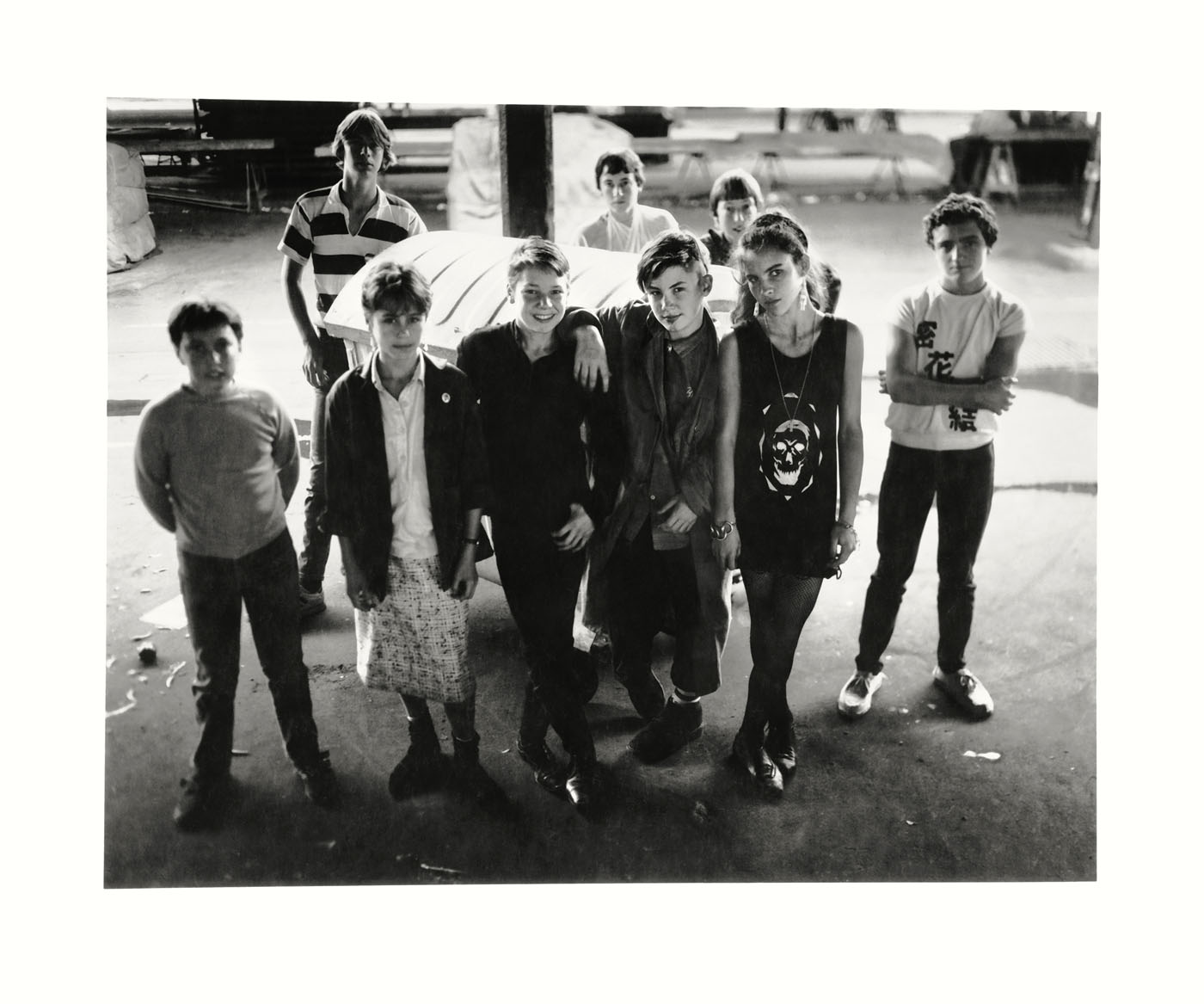
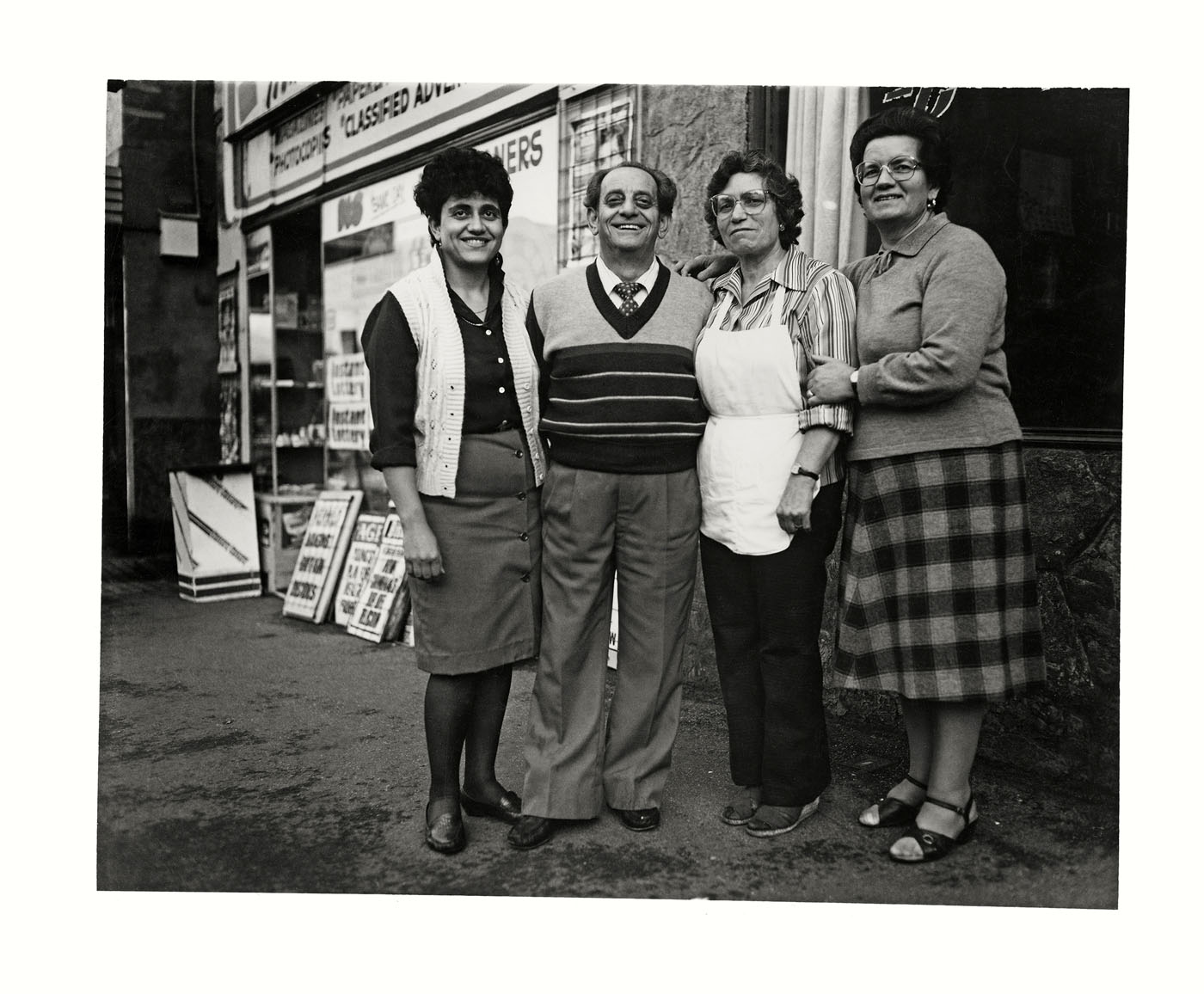
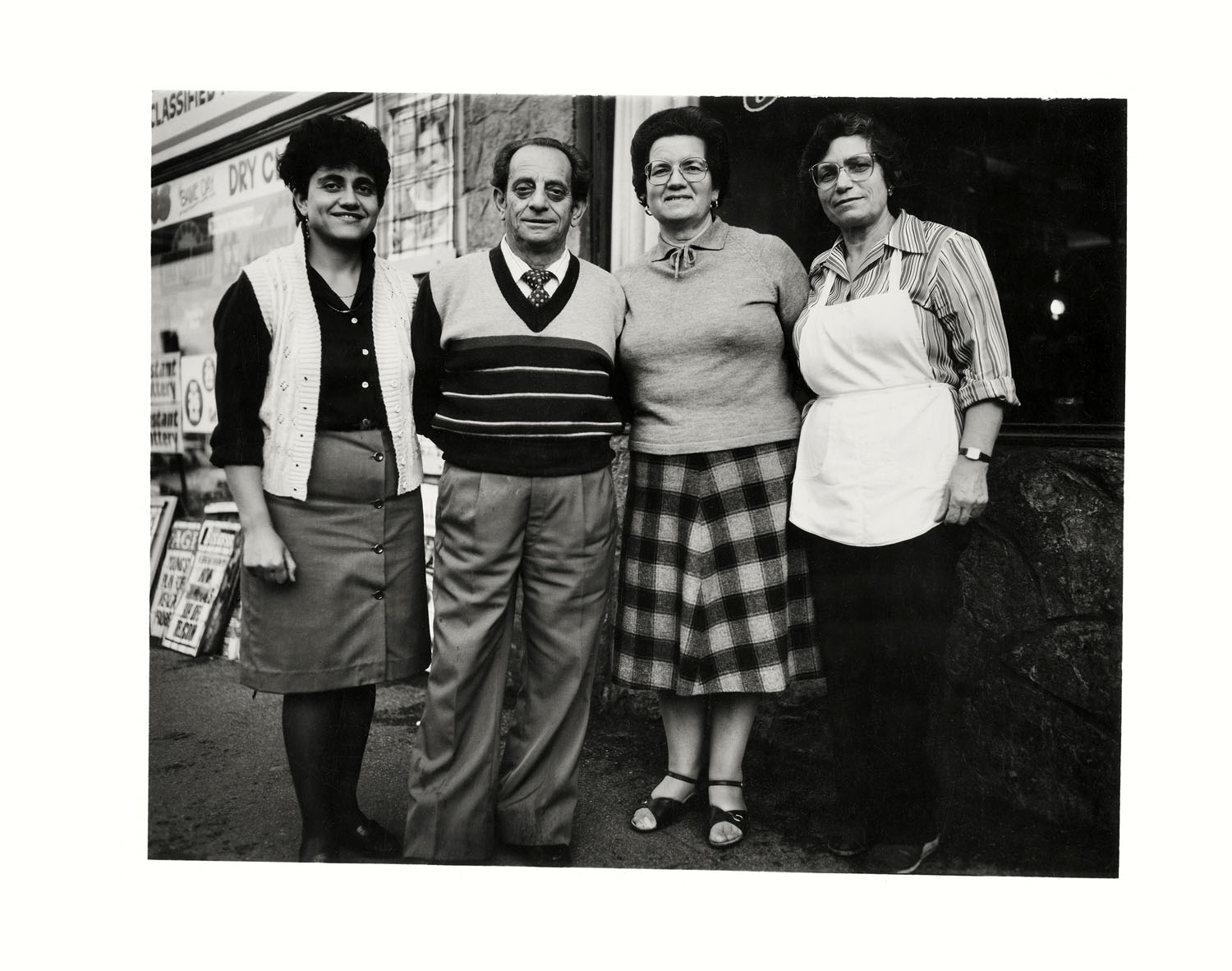
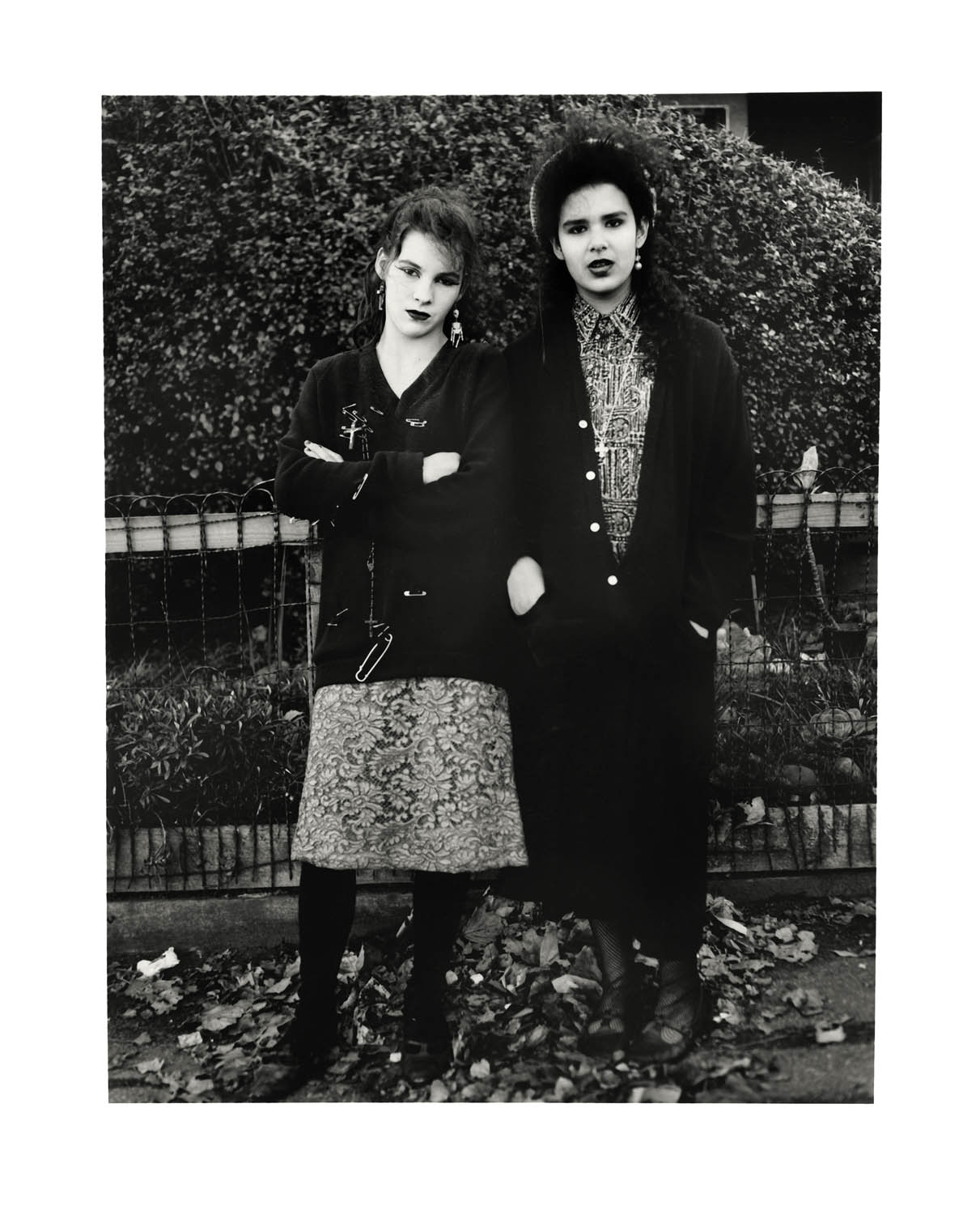
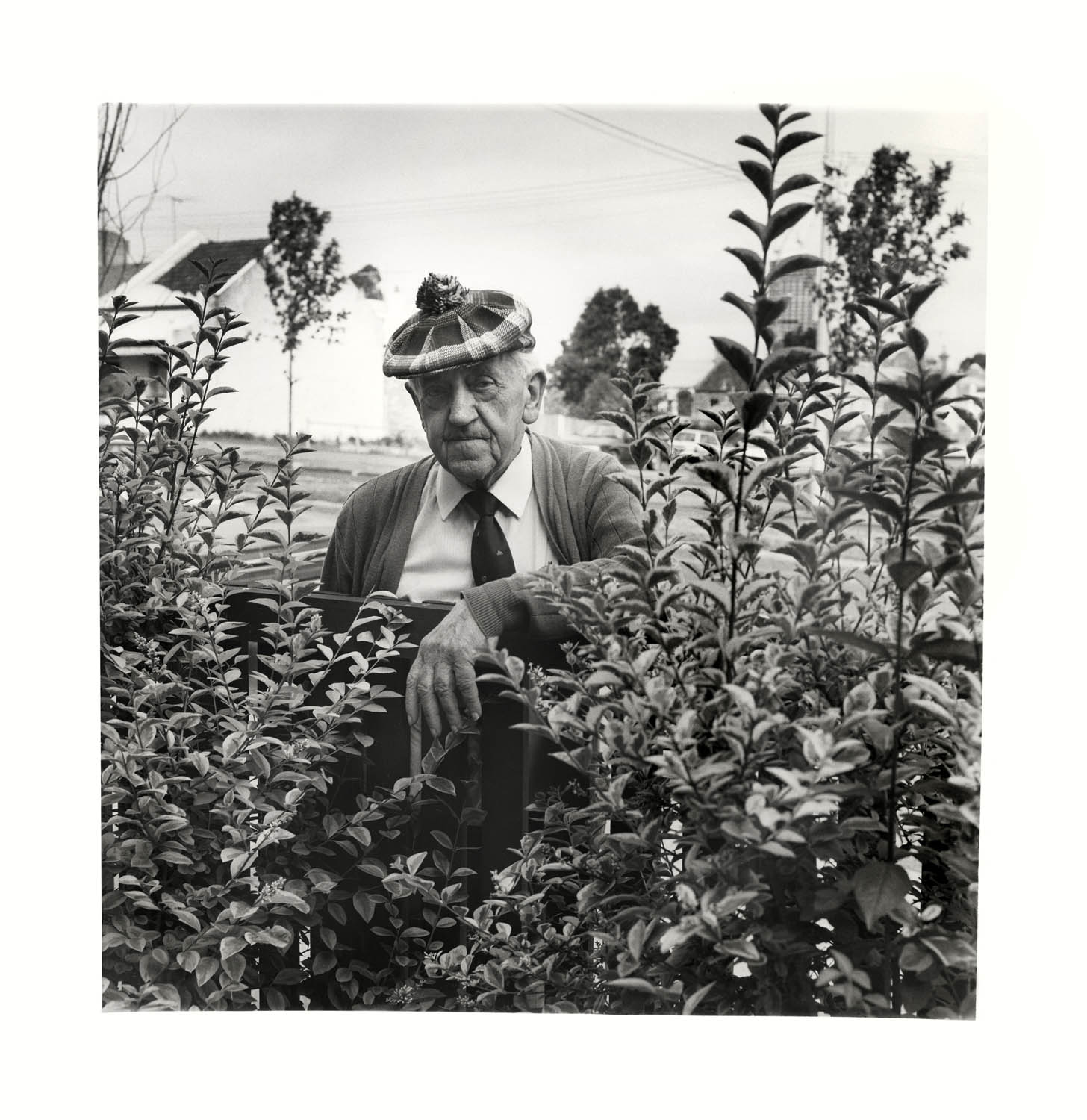
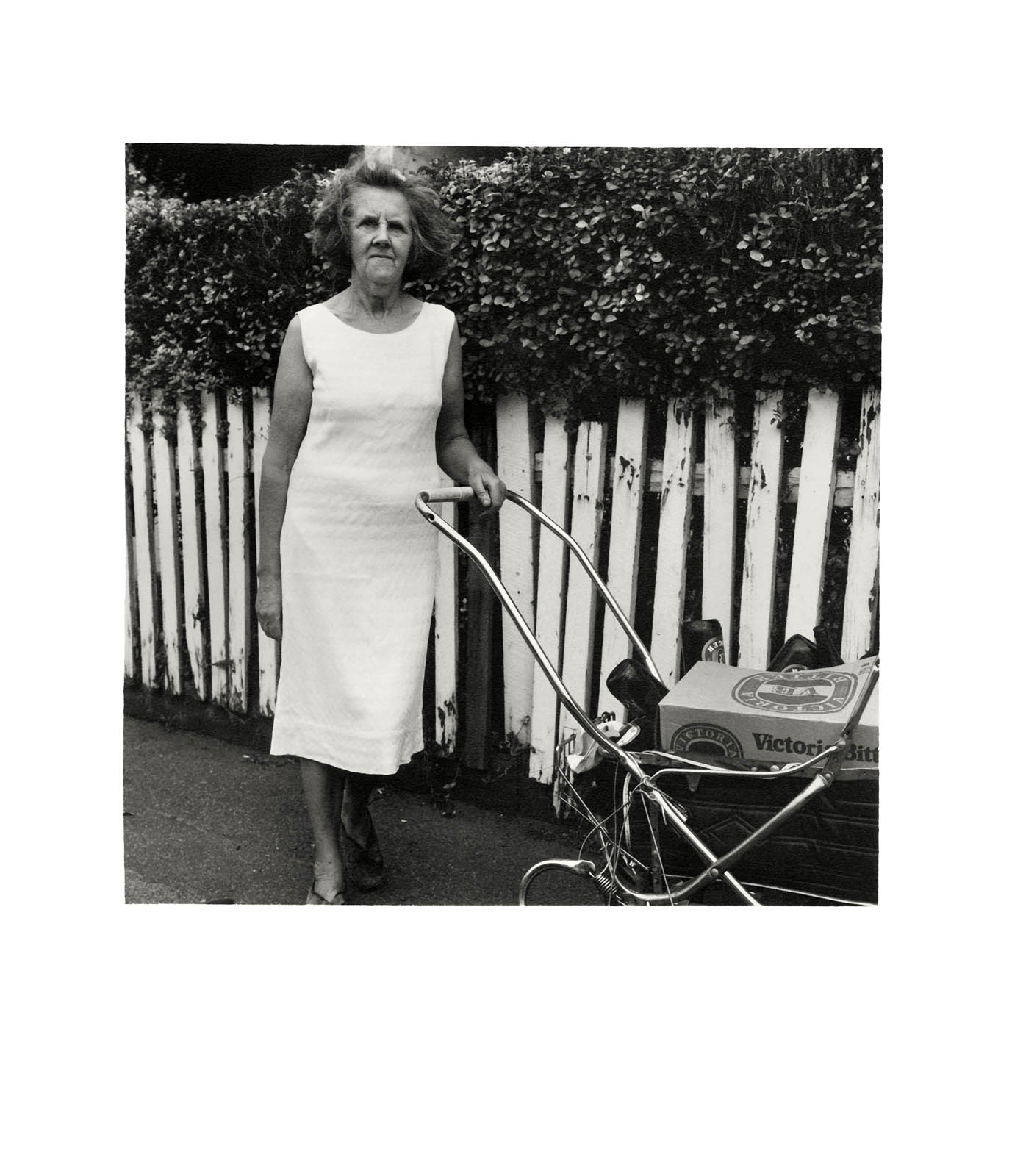
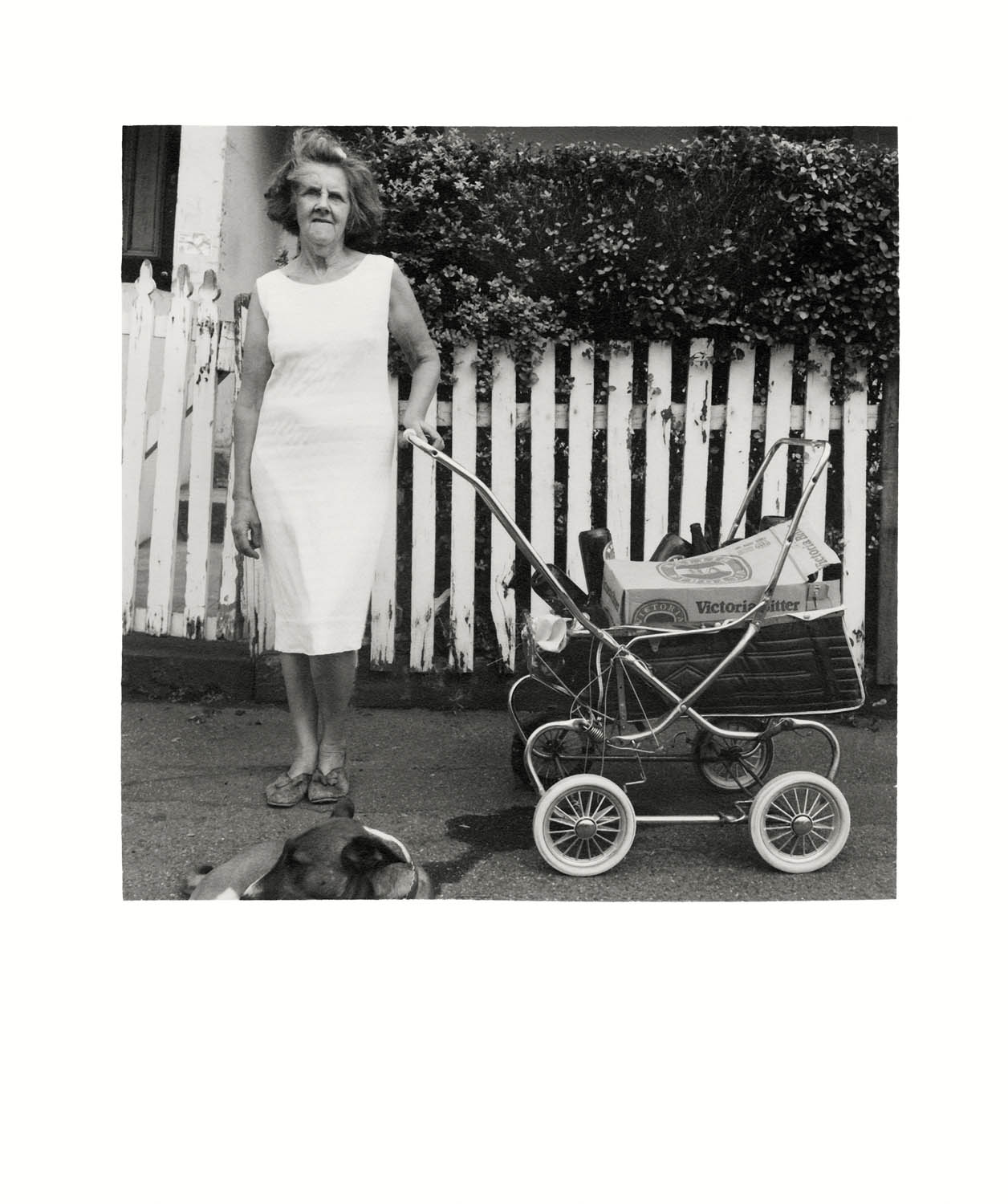
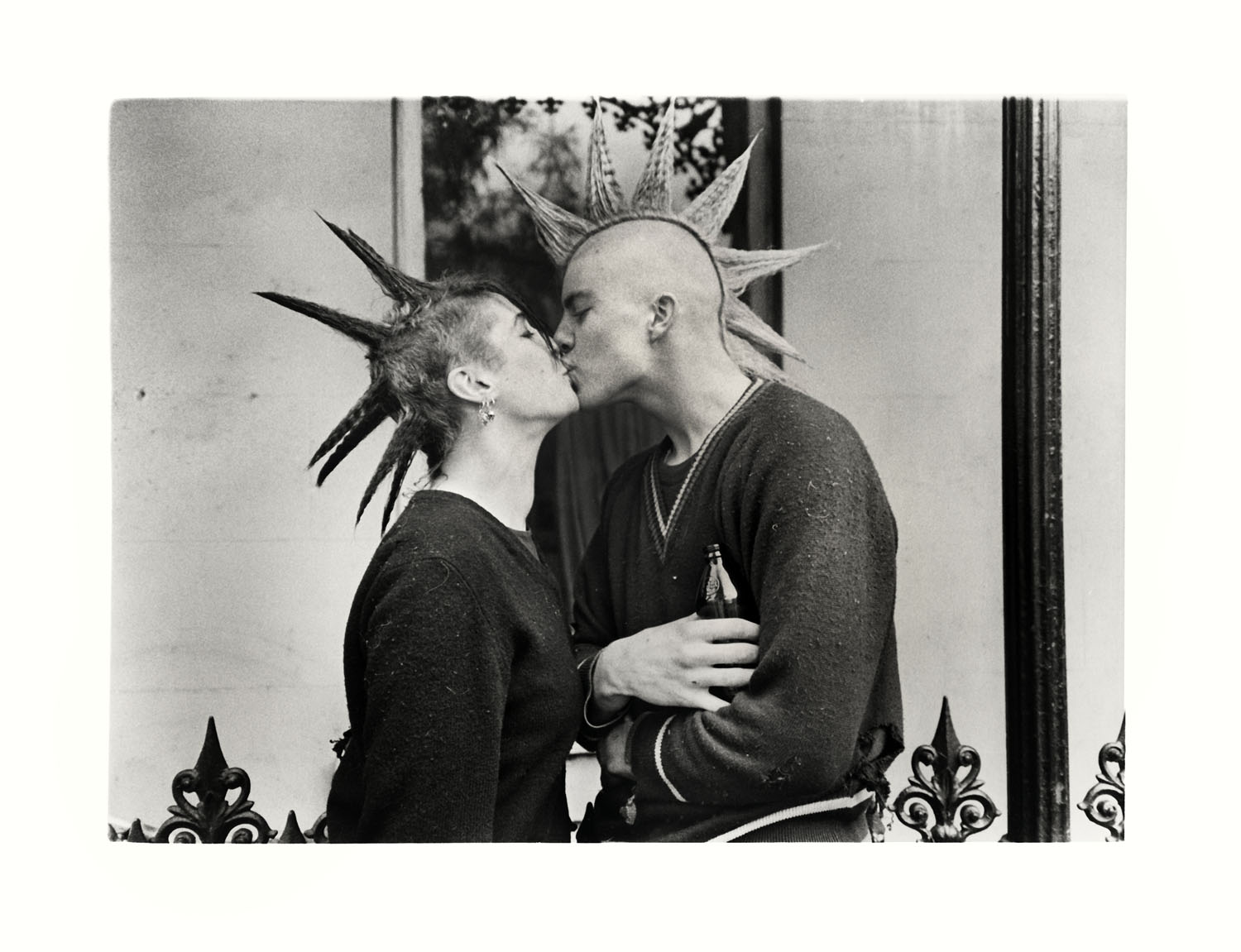
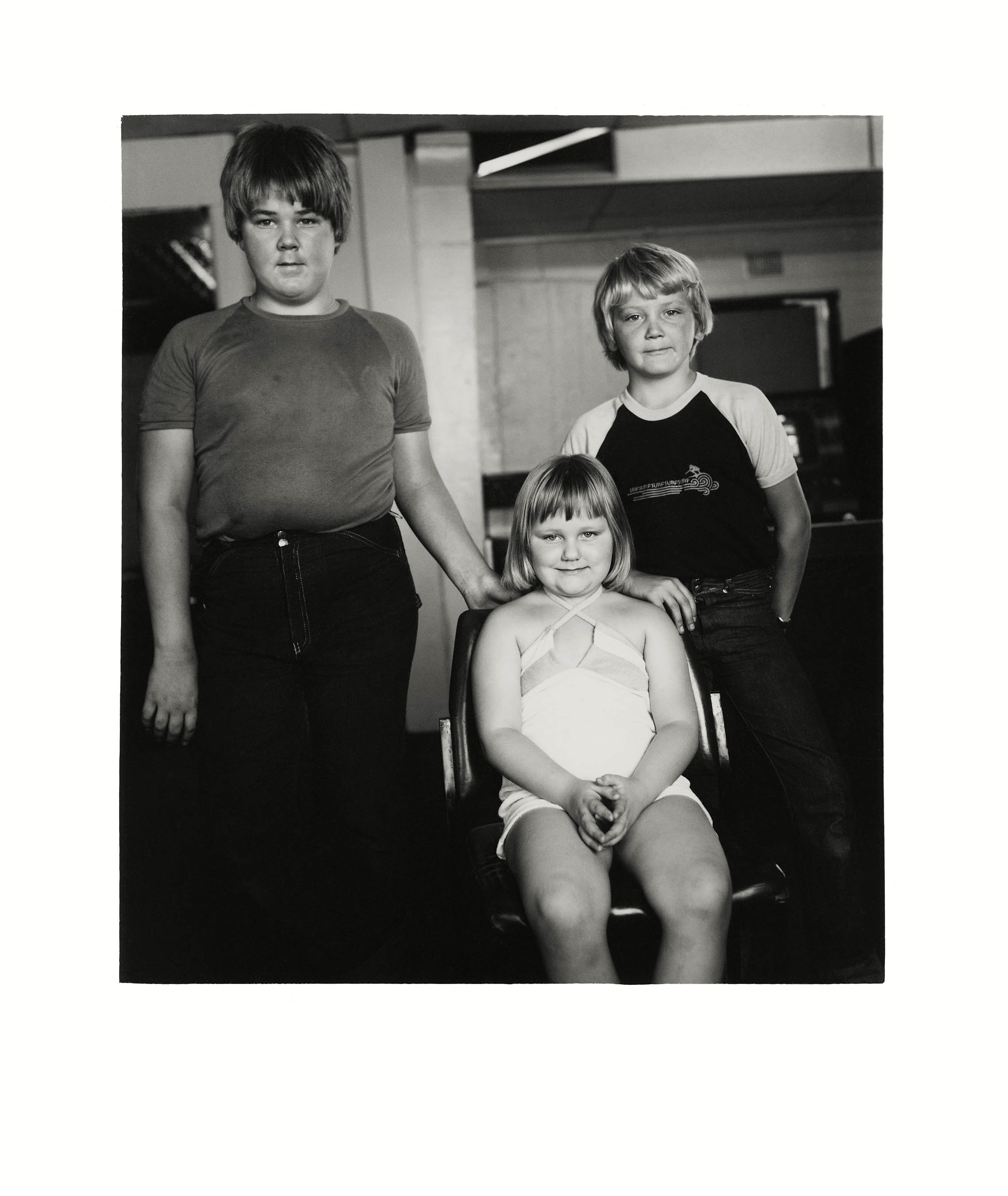
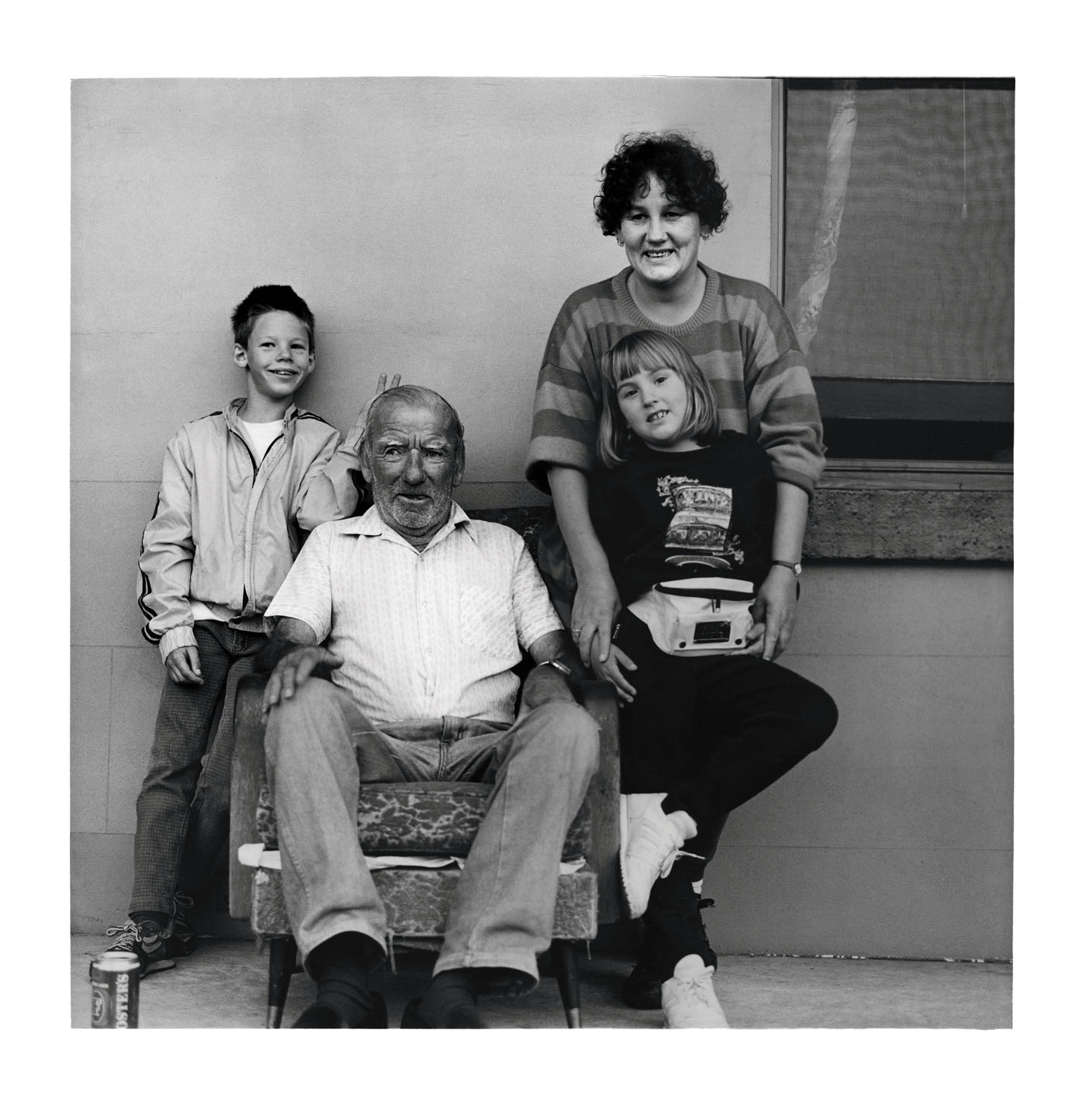
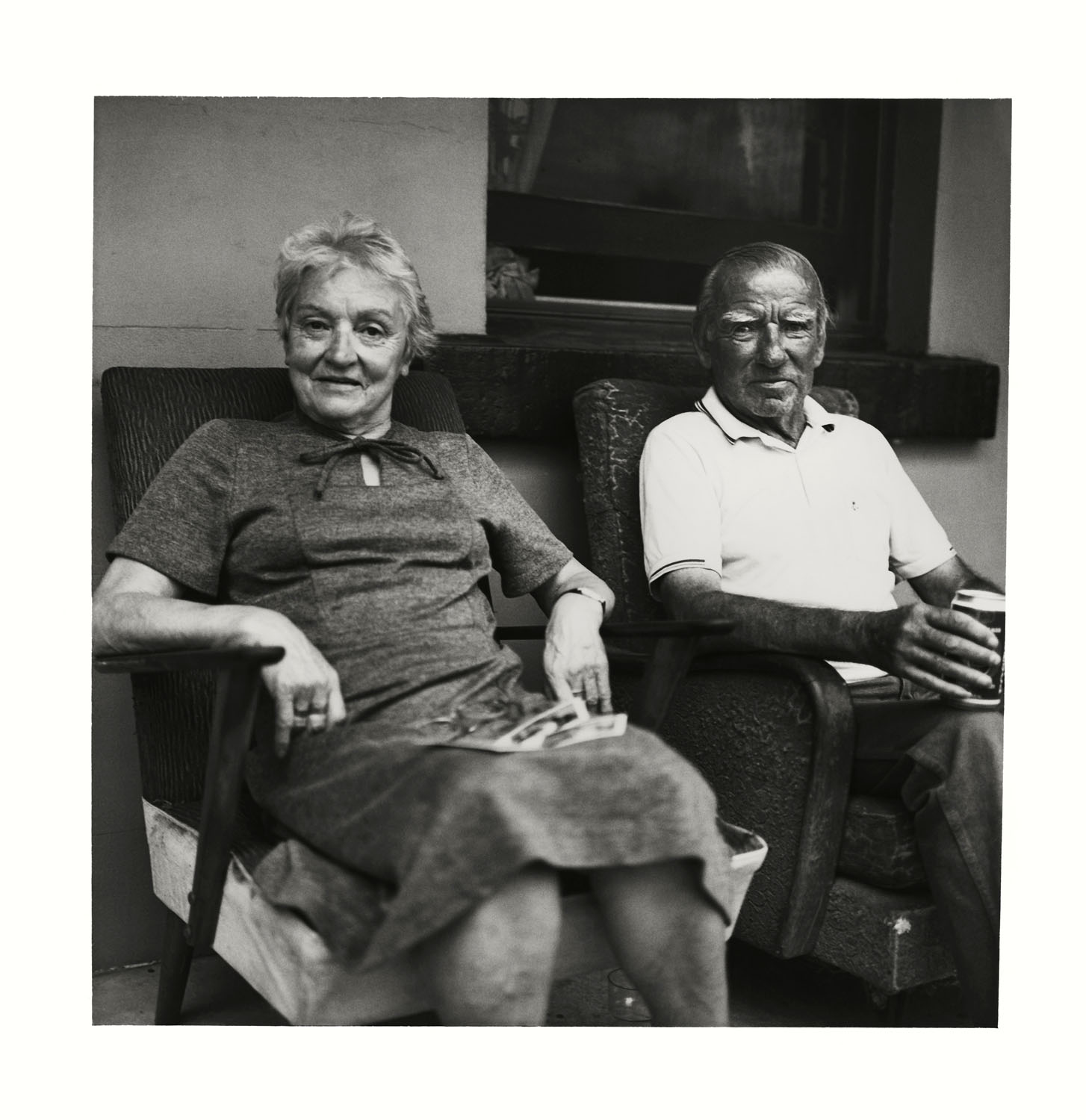
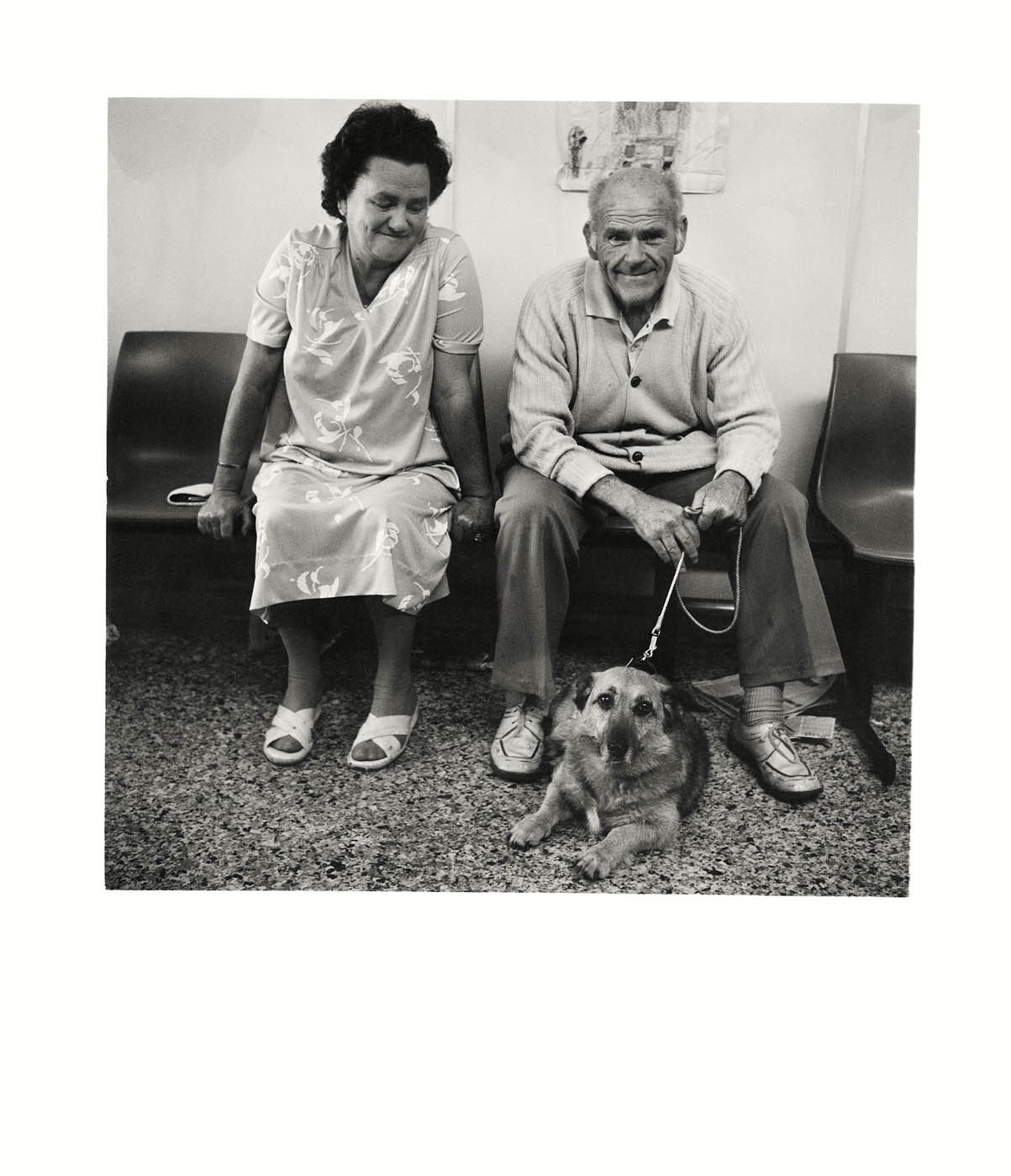
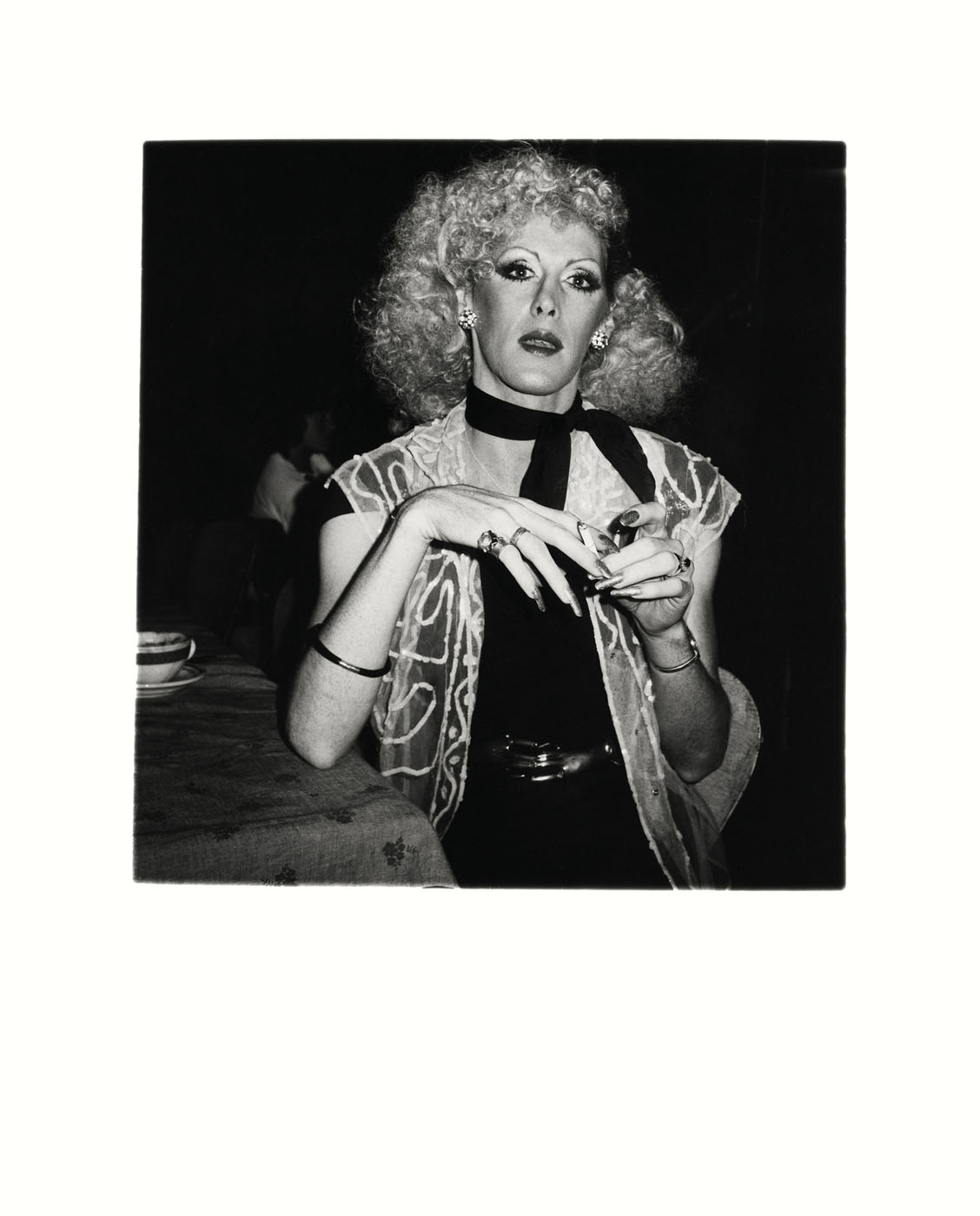
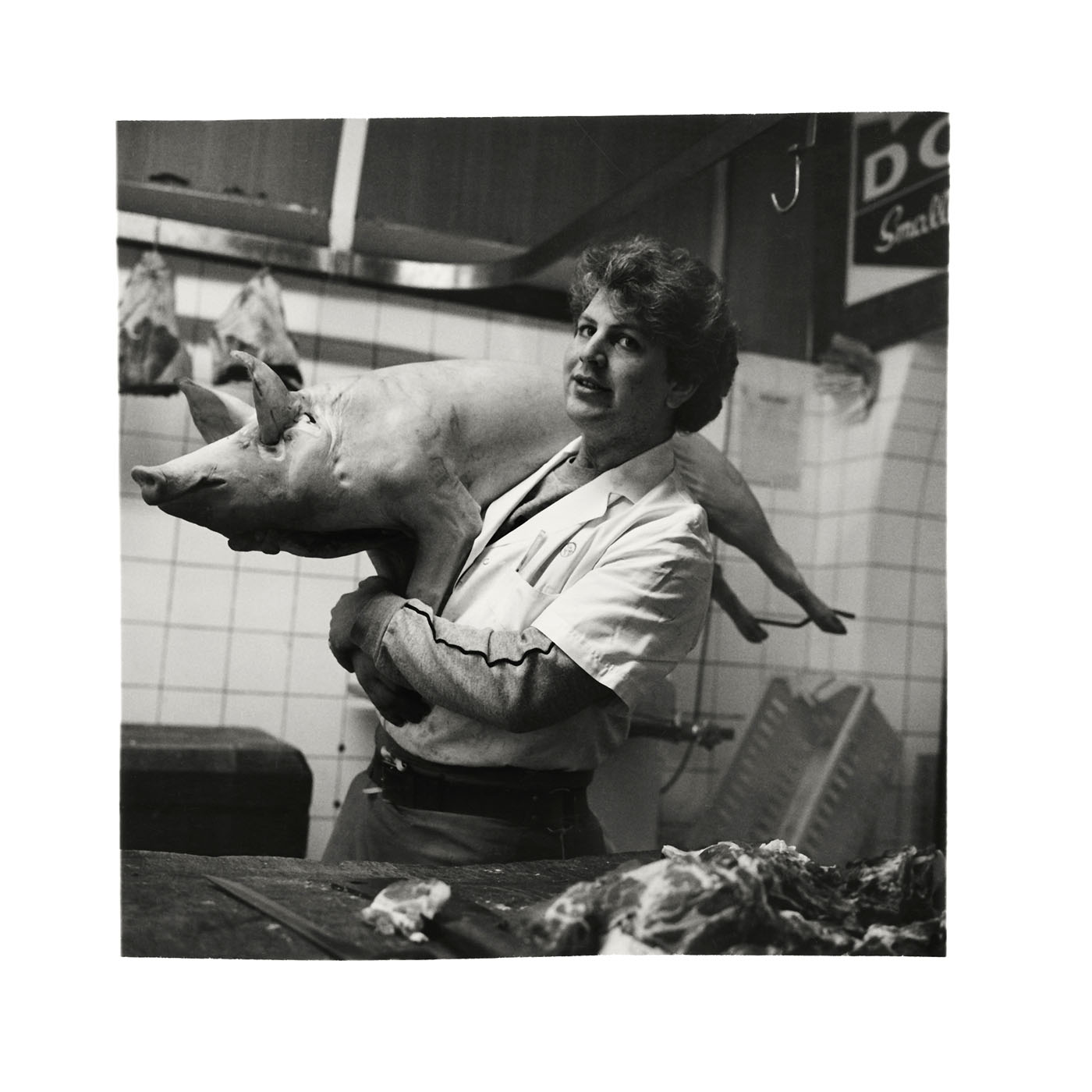
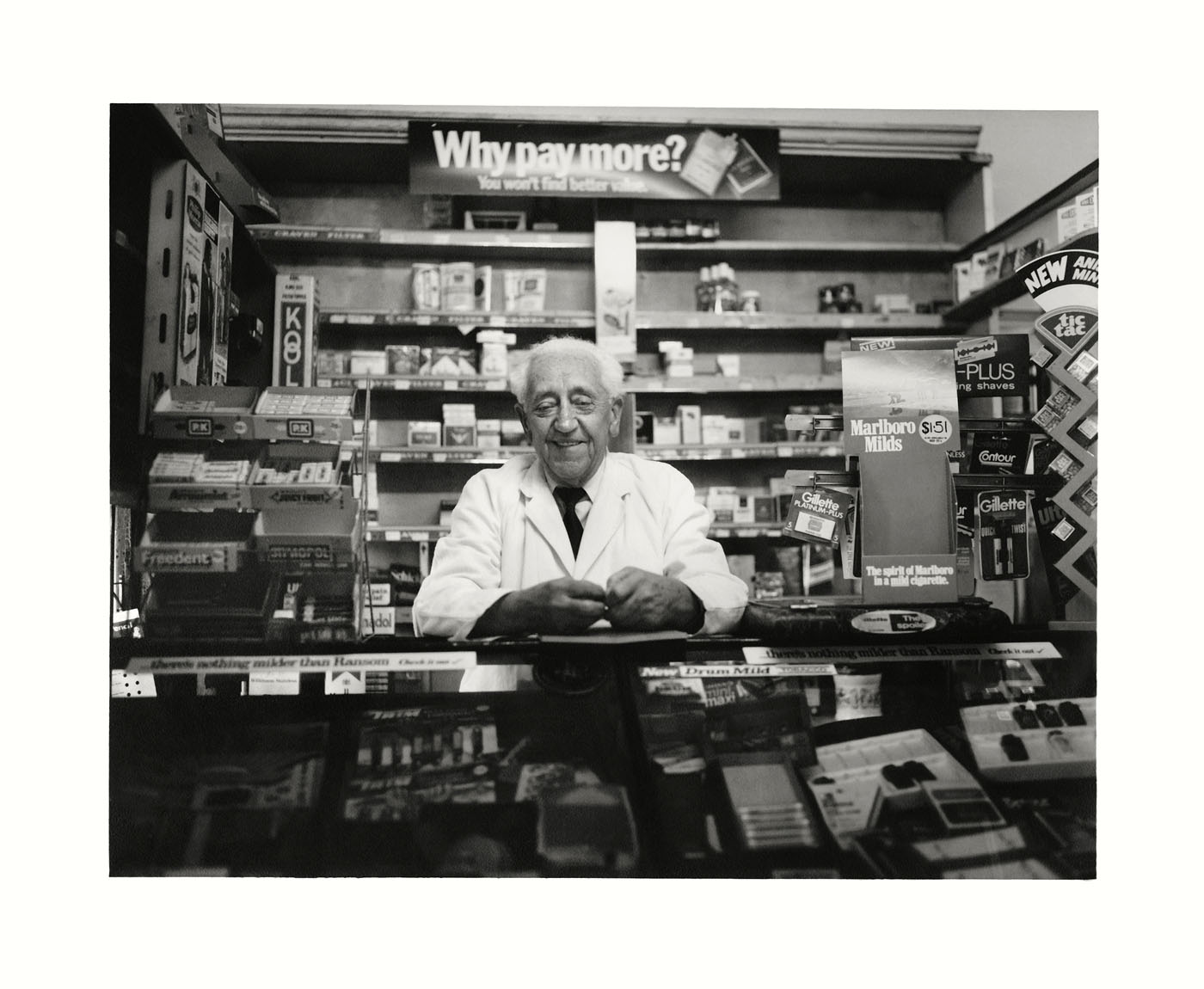
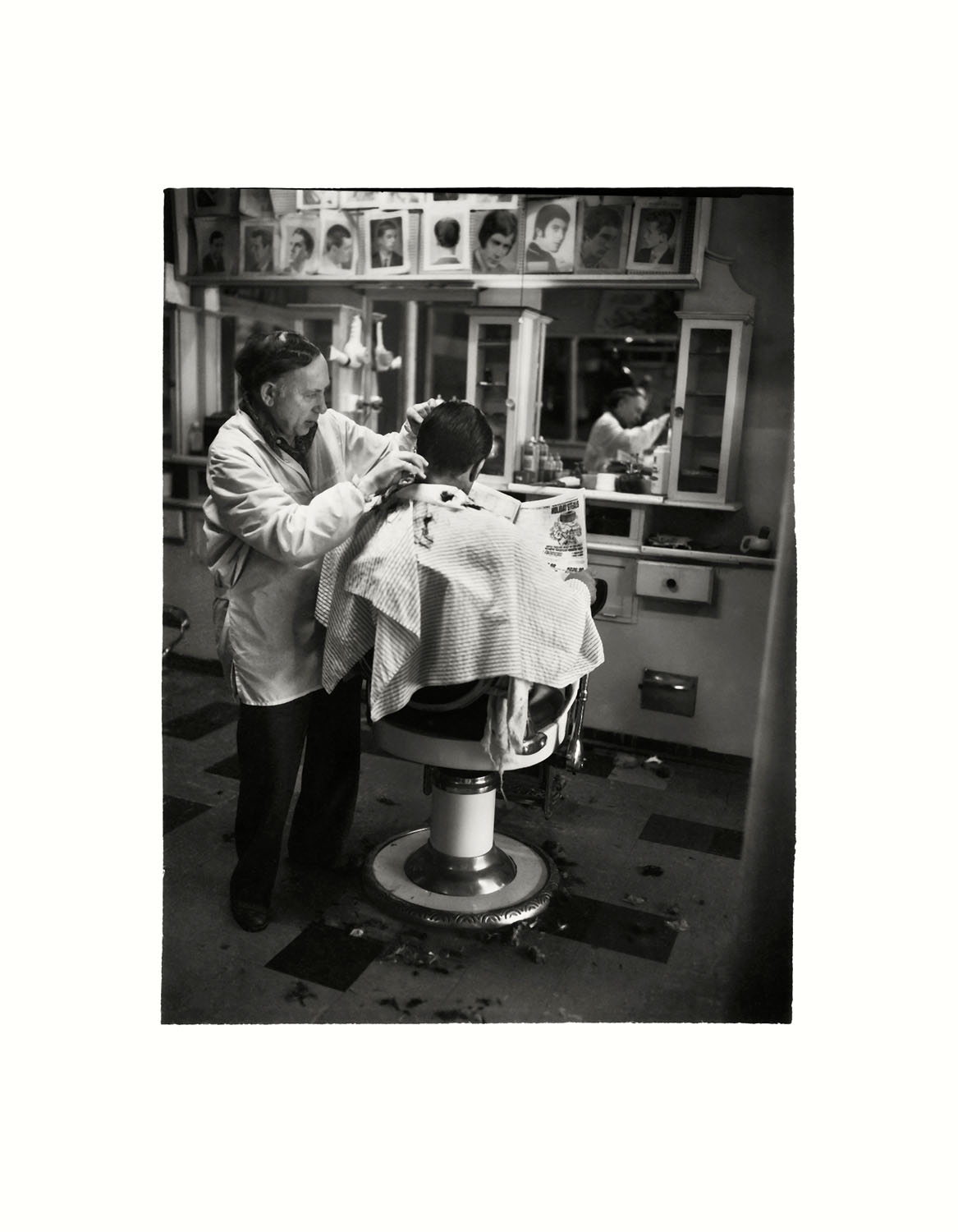
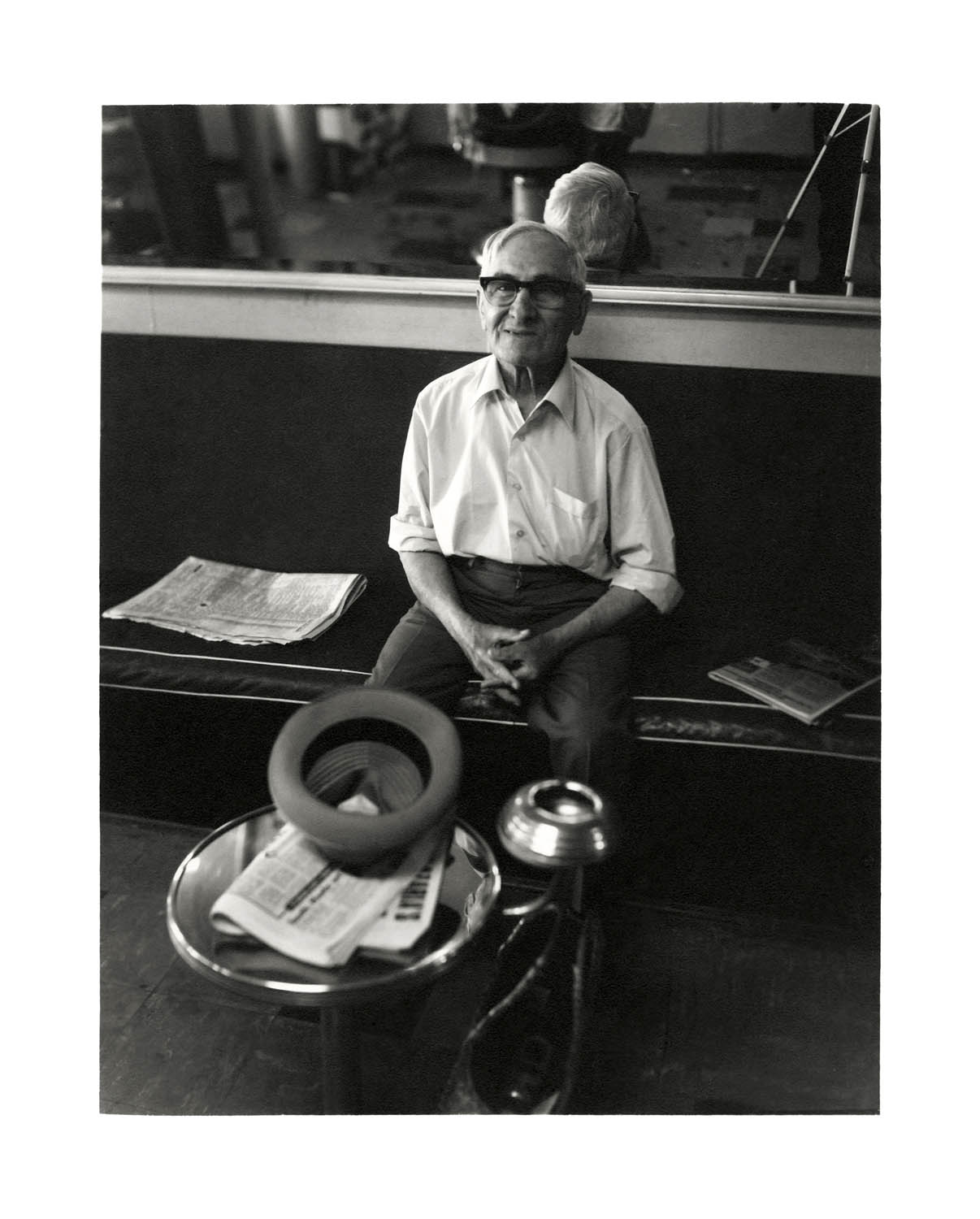
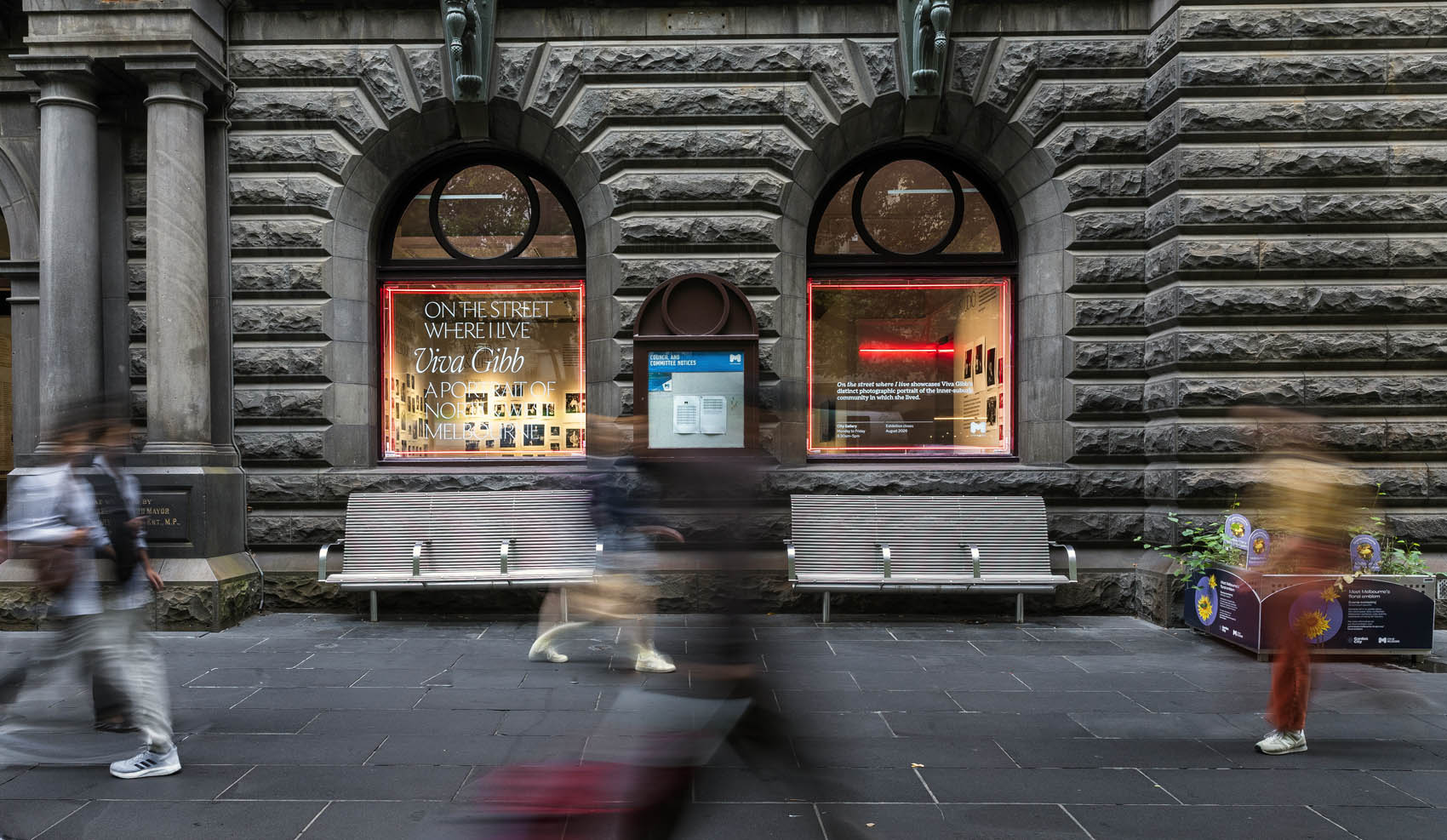
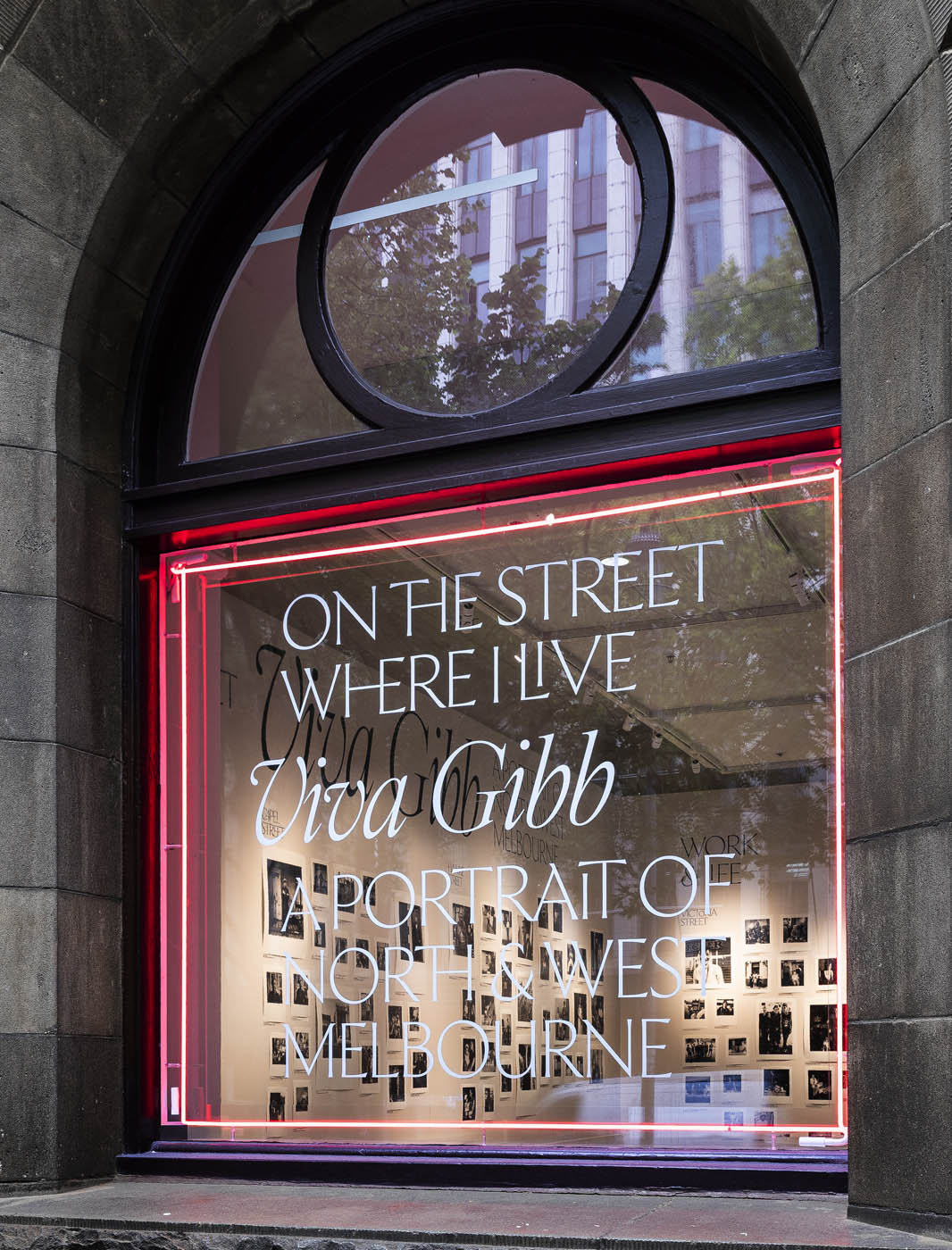
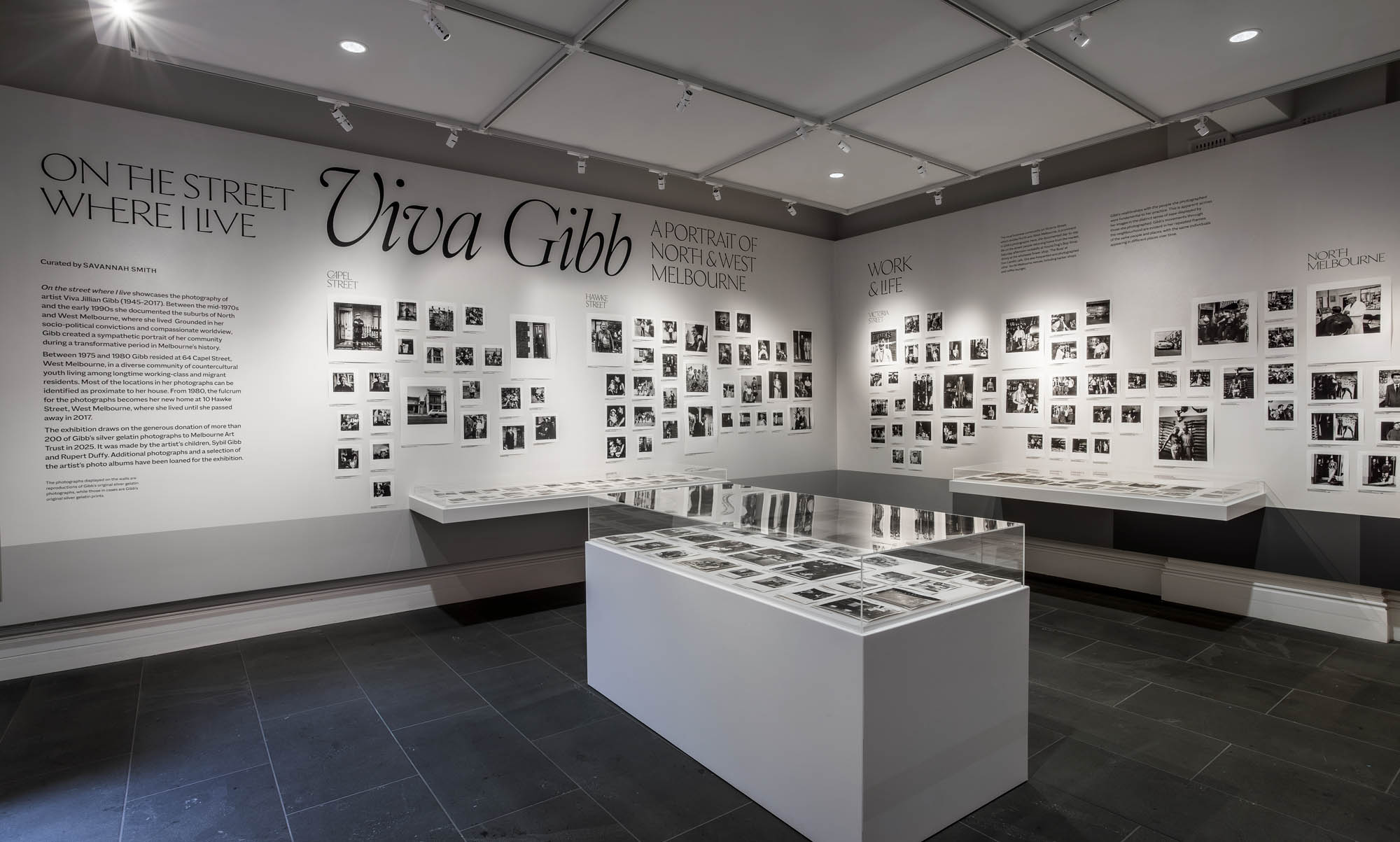
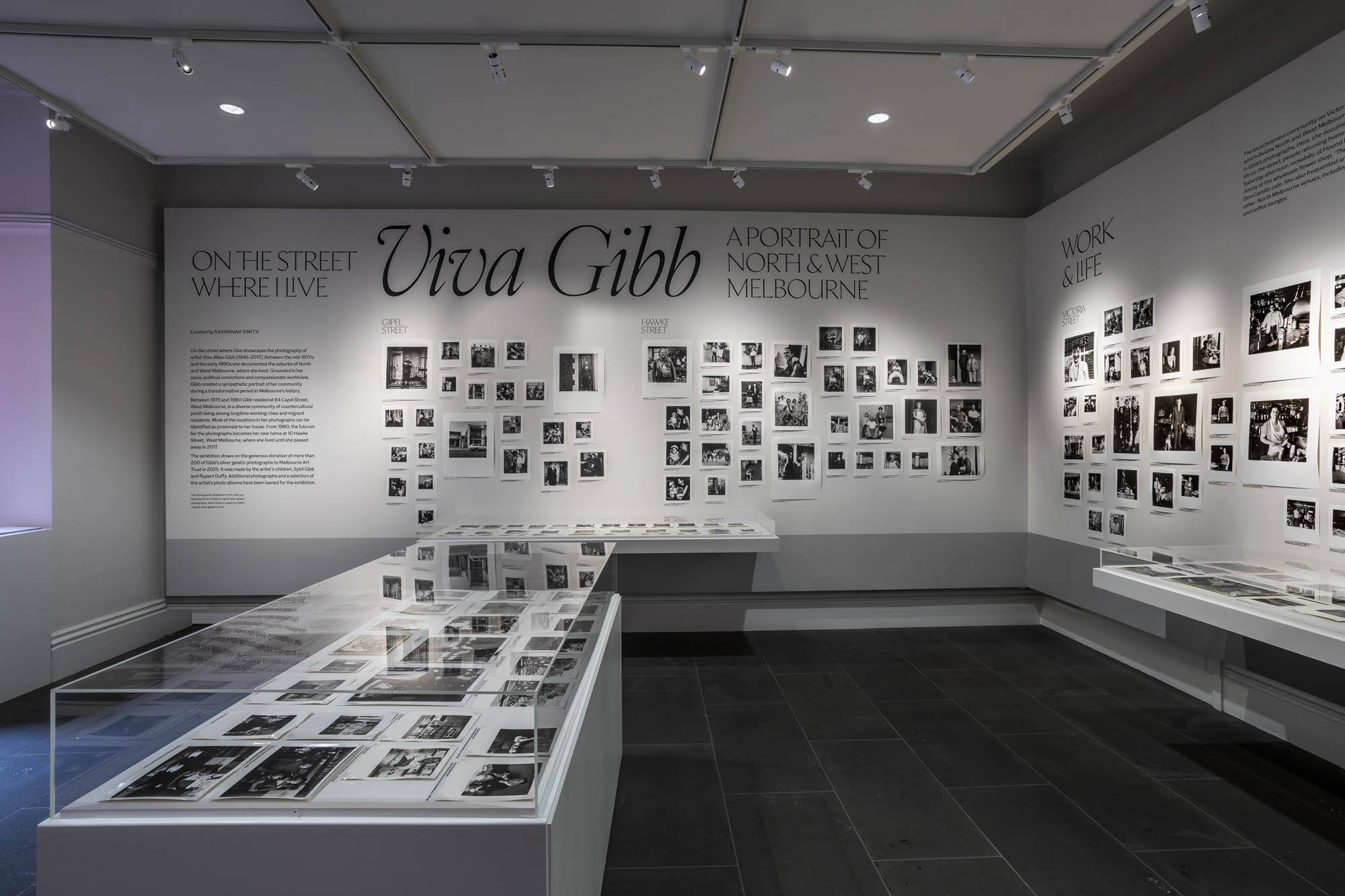
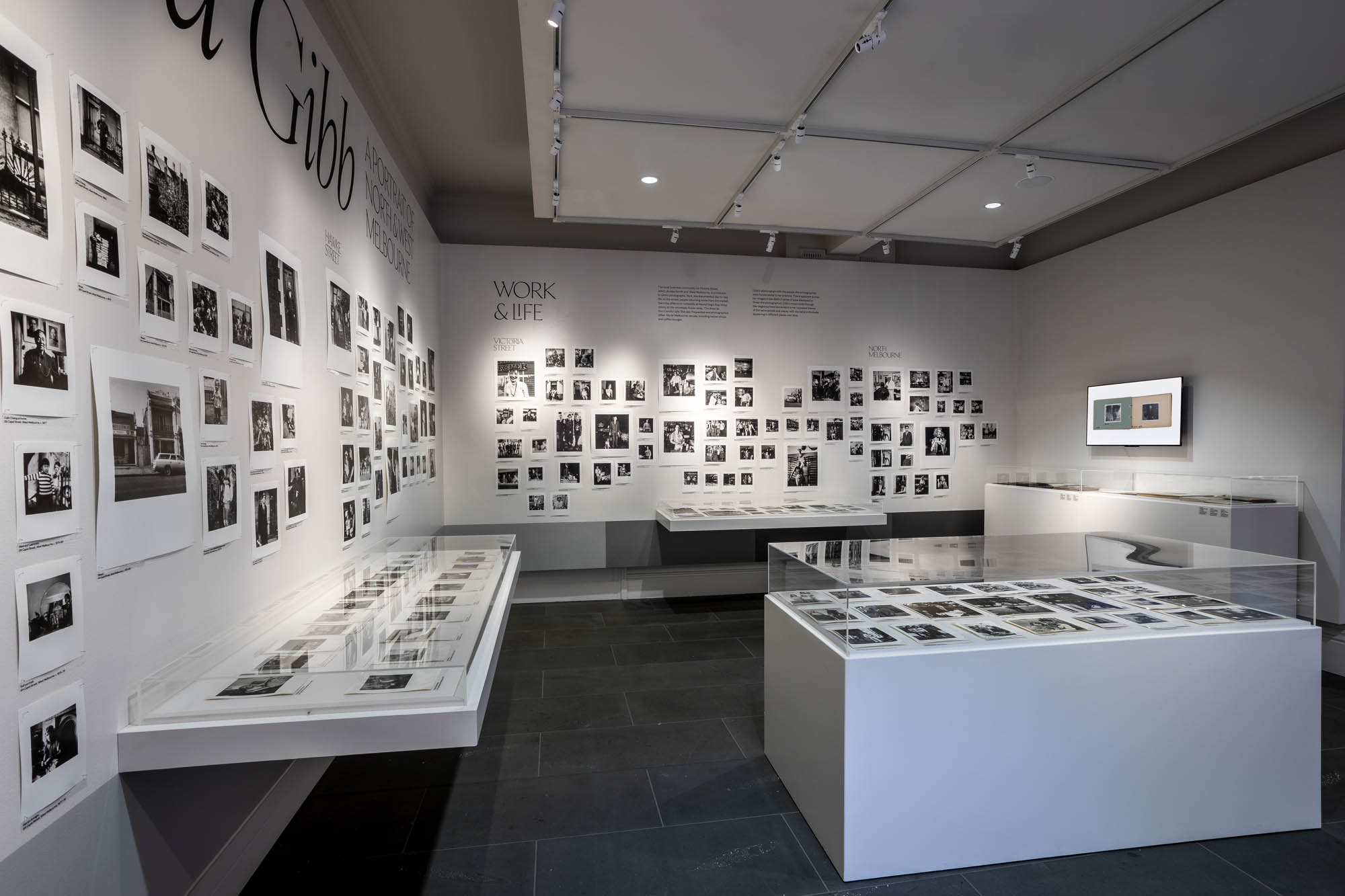
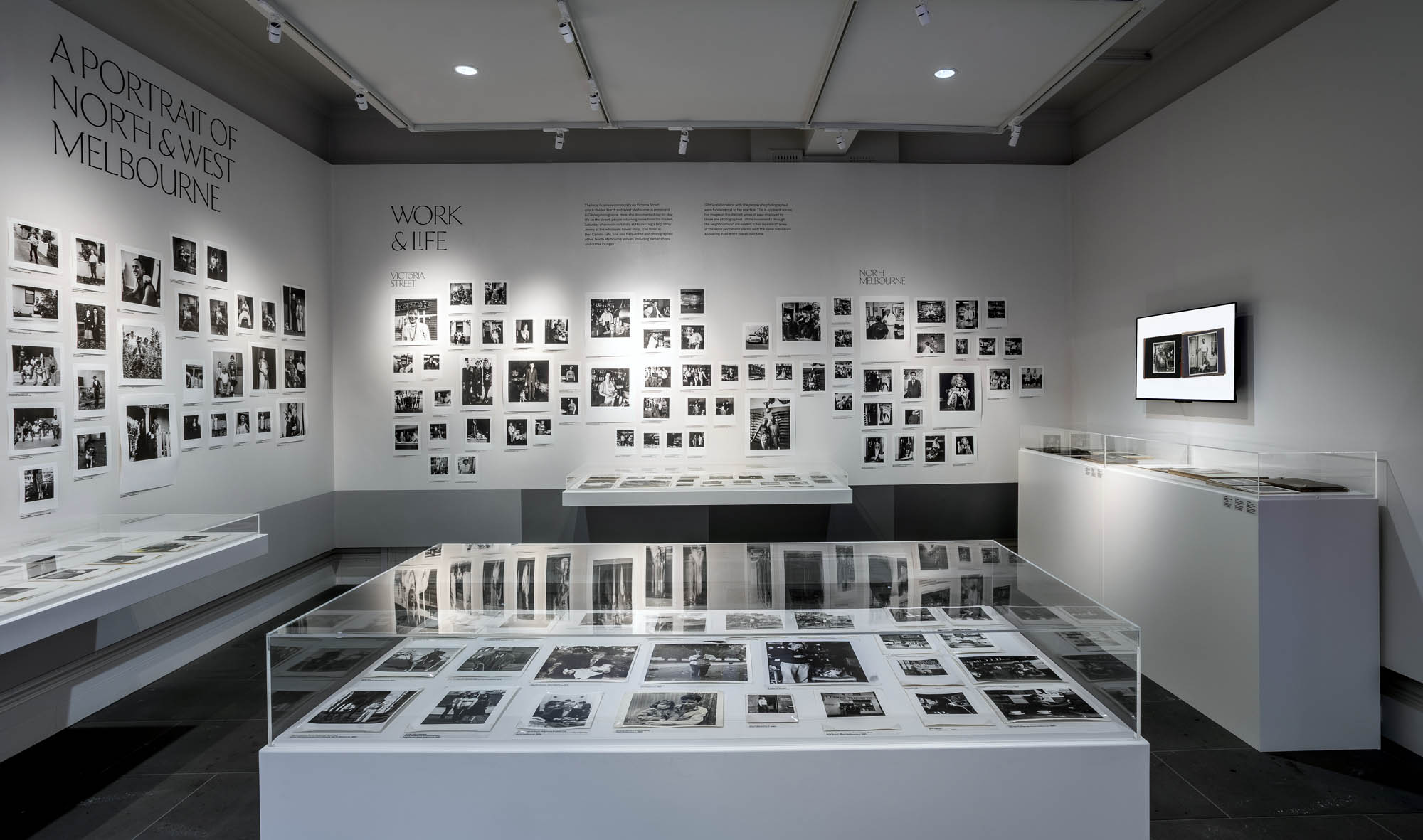
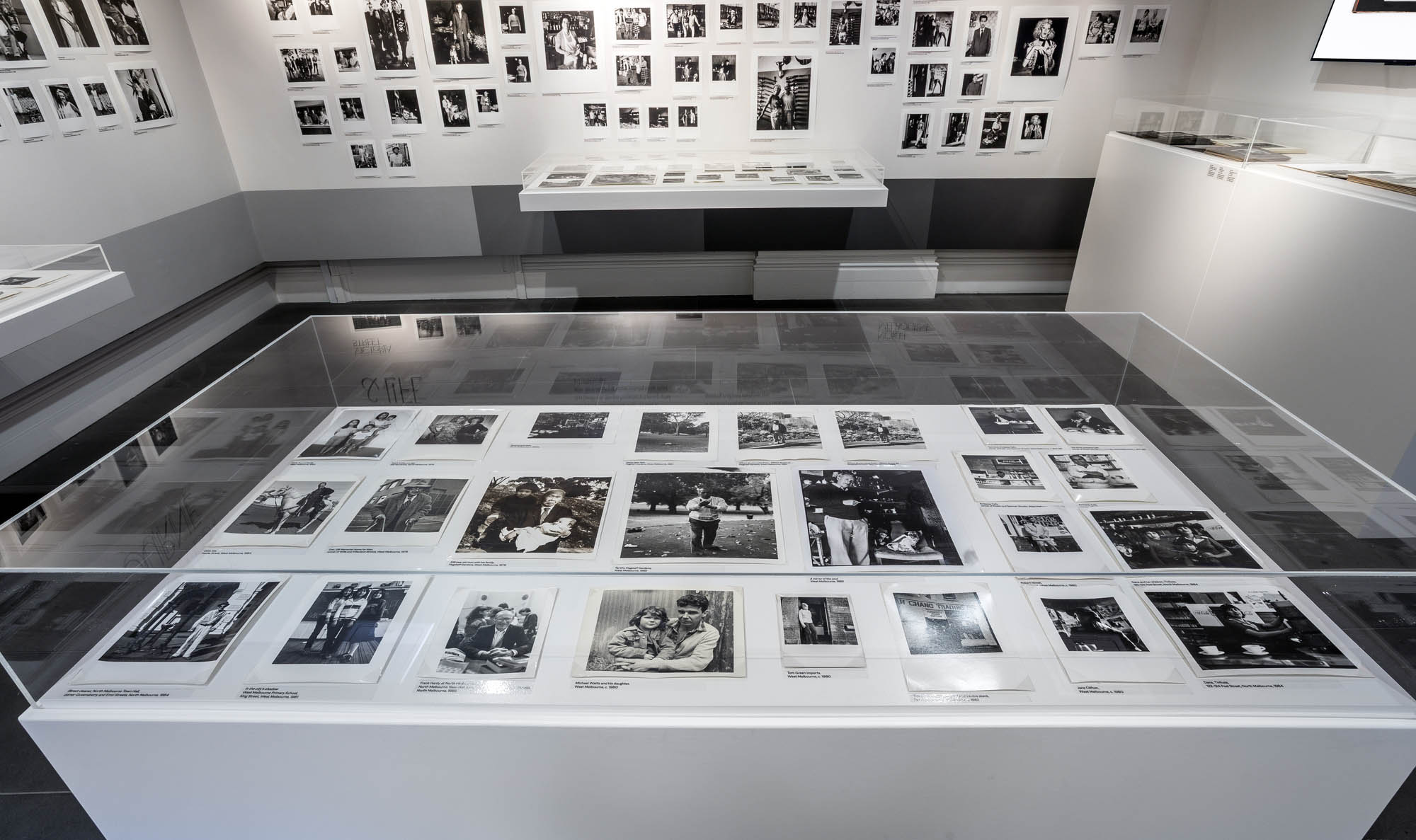
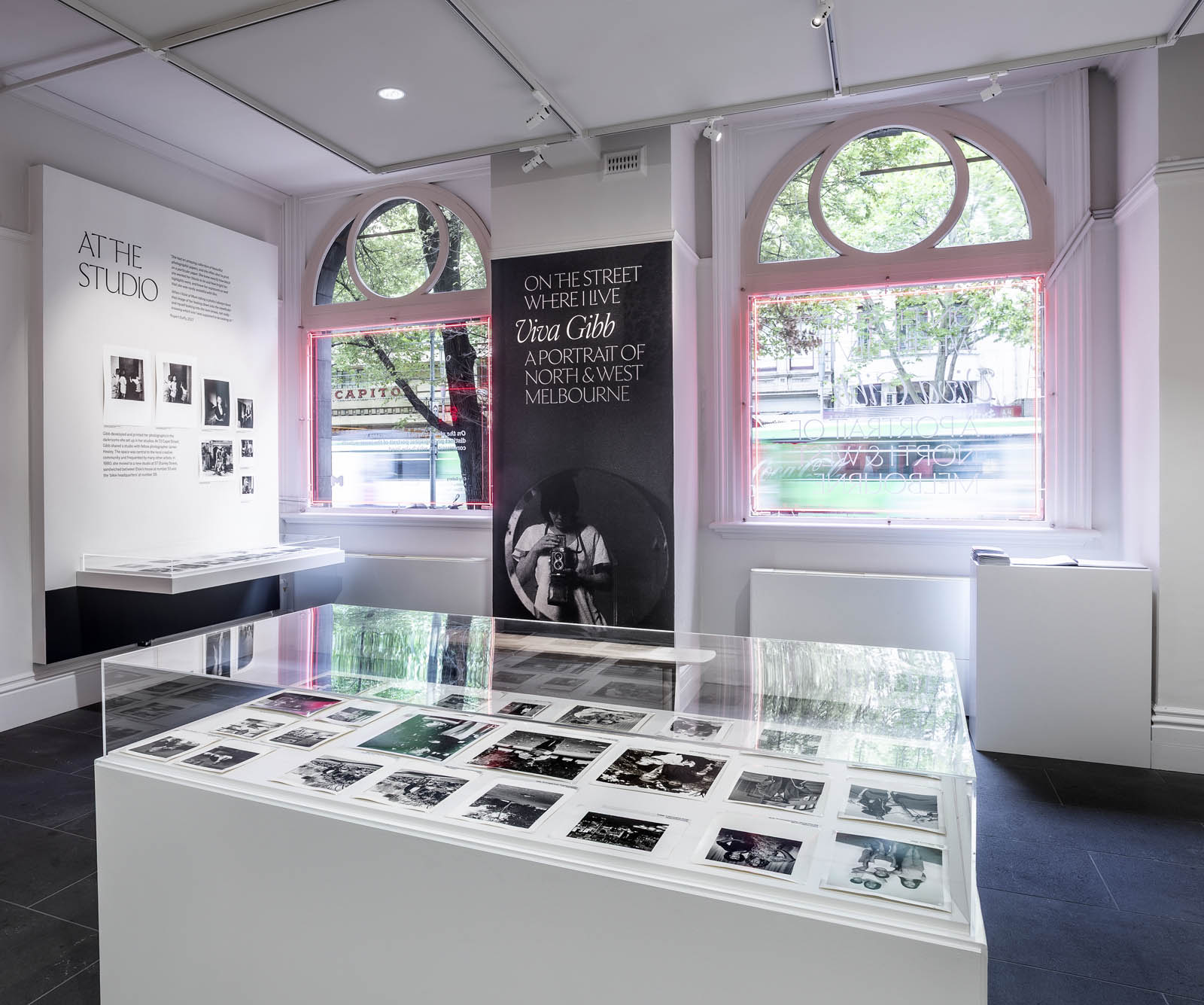
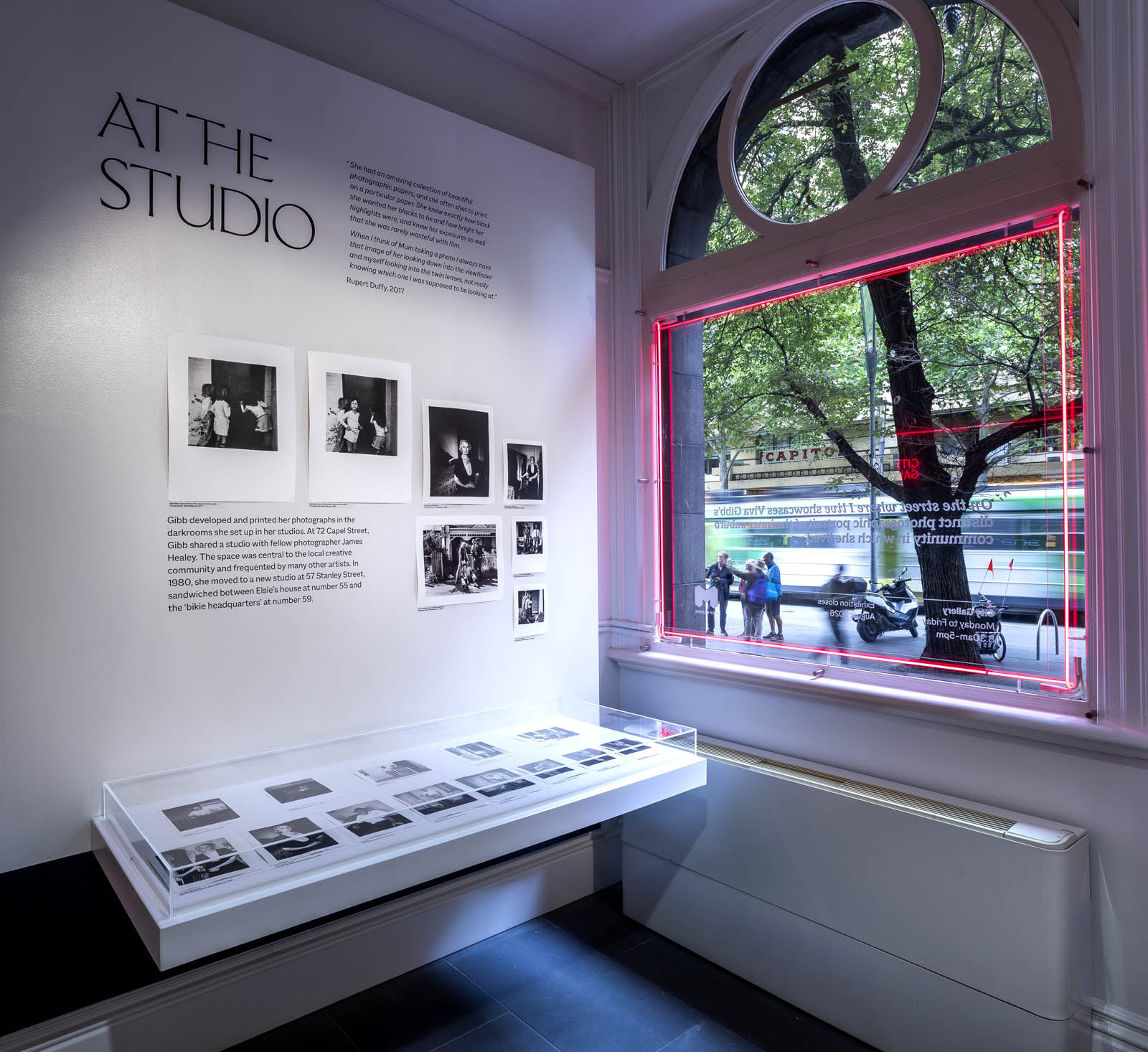
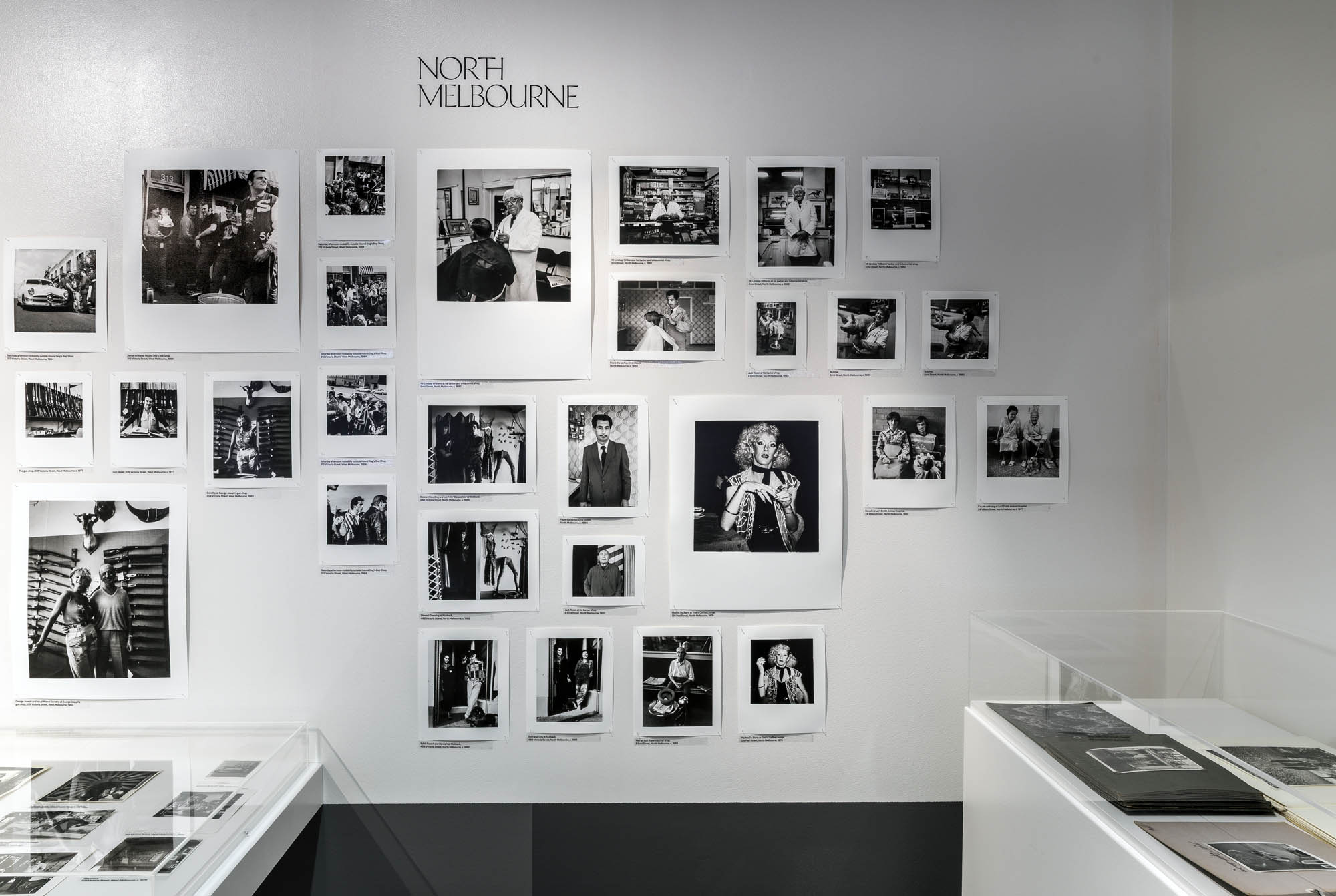
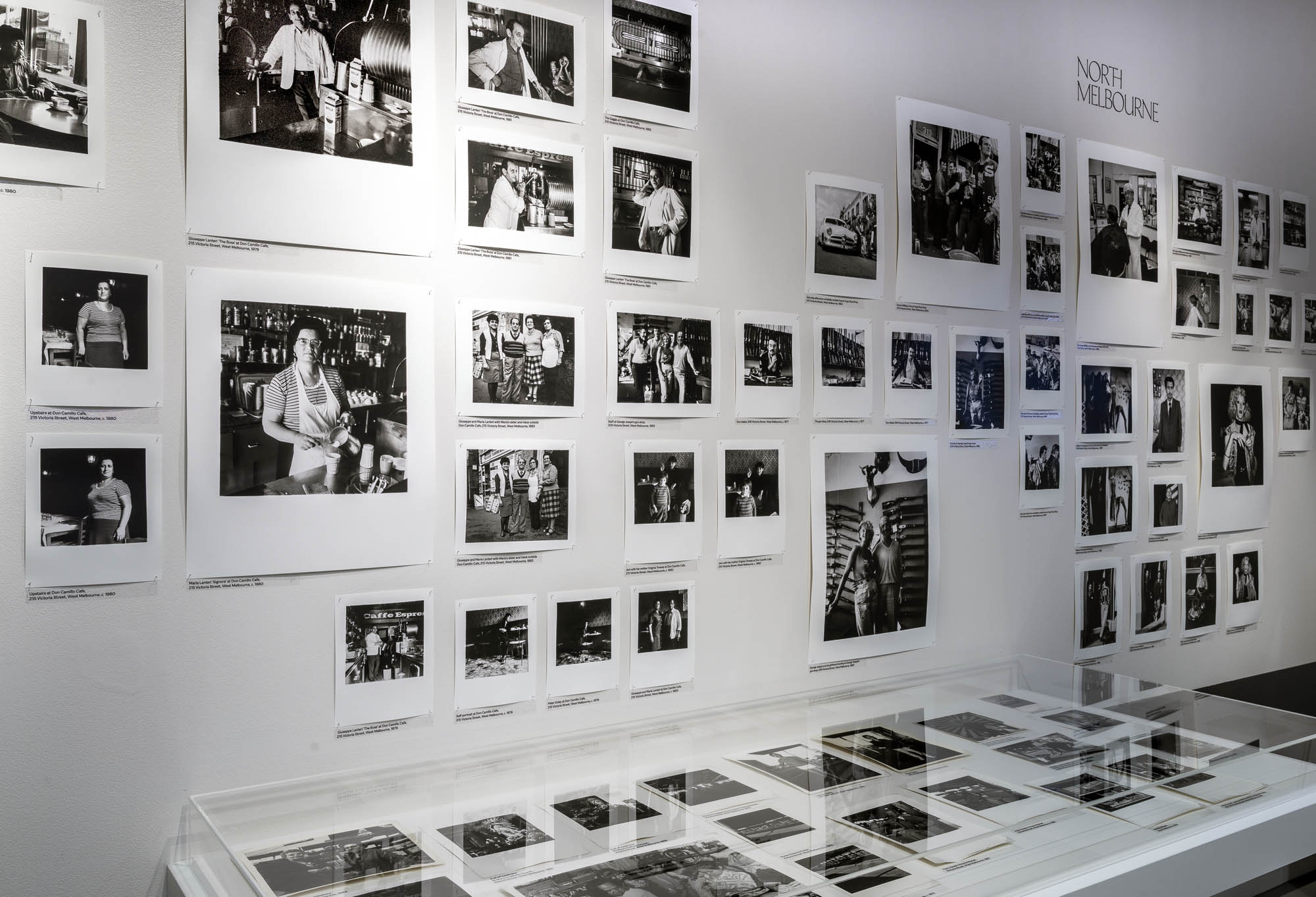
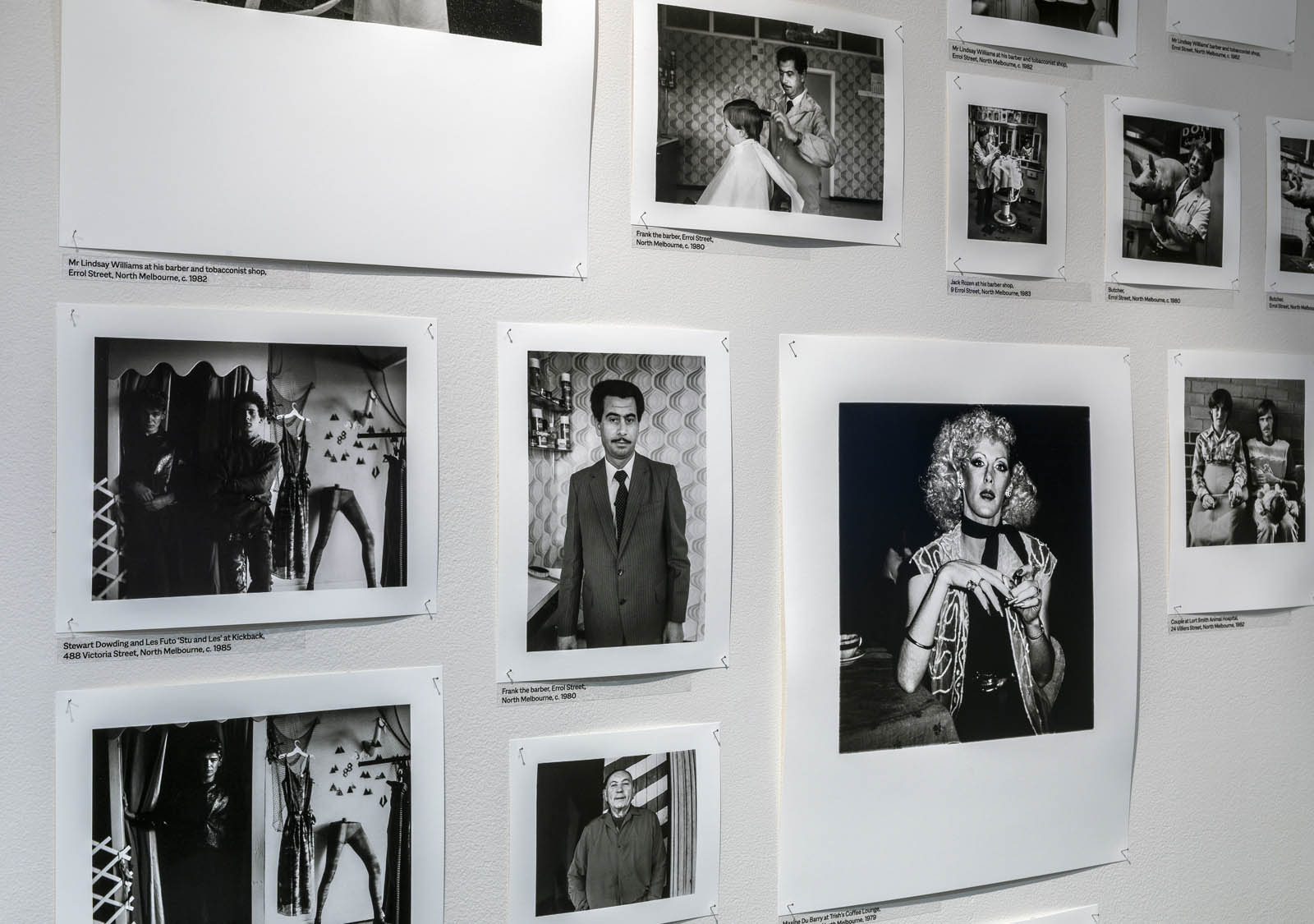
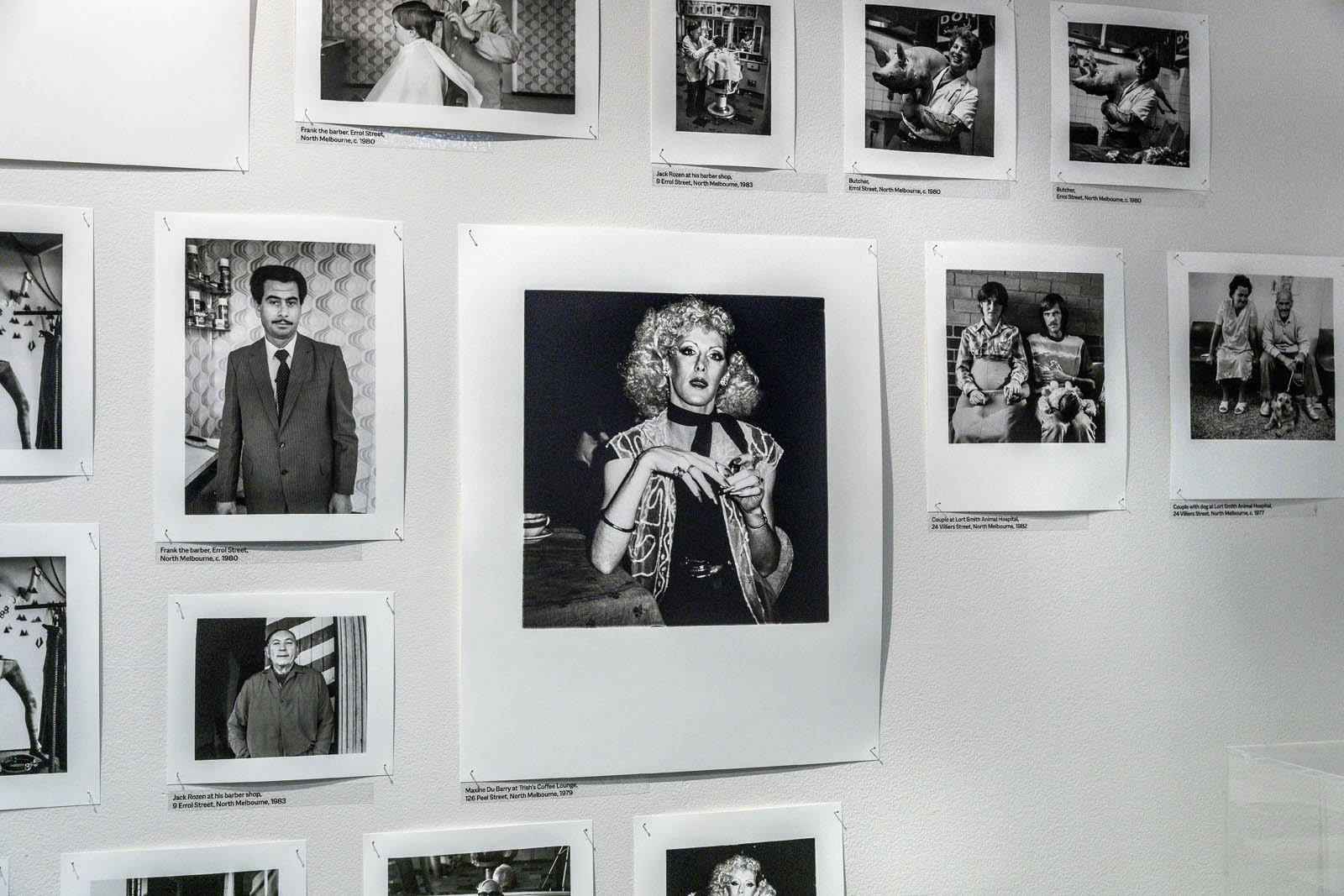
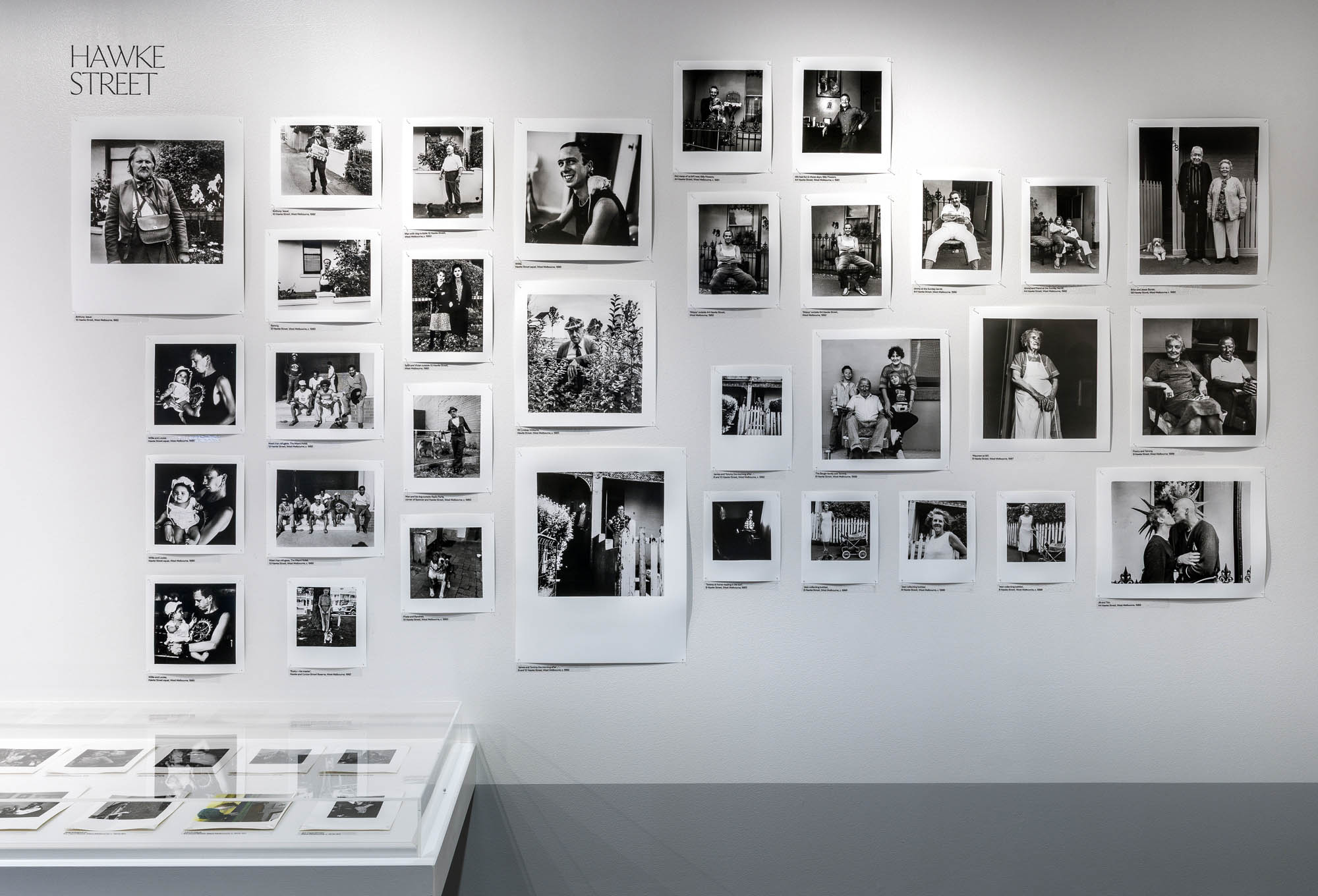
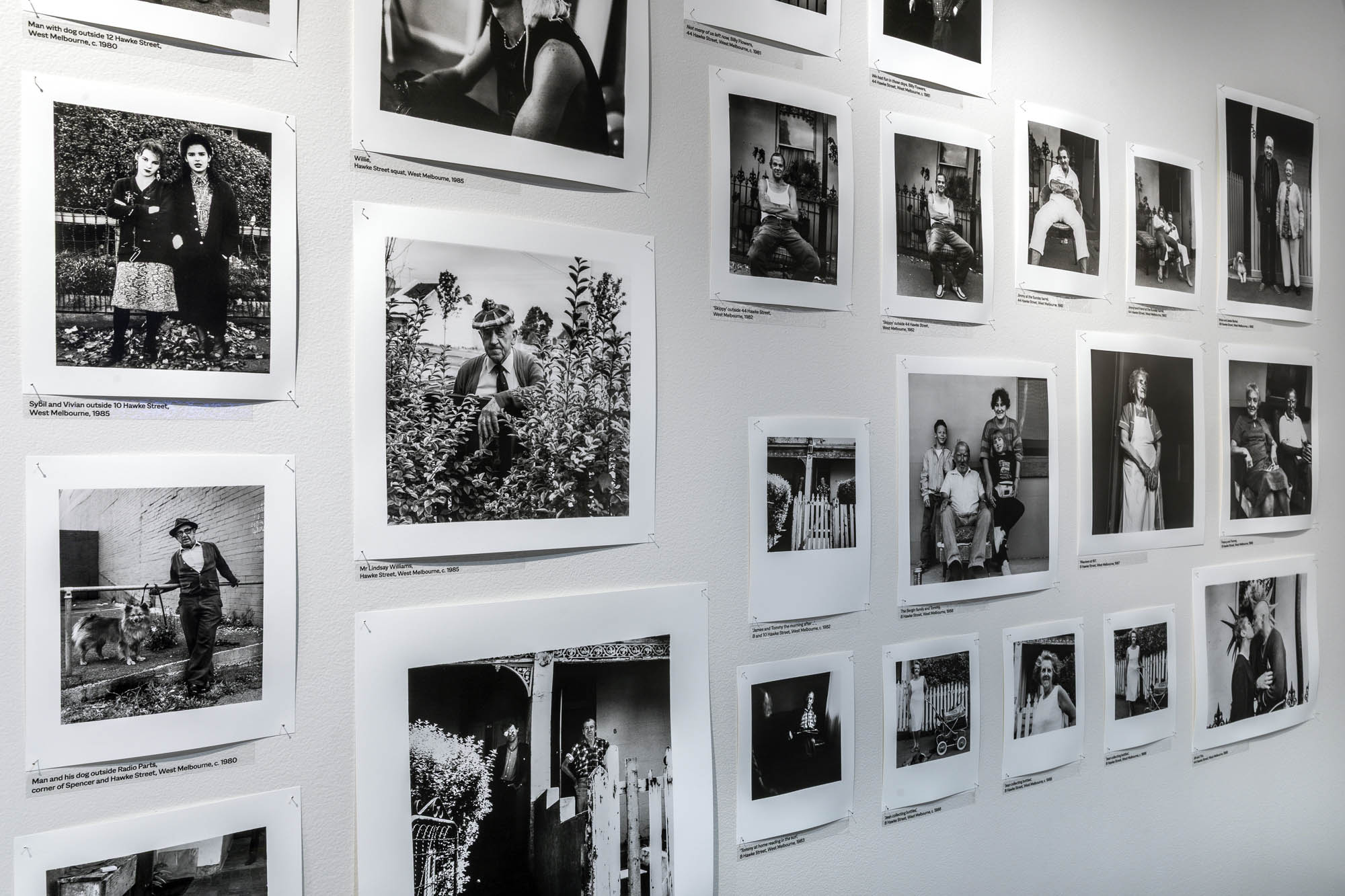
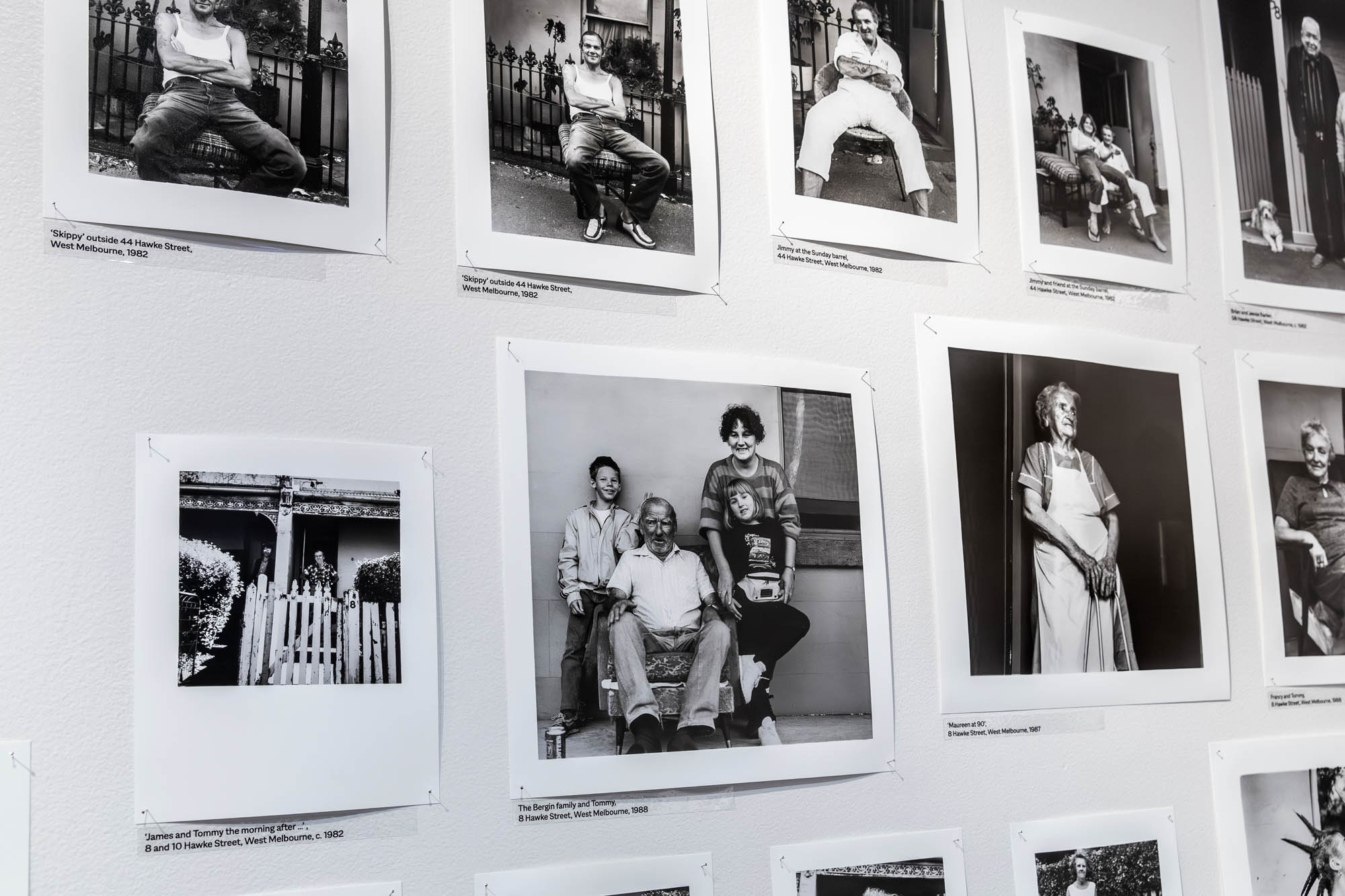
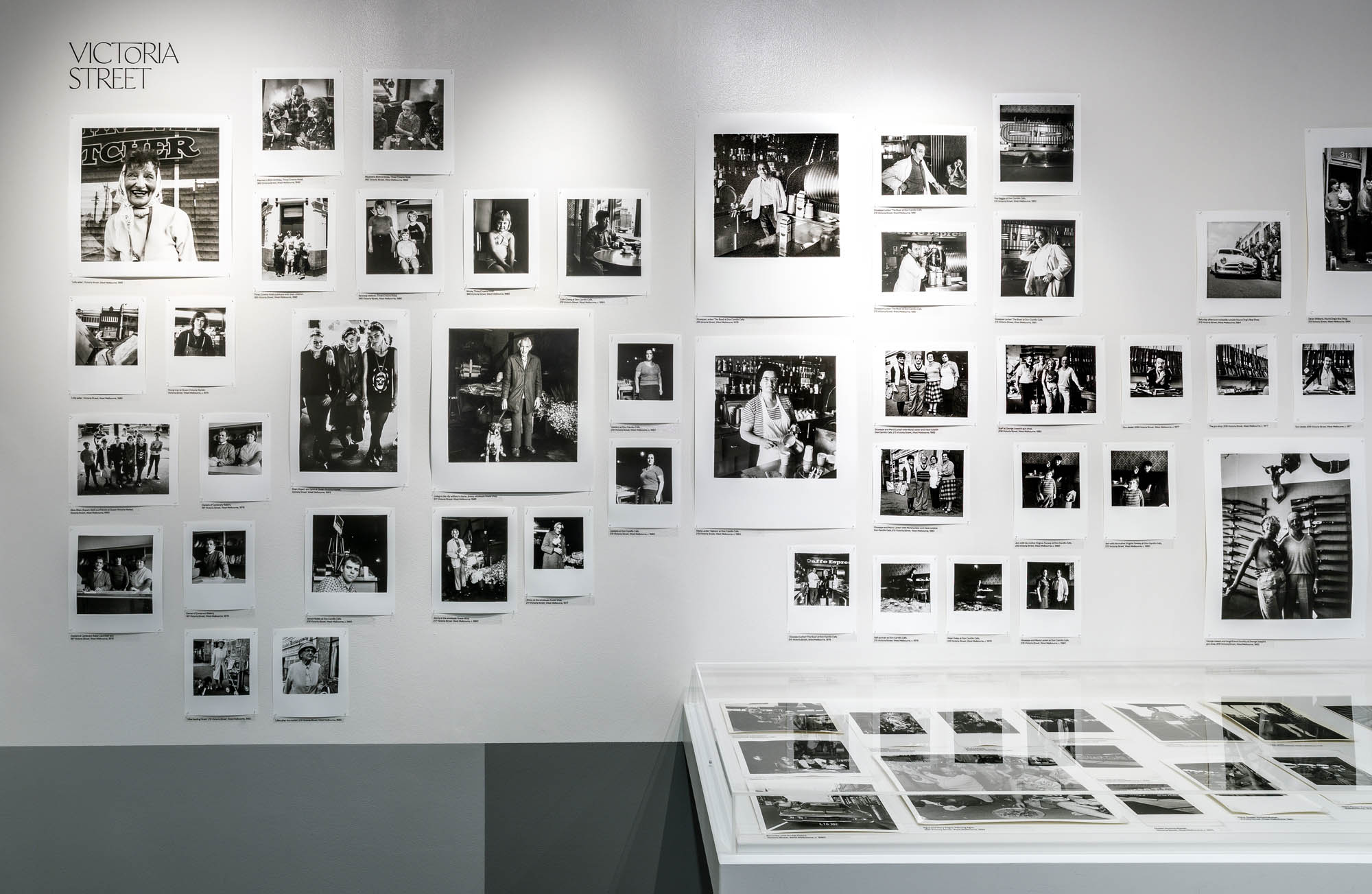
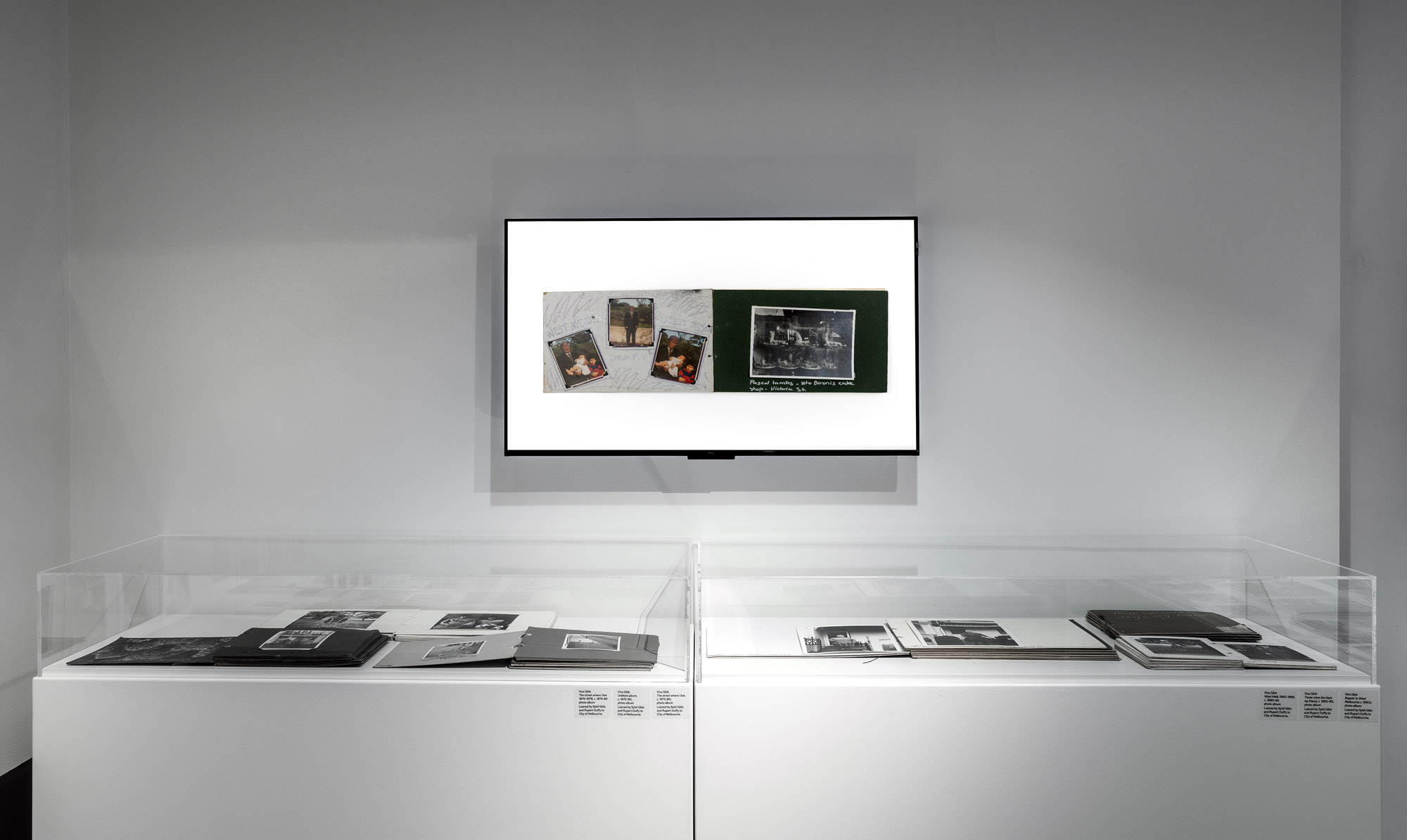
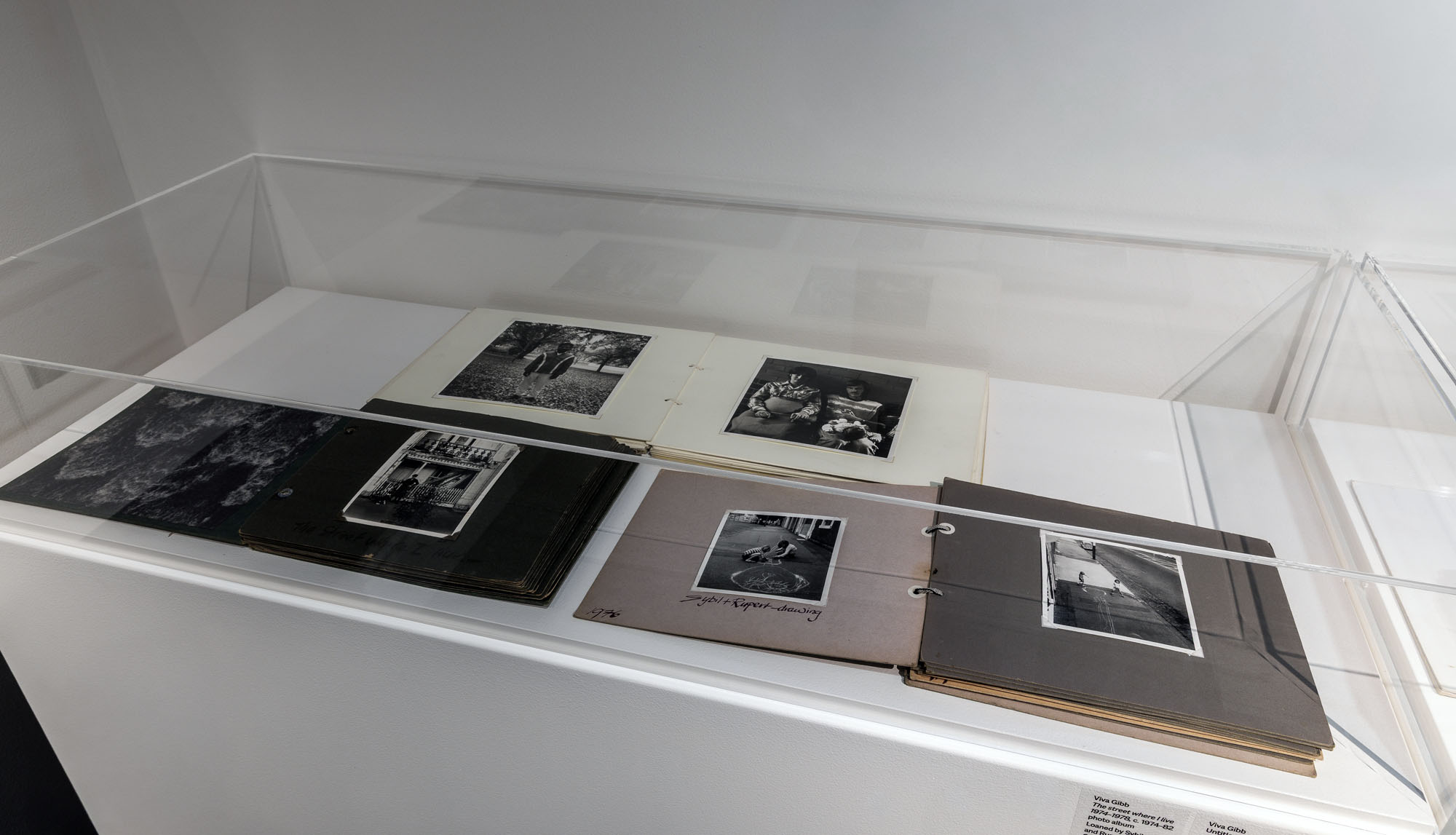
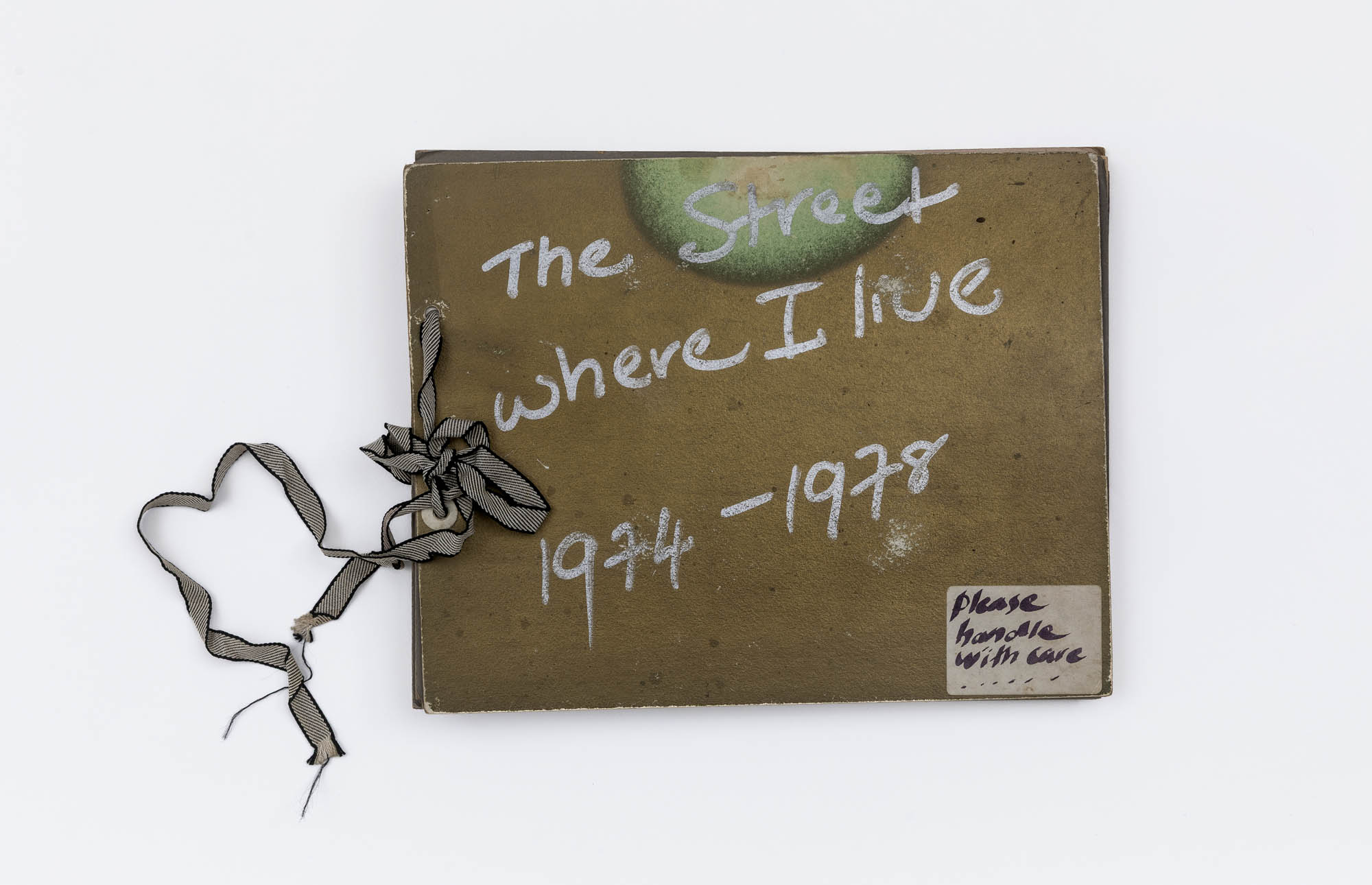
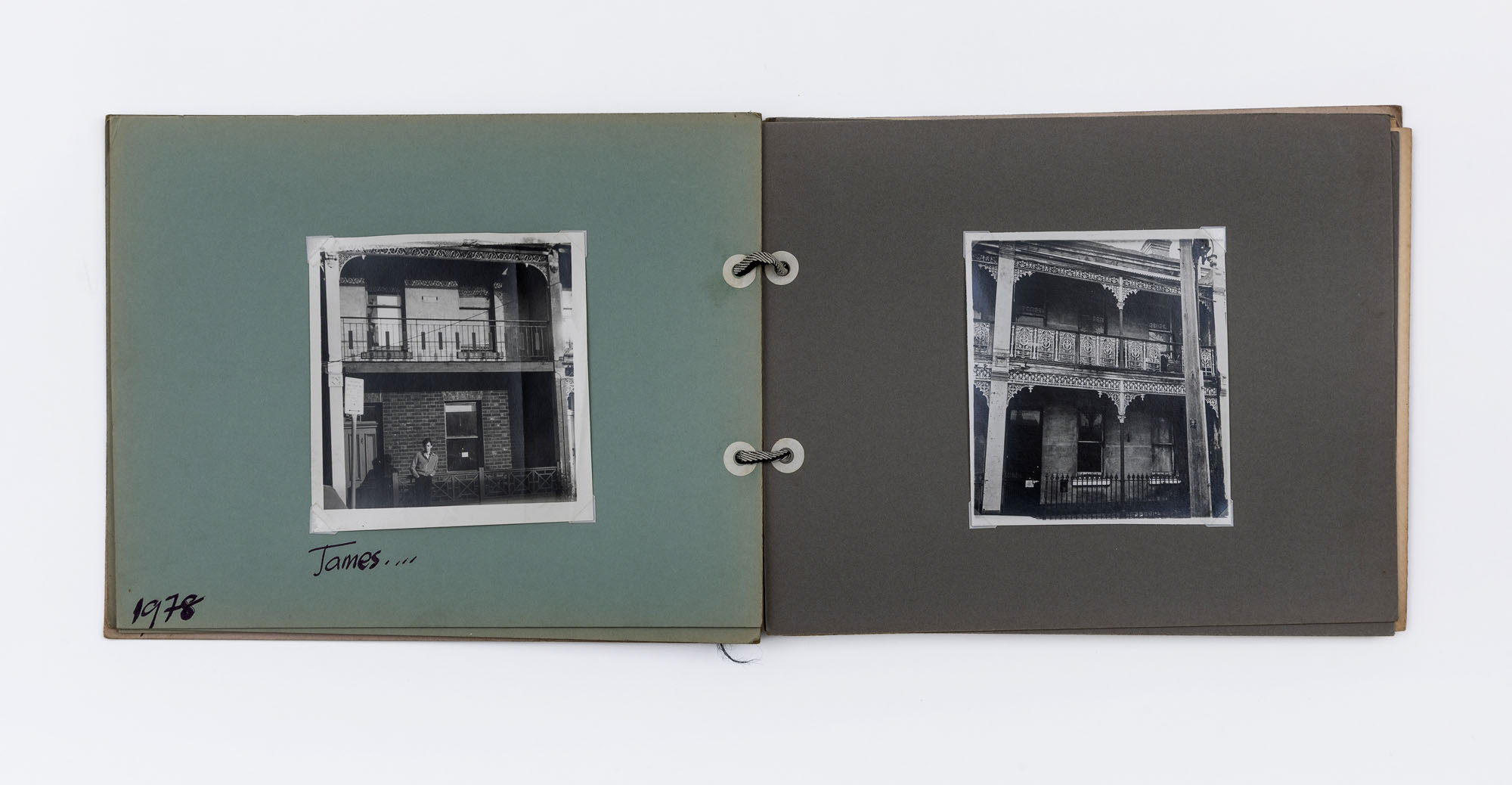
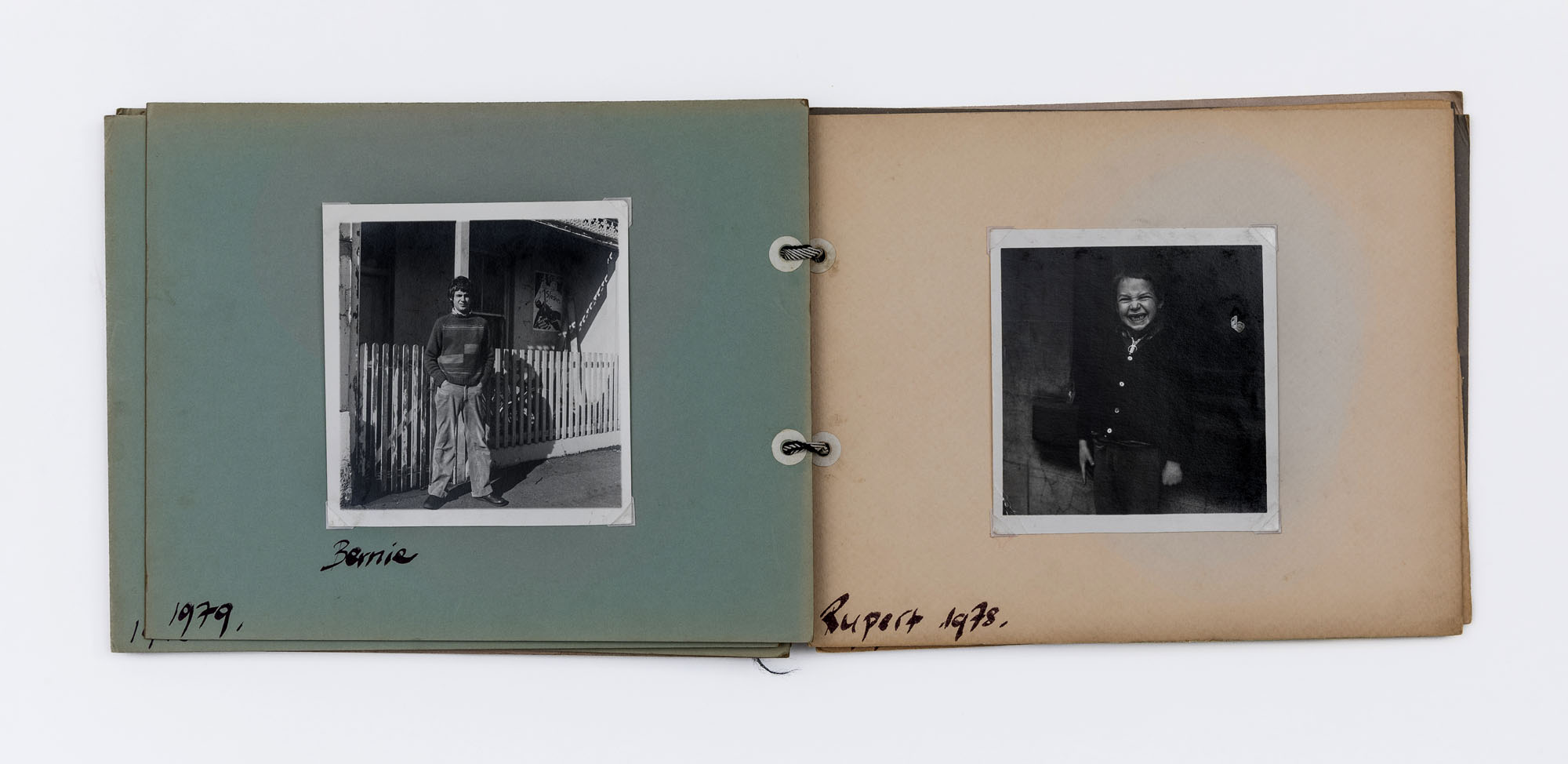
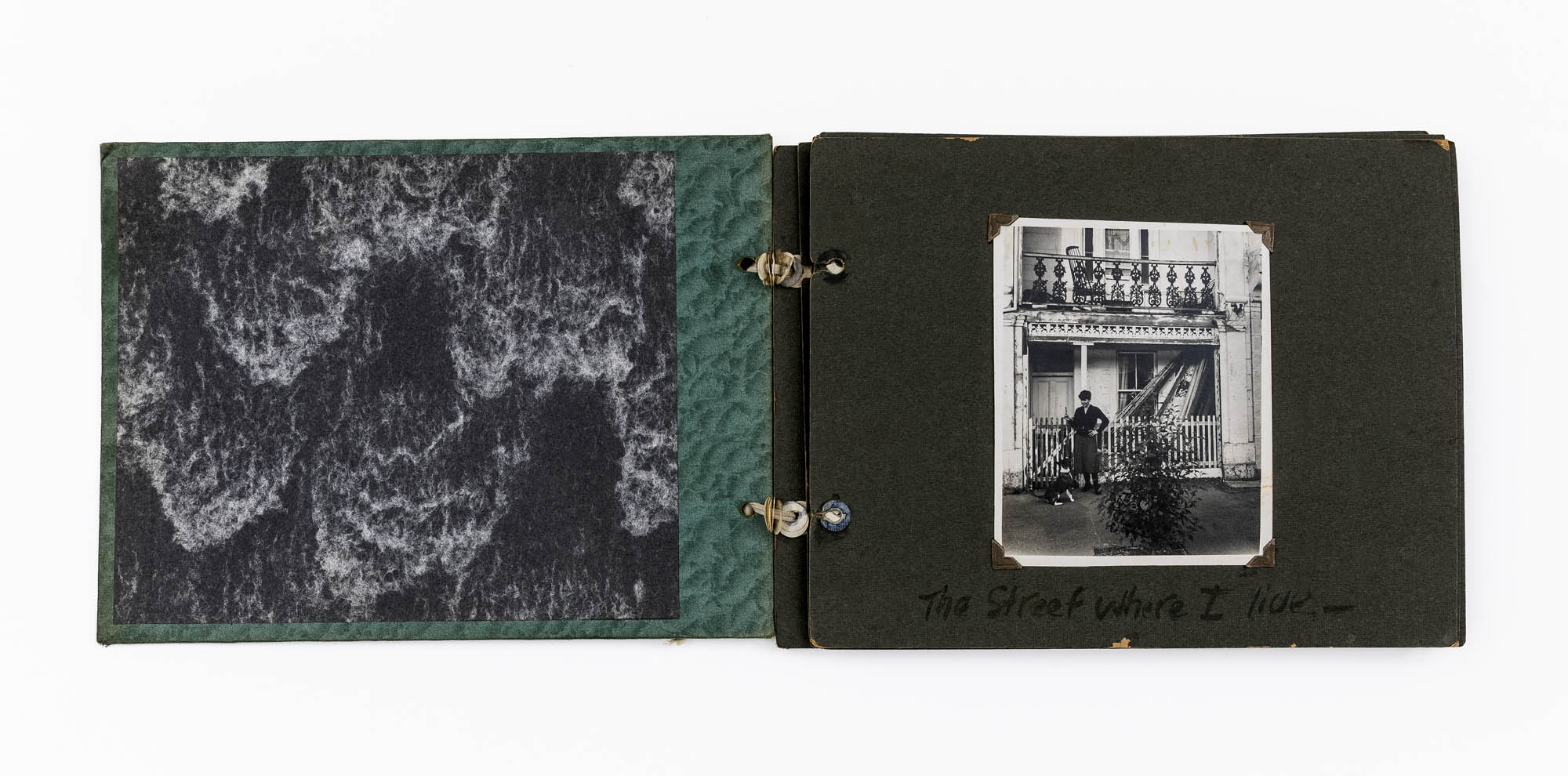
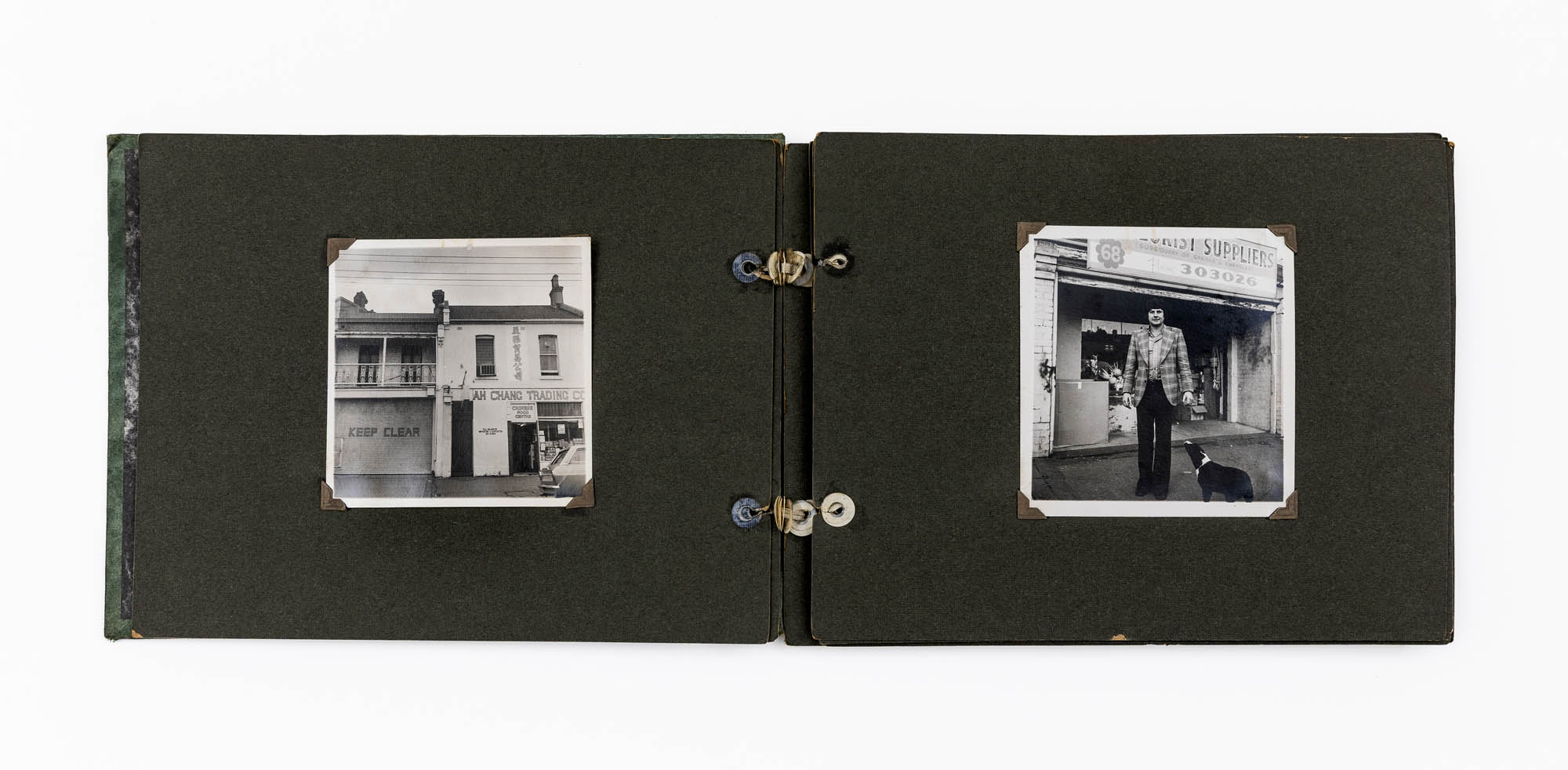
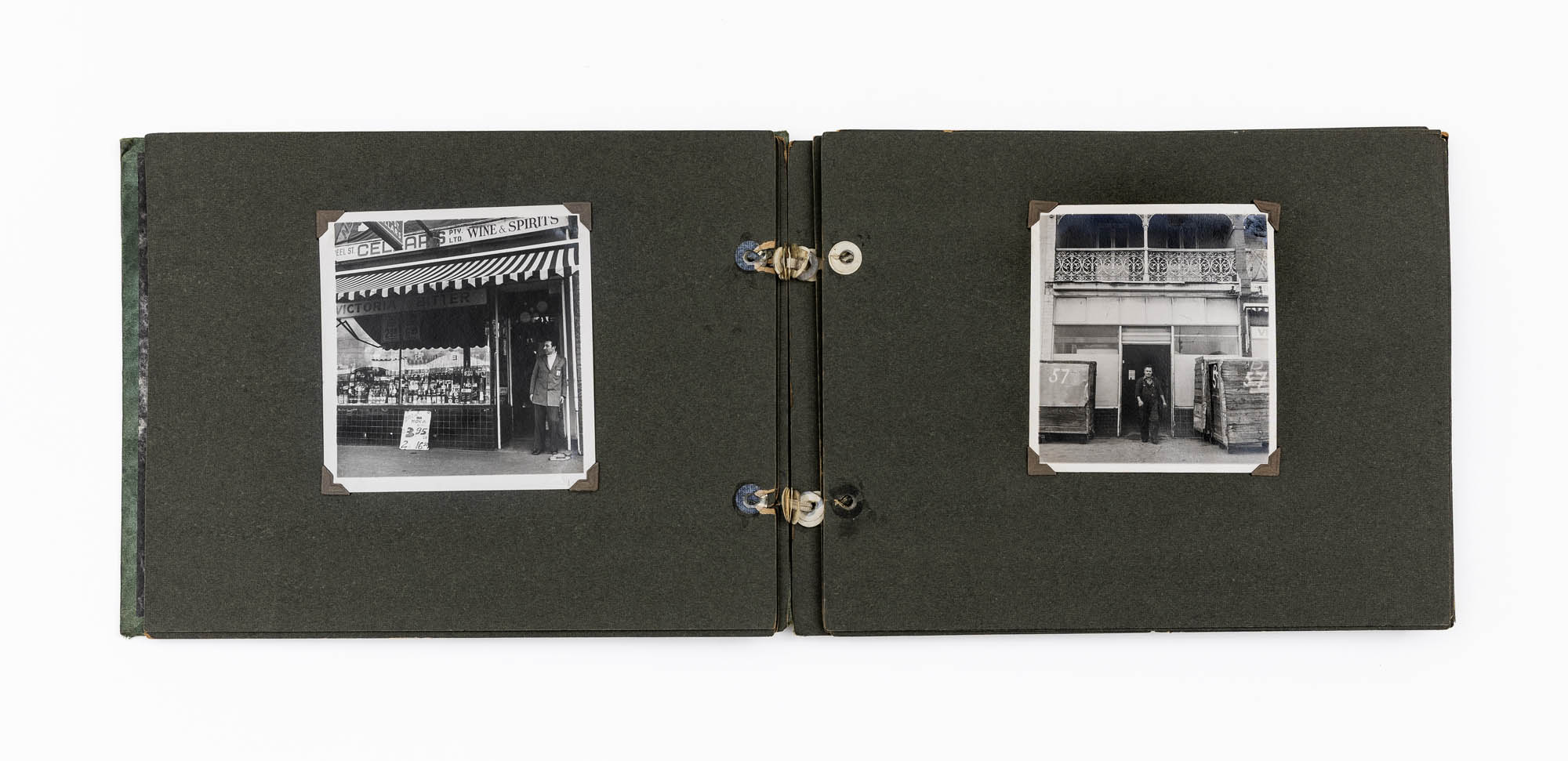
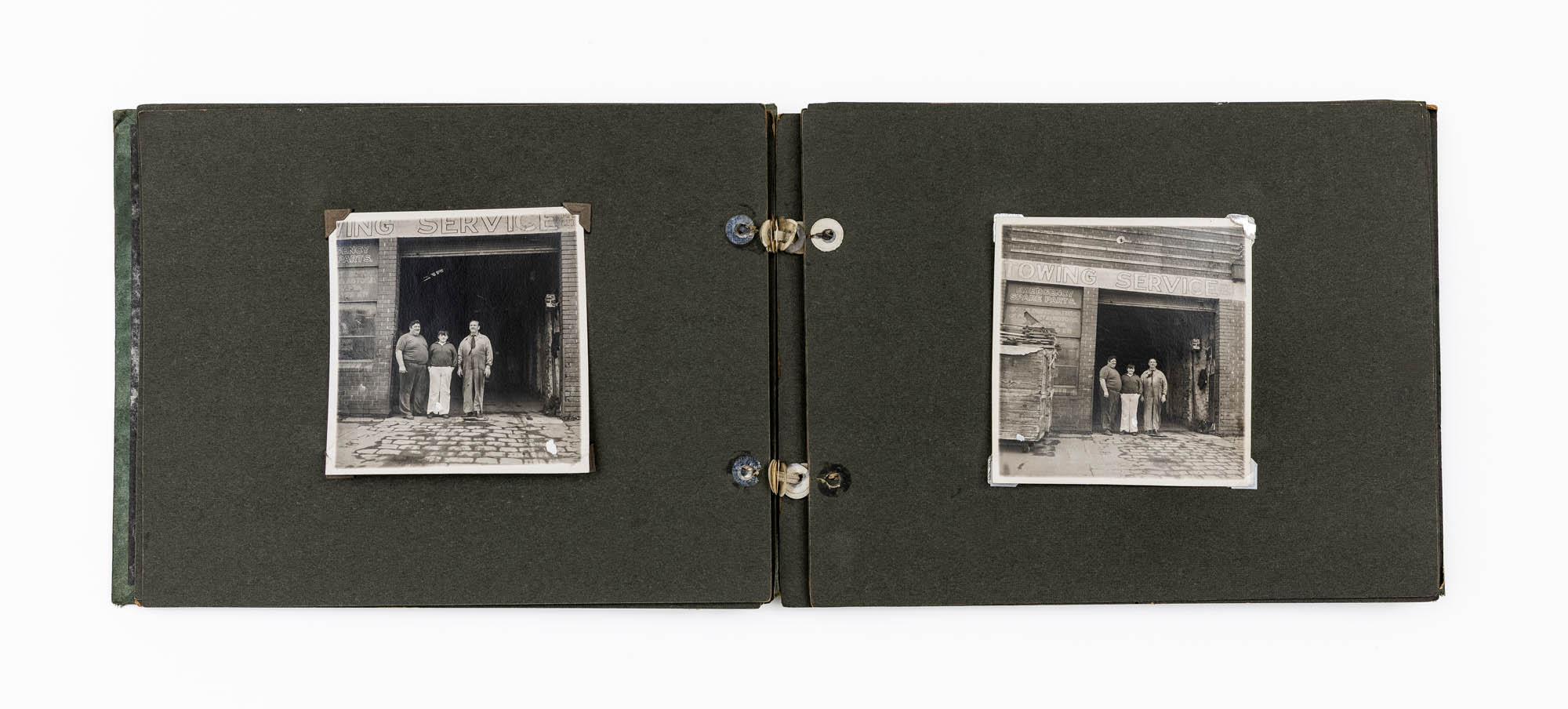
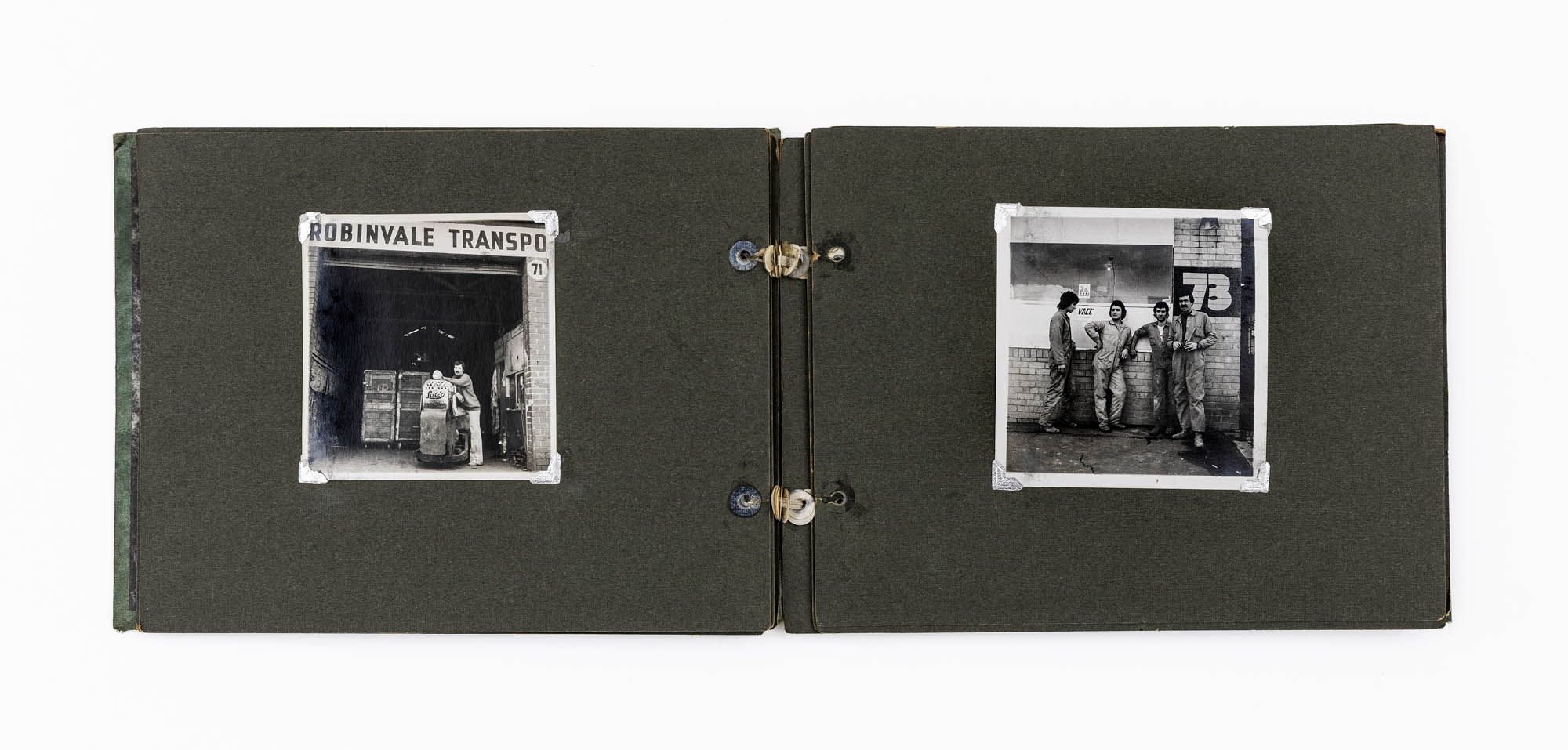
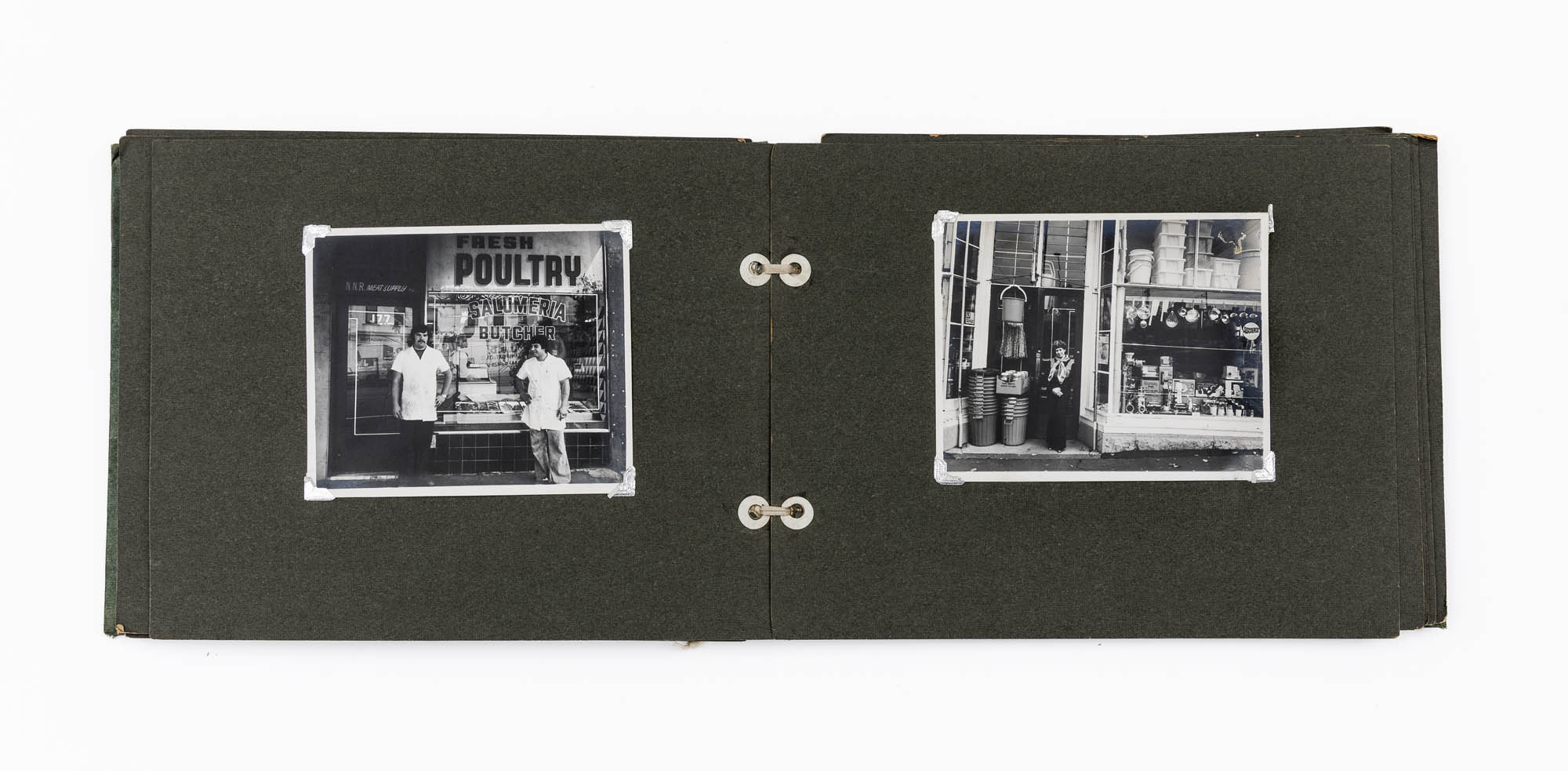
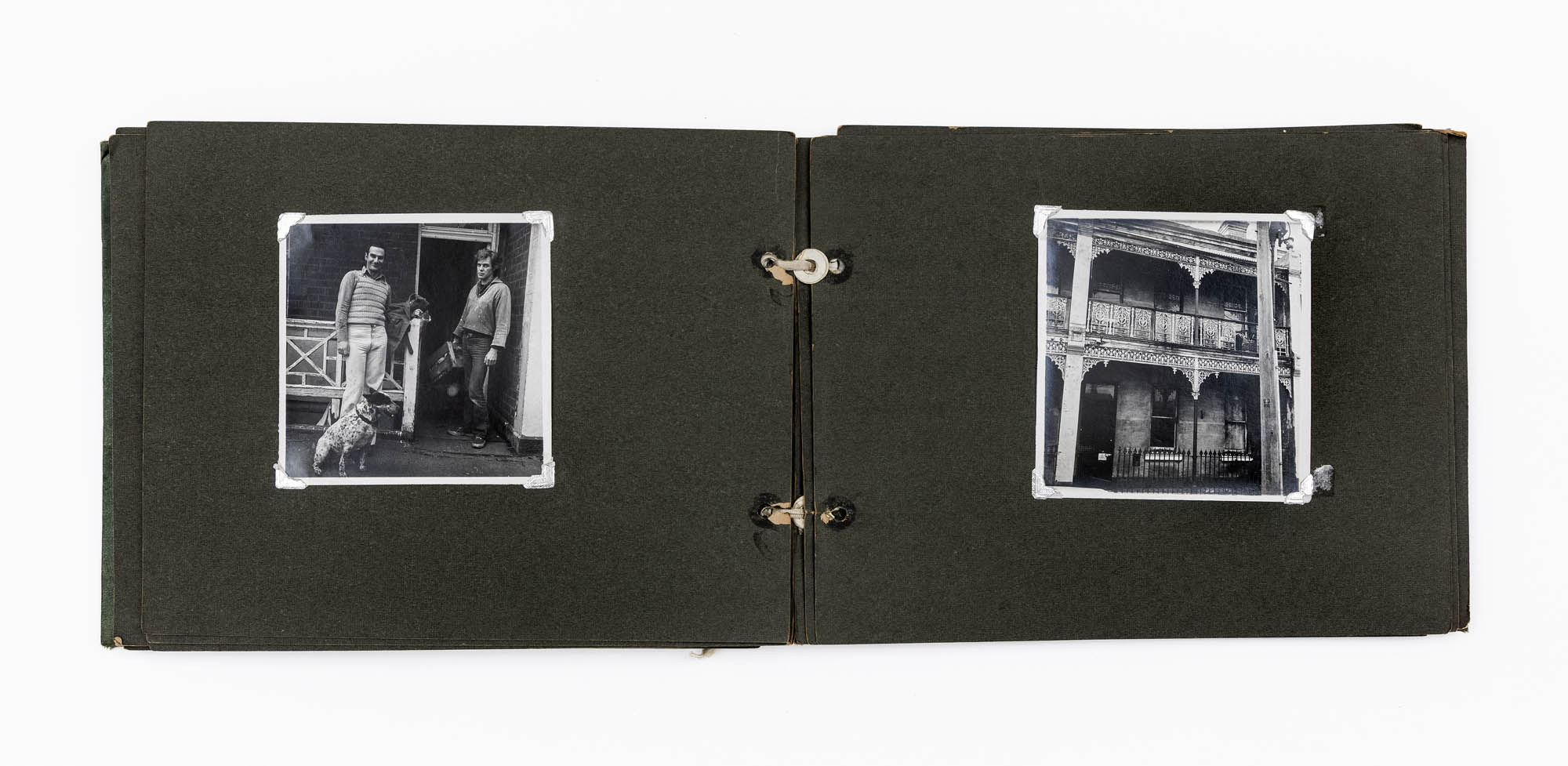
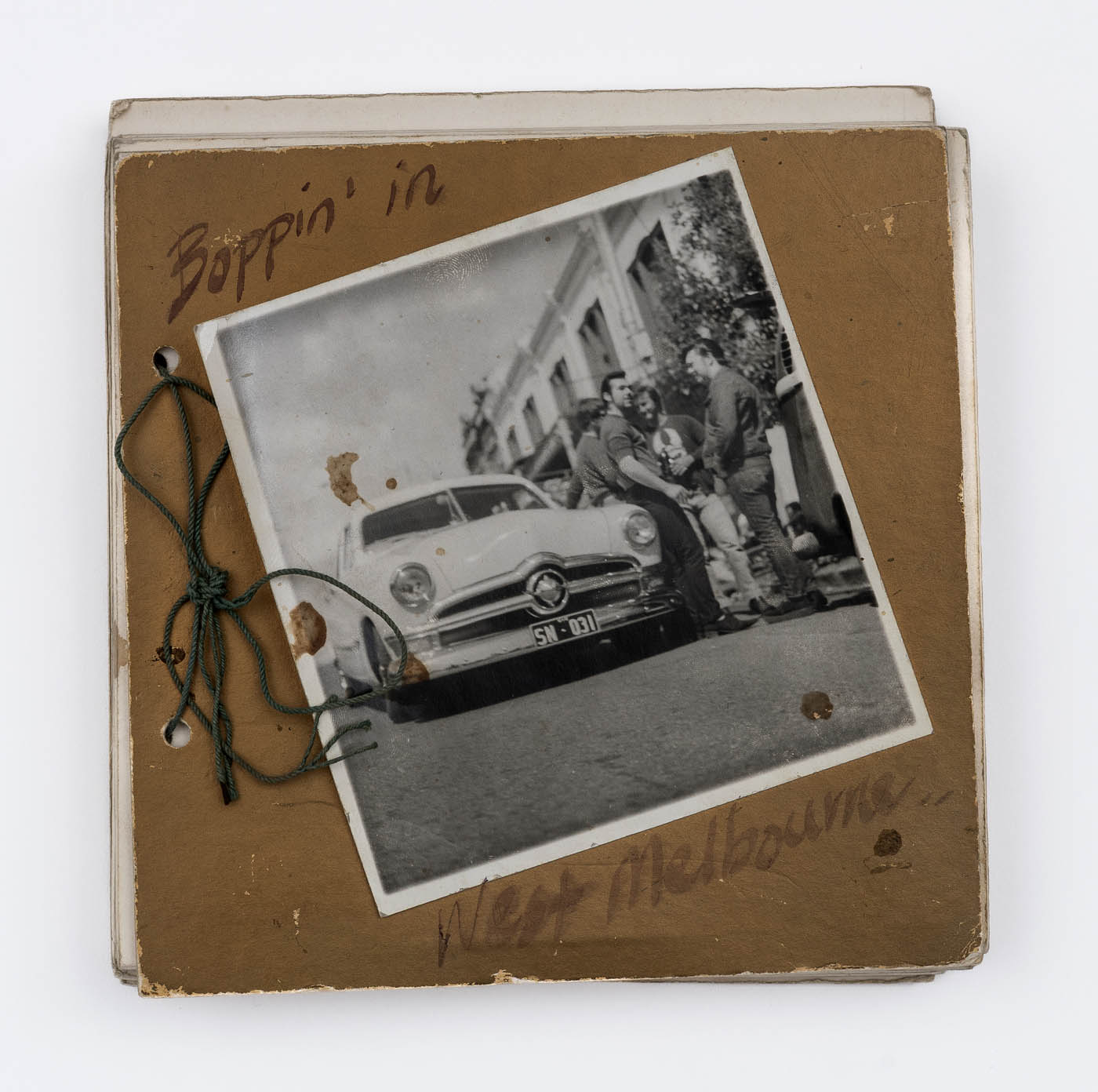
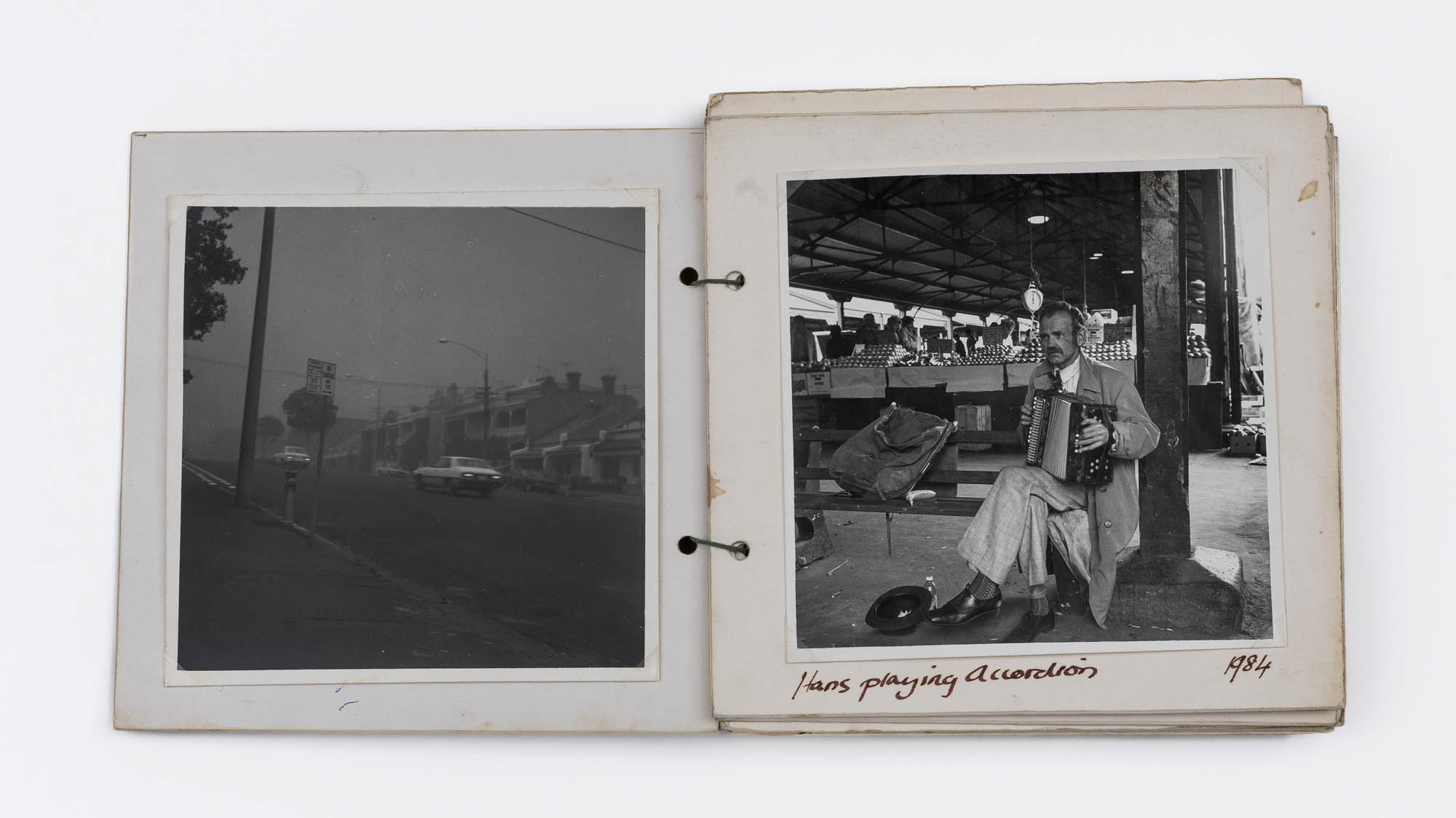
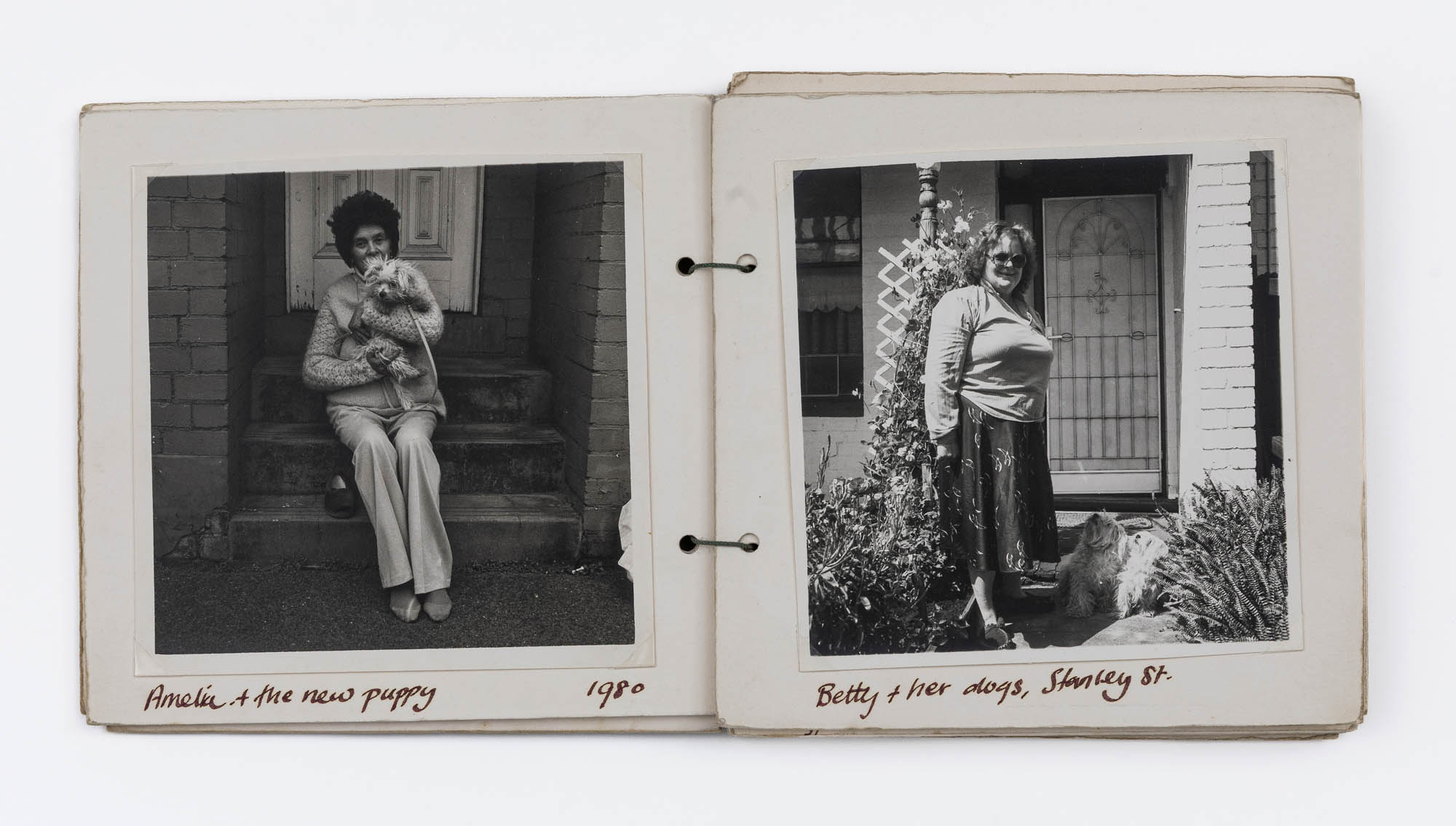
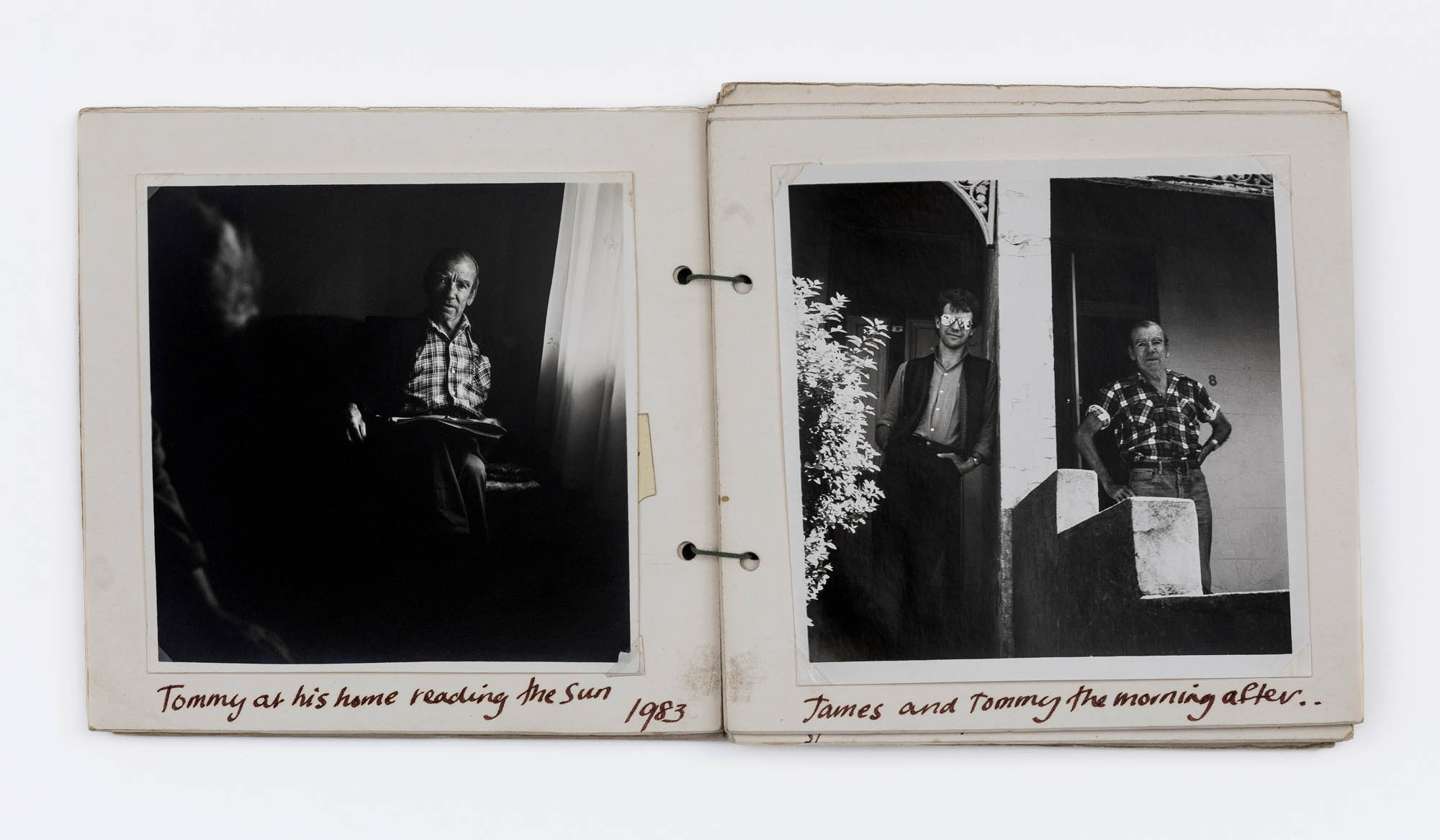
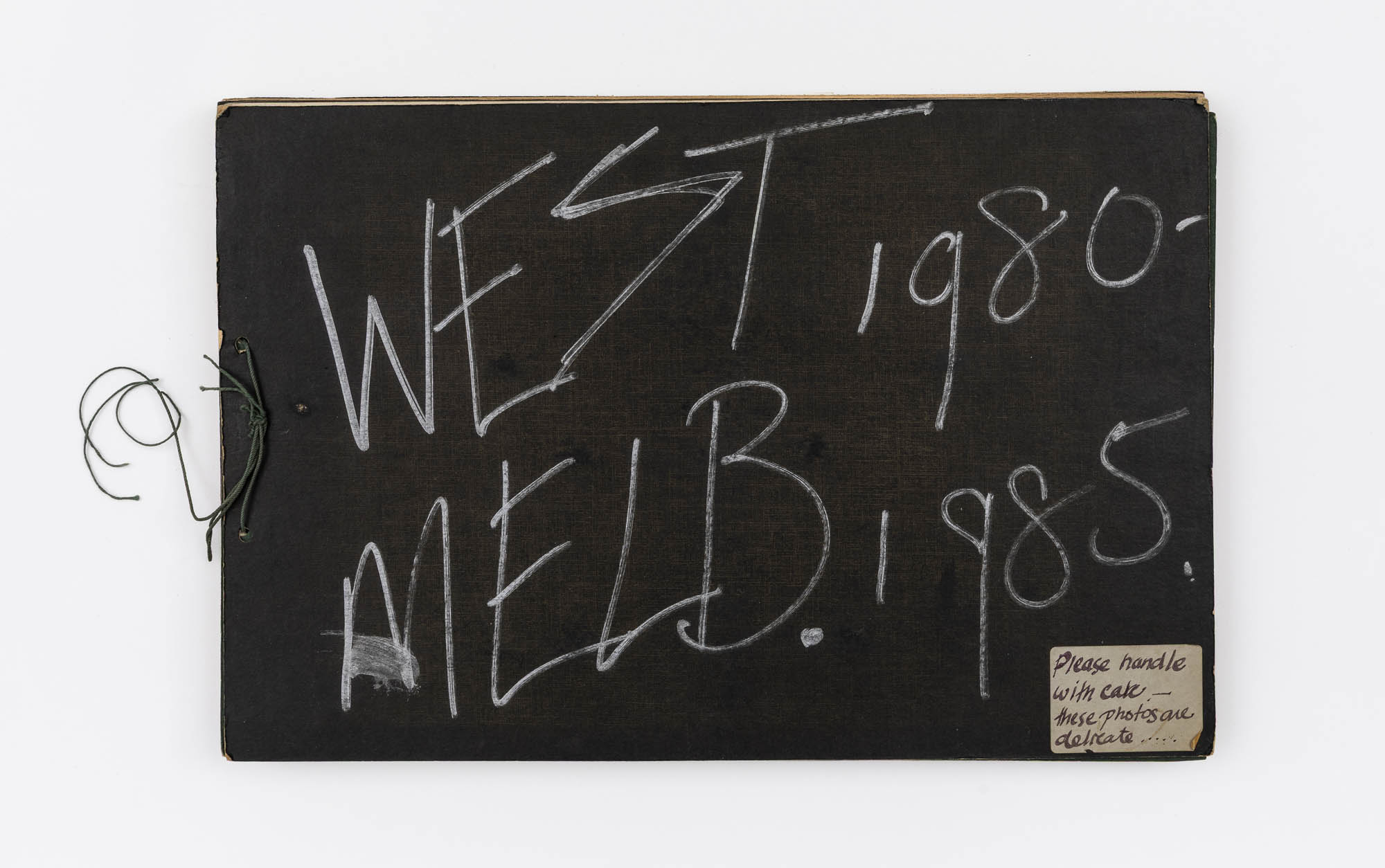
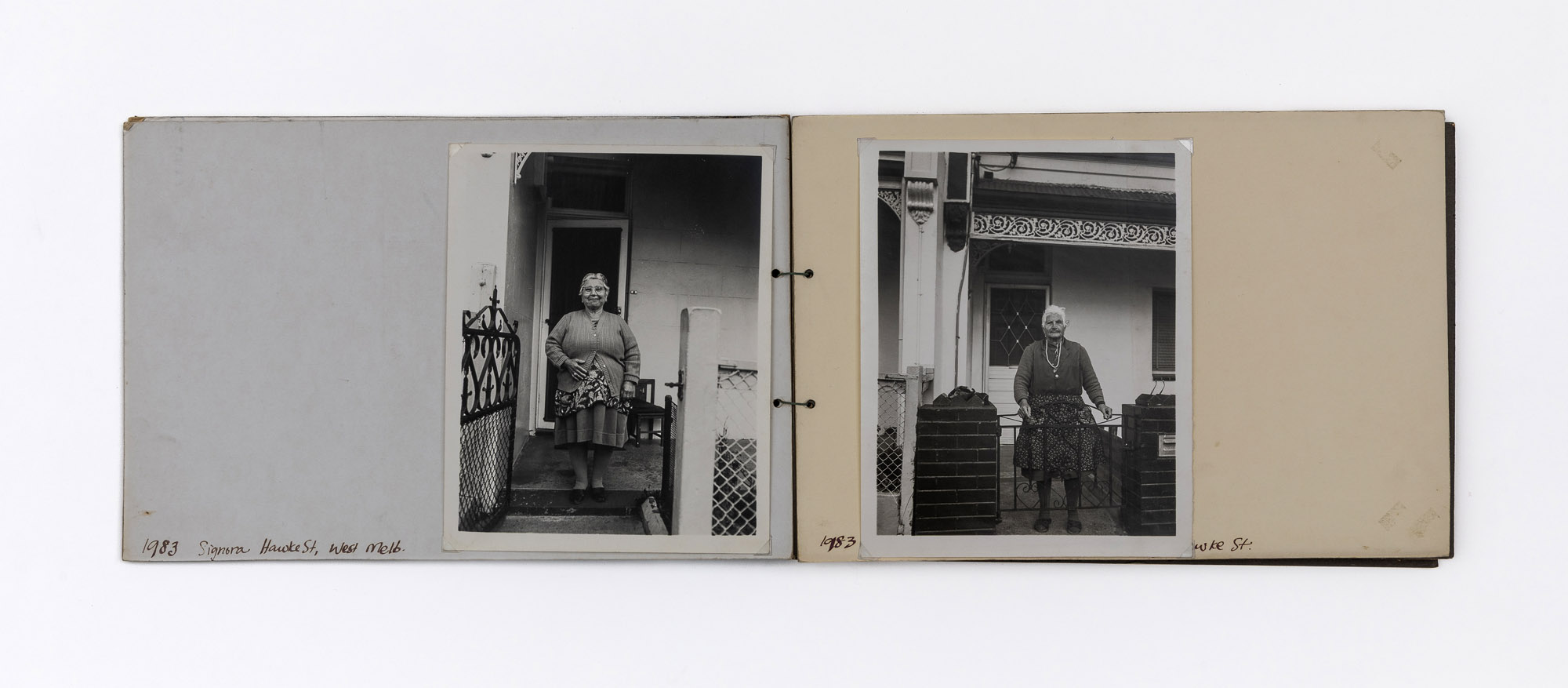
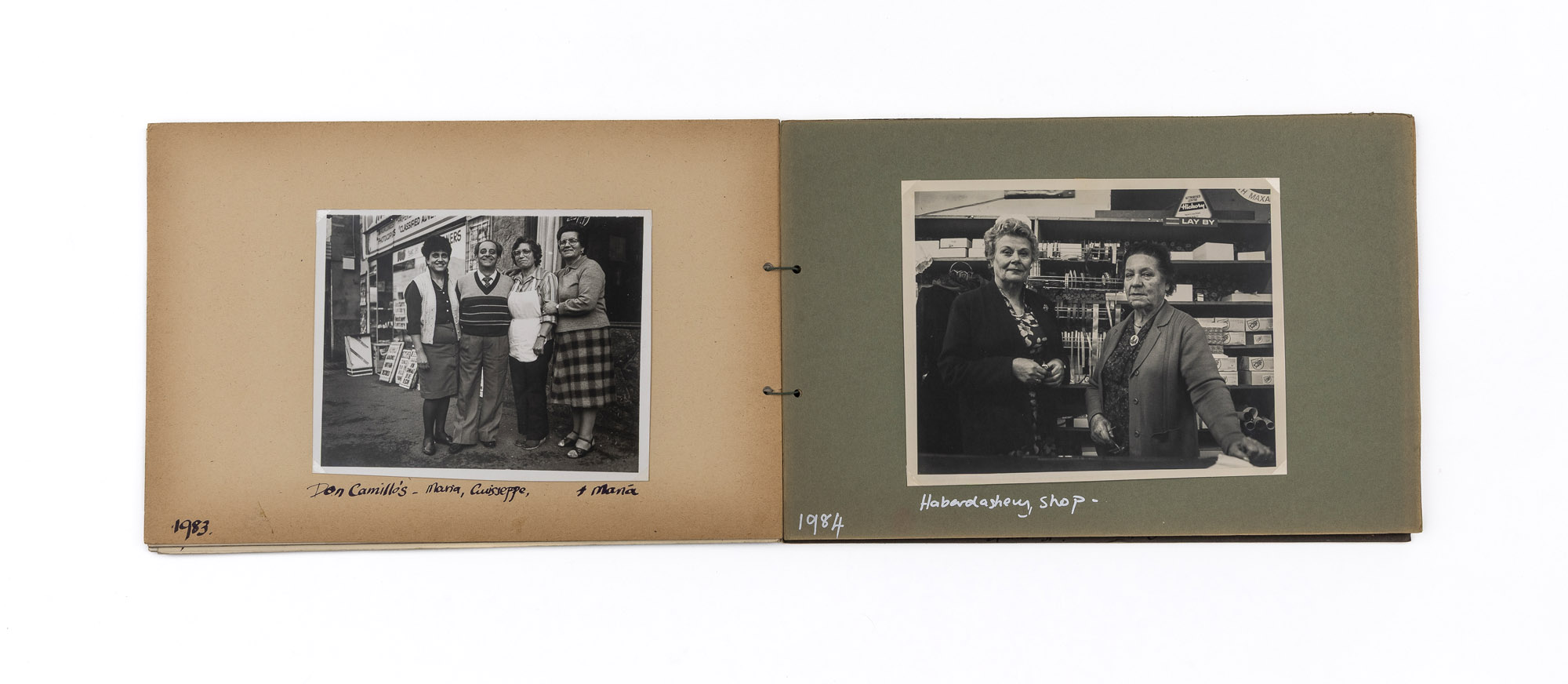
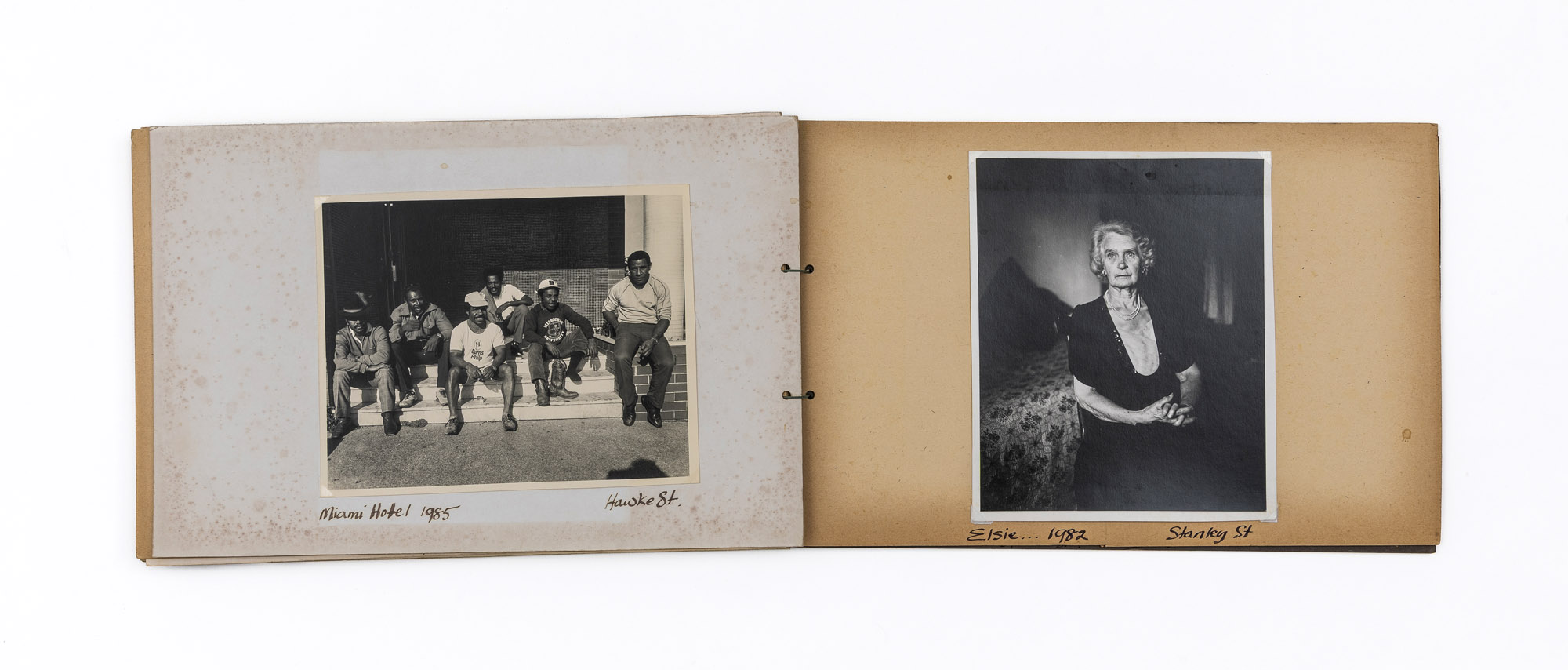
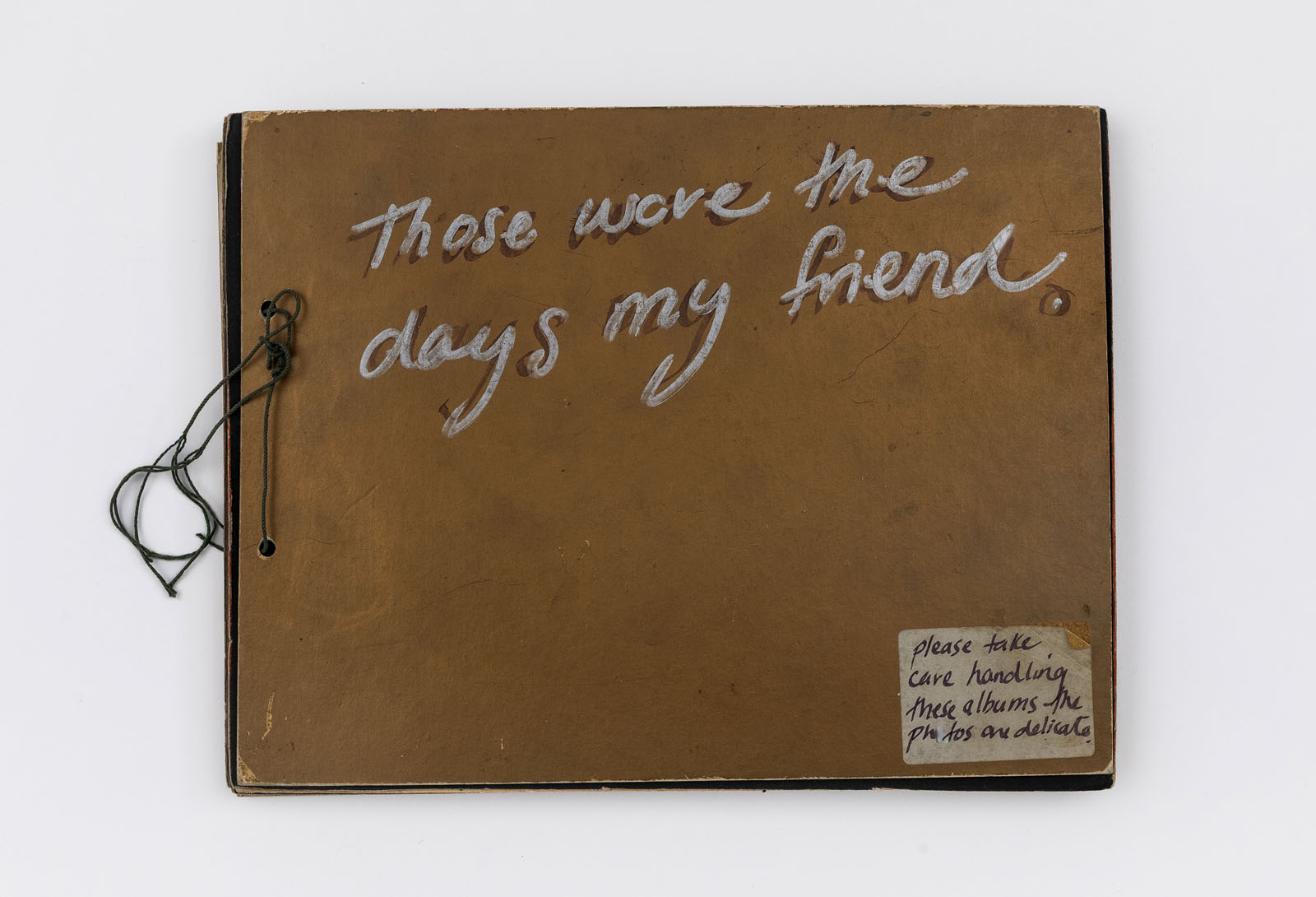
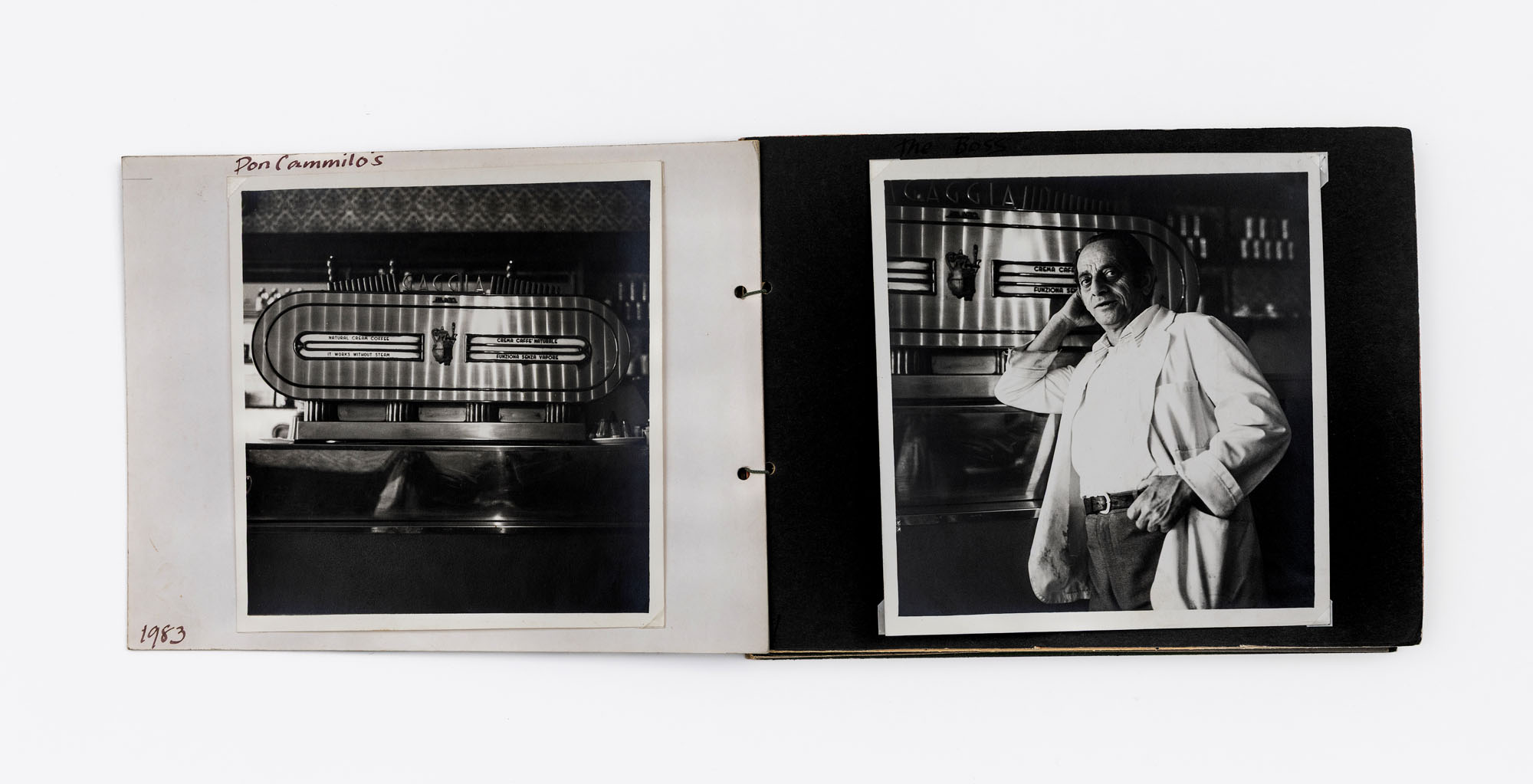
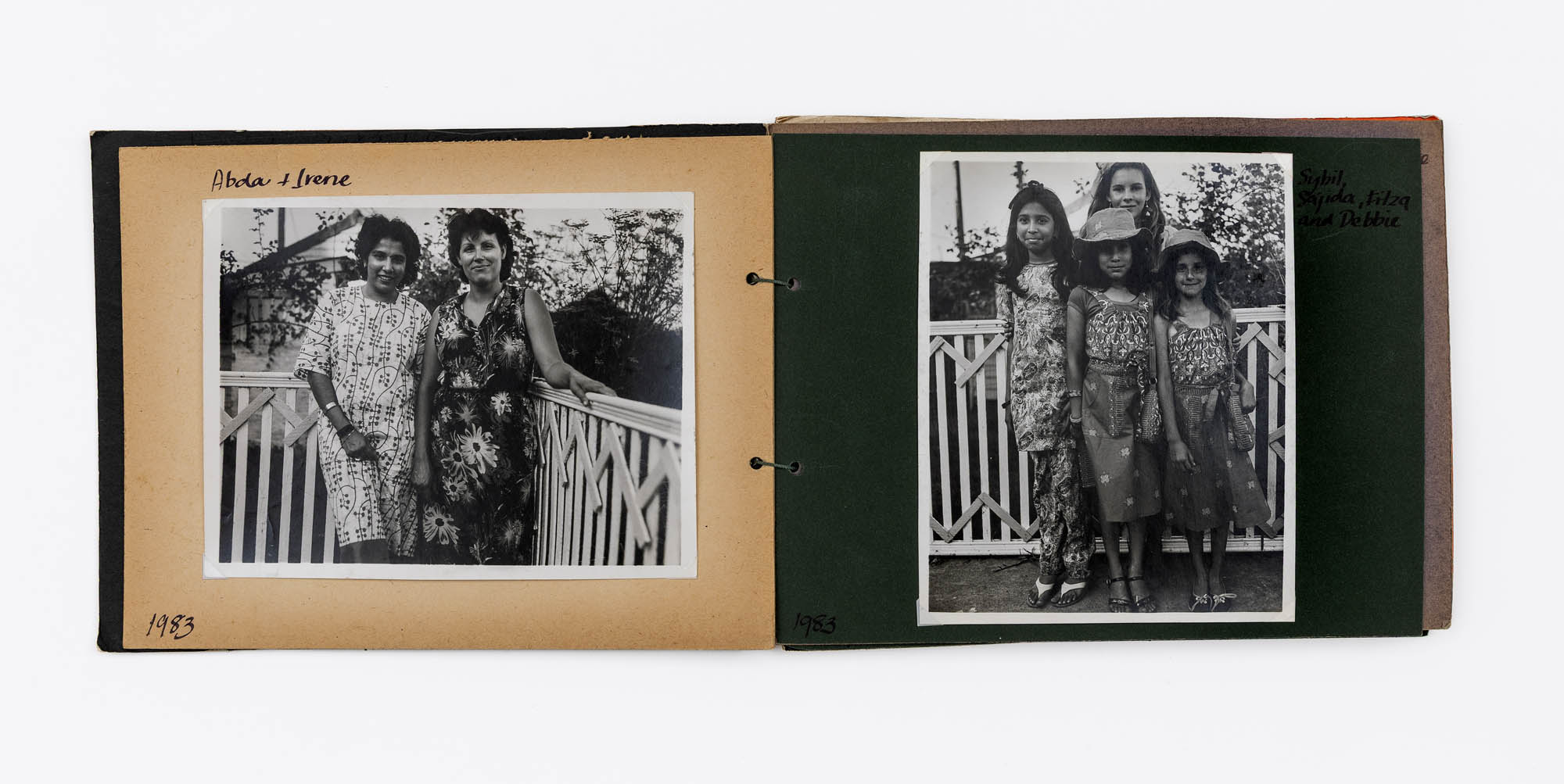
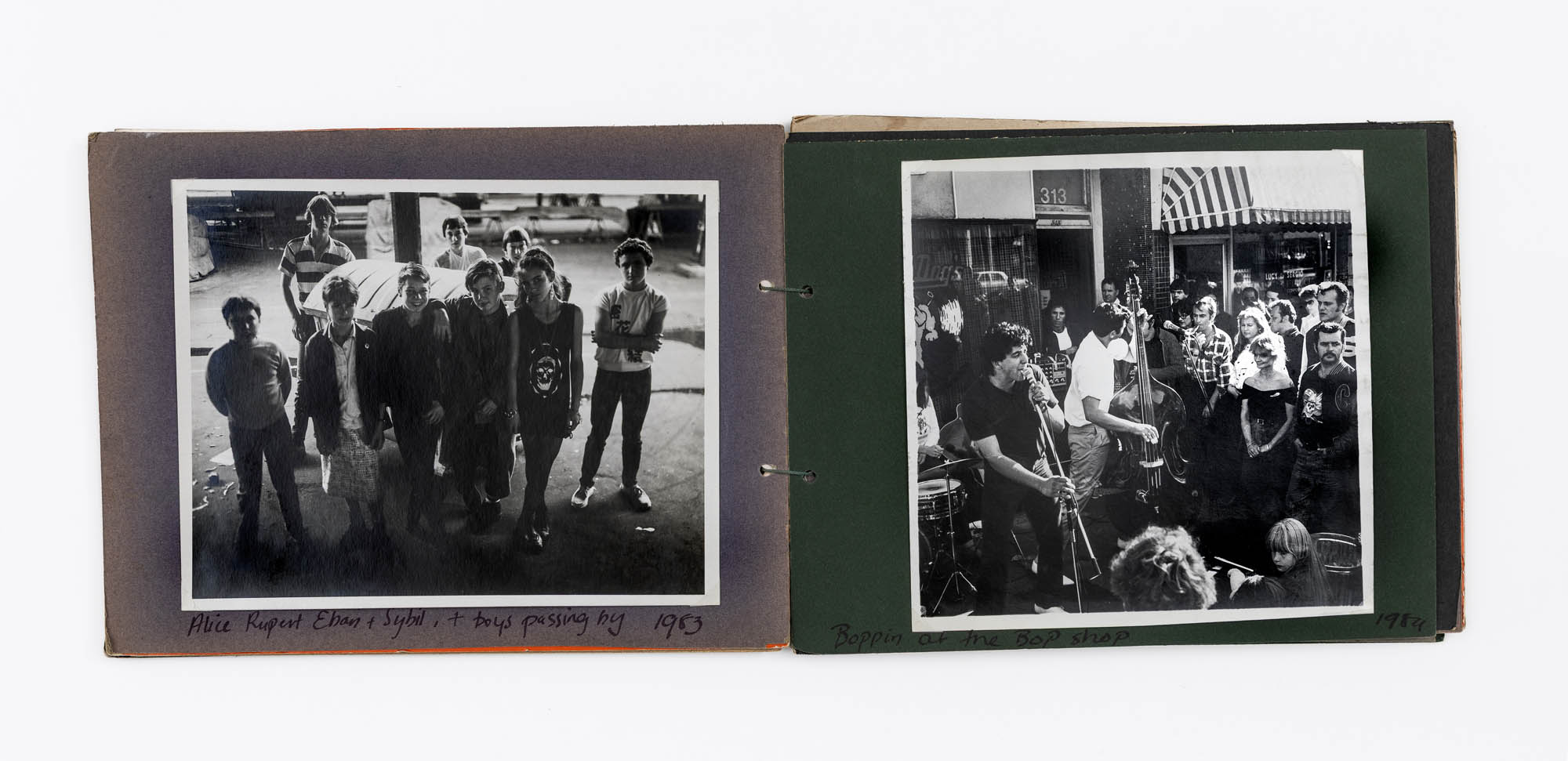
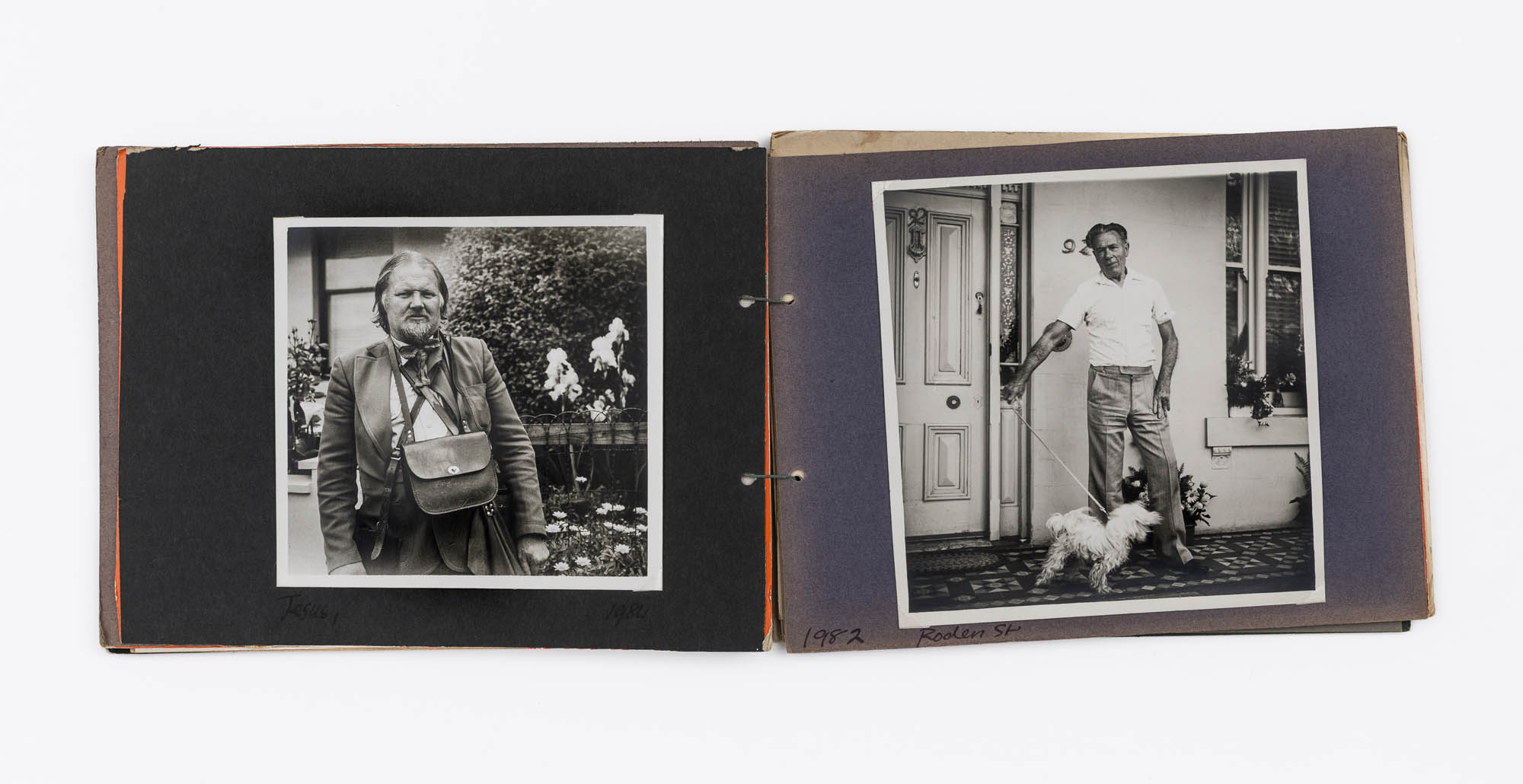
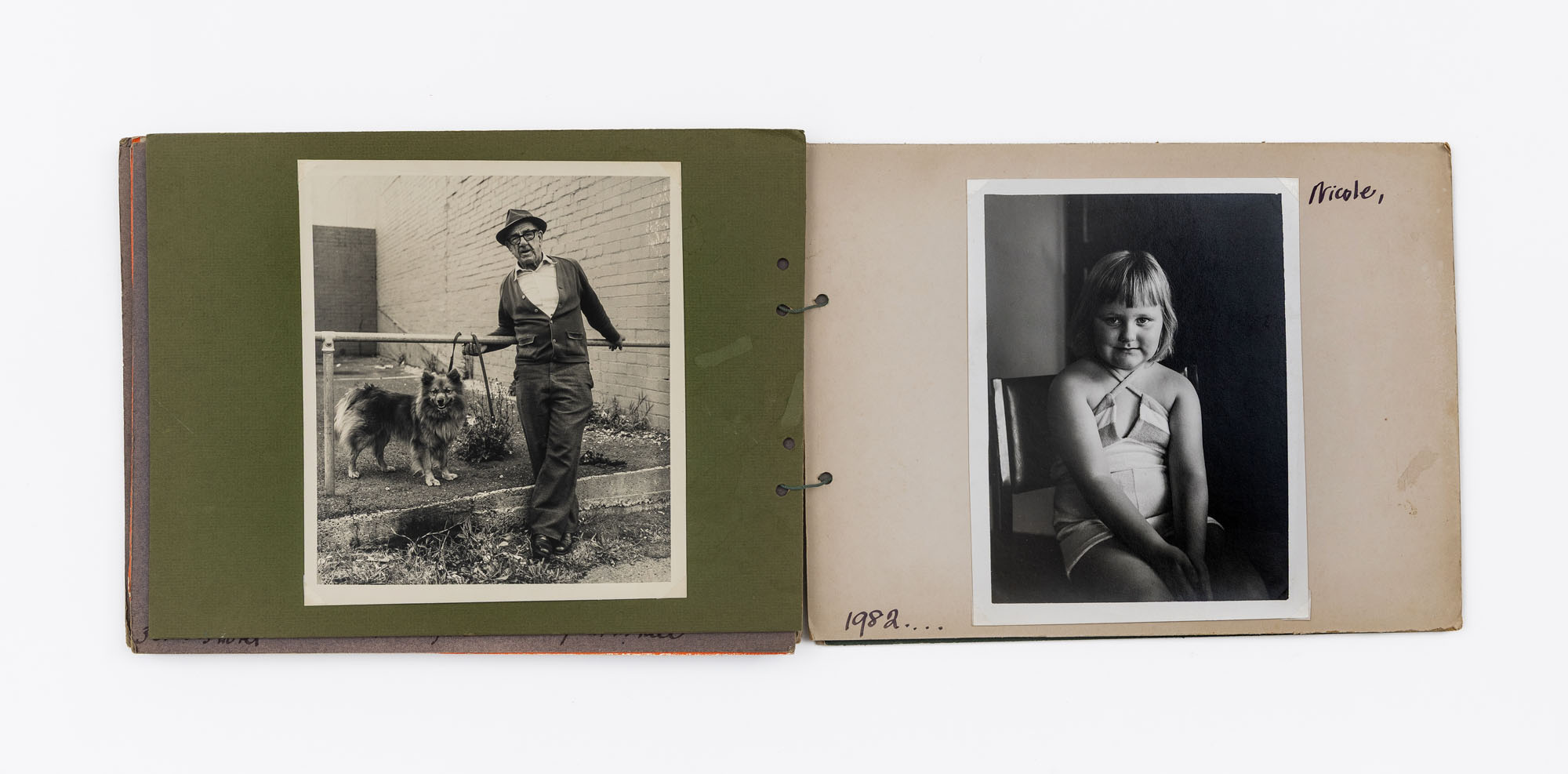

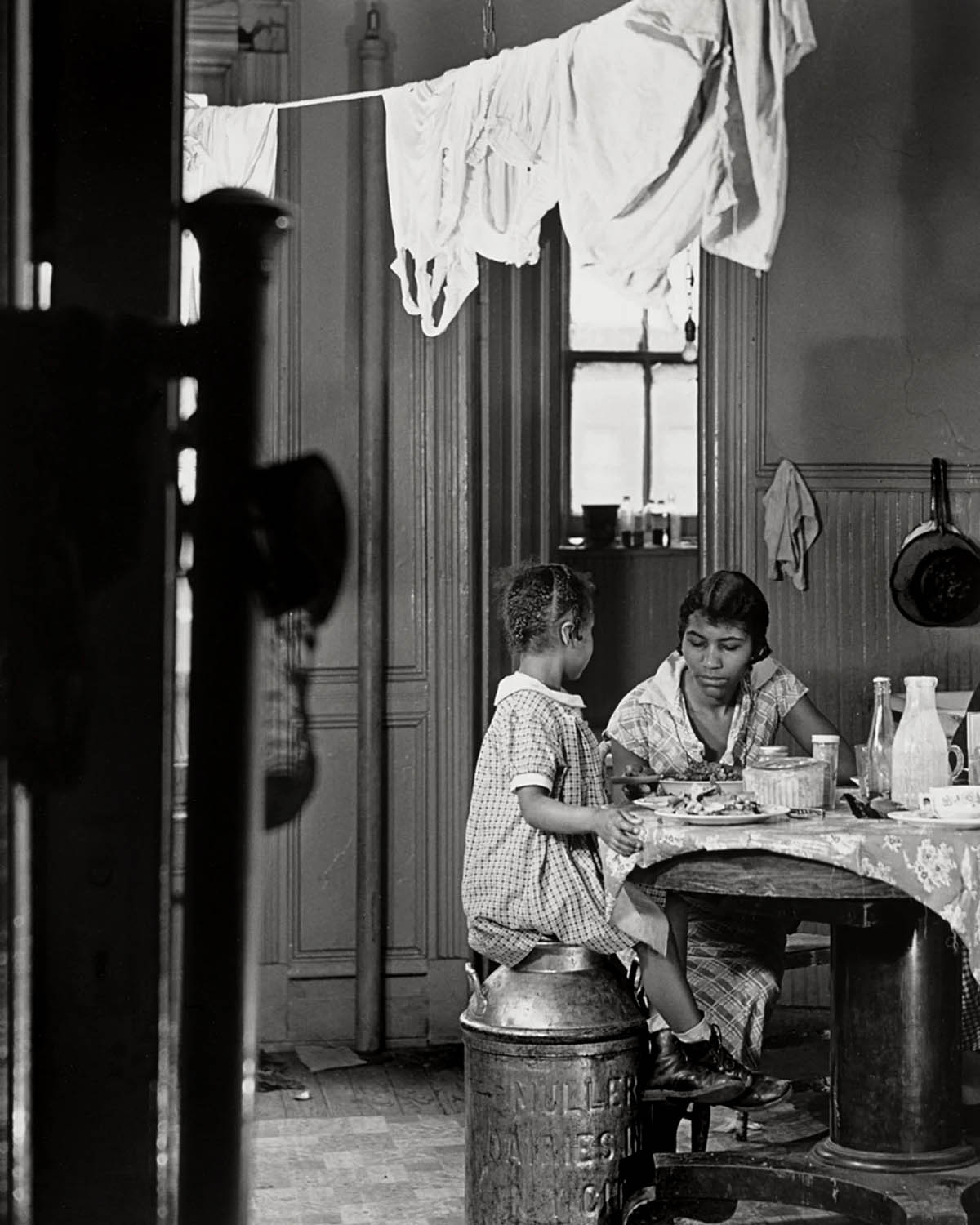
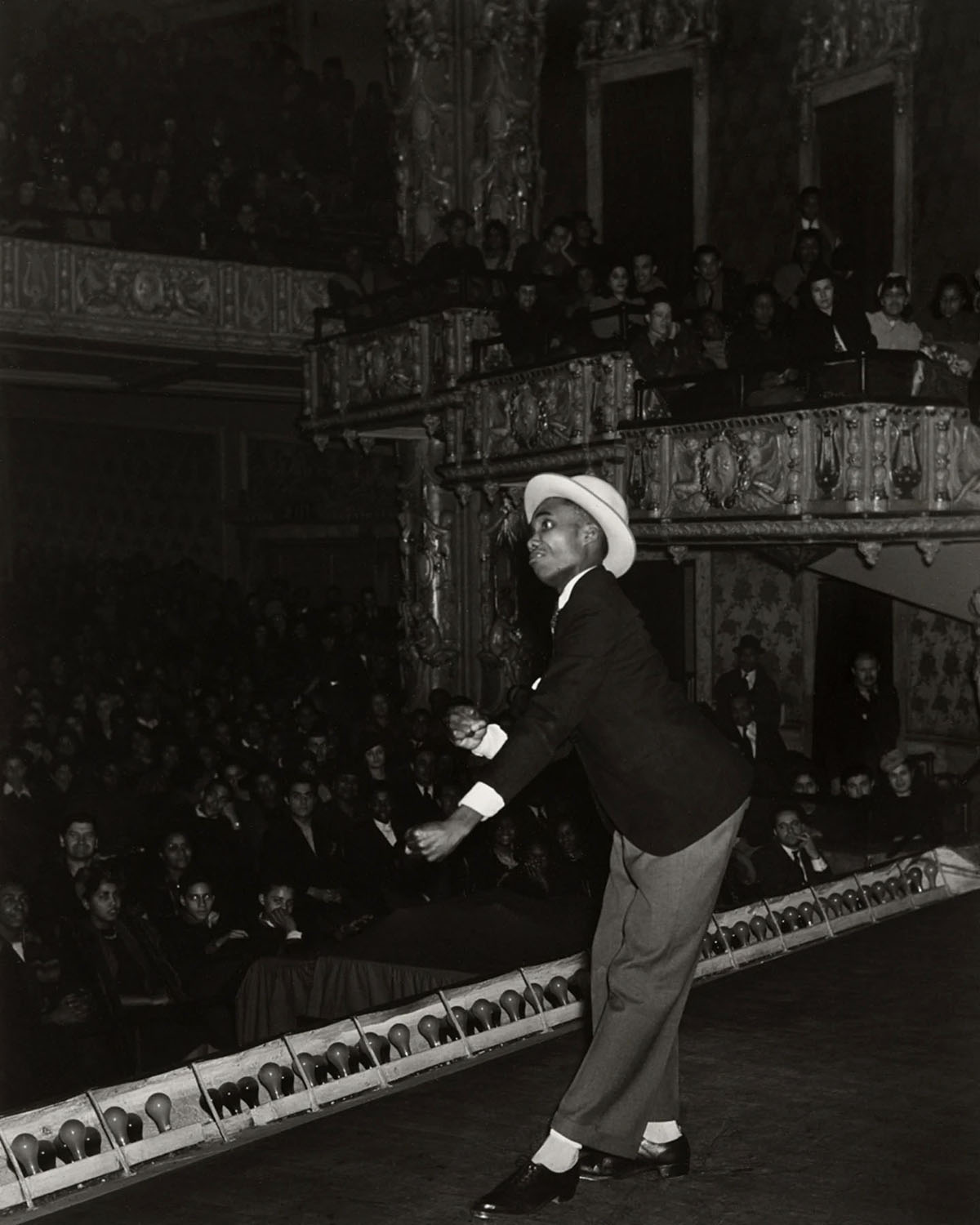
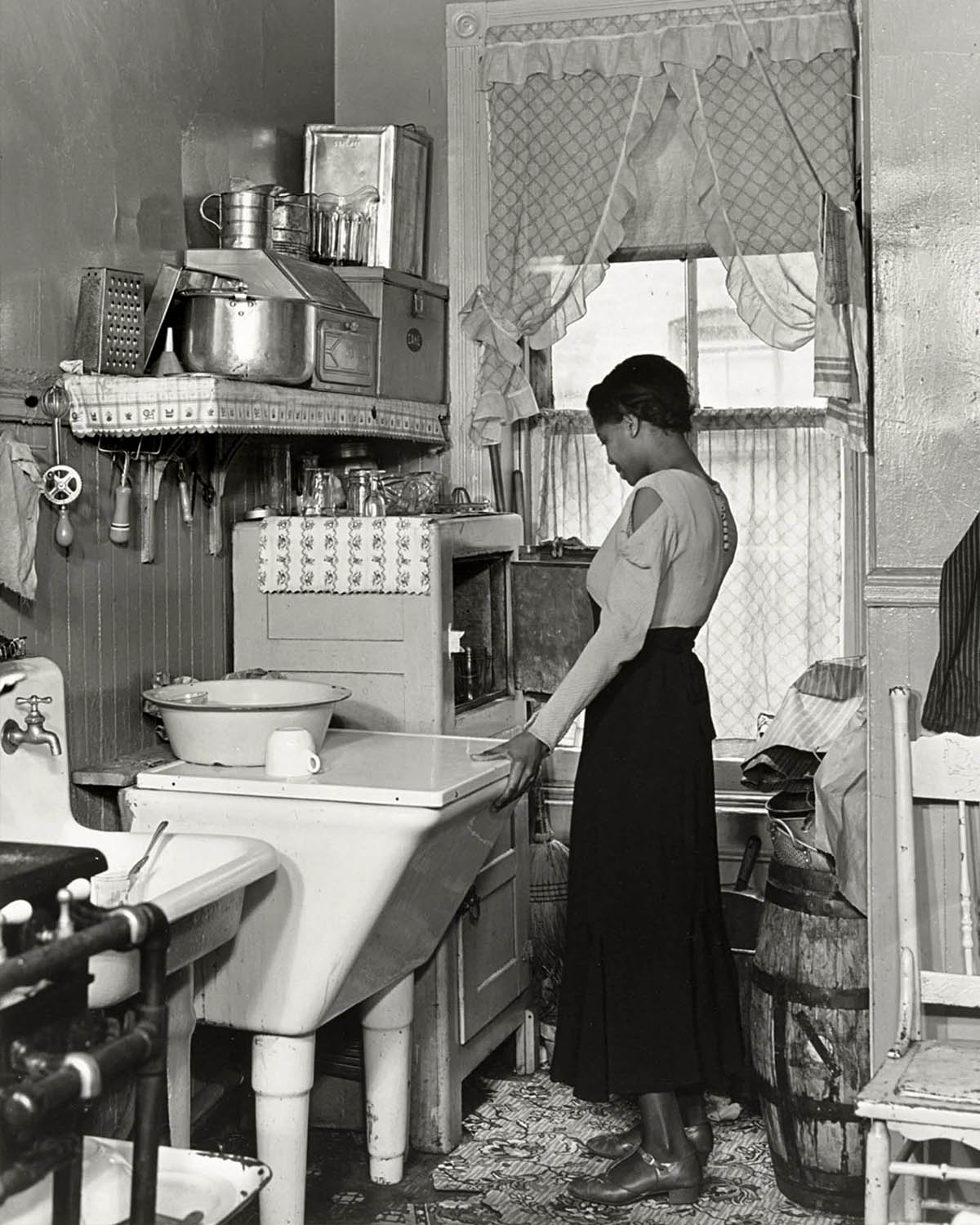

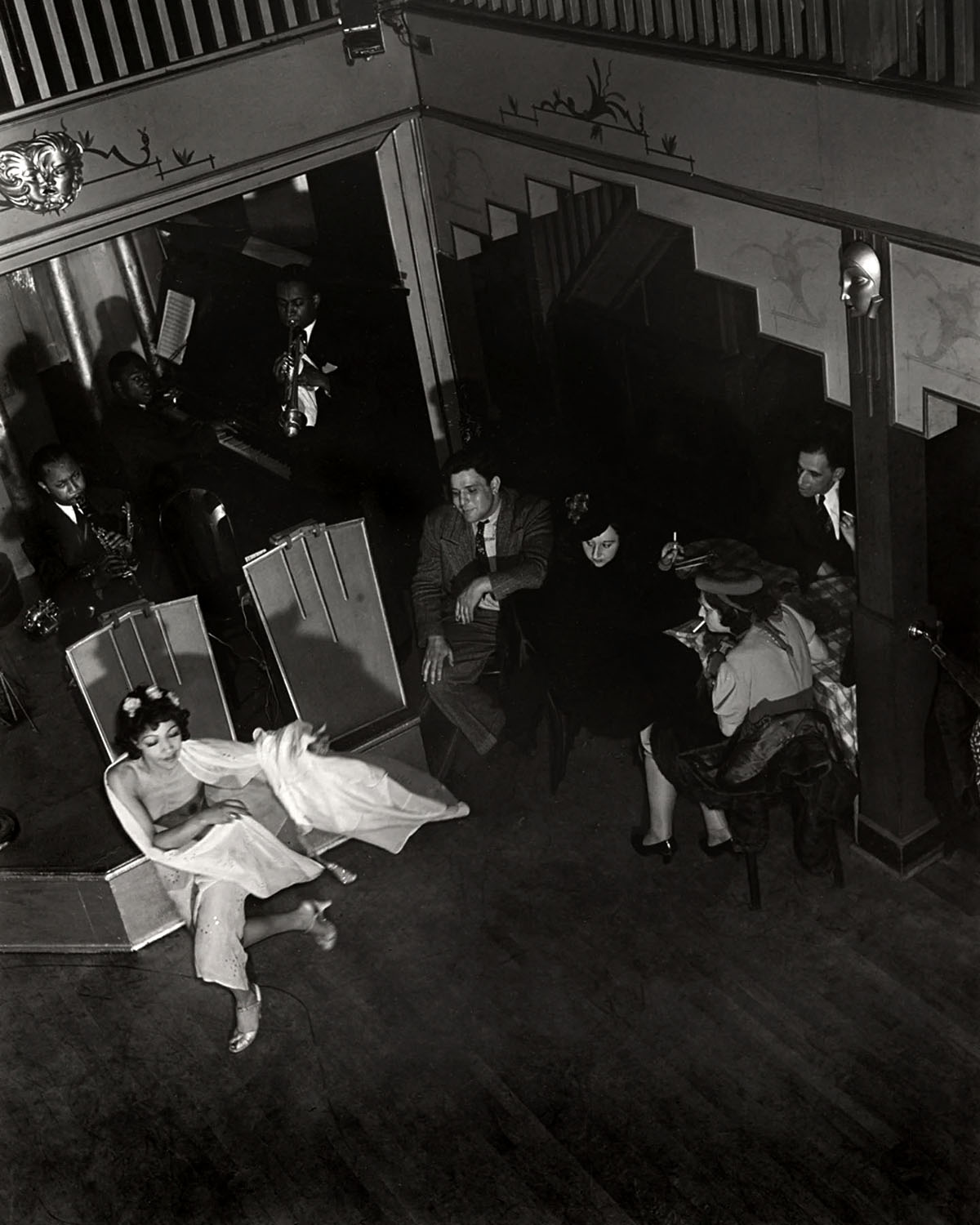
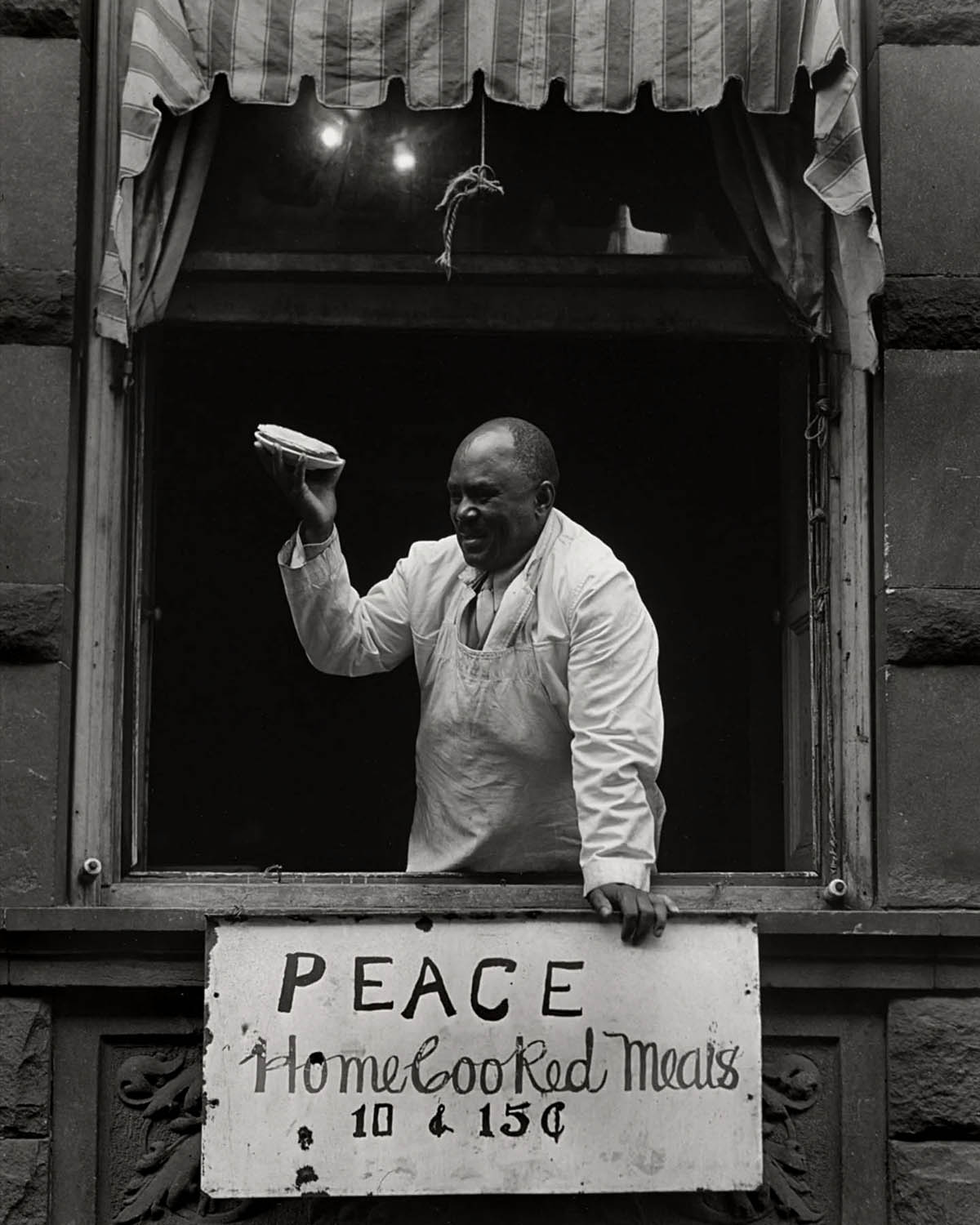
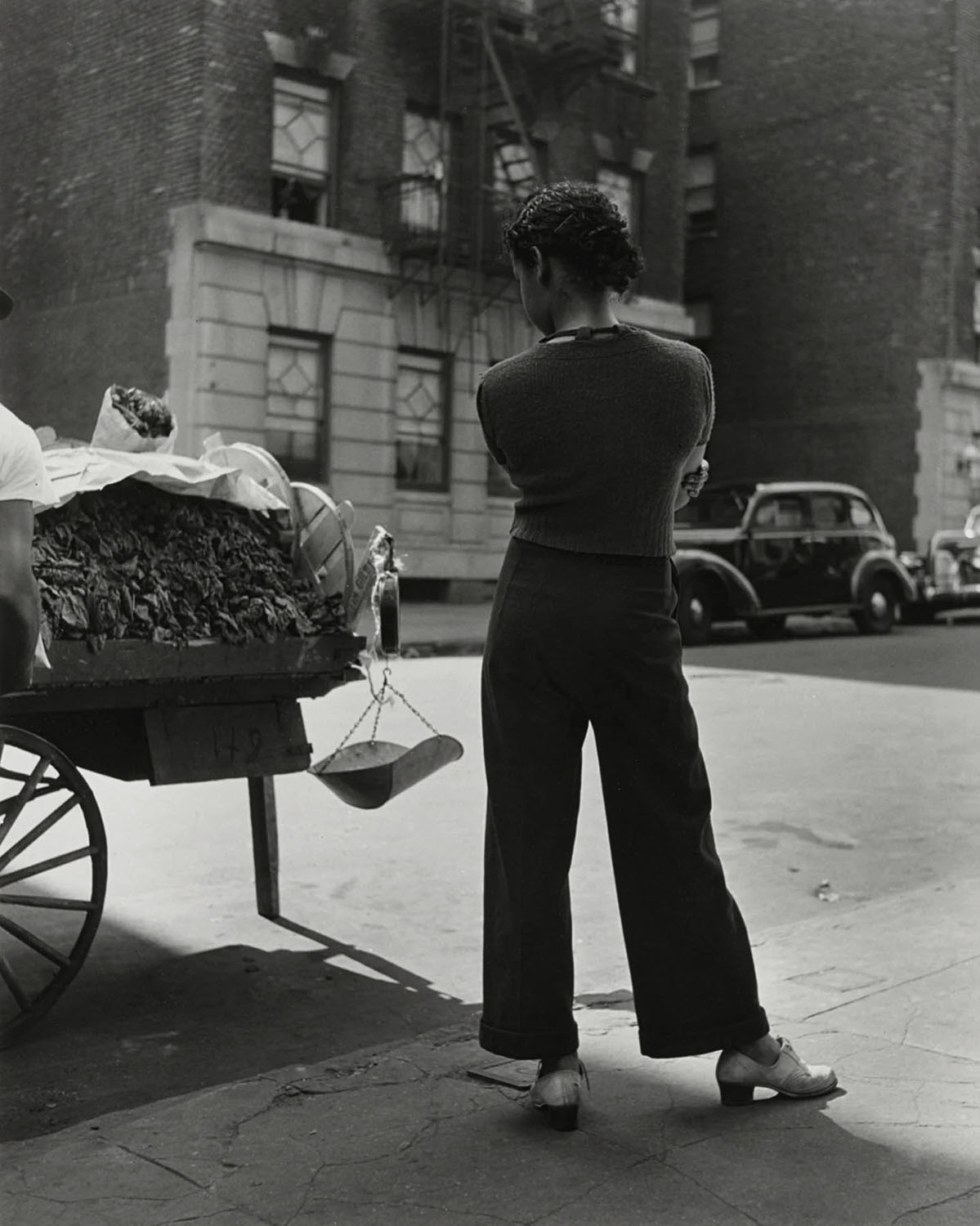
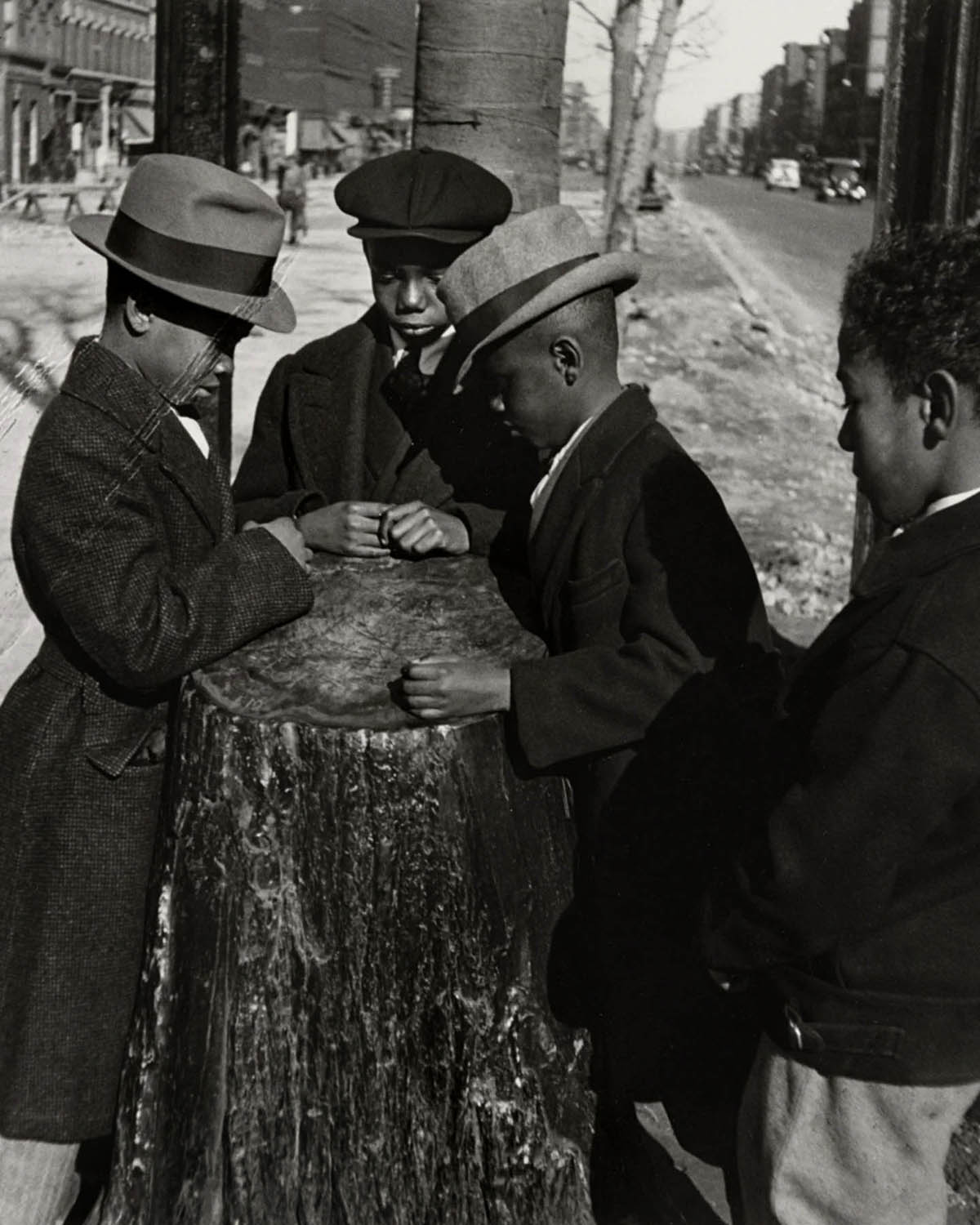
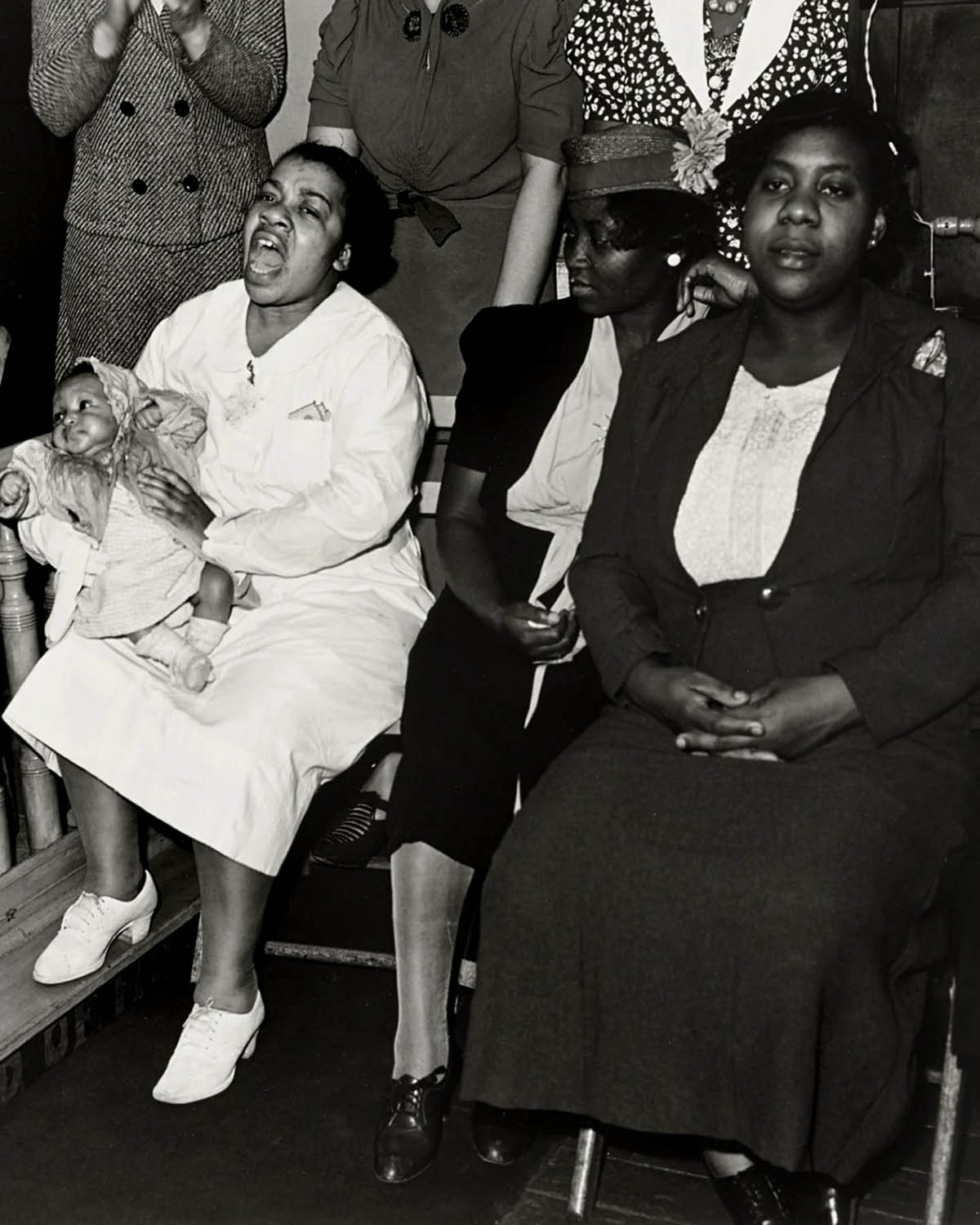
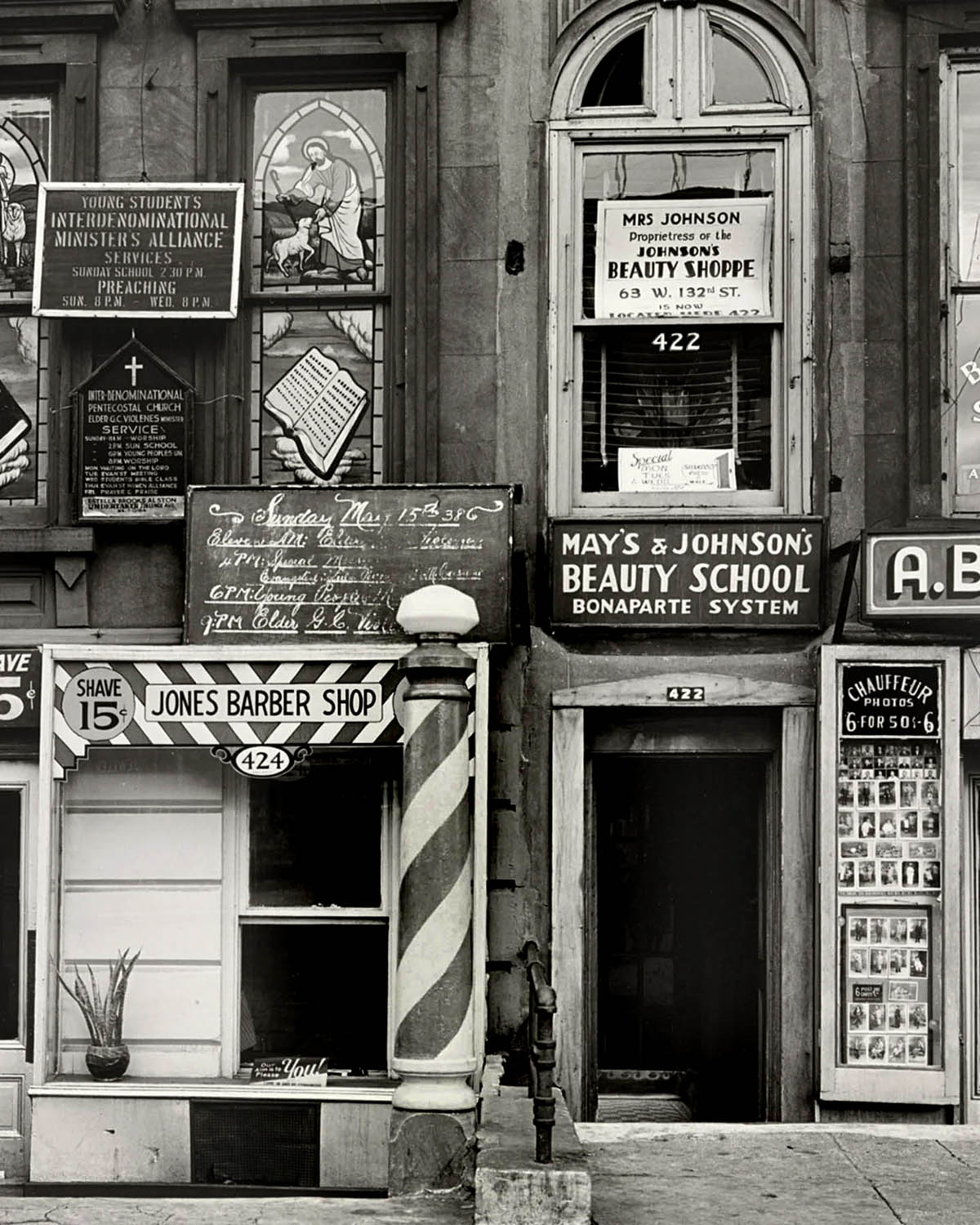
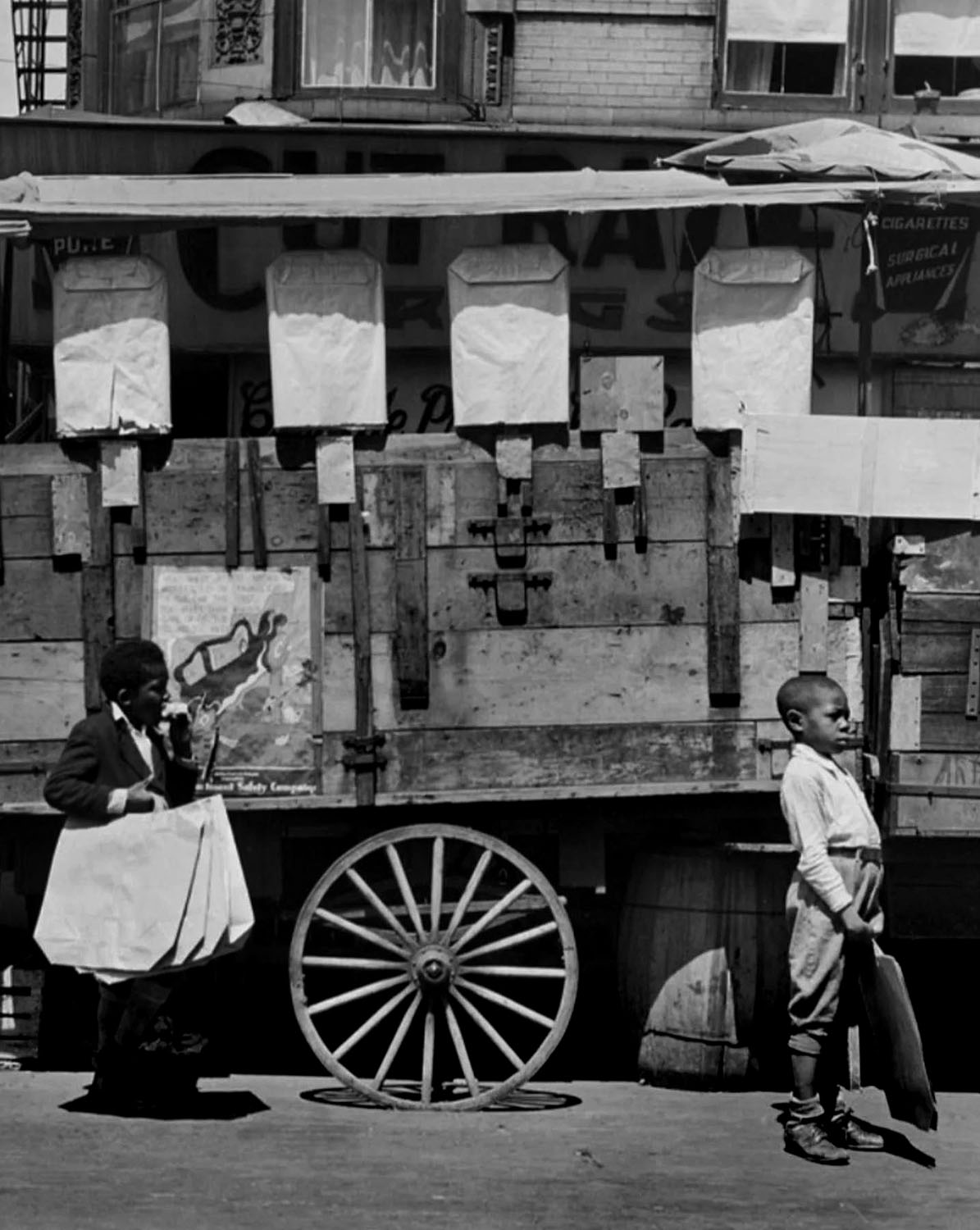
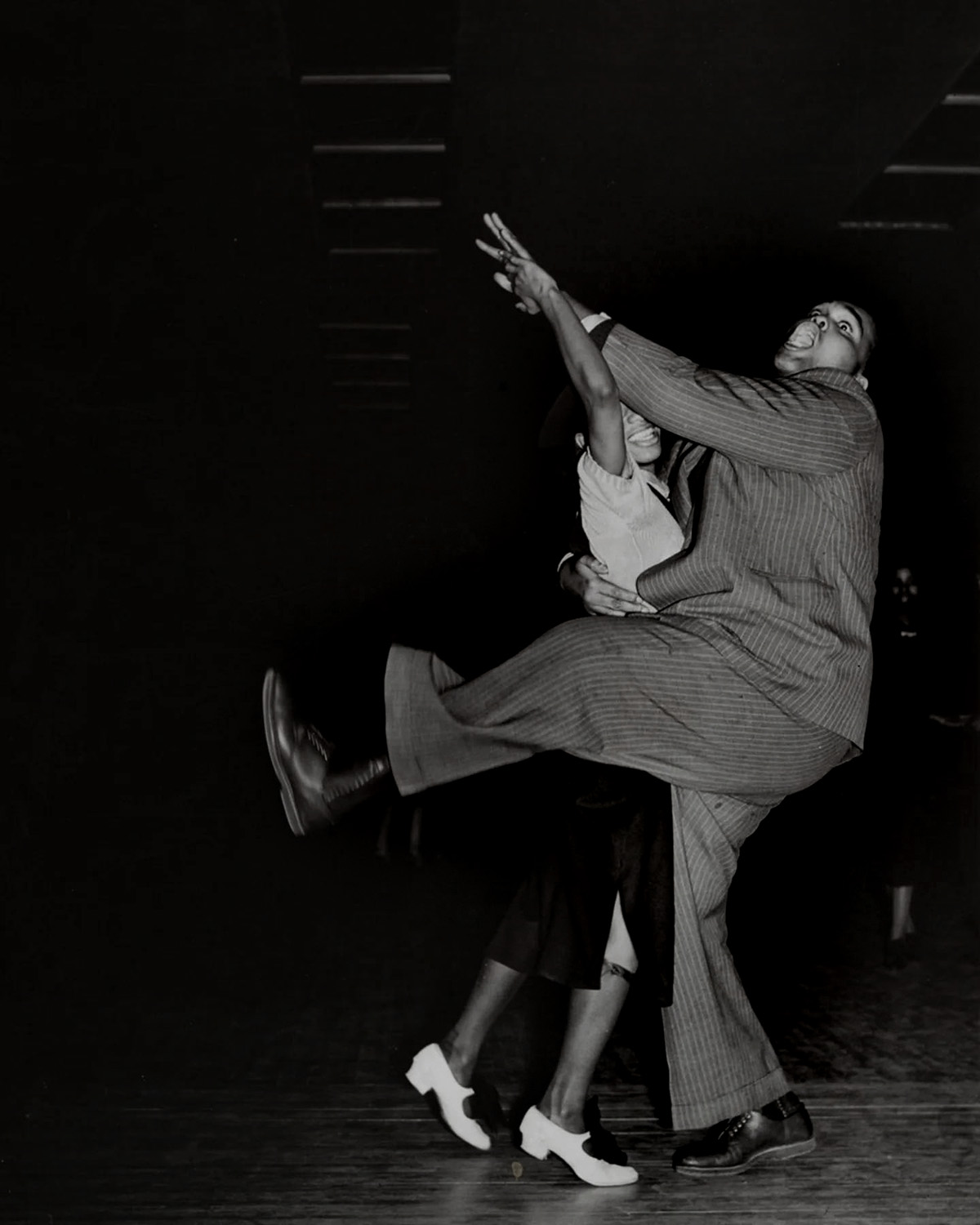
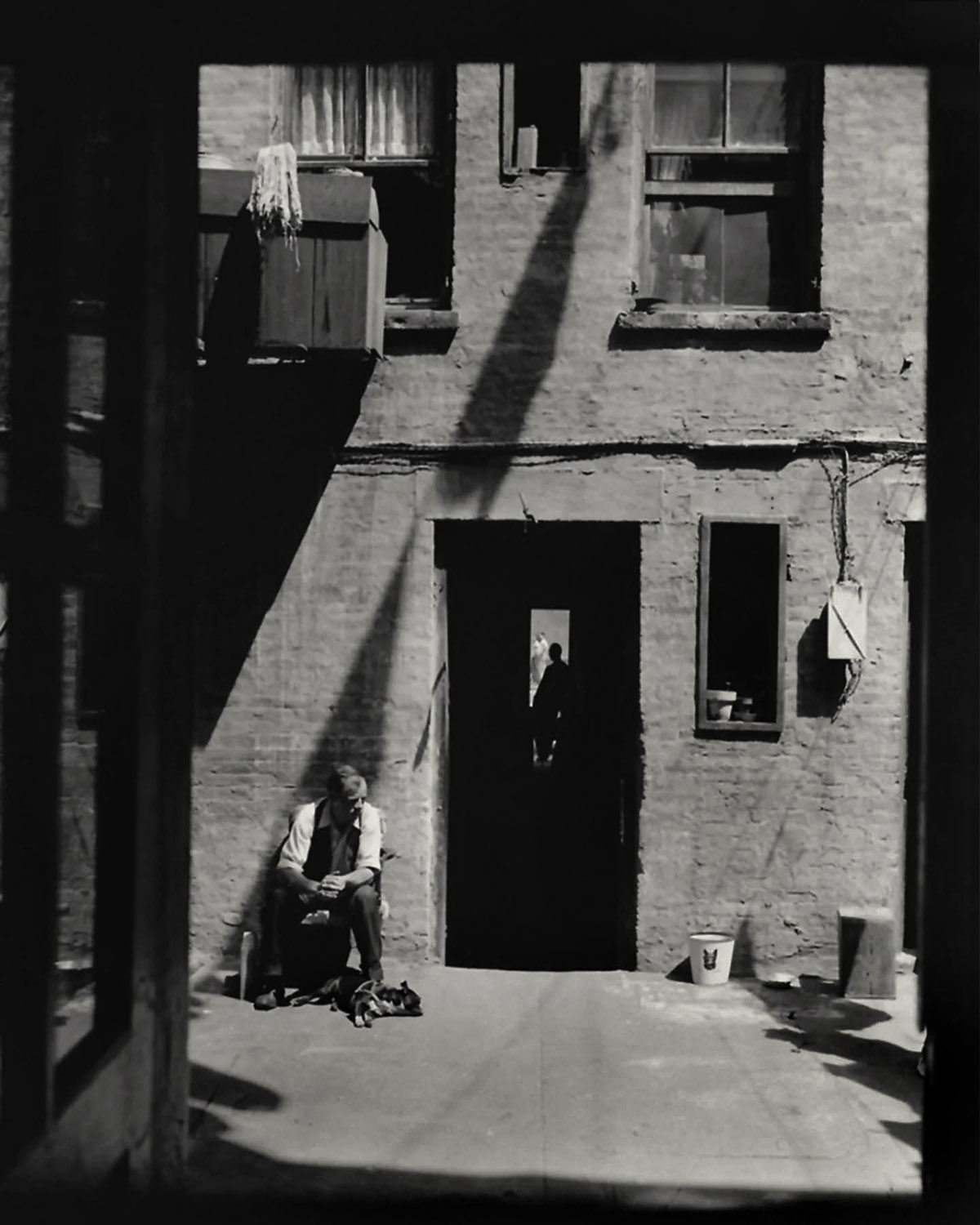
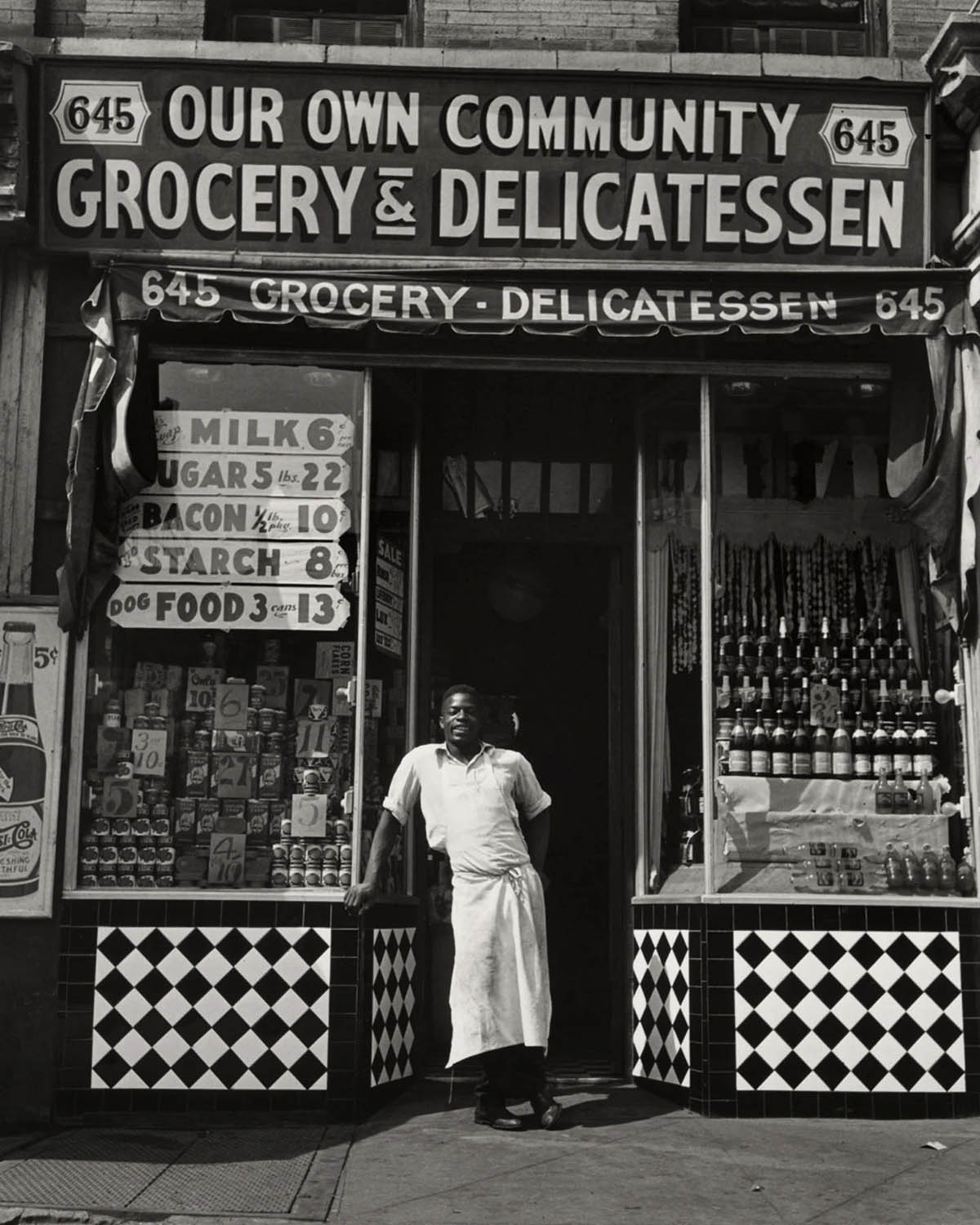
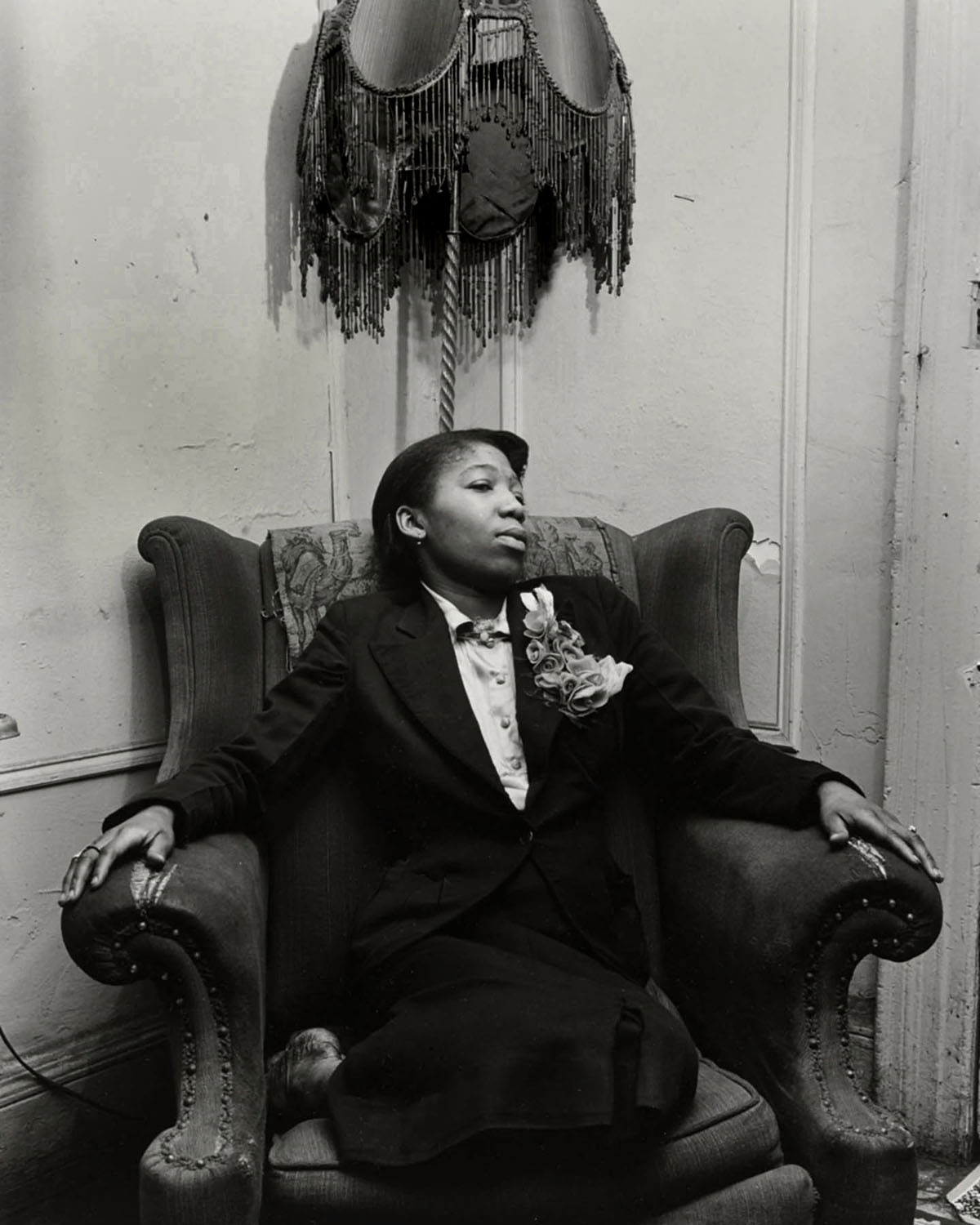
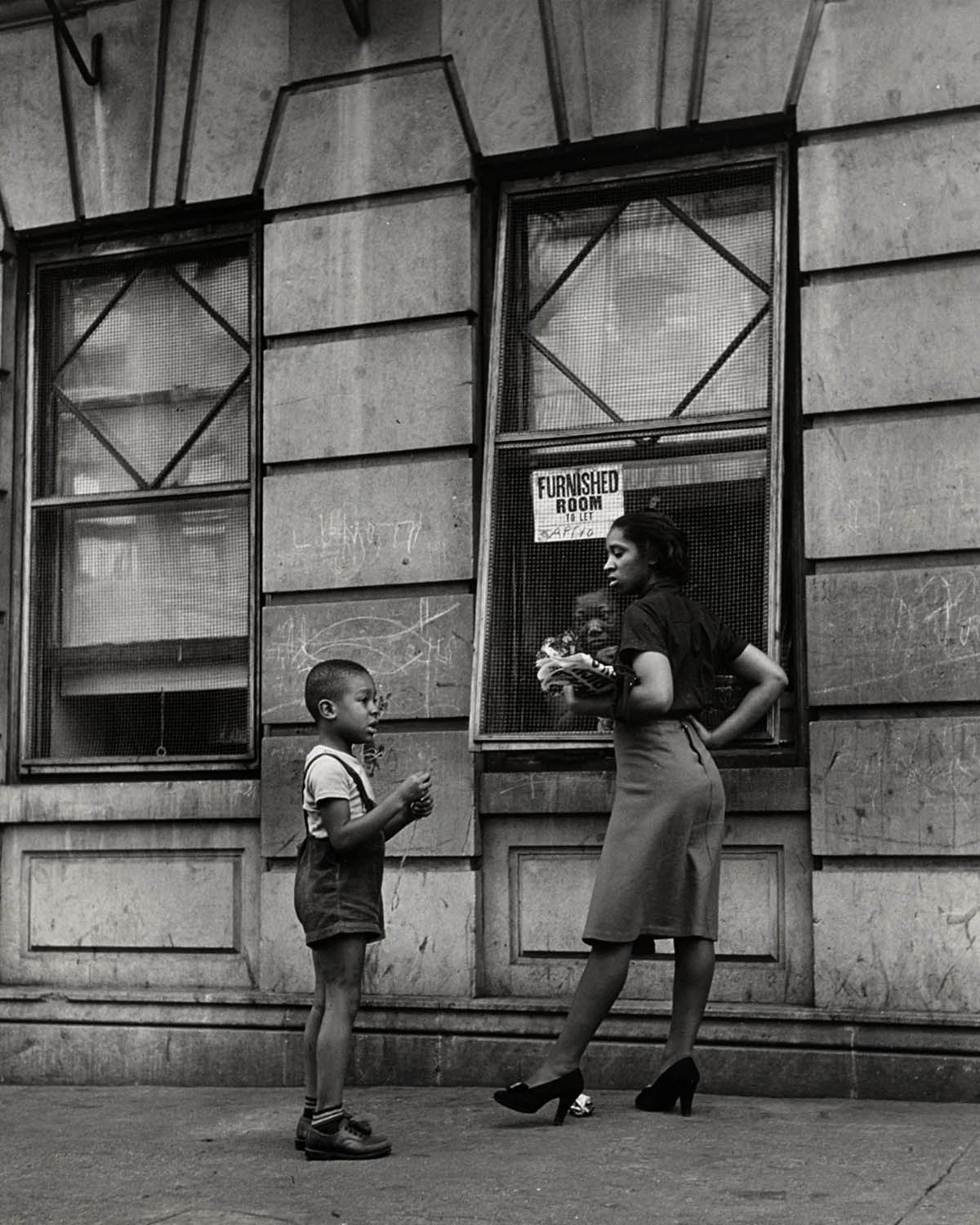
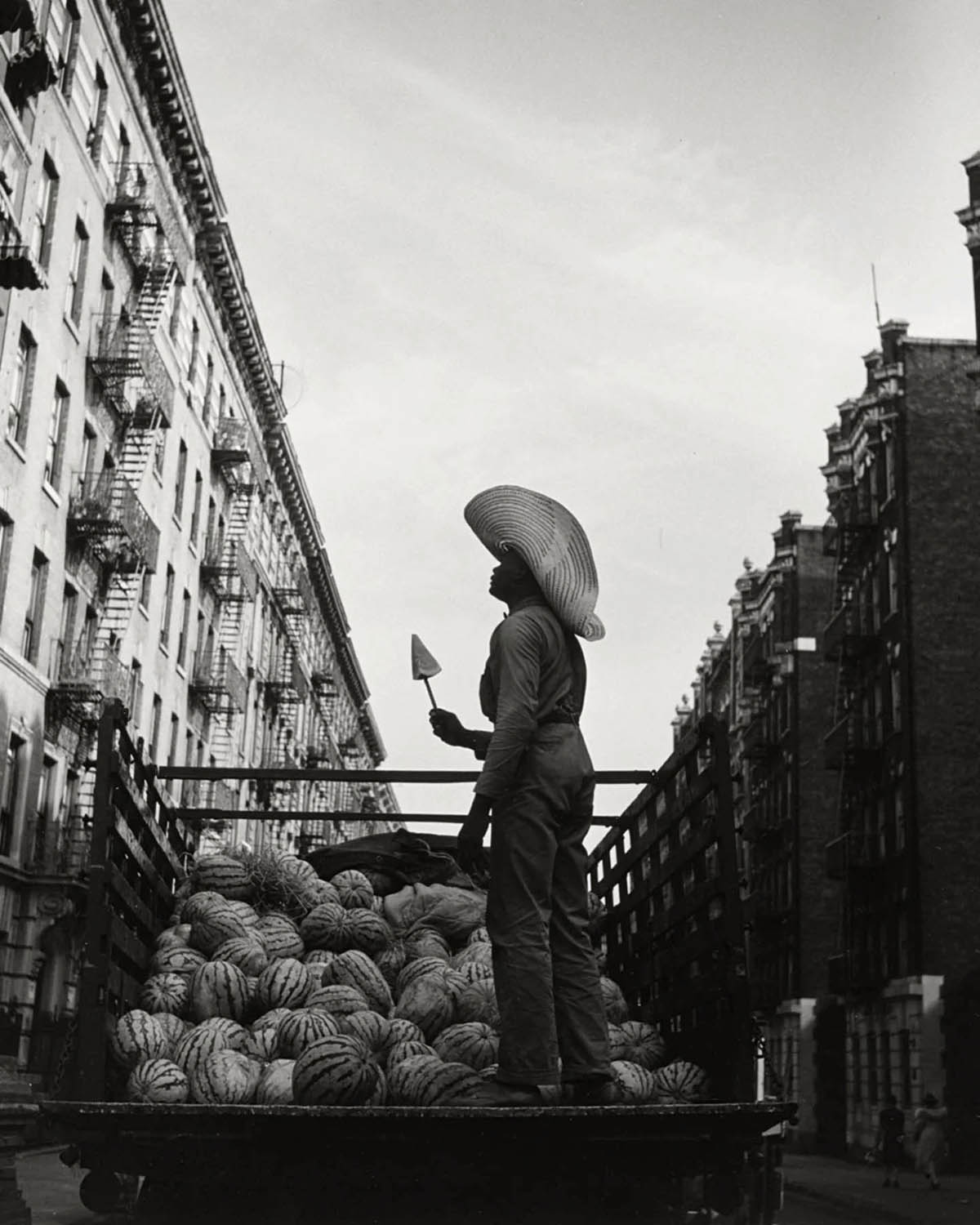
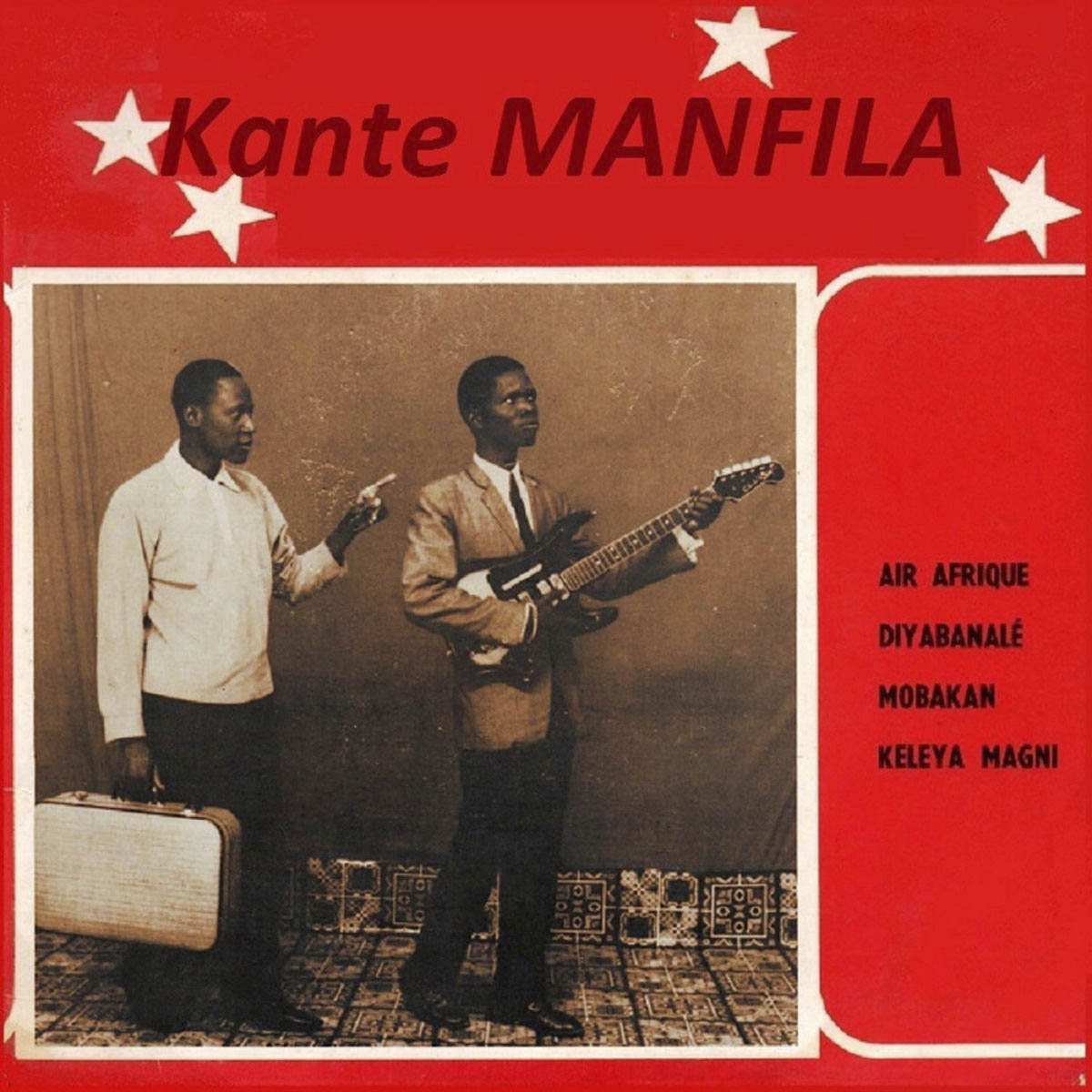
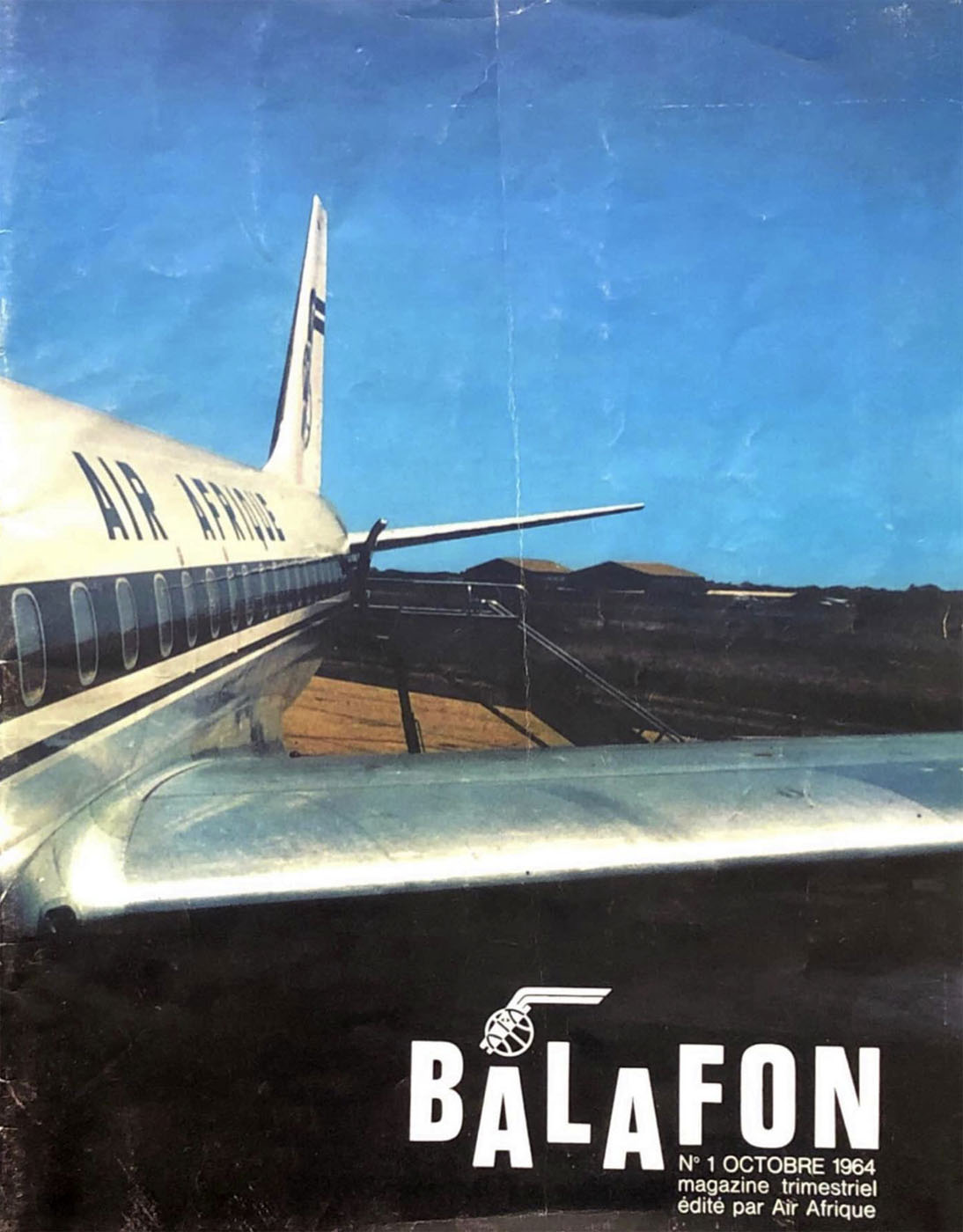
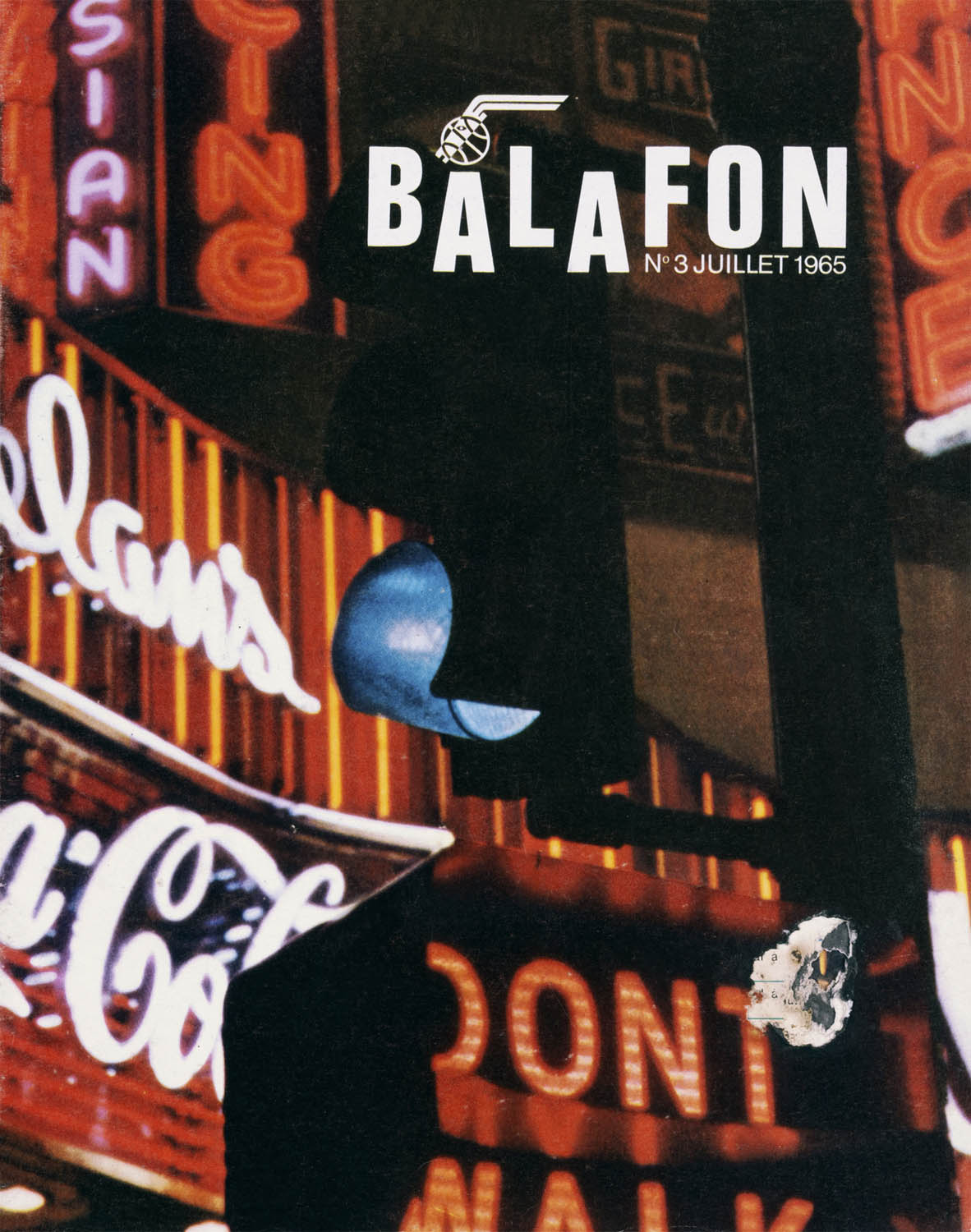
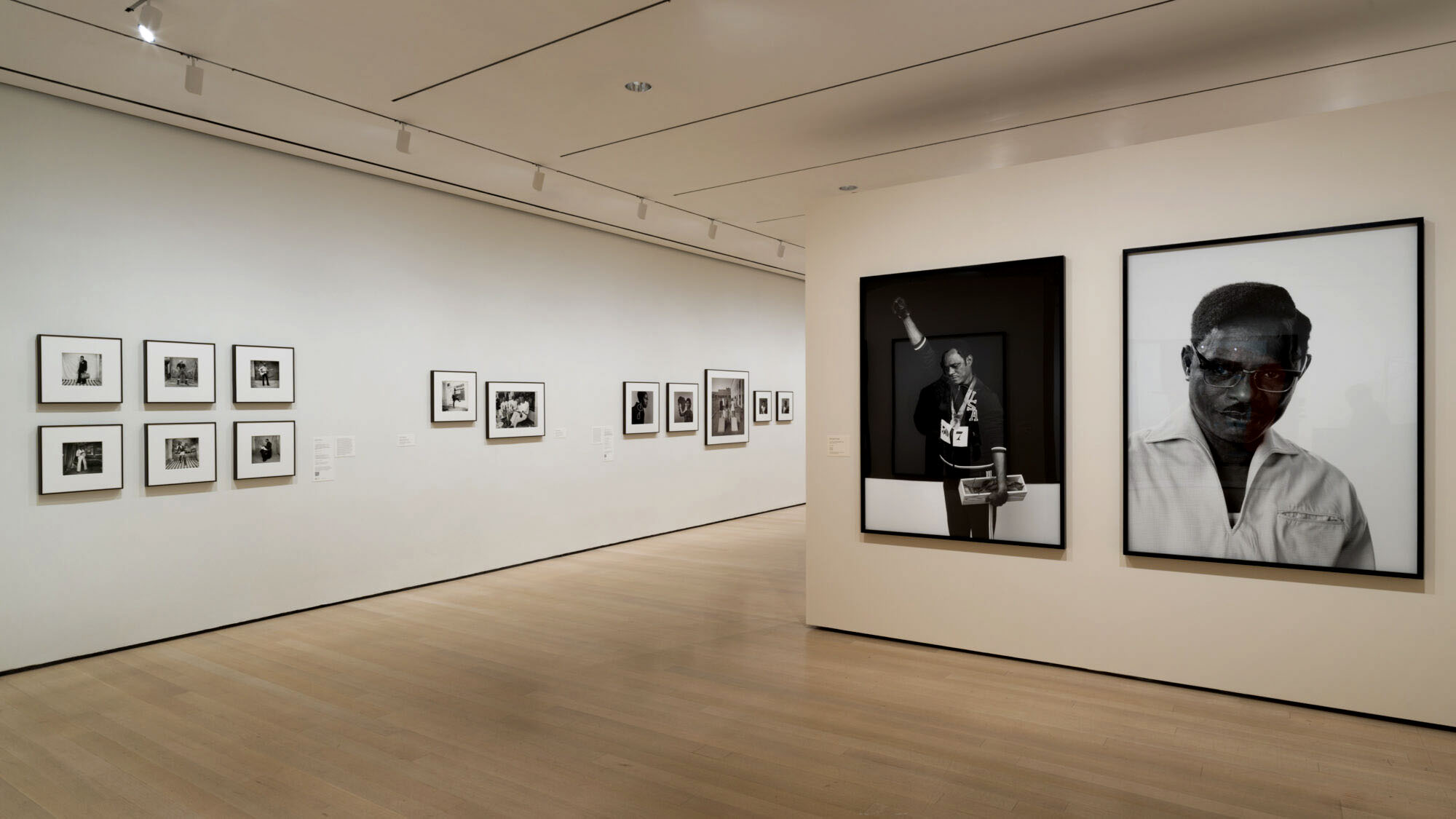
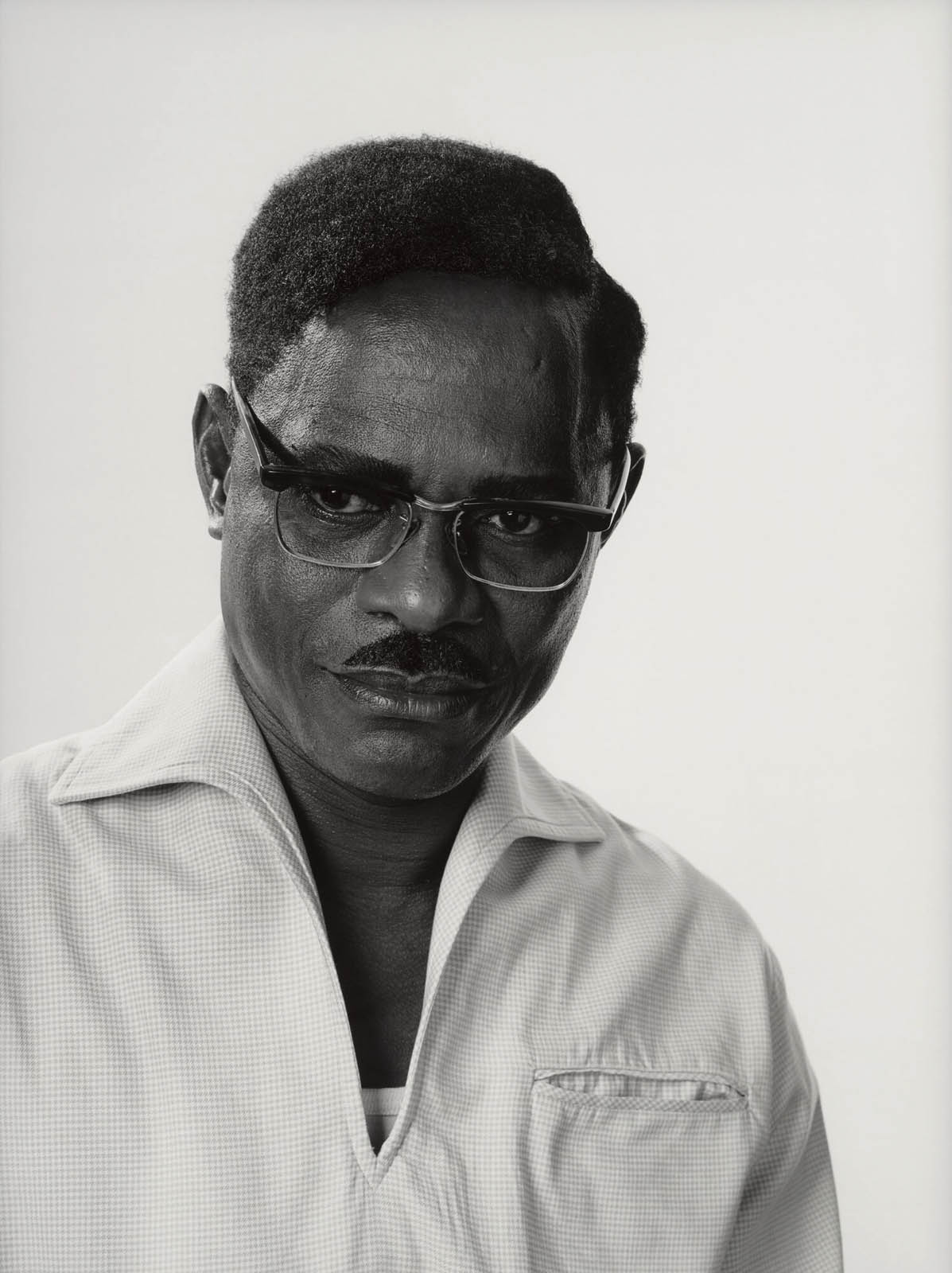
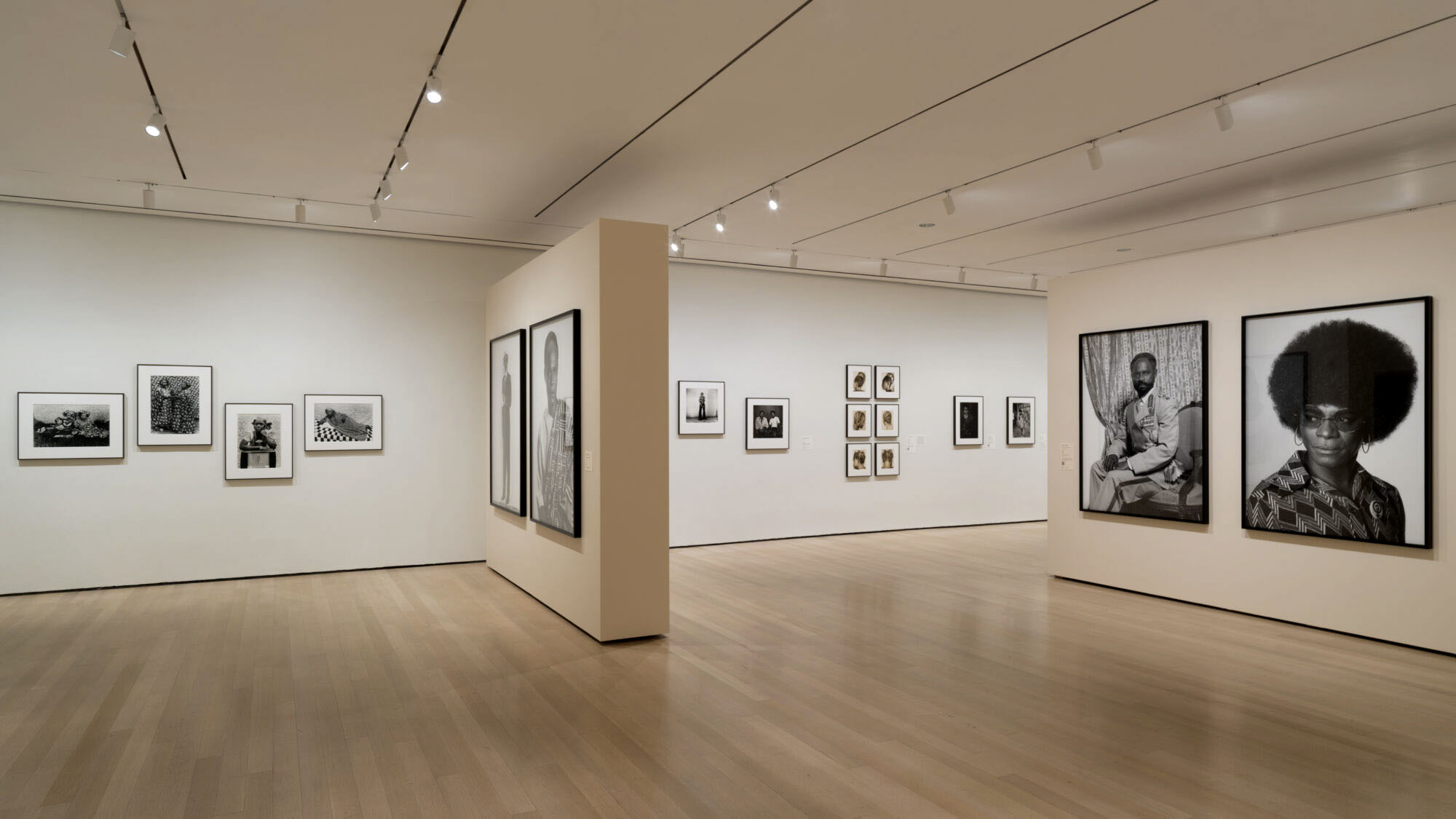
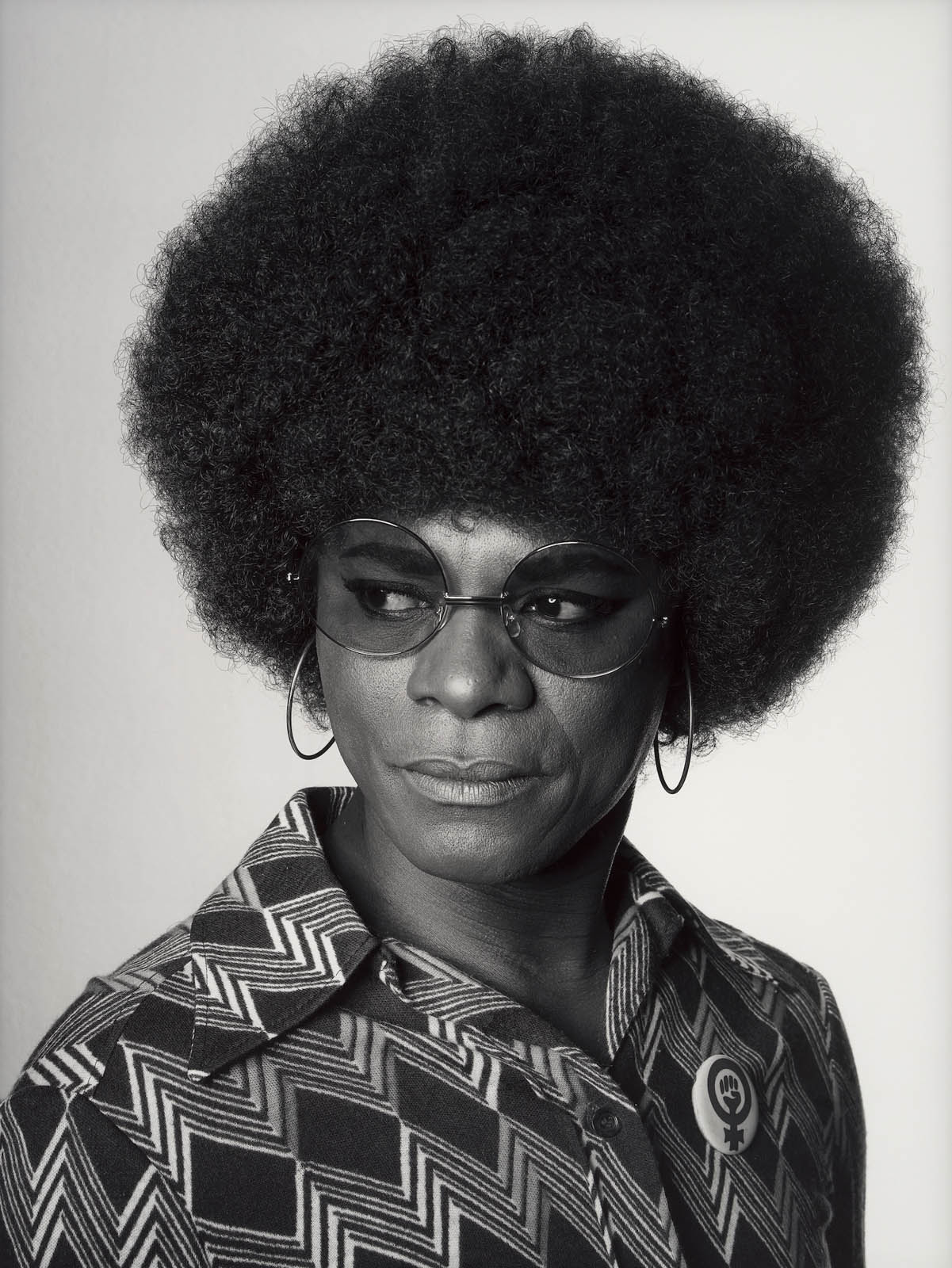
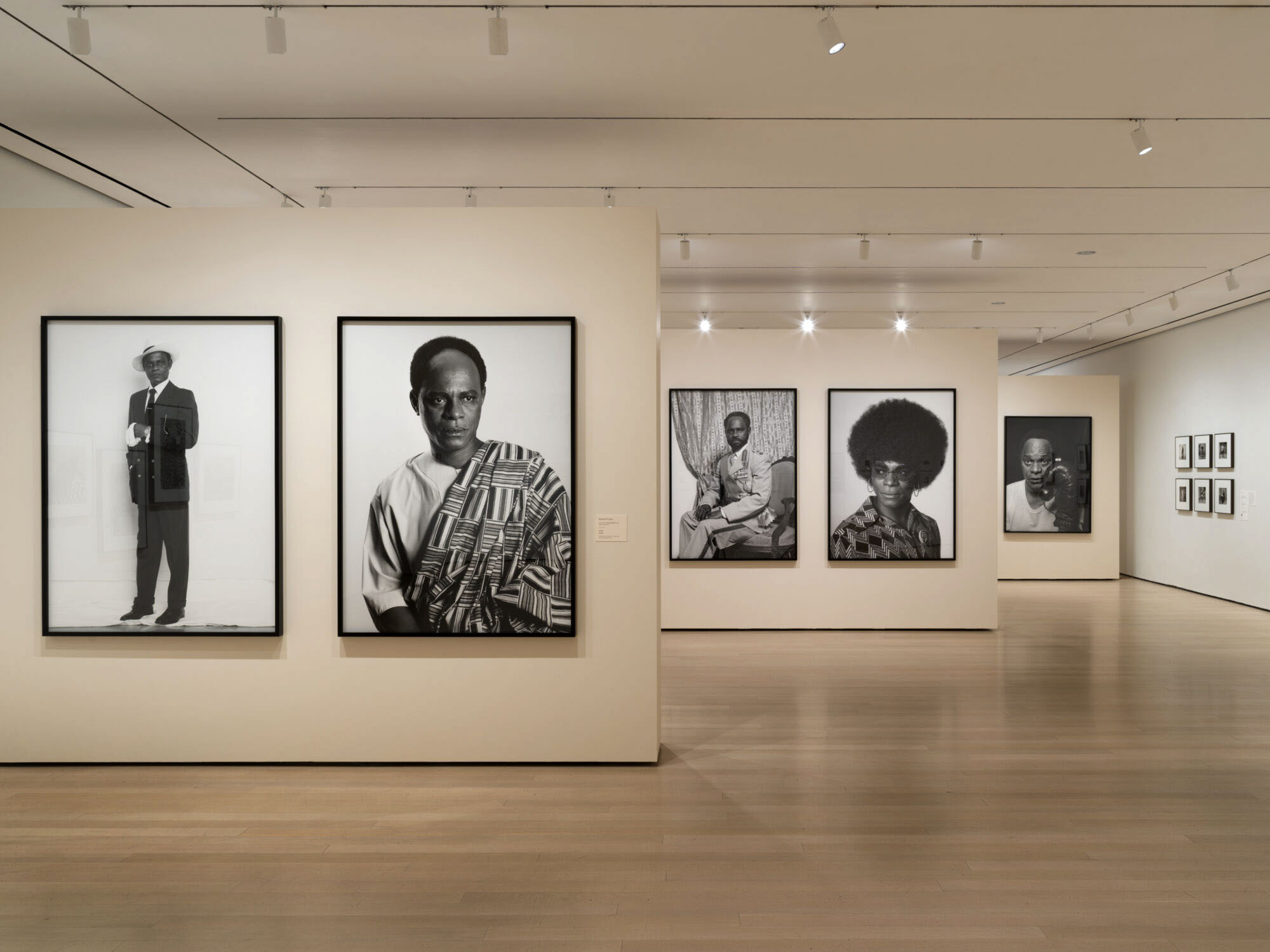
![Installation view of the exhibition 'Ideas of Africa: Portraiture and Political Imagination' at The Museum of Modern Art (MoMA), New York, December 2025 - July 2026 showing at left, Malick Sidibé 'Nuit de Noël' (Happy Club) [Christmas Eve] 1963; and at second left, Malick Sidibé 'Regardez-Moi' [Look at Me!] 1962](https://artblart.com/wp-content/uploads/2026/06/ideas_of_africa_installation_d.jpg "Installation view of the exhibition 'Ideas of Africa: Portraiture and Political Imagination' at The Museum of Modern Art (MoMA), New York, December 2025 - July 2026 showing at left, Malick Sidibé 'Nuit de Noël' (Happy Club) [Christmas Eve] 1963; and at second left, Malick Sidibé 'Regardez-Moi' [Look at Me!] 1962")
![Malick Sidibé (Malian, 1936–2016) 'Nuit de Noël' (Happy Club) [Christmas Eve] 1963 (printed January 2006)](https://artblart.com/wp-content/uploads/2026/06/sidibe-nuit-de-noel.jpg "Malick Sidibé (Malian, 1936–2016) 'Nuit de Noël' (Happy Club) [Christmas Eve] 1963 (printed January 2006)")
![Malick Sidibé (Malian, 1936–2016) 'Regardez-Moi' [Look at Me!] 1962 (printed January 2006)](https://artblart.com/wp-content/uploads/2026/06/malick-sidibe-regardez-moi.jpg "Malick Sidibé (Malian, 1936–2016) 'Regardez-Moi' [Look at Me!] 1962 (printed January 2006)")
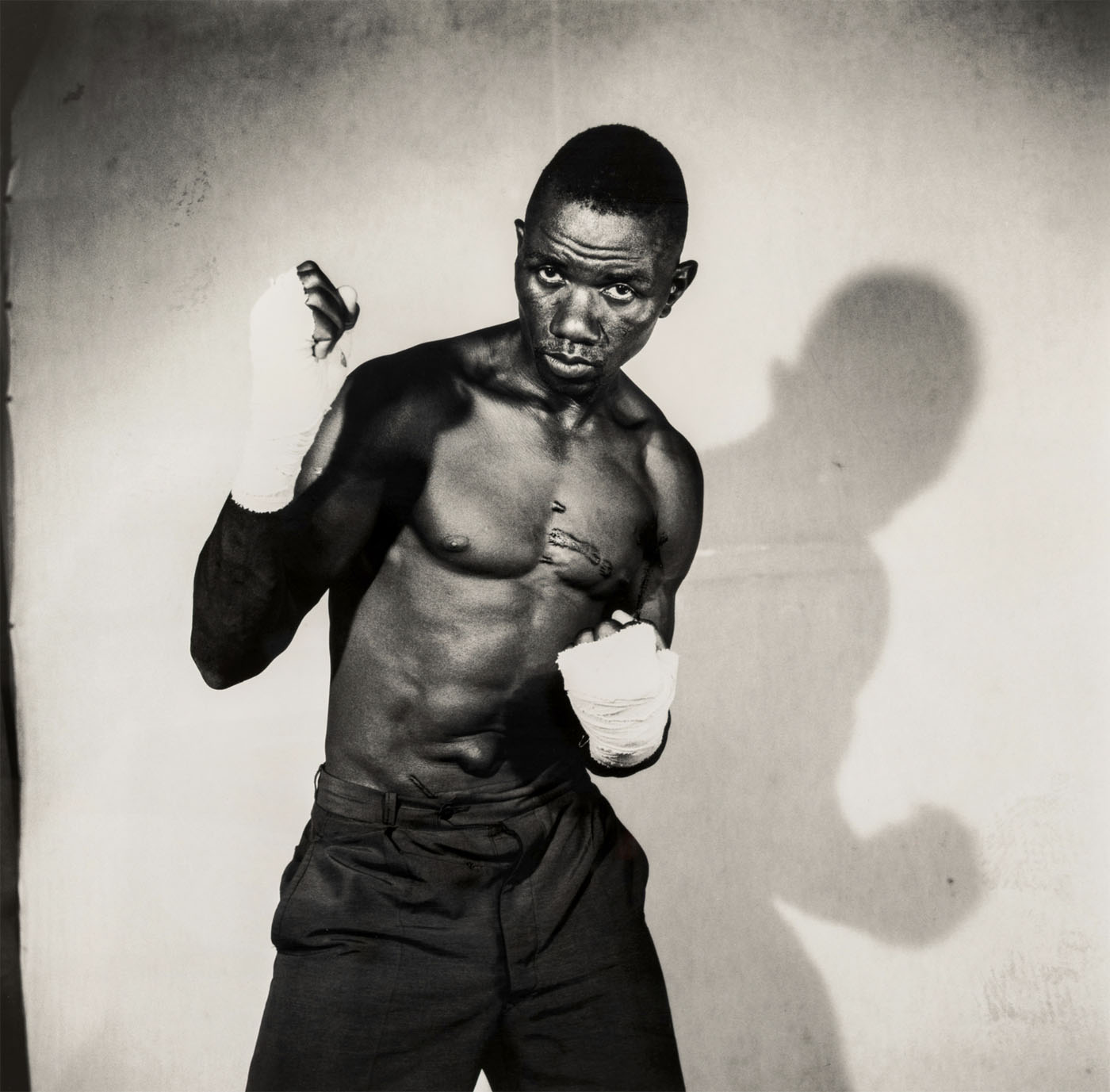

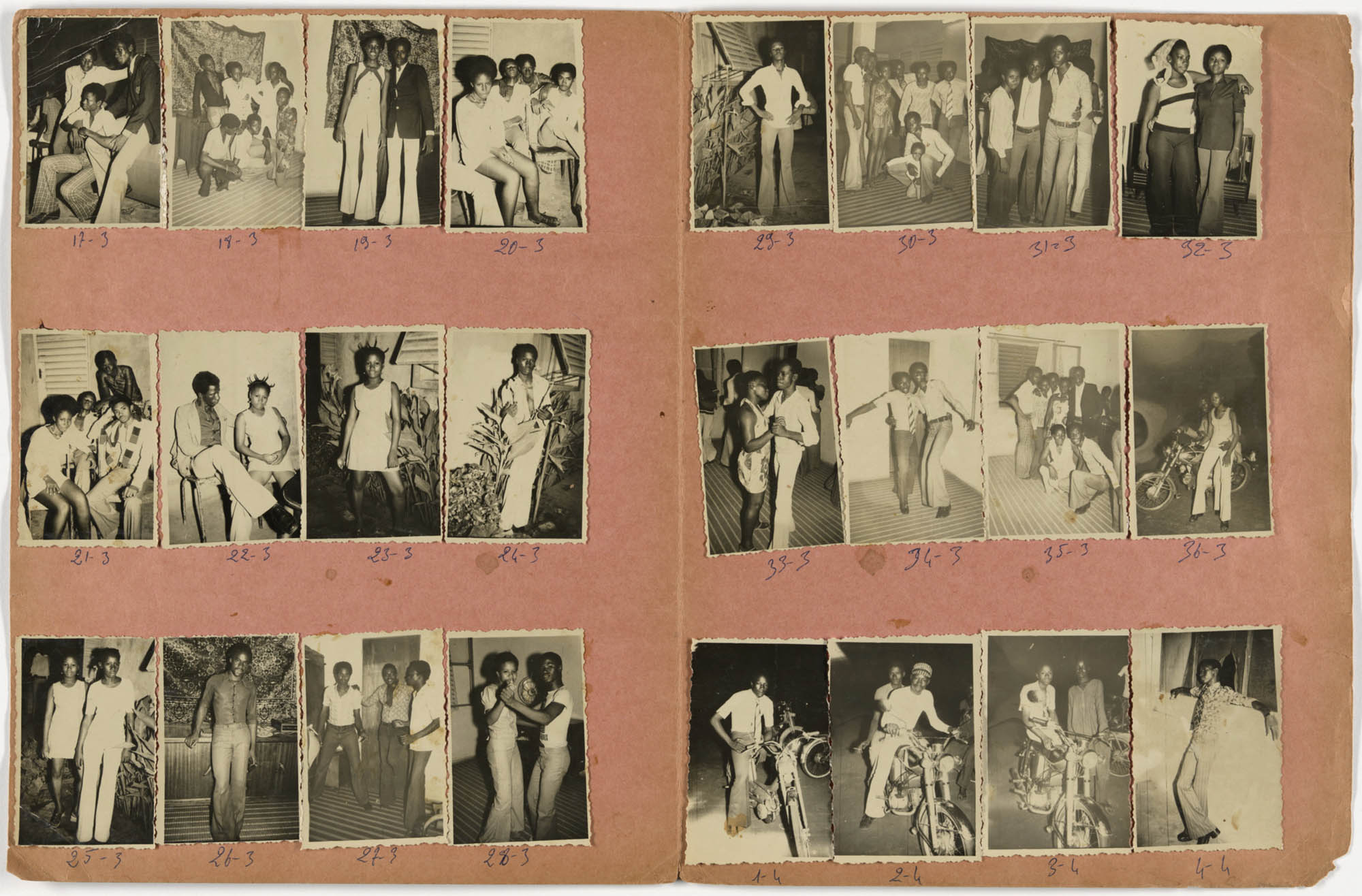
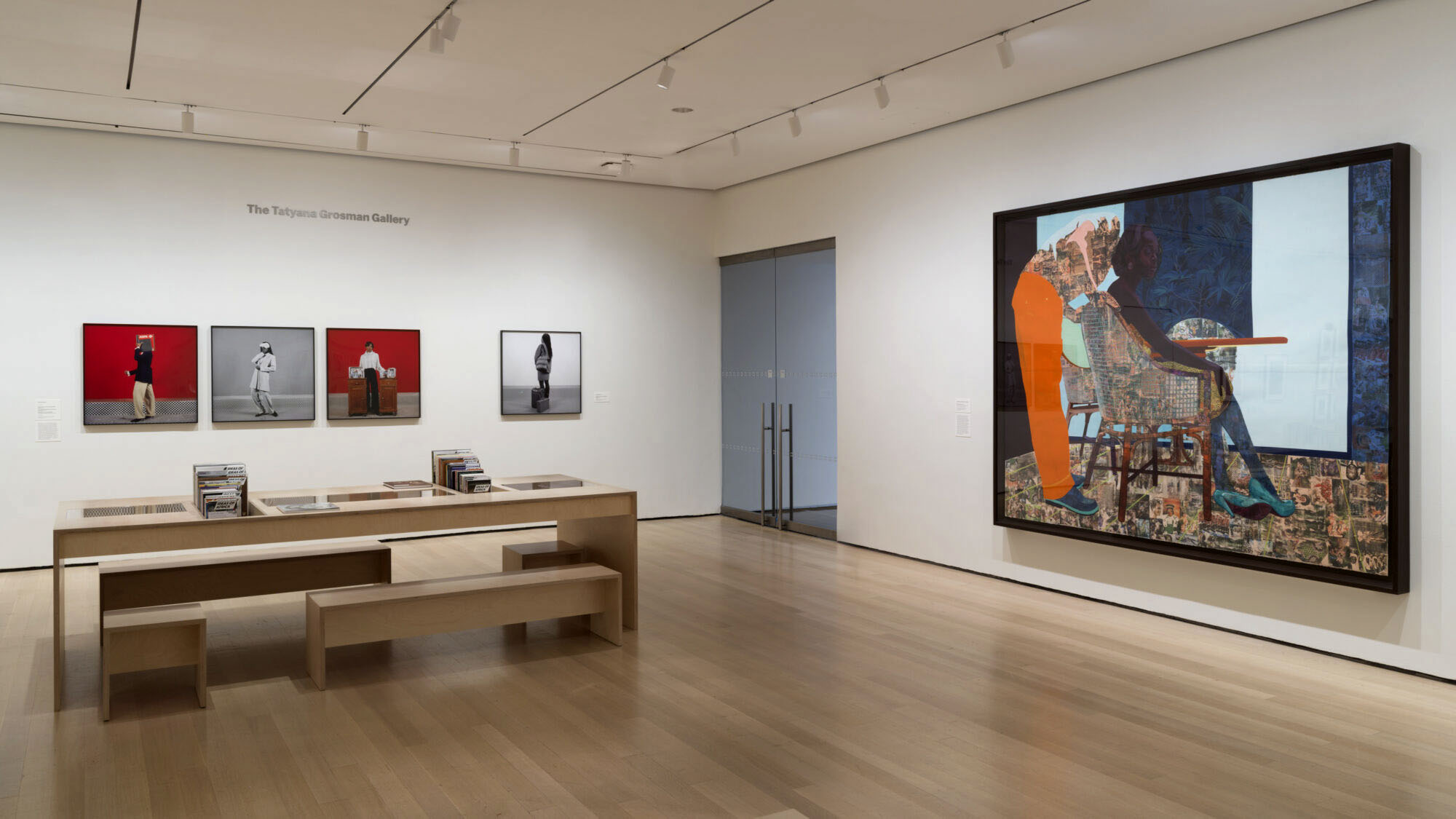
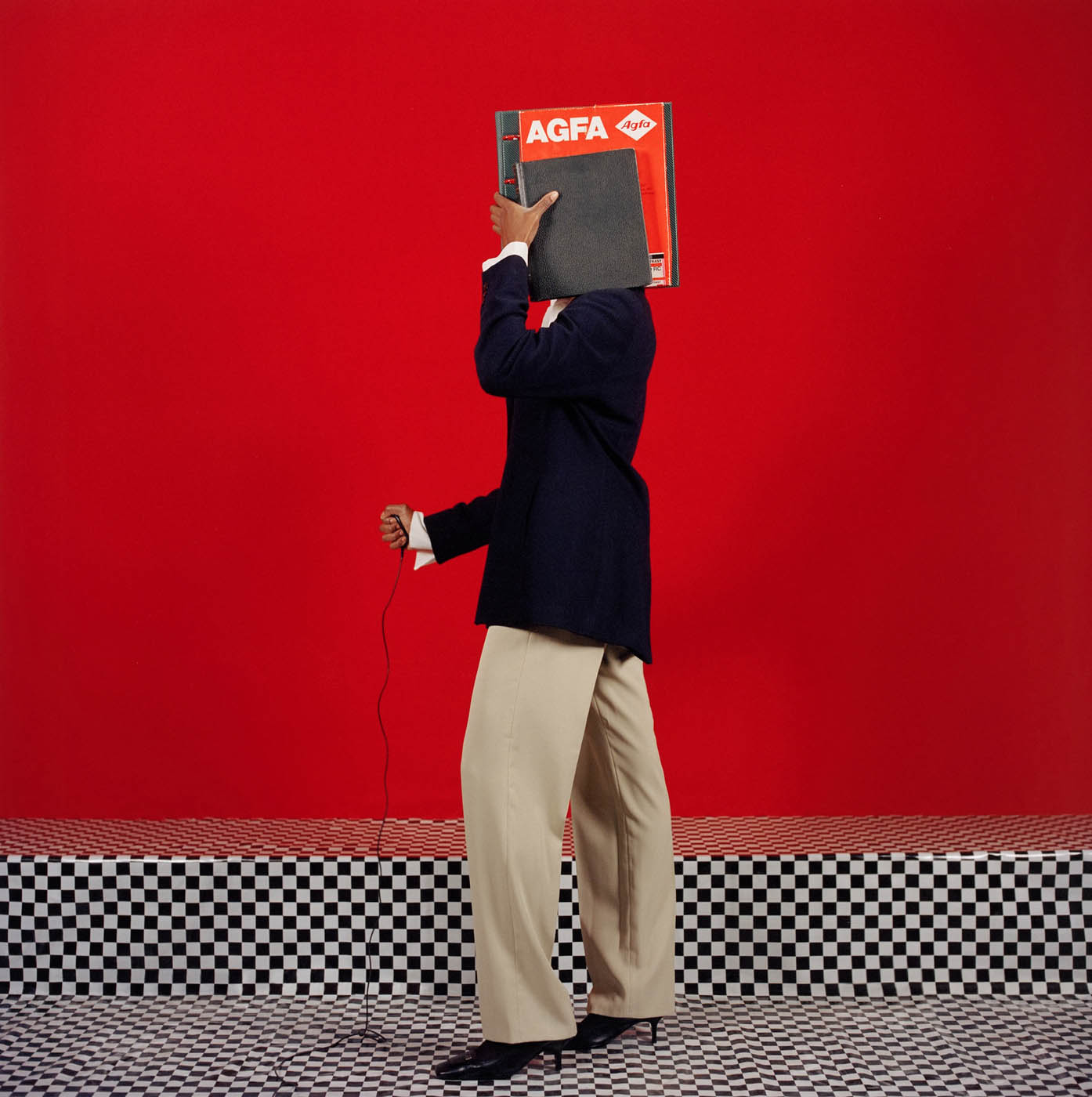
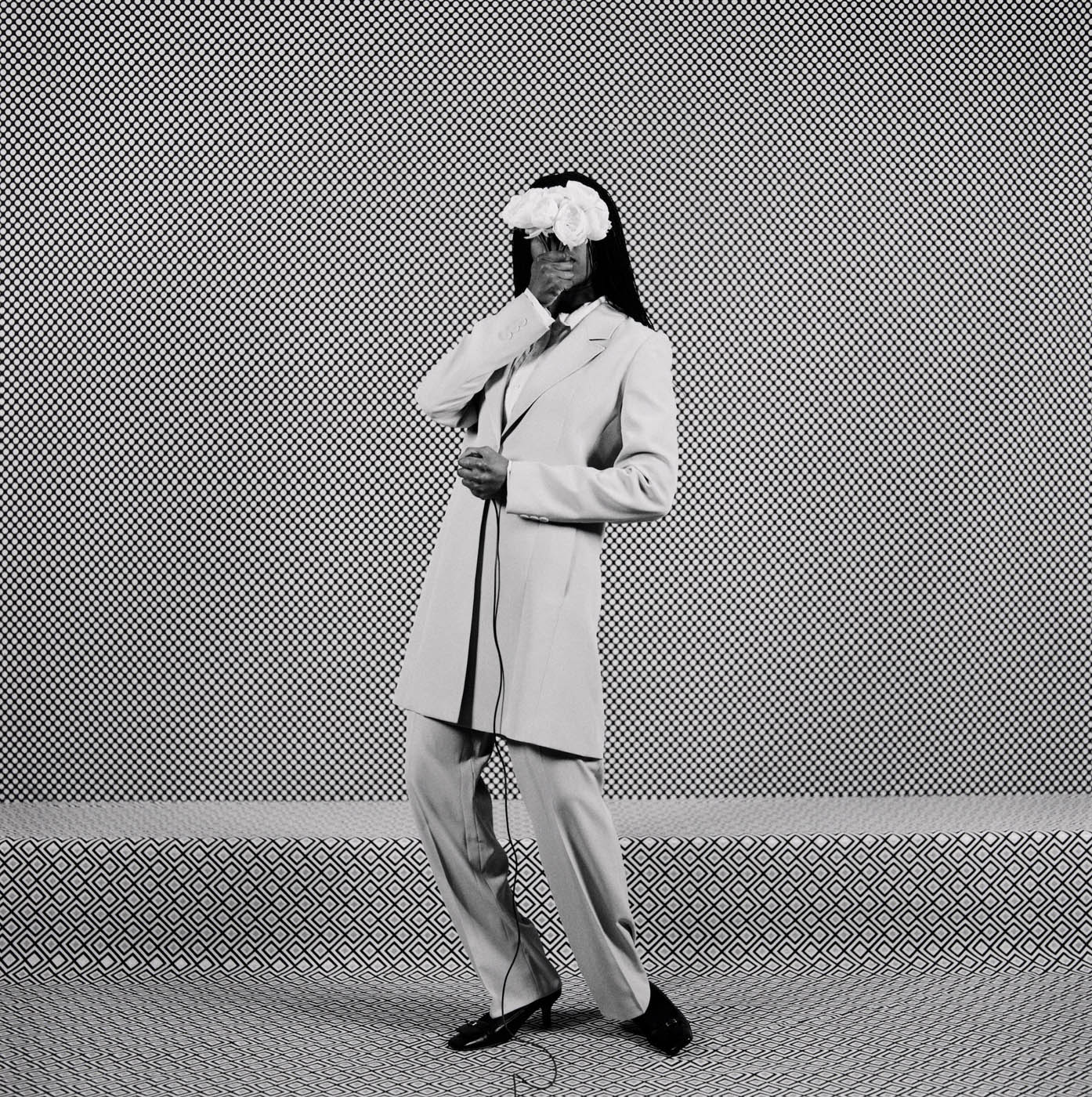

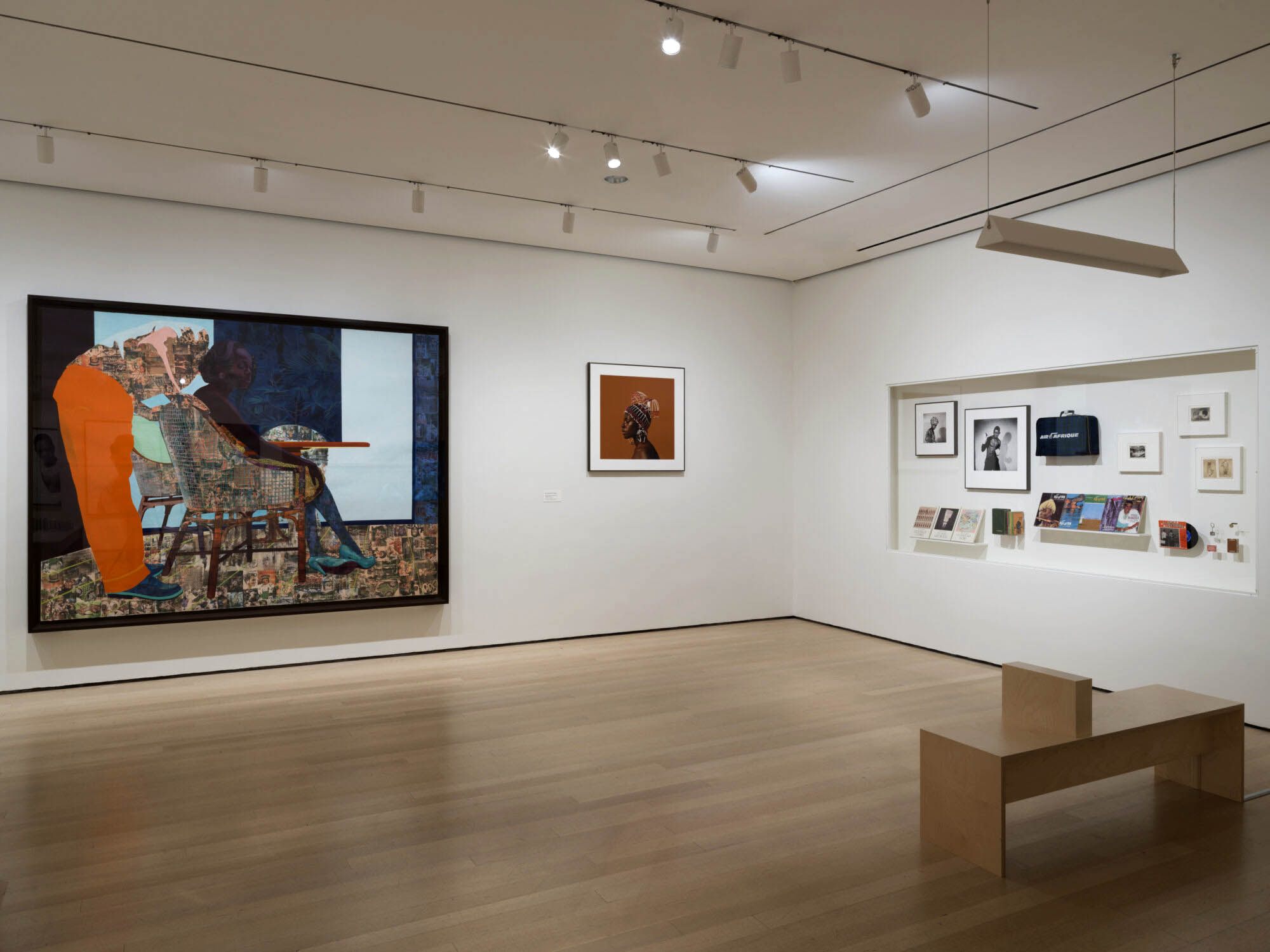
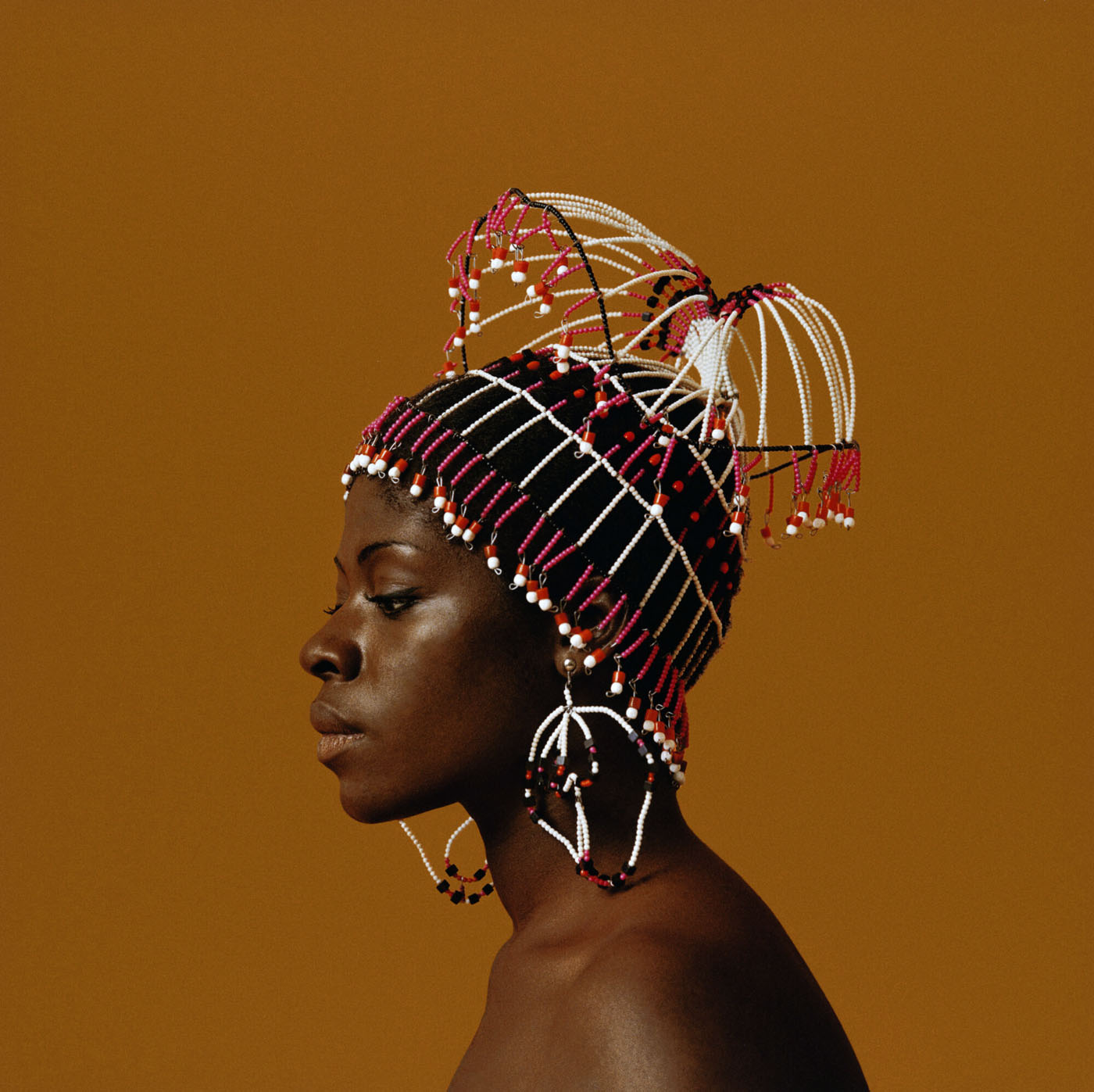
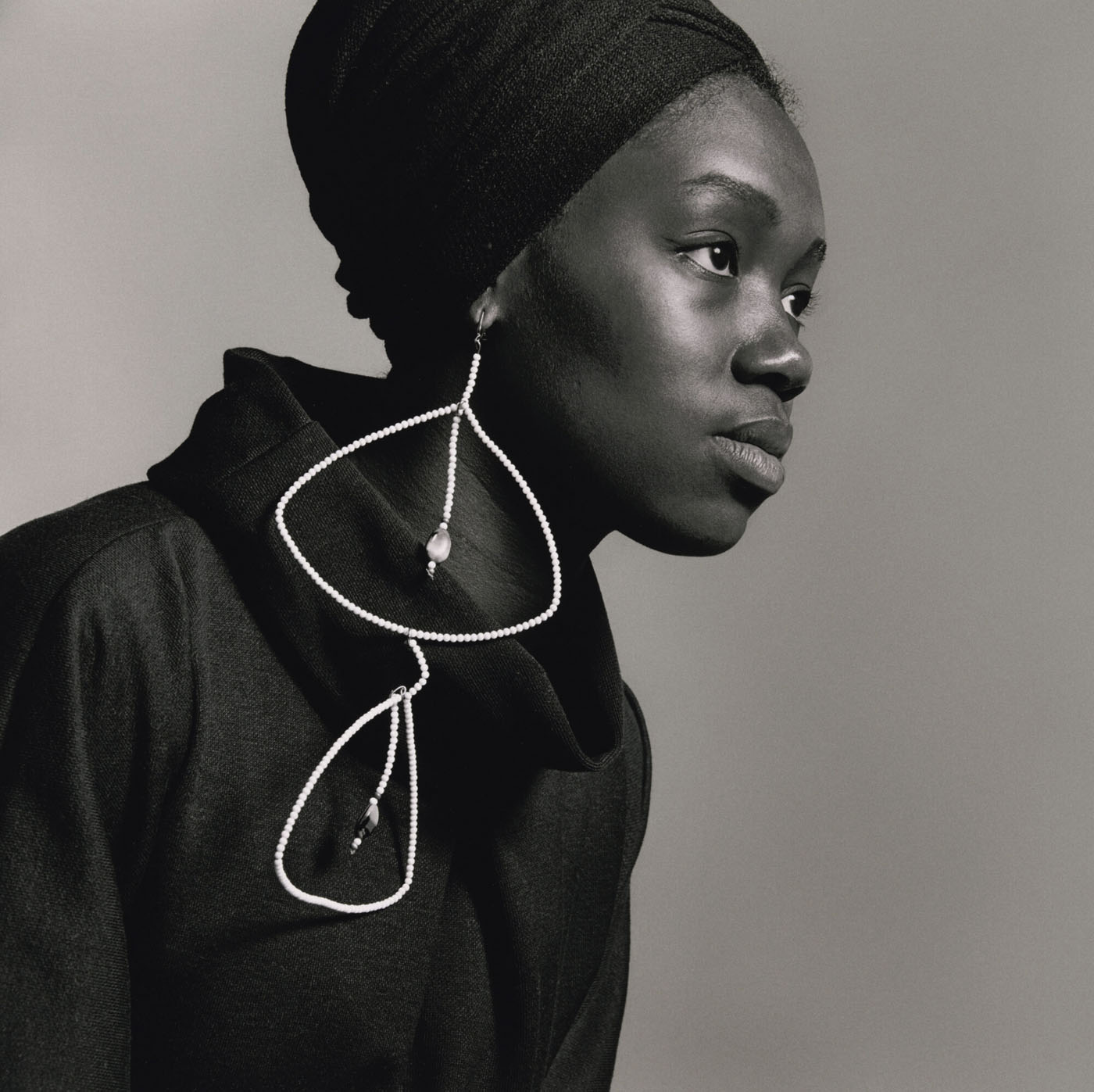
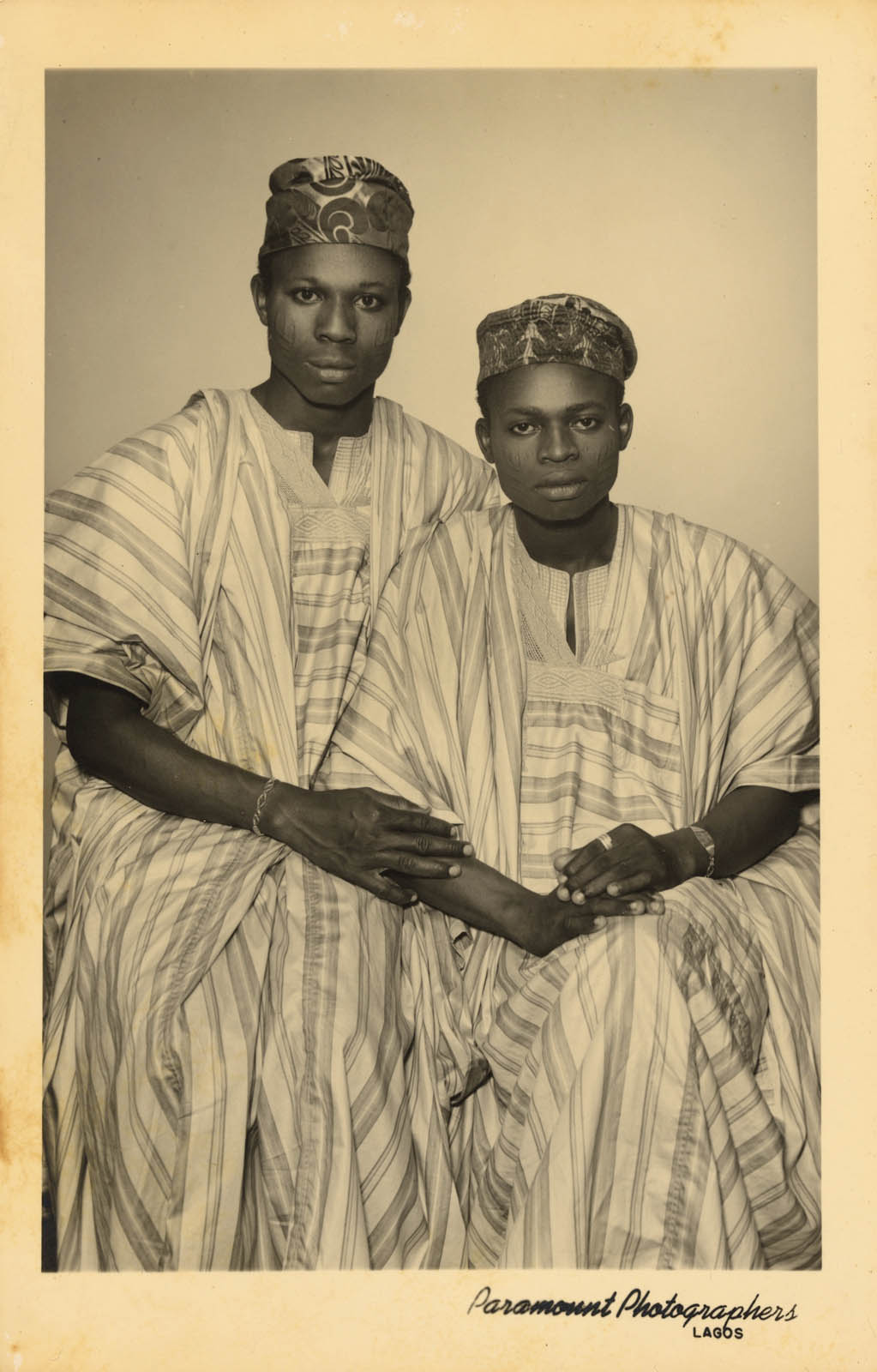
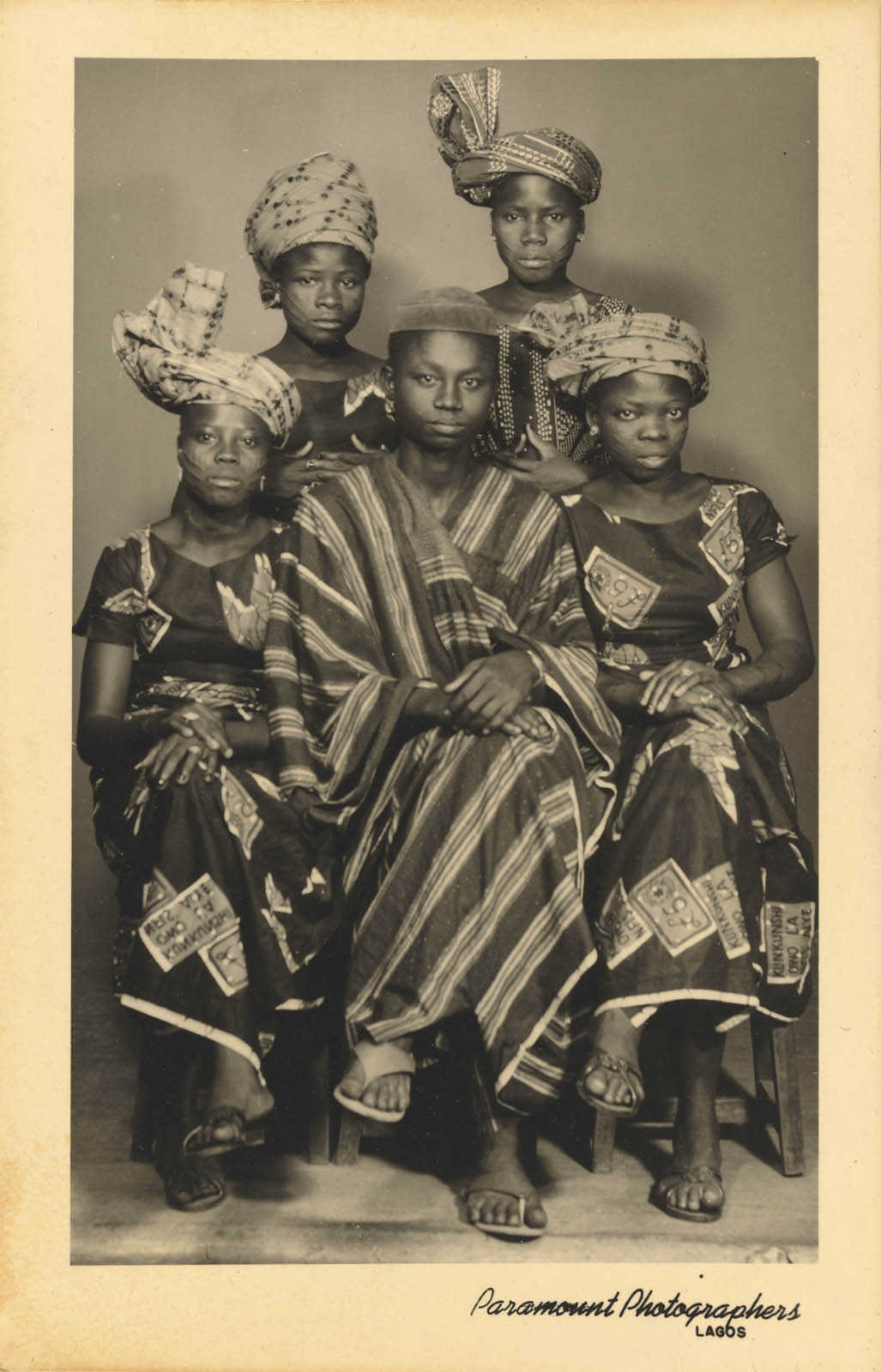
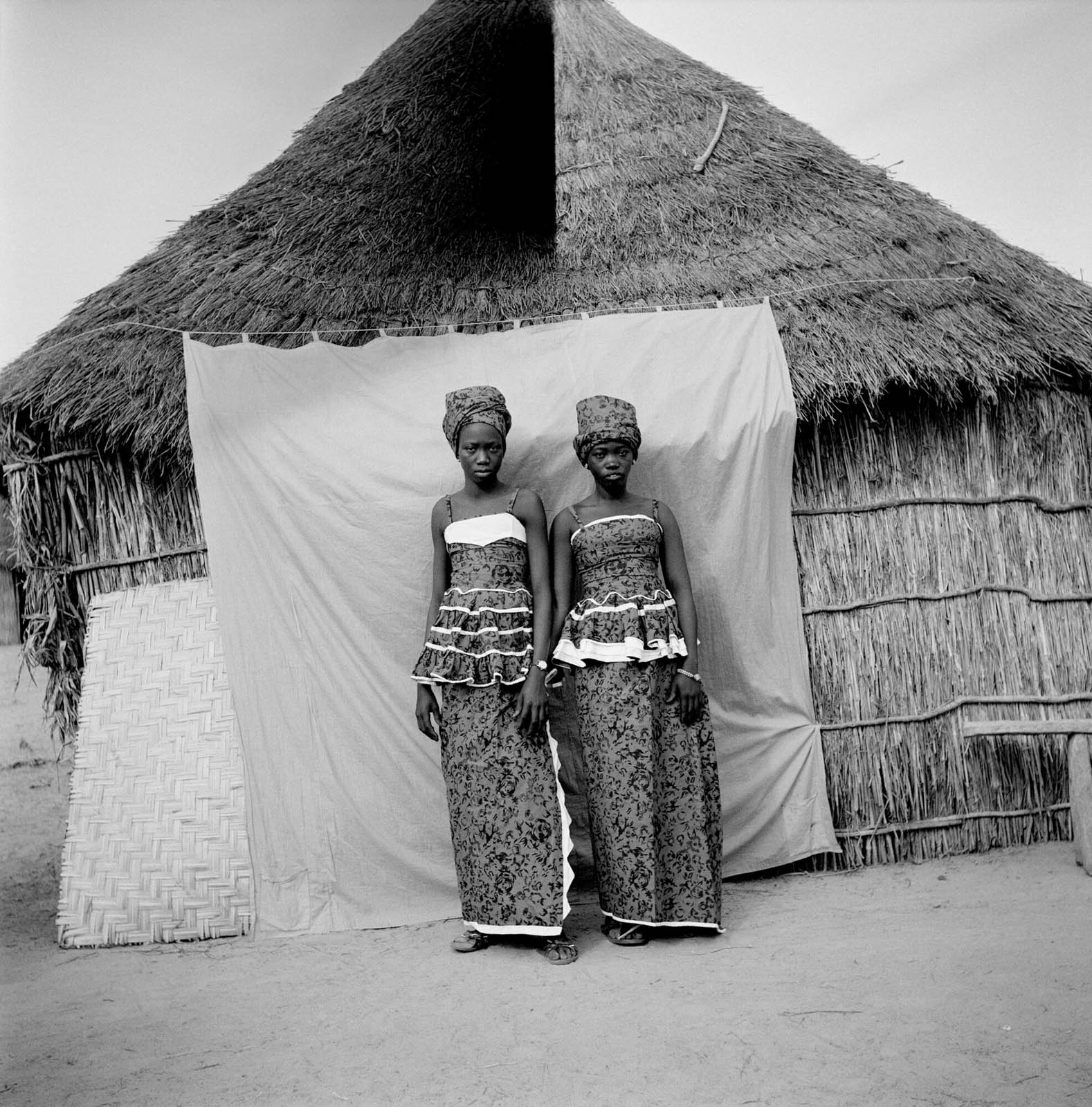
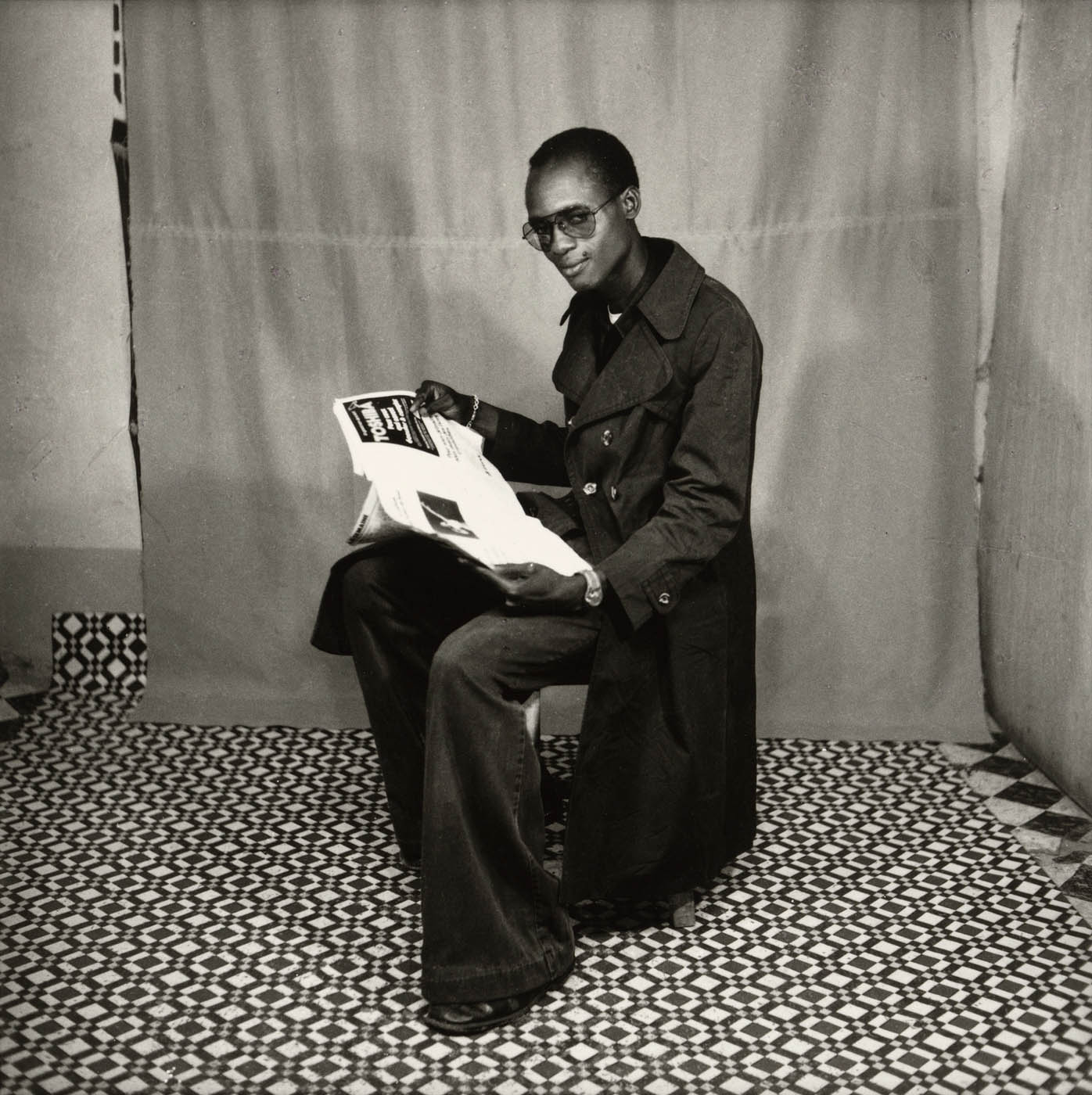
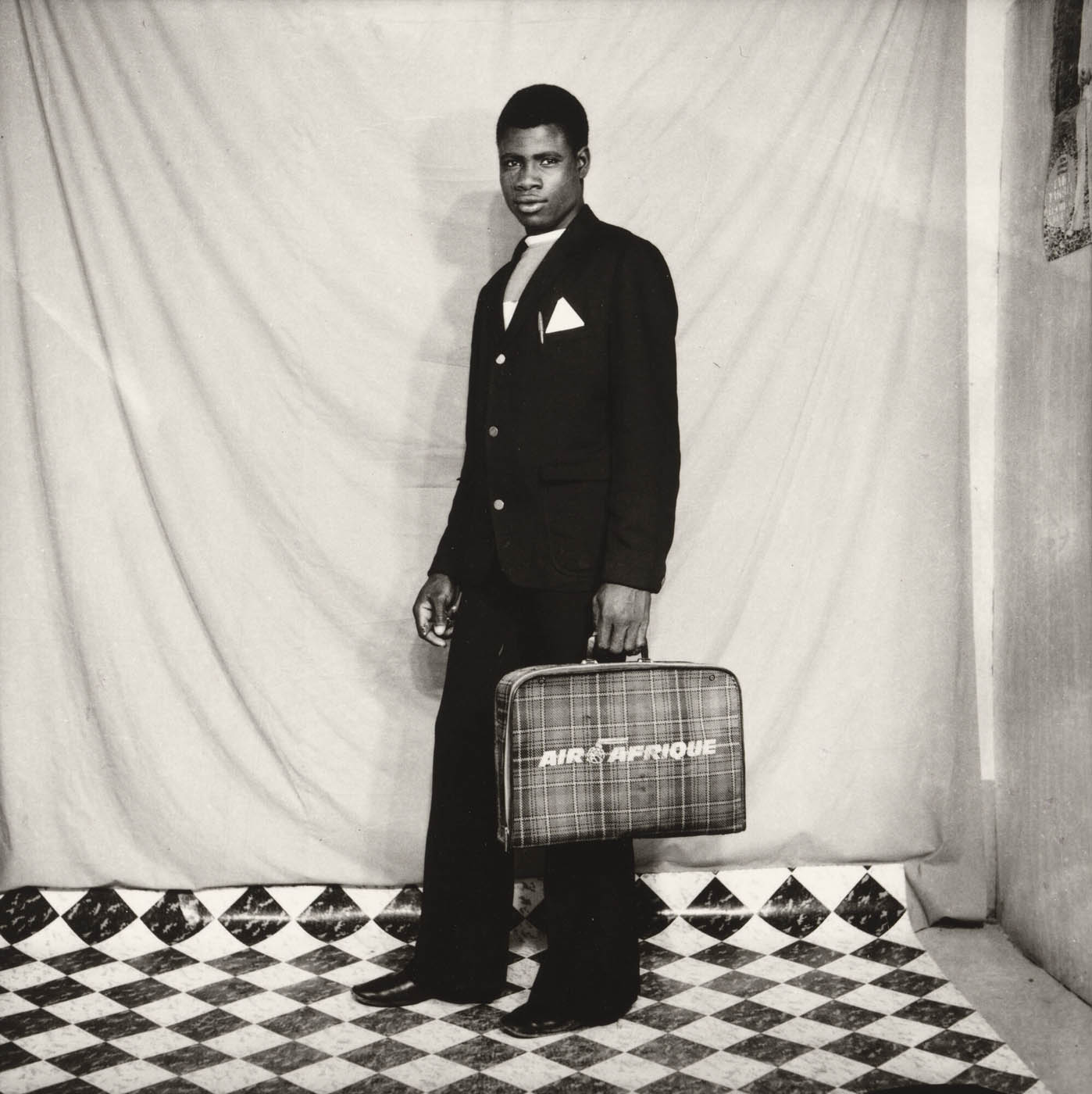
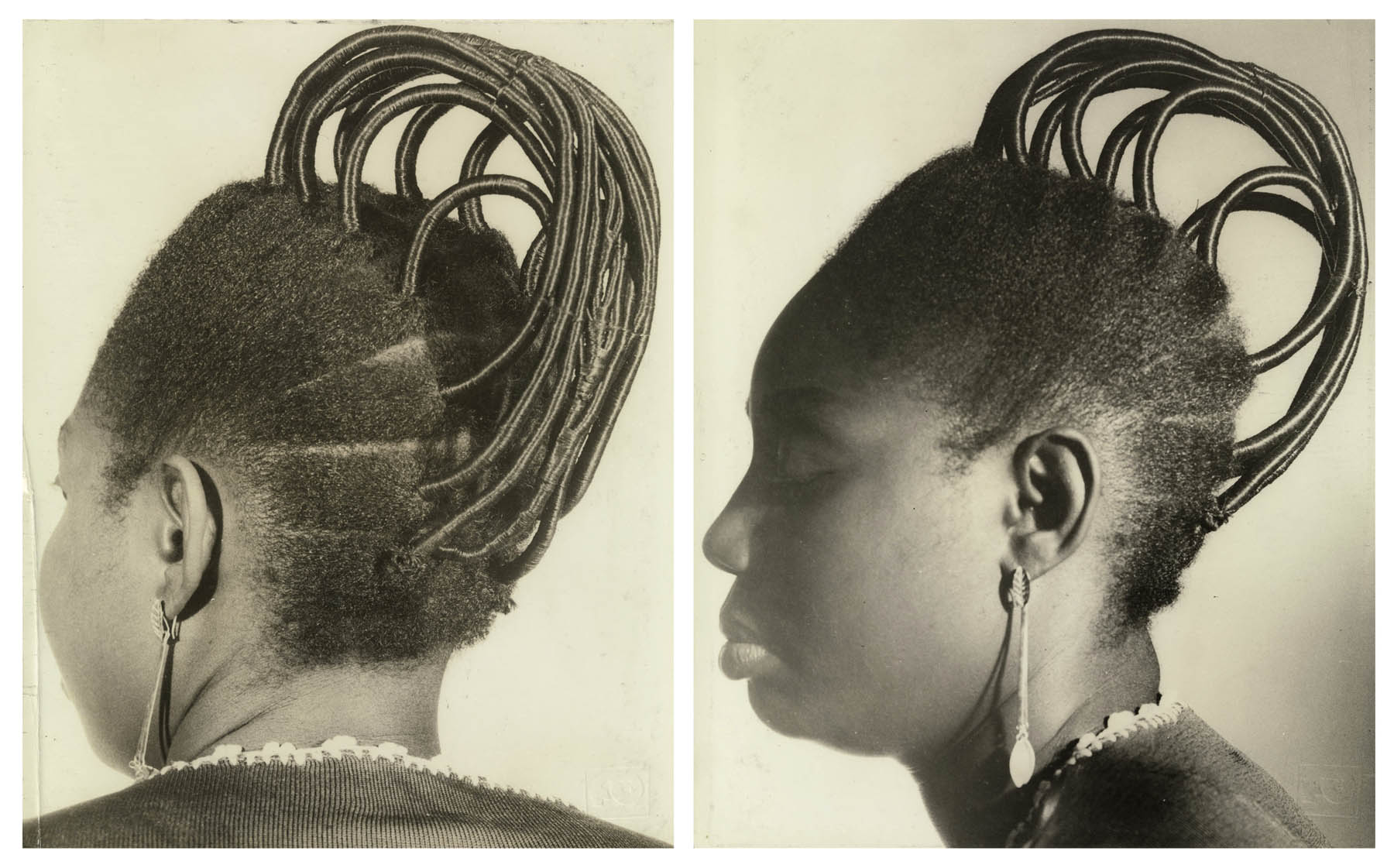

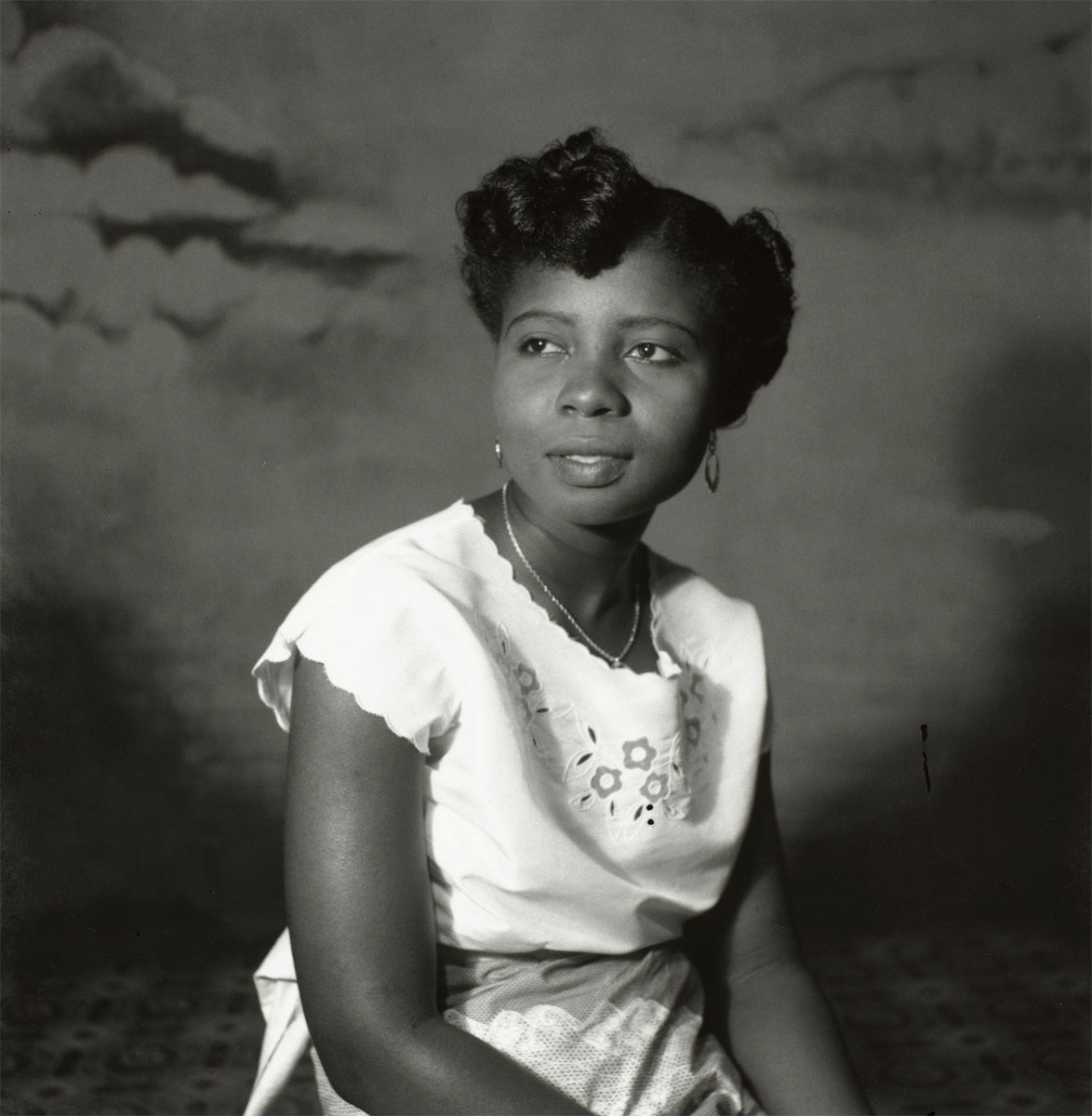
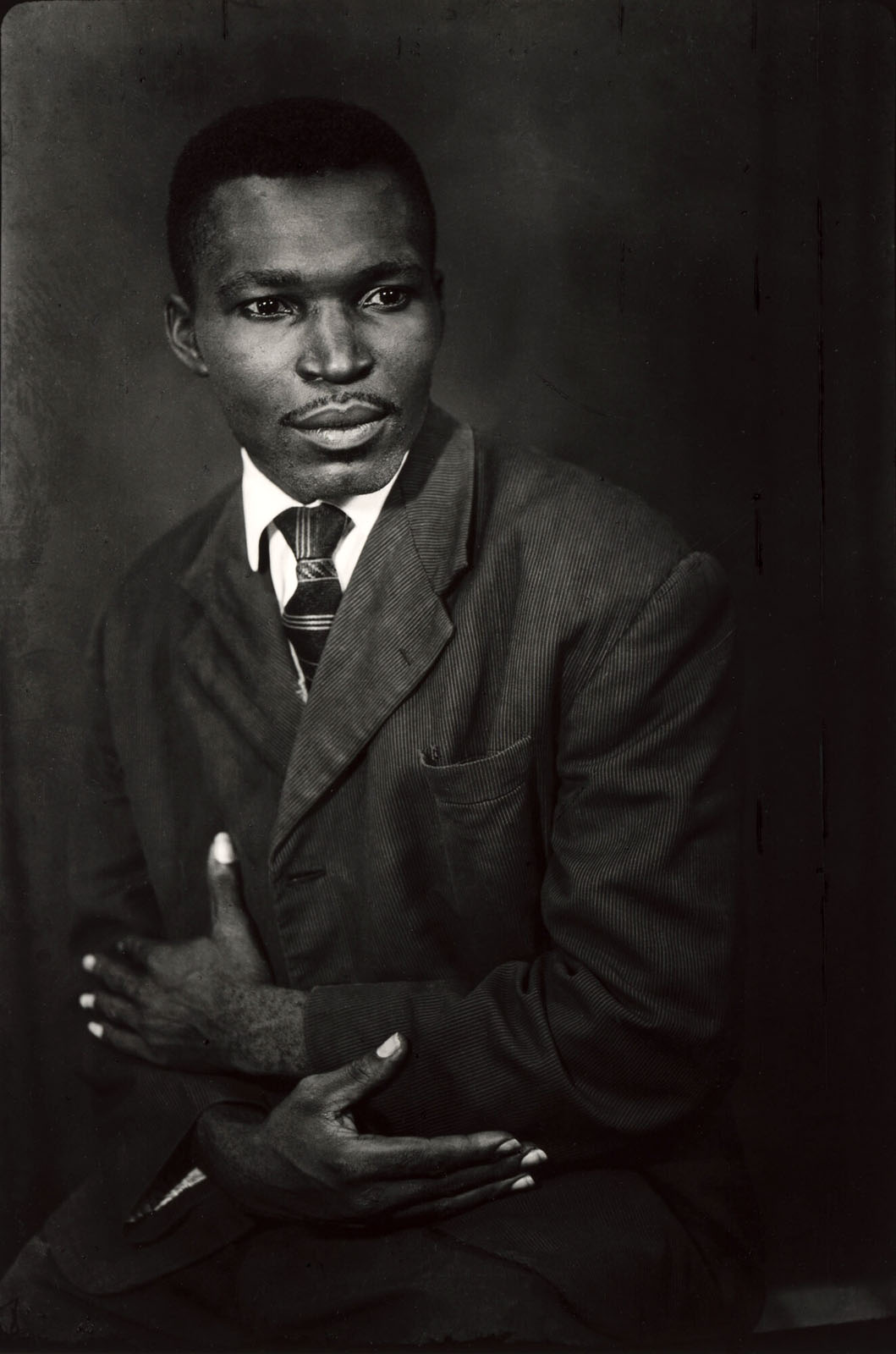
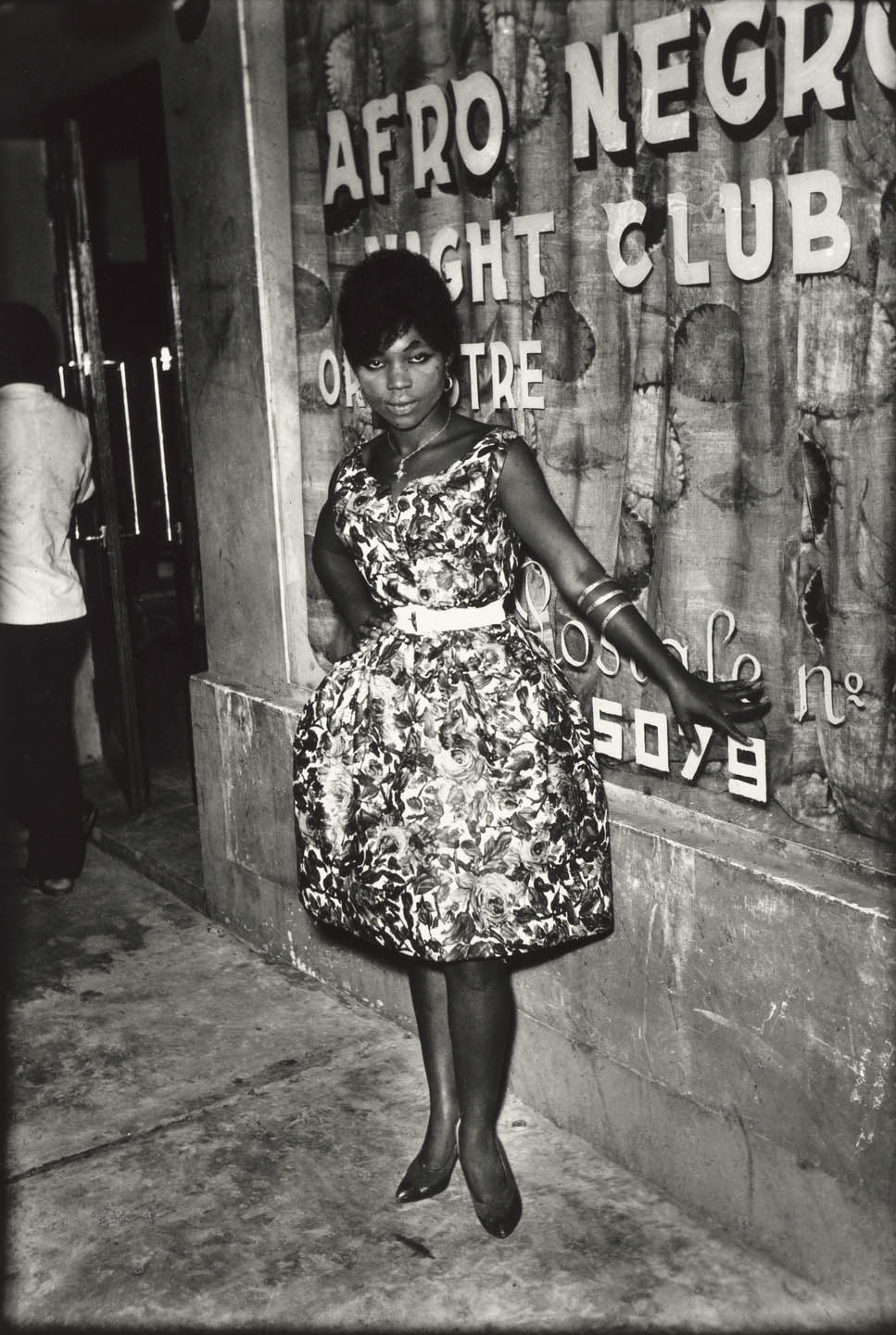

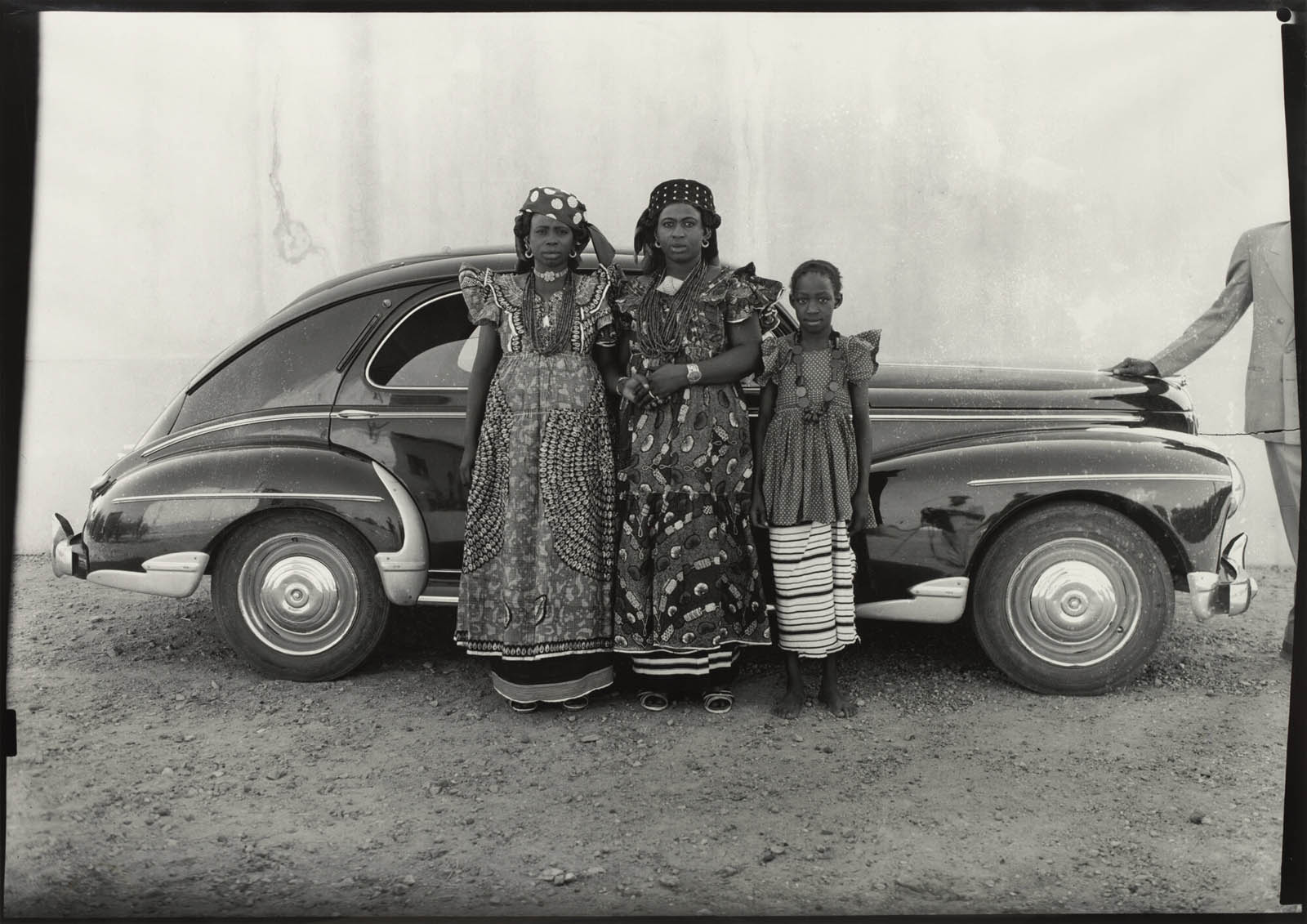
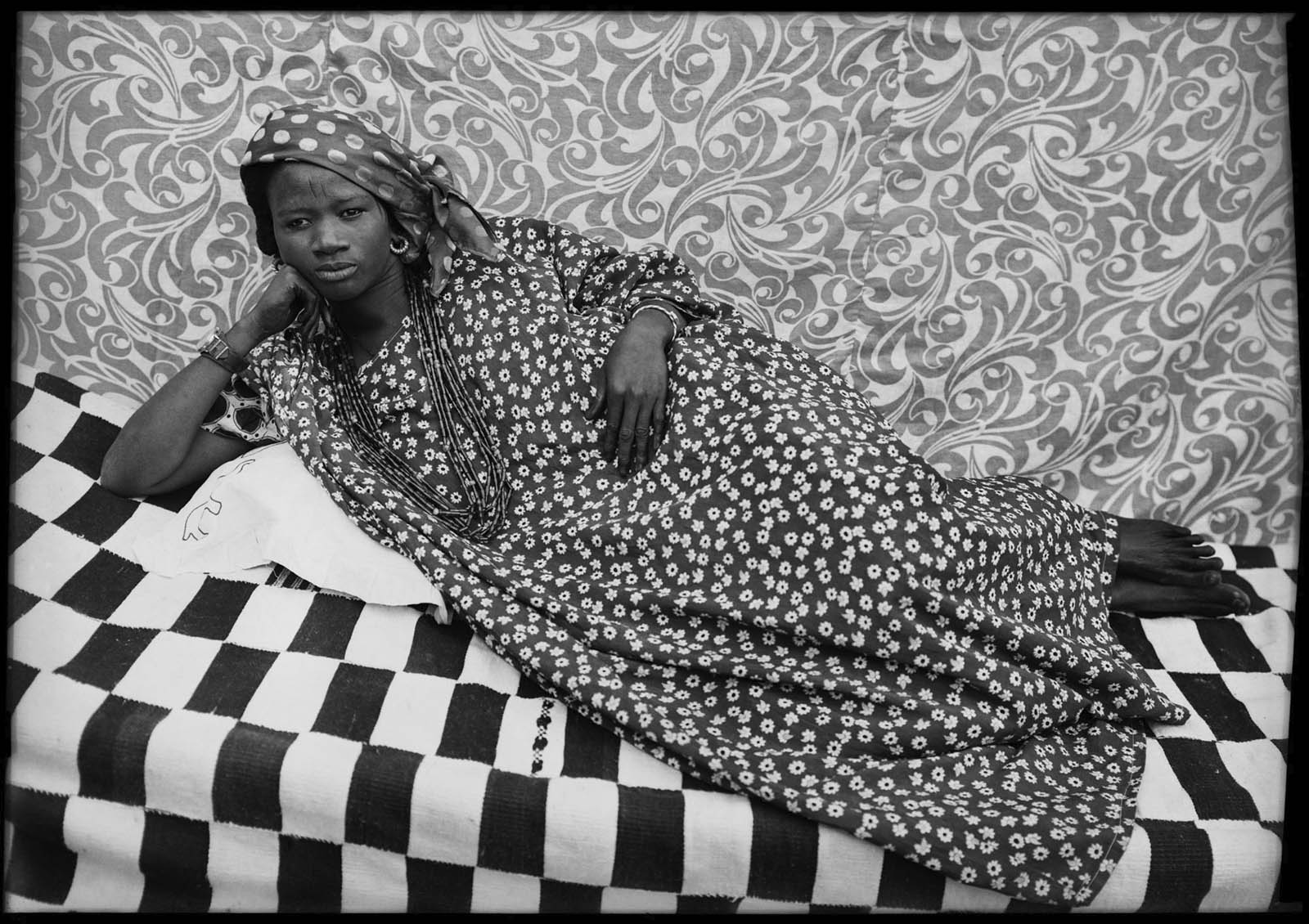
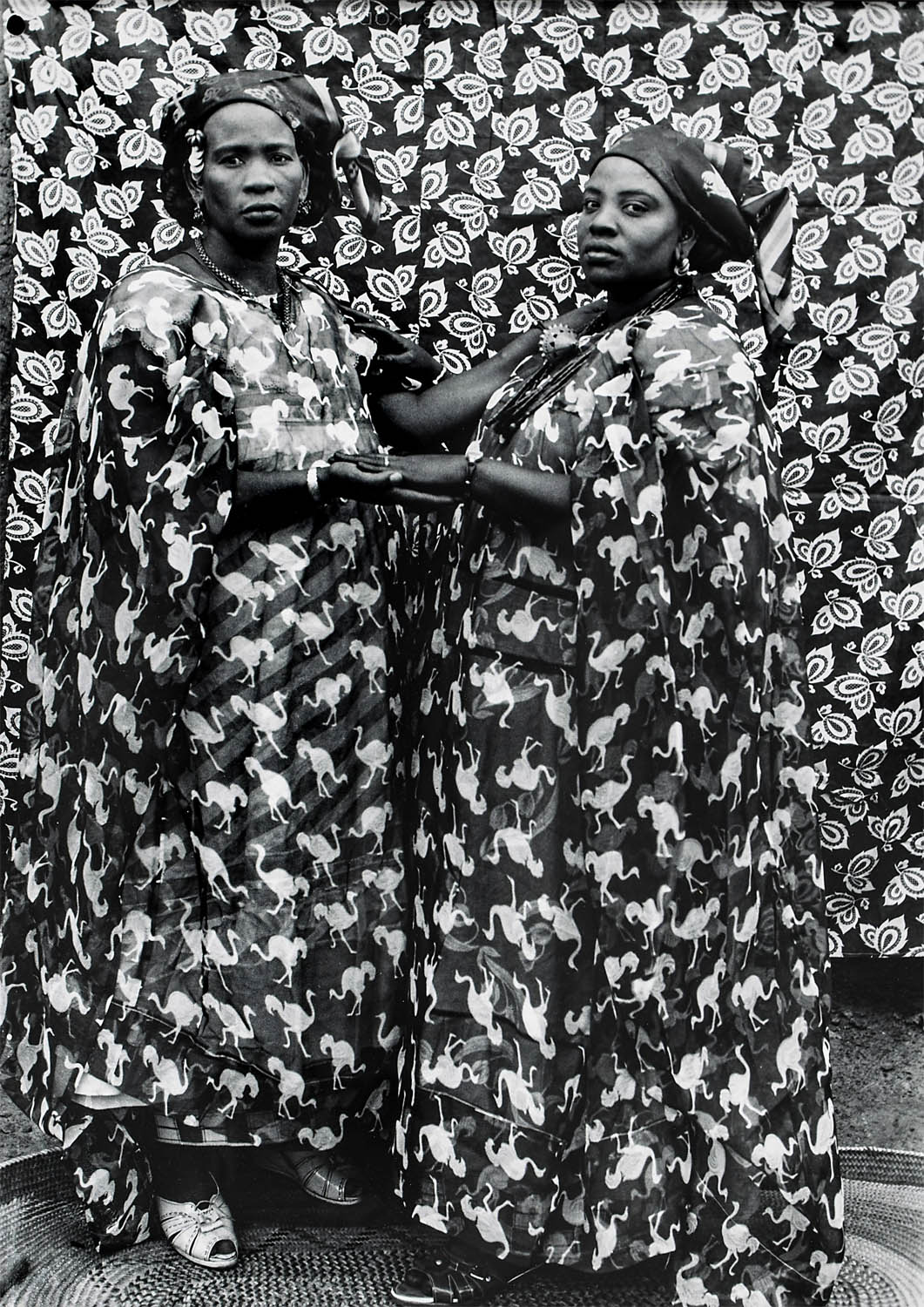
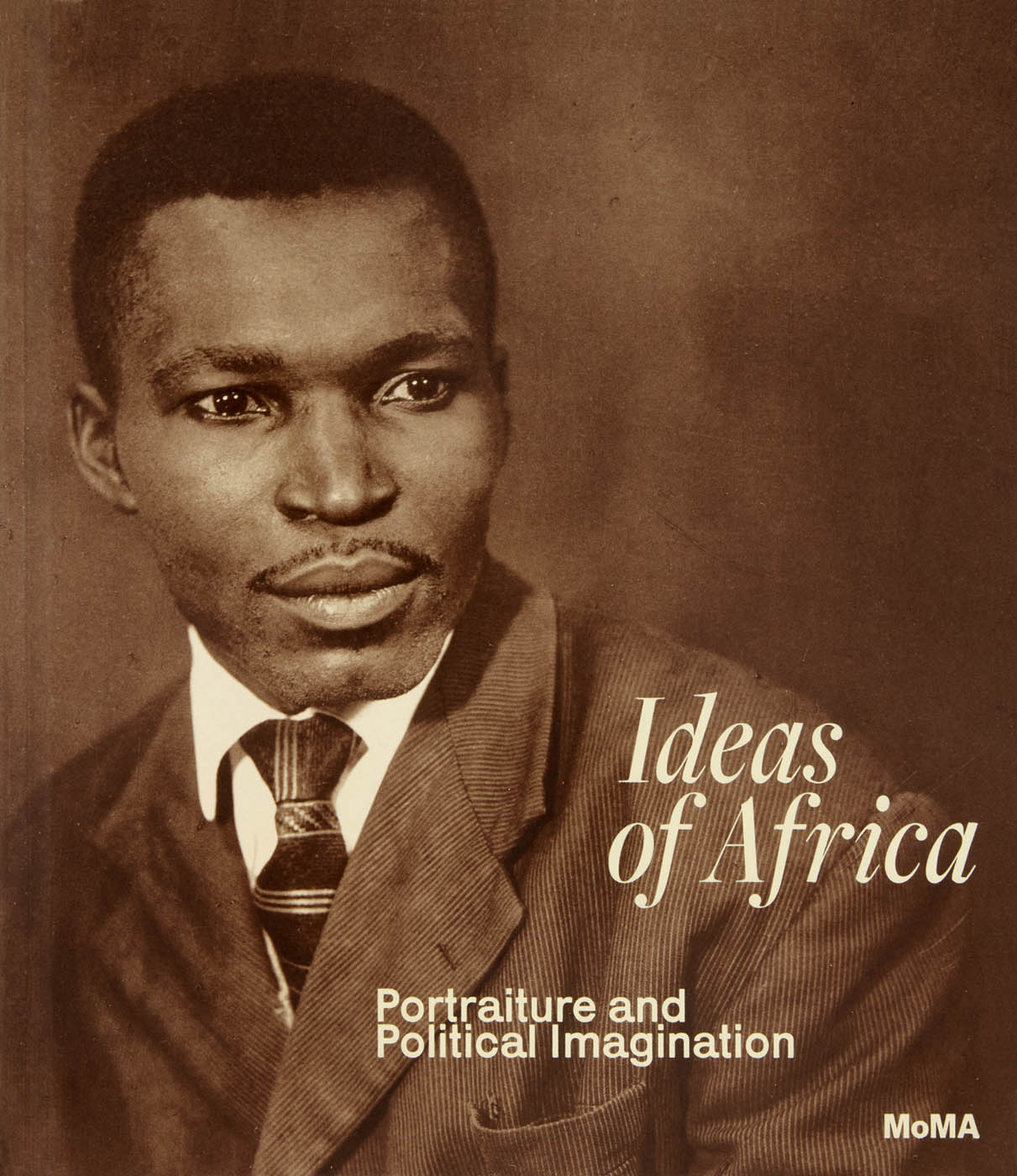


You must be logged in to post a comment.