Exhibition: ‘Ideas of Africa: Portraiture and Political Imagination’ at The Museum of Modern Art (MoMA), New York

“There is something so infectious and engaging about these photographs, something that draws you into the transformative freedom of African identities.” Dr Marcus Bunyan

Exhibition dates: 14th December, 2025 – 25th July, 2026

Curator: Oluremi C. Onabanjo, The Peter Schub Curator, with the assistance of Chiara M. Mannarino, Curatorial Assistant, The Robert B. Menschel Department of Photography
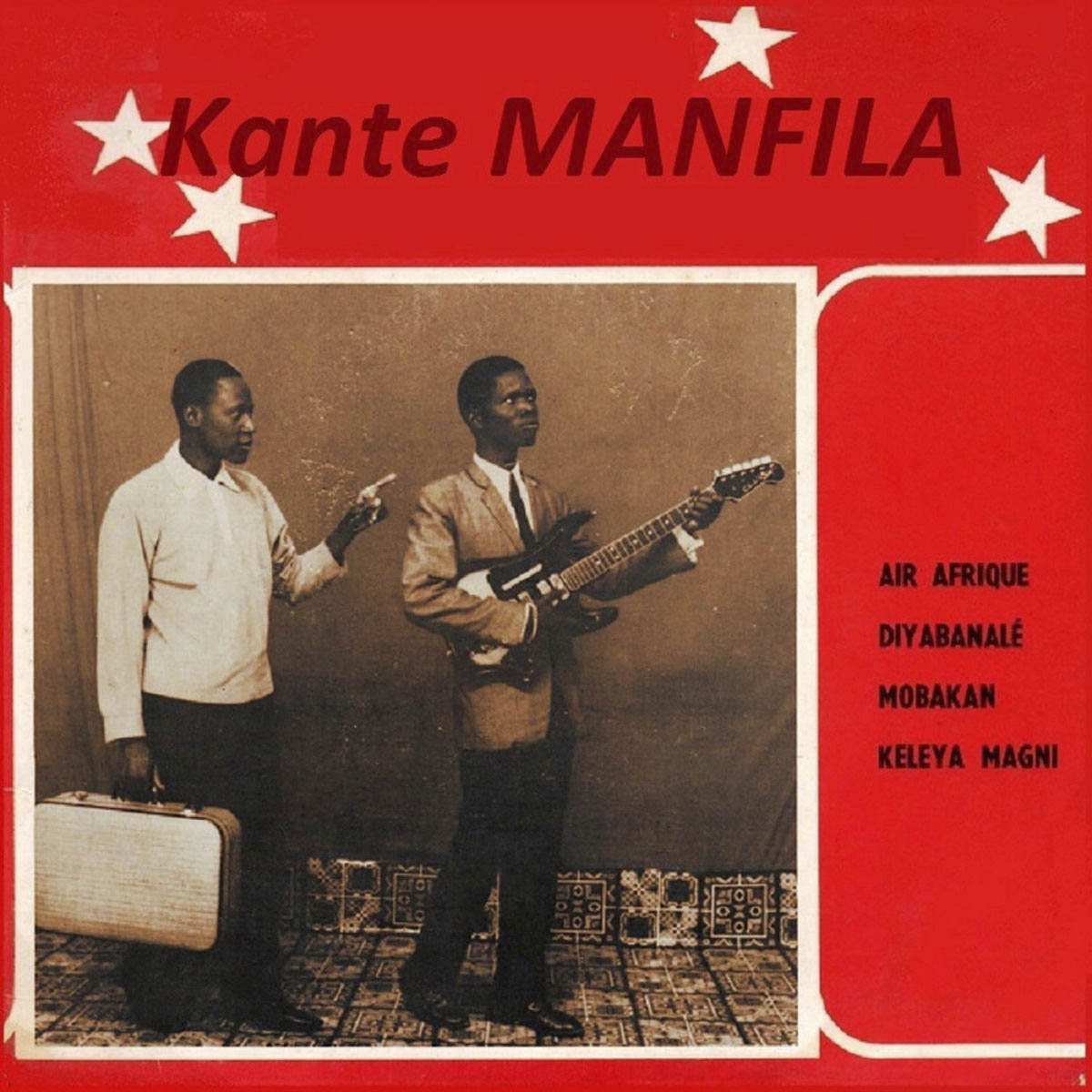
 

Air Afrique. 'DJIMA RECORDS' 1969


Air Afrique
DJIMA RECORDS
1969
Vinyl 45tour Mono
7 1/16 x 7 1/16″ (18 x 18cm)
Air Afrique Collective, courtesy of Lamine Diaoune,
Ahmadou-Bamba Thiam, Djiby Kebe, Jeremy Konko


Of being and becoming

Why do I love African photography so much after the “winds of decolonial change” swept through the continent which “saw the disintegration of colonial territories and the formation of transnational solidarity across the African continent and diaspora.”

Firstly, I love the vibrancy present in photographs of everyday life – at the club, with friends, dancing, drinking. I love the hairstyles, I love the fabrics, I love the way people are proud of themselves and their cultural heritage. Joy, love, exuberance, passion. There is something so infectious and engaging about these photographs, something that draws you into the transformative freedom of African identities.

Secondly, I love the studio photographs that enable the sitter to dream the great dreams of life, to imagine who they want to be before the camera. Here, in a symbiotic relationship between the photographer and the sitter, the “studio becomes a kind of imaginative enterprise. You can go and be who you are, or you can go and be who you want to be.” In Sanlé Sory’s studio his “portraits made possible a particular process of being and becoming for his sitters. He reflected the ideas that they wanted to communicate – whether to friends, lovers, strangers, or themselves.” (Gallery label) The resulting portrait made the sitter feel connected to a cosmopolitan world. Both a world of dreams and aspirations and Africans’ lived experiences and realities.

Thirdly, I love how the photographer turns the camera towards himself, conceptually enacting in a staged theatricality of becoming, envisioning himself as different personalities through the act of constructing identities. Heroes, travellers, intellectuals, philosophers and, in Samuel Fosso’s case, prominent figures from 20th-century Pan-African liberation and American civil rights movements. African spirits and activists, intellectuals, and political leaders who fought for Black emancipation across the globe.

Pan-African modes of image-making after the end of colonisation open up, as curator Oluremi C. Onabanjo so eloquently states, “dazzling modes of Pan-African possibility” where everything is possible in every/body. There is no wringing of the hands here, no use of colonial photographs rehashed for contemporary consumption, just a joy, joy, joy in present and future becoming.

Dr Marcus Bunyan


Many thankx to the Museum of Modern Art for allowing me to publish the photographs in the posting. Please click on the photographs for a larger version of the image.


“Imagination is a Magic carpet
Upon which we may soar
To distant lands and climes
And even go beyond the moon
To any planet in the sky
If we came from nowhere here
Why can’t we go somewhere there?

.
Sun Ra, “Imagination,” 1970


The Museum of Modern Art’s exhibition Ideas of Africa: Portraiture and Political Imagination showcases how photographic portraits fuel ideas of Pan-African subjectivity and solidarity. On view from December 14, 2025, through July 25, 2026, the exhibition considers the transatlantic call and response that constructed Africa as a political idea, due to the “winds of decolonial change” that swept the African continent in tandem with the Civil Rights movement in the United States. Ideas of Africa is the third exhibition organised at The Museum of Modern Art in celebration of the 2019 gift of modern and contemporary African art from prolific collector Jean Pigozzi. The exhibition features core works from this gift, alongside a selection of recent acquisitions and key loans.

Text from The Museum of Modern Art website
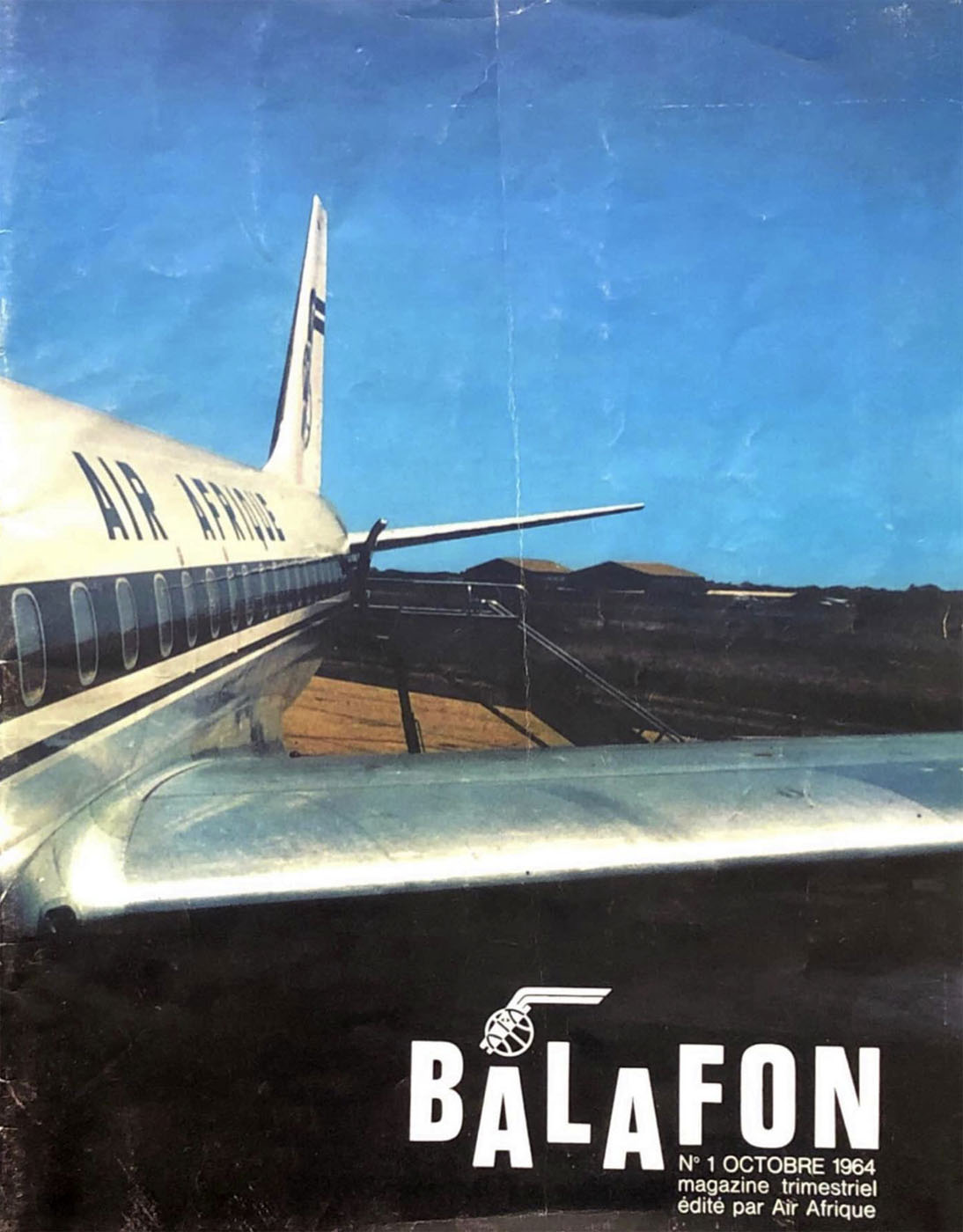
 

Air Afrique. 'Balafon No. 1' 1964


Air Afrique
Balafon No. 1
1964
Magazine, softcover
10 5/8 x 8 1/4″ (27 x 21cm)
Air Afrique Collective, courtesy of Lamine Diaoune,
Ahmadou-Bamba Thiam, Djiby Kebe, Jeremy Konko


From 1961 to 2002, Air Afrique served as the official transnational carrier for francophone West and Central Africa, providing regular jet service throughout the continent and internationally. The airline was also deeply committed to the production of Pan-African arts and culture. It funded vinyl records, published books on African history, and produced the in-flight magazine Balafon, which reported on events across Africa and beyond. Twenty years after the airline shuttered, a Paris-based artist collective formed to revitalise the spirit of Air Afrique through design collaborations, film programs, and a magazine. Their collection of archival ephemera, on view here, comprises gifts and purchases from former Air Afrique staff.

Inspired by the international activities of Air Afrique, both past and present, this reading table presents issues of the airline’s in-flight magazine, Balafon, one of which features a portrait of the Malian photographer Malick Sidibé on its cover. This table also includes a selection of photobooks, catalogues, and scholarly publications, celebrating the circulation of images and ideas in Africa during the decolonial era. These books are additionally available to browse within the gallery, offering further directions for reading, thinking, dreaming, and imagining.

Gallery label from Ideas of Africa: Portraiture and Political Imagination, 2025
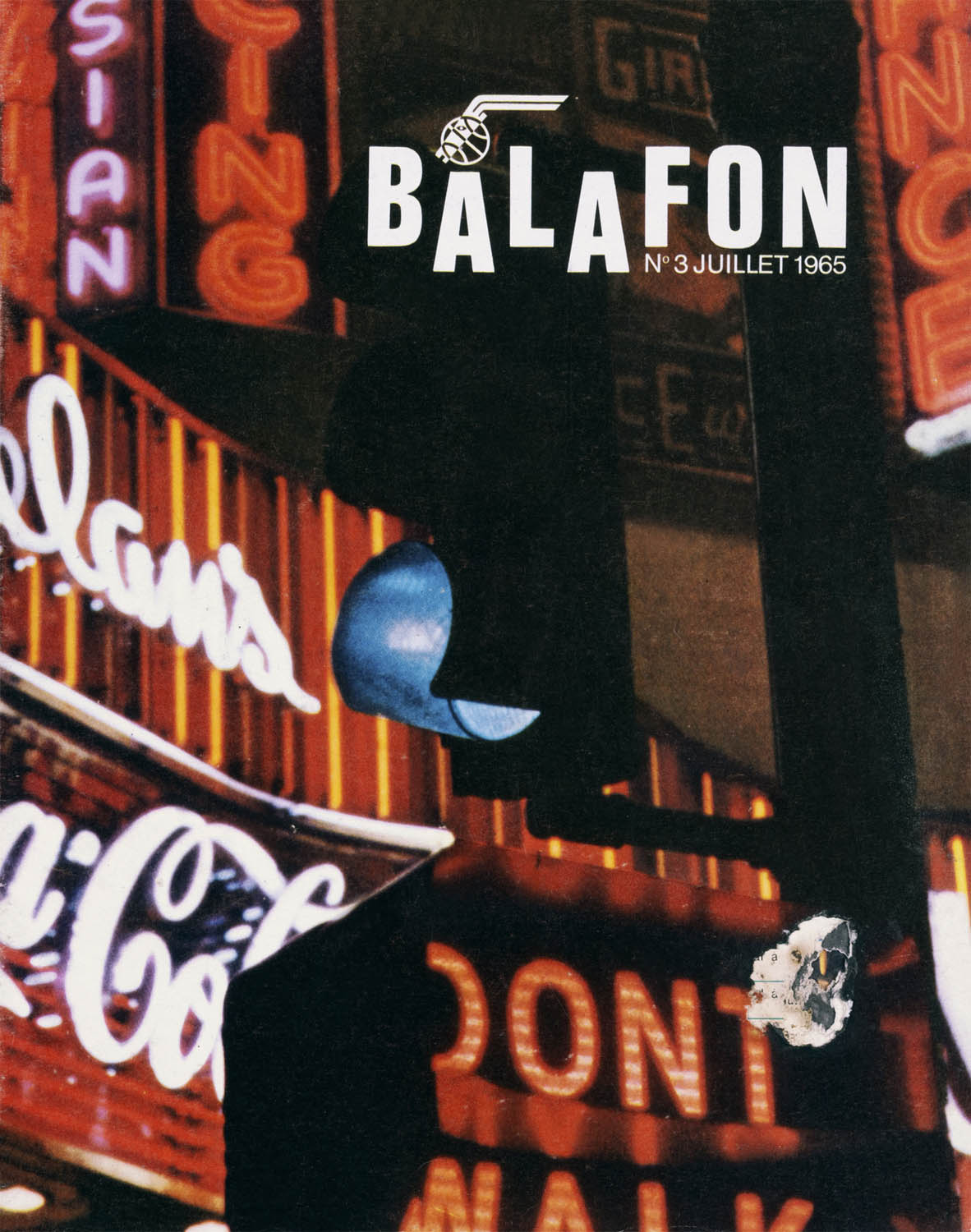
 

Air Afrique. 'Balafon No. 3' 1965


Air Afrique
Balafon No. 3
1965
Magazine, softcover
10 5/8 x 8 1/4″ (27 x 21cm)
Air Afrique Collective, courtesy of Lamine Diaoune,
Ahmadou-Bamba Thiam, Djiby Kebe, Jeremy Konko
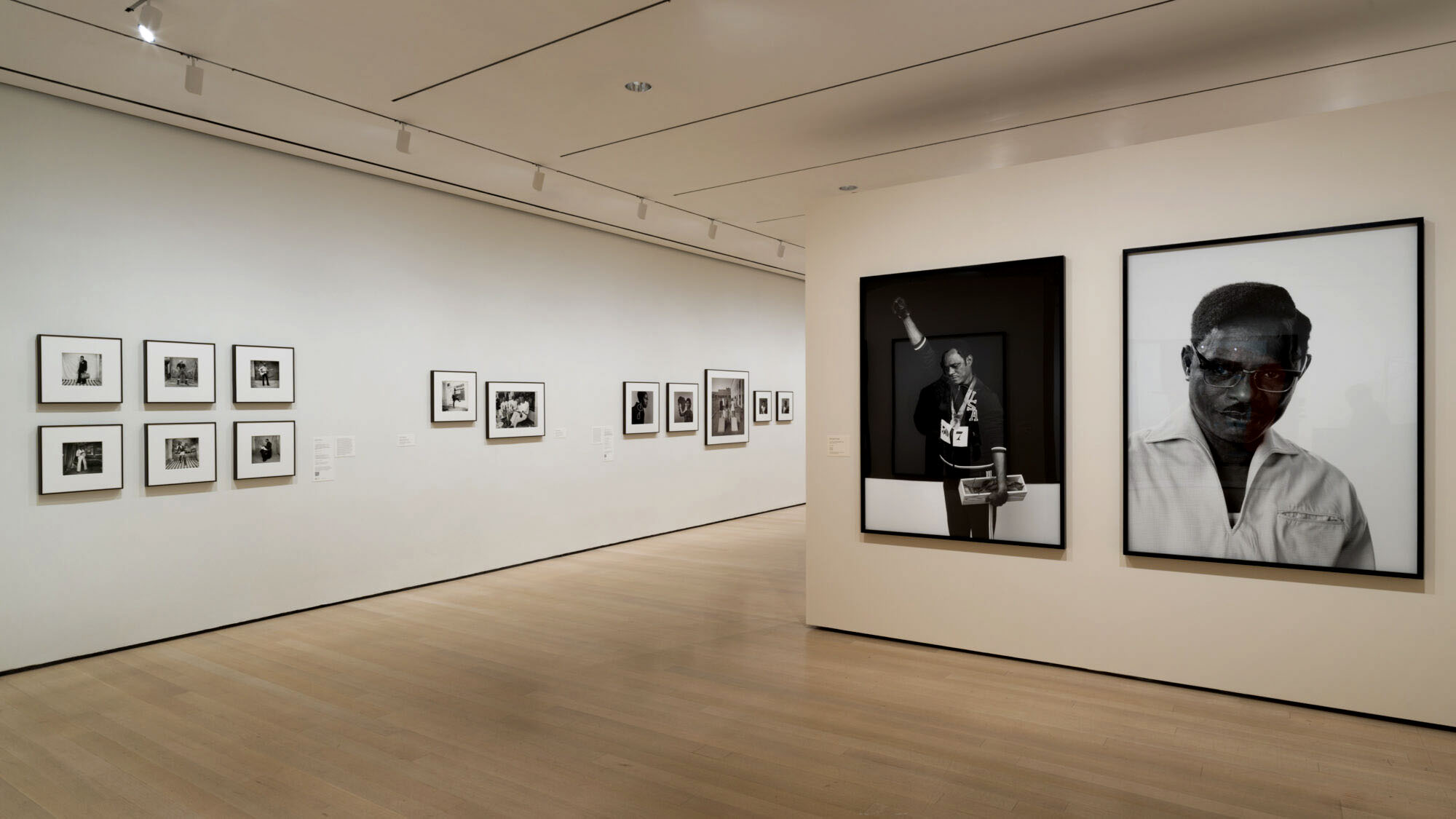
 

Installation view of the exhibition 'Ideas of Africa: Portraiture and Political Imagination' at The Museum of Modern Art (MoMA), New York, December 2025 - July 2026 showing at right two 'Untitled' photographs from the series 'African Spirits' (2008) by Samuel Fosso (French and Central African born Cameroon, b. 1962)


Installation view of the exhibition Ideas of Africa: Portraiture and Political Imagination at The Museum of Modern Art (MoMA), New York, December 2025 – July 2026 showing at right two Untitled photographs from the series African Spirits (2008, below) by Samuel Fosso (French and Central African born Cameroon, b. 1962)
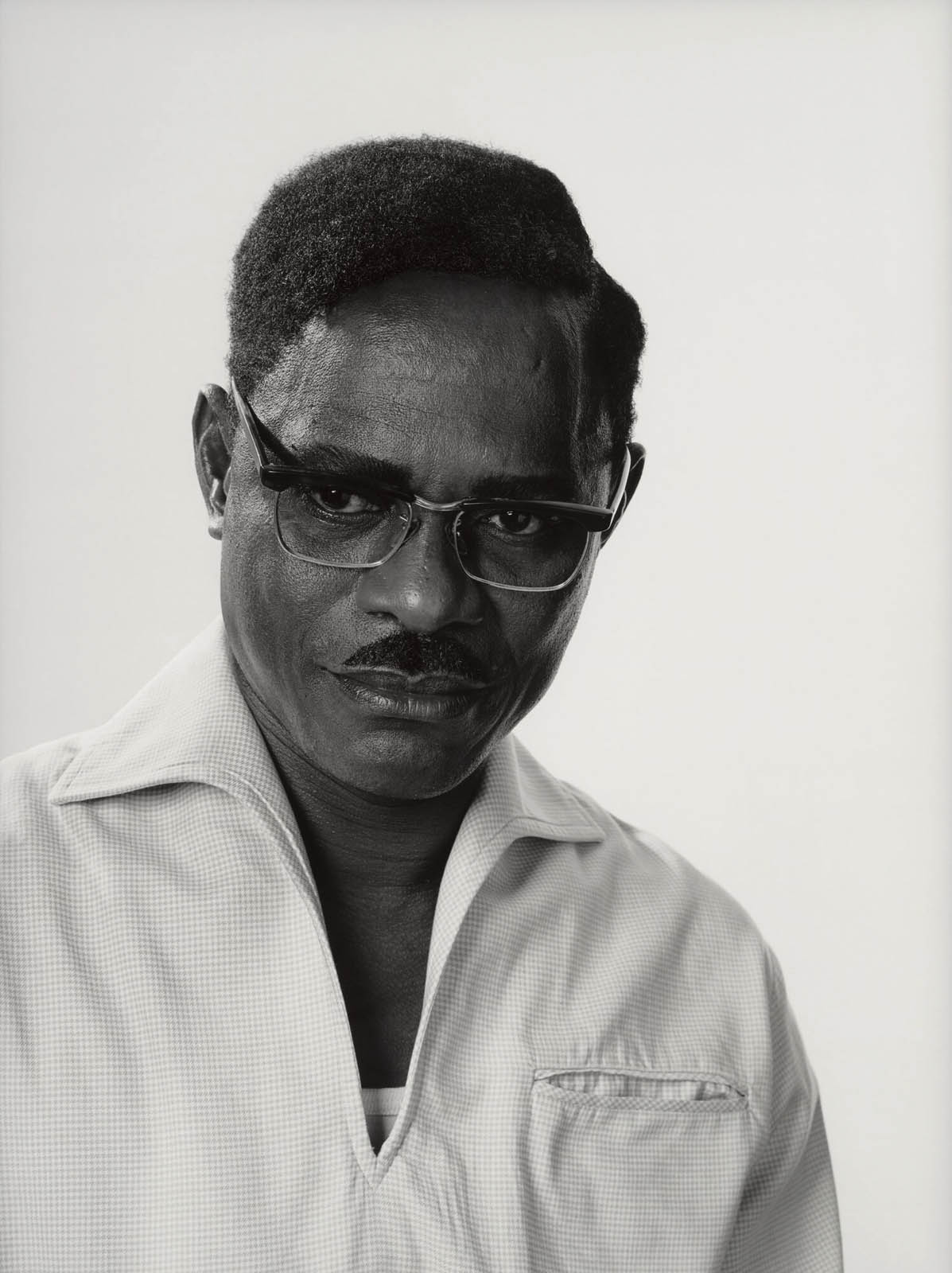
 

Samuel Fosso (French and Central African, born Cameroon 1962) 'Untitled' from the series 'African Spirits' 2008


Samuel Fosso (French and Central African born Cameroon, b. 1962)
Untitled from the series African Spirits
2008
Gelatin silver print
64 1/8 x 48 1/16″ (162.8 x 122cm)
Museum of Modern Art, New York
The Family of Man Fund
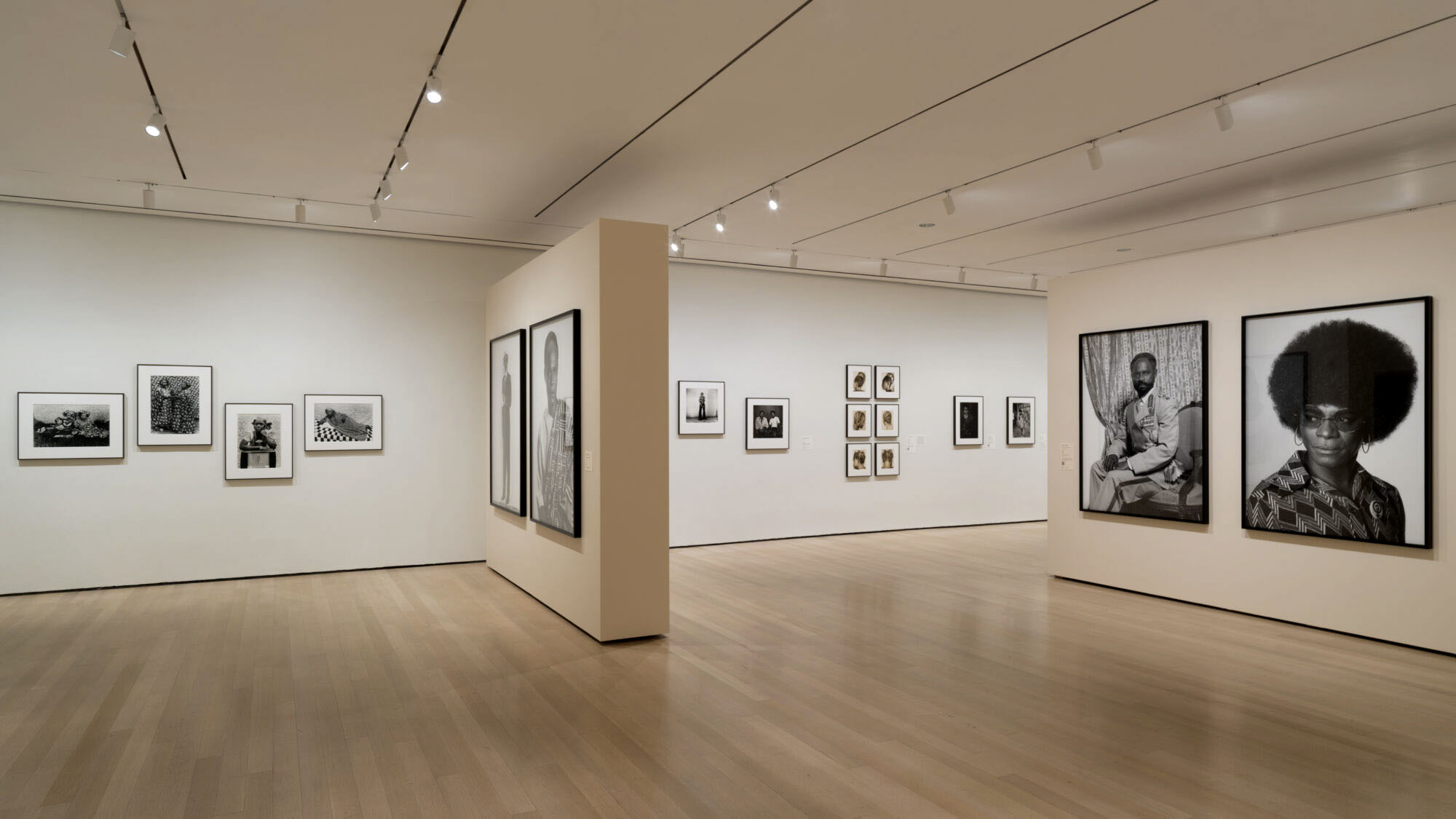
 

Installation view of the exhibition 'Ideas of Africa: Portraiture and Political Imagination' at The Museum of Modern Art (MoMA), New York, December 2025 - July 2026 showing at left photographs by Seydou Keïta (Malian, 1923-2001); and at right, two 'Untitled' photographs from the series 'African Spirits' (2008) by Samuel Fosso (French and Central African born Cameroon, b. 1962)


Installation view of the exhibition Ideas of Africa: Portraiture and Political Imagination at The Museum of Modern Art (MoMA), New York, December 2025 – July 2026 showing at left photographs by Seydou Keïta (Malian, 1923-2001); and at right, two Untitled photographs from the series African Spirits (2008, below) by Samuel Fosso (French and Central African born Cameroon, b. 1962)
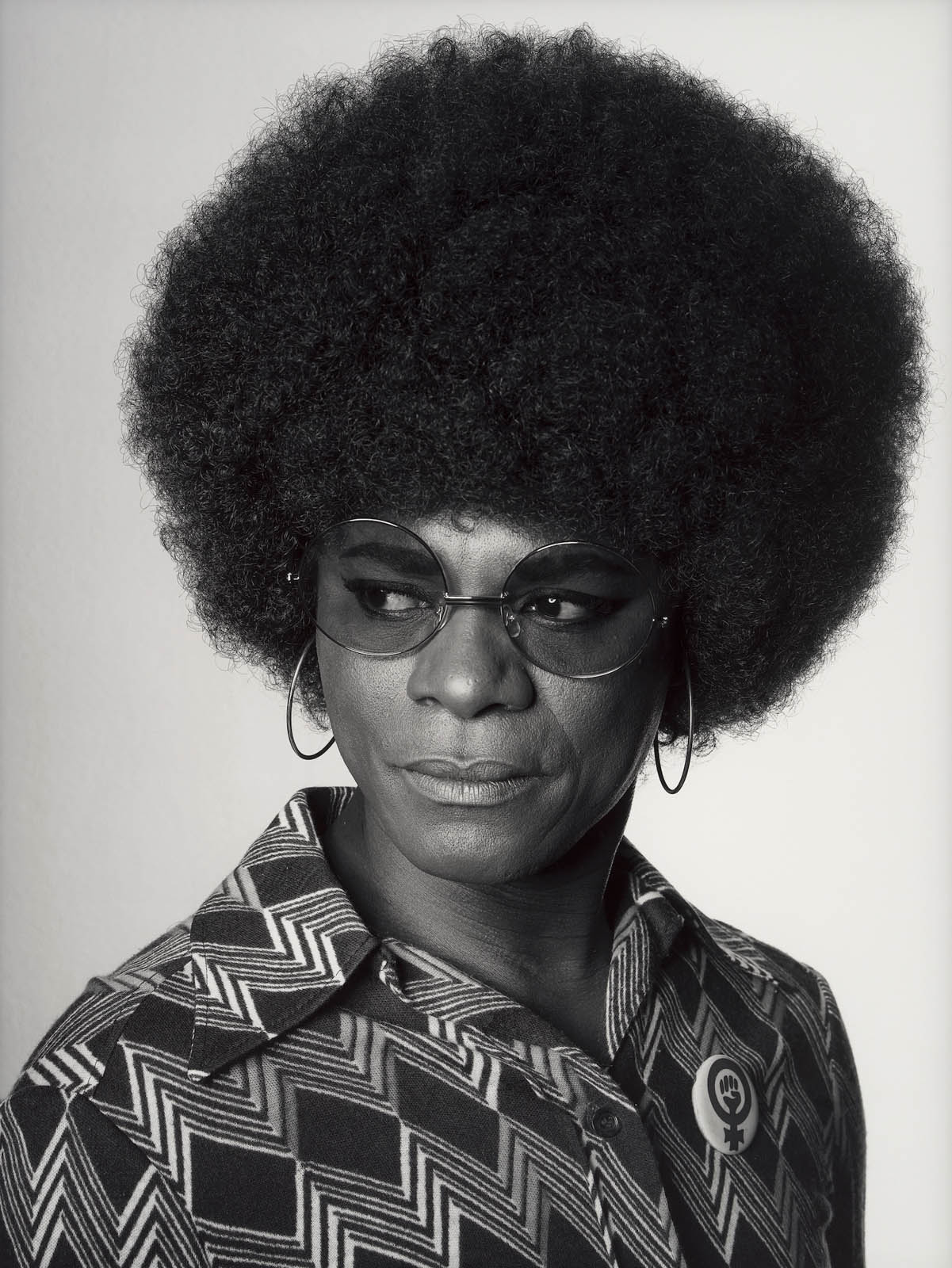
  

Samuel Fosso (French and Central African, born Cameroon 1962) 'Untitled' from the series 'African Spirits' 2008


Samuel Fosso (French and Central African born Cameroon, b. 1962)
Untitled from the series African Spirits
2008
Gelatin silver print
64 1/8 x 48 1/16″ (162.8 x 122cm)
Museum of Modern Art, New York
The Family of Man Fund


Artist, Silvia Rosi:  African Spirit is a series of self-portraits where Fosso transforms himself into key figures of the Pan-African liberation movement of the 1960s and 70s.

I’m Silvia Rosi. I’m an artist working with photography and moving image.

Samuel Fosso started his career taking portraits of people in the studio, where there was always this act of constructing identities through props, poses, and the photographer’s imagination. At the end of each workday, Fosso would turn the camera toward himself.

In this series, he recreates these iconic photographs, taking on the faces of Angela Davis, of Martin Luther King, while at the same time remaining himself.  For me, there’s this sense of recognition but also his own presence makes us question what it means to embody these figures.

The lighting and the poses and the composition echo this studio portrait tradition, but there’s always an element of theatricality that keeps you aware of the labor of becoming someone else. He neutralises the scene, removing the backdrop, and we’re forced to look at the subject that we have in front.

Turning the camera inwards can be really revolutionary. I think that’s something that deeply resonates with me, this idea of being in charge of my own representation and giving yourself complexity through images.

Text from the MoMA website
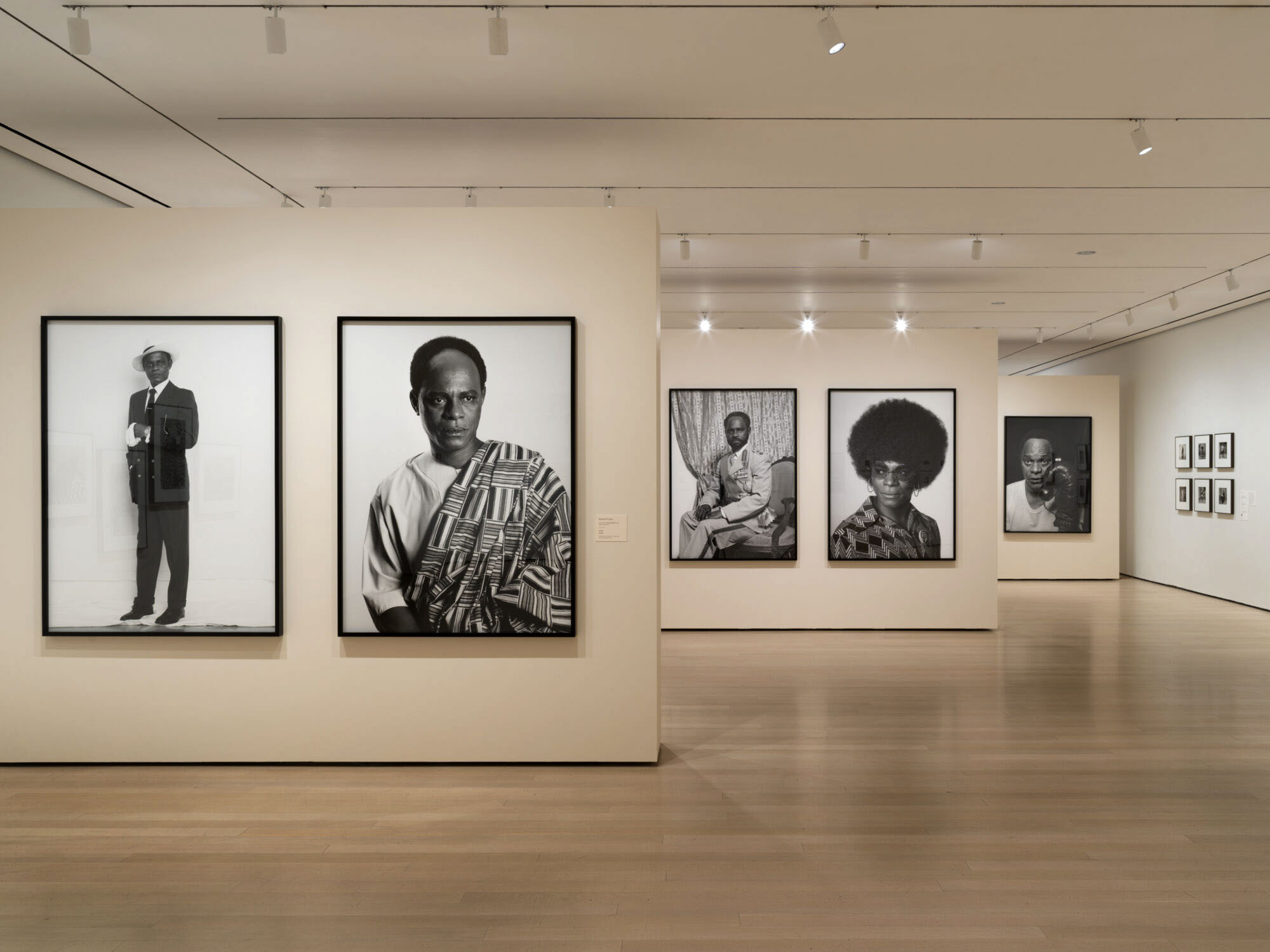
  

Installation view of the exhibition 'Ideas of Africa: Portraiture and Political Imagination' at The Museum of Modern Art (MoMA), New York, December 2025 - July 2026 showing five 'Untitled' photographs from the series 'African Spirits' (2008) by Samuel Fosso (French and Central African born Cameroon, b. 1962)


Installation view of the exhibition Ideas of Africa: Portraiture and Political Imagination at The Museum of Modern Art (MoMA), New York, December 2025 – July 2026 showing five Untitled photographs from the series African Spirits (2008) by Samuel Fosso (French and Central African born Cameroon, b. 1962)


The Museum of Modern Art’s exhibition Ideas of Africa: Portraiture and Political Imagination showcases how photographic portraits fuel ideas of Pan-African subjectivity and solidarity. On view from December 14, 2025, through July 25, 2026, the exhibition considers the transatlantic call and response that constructed Africa as a political idea, due to the “winds of decolonial change” that swept the African continent in tandem with the Civil Rights movement in the United States. Ideas of Africa is the third exhibition organised at The Museum of Modern Art in celebration of the 2019 gift of modern and contemporary African art from prolific collector Jean Pigozzi. The exhibition features core works from this gift, alongside a selection of recent acquisitions and key loans. Ideas of Africa: Portraiture and Political Imagination is organised by Oluremi C. Onabanjo, The Peter Schub Curator, with the assistance of Chiara M. Mannarino, Curatorial Assistant, The Robert B. Menschel Department of Photography. 

Conceptually influenced by The Idea of Africa, a landmark publication by the late philosopher V. Y. Mudimbe (1941-2025), the exhibition brings together works by 20th-century photographers such as Seydou Keïta, Malick Sidibé, Jean Depara, Sanlé Sory, and Ambroise Ngaimoko, who worked across key urban centers in West and Central Africa during the “golden age of African portraiture.” Images by James Barnor and Kwame Brathwaite illuminate Pan-African modes of image-making across the African diaspora. Works by contemporary artists of African descent, including Samuel Fosso, Silvia Rosi, and Njideka Akunyili Crosby, alongside ephemera selected from the archive of the artist collective Air Afrique, embody the physical circulation of these ideas across space and time. 

“As we continue to witness transformative shifts in the global geopolitical order, it is instructive to revisit a moment in history that saw the disintegration of colonial territories and the formation of transnational solidarity across the African continent and diaspora. This exhibition locates dazzling modes of Pan-African possibility in images made by inventive photographers who registered and beckoned in new worlds,” says Oluremi C. Onabanjo. 

Ideas of Africa features a reading room as a tribute to the aspirations of knowledge production and the proliferation of the photographic image in print media during the decolonial era. In the reading room, visitors can access a selection of historical and contemporary photobooks and publications. 

On the occasion of the exhibition, MoMA is publishing a richly illustrated catalogue featuring a lead essay by Oluremi C. Onabanjo, contributions by poet Momtaza Mehri and film programmer Yasmina Price, and reproductions of key texts by Brent Hayes Edwards and V. Y. Mudimbe. 140 pages, 105 color illustrations. Hardcover, $50. ISBN: 978-1-63345-171-1.

Press release from The Museum of Modern Art


Installation view of the exhibition 'Ideas of Africa: Portraiture and Political Imagination' at The Museum of Modern Art (MoMA), New York, December 2025 - July 2026 showing at left, Malick Sidibé 'Nuit de Noël' (Happy Club) [Christmas Eve] 1963; and at second left, Malick Sidibé 'Regardez-Moi' [Look at Me!] 1962


Installation view of the exhibition Ideas of Africa: Portraiture and Political Imagination at The Museum of Modern Art (MoMA), New York, December 2025 – July 2026 showing at left, Malick Sidibé Nuit de Noël (Happy Club) [Christmas Eve] (1963, below); and at second left, Malick Sidibé Regardez-Moi [Look at Me!] (1962, below)


Malick Sidibé (Malian, 1936–2016) 'Nuit de Noël' (Happy Club) [Christmas Eve] 1963 (printed January 2006)


Malick Sidibé (Malian, 1936-2016)
Nuit de Noël (Happy Club) [Christmas Eve]
1963 (printed January 2006)
Gelatin silver print
Image: 39 x 39″ (99 x 99.1cm)
Sheet: 47 1/4 x 47 1/4″ (120 x 120cm)
Frame: 53 9/16 x 53 9/16″ (136 x 136cm)
Courtesy The Walther Collection, New York / Neu-Ulm


Malick Sidibé (Malian, 1936–2016) 'Regardez-Moi' [Look at Me!] 1962 (printed January 2006)


Malick Sidibé (Malian, 1936-2016)
Regardez-Moi [Look at Me!]
1962 (printed January 2006)
Gelatin silver print
Image: 39 3/8 x 39″ (100 x 99cm)
Sheet: 47 1/4 x 47 1/4″ (120 x 120cm)
Frame: 52 3/16 x 52 3/16 x 1″ (132.5 x 132.5 x 2.5cm)
Courtesy The Walther Collection, New York / Neu-Ulm
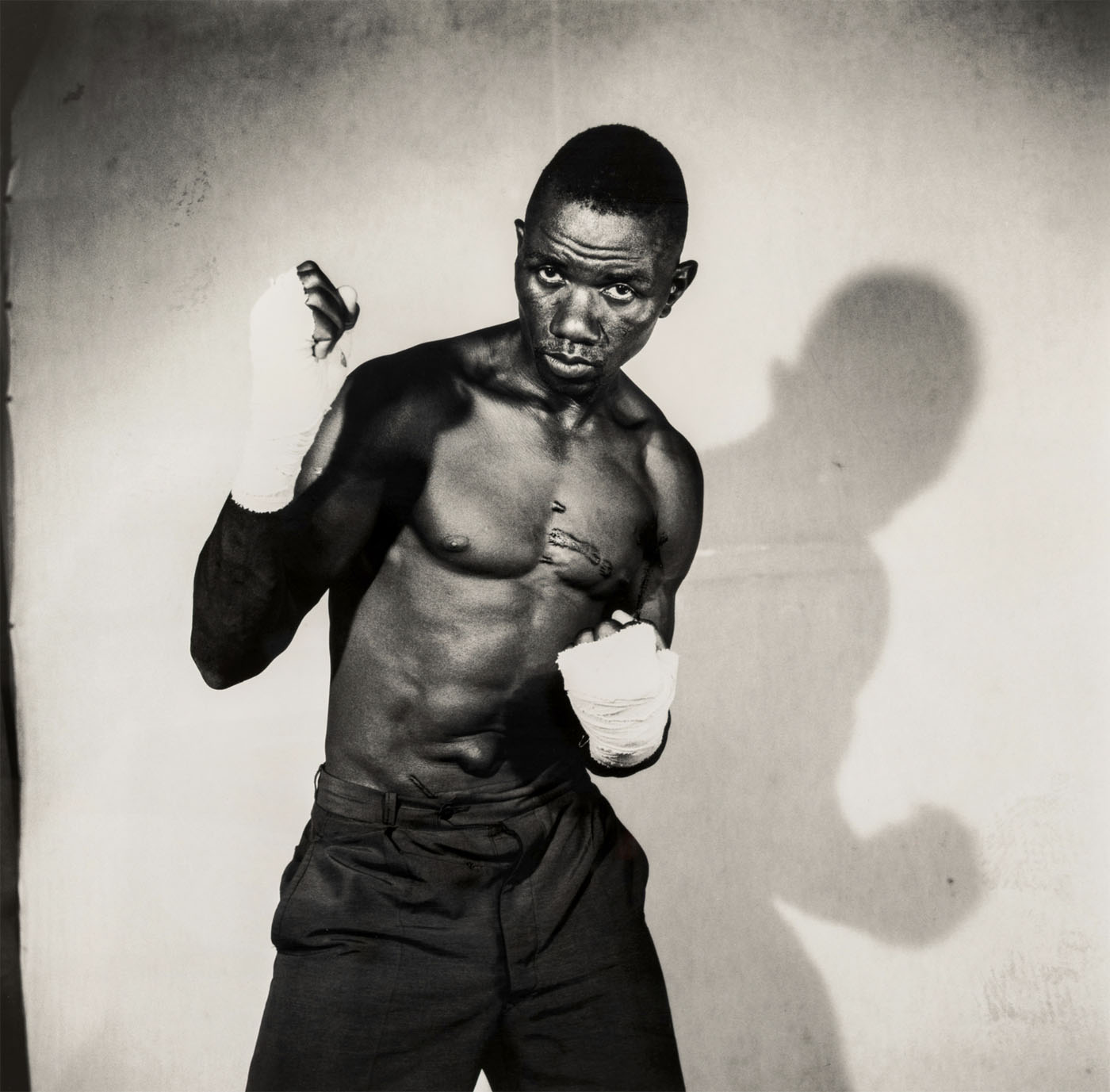
 

Malick Sidibé (Malian, 1936–2016) 'Boxeur' (Boxer) 1966


Malick Sidibé (Malian, 1936–2016)
Boxeur (Boxer)
1966
Gelatin silver print
Image: 16 15/16 x 16 15/16″ (43 x 43 cm)
Frame: 27 9/16 x 27 9/16 x 9/16″ (70 x 70 x 1.5cm)
Museum of Modern Art, New York
The Jean Pigozzi African Art Collection


For Sidibé, the roving “eye of Bamako,” the city was his studio. Active during the 1960s and ’70s, Sidibé shot on 35mm film and often printed proofs of the exposures he took at weekend parties. He arranged them sequentially on pastel cardstock and displayed them at his studio so that clients might purchase souvenirs of their exploits. Sidibé’s images of youth culture emphatically pushed back against Mali’s normative state attitudes and expectations of decorum. Revelling in effusive gestures and strong poses, he deftly photographed a community full of elegance, style, and sensational flair that staked its claim on a connection to a global African Diaspora.

Gallery label from Ideas of Africa: Portraiture and Political Imagination, 2025


Malick Sidibé (Malian, 1936–2016) 'Nuit du 10 octobre 1970' (Night of October 10, 1970) 1970


Malick Sidibé (Malian, 1936-2016)
Nuit du 10 octobre 1970 (Night of October 10, 1970)
1970
Twenty-two gelatin silver prints mounted on paper
12 3/4 x 19 3/4″ (32.4 x 50.2cm)
Museum of Modern Art, New York
Judith and Wm. Brian Little Fund
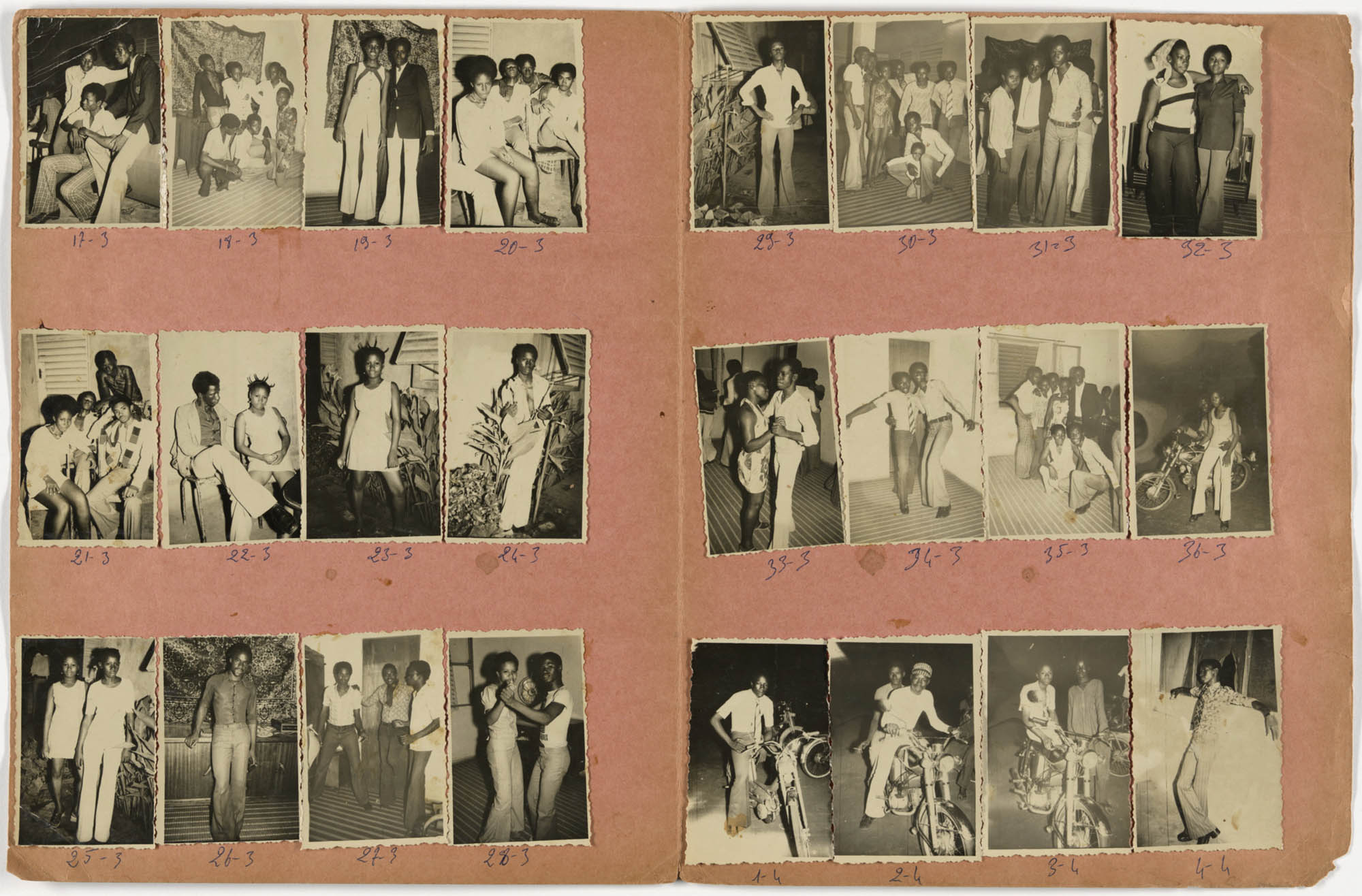
  

Malick Sidibé (Malian, 1936–2016) 'Untitled' July 28, 1973


Malick Sidibé (Malian, 1936-2016)
Untitled
July 28, 1973
Twenty-four gelatin silver prints mounted on paper
12 3/4 x 19 3/4″ (32.4 x 50.2cm)
Museum of Modern Art, New York
Judith and Wm. Brian Little Fund


“This wind of change blowing through Africa … is no ordinary wind,” wrote Ghana’s first president, Kwame Nkrumah, in 1963. “It is a raging hurricane against which the old order cannot stand.” In the 1960s, independence movements swept across the African continent, resulting in the disintegration of colonial territories. These transformative struggles coincided with an exhilarating campaign for civil rights in the United States, forging a transatlantic call-and-response that established “Africa” as a political idea.

Ideas of Africa: Portraiture and Political Imagination examines the role of portrait photography within this emerging sense of Pan-Africanism. It unites portraits by mid-century photographers from across West and Central Africa and works by contemporary artists of African descent, illuminating different modes of image making and forms of transnational solidarity. As the art historian Kobena Mercer has argued, “‘Africa’ has never been a static entity, confined to the boundaries of geography, but has always had a diasporic dimension.” Embedded within the exhibition is a reading room featuring a selection of photobooks, alongside archival ephemera from the Paris-based collective Air Afrique. Following in the wake of the eponymous international airline, the group has continued the circulation of Pan-African culture and ideas into the present day.

Conceptually influenced by the late philosopher V. Y. Mudimbe’s book The Idea of Africa (1994), in which he exposes Western views of Africa as politicised constructions, this exhibition demonstrates how African photographers grappled with Africa as a political idea in their own ways. Presenting subjects for whom the personal was undeniably political, their images assert photography’s unique potential to creatively reflect our surroundings and beckon new worlds. At a time when profound shifts are once again transforming the global geopolitical order, Ideas of Africa attests to the enduring relevance of these themes.

Gallery text from Ideas of Africa: Portraiture and Political Imagination, 2025
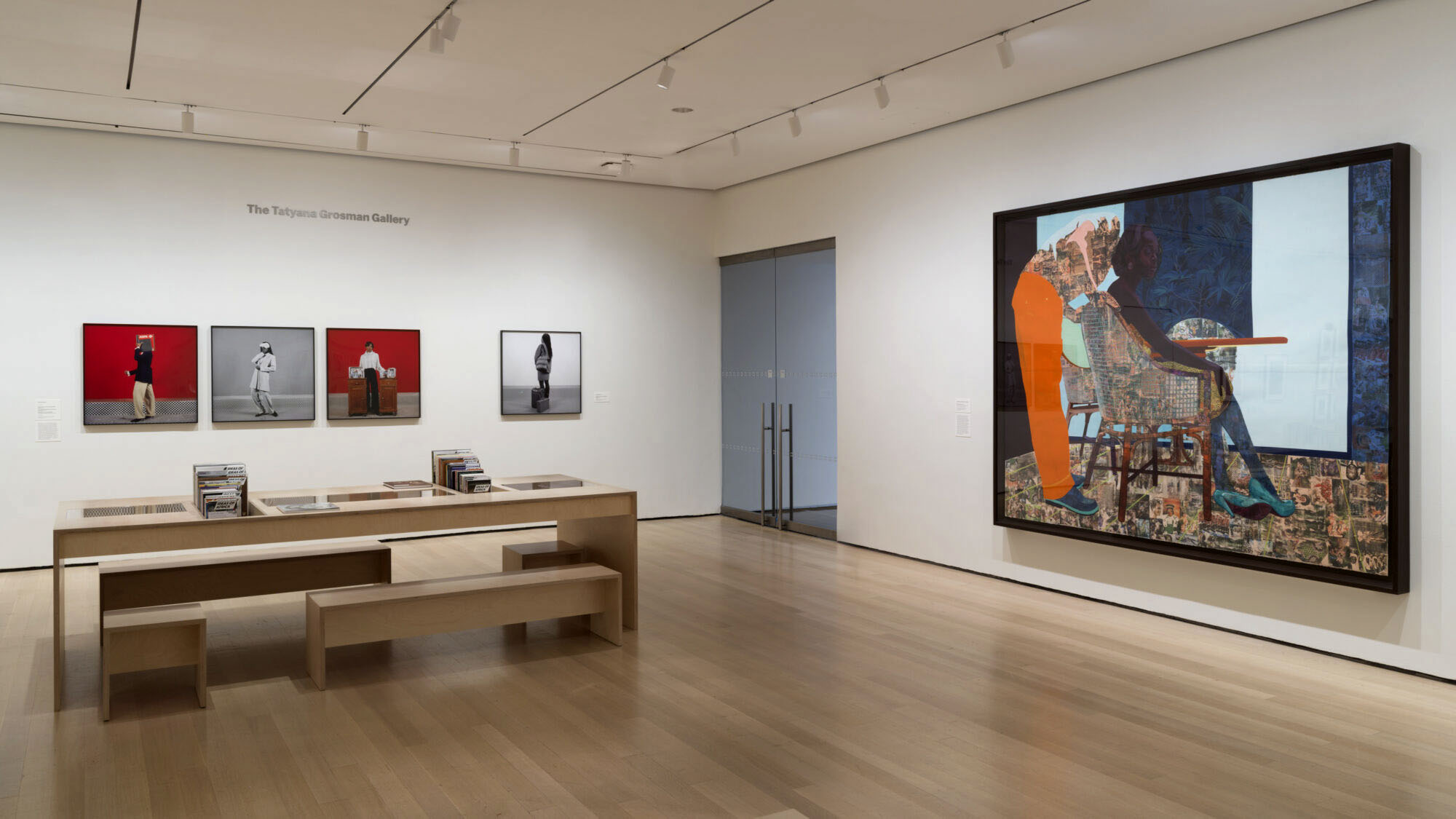
  

Installation view of the exhibition 'Ideas of Africa: Portraiture and Political Imagination' at The Museum of Modern Art (MoMA), New York, December 2025 - July 2026 showing at left the work of Silvia Rosi; and at right, Njideka Akunyili Crosby's 'And We Begin to Let Go' (2013)


Installation view of the exhibition Ideas of Africa: Portraiture and Political Imagination at The Museum of Modern Art (MoMA), New York, December 2025 – July 2026 showing at left the work of Silvia Rosi (below); and at right, Njideka Akunyili Crosby And We Begin to Let Go (2013, below)
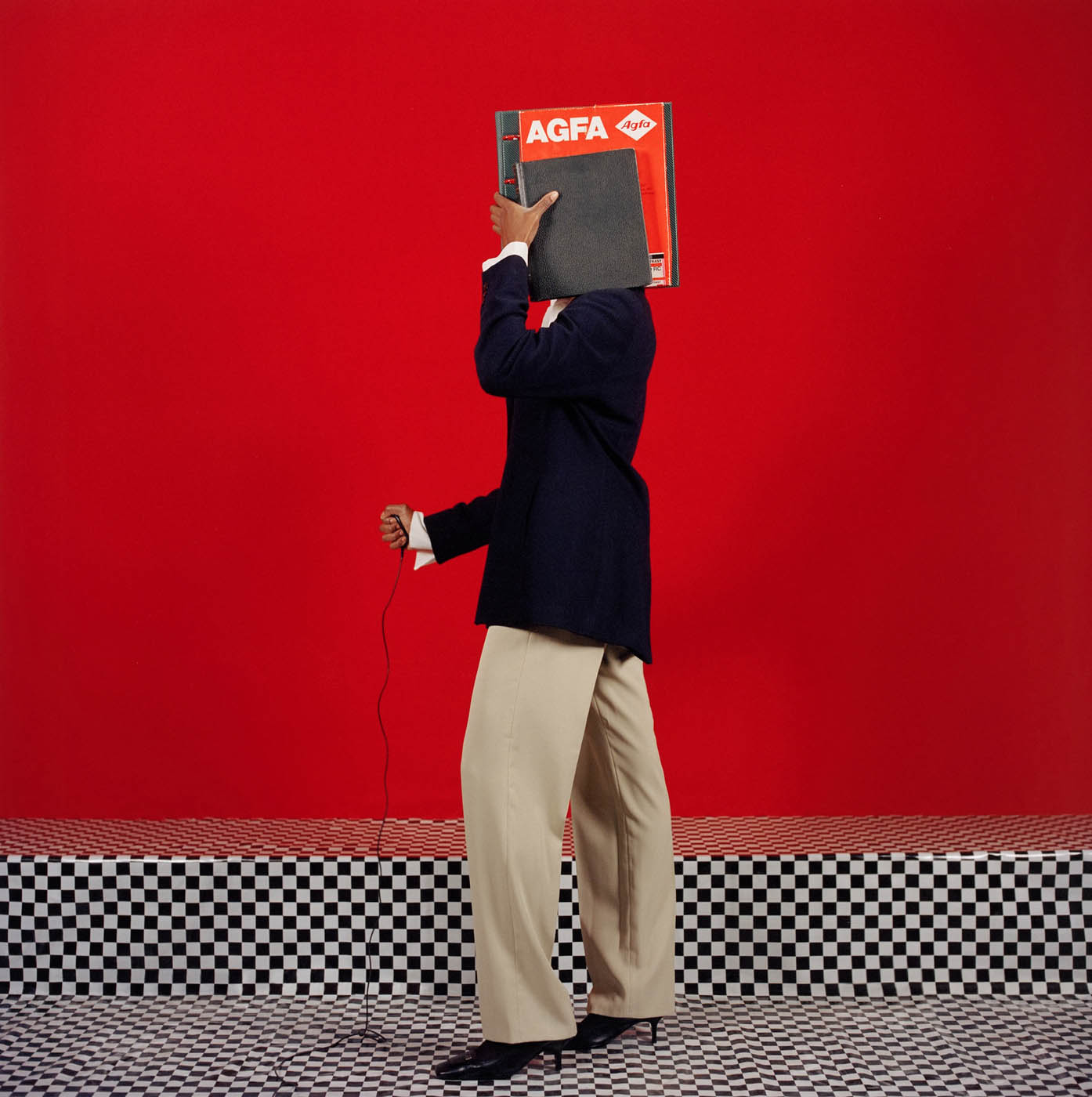
  

Silvia Rosi (Togolese and Italian, born 1992) 'Disintegrata di profilo' (Disintegrated in Profile) 2024


Silvia Rosi (Togolese and Italian, b. 1992)
Disintegrata di profilo (Disintegrated in Profile)
2024
Inkjet print
31 1/2 x 31 1/2″ (80 x 80cm)
Museum of Modern Art, New York
Carl Jacobs Fund


Rosi has said, “I’m not just performing, but reflecting on history.” Through photographic self-portraits, the artist examines personal, familial, and national narratives of migration, memory, and belonging. Deeply informed by the history of West African studio portraiture, Rosi’s images elegantly synthesise the formal strategies of mid-century African photographers, including many of those represented in this exhibition. Rosi often reenacts moments from her family’s past. Disintegrated Waiting, for instance, recalls when her mother first arrived in Italy from Togo. “She once said, ‘I used to be integrated, now I’m disintegrated,'” the artist shared. “To me this phrase is … an expression of the experience of diaspora.”

Gallery label from Ideas of Africa: Portraiture and Political Imagination, 2025
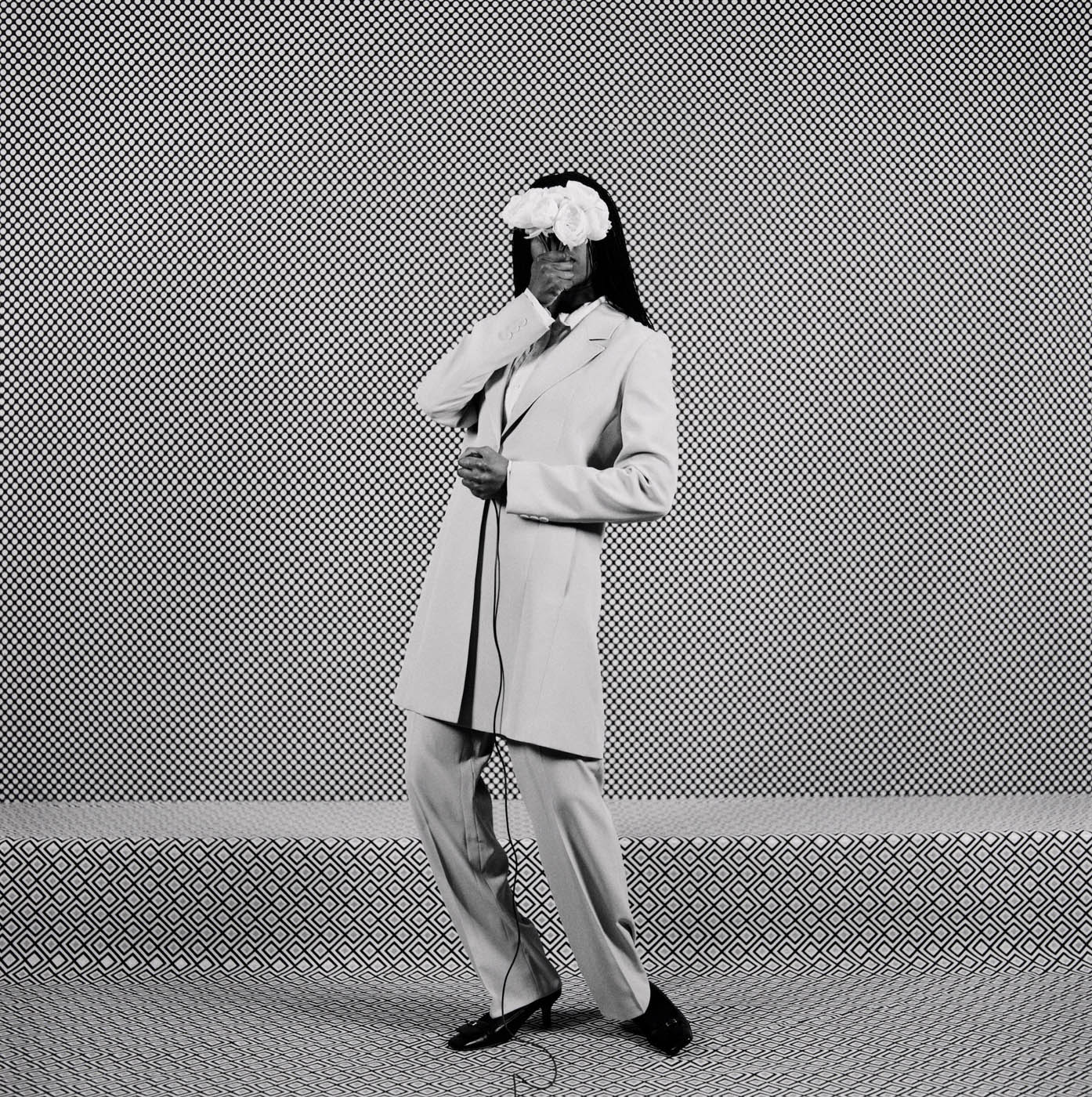
  

Silvia Rosi (Togolese and Italian, born 1992) 'Sposa italiana disintegrata' (Disintegrated Italian Wife) 2024


Silvia Rosi (Togolese and Italian, b. 1992)
Sposa italiana disintegrata (Disintegrated Italian Wife)
2024
Inkjet print
31 1/2 x 31 1/2″ (80 x 80cm)
Museum of Modern Art, New York
Carl Jacobs Fund


Njideka Akunyili Crosby (Nigerian, born 1983) 'And We Begin to Let Go' 2013


Njideka Akunyili Crosby (Nigerian, born 1983)
And We Begin to Let Go
2013
Acrylic, acetone transfers, charcoal, pastel, marble dust, and
collage on paper
Sheet: 84 x 105″ (213.4 x 266.7cm)
Museum of Modern Art, New York
Promised gift of Jerry I. Speyer and Katherine Farley


Nigerian-born, Los Angeles-based artist Njideka Akunyili Crosby moved to the US at the age of 17 (after winning the green card lottery in her home town) to train as a painter at the Pennsylvania Academy of Fine Art and, later, Yale University. Here, as in many of her portraits, Crosby gives an intimate portrayal of her interracial marriage and day-to-day life in America. She combines photo-transfer processes with painting and collaged fabrics, fusing Nigerian and American materials, images, and cultural traditions.

In her practice, Akunyili Crosby meditates on familial life within a transcultural context. Her large-scale compositions of everyday domestic scenes synthesise drawing, painting, printmaking, and photography. And We Begin to Let Go depicts the artist and her husband, who leans over her shoulder. To make it, Akunyili Crosby drew from Nigerian print media publications and her family’s photographic archive. She united these images’ varied photographic textures through the same formal treatment: acetone transfer, a printmaking technique through which a printed image is transferred onto another surface using an acetone solvent. Images of smiling faces, elaborate coifs, and patterned clothing suffuse the picture plane, accruing on the surfaces this marital encounter.

Gallery label from Ideas of Africa: Portraiture and Political Imagination, 2025
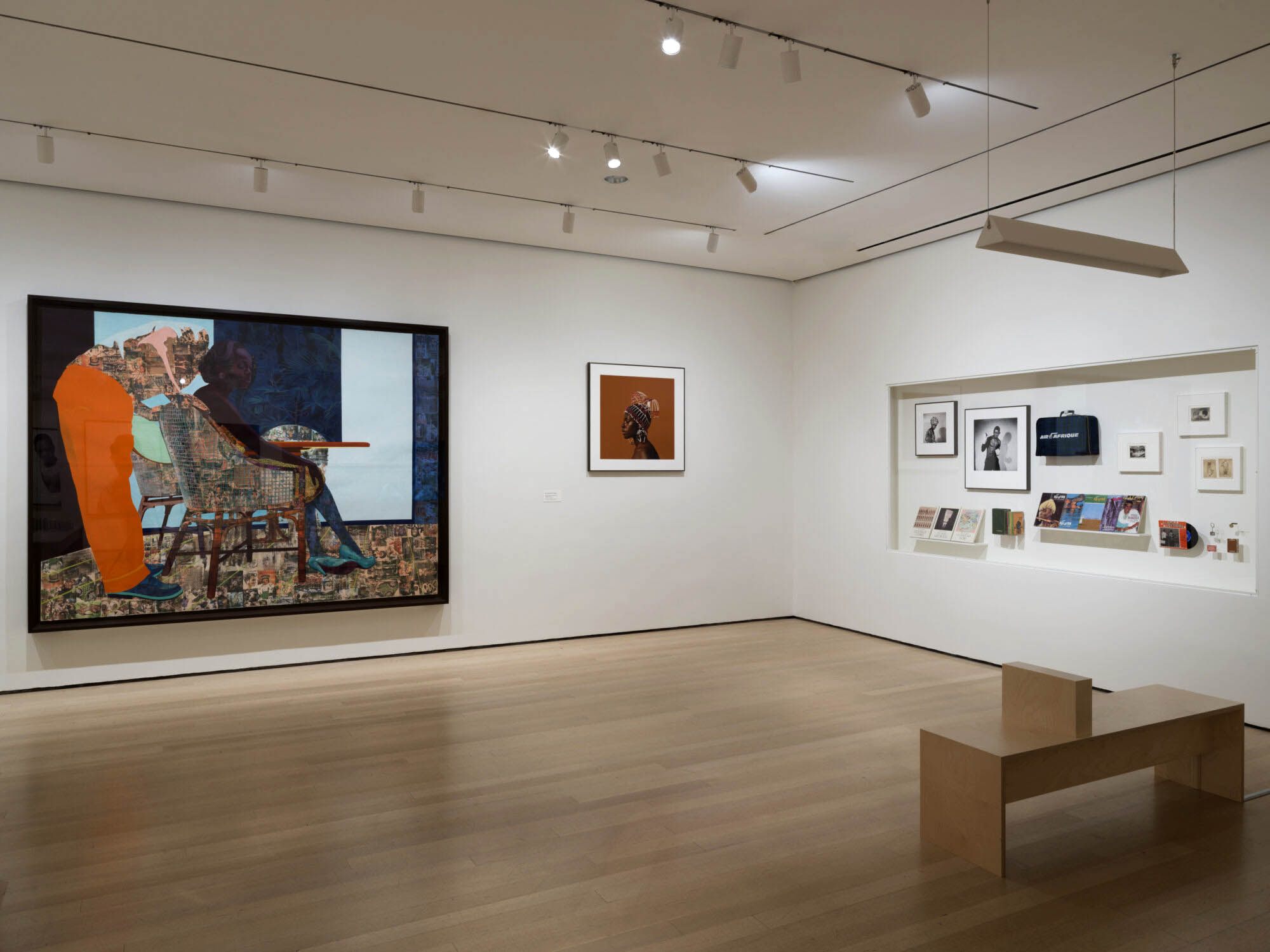
  

Installation view of the exhibition 'Ideas of Africa: Portraiture and Political Imagination' at The Museum of Modern Art (MoMA), New York, December 2025 - July 2026 showing at left, Njideka Akunyili Crosby 'And We Begin to Let Go' (2013); and at centre, Kwame Brathwaite 'Untitled (Sikolo with Carolee Prince Designs)' 1964-1968


Installation view of the exhibition Ideas of Africa: Portraiture and Political Imagination at The Museum of Modern Art (MoMA), New York, December 2025 – July 2026 showing at left, Njideka Akunyili Crosby And We Begin to Let Go (2013, above); and at centre, Kwame Brathwaite Untitled (Sikolo with Carolee Prince Designs) (1964-1968, below)
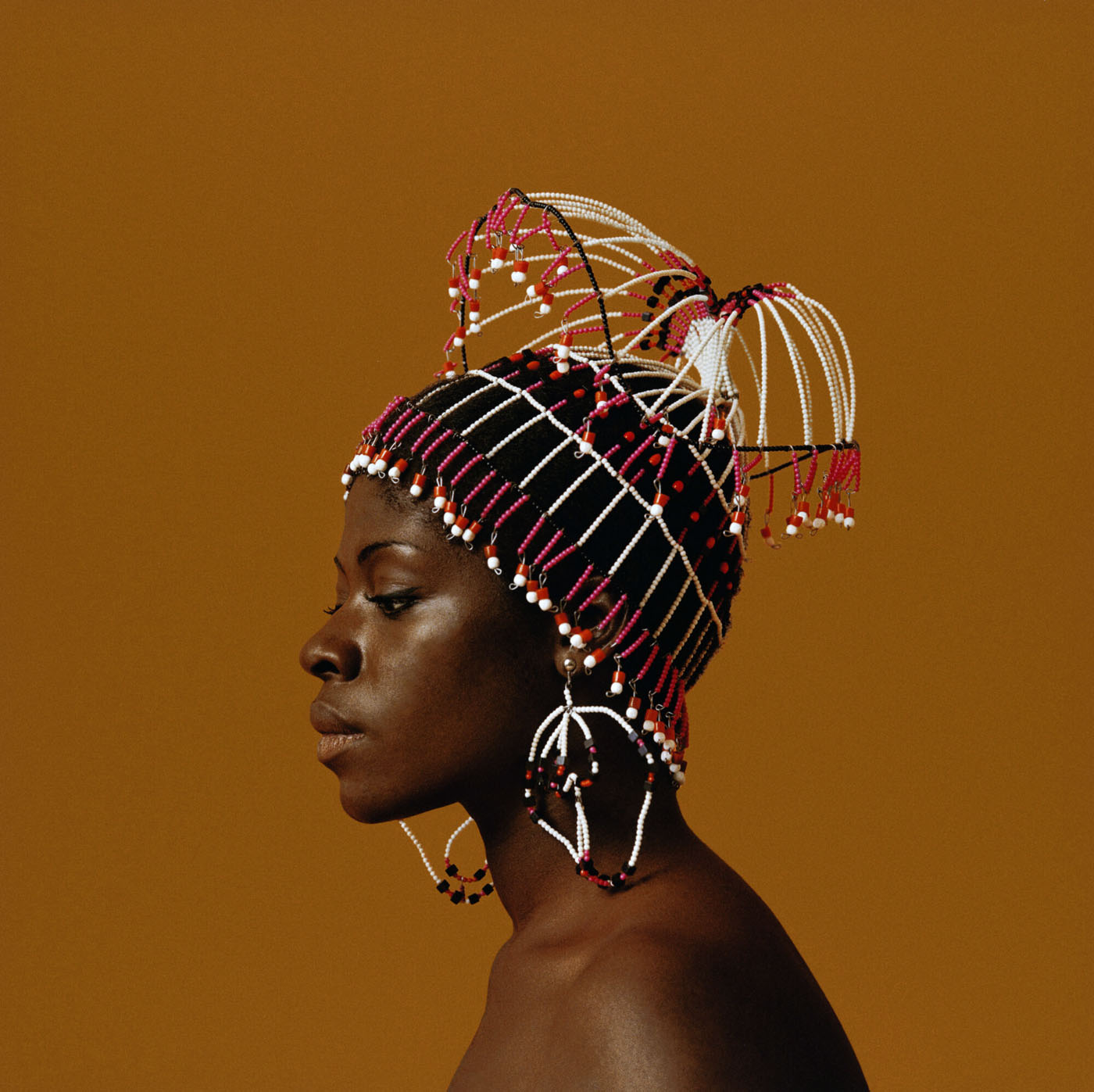
  

Kwame Brathwaite (American, 1938–2023) 'Untitled (Sikolo with Carolee Prince Designs)' 1964-1968


Kwame Brathwaite (American, 1938-2023)
Untitled (Sikolo with Carolee Prince Designs)
1964-1968
Inkjet print, printed 2024
30 x 30″ (76.2 x 76.2cm)
Museum of Modern Art, New York
Committee on Photography Fund


Brathwaite, for whom photography functioned at the nexus of Black artistic, political, and cultural expression, rhythmically documented jazz scenes in Harlem and the Bronx. In 1956 he cofounded the African Jazz-Art Society and Studios (AJASS) in the South Bronx, where he made structured portraits of the Grandassa Models, a group of women who were part of the Black Is Beautiful movement of the 1960s and ’70s. “Black Is Beautiful was my directive … It was a time when people were protesting injustices related to race, class, and human rights around the globe,” Brathwaite said. “I focused on perfecting my craft so that I could use my gift to inspire thought, relay ideas, and tell stories of our struggle, our work, our liberation. … Oppression still exists today, and we must keep fighting, keep on pushing until we are free.”

Gallery label from Ideas of Africa: Portraiture and Political Imagination, 2025
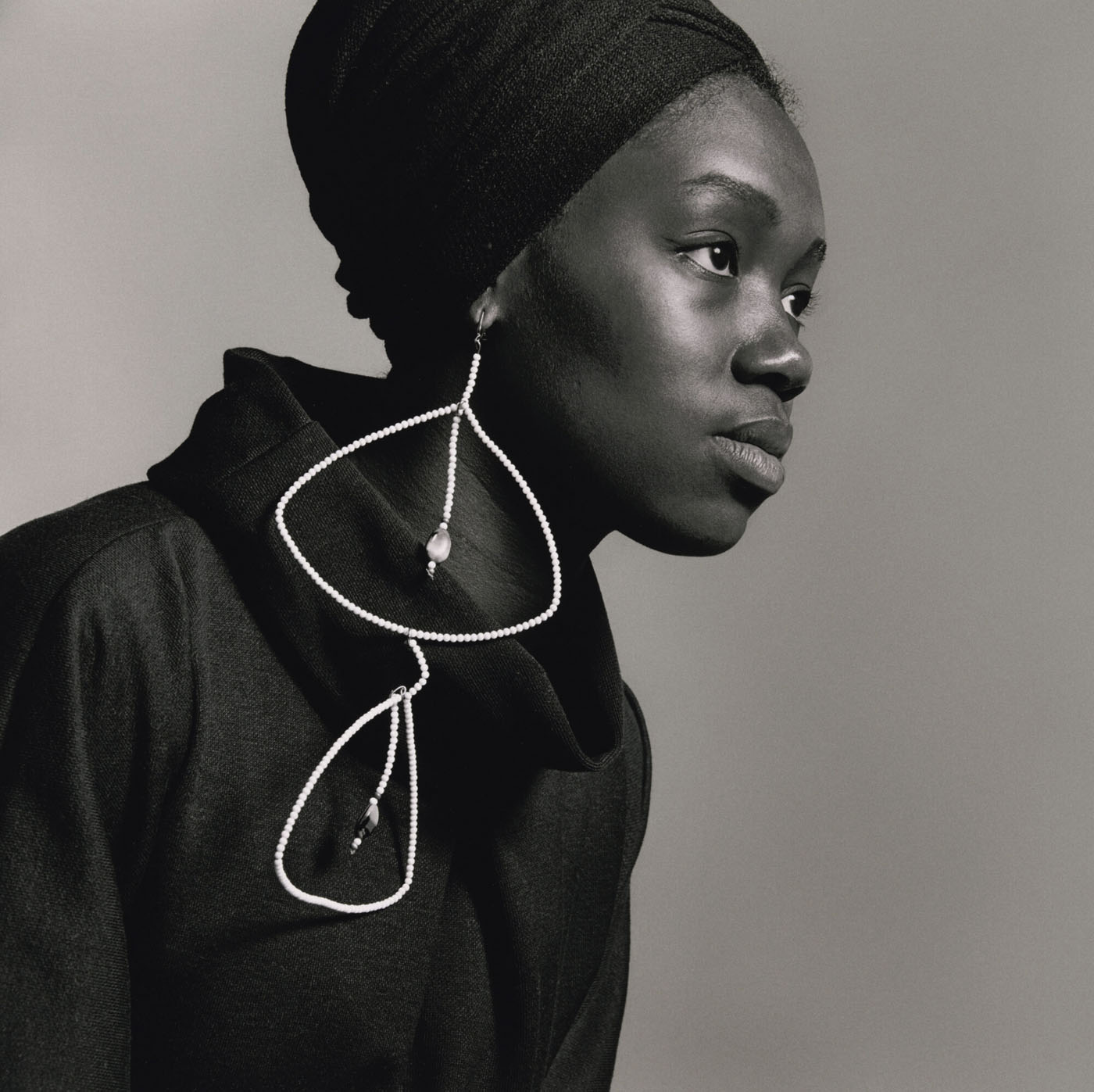
 

Kwame Brathwaite (American, 1938–2023) 'Untitled (Nomsa with Earrings)' 1964-1968


Kwame Brathwaite (American, 1938-2023)
Untitled (Nomsa with Earrings)
1964-1968
Inkjet print, printed 2024
15 x 15″ (38.1 x 38.1cm)
Museum of Modern Art, New York
Committee on Photography Fund
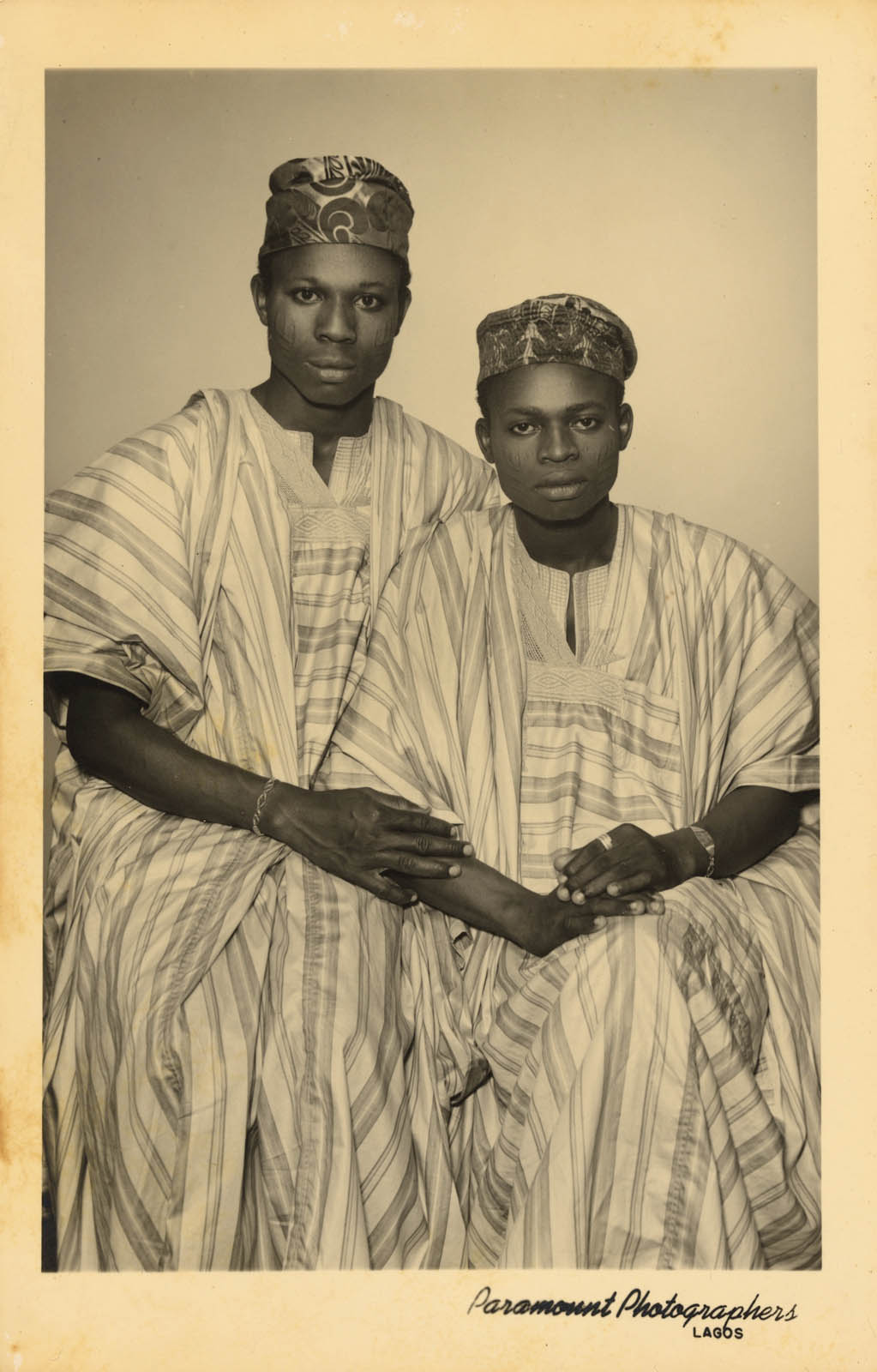
 

Felix Akinniran Olunloyo (Nigerian) 'Untitled' c. 1950-1970


Felix Akinniran Olunloyo (Nigerian)
Untitled
c. 1950-1970
Gelatin silver print
5 1/2 x 3 9/16″ (13.9 x 9cm)
Museum of Modern Art, New York
The Jean Pigozzi African Art Collection. Gift of Jean Pigozzi
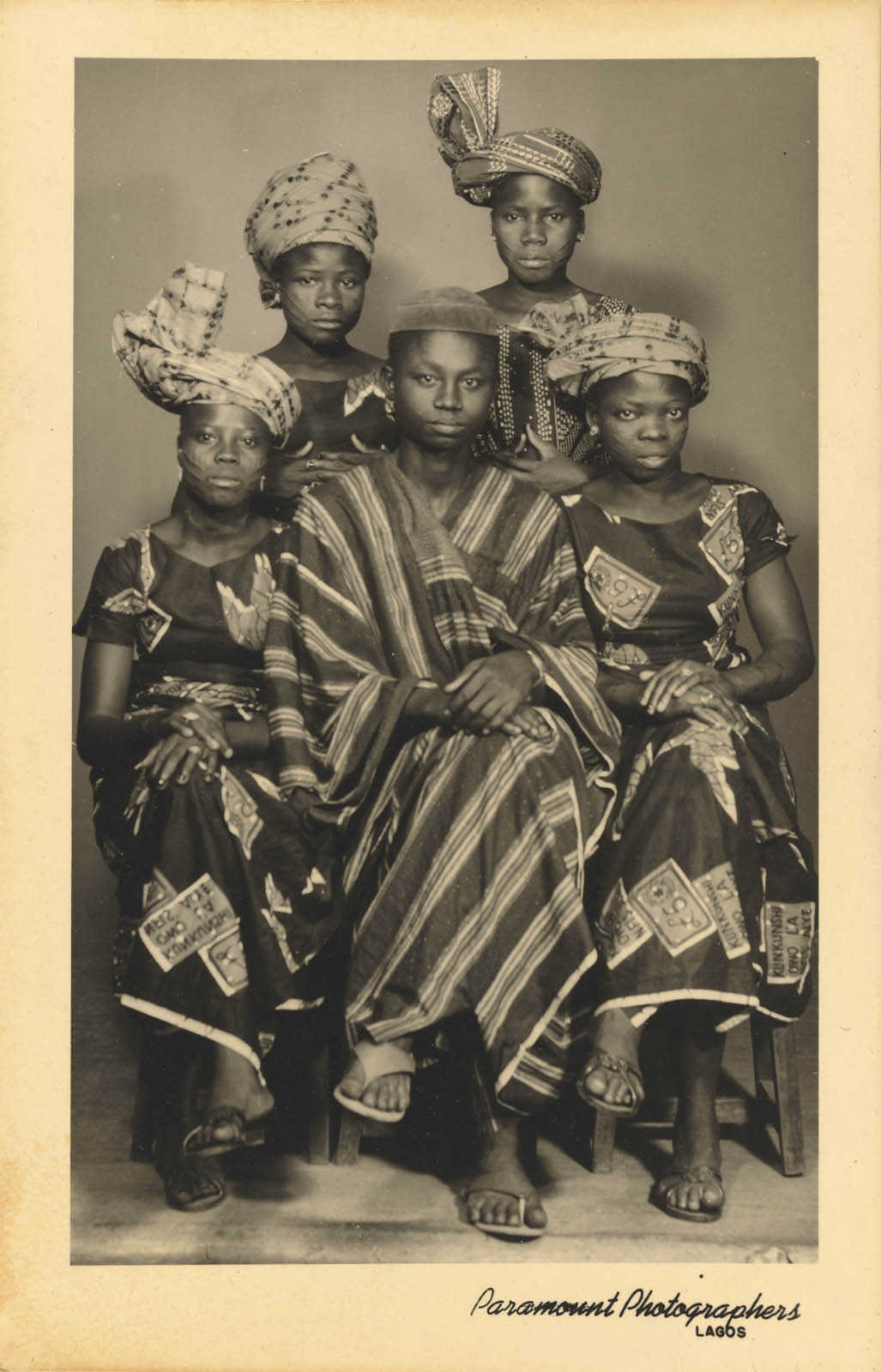
 

Felix Akinniran Olunloyo (Nigerian) 'Untitled' c. 1950-1970


Felix Akinniran Olunloyo (Nigerian)
Untitled
c. 1950-1970
Gelatin silver print
5 1/2 x 3 9/16″ (13.9 x 9cm)
Museum of Modern Art, New York
The Jean Pigozzi African Art Collection. Gift of Jean Pigozzi
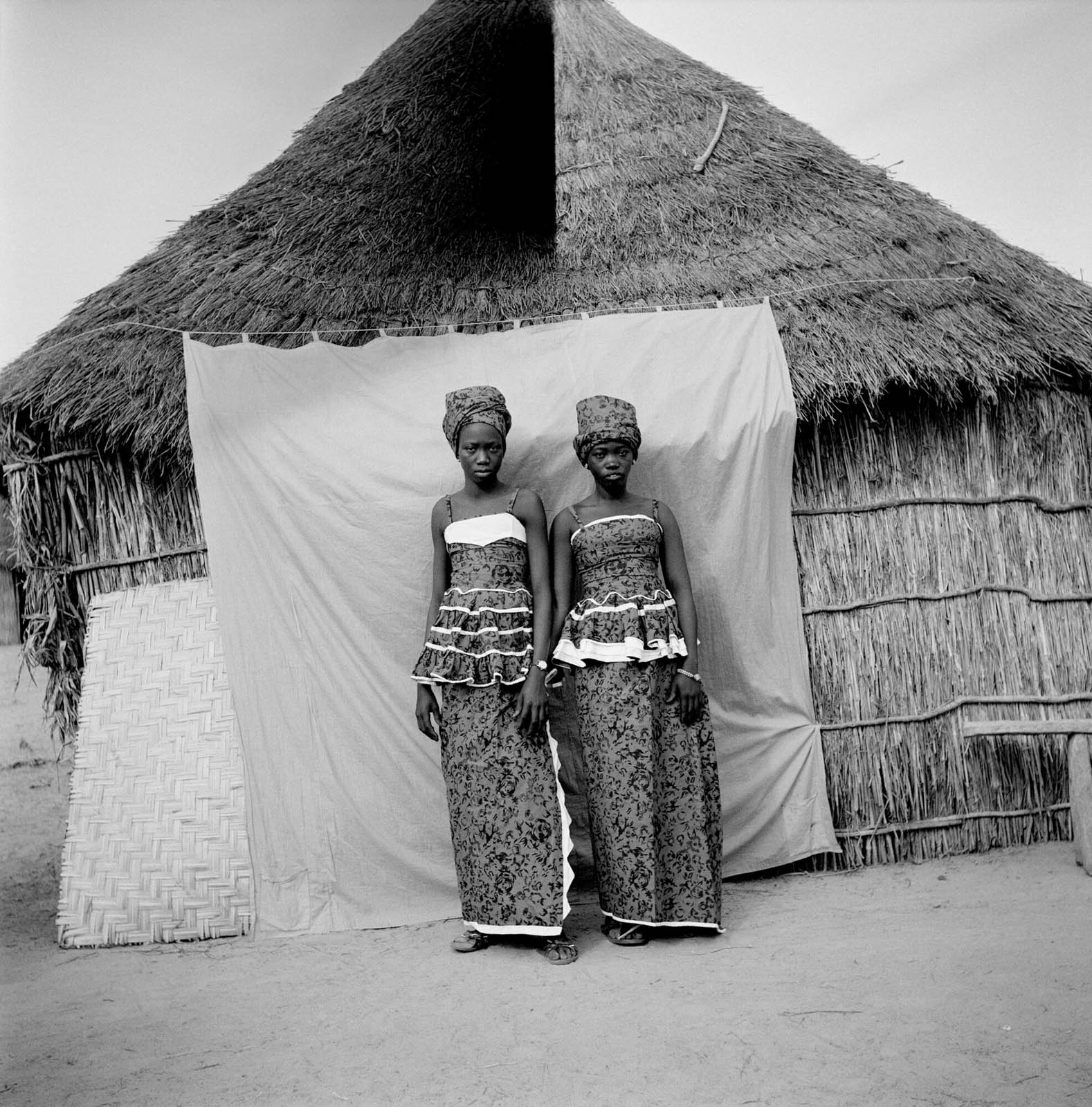
 

Oumar Ka (Senegalese, 1930–2020) 'Untitled (Two Women with Thatched Roof House)' 1959-1968


Oumar Ka (Senegalese, 1930-2020)
Untitled (Two Women with Thatched Roof House)
1959-1968
Gelatin silver print, printed 2024
17 × 17″ (43.2 × 43.2 cm)
Museum of Modern Art, New York
Gift of Bernard Lumpkin and Carmine Boccuzzi in honor of Darren Walker


Historian, Giulia Paoletti:  Getting a portrait done was a serious business, because this single portrait would circulate and stand for this person.

My name is Giulia Paoletti, and I am a researcher on photography and modern art in Africa.

In 1959, Oumar Ka  met a photographer who gave him a camera, so he learned by himself.  Photography in Senegal was extremely popular. Dozens and dozens of studios existed. But he started going from village to village taking portraits, and then he would go home, develop the negatives, and return the following week with the prints. So, you meet  his sitters by their own home, in towns, sometimes in this open landscape. And that is a major distinction from other photographers who worked in a studio.

In this photograph, we see two young women in matching outfits, posing for the camera against a white backdrop attached to this thatched-roof house.  The landscape, the architecture, the sky – this is part of who they are and how they want to be perceived.  They’re young, they’re serious, they’re confident.

As Senegal is shifting from a colonised place to an independent country, these are sitters that are making visible their experience of modernisation, which looked very different from the experience if someone lived in the capital city. There is often this tendency to flatten what is African modernity, and instead it’s important to show the variety of experiences and subjects at the time.

Text from the MoMA website
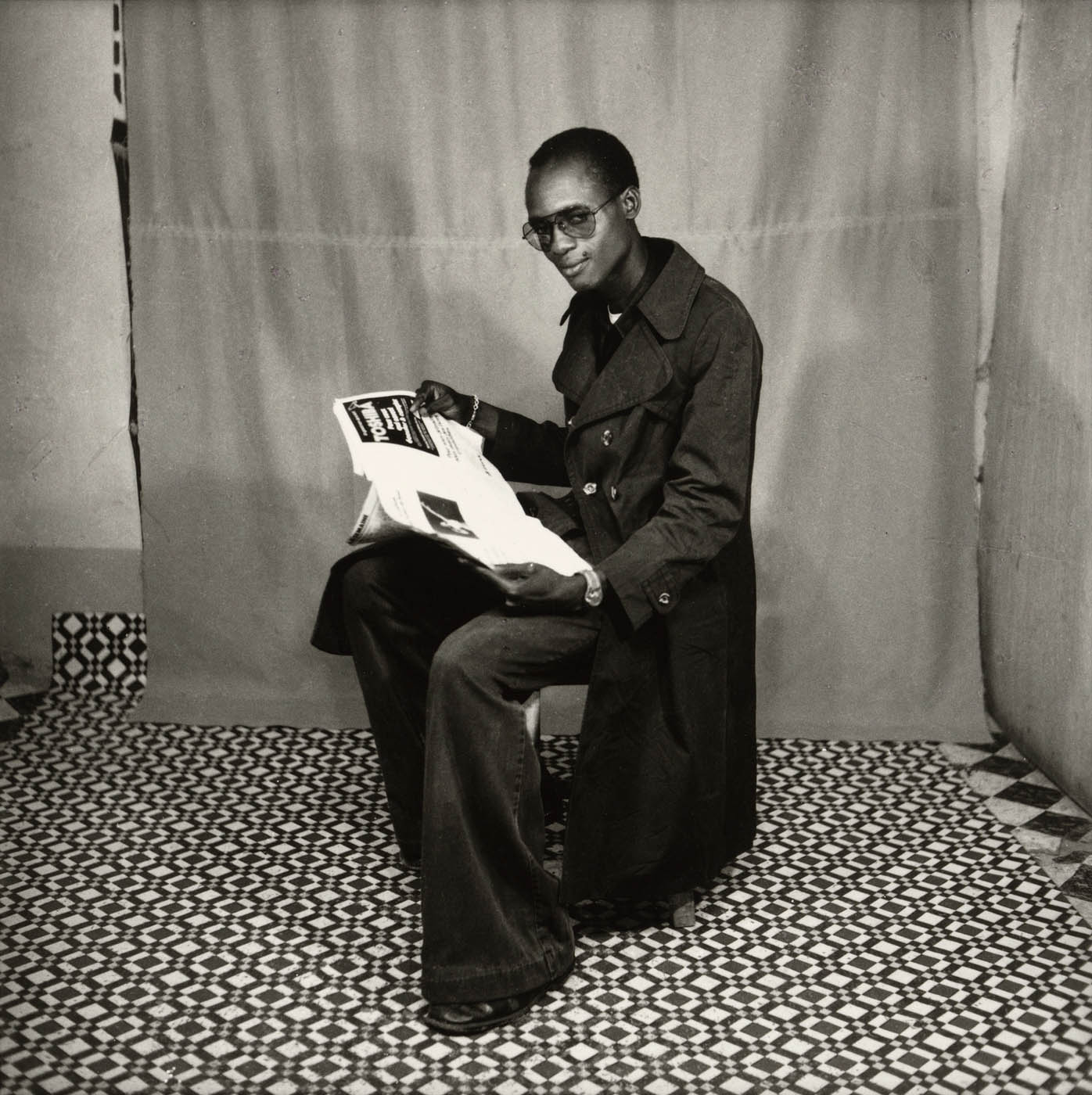
 

Sanlé Sory (Burkinabé, born 1943) 'L'Intellectuel' (The Intellectual) 1970-1985


Sanlé Sory (Burkinabé, b. 1943)
L’Intellectuel (The Intellectual)
1970-85
Gelatin silver print
8 1/8 x 8 1/8″ (20.6 x 20.6cm)
Museum of Modern Art, New York
Committee on Photography Fund


“Everyone chooses what they want in photography,” Sory once said. First opening his studio, Volta Photo, in Bobo-Dioulasso, Upper Volta (present-day Burkina Faso), in 1960, Sory organised bals poussières (or “dust balls,” named after the dirt clouds that dancers kicked up) in the fields of the nearby Kou Valley. The sound of his Multiblitz flash accompanied the percussion at parties, setting an elusive tone for his reportage de nuit (nighttime journalism). At Volta Photo, Sory’s portraits made possible a particular process of being and becoming for his sitters. He reflected the ideas that they wanted to communicate – whether to friends, lovers, strangers, or themselves.

Gallery label from Ideas of Africa: Portraiture and Political Imagination, 2025
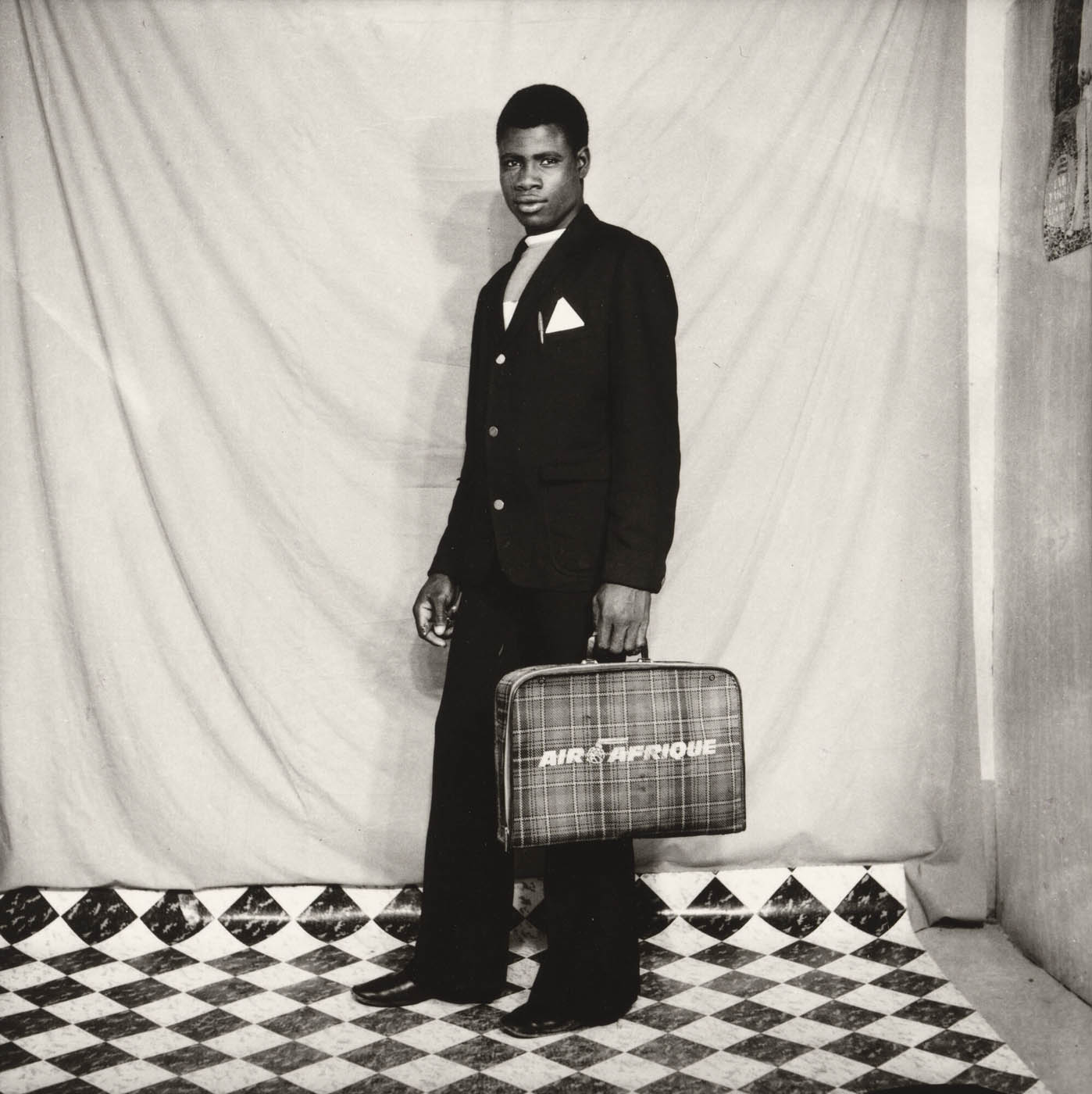
 

Sanlé Sory (Burkinabé, born 1943) 'Le Voyageur' (The Traveler) 1970-1985


Sanlé Sory (Burkinabé, b. 1943)
Le Voyageur (The Traveller)
1970-1985
Gelatin silver print
8 1/8 x 8 1/8″ (20.6 x 20.6cm)
Museum of Modern Art, New York
Committee on Photography Fund


Historian, Antawan I. Byrd:  One of the fundamental principles of studio portraiture, especially as it developed in West Africa, is that the studio becomes a kind of imaginative enterprise. You can go and be who you are, or you can go and be who you want to be.

Hello, I’m Antawan I. Byrd. I am a curator, and my research focuses on photography in West Africa during the mid-20th century.

Sanlé Sory opened up his own photography studio in Bobo-Dioulasso, one of the major cities in present-day Burkina Faso. This is a time right after independence, in 1960, and so there is this sense of optimism and hope about the sovereign nation.

Sory once remarked, “Fun is central to my work.” I think he’s speaking about the dynamics of collaboration. Oftentimes, clients would line up outside of the studio, and Sory would have a sort of menu that they can choose from. They could point and say, “Sory, I’d like this portrait here, and I’d like to pose with that prop there.”

Here we’re looking at six portraits, and they’re assuming different personalities. There’s one figure who appears as the intellectual, reading a newspaper. Another figure standing powerfully with his hands in the air as if he’s a boxer. There’s another wielding a Air Afrique briefcase, suggesting that he is a traveller.

 When we think about the studio as a kind of imaginative space, it’s possible that the figure with the briefcase has just come back from a trip. But it’s entirely possible that he’s never left  Bobo-Dioulasso at all, and holding that briefcase is a way to signal his ambition to travel.

Text from the MoMA website
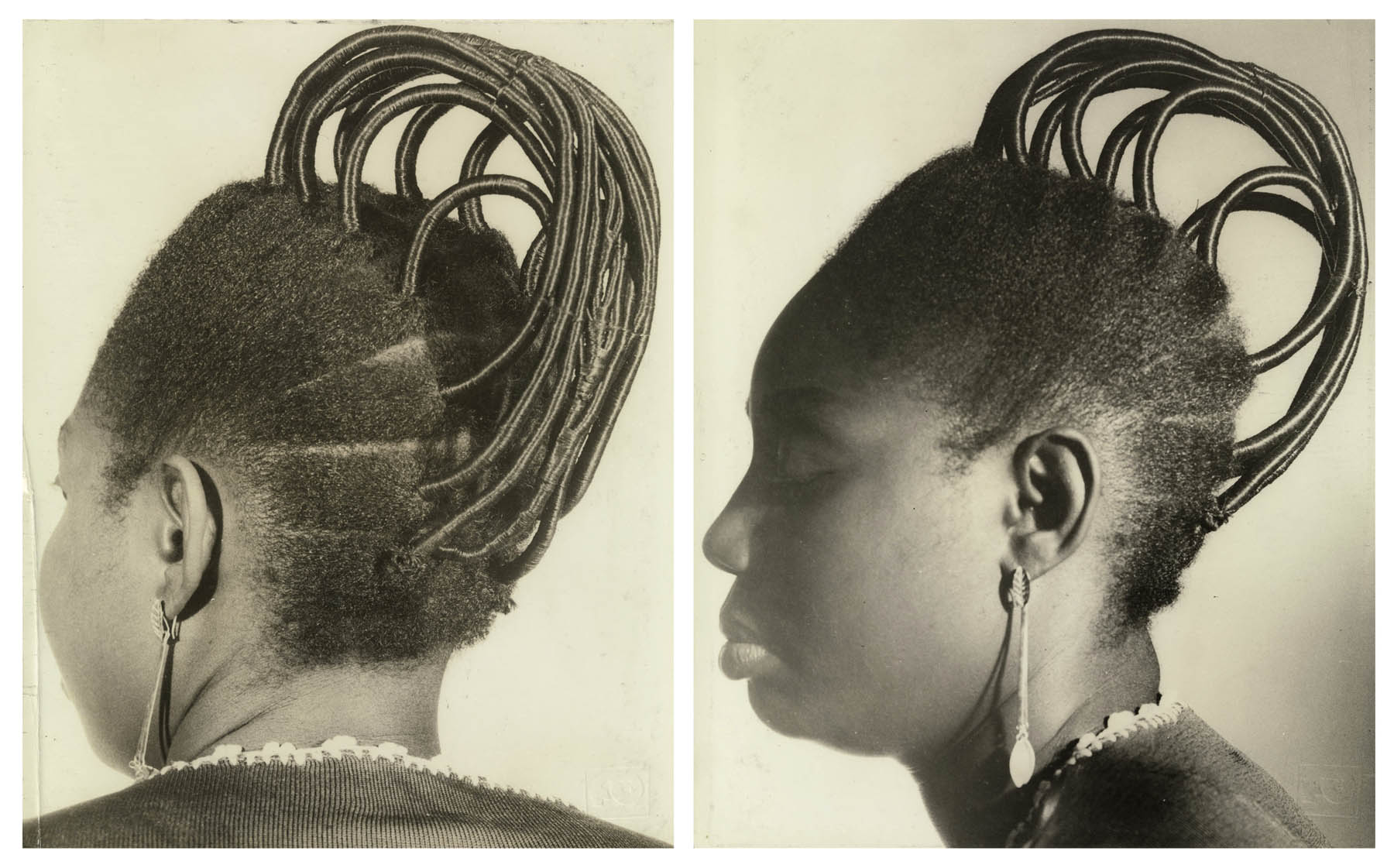
 

J.D. 'Okhai Ojeikere (Nigerian, 1930-2014) 'Brush Eko Bridge' 1973


J.D. ‘Okhai Ojeikere (Nigerian, 1930-2014)
Brush Eko Bridge
1973
Two gelatin silver prints
Each 11 x 8″ (27.9 x 20.3cm)
Museum of Modern Art, New York
The Family of Man Fund


In 1968 Ojeikere embarked on a monumental project to document the myriad hairstyles worn by women across a newly independent Nigeria. Over the next seven years, he amassed more than one thousand photographs. Together, these rigorously composed images form a portrait of a nation undergoing social and physical transformation – with feminine beauty standards providing the ultimate symbol. In Brush Eko Bridge, clean lines appear across a woman’s carefully parted scalp, her hair threaded to sculptural effect. In profile her hairdo evokes the highways and architectural developments that were then populating the Lagos skyline.

Gallery label from Ideas of Africa: Portraiture and Political Imagination, 2025


Historian, Antawan I. Byrd:   The hairstyles project is often described as Ojeikere’s most ambitious body of work, and it’s a body of work that he pursued over nearly half a century.

My name’s Antawan Byrd. I’m an art historian and curator based in Chicago.

J. D. ‘Okhai Ojeikere evolved as a photographer alongside major political shifts in Nigerian history. 1960 is when the country attains independence from British rule.  Ojeikere began to attend many of the festivals that were celebrating traditional culture. Hair design was coming back into fashion after a long period of being regarded as retrograde by the colonial government.  It was at one of those festivals that he began to make his earliest images of Nigerian hairstyles.

 He was so fascinated by the nuances of the designs as you encounter them from different angles. Some of the hair designs are straightforward cornrow styles, whereas others are realised through the use of thread that’s been wrapped around strands of hair.

Many of the hair designs carry references to contemporary bridges and buildings in terms of their architectural design. That’s in part because after independence, the nation is being built, the skyline is being built, the hairstyles are being built. And so I think for Ojeikere, he was conscious of the multiplicity of changes that were happening. It’s simultaneously about hair and the tradition of hair, and yet it’s also about architecture and commerce and trade.

Text from the MoMA website


James Barnor (Ghanian, b. 1929) 'Ever Young studio. Accra' 1954-1959


James Barnor (Ghanaian, born 1929)
Ever Young Studio, Accra
c. 1954-1959
Gelatin silver print, printed 2018-20
9 1/2 x 9 1/2″ (24.1 x 24.1cm)
Museum of Modern Art, New York
Acquired through the generosity of Heidi and Richard Rieger


Artist, James Barnor:  Everything that happened in Accra passed through my street, and I call myself Lucky Jim. Anything that was happening, I was there.

I’m James Barnor. I was born on the 6th of June 1929. I had witnessed photography from a very small age because my mother’s brother was a professional photographer. My cousin was practicing in Accra, in Ghana. Because it was in the family, I must have thought, “Ah, this is something I could do in the future.”

Portraiture was number one. People are more important than places. I love people. ’53, I got a studio and I called it Ever Young. I thought about making people young, or even [laughs] better than they were before.

My sister was a nurse, and so I knew some nurses, and Evelyn was at the nursing training college. This is a portrait that I took of her. I had so many different backgrounds. And this was actually drawn on the wall. This is a sky. You can see the clouds. When I look at the different tones, from the white highlight to the black of the hair, it’s so very nice. This is a picture that I like very much.

I’m lucky to be alive and to be telling the story about my work. The inspiration that people get from my work will carry on and inspire others to develop their own way. The future is going to be grander because of photography.

Text from the MoMA website
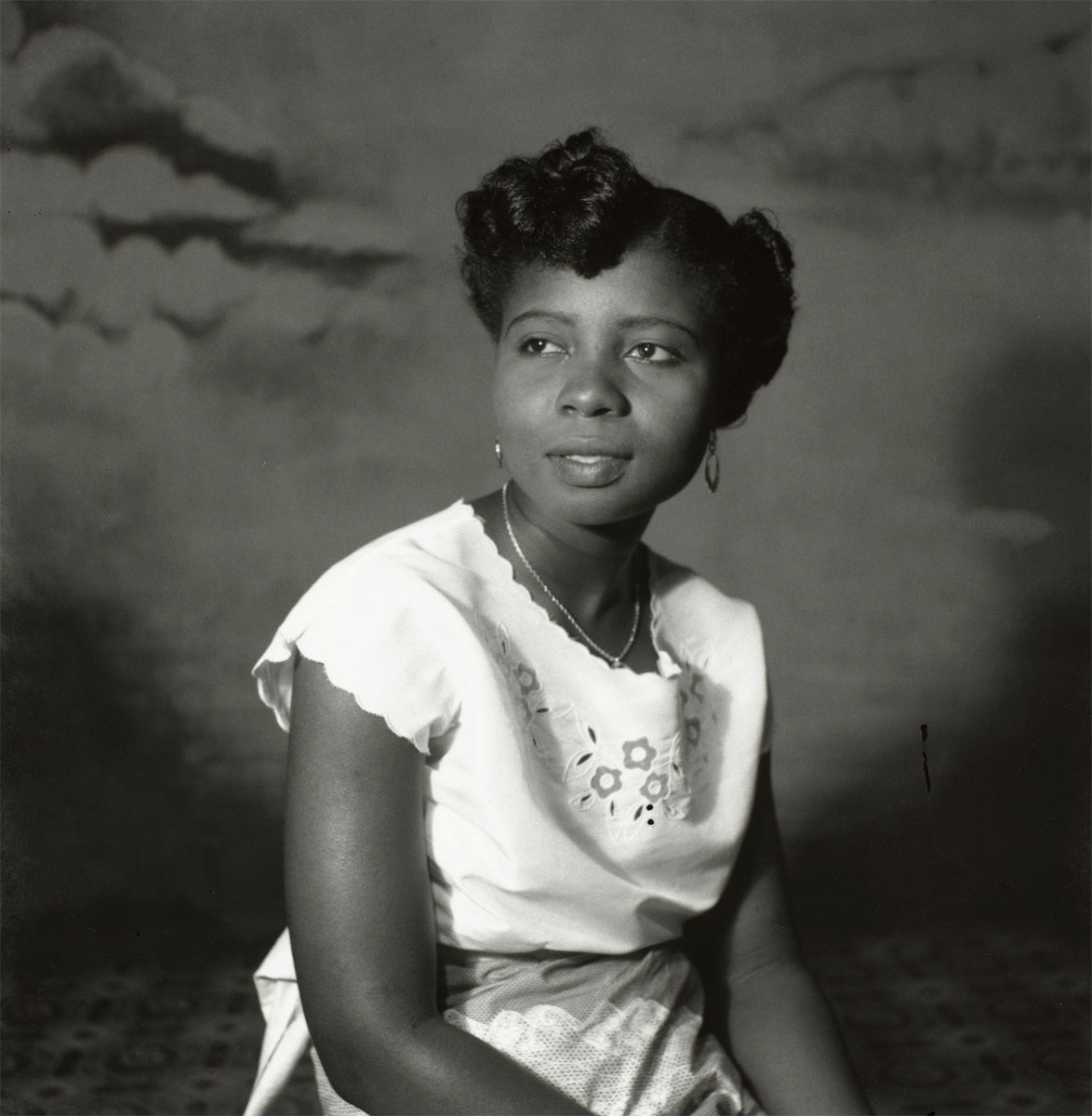
 

James Barnor (Ghanaian, born 1929) 'Portrait of Evelyn Abbew, Ever Young Studio, Accra' c. 1954-1959


James Barnor (Ghanaian, b. 1929)
Portrait of Evelyn Abbew, Ever Young Studio, Accra
c. 1954-1959
Gelatin silver print, printed 2018-2020
9 1/2 x 9 1/2″ (24.1 x 24.1cm)
Museum of Modern Art, New York
Acquired through the generosity of Ruth Nordenbrook
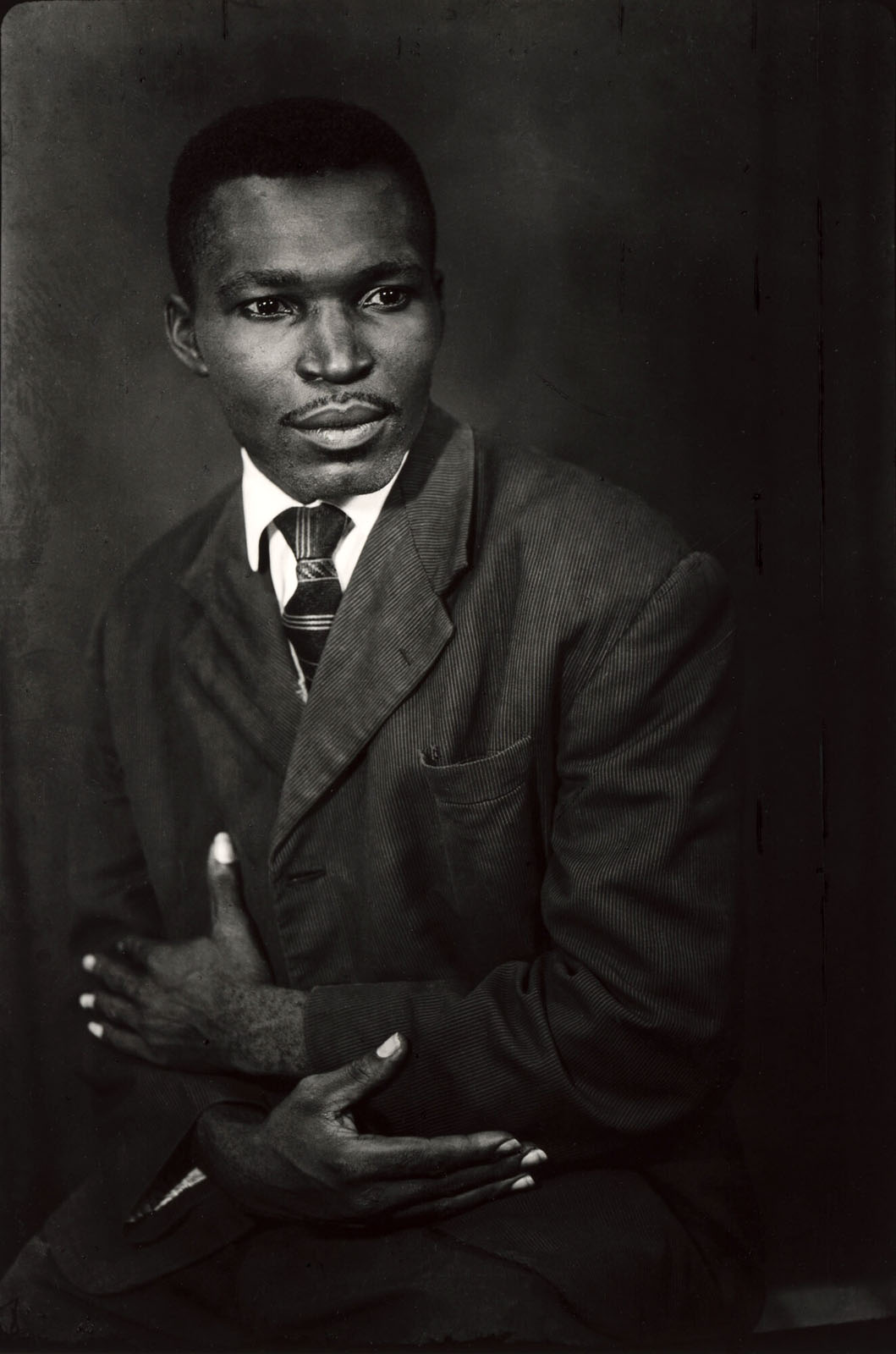
 

Jean Depara (Congolese, born Angola, 1928–1997) 'Un Jazzeur (Jazzman)' 1960


Jean Depara (Congolese born Angola, 1928-1997)
Un Jazzeur (Jazzman)
1960
Gelatin silver print, printed later
23 x 19″ (58.4 x 48.3cm)
Museum of Modern Art, New York
The Jean Pigozzi African Art Collection. Gift of Jean Pigozzi


Historian, Sandrine Colard:  Depara’s images, when you look at them, you see mostly people partying at nighttime or in his studio. So you don’t directly see people articulating a political discourse, but their bodies are.

My name is Sandrine Colard, and I’m a historian of African art and photography.

Jean Depara was living in Léopoldville, which will become Kinshasa. It was the capital of the Belgian Congo, seen as a very modern city for Africa at that time.

This is a portrait of a Black man in a suit and tie. The way the arms of this man are folded upon themselves – he’s touching himself in a delicate way.   Under a colonial system,  Black men are seen as a workforce. Your body is to be put into service of colonial power,  and so the very fact of dressing up,  this delicate relationship to his own body – for pleasure, enjoyment, beauty – is just something that’s radically opposing the construction of Black masculinity in the colonial Congo.   

The fact that it’s also entitled Jazzeur makes a connection with music. Jazz is a diasporic language throughout the world, and a musician is definitely not someone who is enlisted into the colonial economy. All of that together, I would say, is really a sort of different portrait being constructed for Congolese masculinity at that time.

Text from the MoMA website
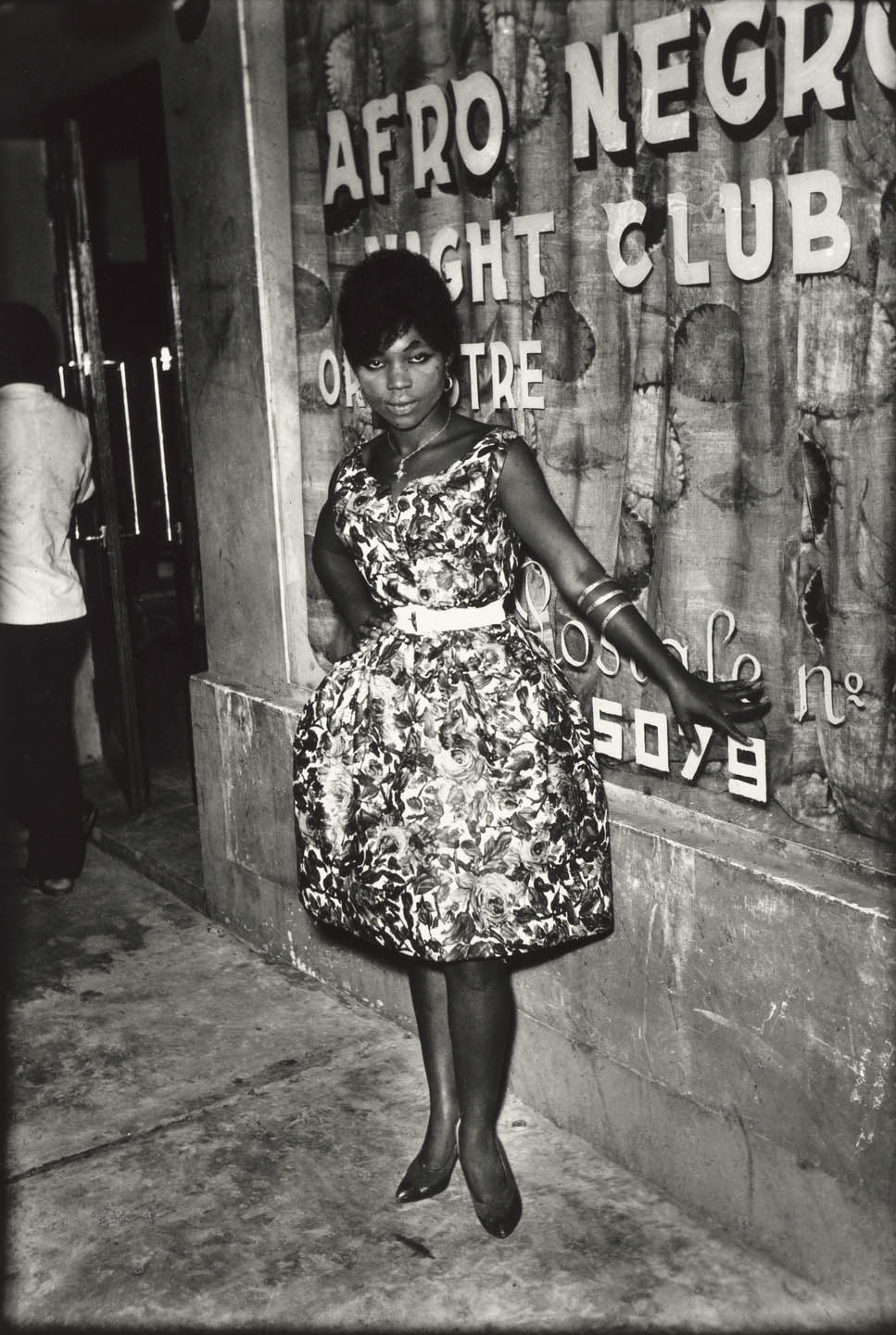
 

Jean Depara (Congolese, born Angola, 1928-1997) 'Una Moziki' c. 1960


Jean Depara (Congolese, born Angola, 1928-1997)
Una Moziki
c. 1960
Gelatin silver print, printed later
23 x 19″ (58.4 x 48.3cm)
Museum of Modern Art, New York
The Jean Pigozzi African Art Collection. Gift of Jean Pigozzi


Jean Depara (Congolese, born Angola, 1928–1997) 'Le Progrès' (The Progress) 1975


Jean Depara (Congolese, born Angola, 1928-1997)
Le Progrès (The Progress)
1975
Gelatin silver print, printed later
15 3/4 x 11 13/16″ (40 x 30cm)
Museum of Modern Art, New York
The Jean Pigozzi African Art Collection. Gift of Jean Pigozzi
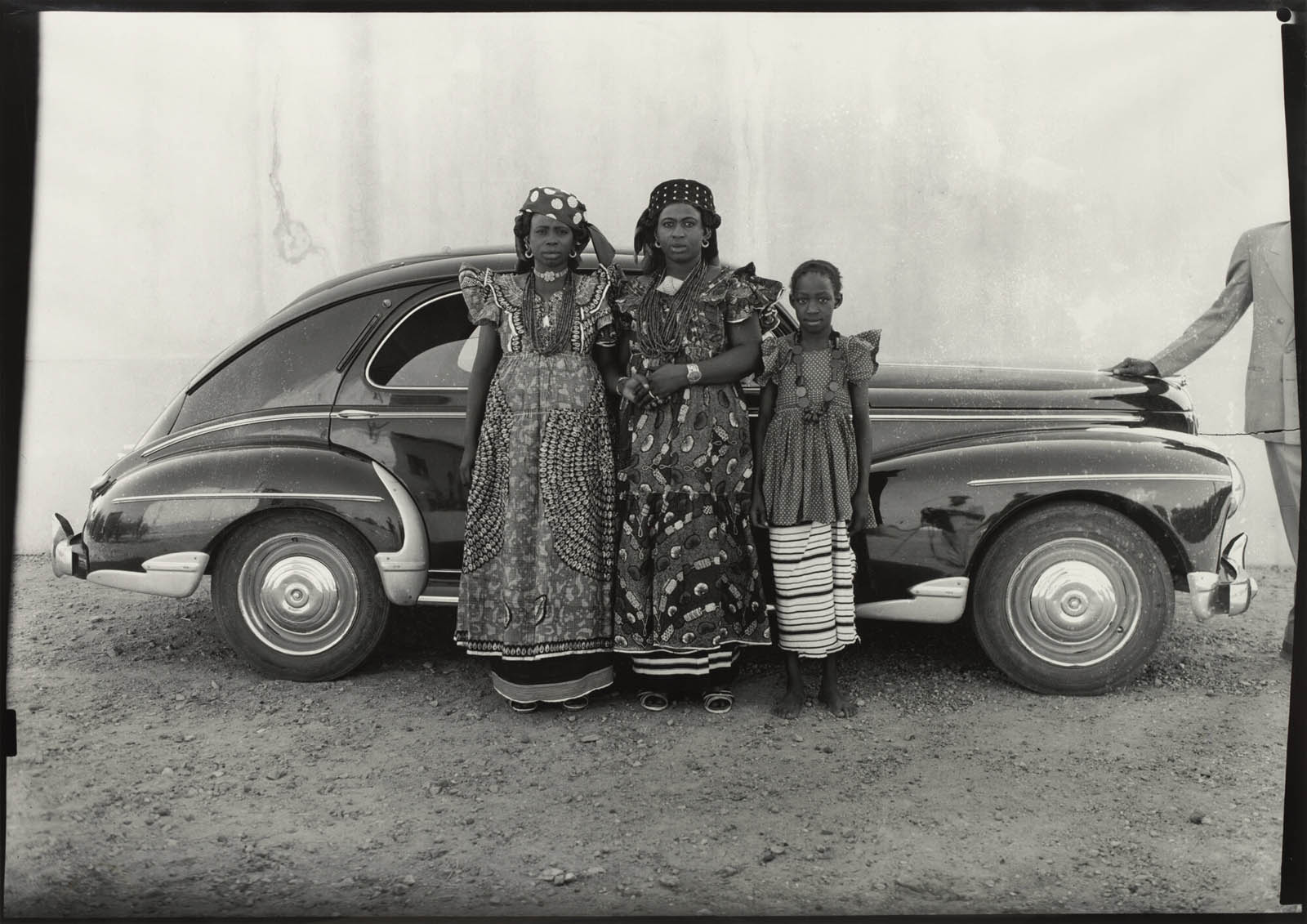
 

Seydou Keïta (Malian, 1923–2001) 'Untitled' 1954


Seydou Keïta (Malian, 1923-2001)
Untitled
1954
Gelatin silver print, printed later
46 15/16 x 65 7/8″ (119.2 x 167.3cm)
Museum of Modern Art, New York
The Jean Pigozzi African Art Collection. Gift of Jean Pigozzi


Introduction

Curator, Oluremi C. Onabanjo: I’m Oluremi Onabanjo. I’m the Peter Schub Curator of Photography at The Museum of Modern Art.

This exhibition includes some of the most iconic image-makers working across cities in West and Central Africa, at a moment when the continent was transitioning from European colonial powers to independent nations run by Africans themselves. Within this context, people are really interested in what it means to be themselves. What are the dreams you have, the places you want to go? How do you see yourself? Photographic portraits are the perfect way to wrestle with these questions.

 And that’s important for understanding the great Seydou Keïta, who was working in Bamako, in French Sudan, but which became, in 1960, an independent Mali.  People who came to Keïta’s studio were interested in being seen as connected to a cosmopolitan world. Keïta was extremely proud of making people look beautiful.  He used sunlight for all of his photographs. He had a number of props – watches, radios, rings – to gesture to their investment in this global imaginary that they are constructing with Keïta.

With this exhibition, I encourage you to really think about how a portrait is made. These are deliberately constructed compositions, and when we are attentive to those moves, we might see things anew.

Text from the MoMA website
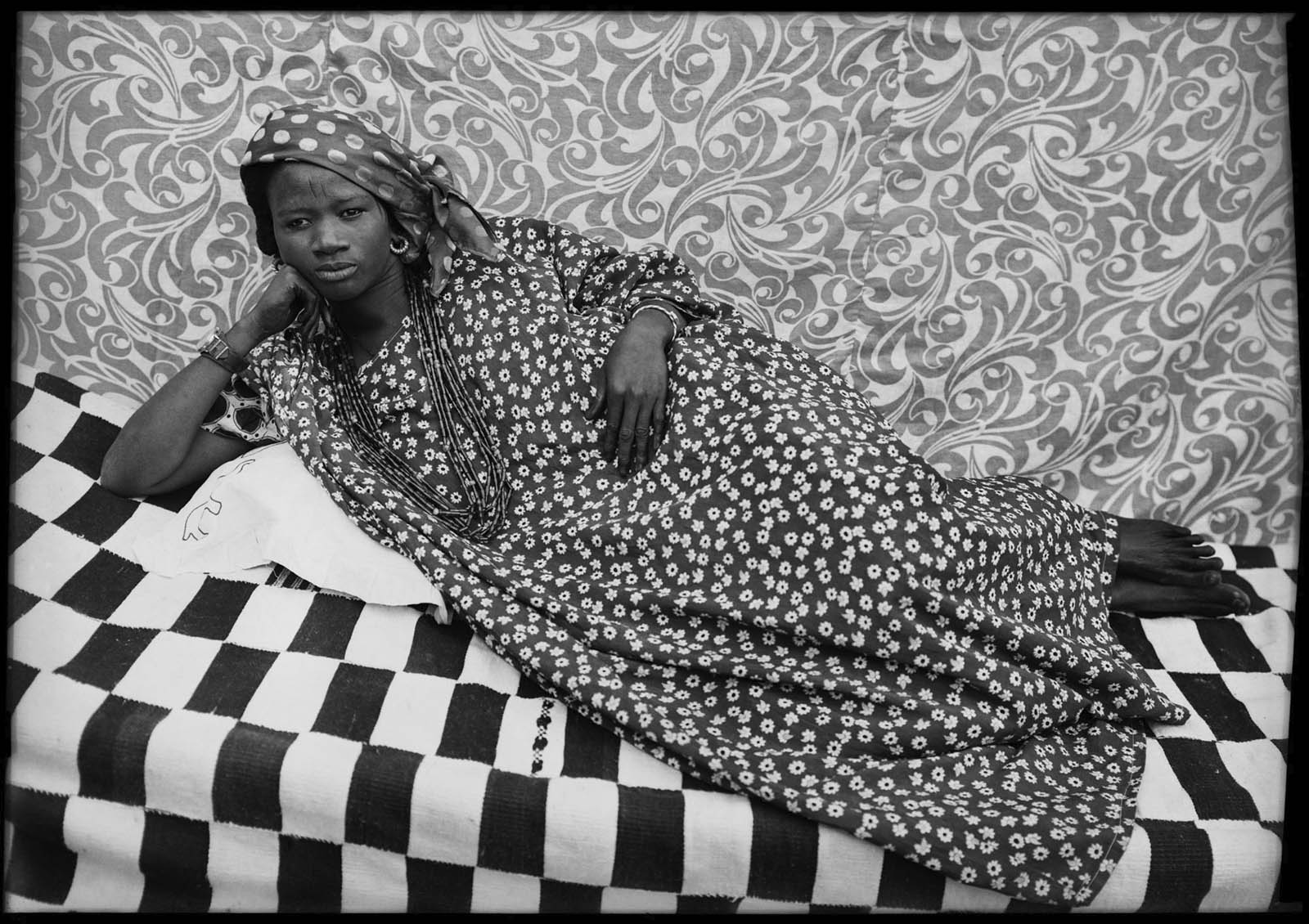
 

Seydou Keïta (Malian, c. 1921-2001) 'Untitled' 1953-1957, printed c. 1994-2001


Seydou Keïta (Malian, 1923-2001)
Untitled (Bamako)
1956-1957
Gelatin silver print, printed 1997
15 9/16 x 22 1/8″ (39.5 x 56.2cm)
Museum of Modern Art, New York
The Family of Man Fund
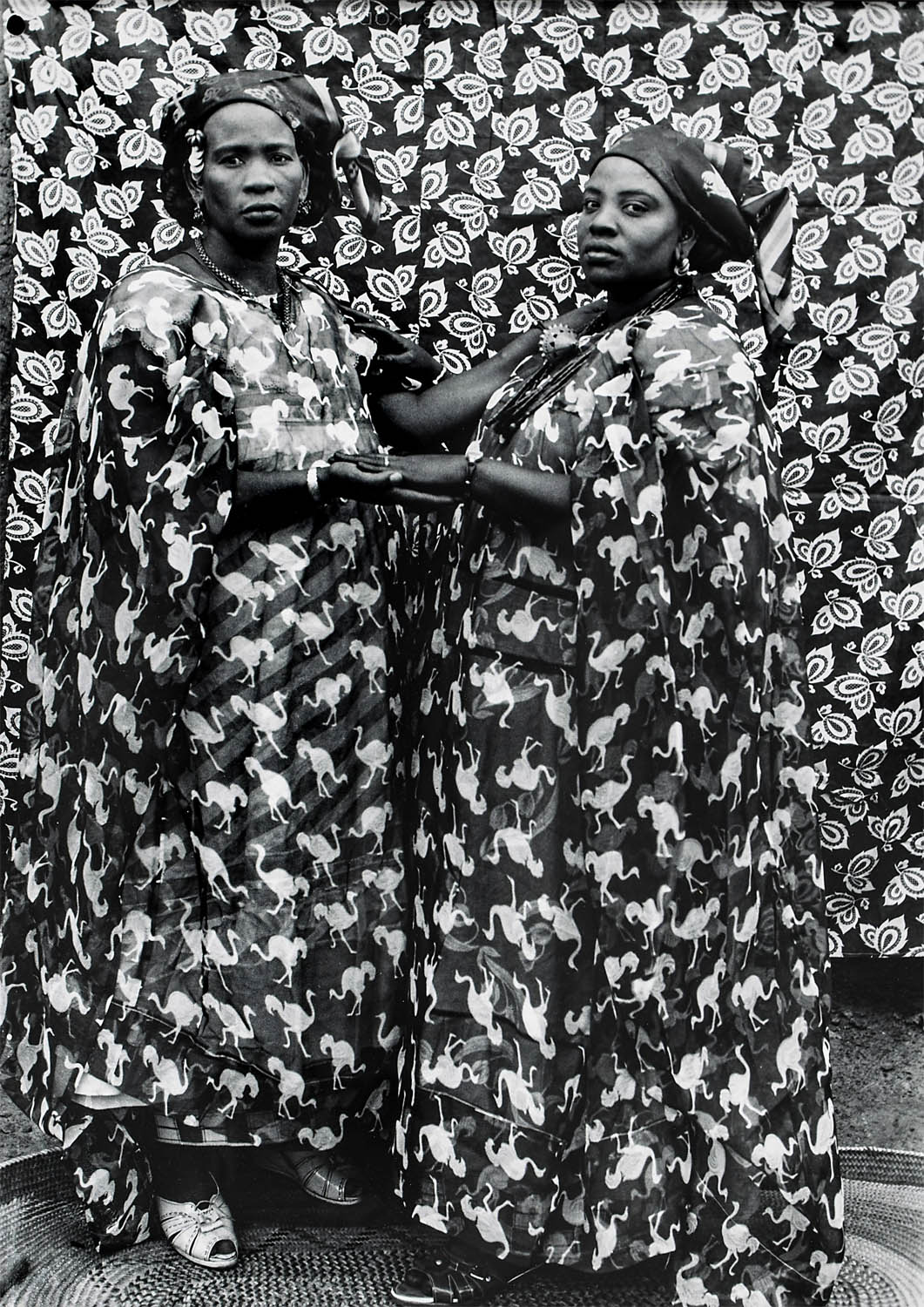
 

Seydou Keïta (Malian, 1923–2001) 'Untitled' 1956


Seydou Keïta (Malian, 1923-2001)
Untitled
1956
Modern gelatin silver print
Image: 22 3/8 x 15 11/16″ (56.8 x 39.8cm)
Frame: 30 3/16 x 23 7/16″ (76.7 x 59.6cm)
Sheet: 23 7/8 x 19 15/16″ (60.7 x 50.7cm)
Museum of Modern Art, New York
The Jean Pigozzi African Art Collection
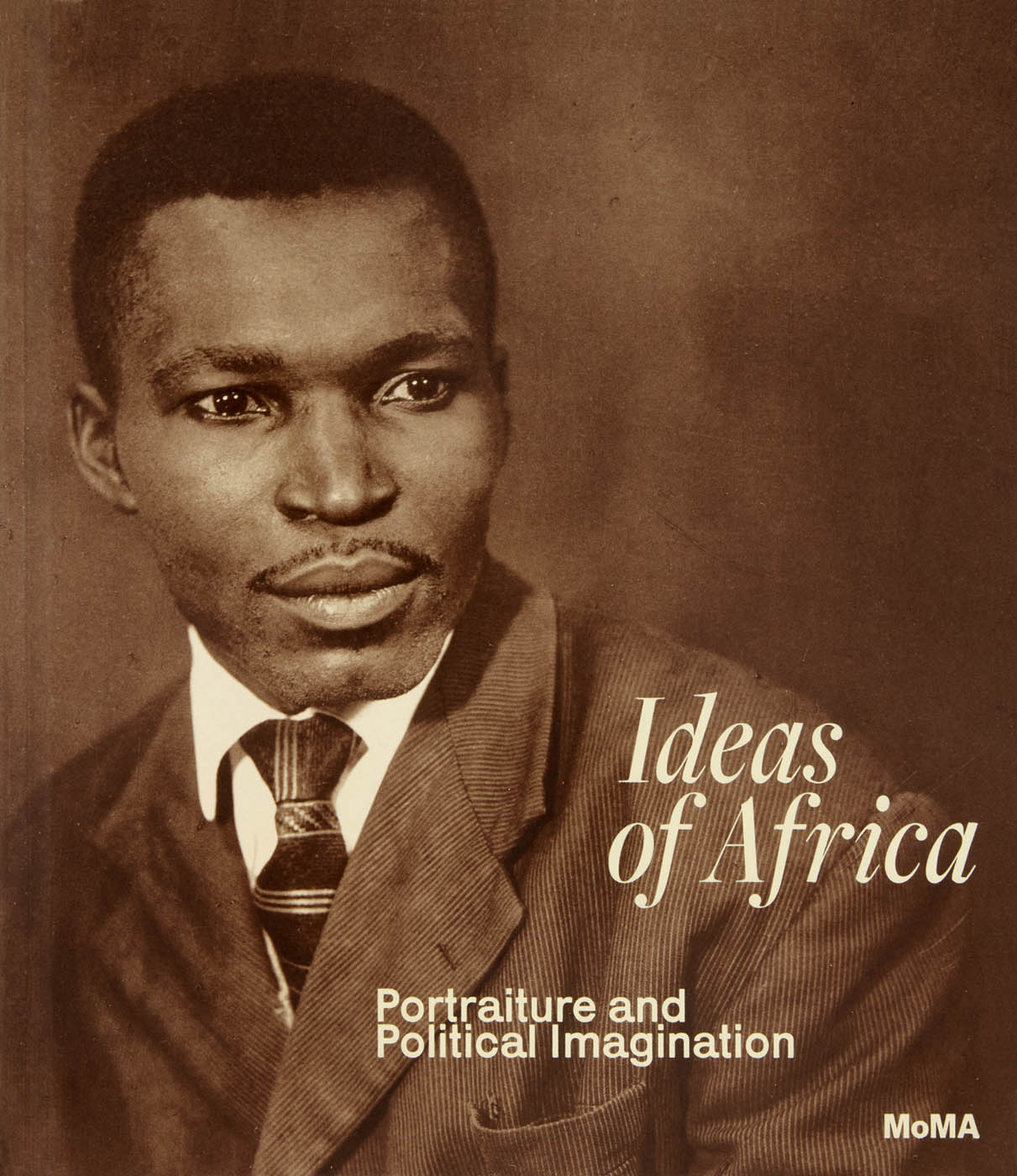
 

'Ideas of Africa: Portraiture and Political Imagination' catalogue cover


Ideas of Africa: Portraiture and Political Imagination catalogue cover

Buy the book on Amazon


The Museum of Modern Art
11 West 53 Street
New York, NY 10019
Phone: (212) 708-9400

Opening hours:
10.30am – 5.30pm
Open seven days a week
MoMA website

LIKE ART BLART ON FACEBOOK

Back to top

Exhibition: ‘Freedom Journey 1965: Photographs of the Selma to Montgomery March by Stephen Somerstein’ at the New-York Historical Society, New York

Exhibition dates: 16th January – 19th April, 2015

Curator: Dr. Louise Mirrer, President and CEO of the New-York Historical Society working with exhibition organiser Deborah Davis


Stephen Somerstein (American, b. 1941) 'Dr. Martin Luther King, Jr. speaking to 25,000 civil rights marchers in Montgomery' 1965 from the exhibition 'Freedom Journey 1965: Photographs of the Selma to Montgomery March by Stephen Somerstein' at the New-York Historical Society, New York, January - April, 2015


Stephen Somerstein (American, b. 1941)
Dr. Martin Luther King, Jr. speaking to 25,000 civil rights marchers in Montgomery 
1965
Courtesy of the photographer


And still it goes on… whether it be so called Chelsea football “fans” singing racist songs and abusing a black man on the Paris Metro, the Australian government’s “intervention” in Aboriginal communities, or Channel Seven’s adverts for Australia: The Story of Us which states, “This is the story of how a bunch of convicts transformed Australia from a barren, frontier prison into one of the richest countries in the world.”

The use of the word “barren” insidiously supports the hidden tenants of racism, surreptitiously reaffirming the idea that Australia was a terra nullius when it was invaded. And for one of the richest countries in the world, the Aboriginal and refugee population is sure not seeing the benefits, both in terms of freedom (refugee children and Indigenous people from incarceration), health, education and life span.

When will the human race ever grow up? We have been fighting this stuff since time immemorial, or perhaps that should be time ‘in memoriam’ – in honour of those who have passed – and in honour of those that continue to suffer. In the end it all comes down to the intersectionality of power, race, religion, money, gender and place, a moveable and fluid feast of fear and loathing, possession and patriarchy. I don’t believe that it will ever change, unless something truly momentous happens to this world… the earth self regulates and rids itself of this disease, this human ‘race’. But we can and we will, still fight the good fight, against bigotry, war, corporations and government surveillance, everywhere.

Dr Marcus Bunyan


Many thankx to the New York Historical Society Museum and Library for allowing me to publish the photographs in the posting. Please click on the photographs for a larger version of the image.


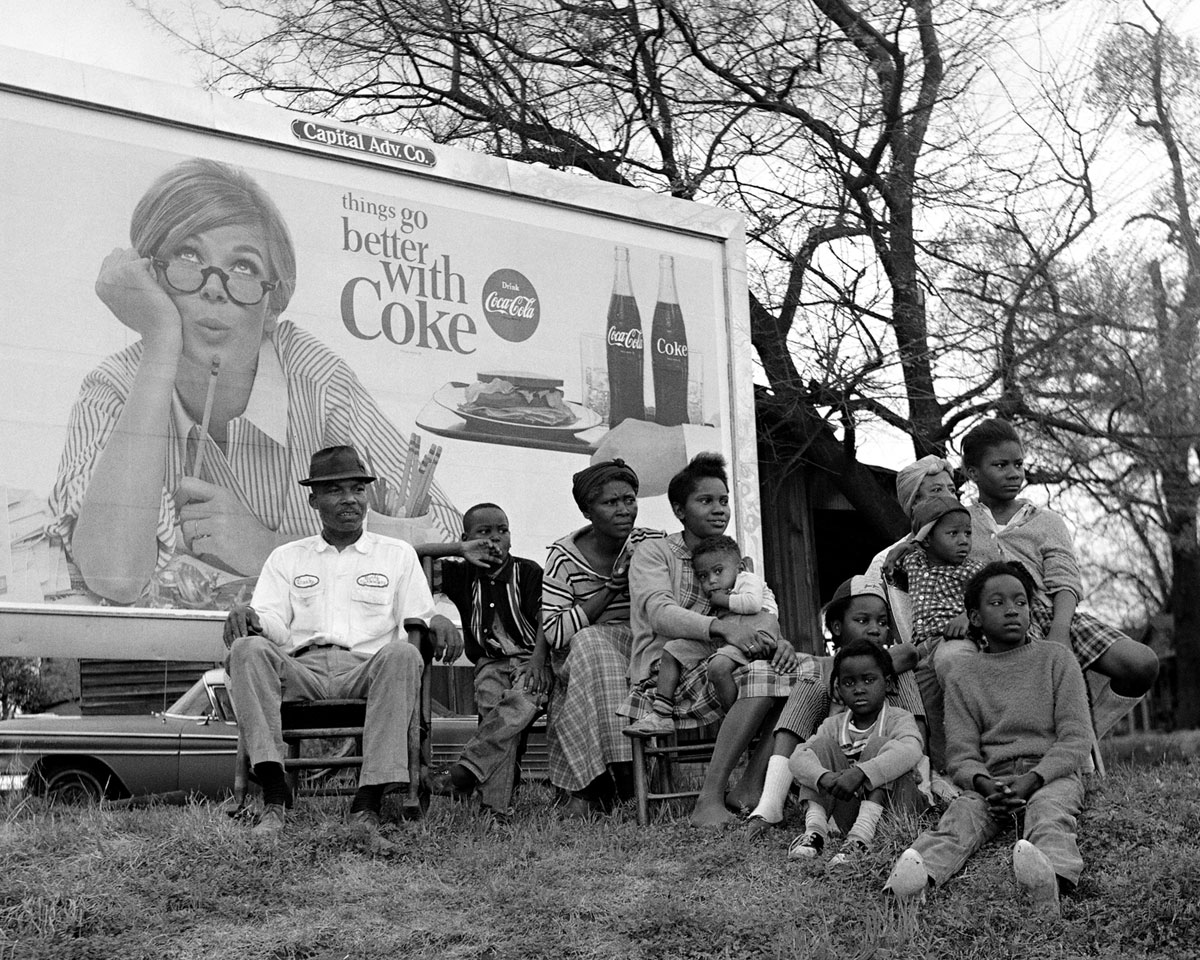
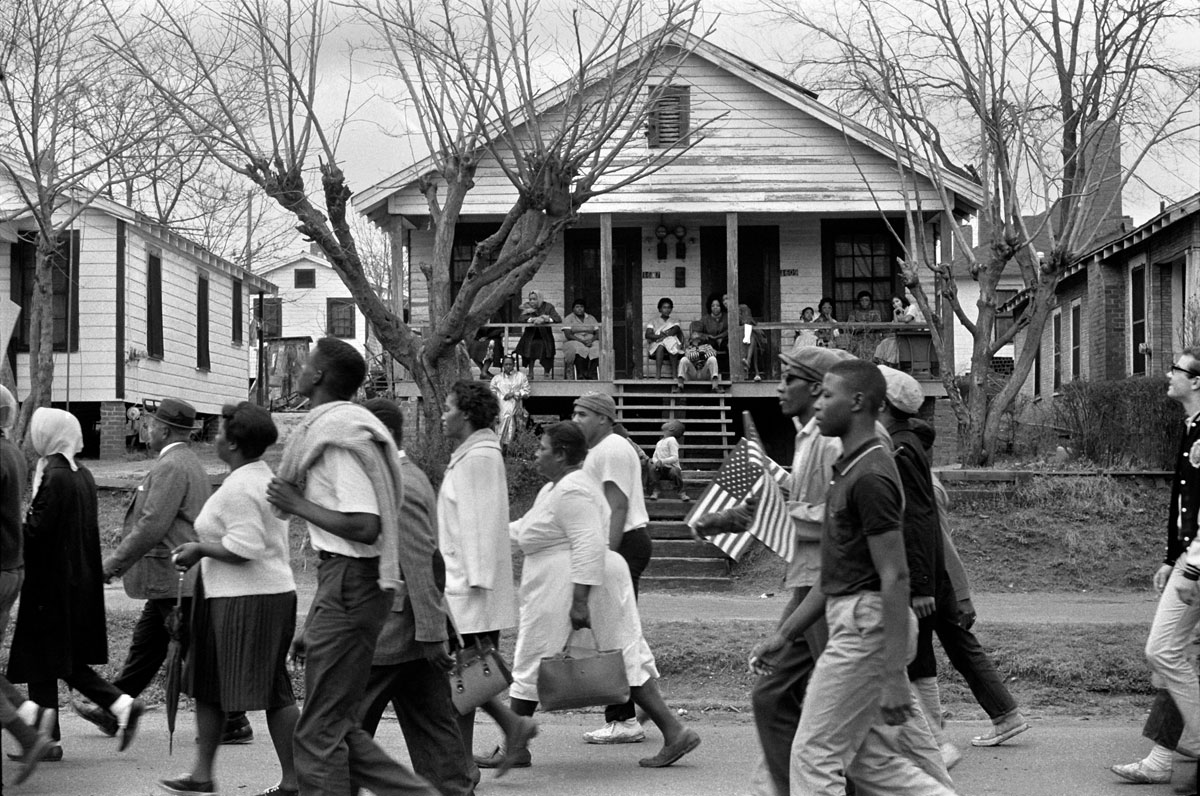
“All through the march I was thinking, ‘This is history in the making. Can I capture it? Can I give a sense to other people of what I am experiencing myself?’ That was the thread that always wove through the back of my mind. Am I up for the task?… I turned my camera most consciously to the people watching the march. It was meant to free them. The march was meant to give them voting rights. The march was meant to change their lives… I wanted the pictures to be a window for people to look back in time and see what it was like then. I needed to capture a sense of their vision.”


Stephen Somerstein


Stephen Somerstein (American, b. 1941) '"Things Go Better With Coke" sign and multi-generational family watching marchers' 1965 from the exhibition 'Freedom Journey 1965: Photographs of the Selma to Montgomery March by Stephen Somerstein' at the New-York Historical Society, New York, January - April, 2015


Stephen Somerstein (American, b. 1941)
“Things Go Better With Coke” sign and multi-generational family watching marchers
1965
Courtesy of the photographer


This is among Somerstein’s favourite shots from the march. “Only in this instant are they looking mostly in the same direction,” he said, recalling that a second shot he took just after lacked the “unity” of this composition.


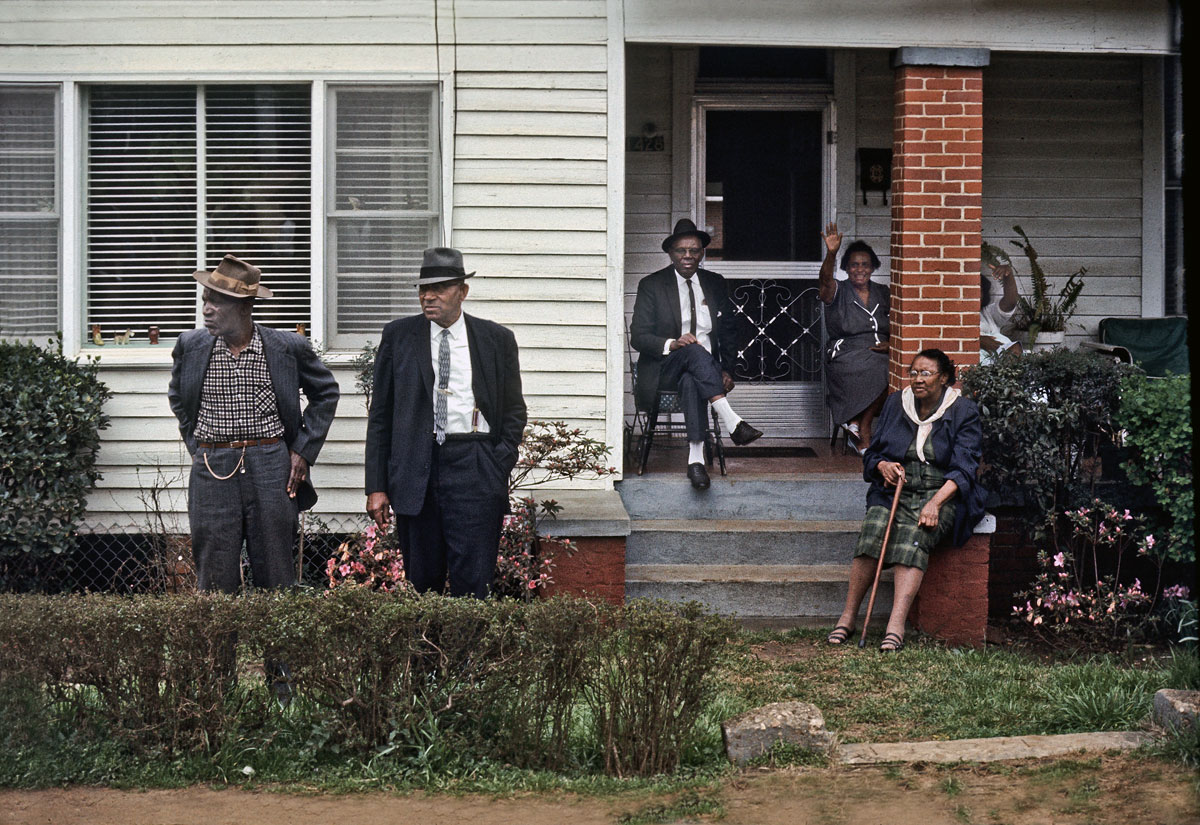
Stephen Somerstein (American, b. 1941) 'Marchers on the way to Montgomery as families watch from their porches' 1965


Stephen Somerstein (American, b. 1941)
Marchers on the way to Montgomery as families watch from their porches
1965
Courtesy of the photographer


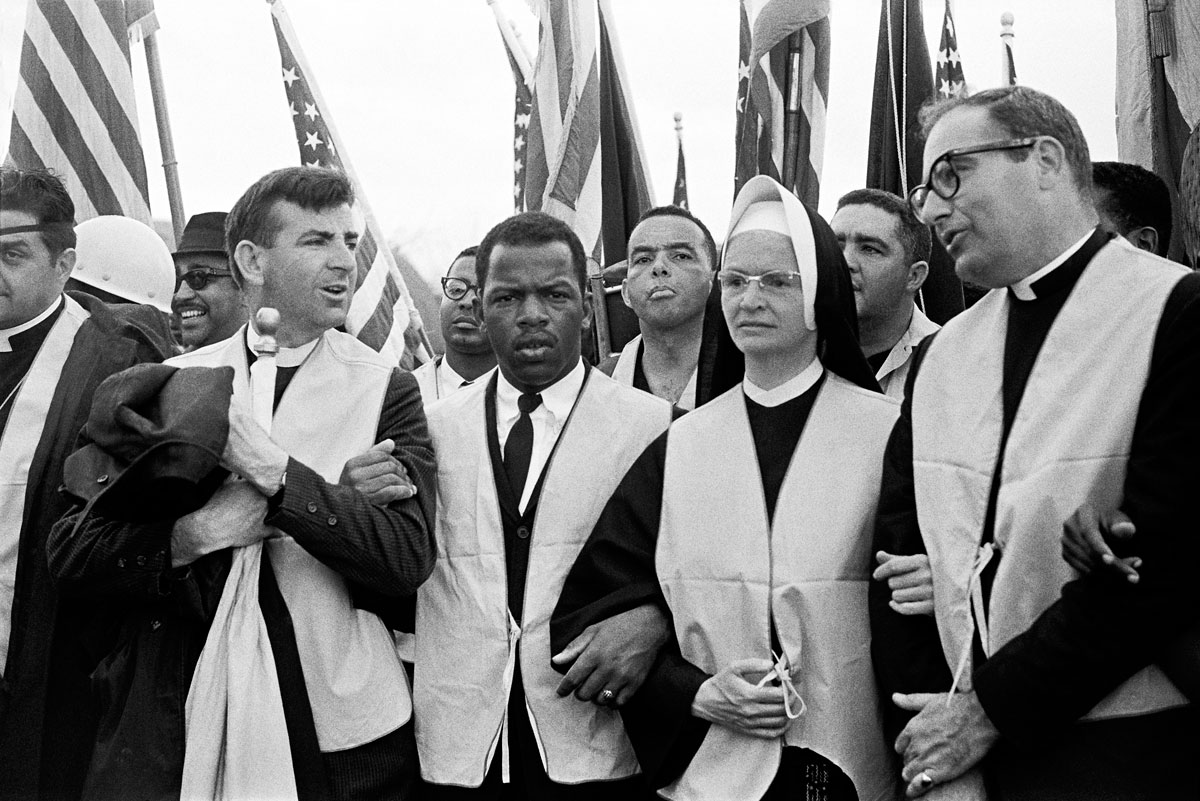
Stephen Somerstein (American, b. 1941) 'Nuns, priests, and civil rights leaders at the head of the march' 1965


Stephen Somerstein (American, b. 1941)
Nuns, priests, and civil rights leaders at the head of the march
1965
Courtesy of the photographer


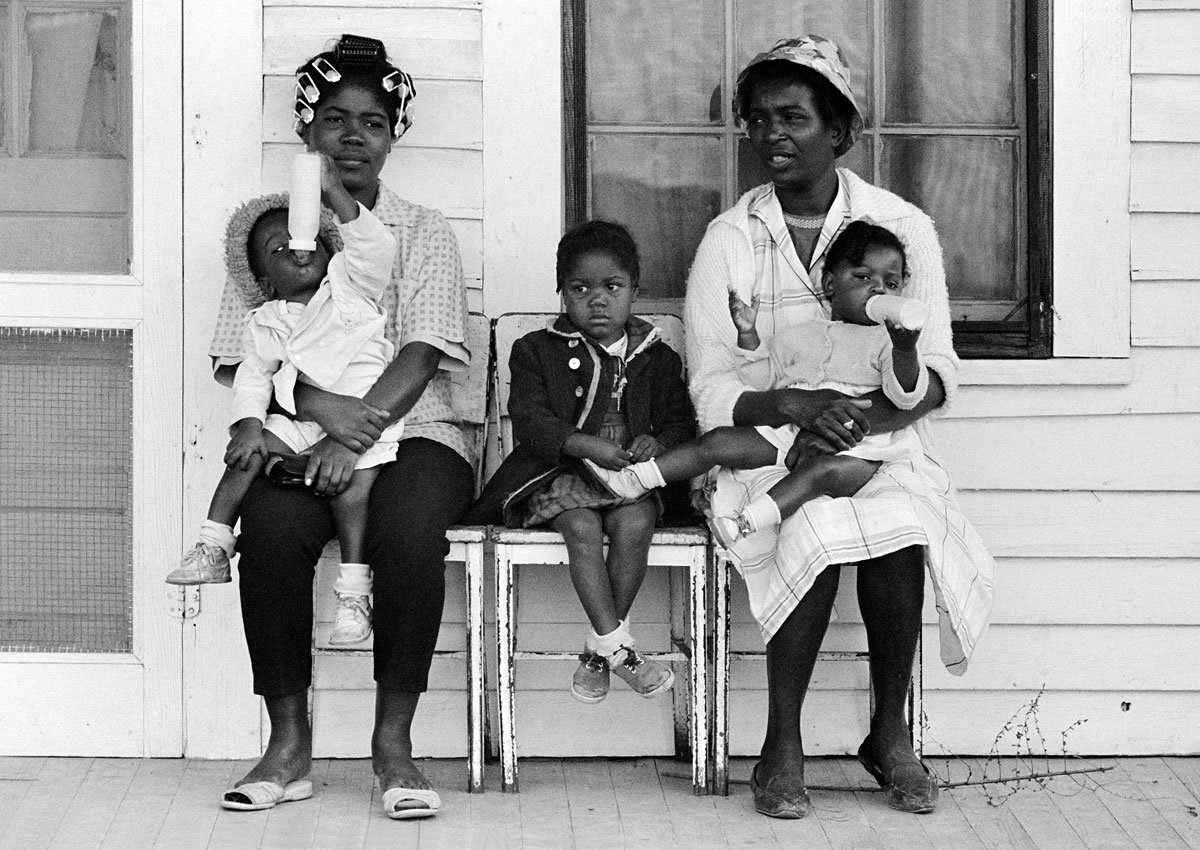
Stephen Somerstein (American, b. 1941) 'Two mothers with children watching marchers' 1965


Stephen Somerstein (American, b. 1941)
Two mothers with children watching marchers
1965
Courtesy of the photographer


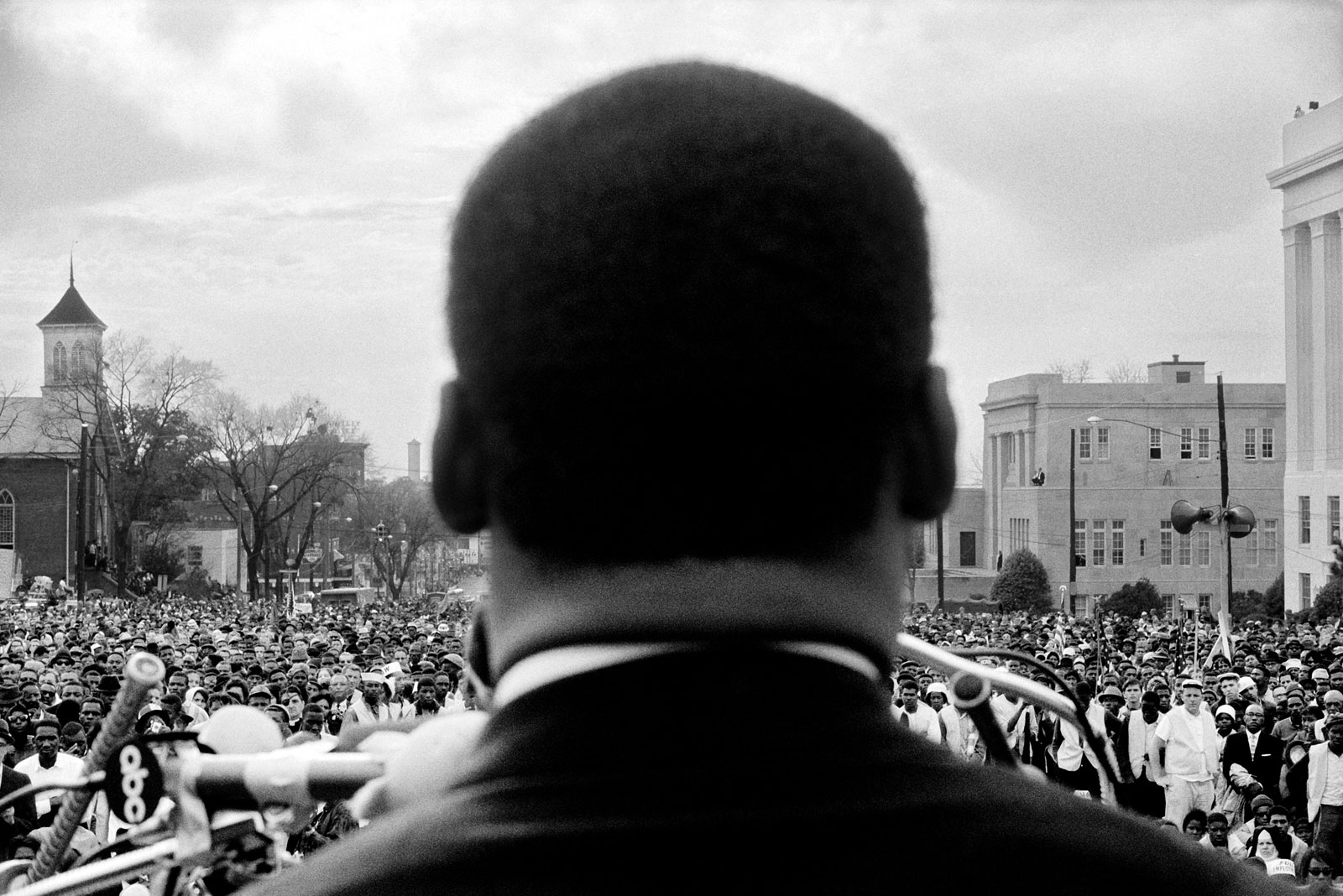
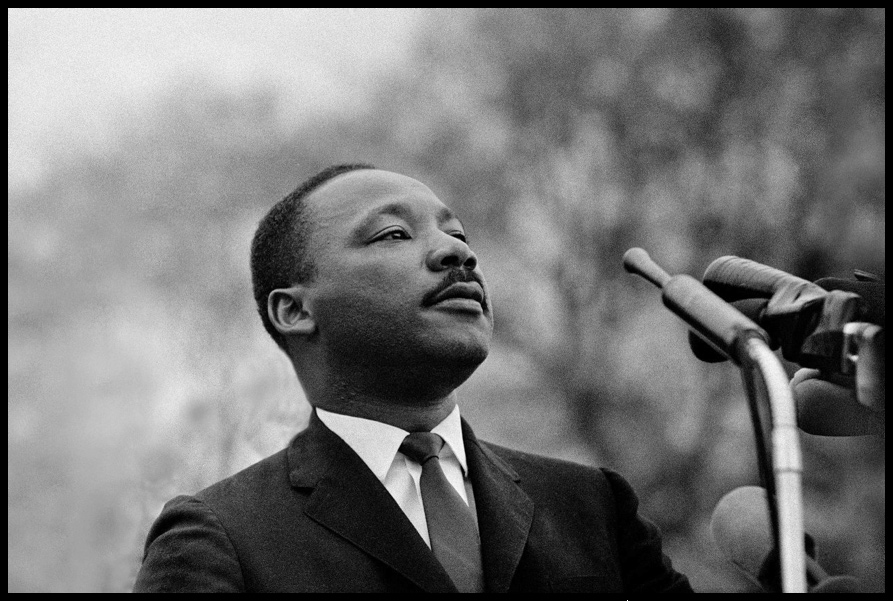
Stephen Somerstein (American, b. 1941) 'Dr. Martin Luther King, Jr. Looks out at crowd in Montgomery' 1965


Stephen Somerstein (American, b. 1941)
Dr. Martin Luther King, Jr. Looks out at crowd in Montgomery
1965
Courtesy of the photographer


“I had to be totally cool about it,” Somerstein said of getting this shot, taken from the platform where Martin Luther King was speaking. “You don’t ask people, you don’t discuss it, you just do it… I had 30 seconds to take the photograph.” This image inspired the poster for the current film Selma.

“Somehow, the photographer managed to position himself directly behind Dr. King as he delivered the sonorous “How Long? Not Long” speech: “Somebody’s asking, ‘How long will prejudice blind the visions of men, darken their understanding, and drive bright-eyed wisdom from her sacred throne?'” it began, ending, “Not long, because the arc of the moral universe is long, but it bends toward justice.” (Holland Cotter)

Iconic Photographs by Stephen Somerstein Capture the Spirit of the Civil Rights Movement

The New-York Historical Society showcases a powerful selection of photographs by Stephen Somerstein that chronicle the 1965 Selma-to-Montgomery Civil Rights March, honouring the 50th anniversary of the protest that changed the course of civil rights in America. On view from January 16 through April 19, 2015, the exhibition Freedom Journey 1965: Photographs of the Selma to Montgomery March by Stephen Somerstein will feature the work of the 24-year-old City College student, who felt he had to document “what was going to be a historic event.” He accompanied the marchers, gaining unfettered access to Dr. Martin Luther King, Jr., Coretta Scott King, Rosa Parks, James Baldwin, Joan Baez, and Bayard Rustin.

Through 55 black and white and colour photographs, Freedom Journey 1965 will document the quest for equality and social justice over the five-day march. Then the managing editor and picture editor of the City College newspaper, Stephen Somerstein recalls “When Dr. King called on Americans to join him in a massive protest march to Montgomery, I knew that important, nation-changing history was unfolding and I wanted to capture its power and meaning with my camera.”

The Selma-to-Montgomery March marked a peak of the American civil rights movement. From March 21 to March 25, 1965, hundreds of people marched from Selma to the State Capitol Building in Montgomery, Alabama to protest against the resistance that the Student Nonviolent Coordinating Committee (SNCC) and other groups had encountered in their mission to register black voters. By March 25, the group had grown to 25,000 people, which Dr. King addressed from the steps of the Montgomery State Capitol. Three months later, President Lyndon Johnson signed the Voting Rights Act of 1965.

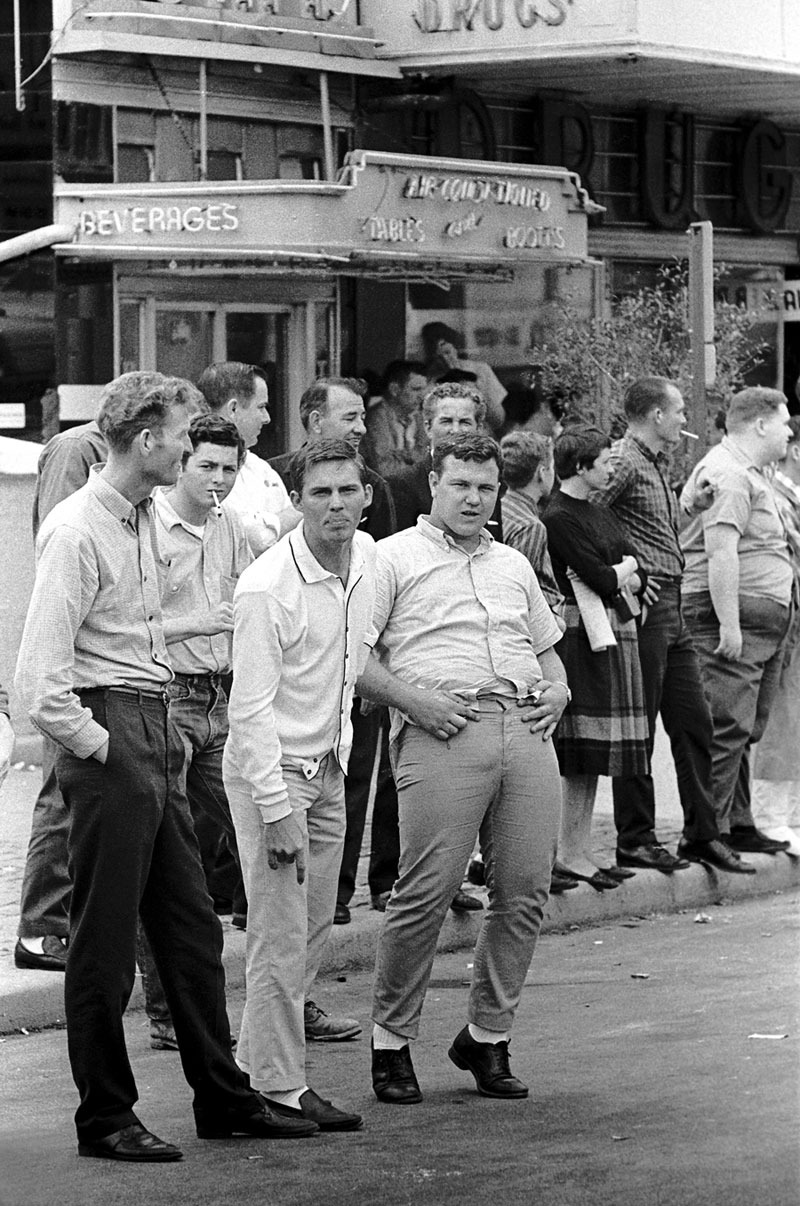
Somerstein took approximately 400 photographs over the five-day, 54 mile march. Exhibition highlights include images of Dr. Martin Luther King, Jr. addressing the crowd of 25,000 civil rights marchers in Montgomery; folk singer Joan Baez, standing before a line of state troopers blocking the entrance to the State Capitol; white hecklers yelling and gesturing at marchers; families watching the march from their porches; and images of young and old alike participating in the demonstration.

Somerstein pursued a career in physics, building space satellites at the Harvard Smithsonian Astrophysical Observatory and Lockheed Martin Co. Upon retiring, Somerstein revisited the Selma photographs. Though he had sold a few of them, the majority were not showcased until he participated in a civil rights exhibition at the San Francisco Art Exchange in 2010. “I realised that I had numerous iconic and historic photographs that I wanted to share with the public,” says Somerstein.

This exhibit features the stunning and historic photographs of Stephen Somerstein, documenting the Selma-to-Montgomery Civil Rights March in January 1965. Somerstein was a student in City College of New York’s night school and Picture Editor of his student newspaper when he traveled to Alabama to document the March.

He joined the marchers and gained unfettered access to everyone from Martin Luther King Jr. to Rosa Parks, James Baldwin, and Bayard Rustin. “I had five cameras slung around my neck,” he recalled. Over the five-day, 54-mile march, Somerstein took about four hundred photographs including poignant images of hopeful blacks lining the rural roads as they cheered on the marchers walking past their front porches and whites crowded on city sidewalks, some looking on silently-others jeering as the activists walked to the Alabama capital. Somerstein sold a few photographs to the New York Times Magazine, Public Television and photography collectors, but none were exhibited until 2010, when he participated in a civil rights exhibition at the San Francisco Art Exchange.

Rather than choosing photography as a career, Somerstein became a physicist and worked at the Harvard-Smithsonian Astrophysical Observatory and at Lockhead Martin Company. It was only after his retirement in 2008 that he returned to his photography remarking that he wanted “to have exhibitions of my work and that I realised that I had numerous iconic as well as historic photographs.” Among those photographs were his moving photographs of that memorable march to Montgomery in 1965.”

Press release from the New-York Historical Society Museum and Library


Selma – Montgomery March, 1965

A powerful and recently rediscovered film made during the 1965 Selma to Montgomery march for voting rights. Stefan Sharff’s intimate documentary reflects his youthful work in the montage style under the great Russian filmmaker Sergei Eisenstein. The film features moving spirituals. Marchers include Rev. Dr. Martin Luther King Jr. and his wife Coretta Scott King. (NJ state film festival)

Director: Stefan Sharff

Cameramen:
Stefan Sharff
Christopher Harris
Julian Krainin
Alan Jacobs
Norris Eisenbrey


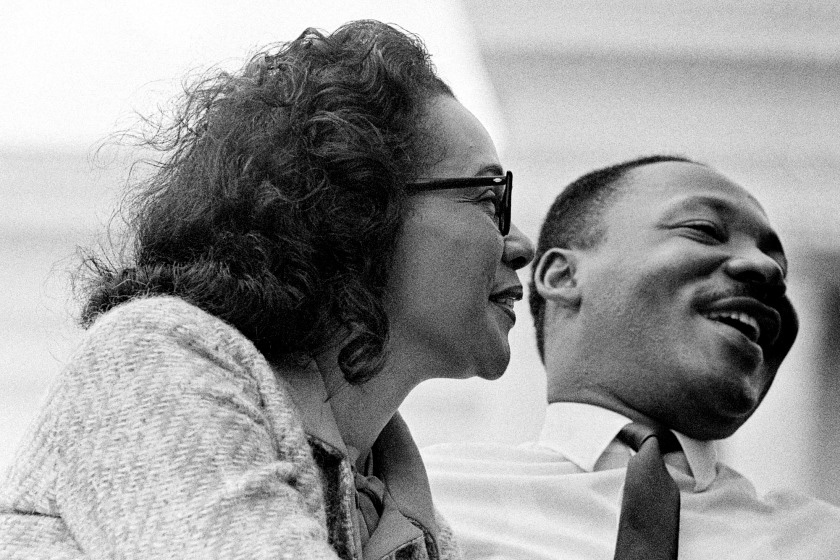
Stephen Somerstein (American, b. 1941) 'Coretta Scott King and husband civil rights leader Dr. Martin Luther King, Jr., on platform at end of 1965 Selma to Montgomery, Alabama Civil Rights March - March 25, 1965' 1965


Stephen Somerstein (American, b. 1941)
Coretta Scott King and husband civil rights leader Dr. Martin Luther King, Jr., on platform at end of 1965 Selma to Montgomery, Alabama Civil Rights March – March 25, 1965
1965
Courtesy of the photographer


It had taken them 54 miles on the march and their entire lives to reach their goal of voting rights for blacks. Somerstein, who took that photo as a CCNY student, says it’s one of his favourite images from that time.


Stephen Somerstein (American, b. 1941) 'Folk singer Joan Baez in Montgomery' 1965


Stephen Somerstein (American, b. 1941)
Folk singer Joan Baez in Montgomery
1965
Courtesy of the photographer


Stephen Somerstein (American, b. 1941) 'Hecklers yelling and gesturing at marchers' 1965


Stephen Somerstein (American, b. 1941)
Hecklers yelling and gesturing at marchers
1965
Courtesy of the photographer


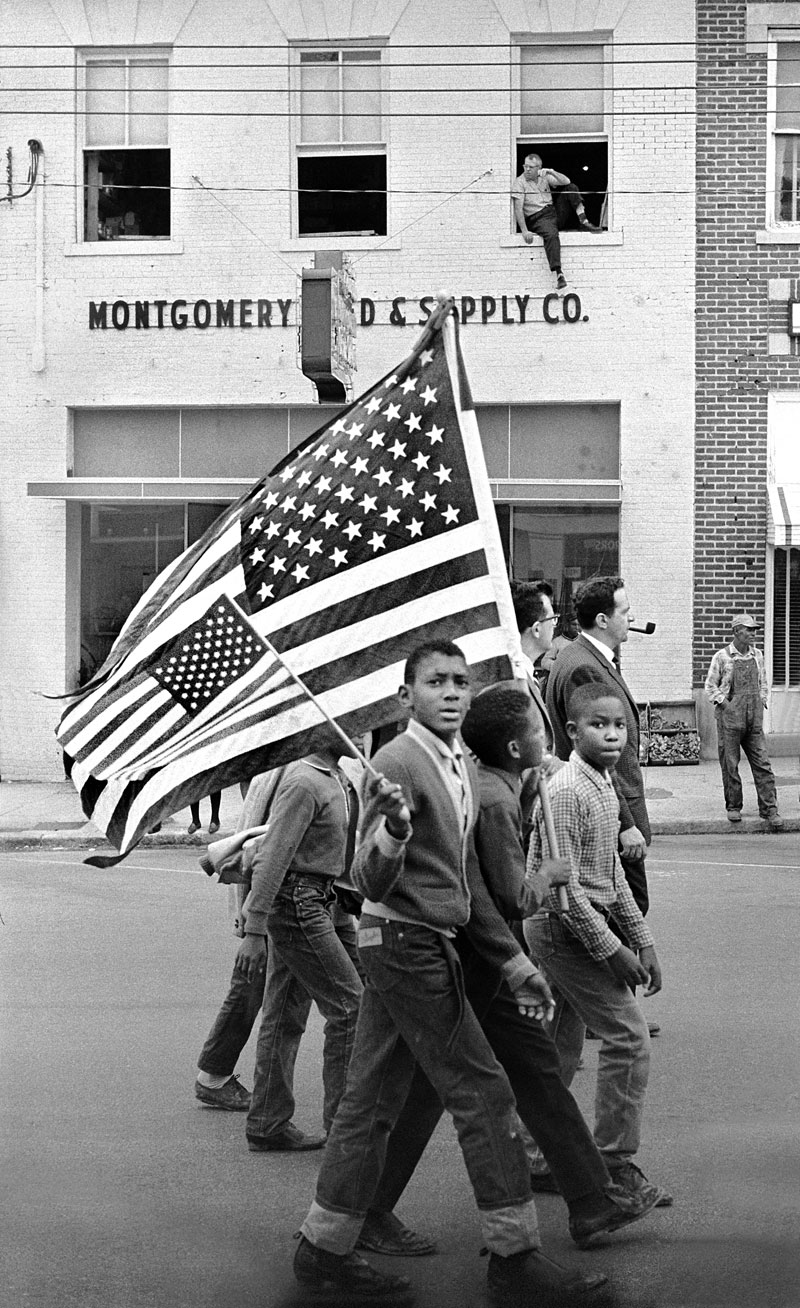
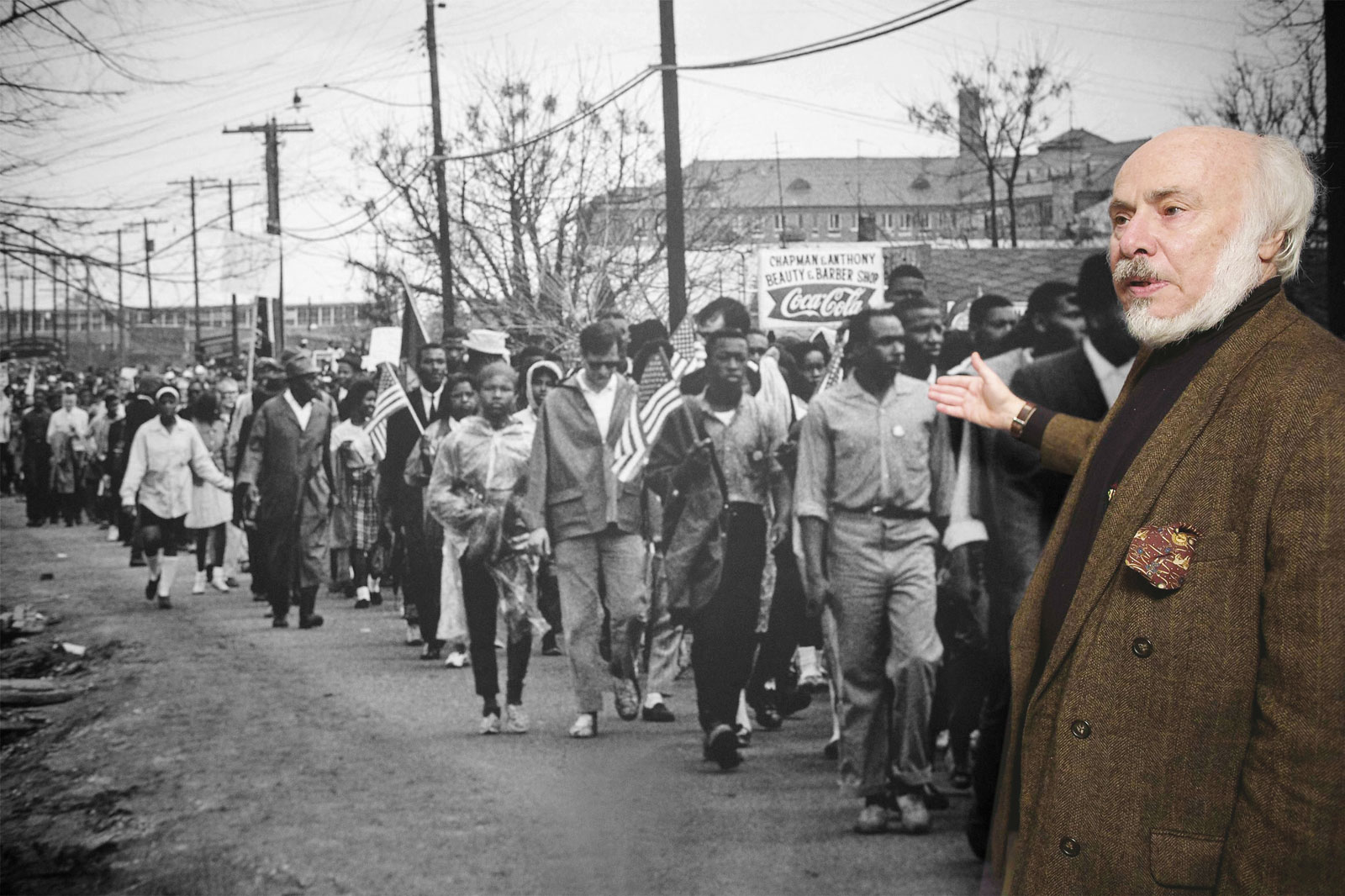
Stephen Somerstein (American, b. 1941) 'Young civil rights marchers with American flags march in Montgomery' 1965


Stephen Somerstein (American, b. 1941)
Young civil rights marchers with American flags march in Montgomery
1965
Courtesy of the photographer


For all involved, danger was ever-present. The march, which covered 54 miles and took five days, from March 21 to 25, had been preceded by two traumatic aborted versions. On March 7, 600 people trying to walk across the Edmund Pettus Bridge over the Alabama River leading out of Selma to Montgomery were accused by local law officials of gathering illegally and were savagely assaulted by state troopers. Two days later, a second group, this one led by Dr. King, approached the bridge, knelt to pray and turned back. If the retreat was intended as a symbolic rebuke to violence, it did no good. That night, a Unitarian minister from Boston named James J. Reeb, in town for the event, was beaten on the street by a group of Selma racists and died.

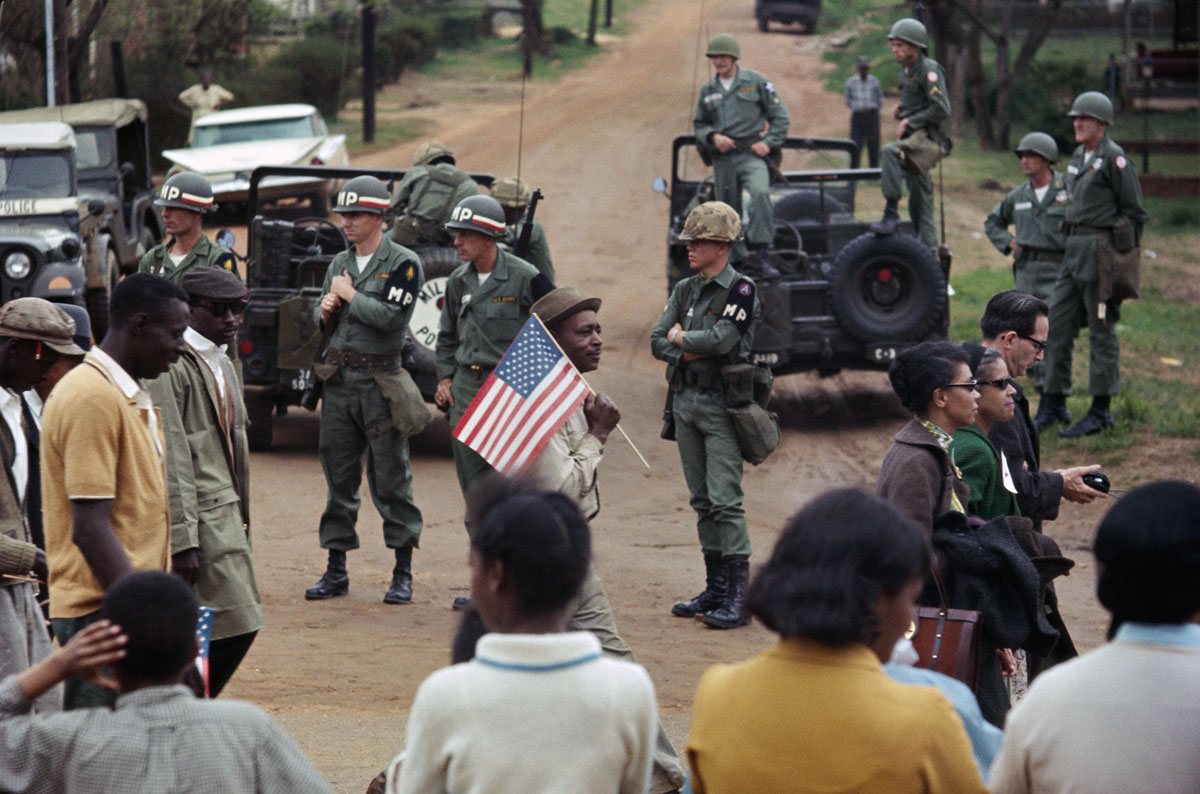
By the time of the third march, certain protective measures were in place. The force of public opinion was one. Pictures of the attack at the bridge had been widely seen in print and on national television: All eyes were on Selma now. An Alabama judge had finally granted legal permission for a march to proceed. Finally, President Lyndon B. Johnson, enraged at Gov. George C. Wallace’s refusal to shield the marchers, ordered federal troops to guard them…

Scads of photographers were on the job that day and, inevitably, certain subjects – political leaders, visiting celebrities – were the focus of many cameras, including Mr. Somerstein’s. Yet most of the people in his pictures are not stars; they’re rank-and-file participants. It’s from their perspective that we see the march. In one shot, we’re in the middle of it, surrounded by fellow walkers. In others, we’re looking out at bystanders who line the way: white office workers; hecklers; multiracial shoppers; African-American children on porches; women, dressed in Sunday best, on the steps of black churches.

This viewpoint subtly alters a standard account of the event, one perpetuated in Selma, which suggests that a small, elite band of high-level organisers were the heroes of the day. They were indeed heroes, but they were borne on the shoulders of the countless grass-roots organisers who paved the way for the march and the anonymous marchers, many of them women, who risked everything to walk the walk…

… in the film, the image [of the back of Dr King’s head] seems to be about the man and his drama; in Mr. Somerstein’s photograph, it seems to be about the crowd. For an account of this and other civil rights era events that balance symbols and facts, I look back to the documentary series Eyes on the Prize that ran on public television between 1987 and 1990. Its use of archival images and contemporary interviews with people involved in the Selma-to-Montgomery march gave equal time to personalities and larger realities. And its news clips of the bloody attack on citizens by the police on the bridge in Selma, despite being choppy and grainy, are to me far more wrenching in a you-are-there way than a Hollywood re-enactment, however spectacular. Mr. Somerstein’s quiet photographs are moving in a similar way.

Extracts from Holland Cotter. “A Long March Into History: Stephen Somerstein Photos in ‘Freedom Journey 1965’,” on the New York Times website [Online] Cited 19/02/2015. No longer available online. Used under fair use conditions for the purposes of education and research.


Stephen Somerstein (American, b. 1941) 'Family watching march' 1965


Stephen Somerstein (American, b. 1941)
Family watching march
1965
Courtesy of the photographer


Stephen Somerstein (American, b. 1941) 'Man with American flag and marchers walking past federal troops guarding crossroads' 1965


Stephen Somerstein (American, b. 1941)
Man with American flag and marchers walking past federal troops guarding crossroads
1965
Courtesy of the photographer


Martin Luther King Jr. (MLK) delivers his famous “How Long, Not Long” speech on the steps of the state capitol building in Montgomery, Alabama, 1965


Eyes On The Prize – (Part 6) Bridge to Freedom 1965


Stephen Somerstein talks about a photo he took during the famous 1965 Selma to Montgomery, Ala., march at the New-York Historical Society


Stephen Somerstein talks about a photo he took during the famous 1965 Selma to Montgomery, Ala., march at the New-York Historical Society on Wednesday. Somerstein was a 24-year-old college student when he photographed Dr. Martin Luther King Jr. and the march from Selma to Montgomery that changed the course of civil rights in the U.S. REUTERS


New-York Historical Society
170 Central Park West
at Richard Gilder Way (77th Street)
New York, NY 10024
Phone: (212) 873-3400

Opening hours:
Monday CLOSED
Tuesday – Thursday 11am – 5pm
Friday 11am – 8pm
Saturday – Sunday 11am – 5pm

New-York Historical Society website

LIKE ART BLART ON FACEBOOK

Back to top

Exhibition: ‘Dennis Hopper – The Lost Album. Vintage Photographs of the 1960s’ at Martin-Gropius-Bau, Berlin

Exhibition dates: 20th September – 17th December, 2012

Curator: Petra Giloy-Hirtz


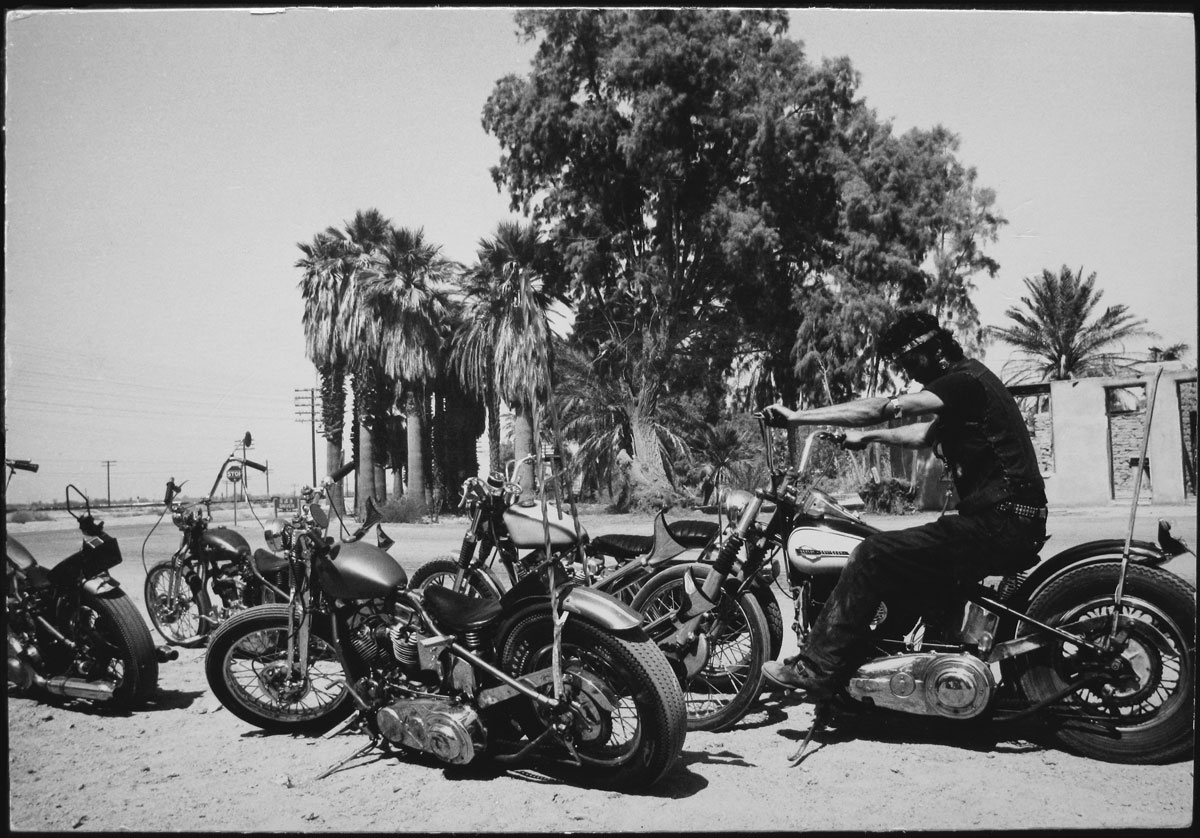
Dennis Hopper (American, 1936-2010) 'Guy With 5 Hogs' 1961-1967 from the exhibition 'Dennis Hopper – The Lost Album. Vintage Photographs of the 1960s' at Martin-Gropius-Bau, Berlin, September - December, 2012


Dennis Hopper (American, 1936-2010)
Guy With 5 Hogs
1961-1967
Location: USA
6.97 x 9.85 inch
© The Dennis Hopper Trust, Courtesy of The Dennis Hopper Trust


Unlike an earlier posting of photographs by a well known film director (the underwhelming, in fact pretty awful, Wim Wenders: Places, Strange and Quiet), these “lost” photographs by Dennis Hopper are very good. I love their quiet, intimate strength, their fun, wit and vivacity. The portraits capture the essence of the sitter with a decisive elegance and eloquence.

The photographs perfectly capture the social milieu of the time and the pervading ethos of the fracturing of the image plane, a la Gary Winogrand or Lee Friedlander. Nice to see the work full frame as well, meaning that the photographers’ previsualisation was strong in camera; that Hopper had an excellent understanding of the construction of the pictorial frame negating the necessity for cropping of the image.

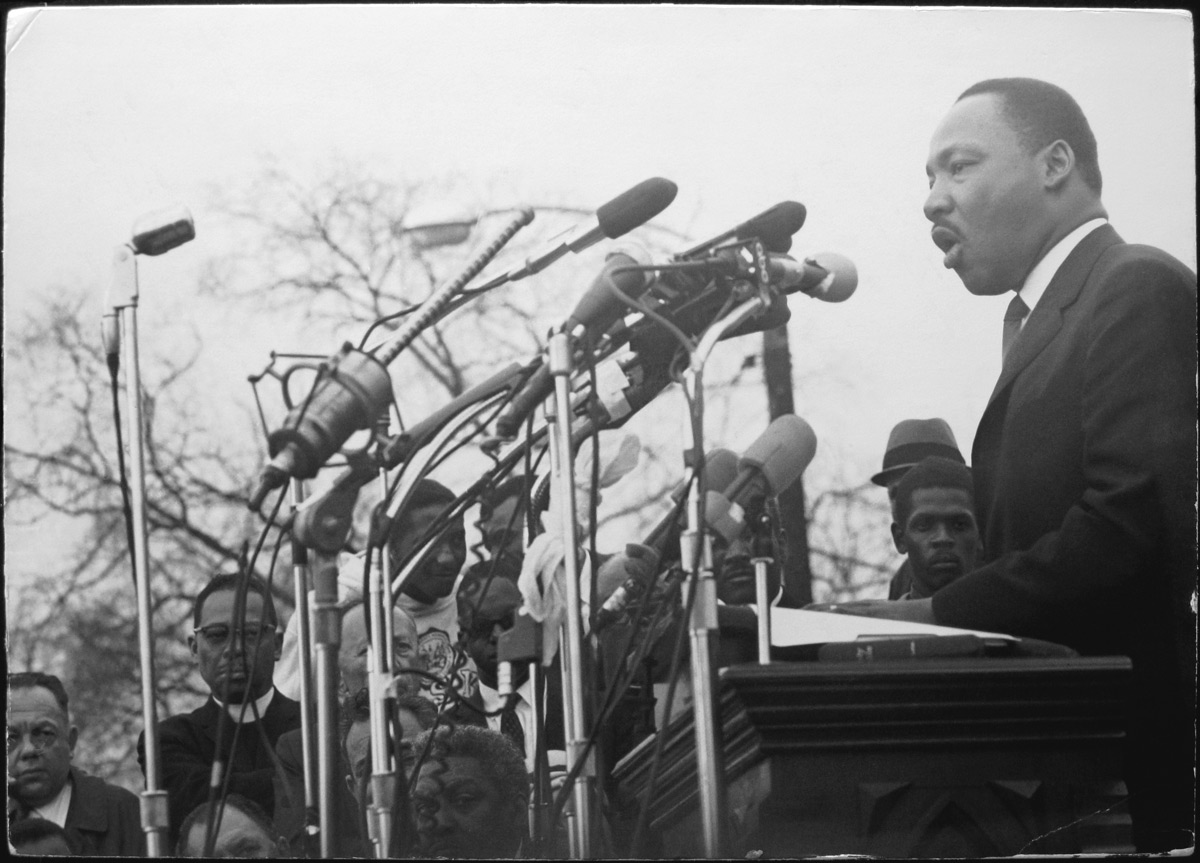
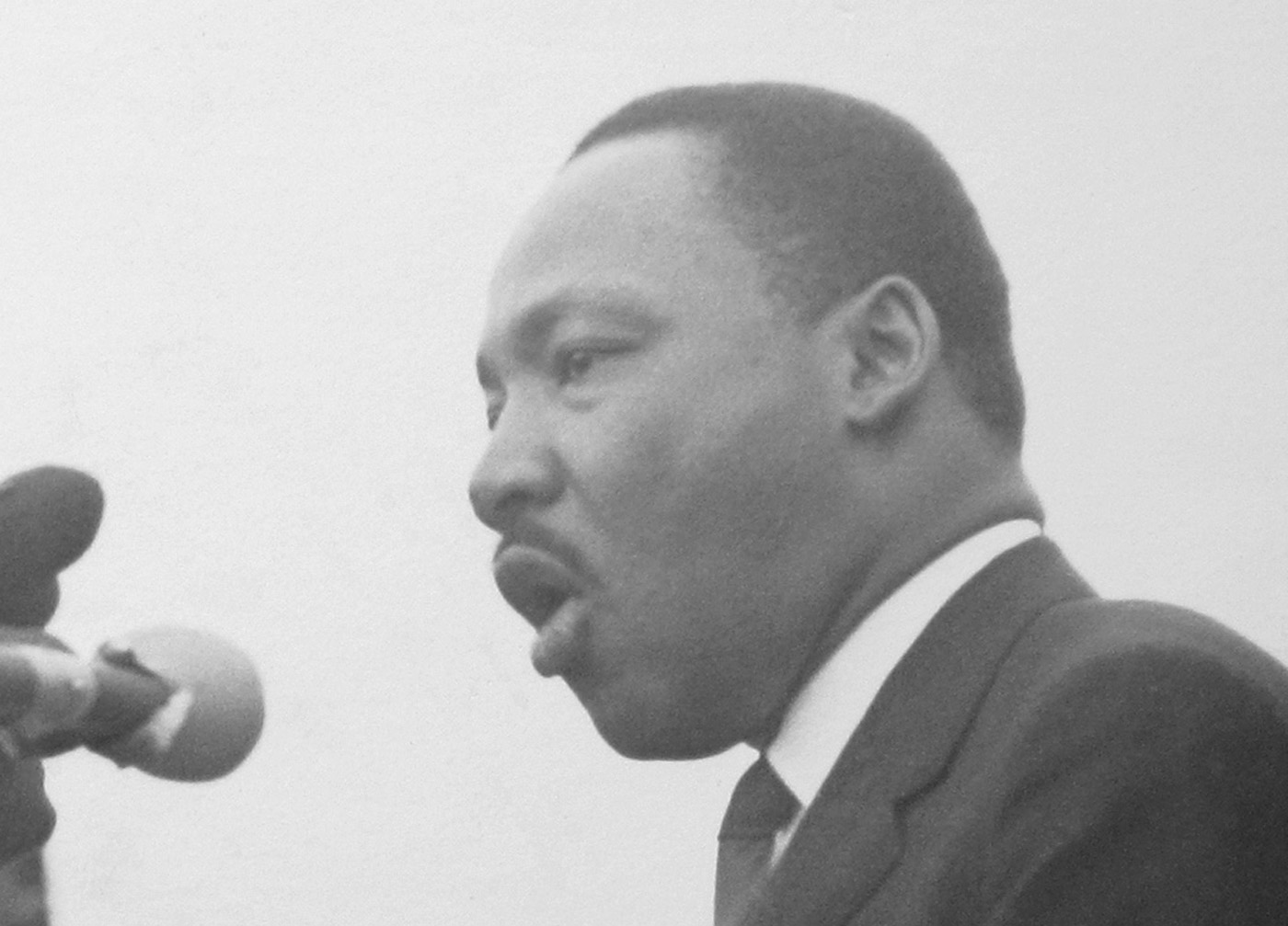
Enlarging the face of Martin Luther King Jr., (below) and then looking into his eyes, I felt I had a connection with this person. Nostalgia, longing, sadness and joy at his life and the feeling that I was looking into the eyes of one of the great human beings of the twentieth century.

Dr Marcus Bunyan


Many thankx to Martin-Gropius-Bau for allowing me to publish the photographs in the posting. Please click on the photographs for a larger version of the image.


“I never made a cent from these photos. They cost me money but kept me alive. These are my photos. I started at eighteen taking pictures. I stopped at thirty-one. (…) These represent the years from twenty-five to thirty-one, 1961 to 1967. I didn’t crop my photos. They are full frame natural light Tri-X. I went under contract to Warner Brothers at eighteen. I directed Easy Rider at thirty-one. I married Brooke at twenty-five and got a good camera and could afford to take pictures and print them. They were the only creative outlet I had for these years until Easy Rider. I never carried a camera again.”


Dennis Hopper 1986


“The necessity to make these photos and paintings came from a real place – a place of desperation and solitude – with the hope that someday these objects, paintings, and photos would be seen filling the void I was feeling.”


Dennis Hopper 2001


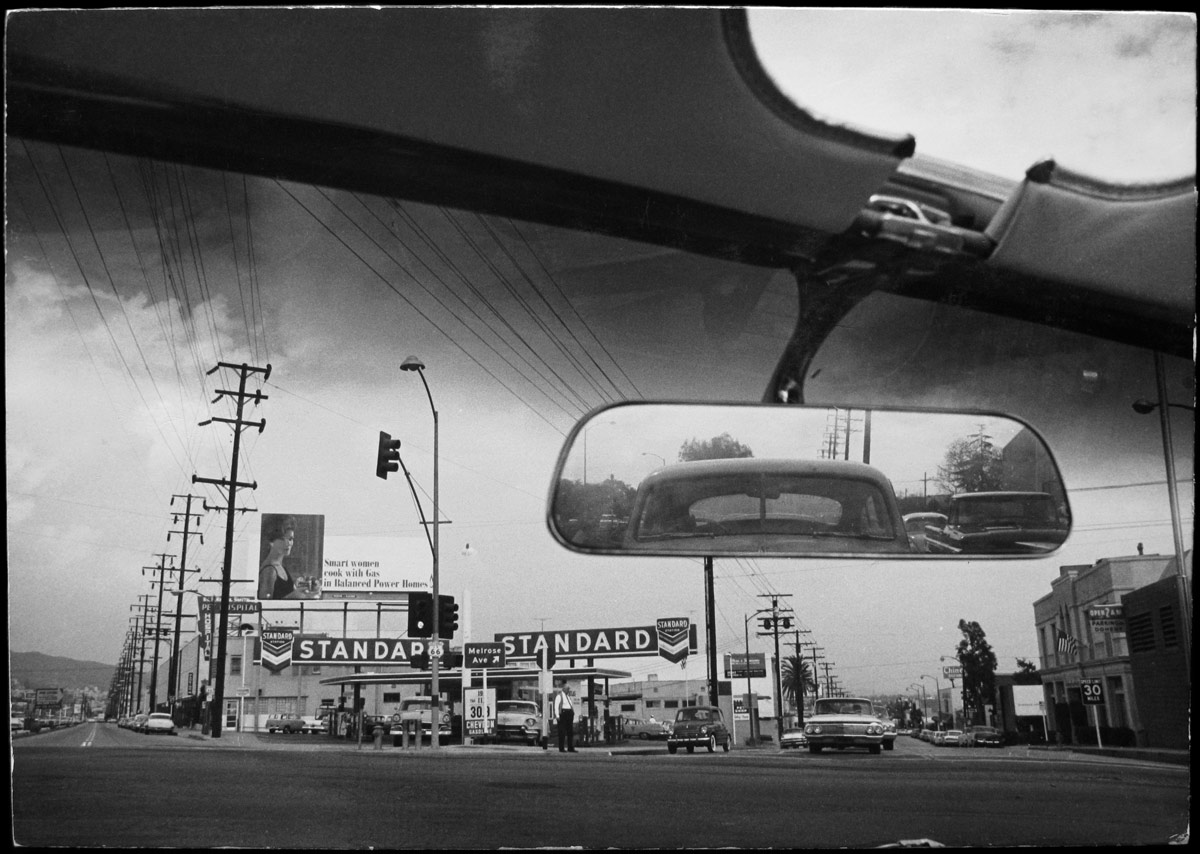
Dennis Hopper (American, 1936-2010) 'Double Standard' 1961 from the exhibition 'Dennis Hopper – The Lost Album. Vintage Photographs of the 1960s' at Martin-Gropius-Bau, Berlin, September - December, 2012


Dennis Hopper (American, 1936-2010)
Double Standard
1961
Location: Los Angeles, Ca USA
6.87 x 9.79 inch
© The Dennis Hopper Trust, Courtesy of The Dennis Hopper Trust


Dennis Hopper (American, 1936-2010) 'Andy Warhol, Henry Geldzahler, David Hockney, and Jeff Goodman' 1963


Dennis Hopper (American, 1936-2010)
Andy Warhol, Henry Geldzahler, David Hockney, and Jeff Goodman
1963
Location: USA
17.25 x 24.74cm
© The Dennis Hopper Trust, Courtesy of The Dennis Hopper Trust


'Dennis Hopper The Lost Album – Vintage Prints From the Sixties' book. Prestel, 2012, p. 78 


Dennis Hopper The Lost Album – Vintage Prints From the Sixties book. Prestel, 2012, p. 78


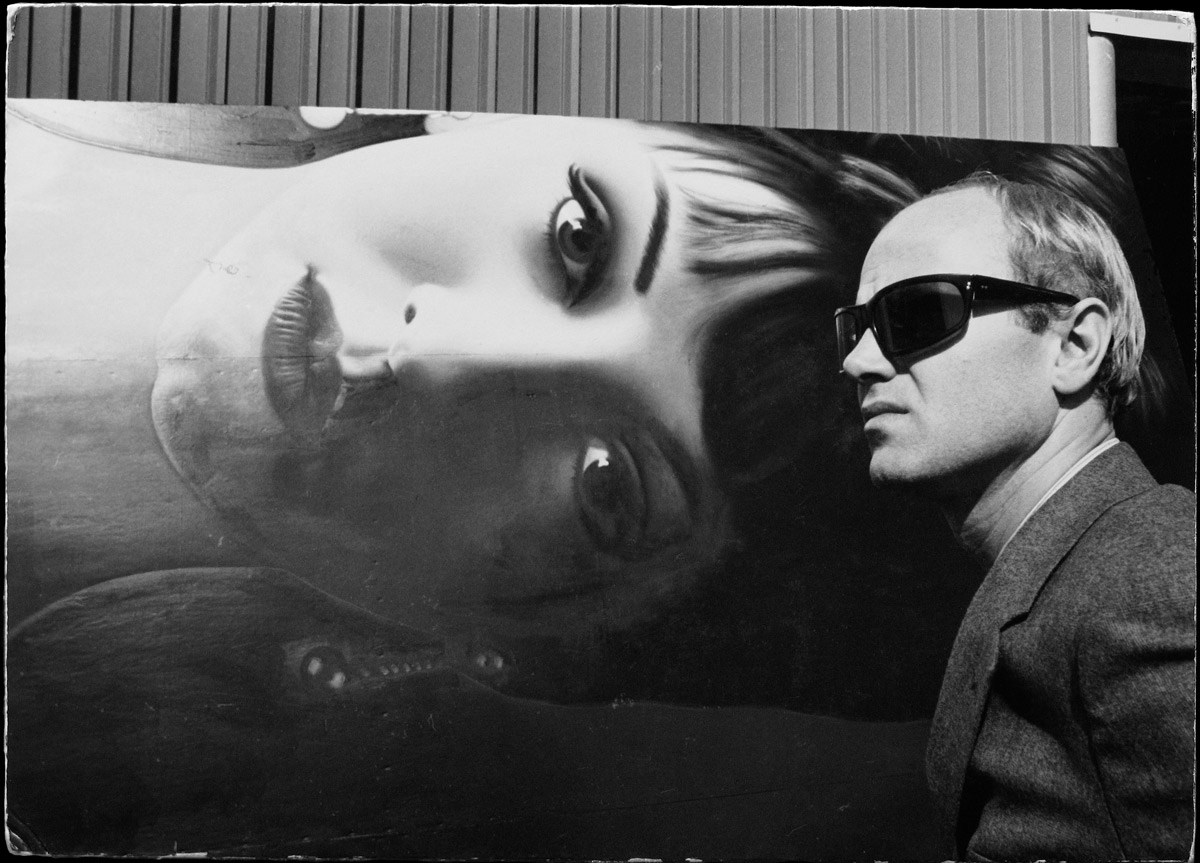
Dennis Hopper (American, 1936-2010) 'James Rosenquist' 1964


Dennis Hopper (American, 1936-2010)
James Rosenquist
1964
Location: Billboard Factory, Los Angeles, Ca USA
6.81 x 9.68 inch
© The Dennis Hopper Trust, Courtesy of The Dennis Hopper Trust


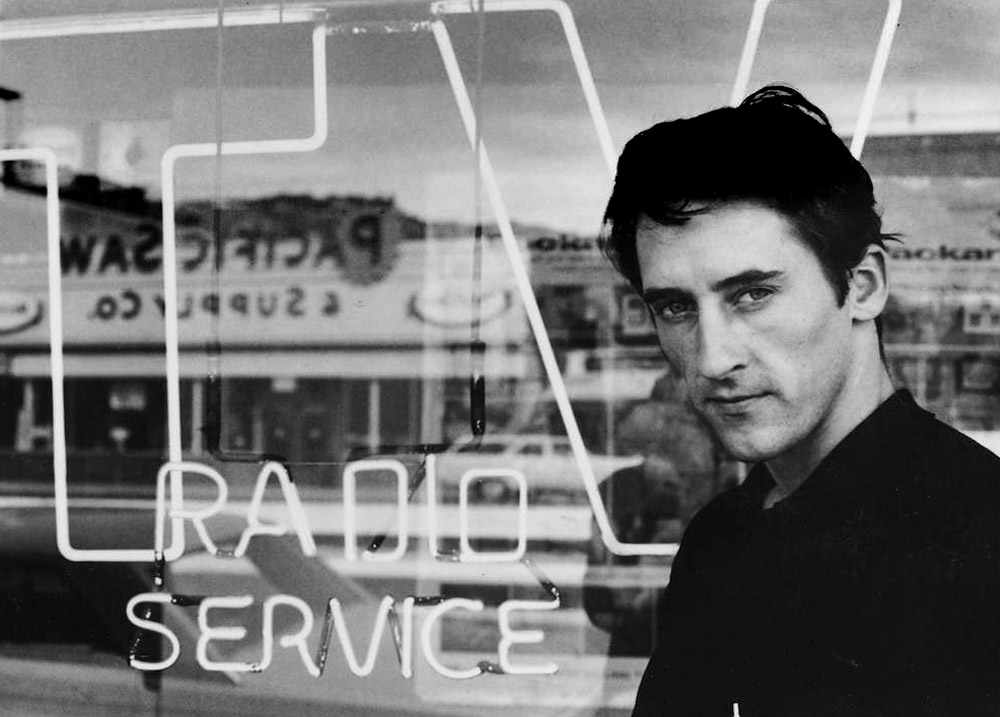
Dennis Hopper (American, 1936-2010) 'Artist Ed Ruscha' 1964


Dennis Hopper (American, 1936-2010)
Artist Ed Ruscha
1964
© The Dennis Hopper Trust, Courtesy of The Dennis Hopper Trust


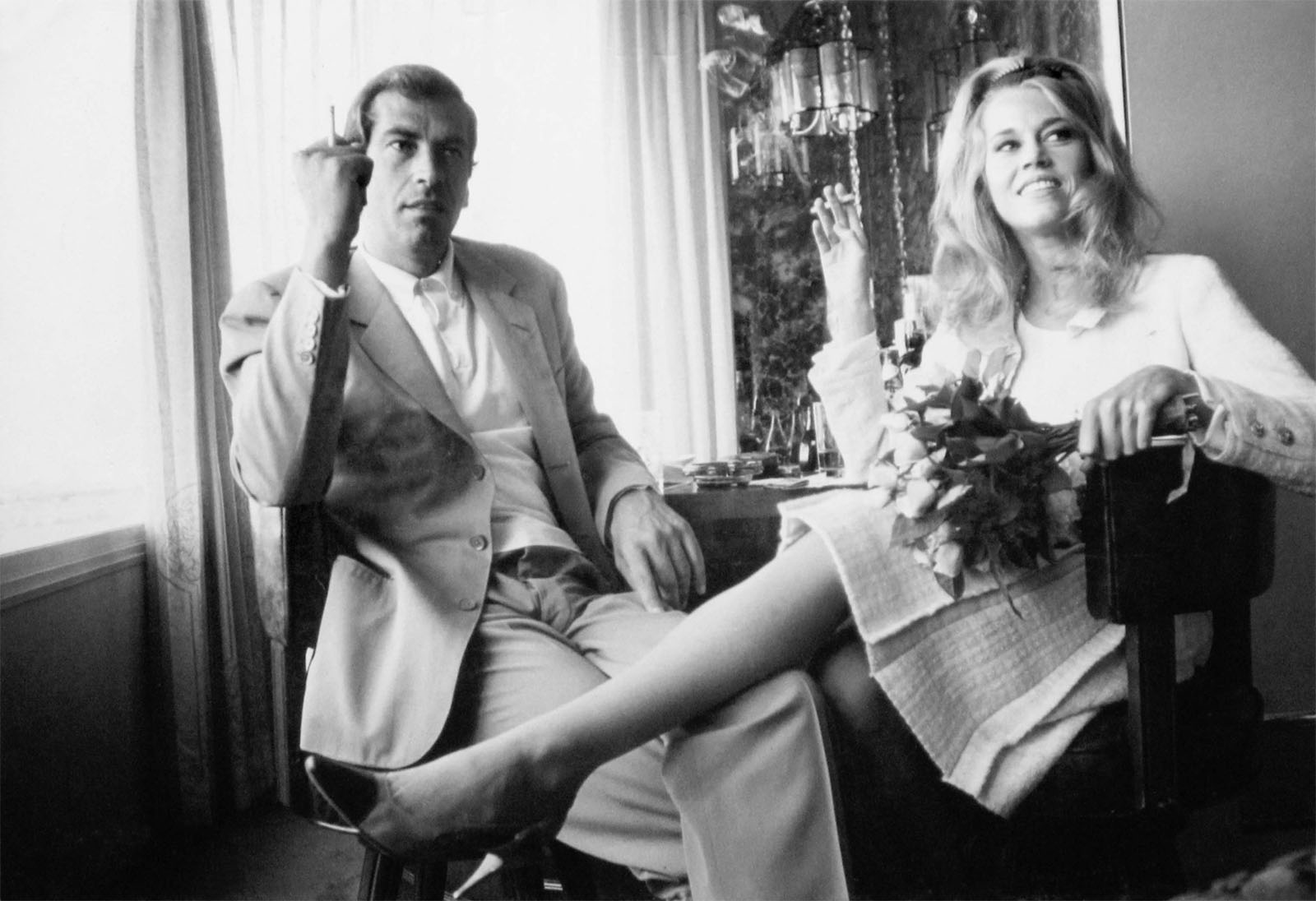
Dennis Hopper (American, 1936-2010) 'Roger Vadim and Jane Fonda at their wedding, Las Vegas' 1965


Dennis Hopper (American, 1936-2010)
Roger Vadim and Jane Fonda at their wedding, Las Vegas
1965
Location: Las Vegas, USA
© The Dennis Hopper Trust, Courtesy of The Dennis Hopper Trust


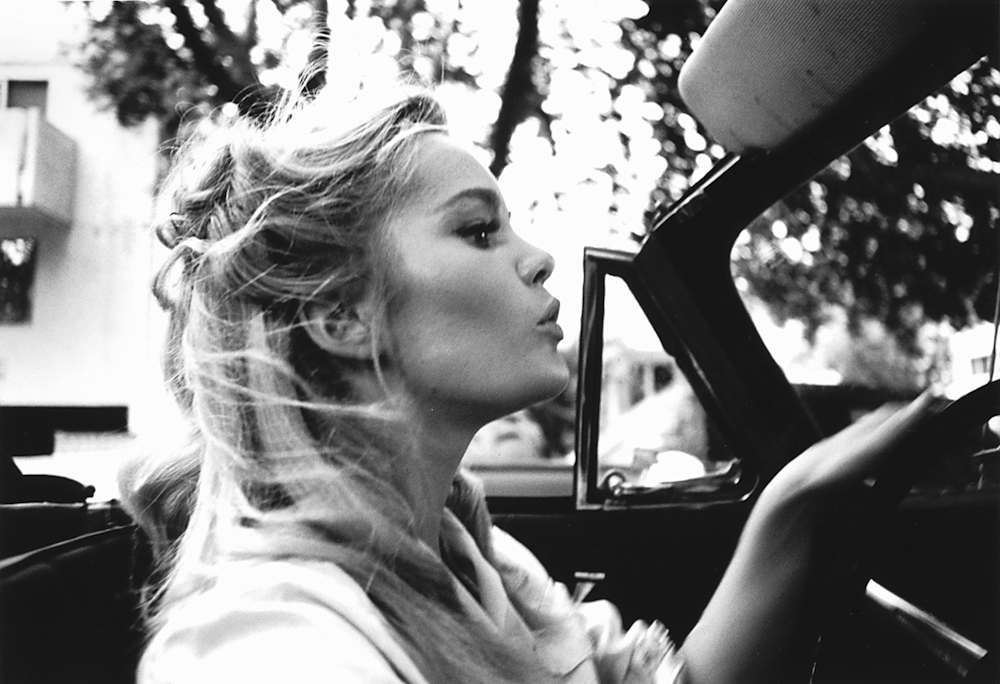
Dennis Hopper (American, 1936-2010) 'Tuesday Weld' 1965


Dennis Hopper (American, 1936-2010)
Tuesday Weld
1965
© The Dennis Hopper Trust, Courtesy of The Dennis Hopper Trust


Dennis Hopper (American, 1936-2010) 'Jane Fonda (with bow & arrow), Malibu' 1965


Dennis Hopper (American, 1936-2010)
Jane Fonda (with bow & arrow), Malibu
1965
© The Dennis Hopper Trust, Courtesy of The Dennis Hopper Trust


Dennis Hopper (American, 1936-2010) 'Bruce Conner (in tub), Toni Basil, Teri Garr, and Ann Marshall' 1965


Dennis Hopper (American, 1936-2010)
Bruce Conner (in tub), Toni Basil, Teri Garr, and Ann Marshall
1965
© The Dennis Hopper Trust, Courtesy of The Dennis Hopper Trust


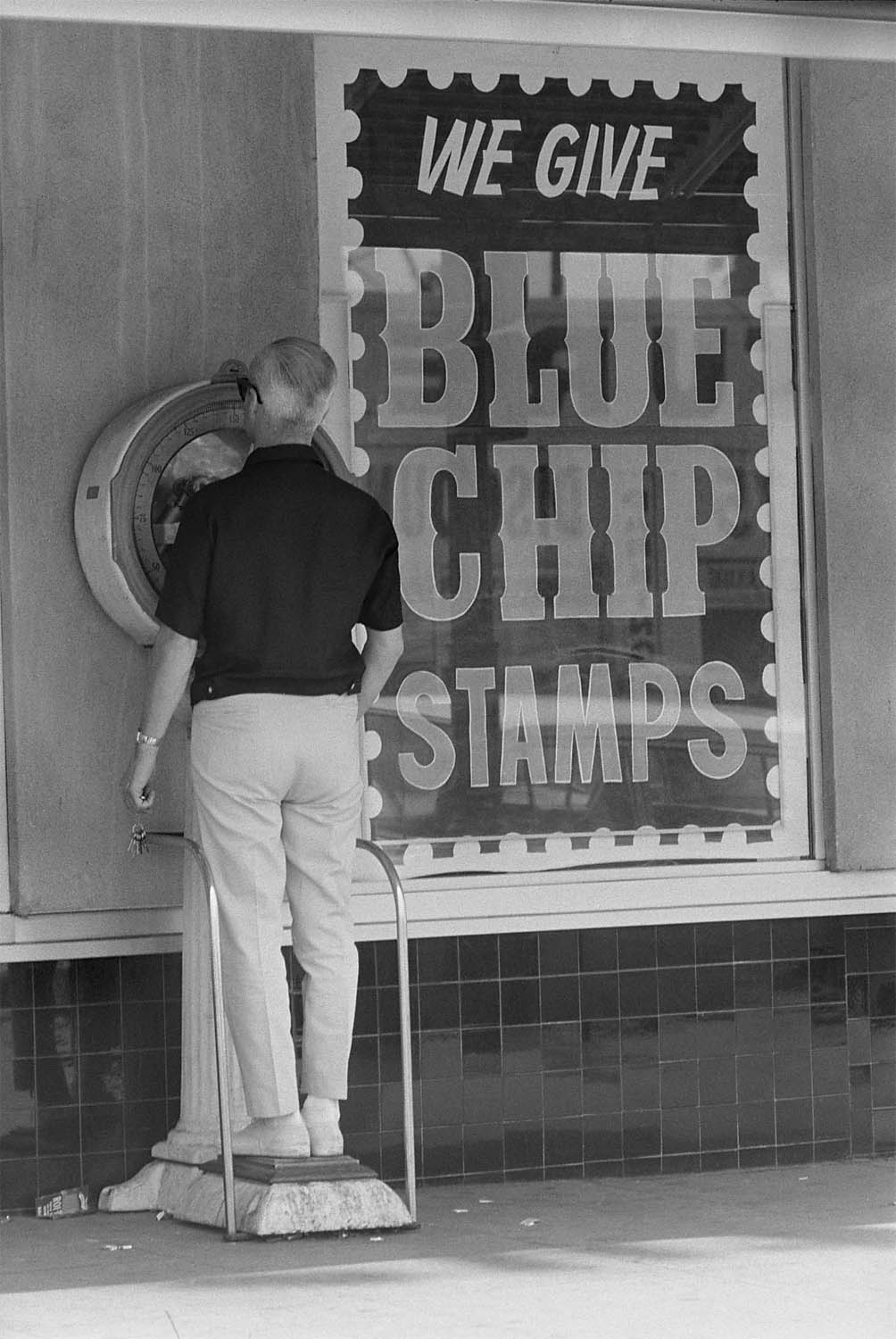
Dennis Hopper (American, 1936-2010) 'Untitled (Blue Chips Stamps)' 1961-1967


Dennis Hopper (American, 1936-2010)
Untitled (Blue Chips Stamps)
1961-1967
© The Dennis Hopper Trust, Courtesy of The Dennis Hopper Trust


'Dennis Hopper The Lost Album – Vintage Prints From the Sixties' p. 154


Dennis Hopper The Lost Album – Vintage Prints From the Sixties book. Prestel, 2012, p. 154


Dennis Hopper (American, 1936-2010) 'Untitled (Hippie Girl Dancing)' 1967


Dennis Hopper (American, 1936-2010)
Untitled (Hippie Girl Dancing)
1967
© The Dennis Hopper Trust, Courtesy of The Dennis Hopper Trust


The exhibition shows a spectacular portfolio of over four hundred vintage photographs taken by Dennis Hopper in the 1960s. Tucked away in five crates and forgotten, they were discovered after his death. There can be no doubt that these works are those personally selected by Hopper from the wealth of shots he took between 1961 and 1967 for the first major exhibition of his photography. The pictures themselves document how the works were installed in the Fort Worth Art Center Museum, Texas, in 1970 by himself and Henry T. Hopkins, the museum’s director at the time. None of these works have been displayed in Europe before. The portfolio that has now come to light is a treasure. It consists of small plates, sometimes numbered on the back with brief notes in Hopper’s hand and showing traces of wear. Mounted on cardboard, without frame of glass, they were attached directly to the wall.

The images have a legendary quality. Spontaneous, intimate, poetic, unabashedly political and keenly observed, they document an exciting epoch, its protagonists and milieus. These photographs reflect the atmosphere of an era, being outstanding testimonials to America’s dynamic cultural scene in the 1960s. On the viewer they exercise an irresistible attraction, bearing him away on a journey into the past, often into his own history.

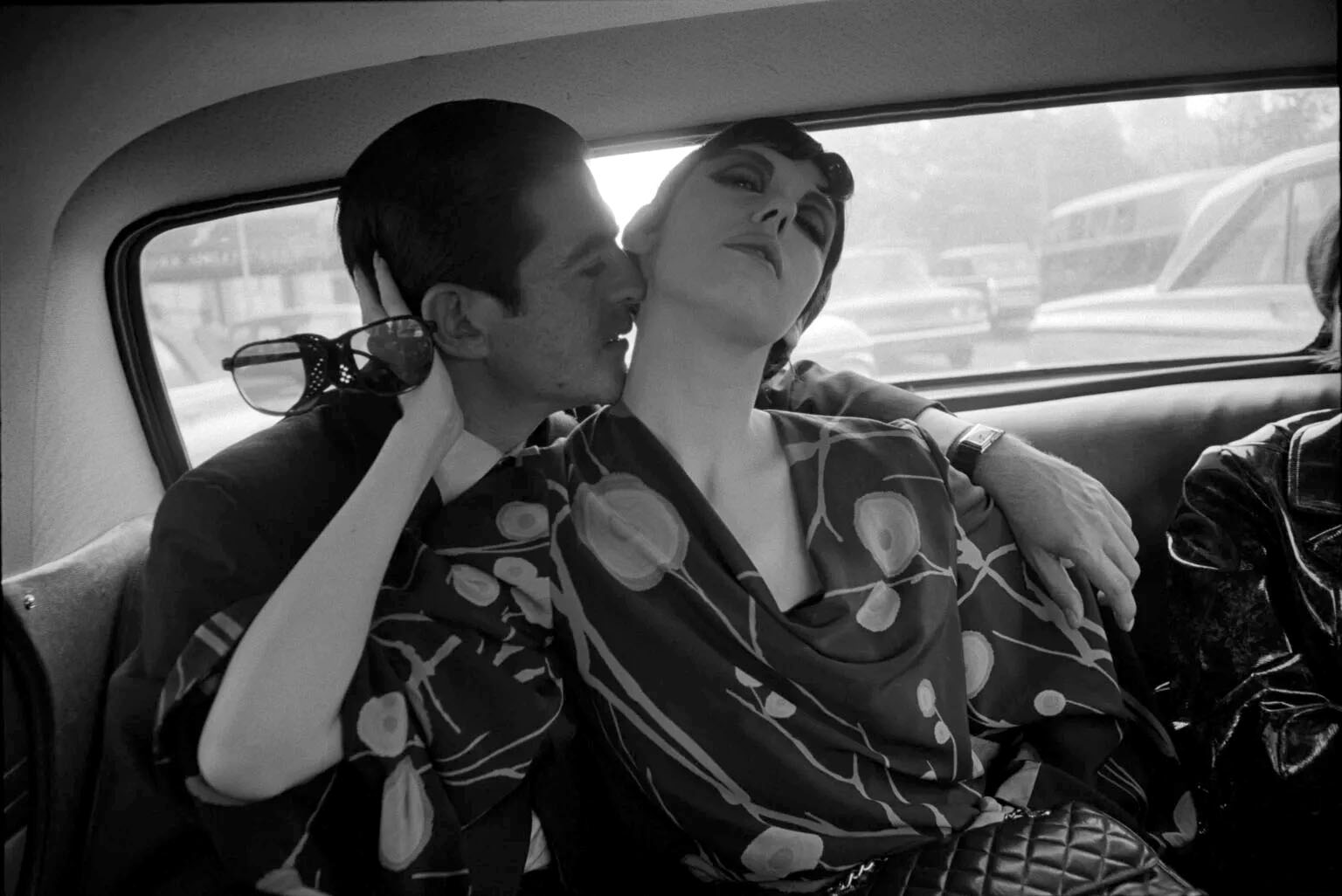
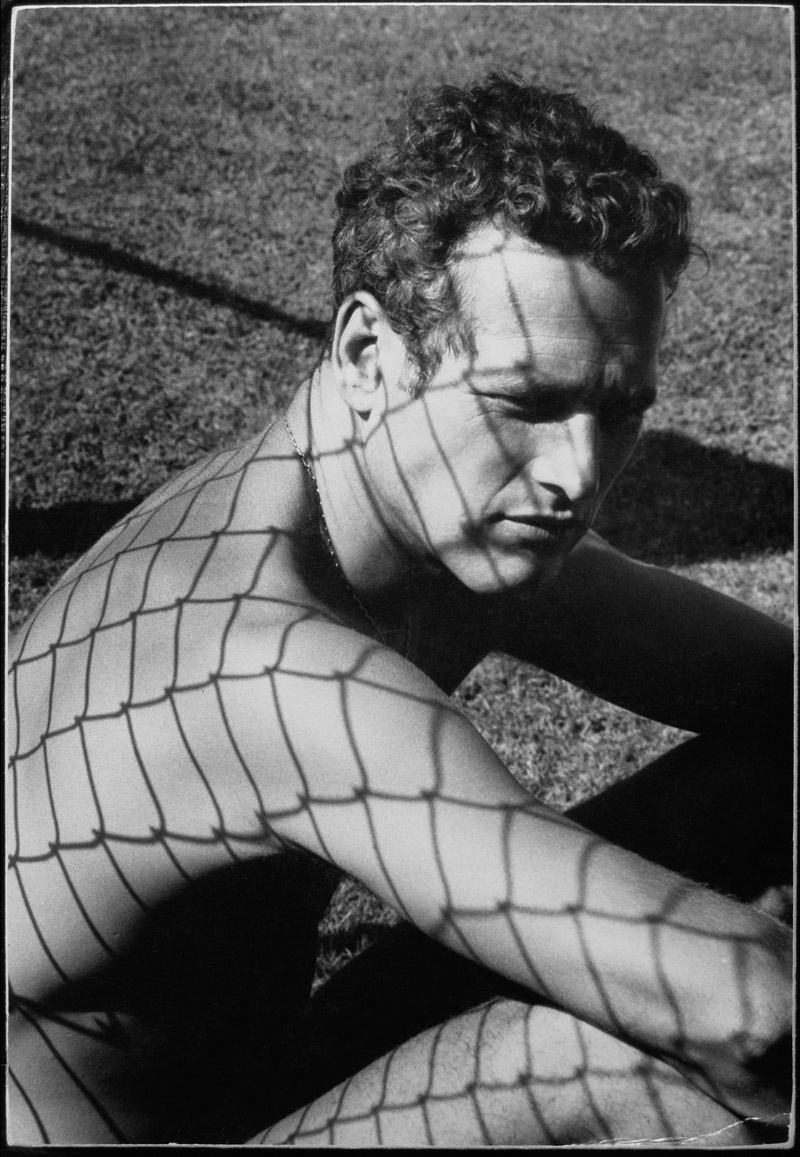
Many of these pictures are icons, such as the portraits of Robert Rauschenberg, Andy Warhol, Paul Newman and Jane Fonda. They also cover a wide range of subjects. Dennis Hopper is interested in everything. Wherever he happens to be, whether in Los Angeles, New York, London, Mexico or Peru, he takes in his surroundings with empathy, enthusiasm and intense curiosity. He seeks and savours the “essential moment”, capturing the celebrities and types of his time with the camera: actors, artists, musicians, his family, bikers and hippies. He leaves an impressive photographic record of the “street life” of Harlem, of cemeteries in Mexico, and of bullfights in Tijuana. Hopper accompanies Martin Luther King Jr. on the march from Selma to Montgomery, Alabama, and, in images of great beauty and serenity, he converts the every day life and the neglected into a picture of beauty and silence as if converting Abstract Expressionism from the language of painting into that of photography.

Between 1961 and 1967 Hopper applied himself intensely on photography.

Hopper’s photographs are legendary images, spontaneous, intimate, and poetic as well as decidedly political and keenly observant – documents of an exciting period, its protagonists and milieus. Many of these photos have become iconic: the portraits of Robert Rauschenberg, Andy Warhol, Paul Newman or Jane Fonda. They also cover a range of topics and motifs. Hopper was interested in everything. Wherever he was, in Los Angeles, New York, London, Mexico or Peru, he was a precise observer, full of empathy and curiosity. He captured the geniuses of his day, the actors, artists, musicians and poets, his family and friends, the “scene”, bikers and hippies. He wandered the streets of Harlem and the graveyards of Durango and watched the bullfights in Tijuana with fascination. Hopper followed Martin Luther King Jr. with his camera on the march from Selma to Montgomery, Alabama. And he paid attention to things small, ordinary, and neglected, transforming the “remains of our world” into images of great beauty and tranquility, as if converting Abstract Expressionist painting into the language of photography.

Press release from the Martin-Gropius-Bau website


Dennis Hopper (American, 1936-2010) 'Beverly Renee on Bed' 1961


Dennis Hopper (American, 1936-2010)
Beverly Renee on Bed
1961
© The Dennis Hopper Trust, Courtesy of The Dennis Hopper Trust


'Dennis Hopper The Lost Album – Vintage Prints From the Sixties' book. Prestel, 2012, p. 62


Dennis Hopper The Lost Album – Vintage Prints From the Sixties book. Prestel, 2012, p. 62


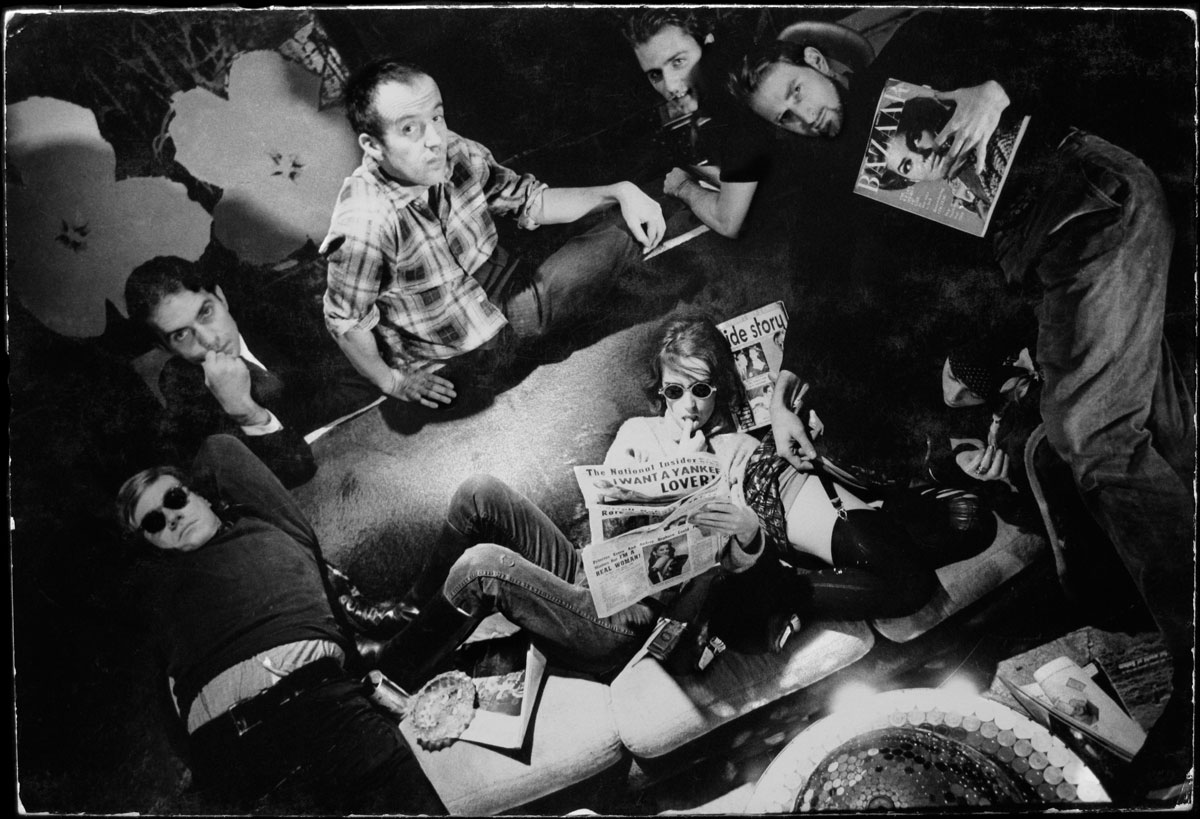
Dennis Hopper (American, 1936-2010) 'Andy Warhol and Members of The Factory (Gregory Markopoulos, Taylor Mead, Gerard Malanga, Jack Smith)' 1963


Dennis Hopper (American, 1936-2010)
Andy Warhol and Members of The Factory (Gregory Markopoulos, Taylor Mead, Gerard Malanga, Jack Smith)
1963
Location: in The Factory, NYC, NY USA
6.57 x 9.87 inch
© The Dennis Hopper Trust, Courtesy of The Dennis Hopper Trust


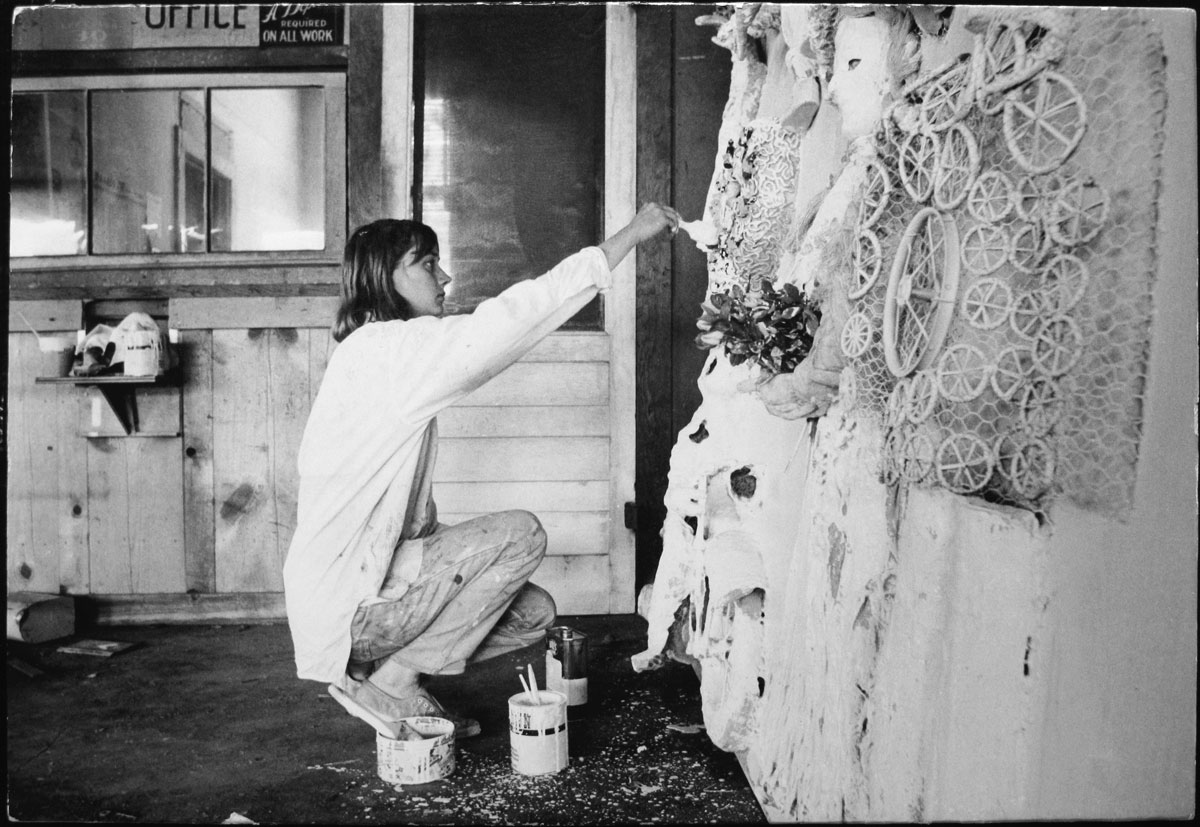
Dennis Hopper (American, 1936-2010) 'Niki de Saint Phalle (kneeling)' 1963


Dennis Hopper (American, 1936-2010)
Niki de Saint Phalle (kneeling)
1963
Location: USA
6.66 x 9.83 inch
© The Dennis Hopper Trust, Courtesy of The Dennis Hopper Trust


Dennis Hopper (American, 1936-2010) 'Art dealer Irving Blum with model Peggy Moffitt' 1964


Dennis Hopper (American, 1936-2010)
Art dealer Irving Blum with model Peggy Moffitt
1964
© The Dennis Hopper Trust, Courtesy of The Dennis Hopper Trust


The Lost Album

Gelatine silver vintage prints, 1970
Collection of the Dennis Hopper Art Trust

More than four hundred photos came to light after Hopper’s death. He had selected them for his first photography exhibition in 1970 at the Fort Worth Art Center Museum. They show signs of wear: fingerprints, scratches, discolouration, a frayed corner or tiny dent. Mounted on cardboard, numbered on the back with notes in Hopper’s handwriting, they were hung directly on the wall from small wooden strips without frames or glass. The hanging in the Martin-Gropius-Bau is based on the original installation of 1970.

The vintage prints, in portrait and landscape format, are all of a similar size, c. 24 x 16cm; twenty of them are in a larger format (c. 33 x 23cm). Of the 429 Hopper chose for his first exhibition, eleven are believed lost; they are replaced here by new prints, which will be clearly indicated. In only two cases was it impossible to locate the corresponding negative, and a placeholder with the title is mounted instead. The rediscovered boxes contained an additional nineteen, unnumbered vintage prints along with the 429, which Hopper took with him to Fort Worth but probably never hung in the exhibition. They have been incorporated into the “Album” here (I-XIX).

Additional information on the photographs

1. Brooke Hayward, Marin Hopper

Brooke Hayward, born and raised in Los Angeles, was at home in the glamorous world of Hollywood through her parents, the film producer Leland Hayward and Hollywood star Margaret Sullavan, and Hopper in turn knew a lot of extraordinary people through his involvement in the acting and art worlds. Hopper and Hayward’s home became the center of an illustrious group of actors, artists, musicians, writers, and film producers. Soon after moving [into their house] they threw a “movie star party” for Andy Warhol to celebrate his second exhibition at the Ferus Gallery (1963).

“Since I was a small child, growing up in L.A., I remember that my dad was always capturing the scene around him through the lens of his camera. What he always described as taking the most pleasure in exploring, or focusing on, much like Marcel Duchamp signing the Hotel-Green-Sign for him on the night of his opening at the Pasadena Art Museum in 1963, and Rauschenberg’s practice, was the philosophy that an artist can point to something and claim it’s art because in that moment it is to them.” (Marin Hopper, 2012)

2. Los Angeles Art Scene

Walter Hopps and Edward Kienholz founded the Ferus Gallery at 736A North La Cienega Boulevard in March 1957. Ferus was very underground, like a crazy club with exhibitions, readings and fashion shows. “The openings were wild, everybody had a blast, and nobody made a penny.” Hopper attended every opening and went to performances and happenings, whether it was Oldenburg’s Los Angeles performance Autobodys in 1963, Robert Rauschenberg’s performance Pelican at the Culver City Ice Rink in 1966, or Allan Kaprow’s Fluids in 1967, when with the help of friends he stacked blocks of ice to form enclosures at different sites in Los Angeles.

In 1966, Claes Oldenburg made a piece of plaster wedding cake (which he stamped on the back) for each guest at the wedding party for Jim Elliot, curator at the Los Angeles County Museum of Art. Rauschenberg was wearing this stamp on his tongue when Hopper photographed him at the wedding.

3. New York

Hopper frequently traveled to New York, strolling through the Museum of Modern Art and the galleries, sometimes in the company of Henry Geldzahler, curator at the Metropolitan Museum of Art, and visited Warhol, at whose Factory he encountered Gerard Malanga, Taylor Mead or David Hockney. Hopper met Robert Rauschenberg in New York and visited Roy Lichtenstein in his studio.

In London, where he exhibited his assemblages at the Robert Fraser Gallery in 1964, he made the acquaintance of Peter Blake, one of the key figures of British Pop Art, David Hemmings, the star of Michelangelo Antonioni’s Blow up (1966), and Brian Jones of the Rolling Stones.

4. Civil Rights Marches

The Selma to Montgomery March: “[Marlon] Brando got me involved [in the march] … He pulled up in his car and said, ‘What are you doing day after tomorrow?’ and I said ‘Nothing’, and he said, ‘You want to go to Selma?’ And I said, ‘Sure, man. Thanks for asking me!’ [Then at the march, police] dogs were biting, and people were being bombed, and it was like, ‘Where are we?'” (Dennis Hopper)

The third march from Selma to Montgomery, the capital of Alabama, began on March 21, 1965, extended for 54 miles, took five days, and involved 4,000 marchers led by Martin Luther King Jr. and allies such as Ralph David Abernathy, Sr. It was the highpoint of the American Civil Rights Movements. Hundreds of ministers, priests, nuns, and rabbis followed King’s call to Selma. “It was like a holy crusade …” Numerous photographers, such as Spider Martin, James Karales, Steve Shapiro, and Bruce Davidson, documented the largest ever gathering of people during the civil rights movement in the South.

5. Mexico

He was completely obsessed with bullfighting and began attending fights regularly at the Tijuana arena in the 1950s. Hopper went to Mexico as an actor in 1965 when Henry Hathaway surprisingly offered him a role in his film The Sons of Katie Elder (1965).

A Western town was erected in the middle of Durango. Of course, Hopper had his camera with him. He photographed John Wayne and Dean Martin on the set and natives who were part of the crew or who just stopped by to watch, but he also roamed the area and the streets of Durango and Mexico City. In the 1920s and 1930s Mexico had held a great fascination for European as well as American avant-garde painters, photographers, and writers. Edward Weston lived in Mexico City; Henri Cartier-Bresson went there for a year in 1934, befriending the young photographer Manuel Álvarez Bravo. Their images have shaped our perception of that country, a perception that is also echoed by some of Hopper’s photographs.

Wall texts from the exhibition


Dennis Hopper (American, 1936-2010) 'Paul Newman' 1964


Dennis Hopper (American, 1936-2010)
Paul Newman
1964
Location: Malibu, Ca USA
9.7 x 6.66 inches
© The Dennis Hopper Trust, Courtesy of The Dennis Hopper Trust


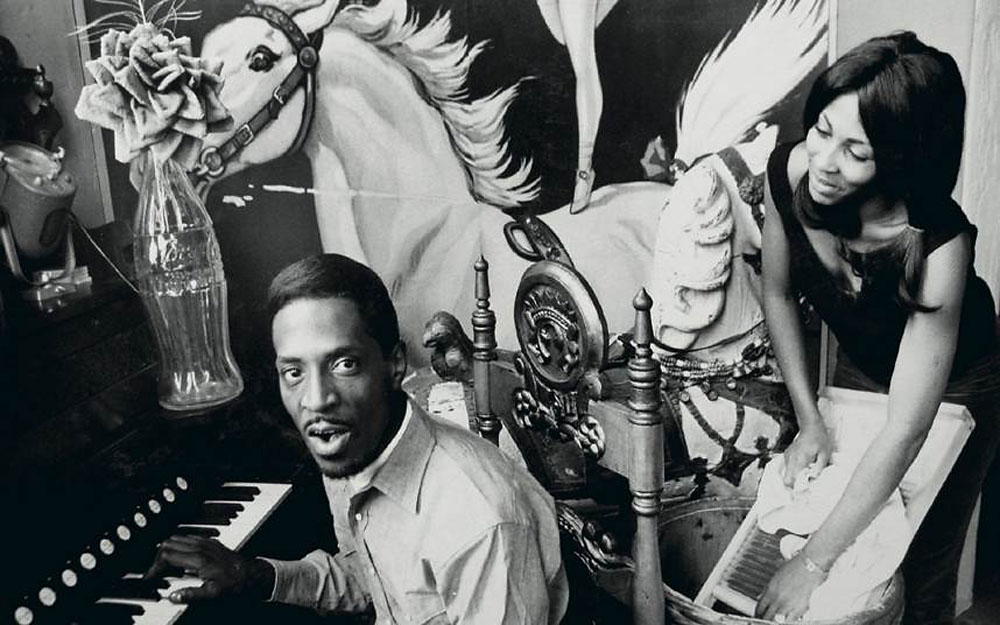
Dennis Hopper (American, 1936-2010) 'Ike and Tina Turner' 1965


Dennis Hopper (American, 1936-2010)
Ike and Tina Turner
1965
© The Dennis Hopper Trust, Courtesy of The Dennis Hopper Trust


Dennis Hopper (American, 1936-2010) 'Martin Luther King, Jr.' 1965


Dennis Hopper (American, 1936-2010)
Martin Luther King, Jr.
1965
Location: Montgomery, Alabama, USA
9.2 x 13.6 inch
© The Dennis Hopper Trust, Courtesy of The Dennis Hopper Trust


Dennis Hopper (American, 1936-2010) 'Martin Luther King, Jr.,' 1965 (detail)


Dennis Hopper (American, 1936-2010)
Martin Luther King, Jr. (detail)
1965
Location: Montgomery, Alabama, USA
9.2 x 13.6 inch
© The Dennis Hopper Trust, Courtesy of The Dennis Hopper Trust


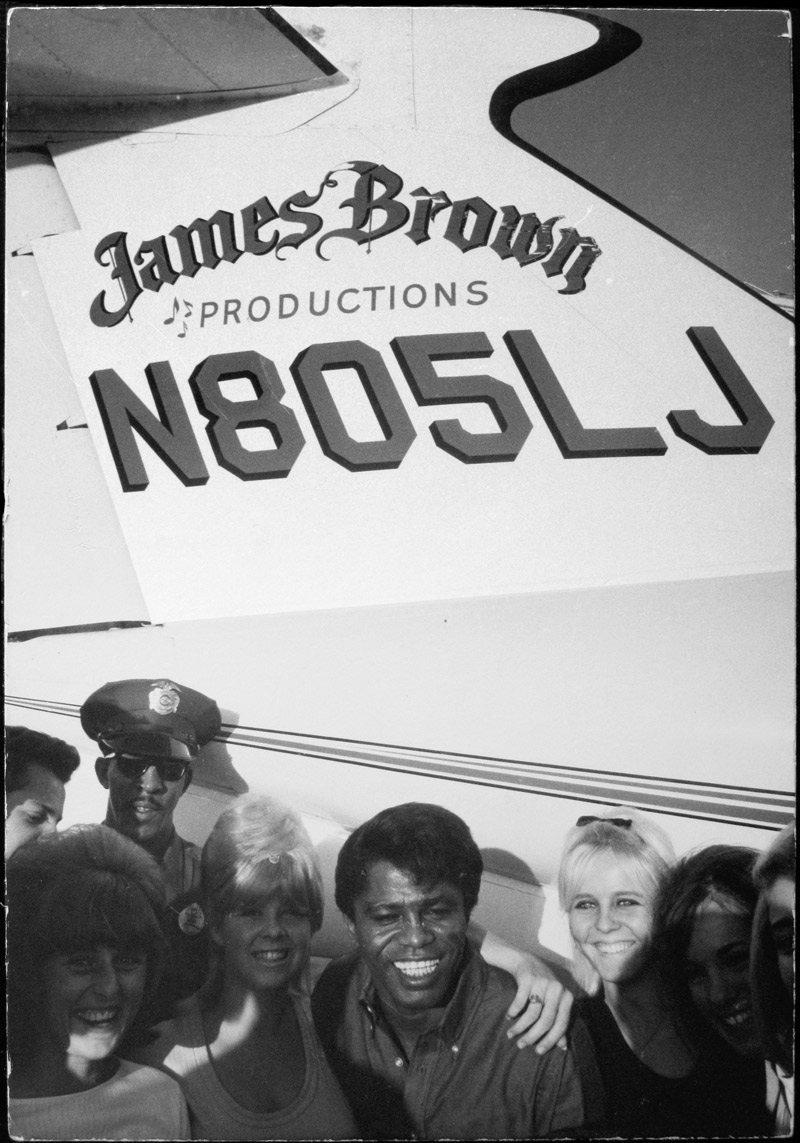
Dennis Hopper (American, 1936-2010) 'James Brown' 1966


Dennis Hopper (American, 1936-2010)
James Brown
1966
Location: USA
9.7 x 6.77 inch
© The Dennis Hopper Trust, Courtesy of The Dennis Hopper Trust


Dennis Hopper (American, 1936-2010) 'Self-portrait at porn stand' 1962


Dennis Hopper (American, 1936-2010)
Self-portrait at porn stand
1962
© The Dennis Hopper Trust, Courtesy of The Dennis Hopper Trust


'Dennis Hopper The Lost Album – Vintage Prints From the Sixties' book cover


Dennis Hopper The Lost Album – Vintage Prints From the Sixties book cover

Lying hidden away in Dennis Hopper’s home until their discovery months after the artist’s death in 2010, this collection of spectacular photographs, exhibited only once in 1969-70 at the Fort Worth Art Center Museum, is a testament to Hopper’s prolific and enormous talent behind the camera. These photographs are spontaneous, intimate, poetic, observant, and decidedly political. While some are portraits of figures within Hopper’s circle of actor, artist, musician, and poet friends – including Jane Fonda, Paul Newman, and Robert Rauschenberg – they also include images from his extensive travels in Los Angeles, New York, London, Mexico, and Peru. Hopper’s abiding support of the Civil Rights movement and social justice is evident in his shots from the march on Selma and Harlem street scenes. In images of beauty and stillness he transfers Abstract Expressionism into the artistic language of photography. Throughout this stunning volume Hopper’s sensitive, keenly observant eye shines through, making it clear that he was a deeply committed chronicler of the events that were unfolding around him.

Author: Petra Giloy-Hirtz
Prestel
240 pages
25 x 2.5 x 30cm
25 September 2012

Purchase on the Amazon website


Martin-Gropius-Bau Berlin
Niederkirchnerstraße 7
Corner Stresemannstr. 110
10963 Berlin
Phone: +49 (0)30 254 86-0

Opening hours:
Wednesday – Monday 10 – 19
Tuesday closed

Martin-Gropius-Bau website

LIKE ART BLART ON FACEBOOK

Back to top