Anonymous photographer Flower Seller in front of the Ponte Vecchio in Florence, Italy 1907-1930 Autochrome ALBERTINA, Vienna. Dauerleihgabe der Höheren Graphischen Bundes-Lehr- und Versuchsanstalt
Travel, as a verb, means to make a journey, proceed along a route, or transmit signals (such as light or sound). Thus photography and travel are inextricably linked, for photography transmits light in the form of the representation of (a) reality, from place to place, from time to time. From past time to present time.
The travel photographs in this posting “document the landscape, people, cultures, customs, and history of a specific area to express the feeling of a time and place.” (Wikipedia)
While acknowledging the institutional and political control over the creation of some of these photographs, their creation for the commercial reasons to feed the tourist market, and their Western perspective picturing foreign and “exotic” countries and people (closely linked to colonialism in those very countries) … having acknowledged all that, these photographs still remain valuable “signals” that transmit the feeling of a time and place to us today, in all their beauty and majesty.
These early photographers knew how to frame subject matter, how to use the transmission of light, to embed aspects of the sublime in a photograph, the viewer standing at the limen – meaning threshold – standing at the threshold of another time and space brought into the present.
Sphinx, Imperial Castle, railway bridge, glacier, city, all transport us to another world, vanished worlds.
Dr Marcus Bunyan
Many thankx to Albertina for allowing me to publish the photographs in the posting. Please click on the photographs for a larger version of the image.
When photography emerged during the nineteenth century, it revolutionised visual culture. Landscapes, monuments and distant civilisations could suddenly be reproduced with remarkable precision, replacing drawings and engravings as seemingly objective representations of reality.
Yet the exhibition also demonstrates that photographs have never been neutral…
Behind every remarkable image stood extraordinary effort. Early photographers transported heavy cameras, glass plates and portable darkrooms across continents while working for governments, scientific institutions or commercial publishers. Their photographs circulated through exhibitions, books and portfolios, fundamentally influencing how distant places became known…
In an age where billions of photographs are created every day, The World in Focus offers a timely reminder that images never simply reflect reality – they construct it.
Thomas Holzleithner. “The World in Focus,” on The Style Mate website, 21 July 2026 [Online] Cited 06/10/2026. Used under fair use conditions for the purposes of education and research
Anonymous photographer Part of the Chintalarayaswami Temple Complex in Tadipatri, Andhra Pradesh, India 1858/59 Albumen print 26 x 21cm ALBERTINA, Vienna
Francis Bedford (English, 1815-1894) The Hypaethral Temple at Philae 1862 Albumen print 21.1 x 28.8cm ALBERTINA, Vienna. Dauerleihgabe der Höheren Graphischen Bundes–Lehr–und Versuchsanstalt
For much of his career Bedford tended towards photography as an art form, painting in clouds, enhancing fine detail with pencil or brushes, and using tissue paper to darken negatives to improve lighting, but by the late 1870s, he was an advocate of simplicity. Between 1851 and 1894 he produced nearly 9,000 wet collodion negatives and albumen prints, making him one of the most prolific landscape photographers of his time
Today, photography and travel are inextricably linked – yet this connection dates back to the establishment of the new medium in the nineteenth century. The exhibition The World in Focus is dedicated to travel and expedition photography from the mid-nineteenth century onwards, when photography was increasingly employed to capture images of the world. Photographs were valued for their precision, wealth of detail, and reproducibility. Compared with the draughtsmen who had previously accompanied expeditions and were gradually replaced by photographers, work on site could also be carried out much more quickly.
The extensive series at the heart of the exhibition depict different regions of the world and tell of shifting claims to power, the expansion of mobility, the exploration of remote landscapes, and the emergence of tourism. The presentation also sheds light on the contexts in which photographers were sent on journeys, the conditions under which the images were created, and the ways in which they were presented in exhibitions, facilitated the transfer of knowledge, and had a lasting impact on perceptions of distant territories.
The World in Focus exclusively presents photographs from the ALBERTINA collection and from the collection of the Höhere Graphische Bundes-Lehr- und Versuchsanstalt, which is held at the ALBERTINA on permanent loan. With this exhibition, the ALBERTINA continues its series of thematic presentations drawn from its important photographic collection, revealing yet another facet of one of Austria’s most extensive photographic holdings.
Text from the ALBERTINA website
Gustav Jägermayer (Austrian, 1834-1901) The Crystal Water Glacier from North-West 1863 Albumen print 30 x 42.2cm ALBERTINA, Vienna
Christian Paier (Slovenian, 1839-1895) Panoramic View over the Old City of Jerusalem 1864 Albumen print ALBERTINA, Vienna
Christian Paier (Slovenian, 1839-1895) Panoramic View over the Old City of Jerusalem (detail) 1864 Albumen print ALBERTINA, Vienna
Adolf Schoon von Corbitzthal (Austrian, 1830-1904) Railway Bridge over the Dniester River near Halicz (today: Halych, Ukraine) 1866/67 Albumen print 20 x 25cm ALBERTINA, Vienna
Corbitzthal served as a soldier in the Austrian army and later worked as a railway official for the Lviv-Chernivtsi Railway (Lemberg-Czernowitz-Jassy Railway), where he famously documented the rail line’s infrastructure and surrounding cultural landscapes.
Giorgio Sommer (Italian born Germany, 1834-1914) Atrani, Italien 1868-1870 Albumen print 20.4 x 25.7cm ALBERTINA, Vienna
Giorgio Sommer (2 September 1834 – 7 August 1914) was one of Europe’s most important and prolific photographers of the 19th century. Active from 1857 to 1888, he produced thousands of images of archaeological ruins, landscapes, art objects, and portraits. …
Sommer’s catalog included images from the Vatican Museums, the National Archeological Museum at Naples, the Roman ruins at Pompeii, as well as street and architectural scenes of Naples, Florence, Rome, Capri, and Sicily. Most notably, Sommer published his comprehensive album Dintorni di Napoli, which contained over one hundred images of everyday scenes in Naples. In April 1872, he documented a very large eruption of Mount Vesuvius in a series of stunning photographs.
Wilhelm Burger (Austria, 1844-1920) Count Hans Wilczek (Austria, 1837-1922) Mitternachtssonne in der Meeresenge Matotschkin, Russland (Midnight sun in the Matochkin Strait, Russia) July 30, 1872 Albumen print, mounted on card Overall: 14.6 x 21.4cm (5 3/4 x 8 7/16 in.) Mount: 40 x 50cm ALBERTINA, Vienna. Dauerleihgabe der Höheren Graphischen Bundes-Lehr-und Versuchsanstalt Inscribed: Mounting paper: lower left “Graf Wilczek sche Polar-Expedition 1872”; lower center “Nowaja-Semlja. / Mitternachtssonne in der Matotschkin-Scharr.”; Mount: verso: lower left “Die erste bekannt gewordenen photographische Aufnahme / einer Mitternachtssonne. Auf einer nassen Collodium- / Platte aufgenommen im August 1872.”; Mount: verso: lower left “BURGER, Wilhelm / WILCZEK, Hans”
NB. I’m not sure this photograph is in the exhibition but Burger’s photographs of a Polar expedition are mentioned in the press release
Wilhelm Burger (Austria, 1844-1920) Count Hans Wilczek (Austria, 1837-1922) Tragbare Dunkelkammer, Isbjörnbai, Spitzbergen (Portable darkroom, Isbjörnbai, Spitsbergen) 1872 Albumen print, on mount / stereo format Photographic paper (per image): 7.8 x 7.7cm (3 1/16 x 3 1/16 in.) Mount: 8.7 x 17.7cm ALBERTINA, Vienna. Dauerleihgabe der Höheren Graphischen Bundes-Lehr-und Versuchsanstalt
NB. I’m not sure this photograph is in the exhibition but Burger’s photographs of a Polar expedition are mentioned in the press release
Long before smartphones turned every journey into an endless stream of images, photography was already transforming the way people encountered distant places. Beginning July 22, the ALBERTINA explores that history in The World in Focus, an exhibition tracing the development of travel and expedition photography from the mid-19th century through the early decades of colour photography.
On view in the museum’s Tietze Galleries through October 26, 2026, the exhibition brings together 107 photographs from the ALBERTINA’s photographic collection, along with a projection of several early autochromes. Curated by Anna Hanreich, the presentation looks beyond the scenic appeal of travel images to examine the political, scientific, commercial and cultural forces that shaped their production.
Photography and travel became closely linked almost as soon as the medium emerged. Compared with drawing, photography offered a faster and apparently more precise way to document landscapes, monuments, cities and people. Images could also be reproduced and distributed widely, allowing distant territories to enter the public imagination with unprecedented immediacy.
Yet the exhibition makes clear that these photographs were never neutral records. Many were produced during expeditions financed by governments, scientific institutions or commercial interests. Others were created for a growing tourist market eager for views of places that most Europeans would never visit themselves. In both cases, the images often reflected a distinctly Western perspective, shaping ideas about foreign cultures through assumptions that were tied to colonialism, imperial ambition and the conventions of the period.
The exhibition moves across an expansive geography, from the frozen heights of the Alps and the Arctic to Egypt, the Holy Land, Japan, India, Bosnia and Herzegovina, Italy and Norway. Together, the works show how photography accompanied the expansion of mobility, the growth of tourism and the increasing accessibility of remote regions.
Egypt occupies a prominent place in the exhibition. European fascination with the country intensified after Napoleon Bonaparte’s military campaign of 1798-1801, which helped trigger a widespread wave of “Egyptomania.” By the middle of the 19th century, photographers were travelling along the Nile and documenting ancient monuments, often before they underwent later restoration or alteration. Their images circulated through albums, books and international exhibitions, establishing visual routes that would eventually become familiar tourist itineraries.
Another section focuses on Wilhelm Burger, one of the Habsburg monarchy’s most sought-after expedition photographers. Working at a time when photography required heavy wooden cameras, glass plates, chemicals and portable darkrooms, Burger took part in the Austro-Hungarian East Asia expedition of 1868-1869 and later joined a support mission connected to the Austro-Hungarian North Pole expedition. His photographs rank among the earliest images made in the Arctic region.
The exhibition also highlights Raimund von Stillfried-Rathenitz, who established an influential studio in Yokohama in 1871. Stillfried photographed historically important sites around Tokyo and Yokohama during a period of rapid transformation following the Meiji Restoration. His carefully composed landscapes appealed to the growing number of international travellers arriving in Japan and helped define how the country was represented abroad.
Images of Jerusalem, Bethlehem and surrounding areas reveal the close relationship between pilgrimage, politics and the emerging market for travel photography. Photographers such as Christian Paier produced views of sacred sites for European audiences already familiar with biblical narratives. These photographs did more than document religious landmarks; they connected contemporary travel with long-established ideas about history, faith and cultural identity.
Photography also served as a tool of political representation within the Austro-Hungarian Empire. After the occupation of Bosnia and Herzegovina in 1878, Josef Löwy was commissioned to document the territory. Rather than concentrating on military action, he photographed roads, infrastructure and landscapes, presenting the occupation through images of modernisation and development. Stillfried returned to the region years later, producing more atmospheric scenes of daily life and local dress.
As railway networks expanded during the 19th century, travel became faster and more accessible. Railway companies quickly recognized photography’s promotional power and hired photographers to document stations, bridges, construction projects and the landscapes opened by new routes. These images functioned as corporate records, tributes to engineering and advertisements for destinations that had previously seemed unreachable.
By the end of the century, lighter cameras brought a more personal form of travel photography. Artists and wealthy amateurs began making spontaneous images based on their own interests rather than official assignments. The painter Johann Victor Krämer, for example, carried a portable Kodak camera during travels through Egypt and Palestine between 1898 and 1900, later using some of his photographs as material for paintings.
The arrival of autochrome plates in 1907 introduced another major shift. These early colour transparencies were especially popular for landscapes and travel scenes, although they had to be viewed through transmitted light or projected onto a screen. Public and private projection evenings became popular forms of entertainment, allowing audiences to experience vivid color views of Italy, the French Riviera, Norway and other destinations.
Among the press images associated with the exhibition are an autochrome of a flower seller standing before Florence’s Ponte Vecchio, an early colour view of Digermulen in Norway, Giorgio Sommer’s photograph of Atrani on the Amalfi Coast, and Stillfried’s image of the imperial palace in Tokyo. Seen together, the works reveal how travel photography gradually moved from heavy expeditionary equipment and official commissions toward the personal, immediate and colorful visual language still familiar today.
The World in Focus is on view at the ALBERTINA in Vienna from July 22 through October 26, 2026. The accompanying bilingual catalogue, edited by Anna Hanreich, is available in German and English.
Press release from ALBERTINA
Raimund Stillfried von Rathenitz (Austrian, 1839-1911) Imperial Castle, Tokyo, Japan c. 1875 Albumen print 37.6 x 44.6cm ALBERTINA, Vienna. Dauerleihgabe der Höheren Graphischen Bundes-Lehr- und Versuchsanstalt
Baron Raimund von Stillfried, also known as Baron Raimund von Stillfried-Rathenitz (6 August 1839, in Komotau, Bohemia – 12 August 1911, in Vienna, Austrian-Hungarian Empire), was an Austrian military officer and early professional photographer in Japan. His historical photographs of Japan following the end of the Tokugawa shogunate in the 1870s have been appreciated for their documentary and artistic value and collected in international archives.
Josef Löwy (Austrian, 1834-1902) Busovaca im Kanton Zentralbosnien, ca. 20 km südlich von Zenica, im Hintergrund Baracken der österreichisch-ungarischen Besatzung (Busovača in the Central Bosnia Canton, approx. 20 km south of Zenica; in the background, barracks of the Austro-Hungarian occupation forces) 1878 Albumen print, on backing card Image: 20.6 x 25.5cm (8 1/8 x 10 1/16 in.) Card: 43.4 x 32.8cm (17 1/16 x 12 15/16 in.) ALBERTINA, Wien
NB. I’m not sure this photograph is in the exhibition but Löwy‘s photographs of Bosnia and the Austro-Hungarian occupation are mentioned in the press release
Josef Löwy (Austrian, 1834-1902) Strassencorrection vor Žepce an der Bosna zwischen Doboj und Zenica (heute: Kanton Zenica-Doboj in Bosnien und Herzegowina) (Road realignment near Žepce on the Bosna River, between Doboj and Zenica (present-day Zenica-Doboj Canton in Bosnia and Herzegovina)) 1878 Albumen print, on backing card Image: 20.6 x 25.5cm (8 1/8 x 10 1/16 in.) Card: 43.4 x 32.8cm (17 1/16 x 12 15/16 in.) ALBERTINA, Wien
NB. I’m not sure this photograph is in the exhibition but Löwy‘s photographs of Bosnia and the Austro-Hungarian occupation are mentioned in the press release
Raimund Stillfried von Rathenitz (Austrian, 1839-1911) Jajce with the Pliva Waterfall, Bosnia and Herzegovina 1889 Albumen print 19.5 x 24.5cm ALBERTINA, Wien
Anton Silberhuber (Austrian, 1839-1899) The Sphinx and the Pyramids, Egypt c. 1890 Collodion paper 16.6 x 23.4cm ALBERTINA, Vienna. Dauerleihgabe der Höheren Graphischen Bundes-Lehr- und Versuchsanstalt
Anton Silberhuber (1839-1899) was an influential 19th-century Austrian travel and documentary photographer. He is best known for capturing early archaeological and expedition photography across regions such as Egypt, Greece, and the Balkans.
One of his most celebrated pieces is a collodion paper print depicting tourists interacting with the Great Sphinx of Giza. This specific photograph captures a striking cultural moment of early global tourism, showing tourists physically climbing onto the paws and shoulders of the Sphinx for a portrait.
Text from various sources
Johann Victor Krämer (Austria, 1861-1949) Künstlervorlagen (Artist templates) 1898-1900 Albumen print ALBERTINA, Vienna
NB. I’m not sure this photograph is in the exhibition but Krämer‘s photographs of Palestine are mentioned in the press release
Johann Victor Krämer (Austria, 1861-1949) Jerusalem Around 1900 Albumen paper (?), on backing card Photographic paper: 8.3 x 16.4cm (3 1/4 x 6 7/16 in.) Card: 14.1 x 20.5cm ALBERTINA, Vienna
NB. I’m not sure this photograph is in the exhibition but Krämer‘s photographs of Palestine are mentioned in the press release
Johann Victor Krämer (Austria, 1861-1949) Self-Portrait on the Terrace of the Austrian Pilgrims’ Hospice in Jerusalem c. 1900 20.6 x 28cm Gelatin silver print, retouched ALBERTINA, Vienna
Anonymous photographer (Photoglob & Co., Zurich) Porta Felice and the Marina, Palermo, Italy 1889-1905 Photochrome 16.51 x 22.23cm ALBERTINA, Vienna – Schenkung Harald Woschitz, Nachlass Christopher Cardozo, US
Anonymous photographer Digermulen, Norway 1913 Autochrome 9 x 12cm ALBERTINA, Vienna. Dauerleihgabe der Höheren Graphischen Bundes-Lehr- und Versuchsanstalt
The Albertina Museum Albertinaplatz 1 1010 Vienna Phone: +43 (0)1 534 83 0
Curator: Joel Smith, Richard L. Menschel Curator and Department Head of Photography
1955-63: Beginnings
Peter Hujar (American, 1934-1987) Dead Fish, Fire Island 1960-1962 Gelatin silver print, mounted on board Image/Sheet: 10 3/4 x 11 1/4 inches (37.3 x 28.5cm) Morgan Library & Museum, New York, Peter Hujar Collection Gift of Stephen Koch
Hujar found an unlikely elegance in this unpromising subject, discovered as he began spending more time in the early 1960s on Fire Island, off the southern coast of Long Island. The excavation of beauty out of decay points to Hujar’s early admiration for the wide-ranging work that Irving Penn had been publishing in Vogue magazine since the 1940s.
Large print label text
An empathetic eye
As many of you may know from reading Art Blart over the years, I deeply admire the work of the American photographer Peter Hujar (1934-1987).
With this exhibition we get to dive into the contact sheets of the artist which give insight into “the nature of his attention and the unique personality of each of his subjects.” They allow us, the viewer, to better understand the flow of Hujar’s creative process and the focus of his vision – the consistency of that vision, how he approaches his subject matter, his understanding of light, framing, presence – and the “rhythm of Hujar’s looking.”
I feel (a critical word) that Hujar approaches his subject with an open and informed mind. Using the experience of his many years as a commercial photographer he has the innate ability in his personal work to put the camera in the right place at the right time, to find time and time again what he is looking for in direct, honest, beautiful photographs of places, animals and people.
I look at the contact sheet for Caven Point, New Jersey, with David Wojnarowicz (1984, below) and observe that not one shot is wasted, that Hujar knows exactly his directorial language. He is an auteur with a recognisable personal style, recurring themes, and deep artistic control.
While less confrontational, more empathetic, more cinematic in the feeling of spatiality in the image, Hujar’s approach to subject matter is similar to a photographer of a slightly earlier generation, Diane Arbus (American, 1923-1971) who also ran a commercial photography studio, working as an art director, conceptualiser, and stylist before becoming disillusioned with the artificial demands of the commercial fashion world, then moving into mainly portrait photography.
Both artist’s know how to get the most from their subject matter letting the sitter – cow, horse, human, giant – speak of their place in the world, photographs revealing their inner spirit and energy. As Loring Knoblaunch observes, “As seen in these contact sheets, Hujar seemed to work best in a loose flow of time, where collaboration and connection were the variables that ultimately mattered to the capturing of a durable visual essence.” This is the embodiment of Hujar’s art.
Various texts insist on a sense of desolation (a state of extreme emptiness, destruction, or deep, hopeless sadness), fatalism and melancholy present in Hujar’s photographs:
“Woven throughout Peter Hujar’s photographs is a profound sense of fatality about the world. This bleakness in his art reflects both the abuse he faced as a child and his concern about the AIDS crisis which, at the time, only showed signs of worsening.” (Text from the Morgan Library & Museum Facebook page)
“Postindustrial Queens, windblown Caven Point, and burned-out, riot-torn Newark were places that appealed to Wojnarowicz’s and Hujar’s attunement to disaster. Their fatalism reflected the neglect and abuse each of them had known in childhood, as well as their consciousness of an AIDS crisis that only showed signs of deepening.” (Large print label text)
“Hujar’s work has always been filled with themes of darkness, melancholy, and alienation, and the visual evidence in his contact sheets reinforces those moods, but with a quiet undercurrent of attentive resolve.”
I don’t feel this at all.
As a gay man myself, having survived years of abuse growing up and having lived through the initial AIDS crisis in the 1980s and survived (and lost a lot of friends), I don’t find Hujar’s photography at all dark or bleak in regards to family, growing up or the AIDS crisis. In fact quite the opposite, I find his photographs uplifting, inspiring in their humanity and empathy.
Fatalism … what the hell is that anyway? “the philosophical and psychological doctrine that all events are fixed in advance by fate or an overarching power, making human free will, choices, and actions powerless to change the outcome”
No. Hujar’s very photographs speak against this concept (that human free will, choices and actions are powerless) through what he chooses to photograph, through the snap of the shutter (this instant not another) and through his photographs of protests against the lack of HIV/AIDS funding. Human actions DO matter in the outcome. And as to alienation (a state or feeling of being cut off, isolated, or estranged from people, society, or oneself), Hujar’s very engagement with the world – through his city, community and friends, through so many intersections with reality, so many points of view, forming such a nexus of connections – obviates such a reading of his work.
Through these contact sheets, through Hujar’s empathetic vision, we become, as Marina Vitaglione puts it, “immersed in the rhythm of Hujar’s looking.”
That looking is always lyrical, joyous and very human.
Dr Marcus Bunyan
PS. What we need now is an exhibition on the beginnings of Hujar’s artistic career!
Many thankx to the Morgan Library and Museum for allowing me to publish the photographs in the posting.
Many thankx also to Loring Knoblauch and the Collector Daily website for allowing me to publish the installation photographs in the posting. Permission is very much appreciated. Her review of the exhibition is excellent and offers the reader numerous insights into Hujar’s artistic practice.
Please click on the photographs for a larger version of the image.
“The changing of a pose, the tilt of a head, a move a little closer, a different angle of approach, a laugh, a moment of relaxation, a moment of anxiousness or wariness, another shift, and then bang! There it is. And of course, Hujar couldn’t know whether he’d gotten or not, so he often kept going. But for students of studio portraiture, this is the master class on offer in this exhibit – watch what he was looking for, how he was moving and adapting (quietly and unobtrusively hunting even), and where he ultimately found the pivot point where something boring became something unexpectedly vulnerable or compelling.”
“Hujar’s work has always been filled with themes of darkness, melancholy, and alienation, and the visual evidence in his contact sheets reinforces those moods, but with a quiet undercurrent of attentive resolve. He actually found what he was looking for more often than not, which is part of the reason his place in photographic history is secure.”
installation views of the exhibition Hujar:Contact at the Morgan Library & Museum, New York City, New York, May – October, 2026. Many thankx to Loring Knoblauch and the Collector Daily website for allowing me to publish the installation photographs in the posting.
Near the end of their time in Italy, Hujar and Paul Thek visited the catacombs maintained by monks of the Capuchin order in Sicily. Thek was fascinated by the site, which he described as a room “decorated with corpses”; soon after returning to New York, he would be making sculpture exploring the decay of the flesh and the body’s status as an object. The photographs Hujar made in the catacombs in, as he said, “about 20 minutes,” proved to be of outsize importance in his later work, forming the second half of his 1976 monograph, Portraits in Life and Death.
The group portrait is one of the most purely functional genres of photography: Creativity is stymied by the logistical challenge of attaining an exposure in which nobody blinks. Photographer Peter Hujar was attracted to the challenge. As seen in the markings on his contact sheets, he treated the group setting as a means of eliciting responses from selected individuals. In each frame of the eleven sheets in which Hujar portrayed those connected with the Stable Gallery, he drew squares to single out his former boyfriend, Joseph Raphael.
Large print label text
Hujar:Contact offers an unprecedented look into the life, times, and creative evolution of a master photographer. The exhibition features more than 110 contact sheets and 20 enlargements from the Morgan’s Peter Hujar Collection, which includes over 5,700 contact sheets from throughout the artist’s career.
Peter Hujar (1934-1987) began filing contact sheets and assigning them job numbers at age twenty-one. His records make it possible to track his development – from two decades as a studio assistant (1955-1967), when he pushed himself to try work of every kind, into the late 1960s and his work as a freelancer in fashion, music, and advertising, through his mature period (1974-1987) as a fiercely independent and influential artist in the East Village.
Many of the contact sheets bear editing marks that indicate ideas about cropping and printing and contextualize the exposures Hujar ultimately decided to enlarge. The intense, interactive quality of his portrait work comes to life in contact sheets that read as intimate pictorial narratives, revealing the nature of his attention and the unique personality of each of his subjects. As Hujar matures and struggles, and as the character of his social world changes from the 1950s through the 1960s, 1970s, and 1980s, his contact sheets tell the nuanced story of a lifetime, a community, and an era.
In October 1969 Hujar undertook a car trip to Pennsylvania and West Virginia with Jim Fouratt and the artist Ann Wilson. Wilson recalled gratefully that the journey was Hujar’s way of keeping her occupied after the sudden death of her husband, critic Gene Swenson, in a car crash. For Hujar, the purpose of the trip was making portraits of animals that he sought out along the way, including horses, sheep, and cattle. It would be another seven years before he pursued animal portraiture in depth.
The bond Hujar formed with Warhol “superstar” Jackie Curtis reflected, in part, their mutual rejection of familiar sexual identities. Curtis told The New York Times, “I’m not a boy, not a girl, not a faggot, not a drag queen, not a transsexual – just me, Jackie.”
This contact sheet comes from the session for a 1970 New Times magazine feature on New Yorkers who defined their historical moment. The print is from a separate session, which yielded a spread of full-page portraits of Curtis in issue six of Newspaper.
In November of 1971, the San Francisco troupe, the Cockettes, came to New York to perform at the Anderson Theatre. Peter Hujar photographed them in his Madison Square studio and on the street outside the theatre – solo, in pairs and trios, and in large groups. In all he shot over fifty rolls of film. Pictured here [below] is Fayette, one of the co-founders of the avant-garde experimental theatre troupe.
Many of these photographs ran in the final issue of Newspaper, which was devoted entirely to the group. Though the Cockettes’ shaggy performance style was roundly scorned by New York audiences, photographing them crystallised a theme – the stance of “genderfuck,” a madcap travesty of gender identities – that Hujar would explore in his work for the rest of his life.
At the turn of the 1970s, much of Peter Hujar’s paying work revolved around rock music publicity, including gigs ranging from concert coverage to record cover art to music magazine features. As documented in his contact sheets, Hujar frequently merged and swapped traditional gender codes in the presentation of the performers he photographed, such as Rick Derringer and Patti Smith pictured here.
Large print label text
This spring, the Morgan Library & Museum presents Hujar:Contact, an exhibition exploring the life, times, and creative evolution of photographer Peter Hujar (1934 – 1987). On view from May 22 through October 25, 2026, the exhibition features more than 110 contact sheets and 20 enlargements from the Morgan’s collection of Peter Hujar’s works.
Highlights include portraits of artists and performers such as Marsha P. Johnson, Jackie Curtis, Patti Smith, Candy Darling, John Zorn, and Ethyl Eichelberger, as well as Hujar’s creative collaborators and lovers, including Paul Thek, Joseph Raffael, and David Wojnarowicz. Hujar’s distinctive portraiture, alongside rare prints of his street photography, interiors, and landscapes, reveals the unflinching eye he cast upon a vast range of subjects.
In 2013, the Morgan acquired the 5,783 black-and-white contact sheets Hujar possessed at the time of his death, along with two notebooks, or “job books,” in which he recorded his photographic assignments and personal projects from 1954 until 1985. Together, these materials provide a detailed record of an artist who left no written reflection on his work, yet carefully preserved the traces of his decades-long photographic life. Hujar:Contact foregrounds the material processes that structured photographic practice in the era of film and chemical printing. Visitors to the exhibition will be transported to Hujar’s darkroom, invited to study these small images with the same attentiveness and care that Hujar himself brought to them.
“Following our 2018 exhibition Peter Hujar: Speed of Life, which explored the full length and breadth of Hujar’s artistic career for the first time, Hujar:Contact turns to his creative process,” said Colin B. Bailey, Katharine J. Rayner Director of the Morgan Library & Museum. “This exhibition advances the Morgan’s commitment to collecting and interpreting contemporary photography and to broadening appreciation for a medium that is both immediate and reflective.”
The exhibition elevates the contact sheet, traditionally a working tool, into an art object worthy of close visual reading in its own right. Each sheet reproduces an entire roll of film, allowing viewers to follow Hujar’s eye through a series of exposures. Many of the contact sheets include Hujar’s own handwritten notes, marks, and annotations, which indicate his changing approach to cropping and printing and elucidate the editorial decisions behind each final image.
“Contact sheets reveal an intimate history of Hujar’s habits, inspirations, and happy accidents – the intricacies hidden behind a final print,” said Joel Smith, curator of the exhibition and Richard L. Menschel Curator and Department Head of Photography at the Morgan. “Hujar:Contact illuminates the physical process that was central to his artistic practice.”
Reproduced at large scale on the walls are dozens of pages from Hujar’s job books, which provide the closest thing to a chronological account of his career. The earliest surviving page dates to 1954, when Hujar was just beginning to photograph friends and loved ones in New York. Over the following decades, the notebooks grew into a numbered record of hundreds of shoots, following the artist from his job as a studio assistant in the 1950s to his work in fashion and music journalism in the late 1960s, and ultimately to the independent portrait practice that defined his mature work in downtown New York.
By the mid-1970s, Hujar had become a central figure in the cultural life of New York’s East Village. Working primarily with a medium-format camera that allowed him to maintain eye contact with his sitters, Hujar cultivated an atmosphere in which photographer and subject shaped the image together. Visitors will gain a vivid sense of this collaborative process through the presentation of contact sheets alongside never-before-exhibited prints, unveiling how individual portraits emerged from a give and-take process grounded in patience and mutual curiosity.
Hujar:Contact is organised by Joel Smith, Richard L. Menschel Curator and Department Head of Photography.
The exhibition is accompanied by an eponymous catalogue that offers an authoritative and visually rich account of Peter Hujar’s creative process, featuring nearly five hundred reproductions of his contact sheets. Drawing from the Morgan Library & Museum’s extensive archive of more than five thousand original contact sheets and two job books created between 1954 and 1985, the publication provides an unprecedented look into the artist’s working methods.
Critical texts by Joel Smith establish a chronology of Hujar’s contact sheets, presenting a portrait of an artist developing, experimenting with, and refining his practice against the tumultuous cultural politics and sea changes of gay life conveyed by the words “Stonewall” and “AIDS.”
Throughout his career, Hujar recorded more than a thousand photo shoots in his job books. A complete transcription and annotation of these materials by Olivia McCall lends the volume unique scholarly value.
Published by the Morgan Library & Museum in association with MACK, the catalogue is available for pre-order in the Morgan Shop for $70.
In 1971 Hujar was introduced to theatre impresario Robert Wilson’s company, the Byrd Hoffman School of Byrds, through the involvement of Ann Wilson, Robyn Brentano, and other friends. His first photographs of the troupe record their ritual-like rehearsal of the “seven-part movement” that figured in the productions The Life and Times of Sigmund Freud (1969) and The Life and Times of Joseph Stalin (1973). Hujar’s constant profile-view perspective lends the session’s contact sheets the hypnotic regularity of a score by Wilson’s frequent collaborator, Philip Glass.
As seen in the central frame of this contact sheet, Peter Hujar often turned the camera over to others, inviting them to take a picture of him. Because he rarely made prints of these frames, it is possible that the gesture was intended as much to ease others’ nervousness around the camera as to produce a portrait of himself.
The 1973 Christopher Street Liberation Day Fair – the forerunner of the Pride March, from which this contact sheet originates – was notable for Sylvia Rivera’s historic speech in Washington Square Park, in which she advocated for members of the gay community who were homeless or incarcerated.
Peter Hujar’s famous photograph, “Candy Darling on Her Deathbed,” [below] printed from the top-right frame marked with a dot, appeared in the New York Daily News shortly after her death in March 1974, and in several other publications soon thereafter. Perhaps due to this wide public circulation, Hujar excluded the image from his 1976 book “Portraits in Life and Death.”
Before checking into Cabrini Health Care Center for testing in September 1973, Warhol superstar Candy Darling asked Hujar to make a portrait “for my fans.” The contact sheet reveals the most iconic still of Candy lying languidly in bed, surrounded by movement, laughter, and theatricality.
Hujar later described their session as a kind of performance, recalling that Candy was “playing every death scene from every movie.” He mirrored this cinematic sensibility in his composition and printing process, shaping the final image so that the dreary details of the room—fluorescent light, hospital bedding, a single rose – are transformed into an icon reminiscent of Hollywood’s golden-age portraiture.
Man and Woman portrays Hujar’s friends Robyn Brentano and Rick Brintzenhofe in a room at the home of friends in Briarcliff Manor, New York. As Brentano recalls, she and Brintzenhofe were on the verge of a breakup at the time. Between them hangs a poster of the famous Unicorn in Captivity tapestry (1495-1505) at the Cloisters. Hujar’s symbolically staged scene is anomalous in his work of the time, bearing greater resemblance to his magazine images of a few years earlier.
Hujar’s move into a large, low-rent space at 189 Second Avenue in the 1970s coincided with his decision to give up paid work altogether as he began to pursue more meaningful personal projects. As if trumpeting his arrival at the loft, in this contact sheet Hujar frolics and salutes the camera.
Hujar would live and work in the loft for the remainder of his life until New Year’s Day in 1987, when he received a tragic AIDS diagnosis. He quit abruptly thereafter, and even declined to catch up on his job-book entries for the preceding year’s work. He passed away that November due to related complications.
On a few occasions Fran Lebowitz invited Hujar and Vince Aletti to visit her family home in Morristown, New Jersey, and the three of them stayed overnight. Once, Hujar photographed each of his friends in the beds where they had spent the previous night, Aletti in Fran’s bedroom and Fran in her sister’s. The diaristic nature of the exposures looks ahead to the work of Nan Goldin, which Hujar would point to in the 1980s as a compelling next stage in the medium’s evolution.
The first page of Peter Hujar’s second job book begins with the heading “FOR BOOK” and the names of several dozen people he photographed for what would become “Portraits in Life and Death” (1976). Hujar’s friend Robyn Brentano, fashion editor Diana Vreeland, and artist/writer Joe Brainard did not make the cut. Of the finished book, Hujar told an interviewer, “In a sense, I’m still a fashion photographer. These people are chic, but in a dark kind of way. Most of them are unknown or maybe known to just a few, but they have all been creative adventurers and possess a certain spirit.” Perhaps he ultimately decided that Vreeland, like Andy Warhol and model Lauren Hutton, was too “known” to fit in. Hujar also appears to have striven to represent variety in his subjects’ age, personal style, gender, vocation, and disposition.
Joe Brainard was an American artist and writer associated with the New York School. His prodigious and innovative body of work included assemblages, collages, drawing, and painting, as well as designs for book and album covers, theatrical sets and costumes.
Peter Hujar’s engagement with New York’s downtown arts and queer communities is reflected in his photographs of fellow artists, writers, and activists, including Marsha P. Johnson, pictured here. Johnson participated in the Stonewall uprising and became one of the figures most closely associated with the movement that emerged from it.
Large print label text
1977-80: Recovery
The term “Recovery” aligns with a period of personal realignment and stabilizing focus following years of emotional, financial, and professional instability. During these years, Hujar established a more structured rhythm with his medium, producing intimate, deeply felt portraits of downtown cultural luminaries, friends, and chosen family.
In the early 1970s a former colleague of Hujar’s at Harold Krieger’s studio, Roy Hyrkin, moved with his family to a remote farming area in Orange County, New York. Hujar, who could not drive, visited them when he could get a ride. Roy Hyrkin recalls Hujar’s rare mood of “delight” upon returning from morning walks with ten-year-old Joseph to photograph animals, including the cows Joseph milked at the dairy next door. Farm animals had been a constant presence during Hujar’s childhood at his grandparents’ house in Trenton, New Jersey. Friends who saw him photograph animals recall that he spoke to them in the same manner he used during any portrait session with a person.
Among the ways that Hujar expanded his approach to portraiture was by zeroing in on parts of the body besides the face. In Paris for the opening of a gallery show of his work in 1980, he photographed the feet of the young fashion designer Pascal Humbert (misidentified in Hujar’s job book as “Imbert”), as well as close-ups of his face and scarred torso.
The defining relationship of Peter Hujar’s final years was with David Wojnarowicz. When they met, at the Bar on Second Avenue in January of 1981, Wojnarowicz was writing poetry and playing music, and Hujar encouraged him to focus on his visual art.
In his job book Hujar distinguishes between two early sessions, “David W #1” and “David W #2.” On the latter date (seen here), he used bounced light that emphasises the volume of Wojnarowicz’s features and hints at an inner life that was as important to the portraitist as his outward appearance.
The eyes dominate in Hujar’s portraits of artist Kiki Smith, in which he employs a softened version of the chiaroscuro lighting technique he evolved a few years earlier. A variant on this photograph is one of several portraits by Hujar, David Armstrong, and Nan Goldin that Cookie Mueller used for “before and after” illustrations in her book How to Get Rid of Pimples (1984), with hand-drawn dots added by the author to the “before” image of each sitter’s face.
Postindustrial Queens, windblown Caven Point, and burned-out, riot-torn Newark were places that appealed to Wojnarowicz’s and Hujar’s attunement to disaster. Their fatalism reflected the neglect and abuse each of them had known in childhood, as well as their consciousness of an AIDS crisis that only showed signs of deepening. Assigned in 1983 to make a cover photograph for the Village Voice about gay dread and mourning, Hujar had enlisted Wojnarowicz as his model. Their shared experience of abandoned locales was formative both for their work and for their deepening friendship.
Large print label text
Woven throughout Peter Hujar’s photographs is a profound sense of fatality about the world. This bleakness in his art reflects both the abuse he faced as a child and his concern about the AIDS crisis which, at the time, only showed signs of worsening.
It was with this in mind that he set out with David Wojnarowicz, a creative he had taken on as mentee, to shoot a cover photograph for a Village Voice issue on gay dread and mourning. The pair visited several locations in post-industrial Queens, windblown Caven Point, and riot-torn Newark that appealed to their eye for disaster. Trips to abandoned locations like these proved to be formative for both their work and friendship alike.
Text from the Morgan Library & Museum Facebook page
By the time of his final exhibition in early 1986, Peter Hujar’s health was in decline. He continued working for the rest of the year, but upon receiving a diagnosis of AIDS in early 1987, he quit abruptly, even declining to catch up on his job-book entries for the previous year’s work. Therefore, his final finished images, including these sensitive portraits of composer John Zorn, are dateable to 1986 by the very absence of detailed information about them.
Large print label text
Hujar:Contact book cover
“Less a monograph than an exposed nervous system: strips of images accumulating into something restless and alive, all hesitation, process, and thought still developing in the tray. … Across the pages of Hujar:Contact, [the images] become immersive. … the experience is less that of viewing discrete photographs than inhabiting the rhythm of Hujar’s looking.”
Marina Vitaglione, Blind Magazine
Hujar:Contact explores the Morgan Library & Museum’s extensive archive of original contact sheets and job books made by the beloved photographer Peter Hujar between 1954 and 1987, which come together to form an enthralling visual document of the artist’s creative process. Hujar’s empathetic eye focused in on varying subjects – crowds of protest, damaged relics, farm animals – but above all he was preoccupied with making portraits of the overlapping circles of artists, writers, and underground luminaries he moved within in New York. Accompanying critical texts by Joel Smith establish a chronology of Hujar’s contact sheets, presenting an artist developing, experimenting with, and refining his practice against the tumultuous cultural politics and sea changes of gay life conveyed by the words ‘Stonewall’ and ‘AIDS’.
Throughout his career Hujar recorded more than a thousand photo shoots in his job books. These documents, which are transcribed and annotated in Hujar:Contact, illuminate the contact sheets, rich in never-before-seen images as well as the earliest iterations of Hujar’s most iconic works, including portraits of Susan Sontag, David Wojnarowicz, Candy Darling, Gary Indiana, Fran Lebowitz, and Paul Thek. This volume provides captivating insight into a master at work, forming an immersive chronicle of Hujar’s poignant efforts to connect, through photography, with the creative communities that defined his life, outlook, and art.
Co-curators: Julia Perratore, Associate Curator at The Met Cloisters; Laura Filloy Nadal, Curator in The Michael C. Rockefeller Wing; and Joanne Pillsbury, Andrall E. Pearson Curator, Arts of the Ancient Americas in The Michael C. Rockefeller Wing
Unknown maker (Coclé (Macaracas)) Double bird pendant 950-1100 CE Gold, rose quartz H. 1 3/4 x W. 1 9/16 x D. 1/2 in. (4.4 x 4 x 1.3cm) The Metropolitan Museum of Art The Michael C. Rockefeller Memorial Collection, Bequest of Nelson A. Rockefeller, 1979
Artists in ancient Panama created delicate ornaments using the lost-wax technique, sometimes incorporating other materials such as semiprecious stones or shell, which may have conveyed additional concepts or imbued the beings with additional powers. On this pendant, avian beaks are joined with the bodies of quadrupeds, complete with rose quartz tails. The loops at the creatures’ claws allowed them to be suspended from a cord. Similar pendants in the shape of various hybrid creatures have been found in high-status burials at sites such as Sitio Conte and El Caño, associated with the Coclé culture.
Terror and delight
How could I resist…
“…imagined creatures that transcend the natural world. Fantastical beings combining the features of animals, humans, and even plants appear across cultures, emerging in the most ancient myths and enduring in contemporary epics.”
“In the Americas and Europe, hybrid creatures could traverse earthly and supernatural realms, linking the human and the divine. Their images conveyed doctrine, established and reinforced identities, and defined social and cosmological boundaries. Monumental representations of these beings occupied the viewer’s space in a dramatic way, enhancing their effectiveness as agents of social control.”
Wow!
Much as we are becoming hybrid creatures today with the essentiality of AI in contemporary life, so hybrids back then were agents of social control (even if they are creative blends of elements drawn from nature).
I’m just glad I won’t be around in a decade or so (or possibly even less) when AI is integrated into drones, into robots, or even more directly into humans than it is at the moment so that everything can be controlled by an external entity. Can you imagine war in the future where drones go rogue and do their own bidding? Skynet here we come…
“Beings of terror and delight, hybrids are like the natural world – still only partly understood but an inescapable element of the human experience.”
I love all these rich mythological traditions. My particular favourites in this posting are the two Aquamanile (German) from 1200-1025 and the Head of a Crozier with Saint Michael Slaying the Dragon (French) 1220-1230, but in reality any object would look great in my cabinet of curiosities.
Enjoy these beautiful, composite, transmogrified creatures of terror and delight!
Dr Marcus Bunyan
Many thankx to The Metropolitan Museum of Art for allowing me to publish the photographs in the posting. Please click on the photographs for a larger version of the image.
Chiriquí artist(s) Crocodile-head figure pendant 700-1550 CE Gold H. 4 1/2 x W. 4 5/8 x D. 1 3/8 in. (11.4 x 11.7 x 3.5cm) The Metropolitan Museum of Art Gift and Bequest of Alice K. Bache, 1966, 1977
This pendant depicts an anthropomorphic figure with a crocodile-shaped face, holding a serpent in each hand. Other serpent-like features emerge from the head of the main figure; however, those too have crocodilian heads. Spirals adorn the ears and the top of the piece. A small ring behind the head, invisible from the front view, would allow this object to hang from a cord so it could be worn as a pendant.
The combination of textures and the contrast between bidimensional and tridimensional features show the range of skills as well as the creativity of the artist. This pendant was first cast using the lost-wax technique, including the delicate filigree detail, and then some elements, such as the arms, were hammered flat.
The gold-working technology used in the Chiriquí region (southern Costa Rica and western Panama) was first developed in Colombia around 100 BCE. Although some themes and styles are shared across this vast territory, specific styles emerged in several regions after approximately 500 CE. Small but extremely intricate body adornments were the preferred products of gold working in this area. These objects were often funerary offerings and possibly used by high status individuals during their lifetime.
Amanda Suárez Calderón, 2025
Chimú artist(s) Tabard 1400-1600 CE Cotton, feathers, plant fiber H. 30 x W. 25 in. (76.2 x 63.5cm) The Metropolitan Museum of Art Fletcher Fund, 1959
Tabards – open-sided tunics – were worn by men in the ancient Andes. This luxurious example, made with feathers from Amazonia, features four winged figures. In the late 15th century, the Incas conquered Chan Chan, the Chimú capital on Peru’s North Coast, forcibly relocating many of the city’s artisans to distant parts of the empire. This tabard, reportedly found on Peru’s South Coast, bears technical features characteristic of both the North and South coasts.
This vividly colored, well-preserved tabard was created by grouping two or more feathers together and knotting them onto a cotton string, and repeating this process to create long feather strings that were then sewn on a foundation fabric, closely overlapping them in shingle fashion to create a particularly lush surface. The compelling imagery features four frontal birds or birdlike creatures with spread wings, their outlines sharpened by feathers trimmed to shape. Sporting bold red headdresses, they have anthropomorphic faces with fanged mouths, prominent noses, and wide, glaring eyes. It is presumed that they depict supernatural beings.
The tabard incorporates technical features found in different geographic areas. The paired warps have been determined to be a North Coast characteristic, while the woven-in neck slit of the single-panel warp-predominant plain-weave cotton cloth is more characteristic of the south highlands and coast. The four symmetrical figures quarter the surface as they alternate positions in a type of pattern symmetry also common in the south.
Although the feathers were removed from one side of the tabard, horizontal rows of stitching remain clearly visible on the woven support. While it is not possible to know what types of tropical feathers were used, the disposition of the rows suggests that both small and medium-size body feathers, as well as larger flight feathers (or body feathers from large birds), were used. Deploying rows of small feathers along the bend of the shoulder would have provided a smooth transition along that curved contour when the tabard was worn. The variety of spacing between the rows suggests that several different types of feathers were exploited to create a lively banded composition.
Christine Giuntini, Conservator, 2018
For as long as humans have told stories, we’ve imagined creatures that transcend the natural world. Fantastical beings combining the features of animals, humans, and even plants appear across cultures, emerging in the most ancient myths and enduring in contemporary epics. The widespread presence of these supernatural beings, possessing the power to transform and be transformed, reflects a global impulse to make sense of both known and unknown worlds. Visual artists have given form to these imaginary creatures, resulting in some of the most fearsome, beloved, and extraordinary works of art ever made.
Set in the evocative atmosphere of The Met Cloisters, Creatures of Myth and Imagination: Europe and the Americas sheds light on a selection of works created on either side of the Atlantic Ocean between 500 and 1500 CE. The exhibition’s exploration of hybrid creatures deepens our understanding of their apparent necessity among diverse peoples. In the Americas, a complex gold pendant by a Tairona artist of northern Colombia, depicting a confrontational figure with hands on hips, a crocodile-like head, and an enormous headdress, would have reflected and expressed the wearer’s status and power. In Europe, ferocious dragons such as the one depicted on a monumental fresco from the monastery of San Pedro de Arlanza, Spain, took center stage to convey a multiplicity of meanings both sacred and profane.
With these and over 50 other objects, including sculpture, ceramics, ivories, textiles, paintings, and metalwork, Creatures of Myth and Imagination looks beyond a specific story, time, and place to explore larger questions about who we are and what connects us.
Text from The Metropolitan Museum of Art website
Moche artist(s) Ear ornament with winged runner 400-700 CE Gold, turquoise, sodalite, shell H. 3 3/4 x W. 3 7/8 x D. 3 1/4 in. (9.5 x 9.8 x 8.3cm) The Metropolitan Museum of Art Gift and Bequest of Alice K. Bache, 1966, 1977
This ear ornament, one of a pair, depicts a winged runner clutching a small cloth bag. Although it has been suggested that this figure may represent a human in a bird costume, it is more likely to portray an anthropomorphized bird, perhaps a hawk. The Moche (also known as the Mochicas) flourished on Peru’s North Coast from 200-850 CE, centuries before the rise of the Inca. Over the course of some six centuries they built thriving regional centers from the Nepeña River Valley in the south to perhaps as far north as the Piura River, near the modern border with Ecuador, developing coastal deserts into rich farmlands and drawing upon the abundant maritime resources of the Pacific Ocean’s Humboldt Current. Although the Moche never formed a single centralized political entity, they shared unifying cultural traits such as religious practices.
Archaeologists in the middle of the twentieth century dubbed the time when the Moche came to power as the “Mastercraftsman Period” for its striking technological innovations in the arts. Moche artists are well-known for their developments in metal working, but they also excelled at the creation of micro-mosaics, shaping tiny pieces of highly valued materials such as shell, turquoise, and other blue-green stones into tesserae that would be fitted into gold, silver, or wood supports. Here, the mosaic was worked into the large circular frontals of a pair of ear ornaments. Often called earspools, the frontals of these ornaments were attached to long tubular shafts that would have been inserted through the stretched earlobes of a high-status individual, a conspicuous display of the wearer’s power and position. For many years scholars believed that such ornaments were worn only by men; recent archaeological studies on Peru’s north coast, however, reveal that such ornaments were worn by certain high-status women as well.
The pair of ornaments was most likely worn with the (nearly identical) figures facing inward, toward the wearer. The bird’s face is executed in a dark turquoise, with eyes and beaks sheathed in gold. A chin strap fastens an elaborate tall trapezoidal headdress, which extends from a head band, itself bearing a projecting animal head. Graceful wings stretch out from the shoulders, and a rectangular element extending from the lower back likely represents tail feathers. Bracelets and a loincloth or short skirt are made of bright orange Spondylus shell, a vibrant contrast to the turquoise background. The figure holds a small bag, rendered in mother-of-pearl. The outstretched arms are positioned to suggest the vigorous pumping of a speedy runner, and the toes, in their swift movement, just grace the edges of the frontals. Darker inlays represent the runner’s body paint: the kneecaps are a dark turquoise, and the lower legs and feet are picked out in a royal blue mineral known as sodalite. Small hollow gold spheres made of sheet metal encircle the circumference of the frontals, echoing and enlivening the round composition.
The subject matter of these earspools is not well understood. Ritual running – either by a human or a zoomorphic protagonist – is one of the most frequently depicted activities in later Moche ceramics. In the absence of texts from this period (writing, as it is traditionally known, was not practiced in South America until the arrival of Europeans in the 16th century), the precise meaning of such imagery is unknown. The use of rare materials and the high level of craftsmanship evident in these ear ornaments, however, would have definitively marked the wearer as an individual of great importance. Turquoise, for example, may have been imported from sources as far away as northern Chile, and Spondylus – a bivalve closely associated with ideas of water and fertility – was imported into this region from warmer waters off the coast of northern Peru and Ecuador.
Joanne Pillsbury, Andrall E. Pearson Curator of the Arts of the Ancient Americas, 2017
Moche artist(s) Stirrup-spout bottle with bird warrior 500-800 CE Ceramic, slip H. 10 1/4 x W. 9 5/8 x D. 6 3/4 in. (26 x 24.4 x 17.1cm) The Metropolitan Museum of Art Gift of Nathan Cummings, 1963
This impressive ceramic stirrup-spout bottle depicting a hawk warrior on bended knee was fabricated by artists of the Moche culture of Peru’s North Coast. The clay was first modeled and specific details of the costume were inscribed or punctated. The surface was then covered with a white slip (a suspension of clay and/or other colorants in water). Traces of red pigment remain on the shield, spout, and the headdress, indicating that additional decoration covered parts of the vessel. The absence of any surface blemishes caused by uneven heating is indicative of the artist’s careful control of the firing process – the method by which soft clay is transformed into hardened ceramic through heat.
The hawk warrior, so called for its beak-like nose, is dressed in classic Moche battle regalia, including a turban or helmet with two round tassels above the forehead and tied under the chin (Donnan, 2003). The headgear, surmounted by a crescent shape, includes two stepped elements on either side of the head. Most of the warrior’s hair is covered by a head scarf, but a few long strands can be seen hanging down the figure’s back, over his shoulders. He wears a tunic, a garment worn by men in the ancient Andes, finished with a fringe of repeating triangular shapes that may represent metal bells. The warrior wears a broad collar, representing the type of intricate shell or stone bead collars that have been found in the tombs of high-status individuals, and holds a mace and a square-shaped shield. Although the multiple depressions in the shield, headdress, ear flares, collar and tunic are reminiscent of the way decorative inlays of stone or shell were fixed to ceramics, the absence of any traces of adhesive in the depressions suggests that the bottle did not originally have inlays.
The stirrup-spout vessel – the shape of the spout recalls the stirrup on a horse’s saddle – was a much favoured form on Peru’s North Coast for about 2,500 years, from at least the beginning of the first millennium BCE through the early colonial period. Although the specific meaning of this distinctive shape is unknown, the double-branch/single-spout configuration may have prevented evaporation of liquids, and/or may have provided a convenient handle for carrying. Early in the first millennium CE, the Moche elaborated stirrup-spout bottles into a wide range of shapes, including human figures, animals, and plants, and combinations of these. About 500 years later, bottle chambers became predominantly globular, providing large surfaces for painting complex, often multi-figure, scenes.
The image of a kneeling warrior is a popular subject in Moche art. Other examples in the Met’s collection include 63.226.88, 64.228.31, 64.228.32, 1987.394.93, 1987.394.114, as well as multiple copper figures believed to come from the site of Loma Negra (1987.394.61, 1987.394.62). The significance of this pose is unclear; are the kneeling figures supplicants or is this a posture of allegiance? Does it signify readiness for battle? As there was no tradition of writing in South America prior to the arrival of Europeans in the sixteenth century, these remain difficult questions to answer. The representation of anthromorphized animals as warriors, including iguanas, crayfish, foxes, and crabs, is also a recurring theme in Moche art. On certain ceramics painted in the fineline style, the hawk warrior is shown with wings and tail feathers (Sawyer 1966:47). Although this figure is referred to as a hawk warrior, the image may represent a harpy eagle, the largest of the raptorial birds in Peru.
The Moche (also known as the Mochicas) flourished on Peru’s North Coast from 200-850 CE, centuries before the rise of the Incas. Over the course of some six centuries, the Moche built thriving regional centers from the Nepeña River Valley in the south to perhaps as far north as the Piura River, near the modern border with Ecuador, developing coastal deserts into rich farmlands and drawing upon the abundant maritime resources of the Pacific Ocean’s Humboldt Current. Although the precise nature of Moche political organisation is a subject of debate, these centers shared unifying cultural traits such as religious practices (Donnan, 2010).
Moche artist(s) Stirrup-spout bottle with fox warrior 500-800 CE Moche Ceramic, slip H. 11 3/4 x W. 6 1/2 x D. 6 in. (29.8 x 16.5 x 15.2cm) The Metropolitan Museum of Art Gift of Henry G. Marquand, 1882
The stirrup-spout vessel – the shape of the spout recalls the stirrup on a horse’s saddle – was a much favoured bottle shape on Peru’s northern coast for about 3,000 years. Although the importance and symbolism of this distinctive form is still puzzling to scholars, it has been suggested that the double-branch/single-spout shape may have prevented evaporation of liquids, and/or that it was convenient for carrying. Early in the first millennium CE, the Moche elaborated stirrup-spout bottles into sculptural shapes depicting a wide range of subjects, including human figures, animals, and plants worked with a great deal of naturalism. About 500 years later, bottle chambers became predominantly globular, providing large surfaces for painting complex multifigure scenes. On this bottle, two animated warriors, their faces covered with fox face masks, carry round shields and war clubs. They are shown running across a hilly desert landscape indicated by a wavy line and cactus plants. A strong sense of forward motion is conveyed by leaning bodies and long strides. The warriors wear decorated long skirts, trapezoidal belt ornaments, and conical helmets.
Moche artist(s) Nose ornament with intertwined creatures 500-800 CE Gold, silver H. 4 15/16 x W. 8 5/16 x D. 7/16 in. (12.5 x 21.1 x 1.1cm) The Metropolitan Museum of Art The Michael C. Rockefeller Memorial Collection, Bequest of Nelson A. Rockefeller, 1979
The Moche, who flourished on the North Coast of Peru from 200-850 CE, created some of the most sophisticated metal body adornments ever discovered in the ancient Americas. This nose ornament, fashioned from hammered sheet, demonstrates the skill and ingenuity exercised by Moche artists. Two gold serpents with ears and fangs redolent of canines are seen in bilateral symmetry, joined by their intertwined bodies and a silver crescent-shaped plaque. Delicate gold danglers, attached with thin gold wires, hang from the sinuous bodies of the serpents and reflect light with the slightest motion, magnifying the sense of movement created by the fluid, curvilinear forms seen throughout the ornament.
This nose ornament is stylistically associated with a site called Loma Negra, where similar adornments have been unearthed from the several hundred shaft tombs in the area. Loma Negra, which is situated in the semi-desert region of the Piura Valley in northern Peru, contained a particularly rich collection of Moche metalworks in gold, silver, and copper. Regalia created from such precious materials were essential features of elite burials in the ancient Americas. This regalia, which included headdresses, earspools, nose ornaments, pectorals, and bracelets, were thought to identify the status of the interred in the afterlife. Nose ornaments, suspended from the nasal septum and often covering the mouth and lower face, were worn by high-ranking individuals in the Andes and were likely made to exemplify the power and position of the wearer both in life and in death.
The large quantity of funerary regalia discovered at Loma Negra suggests a strong relationship between individual and object in the Moche culture. According to Luis Jaime Castillo, body ornaments were often unique and personalised to each individual and could not be transferred to or inherited by others. Indeed, these objects may have been necessarily buried alongside their original possessors, for the link between ornament and owner was not to be broken even in death. In the underworld, adornments were even thought capable of transforming their wearers into supernatural or ancestral beings (Castillo 2017).
Technical Analysis
Studies by Deborah Schorsch, Objects Conservator at The Metropolitan Museum of Art, have revealed that this ornament was created from hammered sheet, like most Moche metal ornaments. Artists likely used chisels to cut the eye-shaped openings between the twisted bodies of the serpents. A series of tabs mechanically joins the gold and silver components of the ornament. These rectangular tabs, which extend from the top edges of the double serpents, are fitted on the front into slits cut along the bottom edge of the silver crescent and crimped closed on the reverse.
Hybrid beings – imaginary creatures that combine features of different animals, humans, and even plants – abound in the history of art, reflecting the human impulse across time and space to deconstruct, interchange, and reassemble elements of the known world into inventive entities and extraordinary visions. On view this spring at The Met Cloisters, Creatures of Myth and Imagination: Europe and the Americas explores fantastic beings in the visual arts over the course of a millennium, from 500 to 1500 CE. A collaborative effort between The Metropolitan Museum of Art’s Met Cloisters location and Michael C. Rockefeller Wing at The Met Fifth Avenue, this exhibition illuminates the parallel but independent traditions of Europe and the Americas to investigate the multiple functions of works depicting hybrids and the roles these objects played in people’s lives. The exhibition will be on view May 18 through October 18, 2026.
“Artistic traditions throughout human history have included images of fantastical hybrid creatures that combine elements of the natural world to evoke extraordinary, otherworldly powers,” said Max Hollein, The Met’s Marina Kellen French Director and Chief Executive Officer. “Bringing together works from two distinct cultures, Creatures of Myth and Imagination will illuminate the recurring motif of the mythical being and reveal the shared fascinations that drive creativity across time and space.”
“Supernatural, composite beings are key figures in the telling of stories, the making of myths, and the bridging of heaven and earth. Above all, they expand the spheres of action of their worldly counterparts. This exhibition explores how, in the hands of artists, imaginary creatures take on physical form and participate in many facets of human experience,” said Julia Perratore, Associate Curator at The Met Cloisters.
“Created from the stuff of nature, hybrid creatures are supernatural, endowed with powers beyond the visible and the knowable,” added Laura Filloy Nadal, Curator in The Michael C. Rockefeller Wing.
“Above all, these creatures of myth and imagination provide us with ways of thinking about essential questions: they are ways of understanding who we are, and where our boundaries lie,” noted Joanne Pillsbury, Andrall E. Pearson Curator, Arts of the Ancient Americas in The Michael C. Rockefeller Wing.
Creatures of Myth and Imagination presents over 50 objects, including paintings, sculpture, ceramics, ivories, textiles, and metalwork. Drawn mainly from The Met collection, the objects displayed demonstrate how the varied materials of artistic expression are mobilised to create the uncreated. This is the first time that art of the ancient Americas is being presented at The Met Cloisters, opening up exciting new avenues of dialogue between objects rarely seen together. The exhibition also features key loans from the Museo del Templo Mayor, part of the Instituto Nacional de Antropología e Historia in Mexico City, including a remarkable sculpture of Tzinacantecuhtli, the Zapotec “bat lord,” that has never before traveled to New York.
Birds with fangs, snakes with feathers, legumes with arms and legs: For millennia, humans have selected and combined elements from nature to devise supernatural creatures unlike anything seen in the known world. A global phenomenon born of the imagination, hybrid beings have played key roles in storytelling, identity formation, and the bridging of heaven and earth. Given material form, they have taken part in sacred rites, enlivened daily life, and joined the dead in their graves.
Creatures of Myth and Imagination begins by considering how, in the Americas and Europe, hybrid creatures could traverse earthly and supernatural realms, linking the human and the divine. Their images conveyed doctrine, established and reinforced identities, and defined social and cosmological boundaries. Monumental representations of these beings occupied the viewer’s space in a dramatic way, enhancing their effectiveness as agents of social control.
The exhibition then moves on to examine the presence of hybrid beings of Europe and the Americas in more intimate settings, where they sometimes took on new meanings.
Representations decorating utilitarian objects could signal an individual’s religious beliefs, political persuasions, and social status. The distinctive, multifunctional, shaped vessel was one beloved option for giving form to hybrids. Once enjoyed in life, these ceramic objects could also be brought to the grave to commemorate the status, identity, and refinement of the departed. In both Europe and the Americas, such vessels provided rich opportunities for self-expression, from the creative choices of artists and patrons to what were surely lively conversations among their users.
Hybrids are creative blends of elements drawn from nature. Artists deconstructed and reassembled distinctive, powerful features, such as wings, claws, and large ears, into impossible beings endowed with exceptional abilities. Those who possessed and beheld composite creatures believed these beings were capable of expanding human spheres of action. In the arts of the Americas and Europe, hybrids indicate an awareness of the natural order while simultaneously disrupting familiar category distinctions. A result of keen observation of the environment, they perhaps represent a way of making sense of nature in all its complexity.
In Medieval Europe and the Americas, rich mythological traditions ensured that many hybrids were believed to be real, even if no human had ever seen them. Thus, to Europeans, unicorns frolicked at the edges of the world, while in northern Peru, fox warriors charged into battle. A challenge for artists to visualise, given their unreality, hybrid beings provided opportunities to use organic materials – from shell and ivory to feathers – that could recall the hybrids’ animal sources and, by extension, activate the abilities of those animals. These traditions converged in the 16th century, the first period of sustained contact between Europe and the Americas, prompting an exchange of imagery and the creation of new hybrids for new contexts and new audiences.
The exhibition concludes with an exploration of how, as composites of animal, vegetable, and mineral forms, hybrid creatures appear in seemingly endless, visually playful combinations, from reinventions of long-standing types, such as the winged angels of Europe and feathered serpents of the Americas, to new confections. In the Americas, hybrids were potent symbols of metaphysical transformation and empowered those who possessed them. It is not always possible to pinpoint the significance of hybrids in the art of the past, in part because their elusive, indeterminate forms resist interpretation and categorisation. Yet that variability – and great possibility – is a large part of their appeal. The charm of the composite creature is evident in its abiding popularity today, appearing in a range of media, from children’s books to film and television, reminding us of the persistent human impulse to combine and compound.
Creatures of Myth and Imagination: Europe and the Americas is co-curated by Julia Perratore, Associate Curator at The Met Cloisters; Laura Filloy Nadal, Curator in The Michael C. Rockefeller Wing; and Joanne Pillsbury, Andrall E. Pearson Curator, Arts of the Ancient Americas in The Michael C. Rockefeller Wing.
Press release from The Metropolitan Museum of Art
Unknown maker (German) Evangelist Saint Mark writing the Gospel with his symbol, the Lion, holding a scroll 11th century Elephant ivory 5 1/2 x 4 1/4 x 5/16 in. (13.9 x 10.8 x 0.8cm) The Metropolitan Museum of Art Gift of J. Pierpont Morgan, 1917
This ivory likely decorated the cover of a Gospel book. The abbreviated Latin inscription refers to the opening lines of Mark’s Gospel: “I am the voice of one crying in the wilderness.” The miniature church resembles surviving monuments in Cologne, one of the most important Ottonian artistic centers. A former owner’s stamp is to the right of the desk at which Mark sits.
Unknown maker (South Italian) Plaque with God Creating the Animals 1084 Elephant ivory 4 3/16 x 4 3/16 x 5/16 in. (10.7 x 10.6 x 0.8cm) The Metropolitan Museum of Art Gift of J. Pierpont Morgan, 1917
From the Cathedral of Salerno, this plaque comes from a set of about fifty ivories depicting biblical scenes that may have decorated a large church furnishing.
Unknown maker (French) Plaques with the Symbol of the Evangelist John c. 1100 Champlevé and cloisonné enamel on gilded copper 4 in. x 2 3/8 in. x 1/8 in. (10.1 x 6.1 x 0.3cm) (each) The Metropolitan Museum of Art Gift of J. Pierpont Morgan, 1917
These plaques, part of an ensemble including four plaques with the symbols of the evangelists and a central roundel with the crucifixion, probably from a book cover, can be securely attributed to the celebrated pilgrimage abbey of Saint Foy at Conques, France’s richest surviving repository of medieval goldsmith’s work. Several of the rare works dispersed from the abbey’s treasury in the nineteenth century share with others still in situ a technique, style, and palette uniquely combined during the abbacy of Bégon III in the late eleventh century. For these pieces the monk goldsmiths employed superimposed copper plaques, the lower one to receive the delicate cloisons that define features and drapery, the upper one cut to delineate the silhouettes of the figures and the cross. Hallmarks of the style include the single cloison used to define eyebrows and noses and the thin loop of gold that creates cowlicks. In the Metropolitan’s reconstituted ensemble, the same remarkable oxblood color was used for the symbol of Saint Luke and the hair of the image of the Sun (“Sol”) above the Crucifixion. Furthermore, scientific analysis has determined that common enamel compositions and the same metallic oxides were used to tint and opacify all five pieces.
Unknown maker (North Italian) Base of an Altar Cross with Reading Angels Sitting on Dragons and Standing Church Fathers c. 1125-1150 Gilded copper alloy 4 in. x 5 1/8 in. x 5 1/8 in. (10.2 x 13 x 13cm) The Metropolitan Museum of Art Rogers Fund, 1919
The names of Saints Augustine, Jerome, and Gregory are inscribed on the books held by the angels. The absence of Saint Ambrose from the group (the heads are missing) indicates that the standard form of identifying the Church Fathers had not yet been established.
Unknown maker (British or Scandinavian) Bowl of a Drinking Cup Late 12th century Silver, gilded silver, and niello 6 7/8 x 3 1/8 in. (17.5 x 7.9cm) The Metropolitan Museum of Art The Cloisters Collection, 1947
With its lively nude male figures and dragons entwined in foliage, this bowl was likely a part of a secular drinking cup rather than a ciborium (a vessel that holds the Host) or a chalice for use in the Mass, as was once thought. Between the principal compartments inhabited by the nude figures and dragons are smaller areas with basilisks. The heads of the men and beasts are in high relief, and the bands between the compartments and the palmette frieze below the rim are crisply rendered. The decoration of the bowl has parallels in twelfth-century English art, but similar pieces have also been found in Sweden. This example was discovered near the Ob’ River in Siberia, an indication of how objects in Middle Ages sometimes circulated far from their place of manufacture.
Introduction
Creatures of Myth and Imagination: Europe and the Americas
Birds with fangs, snakes with feathers, legumes with arms and legs: For millennia, humans have selected and combined elements from nature to devise supernatural creatures unlike anything seen in the known world. A global phenomenon born of the imagination, hybrid beings have played key roles in storytelling, identity formation, and the bridging of heaven and earth. Given material form, they have taken part in sacred rites, enlivened daily life, and joined the dead in their graves.
Creatures of Myth and Imagination examines the impulse to invent composite beings in Latin America and Western Europe between 500 and 1500, long before direct contact began in the late fifteenth century. Comparing these parallel, independent traditions invites us to explore the many ways in which hybrids transform the mundane into the magical and, in the process, to understand the paradoxical human desire to both order and disorder the world.
Brought into existence through both observation and invention, hybrid beings also serve as metaphors for artistic creation. The mythical creatures of the Americas and Europe encourage us to consider the challenges that sculptors, metalsmiths, painters, and weavers the world over faced in shaping them. Artists’ interpretations have given us some of the most perplexing, terrifying, humorous, and beloved images and objects ever made, revealing the extraordinary scope of the human imagination and continuing to enchant us today.
Bridging Realms
In the Americas and Europe, hybrid creatures could traverse earthly and supernatural realms, linking the human and the divine. Their images conveyed doctrine, established and reinforced identities, and defined social and cosmological boundaries. Monumental representations of these beings occupied the viewer’s space in a dramatic way, enhancing their effectiveness as agents of social control.
In ancient Mexico, large-scale images of such supernatural beings were distributed throughout a sacred geography. They marked boundaries and crossroads; they were found in mountains, caves, and springs; and they dominated public spaces, such as plazas, as well as the more restricted ritual spaces of temples. In Europe, hybrid creatures depicted in mural painting and architectural sculpture played equally integral roles in the spiritual landscape, guarding church entrances, conveying prayers at altars, and offering spiritual edification in monastic spaces. Whether seen in a cloister or a plaza, these monumental images radiated power, charisma, and the ability to transform and be transformed.
Nature, Compounded
Hybrids are creative blends of elements drawn from nature. Artists deconstructed and reassembled distinctive, powerful features, such as wings, claws, and large ears, into impossible beings endowed with exceptional abilities. Those who possessed and beheld composite creatures believed these beings were capable of expanding human spheres of action.
In the arts of the Americas and Europe, hybrids indicate an awareness of the natural order while they simultaneously disrupt familiar category distinctions. Some, such as a human figure from Colombia with bat and crocodile features and a basilisk (a combination of a rooster and a snake) from Italy, join elements of animals that normally inhabit different spheres (earth, air, or water). Beings of terror and delight, hybrids are like the natural world – still only partly understood but an inescapable element of the human experience. Resulting from keen observation of the environment, they perhaps represent a way of making sense of nature in all its complexity.
Creating the Uncreated
In premodern Europe and the Americas, rich mythological traditions ensured that many hybrids were believed to be real, even if no human had ever seen them. Thus, to Europeans, unicorns frolicked at the edges of the world, while in northern Peru, fox-warriors charged into battle.
Challenging artists to visualise the unseen, hybrid beings provided opportunities to use organic materials, from shell and ivory to feathers, to recall their animal sources and, by extension, activate the abilities of those animals. The compound nature of hybrids also enabled artists to juxtapose characteristics, as with a fearsome beast wearing a collar of flowers on a tapestry from the Swiss Alps and a muscular runner with a set of wings on an ear ornament from the Moche culture. These traditions converged in the sixteenth century, the first period of sustained contact between Europe and the Americas, prompting an exchange of imagery and the creation of new hybrids for new contexts and new audiences.
Variety, Play, and Possibility
As sums of animal, vegetable, and mineral forms, hybrid creatures appear in seemingly endless, visually playful combinations, from reinventions of long-standing types, such as the winged angels of Europe and feathered serpents of the Americas, to new confections. In the Americas, hybrids were potent symbols of metaphysical transformation and empowered those who possessed them. In the European tradition, charismatic griffins, centaurs, and dragons were ubiquitous, although their meanings were rarely stable, and they were capable of referencing a number of ideas and values.
It is not always possible to pinpoint the significance of hybrids in the art of the past, in part because their elusive, indeterminate forms resist interpretation and categorization. Yet that variability – and great possibility – is a large part of their appeal. The charm of the composite creature is evident in its abiding popularity today, from children’s books to film and television, reminding us of the persistent human impulse to combine and compound.
Text from The Metropolitan Museum of Art website
Unknown maker (German) Aquamanile in the Form of a Crowned Centaur Fighting a Dragon 1200-1225 Copper alloy 14 3/8 x 13 3/4 x 5 in., 8.3 lb. (36.5 x 34.9 x 12.7cm, 3786g) The Metropolitan Museum of Art Rogers Fund, 1910
The crowned centaur (probably Chiron, the king of the centaurs), wielding a sword in his right hand, appears about to slay the dragon attacking his left side. Already representing a fantastic beast, the form here is further enriched by the dragon whose head and neck, grasped in the centaur’s left hand, form the spout.
Unknown maker (French) Head of a Crozier with Saint Michael Slaying the Dragon 1220-1230 Gilded copper with champlevé enamel and glass paste 12 13/16 x 4 15/16 x 2 3/4 in. (32.5 x 12.5 x 7cm) The Metropolitan Museum of Art Gift of J. Pierpont Morgan, 1917
At the center of this decoration for a ceremonial staff, the Archangel Michael spears a wingless dragon with a foliate tail. In the Bible’s Book of Revelation, Michael battles a fearsome dragon representing the Devil, expressing the struggle and eventual triumph of good over evil. The rest of the object is crawling with reptilian creatures: a large serpentine dragon attempts to devour the archangel, wings first, while smaller lizard-like beasts adorn the knop and handle.
Unknown maker (Spanish) Lion After 1200 Fresco, mounted on canvas 10 ft. 11 in. x 11 ft. (332.7 x 335.3cm) Top panel: 83 in. x 11 ft. (210.8 x 335.3cm) Lower panel: 48 in. x 11 ft. (121.9 x 335.3cm) The Metropolitan Museum of Art The Cloisters Collection, 1931
By portraying this lion with his muscles taut, his fur standing on end, and his gaze intense, the artist conveyed the power of this snarling big cat. Medieval beasts, whether real or imaginary, were often imbued with symbolic meaning, as they are in animal fables today. It is not always possible, however, to reconstruct their specific intention in a given monument, and such beasts could be for “aesthetic delight,” as one thirteenth-century archbishop commented. The monastery from which this fresco comes was abandoned in 1841.
Unknown maker (North German) Aquamanile in the Form of a Dragon c. 1200 Copper alloy 8 3/8 x 7 3/16 x 4 3/8 in., 4.4 lb. (21.3 x 18.3 x 11.1cm, 2 kg) Wall thickness: 1/8 in. (0.3 cm) The Metropolitan Museum of Art The Cloisters Collection, 1947
Aquamaniles, which are water vessels used for washing hands, served both liturgical and secular purposes. Those made in the shape of an animal are among the most distinctive products of medieval craftsmen. The most commonly seen zoomorphic aquamaniles are lions, but dragons, griffins, and many other forms were also produced (see acc. nos. 47.101.51, 1994.244).
This striking vessel represents a dragon, which is supported by its legs in front and on the tips of its wings behind, with a tail that curls up into a handle. It was filled through an opening in the tail, now missing its hinged cover. Water was poured out through the spout formed by the hooded or cowled figure held between the dragon’s teeth. In addition to its visual power, this aquamanile is distinguished by fine casting, visible in the carefully chased dragon’s scales and other surface details.
Unknown maker (South Netherlandish) Pricket Candlestick with a Naked Youth Fighting a Dragon c. 1140-1160 Gilded copper alloy 7 5/8 in. x 6 in. x 4 in. (19.4 x 15.2 x 10.2cm) The Metropolitan Museum of Art Gift of George Blumenthal, 1941
The dragon speared by a naked youth is a fanciful subject typical of the imaginative creatures found in the work of medieval goldsmiths and in manuscript illumination.
Mexica artist(s) Feathered serpent pendant 1325-1521 CE Shell H. 1 5/8 x W. 1 7/8 x D. 1/4 in. (4.1 x 4.8 x 0.6cm) The Metropolitan Museum of Art Gift of the Mol Collection, 2020
This pendant, which retains the shape of a cross-section of a conch shell, features delicately incised imagery of a feathered serpent on one side, and its coiled, rattlesnake-like tail on the other. The head of the serpent, at the center of the ornament, is seen in a dorsal view, with two eyes drilled on either side of the creature’s feathered snout. The serpent’s feathered body is coiled around the center void, with two human hands emerging from either end, along with two legs at the center. Leonardo López Luján has identified the flower held in one hand as a huacalxóchitl, the Nahuatl name for Philodendron affine, a plant associated with sensuality and pleasure. (Nahuatl was the language of the Mexica, the ruling group of the Aztec Empire.) The other hand grasps what may be a knife.
This type of pendant is known as an ehecacozcatl or “wind jewel,” an ornament often associated with Quetzalcoatl-Ehecatl, the creator and Wind God (for a depiction of a spider monkey wearing this regalia see accession number 2017.393). This tiny, exquisitely carved ornament contains multiple, layered meanings, from the general associations of the very material from which it was carved – shell, with its connections to warriors, and, most importantly, water and fertility – to specific associations with deities such as Quetzalcoatl. What is clear is that such ornaments were highly esteemed in Aztec times. As Adrián Velazquez Castro has noted, shell workshops were likely located within royal palaces, and their use appears to have been reserved for the private ceremonies of the Mexica elite. Such an ornament speaks to an extraordinary control over access to resources, from the raw material itself – from far away and difficult to acquire – to access to the finest artists, individuals with the skill required to transform the material into works of great beauty and delicacy.
Joanne Pillsbury Andrall E. Pearson Curator, Arts of the Ancient Americas, 2020
Unknown maker (Spanish) Dish 1425-1450 Tin-glazed earthenware Overall: 14 in. (35.6cm) The Metropolitan Museum of Art The Cloisters Collection, 1956
Lusterware is the term used to describe a glazed earthenware ceramic decorated with an iridescent finish. The technique for creating this finish was developed in the ninth century under the rule of the Abbasid Caliphate in present-day Iraq. The medium involves a technique that is difficult to master, but if completed successfully, the surfaces of the ceramic objects display an iridescent sheen which is achieved through multiple firings and the application of a metal-based pigment (including silver, copper, tin, or a combination of these). Lusterware manufacture is still difficult to understand from a technical perspective because for generations, production was kept secret to protect workshop practices from being replicated by competitors. Therefore, pigment formulas and trade techniques were passed down from master to pupil and rarely recorded.
Knowledge of the technique for creating lusterware made its way to the Iberian Peninsula by the twelfth century, when most of the region was still under Islamic rule. By the 1400s, the Iberian center of lusterware production was in Manises, near the city of Valencia. Previously a Muslim taifa, or principality, the Kingdom of Valencia was conquered in the thirteenth century by James I for the Crown of Aragon, and it was here that Christians and Muslim potters worked, sometimes together, for a diverse clientele with a voracious appetite for high quality lustered wares.
The inscription around the border of the dish reads ‘Ave Maria, gra[tia] plena’ (Hail Mary, full of grace). These are the opening words spoken to Mary by the Archangel Gabriel at the Annunciation (Luke 1:28). Here, a combination of Gothic lettering and stylised flowers reminiscent of a motif often seen on lusterware from the Islamic world, surround a dragon to create a unique pattern that reflects the multiple stylistic languages available to luster potters. Dragons and other fantastic beasts appear frequently on Valencian lusterware dishes; for example, another, similar plate in the collection, acc. no. 56.171.159, depicts a blue fire-breathing dragon surrounded again by the ‘Ave Maria’ inscription. Upon close inspection of this plate (acc. no. 56.171.110), the circle in the dragon’s chest acts as a frame around an ochre cross that bears the coat of arms of the noble Valencian Argent family.
Unknown maker (German) Aquamanile in the Form of a Unicorn c. 1425-1450 Copper alloy 15 1/2 x 11 1/2 x 4 7/16 in., 6.8 lb. (39.4 x 29.2 x 11.3cm, 3085g) The Metropolitan Museum of Art Gift of Irwin Untermyer, 1964
The aquamanile takes its name from the Latin words for water (aqua) and hand (manus), as it was intended for hand washing at table. Poured through a flap at the top, the water was later dispensed through the spigot in the unicorn’s chest. The flame-like tail is typical of aquamanilia cast in Nuremberg. Residents of the city were enthralled by unicorns, emblazoning their coats of arms with images of the beast. Nuremberg officials, however, sensibly decided against the purchase of a unicorn offered by the distinguished humanist scholar and physician Johannes Sambucus in the mid sixteenth century. The horn of the unicorn on this aquamanile has been replaced.
Unknown maker (South Netherlandish) Base for a Statuette 1470-1480 Boxwood 3 1/2 x 4 7/8 x 3 3/8 in. (8.9 x 12.4 x 8.6cm) The Metropolitan Museum of Art The Cloisters Collection, 1955
The figures of Eve and the serpent appear on either side of the Tree of Knowledge in the Garden of Eden. The woman-headed serpent may represent Lilith, the legendary first wife of Adam, who rebelled against her husband and disappeared from Paradise. God then created Eve from Adam’s rib, leading the jealous Lilith to tempt Eve with the forbidden fruit. The common medieval association of Eve, mother of humankind, with Mary, mother of Jesus, suggests that this base may have supported a statuette of the Virgin.
The Metropolitan Museum of Art 1000 Fifth Avenue at 82nd Street New York, New York 10028-0198 Phone: 212-535-7710
If someone asked me who the two living photographers that I would most like to meet were, one of them would be Wolfgang Tillmans … and the other would be Sally Mann. Both artists produce work that has a social conscience, social conscience being a person’s moral sense of right and wrong, viewed as acting as a guide to one’s behaviour. In both artists’ cases this social integrity acts as a guide in the production of their art.
In this latest exhibition on Mann’s complex body of work built on years of personal reflection, reading and research the title is instructive, Macula et materia, which can be variously translated from the Latin as stain and matter; stain and substance; stain and spirit or, more poetically, “the blemish and the essence”. Personally I like the last translation which is particularly pertinent for Mann’s work.
In an erudite but anonymous piece of writing “Sally Mann. Macula et Materia,” on the diChroma photography website (see below) the author grasps the essences embedded within Mann’s photography, the stain and spirit of her work, that is, blemishes, clefts, black orbs and fragments, traces of history rendered present in our collective consciousness: knowledge of history, place, war, segregation, slavery, racism:
“Here, in Virginia and the Deep South, history and human memory lie still smouldering in the depths of the earth. Sally Mann’s images are crystalline impressions, imprints bearing these deep truths that she brings up to our eyes. They will live on through the centuries, and enrich our collective memory.”
What Mann does so well is that she listens to the passing of time and then inscribes an ode to what remains, the tainted blemish of the past re-inscribed in her photographs as an essence before our eyes – essence being that spark of pure consciousness and awareness that grounds our place on this earth, the silent (still?), timeless presence that flows underneath all time, space, place.
Mann is attuned to these vibrations of history, energy and spirit. She has grounded herself and her family in the place of the American South. She knows the region intimately, much as I would hope to know the stories and history of the city of Melbourne where I live. Her roots are there and she draws sustenance and inspiration from its history, the region’s blemishes in the continuum.
As the exhibition guide observes,
“The American South, a region steeped in tradition and mythology, occupies a central place in her imagination… The landscape is never neutral; it is permeated by a complex collective memory.
One of the strengths of her work lies in the interplay between the intimate and the collective. The photographs of her children belong to the family sphere. However, they question universal themes such as childhood, vulnerability or identity construction. Similarly, the landscapes of Virginia allude to American national history, despite being linked to Mann’s personal history and sense of belonging to that territory. In this way, the intimate and the political are inextricably linked.”
In this sense “knowing your place” has a double meaning, both knowing the place where you live / accepting your position or social status without trying to change it or question authority. “Historically and socially, it implies that a person should remain submissive or compliant to superiors rather than speak out or challenge the system.” Thus place – both territory (intimate) and tyranny (political) – is pertinent in terms of the history of racism and subjugation in the American South. The intimate and political inextricably linked.
As I observed in an earlier piece of writing on the artist’s work, “Mann’s sense of fusedness with others, both alive and dead, now and then, and here and there, leads to a temporal complexity bound up with the notion of history and collective memory. How she iterates such concepts in her sensual photographs “with affection” is at the core of her art practice: the discontinuity of life in all its contexts, made eternal.”1
Please click on the photographs for a larger version of the image.
“From low to high doth dissolution climb, And sink from high to low, along a scale Of awful notes, whose concord shall not fail; A musical but melancholy chime, Which they can hear who meddle not with crime, Nor avarice, nor over-anxious care. Truth fails not; but her outward forms that bear The longest date do melt like frosty rime, That in the morning whitened hill and plain And is no more; drop like the tower sublime Of yesterday, which royally did wear His crown of weeds, but could not even sustain Some casual shout that broke the silent air, Or the unimaginable touch of Time.”
William Wordsworth “Mutability” Ecclesiastical Sketches 1822
“A few signs, cosmic convergences, emerge in Sally Mann’s images, distilled like sunspots; brief, bright disturbances that alter the permanence of things, piercing and destabilising their meaning. A dark gash in the trunk of a tree, a bite mark, black orbs in the shape of bullet holes that pierce the image against a battlefield backdrop -these vivid marks are redolent of the words written by William Faulkner in The Sound and The Fury (1929). They speak of dark visions and plumb the horrific remnants of the American Civil War, of the crimes and violence perpetrated against minorities, of Emmett Till’s martyrdom on the banks of the Tallahatchie River, the great burnt swamps of the South, of segregation, slavery and racism. Here, in Virginia and the Deep South, history and human memory lie still smouldering in the depths of the earth. Sally Mann’s images are crystalline impressions, imprints bearing these deep truths that she brings up to our eyes. They will live on through the centuries, and enrich our collective memory.”
Anonymous. “Sally Mann. Macula et Materia,” on the diChroma photography website Nd [Online] Cited 02/10/2026. Used under fair use conditions for the purposes of education and research
Installation views of the exhibition Sally Mann. Macula et materia at Kutxa Fundazioa Tabakaleran, San Sebastián, Spain, July – October, 2026 showing in the bottom image at left, photographs from Sally Mann’s series Virginia; and at right, photographs from her series Immediate Family
Installation views of the exhibition Sally Mann. Macula et materia at Kutxa Fundazioa Tabakaleran, San Sebastián, Spain, July – October, 2026 showing in the bottom image photographs from Sally Mann’s series Faces
Installation view of the exhibition Sally Mann. Macula et materia at Kutxa Fundazioa Tabakaleran, San Sebastián, Spain, July – October, 2026 showing from left to right, Sally Mann’s Lisa and the dog (1983-1985, below); Jenny Hanging (1983-1985, below); and Cindy and the Dog Statue (1983-1985, below)
Sally Mann (born in Lexington, Virginia, 1951) is one of the most important figures in contemporary American photography. Active since the late sixties, she has built up a consistent and demanding body of work that primarily focuses on her native region of the American South, which she continues to explore. She has received many awards, including grants from the National Endowment for the Arts, the National Endowment for the Humanities and the Guggenheim Foundation, and her work is now held in the collections of major international institutions.
From the outset, Sally Mann has been part of a photographic tradition that pays attention to the materiality of the medium and its place in history. Self-taught, she developed an early practice based on the use of large-format cameras, which demand patience, precision and technical rigour. This choice proved decisive, as it structures her relationship with time, her subjects and the landscape, imbuing her images with a particular density that is uniquely Mann’s.
The Macula et Materia exhibition at Kutxa Fundazioa Artegunea offers a journey through the major series that define her oeuvre. Among others, it brings together At Twelve (1983-1985), Immediate Family (1984-1994), landscapes of Virginia (1992-1996), Georgia (1996) and the Deep South (1998), as well as later works such as Faces (2004), Proud Flesh (2006-2015), Delta (2016), Platinum Stones (2022) and Goshen (2025). These series demonstrate the continuity of the artist’s concerns despite the apparent diversity of the themes addressed: childhood, family, landscape, historical memory, illness, decay and corporeality.
The creation of the At Twelve series represents one of the most significant moments in her career. Produced in her native region, it features portraits of twelve-year-old girls photographed in their everyday environments. The images explore the transition from childhood to adolescence, a time of instability and identity transformation, without any idealisation at all. Mann established here a working method based on collaboration with her models and the use of minimal staging, in which domestic or rural spaces play a defining role.
However, it is with Immediate Family that Sally Mann achieved international recognition and also media visibility marked by controversy. Produced over a period of ten years, the series documents the daily lives of her three children on the family property in Virginia. When the book was published in 1992, it sparked an intense debate in the United States because some critics considered it to be a transgression of social norms regarding the representation of childhood.
From the early 1990s onwards, Sally Mann shifted her focus to landscape photography without abandoning her concerns regarding history and time. The series dedicated to Virginia, Georgia and the Deep South mark a decisive turning point. In them, she photographed places associated with the American Civil War (1861-1865), slavery and racial segregation. Far from producing a strictly historical document, she offers a visual meditation on the persistence of the past in the landscape.
Human presence is often absent from these images, yet history inhabits them. Battlefields, swamps, rivers and forests are photographed as surfaces charged with memory. Mann occasionally uses antique processes, particularly wet collodion, a 19th-century technique that involves manually applying a chemical solution to a glass plate. The process, creating imperfections, fogging and alterations, enhances the material dimension of the image, establishing a direct link with the history of photography. Chemical accidents thus become an integral part of the work’s meaning, suggesting erosion, degradation and the fragility of traces.
The question of American history, particularly that of the South, is central to these works. The landscapes photographed are associated with episodes linked to violence. Rather than depicting these events directly, Sally Mann suggests their persistence through topography and light. Her approach therefore differs from traditional photojournalism or documentary photography, prioritising a form of visual meditation on the layers of the past.
This reflection on time continues in later works such as Faces and Proud Flesh. The first brings together a series of portraits in which the face is envisaged as a territory for recording time. Proud Flesh, images of her husband Larry Mann, who suffers from a Muscular Dystrophy, an untreatable muscle-wasting disease, explores the body’s progressive degeneration, physical fragility and the enduring nature of the marital bond. The body appears as a place where time is inscribed biologically, reminiscent of landscapes marked by history.
Through these different series, Sally Mann has created a body of work structured around several consistent themes: geographical roots in the American South, focus on the physical nature of the photographic medium, exploration of the relationship between personal memory and collective history and, finally, contemplation of the passage of time. Her use of antique photographic processes is far from merely an aesthetic choice, but part of an inquiry into photography as a trace.
The exhibition Macula et Materia highlights this coherence. By bringing together portraits, landscapes and studies of the body, it demonstrates that themes in Sally Mann’s work are not compartmentalised, but rather participate in a single enquiry into memory, transmission and disappearance. The American South is not merely a backdrop; it constitutes the historical and cultural context for which the artist constructs her work. The history of slavery, the Civil War and racial violence are present as a structural reality whose effects extend into the present day.
Consequently, Sally Mann’s work is framed within both an American photographic tradition – paying attention to landscape and national identity – and a personal inquiry into family, the body and loss. By articulating these dimensions, she creates work that questions the very conditions of visual memory: how can an image capture that which is no longer visible? How can time be inscribed onto a fixed surface?
More than a simple retrospective, Macula et Materia helps us understand the continuity of a trajectory spanning more than five decades. Rather than taking a strictly poetic or symbolic approach, Sally Mann’s work unfolds as a historical and material investigation of territory, the body and self-image.
Immediate Family: Childhood and Temporality
Between 1984 and 1994, Sally Mann created this series dedicated to her three children: Emmett, Jessie and Virginia. Taken in a rural setting, the photographs show the children playing, injured, pensive or absorbed in their activities. The series sparked significant controversy upon its publication, in some cases because of the childrens’ nudity, and in others because of the viewer’s feelings that the approach presented a problematic staging of childhood.
Nonetheless, beyond the controversy, the series belongs to a tradition of family portraiture, questioning the boundary between private life and public space. It also reflects on vulnerability, the construction of identity and family memory because the images do not necessarily resemble spontaneous family photographs, as they are carefully composed. The children often participated in the construction of the image, in some cases inspired by classical pictorial references.
Childhood is presented here as an intermediate stage, situated between freedom and the nascent awareness of finitude. The bodies are simultaneously powerful and fragile.
A fundamental aspect of this series is the suppression of contemporary temporal markers. Clothing, modern objects and period details are either absent or reduced to a minimum so that the images acquire a timeless quality, making the children seem as though they belong to an indeterminate, almost mythical time.
Photography here becomes a tool for suspending time. It captures a precise instant while simultaneously inscribing it within an extended duration. In Mann’s work, childhood is not merely a biological period; it is a symbolic territory.
Faces: Portraiture and Finitude
In 2004, Sally Mann began her Faces series, featuring intimate portraits of her adult children. The faces are framed closely, often bathed in soft light. Long exposure times produce a slight stillness and occasionally an opacity in the gaze.
Departing from the narrative energy of Immediate Family, these portraits introduce a more explicit reflection on the passage of time. The frontal presentation of the faces alludes to certain ancient traditions of funerary portraiture. The model’s fixed stare establishes a direct relationship with the viewer. The focus is no longer on capturing a moment of childhood, but on questioning the permanence of identity in the face of transformation.
Photography acts as a trace and paradoxical device in Faces: it captures while simultaneously pointing to future disappearance. The faces are recorded with almost sculptural precision, yet they are also subject to progressive alteration through changes in light and exposure time.
This theme would continue in the self-portraits Sally Mann produced later. The photographer’s aging body, in turn, becoming an object of exploration.
Proud Flesh: The Body and Illness
In the series Proud Flesh (2006-2015), Sally Mann photographed her husband, Larry Mann, who suffers from a degenerative muscular disease. The images show a body marked by the beginning of an inevitable and irreversible physical deterioration: muscle atrophy, fragility and loss of mobility.
Rather than adopting a clinical documentary approach, Mann treats the body with almost sculptural care. Light underscores volumes, folds and tensions. The illness is not aestheticised but integrated into a reflection on human vulnerability and dignity.
Materiality as Thought
One of Sally Mann’s key contributions is the importance she places on photographic matter. Chemical runoff, stains and alterations are not defects to be corrected. They are part of the work’s meaning.
Using antique processes such as wet collodion acts in favour of the work, reinforcing the image’s materiality, underlining the material and unstable nature of photography. Chemical alterations become visible signs of time in action. Rather than presenting a linear narrative, her work reveals cycles: birth, transformation, disappearance. Each image captures a moment while simultaneously reminding us that all presence is transient. It questions the memory inscribed in places and bodies, transforming photography into a means of reflecting on the human condition. Photography somehow ceases to be merely a record of reality and becomes a physical object subject to chemical processes, accidents and imperfection.
This approach aligns her work with a pictorial tradition in which the material trace – the brushstroke, the drip, the impasto – is an integral part of the work. Sally Mann’s work therefore belongs to a photographic tradition that transcends mere representation.
The Influence of the American South
The American South, a region steeped in tradition and mythology, occupies a central place in her imagination. This duality is evident in Sally Mann’s work: natural beauty and historical violence coexist. The landscape is never neutral; it is permeated by a complex collective memory.
One of the strengths of her work lies in the interplay between the intimate and the collective. The photographs of her children belong to the family sphere. However, they question universal themes such as childhood, vulnerability or identity construction. Similarly, the landscapes of Virginia allude to American national history, despite being linked to Mann’s personal history and sense of belonging to that territory. In this way, the intimate and the political are inextricably linked.
Sally Mann does not seek to illustrate a historical or theoretical discourse. She creates open images, inviting meditative interpretation. Each image is the result of a lengthy and arduous process. This temporal aspect of production is reflected in how the images are perceived: viewers are invited to look slowly.
Sally Mann’s work explores the relationship between time, memory and matter. Through landscapes of the American South, the faces of her children, her husband’s ailing body or her self-portraits, she examines human fragility and the enduring nature of traces.
Goshen: The Zero Degree of Color
In the Goshen series (2025), Sally Mann quite literally pushes color to its furthest limits, even to its ultimate point of exhaustion and extinction. Here, color survives only as the residual idea of itself, a kind of afterimage or lingering trace.
The images of these abandoned places are haunted by the lives that once inhabited them. Everything seems to be slowly drained of its narrative substance, as though subjected to a silent hemorrhage. Nothing happens; things remain suspended, floating, in a state of dissolution.
The texture and almost pointillist density of the images evoke both the earliest autochromes and Turner’s Pictures of Nothing: matter held in suspension, atmosphere, the density of air, the vibration of light. Barely an oscillation. Color is out of breath; it fades away without the slightest regret.
Reality appears sparingly before gradually withdrawing, and the image slowly slips toward a form of abstraction, ultimately resolving into a nearly monochrome image of faintly tinted white. The imperceptible final breath of color inevitably recalls the paintings of Robert Ryman, where the erased trace of a former image still persists.
It is here that Mann reaches the zero degree of color.
Beauty, craftsmanship, style, for the very wealthy.
Opulence … but at what cost?
No mention here of the menials that would have been forced to mine the original stones in Africa, India or South America.
No mention of the horrors of colonialism of the British, French, Dutch, Belgiums etc… which allowed the exploitation of foreign countries: “The ruling nation takes natural resources, wealth, and cheap labor from the colonised area to enrich itself.”
No mention of the people (or the greased palms) that traded these gemstones and allowed them to reach Western markets and into corporate and private hands.
This “spectacular” display – the spectacle – is beautifully presented at the NGV but it’s all just a bit – what’s the word – gauche for me, especially the over the top 1950s-contemporary pieces. Less is more.
At least the Paris branch of Cartier actively resisted the Nazi occupation and the London offices operated as a frequent meeting place for Charles de Gaulle’s Free French movement, unlike Coco Chanel who was a documented Nazi collaborator and intelligence agent with the Abwehr, holding the agent number F-7124 and the codename “Westminster”, during World War II.
Why you would buy anything by Chanel even today is completely beyond me.
Colour, cut and craftsmanship – that’s the magic at the heart of the 2026 Melbourne Winter Masterpieces®: CARTIER exhibition.
Watch as NGV Director Tony Ellwood AM, along with Helen Molesworth, Senior Curator of Jewellery at Victoria and Albert Museum, Pierre Rainero, Cartier Director of Image, Style and Heritage, exhibition designers Studio Sabine Marcelis and Paul Cournet of CLOUD and NGV Senior Curators Dr Miranda Wallace and Amanda Dunsmore, share what makes this exhibition shine – from diamond necklaces and glittering tiaras to original drawings, sketchbooks and photography.
CARTIER, a once-in-a-lifetime exhibition featuring nearly 500 jewels, objects, archival materials and never-before-exhibited pieces, traces the remarkable story of the French jewellery house from around 1900 to now.
Watch on for your first glimpse into the exhibition as Helen Molesworth, Senior Curator of Jewellery at Victoria and Albert Museum, Pierre Rainero, Cartier Director of Image, Style and Heritage, Pascale Lepeu, Director of Cartier Collection and NGV Senior Curator Miranda Wallace introduce you to the wonderful world of CARTIER.
2026 MWM Cartier – Announcement Broll
Installation views of the exhibition Cartier at NGV International, Melbourne, June – October, 2026
Featuring 300+ resplendent and beautifully-crafted jewels, tiaras, necklaces, brooches, timepieces, design drawings and more, the 2026 Melbourne Winter Masterpieces presentation, Cartier, is the largest exhibition on the global jewellery house ever staged in Australia. Direct from London’s Victoria & Albert Museum and opening exclusively in Melbourne at NGV International on 12 June 2026, the exhibition explores Cartier’s unparalleled reputation for design excellence, craftsmanship and innovation through a dazzling selection of Cartier creations owned and worn by the likes of Elizabeth Taylor, Rihanna, Princess Margaret, The Duchess of Windsor, Dame Nellie Melba, the Maharaja of Patiala, the Begum Aga Khan III, and American heiress Barbara Hutton. The Melbourne-exclusive exhibition also features many jewels and objects that have never-before-visited Australia.
The exhibition charts the evolution and artistic legacy of the jewellery house, including its transformation at the turn of the twentieth century by brothers Louis, Pierre and Jacques Cartier, grandsons of the house’s founder Louis-François Cartier. The brothers established branches in Paris, London and New York, creating the first internationally recognised jewellery maison, and honed Cartier’s inimitable style by bringing design and manufacturing in-house. With an enviable client list of royalty and aristocracy, Cartier was described as ‘the jeweller of kings and the king of jewellers’ by King Edward VII, who granted his Royal Warrant in 1904. Cartier’s reputation later broadened thanks to the devotion of leading creatives from the worlds of cinema, music and fashion.
A major highlight of the exhibition will be a display of more than 20 magnificent tiaras, a timeless symbol of royalty, glamour and artistry – and some of Cartier’s most celebrated creations. With symbolic links to the laurel wreaths of classical antiquity and celestial halos, the tiara has been worn for centuries across cultures from Asia to Europe. The spectacular display includes Cartier’s celebrated Scroll tiara (1902), crafted in the house’s signature ‘Garland style’ and worn by Clementine Churchill at the coronation of Queen Elizabeth II in 1953 and by Rihanna on the cover of W magazine in 2016. Others include the Sun tiara of 1907 with a 32-carat fancy intense yellow diamond in its centre; and the Art Deco diamond and platinum Halo tiara of 1934, which was inspired by ancient Egypt and owned by Her Highness the Begum Aga Khan III.
The exhibition includes a 1951 necklace gifted to Elizabeth Taylor by her third husband and film producer, Mike Todd, while on holiday in the French Riviera in 1957. The necklace features a geometric latticework design of diamonds that showcase seven Burmese rubies, exceptional for their size and matching colour. Taylor herself described the necklace as ‘like the sun – lit up and made of red fire.’
The exhibition also focuses on Australian opera singer Dame Nellie Melba, who was an early client of Cartier when the firm was becoming known internationally for its ‘Garland style’ jewels, often featuring floral swags and bows wrought in platinum and precious gemstones. Pierre Cartier was a fan of Dame Nellie, and a signed 1902 photograph of Melba, once owned by Pierre, will feature in the exhibition along with necklaces and bodice ornaments that the world-famous opera singer owned and wore both on and off the stage.
On display will be an intricate diamond Rose clip brooch (1938) worn by Princess Margaret at her sister’s coronation, as well as a major selection of exceptional jewels belonging to Wallis Simpson, the Duchess of Windsor and wife of former King Edward VIII. These include her famous Flamingo brooch (1947), an extraordinary Bib necklace encrusted with diamonds, amethysts and turquoise, and her 1949 Panther sapphire clip brooch which features an impressive 152.35-carats Kashmir cabochon sapphire.
Named for their colourful use of rubies, emeralds and blue sapphires, a rich selection of Cartier’s iconic Tutti Frutti jewels will also feature. Additionally, there will be a standout selection of Cartier timepieces that showcase the jeweller’s industry-leading innovations in watchmaking, alongside a selection of contemporary works featuring Australian opals.
The never-before-seen exhibition design is a collaboration between the NGV, Studio Sabine Marcelis and CLOUD, two multidisciplinary design practices based in Rotterdam in The Netherlands. The exhibition design will be inspired by colour, light and materiality, three elements that are synonymous with the aesthetic qualities of Cartier’s jewellery. The exhibition design will reflect Cartier’s expansive network of cultural and gemological sources that inspire their jewellery creations. …
Tony Ellwood AM, Director, NGV, said: ‘Cartier are world-renowned for their excellence in jewellery and timepiece design and innovation – a reputation fostered by the three entrepreneurial brothers Pierre, Louis and Jacques Cartier. This exhibition tells the story of how they transformed their grandfather’s jewellery business into one of the most prestigious international jewellery houses with a clientele including royalty, high society and movie stars. We’re indebted to our partner institution the V&A, for their support of this Australian-exclusive exhibition, as well as key lender Cartier.’
Helen Molesworth, Senior Curator of Jewellery, Victoria & Albert Museum, London, said: ‘Cartier is one of the most famous jewellery houses in the world. This exhibition will explore how Louis, Pierre and Jacques Cartier, initiated a strategy of original design, exceptional craftmanship and international expansion that transformed the Parisian family jeweller into an international household name. The V&A is delighted to tour its Cartier exhibition which celebrates the pioneering achievements of Cartier and its transformative ability to remain at the centre of culture and creativity for more than a century. We are excited to be able to share with visitors of the NGV some of Cartier’s most famous creations as well as revealing previously unseen objects that further enrich our understanding of a jewellery house that continues to influence the way we adorn ourselves today.’
Pierre Rainero, Director of Cartier Image, Style and Heritage, said: ‘Building on the success of its presentation at the Victoria & Albert Museum in London, the NGV iteration of the Cartier exhibition will showcase pieces never-before-seen in Australia. It promises to be an enlightening experience for the public, offering a captivating journey into the world of Cartier and its signature style, a living language in permanent evolution. We hope that it will not only inspire delight and awe, but also intellectual curiosity, fostering a deeper appreciation for jewellery as a distinct and powerful artistic expression.’
The Melbourne Winter Masterpieces exhibition Cartier will be on display at NGV International from 12 June – 4 October 2026. Admission fees apply. Information and tickets are available via the NGV website: NGV.MELBOURNE
Exhibition created by the V&A in partnership with the National Gallery of Victoria and in collaboration with Cartier.
Press release continues below…
Unknown photographer/Bain News Service (publisher) Nellie Melba, her father, David Mitchell, and a young girl (Nellie’s niece, Nellie Paterson), in Melbourne, Australia 1903
George Grantham Bain Collection Helena, nee Zimmerman, daughter-in-law of Consuelo Montagu, Dowager Duchess of Manchester, wearing the Manchester tiara to the coronation of King George V and Queen Mary 1911 George Grantham Bain Collection. Library of Congress, Prints & Photographs Division, Washington, D.C.
This brooch was one of the items displayed by Cartier at the Exposition Internationale des Arts Décoratifs et Industriels Modernes held in Paris in 1925.
The exhibition opens with an introduction to Louis, Pierre and Jacques Cartier, who were united in their ambition to expand the family business globally, which had been established by their grandfather in 1847. The emergence of the ‘Garland style’ will be explored as well as early cultural influences on Cartier’s creations, including ancient Egyptian design. This section reveals how the Maison developed its own instantly recognisable style, one that combined modernity and innovation with elegance and refinement.
The next section of the exhibition focuses on the rise of Cartier’s signature design aesthetic, its workshops, the Maison’s exceptional access to significant gemstones and its technical innovation. At the Paris 1925 Exposition Internationale des Arts Décoratifs et Industriels Modernes, Cartier prominently displayed its creations alongside leading Parisian jewellers and couturiers in the Pavillon de l’élégance. A new aspect of the NGV exhibition will be a focus on Jeanne Toussaint, Cartier’s longstanding female Creative Director from 1933 to 1970 and her innovative design aesthetic. Visitors will see how the panther motif, celebrated by Toussaint and one of the Maison’s most iconic symbols, continues to evolve in contemporary jewels, using many of the same jewellery techniques that have been practised for decades.
In the early twentieth century, Cartier secured access to some of the most important gems in the world, notably due to sourcing trips made by Jacques Cartier to the Middle East, India and Sri Lanka, as well as the house’s elite clientele and dealer networks. In a section entirely devoted to the materials behind the creations, some of the finest gems in the world will be on view. A section on timepiece design illuminates Cartier’s exceptional technical innovation, whether in jewellery, clocks or watches.
The final section of the exhibition celebrates Cartier jewels that were worn by stars of the stage and screen, and the stylistic evolution of the Maison in to the 21st century. The exhibition will culminate in a spectacular display of more than 20 tiaras. Cartier became a master of these crowning jewels at a time when high society wore them to the most glittering events in the social calendar.
About the Cartier Collection
In the 1970s, Cartier began to gather together pieces that had been produced in its earlier years; jewelry, timepieces and other precious accessories were collected for conservation, leading to the foundation of the Cartier Collection in 1983.
Today, the Cartier Collection includes pieces dating from as early as the 1860s until as recently as the 2000s. These pieces act as material records of Cartier’s more than 170-year history of style and creativity, as well as provide a wider historical account of evolutions within the decorative arts since the end of the 19th century.
With approximately 3,500 pieces and still growing, the Cartier Collection has sparked the attention of museums worldwide. Since the first major exhibition in 1989 at the Petit Palais in Paris, the Cartier Collection has been showcased by some of the world’s most renowned institutions in 45 monographic exhibitions, including most recently at London’s Victoria and Albert Museum.
Press release from the NGV
Unknown photographer Gloria Swanson in “Perfect Understanding” 1933 Heritage Auctions
The iconic Cartier Flamingo Brooch ordered for the Duchess of Windsor on the eve of the Nazi Occupation of Paris.
The brooch was delivered to the Duke and Duchess of Windsor only a few days before they left the French capital ahead of the German invasion. Via Spain and Portugal, the Duke and Duchess travelled to Nassau in the Bahamas where the Duke took on the role of governor for the duration of World War II. Upon arrival in Miami, en route to Nassau, the Duchess wore her brand-new Cartier flamingo brooch when greeting the crowds. She paired it with a now-famous bi-corned hat, one of her boldest and most iconic fashion choices.
The flamingo brooch was one of the star lots in Sotheby’s landmark sale of the Duchess of Windsor’s Collection in 1987 and was again offered at Sotheby’s London in November 2010 in a sale that re-united several highlights from the Duke and Duchess’ collection. Today, the original flamingo brooch is part of the Cartier heritage collection and is frequently featured it in exhibitions all over the world.
Tiara (installation view) Cartier Paris Special order, 1908 Diamonds, turquoise, platinum, yellow gold Commissioned by Dame Nellie Melba Private collection
This piece is transformable and can be worn either as a necklace or as a tiara
Dame Nellie Melba
Dame Nellie Melba was a renowned opera singer, one of few who achieved global celebrity in the era before recorded music. Born Helen porter Mitchell in Richmond, Melbourne in 1861, she was known as Hellie from childhood and took the stage name ‘Melba’ – an homage to her home town – upon her Paris debut in 1886.
Wall text from the exhibition
Tutti Frutti strap bracelet (installation view) Cartier New York Special order 1928, modified in 1929 Emeralds, rubies, sapphires, diamonds, enamel, platinum Cartier Collection
Pair of Tutti Frutti clip brooches Cartier New York 1929 Rubies, emeralds, diamonds, enamel, platinum, white gold Cartier Collection
Tutti Frutti bracelet-watch Cartier Paris 1929 Emeralds (42.38 carats total), rubies, sapphires, diamonds, platinum Cartier Collection
Secret watch Cartier 2024 Emeralds (including one of 17.02 carats), sapphires, rubies, diamonds, onyx, white gold Collection of Mrs Lolita Younes
Necklace (installation view) Cartier London Special order, 1932 Emerald (143.23 carats), diamonds, platinum Commissioned by Beatrice Mills, Countess of Granard Cartier Collection
Beatrice Mills, daughter of American financier and philanthropist ogden Mills, married the 8th Earl of Granard in 1909. Lady Granard, as she became known, was a lotyla client of Carter London and was famous for her extravagant jewellery collection. According to the society diarist Henry ‘Chips’ Channon, ‘Lady Granard could scarcely walk for jewels’ while attending on of his dinner parties in 1938. This spectacular necklace was created from stones entirely supplied by the Countess. It is in the style of the heavier but shorter collar necklaces popular in the 1930s, while its powerful S-shaped diamond-set scrolls surrounding the magnificent emerald in the centre.
Wall text from the exhibition
Brooch, originally set as a head ornament (installation view) Cartier Paris 1925, modified in 1927 Diamonds, onyx, enamel, platinum, gold Cartier Collection
Bracelet Cartier Paris 1925 Diamonds, coral, onyx, platinum Cartier Collection
This onyx and diamond orchid brooch was on display at the 1925 Paris Exhibition as one of four orchid flowers mounted as a pair of hair ornaments. The coral, onyx and diamond bracelet was also displayed at the exhibition, along with an identical example of the bracelet with coral and emeralds. They exemplify Cartier’s innovative colour combinations and striking geometric designs.
Wall text from the exhibition
‘Hindou’ Necklace (installation view) Cartier Paris 1936, modified in 1963 Special order Sapphires (240.15 carats total), emeralds, rubies, diamonds, platinum, white gold Cartier Collection
This necklace is generally regarded as the most spectacular example of Tutti Frutti jewellery ever created by Cartier. Recorded in the Cartier Archives as ‘Hindou’, the necklace was originally mounted on a long Indian-style cord so that it would sit lower down. Daisy Fellowes supplied Cartier with jewels from her own collection (including from a Tutti Frutti bracelet, the design sketch for which is displayed on the wall opposite). Her daughter the Comtesse de Casteja had the necklace remodelled by Cartier in 1963.
Wall text from the exhibition
Installation views of the exhibition Cartier at NGV International, Melbourne, June – October, 2026 Photos: Marcus Bunyan

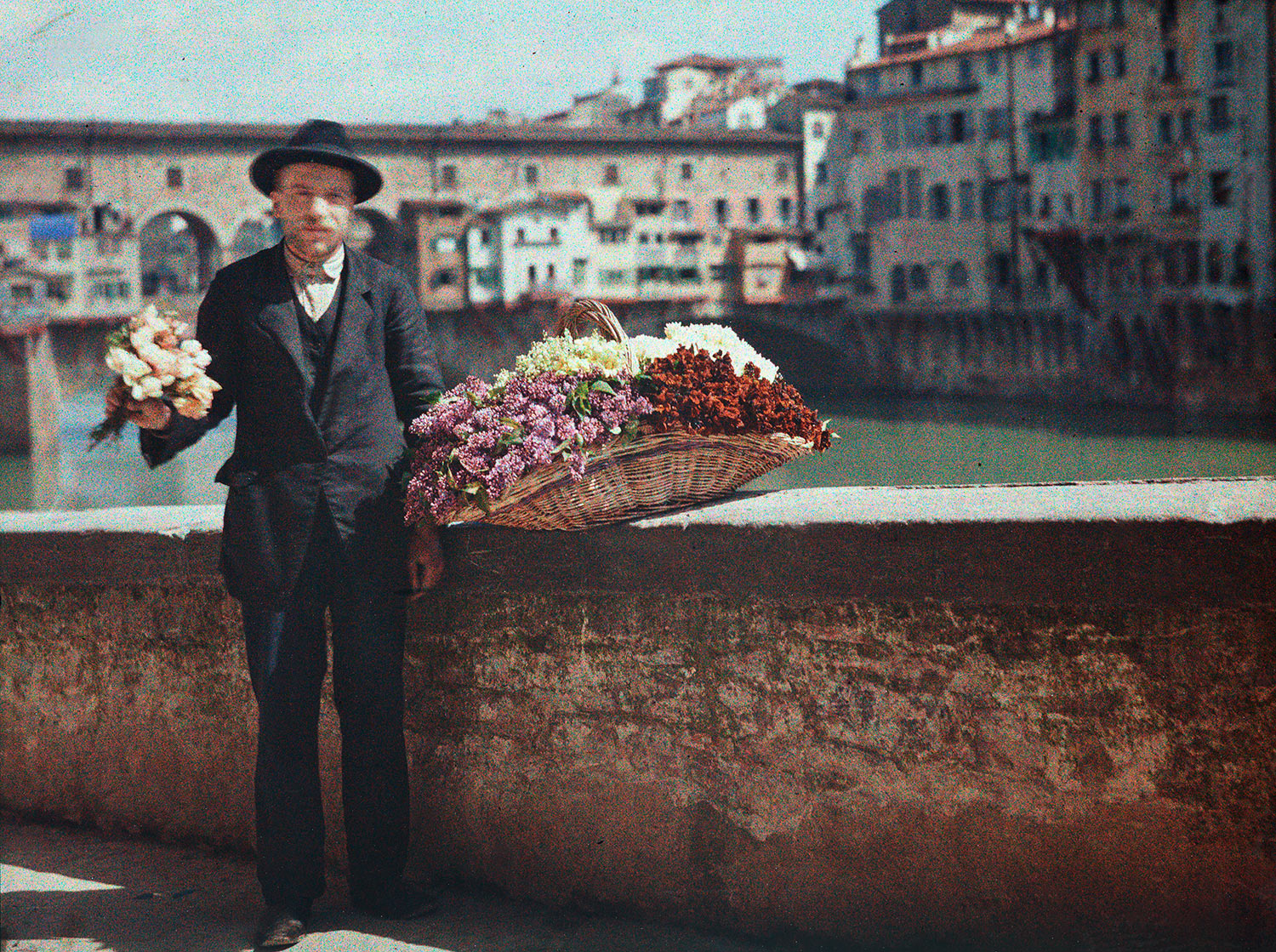

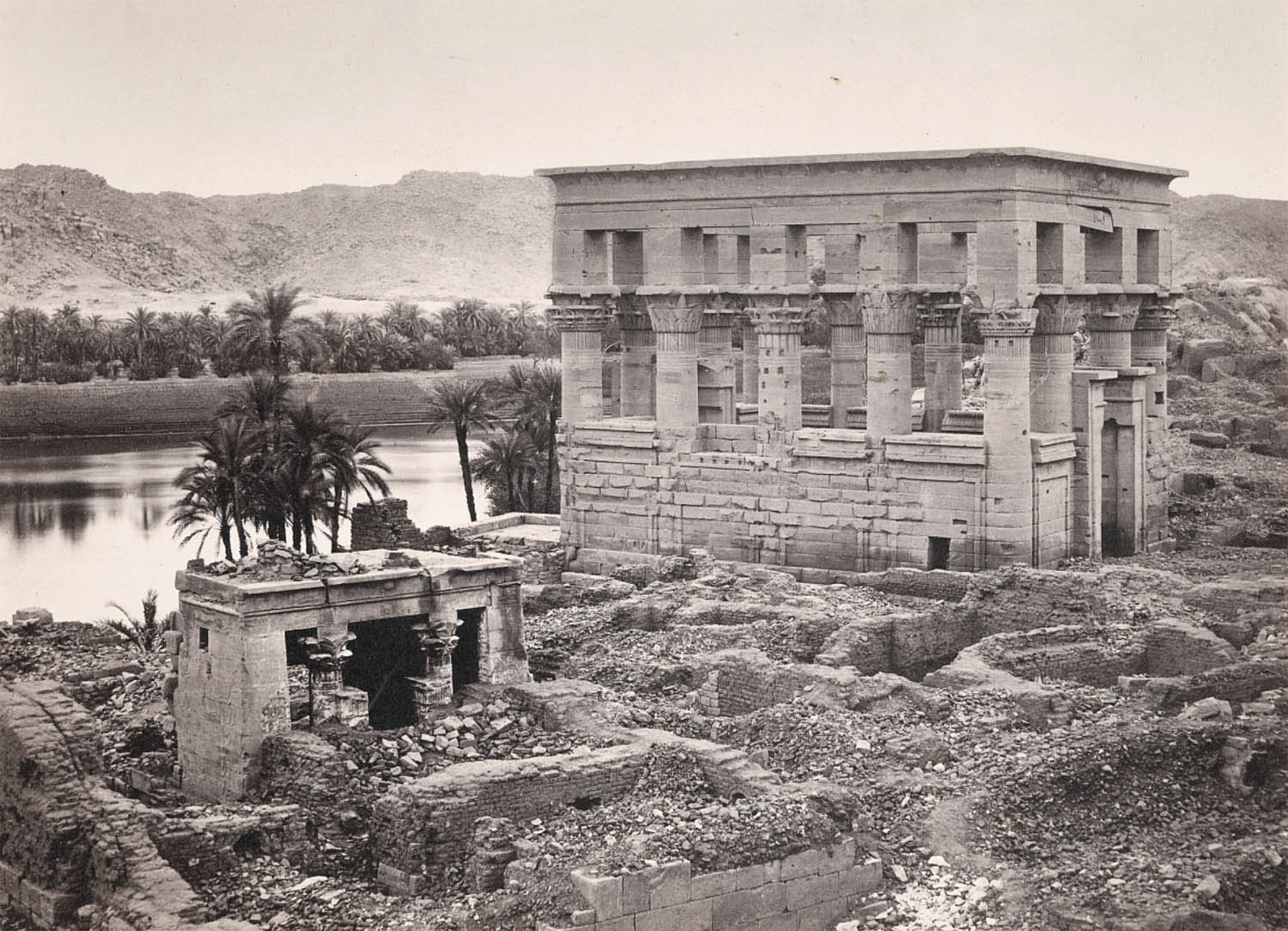
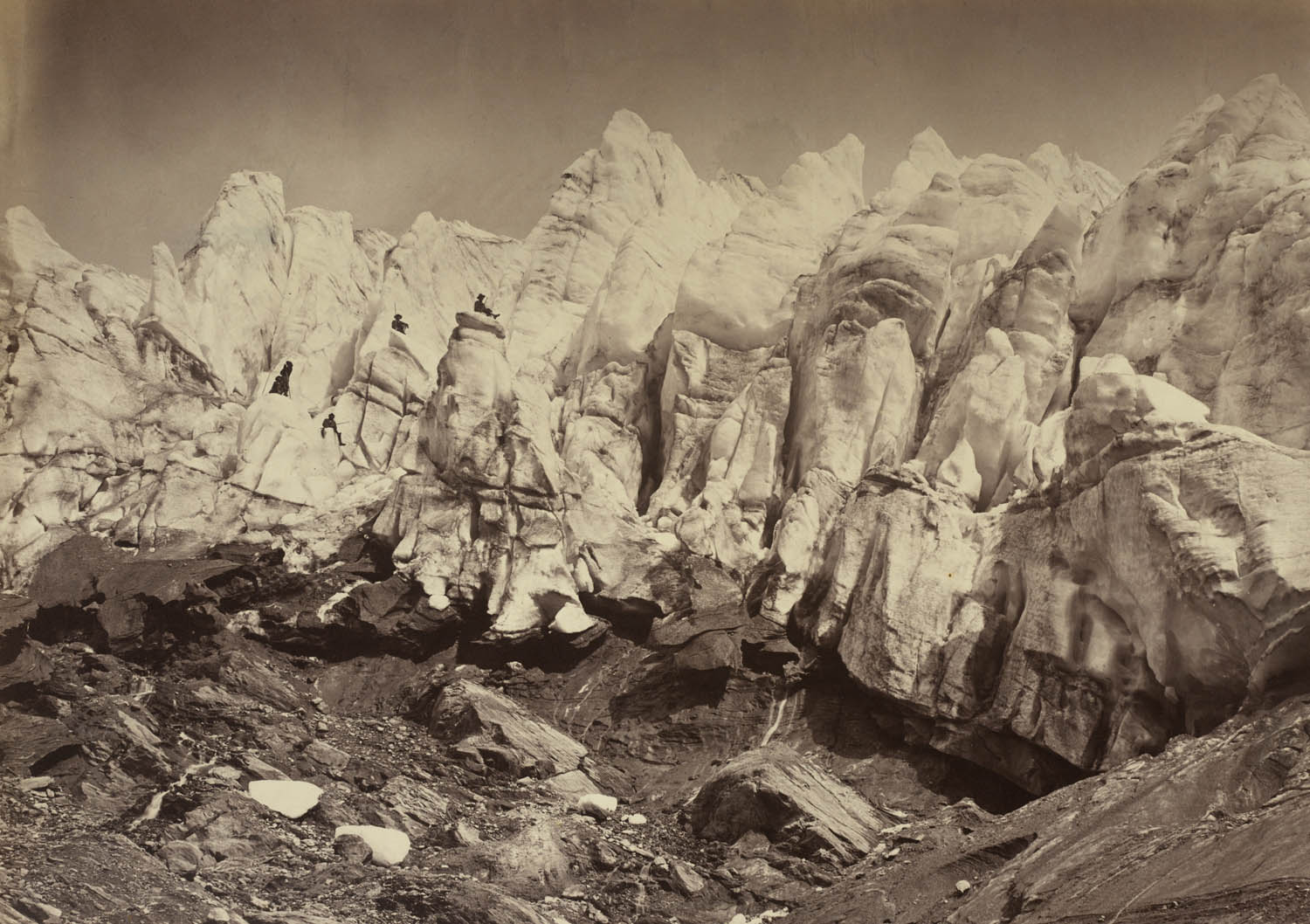
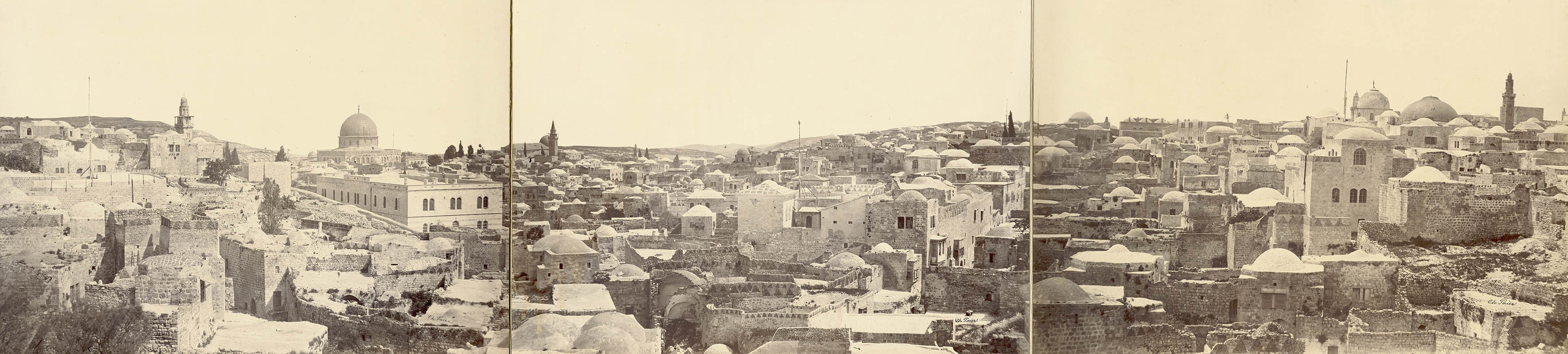
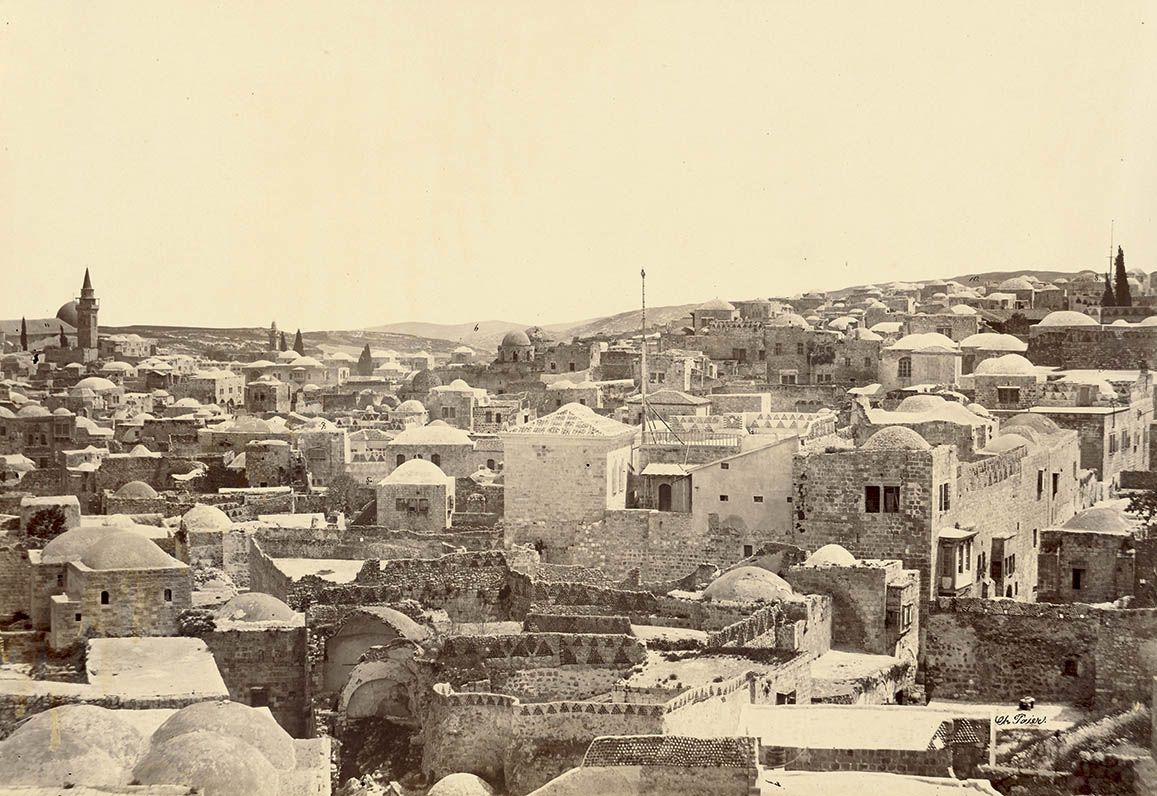
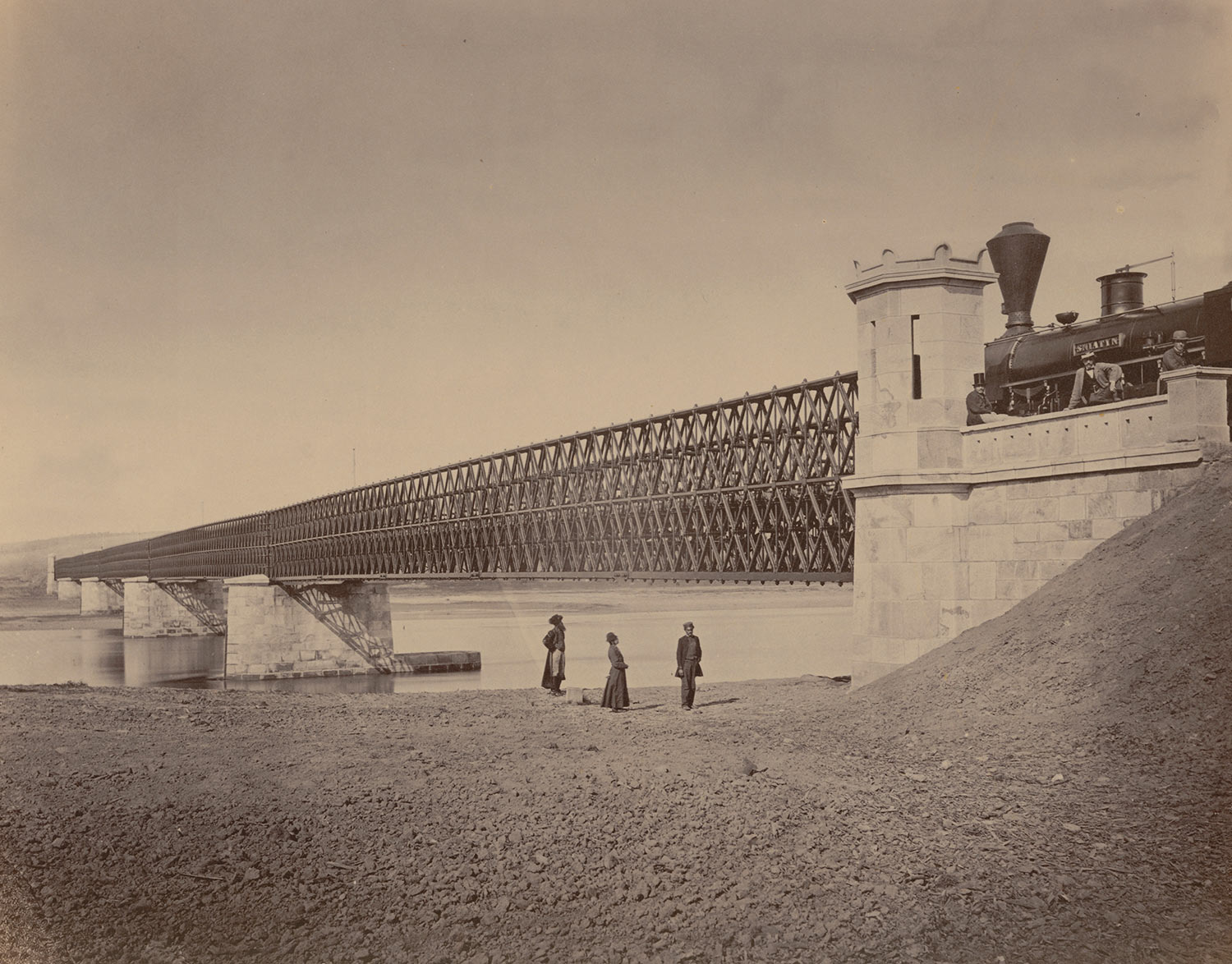
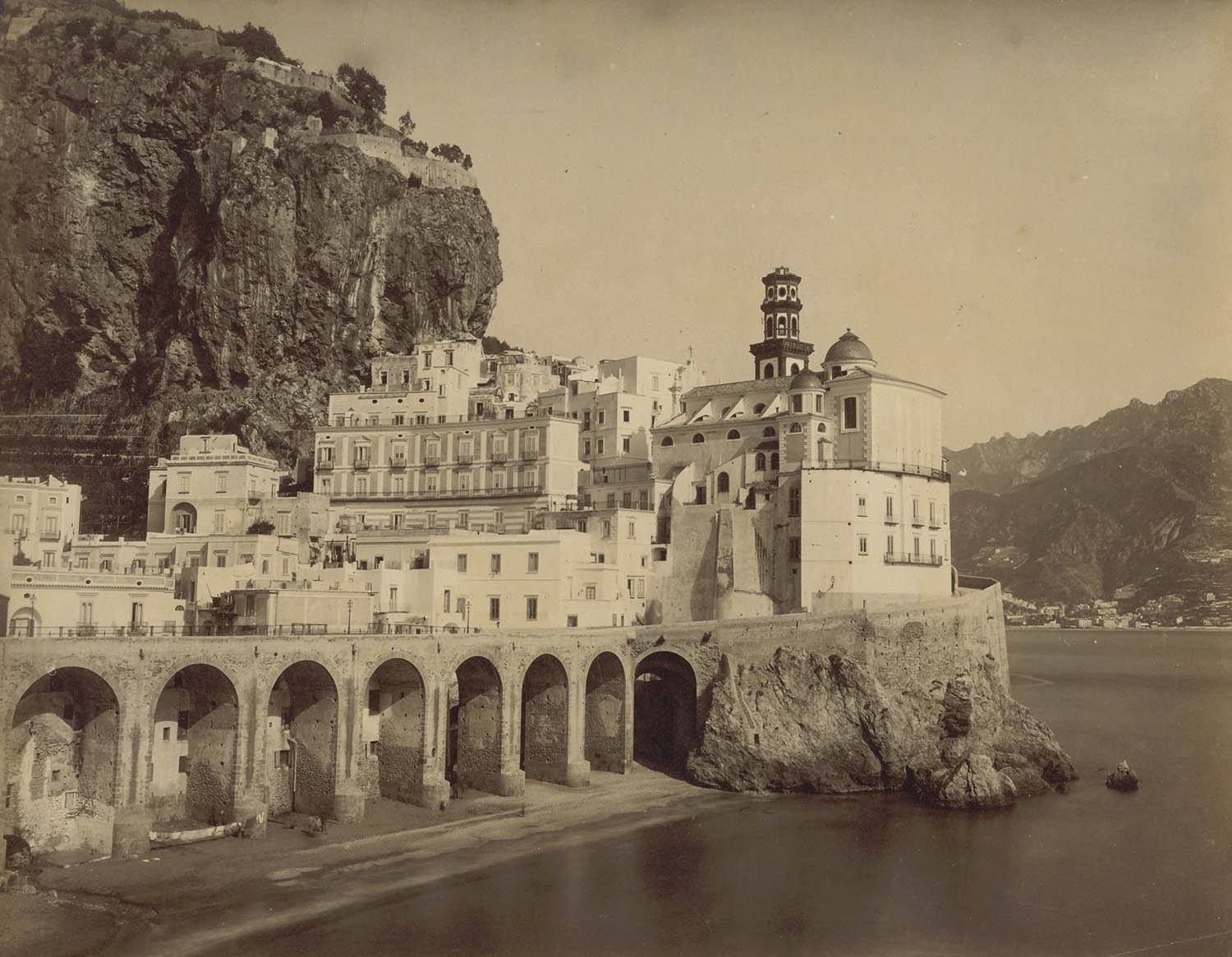
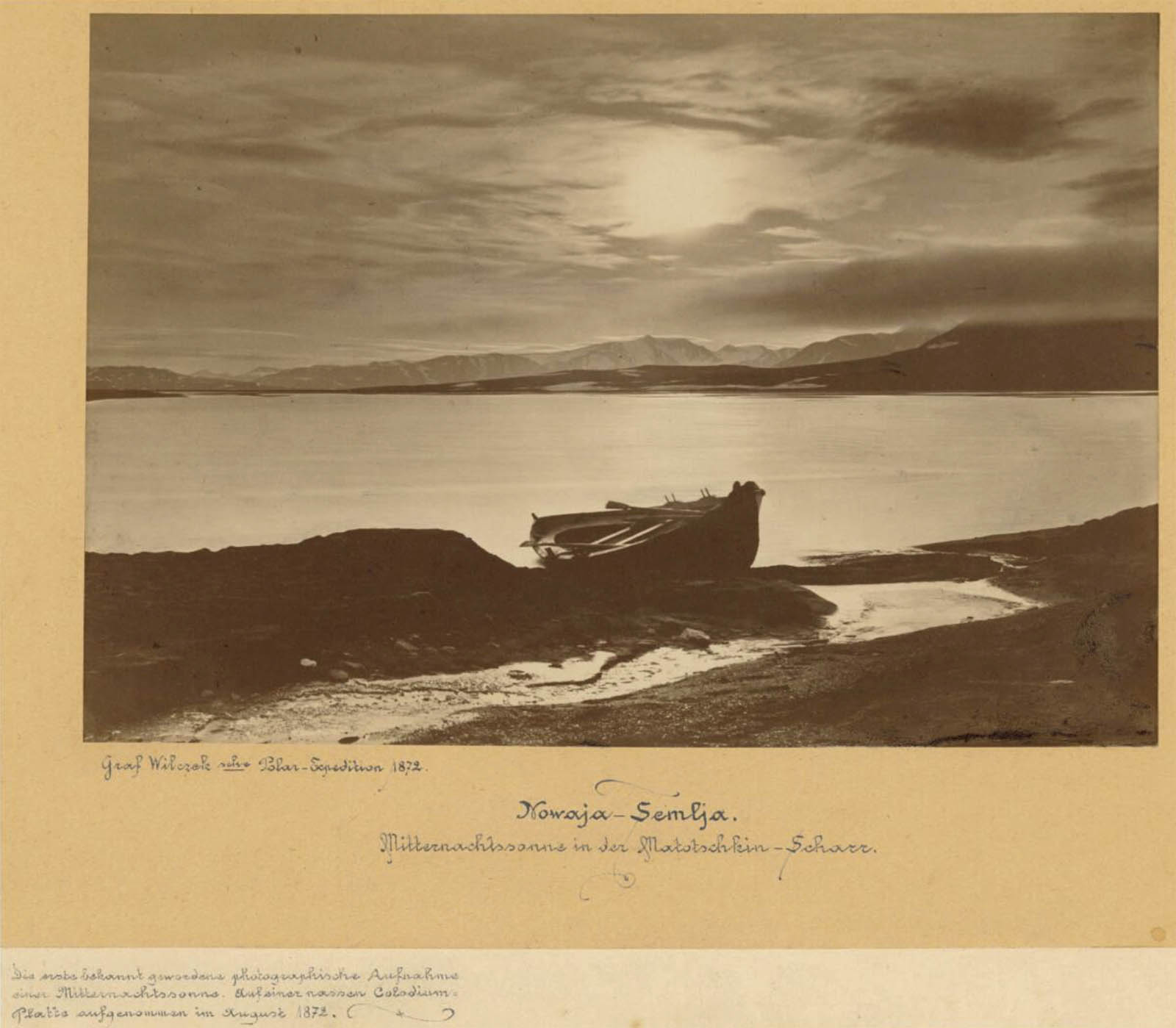
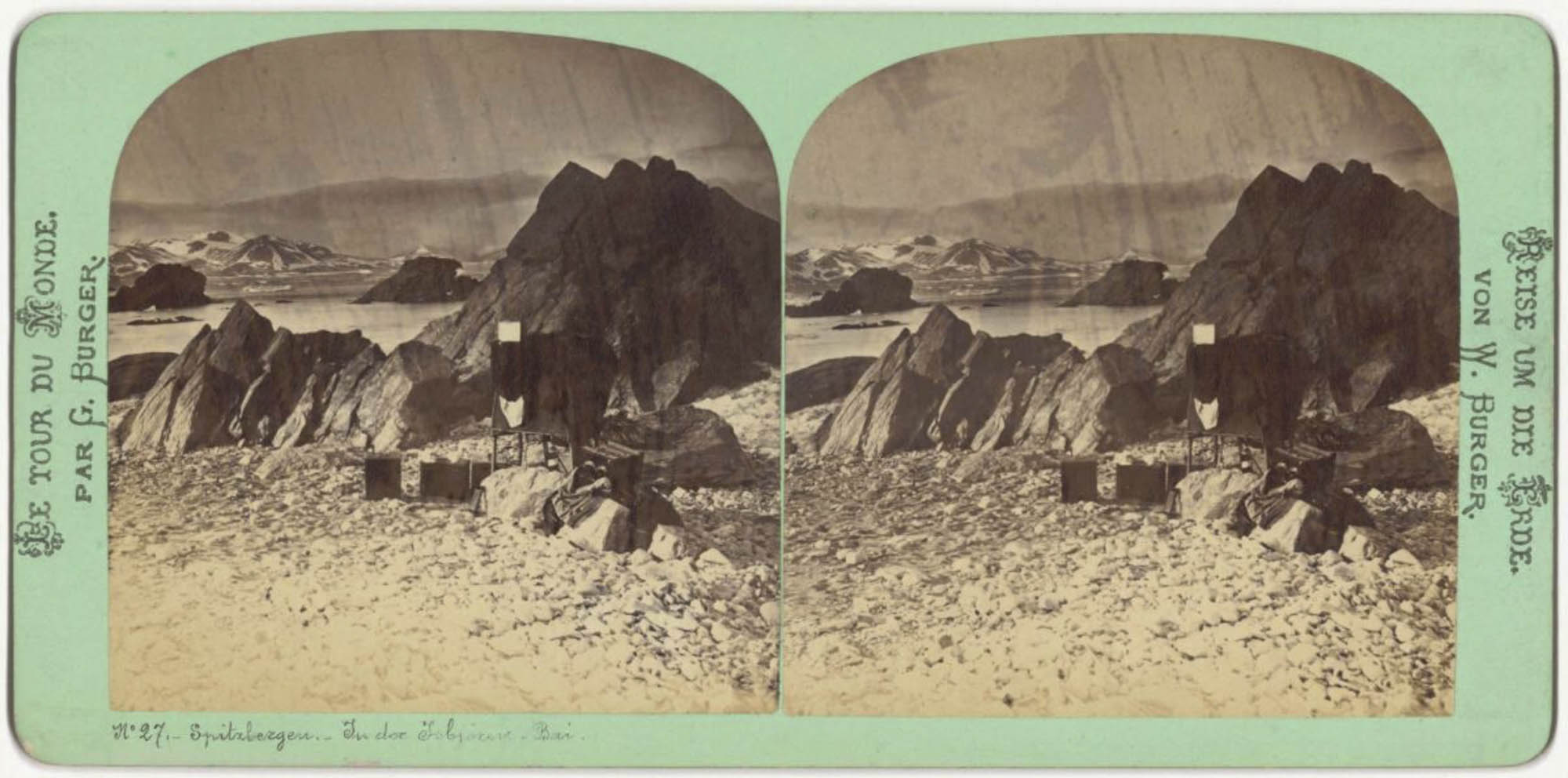
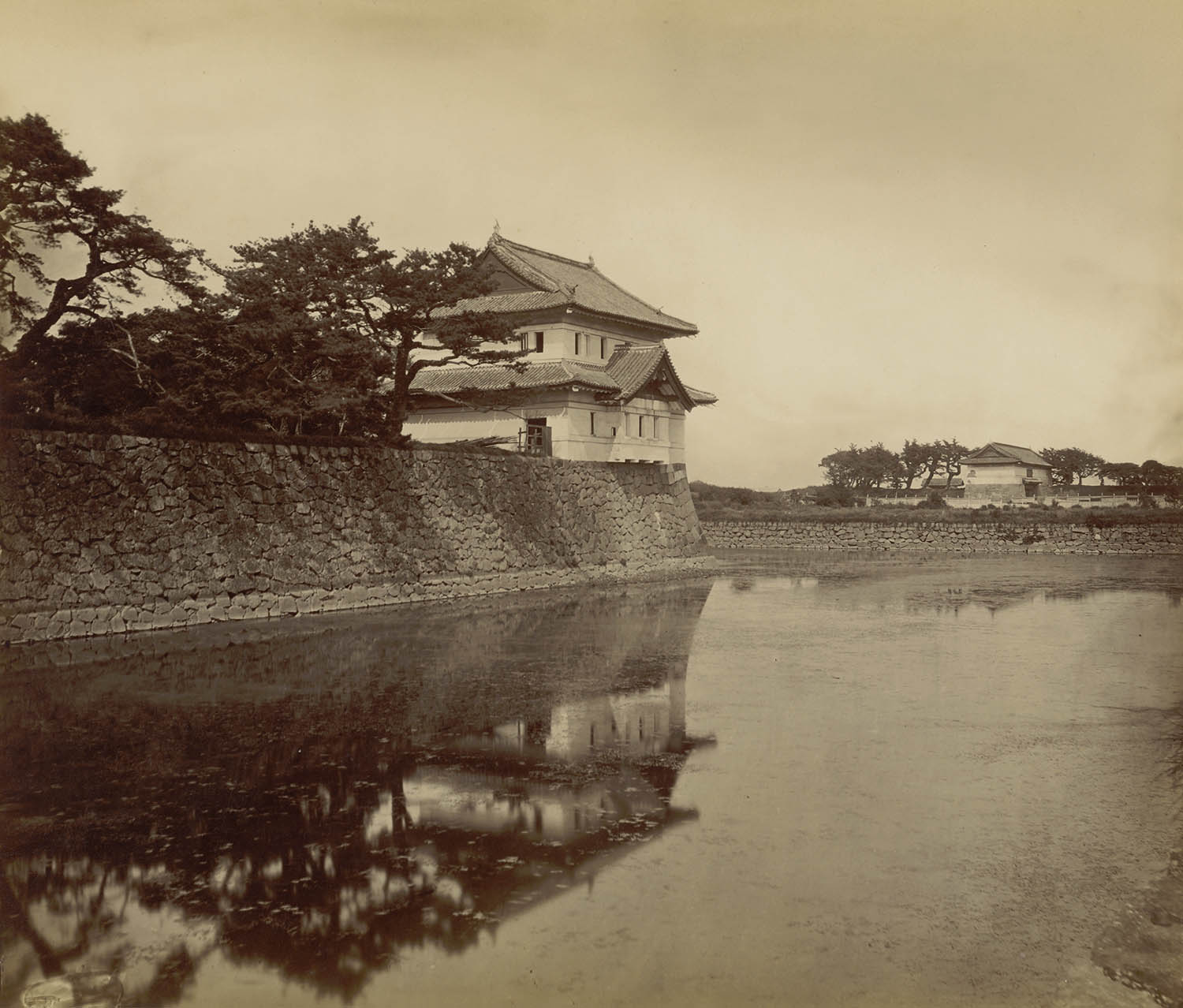
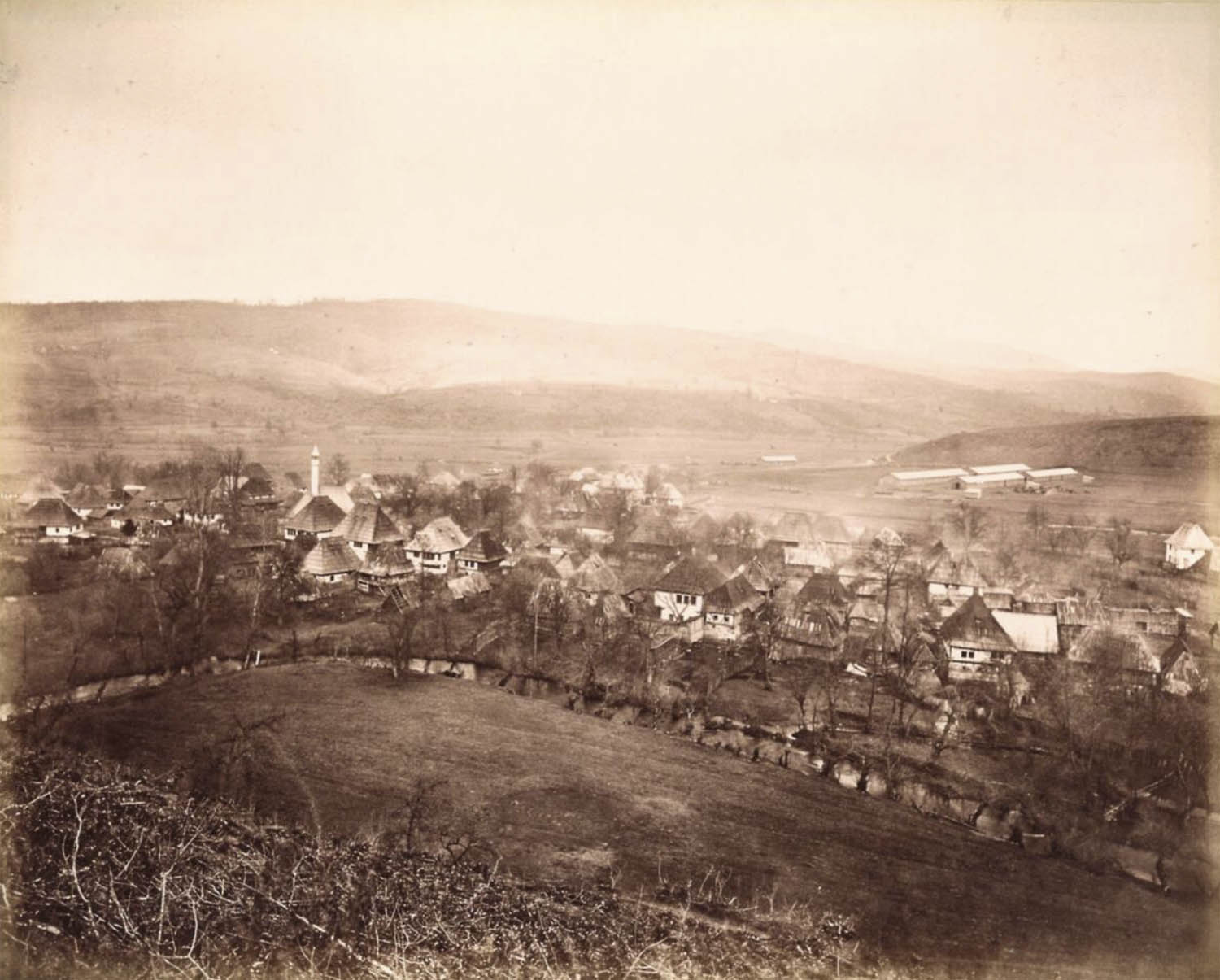
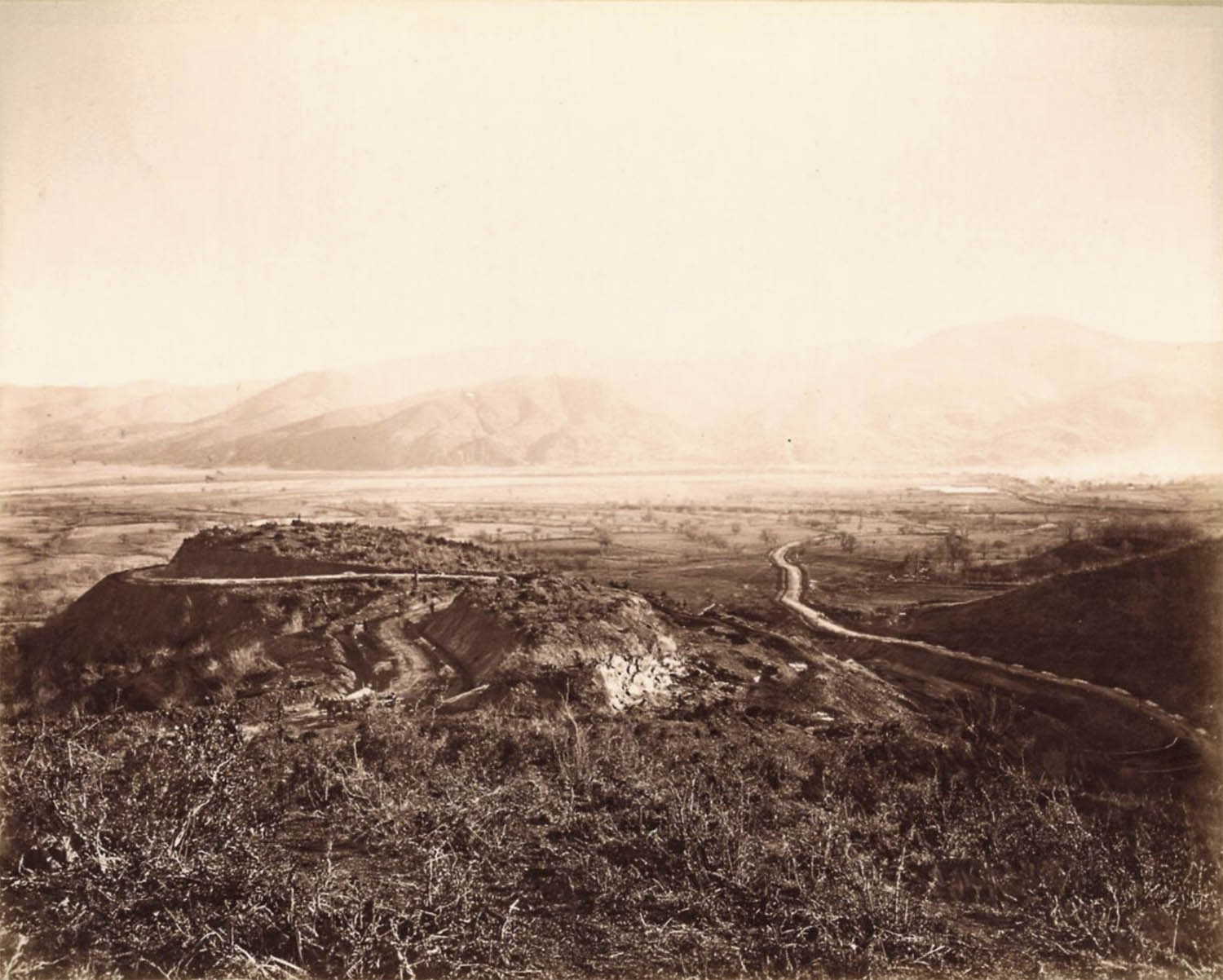
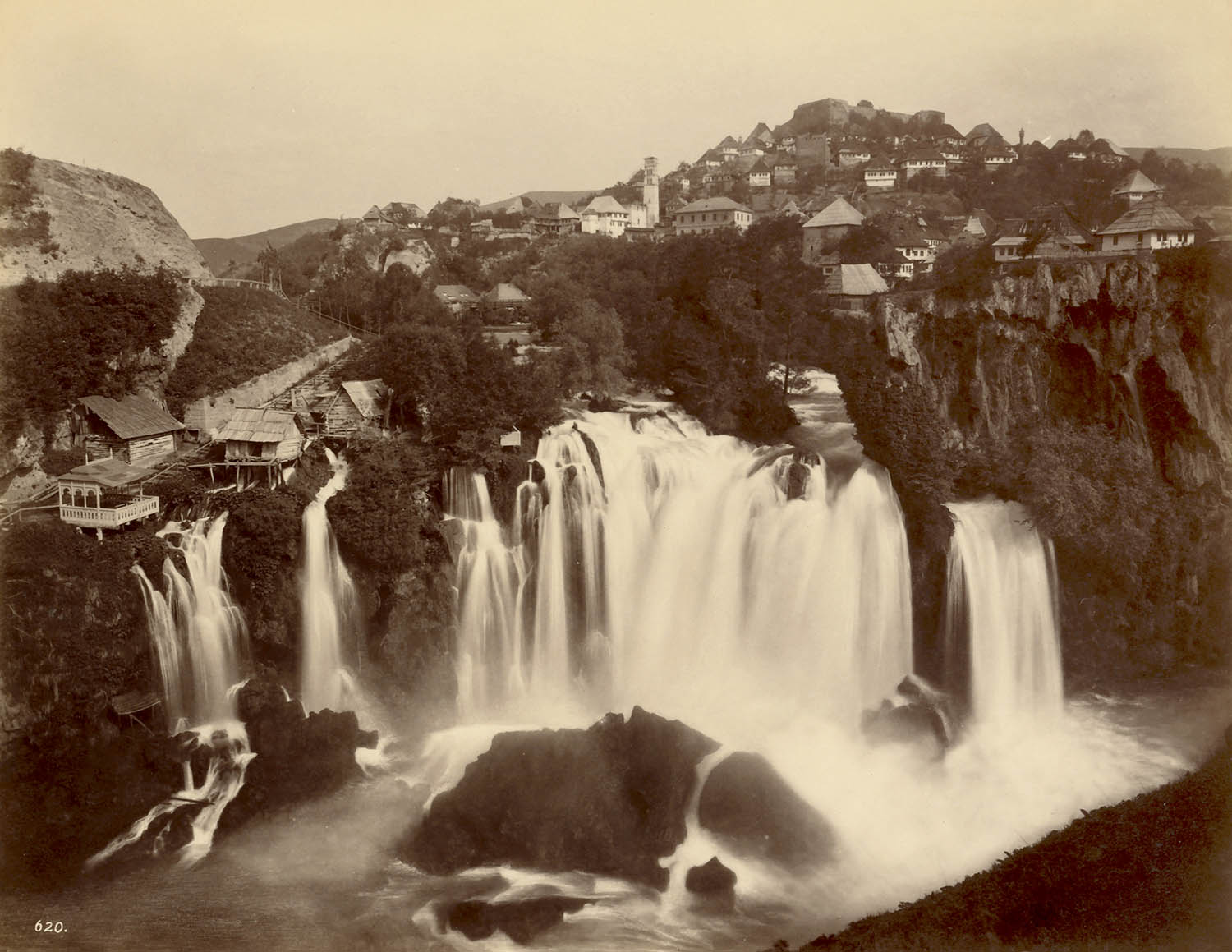
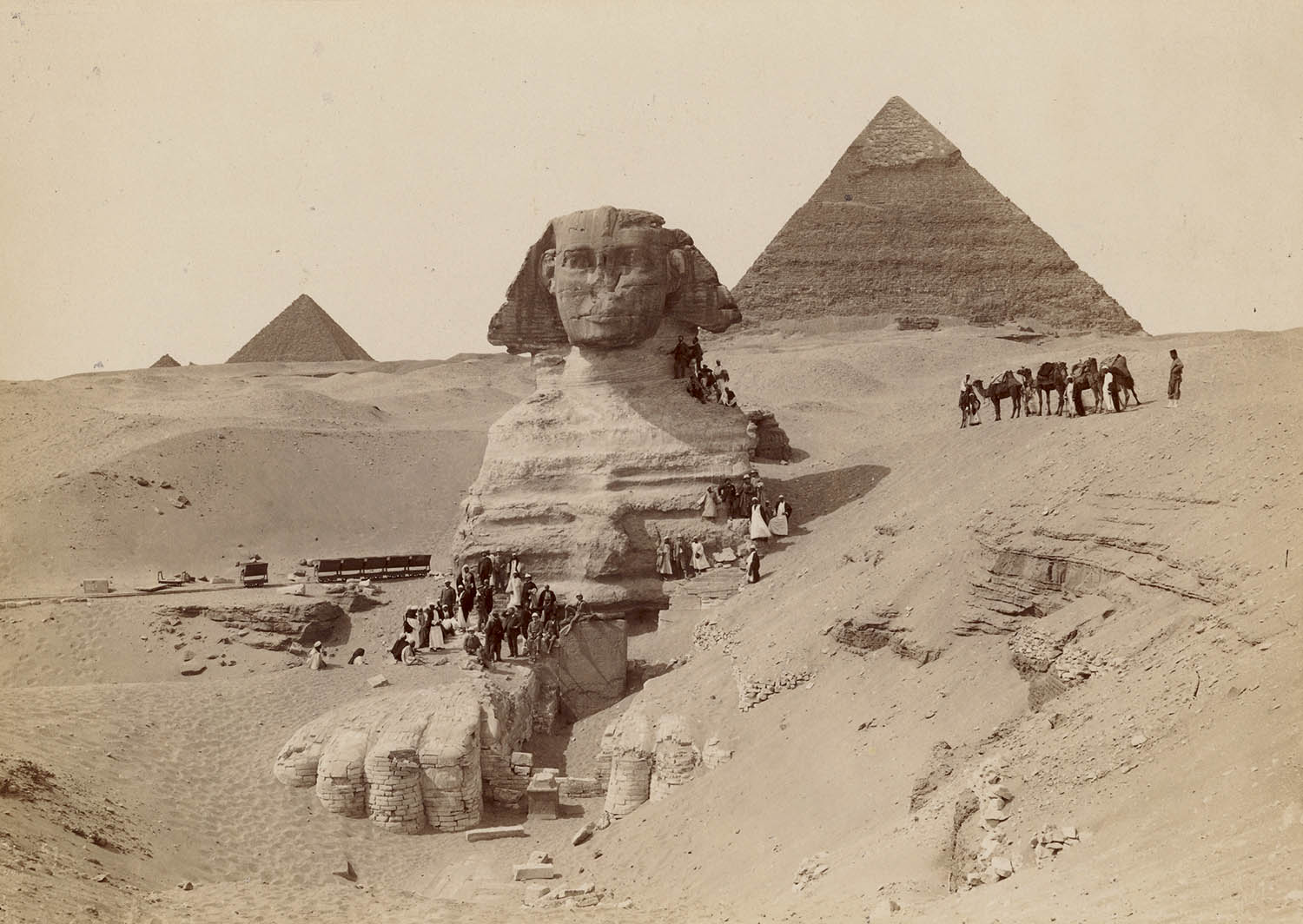
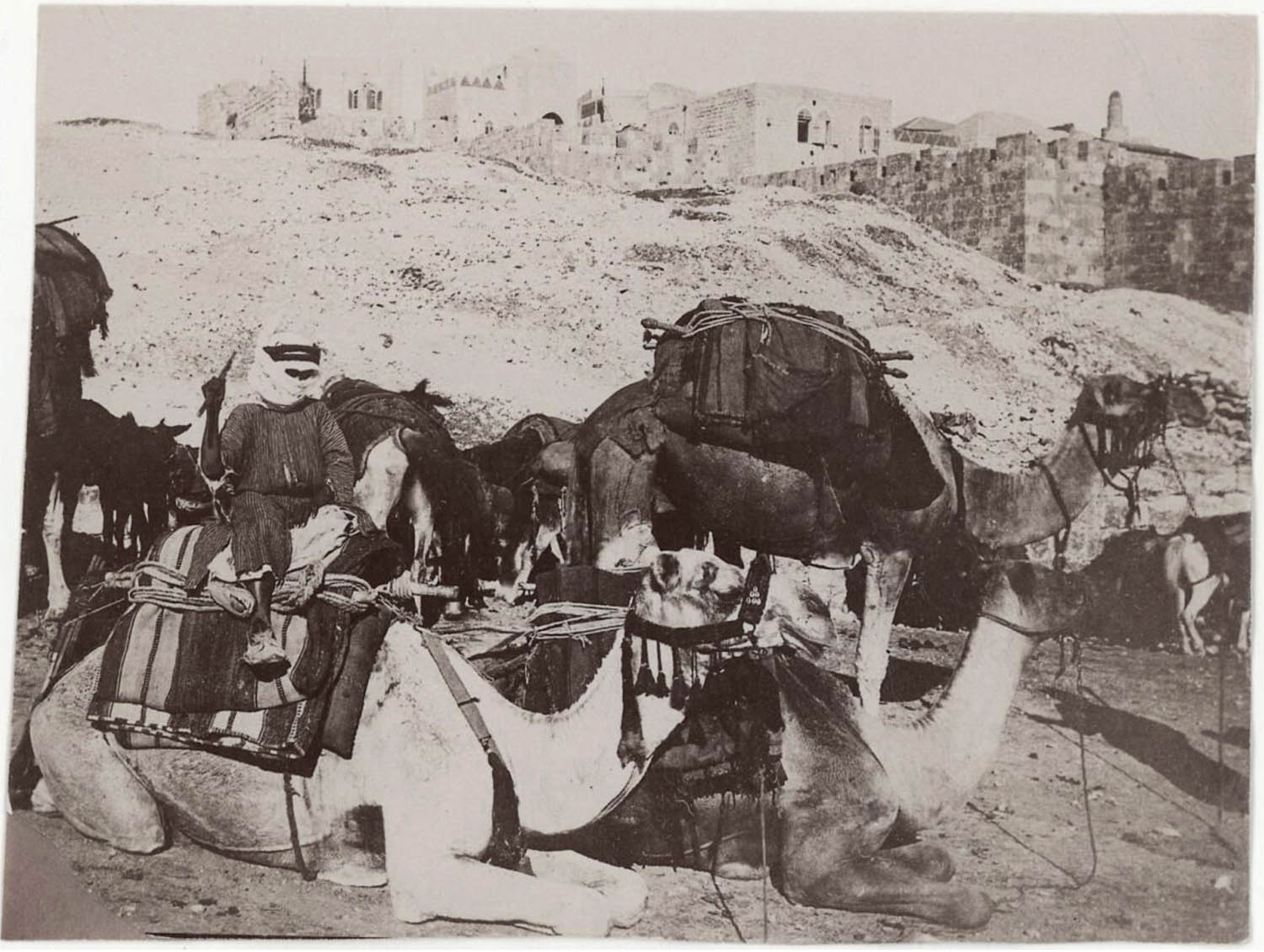
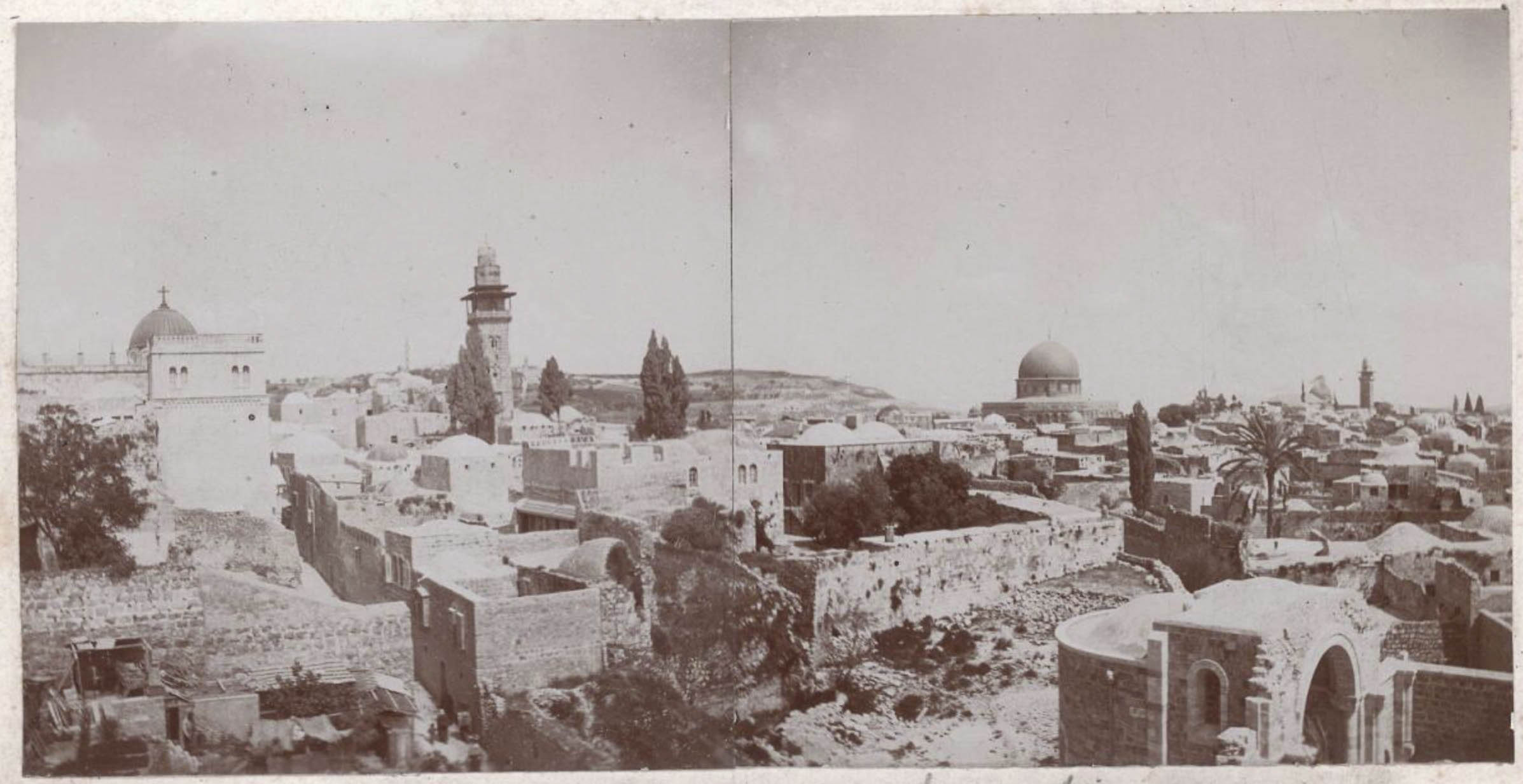
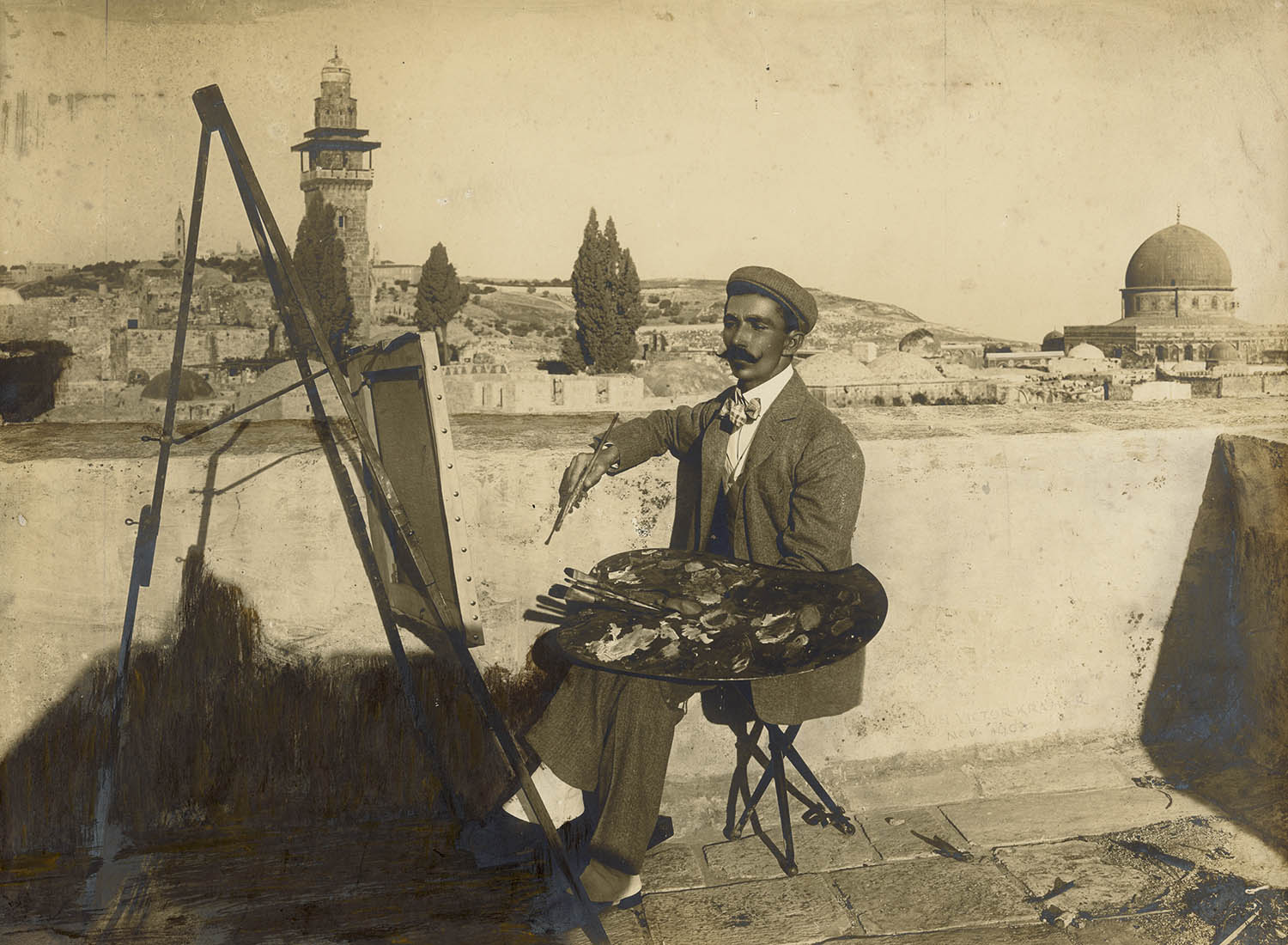
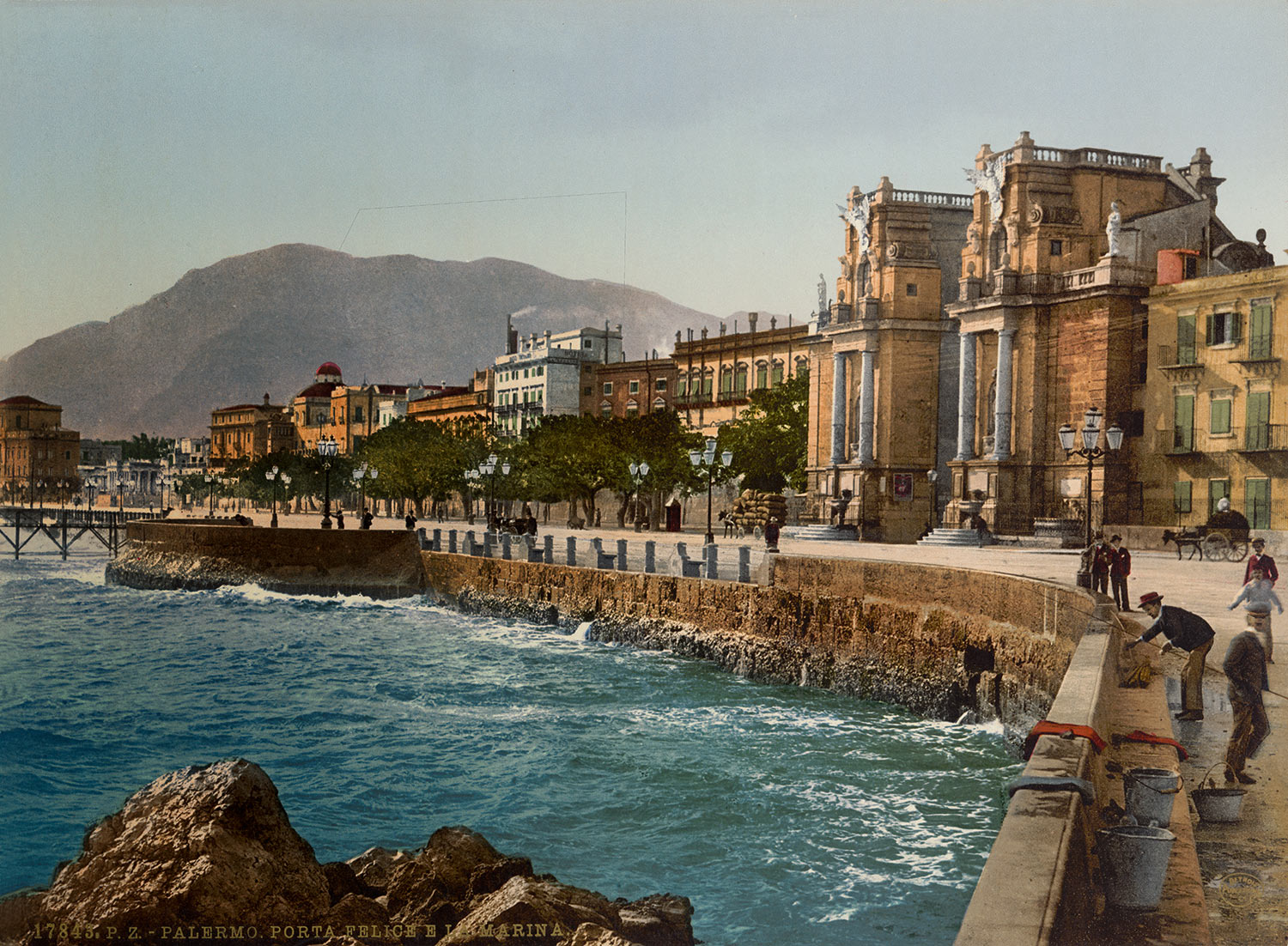
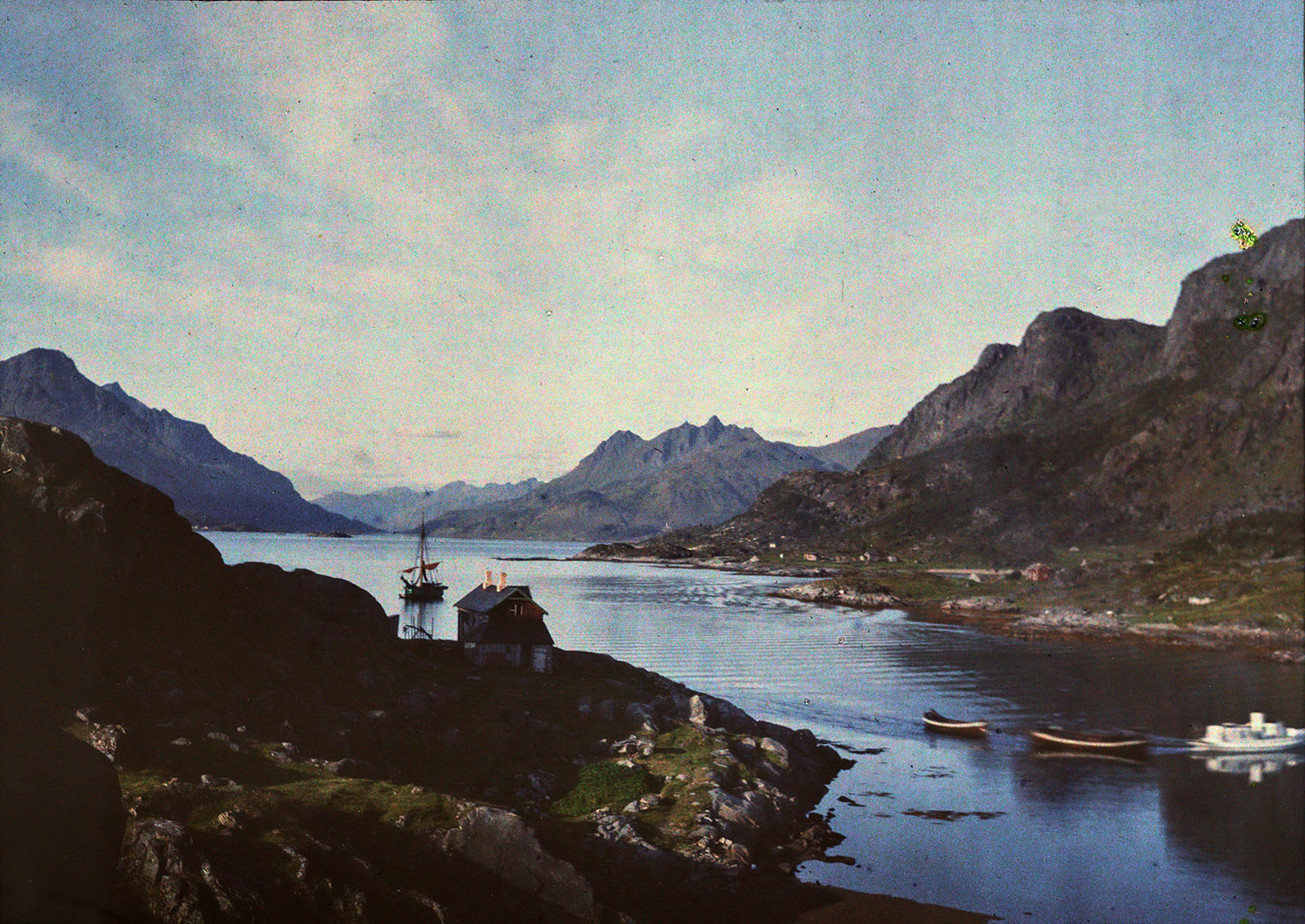
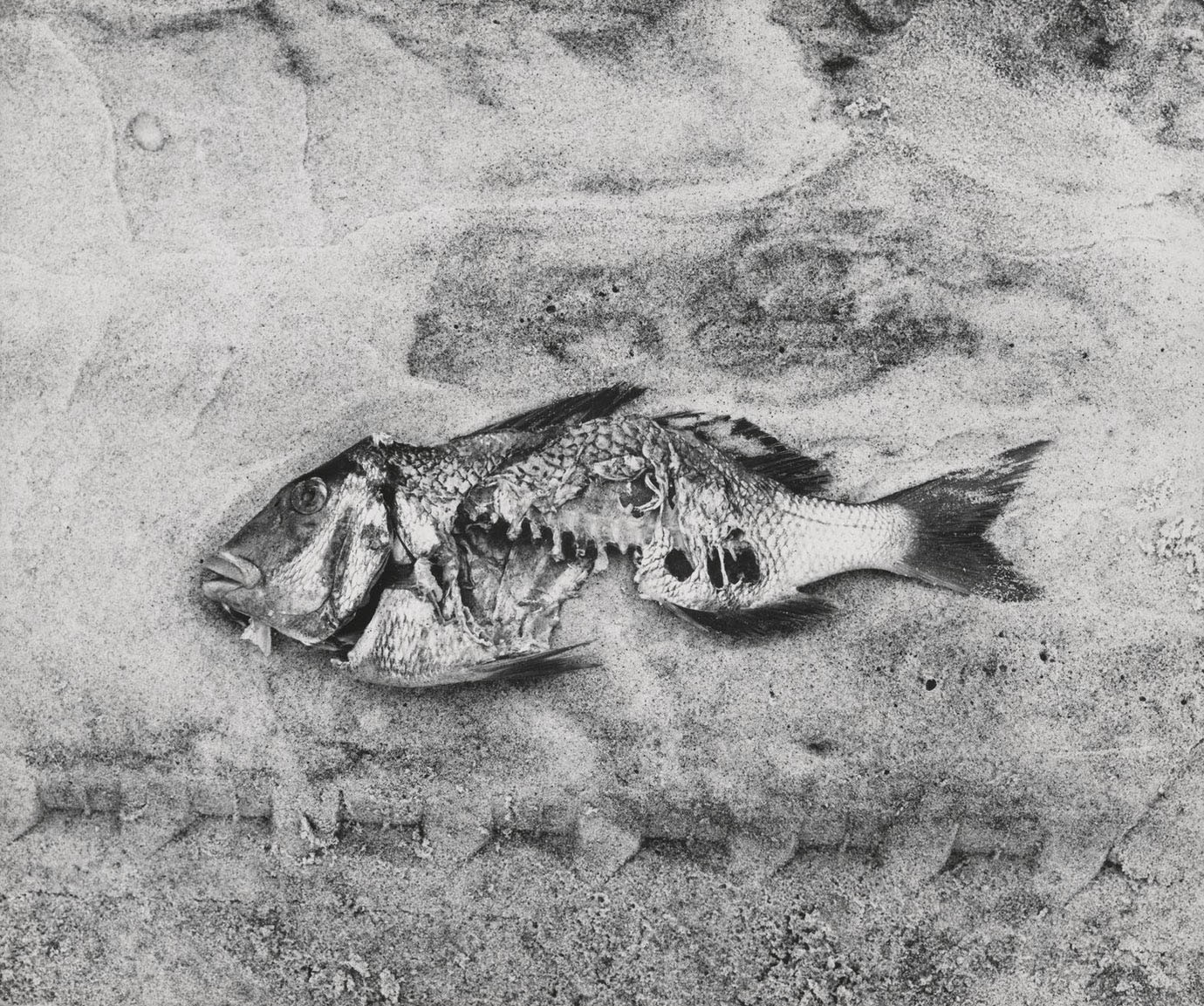
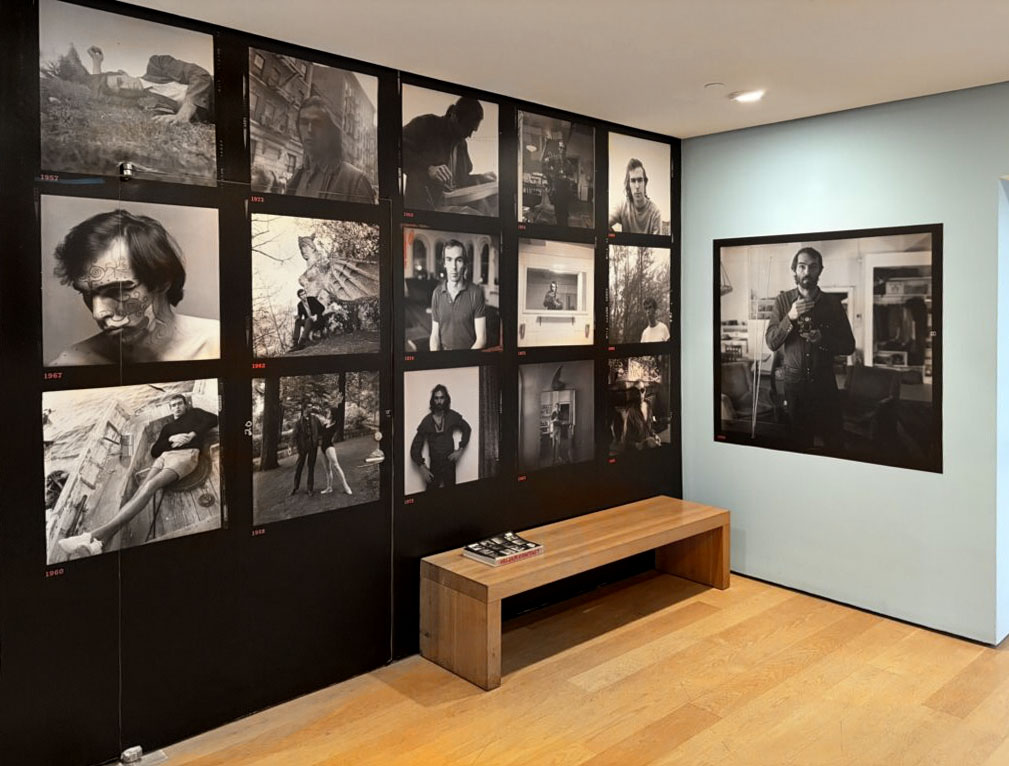
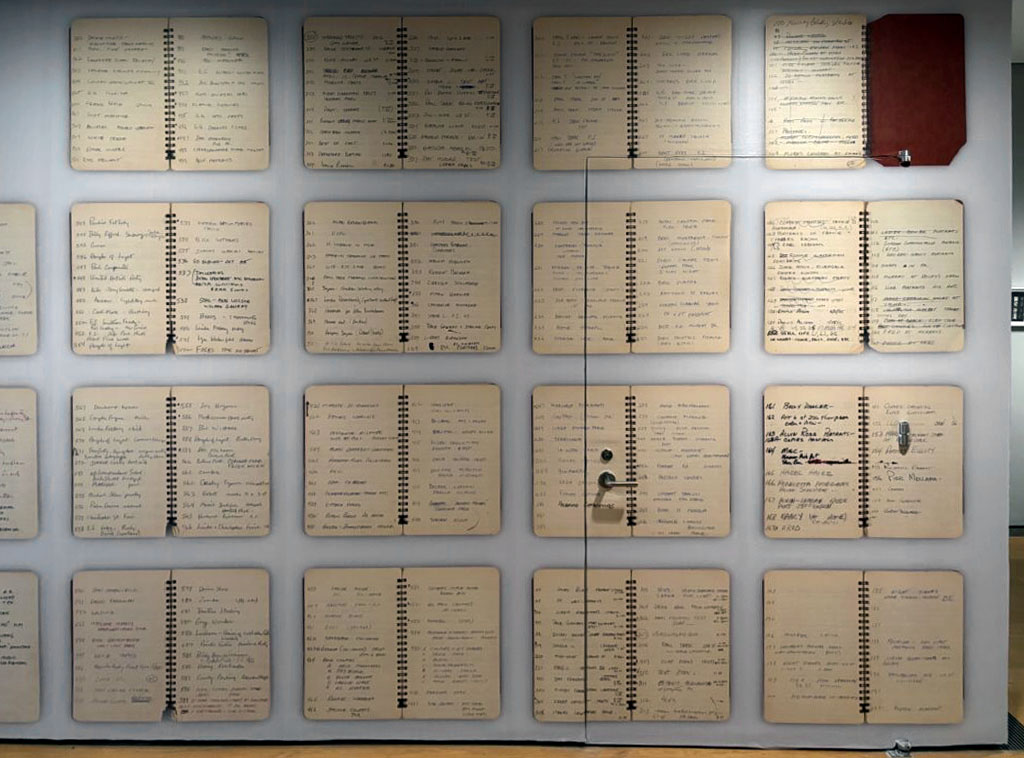
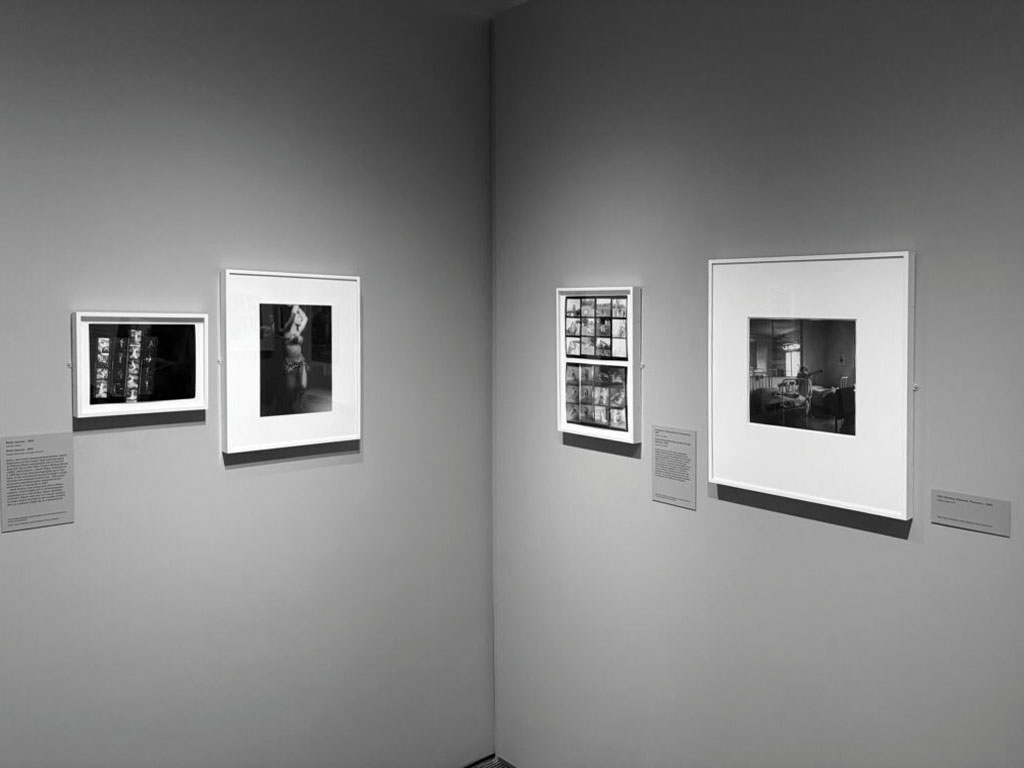
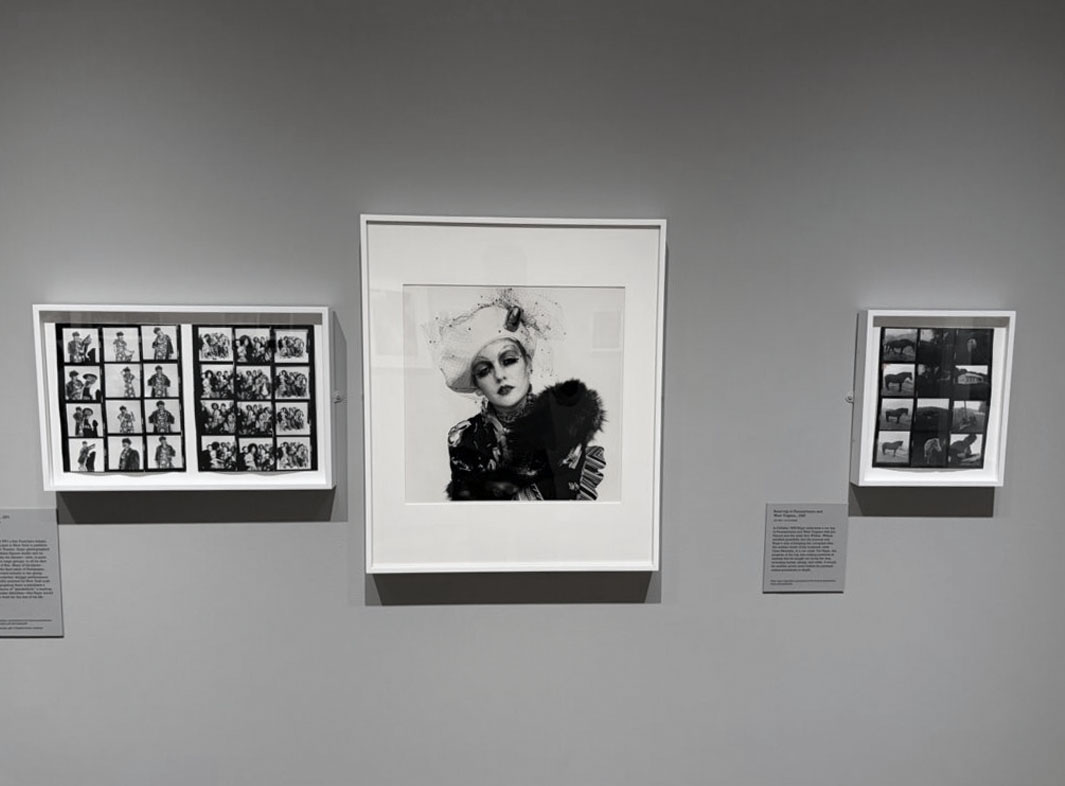
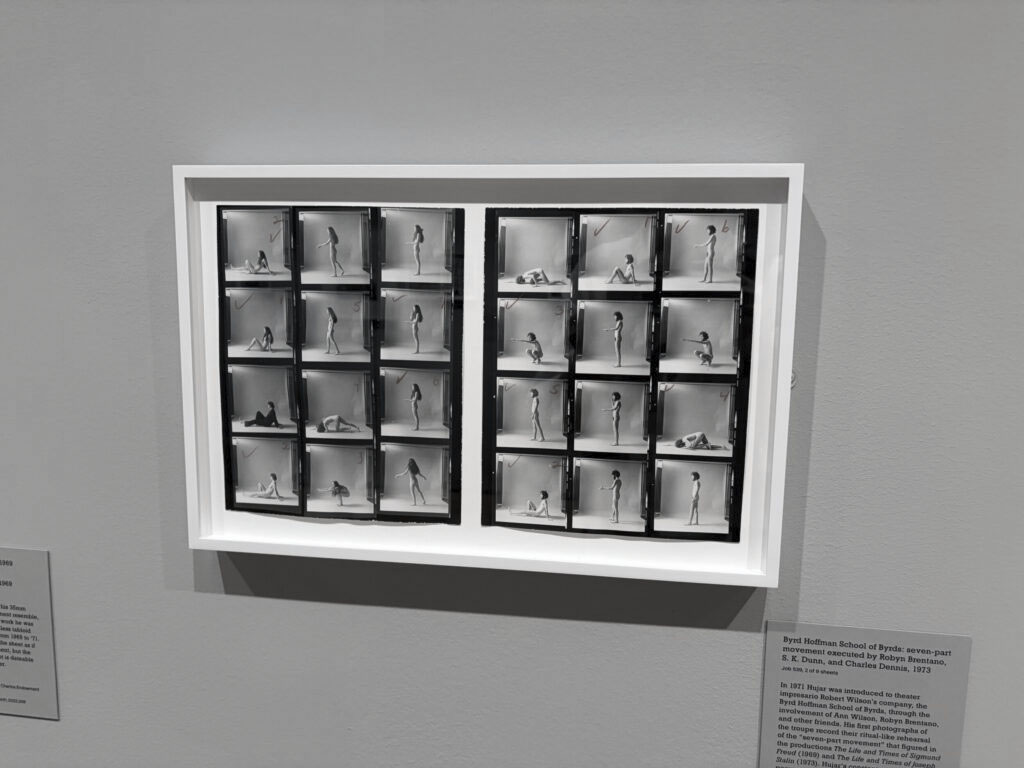
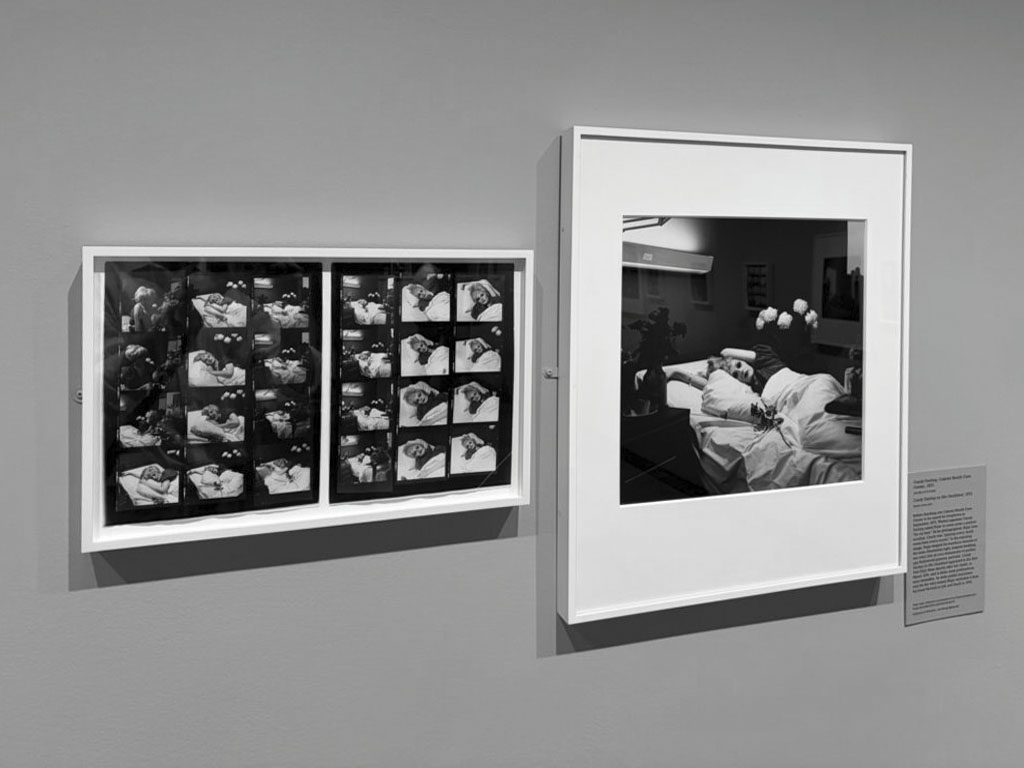
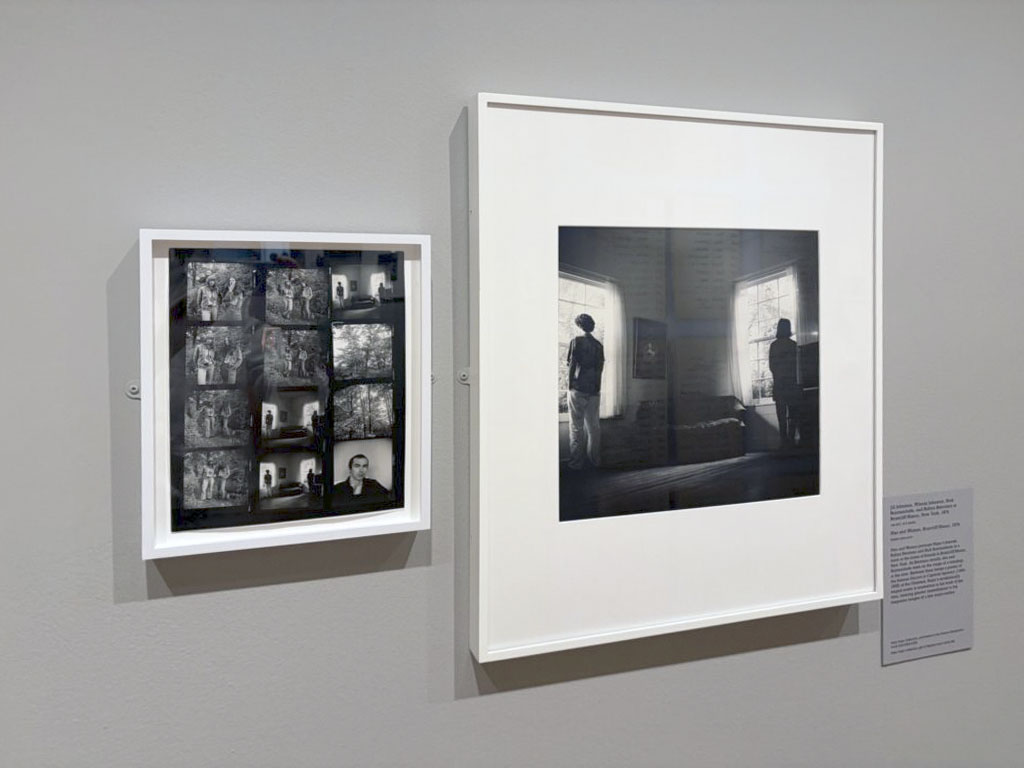
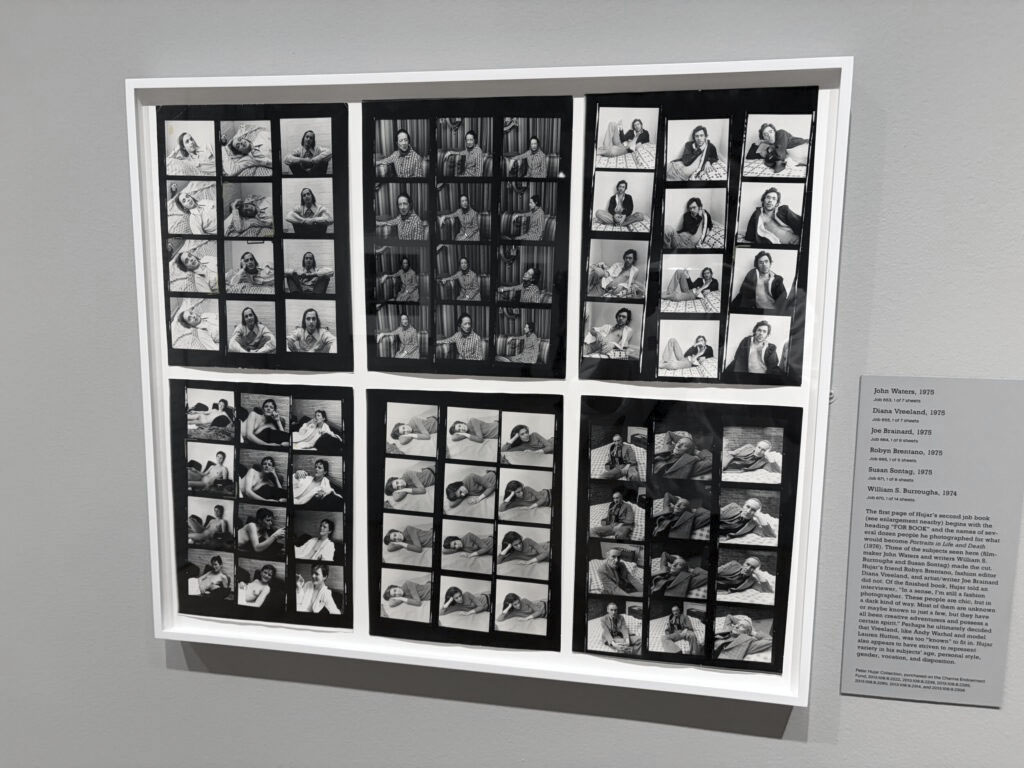
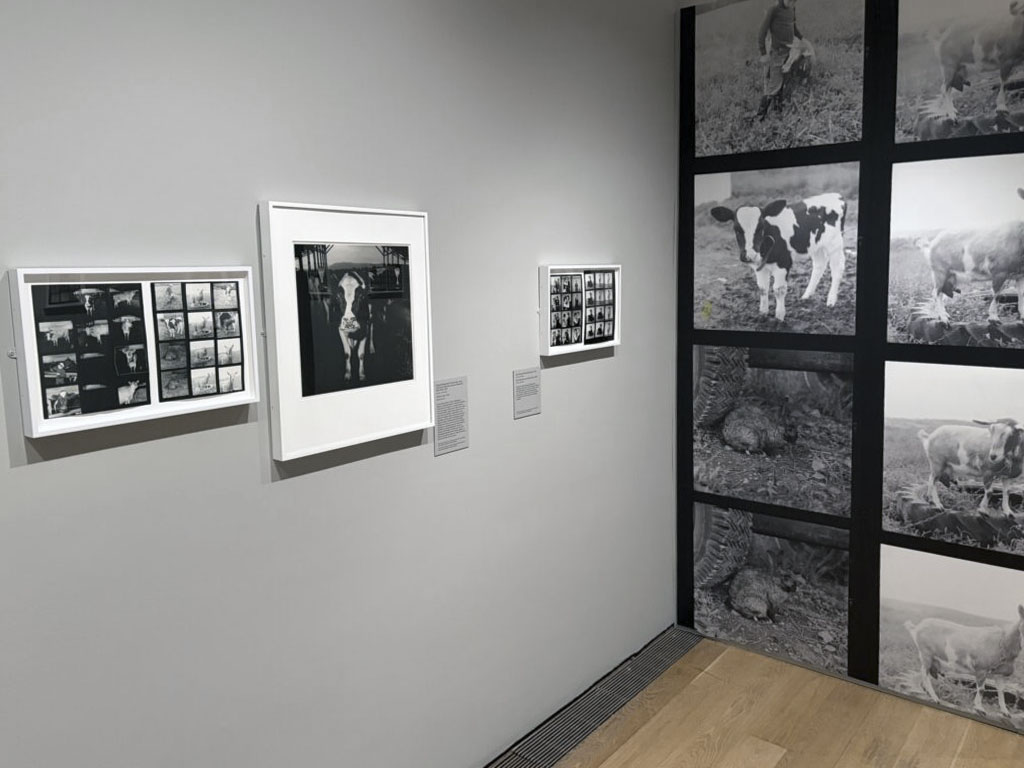
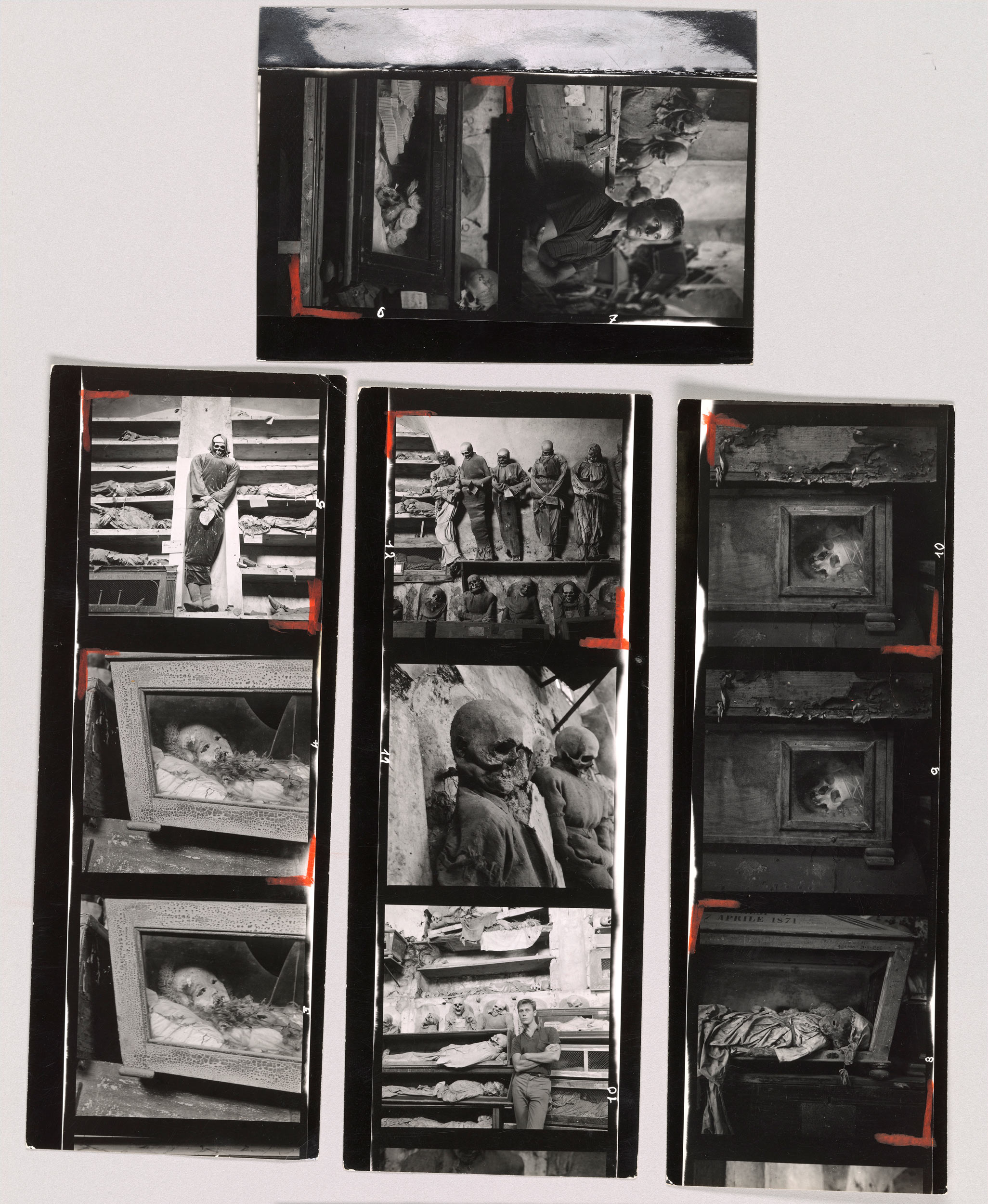
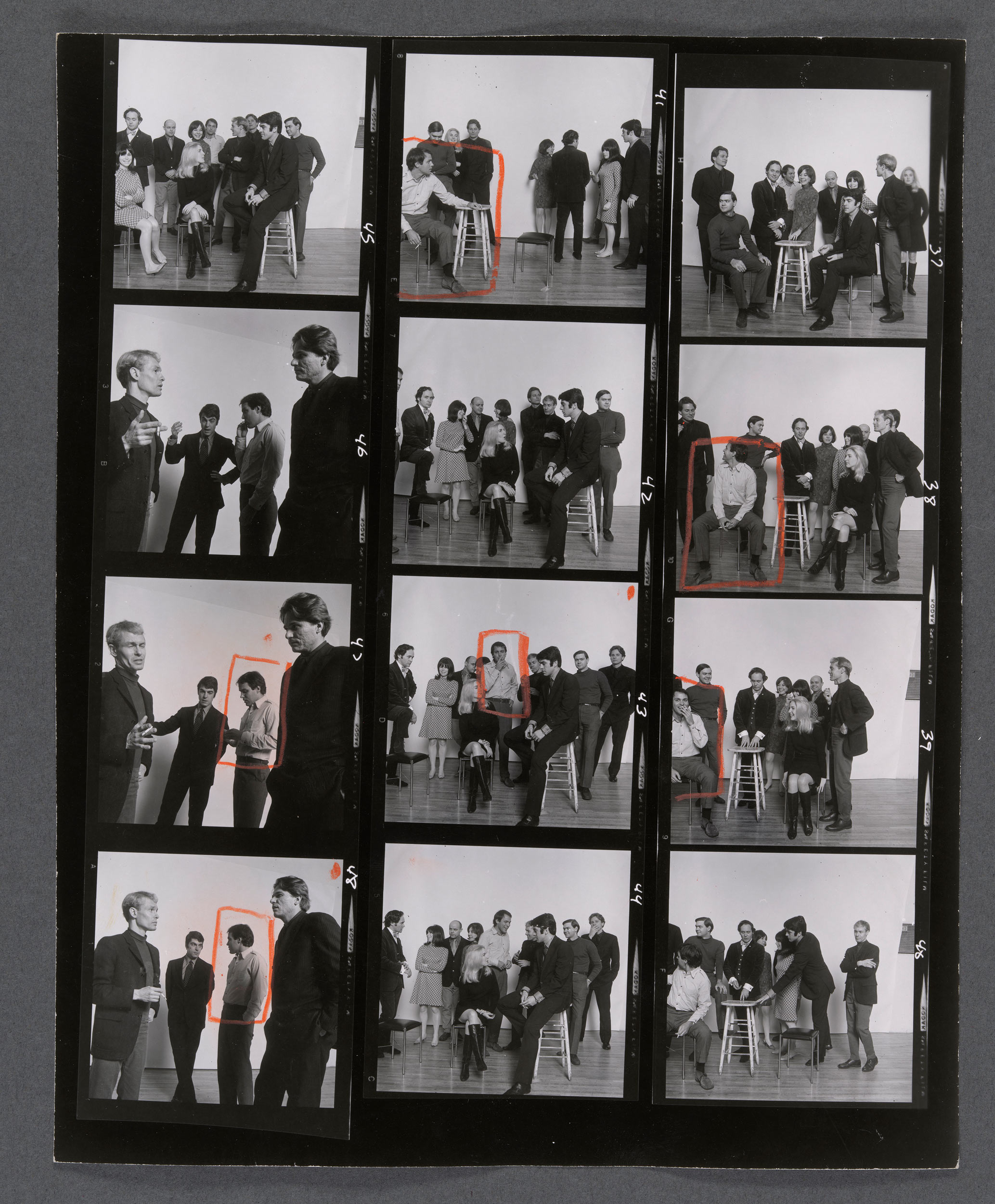
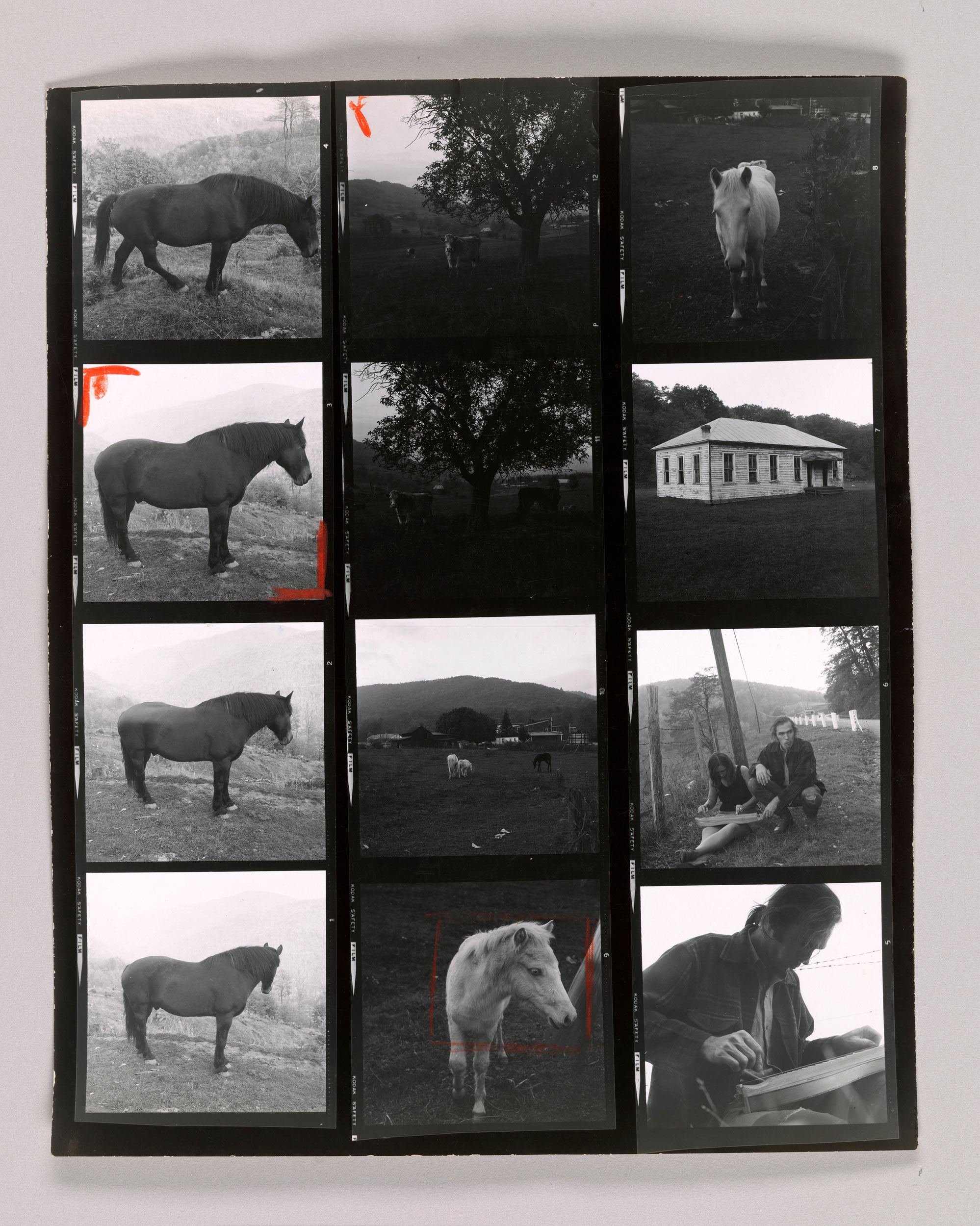
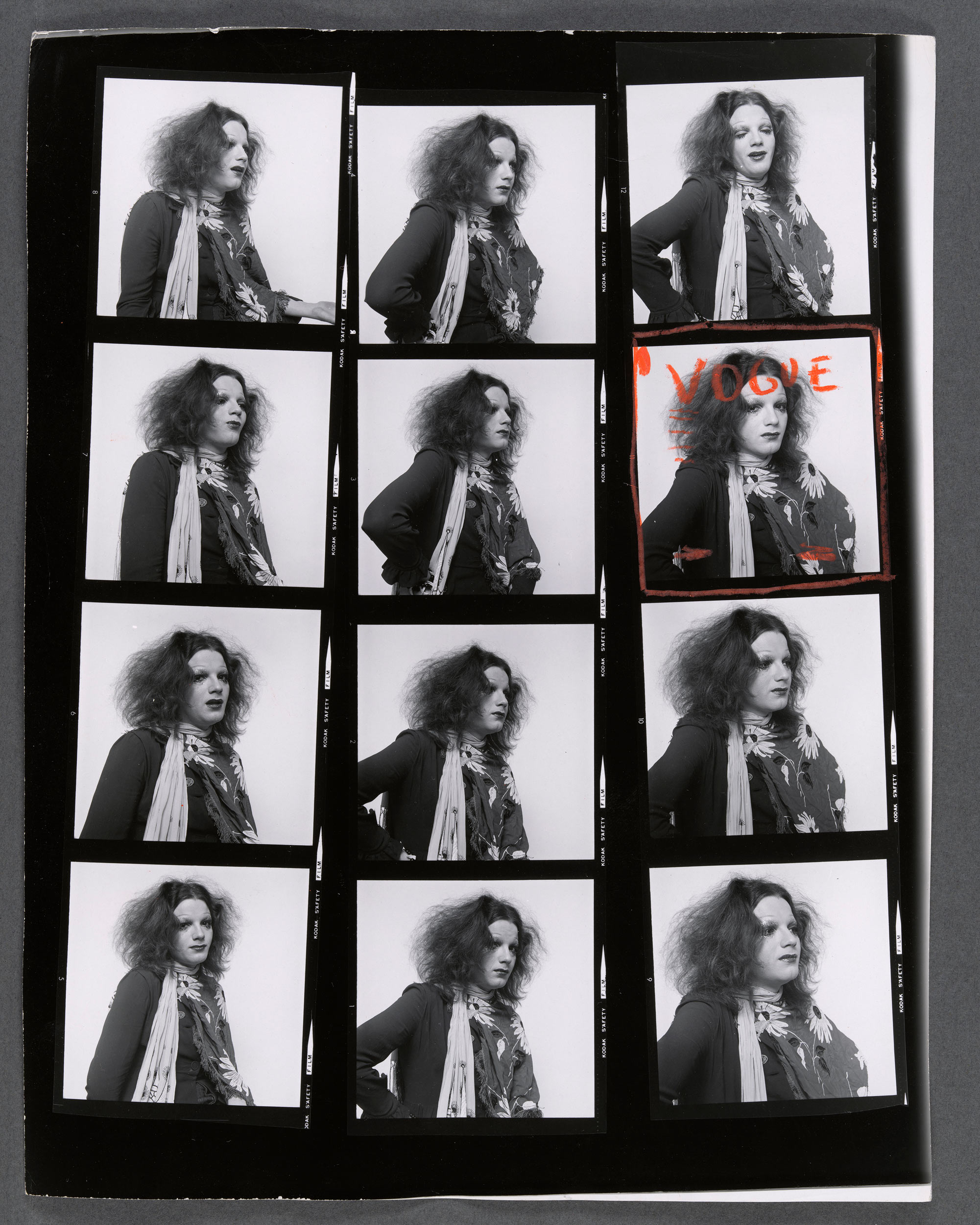
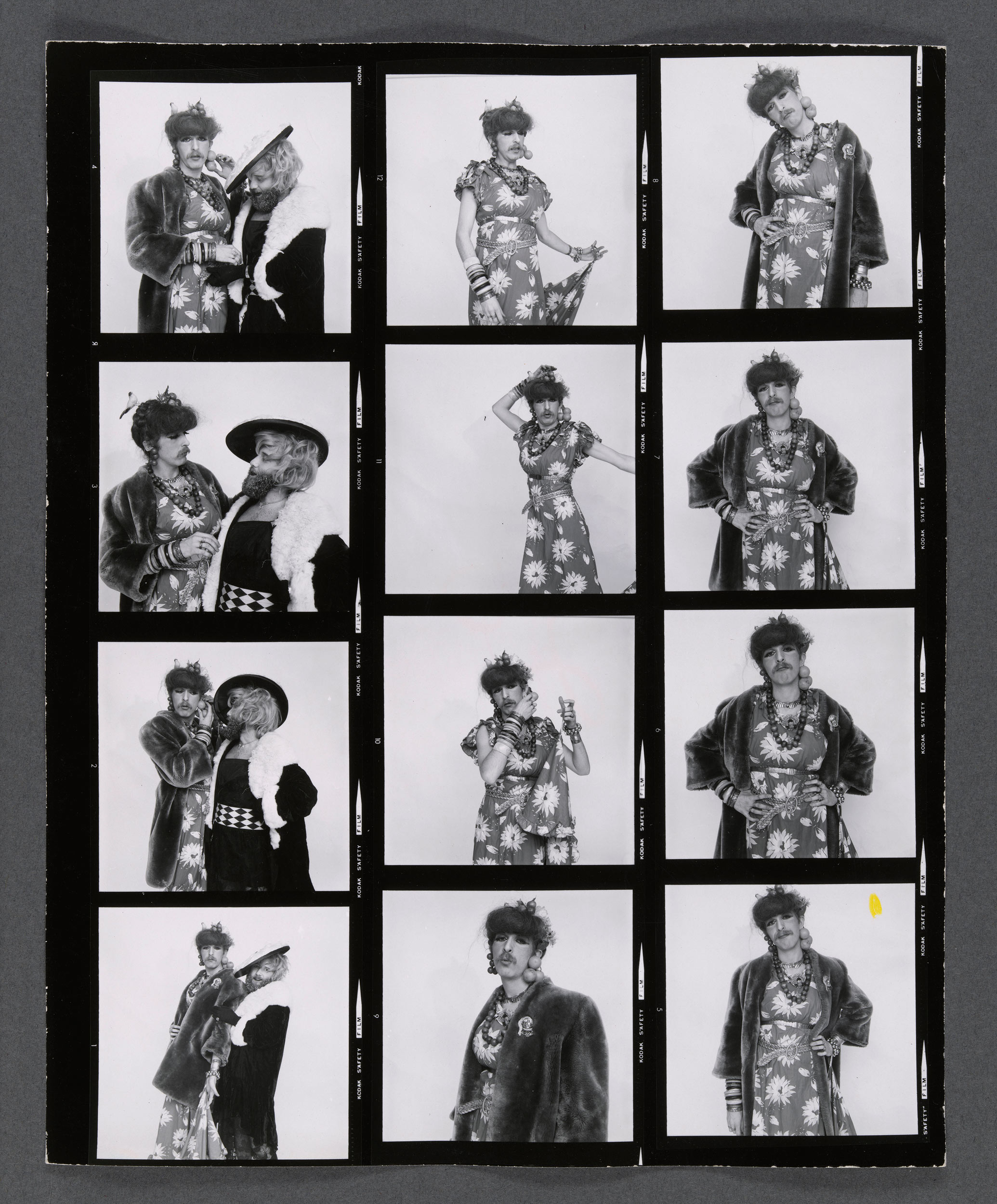
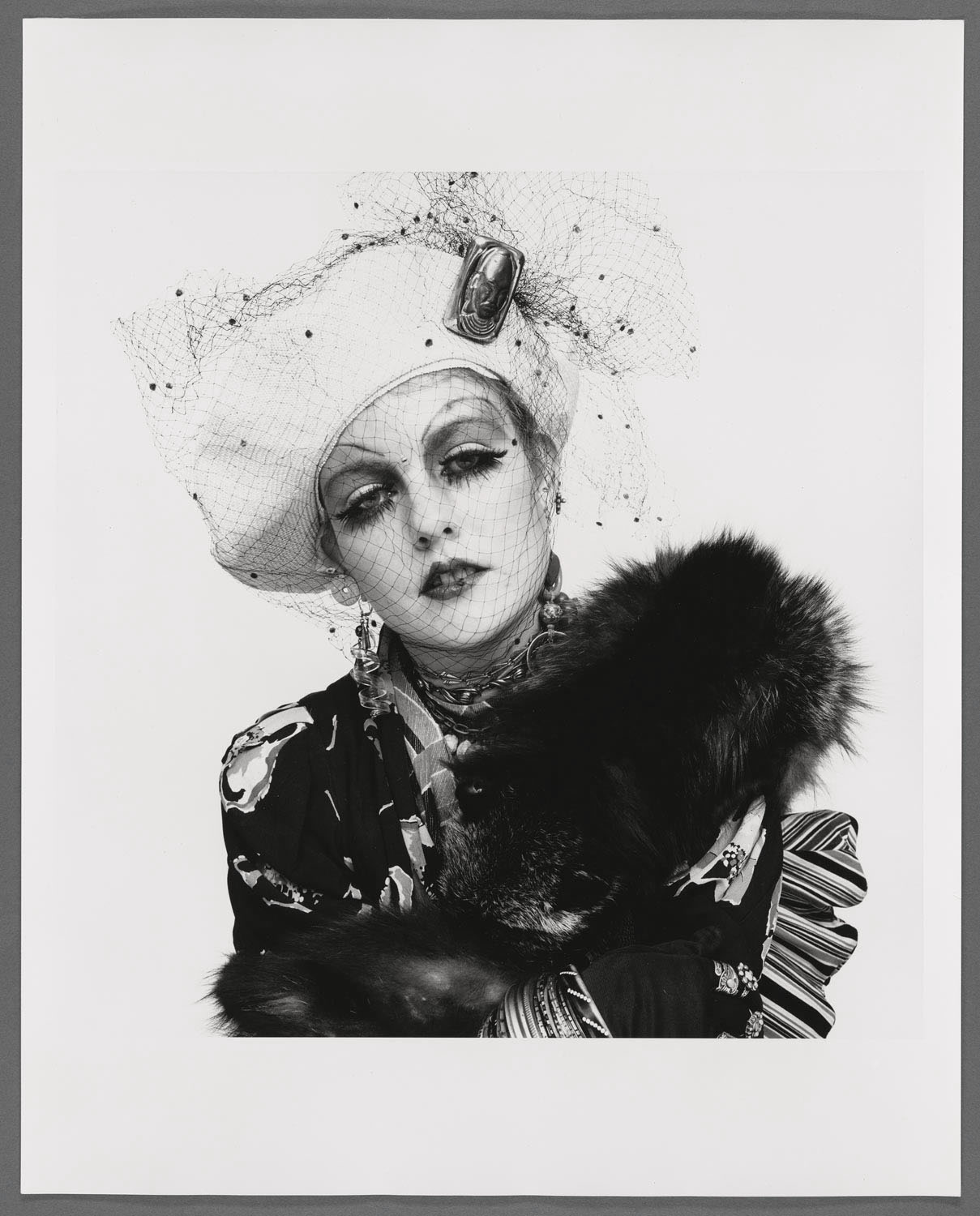
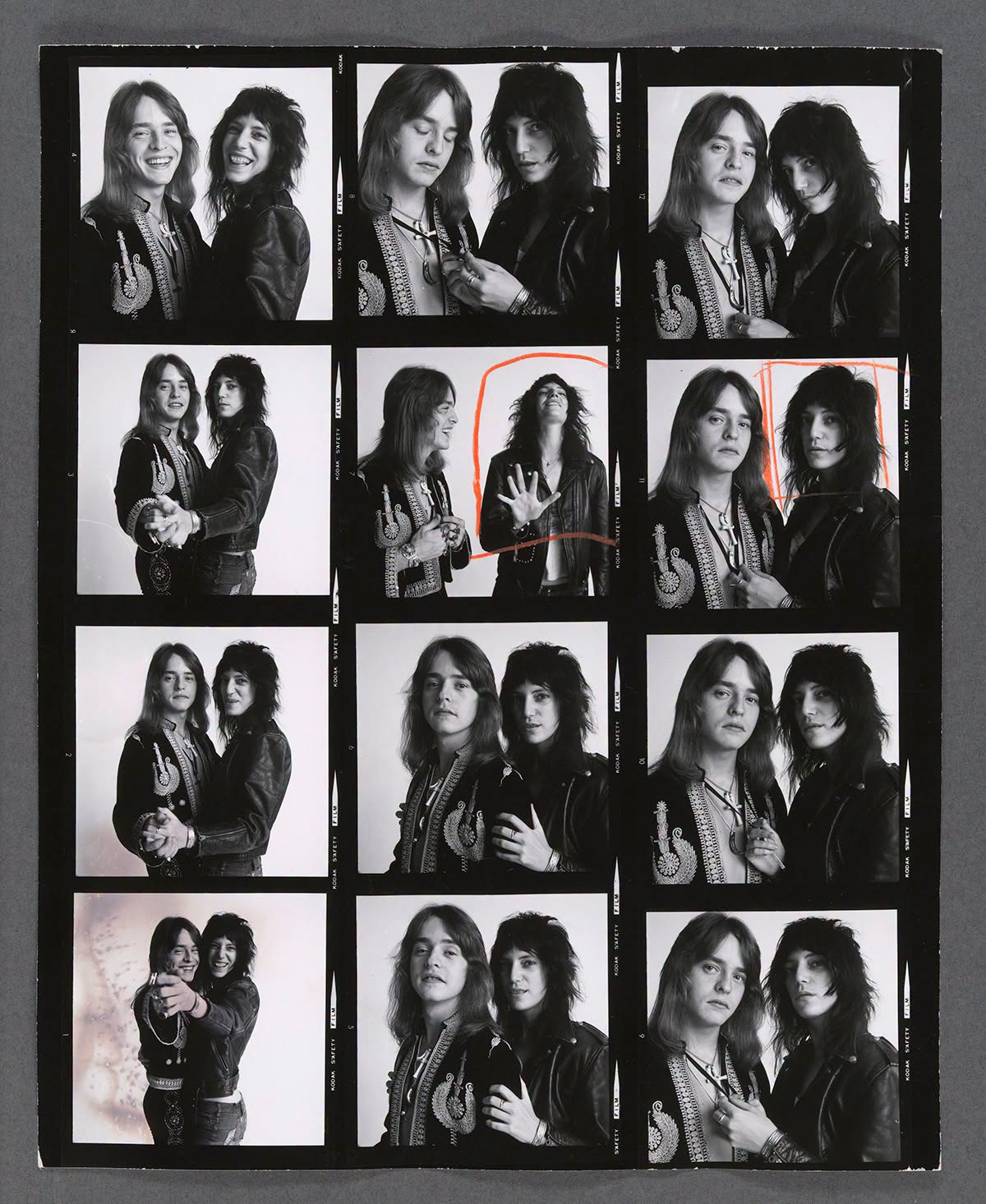
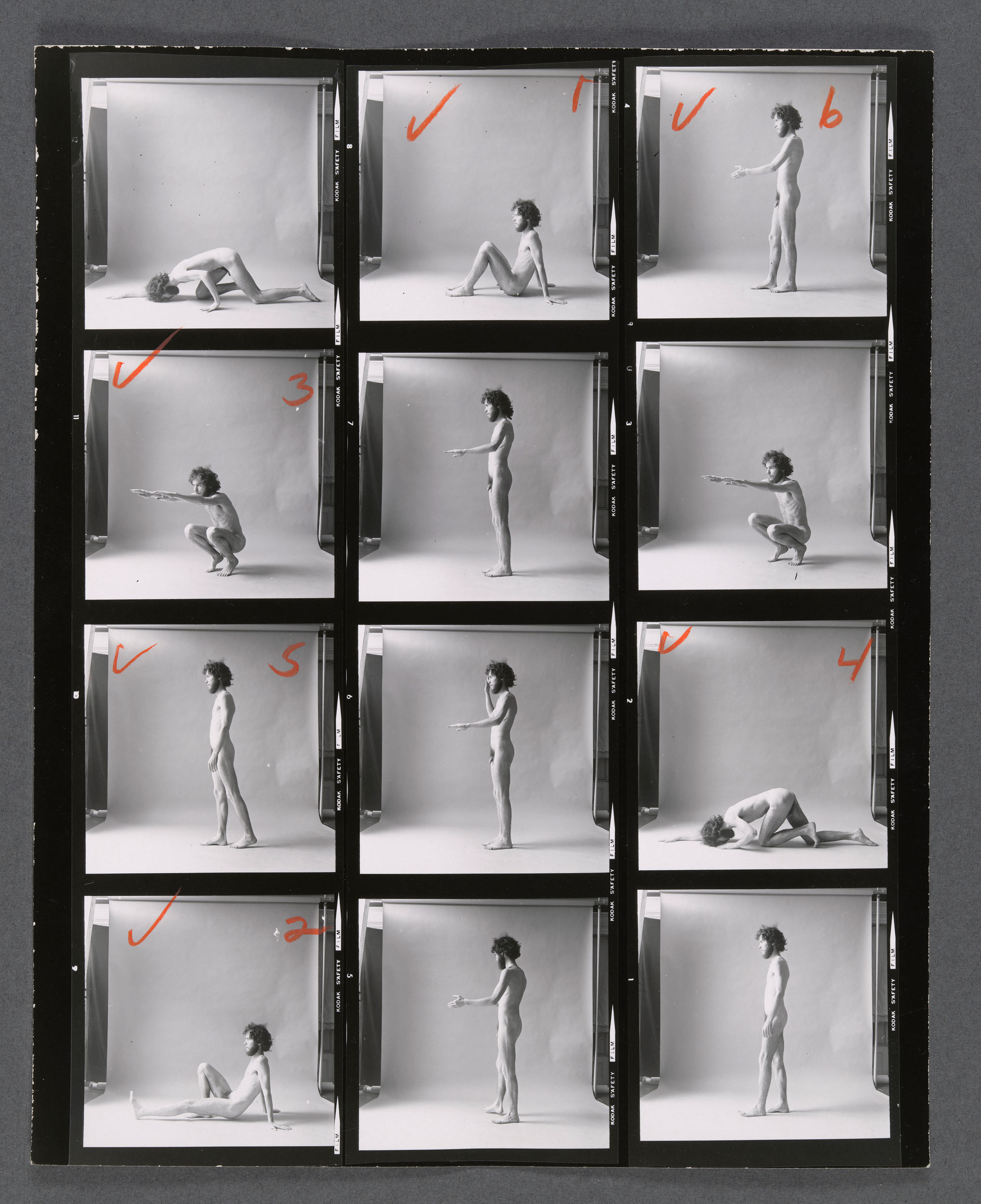
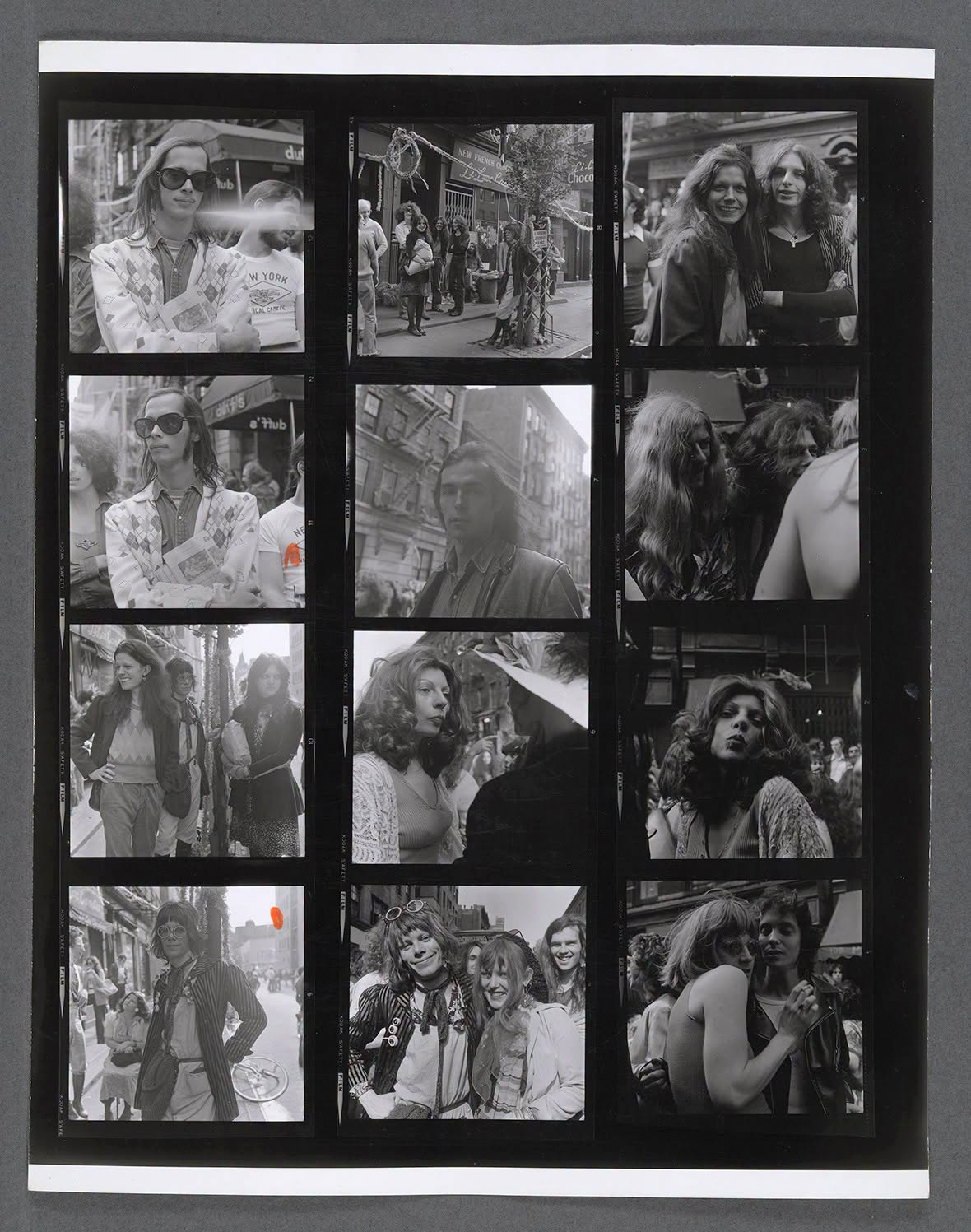
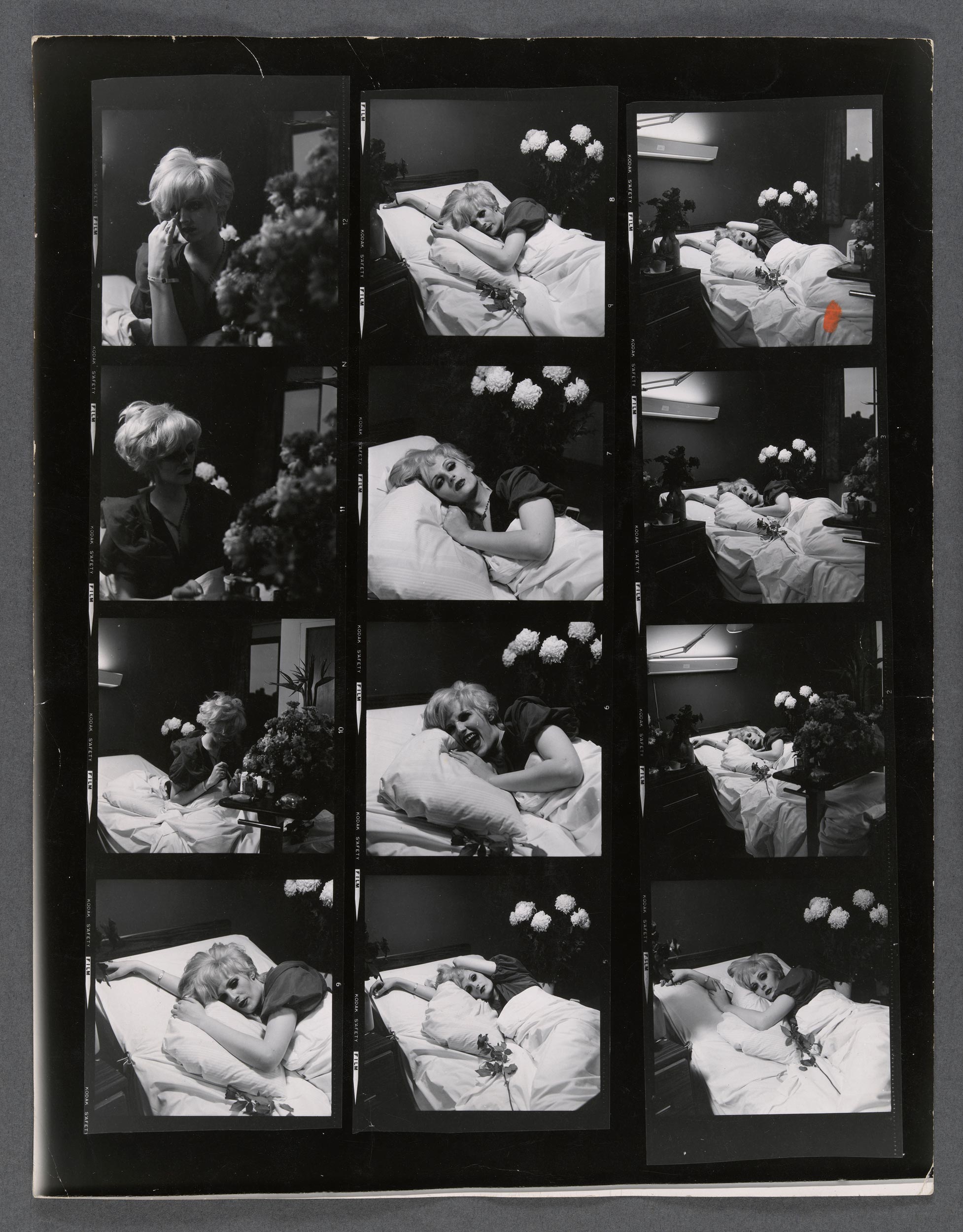

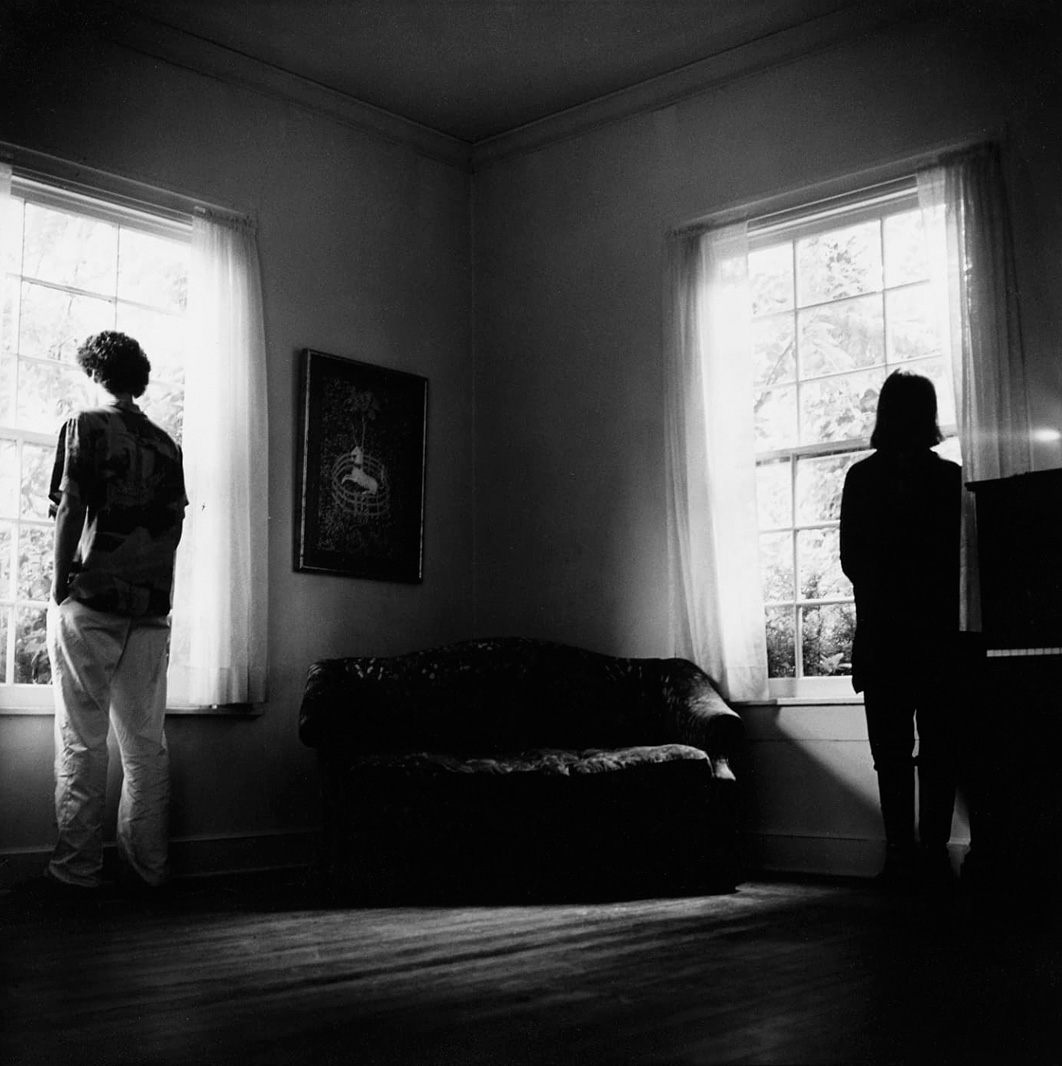
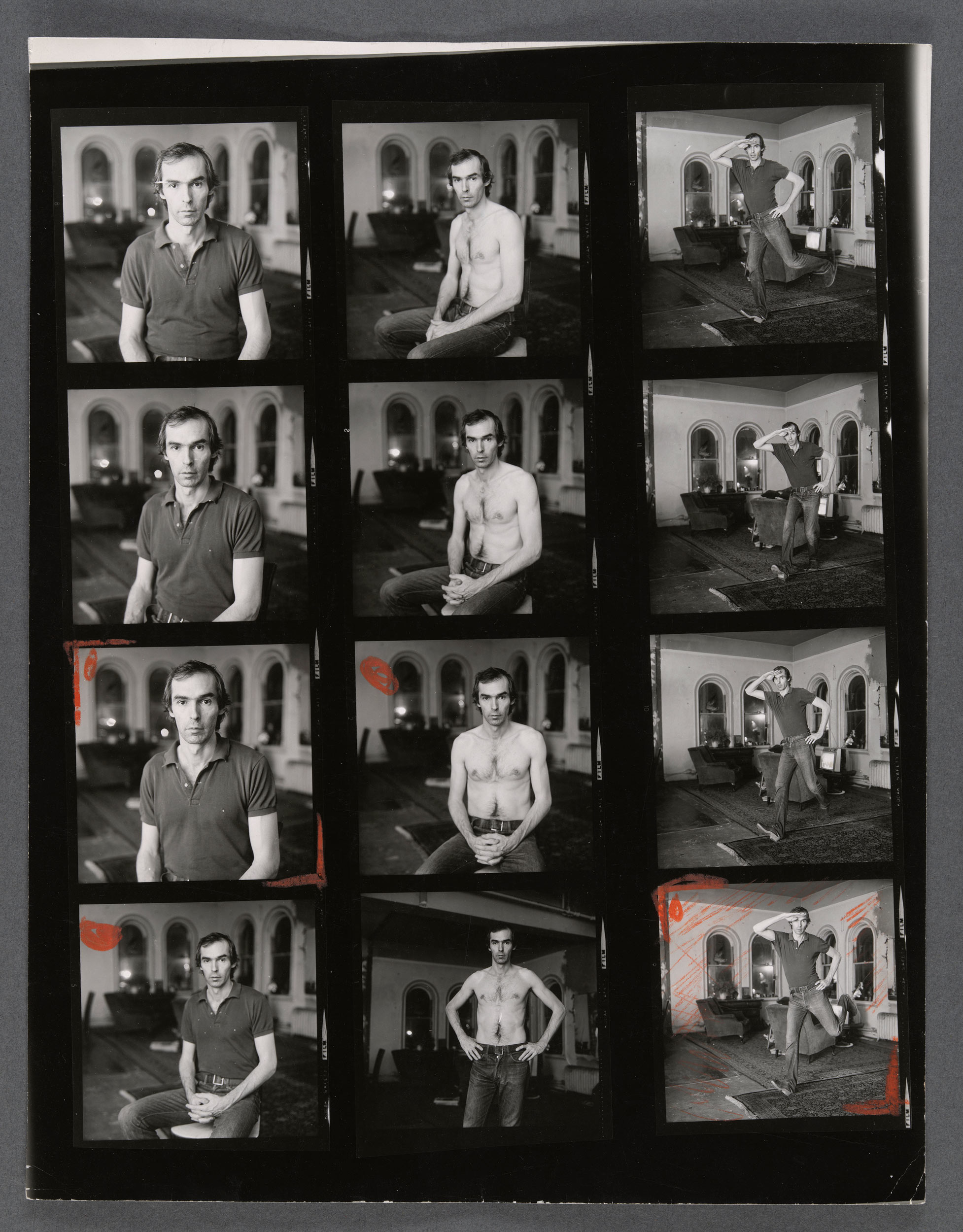
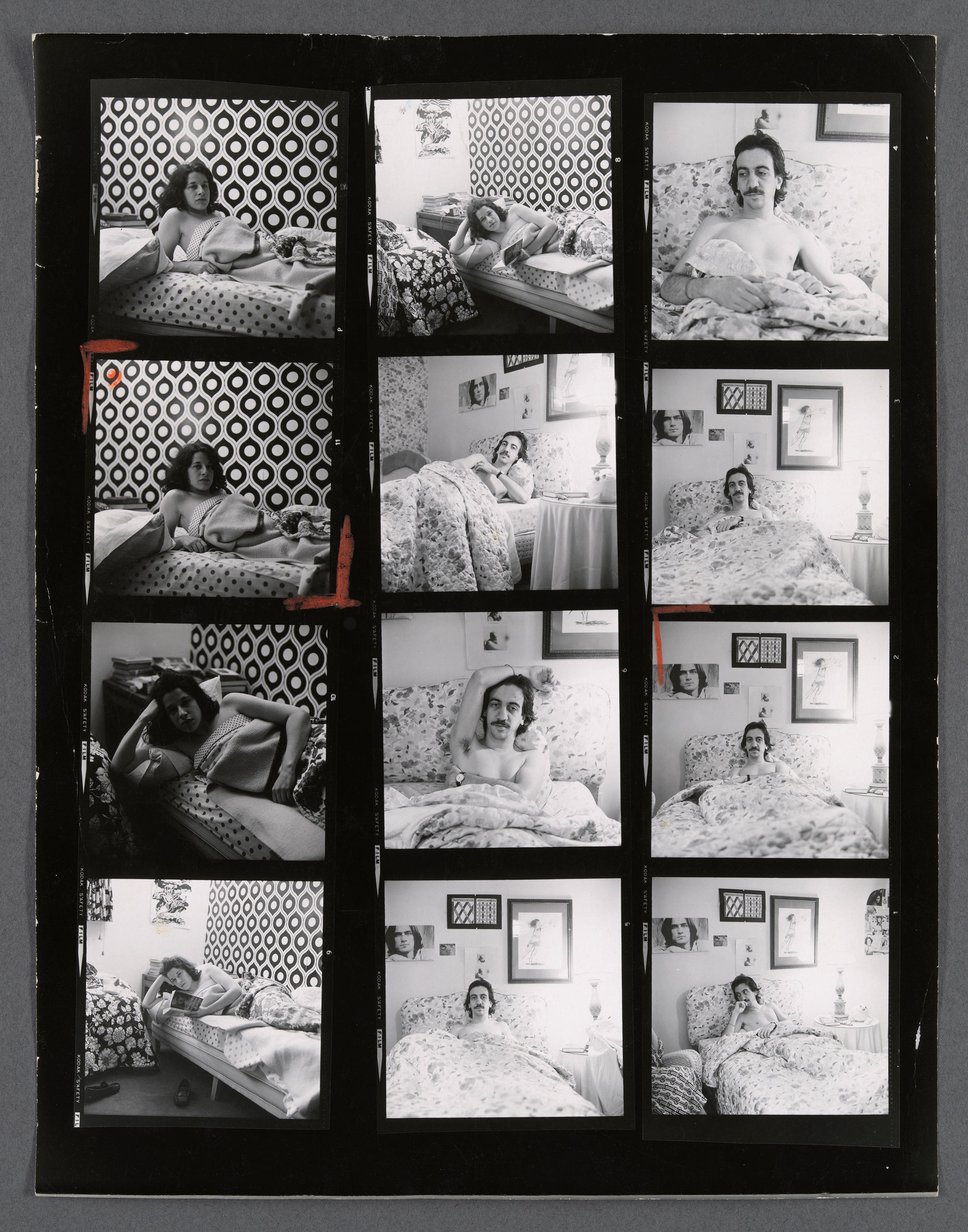
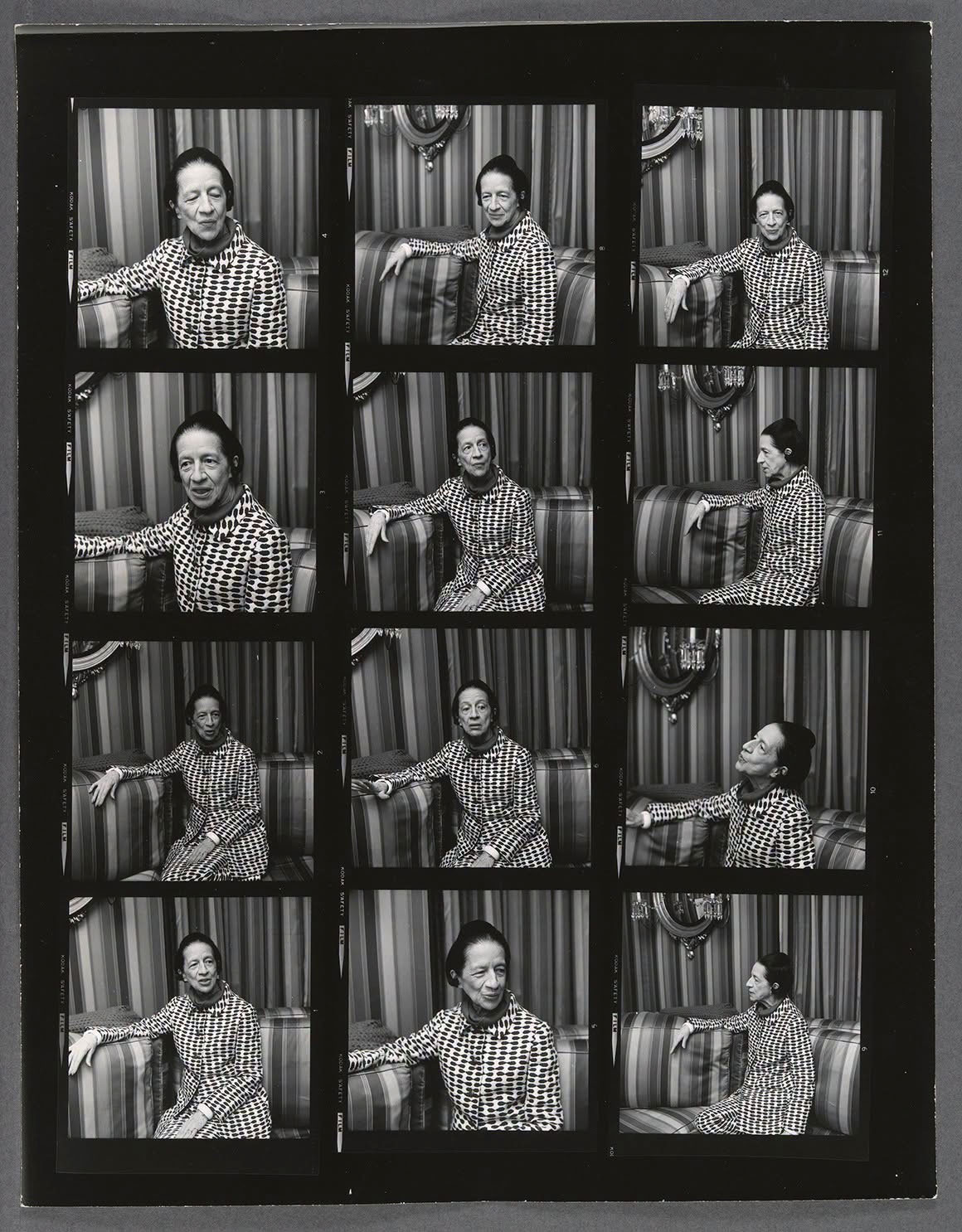
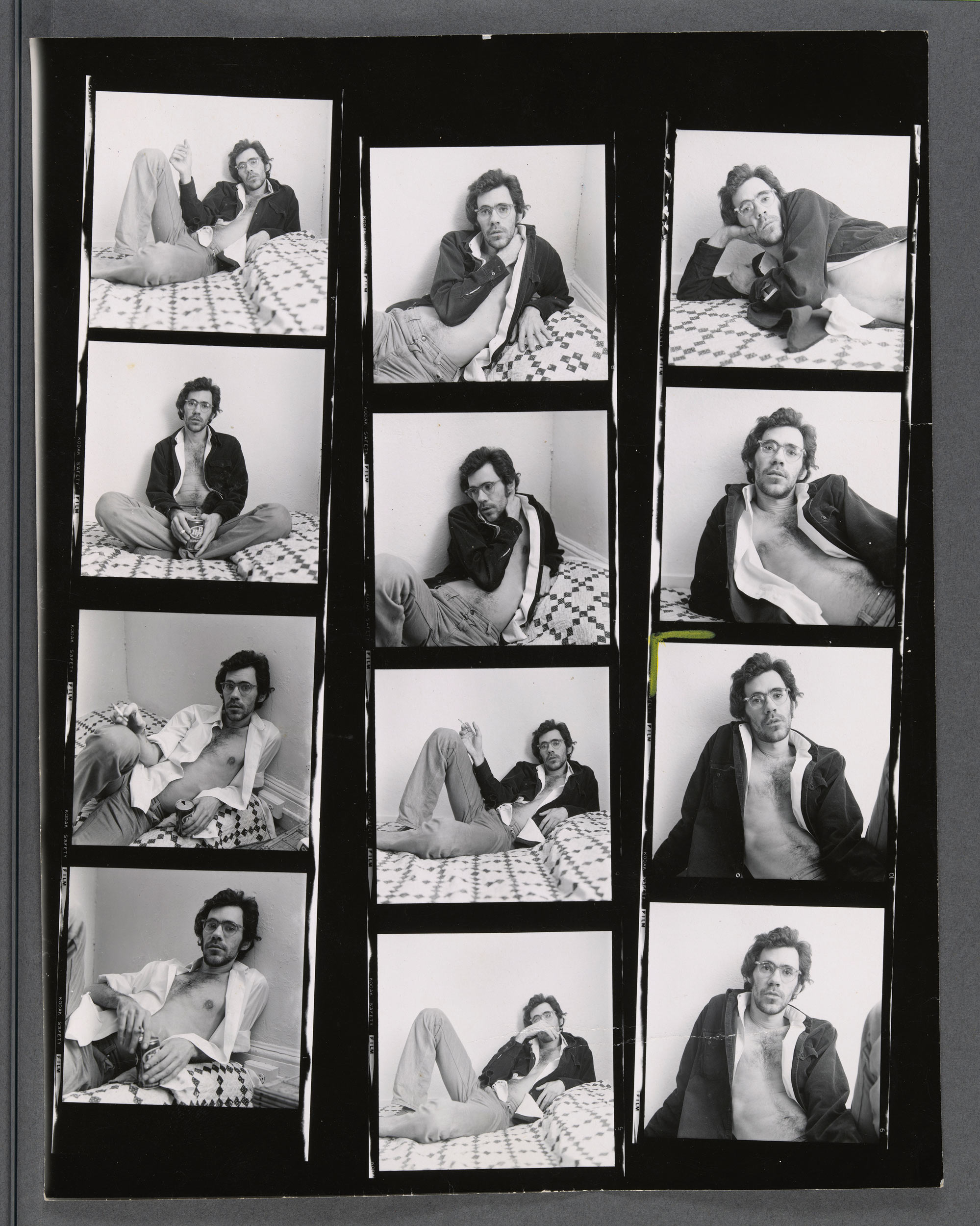
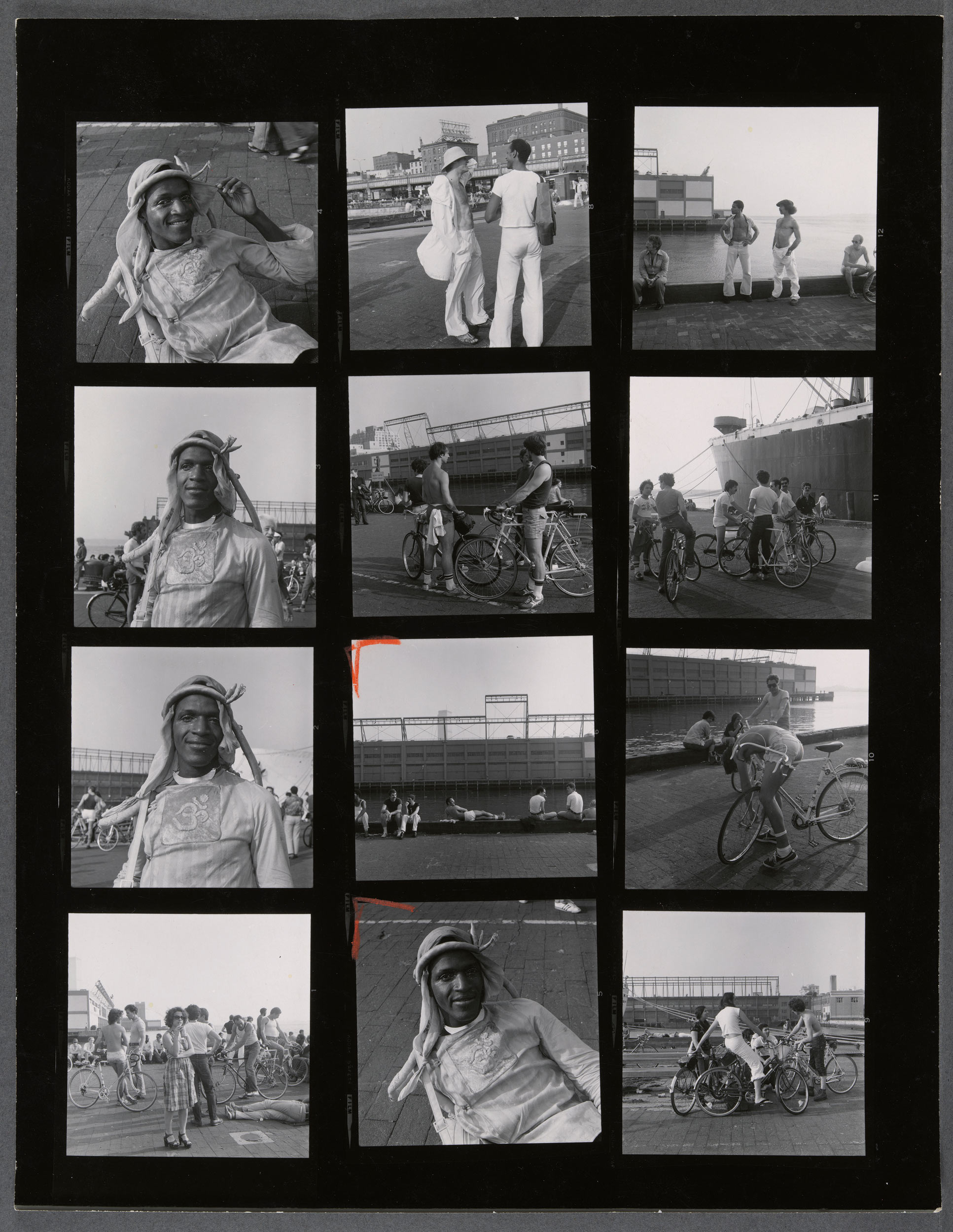
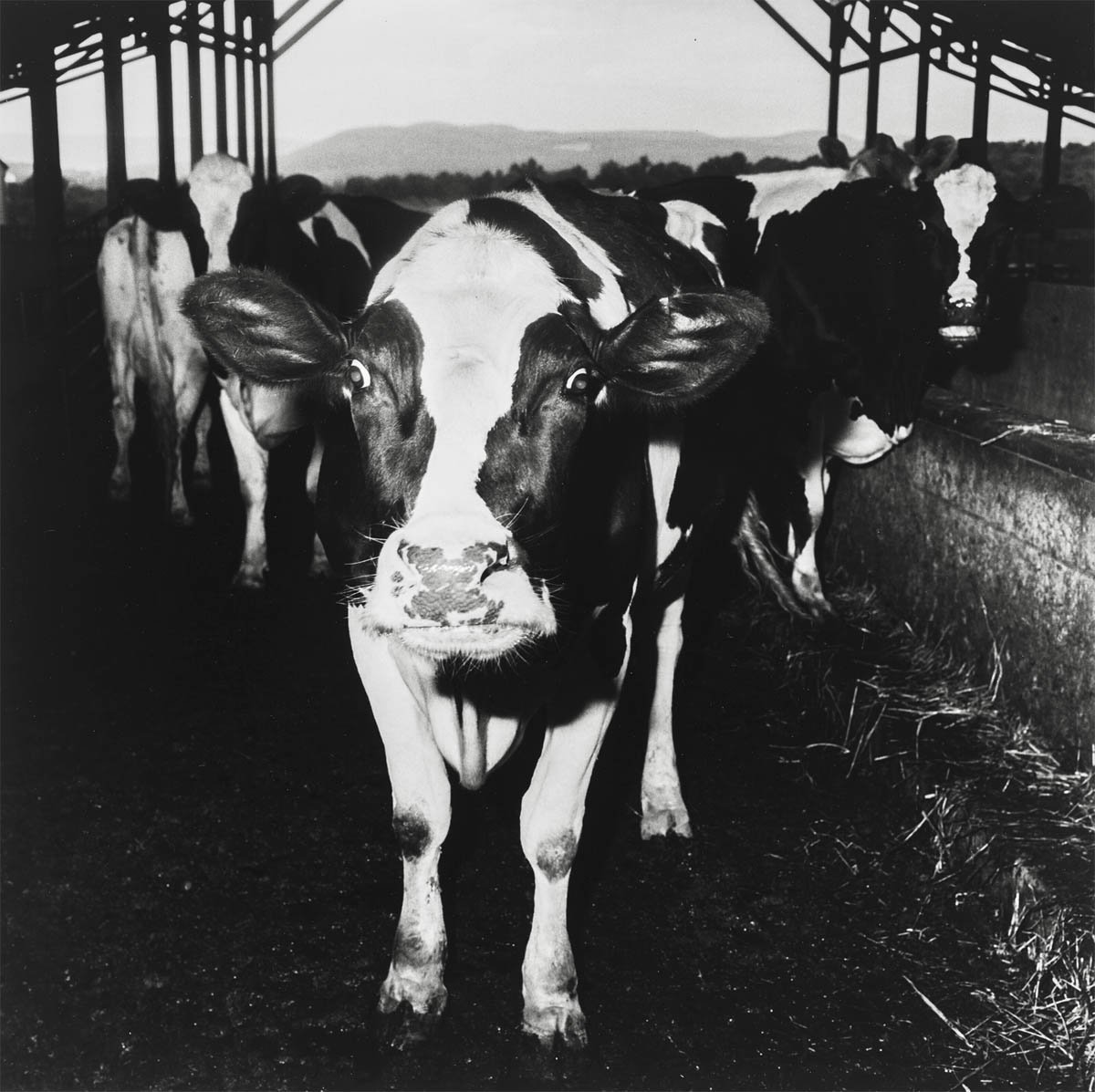
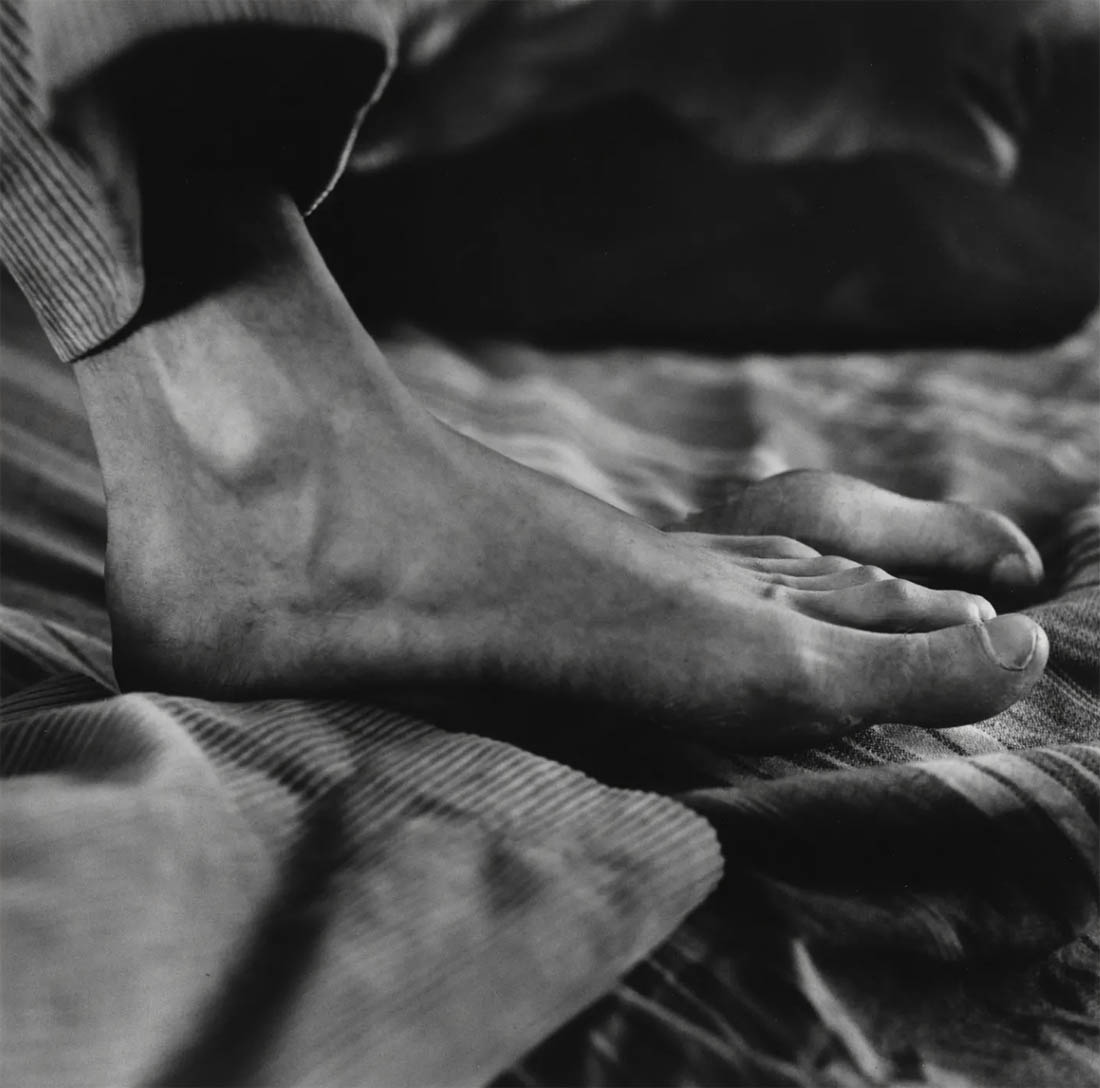
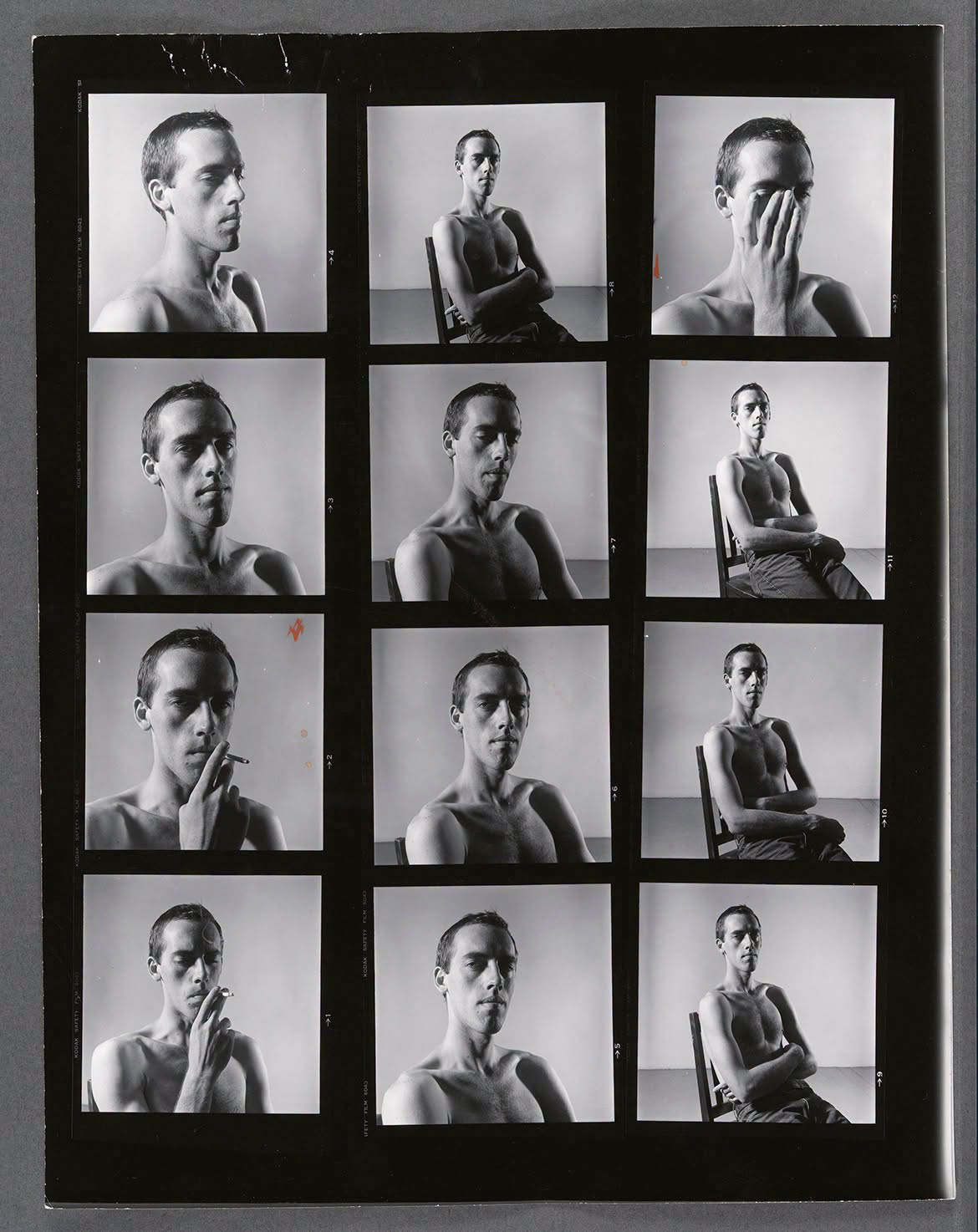
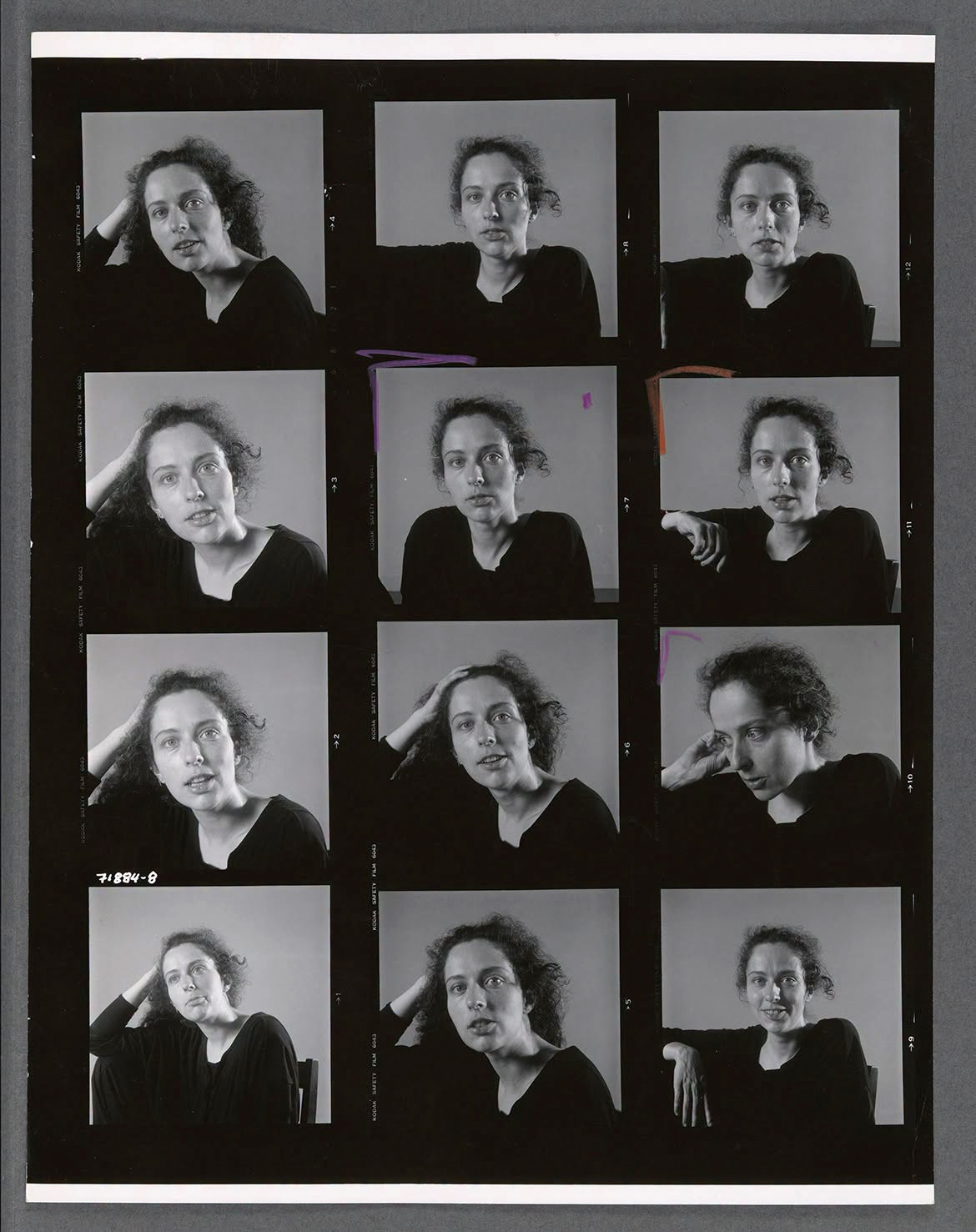
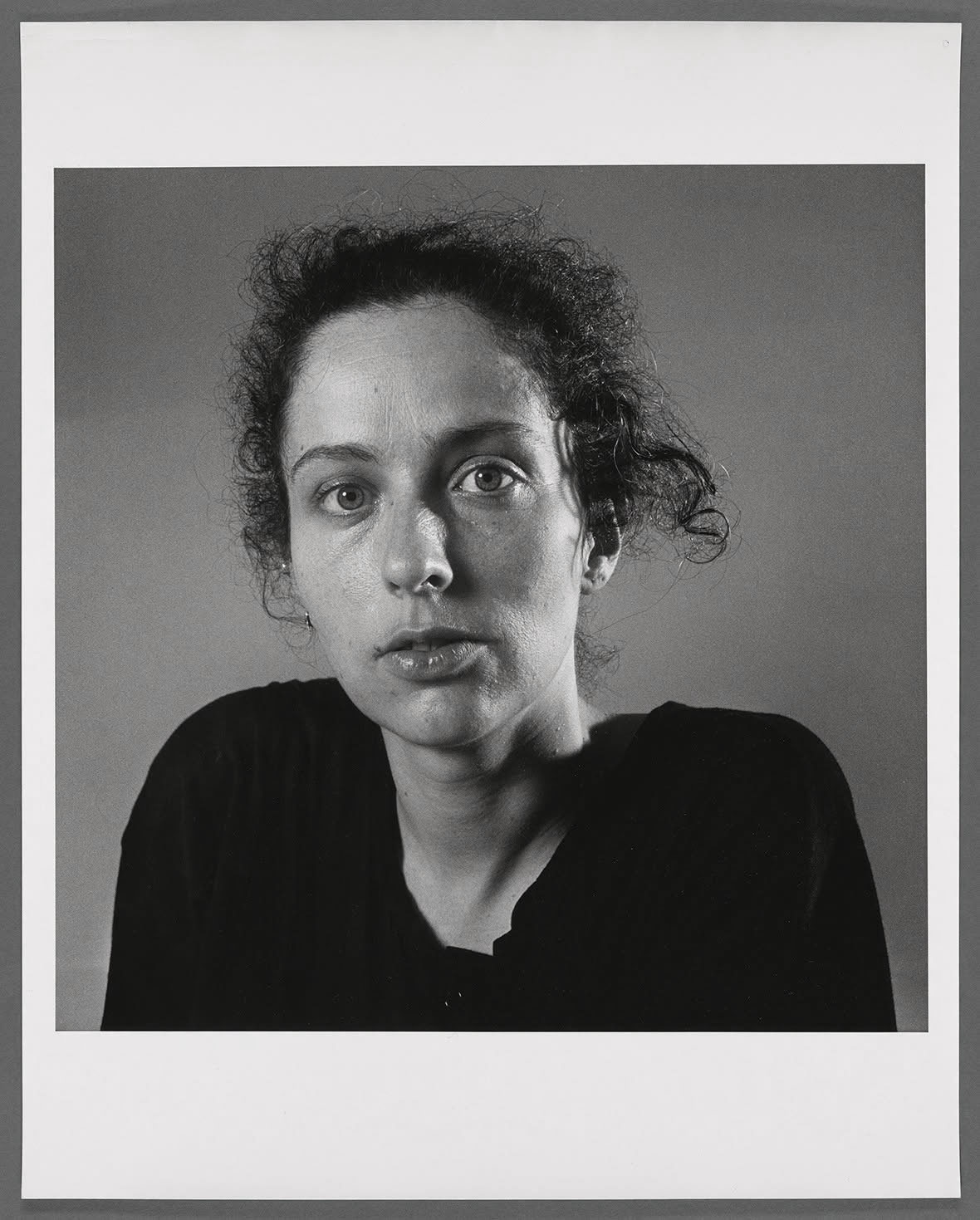
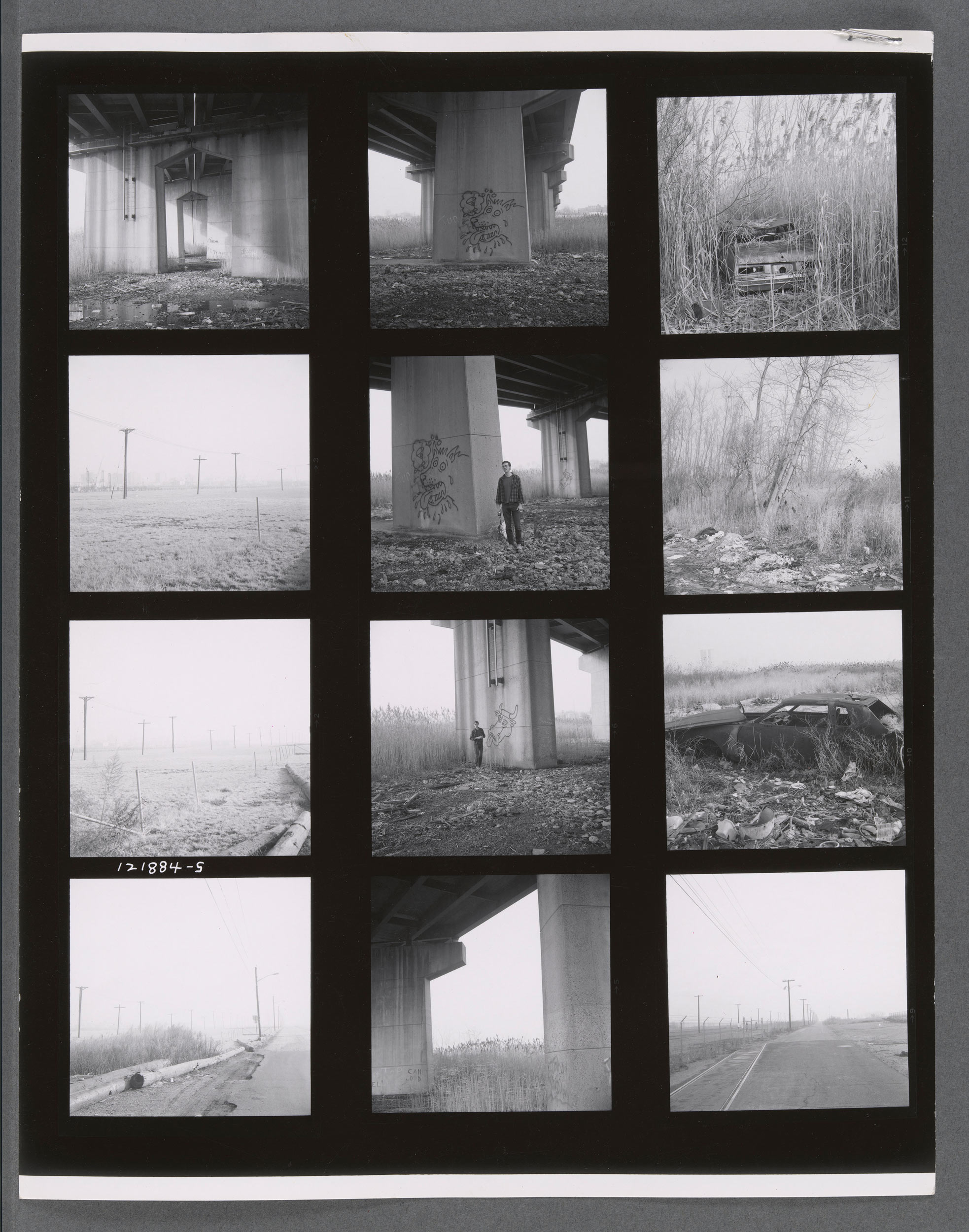
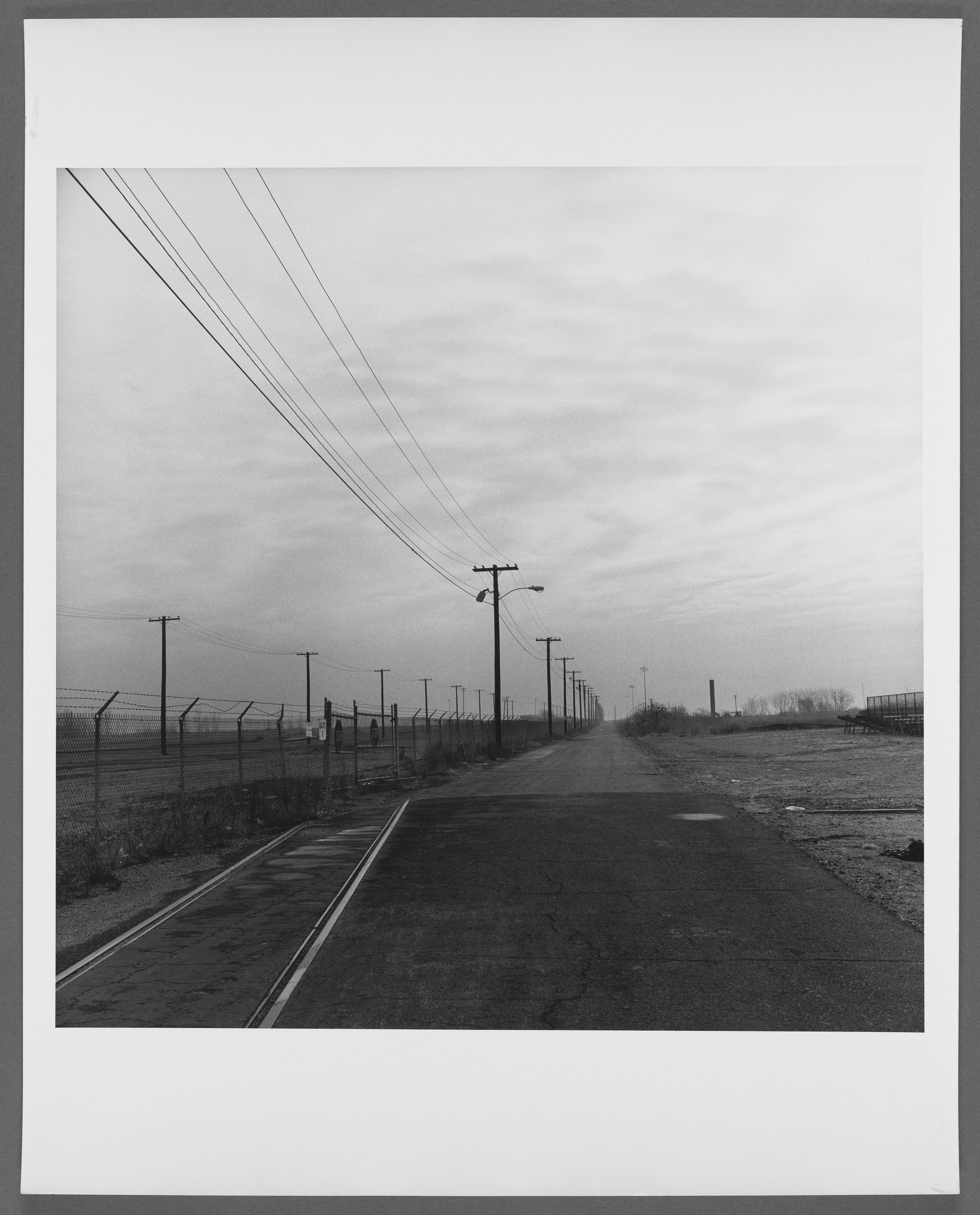
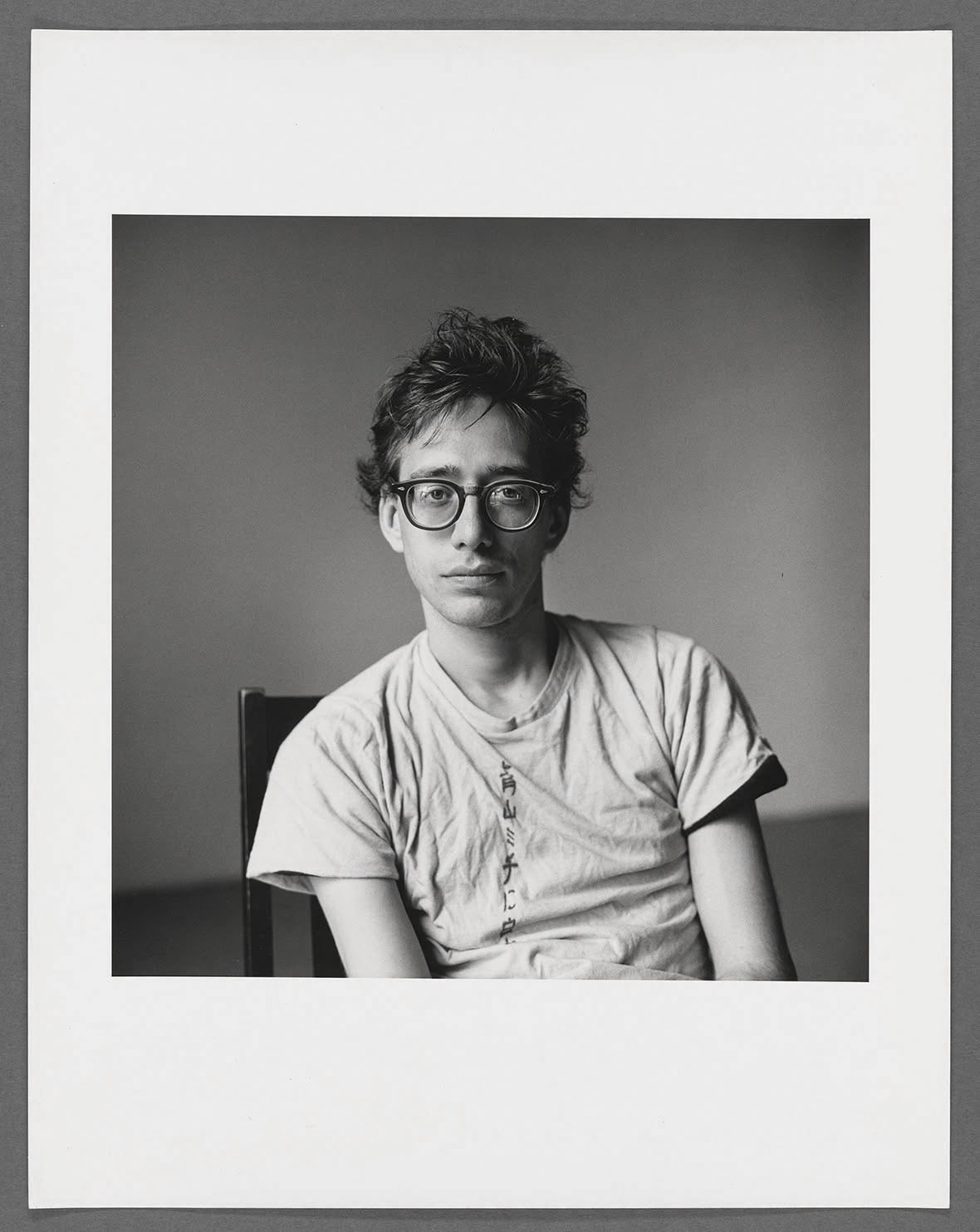
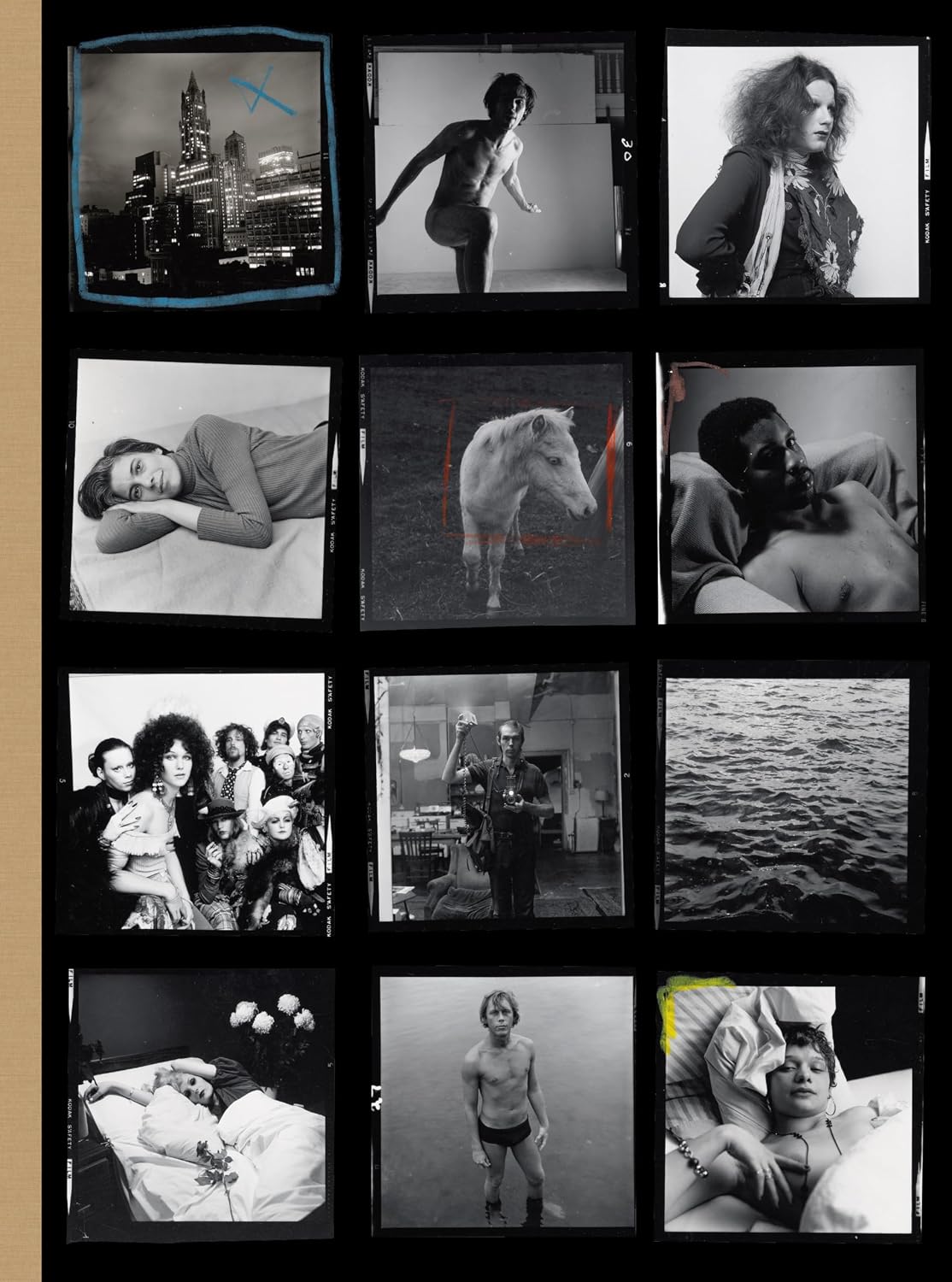
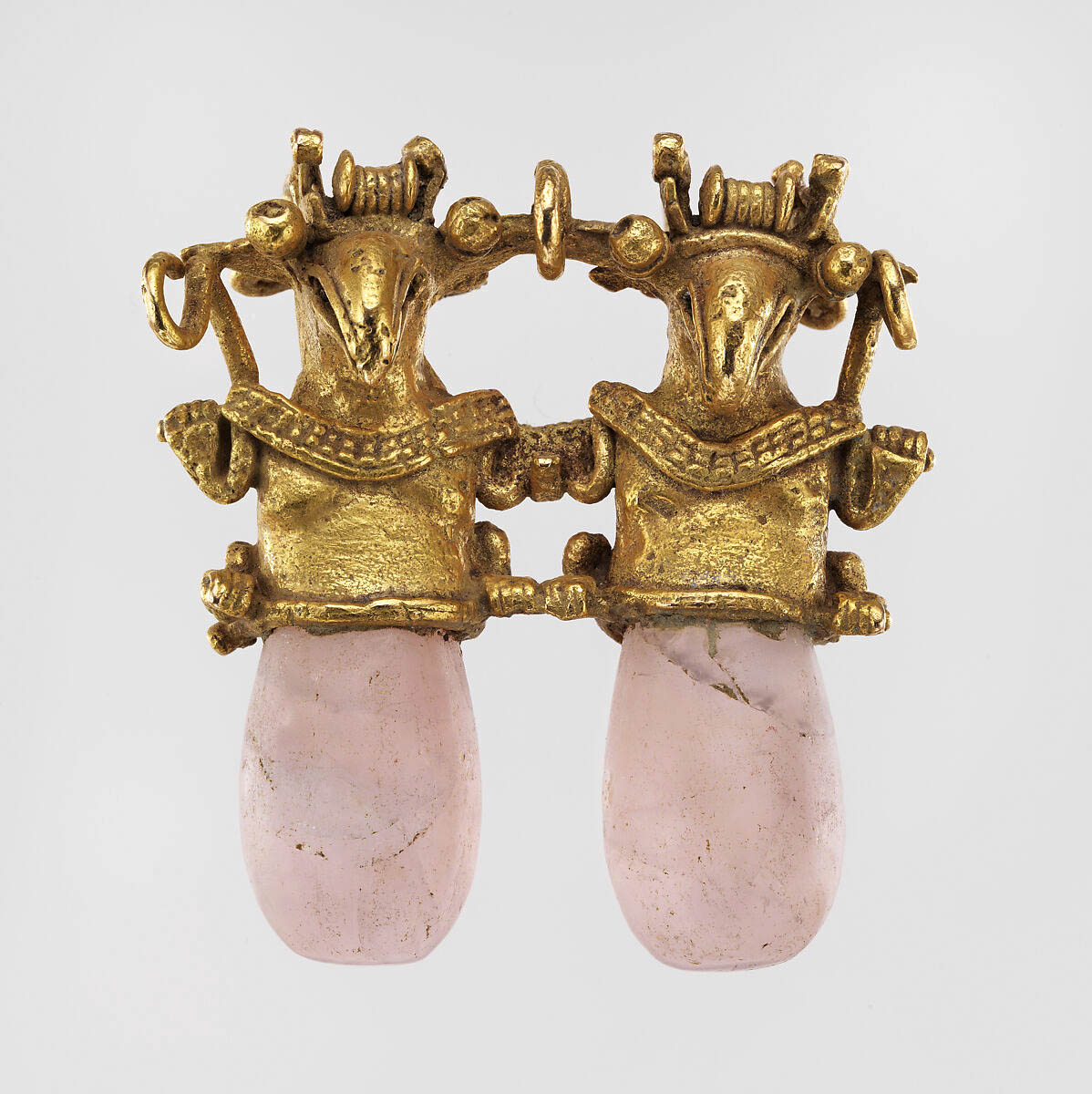
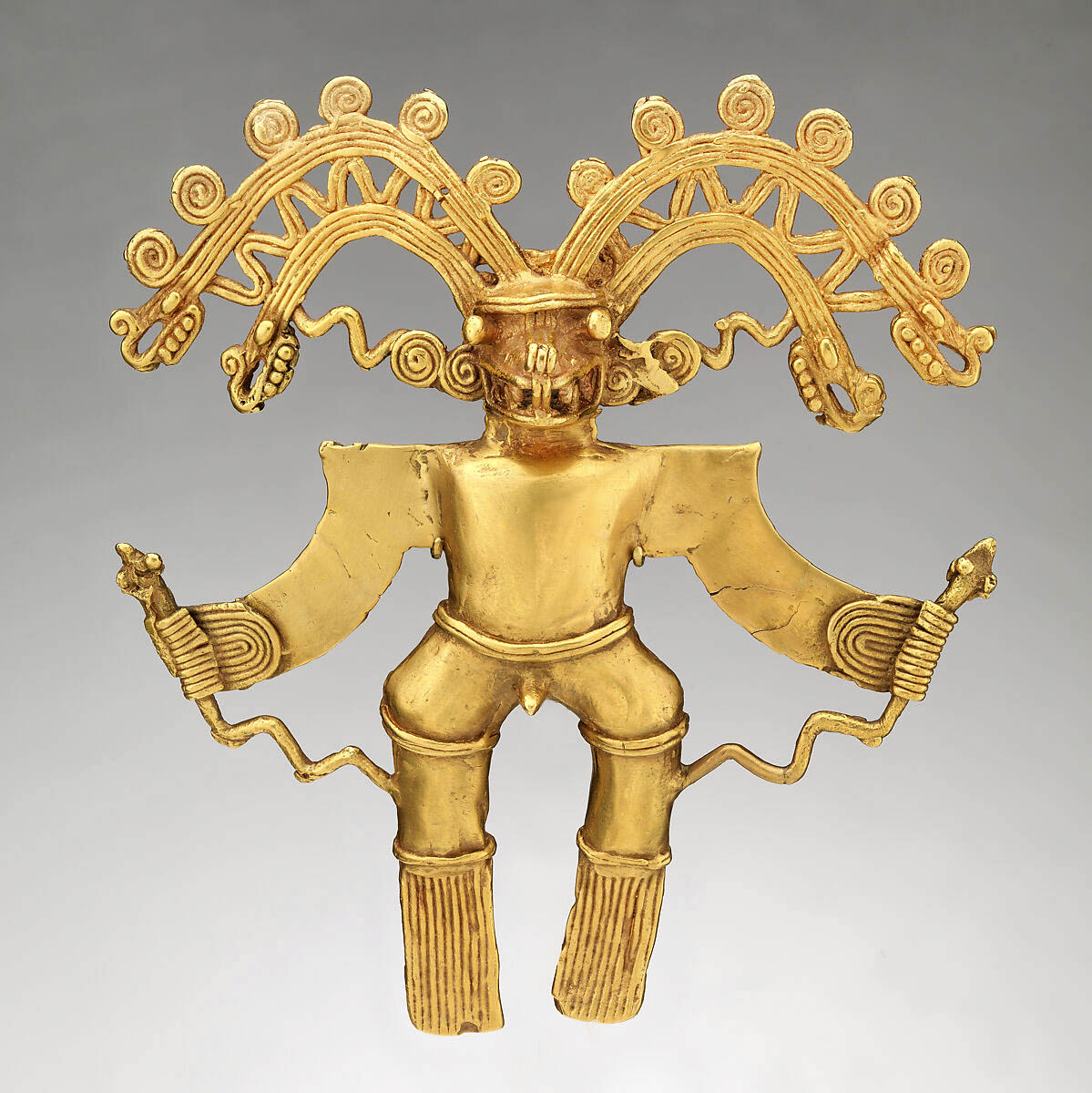
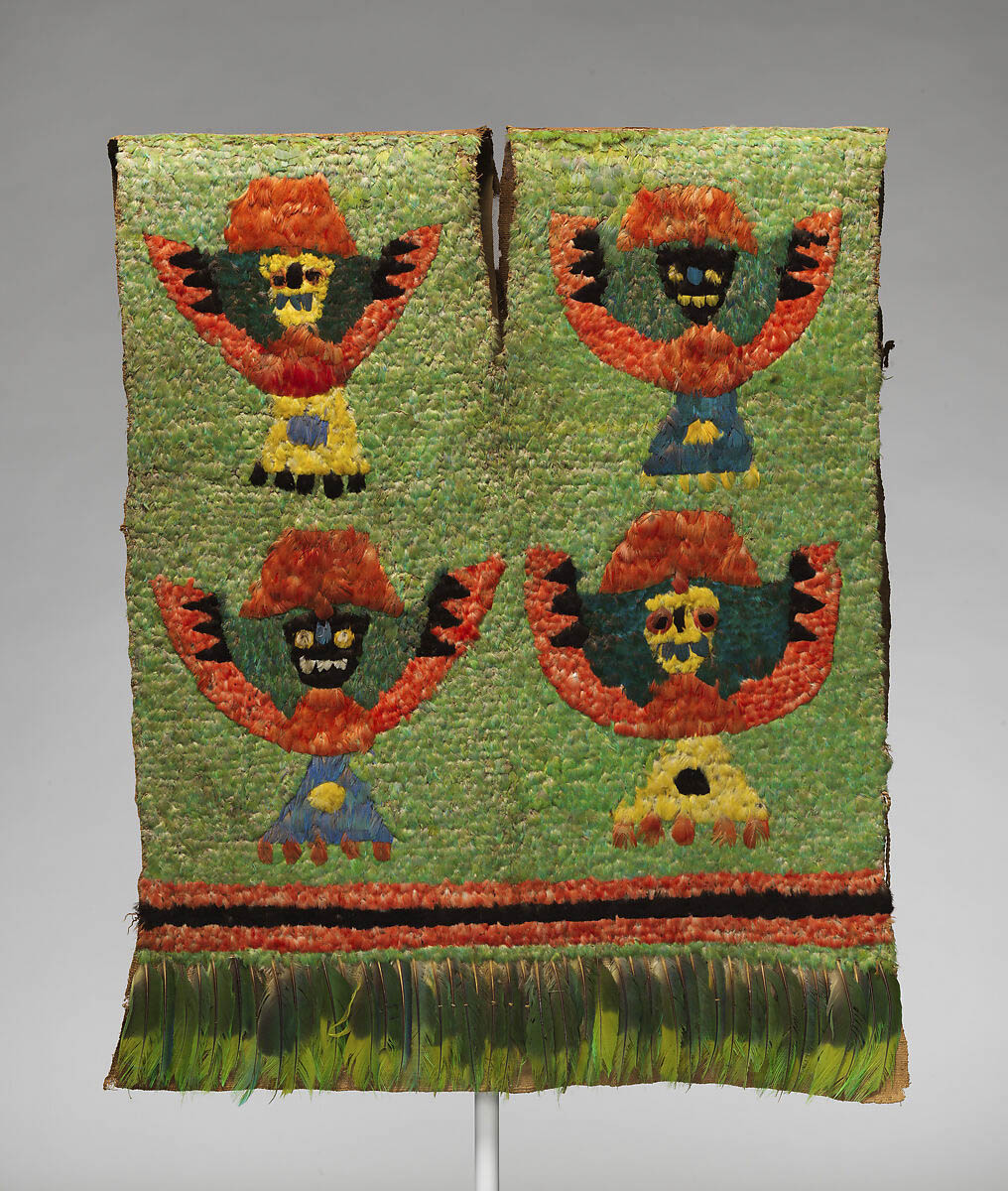
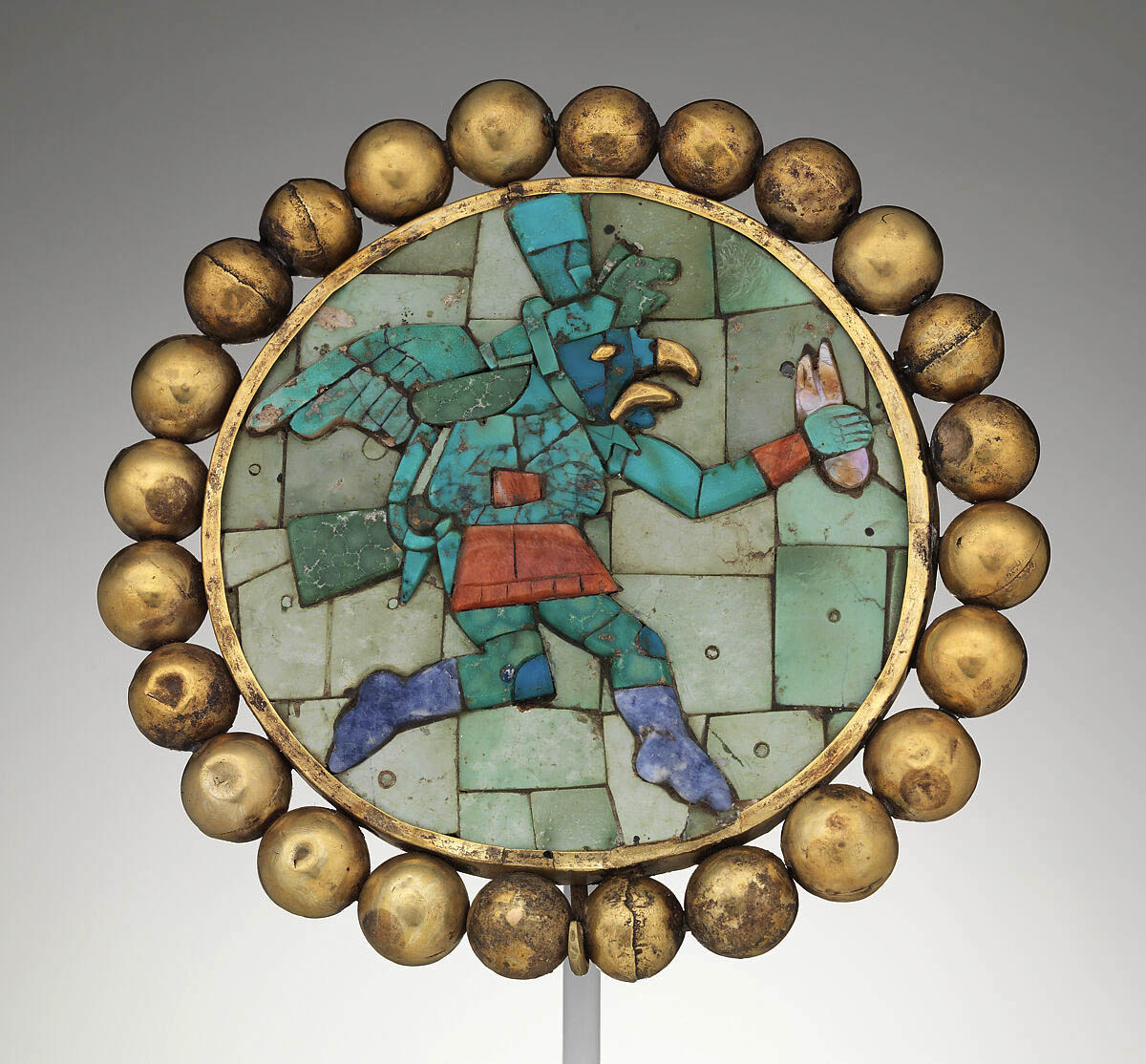
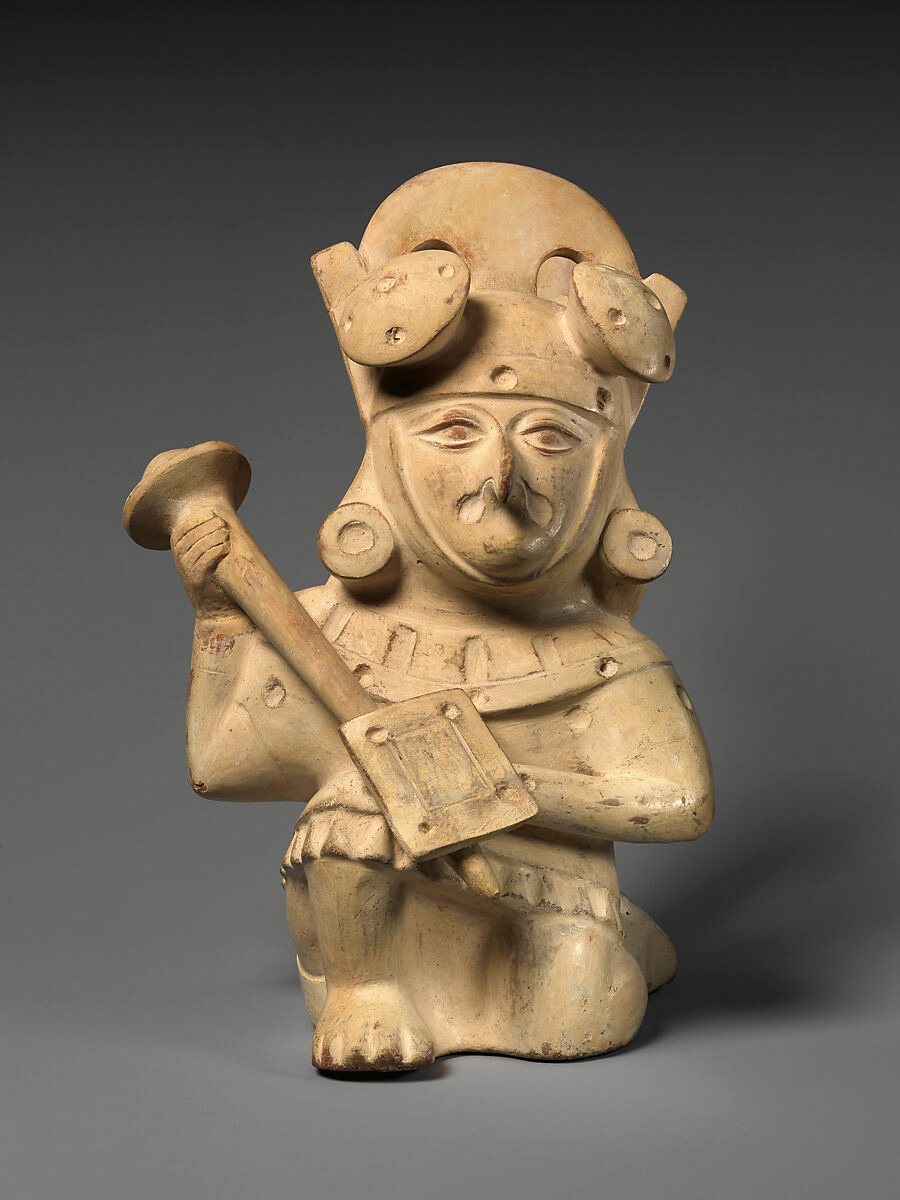
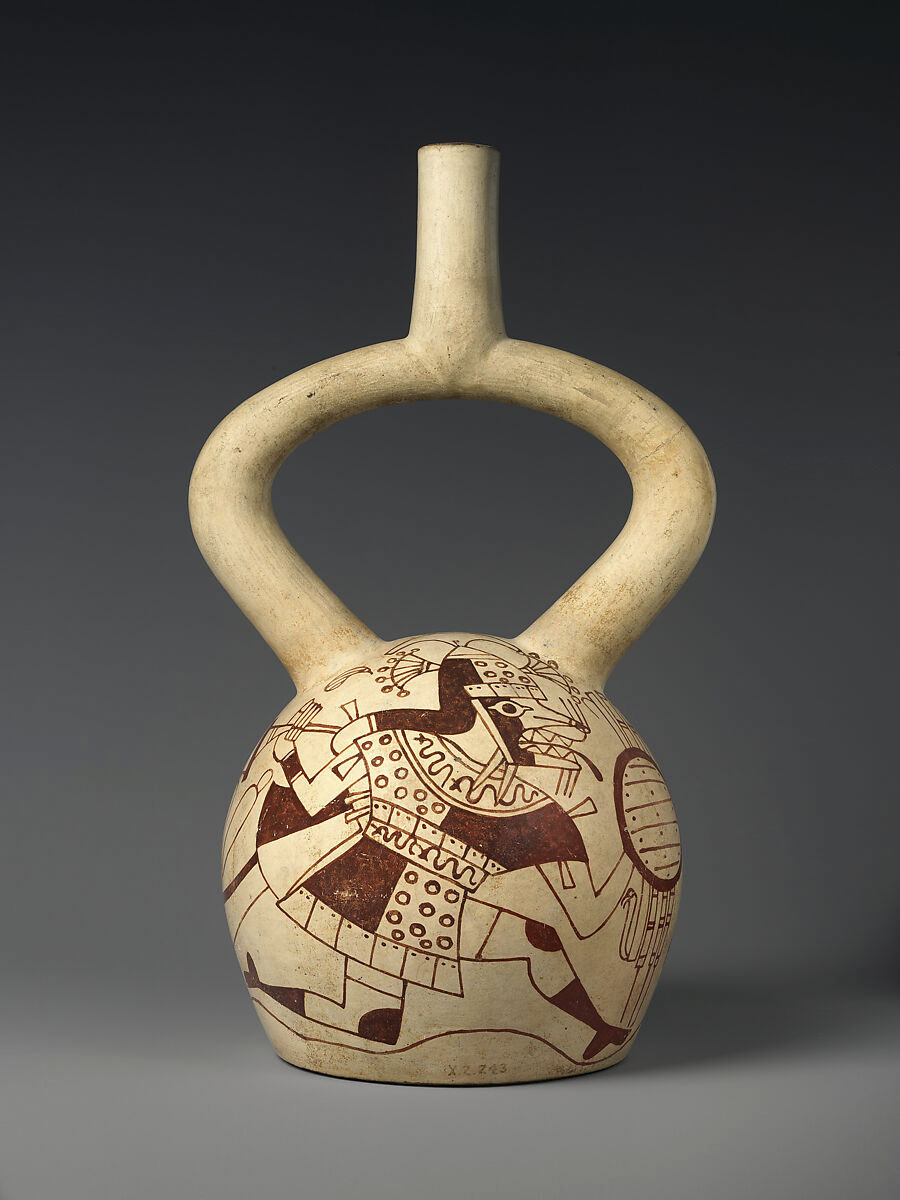
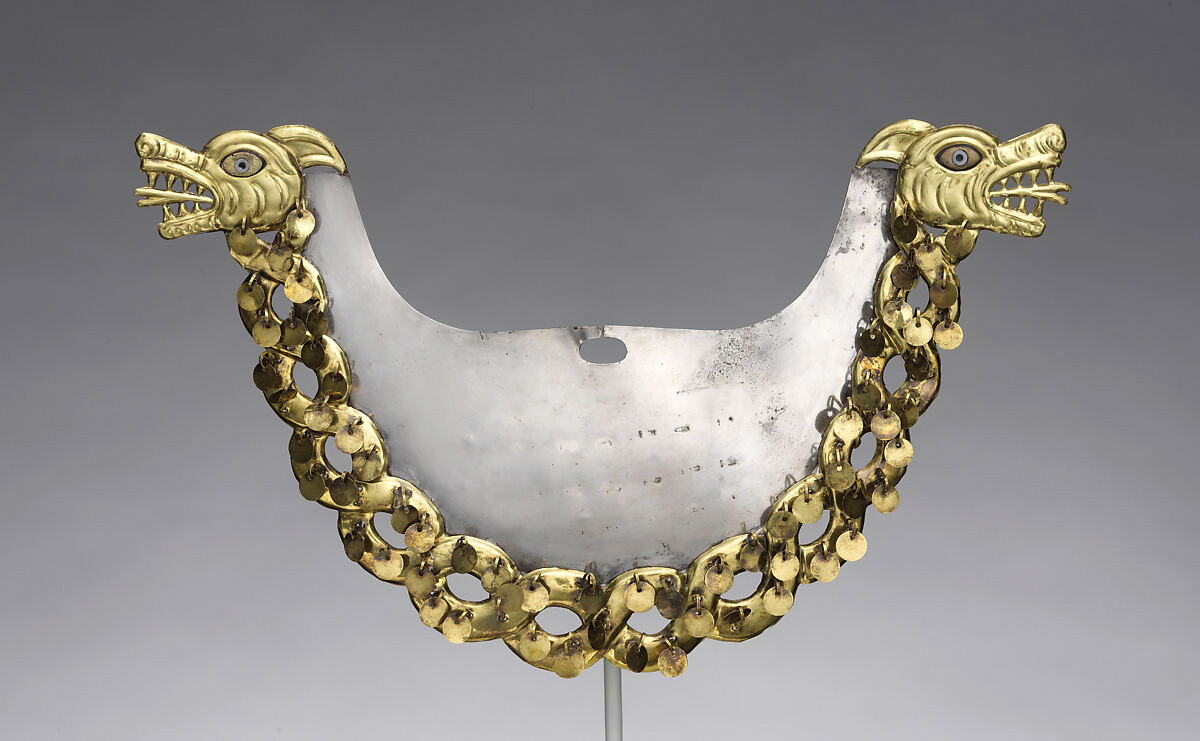
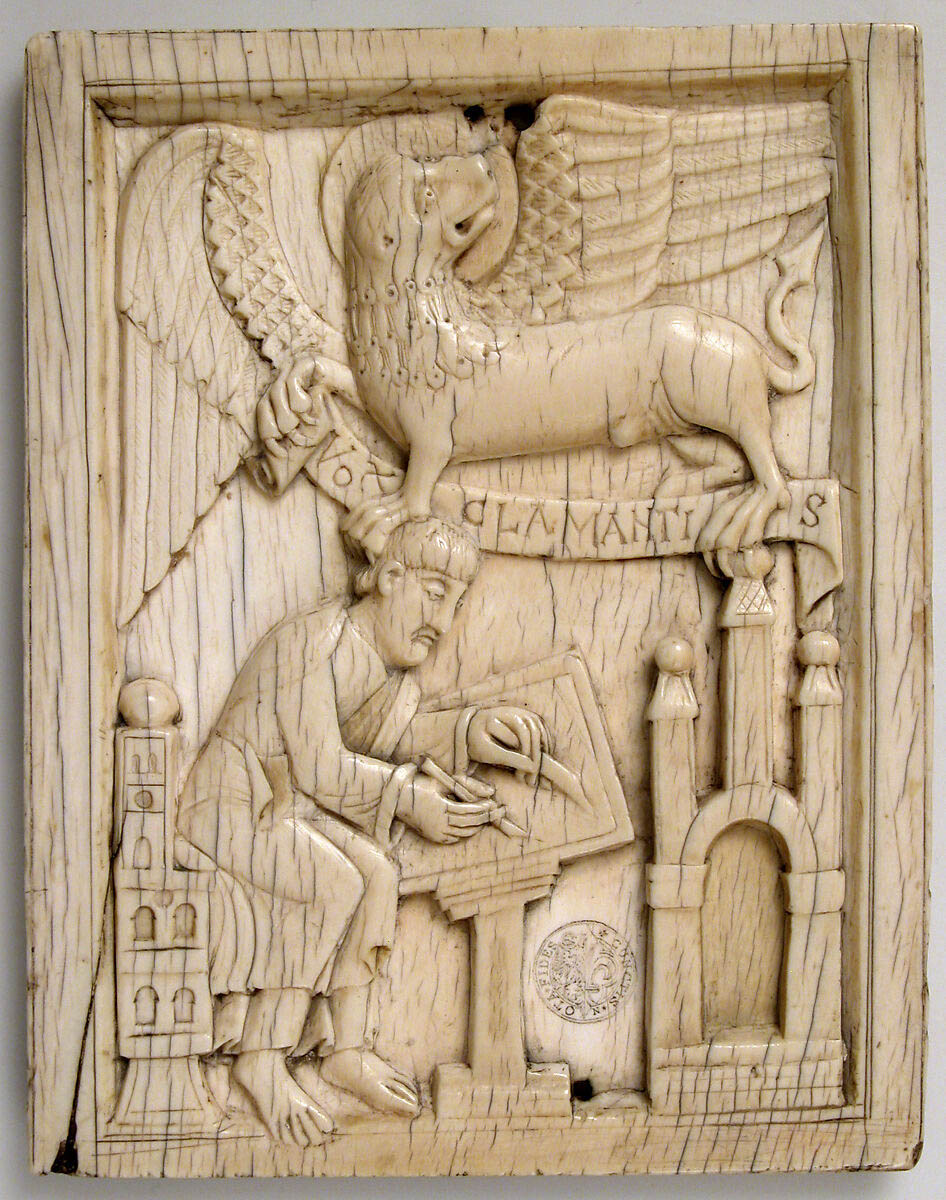
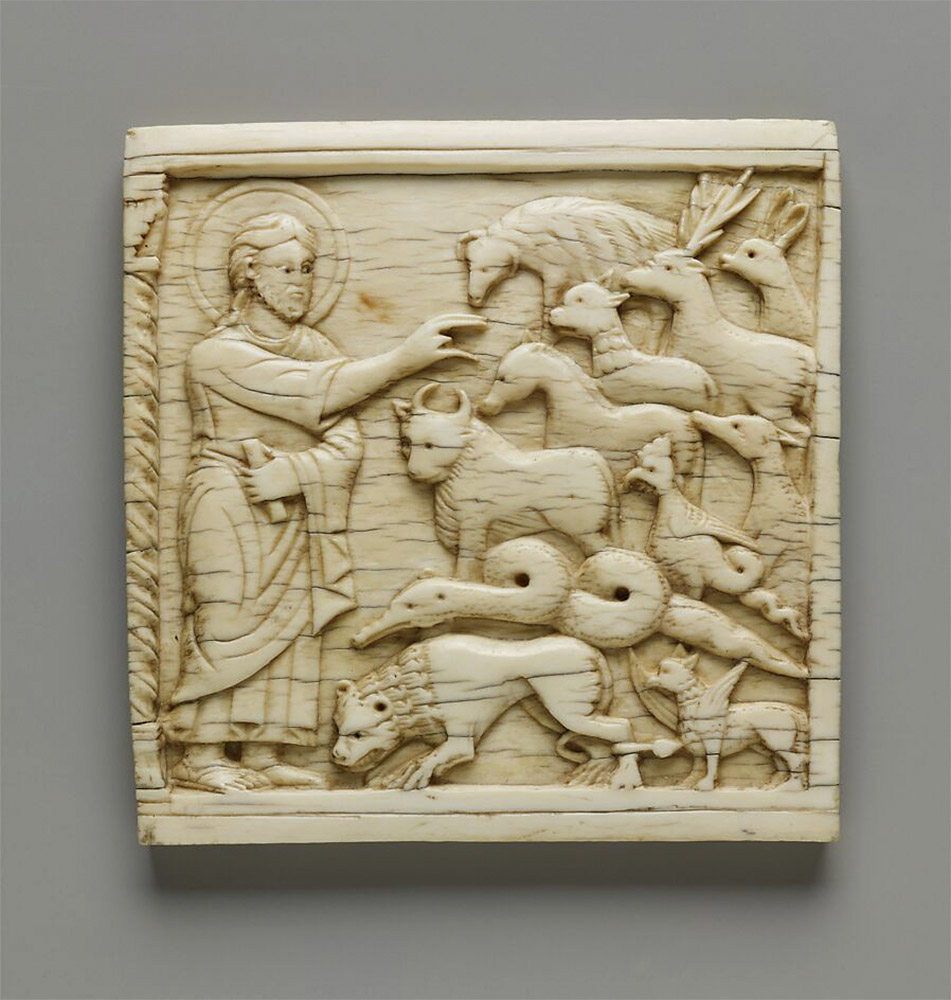
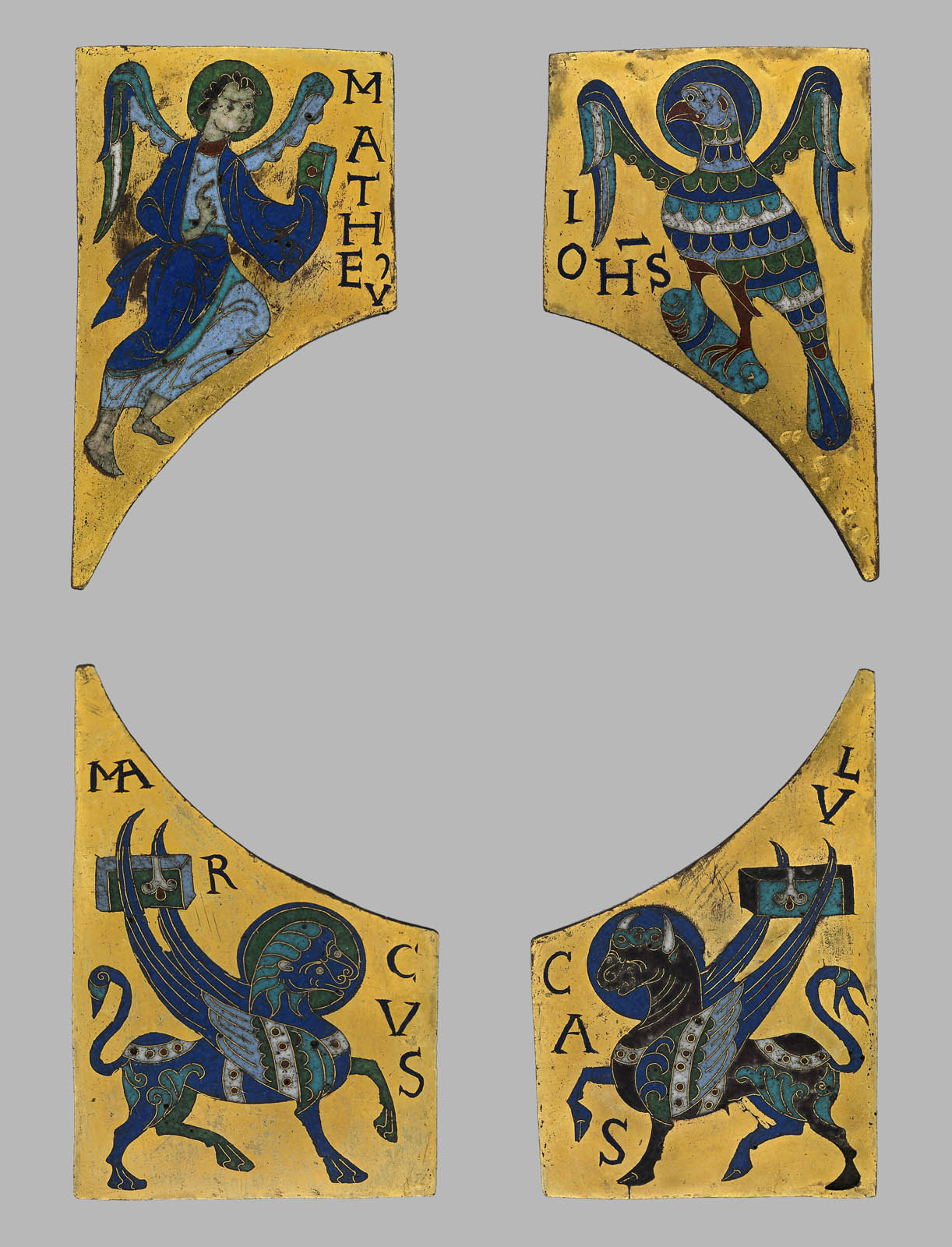
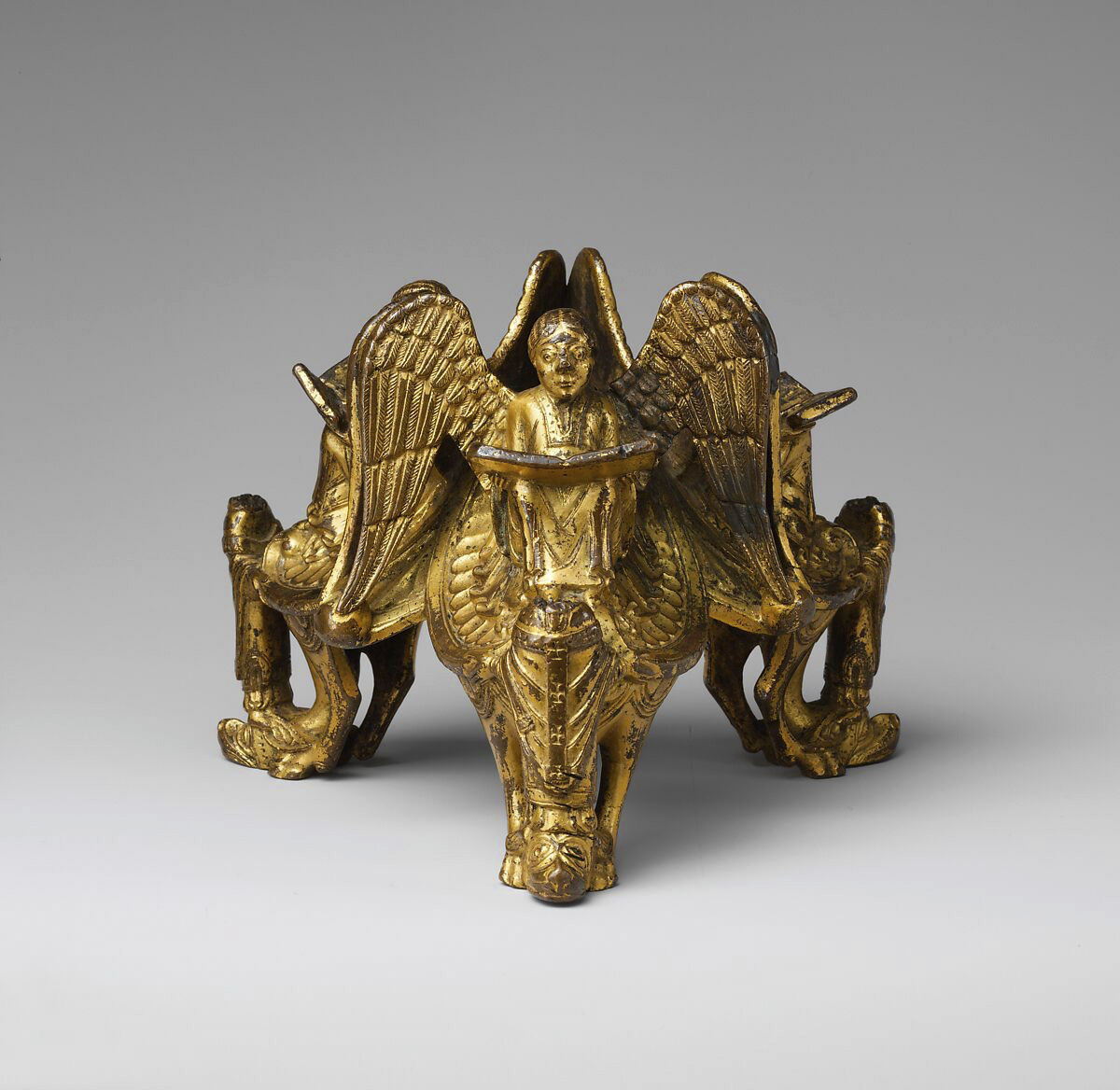
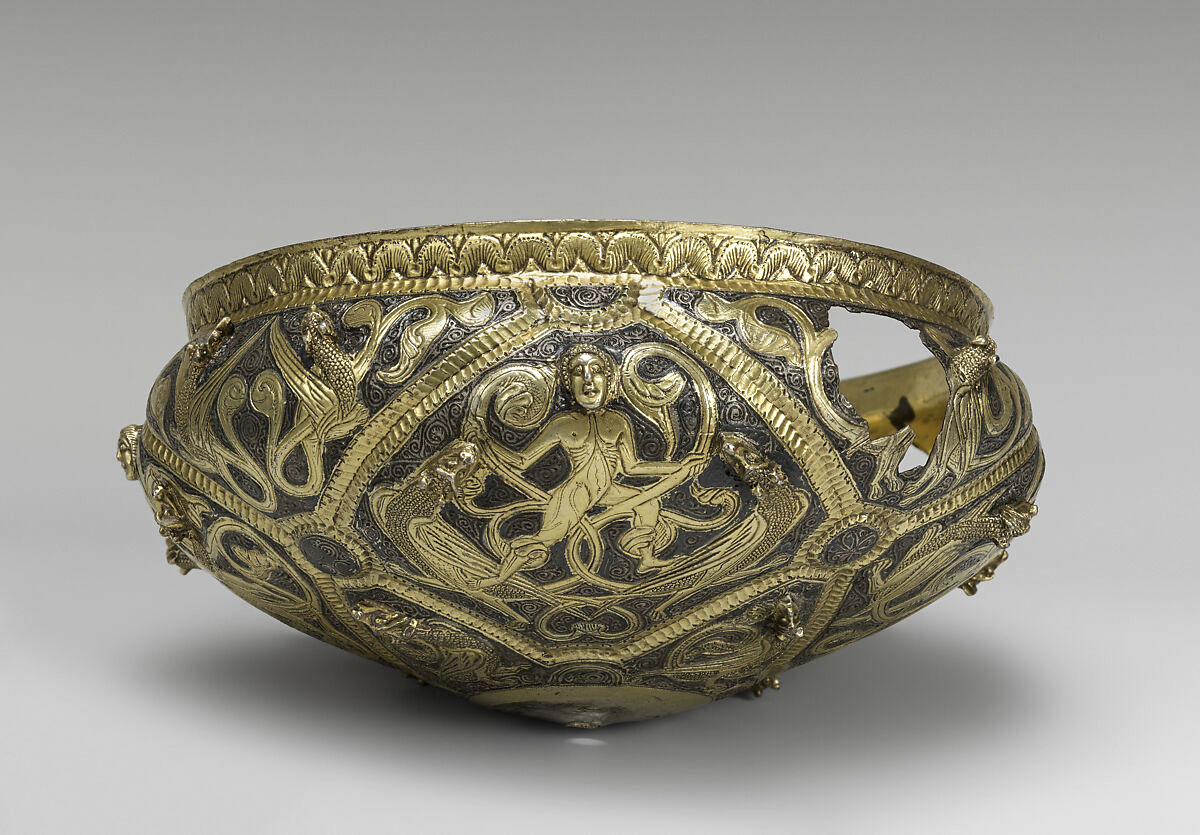
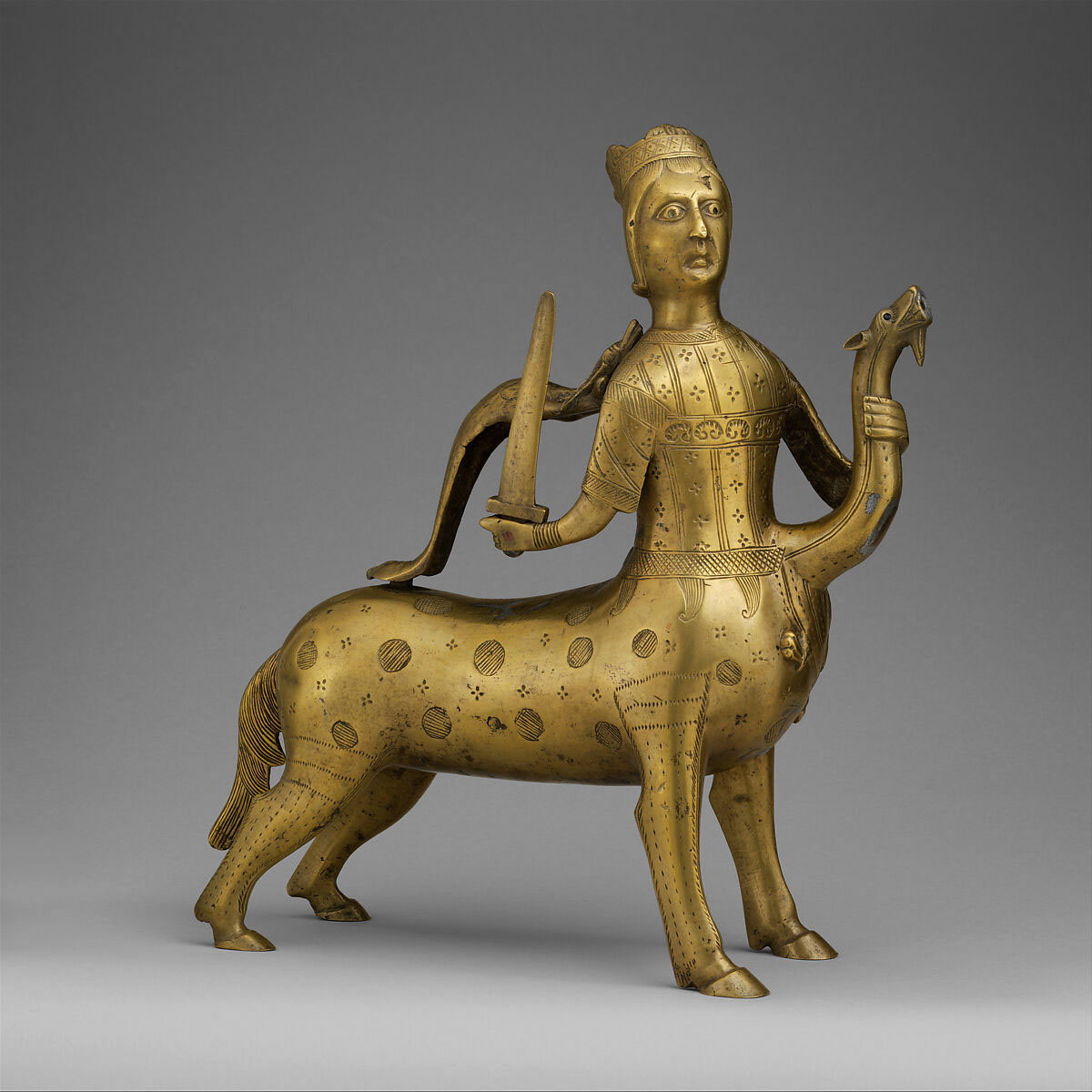
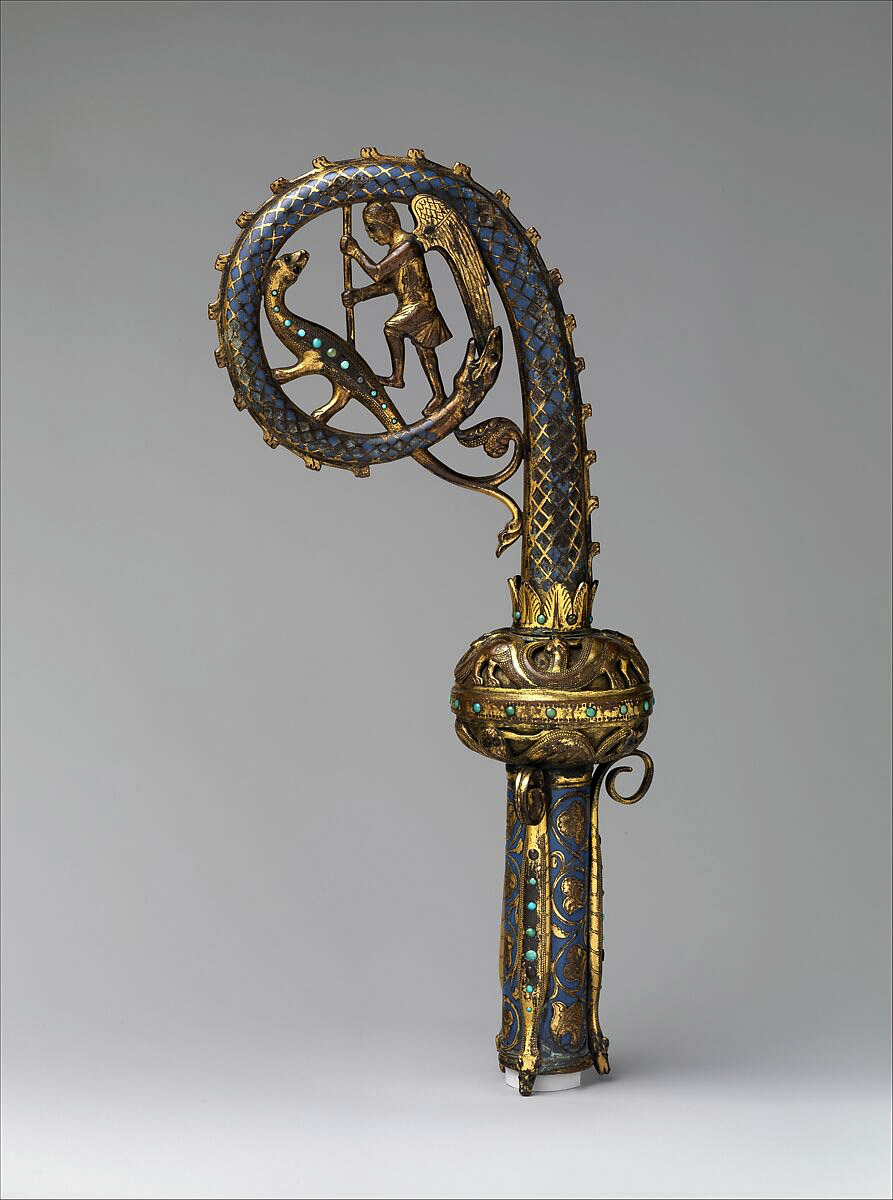
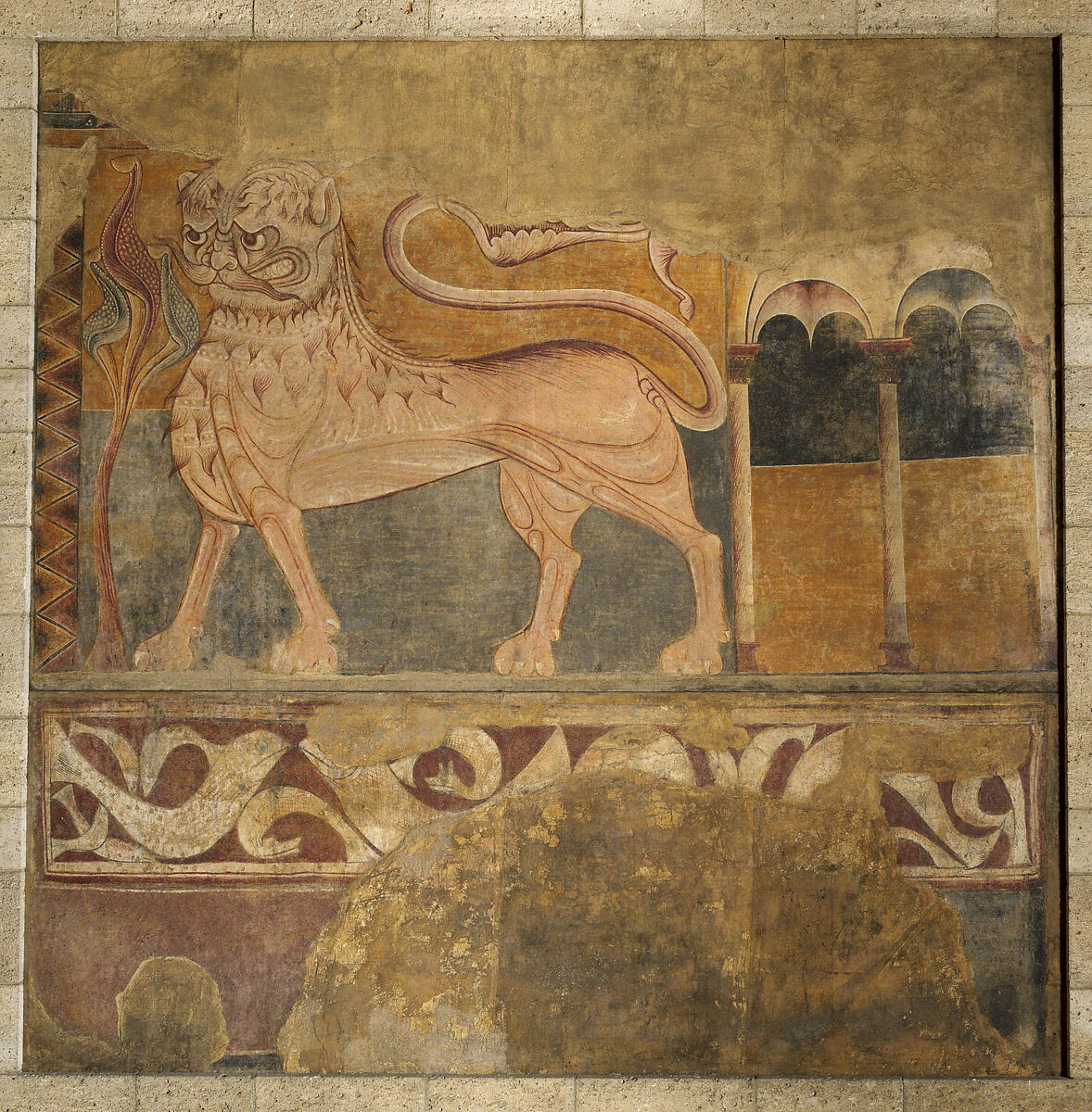
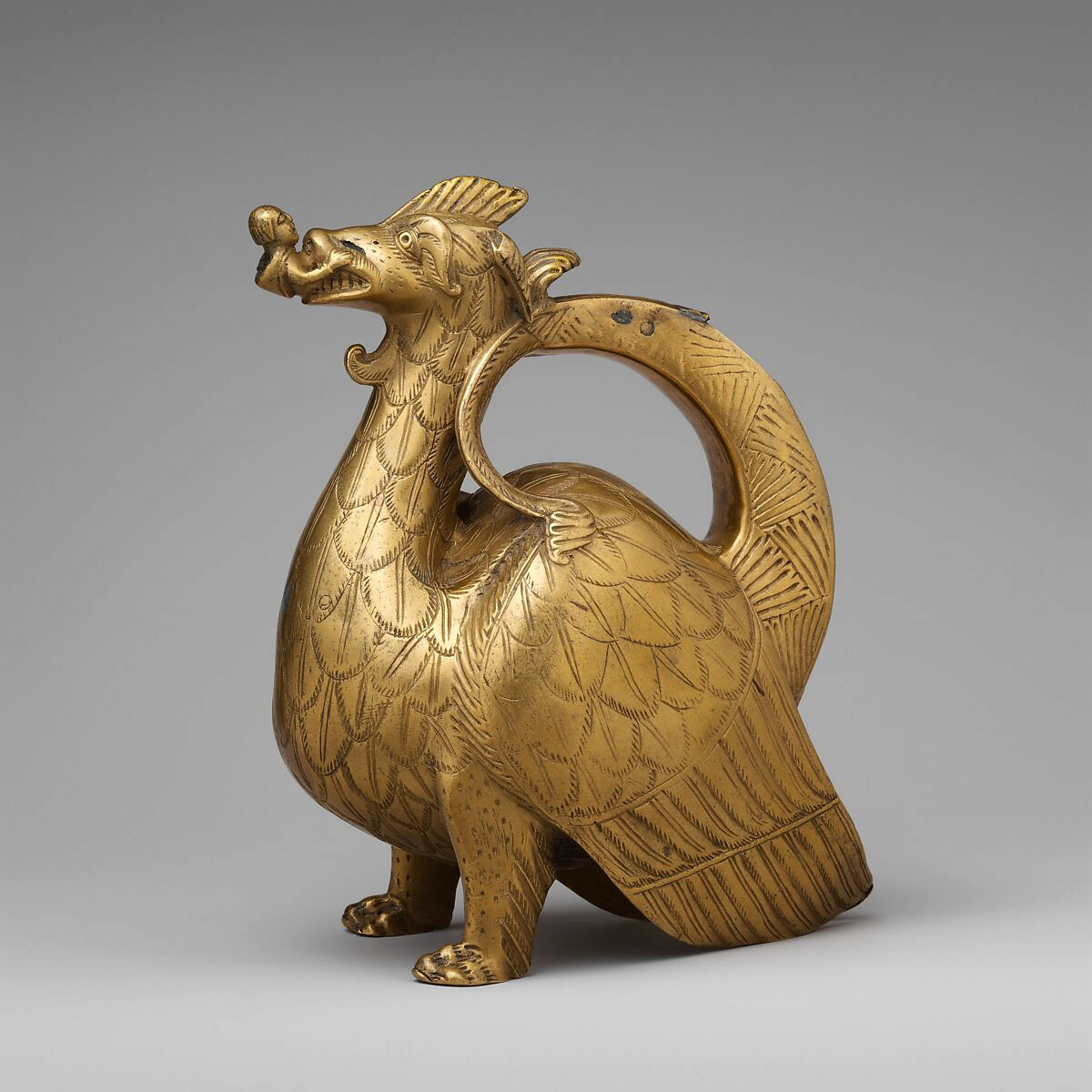
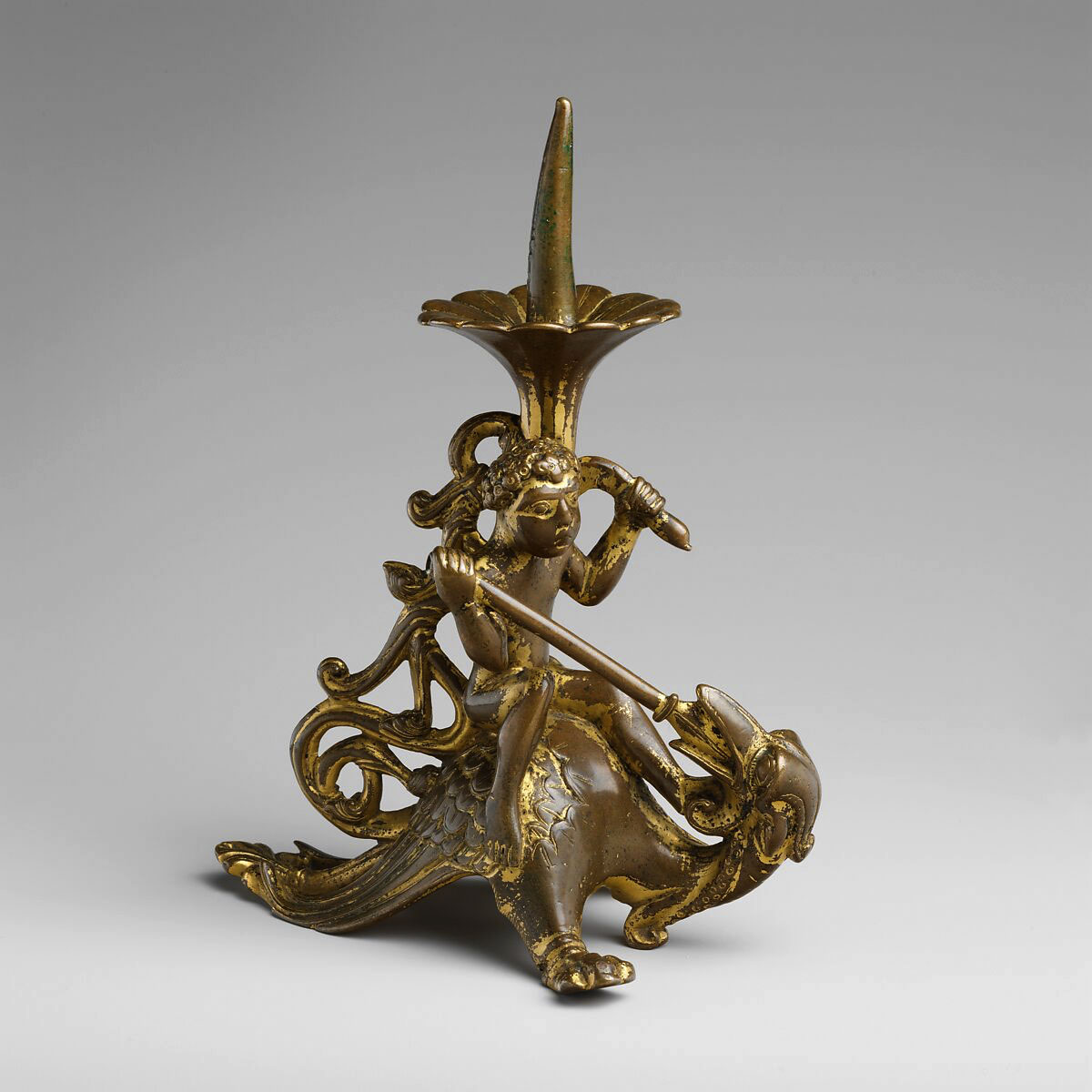
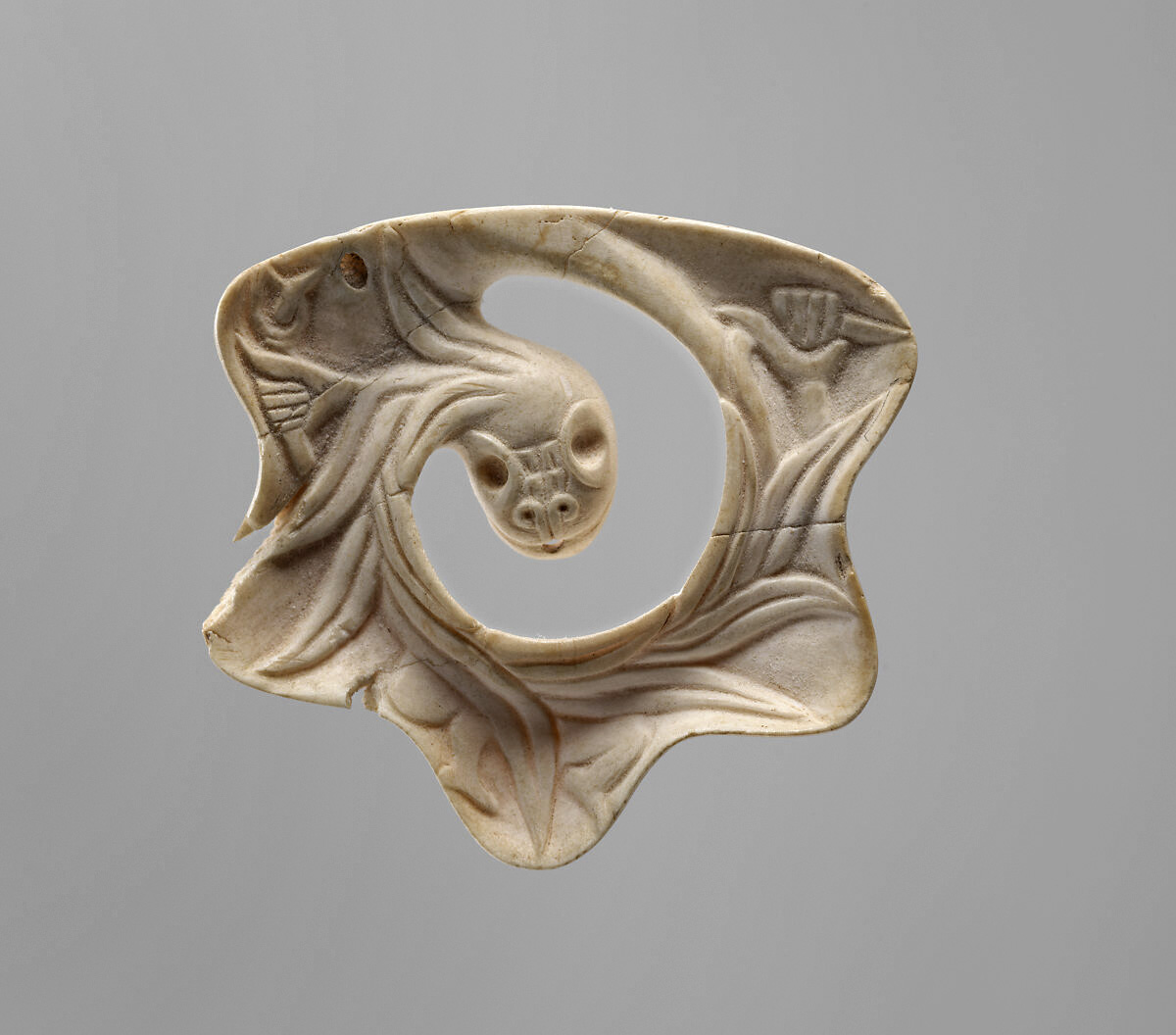
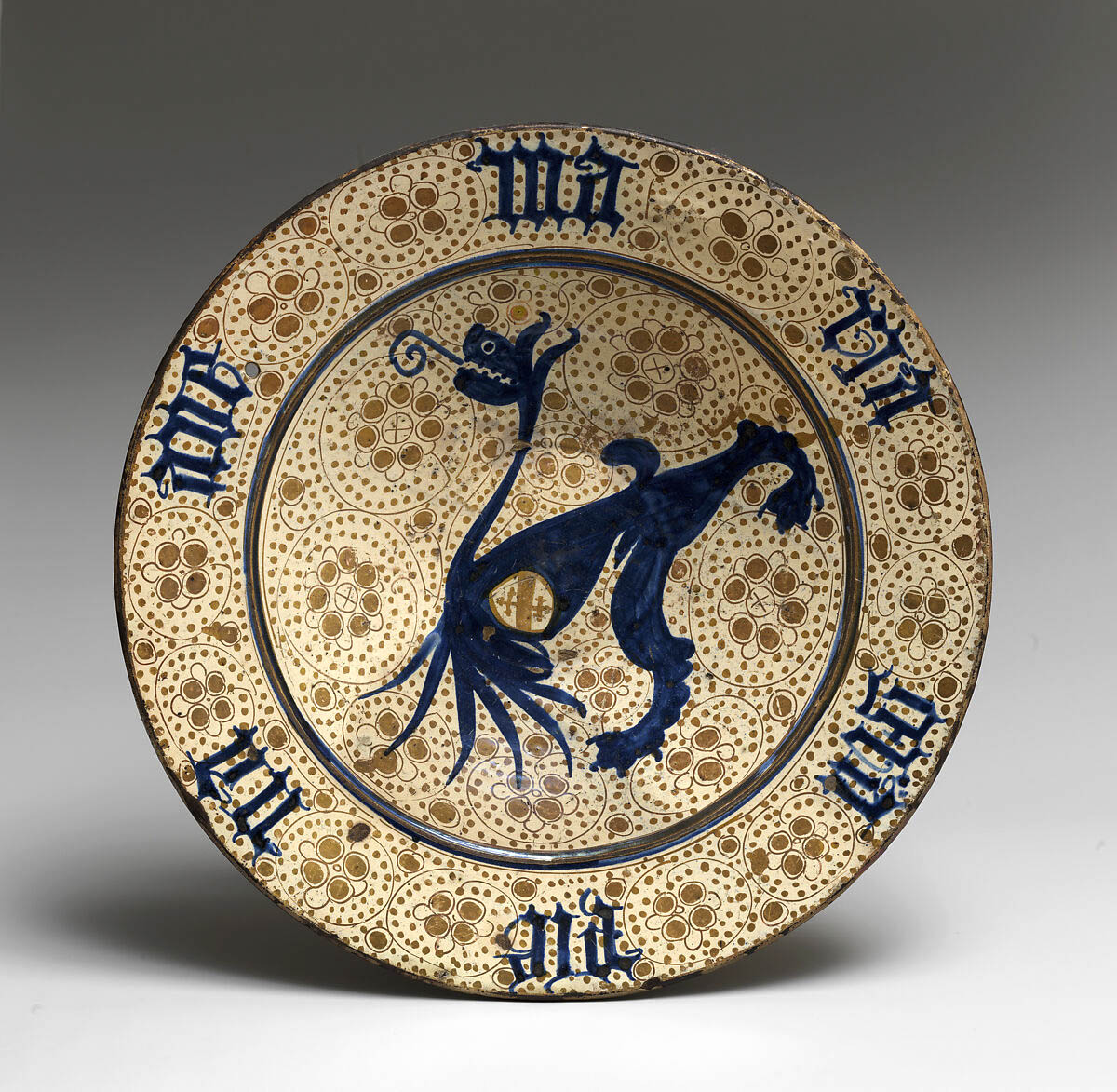
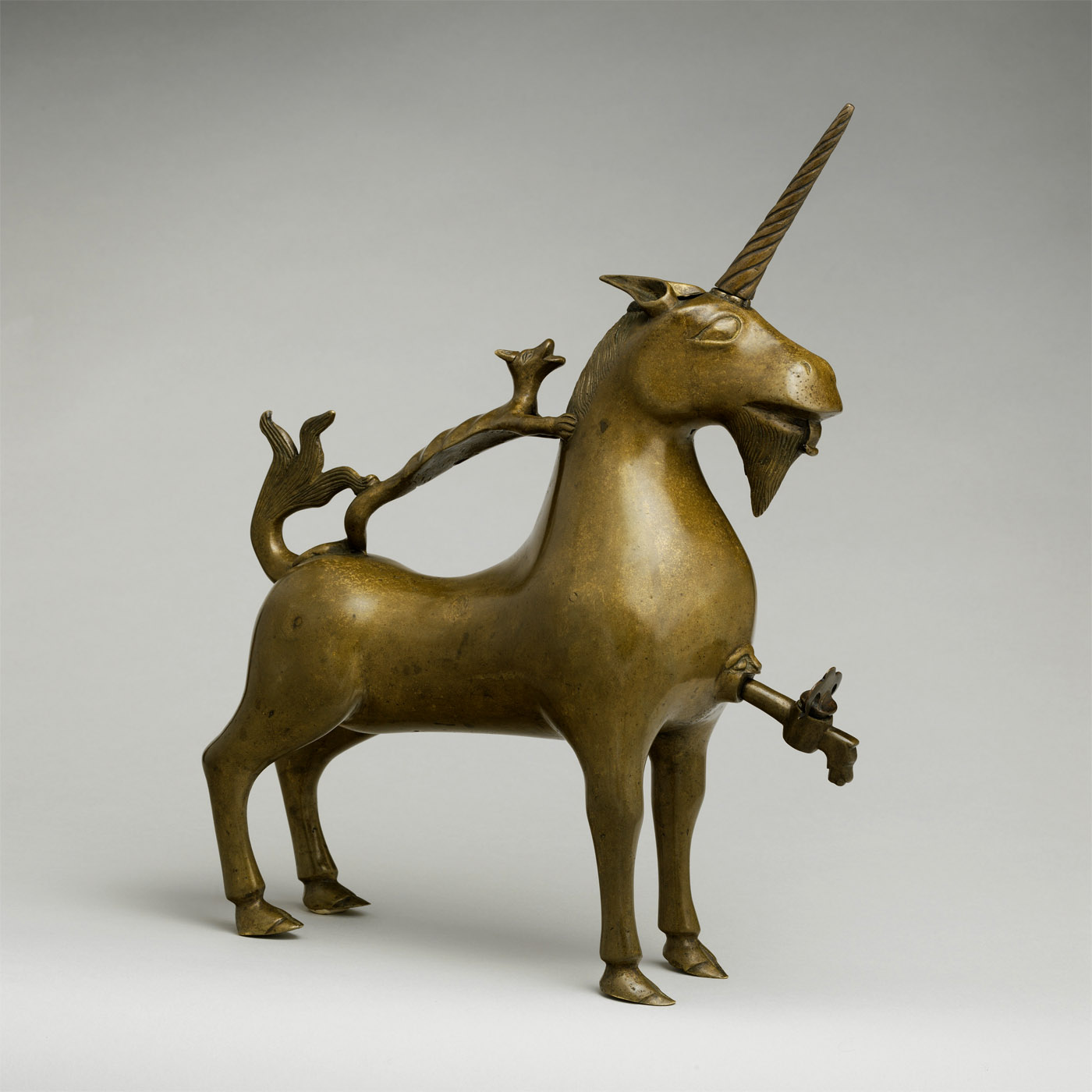
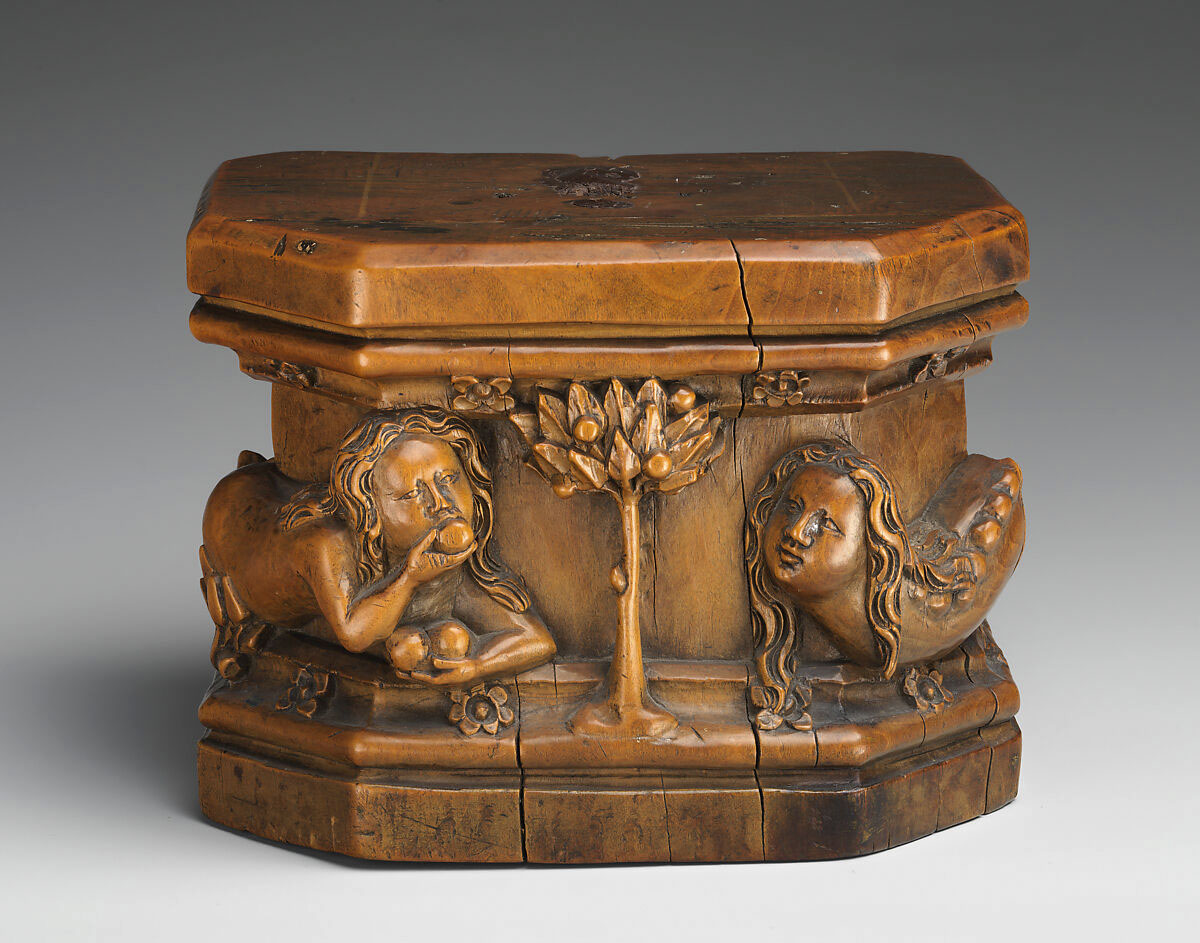
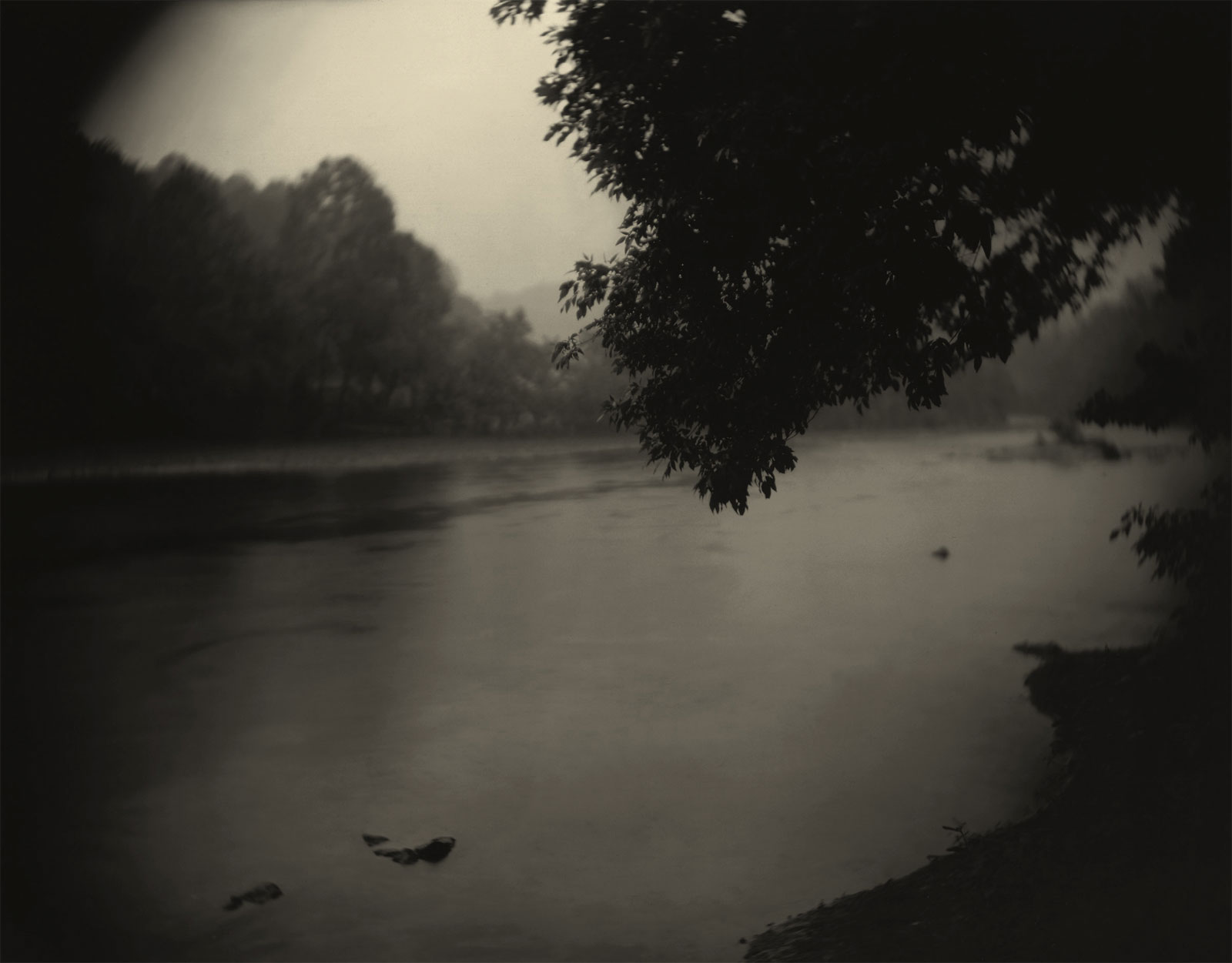
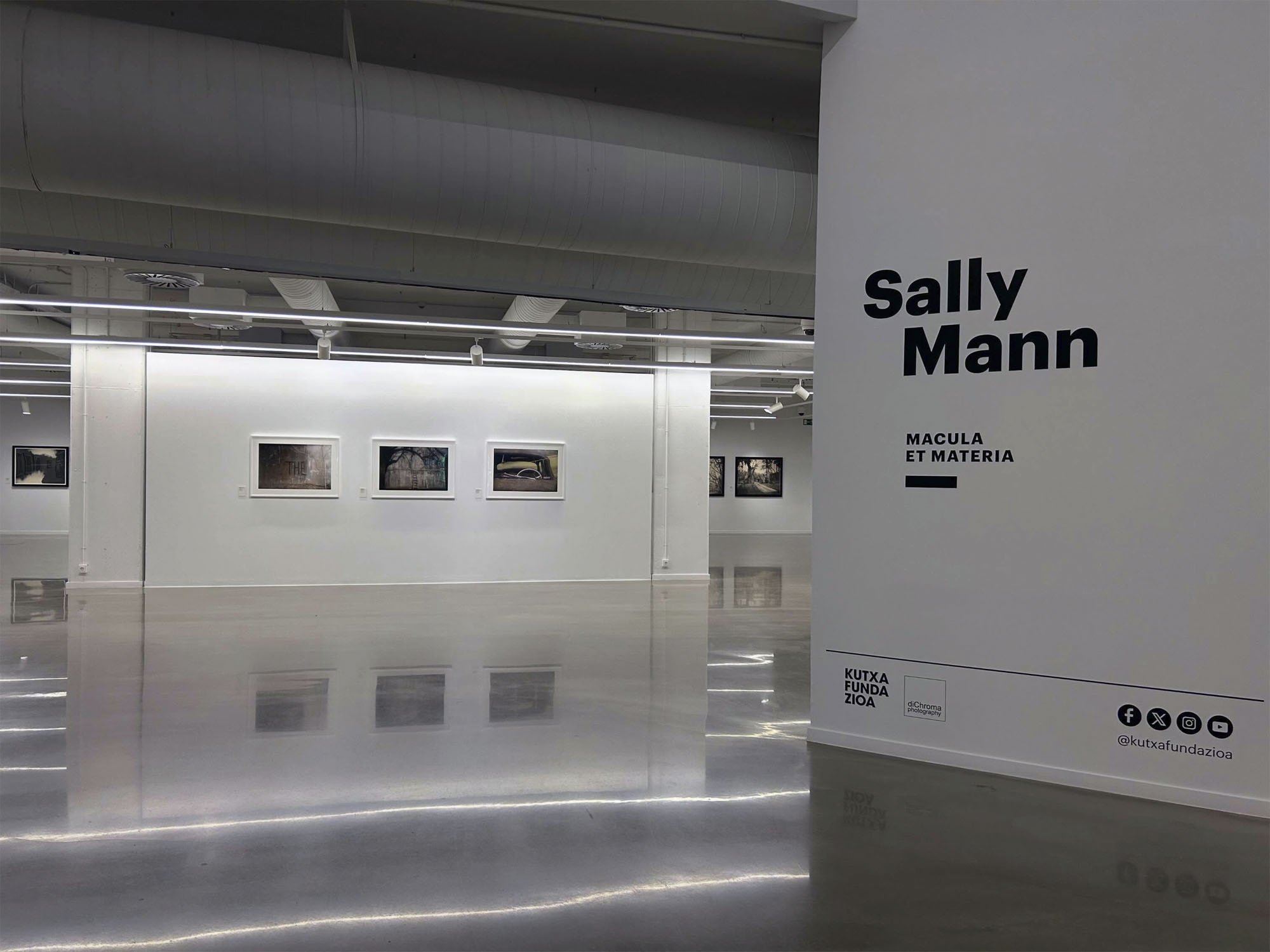
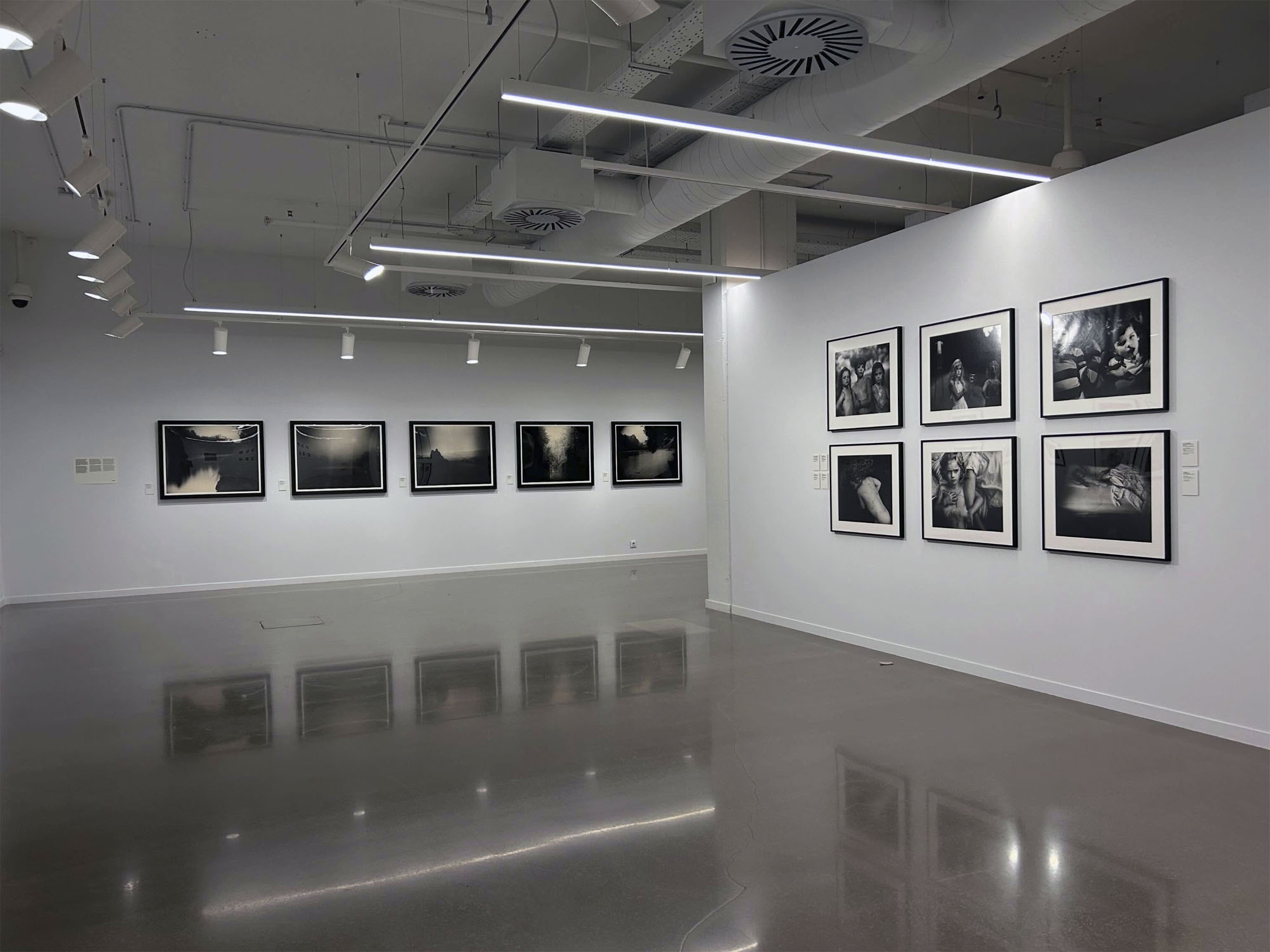
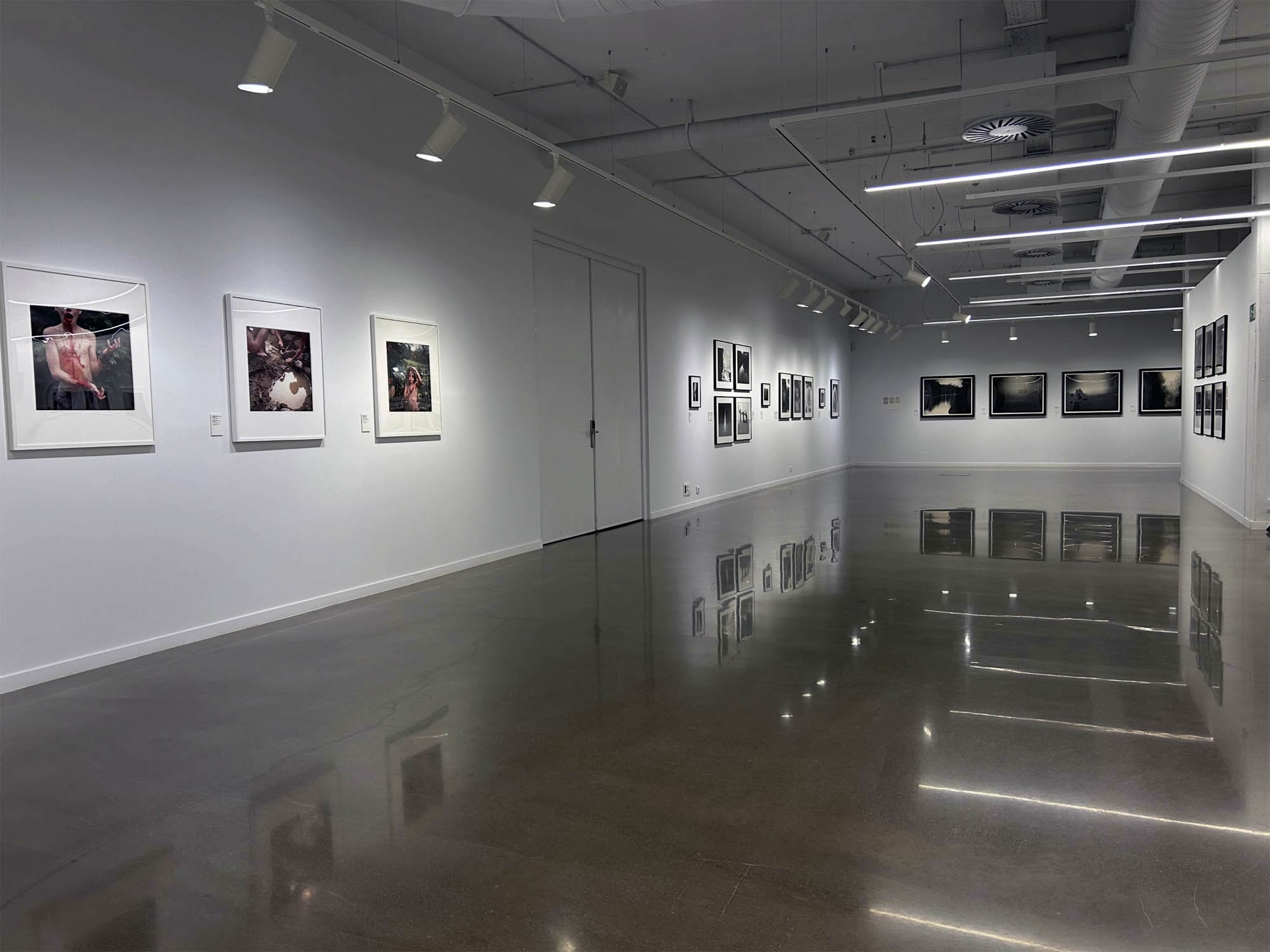
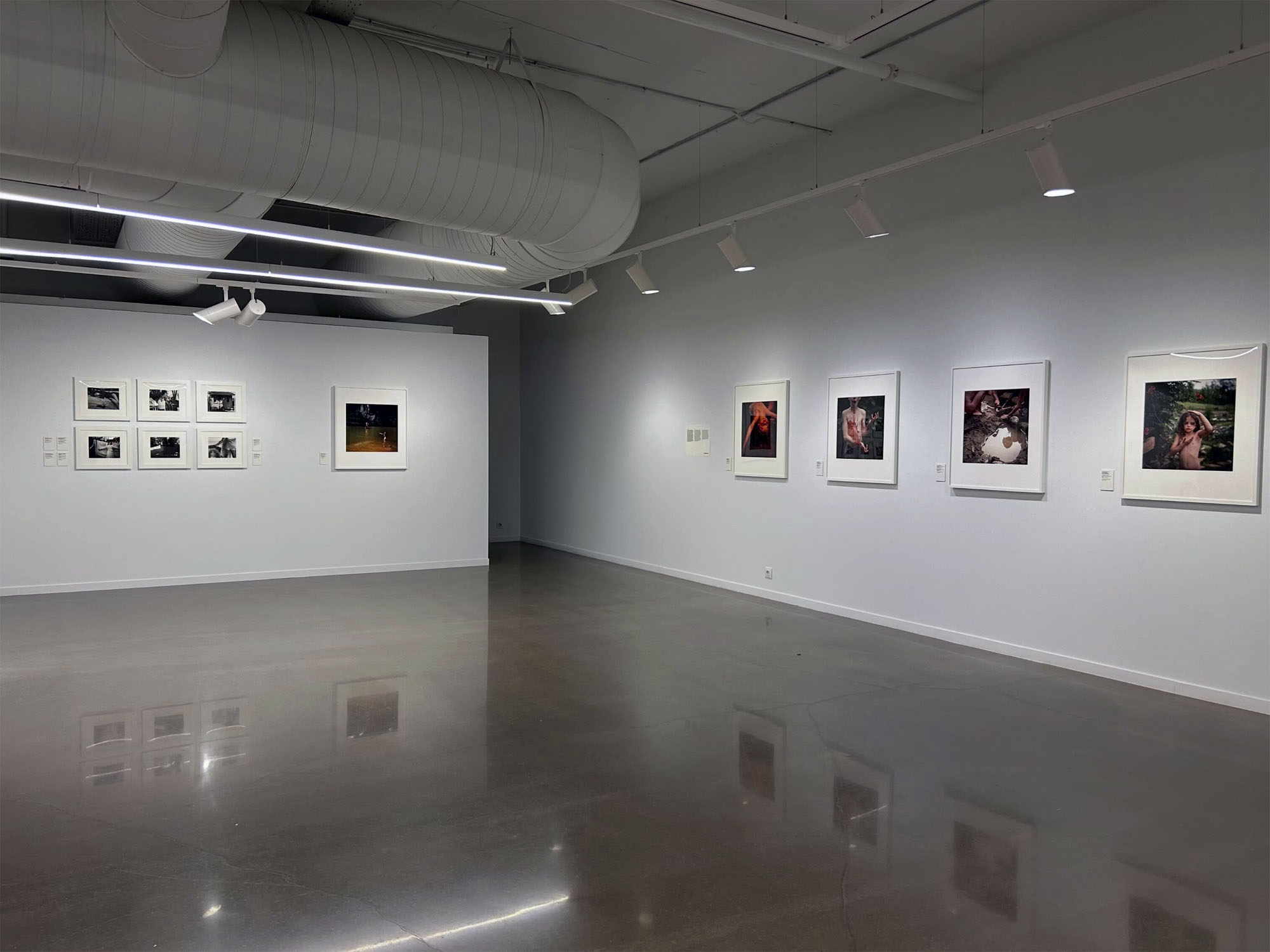
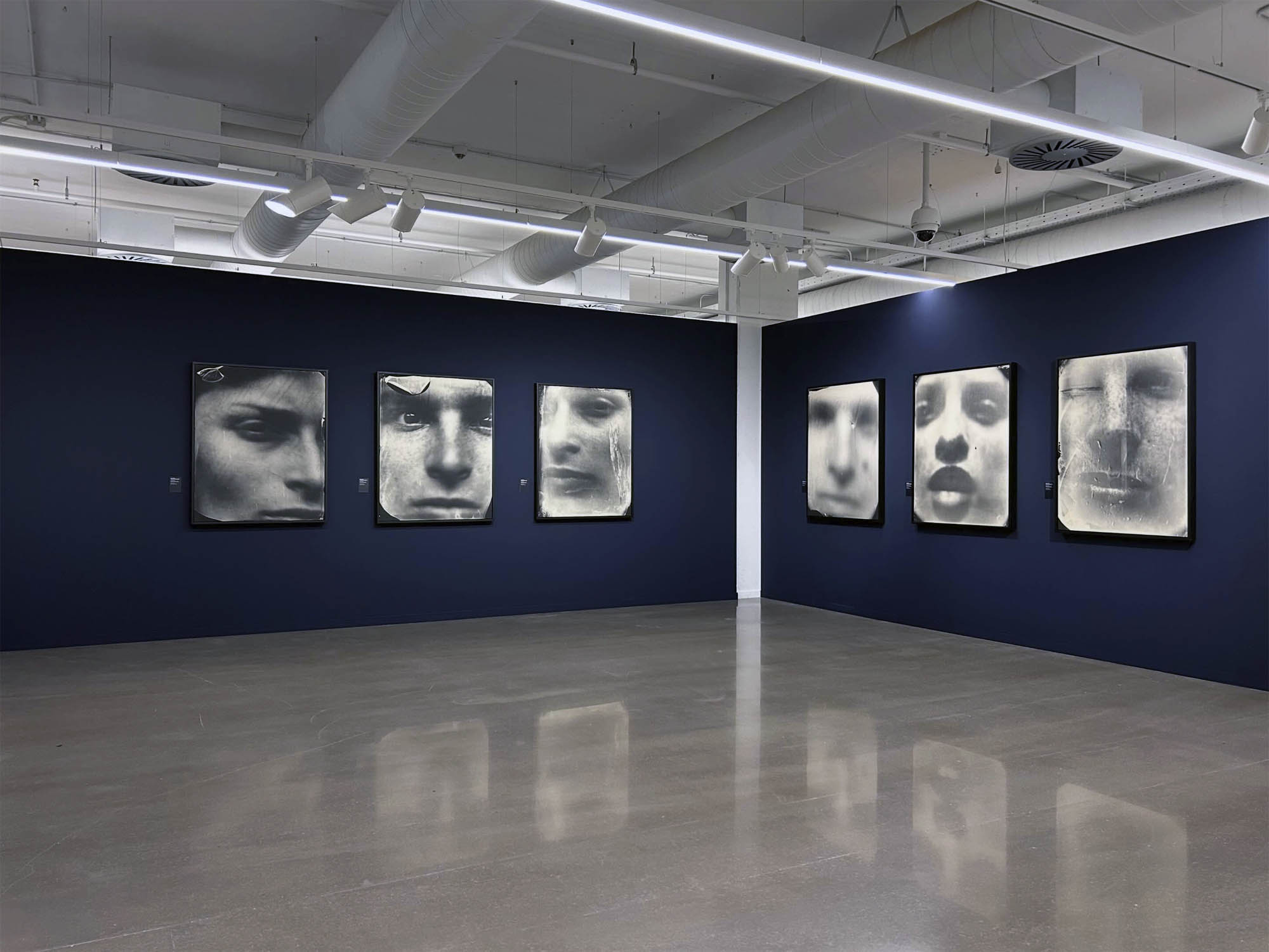
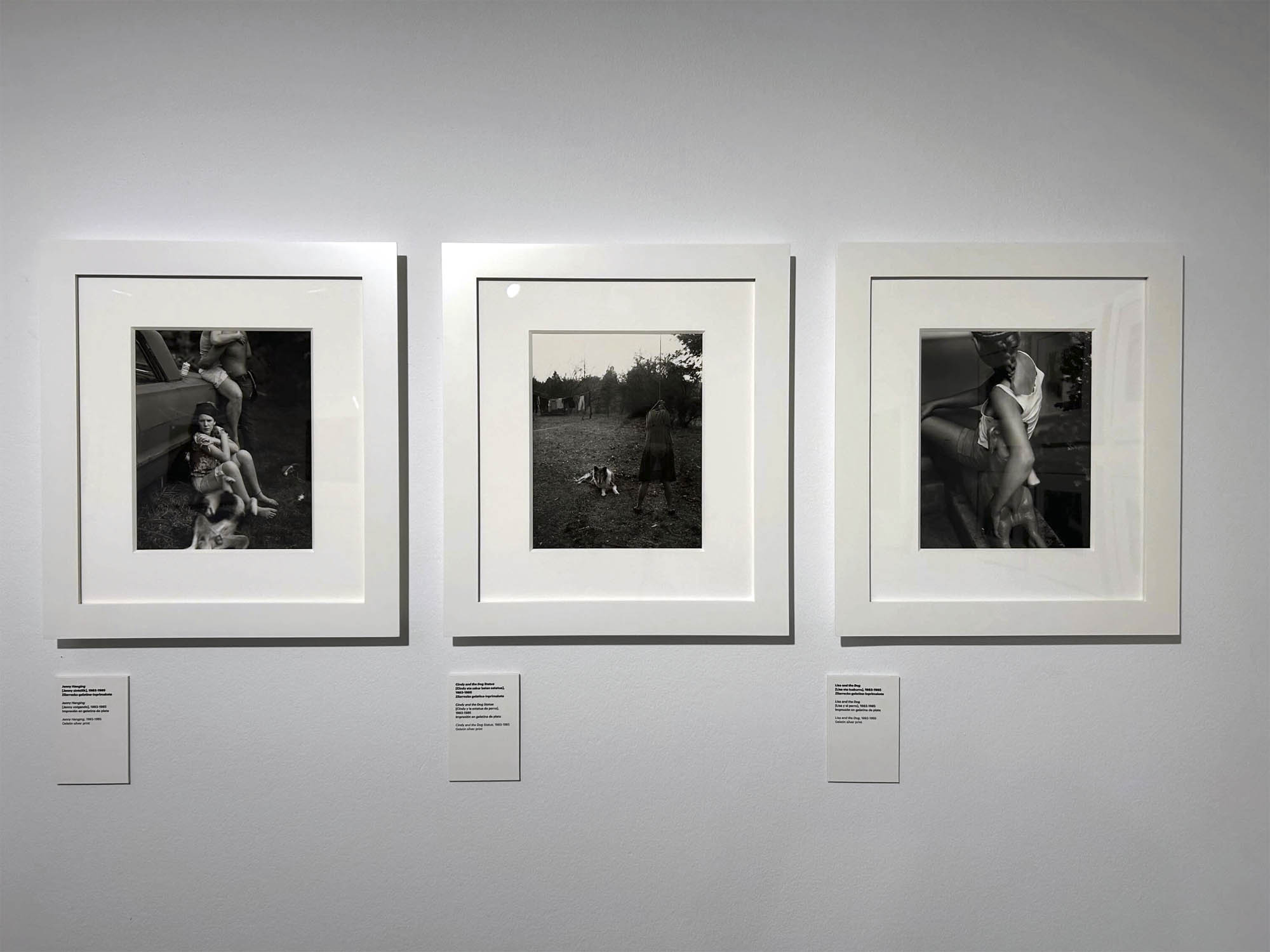
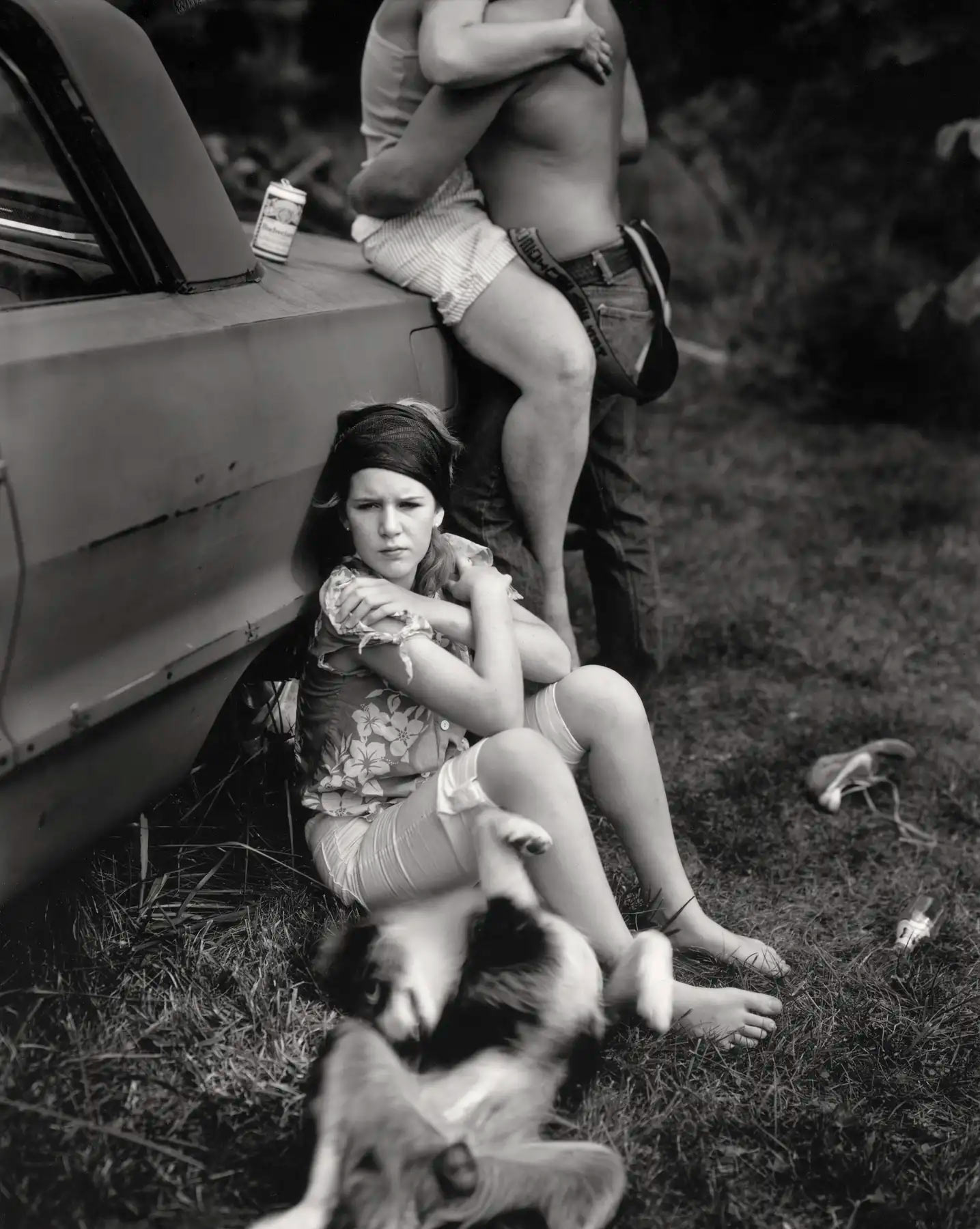
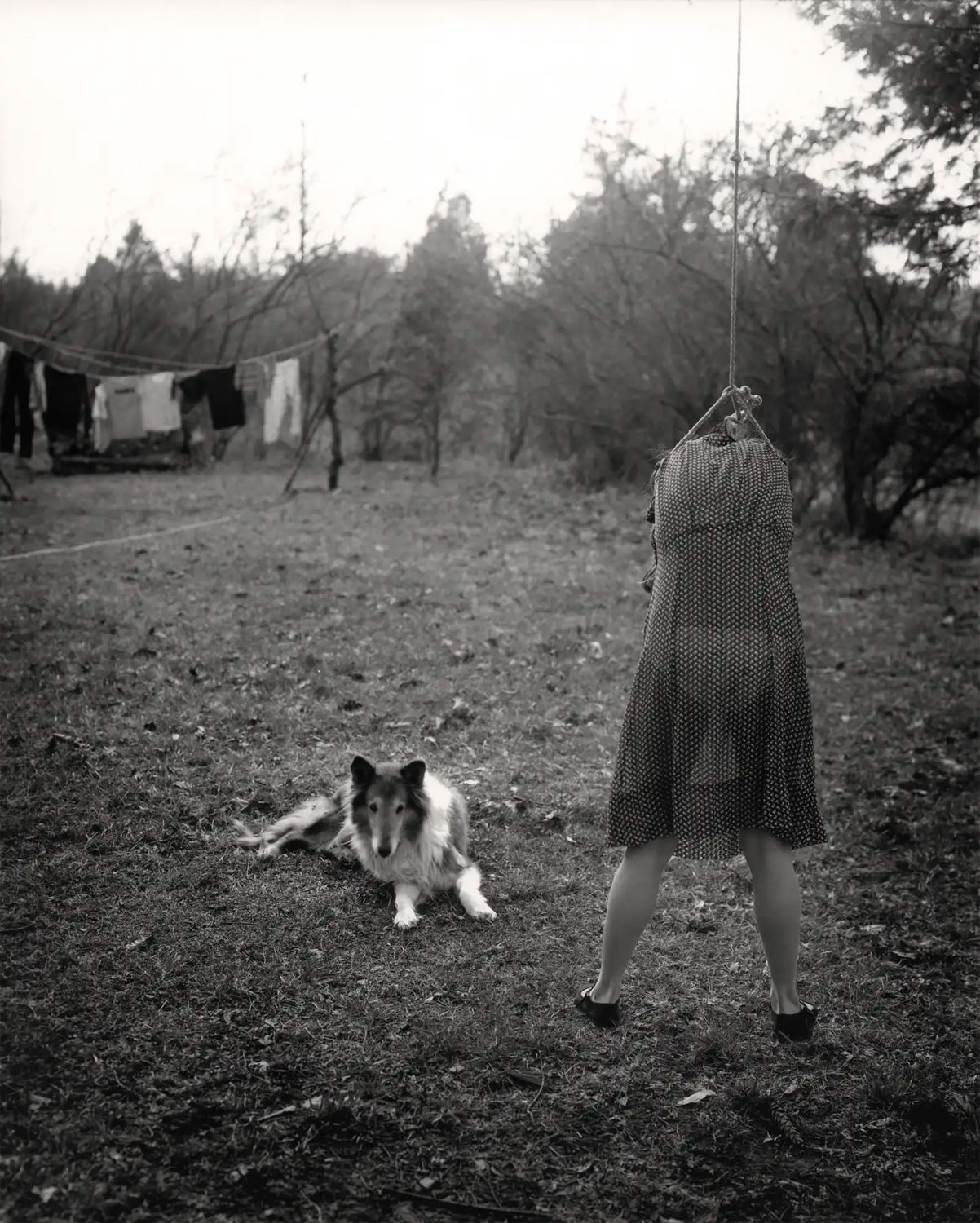

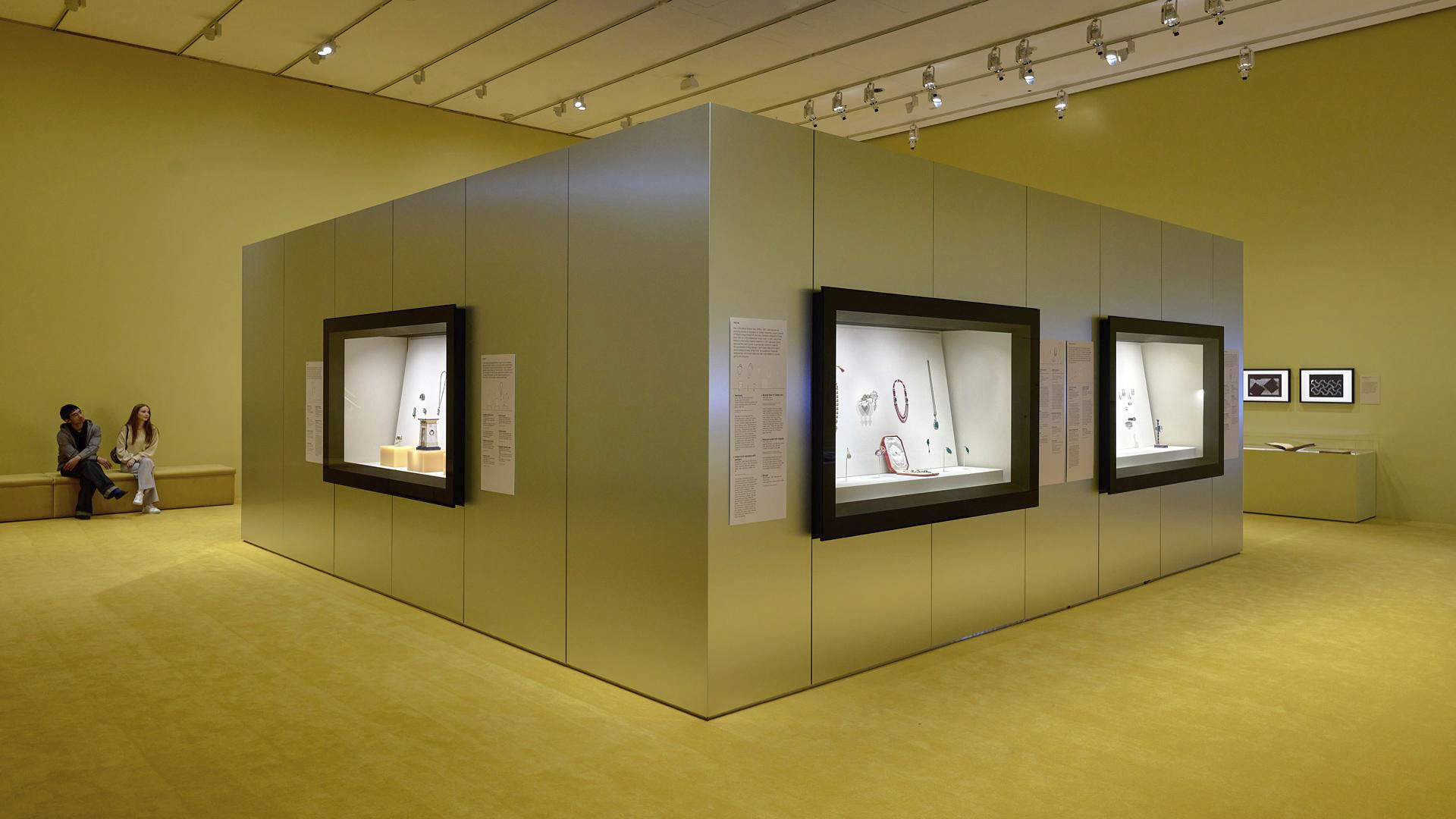
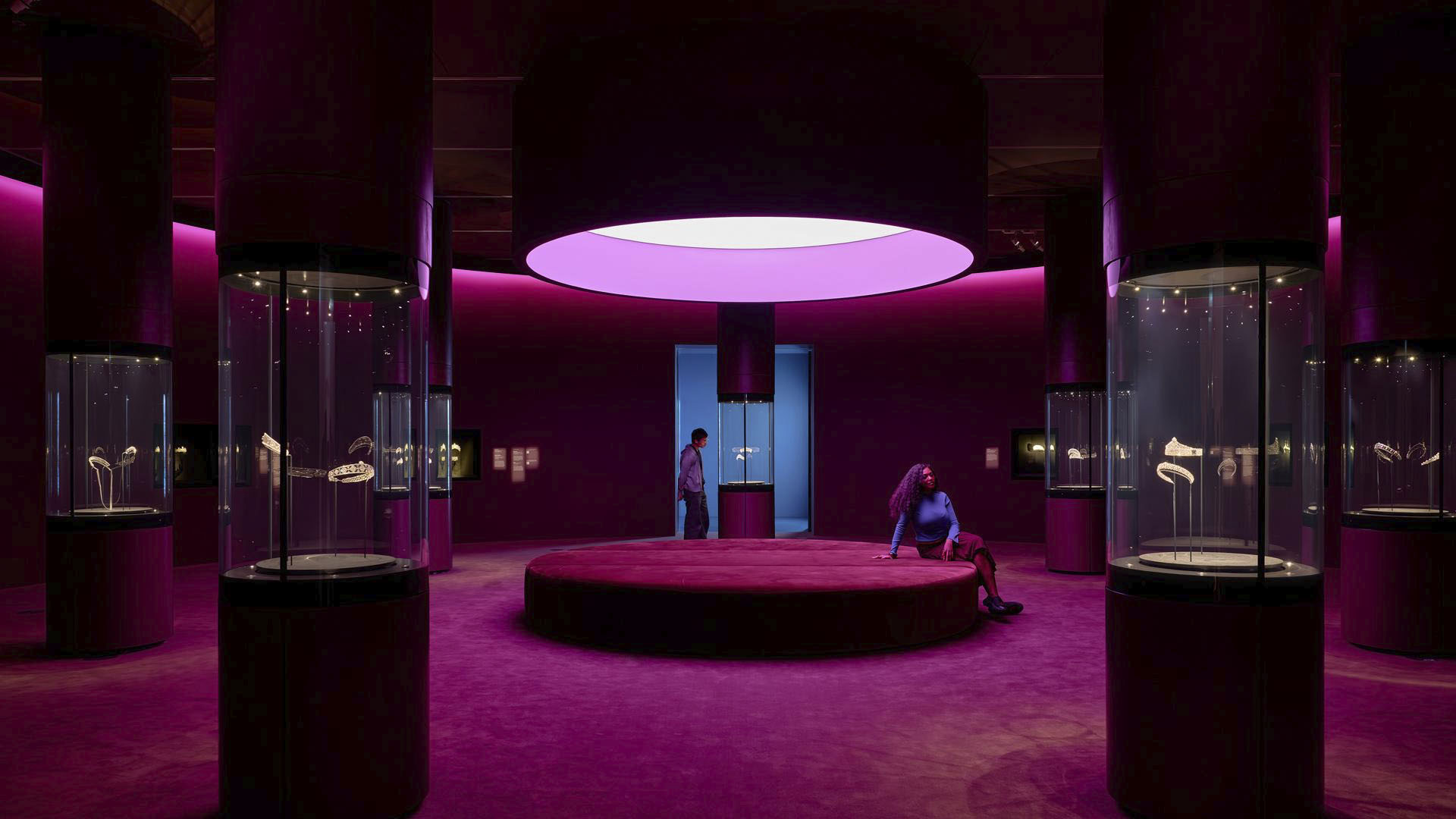
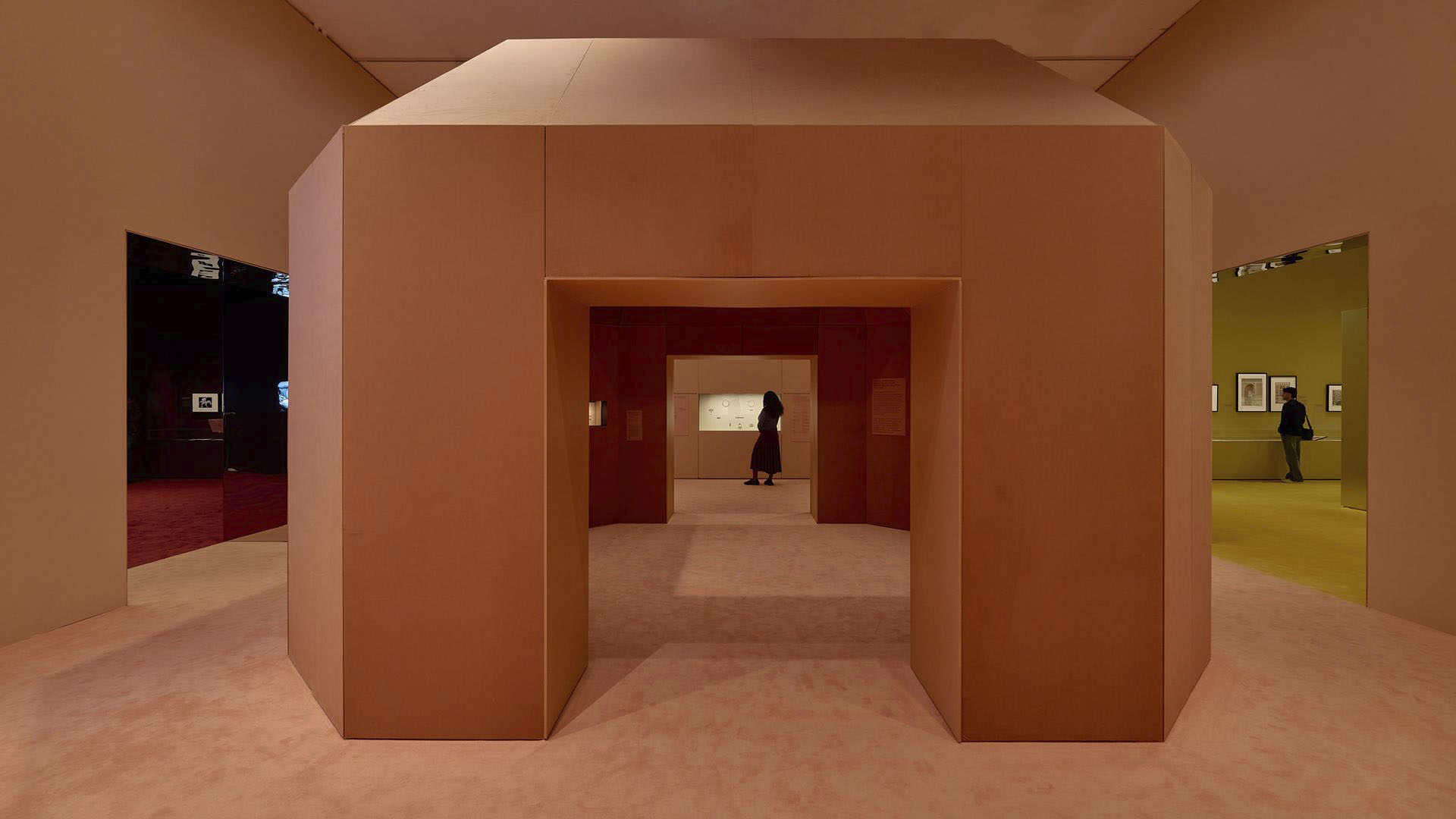
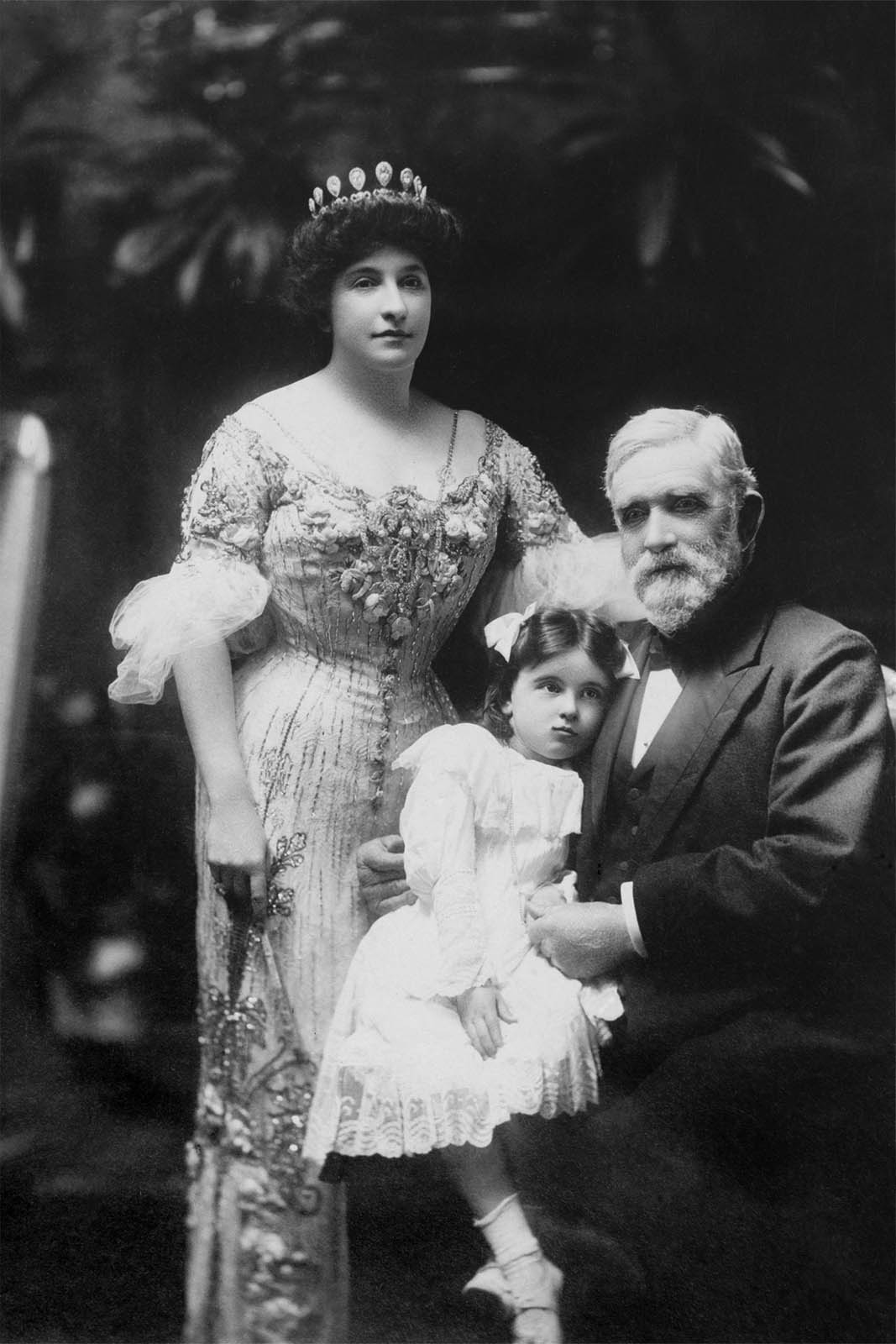
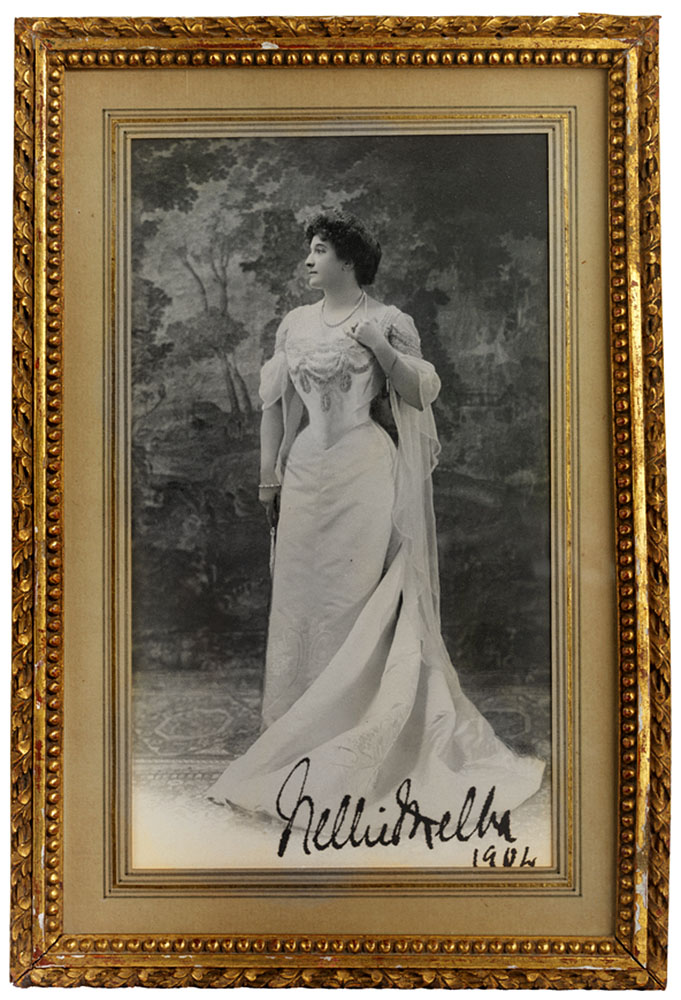
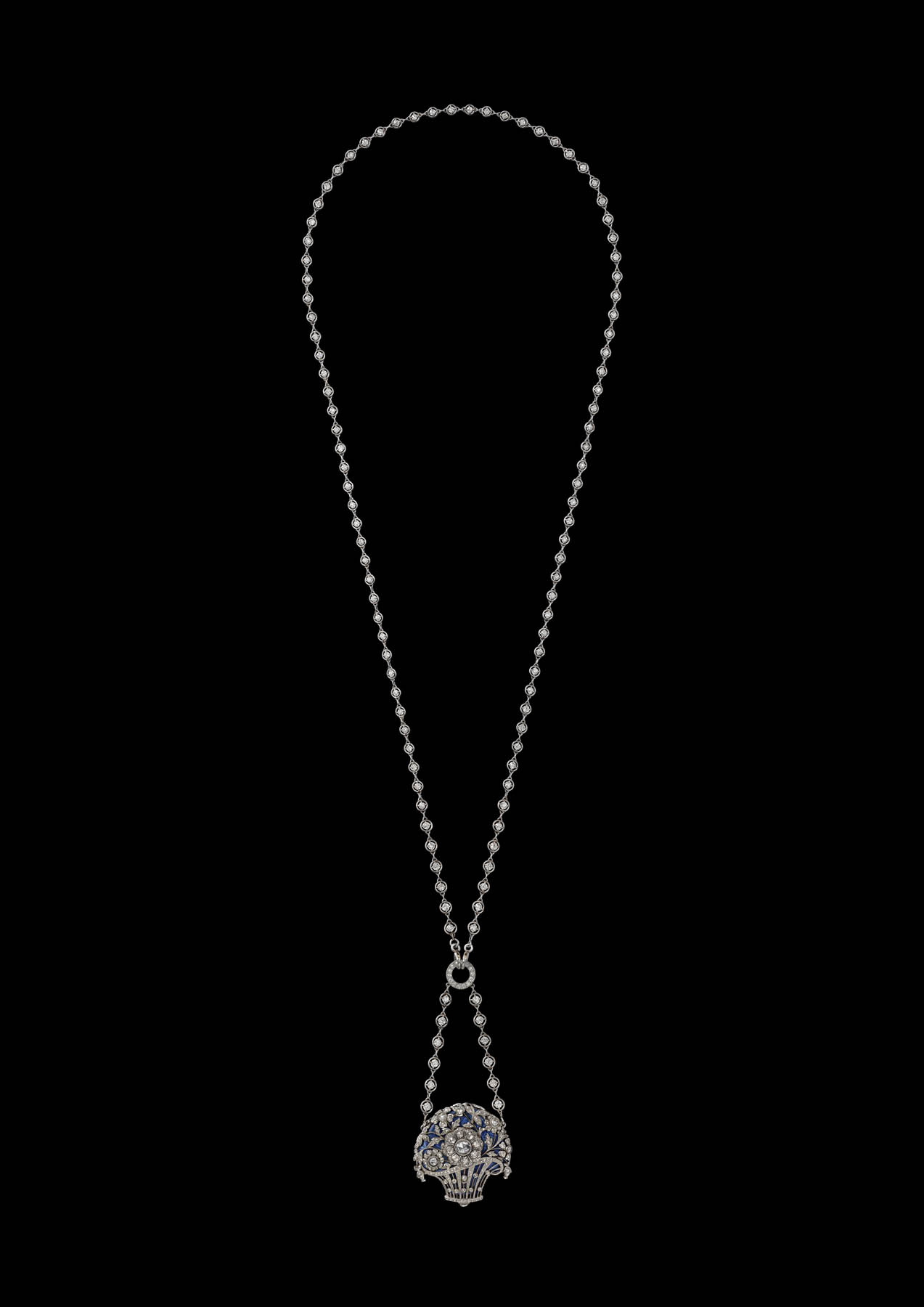
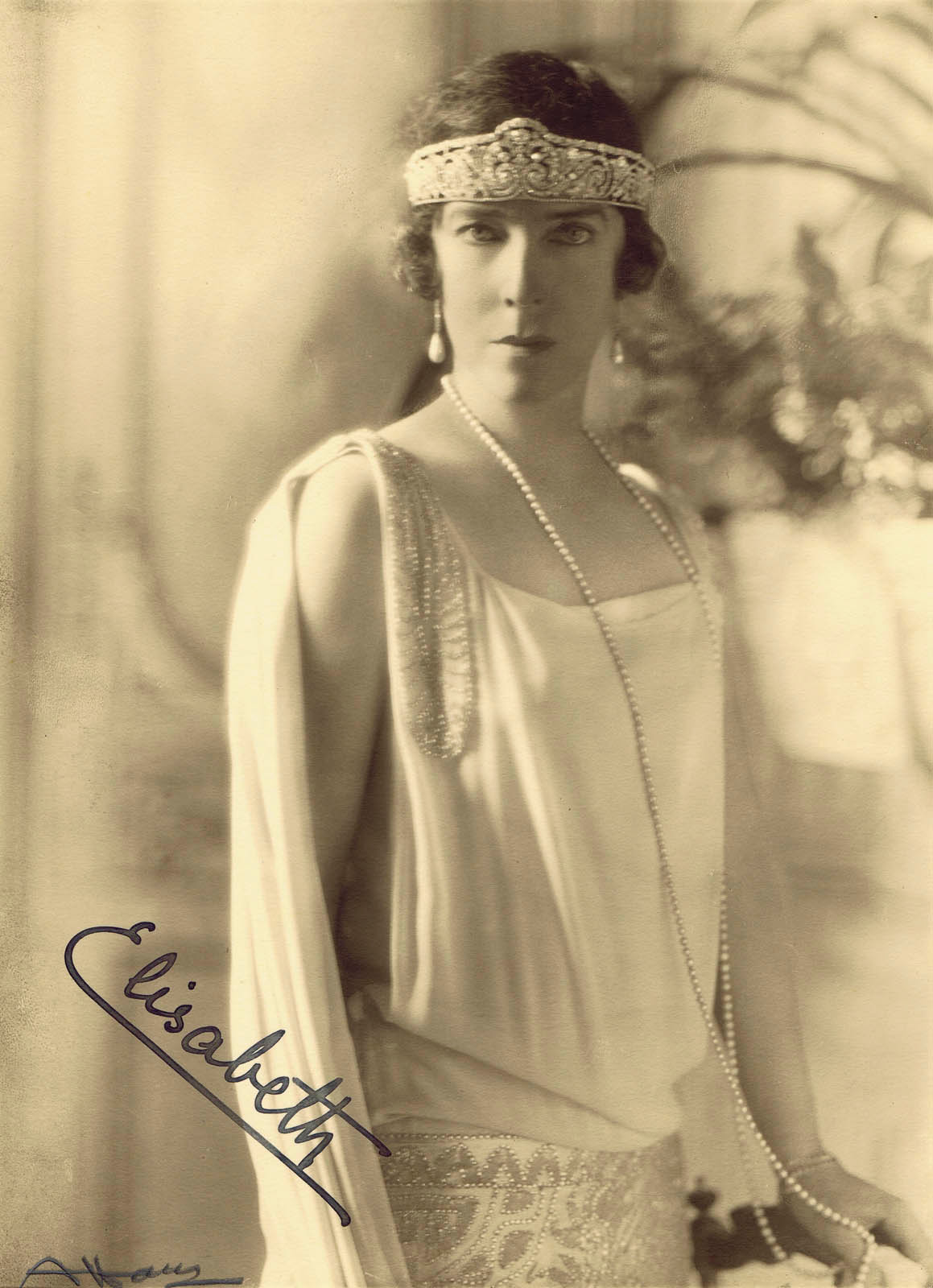
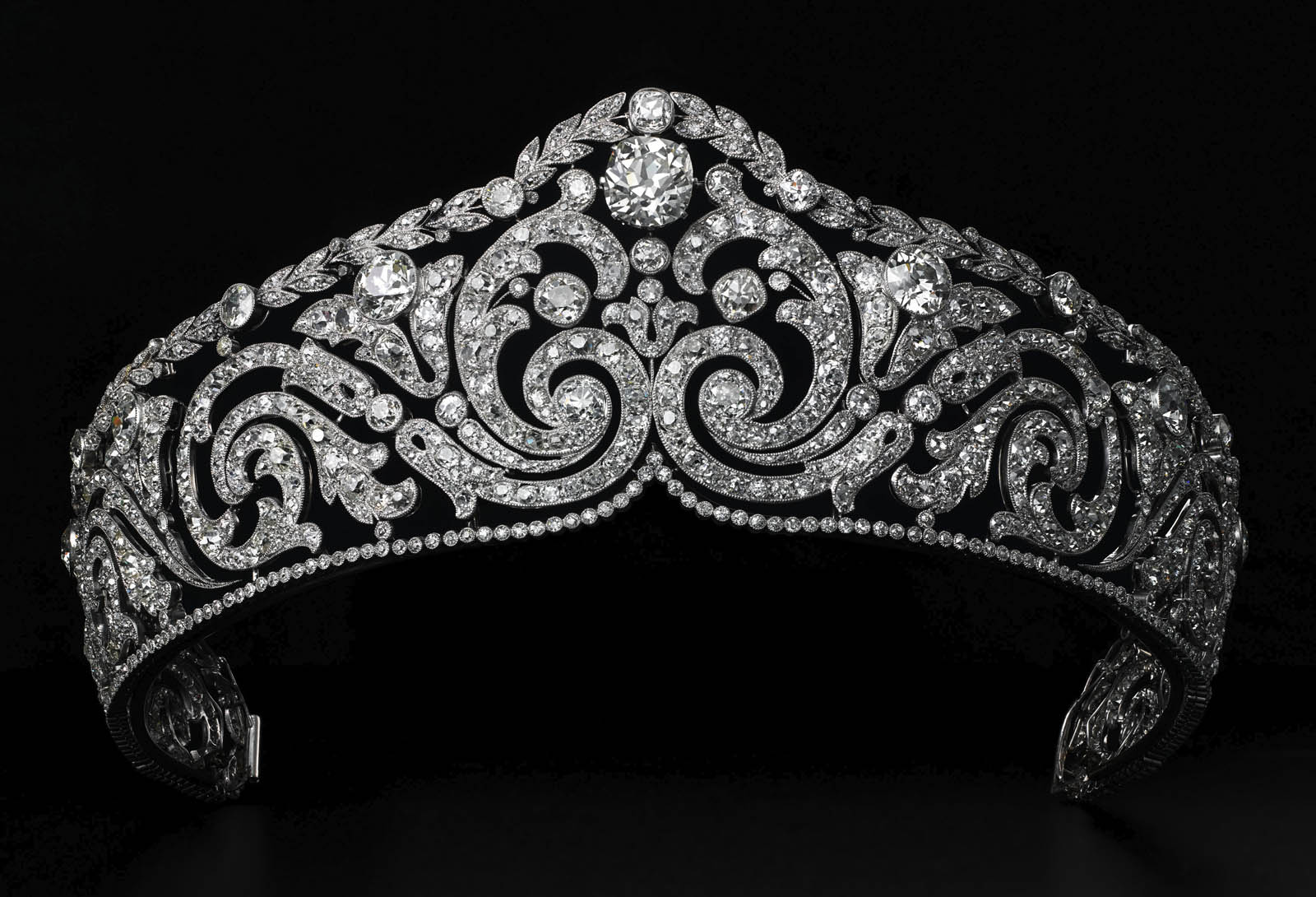

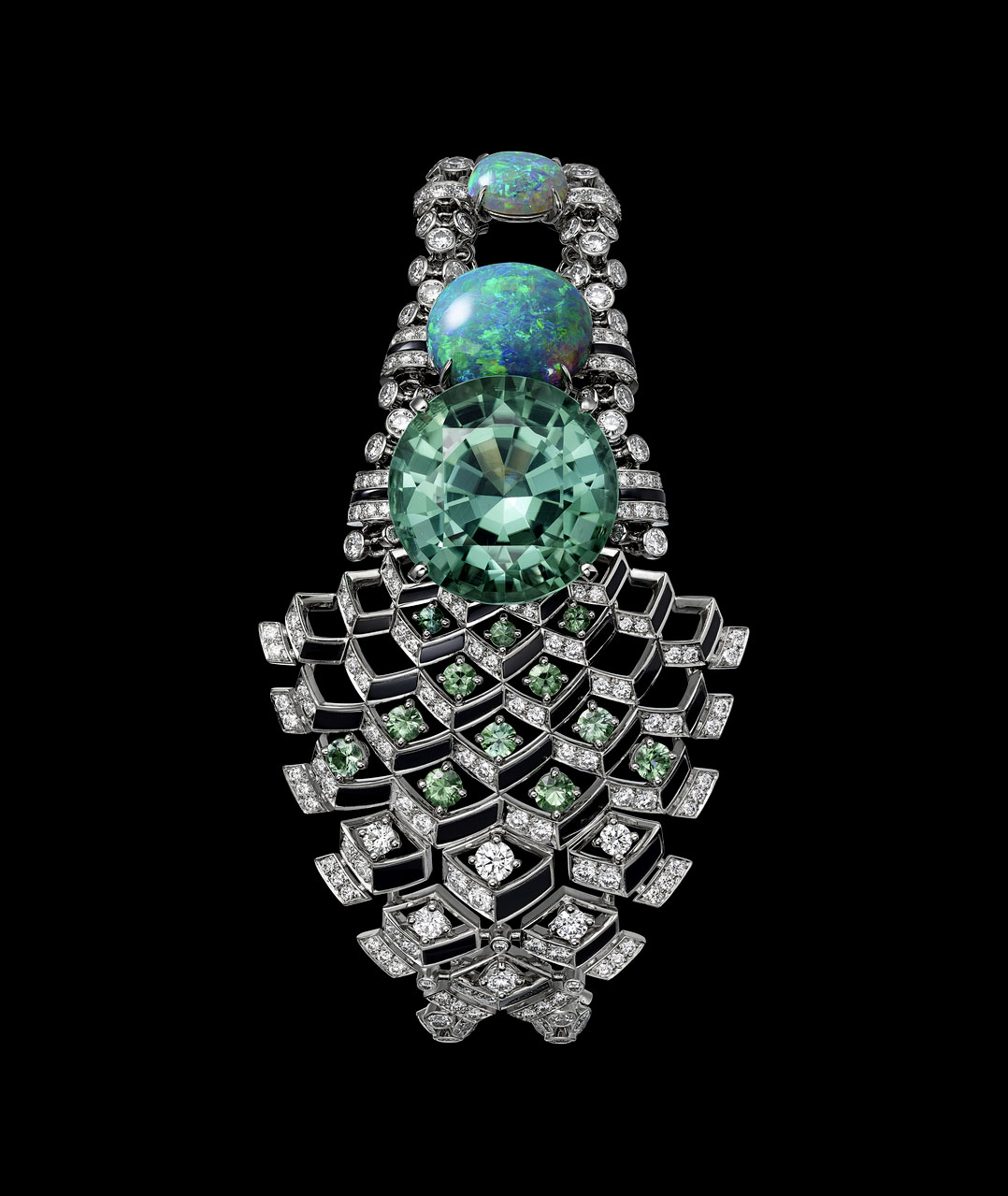
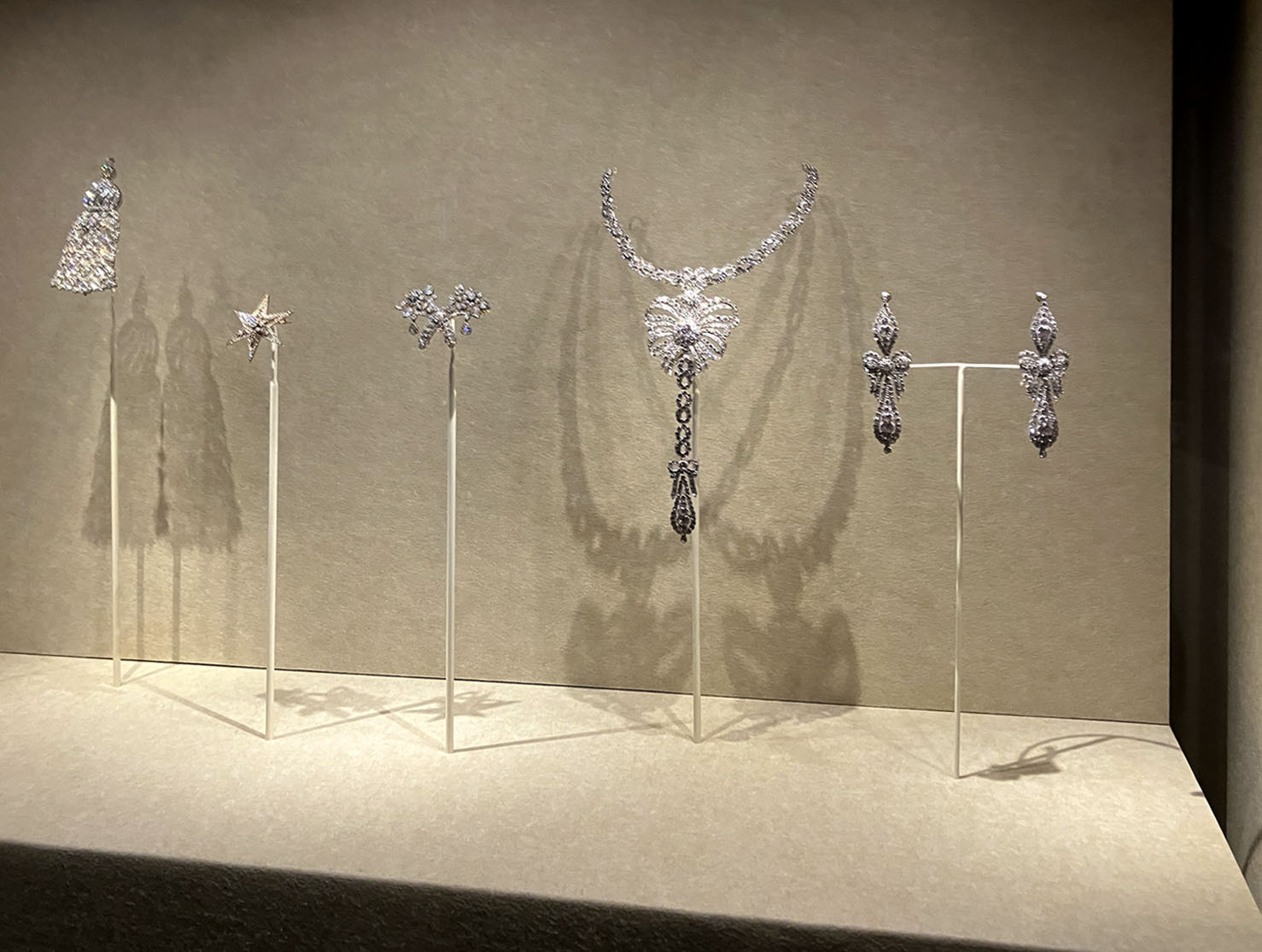
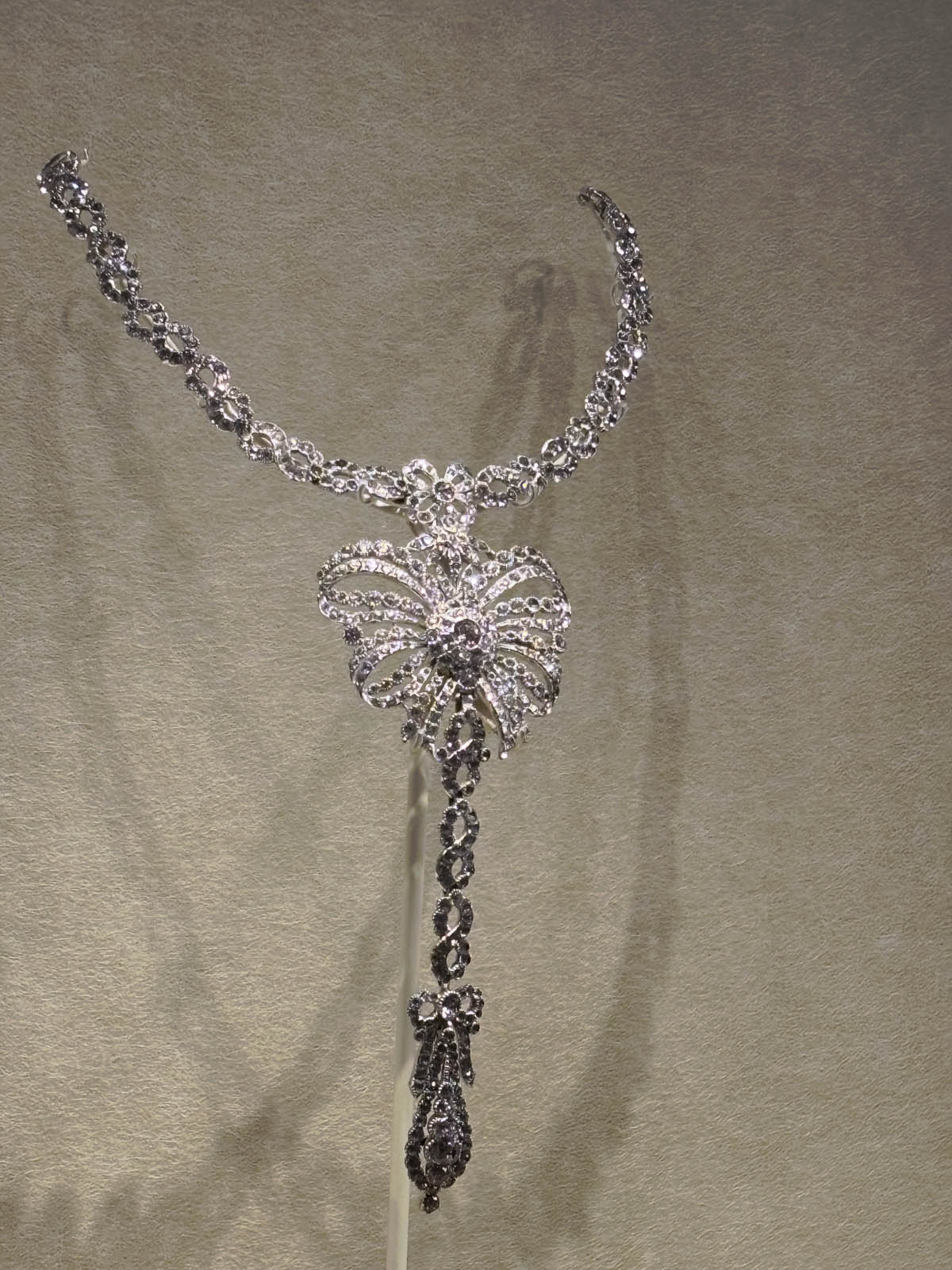
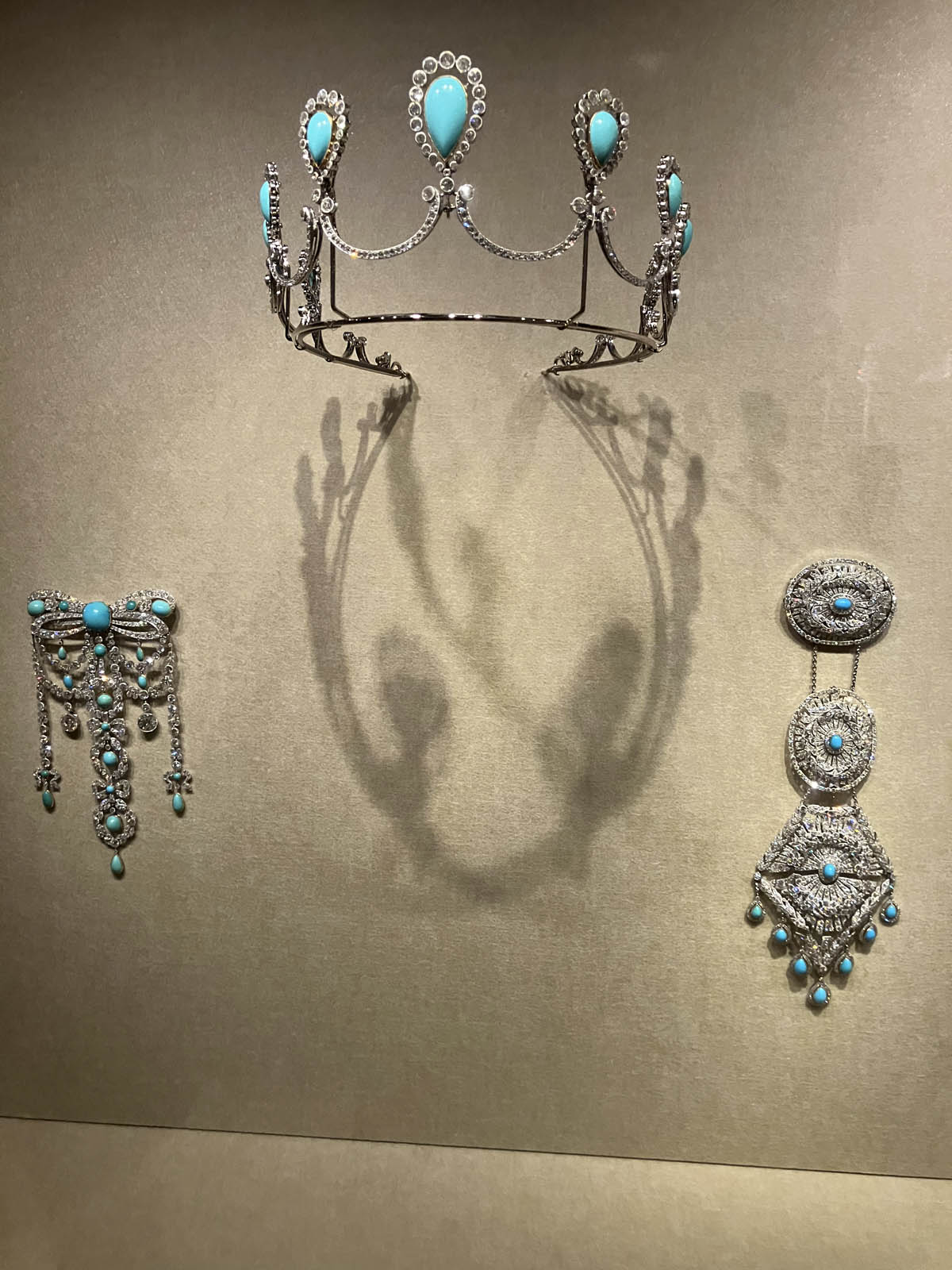
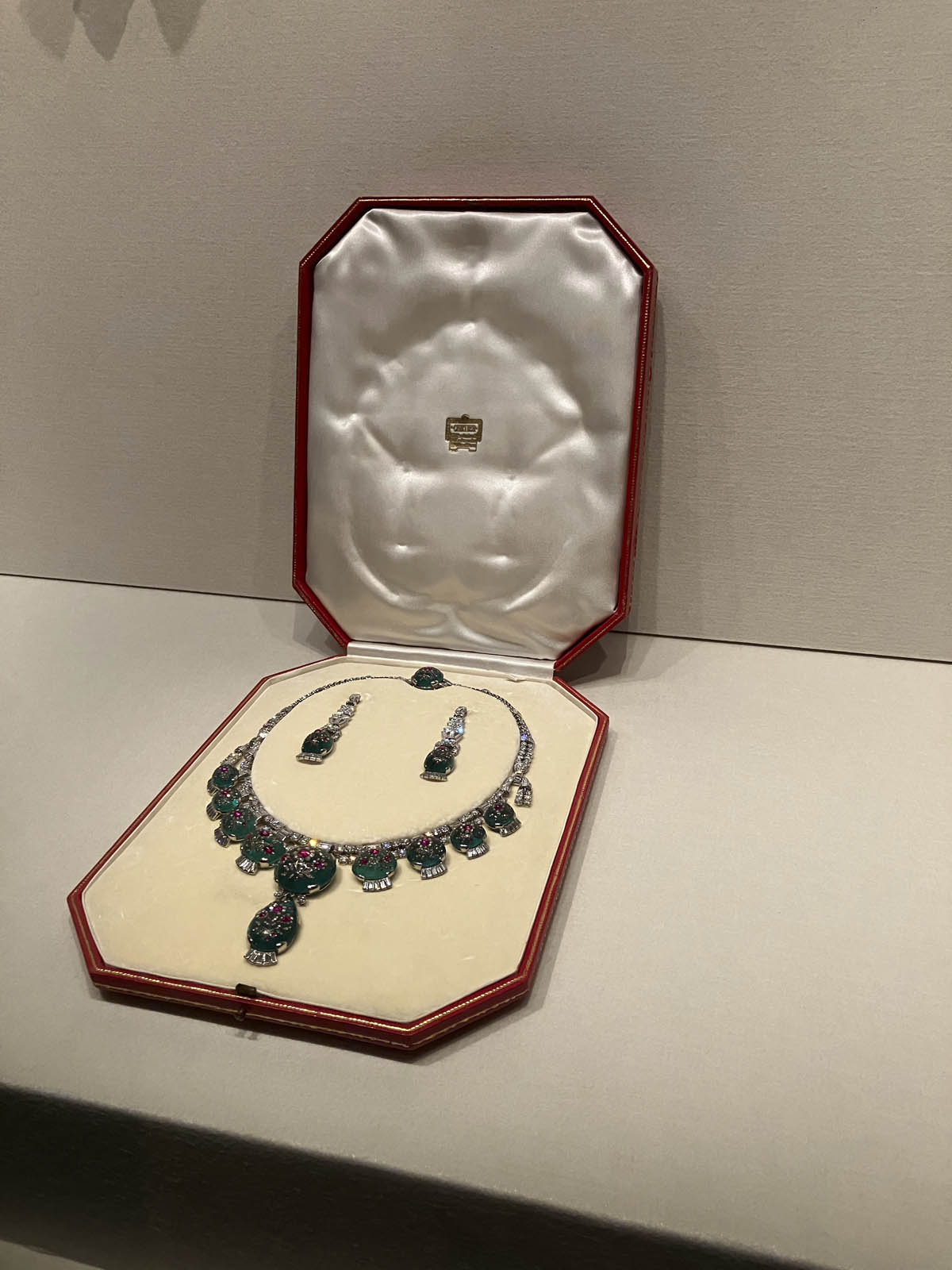
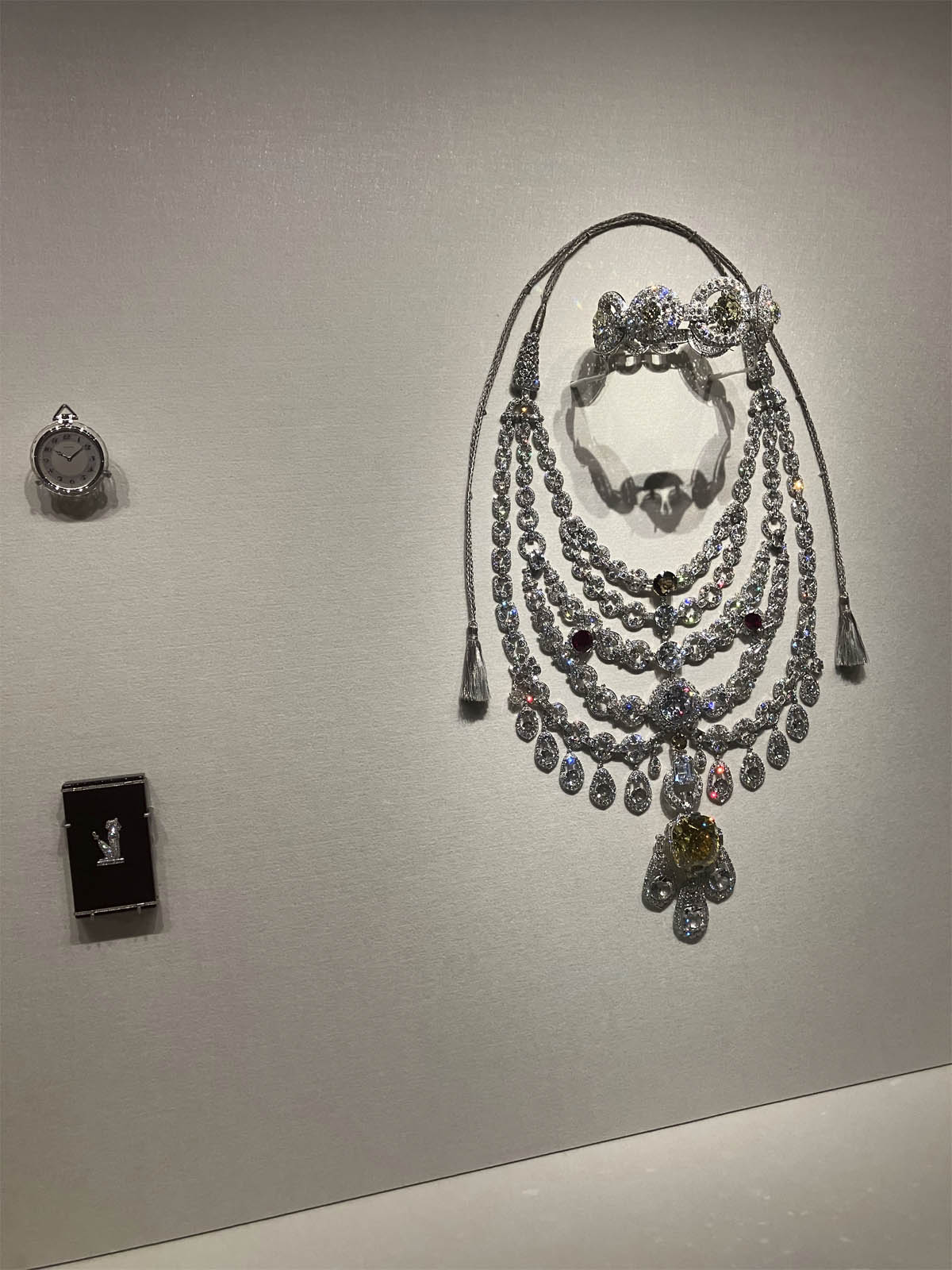
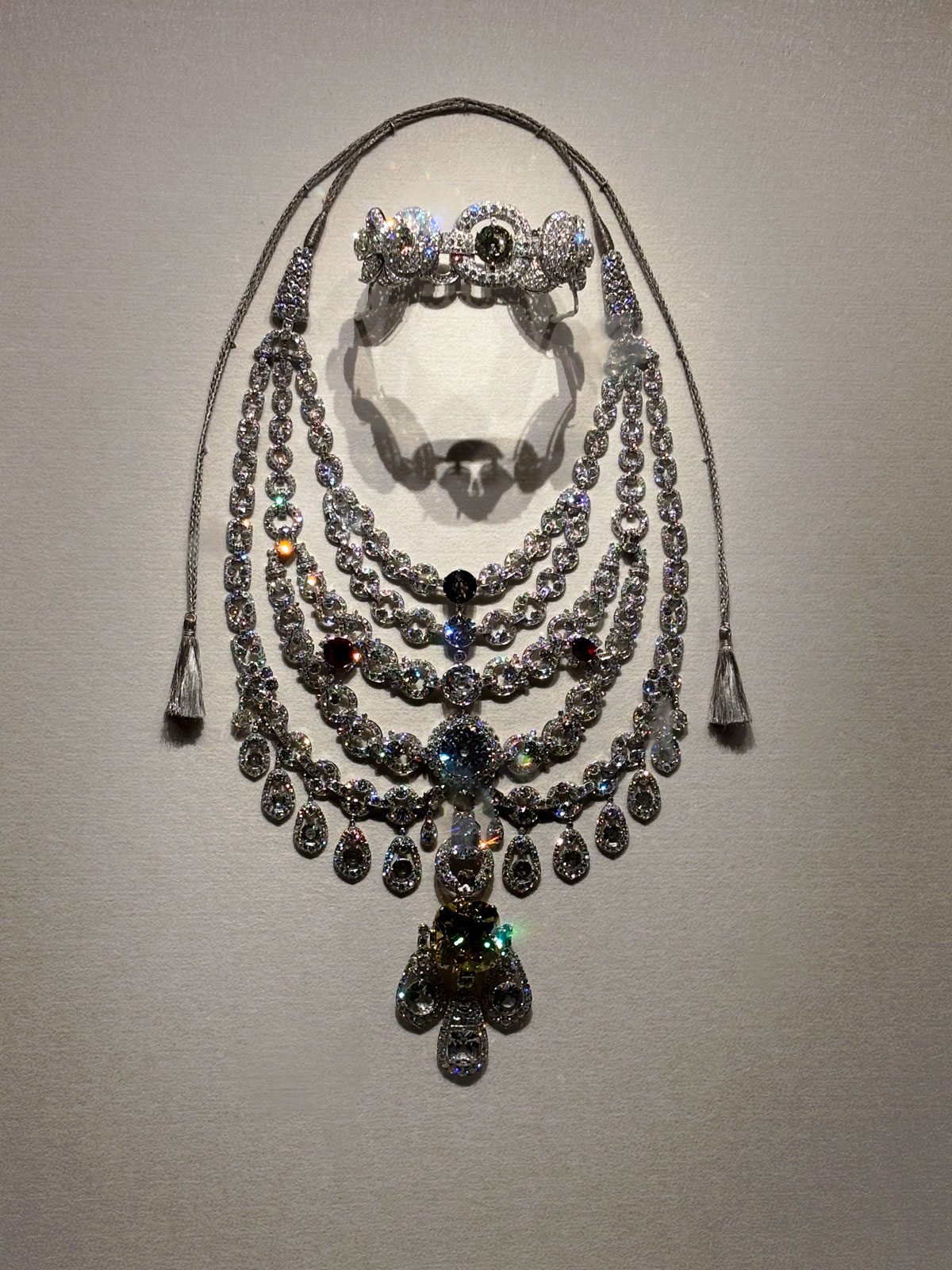
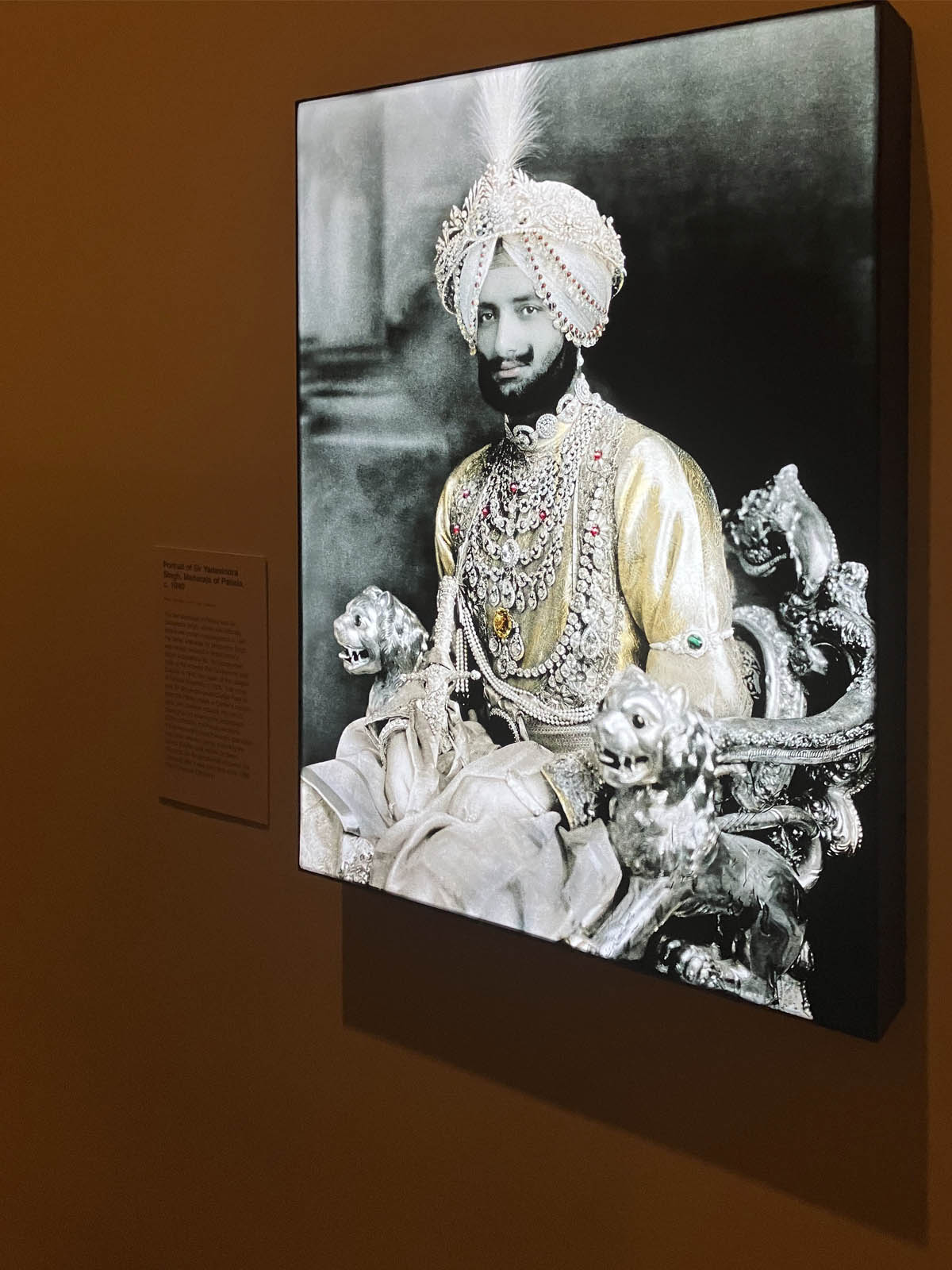
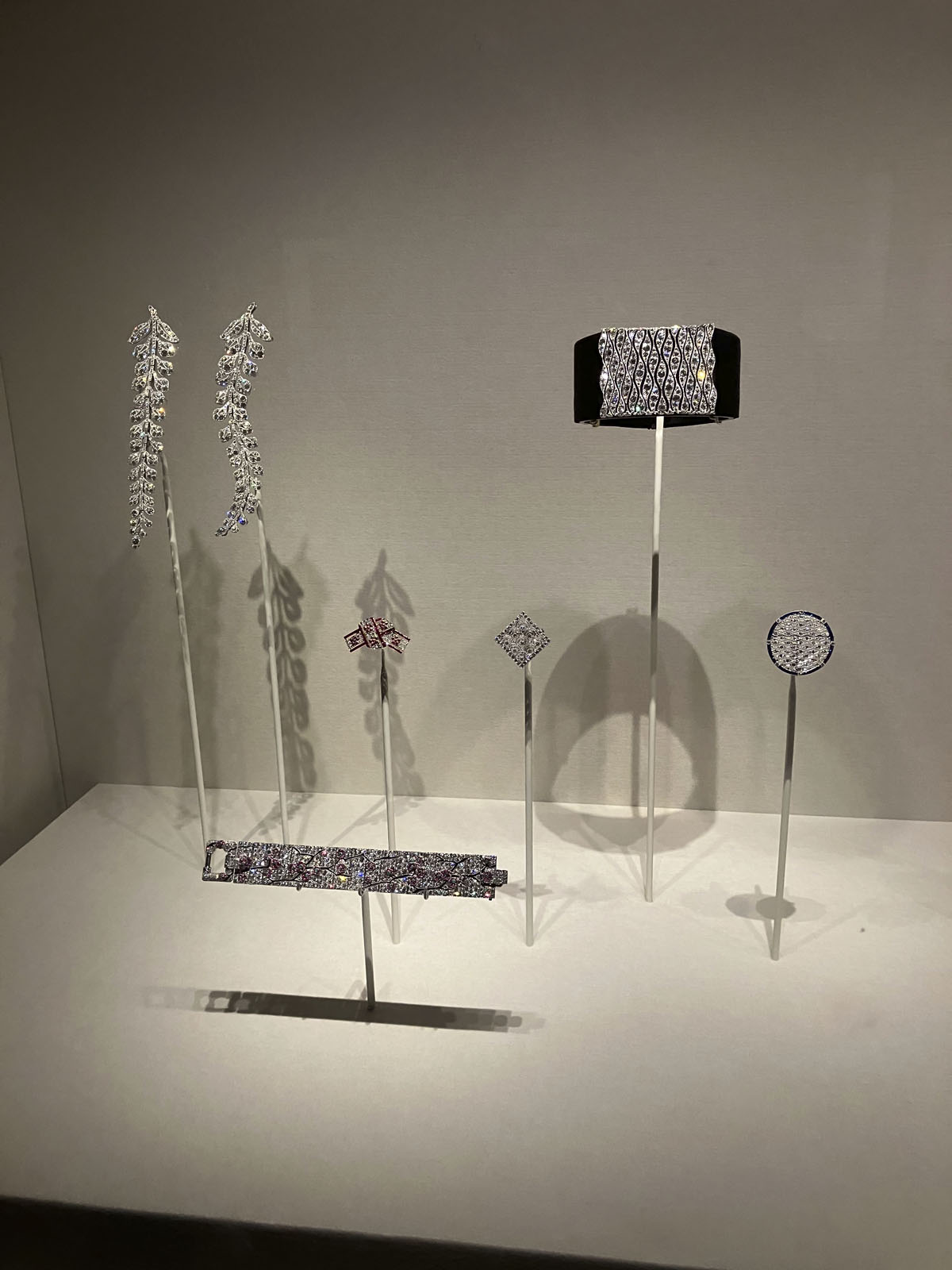
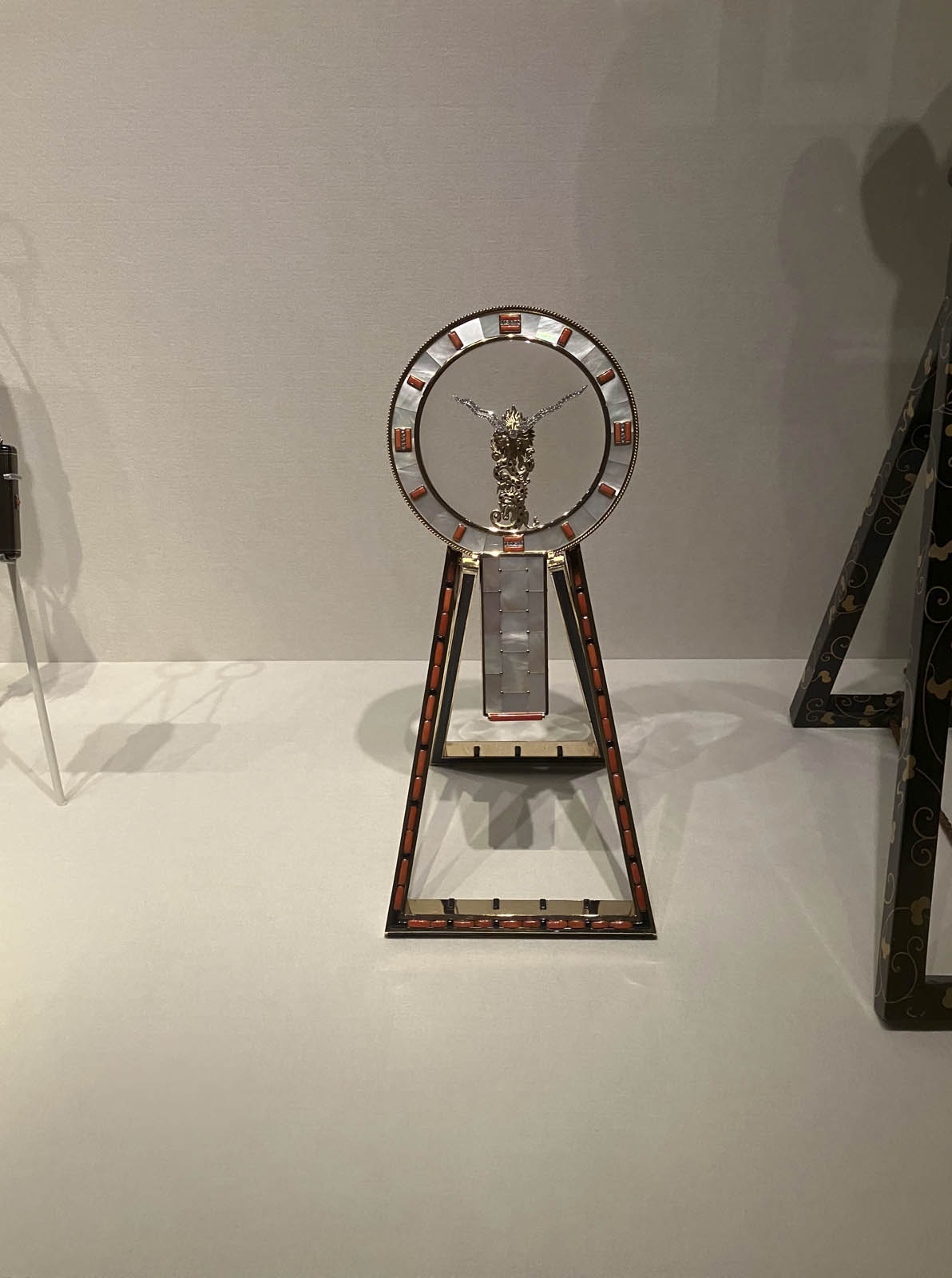
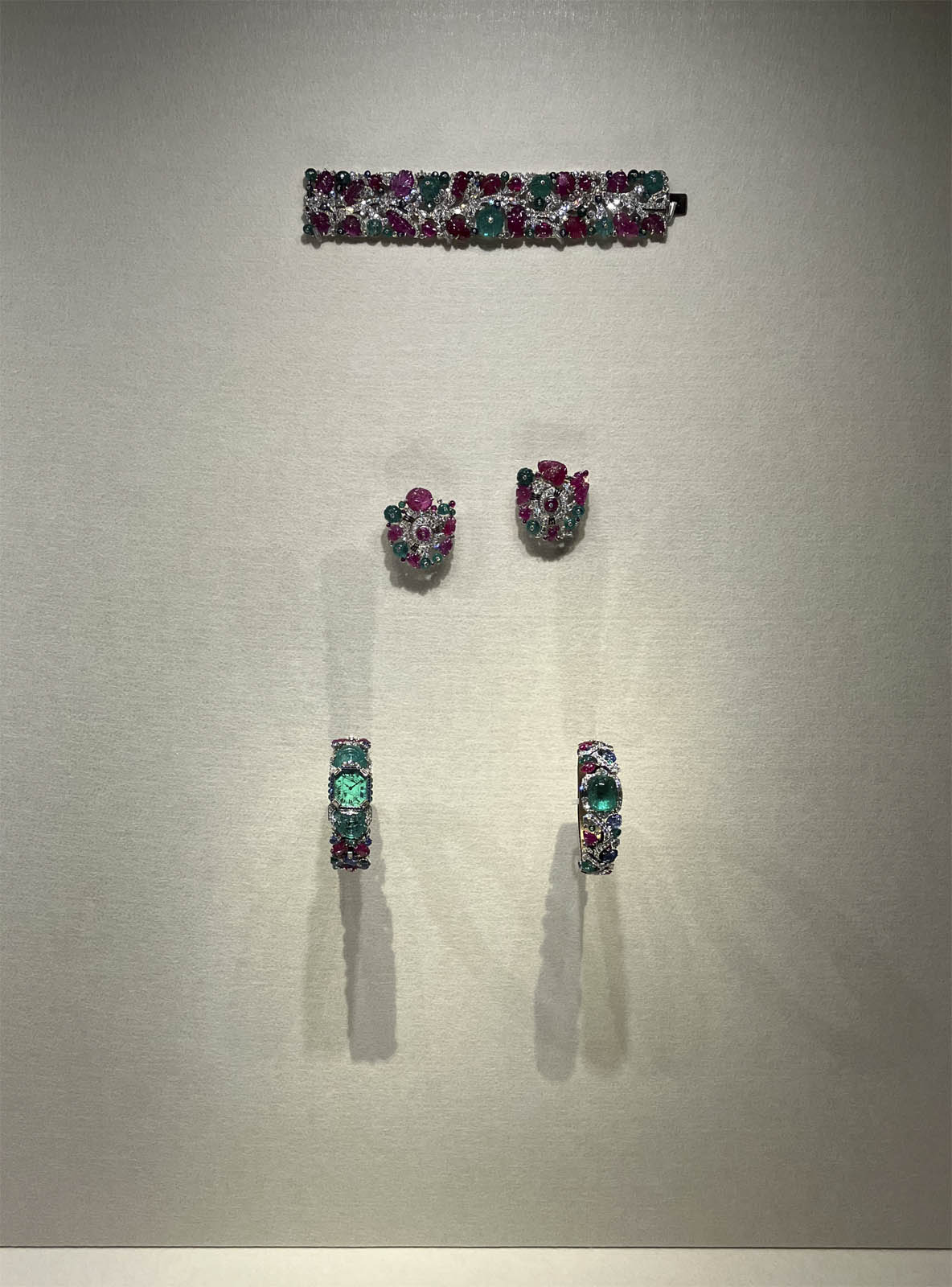
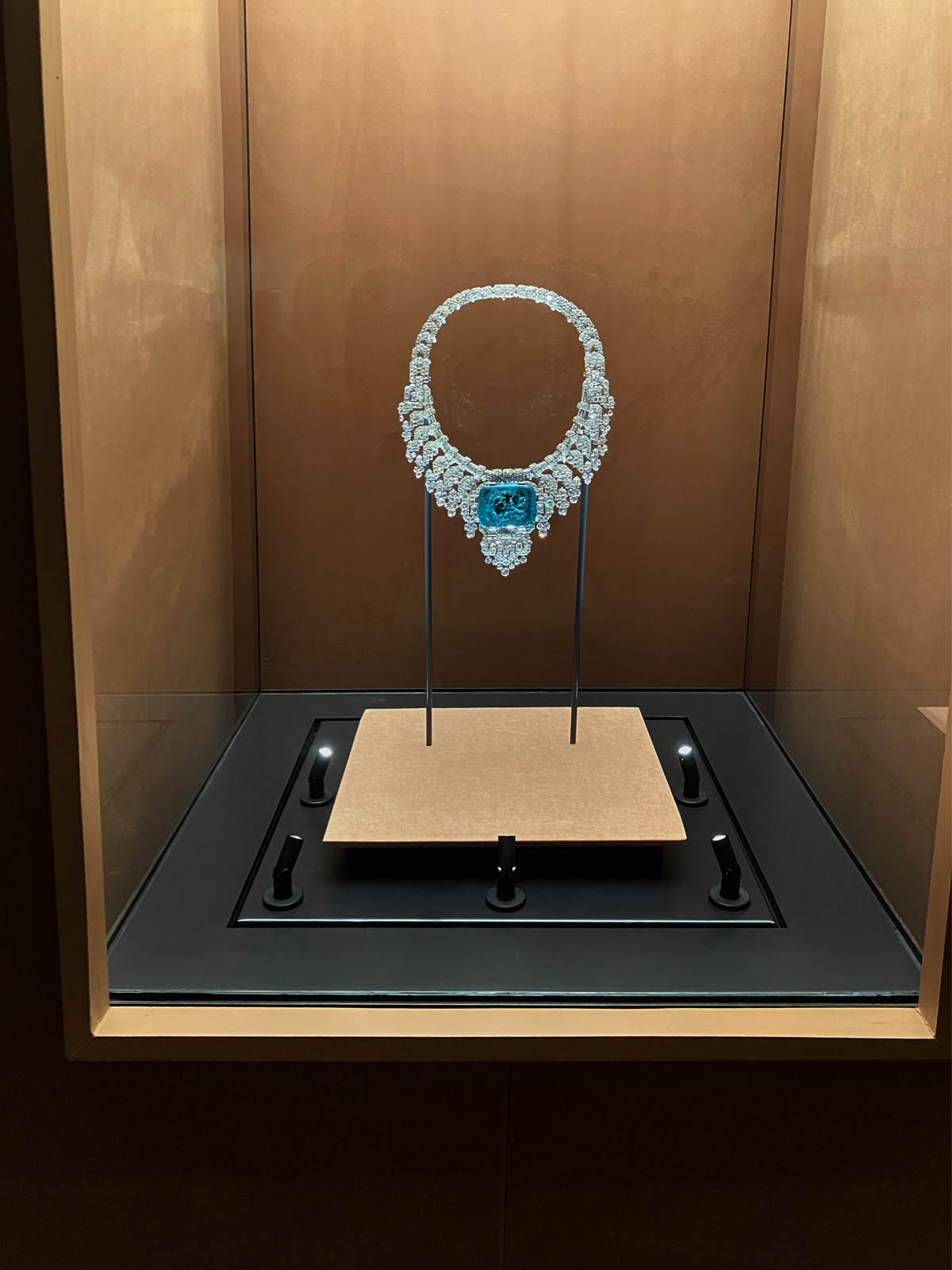
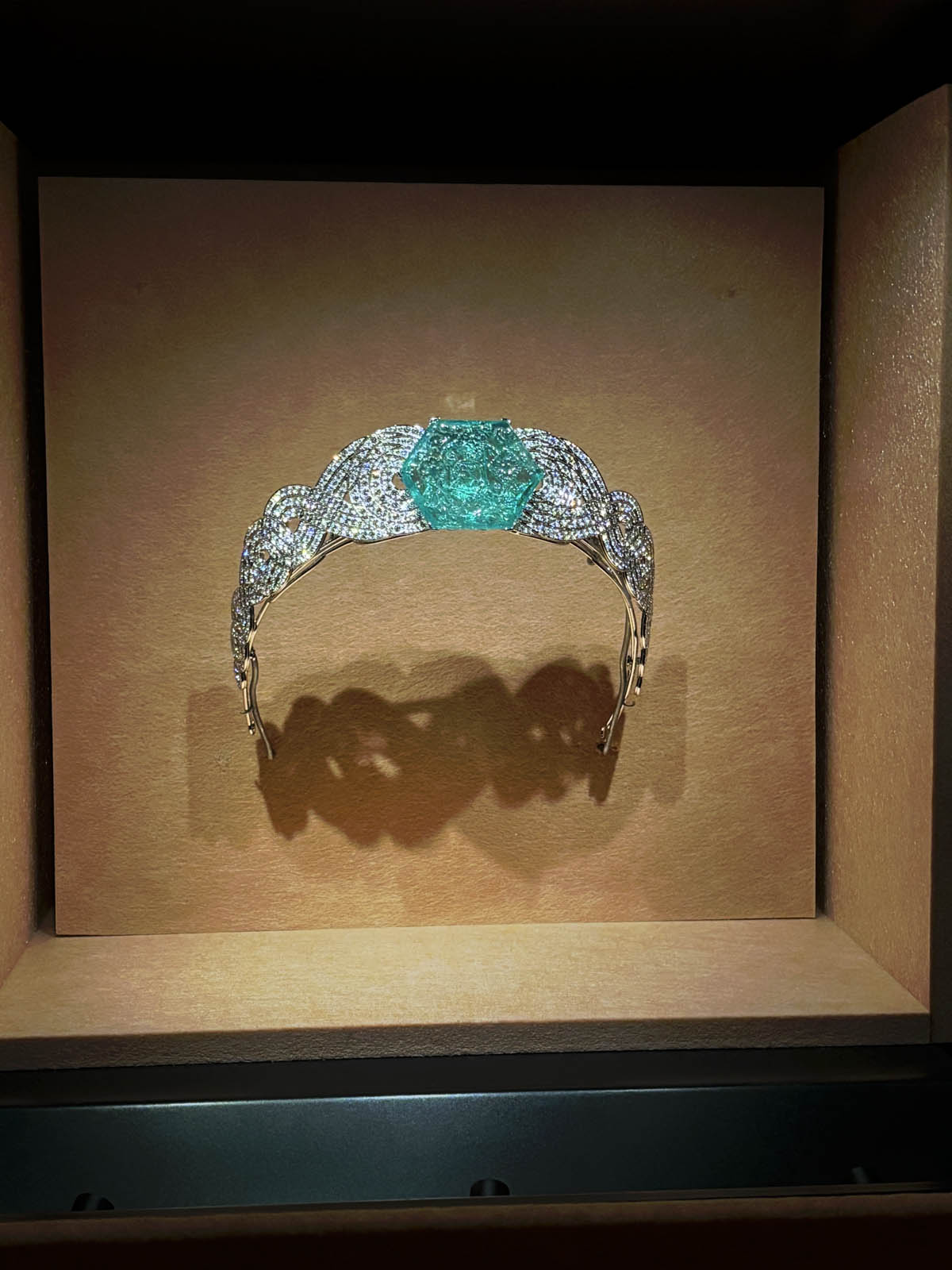
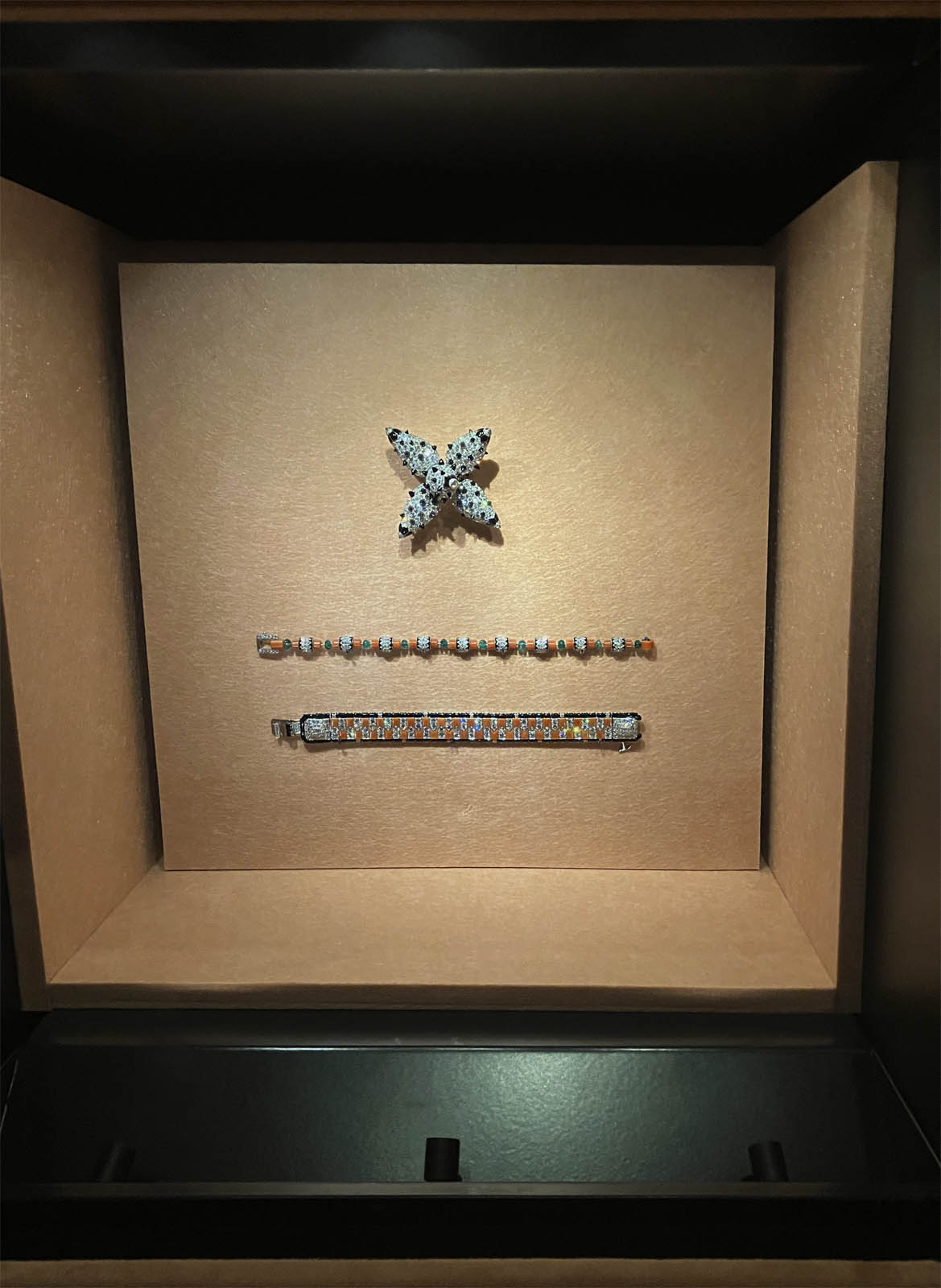
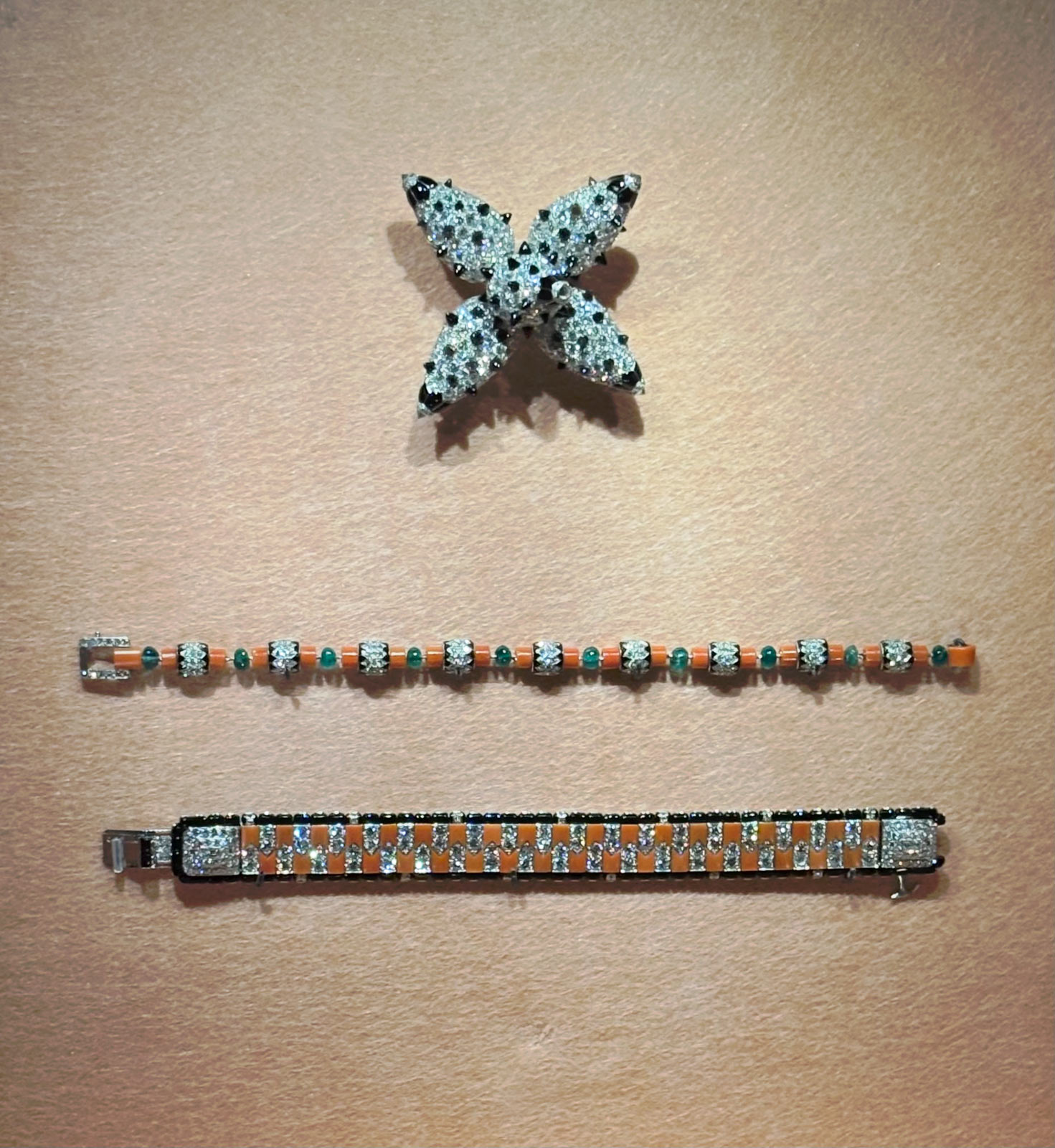
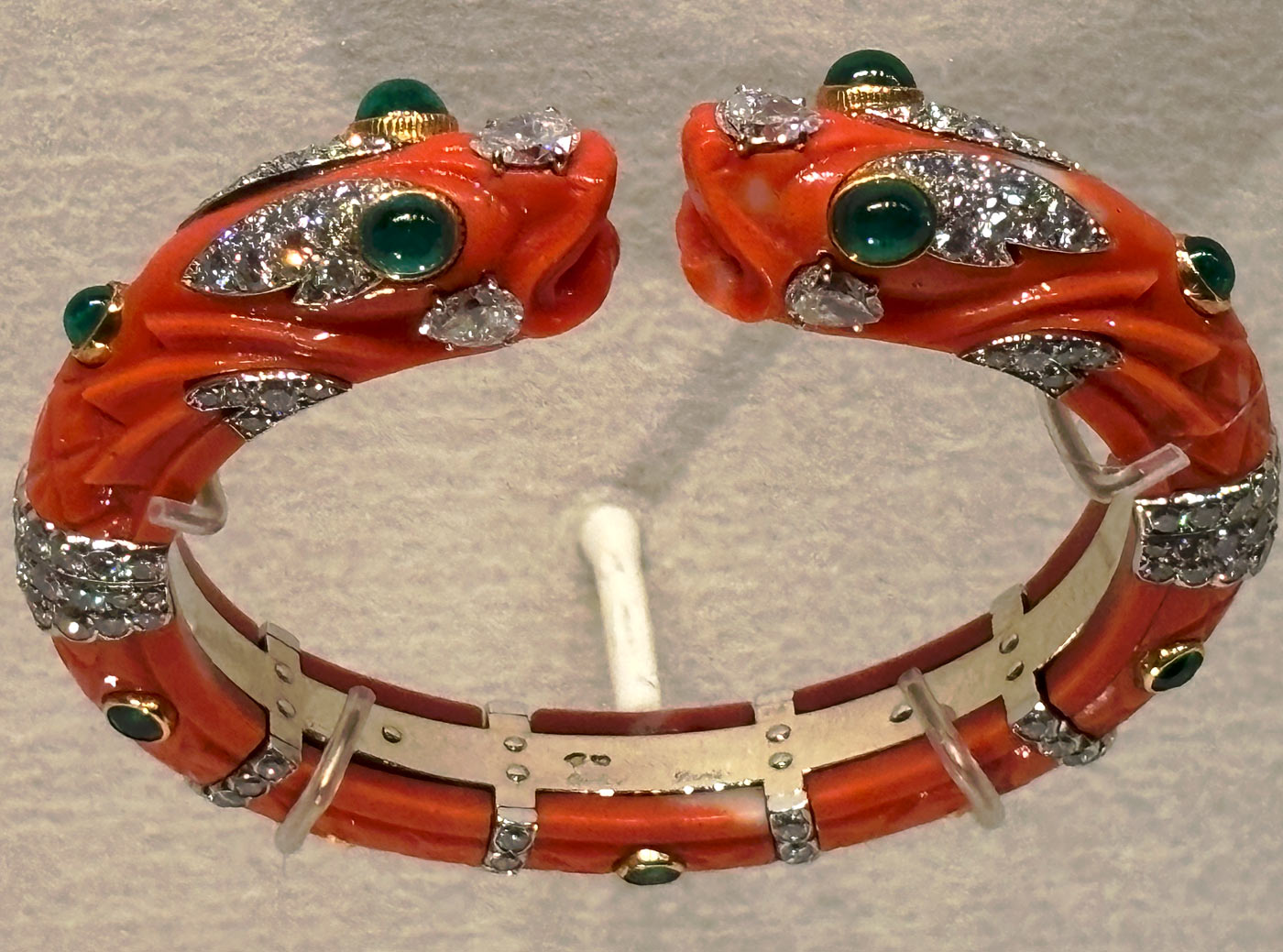


You must be logged in to post a comment.