
Exhibition dates: 15th April – 16th August, 2026
Guest Curator: Karolina Ziębińska
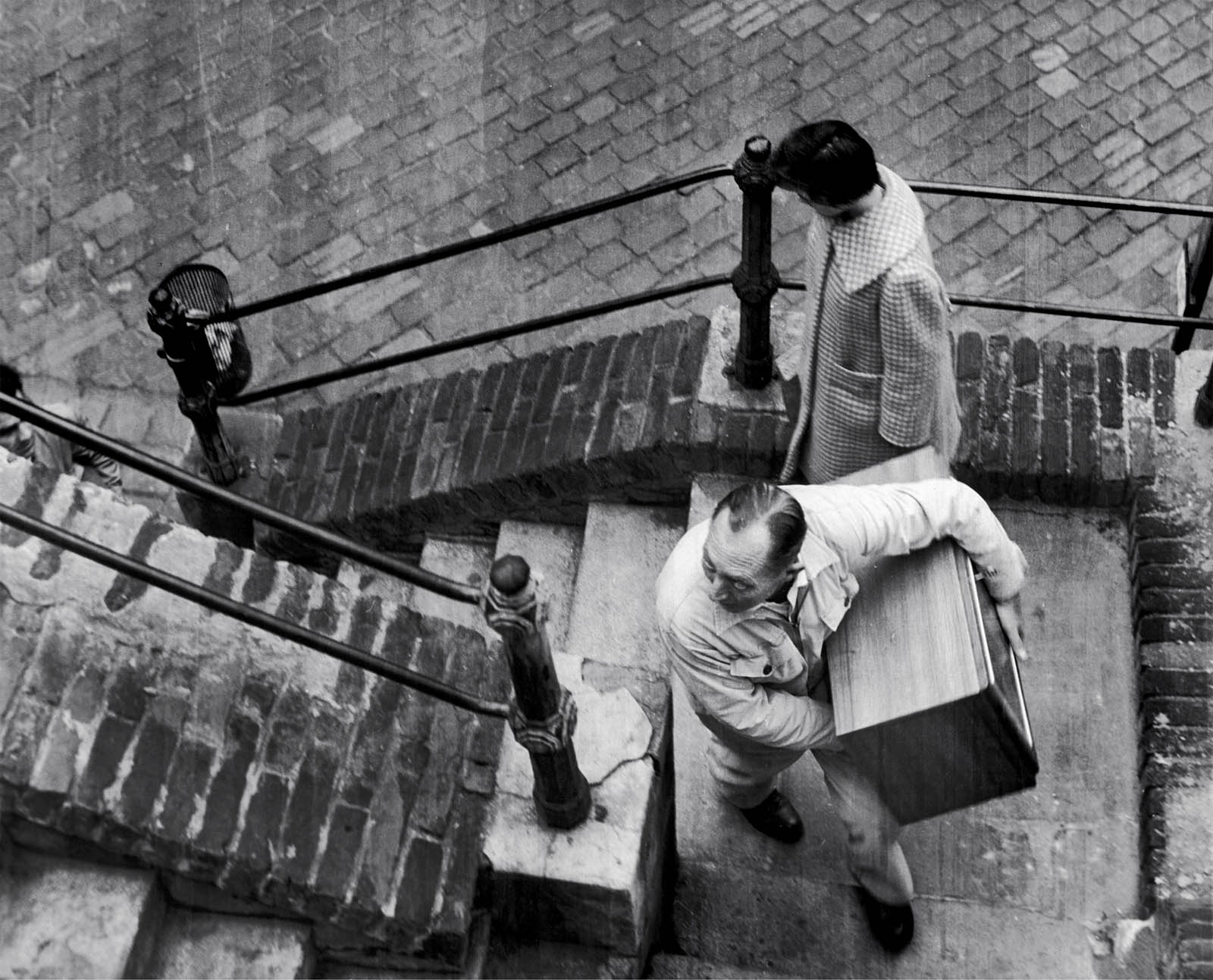
Barbara Pflaum (Austrian, 1912-2002)
“Furniture transport,” Vienna
c. 1960
Gelatin silver print
© APA-Images / brandstaetter images / Barbara Pflaum
Framing within a square or rectangle, Pflaum’s situational, observational photographs of everyday life in post-war Vienna are full of humans pictured singly or in groups against the urban backdrop.
The figures are rarely photographed front and centre with the photographer using the near-far compositional technique – placing a prominent object very close to the camera lens while capturing a distant figure or background for context – to create a strong three-dimensional depth within the image which enables the artist to enact a compelling visual story. Figures are also placed asymmetrically within the picture. Silhouetting is used to great effect as is the use of low depth of field.
There is a sense of “caught on the fly” abstraction in Pflaum’s personal work, even as her street photographs, her personal not commercial work, are eloquently structured, visualised and resolved, demonstrating “not only her extraordinary powers of observation, her humor, and her phenomenal sense of form, but also a profound social awareness.”
Part Henri Cartier-Bresson, part Edith Tudor-Hart, Pflaum’s enduring street photographs are strong and engaging and entirely her own vision. I just wish I had more of them to show you … but please enlarge the installation views of the exhibition in the posting to gain a greater appreciation of their presence.
Dr Marcus Bunyan
Many thankx to MAK Museum for allowing me to publish the photographs in the posting. Please click on the photographs for a larger version of the image.
Pflaum’s style was marked by poised restraint and subordination of the photographer to the motif, prioritising observation and patience over aggressive intervention, which lent her images an unconventional, artistic edge amid the era’s photojournalistic hustle. Influences from her graphic training extended to lighting and post-processing, where she favoured natural illumination and minimal alterations to preserve raw authenticity, while exchanging ideas with contemporaries like Franz Hubmann, Erich Lessing, and Harry Weber shaped her approach to dynamic yet empathetic framing. This method resulted in a oeuvre of standalone, motif-driven photographs that engaged viewers through subtle interpretive layers rather than overt narratives. …
Barbara Pflaum’s photography served as a visual chronicle of post-war Vienna and Austria during the Second Republic, capturing the city’s social and cultural revival from the 1950s to the 1970s through street scenes, urban portraits, and everyday vignettes. Her images documented the reconstruction era’s vibrancy, including spontaneous moments like pedestrians jumping over puddles on Heldenplatz (c. 1960) and leisure activities at the Prater amusement park with the Giant Ferris Wheel in the background (1961), highlighting the resilience of Viennese daily life amid lingering post-war recovery. These works portrayed ordinary figures – such as market women, newspaper sellers, and coal delivery workers – as typological subjects, emphasising authentic urban interactions without ideological overlay, as seen in her depiction of a motorcycle race on Wiener Höhenstraße (1956).”
Anonymous. “Barbara Pflaum,” on the Grokipedia website Nd [Online] Cited 31/07/2026
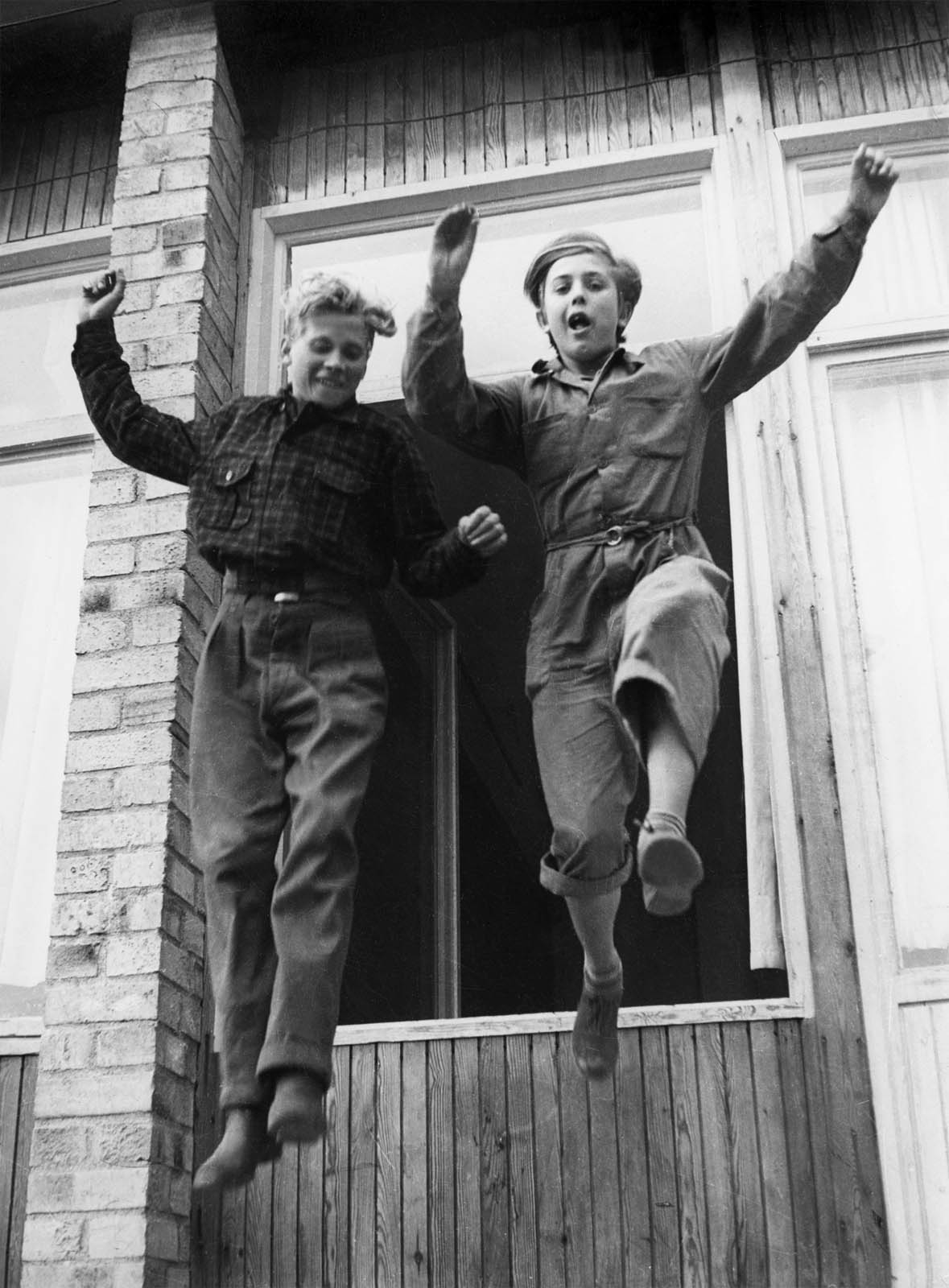
Barbara Pflaum (Austrian, 1912-2002)
School for children with behavioural difficulties, Sweden
1954
Gelatin silver print
© APA-Images / brandstaetter images / Barbara Pflaum
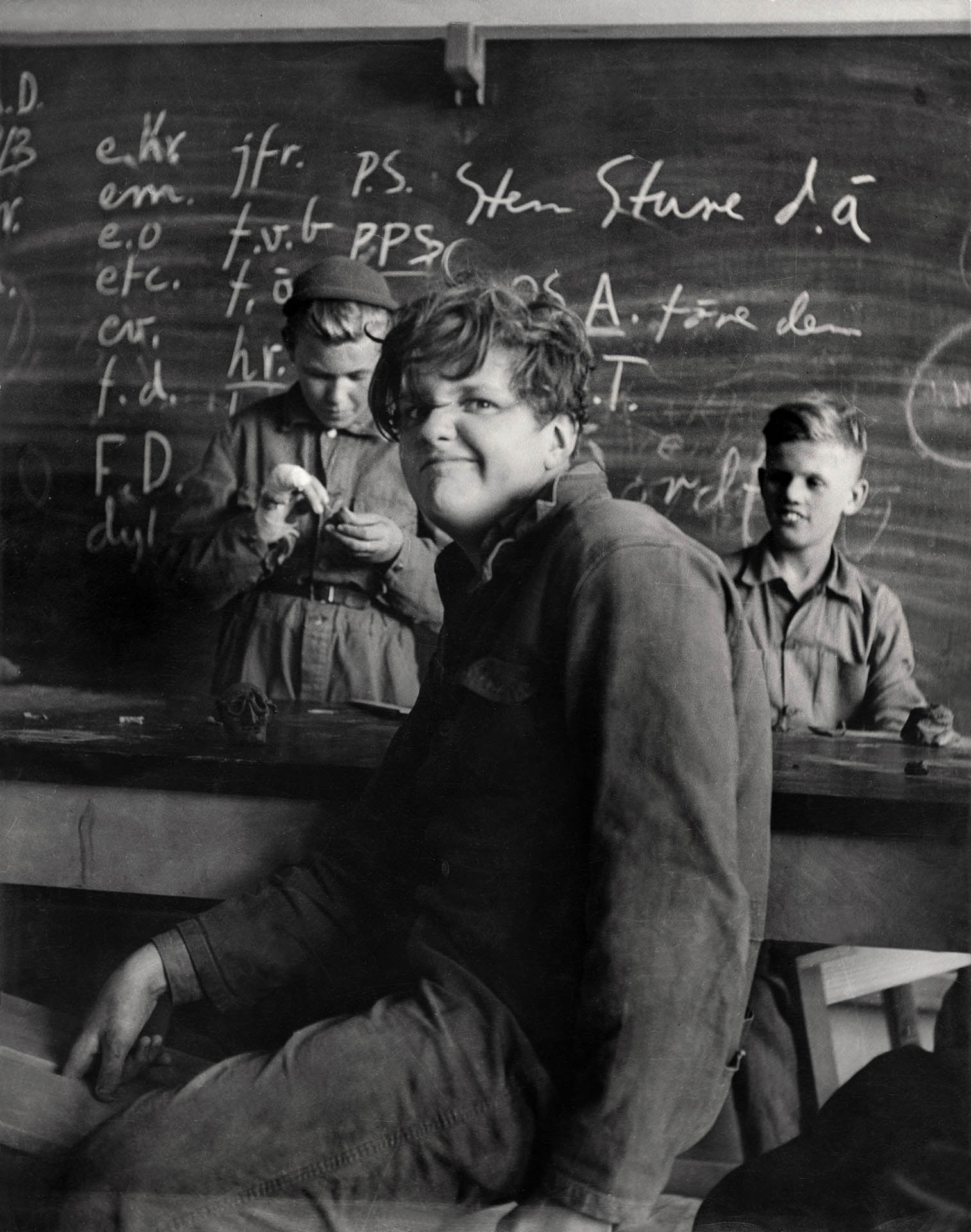
Barbara Pflaum (Austrian, 1912-2002)
School for children with behavioural difficulties, Sweden
1954
Gelatin silver print
© APA-Images / brandstaetter images / Barbara Pflaum
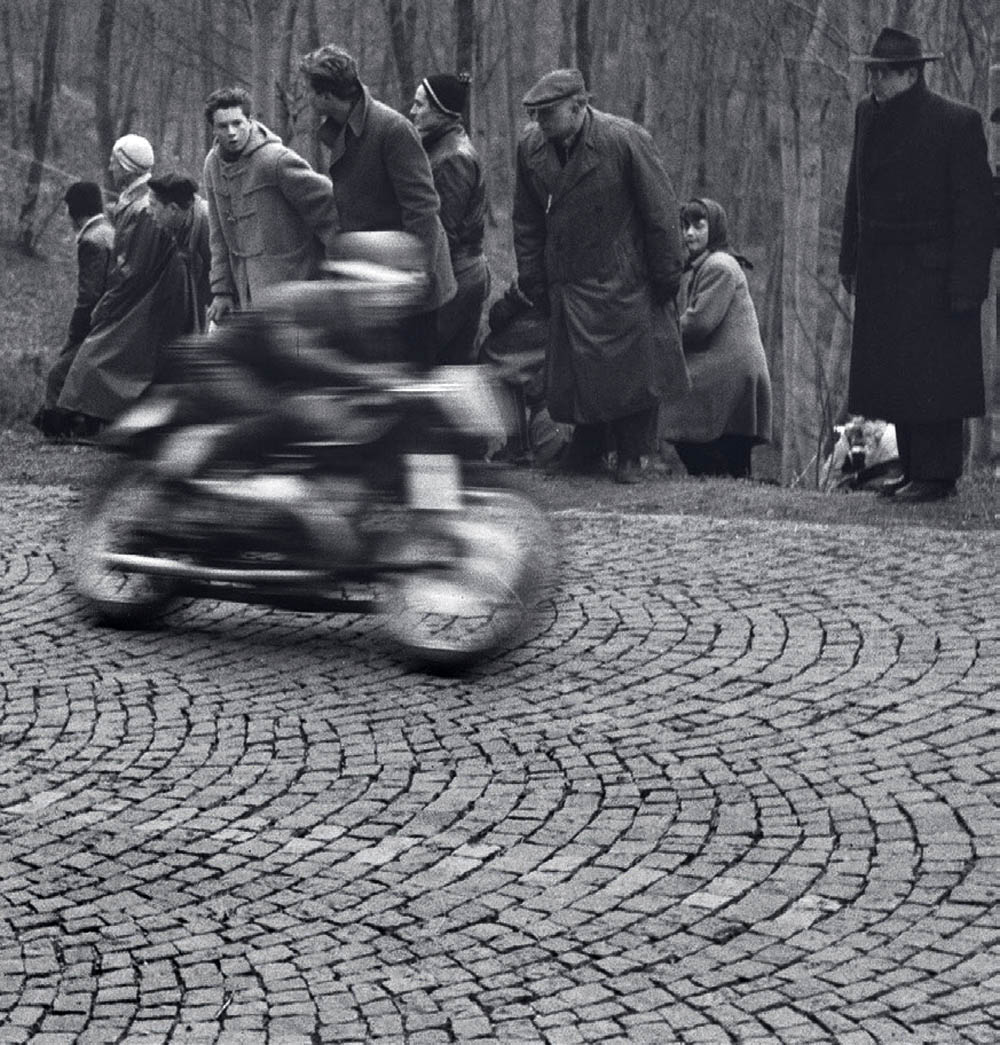
Barbara Pflaum (Austrian, 1912-2002)
A motorcycle race on Wiener Höhenstraße, Austria
1956
Gelatin silver print
© APA-Images / brandstaetter images / Barbara Pflaum
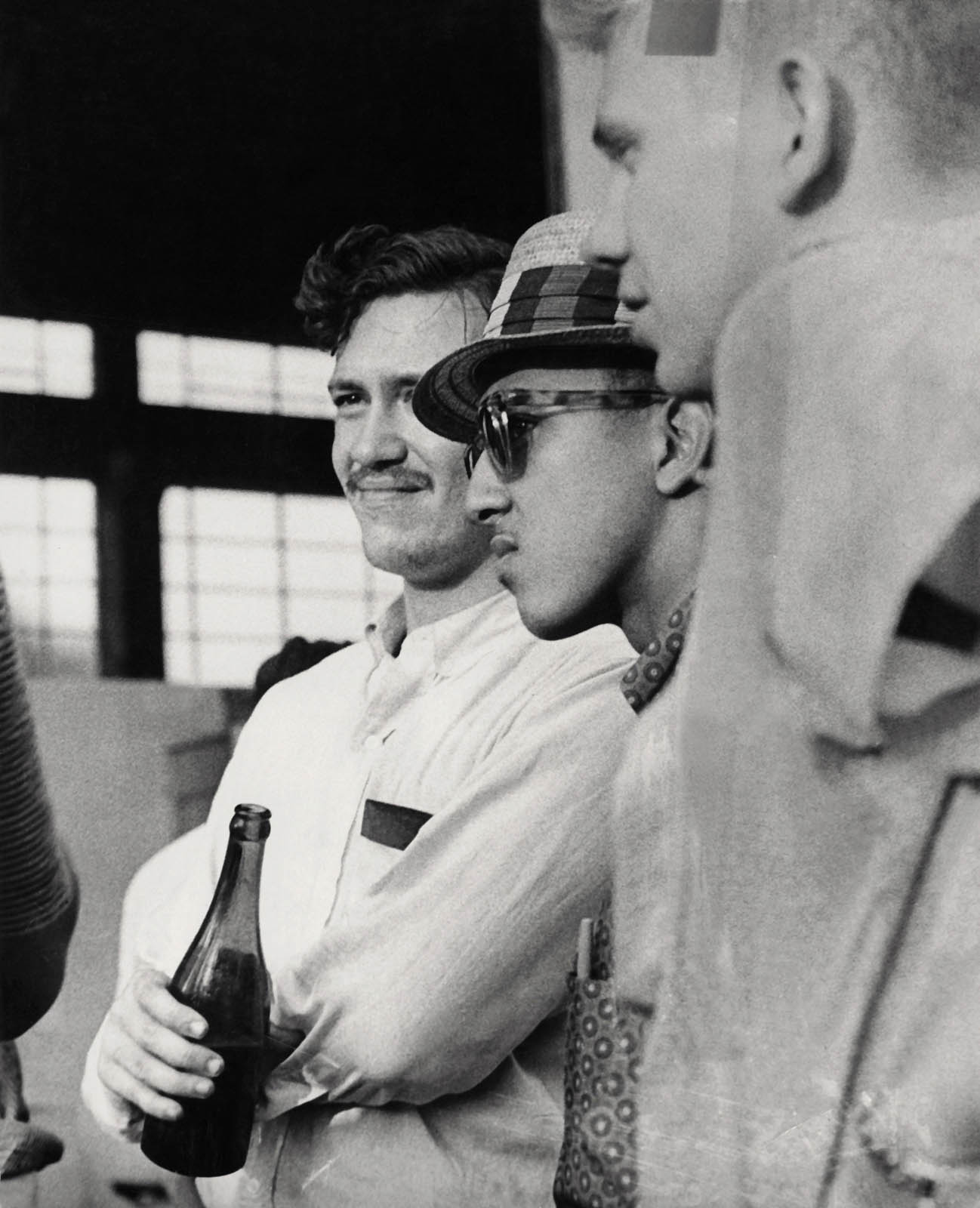
Barbara Pflaum (Austrian, 1912-2002)
Foreigners, Vienna
1959
Gelatin silver print
© APA-Images / brandstaetter images / Barbara Pflaum
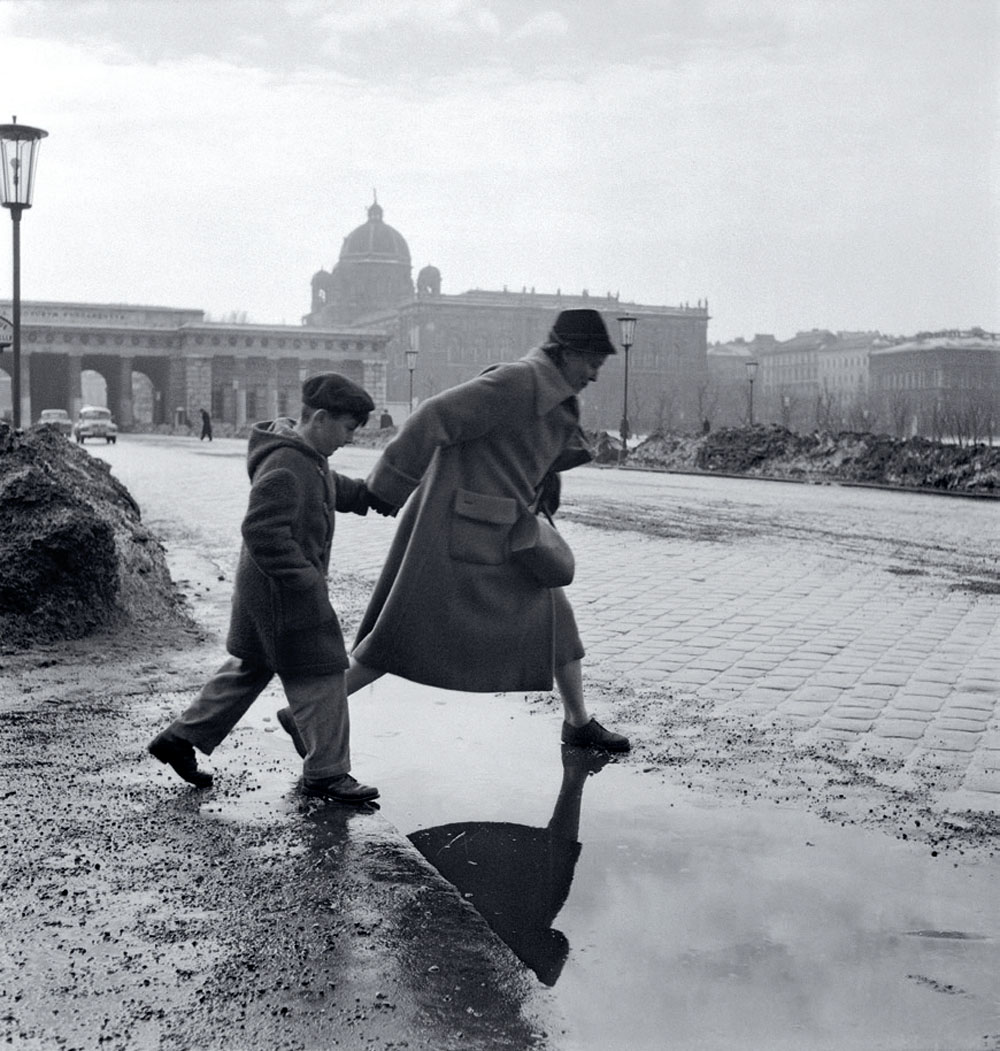
Barbara Pflaum (Austrian, 1912-2002)
Jumping over a puddle on Heldenplatz, Vienna, Austria
1960
Gelatin silver print
© APA-Images / brandstaetter images / Barbara Pflaum
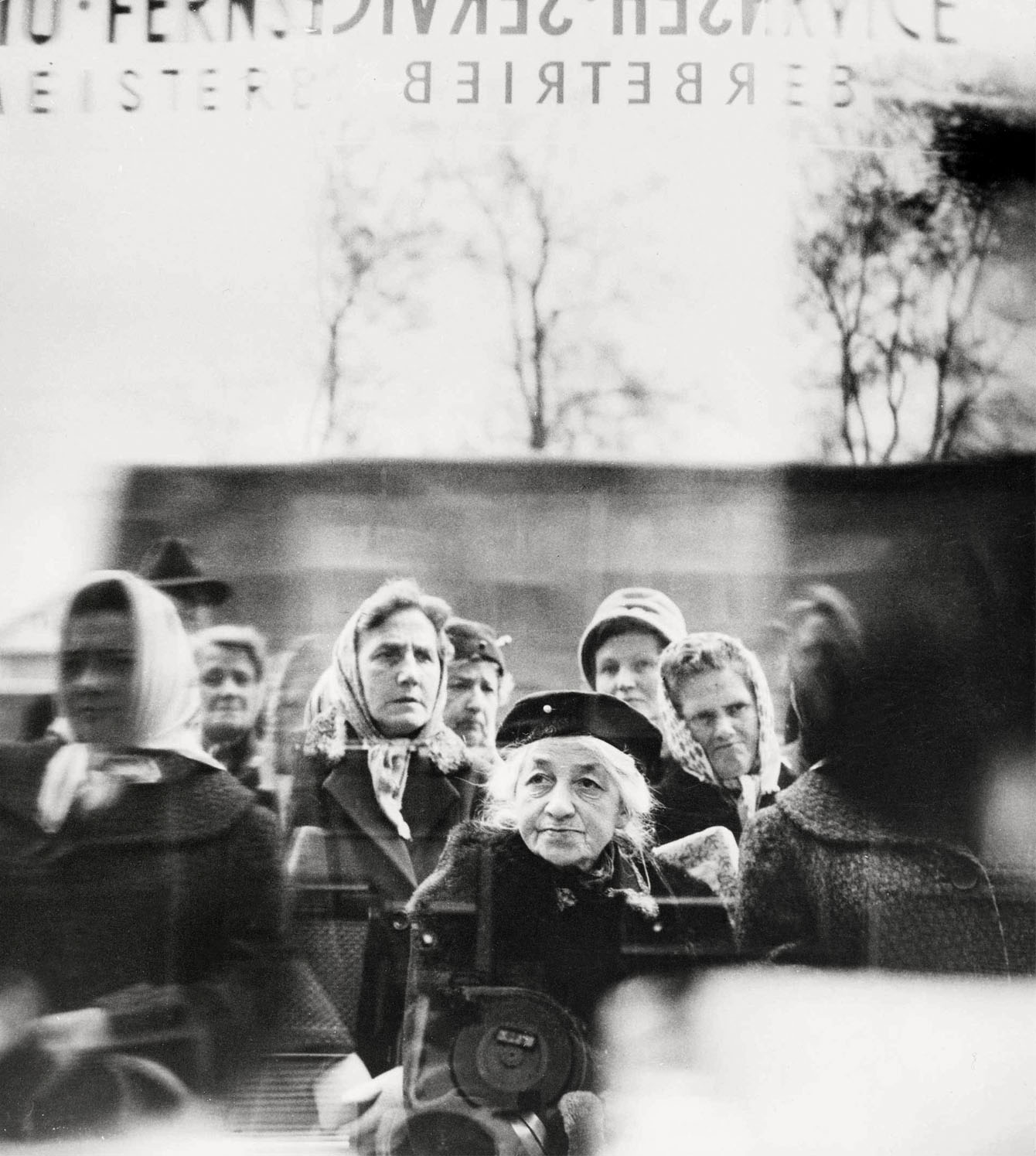
Barbara Pflaum (Austrian, 1912-2002)
Passers-by standing in front of the shop window of an electrical goods store displaying a television, Vienna
c. 1960
Gelatin silver print
© APA-Images / brandstaetter images / Barbara Pflaum
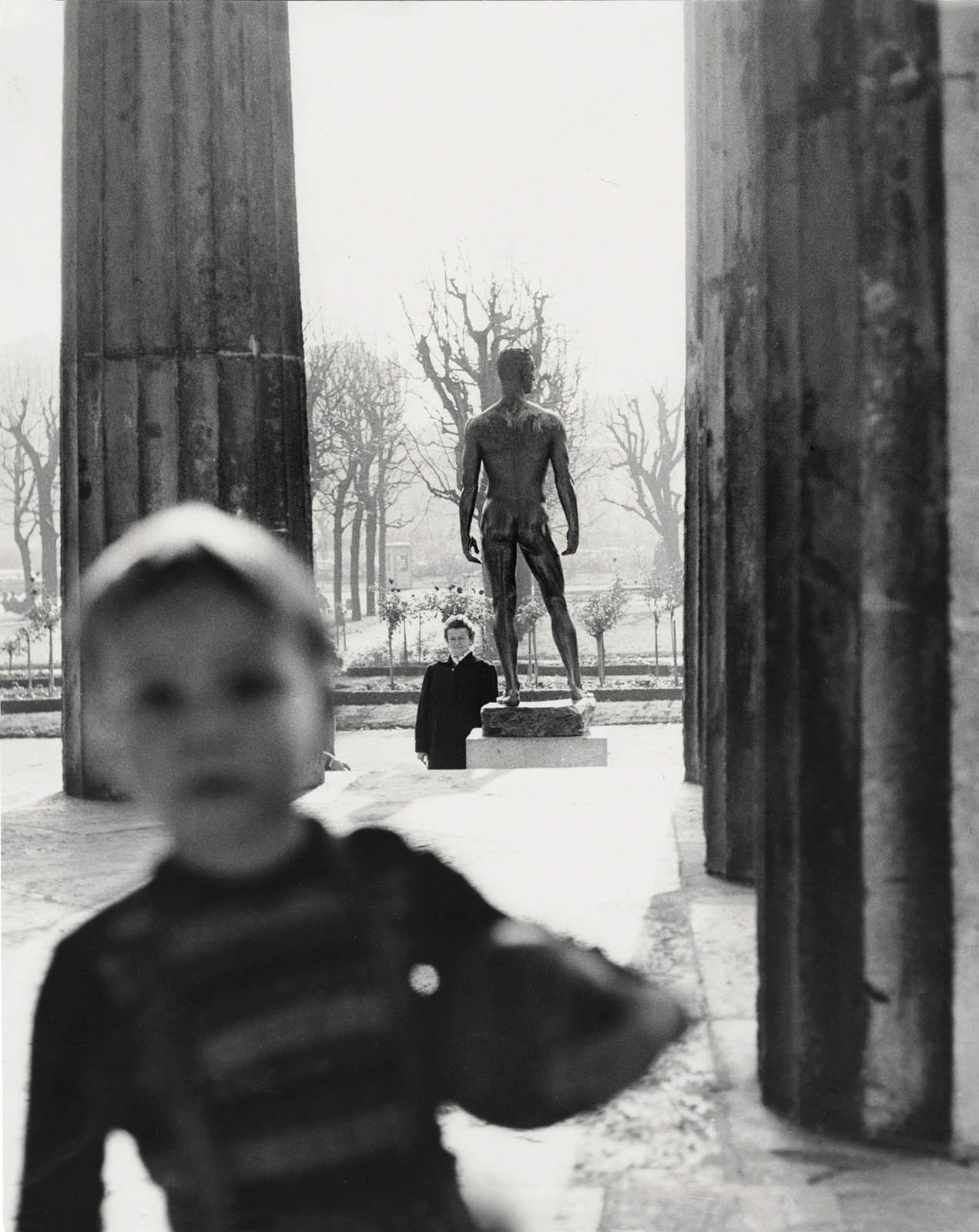
Barbara Pflaum (Austrian, 1912-2002)
Child at play in front of the Theseus Temple in the Volksgarten, Vienna
c. 1960
Gelatin silver print
© APA-Images / brandstaetter images / Barbara Pflaum
Barbara Pflaum (1912-2002) was one of the few women who worked as photojournalists for pictorial magazines in the 1950s.
Men dominated this profession in the first two postwar decades, while women in Europe and the United States returned to domestic life. This was not the case for Pflaum, who came across photography at the University of Applied Arts Vienna, where she had taken up studies as a 40-year-old divorcée with three children.
Her photographs garnered the attention of several people. In 1954 she published her first reports – about Venice and about an experimental school in Sweden – in the Wiener Illustrierte newspaper. A short time later, she was hired as a photographer for the Wochenpresse weekly, where she worked for over 20 years. She and her classic Rolleiflex medium format camera could be found at most theatre and opera openings, vernissages, and most of all at political events.
Her portraits of heads of state, party leaders, and famous artists often adorned the cover pages of the weekly magazine. As the proud photographer of these images, she showed them in exhibitions throughout her life. The presentation at the MAK will show a different, less well-known side of her work – one that nowadays especially has the capacity to delight.
Between vernissages, conferences, and premieres, Barbara Pflaum tirelessly roamed the streets of Vienna and observed its inhabitants. Situational photographs and masterful portraits not only bring to light her extraordinary powers of observation, her sense of humour, and her phenomenal flair for form, but also reveal an encompassing social sensibility. Taken for herself, in passing – these photographs are the subject of the exhibition.
Some found their way into a Vienna photo book published by Pflaum in 1961, but many have never been released. The images show the city’s inhabitants going about their daily lives, as well as street protests, condemned neighbourhoods, and scenes from the annual Christmas markets.
Text from the MAK Museum website
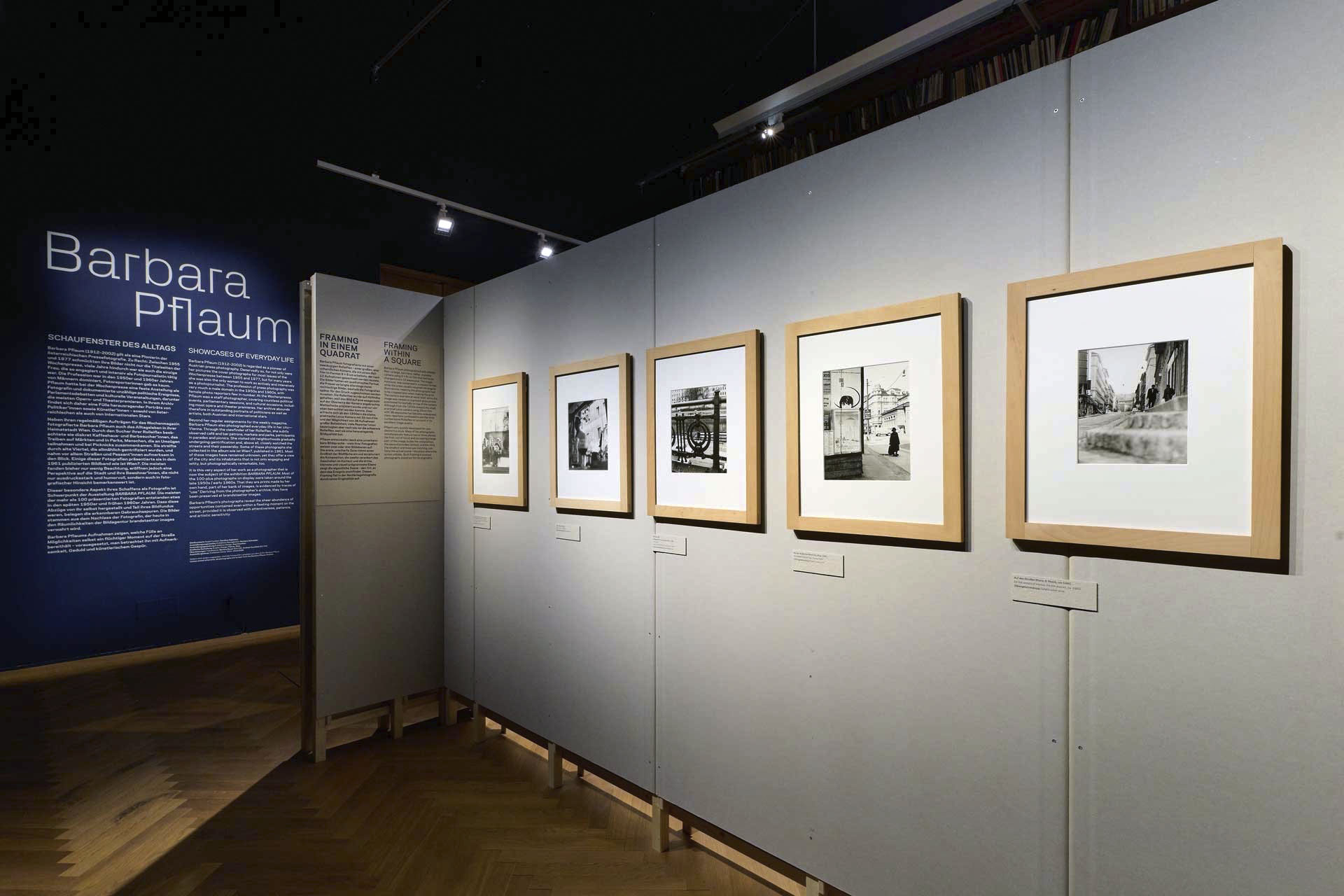
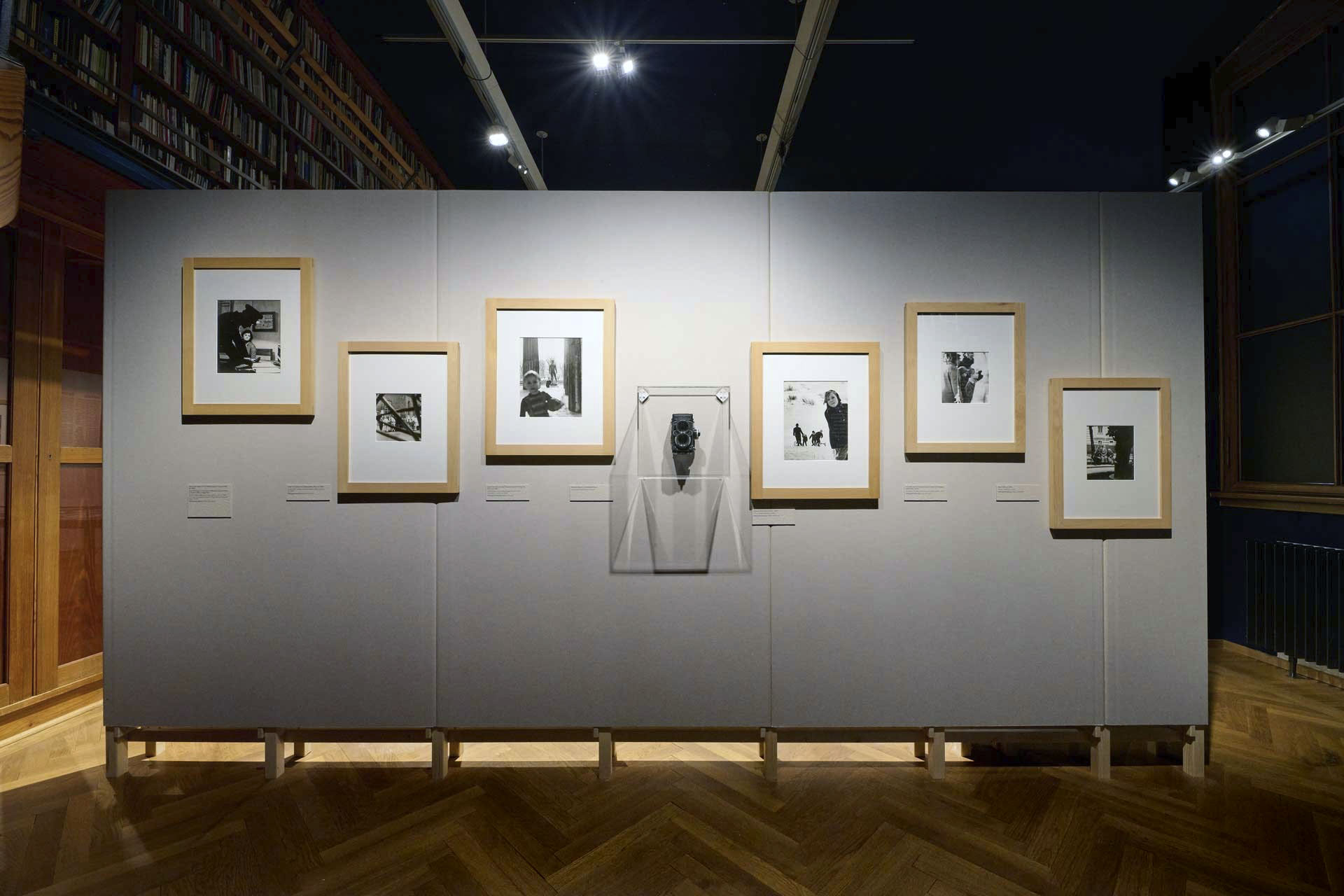
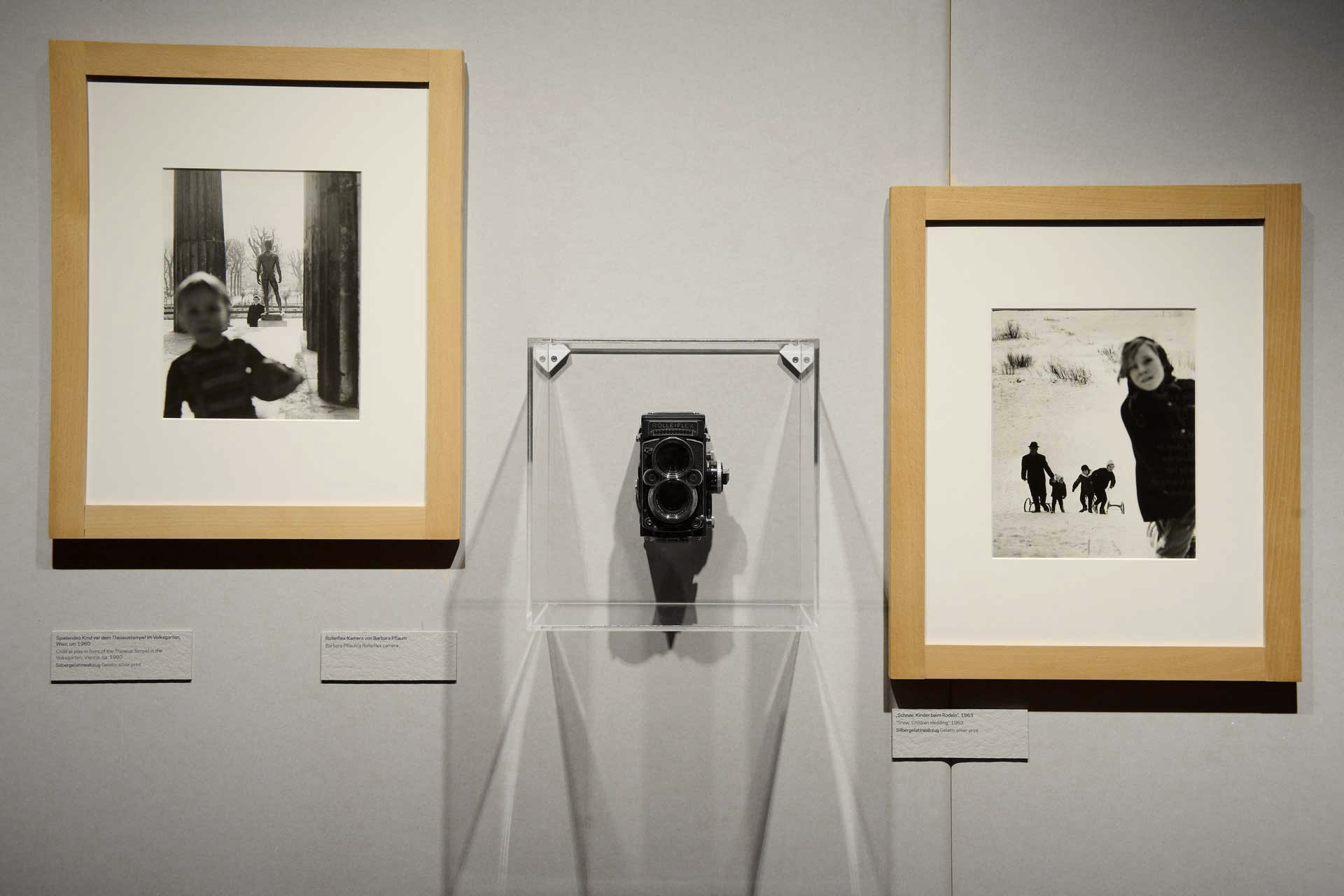
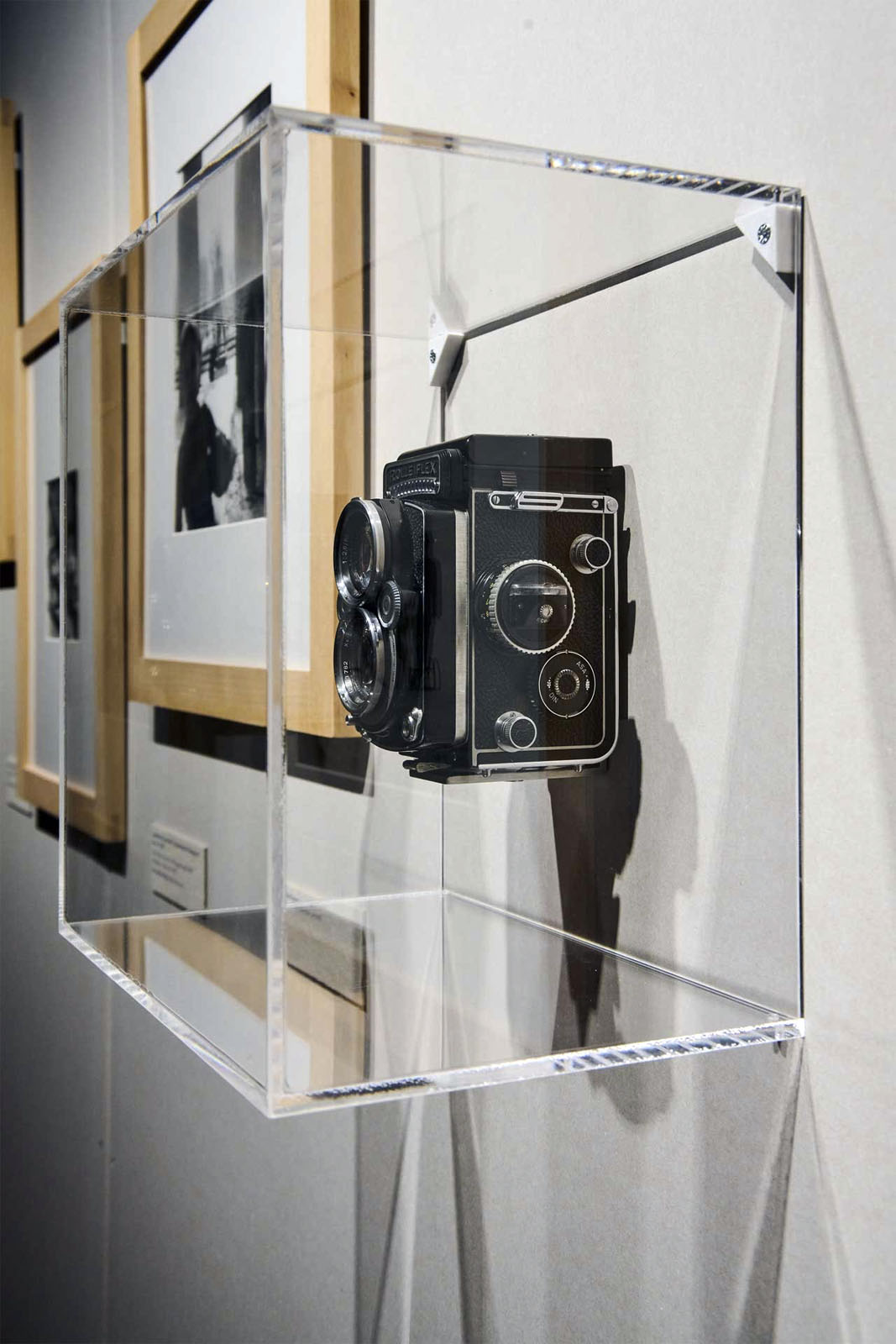
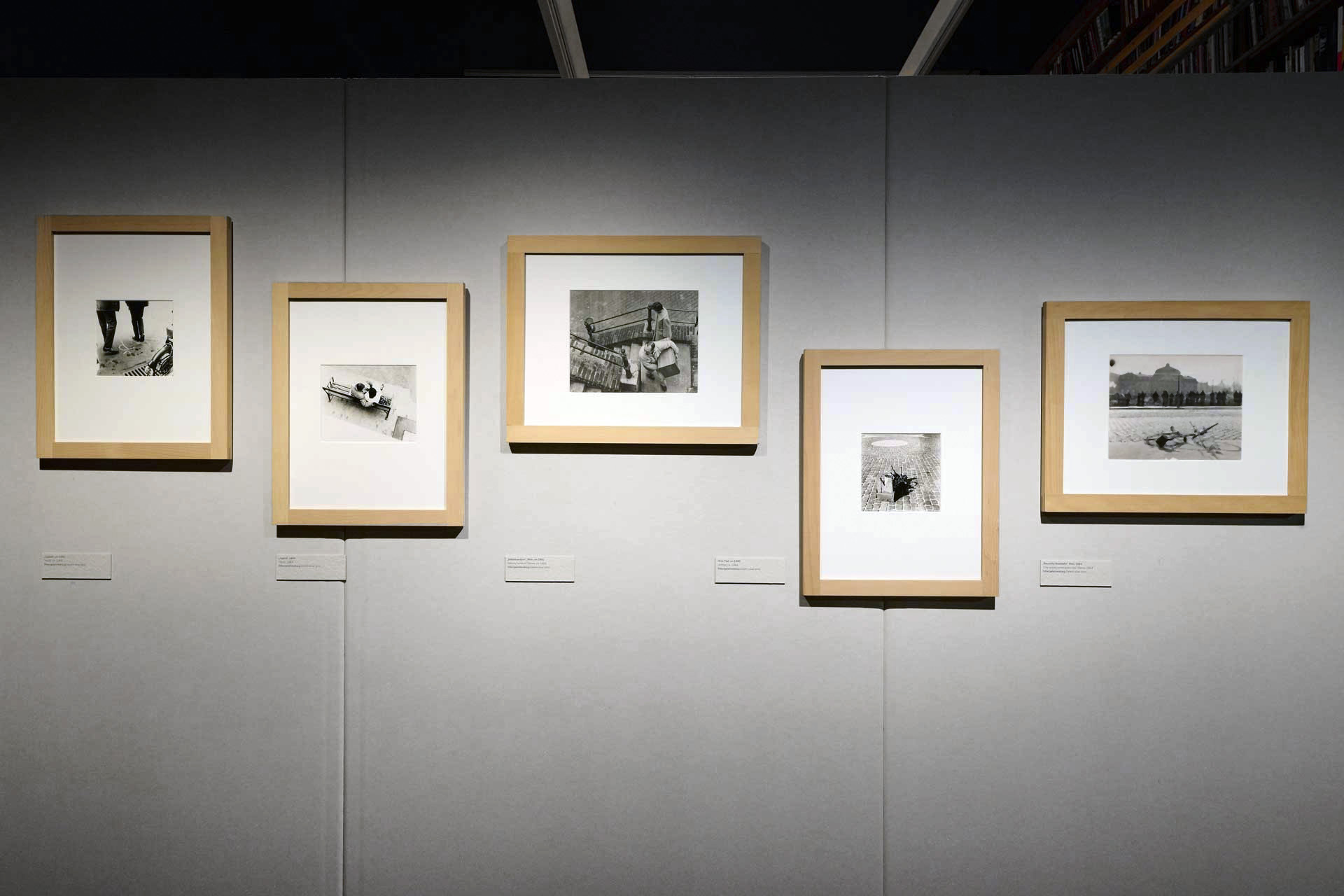
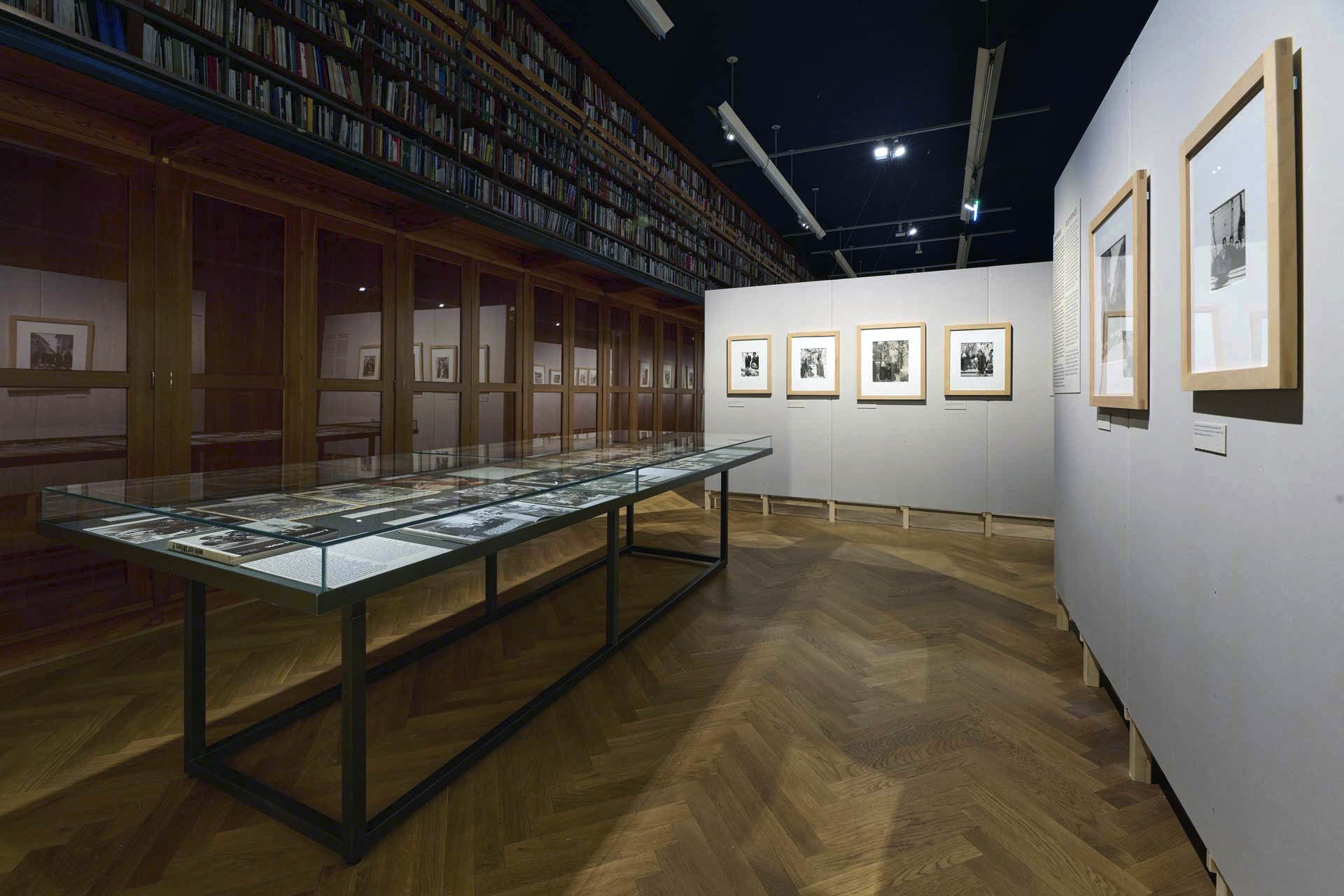
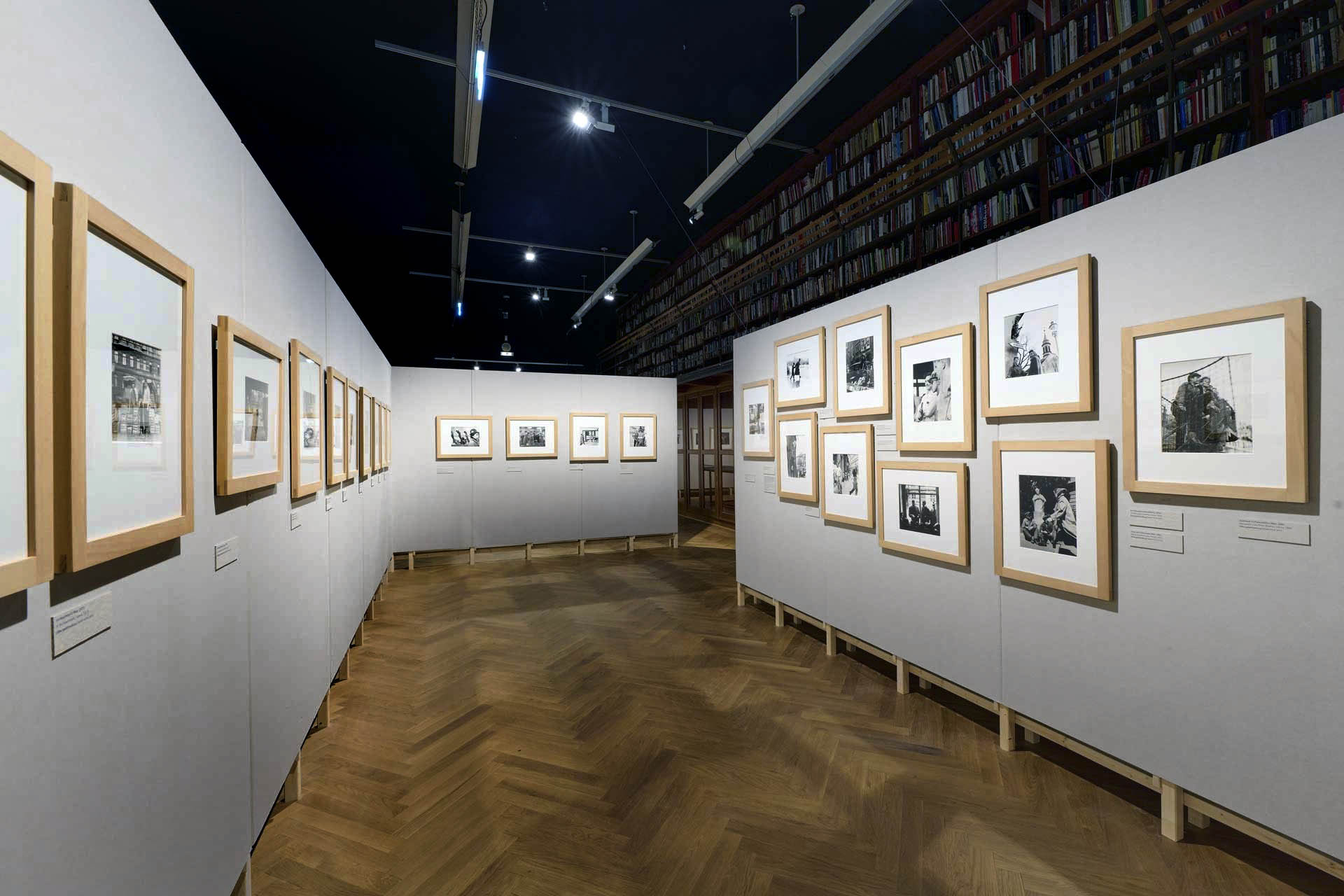
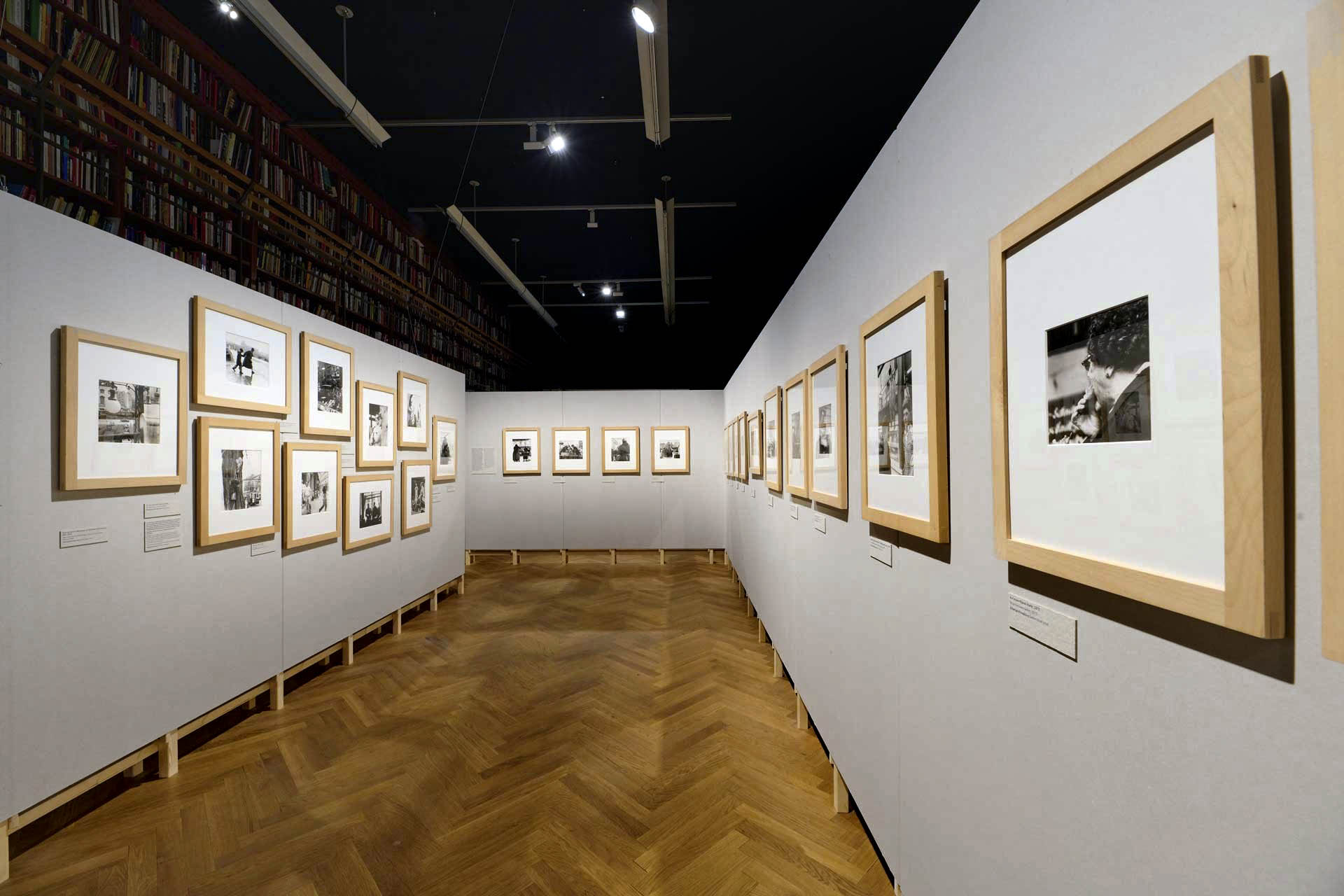

Installation views of the exhibition Barbara Pflaum: Showcases of Everyday Life at MAK Museum, Vienna, April – August, 2026
© MAK/Christian Mendez
From 15 April, the MAK dedicates a solo exhibition to Barbara Pflaum (1912–2002), a pioneer of Austrian press photography, in the MAK Works on Paper Room. With her extraordinary powers of observation and outstanding sense of form, Pflaum counts among the trailblazers of Austrian photojournalism in the 1950s. For over two decades, she helped shape the visual style of the Austrian weekly magazine Wochenpresse. Aged 40, divorced and a mother of three, Pflaum began studying at Vienna’s Academy of Applied Arts (now the University of Applied Arts Vienna) where she discovered photography and devoted herself to it with passion from then on. The exhibition at the MAK shows more than 100 photographs from the late 1950s and early 1960s, revealing an aspect of her work as yet little known: thoughtful, often humorous observations of everyday life in Vienna.
Pflaum received her first camera from her then-partner, the traveler, writer, and photographer Herbert Tichy in the early 1950s. At first, she mainly photographed her children and friends. These portraits caught the attention of the photo lab owner where she had her films developed. He encouraged her to submit her work to a magazine. As a result, Pflaum worked for the Wiener Illustrierte between 1954 and 1958. At the same time, she met the renowned Japanese-American photographer Yoichi Okamoto, head of the photo department at the US Information Service. Okamoto trained young photographers in modern photojournalism. Pflaum’s collaboration with Okamoto had a decisive influence on her style and led to her first publications in the Wiener Kurier.
Equipped with her classic medium-format camera, Pflaum had been photographing for the Wochenpresse since the mid-1950s, and was a regular presence at theatre and opera premieres, art exhibitions, political gatherings, and social events. She captured heads of state, party leaders, and international artists, and documented parliamentary debates, receptions, conferences, and cultural highlights. Many of her portraits of prominent figures appeared on the weekly magazine’s front cover – photographs of which she was particularly proud and which she repeatedly exhibited during her lifetime.
She consolidated her position as a photographer through her work in the press and exhibitions at Vienna’s Konzerthaus, as well as through her own
publications. In addition to official commissions, she tirelessly documented everyday life in Vienna: people in coffee houses, at markets, in parks or at parades, passers-by, street vendors, children at play or people in public spaces. Of especial fascination for her was the city’s transformation: old neighborhoods undergoing renovation, demolition, new construction, or the beginning of gentrification.
Many of these photographs were taken, as it were, en passant – personal observations, some of which found their way into her 1961 picture volume, wie ist Wien? Most, however, remained unpublished, lying in the photographer’s archive for years. Today, these photographs offer a view of the city and its inhabitants that is as lively as it is humorous. They depict scenes of everyday life, as well as street protests, Christmas markets, and neighborhoods about to be demolished. At the same time, they document an urban atmosphere undergoing gradual change in post-war Vienna.
Most of the prints on display in the exhibition come directly from Pflaum’s own archive, which is now held by brandstaetter images. These are prints she made herself, some of which bear clear signs of wear – revealing their use as working materials.
A key element of Pflaum’s photographic style has to do with her camera of choice. She worked with a Rolleiflex, a large twin-lens camera for 6 x 6cm film. This technique required a deliberate and considered approach: the film had to be changed after every twelve exposures, and the image was composed in a square format. For publication in the press, which usually required rectangular image formats, the photographs had to be cropped later during enlargement. The Rolleiflex was held at hip height as the image was projected onto a ground glass screen on the top of the camera, meaning it could only be viewed from above.
Many of Pflaum’s photographs are characterised by their strong, multi-layered composition: often, a blurred foreground area structures the image, with the spatial context of the scene unfolding behind it. Only on a third level does the actual action take centre stage – a fleeting moment, an encounter, a gesture. This pictorial structure imbues the photographs with a sense of dynamism, steering the viewer’s gaze towards the essence of the image.
Pflaum’s gift for observation, her ability to “lie in wait” and capture the right moment, are remarkable, as is the originality of many of her compositions. Whether dealing with common photographic subjects such as markets or leisure activities, or with current events such as demonstrations, Pflaum always took care to draw attention to the people, ensure a dynamic energy in the image, and evoke associations. In this way, she was able to create a sense of narrative.
What emerges is a multi-layered photographic portrait of Vienna from more than half a century ago. Barbara Pflaum’s photographs also demonstrate the
wealth of possibilities contained within even a fleeting moment on the street – provided it is observed with attentiveness, patience, and artistic sensitivity.
Karolina Ziębińska is a curator and art historian specializing in photography. From 2021 to 2025, she was director of the Museum of Warsaw. Prior to that, she was a curator at the Centre Pompidou in Paris from 2014 to 2020; Ziębińska also worked for ten years at Zachęta – National Gallery of Art in Warsaw. In 2008, she co-founded the Archaeology of Photography Foundation. Karolina Ziębińska has curated over 50 exhibitions and edited numerous publications on photographers of note.
Press release from MAK Museum
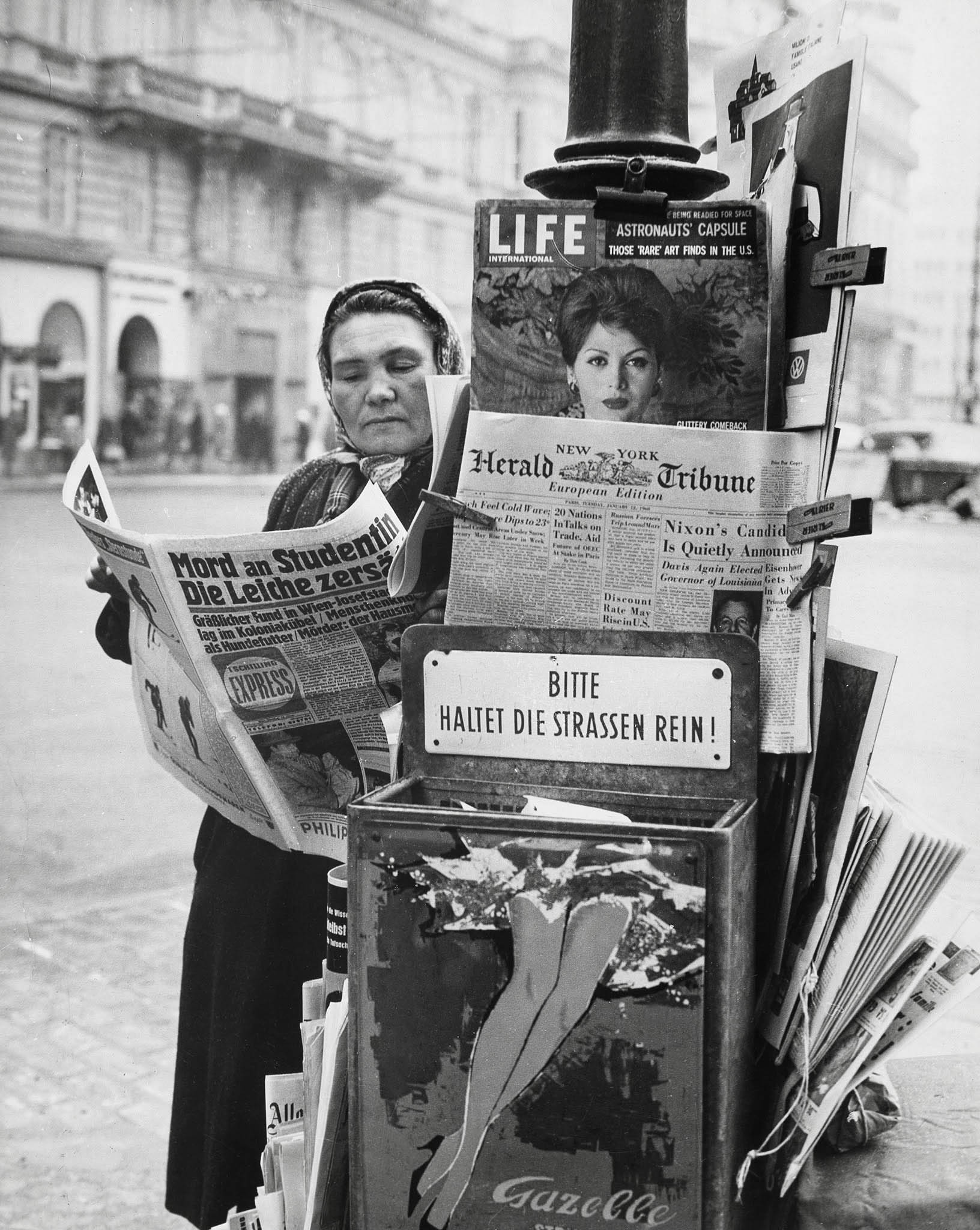
Barbara Pflaum (Austrian, 1912-2002)
Newspaper seller
c. 1960
Gelatin silver print
© APA-Images / brandstaetter images / Barbara Pflaum
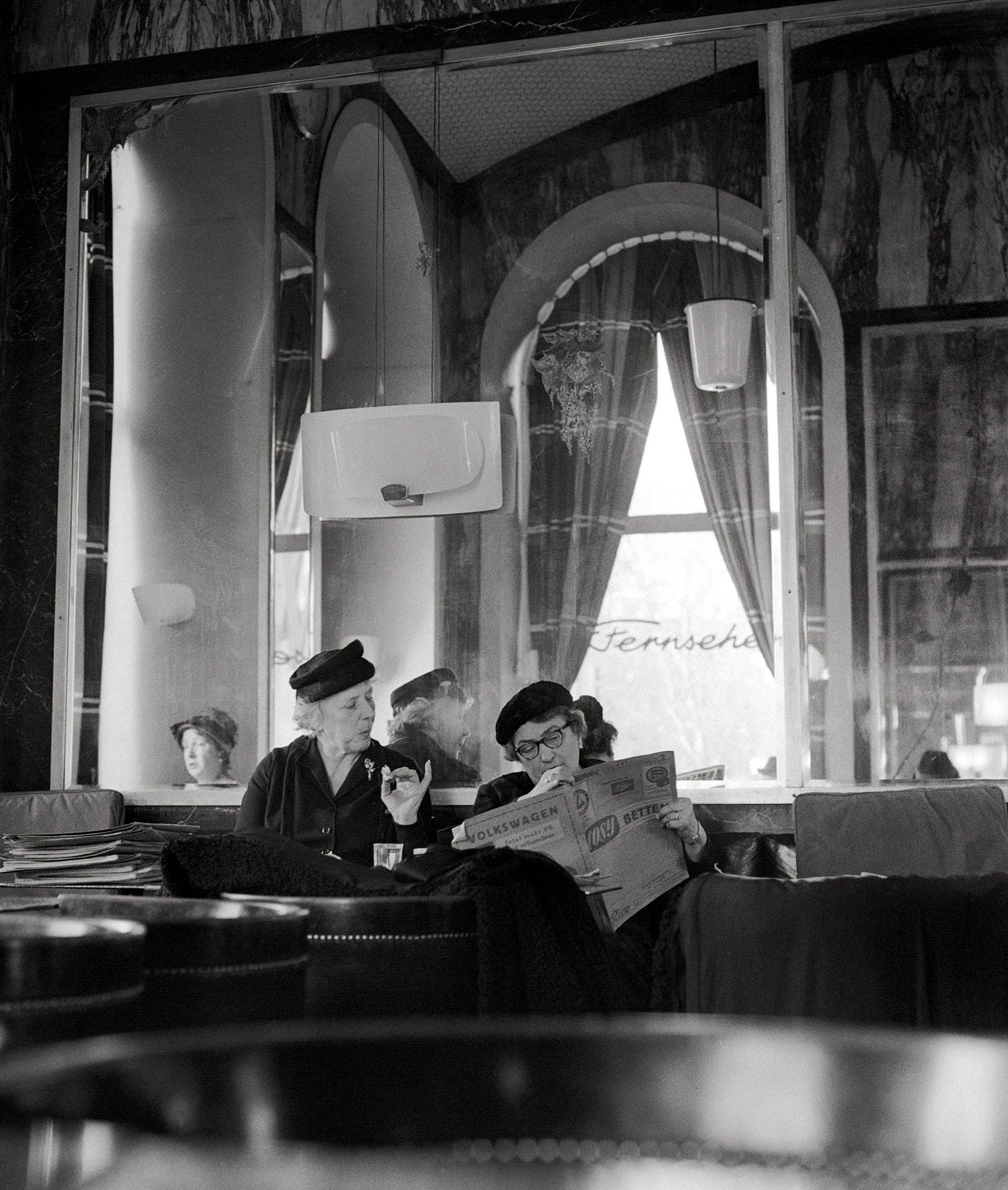
Barbara Pflaum (Austrian, 1912-2002)
“By no means a place of vice, rather a refuge for insomniacs and night workers: the small night café Schwarzenberg”
1961
Gelatin silver print
© APA-Images / brandstaetter images / Barbara Pflaum

Barbara Pflaum (Austrian, 1912-2002)
Sweet chestnut vendor on a Viennese market
1970
Gelatin silver print
© APA-Images / brandstaetter images / Barbara Pflaum

Barbara Pflaum (Austrian, 1912-2002)
Anti-Vietnam War demonstration as part of the May 1st rally on the Ringstraße, Vienna
1970
Gelatin silver print
© APA-Images / brandstaetter images / Barbara Pflaum

Barbara Pflaum (Austrian, 1912-2002)
On a Viennese market
1970
Gelatin silver print
© APA-Images / brandstaetter images / Barbara Pflaum
MAK Museum
Stubenring 5
1010 Wien, AT
Opening hours:
Tue 10am – 9pm
Wed – Sun 10am – 6pm
Mon closed
 Art Blart _ art and cultural memory archive
You must be logged in to post a comment.