Curator: Hans Rooseboom, Curator of Photography at the Rijksmuseum
W.H. Martin (American, 1865-1940)(photographer) The North American Post Card Co. (publisher) The largest ear of corn grown 1908 Postcard Rijksmuseum Purchase 2018
William H. “Dad” Martin of Ottawa, Kan., is considered to be the father of the exaggerated postcard. Some of his better work featured huge ears of corn, giant apples and peaches, stalks of wheat taller than any man and massive pumpkins uprooting a farmstead. Such cards were hugely successful throughout the Great Plains states where agriculture was the life’s blood of rural America.
W.H. Martin moved to Ottawa in 1899 to serve as an apprentice under photographer E.H. Corwin. Eight years later, Martin purchased Corwin’s studio and began crafting the tall tale postcards that would eventually make him a millionaire.
To fake or not to fake, that is the question…
Since the very inception of photography people have been making “fake” photographs. Indeed, one of the very first self-portraits ever taken, Hippolyte Bayard’s Le Noyé [The Drowned Man], made on October 18, 1840, is of the artist experimenting, using himself as a subject, posing himself in a fake suicide, expressing frustration “about his position in the photography world and about how little respect he felt he had been given in comparison to fellow photographer Louis Daguerre.”
There are many photographs pre digital manipulation that can be seen as “fake”1 but to me this is a disingenuous word, a sensationalist word, to describe photographs that basically undermine the photograph and its link to truth, the link of the photograph to the indexicality of its referent. But what is “truth” in a photograph?
Photographs have always deceived,2 depending on where you place the camera, which point of view you decide to capture and which to exclude, and when you decide to press the shutter … or what collage of photographs you put together and in what order. Thus, from one point of view, there is no such thing as a fake photograph, just different versions of (de)constructed realities.
Conversely you could argue that ALL photographs are “fake” as the photograph is only, can only ever be, a symbolic representation of a reality that never existed in the first place (“Ceci n’est pas une pipe”).
Photographs are tricky little things.
In the case of this exhibition, early photo collages and photomontages are seen as “fake” only in terms of their relation to a certain version of a photographic reality. They are not fake in terms of the reality of their construction, produced in the IMAGINATION of the artist, expressed in the final image. In those terms they are as real as the surrealist interpretation of dreams, or cubist dissection of the image plane. And we don’t call those photographs or paintings “fake”.
Today, photography is delimited in terms of what a photograph can be. And it has been so since the very beginning of the medium if only we look hard enough. Dreams or nightmares, impossible, absurd or humorous scenes, believable and unbelievable: there is no such thing as genuine or fake – only the space between – expressed in pictorial compositions governed by the creativity and breadth of your imagination.
2/ “Fake” describes something not genuine, real, or authentic, intended to look like something else to deceive, cheat, or pretend.
. Many thankx to the Rijksmuseum for allowing me to publish the photographs in the posting. Please click on the photographs for a larger version of the image.
“… photomontage is the fabrication of a composite but single image made up of a number of distinct photographic parts. It “results from the association of photographic elements, which have diverse origins, natures and proportions, combined in such a way as to express with force a particular idea.””
José Pierre, “Hannah Höch et le photomontage des Dadaists berhnois,” in Techniques Graphiques, no. 66 (November – December 1966), p. 352 quoted in Robert A. Sobieszek. “Composite Imagery and the Origins of Photomontage, Part 1: The Naturalistic Strain,” in Artforum, Vol. 17, No. 1, September 1978 on the Artforum website [Online] Cited 18/02/2026
Installation views of the exhibition FAKE! At the Rijksmuseum, Amsterdam, February – May, 2026 Photos: Albertine Dijkema/Rijksmuseum
Leonard de Koningh (Dutch, 1810-1887) Man startled by his own reflection c. 1870-1880 Cartes de visite
In this comical memento mori, where a man comes face to face with his ghost, the painter and photographer Leonard de Koningh exposed just half of the photographic plate, then had the subject adopt a different pose before exposing the other half. Photography might have been a relatively new art, but the transition between the two images is imperceptible. “It’s like a magician,” marvels Rooseboom. “You know you are being tricked, but you don’t know how the photographer does it.” Quoting Oscar Gustave Rejlander, a trailblazer for this type of composite printing, the photographer Robert Sobieszek (1943-2005) stated: “This manner of working led not to falsehood but to truth. An image made by a single negative [claimed Rejlander] ‘is not true, nor will it ever be so – the focus cannot be everywhere’.”
Anonymous photographer Daydream c. 1870-1890 Cartes de visite
In this one we see the present: a woman and her partner both with the tools of their trades; and an imagined future: her daydream of becoming a mother. The image, explains Rooseboom, was “a darkroom trick”, achieved by shielding part of the photographic paper from the light and then adding a second negative to it later. Such images took photography into a new dimension, suggesting the innermost thoughts of their subjects, and paving the way for the comic strips of the future with their speech bubbles and thought clouds.
“We still expect photography to bring the truth, but this idea only really emerged from the illustrated magazines of the 1930s in order to inform readers how things worked elsewhere in the world,” says Rooseboom. Until then, the creative freedom to alter the image was unchallenged. “Anything possible would be tried out and produced,” he says. “There was no ethical restraint on producing non-realistic images. No-one would forbid you from doing this.” Removing and moving someone’s head, for example, presented the photographer with a pleasing puzzle. In the case of this cabinet card – a style of print mounted on card had taken over from the smaller carte de visite by the 1880s – with its black humour, the creative mission was highly successful. Only the positioning of the curtain, that would have concealed the original head, and some light retouching visible under a microscope, offer clues to how the photographer created the deception.
Anonymous photographer Photomontage of a man pushing a wheelbarrow containing a head c. 1900 – c. 1910 Gelatin silver print
This photomontage, created from two negatives, was found in a French photo album, and featured in the science magazine La Nature. Here, the displaced head illusion goes a step further as the photographer plays with scale, prefiguring the Surrealist movement which gathered pace as the century unrolled, disrupting conventional shapes and sizes to create confusing, dreamlike scenes. The open doorway provides a conveniently plain, dark background in which to smuggle in the cut-and-pasted portion before re-photographing the image as a whole. Some of these images were most likely purchased as portraits to show others, to see their look of surprise. “It’s hard to see where the trick starts and ends,” says Rooseboom. “This is showing off. Something is unbelievable, impossible, it’s improbable, but still it’s there in a photographic image which suggests we see a real scene that really unfolded in front of the camera.”
Almost immediately after the invention of the medium people began manipulating photographs – some with scissors and glue, others through ingenious photographic techniques. Drawing on more than 50 historical images from the museum’s own collection, the exhibition FAKE! Early Photo Collages and Photomontages, shows how image manipulation developed – from the birth of photography to the Second World War – and explores the motives behind it. The exhibition runs from 6 February to 25 May 2026 in the Photo Gallery of the Rijksmuseum.
“Many photo collages and composites depict impossible, absurd or humorous scenes that no one would have mistaken for reality. Yet even then, the boundary between genuine and fake, believable and unbelievable, was often hard to see.” ~ Hans Rooseboom, Curator of Photography
Cut and paste
The exhibition covers 1860-1940, a period when the possibilities of cutting and pasting photographs were widely explored. People also started experimenting with other methods of image manipulation. One trick that became popular shortly after the invention of photography was to show the same person twice in a single image: first, one half of the plate was exposed; then the subject would move, strike a different pose, and the other half of the plate was exposed. This technique was mostly used for harmless visual jokes, purely for entertainment, but the exhibition also shows how it was sometimes employed with very serious intent.
Political protest
Exaggeration, humour and incongruous visual combinations also played a major role in political protest. The best-known creator of political photo composites is John Heartfield (pseudonym of Helmut Herzfeld, 1891-1968), who opposed Hitler’s Nazi movement. Several examples of his work appear in the exhibition.
Press release from the Rijksmuseum
P. Michaelis (Berlin, publisher) Man and woman with briefcase and three babies above Hamburg c. 1900-1910 Postcard
Martin Post Card Company (American) Taking our Geese to market 1908 Postcard Rijksmuseum Purchase 2019
The trend for playing with images of impossible proportions spawned a genre known as “Exaggerations” or “Tall Tales”. This US photograph was printed during the “Golden Age” of picture postcards, shortly after the US decreed that messages could be written on the address side of the card. We see again the pioneering role photo manipulation plays in artistic developments such as Surrealism, but the use of scale here is also a marketing ploy to create myths about the agricultural superiority of a region. In this case, it’s the celebrated stuffed geese of Watertown, Wisconsin. Elsewhere in the show, Nebraska boasts about its bountiful produce with an ear of corn the length of a horse-drawn carriage. As US author and folklorist Roger Welsch noted in Tall Tale Postcards (1976): “Photography brought into being visual effects that tall-tale tellers through the centuries had seen only in their fertile imaginations.”
William H. Martin, (1865 – c. 1940) also known by the nickname “Dad“, was an American photographer and postcard designer known for using photomontage to depict exaggerated scenes with out-of-scale plants and animals. His works featured fanciful depictions of the American frontier inspired by tall tales. His depictions of abundant crops and large livestock served to humorously parody the struggles of farmers in the Midwestern United States who faced drought. They also mocked the exaggerated promises of fertile land and abundant livestock that companies used to lure settlers to the West. Martin was a pioneer of the art form of collage in the United States, and is considered to be the “father” of the exaggeration postcard genre.
Martin was originally from Maple City, Kansas. and was born in 1865. When he was 21 years old, he moved to Ottawa, Kansas to study under the photographer E.H. Corwin. He had no prior experience in photography. He proved successful, and bought Corwin’s photography studio in 1894.
He used photomontage and trick photography and, in 1908, began producing wildly exaggerated postcards for commercial sale. His cards typically featured out-of-scale scenes with people alongside giant plants and animals, created by cutting and pasting together different photographs. His postcards were popular with Western settlers, who sent them back to their families in the Eastern United States. His business was successful, and by 1909 he had built a two-story business building behind his home and employed around 20 people, who produced around 10,000 postcards every day. His photographs proved so popular that they were often plagiarised by other postcard companies and sold under different names.
Theodor Eismann (publisher) (Leipzig, Germany) Car flying over Mulberry Bend Park, New York before 1908 Postcard Rijksmuseum Purchase 2025
Eismann established the company in Leipzig around 1884 and was instrumental in the pre-World War I postcard boom in Germany for the U.S. market. Theochrom was name given to the printing process used.
Fake photographs activated the imagination, presenting imagined possibilities yet to come. This example of a toekomstbeeld (vision of the future) envisages a world where cars could fly. Elsewhere in the exhibition we see futuristic cityscapes: town centres transformed by sky rails and zeppelins thanks to some deft copy and pasting, and skyborne visitors floating over Boston, Hamburg and The Hague in scenes reminiscent of Mary Poppins. Eismann’s New York photomontage [above] now features colour but is no more truthful, its limited range of inks added during the printing process at the whim of the designer.
Alfred Stanley Johnson Jr. (American, 1863-1932) Collision between a car and a steamroller 1915 Tall-tales postcard (exaggerated postcard) Waupun catalog no. P126
We’ve come to think of photo trickery as something sinister, but in his research on its use in early photography, Rooseboom says he was surprised to find that “three-quarters of all the images were made for fun”. In this photomontage by Alfred Stanley Johnson Jr, the clever placement of a series of individual − sometimes overlapping − images provides a humorous snapshot in time. The unusually dynamic, action-filled scene features flying coattails and frilly bloomers as the passengers of a car are catapulted through the air, inviting a before-and-after narrative in the mind of the viewer. “Many photomontages obviously depict impossible situations,” states a text at the exhibition. “The intention was not to mislead, but rather to entertain the viewer.”
Alfred and Elizabeth were living at 315 South Madison Street (in Dodge County) and their son Stanley – who was now going by his middle name – and wife Myrtie were living at 315 North Madison Street (in Fond du Lac County), with their son Alfred S. (the III), who was less than a year old. The Johnson photo studio/gallery was then located at 11-17 North Madison, just off Main Street. This was only a few years after Stanley began producing his tall-tale postcards, probably assisted by his wife, Myrtie, who was listed in the 1905 State Census as being a “photographer” and the 1910 Census as a “photo retoucher.” Although he apparently was known locally by the name of Stanley, he used the name “Alfred Stanley Johnson, Jr.” on most of his postcards.
Stanley Johnson, Sr. died December 3, 1914, and his wife Elizabeth died December 9, 1919; both are buried in the family plot in Forest Mound Cemetery in Waupun. Stanley continued in the photo business at 11 North Madison Street – while living at 17 N. Madison – until a few years before his death on March 1, 1932. His obituary in the Waupun Leader News stated that he had “been in poor health for about 30 years,” which would have been since about the time he started creating his exaggerated postcards. Perhaps the cards provided the extra income needed to pay ongoing medical bills.
Anonymous. “Johnson, Alfred Stanley,” on the Wisconsin Historical Society website Nd [Online] 18/02/2026. Used under fair use conditions for the purposes of education and research
Elsie Wright (British, 1901-1988) and Frances Griffiths (British, 1907-1986) Fairy Offering Flowers to Iris 1920 From the Cottingley Fairies series Gelatin silver print
The Cottingley Fairies are the subject of a hoax which purports to provide evidence of the existence of fairies. They appear in a series of five photographs taken by Elsie Wright and Frances Griffiths, two young cousins who lived in Cottingley, near Bradford in England. In 1917, when the first two photographs were taken, Elsie was 16 years old and Frances was 9. The pictures came to the attention of writer Sir Arthur Conan Doyle, who used them to illustrate an article on fairies he had been commissioned to write for the Christmas 1920 edition of The Strand Magazine. Doyle was enthusiastic about the photographs, and interpreted them as clear and visible evidence of supernatural phenomena. Public reaction was mixed; some accepted the images as genuine, others believed that they had been faked.
Interest in the Cottingley Fairies gradually declined after 1921. Both girls married and lived abroad for a time after they grew up, and yet the photographs continued to hold the public imagination. In 1966 a reporter from the Daily Express newspaper traced Elsie, who had by then returned to the United Kingdom. Elsie left open the possibility that she believed she had photographed her thoughts, and the media once again became interested in the story.
Albert Huyot (French, 1872-1968) Photo collage 1929
The cutting up of images and rearranging them on paper with glue was once a popular pastime. People made celebrity photo quizzes, sometimes featuring just a nose or a pair of eyes; and the photographed faces of friends and family were superimposed onto drawings for comic effect. Photo collages were also undertaken by established artists. In this piece, which is influenced by Dadaism and Cubism, French artist Albert Huyot manipulates fragments of photographic images into surprising new artistic forms. More intricate photographic artworks can be seen in the show on the pages of the Hungarian artist László Moholy-Nagy’s seminal book Painting, Photography, Film (1925). In it he argues that photography is not just about recording reality. Instead, it should explore the visual language unique to its medium.
The son and grandson of artists, Albert Huyot was a pupil of Diogène Maillart and Gustave Moreau. His first paintings were done in a generic Post-Impressionist manner indebted to the example of the Nabis, but he soon became influenced by Cubism. He exhibited regularly at the Salon des Indépendants, the Salon d’Automne and the Salon des Tuileries, and also participated in the Grande Exposition in Brussels in 1910; in the same year he also spent some time in Russia. Huyot was a friend of Henri Matisse, and around 1912 his work reveals the influence of Fauvism; André Derain was another particular influence. After 1920, however, Huyot seems to have abandoned the rigour of his earlier work in favour of landscape painting. An exhibition of his work was held at the Galerie Berthe Weill in Paris in 1926.
Text from the Stephen Ongpin Fine Art website
John Heartfield, pseudonym of Helmut Herzfeld (German, 1891-1968) Mimikry, Arbeiter-Illustrierte-Zeitung (A-I-Z), 19 April 1934 1934
Sometimes, in a surprising twist, photographic trickery was a tool for conveying a perceived truth. Anti-Nazi campaigner Helmut Herzfeld, who changed his name to the anglicised John Heartfield in protest against Hitler’s regime, created over 200 handcrafted political photomontages for the leftist AIZ publication, many seeking to expose the hidden dangers of the Nazi dictatorship and the lies it disseminated. Mimicry depicts Joseph Goebbels, the Nazi Minister of Propaganda, disguising Hitler as the 19th-Century revolutionary communist Karl Marx. The artist is warning the working classes not to be fooled by Hitler’s promises that he genuinely supports workers’ rights. Such work is comparable with political memes today that aim to speak truth to power. Image manipulation can both mislead us and help us find our way.
Exhibition dates: 11th November, 2022 – 2nd April, 2023
Curators: Co-curated by Skirball curators Cate Thurston and Laura Mart and Lara Rabinovitch, renowned writer, producer, and specialist in immigrant food cultures. The exhibition was coordinated at New-York Historical by Cristian Petru Panaite with Marilyn Kushner, curator and head, Department of Prints, Photographs, and Architectural Collections.
Ei Katsumata (American) Carnegie Deli, New York, NY 2008 Photo by Ei Katsumata /Alamy Stock Photo
Culture and its history – past, present and future – is always so fascinating!
Dr Marcus Bunyan
Many thankx to the New-York Historical Society for allowing me to publish the photographs in the posting. Please click on the photographs for a larger version of the image.
Our special exhibition examines how Jewish immigrants, mostly from Central and Eastern Europe, imported and adapted traditions to create a uniquely American restaurant and reveals how Jewish delicatessens became a cornerstone of American food culture.
Organised by the Skirball Cultural Center, “I’ll Have What She’s Having”: The Jewish Deli examines how Jewish immigrants, mostly from Central and Eastern Europe, imported and adapted traditions to create a uniquely American restaurant and reveals how Jewish delicatessens became a cornerstone of American food culture.
The exhibition explores the food of immigration, the heyday of the deli in the interwar period, delis and Broadway, stories of Holocaust survivors and war refugees who worked in delis, the shifting and shrinking landscapes of delis across the country, and delis in popular culture. On display are neon signs, menus, advertisements, deli workers’ uniforms, and video documentaries. The local presentation is enriched with artwork, artefacts, and photography from New-York Historical’s collection along with restaurant signs, menus and fixtures from local establishments, mouthwatering interactives, and a Bloomberg Connects audio tour. And families: Be sure to pick up a copy of our kid-centric guide to the exhibition in the gallery.
Text from the New-York Historical Society website
2nd Ave Deli // “I’ll Have What She’s Having”: The Jewish Deli
New-York Historical Society
What makes the 2nd Ave Deli so special? The New-York Historical Society takes a trip to the Midtown landmark to talk to the owner, managers, workers, and customers about the special magic of the decades-old delicatessen where they “prepare the foods that our mothers and grandmothers made.”
James Reuel Smith (American, 1852-1935) Louis Klepper Confectionary and Sausage Manufacturers, 45 E. Houston Street, New York c. 1900 Patricia D. Klingenstein Library, New-York Historical Society
James Reuel Smith (1852-1935) was an American photographer and amateur historian who worked in the late 19th century to early 20th century. He was known for his documentary photographs of historical springs and wells in New York City before they were buried beneath the concrete of the rapidly growing city. Many of these natural water resources disappeared as the New York municipal water system developed.
Smith’s photographs documented a vanishing way of life in urban America. Drawing and fetching water had been an essential activity of daily life prior to the development of the modern municipal water system. In the 1870s New York City undertook efforts to eradicate the natural open wells and springs as they were perceived to be hazardous to health. The official municipal source for city water was the Croton Aqueduct which was endorsed by the NYC sanitation officers, rather than local neighbourhood wells and springs.
Hester Street, Lower East Side c. 1900 Postcard Patricia D. Klingenstein Library, New-York Historical Society
Unknown photographer (American) Anne Russ Federman serving customers at New York’s Russ & Daughters, with Hattie Russ Gold in the background 1939 From the collection of Russ & Daughters
Benjamin Segan (American, 1924-2017) Letter to Judith Berman, April 23, 1944 Caserta, Italy Patricia D. Klingenstein Library, New-York Historical Society
Benjamin David “Ben” Segan was born in New York City on 27 August 1924, to Jacob and Lillian Segan, immigrants from Vilnius, Lithuania. Ben attended George Washington High School in Manhattan, where he met his future wife, Judith “Judy” Berman. During his senior year he attended school by night to work in a defense plant by day.
Nineteen-year-old Ben was drafted into the United States Army as a private on 28 April 1943. His initial processing took place at Fort Dix, New Jersey, where he began his correspondence with Judy, writing to her almost daily until he left the service. By mid-May 1943 he was at Camp Croft, South Carolina, where he remained in basic training through late September and to operate radio equipment.
By October 1943 he was sent to Fort George G. Meade, Maryland, and from there shipped to Italy to join the 93rd Armored Field Artillery Battalion. In Europe he served in Italy, southern France, and Germany. During the Battle of Monte Cassino (a.k.a. the Battle for Rome), January-May 1944, he worked in the 93rd’s communication section.
Although he saw combat, Ben refrained from graphic descriptions in writing to his fianceé. Some of his reticence was due to restrictions imposed by the censors. For example, on 7 April 1945, during the liberation of the Buchenwald concentration camp from the Nazis, which he witnessed, Ben wrote, cryptically (in letter 574), “I’ve been extremely busy recently darling, & don’t think it’s so necessary to tell you as you must have a[n] inkling from the latest news reports on our progress.”
The war in Europe ended on 8 May 1945, but Ben was still there as late as November 10th (the date of his last letter in the collection), when he wrote from the French port of Le Havre, unsure of which ship he’d be on or indeed when it would sail.
Ben was honoured with the American Service Medal, the European-African-Middle Eastern Service Medal, the Good Conduct Medal, and the World War II Victory Medal.
Once home he married Judy on 10 March 1946 at Temple Ansche Chesed on Manhattan’s Upper West Side. They raised two children and worked together for many years in New York City’s Garment District.
Lionel S. Reiss (American born Poland, 1894-1988) Frankfurter and Lemonade from Manhattan Crosstown series c. 1945 Watercolour, black ink, white gouache, and graphite on paper 11 x 8 in. (27.9 x 20.3cm) New-York Historical Society, Foster-Jarvis Fund, and contribution of Harry Goldberg
Lionel S. Reiss (American born Poland, 1894-1988)
Lionel S. Reiss (1894-1988) was a Polish-American Jewish painter born in Jaroslaw, Poland (then in the Austro-Hungarian Empire), and grew up on the Lower East Side of Manhattan where he studied commercial art. His family had moved to the United States in 1898 when he was four years old. As immigrants to the United States, Reiss’ parents joined the ranks of other Eastern European Jews who were fleeing their native countries at the start of the 20th century. Lionel Reiss’ family settled on New York’s Lower East Side neighbourhood and Reiss himself spent the majority of his life in the city. Reiss worked as a commercial artist for newspapers, publishers, and a motion picture company. Eventually he became art director for Paramount Studios and is credited to be the creator of the Leo the Lion logo of Metro-Goldwyn-Mayer Studios.
Reiss became known for his portraits of Jewish people and landmarks in Jewish history, which he made during his trip to Europe, Africa, and the Middle East in the early 1920s. Being American and Jewish himself, Reiss became fascinated with Jewish life in the Old World. In 1919 Reiss temporarily left the United States to travel to the aforementioned regions, and recorded the everyday life that he encountered in the ghettos. His trip resulted in exhibitions in major American cities.
At the dawn of the Holocaust in 1938, Reiss, who had long returned to the United States, published his book My Models Were Jews, in which he illustratively argued that there is no such thing as a “Jewish ethnicity”, but the Jewish people are rather a cultural group, whereby there is significant diversity within Jewish communities and between different communities in different geographical regions. Reiss was therefore presenting an argument against what he considered to be a common misconception that existed about the Jews. Later works included a 1954 book, New Lights and Old Shadows, which dealt with “the new lights” of a reborn Israel and the “old shadows” of an almost eradicated European Jewish culture. In his last book, A World of Twilight, published in 1972, with text by Isaac Bashevis Singer, Reiss presented a portrait of the Jewish communities in Eastern Europe before the Holocaust.
Reuben’s Delicatessen Menu [autographed by Arnold Reuben] 1946 Patricia D Klingenstein Library, New-York Historical Society
This fall, New-York Historical Society presents “I’ll Have What She’s Having”: The Jewish Deli, a fascinating exploration of the rich history of the Jewish immigrant experience that made the delicatessen so integral to New York culture. On view November 11, 2022 – April 2, 2023, the exhibition, organised by the Skirball Cultural Center in Los Angeles, where it is on view through September 18, examines how Jewish immigrants, mostly from Central and Eastern Europe, imported and adapted traditions to create a cuisine that became a cornerstone of popular culture with worldwide influence. The exhibition explores the food of immigrants; the heyday of the deli in the interwar period; delis in the New York Theater District; stories of Holocaust survivors and war refugees who found community in delis; the shifting and shrinking landscapes of delis across the country; and delis in popular culture. On display are neon signs, menus, advertisements, and deli workers’ uniforms alongside film clips and video documentaries. New-York Historical’s expanded presentation includes additional artwork, artefacts, photographs of local establishments, and objects from deli owners, as well as costumes from The Marvelous Mrs. Maisel, a mouthwatering interactive, and a Bloomberg Connects audio tour.
“It’s our great pleasure to present an exhibition on a topic so near and dear to the hearts of New Yorkers of all backgrounds,” said Dr. Louise Mirrer, president and CEO of New-York Historical. “‘I’ll Have What She’s Having’: The Jewish Deli tells a deeply moving story about the American experience of immigration – how immigrants adapted their cuisine to create a new culture that both retained and transcended their own traditions. I hope visitors come away with a newfound appreciation for the Jewish deli, and, with it, the story of the United States.”
“Whether you grew up eating matzoball soup or are learning about lox for the first time, this exhibition demonstrates how Jewish food became a cultural touchstone, familiar to Americans across ethnic backgrounds,” said co-curators Cate Thurston and Laura Mart. “This exhibition reveals facets of the lives of Central and Eastern European Jewish immigrants in the late 19th and early 20th centuries that echo in contemporary immigrant experiences. It shows how people adapt and transform their own cultural traditions over time, resulting in a living style of cooking, eating, and sharing community that is at once deeply rooted in their own heritage and continuously changing.”
“I’ll Have What She’s Having” is co-curated by Skirball curators Cate Thurston and Laura Mart along with Lara Rabinovitch, renowned writer, producer, and specialist in immigrant food cultures. It was coordinated at New-York Historical by Cristian Petru Panaite with Marilyn Kushner, curator and head, Department of Prints, Photographs, and Architectural Collections. The exhibition explores topics including deli culture, the proliferation of delis alongside the expansion of New York’s Jewish communities, kosher meat manufacturing, shortages during World War II, and advertising campaigns that helped popularise Jewish foods throughout the city.
Highlights include a letter in New-York Historical’s Patricia D. Klingenstein Library collection from a soldier fighting in Italy during World War II writing to his fiancée that he “had some tasty Jewish dishes just like home” thanks to the salami his mother had sent – a poignant addition to Katz’s famous “Send a Salami to Your Boy in the Army” campaign. Images show politicians and other notable figures eating and campaigning in delis. Movie clips and film stills include the iconic scene in Nora Ephron’s romantic comedy When Harry Met Sally…, which inspired the exhibition title. This and other movie scenes underscore the prominent role of Jewish delis in American popular culture.
Unique to New-York Historical’s presentation is a closer look at the expansion of Jewish communities at the turn of the 20th century, not just on the Lower East Side but also in Brooklyn, Queens, and the Bronx. In the 1930s, some 3,000 delis operated in the city; today, only about a dozen remain. The exhibition gives special attention to dairy restaurants, which offered a safe meatless eating experience; a portion of the neon sign from the Famous Dairy Restaurant on the Upper West Side is on display. Salvaged artefacts, like the 2nd Avenue Delicatessen storefront sign and vintage meat slicers and scales from other delis, are also on view, along with costumes by Emmy Award-winning costume designer Donna Zakowska from the popular Prime Video series The Marvelous Mrs. Maisel.
Visitors are invited to build their own sandwiches named after celebrities, such as Milton Berle, Sophie Tucker, Frank Sinatra, Ethel Merman, and Sammy Davis Jr., in a digital interactive inspired by menu items from Reuben’s Deli and Stage Deli. On the Bloomberg Connects app, exhibition goers can enjoy popular songs like “Hot Dogs and Knishes” from the 1920s, along with clips of Mayor Fiorello La Guardia discussing kosher meat pricing, 1950s radio ads, and interviews with deli owners forced to close during the pandemic lockdown.
In a nostalgic tribute to departed delis that continue to hold a place in the hearts of many New Yorkers, photographs show restaurants that closed in recent years. Eateries include the Upper West Side’s Fine & Schapiro Kosher Delicatessen, Jay & Lloyd’s Kosher Delicatessen in Brooklyn, and Loeser’s Kosher Deli in the Bronx. An exuberant hot dog-shaped sign from Jay & Lloyds Delicatessen, which closed in May 2020, and folk artist Harry Glaubach’s monumental carved and painted signage for Ben’s Best Kosher Delicatessen in Queens, also pay tribute to beloved establishments. The exhibition concludes on a hopeful note, highlighting new delis that have opened their doors in the past decade, such as Mile End and Frankel’s, both in Brooklyn, and USA Brooklyn Delicatessen, located steps from the site of the former Carnegie and Stage Delis in Manhattan.
Support
“I’ll Have What She’s Having”: The Jewish Deli is organised and circulated by the Skirball Cultural Center, Los Angeles, California. Exhibitions at New-York Historical are made possible by Dr. Agnes Hsu-Tang and Oscar Tang, the Saunders Trust for American History, the Evelyn & Seymour Neuman Fund, the New York City Department of Cultural Affairs in partnership with the City Council, and the New York State Council on the Arts with the support of the Office of the Governor and the New York State Legislature. WNET is the media sponsor.
Press release from the New-York Historical Society
Norman Rockwell (American, 1894-1978) Save Freedom of Worship: Buy War Bonds 1943 Poster; offset lithograph 28 x 20 inches Public domain
World War II poster encouraging individuals to buy war bonds. The poster includes an image by Norman Rockwell and was published by the United States Government Printing Office in Washington, DC, in 1943.
The poster depicts men and women of various races and faiths, including a woman with rosary beads, with hands clasped in prayer. Norman Rockwell was a 20th-century American painter and illustrator. His works enjoy a broad popular appeal in the United States for their reflection of American culture. Rockwell is most famous for the cover illustrations of everyday life scenarios he created for The Saturday Evening Post magazine for more than four decades. The Four Freedoms or Four Essential Human Freedoms is a series of four oil paintings that Rockwell produced in 1943 for reproduction in The Saturday Evening Post alongside essays by prominent thinkers of the day. Later they were the highlight of a touring exhibition sponsored by the Saturday Evening Post and the United States Department of the Treasury. The Four Freedoms theme was derived from the 1941 State of the Union Address by United States President Franklin Roosevelt in which he identified four essential human rights (Freedom of Speech, Freedom of Worship, Freedom from Want, and Freedom from Fear) that should be universally protected. The Office of War Information printed four million sets of Four Freedoms posters by the end of the war. World War II was a massive conflict which involved a majority of the nations of the world, and became the most widespread and deadliest event in human history; it had profound ramifications politically and economically that lasted into the next century. …
Posters were used extensively throughout the war by countries on both sides for purposes such as propaganda, morale, and the broad dissemination of information. The United States Office of War Information (OWI) was a U.S. government agency created during World War II to consolidate government information services. It operated from June 1942 until September 1945. It coordinated the release of war news for domestic use, and, using posters and radio broadcasts, worked to promote patriotism, warn about foreign spies and recruit women into war work. The office also established an overseas branch, which launched a large scale information and propaganda campaign abroad. The War Finance Committee was placed in charge of supervising the sale of all bonds, and the War Advertising Council promoted voluntary compliance with bond buying. More than a quarter of a billion dollars worth of advertising was donated during the first three years of the National Defense Savings Program. The government appealed to the public through popular culture. Norman Rockwell’s painting series, the Four Freedoms, toured in a war bond effort that raised $132 million.
Unknown photographer Rena Drexler on the day of her liberation from Auschwitz Poland, 1945 Private collection
Installation view of the exhibition “I’ll Have What She’s Having”: The Jewish Deli at the New-York Historical Society showing at centre, a photograph by an unknown photographer Rena and Harry Drexler at Drexler’s Deli, North Hollywood, CA (c. 1970s, below)
Unknown photographer (American) Rena and Harry Drexler at Drexler’s Deli, North Hollywood, CA c. 1970s Private collection
Unknown photographer (American) Vienna Beef Factory, inspecting sausages Chicago, IL c. 1950s Vienna Beef Museum
Unknown photographer (American) Vienna Beef Factory, curing pastrami Chicago, IL, c. 1950s Vienna Beef Museum
Paula Weissman’s Hotel and Restaurant Employees Union Books 1958-1983 Courtesy of Paula Weissman
Installation view of ads from the “You don’t have to be Jewish to love Levy’s real Jewish Rye” campaign (1960s). Despite the campaign’s success, the ads relied on both ethnic stereotypes and a narrowly focused white, Eurocentric view of Jewish identity that excluded Jews of Color. Photo by Robert Wedemeyer.
With a self-reflection that is arguably as Jewish as its subject, the exhibition doesn’t shy away from an awareness that the deli, created by Eastern and Central European immigrants, is an almost exclusively Ashkenazi institution, and thus limited in its view of Jewish life and culture. Take, for example, the commentary on the posters featuring the famous “You don’t have to be Jewish to love Levy’s” series of rye bread ads. Considered progressive for their time because of the diversity of the models, in retrospect the ads suggest that racial diversity among the Jewish community is an anomaly, which is not the case.
Howard Zieff (photographer) You don’t have to be Jewish to love Levy’s real Jewish Rye [New York : s.n., 1965?] Photomechanical print (poster): offset, colour Library of Congress Public domain
Howard Zieff (photographer) You don’t have to be Jewish to love Levy’s real Jewish Rye [New York : s.n., 1965?] Photomechanical print (poster): offset, colour Library of Congress Public domain
Menu from 2nd Avenue Delicatessen (outside cover) New York City, 1968 Patricia D. Klingenstein Library, New-York. Historical Society
Menu from 2nd Avenue Delicatessen New York City, 1968 Patricia D. Klingenstein Library, New-York. Historical Society
Katz’s Delicatessen Napkin 1980-2000 Paper Overall: 5 × 5 in. (12.7 × 12.7cm) Gift of Bella C. Landauer
Unknown photographer (American) Abe Lebewohl with hero, from the 2nd Ave Deli, New York, NY c. 1990
Unknown photographer (American) Snack at Manny’s Delicatessen Chicago, IL, 2010 Image Professionals GmbH / Alamy Stock Photo
New-York Historical Society 170 Central Park West at Richard Gilder Way (77th Street) New York, NY 10024 Phone: (212) 873-3400
The year was 1970. The year of the first Earth Day, the year that the United States invaded Cambodia, the year when National Guardsmen shot four student demonstrators at an antiwar rally at Kent State University. A year in the continuing fight for social and political rights, be they black, female or gay. As part of the larger push for Civil Rights in the 1970s these photographs, though mainly unpublished at the time, document that struggle. Today these important and joyful photographs taken by Mother Boats C.P. act as testament to the first-ever Gay Pride Parade in the world [because of the time zone], which was held in Los Angeles on June 28, 1970 to commemorate the one-year anniversary of the Stonewall Riots the previous year. Although one of several gay pride parades that took place that day around the United States, this was the only “street closing” gay pride parade held in 1970″1 The Advocate reported, “Over 1,000 homosexuals and their friends staged, not just a protest march, but a full blown parade down world-famous Hollywood Boulevard.”2 The photographs evidence that very first flowering of mass gay visibility and freedom the world had ever seen.
From a personal perspective, the scanning and digital cleaning of the images and the research that has gone into this posting has been a labour of love, as it should be, for something that you care deeply about and that is important to culture and community. I came out in London in 1975 only six short years after the Stonewall Riots and, looking at the these photographs, I know how strong and resolute these fellow human beings would have had to have been, to be out of the closet and be photographed in public at such a point in the fight for gay liberation
Early gay activism
For those people engaged in research into gay identity and gay and lesbian history there is an awareness of groups like the Mattachine Society3 (founded in 1950, one of the earliest gay rights organisations in the United States, probably second only to Chicago’s Society for Human Rights4) and the Daughters of Bilitis5 (founded in 1955, the first lesbian civil and political rights organisation in the United States), which formed part of the homophile moment pre-Stonewall and gay liberation. Following these early groups, there is a really interesting period in the mid- late 1960s where there is an increasing level of activism right across America. Now however, there seems to exist a simplified narrative of this period that is skewed towards New York when in actuality there were a lot of things happening prior to and leading up to Stonewall all over the United States. Of course, events that flow on from Stonewall stand alone, but I believe that there is not a broad public awareness of the nuances of what was happening across the country: for example, in Chicago, Philadelphia, Washington, D. C., San Francisco and Los Angeles.
In August 1966 there was the Compton’s Cafeteria riot in Los Angeles,6 which occurred in the Tenderloin district of San Francisco. This incident was one of the first recorded transgender riots in United States history, preceding the more famous 1969 Stonewall Riots in New York City; in April 1965 in Philadelphia an estimated 150 people participated in a sit-in when the manager of Dewey’s restaurant refused service to several people he thought looked gay and in July of that year in the same city demonstrators picketed at Independence Hall, returning each year through 1969 for what came to be known as the Annual Reminder7 beginning a new era in Philadelphia LGBT culture as a presence in the community8; while in April 1969 in San Francisco, quite a prominent event took place which was picked up by student newspapers across the country – “when gay activist and journalist Gale Whittington was fired by the States Steamship Company after coming out in print, a small group of activists operating under the name “Committee for Homosexual Freedom” (CHF) picketed the company’s San Francisco offices every workday between noon and 1.00pm for several weeks.”9 An incomplete list of LGBT actions in the United States prior to the Stonewall riots can be found on the Wikipedia website.1
Artist and photographs
Mother Boats C.P. (a.k.a. Brian Traynor) undertook journalism and photojournalism for a few semesters between 1962-66 using old flat plate cameras and top view 120 roll film cameras, developing his prints in the dark room. He went to Vietnam on active service in 1967: “There was duty free exchange and I got an Olympus SLR c. 1967. I had up to three cameras around my neck, one black and white, one colour, and I even had a 16mm spy camera.”11 When he got back from Vietnam in 1969 with his equipment shipped back in a cargo container he went to a Sexual Freedom League (SFL)12 meeting at the Bi Centre San Francisco, joined the league and started shooting everything he could until all his gear got ripped off in the back of a hippie van a year and a half later. As Boats states, “I shot whatever was happening.”13 He became a freelance writer for the Berkeley Barb, a weekly underground newspaper that was published in Berkeley, California, during the years 1965 to 1980 – “one of the first and most influential of the counterculture newspapers of the late 1960s.”14 By this time Brian had got new cameras and founded the darkroom and took photographs for the paper. At night he completed a year course at Lanny College in Oakland (TAFE) in printing and print camera dark room techniques.
“Leo Laurence then co-founded a militant group the Committee for Homosexual Freedom (CHF) with Gale Whittington, Mother Boats, Morris Kight and others. Gale Whittington a young man who had been fired from States Steamship Company for being openly gay, after a photo of him by Mother Boats appeared in the Berkley Barb, next to the headline “HOMOS, DON’T HIDE IT!”, the revolutionary article by Leo Laurence. The same month Carl Wittman, a member of CHF, began writing Refugees from Amerika: A Gay Manifesto, which would later be described as “the bible of Gay Liberation”. It was first published in the San Francisco Free Press and distributed nationwide, all the way to New York City, as was the Berkeley Barb with Leo’s stories on CHF’s gay guerilla militant initiatives and Mother Boats’ photographs. CHF was soon to become renamed as GLF (Gay Liberation Front).”15
Boats participated in the emerging gay liberation movement, becoming president of the Psychedelic Venus Church (Psyven) which was founded by Jefferson Poland in 1969. Organised sexual radicalism reached its zenith in the activities of the church, which fused group sex with marijuana consumption with Eastern mysticism and paganism. “”We believed,” Boats later recalled, “in breaking the chains of restriction, to liberate the body and turn it on and enjoy hedonistic comforts.” Under Boat’s guidance, Psyven became the epicentre of some of the most radical and performative sexual experimentation of the era.”16 Boats permanently left the United States in 1973, first for New Zealand and then Australia: “… he sailed off into the sunset with the mostly nude crew of the three-masted cargo schooner S.V. Sofia.“17
Turning to the photographs themselves, what is fascinating about them is the fluid energy that they embody. Up until this point, gay liberation protests had either been respectful pickets or small protests by a tight coterie of people. In the sense that this was an organised public event, gay people – on this day, with this march – became visible in large numbers. For gay people this was a new and unique experience. To be out in public, and to be “out” in public was for most a daring escapade, an escape from a denial of their existence. For a culture that had been hidden and oppressed for so long this venturing out in public (instead of “passing” in the shadows) was a first: there was no point of reference for what they were doing. The point of view of these photographs captures that feeling with élan. They capture the feeling of the possibility of sexual freedom and … they just feel so very alive with that energy.
This newfound freedom was a release from oppression, if only for a short period (Russian critic Mikhail Bakhtin’s “carnivalesque”). As Boats moves in an out of the parade, varying his camera height and angles (in some images almost seeming to hover above the crowd), the ephemeral, fluid, fleeting moments that he captures are like a performative dance, something different from the usual static parade photographs of the time. Boats’ point of view is vital and alive and his photographs are redolent of the beginning of an openly gay sensibility. In the crowd we observe African Americans, Hispanic and Latino Americans, young straight couples, hippies, young children and families, gay sons with their mothers, old men and elderly husbands and wives. Most seem to be laughing and having a good time. For example, in Untitled (June 1970, below) two middle-aged women, one in a white cardigan and patterned dress, the other in a check dress, clutching a raffia type handbag with neatly permed hair are accompanied by a man in glasses with his arms folded resting his behind on a car. All three are smiling broadly for the photographer, as are the couple at left and the man behind them. It is a wonderful portrait of the spectators enjoying the spectacle of the parade and perhaps the visage of the photographer. The group portrait is grounded by the feet, particularly the two pairs of white shoes of the women planted on the tarmac, one women’s shoes bisected by a large crack in the white paint that has been laid down on the road, perhaps a metaphor for the fractured society that lives and breathes in plain sight once the festivities are over.
As much as a parade is a spectacle and performance, these photographs capture the authenticity of the display. With their link to the indexical nature of photography (this happened, on this day, in this place) the photographs acknowledge that the multicultural crowd (in some photographs up to three deep) enjoyed the spectacle. And in so doing they, the spectators, move from objective observers to becoming active participants in the parade. The clear denouement of these photographs can be summed up as this: once that sense of freedom for gay people came into being in public (and was accepted by the crowd lining the parade route) – in future, that ecstatic feeling could not be so easily put back into the closet. The genie was out of the bottle.
Legacy
To date, we must acknowledge that most of the research and visual contextualisation has been based around the New York march and the vast majority of material available is from that city. If mention is made of the march in Los Angeles, it is essentially as a footnote to the march in New York which happened on the same day. But at the time, in the July 22-August 4, 1970 issue of The Advocate (below), we can see that the New York and Los Angeles marches were given equal billing on the front page. To this point, there has been little research into this documentation of the beginnings of Gay Liberation in California. Unfortunately, most of the people involved in this activism are now in their 80s or have passed on. This is why these mainly unpublished photographs of the Los Angeles march in June 1970 are so important: they bear witness to the people, the places and the event as it was taking place. They are now our visual memories, in which we too can celebrate the first anniversary of the Stonewall Riots as it took place around the country.
11/ Email to the author from Mother Boats C.P. 28/02/2016.
12/ “In 1965, Jefferson Poland returned to San Franciso from New York where he and Leo Koch had founded the New York City League for Sexual Freedom in 1964, an organisation to promote and conduct sexual activity among its members and to agitate for political reform. In San Francisco Poland “lent his support to the creation of the Sexual Freedom League (SFL), a West Coast analogue of the New York group. … Poland began hosting weekly lectures and discussion on topics such as “Sex in the Mental Hospital,” “How to Be Queer and Like It,” and “Sex and Civil Right.” … Part of his goal was to “free bohemia from monogamy, possessiveness, jealousy, and sexual ‘faithfulness.'”” John Sides. Erotic City: Sexual Revolutions and the Making of Modern San Francisco. Oxford: OUP, 2009, p. 70.
13/ Email to the author from Mother Boats C.P. 28/02/2016.
14/ Anonymous. “Berkeley Barb,” on the Wikipedia website [Online] Cited 08/10/2016.
15/ Anonymous. “Gay liberation,” on the Wikipedia website [Online] Cited 08/10/2016.
“If I could send back a message, it’s never give up. We had no way of knowing 45 years ago that we would affect the world by giving people the wherewithal to speak up in their own cultures. The majority of gay pride celebrations [around the world] are now gay pride parades. The bittersweet thing is, ‘Oh, if Morris [Kite] could have lived to see gay marriage before the Supreme Court.’ It’s funny to look back think that so much of this started from a gay pride parade in Los Angeles.”
“Reverend Bob Humphries, United States Mission founder, a gay welfare organisation; Morris Kight, Gay Liberation Front founder; and Reverend Troy Perry, Universal Fellowship of Metropolitan Community Churches founder; gathered at Rev. Perry’s home to discuss how to commemorate the one year anniversary of Stonewall. Before the three left that evening, Christopher Street West was born and calls went out, “We are going to have a parade!” Soon after, Rev. Perry stunned his congregation announcing that MCC and GLF would sponsor the parade. Aware that some identifying graphic was needed, Morris took a pop bottle and sketched out a pin. Rev. Humphries set about getting together a steering committee.
As Rev. Perry remembers, “We went to the Los Angeles Police Commission to secure a permit. When we got there, we met a policeman. He informed us that our hearing wouldn’t come up until about 3.00pm. If we wanted to leave, we could. He informed us that the Police Commission was having lunch with the Parks Commission and they were going to be late in getting started. When we came back around 2.15pm they’d already passed everything on the agenda, except us. The committee asked me to act as spokesperson for our group. I didn’t know that Edward M. Davis, the chief of police of the City of Los Angeles, was going to be there. They started questioning me. It seemed like an eternity. Chief Davis then spoke up. He said, ‘Did you know that homosexuality is illegal in the state of California?’ I looked at him, and I said, ‘No, sir, it’s not.’ We then debated the issue. And he said, ‘Well, I want to tell you something. As far as I’m concerned, granting a parade permit to a group of homosexuals to parade down Hollywood Boulevard would be the same as giving a permit to a group of thieves and robbers.’ Finally, the motion was made. One commissioner said, ‘There’ll be violence in the streets.’”
Rev. Perry recalls, “They debated among themselves. The commission was against it, but they said, ‘We’re going to give the permit, if you can post two bonds, one in the amount of $1 million, one in the amount of $500,000. And you will post in cash the amount of $1,500 to pay for the policemen that it will take to protect you. And, you must have at least 3,000 people marching. If not, you go to the sidewalks.’ I thanked them and left. We called the American Civil Liberties Union and they then entered the case. We were determined to hold that parade on June the 28th!” The next day Rev. Perry met with Herbert Selwyn, an ACLU attorney. They appeared at the Police Commission the following Friday. The Commission dropped all of its specifications except the requirement to pay $1,500 for police protection.
The following Monday the California Superior Court ordered that CSW was to receive the parade permit but also required the police to provide whatever protection needed to maintain an order. In making his ruling, the judge said “all citizens of the State of California are entitled to equal protection under its laws”. The Los Angeles Police Department was ordered to protect the participants as they would any other group, and CSW would not pay any extra taxes or fees.”
With the court order secured, the ambitious team had exactly two days to throw together a parade. It was decided to march down Hollywood Boulevard from an assembly area near Hollywood and Highland, east to Vine Street and then back to their starting point. The parade was an opportunity to be proud, see and be seen, and experience, in a public setting, that you were not alone. The parade kicked off with a VW Microbus playing some recordings of marches over an amplification system. The order ran the gamut of just about anything you could name, from the Advocate Magazine’s float with a carload of men in swimsuits, to a conservative gay group in business suits from extremely conservative Orange County.
The Gay Liberation Front came marching down the street carrying banners and shouting, “Two, four, six, eight, gay is just as good as straight.” Another organisation marching was a group of friends carrying a large sign reading, “Heterosexuals for Homosexual Freedom.” It was a direct, welcome, and reassuring gesture.
What they didn’t know at the time was that while other cities were hosting marches, it was Los Angeles that held the world’s first TLGB Pride Parade. The success of the 1970 parade led immediately to talk of making the parade an annual event. The 1971 and 1972 parades had entries that created controversies; and disagreements within the steering committee lead to no parade being produced in 1973.”
Text from the LA Pride website [Online] Cited 10/10/2016. No longer available online
“The Metropolitan Community Church (MCC), also known as the Universal Fellowship of Metropolitan Community Churches (UFMCC), is an international Protestant Christian denomination. There are 222 member congregations in 37 countries, and the Fellowship has a specific outreach to lesbian, gay, bisexual, and transgender families and communities.
The Fellowship has Official Observer status with the World Council of Churches. The MCC has been denied membership in the US National Council of Churches, but many local MCC congregations are members of local ecumenical partnerships around the world and MCC currently belongs to several statewide councils of churches in the United States…
The first congregation was founded in Huntington Park, California by Troy Perry on October 6, 1968. This was a time when Christian attitudes toward homosexuality were almost universally unfavourable. The first congregation originally met in Perry’s Huntington Park home. The church first gained publicity by ads taken out in the Advocate magazine.
In 1969 the congregation had outgrown Perry’s living room and moved to rented space at the Huntington Park Women’s Club. It was at this point in time membership in the church grew to about 200 people. Due to discrimination the church was forced to move, and had a hard time finding a permanent place. During this period during the spring and summer of 1969 the church moved first to the Embassy Auditorium, and then a United Methodist Church for two weeks. The church ended up renting out the Encore Theatre in Hollywood from 1969 through 1971.
Within months of the first worship service, Perry began receiving letters and visits from people who wanted to start Metropolitan Community Churches in other cities. MCC groups from eight U.S. cities were represented at the first General Conference in 1970: Los Angeles, San Francisco, San Diego, and Costa Mesa, California; Chicago, Illinois; Phoenix, Arizona; Kanohe, Hawaii; and Dallas, Texas. An MCC group existed in Miami, Florida, but did not send a delegate.
The church had its final move to a building it purchased at 2201 South Union Avenue in Los Angeles in early 1971. The building was consecrated on March 7, 1971. MCC worshiped there until January 27 of 1973, when the building was destroyed by what the Fire Department called a fire “of suspicious origin.”
The MCC has grown since then to have a presence in 37 countries with 222 affiliated churches. The largest presence is found in the United States, followed by Canada. The denomination continues to grow: In 2010, El Mundo reported that the first MCC congregation in Spain would be established in Madrid in October. It would be the first church to recognise and perform religious same-sex marriages in the country, as the Roman Catholic Church (the former state church) refuses to perform same-sex marriage ceremonies or adoptions.”
The Gay Liberation Front (GLF) was the name of a number of gay liberation groups, the first of which was formed in New York City in 1969, immediately after the Stonewall riots, in which police clashed with gay demonstrators.
The American Gay Liberation Front (GLF) advocated for sexual liberation for all people; they believed heterosexuality was a remnant of cultural inhibition and felt that change would not come about unless the current social institutions were dismantled and rebuilt without defined sexual roles. To do this, the GLF was intent on transforming the idea of the nuclear family and making it more akin to a loose affiliation of members without biological subtexts. Prominent members of the GLF also opposed and addressed other social inequalities between the years of 1969 to 1972 such as militarism, racism, and sexism, but because of internal rivalries the GLF officially ended its operations in 1972.
“Because we were all involved with the court case, we really didn’t have much of a parade planned! Well, we got on the phones and started calling everybody. And, my goodness, that Sunday afternoon when we marched – thank God – we had a lot of people marching. We had about 50,000 people on the sidewalks. I had never seen more people with hats and dark shades on in my life. I was surprised that more of them didn’t get in the streets with us, but people were worried. They had jobs. They were concerned about being on television, being photographed. And yet, it was the best feeling in the world.”
“The Boys in the Band is a 1970 American drama film directed by William Friedkin. The screenplay by Mart Crowley is based on his Off Broadway play of the same title. It is among the first major American motion pictures to revolve around gay characters and is often cited as a milestone in the history of queer cinema.
The ensemble cast, all of whom also played the roles in the play’s initial stage run in New York City, includes Kenneth Nelson as Michael, Peter White as Alan, Leonard Frey as Harold, Cliff Gorman as Emory, Frederick Combs as Donald, Laurence Luckinbill as Hank, Keith Prentice as Larry, Robert La Tourneaux as Cowboy, and Reuben Greene as Bernard. Model/actress Maud Adams has a brief cameo appearance as a fashion model in a photo shoot segment in the opening montage of scenes.
The film is set in an Upper East Side apartment in New York City in the late 1960s. Michael, a Roman Catholic sporadically-employed writer, and recovering alcoholic, is preparing to host a birthday party for his friend Harold. Another of his friends, Donald, a self-described underachiever who has moved from the city, arrives and helps Michael prepare. Alan, Michael’s (presumably straight) old college roommate from Georgetown, calls with an urgent need to see Michael. Michael reluctantly agrees and invites him to come over.
One by one, the guests arrive. Emory is a stereotypical flamboyant interior decorator; Hank, a soon-to-be-divorced schoolteacher, and Larry, a fashion photographer, are a couple, albeit one with monogamy issues; and Bernard is an amiable black bookstore clerk. Alan calls again to inform Michael that he won’t be coming after all, and the party continues in a festive manner. But, unexpectedly, Alan has decided to drop by after all, and his arrival throws the gathering into turmoil.
“Cowboy” – a male hustler and Emory’s “gift” to Harold – arrives. As tensions mount, Alan assaults Emory and in the ensuing chaos Harold finally makes his grand appearance. In the midst of the scuffle, Michael impulsively begins drinking again. As the guests become more and more intoxicated, hidden resentments begin to surface, and the party moves indoors from the patio due to a sudden downpour.
Michael, who believes Alan is a closeted homosexual, begins a telephone game in which the objective is for each guest to call the one person whom he truly believes he has loved. With each call, past scars and present anxieties are revealed. Bernard reluctantly attempts to call the son of his mother’s employer, with whom he’d had a sexual encounter as a teenager, while Emory calls a dentist on whom he’d had a crush while in high school; both Bernard and Emory immediately regret having made the phone calls. Hank and Larry attempt to call one-another (via two separate phone lines in Michael’s apartment). Michael’s plan to “out” Alan with the game appears to backfire when Alan calls his wife, not the male college friend Justin Stewart whom Michael had presumed to be Alan’s lover. As the party ends and the guests depart, Michael collapses into Donald’s arms, sobbing. When he pulls himself together, it appears his life will remain very much the same.”
The highly quotable campy gay classic from the last days of the era before the Stonewall Riots. Michael (Kenneth Nelson) throws a birthday party for Harold (Leonard Frey) and invites their crowd of gay friends. In attendance are Donald (Frederick Combs), whose homosexuality has put him into therapy; Emory (Cliff Gorman), a flaming queen; Bernard (Reuben Greene), a black bookstore clerk; Hank (Laurence Luckinbill), a teacher who’s separated from his wife; and Larry (Keith Prentice), his boyfriend, who doesn’t think their relationship should mean that he has to stop sleeping around. Things are complicated by the arrival of Alan (Peter White), Michael’s presumably straight friend from collegee, and Cowboy (Robert La Tourneaux), a prostitute who is Emory’s birthday present for Harold.
Written by Mart Crowley and based on his play of the same name, directed by William Friedkin, who went on to direct The Exorcist. Tragically, several of the cast members are now dead from AIDS. Rated R for a lot of sex talk and a brief bare butt shot.
“Morris Kight (born November 19, 1919 – died January 19, 2003) was an American gay rights pioneer and peace activist. He is considered one of the original founders of the gay and lesbian civil rights movement in the United States…
In 1958, Kight moved to Los Angeles, where he was the founder or co-founder of many gay and lesbian organisations. The first such organisation was the ‘militant’ Committee for Homosexual Freedom or CHF, with Leo Laurence, Gale Whittington, Mother Boats and others, later to be renamed the Gay Liberation Front (GLF) in October 1969, the third GLF in the country (after New York and Berkeley). The name was used to show solidarity with the Vietnamese National Liberation Front. By the next year, there were over 350 GLF organisations around the country. He also co-founded Christopher Street West gay pride parade in Los Angeles in 1970, Aid For AIDS in 1983, and the Gay Community Center in 1971, (now the Los Angeles Gay and Lesbian Center), the Stonewall Democratic Club in 1975, and many others. Kight remarked that creating the Community Center was the achievement of which he was most proud.
Kight brought his experiences in political action into the realm of gay rights. One of the first actions by the LA GLF was against a local eatery called Barney’s Beanery. The restaurant, located in West Hollywood, not only had a sign above bar that said “Fagots [sic] Stay Out”, but also printed up matchbook covers with the same saying. Kight, along with Troy Perry and 100 activists protested outside, sending in protesters occasionally to order coffee and take up space at the tables. The protest was initially successful – the owner eventually handed Kight the sign in front of news cameras. But after the media left the owner replaced the sign, where it remained until West Hollywood’s first lesbian mayor, Valerie Terrigno, took it down when the city council passed an anti-discrimination ordinance. Perry vowed at the initial protest to never set foot in the place again until the owner apologised, which finally happened in 2005…
(The owner John Anthony put up a sign among the old license plates and other ephemera along the wall behind the bar that read “FAGOTS [sic] – STAY OUT”. Though the owner was known to be antagonistic towards gays, going as far as posing (in front of his sign) for a picture in a 1964 Life article on “Homosexuality in America” over a caption where he exclaims “I don’t like ’em…”, the sign was ostensibly put up as a response to pressure from the police who had a tendency towards discriminatory practices against homosexuals and consequently establishments that catered to the group… After the then-mayor, Valerie Terrigno, the entire city council and gay rights activists marched into Barney’s and relieved the wall of the offending sign in December 1984, it was held by Morris Kight for many years and now rests in the ONE National Gay and Lesbian Archives.
In September 2001, he made a video documentary with West Hollywood Public Access host James Fuhrman called “Early Gay and Lesbian History in Los Angeles”, which included his recollections of the Beanery protest and other actions. He had a longtime companion named Roy Zucheran. Three days before his death, he donated his memorabilia and archives to the ONE National Gay and Lesbian Archives in Los Angeles. UCLA also has possession of some of his archives.”
“The International Imperial Court System (IICS) also known as the International Court System is one of the oldest and largest LGBT organisations in the world. The Imperial Court System is a grassroots network of organisations that works to build community relationships for equality and raise monies for charitable causes through the production of annual Gala Coronation Balls that invite an unlimited audience of attendees to be presented at Royal Court in their fanciest attire throughout North America along with numerous other fundraisers each year, all for the benefit of their communities. The Imperial Court System is the second largest LGBT organisation in the world, surpassed only by the Metropolitan Community Church.
The Imperial Court System in the United States was founded in San Francisco, California, in 1965 by José Sarria. Sarria, affectionately known as “Mama José” or similar among Imperial Court members, adopted the surname “Widow Norton” as a reference to Joshua Norton, a much-celebrated citizen of 19th-century San Francisco who had declared himself Emperor of the United States and Protector of Mexico in 1859. Sarria soon became the nexus of a fundraising group with volunteer members bearing titles of nobility bestowed by yearly elected figurehead leaders of Emperor and Empress. In the United States, the first court outside of San Francisco was in Portland, Oregon, which joined with San Francisco in 1971 to start the Court System, followed by Seattle, and then by Vancouver (by the self-proclaimed Empress of Canada, ted northe (who always spelled his name in the lower case), who founded the Canadian Court System in 1971, after being inspired by attending a ball in Portland OR, and thus became the International Court System). These empires operated and formed policies more-or-less independently until an Imperial Court Council led by Sarria was formed to prevent participation by groups that were not strictly and solely involved with charitable fundraising…
Titles
Each court holds an annual “coronation” (or “adornment” in the case of baronies and ducal courts) which is usually the chapter’s largest fundraiser and is attended by both local people and members of other chapters from across North America. The evening culminates with the ceremony in which the new monarch or monarchs are crowned. The method by which monarchs are selected varies from chapter to chapter, ranging from election by vote among the active membership in closed session to election by open vote of the community region in which individuals are residents… held between one week to up to six months before the coronation to election by all in attendance on the night of the ceremony.
The office of monarch is taken very seriously within the court system and requires a large commitment of the holder’s time and money. Accordingly, while the presence of an “imperial couple” is the norm, it is not uncommon for an emperor or empress to reign alone depending on the availability of suitably dedicated and charismatic candidates with the necessary resources to fulfil the requirements of a one-year reign.
In the most frequent case, several weeks after coronation the new monarch or monarchs present their court titles at a fundraiser called investitures. The titles given to members vary from one chapter to another and are primarily left to the discretion of the reigning monarch or monarchs, the fons honorum (fountain of honor) of their chapter. Typical titles awarded are Imperial Crown Prince, Grand Duchess, Marquess, Viscount, etc. Other appellations bestowed resemble offices or professions within a medieval or modern noble court rather than titles of nobility, such as “Court Jester” or “Chancellor of the Realm” and so forth. These titles may be as serious-sounding or as humorously campy as the monarchs wish.”
“It occurs to me that perhaps some (younger) people have heard the phrase “Beautiful Downtown Burbank” applied to Burbank, California, but aren’t aware of how the phrase got started.
It was first used on a television show, “Rowan and Martin’s Laugh-In,” which premiered in 1968 on the NBC television network. NBC is, of course, located in Burbank. Gary Owens served as the announcer for it, and coined the phrase from the beginning, so the phrase dates from 1968. (Short video here.) It soon caught on and put Burbank on the map with television viewers all across the country. It wasn’t long before postcards began to be printed with this phrase.
The joke, of course, is that beauty is in the eye of the beholder. While there are many who insist that Burbank is indeed beautiful, others, like Frank Zappa, have claimed that the San Fernando Valley is the ugliest and most charmless place in the country. Whether that is the case, you may decide.
On June 28, 1970 – a year and a day after the spontaneous protest that took place in New York after the raid on the Stonewall Inn – large-scale parades were held in N.Y., L.A., and Chicago.
“Two side-by-side articles from The Advocate, July 22-August 4, 1970, offer descriptions and photos of the first parades and celebrations following the one-year anniversary of the Stonewall riots. Nancy Tucker wrote of the New York march, “Some two to three thousand homosexuals from cities around the East Coast gathered here on June 28 and marched from Greenwich Village to Central Park to demonstrate for ‘Gay Pride’ and ‘Gay Power.'”
Covering the Los Angeles Pride Parade, an accompanying article states: “The Gay Community of Los Angeles made its contribution to Americana on June 28. Over 1,000 homosexuals and their friends staged, not just a protest march, but a full blown parade down world-famous Hollywood Boulevard.””
The first-ever Gay Pride Parade was held in Los Angeles on June 28, 1970 to commemorate the one-year anniversary of the Stonewall Riots at the Stonewall Inn on Christopher Street in New York City. The CSW parade was started by a number of Los Angeles gay activists, prominent among them Morris Kight, Reverend Troy Perry, and Bob Humphries. Although one of several gay pride parades that took place that day around the United States, this was the only “street closing” gay pride parade held in 1970 – something emulated by the other parades the following year. After several troubled years (no parade was held in 1973), the CSW parade returned in 1974, and originated yet another feature of the modern gay pride movement by adding a festival to its annual event. There was always a tense relationship between CSW, the businesses on Hollywood Boulevard and the Los Angeles Police Department (LAPD), so in 1979 the parade and festival were moved to the more friendly environs of Santa Monica Boulevard, in the soon-to-be-incorporated (1984) City of West Hollywood. CSW is now celebrated every June in West Hollywood, and involves an all-weekend festival. This poster was for the second Christopher Street West Parade held in Los Angeles. No offset printshop was willing to print this poster until organisers contacted Peace Press. A workers’ collective founded by anti-Viet Nam War activists in 1967, Peace Press not only printed this poster, but were also enthusiastic about printing pamphlets about gay rights when arrested, drafted, etc.
Anonymous. “Christopher St. West,” on the Centre for the Study of Political Graphics website [Online] Cited 10/10/2016. No longer available online
Troy Deroy Perry Jr (born July 27, 1940) founded the Metropolitan Community Church, a Christian denomination with a special affirming ministry with the lesbian, gay, bisexual, and transgender communities, in Los Angeles on October 6, 1968.
Founding the Metropolitan Community Church
In 1968, after a suicide attempt following a failed love affair, and witnessing a close friend being arrested by the police at the Black Cat Tavern, a Los Angeles gay bar, Perry felt called to return to his faith and to offer a place for gay people to worship God freely. Perry put an advertisement in The Advocate announcing a worship service designed for gays in Los Angeles. Twelve people turned up on October 6, 1968 for the first service, and “Nine were my friends who came to console me and to laugh, and three came as a result of the ad.” After six weeks of services in his living room, the congregation shifted to a women’s club, an auditorium, a church, and finally to a theatre that could hold 600 within several months. In 1971, their own building was dedicated with over a thousand members in attendance.
Being outspoken has caused several MCC buildings to be targeted for arson, including the original Mother Church in Los Angeles. Perry’s theology has been described as conservative, but social action was a high priority from the beginning of the establishment of the denomination. Perry performed same sex unions as early as 1970 and ordained women as pastors as early as 1972. MCC has over 300 congregations in 18 countries. The 2007 documentary film titled Call Me Troy is the story of his life and legacy, including the founding of MCC and his struggles as a civil rights leader in the gay community
Activism
Perry’s activism has taken many turns, including positions on a number of boards of gay, lesbian, bisexual, and transgender organisations. He held a seat on the Los Angeles County Commission on Human Relations in 1973. Perry worked in political arenas to oppose Anita Bryant in the Save the Children campaign in 1977, that sought to overturn an anti-discrimination ordinance passed by the city of Miami. Unsuccessful in Miami, he also worked to oppose the Briggs Initiative in California that was written to ensure gay and lesbian teachers would be fired or prohibited from working in California public schools. The Briggs Initiative was soundly defeated in 1978, due in large part to grass-roots organising, which Perry participated in. Perry also planned the National March on Washington for Lesbian and Gay Rights in 1979 with Robin Tyler.
In 1978 he was honoured by the American Civil Liberties Union Lesbian and Gay Rights Chapter with its Humanitarian Award. He holds honorary doctorates from Episcopal Divinity School in Boston, Samaritan College (Los Angeles), and La Sierra University in Santa Monica, California for his work in civil rights, and was recently lauded by the Gay Press Association with its Humanitarian Award. Rev. Perry was invited to the White House in 1977 by President Jimmy Carter to discuss gay and lesbian civil rights, and by President Bill Clinton in 1995 for the first White House Conference on HIV/AIDS. In 1997 he was invited to the first White House Conference on Hate Crimes. Perry was also a guest of the President that same year for breakfast in the state dining room in the White House, to be honoured with 90 other clergy for their work in American society.
On Valentine’s Day 2004 he spoke to a crowd of gay newlyweds at the Marriage Equality Rally at the California State Capitol. He retired as Moderator of the MCC in 2005, and the Reverend Elder Nancy Wilson succeeded him at an installation service on 29 October 2005. He remains active in public speaking and writing.
Reverend Bob Humphries founded the United States Mission, a non-sectarian religious organisation, in 1962 to provide social services to homeless residents of downtown Los Angeles. Branches of the Mission were also established in cities in the Southwest and Pacific Northwest. Beginning in the late-1960s the US Mission advocated for gay rights and social services in Southern California.
“Born on April 24, 1934, and raised in Bisbee, Arizona, Robert Humphries, was the kind of person who only comes along once in a 100 years. Finding an overwhelming need among the poor in Los Angeles he and a group of his friends, turned an ideal, into one of the oldest organisations still in existence in the Gay and Lesbian Community. Thus in 1962, the United States Mission was born. The Mission provides shelter, food, clothing, self-help, and transitional housing for those in need, as well as meals and other services to the elderly. His legacy lives on in facilities in Los Angeles, San Francisco, San Diego, San Jose, Sacramento, Salinas, Modesto, Portland, Oregon, Seattle Washington, San Antonio Texas, Houston Texas, Phoenix Arizona, Kansas City Missouri, Omaha Nebraska, Pahoa Hawaii and the Missions Corporate headquarters in Fresno California.
Rev. Humphries was a pioneer in supporting the Gay Liberation Movement, co-founding and participating in the Christopher Street West March, he became a force in the fight for Civil Rights for all. He was often interviewed about his beliefs, and his program of “People Helping People,” he stated, “It’s not our purpose to build ivory towers for ourselves.” He preserved in his beliefs, and found many others who helped make his program become larger and stronger, and become the first organisation of its kind to be officially commended, not only be the mayor of Los Angeles, but the city council, Human Relations Commission and the California State Assembly. He had a remarkable, ability not to judge or give up on any one, and as he leaves behind no blood relatives, he will be mourned and dearly missed by the family, his forty years of ministry created.”
Reverend Bob Humphries died in Fresno, California, on January 30, 2002. He was 67.
TAO (Transvestite/Transsexual Action Organization)
“Aside from the EEF, only one transsexual organization had a national presence in the early 1970s. Angela Douglas was the force behind the group. From the mid-1960s Douglas, still living as a man, had scraped by as an aspiring rock musician and gadabout hippie, frequently high on various drugs. In 1969, shortly after she began to dress publicly as a woman, she joined the Los Angeles Gay Liberation Front, even though she did not consider herself to be gay. (She considered herself transsexual. Both before and after she lived as a woman, she was attracted primarily to women). She traveled around the country and participated actively in gay liberation protests and demonstrations. She split with GLF when she discovered the “anti-transvestic” attitudes of the gay men she encountered and when she found that GLF ignored the transsexuals who wanted to push for a clinic in Los Angeles. “I’d had my fill,” she wrote, “of insults from gays, all demanding I be a man and stop messing as a woman.” As the sexual liberation movement splintered into distinct groups for gay men, lesbians, drag queens, and transsexuals, Douglas started her own militant organisation, TAO, in Los Angeles, first for transvestites and transsexuals and then for transsexuals only.
At its founding in 1970, TAO stood for Transvestite/Transsexual Action Organization, and a year later Transsexual Action Organization. It used the same militant tactics found in gay liberation and other radical social movements. With her countercultural style, Douglas had an outspoken, in-your-face approach to political activism, and under her leadership TAO called for confrontational protests and sets demonstrations. In an early action, Douglas and another transsexual “blocked the entrance” to the theater showing the film Myra Breckinridge to protest the exploitative and ill-informed portrayal of a transsexual and also the used of a non transsexual actor (Raquel Welch) to play the transsexual role. TAO also protested when Los Angeles welfare officials refused to continue aid to men who dressed as women… As part of the more radical “second wave,” it spoke out against sexism and worked with women’s liberation groups and also maintained contact with the Gay Liberation Front. “As I progress as a transsexual,” Douglas wrote to Harry Benjamin, “I find myself more attune[d] to Women’s Liberation, in particular, the demands and ideas of gay women.” In a letter to Playboy magazine, published in 1970, Douglas explained that TAO supported “both gay liberation and women’s liberation: we believe that all victims of prejudice and discrimination must work together to change this society.”
Joanne Meyerowitz. How Sex Changed: A History of Transsexuality in the United States. Cambridge, Mass., and London: Harvard University Press, 2002, pp. 237-238.
Unknown artist (American) Front Street, Looking North, Morgan City, LA 1929 Postcard, Photomechanical reproduction 3 1/2 x 5 1/2 in. (8.9 x 14 cm) The Metropolitan Museum of Art, New York, Walker Evans Archive, 1994
This looks a very interesting exhibition – I wish I could see the actual thing!
Many thankx to The Metropolitan Museum of Art for allowing me to publish the photographs and art work in the posting. Please click on the photographs for a larger version of the image.
This exhibition will focus on a collection of 9,000 picture postcards amassed and classified by the American photographer Walker Evans (1903-1975), now part of the Metropolitan’s Walker Evans Archive. The picture postcard represented a powerful strain of indigenous American realism that directly influenced Evans’s artistic development. The dynamic installation of hundreds of American postcards drawn from Evans’s collection will reveal the symbiotic relationship between Evans’s own art and his interest in the style of the postcard. This will also be demonstrated with a selection of about a dozen of his own photographs printed in 1936 on postcard format photographic paper.
Text from The Metropolitan Museum of Art website
Walker Evans (American, 1903-1975) Street Scene, Morgan City, Louisiana 1935 Film negative 8 x 10 in. (20.3 x 25.4cm) The Metropolitan Museum of Art, New York, Walker Evans Archive, 1994
“Sold in five-and-dime stores in every small town in America, postcards satisfied the country’s need for human connection in the age of the railroad and Model T when, for the first time, many Americans regularly found themselves traveling far from home. At age twelve, Walker Evans began to collect and classify his cards. What appealed to the nascent photographer were the cards’ vernacular subjects, the simple, unvarnished, “artless” quality of the pictures, and the generic, uninflected, mostly frontal style that he later would borrow for his own work with the camera. Both the picture postcard and Evans’s photographs seem equally authorless – quiet documents that record the scene with an economy of means and with simple respect. Walker Evans and the Picture Postcard proposes that the picture postcard represented a powerful strain of indigenous American realism that directly influenced Evans’s artistic development.”
Text from the Steidl website
The American postcard came of age around 1907, when postal deregulations allowed correspondence to be written on the address side of the card. By 1914, the craze for picture postcards had proved an enormous boon for local photographers, as their black-and-white pictures of small-town main streets, local hotels and new public buildings were transformed into handsomely coloured photolithographic postcards that were reproduced in great bulk and sold in five-and-dime stores in every small town in America. Postcards met the nation’s need for communication in the age of the railroad and Model T, when, for the first time, many Americans often found themselves traveling far from home. In the Walker Evans Archive at New York’s Metropolitan Museum of Art, there is a collection of 9,000 such postcards amassed by the great American photographer, who began his remarkable collection at the age of 10. What appealed to Evans, even as a boy, were the vernacular subjects, the unvarnished, “artless” quality of the pictures and the generic, uninflected, mostly frontal style that he later would borrow for his own work. The picture postcard and Evans’ photographs seem equally authorless, appearing as quiet documents that record a scene with both economy of means and simple respect. This volume demonstrates that the picture postcard articulated a powerful strain of indigenous American realism that directly influenced Evans’ artistic development.
Unknown artist (American) Main Street, Showing Confederate Monument, Lenoir, N. C. 1930s Postcard, Photomechanical reproduction 3 1/2 x 5 1/2 in. (8.9 x 14cm) The Metropolitan Museum of Art, New York, Walker Evans Archive, 1994
Walker Evans was the progenitor of the documentary style in American photography, and he argued that picture postcard captured a part of America that was not recorded in any other medium. In the early 20th century, picture postcards, sold in five-and-dime stores across America, depicted small towns and cities with realism and hometown pride – whether the subject was a local monument, a depot, or a coal mine.
Evans wrote of his collection: “The very essence of American daily city and town life got itself recorded quite inadvertently on the penny picture postcards of the early 20th century .… Those honest direct little pictures have a quality today that is more than mere social history .… The picture postcard is folk document.”
Walker Evans and the Picture Postcard is the first exhibition to focus primarily on works drawn from The Walker Evans Archive. The installation is designed to convey the incredible range of his collection and to reflect the eclectic and obsessional ways in which the artist organised his picture postcards. For example, Evans methodically classified his collection into dozens of subject categories, such as “American Architecture,” “Factories,” “Automobiles,” “Street Scenes,” “Summer Hotels,” “Lighthouses,” “Outdoor Pleasures,” “Madness,” and “Curiosities”.
Marty Weil. “Walker Evans’ Picture Postcard Collection on the ephemera: exploring the world of old paper website Feb 24, 2009 [Online] Cited 12/06/2022. No longer available online
Unknown artist (American) Tennessee Coal, Iron, & R. R. Co.’s Steel Mills, Ensley, Ala. 1920s Postcard, Photomechanical reproduction 3 1/2 x 5 1/2 in. (8.9 x 14cm) The Metropolitan Museum of Art, New York, Walker Evans Archive, 1994
Walker Evans (American, 1903-1975) View of Easton, Pennsylvania 1935 Postcard format gelatin silver print
Walker Evans (American, 1903-1975) View of Ossining, New York 1930-1931 Gelatin silver print 4 1/8 x 7 13/16 in. (10.5 x 19.8cm) The Metropolitan Museum of Art, New York, Purchase, The Horace W. Goldsmith Foundation Gift through Joyce and Robert Menschel, 1999
Unknown artist (American) Holland Vehicular Tunnel, New York City 1920s Postcard, Photomechanical reproduction 3 9/16 x 5 1/2 in. (9 x 14cm) The Metropolitan Museum of Art, New York, Walker Evans Archive, 1994
Unknown artist (American) Santa Fe station and yards, San Bernardino, California c. 1910 Postcard, Photomechanical reproduction 3 9/16 x 5 1/2 in. (9 x 14cm) The Metropolitan Museum of Art, New York, Walker Evans Archive, 1994
Unknown artist (American) Men’s Bathing Department, Bath House, Hot Springs National Park, Ark. 1920s Postcard, Photomechanical reproduction 3 9/16 x 5 1/2 in. (9 x 14cm) The Metropolitan Museum of Art, New York, Walker Evans Archive, 1994
Walker Evans and the Picture Postcard
In 1903, the year Walker Evans was born, the US Postal service handled 700 million picture postcards. Evans would later recall his fondness for those “honest, direct, little pictures that once flooded the mail.” By the age of twelve he was a collector and through his lifetime, an obsessive. “Yes, I was a postcard collector at an early age. Every time my family would take me around for what they thought was my education, to show me the country in a touring car, to go to Illinois, to Massachusetts, I would rush into Woolworth’s and buy all the postcards.” For Evans, the addition of hand-colouring added a great deal of aesthetic value. …
Walker Evans and the Picture Postcard reproduces hundreds of cards from his collection including the three magazine features mentioned above. Also the fine addition of an “illustrated transcript” of his now famous Lyric Documentary lecture at Yale in 1964 makes this a bit more interesting than the title may suggest. …
Later in life Evans had friends around the country while on photo trips keeping an eye for postcards that might interest. He had a particular love for ones produced by the Detroit Publishing Company which were considered the “Cadillac” of postcards. Lee Friedlander related the following from a recent interview: “The Detroit Publishing Company had a formula. If a town had 2,000 people or so, it got a main street postcard; if it had 3,500, it got the main street and also a courthouse square. Walker liked the formula. He had everyone looking for this or that. He told me once in Old Lyme, “If you run across any ‘Detroits,’ get them for me.” I found sixty or seventy cards for him. He loved them.”
Walker Evans (American, 1903-1975) Stable, Natchez, Mississippi March 1935 Gelatin silver print 10 x 8 in. (25.4 x 20.3cm) The Metropolitan Museum of Art, New York, Gilman Collection, Purchase, The Horace W. Goldsmith Foundation Gift through Joyce and Robert Menschel, 2005
Unknown artist (American) Future New York, The City of Skyscrapers 1910s Postcard, Photomechanical reproduction 3 9/16 x 5 1/2 in. (9 x 14cm) The Metropolitan Museum of Art, New York, Walker Evans Archive, 1994
Unknown artist (American) Woolworth and Municipal Buildings from Brooklyn Bridge, New York 1910s Postcard, Photomechanical reproduction 3 9/16 x 5 1/2 in. (9 x 14cm) The Metropolitan Museum of Art, New York, Walker Evans Archive, 1994
Unknown artist (American) Curve at Brooklyn Terminal, Brooklyn Bridge, New York 1907 Postcard, Photomechanical reproduction 3 9/16 x 5 1/2 in. (9 x 14cm) The Metropolitan Museum of Art, New York, Walker Evans Archive, 1994
Unknown artist (American) Empire State Building, New York 1930s Postcard, Photomechanical reproduction 3 9/16 x 5 1/2 in. (9 x 14cm) The Metropolitan Museum of Art, New York, Walker Evans Archive, 1994
The Metropolitan Museum of Art 1000 Fifth Avenue at 82nd Street New York, New York 10028-0198 Phone: 212-535-7710
Opening hours: Sunday – Tuesday and Thursday: 10am – 5pm Friday and Saturday: 10am – 9pm Closed Wednesday

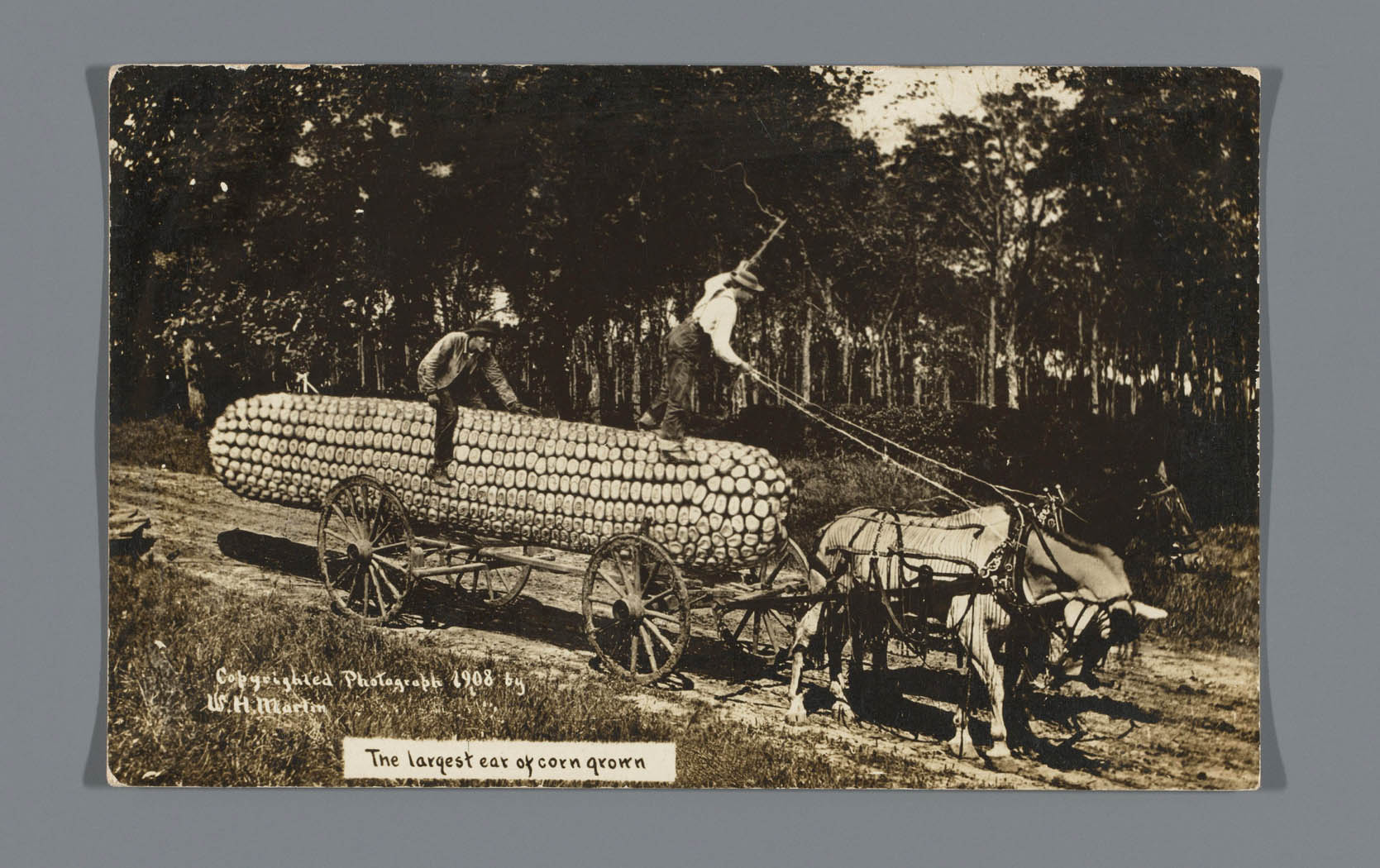
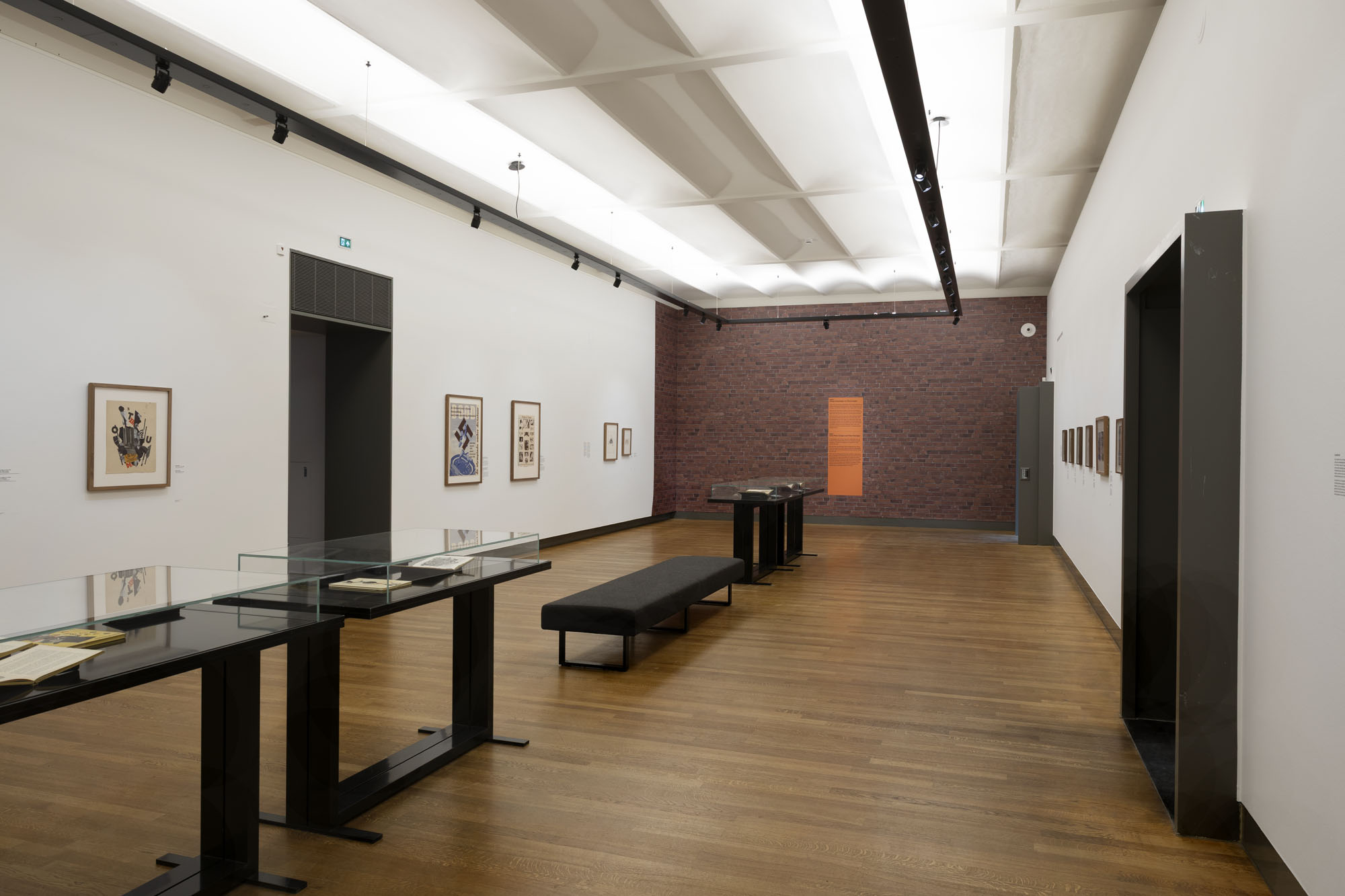
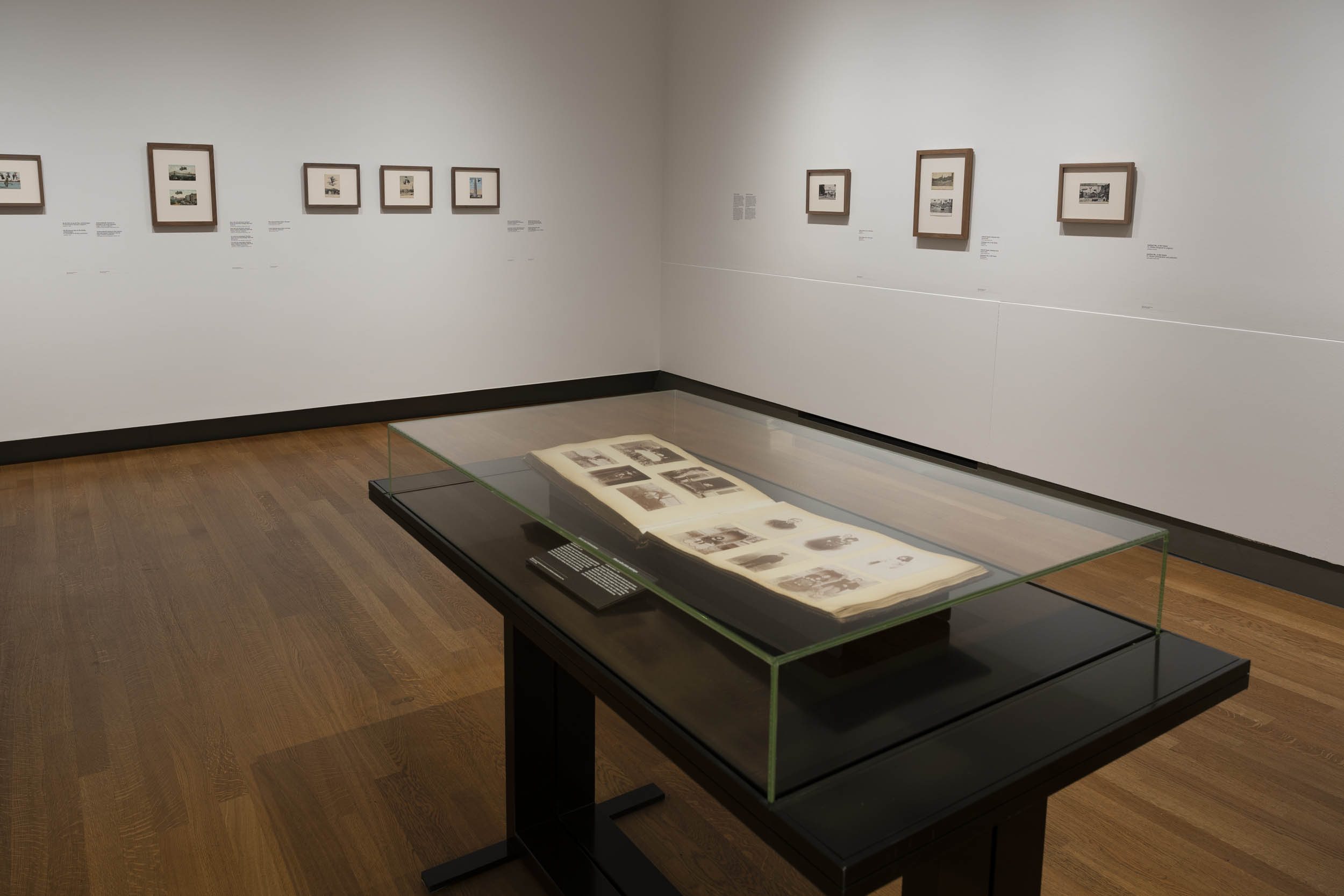
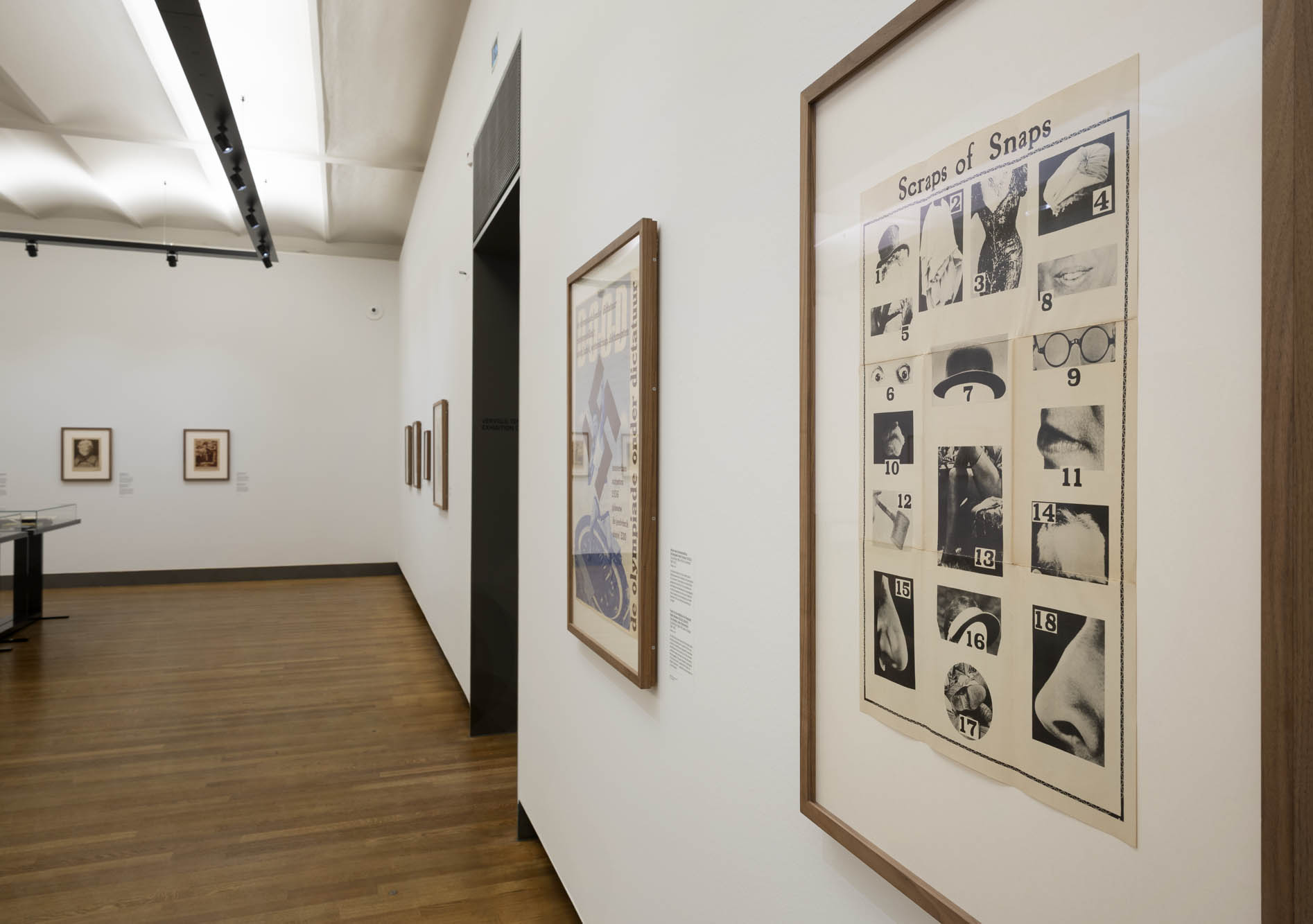
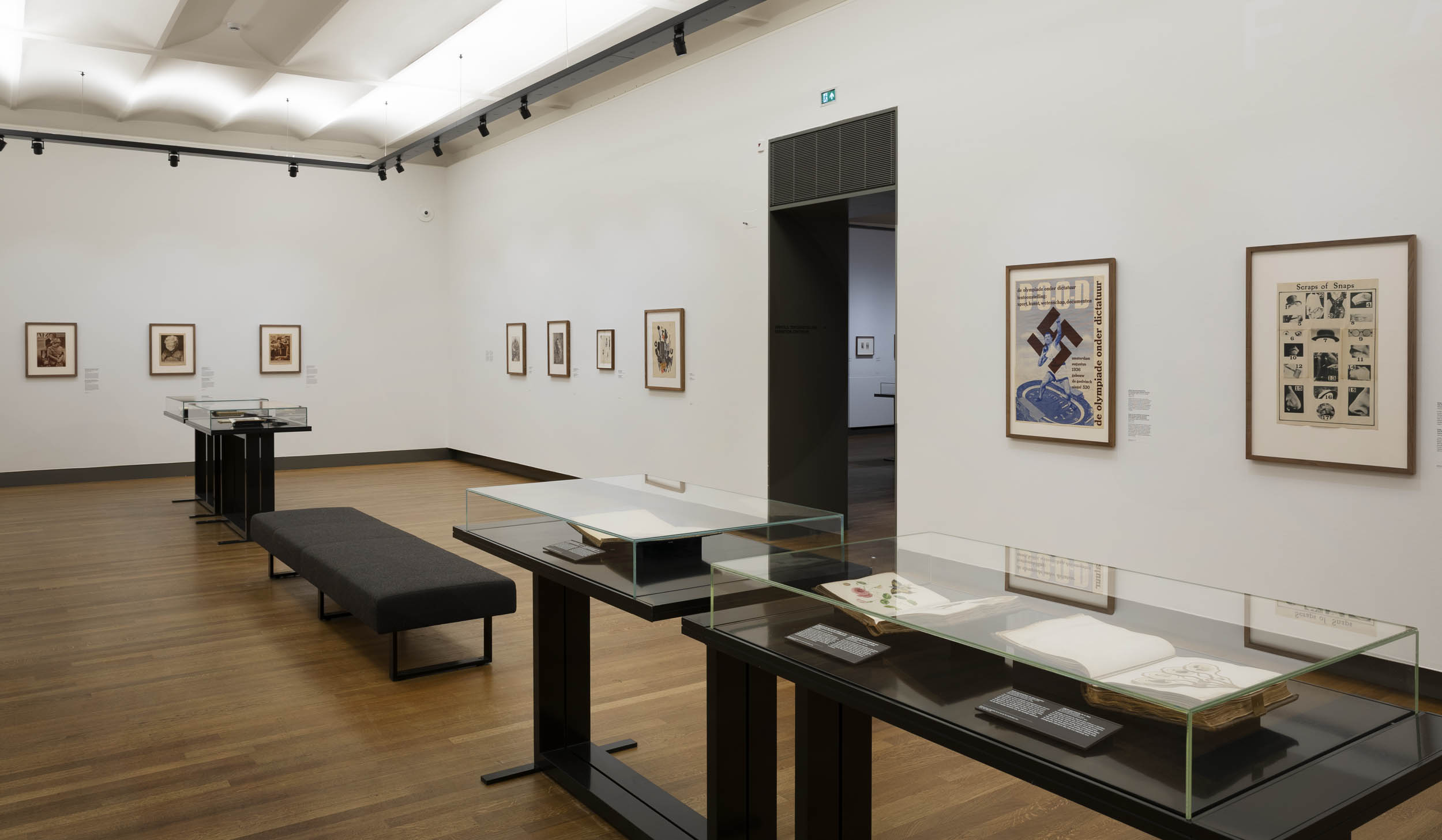
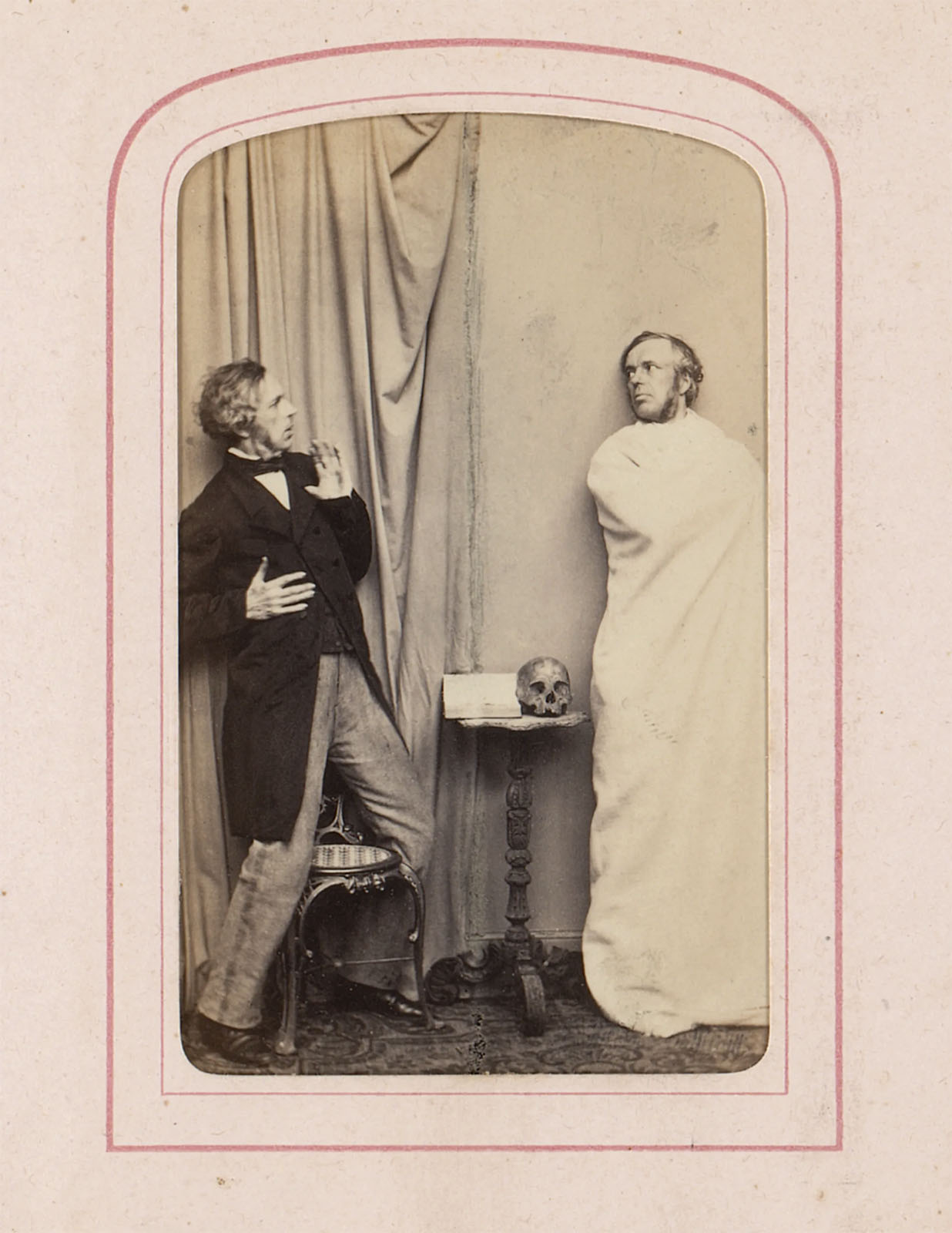
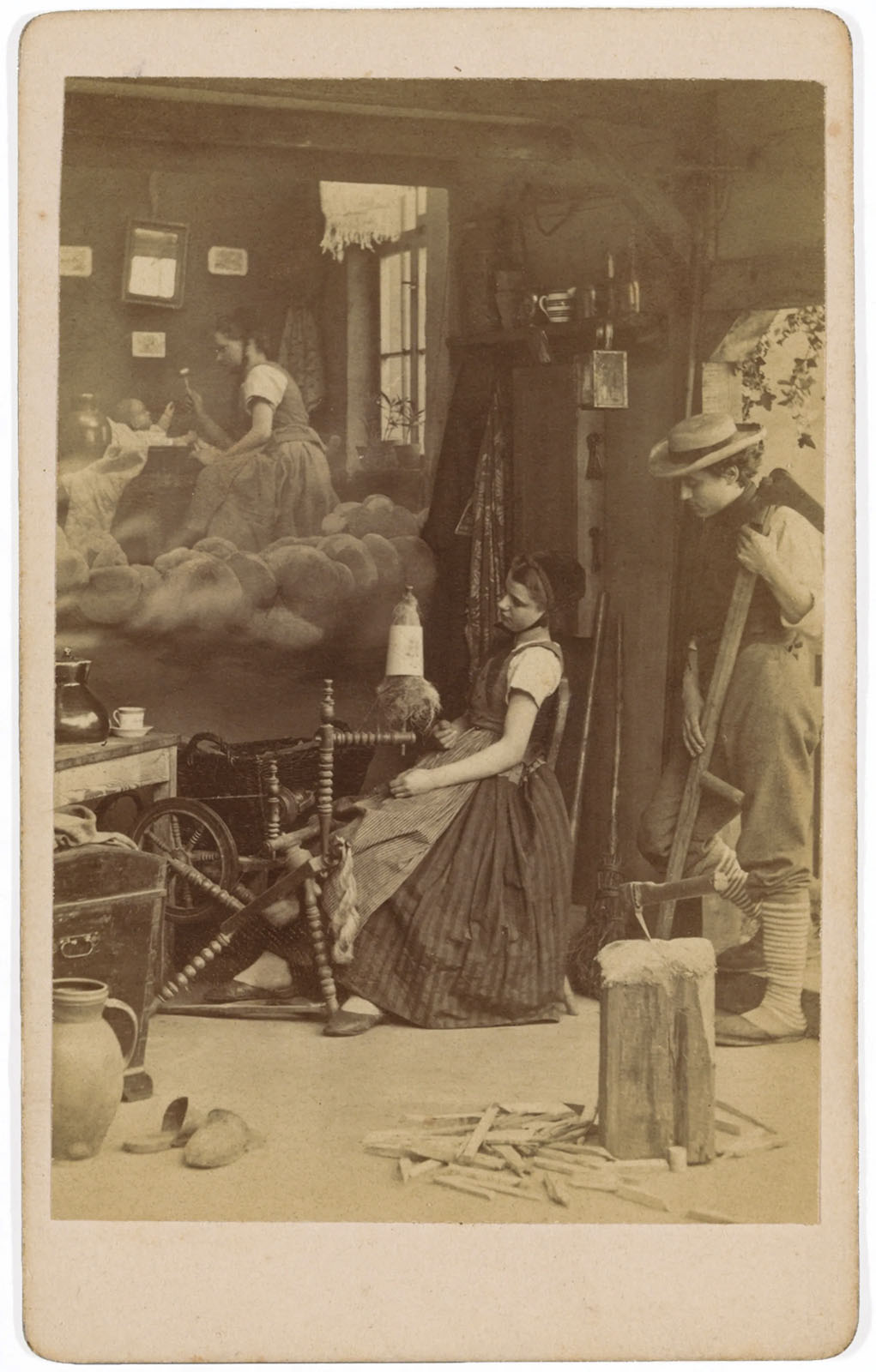
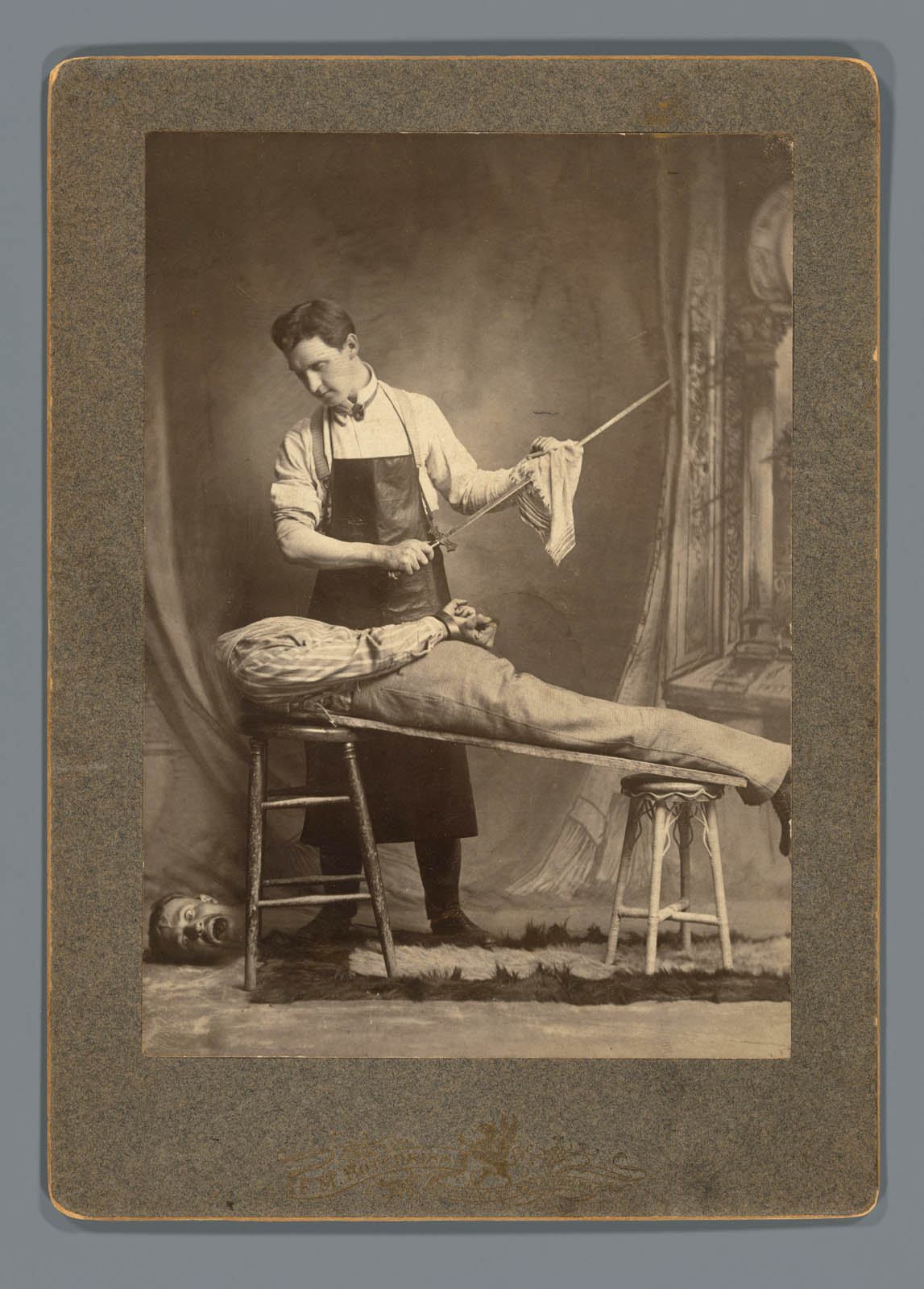
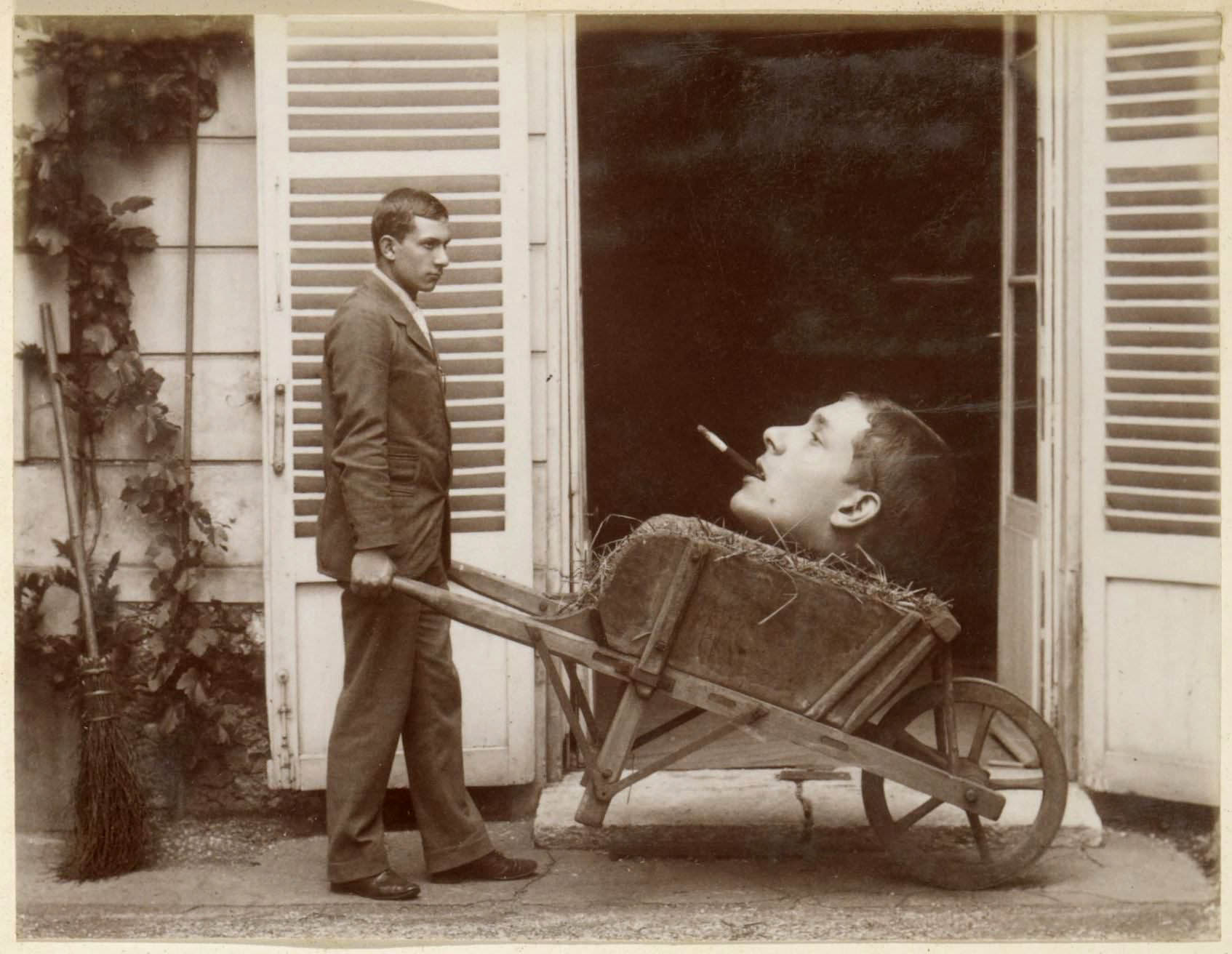
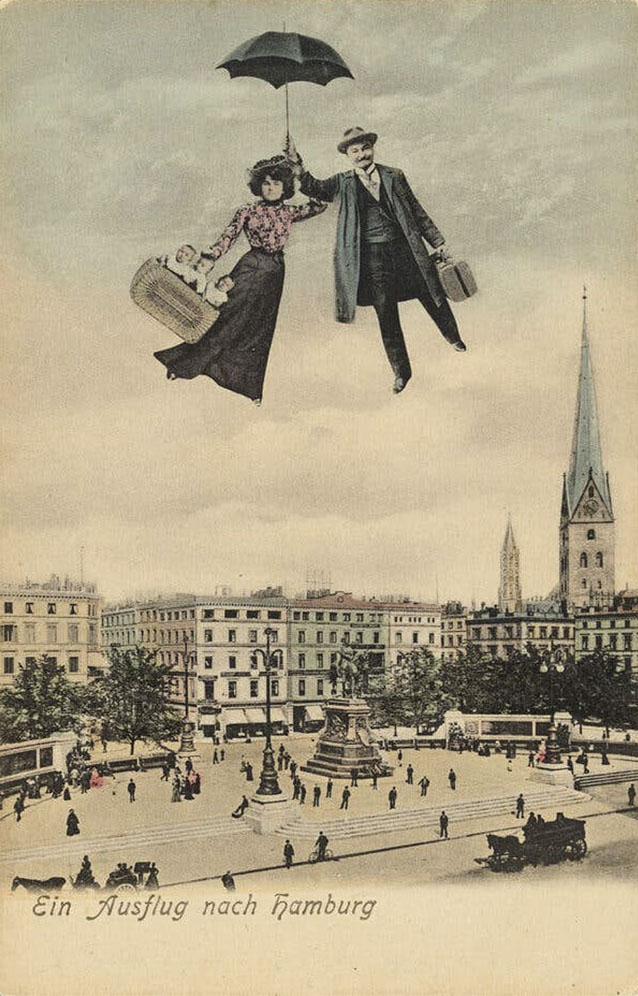
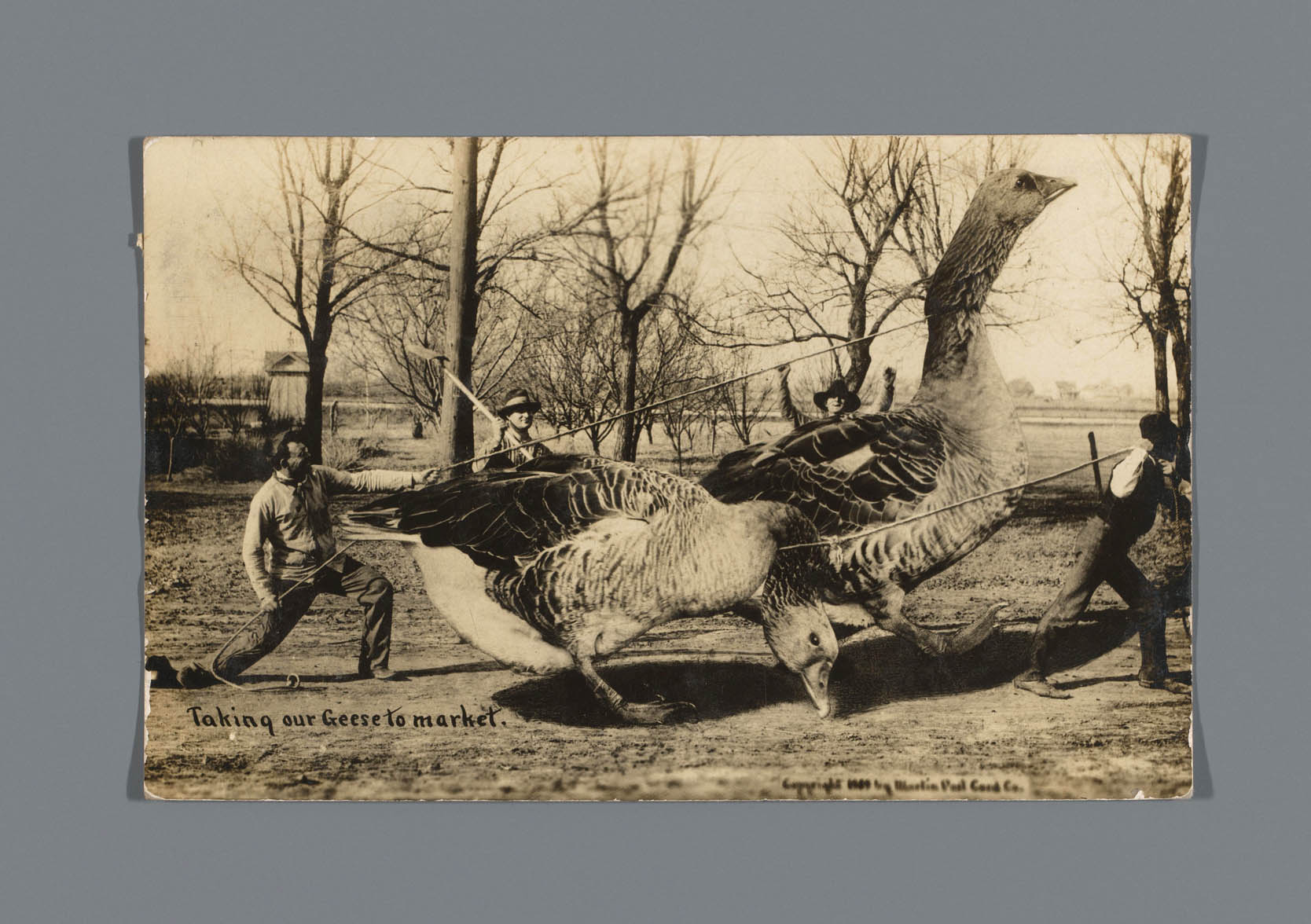
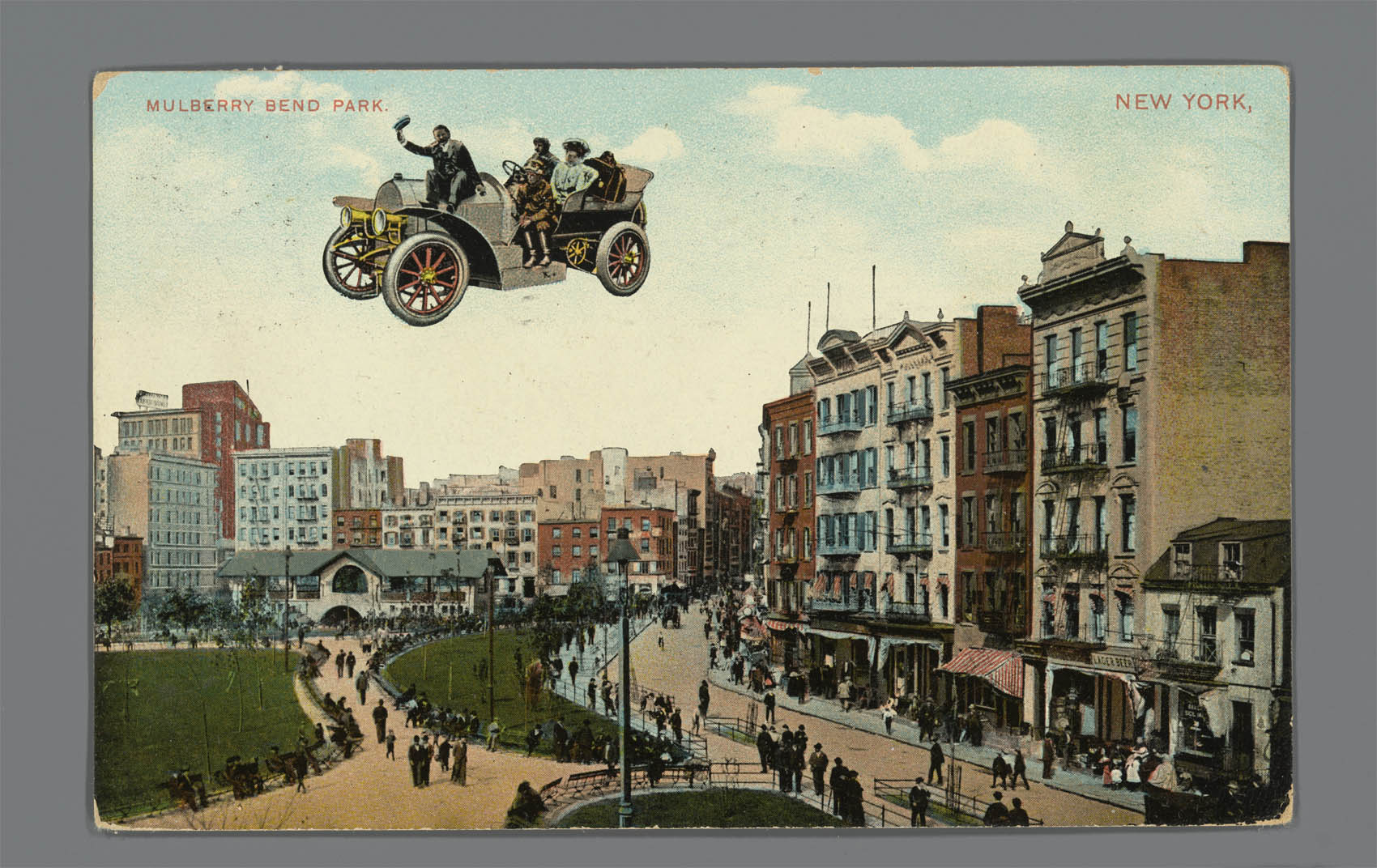
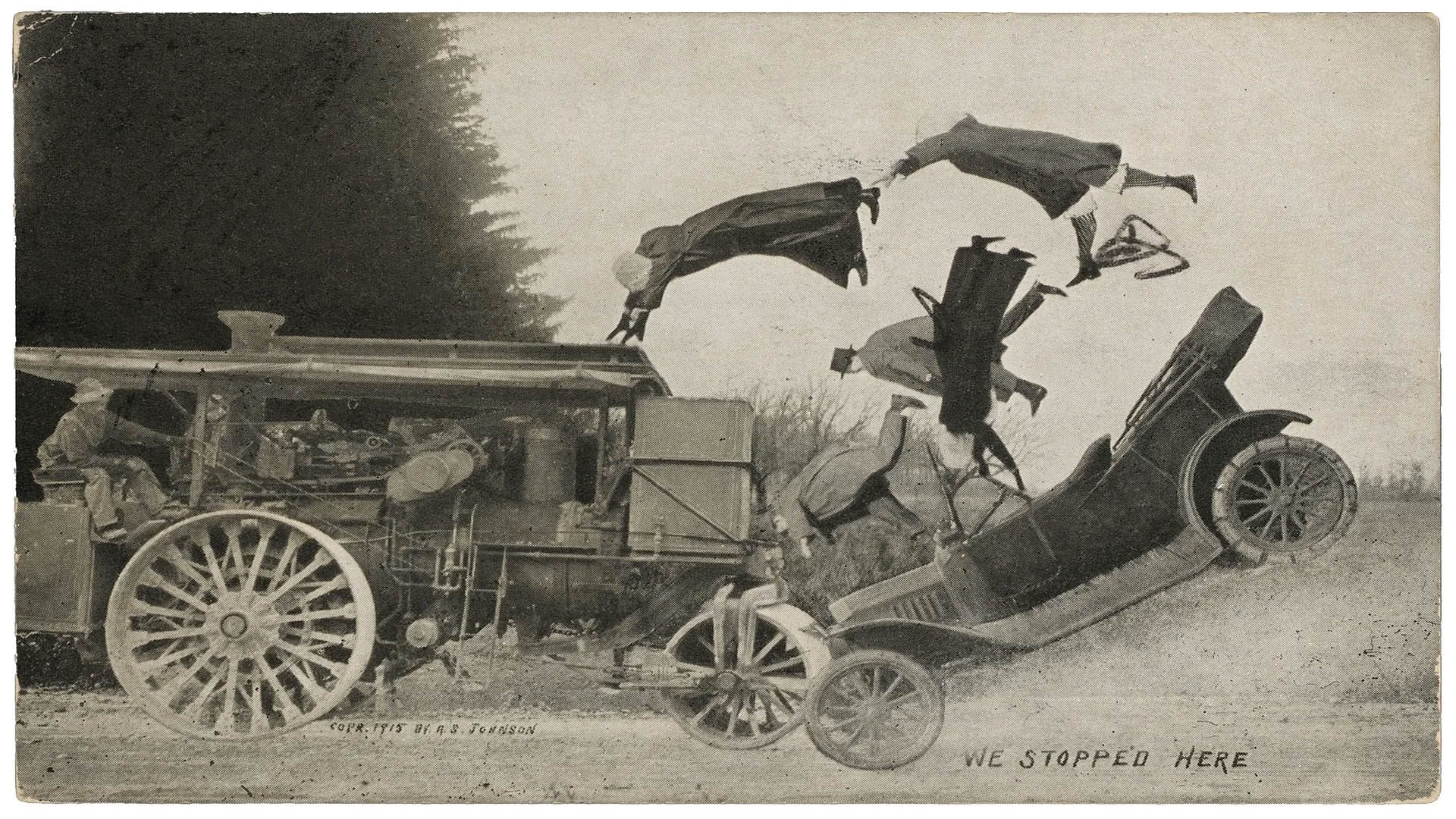
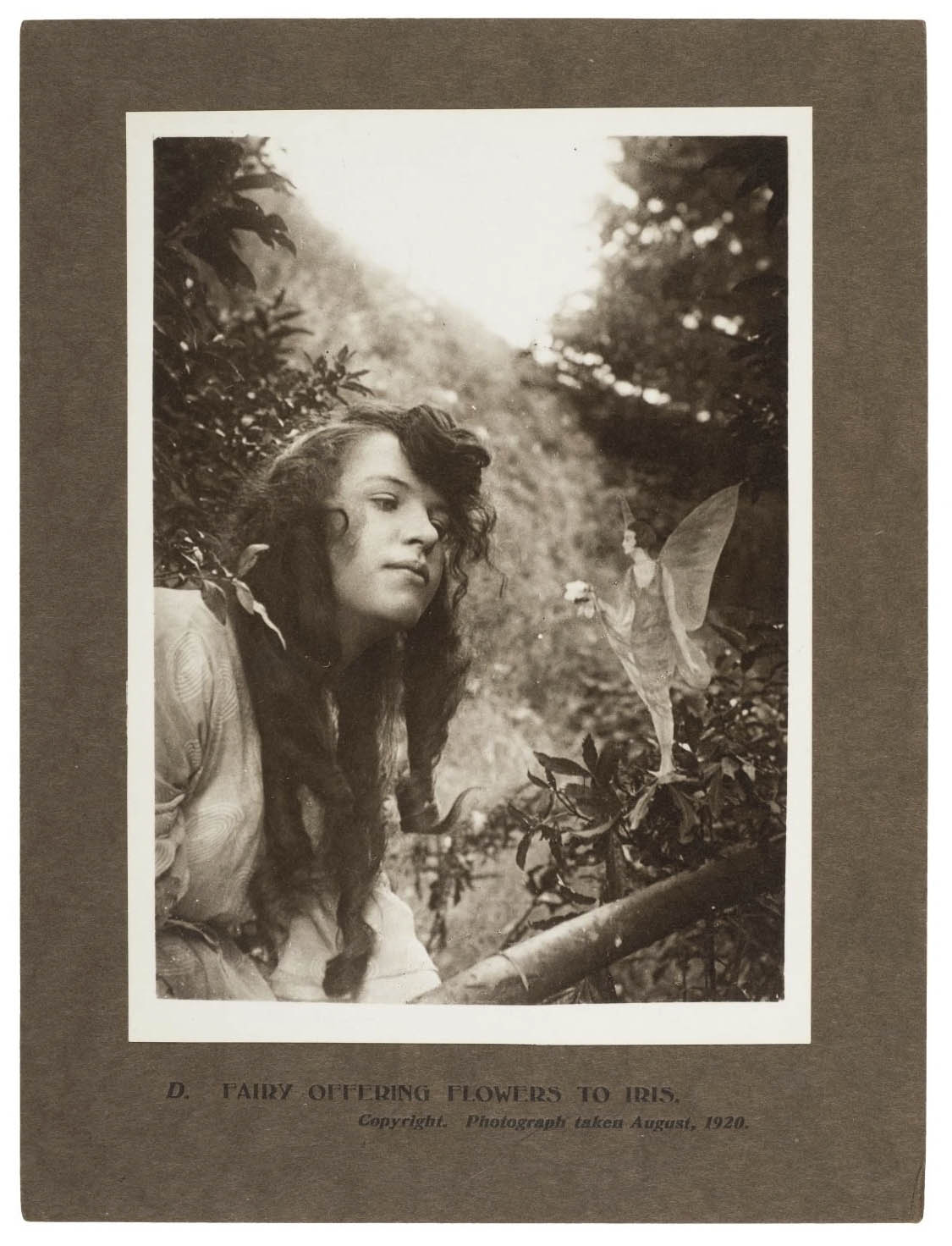
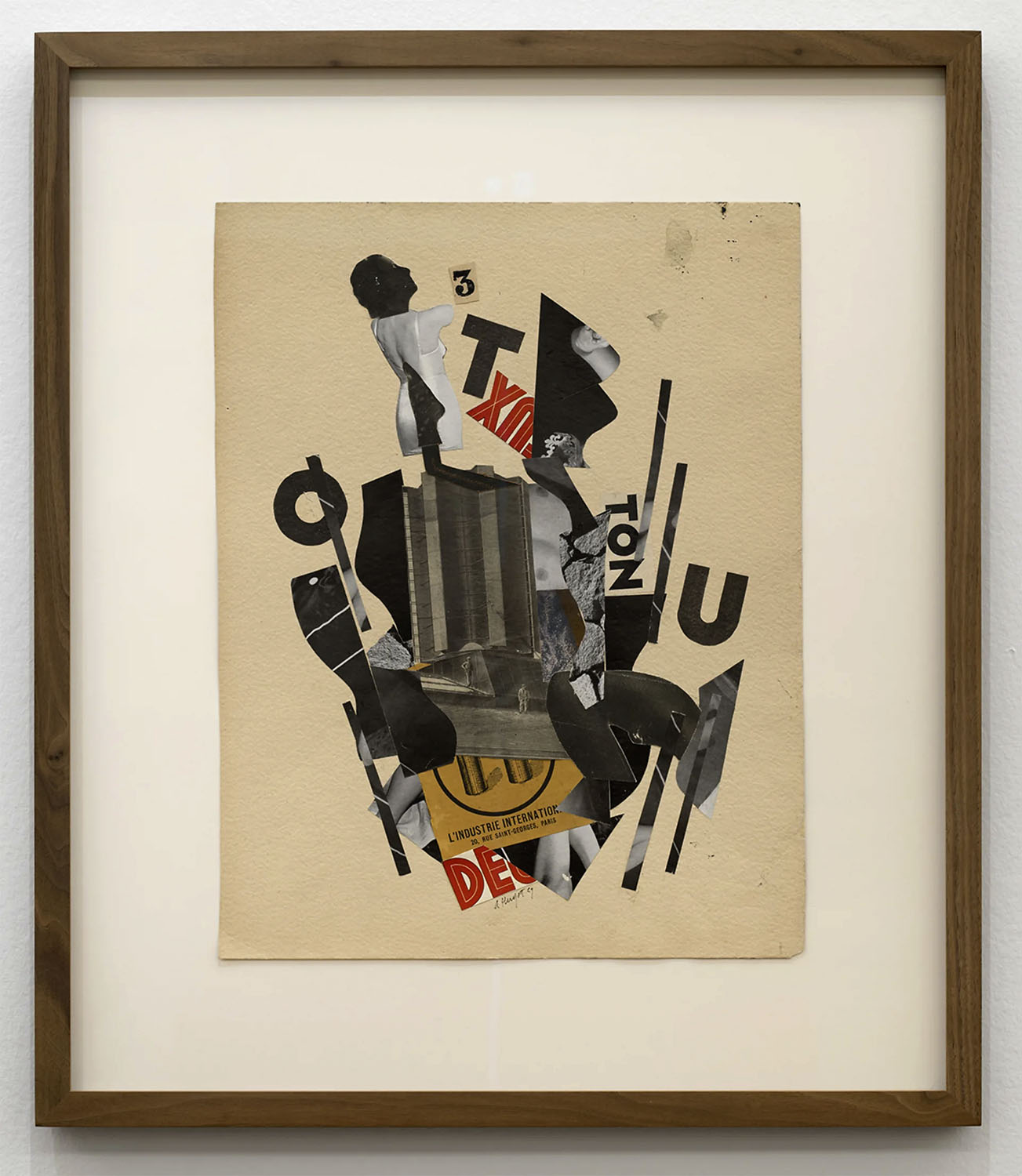
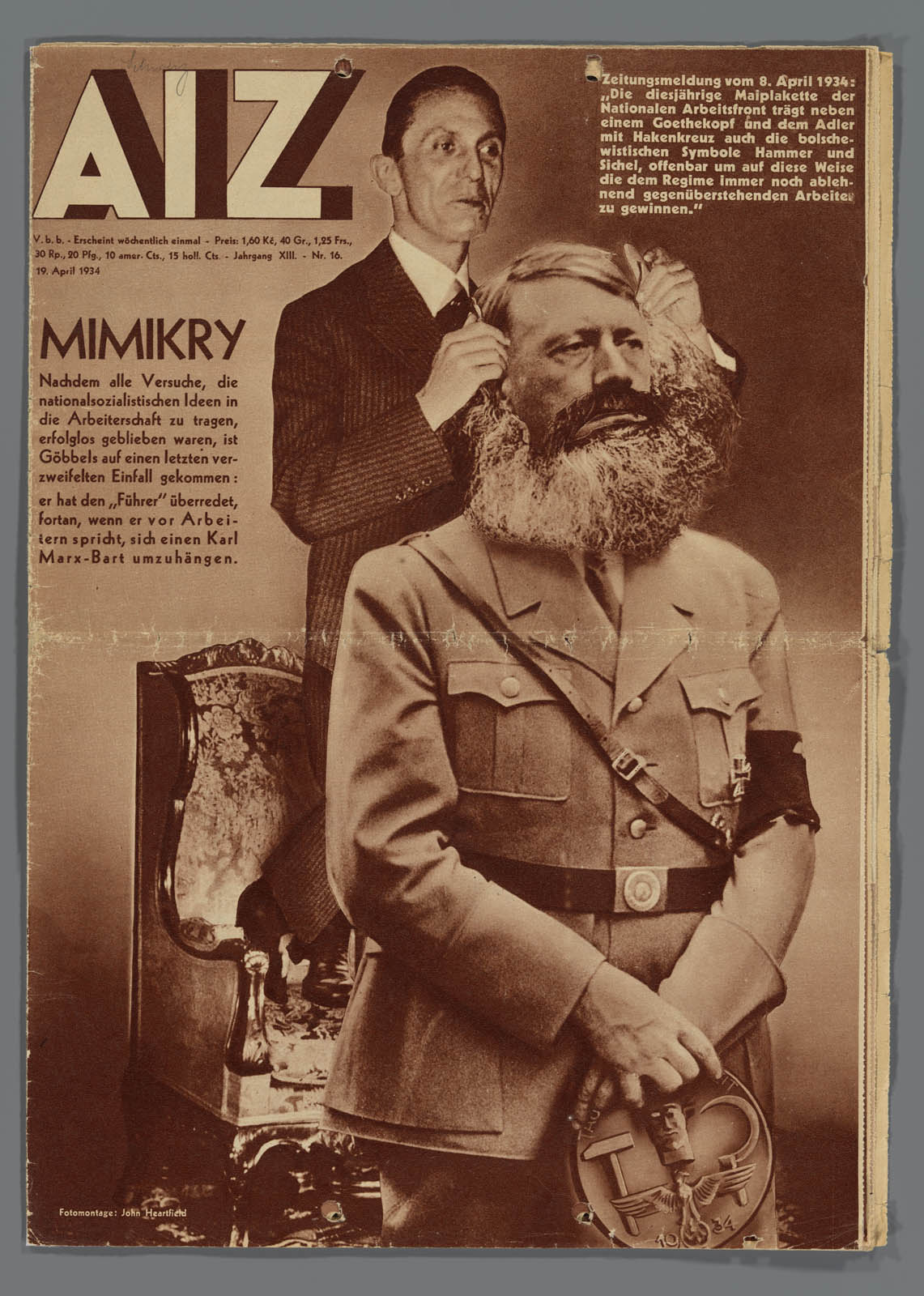


!['Reuben's Delicatessen Menu [autographed by Arnold Reuben]' 1946](https://artblart.com/wp-content/uploads/2023/02/reubensdelicatessenmenu.jpg "'Reuben's Delicatessen Menu [autographed by Arnold Reuben]' 1946")


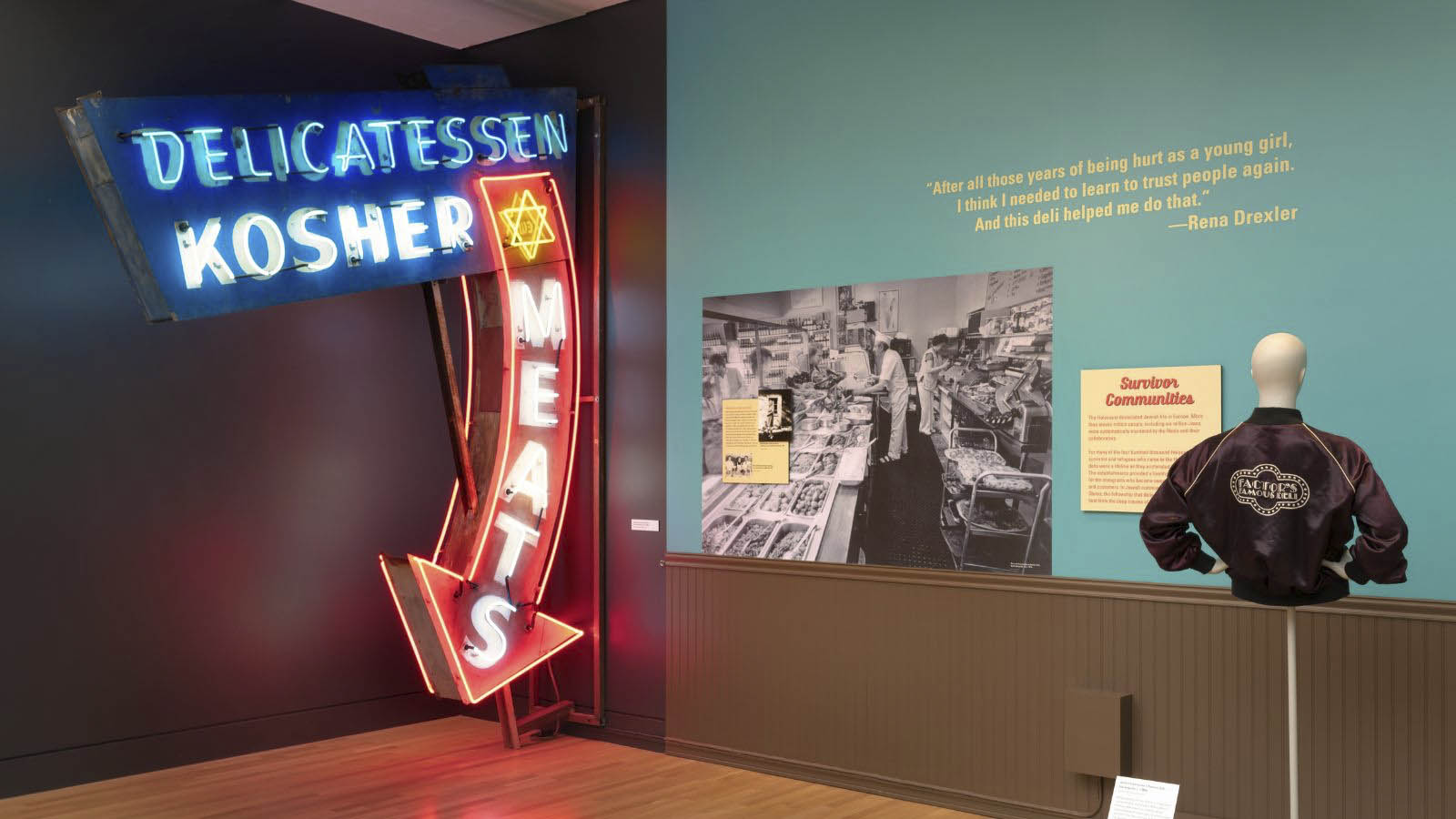


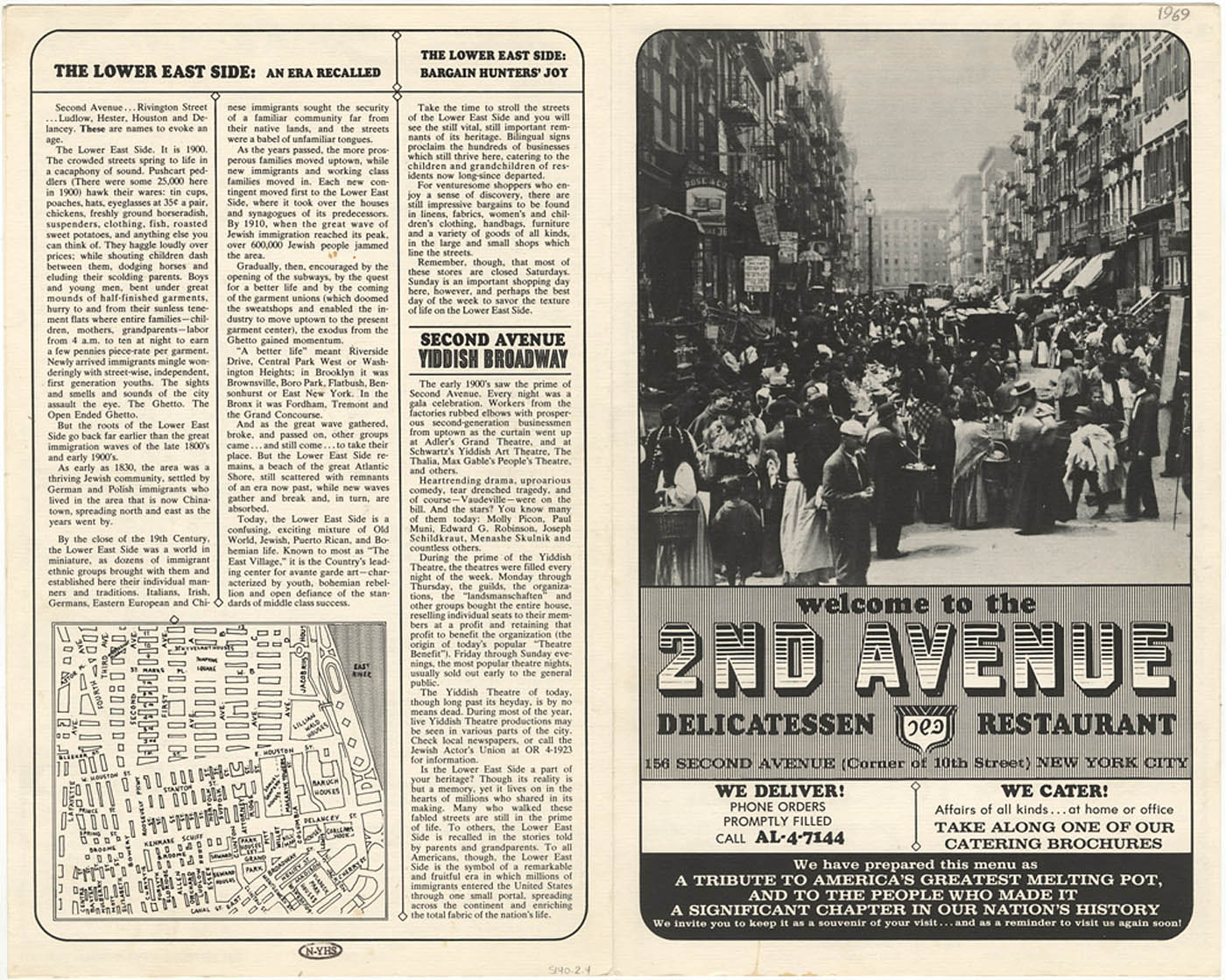


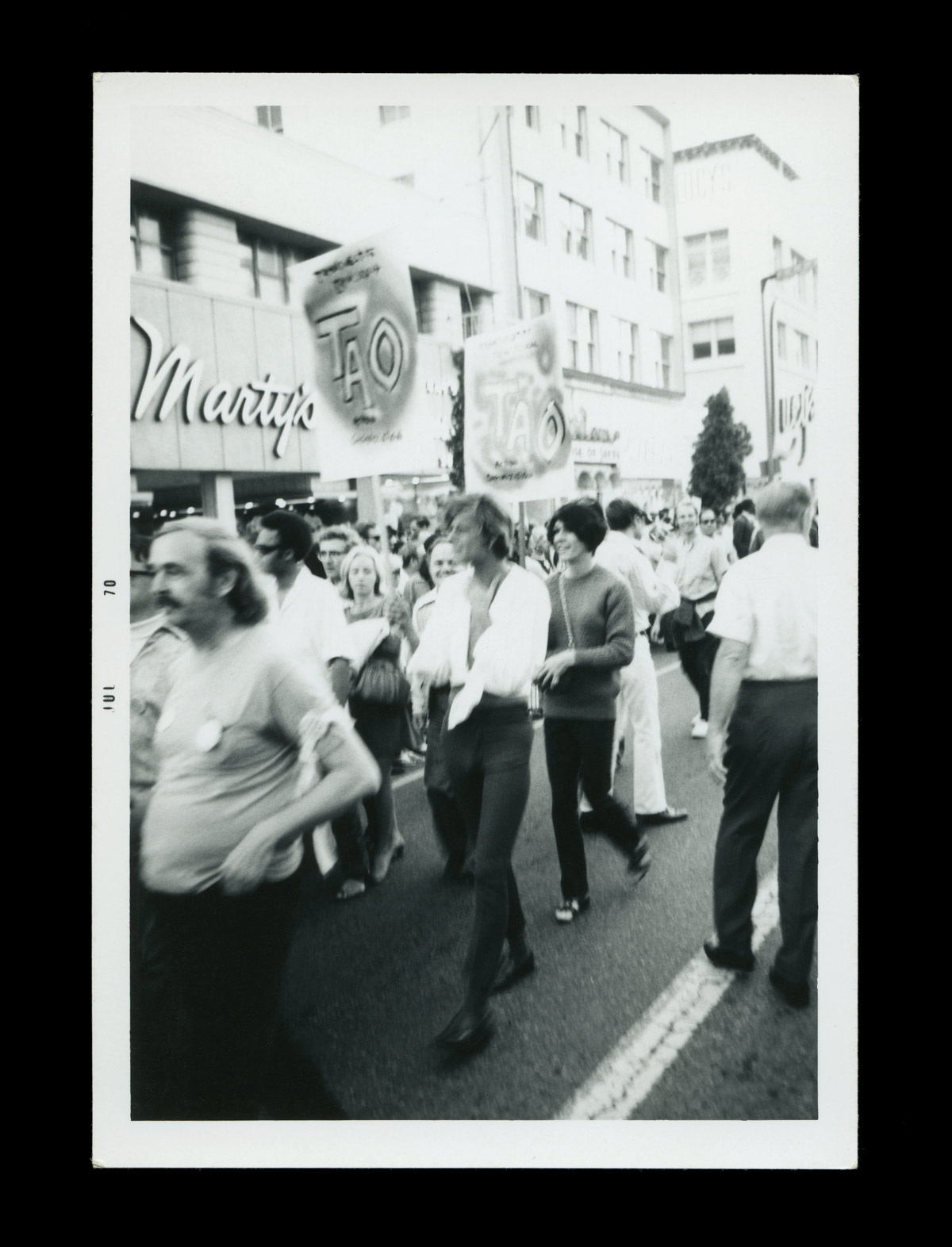



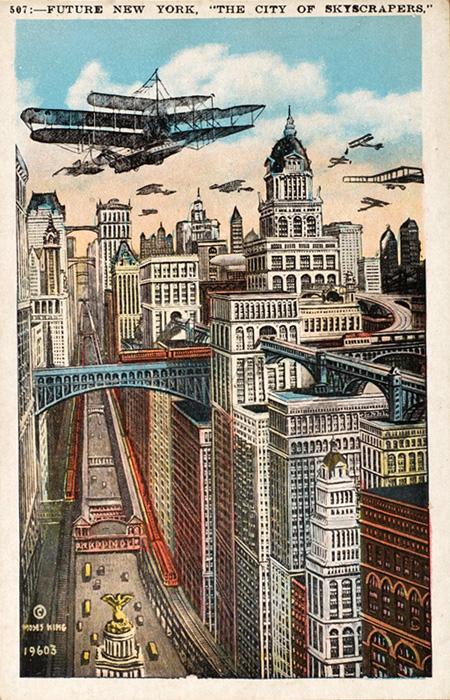
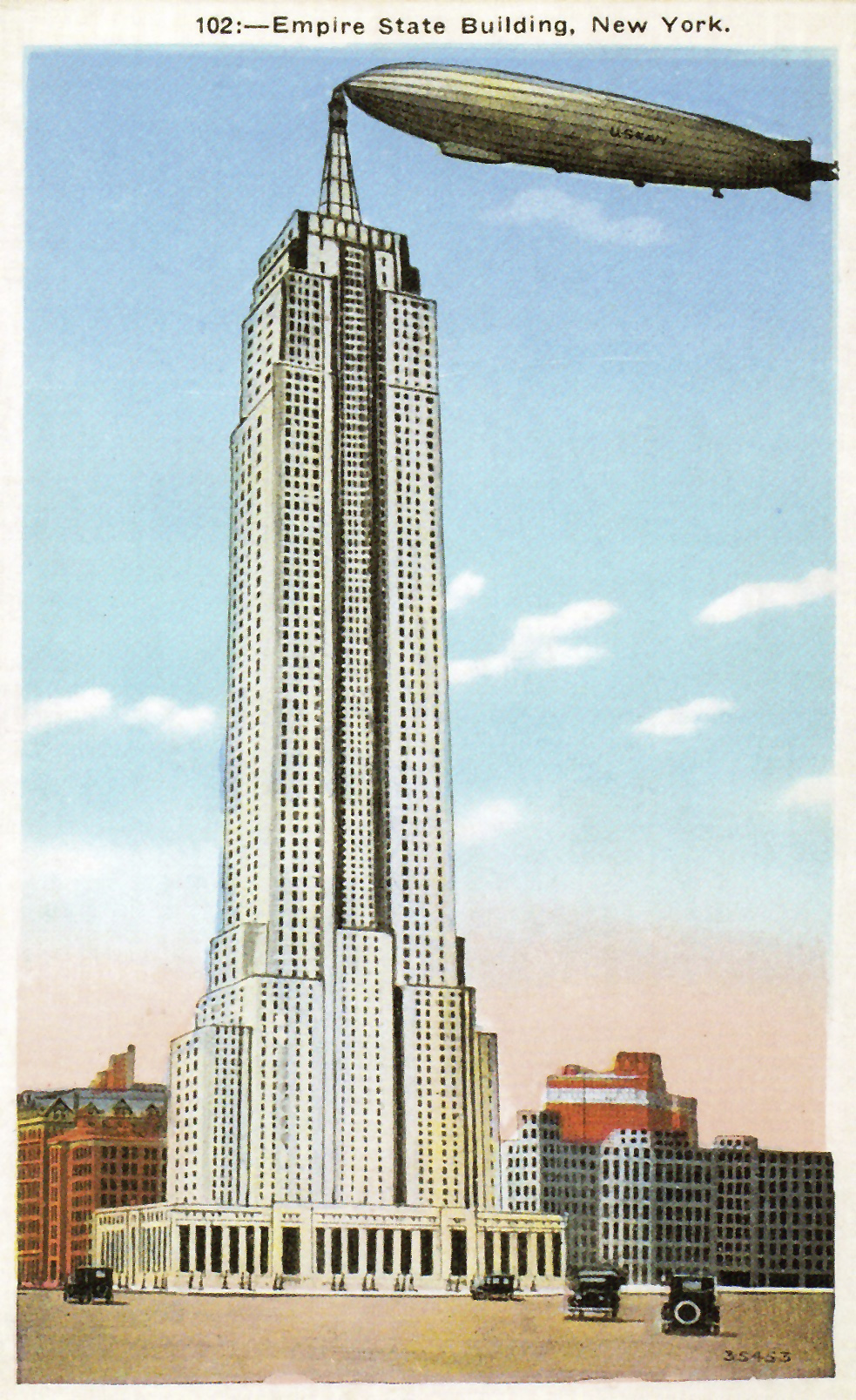
 Art Blart _ art and cultural memory archive
You must be logged in to post a comment.