Exhibition: ‘From Shadow to Substance: Grand-Scale Portraits During Photography’s Formative Years’ at the National Portrait Gallery, Washington

Exhibition dates: 20th June, 2025 – 7th June, 2026

Curator: Ann Shumard, Senior Curator of Photographs at the National Portrait Gallery, Washington
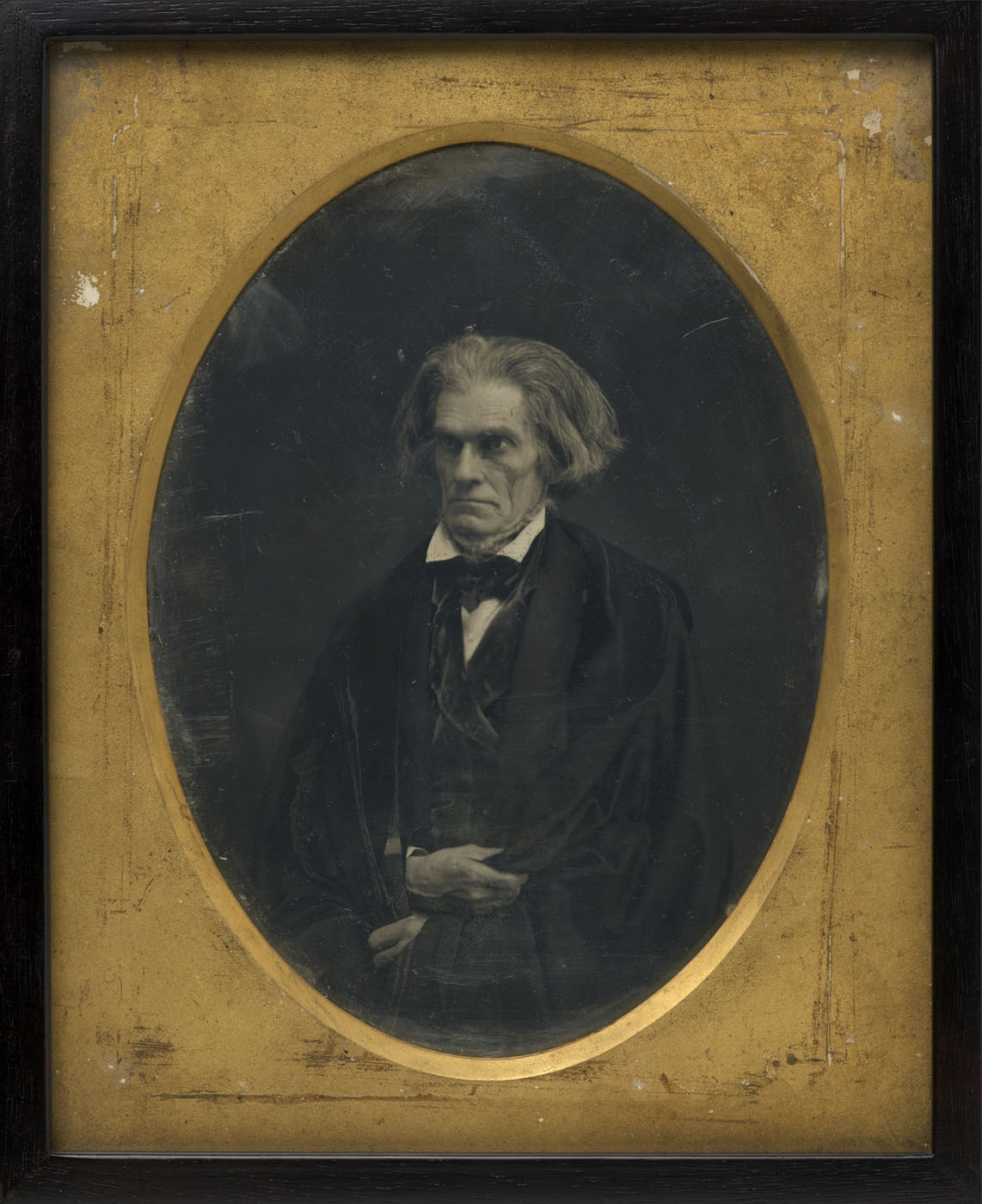
 

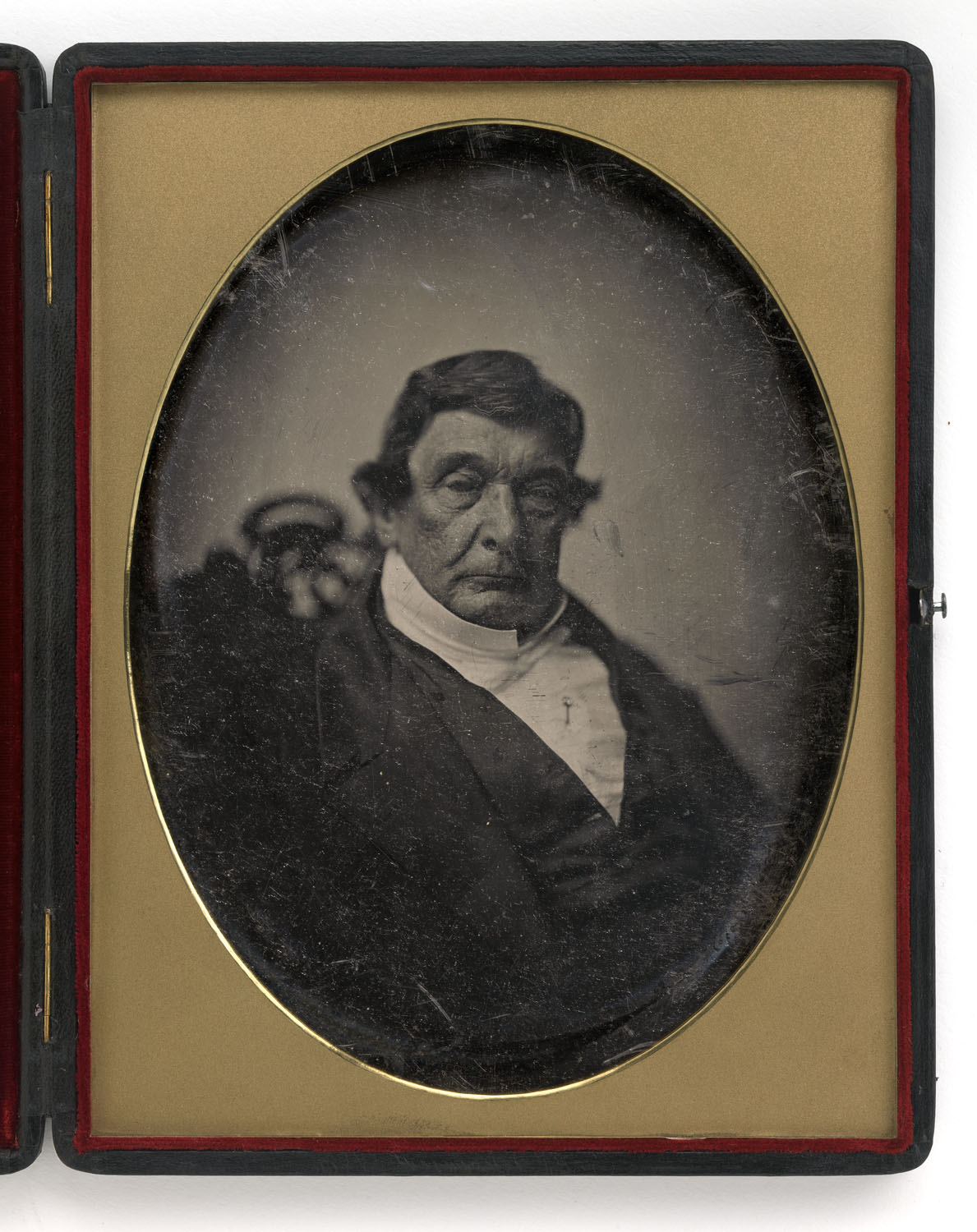
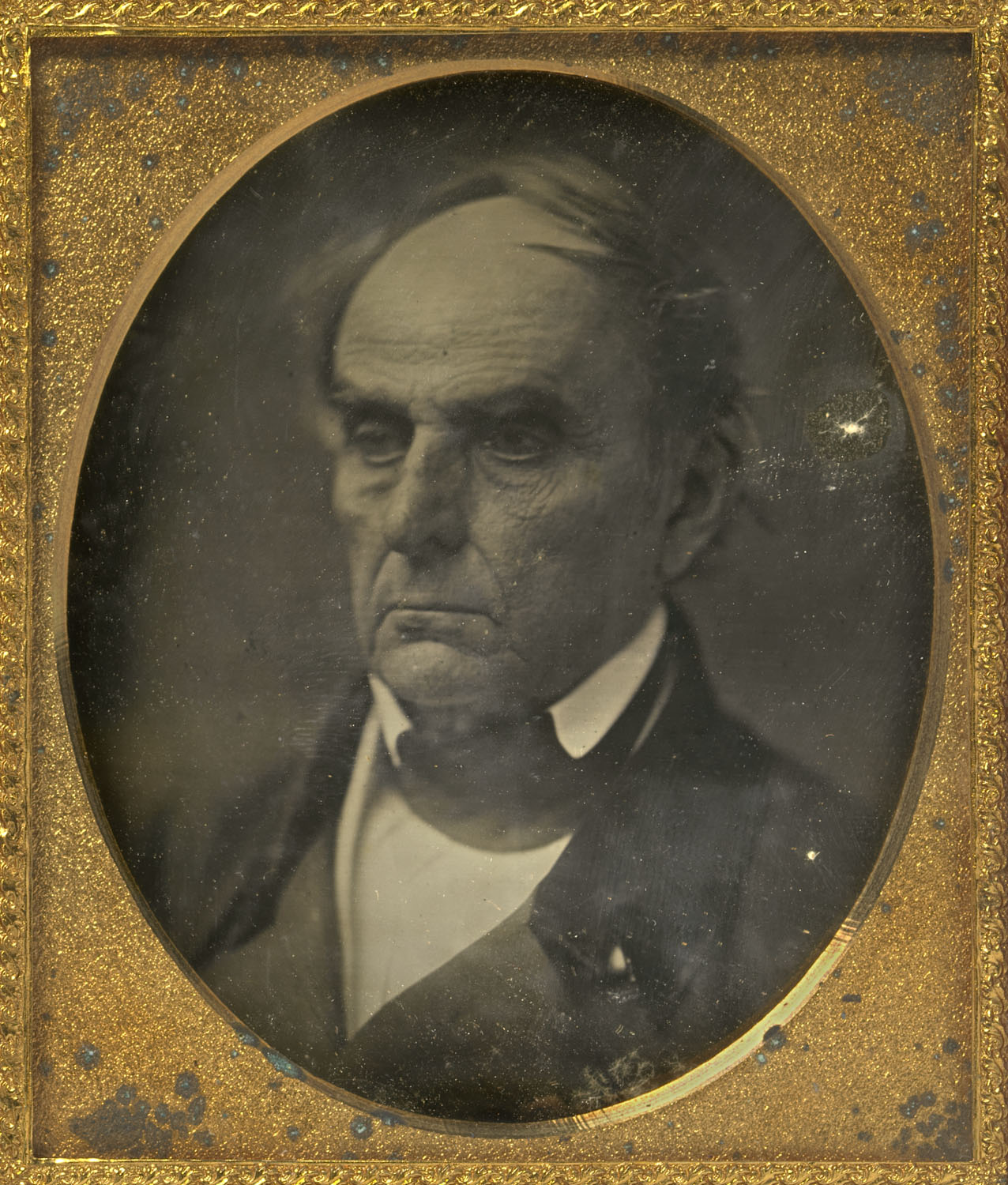
Mathew B. Brady (American, 1822-1896) 'John C. Calhoun' 1849 from the exhibition 'From Shadow to Substance: Grand-Scale Portraits During Photography's Formative Years' at the National Portrait Gallery, Washington, June 2025 - June 2026


Mathew B. Brady (American, 1822-1896)
John C. Calhoun
1849
Whole-plate daguerreotype
Image/Sight: 20.2 x 15cm (7 15/16 x 5 7/8″)
Mat (brass): 24.3 x 19.4cm (9 9/16 x 7 5/8″)
Frame: 35 x 30 x 2.5cm (13 3/4 x 11 13/16 x 1″)
Case closed: 5.8 x 34.3 x 39.7cm (2 5/16 x 13 1/2 x 15 5/8″)
Case open: 5.8 x 72.7 x 39.7cm (2 5/16 x 28 5/8 x 15 5/8″)
National Portrait Gallery, Smithsonian Institution
Gift of Stephan Loewentheil


Mathew Brady’s mastery of the whole plate is on full display in this compelling portrait – the last daguerreotype made of Senator John C. Calhoun before his death in 1850. A contemporary praised the portrait as one of “the best which Mr. Brady has taken himself,” adding, “So perfect was it regarded by the family [of Calhoun], that several copies of it have been made at their request.” Commenting on his subject’s most notable feature, Brady observed, “Calhoun’s eye was startling, and almost hypnotised me.” A painting based on this daguerreotype was commissioned by Brady and now hangs in the U.S. Senate.

Text from the National Portrait Gallery website


High-class portraits

Eight white men (all whole-plate daguerreotypes) and one black woman (whole-plate tintype) – sounds about right.

“To put the era’s pricing in context, a year’s supply of coal for a working-class family in 1850 cost $15 – the minimum price for a Southworth & Hawes whole-plate daguerreotype. The whole plate was therefore too expensive for most consumers… A whole-plate tintype was likely priced from $.75 to $1 in the 1860s, when the average daily wage of a labourer was only $2.”

Picture and price / detail and scale / delicacy of lights and shadows / beauty of execution – execution being the operative word, considering the upcoming devastation of the American Civil War.

Thus, from unapologetic enslaver (Calhoun) who “staunchly defended chattel slavery and its expansion beyond the American South” and whose painting based on Brady’s daguerreotype hangs in the American senate (really!) – to an unidentified literate Black woman, birthplace unknown, born May 10, 1811 taken by an unknown photographer.

I know which one I would rather honour.

Dr Marcus Bunyan


Many thankx to the National Portrait Gallery for allowing me to publish the photographs in the posting. Please click on the photographs for a larger version of the image.


“Competition prompted photographers such as Mathew Brady and Southworth & Hawes to produce advertisements that provided a wealth of detail about the services offered by their respective establishments … I am inclined to think that word of mouth may well have played a greater role in motivating patronage. In the case of Brady and Southworth & Hawes, the knowledge that these studios counted national celebrities among their clientele could have been a strong inducement for the general public to patronise them as well. …

While the National Portrait Gallery’s collection of early photography is substantial, it’s the rare whole-plate daguerreotypes, ambrotypes, and tintypes that stand out for their detail and scale. This exhibition allows visitors to consider how new photographic processes impacted the quality and appeal of the medium … As an aside, the impetus for ‘From Shadow to Substance’ was the extraordinary gift to the museum in 2023 of Mathew Brady’s iconic whole-plate daguerreotype of the powerful antebellum senator John C. Calhoun. A subsequent review of other whole-plates in the Portrait Gallery’s collection sparked consideration of the format’s staying power as a top-of-the-line offering through the succession of early photographic processes. This is the story the exhibition seeks to illuminate.”


Ann Shumard, Senior Curator of Photographs quoted in Kate Garibaldi. “How Portrait Photography’s ‘Grand-Scale’ Origins Changed History,” on the Petapixel website Aug 01, 2025 [Online] Cited 26/02/2026. Used under fair use conditions for the purposes of education and research
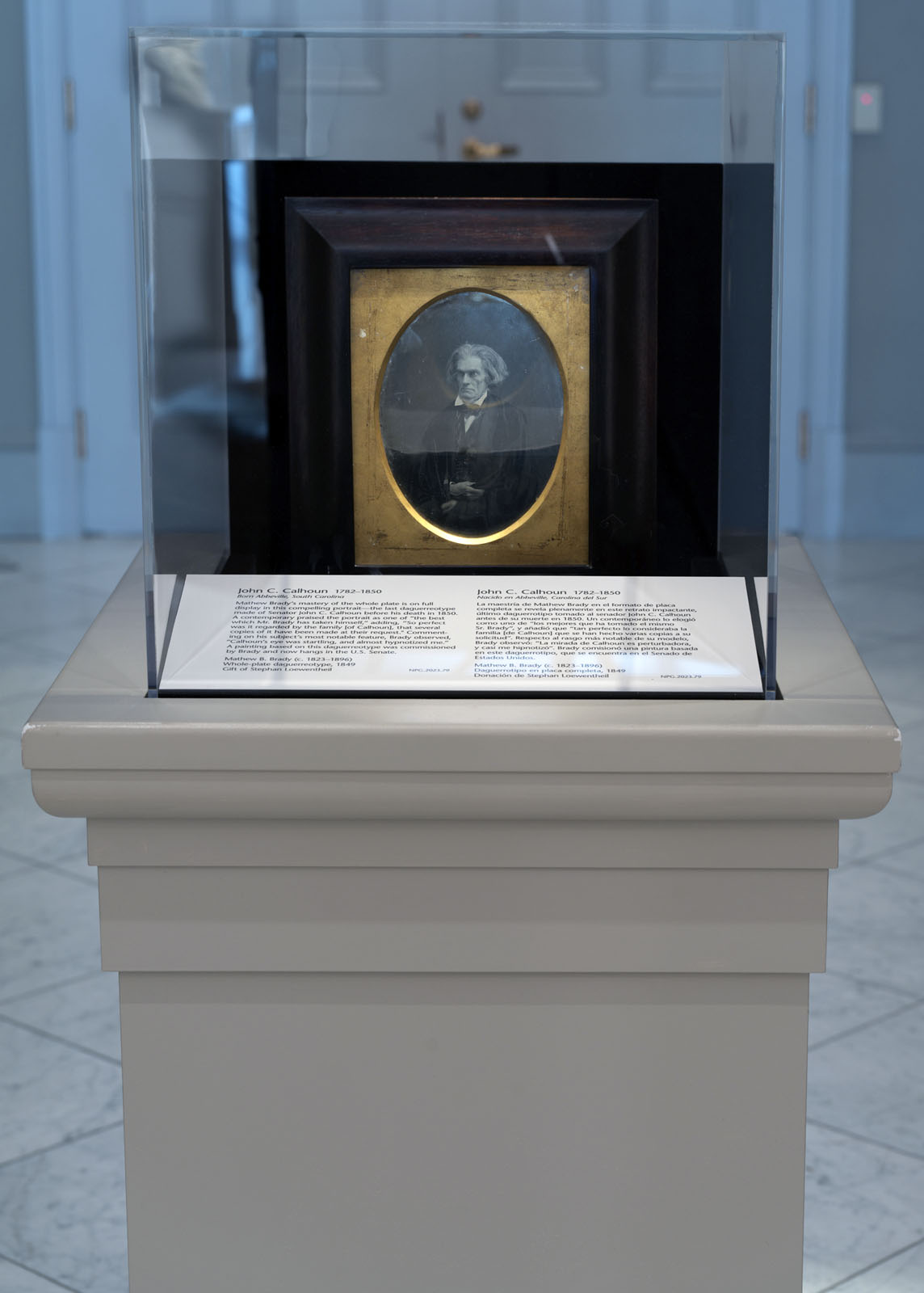


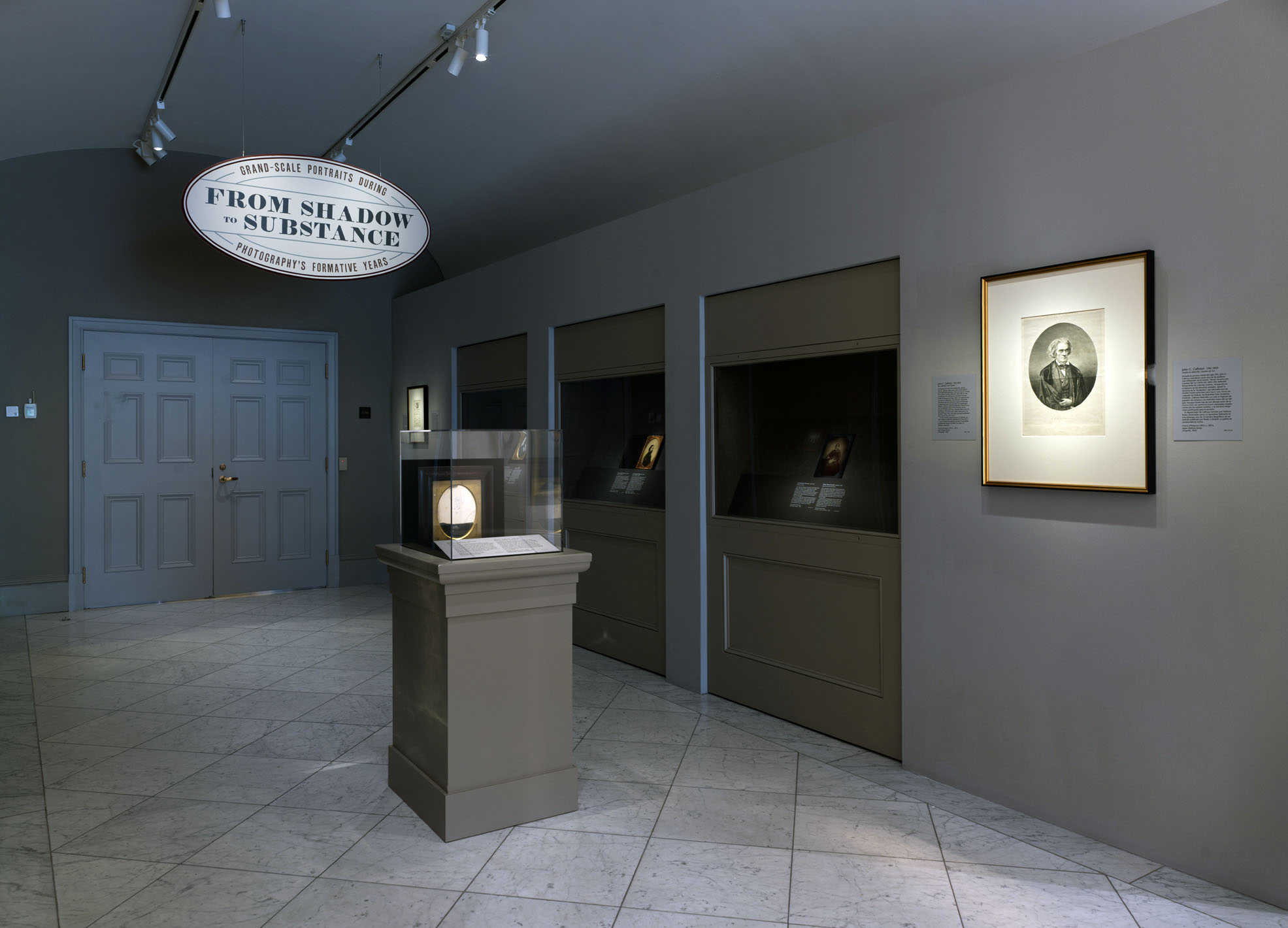
Installation view of the exhibition 'From Shadow to Substance: Grand-Scale Portraits During Photography's Formative Years' at the National Portrait Gallery, Washington, June 20, 2025 - June 7, 2026 showing Mathew B. Brady (American, 1823? - 15 Jan 1896) 'John C. Calhoun' c. 1849-1850


Installation view of the exhibition From Shadow to Substance: Grand-Scale Portraits During Photography’s Formative Years at the National Portrait Gallery, Washington, June 20, 2025 – June 7, 2026 showing Mathew B. Brady (American, 1822-1896) John C. Calhoun 1849 (above)
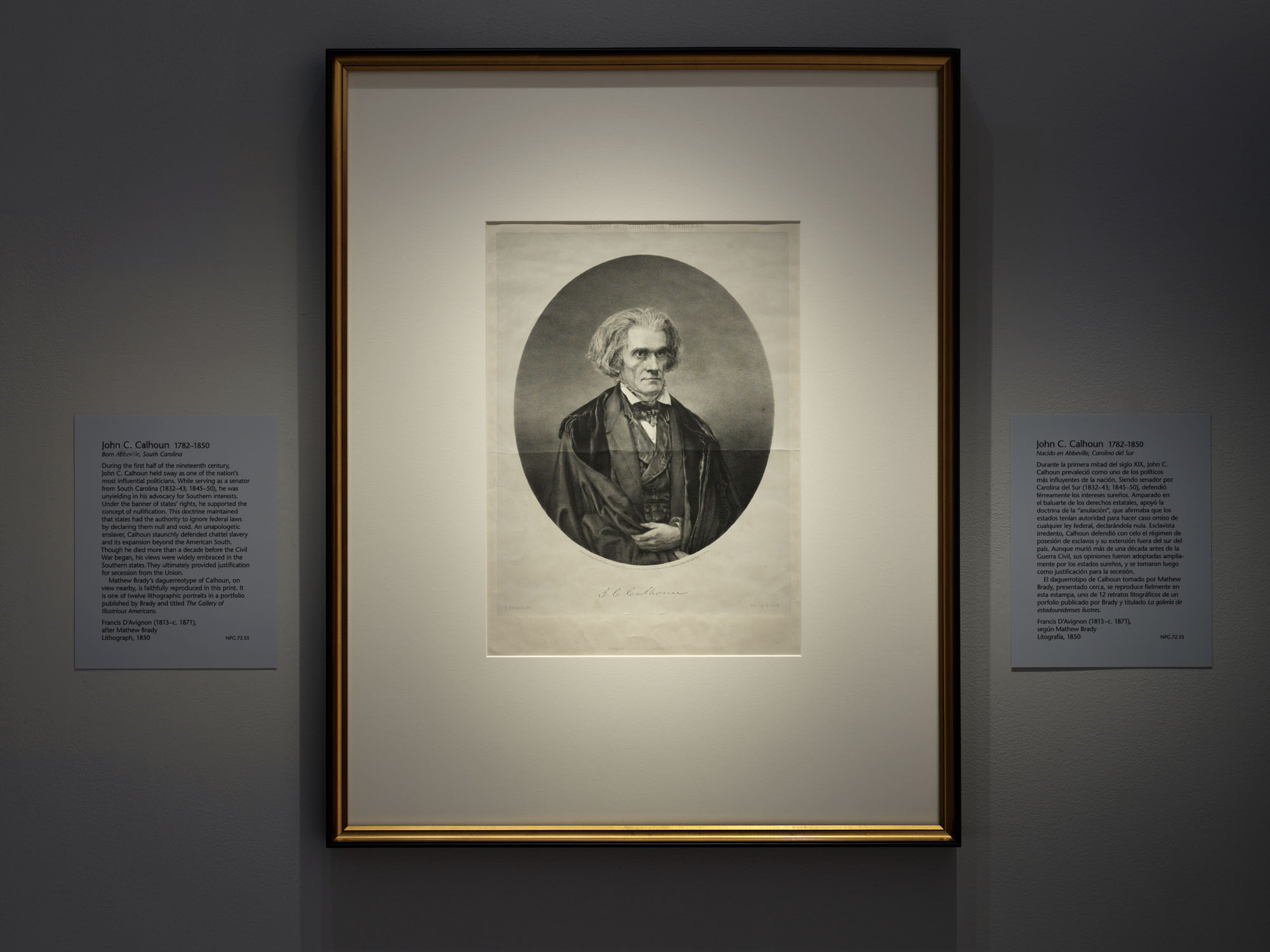
 

Installation view of the exhibition 'From Shadow to Substance: Grand-Scale Portraits During Photography's Formative Years' at the National Portrait Gallery, Washington, June 20, 2025 - June 7, 2026 showing Francis D'Avignon (French, 1813 - c. 1871) Copy after Mathew B. Brady (American, 1823? - 15 Jan 1896) 'John Caldwell Calhoun, 18 Mar 1782 - 31 Mar 1850' 1850


Installation view of the exhibition From Shadow to Substance: Grand-Scale Portraits During Photography’s Formative Years at the National Portrait Gallery, Washington, June 20, 2025 – June 7, 2026 showing Francis D’Avignon (French, 1813 – c. 1871) Copy after Mathew B. Brady (American, 1823? – 15 Jan 1896) John Caldwell Calhoun, 18 Mar 1782 – 31 Mar 1850 1850
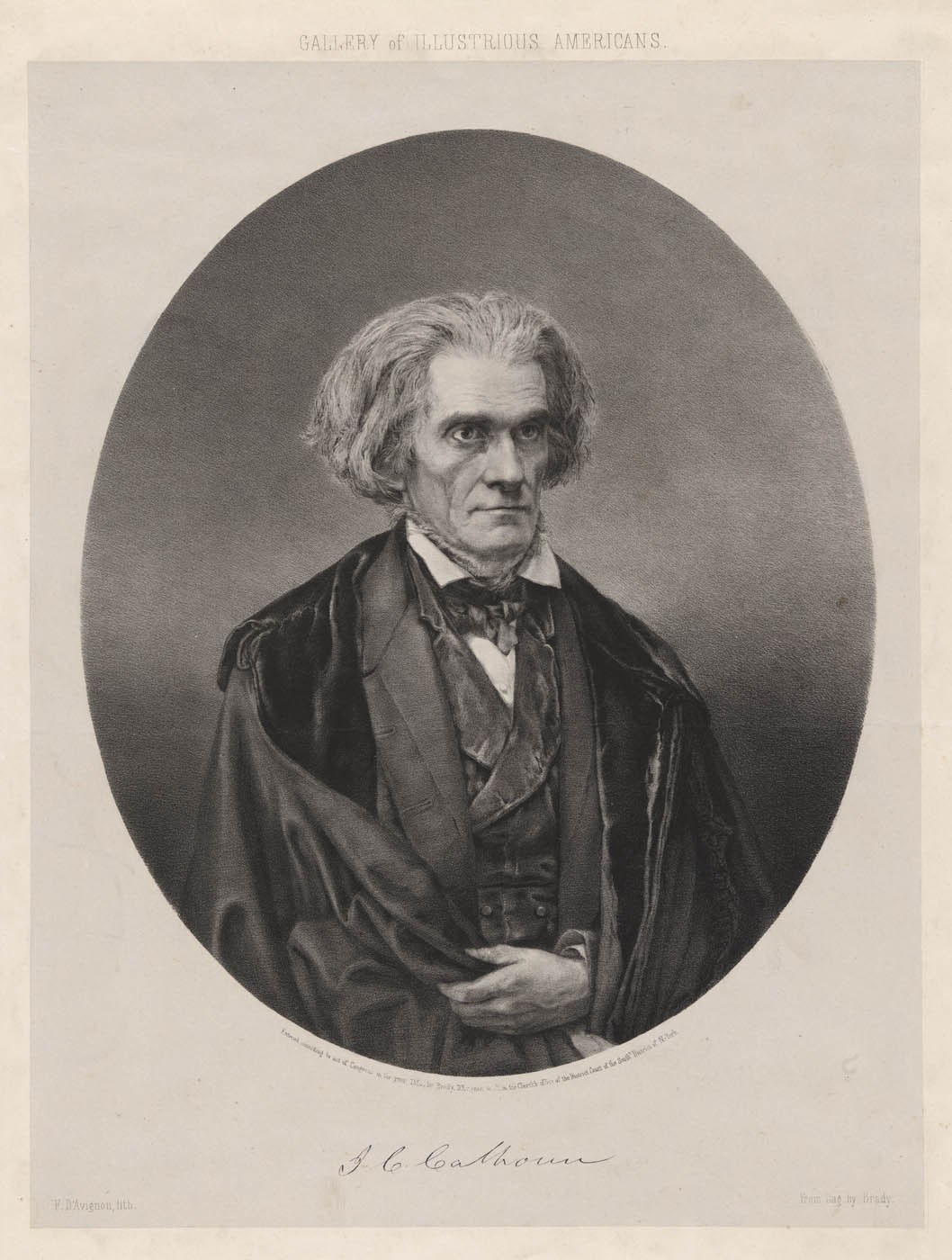
 

Francis D'Avignon (French, 1813 - c. 1871) Copy after Mathew B. Brady (American, 1822-1896) 'John Caldwell Calhoun, 18 Mar 1782 - 31 Mar 1850' 1850


Francis D’Avignon (French, 1813 – c. 1871)
Copy after
Mathew B. Brady (American, 1822-1896)
John Caldwell Calhoun, 18 Mar 1782 – 31 Mar 1850
1850
Lithograph on paper
Sheet: 56.7 x 40.6cm (22 5/16 x 16″)
Book: The Gallery of Illustrious Americans
National Portrait Gallery, Smithsonian Institution


During the first half of the nineteenth century, John C. Calhoun held sway as one of the nation’s most influential politicians. While serving as a senator from South Carolina (1832-1843; 1845-1850), he was unyielding in his advocacy for Southern interests. Under the banner of states’ rights, he supported the concept of nullification. This doctrine maintained that states had the authority to ignore federal laws by declaring them null and void. An unapologetic enslaver, Calhoun staunchly defended chattel slavery and its expansion beyond the American South. Though he died more than a decade before the Civil War began, his views were widely embraced in the Southern states. They ultimately provided justification for secession from the Union. Mathew Brady’s daguerreotype of Calhoun, on view nearby, is faithfully reproduced in this print. It is one of twelve lithographic portraits in a portfolio published by Brady and titled The Gallery of Illustrious Americans.

Text from the National Portrait Gallery website
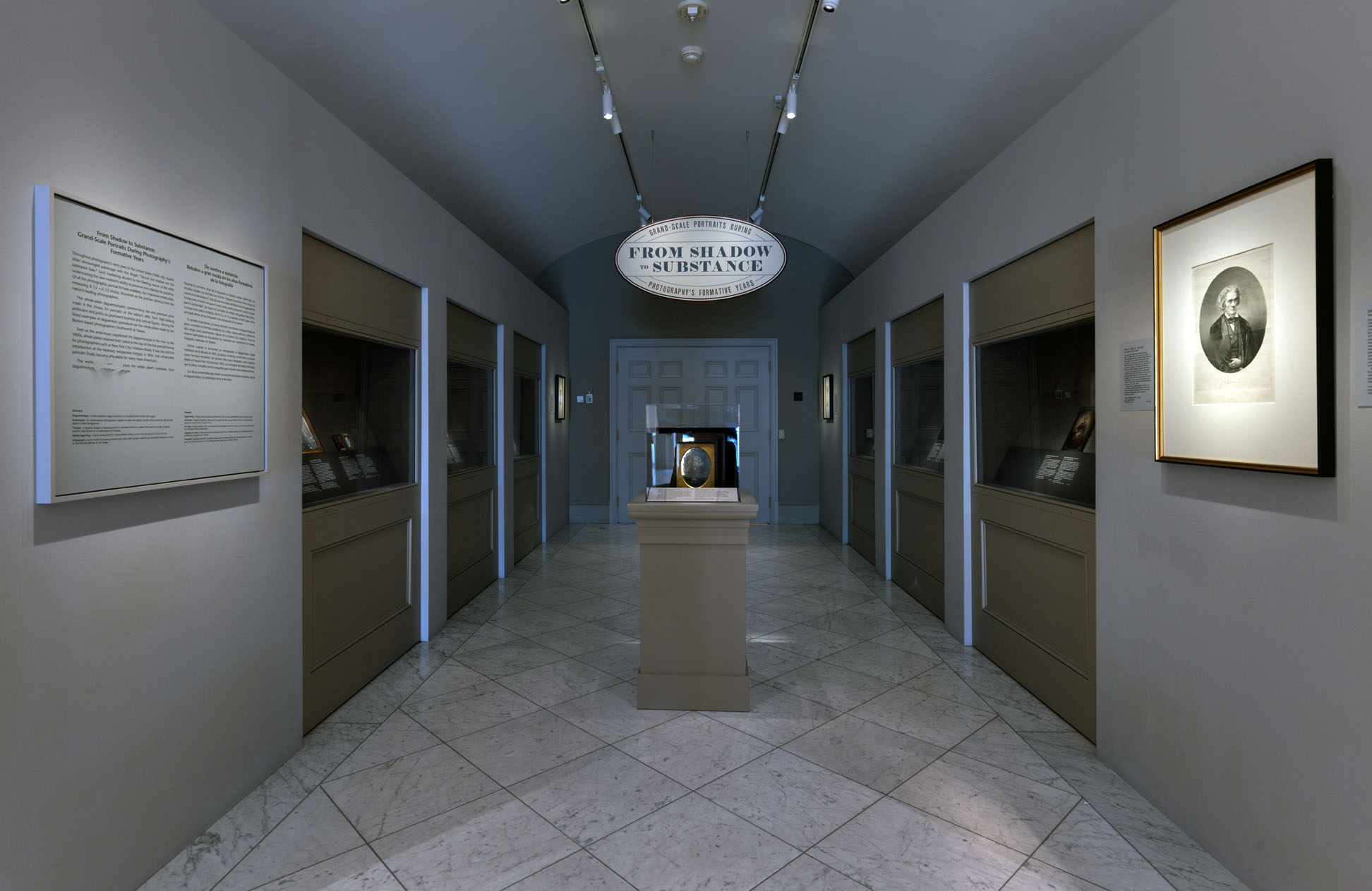
 

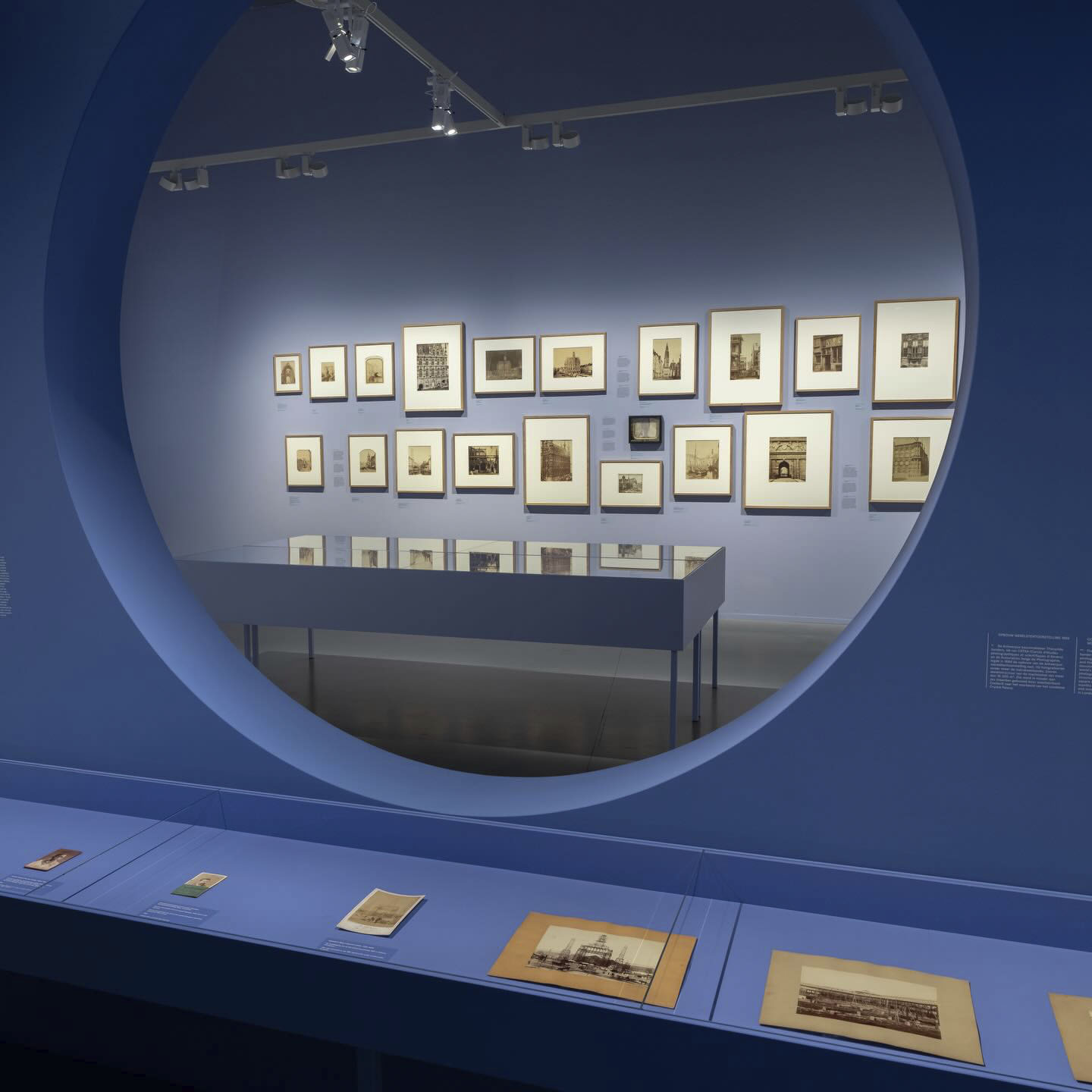
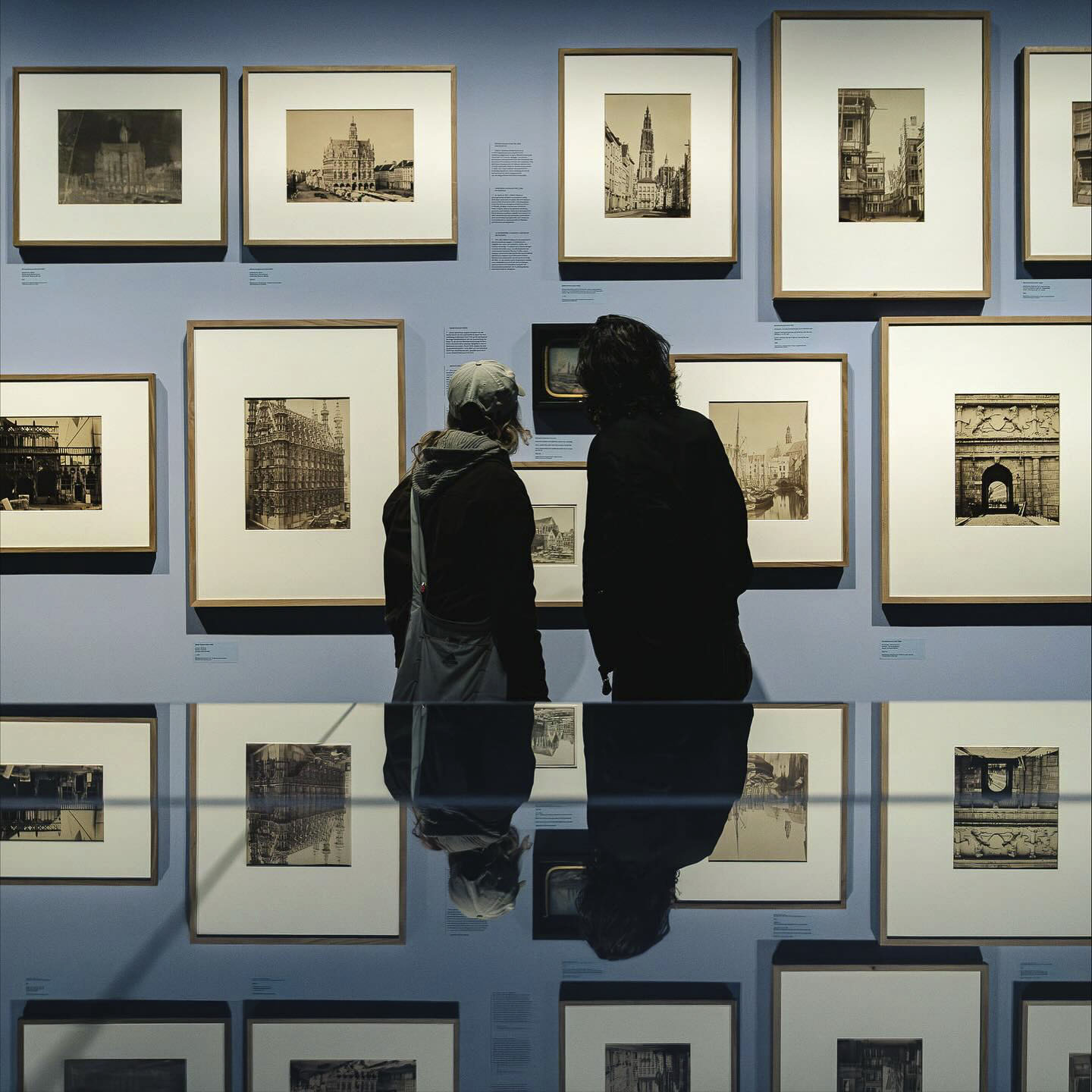
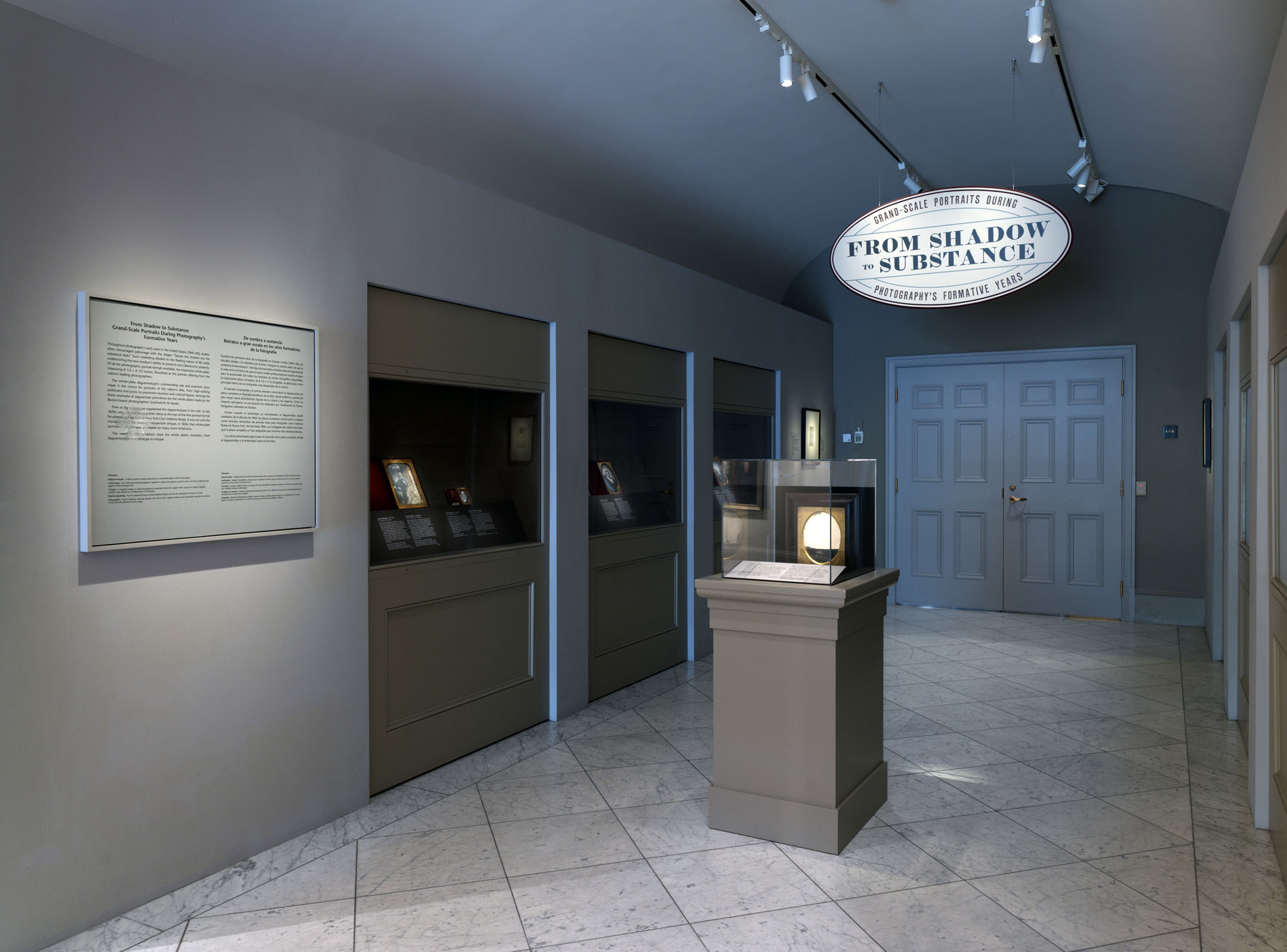
Installation view of the exhibition 'From Shadow to Substance: Grand-Scale Portraits During Photography's Formative Years' at the National Portrait Gallery, Washington, June 20, 2025 - June 7, 2026


Installation views of the exhibition From Shadow to Substance: Grand-Scale Portraits During Photography’s Formative Years at the National Portrait Gallery, Washington, June 20, 2025 – June 7, 2026


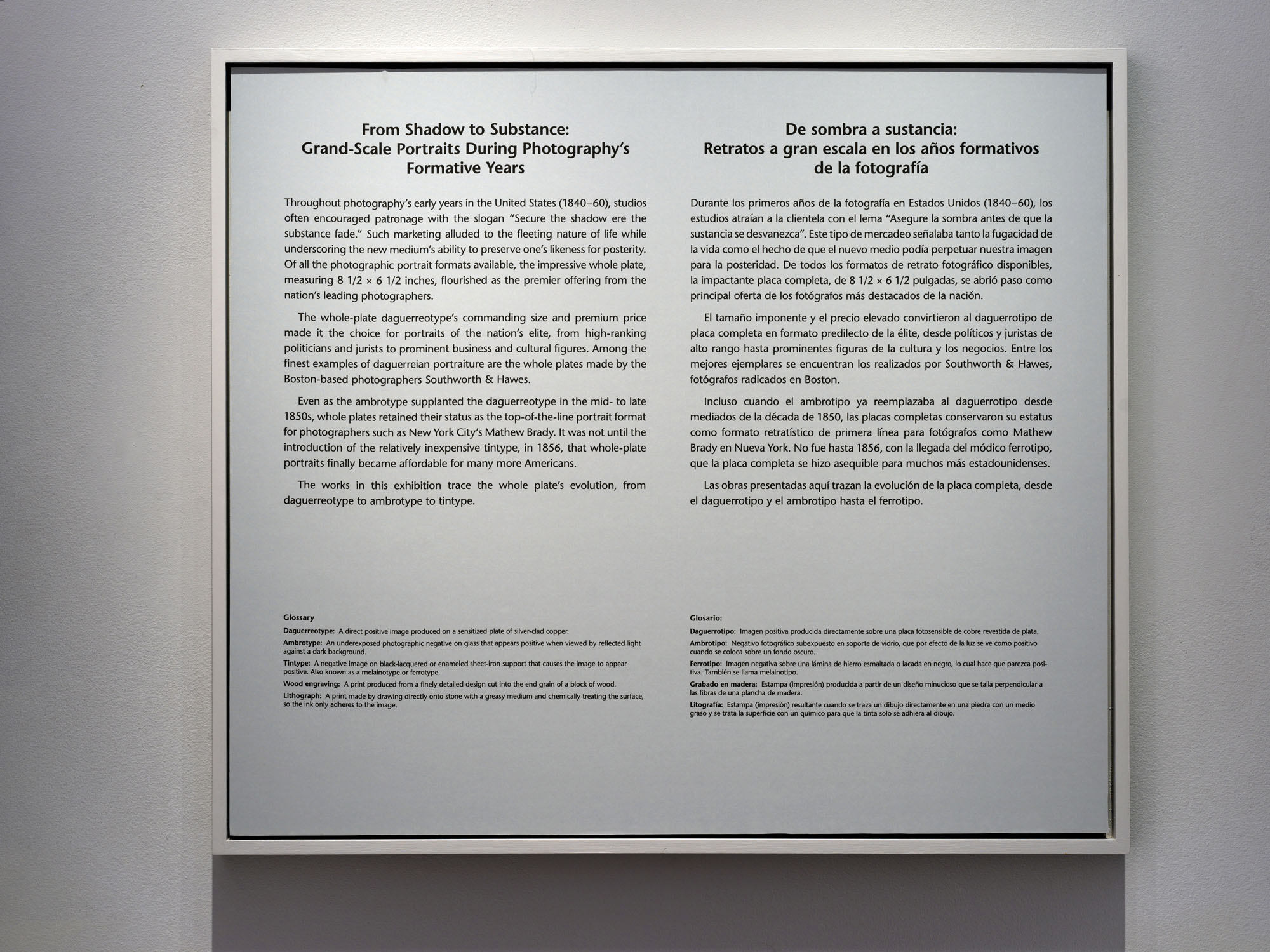
Photographers seeking customers during the medium’s early years often urged the public to “Secure the shadow, ere the substance fade.” Hinting at life’s fragility, this tagline underscored photography’s ability to capture a fleeting likeness and preserve it for posterity. Portraits in the impressive whole-plate format – measuring 8.5 x 6.5 inches – were among the premier offerings of the nation’s leading photographic studios.

Drawing on the National Portrait Gallery’s extensive early photography collection, this exhibition traces the evolution of the grand-scale, whole-plate format from the high-end daguerreotype to the mid-range ambrotype to the more affordable tintype. Examples of whole plates in each of these mediums illustrate how the format evolved as new photographic processes were introduced. Featured works include daguerreotypes representing U.S. senators Daniel Webster and John C. Calhoun, as well as papal nuncio Gaetano Bedini; an ambrotype portrait of American landscape artist John Frederick Kensett; and a tintype likeness of an unidentified African American woman.

Text from the National Portrait Gallery website
 

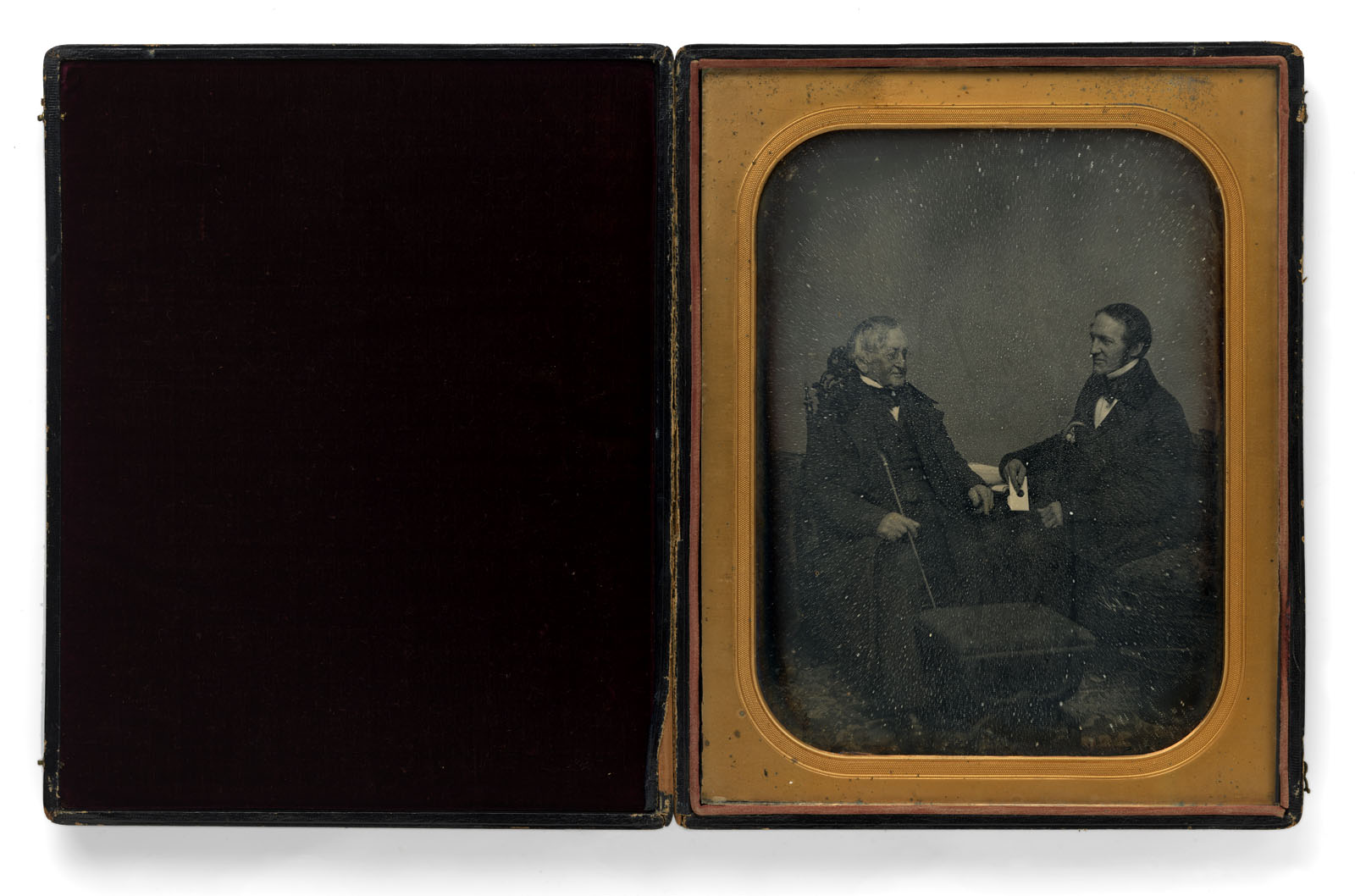
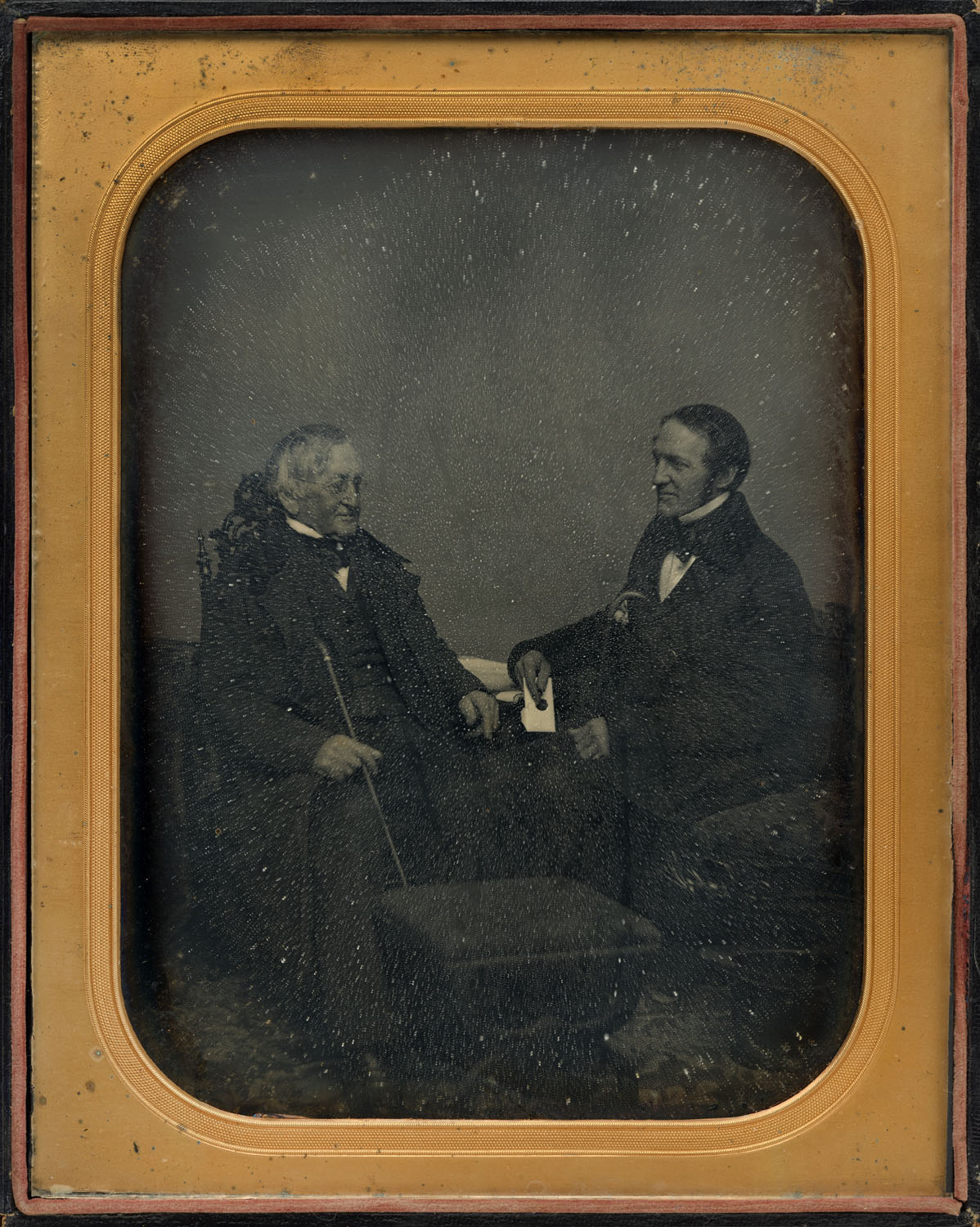
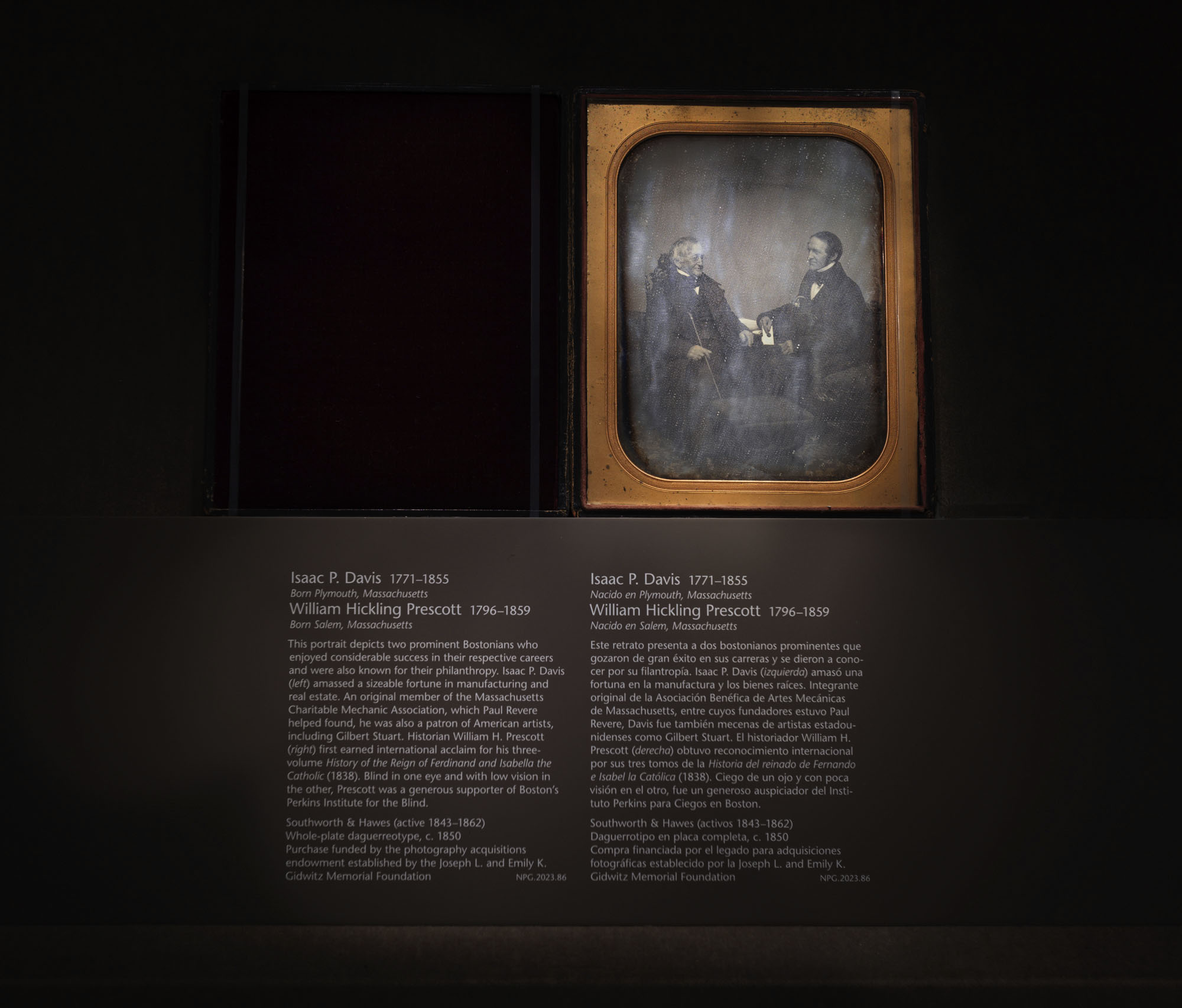
Installation view of the exhibition 'From Shadow to Substance: Grand-Scale Portraits During Photography's Formative Years' at the National Portrait Gallery, Washington, June 20, 2025 - June 7, 2026 showing Southworth & Hawes' 'Issac P. Davis 1771-1855 and William Hickling Prescott 1796-1859' c. 1850


Installation view of the exhibition From Shadow to Substance: Grand-Scale Portraits During Photography’s Formative Years at the National Portrait Gallery, Washington, June 20, 2025 – June 7, 2026 showing Southworth & Hawes’ Issac P. Davis 1771-1855 and William Hickling Prescott 1796-1859 c. 1850 (below)


Southworth & Hawes (active 1843-1862) Albert Sands Southworth (American, 1811-1894) Josiah Johnson Hawes (American, 1808-1901) 'Isaac P. Davis, 7 Oct 1771 - 13 Jan 1855 and William Hickling Prescott, 4 May 1796 - 28 Jan 1859' c. 1850
Southworth & Hawes (active 1843-1862) Albert Sands Southworth (American, 1811-1894) Josiah Johnson Hawes (American, 1808-1901) 'Isaac P. Davis, 7 Oct 1771 - 13 Jan 1855 and William Hickling Prescott, 4 May 1796 - 28 Jan 1859' c. 1850 from the exhibition 'From Shadow to Substance: Grand-Scale Portraits During Photography's Formative Years' at the National Portrait Gallery, Washington, June 2025 - June 2026


Southworth & Hawes (active 1843-1862)
Albert Sands Southworth (American, 1811-1894)
Josiah Johnson Hawes (American, 1808-1901)
Isaac P. Davis, 7 Oct 1771 – 13 Jan 1855
William Hickling Prescott, 4 May 1796 – 28 Jan 1859

c. 1850
Whole-plate daguerreotype
Image/Sight: 20.3 x 15.2cm (8 × 6″)
Mat (brass): 23.6 x 18.6cm (9 5/16 x 7 5/16″)
Case open: 25.3 x 40.2 x 2.3cm (9 15/16 x 15 13/16 x 7/8″)
Case closed: 25.3 x 20.7 x 3.5cm (9 15/16 x 8 1/8 x 1 3/8″)
National Portrait Gallery, Smithsonian Institution
Purchase funded by the photography acquisitions endowment established by the Joseph L. and Emily K. Gidwitz Memorial Foundation


Isaac P. Davis, 7 Oct 1771 – 13 Jan 1855
Born Plymouth, Massachusetts

William Hickling Prescott, 4 May 1796 – 28 Jan 1859
Born Salem, Massachusetts

This portrait depicts two prominent Bostonians who enjoyed considerable success in their respective careers and were also known for their philanthropy. Isaac P. Davis (left) amassed a sizeable fortune in manufacturing and real estate. An original member of the Massachusetts Charitable Mechanic Association, which Paul Revere helped found, he was also a patron of American artists, including Gilbert Stuart. Historian William H. Prescott (right) first earned international acclaim for his three-volume History of the Reign of Ferdinand and Isabella the Catholic (1838). Blind in one eye and with low vision in the other, Prescott was a generous supporter of Boston’s Perkins Institute for the Blind.

Text from the National Portrait Gallery website
 

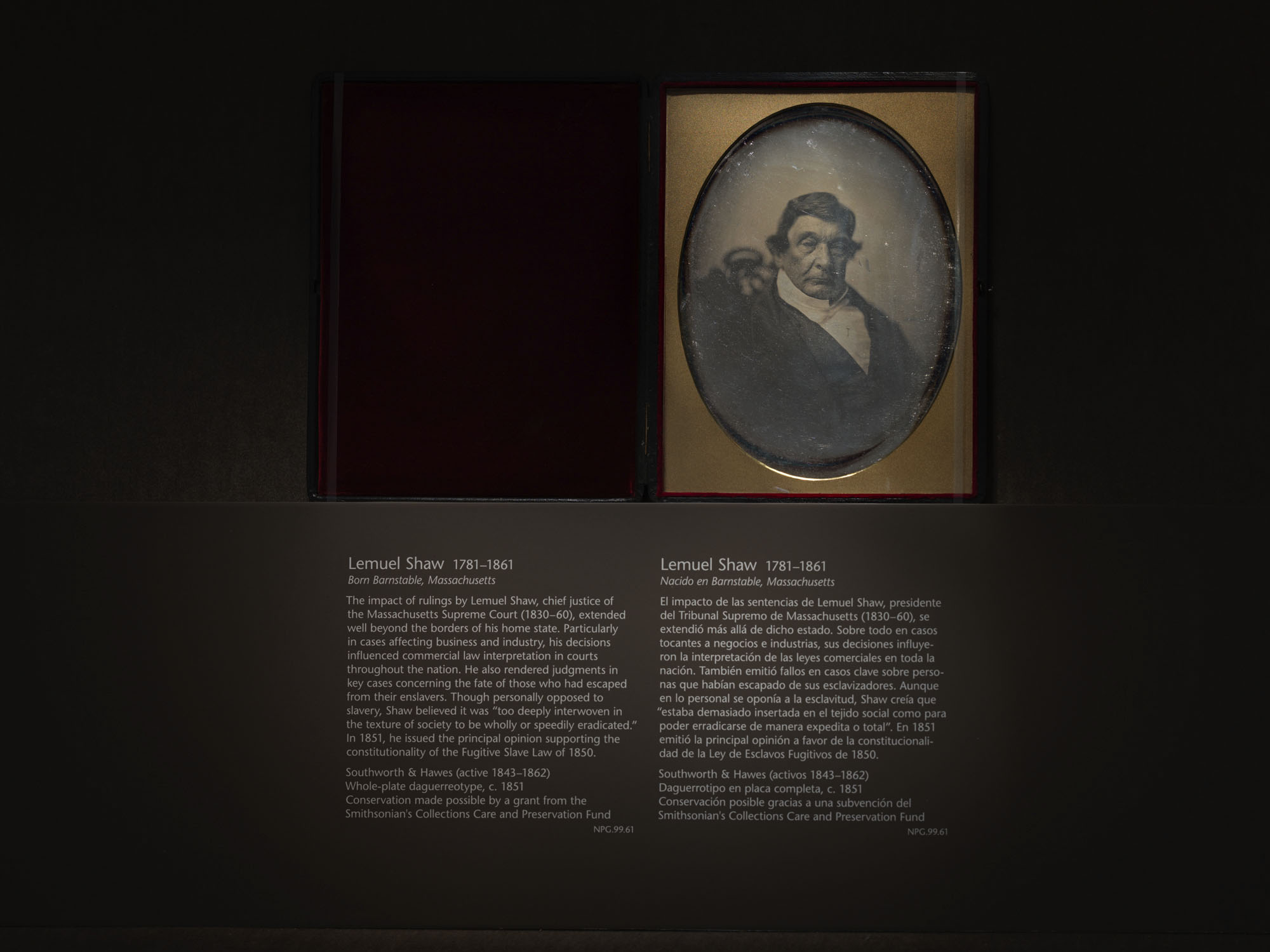
Installation view of the exhibition 'From Shadow to Substance: Grand-Scale Portraits During Photography's Formative Years' at the National Portrait Gallery, Washington, June 20, 2025 - June 7, 2026 Southworth & Hawes' 'Lemuel Shaw 1787-1861' c. 1851


Installation view of the exhibition From Shadow to Substance: Grand-Scale Portraits During Photography’s Formative Years at the National Portrait Gallery, Washington, June 20, 2025 – June 7, 2026 Southworth & Hawes’ Lemuel Shaw 1787-1861 c. 1851 (below)


Southworth & Hawes (active 1843-1862) Albert Sands Southworth (American, 1811-1894) Josiah Johnson Hawes (American, 1808-1901) 'Lemuel Shaw, 9 Jan 1781 - 30 Mar 1861' c. 1851


Southworth & Hawes (active 1843-1862)
Albert Sands Southworth (American, 1811-1894)
Josiah Johnson Hawes (American, 1808-1901)
Lemuel Shaw, 9 Jan 1781 – 30 Mar 1861
c. 1851
Whole-plate daguerreotype with silver-plated copper sheet support
Plate (sight): 21.5 x 16cm (8 7/16 x 6 5/16″)
Case Open: 23.4 x 36.3 x 0.9cm (9 3/16 x 14 5/16 x 3/8″)
Case Closed: 23.4 x 18.2 x 1.8cm (9 3/16 x 7 3/16 x 11/16″)
National Portrait Gallery, Smithsonian Institution
Conservation made possible by a grant from the Smithsonian’s Collections Care and Preservation Fund


Lemuel Shaw, 9 Jan 1781 – 30 Mar 1861
Born Barnstable, Massachusetts

The impact of rulings by Lemuel Shaw, chief justice of the Massachusetts Supreme Court (1830-1860), extended well beyond the borders of his home state. Particularly in cases affecting business and industry, his decisions influenced commercial law interpretation in courts throughout the nation. He also rendered judgments in key cases concerning the fate of those who had escaped from their enslavers. Though personally opposed to slavery, Shaw believed it was “too deeply interwoven in the texture of society to be wholly or speedily eradicated.” In 1851, he issued the principal opinion supporting the constitutionality of the Fugitive Slave Law of 1850.

Text from the National Portrait Gallery website
 

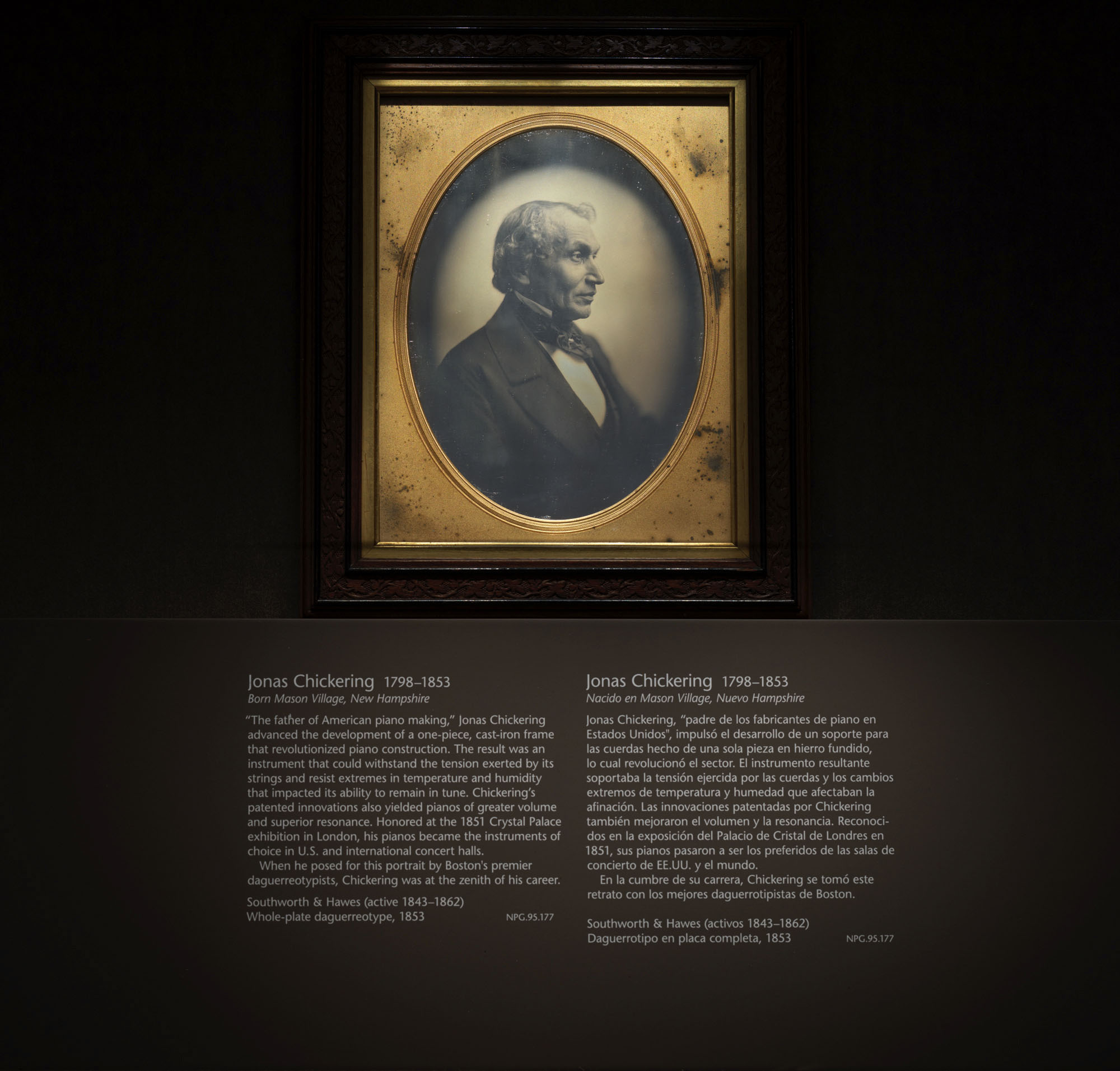
Installation view of the exhibition 'From Shadow to Substance: Grand-Scale Portraits During Photography's Formative Years' at the National Portrait Gallery, Washington, June 20, 2025 - June 7, 2026 showing Southworth & Hawes' 'Jonas Chickering' 1853


Installation view of the exhibition From Shadow to Substance: Grand-Scale Portraits During Photography’s Formative Years at the National Portrait Gallery, Washington, June 20, 2025 – June 7, 2026 showing showing Southworth & Hawes’ Jonas Chickering 1853 (below)


Southworth & Hawes (active 1843-1862) Albert Sands Southworth (American, 1811-1894) Josiah Johnson Hawes (American, 1808-1901) 'Jonas Chickering, 5 Apr 1798 - 8 Dec 1853' 1853


Southworth & Hawes (active 1843-1862)
Albert Sands Southworth (American, 1811-1894)
Josiah Johnson Hawes (American, 1808-1901)
Jonas Chickering, 5 Apr 1798 – 8 Dec 1853
1853
Whole-plate daguerreotype
Image: 20 x 15cm (7 7/8 x 5 7/8″)
Frame: 31.1 x 25.7 x 2.5cm (12 1/4 x 10 1/8 x 1″)
National Portrait Gallery, Smithsonian Institution


Jonas Chickering, 5 Apr 1798 – 8 Dec 1853
Born Mason Village, New Hampshire

“The father of American piano making,” Jonas Chickering advanced the development of a one-piece, cast-iron frame that revolutionised piano construction. The result was an instrument that could withstand the tension exerted by its strings and resist extremes in temperature and humidity that impacted its ability to remain in tune. Chickering’s patented innovations also yielded pianos of greater volume and superior resonance. Honoured at the 1851 Crystal Palace exhibition in London, his pianos became the instruments of choice in U.S. and international concert halls.

When he posed for this portrait by Boston’s premier daguerreotypists, Chickering was at the zenith of his career.

Text from the National Portrait Gallery website
 

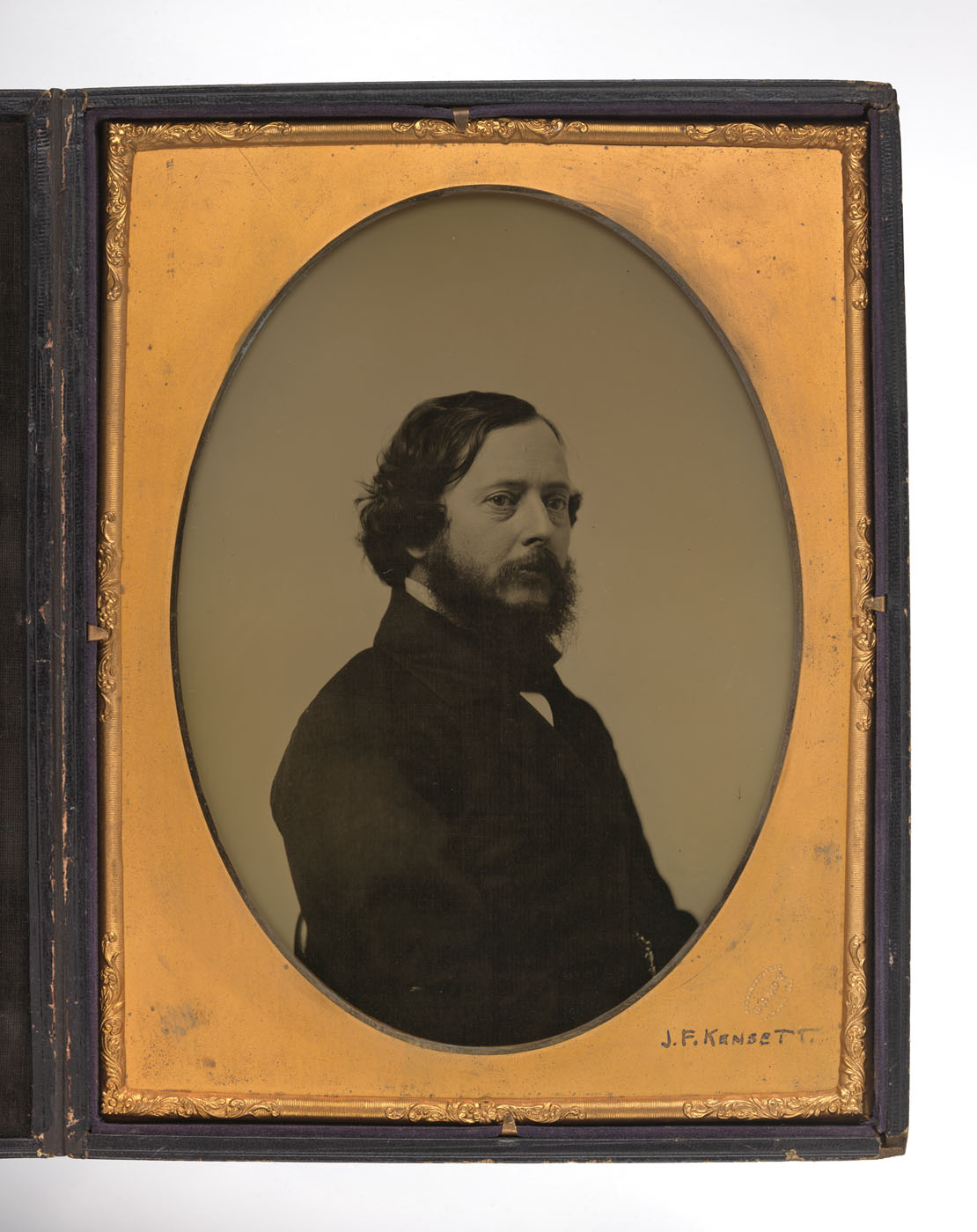
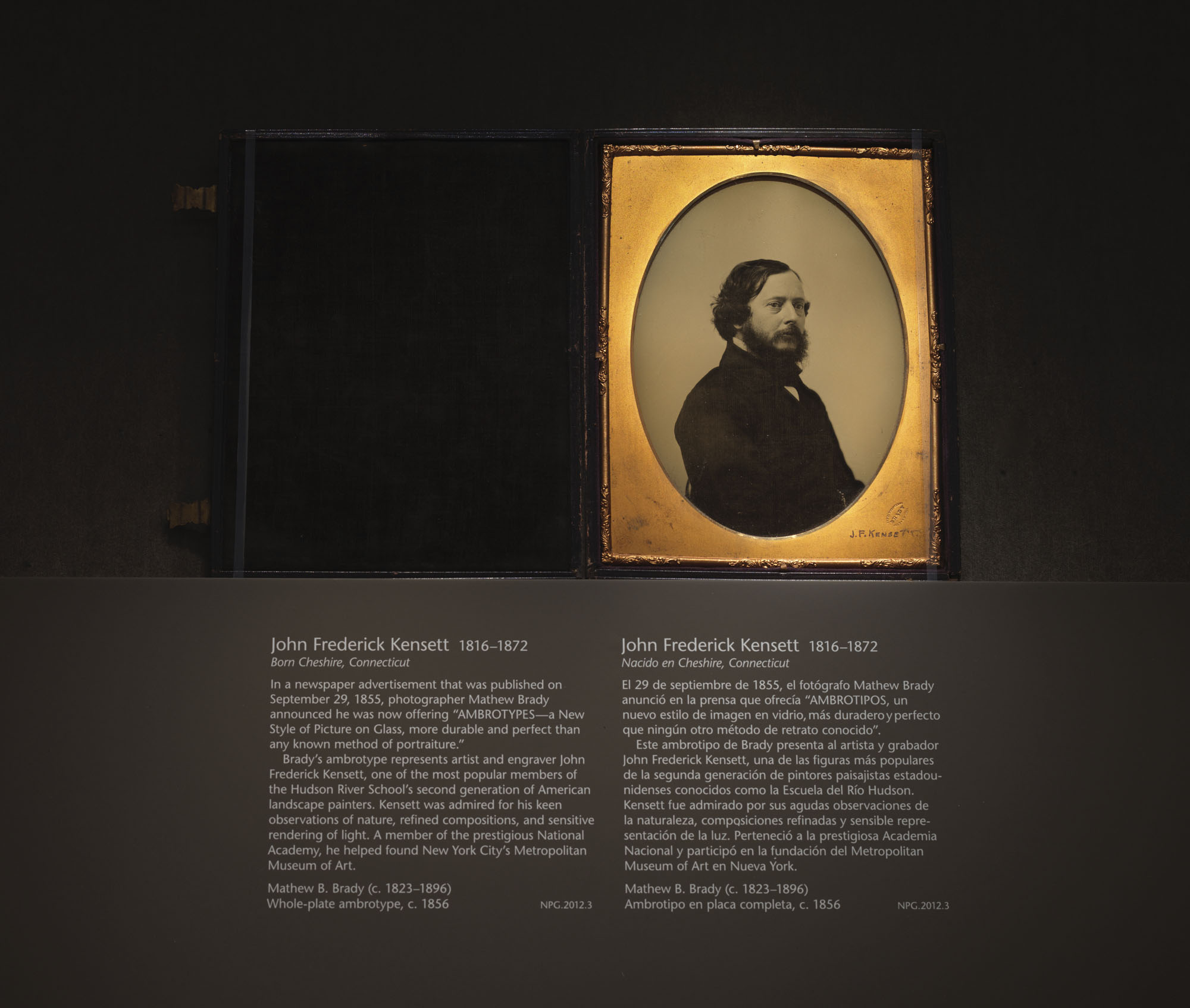
Installation view of the exhibition 'From Shadow to Substance: Grand-Scale Portraits During Photography's Formative Years' at the National Portrait Gallery, Washington, June 20, 2025 - June 7, 2026 showing Mathew B. Brady's 'John Frederick Kensett 1816-1872' c. 1856


Installation view of the exhibition From Shadow to Substance: Grand-Scale Portraits During Photography’s Formative Years at the National Portrait Gallery, Washington, June 20, 2025 – June 7, 2026 showing Mathew B. Brady’s John Frederick Kensett 1816-1872 c. 1856 (below)


Mathew B. Brady (American, 1822-1896) 'John Frederick Kensett, 22 Mar 1816 - 15 Dec 1872' c. 1856


Mathew B. Brady (American, 1822-1896)
John Frederick Kensett, 22 Mar 1816 – 15 Dec 1872
c. 1856
Whole-plate ambrotype
Image: 18.4 x 13.2cm (7 1/4 x 5 3/16″)
Case Open: 23 x 36.4cm (9 1/16 x 14 5/16″)
Case Closed: 23 x 18.4cm (9 1/16 x 7 1/4″)
National Portrait Gallery, Smithsonian Institution


John Frederick Kensett, 22 Mar 1816 – 15 Dec 1872
Born Cheshire, Connecticut

In a newspaper advertisement that was published on September 29, 1855, photographer Mathew Brady announced he was now offering “AMBROTYPES – a New Style of Picture on Glass, more durable and perfect than any known method of portraiture.”

Brady’s ambrotype represents artist and engraver John Frederick Kensett, one of the most popular members of the Hudson River School’s second generation of American landscape painters. Kensett was admired for his keen observations of nature, refined compositions, and sensitive rendering of light. A member of the prestigious National Academy, he helped found New York City’s Metropolitan Museum of Art.

Text from the National Portrait Gallery website


National Portrait Gallery Presents “From Shadow to Substance: Grand-Scale Portraits During Photography’s Formative Years”

The Smithsonian’s National Portrait Gallery will present “From Shadow to Substance: Grand Scale Portraits During Photography’s Formative Years” June 20 through June 7, 2026. Drawing from the museum’s extensive early photography collection, this exhibition traces the evolution of the grand scale, whole-plate portrait format from the high-end daguerreotype and mid-range ambrotype to the more affordable tintype. The exhibition is curated by Senior Curator of Photographs Ann Shumard.

Photographers seeking customers during the medium’s early years, from 1840 to 1860, often urged the public to “Secure the shadow ere the substance fade.” Hinting at life’s fragility, this tagline underscored photography’s ability to capture a fleeting likeness and preserve it for posterity. Portraits in the impressive whole-plate format – measuring 8 1/2 by 6 1/2 inches – were among the premier offerings of the nation’s leading photographic studios.

“This exhibition marks the first time these whole-plate daguerreotype, ambrotype and tintype portraits will be shown together at the Portrait Gallery,” Shumard said. Examples of whole plates in each of these mediums illustrate how the format evolved as new photographic processes were introduced. Featured works include daguerreotypes representing U.S. Senators Daniel Webster and John C. Calhoun, an ambrotype portrait of American landscape artist John Frederick Kensett and a tintype likeness of an unidentified African American woman. Also included are original advertisements issued by photographers Albert Sands Southworth and Josiah Johnson Hawes, and Mathew B. Brady to promote their respective businesses. The exhibition will be presented in the Early Photography Alcove on the museum’s first floor.

Press release from the National Portrait Gallery


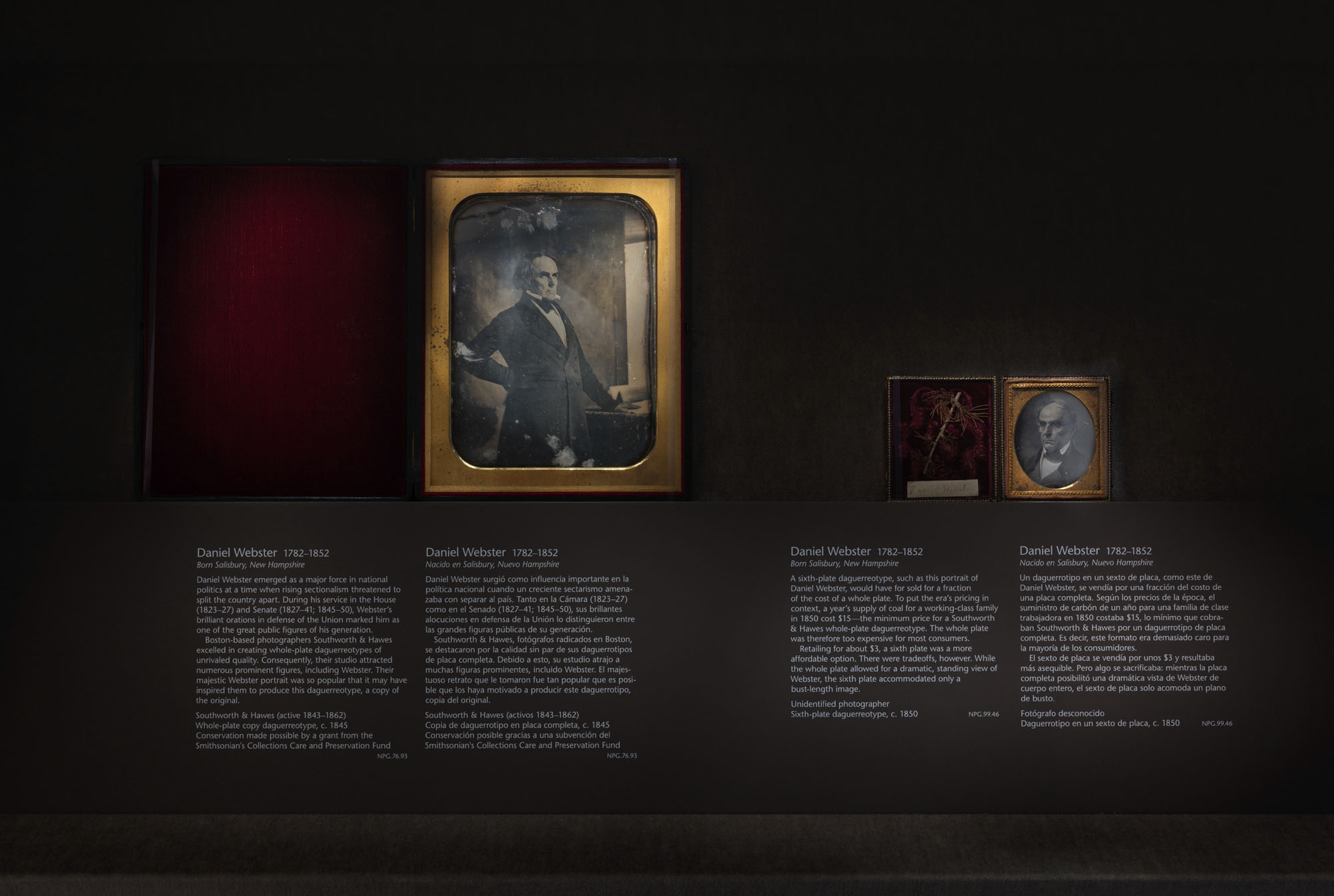
Installation view of the exhibition 'From Shadow to Substance: Grand-Scale Portraits During Photography's Formative Years' at the National Portrait Gallery, Washington, June 20, 2025 - June 7, 2026 showing at left, Southworth & Hawes' 'Daniel Webster 1782-1852' c. 1845; and at right, Unidentified photographer 'Daniel Webster 1782-1852' c. 1850


Installation view of the exhibition From Shadow to Substance: Grand-Scale Portraits During Photography’s Formative Years at the National Portrait Gallery, Washington, June 20, 2025 – June 7, 2026 showing at left, Southworth & Hawes’ Daniel Webster 1782-1852 c. 1845; and at right, Unidentified photographer Daniel Webster 1782-1852 c. 1850


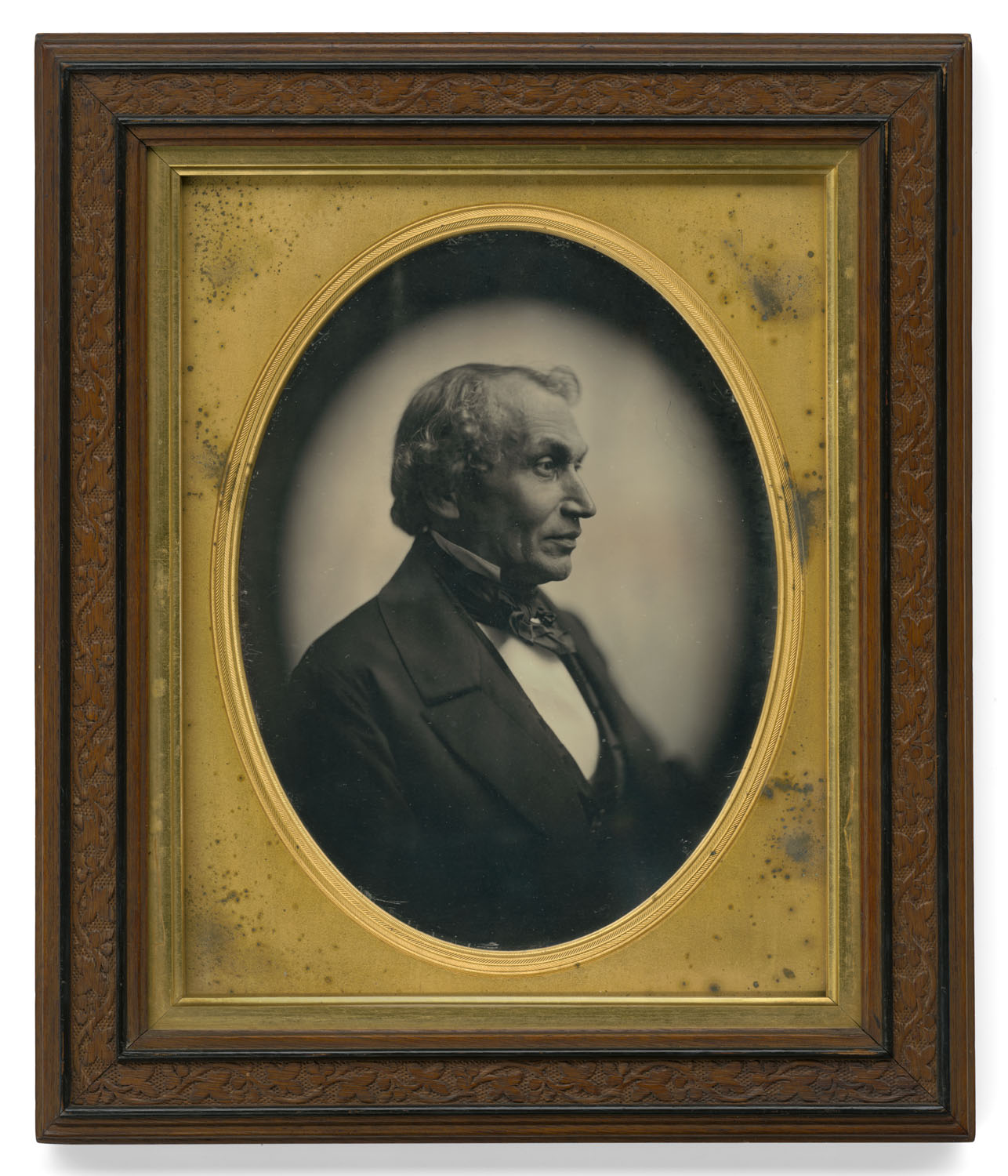
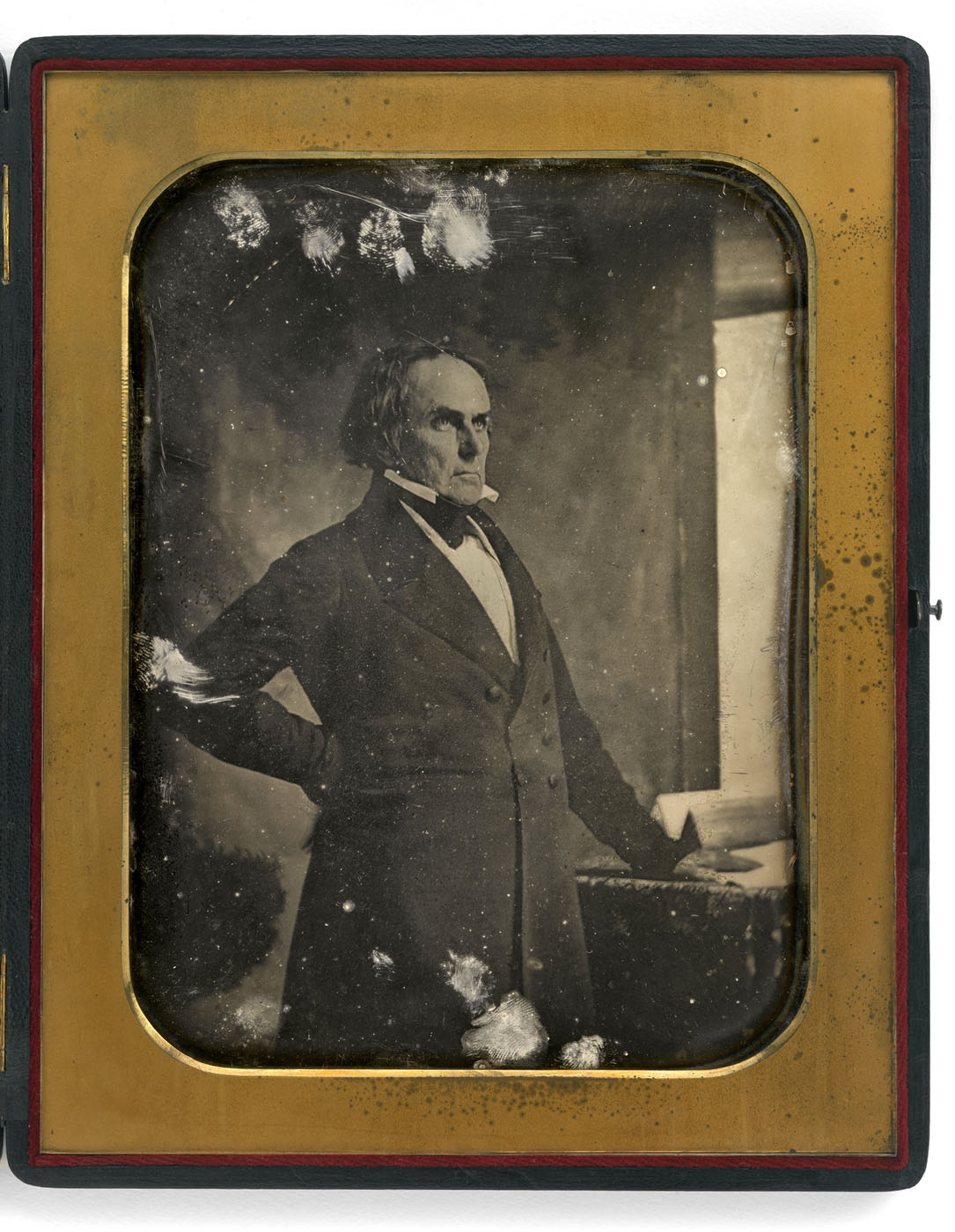
Southworth & Hawes (active 1843-1862) 'Daniel Webster 1782-1852' c. 1845


Southworth & Hawes (active 1843-1862)
Albert Sands Southworth (American, 1811-1894)
Josiah Johnson Hawes (American, 1808-1901)
Daniel Webster 1782-1852
c. 1845
Whole plate copy daguerreotype
National Portrait Gallery, Smithsonian Institution
Conservation made possible by a grant from the Smithsonian’s Collections Care and Preservation Fund


Daniel Webster 1782-1852
Born Salisbury, New Hampshire

Daniel Webster emerged as a major force in national politics at a time when rising sectionalism threatened to split the country apart. During his service in the House (1823-1827) and Senate (1827-1841; 1845-1850), Webster’s brilliant orations in defence of the Union marked him as one of the great public figures of his generation.

Boston-based photographers Southworth & Hawes excelled in creating whole-plate daguerreotypes of unrivalled quality. Consequently, their studio attracted numerous prominent figures, including Webster. Their majestic Webster portrait was so popular that it may have inspired them to produce this daguerreotype, a copy of the original.

Text from the National Portrait Gallery website
 

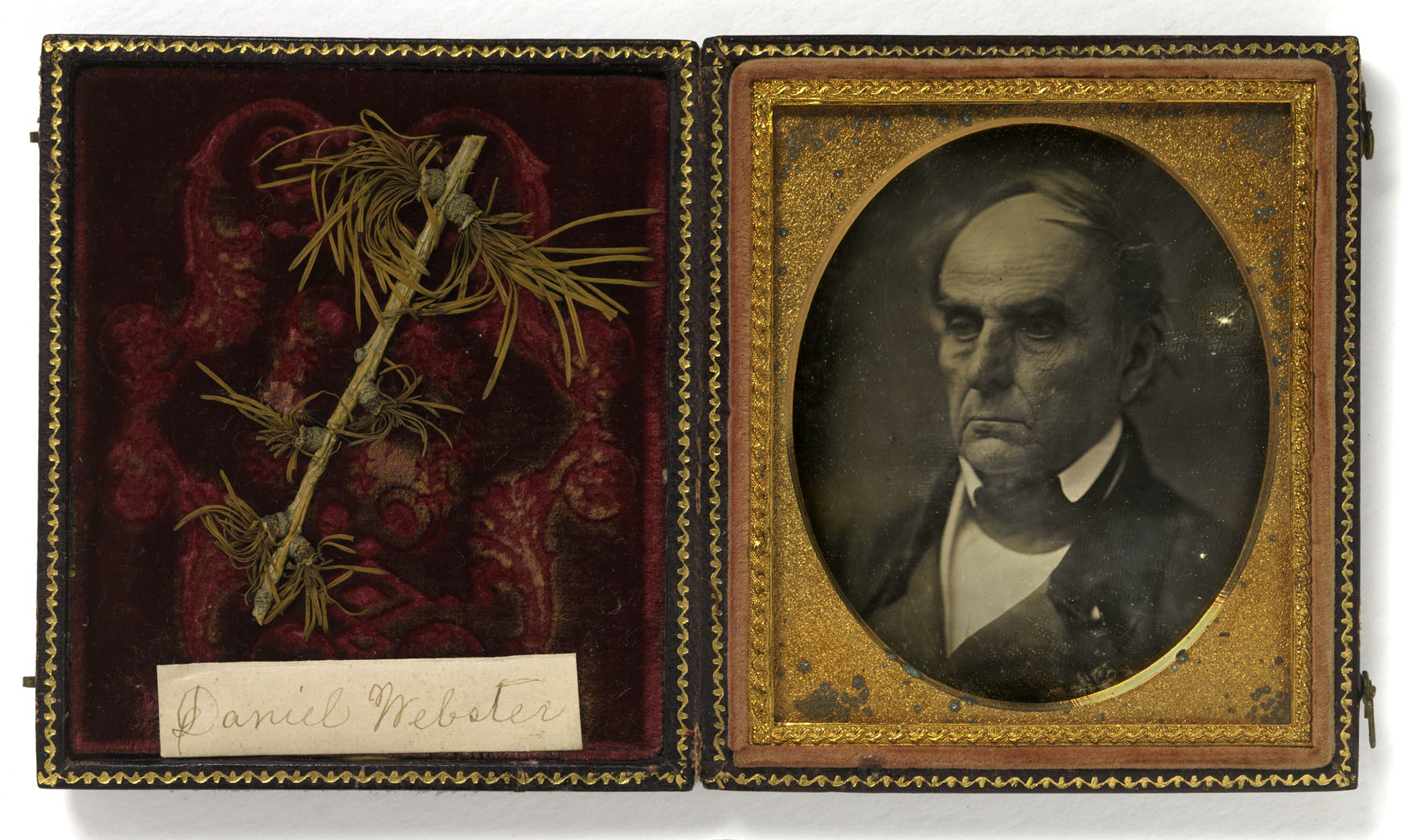
Unidentified photographer. 'Daniel Webster 1782-1852' c. 1850


Unidentified photographer
Daniel Webster 1782-1852
c. 1850
Sixth-plate daguerreotype
National Portrait Gallery, Smithsonian Institution


A sixth-plate daguerreotype such as this portrait of Daniel Webster, would have sold for a fraction of the cost of a whole plate. To put the era’s pricing in context, a year’s supply of coal for a working-class family in 1850 cost $15 – the minimum price for a Southworth & Hawes whole-plate daguerreotype. The whole plate was therefore too expensive for most consumers.

Retailing for about $3, a sixth-plate was a more affordable option. There were tradeoffs, however. While the whole plate allowed for a dramatic, standing view of Webster, the Sith-plate accommodated only a bust-length image.

In a period when American federalism faced increasing challenges from states’-rights supporters, Daniel Webster emerged as one of the Union’s most eloquent defenders. Having gained acclaim as a lawyer who argued some of the young republic’s pivotal Supreme Court cases, Webster became a major force in national politics through his service in the House and in the Senate. There, his brilliant orations on behalf of the indivisibility of the Union marked him as one of the greatest public figures of his generation. Despite his national stature, Webster fell short of mustering the broad support that might have won him the presidency.

This daguerreotype represents Webster around the time of his controversial endorsement of the Compromise of 1850. In supporting the measure, Webster sought to preserve the Union through concession and compromise but succeeded principally in incurring the wrath of his northern constituents, who abhorred the legislation’s Fugitive Slave Act. Although attacks from his critics left Webster shaken and burdened by “the crushing weight of anxiety and responsibility,” he soldiered on until a liver ailment claimed his life in October 1852. The evergreen sprig preserved with this daguerreotype serves as a reminder of Webster’s endurance as a symbol and an icon in American history.

Text from the National Portrait Gallery website
 

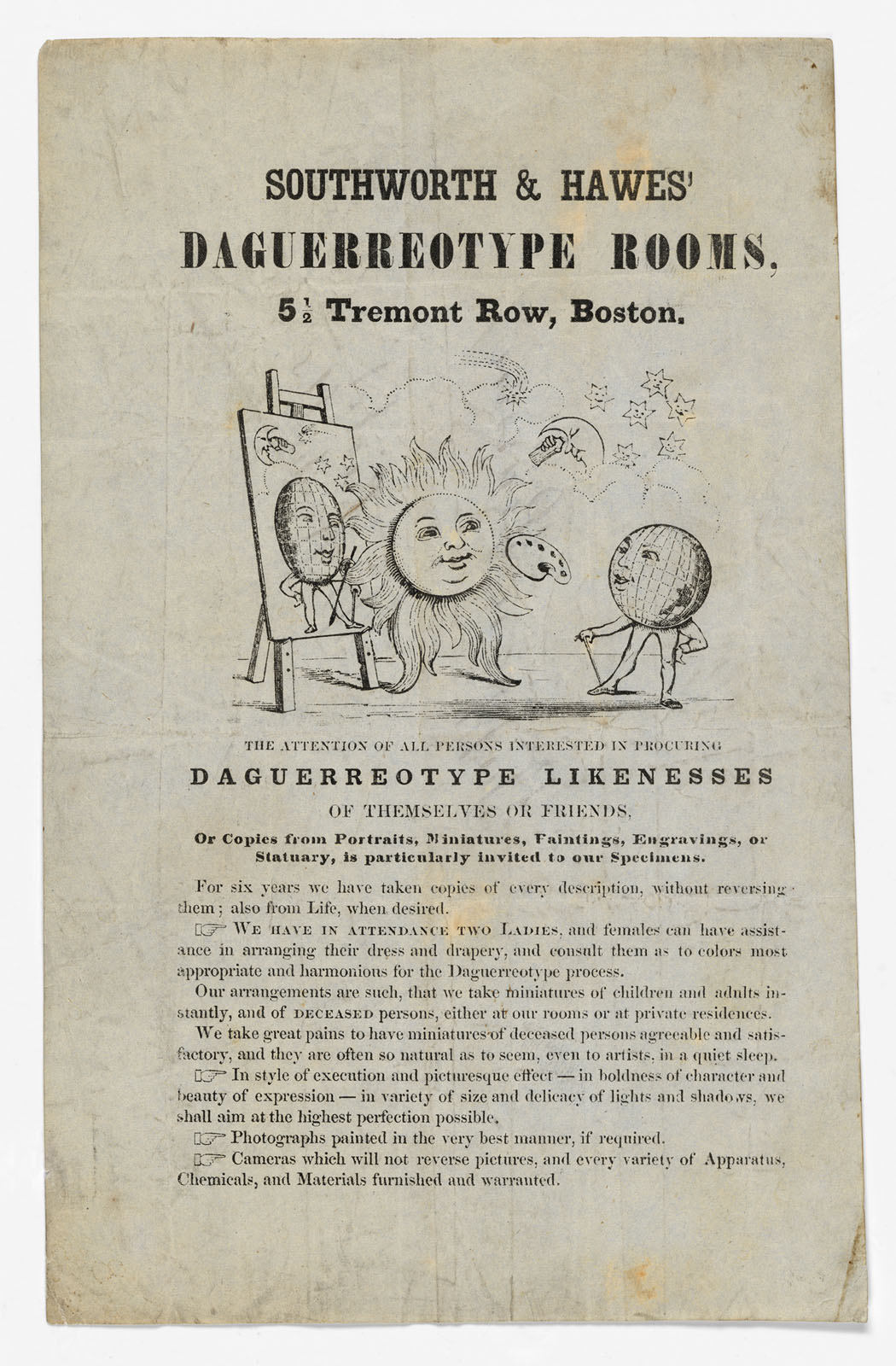
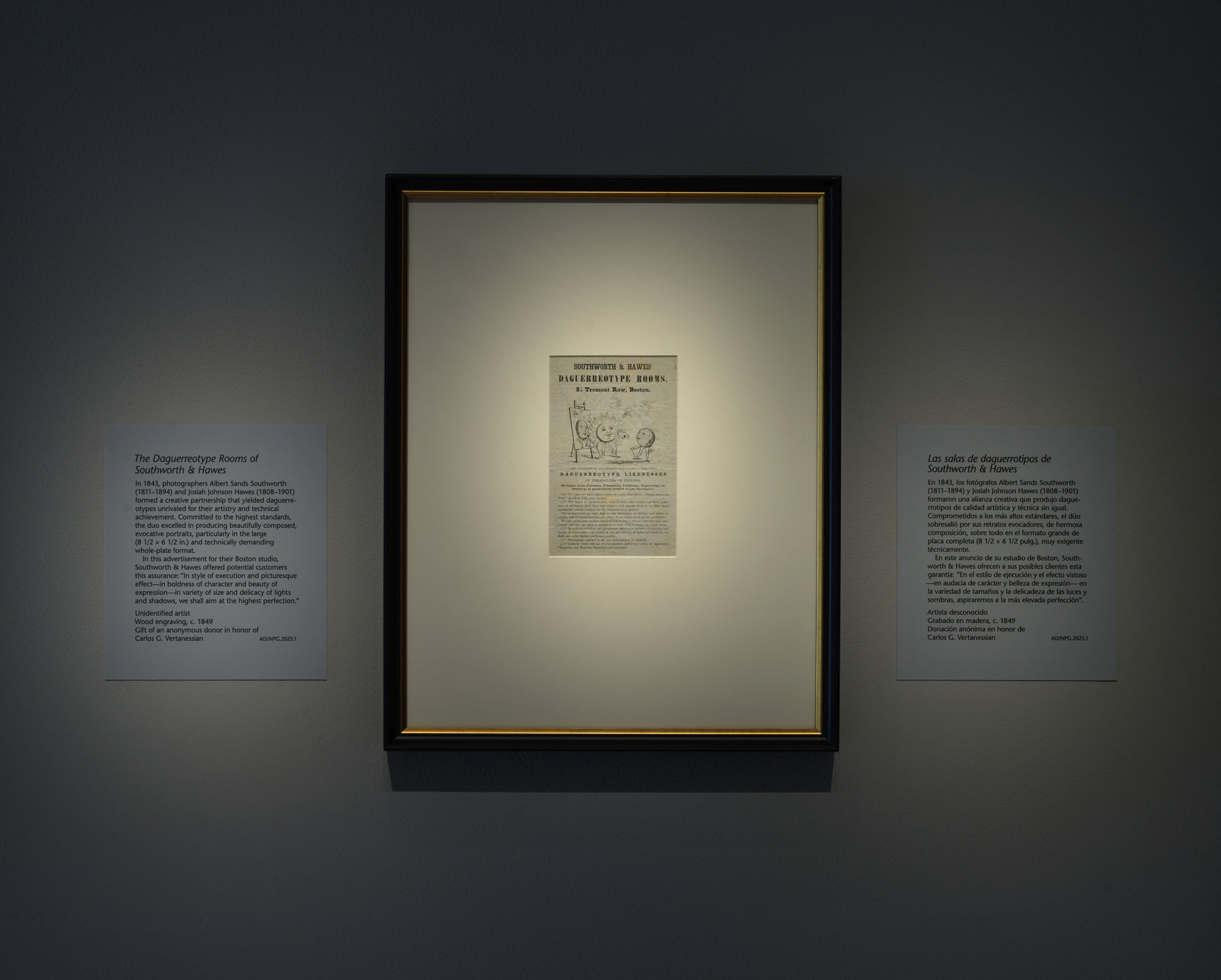
Installation view of the exhibition 'From Shadow to Substance: Grand-Scale Portraits During Photography's Formative Years' at the National Portrait Gallery, Washington, June 20, 2025 - June 7, 2026 showing a wood engraving by an unidentified artist of 'Southworth & Hawes' Daguerreotype Rooms' c. 1849


Installation view of the exhibition From Shadow to Substance: Grand-Scale Portraits During Photography’s Formative Years at the National Portrait Gallery, Washington, June 20, 2025 – June 7, 2026 showing a wood engraving by an unidentified artist of Southworth & Hawes’ Daguerreotype Rooms c. 1849 (below)


Unidentified Artist. 'Southworth & Hawes' Daguerreotype Rooms' c. 1849


Unidentified Artist
Southworth & Hawes’ Daguerreotype Rooms
c. 1849
Wood engraving
20 x 12.7cm (7 7/8 x 5″)
National Portrait Gallery, Smithsonian Institution
Gift of an anonymous donor in honour of Carlos G. Vertanssian


In 1843, photographer Albert Sands Southworth (1811-1894) and Josiah Johnson Hawes (1808-1901) formed a creative partnership that yielded daguerreotypes unrivalled for their artistry and technical achievement. Committed to the highest standards, the duo excelled in producing beautiful composed, evocative portraits, particularly in the large (8 1/2 x 6 1/2 in.) and technically demanding whole-plate format.

In this advertisement for their Boston studio, Southworth & Hawes offered potential customers the assurance: ‘In style of execution and picturesque effect – in boldness of character and beauty of expression – in variety of size and delicacy of lights and shadows, we shall aim at the highest perfection’.

Text from the National Portrait Gallery website
 

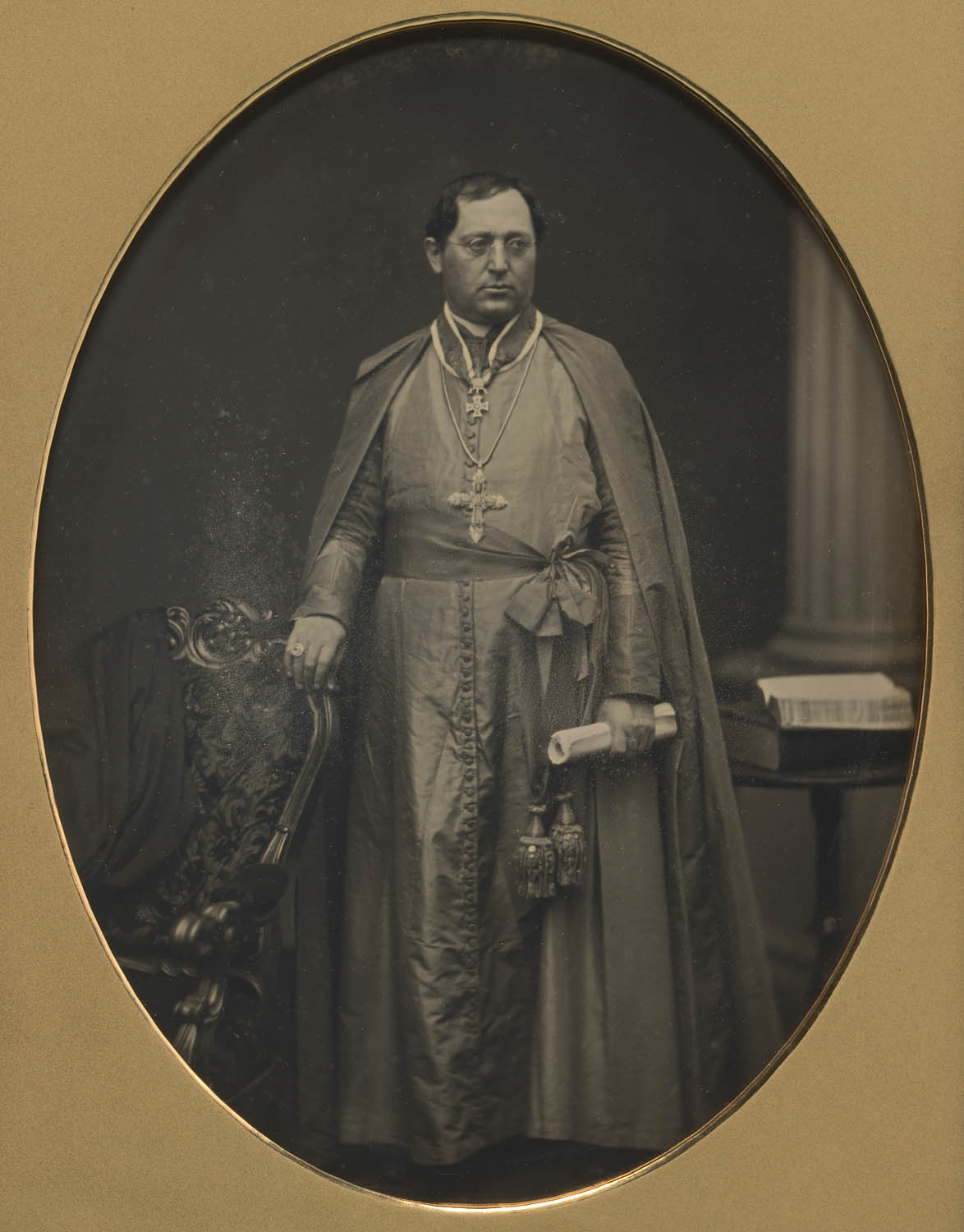
Southworth & Hawes (active 1843-1862) Albert Sands Southworth (American, 1811-1894) Josiah Johnson Hawes (American, 1808-1901) 'Gaetano Bedini, 1806-1864' 1853


Southworth & Hawes (active 1843-1862)
Albert Sands Southworth (American, 1811-1894)
Josiah Johnson Hawes (American, 1808-1901)
Gaetano Bedini, 1806-1864
1853
Whole-plate daguerreotype
Image: 20 x 15cm (7 7/8 x 5 7/8″)
Case Open: 25.4 x 40.8 x 1cm (10 x 16 1/16 x 3/8″)
Case Closed: 23.1 x 18.1 x 1.7cm (9 1/8 x 7 1/8 x 11/16″)
National Portrait Gallery, Smithsonian Institution
Transfer from the Archives of American Art, Smithsonian Institution. Conservation made possible by a grant from the Smithsonian’s Collections Care and Preservation Fund


Gaetano Bedini, 1806-1864
Born Sinigaglia, Italy

In 1853, Italian archbishop Gaetano Bedini travelled to the United States at the request of Pope Pius IX to assess the condition of the Catholic Church in North America and to study the possibility of establishing a papal mission in Washington, D.C. Bedini’s multi-month, fact-finding tour coincided with an intense wave of anti-Catholic, anti-immigrant feeling fanned by the newly ascendant American (or Know-Nothing) Party. In several cities, his presence sparked hostile demonstrations. Upon returning to the Vatican, Bedini advocated successfully for the creation of a North American College in Rome to prepare Roman Catholic clergy for service in the United States.

Text from the National Portrait Gallery website
 

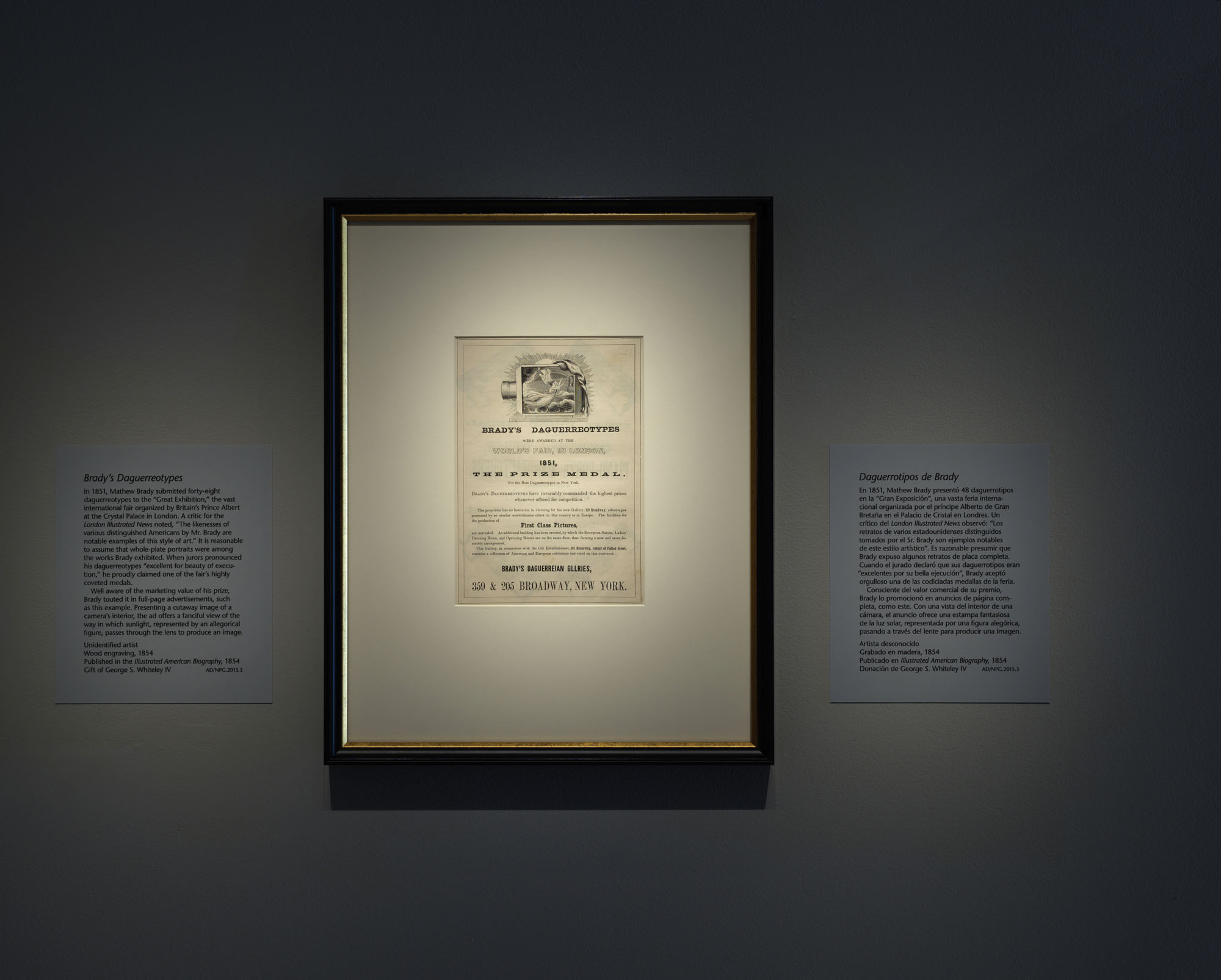
Installation view of the exhibition 'From Shadow to Substance: Grand-Scale Portraits During Photography's Formative Years' at the National Portrait Gallery, Washington, June 20, 2025 - June 7, 2026 showing a wood engraving by an unidentified artist 'Brady's Daguerreotypes' 1854


Installation view of the exhibition From Shadow to Substance: Grand-Scale Portraits During Photography’s Formative Years at the National Portrait Gallery, Washington, June 20, 2025 – June 7, 2026 showing a wood engraving by an unidentified artist of Brady’s Daguerreotypes 1854 (below)


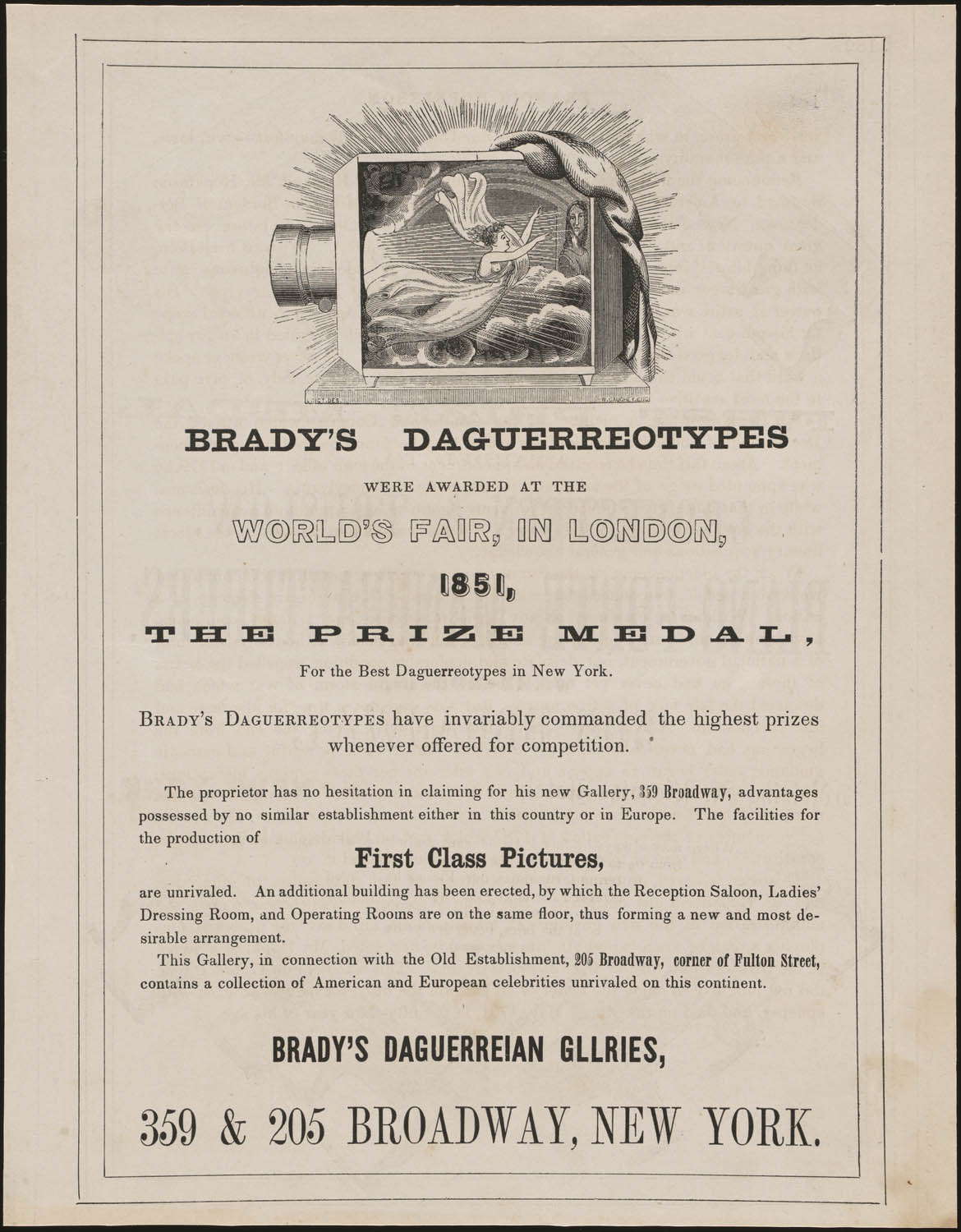
Unidentified Artist. 'Brady's Daguerreotypes' 1854


Unidentified Artist
Brady’s Daguerreotypes
1854
Wood engraving on paper
Image: 21.8 x 14.8cm (8 9/16 x 5 13/16″)
Sheet: 24 x 18.6cm (9 7/16 x 7 5/16″)
Mat: 45.8 x 35.6cm (18 1/16 x 14″)
Published in the Illustrated American Biography, 1854
National Portrait Gallery, Smithsonian Institution
Gift of George S. Whiteley IV


Mathew Brady placed this full-page advertisement in the Illustrated American Biography, a publication that marketed itself as a biographical volume but was actually a glorified business directory. With its cutaway image of a camera, Brady’s ad presents a fanciful view of the process by which sunlight passes through the camera’s lens to produce an image.

In 1851, Mathew Brady submitted forty-eight daguerreotypes to the “Great Exhibition,” the vast international fair organised by Britain’s Prince Albert at the Crystal Palace in London. A critic for the London Illustrated News noted, “The likenesses of various distinguished Americans by Mr. Brady are notable examples of this style of art.” It is reasonable to assume that whole-plate portraits were among the works Brady exhibited. When jurors pronounced his daguerreotypes “excellent for beauty of execution,” he proudly claimed one of the fair’s highly coveted medals.

Well aware of the marketing value of his prize, Brady touted it in full-page advertisements, such as this example. Presenting a cutaway image of a camera’s interior, the ad offers a fanciful view of the way in which sunlight, represented by an allegorical figure, passes through the lens to produce an image.

Text from the National Portrait Gallery website
 

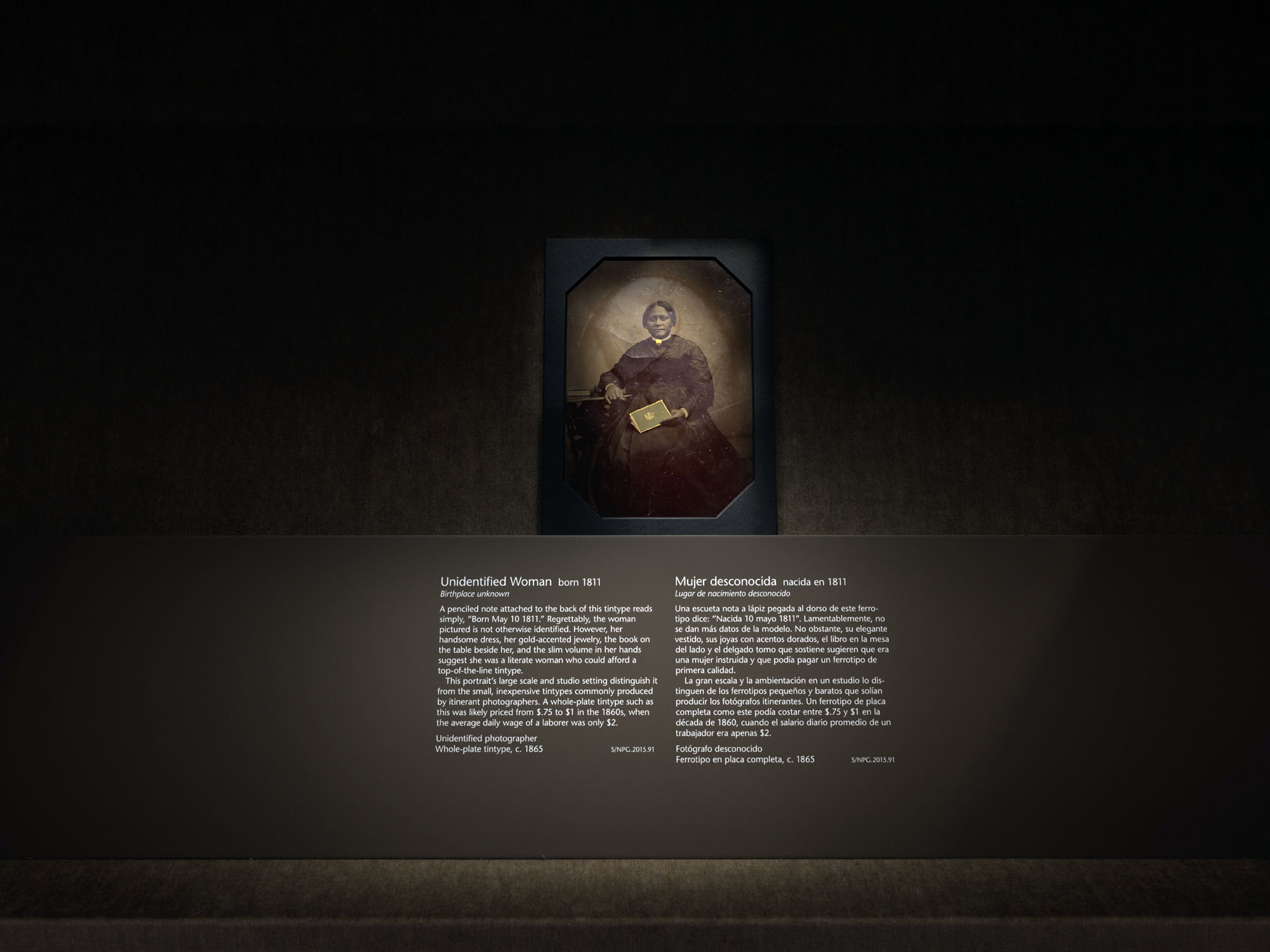
Installation view of the exhibition 'From Shadow to Substance: Grand-Scale Portraits During Photography's Formative Years' at the National Portrait Gallery, Washington, June 20, 2025 - June 7, 2026 showing a whole-plate tintype by an unidentified photographer of an 'Unidentified Woman' c. 1865


Installation view of the exhibition From Shadow to Substance: Grand-Scale Portraits During Photography’s Formative Years at the National Portrait Gallery, Washington, June 20, 2025 – June 7, 2026 showing a whole-plate tintype by an unidentified photographer of an Unidentified Woman c. 1865 (below)


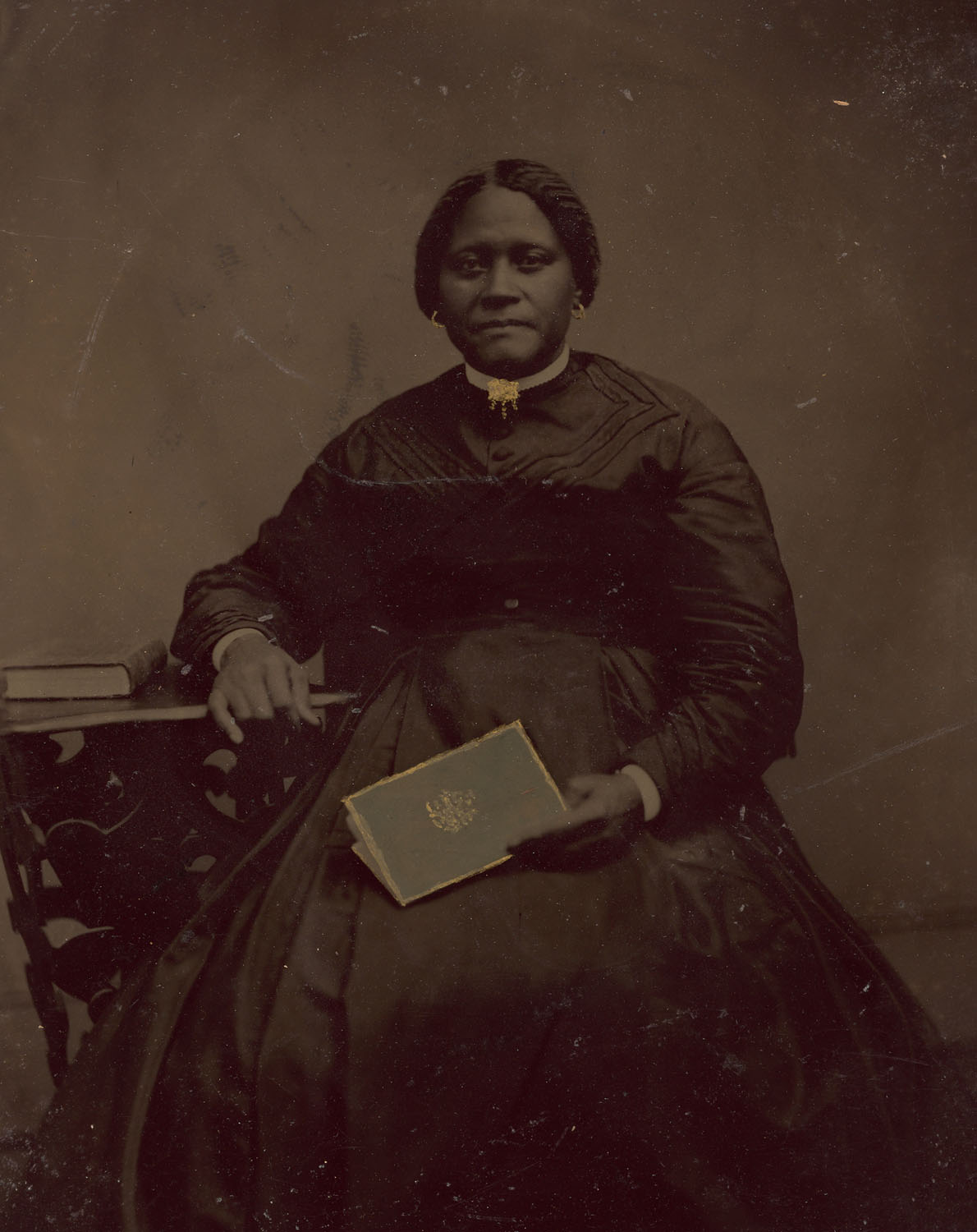
Unidentified photographer. 'Unidentified Woman' c. 1865


Unidentified photographer
Unidentified Woman
c. 1865
Whole-plate tintype
Image/Sheet: 21.6 x 15.2 cm (8 1/2 x 6″)
National Portrait Gallery, Smithsonian Institution


Unidentified Woman
Birthplace unknown

A penciled note attached to the back of this tintype reads simply, “Born May 10 1811.” Regrettably, the woman pictured is not otherwise identified. However, her handsome dress, her gold-accented jewelry, the book on the table beside her, and the slim volume in her hands suggest she was a literate woman who could afford a top-of-the-line tintype.

This portrait’s large scale and studio setting distinguish it from the small, inexpensive tintypes commonly produced by itinerant photographers. A whole-plate tintype such as this was likely priced from $.75 to $1 in the 1860s, when the average daily wage of a labourer was only $2.

Text from the National Portrait Gallery website


National Portrait Gallery
8th and F Sts NW
Washington, DC 20001

Opening hours:
11.30am – 7.00pm daily

National Portrait Gallery website
LIKE ART BLART ON FACEBOOK

Back to top


Exhibition: ‘Martin Parr: Global Warning’ at Jeu de Paume, Paris

“Through his surreal, dream sequences captured in pop colour, punctum laden reality, Parr observed the absurdities of life on this planet…” Dr Marcus Bunyan

Exhibition dates: 30th January – 24th May, 2026

Curators: Quentin Bajac, in collaboration with Martin Parr and Clémentine de la Féronnière


Martin Parr (English, 1952-2025) 'United Arab Emirates, Dubai' 2007


Martin Parr (English, 1952-2025)
United Arab Emirates, Dubai
2007
© Martin Parr / Magnum Photos


“Life is an act of consumption.

To consume is to live.”


From the film Jupiter Ascending 2015


“We are living in a time when, to borrow a phrase and book title of Sigmund Freud’s, civilization and its discontents are becoming painfully evident to us all. Our machine age technology with its private greed, ecologically disastrous policies, crass materialism, human alienation, incessant strife and conflict, and the portent of man’s destroying himself by his own recklessness, is taking its toll in terms of our confidence and optimism about life. …


John Anson Warner. “Introduction” to The Life & Art of the North American Indian. London: Hamlyn, 1975, p. 6.


A bewitching eye / the unfolding moment

A bewitching eye refers to eyes that are so powerfully, seductively attractive or charming that they appear to cast a spell, mesmerising or enchanting an onlooker. They possess an irresistible, magnetic allure that captivates the viewer, having an almost magical ability to draw someone in. This description could metaphorically be applied to the photographs of the legendary (and I don’t use that word lightly) contemporary British photographer Martin Parr (1952-2025).

Parr was an observer of life with a socially critical eye. Through his surreal, dream sequences captured in pop colour, punctum laden reality, Parr observed the absurdities of life on this planet – human, animal, inanimate – with curiosity and a sense of wonder even while questioning our path to destruction. While this exhibition is split into various sections – Leisure & waste lands; Last Chance To Buy; Small World; The Animal Kingdom; and Technological Addictions – in reality most of his images from each of the sections could fit into any other, for the whole world is interconnected in the excesses and grotesqueness of modern life, of civilization and its discontents.

Parr’s exploration of the pyschogeography of the urbanscape, the exploration of urban environments that emphasises interpersonal connections to places, is damming in its technicolor coat of glory. Mass tourism takes us to leisure spaces like the beach where technology is used to take selfies and mountains of waste pile up near the water’s edge. Mass human, mass cultivation (of palm oil or eucalyptus trees for example) is causing mass extinction of species across the planet. Mass consumption means that we are using the Earth’s resources indiscriminately to fuel (ha!) our desire for the latest, larger four-wheel drive we can get our hands on, the latest fashions that end up in landfill every 6 month cycle when they are not bought, or the brightest, pinkest, must luscious cup cakes you have ever seen in your life.

Parr’s colour saturated photos draw us into this consumptive world where the body is racked by disease, where the patient will soon be on life support. Through his mesmerising, enchanting, multilicious photographs he pokes a great big subversive stick at our follies, excesses, self-destructive desires. Unfortunately, while Parr’s photos seep into our subconscious, most images have little power to change public and personal opinion – all they can do is proffer alternate visions and interpretations of the world and hope that some glimmer of recognition of the environmental damage we are doing will permeate the mind of the viewer.

Of course, Parr’s famous photographs did not appear out of thin air. He was a dedicated photographer whose art practice required years of hard work, talent and skill to obtain his images. He emphasises that, “you have to look at the history of photography and learn what they have done and achieved and apply that, think about it and have it in the back of your head and then you can apply that to your own work.” By doing that, “you may have the rare opportunity actually to develop your own voice, and you can become a photographer with a particular voice.”

“What you are going to do, of course, is to find a good connection to the world out there. It is the quality of that connection that is really important. So, you find a subject you feel strongly about. Then work out how to articulate that and that hopefully will give you momentum for you to get good work.”

Nothing comes without hard work and perseverance.

In the video below where he is giving advice to young photographers he states that he might get only ten great photographs a year, sometimes only one, but he shoots heap of photographs and then discards the dross. What he also says that is really important is that he is attentive to the unfolding moment, he is aware and ready for what the energy of the world puts in front of his eye and his camera. If only the human race was so aware.

Parr was a human being that I would have really liked to have met. To have a conversation about the energy of the world, the passion and commitment of human beings to do good things, to see things differently, to make a difference.

We have his images for as long as the human race exists. But I miss him already.

Dr Marcus Bunyan


More postings on Martin Parr on Art Blart

~ Vale Martin Parr (English, 1952-2025), December 2025
~ Text/Exhibition: “Out in the midday sun” on the exhibition Martin Parr. Early Works at Fotografie Forum Frankfurt (FFF), September 2024 – February 2025
~ Exhibition: Glamour stakes: Martin Parr at Monash Gallery of Art, Melbourne, October – December 2016
~ Exhibition: Only in England: Photographs by Tony Ray-Jones and Martin Parr at Media Space at Science Museum, London, September 2013 – March 2014
~ Review: Martin Parr: In Focus at Niagara Galleries, Richmond, Melbourne, March 2012


Many thankx to Jeu de Paume for allowing me to publish the photographs in the posting. Please click on the photographs for a larger version of the image.


“l’m creating entertainment, which has a serious message if you want to read into it, but I’m not trying to convince anyone – l’m just showing them what they think they may know already.”


Martin Parr, 2021


“We are heading towards catastrophe but we are all going there together. Who would dare ban cars or air travel?”

“When I take a photograph, I try to say something. Beyond the garish colours, there is a political message…”


Martin Parr


I now realise that almost all the images I have taken and produced are indirectly linked to climate change.”


Martin Parr 2009


Global Warning gives us Parr in all his gluttonous, giddy glory, an attentive, unabashed and unpretentious observer of everyday absurdities. But through clever curatorial nudges, this show also gives us other unexpected sides to Parr, a creeping sense of a doom we are hurtling towards at breakneck speed.”


Charlotte Jansen. Martin Parr: Global Warning review – the great photographer in all his gluttonous, giddy glory,” on The Guardian website Mon 20 April 2026 [Online] Cited 21/04/2026


Martin Parr’s Advice to Young Photographers | Louisiana Channel

“You are probably going to fail, so unless you are obsessed, almost like a disease, you are not going to make it.” Legendary Martin Parr, regarded as the most crucial figure in contemporary British photography, offers advice to young photographers.

“What you are going to do, of course, is to find a good connection to the world out there. It is the quality of that connection that is really important. So, you find a subject you feel strongly about. Then work out how to articulate that and that hopefully will give you momentum for you to get good work.”

Another thing which is very important for Martin Parr to emphasise is that “you have to look at the history of photography and learn what they have done and achieved and apply that, think about it and have it in the back of your head and then you can apply that to your own work.” By doing that, “you may have the rare opportunity actually to develop your own voice, and you can become a photographer with a particular voice.”

Copyright: Louisiana Channel, Louisiana Museum of Modern Art, 2022

Text from the YouTube website


Martin Parr (English, 1952-2025) 'Galway Races, Ireland' 1997


Martin Parr (English, 1952-2025)
Galway Races, Ireland
1997
From the series Luxury
© Martin Parr / Magnum Photos


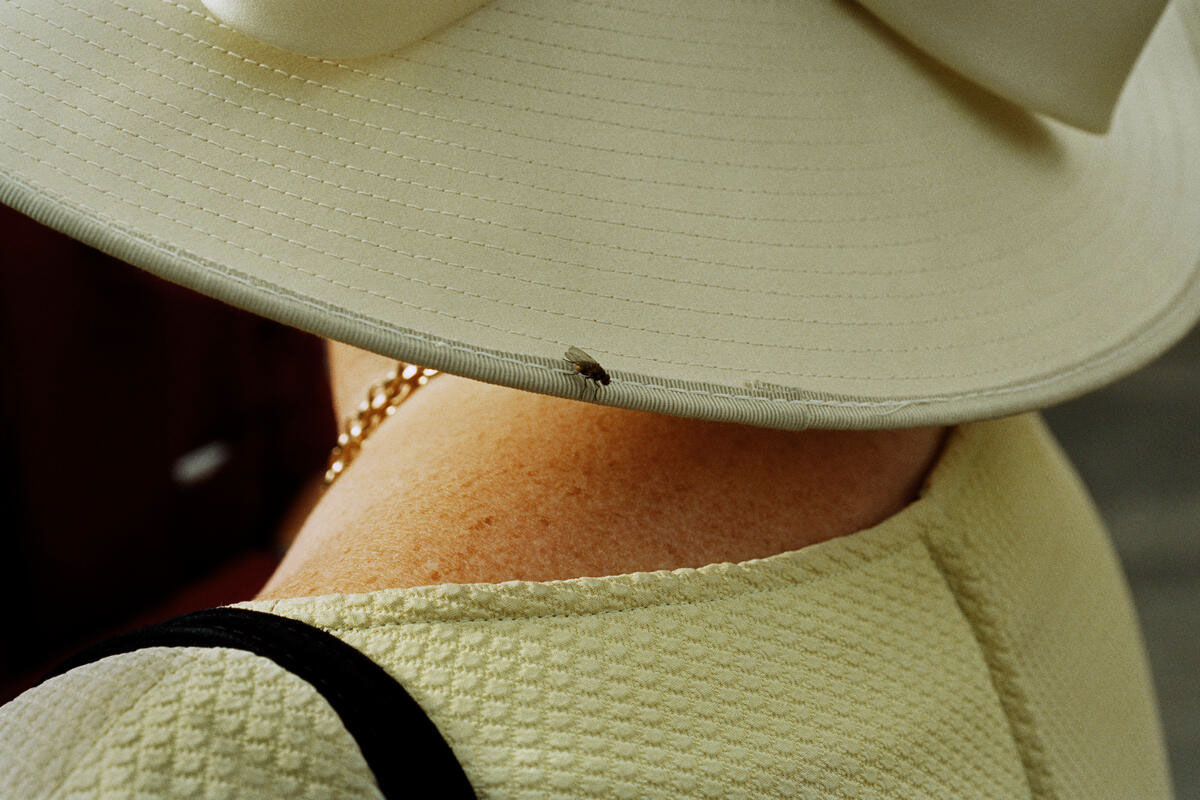
Martin Parr (English, 1952-2025) 'London, England' 1997


Martin Parr (English, 1952-2025)
London, England
1997
© Martin Parr / Magnum Photos


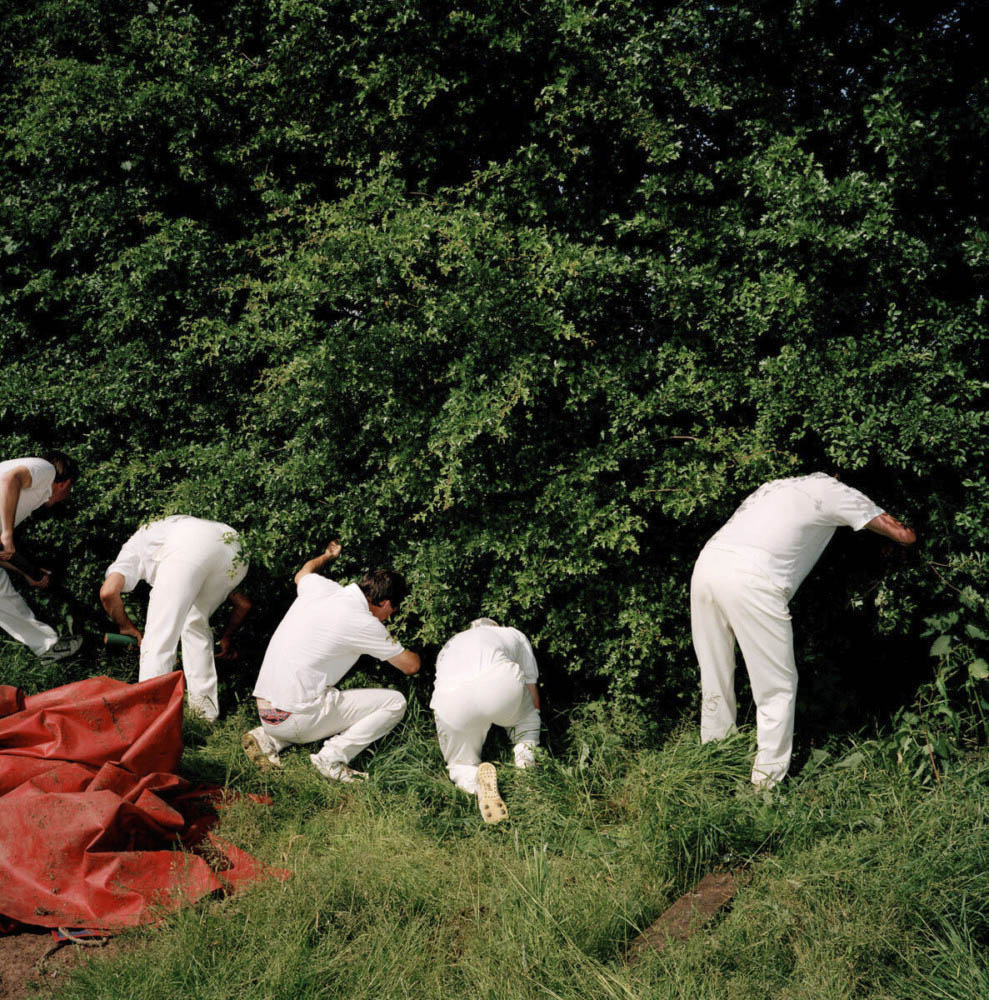
Martin Parr (English, 1952-2025) 'Cricket players looking for a cricket ball, Chew Stoke, England' 1992


Martin Parr (English, 1952-2025)
Cricket players looking for a cricket ball, Chew Stoke, England
1992
© Martin Parr / Magnum Photos


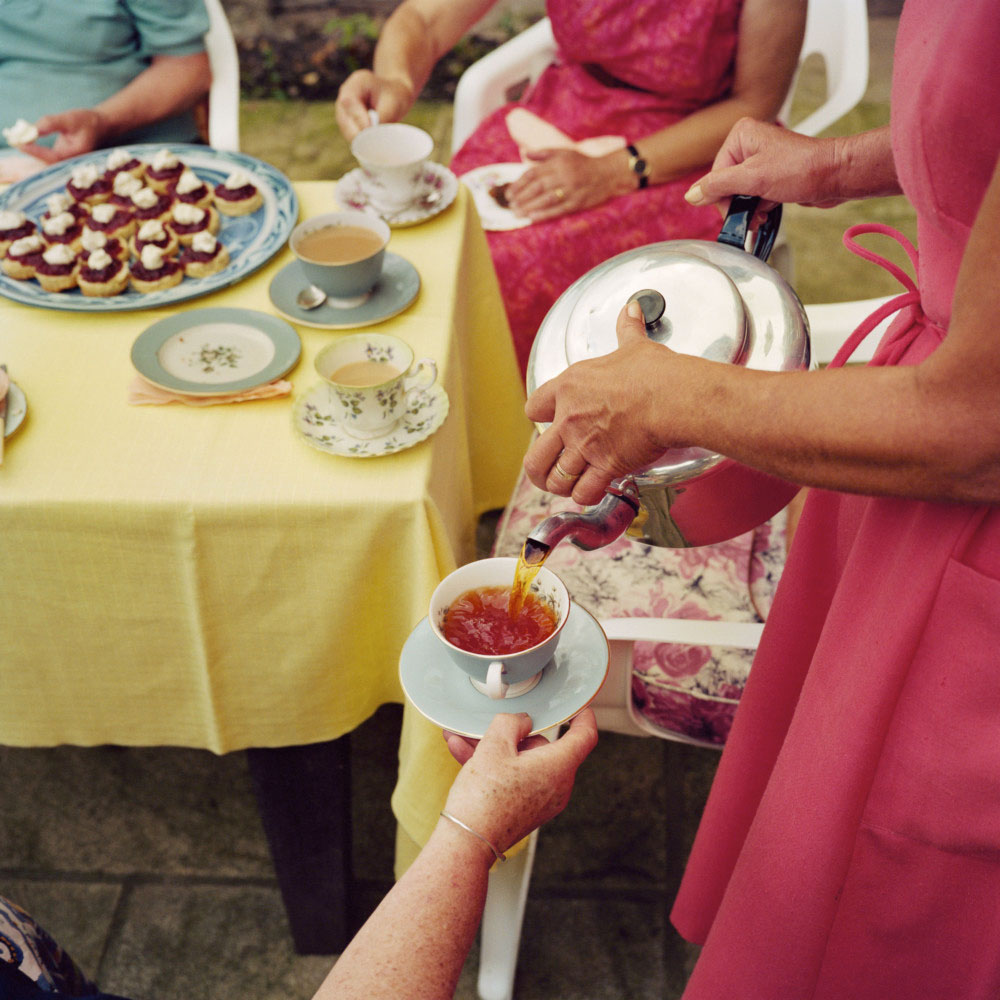
Martin Parr (English, 1952-2025) 'Garden tea party, Chew Stoke, Somerset, England' 1992


Martin Parr (English, 1952-2025)
Garden tea party, Chew Stoke, Somerset, England
1992
© Martin Parr / Magnum Photos


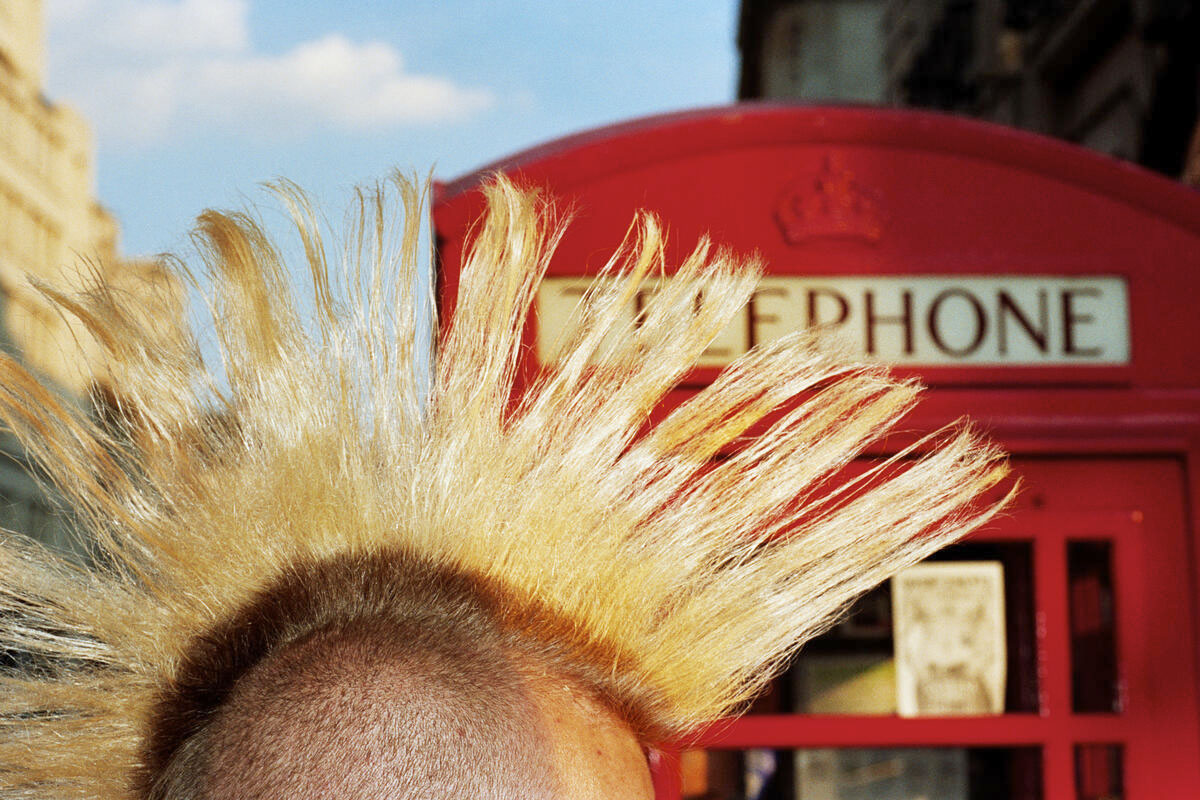
Martin Parr (English, 1952-2025) 'Wells, Somerset, England' 2000


Martin Parr (English, 1952-2025)
Wells, Somerset, England
2000
© Martin Parr / Magnum Photos


This exhibition revisits the work of the late British photographer Martin Parr, bringing together a selection of series produced since the 1970s that find new resonance in light of the growing disarray of the contemporary world. For over fifty years, Parr travelled the globe not as an activist but as a relentless and amused observer, offering a lucid and unsparing portrait of global imbalances and the excesses of contemporary life: the grotesque face and damaging effects of mass tourism, the rise of car culture, our dependence on technology, unbridled consumerism, and our ambivalent relationship with other living beings.

Through his characteristically offbeat vision, Parr also indirectly engaged with the human behaviours driving contemporary climate change: the unrestrained use of transport, reliance on fossil fuels, global overconsumption, and environ mental degradation. Over time, and as social attitudes have shifted, what once appeared merely entertaining has revealed itself to be increasingly serious. ln retrospect, Parr’s corrosive irony places him within a long tradition of British satire: his sharp wit and deadpan humour deliver a critical, and at times merciless, view of the world we inhabit.

Text from the Jeu de Paume website


The Martin Parr: Global Warning exhibition at the Jeu de Paume (on display through May 2026) is organised into five thematic sections. These sections explore the excesses of modern life through about 180 photographs.

Leisure & waste lands: Focuses on recreational spaces like crowded beaches where pleasure often leads to environmental degradation.

Last Chance To Buy: Examines unbridled consumerism in supermarkets, malls, and luxury shops using Parr’s signature saturated colours.

Small World: Documents the rituals and “ravages” of mass tourism across five continents.

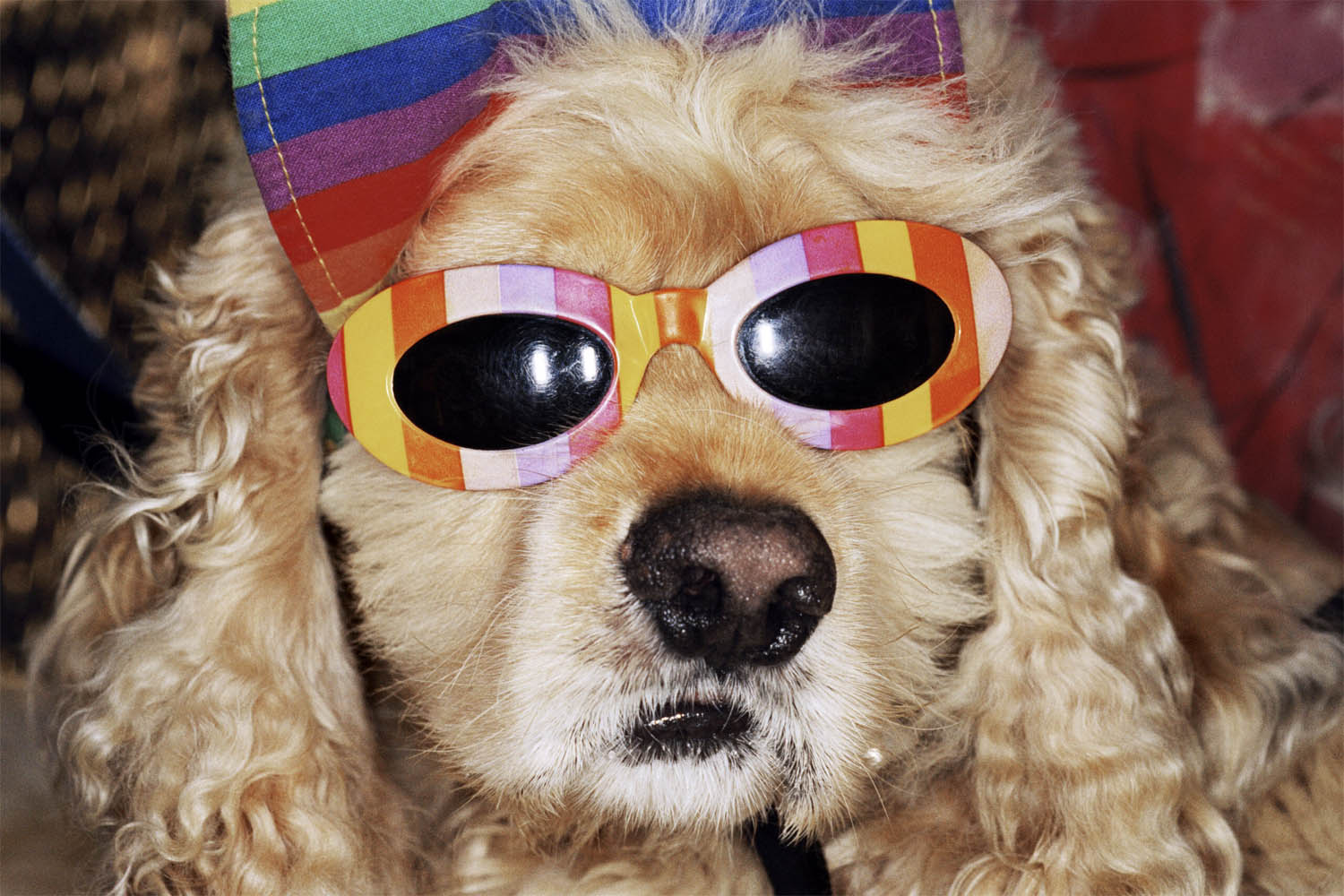
The Animal Kingdom: Explores our ambivalent relationship with animals – as pets, entertainment, or consumer products.

Technological Addictions: Highlights our growing dependence on machines, from slot machines to compulsive selfie-taking


Installation view of the exhibition 'Martin Parr: Global Warning' at Jeu de Paume, Paris, January - May, 2026 showing Martin Parr's black and white photographs of Ireland 1980-83


Installation view of the exhibition Martin Parr: Global Warning at Jeu de Paume, Paris, January – May, 2026 showing Martin Parr’s black and white photographs of Ireland 1980-83
Photos: Salim Santa Lucia


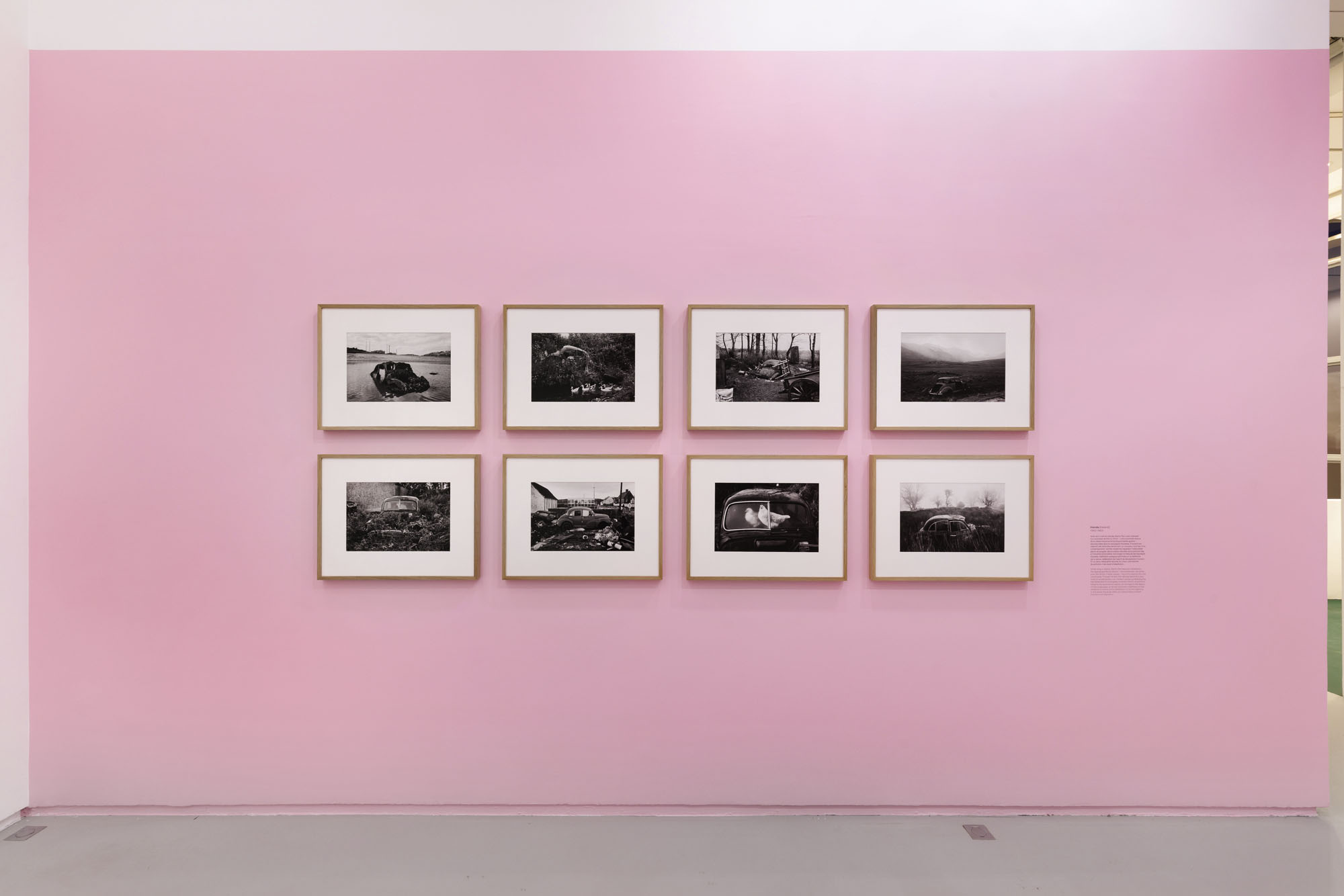
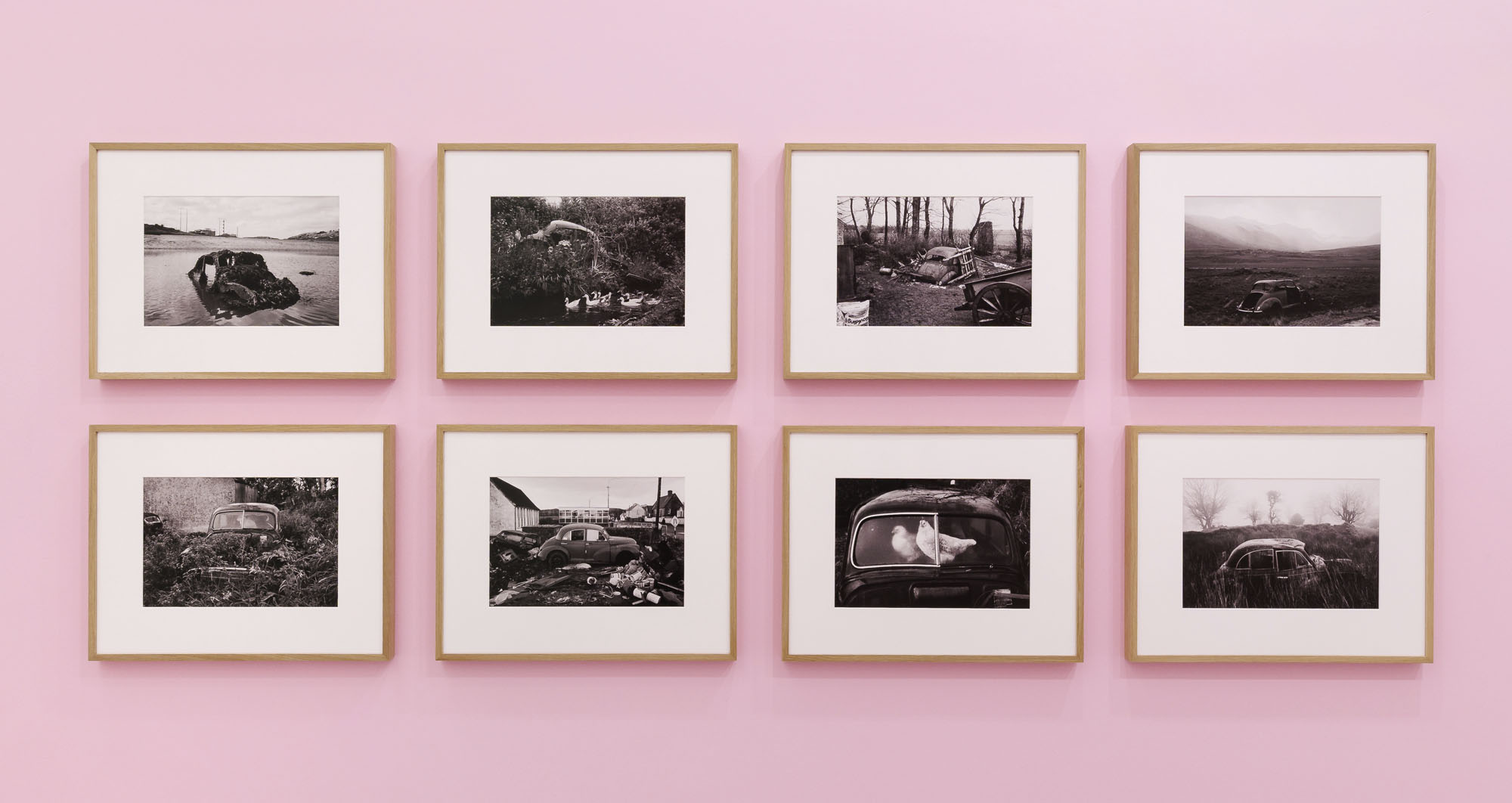
Ireland 1980-1983

While living in Ireland, Martin Parr became interested in the abandoned morris Minors – the emblematic car of the post-war British middle classes – found throughout the Irish countryside. Through his lens, the vehicles become a new motif of contemporary ruin: modern vanities symbolising the inevitable decline of progress, a subtle criticism of pollution linked to the automotive industry, an homage to the beauty of Irish landscapes, an almost optimistic meditation on the resilience of nature, and a celebration of human ingenuity. In this sense, the series offers an implicit history of both pollution and adaptation.

Wall text from the exhibition


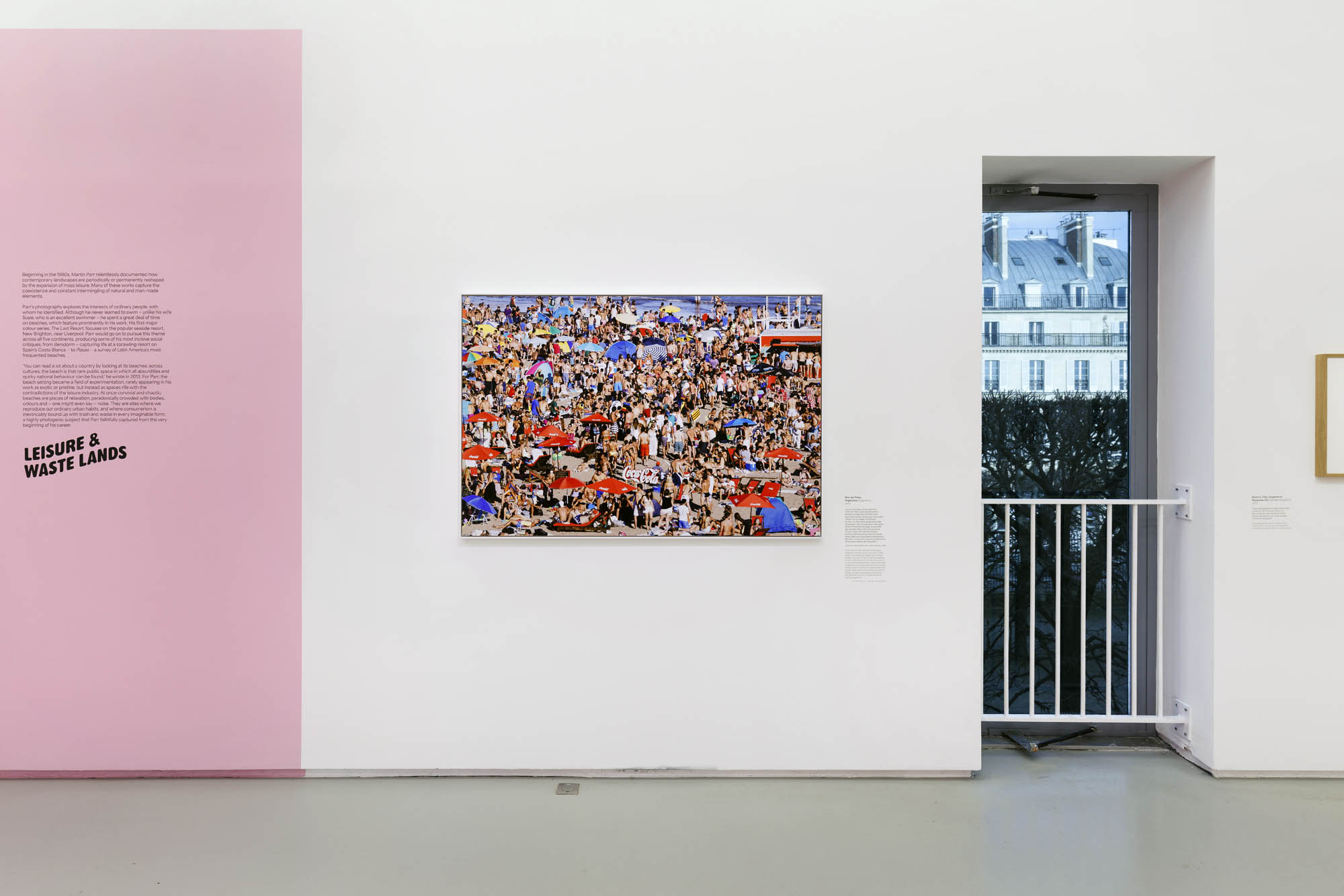
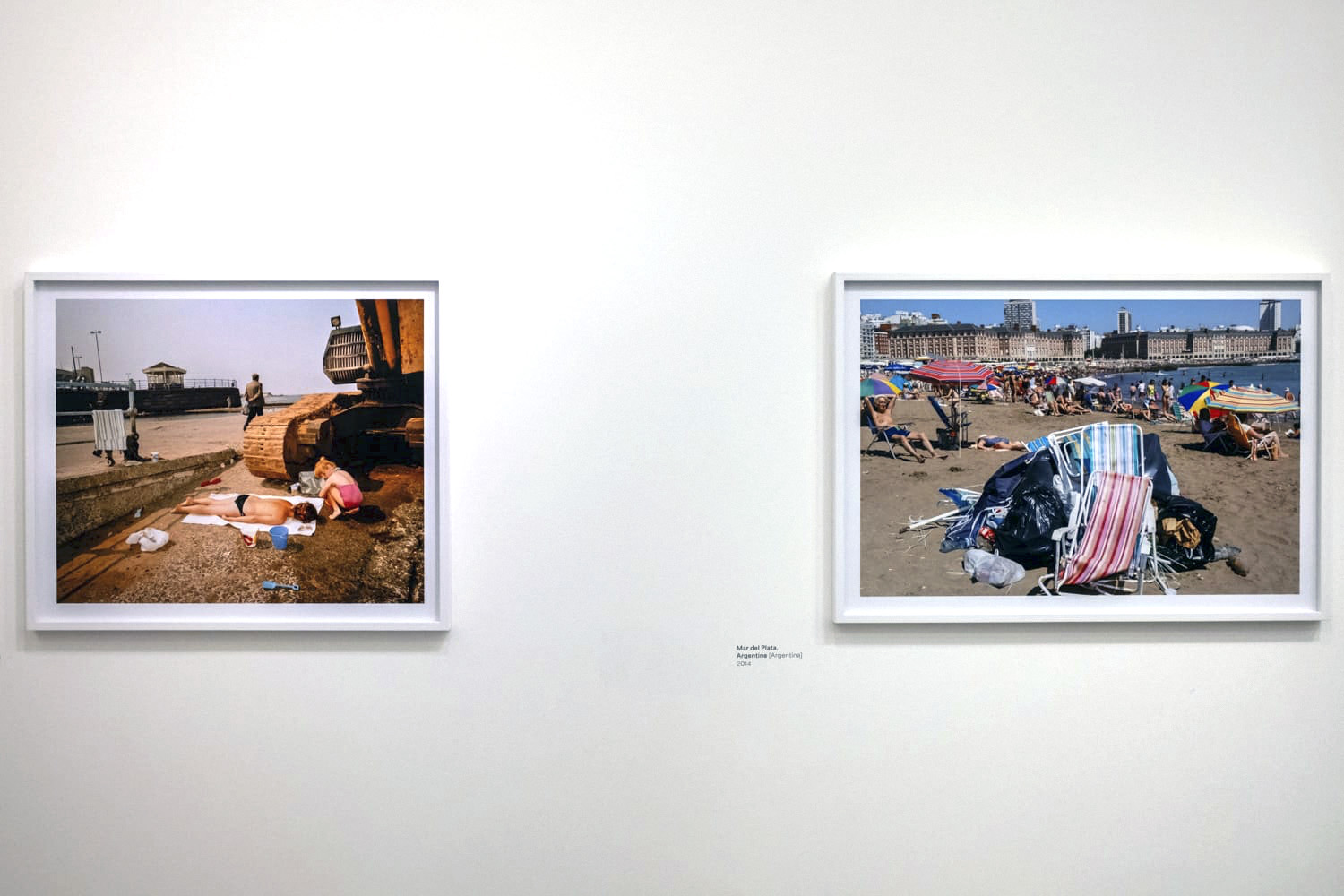
Installation view of the exhibition 'Martin Parr: Global Warning' at Jeu de Paume, Paris, January - May, 2026 showing at left the wall text "Leisure & Waste Lands" and at centre, Martin Parr's 'Mar del Plata, Argentina' (2014)


Installation view of the exhibition Martin Parr: Global Warning at Jeu de Paume, Paris, January – May, 2026 showing at left the wall text “Leisure & Waste Lands” and at centre, Martin Parr’s Mar del Plata, Argentina (2014, below)


Leisure & Waste Lands

Beginning in the 1980s, Martin Parr relentlessly documented how contemporary landscapes are periodically or permanently reshaped by the expansion of mass leisure. Many of these works capture the coexistence and constant intermingling of natural and man-made elements.

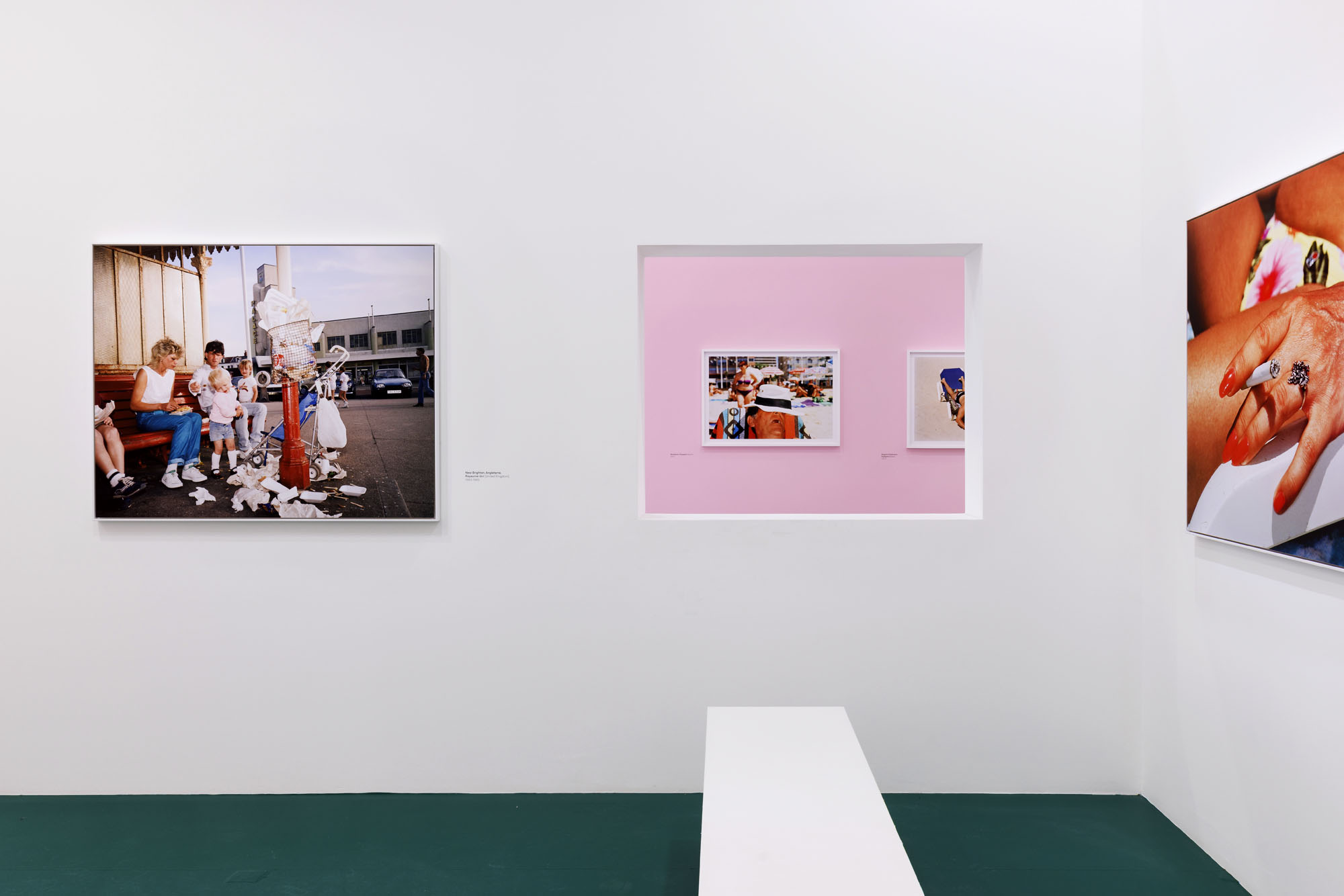
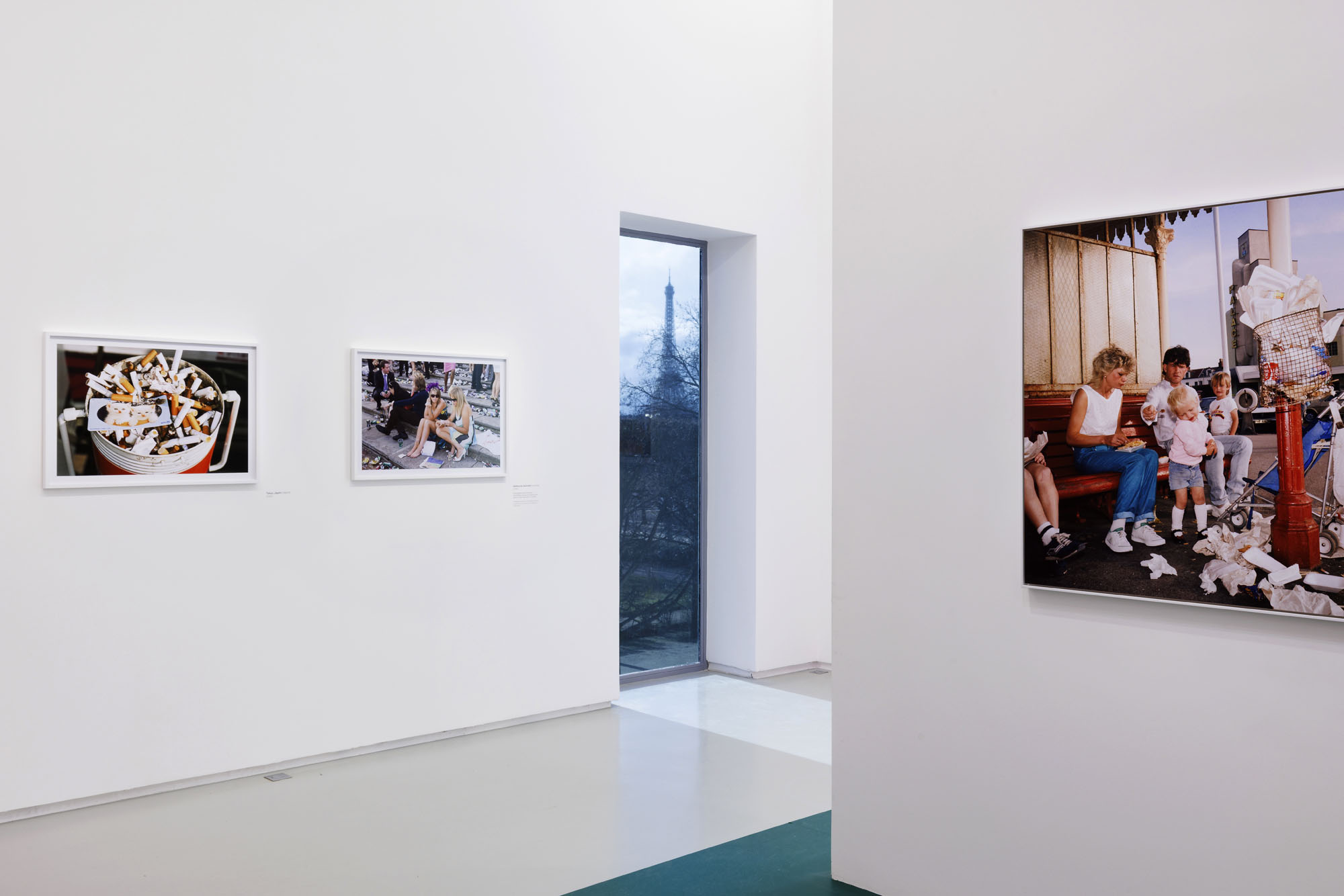
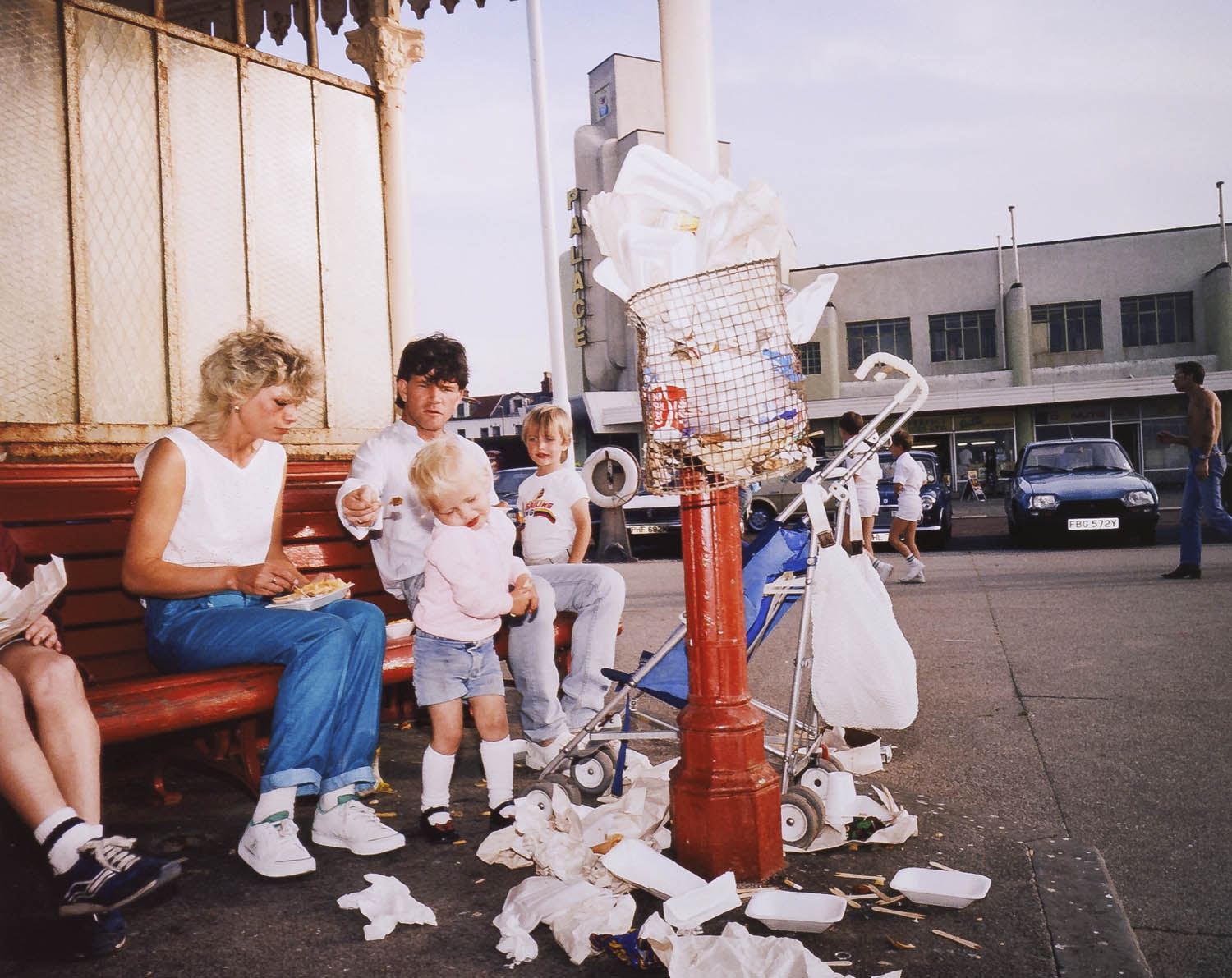
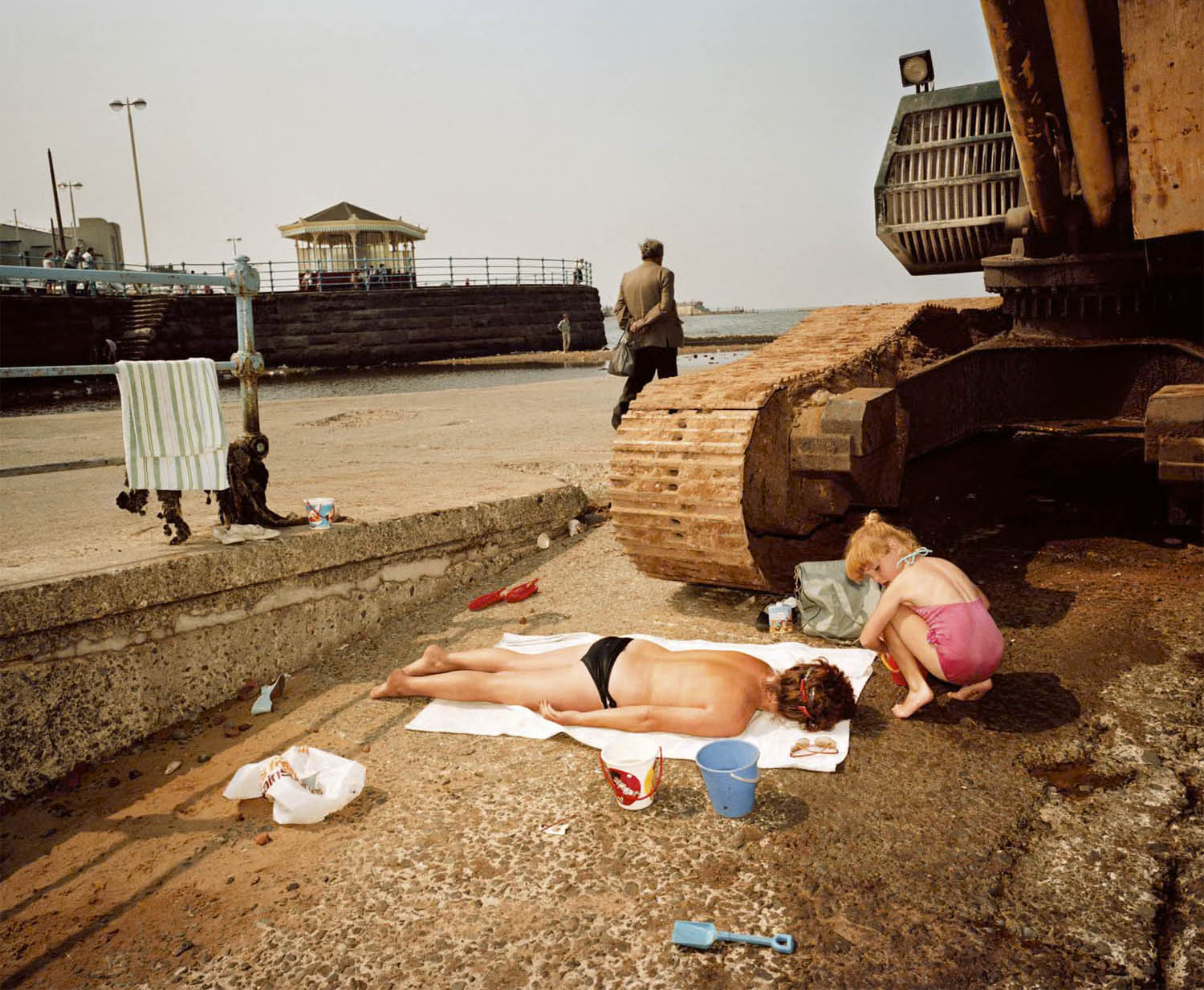
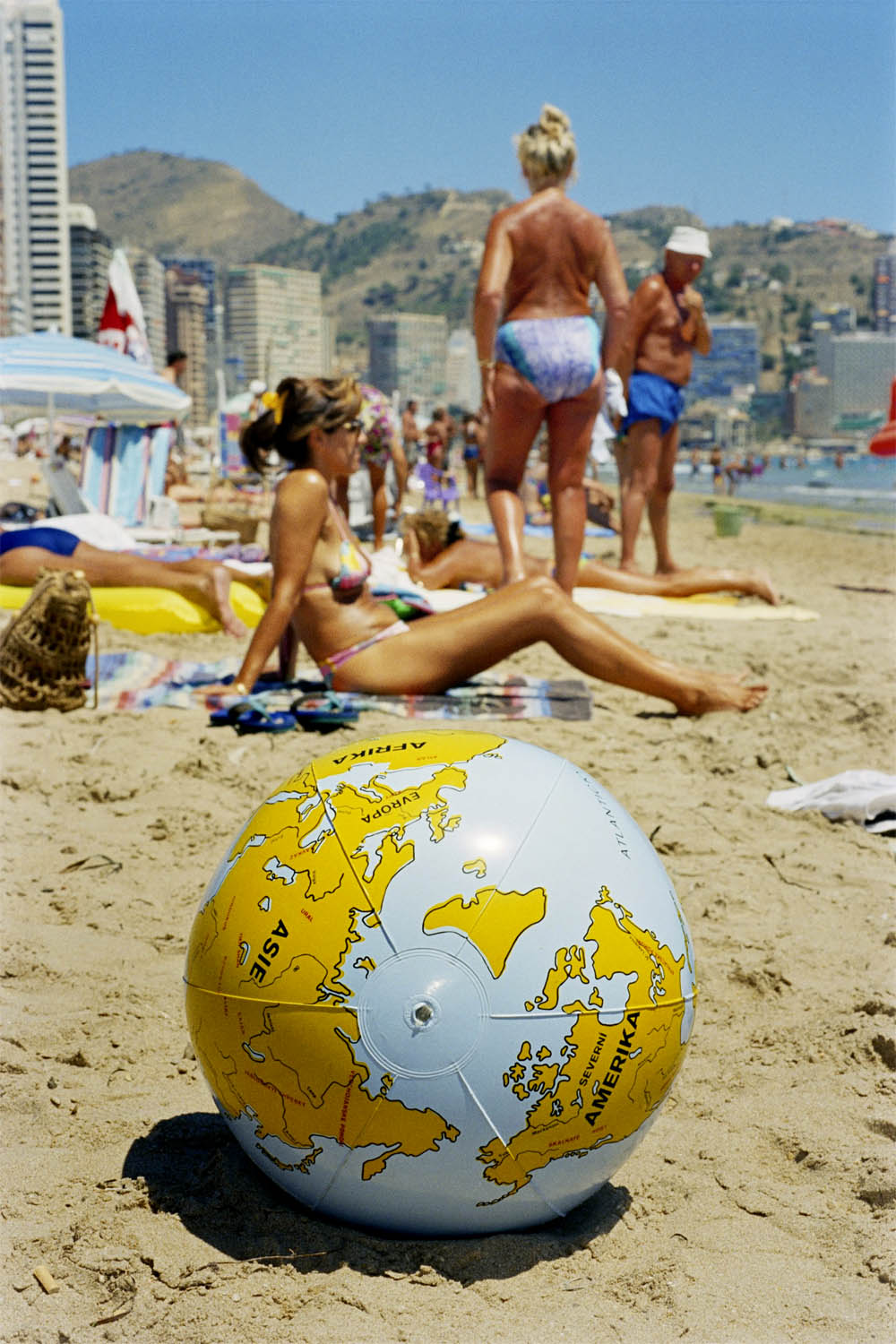
Parr’s photography explores the interests of ordinary people, with whom he identified. Although he never learned to swim – unlike his wife Susie, who is an excellent swimmer – he spent a great deal of time on beaches, which feature prominently in his work. His first major colour series, ‘The Last Resort’, focuses on the popular seaside resort, New Brighton, near Liverpool. Parr would go on to pursue this theme across all five continents, producing some of his most incisive social critiques, from ‘Benidorm’ – capturing life at a sprawling resort on Spain’s Costa Blanca – to ‘Playas’ – a survey of Latin America’s most frequented beaches.

‘You can read a lot about a country by looking at its beaches: across cultures, the beach is that rare public space in which all absurdities and quirky national behaviour can be found,’ he wrote in 2013. For Parr, the beach setting became a field of experimentation, rarely appearing in his work as exotic or pristine, but instead as spaces rife with the contradictions of the leisure industry. At once convivial and chaotic, beaches are places of relaxation, paradoxically crowded with bodies, colours and – on might even say – noise. They are sites where we reproduce our ordinary urban habits, and where consumerism is inextricably bound up with trash and waste in every imaginable form: a highly photogenic subject that Parr faithfully captured from the very beginning of his career.

Wall text from the exhibition


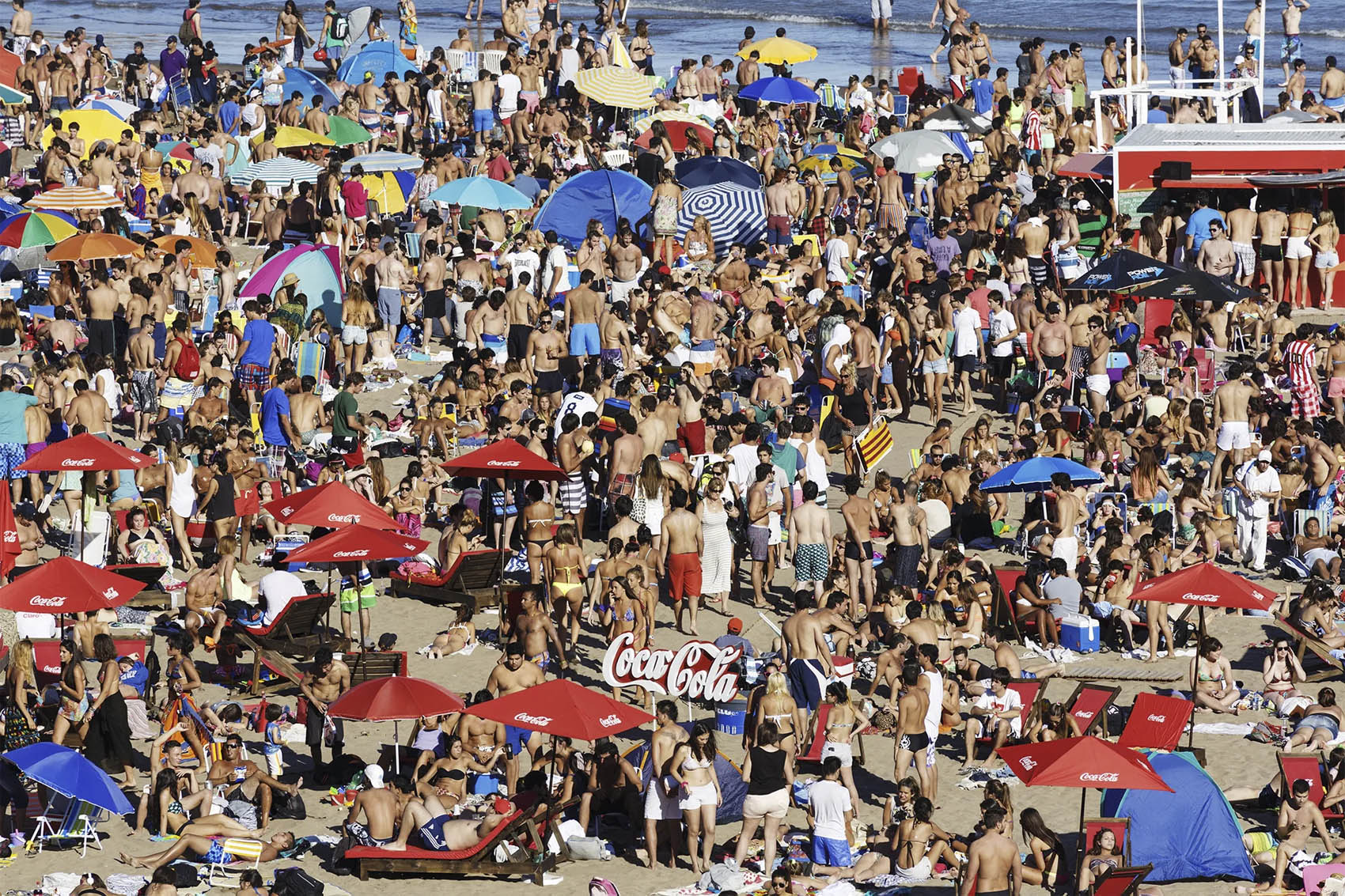
Martin Parr (English, 1952-2025) 'Mar del Plata, Argentina' 2014


Martin Parr (English, 1952-2025)
Mar del Plata, Argentina
2014
© Martin Parr / Magnum Photos


‘I first came to Mar del Plata, the largest Argentine seaside resort, way back in 2007 when I was shooting images for my ‘Playas’ project, a survey of Latin American beaches. I was amazed then at the scale of the resort. It has two thousand hotels, sixteen kilometres of beaches, and welcomes over seven million visitors a year. In terms of scale, Mar del Plata dwarfs other well-known resorts across the globe, including Copacabana, Blackpool and benidorm, yet it is virtually unknown beyond Argentina.’

From Martin parr’s blog, Mar del Pata, 2004
Wall text from the exhibition


Installation view of the exhibition 'Martin Parr: Global Warning' at Jeu de Paume, Paris, January - May, 2026 showing at left, Martin Parr's 'New Brighton, United Kingdom' (1983-85); and at second left, Benidorm, Spain (1997)


Installation view of the exhibition Martin Parr: Global Warning at Jeu de Paume, Paris, January – May, 2026 showing at left, Martin Parr’s New Brighton, United Kingdom (1983-85, below); and at second left, Benidorm, Spain (1997)


Installation view of the exhibition 'Martin Parr: Global Warning' at Jeu de Paume, Paris, January - May, 2026 showing at left, Martin Parr's 'Tokyo, Japan' (2000); at second left, 'Melbourne, Australia' (2008); and at right, 'New Brighton, United Kingdom' (1983-85)


Installation view of the exhibition Martin Parr: Global Warning at Jeu de Paume, Paris, January – May, 2026 showing at left, Martin Parr’s Tokyo, Japan (2000, below); at second left, Melbourne, Australia (2008); and at right, New Brighton, United Kingdom (1983-85, below)


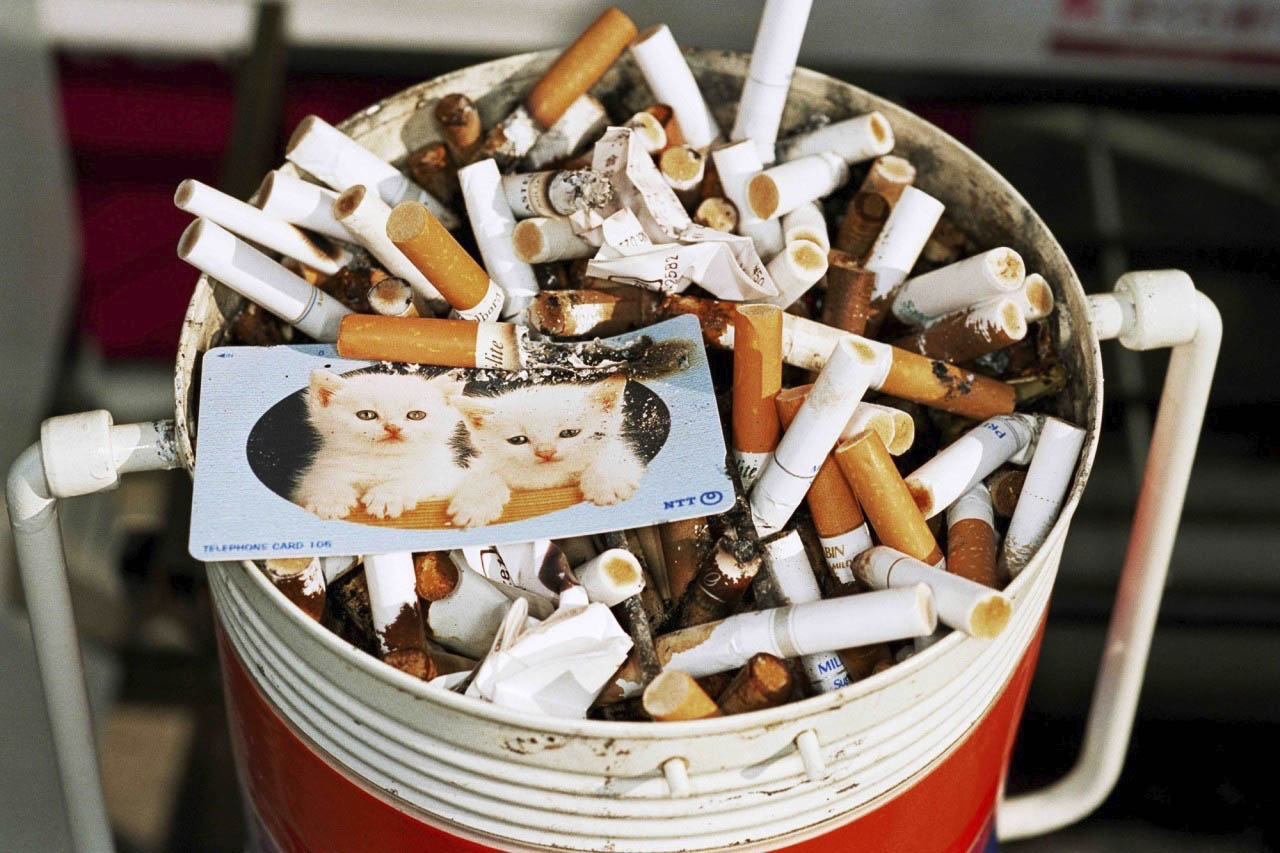
Martin Parr (English, 1952-2025) 'Tokyo, Japan' 2000


Martin Parr (English, 1952-2025)
Tokyo, Japan
2000
© Martin Parr / Magnum Photos


Martin Parr (English, 1952-2025) 'New Brighton, United Kingdom' 1983-85


Martin Parr (English, 1952-2025)
New Brighton, United Kingdom
1983-85
From Last Resort
© Martin Parr / Magnum Photos


Installation view of the exhibition 'Martin Parr: Global Warning' at Jeu de Paume, Paris, January - May, 2026 showing at left, Martin Parr's photograph 'New Brighton, United Kingdom' (1983-85); at at right, 'Mar del Plata, Argentina' (2014)


Installation view of the exhibition Martin Parr: Global Warning at Jeu de Paume, Paris, January – May, 2026 showing at left, Martin Parr’s photograph New Brighton, United Kingdom (1983-85, below); at at right, Mar del Plata, Argentina (2014)


Martin Parr (British, 1952-2025) 'New Brighton, England' 1983-1985 from the series 'The Last Resort'


Martin Parr (English, 1952-2025)
New Brighton, United Kingdom
1983-85
From Last Resort
© Martin Parr / Magnum Photos


Martin Parr (English, 1952-2025) 'Spending Time, Salford, England' 1986


Martin Parr (English, 1952-2025)
Spending Time, Salford, England
1986
© Martin Parr / Magnum Photos


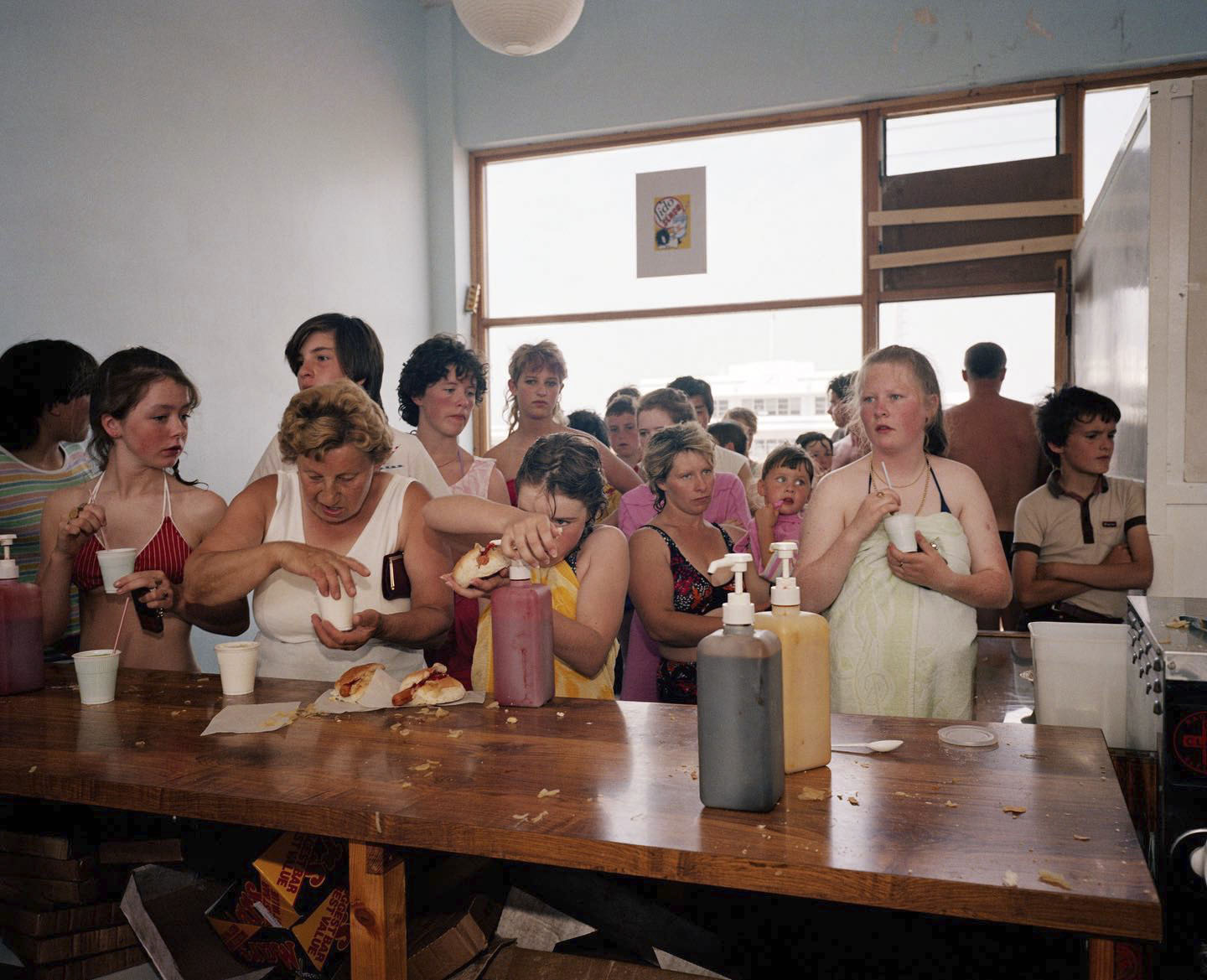
Installation view of the exhibition 'Martin Parr: Global Warning' at Jeu de Paume, Paris, January - May, 2026 showing at right, Martin Parr's photograph 'Untitled (Hot Dog Stand)' (1983-85) from 'Last Resort'


Installation view of the exhibition Martin Parr: Global Warning at Jeu de Paume, Paris, January – May, 2026 showing at right, Martin Parr’s photograph Untitled (Hot Dog Stand), United Kingdom (1983-85, below) from Last Resort


Martin Parr (English, 1952-2025) 'Untitled (Hot Dog Stand), United Kingdom' 1983-85


Martin Parr (English, 1952-2025)
Untitled (Hot Dog Stand), United Kingdom
1983-85
From Last Resort
© Martin Parr / Magnum Photos


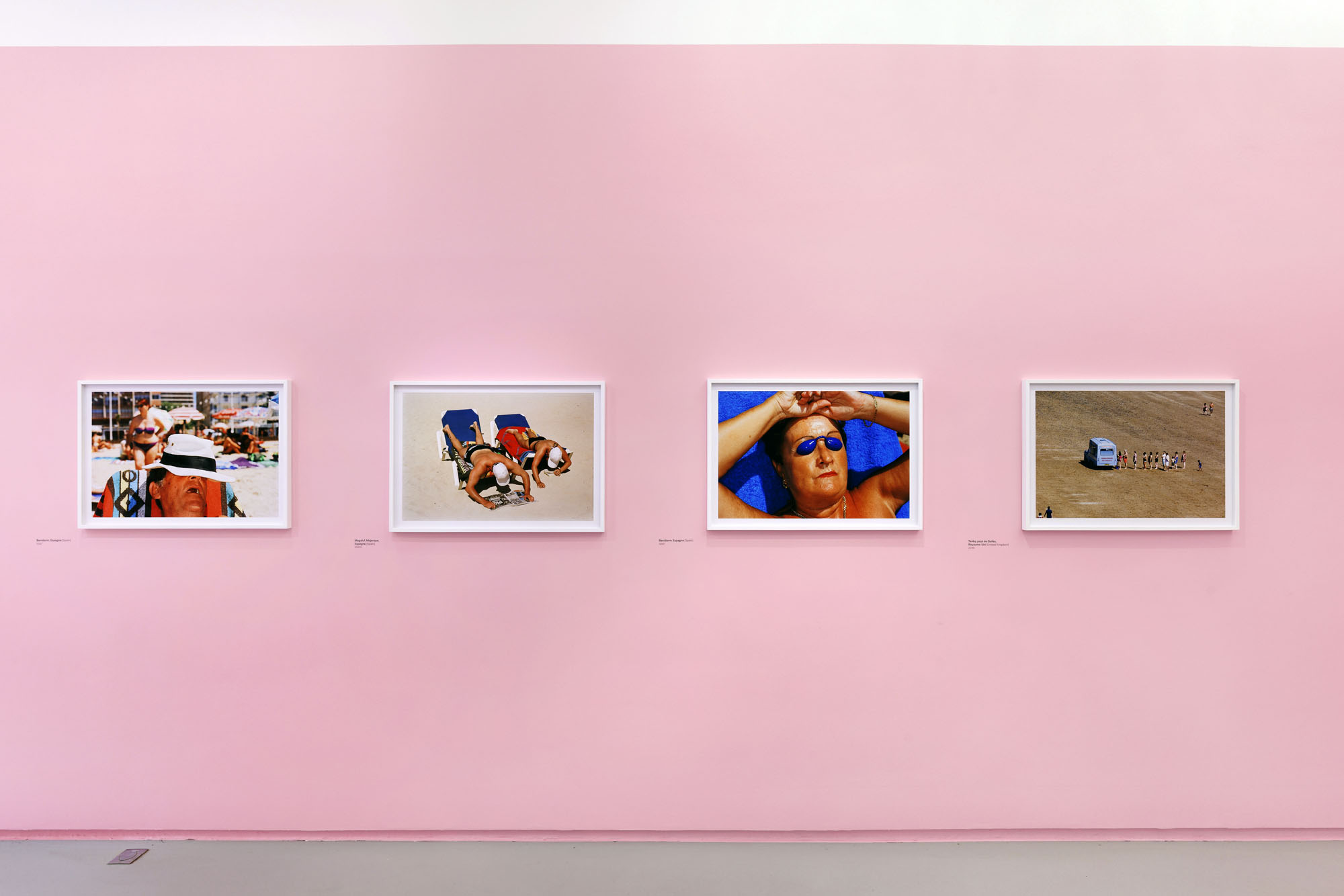
Installation view of the exhibition 'Martin Parr: Global Warning' at Jeu de Paume, Paris, January - May, 2026 showing from left to right, 'Benidorm, Spain' (1997); 'Magaluf, Majorca, Spain' (2003); 'Benidorm, Spain' (1997); and at right, 'Tenby, United Kingdom' (2018)


Installation view of the exhibition Martin Parr: Global Warming at Jeu de Paume, Paris, January – May, 2026 showing from left to right, Benidorm, Spain (1997); Magaluf, Majorca, Spain (2003); Benidorm, Spain (1997); and at right, Tenby, United Kingdom (2018)


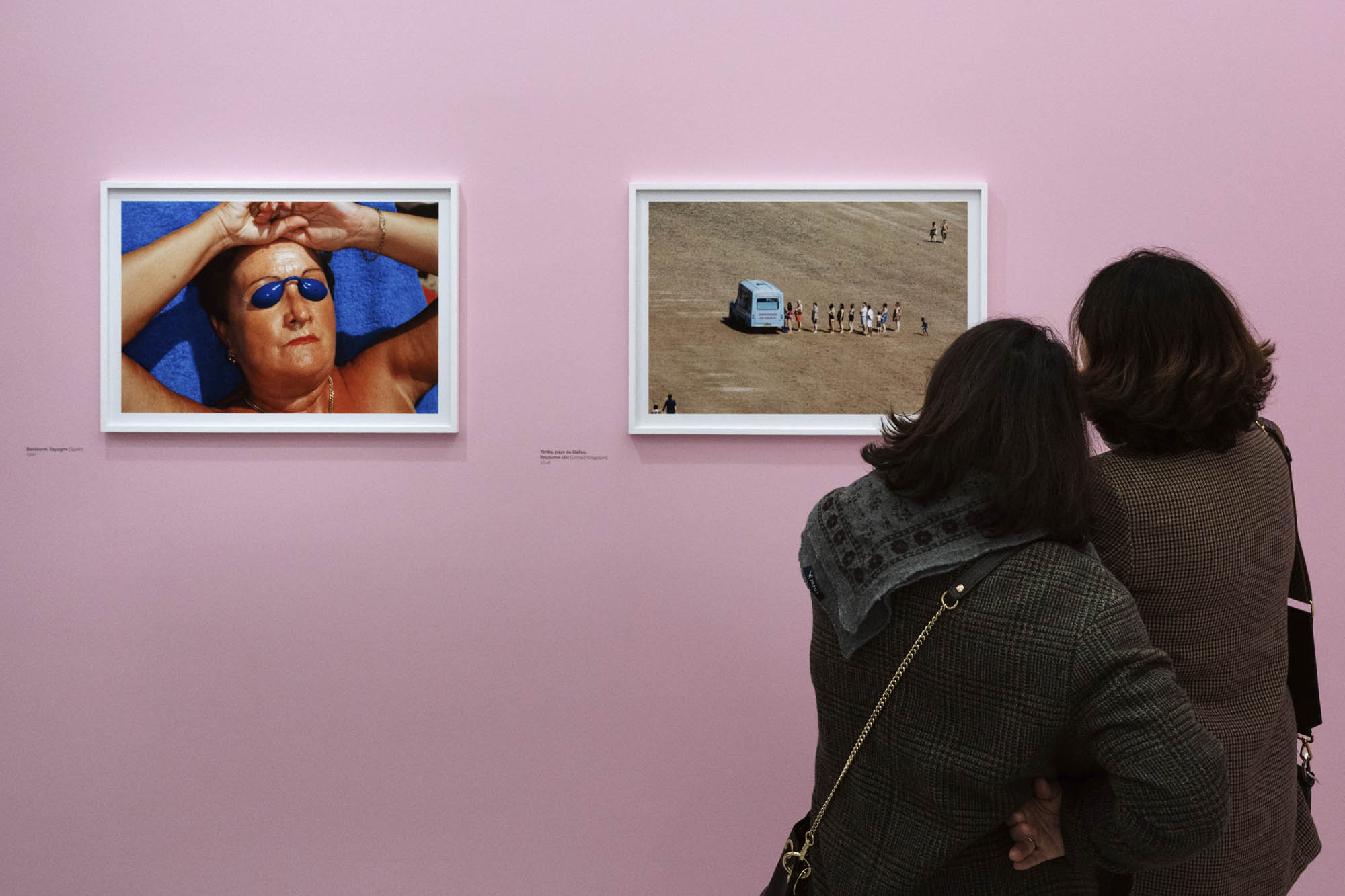
Installation view of the exhibition 'Martin Parr: Global Warning' at Jeu de Paume, Paris, January - May, 2026 showing at left, Martin Parr's 'Benidorm, Spain' (1997) and at right, 'Tenby, United Kingdom' (2018)


Installation view of the exhibition Martin Parr: Global Warming at Jeu de Paume, Paris, January – May, 2026 showing at left, Martin Parr’s Benidorm, Spain (1997, below) and at right, Tenby, United Kingdom (2018)


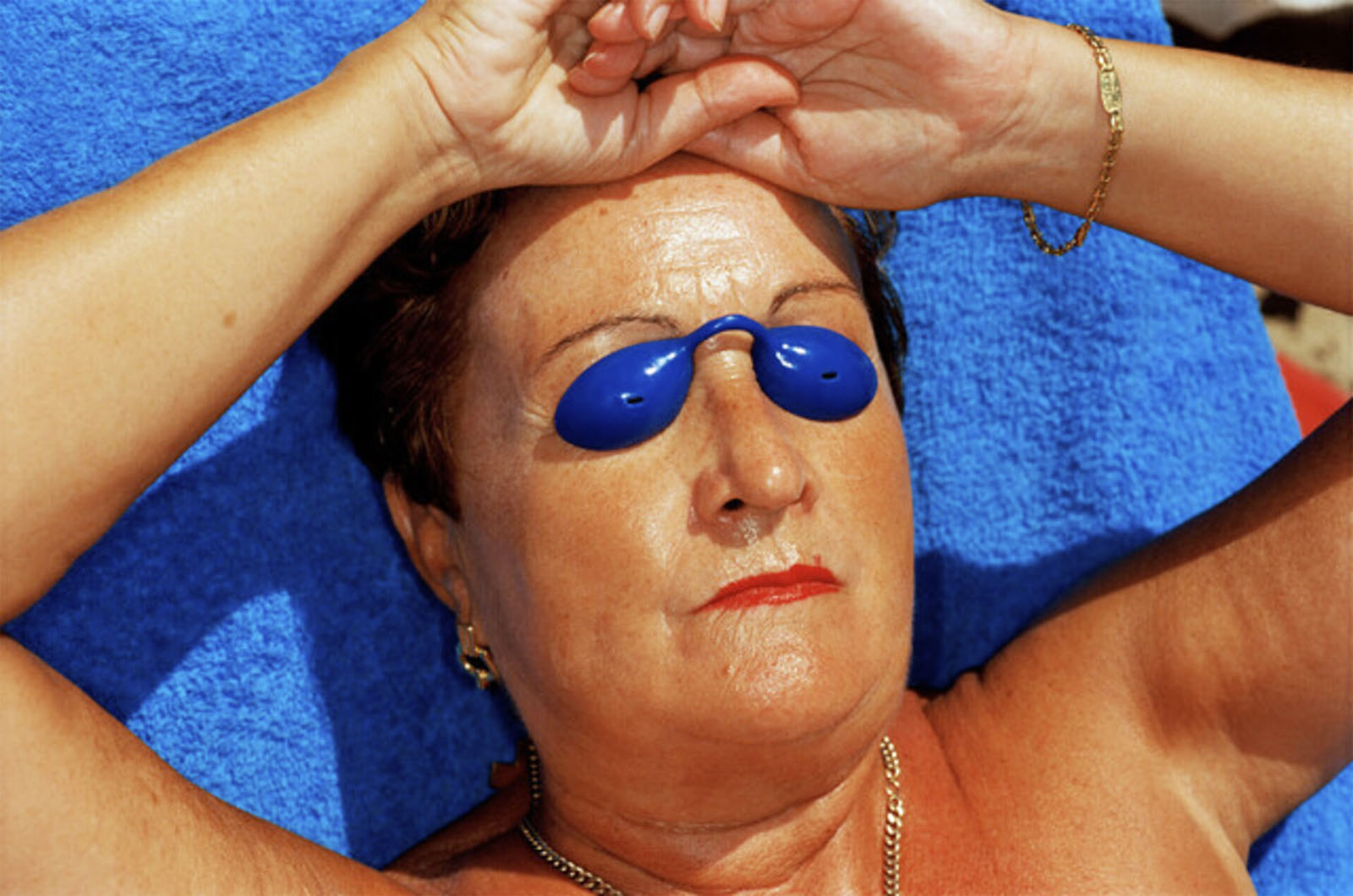
Martin Parr (English, 1952-2025) Benidorm, Spain' 1997


Martin Parr (English, 1952-2025)
Benidorm, Spain
1997
© Martin Parr / Magnum Photos


Martin Parr (English, 1952-2025) 'Benidorm, Spain' 1997


Martin Parr (English, 1952-2025)
Benidorm, Spain
1997
© Martin Parr / Magnum Photos


This exhibition invites the public to revisit the work of Martin Parr. Through different bodies of work created from the late 1970s to the present day, Parr’s photographs capture the absurdities and malfunctions of our contemporary world. Over 50 years, in locations all round the globe, the photographer has built up a corpus of work that portrays the inequalities and excesses of our modern lifestyle. A number of themes recur throughout. These include: the ravages of tourism, the prevalence of car culture, our dependence on technology, consumer excess, and even our ambivalent relationship with the living world. Martin Parr brings his unique, off-beat perspective to several major causes of climate change and environmental damage: unchecked global travel, reliance on fossil fuels, and world-wide overconsumption. Seemingly light-hearted and humorous, Parr’s work is in fact deeply serious. The ironical nature of his work places Parr firmly within the traditions of British satire and offers an indirect yet profound critique of contemporary life.

Through some 180 images spanning fifty years of work – from his early black
and white images to more recent output – this exhibition addresses the chaos of modern society. Five main sections, organised according to recurring themes, motifs and obsessions, convey the range and depth of Parr’s work. These sections explore the way in which our leisure pursuits impact the environment. Despite being a non-swimmer, Parr is repeatedly drawn to the beach as a site where the natural and artificial worlds coexist and pleasure leads to waste. In the section ‘Everything Must Go!’ our obsessive consumerism is explored. Parr draws up a crude inventory of sought-after objects and modes of consumption. Supermarkets, shopping malls, fairs and exhibitions provide the setting for a frantic materialistic race that is common to all classes of society. Sometimes even human beings become a form of merchandise.

In the ‘Small World’ section, named after one of his most celebrated series, Parr explores the joys, contradictions and dead ends of the tourism industry. In some of the world’s most iconic destinations, he focuses on the habits, behaviours, expectations and disappointments of the global tourist, against the backdrop of North/South, West/East imbalances. In ‘The Animal Kingdom’ he looks at the ambiguous relationship between humans and animals, from fascination and indulgence to neglect and exploitation. The final section – ‘Technological Addictions’ addresses our relationship with machines of all kinds: phones, cars, planes and computers as through them we navigate space, time and reality on a daily basis.

I create entertainment that contains a serious message if you are willing to look for it, but I’m not trying to convince anyone, I’m simply showing people what they think they know’ declared Martin Parr in 2021. Tireless photographer, frequent flyer, beach-lover, Martin Parr never tries to be a moral authority. He has often acknowledged that he himself is fully part of the world he documents and is clear-sighted about the environmental impact of his own lifestyle, particularly his significant carbon footprint: ‘We are heading towards catastrophe but we are all going there together. Who would dare ban cars or air travel?’

Aware that images alone are not enough to change the world, he advocates a form of discreet activism, a subtle visual guerilla warfare. If Parr uses humour it is always in the service of a commentary, often critical and satirical, that seeks to de-stabilise the idealised visions conveyed in the media by the cultural and tourism industries. Many of his images play with cliches, highlighting their inherent absurdity in order to subvert and deconstruct them. Tourist postcards, wildlife photography, foodie habits, selfies, all these and more provide the material that enables him to question, critique and occasionally mock the lifestyles and imagination of large sections of the world population. This exhibition is indeed a global warning.

Press release from Jeu de Paume


Installation view of the exhibition 'Martin Parr: Global Warning' at Jeu de Paume, Paris, January - May, 2026 showing at left, Martin Parr's 'Moscow' (1992) ; and at right, the wall text to "Last chance to buy"


Installation view of the exhibition Martin Parr: Global Warning at Jeu de Paume, Paris, January – May, 2026 showing at left, Martin Parr’s Moscow (1992) ; and at right, the wall text to “Last chance to buy”


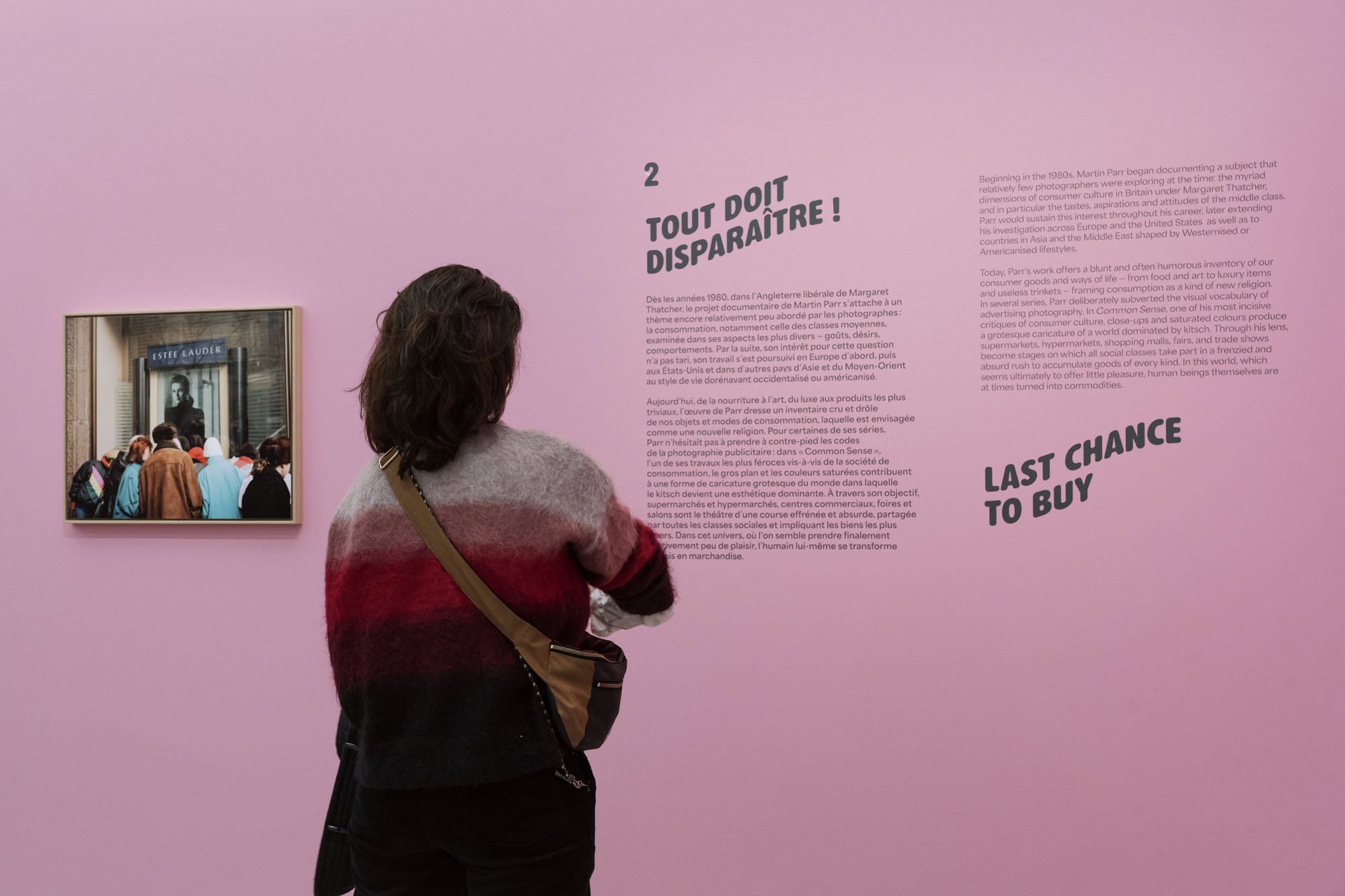
Last chance to buy

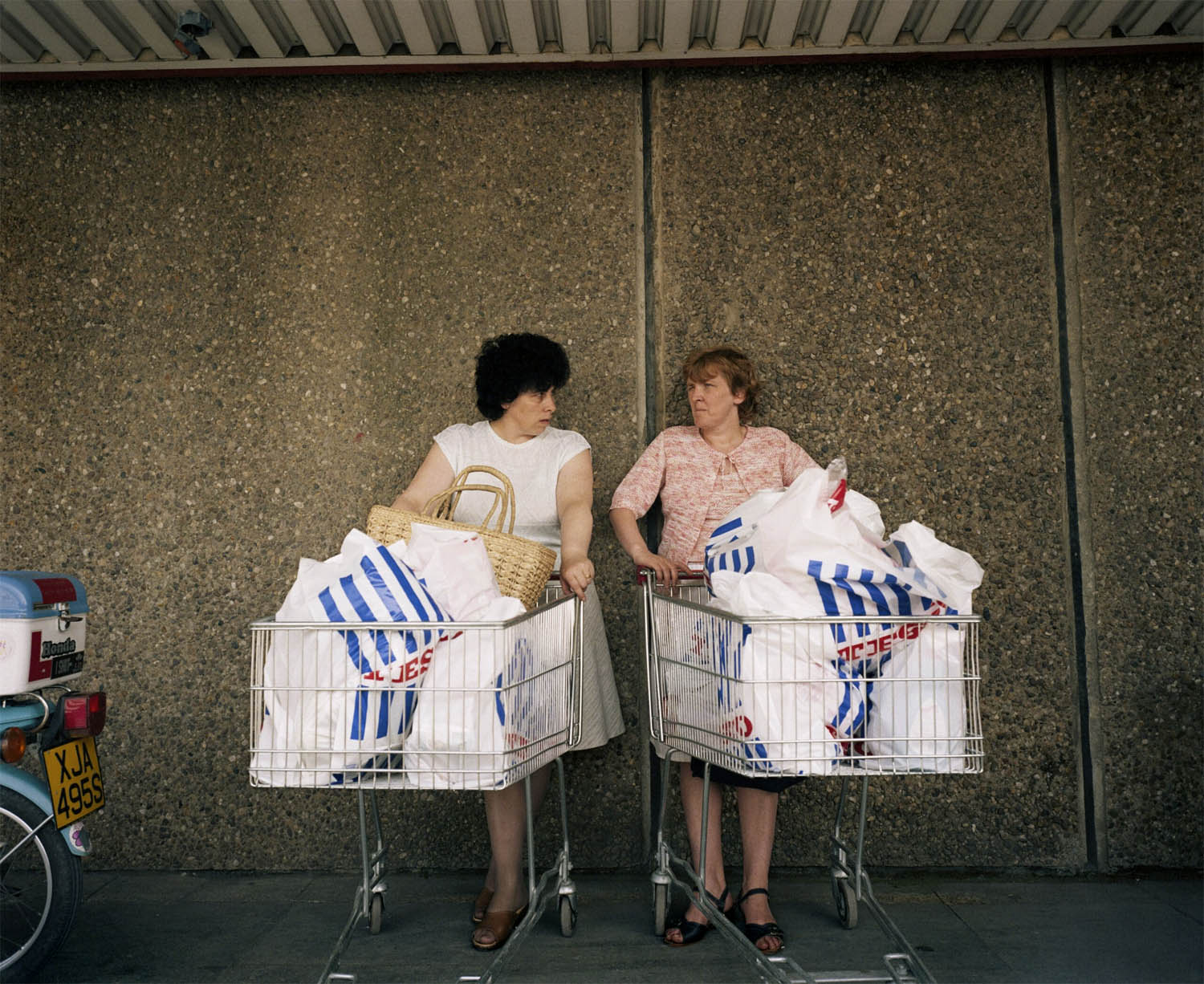
Beginning in the 1980s, Martin Parr began documenting a subject that relatively few photographers were exploring at the time: the myriad dimensions of consumer culture in Britain under Margaret Thatcher, and in particular the tastes, aspirations and attitudes of the middle class. Parr would sustain this interest throughout his career, later extending his investigation across Europe and the United Sates as well as to countries in Asia and the Middle East shaped by Westernised or Americanised lifestyles.

Today, Parr’s work offers a blunt and often humorous inventory of our consumer goods and ways of life – from food and art to luxury items and useless trinkets – framing consumption as a kind of new religion. In several series, parr deliberately subverted the visual vocabulary of advertising photography. In ‘Common Sense’, one of his most incisive critiques of consumer culture, close-ups and saturated colours produce a grotesque caricature of a world dominated by kitsch. Through his lens, supermarkets, hypermarkets, shopping malls, fairs, and trade shows become stages on which all social classes take part in a frenzied and absurd rush to accumulate goods of every kind. In this world, which seems ultimately to offer little pleasure, human beings themselves are at times turned into commodities.

Wall text from the exhibition


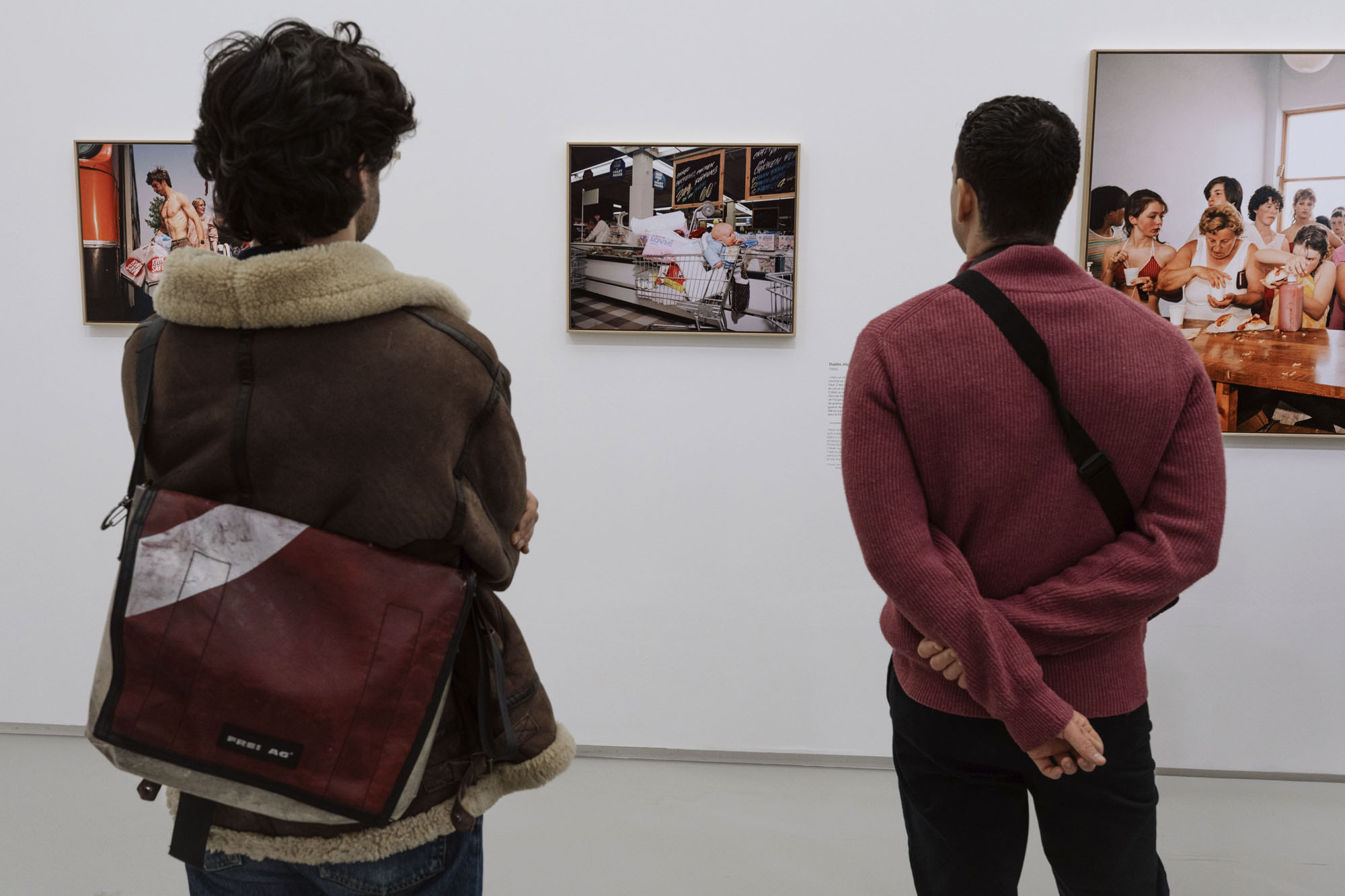
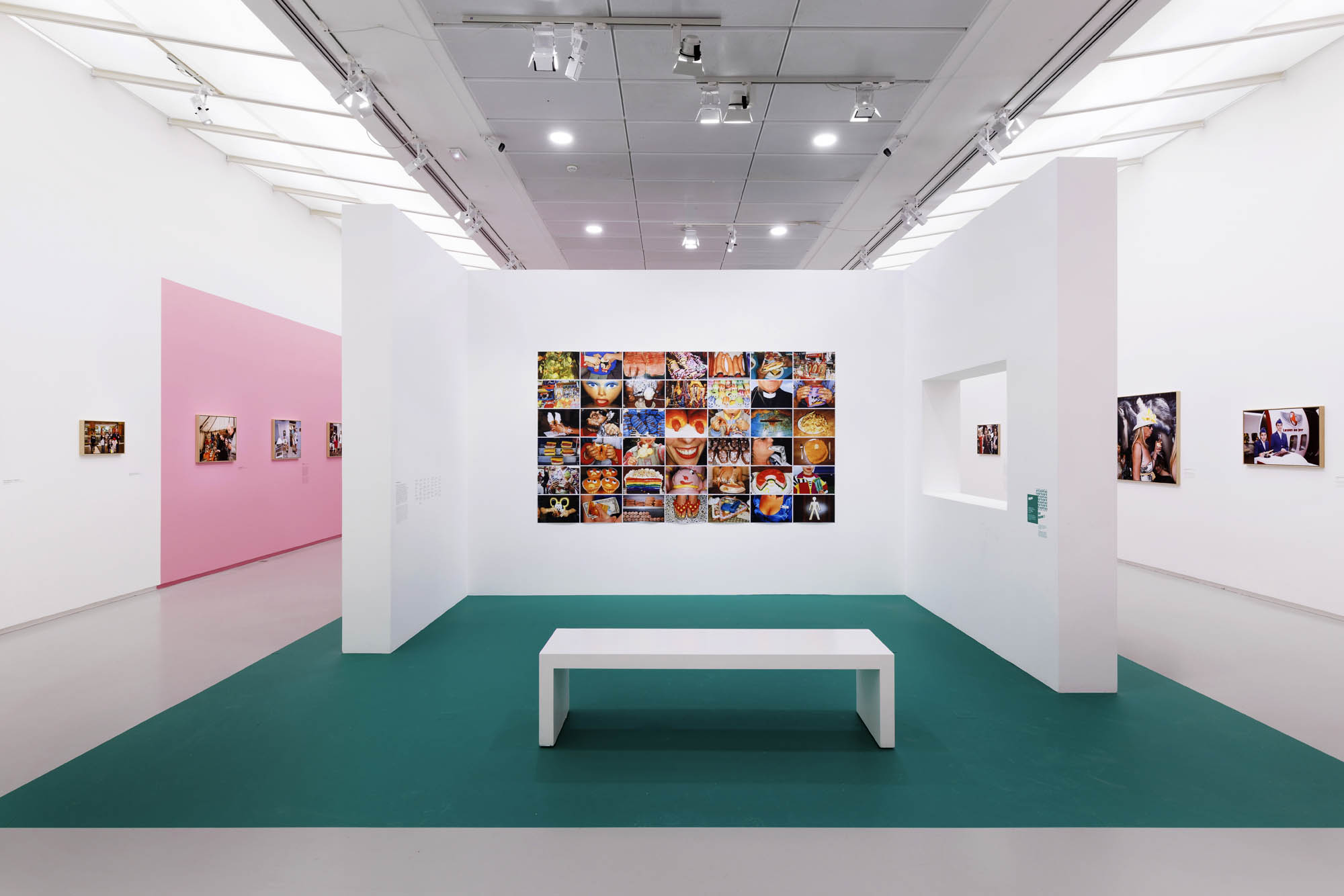
Installation view of the exhibition 'Martin Parr: Global Warning' at Jeu de Paume, Paris, January - May, 2026


Installation view of the exhibition Martin Parr: Global Warning at Jeu de Paume, Paris, January – May, 2026 showing at centre, photographs from Martin Parr’s series Common Sense (1999)


Installation view of the exhibition 'Martin Parr: Global Warning' at Jeu de Paume, Paris, January - May, 2026 showing photographs from Martin Parr's series 'Common Sense' (1999)
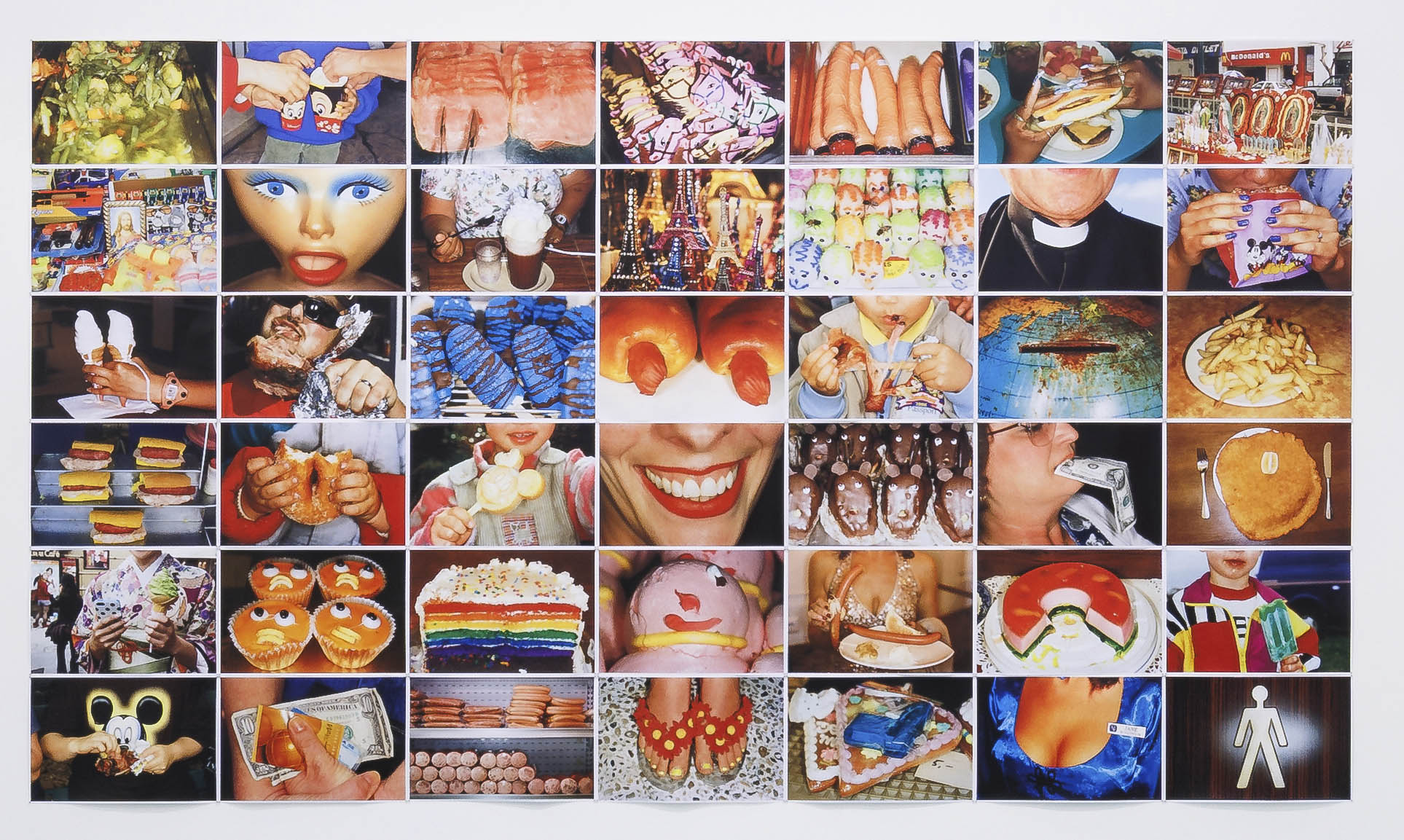
Martin Parr (English, 1952-2025) From 'Common Sense ' 1999


Installation views of the exhibition Martin Parr: Global Warning at Jeu de Paume, Paris, January – May, 2026 showing photographs from Martin Parr’s series Common Sense (1999, below)


In his playfully titled Common sense series, British photographer Martin Parr confronts and amuses us in a similar way. Each image in the series is an isolated detail revealing one ghastly aspect of excessive consumerism and consumption after another. The images jostle for our attention like billboards on the side of a freeway, employing many of the tactics of advertising, using large-scale, saturated colour and shock value to attract our gaze.

In his photographs of food, Martin Parr pointedly examines the gross indulgence that is encouraged by manufacturers and their advertisers. Shown here as just another commodity, generic and mass-produced food becomes obscene in its abundance…. When seen in such lurid detail, the overblown details on the person’s hands, such as the ring with blue stone, a Band-Aid, and the imperfect application of the gaudy nail polish, become repulsive images of the ordinary. …

The Common sense series is a major body of work within Parr’s ongoing exploration of globalisation, mass tourism, class culture and consumerism. In common with much of his work, this series presents images critical of the contemporary culture with a distinctive sense of irony and British humour. There is something uncomfortable in all these photographs. We laugh at them while being slightly embarrassed by their familiarity and are acutely aware of the gulf between a dream of glamour and the sad synthetic reality.

Susan van Wyk, Curator, Photography, National Gallery of Victoria

Susan van Wyk. “Martin Parr’s Common Sense,” in Art Journal 46, 29 Jan 14 on the National Gallery of Victoria website [Online] Cited 16/04/2026. Used under fair use conditions for the purposes of education and research


Martin Parr (British, 1952-2025) 'England. Bristol. Car boot sale. 1995' 1994-1995 from the series 'British Food'


Martin Parr (British, 1952-2025)
England. Bristol. Car boot sale. 1995
1994-1995
From Common Sense
© Martin Parr / Magnum Photos


Martin Parr (British, 1952-2025) 'Ramsgate, England' 1996


Martin Parr (British, 1952-2025)
Ramsgate, England
1996
From Common Sense
© Martin Parr / Magnum Photos


Martin Parr (English, 1952-2025) 'Tokyo, Japan' 1998


Martin Parr (English, 1952-2025)
Tokyo, Japan
1998
From Common Sense
© Martin Parr / Magnum Photos


Martin Parr (English, 1952-2025) 'Zurich, Switzerland' 1997


Martin Parr (English, 1952-2025)
Zurich, Switzerland
1997
From Common Sense
© Martin Parr / Magnum Photos


Martin Parr (English, 1952-2025) 'Fairy Cakes, Glasgow, Scotland' 1999


Martin Parr (English, 1952-2025)
Fairy Cakes, Glasgow, Scotland
1999
From Common Sense
© Martin Parr / Magnum Photos


Martin Parr (English, 1952-2025) 'Zurich, Switzerland' 1997


Martin Parr (English, 1952-2025)
Zurich, Switzerland
1997
From Common Sense
© Martin Parr / Magnum Photos


Martin Parr (English, 1952-2025) 'Florida, USA' 1998


Martin Parr (English, 1952-2025)
Florida, USA
1998
© Martin Parr / Magnum Photos


Installation view of the exhibition 'Martin Parr: Global Warning' at Jeu de Paume, Paris, January - May, 2026 showing at left, Martin Parr's 'Cozumel, Mexico' (2002); and at right, the wall text for "Small World"


Installation view of the exhibition Martin Parr: Global Warning at Jeu de Paume, Paris, January – May, 2026 showing at left, Martin Parr’s Cozumel, Mexico (2002, below); and at right, the wall text for “Small World”


Small World

Martin Parr maintained that he belonged fully to the world he documented and critiqued. He readily acknowledged the environmental impact of his own lifestyle – not least his substantial carbon footprint – and near positioned himself above his subjects. Although fully aware that images alone could never change the world, he nevertheless engaged in a form of subtle, visual guerrilla warfare that questioned dominant representations, particularly those promoted by the tourism industry.

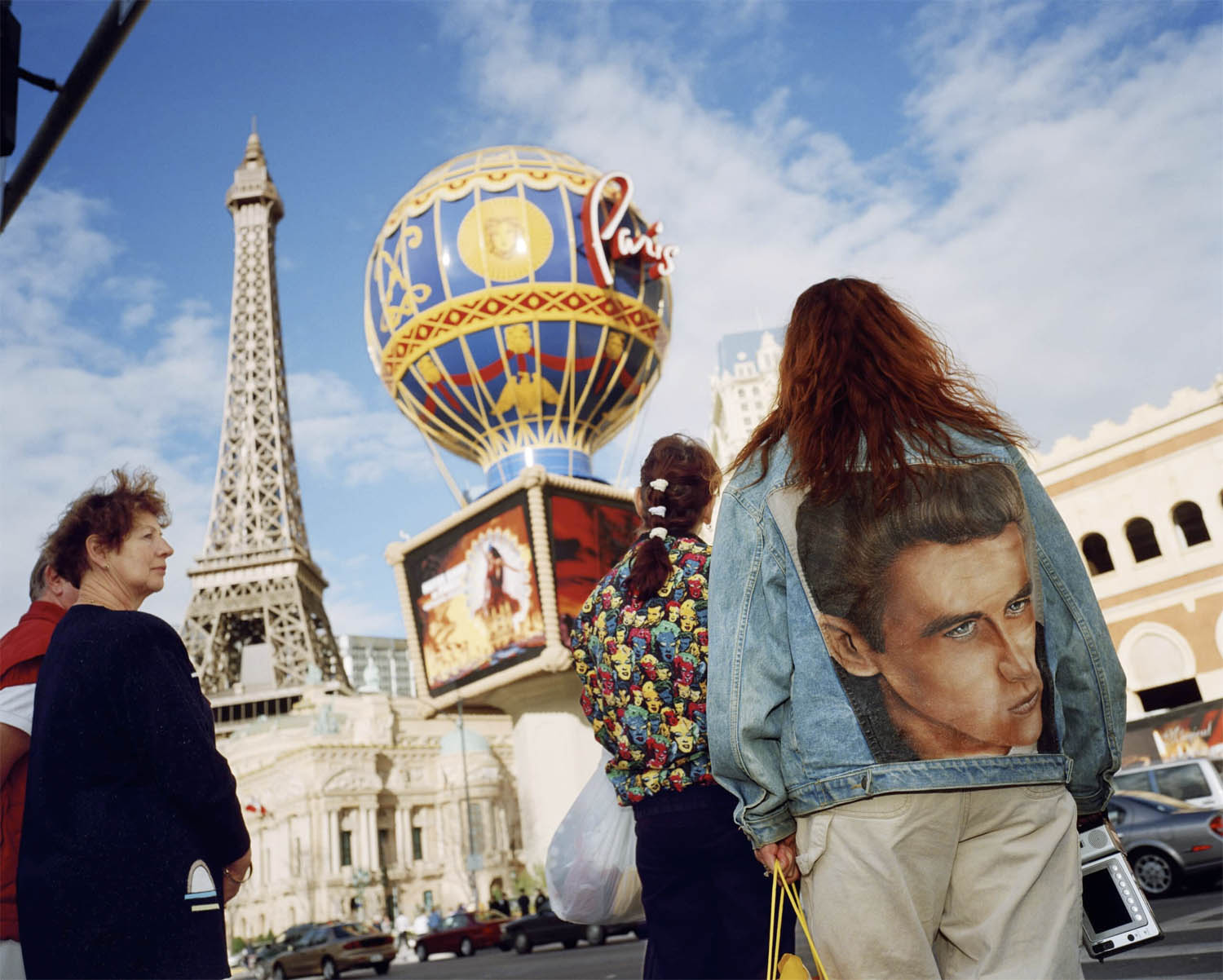
Beginning in the 1990s, tourism emerged as one of his favourite subjects. He would explore it the world over, in all its pleasures, contradictions, and even dead ends, documenting the rituals and behaviours of the global tourist in the world’s most visited destinations. The sameness of gestures, attitudes and clothing encountered in every corner of the planet provides a humorous, slightly wistful counterpoint to the diversity of the sites and monuments photographed. Parr takes particular pleasure in overturning the codes of postcard perfect aesthetics, especially in his images of iconic landmarks, which he presents in degraded forms caught between over crowding, scenes of anxiety, and crude replicas. Through his lens, the quest for authenticity is a thing of the past.

Wall text from the exhibition


Martin Parr (English, 1952-2025) 'Cozumel, Mexico' 2002


Martin Parr (English, 1952-2025)
Cozumel, Mexico
2002
© Martin Parr / Magnum Photos


Martin Parr (English, 1952-2025) 'Amer Fort, Jaipur, India' 2019


Martin Parr (English, 1952-2025)
Amer Fort, Jaipur, India
2019
© Martin Parr / Magnum Photos


Installation view of the exhibition 'Martin Parr: Global Warning' at Jeu de Paume, Paris, January - May, 2026 showing Parr's photograph 'Cannes, France' (2018)


Installation view of the exhibition Martin Parr: Global Warning at Jeu de Paume, Paris, January – May, 2026 showing Parr’s photograph Cannes, France (2018, below)


Martin Parr (English, 1952-2025) 'Cannes, France' 2018


Martin Parr (English, 1952-2025)
Cannes, France
2018
© Martin Parr / Magnum Photos

Advertisement for Gucci


Installation view of the exhibition 'Martin Parr: Global Warning' at Jeu de Paume, Paris, January - May, 2026 showing at left, Martin Parr's photograph 'Sorrento, Italy' (2014); and at right, 'The Matterhorn, Alps, Switzerland' (1990)


Installation view of the exhibition Martin Parr: Global Warning at Jeu de Paume, Paris, January – May, 2026 showing at left, Martin Parr’s photograph Sorrento, Italy (2014, below); and at right, The Matterhorn, Alps, Switzerland (1990)


Martin Parr (English, 1952-2025) 'Sorrento, Italy' 2014


Martin Parr (English, 1952-2025)
Sorrento, Italy
2014
© Martin Parr / Magnum Photos


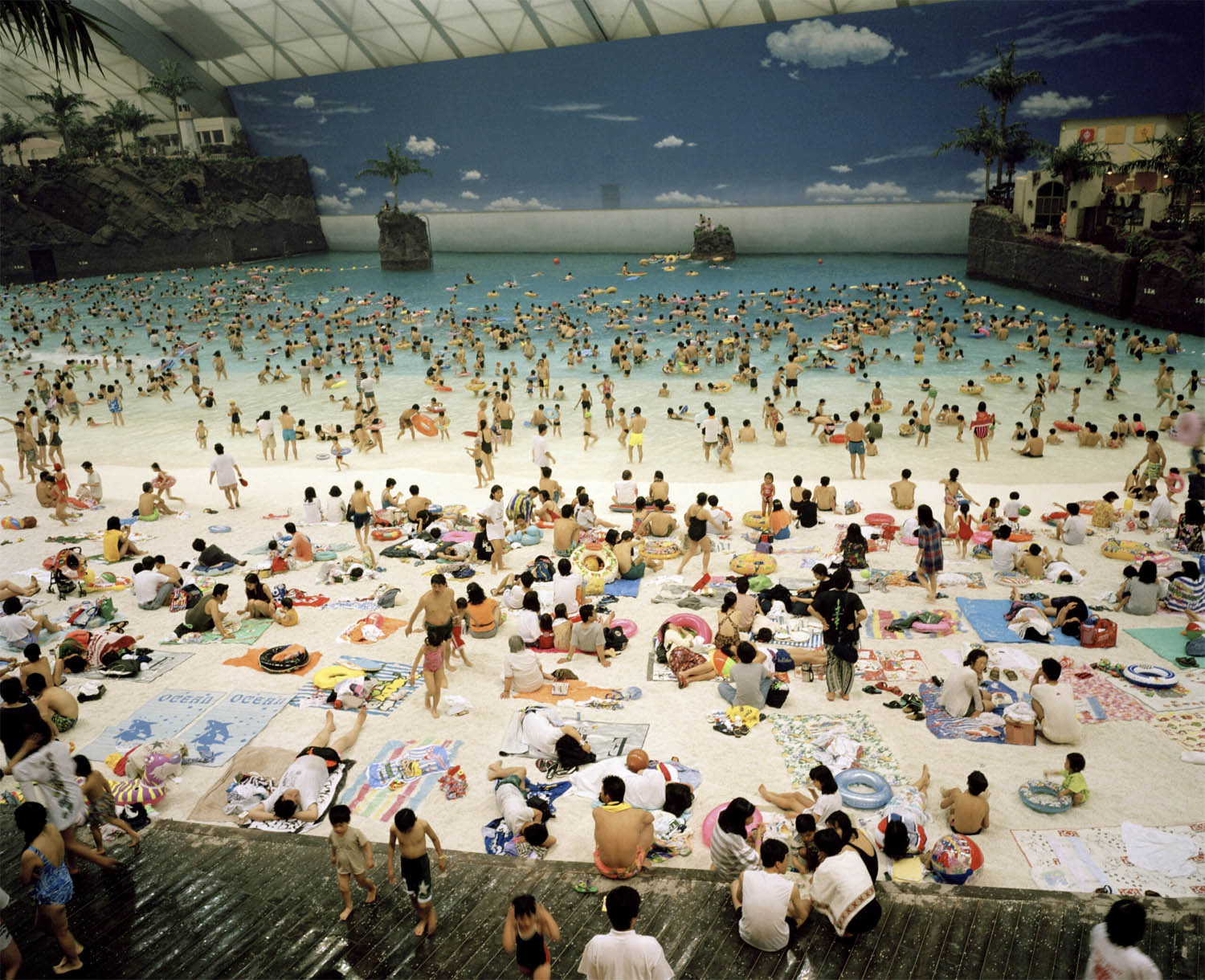
Martin Parr (English, 1952-2025) 'The Artificial beach inside the Ocean Dome' 1996


Martin Parr (English, 1952-2025)
The Artificial beach inside the Ocean Dome, Seagaia Ocean Dome, Miyazaki, Japan
1996
© Martin Parr / Magnum Photos


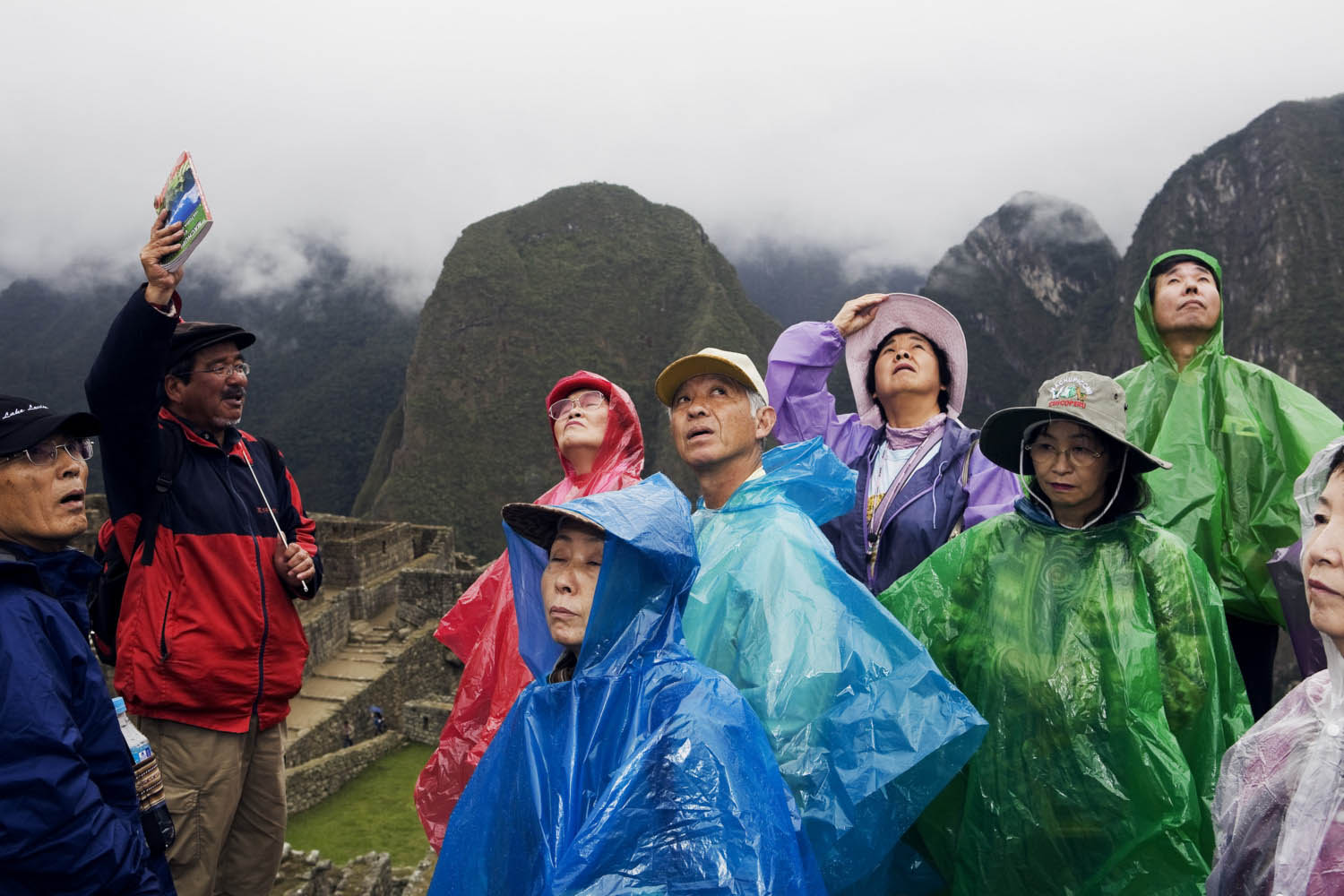
Martin Parr (English, 1952-2025) 'Machu Picchu, Peru' 2008


Martin Parr (English, 1952-2025)
Machu Picchu, Peru
2008
© Martin Parr / Magnum Photos


‘Between the hours of 10am and 2pm the site is at its busiest with up to 4,000 visitors arriving each day. Knowing how inaccessible the place is, it is staggering where and how they emerge. It is also not a cheap visit as each foreign tourist has to pay 122 soies (roughly $40) to enter the site. I am convinced that this entrance payment, together with the cost of the journey and the trekking are probably keeping the Peruvian economy afloat, as 70% of all visitors are foreigners.’

From Martin Parr’s blog, Machu Picchu, 2008
Wall text from the exhibition


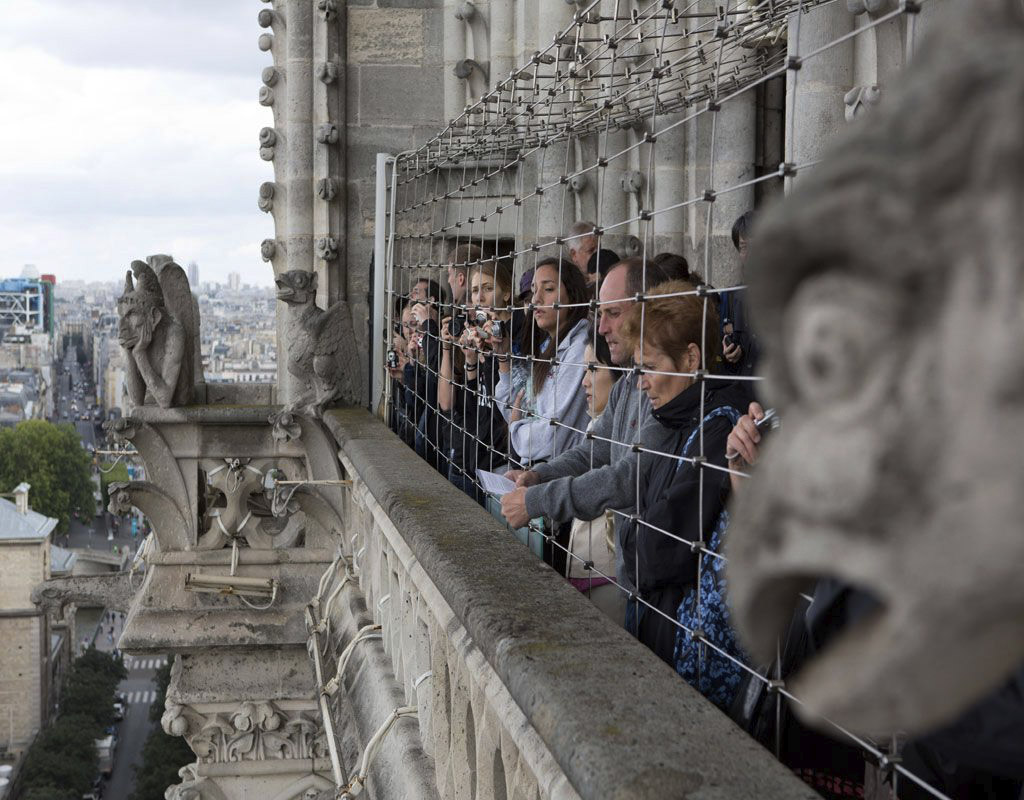
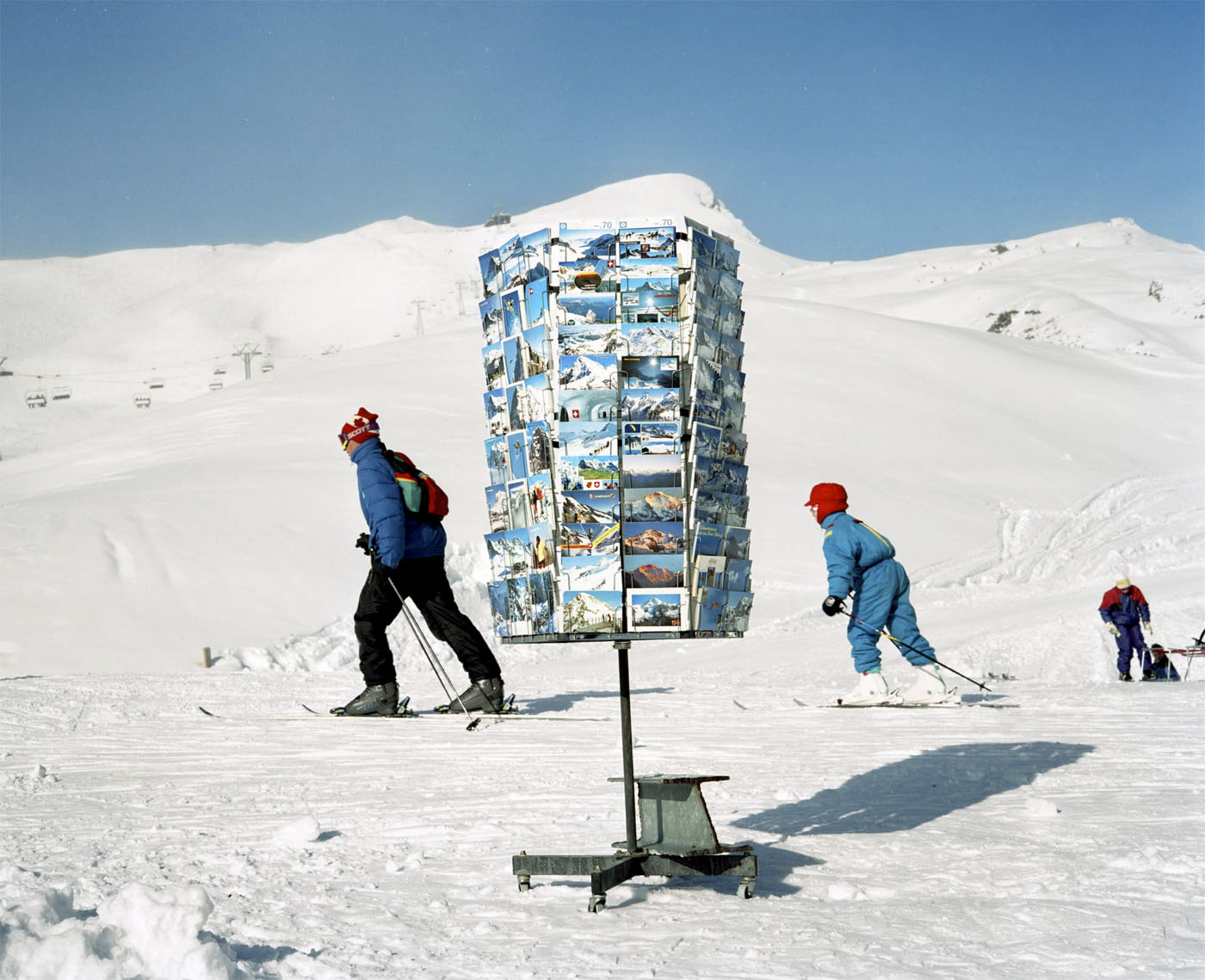
Installation view of the exhibition 'Martin Parr: Global Warning' at Jeu de Paume, Paris, January - May, 2026 showing at bottom left, Martin Parr's photograph 'Notre Dame, Paris, France' (2012); and at right, 'Kleine Scheidegg, Switzerland' (1994)


Installation view of the exhibition Martin Parr: Global Warning at Jeu de Paume, Paris, January – May, 2026 showing at bottom left, Martin Parr’s photograph Notre Dame, Paris, France (2012, below); and at right, Kleine Scheidegg, Switzerland (1994, below)


Martin Parr (English, 1952-2025) 'Notre Dame, Paris, France' 2012


Martin Parr (English, 1952-2025)
Notre Dame, Paris, France
2012
© Martin Parr / Magnum Photos


Martin Parr (English, 1952-2025) 'Kleine Scheidegg, Switzerland' 1994


Martin Parr (English, 1952-2025)
Kleine Scheidegg, Switzerland
1994
© Martin Parr / Magnum Photos


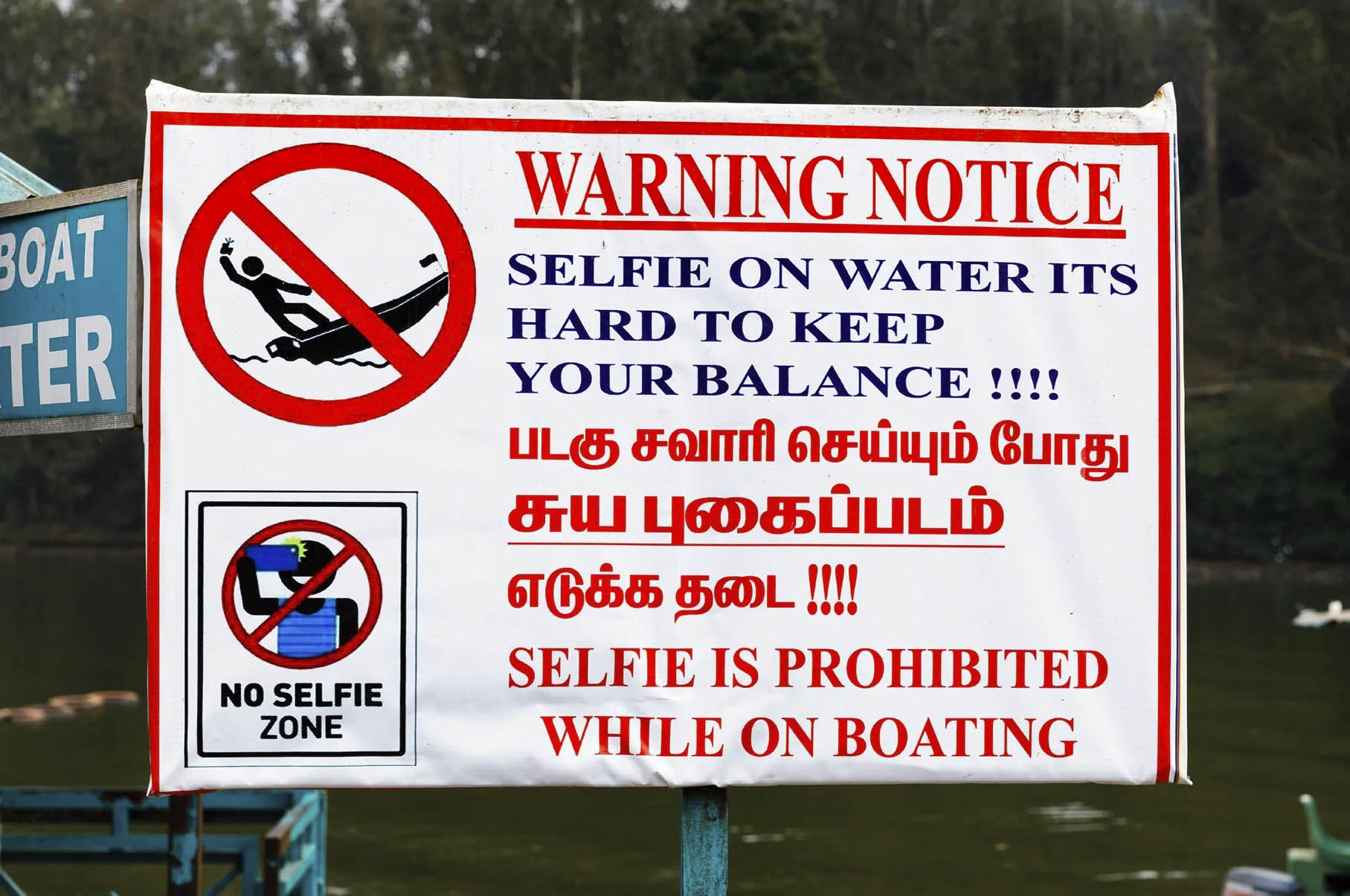
Martin Parr (English, 1952-2025) 'Ooty, India' 2018


Martin Parr (English, 1952-2025)
Ooty, India
2018
© Martin Parr / Magnum Photos


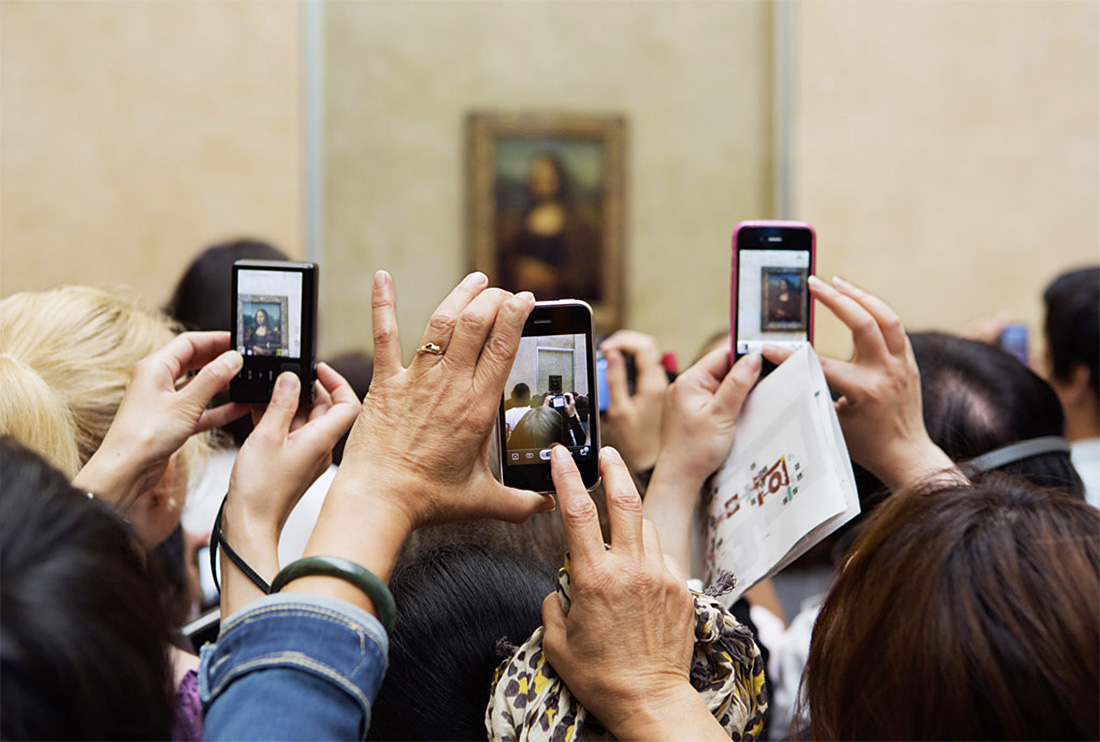
Martin Parr (English, 1952-2025) 'Musée du Louvre, Paris, France' 2012


Martin Parr (English, 1952-2025)
Musée du Louvre, Paris, France
2012
© Martin Parr / Magnum Photos


Martin Parr (English, 1952-2025) 'Las Vegas, USA' 2000


Martin Parr (English, 1952-2025)
Las Vegas, USA
2000
© Martin Parr / Magnum Photos


The Animal Kingdom

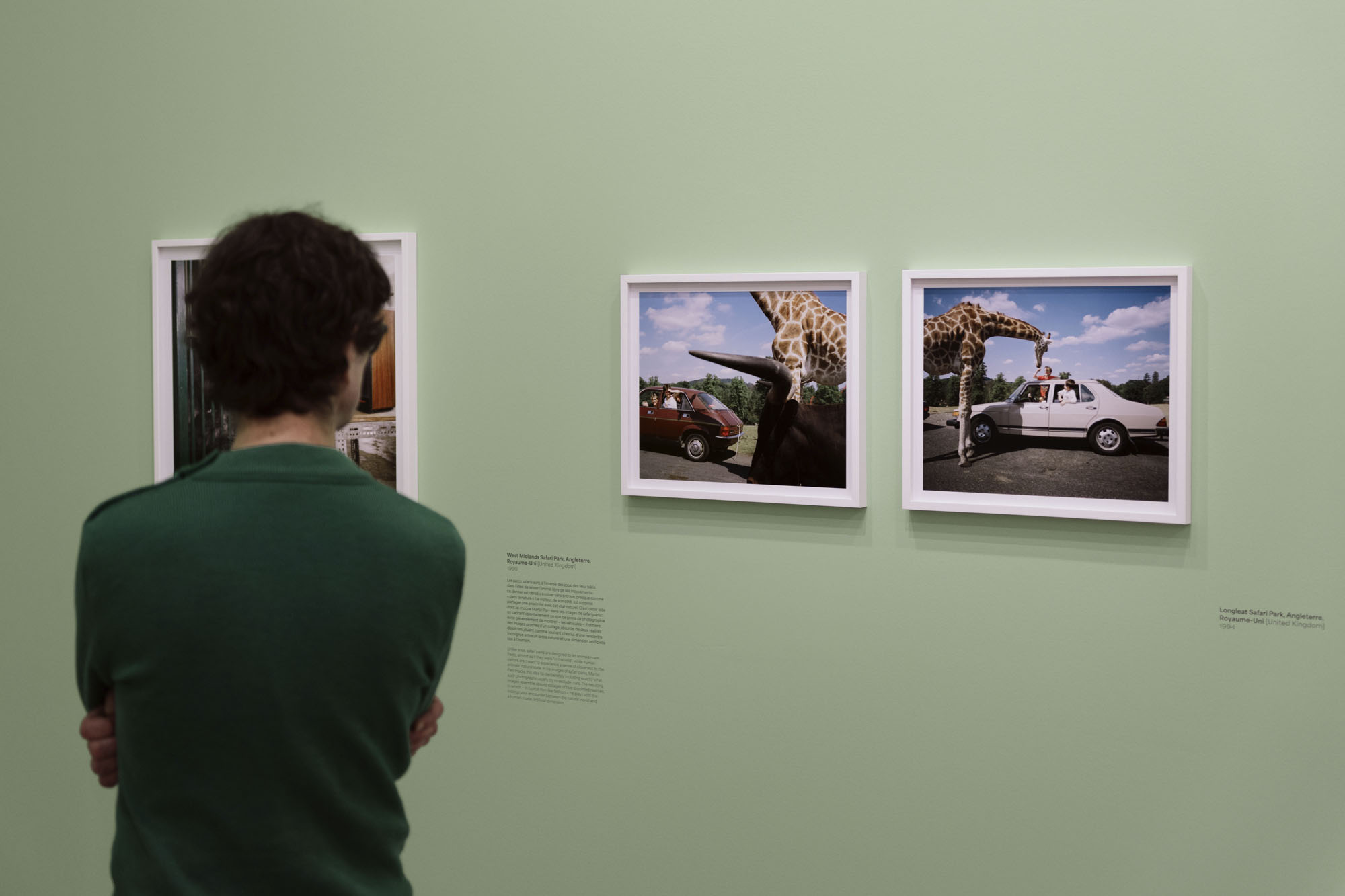
Installation view of the exhibition 'Martin Parr: Global Warning' at Jeu de Paume, Paris, January - May, 2026 showing at left, Martin Parr's 'West Midlands Safari Park, United Kingdom' (1990); and at right, 'Longleat Safari Park, United Kingdom' (1994)


Installation view of the exhibition Martin Parr: Global Warming at Jeu de Paume, Paris, January – May, 2026 showing at left, Martin Parr’s West Midlands Safari Park, United Kingdom (1990); and at right, Longleat Safari Park, United Kingdom (1994)


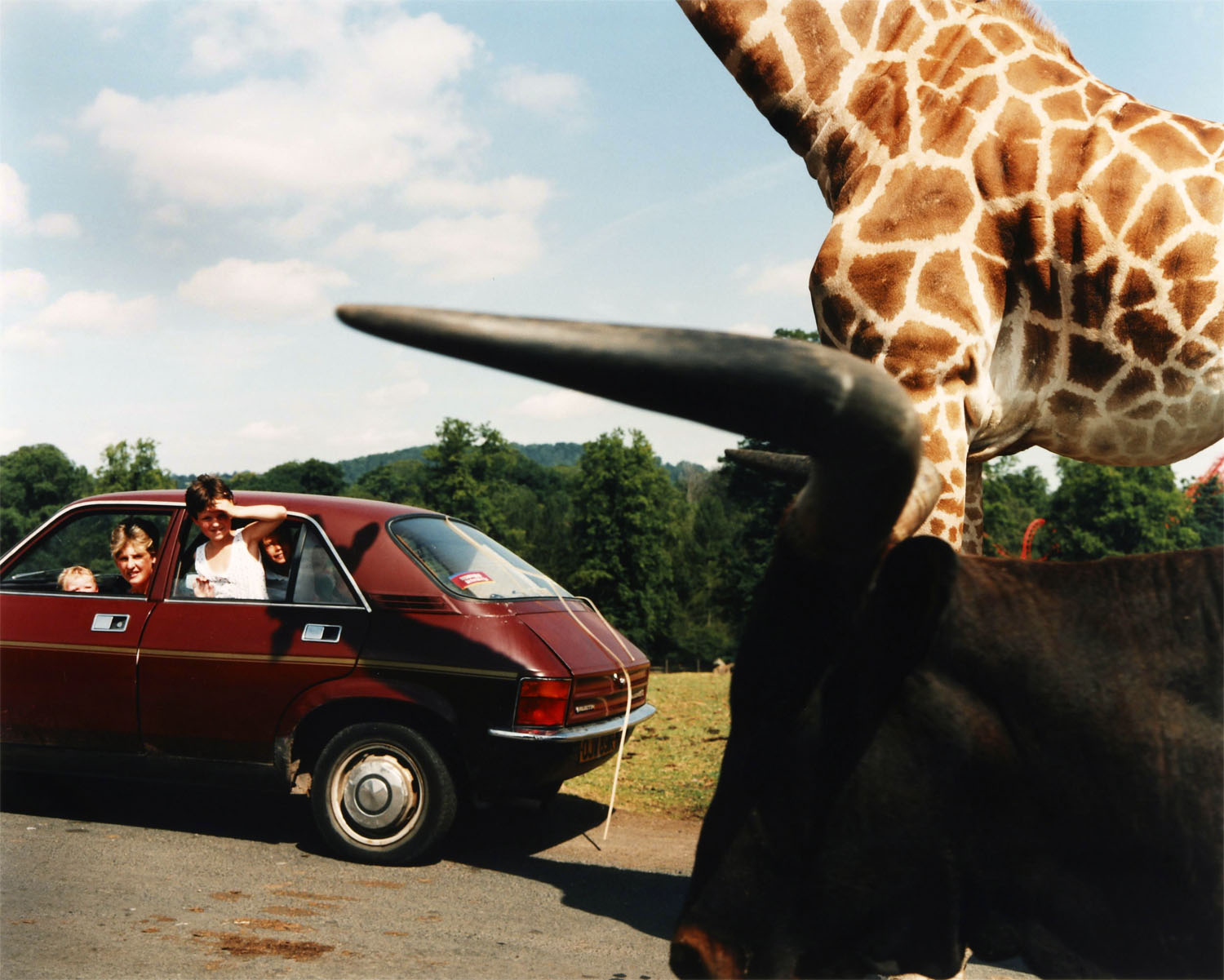
Martin Parr (English, 1952-2025) 'West Midlands Safari Park, United Kingdom' 1990


Martin Parr (English, 1952-2025)
West Midlands Safari Park, United Kingdom
1990
© Martin Parr / Magnum Photos


Unlike zoos, safari parks are designed to let animals roam freely, almost as if they were “in the wild”, while human visitors are meant to experience a sense of closeness to the animals natural state. In his images of safari parks, Martin Parr mocks this idea by deliberately including exactly what such photographs usually try to exclude: cars. The resulting images resemble absurd collages of two disjointed realities, in which – in typical Par-like fashion – he plays with the incongruous encounter between the natural world and a human-made, artificial dimension

Wall text from the exhibition


Installation view of the exhibition 'Martin Parr: Global Warning' at Jeu de Paume, Paris, January - May, 2026


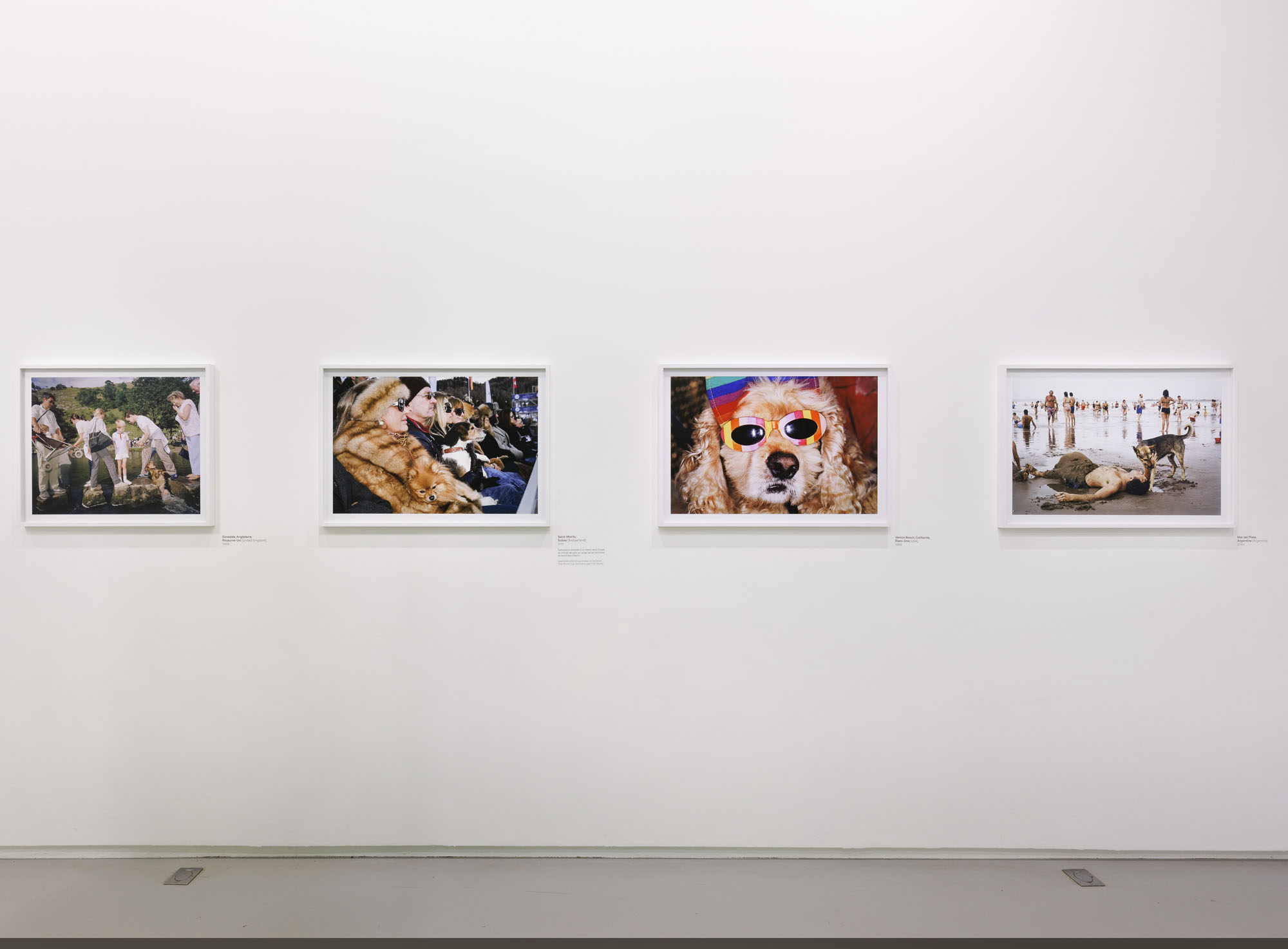
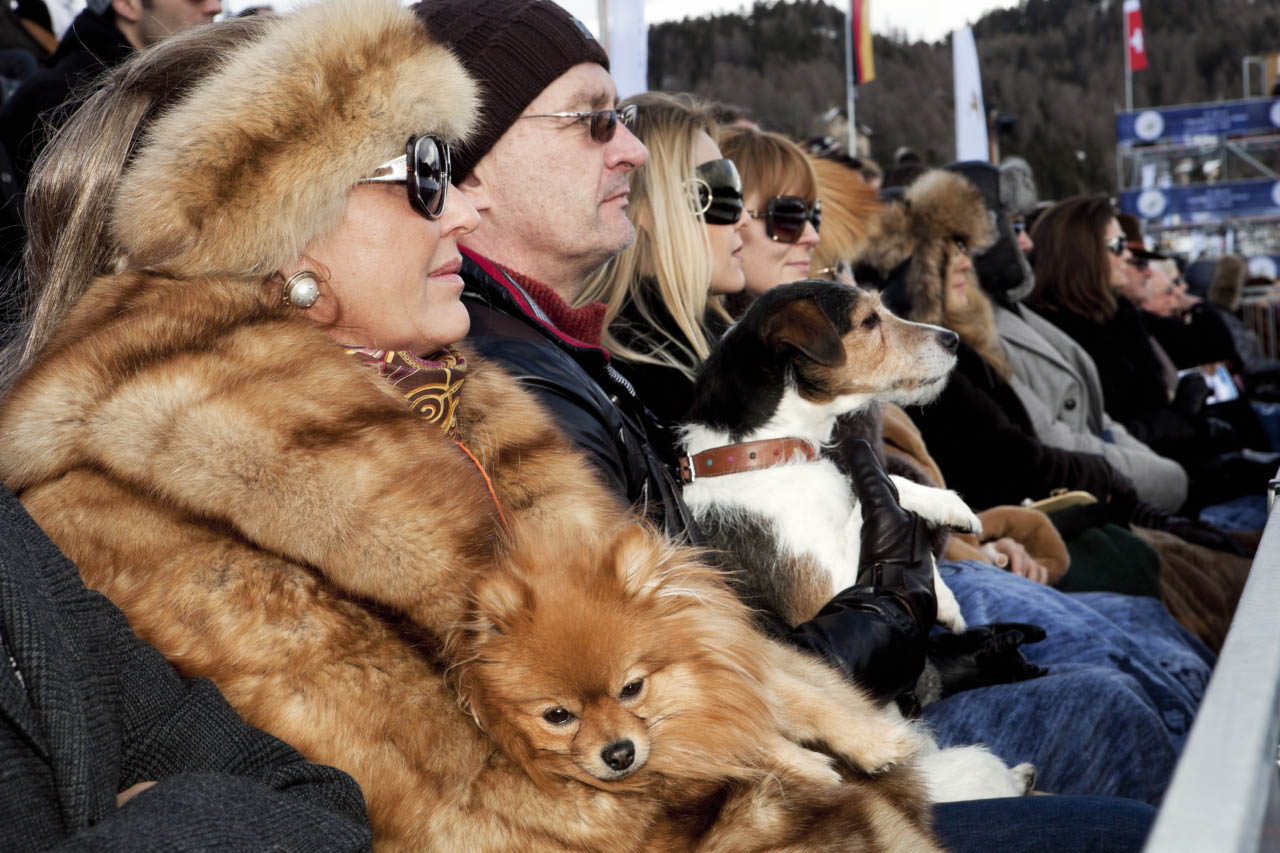
Installation view of the exhibition Martin Parr: Global Warming at Jeu de Paume, Paris, January – May, 2026 showing at second left, Martin Parr’s photograph Snow Polo World Cup, St Moritz, Switzerland (2011, below) from the series Luxury; and at second right, Venice Beach, California, USA (1998, below)


Martin Parr (English, 1952-2025) 'Snow Polo World Cup, St Moritz, Switzerland' 1998


Martin Parr (English, 1952-2025)
Snow Polo World Cup, St Moritz, Switzerland
1998
© Martin Parr / Magnum Photos


Martin Parr (English, 1952-2025) 'Venice Beach, California, USA' 1998


Martin Parr (English, 1952-2025)
Venice Beach, California, USA
1998
© Martin Parr / Magnum Photos


“I am not saying that tourism is bad – far from it as it brings a livelihood for many people. Organisations like Tourism Concern in the UK make a very important contribution to a better understanding of the yin and yang of tourism. This charity highlights the problems caused by tourism – from water shortages in newly developed sites to the pure rape of our ever decreasing natural habitats – and tries to ensure that local people benefit from the fruits of tourism. We need to adopt a better understanding of the issues surrounding this huge business. These photographs, I hope, will offer a good starting point. For remember we, in the wealthy West, are the ones that seek out the pleasures of tourism, so we’re all in this together.”


Martin Parr


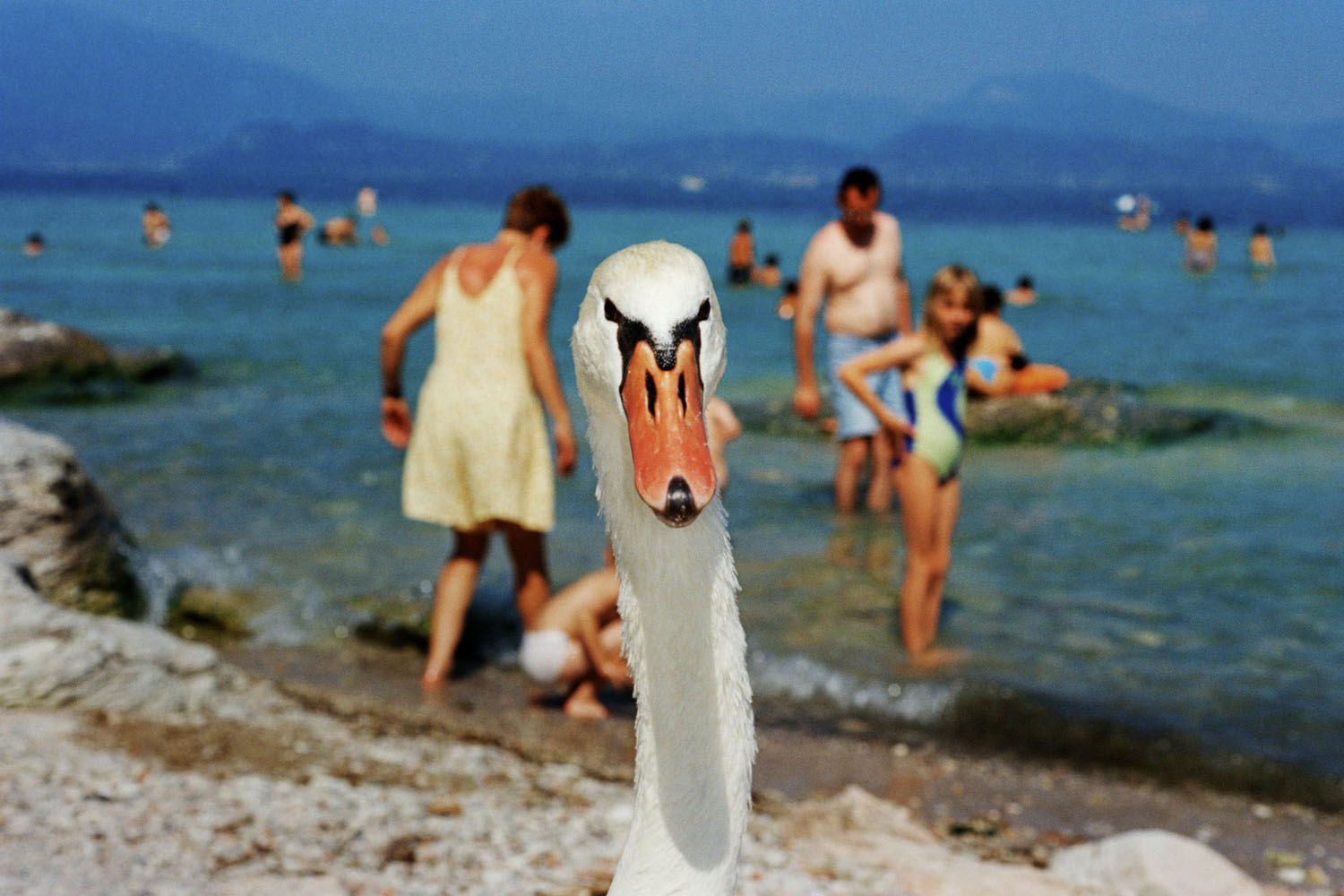
Martin Parr (English, 1952-2025) 'Lake Garda, Italy' 1999


Martin Parr (English, 1952-2025)
Lake Garda, Italy
1999
© Martin Parr / Magnum Photos


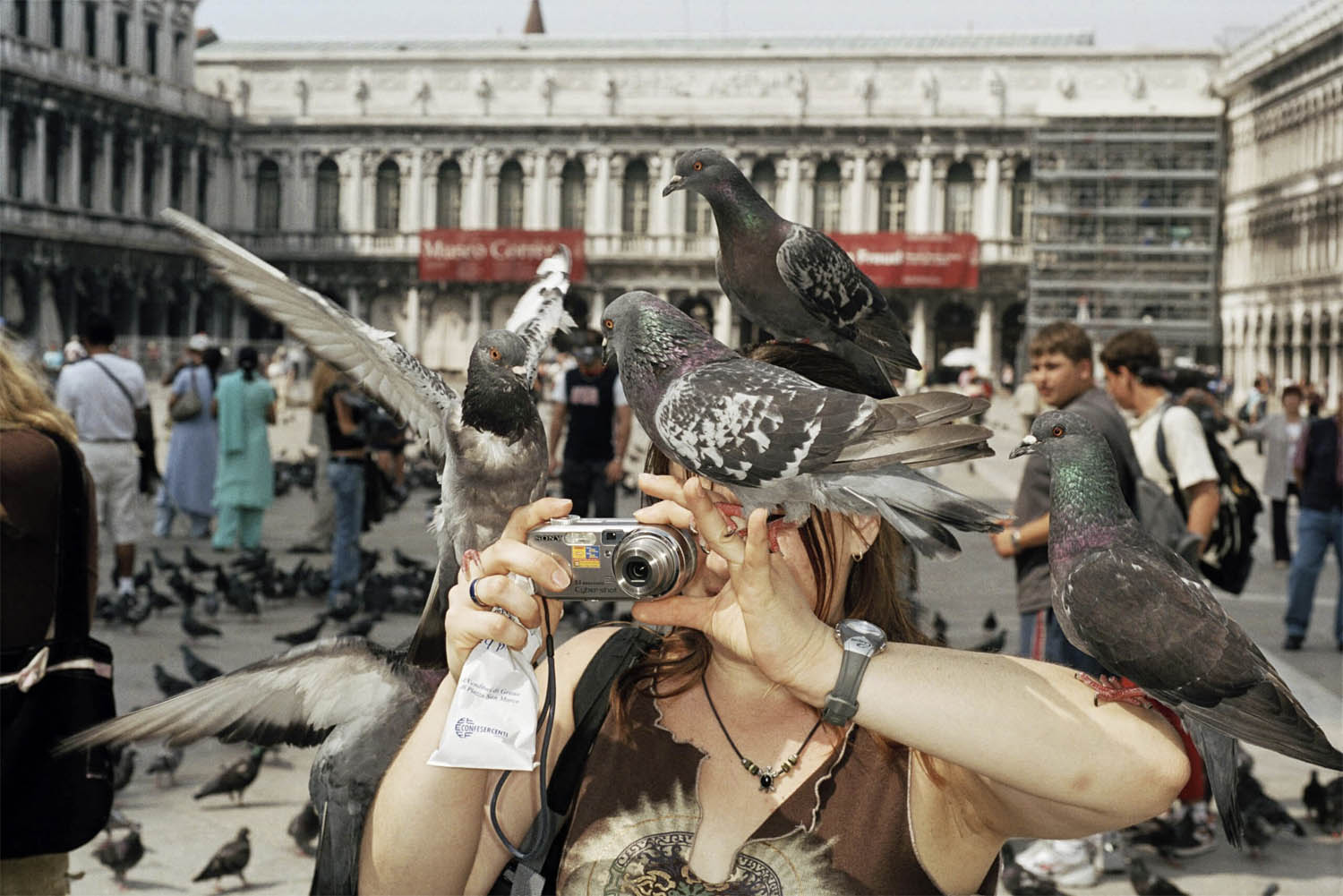
Martin Parr (English, 1952-2025) 'Venice, Italy' 2005


Martin Parr (English, 1952-2025)
Venice, Italy
2005
© Martin Parr / Magnum Photos


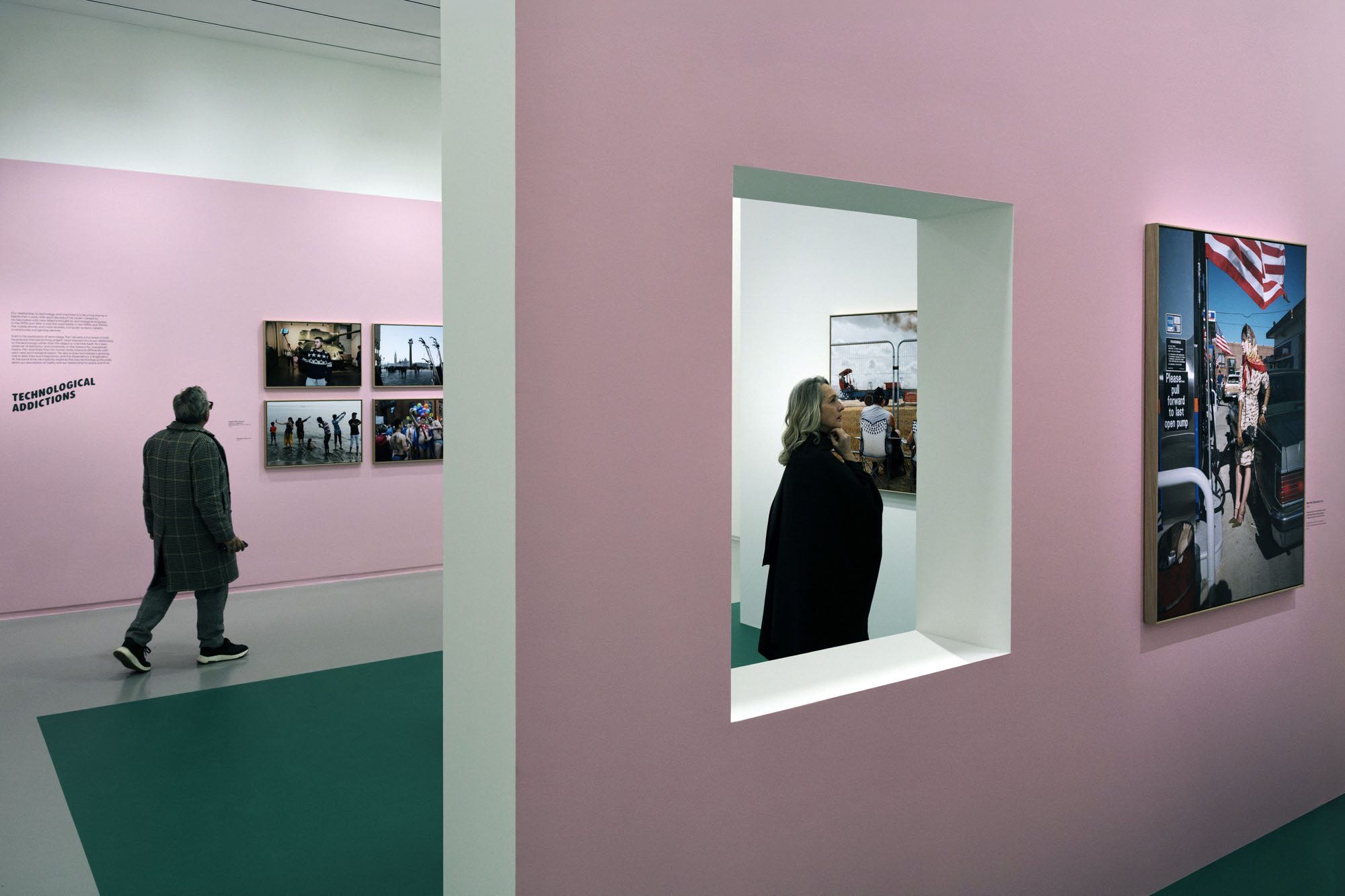
Installation view of the exhibition 'Martin Parr: Global Warning' at Jeu de Paume, Paris, January - May, 2026 showing the wall text "Technological Addictions" with at bottom left, Martin Parr's 'Chowpatty Beach, Mumbai, India' (2018); at second right, 'Great Dorset Steam Fair, Dorset, England' (2022) and at right, 'New York, USA' (1999)


Installation view of the exhibition Martin Parr: Global Warning at Jeu de Paume, Paris, January – May, 2026 showing the wall text “Technological Addictions” with at bottom left, Martin Parr’s Chowpatty Beach, Mumbai, India (2018, below); at second right, Great Dorset Steam Fair, Dorset, England (2022, below) and at right, New York, USA (1999, below)


Technological Addictions

Even in his exploration of technology, Parr remains a humanist in both his practice and overarching project: what interests him is our relationship to the technology rather than the object or machine itself. As a keen observer of behaviour and constantly on the lookout for unexplored for unexplored topics, Parr examined how the human body interacts differently with each new technological object. He also probes technology’s growing role in daily lives and imagination, and the dependency it engenders. At the same time, he implicitly explores the way technology profoundly alters our perception of reality and our relationship to space and time.

Wall text from the exhibition


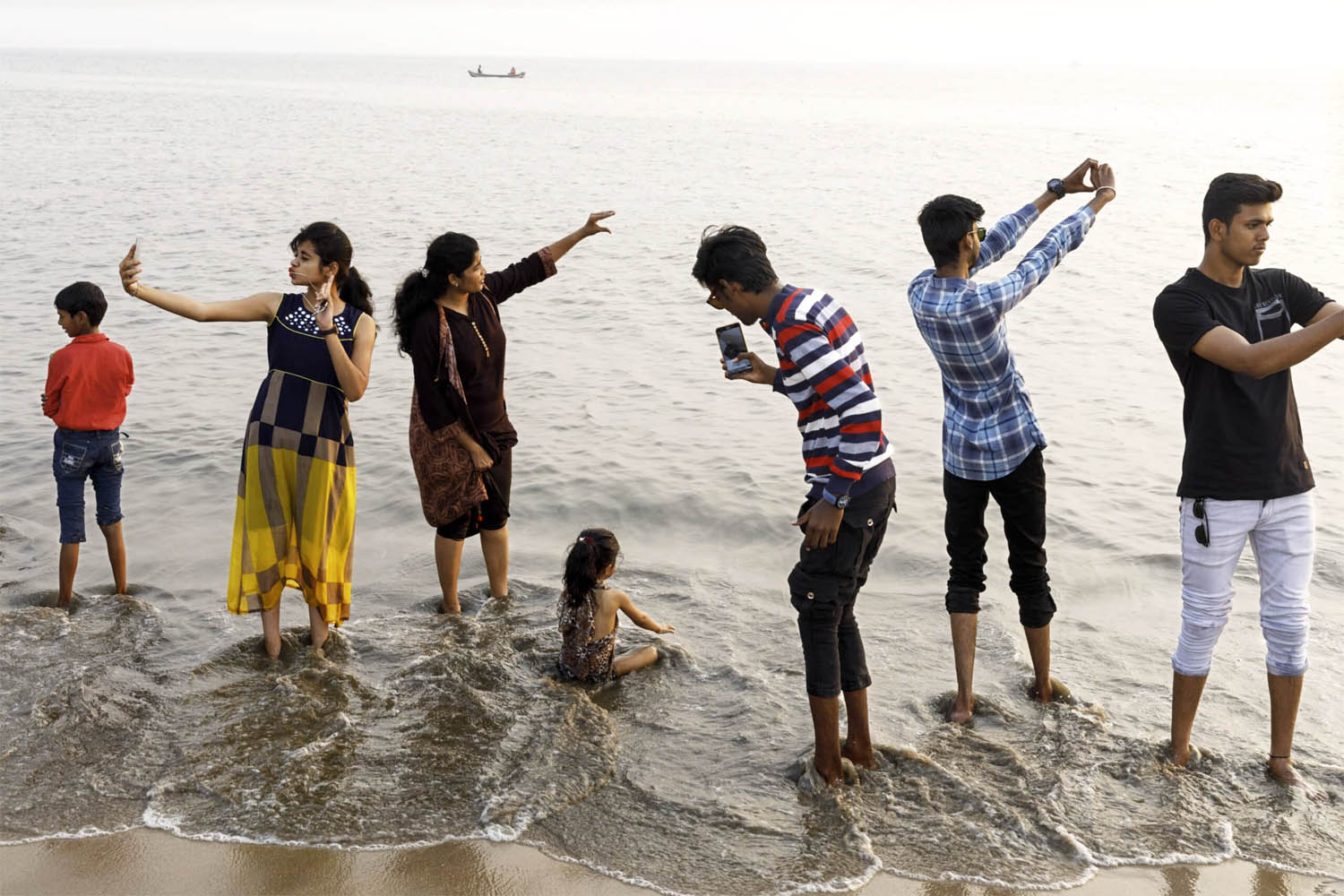
Martin Parr (English, 1952-2025) 'Chowpatty Beach, Mumbai, India' 2018


Martin Parr (English, 1952-2025)
Chowpatty Beach, Mumbai, India
2018
© Martin Parr / Magnum Photos


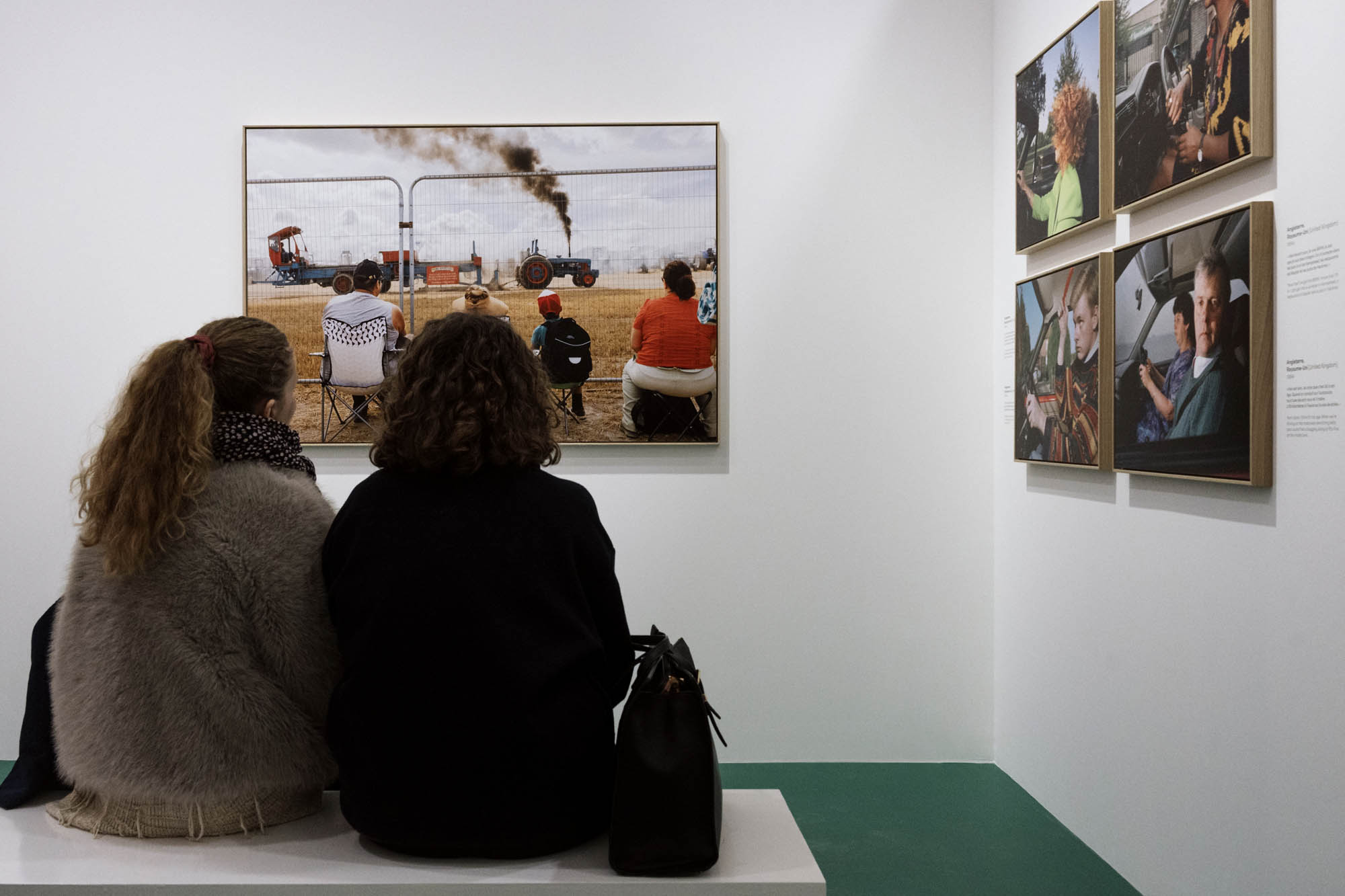
Installation view of the exhibition 'Martin Parr: Global Warning' at Jeu de Paume, Paris, January - May, 2026 showing at left, Martin Parr's 'Great Dorset Steam Fair, Dorset, England' (2022); and at top right, 'England, United Kingdom' (1994) and at bottom right, 'England, United Kingdom' (1994)


Installation view of the exhibition Martin Parr: Global Warning at Jeu de Paume, Paris, January – May, 2026 showing at left, Martin Parr’s Great Dorset Steam Fair, Dorset, England (2022, below); and at top right, England, United Kingdom (1994) and at bottom right, England, United Kingdom (1994)


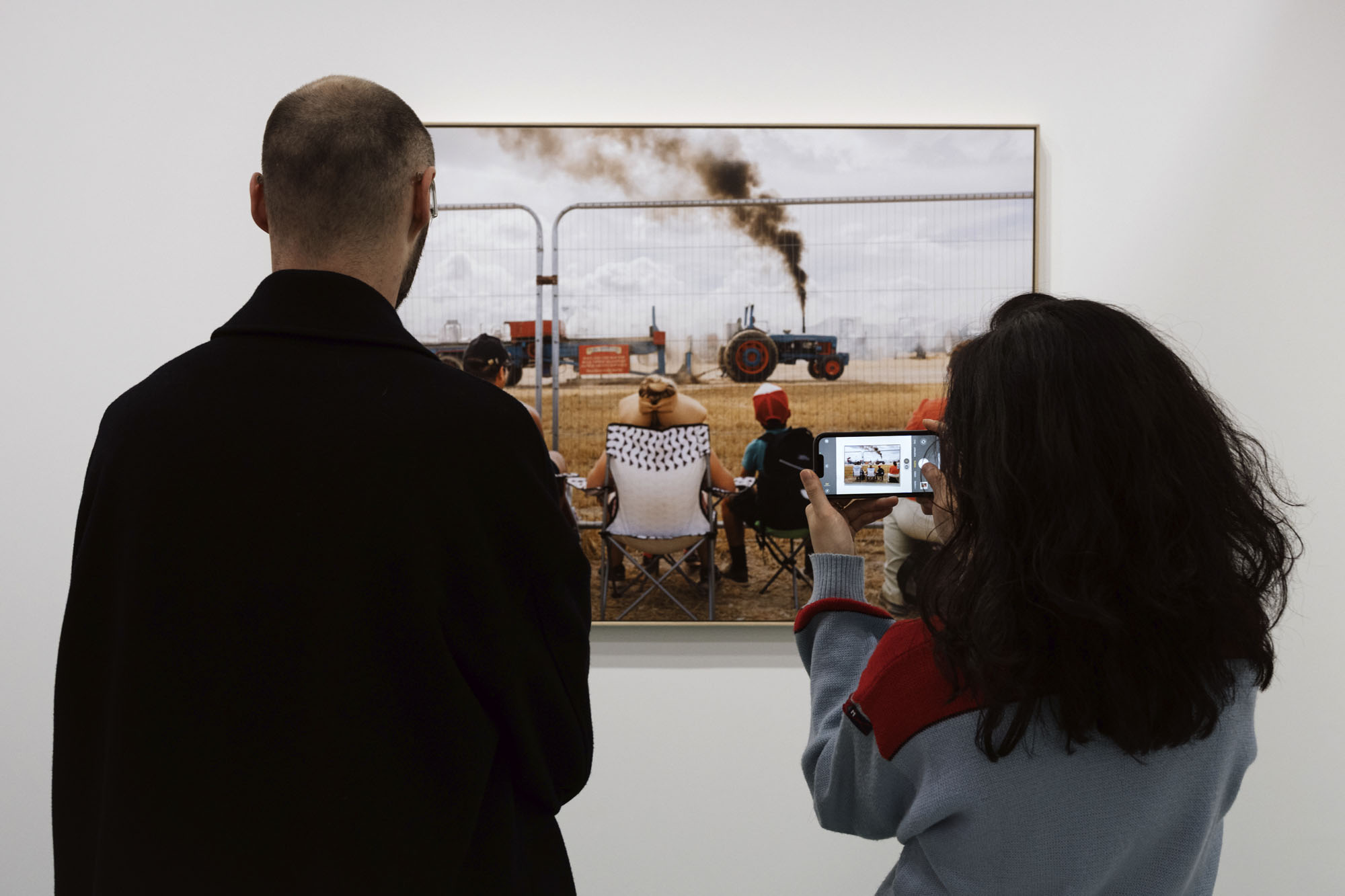
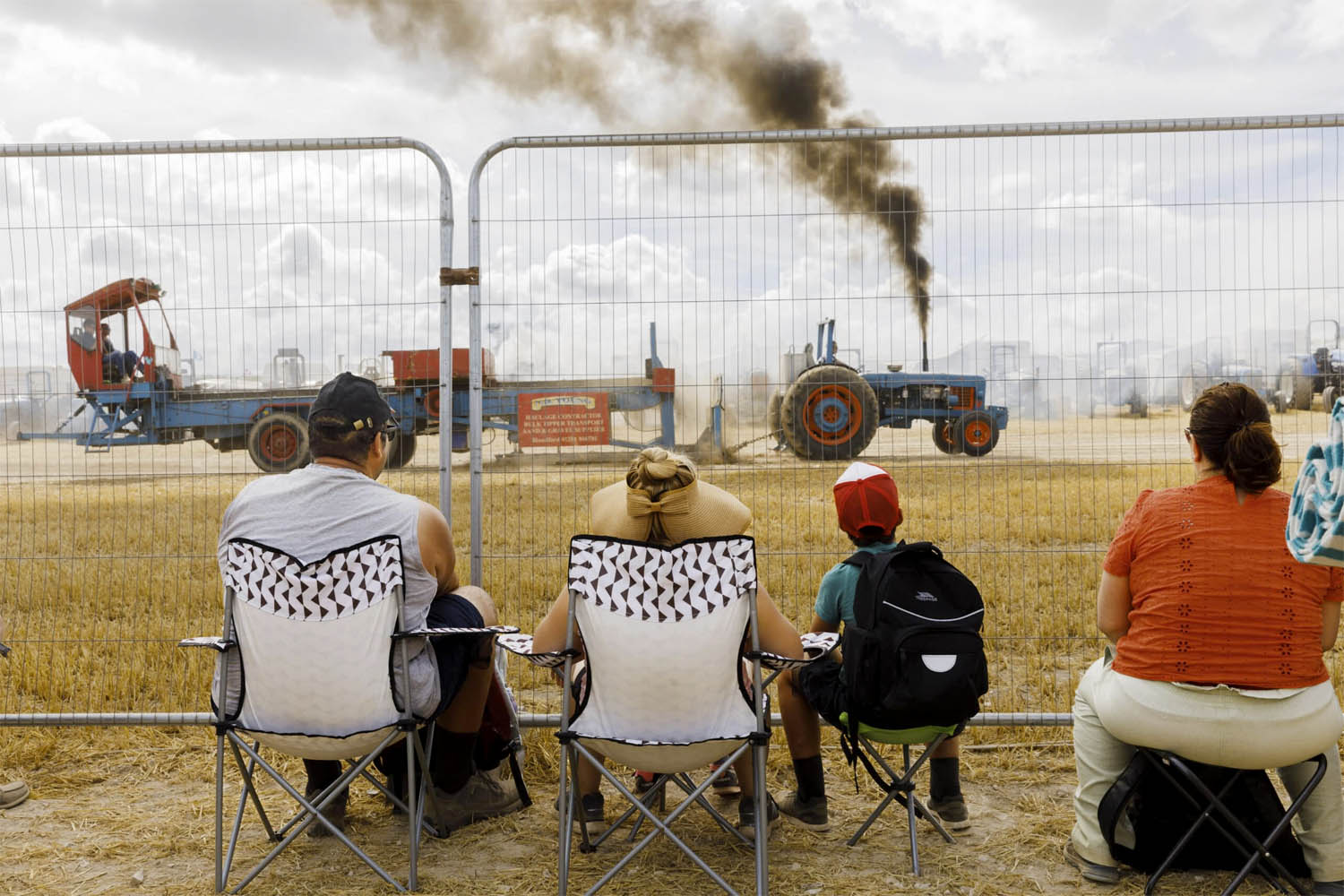
Installation view of the exhibition 'Martin Parr: Global Warning' at Jeu de Paume, Paris, January - May, 2026 showing Martin Parr's 'Great Dorset Steam Fair, Dorset, England' (2022)


Installation view of the exhibition Martin Parr: Global Warning at Jeu de Paume, Paris, January – May, 2026 showing Martin Parr’s Great Dorset Steam Fair, Dorset, England (2022, below)


Martin Parr (English, 1952-2025) 'Great Dorset Steam Fair, Dorset, England' 2022


Martin Parr (English, 1952-2025)
Great Dorset Steam Fair, Dorset, England

2022
© Martin Parr / Magnum Photos


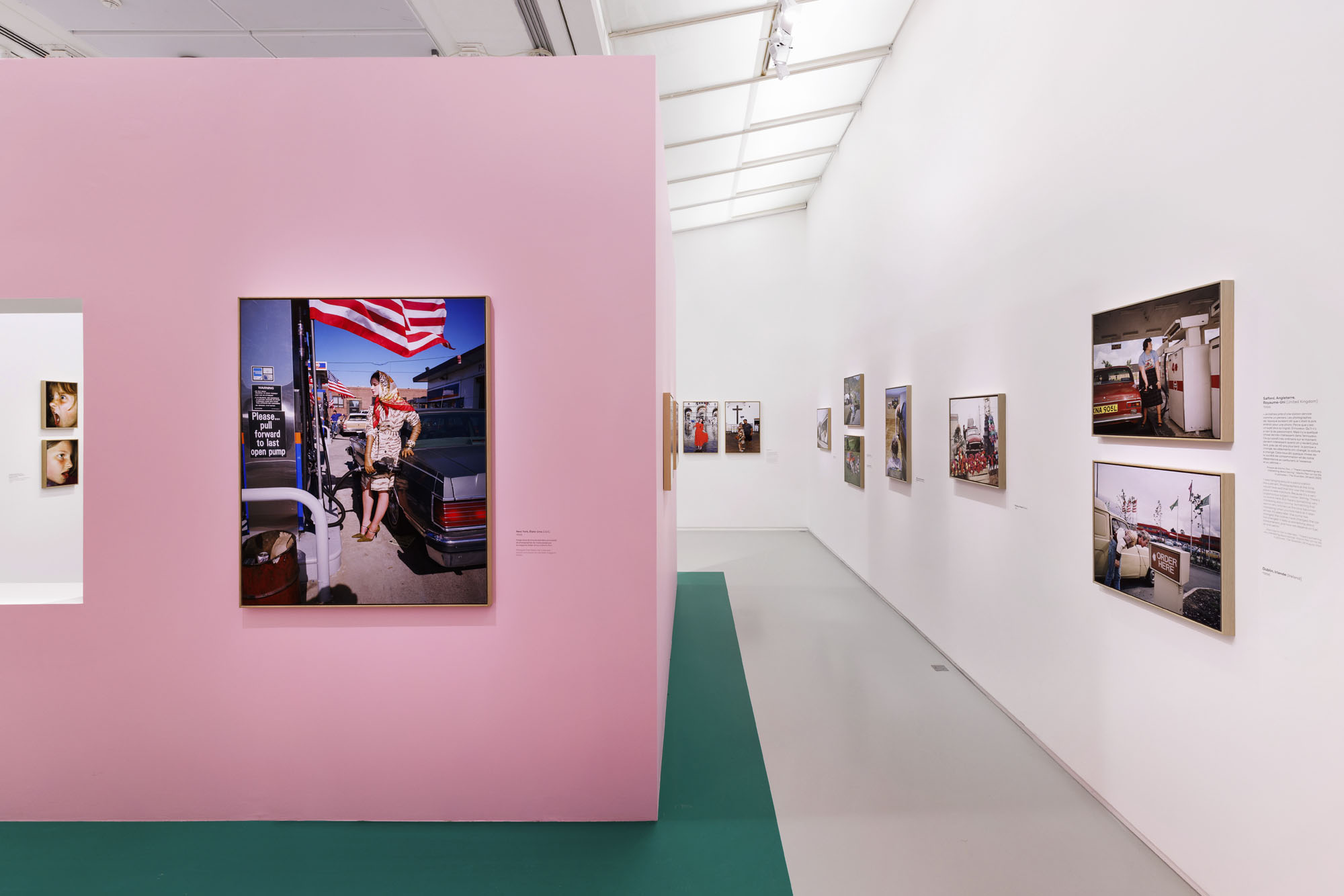
Installation view of the exhibition 'Martin Parr: Global Warning' at Jeu de Paume, Paris, January - May, 2026 showing at left, Martin Parr's 'New York, USA' (1999); and at right top, 'Salford, United Kingdom' (1986) and right bottom, 'Dublin, Ireland' (1986)


Installation view of the exhibition Martin Parr: Global Warning at Jeu de Paume, Paris, January – May, 2026 showing at left, Martin Parr’s New York, USA (1999, below); and at right top, Salford, United Kingdom (1986) and right bottom, Dublin, Ireland (1986)


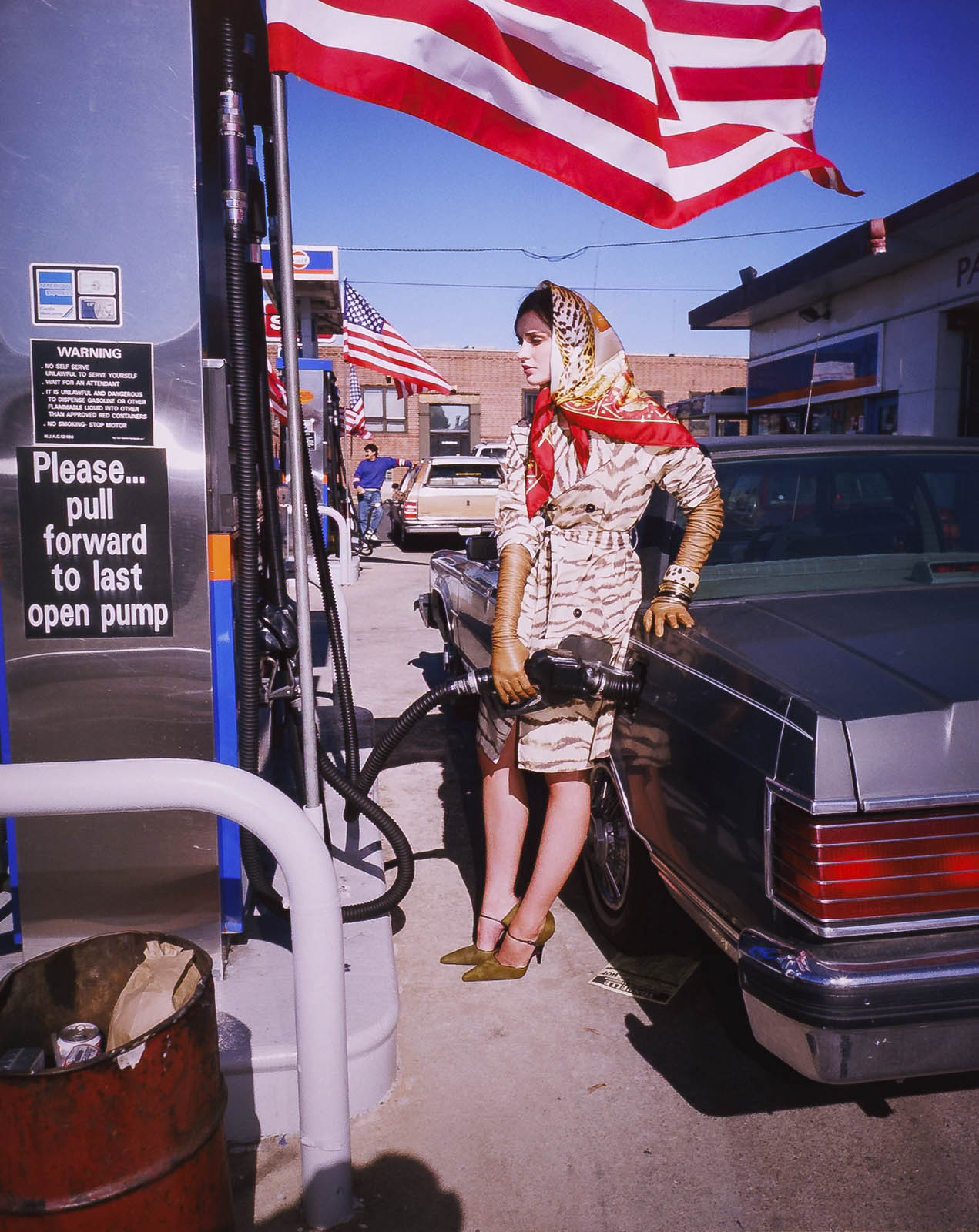
 ‘I was hanging around a petrol station like a pervert. Photographers at the time would have said that this was the craziest place to take a picture. Because it’s a very unglamorous subject matter. Boring. There’s no drama here. But there’s something really interesting about boring. Something that seems very ordinary at the time becomes interesting when you look back at it later, almost 40 years later: the pump has changed, the clothes have changed, the car has changed. It tells us something about consumerism, and how we depend on fuel, oil and petrol.

From Martin Parr’s interview, ‘”There’s something very interesting about boring” Martin Parr on his life in pictures.’ The Guardian, 24 August 2025
Wall text from the exhibition


Martin Parr (English, 1952-2025) 'New York, USA' 1999


Martin Parr (English, 1952-2025)
New York, USA
1999
© Martin Parr / Magnum Photos

Photograph from Martin Parr’s first-ever fashion commission for the Italian magazine Amiga


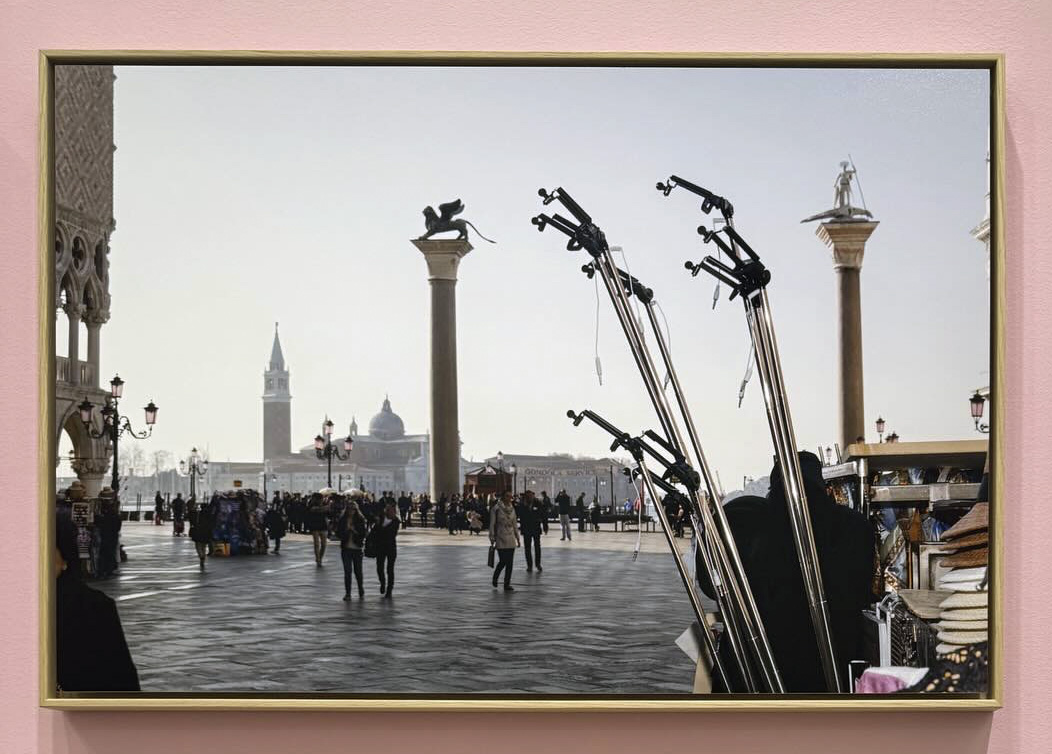
Martin Parr (English, 1952-2025) 'Venice, Italy' 2015 (installation view)


Martin Parr (English, 1952-2025)
Venice, Italy (installation view)
2015
© Martin Parr / Magnum Photos


‘Although many museums have now banned the selfie stick, outside in the street, especially in front of that iconic monument or landmark the stick comes into its own. Getting the photo of you and your loved one(s) with the landmark in the background is de rigueur. The tourism industry, which is the biggest in the world, now dictates that the first requirement of any trip is to prove you were there with the necessary photo. It connects you to the world that we know and understand, and it is a vital part of any successful holiday experience. We used to have to ask a passing tourist to take the photo, but thanks to the selfie stick those days are over and we are now self sufficient.’

From Martin Parr’s blog, The Selfie Stick, 2015
Wall text from the exhibition


Installation view of the exhibition 'Martin Parr: Global Warning' at Jeu de Paume, Paris, January - May, 2026 showing at left, Martin Parr's photographs 'Advertisement for Sony PlayStation, England, United Kingdom' (2003); and at right, Ooty, India (2018)


Installation view of the exhibition Martin Parr: Global Warning at Jeu de Paume, Paris, January – May, 2026 showing at left, Martin Parr’s photographs Advertisement for Sony PlayStation, England, United Kingdom (2003); and at right, Ooty, India (2018, above)


Installation view of the exhibition 'Martin Parr: Global Warning' at Jeu de Paume, Paris, January - May, 2026


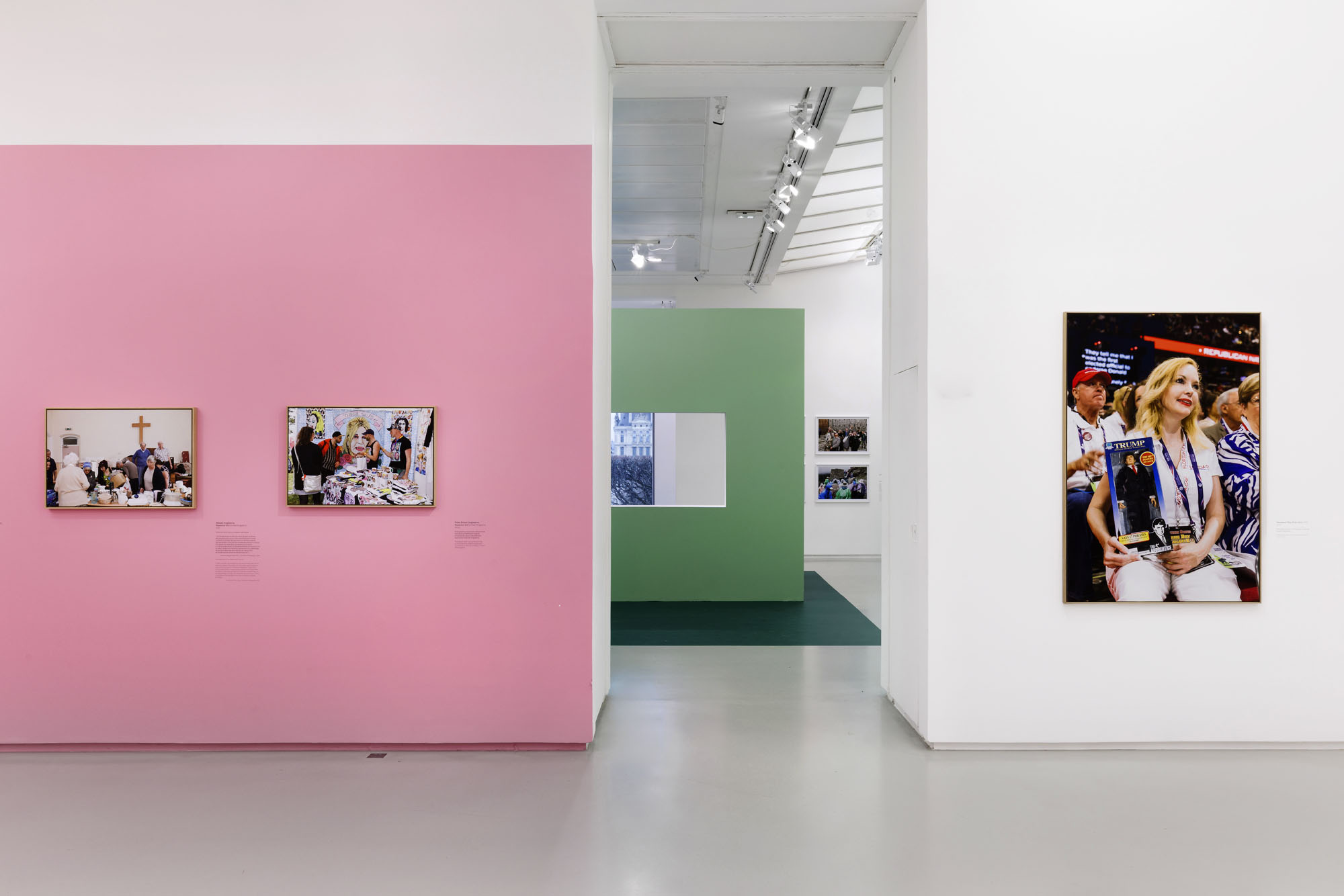
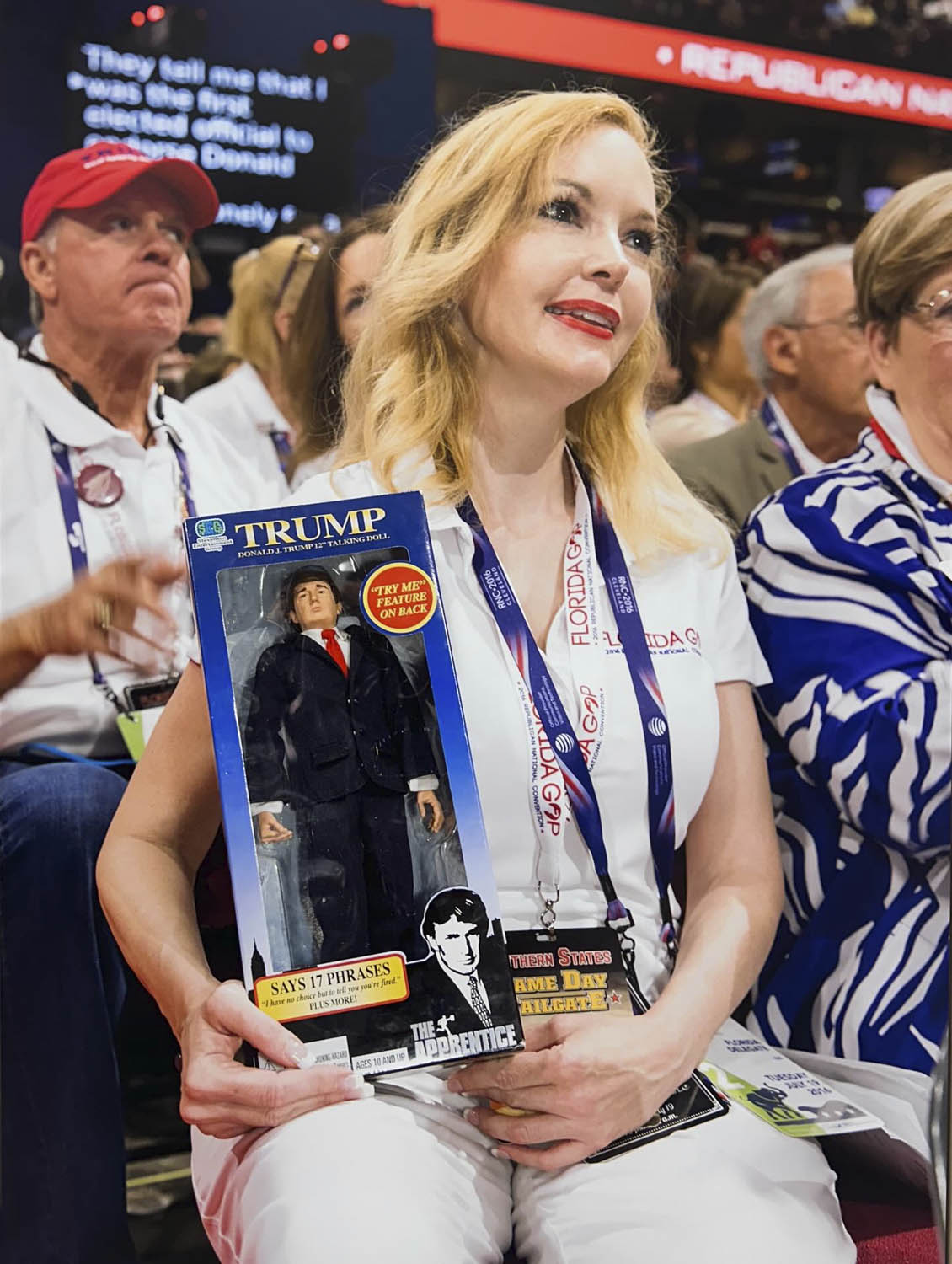
Installation view of the exhibition Martin Parr: Global Warning at Jeu de Paume, Paris, January – May, 2026 showing at right, Martin Parr’s photograph from The Republican National Convention, Cleveland, Ohio, USA (2016, below)


Martin Parr (English, 1952-2025) 'The Republican National Convention, Cleveland, Ohio, USA' 2016


Martin Parr (English, 1952-2025)
The Republican National Convention, Cleveland, Ohio, USA
2016
© Martin Parr / Magnum Photos


Jeu de Paume
1, Place de la Concorde
75008 Paris
métro Concorde
Phone: 01 47 03 12 50

Opening hours:
Tuesday – Sunday 11am – 7pm
Closed Mondays

Jeu de Paume website

LIKE ART BLART ON FACEBOOK

Back to top

Exhibition: ‘Helen Levitt’ at Fundación MAPFRE, Madrid

Exhibition dates: 19th February – 17th May, 2026

Curator: Joshua Chuang


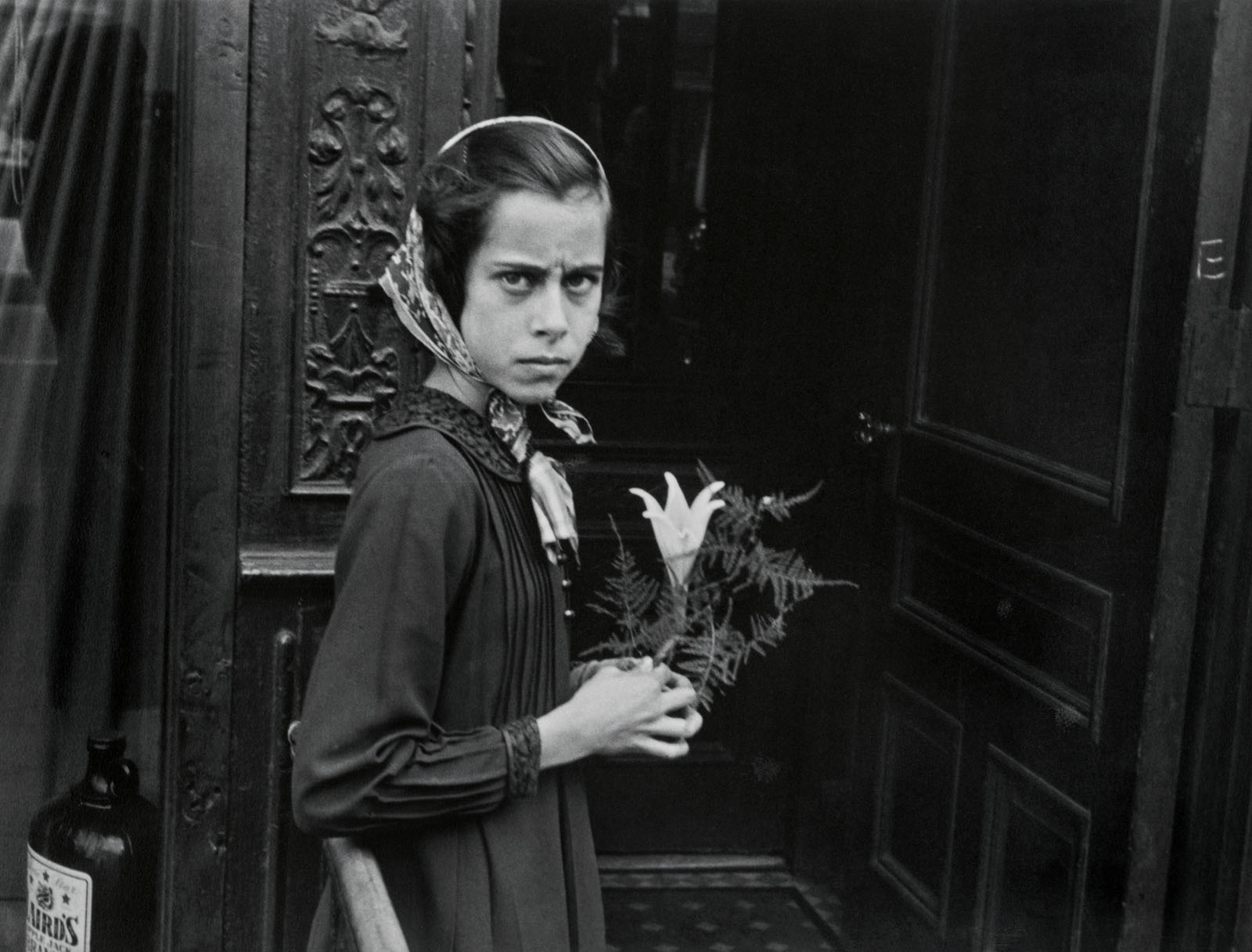
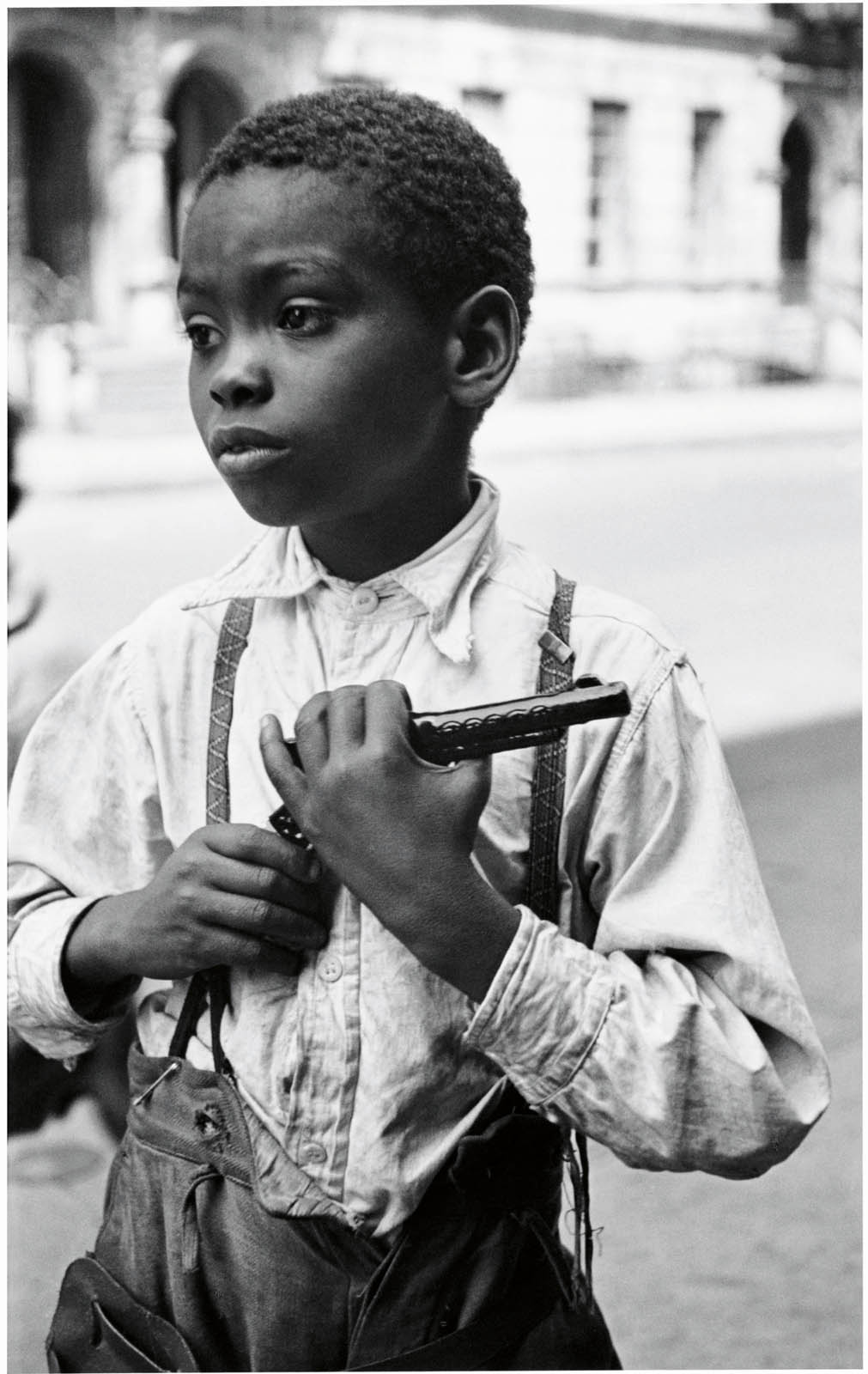
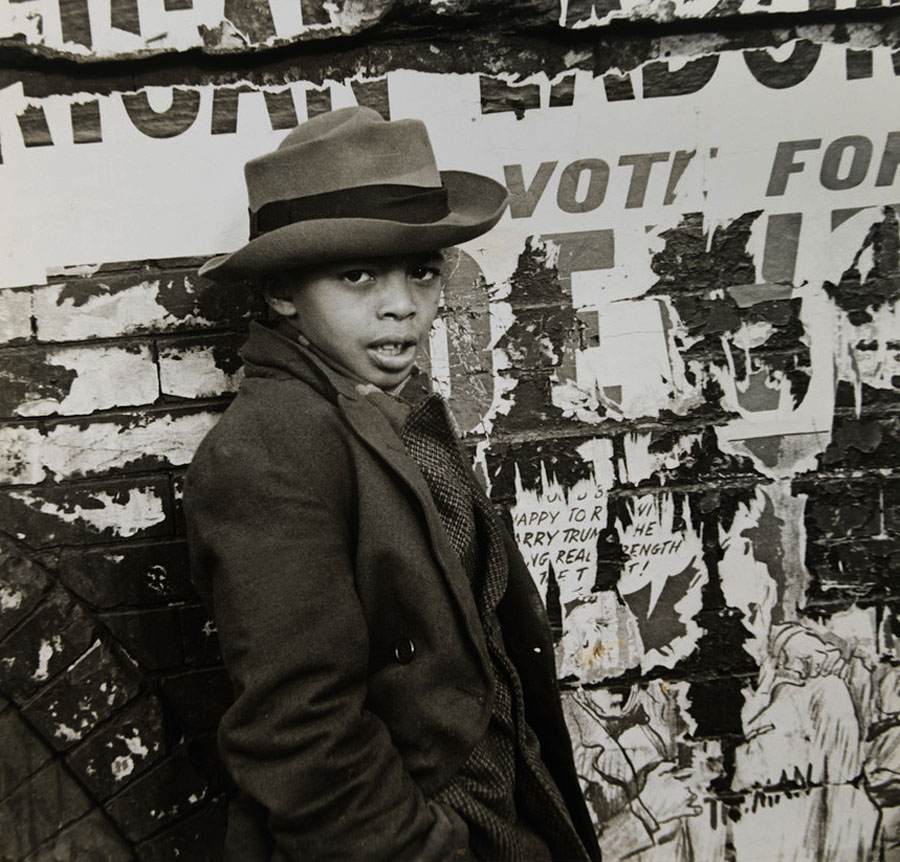
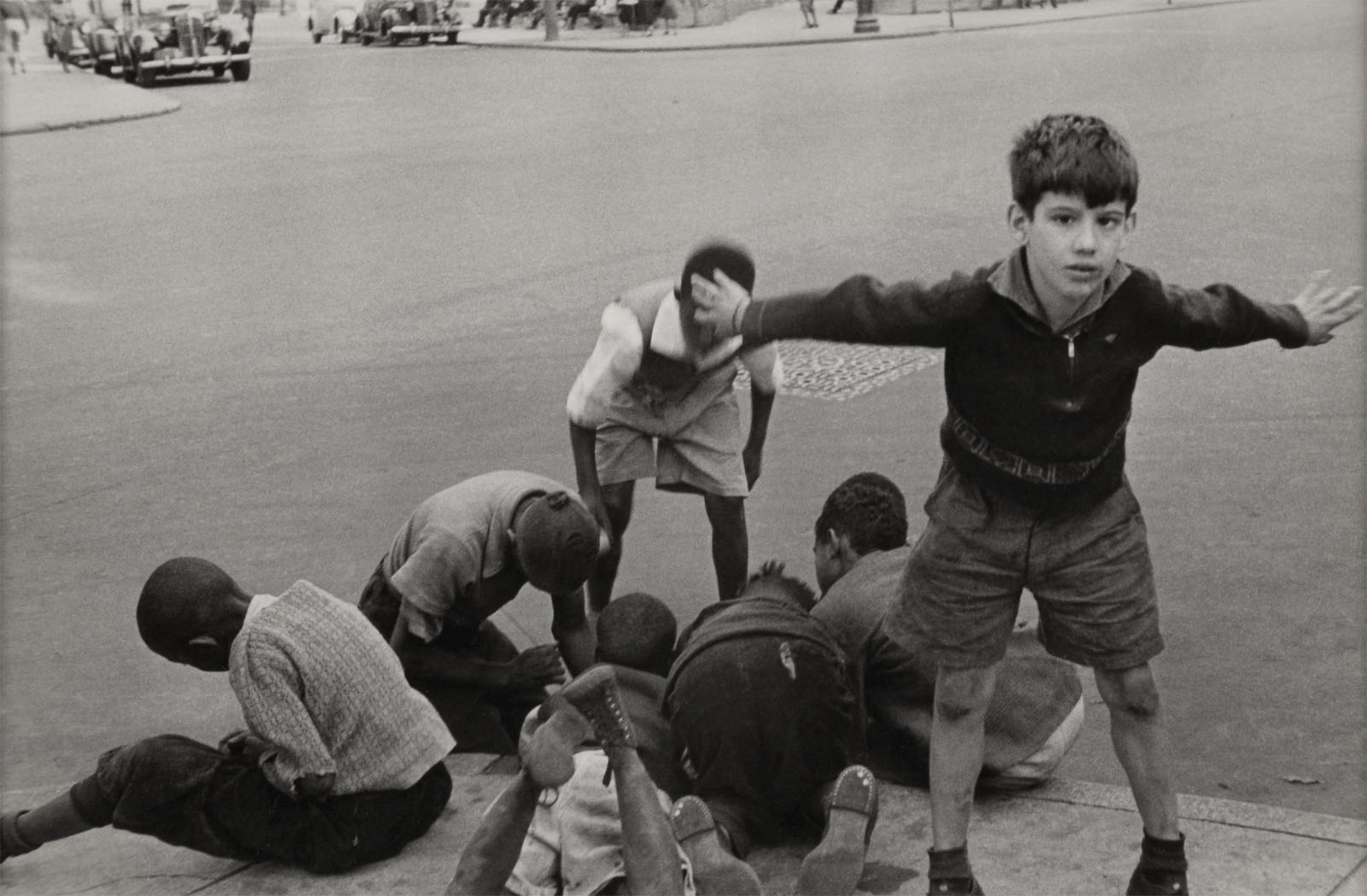
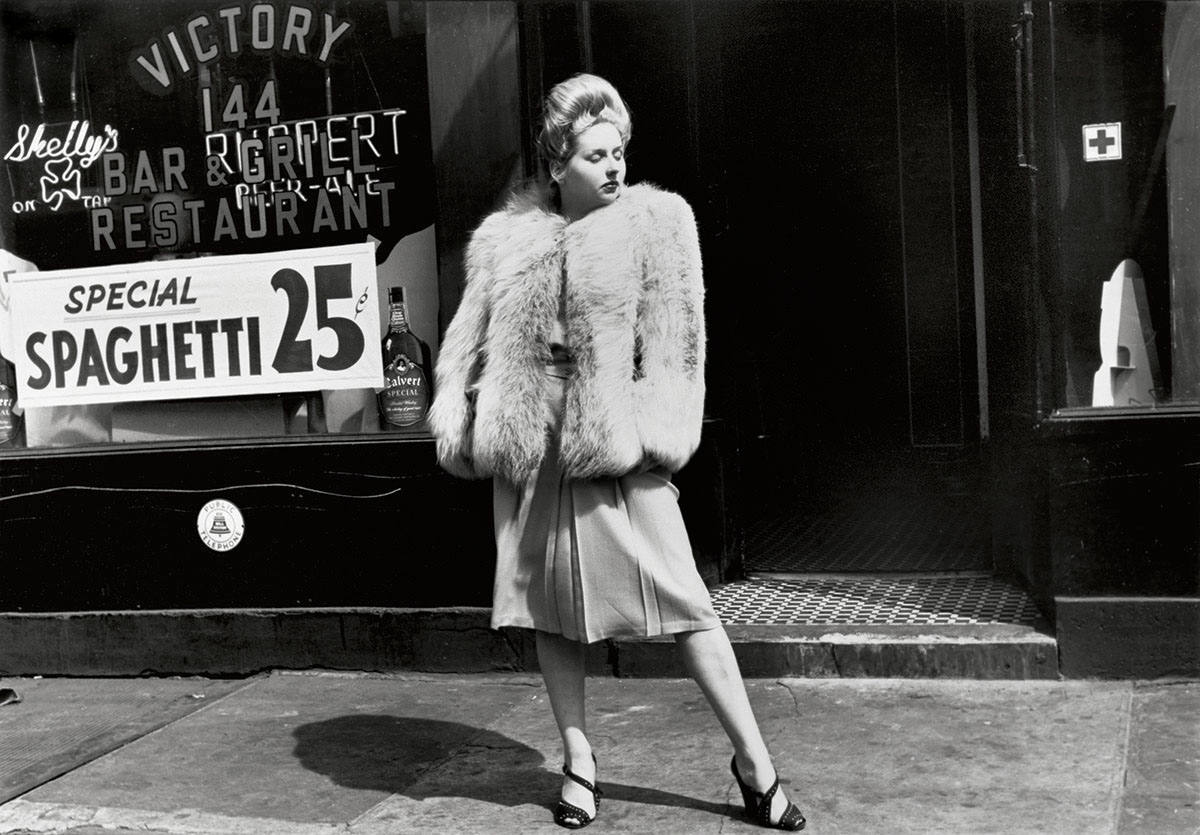
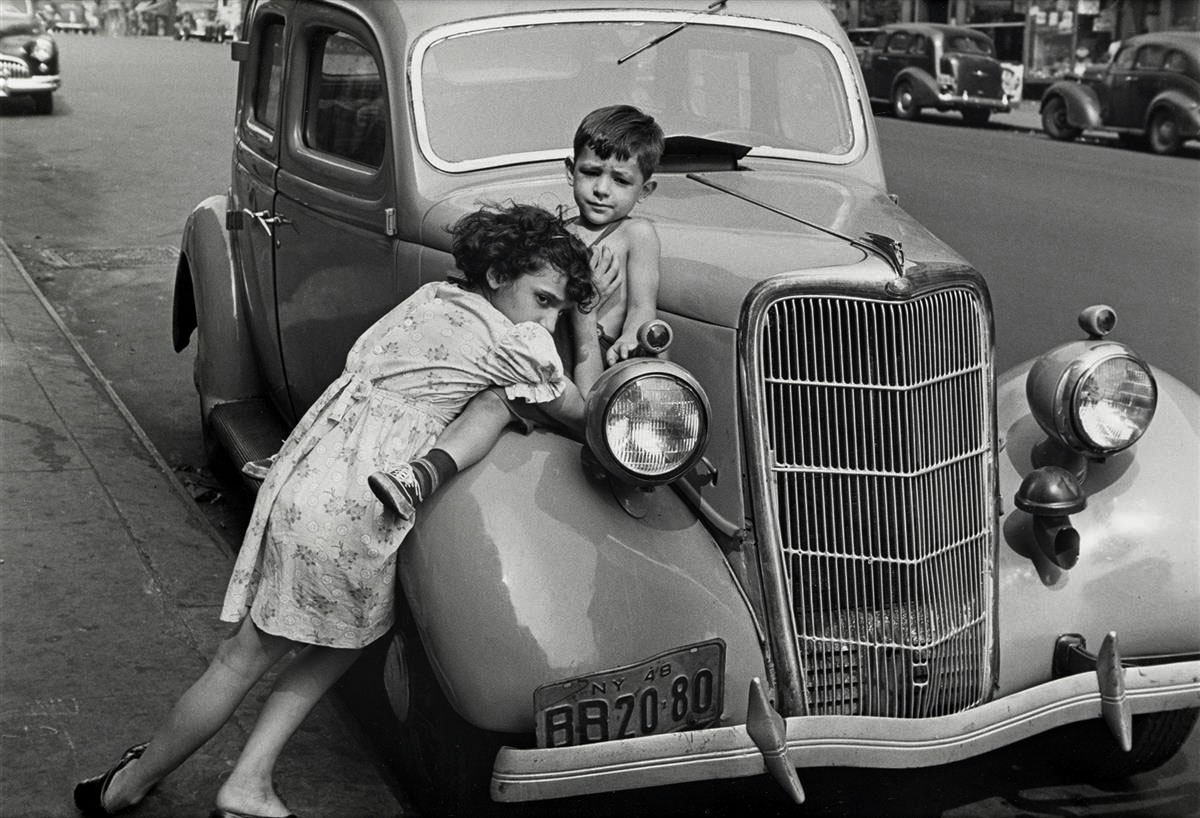
Helen Levitt (American, 1913-2009) 'New York' c. 1938


Helen Levitt (American, 1913-2009)
New York
c. 1938
Gelatin silver print


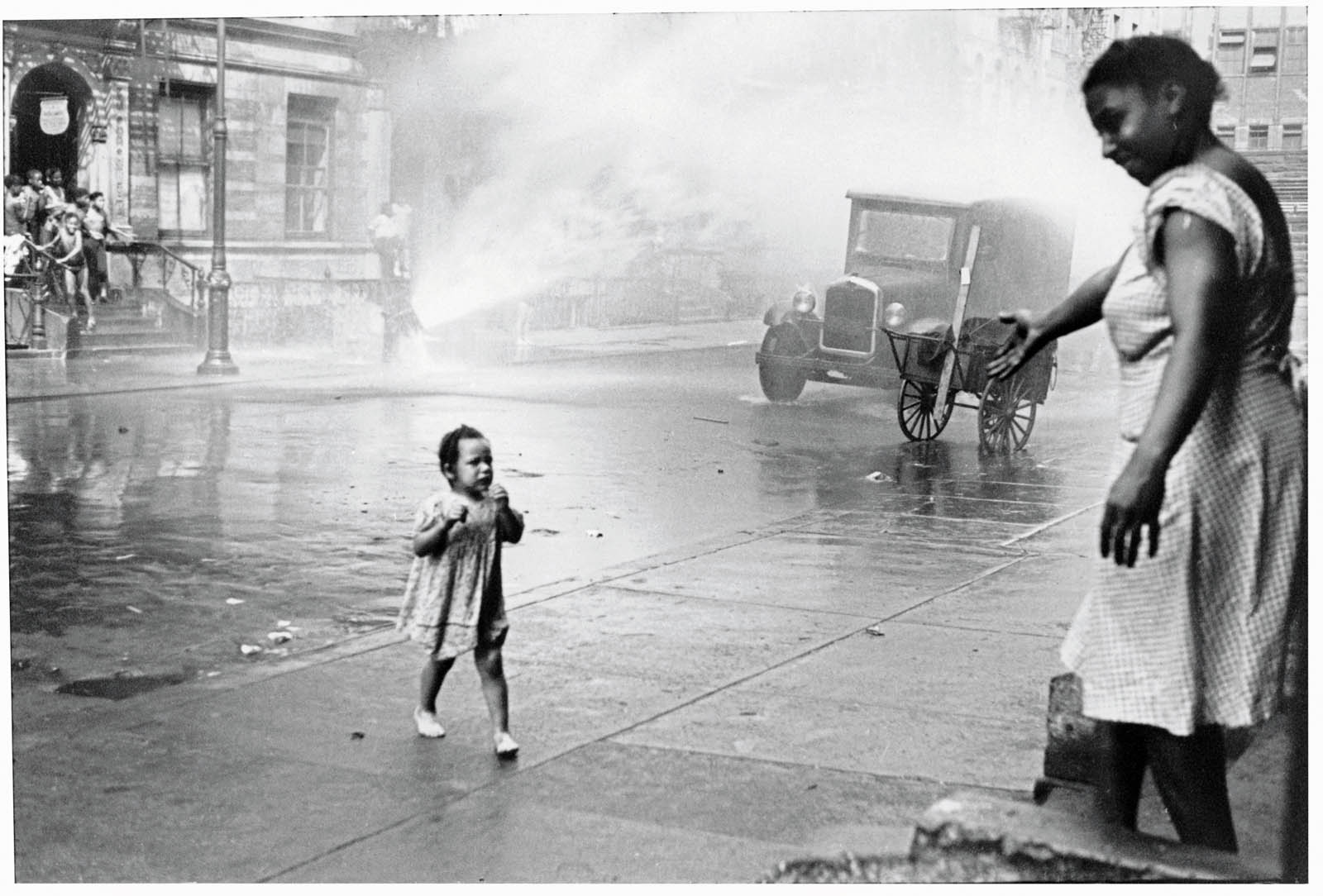
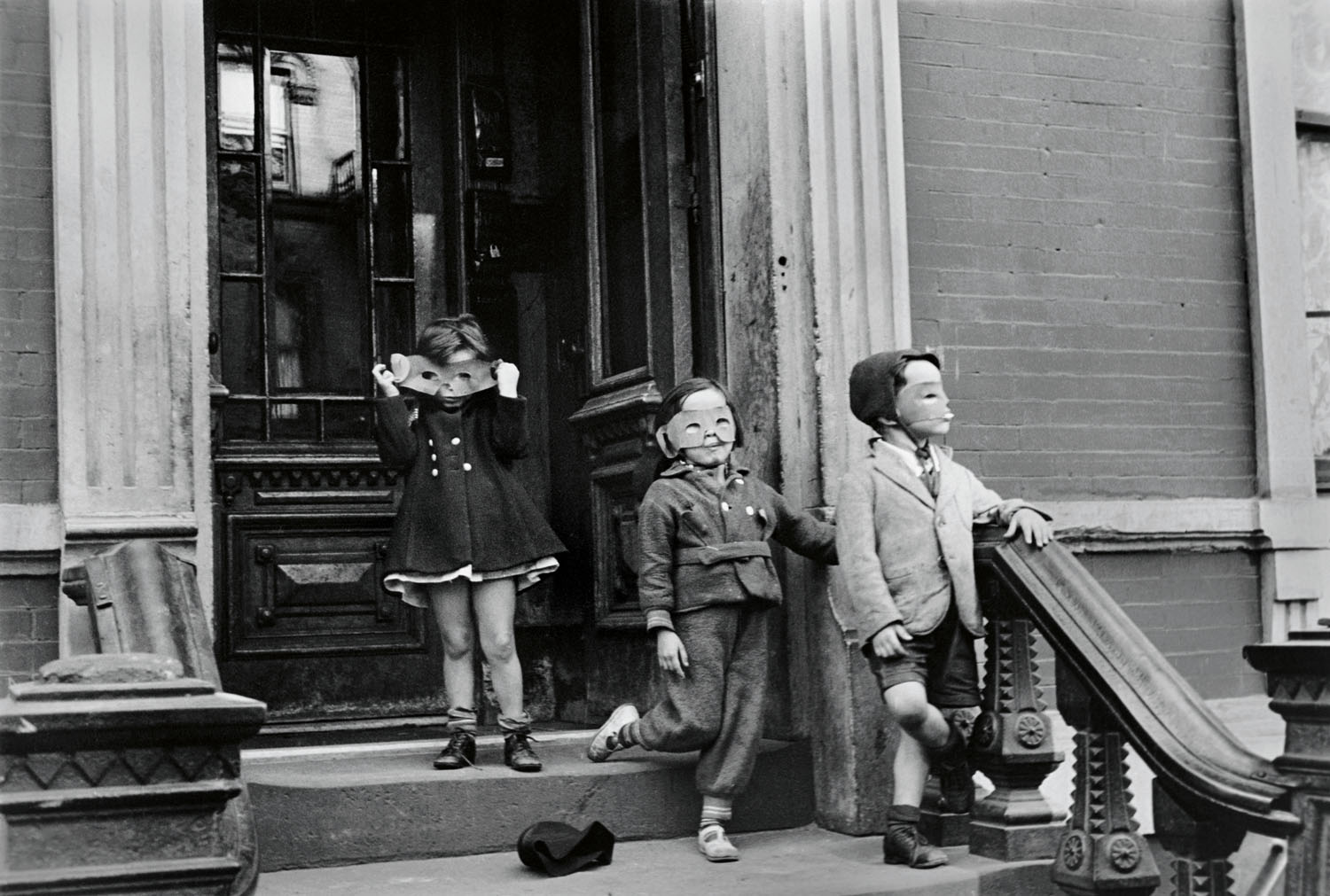
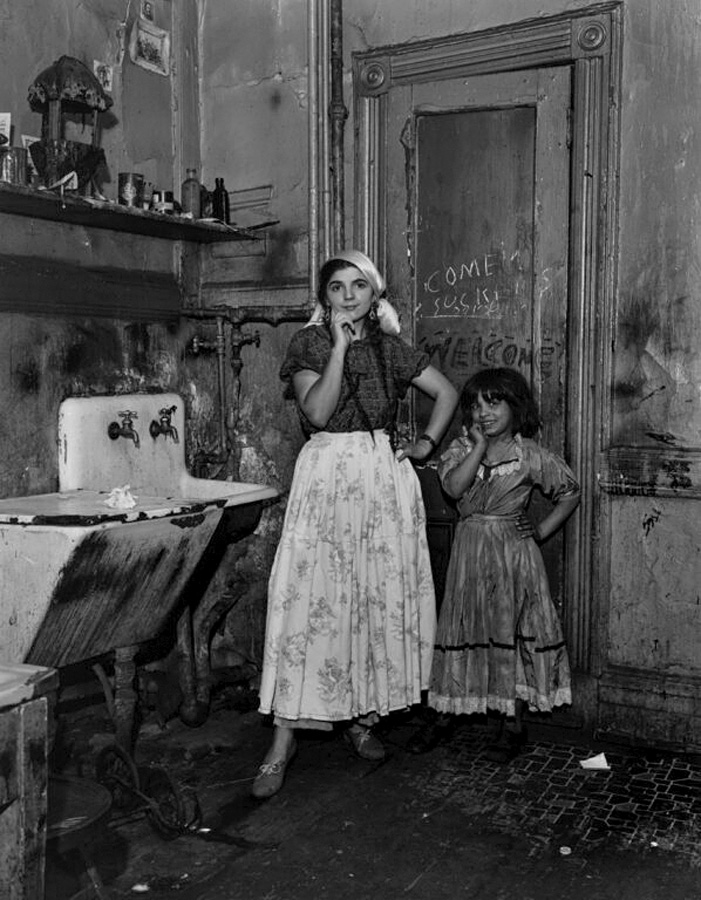
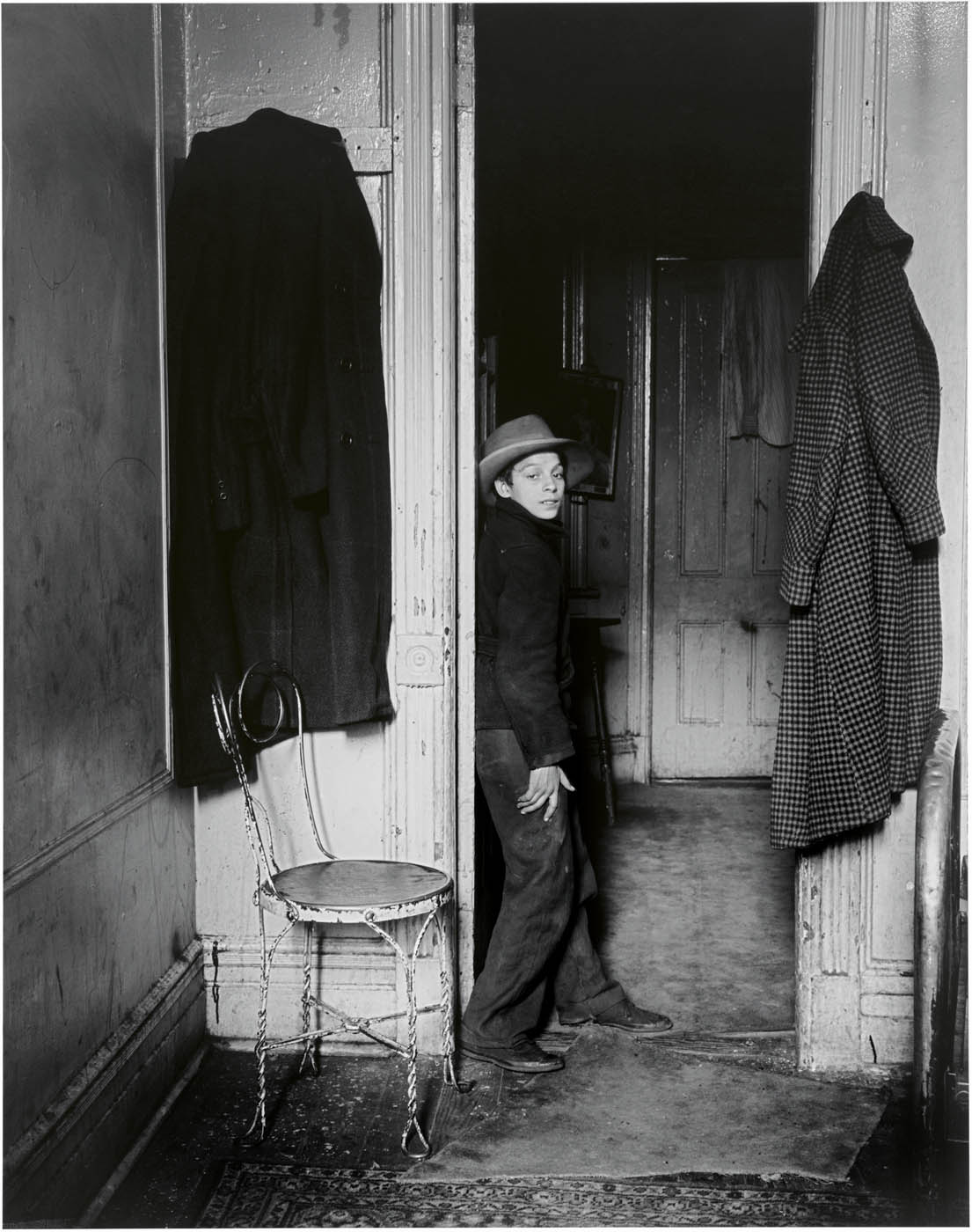
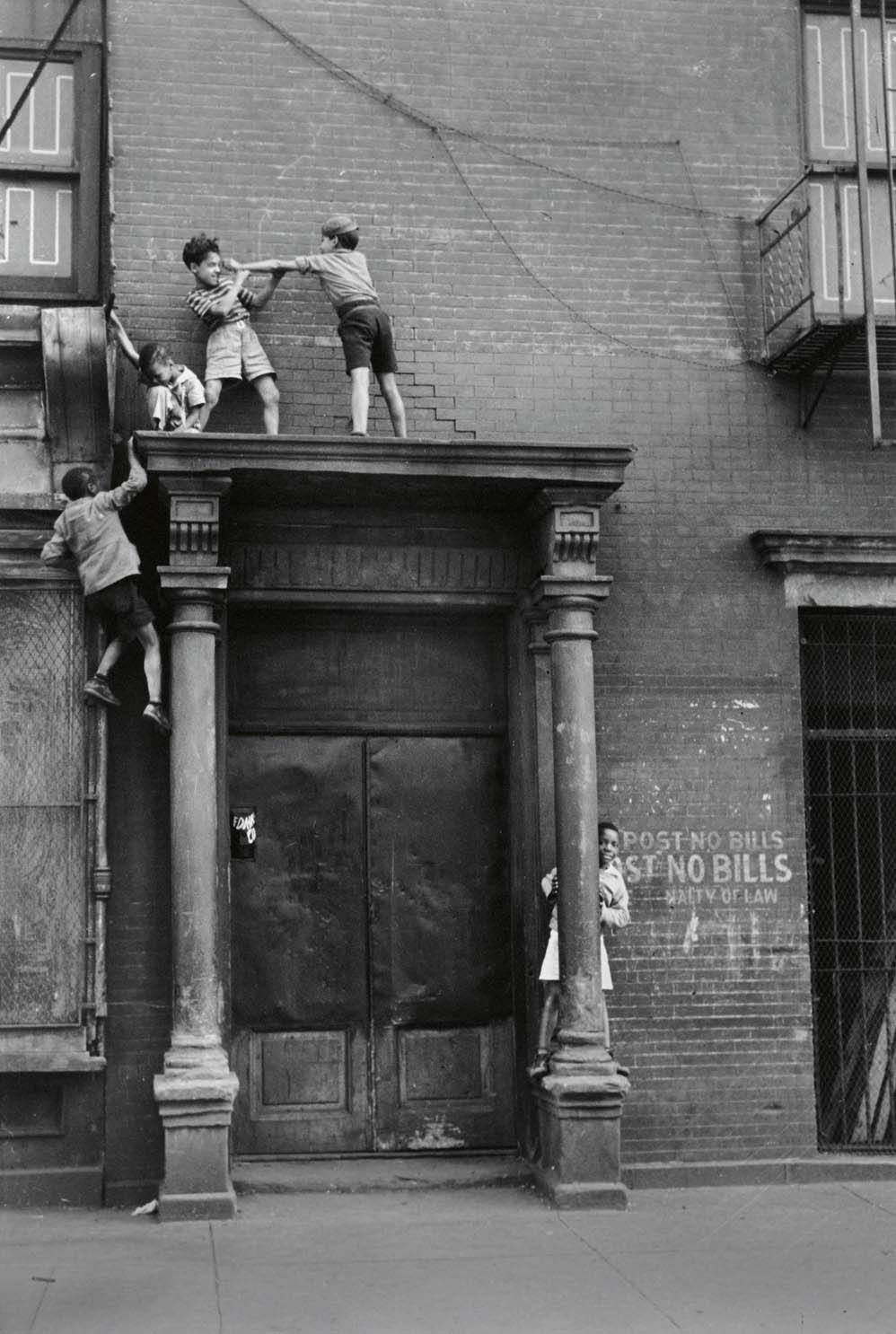
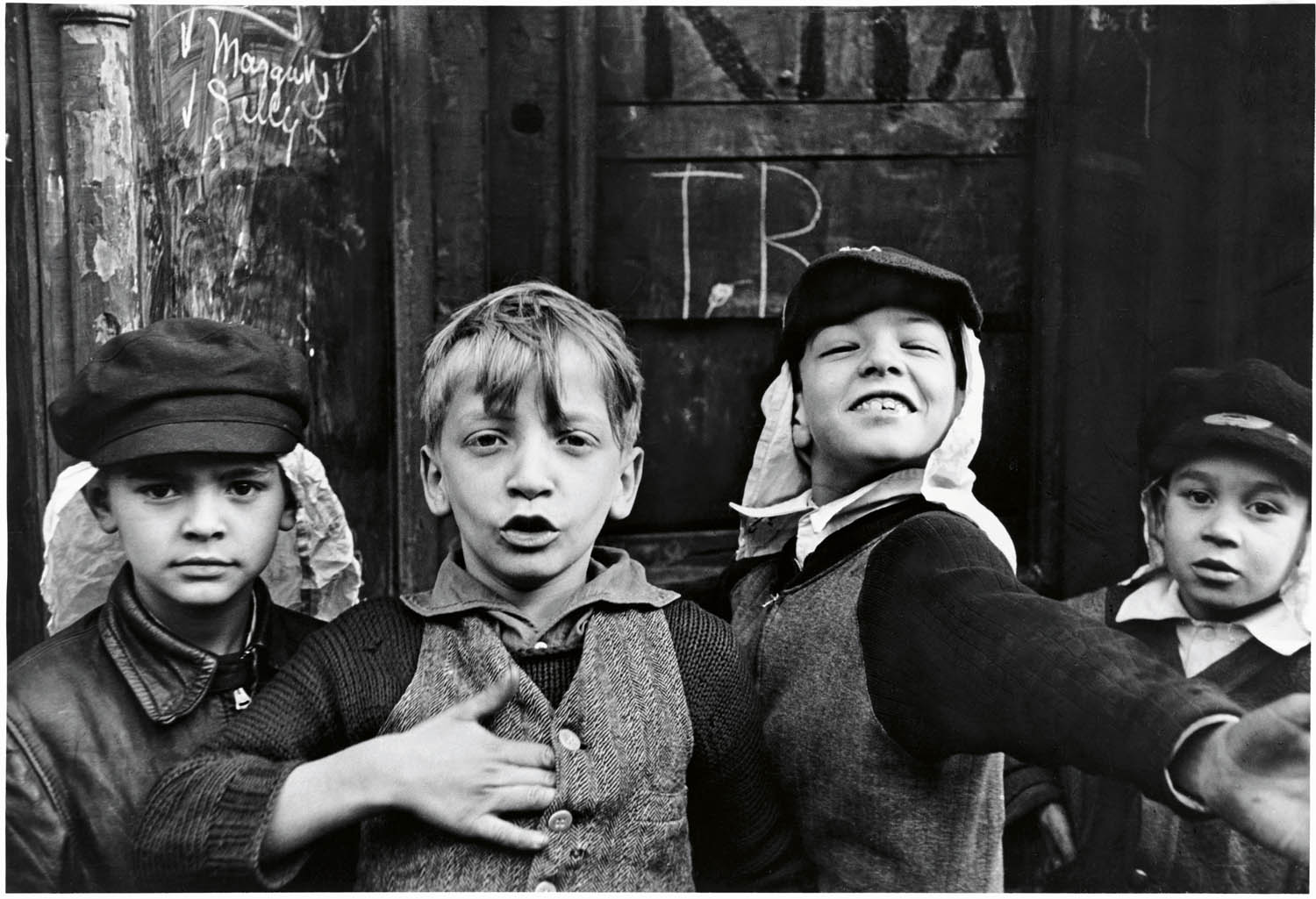
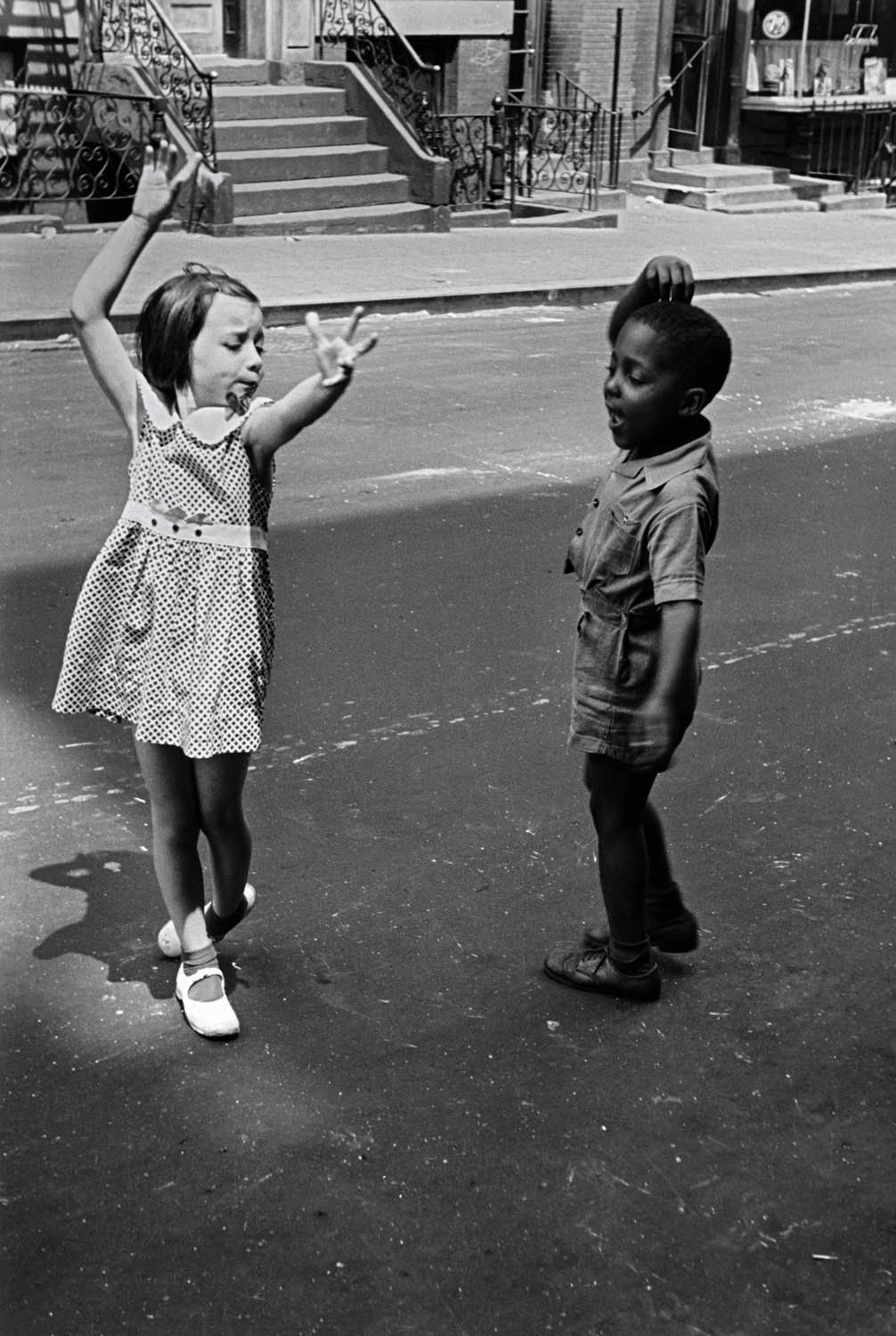
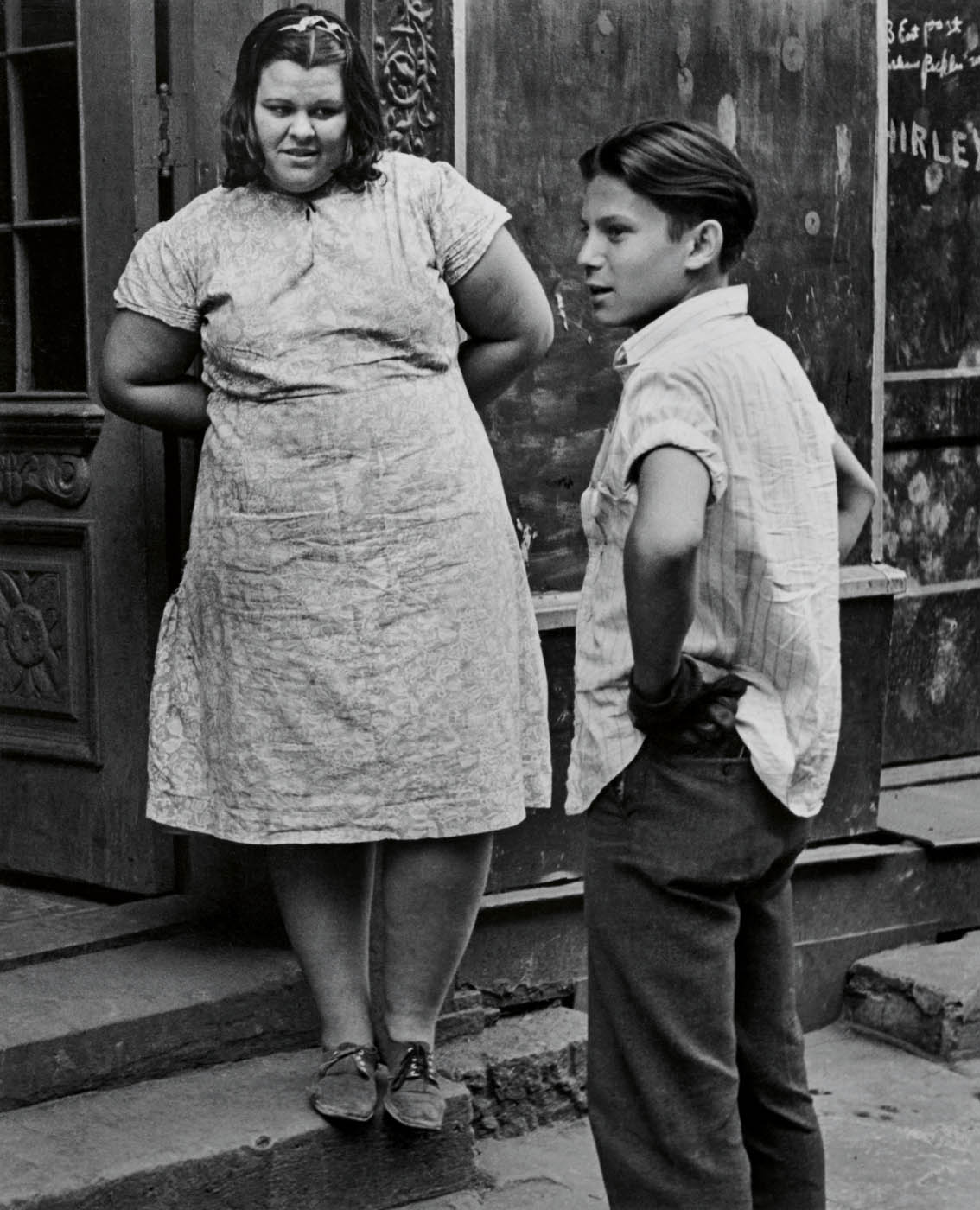
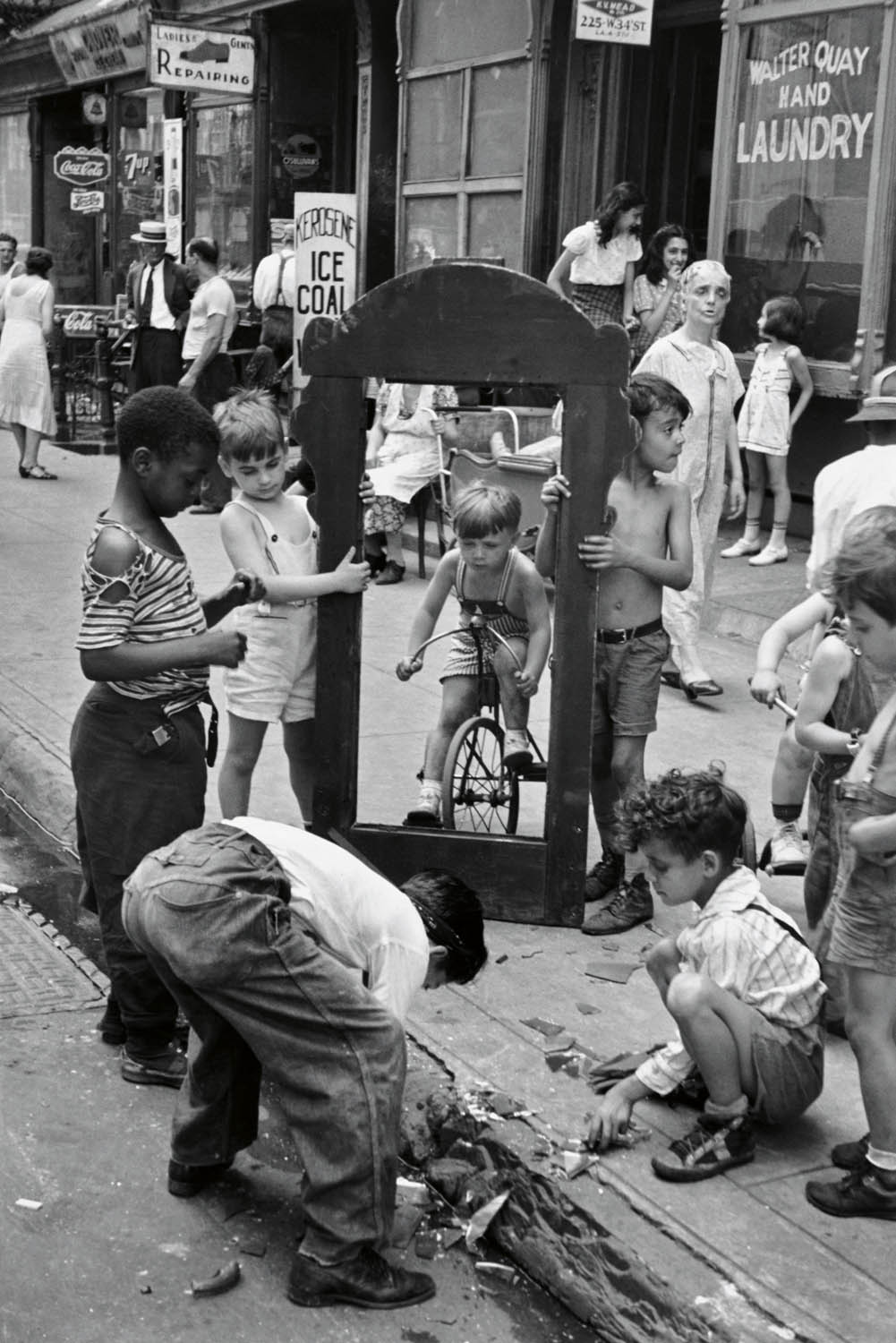
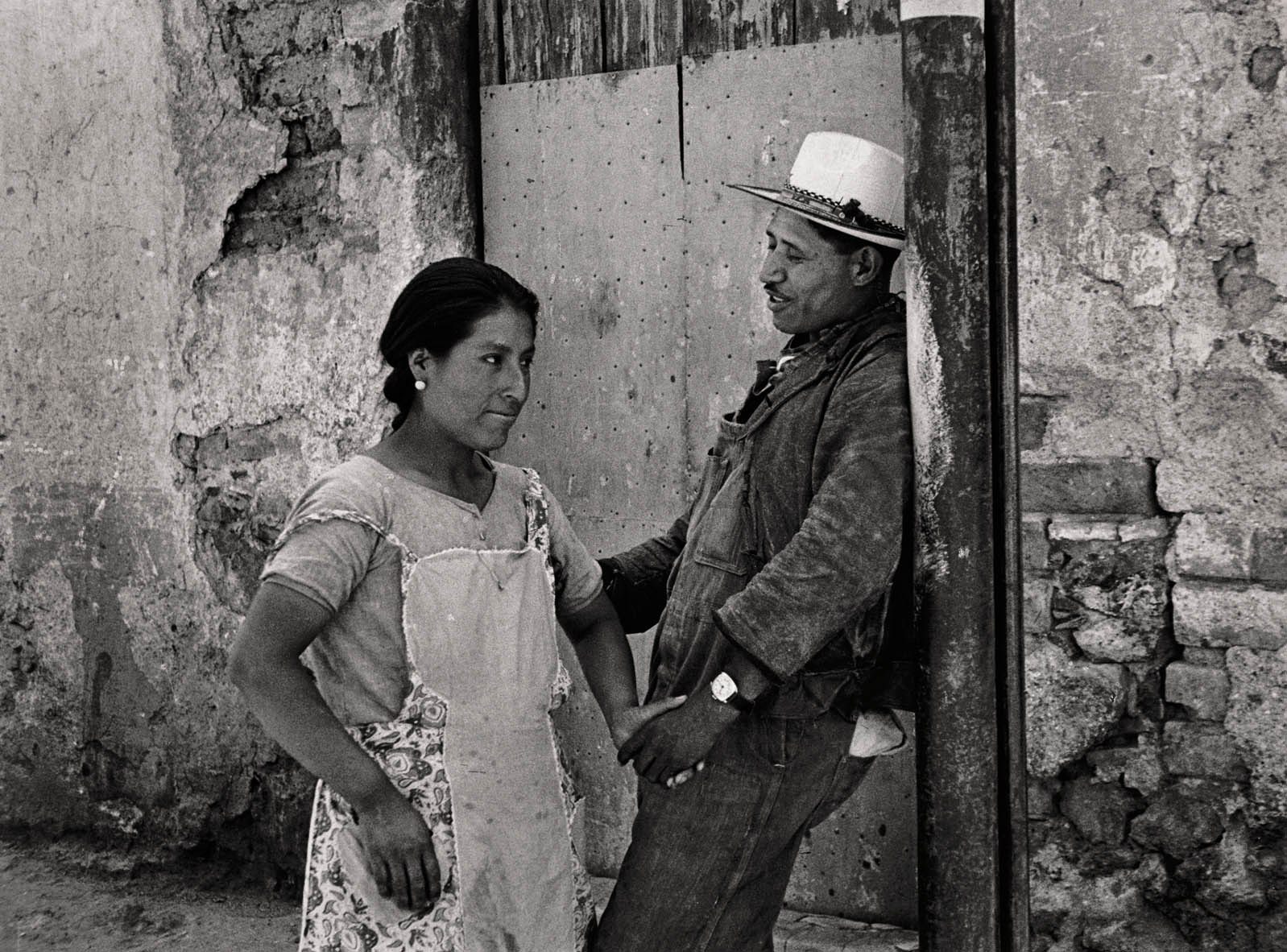
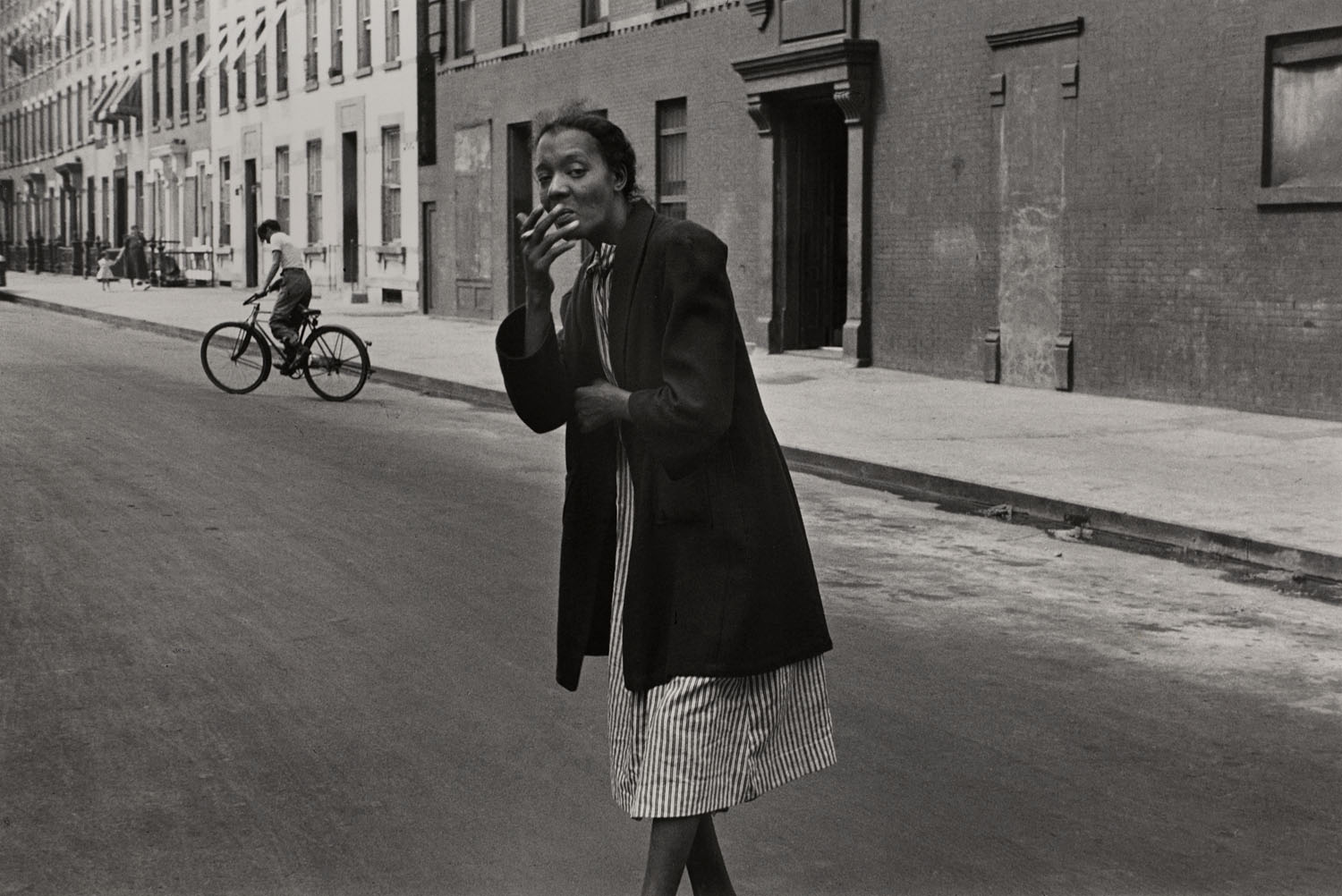
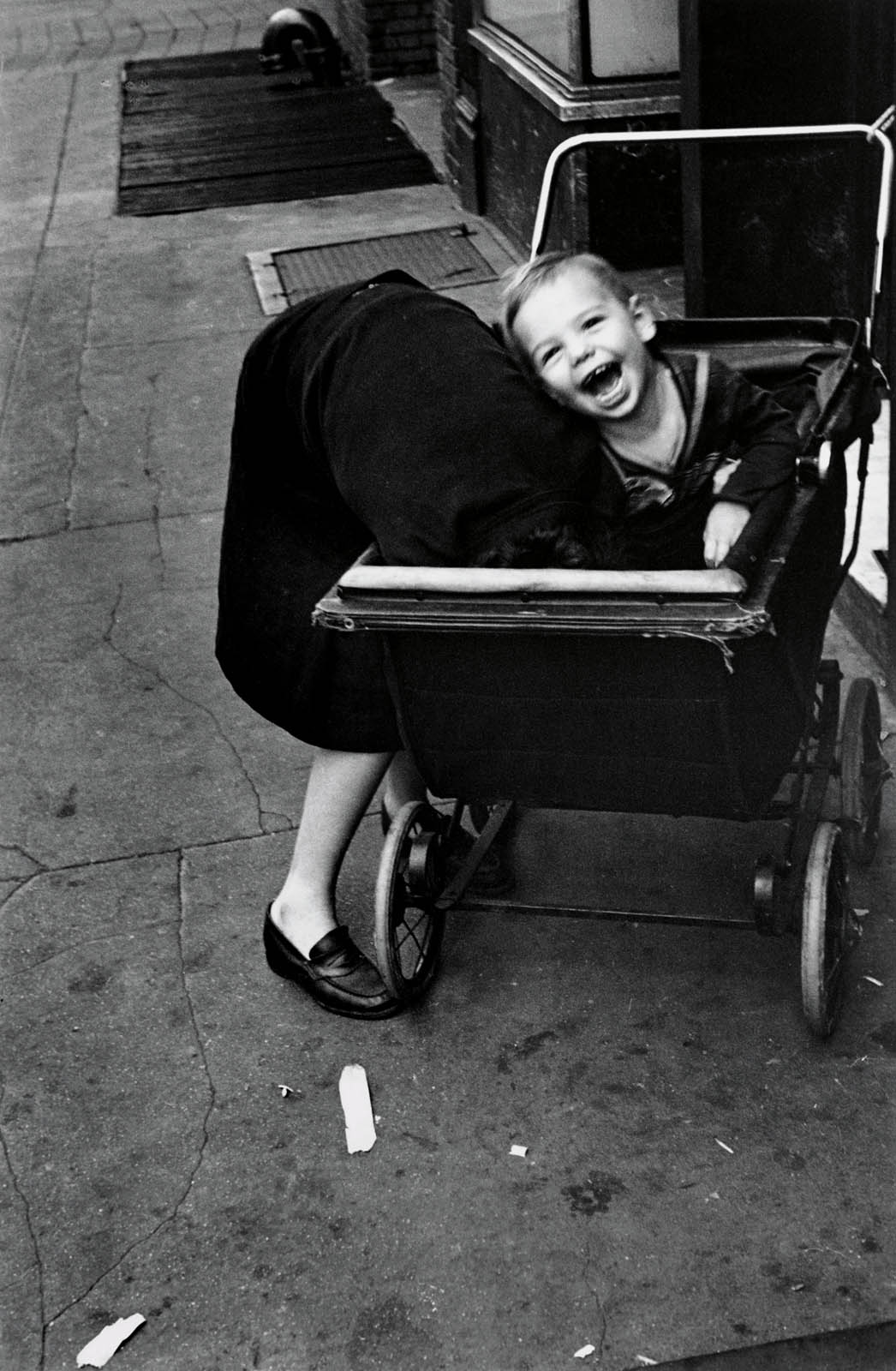
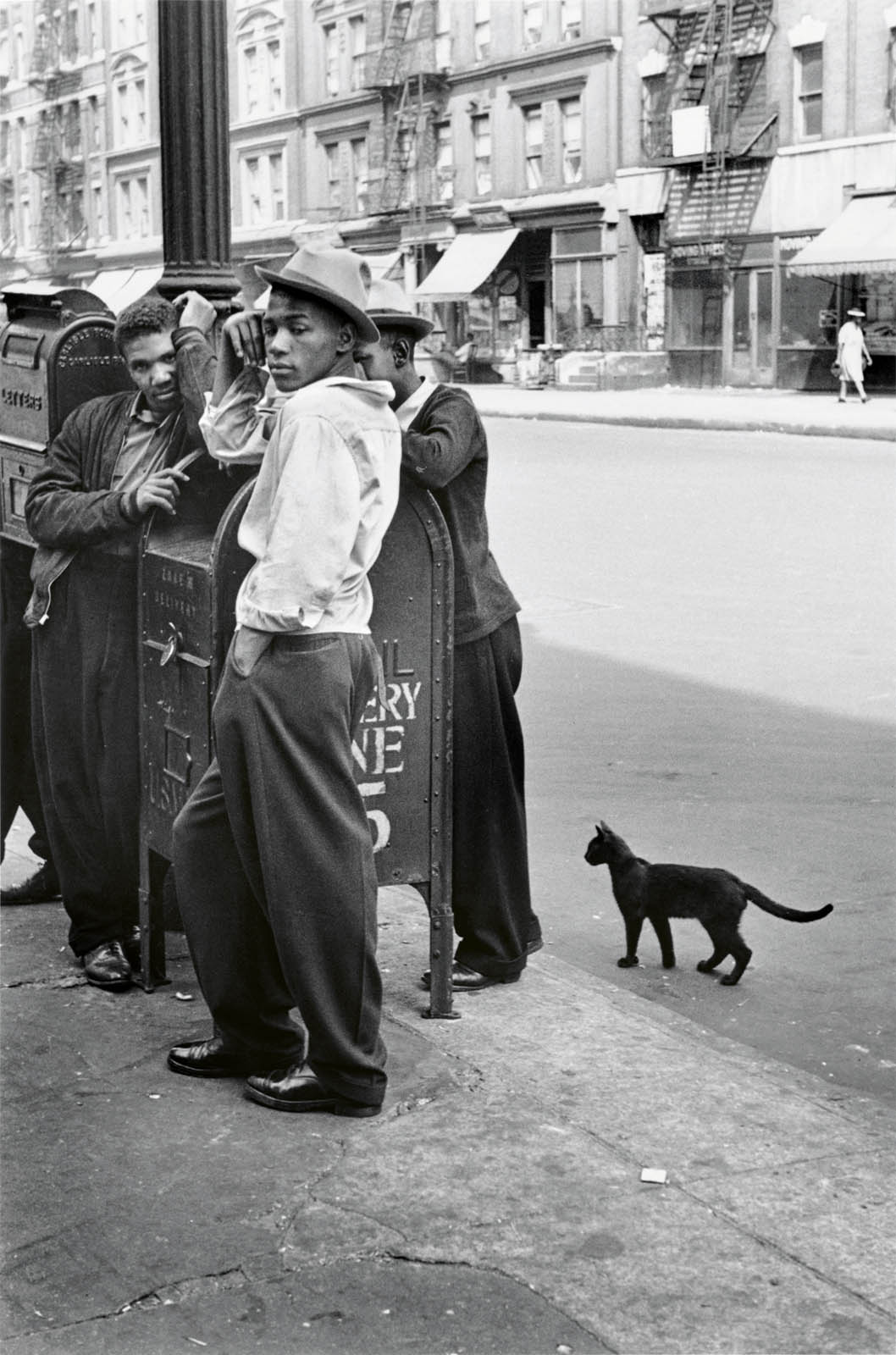
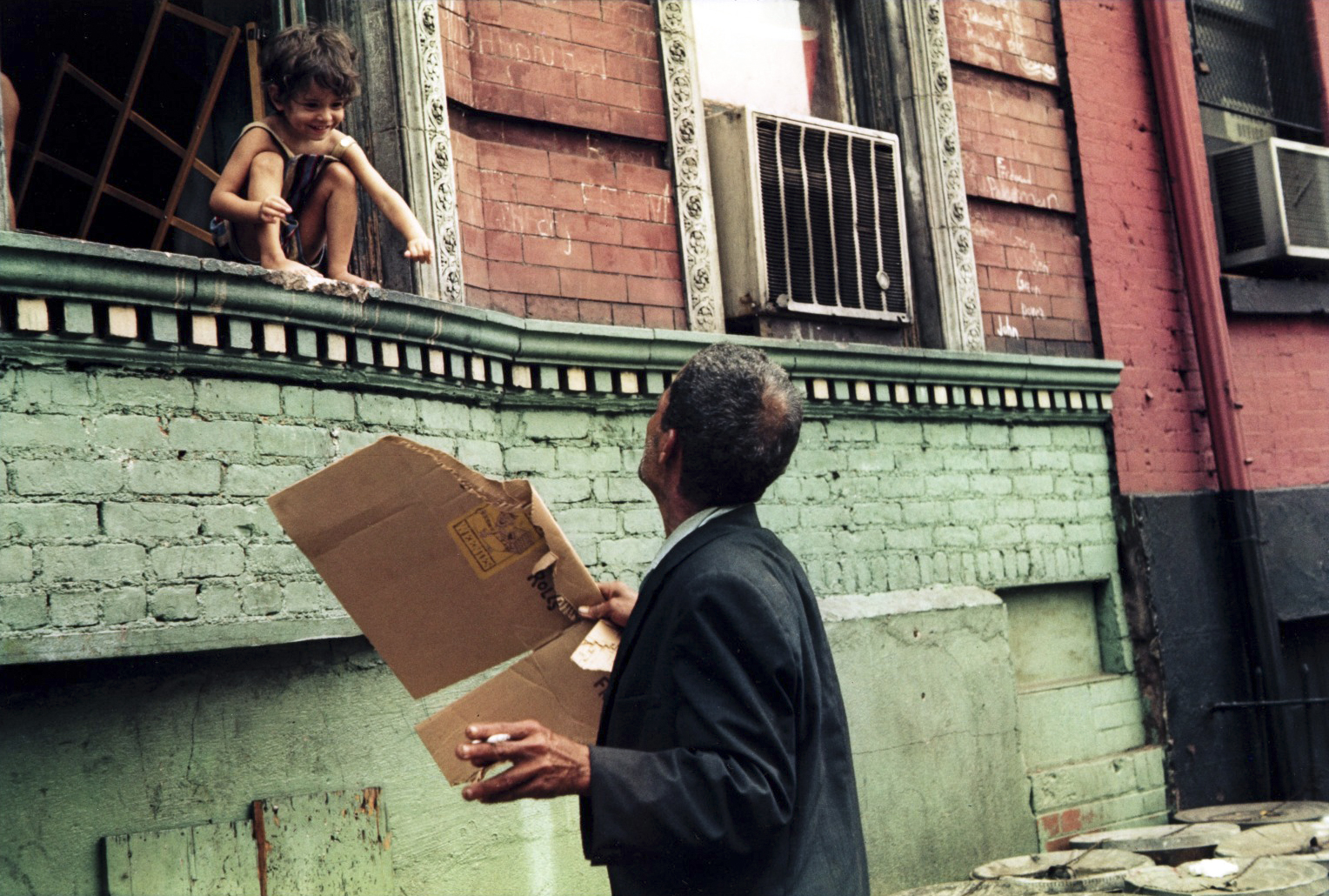
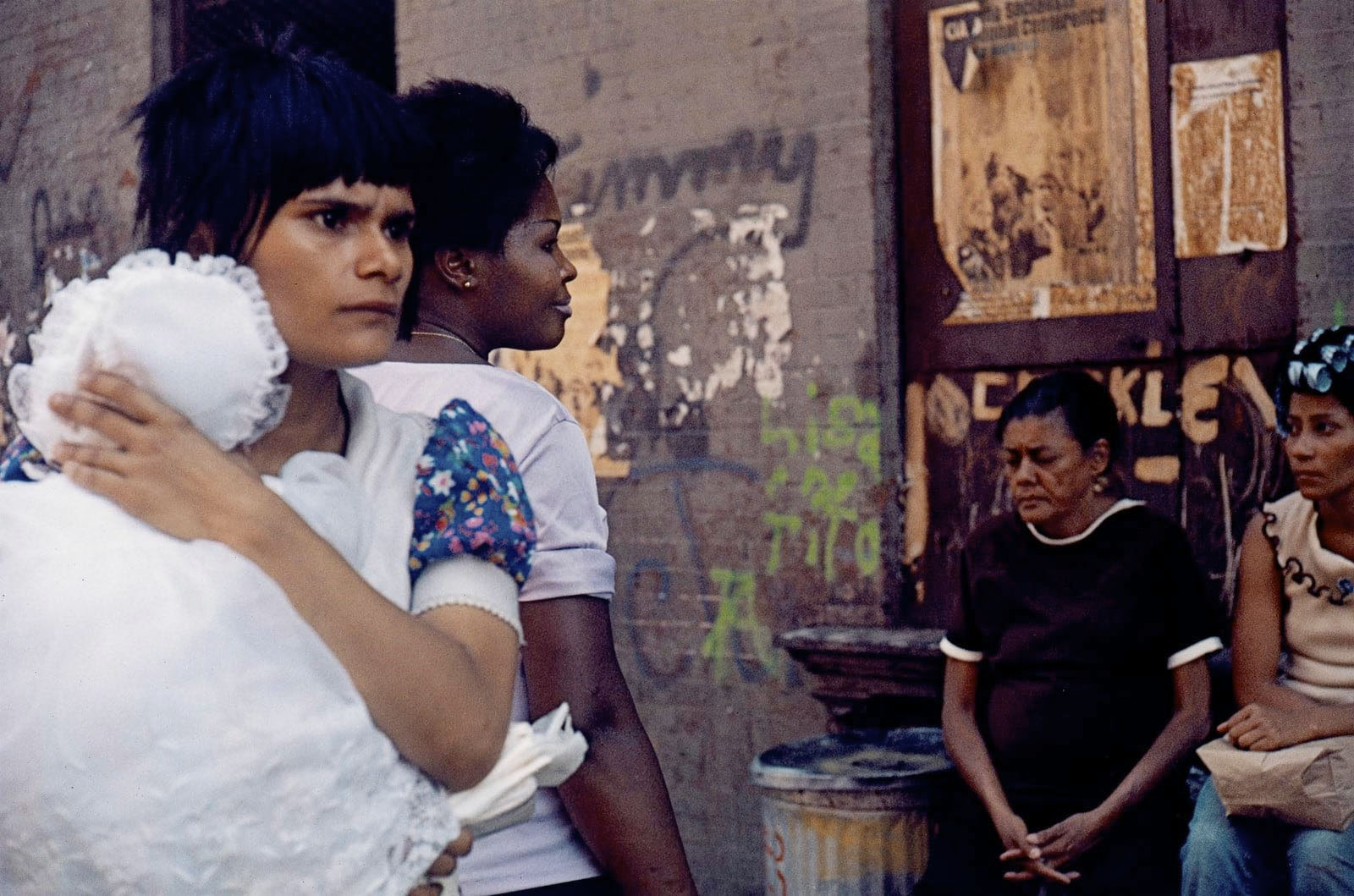
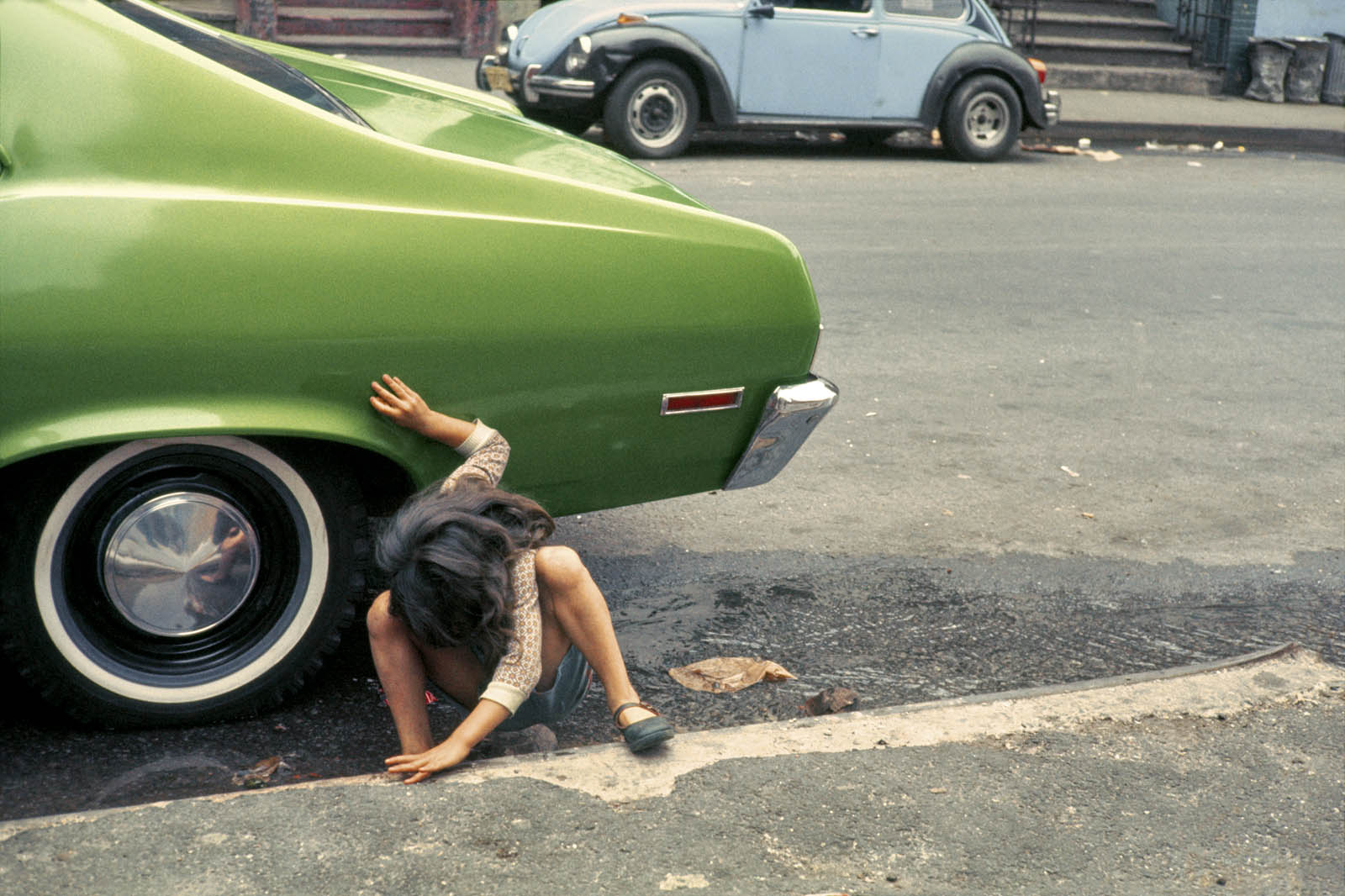
If there is one photographer in the history of the medium that captures the spirit of childhood, the spirit of a single city, and the spirit of life – then that photographer is the incomparable and beloved American photographer Helen Levitt (American, 1913-2009).

I have posted on this exhibition before when it was displayed at Fundación MAPFRE, Barcelona but I have now added many more photographs to the exhibition posting. Despite emails to the gallery I have been unable to secure any installation photographs of the exhibition.

It’s worth quoting from my text “Levittation” from the earlier posting on this exhibition for indubitably it holds true:

“In her photographs there is an (in)direct engagement with the people that surrounded her (in her early works “she often hid her camera under her coat to capture candid, unnoticed moments on the streets”), an exchange of energy from the photographer to the subject and back through the camera onto the film… evidencing a generosity of spirit on the part of the artist towards her subjects. Here there is no pressing the camera into the face of the victim a la Garry Winogrand to evince a reaction, but a genuine sense of compassion and empathy towards the people who live in the great city of New York. …

As with any great art, the artist that produced it (even as she is ambitious) seems to be without ego. She lets the picture and the emotions tell the story without the shadow of the artist getting in the way (unlike much contemporary art and photography). For the work of art to have value in itself.

Thus, her photographs speak to us directly, or not at all.”1

Dr Marcus Bunyan


1/ Marcus Bunyan. “Levittation,” on the Art Blart website, November 28, 2025 [Online] Cited 17/04/2026


Many thankx to Fundación MAPFRE, Madrid for allowing me to publish the photographs in the posting. Please click on the photographs for a larger version of the image.


“Helen Levitt was one of the first women to stand out in the world of photography, especially in the field of urban photojournalism. She always avoided imposing an explicit narrative on her images and preferred not to comment on them, letting them speak for themselves. The commitment to this discretion, far from diminishing the value of her work, is precisely one of the keys that make it so fascinating and unique.”


Carles Toribio. “Helen Levitt: the poetry of the streets in images at the KBr of the Fundación MAPFRE,” on the Bonart website 22/09/25 [Online] Cited 17/04/2026


Helen Levitt (American, 1913-2009) 'New York' c. 1939


Helen Levitt (American, 1913-2009)
New York
c. 1939
Gelatin silver print


Helen Levitt (American, 1913-2009) 'New York' c. 1938


Helen Levitt (American, 1913-2009)
New York
c. 1938
Gelatin silver print


Helen Levitt (American, 1913-2009) 'New York City' c. 1940


Helen Levitt (American, 1913-2009)
New York City
c. 1940
Gelatin silver print


Helen Levitt (American, 1913-2009) 'Kid in Tree with Mask, New York' c. 1938


Helen Levitt (American, 1913-2009)
New York
c. 1938
Gelatin silver print


Helen Levitt (American, 1913-2009) 'New York' c. 1939


Helen Levitt (American, 1913-2009)
New York
c. 1939
Gelatin silver print


Helen Levitt (American, 1913-2009) 'New York' c. 1939


Helen Levitt (American, 1913-2009)
New York
c. 1939
Gelatin silver print


Helen Levitt (American, 1913-2009) 'New York' c. 1939


Helen Levitt (American, 1913-2009)
New York
c. 1939
Gelatin silver print


Helen Levitt (American, 1913-2009) began photographing the streets of New York, her hometown, in the late 1930s, focusing mainly on poor neighbourhoods such as Spanish Harlem or the Lower East Side, where the street is the main stage of daily life. Her camera was directed primarily toward children and their street games. These childhood scenes are the central theme of a body of work that captivates us with its ability to transform everyday situations into images that convey all that life can hold of emotion, mystery, or humour and that, although lacking an explicit narrative, manage to establish an immediate connection with the viewer. Levitt’s work soon received the recognition it deserved, and as early as 1943 the Museum of Modern Art in New York organised her first solo exhibition (Photographs of Children).

In later years, she became deeply interested in film and colour photography. Regarding the former, in 1948 she collaborated on the documentary The Quiet One and co-directed In the Street, another documentary about the streets of Spanish Harlem. Both titles would be highly influential in the subsequent evolution of documentary cinema, inspiring artists such as Jonas Mekas and Andy Warhol. On the other hand, after receiving a Guggenheim Fellowship in 1959 to explore chromatic techniques, she began experimenting with colour photography, a medium in which she would also develop pioneering work.

A socially committed artist, Levitt was one of the first women to forge a professional career in photography. This exhibition is the first to be organised based on the entirety of her work and archives, which have only recently been made available for public consultation.

Text from the Fundación MAPFRE website


Helen Levitt (American, 1913-2009) began photographing the streets of New York City, her hometown, in the late 1930s, focusing primarily on poor neighbourhoods like Spanish Harlem and the Lower East Side, where the street plays a central role as the stage for daily life. She documented intimate and fleeting moments of human connection, becoming a key figure in 20th-century photography.

Her training began as an apprentice in a Bronx studio, and in 1934 she acquired her first camera. Shortly after, she joined the New York Film and Photo League, where she met Henri Cartier-Bresson, whose influence was decisive in Levitt’s decision to pursue photography independently.

Between 1938 and 1942, she captured some of her most iconic images, documenting everyday life in working-class neighbourhoods of New York with a spontaneous, empathetic, and unpretentious eye. Her approach, focused especially on childhood and the fleeting moments of urban life, broke with the traditional canons of photojournalism and opened new avenues for photography as a means of poetic and social expression.

In 1943, MoMA dedicated her first solo exhibition to her, solidifying her place in art history.

Although her name is associated with “street photography,” since it was precisely the streets of her hometown that provided the context for her images, throughout her career she ventured into film and visited other countries, such as Mexico.

Levitt also explored colour photography and film, pioneering both fields. She co-directed the documentary In the Street and received a Guggenheim Fellowship in 1959 to research new colour techniques. Although a 1970 robbery resulted in the loss of much of her colour work, she resumed her photography, and MoMA screened her slides in 1974. During the following decades, she continued to photograph intermittently, returning to black and white and exploring new settings such as the New York subway. Her work, marked by ambiguity and restrained emotion, has been recognised for its ability to capture fleeting moments of human connection in complex urban environments.

The exhibition, curated by Joshua Chuang, offers a comprehensive overview of Levitt’s career through nine sections and some 220 photographs. It includes previously unseen works, as well as pieces taken in Mexico in 1941 and a significant portion of her colour work, which she began in the 1950s. In addition, her film In the Street, directed by Levitt herself along with Janice Loeb and James Agee, is presented, along with a screening of colour slides taken by the artist.

Press release from Fundación MAPFRE


Helen Levitt (American, 1913-2009) 'New York' c. 1939


Helen Levitt (American, 1913-2009)
New York
c. 1939
Gelatin silver print


Helen Levitt (American, 1913-2009) 'New York' c. 1939


Helen Levitt (American, 1913-2009)
Gypsy Boy, Harlem, New York
c. 1939
Gelatin silver print


Helen Levitt (American, 1913-2009) 'New York' c. 1939


Helen Levitt (American, 1913-2009)
New York
c. 1939
Gelatin silver print


Helen Levitt (American, 1913-2009) 'New York' c. 1939


Helen Levitt (American, 1913-2009)
New York
c. 1939
Gelatin silver print


Helen Levitt (American, 1913-2009) 'New York' 1939


Helen Levitt (American, 1913-2009)
New York
1939
Gelatin silver print


Information

Dedicated full-time to her artistic activities, the photographer Helen Levitt (New York, 1913-2009) did not begin to gain public recognition until relatively late in life. Although her name has always been associated with “street photography,” as it was precisely the streets of her native city that provided the context for the production of her images, throughout her career Levitt made forays into film, visited other countries such as Mexico, and also focused on colour photography. Her images, almost invariably ambiguous and mysterious although not necessarily at first glance, are also characterised by their spontaneity, warmth and sensitivity. The movements and gestures of the figures captured by her lens and the communication between them transcend that inclination to “photograph children” which many critics pointed out after her first exhibition at the MoMA in 1943, entitled Helen Levitt: Photographs of Children.

Levitt’s work as a whole goes far beyond the latter aspect, revealing her acceptance of the pleasures, terrors and complexity of existence at all ages, traits often overlooked by the viewer when immersed in the harsh reality of the urban landscape.

The exhibition, the first to be devoted to the artist on the basis of the entirety of her work and archives, which have only recently become available for study, offers a broad overview of Levitt’s career through nine sections and around 220 photographs. It includes previously unexhibited images, as well as work produced in Mexico in 1941 and a large proportion of the artist’s work in colour, which she explored from the 1950s onward. It also features her film In the Street, directed by Levitt in collaboration with Janice Loeb and James Agee, and a projection of her colour slides.

Born in Brooklyn to a Russian-Jewish family, Helen Levitt dropped out of high school early and began her photography training in a Bronx studio. Influenced by Henri Cartier-Bresson, she pursued independent photography, capturing everyday life in New York neighbourhoods between 1938 and 1942. Her first solo exhibition was at the MoMA in 1943. She also experimented with film, making In the Street, and with colour photography, which gained her a Guggenheim Fellowship in 1959. Levitt continued to work intermittently, exploring new settings such as the subway and rural areas. Her creative output is recognised for its ability to capture moments of human connection in complex urban environments.

Key themes

Enigmatic photographs

Helen Levitt’s images possess a mysterious quality that transforms them into true visual enigmas. Her unique and highly perceptive gaze turns everyday scenes into compositions that are hard to define, creating an immediate connection with the viewer even when there is no clear narrative to explain them.

A pioneer with her own voice

Helen Levitt was one of the first women to make her way in the world of photography, especially in the field of street photography. She always avoided constructing an explicit narrative in her images and preferred not to talk about them. Far from diminishing its value, that decision is one of the key traits that make her work so interesting. Despite this characteristic of reserve, Levitt’s photographs connect with the viewer through the universal emotions they convey.

Text from Fundación MAPFRE


Helen Levitt (American, 1913-2009) 'New York' 1940


Helen Levitt (American, 1913-2009)
New York
1940
Gelatin silver print


Helen Levitt (American, 1913-2009) 'New York' c. 1940


Helen Levitt (American, 1913-2009)
New York
c. 1940
Gelatin silver print


Helen Levitt (American, 1913-2009) 'New York' c. 1940


Helen Levitt (American, 1913-2009)
New York
c. 1940
Gelatin silver print


Helen Levitt (American, 1913-2009) 'New York' c. 1940


Helen Levitt (American, 1913-2009)
New York
c. 1940
Gelatin silver print


Helen Levitt (American, 1913-2009) 'New York' c. 1940


Helen Levitt (American, 1913-2009)
New York
c. 1940
Gelatin silver print


Helen Levitt (American, 1913-2009) 'New York' c. 1940


Helen Levitt (American, 1913-2009)
New York
c. 1940
Gelatin silver print


Born and raised in Brooklyn, New York, Helen Levitt (American, 1913-2009) became a photographer in the mid-1930s after meeting Henri Cartier-Bresson and seeing his radical new pictures made with a discreet, handheld camera. By the end of the decade, she had developed a unique sensibility, one informed by Surrealism and a love of avant-garde cinema but focused on the interactions of ordinary people in the streets, sidewalks, stoops, and vacant lots of her native city.

Grounded in gritty realism but brimming with subversive humor, mischief, and pathos, Levitt’s pictures are open-ended and enigmatic, concealing as much as they reveal. Her uncanny photographs of urban children and their games brought Levitt early renown even as she remained attentive to the quiet gestures and movements of a broader swath of humanity observed with her 35mm Leica, especially in Spanish Harlem, where the activity of everyday life often spilled out of doors.

Following a months long foray in Mexico City, Levitt began to work in filmmaking, leading to a long hiatus in her photographic activity. In 1959, advances in the sensitivity colour film spurred her to take to the streets again with her Leica. She continued to photograph in colour throughout the 1970s, reverting to black-and-white film for a series of pictures taken in the New York City subway. Levitt continued to photograph intermittently until the early 1990s, when she became known as the “unofficial poet laureate” of New York and her oeuvre universally acknowledged as one of the most timeless and affecting in the history of the medium.

Joshua Chuang
Comisario / Curator


Helen Levitt (American, 1913-2009) 'Mexico City' 1941


Helen Levitt (American, 1913-2009)
Mexico City
1941
Gelatin silver print


Helen Levitt (American, 1913-2009) 'New York' c. 1942


Helen Levitt (American, 1913-2009)
New York
c. 1942
Gelatin silver print


Helen Levitt (American, 1913-2009) 'New York' c. 1942


Helen Levitt (American, 1913-2009)
New York
c. 1942
Gelatin silver print


Helen Levitt (American, 1913-2009) 'New York' c. 1945


Helen Levitt (American, 1913-2009)
New York
c. 1945
Gelatin silver print


Helen Levitt (American, 1913-2009) 'New York' 1948


Helen Levitt (American, 1913-2009)
New York
1948
Gelatin silver print


In the Street, 1948 – A Film by Helen Levitt, ft. New Musical Score by Ben Model | From the Vault – The Metropolitan Museum of Art

Filmed in East Harlem just after the end of World War II, “In the Street” is a dynamic, tender, and often humorous portrait of life in New York City: children dance and play in alleyways, shopkeepers sweep the sidewalks, onlookers watch from their windows. This captivating film presents the bustling theater of city life, where “every human is a poet, a masker, a warrior, a dancer.” Directed by the renowned photographer Helen Levitt, in collaboration with Janice Loeb and James Agee, and featuring a new musical score written and performed by Ben Model.

Text from the YouTube website


Early Work / Graffiti / Gypsies

Only a few examples survive from Levitt’s first year using a Leica camera. Amid the backdrop of the Great Depression, her pictures of lone figures hunched over or lying on the ground appear documentary in their impulse, while other depictions of people in urban surroundings are notably more ambivalent in their view.

In 1937, while employed by the Federal Art Project to teach at a public school in East (Spanish) Harlem, Levitt noticed the many chalk drawings and messages illicitly scrawled by children on streets and buildings on her way to work, and began to document them in all their variety, innocence, and vulgarity. She sometimes also portrayed the artists themselves posing next to their ephemeral interventions.

Around 1938, on the advice of Walker Evans, Levitt began to use a right-angle viewfinder, a device that allowed her to face one direction while pointing her camera in another. This was particularly effective in recording the uninhibited interactions of the “gypsy” families prevalent in Spanish Harlem and Yorkville. Drawn to their way of life, she also borrowed Evans’s 4 x 5-inch view camera and tripod to make portraits of “gypsy” children in their homes.

1938-1940 / Mexico City / A Way of Seeing

By 1940 Levitt had established her terrain, subject, and approach. In a rare statement, she later described her intent “to seize upon and record those apparently accidental disarrangements that nevertheless and in seeming contradiction provide a more intense apperception of reality.” Uninterested in portraying New York City as a bustling metropolis, Levitt instead saw it as an environment whose “size and varied character constantly forces into the open material for my camera.” The working class, immigrant neighbourhoods she frequented – where adults chatted on stoops, mothers and children leaned out of windows, and children were left to their own devices – proved to be an especially fertile ground for her work.

In 1941, again inspired by Cartier-Bresson’s example, Levitt, a reluctant traveller, went to Mexico City with a friend to photograph there. Initially struggling with the challenge of working in new environment, she was eventually able to find her artistic footing, producing a body of work that at once acknowledged rawer social realities while locating a subtle lyricism unique to the city and its people. It would be her only trip abroad.

Upon her return to New York City, Levitt picked up where she left off, picking up on more sober themes of melancholy, alienation, and what she referred to as “the deep repressions of the unyoung.” After having photographed for a decade, Levitt collaborated with her friend, the writer and critic James Agee, to edit and sequence a book of her New York photographs. Envisioning the project as an urban counterpart to Let Us Now Praise Famous Men, his 1941 collaboration with Walker Evans, Agee wrote an extensive essay to accompany Levitt’s pictures that heralded their lyric qualities, the sum of which presented “unified view of the world, an insistent but irrefutable manifesto.” After a series of setbacks, the book, eventually given the title A Way of Seeing, was not published until nearly two decades later in 1965.

Color / Metro / Anys 1980

In 1959, Levitt was granted a Guggenheim fellowship to experiment with “the latest techniques in colour photography.” Her Leica loaded with colour slide film, she walked some of the same streets she had frequented in the 30s and 40s, newly attentive to the chromatic character of her compositions. After the bulk of her slides were stolen by a burglar in 1970, Levitt redoubled her efforts, photographing throughout the decade with renewed zeal, developing an intuitive system of colour that was at once transporting and transparent. In 1974, a continuous projection of forty of Levitt’s slides were featured at MoMA in New York, after which she began to realise select images as dye transfer prints.

Around the same time, Levitt also decided to revisit the subterranean theater of New York City subway as a site to make pictures, having served as a decoy for Walker Evans’s subway project work more than three decades earlier. With her subjects largely stationary in train cars and platforms, Levitt attended to the nuances of expression and gesture, recording quiet dramas amid unflattering light and cramped quarters.

From the 1980s onwards, Levitt continued to photograph, but only intermittently, working mainly in black and white, both in the city and outside it.

Text from Fundación MAPFRE


Helen Levitt (American, 1913-2009) 'New York' 1975


Helen Levitt (American, 1913-2009)
New York
1975
Gelatin silver print


Helen Levitt (American, 1913-2009) 'New York (Woman and taxi)' 1982


Helen Levitt (American, 1913-2009)
New York (Woman and taxi)
1982
Gelatin silver print


Helen Levitt (American, 1913-2009) 'New York' Nd


Helen Levitt (American, 1913-2009)
New York
Nd
Gelatin silver print


Helen Levitt (American, 1913-2009) 'New York' 1971


Helen Levitt (American, 1913-2009)
New York
1971
Dye transfer print


Helen Levitt (American, 1913-2009) 'New York' 1972


Helen Levitt (American, 1913-2009)
New York
1972
Dye transfer print


Helen Levitt (American, 1913-2009) 'New York' 1974 dye-transfer print


Helen Levitt (American, 1913-2009)
New York
1974
Dye transfer print


Helen Levitt (American, 1913-2009) 'Cat next to red car, New York' 1973


Helen Levitt (American, 1913-2009)
Cat next to red car, New York
1973
Type C print
18 x 12 inches


Helen Levitt (American, 1913-2009) 'New York' 1976


Helen Levitt (American, 1913-2009)
New York
1976
Dye transfer print


Helen Levitt (American, 1913-2009) 'New York City (phone booth)' 1988 Dye-transfer print


Helen Levitt (American, 1913-2009)
New York City (phone booth)
1988
Dye transfer print


Fundación MAPFRE
Recoletos Exhibition Hall
Paseo Recoletos 23, 28004 Madrid
Phone: +34 91 581 61 00

Opening hours:
Mondays (except holidays): 2pm – 8pm
Tuesday to Saturday: 11am – 8pm
Sunday and holidays: 11am – 7pm

Fundación MAPFRE website

LIKE ART BLART ON FACEBOOK

Back to top

Exhibition: ‘They Used To Call Us Guest Workers’ at Museum für Kunst und Gewerbe Hamburg

Exhibition dates: 31st October, 2025 – 17th May, 2026

Curator: Unknown


Muhlis Kenter (Turkish, b. 1952) 'Seamstress in textile factory' Alsdorf near Aachen, 1980


Muhlis Kenter (Turkish, b. 1952)
Seamstress in textile factory
Alsdorf near Aachen, 1980
Gelatin silver print
H. 30.4 x W. 40.5cm
© Muhlis Kenter


In the 1970s and 1980s, Bremen professor Muhlis Kenter photographed Turkish workers, then known as guest workers.


Only a little text tonight as I’m battling chronic depression and the little grey cells are not firing on all cylinders.

Absence, longing, loneliness, hard work, isolation, family, home.

Social inequality, sexism, racism and life in exile.

As noted by Annabelle Steffes-Halmer in her article “Migrants’ stories for a new home” (2021) on another exhibition on the same theme, In Situ: Photo Stories on Migration (Museum Ludwig, June – October 2021), photographs of this type are “a story of emancipation. [They] tell tales of people who came to a foreign country, which they discovered for themselves and which ultimately became their home. It is not only a (photo) history of migration, but also the history of Germany.”

Have a great Easter everyone.

Dr Marcus Bunyan


Many thankx to the Museum für Kunst und Gewerbe Hamburg for allowing me to publish the photographs in the posting. Please click on the photographs for a larger version of the image.


Muhlis Kenter (Turkish, b. 1952) 'Textile factory Workers' Alsdorf near Aachen, 1980 from the exhibition 'They Used To Call Us Guest Workers' at Museum für Kunst und Gewerbe Hamburg, October 2025 - May 2026


Muhlis Kenter (Turkish, b. 1952)
Textile factory Workers
Alsdorf near Aachen, 1980
Gelatin silver print
H. 30.4 x W. 40.5cm
© Muhlis Kenter


Muhlis Kenter (Turkish, b. 1952) 'Concert situation' Nd from the exhibition 'They Used To Call Us Guest Workers' at Museum für Kunst und Gewerbe Hamburg, October 2025 - May 2026


Muhlis Kenter (Turkish, b. 1952)
Concert situation
Nd
Gelatin silver print
H. 30.4 x W. 40.5cm
© Muhlis Kenter


Muhlis Kenter (Turkish, b. 1952) 'Sewing company 'Mertes & Söhne'. Sewing company for workwear. The operations manager supervises the entire production process' Alsdorf, 1979


Muhlis Kenter (Turkish, b. 1952)
Sewing company ‘Mertes & Söhne’. Sewing company for workwear. The operations manager supervises the entire production process
Alsdorf, 1979
Gelatin silver print
H. 30.4 x W. 40.5cm
© Muhlis Kenter


Christa Kenter (German) 'Portrait of Muhlis Kenter' Aachen, 1981


Christa Kenter (German)
Portrait of Muhlis Kenter
Aachen, 1981
© Muhlis Kenter


“They Used To Call Us Guest Workers”: Extending the Photography and the New Media Collection 

The Museum für Kunst und Gewerbe Hamburg (MK&G) is expanding its collection with key works by the photographers Muhlis Kenter, Nuri Musluoğlu, Asimina Paradissa and Mehmet Ünal. After coming to Germany from Turkey and Greece in the 1960s and 70s, the four documented life, work and their political engagement there from a migrant perspective. The exhibition “They Used to Call Us Guest Workers” presents around 80 photographs and collages that depict the everyday lives of people with and without a migration background in the Federal Republic of Germany while addressing the themes of social inequality, sexism, racism and life in exile. Viewers have the opportunity to discover here an often-overlooked perspective on socio-political issues that are still highly topical today.

With a shared interest in society and politics, each of the four amateur photographers developed a unique approach and yet they all took up the tradition of the workers’ photography movement. Like its historical role model in the interwar period, this movement was dedicated to the battle against class barriers and social inequality. The aim was for workers to pick up a camera themselves to raise awareness of the realities of their lives and help shape the public debate with their images.

Workers’ Photography

John Heartfield and his contributions to the illustrated magazine “Arbeiter-Illustrierte-Zeitung” (AIZ) in the 1930s were an important source of inspiration for the workers’ photography movement. Founded in Hamburg in 1973, the magazine “Arbeiterfotografie” saw itself as a successor to the AIZ. The main figures in the workers’ photography movement all engaged with developments in society and politics but each developed a different approach. Their common goal was to use their cameras in the battle against social inequality. Workers were encouraged to pick up a camera in order to raise their own awareness for the realities of their lives and enable them to intervene in the public debate. 

Between 1975 and 1990, the theme of migration played a central role in workers’ photography. The reports provide an in-depth look at those living in exile, at living and working conditions and women’s work, and at the peace movement and unequal educational opportunities for immigrants. The articles in the magazine were often published anonymously. The images were supplied by the 30 or so local working groups, who often took the photos together. 

Muhlis Kenter

Bremen-based amateur photographer Muhlis Kenter (b. 1952 in Istanbul, Turkey) depicts work and everyday life in Germany. He documents Turkish workers in mining, the metal industry and a textile factory, and accompanies educational projects for Turkish children and young people with a migration background. In his expressive portraits, Kenter spotlights personal stories. His photographs spotlight people navigating between the sense of being foreign in an unfamiliar country and finding their place in Germany. But Muhlis Kenter also observes German society with his camera, focusing on pigeon breeding, fishing and gardening, which he sees as typical German hobbies.

Muhlis Kenter provides behind-the-scenes glimpses of factory work. He for example photographed workers of Turkish origin in a textile factory where people from different backgrounds work side by side in production. The photos were taken as part of a photo story for the magazine “Arbeiterfotografie”. Kenter often focuses on individuals and personal histories, resulting in expressive portraits. For his reportages, he creates complex compositions that highlight in an arresting way the interplay between people and technology at the companies he visits. In one series, he turned the tables, looking not at the lives of immigrants of Turkish origin but rather at “white German” society and what he regards as typical hobbies: pigeon breeding, fishing and gardening.

Muhlis Kenter was born in 1952 in Istanbul, Turkey. In 1972 he took up mechanical engineering studies in Aachen, where he joined a “workers’ photography” group. Alongside his studies, he acted as a support teacher for Turkish-speaking classes. Kenter later worked as a professor of mechanical engineering at the City University of Applied Sciences in Bremen, and he continues to avidly pursue photography. 

Nuri Musluoğlu

Nuri Musluoğlu (b. 1951 in Istanbul, Turkey) photographs public life. The images he produced between 1975 and 1988 show mainly demonstrations, peace marches, strikes and protest actions, especially those taking place in his hometown of Heilbronn. Supplemented by footage of sporting events, street festivals and celebrations, as well as photos of his own family, a dense panorama emerges of German-Turkish coexistence as a collective experience. Musluoğlu’s photos document particularly vividly the protest culture during the years in question – including the peace movement and European Peace Marches, the trade union struggles and the anti-nuclear movements, and the resistance of Turks living in Germany against the military dictatorship in Turkey. He also lifts the veil on xenophobia in public spaces and the living conditions in asylum shelters.

Nuri Musluoğlu is a photographer and political activist. His camera accompanies him to demonstrations, such as the strike for a 35-hour week and protests by the peace movement, or the blockade of the US missile base in Mutlangen in 1983. He not only captures protest posters and scenes but also documents moments of solidarity – such as workers with and without a migration background dancing. Musluoğlu’s photographs chronicle political struggles as well as everyday moments in German-Turkish life, such as family celebrations and trips home. He examines in detail protest posters that touch on migration issues and in another image shows a worker of Turkish origin playing the saz. 

Born in Istanbul in 1951, Musluoğlu came to Germany in 1965, trained as a toolmaker, and later became a social worker for the “Arbeiterwohlfahrt” (Workers’ Welfare Association). He is active in trade unions (IG Metall, ver.di) and the peace movement. Since 1985, his photos have appeared under a pseudonym in the weekly newspaper “Türkiye Postası”, which is aimed at workers and people seeking political protection. 

Asimina Paradissa

Asimina Paradissa (b. 1945 in Vrastama, Greece) occupies a special position in amateur photography as one of the few migrant women behind a camera. She documented her own life in Germany from 1968 onwards, showing everyday life in a hostel for unmarried female workers in Wilhelmshaven as well as scenes of factory work captured from the workers’ point of view. Paradissa’s many self-portraits deal with questions of self-image and what it feels like to live in a certain place. Although her photographs are private, they are at the same time significant testimonies to contemporary history: By giving the women portrayed names and voices, they draw attention to the stories of female migrants and thus add a rare female perspective to the way in which we view migrant labour.

Asimina Paradissa gazes directly out at us from her pictures. Perched on her bicycle, she laughs openly into the camera, while in another picture she looks us earnestly in the eye as she sits on her bunk bed in a dormitory for unwed workers run by the Olympia typewriter works and caringly embraces her friend Evangelia Manolakaki. Even though others usually press the shutter, these images can still be described as self-portraits. Starting in 1966, Paradissa took photos on a regular basis as a way of reassuring herself about her new life in Germany. Among the “guest workers” who came to West Germany in the 1960s, one in three were women who lead lives largely hidden from the public eye. Paradissa is one of the few women of this generation to document her self-determined life in Germany with her camera. Her pictures are at once private remembrances and documents of the times. 

Asimina Paradissa was born in 1945 in Vrastama, Greece. She came to Wilhelmshaven with her brother in 1966 as part of the recruitment agreements concluded between West Germany and Greece, among other countries. In 1972 she settled in Wuppertal. Alongside her job, she began to make photography and write poetry. 

Mehmet Ünal

Mehmet Ünal’s (b. 1951 in Çanakkale, Turkey) photographic practice includes political image-text collages that emerge from actions and protests. In addition to individual images and series, he also produces posters that incorporate writing and found objects – often from public authorities and agencies – and thus comment on the particular experiences of migrants when dealing with bureaucracy. With their thematic acuity and compositional density, these posters are independent artworks that relentlessly expose exclusion and marginalisation.

Mehmat Ünal’s collages combine written, photographic and found objects from the world of German bureaucracy that reflect experiences of racism. Ünal expresses himself through satire and exaggeration; for example, he created a fake Deutsche Bahn advertising campaign offering a “foreigner’s pass” promoting the return transport of people to Turkey. He compares the application for a work permit to a “TÜV certificate for humans”. In his text-image combinations (circa 1982), Ünal criticizes Germany’s official policies towards immigrants and the degrading treatment of those who were once invited to the country as “guests”. After the recruitment of foreign workers was discontinued in the wake of the economic crisis of the early 1980s, Ünal observed a growing atmosphere of hostility towards those regarded as “foreigners”. The first arson attack on a refugee shelter took place in 1980 in Hamburg-Billbrook. Works that Ünal produced against the backdrop of political street protests were published in the magazine “Arbeiterfotografie” in 1984. In several collages, he draws on the legacy of John Heartfield, whose political montages in the mid-1920s brought him recognition as the founder of this genre. 

Mehmet Ünal was born in Çanakkale, Turkey, in 1951. In 1976, he moved to Mannheim, where the former actor works as a photographer and journalist.

Text from the Museum für Kunst und Gewerbe Hamburg (MK&G)


Nuri Musluoğlu (Turkish, b. 1951) 'Workers from Kolbenschmidt with the magazine 'Türkiye Postası' during a strike' Neckarsulm, 1984


Nuri Musluoğlu (Turkish, b. 1951)
Workers from Kolbenschmidt with the magazine Türkiye Postası during a strike
Neckarsulm, 1984
Gelatin silver print
H. 25.6 x W. 38.6cm
© Nuri Musluoğlu


Nuri Musluoğlu (Turkish, b. 1951) 'Residential home for asylum seekers' Nd


Nuri Musluoğlu (Turkish, b. 1951)
Residential home for asylum seekers
Nd
Gelatin silver print
H. 25.6 x W. 38.6cm
© Nuri Musluoğlu


Nuri Musluoğlu (Turkish, b. 1951) 'Sit-in, Peace movement' Mutlanger Heide, 1983


Nuri Musluoğlu (Turkish, b. 1951)
Sit-in, Peace movement
Mutlanger Heide, 1983
Gelatin silver print
H. 25.6 x W. 38.6cm
© Nuri Musluoğlu


Nuri Musluoğlu (Turkish, b. 1951) 'Portrait' 1981


Nuri Musluoğlu (Turkish, b. 1951)
Portrait
1981
© Nuri Musluoğlu


Unknown photographer (Colleague of Asimina Paradissa with her camera) 'Asimina Paradissa and Evangelia Manolakaki at the women's dormitory of Olympia' Wilhelmshaven, 1969


Unknown photographer (Colleague of Asimina Paradissa with her camera)
Asimina Paradissa and Evangelia Manolakaki at the women’s dormitory of Olympia
Wilhelmshaven, 1969
Gelatin silver print
H. 10.5 x W. 7.5cm
© Asimina Paradissa


Unknown photographer (Colleague of Asimina Paradissa with her camera) 'Asimina Paradissa on the Bike' Wilhelmshaven, 1966/1967


Unknown photographer (Colleague of Asimina Paradissa with her camera)
Asimina Paradissa on the Bike
Wilhelmshaven, 1966/1967
Gelatin silver print
H. 10.8 x W. 7.8cm
© Asimina Paradissa


Unknown photographer (Colleague of Asimina Paradissa with her camera) 'Asimina Paradissa at the women's dormitory of Olympia' Wilhelmshaven, 1969


Unknown photographer (Colleague of Asimina Paradissa with her camera)
Asimina Paradissa at the women’s dormitory of Olympia
Wilhelmshaven, 1969
Gelatin silver print
H. 10.8 x W. 7.7cm
© Asimina Paradissa


Asimina Paradissa was 20 years old when she moved to Wilhelmshaven in northern Germany. In the photo, the Greek woman poses in front of the dormitory at the Olympia company. Back then, she took pictures of weddings, parties and visits to the zoo for her colleagues and friends. The 76-year-old is still a passionate photographer.


Mehmet Ünal (Turkish, b. 1951) 'Untitled' Mainz, 1982


Mehmet Ünal (Turkish, b. 1951)
Untitled
Mainz, 1982
Photo collage
H. 45 x W. 29.8cm
© Mehmet Ünal


Zieh!! = Pull!!


Mehmet Ünal (Turkish, b. 1951) 'Untitled (Homage to Nâzım Hikmet)' Mainz, 1982–1986


Mehmet Ünal (Turkish, b. 1951)
Untitled (Homage to Nâzım Hikmet)
Mainz, 1982-1986
Photo collage
H. 42 x W. 29.7cm
© Mehmet Ünal


life
alone and free
like a tree
and brotherly
like a forest
is our longing


Mehmed Nâzım Ran (17 January 1902 – 3 June 1963), commonly known as Nâzım Hikmet, was a Turkish poet, playwright, novelist, screenwriter, director, and memoirist. He was acclaimed for the “lyrical flow of his statements”. Described as a “romantic communist” and a “romantic revolutionary”, he was repeatedly arrested for his political beliefs and spent much of his adult life in prison or in exile. His poetry has been translated into more than 50 languages.


Mehmet Ünal (Turkish, b. 1951) 'Untitled' Mainz, 1982


Mehmet Ünal (Turkish, b. 1951)
Untitled
Mainz, 1982
Photo collage
H. 45 x W. 31.1cm
© Mehmet Ünal


Mehmet Ünal (Turkish, b. 1951) 'Untitled' Mainz, 1983


Mehmet Ünal (Turkish, b. 1951)
Untitled
Mainz, 1983
Photo collage
H. 46,1 x W. 35cm
© Mehmet Ünal


Mehmet Ünal (Turkish, b. 1951) 'Self-portrait' c. 1980


Mehmet Ünal (Turkish, b. 1951)
Self-portrait
c. 1980
© Mehmet Ünal


Museum für Kunst und Gewerbe Hamburg
Steintorplatz, 20099 Hamburg

Opening hours:
Tuesday – Sunday 10am – 6pm
Thursday 10am – 9pm
Closed Mondays

Museum für Kunst und Gewerbe Hamburg website

LIKE ART BLART ON FACEBOOK

Back to top

Exhibition: ‘Seydou Keïta: A Tactile Lens’ at the Brooklyn Museum, New York

Exhibition dates: 10th October, 2025 – 17th May, 2026

Curators: Guest curator Catherine E. McKinley with Imani Williford, Curatorial Assistant, Photography, Fashion, and Material Culture, Brooklyn Museum


Seydou Keïta (Malian, c. 1921-2001) 'Untitled' 1954 from the exhibition Exhibition: 'Seydou Keïta: A Tactile Lens' at the Brooklyn Museum, New York, October 2025 - May 2026


Seydou Keïta (Malian, c. 1921-2001)
Untitled
1954
Vintage gelatin silver print
Courtesy of The Jean Pigozzi African Art Collection
© SKPEAC/Seydou Keïta
Courtesy The Jean Pigozzi Collection of African Art and Danziger Gallery, NY


In African light

The Brooklyn Museum continues to orchestrate (now that’s an appropriate word) wonderful exhibitions that select, organise, and interpret items in “interpretive exhibitions”- curating and contextualising these items in order to establish their meaning, history, and cultural significance. In this regard the magnificent exhibition Seydou Keïta: A Tactile Lens is no exception.

In the exhibition Keïta’s direct, honest, and incisive black and white photographs – often taken outdoors on bare earth in natural light with mud walls, hanging textiles and blankets as backdrops – are contextualised with regard to West African history, placed in context “in a period defined by a rapidly expanding modern world and a new sense of Bamakois identity.” (Press release)

In the Brooklyn show Keïta’s photographs from the African environment are surrounded by cultural artefacts that reflect a new sense of nationhood as Mali moved toward independence post-French colonialism – “clothing, hand-fashioned dresses … pagnes (wrappers), wall hangings, and commemorative cloths that span the rich history of Malian textile design and trade”, gold, jewellery, lace, marabaka (a Czech-style hat that became a widespread symbol of Pan-African solidarity), traditional and modern textiles, blankets, family heirlooms, family photographs and a trove of film negatives – all combining to create a rich mosaic of references, an intertextuality (where things refer to, influence, or interrelate with one another) of identity, place and space.

What is particularly interesting about the presentation at the Brooklyn Museum is the mixture of vintage and modern prints, where the viewer can compare the scale and tonalities of old and new, where small jewel-like gold toned and hand-coloured prints of great presence and intensity can be compared to larger, contrast laden modern prints (for which the artist has become famous) which reveal hidden details in the negative.

Also of interest is the exhibition design itself in which the different colour of the walls, the spaces between them, the symmetrical layout, together with the clothing, textiles and wall hangings … all add a terrific spatial dimension to the whole. Witness the entrance to the exhibition where Keïta’s vintage photograph Untitled (1954, above) is placed in communion with a larger modern print, allowing the viewer to compare and contrast both old and new, one of the major pictorial themes of the exhibition. Then – and this is to me the essence of good exhibition design – you look at the line of sight of that entrance and in the space between the walls hanging in the distance, hovering above the photographs, is a colourful textile banner with face and garment which the viewer can visually correlate to the garments of the three women standing in front of the car in the modern print below. Just a small thing but inspiring exhibition design nonetheless, which reflects the holism of the exhibition.

Along with the work of other African photographers such as Malike Sidibé (Malian, 1935-2016), James Barnor (Ghanian, b. 1929) and Sanlé Sory (West African, b. 1943), Keïta’s photographs help touch, in African light, that most wonderful sense of the spirit and culture of a nascent independent nation, evidenced in his images through an intimate interconnection between people and place.

What is undeniable is that there is nothing like a photograph to remind you of difference, to challenge your perceptions on how you view and interact with the world around you, to open up new ways of seeing (Professor Stuart Hall). Thus the photographs in this exhibition may allow us a deeper insight into not only the conditions of our own becoming (while human beings have agency, the circumstances under which they act and develop their humanity are largely shaped by existing material, social, and historical conditions that they did not choose) but the conditions of other people’s becoming.

Hopefully these insights in turn promote a greater understanding and acceptance of difference in others in opposition to learnt bigotry and racism.

Just the joy of picturing, and being, and living, human.

Dr Marcus Bunyan


Many thankx to the Brooklyn Museum for allowing me to publish the photographs in the posting. Please click on the photographs for a larger version of the image.


Installation view of the exhibition 'Seydou Keïta: A Tactile Lens' at the Brooklyn Museum, New York, October 2025 - May 2026


Installation views of the exhibition ‘Seydou Keïta: A Tactile Lens’ at the Brooklyn Museum, New York, October 2025 – May 2026 showing Keïta’s self-portrait Untitled, 1956


Dressed in a crisp white shirt, holding a flower gently to his chin, Keïta turns the camera on himself with the same control and precision he granted his subjects. As French Soudan faced political uncertainty and turmoil in the lead-up to independence, Keïta’s studio, whether indoors or on the street, offered sitters a place to create a self of one’s own.


Installation view of the exhibition 'Seydou Keïta: A Tactile Lens' at the Brooklyn Museum, New York, October 2025 - May 2026
Installation view of the exhibition 'Seydou Keïta: A Tactile Lens' at the Brooklyn Museum, New York, October 2025 - May 2026 showing Keïta's photograph 'Untitled' 1954


Installation views of the exhibition Seydou Keïta: A Tactile Lens at the Brooklyn Museum, New York, October 2025 – May 2026 showing in the bottom two images, Keïta’s photograph Untitled 1954 (above)


The smaller, vintage print and the larger, modern one of Keïta’s 1954 photograph highlight the material and historical distinctions between the types of prints on view in the exhibition. Often made by Keïta himself, the vintage prints were produced around the time the photograph was taken. Such works feature a particular range of tonalities – the result of earlier technologies, less environmental control in the darkroom, and the paper’s age. The modern prints were made later in Keïta’s life, some of them posthumously. These works are larger, in part, to accentuate the details of the image, such as Keïta’s own reflection on the car’s surface. Following his landmark New York and Paris exhibitions in the 1990s, Keïta came to be known for the distinctive black-and-white tonalities of these modern prints.

Reflecting on his work in 1997, Keïta revealed he had always hoped to make large-format prints (30 x 40 in., 40 x 50 in., and 50 x 60 in.) but seldom had the chance. Sitters rarely requested them due to cost. Together, both vintage and modern prints demonstrate the range and impact of Keïta’s artistry. They also inspire questions about photography’s nature as both artwork and heirloom objects imbued with social and ritual meaning as they pass from hand to hand.


Encounter an artist who changed the face of portrait photography. Seydou Keïta: A Tactile Lens is the most expansive North American exhibition of the legendary Malian photographer’s work to date. More than 280 works include iconic prints, never-before-seen portraits, textiles, and Keïta’s personal artifacts, all brought to life with unique insights from his family.

Organised by the Brooklyn Museum, the exhibition brings us to Bamako from the late 1940s to early 1960s, an era of profound political and social transformation. Collaborating closely with his sitters, Keïta recorded Mali’s evolution through their choices of backdrops, accessories, and apparel, from traditional finery to European suits. These bold yet sensitive photographs began to circulate in West Africa nearly 80 years ago. In the early 1990s, they reached Western viewers, rocking the art world and cementing Keïta as the premier studio photographer of 20th-century Africa – a peer of August Sander, Irving Penn, and Richard Avedon.

Witness the power of photography through these richly layered images, which reveal not only Malians’ emotional landscapes but also the textures of life in a rapidly changing country.

A fully illustrated catalogue accompanies the exhibition, offering new insights into the photographer, his work, and Malian material culture. The publication features a biography by Catherine E. McKinley based on extensive interviews with Keïta’s heirs, as well as essays by prominent scholars and curators including Drew Sawyer, Howard W. French, Duncan Clarke, Awa Konate, Sana Ginwalla, and Jennifer Bajorek.

Text from the Brooklyn Museum website


Installation view of the exhibition 'Seydou Keïta: A Tactile Lens' at the Brooklyn Museum, New York, October 2025 - May 2026


Installation views of the exhibition Seydou Keïta: A Tactile Lens at the Brooklyn Museum, New York, October 2025 – May 2026 showing at left in the bottom image, Keïta’s photograph Untitled 1949-1951 (below)


Seydou Keïta (Malian, c. 1921-2001) 'Untitled' 1949-1951, printed 1998


Seydou Keïta (Malian, c. 1921-2001)
Untitled
1949-1951, printed 1998
Gelatin silver print
Courtesy of The Jean Pigozzi African Art Collection
© SKPEAC/Seydou Keïta
Courtesy The Jean Pigozzi Collection of African Art and Danziger Gallery, NY


The exhibition Seydou Keïta: A Tactile Lens honors the artistry and legacy of Seydou Keïta (Malian, c. 1921-2001), who documented a critical chapter in West African history – one of immense hope, politically and socially – in a period defined by a rapidly expanding modern world and a new sense of Bamakois identity. The show features over 280 works, including renowned portraits, rare images, and never-before- seen negatives as well as textiles, jewellery, dresses, and personal items that fully immerse visitors in Keïta’s rich photographic landscape. Seydou Keïta: A Tactile Lens is organised by guest curator Catherine E. McKinley with Imani Williford, Curatorial Assistant, Photography, Fashion, and Material Culture, Brooklyn Museum.

Keïta was born around 1921 to a Malinke family in Bamako-Coura, or New Bamako, a growing colonial commercial center within the historic Malian city. His childhood saw emerging liberation struggles across the continent and growing expressions of modernism as Bamako served as the capital of French Soudan and subsequently the newly independent Mali in 1960.

Keïta documented Malian society in the late 1940s to early 1960s, an era of transformation and aspirations for independent statehood. A master at lighting and composition, Keïta has a unique ability to capture the tactile qualities of his sitters – from their fashion and choice of accessories to the personality and self-presentation they put forward. In collaboration with his subjects, he sculpted their poses, clothing, and style, forming monuments to their selfhood. When they first reached Western viewers in the early 1990s, his images drew unprecedented attention in the worlds of art, music, fashion, design, and popular media, forever changing the global cultural landscape. Today, these bold and engaging portraits continue to invite viewers into direct dialogue with Keita’s sitters.

Largely self-taught, Keïta first received a camera as a gift from his uncle at age 14. In 1935, he became an apprentice to his mentor, Mountaga Dembélé (1919-2004), Mali’s first professional photographer to earn a living with his studio. From there, Keïta opened his own studio in 1948 in front of his family home in Bamako-Coura, becoming Mali’s second photographer. The studio became a destination for people from all levels of Malian society, welcoming not just the elite citizens of Bamako but also remote villagers, international travelers, and those passing through on the Dakar-Niger railroad. Keïta’s work is notable for capturing how the people in his studio saw themselves, allowing for a playful self-expression backgrounded by increasing political tensions and rapid evolutions in the government. His studio offered props, including European and Malian clothing, motorbikes, Western watches, and novelties. Through the years, Keïta developed his very own style of portrait photography and a new type of modernist expression.

This period lasted until 1963, when Keïta was enlisted to work for the newly independent Socialist Republic of Mali. Forced to relinquish his studio, he documented state affairs and performed forensics for increasingly punitive governments until 1968 when he retired to work in camera and automotive repairs. In May 1991, the exhibition Africa Explores: Twentieth Century African Arts opened at the Center for African Arts in New York, where Keïta first debuted to Western audiences. In 1994, the Fondation Cartier in Paris presented Keïta’s first solo exhibition, which rocked the art and photography world, cementing him as the premiere African studio photographer of the twentieth century. The exhibition positioned Keïta as a peer of noted photographers such as Irving Penn, August Sander, and Richard Avedon, his contemporaries in portrait photography, and created enormous interest in Keïta’s work.

“Thirty-four years since Keïta was first introduced to American audiences we have an opportunity to view new discoveries in his work and understand just how singular he was, practicing at one of the most pivotal moments in African and world history. He had an extraordinary artist’s ability to render the tactile. We can visually ‘finger the grain’ of the sitter’s lives and better understand them beyond just their relationship to studio photography or documentary,” says Catherine E. McKinley, guest curator, author of The African Lookbook, and director of The McKinley Collection.

“It is very exciting and deeply moving to rediscover Keïta’s work and to feel the presence of his sitters – some of whom we meet here for the very first time – thanks to Catherine E. McKinley’s thoughtful research,” says Pauline Vermare, Phillip and Edith Leonian Curator of Photography. “We hope visitors feel the wonder and possibility that Keïta’s studio represented for so many people.”

A Tactile Lens brings together a remarkable range of Keïta’s photographs, which demonstrate the breadth of his oeuvre and the splendour of his artistry. Thanks to a generous loan from the Keïta family, an extraordinary group of never-before-published works has been preserved and imaged by the Museum on the occasion of the exhibition. A selection of the portraits will be displayed – on lightboxes and as a projection – for the first time. In addition, an array of vintage prints, many made by Keïta himself, and some of which are hand-painted, offer renewed emphasis on the photographic object itself. Rounding out the selection are larger prints made later in Keïta’s life, or posthumously, which feature the distinctive black-and-white tonalities that Keïta came to be known for. Joining the photographs is an immersive installation of personal belongings, textiles, garments, and jewellery that can be seen in Keïta’s portraits.

Together, these objects highlight the self-invention, search for identity, and syncretism of Mali that Keïta’s sitters sought in the mid-twentieth century.

A fully illustrated catalogue will accompany the exhibition, featuring a new biographical essay by Catherine E. McKinley based on extensive interviews with his heirs and from leading art professionals and historians such as Jennifer Bajorek, Duncan Clarke, Howard W. French, Sana Ginwalla, Awa Konaté, and Drew Sawyer, offering new insights into the photographer, his work, and Malian material culture.

Press release from the Brooklyn Museum


Installation view of the exhibition 'Seydou Keïta: A Tactile Lens' at the Brooklyn Museum, New York, October 2025 - May 2026


Installation views of the exhibition Seydou Keïta: A Tactile Lens at the Brooklyn Museum, New York, October 2025 – May 2026 showing at third left in the bottom image, Keïta’s photograph Untitled 1952-1955 (below); and at right, Untitled 1956-1957 (below)


Seydou Keïta (Malian, c. 1921-2001) 'Untitled' 1952-1955, printed 1994


Seydou Keïta (Malian, c. 1921-2001)
Untitled
1952-1955, printed 1994
Gelatin silver print
© SKPEAC/Seydou Keïta
Courtesy The Jean Pigozzi Collection of African Art and Danziger Gallery, NY


Looking over her shoulder, her back to the camera, this woman flaunts the French coins – called Louis d’or – hanging at her temples. Gold held decorative and talismanic properties: the shine of the metal was believed to ward off
the evil eye and protect the head and soul of the wearer.


Seydou Keïta (Malian, c. 1921-2001) 'Untitled' 1956-1957, printed 1994


Seydou Keïta (Malian, c. 1921-2001)
Untitled
1956-1957, printed 1994
Gelatin silver print
© SKPEAC/Seydou Keïta
Courtesy The Jean Pigozzi Collection of African Art and Danziger Gallery, NY


When Seydou Keïta opened his photography studio in 1948 in Bamako, Mali (then part of French Soudan), the region was on the cusp of dramatic transformation. After more than seventy years of French colonial rule, the country would soon gain independence as the Republic of Mali in 1960. With extraordinary sensitivity, Keïta documented a profoundly pluralistic society at a crossroads. Mali at this time faced intense ideological clashes over its future, emerging concepts of statehood, and how to reconcile Malian and European visions of modernity with indigenous systems. 

As a photographer, Keïta possessed a singular ability to convey a tactile presence, finding the exquisite in details that communicate the inner lives of his subjects. They gaze into the camera with self-assurance and poise, presenting themselves in an array of fashions and posing with studio props or treasured personal possessions. With nuance and care, Keïta chronicled the elegance and sophistication of his sitters’ self-expression during a pivotal moment of nation-building. 

Organised thematically, this exhibition highlights the breadth of Keïta’s vibrant oeuvre, spanning iconic portraits and rarely seen photographs to never-before-shown film negatives. A selection of textiles, garments, and jewellery, in turn, illuminates the layered social and cultural exchanges reflected in his portraits. This presentation is also informed and enriched by contributions from the Keïta family. Their oral histories and loan of personal heirlooms and negatives, uncovered in the family archive, helpshed new light on his studio practice and enduring legacy. Seydou Keïta: A Tactile Lens invites visitors to connect with Keïta and his subjects’ intimate pursuit of identity, selfhood, and community.

Self-portraiture

Seydou Keïta’s photography business expanded and deepened the relationships between the artist, his family, and his art. His younger siblings and children were active participants in his studio. They arranged and held up backdrops as he shot, assisted with equipment, and performed the tea rituals that were at the centre of social exchanges. Family members often waited late into the evening for the final sitters to leave before coming to sleep in the studio – one of the few places in Bamako with electricity – while Keïta worked well into the night in his darkroom. 

Keïta often used the final frames on a roll of film to photograph himself and his family – intimate and striking images that became part of his oeuvre. These portraits reflect his deeply felt responsibility as a Malinke patriarch, able to provide for his large extended family a life of modern comfort due to an unusual and enviable talent that would reach a world stage. His brothers describe Keïta’s “immaculate” presentation of a social self – a man who valued social reserve and Malinke tenets of modesty and stern leadership. In these portraits, we also see him as a self-styled bon vivant, carefree in his European sportswear and playfully connected to those around him.


Installation view of the exhibition 'Seydou Keïta: A Tactile Lens' at the Brooklyn Museum, New York, October 2025 - May 2026 showing at left text for the section "Self-portraiture" and then Keïta's 'Untitled' 1956, printed 2018


Installation view of the exhibition Seydou Keïta: A Tactile Lens at the Brooklyn Museum, New York, October 2025 – May 2026 showing at left text for the section “Self-portraiture” and then Keïta’s Untitled, 1956, printed 2018


Dressed in a crisp white shirt, holding a flower gently to his chin, Keïta turns the camera on himself with the same control and precision he granted his subjects. As French Soudan faced political uncertainty and turmoil in the lead-up to independence, Keïta’s studio, whether indoors or on the street, offered sitters a place to create a self of one’s own .


Being Bamakois

In 1960 Mali achieved independence, becoming one of seventeen African countries to end colonial rule. “The Year of Africa,” as 1960 became known, intensified vital questions about self-determination, national identity, and the shape of a post-independence future. Even as many Malians embraced the prospect of a free and modern nation-state, debates grew over the roles that religion, the military, and traditional societal structures would play in governance and civil life. 

Bamako’s population doubled in the mid-twentieth century, driven by increased colonial settlement since the 1930s and labor migration from rural areas. Long a cosmopolitan city, post-independence Bamako became a site of new social tensions. The rigid strictures of the systems of French class and indigenous caste, which had coexisted uneasily in the colonial era, were increasingly at odds as Mali became entrenched as a socialist Islamic state. 

In Seydou Keïta’s portraits, Bamako’s citizens sought to express a vision of self and society that mirrored the promises of the growing city. Questions around status, decolonisation, and the ever-evolving definition of what it means to be both Bamakois and modern play out in the symbolic choices behind the making of each photograph.


Installation view of the exhibition 'Seydou Keïta: A Tactile Lens' at the Brooklyn Museum, New York, October 2025 - May 2026


Installation views of the exhibition Seydou Keïta: A Tactile Lens at the Brooklyn Museum, New York, October 2025 – May 2026 showing in the bottom image at bottom second left, Keïta’s photograph Untitled 1957 (below)


Seydou Keïta (Malian, c. 1921-2001) 'Untitled' 1957


Seydou Keïta (Malian, c. 1921-2001)
Untitled
1957
Vintage gelatin silver print
© SKPEAC/Seydou Keïta
Courtesy The Jean Pigozzi Collection of African Art and Danziger Gallery, NY


Posing with aplomb on a Vespa – likely Keïta’s – these women have become the subjects of one of his most iconic photographs, seen here as a vintage print. They present themselves as aspirational members of the Bamako Vespa Club, whose membership was reserved for men. Expensive and rare, Vespas were costly symbols of affluence that were inaccessible to most Bamakois in the French colonial economy. Keïta, one of the club’s founders, purchased his own using earnings from his photography.


The Pretenders

In the 1950s, Bamakois began favouring Western novelties – wristwatches, handbags, bicycles, and other imported goods, many of which appear in Seydou Keïta’s portraits – as expressions of their modern dreams and discontents. Expensive and inaccessible to many, imported goods became markers of status, replacing traditional adornment, heirlooms, and protective talismans. This generation would later be dubbed “The Pretenders” by their children, who viewed with scorn their parents’ embrace of French aesthetics and colonial-era fashion. Yet their critique often overlooked the ways their parents had simply transferred the social and spiritual meanings once imbued in gold and other materials to new subjects. 

Ironically, the next generation, who came of age in a newly independent Mali, expressed their own dreams and discontents in the 1960s and 1970s using Western cultural symbols. By embracing American, particularly African American, and British popular culture – dancing to the music of James Brown and The Beatles, wearing afros, dressing in bell bottoms and miniskirts – they pushed back against an increasingly restrictive Islamic socialist regime that promoted particular ideals of Africanity, tradition, and modesty. Their confidence and spirit of rebellion would be captured by the next generation of Malian photographers who followed in Keïta’s footsteps.

Coming of Age

Young men and women often arrived at Seydou Keïta’s studio dressed in their best clothing and adorned with jewellery that hinted at the worth of future dowries or the scale of family ambitions. They posed for portraits that became cherished mementos. Such small-format photographs were exchanged as offerings of friendship, used in matchmaking and marriage proposals, and commemorated births and weddings. They also served as keepsakes of religious holidays such as Eid and Tabaski (Eid al-Adha). Together, the works on view celebrate the beauty of youth and the significance of coming of age – moments of transformation, growth, and entry into adulthood.

The Elegants

Seydou Keïta’s subjects radiate elegance in every photograph, resplendent in tailor-made ensembles that reflect the wearer’s ingenuity and creativity. Many of the outfits seen in Keïta’s portraits blend handwoven West African textiles with Islamic fabrics and imported European cloth, often in inventive ways. Whether made from velvet, Dutch wax print, or eyelet lace, a gown could always be paired with a traditional pagne (wrapper) showing at the hem, adding the requisite touch of beauty. The men, women, and youths on view present themselves as mirrors to the cultural syncretism and self-invention of mid-twentieth-century Bamako. 

As the Islamic socialist regime rose to power in the 1960s and 1970s, it began imposing increased restrictions on dress, enacting punishments and “re-education” for the wearing of Western or secular clothing. Keïta’s portraits capture a brief window just before these strictures took hold – a moment when his sitters fashioned an expression entirely their own. He helped document, in the words of Nigerian art critic Okwui Enwezor, fashion’s power to offer people a means of “resistance to confining oneself.”


Seydou Keïta (Malian, c. 1921-2001) 'Untitled' 1959, printed c. 1994-2001


Seydou Keïta (Malian, c. 1921-2001)
Untitled
1959, printed, c. 1994-2001
Gelatin silver print
© SKPEAC/Seydou Keïta
Courtesy The Jean Pigozzi Collection of African Art and Danziger Gallery, NY


Delicately presenting a plastic flower, this man exudes elegance and poise in his double-breasted suit, silk handkerchief and fountain pen tucked neatly in his breast pocket. He meets the camera’s gaze with inviting eyes that exude a quiet openness. His confident, relaxed presence speaks to Keïta’s gift for making his subjects feel at ease – enabling them to fully express themselves in front of the camera.


The Loungers

The figure of the languid, reclining odalisque, or female attendant, is seen by many American and European viewers as an exoticizing colonial trope. However, in Seydou Keïta’s portraits, the lounger appears as a modern Bamakois – worldly, confident, adorned with the enduring garments, jewellery, and symbols of her heritage. In these portraits, each woman asserts her power, status, wealth, and values. The self-fashioned, richly layered settings re-create the intimate interiors of domestic life. The beds, textiles, and Islamic tea ceremonies shown here reflect the subject’s mastery of hospitality – an essential trait for the model Soudanaise woman – as well as her standing in family and society. 

With slender, henna-stained hands and feet, modest dress, and composed bearing, these women affirm traditional social values even as they shape a modern visual identity. These photographs are an ode – to the women, their world, and the form of the lounger herself.


Installation view of the exhibition 'Seydou Keïta: A Tactile Lens' at the Brooklyn Museum, New York, October 2025 - May 2026 showing at second right bottom, Keïta's photograph 'Untitled' 1953-1957


Installation view of the exhibition Seydou Keïta: A Tactile Lens at the Brooklyn Museum, New York, October 2025 – May 2026 showing at second right bottom, Keïta’s photograph Untitled 1953-1957 (below)


Seydou Keïta (Malian, c. 1921-2001) 'Untitled' 1953-1957, printed c. 1994-2001


Seydou Keïta (Malian, c. 1921-2001)
Untitled
1953-1957, printed c. 1994-2001
Gelatin silver print
© SKPEAC/Seydou Keïta
Courtesy The Jean Pigozzi Collection of African Art and Danziger Gallery, NY


Keïta La

“Keïta La” offers a glimpse into the world of Seydou Keïta’s studio – and into his family’s efforts to steward and preserve his legacy. Together, the objects on view pose important questions about conservation and personal and artistic archives.

In the mid-twentieth century, near the elegant colonial centre of Bamako-Coura, Keïta La, the family compound, sat on a wide avenue that buzzed with traffic and was lined with a canopy of trees, casting dappled shadows that lent a lazy air. Just outside the compound’s walls was the artist’s studio. As a photographer, Keïta moved seamlessly between the compound yard, the avenue, the nearby walls of sites, and the studio and darkroom where he made prints late into the night. Keïta ran the studio until 1963, when he was forced to dedicate himself exclusively to government service. He turned the business over to his brother and sons, who had become familiar with cameras as children. Upon his retirement, he returned to Keïta La – but not to his studio. Instead, he embraced his second love: the repair of cameras and cars.

Today, the Keïta family have been vital collaborators in the conceptualisation of this exhibition, their oral histories enriching our understanding of the man behind the camera. In addition, their loan of the photographer’s few remaining family heirlooms and a trove of film negatives imbues this section with Keïta’s personal presence. These negatives, which have been preserved and imaged by the Brooklyn Museum on the occasion of this exhibition, expand our knowledge of Keïta’s oeuvre. A selection of these portraits is presented here – on lightboxes and as a projection – for the first time.


Installation view of the exhibition 'Seydou Keïta: A Tactile Lens' at the Brooklyn Museum, New York, October 2025 - May 2026 showing text for the section "Keïta La" on the left hand wall, as well as the photograph 'Undated family portrait taken in Seydou Keïta's studio'


Installation view of the exhibition Seydou Keïta: A Tactile Lens at the Brooklyn Museum, New York, October 2025 – May 2026 showing text for the section “Keïta La” on the left hand wall, as well as the photograph Undated family portrait taken in Seydou Keïta’s studio (below)


Undated family portrait taken in Seydou Keïta's studio


Undated family portrait taken in Seydou Keïta’s studio
Seated left of centre is Keïta’s uncle Tièmòkò Keïta (wearing eyeglasses), with Hamed Lamine “Papa” Keïta behind him at left and Cheickine Keïta at far right (holding child). Today, Papa and Cheickine serve as the principal stewards of the Keïta estate
Courtesy the Seydou Keïta Family


Installation view of the exhibition 'Seydou Keïta: A Tactile Lens' at the Brooklyn Museum, New York, October 2025 - May 2026 showing at left, Keïta's photograph 'Untitled' late 1940s to mid-1970s; and at right, text for the section "Keïta La" together with the photograph 'Undated family portrait taken in Seydou Keïta's studio'


Installation view of the exhibition Seydou Keïta: A Tactile Lens at the Brooklyn Museum, New York, October 2025 – May 2026 showing at left, Keïta’s photograph Untitled late 1940s to mid-1970s (below); and at right, text for the section “Keïta La” together with the photograph Undated family portrait taken in Seydou Keïta’s studio (above)


Fashioning A New Nation

Photography studios are spaces of performance, an invitation to try on new styles, personas, and identities. Costly and newly available beginning in the 1930s, studio photography offered Seydou Keïta’s subjects a rare chance to see themselves not in a mirror or a small I.D. photo, but as others might. As French Soudan approached independence, fashion increasingly became a site of negotiation – blending ethnic and religious aesthetics, Pan-African identity, and even Hollywood glamour. 

This gallery brings together prestige clothing, hand-fashioned dresses – some with the exquisite detailing of couture – pagnes (wrappers), wall hangings, and commemorative cloths that span the rich history of Malian textile design and trade. It also pays homage to the boubou, the marker of West African elegance, that became a quiet symbol of anti-colonial resistance in the postwar years. While European imported cloth had been highly coveted in West Africa since the seventeenth century, colonial trade restrictions and the economic impact of World War II made such materials harder to access, sparking new forms of creativity. Bright synthetic dyes, hybrid silhouettes, and inventive combinations of tradition and modernity emerged in response. 

The works on view reflect both this history of innovation and the distinctly Malian patterning that serves as a through line for textile designs from as early as the eleventh century. Trending styles of 1940s-60s Bamako are juxtaposed with the early 1980s sartorial legacy of post-independence Mali. Some are nearly identical to the garments and backdrops featured in Keïta’s photographs; others represent the diverse cultural, ethnic, and regional affiliations of his sitters. Grouped by theme, this section invites a closer look at pattern, colour, weave, and technique to give further dimension – and colour – to the fashions worn by Keïta’s subjects.


Installation view of the exhibition 'Seydou Keïta: A Tactile Lens' at the Brooklyn Museum, New York, October 2025 - May 2026


Installation views of the exhibition Seydou Keïta: A Tactile Lens at the Brooklyn Museum, New York, October 2025 – May 2026 showing text from the section “Fashioning A New Nation”


Handheld

“Fly dirt,” pen marks, dog-eared corners, red Sahelian dust, humidity, and traces of touch infuse Keïta’s vintage prints with a particular life and beauty. Each print is indelibly marked by the photographer, the printer, and the many hands through which it has passed – as tokens, gifts, souvenirs, expressions of love, ritual displays, or precious heirlooms. 

Since Keïta first became known in Europe and the United States in the 1990s, vintage prints of his photographs have made their way into private collections and institutional archives. Despite consisting of the same images, they were often considered secondary to the modern prints that were produced, exhibited, and stored as fine art pieces. Only recently has this value system been upended, reflecting shifts in the art market and in the field of art history. As African studio photography continues to gain recognition, artists and arts professionals of the African diaspora have called for such images to be valued not by colonial or market standards but by their material history and significance as loved, cherished objects.


Installation view of the exhibition 'Seydou Keïta: A Tactile Lens' at the Brooklyn Museum, New York, October 2025 - May 2026 showing a vitrine with text from the section "Handheld"


Installation view of the exhibition Seydou Keïta: A Tactile Lens at the Brooklyn Museum, New York, October 2025 – May 2026 showing a vitrine with text from the section “Handheld”


The Self That Travels

Over time, African studio photography by Keïta and other artists became part of a global circulation of images. A photographic print could be sent from Bamako to a relative stationed during the war years in France, or Indonesia, or Russia. Portraits were exchanged locally, regionally, and farther afield through a web of relations in matchmaking attempts between families. A private image may have been usurped by a colonial publisher for use on a postcard. Perhaps a collector on eBay, fifty years later, was delighted by the image or recognised Keïta’s stamp and had it shipped to the United States from Belarus. All told, vintage prints are part of an economy that reveals complex histories of commerce and human desire.


Installation view of the exhibition 'Seydou Keïta: A Tactile Lens' at the Brooklyn Museum, New York, October 2025 - May 2026 showing a vitrine with text from the section "The Self That Travels"


Installation view of the exhibition Seydou Keïta: A Tactile Lens at the Brooklyn Museum, New York, October 2025 – May 2026 showing a vitrine with text from the section “The Self That Travels”


A Golden Touch

After printing, photographs could be tinted by hand to heighten the subject’s beauty and status – and to imbue the photograph with the protections afforded by gold. Chekna Touré was a picture framer who hand-coloured photographs for many of Keïta’s clients, often highlighting the subject’s gold jewellery, accessories, and cosmetics. As a marker of wealth, beauty, and identity, gold was essential to Malian women’s dress. 

Mali’s vast gold reserves are some of the world’s oldest and a source of national pride. Its lustrous qualities carried talismanic powers, yet the metal also inspired fear. Believed to be a living organism, gold was said to have its own soul and powers. Goldsmiths would thus meld the element with other metals to help shield the wearer from its full force. 

The vintage prints in this case feature colorisation. While Touré colourised many of Keïta’s photographs, the differing skill levels seen here suggest other people also performed this work, perhaps doing so at home.


Installation view of the exhibition 'Seydou Keïta: A Tactile Lens' at the Brooklyn Museum, New York, October 2025 - May 2026 showing gold and carnelian jewellery


Installation view of the exhibition Seydou Keïta: A Tactile Lens at the Brooklyn Museum, New York, October 2025 – May 2026 showing gold and carnelian jewellery


Installation view of the exhibition 'Seydou Keïta: A Tactile Lens' at the Brooklyn Museum, New York, October 2025 - May 2026 showing text from the section "A Golden Touch" with at bottom centre, Keïta's photograph 'Untitled' c. 1948-1963


Installation view of the exhibition Seydou Keïta: A Tactile Lens at the Brooklyn Museum, New York, October 2025 – May 2026 showing text from the section “A Golden Touch” with at bottom centre, Keïta’s photograph Untitled c. 1948-1963 (below)


Seydou Keïta (Malian, c. 1921-2001) 'Untitled' c. 1948-1963


Seydou Keïta (Malian, c. 1921-2001)
Untitled
c. 1948-1963
Vintage gelatin silver print
The Estate of Steven C. Dubin
© SKPEAC/Seydou Keïta
Courtesy The Jean Pigozzi Collection of African Art and Danziger Gallery, NY
Photo: Brooklyn Museum


Preserving A Legacy

The Keïta family’s generous loan of film negatives from the estate’s remaining archive presents a rare opportunity to reflect on the practical, ethical, and technical questions involved in the preservation of African photography. Conservation of African photographic archives from the continent faces distinct challenges, ranging from climate-related degradation and limited access to preservation materials and technologies to an overall lack of institutional infrastructure and support for artists and their legacies.

Too fragile to survive extensive handling or prolonged light exposure, Keïta’s negatives could not be cleaned or scanned without risking damage. Instead, each was photographed under controlled conditions at a conservation lab and reproduced for the exhibition.

Lace

Lace features prominently in Keïta’s photographs – appearing as trim on dress sleeves, integrated into garments made from wax print and other fabrics, worn as full lace dresses or as sheer boubous layered over other clothing. European lace was highly coveted, expensive, and difficult to obtain. In response, Soudanaise women created their own lace by hand, layering two pieces of white cotton percale and cutting intricate patterns using stencils. These garments, now rare heirlooms, were once considered second to colonial imports. Today, they are recognized for their exceptional beauty and craftsmanship, emblems of pride in Soudanaise women’s creativity and cultural identity.

Carnelian Beads

Carnelian beads have been traded for centuries, from the Cambay region of India through Mecca to the Middle East and Africa. By the mid-nineteenth century, the German town of Idar-Oberstein began sourcing carnelian from Brazil and producing beads in local factories for export to these same markets. 

Valued for both their beauty and protection, carnelian necklaces were worn as amulets – believed to hold protective powers through their colour and surface – and were often included as part of a woman’s dowry. Multi-strand necklaces of small carnelian beads appear on many of Keïta’s sitters and were especially fashionable among the Lebu, Tuareg, and Fulani.

Marabaka

During the independence era, anticolonial leader Amílcar Lopes Cabral popularised the marabaka, a Czech-style hat that became a widespread symbol of Pan-African solidarity. First imported from Czechia, the hat, known as zmijovka in Czech, derives its zigzag pattern from that observed on the skin of a viper (zmije in Czech). 

In West Africa, the hat’s black-and-white design is reminiscent of Islamic aesthetics seen on indigenous textiles such as Dogon and Bamana resist cloths and weaving. The snake motif also speaks to the region’s affinity for the culturally significant serpent and water snake. 

Commemorative Cloths

In the post-independence era, political leaders often commissioned commemorative cloths bearing their own images to bolster support and cultivate loyalty – and even foster cults of personality. Citizens wore such cloths regardless of political affiliation, at times out of fear of reprisal. Advances in textile printing and the development of more affordable “fancy print” cloths in the 1940s made many commemorative cloths inexpensive to produce. The examples on view span a range of iconography, from wax-print cloths honouring African soldiers who served in World War II and Mali’s first post-independence president, Modibo Keïta, to a fancy print featuring French President Charles de Gaulle . 

Pagne

A woman’s pagne is the foundation of her wardrobe. Typically woven or cut to a length of about two yards, the pagne functions as a wrap that conceals the waist, thighs, and buttocks. Beyond their function, pagnes also symbolize lineage, protection, and a woman’s evolving identity. 

Finely woven and dyed pagnes are presented at birth and during key life rituals such as dowry exchanges, marriage celebrations, and pregnancies. Women rarely part with their pagnes. Above all, they are talismans – protective layers passed down from generation to generation. A woman selects which ones to give to her children and which, ultimately, will accompany her to the grave. 

Dutch Legacies

Known in the postwar era as “the Chanel of Africa,” the Dutch textile company Vlisco has been the foremost purveyor of African wax-print textiles since the late nineteenth century. The company industrialised the Indonesian batik process, in which patterns are drawn in wax on cotton fabric that is then dyed. When the wax is removed, the design is revealed, protected from the dye by the wax resist.

Though Vlisco did not actively market its products in the Sahel region in the 1940s to 1970s, wax prints spread through African trade networks and became widely popular, including among many of Keïta’s sitters. While the patterns were created by Dutch designers, they were named by Ghanaian and Togolese female fabric traders and their female clients, who interpreted the patterns’ meanings through a local, social, or spiritual lens .

The colour, design, and pattern names of wax prints thus carry personal and communal meanings – much like Keïta’s photographs.

Widely associated with coming-of-age rituals, wax prints have long marked key life events such as birth, puberty, and marriage. As independence movements gained momentum across the continent, wax-print textiles came to symbolise cosmopolitanism and a growing sense of Pan-African identity.

The Studio Backdrop

In Keïta’s photographs, traditional and modern textiles appear as studio backdrops or layered on European-style beds, their bold patterns often echoed in the sitters’ garments. Featuring examples of such textiles, this installation highlights the evolution of Malian weaving traditions during the independence era. The 1950s and early post-independence years saw rapid innovations in textile design, particularly in the use of colour. In contrast with traditional indigo and earth tones produced using natural dyes, these modern fabrics feature vivid hues made from synthetic dyes and incorporate more elaborate, figurative motifs that reflect the period’s shifting social concerns and aspirations.

These blankets served multiple functions. In everyday use, they provided protection from mosquitoes, cold temperatures, and sandstorms in the Sahel. When folded and draped over the shoulder of a well-dressed man, they signaled status. They were also important in systems of exchange – traded, gifted, and ceremonially displayed, most notably during dowry presentations and marriage celebrations.


Seydou Keïta (Malian, c. 1921-2001) 'Untitled' 1957-1960, printed 1994


Seydou Keïta (Malian, c. 1921-2001)
Untitled
1949-1951, printed 1995
Gelatin silver print
© SKPEAC/Seydou Keïta
Courtesy The Jean Pigozzi Collection of African Art and Danziger Gallery, NY


Seydou Keïta (Malian, c. 1921-2001) 'Untitled' 1949-1951, printed 1995


Seydou Keïta (Malian, c. 1921-2001)
Untitled
1949-1951, printed 1995
Gelatin silver print
© SKPEAC/Seydou Keïta
Courtesy The Jean Pigozzi Collection of African Art and Danziger Gallery, NY


Seydou Keïta (Malian, c. 1921-2001) 'Untitled' 1952-1955, printed ca. 1994-2001


Seydou Keïta (Malian, c. 1921-2001)
Untitled
1952-1955, printed c. 1994-2001
Gelatin silver print
© SKPEAC/Seydou Keïta
Courtesy The Jean Pigozzi Collection of African Art and Danziger Gallery, NY


Installation view of the exhibition 'Seydou Keïta: A Tactile Lens' at the Brooklyn Museum, New York, October 2025 - May 2026


Installation view of the exhibition Seydou Keïta: A Tactile Lens at the Brooklyn Museum, New York, October 2025 – May 2026


Installation view of the exhibition 'Seydou Keïta: A Tactile Lens' at the Brooklyn Museum, New York, October 2025 - May 2026 showing vitrines with facsimile cellulose acetate negatives and positive reproductions from digitised negatives c. 1950-1959


Installation views of the exhibition Seydou Keïta: A Tactile Lens at the Brooklyn Museum, New York, October 2025 – May 2026 showing vitrines with facsimile cellulose acetate negatives and positive reproductions from digitised negatives c. 1950-1959


Seydou Keïta (Malian, c. 1921-2001) 'Untitled' 1959


Seydou Keïta (Malian, c. 1921-2001)
Untitled
1959, printed 1998
Gelatin silver print
© SKPEAC/Seydou Keïta
Courtesy The Jean Pigozzi Collection of African Art


Installation view of the exhibition 'Seydou Keïta: A Tactile Lens' at the Brooklyn Museum, New York, October 2025 - May 2026


Installation view of the exhibition Seydou Keïta: A Tactile Lens at the Brooklyn Museum, New York, October 2025 – May 2026


Installation view of the exhibition 'Seydou Keïta: A Tactile Lens' at the Brooklyn Museum, New York, October 2025 - May 2026 showing Keïta's medium format cameras and his photograph, 'Untitled' late 1940s to mid-1970s


Installation views of the exhibition Seydou Keïta: A Tactile Lens at the Brooklyn Museum, New York, October 2025 – May 2026 showing Keïta’s medium format cameras and his photograph, Untitled late 1940s to mid-1970s (below)


Seydou Keïta (Malian, c. 1921-2001) 'Untitled' late 1940s to mid-1970s


Seydou Keïta (Malian, c. 1921-2001)
Untitled
late 1940s to mid-1970s
Positive reproduction from digitised negative
Courtesy of the Seydou Keïta Family


Seydou Keïta (Malian, c. 1921-2001) 'Untitled' late 1940s to mid-1970s


Seydou Keïta (Malian, c. 1921-2001)
Untitled
late 1940s to mid-1970s
Positive reproduction from digitised negative
Courtesy of the Seydou Keïta Family


Seydou Keïta (Malian, c. 1921-2001) 'Untitled' 1949-1951, printed 1995


Seydou Keïta (Malian, c. 1921-2001)
Untitled
1949-1951, printed 1995
Gelatin silver print
© SKPEAC/Seydou Keïta
Courtesy The Jean Pigozzi Collection of African Art and Danziger Gallery, NY


With one hand on the handlebars of a bicycle and the other tucked in his pocket, this child meets the camera with a stern expression. Here, the boy’s French beret, shoes, and bicycle – imported goods reserved for the elite – speak to the deep-rooted impact of French colonialism across generations, even as the country moved toward independence.


Installation view of the exhibition 'Seydou Keïta: A Tactile Lens' at the Brooklyn Museum, New York, October 2025 - May 2026


Installation views of the exhibition Seydou Keïta: A Tactile Lens at the Brooklyn Museum, New York, October 2025 – May 2026


Brooklyn Museum
200 Eastern Parkway
Brooklyn, NY 11238-6052
Phone: (718) 638-5000

Opening hours:
Wednesday – Sunday 11am – 6pm
Closed Mondays and Tuesdays
Closed Thanksgiving, Christmas, and New Year’s Day

Brooklyn Museum website

LIKE ART BLART ON FACEBOOK

Back to top

Exhibition: ‘The Family Album of Ralph Eugene Meatyard’ at the High Museum of Art, Atlanta, GA

Exhibition dates: 12th December, 2025 – 10th May, 2026

Curator: Gregory Harris, the High Museum’s Donald and Marilyn Keough Family Curator of Photography


Ralph Eugene Meatyard (American, 1925-1972) 'Untitled (cover)' 1962 from the exhibition 'The Family Album of Ralph Eugene Meatyard' at the High Museum of Art, Atlanta, GA, December 2025 - May 2026


Ralph Eugene Meatyard (American, 1925-1972)
Untitled (cover)
1962
Gelatin silver print
Estate of Ralph Eugene Meatyard
© Estate of Ralph Eugene Meatyard


Gestures on what it is to be human

In the nearly eighteen year history of constructing this archive there has never been a posting on the American photographer Ralph Eugene Meatyard (American, 1925-1972) which tells you a/ how rare exhibitions of his work are today and b/ how under appreciated his art is in recent times when compared to his white, male contemporaries such as Harry Callahan, Minor White and Aaron Siskind. Thus it is a great pleasure to promote this exhibition on Art Blart. I just wish I had more photographs to show you!

His work is polarising. People either hate it or love it. I’m in the latter camp. I admire Meatyard’s disturbing? challenging photographs where youth and innocence meld into a dystopian old age of special beauty, where other worlds of which we know very little are brought close to our imagination.

I admire them for their unconventionality, for their spectral aspect … that fluid dichotomy between reality and fantasy, dreams and nightmares, where the mask comes to stand for another state of being of its subject1 – shadowy, other-worldy phantoms brought into our presence through romantic-surrealist, abstract realisms – un/earthly in/corporealities, bodies and people who are both grounded in the present and transmogrifying in a tumult of magic realism (a literary and artistic genre that seamlessly blends fantastical or mythical elements into otherwise realistic, mundane settings, treating the supernatural as normal).

This unexplained magic, fluid time contains a social critique of childhood, family and adulthood and (most importantly) mortality, merging real-world settings with unbelievable elements.

Meatyards’s staged scenes – often using exposure, shadow (in Jung referencing the unconscious, hidden part of the personality), depth of field, or motion blur – suggest “an absurd fantasy set in the dilapidated houses and banal suburban environs near his home in Lexington, Kentucky … [which] reveal Meatyard’s search for inner truths amid the ordinary.” (Text from the High Museum of Art)

His photographs contain elements of his imagination in segments of the actuality around him, an interface of emotion and feeling about the world which is reflected back to us through his experimental, fantastical images. His subjects simply exist in youth and old age and resonate (that musical influence) “within the infinite possibilities of this fictional world.” Thus, in this fictional world, the masks serve “… to equalise his subjects and shift focus elsewhere – to the poignant juxtaposition of otherworldly faces on human bodies, to the ambiguous and unknowable in human nature.”2

The unknowable in human nature. The phenomenal (appearances) and the noumenal (the harsh reality of things-in-themselves).3 Interstitial. Interspatial. The space between…

Dreams and realities, masks and identities, emotions and fluidities.
Gestures on what it is to be human.

Dr Marcus Bunyan


1/ “The word “persona” originally refers to a theatrical mask worn by actors to depict the roles played by them…

The ego refers to our centre of consciousness which is responsible for our continuing sense of identity throughout our life and the persona is the social mask that we put on. We all embody different masks in different settings, as it is our way to adapt to the demands of society, playing an important part in shaping our social role and in how we deal with other people.”

Anonymous. “The Persona – The Mask That Conceals Your True Self,” on the Eternalised website, December 24, 2021 [Online] Ciuted 20/03/2026

2/ Anonymous. “Ralph Eugene Meatyard: Cranston Ritchie,” on the Artsy website Nd [Online] Cited 20/03/2026

3/ The phenomenal world is the reality we experience through senses and mental structures (space/time), while the noumenal is the unknowable, objective reality existing independently of perception, such as God or the true nature of objects.


Many thankx to the High Museum of Art for allowing me to publish the photographs in the posting. Please click on the photographs for a larger version of the image.


“I seek to create a picture that has implications which may be explored for a new concept of thinking – a picture seen largely from the subjective viewpoint. The man of ideas and ideals will search for and find elements of his imagination in segments of the actuality around him. My pictures are an extension of myself and invite the viewers to participate in my thinking about the object pictured.”


Ralph Eugene Meatyard, Lexington Camera Club, Creative Photography – 1956 catalogue statement


“I adhere to the techniques of the earliest and most sincere workers of the camera – straight, unmanipulated pictures. That which I present is that which I see. However, I work a great deal in romantic-surrealist as well as abstract for I feel that ‘more real than real’ is the special province of the serious photographer.”


Ralph Eugene Meatyard, quoted in Beaumont Newhall, “New Talent in Photography USA,” Art in America 49, No. 1, 1961


Installation view of the exhibition The Family Album of Ralph Eugene Meatyard at the High Museum of Art, Atlanta, GA


Ralph Eugene Meatyard (American, 1925-1972) 'Self-portrait (frontispiece)' c. 1964-1966 from the exhibition 'The Family Album of Ralph Eugene Meatyard' at the High Museum of Art, Atlanta, GA, December 2025 - May 2026


Ralph Eugene Meatyard (American, 1925-1972)
Self-portrait (frontispiece)
c. 1964-1966
Gelatin silver print
High Museum of Art
Purchase with funds from Joe Williams and Tede Fleming, Jane and Clay Jackson, and an anonymous donor
Estate of Ralph Eugene Meatyard
© Estate of Ralph Eugene Meatyard


As an optician by profession, Meatyard’s photography training was largely self-taught. He grew up in Normal, Illinois, and eventually moved to Lexington to take a job at the Tinder-Knaus-Tinder optical shop. Through his occupation, he became fascinated by visual perception, but he did not pick up a camera until the early 1950s when his first son, Michael, was born. He began experimenting with photography and joined the Lexington Camera Club, a group of serious amateur photographers that met regularly to share their work. Meatyard made this self-portrait outside a warehouse in downtown Lexington. The composition, with the artist standing next to the word yard, is a playful visual take on his unusual surname. 


A largely self-taught photographer, Ralph Eugene Meatyard (American, 1925–1972) was a pioneering and inventive artist who created some of the most original images of the mid-twentieth century. His work defies easy categorization as he experimented across various genres and subjects, and throughout his career, he maintained the ethos of an amateur, approaching photography with a sense of affection, discovery, and surprise. He is best known for his staged scenes that suggest an absurd fantasy set in the dilapidated houses and banal suburban environs near his home in Lexington, Kentucky. These scenes, often featuring his family as actors and using props such as masks and dolls, reveal Meatyard’s search for inner truths amid the ordinary.

This exhibition, coinciding with the artist’s centenary, features the thirty-six prints that comprise the artist’s first monograph (Gnomon Press, 1970) – one of only two books he published in his lifetime – which Meatyard intended to stand as his definitive artistic statement. All thirty-six prints were recently acquired by the High for the Museum’s permanent collection. Through his idiosyncratic selection of images, this exhibition explores how Meatyard’s singular approach and voracious curiosity expanded photography’s expressive and conceptual potential.

Text from the High Museum of Art website


Ralph Eugene Meatyard (American, 1925-1972) 'Untitled (plate 1)' 1960


Ralph Eugene Meatyard (American, 1925-1972)
Untitled (plate 1)
1960
Gelatin silver print
Purchase with funds from Purchase with funds from Jane and Clay Jackson
© Estate of Ralph Eugene Meatyard.


Ralph Eugene Meatyard (American, 1925-1972) 'Untitled (plate 7)' 1963


Ralph Eugene Meatyard (American, 1925-1972)
Untitled (plate 7)
1963
Gelatin silver print
Purchase with funds from Joe Williams and Tede Fleming
© Estate of Ralph Eugene Meatyard


Since his untimely death in 1972, American photographer Ralph Eugene Meatyard has come to be regarded among the most pioneering and inventive artists of the medium, and his expressive, surreal photographs are widely celebrated today. This winter, the High Museum of Art presents “The Family Album of Ralph Eugene Meatyard” (Dec. 12, 2025 – May 10, 2026), an exhibition featuring 36 photographs that Meatyard considered his best work, created for one of only two monographs published by the artist in his lifetime. The High recently acquired the prints from his estate, making the museum one of the leading repositories of his photographs in the world.

“Ralph Eugene Meatyard created some of the most original photographs of the mid-20th century, and the prints in this exhibition are exquisite examples of his innovation and creativity,” said the High’s Director Rand Suffolk. “We are grateful to his estate for the opportunity to acquire and present these works and to celebrate his unorthodox yet remarkably generative practice with this exhibition.”

Born in Illinois in 1925, Meatyard eventually settled in Lexington, Kentucky. Because of his professional training as an optician, he was fascinated by visual perception, but he did not pick up a camera until the early 1950s. He began experimenting with photography and joined the Lexington Camera Club, immersing himself in the city’s creative community, which included artists and writers Van Deren Coke, Jonathan Williams, Wendell Berry and Thomas Merton.

Over the next 15 years, Meatyard maintained the ethos of an amateur, approaching the medium with a sense of affection, discovery and surprise. He experimented across various genres and subjects, including portraiture, abstraction, landscape and gothic narrative, constantly seeking to distort proper vision through photographic processes and the unconventional narrative structures that would make him an innovator of the medium.

He is best known for his staged scenes that suggest absurd fantasies, played out in the dilapidated houses and banal suburban environs of Lexington. Often featuring his family as actors and including props such as masks and dolls, the scenes reveal his search for inner truths among the ordinary. Though he wasn’t unknown in his lifetime – he exhibited, lectured and showed his work regularly throughout the 1960s – he worked both geographically and conceptually outside of the mainstream of photographic modernism, and it wasn’t until after his death that his reputation began to grow steadily.

More than a dozen books of Meatyard’s photographs have been released to date, but he only published two monographs in his lifetime. “Ralph Eugene Meatyard” (Gnomon Press, 1970), edited while he was dying of cancer, is a survey of what he considered his best work. He hoped the book would stand as his definitive artistic statement, offering his own perspective on his distinctive photographs.

This exhibition features rare prints the artist made of the 36 photographs in the book. These include signature photographs from Meatyard’s “Romance” series, which depict his family in fantastical scenarios, staged in abandoned buildings and bucolic landscapes. The series subverts the traditional family snapshot with a sense of the uncanny, combining youthful innocence with a sense of mortality. Meatyard often referred to these pictures as “romantic-surrealist,” and their fictional aspects were motivated by his desire to make photographs that weren’t bound by reality but were still grounded in the world as we see it. The exhibition also includes a selection of Meatyard’s portraits of writers, poets and artists from his circle, including Merton, Williams, Berry and Guy Davenport, among others. Collectively, the photographs create an unconventional family album by one of the most distinctive artists of the post-war period. The exhibition delves into Meatyard’s personal perceptions of his photographs and his process as a maker and will underscore the important influence of his artistic and intellectual contemporaries in Lexington, all of whom greatly affected his work. It also explores how Meatyard’s singular approach and voracious curiosity expanded photography’s expressive and conceptual potential.

“A family album is a relatable practice of memory, storytelling, aspiration and fabrication familiar to almost everyone,” said Gregory Harris, the High’s Donald and Marilyn Keough Family curator of photography. “While these works echo that nostalgic format, they also offer plenty of surprises and an extraordinary window into Meatyard’s life and creative process. We’re thrilled to share them with our audience.”

“The Family Album of Ralph Eugene Meatyard” is presented in the Lucinda Weil Bunnen Gallery for Photography on the lower level of the High’s Wieland Pavilion.

Press release from the High Museum of Art


Ralph Eugene Meatyard (American, 1925-1972) 'Untitled (plate 17)' 1962


Ralph Eugene Meatyard (American, 1925-1972)
Untitled (plate 17)
1962
Gelatin silver print
High Museum of Art
Purchase with funds from Joe Williams and Tede Fleming
Estate of Ralph Eugene Meatyard
© Estate of Ralph Eugene Meatyard


Meatyard suffered a heart attack in 1961. After this brush with mortality, he gave himself ten years to master photography. A sense of anxiety runs through many of his photographs. This image of a vacant masked face with hands pressed against its cheeks and a shard of broken mirror floating above embodies the persistent sense of pressure and tenuousness motivated by the finiteness of time.

Meatyard began editing the Gnomon Press book soon after he was diagnosed with cancer in 1970, and the looming reality of his fragility no doubt informed his selection of images. Arnold Gassan echoed the need to confront death in the longer, unpublished version of his essay for the book.


Ralph Eugene Meatyard (American, 1925-1972) 'Untitled (plate 18)' 1963


Ralph Eugene Meatyard (American, 1925-1972)
Untitled (plate 18)
1963
Gelatin silver print
Estate of Ralph Eugene Meatyard
© Estate of Ralph Eugene Meatyard


Ralph Eugene Meatyard (American, 1925-1972) 'Untitled (plate 19)' 1960


Ralph Eugene Meatyard (American, 1925-1972)
Untitled (plate 19)
1960
Gelatin silver print
Estate of Ralph Eugene Meatyard
© Estate of Ralph Eugene Meatyard


The 36 photographs include a number of signature portraits from Meatyard’s series Romance, and portray his family members, sometimes masked, inhabiting abandoned southern landscapes. Meatyard challenges the idea of traditional family portraits. In some images, children play in deserted rooms, maintaining their innocence in disconcerting environments. They are not afraid or amused – they simply exist within the infinite possibilities of this fictional world. In one image, an unrecognisable figure jumps out of a window into a yard where a little boy awaits. The movement of the jumping figure makes it resemble a spirit appearing to the boy in a dream. In creating this series, Meatyard was inspired by Ambrose Bierce’s definition of “romance” in “The Devil’s Dictionary” – defined as “fiction that owes no allegiance to the God of Things as They are.”

Victoria Gonzalez. “The Family Album of Ralph Eugene Meatyard,” on the Musee website December 15, 2025 [Online] Cited 15/02/2026. Used under fair use conditions for the purposes of education and research


As an adult, Meatyard lived in the South but grew up in Normal, Illinois – an apt birthplace for this man who led a very normal life. (“Meatyard” is an arcane 17th century English surname, but its surrealistic sound is an apt byline for the photographer. Meatyard himself collected strange names that he noted in a loose-leaf binder.) He did not consider himself a Southerner, although he has often been associated with Southern photography.

Although Meatyard counted himself as an amateur and hobbyist, he exhibited his work nationally with fine art photographers such as Minor White (who introduced him to Zen Buddhism), Harry CallahanAaron Siskind and Emmet Gowin. His national reputation had grown enough that his 1972 passing garnered a New York Times obituary that described Meatyard as living (somewhat disparagingly) in a backwater. Yet, it was living outside major centers of art and photography that allowed him the freedom to pursue his idiosyncratic creative strategies.

Louise E. Shaw. “Experimentation beyond the lens: a retrospective of Ralph Eugene Meatyard debuts at the High,” on the ArtsATL website, January 8, 2026 [Online] Cited 15/02/2026. Used under fair use conditions for the purposes of education and research


Ralph Eugene Meatyard (American, 1925-1972) 'Untitled (plate 20)' 1962


Ralph Eugene Meatyard (American, 1925-1972)
Untitled (plate 20)
1962
Gelatin silver print
Estate of Ralph Eugene Meatyard
© Estate of Ralph Eugene Meatyard


Ralph Eugene Meatyard (American, 1925-1972) 'Cranston Ritchie (plate 30)' c. 1958-1959


Ralph Eugene Meatyard (American, 1925-1972)
Cranston Ritchie (plate 30)
c. 1958-1959
Gelatin silver print
Estate of Ralph Eugene Meatyard
© Estate of Ralph Eugene Meatyard


The photographs of his friends are more straightforward but equally poetic and surrealistic. An example is his portrait of close friend and fellow Lexington Camera Club member Cranston Ritchie (1923-1961). Like Meatyard, Ritchie received an untimely terminal cancer diagnosis, resulting in multiple amputations of his arm. Facing forward, Cranston stands with an armless mannequin and mirror, a humorous but tragic take on fate and mortality.

Louise E. Shaw. “Experimentation beyond the lens: a retrospective of Ralph Eugene Meatyard debuts at the High,” on the ArtsATL website, January 8, 2026 [Online] Cited 15/02/2026. Used under fair use conditions for the purposes of education and research


Cranston Ritchie was a photographer in the Lexington Camera Club and friend of fellow club member, Ralph Eugene Meatyard. Ritchie died young at the age of 38 from cancer. James Rhem in his essay, Gene’s Friend – Cranston Ritchie, writes, “A little knot the size of a grape and sore to the touch appeared on his right hand. It turned out to be a malignancy. Doctors then thought if the arm were removed above the elbow, the cancer might be stopped from continuing to his lungs. It wasn’t. After five surgeries, each an effort to stop the cancer’s spread, Ritchie died the day after Christmas in 1961.” Rhem quotes Meatyard’s 1971 recollection of Ritchie, “He will certainly be recognised in years to come as an outstanding individual photographer as many of the 19th century men are being recognised today.”

Text from the Gitterman Gallery website


Ralph Eugene Meatyard (American, 1925-1972) 'Untitled (Madonna, plate 34)' 1964


Ralph Eugene Meatyard (American, 1925-1972)
Untitled (Madonna, plate 34)
1964
Gelatin silver print
High Museum of Art
Purchase with funds from the Donald and Marilyn Keough Family Foundation
Estate of Ralph Eugene Meatyard
© Estate of Ralph Eugene Meatyard


While Meatyard regularly photographed his family, his pictures are rarely conventional portraits and are not necessarily indicative of his relationships. Even when he wasn’t including masks, he often obscured his sitters’ identities by skilfully deploying exposure, shadow, depth of field, or motion blur. In this silhouetted image, his wife, Madelyn, and their daughter, Melissa, become the archetypal mother and daughter, their fused forms expressing intimacy and connection. The title of the piece, Madonna, and Meatyard’s use of the arched window as a framing device indicate his desire to place his work within an art historical lineage.


The High Museum of Art
1280 Peachtree St NE
Atlanta, GA
30309

Opening hours:
Tuesday – Saturday 10am – 5pm
Sunday 12 – 5pm
Monday closed

The High Museum of Art website

LIKE ART BLART ON FACEBOOK

Back to top

Exhibition: ‘Alfred Buckham: Daredevil Photographer’ at the Scottish National Portrait Gallery, Edinburgh

Exhibition dates: 18th October, 2025 – 19th April, 2026

Curator: Louise Pearson


Alfred Buckham (British, 1879-1956) 'R100' about 1930


Alfred Buckham (British, 1879-1956)
R100
about 1930
Gelatin silver print
National Galleries of Scotland
Purchased with Art Fund support, 2008
© Richard and John Buckham


This is an example of one of his shots of an impressive cloud formation. It features the R-100 airship, noted for its more oval, aerodynamic shape in comparison to the traditional Zeppelin. The R-100 embarked on its maiden flight in 1929 but in 1930 it was deflated and removed from service following the crash of her sister ship, the R-101, with the loss of forty-eight lives. Buckham painted the airship into the scene by hand.


Flights of fancy

What a man, what a daredevil, what an artist!

Member of the Royal Photographic Society and lecturer in photography before the First World War.

Joined the Royal Naval Air Service (precursor to the Royal Air Force) in 1916 and taught young recruits the basics of photography before requesting a transfer to active service. He became a pioneer in aerial reconnaissance over France when the pilots and observers/camera operators of biplanes over the trenches had no parachutes.

Invalided out of the service in 1918 after multiple crashes. After his ninth crash he had to undergo a tracheotomy and spent the rest of his life breathing through a tube.

Determined to continue his love affair with flying and photography, he rented planes and, strapping himself in and leaning over the side with his heavy plate camera, he captured romantic, rugged, aerial landscape photographs which combined dramatic, atmospheric shots of the landscape with photographic manipulation inside and outside the darkroom.

Rather than scratching in the original negative and/or making a composite negative (a la the Australian photographer Frank Hurley, 1885-1962) or using photomontage (the cutting and pasting physical photographs together), Buckham used combination printing – the use of multiple negatives to create seamless, “perfect” images, such as adding detailed skies to landscapes and biplanes to the skies, planes that were photographed on the ground – in the final, unique print. He often scratched the final print to emphasise highlights, and then used watercolour paints to blend in the areas where the different negatives overlapped in the print or to paint in details of aircraft wheels or bridge supports.

Buckham’s photographs of the landscape are truly beautiful. I love them.

The final prints are a heady mixture of romantic landscape (with their underlying nod to Pictorialism, emotional, romantic, and atmospheric scenes over realistic documentation) and modernist elements, of cutting edge machines, bridges, aeroplanes, airships and flying boats added through photographic manipulation in the darkroom, further enhanced by hand, through scratching and painting on the actual print.

To finally reveal what Buckham felt of the physical thrill of flying and the deeply felt emotional reaction to the landscape beneath him – can you imagine being him! – creating these photographs with deep, inward feelings impinging on his mind, his imagination, his memory. To perfectly present “so nearly, the effect that I saw” when in the air. Clouds in a sea of air.

These. These were his flights of fancy.

Dr Marcus Bunyan


Many thankx to the Scottish National Portrait Gallery for allowing me to publish the photographs in the posting. Please click on the photographs for a larger version of the image.


“I always stand up to make an exposure and, taking the precaution to tie my right leg to the seat, I am free to move about rapidly, and easily, in any desired direction; and loop the loop, and indulge in other such delights, with perfect safety… If you stand erect you will not have to resist the fatal tendency to rest your arms on the side of the aeroplane whilst making the exposure, for if you do so your photograph will surely be spoiled by the vibration of the engine.”


“Unfortunately, Nature does not always surmount her landscapes with clouds such as will compose well, as a whole, in the picture space, consequently I have provided a store of over 2,000 cloud negatives for such contingencies and from this suitable clouds for combination purposes are selected. And here is just where the hasty or unobservant worker may go badly astray, producing incredible or even appalling results. For the lighting of the landscape must be in correct relation to the light coming down from the sky, and heavy cloud masses insist that they shall have corresponding shapes upon the earth. Selection for the right negative for the purpose may entail the inspection of fifty or more, and on the print some handwork with a chemical reducer and stumping chalk, or other medium, is usually required to bring the whole into harmony. So before venturing upon combination work it is surely wise to serve some years of apprenticeship sketching and painting in the open air, which happens to have been my own way of approach to photography.”


“The open cockpit of a not-too-speedy airplane affords better facilities for working than a cabined plane. When the best weather conditions prevail for pictorial photography, the skyroad is disposed to be bumpy, descending and ascending currents of air moving beneath the big banks of cumulus cloud. A sudden drop of 300 or 400ft may be a little alarming if one is not prepared for it.”


Alfred Buckham


Installation view of the exhibition 'Alfred Buckham: Daredevil Photographer' at the Scottish National Portrait Gallery, Edinburgh


Installation views of the exhibition Alfred Buckham: Daredevil Photographer at the Scottish National Portrait Gallery, Edinburgh
Photos: Aly Wight


Installation view of the exhibition 'Alfred Buckham: Daredevil Photographer' at the Scottish National Portrait Gallery, Edinburgh showing Buckham's photograph 'Edinburgh' (about 1920)


Installation view of the exhibition Alfred Buckham: Daredevil Photographer at the Scottish National Portrait Gallery, Edinburgh showing Buckham’s photograph Edinburgh (about 1920, below)
Photo: Aly Wight


Alfred Buckham (British, 1879-1956) 'Edinburgh' about 1920


Alfred Buckham (British, 1879-1956)
Edinburgh
about 1920
Gelatin silver print
45.80 x 37.80 cm
Scottish National Gallery of Modern Art
Purchased 1990
© Richard and John Buckham


Buckham had crashed nine times before he was discharged from the Royal Naval Air Service as a hundred per cent disabled. Continuing to indulge his passion for aerial photography, he wrote that ‘If one’s right leg is tied to the seat with a scarf or a piece of rope, it is possible to work in perfect security’. Presumably these were the perilous conditions in which the photographer took this dazzling picture of Edinburgh, one of the city’s most popular aerial views.


Installation view of the exhibition 'Alfred Buckham: Daredevil Photographer' at the Scottish National Portrait Gallery, Edinburgh showing Alfred Buckham wearing googles by an unknown photographer (1918, below)


Installation view of the exhibition Alfred Buckham: Daredevil Photographer at the Scottish National Portrait Gallery, Edinburgh showing Alfred Buckham wearing googles by an unknown photographer (1918, below)
Photo: Aly Wight


Unknown photographer. 'Alfred Buckham wearing googles' 1918


Unknown photographer
Alfred Buckham wearing googles
1918
Gelatin silver print
Collection of Richard and John Buckham
© Richard and John Buckham


Unknown photographer. 'Alfred Buckham’s aeroplane hanging in a tree after a crash during the First World War' 1916


Unknown photographer
Alfred Buckham’s aeroplane hanging in a tree after a crash during the First World War
1916
Gelatin silver print
Collection of Richard and John Buckham
© Richard and John Buckham


Unknown photographer. 'Alfred Buckham in an aeroplane' 1918


Unknown photographer
Alfred Buckham in an aeroplane
1918
Gelatin silver print
Collection of Richard and John Buckham
© Richard and John Buckham


Unknown photographer. 'Camera belonging to Alfred G. Buckham' about 1920


Unknown photographer
Camera belonging to Alfred G. Buckham
about 1920
National Galleries of Scotland
Purchased from Richard and John Buckham, 2019
© Richard and John Buckham


Take to the skies and discover the world from above the clouds through the remarkable work of Alfred Buckham: Daredevil Photographer.

A trailblazer in his field, Alfred Buckham soared above the realms of what was thought to be possible in 20th century photography and aviation. Meet the man behind some of the most iconic aerial photographs, marvel at the death-defying lengths he took to capture the perfect image and explore how his innovative techniques paved the way for modern technologies such as Photoshop and AI.

Text from the Scottish National Portrait Gallery website
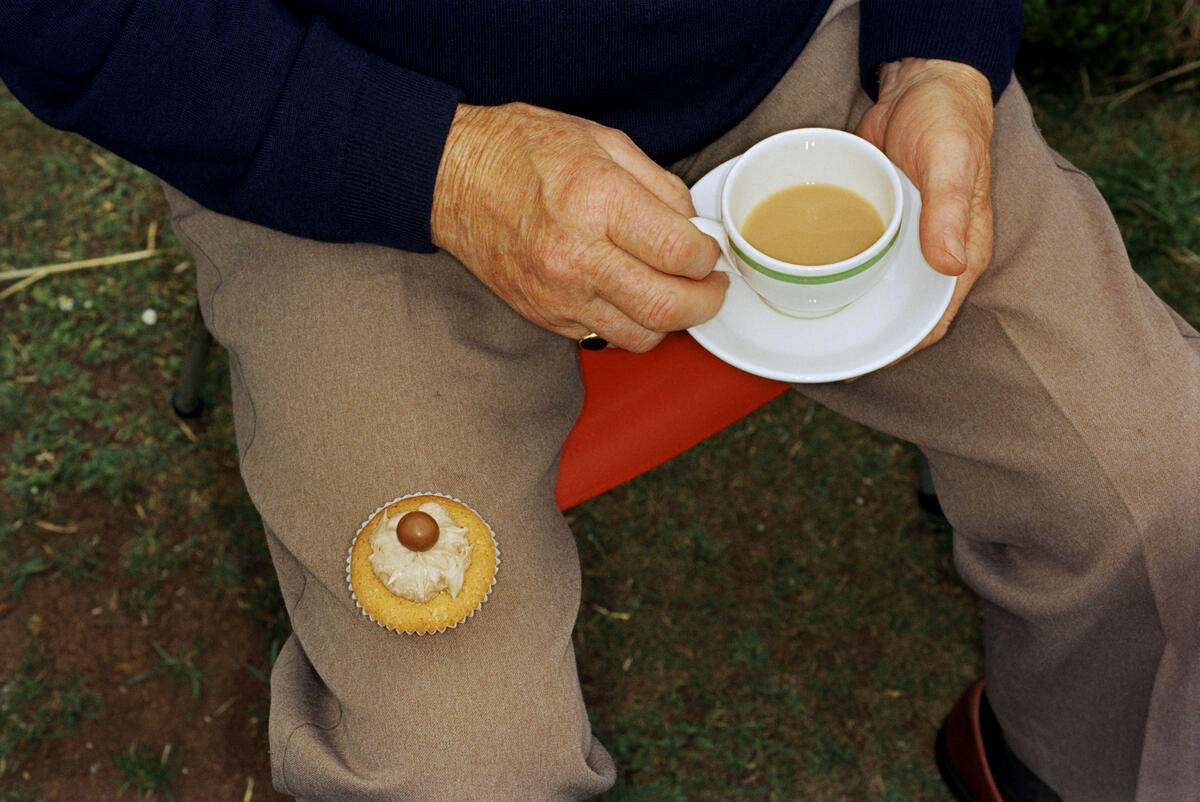
 

Alfred Buckham’s first ambition was to be a painter, but after seeing JMW Turner’s pictures in the National Gallery in London, he returned home and made a bonfire of his own work. He was the first head of aerial reconnaissance for the Royal Navy in the First World War and later a captain in the Royal Naval Air Service. After crashing nine times he was obliged to undergo a tracheotomy and was discharged as a hundred per cent disabled. While recovering from surgery Buckham started making photo-montages, combining two or three photographs he had taken to compose a single image. He would look for a sky which complemented the city or landscape below, and even add tiny planes to create the look of a one-shot photograph. He continued to take aerial photographs with a heavy plate camera, leaning perilously out of the aeroplane, where his delight in picture making greatly increased the risk of accident.

Text from the National Galleries website


Secrets of the Darkroom | Alfred Buckham

Transcript

Narrator: Lucy Armitage
Video duration: 00:03:43

[This film consists of animations illustrating the photographic techniques described in the narration]

Narrator

How would you have combined multiple photographs into one image in the days before Photoshop? From wartime aerial reconnaissance photographer to intrepid explorer, Alfred Buckham was a true daredevil.

But when he entered the darkroom, he was a meticulous and innovative artist. Let’s take a look at one of his most iconic composite photographs: Edinburgh, which was made using three separate negatives.

The first stage would have been to select one of the negatives he captured while literally dangling from his cockpit at death-defying heights.

He would then select a second negative from his impressive library of over 2,000 negatives of clouds. Selecting the right clouds sometimes required inspecting 50 or more options, and occasionally, he created new cloud formations by taping two negatives together.

He also built up a library of plane negatives, masking each plane from the background. All these planes were photographed from the ground, because it would have been impossible to capture a clear image of a plane, mid-flight, from another moving vehicle.

To make a photographic print, the negative would be placed into a device called an enlarger. Think of it like a top-down projector, shining light through the negative to project its image onto a sheet of light-sensitive photographic paper.

This paper would become a canvas for combining multiple negatives into one image. Buckham would first expose the image of Edinburgh onto the lower half of the paper for just the right amount of time. Next, he would expose the image of the sky onto the upper half. The longer the light projected the negative onto the paper, the darker the final image would be.

Throughout the exposure process, he used dodging and burning techniques to soften the horizon where the two negatives met. Dodging involves using your hand, or a piece of card, to block light on specific areas of the paper during exposure, making them appear lighter in the final print. Burning works in the opposite way, where you block light on the areas you’re happy with, and expose for longer the areas you want to darken.

Buckham used a pin mark to identify his chosen spot for the aeroplane. He would have to adjust the height of the enlarger to change the apparent size of the aeroplane. In this case, he also inserted the negative into the enlarger back to front to reverse the plane’s direction. Did you spot the backwards tail number?

After all three exposures, he would then place the paper into a shallow chemical bath called a developer for a set time. Slowly, as if by magic, the composite image would begin to appear on the paper. Subsequent chemical baths stopped the development process before fixing the image in place.

After washing and drying the paper, the print was ready for final adjustments. Buckham rarely edited negatives directly, as was common for photographers using glass plates. Instead, he made all his final adjustments in the print.

Here, he has used black watercolour to enhance the contrast between the brooding castle and the rest of the city. He would sometimes scratch away dark areas of the print to reveal the lighter colour of the paper beneath. Using this method, he could create the impression of spinning propeller blades or light glinting on key landmarks.

These artistic interventions resulted in each print being truly unique. Buckham’s photographs not only capture breathtaking moments at daring, dizzying heights, but are also the meticulous creations of a pioneering visionary artist.


Alfred Buckham (British, 1879-1956) 'RAF Turnhouse Christmas Card' 1918


Alfred Buckham (British, 1879-1956)
RAF Turnhouse Christmas Card
1918
Gelatin silver print
National Galleries of Scotland
Gift of the Bartholomew Family, Edinburgh, 2022
© Richard and John Buckham


A negative of The Forth Bridge, looking north towards Fife, was used as the basis for several prints. It was also used to produce this Christmas card for RAF Turnhouse in 1918. Showing an aeroplane flying towards the Forth Bridge, this is probably one of the first composite photographs Buckham created as it was made while he was still serving in the air force.


Alfred Buckham (British, 1879-1956) 'Cloud Turrets' about 1920


Alfred Buckham (British, 1879-1956)
Cloud Turrets
about 1920
Gelatin silver print
38.00 x 45.70cm
National Galleries of Scotland
Purchased with Art Fund support, 2008


This dramatic, and almost surreal photograph, shows the diversity of cloud formations during a fierce thunderstorm. Over the years Buckham amassed a vast collection of photographs of skies which he could integrate with a separate landscape photograph to enhance the drama and create a more impressive composition. He also often manipulated his images further by adding a hand painted aircraft, such as in this image, which heightens the viewer’s awareness of the dominating power and scale of the natural world.


Alfred Buckham (British, 1879-1956) 'Clouds Massing Before a Thunderstorm' about 1920


Alfred Buckham (British, 1879-1956)
Clouds Massing Before a Thunderstorm
about 1920
Gelatin silver print
37.80 x 30.00cm
Scottish National Gallery of Modern Art
Purchased with Art Fund support, 2008


Buckham was renowned for his atmospheric shots of the landscape. He felt that the most spectacular cloud formations and theatrical light could be captured on ‘stormy days, with bursts of sunshine and occasional showers of rain’. Over the years Buckham built up a vast collection of photographs of skies which he could integrate with a separate landscape photograph to enhance the drama and create a more impressive composition. This is an example of one of his shots of an impressive cloud formation before a thunderstorm.


Alfred Buckham (British, 1879-1956) 'Sunset over the Pentlands Range' about 1920


Alfred Buckham (British, 1879-1956)
Sunset over the Pentlands Range
about 1920
Gelatin silver print
46 x 38.6cm
National Galleries of Scotland
Purchased with Art Fund support, 2008
© Richard and John Buckham


Buckham was the leading aerial photographer of his day and was renowned for his atmospheric shots of the landscape. He felt that the most spectacular cloud formations and dramatic light could be captured on “stormy days, with bursts of sunshine and occasional showers of rain”. Over the years Buckham amassed a vast collection of photographs of skies which he could integrate with a separate landscape photograph to enhance the drama and create a more impressive composition. This photograph of the landscape over the Pentlands Hills near Edinburgh demonstrates this technique. It also illustrates another feature of Buckham’s photographs in the perfectly positioned silhouette of a biplane against the broken clouds, which Buckham would have painted on later.


Crafting an image | The photographic techniques of Alfred Buckham

Louise Pearson

Alfred Buckham created some spectacular photographs of the earth from the air. In 2018 curator Louise Pearson looked at how these images were created through a unique combination of daring escapades in the air and clever photographic manipulation on the ground.

Alfred Buckham was a passionate enthusiast of both photography and flight. By 1914 he was already an established photographer and a Fellow of the Royal Photographic Society. During the First World War he was involved in the relatively new discipline of aerial reconnaissance, both as a teacher and a practitioner. It was a dangerous occupation and his military career ended as a result of the injuries sustained to his throat during his ninth crash. Despite this, his wartime activities had sparked a love of flying and on leaving the Royal Naval Air Service it seemed natural that he would continue to take photographs from the sky. Buckham subsequently created an astonishing series of photographs, ranging in subject from the Forth Bridge to the skyscrapers of New York and the volcanoes of South America.

The National Galleries of Scotland holds a group of Buckham’s photographs including Edinburgh, which has become one of the most popular works of art in the collection. When we decided to have a photography exhibition on the theme of transport it was clear that Buckham’s aerial photographs would take centre stage. I selected several of Buckham’s photographs for inclusion, including Edinburgh and The Forth Bridge, and started to look at the photographs in more detail with conservator James Berry. We also started planning a blog to explain how Buckham was able to create such dramatic images.

From previous research, and the work James was doing on conserving the photographs ahead of the exhibition, we knew that Buckham was using a technique called combination printing. This is when a photographer uses a number of different negatives to create a single photographic print. In order to fully understand his working methods, we needed to see the negatives he was using. Fortunately, Alfred Buckham’s entire archive of around 1400 negatives, nearly 300 prints, camera and associated archive material has remained with his family and is currently in the care of his grandsons Richard and John Buckham. Richard kindly allowed me to spend a day at his home in London, looking through this fascinating collection. Being able to compare the negatives to the prints in our collection, and read Buckham’s accounts of his photographic work, helped us to piece together how he would have made the atmospheric photograph Edinburgh.

The first stage in taking an aerial photograph is to select the right plane. Buckham took photographs around the world and would have used a number of different planes flown by various pilots to take his photographs. However he recorded that he always preferred to use older planes with open cockpits that travelled at the fairly sedate speed of 60 to 80 miles per hour. Through trial and error he discovered that flying between 1,000 and 2,000 ft gave the best results, as at that height the landscape could be captured with just the right level of detail. …

The other essential piece of equipment was the camera. Happily, as Buckham’s camera survives, we know exactly what he was using to make his exposures. In an article written for the benefit of prospective aerial photographers, he advised using the kind of cameras used by newspaper reporters, which operated at eye-level, rather than the cumbersome cameras which had originally been developed for aerial photography. ‘The camera best suited to the purpose and the one I usually employ has a F4.5 lens and a large direct vision view-finder the same size as the plate, fitted on the top of the lens panel’. He cautioned however that the leather bellows needed to be reinforced with cardboard or aluminium, as the otherwise delicate bellows could not withstand the force of the winds encountered at altitude.

The kind of camera favoured by Buckham used glass plate negatives, which was a conscious decision by Buckham at a time when photographic film was becoming readily available. He favoured double-coated panchromatic plates made in the USA, with dimensions of 10.0cm x 12.5cm. Throughout his career he reiterated that despite their bulk and delicacy, plates gave a far superior result to film.

Extract from Louise Pearson. “Crafting an image | The photographic techniques of Alfred Buckham,” on the National Galleries of Scotland website Nd [Online] Cited 11/02/2026. Used under fair use conditions for the purposes of education and research


Alfred Buckham (British, 1879-1956) 'Aeroplane Negative' about 1920


Alfred Buckham (British, 1879-1956)
Aeroplane Negative
About 1920
© Richard and John Buckham


Buckham built up a library of negatives depicting only aeroplanes, where the original background was masked out. This meant that when the negative was exposed on top of an existing print the plane would appear to be part of the chosen landscape. Buckham would have also been able use an enlarger to match the scale of the plane to the landscape, making the scene appear realistic. While in most cases this technique produces a believable, if slightly incredible, final image there are examples where the planes appear too close together, or at impossible angles.

For Buckham, the final stage of creating a finished image was to use watercolour paints and sometimes ink to add detail to the final print and soften the areas where the two negatives meet. In some of his photographs these hand-drawn elements are easily visible, though in the case of Edinburgh they are more subtle. The clouds on the horizon have been softened to make the join where the two negatives meet less noticeable in the finished print, highlights have been added to the clouds to make them more dramatic and the light below Arthur’s Seat has been adjusted to better match the clouds above. In addition, some areas have been highlighted and others darkened to sharpen the details of key landmarks and make them more recognisable. The use of black watercolour or ink to strengthen and define specific areas of the photographs shows Buckham’s ingenuity. Whilst other photographers would alter the negatives and perhaps scratch out an area that they wished to appear darker, Buckham added the darker tone to the photographic print itself. He also used a scratching out technique, similar to Turner, where a dark area of the photograph is scratched revealing the lighter colour of the paper beneath. This artistic intervention results in each photograph being a unique piece of work. No two can be exactly the same.

It is clear then that Buckham’s photographs are not the result of a single, breath-taking moment in time but instead are a carefully crafted piece of art. He was using known photographic techniques, but created a style which was very much his own. As a result it is easy to see why Edinburgh has become one of the most popular artworks in the collection.

Extract from Louise Pearson. “Crafting an image | The photographic techniques of Alfred Buckham,” on the National Galleries of Scotland website Nd [Online] Cited 11/02/2026. Used under fair use conditions for the purposes of education and research


Alfred Buckham (British, 1879-1956) 'Uplands Snowstorm Passing' about 1920


Alfred Buckham (British, 1879-1956)
Uplands Snowstorm Passing
about 1920
Gelatin silver print
National Galleries of Scotland
Purchased with Art Fund support, 2008
© Richard and John Buckham


In this image the undulations of the snow covered hills are mirrored in the cloudy sky. Buckham introduces a sense of scale through the lone plane silhouetted against a cloud.


Alfred Buckham (British, 1879-1956) 'The Forth Bridge' about 1920


Alfred Buckham (British, 1879-1956)
The Forth Bridge
about 1920
Gelatin silver print
National Galleries of Scotland
Purchased with Art Fund support, 2008
© Richard and John Buckham


Buckham felt that the most spectacular cloud formations and theatrical light could be captured on ‘stormy days, with bursts of sunshine and occasional showers of rain’. This creativity led to him being regarded as the leading aerial photographer of his day and he was renowned for his atmospheric shots of the landscape. Over the years he amassed a vast collection of photographs of skies which he integrated with a separate landscape photograph to enhance the drama and create an imposing composition. This image over the Firth of Forth, Scotland, encapsulates the romantic fusion of man’s engineering achievements against the dramatic beauty of nature. The three steel arches of the Forth Rail Bridge are mirrored in the three biplanes, which Buckham added later by hand, silhouetted against the spectacular sky.


Alfred Buckham (British, 1879-1956) 'Sunshine and Showers' about 1920


Alfred Buckham (British, 1879-1956)
Sunshine, and Showers
about 1920
Gelatin silver print
National Galleries of Scotland
Purchased with Art Fund support, 2008
© Richard and John Buckham


This image shows Captain Jordan flying his Black Camel biplane at very close proximity to Buckham’s aircraft. Taken over the landscape around Rosyth, Fife, Scotland this was near to where Buckham crashed for the ninth time in 1918 and sustained serious injuries.


This autumn at the Portrait gallery in Edinburgh, take to the skies and see the world from above the clouds through the remarkable work of Alfred Buckham: Daredevil Photographer. From 18 October 2025 – 19 April 2026, meet the man behind some of the most iconic aerial photographs ever taken, marvel at the death-defying lengths he took to capture the perfect image and explore how his innovative techniques in the darkroom paved the way for modern technologies such as Photoshop and AI. Free to visit at the National Galleries Scotland: Portrait, this will be the first major exhibition dedicated to Alfred Buckham and can only be seen in Scotland. 

This exhibition will bring together over 100 photographs and objects including popular works from the Scottish national collection, alongside extensive archival material generously loaned by Alfred Buckham’s grandsons, Richard and John Buckham. Thanks to the support of the Buckham family, personal objects including letters, photographs and even the passport Alfred Buckham used will be put on public display for the first time. 

A maverick of early aviation, Alfred Buckham (1879-1956) created his own unique style of photography by combining daring exploits in the air with innovation in the darkroom. Born in London, Buckham learned his craft by teaching photography before joining the Royal Naval Air Service in 1916, a predecessor to the Royal Air Force. Hailed as an exceptionally skilled flyer, he combined his talent for aviation with his passion for photography, resulting in remarkable endeavours and trailblazing images. Based for most of his military career at RAF Turnhouse, now Edinburgh Airport, central Scotland became a natural playground for Buckham to refine his photographic techniques and let his imagination soar. Daredevil Photographer will chart his phenomenal story from his early photographic experiments in Scotland to exciting adventures in South America and look closer at the skilled and inventive ways he created his work. 

Explore Scotland from the air and get a new perspective of well-known sights, just as Buckham himself would have. Daredevil Photographer celebrates the impact Scotland had on Buckham’s work through his images of recognisable landmarks including St Andrews Golf Links, Linlithgow Palace and the Wallace Monument in Stirling. The exhibition will also feature several images of the Forth Rail Bridge, Buckham’s most photographed landmark. The iconic bridge was the subject of one of his first composite photographs and appeared on the 1918 RAF Turnhouse Christmas card, which will go on display alongside the original photography.

Daredevil Photographer will delve into the darkroom and uncover more about the creative processes used to bring Buckham’s unique images to life. After the First World War, Buckham began experimenting with composite photography; a technique where several negatives are used to create one photographic print. While this wasn’t a new concept, composite photography added a layer of creative freedom to Buckham’s work, much like a very early form of Photoshop. From his vast collection of glass negatives – he had over 2000 cloud images alone in his ‘cloud library’ – Buckham had the means to create images which became immersive, giving a unique sense of flying alongside these incredible aircraft while viewing the world below. 

It was through the technique of composite photography that some of Buckham’s most famous works were born, including the iconic aerial view of Edinburgh (about 1920). This striking photograph shows a bi-plane hovering amongst wispy clouds above Edinburgh Castle, with Arthur’s Seat visible through the mist in the background, and the bustling city below. For the first time, Edinburgh will be displayed alongside the camera and original glass negatives Buckham used to capture and create this much-loved image. Visitors will also be encouraged to get inspired and try their hand at creating their own composite creations through interactive exhibits. 

Telling Buckham’s story through his own words and memories, Daredevil Photographer allows visitors to meet the courageous and humorous man behind the camera. Firsthand accounts of his incredible exploits in the air and ingenious creative methods on the ground will enhance his story and highlight his adventurous spirit: Ah! One was a rare daredevil in those days! (Alfred Buckham, The New York Times, 1930). A free and unique immersive audio experience will bring Buckham’s world of flight and imagination to life through his own words. Hear Buckham’s grandson Richard give a voice to his grandfather’s memories and reflections on his daredevil persona. 

Daredevil in every sense of the word, Buckham went to incredible feats to capture the perfect shot, which the exhibition will explore. His preferred methods included standing in an open cockpit while mid-air, with his leg tied to the seat as a nod to safety. As a result, he experienced no less than nine crashes in his lifetime, one ending in a serious throat injury that cut his military career short. However, he would not be deterred, describing his eccentric photography methods in a surprisingly relaxed way: 

“It is not easy to tumble out of an aeroplane, unless you really want to, and on considerably more than a thousand flights I have used a safety belt only once, and then it was thrust upon me. I always stand up to make an exposure and, taking the precaution to tie my right leg to the seat, I am free to move rapidly, and easily, in any desired direction; and loop the loop; and indulge in other such delights, with perfect safety” – Alfred Buckham, The Camera, January 1927. 

Daredevil Photographer will celebrate Buckham’s skill in the air through a range of his mesmerising photographs. Encounter stunning images of the leading aircraft of the day, such as the Bristol Fighter, a two seated bi-plane designed for aerial reconnaissance, and the bizarre airships of the 1920s. See them soaring through the skies in all weathers, amongst an array of remarkable landscapes. The exhibition will include one of his most well-known works, The Heart of the Empire (1923), on loan from the V&A Museum in London and displayed in Edinburgh for the first time. The photograph follows a bi-plane as it glides across the London skyline, with landmarks such as Tower Bridge and the River Thames in view. Exhibited by the Royal Photographic Society in 1925, The Heart of the Empire secured Buckham’s position as one of Britain’s leading aerial photographers. 

Experience the golden age of travel through Buckham’s portfolio of images spanning across the globe. In 1931, a commission from Fortune Magazine took Buckham on an epic fifteen-week trip across the Americas, covering 19,000 miles and setting a world record. Starting in New York City and taking the opportunity to capture the newly built Empire State Building, Buckham photographed his intrepid journey from the United States to the tip of South America to share with the world. Daredevil Photographer will chart Buckham’s incredible journey, from expansive views of Christ the Redeemer in Rio De Janeiro and the snowy caps of the Andes Mountains to perilous scenes of smoking volcanic creators in Guatemala and Mexico. Through his death-defying adventures and stunning photographs, Buckham expanded public understanding of the world, creating an exciting legacy which continues to capture imaginations today.

Louise Pearson, curator of photography at the National Galleries of Scotland says: “Alfred Buckham’s eye-catching photograph of Edinburgh is one of the most popular artworks in the National Galleries of Scotland collection. This enthralling image becomes even more intriguing when you learn that it is a darkroom jigsaw – a composite photograph made through a combination of technical skill and creative vision. Alfred Buckham: Daredevil Photographer tells the remarkable story of this maverick of early aviation whose adventures took him from aerial reconnaissance photographer to intrepid explorer via numerous loop the loops.”

Press release from National Galleries of Scotland


Alfred Buckham (British, 1879-1956) 'Castle Island Loch Leven (Where Mary Queen of Scots was Imprisoned)' about 1920


Alfred Buckham (British, 1879-1956)
Castle Island Loch Leven (Where Mary Queen of Scots was Imprisoned)
about 1920
Gelatin silver print
National Galleries of Scotland
Purchased with Art Fund support, 2008
© Richard and John Buckham


This photograph of Castle Island, where Mary, Queen of Scots was imprisoned in 1567, shows the vast expanse of the rolling countryside around Loch Leven, Scotland. The cloudy sky enhances the depth of the image and the small biplanes, which Buckham added later by hand, reinforce the dramatic scale.


Alfred Buckham (British, 1879-1956) 'Flying Boat Over Sea' 1930


Alfred Buckham (British, 1879-1956)
Flying Boat Over Sea
1930
Gelatin silver print
45.5 x 37.6cm
National Galleries of Scotland
Purchased with Art Fund support, 2008


This photograph captures the stormy ocean with its swelling crests of the waves illuminated white. Silhouetted against the threatening sky is a flying boat. This specialised form of aircraft was purposely designed to take off from, and land on, water. This feature was exploited during the World Wars but its use rapidly declined thereafter. Buckham was aware of the flying boat from his time in the Royal Naval Air Service and, specifically, his involvement in photographing the alterations required that allowed planes to take off from, and land on, a ship. 


Alfred Buckham (British, 1879-1956) 'The Loop' about 1930


Alfred Buckham (British, 1879-1956)
The Loop
about 1930
Gelatin silver print
National Galleries of Scotland
Purchased in recognition of over 40 years of work on the National Galleries of Scotland photography collection by James Berry, Senior Paper Conservator
© Richard and John Buckham


Alfred Buckham (British, 1879-1956) 'Volcano Crater of Popocatepetl' about 1930


Alfred Buckham (British, 1879-1956)
Volcano Crater of Popocatepetl
about 1930
National Galleries of Scotland
Purchased with Art Fund support, 2008
© Richard and John Buckham


In 1930 Buckham was commissioned by Fortune magazine to produce a portfolio of aerial photographs of his chosen area of the Americas. Buckman opted for central and South America and this dramatic photograph captures the centre of Mexican volcano, Popocatepetl. The snow covered edge of the crater contrasts against the ominous dark sky, creating a shot which captures the awe-inspiring power of an active volcano. Buckham described the journey of the flight as his aeroplane turned down into the crater: ‘Almost at once the aeroplane dropped about two hundred feet… Beneath us the circular lake of boiling lava emitted numerous spouts of smoke and steam, whilst round its edge played occasional fires which, suddenly springing up and flickering awhile, as suddenly disappeared.’


Alfred Buckham: Daredevil Photographer

Paperback – 12 Nov. 2025 by Louise Pearson (Author), James Crawford (Other Contributor)

Buy on Amazon


'Alfred Buckham: Daredevil Photographer' paperback November 2025, book pages


Alfred Buckham: Daredevil Photographer paperback November 2025, book pages


Scottish National Portrait Gallery
1 Queen Street, Edinburgh,
EH2 1JD, Scotland

Opening hours:
Daily, 10am – 5pm

National Galleries of Scotland website

LIKE ART BLART ON FACEBOOK

Back to top

Exhibition: ‘Early Gaze: Unseen Photography from the 19th Century’ at FOMU – Photo Museum Antwerp

Exhibition dates: 24th October, 2025 – 1st March, 2026

Curators: Tamara Berghmans (FOMU collection curator and researcher) and Ingrid Leonard (researcher at FOMU)


Adolphe Neyt (Belgian, 1830-1892) 'Seascape' 1881


Adolphe Neyt (Belgian, 1830-1892)
Seascape
1881
Carbon print
FOMU Collection


An exhibition on an eclectic subject that I knew nothing about before assembling this posting: 19th century Belgian photography.

In order to give a better understanding of the life of the photographers I have added their dates and bibliographic information where possible.

My favourite photograph in the posting is the mysterious and atmos/pheric Portrait of Marguerite Khnopff by the artist Fernand Khnopff (c. 1900, below), where “atmos” are the “atoms” of energy and mood that surround the subject, the vapour that envelopes the body.

Dr Marcus Bunyan


Many thankx to FOMU for allowing me to publish the photographs in the posting. Please click on the photographs for a larger version of the image.


The Early Gaze exhibition documents the birth of Belgian photography, from the very first mug shots to groundbreaking imagery in the arts, medical science and justice. It shows how an elite pastime grew out to become a powerful tool for capturing, controlling and constructing identity.

Early Gaze casts a fresh light on the rise and development of photography in 19th-century Belgium. The invention of photography did not only bring technological novelty, but also changed the way we see ourselves and the world. What began as a marvel of innovation quickly expanded into an instrument for control and image-building.

You will get a new perspective on the photographic pioneers who co-wrote the story of a young nation. You will discover forgotten portraits and unknown stories, and experience how the first photographic gaze still continues to influence our contemporary visual culture through phenomena such as agency, and consent.

Early Gaze illustrates that from the very start, photography was not a neutral registration of reality but a powerful instrument that helped shape the story of the ruling class.

The exhibition is accompanied by the book Early Gaze, published by Hannibal Books. With numerous unique photos by François Braga, Joseph Pelizarro, Guillaume Claine, Joseph Ernest Buschmann, Edmond Fierlants and others. Hardcover, Dutch/English, 304 pages, available for €55 in the FOMU shop.

Text from the FOMU website


installation view of the exhibition 'Early Gaze: Unseen Photography from the 19th Century' at FOMU, Antwerp


Installation views of the exhibition Early Gaze: Unseen Photography from the 19th Century at FOMU
© Tom Cornille / © FOMU


Early Gaze casts a fresh light on the rise of photography in 19th-century Belgium.

In 1839 the world was changed forever by the invention of photography. For the first time it was possible to capture reality with the use of light. Whereas France and England introduced this revolutionary technique, Belgium quickly followed.

In the young nation of Belgium – independent since 1830 – photography soon came to play a key role in the shaping of a national identity. Embracing the new medium, Belgian pioneers captured people, cities, landscapes and historical events. But what they didn’t show is just as telling. Not everyone had access to photography, and that is why photos also expose 19th-century power relations.

Countless unknown images and stories have come to light over the past years. At the same time there was a change in mindset about photography and cultural heritage. Early Gaze considers the questions these photos invoke today. Who was depicted, and who was not? Who took the pictures, and why? Which photos were kept? For one thing very soon became clear: photography was more than a technical novelty. It is a way of seeing, capturing and remembering.

This exhibition shows rare and never-seen-before images, original cameras and the earliest photographic techniques. Themes such as art, science, reportage, propaganda and colonialist image-making showcase photography’s versatility and force.

Early Gaze invites you to discover the first sixty years of Belgian photography: not as a closed chapter, but rather as a story that continues to evolve.

1/ A Magic Moment

The invention of photography in 1839 was a magical event: for the first time you could truly capture a moment from real life!

Two different techniques arose in France and England in this period. Frenchman Louis-Jacques-Mandé Daguerre developed the daguerreotype: a unique image on a metal plate. In England, William Henry Fox Talbot invented the calotype: a negative- to-positive process using paper.

Not only did the techniques differ, so did the way in which these inventions were marketed. Daguerre, a clever businessman, immediately distributed a manual that made the technique gain popularity. Talbot decided on a patent: whoever wanted to use his method, would have to pay. This limited the popularity of the calotype.

In Belgium it was mainly the daguerreotype that found immediate success. Unfortunately, most early photographs were lost. Only a few examples were preserved, including two daguerreotypes of Saint Nicholas Church in Ghent, made by François Braga and Joseph Pelizzaro.

2/ From Experiment to Industry

Photography evolved at a rapid pace in the 19th century: from experiment to profession, from studio to industry.

In its pioneer years (1839-1842) photography was expensive, technically complex, and at times dangerous due to the use of chemical substances. Scientists, artists and optics professionals experimented, presented their results to academies, and applied for patents.

From 1842 a new profession arose: the portrait photographer. The high demand for portraits caused many engravers and miniature painters to switch to photography. Most of them did not yet have permanent photo studios, but travelled around. New techniques, such as wet collodion plates and the carte de visite, made the medium become more affordable and popular from around 1850. The number of photo studios – both small enterprises and larger ateliers – then grew quickly. The profession offered financial independence to many, as well as a chance at social advancement. Women were also active in the field, even if they often remained invisible or worked only under their initials.

Photography became a modern industry towards the end of the century. Belgian pioneers were internationally successful with their ready-made photographic materials. The introduction of simple devices by Kodak and Van Neck allowed even amateurs to document their lives. Photography became an everyday and personal medium.

Travelling photographers

In the early years of photography, many portrait photographers went from town to town. There were not enough customers yet to support a studio in a fixed location. Photographers advertised in newspapers, mentioning when they would be staying at a certain location or hotel. These pioneers often came from abroad. One Madame Guyard, for instance, was a travelling daguerreotypist. Her advertisement made her appear to be Parisian, though she was actually from Brussels and named Elisabeth Vandenplas. Were the French name and the reference to Paris meant to heighten her credibility as a photographer?

The democratising impact of the carte de visite

Photography underwent a major change in the second half of the 19th century. In 1854, Frenchman André-Adolphe-Eugène Disdéri introduced the carte de visite: a small-sized portrait (6 by 9 cm) on cardboard. He designed a multi-lens camera that allowed for multiple exposures to be registered on a single photographic plate. The photographs were then cut and separately glued onto cardboard: this way you could get multiple poses at the price of a single take. The photographer’s name and specialisation were listed on the back of the image. Cartes de visite made portrait photography quicker, cheaper and more accessible, especially to the middle class. Collecting these portraits of family, friends and acquaintances became all the rage. Countless commercial portrait studios appeared in Belgium, such as those of Adèle Daams, Ghémar Frères and François Deron.

Belgian camera manufacturers

In the 19th century’s final decades, Belgium saw a small scale, artisan production of cameras. Belgian manufacturers, often furniture makers by trade, built cameras locally as well as importing foreign models. France, England and Germany dominated the market, but Belgium as well had some well-known producers like Van Neck (Antwerp), the Drayé brothers (Merksem), Le Docte (Brussels) and Hofmans (Elsene). This era of camera production, however, was short-lived. Around 1900, increasing foreign competition put an end to this Belgian camera manufacturing.

Photo industry

Belgium initially was mostly a consumer of photographic technology. Between 1879 and 1900, small photochemical companies appeared in Ghent, Kortrijk and Brussels. Only some enterprises, such as that of Van Monckhoven and Beernaert Dry Plate from Ghent and that of Lieven Gevaert from Antwerp, truly achieved a breakthrough. They met the growing demand by professional and amateur photographers for faster and more user-friendly methods such as gelatin dry plates, optics, light-sensitive emulsions and photographic paper.

First female photo studio: Dorothée Detournay

In 1864 Dorothée J. Louise Detournay opened her own photo studio in Brussels, which was unusual for a woman. Specialising in ladies’ portraits, she herself stood behind the camera: a unique selling point that she accentuated in her advertising. After marrying Henri Dupont she worked at the Dupont studio, which was sometimes referred to as ‘Mr & Mme Henri Dupont’. After their divorce in 1877 she remained active in the field, together with her son Georges Dupont. She pioneered the use of electric lighting for her photographic work, displaying it at various exhibitions.

Gevaert Photo-Producten N.V.

In 1882, young Lieven Gevaert began working at the framing studio owned by his mother, Maria-Theresia Bruynseels. Together they opened a photo studio in Antwerp in 1890. Imported photo-paper was expensive and unreliable. That is why Gevaert began producing his own paper in 1894. His first product, Calcium Paper, was an instant success. Dozens of new varieties, such as Blue Star and Gevaluxe, would be added in the following decades – all with particular differences in sheen, texture and thickness. From a small studio, Gevaert Photo-Producten N.V. (later Agfa-Gevaert) grew into a major international player that could compete with companies such as Kodak and Ilford.

3/ Visualising Class

Due to the rise of photography, portraiture changed considerably in the 19th century. Initially it was an expensive and technically complex medium, only accessible to nobility and the rising bourgeoisie. Entrepreneurs, industrials and lawyers had their portraits taken or, for example, their castle domains photographed.

About halfway through the century, portrait studios offering a fixed selection of poses to a growing urban middle class came up everywhere. The carte de visite made photographic portraiture affordable. These small portrait pictures give a clear insight into the era’s dominant norms regarding class and gender: dignity, elegance and self- control were important. From 1870 onwards, ferrotype offered a first affordable chance for workers to be photographed.

Around 1890, snapshot photography and user-friendly cameras by companies such as Kodak and the Belgian Van Neck ushered in a new phase. Amateur photographers from the higher middle class would record their surroundings in informal situations.

Still, certain groups stayed largely invisible: people of colour or queer couples were rarely pictured. Photography, then, did not only capture memories, but also deepened social inequalities and notions of identity.

Stereo photography

Stereo photography is a technique in which a two-lens camera takes two photos of the same subject using slightly different angles. The camera simulates the distance between human eyes. When viewed through a stereoscope, the image appears to gain depth. Stereoscopes vary from portable models to large pieces of furniture.

Free time in the family album

Around 1890, a new era arrived with the advent of user-friendly cameras by companies like Kodak and the Belgian Van Neck. Amateur photographers from the higher middle class began photographing their daily lives: family trips, holidays and homely situations. See this album, for example: the image itself of a woman riding a bicycle even seems to have been taken from another bicycle in motion. These playful, spontaneous photos show how photography was coming within the reach of more people. That is how leisure time and personal memories became a fixed presence in a family’s visual memory.

Status in the portrait

In 19th-century photo studios the customers would pose sitting or standing, beautifully dressed and surrounded by prop objects to accentuate their status. Poses and props were often the same, and they were strongly determined by notions regarding social class, gender and current trends. Men and boys took serious poses with books, walking canes or rifles, while women and girls appeared in long dresses with parasols. Deviations, such as a smile, were inappropriate. You were allowed to show yourself, but within the boundaries of bourgeois expectation patterns. The result: stately portraits that resembled paintings and were supposed to radiate the portrayed person’s social status.

4/ From Document to Art

The value of photography as a versatile tool in art and science was recognised early on. In Belgium the medium soon came to play a key role in the systematic documentation of heritage and art objects: think of medieval sculpture, the Flemish primitives and baroque paintings. A small yet lucrative market arose for this type of art reproductions. Artists also turned to photography as a tool for sketches and preparatory drafts.

The end of the 19th century saw the rise of pictorialism. This movement considered photography to be a fully-fledged art form and sought inspiration in painting. Amateur photographers from the higher bourgeoisie in particular created poetic, dreamy images with a central focus on their personal expression. Photography thus became a means of presenting yourself artistically as well as socially. The Belgian state’s purchase of a large collection of photos by Pictorialists marked an important turning point in the recognition of photography as an art form. The medium, which up to then had been mostly connected to the industrial arts, now claimed its position amidst the visual arts.

Between art and eroticism

What is the difference between nude studies for artists and erotic nude photographs? Up to 1867, Belgian law forbade photos that violated ‘good morals’. It was unclear what exactly this meant, and the boundary between art and eroticism was a thin one. Whereas Belgium played an important role in the publication of erotic literature in the late 19th century, saucy photographs typically came from France. In addition there were photo magazines with nude models for artists. These were officially intended as a tool for painters, but attracted other audiences as well.

In the course of the 19th century, erotic imagery changed from being a luxury product to something that was affordable to a large group of people.

Pictorialism

Through the use of photography, the pictorialists sought a personal interpretation of reality. They strove for harmony in line, colour and atmosphere, using techniques such as gum, carbon and platinum printing to achieve a painterly effect. Photographers thus stayed fully in control: they could adjust tone values, add or remove details, and intervene in the printing process using brushes, pens or smudging tools. Pictorialists often printed on texture-rich paper or Japanese silk paper, making each photograph a unique work or art.

5/ National Identity

In the young nation of Belgium, photography played a key role in the representation of social status and the formation of a national entity. Photos of landscapes, monuments and historical figures supported the notion of Belgium as a nation state with a history and heritage of its own. King Leopold I soon understood photography’s potential for depicting the nation, just like other government entities and organisations.

Photographers themselves took initiatives of their own. They submitted project proposals, requested funding, and actively contributed to inventories of heritage. While the interest in the past grew, the lens was also aimed at the present: modernisation, industrial expansion and cities in transformation.

Industrial photography documented impressive infrastructure, such as railroads and factories. Such photographs accentuated Belgium’s image as a progressive industrial state. The easy reproducibility of photos caused photography to spread out quickly and to be used in education, promotional campaigns and propaganda. Thus photography was further shaped as a medium that balances between capturing, imaging and influencing.

Patrimony through the lens of Fierlants

In 1860, the Antwerp city government gave Edmond Fierlants the assignment of photographing city views and monuments just before the advent of drastic changes. Brussels and Louvain followed suit. Fierlants’ photographs, often in large formats, show medieval buildings, baroque churches and endangered urban areas. His monumental series of 165 images made Fierlants a leading figure in Belgian photography. This work aligns with the national ambition of preserving historical heritage in the Flanders and Brabant regions.

Patrimony through the lens of Radoux

As early as 1857, Gilbert Radoux photographed Belgian monuments using collodion negatives on glass. Recent analysis shows that he worked with a photographer from the French company of Bisson Frères in Ghent, Bruges, Louvain and Antwerp. Their images, featuring identical shooting positions and details, were also distributed in Paris. Radoux suddenly ended his practice in 1861. His photos long remained undervalued from a technical perspective, but today he is considered an early pioneer of Belgian architecture photography.

Britons in Belgium

Among the first photographers in Belgium (1840-1860) were a striking amount of Englishmen and Scots. They continued the tradition of travelling and capturing landscapes and monuments. Their images reflect a nostalgic, medieval Belgium. In 1846 William Henry Fox Talbot created one of Mechelen’s oldest calotypes of the city. Egbert Moxham established himself in Bruges in 1857, taking several photos there. His salted paper prints on decorative golden-edged cardboard appear to be intended for sale. Sir William Newton, too, took photographs in Bruges.

6/ Colonial Perspective and World’s Fairs

There was a downside to the splendour of young Belgium. In 1885 Leopold II, king of Belgium, also became the sole ruler and owner of the Congo Free State. Photography played a key role in the promotion of this colonial project. Belgian world’s fairs in 1885, 1894 and 1897 in particular made it painfully clear how deeply the ties ran between ambitions for progress and colonialism.

Without their consent, Congolese people were exhibited and photographed at these international exhibitions in Antwerp and Brussels. Such colonial photography was not neutral: it reflects the inequality and power relations of the colonial system. Mainly produced by white male photographers, the images confirmed the notion of European superiority and reduced the portrayed Congolese persons to objects: dehumanised and voiceless. In addition to photos of Congolese persons in a colonial context, other people of colour were also photographed from a colonial perspective. These images served as propaganda for the so-called ‘civilising mission’, reinforced racist stereotypes, and legitimised colonial domination.

7/ Photography as a Scientific Instrument

Driven by positivist thinking and belief in progress, photography became an essential tool for scientific disciplines in the 19th century. It was regarded as objective proof and used in observation, classification and documentation. In medical science, photography helped with the documentation of illness reports, surgery and anatomical anomalies. Patients are often recognisably pictured without consent or regard for their privacy.

Photographic micrography opened up a whole new world: bacteria, cells and tissue structures could now be studied visually. This marked the start of modern microbiology. In astronomy, photography replaced the eye of the observer, and the first photos of the moon were created. Within the legal domain, photography was used from 1860 onwards for identification purposes, and later also for the documentation of crime scenes.

In this manner the medium evolved into a powerful instrument of knowledge, control and power, but not without ethical consequences.

8/ Photoreporting On The Rise

Over the course of the 19th century, photography evolved into a technique that also allowed for the photographing of moving subjects. Photographers in Belgium documented a variety of subjects, such as processions, disasters, public celebrations and technological spectacles such as air balloon rides.

The options were initially limited by long exposure times and complicated methods such as the wet collodion process. Around 1870, new techniques brought more speed and flexibility. The introduction of the gelatin dry plate negative on glass in 1871, for example, was a turning point: the plate could be prepared in advance and developed afterwards. Thanks to this invention, photographers could work in a more dynamic manner.

Around 1900 photography became more mobile and faster, gaining it a regular presence in the illustrated press. From around 1885 photomechanical techniques such as halftone printing gradually replaced drawings. This allowed for image and text to be printed at the same time. It made photography a modern means of communication, an evolution with a lasting impact on both journalism and our visual culture.

Press release from FOMU


François Braga (Italian active Belgium, c. 1810 - after 1883) & Joseph Pelizzaro (Belgium, 1803- ) 'Ghent, view of Predikherenlei and Predikherenbrug' 1839


François Braga (Italian active Belgium, c. 1810 – after 1883) & Joseph Pelizzaro (Belgium, 1803- )
Ghent, view of Predikherenlei and Predikherenbrug
1839
Daguerreotype
STAM Collection – Ghent City Museum


François Braga was an Italian-born photographer and optician, active in Belgium, who is noted for taking one of the earliest known photographs in Belgium in 1839. In October 1839, Braga and his partner Joseph Pelizzaro created daguerreotypes of the Predikherenbrug and Predikherenlei in Ghent, which are considered the earliest photographic views of the city.

Along with his friend, print and engraving seller Joseph Pelizzaro, Braga captured the scene from the second floor of Judge Philippe Van de Velde’s residence on the Ajuinlei. Out of the four original plates they created, two are preserved in the STAM – Ghent City Museum, while the other two have been lost.

Joseph Pelizzaro (also spelled Pellizzaro) was a Ghent-based print seller, engraver, and a pioneering photographer born on August 29, 1803. He was the first professional daguerreotypist with a fixed abode in Ghent, Belgium.


Joseph-Ernest Buschmann (Belgian, 1814-1853) 'Groenplaats, Antwerp' 1848-1850


Joseph-Ernest Buschmann (Belgian, 1814-1853)
Groenplaats, Antwerp
1848-1850
Salt print
FOMU Collection


Louis Ghémar (Belgian, 1820-1873) 'Portrait of King Leopold I' 1856


Louis Ghémar (Belgian, 1820-1873)
Portrait of King Leopold I
1856
Salt print
Janssens Collection, Antwerp


In 1855 Louis Ghémar (1820-1873) opened a photo studio in Brussels, next to the studio of Jules Géruzet. In the beginning Louis Ghémar worked together with Robert Sévérin. Sévérin took the photos and Ghémar made the retouches and eventually colours the photos. But Sévérin left Brussels and was replaced by Louis Ghémars half-brother, Léon Auverlaux. From then on the name of the studio was changed to Ghémar Frères.

Louis Ghémar died in 1873 but the studio kept the name Ghémar Frères until 1894 when Géruzet takes over the studio, including all the negatives of Ghémar.


Ghémar Frères (Belgian, active 1859-1894) 'Self portrait Louis Ghémar at a piano' c. 1862


Ghémar Frères (Belgian, active 1859-1894)
Self portrait Louis Ghémar at a piano
c. 1862
Albumen print
Collection FOMU


The photo studio of the two brothers Ghémar was the most renowned Belgian photostudio in the period 1855-1870.


Louis Ghémar (Belgian, 1820-1873) 'The hot air balloon "Le Géant", by Nadar shortly before takeoff at the Botanical Garden in Brussels' 1864


Louis Ghémar (Belgian, 1820-1873)
The hot air balloon “Le Géant”, by Nadar shortly before takeoff at the Botanical Garden in Brussels
1864
Albumen print
Collection Yper Museum


In the 19th century, hot air balloons embodied the promise of progress.

Balloon flights were spectacular events that drew large crowds, and the attention of photographers. Rising into the air symbolised technological ambition, curiosity and modernity. Capturing these moments via photography, however, proved challenging. Long exposure times made it difficult to photograph movement or unpredictable events. 

In the exhibition Early Gaze you can see how photographers documented balloon ascents, such as the famous lift-off of Le Géant in Brussels in 1864. While the ascent could be photographed, unexpected moments, like the balloon’s emergency landing near Ypres, were still too fleeting for the camera and had to be represented through drawings instead.

Text from the FOMU Instagram web page


Unknown photographer. 'Hot air balloon' 1899


Unknown photographer
Hot air balloon
1899
Albumen print
Collection Janssens


Adolphe Neyt (Belgian, 1830-1892) 'View of the Moon', from 'Atlas photographique de la lune' 1869


Adolphe Neyt (Belgian, 1830-1892)
‘View of the Moon’, from Atlas photographique de la lune
1869
Albumen print
Collection University Library Ghent bieb


After some uninspired steps in politics, wealthy industrialist Adolphe Neyt decided to dedicate himself to his real interests: the sciences and fine arts. As part of this change in direction, he started to take photographs, convinced that the medium had a vital role to play in scientific research. In 1867, Neyt produced a series of stereoscopic photographs of micro-organisms, earning him international success and a silver medal at the World Exhibition in Paris. After this recognition, he ventured into astronomical photography. Neyt had a private observatory built at his home in Ghent’s Coupure to take shots of the moon. The project led in 1869 to his most impressive publication, the Atlas photographique de la lune.

Although Neyt was not the first photographer to make recordings of the lunar surface, his results were distinguished from previous examples by their unrivalled clarity and sharpness. They were among the highlights of the Belgian pavilion at the 1873 World Exhibition in Vienna.

Text from the Dominique Somers website


Alexandre (Albert Edouard Drains) (Belgian, 1855-1925) 'Iguanodon de Bernissart, excavated in 1878' 1883


Alexandre (Albert Edouard Drains) (Belgian, 1855-1925)
Iguanodon de Bernissart, excavated in 1878
1883
Albumen print
FOMU Collection


Born Edouard Albert Drains in Paris (1855-1925), the photographer known professionally as Alexandre moved to Brussels in 1875. His technical bravura, his willingness to try anything and his use of “instantaneous” flash photography attracted the attention of Khnopff. He was in close contact with Les XX, especially Jena Delville, Xavier Mellery and Mellery’s former pupil Khnopff. In 1896 Alexandre executed platinum plates of works by Khnopff, which Khnopff then enhanced with color, creating a series of unique new images. This work earned Alexandre an invitation to join the British Linked Ring Brotherhood (1893-1908), eventually becoming official photographer to the royal family. He died at Nice.

Text from the Anamorfose website


Alexandre (Albert-Édouard Drains) probably took his father’s Christian name as a pseudonym. He was a professional photographer, and member of the Association belge de photographie (ABP) as of 1886. In 1888 Alexandre already had a solo exhibition at the Cercle Artistique et Littéraire in Brussels. He was a prominent member of the Brussels bourgeoisie, and he had been running a professional photographer’s studio with his mother in the popular Marolles quarter since at least 1881. He opened a new studio in a posh uptown part of the city in 1897. He took photographs of a variety of subjects and in several photographic styles. This opened up very different opportunities for him. 

An appointment as the official photographer of the Belgian royal family illustrates his prominence in the capital’s bourgeois circles. He was an accomplished portrait photographer but was also involved in the promotion of King Leopold II’s Congo Free State through photographic exhibitions and large-scale projections of photographs taken by the King’s colonial agents. One of these events was in honour of Henry Morton Stanley, the King’s chief agent, returning to Brussels in 1890.  These activities may well have made Alexandre the ideal candidate to become the cinematographer of the International Exhibition of Brussels in 1897. His cooperation with L’Optique belge, the Brussels subsidiary of the French company L’Optique, may have made him the first Belgian cinematographer ever.

He produced a substantial number of photographs between 1880 and 1897, both professional commissions and artistic photographs with which he participated in exhibitions in Belgium and abroad. Alexandre was also connected to the Brussels artists association L’Essor and created works of art together with the symbolist painter Fernand Khnopff (1858-1921) in a mixed technique involving photography, pastels and chalk. As a notable professional member of the ABP Alexandre was favourably disposed to the emerging amateur pictorialist movement, and together with his fellow member, Hector Colard, he organised an exhibition of English Pictorialist photographers at the Cercle Artistique et littéraire in 1892. Next to his ABP membership as a professional photographer, Alexandre was a protector-member of the amateur pictorialist group L’Effort.

Alexandre is cited as a prominent pictorialist at the 1899 Berlin Exhibition of Art Photography, in which he participated with several photographs. The fifth issue of 1903 of Art in Photography, an authoritative German journal on Pictorialist photography, puts Alexandre in a category of his own, with nine of his photographs, and he is mentioned with his The Anatomy Lesson in the second issue of 1905. This is illustrative of the impasse Pictorialism was getting into. The photograph was already made before January 1888, at which time it was shown in the Cercle Artistique in Brussels. It could hardly be considered as a prime example of contemporary photography in 1905. In early pictorialist fashion, The Anatomy Lesson mimics painting. It clearly refers to Rembrandt’s The Anatomy Lesson of Dr. Nicolaes Tulp (1632). It also demonstrates his use of the magnesium lightning, an early nineteenth century flash device which could be ignited simultaneously with the opening of the camera’s shutter.

Most of his work after 1897 is inspired by the naturalist and impressionist tendencies of French Pictorialism. In 1907, two years after The Anatomy Lesson appeared in Art in Photography, Alexandre ceased to participate regularly in exhibitions. Although he used techniques which were innovative in his day, such as magnesium lighting and photographic enlargement, his artistic activity was limited in time, as he was increasingly focusing on commercial photography after he opened his studio in 1897. He continued in his capacity as royal photographer but closed his business in 1914.

Anonymous. “Alexandre,” on the Ghent University website Nd [Online] Cited 08/02/2026. Used under fair use conditions for the purposes of education and research
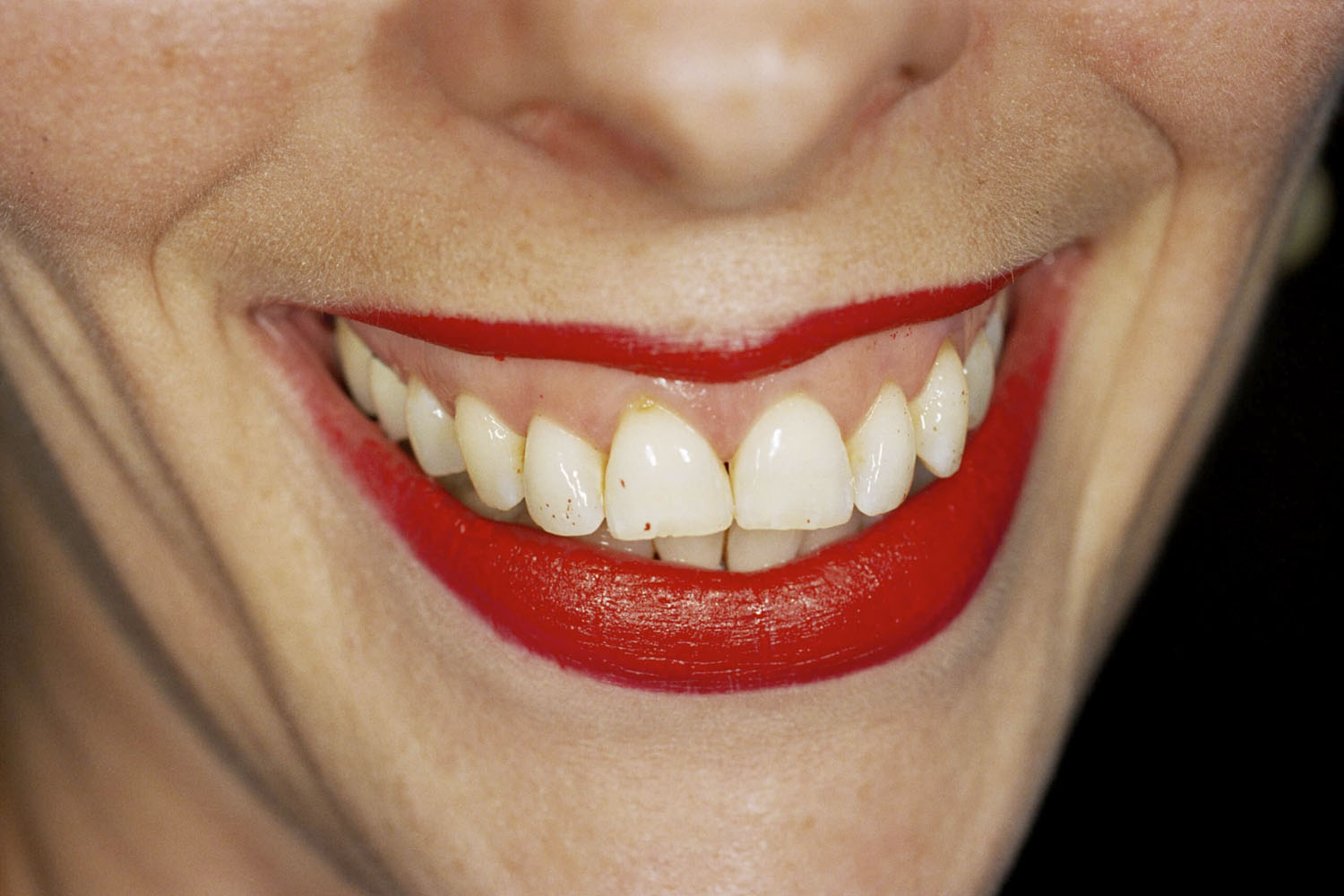
 

François Smeesters (Belgian, 1839-1922) 'Aid for people with reduced mobility' 1888-1890


François Smeesters (Belgian, 1839-1922)
Aid for people with reduced mobility
1888-1890
Albumen print
FOMU Collection


From 1862 onwards, Smeesters was listed in the population registry as a journeyman photographer at various private addresses.


Ernest Huybrechts (Belgian, 1863- )'L'Explosion', in 'La Catastrophe d'Anvers' 6 septembre, 1889


Ernest Huybrechts (Belgian, 1863- )
‘L’Explosion’, in La Catastrophe d’Anvers
6 septembre, 1889
Album contenant 18 planches
Au profit des victimes (Anvers: Section anversoises de L’Association belge de Photographie / Jos. Maes, 1889), 1889, Lichtdruk
Collection FOMU


Disasters, especially their aftermath, were an important theme for early reportage photographers in Belgium. The images are some of the rare early attempts to visually document widely discussed incidents and then distribute them comercially. Some of the photographs were sold to raise funds for victims, reflecting an early fusion of photographic journalism and charitable action. 

Images of the disaster at the Corvilain gunpowder factory workshop in Antwerp in 1889, which claimed 95 lives, were compiled in two publications edited by Joseph Maes. One was sold for the benefit of the victims, the others served as a visual record of the tragedy.

Text from the FOMU Instagram web page


Charles E. Hofmans (Brussels) 'Hofmans Multiphoto camera' 1890


Charles E. Hofmans (Brussels)
Hofmans Multiphoto camera
1890
Multi-lens camera for 12 exposures, format 2.5 × 3cm on 13 × 18cm plates, twelve meniscus lenses, fixed focus, fixed aperture, camera cover serves as shutter
Collection FOMU


Charles Hofmans was a cabinet maker from Brussels, Belgium who became a well known camera manufacturer.


Hugo Piéron (Belgian, 1845-1906) 'Frozen Scheldt, Antwerp' 1891


Hugo Piéron (Belgian, 1845-1906)
Frozen Scheldt, Antwerp
1891
Albumen print
Janssens Collection, Antwerp


Hugo Piéron was known for photographing Antwerp, including scenes of the city’s gates and the frozen Scheldt River in 1891, and he operated a studio under the name Pieron-Loodts, having taken over a studio around 1867.


Hugo Piéron (Belgian, 1845-1906) 'Frozen Scheldt, Antwerp' 1891


Hugo Piéron (Belgian, 1845-1906)
Frozen Scheldt, Antwerp
1891
Albumen print
Janssens Collection, Antwerp


Victor Barras (Belgian, 1845-1916) 'Four women and two dogs, Liège' 1894


Victor Barras (Belgian, 1845-1916)
Four women and two dogs, Liège
1894
Collodion printing-out paper
15.9 × 11.4 cm
Collection FOMU


Little is known about this image, titled ‘Four women and two dogs’ that is part of the FOMU Collection and currently on show in the exhibition Early Gaze.

Within the FOMU collection, which contains millions of objects, we regularly encounter photographs whose origin or context is unknown. When information is scarce, we look closely at details within the image that might tell us more. In this case, handwritten notes on the back of the photograph (image 2) offer important clues.

The people portrayed are most likely members of the photographer’s personal circle. This can be deduced from a note on the reverse that reads: “… de la famille Duvivier Leys … de l’année 1894 et de ma fille chérie Louise Maes.” 

The photograph is a daylight collodion silver print, an early photographic technique in which a collodion-coated glass plate had to be exposed and developed immediately after preparation – a process requiring speed and precision. The photograph was taken in 1894 by photographer Victor Barras in his studio in Liège.

Text from the FOMU Instagram web page


Henri Van Heurck (Belgian, 1838-1909) 'X-ray of chest deformed by corset' 1896-1897


Henri Van Heurck (Belgian, 1838-1909)
X-ray of chest deformed by corset
1896-1897
Daylight gelatin silver print
Collection GUM – Ghent University Museum


Henri Ferdinand van Heurck (28 August 1838 – 13 March 1909) was a Belgian diatom specialist and microscopist. Born in an industrialist family, he taught himself microscopy and botany and wrote several pioneering works on diatoms, their study under the microscope and their preservation. He pioneered the use of electric lighting and its use in microphotography.


Henri Van Heurck (Belgian, 1838-1909) 'X-ray from a mummified Egyptian Ibis' 1897


Henri Van Heurck (Belgian, 1838-1909)
X-ray from a mummified Egyptian Ibis
1897
Collection FOMU


Fernand Khnopff (Belgian, 1858-1921) 'Portrait of Marguerite Khnopff' c. 1900


Fernand Khnopff (Belgian, 1858-1921)
Portrait of Marguerite Khnopff
c. 1900
Daylight gelatin silver print
Collection FOMU


Khnopff’s use of photography highlighted, reflected on and contributed to the exploration of certain subjects and issues that defined European culture in the late nineteenth – early twentieth centuries in general as well as the artist’s œuvre in particular. These include the representations of the city of Bruges and its symbolic meaning in fin-­de-­siècle literature and visual tradition, the documentation of, and reaction to, Belgian colonialism in the Congo Free State as well as the representation of the colony in the colonising metropolis, and the employment of photographs as a substitute for a preparatory sketch or study at preliminary stage.

Text from the abstract of Fernand Khnopff (1858-1921): art and photography in the nineteenth century 2020


Khnopff’s oeuvre includes a large body of nearly monochromatic works on paper. A somewhat limited palette and restrained way of handling his medium become important features of his art, even when he is working in oils. The tendency towards monochromy in his work becomes an essential element in creating the remote and silent atmosphere of the scene.

Another factor in this aspect of his art, however, is the growing need for the photograph as reference, especially in his depictions of the city of Bruges (a kind of Shangi-la to him, a place he had only visited as a child).  If he didn’t visit Bruges as an adult, the only plausible explanation for the accuracy of his later renderings of the town is the use of photography.

In public Khnopff disparaged the artistic merits of this growing medium and throughout his life carefully concealed the role photography played in the creation of some of his paintings.

After his death around forty photographs of Marguerite, who was both his sister and his favourite model, were discovered to remain despite her clearance of his studio and the destruction of much of his work and his personal papers. In them, she adopts poses in décor and costumes often alluding to Antiquity and the Far East, but also in dreamy contemporary scenes. It is clear that he was the photographer. Khnopff often did no more than rework the photographed motif in pastel or oil. …

Khnopff’s works based on photographs produced an image removed one more step from reality; remote, dreamlike, rendered in the shades and shadows of near monochrome which are perfect for conveying the ethereal ideas and themes of his art. This theatrical aspect of his photography makes him heir to slightly earlier photographers who were quite close to the Pre-Raphaelites such as Oscar ReijlanderJulia Margaret CameronLewis Carroll and Lady Harwarden.

Associate Professor James McArdle. “November 12: Artifice,” on the On This Date in Photography website 12/11/2017 [Online] Cited 08/02/2026. Used under fair use for the purposes of education and research
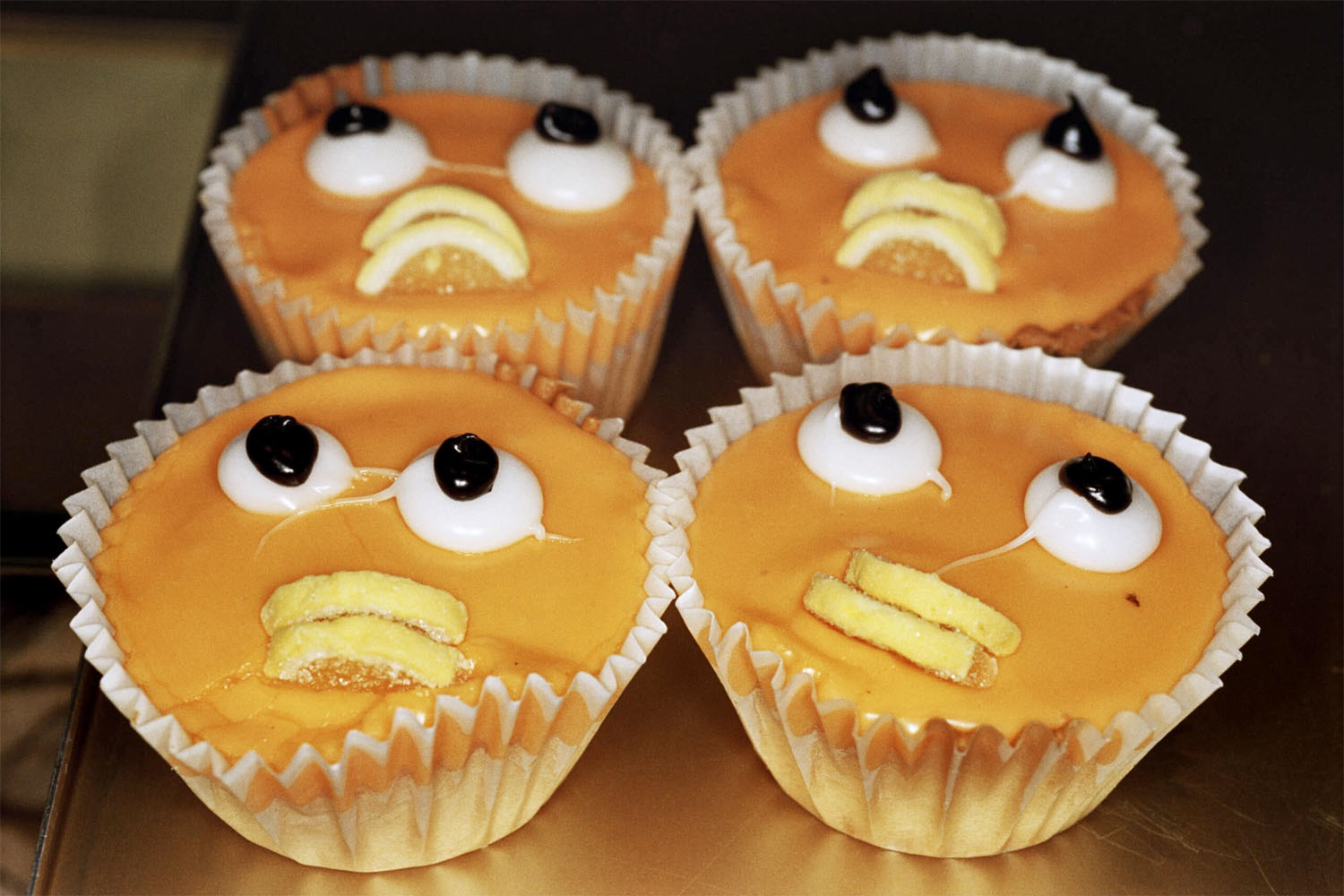
 

Léon Bovier (Belgian, 1865-1923) 'Portrait of Madeleine Bovier as a toddler' c. 1900


Léon Bovier (Belgian, 1865-1923)
Portrait of Madeleine Bovier as a toddler
c. 1900
Daylight collodion silver print
FOMU Collection


Lambert Léon Bovier, born 6.3.1865. Photographic supplies. “Firm founded in 1889” (L’Echo de Courtrai, 22.8.1897). Already active as an amateur photographer in September 1886 when he was a member of the “Cercle des Touristes” and took views of the area between Spa and Stavelot. Recorded as a watchmaker domiciled in Liège, Rue Hocheporte at the occasion of his wedding in Liège on 6.7.1889.

1894-1914 > Bruxelles, Boulevard Anspach, 166<10-12> or 168<94-09; 14>
Partnership with Alphonse Roland (see that name) at this address, 1895-1897. Pictorialist (private address: Rue des Visitandines, 38). First prize winner in the fifth photography competition organised by the “Journal des Voyages” in 1894. Photographs on canvas imitating genre paintings. Corresponding member of the “Société Photographique de Lille” in 1900. Secretary of the “Cercle d’art photographique l’Effort”. Camera manufacturing. “Plates and papers of all makes. Recommended for radiographic laboratories. Construction of plate-holders for radiology” (Journal belge de radiologie, 1909). Reportedly lived in London [GB] from 1914 to 1917 and in Paris [F] from 1917 to 1918. Returned to Brussels after World War I. Bovier published several literary works in the 1920s under the pseudonym Léon Lambert. After his death, Bovier’s widow Antoinette Joséphine Marie Louise Robert (born Spa, 26.6.1868) was listed at this address under photographic suppliers until at least the 1950s. Their daughter “Madeleine” Marie Julie Pauline Bovier (born Brussels, 20.5.1896) would also play an active role in her father’s succession.

Text from the FOMU Directory of Belgian Photographers website
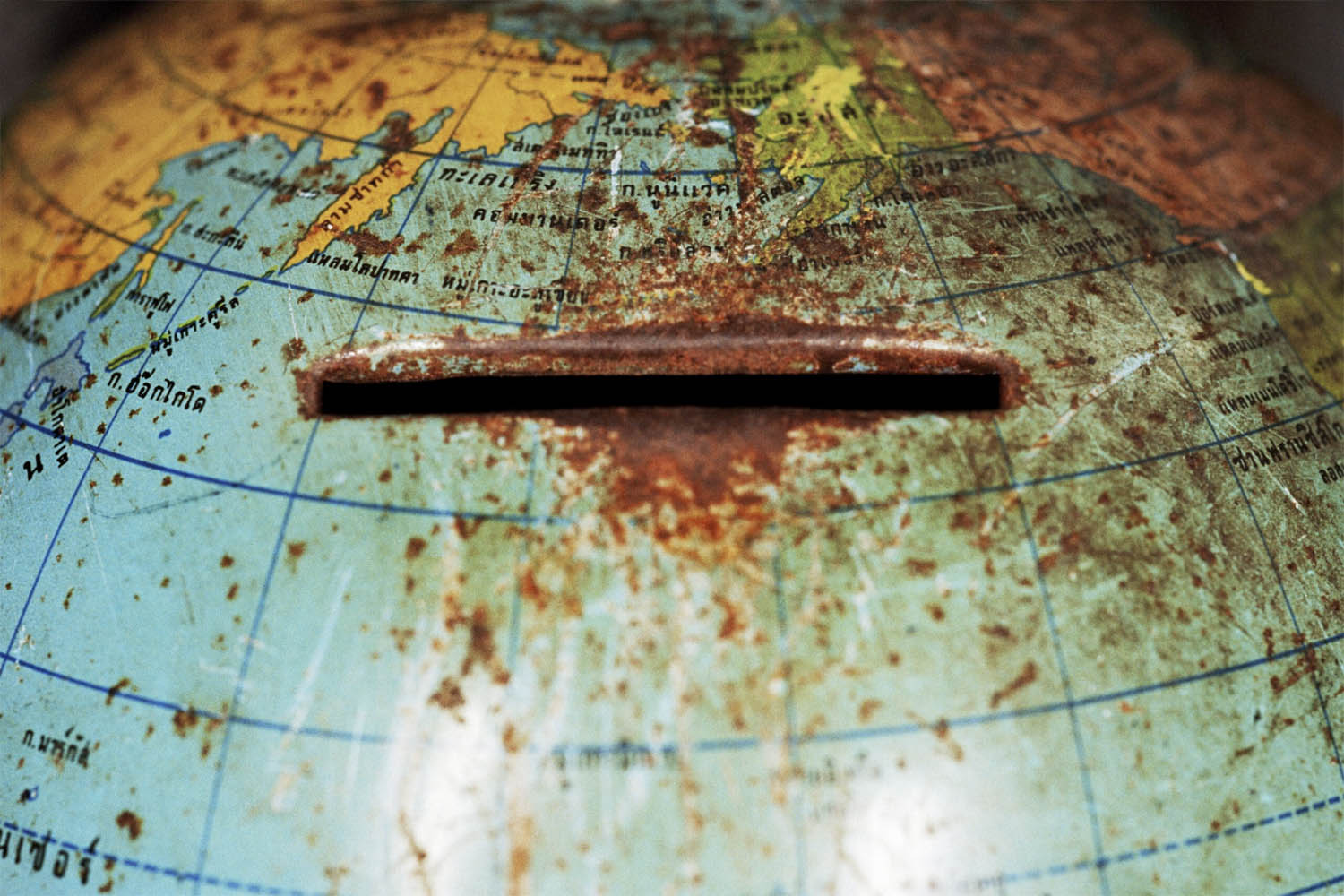
 

Léon Sneyers (Belgian, 1877-1949) 'L'Effort' 1901


Léon Sneyers (Belgian, 1877-1948)
L’Effort
1901
FOMU Collection


Jean Philippe Léon Sneyers, born 23.7.1877; died 24.9.1948. Architect-decorator, designer, art dealer and publicity agent, active from 1894. Also supplies for photographers at this address, according to the Mertens directory. Initiated into photography as an adolescent, when only 17 years old he was the president of a camera club for students, the “Detectiv-Club Belge”. Pictorialist. Landscapes, portraits and nudes. Secretary and leading light of the “Cercle d’art photographique l’Effort” (see that name). Member of the “Club d’amateurs photographes de Belgique”, which published several of his photographs in its “Bulletin”.

Both pupil and emulator of Paul Hankar, he discovered Viennese Secession architecture at the Turin exhibition in 1902. His surviving art nouveau buildings in Brussels include a house-cum-studio for the painter Albert Cortvriendt, Rue de Nancy, 6-8 and a shop front for Majolaine, Rue de la Madeleine, 7 created in 1904.

Commissioned by the government to design and decorate the science installation at the International Exhibitions in Liège, 1905, Brussels, 1910, and Ghent, 1913, and to design the Belgian installation at the exhibitions in Turin, 1902, Milan, 1906 and Venice, 1906-1907. He became a propagator of Viennese art nouveau via “L’Intérieur”, his art studio in Brussels at Rue de Namur, 9 which opened in 1906 and closed in 1918; thereafter Galerie Sneyers, Boulevard de Waterloo, 9 from 1918 to 1926. Collections of drawings and photographs in the “Archives d’Architecture Moderne” (AAM), Brussels. These constitute the small proportion of Sneyers’ archives saved from destruction in 1969.

Text from the FOMU Directory of Belgian Photographers website
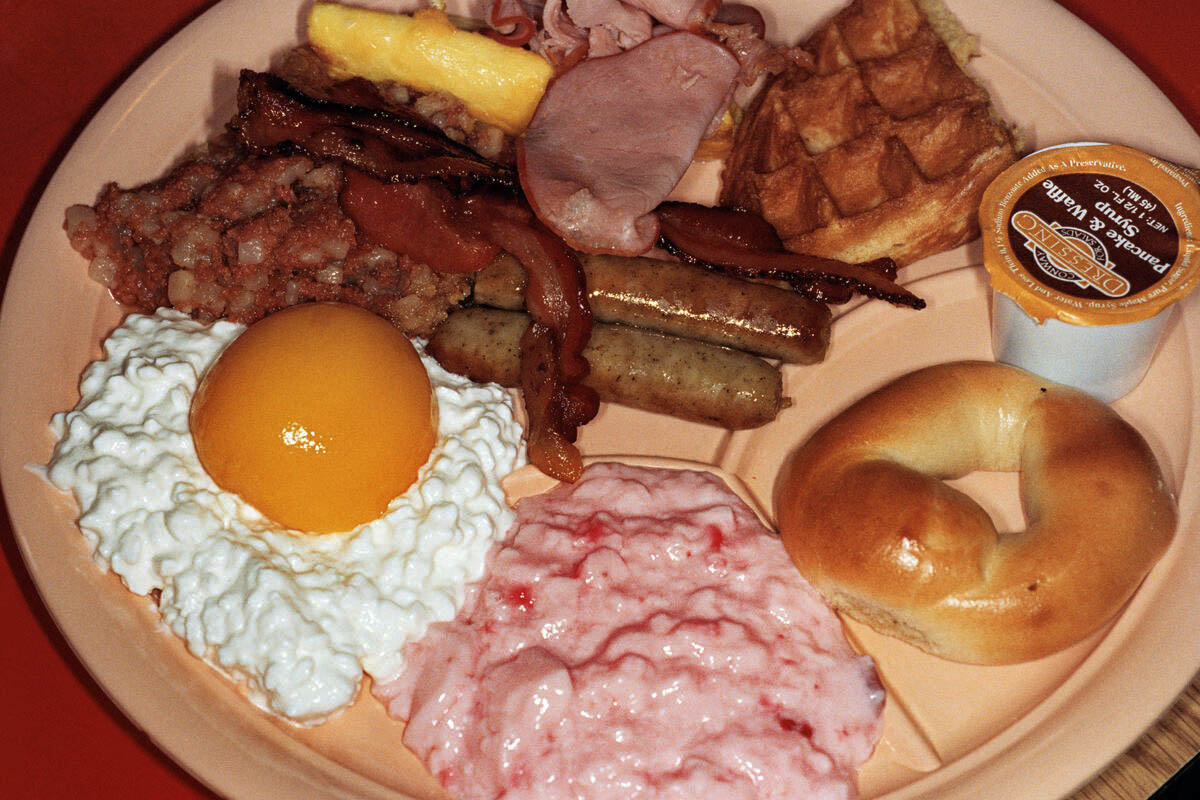
 

Anonymous photographer. 'Studio portrait of two ladies in a boat' c. 1905


Anonymous photographer
Studio portrait of two ladies in a boat
c. 1905
FOMU Collection


FOMU
Waalsekaai 47
2000 Antwerp

Opening hours:
Monday closed
Tuesday – Sunday 10 – 18 h

FOMU website
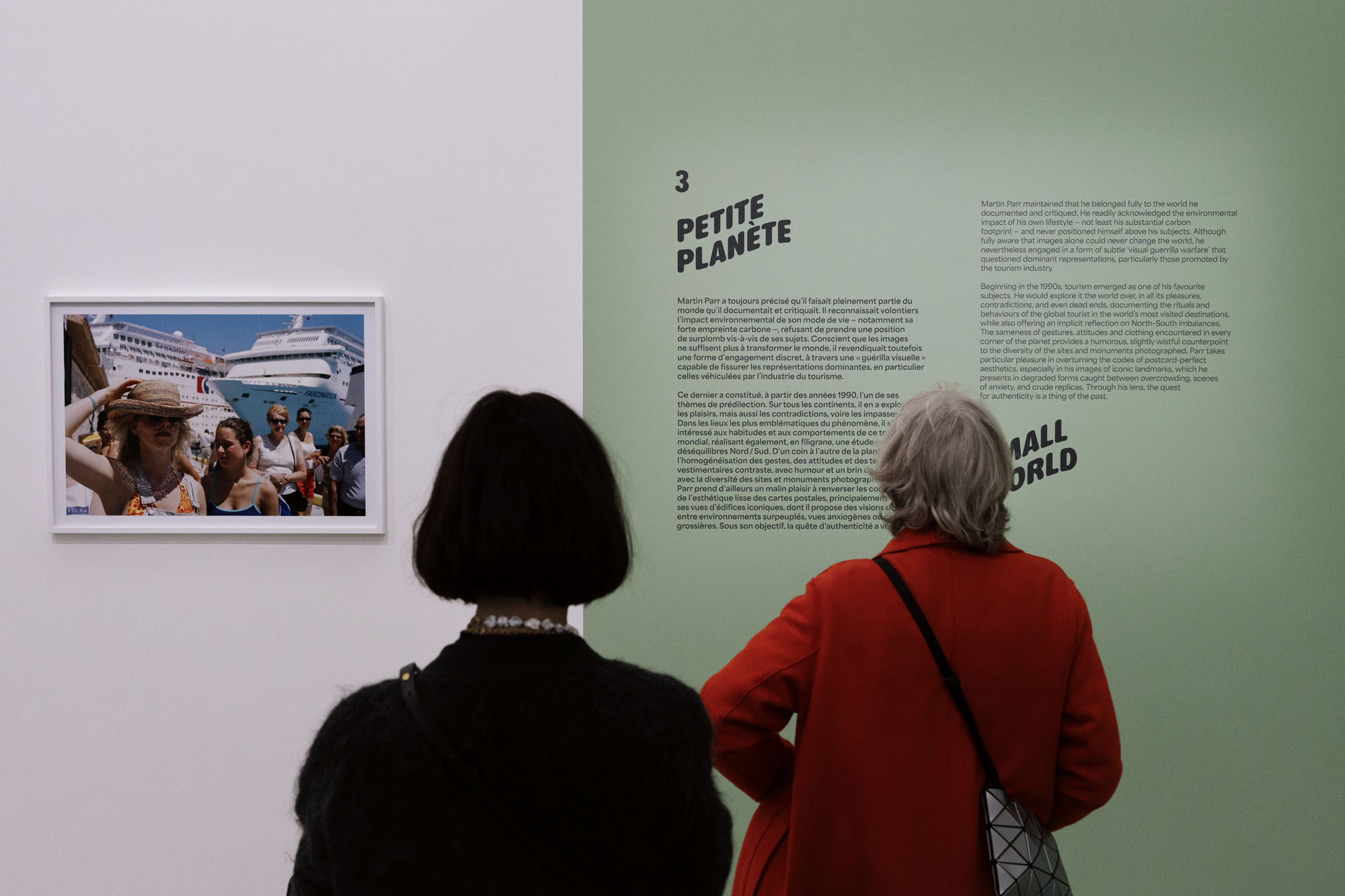
LIKE ART BLART ON FACEBOOK

Back to top

Exhibition: ‘Lisette Model Retrospective’ at the Albertina Museum, Vienna

Exhibition dates: 30th October, 2025 – 22nd February, 2026

Curators: Walter Moser, head of the department of photography at the Albertina, with assistant curator Nina Eisterer


Lisette Model (American born Austria, 1901-1983) 'Promenade des Anglais, Nice' 1934 from the exhibition 'Lisette Model Retrospective' at The Albertina Museum, Vienna, October 2025 - February 2026


Lisette Model (American born Austria, 1901-1983)
Promenade des Anglais, Nice
1934
Gelatin silver print
50.7 x 40.4cm
Estate of Gerd Sander, Julian Sander Gallery, Cologne
© Estate of Lisette Model, courtesy of baudoin lebon and Avi Keitelman


From the gut

All the haughtiness of the upper-upper, lower-upper, socialites and high society in Promenade des Anglais, Nice (1934, below) versus all the “colour” and characters of Sammy’s Bar in New York, salt of the earth, dead beat party animals (1940-1944, below).

All the obsequious opulence of the women in Fashion Show, Hotel Pierre, New York (1940-1946, below) versus all the low angle, unbuttoned bulk of a New York bag lady in Lower East Side, New York (1940-1947, below)

Model sure doesn’t pull any punches and, perchance, you know which side of the fence she sits.

Combining social realism and emotional expression Model’s street-life scenes and portraits are shot with a razor sharp mind and eye, honed with emotional insight and social conviction, promoting “a fierce attack on the bourgeoisie of the time.” These images are shot from the gut, felt in the gut! Oooof! Kapow!

This philosophical, libertarian vision is grounded in the everydayness of working people, not in men “who sit at desks as large as thrones, who gather in solemn hemicycles, in splendid and severe seats…”

Her Promenade des Anglais photographs are incisive, cutting to the marrow, evidencing a piercing, core-level truth about the nature of power, money, humility, humanity. Knowing exactly the story she wanted to tell, Model cropped her negatives in the darkroom to get the desired, constructed photographs of the elite, this promenade of the privileged. That she passed on her wisdom to Diane Arbus is only to our benefit.

Model’s photographs in this series are more biting, satirical and oblique than those of Arbus. Direct in one way (in the placement of the camera in front of the subject) but oblique in another … in the asymmetrical placement of the figures within the picture plane, in the sly acknowledgement (or not) and resentment of the camera by the subject. Conversely, her photographs of people in nightclubs, jazz performers and the socially disadvantaged are humanist photographs of the highest order, unorthodox musical compositions that sing with light, movement, and life much more so than the square, formal attributes of the Arbus.

God bless Lisette Model for her glorious irreverence and musical lyricism.

Dr Marcus Bunyan


Many thankx to The Albertina Museum for allowing me to publish the photographs in the posting. Please click on the photographs for a larger version of the image.


“As long as man exploits man, as long as humanity is divided into masters and servants, there will be neither normality nor peace. The reason for all the evil of our time is here. Do you see these? Severe, double-breasted, elegant men who get on and off airplanes, who run in powerful cars, who sit at desks as large as thrones, who gather in solemn hemicycles, in splendid and severe seats: these men with the faces of dogs or of saints, of hyenas or eagles, these are the masters.”


Pier Paolo Pasolini


Model’s libertarian philosophy is not easy to classify… it is often stuck in the approximation of street photography… but photography, when it is great, is one! and one only!… Genres only serve to sink it into the language of commerce! The lopsided shots, the deep blacks, the stellar whites… beaded with emotional uniqueness… see the human being as an end and never as a means… they invite us to think that justice is inseparable from beauty, it is a way of doing things well, like a chair-setter, a coalman, or a bricklayer… to flee from the arrogance, imitation, and contempt that accompany social codifications… what is beautiful is naturally right… because photography is not just a linguistic quest, but precisely as a linguistic quest, it is a philosophical vision… that respects no barriers or emulates the gods… it is an original, archetypal desire, that takes precedence over everything and carries it as the absolute value of beauty and justice!


Pino Bertelli. “Lisette Model. Sulla fotografia del disinganno,” on the Phocus Magazine website Nd [Online] Cited 02/02/2026. Translated from the Italian by Google Translate. Used under fair use conditions for the purposes of education and research
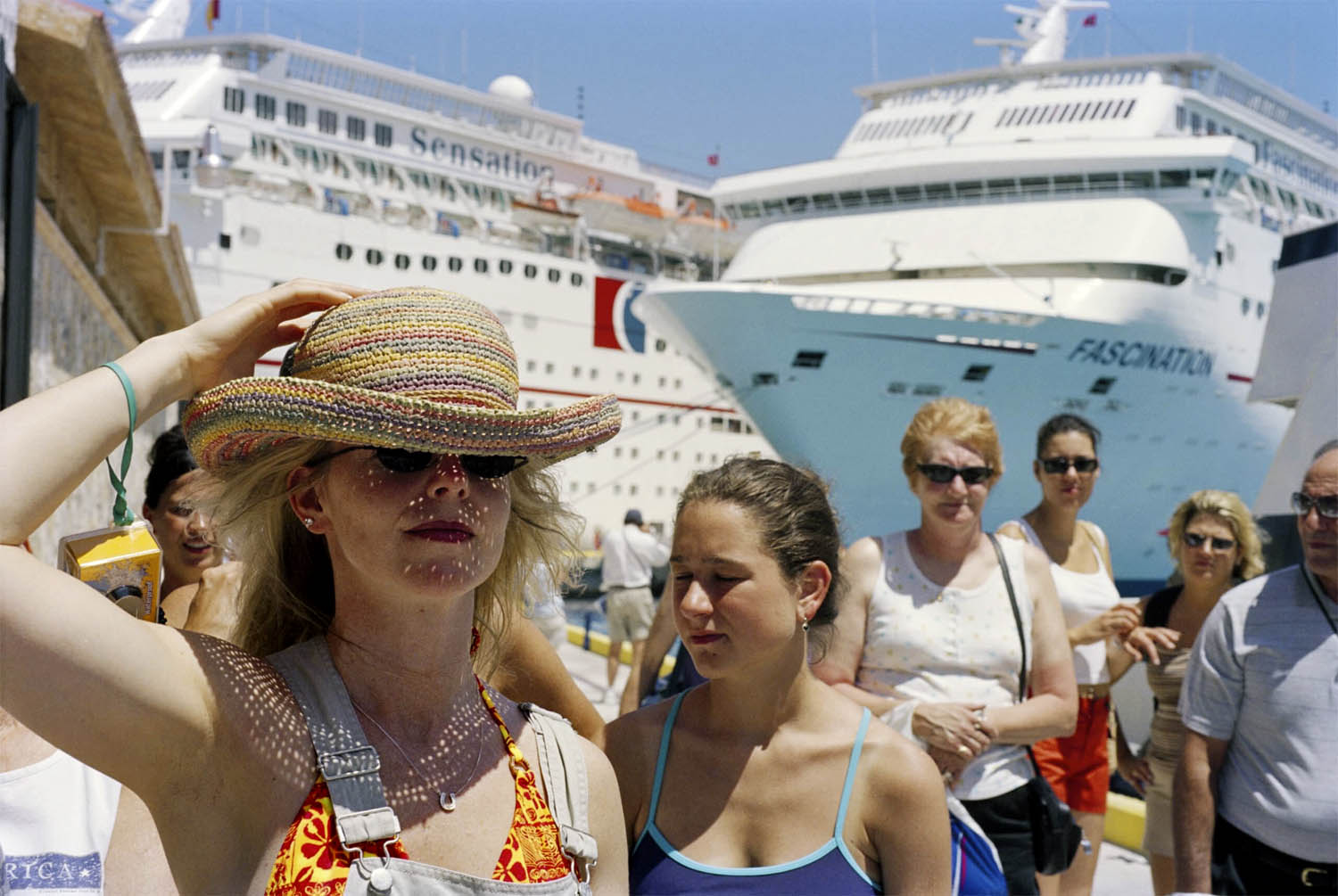


Lisette Model (American born Austria, 1901-1983) 'Promenade des Anglais, Nice' 1934


Lisette Model (American born Austria, 1901-1983)
Promenade des Anglais, Nice
1934
Gelatin silver print
43.2 x 35.4cm
The ALBERTINA Museum, Vienna
© Estate of Lisette Model, courtesy Lebon, Paris /
Keitelman, Brussels


“Visiting her mother in Nice in 1934 Model took her camera out on the Promenade des Anglais and made a series of portraits which to this day are among her most widely reproduced and widely exhibited images. With them Model declared her trademark style: Close-up, biting, satirical – almost like photographic political cartoons. In a nice bit of art history sleuthing, Thomas discovered that this series was published in the communist periodical Regards, a publication led by Ehrenburg, Gide, Gorky and Malreaux in 1935. Model, she says, never denied having published her work in Europe, but neither did she ever precisely acknowledge having done so… Thomas also relates Model’s style to the style of images published in Regards and what was being shown in small galleries – that approach, almost mocking, surely exposing, with the photographer or artist clearly separate/different if not superior from the subject – was in the air. Model perfected it, but she didn’t invent it.”

Elsa Dorfman. “Ann Thomas on Lisette Model,” on the AMERICANSUBURB X: THEORY website, June 14, 2010 [Online] Cited 03/02/2026. Used under fair use conditions for the purposes of education and research


Lisette Model (American born Austria, 1901-1983) 'Promenade des Anglais, Nice' 1937 from the exhibition 'Lisette Model Retrospective' at The Albertina Museum, Vienna, October 2025 - February 2026


Lisette Model (American born Austria, 1901-1983)
Promenade des Anglais, Nice
1937
Gelatin silver print
50.7 x 40.4cm
Estate of Gerd Sander, Julian Sander Gallery, Cologne
© Estate of Lisette Model


Lisette Model (American born Austria, 1901-1983) 'Promenade des Anglais, Nice' 1937


Lisette Model (American born Austria, 1901-1983)
Promenade des Anglais, Nice
1937
Gelatin silver print
50.7 x 40.4cm
Estate of Gerd Sander, Julian Sander Gallery, Cologne
© Estate of Lisette Model


Lisette Model (1901-1983), born into a Viennese Jewish family, is regarded as one of the 20th century’s most influential photographers. This ALBERTINA exhibition presents a broad retrospective covering her most important groups of works created between 1933 and 1959. Alongside iconic photographs such as Coney Island Bather and Café Metropole, the selection will also include seldom-seen works.

Model, following her emigration to New York in 1938, quickly rose to prominence with her pictures for magazines such as Harper’s Bazaar showing facets of urban life: the poverty of the Lower East Side, the upper class at their leisure pursuits, and night life at bars and jazz clubs. Model went on to become an influential teacher during the McCarthy Era. The exhibition features the first-ever public presentation of the original draft of her 1979 monograph, a classic of photo book history.

Text from The Albertina Museum website
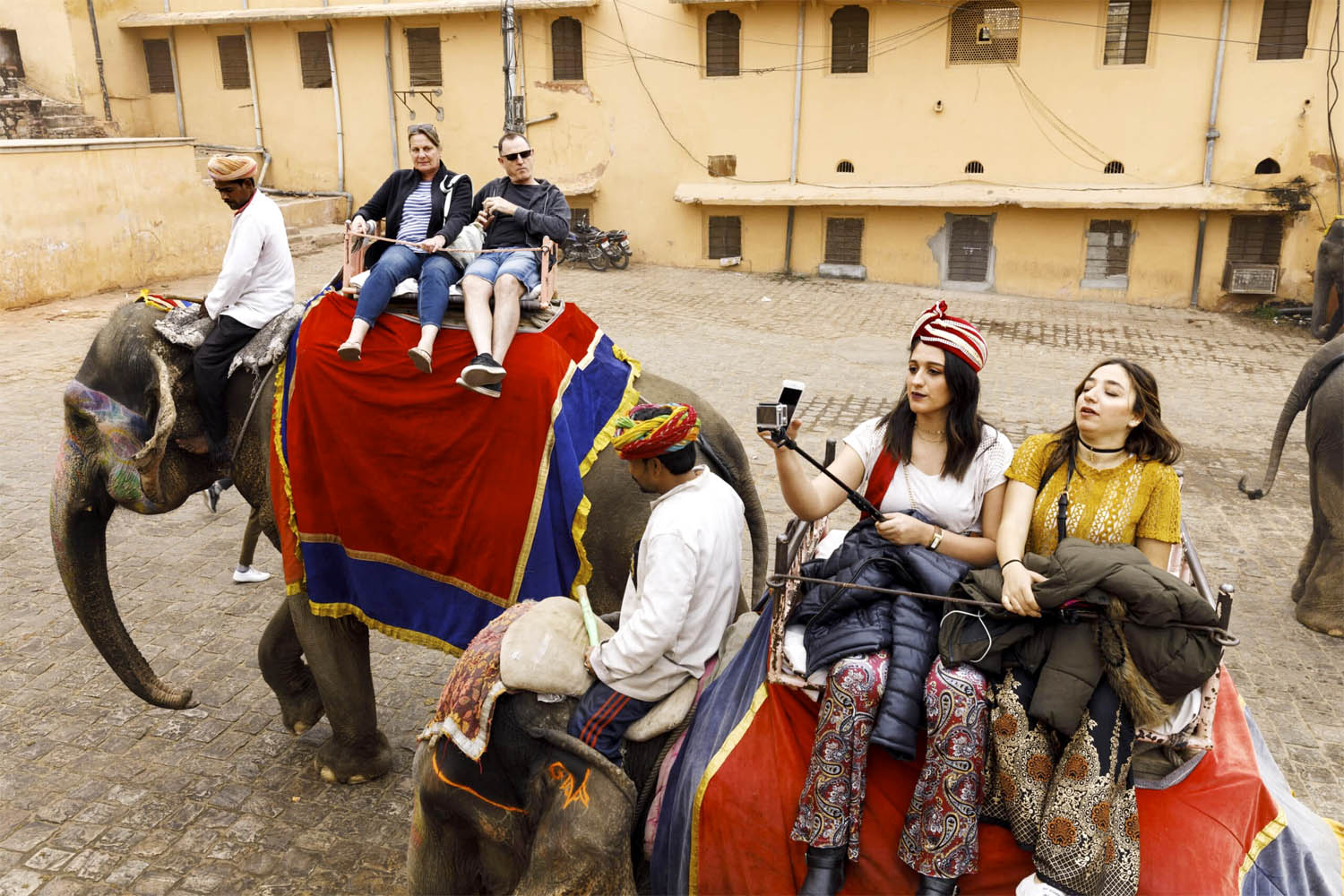
 

Lisette Model (American born Austria, 1901-1983) 'First Reflection, New York' 1939-1940, printed 1976-1981
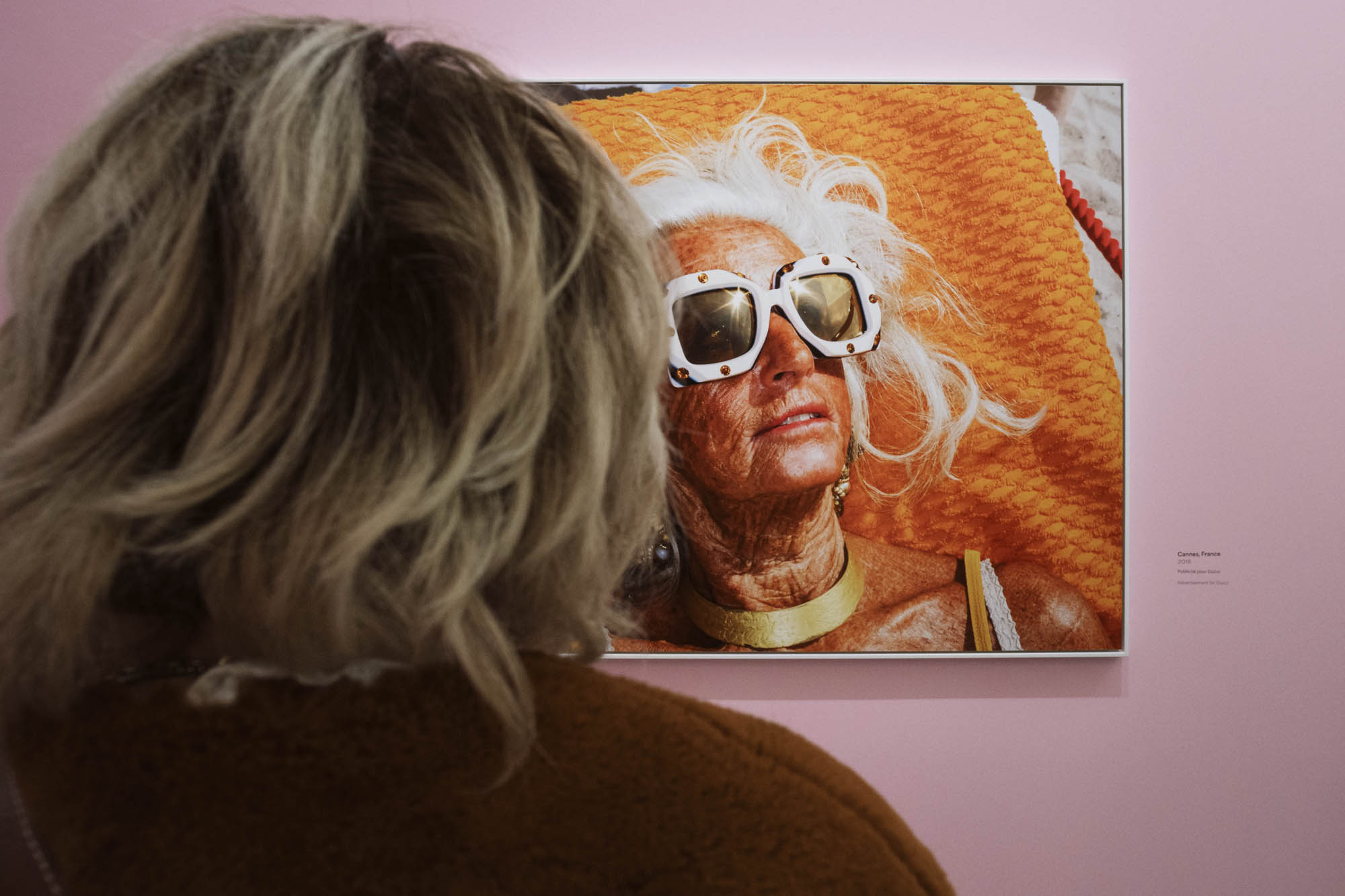
 

Lisette Model (American born Austria, 1901-1983)
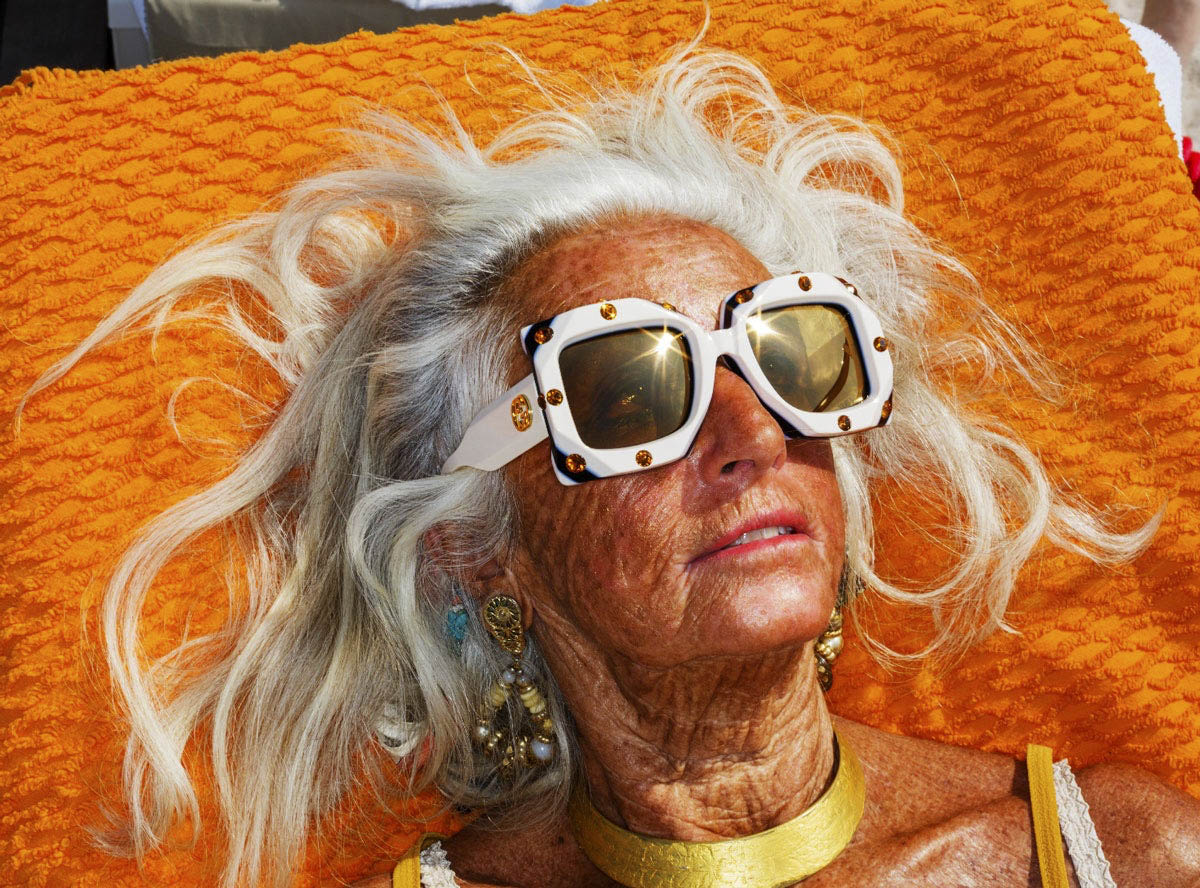
First Reflection, New York
1939-1940, printed 1976-1981
Gelatin silver print
Estate of Gerd Sander, Julian Sander Gallery, Cologne


Lisette Model (American born Austria, 1901-1983) 'Window, Bonwit Teller, New York' 1939-1940, printed 1976-1981


Lisette Model (American born Austria, 1901-1983)
Window, Bonwit Teller, New York
1939-1940, printed 1976-1981
Gelatin silver print
Estate of Gerd Sander, Julian Sander Gallery, Cologne


Lisette Model (American born Austria, 1901-1983) 'Reflections, New York' 1939-1945


Lisette Model (American born Austria, 1901-1983)
Reflections, New York
1939-1945
Gelatin silver print
26.5 x 33.4cm
The ALBERTINA Museum, Vienna
© Estate of Lisette Model, courtesy Lebon, Paris / Keitelman, Brussels


Lisette Model (American born Austria, 1901-1983) 'Singer, Sammy's Bar, New York' c. 1940


Lisette Model (American born Austria, 1901-1983)
Singer, Sammy’s Bar, New York
c. 1940
Gelatin silver print
© Estate of Lisette Model


Lisette Model (American born Austria, 1901-1983) 'Couple Dancing' 1940


Lisette Model (American born Austria, 1901-1983)
Couple Dancing
1940
Gelatin silver print
© Estate of Lisette Model


Lisette Model (American born Austria, 1901-1983) 'Sammy’s Bar, New York' 1940-1944


Lisette Model (American born Austria, 1901-1983)
Sammy’s Bar, New York
1940-1944
Gelatin silver print
37.8 x 49cm
The ALBERTINA Museum, Vienna – Permanent Loan Austrian Ludwig Foundation for Arts and Science
© Estate of Lisette Model, courtesy Lebon, Paris / Keitelman, Brussels


Lisette Model (American born Austria, 1901-1983) 'Sammy's' 1940-1944


Lisette Model (American born Austria, 1901-1983)
Sammy’s
1940-1944
Gelatin silver print
© Estate of Lisette Model


Born into a Viennese family with Jewish roots, Lisette Model (1901-1983) is considered one of the most internationally influential female photographers. The exhibition at the ALBERTINA Museum is the most comprehensive presentation of the artist in Austria to date and brings together her most important groups of works from 1933 to 1959. In addition to iconic photographs such as Coney Island Bather and Singer at the Metropole Café, the exhibition also includes lesser-known works that have never been shown before.

While Lisette Model initially pursued a musical education, it was only in France, where she lived from the mid-1920s, that she found her way to photography: in 1934, the self-taught photographer took her revealing series of portraits of rich idlers in Nice, which caused a sensation as a biting social critique in the heated political climate of the time. After Model emigrated to New York in 1938, she quickly made a name for herself in the vibrant art scene as a freelance photographer for style-setting magazines such as Harper’s Bazaar. She photographed the diverse and contradictory facets of urban life: Model showed the poor population of the Lower East Side district in unsparing shots, the upper class at their pleasures in confrontational portraits and the vibrant nightlife in bars and jazz clubs in dynamic series. In the late 1940s and 1950s, she created extensive groups of works outside New York.

The photos of the west coast of the USA or Venezuela are characterised by a melancholy and gloomy mood without Model losing sight of social conditions. Due to political reprisals during the McCarthy era, Model began her second, enormously influential career as a teacher. After decades of effort, the publishing house Aperture published her first monograph in 1979. The exhibition Lisette Model presents the original design of this publication, which is now a classic among photo books, for the first time.

Lisette Model

Lisette Model (1901-1983) brought about a sudden change in photography with her spectacularly direct pictures. Her immediate, humorous, frequently confrontational, yet sometimes also empathetic style of representation revolutionised traditional documentary photography. Her pictures of street-life scenes and portraits combine social realism and emotional expression: “Shoot from the gut!” was her famous credo. This retrospective brings together Model’s most important groups of works from her nearly thirty-year career, from 1933 to 1959, including works that have never been on view before.

Lisette Model was born as Elise Amelie Felicie Stern (Seybert) into an upper class Viennese family with Jewish roots in 1901. She initially pursued a musical education and from 1919 to 1921 attended courses taught by composer Arnold Schönberg at the progressive Schwarzwald School, which had been founded by Eugenie Schwarzwald. Her contact with Schönberg proved formative for Model’s artistic work. After her father’s death, Lisette Model, together with her mother and sister, moved to France in 1926, where she discovered photography. In 1934 she shot her first extensive portrait series of wealthy idlers in Nice, which caused a furor for betraying social criticism in the heated political climate of the time.

Having emigrated to New York in 1938, Model quickly made a name for herself in the art scene as a freelance photographer for such influential magazines as Harper’s Bazaar. She photographed the contrasts of urban life: in unsparing images, Model presented the impoverished population of the Lower East Side; in scathing portraits, she depicted the upper classes indulging in their pleasures; and in a number of dynamic series, she captured the pulsating nightlife of the metropolis. In the late 1940s and 1950s she created her first series of works outside New York. Due to political reprisals during the McCarthy era, Model’s artistic work stagnated. She embarked on an influential career as a teacher, shaping an entire generation of photographers, including Larry Fink, Diane Arbus, and others.

France

In 1926, Lisette Model moved to France, where she continued her vocal training, which she was forced to discontinue abruptly due to voice problems. In 1933 she turned to photography instead. The threatening political situation in Europe made it necessary for her to learn a profession, and photography offered itself as a modern field of activity especially for women. Model’s sister Olga, a trained photographer, and the artist Rogi André provided important inspiration, including the momentous advice to photograph only what aroused her passionate interest.

The economic crisis and the rise of fascism went hand in hand with a debate among committed left-wing artists about documentary photography. The central question was to what extent photography could expose social injustices and serve as a weapon in social conflicts. It is unclear how closely Model followed these debates; in later years, she remained persistently silent on the subject. Her early photographs from Paris clearly reveal a socially critical approach. Going about her work with distinct directness, she photographed sleeping homeless people and blind beggars, whom she characterised as victims of social circumstances through their bent bodies.

In July 1934, Lisette Model used a Rolleiflex to photograph a series of portraits of wealthy idlers on the Promenade des Anglais in Nice. It was synonymous with glamour and elite tourism and a popular motif at the time. Yet Model portrayed her subjects as caricatures through their facial expressions, postures, and gestures. The narrow cropping of the motifs suggests that the photographer was in close proximity to her subjects, who look condescendingly into the camera. In fact, however, Model achieved this effect in the darkroom, where she selected radically novel perspectives from the negatives.

Regards

Although Lisette Model was only at the beginning of her career, the respected communist magazine Regards published her photographs from the series Promenade des Anglais in 1935. The layout of the article juxtaposed Model’s portraits with an image of a female worker with a fishing net. The accompanying text also embeds the photographs in the ideological rhetoric of class struggle: “The Promenade des Anglais is a zoological garden where the most abominable specimens of the human species lounge in white armchairs. Their faces betray boredom, condescension, impertinent stupidity, and at times malice. These rich people, who spend most of their time dressing, adorning themselves, manicuring their nails, and applying makeup, fail to conceal the decadence and immeasurable emptiness of bourgeois thinking.”

Against the backdrop of the repressive climate of the McCarthy era in the 1950s, Lisette Model would later tone down the political content of her images from Nice. Instead, she emphasised the humour and her intuitive approach to portraiture in public spaces.

New York

In October 1938, Lisette Model emigrated to New York with her husband Evsa Model, a Jewish-Russian painter. Her first series shot there reveal her great fascination with the metropolis. The work Reflection, which makes use of reflections in shop windows, merges motifs and spaces to create an enigmatic collage. For the Running Legs photographs, Model did not point her camera upwards at the skyscrapers as usual, but looked at the feet of passersby at street level. Model experienced New York’s hectic and consumer-oriented culture as ambivalent: the dark shadows in the windows of the department stores seem threatening, and the dense crowds of legs have a claustrophobic effect. In portraits of people on Fifth Avenue and Wall Street photographed from below, Model highlights the arrogance of the pedestrians rushing by.

Shortly after her arrival in New York, Lisette Model attracted the attention of several key figures in the art and media world. Her contacts with Ralph Steiner, editor of the magazine PM’s Weekly, and Alexey Brodovitch, the legendary art director of Harper’s Bazaar, proved momentous. In 1941, Steiner published Model’s biting photographs of the Promenade des Anglais in Nice under the provocative title “Why France Fell” as an explanation for the country’s defeat in World War II. Model’s first commission for Harper’s Bazaar took her to the popular leisure destination of Coney Island, where she shot her iconic photographs of a bather with an empathetic eye. As early as 1940, the Museum of Modern Art in New York acquired one of Model’s pictures and continued to show her works in exhibitions in the following years.

Lower East Side

In one of her most extensive groups of works, Lisette Model focuses on the residents of the Lower East Side. Model’s attention to physical peculiarities and extremes becomes particularly apparent in it. Retrospectively defined cropping detaches the people from their spatial surroundings and emphasises the sitters’ statuesque monumentality.

Lisette Model shared her interest in the socially disadvantaged with photographers from the New York Photo League, an influential left-wing political association dedicated to socially committed photography. Becoming a member, Model actively participated in Photo League events and exhibited on its premises. And yet she distanced herself from her photography being categorised as political or social documentary. She also rejected accusations of portraying her models overly sarcastically, arguing instead for a humanist point-of-view that focuses on the strength and personality of her subjects. Emotional expression and social realism are inextricably linked in these photographs: the expressive bodies clearly display the burden of tough living conditions.

Entertainment

Similar to her photographs from France, Model also explored disparities in urban life in New York. The harsh images of the Lower East Side are juxtaposed with photographs of people indulging in leisure activities and amusing themselves at all kinds of shows. Model captured these scenes with a keen eye for human contradictions and bizarre moments: dressed-up ladies at a fashion show are just as much a part of this as participants in a dog show bearing a striking resemblance to their four-legged friends. Photographs taken in museums do not focus on the artworks intently viewed by visitors, but rather on the act of vision itself. With a few exceptions, the series Dog Show and Museum have only survived as negatives. They can now be presented here in digital form for the first time.

Nightlife

Lisette Model’s intuitive approach to photography reached its peak in her pictures of nightclubs. Using bright flashes, she snatched the celebrating guests and energetic performers from the darkness and in the subsequent post-editing of the images tilted the motifs to render the compositions more dynamic. The depiction of expressive gestures and people in moments of emotional tension recalls the body images of the early Viennese Expressionists, whom Model got to know through her contact with Arnold Schönberg. Model, who always vehemently denied the influence of other artists, acknowledged solely Schönberg’s impact on her work. His theory of the “emancipation of dissonance,” which expands on classical harmony, is echoed both in Model’s unorthodox compositions and in her caricatures.

The traumatic experience of exile left deep traces in Lisette Model’s work. Like the Lower East Side before, nightclubs were places populated by immigrants. They evoked a sense of social belonging and cultural familiarity in the artist.

West Coast

In 1946, Lisette Model accompanied her husband Evsa to San Francisco on an invitation from the California School of Fine Arts (CSFA). She quickly established connections with the lively photography scene on the US West Coast, where famous photographers such as Ansel Adams and Edward Weston were active. Model returned several times and in 1949 taught a course on documentary photography at the CSFA’s photography department; she continued with her teaching in New York from 1951 onward.

Model did her first major groups of works outside New York. The photographs of visitors to the opera of San Francisco rank among her most striking portraits and illustrate her strategy of bringing out individual characters by exaggerating physical peculiarities.

In 1949 an assignment for the Ladies Home Journal took Lisette Model to Reno, Nevada. She photographed women staying at so-called “divorce ranches,” waiting for their divorces to be finalised. Thanks to more liberal laws, divorce was possible in Nevada after a waiting period of just a few weeks – compared to the patriarchal rules of other states, this was an uncomplicated way for women in particular to separate from their spouses. Lisette Model’s sympathy for her sitters becomes palpable. Unlike the pictures taken in San Francisco, these portraits are less expressive, but more melancholic instead.

Venezuela

In the 1950s, in the wake of Senator Joseph McCarthy’s communist witch hunt, the Federal Bureau of Investigation (FBI) inquired into Lisette Model’s activities. Neighbours and even her grocer were questioned about the artist. In February 1954 two FBI agents finally interrogated Lisette Model and accused her of alleged membership in the communist party and of her actual affiliation with the Photo League, which had already disbanded in 1951 due to political pressure. The agents were unable to prove any wrongdoing on Model’s part, but classified her as uncooperative and recommended that she be placed on the security watch list. As a result of these accusations, Model lost some of her most important clients and was forced to supplement her income by working as a teacher.

Plagued by financial difficulties, she travelled to Caracas in 1954, accepting an invitation extended by the Venezuelan government. By then, Venezuela had been under the presidency of Marcos Evangelista Pérez Jiménez for two years – a military officer and dictator who modernised Caracas and exploited the country’s rich oil reserves. In photographs that were unusual for her in terms of motif and style, Model captured the technical infrastructure for oil production around Lake Maracaibo. Because of their gloomy atmosphere, the images were unsuitable for use in advertising and propaganda. Unsettled by the paranoia of the McCarthy era, the photographer often found it difficult to relate to her surroundings.

Jazz

As a result of the reprisals during the McCarthy era, Lisette Model photographed significantly less in the 1950s than in the promising decades before. One exception were the photographs she took during a horserace in New York in 1956, where she directed her attention at the audience instead of the competition. Her preoccupation with the subject of jazz was most intense. It is Model’s largest body of work, which developed from her photographs of New York nightclubs in the 1940s. Model was one of the few women to photograph jazz events such as the Newport Jazz Festival or concerts of the Lenox School of Jazz at the Berkshire Music Barn in Massachusetts. Highly musical herself, Model knew how to use her straightforward approach to convey the passion and intensity of the musicians’ playing as an immediate experience. No musician was photographed by her as often as Billie Holiday. One of Lisette Model’s last pictures, taken in 1959, shows the singer lying in her coffin.

In the 1950s, Model planned to publish her jazz photographs. It would have been the first monographic jazz book in history, but the project failed when her former client at Harper’s Bazaar discredited Model as a “troublemaker” and, due to her “political unreliability,” dissuaded potential financial backers.

Starting in the 1970s, Lisette Model was rediscovered in exhibitions and interviews. After years of effort, the first monograph on her work, with an introduction by Berenice Abbott, came out in 1979 with the renowned publisher Aperture. It is now considered an incunabulum within the photo book genre. The Albertina owns the hitherto unpublished dummy with original prints. Originally, the book was to be printed with a comprehensive biography of the artist penned by author Phillip Lopate. Dissatisfied with the text, Model had the manuscript withdrawn and commented on it with scathing remarks: “I thought an introduction was to be written – not that I was to be put on trial,” she noted down on the title page.

Model’s behaviour was indicative of the protective shield she had built around her private life as a result of her threatening encounter with the paranoia of the McCarthy era. In her public statements and interviews she obscured facts and details of her biography. She resisted simplistic interpretations of her work, but also concealed and marginalised references to politically explosive works, such as the publication of her photographs from Nice in the communist publication Regards in the mid-1930s.

Press release from The Albertina Museum


Lisette Model (American born Austria, 1901-1983) 'Coney Island Bather, New York' 1939-1941


Lisette Model (American born Austria, 1901-1983)
Coney Island Bather, New York
1939-1941
Gelatin silver print
49.5 × 39.3cm
Estate of Gerd Sander, Julian Sander Gallery, Cologne
©️ Estate of Lisette Model, courtesy of baudoin lebon and Avi Keitelman


Lisette Model (American born Austria, 1901-1983) 'Fashion Show, Hotel Pierre, New York' 1940-1946


Lisette Model (American born Austria, 1901-1983)
Fashion Show, Hotel Pierre, New York
1940-1946
Gelatin silver print
39.3 x 49.2 cm
The ALBERTINA Museum, Vienna, Permanent Loan Austrian Ludwig Foundation for Arts and Science
© Estate of Lisette Model, courtesy Lebon, Paris / Keitelman, Brussels


Lisette Model (American born Austria, 1901-1983) 'Lower East Side, New York' 1940-1947


Lisette Model (American born Austria, 1901-1983)
Lower East Side, New York
1940-1947
34.6 × 27.1cm
The ALBERTINA Museum, Vienna
© Estate of Lisette Model, courtesy Lebon, Paris / Keitelman, Brussels


Lisette Model (1901-1983) 'Albert-Alberta, Hubert's 42nd St Flea Circus, New York' 1945


Lisette Model (American born Austria, 1901-1983)
Albert-Alberta, Hubert’s Forty-second Street Flea Circus, New York
1945, printed 1980s
Gelatin silver print
Estate of Gerd Sander, Julian Sander Gallery, Cologne


Lisette Model (American born Austria, 1901-1983) 'Female impersonator' c. 1945


Lisette Model (American born Austria, 1901-1983)
Female impersonator
c. 1945
Gelatin silver print
National Gallery of Canada, Ottawa


Lisette Model (American born Austria, 1901-1983) 'Opera, San Francisco' 1949


Lisette Model (American born Austria, 1901-1983)
Opera, San Francisco
1949
Gelatin silver print
34 × 26.6cm
The ALBERTINA Museum, Vienna
© Estate of Lisette Model, courtesy Lebon, Paris / Keitelman, Brussels


Lisette Model (American, born Austria 1901-1983) 'Opera, San Francisco' 1949


Lisette Model (American born Austria, 1901-1983)
Opera, San Francisco
1949
Gelatin silver print
© The Lisette Model Foundation


Lisette Model (American born Austria, 1901-1983)

Lisette Model (Vienna, 1901 – New York, 1983) was one of the main practitioners of North American direct photography. Born into a Jewish bourgeois family in Vienna, she studied piano and singing with Arnold Schönberg. In 1926 she moved to Paris where she became interested in painting and photography. Due to the oncoming war in Europe and growing anti-Semitism spreading throughout the continent, Model moved to New York in 1938 and began to work as a photographer for the magazine Harper’s Bazaar under the guidance of Alexey Brodovitch. She became a member of the Photo League.

Free of any sort of indoctrination, Model’s work stands out for her use of direct portraiture and for focusing on the peculiarities of the people she portrayed. Her images are full of low-angle shots, radical framings, and powerful black and white contrasts, making them greatly expressive. Some of her most renowned series – Promenade des Anglais, Reflections, and Running Legs – were produced in the French Côte d’Azur and in New York.

At the end of her career Model worked with Gerhard Sander, grandson of the photographer August Sander, who became her art dealer and lab assistant. Her work as an instructor was also notable. She began teaching in 1949 at the California School of Fine Arts and continued to teach throughout her life at other institutions such as the New School for Social Research. Her role as a professor would leave a mark on some of the most important photographers of the following generation, such as Diane Arbus, Larry Fink, and Peter Hujar, to name a few.

Text from the Fundacion MAPFRE website
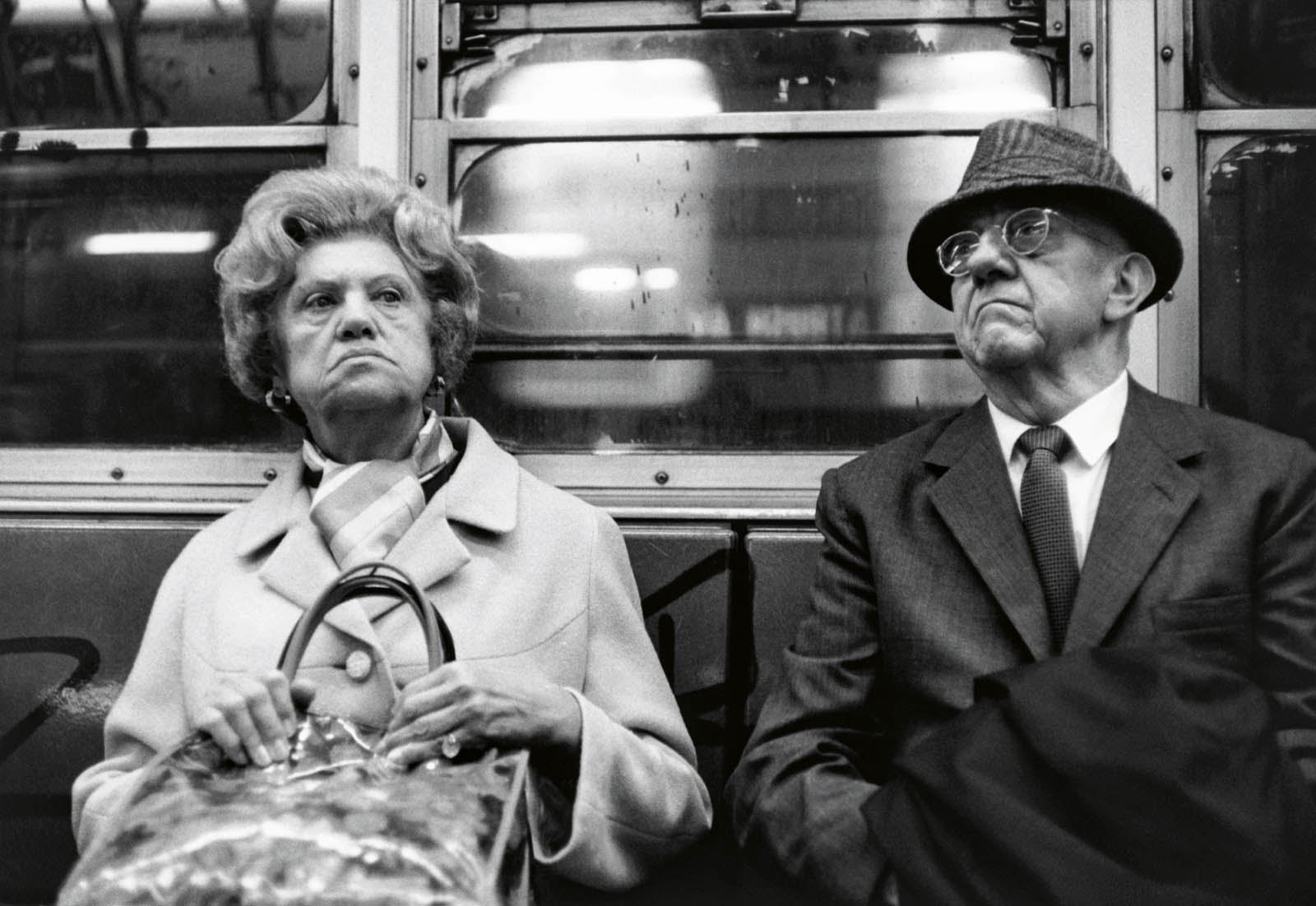
 

Lisette Model (American born Austria, 1901-1983) 'Singer at the Metropole Café, New York' 1946


Lisette Model (American born Austria, 1901-1983)
Singer at the Metropole Café, New York
1946
Gelatin silver print
49.6 x 39.8 cm
The ALBERTINA Museum, Vienna
© Estate of Lisette Model, courtesy Lebon, Paris /
Keitelman, Brussels


Lisette Model (American born Austria, 1901-1983) 'Woman with Veil, San Francisco' 1949


Lisette Model (American born Austria, 1901-1983)
Woman with Veil, San Francisco
1949
Gelatin silver print
49.8 x 10.1 cm
Estate of Gerd Sander, Julian Sander Gallery, Cologne
© Estate of Lisette Model, courtesy of baudoin lebon and Avi Keitelman


Closeness that does not comfort

Model’s photographs are close. Uncomfortably close. Faces, bodies, gestures fill the frame, often to the limit of what is bearable. The famous tight cropping, often decided only in the darkroom, frees the people from their surroundings and confronts the viewer with full presence. There is no escaping. No decorative surroundings.

And yet there is no voyeurism. No mockery. Despite all the harshness, these images carry a form of respect, often with a good dose of humor or, depending on the subject, social criticism. You sense that someone is looking here, not looking down. There is tension hanging in the air – between ruthlessness and empathy – and it keeps the work relevant to this day.

Anonymous. “Zeit hinzusehen: Lisette Model in der Albertina,” on the ViennaCultgram website Nd [online] Cited 02/02/2026. Used under fair use conditions for the purposes of education and research
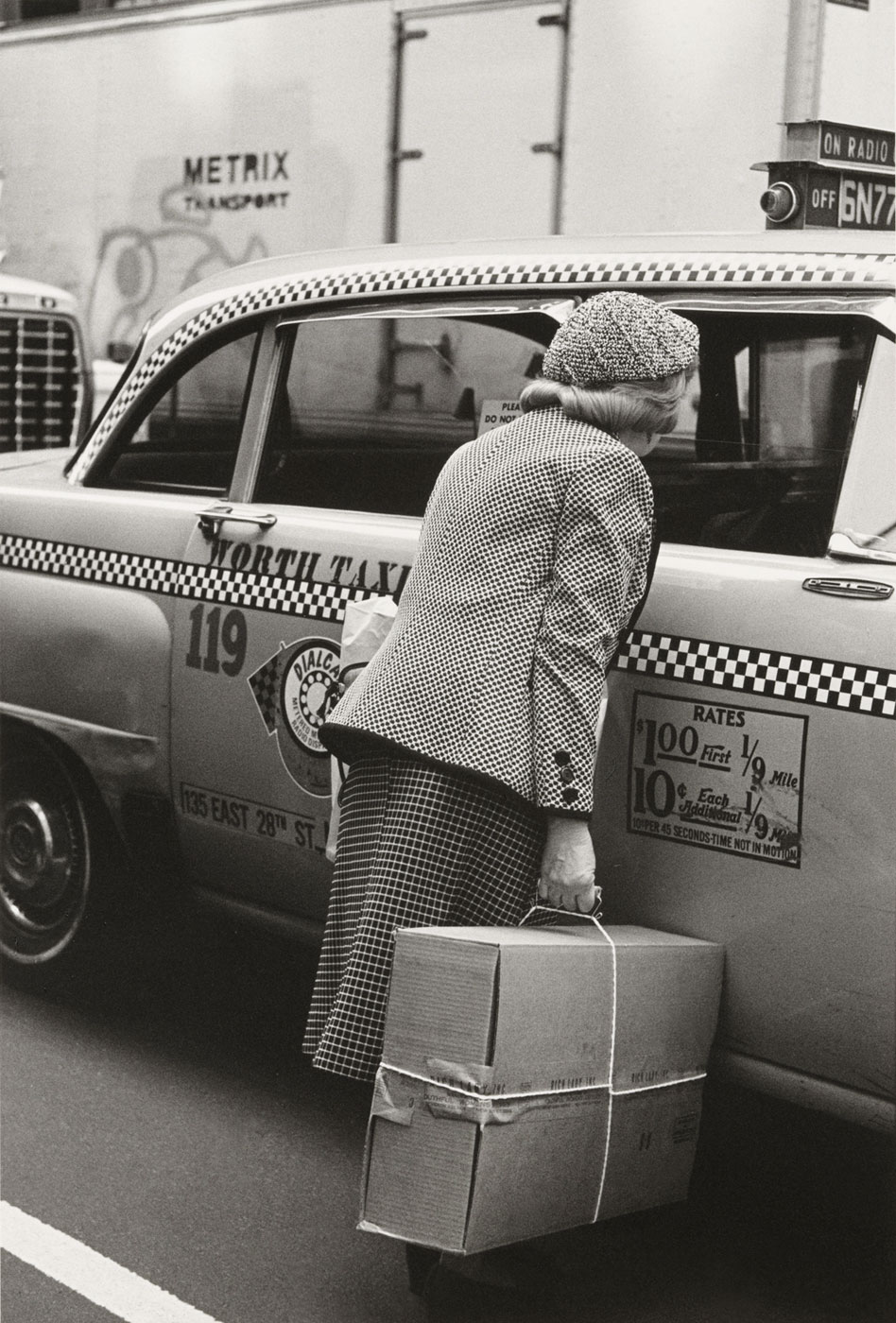
 

Lisette Model (American born Austria, 1901-1983) 'Ollie McLaughlin, Hotel Viking, Newport Jazz Festival, Rhode Island' 1956


Lisette Model (American born Austria, 1901-1983)
Ollie McLaughlin, Hotel Viking, Newport Jazz Festival, Rhode Island
1956
Gelatin silver print
27.5 × 34.9cm
© Estate of Lisette Model, courtesy of baudoin lebon and Avi Keitelman


Lisette Model (American born Austria, 1901-1983) 'Ella Fitzgerald' 1954


Lisette Model (American born Austria, 1901-1983)
Ella Fitzgerald
1954
Gelatin silver print


Lisette Model (American born Austria, 1901-1983) 'Dizzy Gillespie, New York Jazz Festival' 1956


Lisette Model (American born Austria, 1901-1983)
Dizzy Gillespie, New York Jazz Festival
1956
Gelatin silver print


Lisette Model (American born Austria, 1901-1983) 'Bud Powell, New York Jazz Festival' 1957


Lisette Model (American born Austria, 1901-1983)
Bud Powell, New York Jazz Festival
1957
Gelatin silver print


The Albertina Museum
Albertinaplatz 1
1010 Vienna
Phone: +43 (0)1 534 83 0

Daily 10am – 6pm
Except Wednesday and Friday 10am – 9pm

The Albertina Museum website
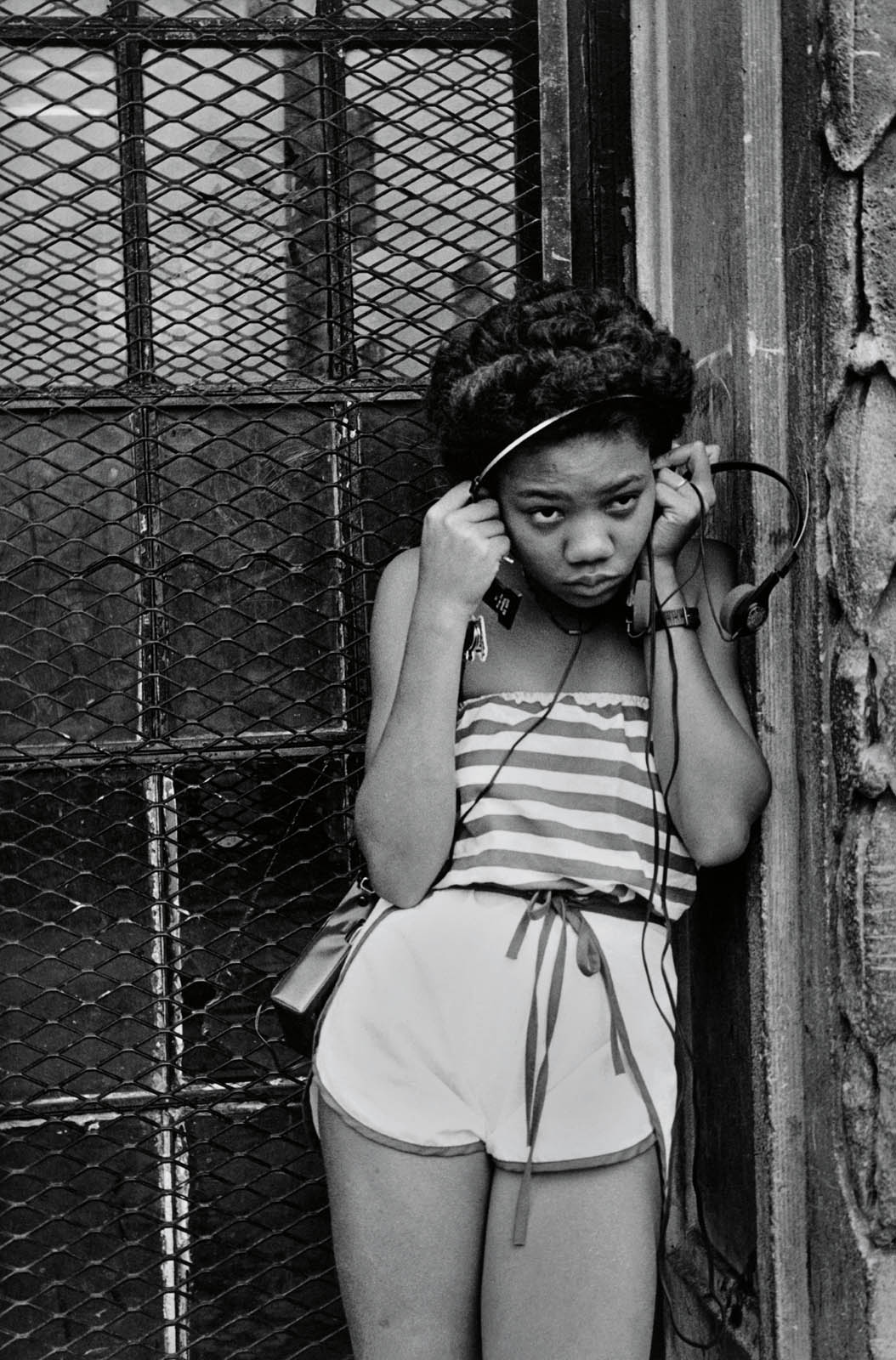
LIKE ART BLART ON FACEBOOK

Back to top

Photographic series: Marcus Bunyan. ‘Metropolis’ 2025-2026

February 2026


Marcus Bunyan (Australian, b. 1958) 'No. 1 Brewery B' 2026 from the series 'Metropolis'


Marcus Bunyan (Australian, b. 1958)
No. 1 Brewery B
2026
from the series Metropolis


This is a selection of images from the new series. Please see the whole series on my website.

The base images for this series of work come from a book on the history of St. James’s Gate Brewery in Dublin published in 1931. These images have then been reflected, distorted, overlapped and filters have been used to produce the desired feeling. Each image has a different number of variations depending on this feeling. The 75 images in the series are sequenced as in the book.

The influences on the work were the architecture in Fritz Lang’s 1937 film Metropolis; the surrealist photography of Dora Maar notably her image Le Simulateur (The Pretender) 1936; the modernist photographs of factory machines by artists such as Jakob Tuggener and Albert Renger-Patzsch; and the prisons of Piranesi’s etchings published in Carceri d’invenzione, often translated as Imaginary Prisons, c. 1745 to 1750.

© Marcus Bunyan


Please click on the photographs to see a larger version of the image.
Please view the work on a large computer screen if possible.
Please see the whole series on my website.
Many thankx to Elizabeth Gertsakis for her invaluable help.


Marcus Bunyan (Australian, b. 1958) 'No. 2 Brewery' 2026  from the series 'Metropolis'


Marcus Bunyan (Australian, b. 1958)
No. 2 Brewery
2026
from the series Metropolis


Marcus Bunyan (Australian, b. 1958) 'Boiler House B' 2026


Marcus Bunyan (Australian, b. 1958)
Boiler House B
2026
from the series Metropolis


Marcus Bunyan (Australian, b. 1958) 'Old Engine A' 2026


Marcus Bunyan (Australian, b. 1958)
Old Engine A
2026
from the series Metropolis


Marcus Bunyan (Australian, b. 1958)
'Electric Power Station A'
2026


Marcus Bunyan (Australian, b. 1958)
Electric Power Station A-B
2026
from the series Metropolis


Marcus Bunyan (Australian, b. 1958)
'Compressor Machines A' 2026


Marcus Bunyan (Australian, b. 1958)
Compressor Machines A-B
2026
from the series Metropolis


Marcus Bunyan (Australian, b. 1958)
'Refrigerating Plant A' 2026


Marcus Bunyan (Australian, b. 1958)
Refrigerating Plant A
2026
from the series Metropolis


Marcus Bunyan (Australian, b. 1958)
'Robert St. Malt Store – Exterior A' 2026
Marcus Bunyan (Australian, b. 1958) 'Robert St. Malt Store – Exterior B' 2026


Marcus Bunyan (Australian, b. 1958)
Robert St. Malt Store – Exterior A-B
2026
from the series Metropolis


Marcus Bunyan (Australian, b. 1958)
'Robert St. Malt Store – Interior A' 2026


Marcus Bunyan (Australian, b. 1958)
Robert St. Malt Store – Interior A-B
2026
from the series Metropolis


Marcus Bunyan (Australian, b. 1958)
'Loading Malt Wagons B' 2026


Marcus Bunyan (Australian, b. 1958) 'Loading Malt Wagons D' 2026


Marcus Bunyan (Australian, b. 1958)
Loading Malt Wagons B, D
2026
from the series Metropolis


Marcus Bunyan (Australian, b. 1958) 'Cooke's Lane Malt House A' 2026
Marcus Bunyan (Australian, b. 1958) 'Cooke's Lane Malt House C' 2026


Marcus Bunyan (Australian, b. 1958)
Cooke’s Lane Malt House A-C
2026
from the series Metropolis


Marcus Bunyan (Australian, b. 1958)
'Barley in Process of Being Malted' 2026


Marcus Bunyan (Australian, b. 1958)
Barley in Process of Being Malted
2026
from the series Metropolis


Marcus Bunyan (Australian, b. 1958)
'Malt Train Outside No. 2 Brewery B' 2026


Marcus Bunyan (Australian, b. 1958)
Malt Train Outside No. 2 Brewery B
2026
from the series Metropolis


Marcus Bunyan (Australian, b. 1958)
'Hops in Store A' 2026


Marcus Bunyan (Australian, b. 1958) 'Hops in Store C' 2026


Marcus Bunyan (Australian, b. 1958)
Hops in Store A-C
2026
from the series Metropolis


Marcus Bunyan (Australian, b. 1958)
'Loading Hop Wagons A'
2026
Marcus Bunyan (Australian, b. 1958) 'Loading Hop Wagons B' 2026


Marcus Bunyan (Australian, b. 1958)
Loading Hop Wagons A-B
2026
from the series Metropolis


Marcus Bunyan (Australian, b. 1958)
'Regulating Mash Temperatures B' 2026


Marcus Bunyan (Australian, b. 1958)
Regulating Mash Temperatures B
2026
from the series Metropolis


Marcus Bunyan (Australian, b. 1958)
'Copper Stage A' 2026
Marcus Bunyan (Australian, b. 1958)
'Copper Stage B' 2026


Marcus Bunyan (Australian, b. 1958)
Copper Stage A-C
2026
from the series Metropolis


Marcus Bunyan (Australian, b. 1958)
'"Striking Off" a Copper'
2026


Marcus Bunyan (Australian, b. 1958)
“Striking Off” a Copper
2026
from the series Metropolis


Marcus Bunyan (Australian, b. 1958)
'A Corner of No. 11 Vat House A' 2026


Marcus Bunyan (Australian, b. 1958)
A Corner of No. 11 Vat House A
2026
from the series Metropolis


Marcus Bunyan (Australian, b. 1958)
Vat House – Another View B' 2026


Marcus Bunyan (Australian, b. 1958)
Vat House – Another View C' 2026


Marcus Bunyan (Australian, b. 1958)
Vat House – Another View A-C
2026
from the series Metropolis


Marcus Bunyan (Australian, b. 1958)
'Cask Making Shop – Blazing A' 2026
Marcus Bunyan (Australian, b. 1958) 'Cask Making Shop – Blazing B' 2026


Marcus Bunyan (Australian, b. 1958)
Cask Making Shop – Blazing A-C
2026
from the series Metropolis


Marcus Bunyan (Australian, b. 1958)
'Cask Magazine A'
2026 from the series 'Metropolis'


Marcus Bunyan (Australian, b. 1958)
Cask Magazine A-C
2026
from the series Metropolis


Marcus Bunyan (Australian, b. 1958)
'Cooperage Yard – Another View B' 2026


Marcus Bunyan (Australian, b. 1958) 'Cooperage Yard – Another View F' 2026


Marcus Bunyan (Australian, b. 1958)
Cooperage Yard A-B
2026
from the series Metropolis


Marcus Bunyan (Australian, b. 1958)
'Cask Cleansing Shed A'
2026 from the series 'Metropolis'


Marcus Bunyan (Australian, b. 1958)
Cask Cleansing Shed A-D
2026
from the series Metropolis


Marcus Bunyan (Australian, b. 1958)
'Racking Room, Showing Casks being Filled' 2026


Marcus Bunyan (Australian, b. 1958)
Racking Room, Showing Casks being Filled
2026
from the series Metropolis


Marcus Bunyan (Australian, b. 1958)
'Loading Railway Wagons' 2026


Marcus Bunyan (Australian, b. 1958)
Loading Railway Wagons
2026
from the series Metropolis


Marcus Bunyan (Australian, b. 1958)
'Low Platform Vehicle B'
2026


Marcus Bunyan (Australian, b. 1958)
Low Platform Vehicle A-B
2026
from the series Metropolis


Marcus Bunyan (Australian, b. 1958)
'Some of the Delivery Fleet About to Start' 2026


Marcus Bunyan (Australian, b. 1958)
Some of the Delivery Fleet About to Start
2026
from the series Metropolis


Marcus Bunyan (Australian, b. 1958)
'Loading Wharf on River Liffey C' 2026


Marcus Bunyan (Australian, b. 1958) 'Loading Wharf on River Liffey D' 2026


Marcus Bunyan (Australian, b. 1958)
Loading Wharf on River Liffey C-D
2026
from the series Metropolis


Marcus Bunyan website
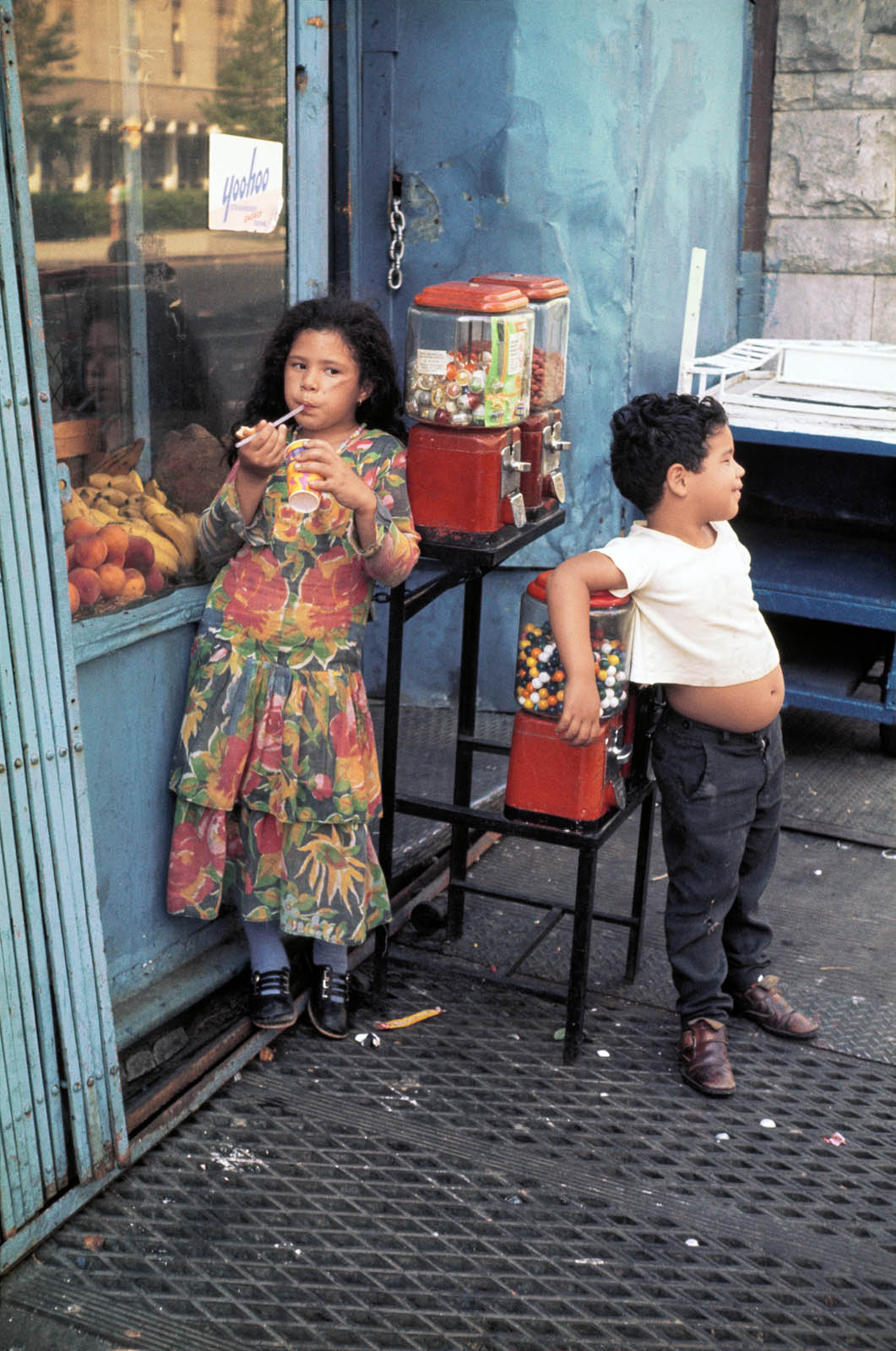
LIKE ART BLART ON FACEBOOK

Back to top