Exhibition: ‘They Used To Call Us Guest Workers’ at Museum für Kunst und Gewerbe Hamburg

Exhibition dates: 31st October, 2025 – 17th May, 2026

Curator: Unknown
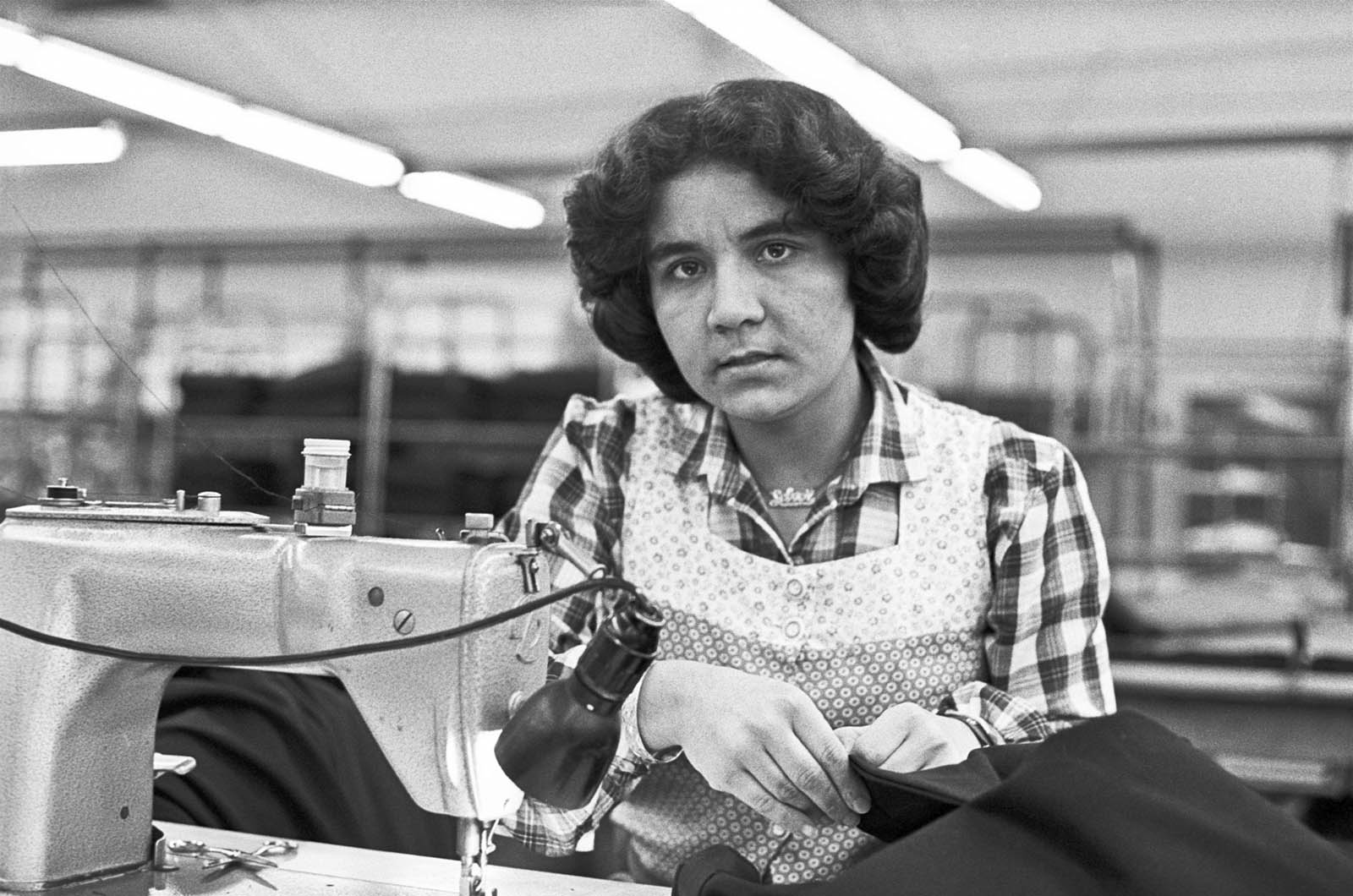
 

Muhlis Kenter (Turkish, b. 1952) 'Seamstress in textile factory' Alsdorf near Aachen, 1980


Muhlis Kenter (Turkish, b. 1952)
Seamstress in textile factory
Alsdorf near Aachen, 1980
Gelatin silver print
H. 30.4 x W. 40.5cm
© Muhlis Kenter


In the 1970s and 1980s, Bremen professor Muhlis Kenter photographed Turkish workers, then known as guest workers.


Only a little text tonight as I’m battling chronic depression and the little grey cells are not firing on all cylinders.

Absence, longing, loneliness, hard work, isolation, family, home.

Social inequality, sexism, racism and life in exile.

As noted by Annabelle Steffes-Halmer in her article “Migrants’ stories for a new home” (2021) on another exhibition on the same theme, In Situ: Photo Stories on Migration (Museum Ludwig, June – October 2021), photographs of this type are “a story of emancipation. [They] tell tales of people who came to a foreign country, which they discovered for themselves and which ultimately became their home. It is not only a (photo) history of migration, but also the history of Germany.”

Have a great Easter everyone.

Dr Marcus Bunyan


Many thankx to the Museum für Kunst und Gewerbe Hamburg for allowing me to publish the photographs in the posting. Please click on the photographs for a larger version of the image.
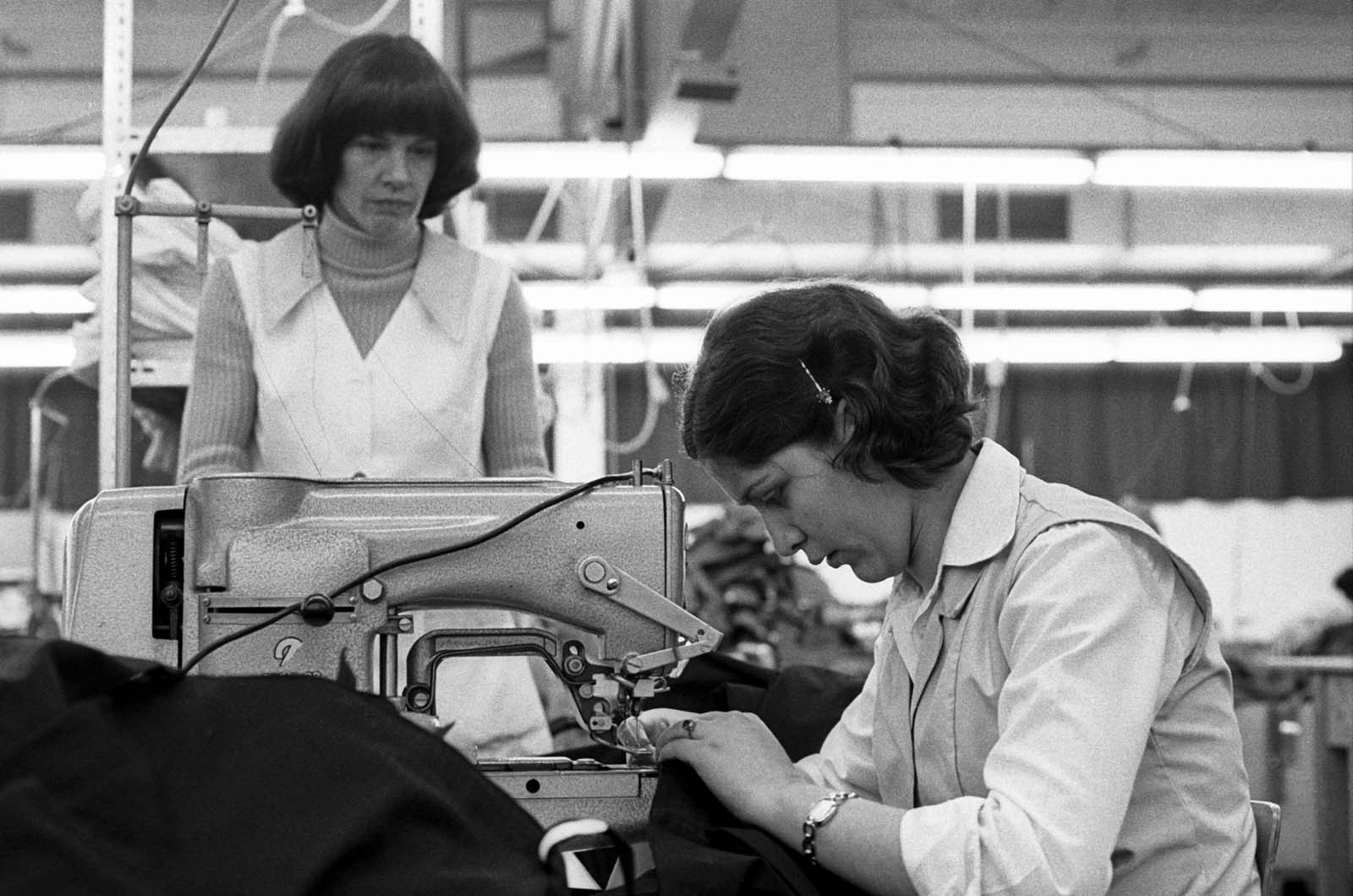


Muhlis Kenter (Turkish, b. 1952) 'Textile factory Workers' Alsdorf near Aachen, 1980 from the exhibition 'They Used To Call Us Guest Workers' at Museum für Kunst und Gewerbe Hamburg, October 2025 - May 2026


Muhlis Kenter (Turkish, b. 1952)
Textile factory Workers
Alsdorf near Aachen, 1980
Gelatin silver print
H. 30.4 x W. 40.5cm
© Muhlis Kenter
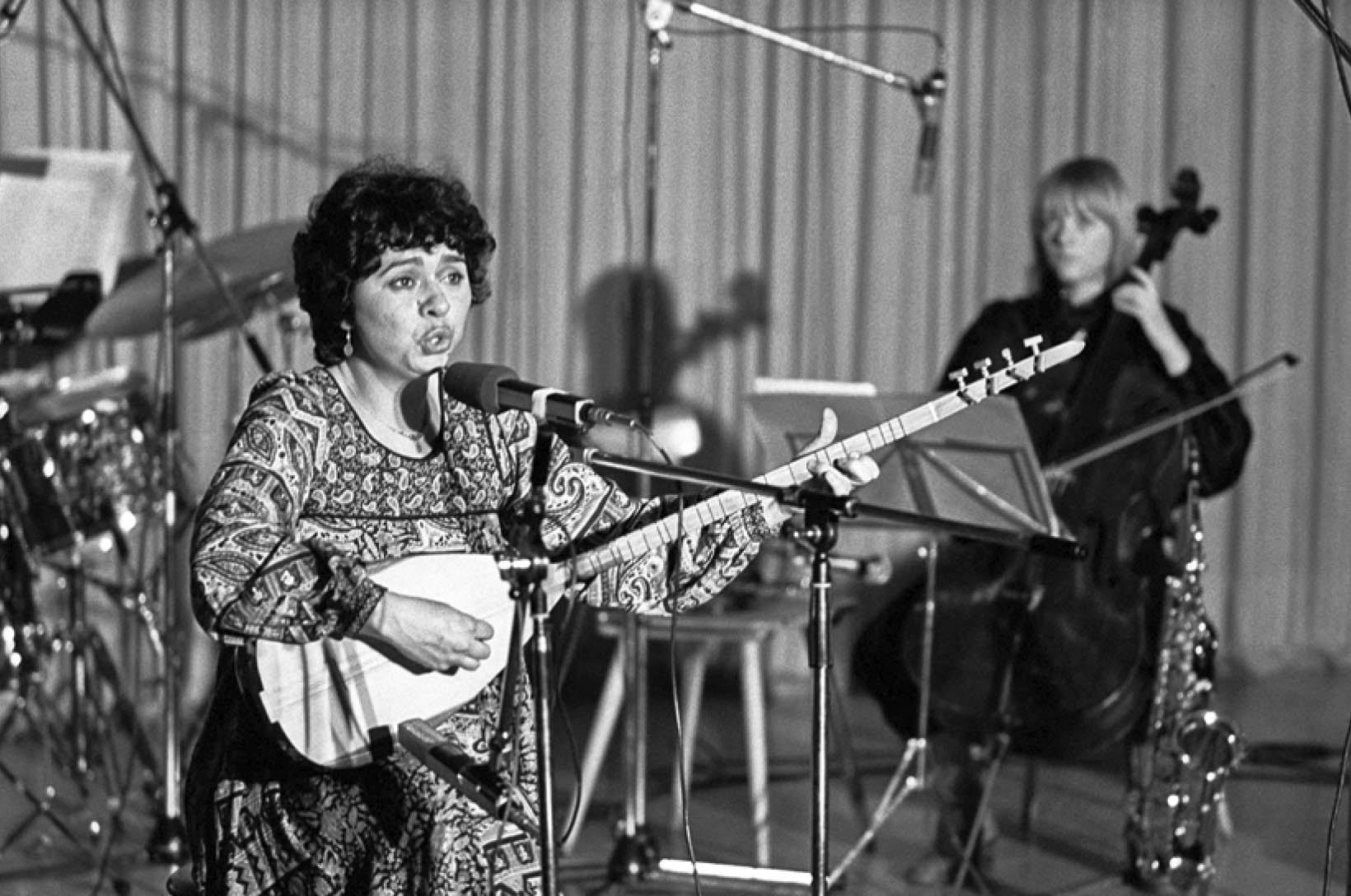
 

Muhlis Kenter (Turkish, b. 1952) 'Concert situation' Nd from the exhibition 'They Used To Call Us Guest Workers' at Museum für Kunst und Gewerbe Hamburg, October 2025 - May 2026


Muhlis Kenter (Turkish, b. 1952)
Concert situation
Nd
Gelatin silver print
H. 30.4 x W. 40.5cm
© Muhlis Kenter
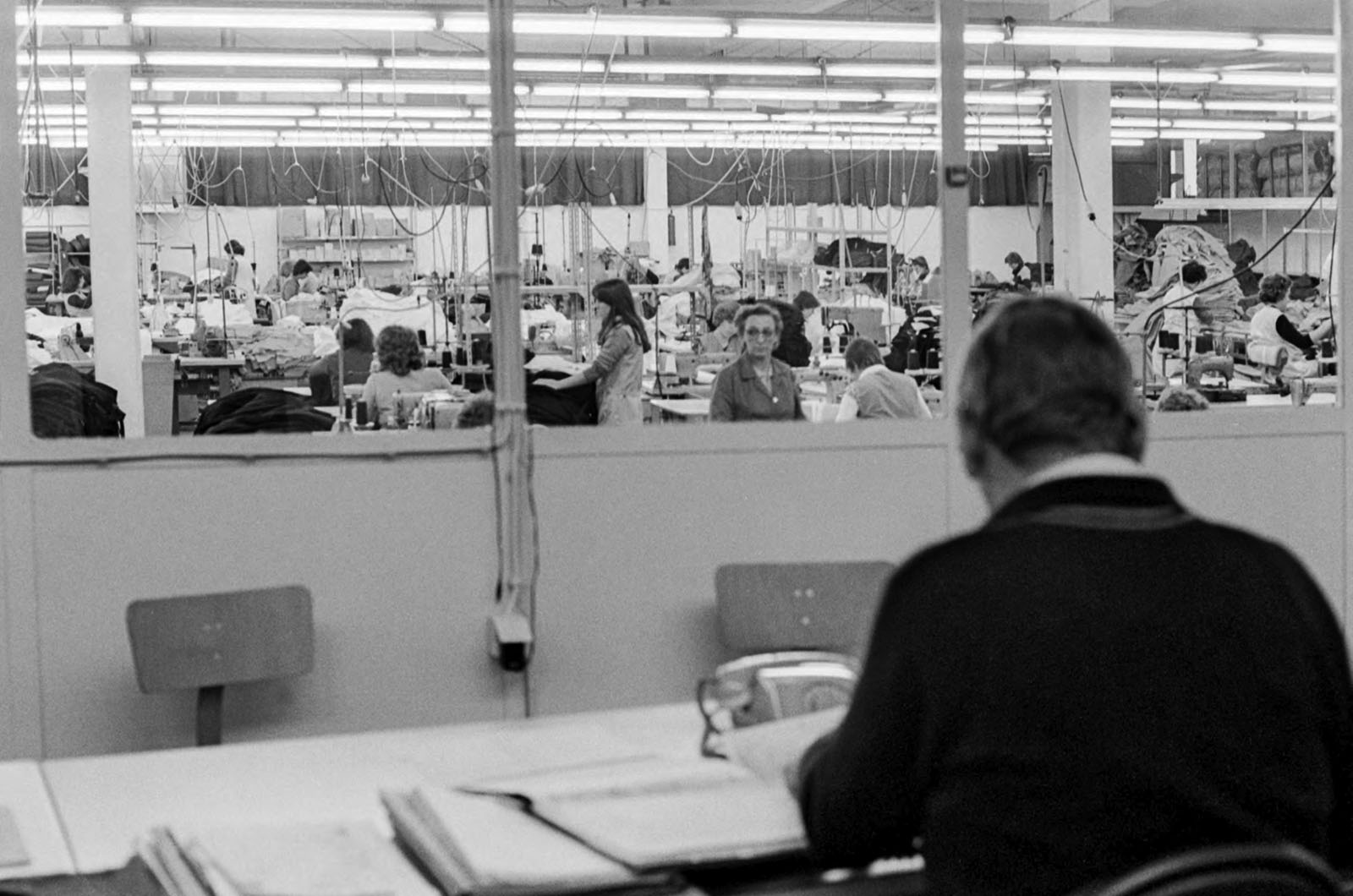
 

Muhlis Kenter (Turkish, b. 1952) 'Sewing company 'Mertes & Söhne'. Sewing company for workwear. The operations manager supervises the entire production process' Alsdorf, 1979


Muhlis Kenter (Turkish, b. 1952)
Sewing company ‘Mertes & Söhne’. Sewing company for workwear. The operations manager supervises the entire production process
Alsdorf, 1979
Gelatin silver print
H. 30.4 x W. 40.5cm
© Muhlis Kenter
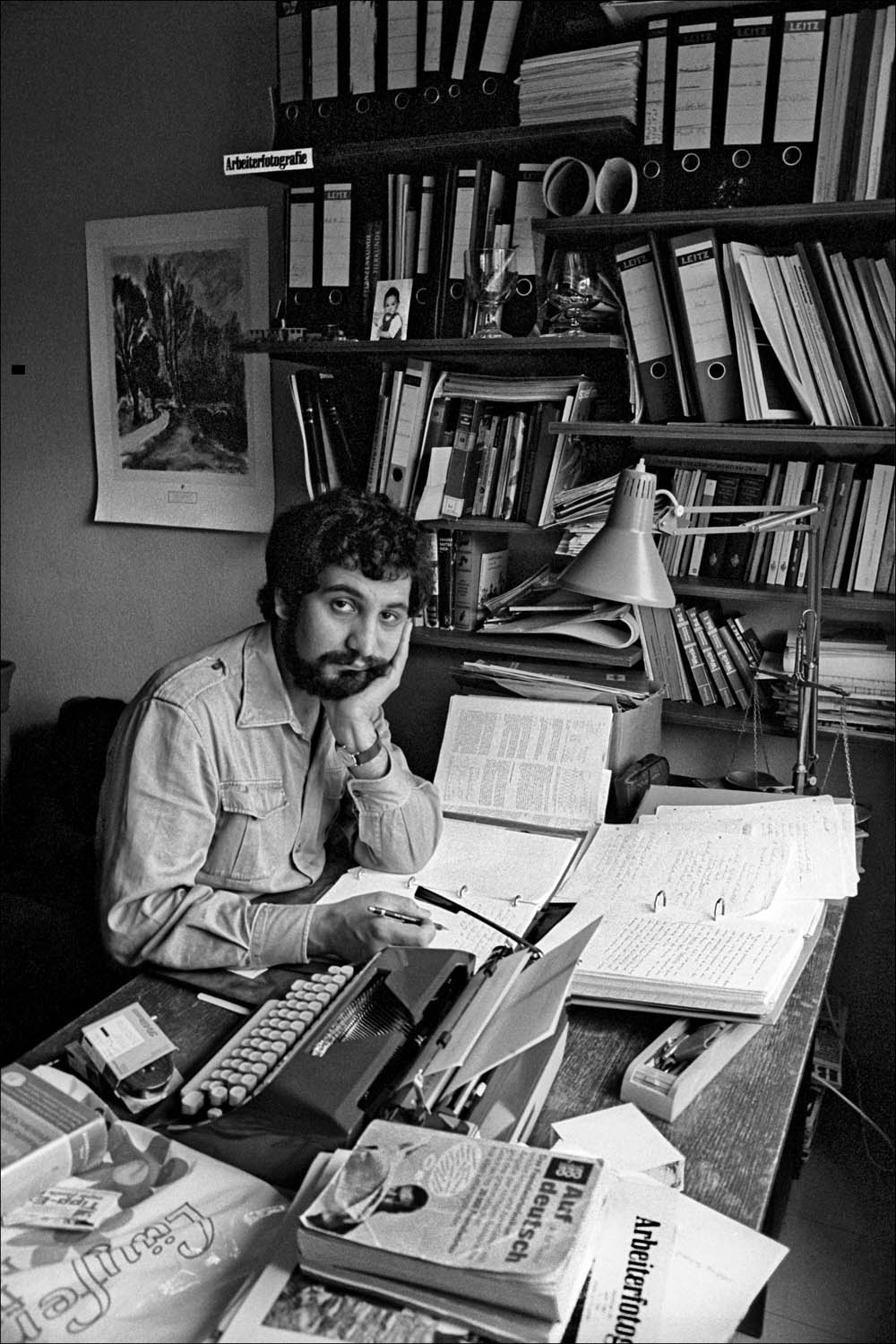
 

Christa Kenter (German) 'Portrait of Muhlis Kenter' Aachen, 1981


Christa Kenter (German)
Portrait of Muhlis Kenter
Aachen, 1981
© Muhlis Kenter


“They Used To Call Us Guest Workers”: Extending the Photography and the New Media Collection 

The Museum für Kunst und Gewerbe Hamburg (MK&G) is expanding its collection with key works by the photographers Muhlis Kenter, Nuri MusluoÄŸlu, Asimina Paradissa and Mehmet Ünal. After coming to Germany from Turkey and Greece in the 1960s and 70s, the four documented life, work and their political engagement there from a migrant perspective. The exhibition “They Used to Call Us Guest Workers” presents around 80 photographs and collages that depict the everyday lives of people with and without a migration background in the Federal Republic of Germany while addressing the themes of social inequality, sexism, racism and life in exile. Viewers have the opportunity to discover here an often-overlooked perspective on socio-political issues that are still highly topical today.

With a shared interest in society and politics, each of the four amateur photographers developed a unique approach and yet they all took up the tradition of the workers’ photography movement. Like its historical role model in the interwar period, this movement was dedicated to the battle against class barriers and social inequality. The aim was for workers to pick up a camera themselves to raise awareness of the realities of their lives and help shape the public debate with their images.

Workers’ Photography

John Heartfield and his contributions to the illustrated magazine “Arbeiter-Illustrierte-Zeitung” (AIZ) in the 1930s were an important source of inspiration for the workers’ photography movement. Founded in Hamburg in 1973, the magazine “Arbeiterfotografie” saw itself as a successor to the AIZ. The main figures in the workers’ photography movement all engaged with developments in society and politics but each developed a different approach. Their common goal was to use their cameras in the battle against social inequality. Workers were encouraged to pick up a camera in order to raise their own awareness for the realities of their lives and enable them to intervene in the public debate. 

Between 1975 and 1990, the theme of migration played a central role in workers’ photography. The reports provide an in-depth look at those living in exile, at living and working conditions and women’s work, and at the peace movement and unequal educational opportunities for immigrants. The articles in the magazine were often published anonymously. The images were supplied by the 30 or so local working groups, who often took the photos together. 

Muhlis Kenter

Bremen-based amateur photographer Muhlis Kenter (b. 1952 in Istanbul, Turkey) depicts work and everyday life in Germany. He documents Turkish workers in mining, the metal industry and a textile factory, and accompanies educational projects for Turkish children and young people with a migration background. In his expressive portraits, Kenter spotlights personal stories. His photographs spotlight people navigating between the sense of being foreign in an unfamiliar country and finding their place in Germany. But Muhlis Kenter also observes German society with his camera, focusing on pigeon breeding, fishing and gardening, which he sees as typical German hobbies.

Muhlis Kenter provides behind-the-scenes glimpses of factory work. He for example photographed workers of Turkish origin in a textile factory where people from different backgrounds work side by side in production. The photos were taken as part of a photo story for the magazine “Arbeiterfotografie”. Kenter often focuses on individuals and personal histories, resulting in expressive portraits. For his reportages, he creates complex compositions that highlight in an arresting way the interplay between people and technology at the companies he visits. In one series, he turned the tables, looking not at the lives of immigrants of Turkish origin but rather at “white German” society and what he regards as typical hobbies: pigeon breeding, fishing and gardening.

Muhlis Kenter was born in 1952 in Istanbul, Turkey. In 1972 he took up mechanical engineering studies in Aachen, where he joined a “workers’ photography” group. Alongside his studies, he acted as a support teacher for Turkish-speaking classes. Kenter later worked as a professor of mechanical engineering at the City University of Applied Sciences in Bremen, and he continues to avidly pursue photography. 

Nuri MusluoÄŸlu

Nuri MusluoÄŸlu (b. 1951 in Istanbul, Turkey) photographs public life. The images he produced between 1975 and 1988 show mainly demonstrations, peace marches, strikes and protest actions, especially those taking place in his hometown of Heilbronn. Supplemented by footage of sporting events, street festivals and celebrations, as well as photos of his own family, a dense panorama emerges of German-Turkish coexistence as a collective experience. MusluoÄŸlu’s photos document particularly vividly the protest culture during the years in question – including the peace movement and European Peace Marches, the trade union struggles and the anti-nuclear movements, and the resistance of Turks living in Germany against the military dictatorship in Turkey. He also lifts the veil on xenophobia in public spaces and the living conditions in asylum shelters.

Nuri MusluoÄŸlu is a photographer and political activist. His camera accompanies him to demonstrations, such as the strike for a 35-hour week and protests by the peace movement, or the blockade of the US missile base in Mutlangen in 1983. He not only captures protest posters and scenes but also documents moments of solidarity – such as workers with and without a migration background dancing. MusluoÄŸlu’s photographs chronicle political struggles as well as everyday moments in German-Turkish life, such as family celebrations and trips home. He examines in detail protest posters that touch on migration issues and in another image shows a worker of Turkish origin playing the saz. 

Born in Istanbul in 1951, MusluoÄŸlu came to Germany in 1965, trained as a toolmaker, and later became a social worker for the “Arbeiterwohlfahrt” (Workers’ Welfare Association). He is active in trade unions (IG Metall, ver.di) and the peace movement. Since 1985, his photos have appeared under a pseudonym in the weekly newspaper “Türkiye Postası”, which is aimed at workers and people seeking political protection. 

Asimina Paradissa

Asimina Paradissa (b. 1945 in Vrastama, Greece) occupies a special position in amateur photography as one of the few migrant women behind a camera. She documented her own life in Germany from 1968 onwards, showing everyday life in a hostel for unmarried female workers in Wilhelmshaven as well as scenes of factory work captured from the workers’ point of view. Paradissa’s many self-portraits deal with questions of self-image and what it feels like to live in a certain place. Although her photographs are private, they are at the same time significant testimonies to contemporary history: By giving the women portrayed names and voices, they draw attention to the stories of female migrants and thus add a rare female perspective to the way in which we view migrant labour.

Asimina Paradissa gazes directly out at us from her pictures. Perched on her bicycle, she laughs openly into the camera, while in another picture she looks us earnestly in the eye as she sits on her bunk bed in a dormitory for unwed workers run by the Olympia typewriter works and caringly embraces her friend Evangelia Manolakaki. Even though others usually press the shutter, these images can still be described as self-portraits. Starting in 1966, Paradissa took photos on a regular basis as a way of reassuring herself about her new life in Germany. Among the “guest workers” who came to West Germany in the 1960s, one in three were women who lead lives largely hidden from the public eye. Paradissa is one of the few women of this generation to document her self-determined life in Germany with her camera. Her pictures are at once private remembrances and documents of the times. 

Asimina Paradissa was born in 1945 in Vrastama, Greece. She came to Wilhelmshaven with her brother in 1966 as part of the recruitment agreements concluded between West Germany and Greece, among other countries. In 1972 she settled in Wuppertal. Alongside her job, she began to make photography and write poetry. 

Mehmet Ünal

Mehmet Ünal’s (b. 1951 in Çanakkale, Turkey) photographic practice includes political image-text collages that emerge from actions and protests. In addition to individual images and series, he also produces posters that incorporate writing and found objects – often from public authorities and agencies – and thus comment on the particular experiences of migrants when dealing with bureaucracy. With their thematic acuity and compositional density, these posters are independent artworks that relentlessly expose exclusion and marginalisation.

Mehmat Ünal’s collages combine written, photographic and found objects from the world of German bureaucracy that reflect experiences of racism. Ünal expresses himself through satire and exaggeration; for example, he created a fake Deutsche Bahn advertising campaign offering a “foreigner’s pass” promoting the return transport of people to Turkey. He compares the application for a work permit to a “TÜV certificate for humans”. In his text-image combinations (circa 1982), Ünal criticizes Germany’s official policies towards immigrants and the degrading treatment of those who were once invited to the country as “guests”. After the recruitment of foreign workers was discontinued in the wake of the economic crisis of the early 1980s, Ünal observed a growing atmosphere of hostility towards those regarded as “foreigners”. The first arson attack on a refugee shelter took place in 1980 in Hamburg-Billbrook. Works that Ünal produced against the backdrop of political street protests were published in the magazine “Arbeiterfotografie” in 1984. In several collages, he draws on the legacy of John Heartfield, whose political montages in the mid-1920s brought him recognition as the founder of this genre. 

Mehmet Ünal was born in Çanakkale, Turkey, in 1951. In 1976, he moved to Mannheim, where the former actor works as a photographer and journalist.

Text from the Museum für Kunst und Gewerbe Hamburg (MK&G)
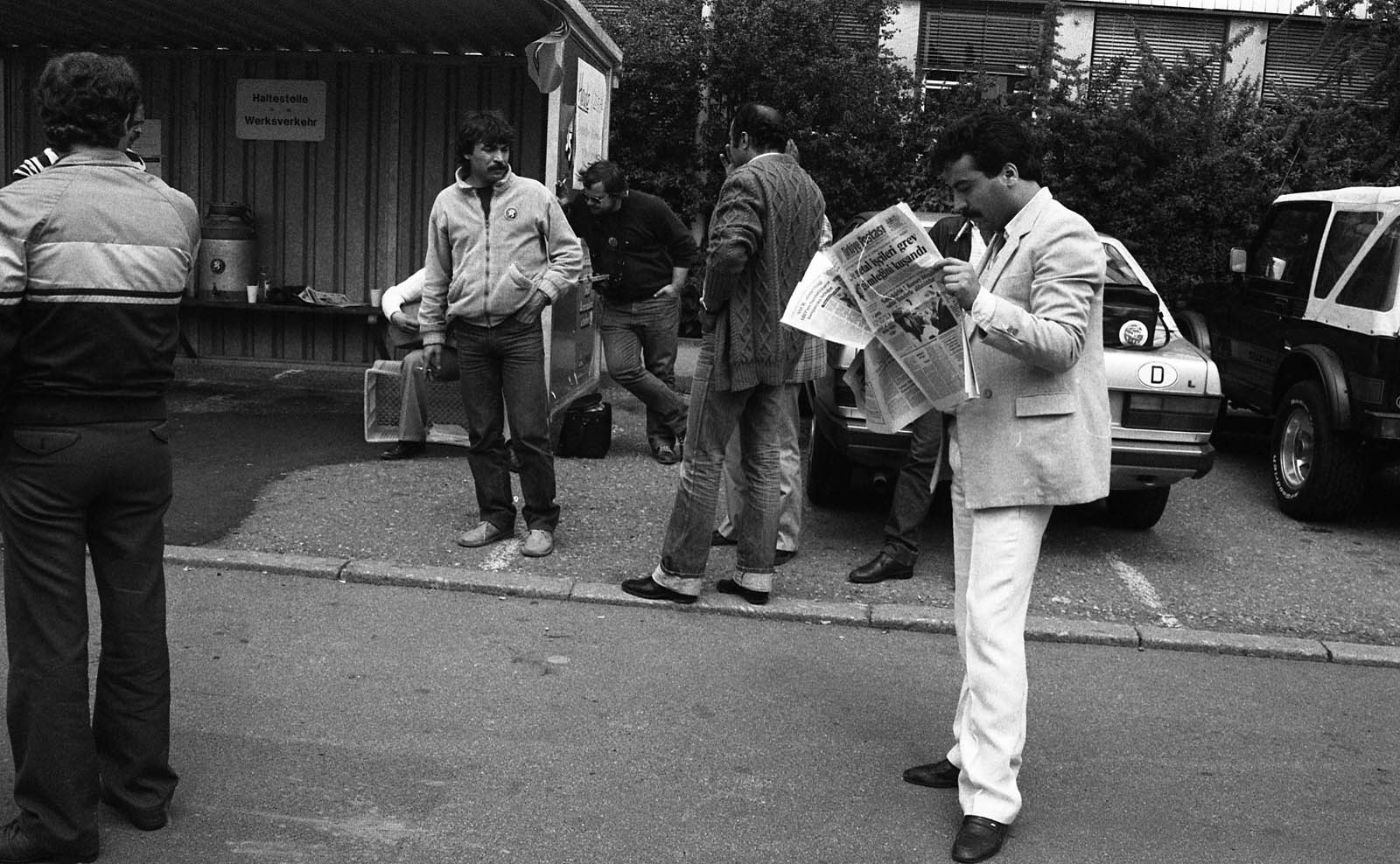
 

Nuri Musluoğlu (Turkish, b. 1951) 'Workers from Kolbenschmidt with the magazine 'Türkiye Postası' during a strike' Neckarsulm, 1984


Nuri MusluoÄŸlu (Turkish, b. 1951)
Workers from Kolbenschmidt with the magazine Türkiye Postası during a strike
Neckarsulm, 1984
Gelatin silver print
H. 25.6 x W. 38.6cm
© Nuri Musluoğlu
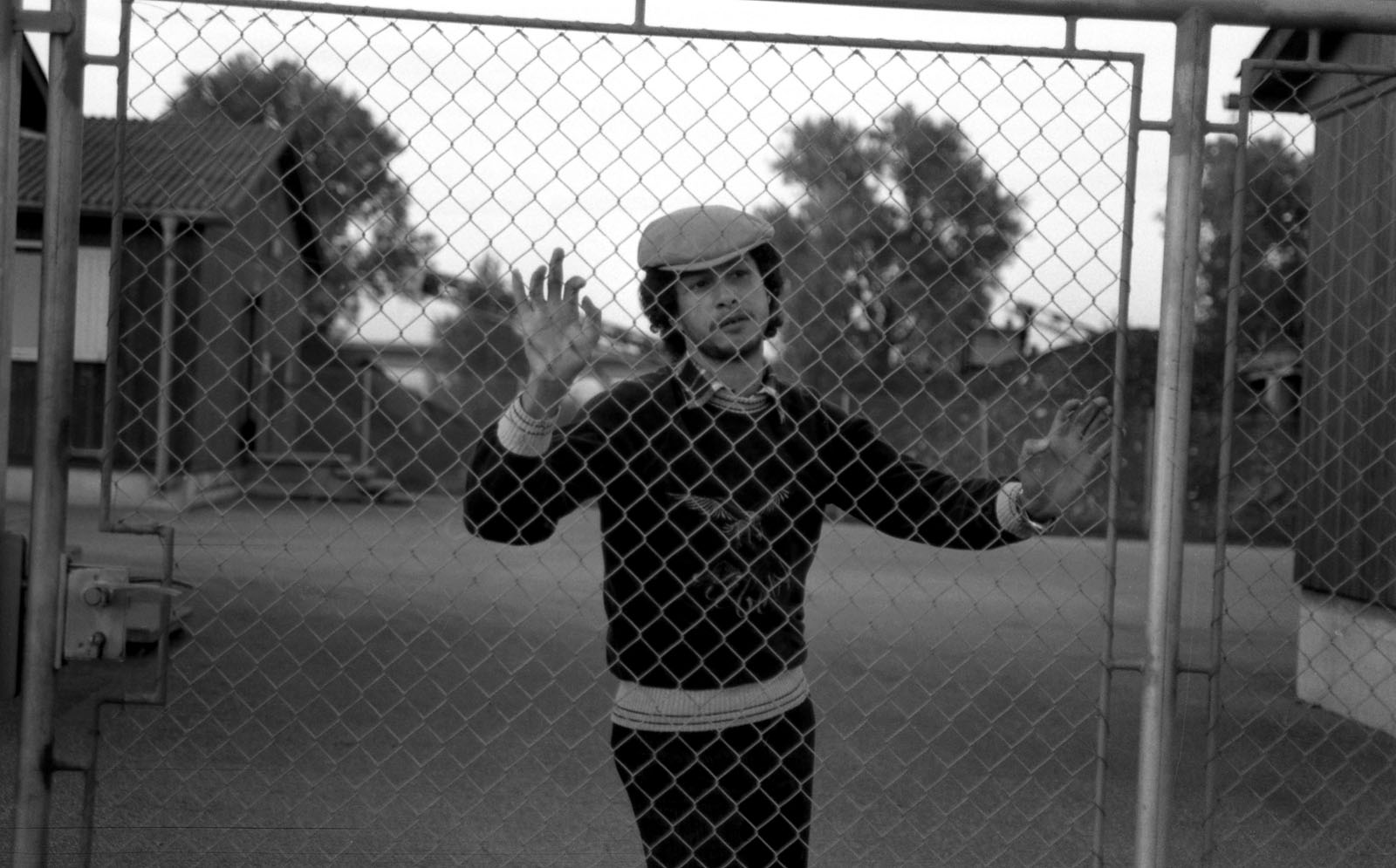
 

Nuri MusluoÄŸlu (Turkish, b. 1951) 'Residential home for asylum seekers' Nd


Nuri MusluoÄŸlu (Turkish, b. 1951)
Residential home for asylum seekers
Nd
Gelatin silver print
H. 25.6 x W. 38.6cm
© Nuri Musluoğlu
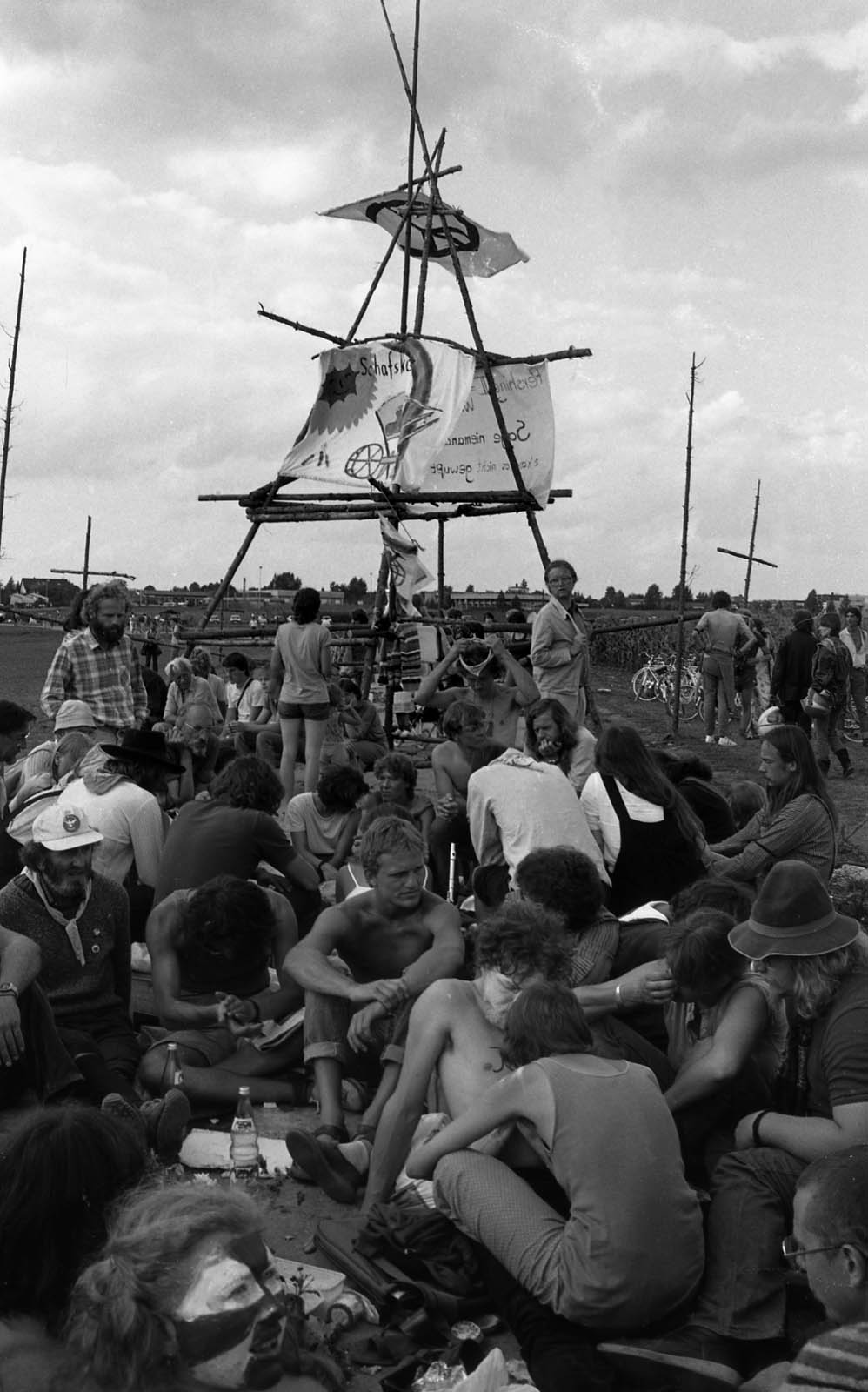
 

Nuri MusluoÄŸlu (Turkish, b. 1951) 'Sit-in, Peace movement' Mutlanger Heide, 1983


Nuri MusluoÄŸlu (Turkish, b. 1951)
Sit-in, Peace movement
Mutlanger Heide, 1983
Gelatin silver print
H. 25.6 x W. 38.6cm
© Nuri Musluoğlu
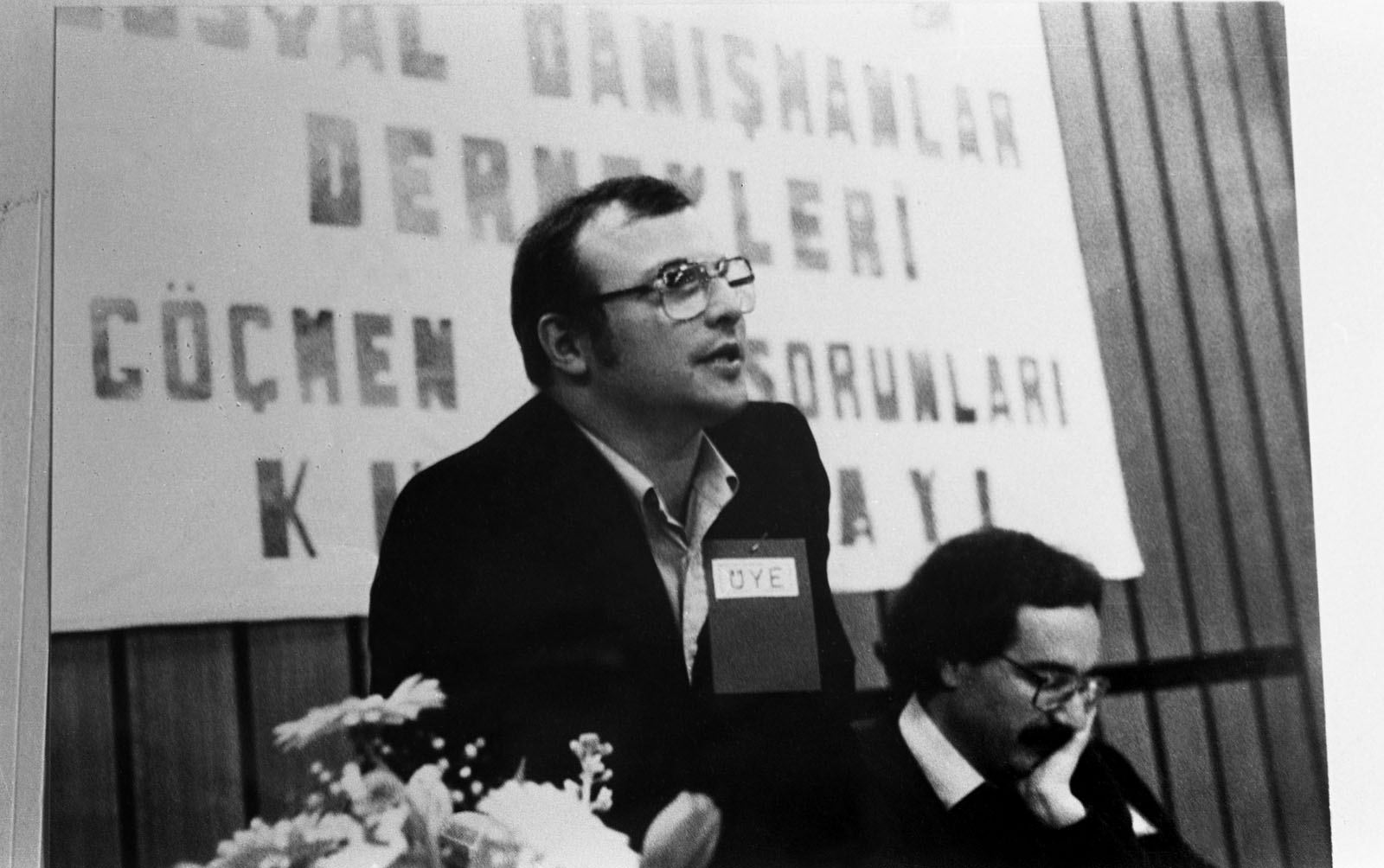
 

Nuri MusluoÄŸlu (Turkish, b. 1951) 'Portrait' 1981


Nuri MusluoÄŸlu (Turkish, b. 1951)
Portrait
1981
© Nuri Musluoğlu


Unknown photographer (Colleague of Asimina Paradissa with her camera) 'Asimina Paradissa and Evangelia Manolakaki at the women's dormitory of Olympia' Wilhelmshaven, 1969


Unknown photographer (Colleague of Asimina Paradissa with her camera)
Asimina Paradissa and Evangelia Manolakaki at the women’s dormitory of Olympia
Wilhelmshaven, 1969
Gelatin silver print
H. 10.5 x W. 7.5cm
© Asimina Paradissa
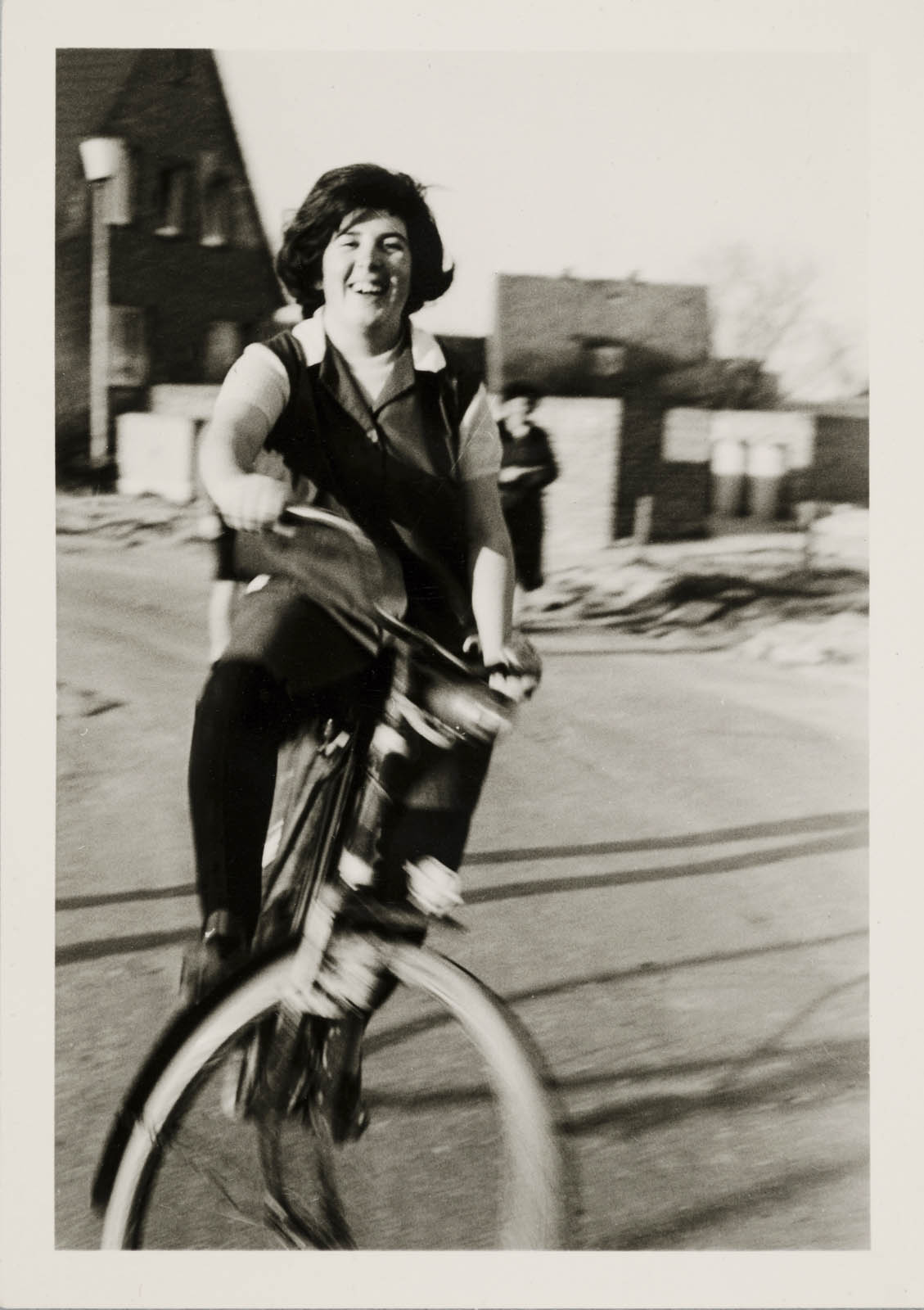
 

Unknown photographer (Colleague of Asimina Paradissa with her camera) 'Asimina Paradissa on the Bike' Wilhelmshaven, 1966/1967


Unknown photographer (Colleague of Asimina Paradissa with her camera)
Asimina Paradissa on the Bike
Wilhelmshaven, 1966/1967
Gelatin silver print
H. 10.8 x W. 7.8cm
© Asimina Paradissa
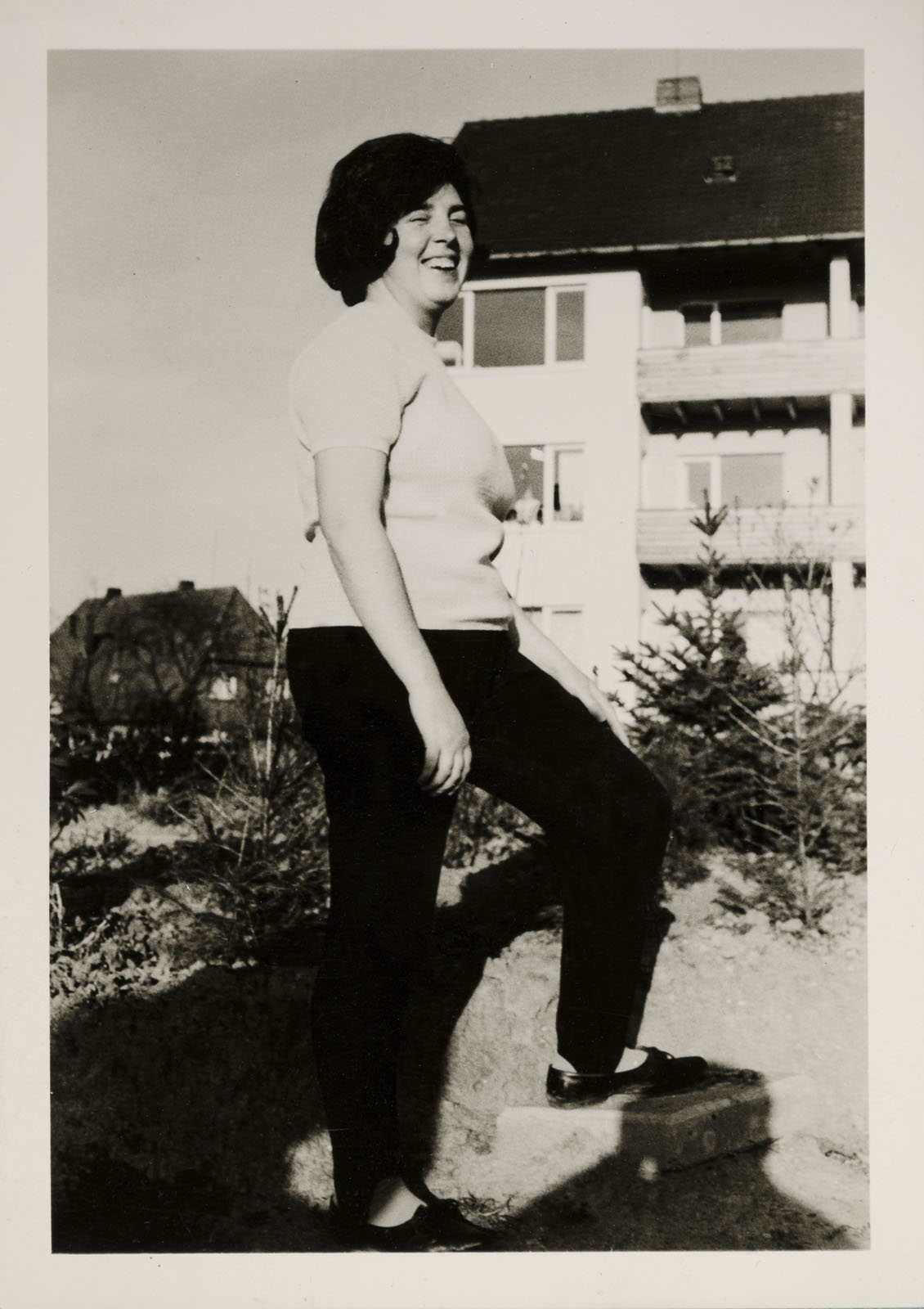
 

Unknown photographer (Colleague of Asimina Paradissa with her camera) 'Asimina Paradissa at the women's dormitory of Olympia' Wilhelmshaven, 1969


Unknown photographer (Colleague of Asimina Paradissa with her camera)
Asimina Paradissa at the women’s dormitory of Olympia
Wilhelmshaven, 1969
Gelatin silver print
H. 10.8 x W. 7.7cm
© Asimina Paradissa


Asimina Paradissa was 20 years old when she moved to Wilhelmshaven in northern Germany. In the photo, the Greek woman poses in front of the dormitory at the Olympia company. Back then, she took pictures of weddings, parties and visits to the zoo for her colleagues and friends. The 76-year-old is still a passionate photographer.
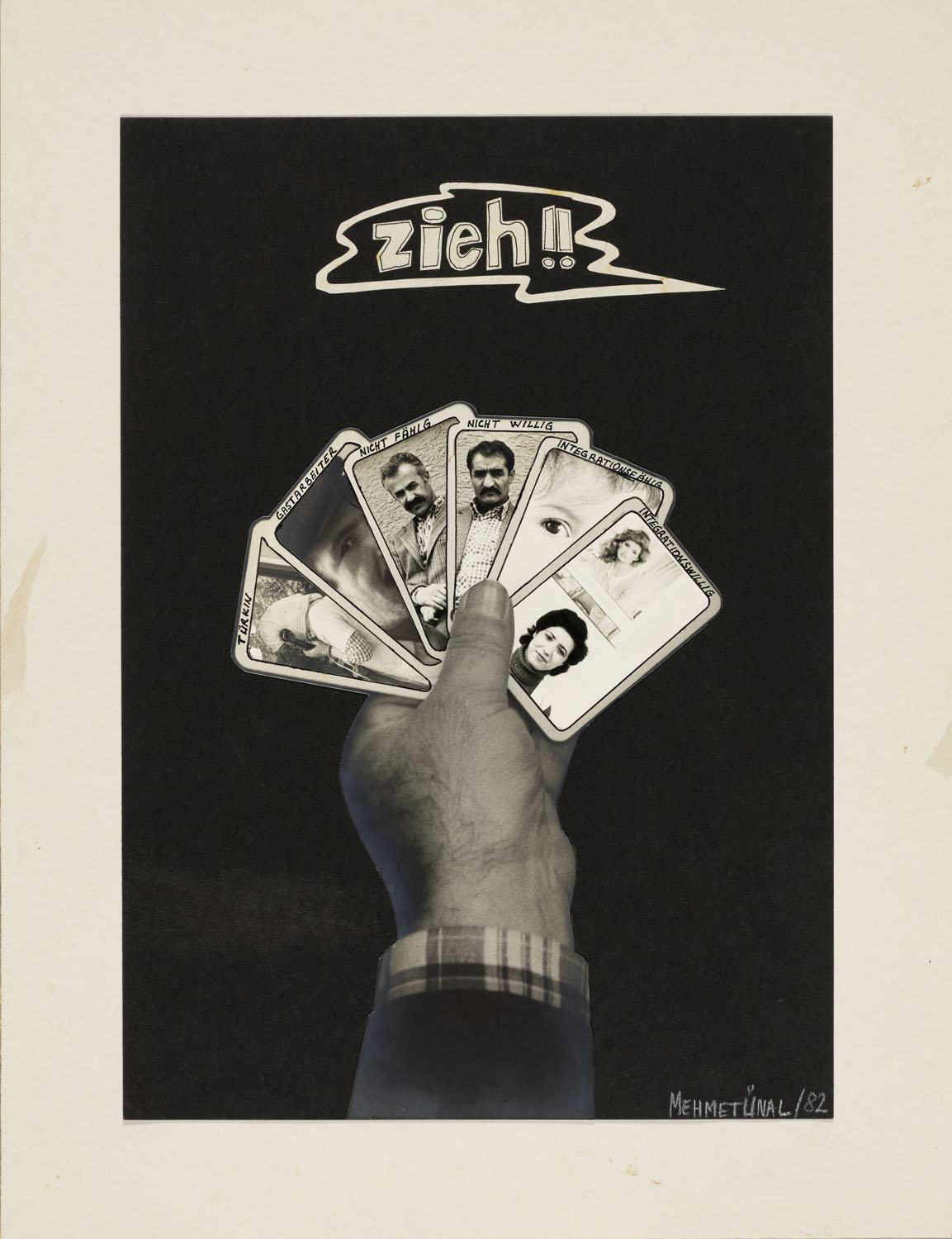
 

Mehmet Ünal (Turkish, b. 1951) 'Untitled' Mainz, 1982


Mehmet Ünal (Turkish, b. 1951)
Untitled
Mainz, 1982
Photo collage
H. 45 x W. 29.8cm
© Mehmet Ünal


Zieh!! = Pull!!
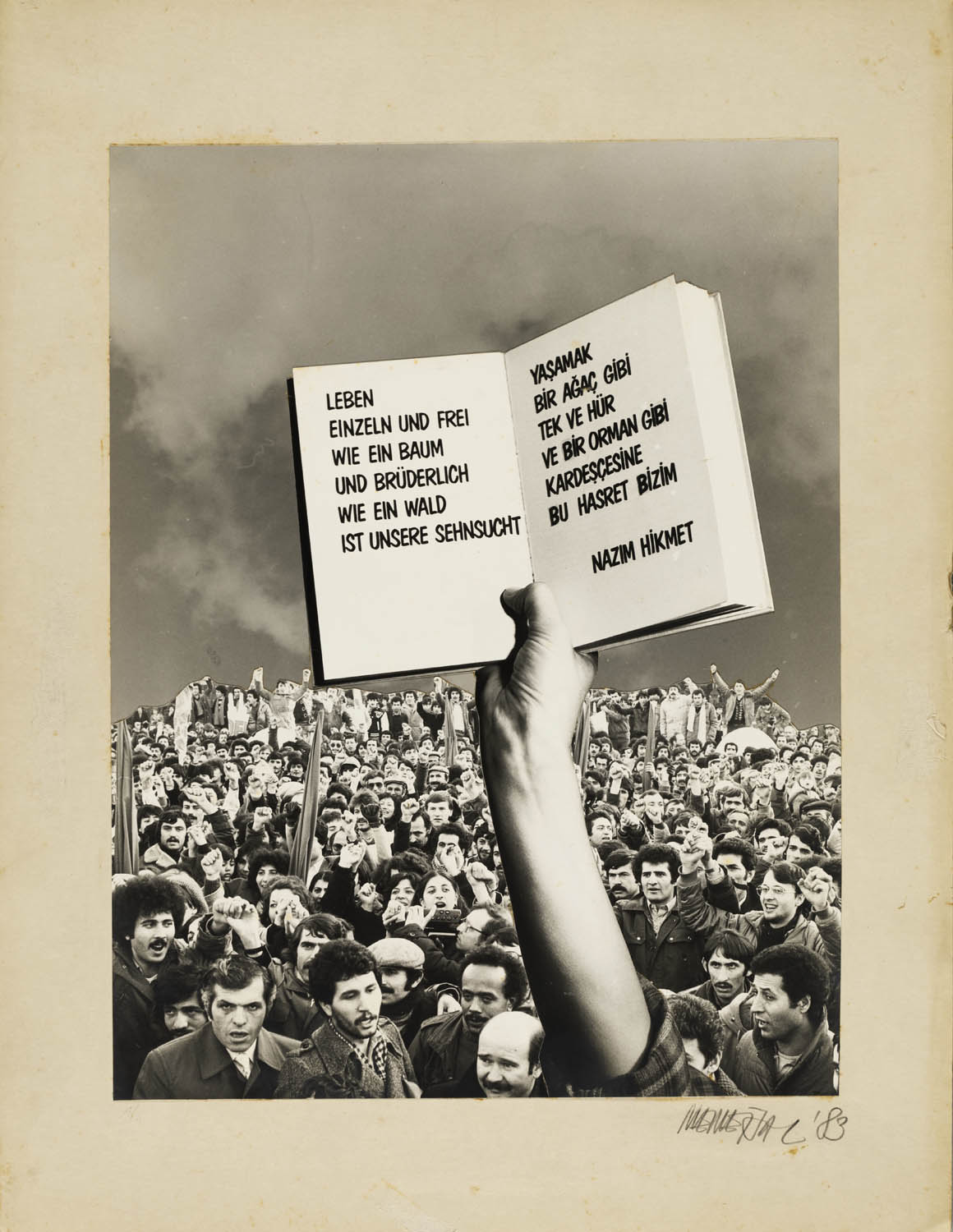
 

Mehmet Ünal (Turkish, b. 1951) 'Untitled (Homage to Nâzım Hikmet)' Mainz, 1982–1986


Mehmet Ünal (Turkish, b. 1951)
Untitled (Homage to Nâzım Hikmet)
Mainz, 1982-1986
Photo collage
H. 42 x W. 29.7cm
© Mehmet Ünal


life
alone and free
like a tree
and brotherly
like a forest
is our longing


Mehmed Nâzım Ran (17 January 1902 – 3 June 1963), commonly known as Nâzım Hikmet, was a Turkish poet, playwright, novelist, screenwriter, director, and memoirist. He was acclaimed for the “lyrical flow of his statements”. Described as a “romantic communist” and a “romantic revolutionary”, he was repeatedly arrested for his political beliefs and spent much of his adult life in prison or in exile. His poetry has been translated into more than 50 languages.
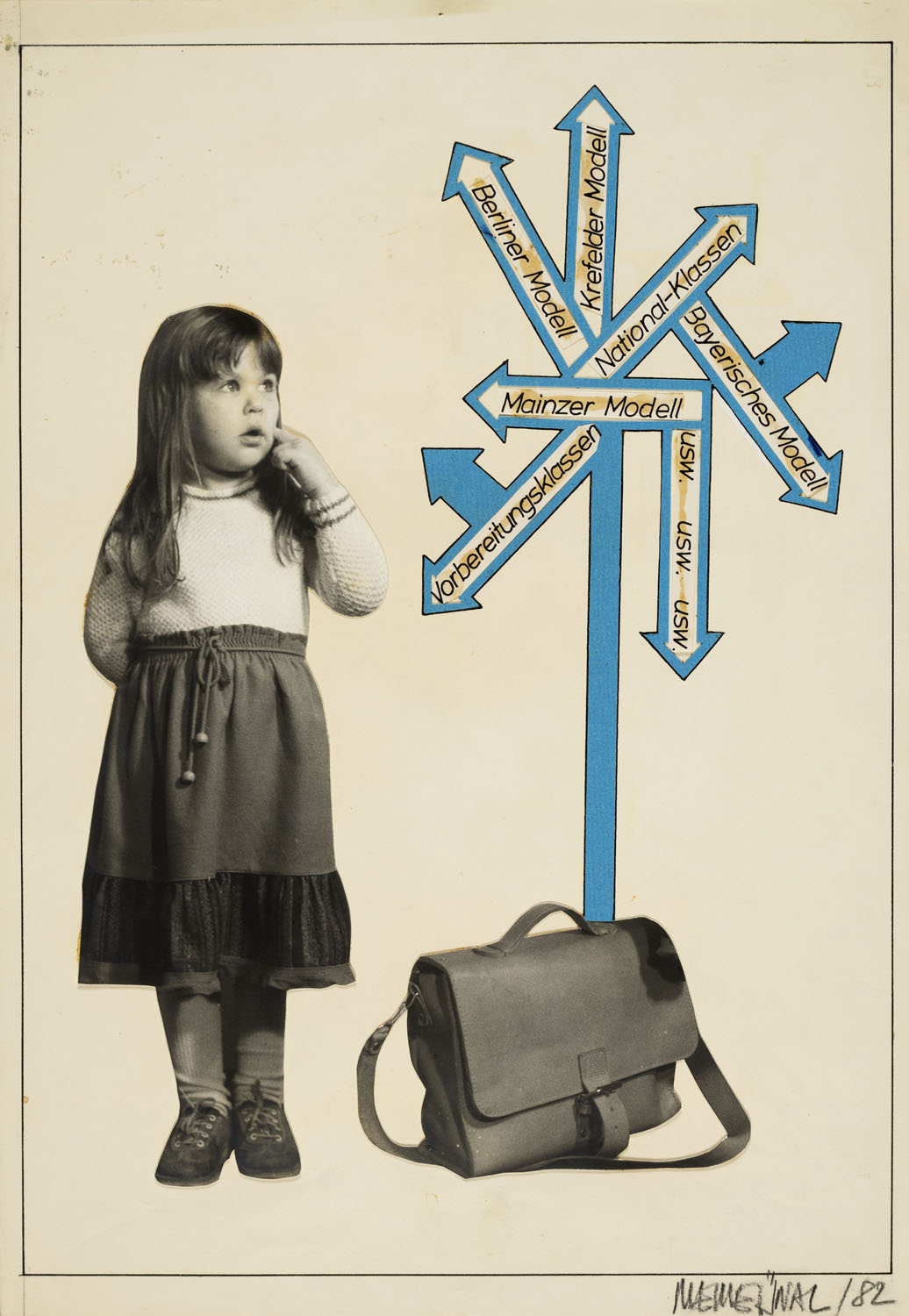
 

Mehmet Ünal (Turkish, b. 1951) 'Untitled' Mainz, 1982


Mehmet Ünal (Turkish, b. 1951)
Untitled
Mainz, 1982
Photo collage
H. 45 x W. 31.1cm
© Mehmet Ünal
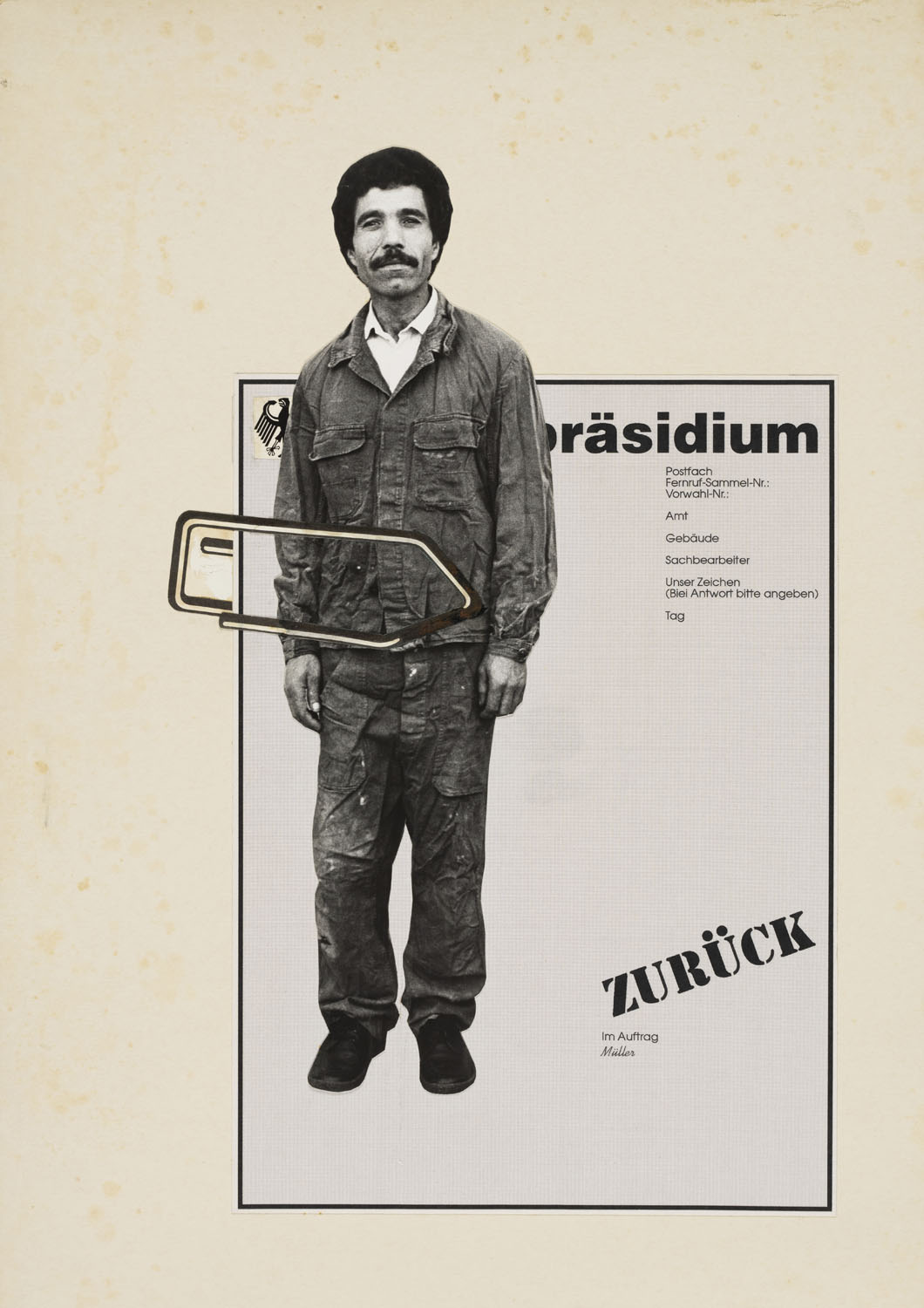
 

Mehmet Ünal (Turkish, b. 1951) 'Untitled' Mainz, 1983


Mehmet Ünal (Turkish, b. 1951)
Untitled
Mainz, 1983
Photo collage
H. 46,1 x W. 35cm
© Mehmet Ünal
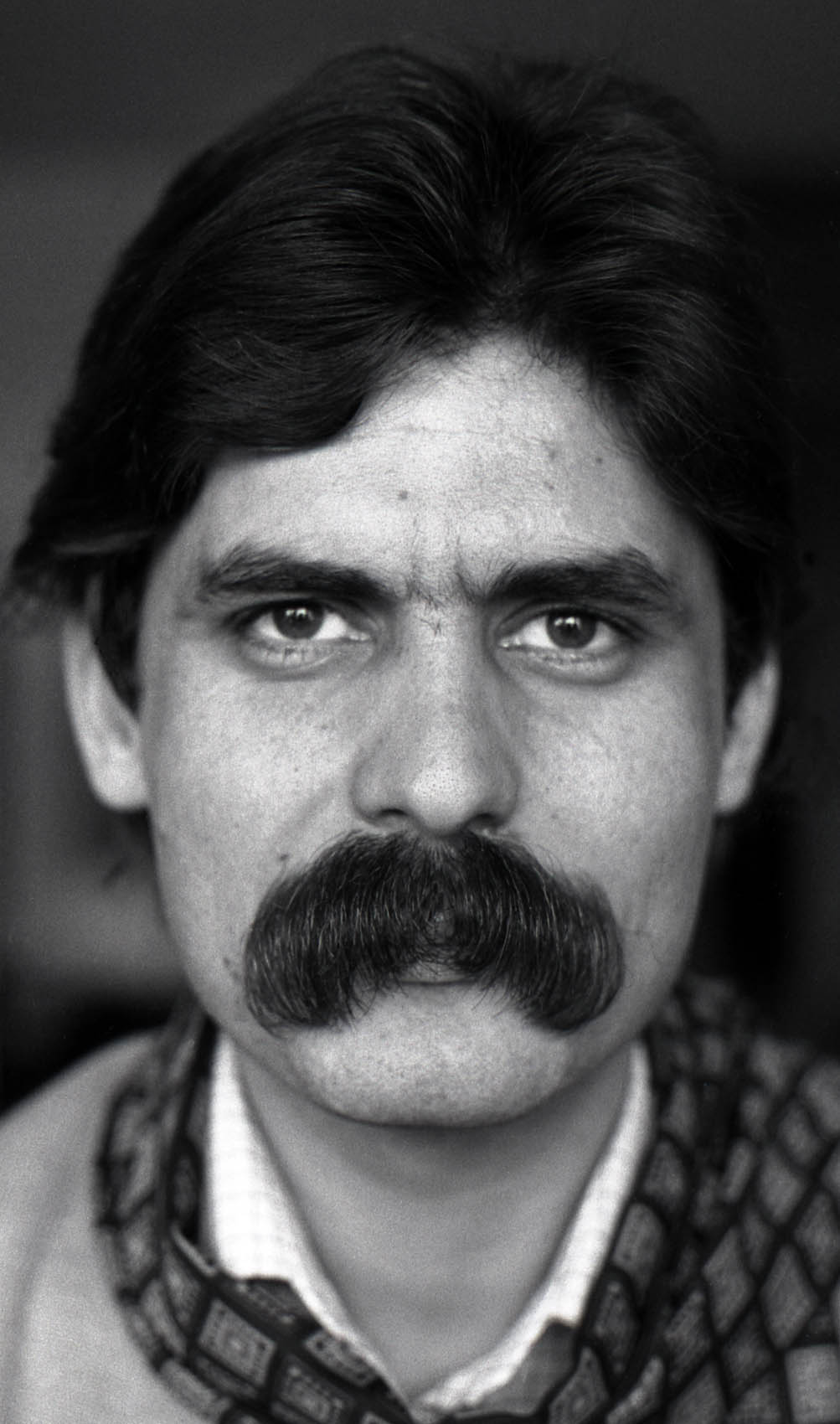
 

Mehmet Ünal (Turkish, b. 1951) 'Self-portrait' c. 1980


Mehmet Ünal (Turkish, b. 1951)
Self-portrait
c. 1980
© Mehmet Ünal


Museum für Kunst und Gewerbe Hamburg
Steintorplatz, 20099 Hamburg

Opening hours:
Tuesday – Sunday 10am – 6pm
Thursday 10am – 9pm
Closed Mondays
Museum für Kunst und Gewerbe Hamburg website

LIKE ART BLART ON FACEBOOK

Back to top

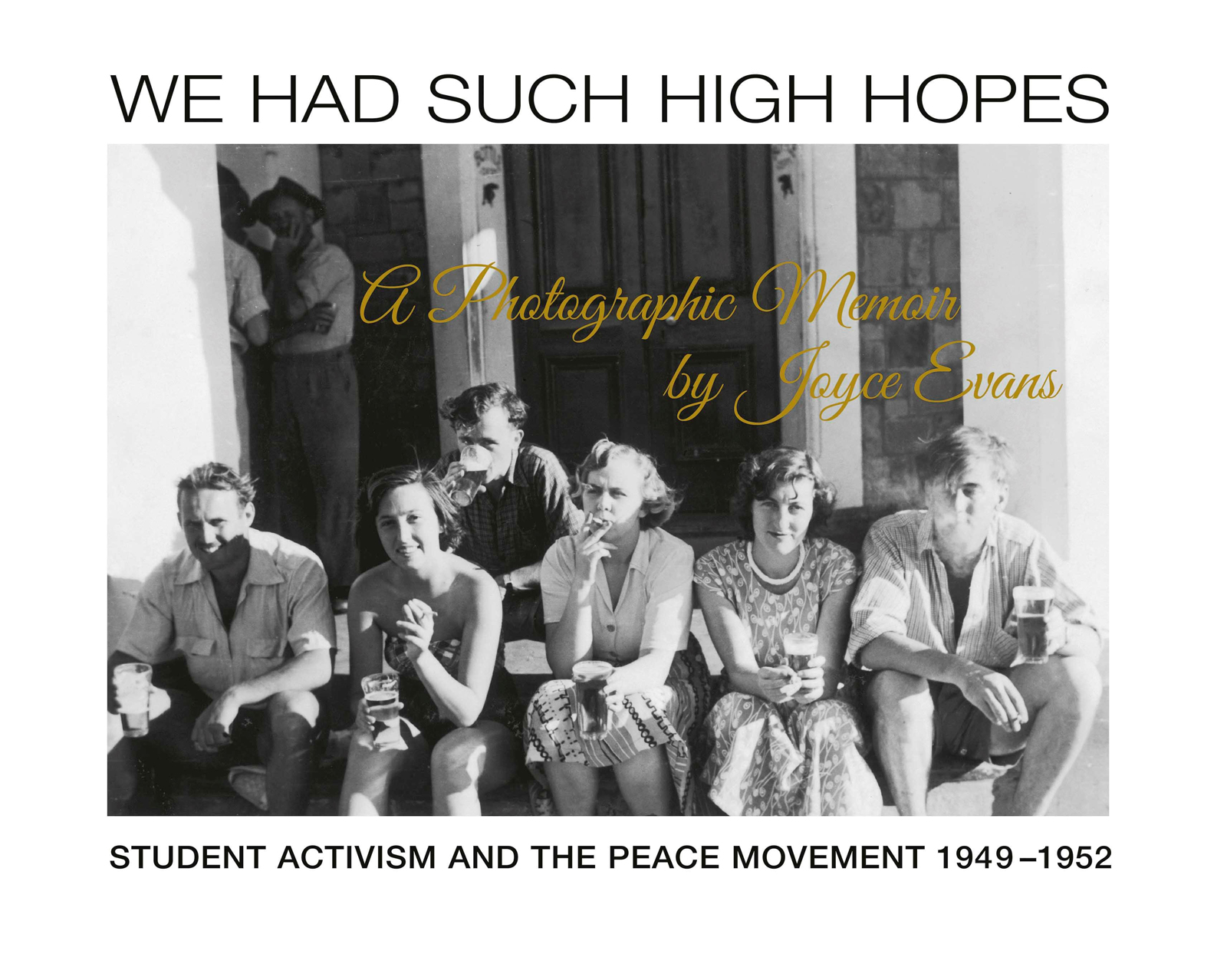
Text: Marcus Bunyan. “Nothing emerges from nothing,” Foreword to ‘We Had Such High Hopes: Student Activism and the Peace Movement 1949-1952, A Photographic Memoir by Joyce Evans’ 2019

August 2019

Publisher: Australian Scholarly Publishing
ISBN: 9781925801859
Hardback
Purchase


Book cover to 'We Had Such High Hopes: Student Activism and the Peace Movement 1949-1952, A Photographic Memoir by Joyce Evans' 2019


Book cover to We Had Such High Hopes: Student Activism and the Peace Movement 1949-1952, A Photographic Memoir by Joyce Evans. Australian Scholarly Publishing 2019.


The book We Had Such High Hopes: Student Activism and the Peace Movement 1949-1952, A Photographic Memoir by Joyce Evans has now been published by Australian Scholarly Publishing and is available to purchase from their website.

I just want to say a big thank you to everyone who worked on the book, and an especially big thank you to the wonderful Jenner Zimmer who edited the book and without whose help it would not be the book it turned out to be. Her research in tracking down who the people were in the photographs, their correct names, the location of some of the photographs, and her layout of the book, was magnificent to say the least. Through her excellent work, we can now place these photographs not only in a personal context, but in an important historical context in relation to the development of the civil rights movement in Australia directly after the Second World War.

The book is a reflection of the times, an insight into the nascent civil rights movement of the late 1940s-1950s that reached full bloom in the 1960s. As I observe in the foreword below it also becomes a reflection on how photography and friendship go hand in hand… and how this transformative process leads us to reassess our relationship to the world through the act of taking photographs.

Dr Marcus Bunyan


Please click on the photographs for a larger version of the image.


Foreword

Nothing emerges from nothing


“… every human being is a poet, a masker, a warrior, a dancer: and in his innocent artistry he projects, against the turmoil of the street, an image of human existence.”

Helen Levitt. ‘In the Street’ 1948.1


The gift of friendship between two people is a truly magical thing, a relationship built on the nurturing of respect between them, over time. The alchemical gift of a photograph does not arrive fully formed in a moment, for its magic is grounded in the context of its taking, informed by the wisdom, vision and creativity of the photographer. How Joyce Evans was touched by a connection between photography and friendship is another transformative process, one that leads her to reassess her relationship to the world through the act of taking photographs. Nothing ever emerges from nothing.

My friendship with Joyce Evans began when a joint acquaintance who knew of our love of photography introduced us. Over numerous years since – through trips to Sydney to see Joyce’s favourite photographer Julia Margaret Cameron; through visits to many exhibitions where we have discussed our reactions to the work (often with completely opposing views); through vigorous debate about the merits of different artists; through her promotion of Australian photography; and through her deep knowledge of the world, of life, and of art – I have come to know and love this vibrant and intelligent women. To begin to understand this complex human being and her approach to photography and life. The photographs, text and poetry in this book show evidence of the early maturing of this spirit of life.

Imagine being a nineteen year old who has been studying in America after the end of the Second World War, who has arrived in poverty-stricken England to meet friends who were mutually interested in the peace movement. Imagine travelling across Europe by car with those same friends, as mass migrations of people across Europe were still happening after the war, staying in youth hostels, to camp outside the city of Vienna. Then to cross the “Iron Curtain” and journey with thousands of other people from eight-two countries around the world to the city of Budapest for the Second World Festival of Youth and Students – a festival movement that grew out of the ashes of the war to proclaim, to shout, that youth would never again allow the horrors of fascism to terrorise the world. What a journey of discovery, love, friendship, excitement and danger that must have been!

Using her intelligence and the informed nature of her artistic being to define what interested her most, Joyce documented what she saw of the world around her.2 In so doing, these early photographs set the stage for concerns that have remained consistent in her work to this very day: peace, freedom, place, identity and humanity. While the photographs are a mirror of the times, portraying the improvisational vitality of everyday life, they also represent how the mind of the photographer can be embodied in the physical world, providing a glimpse into that most secret room of all – the core beliefs of a human being, their humanity, their soul.

The Australian photographer Max Dupain stated that the ‘mission of the photograph is to clarify the subject’.3 But perhaps the mission of the photograph is also to help clarify the identity of the artist. As the Austrian-born American photographer Inge Morath eloquently observes:

“Photography is a strange phenomenon. In spite of the use of that technical instrument, the camera, no two photographers, even if they were at the same place at the same time, come back with the same pictures. The personal vision is usually there from the beginning; result of a special chemistry of background and feelings, traditions and their rejection, of sensibility and voyeurism. You trust your eye and you cannot help but bare your soul. One’s vision finds of necessity the form suitable to express it.”4


The form that Joyce found so early in her life was the music and poetry of humanist photographs, images that are subjective, lyrical, and reveal a state-of-mind. Here is passion and belief in the life of human beings, and the exquisiteness, beauty (and death) of the lived moment. You could label them “social documentary photography” if you were so inclined, but labels don’t capture the frisson of the creative process nor the joyous outcome of Joyce’s portraits. It’s as though Joyce, in a mixture of consciousness and unconsciousness, is making love to the world through her images: neither rational nor cerebral they evoke sensations and feelings, of being here and there, in that past space and time, now, all these years later. These were epic days of change and transformation – of nations, of continents, of cultures and of people. There was death and destruction but there was also such happiness, hope and joy.

Further, what her photographs also depict is the rise of an informed Australian social consciousness after the Second World War. Her important historical and personal photographs shine a light on forgotten people, times, places and actions, such as the broad based youth movements opposition to the atomic bomb, associations and friendships which eventually form the basis for the progressive social and political protest movements of the 1960s. The voices raised later in support of feminism, gay liberation, free love and Vietnam anti-war protests did not appear fully formed, for there was a history of activism… a slow build, a groundswell of public opinion that was the basis for such emerging actions. Nothing ever emerges from nothing.

As much as Joyce’s photographs engage the viewer in memory, they also engage in the moment, both past and present. Not only an engagement with the history and nostalgia of the images, but in their present day hope and joy. It is such a pleasure to see these strong images, of people now old, still young, a moving image of humanity. This is the heart of the matter: a moving image of humanity. The photographs represent an understanding of (a) life, well formed and well lived, of a courageous and visionary woman who told it her way, who still tells it her way to this day.

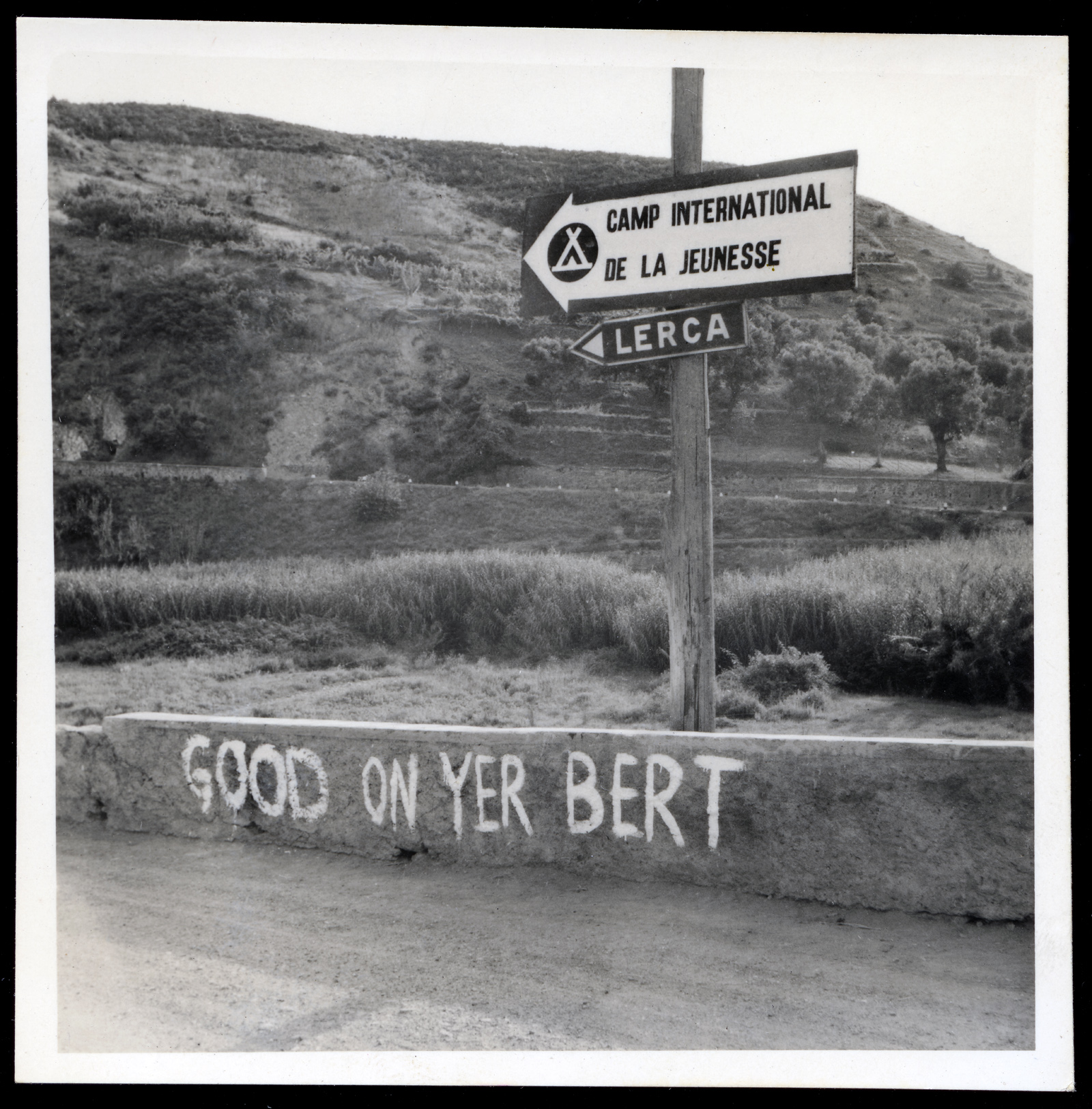
I have a deep sense of gratitude for both our friendship and for Joyce Evans’ prescient vision in recording these remarkable stories so that they can be shared today. At the time they had such high hopes, for their lives and for the future, energy that eventually morphed into something else (as is its want). This leaves these images, written memory, as both poem and testimonial to the uncertainty of human dreams and to the percipience of the artist who embodied and enabled them… in feeling, in love and in spirit. Nothing ever emerges from nothing. Good on ya Bert!

Dr Marcus Bunyan
Melbourne, February 2019


Endnotes

1/ Levitt, Helen (ed.,). In the Street. Directed by Helen Levitt, Janice Loeb and James Agee. Black and white film, 14 mins. 1948 (VHS) New York: Arthouse, Inc., 1996.
2/ Joyce was ever attentive to the power of the historical for she had been studying the Baroque painters in Paris and on her travels through Italy, evidence of which can be seen in the grouping of human figures in her photographs.
3/ Anonymous label. “Max Dupain, (Factory chimney stacks) 1940,” on the National Gallery of Australia website [Online] Cited 15/02/2019.
4/ Morath, Inge; Folie, Sabine and Matt, Gerald. Inge Morath, Life as a Photographer. Munich: Gina Kehayoff Verlag, 1999, p. 13.


Joyce Evans (Australian, 1929-2019) 'Good on yer Bert' 1949


Joyce Evans (Australian, 1929-2019)
Good on yer Bert
1949
Gelatin silver print
From We Had Such High Hopes: Student Activism and the Peace Movement 1949-1952, A Photographic Memoir by Joyce Evans (Australian Scholarly Publishing 2019)


Joyce Evans (Australian, 1929-2019) 'Untitled [Budapest crowd]' 1949


Joyce Evans (Australian, 1929-2019)
Budapest crowd
1949
Gelatin silver print
From We Had Such High Hopes: Student Activism and the Peace Movement 1949-1952, A Photographic Memoir by Joyce Evans (Australian Scholarly Publishing 2019)


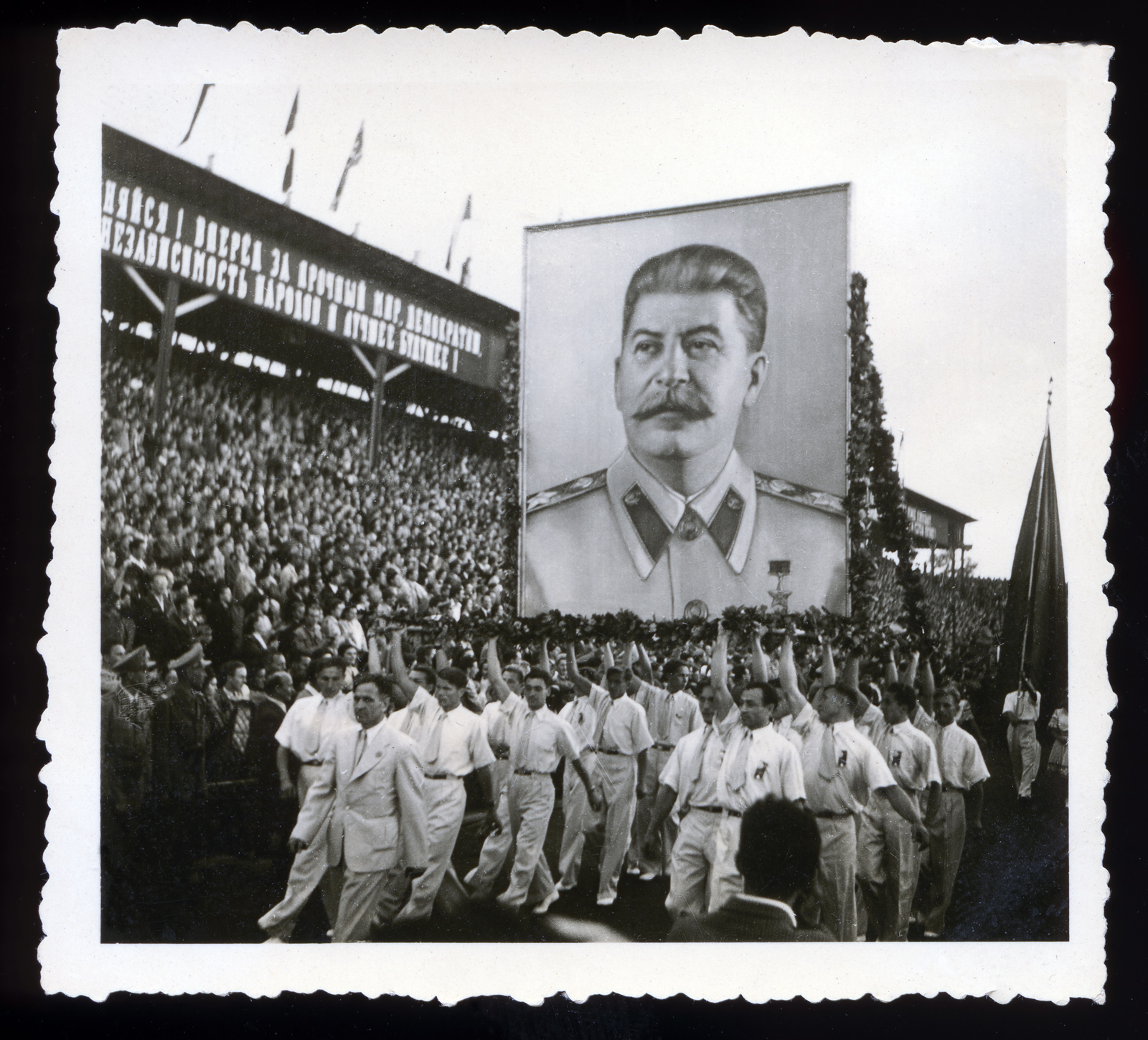
Joyce Evans (Australian, 1929-2019) 'Stalin banner, Budapest' 1949


Joyce Evans (Australian, 1929-2019)
Stalin banner, Budapest
1949
Gelatin silver print
From We Had Such High Hopes: Student Activism and the Peace Movement 1949-1952, A Photographic Memoir by Joyce Evans (Australian Scholarly Publishing 2019)


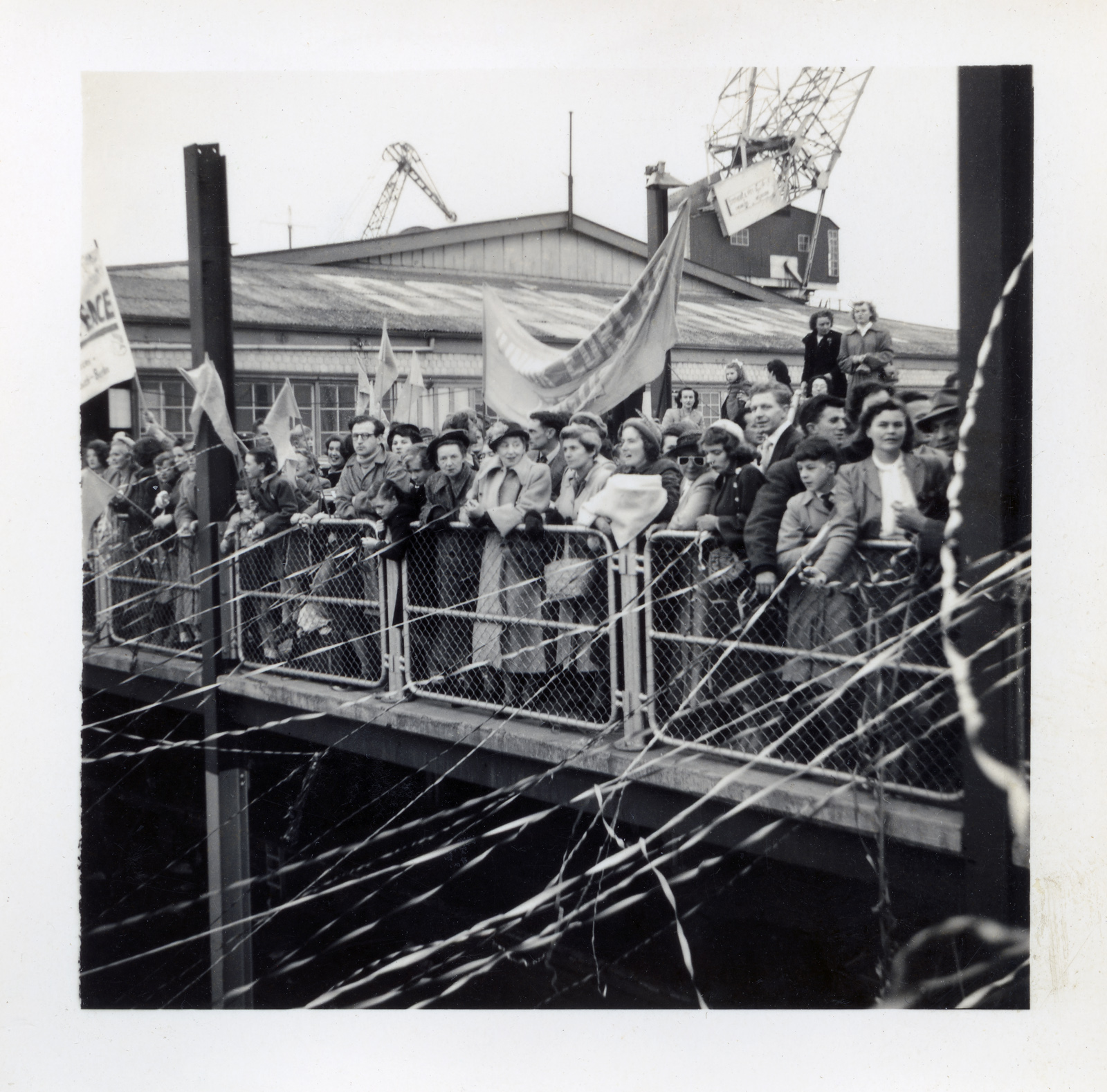
Joyce Evans (Australian, 1929-2019) 'Farewell to Delegates' 1951


Joyce Evans (Australian, 1929-2019)
Farewell to Delegates
1951
Gelatin silver print
From We Had Such High Hopes: Student Activism and the Peace Movement 1949-1952, A Photographic Memoir by Joyce Evans (Australian Scholarly Publishing 2019)


Joyce Evans (Australian, 1929-2019) 'Farewell to Delegates Townsend' 1951


Joyce Evans (Australian, 1929-2019)
Farewell to Delegates
1951
Gelatin silver print
From We Had Such High Hopes: Student Activism and the Peace Movement 1949-1952, A Photographic Memoir by Joyce Evans (Australian Scholarly Publishing 2019)


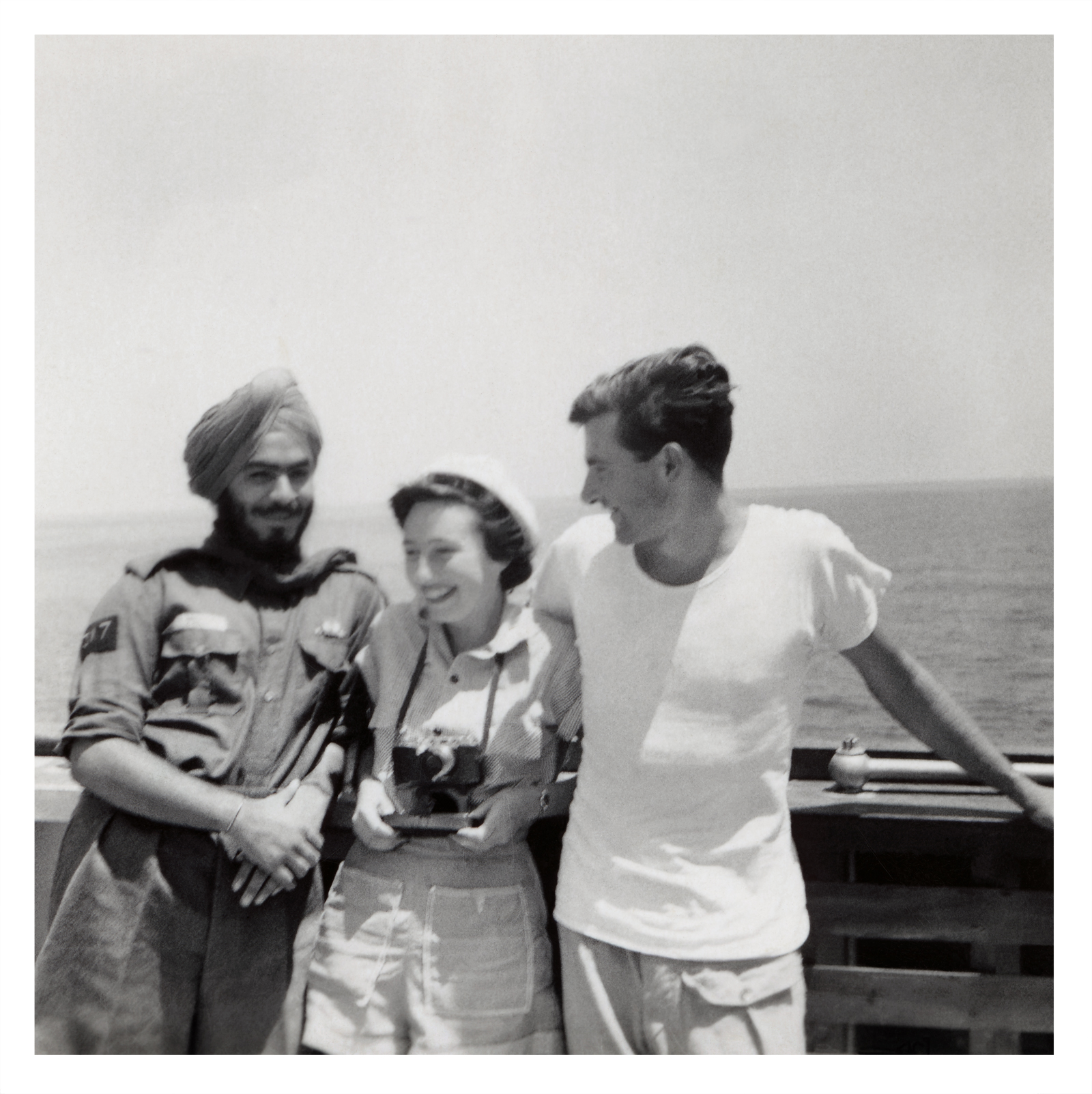
Joyce Evans (Australian, 1929-2019) 'Joyce with camera' 1951


Joyce Evans (Australian, 1929-2019)
Joyce with camera
1951
Gelatin silver print
From We Had Such High Hopes: Student Activism and the Peace Movement 1949-1952, A Photographic Memoir by Joyce Evans (Australian Scholarly Publishing 2019)


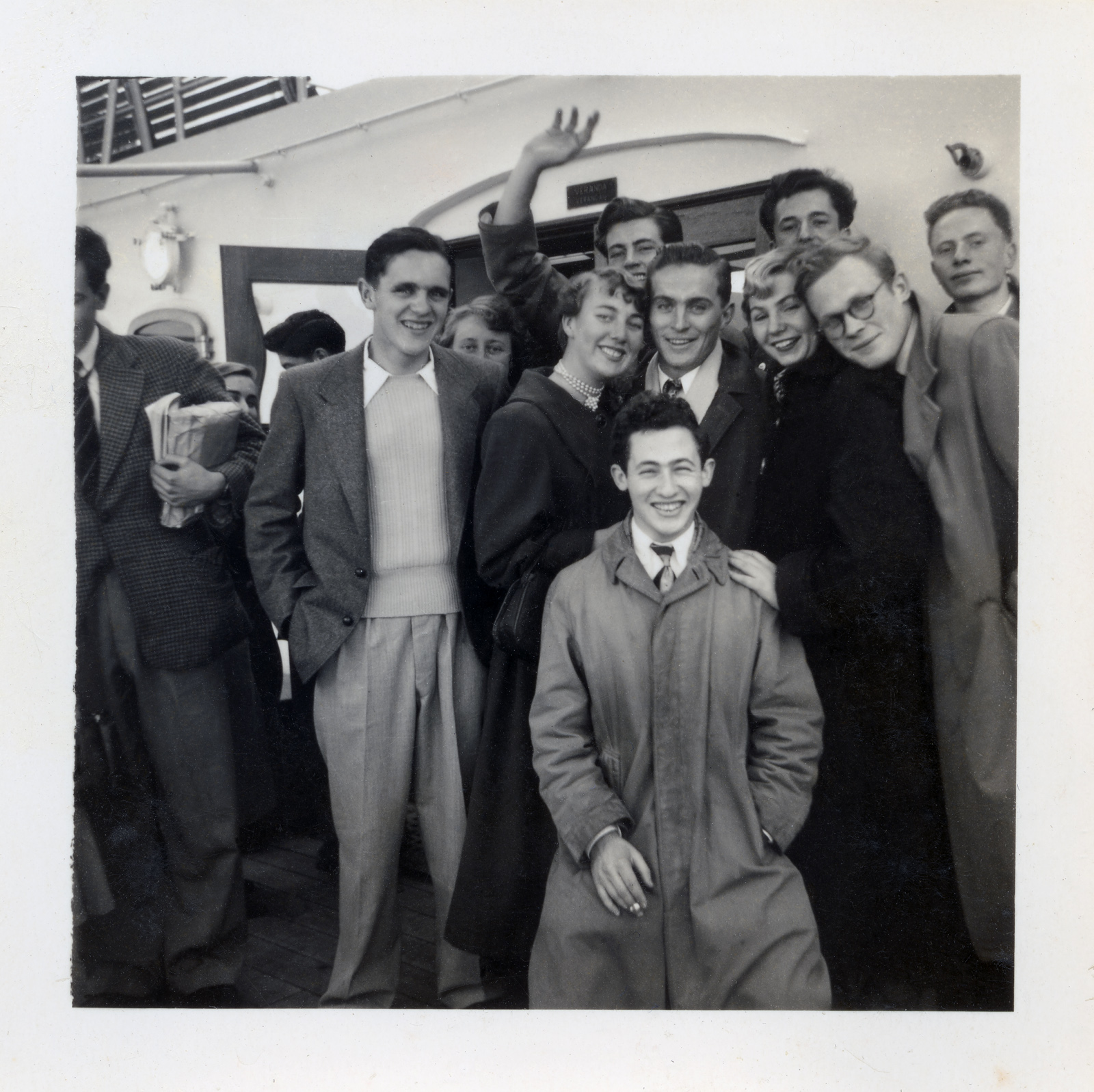
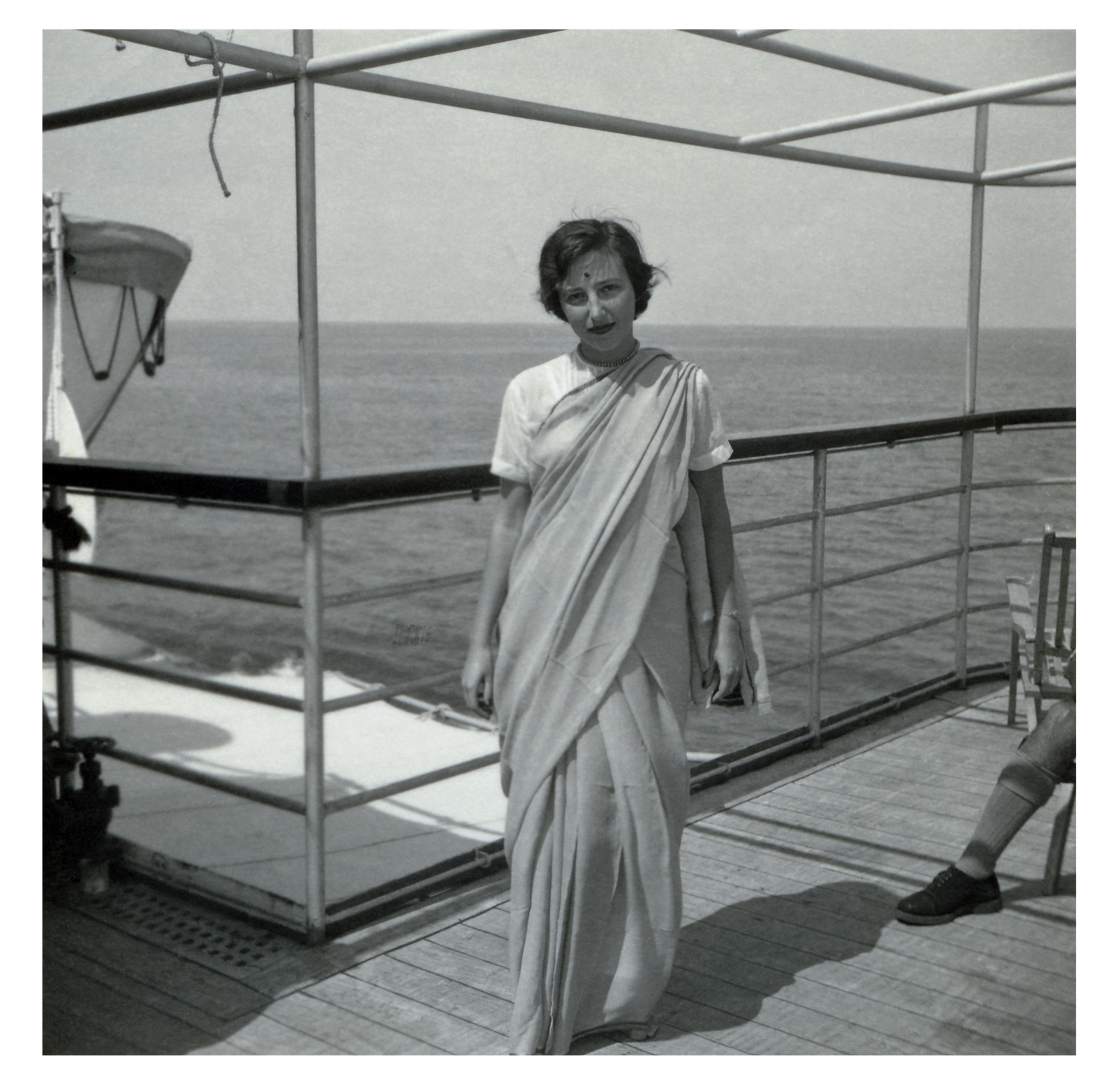
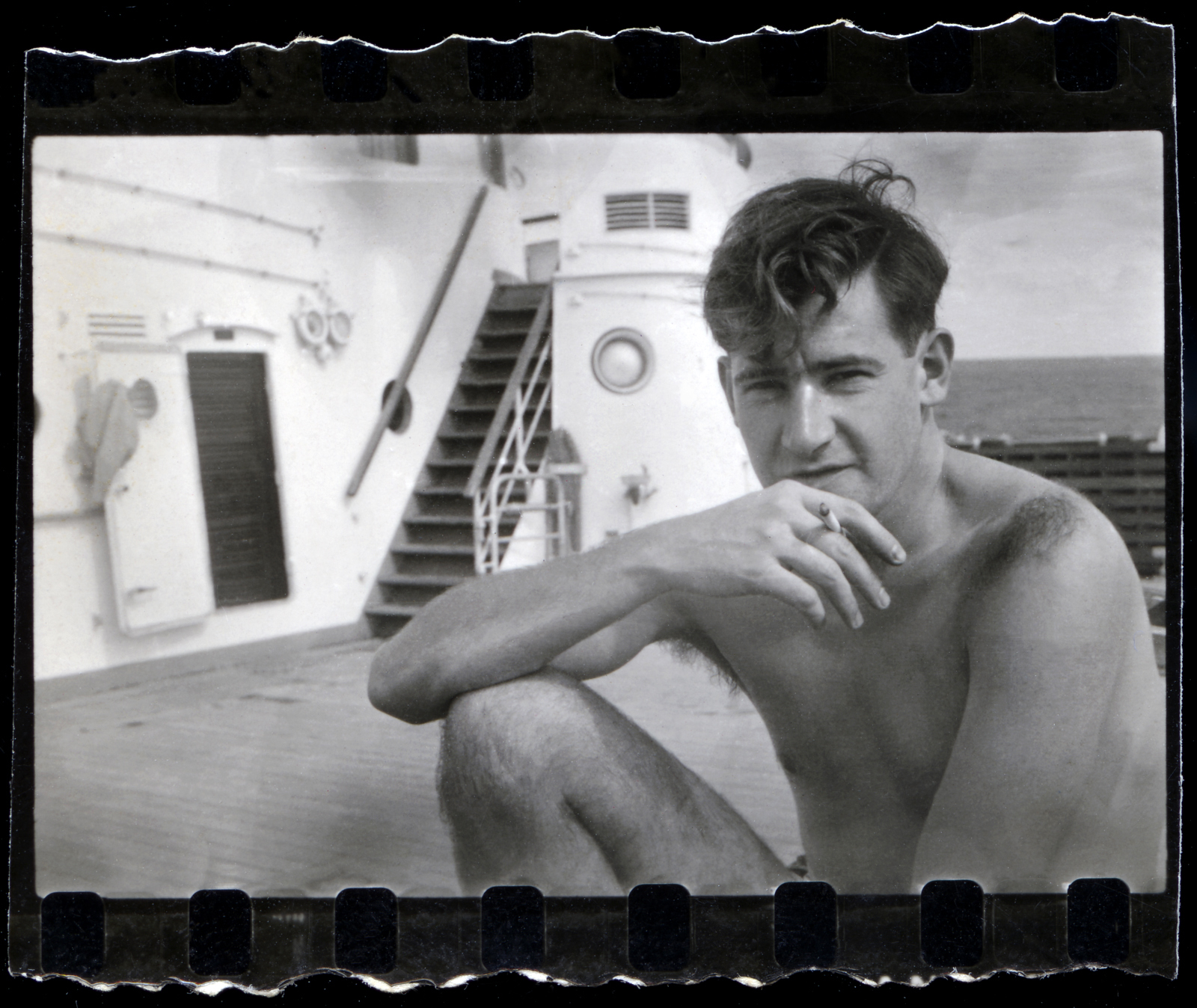
Joyce Evans (Australian, 1929-2019) 'Joyce onboard ship' 1951


Joyce Evans (Australian, 1929-2019)
Joyce onboard ship
1951
Gelatin silver print
From We Had Such High Hopes: Student Activism and the Peace Movement 1949-1952, A Photographic Memoir by Joyce Evans (Australian Scholarly Publishing 2019)


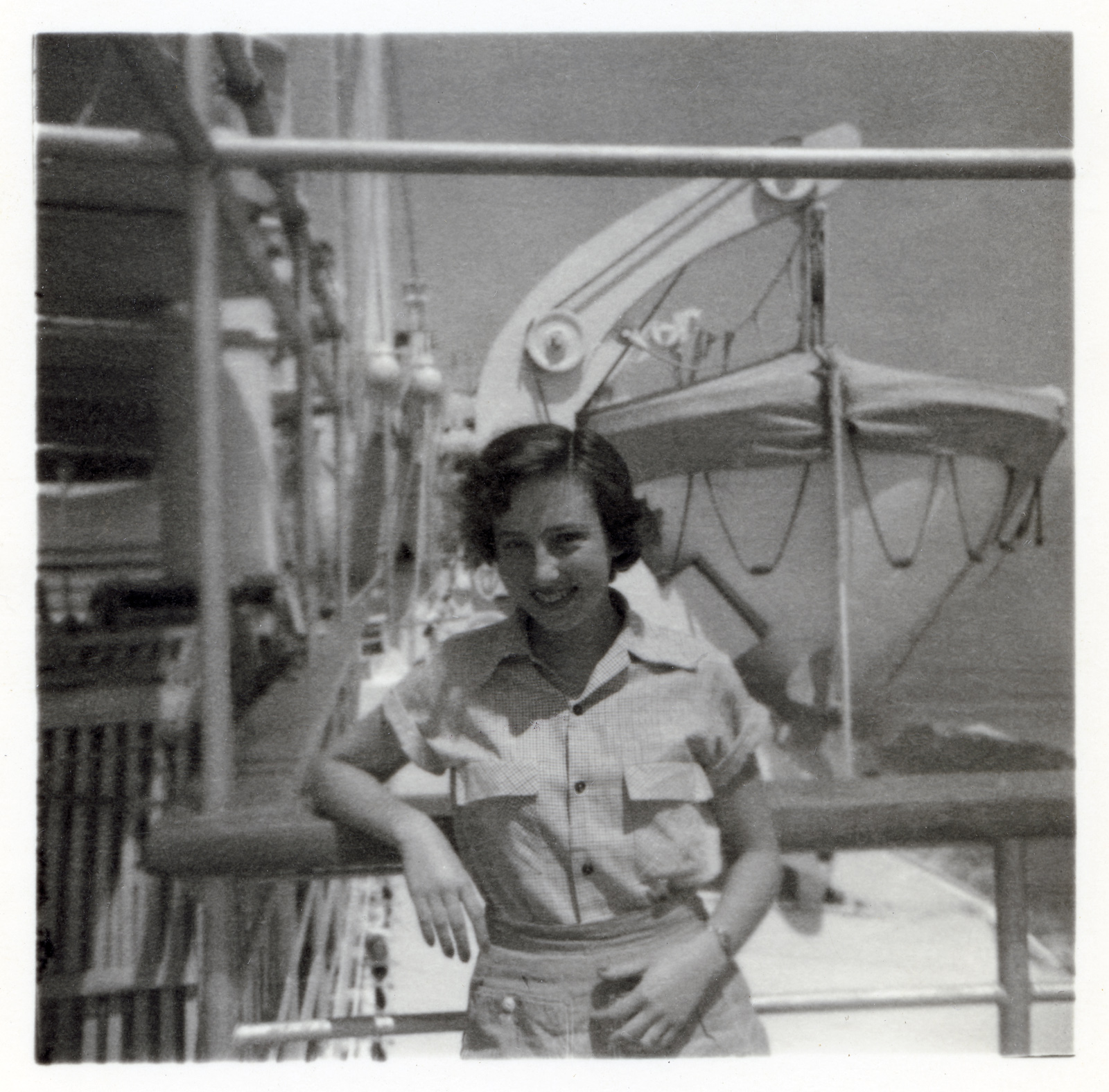
Joyce Evans (Australian, 1929-2019) 'Joyce with lifeboat' 1951


Joyce Evans (Australian, 1929-2019)
Joyce with lifeboat
1951
Gelatin silver print
From We Had Such High Hopes: Student Activism and the Peace Movement 1949-1952, A Photographic Memoir by Joyce Evans (Australian Scholarly Publishing 2019)


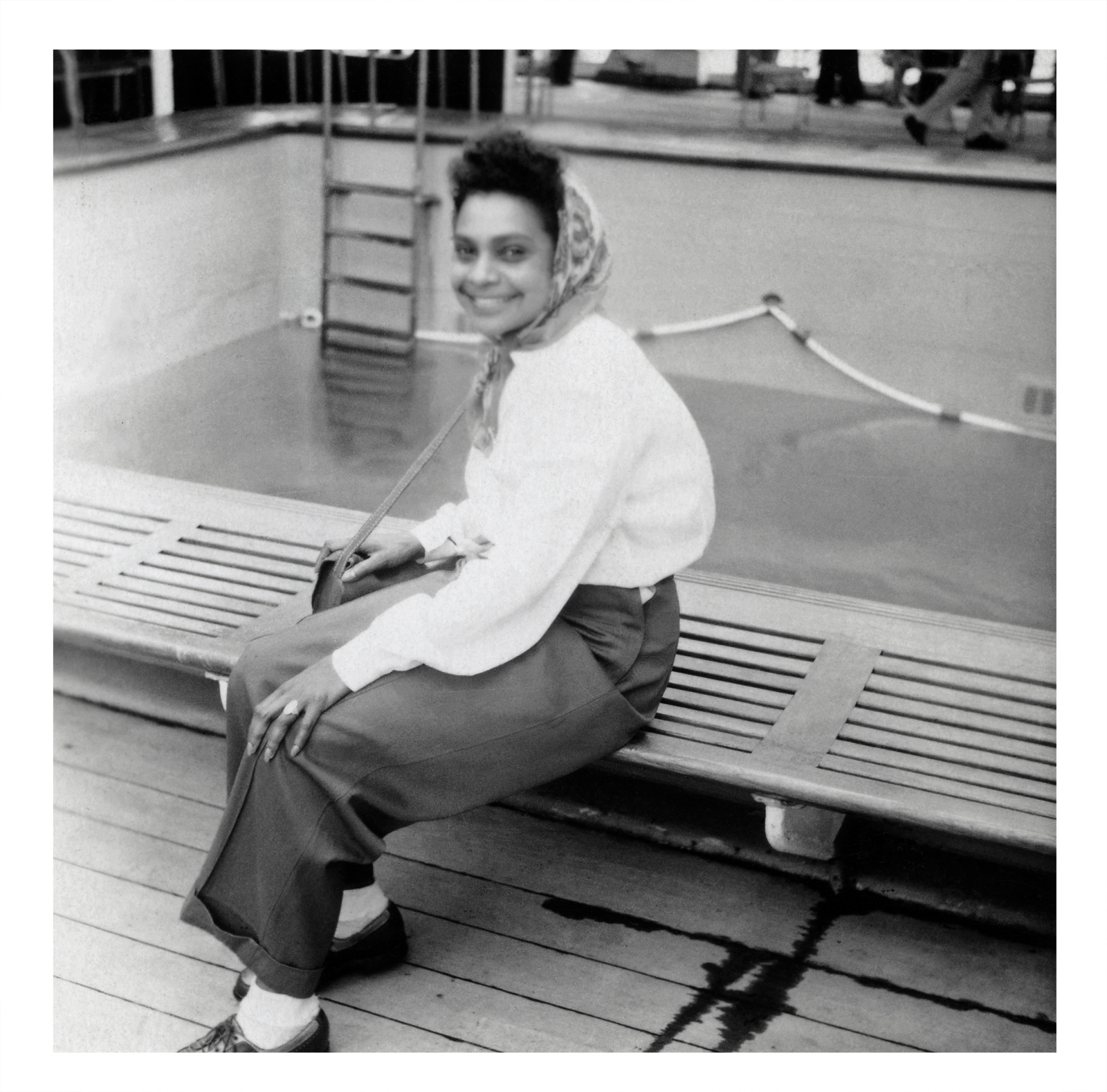
Joyce Evans (Australian, 1929-2019) 'Faith Bandler' 1951


Joyce Evans (Australian, 1929-2019)
Faith Bandler
1951
Gelatin silver print
From We Had Such High Hopes: Student Activism and the Peace Movement 1949-1952, A Photographic Memoir by Joyce Evans (Australian Scholarly Publishing 2019)


Joyce Evans (Australian, 1929-2019) 'Edward 'Woods Lloyd' Drummond' 1951


Joyce Evans (Australian, 1929-2019)
Edward ‘Woods Lloyd’ Drummond
1951
Gelatin silver print
From We Had Such High Hopes: Student Activism and the Peace Movement 1949-1952, A Photographic Memoir by Joyce Evans (Australian Scholarly Publishing 2019)


“We believed we had an obligation, neither social nor political, to make a difference. We were brought up as children to believe that we had an obligation to make that difference.

If we can find out what we are… that is the artist. This goes to the core element of your being, and the core element of your enquiry remains the same.

If the core part of your life is the search for the truth then that becomes a core part of your identity for the rest of your life. It becomes embedded in your soul.”


Joyce Evans


Description

Some think it all happened in the 1960s but Joyce Evans, acclaimed photographer of Australia’s land and its people, goes back to her youth and memories of her many adventures as a student activist. In 1949, aged 19, she set sail for Soviet-occupied Budapest to join the post-war demonstrations at ‘The World Festival of Youth and Students for Peace’. It was a time when young Australians dreamed of change and travelled to war-torn Europe in the hope of peace becoming the new reality. Among them were many who would later become important figures in Australia’s government, legal profession, diplomatic corps and academia. People like Frank Hardy, John Bluthal, Faith Bandler, Clyde Holding, Irving Saulwick and Richard Woolcott appear in Joyce Evans’ photographs of these events.

This story, with its cast of endearing and passionate characters, records voyages across battle-scarred Europe, clashes with draconian authorities, daring escapes, betrayals, lost idealism and a wealth of unlikely friendships. It describes the adventures of a youthful cohort who felt empowered and believed it could fulfil its dream of world-wide peace. Joyce says: ‘If such a dream existed then, such high hopes can be reclaimed by the youth of today!’

Text from the Australian Scholarly Publishing website [Online] Cited 08/08/2019


World Federation of Democratic Youth

The World Federation of Democratic Youth (WFDY) is an international youth organisation, recognised by the United Nations as an international youth non-governmental organisation, and has historically characterised itself as anti-imperialist and left-wing. WFDY was founded in London in 1945 as a broad international youth movement, organised in the context of the end of World War II with the aim of uniting youth from the Allies behind an anti-fascist platform that was broadly pro-peace, anti-nuclear war, expressing friendship between youth of the capitalist and socialist nations. The WFDY Headquarters are in Budapest, Hungary. The main event of WFDY is the World Festival of Youth and Students. The last festival was held in Sochi, Russia, in October 2017. It was one of the first organisations granted general consultative status with the United Nations Economic and Social Council.

History

On 10 November 1945, the World Youth Conference, organised in London, founded the World Federation of Democratic Youth. This historic conference was convened at the initiative of the World Youth Council which was formed during World War II to encourage the fight against fascism by the youth of the allied nations. The conference brought together, for the first time in the history of the international youth movement, representatives of more than 30,000,000 young people of diverse different political ideologies and religious beliefs from 63 nations. It adopted a pledge for peace.

Shortly after, with the onset of the Cold War and Winston Churchill’s Iron Curtain speech, the organisation was accused by the US State Department of being a “Moscow front”. Many of the founding organisations quit, leaving mostly youth from socialist nations, national liberation movements, and communist youth. Like the International Union of Students (IUS) and other pro-Soviet organisations, the WFDY became a target and victim of CIA espionage as well as part of active measures conducted by the Soviet state security.

The WFYD’s first General Secretary, Alexander Shelepin, was a former leader of the Young Communist International which had been dissolved in 1943. Shelepin had been a guerilla fighter during World War II (after his work with the WFDY, he was appointed head of Soviet State Security). Both the WFDY and IUS vocally criticised the Marshall Plan, supported the Czechoslovak coup d’état of 1948 and the new People’s Democracies in Europe. They opposed the Korean War.

The main event of the WFDY became the World Festival of Youth and Students, a massive political and cultural celebration for peace and friendship between the youth of the world. Most, but not all, of the early festivals were held in socialist nations in Europe.

Text from the Wikipedia website


World Festival of Youth and Students

The World Festival of Youth and Students is an international event, organised by the World Federation of Democratic Youth (WFDY), a United Nations-recognised international youth non-governmental organisation, jointly with the International Union of Students since 1947. Initially pluralist, the event became an outlet for Soviet propaganda for foreign audiences during the Cold War.

The festival has been held regularly since 1947 as an event of global youth solidarity for democracy and against war and imperialism. The largest festival was the 6th, held in 1957 in Moscow, when 34,000 young people from 131 countries attended the event. This festival also marked the international debut of the song “Moscow Nights”, which subsequently went on to become perhaps the most widely recognised Russian song in the world. Until the 19th festival in Sochi, Russia in 2017 (with 185 countries participating), the largest festival by number of countries with participants was the 13th, held in 1989 in Pyongyang when 177 countries attended the event.

The World Federation of Democratic Youth was founded to bring together young people of both the socialist and capitalist countries to promote peaceful cooperation and mutual rejection of war. However, with the onset of the Cold War soon after, the organisation and the festivals became a matter of contention within the rivalry. Because of the enormous expenditure and coordination required to support a youth festival, most of the early festivals were held in cities in the socialist countries of Europe. However, many festivals, both then and more so since, have been held in non-socialist countries, affirming the commitment to peaceful coexistence between the peoples living under the different systems. The most recent festival took place in Sochi, Russia, from 13 to 22 October 2017.

Text from the Wikipedia website


2nd World Festival of Youth and Students

The Second World Festival of Youth and Students (WFYS) was held in 1949, in Budapest, a city still recuperating from World War II. The 2nd WFYS was one of three major youth events held in Hungary in 1949, along with the World University Summer Games and the World Youth Congress. It was organised by the World Federation of Democratic Youth and the International Union of Students

On August 14, 1949, 20,000 young people from 82 countries, gathered in the Ujpest Stadium, inaugurating the festival. For two weeks, the participants took part in cultural, sport, and political activities. The festival expressed its solidarity for the “anti-colonialist struggle” of the peoples of Indonesia, Malaysia and French Indochina and also for the “anti-fascist struggle” of the Spanish and Greek peoples. It was the first time that a delegation from what would become East Germany took part.

It featured a sports programme, including an athletics competition.

The motto of the festival was: Youth Unite! Forward for Lasting Peace, Democracy, National Independence and a better future for the people!

Text from the Wikipedia website


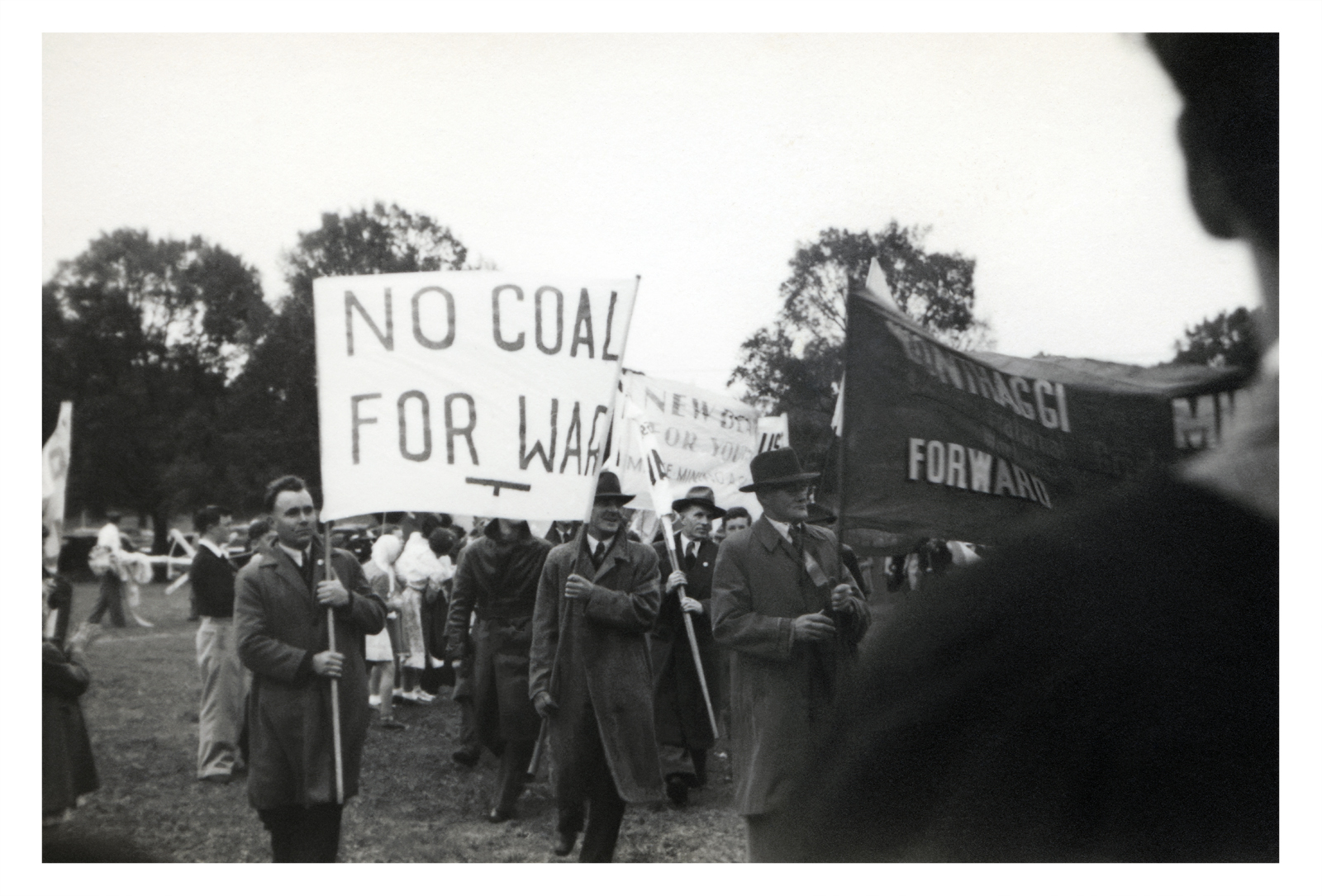
Joyce Evans (Australian, 1929-2019) 'No Coal for War, May Day March' 1951


Joyce Evans (Australian, 1929-2019)
No Coal for War, May Day March
1951
Gelatin silver print
From We Had Such High Hopes: Student Activism and the Peace Movement 1949-1952, A Photographic Memoir by Joyce Evans (Australian Scholarly Publishing 2019)


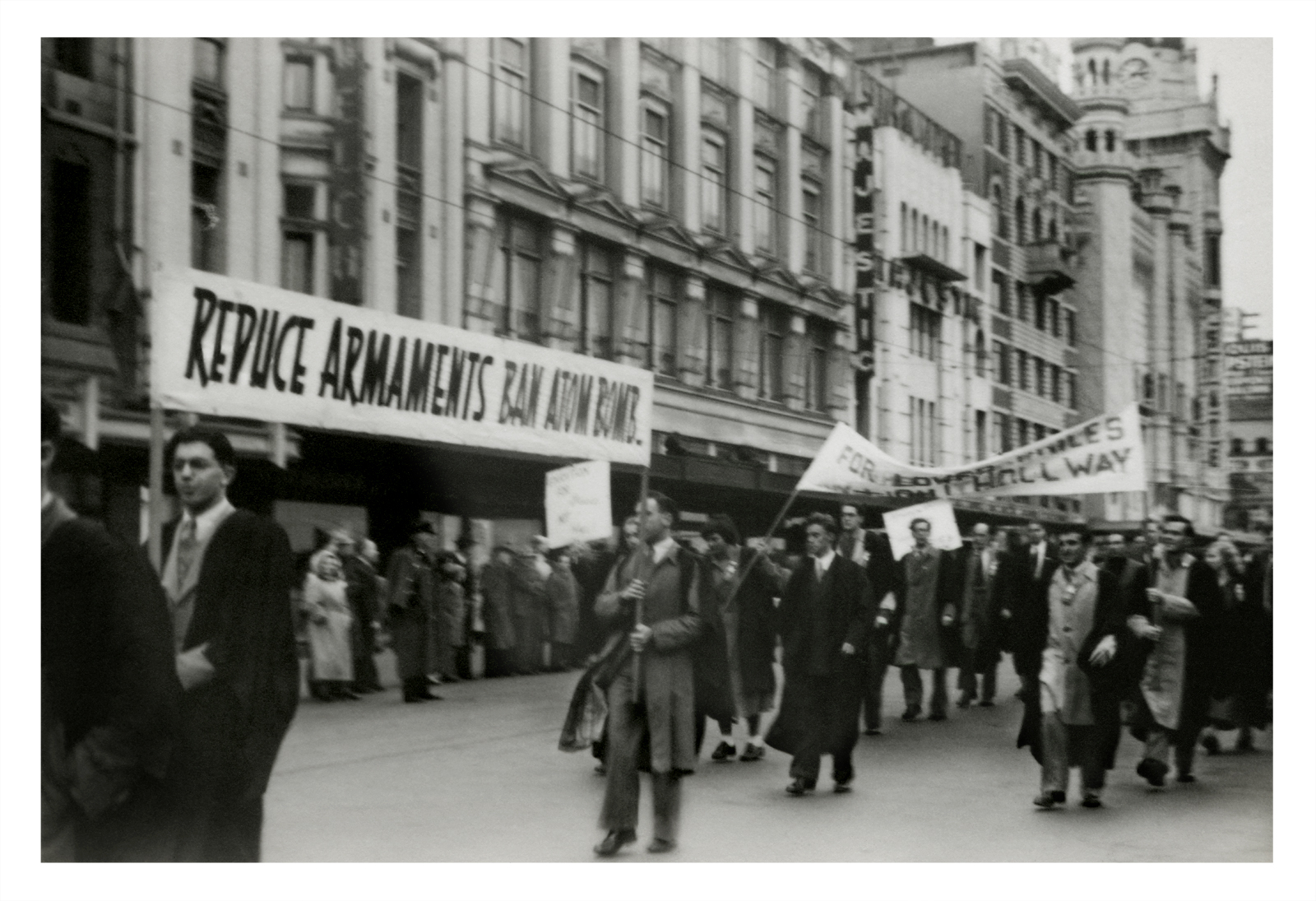
Joyce Evans (Australian, 1929-2019) 'Reduce Armaments Ban Atomic Bomb, May Day March, Flinders Street, Melbourne' 1951


Joyce Evans (Australian, 1929-2019)
Reduce Armaments Ban Atomic Bomb, May Day March, Flinders Street, Melbourne
1951
Gelatin silver print
From We Had Such High Hopes: Student Activism and the Peace Movement 1949-1952, A Photographic Memoir by Joyce Evans (Australian Scholarly Publishing 2019)


Pictured image-right, Professor Bernard Rechter.


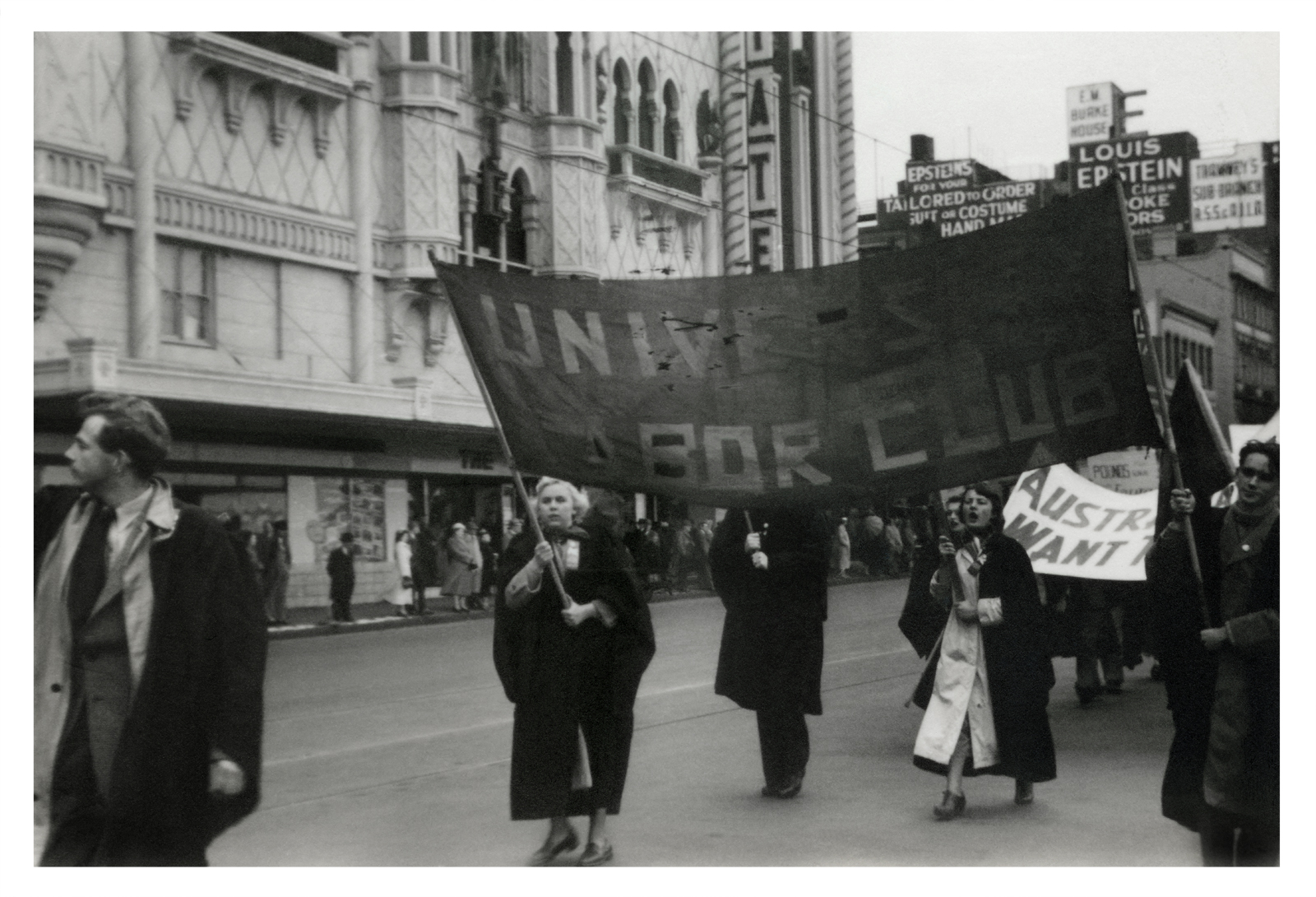
Joyce Evans (Australian, 1929-2019) 'University Labour Club banner, May Day March, Flinders Street, Melbourne' 1951


Joyce Evans (Australian, 1929-2019)
University Labour Club banner, May Day March, Flinders Street, Melbourne
1951
Gelatin silver print
From We Had Such High Hopes: Student Activism and the Peace Movement 1949-1952, A Photographic Memoir by Joyce Evans (Australian Scholarly Publishing 2019)


In far-left, John Clendenin, philosopher and president of University of Melbourne SRC. Banner-bearer Jill Warwick, later a TV Producer, vice-president UniMelb SRC.


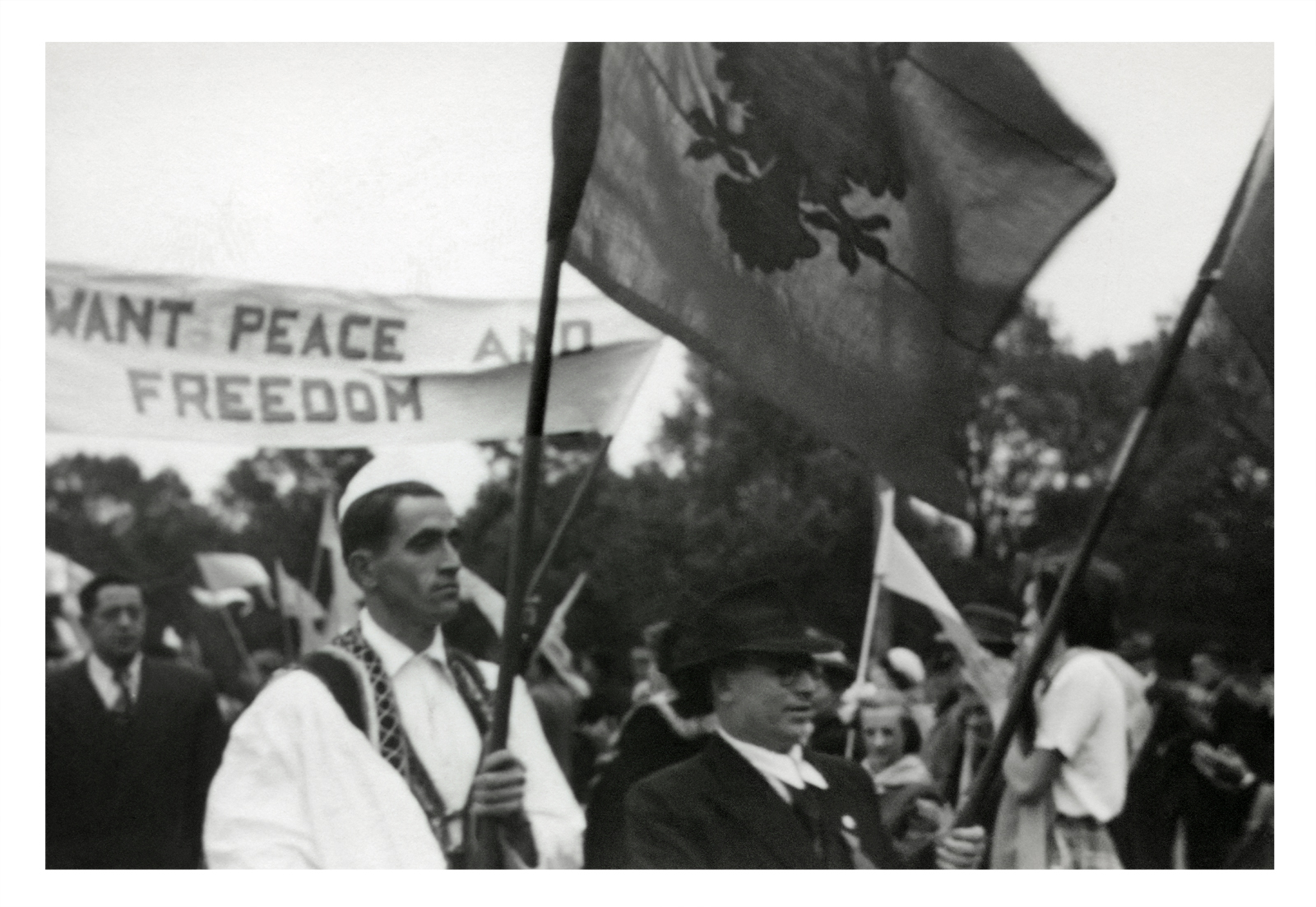
Joyce Evans (Australian, 1929-2019) 'Want Peace and Freedom, May Day March, Flinders Street, Melbourne' 1951


Joyce Evans (Australian, 1929-2019)
Want Peace and Freedom, May Day March, Flinders Street, Melbourne
1951
Gelatin silver print
From We Had Such High Hopes: Student Activism and the Peace Movement 1949-1952, A Photographic Memoir by Joyce Evans (Australian Scholarly Publishing 2019)


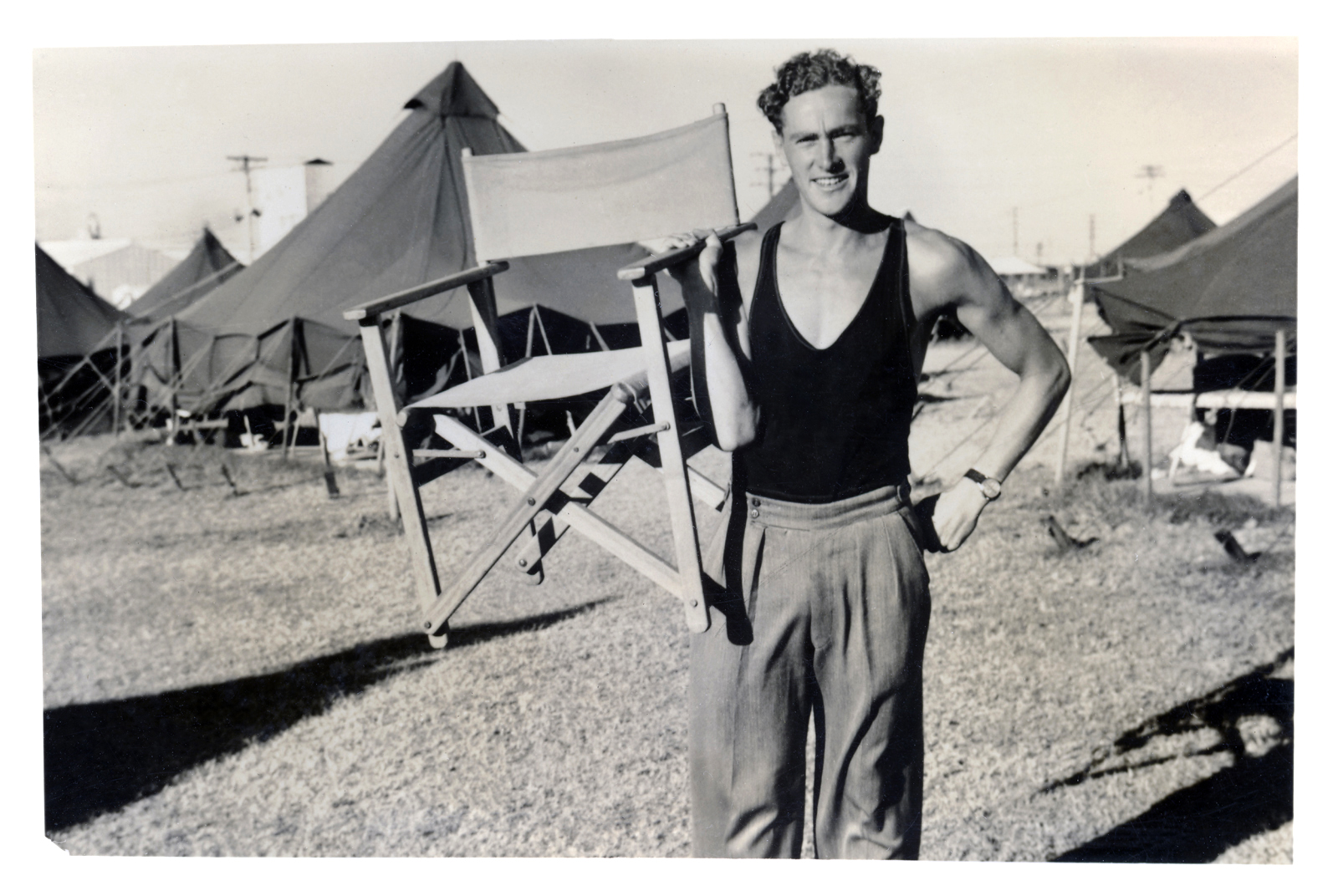
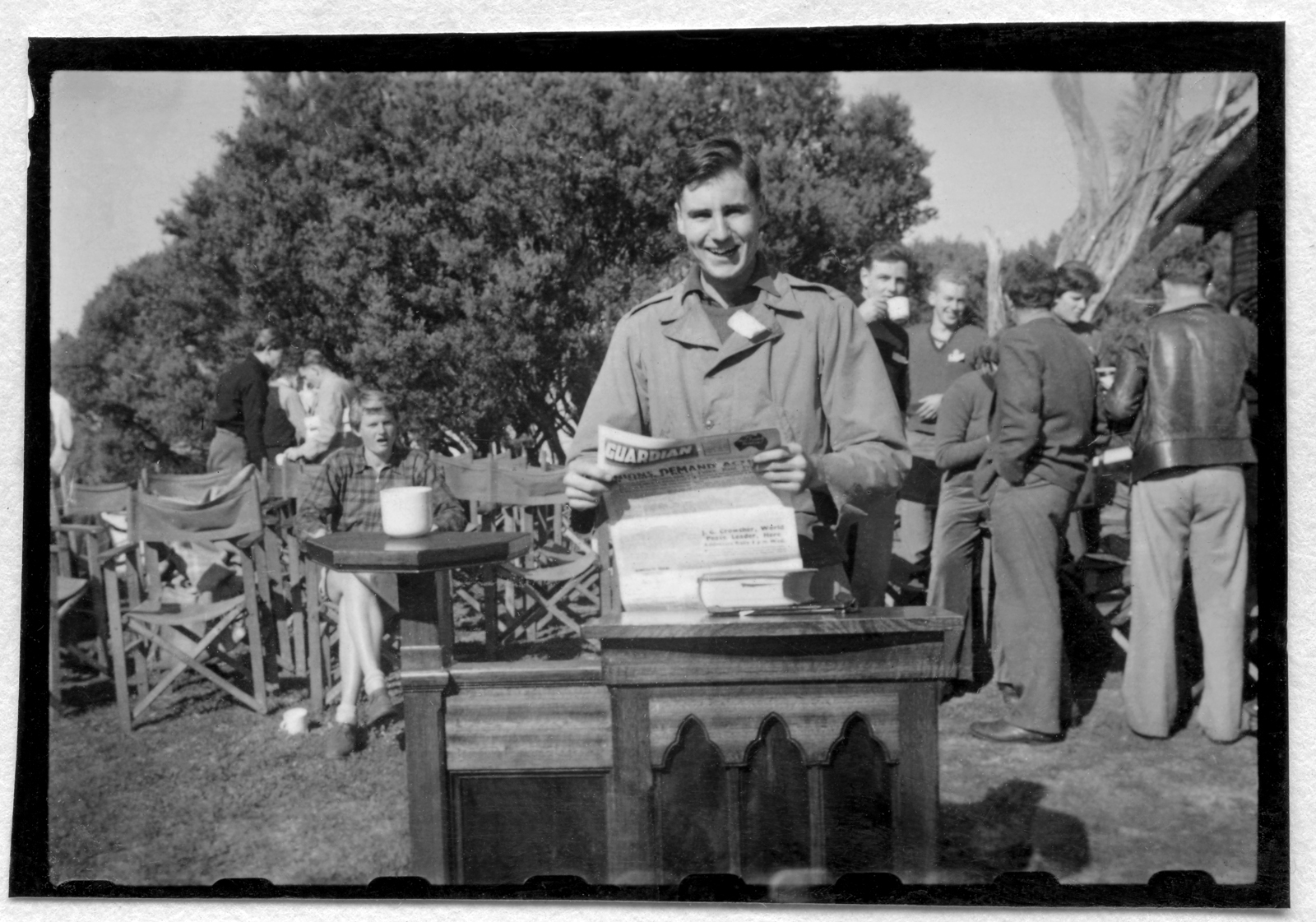
Joyce Evans (Australian, 1929-2019) 'Richard 'Dicky' Woolcott, delegate to conference, at NUAUS encampment' 1951


Joyce Evans (Australian, 1929-2019)
Richard ‘Dicky’ Woolcott, delegate to conference, at NUAUS encampment
1951
Gelatin silver print
From We Had Such High Hopes: Student Activism and the Peace Movement 1949-1952, A Photographic Memoir by Joyce Evans (Australian Scholarly Publishing 2019)


Joyce Evans (Australian, 1929-2019) 'John O'Neil' 1951


Joyce Evans (Australian, 1929-2019)
John O’Neil
1951
Gelatin silver print
From We Had Such High Hopes: Student Activism and the Peace Movement 1949-1952, A Photographic Memoir by Joyce Evans (Australian Scholarly Publishing 2019)


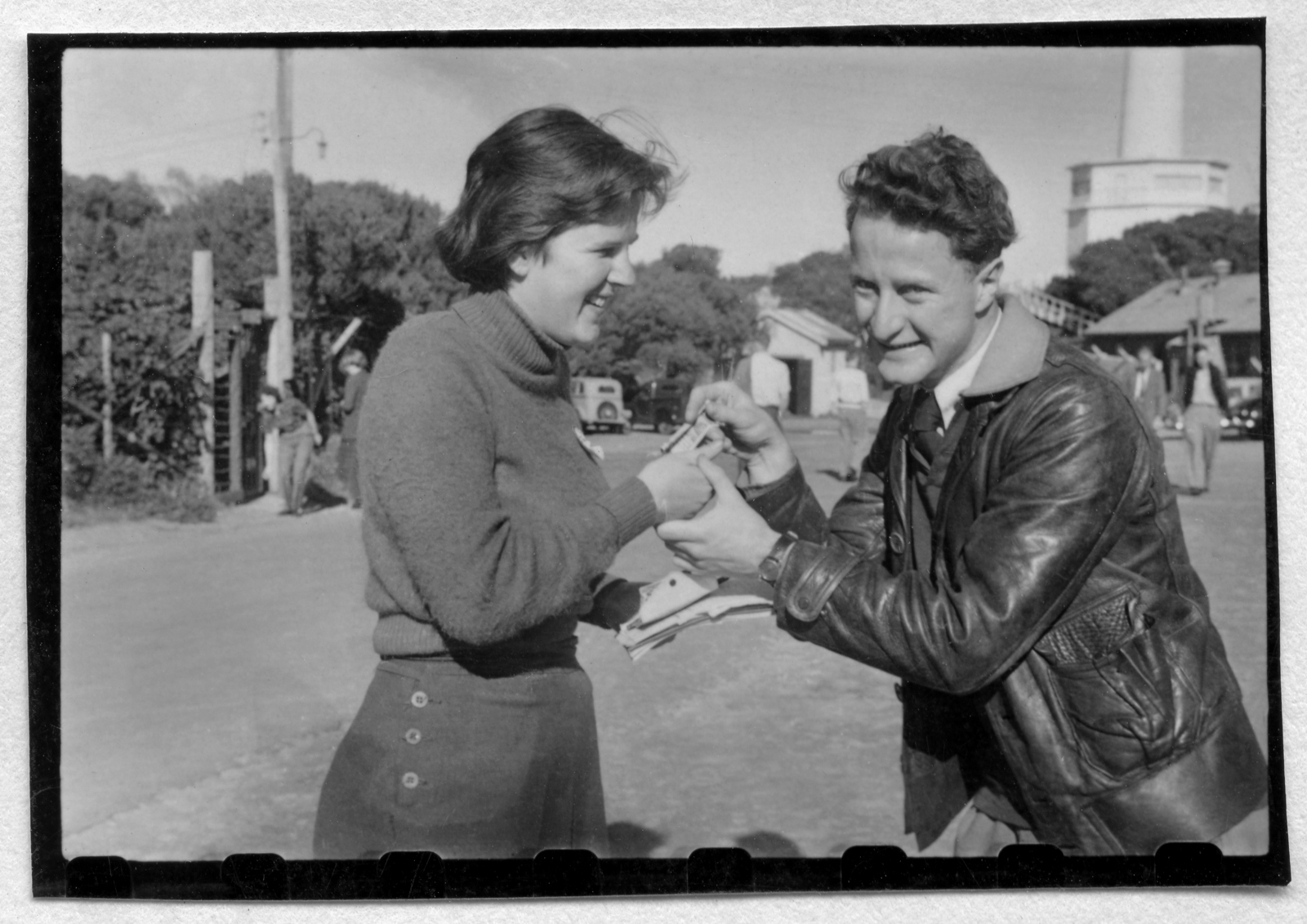
Joyce Evans (Australian, 1929-2019) 'Jenny Lloyd and Clyde Holding' 1951


Joyce Evans (Australian, 1929-2019)
Jenny Lloyd and Clyde Holding
1951
Gelatin silver print
From We Had Such High Hopes: Student Activism and the Peace Movement 1949-1952, A Photographic Memoir by Joyce Evans (Australian Scholarly Publishing 2019)


Joyce Evans Photographer website

Australian Scholarly Publishing website

LIKE ART BLART ON FACEBOOK

Back to top