Curator: Karen Hellman was as an assistant curator in the Department of Photographs at the Getty Museum
Robert Frank (Swiss, 1924-2019) Trolley – New Orleans 1955 Gelatin silver print Image: 22.9 x 34cm (9 x 13 3/8 in.) Trish and Jan de Bont
Another fascinating exhibition from the J. Paul Getty Museum that features classic photographs and some that I have never seen before. In my opinion, the two most famous photographs of windows have to be Minor White’s rhapsodic Windowsill Daydreaming, Rochester (1958, below) and Paul Strand’s Wall Street (1915, below, originally known as Pedestrians raked by morning light in a canyon of commerce) which, strangely, is not included in the exhibition.
I can’t understand this omission as this is the seminal image of windows in the history of photography.
Dr Marcus Bunyan
Many thankx to the J. Paul Getty Museum for allowing me to publish the photographs in the posting. Please click on the photographs for a larger version of the image.
Paul Strand (American, 1890-1976) Wall Street 1915 Platinum print
This photograph is not in the exhibition
In this photo, taken by morning light 1915, the recently built J.P. Morgan Co. building appears sinister and foreboding and dwarfs (perhaps consumes even) the humanity of suited men and women, their long shadows dragging behind them, walked alongside its facade.
Paul Strand studied under Lewis Hine and Alfred Steiglitz. Although he set up in New York as a portrait photographer, Strand often visited Stieglitz’s gallery to see the new European painting which it exhibited. In 1914-1915, under the influence of this new form of art, Strand turned from soft-focus Pictoralism towards abstraction. It was in this spirit that the above photo was taken, originally named, “Pedestrians raked by morning light in a canyon of commerce”. Strand did not intended to show Wall Street in a bad light, he admitted. However, as the Great Depression happened (criticism was squarely towards Wall Street back then as it is today) and Strand turned more communist, he later spoke of “sinister windows” and “blind shapes” inherent in the above picture.
The photo, now simply titled “Wall Street”, was one of six Paul Strand pictures Stieglitz published in Camera Work. In three of the six pictures, humanity strides out from abstract ideas, and each figure was a study in itself – an irregular item complimented by modular formats that surround it. Another set of eleven Strand photos were published in the magazine’s final issue in 1917, and those pictures, overwhelmingly endorsed by Stieglitz as ‘brutally direct’ made Strand’s reputation.
Alex Selwyn-Holmes. “Wall Street by Paul Strand,” on the Iconic Photos blog, December 2010 [Online] Cited 12/01/2021. Used under fair use conditions for the purposes of education and research
Arthur Rothstein (American, 1915-1985) Girl at Gee’s Bend 1937 Silver gelatin print Image: 40 x 49.7cm (15 3/4 x 19 9/16 in.) The J. Paul Getty Museum, Los Angeles
William Henry Fox Talbot (English, 1800-1877) [The Milliner’s Window] Before January 1844 Salted paper print from a Calotype negative Image: 14.3 x 19.5cm (5 5/8 x 7 11/16 in.) The J. Paul Getty Museum, Los Angeles
In many respects, the window was where photography began. As early as 1826, the sill of an upstairs window in the home of the French inventor Joseph Nicéphore Niépce served as a platform for his photographic experiments. His View from the Window at Le Gras is today considered to be the first photograph. Since then, the window motif in photographs has functioned formally as a framing device and conceptually as a tool for artistic expression. It is also tied metaphorically to the camera itself which is, at its most rudimentary, a “room” (the word camera means “chamber”) and its lens a “window” through which images are projected and fixed. The photographs in At the Window: A Photographer’s View, on view October 1, 2013 – January 5, 2014 at the J. Paul Getty Museum, Getty Center, explore varying aspects of the window as frame or mirror – formally or metaphorically – for photographic vision.
“The Getty Museum’s extensive collection allows us to explore themes and subjects within the history of photography that highlight not only the most famous masters and iconic images they produced, but also less obvious subjects, methods and practitioners of the medium whose contributions have not yet been fully acknowledged. At the Window is one such an exhibition, and holds in store many surprises, even for those who know the field well,” explains Timothy Potts, director of the J. Paul Getty Museum. “The exhibition also allows us to celebrate a substantial body of work that was recently added to the collection with funds provided by the Museum’s Photographs Council, whose mission it is to help us support the growth of the collection, and a number of highly important loans from private collections.”
Shop Windows and Architecture
Featured in the exhibition is an exceedingly rare early photograph, William Henry Fox Talbot’s The Milliner’s Window (before January 1844) which depicts not an actual window but a carefully constructed one: shelves were placed outdoors and propped in front of black cloth, while various ladies’ hats were arranged to simulate the look of a shop display. Throughout the history of photography, actual shop fronts have been a popular subject and reflections in their windows a source for unexpected juxtapositions. This motif is well represented in the exhibition with photographs by William Eggleston, Eugène Atget, and Walker Evans.
Photographers have also taken an interest in the distinctive formal arrangements made possible by the architectural facades found in a cityscape. André Kertész’s Rue Vavin, Paris (1925), a view from his apartment window, is one of the first photographs he took upon arriving in Paris from Budapest. Photographers like Alfred Stieglitz carefully framed their views of urban exteriors, using the window as a unifying device within the composition.
The Window as Social Documentary
While windows provide an opportunity to observe life beyond a single room, the camera’s lens opens a window to the world at large. Arthur Rothstein believed in photography’s ability to enact social change – his Girl at Gee’s Bend (1937) features a young girl framed in the window of her log-and-earth home in Alabama, highlighting the schism between magazine images and the actual lives of most Americans at the time. Similarly, Robert Frank’s Trolley – New Orleans (1955) frames racial segregation through windows in a trolley, while Sebastião Salgado’s Ho Chi Minh City, Vietnam (negative 1995; print 2009) uses the barely separated windows of a housing structure to evoke the cramped quarters and dire economic situation of its inhabitants.
The Window as a Conceptual Tool
Artists have used the window in other novel ways, whether to create an enigmatic mood or suggest a suspenseful scene. In Gregory Crewdson’s Untitled (2002) from the series Twilight, the image of a woman standing in a room and turned toward a window creates a suspended, unsettling moment of anticipation that is never resolved. In her Stranger series (2000), Shizuka Yokomizo actively engages subjects by sending letters to randomly selected apartment residents, asking them to stand in front of a window at a particular date and time in order to be photographed. Uta Barth’s diptych …and of time (2000), where the path of a window’s light and shadow is followed across the wall of the artist’s living room, illustrates something the artist phrased as “ambient vision.”
“The window has been a recurrent and powerful theme for photographers from the beginning of the medium,” explains Karen Hellman, assistant curator of photographs at the J. Paul Getty Museum and curator of the exhibition. “In a collection such as the Getty’s that is particularly rich in work by important photographers from the beginnings of the medium to the present day, the motif provides a unique way to travel through the history of photography.”
The Window in Photographs (Getty Publications, $24.95, hardcover) investigates the recurrence of windows both as a figurative and literal theme throughout the history of photography. From the very vocabulary we use to describe cameras and photographic processes to the subjects of world-renowned photographers, windows have long held powerful sway over artists working in the medium. When documented on film, windows call into question issues of representation, the malleability of perception, and the viewer’s experience of the photograph itself, and the window’s evocative power is often rooted in the interplay between positive and negative, darkness and light, and inside and out.
Yet despite the ubiquity of windows in photography, this subject has been rarely addressed head on in a single exhibition or publication. From the birth of the Daguerreotype to the development of digital imagery, this volume presents a full account of the motif of the window as a symbol of photographic vision. Its eighty featured colour plates, all drawn from the Getty Museum’s permanent collection, are arranged thematically rather than chronologically, allowing the window’s many uses in photography to be highlighted and explored stylistically. Including images from all-star contributors such as Uta Barth, Gregory Crewdson, William Eggleston, Walker Evans, Robert Frank, and Minor White, The Window in Photographs is a remarkable examination of a theme that has inspired photographers for over a century. This book is published to coincide with the exhibition At the Window: The Photographer’s View at the J. Paul Getty Museum from October 1, 2013 to January 5, 2014.
Press release from the J. Paul Getty Museum website
Walker Evans (American, 1903-1975) Penny Picture Display, Savannah / Photographer’s Window Display, Birmingham, Alabama / Studio Portraits, Birmingham, Alabama 1936 Gelatin silver print Image: 25.6 x 19.9cm (10 1/16 x 7 7/8 in.) The J. Paul Getty Museum, Los Angeles
Eugène Atget (French, 1857-1927) Petit Bacchus, 61, rue St. Louis en l’Ile (The Little Bacchus Café, rue St. Louis en l’Ile) 1901-1902 Albumen silver print Image: 22.1 x 17.8cm (8 11/16 x 7 in.) The J. Paul Getty Museum, Los Angeles
Unidentified artist [Bird in Basin with Thread Spool and Patterned Cloth] c. 1855 Daguerreotype Plate: 2 3/4 x 3 1/4 in. (6.9 x 8.2cm) Smithsonian American Art Museum Museum purchase from the Charles Isaacs Collection made possible in part by the Luisita L. and Franz H. Denghausen Endowment
The next two weeks sees a lot of exhibitions finish their run on the 5th January 2014.
Here is a bumper posting which contains one of my favourite photographs of all time: Danny Lyon’s Crossing the Ohio River, Louisville (1966, below). From a distance, this looks to be a very interesting exhibition on a large topic, delineated for the viewer into four main sections. The task of the curator cannot have been easy, picking 113 images to represent a “democracy” of images out of a collection of over 7,000 images. Of course there can never be a true “democracy” of images as some will always be more valued within our culture than others. There is a meritocracy in this exhibition which features images by masters of the medium but this is balanced by the inclusion of images by anonymous photographers, little known photographers and vernacular and street photography.
What is most impressive is the specially developed website which includes many images from the different sections of the exhibition. These images are of good quality and, along with relevant text, help the viewer place the images in context. Related content is also suggested from the full photographic collection at The Smithsonian which has been placed online with good image quality. This is a far cry from many exhibitions at state galleries in Australia where there are hardly any dedicated exhibition websites. Most of the photographic collection from these galleries is not available online and if it has been scanned, the image quality is generally poor. How many times have I searched a state gallery or library collection and come up with the answer: “Image not available” ?
Dr Marcus Bunyan
Many thankx to the Smithsonian American Art Museum for allowing me to publish the photographs and text in the posting. Please click on the photographs for a larger version of the image.
“More often, though, the moments, places, people and views that have been collected here feel offhand and stumbled upon, telling a fragmentary, incomplete tale. Sometimes it’s literally a glance, as in “Girl Holding Popsicle,” a 1972 image by Mark Cohen, who rarely even looked through his viewfinder. Other times, it’s more like a long stare, as in William Christenberry’s 1979 “China Grove Church – Hale County, Alabama,” a locale that the Washington-based artist and Alabama native returned to again and again. These 113 pictures are, at the same time, quietly telling, revealing bits of America in oblique, prismatic ways.”
Part of Michael O’Sullivan’s review of the exhibition in The Washington Post.
American Characters
Photographers have captured the texture of everyday life since the medium’s arrival in the United States in 1839. Photographic portraits have made both the iconic and the commonplace serve as stand-ins for all of us, forging a shared language of political and social understanding. In charting the passing parade of history – the faces of the anonymous and the famous; evolving stories of immigration, disenfranchisement, and assimilation; as well as emblematic objects and celebrated landmarks lodged within our collective memory – photographs reveal the complexities of America.
In Portrait of My Father with Newspaper, Irving Sultan reads the Los Angeles Times as light pours in behind him. This carefully composed portrait reveals the artist’s father almost entirely through reflections and shadows. Thin newsprint shields his body from the camera, while only a vague profile of his face is discernible on the right half of the spread. Prompted by the discovery of a box of home movies, Larry Sultan embarked on an eight-year enquiry into his parents’ lives. He stayed in their home for weeks at a time, interviewing them about their marriage and photographing their domestic activities.
In Girl Holding Popsicle a young girl twists shyly as she poses before a graffiti-inscribed brick wall. Mark Cohen took this photograph spontaneously as he passed through a back alley. Cohen does not hesitate to get assertively close to the strangers he meets in his hometown of Wilkes-Barre, Pennsylvania. Many of his photographs are made without looking through a viewfinder, and so remain a mystery even to Cohen until they are developed.
Unidentified artist [Gold Nugget] c. 1860s Albumen silver print Image: 2 1/8 x 3 5/8 in. (5.4 x 9.2cm) Sheet: 2 3/8 x 3 7/8 in. (6.1 x 9.8cm) irregular Smithsonian American Art Museum Gift of Charles Isaacs and Carol Nigro
Mathew B. Brady (American, 1823-1896) Reviewing Stand in Front of the Executive Mansion, Washington, D.C., May, 1865 1865, printed early 1880s Albumen silver print Sheet and image: 6 1/2 x 9 in. (16.5 x 22.9cm) Smithsonian American Art Museum Museum purchase through the Julia D. Strong Endowment
In the weeks and months following the World Trade Center attacks on September 11, 2001, Kevin Bubriski photographed people who gathered at Ground Zero. Frozen in awe, struck with disbelief, and overcome with loss, people stood before the destroyed building site to confront the horrible tragedy. More than ten years later, Bubriski’s photographs preserve the emotional impact of this infamous day through images of those who witnessed its aftermath first-hand.
This photograph, from a series that documents contemporary and historical homicide sites in New Orleans, presents Deborah Luster’s interpretation of the last view of the crime victim lying face up on the ground. The title is the entry from the New Orleans Police blotter, but the photograph is Luster’s meditation on looking, seeing, and the power of images to haunt our imagination.
Unidentified artist [Two Workmen Polishing a Stove] c. 1865 Albumen silver print Sheet and image: 14 1/8 x 11 in. (35.9 x 28cm) Smithsonian American Art Museum Museum purchase from the Charles Isaacs Collection made possible in part by the Luisita L. and Franz H. Denghausen Endowment
Edward S. Curtis (American, 1868-1952) Girl and Jar – San Ildefonso 1905 Photogravure 16 5/8 x 12 1/4 in. (12.3 x 31.1cm) Smithsonian American Art Museum Transfer from the United States Marshal Service of the U.S. Department of Justice
Between 1900 and 1930, Edward S. Curtis traveled across the continent photographing more than seventy Native American tribes. The photographs, compiled into twenty volumes, presented daily activities, customs, and religions of a people he called “a vanishing race.” Curtis hoped to preserve the legacy of Native peoples in lasting images. To this end, Curtis often costumed his subjects and set up scenes, mixing tribal artefacts and traditions to match his romantic vision of the people he studied. In this intimate portrait, a young Tewa woman named Povi-Tamu (“Flower Morning”) balances a large jug with help from a hidden fiber ring. She is from the San Ildefonso Pueblo of New Mexico, which is famed for its rich tradition of fine pottery. Curtis associated the serpentine design of the vessel with the serpent cult, which he noted was central to Tewa life.
Oliver H. Willard (American, active 1850s-1870s, died 1875) Portrait of a Young Woman c. 1857 Salted paper print 8 7/8 x 6 3/4 in. (22.5 x 17.1cm) Smithsonian American Art Museum Museum purchase through the Horace W. Goldsmith Foundation, 1999.29.1
Spiritual Frontier
The earliest photographs made in America describe an awesome land blessed with such an abundance of natural beauty that it seemed heaven sent. Images of waterfalls, mountains, and vast open spaces conveyed the beauty, the grandeur, the sublimity, and dynamics of a great spiritual endeavour. In the nineteenth century photographers pictured wilderness landscapes that symbolised American greatness. More recently, photographers have described a landscape no less romantic, but now recalibrated to account for the interaction of nature and culture.
Eadweard Muybridge (English, 1830-1904) Valley of the Yosemite from Union Point 1872 Albumen silver print Sheet: 17 x 21 1/2 in. (43.2 x 54.6cm) Smithsonian American Art Museum Gift of Dr. and Mrs. Charles T. Isaacs
Eadweard Muybridge went to great lengths to photograph the best possible views of the West. He chopped down trees if they obstructed his camera, and ventured to “points where his packers refused to follow him.” Muybridge was determined to produce the most comprehensive photographs ever made of Yosemite and the surrounding region. His views were sold widely in both large-format prints and stereograph cards, which are viewed through a device that creates the illusion of three-dimensional space. This allowed Muybridge to transport his audience, if just for a moment, to a faraway place caught on film.
Robert Frank (Swiss, 1924-2019) Butte, Montana 1956, printed 1973 Gelatin silver print Image: 8 3/4 x 13 in. (22.2 x 33cm) Smithsonian American Art Museum Museum purchase
As both a photographer and writer, Robert Adams is committed to describing the western American landscape as both awe-inspiring and scarred by man. In New Housing, Longmont Colorado, Adams contrasted the vast space of the distant landscape view with a foreground image of the wall of a newly constructed suburban tract house. Adams invites a consideration of the balance between myth and reality and the land as home as well as scenic backdrop.
Charles L. Weed (American, 1824-1903) Mirror Lake and Reflections, Yosemite Valley, Mariposa County, California 1865 Albumen silver print Sheet and image: 15 1/2 x 20 1/4 in. (39.4 x 51.4cm) Smithsonian American Art Museum Gift of Dr. and Mrs. Charles T. Isaacs
Like Carleton Watkins, his better-known competitor, Charles Weed recognised the pictorial dividend to be gained by showing Yosemite’s glorious geological features in duplicate, using the valley’s lakes as reflecting ponds. Weed first traveled to what was then known as “Yo-Semite,” in 1859, but with a relatively small camera; he returned in 1865 with a larger model capable of using what were called mammoth plates. Like Watkins, he sold his prints to buyers eager to own a photograph of majestic natural beauty.
At just over 4,700 feet above the valley, Half Dome is the most iconic rock formation in Yosemite National Park. Adams squeezed the monolith into the frame to emphasise the majesty of its scale and the drama of its cliff. As it thrusts out of the brilliant white snow, Half Dome stands as a symbol of the unspoiled western landscape. Ansel Adams made his first trip to the Sierra Nevada mountain range when he was fourteen years old, and he returned every year until the end of his life, often for month-long stretches. Throughout his career Adams traveled widely – from Hawaii to Maine – to photograph the most picturesque vistas in America. After his death in 1984, a section of the Sierra Nevada was named the Ansel Adams Wilderness in his honour.
John Pfahl’s photographs embody the conflict between progress and preservation. Throughout the 1980s he focused on oil refineries and power plants. He chose the sites strategically based on their location in picturesque landscapes, where he observed a “transcendental” connection between industry and nature. In Goodyear #5 a nuclear power plant occupies the horizon. The setting sun provides a romantic colour palette as light filters through clouds of billowing steam. The landscape is reduced to an abstract composition that celebrates colour and texture. Pfahl’s intention with this series, titled Smoke, was to “make photographs whose very ambiguity provokes thought.” This photograph complicates popular notions of power plants by revealing an uncommonly beautiful view of a controversial structure.
A Democracy of Images: Photographs from the Smithsonian American Art Museum celebrates the numerous ways in which photography, from early daguerreotypes to contemporary digital works, has captured the American experience. The photographs presented here are selected from the approximately 7,000 images collected since the museum’s photography program began thirty years ago, in 1983. Ranging from daguerreotype to digital, they depict the American experience and are loosely grouped around four ideas: American Characters, Spiritual Frontier, America Inhabited, and Imagination at Work.
The exhibition’s title is inspired by American poet Walt Whitman’s belief that photography provided America with a new, democratic art form that matched the spirit of the young country and his belief that photography was a quintessentially American activity, rooted in everyday people and ordinary things and presented in a straightforward way. Known as the “poet of democracy,” Whitman wrote after visiting a daguerreotype studio in 1846: “You will see more life there – more variety, more human nature, more artistic beauty… than in any spot we know.” At the time of Whitman’s death, in 1892, George Eastman had just introduced mass market photography when he put an affordable box camera into the hands of thousands of Americans. The ability to capture an instant of lasting importance and fundamental truth mesmerised Americans then and continues to inspire photographers working today. Marking the thirtieth anniversary of the establishment of the museum’s pioneering photography collection, the exhibition examines photography’s evolution in the United States from a documentary medium to a full-fledged artistic genre and showcases the numerous ways in which it has distilled our evolving idea of “America.”
The exhibition features 113 photographs selected from the museum’s permanent collection, including works by Edward S. Curtis, Timothy H. O’Sullivan, Berenice Abbott, Diane Arbus, Roy DeCarava, Walker Evans,Irving Penn, Trevor Paglen, among others, as well as vernacular works by unknown artists. A number of recent acquisitions are featured, including works by Ellen Carey, Mitch Epstein, Muriel Hasbun, Alfredo Jaar, Annie Leibovitz, Deborah Luster, and Sally Mann. Landscapes, portraits, documentary-style works from the New York Photo League and images from surveying expeditions sent westward after the Civil War are among the images on display, and explore how photographs have been used to record and catalogue, to impart knowledge, to project social commentary, and as instruments of self-expression.
Photography’s arrival in the United States in 1840 allowed ordinary people to make and own images in a way that had not been previously possible. Photographers immediately became engaged with the life of the emerging nation, the activity of new urban centers, and the possibilities of unprecedented access to the vast western frontier. From the nineteenth to the twentieth century, photography not only captured the country’s changing cultural and physical landscape, but also developed its own language and layers of meaning.
A Democracy of Images: Photographs from the Smithsonian American Art Museum is organised around four major themes that defined American photography. “American Characters” examines the ways in which photographs of individuals, places, and objects become a catalogue of our collective memory and have contributed to the ever-evolving idea of the American character. “Spiritual Frontier” investigates early ideas of a vast, inexhaustible wilderness that symbolised American greatness. “America Inhabited” traces the nation’s rapid industrialisation and urbanisation through images of speed, change, progress, immigration, and contemporary rural, urban, and suburban landscapes. “Imagination at Work” demonstrates how photography’s role of spontaneous witness gradually gave way to contrived arrangement and artistic invention. The exhibition is organised by Merry Foresta, guest curator and independent consultant for the arts. She was the museum’s curator of photography from 1983 to 1999.
Connecting online
A complementary website designed for viewing on tablets includes photographs on view in the exhibition, an expanded selection of works from the museum’s collection and a timeline of American photography. It is available through tablet stations in the exhibition galleries, online, and on mobile devices.”
Press release from the Smithsonian American Art Museum website
America Inhabited
Photography’s early presence in America coincided with the rise of an industrial economy, the growth of major urban population centers, and the fulfilling of what some saw as the Manifest Destiny of spanning the continent from sea to sea. Images of progress and industry, as well as of city and suburbs, quickly added themselves to photography’s catalogue of places and people. Some of these images reflect idealistically, and at times nostalgically, on the beauty and humanity of our own backyards. Others stand as social documents that can be seen as critical and ironic, inviting outrage as well as compassion about the way we now live our lives.
Caught before they run off into the streets, three masked youngsters pause on their front stoop. Expressive postures and mysterious disguises give this trio a theatrical quality. Helen Levitt, who found poetry in the uninhibited gestures of children, used a right-angle viewfinder to capture boys and girls roaming freely and playing with found objects. Working in New York City during the years surrounding World War II, her photographs show the drama of life that unfolded on the sidewalks of poor and working-class neighbourhoods.
Danny Lyon (American, b. 1942) Crossing the Ohio River, Louisville 1966, printed 1985 Gelatin silver print Image: 8 3/4 x 12 7/8 in. (22.2 x 32.7cm) Smithsonian American Art Museum Museum purchase made possible by Mrs. Marshall Langhorne Photo courtesy Edwynn Houk Gallery
William Eggleston (American, b. 1939) Tricycle (Memphis) About 1975, printed 1980 Dye transfer print Smithsonian American Art Museum, Gift of Amy Loeserman Klein
An ordinary tricycle is made monumental in this playful colour photograph. Taken from below, it suggests a child’s perspective – elevating this rusty tricycle to a symbol of innocence and freedom. The quiet Memphis suburb in the background typifies the safe neighbourhoods where children could spend hours playing after school. This print was made with the expensive and exacting dye imbibition process, which was typically used for fashion and advertising at the time. Eggleston began experimenting with colour photography in the mid-1960s. Inspired by trips to a commercial photography lab, he developed an approach that imitates the random, imperfect style of amateur snapshots to describe his immediate surroundings combined with a keen interest in the effects of colour.
In this untitled photograph Aaron Siskind focused on the regular grid of boarded-up windows on a derelict tenement building. Once portals into intimate domestic spaces, the windows represent loss in a community plagued by poverty, unemployment, and racial discrimination. Building upon the traditions of social documentary photographers before him, Siskind used his camera to raise public awareness of Harlem’s struggle, even as he created a modernist work of art.
Walker Evans (American, 1903-1975) Kitchen Wall, Alabama Farmstead 1936, printed 1974 Gelatin silver print Sheet and image: 9 3/8 x 12 in. (23.9 x 30.5cm) Smithsonian American Art Museum Gift of Lee and Maria Friedlander
During the summer of 1936, Walker Evans joined writer James Agee in rural Alabama to work on a magazine assignment on cotton farming. Evans and Agee met with three tenant farm families and documented every detail of their experiences. The result, which the magazine declined to publish, was released as the book Let Us Now Praise Famous Men in 1941. It contains some of the most iconic and contentious photographs to document the Great Depression. Kitchen Wall, Alabama Farmstead reads like a modern novel. Every crack in the wood, every speck of paint tells part of the story. Evans drew special attention to the scarcity of cooking tools at the family’s disposal. These everyday utensils illustrate a metaphor for the struggle to meet basic needs.
For this series, sponsored by the National Endowment of the Art’s Long Beach Documentary Survey Project, Judy Fiskin focused on the Long Beach Pike, an amusement park that was demolished soon after she made the photographs. By printing in high contrast and restricting the scale of her prints, Fiskin reduced form to its bare essentials. Devoid of superfluous detail, these photographs appear more like conjured images than documents of reality. Judy Fiskin systematically catalogues the world of architecture and design in order to study variations of historical styles. Her series carefully investigate esoteric subjects such as military base architecture, “dingbat” style houses in southern California, and the art of flower arranging.
Berenice Abbott (American, 1898-1991) Brooklyn Bridge, Water and Dock Streets, Brooklyn 1936 Gelatin silver print Sheet: 18 x 14 3/8 in. (45.7 x 36.6cm) Smithsonian American Art Museum Transfer from the Evander Childs High School, Bronx, New York through the General Services Administration
Berenice Abbott returned home in 1929 after nearly eight years abroad and found herself fascinated by the rapid growth of New York City. She saw the city as bristling with new buildings and structures which seemed to her as solid and as permanent as a mountain range. Aiming to capture “the past jostling the present,” Abbott spent the next five years on a project she called Changing New York. In Brooklyn Bridge, Water and Dock Streets, Brooklyn, Abbott presented a century of history in a single image. The Brooklyn Bridge, once a marvel of modern engineering, seems dark and heavy compared with the skeletal structure beneath it. The construction site at center suggests the never-ending cycle of death and regeneration. And the Manhattan skyline, veiled and weightless, hangs just out of reach, its shape accommodating the ambitious spirit of American modernism.
Nineteenth-century French commentator Alexis de Tocqueville observed that in America, nothing is ever quite what it seems. Yet the idea that “seeing is believing” is deeply ingrained in the American character. By yoking together style and subject under the guise of the real, today’s photographers borrow from photography’s rich past while embracing the conceptual framework of contemporary art. They read reality as something on the surface of a picture or, more complexly, as something located in the mind of its beholder.
Sonya Noskowiak (American born Germany, 1900-1975) Calla Lily c. 1930s Gelatin silver print Sheet: 7 3/8 x 9 3/4 in. (18.8 x 24.7cm) Smithsonian American Art Museum Museum purchase made possible through Deaccession Funds
Ray Metzker’s Composites series, begun in 1964, connected in a dramatic fashion his interests in contrasts of light and shadow, his strong sense of design, and his earlier explorations of the multiple image. Metzker studied at Chicago’s Institute of Design, where a rigorously formal, problem-solving approach to photography was taught. For this series he assembled grids of individual photographs to create complex image-fields. When viewed from a distance, this work reads as an abstract, rhythmic pattern of light and dark. On closer inspection, however, many crisply descriptive images are revealed. The Composites function somewhat like short filmstrips. The mystery of these brief narratives is exaggerated by the repetitive design and provides a unique opportunity, in Metzker’s words, “to deal with complexity of succession and simultaneity, of collected and related moments.”
Irving Penn (American, 1917-2009) Mud Glove – New York 1975, printed 1976 Platinum-palladium print Sheet and image: 29 3/4 x 22 1/4 in. (75.5 x 56.5cm) Smithsonian American Art Museum Gift of the artist
Irving Penn was one of the most important and influential photographers of the twentieth century. In a career that spanned almost seventy years, Penn worked across multiple genres, from celebrity portraits to fashion, from still lives to images of native cultures in remote places of the world. Throughout his career Penn also worked on a series of photographs of discarded objects: things that had been lost, neglected, or misused. Printed in platinum, these detailed photographs of objects such as a lost glove found in the gutter, are Penn’s photographic memento mori, offering beauty compromised by age or disuse.
Edward Weston (American, 1886-1958) Pepper no. 30 1930 Gelatin silver print Sheet: 9 1/2 x 7 1/2 in. (24.3 x 19.2cm) Smithsonian American Art Museum Museum purchase
Imogen Cunningham (American, 1883-1976) Auragia 1953, printed c. 1960s Gelatin silver print Sheet and image: 11 1/8 x 8 3/4 in. (28.3 x 22.2cm) Smithsonian American Art Museum Gift of Charles Isaacs and Carol Nigro
Ellen Carey created the series she calls Dings and Shadows by exposing photosensitive paper to light projected through primary and complementary colour filters. The artist first folds and crushes paper; then after exposing the paper to light from a colour enlarger, flattens it out again for processing. In doing so, Carey dissects the process of developing film, and evokes the hand-crafted nature of early photographic techniques.
Some images from the Timeline on the website
1843
Daguerreotypists Albert S. Southworth and Josiah Johnson Hawes begin a partnership, establishing Southworth & Hawes as the most highly regarded portrait studio in Boston, Mass. The studio caters to the city’s elite, and is visited by Charles Dickens, Ralph Waldo Emerson, and Oliver Wendell Holmes, among many other influential people of the time.
Albert Sands Southworth (American, 1811-1894) and Josiah Johnson Hawes (American, 1808-1901) A Bride and Her Bridesmaids 1851 Daguerreotype Smithsonian American Art Museum Museum purchase made possible by Walter Beck
1853
The New York Daily Tribune estimates that in the United States, three million daguerreotypes are being produced annually.
Unidentified artist Mother and Son c. 1855 Daguerreotype with applied colour Smithsonian American Art Museum Museum purchase from the Charles Isaacs Collection made possible in part by the Luisita L. and Franz H. Denghausen Endowment
1857
Julian Vannerson and Samuel Cohner make the first systematic photographs of Native American delegations to visit Washington, D.C. They photograph ninety delegates representing thirteen tribes who conduct treaty and other negotiations with government officials.
Julian Vannerson (American, 1827-1875) Shining Metal 1858 Salted paper print Smithsonian American Art Museum Museum purchase from the Charles Isaacs Collection made possible in part by the Luisita L. and Franz H. Denghausen Endowment
1861
American Civil War begins with shots fired on Fort Sumter by Confederate troops. Portrait photographer Mathew Brady is given permission by President Abraham Lincoln to photograph the First Battle of Bull Run, but comes so close to the battle that he narrowly avoids capture. Using paid assistants Alexander Gardner, Timothy O’Sullivan, George N. Barnard, and others, Brady’s studio makes thousands of photos of the sites, material, and people of the war. Civilian free-lance photographer Egbert Guy Fowx sells numerous negatives to Brady’s studio, which publishes and copyrights many of them. Many other images are credited to Fowx, including this group of Union officers.
Egbert Guy Fowx (American, 1821-1889) New York 7th Regiment Officers c. 1863 Salted paper print Smithsonian American Art Museum Museum purchase from the Charles Isaacs Collection made possible in part by the Luisita L. and Franz H. Denghausen Endowment
1867
Eadweard Muybridge begins trip to photograph in Yosemite Valley. He publishes his photographs under the name “Helios,” which is also the name of his San Francisco studio. An exhibition of more than 300 photographic portraits of Native American delegates to Washington, D.C., opens in the Smithsonian Castle. Clarence R. King begins direction of the U.S. Geological Expedition of the Fortieth Parallel, appointing Timothy O’Sullivan as the official photographer. Photographer Carleton Watkins joins the survey in 1871.
Timothy H. O’Sullivan (American born Ireland, 1840-1882) Tufa Domes, Pyramid Lake, Nevada 1867 Albumen silver print Smithsonian American Art Museum Museum purchase from the Charles Isaacs Collection made possible in part by the Luisita L. and Franz H. Denghausen Endowment
1869
Andrew J. Russell’s album, The Great West Illustrated in a Series of Photographic Views across the Continent; Taken along the Line of the Union Pacific Railroad from Omaha, Nebraska, Volume I, is published. George M. Wheeler begins direction of the United States Geological Surveys West of the 100th Meridian for the U.S. Army Corps of Engineers. Wheeler makes fourteen trips to the West over the next eight years. Photographer Timothy O’Sullivan accompanies him in 1871, 1873, and 1874.
Andrew Joseph Russell (American, 1829-1902) Sphinx of the Valley 1869 Albumen silver print Smithsonian American Art Museum Museum purchase from the Charles Isaacs Collection made possible in part by the Luisita L. and Franz H. Denghausen Endowment
1967
The Friends of Photography is founded in Carmel, California, by Ansel Adams, Beaumont and Nancy Newhall, Brett Weston, and others, with the aim of promoting creative photography and supporting its practitioners. It remains in existence until 2001.
New Topographics: Photographs of a Man-Altered Landscape opens at the International Museum of Photography in Rochester, N.Y. It includes photographs by Robert Adams, Lewis Baltz, Bernd and Hilla Becher, Joe Deal, Frank Gohlke, Nicholas Nixon, John Schott, Stephen Shore, and Henry Wessel Jr.
“I’m not trying to do something to you, I’m trying to do something with you.”
American pianist and composer Keith Jarrett at a concert in Melbourne, 1970s
The eye of Lee Friedlander is incredible. His complex, classical photographs in books such as Letters from the People (1993),Flowers and Trees (1981),The American Monument (1976) and America by Car (2010) have redefined the (photographic) landscape. The artist is constantly reinventing himself, reinventing pictorial space – cutting, distorting, reflecting it back onto itself – to create layered images (after Eugène Atget and Walker Evans). These self-reflective spaces are as much about the artist and his nature as they are about the world in which he lives. They have become the basis of Friedlander’s visual language. Here is a love of the medium and of the world that is a reflection of Self.
I don’t see these cars (or photographs) as illusion factories. For me, this series of work is akin to a tri-view self-portrait. Instead of the artist painting the sitter (as in the triple portrait of Cardinal Richelieu, 1627 below), a vision, an energy of Self emanates outwards from behind the bulwark of the car steering wheel and dash. It is a Self and its relationship to the world split into multifaceted angles and views. He looks out the left window, the front window, the side window – and then he splits his views between side and front windows using the A pillar of the car as a dividing, framing tool. Sometimes he throws in the reflections of him / self with camera in the rear view mirror for good measure. There is wit, humour and irony in these photographs. There is cinematic panorama and moments of intimacy. There is greatness in these images.
Friedlander is not trying to do something to you, but something with you, for he is showing you something that you inherently know but may not be aware of. Like a Zen master, he asks you questions but also shows you the way. If you understand the path of life and the energy of the cosmos, you understand what a journey this is.
Dr Marcus Bunyan
Many thankx to Foam for allowing me to publish the photographs in the posting. Please click on the photographs for a larger version of the image.
Philippe de Champaigne (French, 1602-1674) Triple portrait of Cardinal Richelieu c. 1640 Oil on canvas 58cm (22.8 in) x 72cm (28.3 in) The National Gallery, London This reproduction is in the public domain
The automobile has come to symbolise the American dream and the associated urge for freedom. It is therefore no surprise that cars play a central role in the series America by Car and The New Cars 1964 by renowned American photographer Lee Friedlander (1934, US), now receiving their first showing in the Netherlands.
Road Trip
America by Car documents Friedlander’s countless wanderings around the United States over the past decade. In this he follows a trail laid down by numerous photographers, film makers and writers like Robert Frank, Stephen Shore and Jack Kerouac. Friedlander nevertheless succeeds in giving the theme of the American road trip his own very original twist, using the cars’ windscreens and dashboards to frame the familiar American landscape, as well as exploiting the reflections found in their wing and rear view mirrors. It is a simple starting point which results in complex and layered images that are typical for Friedlander’s visual language. He also has a sharp eye for the ironic detail. He makes free use of text on billboards and symbols on store signs to add further meaning to his work. His images are so layered that new information continues to surface with every glance, making America by Car a unique evocation of contemporary America.
Car portraits
The New Cars 1964 is a much older series. Friedlander had been commissioned by Harper’s Bazaar to photograph all the new models of automobile introduced in 1964. Rather than placing them centrally and showing them to best advantage, Friedlander decided to set the cars in the most banal of locations, in front of a furniture store or in a scrap yard for instance. Exploiting reflections, available light and unusual perspectives, his cars are almost completely absorbed into the street scene. Although they were rejected at the time by the magazine’s editorial board on the grounds that the images were not attractive enough, the pictures were put away in a drawer and since forgotten. Friedlander however recently rediscovered this series. The New Cars 1964 has since become a special historical and social document and has in its own right become part of Friedlander’s impressive oeuvre.
Fifty-year career
Lee Friedlander was born in the US in 1934. In a career extending across 5 decades Friedlander has maintained an obsessive focus on the portrayal of the American social landscape. His breakthrough in the eyes of the wider public came with the New Documents exhibition at the MoMA in 1967, where his work was presented alongside that of Diane Arbus and Garry Winogrand. Friedlander accumulated numerous awards during his career, including the MacArthur Foundation Award and three Guggenheim Fellowships. He also published more than twenty books. His work has been shown at many venues around the world, including the Whitney Museum of American Art and the MoMA in New York, San Francisco’s SFMOMA, the MAMM in Moscow and the National Museum of Photography in Copenhagen.
Mr. Friedlander took his black-and-white, square-format photographs entirely from the interior of standard rental cars – late-model Toyotas and Chevys, by the looks of them – on various road trips over the past 15 years. In these pictures our vast, diverse country is buffered by molded plastic dashboards and miniaturized in side-view mirrors…
Mr. Friedlander groups images by subject, not geography: monuments, churches, houses, factories, ice cream shops, plastic Santas, roadside memorials.
So “America by Car,”… is more of an exercise in typology, along the lines of Ed Ruscha’s “Twentysix Gasoline Stations.” But there’s nothing deadpan or straightforward about the way Mr. Friedlander composes his pictures. He knows that cars are essentially illusion factories – to wit: “Objects in the mirror are closer than they appear.”
Some of the illusions on view here exploit the technology of the camera Mr. Friedlander has been using since the 1990s, the square-format Hasselblad Superwide (so named for its extra-wide-angle lens). The Superwide produces crisp and detail-packed images that are slightly exaggerated in perspective, giving the foreground – the car – a heightened immediacy…
Some of the photographs are dizzyingly complex, like one taken in Pennsylvania in 2007. The camera looks out through the passenger-side window, at a man whose feet appear to be perched on the door frame. He is standing in front of a trompe l’oeil mural of a train, which seems to be heading right at the car. In the side-view mirror you can see a woman approaching. It’s a bizarre pileup of early cinematic trickery (as in the Lumière Brothers), amateur photography and surveillance technology.
Mr. Friedlander’s love of such layering can be traced to Walker Evans and Eugène Atget. He also shares, in this series, Evans’s wry eye for signs of all kinds: the matter-of-fact “Bar” advertising a Montana watering hole, or the slightly more cryptic “ME RY RISTMAS” outside a service station in Texas [see image below]. He strikes semiotic gold at Mop’s Reaching the Hurting Ministry in Mississippi: “LIVE IN RELATIONSHIP ARE LIKE RENTAL CARS NO COMMITMENT.”
Cars distance people from one another, this series reminds us over and over. When Mr. Friedlander photographs people he knows – the photographer Richard Benson, or the legendary MoMA curator John Szarkowski (to whom the book is dedicated) – he remains in his seat, shooting through an open window. In just a few instances the subjects poke their heads inside, a gesture that seems transgressive in its intimacy…
Did he ever get out of the vehicle? Just once in this series, for a self-portrait. It’s the last picture, and it shows him leaning into the driver’s-side window, elbow propped on the door, left hand reaching for the steering wheel.
Maybe he was thinking of the last image in “The Americans” – a shot of Mr. Frank’s used Ford taken from the roadside, showing his wife and son huddled in the back seat. In Mr. Frank’s photograph the car is a protective cocoon. Mr. Friedlander seems to see it that way too, but from the inside out.
Excerpts of an excellent review by Karen Rosenberg. “America by Car,” on The New York Times website, September 2, 2010 [Online] Cited 05/11/2013. Used under fair use conditions for the purposes of education and research
Eggleston photographs the obvious with such candour and vigour that simple things become something more: almost interior statements of his mind evidenced in the physicality of the photograph. He may be at war with the obvious, but these are complex thoughts told in simple, eloquent ways. They are only obvious if you know how to look for them.
The peaches thrown on the roof, the rusted speculum of ‘Wonder Bread’, the turned up shoes; the use of foreshortening, the low positioning of the camera (looking up or across at ground level), the formalism of colour, the light.
Eggleston understands the essence of each scene he photographs perfectly. The child’s eye-level view of the tricycle emphasising its gigantism will always be a favourite, as will the abstract expressionist colour field of Untitled (Greenwood, Mississippi) (1980, below). As with any virtuoso artist, Eggleston controls the tonality and mood of compositions beautifully: a case in point is Untitled (Memphis) (c. 1972, below) which will always remind me of a piece of Mozart piano music. It took me a while when I was growing up to like Mozart (as a concert pianist I loved the romantics such as Chopin and Debussy), but when you finally understand all the nuances contained in his music, when you finally grow to love him, you are just so full of admiration for his achievement.
Dr Marcus Bunyan
Many thankx to The Metropolitan Museum of Art for allowing me to publish the photographs in the posting. Please click on the photographs for a larger version of the image.
The American photographer William Eggleston (born 1939) emerged in the early 1960s as a pioneer of modern colour photography. Now, 50 years later, he is arguably its greatest exemplar. At War with the Obvious: Photographs by William Eggleston at The Metropolitan Museum of Art presents the work of this idiosyncratic artist, whose influences are drawn from disparate if surprisingly complementary sources – from Walker Evans and Henri Cartier-Bresson in photography to Bach and late Baroque music. Many of Eggleston’s most recognised photographs are lush studies of the social and physical landscape found in the Mississippi delta region that is his home. From this base, the artist explores the awesome and, at times, the raw visual poetics of the American vernacular.
The exhibition celebrates the fall 2012 acquisition of 36 dye transfer prints by Eggleston that dramatically expanded the Metropolitan Museum’s collection of this major American artist’s work. It added the entire suite of Eggleston’s remarkable first portfolio of colour photographs, 14 Pictures (1974), 15 superb prints from his landmark book, William Eggleston’s Guide (1976), and seven other key photographs that span his career.
Eggleston wrote that he was “at war with the obvious,” a statement well-represented in works such as Untitled [Peaches!] (1970) – a roadside snapshot of rocks and half-eaten fruit thrown atop a sunlit corrugated tin roof capped with a sign announcing “PEACHES!” The exhibition features a number of the artist’s signature images, including Untitled [Greenwood, Mississippi] (1980), a study that takes full advantage of the chromatic intensity of the dye-transfer colour process that, until Eggleston appropriated it in the 1960s, had been used primarily by commercial photographers for advertising product photography; and Untitled [Memphis] (1970), an iconic study of a child’s tricycle seen from below. It was the cover image of the artist’s seminal book William Eggleston’s Guide, which accompanied his landmark show at the Museum of Modern Art in 1976.
As much as Eggleston was influenced by various sources, he, too, has proved influential. His inventive photographs of commonplace subjects now endure as touchstones for generations of artists, musicians, and filmmakers from Nan Goldin to David Byrne, the Coen brothers, and David Lynch.
Ernest Cole: Journeys through photojournalism, social documentary photography and art
Dr Marcus Bunyan
Abstract
This text investigates the trajectory of the work of Ernest Cole in order to understand how it developed under the influence of the South African Apartheid system.
Keywords
Ernest Cole, photography, photojournalism, social documentary photography, South Africa, apartheid, The Family of Man, photo book, photo essay, Drum magazine, Life magazine, art, House of Bondage.
“For each individual photographer, there was the struggle to overcome the blind spots resulting from an internalised apartheid ideology. To see what had not hitherto been seen; to make visible what had been invisible; to find ways of articulating through the medium of photography, a reality obscured by government propaganda.”
Joyce Ozynski 1
“The Whites are more oppressed than the blacks in this country. Because they can’t feel. They have lost their humanity.”
Omar Badsha 2
For 43 years (1948-1991) the country of South Africa and its people lived under the racially discriminatory policy of apartheid (separateness), adopted when the National Party (NP) took power and enshrined segregation laws between black and whites into law. Under these laws the rights of the majority black inhabitants of South Africa were curtailed and white supremacy / Afrikaner minority rule was maintained. The population was split into four groups: “native”, “white”, “coloured”, and “Asian”, and residential areas were segregated, sometimes by means of forced removals.3 One man who grew up under this oppressive regime and whose photographic representation of its nature made him a world-renowned photographer was Ernest Cole.
The photographer that we know as Ernest Cole was born Ernest Levi Tsoloane Kole on the 21st March 1940 in humble circumstances, the fourth of sixth children, in Eersterust, an Eastern suburb of Pretoria. Cole suffered from malnutrition growing up, was slight of build (he was only 5′ tall as an adult) but was very intelligent. He took a series of menial jobs after leaving school at the age of 16, all he could find as an unskilled labourer. At the weekends during the 1950s, Cole began taking photographs on a black box camera and obtained a job as a dark room assistant to a Chinese photographer, later becoming photographer at Zonk magazine, a competitor to Drum magazine that he eventually joined as page layout designer and photographer in 1958.4
Drum magazine, founded as The African Drum in 1951, was the most influential magazine for black people during the anti-apartheid era, “A Magazine for Africa by Africa” that was loosely based on the template of the American Life magazine. Cole would have been exposed to international photojournalism through its pages; he also studied photography by correspondence course with the New York Institute of Photography and was always carrying around photography books that he avidly studied.5 Although few photographs by Cole were published to illustrate photo-essays in Drum (the photographs always appearing with accompanying text), he was exposed to the work of other photojournalists who appeared in its pages; he would also have seen the article that appeared in Drum in May 1958 on the international touring exhibition curated by Edward Steichen titled The Family of Man. This exhibitionopened in Johannesburg in September 1958, and Cole would have certainly have visited the “no colour bar” post-war humanist photography exhibition.6 Darren Newbury’s chapter on the history of Drum in his excellent book Defiant Images: Photography and Apartheid South Africa (2009) situates the magazine, “in the context of developments in international photojournalism and the rise of picture magazines in Europe and the US, while acknowledging the influence that urban black culture had on its style and content, with its concentration on US sportsmen and jazz music as well as stories on crime and poverty.”7
Here we observe the difference between photojournalism and social documentary photography. Photojournalism differs from social documentary photography in the primacy of text, the limited number of photographs, the more rigid conventions of framing, and the more direct form of highlighting injustice and inhumanity in resistance photojournalism.8
“Photojournalism is a particular form of journalism (the collecting, editing, and presenting of news material for publication or broadcast) that creates images in order to tell a news story… [and] is distinguished from other close branches of photography (eg. documentary photography, social documentary photography, or street photography) by complying with a rigid ethical framework which demands that the work is both honest and impartial whilst telling the story in strictly journalistic terms.”9 When compared to photojournalism, social documentary photography, “is the recording of humans in their natural condition with a camera. Often it also refers to a socially critical genre of photography dedicated to showing the life of underprivileged or disadvantaged people.”10
Cole, eventually unsettled by the piecemeal approach of taking single photographs to illustrate photo-essays in Drum – in other words being a photojournalist – moved towards being a social documentary photographer, inveigling himself of the history of this form of photography through the work of artists such as Jacob Riis, Lewis Hine, Dorothea Lange, Walker Evans and the photographers of the Farm Security Administration (FSA).11 With his two 35mm Nikon cameras slung over his shoulder, Cole accessed areas that were usually restricted to black people because he had been classified as “coloured.” Being a loner, he could move about the city and country more freely than most black people who required identity passes, or “dompas” (“stupid passes”), to enter white areas. The work was dangerous and fraught with difficulty for when photographing in hospitals, prisons and mines, fear of discovery and arrest was ever present: paranoia and adrenalin were always part of this mix. Cole was frequently arrested and had, on occasion, to bury his negatives to hide them from the Secret Police. “He seemed to be able to get in anywhere and shoot anything, short and neat, in sports coat and slacks, he was the invisible man.”12
In one sense Cole’s photographs can be seen to have a relationship to “scene of the crime” photographs (such as those by Weggee),13 for Cole “steals” his images from the continuum of time, whipping out his camera, framing the image, snatching its import and returning the camera to the dark before anyone has noticed. Unlike Weggee, who used flash to capture his nightmarish scenes (making the presence of the photographer part of the psychology of the picture), Cole eschewed the use of flash. He was also an insider photographing a subject matter that was of great importance to him, not an outsider looking in at the subject, like the French photographer Henri Cartier-Bresson whose book People of Moscow was a great influence on the construction of his own book (see footnote 15).
Cole had a vested interest in recording the injustices and violence perpetrated on his fellow human beings by the white minority, representing in forensic detail as chronicler the travails of his people, for he was working toward a book that would document the condition of black people under apartheid, ultimately to be titled House of Bondage (1967). “He believed passionately in his mission to tell the world in photographs what it was like and what it meant to be black under apartheid, and identified intimately with his own people in photographs. With imaginative daring, courage, and compassion, he portrayed the full range of experience of black people as they negotiated their lives through apartheid.”14
Cole was like a spy, unobtrusively capturing his images and through the subtleties of composition and framing, making them art. “Considered both compositionally and in terms of the moment that is captured on film, what is most remarkable about them… and it is true of much of Cole’s work – is how elusive Cole, as photographer, remains within the unfolding dramas he documents.”15 He gathered the pictures for his meta-narrative in fourteen parts, House of Bondage,16 by photographing in the midst of the subject, registering “that climate of fear and loathing – the bondage – that is the subject of his work at the deepest level, in the way he goes about making his pictures.”17 His images have a level of documentary detail and narrative point that give them an immediate presence and the spaces within have an inescapable discomfort about them. “The sense is of the specific image as just one moment within a continuum of discomfort, resignation and suffering, encircling the photographs from all sides.”18
You feel what he feels, in the midst of, from inside. For example, look at the photograph Penny baas… (1960-1966, below) and just feel the explosive slap on the face of the boy begging, his right leg raised by the force of the casual yet sadistic blow, the other lad at left still holding his hands out pleading for a few tossed coins, enough to buy a small amount of food to ward off starvation. The photograph makes all right minded people angry but it also makes you complicit as well. The distinction between viewer and the subject being photographed is elided, as the viewer is propelled into the maelstrom of oppression and survival that is the apartheid state (of being).
In 1966, Cole was forced to leave South Africa or face becoming an informer or doing prison time, after being arrested with a gang of petty criminals he was photographing. His work was smuggled out of the country by international photojournalists and friends and his book, House of Bondage, was eventually published in New York in 1967. It was immediately banned in South Africa and Cole was never to return, passing away of cancer, homeless, penniless after more than 23 years of painful exile, leaving few negatives and prints of his monumental work. House of Bondage would expose the daily humiliation of the regime and achieve considerable success in the West, despite being banned in South Africa. Darren Newbury notes in Defiant Images that, “the tone of Cole’s book… was distinct from the photographic humanism which dominated Drum. Despite moments of human intimacy and humour, there is a sense of bitterness and anger.”19
Newbury goes on to observe that in House of Bondage Cole moved away from the photographic humanism that took root in South Africa in the 1950s, and which provided the initial context for Cole’s photographs. “House of Bondage moved in the opposite direction, representing the refraction of these ideas through the lens of apartheid South Africa and their return to the West. Read in this way House of Bondage is an antidote to Steichen’s Family of Man.“20 In other words, Cole was a photographer who transformed one visual language into an artistic language all his own – one not abrogated on Western ideals – as an affirmation of his own existence and his ability to create a body of work in spite of persecution, arrest, harassment and the restrictions of apartheid. He then returned that vision to the West.
Working secretively from inside the system, constantly under surveillance but almost invisible to it, Cole’s art explores the cracks, weaknesses, ambivalences, aporias and hypocrisy of the apartheid system, insinuating himself into the inner duplicities of its rationalisms.21 As he moves deftly through the spaces of the city taking photographs, Cole’s art transcends the inhospitality of that setting.22 As Newbury observes, Cole eschewed the romantic image of Johannesburg focusing instead on apartheid’s distortion of African culture. He created a damning visual critique that can also be read as a commentary on international humanist photojournalism itself. His was no naïve record.23
F(r)ame of reference, point of view
“By repositioning [Roman] Vishniac’s iconic photographs of Eastern Europe within the broader tradition of social documentary photography, and introducing recently discovered and radically diverse bodies of work, this exhibition stakes Vishniac’s claim as a modern master.”
International Center of Photography Adjunct Curator Maya Benton 24
With the current global interest in South African photography (which includes Distance and Desire: Encounters with the African Archive Part 1-3, a major exhibition program focusing on late nineteenth / early twentieth century African photography from The Walther Collection; Rise and Fall of Apartheid: Photography and the Bureaucracy of Everyday Life at Haus der Kunst, Munich; and South Africa in Apartheid and After: David Goldblatt, Ernest Cole, Billy Monk at the San Francisco Museum of Modern Art all in 2012-13) – the viewing public has to be made aware of the curatorial interpretation of Ernest Cole’s photographs and seminal work, House of Bondage. As his fame spreads and becomes legendary, we must understand how his photographs can be interpreted across a range of frames of reference – from photojournalism, to social documentary photography and art.
Speaking to Nicholas Henderson, archivist at the Melbourne office of the National Archives of Australia,25 he made the point that the interpretation of Cole’s photographs becomes problematic depending on what frame of reference one applies to them and how their interpretation is negotiated between these multiple, fluid points of view. As can be seen in the quote above by Maya Benton, repositioning an artist’s work within a broader context changes the nature of the interpretation of the work and raises the pertinent question: who is repositioning the work and for what reason(s); who is pushing what agenda and curatorial barrow (in Benton’s case it is because she wants Vishniac’s work to be seen as that of a modern master, to make the import of the exhibition and the artist more than it possibly is).
Personally I believe that Cole’s work moves between all three frames of reference (fields of existence) – photojournalism, social documentary photography and art – with feeling (hence the quote by Omar Badsha at the beginning of this text). His work frames the historical discourse of apartheid in the past, present and future. What we must make ourselves fully aware of is the danger he placed himself in to make the work and the conditions for its initial reception – the era of mid-1960s global politics: the Cold War, civil rights movement in America, Vietnam War, gay liberation, era of free love, etc. “With imaginative daring, courage, and compassion, he portrayed the full range of experience of black people as they negotiated their lives through apartheid.”26
Speaking of the black American photographer Gordon Parks, Dr Henry Louis Gates has said, “Long after the events that he photographed have been forgotten, his images will remain with us, testaments to the genius of his art, transcending time, place and subject matter.”27
The same can be said of the art of Ernest Cole.
Dr Marcus Bunyan July 2013
Word count 2,316
Endnotes
1/ Ozynski, Joyce quoted in Oliphant, Andries and Vladislavic, Ivan. Ten Years of Staffrider. Johannesburg: Raven Press, 1988, p. 163
2/ Badsha, Omar. Transcript of a conversation between Chris Ledechowski and Omar Badsha, 11/1985, 1 on Anon. “Photography and the Liberation Struggle in South Africa,” (academic paper) on South African History Online website [Online] Cited 13/04/2013
4/ Robertson, Struan. “Ernest Cole in the House of Bondage,” in Knape. Gunilla (ed.,). Ernest Cole Photographer. Hasselblad Foundation/Steidl, 2010, p. 23
5/ Ibid., p. 24
6/ Newbury, Darren. “‘Johannesburg Lunch-hour’: Photographic Humanism and the Social Vision of Photography,” in Newbury, Darren. Defiant Images: Photography and Apartheid South Africa. Pretoria: Unisa Press, 2009, pp. 55-56
7/ Lowe, Paul. “Review of Defiant Images: Photography and Apartheid South Africa,” on Times Higher Education website, 22nd July 2010 [Online] Cited 13/04/2013
12/ Robertson, Struan. “Ernest Cole in the House of Bondage,” in Knape. Gunilla (ed.,). Ernest Cole Photographer. Hasselblad Foundation/Steidl, 2010, p. 35
13/ Powell, Ivor. “A Slight Small Youngster with an Enormous Rosary: Ernest Cole’s Documentation of Apartheid,” in Knape. Gunilla (ed.,). Ernest Cole Photographer. Hasselblad Foundation/Steidl, 2010, p. 41
16/ House of Bondage contains 183 photographs organised thematically into 14 sections, each beginning with between two and five pages of text. The section titles give a sense of the underlying political and sociological analysis: ‘The Mines’, ‘Police and Passes’, ‘Black Spots’, ‘Nightmare Rides’, ‘The Cheap Servant’, ‘For Whites Only’, ‘Below Subsistence’, ‘Education for Servitude’, ‘Hospital Care’, ‘Heirs of Property’, ‘Shebeens and Bantu Beer’, ‘The Consolation of Religion’, ‘African Middle Class’ and ‘Banishment’. How the final decision on the number and titles of sections was arrived at may be unknowable, but the idea for a thematic structure of this kind was undoubtedly Cole’s. This is clear not only from the New York Timespieces, but also reflects the book that Cole cited as one of the determining influences on his photography: Cartier-Bresson’s People of Moscow. Newbury, Darren. “An ‘Unalterable Blackness’: Ernest Cole’s House of Bondage,” in Newbury, Darren. Defiant Images: Photography and Apartheid South Africa. Pretoria: Unisa Press, 2009, pp. 187-188
17/ Powell., p. 41
18/ Ibid., p. 44
19/ Newbury, Darren. “An ‘Unalterable Blackness’: Ernest Cole’s House of Bondage,” in Newbury, Darren. Defiant Images: Photography and Apartheid South Africa. Pretoria: Unisa Press, 2009, p. 174
20/ Ibid., p. 175
21/ Ekpo, Denis. “Any European around to help me talk about myself? The white man’s burden of black Africa’s critical practices,” in Third Text 19(2), 2005, p. 17
22/ See Caldwell, Marc. “Look Again, What Do You See?” in Journal of Southern African Studies 38(1), 2012, pp. 241-243
23/ Newbury Op. cit., p. 207
24/ Press release from the exhibition Roman Vishniac Rediscovered at the International Center of Photography (ICP), New York, January 18, 2013 – May 5, 2013
25/ Conversation with the author, Sunday 7th April 2013
27/ Dr Henry Louis Gates quoted in the press release from the Gordon Parks: Centennial exhibition at the Jenkins Johnson Gallery, February 21 – April 27, 2013
Ernest Cole (1940-1990), one of South Africa’s first black photojournalists, passionately pursued his mission to tell the world what it was like to be black under apartheid. With imaginative daring, courage and compassion, he portrayed the lives of black people as they negotiated apartheid’s racist laws and oppression. Ernest Cole Photographer – on view at the Fowler Museum from April 7 – July 7, 2013 – brings 113 original, extremely rare black-and-white silver gelatin prints from Cole’s stunning archive to the United States for the first time.
Inspired by the photo-essays of French photographer Henri Cartier-Bresson, Cole documented scenes of life during apartheid from 1958–66. He captured everyday images such as lines of migrant mineworkers waiting to be discharged from labor, a schoolchild studying by candlelight, parks and benches for “Europeans Only,” young men arrested and handcuffed for entering cities without their passes, worshippers in their Sunday best, and crowds crammed into claustrophobic commuter trains. Together with Cole’s own incisive and illuminating captions, these striking photographs bear stark witness to a wide spectrum of experiences during the apartheid era. Ernest Cole Photographer is the first major public presentation of Cole’s work since the publication of his book, House of Bondage, in 1967. A large majority of the images are shown for the first time in the way Cole had originally intended – uncropped and accompanied only by his minimal remarks. These images of apartheid are astonishing not only for their content but also their formal beauty and narrative power.
About the artist
Ernest Cole was born March 21, 1940, in the black freehold township Eersterust, east of Pretoria. The son of a tailor and a laundry woman, Cole grew up in the countryside where he stayed with an aunt. For high school, he re-joined his parents in the township where he was born. He became interested in photography as a teen, and landed a position in Johannesburg as a darkroom assistant at DRUM magazine in 1958. There he began to mingle with other talented young black South Africans – journalists, photographers, jazz musicians, and political leaders in the burgeoning anti-apartheid movement – and became impassioned in his political views.
In the mid-1960s Cole set out at great personal risk to produce a book that would communicate to the rest of the world the corrosive effects of South Africa’s apartheid system. Working in areas continually patrolled by police forced Cole to become covert in his approach: he smuggled his camera into prisons and mines inside a lunch bag, used a long lens to photograph from a distance, and even fooled the apartheid bureaucracy into reclassifying his racial identity as “coloured,” or mixed race, thus providing more freedom to move around towns and cities.
In 1966 Cole was arrested along with a group of petty thieves whom he had befriended in order to document their lives and means of survival. The police discovered Cole’s fraudulent identity and offered him two options: join their ranks as an informer, or be punished for fraud. Cole quickly left South Africa for Europe and took with him little more than the layouts for his book. His photographs and negatives were separately smuggled out of the country shortly after.
Cole’s project was realised in 1967 when Random House in New York published House of Bondage, a graphic and hard-hitting exposé of the racism and economic inequalities that underpinned apartheid. Although House of Bondage was banned in South Africa, contraband copies circulated and played an important role in shaping South Africa’s tradition of activist photography that emerged in the succeeding decades.
Uprooted from his home and community and divorced from the circumstances that had fired his creative imagination, Cole never found his feet in Europe or America. He died homeless in New York in 1990 after more than twenty-three years of painful exile, never having returned to South Africa and leaving no known negatives and few photographic prints.
Tio fotografer, an association of Swedish photographers with whom Cole had worked when he lived for a short time in Stockholm, received a collection of Cole’s work that was later donated to the Hasselblad Foundation. In 2006 eminent South African artist David Goldblatt received a major award from the Hasselblad Foundation and urged them to make their Ernest Cole collection accessible through a book and an exhibition.
Press release from The Fowler Museum at UCLA website
Drum magazine Shadow over Johannesburg October 1951
“Winogrand states and summarises but doesn’t solve. He just keeps adding to the list, occasionally, under duress, ordering it…” Dr Marcus Bunyan
Exhibition dates: 9th March – 2nd June, 2013
Curators: guest curator Leo Rubinfien, SFMOMA’s assistant curator of photography Erin O’Toole, and the National Gallery of Art’s senior curator of photographs Sarah Greenough.
“Every photograph is a battle of form versus content.”
Garry Winogrand
Playing God with his film
Form and content. Form and content.
I don’t like the work of Garry Winogrand. Never have, never will. I think his work is overrated and and somewhat trite. That should stir up all the Winophiles who think that he is one of the best street photographers in the history of the medium!
At best his form is average – technical aspects adequate; composition is pretty basic including dull use of tension points within the picture frame; and framing very bland, tilted angles not withstanding. His content is nothing special either, mainly frontal shots of people walking towards him or voyeuristic shots while mingled in crowds, or a mixture of both. As he himself says, “I don’t have anything to say in any picture. My only interest in photography is to see what something looks like as a photograph.” By letting the medium describe the world around him. And therein lies part of the problem.
Winogrand just looks – and you can’t fault someone for just looking. It’s just a not very interesting looking.
If I really look at Winogrand’s work I can see that he just states what he saw in shot after shot after shot, indiscriminately. Personally, I find there is a real cynicism in his work. The photographs “describe” his own state of mind – as much as he denies that he (or his state of mind) has anything to do with the act of describing the world through photography. You see, it’s all about how the camera sees the world and not how he sees it. Hence, Winogrand hardly embraces his feelings towards the world and if he does, it is only in a half-hearted manner. For example, he goes a certain way towards the dark (as in the photographs Utah (Wyoming), 1964 above, and Los Angeles, 1964, below) and then stops. The other part of the problem is this: what you can also fault is all the hyperbole that is laid over the top of his work by curators and museums – because on close examination the work really doesn’t justify it.
Winogrand states and summarises but doesn’t solve. He just keeps adding to the list, occasionally, under duress, ordering it (photographs of women in the book Women are Beautiful, 1975):
“During his Austin years he was preparing two books, Public Relations and Women are Beautiful. Given his method of printing every image on the contact sheet for the selection process, and given his proclivity for the physical act of shooting, no wonder he wasn’t out on the street as much as he’d like. Yes he had to print, select and publish some prints to survive unless he wanted to teach the rest of his life. I don’t believe he wanted to do that. Had there been a way, I believe he would died a blissful death had he been on the streets clicking away and either letting the exposed film rot or letting someone else process and print them, and arrange the books and shows and collect the money. That’s how much he loved the physical act of shooting.
He felt at home out there, looking for the next image to expose. He was also the boss out there, playing God with his film and deciding where to frame that next battle between form and content, then the next and the next.”1
Playing God with his film…
In some ways Winogrand reminds me of both the king and the court jester. King because he could frame the battle between form and content ad infinitum and jester because he was the fool, standing in front of people, laughing, smiling, obsequious, running hither and yon to get every shot, any shot. See the video below to understand what I mean.
Unlike the photographs in Robert Frank’s The Americans,his is not a poetic understanding of the world – for the difference between Robert Frank and Garry Winogrand is that the former’s photographs are undeniably poetic while the latter’s are prosaic aphorisms about the world. In Winogrand’s “describing” the social landscape he photographed is reduced to lists of things: “the dislocation of urban life, the rise of the suburb with its growing alienation, the skepticism of youth, and the collusion of the press and the powerful,” rarely pursued by any obvious means and certainly not through poetic evocation.
I think that Winogrand struggled with the question – do I add to the list or do I order the list? Obviously he chose the former, for if there is no order in life there can be no order in the archive.
Hence we are left with the “Unfinished” Late Work, an archive of 250,000 images that have remained virtually unknown. A boon for researchers and curators wishing to position Winogrand’s legacy “revealing for the first time the full sweep of his career… creating a vivid portrait of the artist.”
Even when the artist could not be bothered (so why should we bother). Even when the images were never seen or acknowledged. The artist streetwise in his omnipotent isolation.
Many thankx to the San Francisco Museum of Modern Art for allowing me to publish the photographs in the posting. Please click on the photographs for a larger version of the image.
“Great photography is always on the edge of failure.” “I photograph to see what the world looks like in photographs.” “I like to think of photographing as a two-way act of respect. Respect for the medium, by letting it do what it does best, describe. And respect for the subject, by describing as it is. A photograph must be responsible to both.” “I don’t have anything to say in any picture. My only interest in photography is to see what something looks like as a photograph. I have no preconceptions.”
Garry Winogrand
“We quickly learned Winogrand’s technique – he walked slowly or stood in the middle of pedestrian traffic as people went by. He shot prolifically. I watched him walk a short block and shoot an entire roll without breaking stride. As he reloaded, I asked him if he felt bad about missing pictures when he reloaded. “No,” he replied, “there are no pictures when I reload.” He was constantly looking around, and often would see a situation on the other side of a busy intersection. Ignoring traffic, he would run across the street to get the picture.”
Mason Resnick
“Form and content are two keys which make a memorable street photograph. Consider “form” as the composition, framing, and technical aspects of a photograph. Consider “content” as what is actually happening in the photograph (whether it be an old couple holding hands, a boy holding two bottles of wine, or a man looking through a peep-hole)… Garry Winogrand shot with a 28mm lens for most of his life [using a Leica M4 35mm and Tri-X film pushed to 1200 ASA], which meant that for the majority of his shots he had to be quite close to his subjects (and in front of them). Therefore Winogrand wasn’t Henri Cartier-Bresson (trying to be invisible) but was actively a part of the action and immersed in the crowds. He would be very obviously taking photographs in the streets and would stick out like a sore thumb.”
Since Winogrand took this photograph of a white woman and a Black man, each holding a chimpanzee dressed in children’s clothing, many critics have noted the picture’s deliberate ambiguity – not only about the circumstances of how these figures came to be here, but also about the way Winogrand chose to frame them with his camera, cutting out most of the surrounding context.
During the 1960s, Winogrand became increasingly reluctant to speak about the “meaning” of his photographs, preferring to focus on their form and technique, in spite of their excessive narrative potential. Perhaps this was a reaction against his photojournalistic and advertising work, which was often illustrative. Winogrand would cite Susan Sontag’s influential essay “Against Interpretation” (1964), which deplored the growing impulse at the time to reduce works of art to their content in order to make them mean something. She argued, like Winogrand, in favor of the pleasure and poetry of seeing.
Anonymous. “Central Park Zoo-New York, New York,” on the Brooklyn Museum website Nd [Online] Cited 14/07/2024. No longer available online. Used under fair use conditions for the purposes of education and research
Elliot Lee Richardson (July 20, 1920 – December 31, 1999) was an American lawyer and politician who was a member of the cabinet of Presidents Richard Nixon and Gerald Ford. As U.S. Attorney General, he was a prominent figure in the Watergate Scandal, and resigned rather than obey President Nixon’s order to fire special prosecutor Archibald Cox.
The first retrospective in 25 years of work by artist Garry Winogrand (1928-1984) – the renowned photographer of New York City and of American life from the 1950s through the early 1980s – will debut at the San Francisco Museum of Modern Art (SFMOMA) from March 9 through June 2, 2013. Jointly organised by SFMOMA and the National Gallery of Art, Washington, D.C., Garry Winogrand brings together the artist’s most iconic images with newly printed photographs from his largely unexamined archive of late work, offering a rigorous overview of Winogrand’s complete working life and revealing for the first time the full sweep of his career. More than 300 photographs in the exhibition and more than 400 in the accompanying catalogue will create a vivid portrait of the artist – a chronicler of postwar America on a par with such figures as Norman Mailer and Robert Rauschenberg who unflinchingly captured America’s wrenching swings between optimism and upheaval in the decades following World War II.
While Winogrand is widely considered one of the greatest photographers of the 20th century, his overall body of work and influence on the field remains incompletely explored. He was enormously prolific but largely postponed the editing and printing of his work. Dying suddenly at the age of 56, he left behind approximately 6,500 rolls of film (some 250,000 images) that he had never seen, as well as proof sheets from his earlier years that he had marked but never printed. Roughly half of the photographs in the exhibition have never been exhibited or published until now; over 100 have never before been printed.
“There exists in photography no other body of work of comparable size or quality that is so editorially unresolved,” says Rubinfien, who was among the youngest of Winogrand’s circle of friends in the 1970s. “This exhibition represents the first effort to comprehensively examine Winogrand’s unfinished work. It also aims to turn the presentation of his work away from topical editing and toward a freer organisation that is faithful to his art’s essential spirit, thus enabling a new understanding of his oeuvre, even for those who think they know him.”
The exhibition is divided into three parts, each covering a broad variety of subjects found in Winogrand’s art. “Down from the Bronx” presents photographs taken for the most part in New York from his start in 1950 until 1971; “A Student of America” looks at work made in the same period during journeys outside New York; and “Boom and Bust” addresses Winogrand’s late period – from when he moved away from New York in 1971 until his death in 1984 – with photographs from Texas and Southern California, as well as Chicago, Washington, Miami, and other locations. This third section also includes a small number of photographs Winogrand made on trips back to Manhattan, which express a sense of desolation unprecedented in his earlier work.
Winogrand was known as great talker with a flamboyant, forceful personality, and what he said accompanying his slide shows and lectures was often imaginative and very funny. A number of videos edited for presentation in the exhibition will allow visitors to experience the living Winogrand as audiences have rarely been able to do for 30-odd years. A short selection from Winogrand’s experimental 8mm footage taken in the late 1960s will also be on view.
After premiering at SFMOMA in spring 2013 Garry Winogrand will travel to the National Gallery of Art, Washington, D.C. (March 2 through June 8, 2014); The Metropolitan Museum of Art, New York (June 27 through September 21, 2014); the Jeu de Paume, Paris (October 14, 2014 through January 25, 2015); and the Fundacion MAPFRE, Madrid (March 3 through May 10, 2015).
An Epic Chronicler of Postwar America
Born in the Bronx, Winogrand did much of his best-known work in Manhattan during the 1960s, and in both the content of his photographs and his artistic style he became one of the principal voices of that eruptive decade – so much so that influential Museum of Modern Art curator John Szarkowski anointed him “the central photographer of his generation.”
Known primarily as a street photographer, Winogrand, who is often associated with famed contemporaries Diane Arbus and Lee Friedlander, photographed with dazzling energy and incessant appetite, exposing some 20,000 rolls of film in his short lifetime. He photographed business moguls, everyday women on the street, famous actors and athletes, hippies, rodeos, politicians, soldiers, animals in zoos, car culture, airports, and antiwar demonstrators and the construction workers who beat them bloody in view of the unmoved police. Daily life in postwar America – rich with new possibility and yet equally anxious, threatening to spin out of control – seemed to unfold for him in a continuous stream.
Yet if Winogrand was one of New York City’s prime photographers, he was also an avid traveller who roamed widely around the United States, bringing exquisite work out of locations that included Los Angeles, San Francisco, Ohio, Dallas, Houston, Chicago, Colorado, and the open country of the Southwest. “You could say that I am a student of photography,” he said, “and I am; but really I’m a student of America.” Winogrand’s expansive visual catalogue of the nation’s evolving social scene has led to comparisons to Walt Whitman, who also unspooled the world in endless lists of people, places, and things.
Winogrand’s pictures often bulge with twenty or thirty figures, and are fascinating both for their dramatic foregrounds and the sub-events at their edges. Even when crowded with people or at their most lighthearted – he was fond of visual puns and was drawn to the absurd – his pictures can convey a feeling of human isolation, hinting at something darker beneath the veneer of the American dream. Early on, some critics considered his pictures formally “shapeless” and “random,” but admirers and critics later found a unique poetry in his tilted horizons and his love of the haphazard.
“Winogrand was an artistic descendant of Walker Evans and Robert Frank, but differed sharply from them,” says Rubinfien. “He admired Frank’s The Americans, but felt the work missed the main story of its time, which in his mind was the emergence of suburban prosperity and isolation. The hope and buoyancy of middle-class life in postwar America is half of the emotional heart of Winogrand’s work. The other half is a sense of undoing. The tension between these qualities gives his work its distinct character.”
After serving in the military as a weather forecaster, Winogrand first began working as a photographer while studying painting on the G.I. Bill at Columbia University (1948-1951). During that time, he also studied briefly with Alexey Brodovitch at the New School for Social Research. While pursuing his personal work, he began supplying commercial photographs to a number of general-interest magazines such as Life, Look, Sports Illustrated, Collier’s, and Pageant, which were then at the height of their power and reach. His career was further shaped by the decline of those magazines and the rise of a new culture of photography centred in the art world.
“Winogrand worked at a moment when the boundaries between journalistic and artistic photography were less certain than they had ever been, yet it was also a time when the most advanced photographers were consciously abandoning journalistic values,” says Greenough. “The social landscape he photographed – the dislocation of urban life, the rise of the suburb with its growing alienation, the skepticism of youth, and the collusion of the press and the powerful – was of concern to many Americans. Yet Winogrand rarely pursued an obvious means to explicate these ideas, preferring poetic evocation over intelligible journalism.”
Winogrand went on to exhibit widely at prominent museums and achieved renown in his lifetime. Yet despite this recognition, he is perhaps the most inadequately understood of all his contemporaries.
“Unfinished” Late Work Thoroughly Investigated for the First Time
The act of taking pictures was far more fulfilling to Winogrand than making prints or editing for books and exhibitions – he often allowed others to perform these tasks for him. Near the end of his life, he spoke of reviewing and reediting all of his photographs, but never had a chance to oversee the shaping of his legacy, or even to review much of the output of his later years. Because of his working methods and his lack of interest in developing his film toward the end of his life, he left behind more than 2,500 rolls of exposed but undeveloped film, an additional 4,100 rolls that he had processed but never seen – an estimated total of 250,000 images that have remained virtually unknown.
Furthermore, Winogrand published just five modest books during his lifetime – The Animals (1969), Women Are Beautiful (1975), Garry Winogrand (1976), Public Relations (1977), and Stock Photographs (1980) – that represent only a fraction of his work and are mainly confined to narrow topical frames that don’t suggest the full scope of his importance.
“One reason that Winogrand is only now receiving the full retrospective treatment already devoted to peers of his era, including Diane Arbus, Lee Friedlander, and Robert Frank, is that any truly comprehensive consideration of his life’s work requires contending with the practical and ethical issues surrounding the vast archive he left behind,” says O’Toole. “In the absence of explicit instructions from him regarding how he wanted his work to be handled after he was gone, its posthumous treatment has been the subject of ongoing debate and raises provocative questions about the creative process and its relationship to issues specific to the medium.”
“Some argue that what was left behind should be left alone, and that no one should intrude upon the intentions of an artist,” adds Rubinfien. “But the quantity of Winogrand’s output, the incompleteness with which he reviewed it, and the suddenness of his death create a special case in which the true scope of an eminent photographer’s work cannot be known without the intervention of an editor.”
Now housed at the Center for Creative Photography of the University of Arizona, Tucson, Winogrand’s “unfinished” work was initially organized in the years just after his death by several colleagues and friends in preparation for the artist’s first major museum retrospective, held at the Museum of Modern Art, New York (MoMA) in 1988. Exhibition curator John Szarkowski felt the quality of Winogrand’s work had significantly deteriorated in the last 15 years of his life, and included only a small group of pictures from the mysterious late work in MoMA exhibition.
Nearly 30 years have elapsed since the last attempt to grapple with the complete arc of Winogrand’s career. Benefiting from new curatorial research undertaken for this project, the current exhibition will provide a long-awaited reevaluation of his accomplishments. As one of the first museums to recognise photography as a legitimate art form, SFMOMA has collaborated with the National Gallery of Art – who, like SFMOMA, is known for its photography scholarship – in a multi-year endeavour to spearhead the presentation of this important exhibition and publication.”
Curator: Thomas Seelig, with Daniela Janser serving as the research assistant
Anonymous photographer Hardstrasse with Hardbrücke in construction 1972 Gelatin silver print 8.8 x 12.6cm Baugeschichtliches Archiv der Stadt Zürich
When creating this archive, so much of my time is spent cleaning up clearly inadequate media images, an example of which can be seen below. I have become very adept at this process and my thoughts are this: would you want to be the artist whose work is displayed to the public in a remarkably decomposed manner, one not up to a standard of any artist who cares about their prints and reputation? I certainly would not.
It is a wonder to me that museums and galleries spend thousands of dollars staging exhibitions and producing costly catalogues and yet cannot spend a tiny proportion of time, money and care on their media images to promote artist and said exhibition. I had to spend a lot of time on over half of these images to bring them up to presentable standard.
Having said that, there are some cracking photographs in this posting. The Sugimoto is sublime, Walker Evans so muscular, Lucien Hervé a masterpiece of light and texture, and Moriz Nähr a symphony of light and tone, to name but a few. I hope you enjoy all the effort it takes to bring these images to you.
Dr Marcus Bunyan
Many thankx to the Fotomuseum Winterthur, Zurich for allowing me to publish the photographs in the posting. Please click on the photographs for a larger version of the image.
Michael Wesely (born 1963 in Munich) is a German art photographer who is best known for his photos of cities, buildings, landscapes, and still lives of flowers taken with a special ultra-long exposure technique. …
Wesely’s works deal with the subject of time and the change that takes place over time. Due to the extremely long exposure and the special bulb he uses, those elements that move the least dominate his images, while those moving will later be seen as transparent figures or the outlines of newly erect buildings overlapping. The pictures “reveal the passage of time by showing the changing skyline, the skeletons of cranes. the rise of new buildings, and the disappearance of others. Beams of sunlight, the residue of the ever-changing positions (tithe earth and sun, are also evident, like a palimpsest of seasons”. Everything that ever happened on the scene during exposure (during weeks, months, or even up to two or three years) will be seen in one single picture. Wesely’s photographs have been described as a metaphor on the change of Berlin after 1989 because “at once strikingly energetic and ghostly and uninhabited. This formal paradox aptly describes Berlin, which had only been unified for ten years at the time the images were taken. In that way, the photographs offer a larger commentary on time’s passage.”
William Henry Fox Talbot (English, 1800-1877) The Bridge of Sighs, St. John’s College, Cambridge 1845 Salt print from calotype negative 16.4 x 20.6cm Museum Folkwang Essen
Charles Marville (French, 1813-1879) 24, Rue Bièvre, Paris 1865-1869 Albumen print 27.4 x 36.6cm Collection Thomas Walther
Lucien Hervé is considered to be one of the great architectural photographers of the 20th century. He collaborated with Le Corbusier from 1949 until the architect’s death in 1965, developing a great rapport. Le Corbusier even once pronounced Hervé to have ‘the soul of an architect.’ In 1949, Hervé travelled from Paris to Marseille to see Le Corbusier’s recently designed housing complex, Unité d’Habitation. Awed by the groundbreaking modern design, Hervé took 650 photographs of it in a single day and it was from then onwards they worked closely with one another.
Through light and shadow, he defined the dialogue between substance and form. By delineating a strong contrast between the light and shadows in his subject as well as placing emphasis on building details, Hervé was able to communicate the depth of a room, the surface of a wall, or the strength of a building’s framework.
Born 1910 in Hungary, Hervé (born László Elkán) moved to Paris at the age of 19 and earned French citizenship in 1938. During World War II, he was captured by the Germans, escaped and became a member of the French Resistance under the name of Lucien Hervé, which he kept thereafter. After the war he left politics behind to write for art journals. It was one of his editors, in fact, who suggested he visit Unité d’Habitation. Hervé began experimenting with photography, over or underexposing images and often severely cropping them to attain unusual compositions following the work of avant-garde artists such as Piet Mondrian, László Moholy-Nagy, and Alexander Rodchenko.
Laurence Bonvin (born 1967 in Sierre) is a Swiss photographer and director living between Berlin, Valais and Lisbon. Her documentary approach has for many years focused on the phenomena of transformation in urban and natural environments.
Architectures and cities are both volumes and images alike. We experience them directly, physically and sensually, as well as through pictures. Pictures speak a language of their own. They offer a discourse that is quite unlike the physical experience of architecture. They transform volume into surface; distil matter into forms and signs – rarely, if ever, leaving it as it is. That is probably why so many architects try to get involved in determining the image of their buildings. Concrete – Photography and Architecture seeks to approach the singular and complex relationship between architecture and photography in light-hearted, narrative and dialectical ways. The exhibition explores issues of history and ideology, as well as the specifics of form and material, in the photographic image.
The visual appeal of destroyed or dilapidated buildings is also addressed, as are their powerful demonstrations of power and exclusivity, fragility and beauty. To what extent does photography influence not only the way architecture is perceived, but also the way it is designed? How does an image bring architecture to life, and at what point does it become uncanny? How do settlements develop into cities? Or, in sociological terms: how do work and life interconnect differently in, say, Zurich and Winterthur, as opposed to, say, Calcutta? And how do skyscrapers and living spaces translate into the flat, two-dimensional world of photography?
Concrete – Photography and Architecture is not, however, chronologically arranged. Instead, it is based on compelling positions, counterpositions and thematic fields that connect various concrete, fundamental and historical aspects. Alongside everyday buildings and prestigious architecture, structured by horizontal and vertical axes, alongside homes and houses, utopian fantasies, design and reality, an important aspect of the exhibition is the compelling appeal of architectural decay due to the passage of time, through both natural and deliberate destruction. It is almost as though photography were providing a moral reminder even such magnificence and presence, whether hewn in stone or cast in concrete, has its weaknesses too.
Architecture has always been an important platform for the frequently heated discussion of ideas and views, zeitgeist and weltanschauung, everyday life and aesthetics. Architecture is the bold materialisation of private and public visions, functionality and avant-garde art alike. It is, as Slavoj Žižek puts it, ideology in stone. Photography and architecture both play an undisputed role in our everyday lives. They confront us on a daily basis, often without our even noticing, and they influence how we think, act and live in subliminal and lasting ways. Concrete – Photography and Architecture provides visual answers to the question of what it is that makes up the intimate yet complex relationship between architecture and photography, architect and photographer.
The exhibition presents more than 400 photographs and groups of works from the 19th, 20th and 21st centuries, including William Henry Fox Talbot, Domenico Bresolin and Charles Marville as well as Germaine Krull, Lucia Moholy and Julius Shulman, and spanning an arc to contemporary works by Georg Aerni, Iwan Baan, Luisa Lambri and Hiroshi Sugimoto. Projects such as the long-term observations of Schlieren photography or Wolfgang Scheppe’s Migropolis show how the art of photography is playing an increasingly important role as an instrument of research and knowledge. The exhibition is accompanied by a lavishly illustrated book published by Scheidegger & Spiess, with some 300 colour and black-and-white pictures, essays by Jochen Becker, Johannes Binotto, Verena Huber Nievergelt, Michael Jakob, Nicoletta Leonardi, Lorenzo Rocha, Caspar Schärer, Aveek Sen and Urs Stahel as well as a conversation with Annette Gigon, Meret Ernst and Armin Linke.
Press release from the Fotomuseum Winterthur website
Guido Guidi (born January 1, 1941) is an Italian photographer. His work, spanning over more than 40 years, has focused in particular on rural and suburban geographies in Italy and Europe. He photographs places that are normally overlooked. His published works include In Between Cities, Guardando a Est, A New Map of Italy and Veramente. …
Guidi began experimenting in the late 1960s with pseudo-documentary images that interrogated photography’s objectivity. Influenced by neorealist film and conceptual art, in the 1970s he began investigating Italy’s man-altered landscape. Working in marginal and decayed spaces with an 8×10 large format camera, he creates dense sequences intended as meditations on the meaning of landscape, photography, and seeing. Later he investigated the life and death of modernist architecture, with projects on Scarpa, van der Rohe, and Le Corbusier. Photography for Guidi is something autobiographical. It is synonymous with inhabiting, and the camera is the instrument that allows him to observe, appropriate and collect what lies beyond his doorstep.
“Guidi was a leading voice in the resurgence of Italian photography of the 1970s and 1980s”. “Since then, working mostly in colour with a large-format camera, he has patiently returned to the same places – his native Romagna and the area around Venice – documenting the shift from a rural to a post-industrial landscape.”
Moriz Nähr (Austrian, 1859-1945) Stiegenhaus im Haus Stonborough-Wittgenstein [Staircase in the house Stonborough-Wittgenstein] (composite cleaned) 1928
Moriz Nähr (1859-1945) is one of the most important innovators of photography in “Vienna around 1900”. His photographic oeuvre is mentioned today in the same breath as that of the famous Parisian photographer Eugène Atget. Nähr enjoyed a life-long artist’s friendship with Gustav Klimt and was connected with the artist through a special network of eminent personalities from the arts, culture and philosophy. Numerous portrait photographs of Klimt emphatically document the two artists’ bond. Klimt was also inspired by Nähr’s photographic motifs, as illustrated by the conformities in the photographer’s pictures and Klimt’s painting Beech Forest I created in 1902. The legends surrounding Moriz Nähr are based on the one hand on his close ties with Gustav Klimt and the Vienna Secession and on the other hand on his connections with the family of Ludwig Wittgenstein and the imperial Habsburg family, especially with the heir to the throne Archduke Franz Ferdinand, who appointed him court photographer in 1908. Owing to his work as a freelance photographer as well as to his various commissions, he has left behind a multi-faceted oeuvre comprising not only landscape-, architecture-, and portrait photography but also street photography (Scenes from the Naschmarkt, 1918) as well as photographs documenting exhibitions (Vienna Secession).
Anonymous. “Moriz Nähr: Photographer of Viennese Modernism,” on the Leopold Museum website 2018 [Online] Cited 14/07/2024. Used under fair use conditions for the purposes of education and research
Haus Wittgenstein, also known as the Stonborough House and the Wittgenstein House) is a house in the modernist style designed and built on the Kundmanngasse, Vienna, by the Austrian architect Paul Engelmannand the Austrian philosopher Ludwig Wittgenstein.
In November 1925, Wittgenstein’s sister Margaret Stonborough-Wittgenstein commissioned Engelmann to design and build a large townhouse. Margaret also invited her brother to help with the design in part to distract him from an incident that had happened while he had been a primary school teacher: he had hit a boy for getting an answer wrong and the boy had collapsed. The architect was Paul Engelmann, someone Wittgenstein had come to know while training to be an Artillery Officer in Olmutz. Engelmann designed a spare modernist house after the style of Adolf Loos: three rectangular blocks. Wittgenstein showed a great interest in the project and in Engelmann’s plans and poured himself into the project for over two years. He focused on the windows, doors, door knobs, and radiators, demanding that every detail be exactly as he specified, to the point where everyone involved in the project was exhausted. One of the architects, Jacques Groag, wrote in a letter: “I come home very depressed with a headache after a day of the worst quarrels, disputes, vexations, and this happens often. Mostly between me and Wittgenstein.” When the house was nearly finished he had a ceiling raised 30mm so the room had the exact proportions he wanted.
Waugh writes that Margaret eventually refused to pay for the changes Wittgenstein kept demanding, so he bought himself a lottery ticket in the hope of paying for things that way. It took him a year to design the door handles, and another to design the radiators. Each window was covered by a metal screen that weighed 150 kg, moved by a pulley Wittgenstein designed. Bernhard Leitner, author of The Architecture of Ludwig Wittgenstein, said of it that there is barely anything comparable in the history of interior design: “It is as ingenious as it is expensive. A metal curtain that could be lowered into the floor.”
The house was finished by December 1928, and the family gathered there that Christmas to celebrate its completion. Describing the work, Ludwig’s eldest sister, Hermine, wrote: “Even though I admired the house very much, I always knew that I neither wanted to, nor could, live in it myself. It seemed indeed to be much more a dwelling for the gods than for a small mortal like me”. Paul Wittgenstein, Ludwig’s brother, disliked it, and when Margaret’s nephew came to sell it, he reportedly did so on the grounds that she had never liked it either. Wittgenstein himself found the house too austere, saying it had good manners, but no primordial life or health. He nevertheless seemed committed to the idea of becoming an architect: the Vienna City Directory listed him as “Dr Ludwig Wittgenstein, occupation: architect” between 1933 and 1938.
After World War II, the house became a barracks and stables for Russian soldiers. It was owned by Thomas Stonborough, son of Margaret until 1968 when it was sold to a developer for demolition. For two years after this the house was under threat of demolition. The Vienna Landmark Commission saved it – after a campaign by Bernhard Leitner – and made it a national monument in 1971, and since 1975 it has housed the cultural department of the Bulgarian Embassy.
Lala Aufsberg (actually, Ida Louise Aufsberg, born 26 February 1907 in Sonthofen, May 18, 1976) was a well-known art photographer. After attending primary school and six years of school for Higher daughters in Immenstadt she began training for the 1932 photo dealer in Oberstdorf. After completion of the training Lala Aufsberg moved to Nuremberg, where she worked in the photographers’ studios of Seitz and Rosemary. In 1931 she joined the photo club of friends of photography in Nuremberg.
From April 1938 Lala Aufsberg attended the State School of Applied Arts and Crafts in Weimar, Department Lichtbildnerei at Walter Hege. In July 1938, she passed the exam for the master photographer’s craft, and in the same year returned to Sonthofen and opened a photographic studio. In the years 1937 and 1938 she documented the Nazi Party rallies in Nuremberg (see above photograph). She received her first artistic job in the years 1941-1942, in which she photographed the murals in churches and monasteries in Carinthia and Styria. Owned by the University of Marburg “German documentation center for art history” – Bildarchiv Foto Marburg (listed in UNESCO Archives Portal) acquired 1976/1977 and 1996, the Lala-Aufsberg archive with about 46,000 art history, black and white negatives in sizes 6 x 6 and 9 x 12 and 103,000 photos.
Co-curators: Lucy Harper (Project Curator at the Art Gallery of Western Australia) and Sarah Meister (Curator at the Department of Photography at The Museum of Modern Art, New York)
A second tranche of images from this touring exhibition of photographs from the MoMA collection, presented at the Art Gallery of Western Australia in Perth. My personal favourites in this posting are the tonal Abbott, mean streets Gedney, luminous Groover and the intimate Burckhardt. There are two photographers I don’t know at all (Gedney and Burckhardt) and one who is very underrated: Peter Hujar.
See a posting on this exhibition when it was at the Irish Museum of Modern Art, Dublin, November 2009 – February 2010
Dr Marcus Bunyan
Many thankx to the AGWA for allowing me to publish the photographs in the posting. Please click on the photographs for a larger version of the image.
William Gale Gedney (October 29, 1932 – June 23, 1989) was an American photographer. It wasn’t until after his death that his work gained momentum and his work is now widely recognised… William Gedney died of AIDS in 1989, aged 56, in New York City and is buried in Greenville, New York, a few short miles from his childhood home. He left his photographs and writings to his lifelong friend Lee Friedlander.
“Depicting the iconic New York that captivates the world’s imagination and the idiosyncratic details that define New Yorkers’ sense of home, this exhibition from MoMA’s extraordinary photography collection celebrates the city in all its vitality, ambition and beauty. Made by approximately 90 artists responding to the city as well as professionals on assignment, including Henri Cartier-Bresson, Walker Evans, Lewis Hine, Helen Levitt, Cindy Sherman, Alfred Stieglitz, and Weegee, over 150 works reveal the deeply symbiotic relationship between photography and the ‘city that never sleeps’ – New York. Both an exploration of the life of the city and a documentation of photography’s evolution throughout the twentieth century, Picturing New York celebrates the great and continuing tradition of capturing the grit and glamour of one of the world’s greatest urban centres.
Artists include Berenice Abbott, Diane Arbus, Henri Cartier-Bresson, Walker Evans, Lee Friedlander, Nan Goldin, Helen Levitt, Cindy Sherman, Alfred Stieglitz, Paul Strand, Weegee, and Garry Winogrand, among many others.”
Rudy Burckhardt (1914, Basel – 1999) was a Swiss-American filmmaker, and photographer, known for his photographs of hand-painted billboards which began to dominate the American landscape in the nineteen-forties and fifties.
Burckhardt discovered photography as a medical student in London. He left medicine to pursue photography in the 1930s. He immigrated to New York City in 1935. Between 1934 and 1939, he traveled to Paris, New York and Haiti making photographs mostly of city streets and experimenting with short 16mm films. While stationed in Trinidad in the Signal Corps from 1941-1944, he filmed the island’s residents. In 1947, he joined the Photo League in New York City. Burckhardt married painter Yvonne Jacquette whom he collaborated with throughout their 40 year marriage. He taught filmmaking and painting at the University of Pennsylvania from 1967 to 1975.
On his 85th birthday, Burckhardt committed suicide by drowning in the lake on his property.
Underwood and Underwood (American, active 1880-1934) Above Fifth Avenue, Looking North 1905 Gelatin silver print 9 1/2 x 7 5/16″ (24.2 x 18.6cm) The Museum of Modern Art, New York The New York Times Collection
Peter Hujar (October 11, 1934 – November 26, 1987) was an American photographer known for his black and white portraits. Born in Trenton, New Jersey, United States. Hujar later moved to Manhattan to work in the magazine, advertising, and fashion industries. His subjects also consisted of farm animals and nudes. His most famous photograph is Candy Darling on Her Deathbed which was later used by the group Antony and the Johnsons as cover for their album I Am a Bird Now. The one-time lover, friend and mentor of artist David Wojnarowicz, Hujar died of AIDS complications on November 26, 1987, aged 53.
Fairchild Aerial Surveys, Inc. The Mount Everest of Manhattan: The Silvered Peak of the Chrysler Building 1930 Gelatin silver print 8 3/4 x 6 13/16″ (22.3 x 17.3cm) The Museum of Modern Art, New York The New York Times Collection
Walker Evans (American, 1903-1975) Girl in Fulton Street, New York 1929 1929 Gelatin silver print 7 1/2 x 4 5/8″ (19.1 x 11.7cm) The Museum of Modern Art, New York Gift of the photographer
Lewis W. Hine (American, 1874-1940) Italian Family Looking for Lost Baggage, Ellis Island, New York 1905 Gelatin silver print 5 9/16 x 4 5/16″ (14.1 x 10.9cm) The Museum of Modern Art, New York
Art Gallery of Western Australia Perth Cultural Centre, James Street Mall, Perth
Co-curators: Jan Howard, curator of prints, drawings, and photographs at Museum of Art Rhode Island School of Design, and Deborah Bright, photography professor and chair of the Fine Art Department at Pratt Institute
Unknown artist (American) Providence Panorama from Grosvenor or Bannigan Building c. 1900 Six cyanotype prints RISD Museum Mary B. Jackson Fund
I hope you enjoy this HUGE posting. There are some rare photographs and little known artists. I have kept the photographs in the sections of the exhibition as explained by the accompanying wall text. Three essays from the catalogue investigating history, landscape and photography can be found as pdfs below, essential reading for anyone interested in the subject (especially the first two essays):
Many thankx to the Museum of Art Rhode Island School of Design for allowing me to publish the text and most of the photographs in the posting (the others I researched myself). Please click on the photographs for a larger version of the image.
“An understanding of landscape theory therefore suggests that not every photograph of land is a landscape, and not every landscape necessarily features the land. The standard definition points to places – places in the world, or places seen in pictures – which take on the quality of a thing. But “landscape” is probably better understood as that set of expectations and beliefs – about both the environment and the conventions of its representation – that we project upon the world. These conventions and expectations are subject to historical change and are culturally specific…”
Douglas Nickel. ‘Photography, Perception, and the Landscape’ 2012 in ‘America in View: Landscape Photography 1865 to Now’ catalogue, p. 26
“Once continental expansion had reached its limits, however, and no existential threats to white settlement remained, American landscape images began to reflect a new criticality – at turns romantic and realistic – that persists to this day. Indeed, for the last century, landscape photography has consistently mirrored Americans’ anxieties about nature, or rather its imminent loss, whether due to industrialisation, pollution, population growth, real estate profiteering, or bioengineering. Alternately portraying nature as a balm for the alienated modern soul or a dystopian fait accompli, modern and postmodern photographic landscapes mark a progressively disquieting understanding of humanity’s relationship to the natural universe.”
Deborah Bright. Photographing Nature, Seeing Ourselves 2012 in America in View: Landscape Photography 1865 to Now catalogue, p. 32
William Henry Jackson (American, 1843-1942) Gardiners River Hot Springs, Diana’s Baths 1871 From U.S. Geological Survey of the Territories Albumen print RISD Museum Jesse Metcalf Fund
In this photograph William Henry Jackson captures the painter Thomas Moran, who was also part of the 1871 survey team. Shot from slightly below and at a distance, the photograph emphasises the textures of the mineral deposits in the foreground, while Moran’s figure seems dwarfed by the rock formations around him. Jackson often included figures in his photographs to impart a sense of scale. This inclusion of a single figure also heightens the impression that the photograph has captured a moment of discovery, the first contact between intrepid explorers and an uncharted land.
Carleton E. Watkins (American, 1829-1916) Cape Horn, Columbia River 1867 Helen M. Danforth Acquisition Fund. Museum of Art Rhode Island School of Design, Providence
Cape Horn, Columbia River exemplifies not only the fine detail characteristic of Carleton Watkins’s images, but also his close attention to pictorial structure. Unlike many of the photographers represented in this gallery, Watkins worked independently of industrial concerns or government sponsorship. To make images that would appeal to an audience more familiar with traditional art forms, Watkins borrowed long-established conventions of landscape paintings, in particular carefully modulated lighting effects and harmonious compositions. Like the painters he emulated, Watkins depicts the West as a romantic wilderness and place of spiritual refuge.
William H. Bell (American, 1830-1910) Perched Rock, Rocker Creek, Arizona 1872 From the album Explorations and Surveys West of the 100th Meridian Albumen print Jesse Metcalf Fund. Museum of Art Rhode Island School of Design, Providence
Surveying the Field
At the end of the American Civil War photographers turned their lenses toward both the wild territories of the West and scenic tourist destinations in the newly established national parks. Although these images are now commonly exhibited in art museums, they were not originally considered art objects, nor were the photographers who made them considered artists. Instead, many of the photographers represented here were hired to document the projects of governmental agencies and the progress of federal survey expeditions to the western territories. Others produced images for the growing tourist market or recorded the construction of tracks through the country’s interior for railroad companies. The majority of these images were published in governmental reports and presentation albums.
The albumen prints produced in America through the 1880s were made from glass-plate negatives created by the laborious process of coating glass plates the size of the prints with a thick photosensitive solution called collodion. These plates had to be prepared on-site, exposed, and developed before the collodion dried, so photographers traveled with portable darkrooms. The prints were made later in a studio by placing paper coated with albumen (solution suspended in egg whites) under a glass-plate negative and exposing the paper to sunlight. By contact printing on this glossy surface, the image was recorded in minute detail.
Timothy O’Sullivan (American born Ireland, 1840-1882) Water Rhyolites, Near Logan Springs, Nevada 1871 From the album Explorations and Surveys West of the 100th Meridian Albumen print RISD Museum Jesse Metcalf Fund
Timothy O’Sullivan and William H. Bell, official photographers on survey expeditions through Nevada and Arizona from 1871 to 1873, disavowed the traditional conventions of landscape painting in favour of unadorned observation. Spare and anti-picturesque, O’Sullivan’s radical views – depicting the western territories as foreign-looking, even hostile – accorded perfectly with the interests of those invested in seeing these empty territories studied, secured, and settled. One scholar has postulated that O’Sullivan’s photographs were intentionally crafted to look like products of technology – optically precise, printed on glossy albumen papers – a look that stood for industrial progress within a milieu that valued the machine-made over the handmade. In Perched Rock, Rocker Creek, Arizona and Rock Carved by Drifting Sand, Below Fortification Rock, Arizona, the two photographers treat unusual rock formations like specimens, isolating them from the surrounding landscape to be examined and measured.
Luminous Realms
Kodak’s introduction of the handheld camera in 1888 made photography an affordable and popular leisure-time amusement, creating a generation of amateur photographers seemingly overnight. At the same time, photographers with artistic ambitions feared that the mechanical, point-and-shoot approach of the new “button pressers” would jeopardise the medium’s elevation to the status of high art. In response, this group of artists – who called themselves Pictorialists – emphasised the photographer’s expertise and embraced labor-intensive processes to create expressive and impressionistic images. Many favoured platinum prints because of their wide range of tones, soft contrast, and matte surface – qualities of more traditional artistic media such as drawings and etchings. The Pictorialists’ landscape photographs are especially evocative. Rather than capturing a particular place and time, they transformed the landscape into a backdrop for human emotions and actions through visual effects and the inclusion of figures.
Clarence H. White (American, 1871-1925) Morning 1905 From Camera Work, No. 23, July 1908 Photogravure RISD Museum Walter H. Kimball Fund
Laura Gilpin (American, 1891-1979) Footprints in the Sand 1931 Platinum print RISD Museum Museum purchase with funds from the National Endowment for the Arts
Laura Gilpin portrays the Colorado sand dunes in the soft-focus style of the Pictorialists, but the reductive forms of her composition are strikingly modern. The sinuous lines of the wind-sculpted dunes are echoed in the subtle patterning of the figure’s footprints. His presence not only provides a sense of scale, but suggests that the human impact on the landscape can be small, fleeting, and beautiful.
Abstracting Nature
In the 1920s, photographers began to question whether Pictorialism was the style best suited to win acceptance for photography as a fine art. On the east coast, Alfred Stieglitz, who had formerly championed Pictorialism, became its most vocal critic. In northern California, a group of photographers who would come to call themselves Group f/64 developed a new style. Opposing the soft focus, painterly approach, the f/64 photographers embraced a hard-edged, sharp-focus machine aesthetic. Optical reality was transformed into surface pattern, rhythm, tone, and line in prints precisely detailed on glossy, gelatin silver papers. Indeed, f/64 refers to the smallest aperture on their large-format cameras, which resulted in sharp focus from foreground to background.
This period revitalised landscape photography, with many photographers looking to views of nature as a place to escape from the problems of urban life. These photographers captured instants of intensified vision that only the camera offered, creating the photograph mentally before it was realised physically. Whether majestic views of dramatic natural features or abstracted details of quiet settings, these images expressed metaphysical, ethical, or personal reflections on humankind’s relationship to nature.
This photograph depicts the iconic tourist destination of Yosemite as sublime and untouched. By removing any evidence of human impact, Ansel Adams allows us to escape (at least temporarily) from the intrusions of culture. High contrast adds visual drama to an already majestic view, capturing the textures of the rock wall and the light filtering through the blowing snow. Throughout his life, Adams embraced the notion that nature could provide the harried, urbanised citizen of the modern age with a place of spiritual refuge. A long-time member of the Sierra Club, he was a devoted and vocal advocate for wilderness conservation and his photographs were crucial to the conservation effort.
Arthur Rothstein (American, 1915-1985) Father and Sons Walking in the Face of a Dust Storm, Cimarron County, Oklahoma 1936 Gelatin silver print RISD Museum Gift of Mr. and Mrs. Gilman Angier
In 1936 Arthur Rothstein traveled to the Oklahoma panhandle, the area of the country most affected by drought, wind, and erosion. In his image (above) he captured one of the few families in the area that had not yet abandoned their farm. His portrayal of the farmer and his sons fighting to make their way home through the elements can be read as a larger statement about the struggle between man and nature. Rothstein’s dark, low contrast print further conveys the oppressive atmosphere of the dust storm.
Aaron Siskind (American, 1903-1991) Martha’s Vineyard, 114B 1954 Gift of Mr. Robert B. Menschel. Courtesy Aaron Siskind Foundation Museum of Art Rhode Island School of Design, Providence
In Martha’s Vineyard 114B, Aaron Siskind focuses on two small rocks nestled in a stone wall. As Siskind explained, he “began to feel the importance of how these rocks hovered over each other, touched each other, pushed against each other.” He likened this contiguity to family relationships, especially that between mother and child. He believed that the pair of rocks pictured in the photograph would – consciously or not – evoke emotions in the viewer, and that these emotions were both deep-seated and universal. In his depiction of the landscape, he found metaphors for what he called “human drama.”
Frederick Sommer (American, 1905-1999) Arizona Landscape 1943 Gelatin silver print Promised gift from the collection of Marc Harrison
Frederick Sommer’s photographs of the Arizona desert, made between about 1939 and 1945, omit the horizon line to create an overall field of pattern where scale and orientation are confounded. The vast space of the desert is pulled to the surface of the image, making the work less a landscape and more an independent construction. Sommer intently considered much of his work before executing it. He might study an area of the desert for days before deciding how to take the picture and then spend weeks in the darkroom perfecting the print.
Walker Evans (American, 1903-1975) View of Easton, Pennsylvania 1936 From the portfolio American Photographs II Gelatin silver print RISD Museum Gift of James Dow
By compressing distance and flattening perspective, Walker Evans collapses the two cityscapes of Easton, Pennsylvania, and Phillipsburg, New Jersey, into one plane. Evans’s aesthetically neutral style seems to depict the world without the intervention of the photographer’s point of view. At the same time, he forces the details of every building and smokestack to the surface of the image, making the plight of the cities and their inhabitants – the Depression had crippled the shipping and manufacturing industries that were the lifeblood of both towns – impossible to ignore.
Jack Warren Welpott (American, 1923-2007) White Sands 1977 Gelatin silver print RISD Museum Gift of Aaron Siskind
Joe Deal (American, 1947-2010) (RISD Provost 1999–2005, Faculty 2005-2009) Indio, California 1978 From The Fault Zone 1981 Portfolio of 19 gold-toned gelatin silver prints RISD Museum Museum Purchase: Georgianna Sayles Aldrich Fund and Gift of James D. and Diane D. Burke
Joe Deal (American, 1947-2010) (RISD Provost 1999–2005, Faculty 2005-2009) Santa Barbara, California 1978 From The Fault Zone 1981 Portfolio of 19 gold-toned gelatin silver prints RISD Museum Museum Purchase: Georgianna Sayles Aldrich Fund and Gift of James D. and Diane D. Burke
Inspired by conceptual art, Joe Deal generally developed his work in series, choosing a particular location and adhering to a strict visual formula. As in The Fault Zone, his landscapes were typically square in format, viewed from above, lacking a horizon, and empty of people. Edges and divisions in nature and the landscape fascinated him, and the fault lines in California, though invisible on the surface, in many ways define that landscape. Using maps from the Los Angeles County engineering office that indicated where the fault lines were apt to be, Deal looked for sites that would metaphorically suggest volatility. The first image in the series is the only one that was actually taken on the San Andreas Fault; all others symbolically represent the fault lines with torn or disrupted terrain.
Topographic Developments
By the time the landmark exhibition New Topographics: Photographs of a Man-Altered Landscape opened in 1975, the accelerating degradation of the environment had become an inescapable reality. Inverting the Ansel Adams principle of exclusion, the exhibit voiced the belief that the landscape could no longer be portrayed as a refuge from the ills of industrial life: any consideration of the modern environment had to include both wilderness areas and the vacant lot next door.
The New Topographics photographers captured recently constructed tract homes, industrial parks, and highway culture with medium and large format cameras. As aesthetically neutral as real estate snapshots, the photographs showed the facts without offering their opinions about the rapid development they recorded. Seemingly stripped of expressivity, their photographs have the appearance of objective or “topographic” renderings rather than subjective impressions. In emphasising the landscape of the American West and experimenting with anti-Romantic landscape imagery, these photographers looked back to the works of 19th-century survey photographers and to Walker Evans’s documentary style.
In Nevada, Lewis Baltz alternates unbuilt views with home construction, trailer parks, and roads in a documentation of a rapidly changing landscape in the desert valleys surrounding Reno, an area he once described as “landscape-as-real-estate.” Baltz, like Joe Deal and Harold Jones, whose works are on view in this gallery, developed projects as portfolios, believing that a single photograph cannot capture a complete portrait of a place. In Baltz’s series, a multifaceted, occasionally contradictory image of Nevada emerges through the accumulation of photographs.
Barrow scratched through his landscape negatives, calling attention to the materiality of the medium itself and the fact that regardless of how much information is given, reality remains an accumulation of belief, knowledge, and one’s own experience.
Harold Jones moved to Tucson sight unseen in 1974. The Tucson Portfolio documents his first years living in, exploring, and adapting to this unfamiliar landscape. In an accompanying text he relates his initial impressions of the Southwest, a landscape he had only seen in Westerns and “in the background of Roadrunner cartoons.” It was, he writes, “white bright and oven hot. Driving through the spiney leafless plants of the desert gave me the impression of being on an ocean floor – except someone had removed the water. A primordial landscape in a sea of light. Shocking and enchanting, at the same time.”
Frank Gohlke (American, b. 1942) Near Crowley, Texas 1978 Gelatin silver print RISD Museum Gift from the Collection of Joe Deal and Betsy Ruppa
Lee Friedlander (American, b. 1934) Atlantic City, New Jersey 1971 Gelatin silver print RISD Museum Museum purchase with funds from the National Endowment for the Arts
Garry Winogrand (American, 1928-1984) Utah 1964 From the portfolio Garry Winogrand, 1978 Gelatin silver print Gelatin silver prints RISD Museum Gift of Frederick J. Myerson
In the 1960s nature was apt to be viewed from a car window or in a rear-view mirror rather than from a hilltop. The large-format magisterial views of Ansel Adams and Edward Weston were replaced by a 35mm “grab-shot” style that captured the flux and contradictions of modern life with a fresh immediacy. Photographers were among the restless peripatetics crisscrossing the continent on new interstates and side roads, retrieving evidence of the “Americas” they found. The grainy, gritty aesthetic matched the sensations and energy of this environment.
America in View: Landscape Photography 1865 to Now accompanies a major exhibition of that title tracing a history of photographs of the American landscape primarily through the collection of the RISD Museum. The show takes a broad look at the ever-evolving definition of American landscape photography – from seemingly pristine views of nature captured with 19th-century view cameras to images of the decaying contemporary urban streets composed from Google Street View. The RISD Museum’s collection of American landscape photography begins at the end of the Civil War in 1865, when photographers traveled west with government survey teams and railroad companies to record the country’s extraordinary natural features and resources. Ever since, the landscape has remained a compelling subject for photographers who have revealed through their images our nation’s ambition and failings, beauty and degradation, politics and personal stories.
The Museum of Art Rhode Island School of Design announces its major fall exhibition, America in View: Landscape Photography 1865 to Now, a broad panorama of our country’s topographies and correlating narratives that reveals a nation’s ambitions and failings, beauty and loss, politics and personal stories through about 150 photographs spanning nearly 150 years. “The landscape has inspired and challenged artists since the earliest days of our nation,” says Museum Director John W. Smith. “The remarkable works in this exhibition not only capture photography’s evolving relationship with the landscape but also trace the larger narrative of America itself.”
From the earliest images in the show, it is clear how purpose guided style. Carlton Watkins’ 1860s painterly and atmospheric views of the sublime landscape portray the wilderness as a place of spiritual renewal and a refuge from urban problems. In contrast, Timothy O’Sullivan, employed for the government’s geological surveys in the 1870s, made purposefully spare and anti-picturesque images that seemingly provide proof of empty territories needing to be studied, secured, and settled.
In her essay for America in View‘s accompanying catalogue, photographer Deborah Bright, chair of the Fine Art Department at Pratt Institute, suggests that some of the historical shifts in environmental consciousness seen in the photographs “illuminate how the works also reflect changing conceptions of landscapes as bearers of cultural meaning.” Ansel Adams, whose mid-20th-century views of nature’s majesty and vastness represent many people’s ideals of American landscape photography, omitted human impact on the land. Widely used by the Sierra Club, his stunning images of untouched wilderness encouraged conservation in the face of an increasingly industrial society.
By the 1970s, artists including the late RISD provost and photography professor Joe Deal saw that the environment entailed both wilderness and the vacant lot next door. Their “New Topographics” imagery depicts recently constructed tract homes, industrial parks, and highway culture – inverting Adams’ exclusion. “‘Landscape’ is probably better understood as that set of expectations and beliefs… we project upon the world,” explains Brown University art historian Douglas Nickel, in the catalogue. “Not every photograph of land is a landscape, and not every landscape necessarily features the land.”
The past 20 years reveal a return to romantic views of the landscape, even in its degraded state, often including figures to create narratives. Justine Kurland’s landscape under an overpass shows a stunning place of fantasy and escape. RISD alumnus Justin Kimball explores fantasies of finding wilderness in public parks – where instead we find others seeking the same.
Press release from the RISD website
Barbara Bosworth (American, b. 1953) Niagara Falls 1986 Gelatin silver print Private collection
Emmet Gowin (American, b. 1941) (RISD MFA 1967) Old Hanford City Sites and the Columbia River, Hanford Nuclear Reservation near Richland, Washington 1986 Toned gelatin silver prints Promised gift of Dr. and Mrs. William G. Tsiaras
Emmet Gowin (American, b. 1941) (RISD MFA 1967) Alluvial Fan, Natural Drainage near Yuma Proving Ground and the California Arizona Border 1988 Toned gelatin silver prints Promised gift of Dr. and Mrs. William G. Tsiaras
Emmet Gowin (American, b. 1941) (RISD MFA 1967) Aeration Pond, Toxic Water Treatment Facility, Pine Bluff, Arkansas 1989 Toned gelatin silver print RISD Museum Mary B. Jackson Fund
Emmet Gowin’s carefully constructed prints of strip mining sites, nuclear testing fields, large-scale agriculture, and other scars in the natural landscape seductively draw us in to examine what these lushly patterned and toned images represent. Predating Google Earth, these photographs are shot from the air and provide information about the environment that questions our role as stewards of the planet. A master darkroom printer, Gowin makes images come alive through hand-toning. Each print is transformed from grayscale into hues ranging from warm highlights to cool shadows, emphasising the illusion of three-dimensionality.
Terry Evans (American, b. 1944) Terraced Plowing with a Grass Waterway 1991 From the series Inhabited Prairie Gelatin silver print RISD Museum Gift of Jan Howard and Dennis Teepe in honour of Joe Deal
Neither the striking abstract design of the terraced field nor the effectiveness of this type of farming are what interests Terry Evans. She is drawn to the specific place and how the marks on the land, as she has said, “contain contradictions and mysteries that raise questions about how we live on the prairie. All of these places are beautiful to me, perhaps because all land, like the human body, is beautiful.”
Justine Kurland (American, b. 1969) Smoke Bombs 2000 From the series Runaway Girls Colour chromogenic print RISD Museum Mary B. Jackson Fund
The neglected space under a New Jersey highway overpass was an ideal spot for three girls to act out Justine Kurland’s fictive story about fugitive teenagers. The figurative grouping recalls pastoral scenes in historical paintings so that the danger of the girls’ pursuit in this dicey no-man’s land is temporarily suspended in the hazy romantic fantasy of escape. The strong light streaming across the scene and the overall beauty of the composition suggests a desire to pursue the sublime even in the most degraded landscapes.
Justin Kimball (American, b. 1961) Deep Hole, New Hampshire 2002 From the series Where We Find Ourselves Gift of the artist in honour of Joe Deal Museum of Art Rhode Island School of Design, Providence
Deep Hole, New Hampshire captures light filtering through the trees as a dozen young men and women distribute themselves among rocky outcroppings, poised for adventure in the water below. The composition recalls the quiet drama of Thomas Eakins’s 19th-century painting of nude swimmers. This reference drew Kimball to the picture as it played out in front of him, along with the palpable sense of elation in the youths’ encounter with the landscape, no matter the deteriorating state of the site due to its heavy use. Kimball’s series Where We Find Ourselves explores the fantasy of finding wilderness in state and national parks, where we only find other people looking for it, too.
Current representations of the American landscape reveal a continually fraught relationship with the environment. Recent landscape photography reflects its history while constructing new notions of what such an image can be. Some artists continue to see the landscape as a place of refuge or spirituality. Others focus on its more disturbing psychological impact, even haunted with battle scars. Some pick up from the 1970s New Topographics approach with a more pointed investigation of environmentalism, documenting and questioning the impact of industry and development on the natural world. Still others have found that with the introduction of the figure the landscape can act as a stage, albeit one charged with political and social resonance.
Notable shifts have also been driven by new processes and techniques. The photographs of the last several decades are predominantly in colour and are much larger than their precedents. While many artists working today use digital technology, their motive is rarely to alter or fabricate imagery but instead to have easier and better control over how these larger images are presented. Surprisingly, many of today’s photographers are using large format cameras very similar to those of the 19th century to create negatives or digital files capable of being enlarged to the scale of contemporary work.
Steven B. Smith (American, b. 1963) (RISD Faculty 1996-present) Coolers, Ivins, Utah 2007 From the series Irrational Exuberance Colour inkjet print RISD Museum Gift of Heather Smith in honour of Joe Deal
Steven Smith’s subject matter follows in the tradition of the 1970s New Topographic artists. What differentiates Smith’s view of a recently suburbanised desert from his predecessors is the humour with which he captures the extravagant building in this arid place. In this image, from the aptly titled series Irrational Exuberance, fluorescent-coloured coolers, like the red rocks, become part of the landscape, even creating their own waterfall.
Joe Deal often found his picture at the border between the built and unbuilt landscape. The driveway makes for a convenient spot to fly a kite, surrounded as it is here with a bit of open space remaining in a new development. In the distance to the right the residential growth that will soon cover this piece of land is visible through the atmospheric smog. In the distance to the left are still untouched hills. The inclusion of people – evidence of a rapidly exploding community near the intersection of the Pomona and Orange freeways – marks a shift in Deal’s photography to embracing the landscape as a site for narrative.
Uta Barth (German, b. 1958) Field #14 1996 Colour chromogenic print RISD Museum Gift of the Buddy Taub Foundation, Jill and Dennis Roach, Directors
Uta Barth radically softens the camera’s focus to remove all signs of historical specificity and to saturate a flat industrial-looking non-place with a dream-like atmosphere. As such she creates a generic landscape as viewed through a heavily fogged window, with an uncanny sense that is deeply familiar.
Henry Wessel (American, b. 1942) Night Walk, Los Angeles, No. 28 1995 From the series Night Walk: LA Gelatin silver print RISD Museum Gift of Mark Pollack
Millee Tibbs (American, b. 1976) (RISD MFA 2007) Self-Portrait in the Fog 2009 From the portfolio Self Portraits Colour inkjet print RISD Museum Gift of the artist in honour of Joe Deal
Robert Frank (Swiss, 1924-2019) U.S. 285, New Mexico 1955 Silver gelatin photograph
Installation views of America in View: Landscape Photography 1865 to Now at the Museum of Art Rhode Island School of Design, Providence
Museum of Art Rhode Island School of Design (RISD) 224 Benefit Street, Providence, RI 02903 Phone: 401 454-6500
Exhibition dates: both 21st September, 2012 – 6th January, 2013
Co-curators: Anne Lacoste (then curator at the Musée de l’Elysée), Agnès Sire (director of the Fondation Henri Cartier-Bresson), and Sam Stourdzé (then director of the Musée de l’Elysée)
This is a meta-post where I have brought together photographs from the second exhibition Freaks, The Monstrous Parade: Photographs from Enrico Praloran Collection and all the good quality images of Todd Browning’s cult film Freaks (1932) that were available online, since the museum only provided me with three media images (the first three) on a fascinating subject. By reflection, the photographs from Freaks have a strange correlation to the photographs that appear in the Howard Greenberg, Collection.
There is an interesting discussion by Amanda Ann Klein on her blog (see link below) about her students reaction to the film that she taught as part of her Trash Cinema class. She observes that, “Freaks preaches acceptance and… the belief that we are all “God’s children.” And yet, the film was intended to “out horror” Frankenstein through its fantastic display of disabled bodies…” but that her students did not see it as an exploitation film, in fact they approved of the revenge taken by the freaks on Cleopatra and Hercules at the end of the film, even though this seemed to replicate the very imagery Browning denounced earlier in the film. Klein insightfully notes that “it did prove to be an interesting example of how a film’s reception can change dramatically over time.”
The content of a work of art is never fixed by the author as the context and meaning of the work is never fixed by the viewer. As David Smail notes the truth changes according to, among other things, developments in our values and understandings. There can be many truths depending on our line-of-sight and point-of-view but a subjective non-final truth has to be actively struggled for:
“Where objective knowing is passive, subjective knowing is active – rather than giving allegiance to a set of methodological rules which are designed to deliver up truth through some kind of automatic process [in this case the image], the subjective knower takes a personal risk in entering into the meaning of the phenomena to be known … Those who have some time for the validity of subjective experience but intellectual qualms about any kind of ‘truth’ which is not ‘objective’, are apt to solve their problem by appealing to some kind of relativity. For example, it might be felt that we all have our own versions of the truth about which we must tolerantly agree to differ. While in some ways this kind of approach represents an advance on the brute domination of ‘objective truth’, it in fact undercuts and betrays the reality of the world given to our subjectivity. Subjective truth has to be actively struggled for: we need the courage to differ until we can agree. Though the truth is not just a matter of personal perspective, neither is it fixed and certain, objectively ‘out there’ and independent of human knowing. ‘The truth’ changes according to, among other things, developments and alterations in our values and understandings … the ‘non-finality’ of truth is not to be confused with a simple relativity of ‘truths’.”
Smail, David. Illusion and Reality: The Meaning of Anxiety. London: J.M. Dent & Sons, 1984, pp.152-153.
Dr Marcus Bunyan
Many thankx to the Musée de l’Elysée, Lausanne for allowing me to publish some of the photographs in the posting. Please click on the photographs for a larger version of the image.
Berenice Abbott (American, 1898-1991) Greyhound Bus Terminal, 33rd and 34th Streets between Seventh and Eighth Avenues, Manhattan 1936 Gelatin silver print Courtesy of Howard Greenberg Collection
The Musée de l’Elysée presents different approaches to collecting photography by means of these original exhibitions.
Howard Greenberg, Collection
Howard Greenberg has been a gallery owner for over thirty years and is considered today one of the pillars of the New York photography scene. While his position as a dealer is well established, little was known of his passion for collecting, presently revealed to the public for the first time. The primary reason to explain why it took so long to discover this collection is because building such a collection demands time. Only in time can the maturity of a collection be measured; the time necessary to smooth trends, confirm the rarity of a print, and in the end, validate the pertinence of a vision. In an era of immediacy, when new collectors exhibit unachieved projects or create their own foundation, great original collections are rare. Howard Greenberg’s is certainly one of the few still to be discovered.
The quality of a collection does not rely on the sole accumulation of master pieces but can best be assessed through a dialectical movement: a collection is the collector’s oeuvre, a set of images operating a transformation in the perception not only of the photographs, but also of photography. This renewed perception is two-fold in the Greenberg collection; through the surprising combination of two approaches, the experimental practice of photography that questions the medium as such, bringing it to the limits of abstraction on one hand, and on the other, a documentary practice, carried out through its recording function of the real. This apparently irreconcilable duality takes on a particular signification in the Greenberg collection, an investigation of the possibilities offered by photography, a quest for photography itself, questioning what it is.
Howard Greenberg and his collection have largely contributed to the writing of a chapter of history. While contributing to the recognition of long neglected figures of the New York post-war photography scene, filling a gap, as gallery owner, Howard Greenberg, the collector, ensured the preservation of a coherent body by building over that period a unique collection of major photographs.
This collection of over 500 photographs was patiently built over the last thirty years and stands out for the high quality of its prints. A set of some 120 works are exhibited for the first time at the Musée de l’Elysée, revealing different aspects of Howard Greenberg’s interests, from the modernist aesthetics of the 20s and 30s, with works by Edward Steichen, Edward Weston or the Czech School, to contemporary photographers such as Minor White, Harry Callahan and Robert Frank. Humanist photography is particularly well represented, including among others, Lewis Hine and Henri Cartier-Bresson. An important section is dedicated to the Farm Security Administration’s photographers, such as Walker Evans or Dorothea Lange, witnesses to the Great Depression years of the 30s. Above all, the collection demonstrates the great influence of New York in the history of 20th century photography with the images of Berenice Abbott, Weegee, Leon Levinstein or Lee Friedlander conveying its architecture and urban lifestyle. Commending its work and prominent position, and wishing to make his private collection available to a large audience, Howard Greenberg selected the Musée de l’Elysée to host his collection.
The Musée de l’Elysée and the Fondation Henri Cartier-Bresson jointly produce this exhibition which, after Lausanne, will subsequently be presented in Paris.
Press release from the Musée de l’Elysée website
Freaks, The Monstrous Parade: Photographs from Enrico Praloran Collection
American director Tod Browning (1880-1962) has a particular attraction for the uncanny. Freaks, his cult movie shot in 1932, is inspired by a short story written by Clarence Aaron “Tod” Robbins. Set in a circus, the performers are disabled actors. The movie caused a scandal when it was released and Freaks was soon censored, reedited, shortened, sometimes removed from theatres, and in cases banned in some countries. Not until the 60s, when it was presented at the Cannes Festival, was the movie acclaimed to the point of becoming a reference for artists such as Diane Arbus or David Lynch.
The Musée de l’Elysée presents a selection of some fifty vintage black and white silver prints, gathered by Enrico Praloran, a collector based in Zurich. This unique set is the opportunity for an encounter with the movie’s strange protagonists, Johny Eck, the Half Boy, Daisy and Violet Hilton, the Siamese sisters, Martha Morris, the “Armless Marvel”, or the Bearded Lady and the Human Skeleton. They all are artists for real, coming from the Barnum Circus.
The plot is transcribed in images through stills from the movie’s major scenes, completed by set or shooting photographs, taking us behind the scenes, including on the footsteps of Tod Browning himself.
Press release from the Musée de l’Elysée website
Tod Browning (director) Freaks (Cleopatra followed by the freaks) 1932 Still photograph 1932 Courtesy of Praloran Collection, Zurich
Tod Browning (director) Freaks (Johnny Eck) 1932 Still photograph Courtesy of Praloran Collection, Zurich
Tod Browning (director) Freaks 1932 Still photograph Courtesy of Praloran Collection, Zurich
Freaks centres on an enchanting performer, Cleopatra, who entices a “midget,” named Hans, into falling in love with her. They were called midgets then, now they are referred to as little people. The “midget” is in fact engaged to another woman who is incidentally, also a “midget,” named Freida. Cleopatra was at first only trying to fool around with Hans and get money from him occasionally. She soon realised that Hans had inherited quite a large amount of money. She devises a plan to marry Hans and later poison him to inherit the money. Arguably, the most famous scene in Freaks is Hans and Cleo’s wedding reception. The “freaks” reluctantly decide to accept her despite her “normality” and chant the notoriously disturbing yet hilarious quote, “We accept you, one of us! Gooble Gobble!” Afterwards, Hans then becomes very ill by Cleo’s hand. He soon figures out her plan and the freaks become offended. They knew she could not be one of them. The film ends with a horrific and disturbing chase in the rain where the “freaks” follow her slowly and Cleo screams for her life. Her and her lover, the “muscle man,” are caught and not killed, but worse. They become freaks themselves. They are mutilated, castrated, and deformed until they are the subject of a freak show. They became one of the “freaks” they hated so much…
One of the most gut-wrenching things about this films is the fact that every “freak” in the film was a real person with the same deformity their characters had. This gives the story a profound sense of reality, making the betrayal of Hans by Cleo all the more tragic. The film was extremely controversial when released and hated by audiences. The scenes where Cleo and the muscle man were mutilated had to be cut from the film in order to be shown in theatres. That footage has since been lost. In a viewing of the film, a sudden jump takes place after the freaks catch Cleo. The audience feels cheated. We have waited so long to see Cleo get her punishment. Part of that dissatisfaction adds to the mystique of this bizarre trip. The film was forgotten about until the mid 1970s where it was rediscovered as a counterculture cult film. A counterculture film runs counter to the the norm of society. Freaks is a great example of fame by taboos and controversy. It explores themes of humanity that are still relatively unexplored today.
Text from the Cult Films and Cultural Significance website December 6, 2011 [Online] Cited 14/09/2020. Used under fair use conditions for the purposes of education and research
Freaks is a tale of love and vengeance in a traveling circus…
In her essay “Intolerable Ambiguity: Freaks as/at the Limit,” Elizabeth Grosz attempts to unpack our fascination with freak shows. She concludes that the individuals most frequently showcased in these spectacles, including Siamese twins, hermaphrodites, “pinheads” (microcephalics), midgets, and bearded ladies “imperil the very definitions we rely on to classify humans, identities and sexes – our most fundamental categories of self-definition and boundaries dividing self from otherness” (57). In other words, while we comfort ourselves by breaking down the world into neat binary oppositions, such as Male/Female, Self/Other, Human/Animal, Child/Adult, “freaks” blur the boundaries between these reassuring oppositions. She concludes, “The freak confirms the viewer as bounded, belonging to a ‘proper’ social category. The viewer’s horror lies in the recognition that this monstrous being is at the heart of his or her identity, for it is all that must be ejected or abjected from self-image to make the bounded, category-obeying self possible” (65). We need the freak to confirm our own static, bounded identities. And yet, I think there is a certain terror that we may not be as bounded as we think. If the hermaphrodite can transcend traditional gender categories, then perhaps our own genders are more fluid. For many that is a truly horrifying thought.
For example, in one of the film’s earliest scenes we witness the “pinheads” Schlitze, Elvira and Jenny Lee dancing and playing in the forest. From a distance they look like innocent, happy children. But as the camera approaches, it is clear that they are neither children, nor are they quite adults either. Thus it is the ambiguity here, rather than the disability itself, which is momentarily disturbing…
Grosz also mentions that “Any discussion of freaks brings back into focus a topic that has had a largely underground existence in contemporary cultural and intellectual life, partly because it is considered below the refined sensibilities of ‘good taste’ and ‘personal politeness’ in a civilised and politically correct milieu” (55).
Amanda Ann Klein. “Teaching Todd Browning’s FREAKS,” on the Judgemental Observer blog, September 13, 2009 update September 1, 2014 [Online] Cited 14/09/2020. Used under fair use conditions for the purposes of education and research
~ Grosz, Elizabeth. “Intolerable Ambiguity: Freaks as/at the Limit,” in Rosemarie Garland Thomson (ed.). Freakery: Cultural Spectacles of the Extraordinary Body. New York: New York University Press, 1996, pp. 55-68
~ Hawkins, Joan. “‘One of Us’: Tod Browning’s Freaks,” in Rosemarie Garland Thomson (ed.). Freakery: Cultural Spectacles of the Extraordinary Body. New York: New York University Press, 1996, pp. 265-276
~ Norden, Martin F. The Cinema of Isolation: A History of Physical Disability in the Movies. New Brunswick: Rutgers University Press, 1994
Tod Browning (director) Freaks (Cleopatra and freaks) 1932 Still photograph
Tod Browning (director) Publicity photo for Freaks, featuring much of the cast with director, Tod Browning 1932 Still photograph
Tod Browning (director) Freaks (with Siamese Twins Daisy and Violet Hilton) 1932 Still photograph
Tod Browning (director) Freaks 1932 Still photograph
Tod Browning (director) Freaks (shooting the wedding banquet) 1932 Still photograph
Tod Browning (director) Freaks (with Cleopatra and Hans at the wedding banquet) 1932 Still photograph
Tod Browning (director) Freaks (Olga Baclanova as Cleopatra after her transformation into chicken woman) 1932 Still photograph
Theatrical poster for Freaks
1932
God’s Children
In this scene from Freaks (1932, Tod Browning), we meet several of the film’s characters.
The Freaks Revenge
In this scene from Freaks (1932, Tod Browning), the freaks take their revenge on Hercules and Cleopatra.
Musée de l’Elysée 18, avenue de l’Elysée CH – 1014 Lausanne Phone: + 41 21 316 99 11

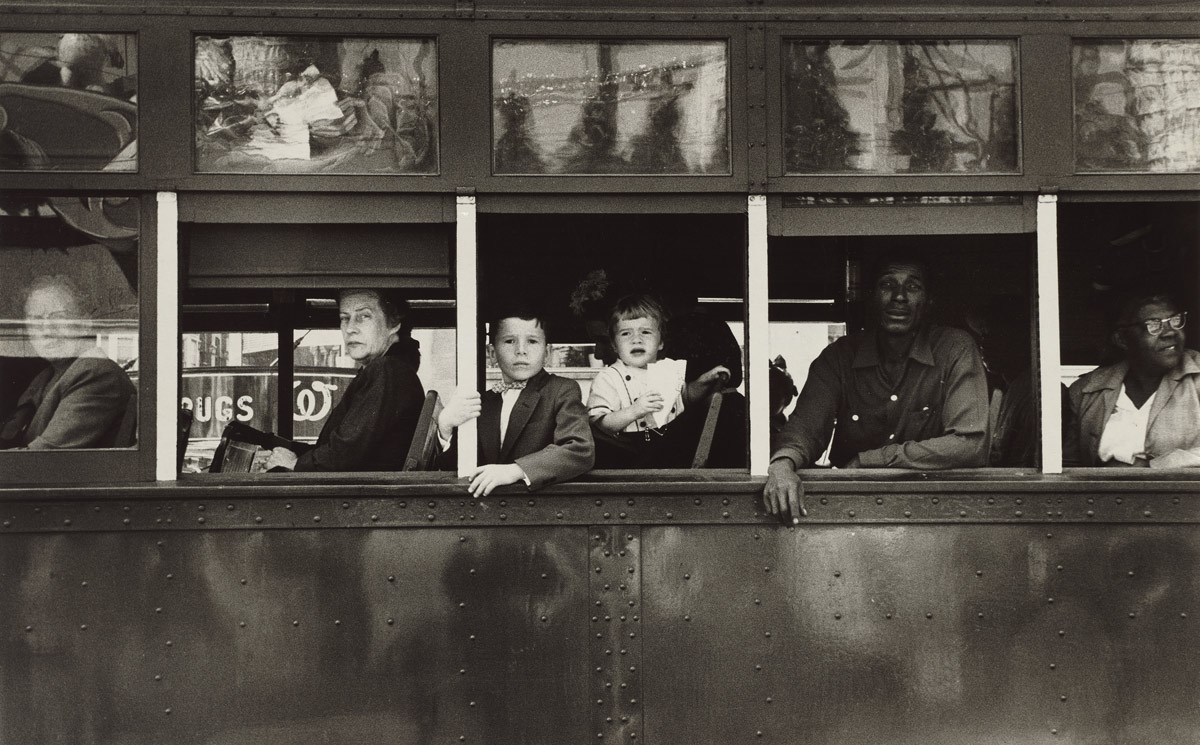

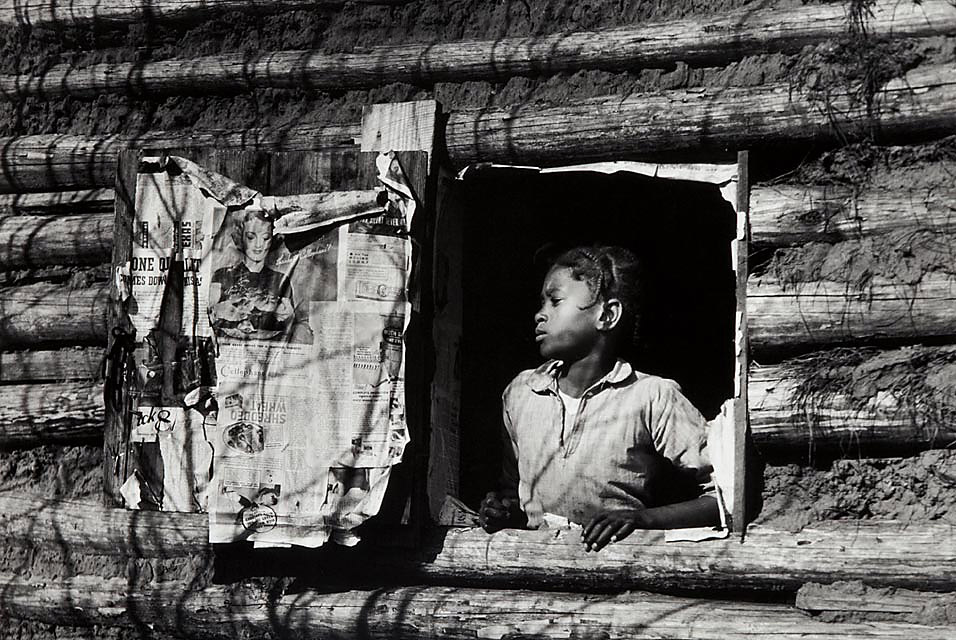
![Edmund Collein (German, 1906-1992) '[Four Women Looking Through Window]' about 1928 from the exhibition 'At the Window: The Photographer's View' at the J. Paul Getty Museum, Getty Center, Los Angeles, October 2013 - January 2014](https://artblart.com/wp-content/uploads/2013/12/edmund-collein-four-women-looking-through-window-web.jpg "Edmund Collein (German, 1906-1992) '[Four Women Looking Through Window]' about 1928 from the exhibition 'At the Window: The Photographer's View' at the J. Paul Getty Museum, Getty Center, Los Angeles, October 2013 - January 2014")
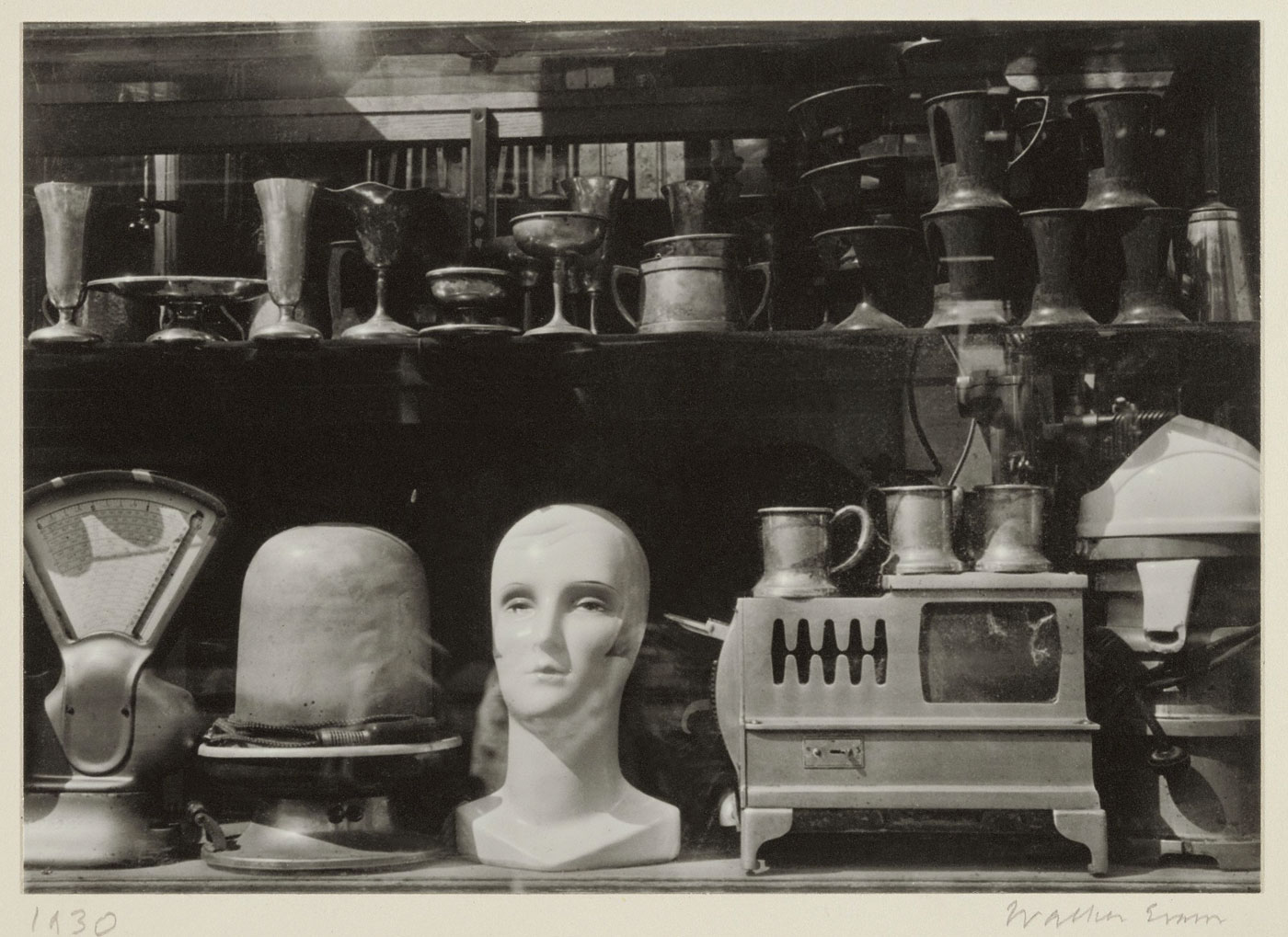
![William Henry Fox Talbot (English, 1800-1877) '[The Milliner's Window]' before January 1844](https://artblart.com/wp-content/uploads/2013/12/william_henry_fox_talbot_the_milliners_window-web.jpg "William Henry Fox Talbot (English, 1800-1877) '[The Milliner's Window]' before January 1844")
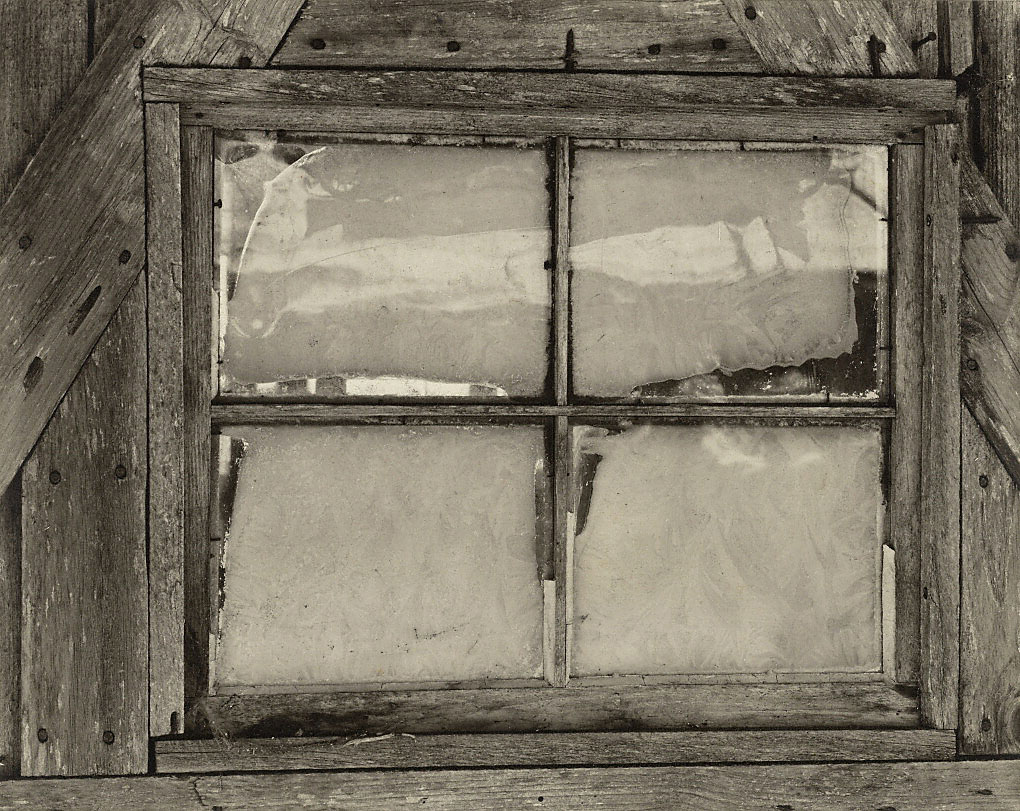


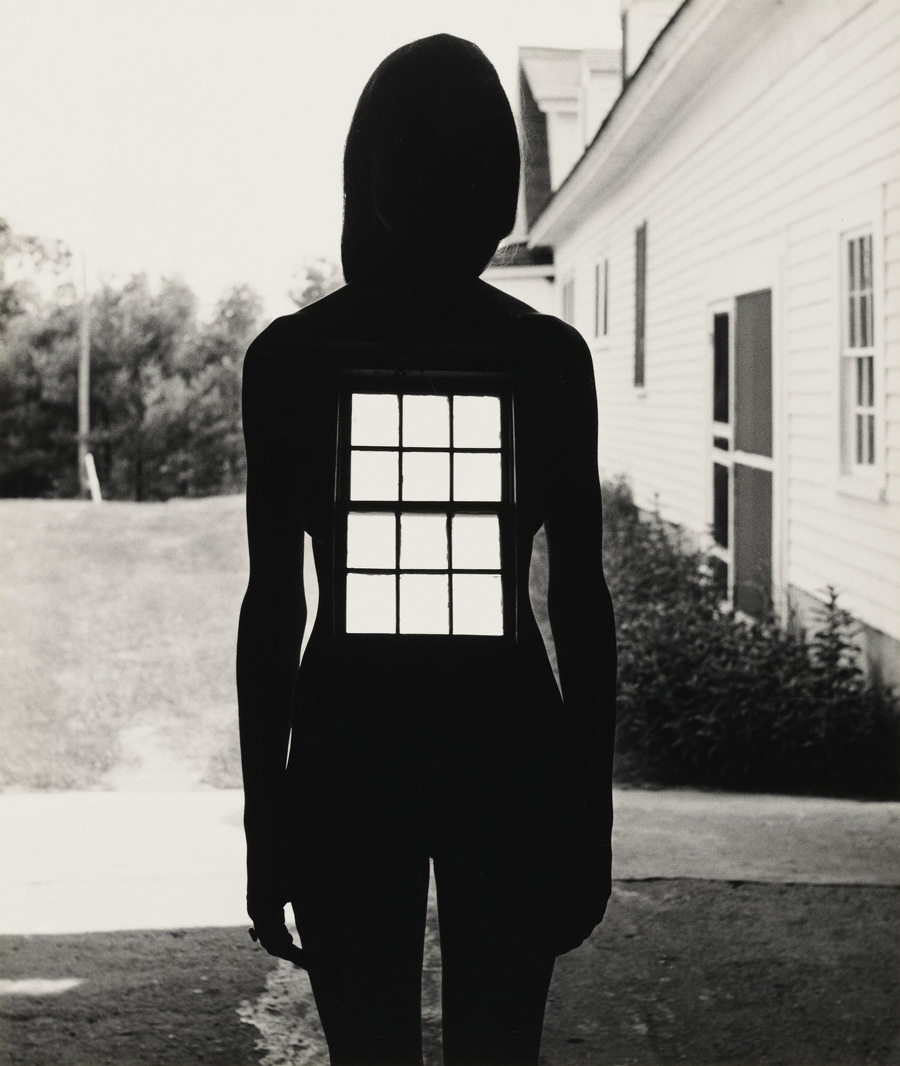
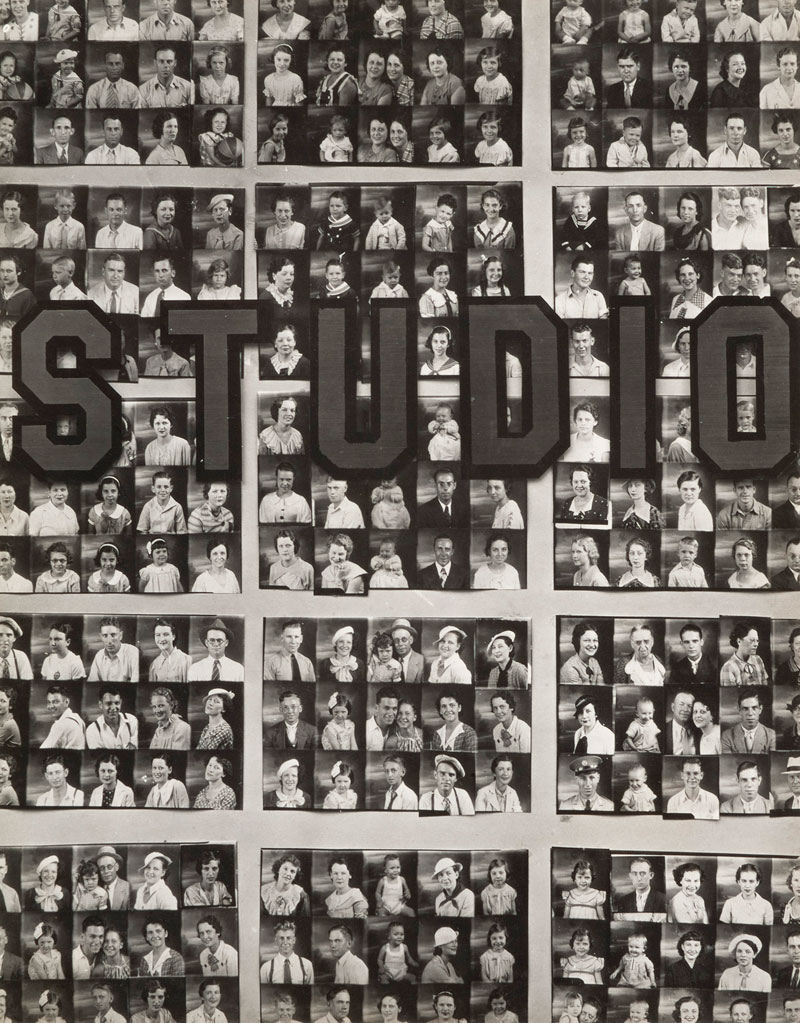
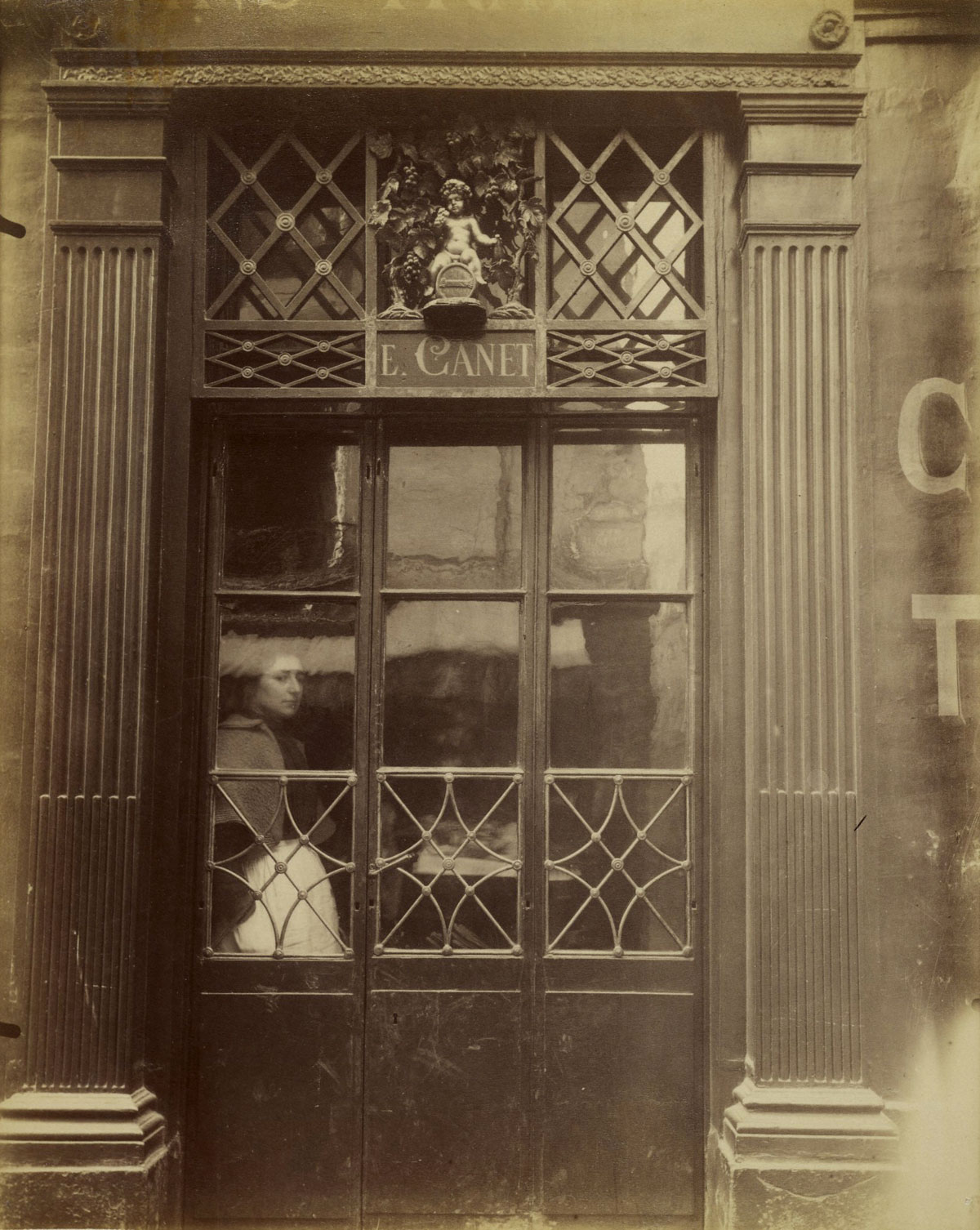
![Alfred Stieglitz (American, 1864-1946) '[From My Window at the Shelton, North]' 1931](https://artblart.com/wp-content/uploads/2013/12/alfred-stieglitz-from-my-window-at-the-shelton-north-web.jpg "Alfred Stieglitz (American, 1864-1946) '[From My Window at the Shelton, North]' 1931")
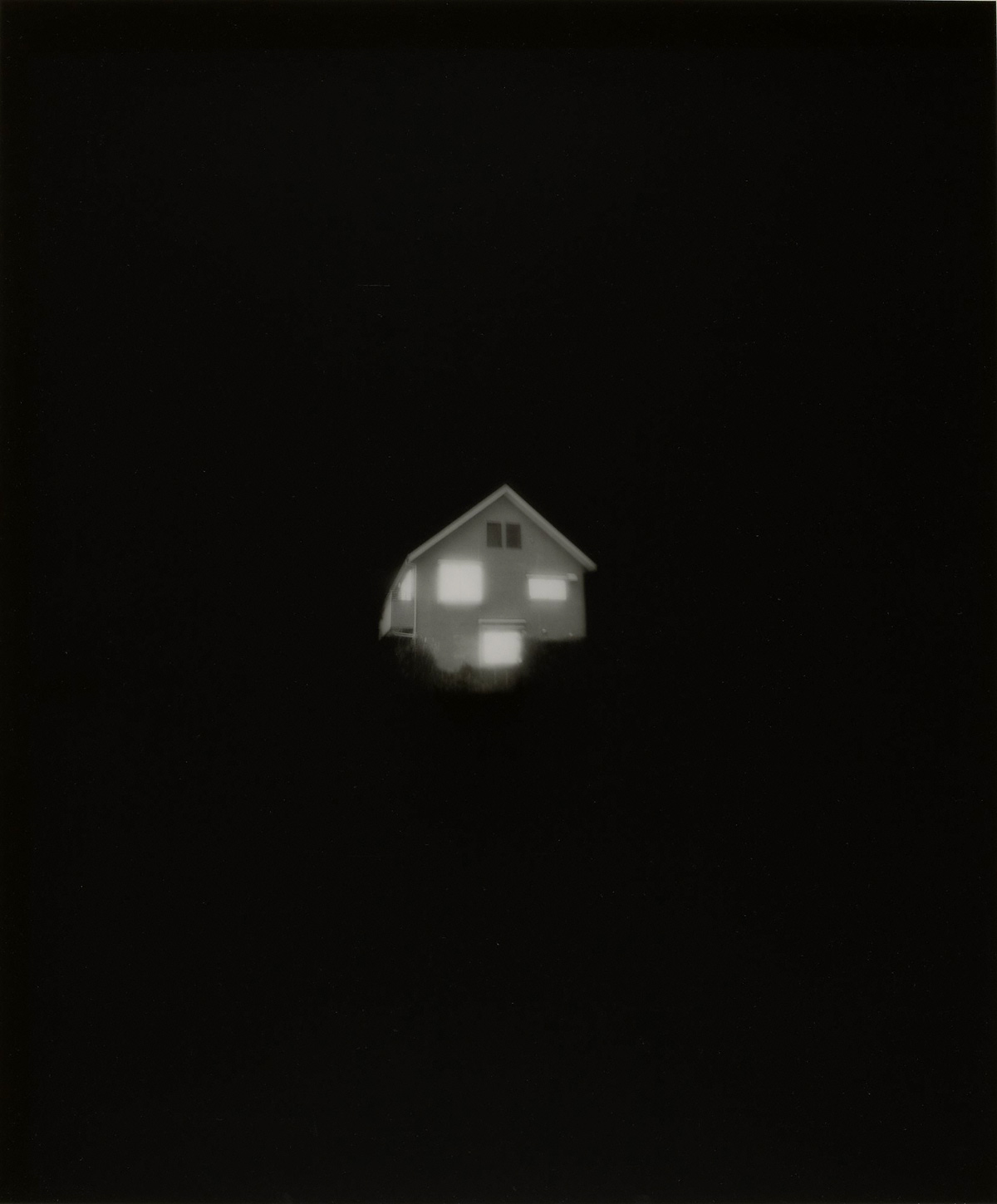


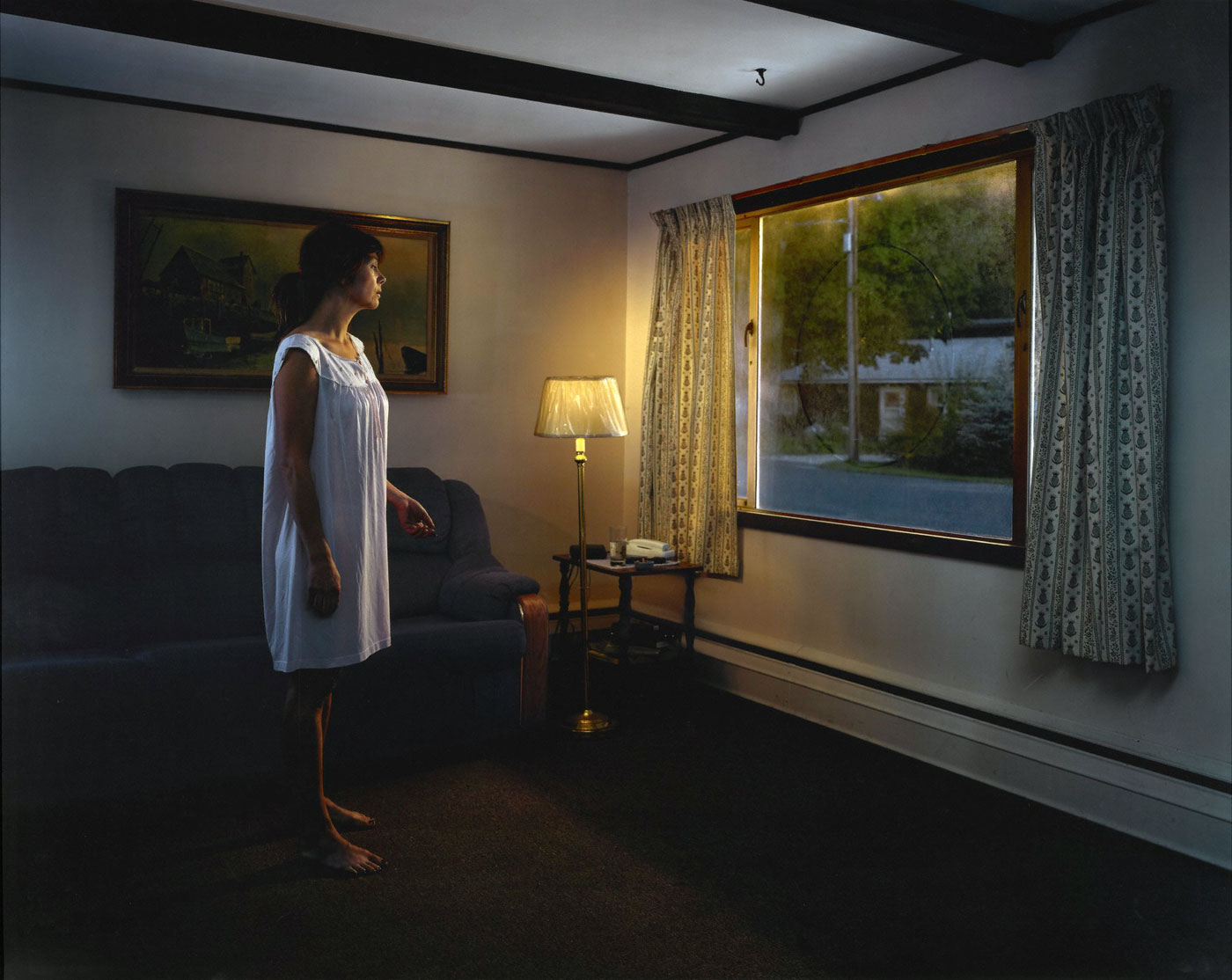

![Unidentified artist. '[Bird in Basin with Thread Spool and Patterned Cloth]' c. 1855 from the exhibition 'A Democracy of Images: Photographs from the Smithsonian American Art Museum' at the Smithsonian American Art Museum, Washington DC, June 2013 - January 2014](https://artblart.com/wp-content/uploads/2013/12/bird-in-basin-web.jpg "Unidentified artist. '[Bird in Basin with Thread Spool and Patterned Cloth]' c. 1855 from the exhibition 'A Democracy of Images: Photographs from the Smithsonian American Art Museum' at the Smithsonian American Art Museum, Washington DC, June 2013 - January 2014")


![Unidentified artist. '[Gold Nugget]' c. 1860s](https://artblart.com/wp-content/uploads/2013/12/gold-nugget-web.jpg "Unidentified artist. '[Gold Nugget]' c. 1860s")


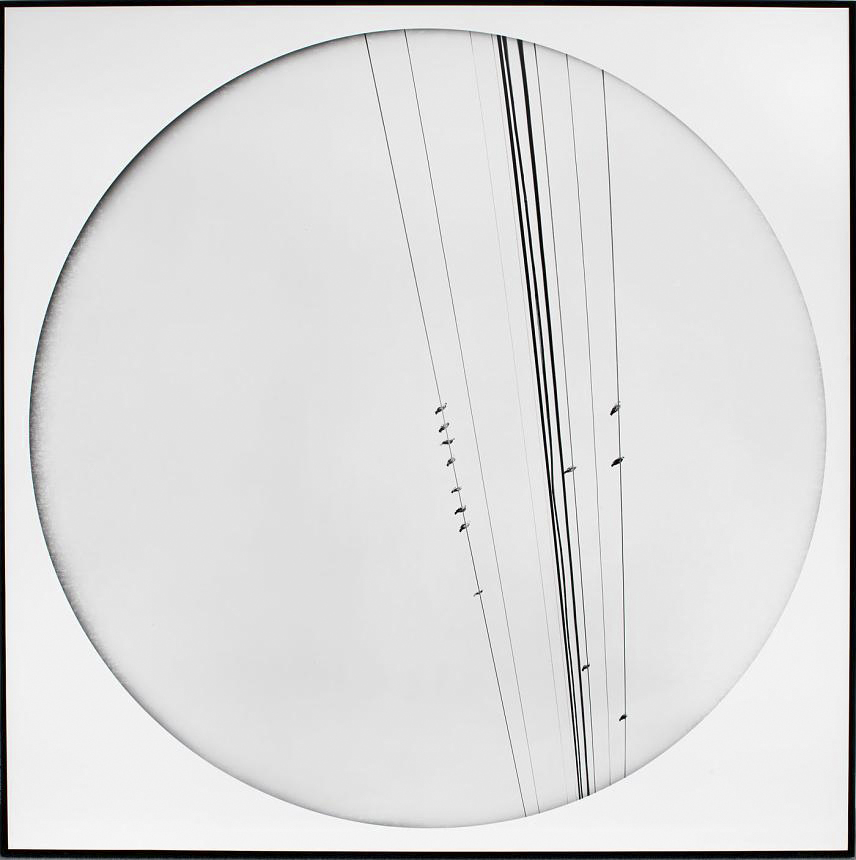
![Unidentified artist. '[Two Workmen Polishing a Stove]' c. 1865](https://artblart.com/wp-content/uploads/2013/12/two-workmen-polishing-a-stove-web.jpg "Unidentified artist. '[Two Workmen Polishing a Stove]' c. 1865")


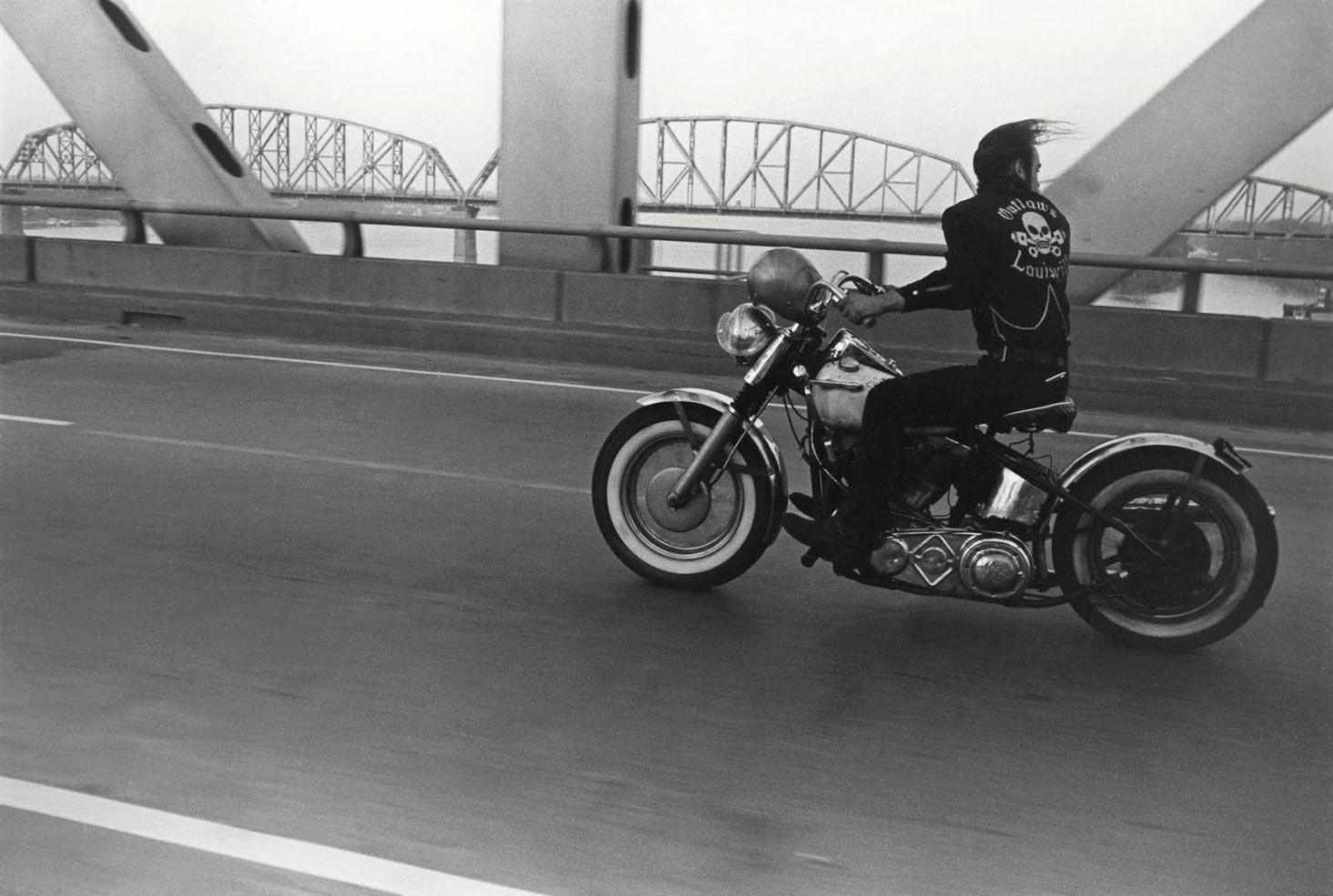


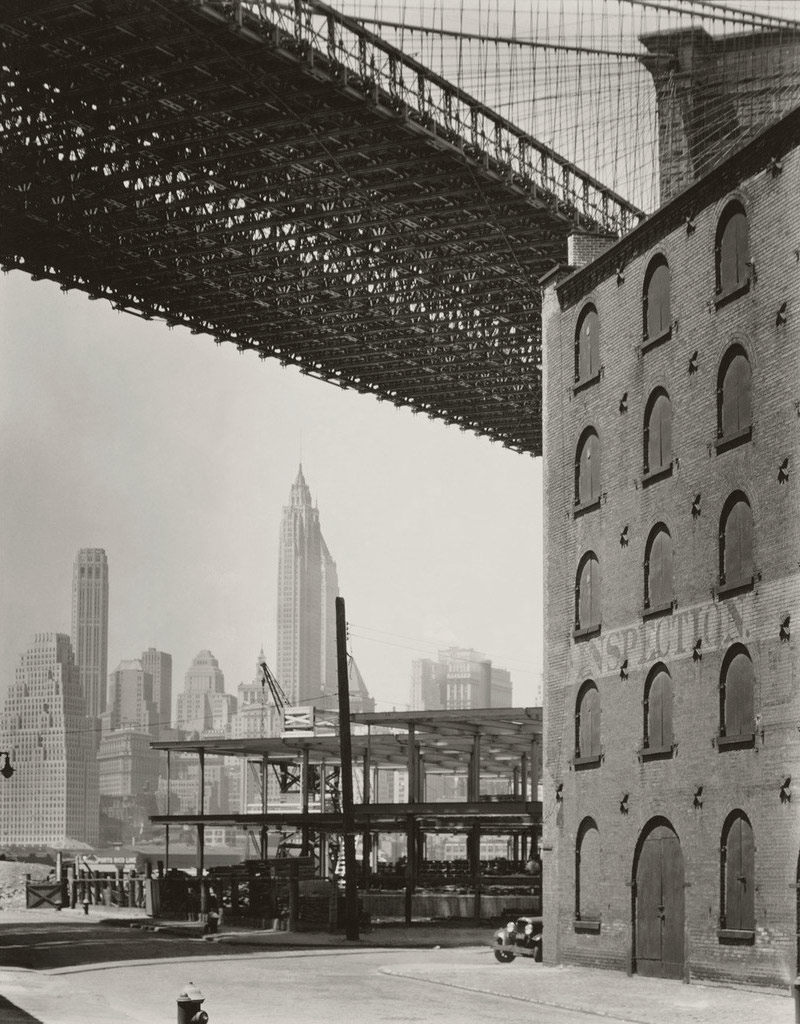


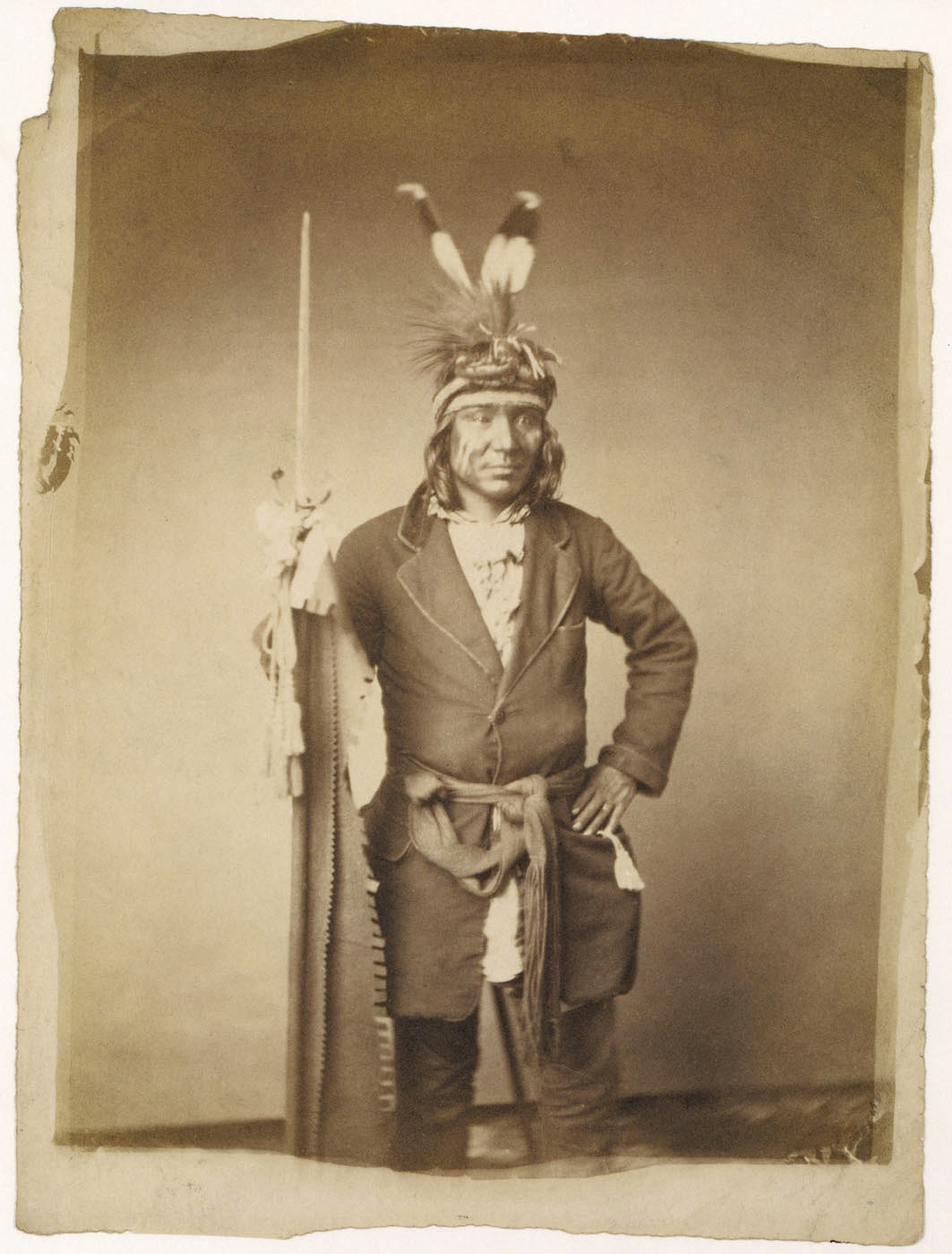


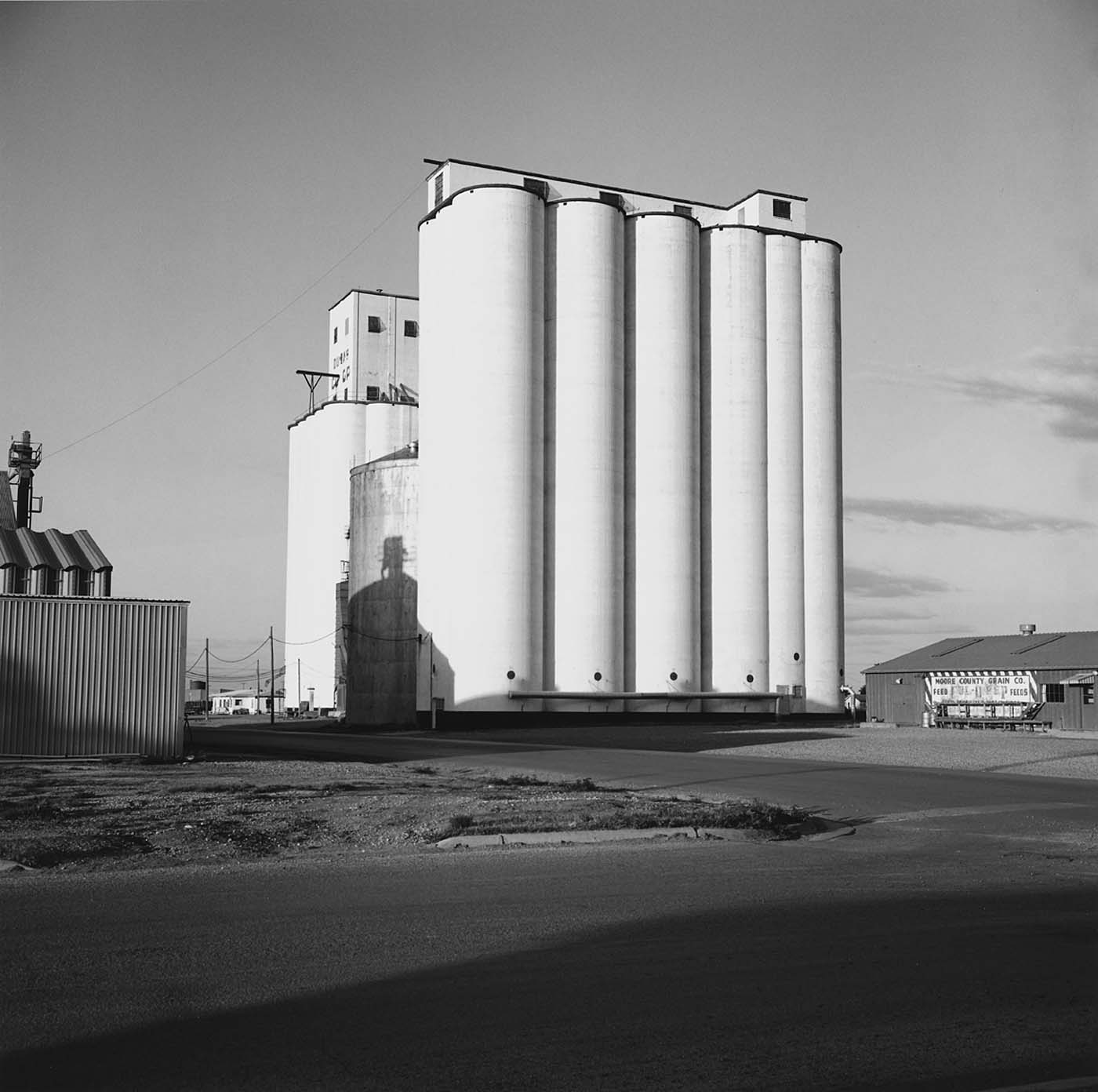


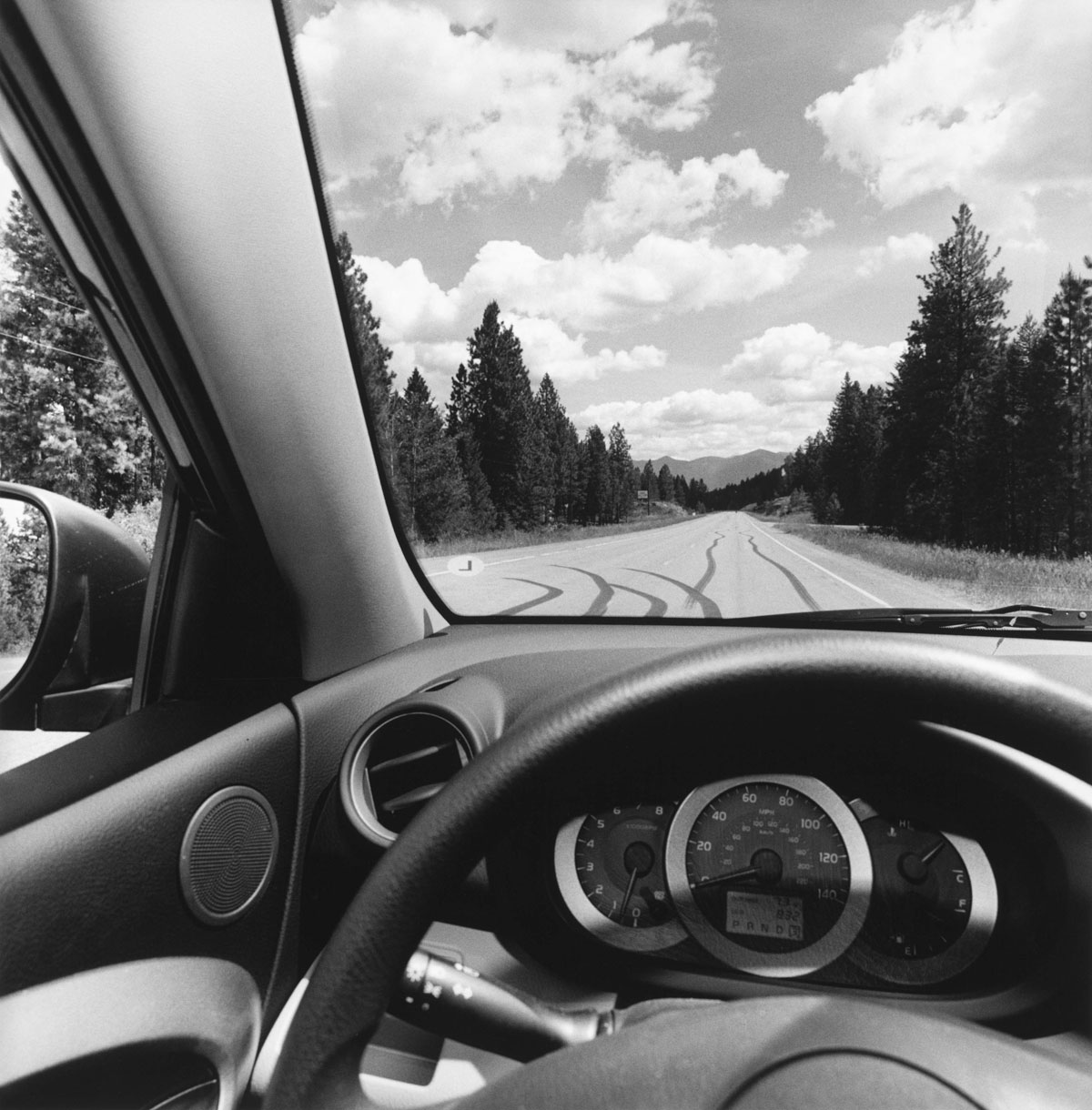


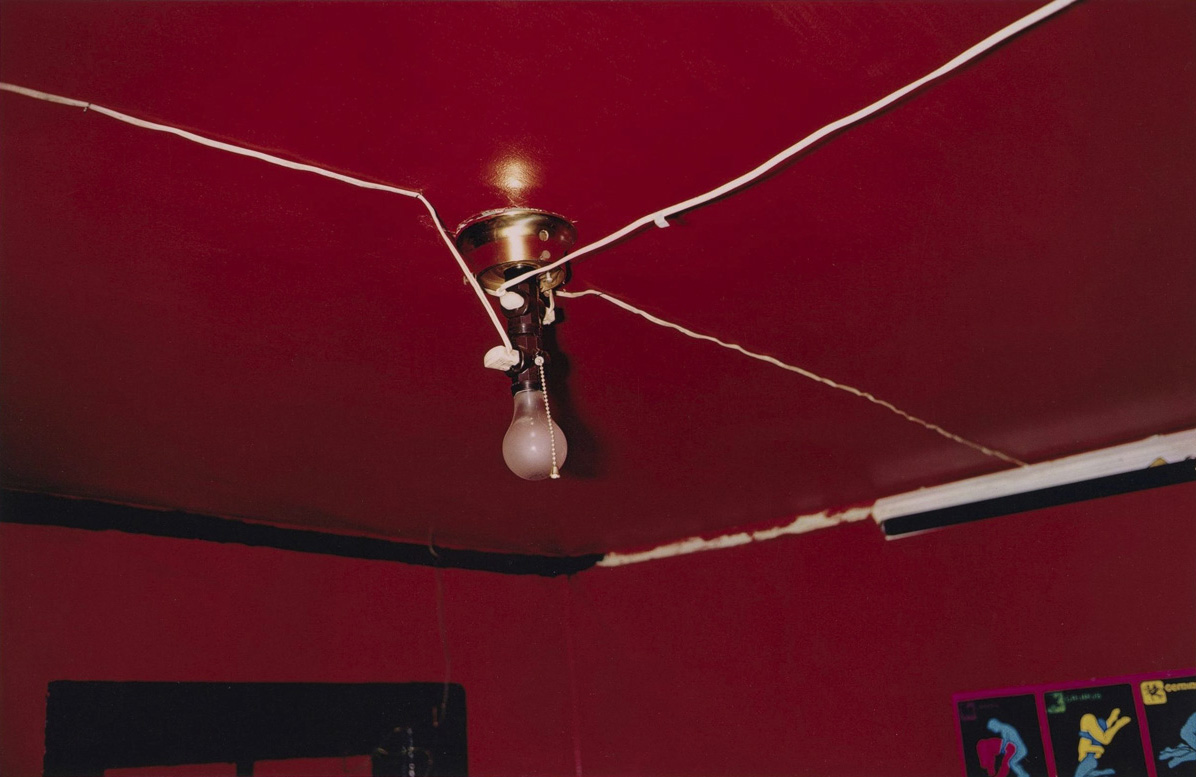


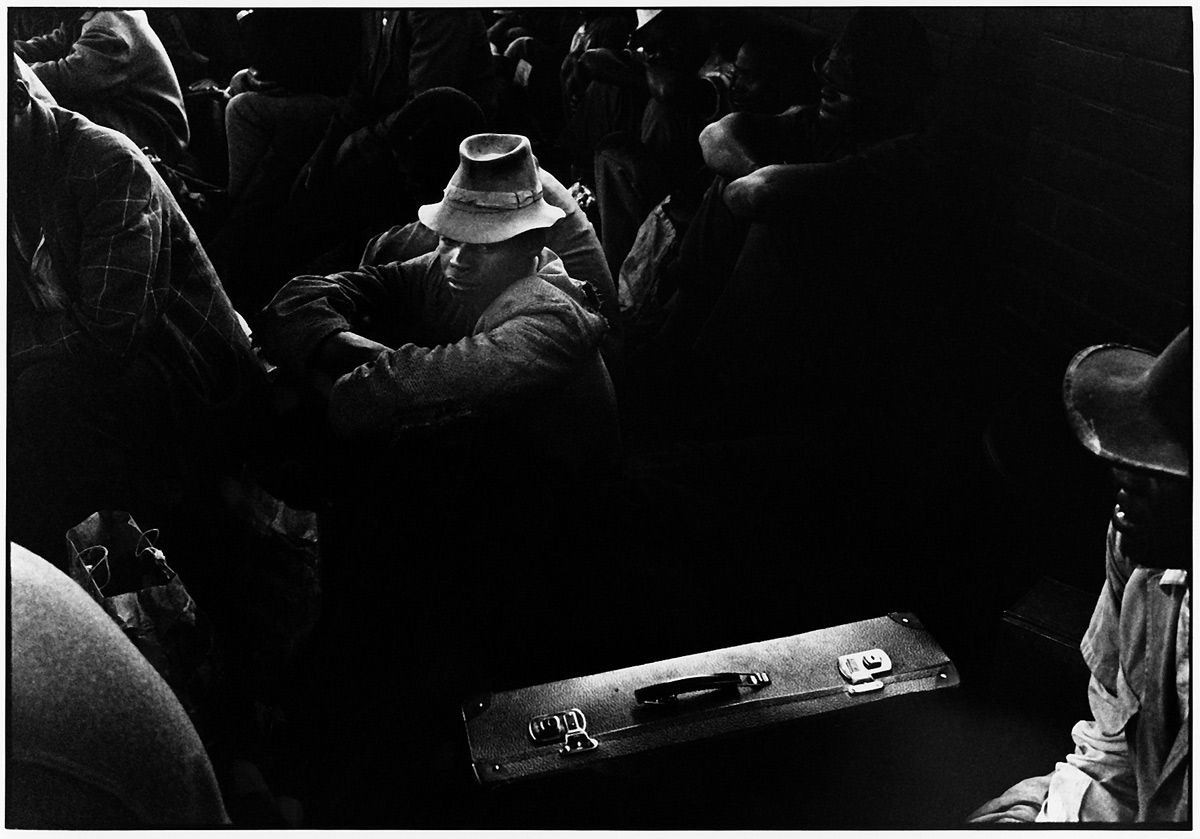

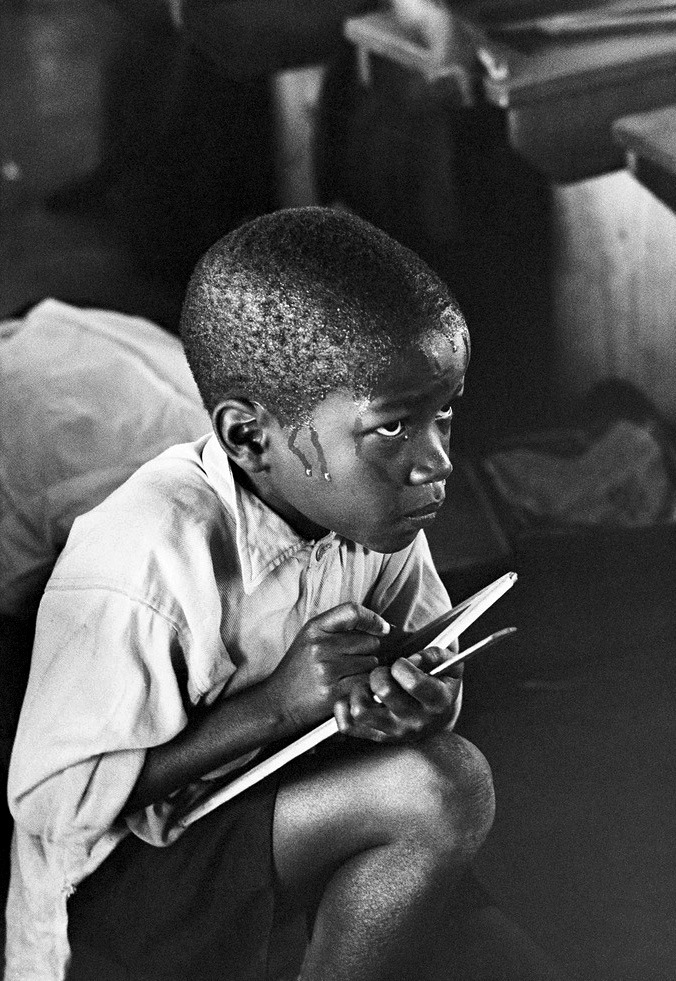
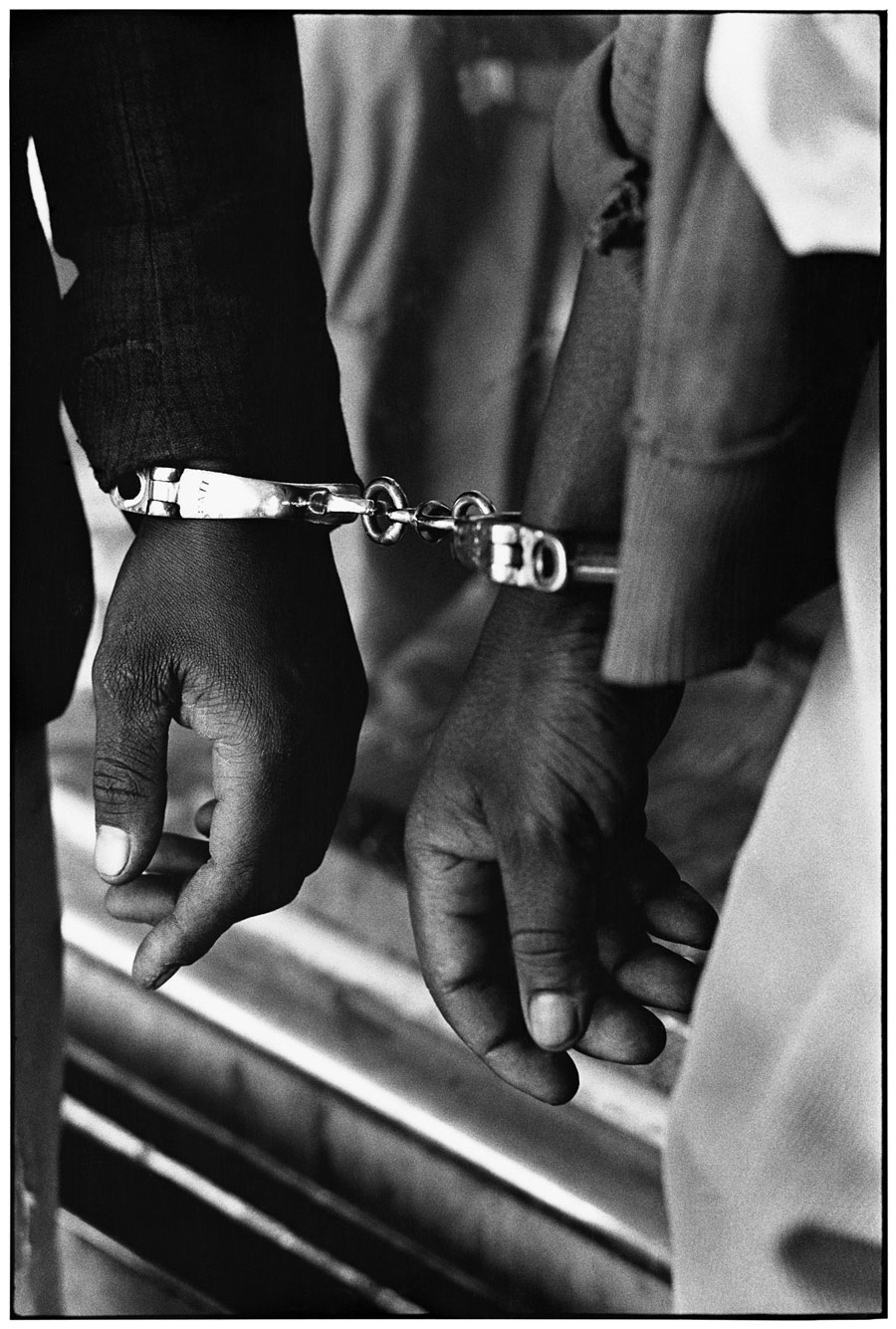


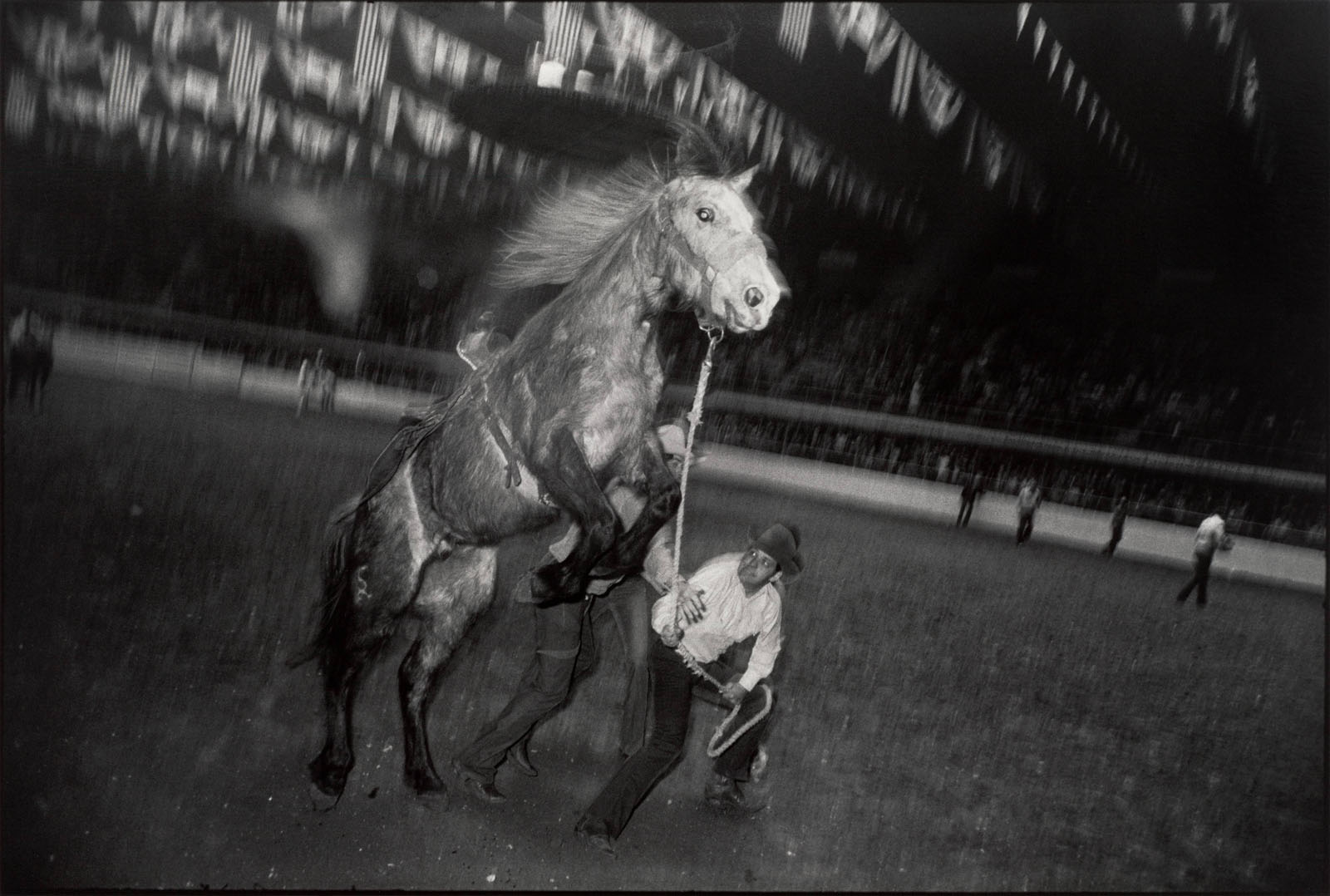
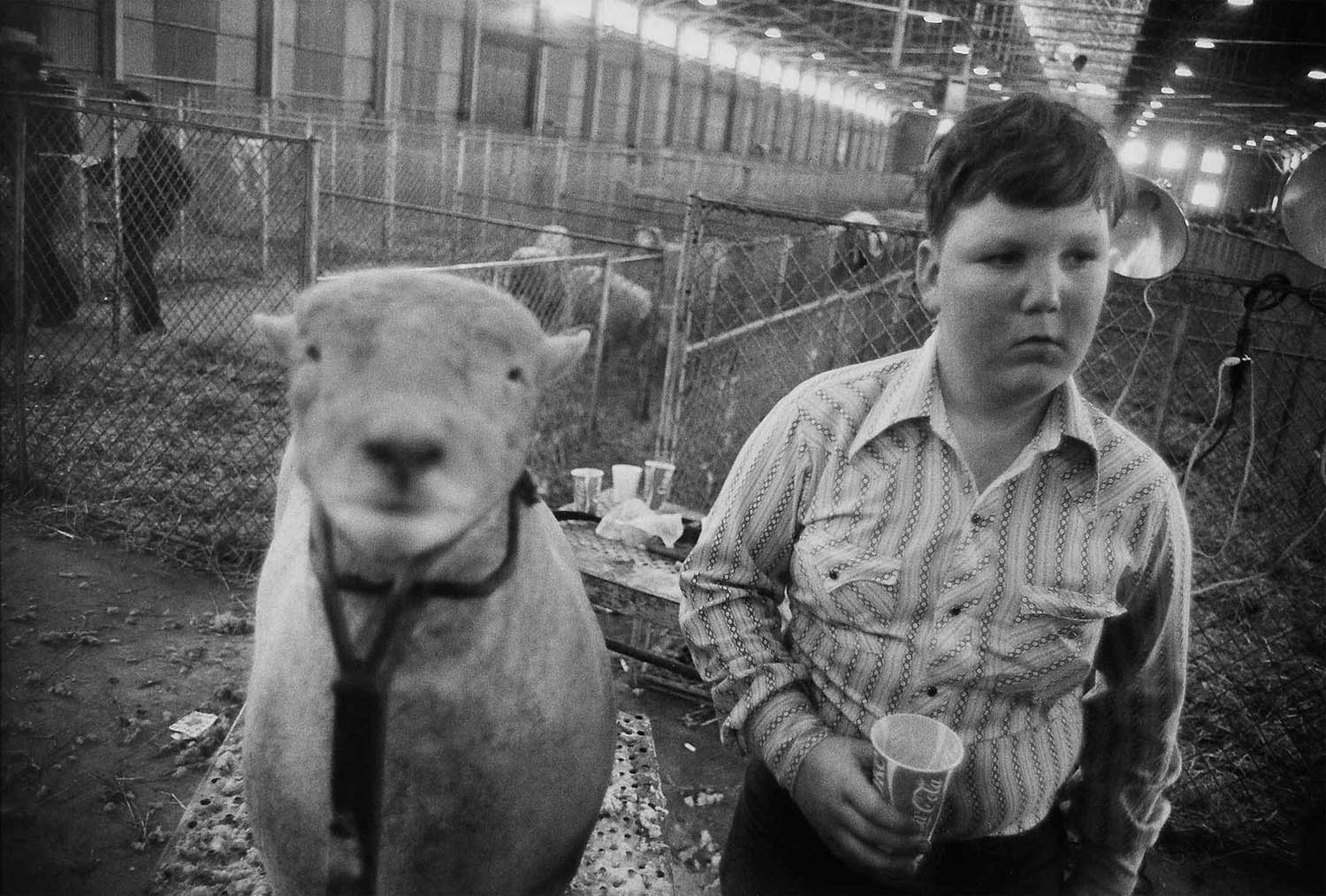
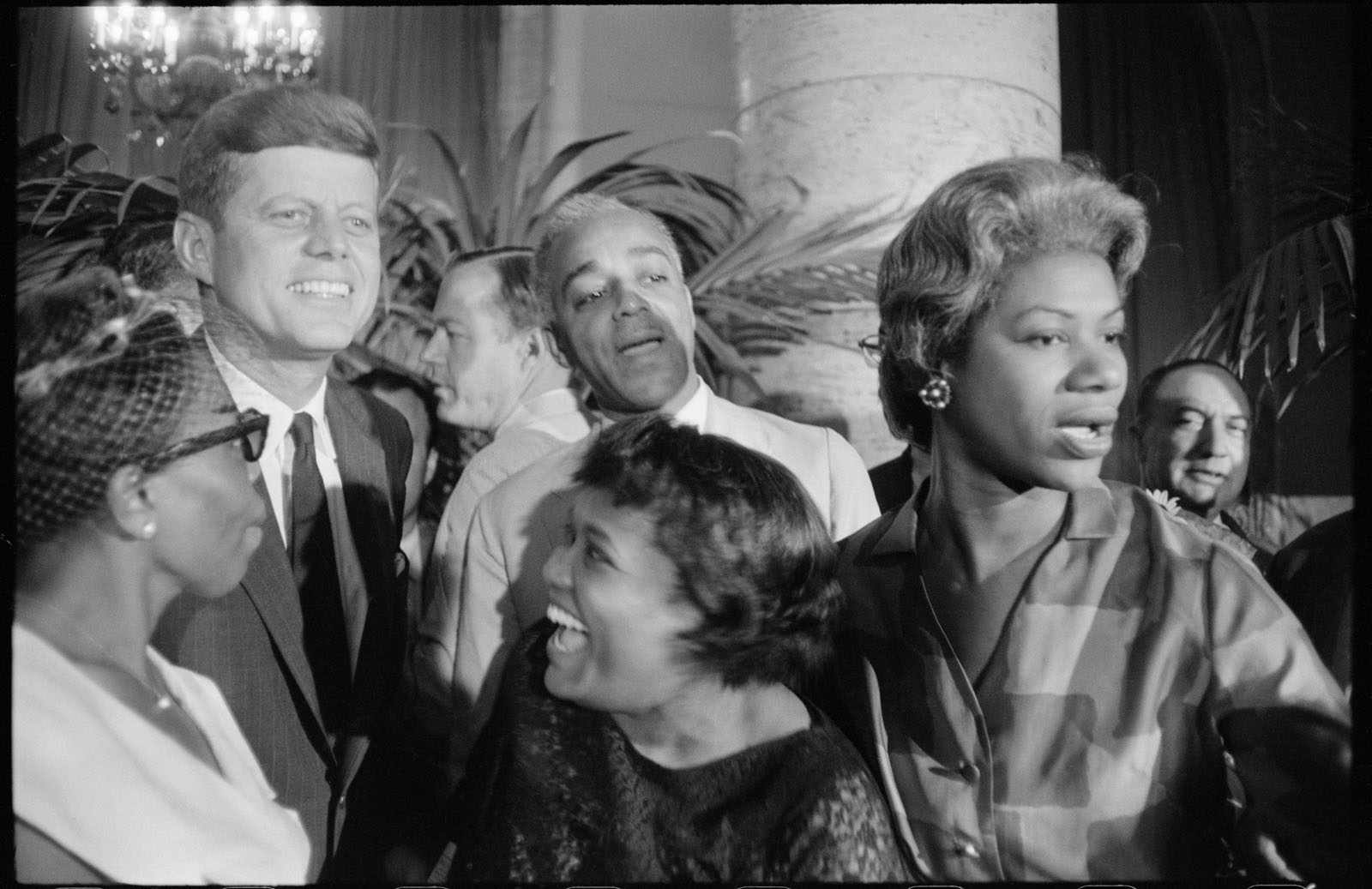
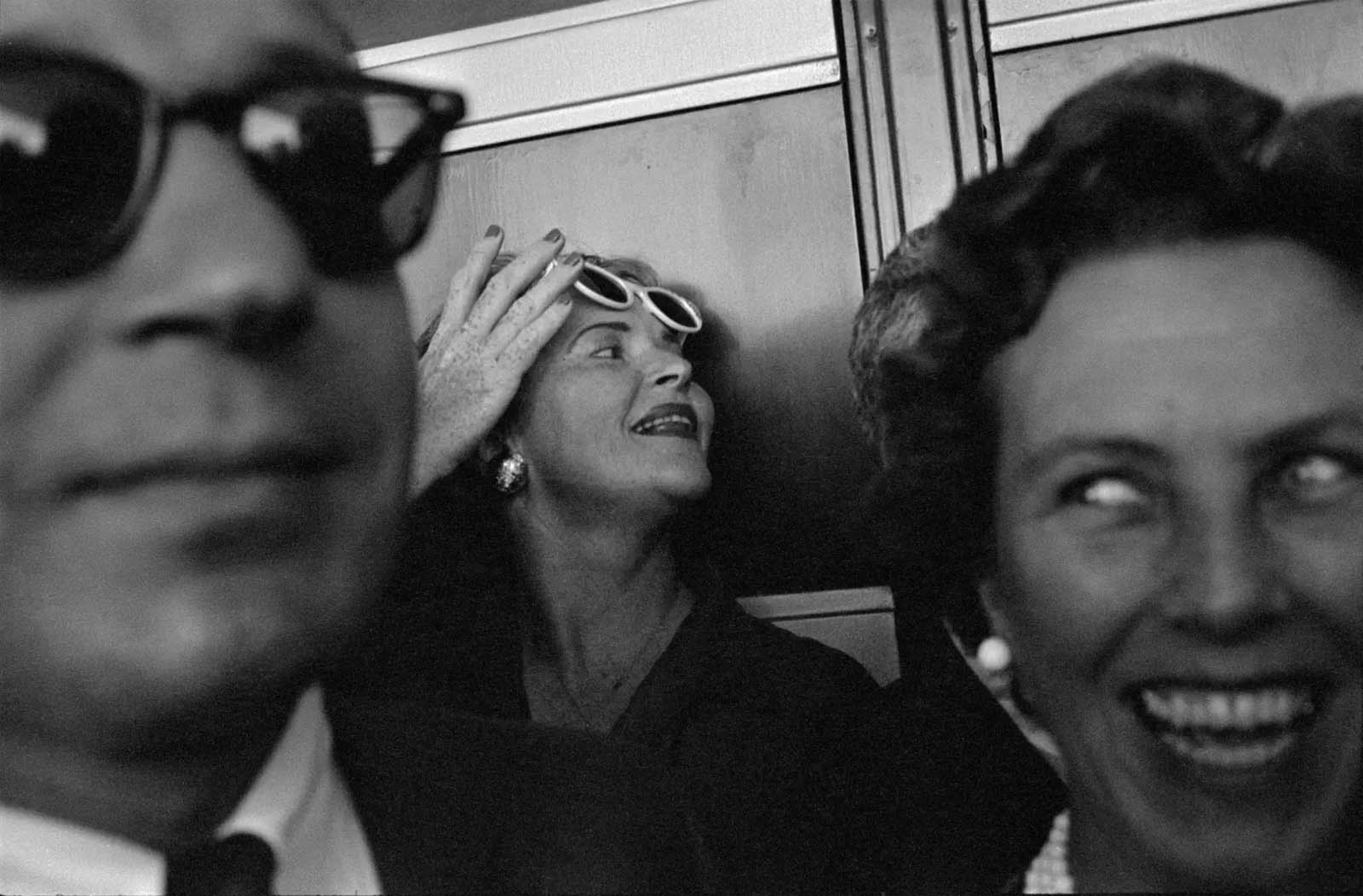
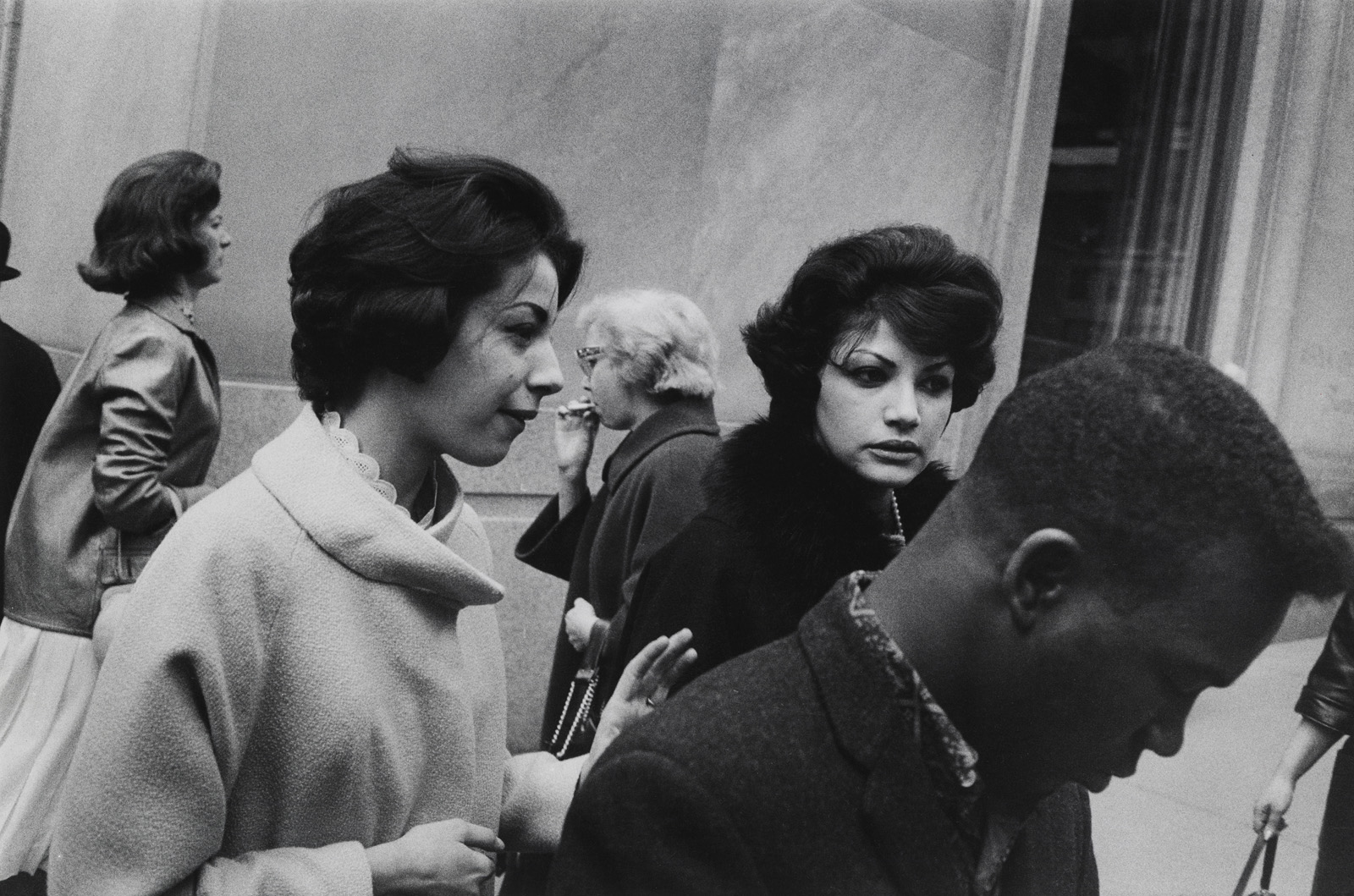
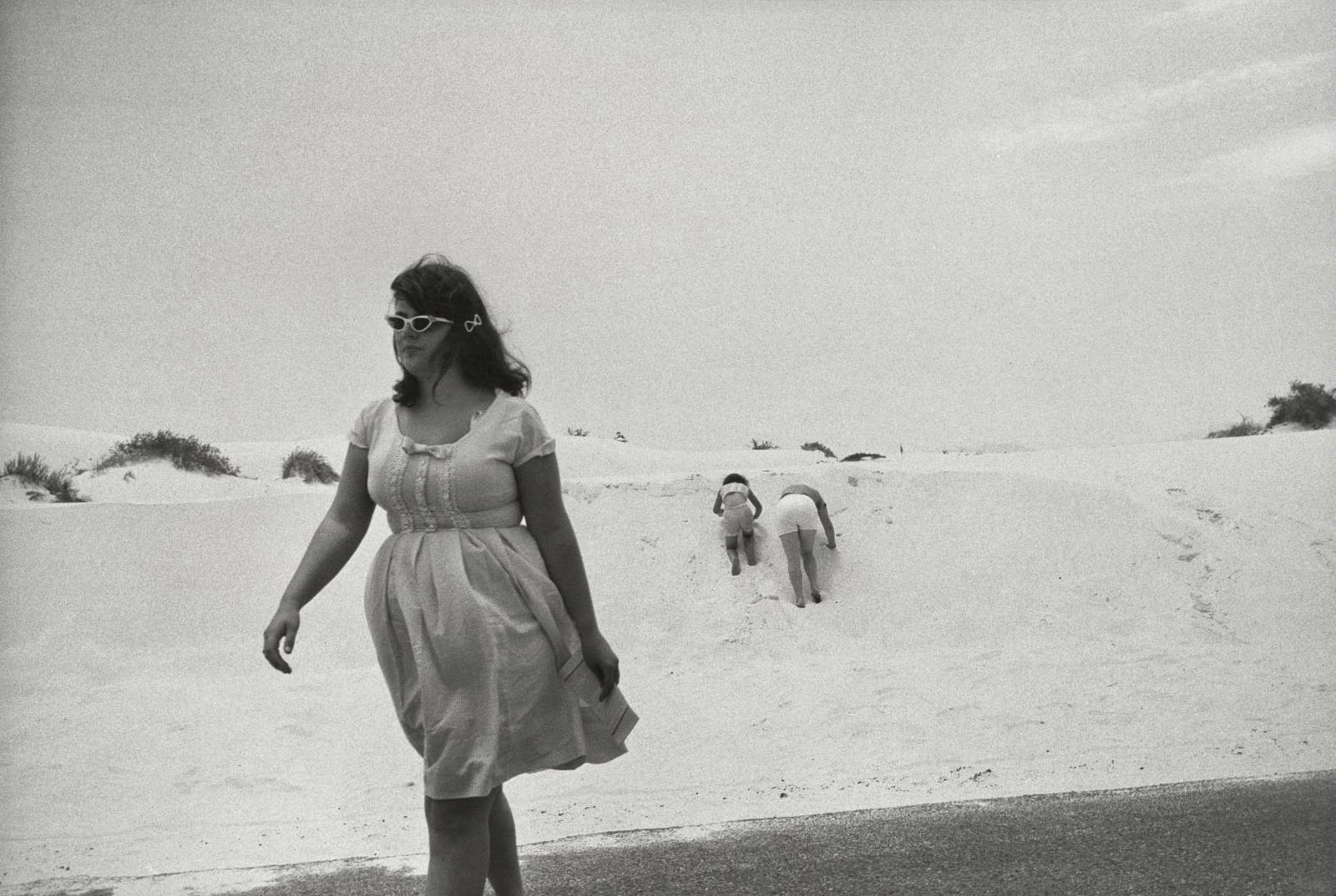
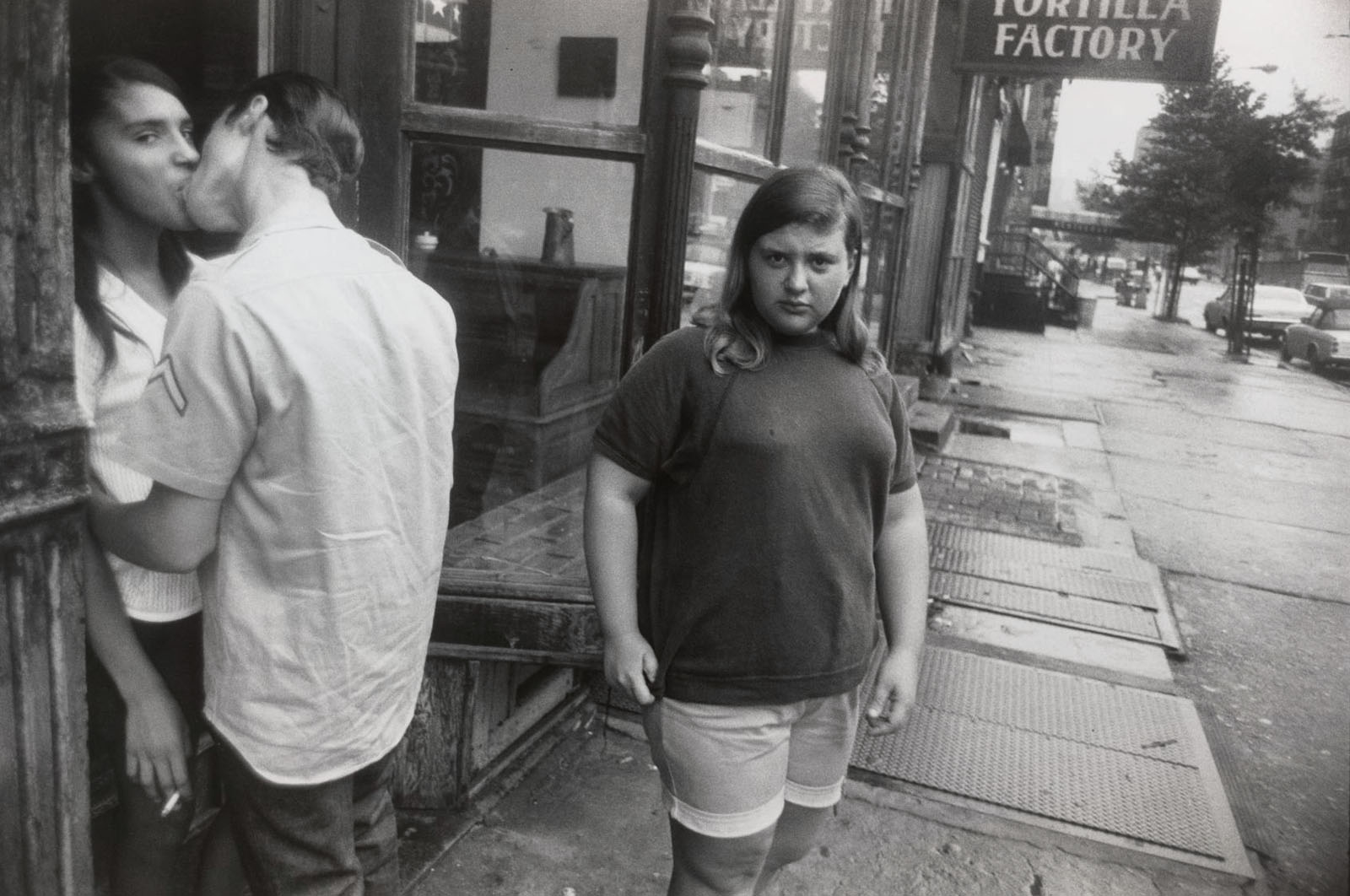
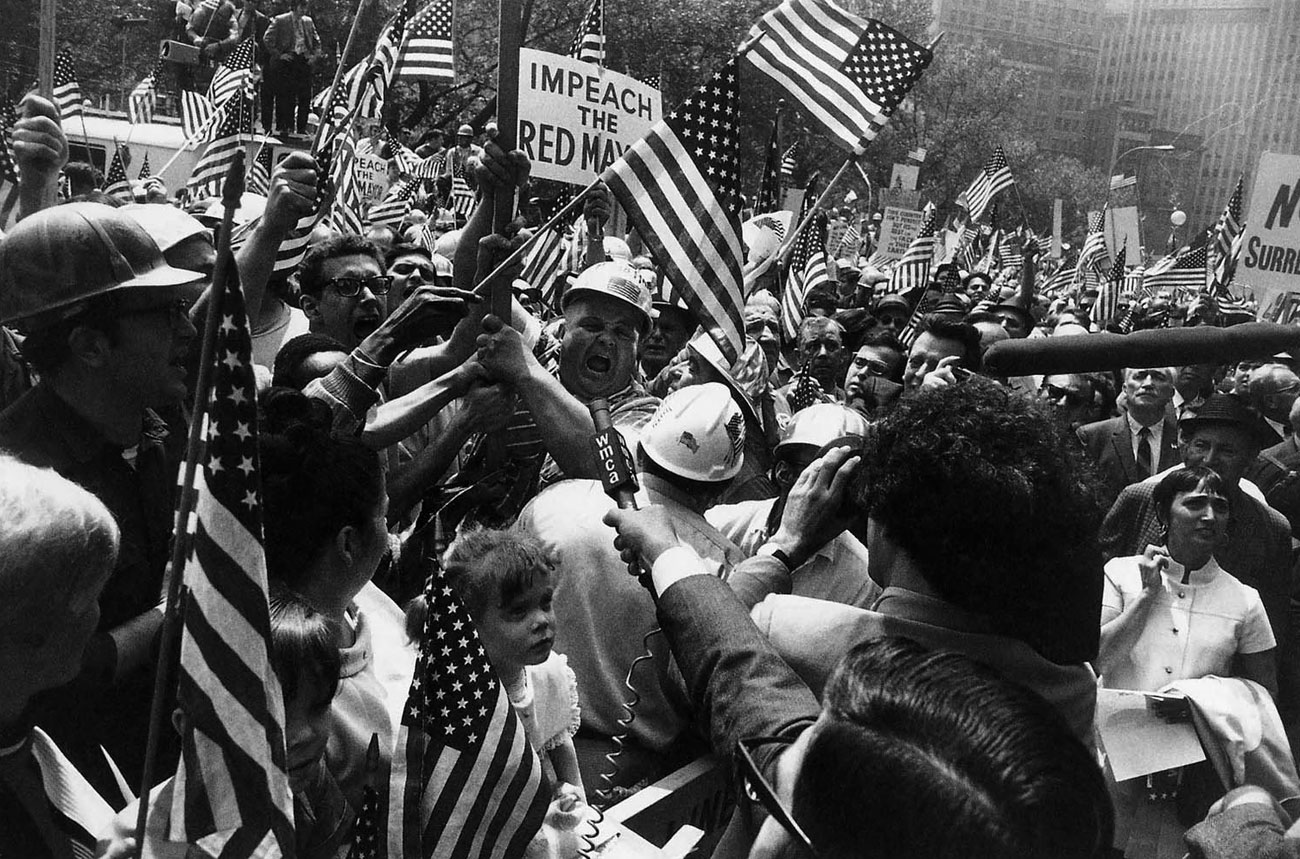
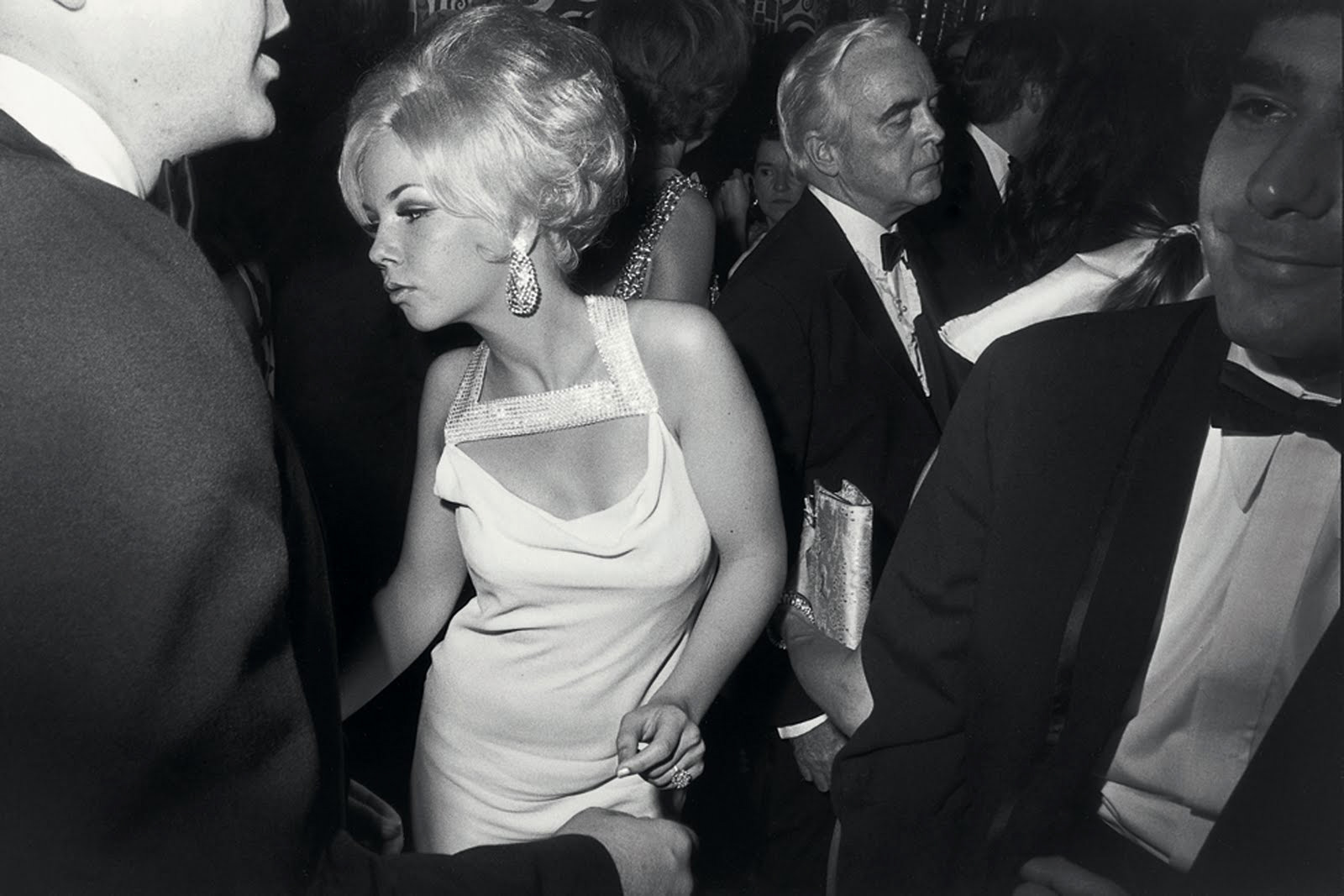
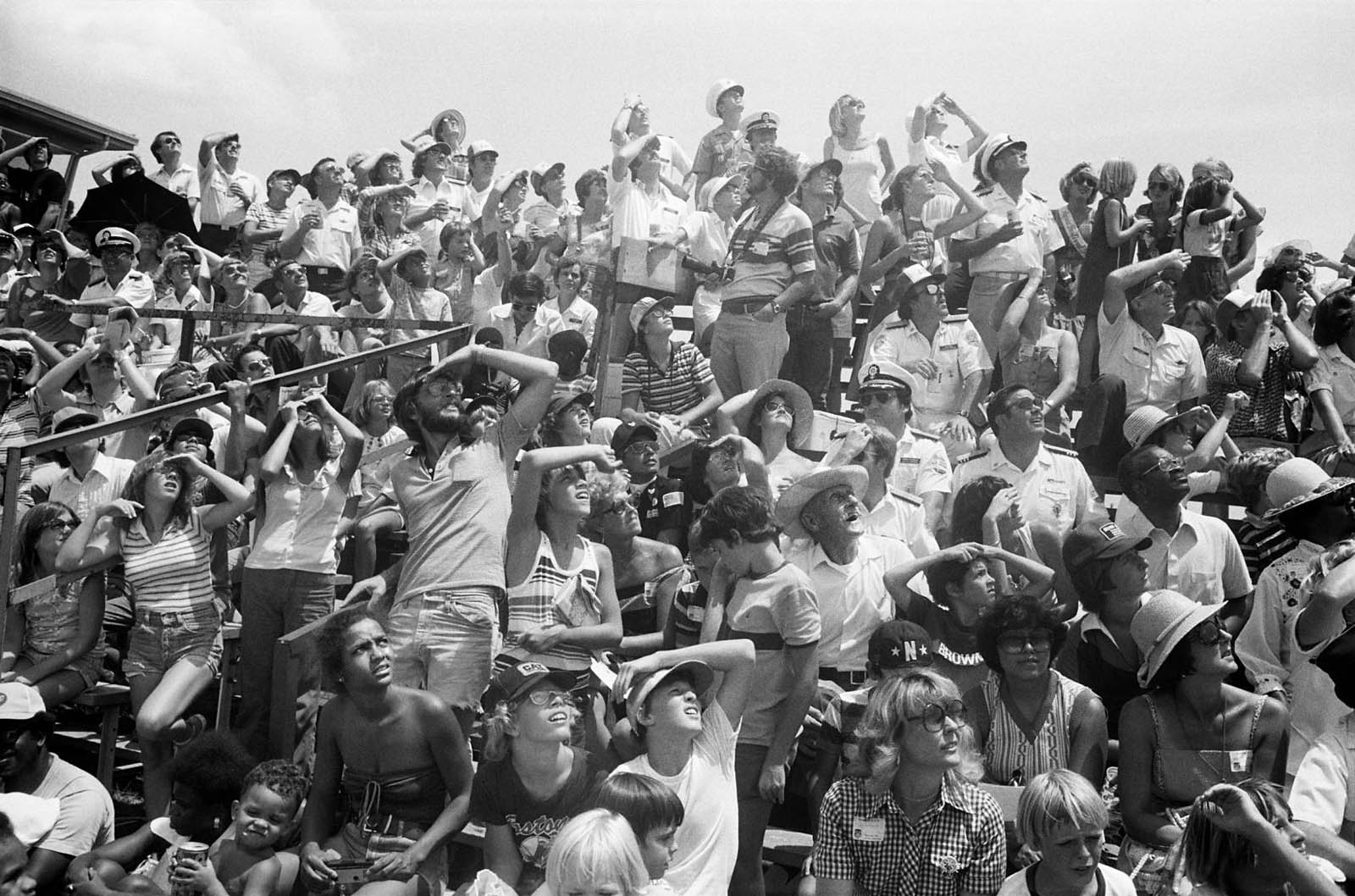
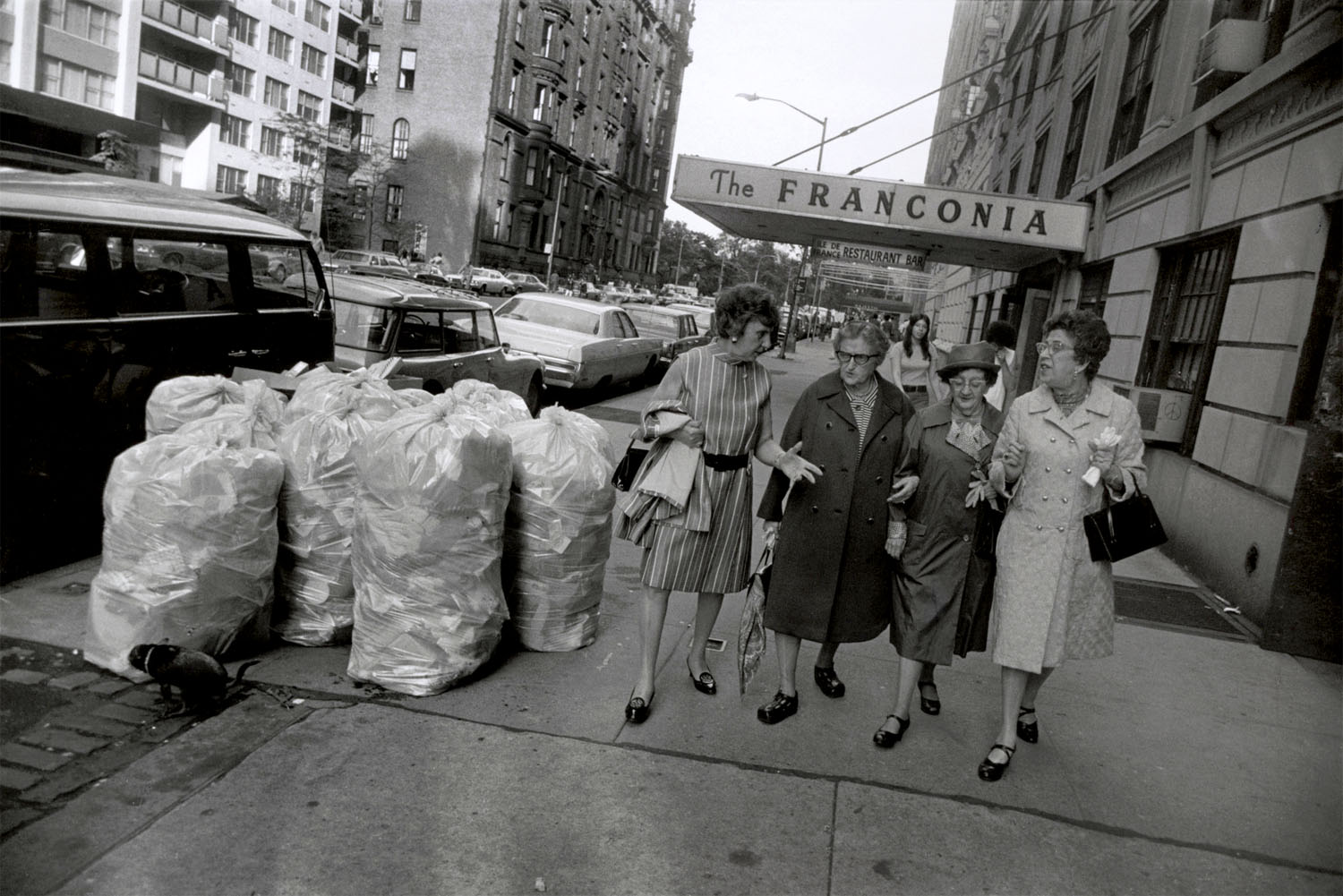
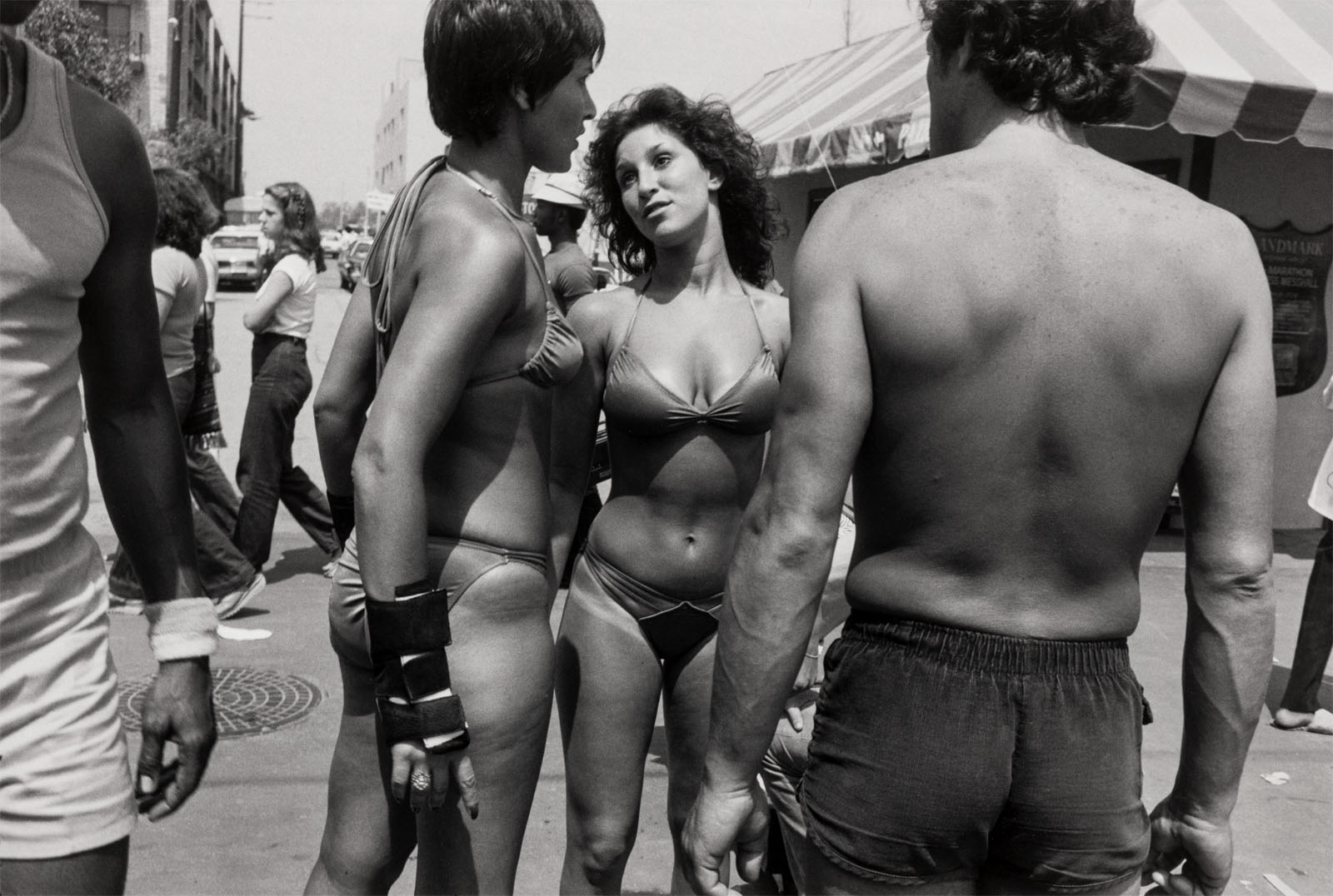

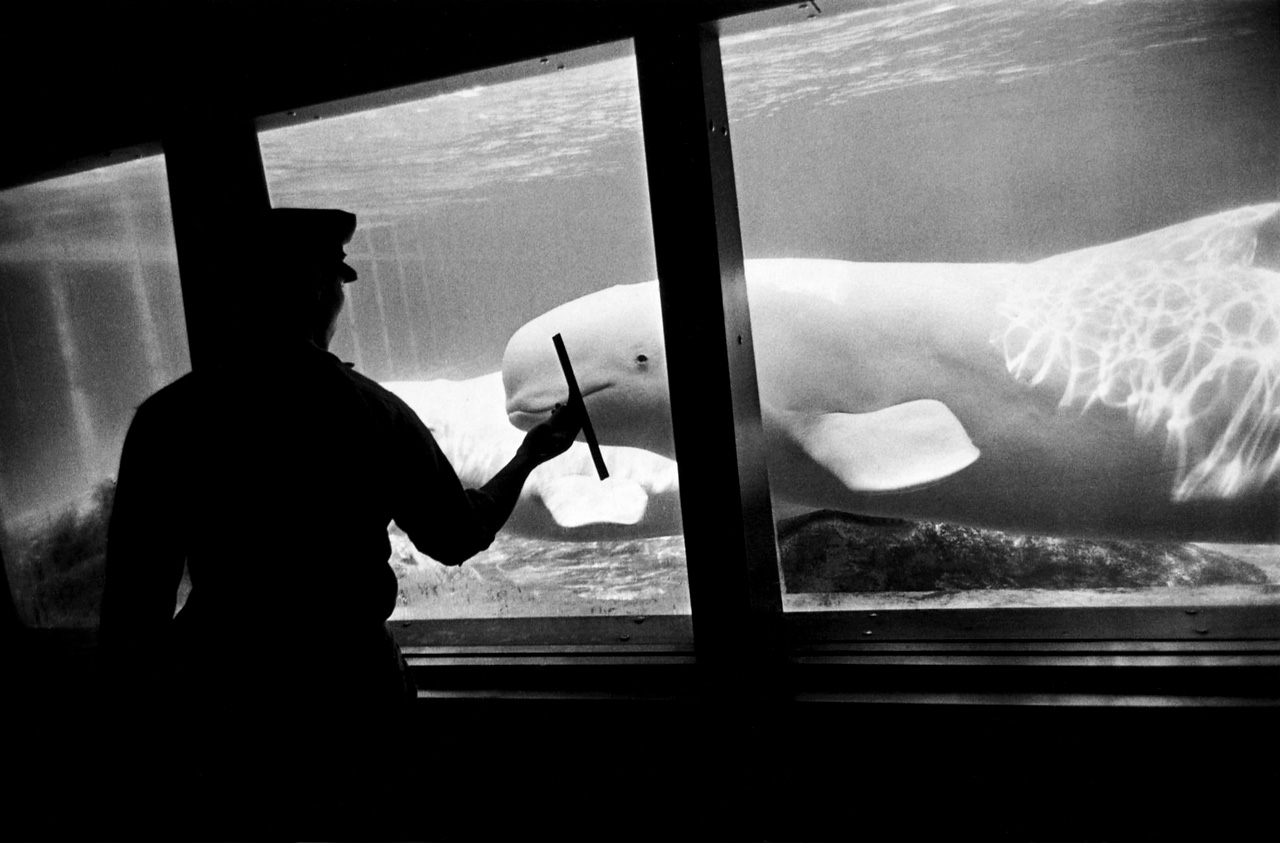

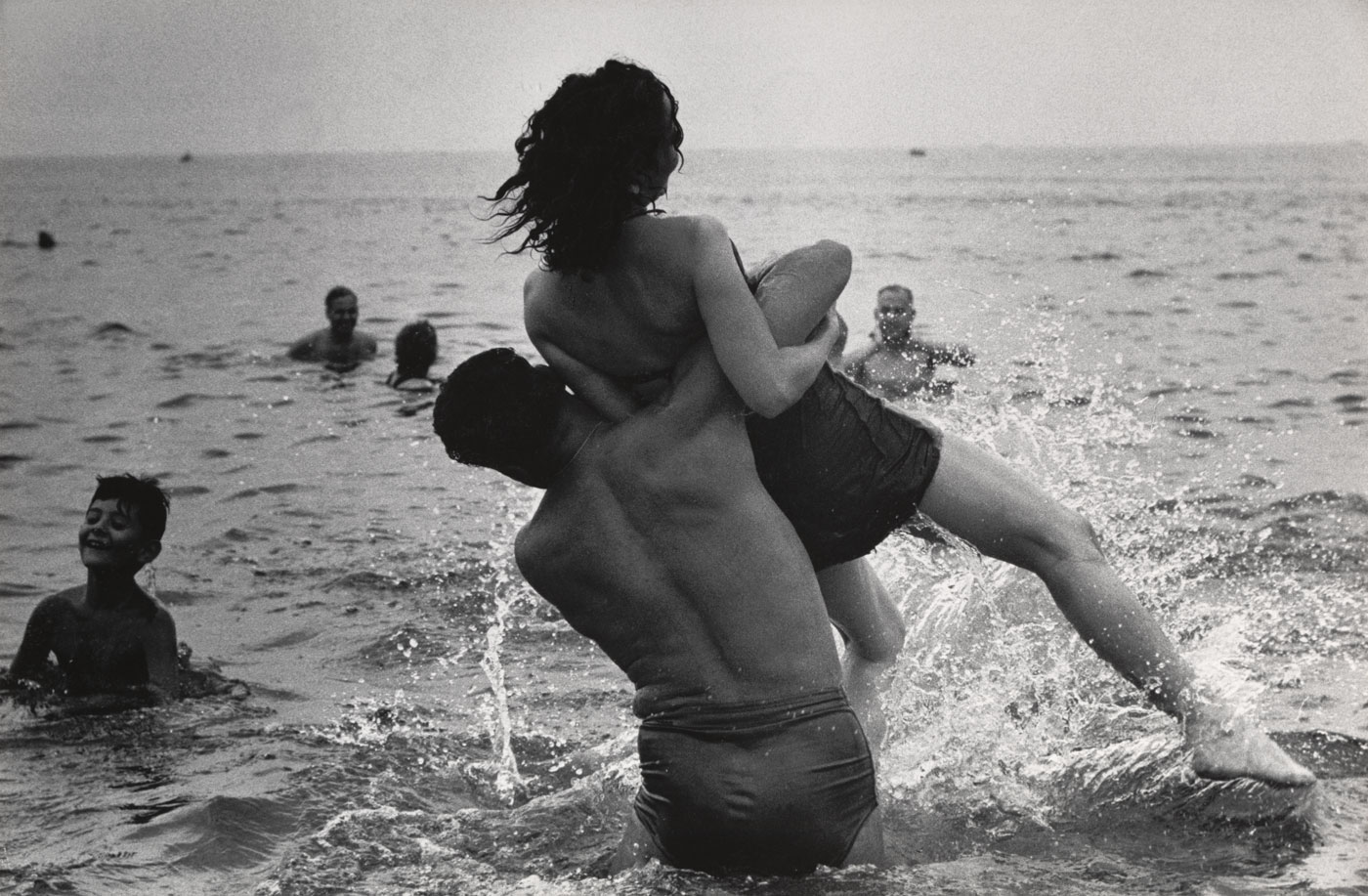

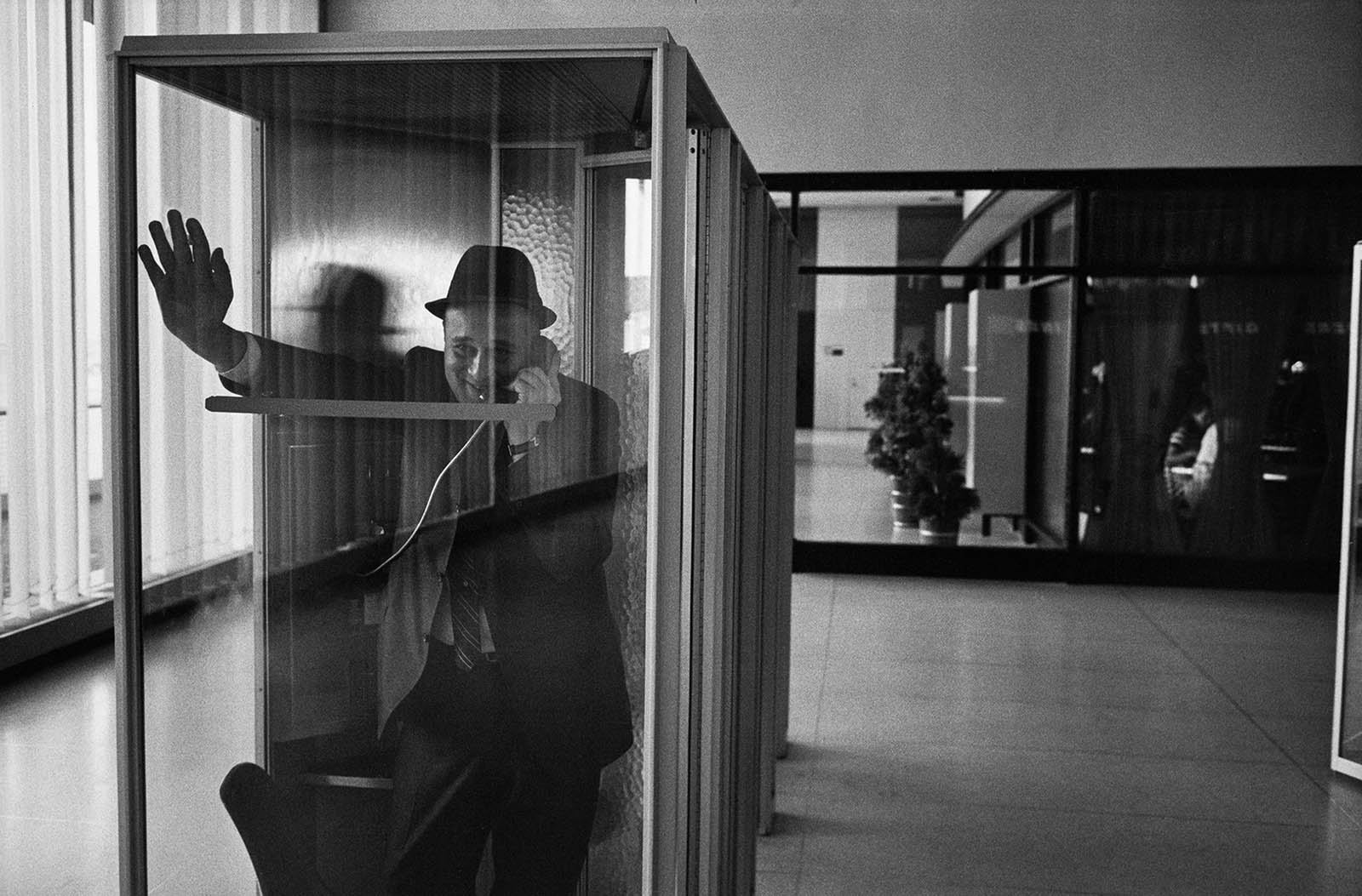
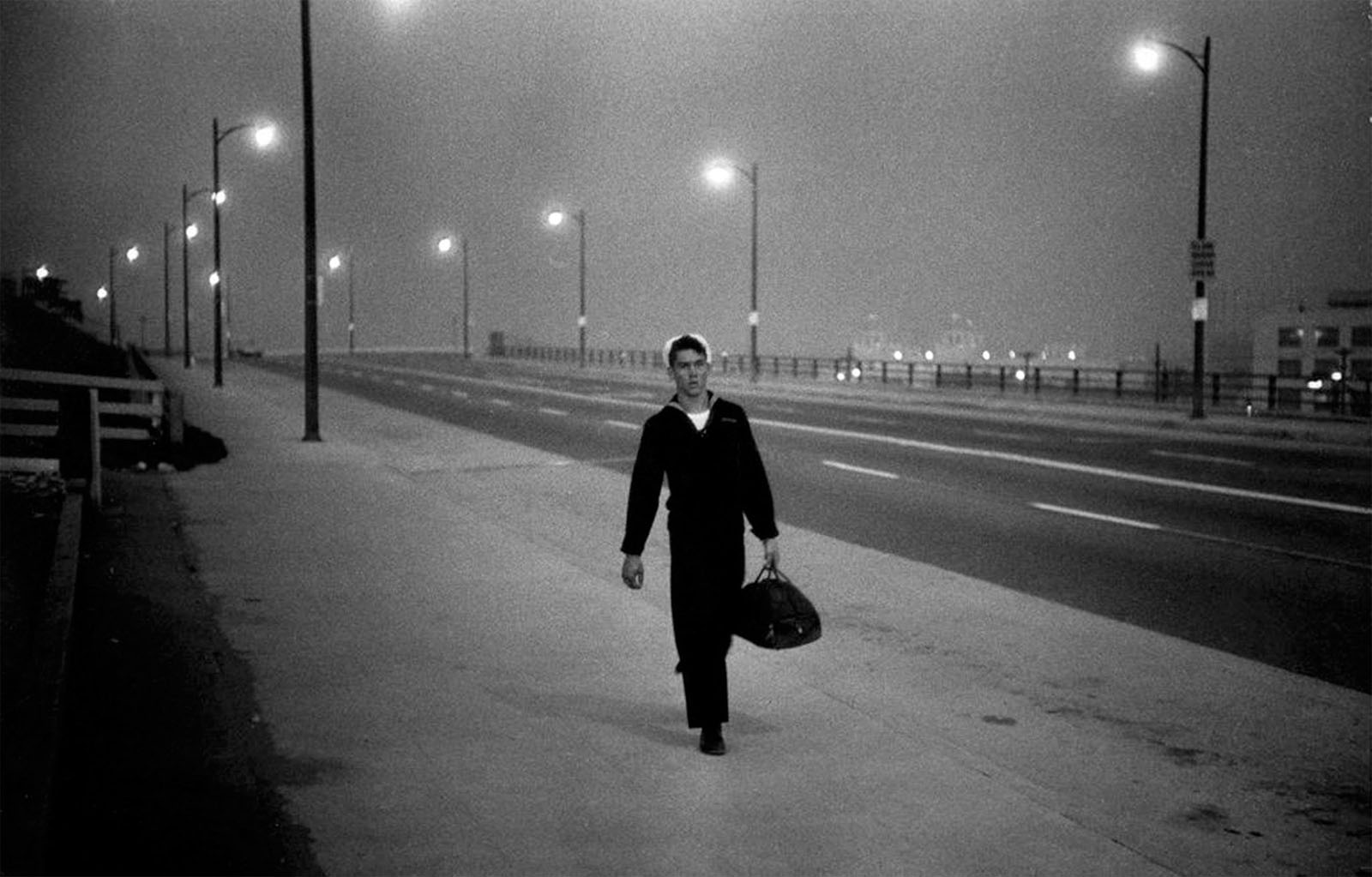


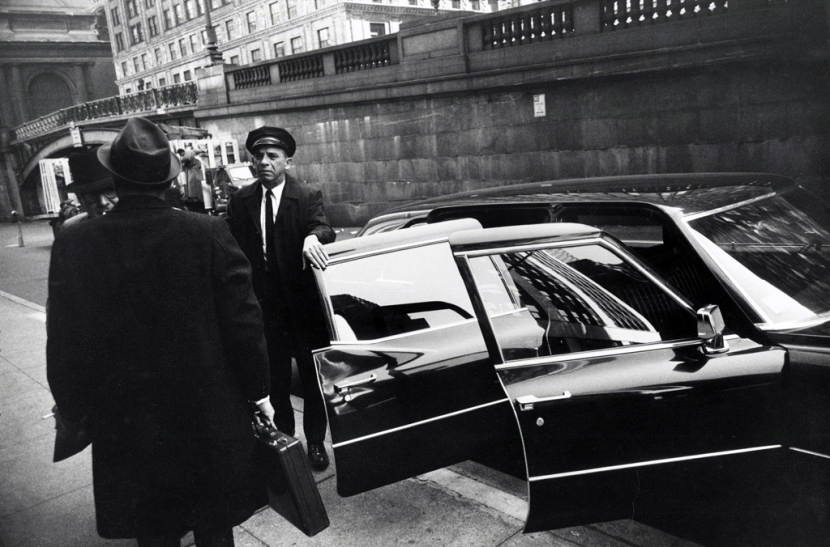

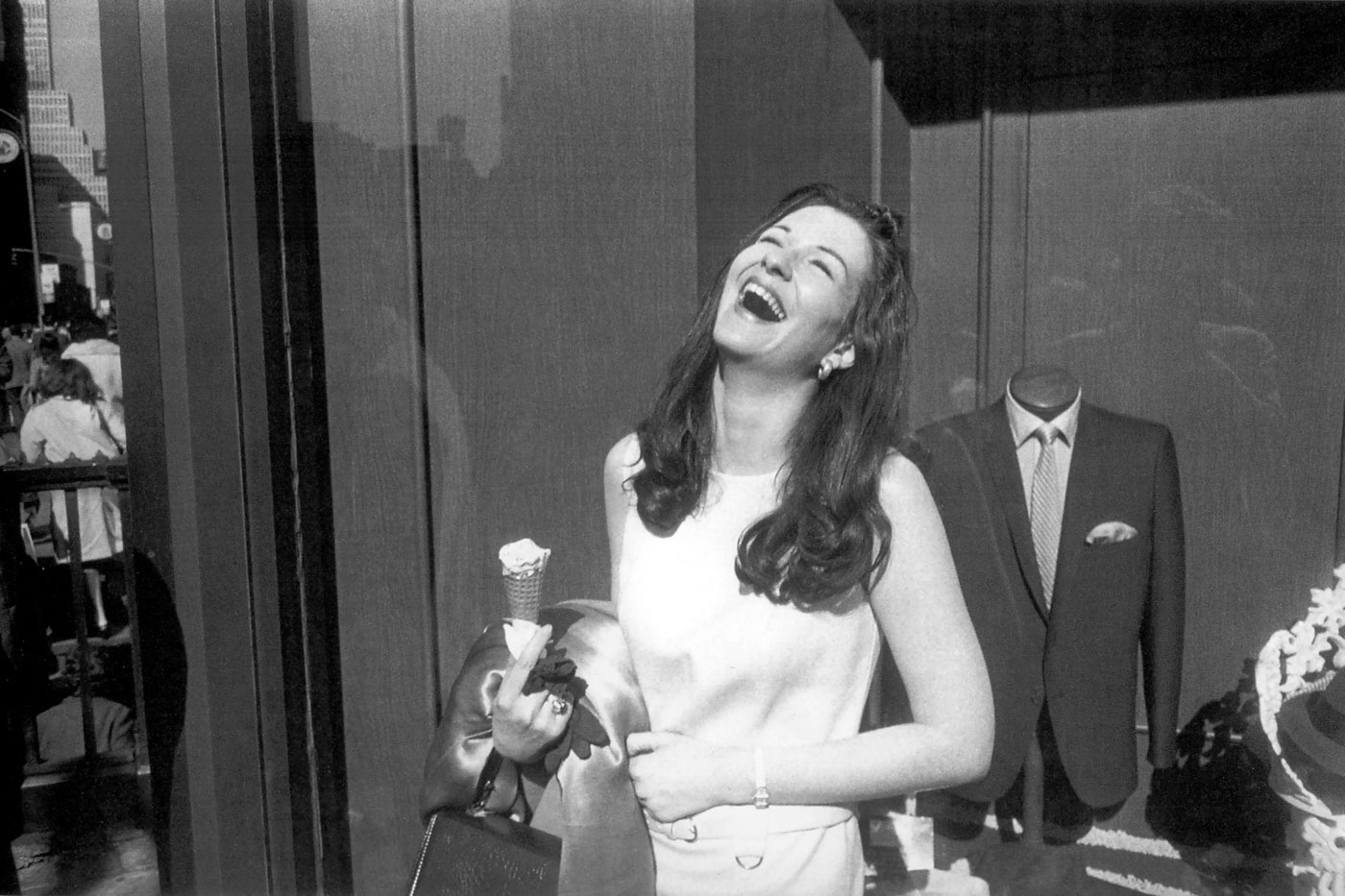
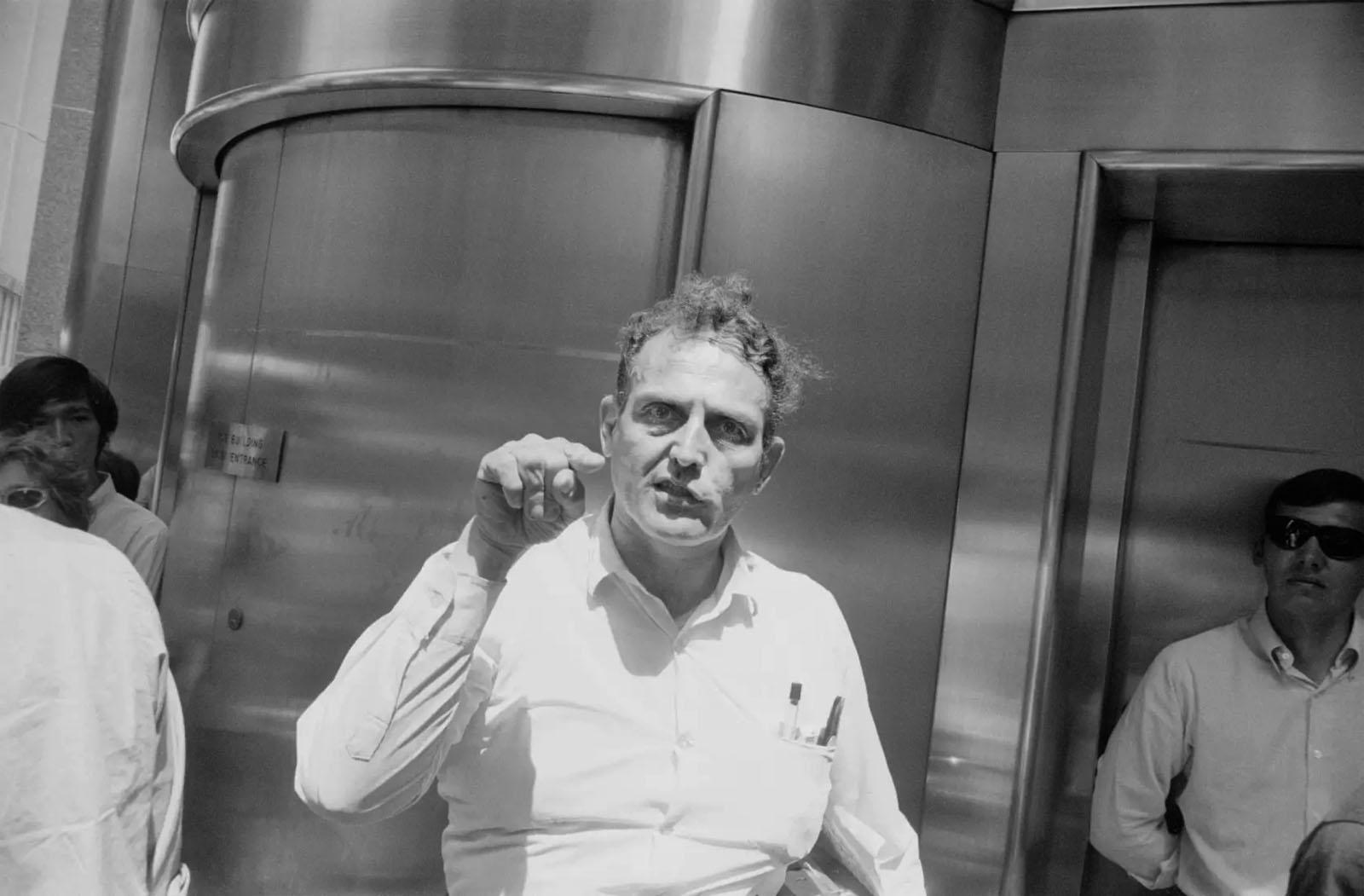


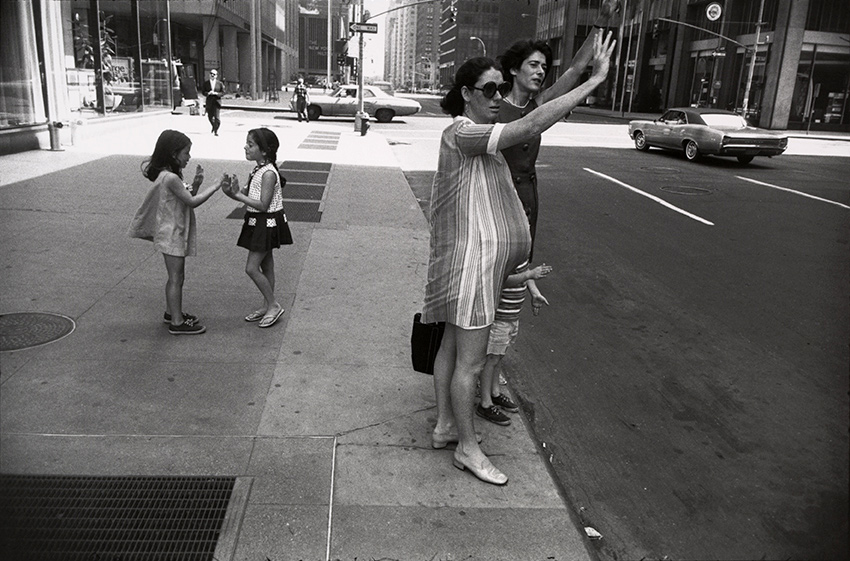


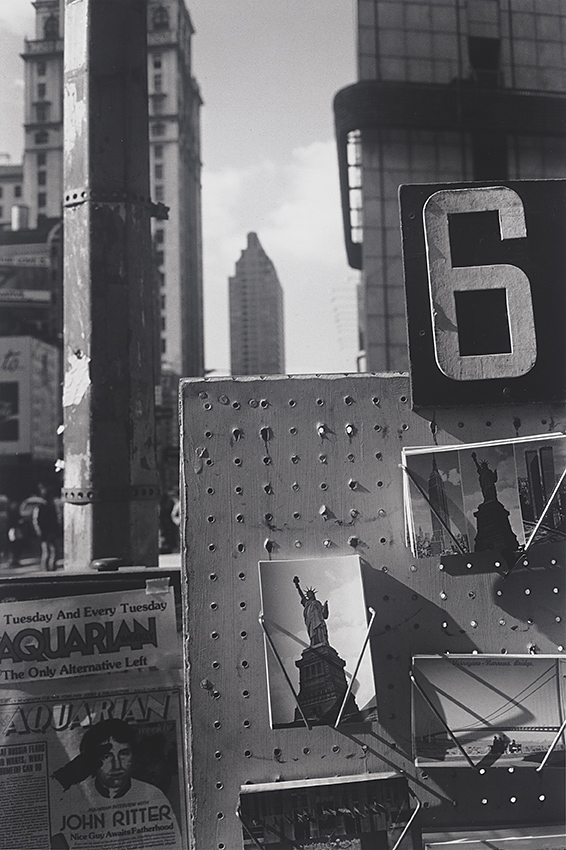

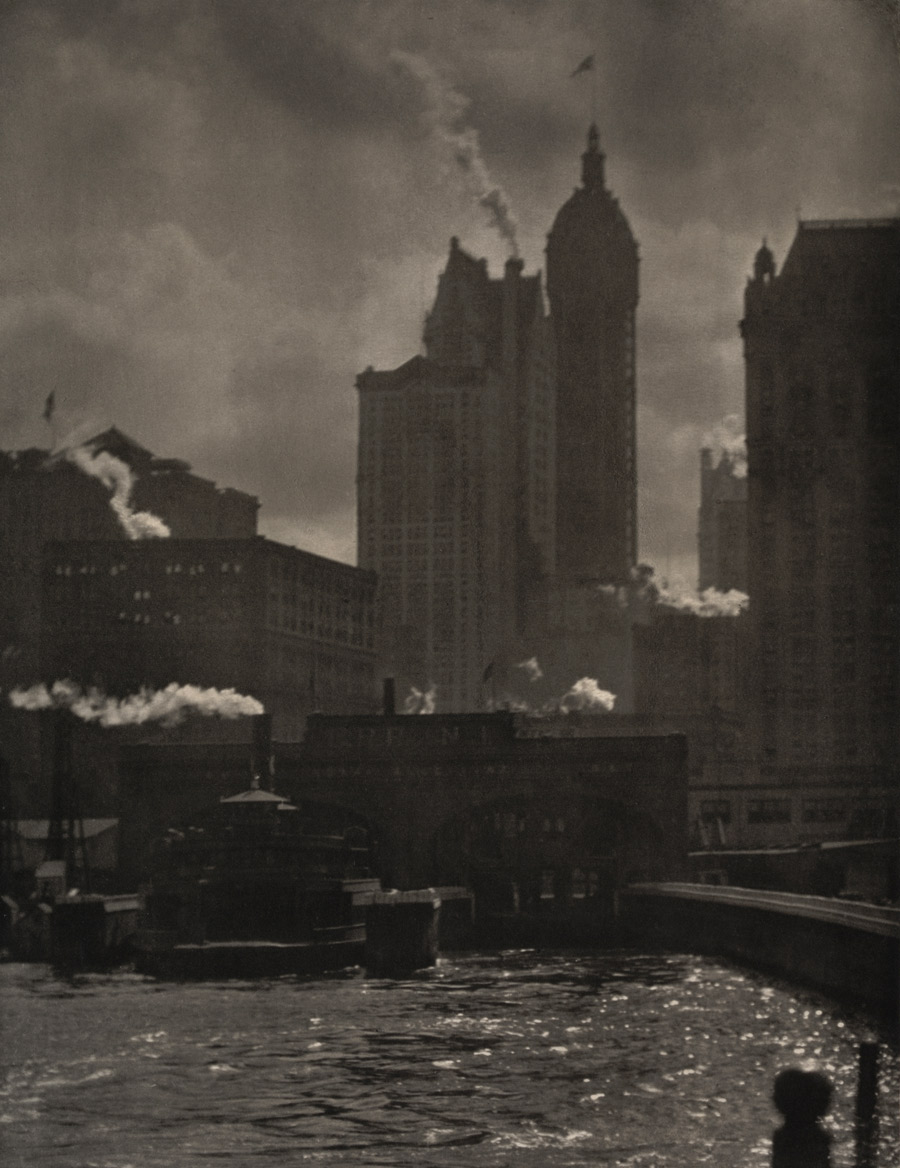



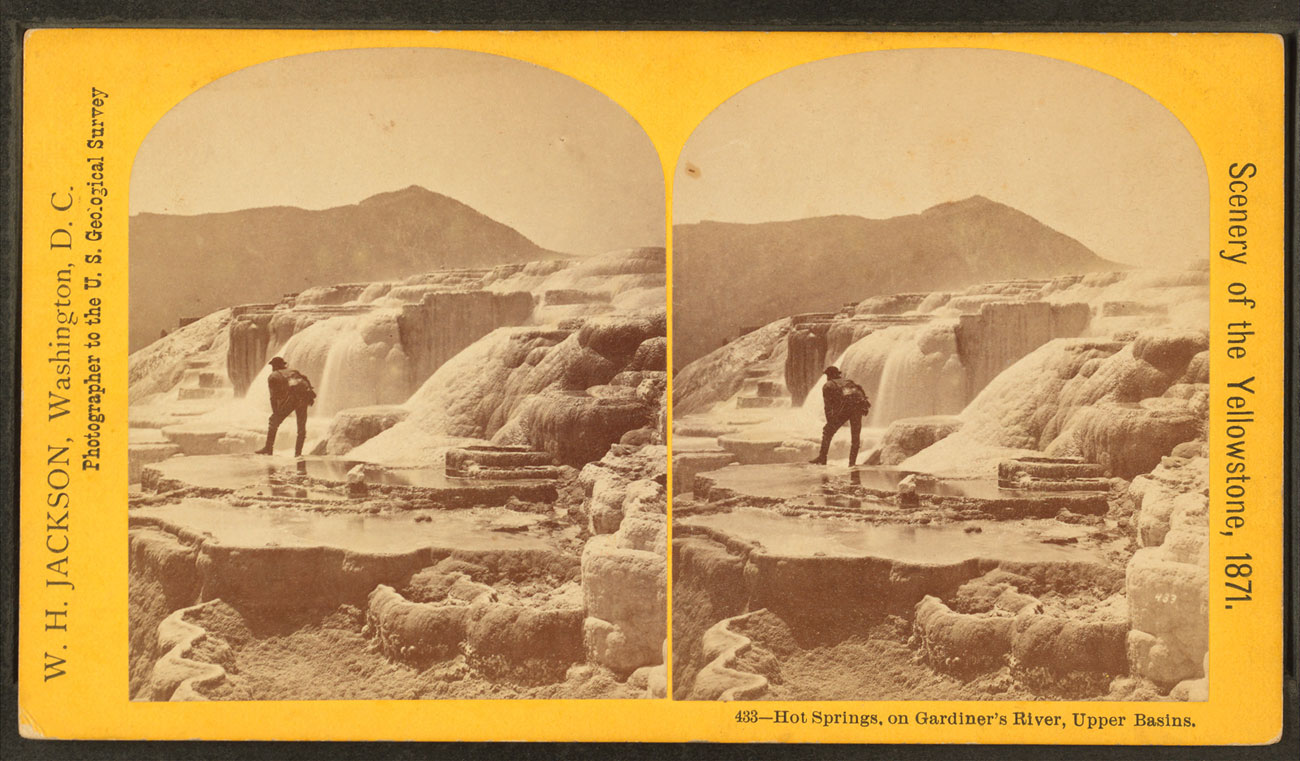
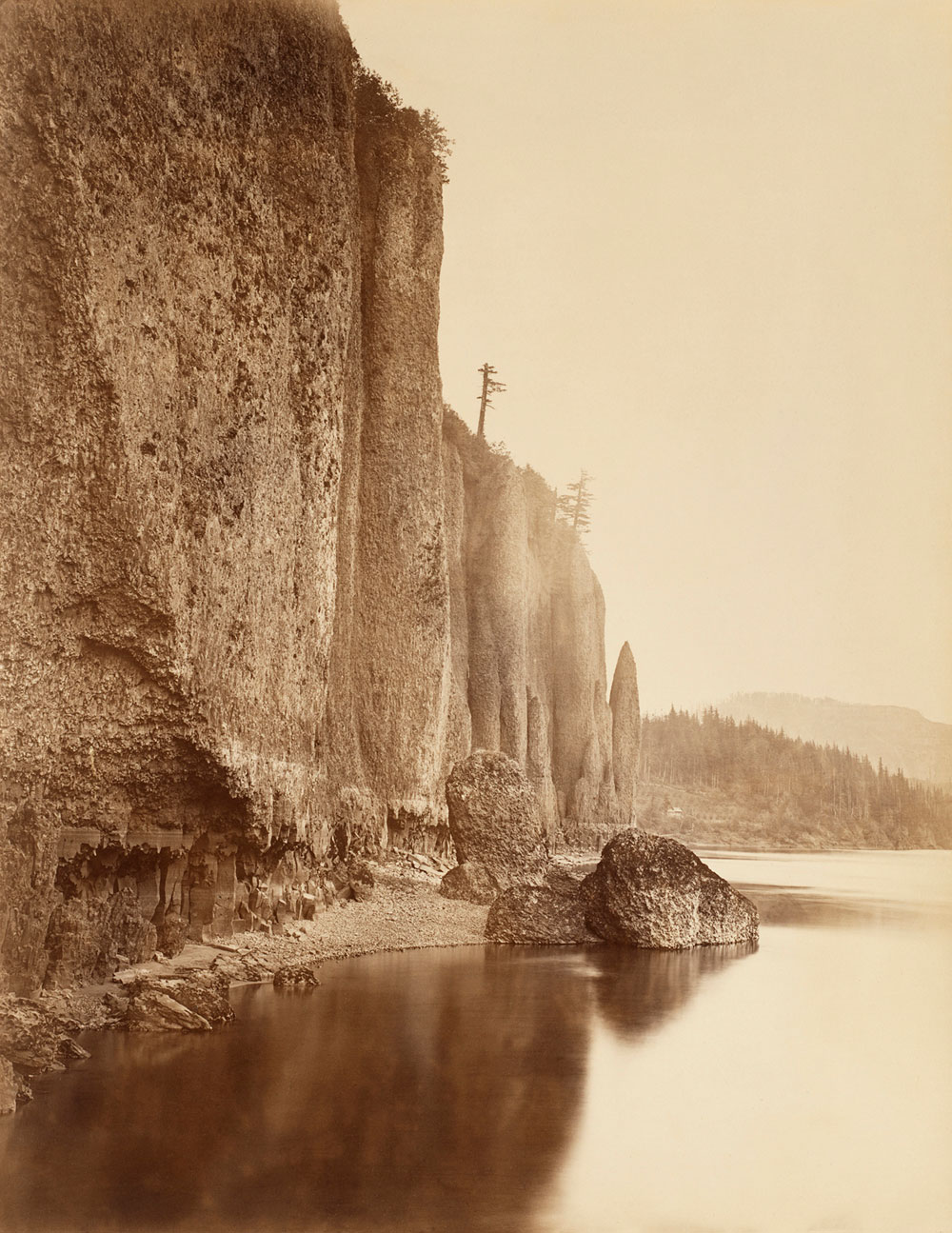


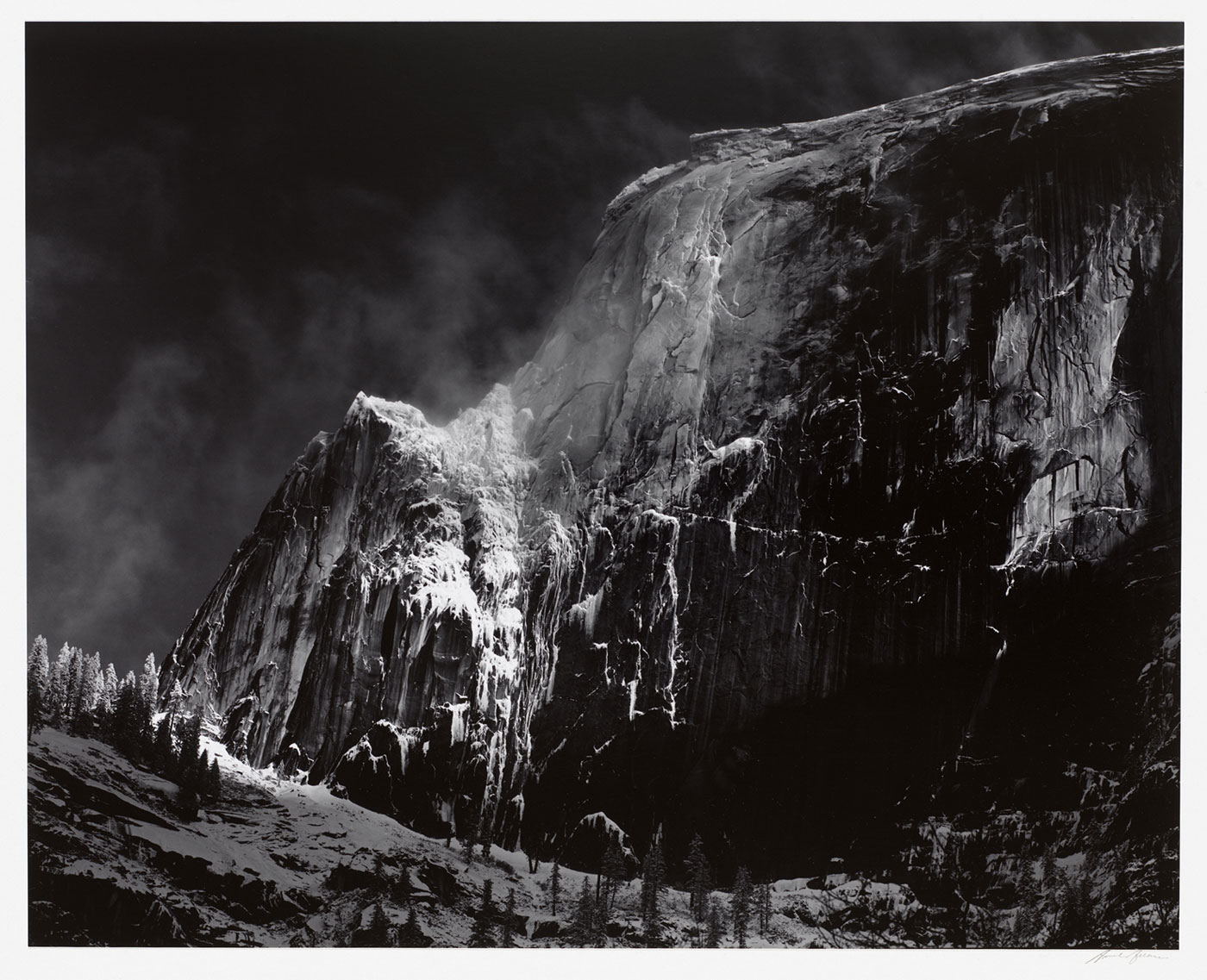
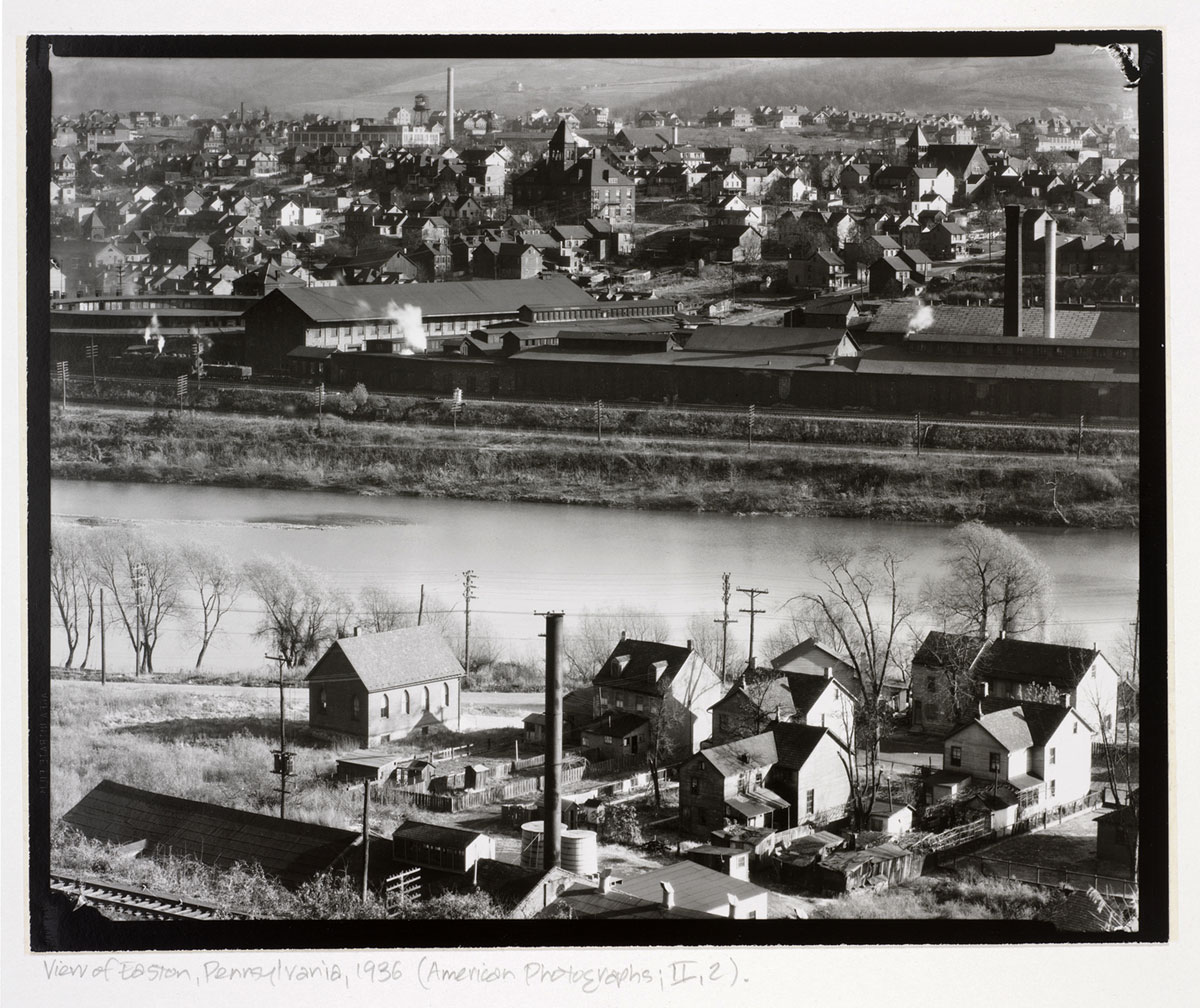
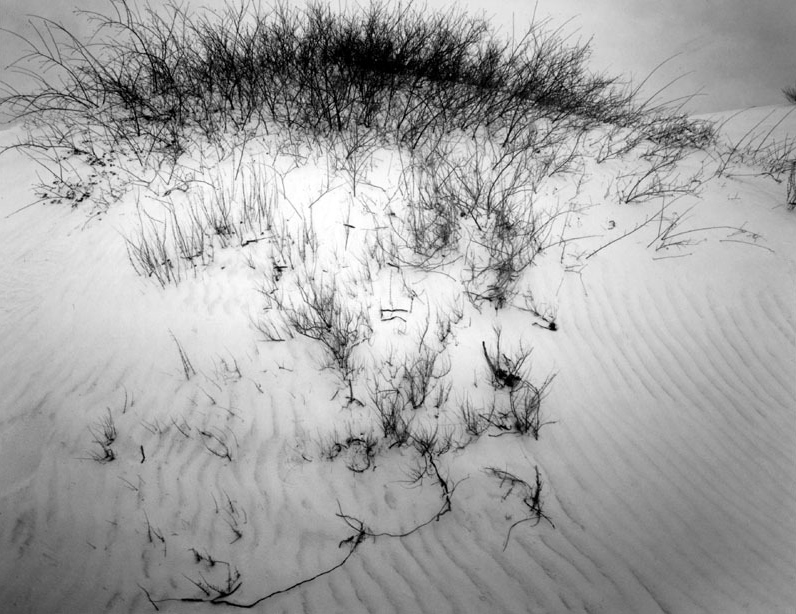
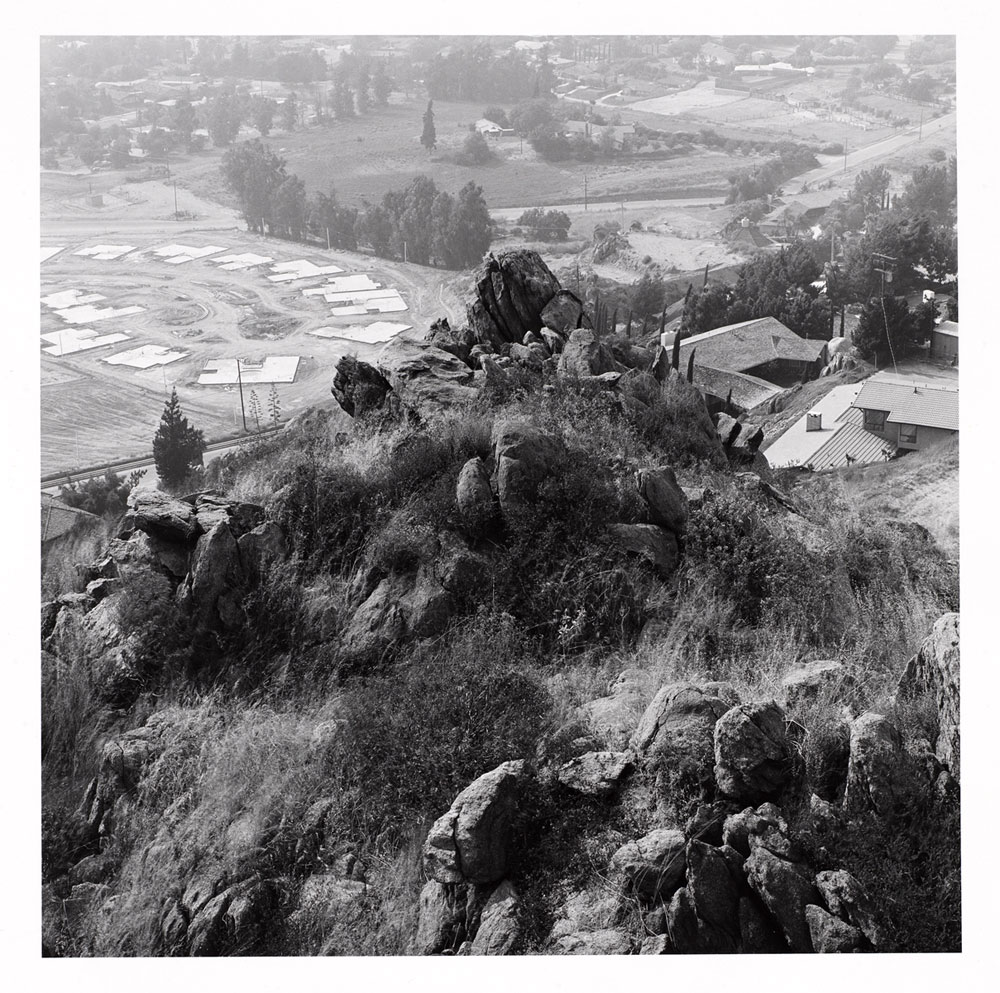

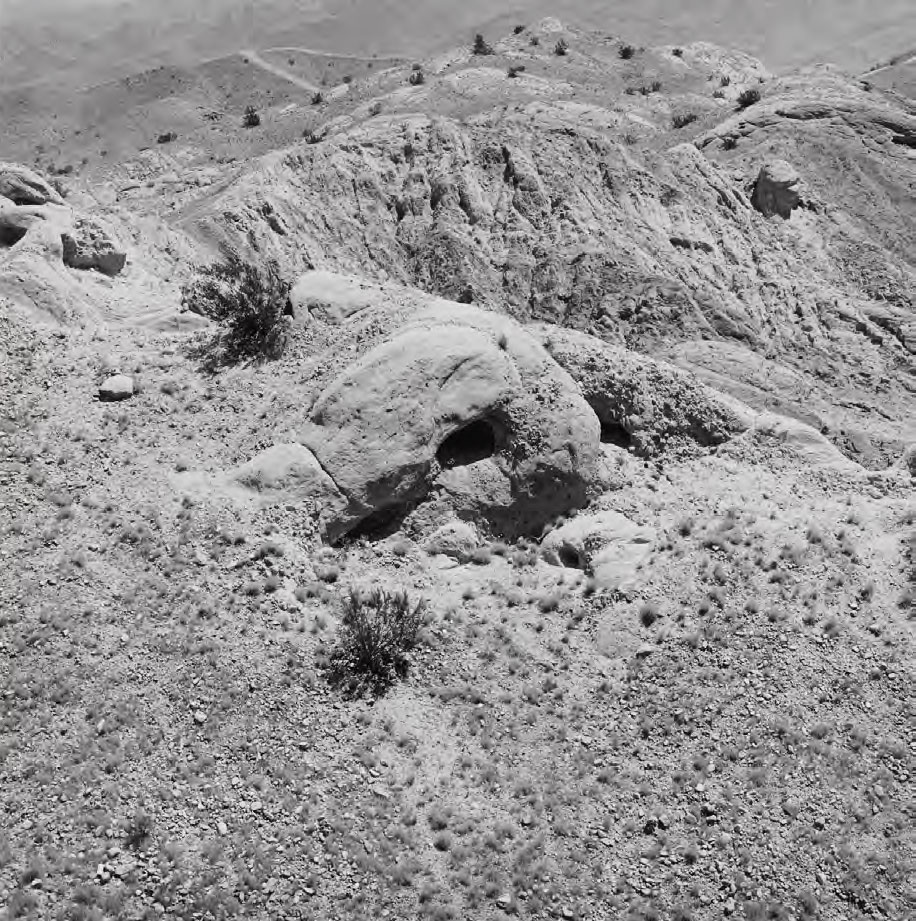


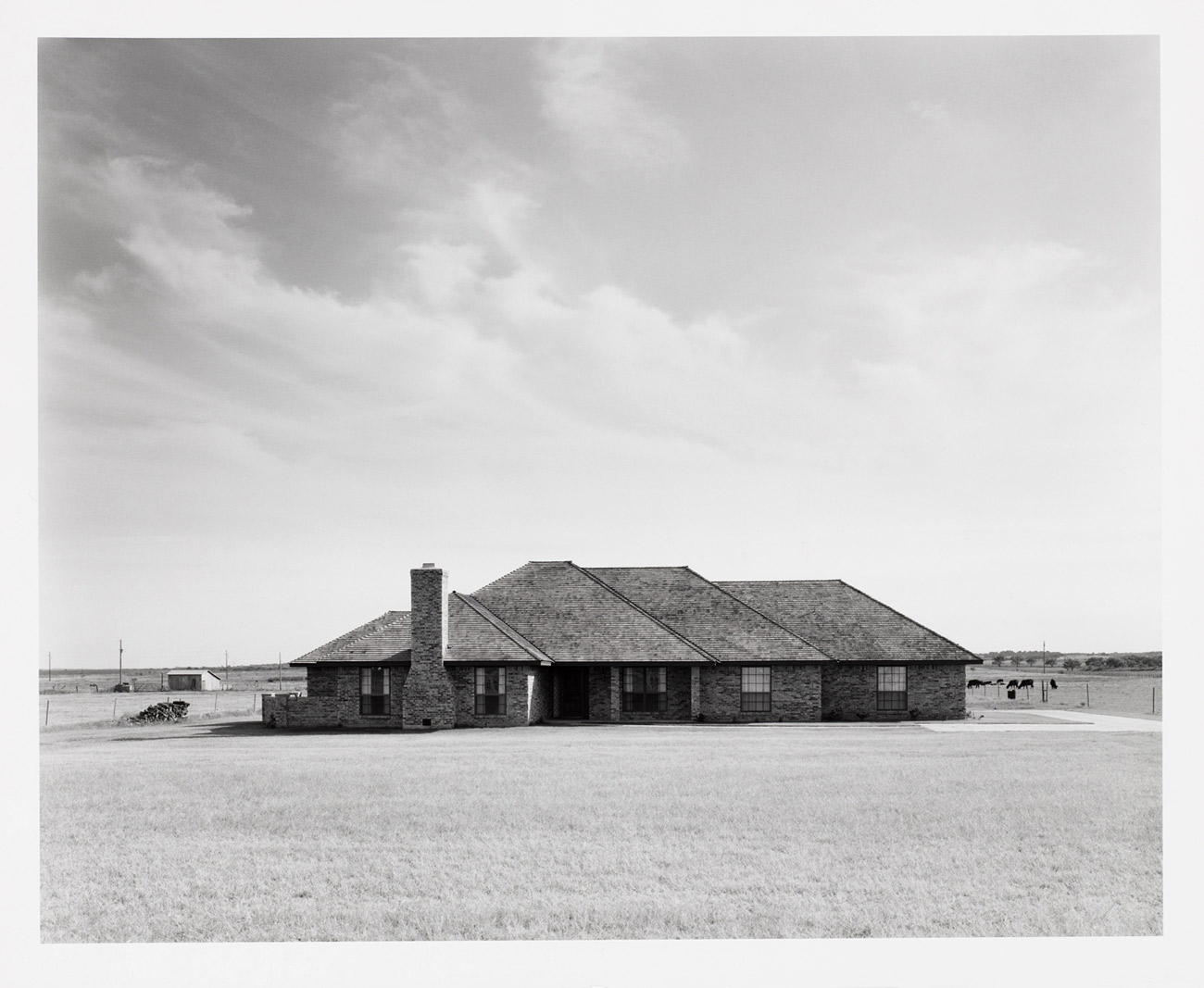


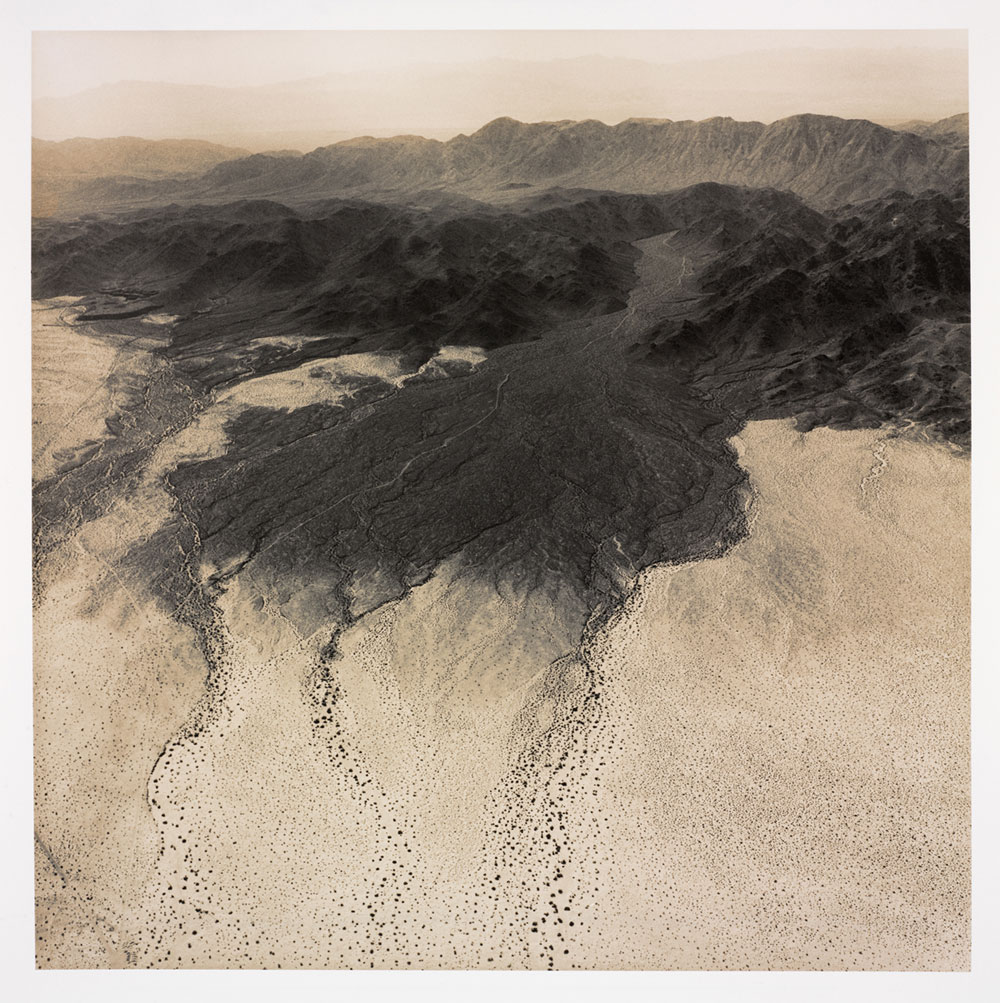

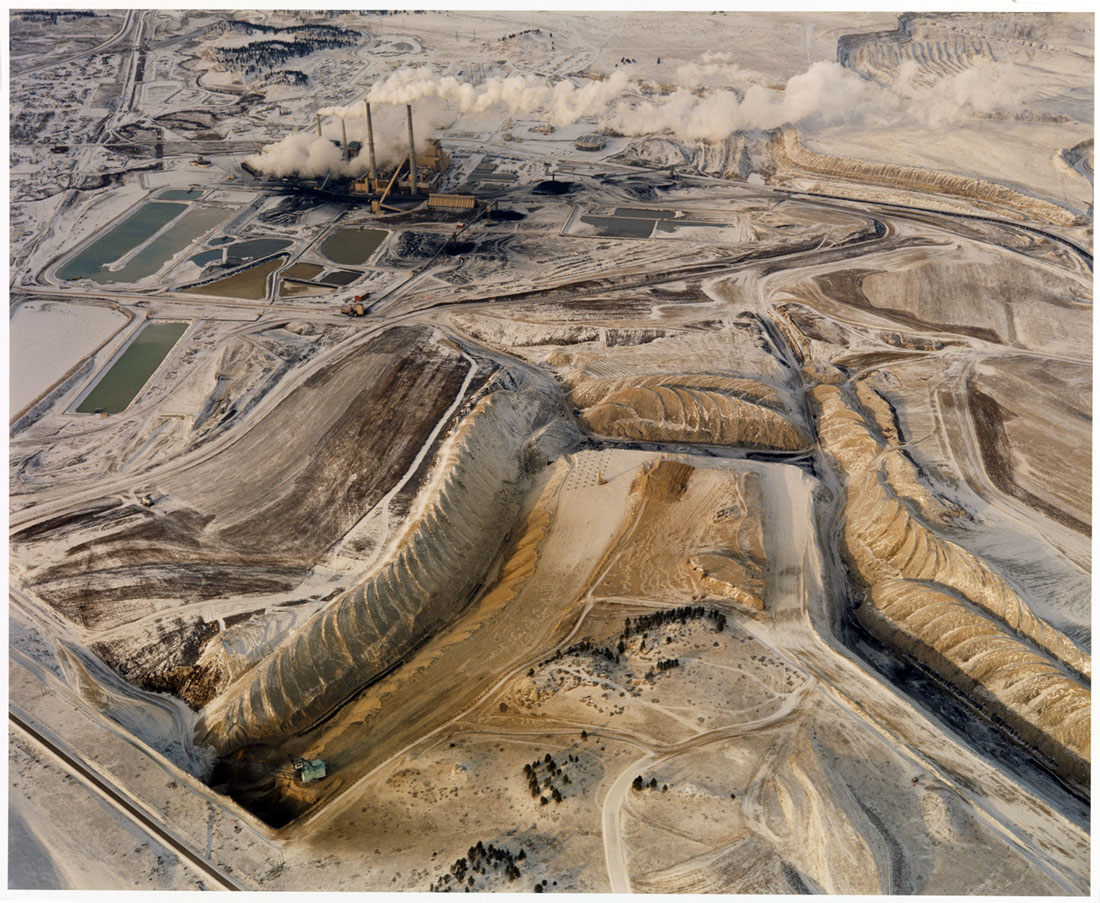
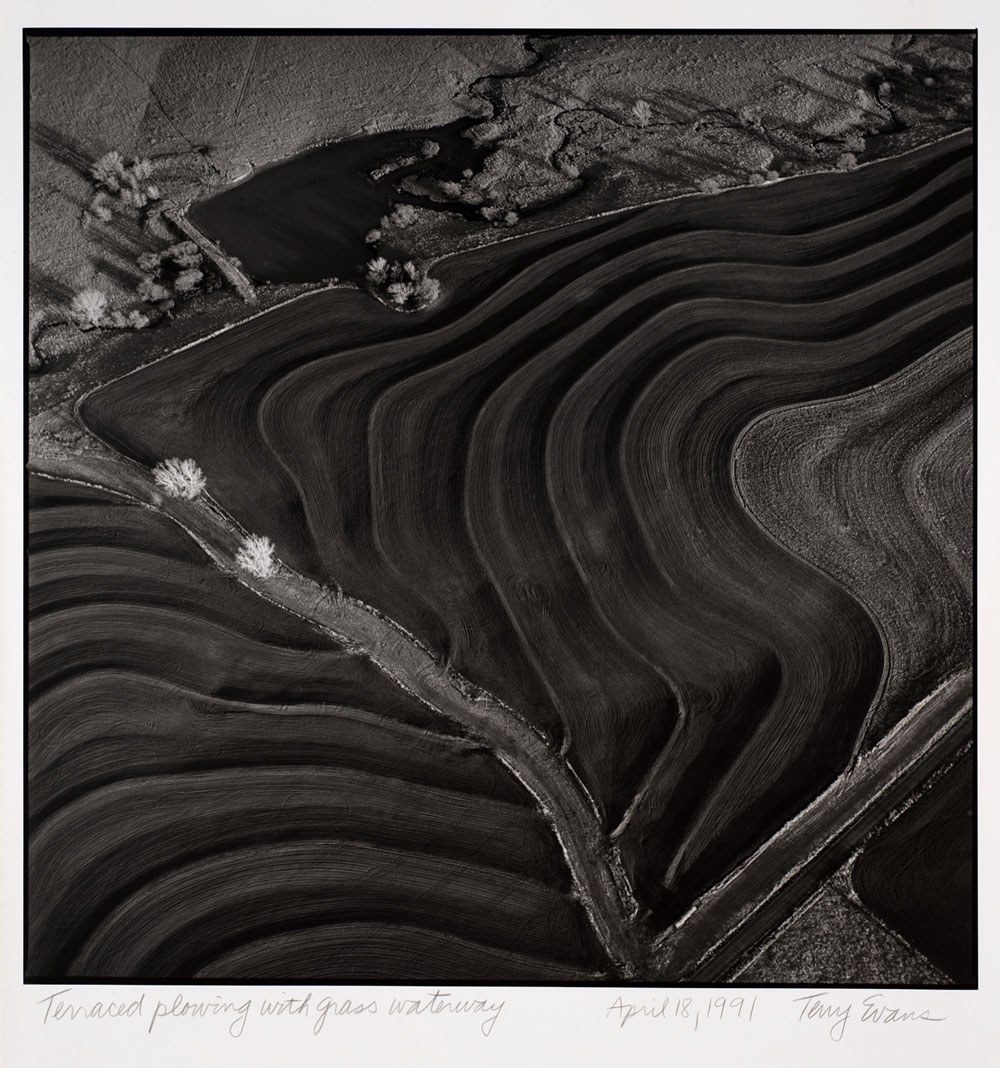


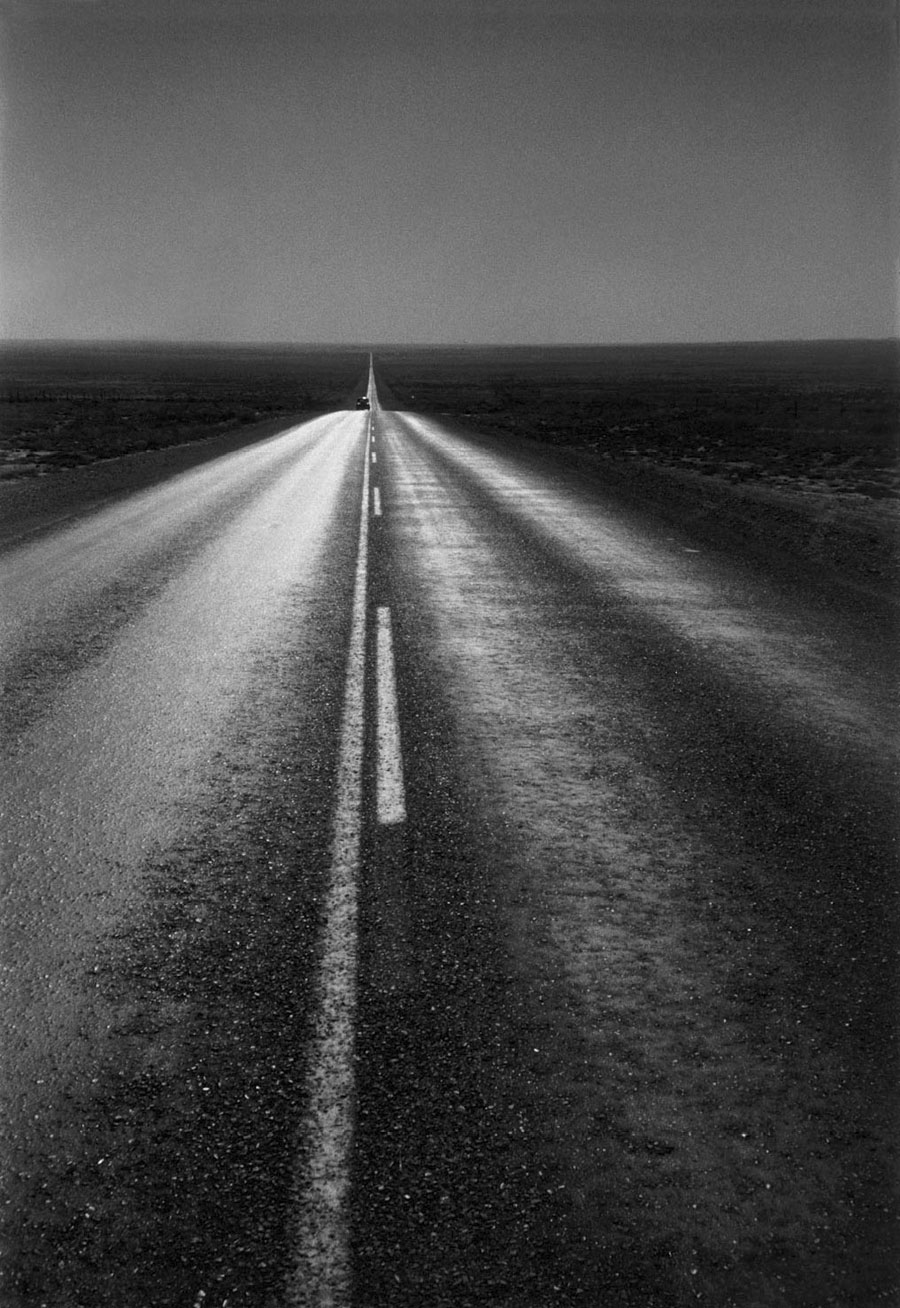
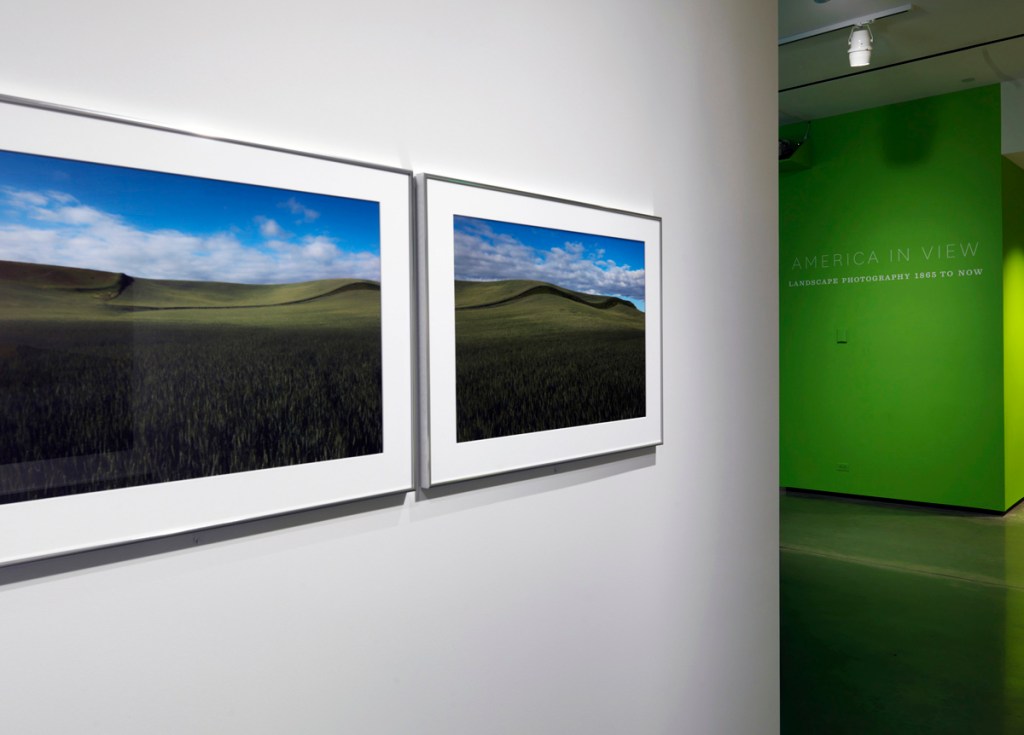
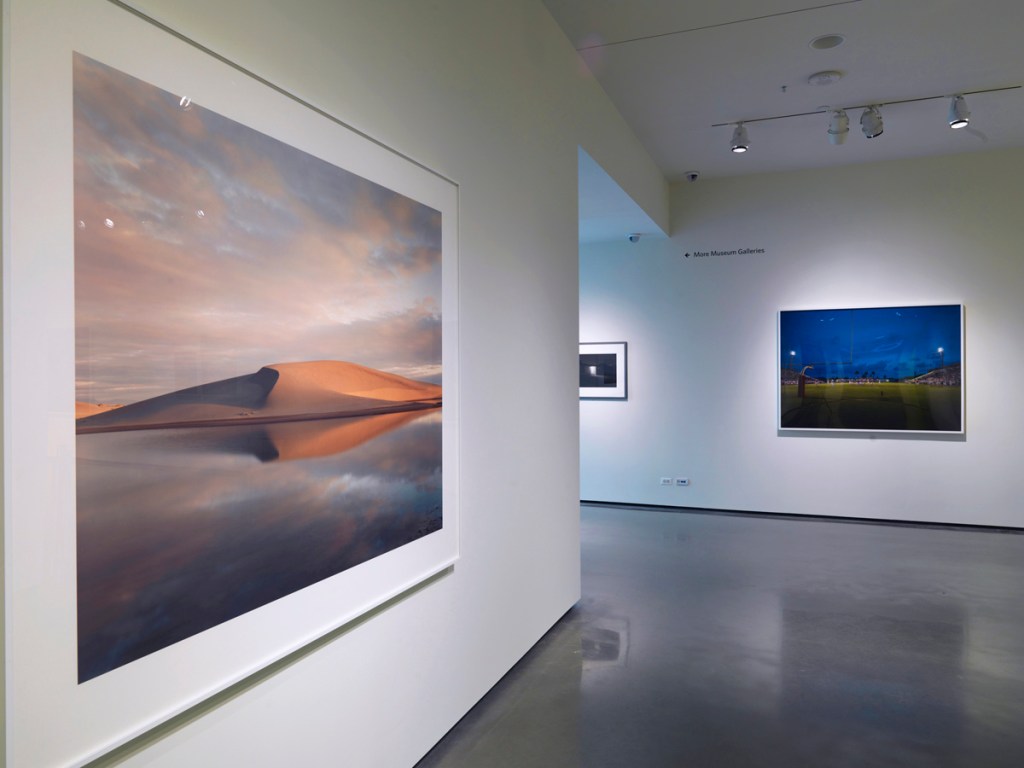
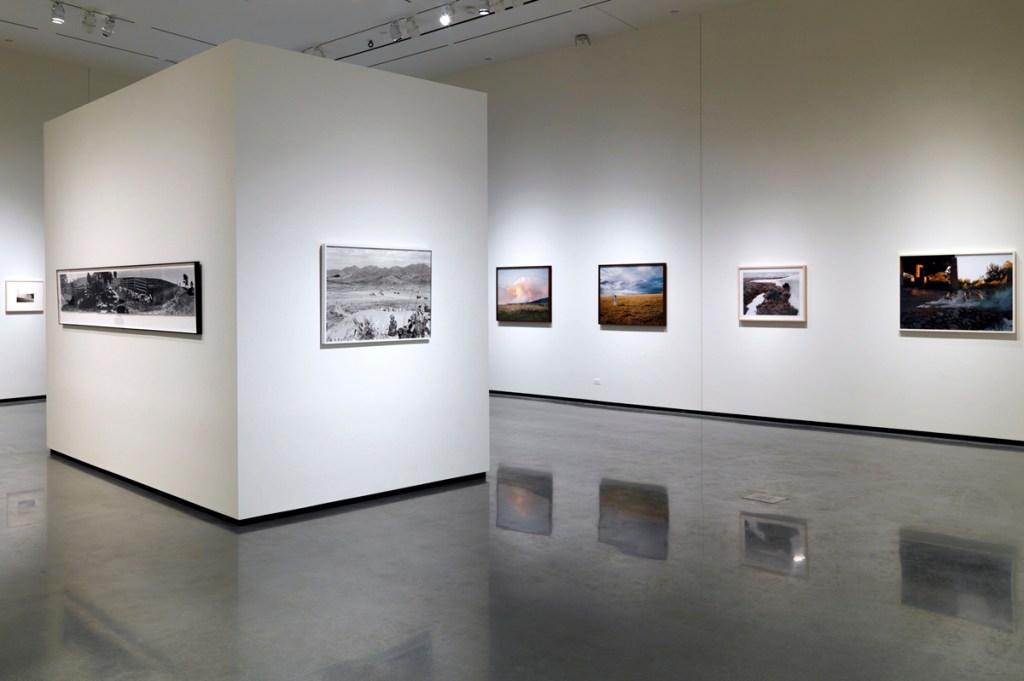
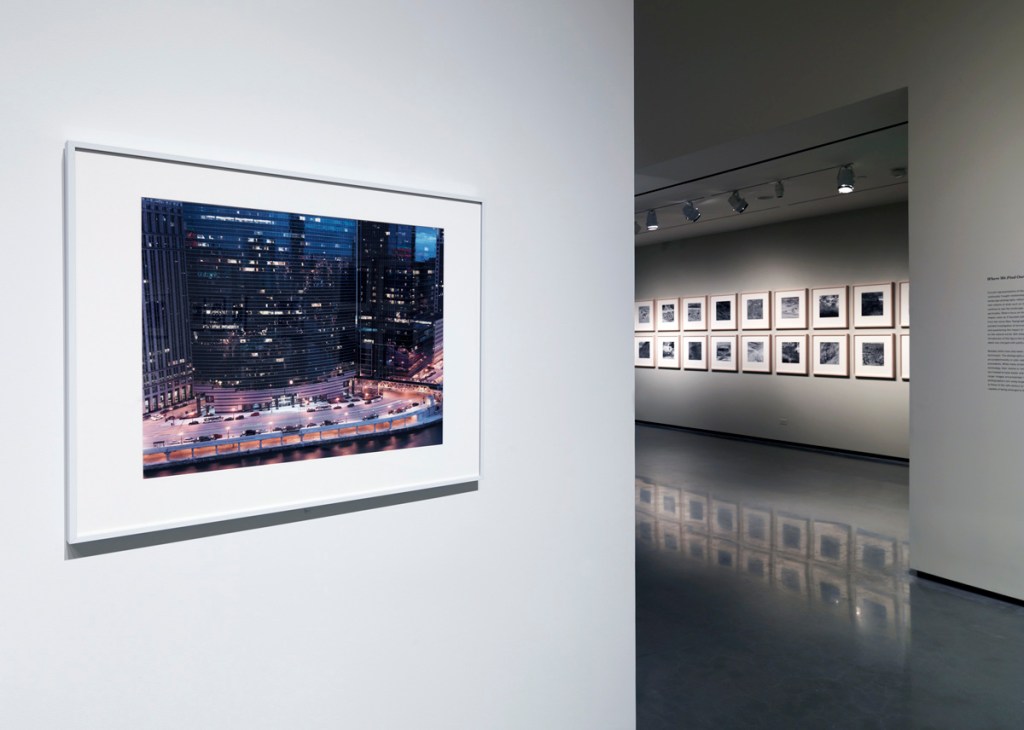
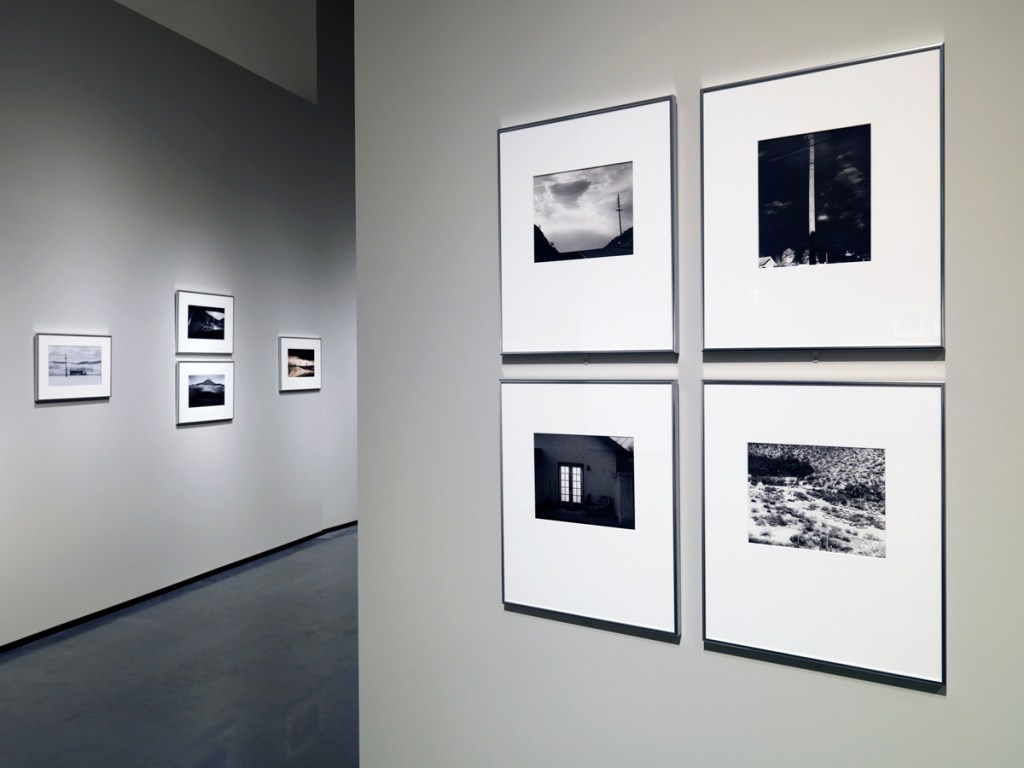


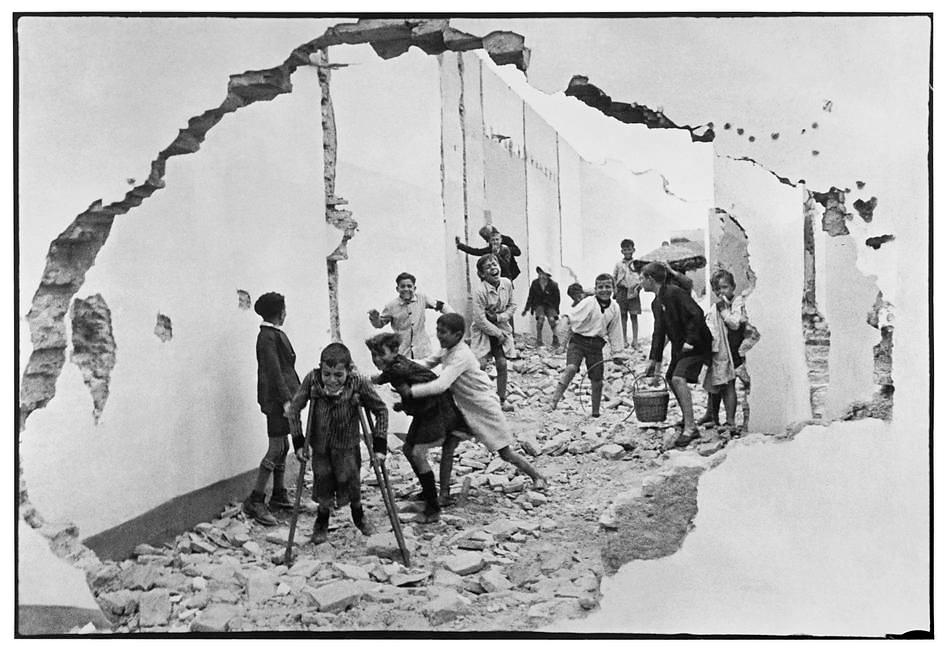
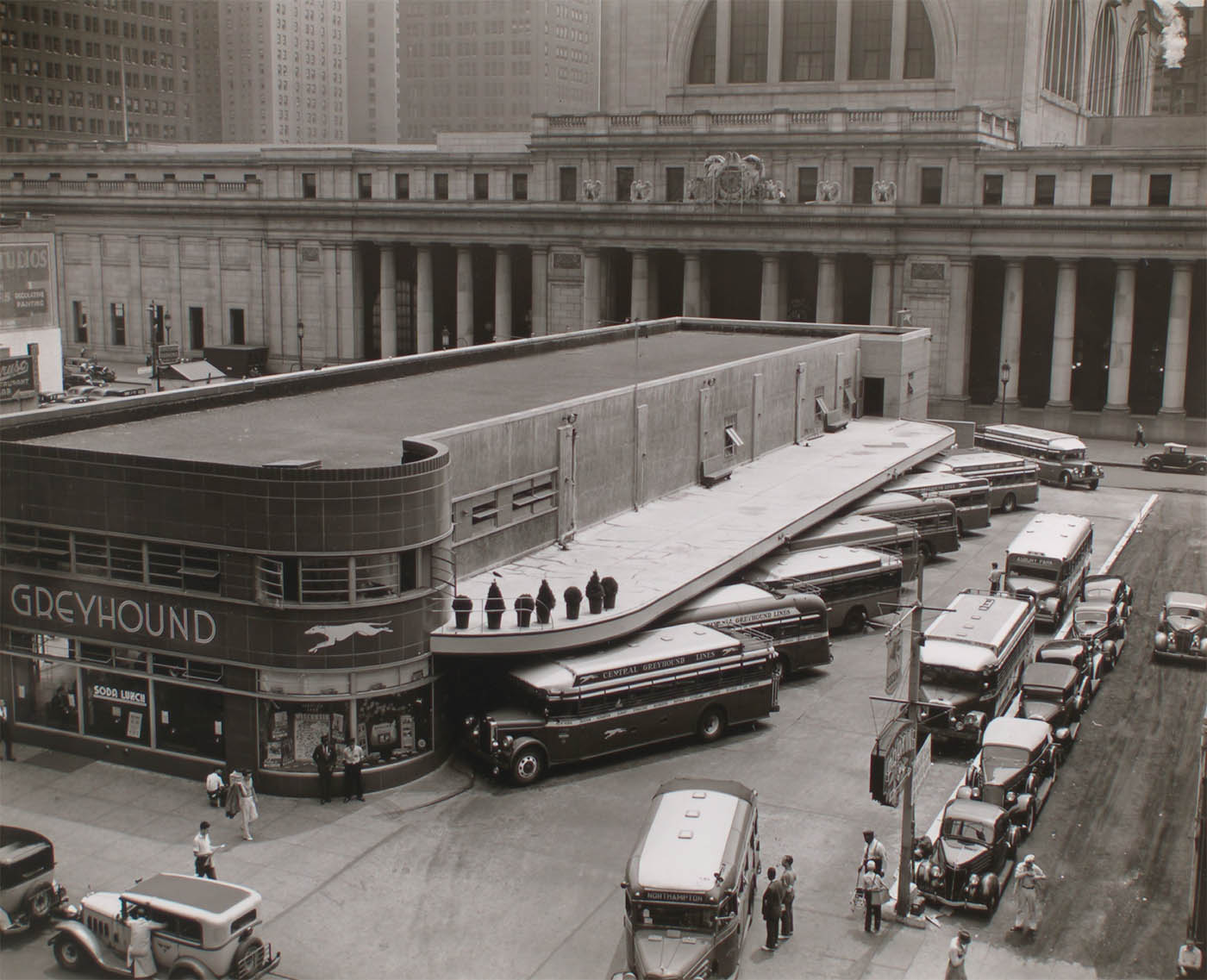


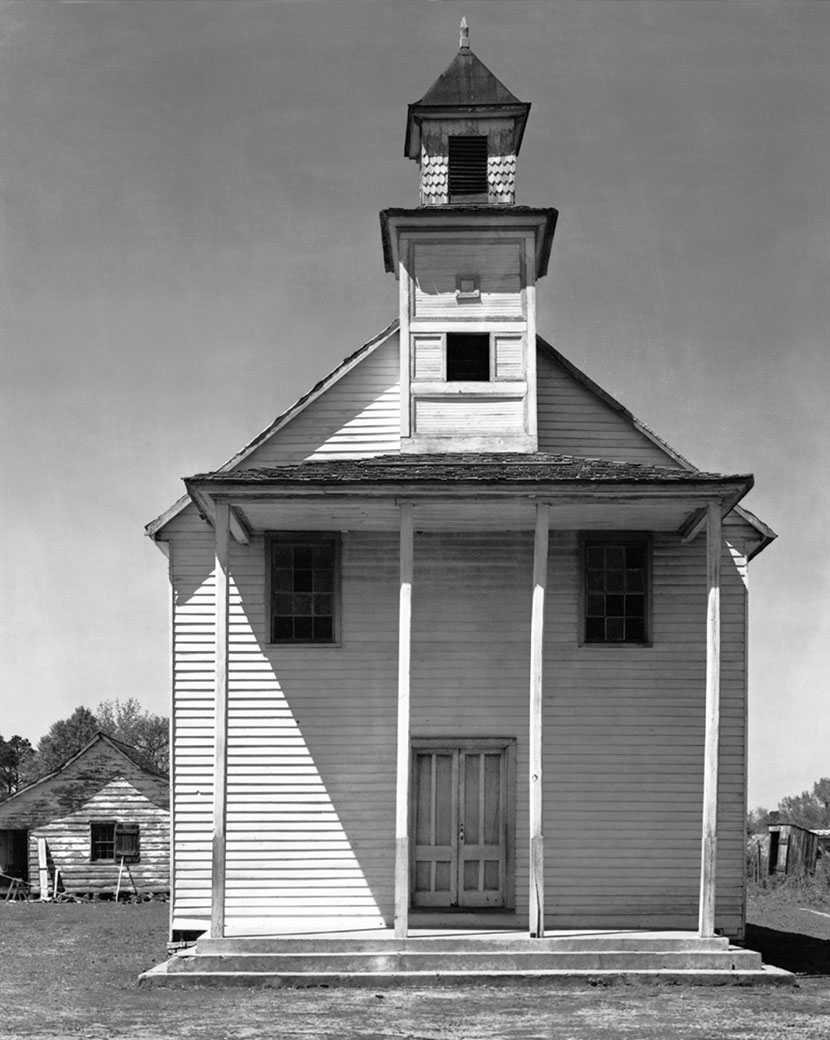

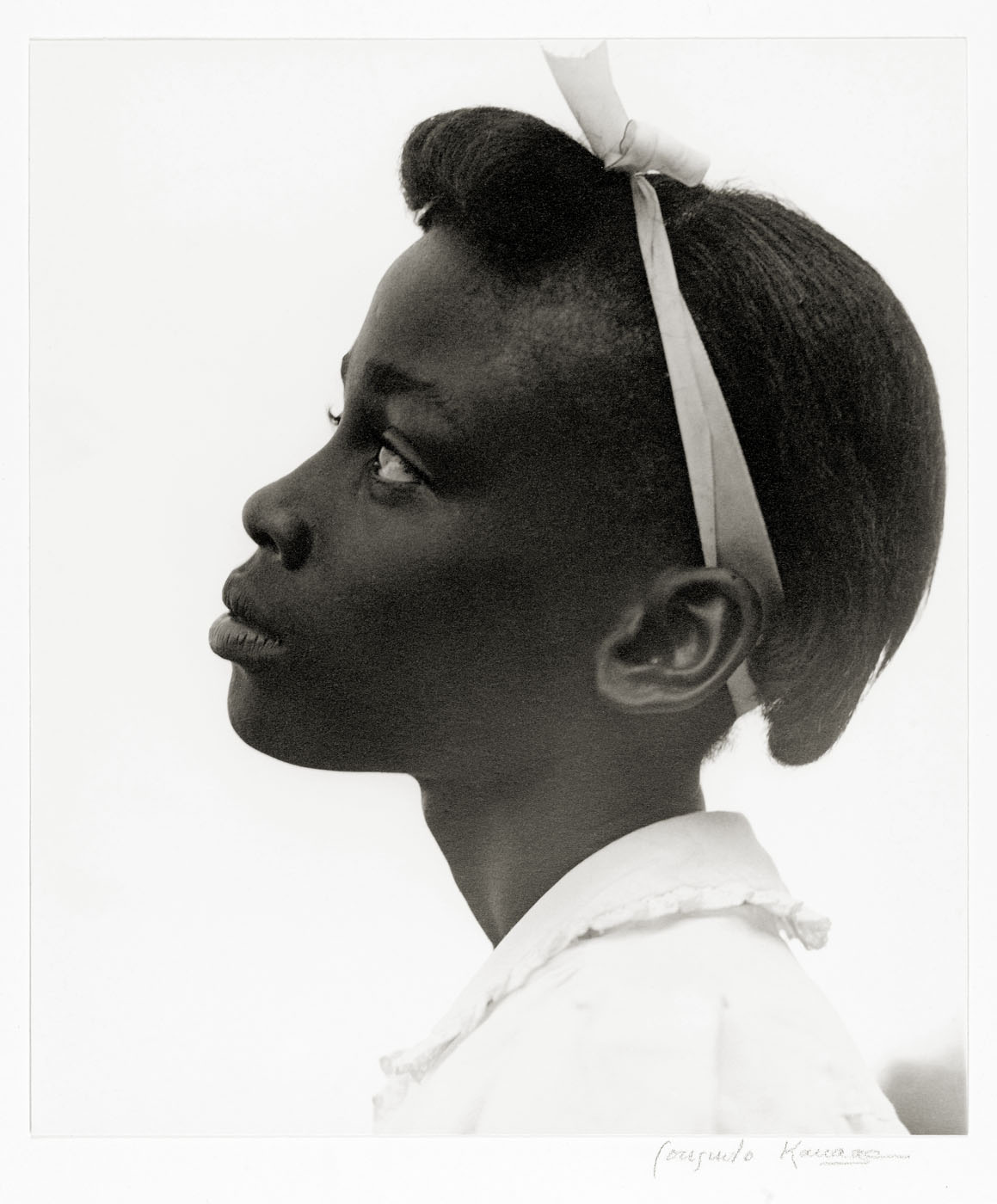

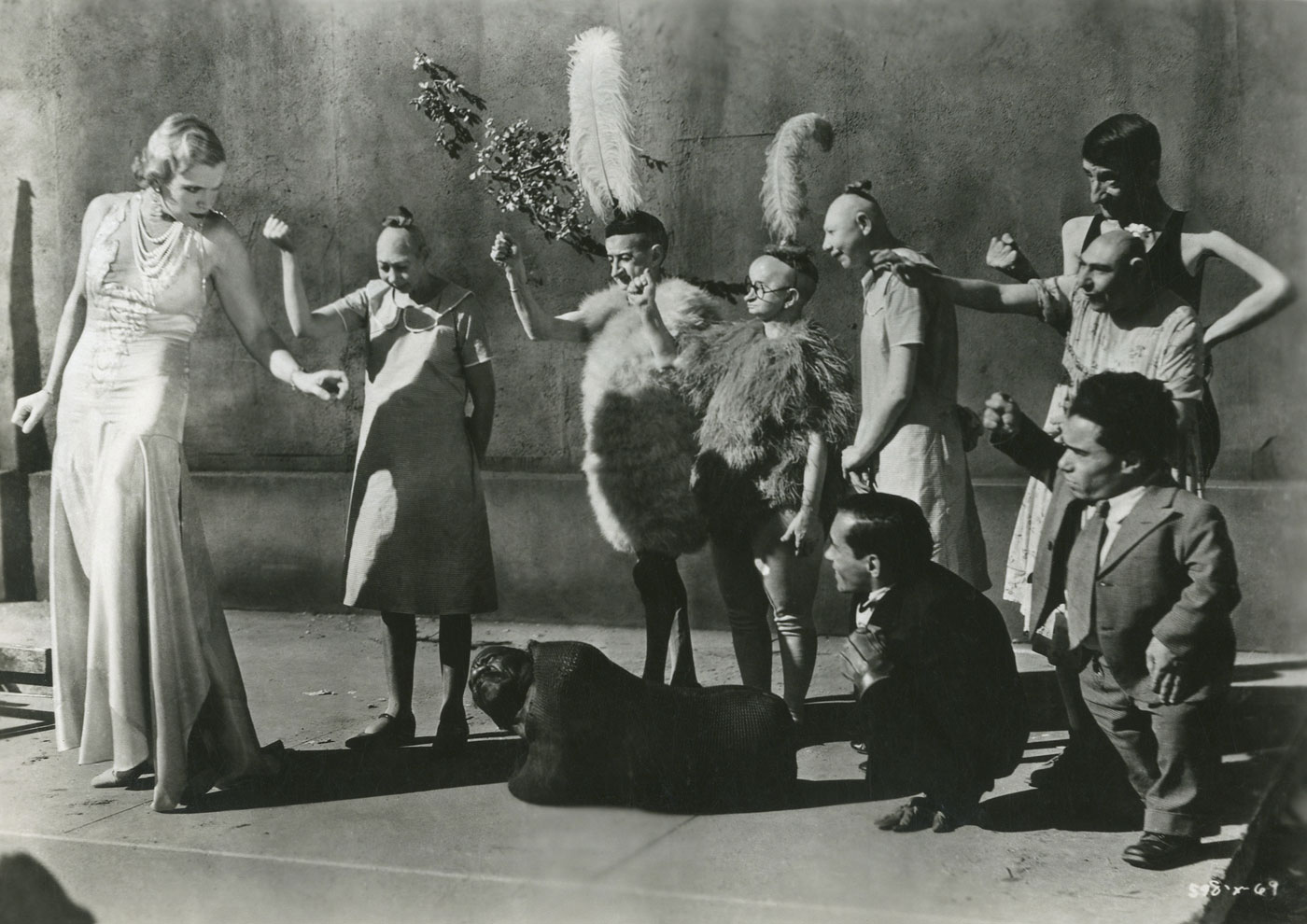


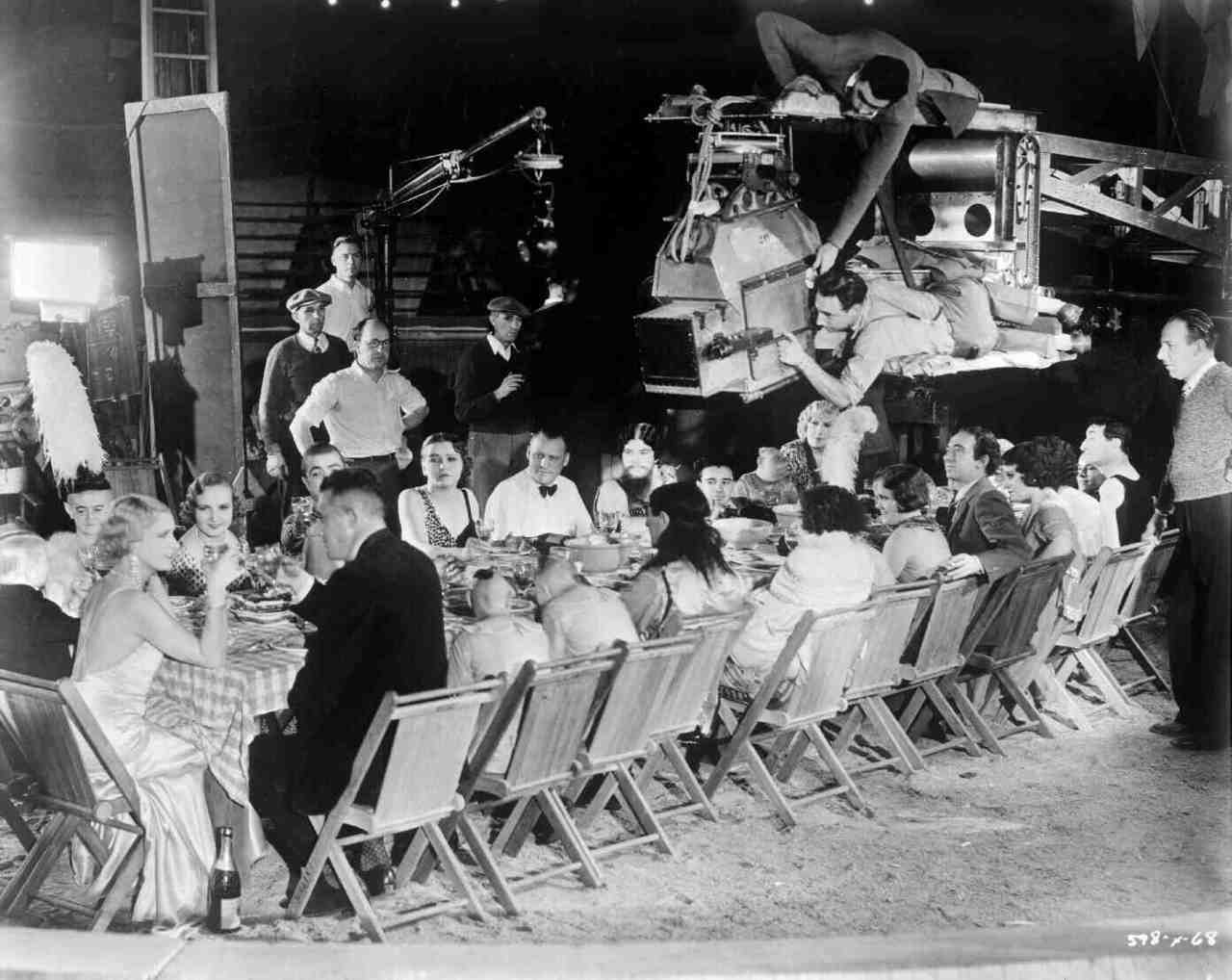


 Art Blart _ art and cultural memory archive
You must be logged in to post a comment.