Exhibition: ‘August Sander’s People of the 20th Century’ at the Yale University Art Gallery, New Haven, CT, Part 2

“I feel the heavy weight of history permeating Sander’s almost melancholy portraits, portraits that emanate from a generations long uncertain cultural landscape.” Dr Marcus Bunyan

Exhibition dates: 27th February - 28th June, 2026

Curator: Judy Ditner, the Richard Benson Curator of Photography and Digital Media


August Sander (German, 1876-1964) 'Painter [Heinrich Hoerle]' 1928, printed c. 1990-1999


August Sander (German, 1876-1964)
Painter [Heinrich Hoerle]
1928, printed c. 1990-1999
Gelatin silver print
10 3/16 x 7 7/8 in. (25.9 x 20cm)
Societe Anonyme Acquisition Fund and Katharine Ordway Fund
© Die Photographische Sammlung / SK Stiftung Kultur – August Sander Archiv, Cologne / ARS, NY
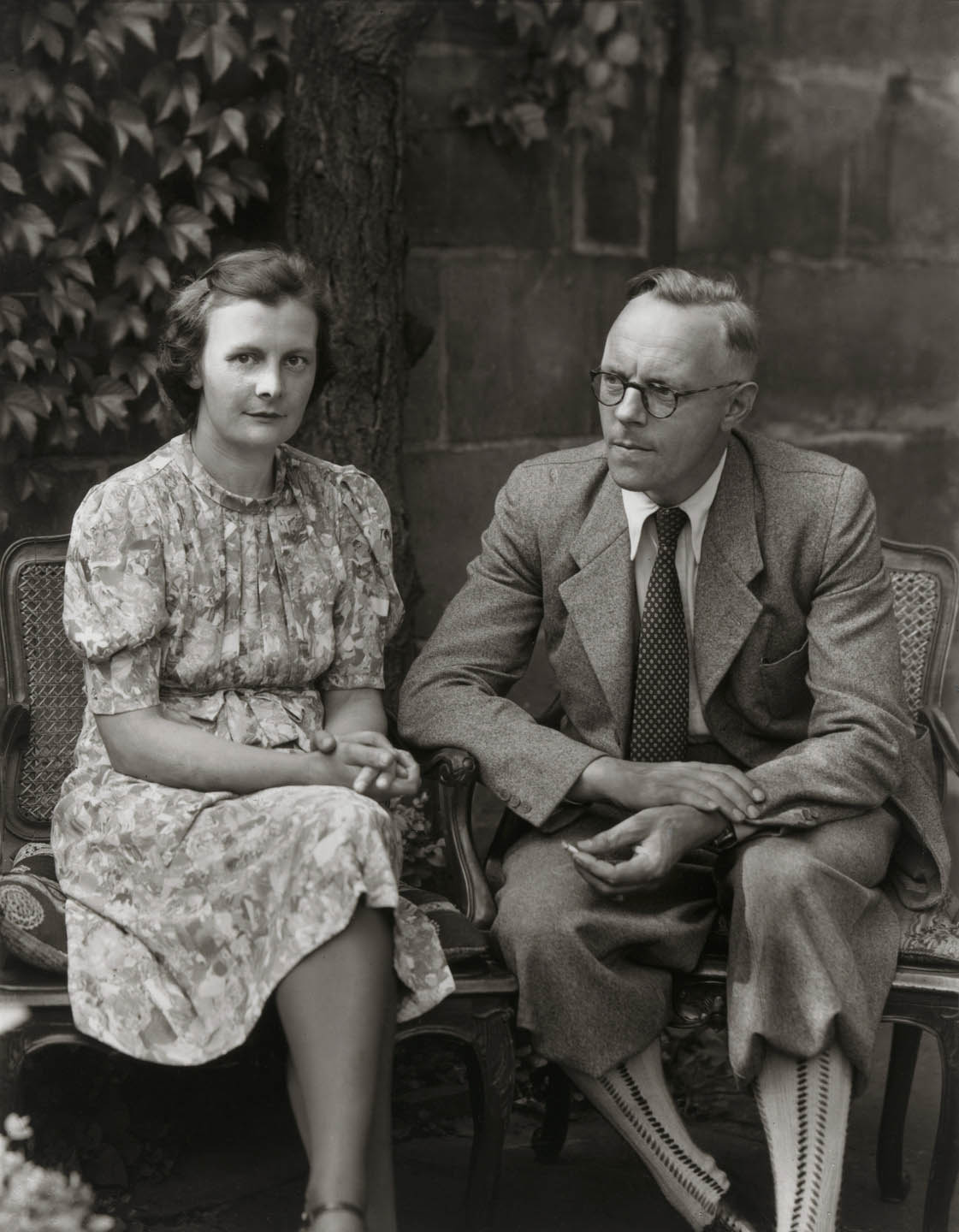
 

Heinrich Hoerle (1 September 1895 – 7 July 1936) was a German constructivist artist of the New Objectivity movement.


Generations

There have been so many words written about one of the most important photographers of the 20th century, August Sander (German, 1876-1964), his magnum opus People of the 20th Century (Menschen des 20. Jahrhunderts) (1892-1954) – which consists of over 600 photographs organised into seven categories and 49 portfolios – and his influence on social realist photographers such as Walker Evans and Dorothea Lange, and the later typologies of conceptual photographers such as Bernd and Hiller Becher … what else is there left to say?

We know of his use of an “old fashioned” large-format camera, tripod, glass negatives and long exposure times used for the crispness and detail obtainable in the final print. We observe the many scenarios in which Sander took his photographs, from staged studio portraits, to seemingly impromptu photographs “on the road”, from closely cropped portraits, to medium distance group photos, to group photographs out in the Westwald or the Eifel or basket weavers embedded in the landscape. From low depth of field to high depth of field. From seriously “dead pan” to romantically engaged. We know of the influence of New Objectivity (known in German as Neue Sachlichkeit) on his frontal, unsentimental, realist portraits – his fascinating cast of personages, characters modulating the personal into universal typologies: the farmer, the skilled tradesman, the woman, the artists, etc… character templates that picture archetypes in German history.

All this is known and given. What else can be said?

Personally I feel the heavy weight of history permeating Sander’s almost melancholy portraits, portraits that emanate from a generations long uncertain cultural landscape:

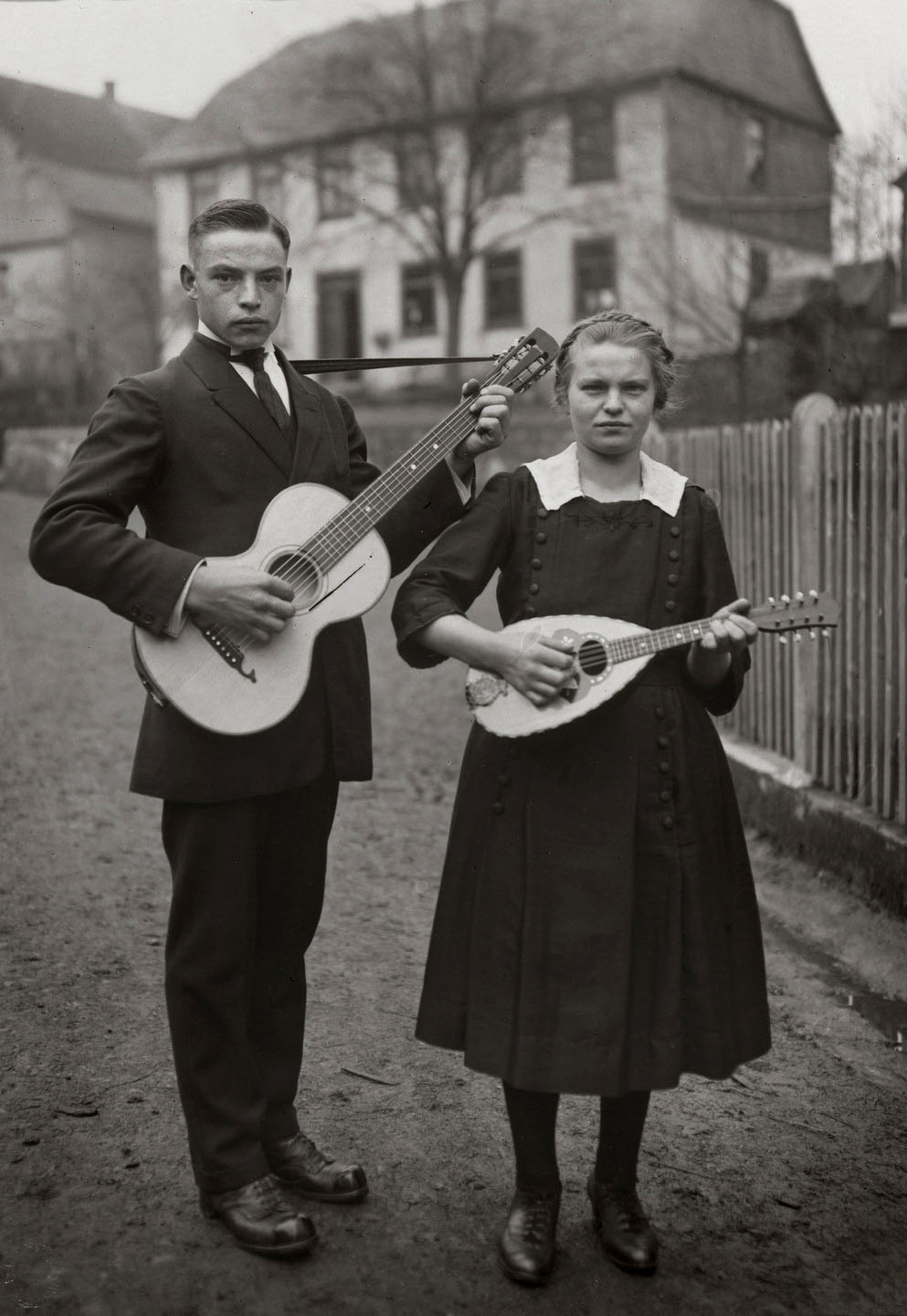
~ The photographs from 1912-1913 in the first posting on this exhibition, such as Farmer Couple – Propriety and Harmony (1912, printed c. 1990-1999), Country Band (1913, printed c. 1990-1999), Country Lads from the Westerwald (1912, printed c. 1990-1999), and Farm Children (c. 1913, printed c. 1990-1999) emerge from a society facing “significant social and political unrest prior to World War I, driven by rigid class hierarchies, rapid industrialisation, and a growing labour movement. The landed aristocracy held significant political power, which bred resentment among the working and middle classes.”

In these four photographs by Sander we have an elderly farmer couple of propriety and harmony facing the prospect of old age and experiencing severe, devastating food shortages during World War I as conscription of agricultural workers and the requisitioning of draft horses for the Imperial German Army paralysed domestic food production, poor harvests and harsh winters further eroding the civilian diet, and inflation making even basic items unaffordable for many (the government taking away or strictly controlling the food produced by farmers during the war) – while the young men in the country band and country lads from the Westerwald would have become machine gun fodder on the fields of Europe.

The children would have had to live through this. The Burgfrieden (civil truce) which had brought political unity and the cessation of strikes at the beginning of the war fell apart during it.1 Revolution in 1918 led to “the downfall of the House of Hohenzollern, the dissolution of the German army, and the demise of the old German social order.”2 General Erich Ludendorff, defacto military commander resigned in October 1918; Kaiser Wilhelm II abdicated in November 1918; Prince Max of Baden Chancellor of Germany resigned in November 1918; and King Ludwig III of Bavaria was overthrown in November 1918. Shootings and murders were the order of the day in Berlin.

“In November 1918 … the old regime of Kaiser Wilhelm II was swept away by a revolution. It ended the First World War and led to the establishment of democracy in Germany. The Weimar Republic was born out of the struggle for a new social order and political system.”3

Tumultuous times.

From the outset the new Weimar Republic was always under pressure as the cabaret of cultural life continued its unstable rollercoaster of protests, strikes, murders and social and political upheaval during the interwar years.

“During the interwar years, Germany experienced frequent, deadly street battles between communists and right-wing groups, which bordered on low-intensity civil war:

~ Following World War I, communist uprisings – such as the 1919 Spartacist Uprising in Berlin – were brutally suppressed by far-right volunteer paramilitaries known as the Freikorps.

~ Both sides formed official, heavily armed paramilitary wings. The Communist Party (KPD) utilised the Red Front Fighters’ League (Roter Frontkämpferbund or RFB). Their primary right-wing antagonists were the Nazi Party’s Stormtroopers (Sturmabteilung or SA), alongside the nationalist Stahlhelm and the Social Democratic Reichsbanner.

~ Violence peaked as the Weimar Republic collapsed. Nazi paramilitaries regularly marched directly into working-class, communist strongholds (such as the Wedding and Neukölln districts in Berlin) to intentionally spark brawls. Clashes escalated from brawls to armed gunfire, claiming hundreds of lives on both sides.” (multiple sources)

The great Wall Street Crash of 1929 ramped up the instability, causing severe economic depression in Germany and rampant inflation. “Millions of Germans faced severe hunger and malnutrition because the economic collapse left them without the income to buy food.” This was the era of political violence in Germany (1918-1933) before the fall of the Weimar Republic (1930-1933) when the expansive creativity of artists, the small, hard won civil liberties and the sense of liberal freedom were all swept away by the Nazis in the 1930s.

Tumultuous times.

NOW

You look at the photographs by Sander of human beings from the interwar years and you overlay this knowledge onto them and a kind of melancholy realism descends on you as you appreciate the import of historic events that they were caught up in, the maelstrom, malevolence and disaster of the Second World War that was quickly approaching.

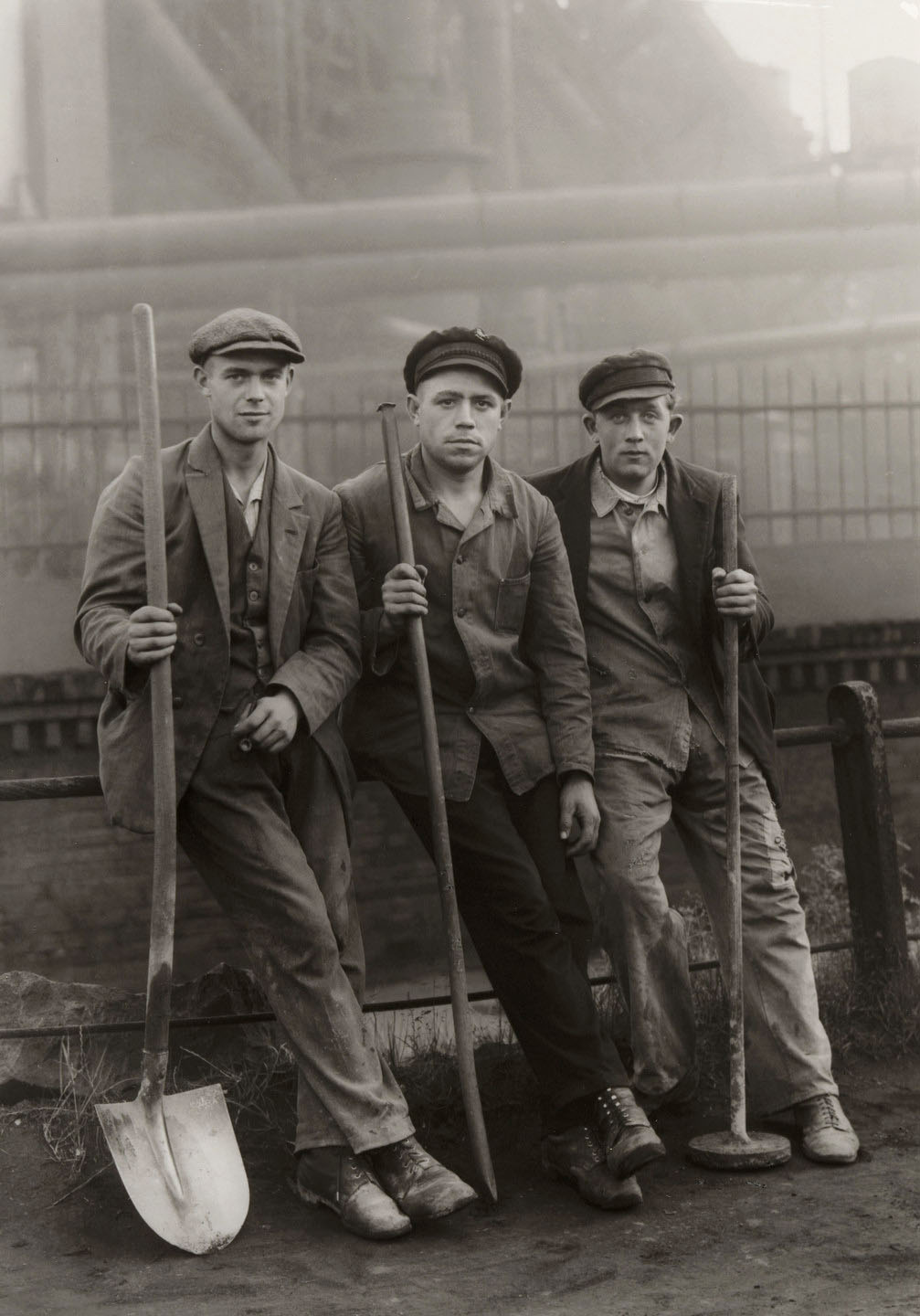
I think of the farm children photographed in 1913 – in 1939 they will be in their thirties and will, most likely, be serving in the German armed forces during the second conflagration. I look at the Peddler (1930, printed c. 1990-1999 below) and the Itinerant Mason (c. 1927, printed c. 1990-1999) and wonder what they did during the war and whether they survived it. I flinch looking at the “Aryan” doppelgängers in Farmers Playing Cards (c. 1920, printed c. 1990-1999) as I imagine them in SS uniforms. And I look at the men in Workers’ Council from the Ruhr Region (1929, printed c. 1990-1999 below) and wonder whether they were later pressed into the army or, perhaps, the Volkssturm (national militia) at the end of the Second World War made up of the young, the injured, the old, to defend the Fatherland from the Russians. To refuse the call invited execution.

I wonder about the Country Girls, Westerwald (1925, printed c. 1990-1999) and how many babies they produced for the Reich and what medals they received. I think about the black man in Circus Performers (1926-1932, printed c. 1990-1999). I think about the persecuted, the Jews and the political prisoners including Sander’s son Political Prisoner [Erich Sander] (1941-1944, printed c. 1990-1999 below) “who was a member of the left wing Socialist Workers’ Party (SAP), was arrested by Nazis in 1934 and sentenced to 10 years in prison, where he died of an untreated ruptured appendix in 1944” (Wikipedia) because the guards couldn’t care less … and I imagine the pain and heartache that his father August went through at the time, loosing his eldest son.

I gaze at the faces of The Last People, the stare of an Inmate of an Asylum (1926-1930, printed c. 1990-1999) and the faces of Blind Children (c. 1930, printed c. 1990-1999) and wonder whether they were all killed as part of the Nazis euthanasia program (code-named Aktion T4) “which was a systematic campaign of mass murder that targeted institutionalised people with physical and intellectual disabilities in Germany and annexed territories (between 1939-1945).”4

A tear rolls down my cheek.

And then you think of the persecution of Sander himself, the destruction in 1936 of all the publishers copies of his first book Face of Our Time (Antlitz der Zeit), published in 1929, the destruction of the printing plates and the confiscation of his negatives – because the portrayal of all strata of German society did not fit with right wing eugenics and defied the regime’s rigid ideology of the “master race”.

Finally, I think of the courage of Sander to keep on photographing, to keep on recording his people of the 20th century no matter who they were, no matter the peril he was in. What else could he do? Give in to oppression? To survive the vicissitudes of the Second World War only then to loose 25,000 to 30,000 of his negatives, part of his life’s work, destroyed in an accidental basement fire in Cologne in 1946.

AND NOBODY SAYS ANY OF THIS.

But in his photographs we can see and feel how …

“The faces of those he photographed show traces of this collective historical experience.”

Through the generations.

~

As I observed in a 2013 paper Transgressive Topographies, Subversive Photographies, Cultural Policies, “Photography has always opened up to artists the possibility of offering the viewer images open to interpretation, where the constructed personal narratives of the viewer are mediated through mappings of identity, body and place that challenge how the viewer sees the world and the belief systems that sustain that view.”5

Thus, we are trans/fixed (trans, derived from Latin, “trans-” means to go across, beyond, or through) by the photographs of August Sander, for in understanding their history and their gestures (the hands of the blind children, the outstretched arm of the farmer sowing), their behaviour, social interactions, and psychological tension6 we may go beyond the here and now, transcending a belief system that sustains a limited world view, embracing identities that are constantly shifting and evolving. In this way, Sander’s photographs change human consciousness.

They undermine Volksgemeinschaft, a German term translating to “people’s community” or “national community”,7 a central ideological concept in Nazi Germany used to describe a supposedly classless, racially unified society where the interests of the individual were strictly subordinated to the needs of the nation … for within the archetype there is always the individual, choice, difference, freedom of expression, freedom to say no. Enough. No matter what the cost.

Through individual and archetype, gesture and pose, Sander’s art becomes impervious to time, a guiding light for generations.

Dr Marcus Bunyan


For more information on August Sander please see my text A portent of things to come… on ‘Germany / 1920s / New Objectivity / August Sander’, August 7, 2022. See Part 1 of the posting on this exhibition.


Footnotes

1/ “The right saw the Burgfrieden as a sign of support for the authoritarian state while the left expected their sacrifices to be rewarded by social changes after the end of the war.”

Anonymous. “Burgfriedenspolitik,” on the Wikipedia website Nd [Oline] Cited 18/06/2026

2/ Harry Graf Kessler, diary entry from November 9, 1918

3/ Text from the catalogue to the exhibition Berlin in the revolution 1918/19. Verlag Kettler, Kunstbibliothek Staatliche Museen zu Berlin, 2018

4/ Anonymous. “Aktion T4,” on the Wikipedia website Nd [Oline] Cited 18/06/2026

5/ Marcus Bunyan. “Transgressive Topographies, Subversive Photographies, Cultural Policies,” on the Art Blart website, October 2013 [Oline] Cited 16/06/2026

6/ “Identity however is constantly evolving, shifting, and even fragmenting, while gesture signals shifts in human consciousness, behaviour, social interactions, and psychological tension.”

Associate Professor James McArdle. “Entwine,” on the On This Date in Photography website 15/06/2026 [Online] Cited 16/02/2026

7/ “A central concept in Nazi ideology, “Volksgemeinschaft” (community of the People) was the name given to the fictional notion of a classless community of all “racially pure” Germans as a unified people, supposedly bound together by blood and culture as well as common experiences and beliefs. The idea of the “Volksgemeinschaft” was intended to evoke a strong identification of the majority of Germans with the Nazi regime and to promote their sense of obedience. Central was the exclusion of certain groups, such as Jews, Sinti and Roma, homosexuals, political opponents and people persecuted for being “antisocial”. They were all labelled as “aliens to the community”. Many were arrested and deported to concentration or death camps.”

Anonymous. “Volksgemeinschaft / Lit. Community of the People,” on the Bildungsportal Ns-Zwangsarbeit website Nd [Online] Cited 18/06/2026


Many thankx to the Yale University Art Gallery for allowing me to publish the photographs in the posting. All photographs were printed by Gerd Sander (German, 1940-2021). Please click on the photographs for a larger version of the image. See Part 1 of the posting.


“The stark reminder that there was a person behind the lens, who suffered loss along with so many during that time, only makes People of the 20th Century more remarkable in its monumental intimacy. Each image is its own stunning portrait. Cumulatively, they have the power to leave the viewer in a daze, awestruck at the way someone with a clear eye and a loudly beating heart could show us how to connect with people from three generations ago…”


Brian Slattery. “Photographer Gives Everyone Their Dignity,” on the Midbrow website 30 March, 2026 [Online] Cited 03/06/2026


“Seen together, Sander’s images form a pictorial mosaic of inter-war Germany. Rapid social change and newfound freedom were accompanied by financial insecurity and social and political unrest. By photographing the citizens of the Weimar Republic – from the artistic, bohemian elite to the Nazis and those they persecuted – Sander’s photographs tell of an uncertain cultural landscape. It is a world characterized by explosions of creativity, hyperinflation and political turmoil. The faces of those he photographed show traces of this collective historical experience.


Anonymous. “Five things to know: August Sander,” on the Tate website Nd [Online] Cited 18/06/2026


August Sander (German, 1876-1964) 'Painter [Marta Hegemann]' c. 1925, printed c. 1990-1999


August Sander (German, 1876-1964)
Painter [Marta Hegemann]
c. 1925, printed c. 1990-1999
Gelatin silver print
10 1/8 x 7 11/16 in. (25.7 x 19.5cm)
Societe Anonyme Acquisition Fund and Katharine Ordway Fund
© Die Photographische Sammlung / SK Stiftung Kultur – August Sander Archiv, Cologne / ARS, NY


Marta Hegemann (14 February 1894 – 28 January 1970) was a German artist associated with the Dada movement and with the Cologne Progressives.

Cologne Progressives

The Cologne Progressives was an art movement and were an informal group of artists based in the Cologne and Düsseldorf area of Germany. They came together following the First World War and participated in the radical workers’ movement.

History

The group was founded by Gerd Arntz, Heinrich Hoerle and Franz Wilhelm Seiwert. The group related their attitude to art to their political activism. As Wieland Schmied put it, they “sought to combine constructivism and objectivity, geometry and object, the general and the particular, avant-garde conviction and political engagement, and which perhaps approximated most to the forward looking of New Objectivity […] “. They originated Figurative Constructivism.

Other artists and designers associated with this group include Wilhelm Kleinert, Marta Hegemann, Angelika Hoerle, Anton Räderscheidt, and Gottfried Brockmann. Many members had come from the Stupid (art movement).

Key concepts – Reversibility

This concept comes from their concern not merely to communicate social and political necessities, but also to ensure that their artworks could be turned toward the viewers sensible reality and become tenable as an argument. This is tied to their political commitment to proletarian culture in the specific context of the Rhineland during the tumults of the 1920s.

Text from the Wikipedia website


August Sander (German, 1876-1964) 'Painter [Willi Bongard]' 1922-1925, printed c. 1990-1999


August Sander (German, 1876-1964)
Painter [Willi Bongard]
1922-1925, printed c. 1990-1999
Gelatin silver print
10 1/16 x 7 1/2 in. (25.5 x 19cm)
Societe Anonyme Acquisition Fund and Katharine Ordway Fund
© Die Photographische Sammlung / SK Stiftung Kultur – August Sander Archiv, Cologne / ARS, NY


August Sander (German, 1876-1964)' Paper Manufacturer and His Wife' 1932, printed c. 1990-1999


August Sander (German, 1876-1964)
Paper Manufacturer and His Wife
1932, printed c. 1990-1999
Gelatin silver print
9 15/16 × 7 11/16 in. (25.3 × 19.6cm)
Societe Anonyme Acquisition Fund and Katharine Ordway Fund
© Die Photographische Sammlung / SK Stiftung Kultur – August Sander Archiv, Cologne / ARS, NY


August Sander (German, 1876-1964) 'Peddler' 1930, printed c. 1990-1999


August Sander (German, 1876-1964)
Peddler
1930, printed c. 1990-1999
Gelatin silver print
10 3/16 x 7 5/16 in. (25.8 x 18.6cm)
Societe Anonyme Acquisition Fund and Katharine Ordway Fund
© Die Photographische Sammlung / SK Stiftung Kultur – August Sander Archiv, Cologne / ARS, NY


August Sander (German, 1876-1964) 'Philosopher [Max Scheler]' c. 1925, printed c. 1990-1999


August Sander (German, 1876-1964)
Philosopher [Max Scheler]
c. 1925, printed c. 1990-1999
Gelatin silver print
10 3/16 x 7 5/16 in. (25.8 x 18.6cm)
Societe Anonyme Acquisition Fund and Katharine Ordway Fund
© Die Photographische Sammlung / SK Stiftung Kultur – August Sander Archiv, Cologne / ARS, NY


Max Ferdinand Scheler (German: [ˈʃeːlɐ]; 22 August 1874 – 19 May 1928) was a German philosopher known for his work in phenomenology, ethics, and philosophical anthropology. Considered in his lifetime one of the most prominent German philosophers, Scheler developed the philosophical method of Edmund Husserl, the founder of phenomenology.


The German photographer August Sander (1876-1964) is one of the most significant and influential photographers of the 20th century. This exhibition presents Sander’s ambitious and groundbreaking portrait series Menschen des 20. Jahrhunderts (People of the 20th Century) (1892-1954), a canonical work in the history of photography. The presentation – of over 600 prints from the series – represents the most comprehensive installation of his life’s work.

For this monumental archive of modern humanity, Sander photographed German citizens from all classes and backgrounds, organising them into categories such as “The Skilled Tradesman,” “The Farmer,” “The Artist,” and “The Woman.” Sander conceived of the project in the 1920s, during the Weimar Republic, but included in it photographs he had made as early as 1892. His portrayal of marginalised individuals, including people with disabilities and the unemployed, provided visibility to those often excluded from mainstream representations and drew the ire of the Nazis. Striking for their unflinching realism and skilful observations of character, his images reflect the changing social landscape of Germany in the first half of the 20th century.

Text from the Yale University Art Gallery website
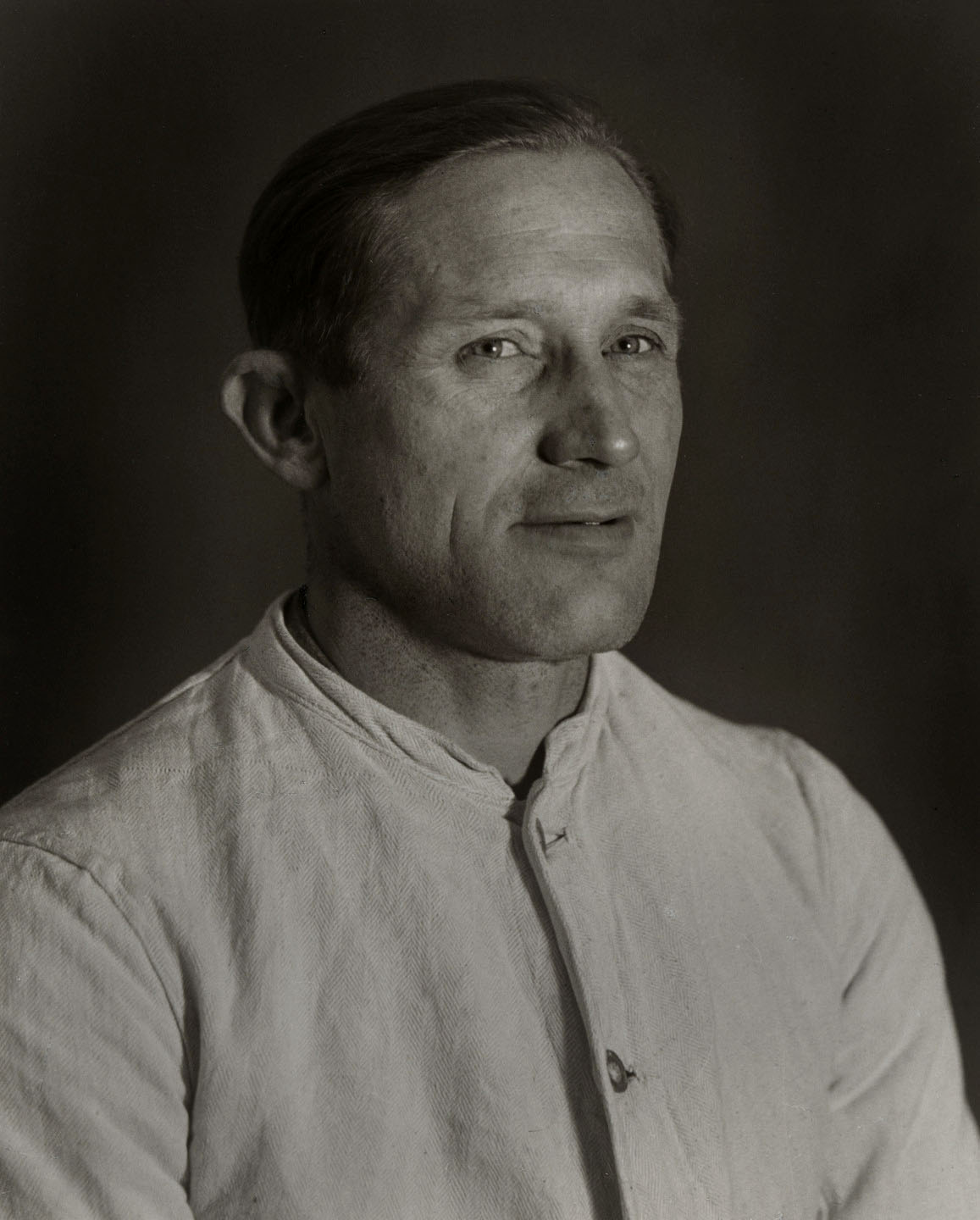
 

August Sander (German, 1876-1964) 'Political Prisoner' 1941-1944, printed c. 1990-1999


August Sander (German, 1876-1964)
Political Prisoner
1941-1944, printed c. 1990-1999
Gelatin silver print
9 7/16 x 7 3/4 in. (24 x 19.7cm)
Societe Anonyme Acquisition Fund and Katharine Ordway Fund
© Die Photographische Sammlung / SK Stiftung Kultur – August Sander Archiv, Cologne / ARS, NY
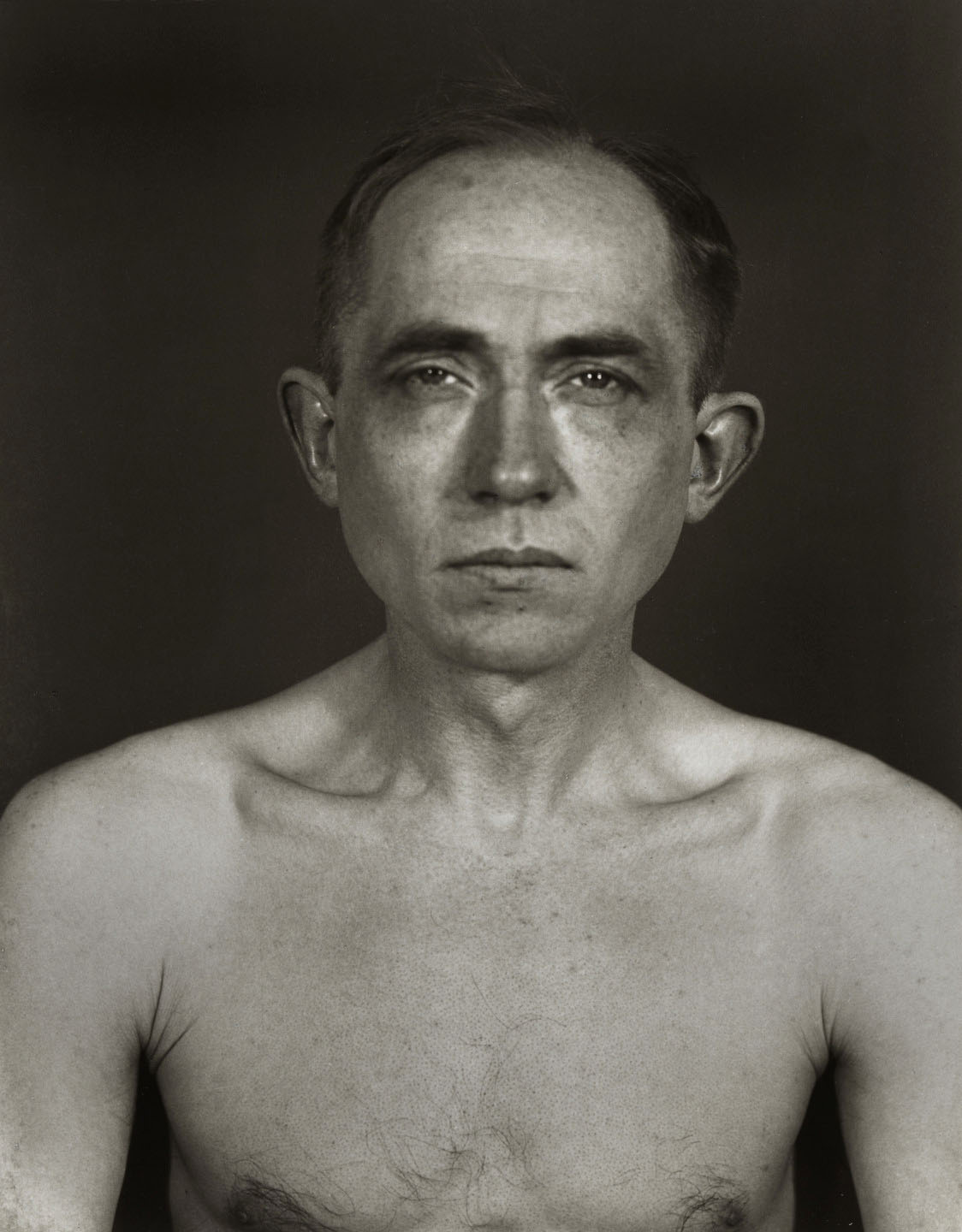
 

August Sander (German, 1876-1964) 'Political Prisoner' 1941-1944, printed c. 1990-1999


August Sander (German, 1876-1964)
Political Prisoner
1941-1944, printed c. 1990-1999
Gelatin silver print
9 13/16 x 7 11/16 in. (25 x 19.6cm)
Societe Anonyme Acquisition Fund and Katharine Ordway Fund
© Die Photographische Sammlung / SK Stiftung Kultur – August Sander Archiv, Cologne / ARS, NY


August Sander (German, 1876-1964) 'Political Prisoner [Erich Sander]' 1941-1944, printed c. 1990-1999


August Sander (German, 1876-1964)
Political Prisoner [Erich Sander]
1941-1944, printed c. 1990-1999
Gelatin silver print
9 7/8 x 7 3/8 in. (25.1 x 18.7cm)
Societe Anonyme Acquisition Fund and Katharine Ordway Fund
© Die Photographische Sammlung / SK Stiftung Kultur – August Sander Archiv, Cologne / ARS, NY


Erich Sander (1903-1944) was the eldest son of Anna and August , an intellectual, political activist and member of the Resistance who was introduced to photography by his father, with whom he worked. In Cologne, with his comrade Ernst Ransenberg, he took over the leadership of the local section of the SAP party (Sozialistische Arbeiterpartei Deutschland – Socialist Workers’ Party of Germany), writing and publishing leaflets against the Nazi party in power. In 1934, Erich was arrested and sentenced to 10 years’ imprisonment for high treason. He worked as a photographer for the prison administration and managed to smuggle in a camera that enabled him to take portraits of himself and his fellow prisoners, whom he managed to smuggle out of the prison. He left a substantial correspondence with his family (some letters written in secret ink), which constitutes essential documentation on life in prison during National Socialism. …

Erich Sander did not live to see the end of the war. He died on 23 March 1944, after his severe abdominal pain was ignored for days by the prison authorities.

Marie-Édith Agostini. “Portraits of a Time by August and Erich Sander,” on the Wer Ist Walter? website Nd [Online] Cited 03/06/2026. Used under fair use conditions for the purposes of education and research
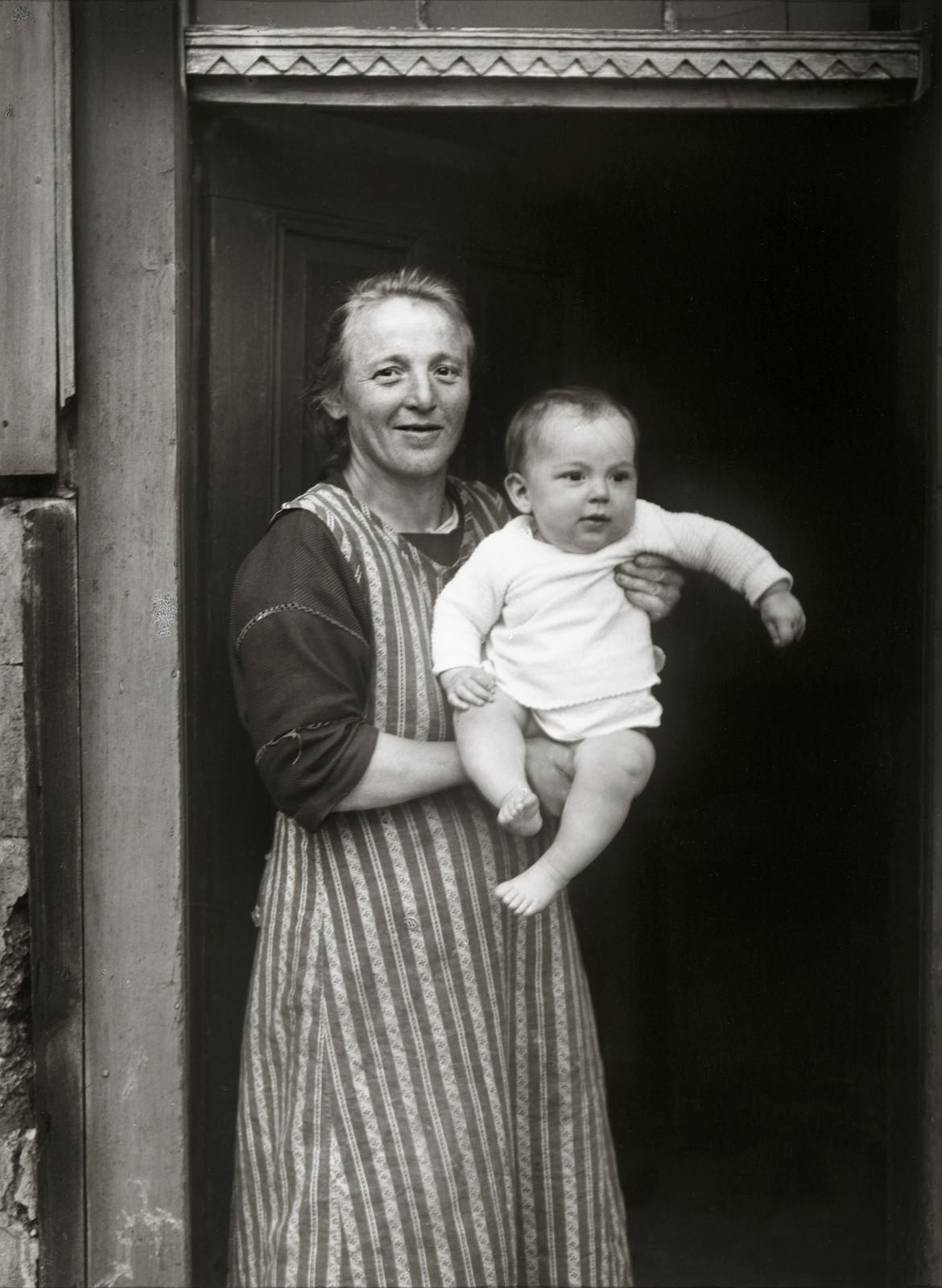
 

August Sander (German, 1876-1964) 'Political Prisoner [Erich Sander]' 1943, printed c. 1990-1999


August Sander (German, 1876-1964)
Political Prisoner [Erich Sander]
1943, printed c. 1990-1999
Gelatin silver print
9 15/16 x 7 3/8 in. (25.3 x 18.8cm)
Societe Anonyme Acquisition Fund and Katharine Ordway Fund
© Die Photographische Sammlung / SK Stiftung Kultur – August Sander Archiv, Cologne / ARS, NY
 

August Sander (German, 1876-1964) 'Political Prisoner [Marcel Ancelin]' 1943, printed c. 1990-1999


August Sander (German, 1876-1964)
Political Prisoner [Marcel Ancelin]
1943, printed c. 1990-1999
Gelatin silver print
9 5/8 x 7 11/16 in. (24.5 x 19.6cm)
Societe Anonyme Acquisition Fund and Katharine Ordway Fund
© Die Photographische Sammlung / SK Stiftung Kultur – August Sander Archiv, Cologne / ARS, NY
 

One of his fellow prisoners was Marcel Ancelin, born in Paris in 1923. A member of the Front National de Lutte pour la Libération et l’Indépendance de la France (National Front for the Fight for the Liberation and Independence of France) and later the FTP (Francs-Tireurs et Partisans), he was arrested by the French police on 13 August 1941. Handed over to the German authorities and sentenced to hard labour, he spent several years in camps and prisons in Germany, among them in Siegburg where he met Erich Sander. Ancelin was finally liberated from a camp near Frankfurt with other inmates by American troops in April 1945, and returned to France. On 8 November 1956, he received the official title of “deported resistance fighter”. Marcel Ancelin died in 2003, having never told his family or friends about his heroic past.

Erich Sander wrote of him in a letter to his parents: “One of the three (French men) has some very striking features, which is sure to give father some pleasure […] Very intelligent chap, by the way. He wants to come and visit me after the war.” However, Erich Sander did not live to see the end of the war. He died on 23 March 1944, after his severe abdominal pain was ignored for days by the prison authorities.

Marie-Édith Agostini. “Portraits of a Time by August and Erich Sander,” on the Wer Ist Walter? website Nd [Online] Cited 03/06/2026. Used under fair use conditions for the purposes of education and research


August Sander (German, 1876-1964) 'Proletarian Mother' 1927, printed c. 1990-1999


August Sander (German, 1876-1964)
Proletarian Mother
1927, printed c. 1990-1999
Gelatin silver print
10 1/16 x 7 3/8 in. (25.5 x 18.8cm)
Societe Anonyme Acquisition Fund and Katharine Ordway Fund
© Die Photographische Sammlung / SK Stiftung Kultur – August Sander Archiv, Cologne / ARS, NY
 

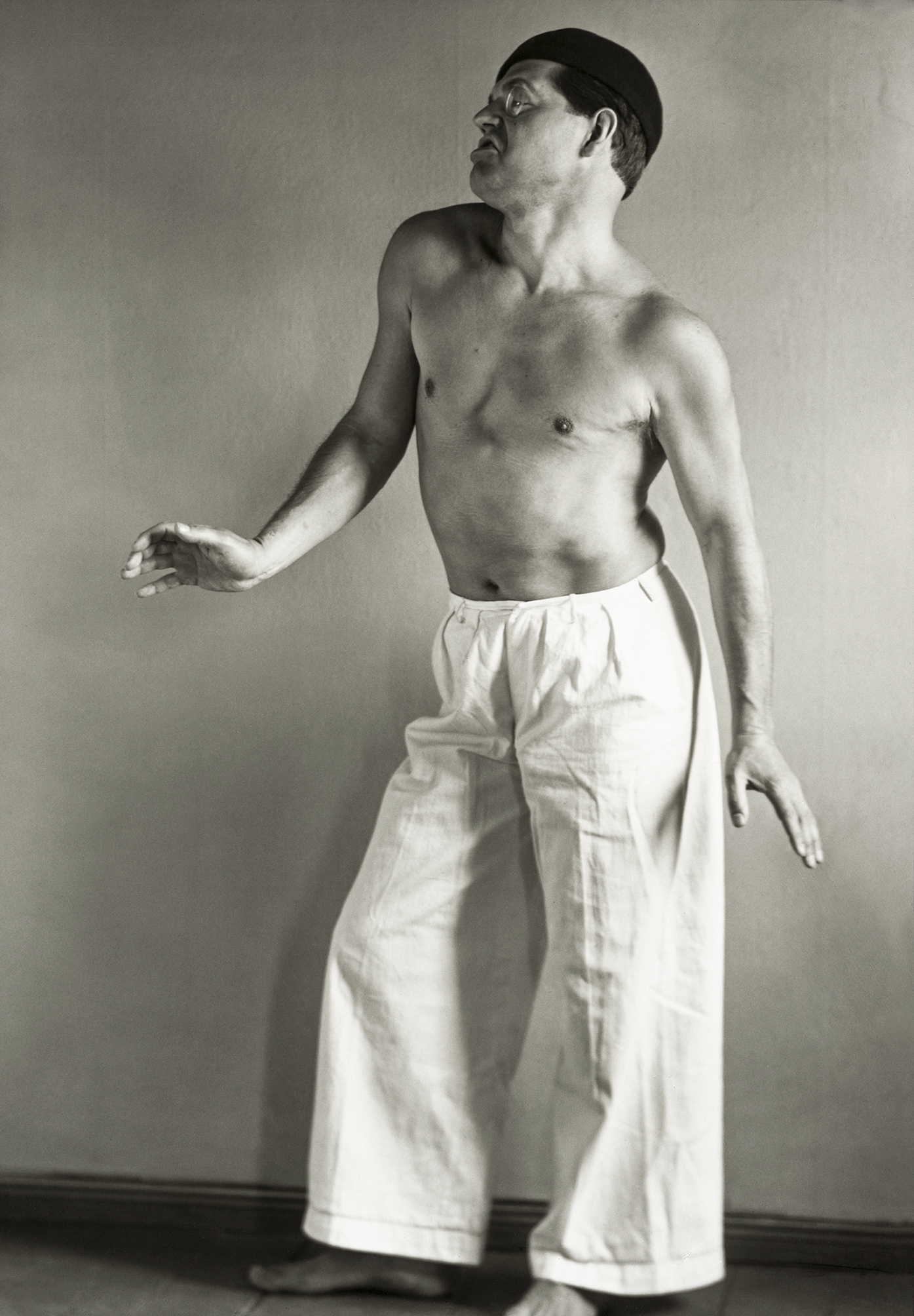
August Sander (German, 1876-1964) 'Raoul Hausmann as a Dancer' 1929, printed c. 1990-1999


August Sander (German, 1876-1964)
Raoul Hausmann as a Dancer
1929, printed c. 1990-1999
Gelatin silver print
10 1/16 x 7 in. (25.6 x 17.8cm)
Societe Anonyme Acquisition Fund and Katharine Ordway Fund
© Die Photographische Sammlung / SK Stiftung Kultur – August Sander Archiv, Cologne / ARS, NY
 

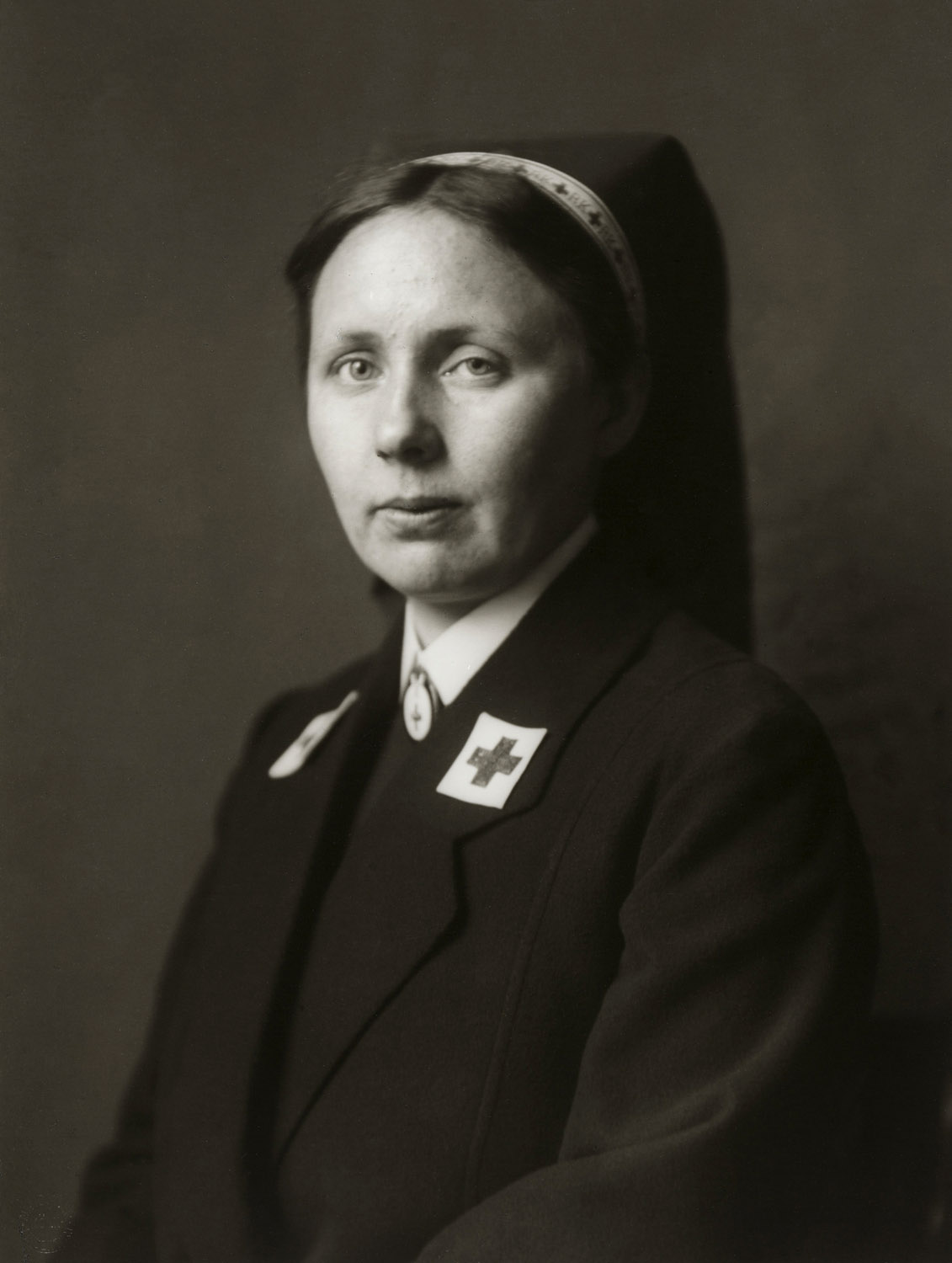
August Sander (German, 1876-1964) 'Red Cross Nurse' 1924, printed c. 1990-1999


August Sander (German, 1876-1964)
Red Cross Nurse
1924, printed c. 1990-1999
Gelatin silver print
10 1/8 x 7 5/8 in. (25.7 x 19.4cm)
Societe Anonyme Acquisition Fund and Katharine Ordway Fund
© Die Photographische Sammlung / SK Stiftung Kultur – August Sander Archiv, Cologne / ARS, NY
 

August Sander (German, 1876-1964) 'Road Workers in the Ruhr Region' c. 1928, printed c. 1990-1999


August Sander (German, 1876-1964)
Road Workers in the Ruhr Region
c. 1928, printed c. 1990-1999
Gelatin silver print
10 1/8 x 7 3/16 in. (25.7 x 18.2cm)
Societe Anonyme Acquisition Fund and Katharine Ordway Fund
© Die Photographische Sammlung / SK Stiftung Kultur – August Sander Archiv, Cologne / ARS, NY


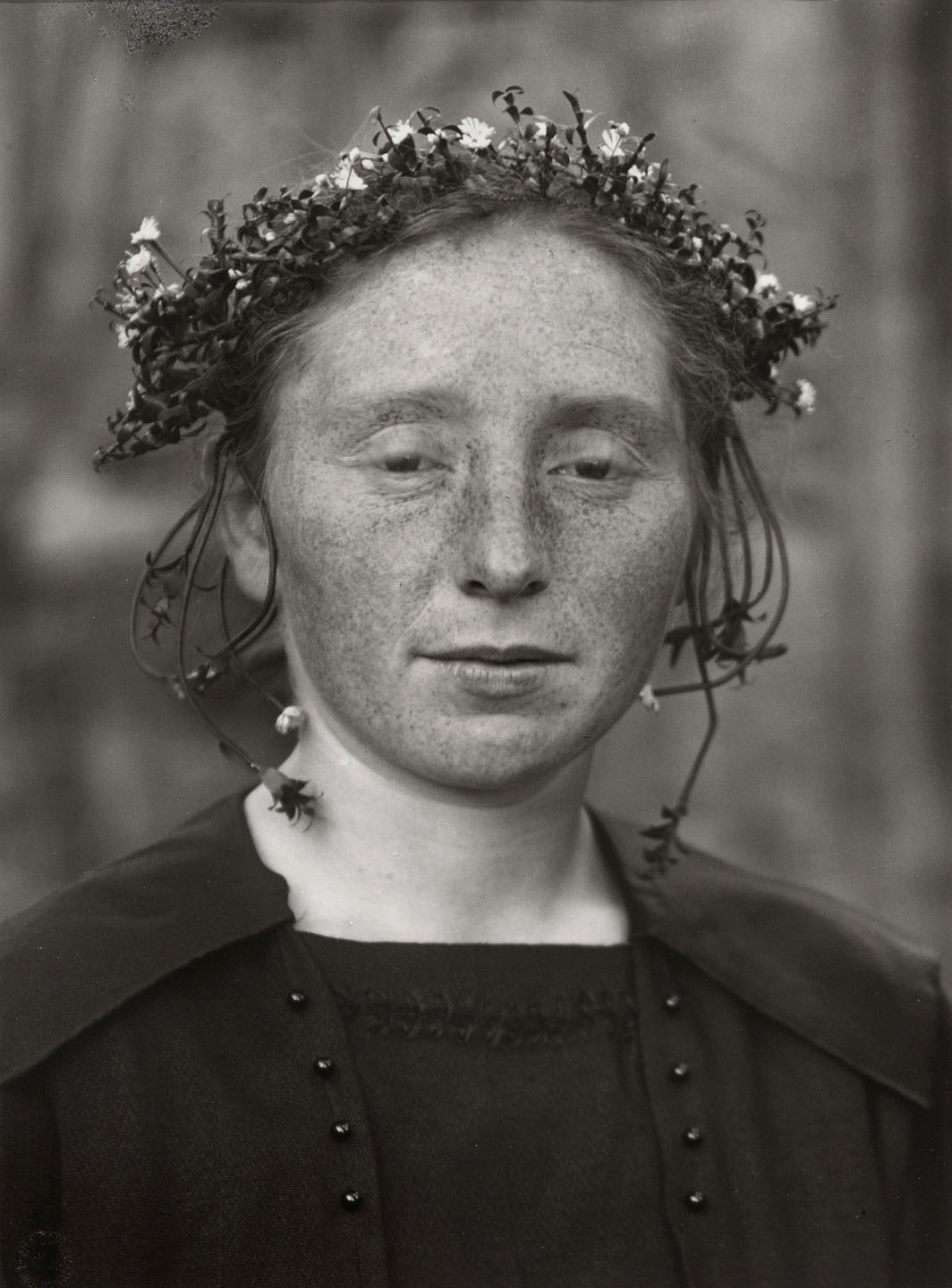
August Sander (German, 1876-1964) 'Rural Bride' 1920-1925, printed c. 1990-1999


August Sander (German, 1876-1964)
Rural Bride
1920-1925, printed c. 1990-1999
Gelatin silver print
10 3/16 x 7 1/2 in. (25.8 x 19cm)
Societe Anonyme Acquisition Fund and Katharine Ordway Fund
© Die Photographische Sammlung / SK Stiftung Kultur – August Sander Archiv, Cologne / ARS, NY


August Sander (German, 1876-1964) 'Rural Brother and Sister' 1925-1930, printed c. 1990-1999


August Sander (German, 1876-1964)
Rural Brother and Sister
1925-1930, printed c. 1990-1999
Gelatin silver print
10 1/4 x 7 3/16 in. (26 x 18.3cm)
Societe Anonyme Acquisition Fund and Katharine Ordway Fund
© Die Photographische Sammlung / SK Stiftung Kultur – August Sander Archiv, Cologne / ARS, NY


In the history of photography, few projects have proven as groundbreaking as People of the 20th Century. August Sander (1876-1964) developed his ambitious series over more than six decades, capturing the diverse social fabric of his home country of Germany during a period marked by cultural upheaval and change. A new exhibition at the Yale University Art Gallery showcases over 600 prints from this landmark work, inviting viewers to experience the breadth and depth of Sander’s vision. Never before has his output received such comprehensive treatment in a museum display.

Sander undertook to photograph people from all walks of life and organise them into groups, whether by class, gender, profession, or other traits – resulting in a sociological archive of Germany in the first half of the 20th century. The installation at the Gallery draws its structure from the typology he established: The Farmer; The Skilled Tradesman; The Woman; Classes and Professions; The Artists; The City; and The Last People. Each of Sander’s portraits at once represents an individual and a social archetype, exploring the tension between public identity and personal uniqueness. As he explained, “The individual does not make the history of his time, but he both impresses himself on it and expresses its meaning.”

In one image, the photographer’s eldest son, Erich, poses with his fellow working college students. He appears again in a photograph taken surreptitiously while imprisoned for leftist activity. Such reoccurrences make clear that Sander’s categories are not as fixed as they may at first appear, with many individuals and motifs showing up across different classifications. Further challenging the project’s claim to offer a neat and neutral study of social types is the deeply personal character of some of the pictures. Indeed, People of the 20th Century incorporates intimate portraits of Sander’s family, including the poignant My Wife in Joy and Sorrow showing his wife, Anna, with their twin infants, one of whom did not survive.

Sander was steeped in the avant-garde movements of early 20th-century Germany as he cultivated a realistic style aimed at portraying life as it was, without romanticisation. Among these influences were the Cologne Progressives, a collective of artists deeply invested in labor activism, and the New Objectivity, which countered the era’s prevailing Expressionism with a manner of ostensible impartiality or resignation. This turn away from subjective expression in art shaped Sander’s approach to framing his subjects. He situated figures carefully within their environments such that their surroundings tell parts of their stories: as in the above-mentioned Political Prisoner, the individual becomes inextricable from the context.

Following the rise to power of the National Socialist party in 1933, Sander remained in Germany and faced professional constraints due to the nature and content of his artwork. Defying the representational mandates imposed by Nazi ideology, he photographed marginalised peoples – those with disabilities, the unemployed, and the persecuted. Even when an early version of the project was destroyed by the regime, Sander persisted, documenting the stories of those often overlooked by society. Through his lens, every subject was given dignity and importance, creating a stark contrast to the dehumanising rhetoric of this period.

Judy Ditner is the Richard Benson Curator of Photography and Digital Media

Yale University Art Gallery Spring 2026 Magazine
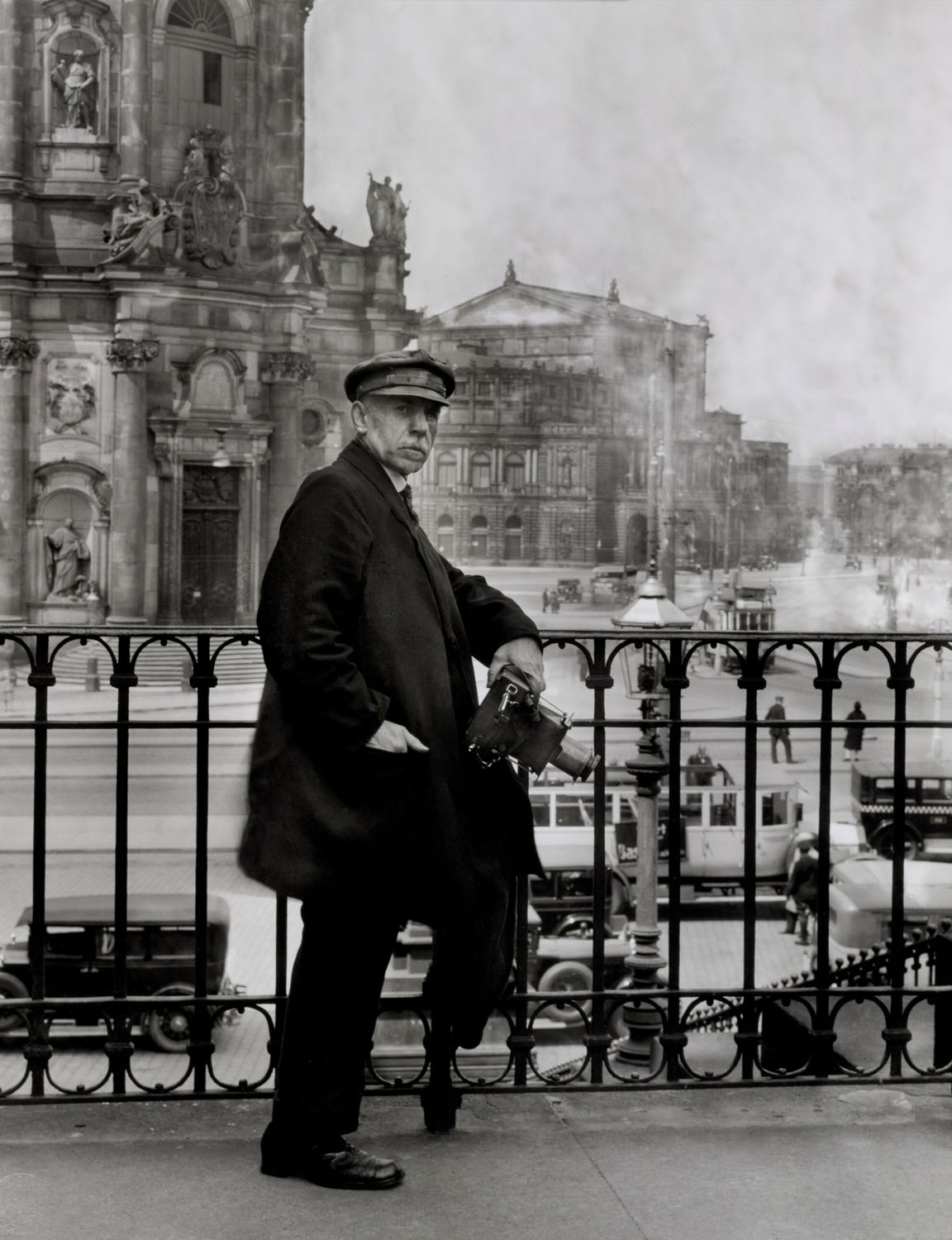
 

August Sander (German, 1876-1964) 'Street Photographer' c. 1930, printed c. 1990-1999


August Sander (German, 1876-1964)
Street Photographer
c. 1930, printed c. 1990-1999
Gelatin silver print
10 3/16 x 7 7/8 in. (25.8 x 20cm)
Societe Anonyme Acquisition Fund and Katharine Ordway Fund
© Die Photographische Sammlung / SK Stiftung Kultur – August Sander Archiv, Cologne / ARS, NY


August Sander (German, 1876-1964) '"Test Your Strength" Showman' 1930, printed c. 1990-1999


August Sander (German, 1876-1964)
“Test Your Strength” Showman
1930, printed c. 1990-1999
Gelatin silver print
10 1/16 x 7 7/16 in. (25.6 x 18.9cm)
Societe Anonyme Acquisition Fund and Katharine Ordway Fund
© Die Photographische Sammlung / SK Stiftung Kultur – August Sander Archiv, Cologne / ARS, NY
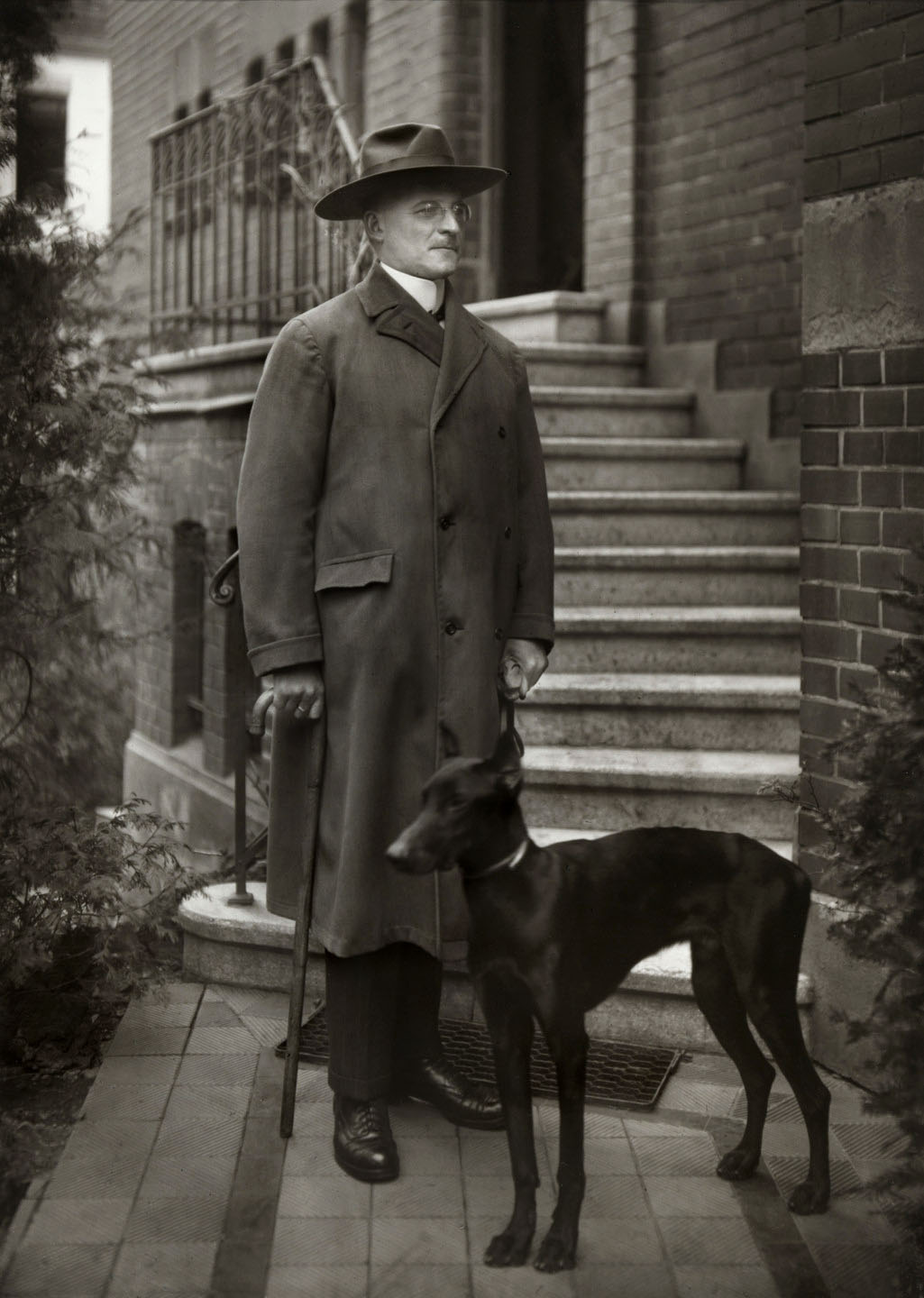
 

August Sander (German, 1876-1964) 'The Architect Couple [Dora und Hans Heinz Lüttgen]' 1926, printed c. 1990-1999


August Sander (German, 1876-1964)
The Architect Couple [Dora und Hans Heinz Lüttgen]
1926, printed c. 1990-1999
Gelatin silver print
8 × 9 3/8 in. (20.3 × 23.8cm)
Societe Anonyme Acquisition Fund and Katharine Ordway Fund
© Die Photographische Sammlung / SK Stiftung Kultur – August Sander Archiv, Cologne / ARS, NY


Hans Heinz Lüttgen (actually Theodor Heinrich Lüttgen; born 16. November 1895 (according to another source 1898) in Düsseldorf; died July 1976 in New York) was a German architect, interior designer and artist. According to his designs, the Sartory rooms and settlement buildings in Riehl were built in Cologne, as well as a series of single-family houses and villas in Wuppertal, which can be attributed to the style of the New Building of the 1920s and 1930s and now have “cult status”.


August Sander (German, 1876-1964) 'The Dadaist Raoul Hausmann [with Hedwig Mankiewitz and Vera Broïdo]' 1929


August Sander (German, 1876-1964)
The Dadaist Raoul Hausmann [with Hedwig Mankiewitz and Vera Broïdo]
1929, printed c. 1990-1999
Gelatin silver print
10 1/4 x 7 1/2 in. (26 x 19cm)
Societe Anonyme Acquisition Fund and Katharine Ordway Fund
© Die Photographische Sammlung / SK Stiftung Kultur – August Sander Archiv, Cologne / ARS, NY


Hedwig Mankiewitz (also known as Hedwig Hausmann, 1893–1974) was a German painter and a vital, yet frequently under-appreciated, figure in the European avant-garde and Dada art movements. She is best known as the second wife, muse, and collaborator of the influential Dadaist Raoul Hausmann. Mankiewitz played a crucial role in providing emotional and financial support to Hausmann, especially during the tumultuous years when he was classified as a banned artist under the Nazi regime.

Vera Broïdo (7 September 1907 – 11 February 2004) was a Russian-born writer and a chronicler of the Russian Revolution, as one who grew up through it and lost her mother to its aftermath…

During her time in Berlin in the 1920s, Broido met avant garde artist and Dadaist turned society photographer Raoul Hausmann and became his lover and muse, living in a ménage à trois with him and his wife Hedwig in the fashionable Charlottenburg district of Berlin between 1928 and 1934.


August Sander (German, 1876-1964) 'The Industrialist [Max Spindler]' 1929, printed c. 1990-1999


August Sander (German, 1876-1964)
The Industrialist [Max Spindler]
1929, printed c. 1990-1999
Gelatin silver print
10 1/16 x 7 3/16 in. (25.5 x 18.2cm)
Societe Anonyme Acquisition Fund and Katharine Ordway Fund
© Die Photographische Sammlung / SK Stiftung Kultur – August Sander Archiv, Cologne / ARS, NY


August Sander (German, 1876-1964) 'The Notary' 1924, printed c. 1990-1999


August Sander (German, 1876-1964)
The Notary
1924, printed c. 1990-1999
Gelatin silver print
10 1/16 x 7 5/16 in. (25.6 x 18.6cm)
Societe Anonyme Acquisition Fund and Katharine Ordway Fund
© Die Photographische Sammlung / SK Stiftung Kultur – August Sander Archiv, Cologne / ARS, NY


August Sander (German, 1876-1964) 'The Painter Couple [Martha und Otto Dix]' 1925-1926, printed c. 1990-1999


August Sander (German, 1876-1964)
The Painter Couple [Martha und Otto Dix]
1925-1926, printed c. 1990-1999
Gelatin silver print
7 15/16 x 9 7/16 in. (20.2 x 24cm)
Societe Anonyme Acquisition Fund and Katharine Ordway Fund
© Die Photographische Sammlung / SK Stiftung Kultur – August Sander Archiv, Cologne / ARS, NY


Martha Dix (née Lindner; other married name Koch; July 19, 1895 – March 6, 1985) was a German goldsmith and silversmith who was the wife of the painter Otto Dix.

Wilhelm Heinrich Otto Dix (German; 2 December 1891 – 25 July 1969) was a German painter and printmaker, noted for his ruthless and harshly realistic depictions of German society during the Weimar Republic and the brutality of war. Along with George Grosz and Max Beckmann, he is widely considered one of the most important artists of the Neue Sachlichkeit.

Martha Dix and the renowned German painter Otto Dix formed one of the most creatively documented couples of the Weimar era. She was a trained goldsmith and silversmith, and was her husband’s primary muse.
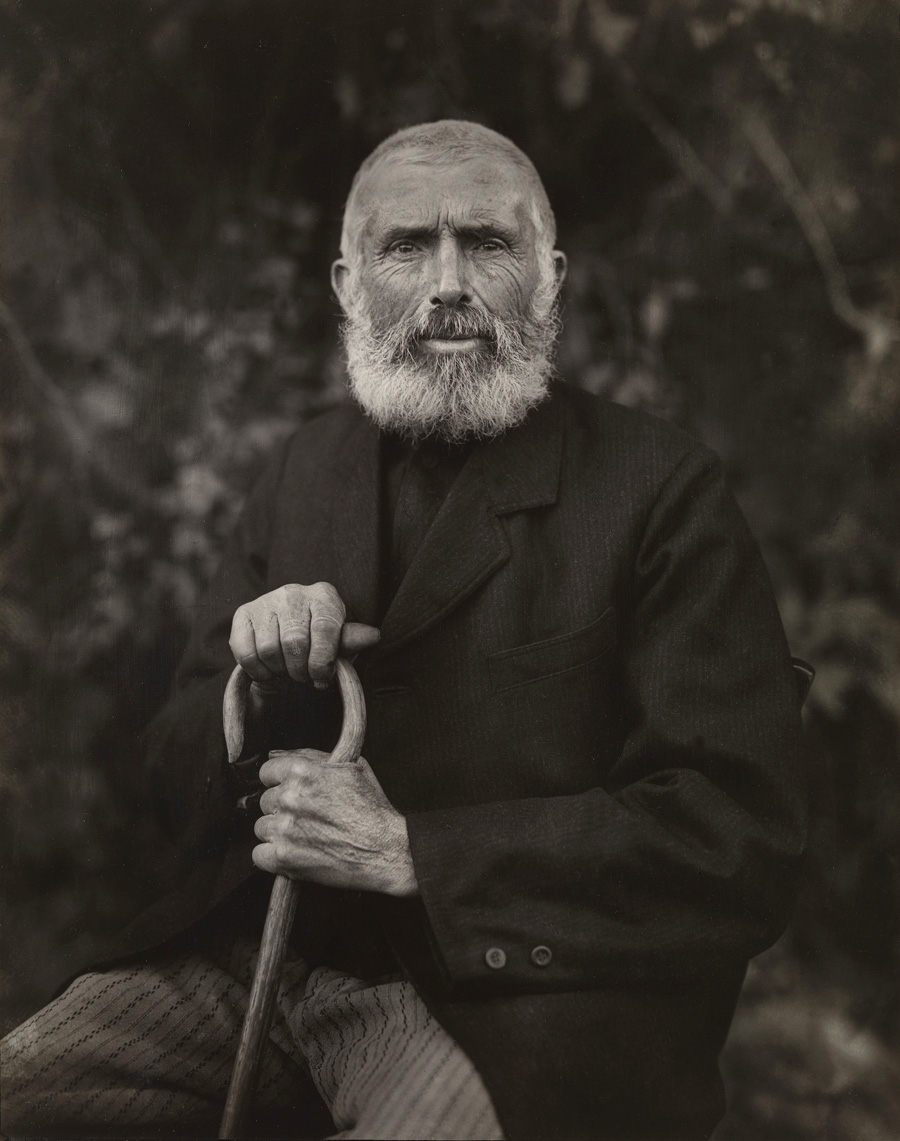
 

August Sander (German, 1876-1964) 'The Person of the Soil' 1910, printed c. 1990-1999


August Sander (German, 1876-1964)
The Person of the Soil
1910, printed c. 1990-1999
Gelatin silver print
10 1/16 x 7 5/16 in. (25.5 x 18.6cm)
Societe Anonyme Acquisition Fund and Katharine Ordway Fund
© Die Photographische Sammlung / SK Stiftung Kultur – August Sander Archiv, Cologne / ARS, NY
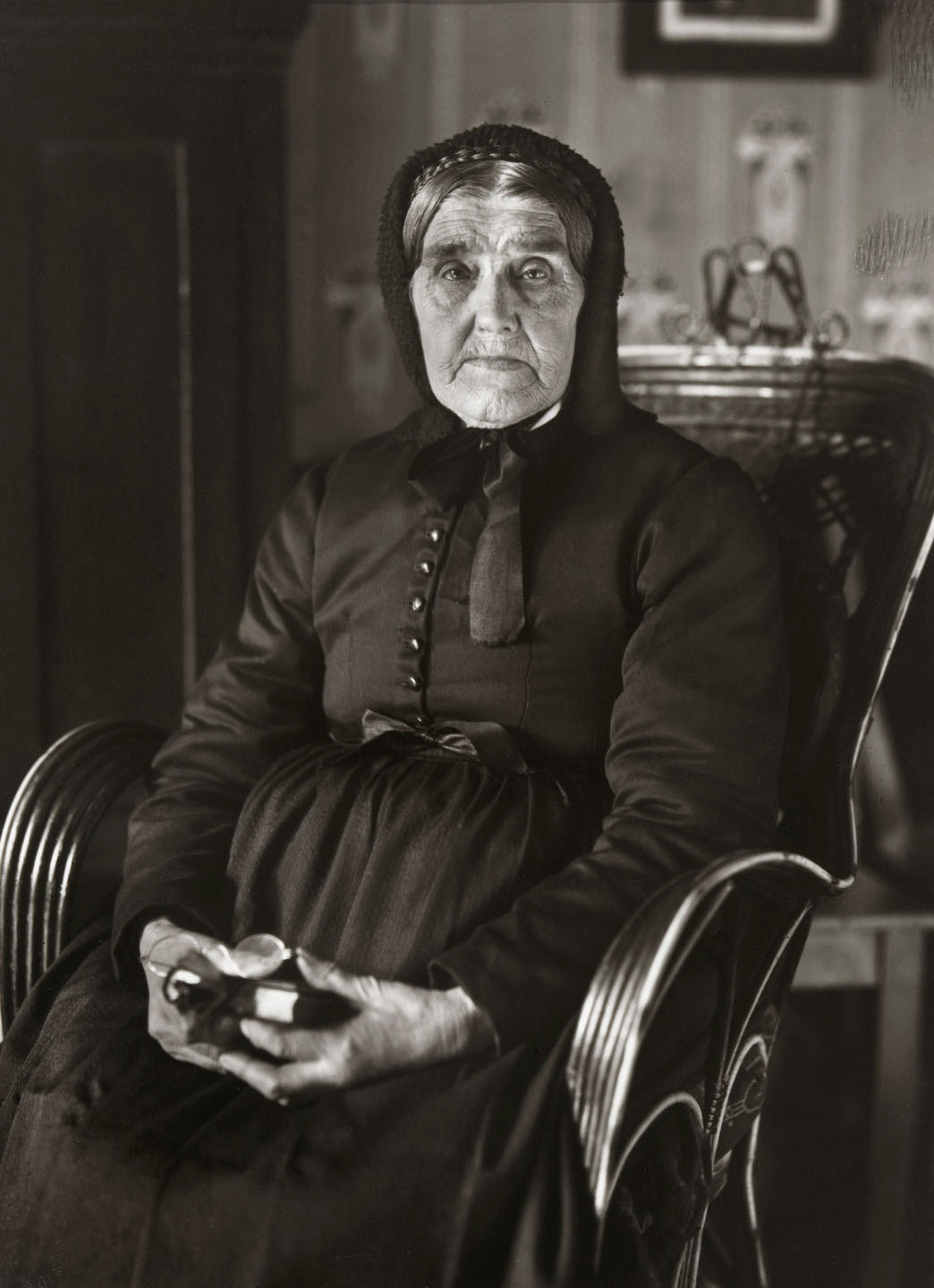
 

August Sander (German, 1876-1964) 'The Sage' 1913, printed c. 1990-1999


August Sander (German, 1876-1964)
The Sage
1913, printed c. 1990-1999
Gelatin silver print
10 1/16 x 7 5/16 in. (25.6 x 18.5cm)
Societe Anonyme Acquisition Fund and Katharine Ordway Fund
© Die Photographische Sammlung / SK Stiftung Kultur – August Sander Archiv, Cologne / ARS, NY
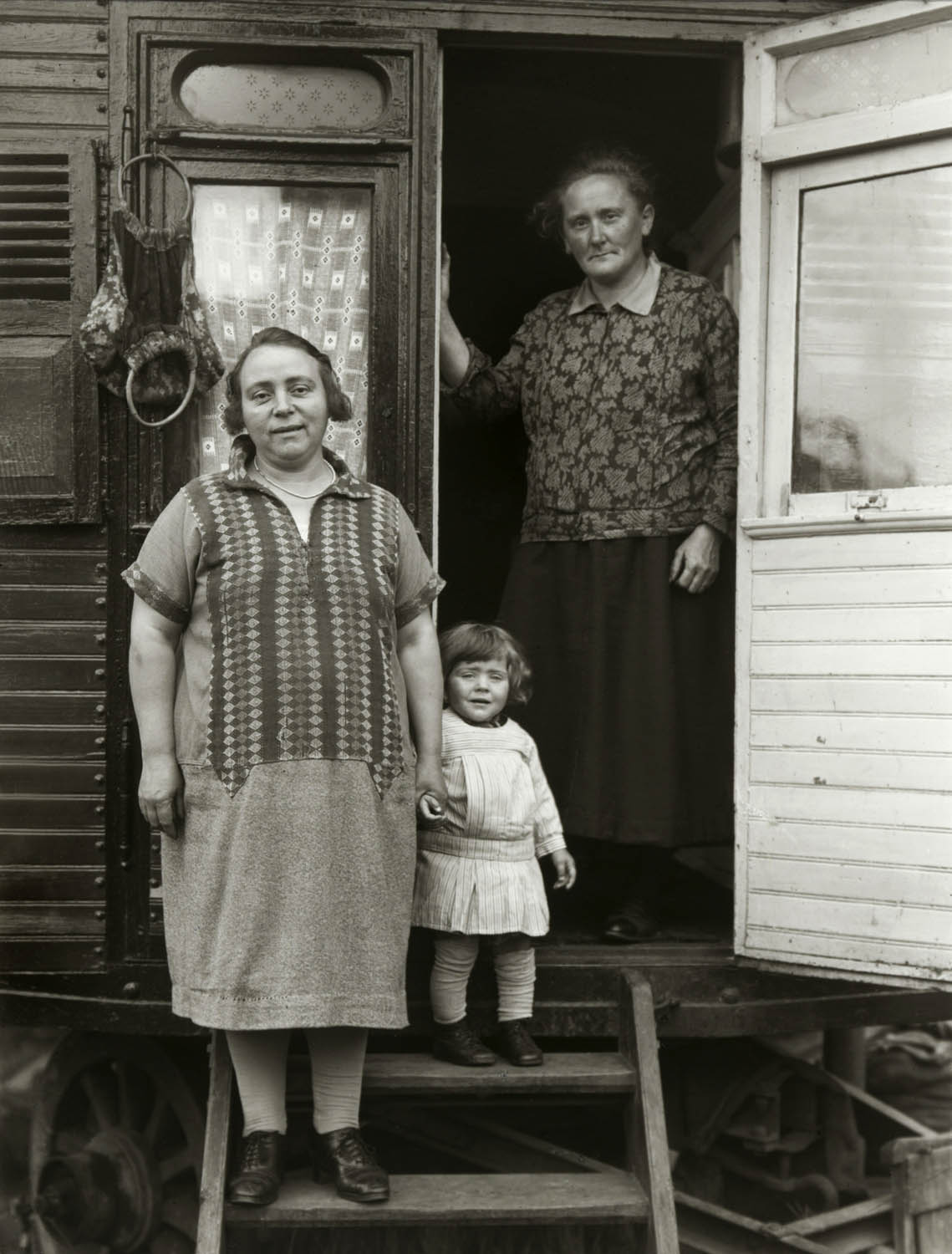
 

August Sander (German, 1876-1964) 'Three Generations in a Fairground Caravan' 1926-1932, printed c. 1990-1999


August Sander (German, 1876-1964)
Three Generations in a Fairground Caravan
1926-1932, printed c. 1990-1999
Gelatin silver print
10 1/16 x 7 5/8 in. (25.5 x 19.3cm)
Societe Anonyme Acquisition Fund and Katharine Ordway Fund
© Die Photographische Sammlung / SK Stiftung Kultur – August Sander Archiv, Cologne / ARS, NY
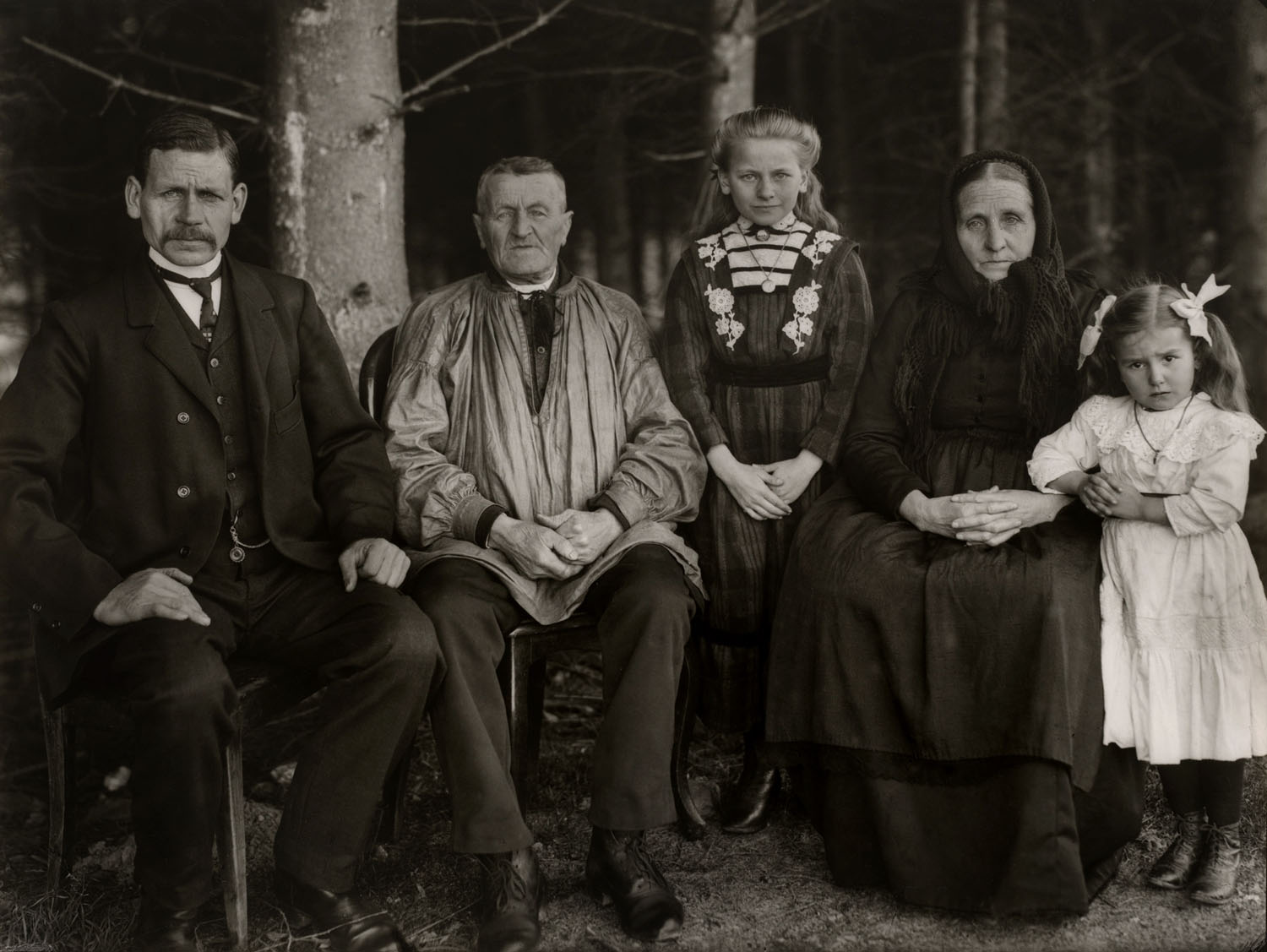
 

August Sander (German, 1876-1964) 'Three Generations of the Family' 1912, printed c. 1990-1999


August Sander (German, 1876-1964)
Three Generations of the Family
1912, printed c. 1990-1999
Gelatin silver print
6 15/16 x 10 1/16 in. (17.6 x 25.5cm)
Societe Anonyme Acquisition Fund and Katharine Ordway Fund
© Die Photographische Sammlung / SK Stiftung Kultur – August Sander Archiv, Cologne / ARS, NY
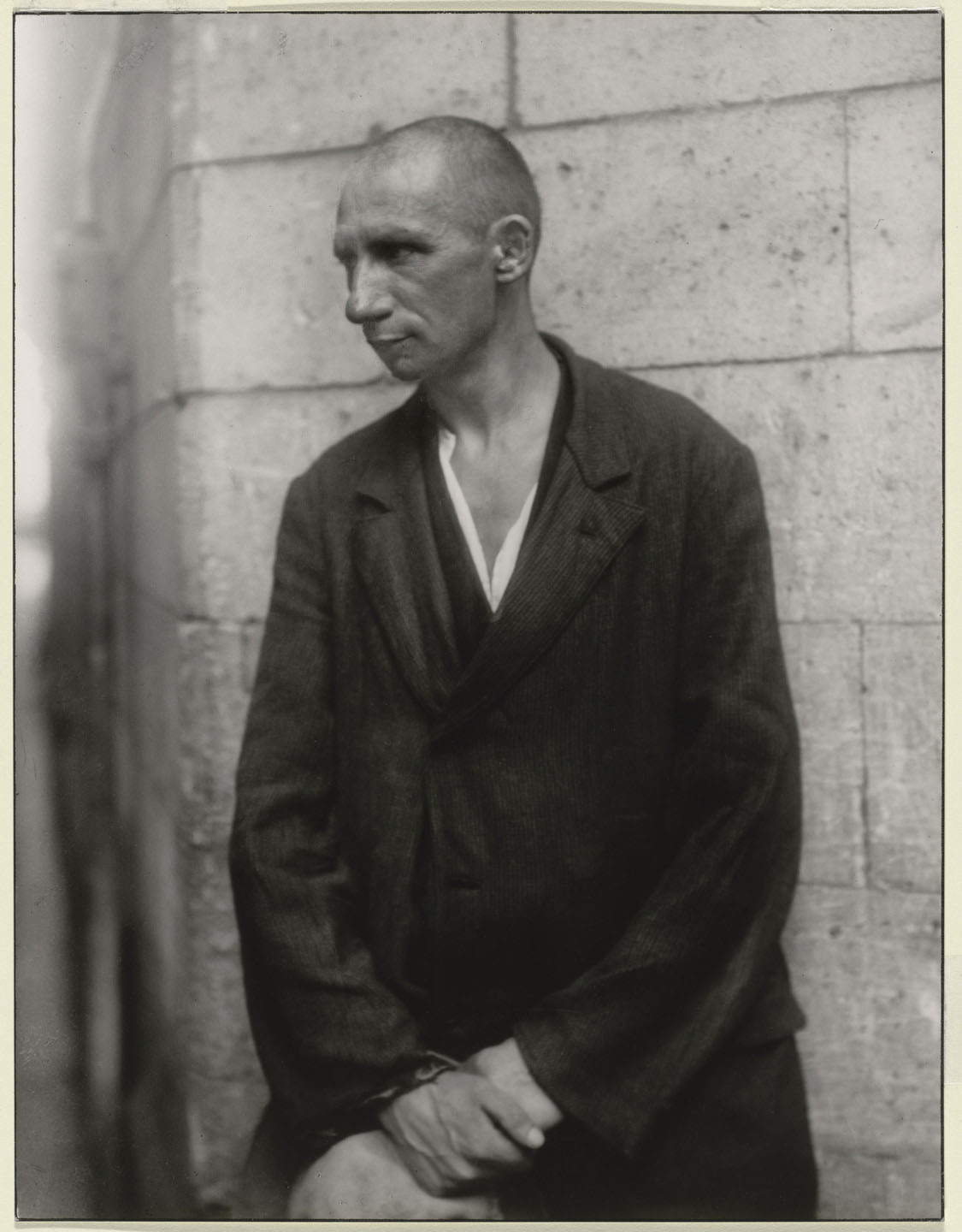
 

August Sander (German, 1876-1964) 'Unemployed' 1928, printed c. 1990-1999


August Sander (German, 1876-1964)
Unemployed
1928, printed c. 1990-1999
Gelatin silver print
10 1/16 x 6 3/8 in. (25.5 x 16.2cm)
Societe Anonyme Acquisition Fund and Katharine Ordway Fund
© Die Photographische Sammlung / SK Stiftung Kultur – August Sander Archiv, Cologne / ARS, NY
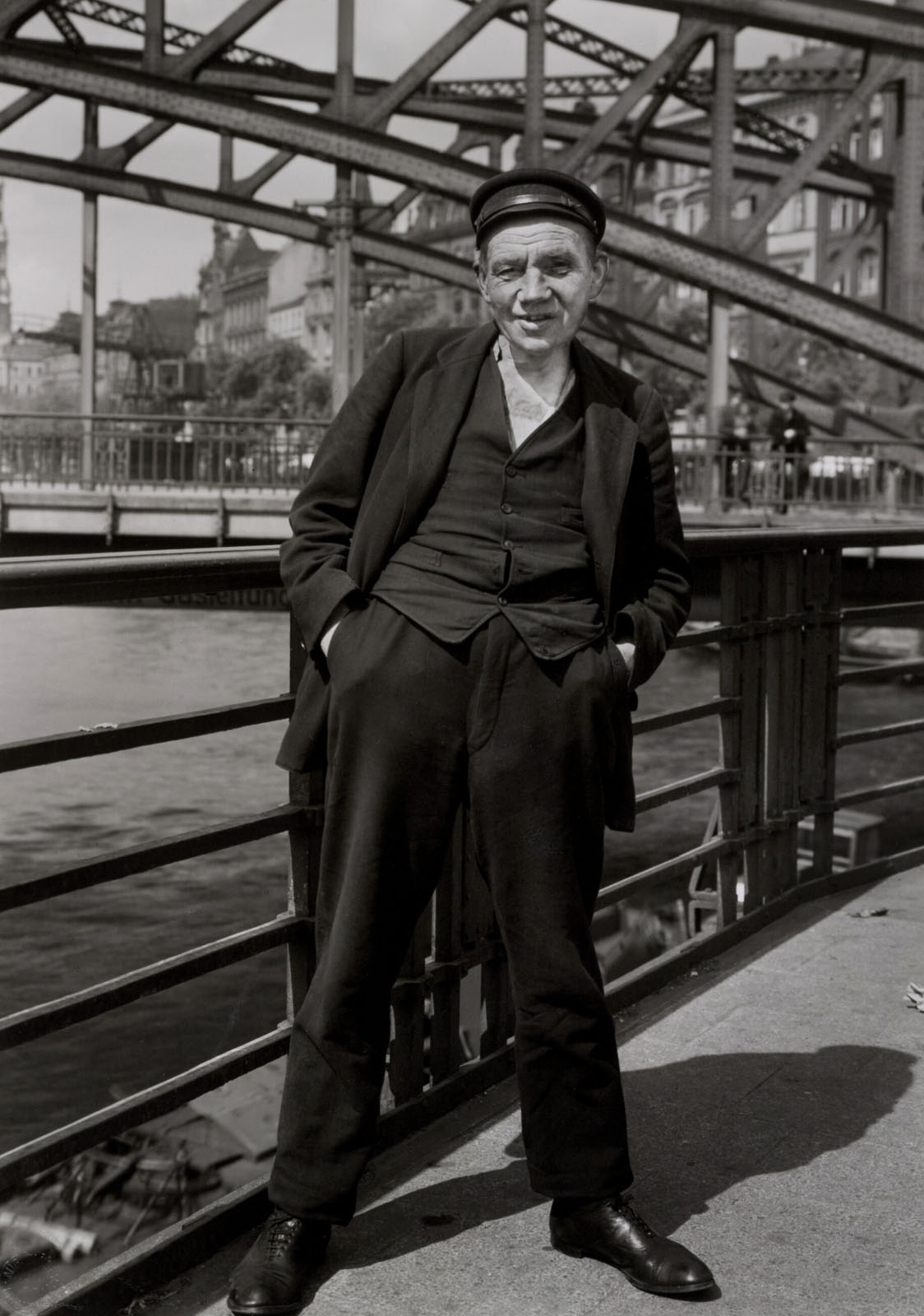
 

August Sander (German, 1876-1964) 'Unemployed Sailor' 1929, printed c. 1990-1999


August Sander (German, 1876-1964)
Unemployed Sailor
1929, printed c. 1990-1999
Gelatin silver print
10 1/16 x 7 1/16 in. (25.5 x 18cm)
Societe Anonyme Acquisition Fund and Katharine Ordway Fund
© Die Photographische Sammlung / SK Stiftung Kultur – August Sander Archiv, Cologne / ARS, NY
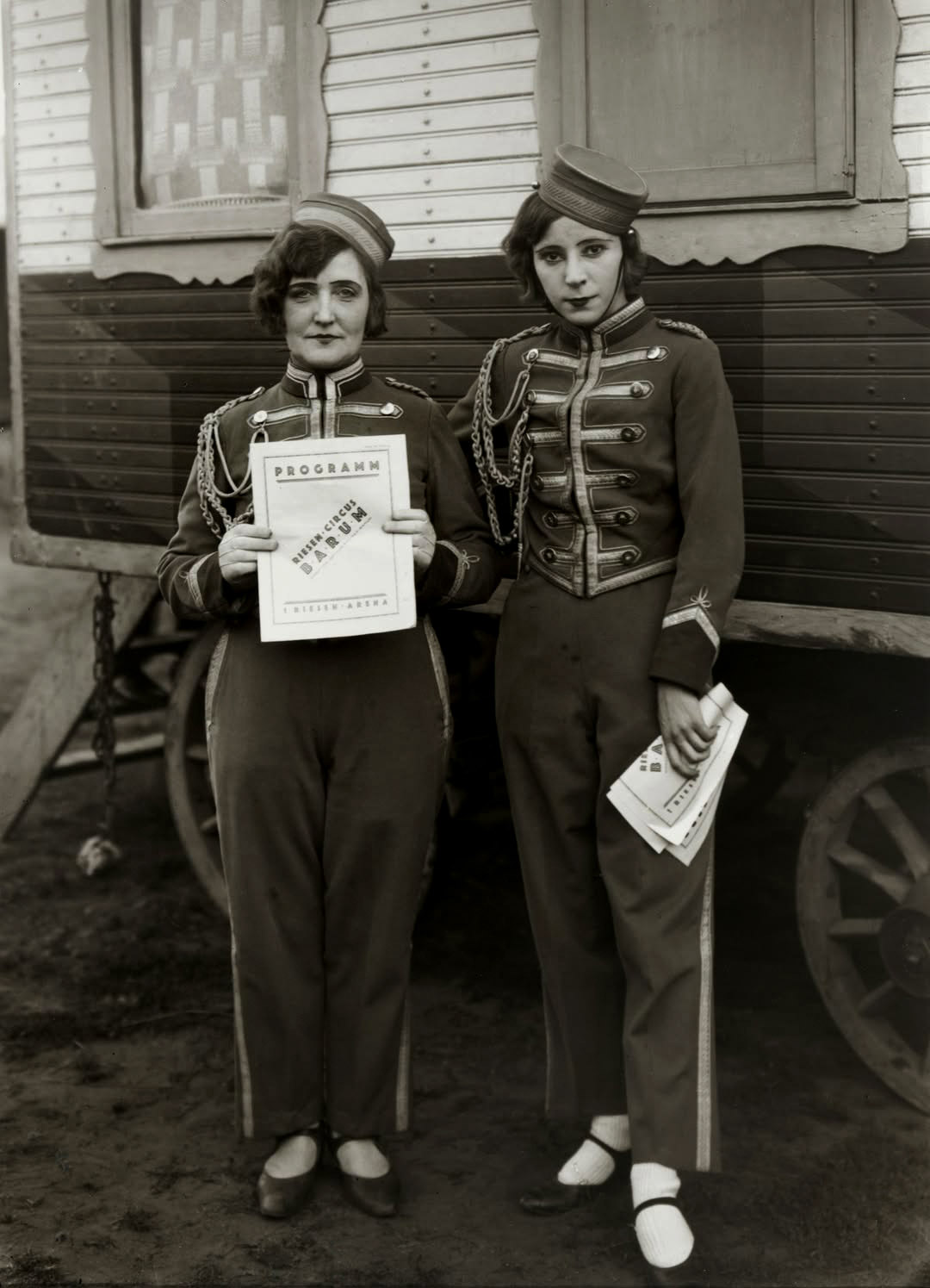
 

August Sander (German, 1876-1964) 'Usherettes' 1926-1932, printed c. 1990-1999


August Sander (German, 1876-1964)
Usherettes
1926-1932, printed c. 1990-1999
Gelatin silver print
10 1/8 x 7 3/8 in. (25.7 x 18.8cm)
Societe Anonyme Acquisition Fund and Katharine Ordway Fund
© Die Photographische Sammlung / SK Stiftung Kultur – August Sander Archiv, Cologne / ARS, NY
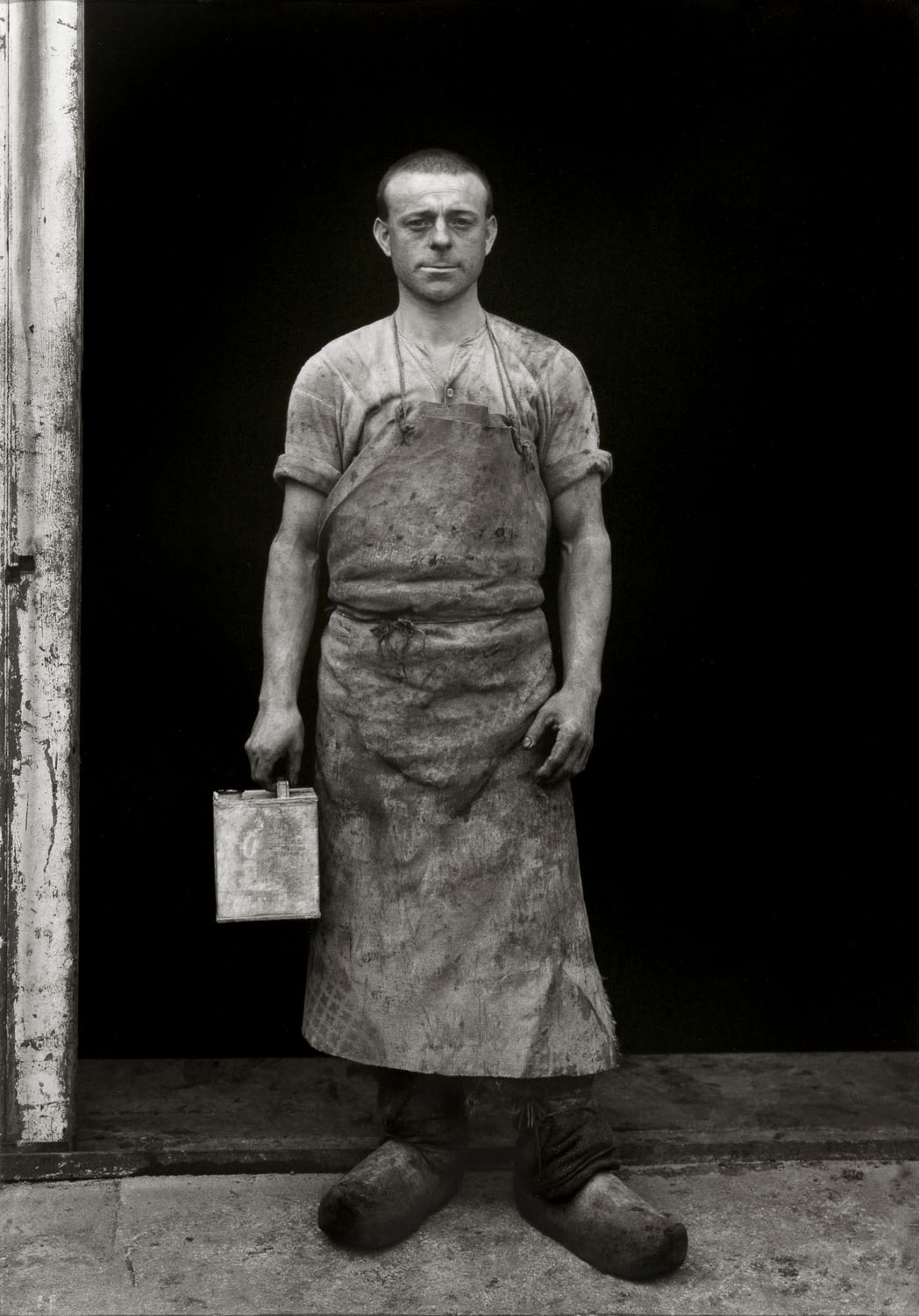
 

August Sander (German, 1876-1964) 'Varnisher' c. 1930, printed c. 1990-1999


August Sander (German, 1876-1964)
Varnisher
c. 1930, printed c. 1990-1999
Gelatin silver print
10 3/16 x 7 1/16 in. (25.8 x 18cm)
Societe Anonyme Acquisition Fund and Katharine Ordway Fund
© Die Photographische Sammlung / SK Stiftung Kultur – August Sander Archiv, Cologne / ARS, NY
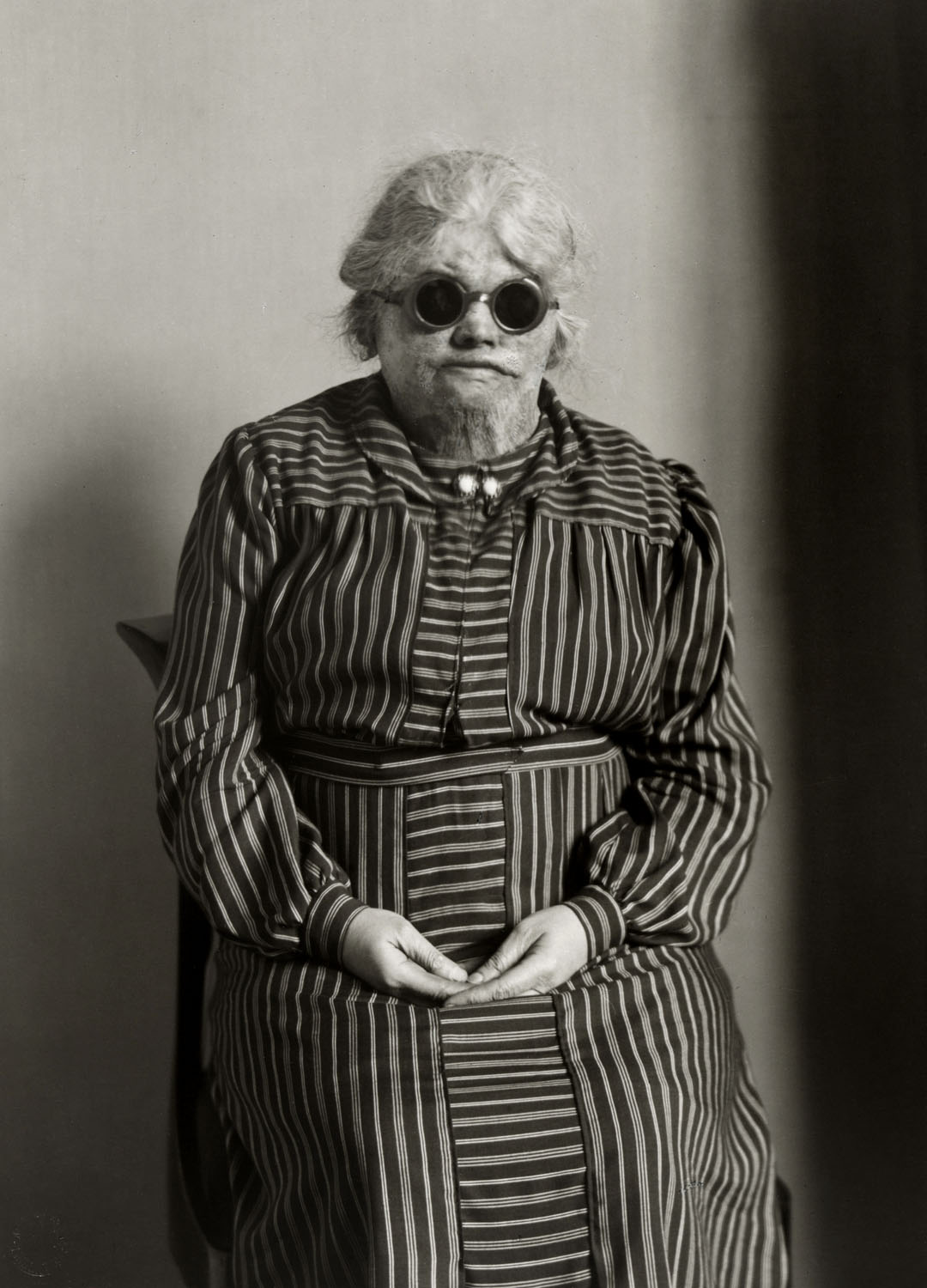
 

August Sander (German, 1876-1964) 'Victim of an Explosion' c. 1930, printed c. 1990-1999


August Sander (German, 1876-1964)
Victim of an Explosion
c. 1930, printed c. 1990-1999
Gelatin silver print
10 3/16 x 7 5/16 in. (25.9 x 18.5cm)
Societe Anonyme Acquisition Fund and Katharine Ordway Fund
© Die Photographische Sammlung / SK Stiftung Kultur – August Sander Archiv, Cologne / ARS, NY
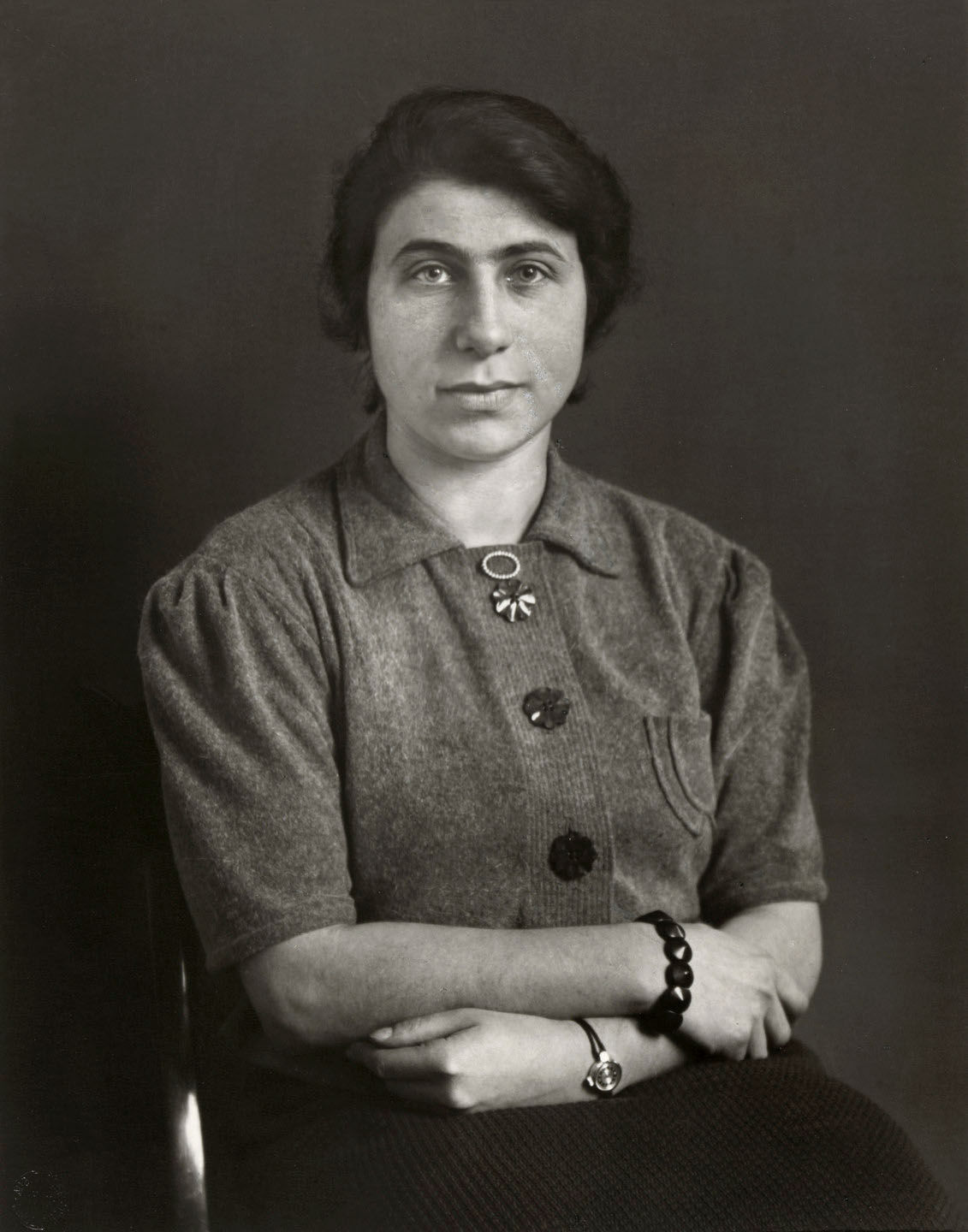
 

August Sander (German, 1876-1964) 'Victim of Persecution' c. 1938, printed c. 1990-1999


August Sander (German, 1876-1964)
Victim of Persecution
c. 1938, printed c. 1990-1999
Gelatin silver print
10 1/16 x 7 7/8 in. (25.6 x 20cm)
Societe Anonyme Acquisition Fund and Katharine Ordway Fund
© Die Photographische Sammlung / SK Stiftung Kultur – August Sander Archiv, Cologne / ARS, NY


August Sander (German, 1876-1964) 'Victim of Persecution [Miss Oppenheim]' c. 1938, printed c. 1990-1999


August Sander (German, 1876-1964)
Victim of Persecution [Miss Oppenheim]
c. 1938, printed c. 1990-1999
Gelatin silver print
10 1/8 x 7 7/8 in. (25.7 x 20cm)
Societe Anonyme Acquisition Fund and Katharine Ordway Fund
© Die Photographische Sammlung / SK Stiftung Kultur – August Sander Archiv, Cologne / ARS, NY


August Sander (German, 1876-1964) 'Victim of Persecution [Margarete (Grete) Trier Oppenheim]' c. 1938, printed c. 1990-1999


August Sander (German, 1876-1964)
Victim of Persecution [Margarete (Grete) Trier Oppenheim]
c. 1938, printed c. 1990-1999
Gelatin silver print
10 1/16 x 7 7/16 in. (25.5 x 18.9cm)
Societe Anonyme Acquisition Fund and Katharine Ordway Fund
© Die Photographische Sammlung / SK Stiftung Kultur – August Sander Archiv, Cologne / ARS, NY


August Sander (German, 1876-1964) 'Victim of Persecution [Mr. Leubsdorf]' c. 1938, printed c. 1990-1999


August Sander (German, 1876-1964)
Victim of Persecution [Mr. Leubsdorf]
c. 1938, printed c. 1990-1999
Gelatin silver print
10 1/16 x 7 3/16 in. (25.6 x 18.2cm)
Societe Anonyme Acquisition Fund and Katharine Ordway Fund
© Die Photographische Sammlung / SK Stiftung Kultur – August Sander Archiv, Cologne / ARS, NY


The twelve portraits in this series were taken by the German photographer August Sander in Cologne and nearby towns around 1938, at the height of Hitler’s power. Although Sander’s Jewish subjects were probably friends and neighbours, he labelled these photographs simply “Persecuted Jews.” It is possible that Sander, who was not Jewish, made the photographs to help desperate German Jews obtain exit papers. Sander himself had been a victim of Nazi persecution in 1934 when many of his plates were destroyed by the authorities and his eldest son was imprisoned for his antifascist activities.

Text from The Jewish Museum website
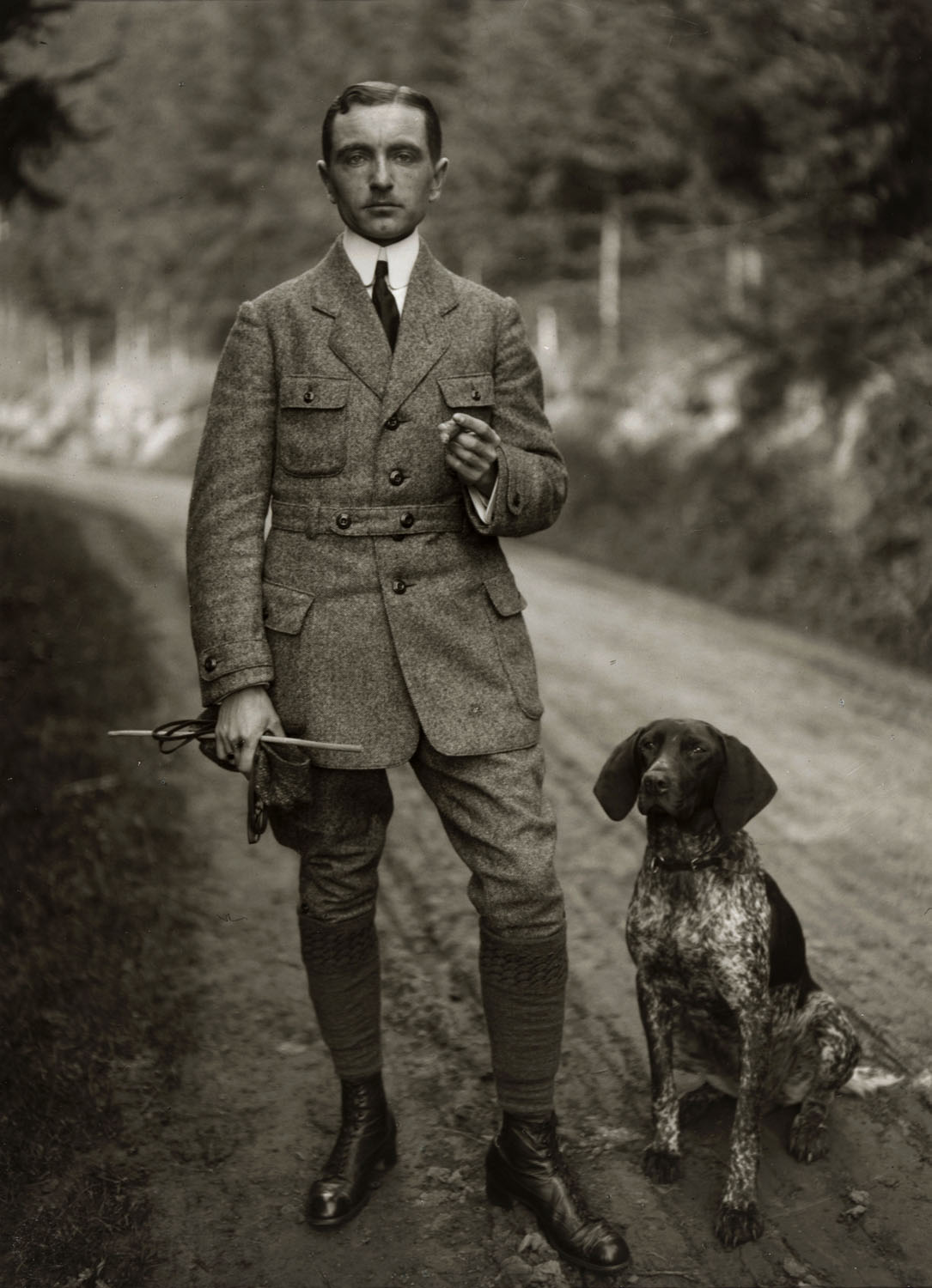
 

August Sander (German, 1876-1964) 'Village Schoolteacher' 1921, printed c. 1990-1999


August Sander (German, 1876-1964)
Village Schoolteacher
1921, printed c. 1990-1999
Gelatin silver print
10 1/8 x 7 3/8 in. (25.7 x 18.7 cm)
Societe Anonyme Acquisition Fund and Katharine Ordway Fund
© Die Photographische Sammlung / SK Stiftung Kultur – August Sander Archiv, Cologne / ARS, NY


August Sander (German, 1876-1964) 'Woman from a Fairground Caravan' c. 1930, printed c. 1990-1999


August Sander (German, 1876-1964)
Woman from a Fairground Caravan
c. 1930, printed c. 1990-1999
Gelatin silver print
10 1/8 x 6 1/8 in. (25.7 x 15.5cm)
Societe Anonyme Acquisition Fund and Katharine Ordway Fund
© Die Photographische Sammlung / SK Stiftung Kultur – August Sander Archiv, Cologne / ARS, NY
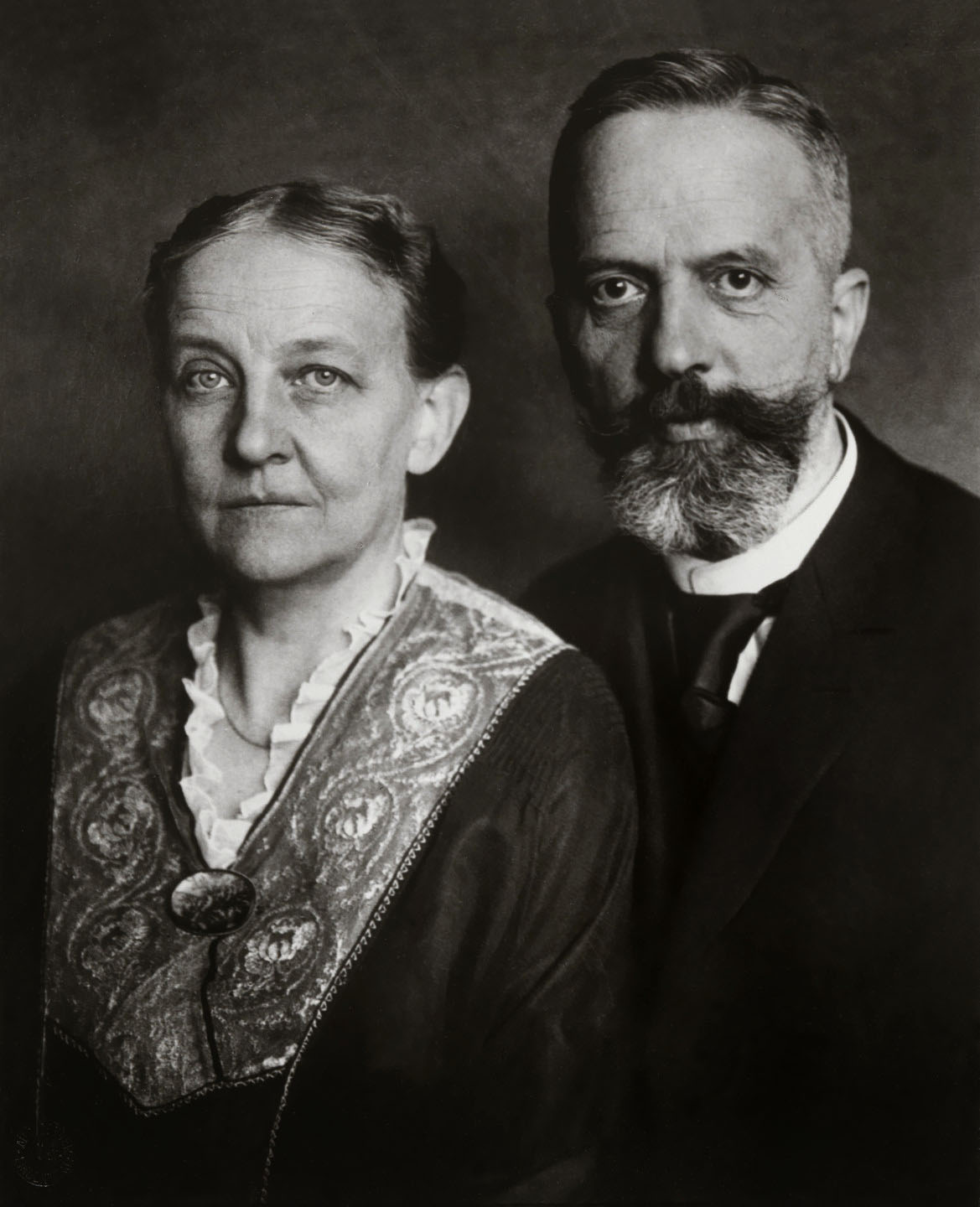
 

August Sander (German, 1876-1964) 'Wholesale Merchant and His Wife' 1923, printed c. 1990-1999


August Sander (German, 1876-1964)
Wholesale Merchant and His Wife
1923, printed c. 1990-1999
Gelatin silver print
9 1/16 x 7 3/8 in. (23 x 18.7cm)
Societe Anonyme Acquisition Fund and Katharine Ordway Fund
© Die Photographische Sammlung / SK Stiftung Kultur – August Sander Archiv, Cologne / ARS, NY
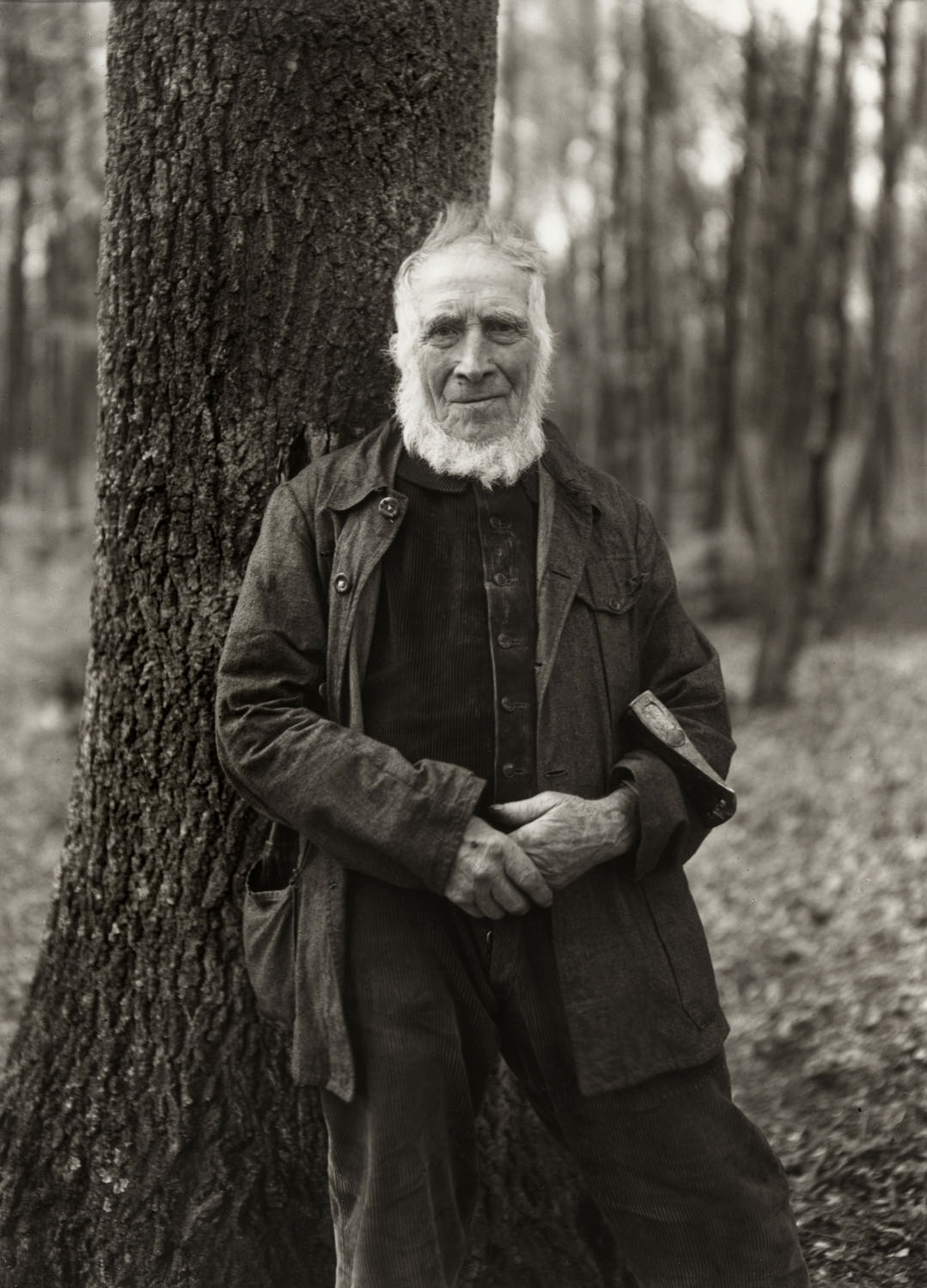
 

August Sander (German, 1876-1964) 'Woodcutter' 1931, printed c. 1990-1999


August Sander (German, 1876-1964)
Woodcutter
1931, printed c. 1990-1999
Gelatin silver print
10 3/16 x 7 5/16 in. (25.8 x 18.6cm)
Societe Anonyme Acquisition Fund and Katharine Ordway Fund
© Die Photographische Sammlung / SK Stiftung Kultur – August Sander Archiv, Cologne / ARS, NY
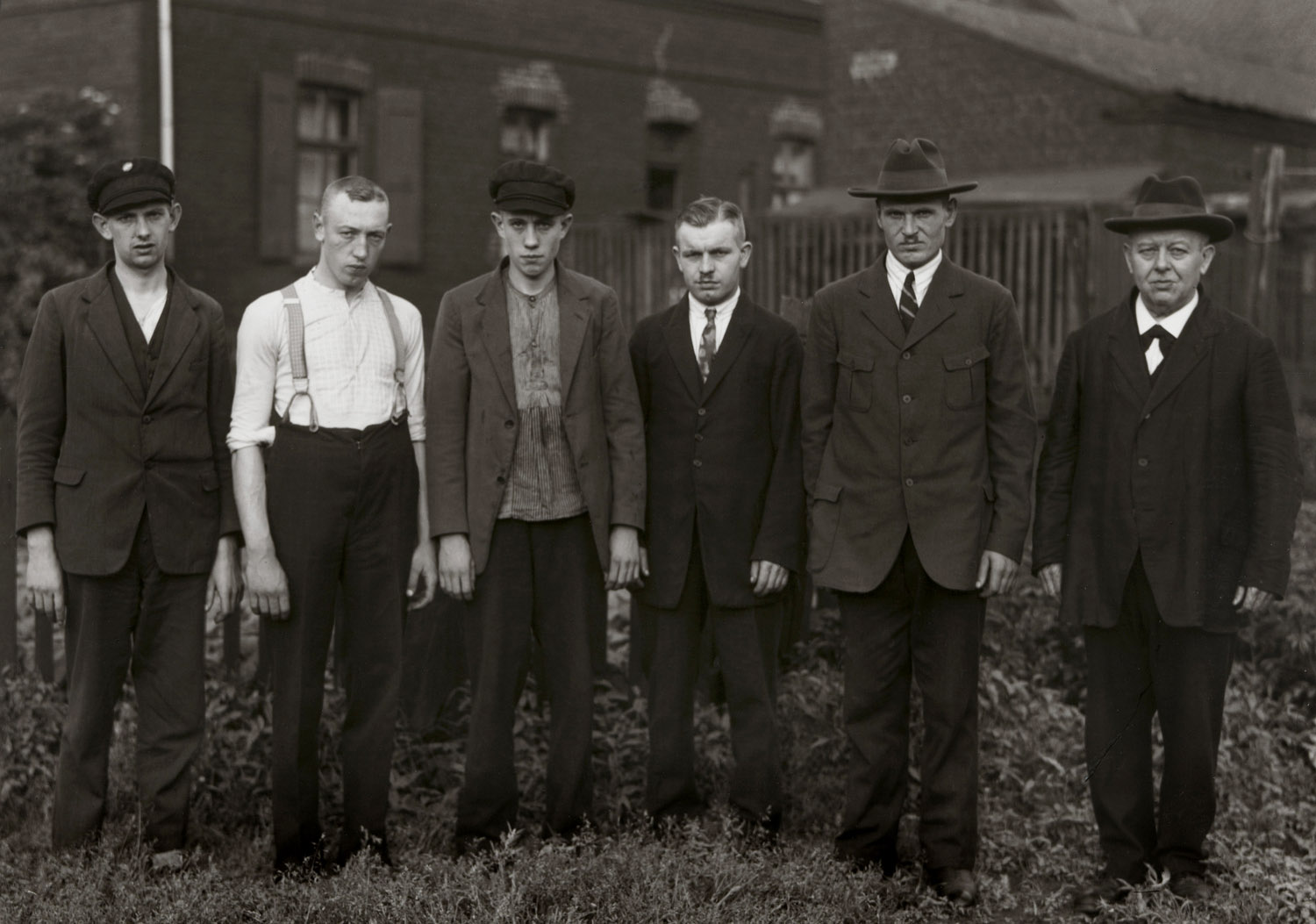
 

August Sander (German, 1876-1964) 'Workers' Council from the Ruhr Region' 1929, printed c. 1990-1999


August Sander (German, 1876-1964)
Workers’ Council from the Ruhr Region
1929, printed c. 1990-1999
Gelatin silver print
7 1/16 × 10 1/16 in. (18 × 25.5cm)
Societe Anonyme Acquisition Fund and Katharine Ordway Fund
© Die Photographische Sammlung / SK Stiftung Kultur – August Sander Archiv, Cologne / ARS, NY
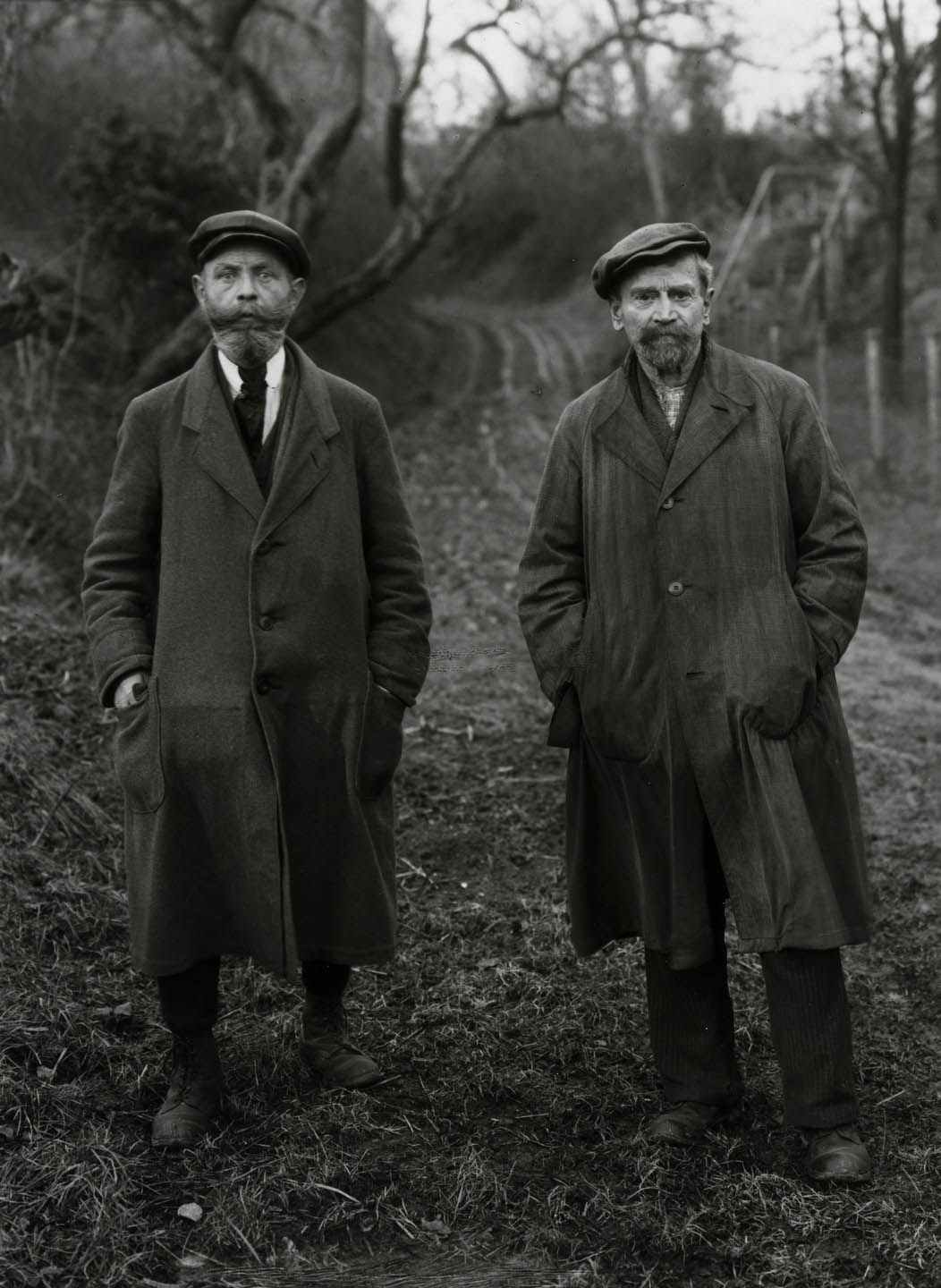
 

August Sander (German, 1876-1964) 'Working Students [Erich Sander, far left; Richard Creutzberg, center left]' 1926, printed c. 1990-1999


August Sander (German, 1876-1964)
Working Students [Erich Sander, far left; Richard Creutzberg, center left]
1926, printed c. 1990-1999
Gelatin silver print
7 1/2 x 10 in. (19 x 25.4cm)
Societe Anonyme Acquisition Fund and Katharine Ordway Fund
© Die Photographische Sammlung / SK Stiftung Kultur – August Sander Archiv, Cologne / ARS, NY
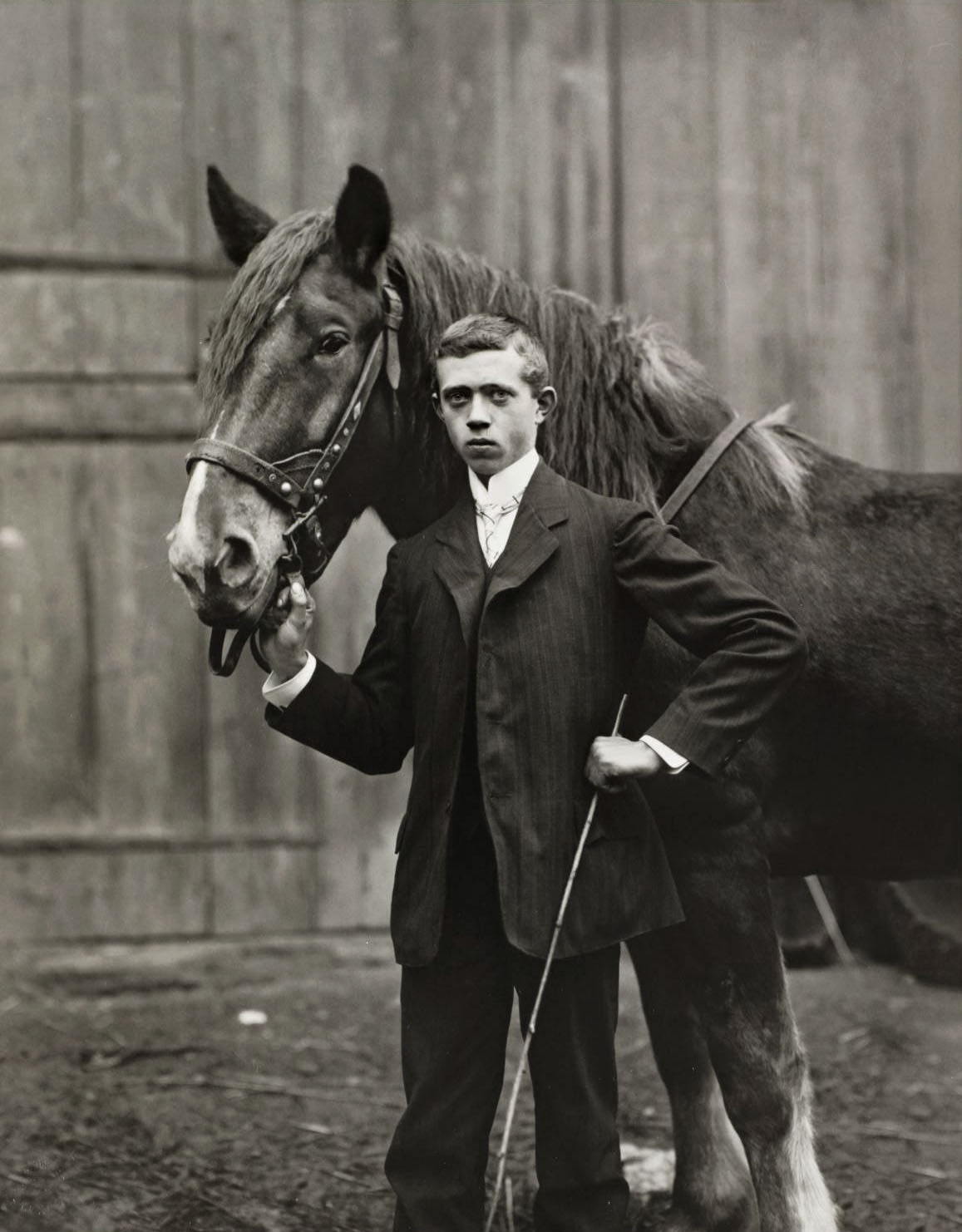
 

August Sander (German, 1876-1964) 'Vagabonds' 1929-1930, printed c. 1990-1999


August Sander (German, 1876-1964)
Vagabonds
1929-1930, printed c. 1990-1999
Gelatin silver print
10 1/16 x 7 5/16 in. (25.6 x 18.6cm)
Societe Anonyme Acquisition Fund and Katharine Ordway Fund
© Die Photographische Sammlung / SK Stiftung Kultur – August Sander Archiv, Cologne / ARS, NY


August Sander (German, 1876-1964) 'Young Farmer' 1912-1913


August Sander (German, 1876-1964)
Young Farmer
1912-1913
Gelatin silver print
10 1/16 x 7 7/8 in. (25.5 x 20cm)
Societe Anonyme Acquisition Fund and Katharine Ordway Fund
© Die Photographische Sammlung / SK Stiftung Kultur – August Sander Archiv, Cologne / ARS, NY
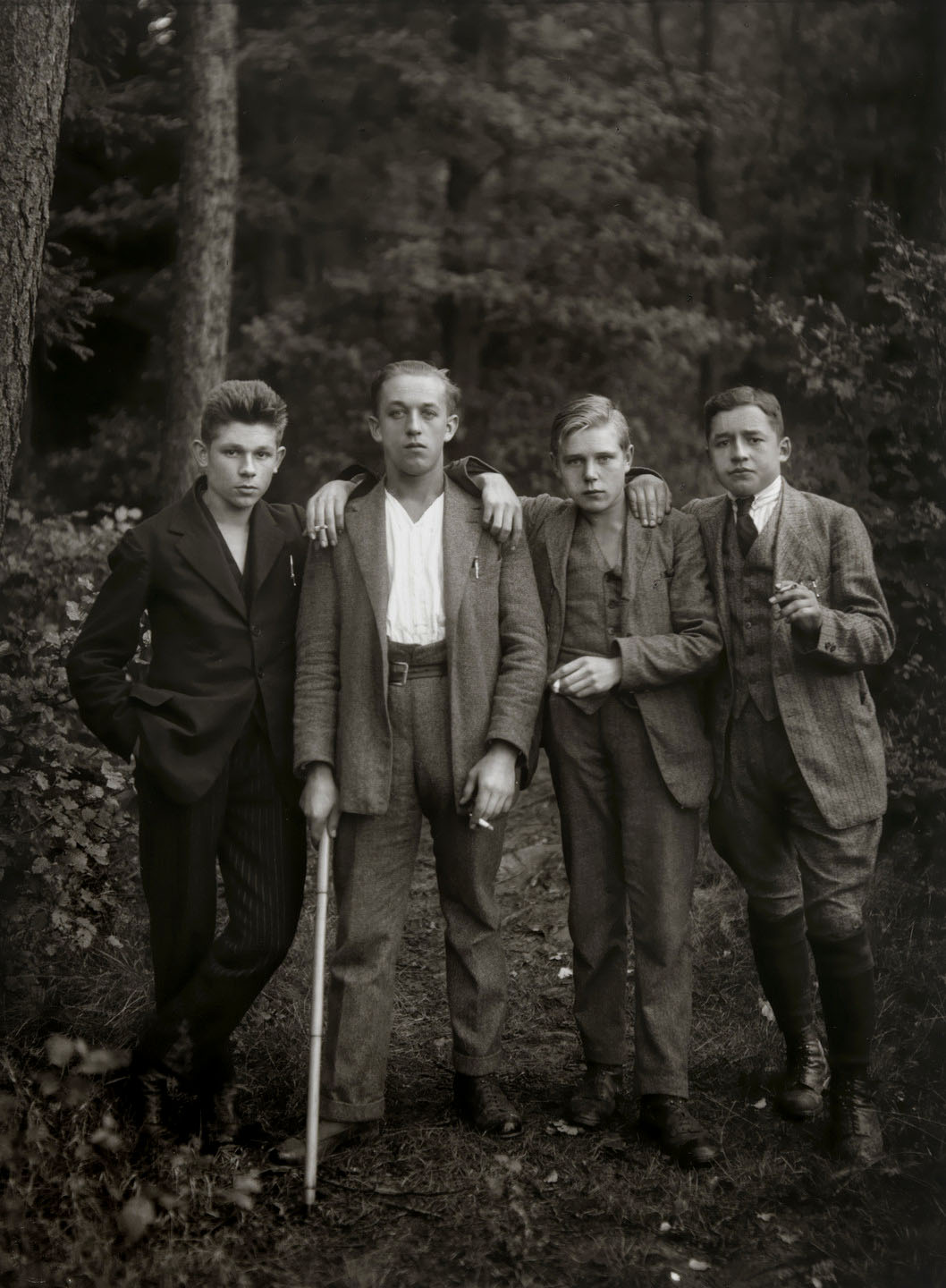
 

August Sander (German, 1876-1964) 'Young Farmers' 1914, printed c. 1990-1999


August Sander (German, 1876-1964)
Young Farmers
1914, printed c. 1990-1999
Gelatin silver print
10 3/16 x 7 5/16 in. (25.9 x 18cm)
Societe Anonyme Acquisition Fund and Katharine Ordway Fund
© Die Photographische Sammlung / SK Stiftung Kultur – August Sander Archiv, Cologne / ARS, NY


August Sander (German, 1876-1964) 'Young Farmers' 1925-1927, printed c. 1990-1999


August Sander (German, 1876-1964)
Young Farmers
1925-1927, printed c. 1990-1999
Gelatin silver print
10 1/16 x 7 3/8 in. (25.6 x 18.7cm)
Societe Anonyme Acquisition Fund and Katharine Ordway Fund
© Die Photographische Sammlung / SK Stiftung Kultur – August Sander Archiv, Cologne / ARS, NY


August Sander (German, 1876-1964) 'Young Mother, Middle-Class' 1926, printed c. 1990-1999


August Sander (German, 1876-1964)
Young Mother, Middle-Class
1926, printed c. 1990-1999
Gelatin silver print
7 3/8 x 8 in. (18.8 x 20.3cm)
Societe Anonyme Acquisition Fund and Katharine Ordway Fund
© Die Photographische Sammlung / SK Stiftung Kultur – August Sander Archiv, Cologne / ARS, NY


August Sander (German, 1876-1964) 'Young Photographer [Gunther Sander]' 1929, printed c. 1990-1999


August Sander (German, 1876-1964)
Young Photographer [Gunther Sander]
1929, printed c. 1990-1999
Gelatin silver print
9 15/16 x 7 1/2 in. (25.3 x 19.1cm)
Societe Anonyme Acquisition Fund and Katharine Ordway Fund
© Die Photographische Sammlung / SK Stiftung Kultur – August Sander Archiv, Cologne / ARS, NY


Yale University Art Gallery
1111 Chapel Street (at York Street)
New Haven, CT

Opening hours:
Tuesday – Friday 10.00am – 5.00pm
Thursday 10.00am – 8.00pm
Saturday – Sunday 11.00am – 5.00pm
Closed Mondays

Yale University Art Gallery website

LIKE ART BLART ON FACEBOOK

Back to top

Exhibition: ‘Clandestine – The Human Body in Focus’ at the Cobra Museum of Modern Art, Amstelveen

Exhibition dates: 16th October, 2021 – 27th March, 2022


Installation view of the exhibition 'Clandestine – The Human Body in Focus' at the Cobra Museum of Modern Art, Amstelveen showing from left to right, Armando Cristeto (Mexico, b. 1957) 'Apolo urbano' c. 1981; Antonio Reynoso, 'La Gorda' c. 1960; Herb Ritts, 'Wrestling Torsos, Hollywood' c. 1987


Installation view of the exhibition Clandestine – The Human Body in Focus at the Cobra Museum of Modern Art, Amstelveen showing from left to right, Armando Cristeto (Mexico, b. 1957) Apolo urbano, c. 1981; Antonio Reynoso, La Gorda, c. 1960; Herb Ritts, Wrestling Torsos, Hollywood, c. 1987


I’m working from my iPad at the moment as my computer has gone down, so this will be short and sweet.

It’s disappointing, to say the least, that in this day and age a museum provides so few media images on such an important theme that I had to spend many hours digging around trying to find images for this posting. I examined the labels on the installation photographs, and then looked at the museum’s Instagram account where there was much more information, before searching for large enough images online for the posting. Some artists are little known so this proved very difficult.

It’s good to see Arlene Gottfried’s strong, brash, direct photographs of gay icons, Jewish bodybuilders and street urchins but they are standard clubbing / street fare and there is little subtlety in her work.

While Gottfried may have survived to tell her story her own way the work only documents. For a photograph is that ever enough? Here the photographs in no way provide a fresh perspective on a clubbing street aesthetic grounded in the milieu of the mid 70s to early 80s Studio 54, pre-AIDS, groovy, disco party vibe. Nostalgia, history and memory are their appeal today.

Tastes have changed. Personally I find more power and sensitivity in Kike Arnal’s Untitled (Emmanuel, trans man and tattoo artist) (2018, below) than most of Gottfried’s graphic photographs – her subjects caught as if the lights had come up in the club at 6am (believe me this has happened many times, all of us looking like startled rabbits). Strike a pose!

Dr Marcus Bunyan


Many thankx to the Cobra Museum of Modern Art for allowing me to publish the photographs in the posting. Please click on the photographs for a larger version of the image.


Installation view of the exhibition 'Clandestine – The Human Body in Focus' at the Cobra Museum of Modern Art, Amstelveen showing from left to right, Shohei Miyachi, 'Untitled' c. 2018; Leonard Freed, 'Handcuffed, New York City' from 'Police Work' series, c. 1978; Larry Clark, 'Chuck' c. 1981


Installation view of the exhibition Clandestine – The Human Body in Focus at the Cobra Museum of Modern Art, Amstelveen showing from left to right, Shohei Miyachi, Untitled, c. 2018; Leonard Freed, Handcuffed, New York City, from Police Work series, c. 1978; Larry Clark, Chuck, c. 1981


Arlene Gottfried (American, 1960-2017) 'Angel and Woman on Boardwalk, Brighton Beach' 1976 from the exhibition Exhibition: 'Clandestine – The Human Body in Focus' at the Cobra Museum of Modern Art, Amstelveen, Oct 2021 - March 2022


Arlene Gottfried (American, 1950-2017)
Angel and Woman on Boardwalk, Brighton Beach
1976
Vintage gelatin silver print
Framework: 59.5 x 46.5cm
Photo: 27.9 x 35.5cm
Pedro Slim Collection


How does your gender impact your work as an artist? The candid photographs of Arlene Gottfried have become everlasting memories of New York’s fast-evolving culture(s). For over 40 years, Gottfried photographed the intimate stories of the American domestic life, as well intrepid snapshots of the Puerto Rican community or the wild nights inside Studio 54.

She emphasised that being a female photographer back in the 70s was very different than now:

‘A lot of the male photographers [in the past] felt threatened and didn’t like it. […] It’s changed so much with women working. They’re more visible now. I don’t know the statistics on museums and how many are being collected. But on an everyday level, you see women in jobs that used to be male – bus driver, train conductor – typically male jobs that now have female employees and photography was the same. It used to be only guys, really. And actually, in my first photography class, I was the only young woman in the class and I had a lump in my throat, like I wanted to cry, only guys there. But it wound up being a very supportive environment and I learned a lot.

Unless you’re doing something that’s a very feminine kind of a topic, I don’t think gender is really all that visible.’

Anonymous text from the Cobra Museum of Modern Art Instagram page


Arlene Gottfried (American, 1960-2017) 'Guy With Radio, East 7th Street' 1977 from the exhibition Exhibition: 'Clandestine – The Human Body in Focus' at the Cobra Museum of Modern Art, Amstelveen, Oct 2021 - March 2022


Arlene Gottfried (American, 1950-2017)
Guy With Radio, East 7th Street
1977
Vintage gelatin silver print
Framework: 59.5 x 46.5cm
Photo: 35.5 x 27.9cm
Pedro Slim Collection


Arlene Gottfried (American, 1960-2017) 'Pituka at Bethesda Fountain, Central Park' 1977


Arlene Gottfried (American, 1950-2017)
Pituka at Bethesda Fountain, Central Park
1977
Vintage gelatin silver print
Framework: 59.5 x 46.5cm
Photo: 35.5 x 27.9cm
Pedro Slim Collection


The legendary street photographer who captured more than neutral subjects, but also the living faces and bodies of people along with their memories. Arlene Harriet Gottfried photographs preserve cultural heritage of the urban atmosphere.

One of the most quintessential projects Gottfried produced was a black-and-white series of street photography from the 1970s and 80s in New York. Her work will form part of our exhibition Clandestine. This is a photo exhibition about the human body. One of the most dominant themes in the exhibition is the constant dialogue between culture and bodies. This is something Arlene Gottfried captures particularly well. Arlene Gottfried documented scenes of ordinary daily life. The everyday life from the past that still lives vividly in her photographs. Her work embodied stories and memories of people who although you will never get to know, you can easily feel familiarised.

Anonymous text from the Cobra Museum of Modern Art Instagram page


Arlene Gottfried (American, 1960-2017) 'Disco Sally at Studio 54' 1979


Arlene Gottfried (American, 1950-2017)
Disco Sally at Studio 54
1979
Vintage gelatin silver print
Pedro Slim Collection


Arlene Gottfried (American, 1960-2017) 'Pose' Early 1980s


Arlene Gottfried (American, 1950-2017)
Pose
Early 1980s
Vintage gelatin silver print
Pedro Slim Collection


Arlene Gottfried (American, 1960-2017) 'Le Clique' Early 1980s


Arlene Gottfried (American, 1950-2017)
Le Clique
Early 1980s
Vintage gelatin silver print
Pedro Slim Collection


Installation view of the exhibition 'Clandestine – The Human Body in Focus' at the Cobra Museum of Modern Art, Amstelveen showing Arlene Gottfried's portrait 'Marsha P. Johnson' c. 1983


Installation view of the exhibition Clandestine – The Human Body in Focus at the Cobra Museum of Modern Art, Amstelveen showing Arlene Gottfried’s portrait Marsha P. Johnson c. 1983


Arlene Gottfried (American, 1960-2017) 'Marsha P. Johnson' c. 1983


Arlene Gottfried (American, 1950-2017)
Marsha P. Johnson
c. 1983
Vintage gelatin silver print
Pedro Slim Collection


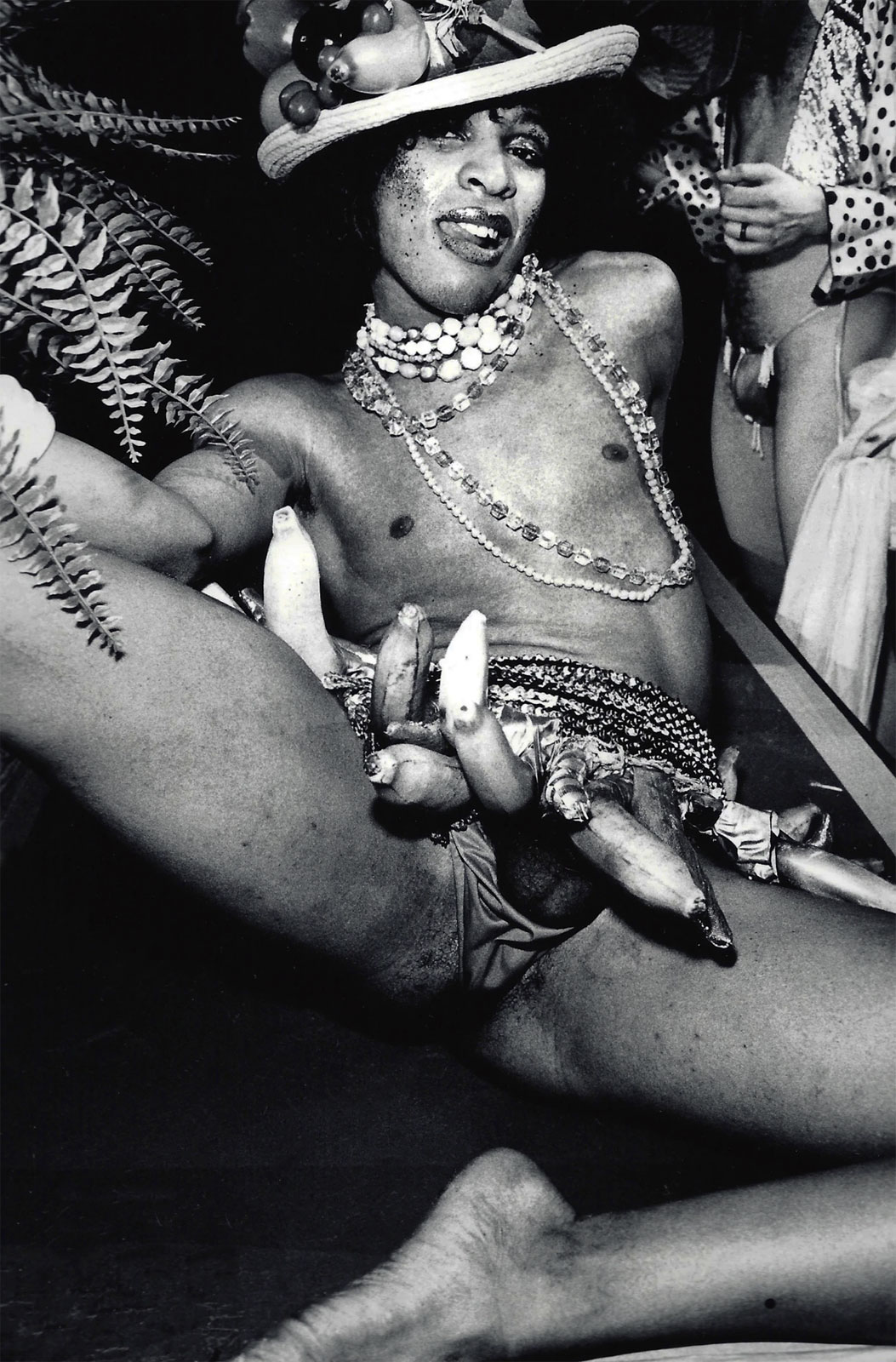
Marsha P. Johnson was an African-American trans woman who lived in New York and is celebrated for her contribution to the LGBTQI+ movement. She was often referred to as ‘Saint Marsha’ for serving as a “drag mother” aiding and welcoming homeless people as well as young members of the LGBTQ movement.

Marsha P. Johnson was the Rosa Parks of the LGBT+ movement. She was a devoted activist, drag performer, sex worker and at some point she even modelled for Andy Warhol. She established safe spaces for transgender people and was thoroughly dedicated to defending the rights of trans people, sex workers, people with HIV/AIDS and prisoners.

‘You never completely have your rights, one person, until you all have your rights.’ ~ Marsha P. Johnson

Our exhibition, Clandestine – The Human Body in Focus presents stories in black and white photographs about people who have not been recognised yet for their bravery. Today, Marsha lives in the hearts of brave activists as well as many transgender people.


The human body is the central theme of the Clandestine photo exhibition. About a hundred black-and-white photographs express an unreserved love of the body in all its manifestations: perfect, imperfect, elegant, erotic, proud or, on the contrary, very vulnerable. The works come from the extensive collection of photographer and collector Pedro Slim (Beirut, Lebanon, 1950) and are shown in the Netherlands for the first time.

Clandestine showcases photography by some 60 artists, including Diane Arbus, Horst P. Horst, Arlene Gottfried, Graciela Iturbide, Robert Mapplethorpe, Diana Blok, Helmut Newton and Man Ray. The exhibition presents original and contemporary prints (including silver on gelatine, photogravure), collages and photomontages. These photographs are placed in the context of New York in the 1970s and 1980s, where many were taken. Pedro Slim’s photo collection holds a unique place in the field of photography. In 1985, Slim started collecting photographs in which the human body plays a central role. With his collection, Slim highlights the power of images and seeks to transform and break open the paradigm that dictates what is feminine, masculine, non-binary or trans. Pedro Slim’s collection consists of more than 300 vintage prints and has rarely been exhibited.

The beauty of the photographs lies especially in the personal expression of those portrayed. The artists seek to go beyond the prevailing standards and ideals of beauty, and make a plea to appreciate the body in all its manifestations. The photographs are thus an ode to diversity and are still very relevant today.

Three themes

The exhibition revolves around three themes. The first part of the exhibition focuses on past and present ideals of beauty. The photographs show a diversity of body types and invite us to transcend judgements such as ‘beautiful’ and ‘ugly’. The photographs within the second theme show people living on the fringes of society,  many of the recorded scenes are raw, everyday situations. The visitor sees sex work, drug use and indecency. There are painful stories behind the provocative looks and poses.

The third part of the exhibition is entirely devoted to the work of Arlene Gottfried (1915-2017). Gottfried specialised in the genre known as street photography, recording life in the less well-to-do neighbourhoods of New York.  Her themes included gospel, schizophrenia, the Puerto Rican community, and the women in her family. Pedro Slim owns more than twenty original prints by Gottfried. This makes him the most important collector of her work.

About the collector

Photographer and collector Pedro Slim was born in Beirut, Lebanon, in 1950. He studied architecture and photography in Mexico and New York. Since the early 1990s, he has exhibited in various museums and galleries. His most recent exhibition was in 2017 at the Museo de Arte Moderno in Mexico City. His passion for photography led him to start a collection.


Arlene Gottfried (American, 1960-2017) 'Brothers with their Vines, Coney Island, NY' 1976


Arlene Gottfried (American, 1950-2017)
Brothers with their Vines, Coney Island, NY
1976
Vintage gelatin silver print
Pedro Slim Collection


Arlene Gottfried (American, 1960-2017) 'Third Avenue Shopping, El Barrio' 1978


Arlene Gottfried (American, 1950-2017)
Third Avenue Shopping, El Barrio
1978
Vintage gelatin silver print
Pedro Slim Collection


Arlene Gottfried (American, 1960-2017) 'Men's Room at Disco' 1978


Arlene Gottfried (American, 1950-2017)
Men’s Room at Disco
1978
Vintage gelatin silver print
Pedro Slim Collection


Arlene Gottfried (American, 1960-2017) 'Doorway in Soho, NY' 1980


Arlene Gottfried (American, 1950-2017)
Doorway in Soho, NY
1980
Vintage gelatin silver print
Pedro Slim Collection


Arlene Gottfried (American, 1960-2017) 'Savage Riders at The Puertican Day Parade' 1980


Arlene Gottfried (American, 1950-2017)
Savage Riders at The Puertican Day Parade
1980
Vintage gelatin silver print
Pedro Slim Collection


Arlene Gottfried (American, 1960-2017) 'Hassid and Jewish Bodybuilder' 1980


Arlene Gottfried (American, 1950-2017)
Hassid and Jewish Bodybuilder
1980
Vintage gelatin silver print
Pedro Slim Collection


Arlene Gottfried (American, 1960-2017) 'Riis, Nude Bay, Queens' 1980


Arlene Gottfried (American, 1950-2017)
Riis, Nude Bay, Queens
1980
Vintage gelatin silver print
Pedro Slim Collection


After completing a two-year photography program at FIT, Arlene moved to Greenwich Village in 1972, when the community was still an affordable outpost for artists, musicians and bohemians. She took a job as an assistant with an advertising agency. “I did everything: printing, processing, lighting, studio work, on location, a lot of it was for comps and sometimes it was for the ad itself, for sales promotion and point of purchase,” Arlene revealed in her final book, Mommie. “I didn’t always love what it was about but I always took photographs on the weekend and used their fantastic darkroom.”

“It’s nice to be young and be able to run across the beach like wild and be able to meet people and take their picture,” she continued. “That’s what I remember about it: Having a great time, and having a job so I could pay for things, and having a darkroom where I could print everything. You couldn’t ask for anything better. It was like a little grant at a little job, you know, a moderate income but just enough.”

Arlene made “just enough” to carry her through the next 45 years of her life, transforming her home in the West Village’s famed Westbeth Artists Housing into a bohemian palace. Above her kitchen table, she hung her photographs in a plastic carousel designed to air-dry intimate apparel. She entertained visitors, serving cherries and chocolate-covered espresso beans with a bottle of seltzer at the ready. When her cancer treatments stole her brunette curls in the years before her death, Arlene donned a burgundy velvet turban for her nights out.

Although she disliked hustle culture before it was named as such, Arlene maintained resolute faith in the importance of her work and the vitality of her gifts. Where other photographers sought to be a fly on the wall, Arlene was a butterfly in the mix, always aligned with the energy so that her presence only added to the beauty of the images she made. She loved to laugh, to sing, to dance and to celebrate the extraordinary stars in her orbit. In Mommie, Arlene remembers, “The clubs were very provocative then: People putting on these shows, taking their clothes off, acting things out. There’d be a theme and they’d be doing all kinds of crazy things like giving birth to dolls, simulating sex in public. I went in with my camera, took photographs and it was great.”
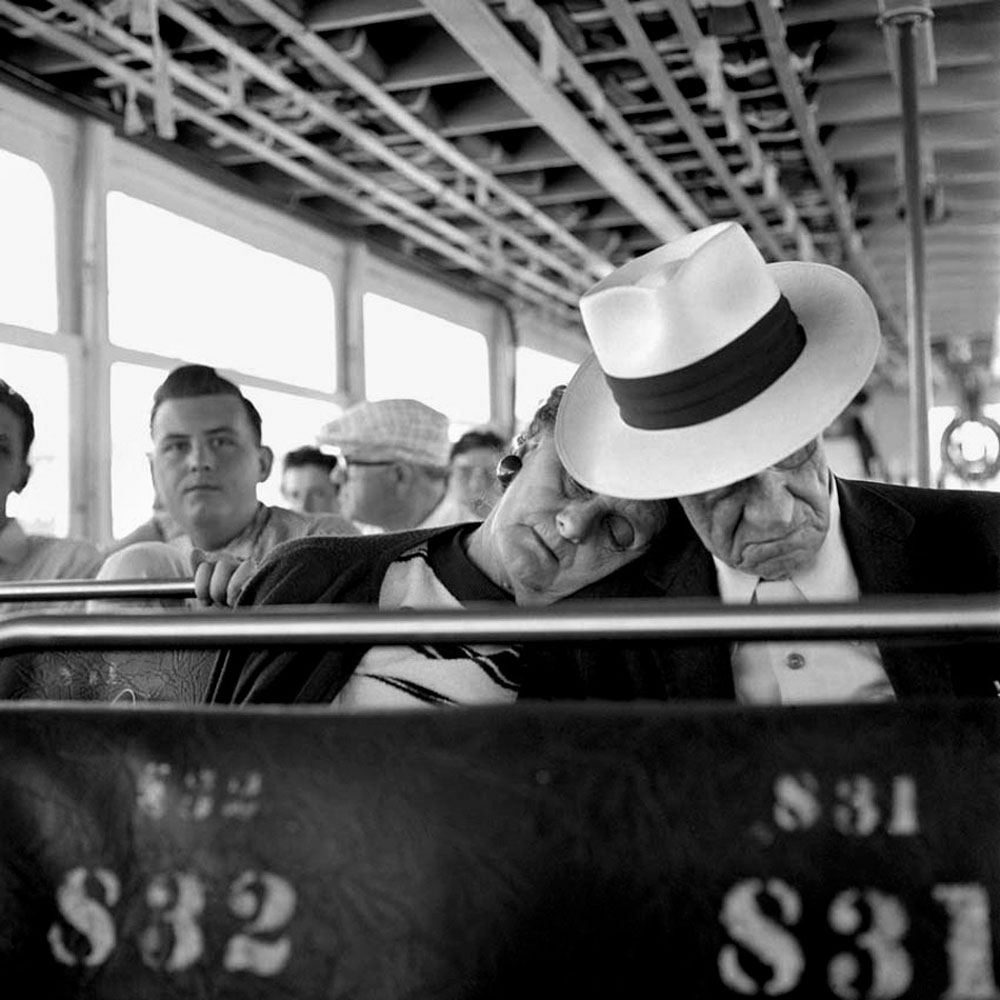
After the party, Arlene described the feeling of a glorious high that comes from a night on the town, surrounded by people doing what they love. She walked out of the club into the crisp winter air as snowflakes floated down from the sky like confetti in a parade. She then began strolling down Fifth Avenue, heading home, like the final scene of a Hollywood film.

Extract from Miss Rosen. “Sex clubs, Studio 54, Central Park: A portrait of NYC in the 70s & 80s,” on the i-D website 15 October 2021 [Online] Cited 16/10/2021. No longer available online


Arlene Gottfried (American, 1960-2017) 'Giant Dildo, Les Mouches Party, NY' 1979


Arlene Gottfried (American, 1950-2017)
Giant Dildo, Les Mouches Party, NY
1979
Vintage gelatin silver print
Pedro Slim Collection


Arlene Gottfried (American, 1960-2017) 'Miguel Pinero and Friend' 1980


Arlene Gottfried (American, 1950-2017)
Miguel Pinero and Friend
1980
Vintage gelatin silver print
Pedro Slim Collection


As an insider, Gottfried was able to tell the story on her own terms, capturing a slice of life that has vanished forevermore. “Now the only way to know what New York was like is from fleeting glimpses in movies made years ago like Taxi Driver, Death Wish, or Midnight Cowboy,” Gilbert Gottfried observes. “I remember there were neighbourhoods you didn’t want to be in and we lived in a few of those. Arlene had already been living on her own when me, my mother, and my other sister Karen moved to Avenue A. People were saying, ‘You’re nuts.'”

Arlene Gottfried flourished amongst her own, whether palling around with poet Miguel Piñero at the Nuyorican Poets Café, kicking it at Brooklyn’s famed Empire Roller Skating Center, or trooping uptown to the streets of El Barrio. Wherever she went, there she was, ready for whatever would come her way.

“I met Miguel Piñero at the Poet’s Café. I loved to dance and you could really dance over there!” she told me in 2014, roaring with laughter at the memory of her youth. “Salsa. R&B. There was a lot of good energy there. It was rough and raw. Not trendy. And that’s an amazing thing – that the Poet’s Café has lasted so long. I loved it. I stayed there until the sun came up, literally. That doesn’t last forever, these moments in time.”

Though Gottfried and many she photographed have passed, their legacies live on in her warm and loving photographs. Gottfried followed her heart and went with the flow, documenting everything from her years singing gospel with the Eternal Light Community Singers to her long-standing relationship with Midnight, a man suffering from paranoid schizophrenia.

For Gottfried, the camera was her diary and confidant. “I don’t know exactly when Arlene started taking pictures, but I know she got into it and then it was all the time,” her brother says with a laugh. “Sometimes we were both on the bus with my mother. I would be helping my mother off and Arlene was taking pictures. I was thinking, ‘Put down the camera and help me help her out of the bus!'”

Gottfried’s archive holds vast treasures of New York at a time when everyone was a character yet no one would stare because that would suggest you were a tourist, unfit to make it here. Her photographs are a tribute to Old New York, to a city of myth, magic, and madness that many did not survive. Yet in her pictures, their lives are restored to the pantheon of grit, glamour, and glory.

It is a city the lingers like wafts of weed smoke on a warm summer day, a city that still exists if you look for it. Gilbert Gottfried remembers, “A year or two ago I was walking with my wife and we saw these two homeless men. One was fixing the other guy’s hair with his hand, and my wife said, ‘Ahh. That’s an Arlene picture.'”

Extract from Miss Rosen. “Arlene Gottfried photographed the magic and madness of Old New York,” on the Document Journal website June 28, 2019 [Online] Cited 16/10/2021


George Hoyningen-Huene (American-Russian, 1900-1968) 'A.E. Sudan' c. 1935


George Hoyningen-Huene (American-Russian, 1900-1968)
A.E. Sudan
c. 1935
Gelatin silver print
George Hoyningen-Huene Estate Archives


Let’s talk about representation. A Russian man takes a photo of a Sudanese man. Superficially, this might seem problematic, but why?

In our exhibition, Clandestine – The Human Body in Focus, the portrait by the Russian photographer George Hoyningen-Huene, titled A.E. Sudan presents a naked Sudanese.

In a traditional setting, material items like clothes and jewellery help people express their values and beliefs. In this photo, the Sudanese man is alien from any form of expression. In addition, presented in front of a white wall strips the subject away from his situational contexts – such as time and place. This photo shows a person in a blank state, disconnected from any form of cultural or individual expression.

Despite these characteristics (or lack of characteristics), the photographer still opted to include the nationality of the subject in the title – Sudanese. We do not know if the artist understood the semantic power of the title, but by giving us some context, we know this person is not simply a naked model detached from his culture, but rather a ‘Sudanese’ man.

Here is where the questions that concerns representation starts gaining weight. Artists, including photographers, carry tremendous responsibility. Through their medium, they have the power to frame a subject as they please. In the creative process, it is possible that the view of the artist becomes the dominant perception understood by the audience.

For instance, in this case the Sudanese man has no voice concerning how the viewer perceives any of the characteristics that represent his identity, such as his skin colour, nationality, gender or age. It is virtually impossible to discuss all the concerns linked to cultural representation in a post, hence this conversations is far from over. Also, we do not intend to shame the way the artist framed the Sudanese man, but rather our whole aim, inspired by the Cobra movement, is to present new ways to think critically about art, ourselves and society.

Anonymous text from the Cobra Museum of Modern Art Instagram page


Edmund Teske (Chicago, Illinois, 1911 - Los Angeles, California, USA, 1996) 'Male Nude, Davenport Iowa' 1942


Edmund Teske (Chicago, Illinois, 1911 – Los Angeles, California, USA, 1996)
Male Nude, Davenport Iowa
1942
Vintage gelatin silver print
Framework: 59.2 x 48.9cm
Photo: 33 x 23.5cm
Pedro Slim Collection
© Estate of Edmund Teske, Courtesy Gitterman Gallery


Installation view of the exhibition 'Clandestine – The Human Body in Focus' at the Cobra Museum of Modern Art, Amstelveen


Installation view of the exhibition Clandestine – The Human Body in Focus at the Cobra Museum of Modern Art, Amstelveen showing from left to right, Nan Goldin’s Ivy wearing a fall Boston 1973 and Antonio Reynoso’s La Gorda (The Fat Woman) c. 1960


Antonio Reynoso (Mexican, 1919-1996) 'La Gorda' (The Fat Woman) c. 1960


Antonio Reynoso (Mexican, 1919-1996)
La Gorda (The Fat Woman)
c. 1960
Gelatin silver print
Pedro Slim Collection


Beauty lies in the eye of the beholder. This phrase stresses that beauty is thoroughly subjective and only limited by social constructs.

One would argue that beauty is different from sciences like physics or chemistry since it is not quantifiable or measurable. Nonetheless, through non-scientific agreement people still know how to distinguish what is pretty from what is not. For instance, a swampy pond is less pretty than a turquoise ocean. This is the shared opinion, of at least the majority, but is this a view shared by everyone? Even more importantly, is this our view or was it simply bestowed upon us without our prior consent?

Being critical when looking at a work of art, or more frankly when looking at anything, is an exercise to strengthen our own individuality and potential to envision a new beauty. This does not mean one should automatically discredit beauty from something or someone that is socially considered beautiful but to question it. This is a call to acknowledge that the notion of beauty can be challenged, abstracted or even reconstructed.

This is a portrait by Mexican photographer Antonio Reynoso La Gorda (The Fat Woman). It invites us to reconsider the meanings of several attributes including, beauty, sensuality and femininity.

Anonymous text from the Cobra Museum of Modern Art Instagram page


Nan Goldin (American, b. 1953) 'Ivy wearing a fall' Boston 1973


Nan Goldin (American, b. 1953)
Ivy wearing a fall
Boston 1973
Gelatin silver print
Pedro Slim Collection


Allen Frame (American, b. 1951) 'Young Man, New York' 1974


Allen Frame (American, b. 1951)
Young Man, New York
1974
Gelatin silver print
Framework: 40.5 x 50.5cm
Photo: 27.9 x 35.5cm
Pedro Slim Collection


Leonard Freed (American, 1929-2006) 'Handcuffed, New York City' c. 1978


Leonard Freed (American, 1929-2006)
Handcuffed, New York City
c. 1978
From Police Work series
Gelatin silver print
Pedro Slim Collection


David Wojnarowicz (American, 1954-1992) 'Arthur Rimbaud in New York' 1978-1979


David Wojnarowicz (American, 1954-1992)
Arthur Rimbaud in New York
1978-1979
Gelatin silver print
Pedro Slim Collection


Arthur Rimbaud in New York, one of David Wojnarowicz’s few incursions into photography, is the articulation of a testimony to urban, social and political change in New York.

Wojnarowicz, using the figure of the accursed poet as the only way for an artist to intervene in reality, chronicles his own life and his emotional relationship with New York City in the late 1970s. The artista portrays a number of friends with a life-size mask of the French poet Arthur Rimbaud, thereby taking on his identity and highlighting the parallels in their lives: the violence suffered in their youths, the feeling of being denied freedom, the desire to live far away from the bourgeois environment and the fact of their homosexuality. Wojnarowicz is juxtaposing the historical time of the symbolist poet with the artist’s present.

The series, taken in places that the artist used to frequent with photographer Peter Hujar, represents the emergence of identity politics and queer visibility in contemporary art, and the debates surrounding the public sphere as a space for individual non-conformity that were to shape the 1980s. The series also represents a contemplation of the end of the experimental artists’ collectives on the Lower East Side, as gentrification and urban speculation transformed the neighbourhood, and AIDS had begun to decimate the gay community, also causing the early death of the artist in 1992.

Salvador Nadales. “Arthur Rimbaud in New York,” on the Museo Reina Sofía website Nd [Online] Cited 23/02/2022


George Dureau (American, 1930-2014) 'B.J. Robinson' c. 1980


George Dureau (American, 1930-2014)
B.J. Robinson
c. 1980
Gelatin silver print
Pedro Slim Collection


What happens when people become labelled as objects of inspiration?

Popular culture often exotifies or objectifies a group of people who are slightly different from the majority. Sayings such as ‘you cannot fail if you have not tried’ accompanied by a photo of a person with a disability, portrays the subject as a source of exceptional inspiration for the viewer. This may objectify the subject in the photo.

This is something that happens in the art world too. For instance, the monumental achievements of artists with a disability, such as Frida Kahlo or Vincent van Gogh, are sometimes phrased as a direct outcome of their condition. By doing so the condition of the artist becomes bigger than the persona. This undermines the different elements that constitute the artist as a whole.

For the photographer George Dureau, whose work is displayed in our exhibition Clandestine, photography is a medium with the potential to empower people with disabilities by simply representing them, without objectifying them. By photographing people with disabilities the same way traditional photographers captured images of models, Dureau reconceptualised the standards of beauty.

The conversation revolving around objectification is far from over. Dureau’s views present an interesting way to think about the topic, but we still need more critical and engaged dialogue and we want to hear your opinion. Where is the boundary between admiration and objectification?

Anonymous text from the Cobra Museum of Modern Art Instagram page


Larry Clark (American, b. 1943) 'Chuck' c. 1981


Larry Clark (American, b. 1943)
Chuck
c. 1981
Gelatin silver print
Pedro Slim Collection


Armando Cristeto (Mexican, b. 1957) 'Apolo Urbano' (Urban Apollo) Mexico City, 1981


Armando Cristeto (Mexican, b. 1957)
Apolo Urbano (Urban Apollo)
Mexico City, 1981
Gelatin silver print
Pedro Slim Collection
© Armando Cristeto


Born in 1957 in Mexico City, photographer and historian Armando Cristeto began to study photography in 1977 at the Universidad Nacional Autónoma de Mexico. He was a member of the photography collective known as the Grupo de Fotografos Independientes, one of the numerous cooperatives of artists known as ‘Los Grupos’ proliferating during the late 1970s in Mexico.

Founded by Amando Cristeto’s brother Adolfo Patino, the Fotografos Independientes sought to reach new audiences by taking their exhibitions out onto the street, where their works could interact with the urban context and be appreciated by new classes of people. Their exhibitions were installed along the sidewalks of Mexico City, employing clothesline to hang their photographic prints, or were even paraded through the streets on wheeled carts.

Anonymous text. “Armando Cristeto,” on the ultrawolvesunderthefullmoon website June 9, 2020 [Online] Cited 23/03/2022


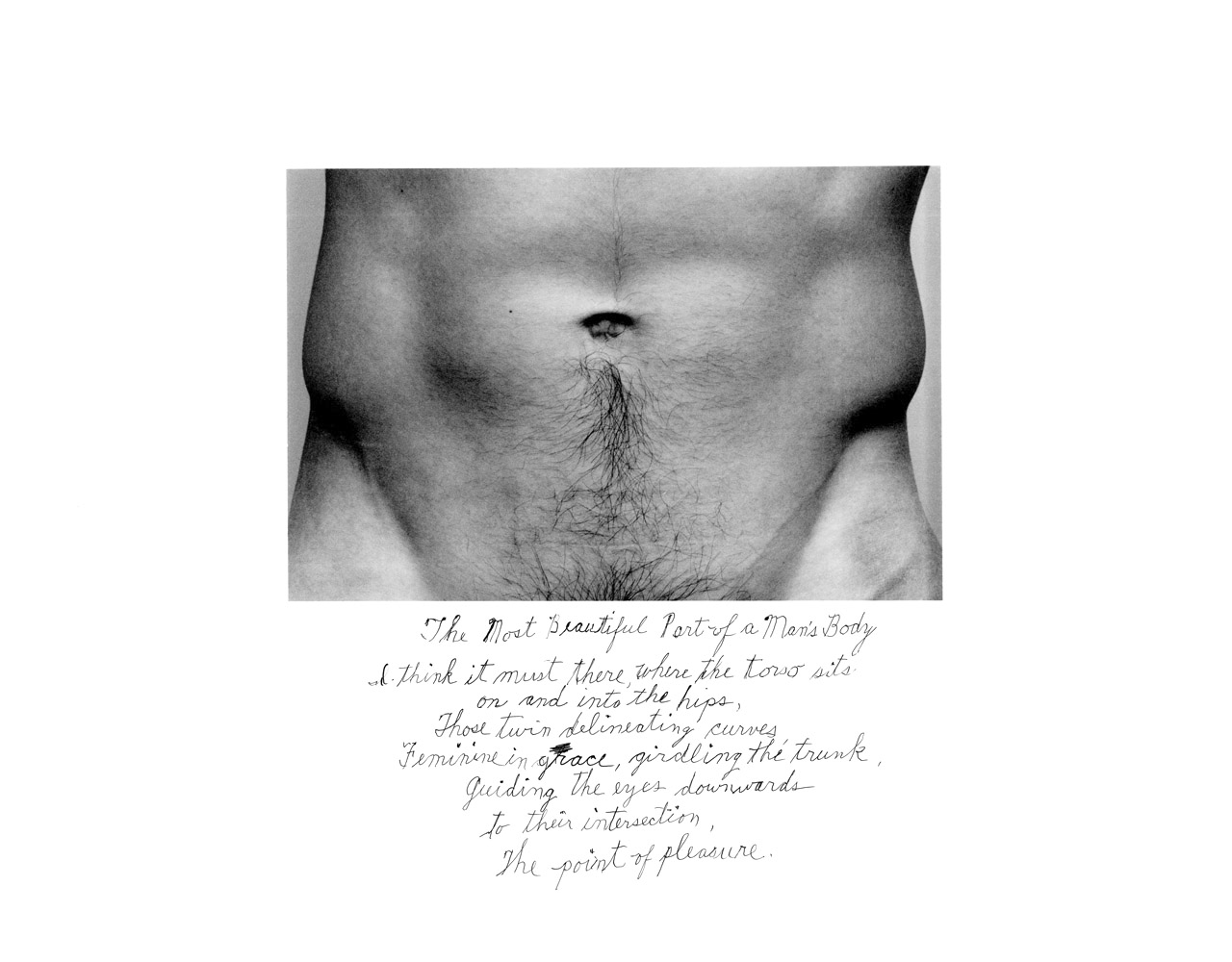
Duane Michals (American, b. 1932) 'The Most Beautiful Part of a Woman's Body' c. 1986


Duane Michals (American, b. 1932)
The Most Beautiful Part of a Woman’s Body
c. 1986
Gelatin silver print
Pedro Slim Collection


Duane Michals (American, b. 1932) 'The Most Beautiful Part of a Man's Body' c. 1986


Duane Michals (American, b. 1932)
The Most Beautiful Part of a Man’s Body
c. 1986
Gelatin silver print
Pedro Slim Collection


Graciela Iturbide (Mexican, b. 1942) 'Magnolia with Mirror, Juchitán, México' 1986


Graciela Iturbide (Mexican, b. 1942)
Magnolia, Juchitán, México
1986
Gelatin silver print
Pedro Slim Collection


Is symmetry more beautiful than asymmetry?

The notion of symmetry is occasionally interchanged with the one of beauty as if these would be synonyms. Artists and philosophers from different cultures and times have championed equilibrium and positioned symmetry on an untouchable pedestal, but culturally speaking, asymmetry might be more valuable.

The mathematical notion of symmetry suggests that if an object is changed – say a cube or a sphere is rotated – it stays the same as before it was moved. Aiming for symmetrical forms seems reasonable from the functional standpoint of an architect or a mathematician, but why do our cultures dismiss or shame asymmetry?

Asymmetry presupposes that something, or someone, changes after its circumstances changed. Transforming when situations demand it, is necessary to evolve. One symmetric thought or body would entail that it does not change when it is moved. That said, maybe it is time to reevaluate the way we perceive notions of beauty and reformulate our societal desires. Asymmetric bodies might be much more sexy and beautiful after all.

The exhibition, Clandestine – The Human Body in Focus, presents black and white photographs of the human body. The photographs render asymmetric human bodies.

Anonymous text from the Cobra Museum of Modern Art Instagram page


Herb Ritts (American, 1952-2002) 'Wrestling Torsos, Hollywood' c. 1987


Herb Ritts (American, 1952-2002)
Wrestling Torsos, Hollywood
c. 1987
Gelatin silver print
Pedro Slim Collection


Merry Alpern (American, b. 1955) 'Dirty Windows #16' 1994


Merry Alpern (American, b. 1955)
Dirty Windows #16
1994
Gelatin silver print
Pedro Slim Collection


Merry Alpern (American, b. 1955) 'Untitled' from the series 'Dirty Windows' 1994


Merry Alpern (American, b. 1955)
Untitled from the series Dirty Windows
1994
Gelatin silver print
Pedro Slim Collection


How to take dramatic photos of strangers? Wait, should you ask for their consent before photographing them?

In most countries, it is legal to take photos of people, including children in public. The question of whether it is morally right or wrong to take photos of strangers remains problematic. Some would say that it depends on the purpose of the photo. Judging a body of work that is intended to be used for profit, such as to promote a product, is different from photojournalism or a photo exhibition.

When seeing the photos exhibited in our exhibition Clandestine- The Human Body in Focus, one wonders if every single body was aware it would end up framed in the museum, or in the Instagram account of the museum itself.

To give this situation a context, consider Merry Alpern’s Dirty Windows series from 1994. Rather than posing her subjects, Alpern captured women (and men) crowded into the tiny bathroom of a sex club in the Wall Street district of Manhattan. Her photos were taken at night, in dim light, from a friend’s apartment, one story higher and about five meters away from the bathroom window. Her obsessive, voyeuristic, and even paranoic project as well as her overtly sexual scenes, caused a national controversy at the time.

With these images, Alpern encapsulated and reduced the identity of her subjects as ‘sex workers’. By taking a single shot of a person and framing it as the complete one, the photo runs the risk of stripping the full identity away from the subject. The women in the Dirty Windows series could be mothers, daughters, great sports players, activists and so on, but not everyone gets to see that part of the story.

Let this be a reminder that when taking a photo of a person, you should make sure the person is aware of the photo’s purpose as well as what part of the story- of their identity – is framed.

Anonymous text from the Cobra Museum of Modern Art Instagram page


Shohei Miyachi (Japanese, b. 1989) 'Untitled' c. 2018


Shohei Miyachi (Japanese, b. 1989)
Untitled
c. 2018
Gelatin silver print
Pedro Slim Collection


Kike Arnal (Venezuelan) 'Untitled' (Emmanuel, trans man and tattoo artist) 2018


Kike Arnal (Venezuelan)
Untitled (Emmanuel, trans man and tattoo artist)
2018
From the series Revealing Selves – Transgender Portraits from Argentina
Gelatin silver print
Pedro Slim Collection


When it comes to transgender rights, Argentina is a country rife with contradictions. After being subject to widespread medicalization and incarceration throughout the 20th century, Argentina’s transgender community began to see a number of windfall legal and political wins in the early 21st century that would secure them progress once only dreamed of. These included the Gender Identity Law of 2012, landmark legislation which guarantees transgender Argentinians the right to change their sex in the public record, access free gender reassignment surgery and hormone therapy that doesn’t require medical or psychological diagnoses, and enshrines transgender discrimination protections in law.

But the gulf between legislative gains and reality can be wide in many countries, and Argentina is no exception. Despite these rights, 88 percent of Argentinian trans women have never had a formal job; their average life expectancy is 35, whereas the national average is 77; and only 40 percent graduate from high school. Transgender Argentinians still face massive cultural and social stigma, which can lead to family rejection and poverty.

In Revealing Selves: Transgender Portraits from Argentina … documentary photographer Kike Arnal provides a window into the homes and lives of Argentina’s transgender community, one that captures these contradictions.

Anonymous text. “Revealing Portraits from Argentina’s Transgender Community,” on the Them website April 10, 2018 [Online] Cited 23/02/2022


Kike Arnal (Venezuelan) 'Untitled' (Emmanuel, trans man and tattoo artist) 2018


Kike Arnal (Venezuelan)
Untitled (Emmanuel, trans man and tattoo artist)
2018
From the series Revealing Selves – Transgender Portraits from Argentina
Gelatin silver print
Pedro Slim Collection


Cobra Museum of Modern Art
Sandbergplein 1, 1181 ZX Amstelveen

Opening hours:
Tuesday – Sunday 10am – 5pm
Closed Monday

Cobra Museum of Modern Art website

LIKE ART BLART ON FACEBOOK

Back to top

Exhibition: ‘Garry Winogrand’ at the San Francisco Museum of Modern Art (SFMOMA)

“Winogrand states and summarises but doesn’t solve. He just keeps adding to the list, occasionally, under duress, ordering it…” Dr Marcus Bunyan

Exhibition dates: 9th March – 2nd June, 2013

Curators: guest curator Leo Rubinfien, SFMOMA’s assistant curator of photography Erin O’Toole, and the National Gallery of Art’s senior curator of photographs Sarah Greenough.


Garry Winogrand (American, 1928-1984) 'Utah (Wyoming)' 1964 from the exhibition 'Garry Winogrand' at the San Francisco Museum of Modern Art (SFMOMA), March - June, 2013


Garry Winogrand (American, 1928-1984)
Utah (Wyoming)
1964
Silver gelatin photograph
© The Estate of Garry Winogrand


“Every photograph is a battle of form versus content.”


Garry Winogrand


Playing God with his film

Form and content. Form and content.

I don’t like the work of Garry Winogrand. Never have, never will. I think his work is overrated and and somewhat trite. That should stir up all the Winophiles who think that he is one of the best street photographers in the history of the medium!

At best his form is average – technical aspects adequate; composition is pretty basic including dull use of tension points within the picture frame; and framing very bland, tilted angles not withstanding. His content is nothing special either, mainly frontal shots of people walking towards him or voyeuristic shots while mingled in crowds, or a mixture of both. As he himself says, “I don’t have anything to say in any picture. My only interest in photography is to see what something looks like as a photograph.” By letting the medium describe the world around him. And therein lies part of the problem.

Winogrand just looks – and you can’t fault someone for just looking. It’s just a not very interesting looking.

If I really look at Winogrand’s work I can see that he just states what he saw in shot after shot after shot, indiscriminately. Personally, I find there is a real cynicism in his work. The photographs “describe” his own state of mind – as much as he denies that he (or his state of mind) has anything to do with the act of describing the world through photography. You see, it’s all about how the camera sees the world and not how he sees it. Hence, Winogrand hardly embraces his feelings towards the world and if he does, it is only in a half-hearted manner. For example, he goes a certain way towards the dark (as in the photographs Utah (Wyoming), 1964 above, and Los Angeles, 1964, below) and then stops. The other part of the problem is this: what you can also fault is all the hyperbole that is laid over the top of his work by curators and museums – because on close examination the work really doesn’t justify it.

Winogrand states and summarises but doesn’t solve. He just keeps adding to the list, occasionally, under duress, ordering it (photographs of women in the book Women are Beautiful, 1975):

“During his Austin years he was preparing two books, Public Relations and Women are Beautiful. Given his method of printing every image on the contact sheet for the selection process, and given his proclivity for the physical act of shooting, no wonder he wasn’t out on the street as much as he’d like. Yes he had to print, select and publish some prints to survive unless he wanted to teach the rest of his life. I don’t believe he wanted to do that. Had there been a way, I believe he would died a blissful death had he been on the streets clicking away and either letting the exposed film rot or letting someone else process and print them, and arrange the books and shows and collect the money. That’s how much he loved the physical act of shooting.

He felt at home out there, looking for the next image to expose. He was also the boss out there, playing God with his film and deciding where to frame that next battle between form and content, then the next and the next.”1


Playing God with his film…

In some ways Winogrand reminds me of both the king and the court jester. King because he could frame the battle between form and content ad infinitum and jester because he was the fool, standing in front of people, laughing, smiling, obsequious, running hither and yon to get every shot, any shot. See the video below to understand what I mean.

Unlike the photographs in Robert Frank’s The Americans, his is not a poetic understanding of the world – for the difference between Robert Frank and Garry Winogrand is that the former’s photographs are undeniably poetic while the latter’s are prosaic aphorisms about the world. In Winogrand’s “describing” the social landscape he photographed is reduced to lists of things: “the dislocation of urban life, the rise of the suburb with its growing alienation, the skepticism of youth, and the collusion of the press and the powerful,” rarely pursued by any obvious means and certainly not through poetic evocation.

I think that Winogrand struggled with the question – do I add to the list or do I order the list? Obviously he chose the former, for if there is no order in life there can be no order in the archive.

Hence we are left with the “Unfinished” Late Work, an archive of 250,000 images that have remained virtually unknown. A boon for researchers and curators wishing to position Winogrand’s legacy “revealing for the first time the full sweep of his career… creating a vivid portrait of the artist.”

Even when the artist could not be bothered (so why should we bother).
Even when the images were never seen or acknowledged.
The artist streetwise in his omnipotent isolation.

Dr Marcus Bunyan


1/ Garza, O. C. Class Time with Garry Winogrand. 2007, p. 19 [Online] Cited 26/05/2013


Many thankx to the San Francisco Museum of Modern Art for allowing me to publish the photographs in the posting. Please click on the photographs for a larger version of the image.


“Great photography is always on the edge of failure.”

“I photograph to see what the world looks like in photographs.”

“I like to think of photographing as a two-way act of respect. Respect for the medium, by letting it do what it does best, describe. And respect for the subject, by describing as it is. A photograph must be responsible to both.”

“I don’t have anything to say in any picture. My only interest in photography is to see what something looks like as a photograph. I have no preconceptions.”


Garry Winogrand


“We quickly learned Winogrand’s technique – he walked slowly or stood in the middle of pedestrian traffic as people went by. He shot prolifically. I watched him walk a short block and shoot an entire roll without breaking stride. As he reloaded, I asked him if he felt bad about missing pictures when he reloaded. “No,” he replied, “there are no pictures when I reload.” He was constantly looking around, and often would see a situation on the other side of a busy intersection. Ignoring traffic, he would run across the street to get the picture.”


Mason Resnick


“Form and content are two keys which make a memorable street photograph. Consider “form” as the composition, framing, and technical aspects of a photograph. Consider “content” as what is actually happening in the photograph (whether it be an old couple holding hands, a boy holding two bottles of wine, or a man looking through a peep-hole)… Garry Winogrand shot with a 28mm lens for most of his life [using a Leica M4 35mm and Tri-X film pushed to 1200 ASA], which meant that for the majority of his shots he had to be quite close to his subjects (and in front of them). Therefore Winogrand wasn’t Henri Cartier-Bresson (trying to be invisible) but was actively a part of the action and immersed in the crowds. He would be very obviously taking photographs in the streets and would stick out like a sore thumb.”


Eric Kim


Garry Winogrand – Part 1 


Garry Winogrand – Fotograf


Garry Winogrand – The Man In The Crowd


Garry Winogrand (American, 1928-1984) 'Albuquerque' 1957 from the exhibition 'Garry Winogrand' at the San Francisco Museum of Modern Art (SFMOMA), March - June, 2013


Garry Winogrand (American, 1928-1984)
Albuquerque
1957
Gelatin silver print
Collection SFMOMA, gift of Dr. Paul Getz
© The Estate of Garry Winogrand, courtesy Fraenkel Gallery, San Francisco


Garry Winogrand (American, 1928-1984) 'Park Avenue, New York' 1959


Garry Winogrand (American, 1928-1984)
Park Avenue, New York
1959
Gelatin silver print
© The Estate of Garry Winogrand, courtesy Fraenkel Gallery, San Francisco


Garry Winogrand (American, 1928-1984) 'Central Park Zoo, New York' 1967


Garry Winogrand (American, 1928-1984)
Central Park Zoo, New York
1967
Gelatin silver print
© The Estate of Garry Winogrand, courtesy Fraenkel Gallery, San Francisco


Since Winogrand took this photograph of a white woman and a Black man, each holding a chimpanzee dressed in children’s clothing, many critics have noted the picture’s deliberate ambiguity – not only about the circumstances of how these figures came to be here, but also about the way Winogrand chose to frame them with his camera, cutting out most of the surrounding context.

During the 1960s, Winogrand became increasingly reluctant to speak about the “meaning” of his photographs, preferring to focus on their form and technique, in spite of their excessive narrative potential. Perhaps this was a reaction against his photojournalistic and advertising work, which was often illustrative. Winogrand would cite Susan Sontag’s influential essay “Against Interpretation” (1964), which deplored the growing impulse at the time to reduce works of art to their content in order to make them mean something. She argued, like Winogrand, in favor of the pleasure and poetry of seeing.

Anonymous. “Central Park Zoo-New York, New York,” on the Brooklyn Museum website Nd [Online] Cited 14/07/2024. No longer available online. Used under fair use conditions for the purposes of education and research


Garry Winogrand (American, 1928-1984) 'Fort Worth, Texas' 1974


Garry Winogrand (American, 1928-1984)
Fort Worth, Texas
1974
Gelatin silver print
Collection SFMOMA, Accessions Committee Fund: gift of Doris and Donald Fisher and Marion E. Greene
© The Estate of Garry Winogrand, courtesy Fraenkel Gallery, San Francisco


Garry Winogrand (American, 1928-1984) 'Fort Worth, Texas' 1975


Garry Winogrand (American, 1928-1984)
Fort Worth, Texas
1975
Gelatin silver print
Collection SFMOMA, gift of Dr. Paul Getz
© The Estate of Garry Winogrand, courtesy Fraenkel Gallery, San Francisco


Garry Winogrand (American, 1928-1984) 'John F. Kennedy, Democratic National Convention, Los Angeles' 1960


Garry Winogrand (American, 1928-1984)
John F. Kennedy, Democratic National Convention, Los Angeles
1960
Posthumous digital reproduction from original negative
Garry Winogrand Archive, Center for Creative Photography, University of Arizona
© The Estate of Garry Winogrand, courtesy Fraenkel Gallery, San Francisco


Garry Winogrand (American, 1928-1984) 'Democratic National Convention, Los Angeles' 1960


Garry Winogrand (American, 1928-1984)
Democratic National Convention, Los Angeles
1960
Silver gelatin photograph
© The Estate of Garry Winogrand


Garry Winogrand (American, 1928-1984) 'New York' c. 1960


Garry Winogrand (American, 1928-1984)
New York
c. 1960
Gelatin silver print
Garry Winogrand Archive, Center for Creative Photography, University of Arizona
© The Estate of Garry Winogrand, courtesy Fraenkel Gallery, San Francisco


Garry Winogrand (American, 1928-1984) 'White Sands National Monument, New Mexico' 1964


Garry Winogrand (American, 1928-1984)
White Sands National Monument, New Mexico
1964
Gelatin silver print
© The Estate of Garry Winogrand, courtesy Fraenkel Gallery, San Francisco


Garry Winogrand (American, 1928-1984) 'New York' 1969


Garry Winogrand (American, 1928-1984)
New York
1969
Gelatin silver print
© The Estate of Garry Winogrand, courtesy Fraenkel Gallery, San Francisco


Garry Winogrand (American, 1928-1984) 'Elliot Richardson Press Conference, Austin, Texas' 1973


Garry Winogrand (American, 1928-1984)
Elliot Richardson Press Conference, Austin, Texas
1973
Silver gelatin photograph
© The Estate of Garry Winogrand


Elliot Lee Richardson (July 20, 1920 – December 31, 1999) was an American lawyer and politician who was a member of the cabinet of Presidents Richard Nixon and Gerald Ford. As U.S. Attorney General, he was a prominent figure in the Watergate Scandal, and resigned rather than obey President Nixon’s order to fire special prosecutor Archibald Cox.

Text from Wikipedia website


Garry Winogrand (American, 1928-1984) 'Centennial Ball, Metropolitan Museum, New York' 1969


Garry Winogrand (American, 1928-1984)
Centennial Ball, Metropolitan Museum, New York
1969
Silver gelatin photograph
© The Estate of Garry Winogrand


Garry Winogrand (American, 1928-1984) 'Point Mugu Naval Air-Station, California' 1979


Garry Winogrand (American, 1928-1984)
Point Mugu Naval Air-Station, California
1979
Silver gelatin photograph
© The Estate of Garry Winogrand


Garry Winogrand (American, 1928-1984) 'Untitled' 1970


Garry Winogrand (American, 1928-1984)
Untitled
1970
Silver gelatin photograph
© The Estate of Garry Winogrand


Garry Winogrand (American, 1928-1984) 'Venice Beach, Los Angeles' 1979


Garry Winogrand (American, 1928-1984)
Venice Beach, Los Angeles
1979
Silver gelatin photograph
© The Estate of Garry Winogrand


The first retrospective in 25 years of work by artist Garry Winogrand (1928-1984) – the renowned photographer of New York City and of American life from the 1950s through the early 1980s – will debut at the San Francisco Museum of Modern Art (SFMOMA) from March 9 through June 2, 2013. Jointly organised by SFMOMA and the National Gallery of Art, Washington, D.C., Garry Winogrand brings together the artist’s most iconic images with newly printed photographs from his largely unexamined archive of late work, offering a rigorous overview of Winogrand’s complete working life and revealing for the first time the full sweep of his career. More than 300 photographs in the exhibition and more than 400 in the accompanying catalogue will create a vivid portrait of the artist – a chronicler of postwar America on a par with such figures as Norman Mailer and Robert Rauschenberg who unflinchingly captured America’s wrenching swings between optimism and upheaval in the decades following World War II.

While Winogrand is widely considered one of the greatest photographers of the 20th century, his overall body of work and influence on the field remains incompletely explored. He was enormously prolific but largely postponed the editing and printing of his work. Dying suddenly at the age of 56, he left behind approximately 6,500 rolls of film (some 250,000 images) that he had never seen, as well as proof sheets from his earlier years that he had marked but never printed. Roughly half of the photographs in the exhibition have never been exhibited or published until now; over 100 have never before been printed.

“There exists in photography no other body of work of comparable size or quality that is so editorially unresolved,” says Rubinfien, who was among the youngest of Winogrand’s circle of friends in the 1970s. “This exhibition represents the first effort to comprehensively examine Winogrand’s unfinished work. It also aims to turn the presentation of his work away from topical editing and toward a freer organisation that is faithful to his art’s essential spirit, thus enabling a new understanding of his oeuvre, even for those who think they know him.”

The exhibition is divided into three parts, each covering a broad variety of subjects found in Winogrand’s art. “Down from the Bronx” presents photographs taken for the most part in New York from his start in 1950 until 1971; “A Student of America” looks at work made in the same period during journeys outside New York; and “Boom and Bust” addresses Winogrand’s late period – from when he moved away from New York in 1971 until his death in 1984 – with photographs from Texas and Southern California, as well as Chicago, Washington, Miami, and other locations. This third section also includes a small number of photographs Winogrand made on trips back to Manhattan, which express a sense of desolation unprecedented in his earlier work.

Winogrand was known as great talker with a flamboyant, forceful personality, and what he said accompanying his slide shows and lectures was often imaginative and very funny. A number of videos edited for presentation in the exhibition will allow visitors to experience the living Winogrand as audiences have rarely been able to do for 30-odd years. A short selection from Winogrand’s experimental 8mm footage taken in the late 1960s will also be on view.

After premiering at SFMOMA in spring 2013 Garry Winogrand will travel to the National Gallery of Art, Washington, D.C. (March 2 through June 8, 2014); The Metropolitan Museum of Art, New York (June 27 through September 21, 2014); the Jeu de Paume, Paris (October 14, 2014 through January 25, 2015); and the Fundacion MAPFRE, Madrid (March 3 through May 10, 2015).

An Epic Chronicler of Postwar America

Born in the Bronx, Winogrand did much of his best-known work in Manhattan during the 1960s, and in both the content of his photographs and his artistic style he became one of the principal voices of that eruptive decade – so much so that influential Museum of Modern Art curator John Szarkowski anointed him “the central photographer of his generation.”

Known primarily as a street photographer, Winogrand, who is often associated with famed contemporaries Diane Arbus and Lee Friedlander, photographed with dazzling energy and incessant appetite, exposing some 20,000 rolls of film in his short lifetime. He photographed business moguls, everyday women on the street, famous actors and athletes, hippies, rodeos, politicians, soldiers, animals in zoos, car culture, airports, and antiwar demonstrators and the construction workers who beat them bloody in view of the unmoved police. Daily life in postwar America – rich with new possibility and yet equally anxious, threatening to spin out of control – seemed to unfold for him in a continuous stream.

Yet if Winogrand was one of New York City’s prime photographers, he was also an avid traveller who roamed widely around the United States, bringing exquisite work out of locations that included Los Angeles, San Francisco, Ohio, Dallas, Houston, Chicago, Colorado, and the open country of the Southwest. “You could say that I am a student of photography,” he said, “and I am; but really I’m a student of America.” Winogrand’s expansive visual catalogue of the nation’s evolving social scene has led to comparisons to Walt Whitman, who also unspooled the world in endless lists of people, places, and things.

Winogrand’s pictures often bulge with twenty or thirty figures, and are fascinating both for their dramatic foregrounds and the sub-events at their edges. Even when crowded with people or at their most lighthearted – he was fond of visual puns and was drawn to the absurd – his pictures can convey a feeling of human isolation, hinting at something darker beneath the veneer of the American dream. Early on, some critics considered his pictures formally “shapeless” and “random,” but admirers and critics later found a unique poetry in his tilted horizons and his love of the haphazard.

“Winogrand was an artistic descendant of Walker Evans and Robert Frank, but differed sharply from them,” says Rubinfien. “He admired Frank’s The Americans, but felt the work missed the main story of its time, which in his mind was the emergence of suburban prosperity and isolation. The hope and buoyancy of middle-class life in postwar America is half of the emotional heart of Winogrand’s work. The other half is a sense of undoing. The tension between these qualities gives his work its distinct character.”

After serving in the military as a weather forecaster, Winogrand first began working as a photographer while studying painting on the G.I. Bill at Columbia University (1948-1951). During that time, he also studied briefly with Alexey Brodovitch at the New School for Social Research. While pursuing his personal work, he began supplying commercial photographs to a number of general-interest magazines such as Life, Look, Sports Illustrated, Collier’s, and Pageant, which were then at the height of their power and reach. His career was further shaped by the decline of those magazines and the rise of a new culture of photography centred in the art world.

“Winogrand worked at a moment when the boundaries between journalistic and artistic photography were less certain than they had ever been, yet it was also a time when the most advanced photographers were consciously abandoning journalistic values,” says Greenough. “The social landscape he photographed – the dislocation of urban life, the rise of the suburb with its growing alienation, the skepticism of youth, and the collusion of the press and the powerful – was of concern to many Americans. Yet Winogrand rarely pursued an obvious means to explicate these ideas, preferring poetic evocation over intelligible journalism.”

Winogrand went on to exhibit widely at prominent museums and achieved renown in his lifetime. Yet despite this recognition, he is perhaps the most inadequately understood of all his contemporaries.

“Unfinished” Late Work Thoroughly Investigated for the First Time

The act of taking pictures was far more fulfilling to Winogrand than making prints or editing for books and exhibitions – he often allowed others to perform these tasks for him. Near the end of his life, he spoke of reviewing and reediting all of his photographs, but never had a chance to oversee the shaping of his legacy, or even to review much of the output of his later years. Because of his working methods and his lack of interest in developing his film toward the end of his life, he left behind more than 2,500 rolls of exposed but undeveloped film, an additional 4,100 rolls that he had processed but never seen – an estimated total of 250,000 images that have remained virtually unknown.

Furthermore, Winogrand published just five modest books during his lifetime – The Animals (1969), Women Are Beautiful (1975), Garry Winogrand (1976), Public Relations (1977), and Stock Photographs (1980) – that represent only a fraction of his work and are mainly confined to narrow topical frames that don’t suggest the full scope of his importance.

“One reason that Winogrand is only now receiving the full retrospective treatment already devoted to peers of his era, including Diane Arbus, Lee Friedlander, and Robert Frank, is that any truly comprehensive consideration of his life’s work requires contending with the practical and ethical issues surrounding the vast archive he left behind,” says O’Toole. “In the absence of explicit instructions from him regarding how he wanted his work to be handled after he was gone, its posthumous treatment has been the subject of ongoing debate and raises provocative questions about the creative process and its relationship to issues specific to the medium.”

“Some argue that what was left behind should be left alone, and that no one should intrude upon the intentions of an artist,” adds Rubinfien. “But the quantity of Winogrand’s output, the incompleteness with which he reviewed it, and the suddenness of his death create a special case in which the true scope of an eminent photographer’s work cannot be known without the intervention of an editor.”

Now housed at the Center for Creative Photography of the University of Arizona, Tucson, Winogrand’s “unfinished” work was initially organized in the years just after his death by several colleagues and friends in preparation for the artist’s first major museum retrospective, held at the Museum of Modern Art, New York (MoMA) in 1988. Exhibition curator John Szarkowski felt the quality of Winogrand’s work had significantly deteriorated in the last 15 years of his life, and included only a small group of pictures from the mysterious late work in MoMA exhibition.

Nearly 30 years have elapsed since the last attempt to grapple with the complete arc of Winogrand’s career. Benefiting from new curatorial research undertaken for this project, the current exhibition will provide a long-awaited reevaluation of his accomplishments. As one of the first museums to recognise photography as a legitimate art form, SFMOMA has collaborated with the National Gallery of Art – who, like SFMOMA, is known for its photography scholarship – in a multi-year endeavour to spearhead the presentation of this important exhibition and publication.”

Press release from the SFMOMA website


Garry Winogrand (American, 1928-1984) 'New York' 1961


Garry Winogrand (American, 1928-1984)
New York
1961
Silver gelatin photograph
© The Estate of Garry Winogrand


Garry Winogrand (American, 1928-1984) 'New York' 1963


Garry Winogrand (American, 1928-1984)
New York
1963
Silver gelatin photograph
© The Estate of Garry Winogrand


Garry Winogrand (American, 1928-1984) 'San Marcos, Texas' 1964


Garry Winogrand (American, 1928-1984)
San Marcos, Texas
1964
Silver gelatin photograph
© The Estate of Garry Winogrand


Garry Winogrand (American, 1928-1984) 'Coney Island, New York' c. 1952


Garry Winogrand (American, 1928-1984)
Coney Island, New York
c. 1952
Gelatin silver print
Collection The Museum of Modern Art, New York, purchase and gift of Barbara Schwartz in memory of Eugene M. Schwartz
© The Estate of Garry Winogrand, courtesy Fraenkel Gallery, San Francisco; digital image
© The Museum of Modern Art/ Licensed by SCALA / Art Resource, NY


Garry Winogrand (American, 1928-1984) 'Fort Worth, Texas' 1974-77


Garry Winogrand (American, 1928-1984)
Fort Worth, Texas
1974-1977
Gelatin silver print
Garry Winogrand Archive, Center for Creative Photography, University of Arizona
© The Estate of Garry Winogrand, courtesy Fraenkel Gallery, San Francisco


Garry Winogrand (American, 1928-1984) 'John F. Kennedy International Airport, New York' 1968


Garry Winogrand (American, 1928-1984)
John F. Kennedy International Airport, New York
1968
Silver gelatin photograph
© The Estate of Garry Winogrand


Garry Winogrand (American, 1928-1984) 'New York' 1950


Garry Winogrand (American, 1928-1984)
New York
1950
Gelatin silver print
Collection SFMOMA, fractional and promised gift of Carla Emil and Rich Silverstein
© The Estate of Garry Winogrand, courtesy Fraenkel Gallery, San Francisco


Garry Winogrand (American, 1928-1984) 'New York' c. 1962


Garry Winogrand (American, 1928-1984)
New York
c. 1962
Gelatin silver print
Garry Winogrand Archive, Center for Creative Photography, University of Arizona
© The Estate of Garry Winogrand, courtesy Fraenkel Gallery, San Francisco


Garry Winogrand (American, 1928-1984) 'Venice Beach, Los Angeles' 1980-1983


Garry Winogrand (American, 1928-1984)
Venice Beach, Los Angeles
1980-1983
Gelatin silver print
Garry Winogrand Archive, Center for Creative Photography, University of Arizona
© The Estate of Garry Winogrand, courtesy Fraenkel Gallery, San Francisco


Garry Winogrand (American, 1928-1984) 'Grand Central Station' 1968


Garry Winogrand (American, 1928-1984)
Grand Central Station
1968
Silver gelatin photograph
© The Estate of Garry Winogrand


Garry Winogrand (American, 1928-1984) 'Los Angeles' 1964


Garry Winogrand (American, 1928-1984)
Los Angeles
1964
Silver gelatin photograph
© The Estate of Garry Winogrand


Garry Winogrand (American, 1928-1984) 'New York' 1968


Garry Winogrand (American, 1928-1984)
New York
1968
Silver gelatin photograph
© The Estate of Garry Winogrand


Garry Winogrand (American, 1928-1984) 'New York' c. 1969


Garry Winogrand (American, 1928-1984)
New York
c. 1969
Silver gelatin photograph
© The Estate of Garry Winogrand


San Francisco Museum of Modern Art
151 Third Street
San Francisco, CA 94103

Opening hours:
Monday – Tuesday: 10am – 5pm
Wednesday: Closed
Thursday: 12 – 8pm
Friday – Sunday: 10am – 5pm

San Francisco Museum of Modern Art website

LIKE ART BLART ON FACEBOOK

Back to top

Review: ‘Ingeborg Tyssen: photographs’ at Monash Gallery of Art, Melbourne

Exhibition dates: 23rd November, 2012 – 3rd February, 2013

Curator: Sandra Byron


Ingeborg Tyssen (Netherlands, Australia 1945-2002) 'Untitled' from the series 'People' 1977 from the exhibition Ingeborg Tyssen: photographs' at Monash Gallery of Art, Melbourne, November 2012 - February 2013


Ingeborg Tyssen (Netherlands, Australia 1945-2002)
Untitled
1977
From the People series
Gelatin silver print
Image: 20.1 x 25.2cm
Monash Gallery of Art, City of Monash Collection
Donated by Janice Hinderaker through the Australian Government’s Cultural Gifts Program 2003


“Ingeborg Tyssen was one of the great Australian photographers of her generation.” (Press release)

“Ingeborg Tysenn was one of Australia’s most important post war artists.”
(Essay “Remembering Ingeborg” by Sandra Byron)


This is a disappointing exhibition of the work of Australian photographer Ingeborg Tyssen at Monash Gallery of Art, Melbourne encumbered as it is by the above two statements. On the evidence of the work presented neither statement is true. Whoever is pushing this barrow (and it is a large barrow to push) should really stop and have a damn good look at the work to see whether it is worthy of such claims and what they hope to achieve by promoting such statements. If they really looked objectively they would see that the art just is, and nothing more.

Being a cultural commentator means that you have to form an opinion on the work presented. For me this involves the eye (what the work looks like), the head (undertaking research into the artist) and the heart (how I feel about the work). Then and only then can you make an informed decision on the merits of the work. With Tyssen’s work there were four standout photographs in the exhibition (people in a swimming pool taken in the Modernist style, part of the 1981 Ryde Pool, Sydney series, none of which I can show you in this posting) and the rest of the photographs exist in the world.

Tyssen was born in The Netherlands and arrived here when she was 12 years old. Her photographs show a European and Australian sensibility, a dislocation from but also an attraction toward both her native country and her adopted country Australia. Her photographs can be divided into various styles: early documentary street photography (the People series, 1977), Modernist photography (Ryde Pool, Sydney series, 1981 and From the heart of the forest to the edge of the road series, 1982-1984), New Topographics photography (Billboards and Trees series, 1981-1982) and Romantic photography (The voice of silence series 1991-1992). In this regard, Tyssen never seems to have developed a voice of her own, a signature style that you could say was unique to her own art practice. So many of these photographs are derivative of other photographers who have already invented and mastered that style that nothing seems to belong to Tyssen herself. She seems to have been enamoured of style after style.

In the high contrast, small scale People series (1977, above) the animals are particularly unapproachable. While exhibiting a sense of Australian light and an intimation of Australia’s white only policy – there is a specific Australian-ness in the people she has chosen and the atmosphere of Whitlam / post Whitlam remaking of the Australian identity; even the lady with the European aura knows she is in Australia, perhaps she even knows she is in the Australian light – these are hard images to engage with emotionally, unlike the psychological works of Harry Callahan and Garry Winogrand. Problematically, the Billboards and Trees series (both 1981-1982, below) are so redolent of American photography (both in physical dis/location and surface remarks) that I felt I had seen it all before. In both these series Australia morphs into America and not in a good way.

In the panoramic series From the heart of the forest to the edge of the road (1982-1984, below) Tyssen comes closest to capturing the intensity of the Australian landscape only to be let down by a) the quality of the prints and b) the fact that the title is a coat hanger, allowing the artist to hang disparate images together that really have no relationship to each other. The prints themselves do little to support the work, being sometimes too pale and insignificant to hold the image, too flat. Playing with the print and its tonal range and surface qualities does little to help an overall vision of the work or help the viewer engage with the content.

In my notes I wrote in capital letters: THEY DON’T ENGAGE ME! In other words, there was little in these photographs that held my attention for any length of time.

Tyssen seems to have known her limitations as well. She just wanted to be a photographer and kept persevering at her art … keep at it, keep going, keep creating. That’s all you can do as an artist.

At their best Tyssen’s photographs lie somewhere between Kertesz and Cartier-Bresson without the decisive moment (look at the photograph Taronga Zoo, Sydney, 1974 below and you will understand what I mean). But the deference of some of her images was really brought home to me when, in a small gallery off to the side of the main space, there in all its glory was one of the iconic images of a generation – Vale Street (1975) by Carol Jerrems.

People really do need to stop making grandiose statements about the work of artists and let the viewer just look clearly at the art. That way there is little expectation, the work will be taken on its merits, and everyone may be quietly surprised at the outcome.

Dr Marcus Bunyan


Many thankx to the Monash Gallery of Art for allowing me to publish the photographs in the posting. Please click on the photographs for a larger version of the image.


“Tysenn clearly felt a deep sense of dislocation from her country of birth, its national identity and cultural conventions. It was apparent in her ongoing explorations of the Australian landscape that on her arrival she had met with more than just an initial linguistic barrier, and there were also barriers to understanding the Australian landscape which was so far and different to European forests and Dutch tales and legends about them that she grew up with.”


Essay “Remembering Ingeborg” by Sandra Byron


“Tyssen’s people are not known to her, rather are studies of anonymous people: in action, in the city, at a fairground. The People series – City Light 1977 images reveal a sense of isolation in a crowd. People emerging from the dark shadows of the same station / mall and march into the sunlight. They are expressionless, uncommunicative, isolated, yet display a keen sense of self and appearance. Mostly minding their own business, doing their own thing, they seem undisturbed by the female photographer standing nearby. She must not have been intrusive or demanding, just there with her camera at the ready.”


Fiona McIntosh. “Two women photographers,” on the art out there blog Friday, 18 May 2012 [Online] Cited 08/09/2022


Ingeborg Tyssen (Netherlands, Australia 1945-2002) 'Untitled' from the series 'People' 1977 from the exhibition Ingeborg Tyssen: photographs' at Monash Gallery of Art, Melbourne, November 2012 - February 2013


Ingeborg Tyssen (Netherlands, Australia 1945-2002)
Untitled
1977
From the People series
Gelatin silver print
Image: 20.1 x 25.2cm
Monash Gallery of Art, City of Monash Collection
Donated by Janice Hinderaker through the Australian Government’s Cultural Gifts Program 2003


Ingeborg Tyssen (Netherlands, Australia 1945-2002) 'Untitled' from the series 'People' 1977


Ingeborg Tyssen (Netherlands, Australia 1945-2002)
Untitled
1977
From the People series
Gelatin silver print
Image: 20.1 x 25.2cm
Monash Gallery of Art, City of Monash Collection
Donated by Janice Hinderaker through the Australian Government’s Cultural Gifts Program 2003


Ingeborg Tyssen (Netherlands, Australia 1945-2002) 'Untitled' from the series 'People' 1977


Ingeborg Tyssen (Netherlands, Australia 1945-2002)
Untitled
1977
From the People series
Gelatin silver print
Image: 20.1 x 25.2cm
Monash Gallery of Art, City of Monash Collection
Donated by Janice Hinderaker through the Australian Government’s Cultural Gifts Program 2003


Ingeborg Tyssen (Netherlands, Australia 1945-2002) 'Untitled' from the series 'People' 1977


Ingeborg Tyssen (Netherlands, Australia 1945-2002)
Untitled
1977
From the People series
Gelatin silver print
Image: 20.1 x 25.2cm
Monash Gallery of Art, City of Monash Collection
Donated by Janice Hinderaker through the Australian Government’s Cultural Gifts Program 2003


Ingeborg Tyssen (Netherlands, Australia 1945-2002) 'Untitled' from the series 'People' 1977


Ingeborg Tyssen
Untitled
1977
From the People series
Gelatin silver print
Image: 20.1 x 25.2cm
Monash Gallery of Art, City of Monash Collection
Donated by Janice Hinderaker through the Australian Government’s Cultural Gifts Program 2003


Garry Winogrand (American, 1928-1984) 'Untitled' from Women are Beautiful' Nd/1981


Garry Winogrand (American, 1928-1984)
Untitled
Nd (1960s) / published 1981
From the portfolio Women are Beautiful
Silver gelatin print


Harry Callahan (American, 1912-1999) 'Chicago' 1961


Harry Callahan (American, 1912-1999)
Chicago
1961
Gelatin silver print
Overall (image): 40.6 x 27.1cm (16 x 10 11/16 in.)
National Gallery of Art, Washington, Gift of the Callahan Family
© Estate of Harry Callahan, courtesy Pace/MacGill Gallery, New York


Ingeborg Tyssen (Netherlands, Australia 1945-2002) 'Taronga Zoo, Sydney' 1974


Ingeborg Tyssen (Netherlands, Australia 1945-2002)
Taronga Zoo, Sydney
1974
Gelatin silver print
Collection of the Estate of Ingeborg Tyssen


Ingeborg Tyssen (Netherlands, Australia 1945-2002) 'Royal Easter Show, Sydney' 1979


Ingeborg Tyssen (Netherlands, Australia 1945-2002)
Royal Easter Show, Sydney
1979
Silver gelatin print
Collection of the Estate of Ingeborg Tyssen


Ingeborg Tyssen (Netherlands, Australia 1945-2002) 'Ryde Pool, Sydney' 1981


Ingeborg Tyssen (Netherlands, Australia 1945-2002)
Untitled
1981
From the series Ryde Pool, Sydney
Ink-jet print
Collection of the Estate of Ingeborg Tyssen


Ingeborg Tyssen (Netherlands, Australia 1945-2002) 'Annandale, Sydney' 1981


Ingeborg Tyssen (Netherlands, Australia 1945-2002)
Annandale, Sydney
1981
From the series Trees 1981-82
Silver gelatin print


Ingeborg Tyssen (Netherlands, Australia 1945-2002) 'Pyrmont, Sydney' 1982


Ingeborg Tyssen (Netherlands, Australia 1945-2002)
Pyrmont, Sydney
1982
From the series Billboards 1981-82
Silver gelatin print


Ingeborg Tyssen (1945-2002) was one of the great Australian photographers of her generation. Although generally overlooked by critics during her lifetime in favour of many of her male counterparts, Tyssen left us a remarkable body of work. Ingeborg Tyssen: photographs is the first museum retrospective of her work in Victoria, and the first major exhibition since her memorial show was held at the Art Gallery of NSW in 2002.

This exhibition provides a great opportunity for audiences to view the work of this major figure. Spanning 20 years of creative output from 1974-94, Ingeborg Tyssen: photographs shows Tyssen as a highly original observer of modern life. Her candid photographs of pedestrians in city streets, young kids playing in suburban swimming pools, and images of the Australian and American landscape reveal an artist whose concerns were at the forefront of Australian photographic practice.

MGA Gallery Director Shaune Lakin states, “Tyssen’s story is one of the great stories of Australian photography. Her arrival in Australia at the age of 12 as an immigrant from her native Holland and her struggle with displacement and new language and landscape is one that many Australians are familiar with. Being one of Australia’s first street photographers, she made a significant contribution to the history of Australian photography. Her experience of migration gave Tyssen a rare ability to observe people in their environment. Her earliest photographs, taken in the city streets, fun parks, and suburbs of 1970s were acute depictions of the urban isolation she felt in her new homeland. Her experience and pictures certainly remain relevant to contemporary Australia.”

In 1995 the Art Gallery of New South Wales presented a mid-career survey of her work and she continued to exhibit in commercial galleries and museums in Australia and abroad until she died as a result of a motor accident in 2002. In her obituary, critic Robert McFarlane wrote: “With Tyssen’s death, Australia has lost one of the most talented photographers from the postwar generation… The originality and lack of ego in these images will ensure their enduring place in the history of the medium.”

Tyssen studied photography under John Williams, who became her husband. She was a co-founder of the Photographers Gallery in South Yarra in 1975.

Press release from the Monash Gallery of Art website


Ingeborg Tyssen (Netherlands, Australia 1945-2002) 'Perisher Valley, NSW' from the series 'From the heart of the forest to the edge of the road' series 1984


Ingeborg Tyssen (Netherlands, Australia 1945-2002)
Perisher Valley, NSW
1984
From the series From the heart of the forest to the edge of the road 1982-1984
Silver gelatin print


Ingeborg Tyssen (Netherlands, Australia 1945-2002) 'Perisher Valley No 6, NSW' 1984


Ingeborg Tyssen (Netherlands, Australia 1945-2002)
Perisher Valley No 6, NSW
1984
From the series From the heart of the forest to the edge of the road 1982-1984
Gelatin silver print
14.5 x 35.7cm
Hallmark Cards Australian Photography Collection Fund 1989
© Ingeborg Tyssen, 1984. Licensed by Viscopy, Sydney
Collection of the Estate of Ingeborg Tyssen
Courtesy John Williams & Sandra Byron Gallery


Ingeborg Tyssen (Netherlands, Australia 1945-2002) '
Royal Easter Show, Sydney' 1982


Ingeborg Tyssen (Netherlands, Australia 1945-2002)
Royal Easter Show, Sydney
1982
Gelatin silver print
Collection of the Estate of Ingeborg Tyssen


Ingeborg Tyssen (Netherlands, Australia 1945-2002) 'Untitled' from 'The voice of silence' series 1991-1992


Ingeborg Tyssen (Netherlands, Australia 1945-2002)
Untitled
1991-1992
From The voice of silence series 1991-92
Gelatin silver print


Monash Gallery of Art
860 Ferntree Gully Road, Wheelers Hill
Victoria 3150 Australia
Phone: + 61 3 8544 0500

Opening hours:
Tue – Fri: 10am – 5pm
Sat – Sun: 10pm – 4pm
Mon/public holidays: closed

Monash Gallery of Art website

LIKE ART BLART ON FACEBOOK

Back to top

Exhibition: ‘Vivian Maier: Photographs from the Maloof Collection’ at the Howard Greenberg Gallery, New York

Exhibition dates:  15th December 2011 – 26th January 2012


Vivian Maier (American, 1926-2009) 'Untitled (portrait of a woman)' date unknown


Vivian Maier (American, 1926-2009)
Untitled (portrait of a woman)
Date unknown
© Vivian Maier/Maloof Collection, Courtesy Howard Greenberg Gallery


Another photographer who is getting more recognition. Out of the work I have seen the portraits are the strongest. Some of them feel like precursors to the confronting portraits of women made by Diane Arbus while others offer a more reflective, contemplative examination of human presence.

Dr Marcus Bunyan


Many thankx to Alicia Colen for her help and to the Howard Greenberg Gallery for allowing me to publish the photographs in the posting.


Vivian Maier (American, 1926-2009) 'Untitled' c. 1950's


Vivian Maier (American, 1926-2009)
Untitled
c. 1950’s
© Vivian Maier/Maloof Collection, Courtesy Howard Greenberg Gallery


Vivian Maier (American, 1926-2009) 'Untitled' c. 1950's


Vivian Maier (American, 1926-2009)
Untitled
c. 1950’s
© Vivian Maier/Maloof Collection, Courtesy Howard Greenberg Gallery


Vivian Maier (American, 1926-2009) 'Untitled' c. 1950's


Vivian Maier (American, 1926-2009)
Untitled
c. 1950’s
© Vivian Maier/Maloof Collection, Courtesy Howard Greenberg Gallery


Vivian Maier (American, 1926-2009) 'Untitled' 1954


Vivian Maier (American, 1926-2009)
Untitled
1954
Gelatin silver print, printed later
© Vivian Maier/Maloof Collection, Courtesy Howard Greenberg Gallery


Vivian Maier (American, 1926-2009) 'Florida' 1957


Vivian Maier (American, 1926-2009)
Florida
1957
Gelatin silver print, later print
© Vivian Maier/Maloof Collection, Courtesy Howard Greenberg Gallery


Vivian Maier (American, 1926-2009) 'New York, New York City' Nd


Vivian Maier (American, 1926-2009)
New York, New York City
Nd
Gelatin silver print, later print
© Vivian Maier/Maloof Collection, Courtesy Howard Greenberg Gallery


Vivian Maier (American, 1926-2009) 'Untitled' Nd


Vivian Maier (American, 1926-2009)
Untitled
Nd
Gelatin silver print, later print
© Vivian Maier/Maloof Collection, Courtesy Howard Greenberg Gallery


Howard Greenberg Gallery is proud to present the recently discovered work of street photographer, Vivian Maier (1926-2009), from the Maloof Collection.

A nanny by trade, Vivian Maier’s street and travel photography was discovered by John Maloof in 2007 at a local auction house in Chicago. Always with a Rolleiflex around her neck, she managed to amass more than 2,000 rolls of films, 3,000 prints and more than 100,000 negative which were shared with virtually no one in her lifetime. Her black and white photographs-mostly from the 50s and 60s-are indelible images of the architecture and street life of Chicago and New York. She rarely took more than one frame of each image and concentrated on children, women, the elderly, and indigent. The breadth of Maier’s work also reveals a series of striking self-portraits as well as prints from her travels to Egypt, Bangkok, Italy, and the American Southwest, among dozens of other international cities.

“My fascination with her story has only grown, as has my involvement with her photographs. It is such an unusual story with no resolution. At first her images are extremely well seen, quality photographs of life on the street, in New York City and Chicago. But as one looks at the body of her work, she reveals her deeper interests. Then one tries to imagine who she was, what motivated her, her personality. It is not everyday that one becomes so involved and even obsessed with a particular photographer,” comments Howard Greenberg.

What little is known about Maier’s life is the result of John Maloof’s extensive research. He discovered her obituary on line in 2009 which was just the beginning of his investigative work. An American of French and Austro-Hungarian extraction, Maier split her time between Europe and the US, returning to NY in 1951. In 1956, she ultimately settled in Chicago where she worked as nanny for more than forty years. For a brief period in the 1970s she worked as a nanny to journalist, Phil Donahue’s children. Towards the end of her life, Maier was supported by the children she had cared for in the early 50s. Unbeknownst to them, one of Maier’s storage lockers (containing her massive group of negatives) was auctioned off due to delinquent payments.

After purchasing the first collection of Maier photographs in 2007, Maloof acquired more from another buyer at the same auction. He has since established the Maloof Collection to promote the work of Vivian Maier and to safeguard the archive for future generations. The archive consists of approximately 100,000 to 150,000 negatives; over 3,000 prints; hundreds of rolls of film; home movies; audio tape interviews, and other items representing roughly 90% of Maier’s work. Through Maloof’s efforts, Vivian Maier’s photographs have been exhibited internationally and have received significant critical attention. In November, Powerhouse Books will publish Vivian Maier: Street Photographer, edited by Maloof with a foreword by Geoff Dyer. John Maloof is also co-producing a documentary about Vivian Maier.

Press release from the Howard Greenberg Gallery


Vivian Maier (American, 1926-2009) 'Untitled' c. 1950's


Vivian Maier (American, 1926-2009)
Untitled
c. 1950’s
© Vivian Maier/Maloof Collection, Courtesy Howard Greenberg Gallery


Vivian Maier (American, 1926-2009) 'Uptown West, New York, NY, January 26, 1955' 1955


Vivian Maier (American, 1926-2009)
Uptown West, New York, NY, January 26, 1955
1955
© Vivian Maier/Maloof Collection, Courtesy Howard Greenberg Gallery


Vivian Maier (American, 1926-2009) 'New York, New York City' 1954


Vivian Maier (American, 1926-2009)
New York, New York City
1954
Gelatin silver print, printed later
© Vivian Maier/Maloof Collection, Courtesy Howard Greenberg Gallery


Vivian Maier (American, 1926-2009) 'Untitled' 1956


Vivian Maier (American, 1926-2009)
Untitled
1956
Gelatin silver print, printed later
© Vivian Maier/Maloof Collection, Courtesy Howard Greenberg Gallery


Vivian Maier (American, 1926-2009) 'Untitled, Chicago, May 16, 1957' 1957


Vivian Maier (American, 1926-2009)
Untitled, Chicago, May 16, 1957
1957
© Vivian Maier/Maloof Collection, Courtesy Howard Greenberg Gallery


Vivian Maier (American, 1926-2009) 'Florida' 1960


Vivian Maier (American, 1926-2009)
Florida
1960
Gelatin silver print, printed later
© Vivian Maier/Maloof Collection, Courtesy Howard Greenberg Gallery


Vivian Maier (American, 1926-2009) 'Untitled' Nd


Vivian Maier (American, 1926-2009)
Untitled
Nd
Gelatin silver print, printed later
© Vivian Maier/Maloof Collection, Courtesy Howard Greenberg Gallery


Vivian Maier (American, 1926-2009) 'New York City' 1955


Vivian Maier (American, 1926-2009)
New York City
1955
Gelatin silver print, printed later
© Vivian Maier/Maloof Collection, Courtesy Howard Greenberg Gallery


Vivian Maier (American, 1926-2009) 'New York City, Self-Portrait, September 10th, 1955' 1955


Vivian Maier (American, 1926-2009)
New York City, Self-Portrait, September 10th, 1955
1955
© Vivian Maier/Maloof Collection, Courtesy Howard Greenberg Gallery


Howard Greenberg Gallery
The Fuller Building
41 East 57 Street
Suite 1406
New York, NY 10022
Phone: 212.334.0010

Gallery hours:
Tuesday – Friday 10.00am – 5.00pm

Howard Greenberg Gallery website

LIKE ART BLART ON FACEBOOK

Back to top

Exhibition: ‘The Photographs of Homer Page: The Guggenheim Year, New York, 1949-50’ at The Nelson-Atkins Museum of Art, Kansas City

Exhibition dates: 14th February – 7th June, 2009


Homer Page (American, 1918-1985) 'New York, August 11, 1949 (girl and coal chute)' 1949 from the exhibition 'The Photographs of Homer Page: The Guggenheim Year, New York, 1949-50' at The Nelson-Atkins Museum of Art, Kansas City, Feb - June, 2009


Homer Page (American, 1918-1985)
New York, August 11, 1949 (girl and coal chute)
1949
Gelatin silver print


A brilliant but under appreciated American photographer, Homer Page used a Guggenheim fellowship in 1949-1950 to photograph New York City. Included in the 2006 Hallmark Photographic Collection gift to the Nelson-Atkins were some 100 of his vintage black-and-white prints. The Museum is thus in a unique position to celebrate his remarkable artistic achievement: his vision, at once gritty and lyrical, of the face of metropolitan America at mid-century. In recording the city so intently, Page had a larger goal in mind: to suggest nothing less than the emotional tenor of life at that time and place.

From an artistic standpoint, Page’s work represents a “missing link” between the warm, humanistic, and socially motivated documentary photographs of the 1930s and early 1940s in the works of Dorothea Lange, and the tougher, grittier and more existential work of the later 1950s as seen in the images of Robert Frank.

Text from The Nelson-Aitkens Museum of Art website


Many thankx to The Nelson-Atkins Museum of Art for allowing me to publish the photographs in the posting. Please click on the photographs for a larger version of the image.


Homer Page (American, 1918-1985) 'The El at 86th, New York' 1949-1950 from the exhibition 'The Photographs of Homer Page: The Guggenheim Year, New York, 1949-50' at The Nelson-Atkins Museum of Art, Kansas City, Feb - June, 2009


Homer Page (American, 1918-1985)
The El at 86th, New York
1949-1950
Gelatin silver print


Homer Page (American, 1918-1985) 'New York (boys and manikin)' 1949


Homer Page (American, 1918-1985)
New York (boys and manikin)
1949
Gelatin silver print
Gift of Hallmark Cards, Inc.,


Homer Page (American, 1918-1985) 'New York City' 1949


Homer Page (American, 1918-1985)
New York City
1949
Gelatin silver print


Homer Page (American, 1918-1985) 'New York, June 19, 1949' 1949


Homer Page (American, 1918-1985)
New York, June 19, 1949
1949
Gelatin silver print


“Page captured both the facts and the feeling of life in post-war New York: commuters in transit to and from their offices, the signs of commercial and consumer culture, leisure pursuits and night life, psychological vignettes of the lonely and dispossessed. His work provides a rich and original vision of 1949 America.

Page was devoted to the visible facts of his world, but his real goal was something much deeper: the emotional tenor of life at that time and that place. This is a body of work of great passion, intelligence, and artistic integrity – one that is all the more important for having remained essentially unknown to the present day,” Davis (former Hallmark Fine Art Programs Director) said.

Text from the ArtDaily.org website


Homer Page (American, 1918-1985) 'New York City' 1949


Homer Page (American, 1918-1985)
New York City
1949
Gelatin silver print


Homer Page (American, 1918-1985) 'New York City' 1949


Homer Page (American, 1918-1985)
New York City
1949
Gelatin silver print


Homer Page (American, 1918-1985) 'New York City' 1949


Homer Page (American, 1918-1985)
New York City
1949
Gelatin silver print


Homer Page (American, 1918-1985) 'New York City' 1949


Homer Page (American, 1918-1985)
New York City
1949
Gelatin silver print


Homer Page (American, 1918-1985) 'New York City' 1949


Homer Page (American, 1918-1985)
New York City
1949
Gelatin silver print


Homer Page (American, 1918-1985) 'New York City' 1949


Homer Page (American, 1918-1985)
New York City
1949
Gelatin silver print


Homer Page (American, 1918-1985) 'New York City' 1949


Homer Page (American, 1918-1985)
New York City
1949
Gelatin silver print


Homer Page (American, 1918-1985) 'New York City' 1949


Homer Page (American, 1918-1985)
New York City
1949
Gelatin silver print


Homer Page (American, 1918-1985 'New York City' 1949


Homer Page (American, 1918-1985)
New York City
1949
Gelatin silver print


Homer Page (American, 1918-1985) 'New York City' 1949


Homer Page (American, 1918-1985)
New York City
1949
Gelatin silver print


Homer Page (American, 1918-1985) 'New York City' 1949


Homer Page (American, 1918-1985)
New York City
1949
Gelatin silver print


Homer Page (American, 1918-1985) 'New York, June 16, 1949' 1949


Homer Page (American, 1918-1985)
New York, June 16, 1949
1949
Gelatin silver print


The Nelson-Atkins Museum of Art
4525 Oak Street
Kansas City, MO 64111
Phone: 816-751-1278

Opening hours:
Monday: 10am – 5pm
Thursday: 10am – 5pm
Friday: 10am – 9pm
Saturday: 10am – 5pm
Sunday: 10am – 5pm
Tuesday – Wednesday: CLOSED

The Nelson-Atkins Museum of Art website

LIKE ART BLART ON FACEBOOK

Back to top