Curators: Roxana Marcoci, Senior Curator, Department of Photography, and Sarah Suzuki, Curator, Department of Drawings and Prints; with Hillary Reder, Curatorial Assistant, Department of Drawings and Prints.
Various artists with Natalia Goncharova, Mikhail Larionov, Nikolai Rogovin, Vladimir Tatlin Mirskontsa (Worldbackwards) 1912
My apologies to readers of Art Blart, but my postings will be short of comment in the next month or so as I try to take as much rest as possible. I have bad hands which is preventing me from using the keyboard. At the moment I am using dictation software to do the writing for me. I will keep the blog going as much as possible because it is my form of therapy for my mental health.
Which brings me to this posting, another slice of the brilliance of the European inter-war avant-garde, this time from Russia. Design, intense colouration (or lack of it), and complexity of form are hallmarks of this “new, militant art.” Photomontage, form and propaganda go hand in hand with this New Vision. The photograph and the cinema were social and essential elements of this new world order.
Perspective shifted. Pictorial planes fractured. Points of view pictured the unusual: from below, from above, with few vanishing points contained within the image or photomontage. Films had no sound and often no story and no actors. They were experimental intersections of man, machinery, and the world. Art was exciting and revolutionary. For me, Aleksandr Rodchenko is the star of the show. You only have to look at images such as Mother, Pioneer with Bugle, Pioneer girl, and the two photographs titled Dive (1934, below) – both with a sense of weightlessness and perspectival difference – to understand the genius of this artist.
It is indeed a telling indictment that such creativity, in both Russia and Germany (and by default, the rest of Europe), was snuffed out by two dictators who imposed on art a (usually masculine) utopian purity which stifled any hint of militant subversion and originality.
Dr Marcus Bunyan
Many thankx to the Museum of Modern Art for allowing me to publish the photographs in the posting. Please click on the photographs for a larger version of the image.
We are breaking with the past, because we cannot accept its hypotheses. We ourselves are creating our own hypotheses anew and only upon them … can we build our new life and new world view.
Lyubov Popova
Russian Avant-Garde | HOW TO SEE the art movement with MoMA curator Roxana Marcoci
For the hundredth anniversary of the 1917 Russian Revolution, MoMA curator Roxana Marcoci explains how artists such as Malevich, Rodchenko, and Vertov attempted to revolutionise Russian society through new means of artistic production – and how the styles developed by the Russian Avant-Garde still affect how we look at art today.
Natalia Goncharova (Russian, 1881-1962) Rayonism, Blue-Green Forest 1913 Oil on canvas 21 1/2 x 19 1/2″ (54.6 x 49.5cm) The Museum of Modern Art, New York. The Riklis Collection of McCrory Corporation
Olga Rozanova (Russian, 1886-1918) The Factory and the Bridge 1913 Oil on canvas 32 3/4 x 24 1/4″ (83.2 x 61.6cm) The Museum of Modern Art, New York. The Riklis Collection of McCrory Corporation
Kazimir Malevich (Russian born Ukraine, 1878-1935) Suprematist Composition: Airplane Flying 1915 Oil on canvas 22 7/8 x 19″ (58.1 x 48.3cm) The Museum of Modern Art, New York. Acquisition confirmed in 1999 by agreement with the Estate of Kazimir Malevich and made possible with funds from the Mrs. John Hay Whitney Bequest (by exchange)
Lyubov Popova (Russian, 1889-1924) Untitled c. 1916-1917 Gouache on board 19 1/2 x 15 1/2″ (49.5 x 39.5cm) The Museum of Modern Art, New York. The Riklis Collection of McCrory Corporation
Kazimir Malevich (Ukrainian, 1878-1935) Suprematist Composition: White on White 1918 Oil on canvas 31 1/4 x 31 1/4″ (79.4 x 79.4cm) 1935 Acquisition confirmed in 1999 by agreement with the Estate of Kazimir Malevich and made possible with funds from the Mrs. John Hay Whitney Bequest (by exchange)
Aleksandr Rodchenko (Russian, 1891-1956) Non-Objective Painting no. 80 (Black on Black) 1918 Oil on canvas 32 1/4 x 31 1/4″ (81.9 x 79.4cm) Gift of the artist, through Jay Leyda
This work belongs to a series of eight black paintings Rodchenko made in direct response to a group of white paintings of the same year by the older and more established artist Kazimir Malevich. Malevich relied on a severely reduced palette of whites to suggest a floating form in an infinite spatial expanse; Rodchenko moved toward eliminating colour completely in order to focus instead on the material quality of the paintings surface. “Where the black works are winning is in the fact that they have no colour, they are strong through painting …,” declared artist Varvara Stepanova, Rodchenko’s wife. “Nothing besides painting exists.” Both series were first shown in Moscow in April 1919, in the 10th State Exhibition: Non-Objective Art and Suprematism. The black works were received with enthusiasm and helped establish Rodchenko as a leader of the Russian avant-garde.
A new art was needed, armed by technology and chemistry, an art that stood side by side with socialist industry, a new, militant art, which could organise the will of the masses.
Gustav Klutsis
In the first decades after the 1917 Revolution, a central focus of the nascent Soviet Union was the modernisation of its vast territories. Through a series of comprehensive economic development plans, the socialist state attempted to institute rapid industrialisation, collectivise agriculture, achieve nationwide literacy, and update the infrastructure of towns and cities. Artists, often working in official capacities, captured these aspirations in a variety of projects, many of which were propagandistic.
Some turned to agitational photomontage, in which photographs and images culled from mass media were spliced together to create ideologically charged designs for posters, book covers, advertisements, and postcards. Artists also made illustrations for children’s books that feature didactic tales aimed at rallying the next generation of Soviet citizens. Architects were tasked with reconceiving domestic and civic spaces in order to advance a communal way of life, reflected in studies for buildings and triumphant photographs of construction. While much of this work celebrates Soviet might and ingenuity, Joseph Stalin’s repressive regime began to reign in the activities of artists and other cultural producers in the 1920s, terminating this period of utopian innovation in the early 1930s with the declaration of Socialist Realism as the official Soviet style.
El Lissitzky (Russian, 1890-1941) Proun 19D 1920 or 1921 Gesso, oil, varnish, crayon, coloured papers, sandpaper, graph paper, cardboard, metallic paint, and metal foil on plywood 38 3/8 x 38 1/4″ (97.5 x 97.2cm) The Museum of Modern Art, New York. Katherine S. Dreier Bequest
Aleksandr Rodchenko (Russian, 1891-1956) Spatial Construction no. 12 c. 1920 Plywood, open construction partially painted with aluminium paint, and wire 24 x 33 x 18 1/2″ (61 x 83.7 x 47cm) Acquisition made possible through the extraordinary efforts of George and Zinaida Costakis, and through the Nate B. and Frances Spingold, Matthew H. and Erna Futter, and Enid A. Haupt Funds
The nesting ovals that compose this construction were measured out on a single sheet of aluminium-painted plywood, precisely cut, then rotated and suspended to make a three-dimensional object suggestive of planetary orbits. It was made at a time of both civic turmoil and great possibility in Russia, when Rodchenko and his fellow Constructivist artists sought to apply aesthetic ideals to everyday materials. They hoped their approach to art would help create a new language for the Communist state. Reflecting back on this time, Rodchenko said, “We created a new understanding of beauty, and enlarged the concept of art.”
Nikolai Suetin (Russian, 1897-1954) Teapot c. 1923 Porcelain with overglaze painted decoration 5 1/2 x 4 1/2″ (14 x 11.4cm) The Museum of Modern Art, New York. Estée and Joseph Lauder Design Fund
The Museum of Modern Art presents A Revolutionary Impulse: The Rise of the Russian Avant-Garde, an exhibition that brings together 260 works from MoMA’s collection, tracing the arc of a period of artistic innovation between 1912 and 1935. The exhibition will be on view December 3, 2016 – March 12, 2017. Planned in anticipation of the centennial year of the 1917 Russian Revolution, the exhibition highlights breakthrough developments in the conception of Suprematism and Constructivism, as well as in avant-garde poetry, theatre, photography, and film, by such figures as Alexandra Exter, Natalia Goncharova, El Lissitzky, Kazimir Malevich, Vladimir Mayakovsky, Lyubov Popova, Alexandr Rodchenko, Olga Rozanova, Vladimir and Georgii Stenberg, and Dziga Vertov, among others. The exhibition features a rich cross-section of works across several mediums – opening with displays of pioneering non-objective paintings, prints, and drawings from the years leading up to and immediately following the Revolution, followed by a suite of galleries featuring photography, film, graphic design, and utilitarian objects, a transition that reflects the shift of avant-garde production in the 1920s. Made in response to changing social and political conditions, these works probe and suggest the myriad ways that a revolution can manifest itself in an object. A Revolutionary Impulse: The Rise of the Russian Avant-Garde is organised by Roxana Marcoci, Senior Curator, Department of Photography, and Sarah Suzuki, Curator, Department of Drawings and Prints; with Hillary Reder, Curatorial Assistant, Department of Drawings and Prints.
A series of works by artists including Natalia Goncharova and her husband and artistic collaborator Mikhail Larionov open the exhibition. Goncharova and Larionov sought to combine Western European developments such as Cubism and Futurism with a distinctly Russian character, drawing on history, folklore, and religious motifs for inspiration. One outgrowth of their efforts was Rayonism, an abstract style that derived its name from the use of dynamic rays of contrasting colour, exemplified in Goncharova’s Rayonism, Blue-Green Forest (1913). A hallmark of this period was a fertile collaboration between painters and poets that resulted in illustrated books, also on view in the exhibition. These collaborations rejected fine-art book traditions in favour of small, distinctly handmade volumes, such as the rare book Worldbackwards (1912), shown in an astonishing four variations, each with a unique, collaged cover.
Radical new efforts in painting and poetry are also featured, such as an unpublished, uncut sheet from poets Aleksei Kruchenykh and Velimir Khlebnikov’s Te li le (1914), with images by Olga Rozanova. The sheet features a poetic language conceived in 1913 by the pair called Zaum (“transrational,” “beyonsense,” or “transreason”), which frees letters and words from specific meanings, instead emphasising their aural and visual qualities. Painters likewise sought to push their medium to its limits, dismissing the strictures of realism and rationality in favour of advancing new abstract forms. The Last Futurist Exhibition of Paintings 0.10 (zeroten), held in Petrograd (now St. Petersburg) in December 1915, highlighted two new models of abstraction. One, developed by Vladimir Tatlin, focused on a group of nonrepresentational Counter-Reliefs (“reliefs with a particular pronounced tension”). An example can be found in the exhibition in the exceedingly rare Brochure for Tatlin’s counter-reliefs exhibited at 0.10 (1915). The other, proposed by Kazimir Malevich, unveiled a radically new mode of abstract painting that abandoned reference to the outside world in favour of coloured geometric shapes floating against white backgrounds. Because this new style claimed supremacy over the forms of nature, Malevich called it Suprematism. The exhibition includes Malevich’s Suprematist Composition: Airplane Flying (1915), which was featured in 0.10, and Suprematist Composition: White on White (1918), which ranks among the most iconoclastic paintings of its day.
While Suprematism’s focus on pure form had a spiritual bent, the adherents of Constructivism privileged the creation of utilitarian objects with orderly, geometric designs. In 1918, Rodchenko made Non-Objective Painting no. 80 (Black on Black), one of a series of eight black paintings he conceived in direct response to the group of white paintings by Malevich. By eliminating colour almost completely, Rodchenko underscored the material quality of the painting’s surface. Around this time, he also produced a series of “spatial constructions” focused on kineticism, marking a significant leap from his exploration of the painted surface to three-dimensional objects. 5 x 5 = 25: An Exhibition of Painting (1921), a brochure for an exhibition of the same title, typed by Varvara Stepanova, features contributions from Rodchenko, Lyubov Popova, Alexandra Exter, and Aleksandr Vesnin. Held in Moscow at the All-Russian Union of Poets in September 1921, the exhibition featured five works by each of the five participants, and was the Constructivist group’s last presentation of painting.
Between 1919 and 1927 El Lissitzky produced a large body of paintings, prints, and drawings that he referred to as Proun, an acronym for “Project for the Affirmation of the New” in Russian. A particular highlight is the portfolio Proun (1920), made during Lissitzky’s short but prolific period working at the art school in Vitebsk, alongside Malevich. Lissitzky asserted Proun is “the station on the way to the construction of a new form,” and in these lithographs, he arranges geometric forms in dynamic, overlapping relationships to create imagined spaces. It will be the first time this rare portfolio, acquired in 2013, will be on view. New developments in theatre are surveyed through the example of Alexandra Exter, an artist deeply engaged with theatrical design and production, including several examples of her innovative set designs and costumes for the science-fiction film Aelita (1924). These are shown alongside prints from Lissitzky’s portfolio Victory Over the Sun, which he made after seeing a 1920 restaging of the seminal Cubo-Futurist opera of the same name, and features characters from the production transformed into “electromechanical” figurines.
As the 1920s progressed, photography and film surpassed painting and sculpture as the chosen medium for the avant-garde, moving works from the studio to the public sphere. The exhibition includes an in-depth look at Soviet avant-garde cinema, in a gallery that features clips from seminal films by Alexander Dovzhenko, Sergei Eisenstein, Vsevolod Pudovkin, and Dziga Vertov, highlighting a variety of strategies in montage, including disjunctive cutting, extreme close-ups, unusual angles, and image superimposition. At this time, Lissitzky began to describe his work as fotopis (painting with photographs), a neologism that first appeared in the title of a maquette for a mural version of Record (1926), a photomontage included in the show. After turning away from painting, Rodchenko also found new means to build networks of communication – in photographs and book design. He collaborated with the progressive writers Nikolai Aseev, Osip Brik, Vladimir Mayakovsky, and Sergei Tret’iakov on covers and layouts for the journal Novyi LEF (1927-1928), a complete run of which is on view. Eschewing the conventional belly-button view in his photographs, Rodchenko’s pictures of this era – such as Mother (1924), Assembling for a Demonstration (1928-1930), and Pioneer Girl (1930) – favour dynamic camera angles. Advocating for a cinematic, fractured representation of his subjects, Rodchenko also tried his hand at film, designing inter-titles for Dziga Vertov’s Kino-Pravda newsreel series.
The ideology of the Revolution touched all aspects of daily life, from economy to education. The most significant artists of the day, in accordance with state orders, were soon applying avant-garde tactics to create propagandistic work that would be easily comprehensible to the Soviet public at large. The final gallery of the exhibition contains this kind of material, including children’s books created by Vladimir Lebedev and Samuil Marshak, whose book designs balanced sophistication and accessibility, drawing on Cubism and Suprematism, with stories that nourished the intellectual and visual imagination. Also on view are film posters, by the brothers Vladimir and Georgii Stenberg, which feature radical uses of typography and colour, underscoring the relationship between graphic arts and the burgeoning Soviet cinema. The Constructivist architect Iakov Chernikov applied his ideas to imagine a future reflecting the avant-garde culture of the new Soviet Union. His Architectural Fantasies: 101 Compositions in Color, 101 Architectural Miniatures (1933) featured here, however, never had a chance to materialise. Joseph Stalin’s repressive regime effectively put an end to Constructivism and other avant-garde activities in the cultural sphere by the mid-1930s.
El Lissitzky (Russian, 1890-1941) Announcer (Ansager) from Figurines: The Three-Dimensional Design of the Electro-Mechanical Show “Victory over the Sun” (Figurinen, die plastische Gestaltung der elektro-mechanischen Schau “Sieg über die Sonne”) 1920-1921, published 1923 One from a portfolio of ten lithographs Composition (irreg.): 13 3/4 x 11 7/8″ (35 x 30.2cm) Sheet: 21 x 18″ (53.3 x 45.7cm) Purchase
El Lissitzky (Russian, 1890-1941) The Globetrotter from Figurines: Plastic Representations of the Electro-Mechanical Production Entitled “Victory over the Sun” (Figurinen, die plastische Gestaltung der elektro-mechanischen Schau “Sieg über die Sonne”) 1920-1921, published 1923 One from a portfolio of ten lithographs Composition (irreg.): 14 3/16 x 10 1/4″ (36 x 26cm) Sheet: 21 x 17 7/8″ (53.3 x 45.4cm) Purchase
Alexandra Exter (Russian-French, 1882-1949) Construction 1922-1923 Oil on canvas 35 1/8 x 35 3/8″ (89.2 x 89.9cm) The Riklis Collection of McCrory Corporation
Aleksandra Aleksandrovna Ekster (née Grigorovich) (Russian: Алекса́ндра Алекса́ндровна Эксте́р, Ukrainian: Олекса́ндра Олекса́ндрівна Е́кстер; 18 January 1882 – 17 March 1949), also known as Alexandra Exter, was a Russian and French painter and designer.
As a young woman, her studio in Kiev attracted all the city’s creative luminaries, and she became a figure of the Paris salons, mixing with Picasso, Braque and others. She is identified with the Russian/Ukrainian avant-garde, as a Cubo-futurist, Constructivist, and influencer of the Art Deco movement.
Aleksandr Rodchenko (Russian, 1891-1956) Pro eto. Ei i mne (About This. To Her and to Me) “Pro eto” by Vladimir Mayakovsky 1923 Book with letterpress cover and illustrations Overall (closed): 9 1/16 x 6 1/8 x 1/8″ (23 x 15.5 x 0.3cm) The Museum of Modern Art, New York. Gift of The Judith Rothschild Foundation
Yakov Protozanov Aelita Queen of Mars NTSC 1924
A mysterious radio message is beamed around the world, and among the engineers who receive it are Los, the hero, and his colleague Spiridonov. Los is an individualist dreamer. Aelita is the daughter of Tuskub, the ruler of a totalitarian state on Mars in which the working class are put into cold storage when they are not needed.
Alexandra Exter (Russian-French, 1882-1949) “Guardian of Energy” (costume design for the film “Aelita” by Yakov Protozanov) 1924 Ink, gouache, and pencil on paper 21 1/4 x 14 1/4″ (54 x 36.2cm) The J. M. Kaplan Fund, Inc.
El Lissitzky (Russian, 1890-1941) Self-Portrait 1924 Gelatin silver print 5 1/2 x 3 1/2″ (13.9 x 8.9cm) Thomas Walther Collection. Gift of Shirley C. Burden, by exchange
The essence of New Vision photography is pointedly expressed in this picture, commonly known as The Constructor, which puts the act of seeing at centre stage. Lissitzky’s hand, holding a compass, is superimposed on a shot of his head that explicitly highlights his eye: insight, it expresses, is passed through the eye and transmitted to the hand, and through it to the tools of production. Devised from six different exposures, the picture merges Lissitzky’s personae as photographer (eye) and constructor of images (hand) into a single likeness. Contesting the idea that straight photography provides a single, unmediated truth, Lissitzky held instead that montage, with its layering of one meaning over another, impels the viewer to reconsider the world. It thus marks a conceptual shift in the understanding of what a picture can be.
Gallery label from The Shaping of New Visions: Photography, Film, Photobook, April 16, 2012 – April 29, 2013
The (painted) picture fell apart together with the old world which it had created for itself. The new world will not need little pictures. If it needs a mirror, it has the photograph and the cinema.
El Lissitzky
By the mid-1920s, leading figures of the Soviet vanguard extolled photography, theatre, and film as quintessential mediums of the future. Eager to answer Lenin’s call to build a new Soviet mass culture in the wake of the Revolution, artists embraced performative and lens-based mediums for their democratising potential. They also seized the opportunity presented by stage and costume design to realise Constructivist principles in real space.
Film, one of the most experimental mediums of these years, wielded a profound influence on Soviet visual culture, particularly graphic design and photography, as well as on international cinema. Dziga Vertov redefined still and motion-picture photography with the concept of kino-glaz (cine-eye), according to which the camera lens creates a novel perception of the world. Aleksandr Rodchenko was likewise inspired by photography’s ability to energise audiences with its thrilling images of a transformed reality, which he shaped with distinctive strategies: unconventional camera angles, radical foreshortening, and close-ups. Rodchenko’s commitment to mass communication is also manifest in his engagement with the illustrated press, exemplified by his cover and layout designs for the avant-garde journal Novyi Lef.
Aleksandr Rodchenko (Russian, 1891-1956) Cover design for Novyi LEF: Journal of the Left Front of the Arts, no. 1 1928 Letterpress Page: 9 1/16 x 6″ (23 x 15.2cm) The Museum of Modern Art, New York. Gift of The Judith Rothschild Foundation
Aleksandr Rodchenko (Russian, 1891-1956) Novyi LEF. Zhurnal levogo fronta iskusstv (New LEF: Journal of the Left Front of the Arts), no. 7 1927 Journal with letterpress cover and illustrations Page: 8 15/16 x 5 15/16″ (22.7 x 15.1cm) Publisher: Gosudarstvennoe izdatel’stvo, Moscow Gift of The Judith Rothschild Foundation
Sergei Eisenstein (Russian, 1898-1948) Battleship Potemkin 1925 35mm film (black and white and hand-coloured, silent) 75 min. Acquired from Reichsfilmarchiv
Vsevolod Pudovkin (Russian, 1893-1953) Mat (Mother) 1926 35mm film (black and white, silent) 90 min. Acquired from N.I.S., Soyuzintorkino, Moscow 1985
Mother (1926) (film based on Maxim Gorky’s famous novel)
In this film, the mother of Pavel Vlasov is drawn into the revolutionary conflict when her husband and son find themselves on opposite sides during a worker’s strike. After her husband dies during the failed strike, she betrays her son’s ideology in order to try, in vain, to save his life. He is arrested, tried in what amounts to a judicial farce, and sentenced to heavy labor in a prison camp. During his incarceration, his mother aligns herself with him and his ideology and joins the revolutionaries. In the climax of the movie, the mother and hundreds of others march to the prison in order to free the prisoners, who are aware of the plan and have planned their escape. Ultimately, the troops of the Tsar suppress the uprising, killing both mother and son in the final scenes.
Esther Shub (Ukrainian, 1894-1959) The Fall of the Romanov Dynasty 1927 35mm film (black and white, silent)
Vladimir Stenberg (Russian, 1899-1982) and Georgii Stenberg (Russian, 1900-1933) Symphony of a Big City 1928 Lithograph 41 x 27 1/4″ (104 x 69cm) The Museum of Modern Art, New York. Marshall Cogan Purchase Fund
Aleksandr Rodchenko (Russian, 1891-1956) Untitled 1927 Gelatin silver print 8 11/16 x 5 13/16″ (22.1 x 14.8cm) Gift of the Rodchenko family
Semyon Fridlyand (Russian, 1905-1964) In the Gallery 1927 Gelatin silver print 8 9/16 x 6 5/8″ (21.7 x 16.8cm) Thomas Walther Collection. Gift of Harold Edgerton, by exchange
Semyon Fridlyand(Russian, 1905-1964)
Semyon Fridlyand (1905-1964) was a socially-grounded photographer with a remarkably gifted eye for colour. His career would begin at Ogonyok when at age 20, he was invited to work as a photo laboratory assistant; and would conclude with Ogonyok, where he would eventually serve as its director.
Fridlyand began taking photographs after his early darkroom training at the Ogonyok magazine’s photography lab. By the 1930s, Fridlyand had become embedded in Moscow’s milieu of photojournalists. In 1930 he joined Soyuzfoto, a state-sponsored photographer’s union that helped disseminate its members’ photographs throughout the world. Through Soyuzfoto, many of his photographs were published in the internationally-distributed periodical USSR in Construction, that featured innovative graphic design by El Lissitzky, Varvara Stepanova, among others. In 1933, Fridlyand also began working for the newspaper Pravda home to the period’s most prominent photojournalists such as Arkady Shaikhet and Boris Ignatovich.
Fridlyand was both an artists and a voice for Soviet photojournalism. He and his colleagues Arkady Shaikhet, Yakov Khalip, and Max Alpert founded the Revolutionary Society of Proletarian Photographers (ROPF), dedicated to producing accessible photographs of Soviet life and labor for a wide proletarian audience. In the 1931 article “About Creative Methods” for the magazine Proletarskoe Foto, Fridlyand acknowledges how the ruling class influences the appearance of people’s everyday surroundings through their control of artistic taste and commerce. His response was a fresh photographic style that truthfully reflected the realities of the proletarian subject. His photographs for ROPF for his reason are focused on proletarian workers, and their labor on farms and in factories. Fridlyand’s subject-focused approach differed from that of his colleagues in the October organisation, who radically experimented with form and composition, and have been historically associated with Constructivism. Nevertheless members from both organisations explored formalist techniques such as worms-eye view, and unusual lighting and perspective.
Fridlyand began his explorations of colour photography in the 1940s. Using German-made Agfa colour film, he created thousands of photographs of Soviet life and recreation on diverse subject matter. In some of these photographs he continued to explore themes of labor and industry that were popular in the 1930s. In others, he captured stunning landscapes of the Caucasus, and the intricately painted folk designs around ceramic figurines. In his larger series, he captured life in the 1950s on a Kalinin Soviet Cruiser, and an idyllic summer in the sea-side town of Vladivostok. Many of these photographs were published in the popular illustrated weekly Ogonyok, where he served as director. Ogonyok continues to publish today. Fridlyand passed away in 1964 at age 59.
Anonymous text. “Semyon Fridlyand,” on the Nailya Alexander Gallery website [Online] Cited 03/12/2021
Dziga Vertov (Russian, 1895-1954) The Man with the Movie Camera 1929 35mm film (black and white, silent) Acquired on exchange with Gosfilmofund
Man with a Movie Camera is an experimental 1929 silent documentary film, with no story and no actors by Soviet-Russian director Dziga Vertov, edited by his wife Elizaveta Svilova. Vertov’s feature film, produced by the film studio VUFKU, presents urban life in the Soviet cities of Kiev, Kharkov, Moscow and Odessa. From dawn to dusk Soviet citizens are shown at work and at play, and interacting with the machinery of modern life. To the extent that it can be said to have “characters,” they are the cameramen of the title, the film editor, and the modern Soviet Union they discover and present in the film.
This film is famous for the range of cinematic techniques Vertov invents, deploys or develops, such as double exposure, fast motion, slow motion, freeze frames, jump cuts, split screens, Dutch angles, extreme close-ups, tracking shots, footage played backwards, stop motion animations and self-reflexive visuals (at one point it features a split-screen tracking shot; the sides have opposite Dutch angles).
In the British Film Institute’s 2012 Sight & Sound poll, film critics voted Man with a Movie Camera the 8th best film ever made. In 2014 Sight & Sound also named it the best documentary of all time.
Dziga Vertov (Russian, 1895-1954) The Man with the Movie Camera 1929 35mm film (black and white, silent) Acquired on exchange with Gosfilmofund
Alexander Dovzhenko (Russian, born Russia (Chernigov province) 1894-1956) Zemlya (Earth) 1930 35mm film (black and white, silent) 62 min. Acquired from Gosfilmofond
Aleksandr Rodchenko (Russian, 1891-1956) Pioneer with a Bugle 1930 Gelatin silver print 9 1/4 x 7 1/16″ (23.5 x 18cm) The Museum of Modern Art, New York. Gift of the Rodchenko Family
Aleksandr Rodchenko (Russian, 1891-1956) Pioneer Girl 1930 Gelatin silver print 19 1/2 x 14 9/16″ (49.6 x 37cm) Gift of Alex Lachmann and friends of the Rodchenko family
Aleksandr Rodchenko (Russian, 1891-1956) Assembling for a Demonstration 1928-30 Gelatin silver print 19 1/2 x 13 7/8″ (49.5 x 35.3cm) Mr. and Mrs. John Spencer Fund
Iakov Chernikhov (Russian, 1889-1951) Arkhitekturnye Fantazii before 1933 Letterpress 12 x 8 7/8″ (30.5 x 22.5cm) Arthur A. Cohen Purchase Fund
Yakov Georgievich Chernikhov (Яков Георгиевич Чернихов) (5 (17) December 1889 in Pavlograd, Yekaterinoslav Governorate, Russian Empire (now Pavlohrad, Ukraine) – 9 May 1951 in Moscow, Soviet Union) was a constructivist architect and graphic designer. His books on architectural design published in Leningrad between 1927 and 1933 are amongst the most innovative texts (and illustrations) of their time.
In his introduction to Architectural Fantasies: 101 Compositions, Iakov Chernikov’s sixth and final volume on design theory, he defended the significance of visionary paper architecture: “Not without reason, however, have great thinkers of all times accorded vast importance to fantasy, as being the forerunner of any kind of progress. To look one-sidedly at the idea of fantasy and not to consider its positive role in all fields of culture and art-this is to make a great mistake.” For Chernikov the fantasy drawing offered the architect an effective means of liberating himself from convention and imagining a future reflecting the avant-garde culture of the new Soviet Union.
As a Constructivist, and like contemporaries such as Kasimir Malevich and El Lissitzky, Chernikov was possessed by the powers of abstraction and geometry. This is reflected in the phrase Combination of curvilinear and rectilinear forms along principles of design, the rather perfunctory subtitle for Complex Architectural Invention (composition no. 49 from Architectural Fantasies): this is a formal composition based on line (curved or straight), plane, surface, body, and volume. The excitement and brilliance of Chernikov’s fantasy lie in his dynamic handling of diagonal lines, ellipses, and bright colours, presented in a dizzying axonometric view. The imagery, unabashedly industrial in character yet devoid of any context or program, is remarkably fresh and pregnant with possibility.
In producing his Architectural Fantasies Chernikov was interested not only in self-discovery but in inspiring his viewers. The seeds of his fantasies, however, never had a chance to germinate in the Soviet Union: Stalin’s repressive regime, which effectively put an end to Constructivism in the 1930s, favoured a banal architecture based on monumental classicism and Social Realism. The potential of Architectural Fantasies lay dormant until Chernikov and other Constructivist architects were “rediscovered” in the 1980s, inspiring a new generation of architects worldwide in a movement that was labeled “deconstructivist.”
Publication excerpt from Matilda McQuaid, ed., Envisioning Architecture: Drawings from The Museum of Modern Art, New York: The Museum of Modern Art, 2002, pp. 78-79
Aleksandr Rodchenko (Russian, 1891-1956) Dive 1934 Gelatin silver print 11 3/4 x 9 5/16″ (29.9 x 23.6cm) Thomas Walther Collection. Gift of Shirley C. Burden, by exchange
Aleksandr Rodchenko (Russian, 1891-1956) Dive 1934 Gelatin silver print 11 11/16 x 9 3/8″ (29.7 x 23.8cm) Thomas Walther Collection. Gift of Shirley C. Burden, by exchange
The Museum of Modern Art 11 West 53 Street New York, NY 10019 Phone: (212) 708-9400
Opening hours: 10.30am – 5.30pm Open seven days a week
An exhibition showcasing Lesbian, Gay, Bisexual, Transgender, and Queer artistic life in New York City through the social networks of Leonard Bernstein, Mercedes de Acosta, Harmony Hammond, Bill T. Jones, Lincoln Kirstein, Greer Lankton, George Platt Lynes, Robert Mapplethorpe, Richard Bruce Nugent, and Andy Warhol.
Curators: Donald Albrecht, MCNY curator of architecture and design, and Stephen Vider, MCNY Mellon Postdoctoral Fellow.
The Young Physique October/November 1964 Collection of Kelly McKaig
Part two of this monster posting on the exhibition Gay Gotham: Art and Underground Culture in New York at the Museum of the City of New York.
Highlights include photographs by Carl Van Vechten; art work by and of Andy Warhol; a video of the “Panzy Craze” of the the 1920s and 1930s; a photograph of a very young and skinny Robert Mapplethorpe and some of his early art work; some wonderful subversiveness from Greer Lankton; two glorious photographs from one of my favourite artists, Peter Hujar; and a great selection of book covers and posters, including the ever so sensual, German Expressionist inspired Nocturnes for the King of Naples cover art by Mel Odom.
Many thank to the Museum of the City of New York for allowing me to publish the art work in the posting. Please click on the photographs for a larger version of the image.
Themes ~
Printing
Foujita (Japanese-French, 1886-1968) “Helen Morgan Jr. And Jean Malin at the Smart Club Abbey” Vanity Fair February 1931 Private collection
Léonard Tsuguharu Foujita (藤田 嗣治 Fujita Tsuguharu, November 27, 1886 – January 29, 1968) was a Japanese-French painter and printmaker born in Tokyo, Japan, who applied Japanese ink techniques to Western style paintings. He has been called “the most important Japanese artist working in the West during the 20th century”. His Book of Cats, published in New York by Covici Friede, 1930, with 20 etched plate drawings by Foujita, is one of the top 500 (in price) rare books ever sold, and is ranked by rare book dealers as “the most popular and desirable book on cats ever published”.
André Tellier (French, b. 1902) Twilight Men (Greenberg, New York) 1931 Fales Library and Special Collections, New York University
First published in 1931, this is an extremely uncommon early novel set in New York City of homosexuality and a young man whose gay tendencies infuriates his father, who attempts to set him upon the “path of normality” by hiring a mistress to seduce him.
“Like many early gay novels, the book does not have a happy ending: the main character becomes addicted to drugs, murders his father, and kills himself. This theme (the gay monster or the gay degenerate) occurs very frequently before the 1960’s. Originally, this was the only way that a book with any kind of gay themes could even be published; that is, it was only palatable – or even legal – to feature a gay protagonist if that person “gets what’s coming to him” in the end.
The February 1934 issue of Chanticleer, a gay literary “magazine,” includes reviews by Henry Gerber of several novels, including Twilight Men. He wrote: “TWILIGHT MEN, by Andre Tellier, deals with a young Frenchman, who comes to America, is introduced into homosexual society in New York, becomes a drug addict for no obvious reason, finally kills his father and commits suicide. It is again excellent anti-homosexual propaganda, although the plot is too silly to convince anyone who has known homosexual people at all.”
Little has been written about the author, Andre Tellier, himself. He wrote other books, including A Woman of Paris, The Magnificent Sin, Vagabond April, and Witchfire; but nothing else is really known about him.”
Blair Niles (American, 1880-1959) Strange Brother (Horace Liveright, New York) 1931 Fales Library and Special Collections, New York University
Strange Brother is a gay novel written by Blair Niles published in 1931. The story is about a platonic relationship between a heterosexual woman and a gay man and takes place in New York City in the late 1920s and early 1930s. Strange Brother provides an early and objective documentation of homosexual issues during the Harlem Renaissance.
Mark Thornton, the story’s protagonist, moves to New York City in hopes of feeling like less of an outsider. At a nightclub in Harlem he meets and befriends June Westbrook. One night they witness a man named Nelly being arrested. June encourages Mark to investigate. This leads Mark to attend Nelly’s trial, where he is found guilty and sentenced to six months’ imprisonment on Welfare Island for his feminine affections and gestures. Next Mark researches the crimes against nature sections of the penal code. Shaken up by his findings and the events, Mark confesses his own homosexuality to June.
Mark and June’s friendship continues to grow, and June introduces Mark to a number of friends in her social circle. Various social interactions ensue including a dinner party for a departing professor, a trip to a nightspot featuring a singer called Glory who sings Creole Love Call and attending a drag ball. Despite reading Walt Whitman’s poetry collection Leaves of Grass, Edward Carpenter’s series of papers Love’s Coming of Age, and Countee Cullen’s poetry, Mark is afraid to come out. Subsequently, Mark is threatened with being outed at work. In response to this threat, Mark commits suicide by shooting himself.
Ann Bannon (American, b. 1932) I Am a Woman (Gold Medal Books, New York) 1959 Private collection
The classic 1950s novel from the Queen of Lesbian Pulp. “For contemporary readers the books offer a valuable record of gay and lesbian life in the 1950s. Most are set in Greenwich Village, and Ms. Bannon’s descriptions of bars, clubs and apartment parties vividly evoke a vanished community. Her characters also have historical value. Whereas most lesbians in pulp are stereotypes who get punished for their desires, Beebo and her friends are accessibly human. Their struggles with love and relationships are engrossing today, and half a century ago they were revolutionary.” ~ New York Times “Sex. Sleaze. Depravity. Oh, the twisted passions of the twilight world of lesbian pulp fiction.” ~ Chicago Free Press “Little did Bannon know that her stories would become legends, inspiring countless fledgling dykes to flock to the Village, dog-eared copies of her books in hand, to find their own Beebos and Lauras and others who shared the love they dared not name.” ~ San Francisco Bay Guardian “Ann Bannon is a pioneer of dyke drama.” ~ On Our Backs “When I was young, Bannon’s books let me imagine myself into her New York City neighbourhoods of short-haired, dark-eyed butch women and stubborn, tight-lipped secretaries with hearts ready to be broken. I would have dated Beebo, no question.” ~ Dorothy Allison “Bannon’s books grab you and don’t let go.” ~ Village Voice
Muscleboy March/April 1965 Collection of Kelly McKaig
Design by Gran Fury for Art Against AIDS/On The Road and Creative Time, Inc. Kissing Doesn’t Kill: Greed and Indifference Do 1989 Bus poster Gran Fury, Courtesy The New York Public Library Manuscripts and Archives Division
Placemaking: Cruising
Anonymous photographer New York City street photograph 1960s Collection of Philip Aarons and Shelley Fox Aarons, New York
Leonard Fink (American, 1930-1993) Charley Inside Ramrod c. 1976 Courtesy LGBT Community Center National History Archive
THE RAMROD, 394 West Street, (between Charles and West 10th Streets). Constructed in the 1850’s this building (actually two, that were attached) housed S. J. Seely & Co., a lime dealer, and C. August, (on the corner) a porter house, and private residence. In the late 70’s it was one of the most popular leather bars in New York. Attracting a large motorcycle clientele, West Street always had a plethora of bikes parked out front. The doorman, Rico, had a long black bushy beard, and an ever present black cowboy hat, also he wore on his hand a glove with sharp stainless steel blades attached to it, (sort of a precursor to Freddie Kruger). The bar, and Rico could be very intimidating, if you were new, or “Brown” as the uninitiated were called… referring to the brown leather they wore.
Anonymous text. “Greenwich Village: A Gay History,” on the Huzzbears website [Online] Cited 15/02/2021. No longer available online
In June 1993, the Estate of Leonard Fink donated a photographic collection to The Center in New York City through its executor, Steven E. Bing. The materials in the Fink Estate was willed to four AIDS related organisations who gave all of the rights to the photos to the Center Archive. Some of these were signed “Len Elliot,” which might have ben a pseudonym of Fink’s. The collection consists of over 25,000 negatives and images capturing Greenwich Village and much of the spirit of the late 60s and 70s. Some of the most well known images in the collection are Fink’s work at “The Piers” along the Hudson River. Fink documented over 25 years of gay life in New York City but his photography was never exhibited or published in his lifetime. He was self taught and used an old 35mm camera while working out of a homemade darkroom in his West 92nd Street apartment.
Leonard Fink was an amateur photographer who documented over 25 years of gay life in New York including parades, bars, and especially the west side piers. He worked in complete obscurity and was apparently very reclusive. His photographs were seen by only a few close friends and were never exhibited or published in his lifetime. He seems to have taught himself photography using an old 35mm camera and a homemade darkroom in his small apartment on West 92nd street. He lived frugally, spending much of his income on photographic supplies which he bought in bulk and stored in his darkroom and his bedroom. He stored the prints and negatives in a file cabinet. By the time of his death, the photos in the file cabinet covered a period from 1954 to 1992. His photographs of gay life begin with groups of gay men photographed in Greenwich Village in 1967. His photographs of Gay Pride parades begin with the first parade in 1970. His earlier photographs are of friends, trips to Europe, and scenes in New York. Leonard Fink was a colourful and ubiquitous character in the Village and at Pride parades, usually appearing on roller skates in short cut-offs, and a tight t-shirt with cameras always around his neck. He sometimes arrived on a bicycle or a motorcycle. He was born in 1930. His father and older brother were both physicians. He worked for many years as an attorney for the New York Transit Authority. He died of AIDS in 1993.
James VanDerZee (American, 1886-1983) Beau of the Ball 1926 Gelatin silver print Donna Mussenden VanDerZee
James VanDerZee(American, 1886-1983)
James Van Der Zee (June 29, 1886 – May 15, 1983) was an African-American photographer best known for his portraits of black New Yorkers. He was a leading figure in the Harlem Renaissance. Aside from the artistic merits of his work, Van Der Zee produced the most comprehensive documentation of the period. Among his most famous subjects during this time were Marcus Garvey, Bill “Bojangles” Robinson and Countee Cullen…
Van Der Zee worked predominantly in the studio and used a variety of props, including architectural elements, backdrops, and costumes, to achieve stylised tableaux vivant in keeping with late Victorian and Edwardian visual traditions. Sitters often copied celebrities of the 1920s and 1930s in their poses and expressions, and he retouched negatives and prints heavily to achieve an aura of glamour…
Works by Van Der Zee are artistic as well as technically proficient. His work was in high demand, in part due to his experimentation and skill in double exposures and in retouching negatives of children. One theme that recurs in his photographs was the emergent black middle class, which he captured using traditional techniques in often idealistic images. Negatives were retouched to show glamor and an aura of perfection. This affected the likeness of the person photographed, but he felt each photo should transcend the subject. His carefully posed family portraits reveal that the family unit was an important aspect of Van Der Zee’s life. “I tried to see that every picture was better-looking than the person.” “I had one woman come to me and say ‘Mr.Van Der Zee my friends tell thats a nice picture, But it doesn’t look like you.’ That was my style.” Said Van Der Zee.
Carl Van Vechten (American, 1880-1964) Anna May Wong 1932 Gelatin silver print Museum of the City of New York, Gift of Carl Van Vechten
Carl Van Vechten(American, 1880-1964)
Little known today, Carl Van Vechten was a prolific novelist, critic, photographer, and promoter of all things modern, most actively engaged in the city’s cultural life during the 1920s and ’30s. The City Museum is rich in Van Vechten materials; its collections include about 2,200 photographs taken by him and 3,000 Christmas cards sent to him and his wife, film and theatre actress Fania Marinoff. Taken together, they chronicle Van Vechten’s influential circles of friends and colleagues – a hybrid mash-up that defines the modern America at the heart of White’s new book. Images and correspondence in the City Museum’s collection range from Harlem Renaissance poet Langston Hughes to writer Zelda Fitzgerald (wife of F. Scott), and playwright Eugene O’Neill.
Around 1920 Van Vechten gave up journalism for fiction and over the next decade wrote hotly debated novels about Jazz Age Manhattan. His 1923 book The Blind Bow-Boy, for example, is a classic of gay camp and a public expression of Van Vechten’s sexual orientation; while he and Marinoff were married from 1914 until Van Vechten’s death in 1964, he had numerous homosexual relationships… Van Vechten’s role in the Harlem Renaissance remains a controversial topic. To some he’s a valuable bridge between white and black New Yorkers, to others he’s an outsider who patronised and exploited his African-American subjects…
Carl Van Vechten abandoned writing altogether in the early 1930s and embraced photography, a field he would pursue until his death. All told, it is estimated that Van Vechten took some 15,000 photographs. Because his inherited wealth offered him financial independence, Van Vechten took pictures for his own pleasure, usually inviting local and visiting celebrities to a studio he set up in his own apartment. While Van Vechten was aware of the stylistic artifice of such contemporary commercial photographers as Edward Steichen and Cecil Beaton, he stood apart from them. He used a small-format camera, and his aesthetic, which included deep and dramatic shadows that sometimes obscured his subjects’ faces, resulted in picture-making that was far more immediate and spontaneous than that of his contemporaries. Using this technique, Van Vechten photographed musicians Billie Holiday and George Gershwin, Hollywood actors Laurence Olivier and Anna May Wong, and writers Sinclair Lewis and Clifford Odets, to name only a few. The sum of Van Vechten’s work, according to photography historian Keith F. Davis, “constitutes the single most integrated vision of American arts and letters produced in his era.”
Anna May Wong (January 3, 1905 – February 3, 1961) was an American actress. She is considered to be the first Chinese American movie star, and also the first Asian American actress to gain international recognition. Her long and varied career spanned silent film, sound film, television, stage and radio…
Wong’s image and career have left a legacy. Through her films, public appearances and prominent magazine features, she helped to humanise Asian Americans to white audiences during a period of overt racism and discrimination. Asian Americans, especially the Chinese, had been viewed as perpetually foreign in U.S. society but Wong’s films and public image established her as an Asian-American citizen at a time when laws discriminated against Asian immigration and citizenship. Wong’s hybrid image dispelled contemporary notions that the East and West were inherently different.
Carl Van Vechten (American, 1880-1964) Hugh Laing 1941 Gelatin silver print Museum of the City of New York, Gift of Carl Van Vechten
Hugh Laing (American, 1911-1988)
Hugh Laing (6 June 1911 – 10 May 1988) was one of the most significant dramatic ballet dancers of the 20th-century. He was the partner of choreographer Antony Tudor. Known for his good looks and the intensity of his stage presence, Laing was never considered a great technician, yet his powers of characterisation and his sense of theatrical timing were considered remarkable. His profile as a significant dancer of his era was almost certainly enhanced by Tudor’s choreographing to his undoubted strengths and Laing is generally regarded as one of the finest dramatic dancers of 20th-century ballet. He remained Tudor’s artistic collaborator and companion until the choreographer’s death in 1987.
Carl Van Vechten (American, 1880-1964) Alvin Ailey 1955 Gelatin silver print Museum of the City of New York, Gift of Carl Van Vechten
Alvin Ailey (American, 1931-1989)
Alvin Ailey (January 5, 1931 – December 1, 1989) was an African-American choreographer and activist who founded the Alvin Ailey American Dance Theater in New York City. He is credited with popularising modern dance and revolutionising African-American participation in 20th-century concert dance. His company gained the nickname “Cultural Ambassador to the World” because of its extensive international touring. Ailey’s choreographic masterpiece Revelations is believed to be the best known and most often seen modern dance performance…
Ailey made use of any combination of dance techniques that best suited the theatrical moment. Valuing eclecticism, he created more a dance style than a technique. He said that what he wanted from a dancer was a long, unbroken leg line and deftly articulated legs and feet (“a ballet bottom”) combined with a dramatically expressive upper torso (“a modern top”). “What I like is the line and technical range that classical ballet gives to the body. But I still want to project to the audience the expressiveness that only modern dance offers, especially for the inner kinds of things.”
Ailey’s dancers came to his company with training from a variety of other schools, from ballet to modern and jazz and later hip-hop. He was unique in that he did not train his dancers in a specific technique before they performed his choreography. He approached his dancers more in the manner of a jazz conductor, requiring them to infuse his choreography with a personal style that best suited their individual talents. This openness to input from dancers heralded a paradigm shift that brought concert dance into harmony with other forms of African-American expression, including big band jazz.
Larry Rivers (American, 1923-2002) O’Hara Nude With Boots 1954 Oil on canvas Collection of the Larry Rivers Foundation
“Among Rivers’ portraits of the mid-1950s, the most notable and controversial work for a discussion of the relationship among autobiography, sexuality, and art is O’Hara, which he painted during January 1954 as he re-entered an emotional relationship with the sitter. According to [poet Frank] O’Hara’s biographer, Brad Gooch, Rivers and O’Hara had a relatively short, turbulent romance that began in 1952m but during 1953 the two men became involved in other romantic relationships… Beginning in 1954, however, Rivers and O’Hara resumed their intimate relationship, which then lasted less than a year…
A nude of a contemporary figure on such a huge scale as O’Hara appeared unusual and even controversial in the 1950s New York art world. Rivers recalled that when the painting was first shown at the Whitney Annual in 1955, a guard often stood in front of it to ensure that the painting would not be defaced or damaged: “There was something about the male nude that seemed to be more of a problem than the female nude.” Some contemporary viewers where shocked by O’Hara, given its depiction of a naked male body with meticulous attention to the genitals.”
Beauford Delaney (American, 1901-1979) James Baldwin c. 1957 Oil on canvas board Halley K. Harrisburg and Michael Rosenfeld, New York
Beauford Delaney(American, 1901-1979)
Beauford Delaney (December 30, 1901 – March 26, 1979) was an American modernist painter. He is remembered for his work with the Harlem Renaissance in the 1930s and 1940s, as well as his later works in abstract expressionism following his move to Paris in the 1950s.
In his Introduction to the Exhibition of Beauford Delaney opening December 4, 1964 at the Gallery Lambert, James Baldwin wrote, “the darkness of Beauford’s beginnings, in Tennessee, many years ago, was a black-blue midnight indeed, opaque and full of sorrow. And I do not know, nor will any of us ever really know, what kind of strength it was that enabled him to make so dogged and splendid a journey.”
James Arthur Baldwin (American, 1924-1987)
James Arthur Baldwin (August 2, 1924 – December 1, 1987) was an American novelist, essayist, playwright, poet, and social critic. His essays, as collected in Notes of a Native Son (1955), explore palpable yet unspoken intricacies of racial, sexual, and class distinctions in Western societies, most notably in mid-20th-century America, and their inevitable if unnameable tensions. Some Baldwin essays are book-length, for instance The Fire Next Time (1963), No Name in the Street (1972), and The Devil Finds Work (1976).
Baldwin’s novels and plays fictionalise fundamental personal questions and dilemmas amid complex social and psychological pressures thwarting the equitable integration not only of black people, but also of gay and bisexual men, while depicting some internalised obstacles to such individuals’ quests for acceptance. Such dynamics are prominent in Baldwin’s second novel, Giovanni’s Room, written in 1956, well before the gay liberation movement.
New York’s queer cultures gained remarkable visibility on the city’s stages in the 1920 and 1930s. Broadway producers and nightclub owners put on plays and acts exploring gay and lesbian themes. They launched a popular “Panzy Craze,” where minorities where accepted. This period lasted until the mid-1930s when morals and ethics changed because of right-wing pressure. The film code was then in full force to protect society’s “morals” and there was, once more, open hostility towards minorities that latest into the 1970s.
With permission of the Museum of the City of New York for Art Blart
The Museum of the City of New York Film compiliation Produced by Cramersound
Max Ewing (American, 1903-1934) Gallery of Extraordinary Portraits 1928 Courtesy Yale University, Beinecke Rare Books and Manuscripts Library
Max Ewing’s Gallery of Extraordinary Portraits encapsulates the exhibition’s wider exploration of queer communities in 20th-century New York. Ewing was a novelist, composer, pianist, and sculptor who created this gallery in the walk-in closet of his Manhattan studio apartment on West 31st Street. His semi-public closet exhibition paid homage to interracial, gay, and artistic communities with images of friends and celebrities plastered floor to ceiling, corner to corner.
Sterling Paige Gladys Bentley at the Ubangi Club in Harlem early 1930s Gelatin silver print Courtesy of the Visual Studies Workshop, Rochester, NY
1960-1995
Portraits Andy Warhol
Andy Warhol (American, 1928-1987) Studies for a Boy Book exhibition announcement for Bodley Gallery c. 1956 Offset lithograph Susan Sheehan Gallery, New York
Andy Warhol (American, 1928-1987) Gee, Merrie Shoes 1956 Hand coloured offset lithograph Susan Sheehan Gallery, New York
Andy Warhol (American, 1928-1987) Cecil Beaton’s Feet 1961 Black ink on buff wove paper Philadephia Museum of Art The Henry P. Mcllhenny Collection in memory of Frances P. Mcllhenny, 1986
Candy Darling (November 24, 1944 – March 21, 1974) was an American transgender actress, best known as a Warhol Superstar. She starred in Andy Warhol’s films Flesh (1968) and Women in Revolt (1971), and was a muse of the protopunk band The Velvet Underground.
Edie Sedgwick Screen Test
Andy Warhol’s silent screen test for his future “super star.”
Harmony Hammond
Liberation News Service #624, featuring Harmony Hammond, right, with daughter, Tanya, at the Christopher Street Liberation Day Gay Pride March, photograph by Cidne Hart for Liberation News Service, July 3, 1974 Private collection
Harmony Hammond (American, b. 1944) An Oval Braid 1972 Charcoal on paper Courtesy the artist and Alexander Gray Associates, New York
Harmony Hammond (American, b. 1944) Fan Lady meets Cactus Lady 1981 Lithograph Courtesy the artist and Alexander Gray Associates, New York
Robert Mapplethorpe
Judy Linn (American, b. 1947) Robert Gets Dressed at the Chelsea, #3 1970 Modern digital print Courtesy the Artist and Susanne Hilberry Gallery
Gay Power, Volume 1, No 16, April 15, 1970 Alternative Press Collection, Archives & Special Collections at the Thomas J. Dodd Research Center, University of Connecticut Libraries
Robert Mapplethorpe (American, 1946-1989) Light Gallery invitation 1973 Getty Research Institute, Los Angeles California
Ultra Violet modeling Mapplethorpe-designed jewelry c. 1975 Gift of the Robert Mapplethorpe Foundation to The J. Paul Getty Trust and the Los Angeles County Museum of Art
Isabelle Collin Dufresne (stage name Ultra Violet; 6 September 1935 – 14 June 2014) was a French-American artist, author, and both a colleague of Andy Warhol and one of the pop artist’s so-called superstars. Earlier in her career, she worked for and studied with surrealist artist Salvador Dalí. Dufresne lived and worked in New York City, and also had a studio in Nice, France…
In 1954, after a meeting with Salvador Dalí, she became his “muse”, pupil, studio assistant, and lover in both Port Lligat, Spain, and in New York City. Later, she would recall, “I realised that I was ‘surreal’, which I never knew until I met Dalí”. In the 1960s, Dufresne began to follow the progressive American Pop Art scene including Jasper Johns, Robert Rauschenberg and James Rosenquist.
In 1963, Dalí introduced Dufresne to Andy Warhol, and soon she moved into the orbit of his unorthodox studio, “The Factory”. In 1964 she selected the stage name “Ultra Violet” at Warhol’s suggestion, because it was her preferred fashion – her hair colour at the time was often violet or lilac. She became one of many “superstars” in Warhol’s Factory, and played multiple roles in over a dozen films between 1965 and 1974…
In the 1980s, she gradually drifted away from the Factory scene, taking a lower profile and working independently on her own art. In her autobiography, published the year after Warhol’s unexpected demise in 1987, she chronicled the activities of many Warhol superstars, including several untimely deaths during and after the Factory years…
In 1990 she opened a studio in Nice and wrote another book detailing her own ideas about art, L’Ultratique. She lived and worked as an artist in New York City, and also maintained a studio in Nice for the rest of her life.
Valerie Santagto (American, b. 1947) Robert Mapplethorpe, front, and Jay Johnson in Mapplethorpe designed jewellery c. 1970-75 Gift of the Robert Mapplethorpe Foundation to The J. Paul Getty Trust and the Los Angeles County Museum of Art
Robert Mapplethorpe (American, 1946-1989) X Portfolio with Jim, Sausalito 1978 Black silk clamshell case with gelatin silver print photographs mounted on pure rag board Designed by John Cheim Courtesy Yoshi Gallery, New York and Cheim & Read, New York
Greer Lankton
Einsteins installation designed by Paul Monroe for Gay Gotham, 2016 Courtesy of Greer Lankton Archives Museum
Greer Lankton (American, 1958-1996) (dolls and photo) Einsteins “Circus” window display by Greer Lankton and Paul Monroe 1986 Courtesy Paul Monroe for Greer Lankton Archives Museum
Greer Lankton (American, 1958-1996)
Greer Lankton (1958 – November 18, 1996) was an American artist known for creating lifelike, sewn dolls that were often modelled on friends and celebrities and posed in elaborate theatrical settings. She was a key figure in the East Village art scene of the 1980s in New York.
Gender and sexuality are recurring themes in Lankton’s art. Her dolls are created in the likeness of those society calls “freaks”, and have often been compared to the surrealist works of Hans Bellmer, who made surreal dolls with interchangeable limbs. She created figures that were simultaneously distressing and glamorous, as if they were both victim and perpetrator of their existence.
In 1981 Lankton was featured in the seminal “New York/New Wave” exhibition at P.S.1 in Long Island City, and began to show her work in the East Village at Civilian Warfare. She gained an almost cult following among East Village residents from her highly theatrical window displays she designed for Einstein’s, the boutique that was run by her husband, Paul Monroe, at 96 East Seventh Street. Besides her more emotionally charged dolls, Lankton also created commissioned portrait dolls. These include a 1989 doll of Diana Vreeland that was commissioned for a window display at Barney’s as well as shrines to her icons, such as Candy Darling.
Critic Roberta Smith described her works in the New York Times as: “Beautifully sewn, with extravagant clothes, make-up and hairstyles, they were at once glamorous and grotesque and exuded intense, Expressionistic personalities that reminded some observers of Egon Schiele. They presaged many of the concerns of 90’s art, including the emphasis on the body, sexuality, fashion and, in their resemblance to puppets, performance.”
Photographer Nan Goldin said of her work, “Greer was one of the pioneers who blurred the line between folk art and fine art.” She had spots in the prestigious Whitney Biennial and the Venice Biennale, both in 1995, where her busts of Candy Darling, circus fat ladies, and dismembered heads gained her notoriety…
Greer was friends with photographer Nan Goldin, and lived in her apartment in the early 80’s, often posing for her. She also played muse to photographers like David Wojnarowicz and Peter Hujar.
“Writing about the wax dolls of German artist Lotte Pritzel (to whom Lankton’s own work bears a strong family resemblance), Rainer Maria Rilke noted: “With the doll we had to assert ourselves, because if we surrendered to it there was nobody there. It made no response, so we got into the habit of doing things for it, splitting our own slowly expanding nature into opposing parts and to some extent using the doll to establish distance between ourselves and the amorphous world pouring into us” [“Dolls: On the Wax Dolls of Lotte Pritzel,” tr. Idris Parry]. This relationship imbues the doll with its “soul,” Rilke writes, arguing that it is the extremity of this attachment that leads us to both desire and reject the doll. Unalterable strangeness: Lankton’s own work is plotted along the rejection-desire axis, granting the work a peculiar levity that hovers between fearsome and friendly…
Lankton’s art is both realistic and unrealistic, a difficult balance that is not unlike Candy Darling’s work as an actor, which often operated at the juncture between self-conscious play and unanticipated reality to evoke, again, unalterable strangeness. Following Douglas Crimp’s description of the superstar as someone whose “self … recognises otherness already there in itself [and] performs its own self-alienation” [Our Kind of Movie: The Films of Andy Warhol, Cambridge: MIT Press, 2012], Lankton likewise performs the double work of representing bodies (hers and others) while asserting their alienation. Darling rehearsed and played herself in order to be someone else. It might be said that Lankton rehearsed and played others in order to be herself.”
Extract from “Unalterable Strangeness: Andrew Durbin and Paul Monroe on Greer Lankton,” on the Flash Art website, March – April 2015. No longer available online
Paul Monroe Chanel No. 5 earrings 1985 Glass (actual miniature Chanel products filled with No. 5), 14k gold wire and glass pearls
Candelabra ring 1986 Metal, chain, glass jewels and wax
Paul Monroe and Greer Lankton (American, 1958-1996) Teri Toye necklace 1985 Clay, acrylic paint, gold metal chain and rhinestones
Einsteins promotional cards 1986-1992 Einsteins business card, 1985
Nan Goldin (American, b. 1953) Greer Lankton and Paul Monroe wedding 1987 Greer Lankton Archives Museum
Bill T. Jones
Lois Greenfield (American, b. 1949) Bill T. Jones and Arnie Zane 1982 Modern print Courtesy Lois Greenfield Studio
Robert Mapplethorpe (American, 1946-1989) Studio Portrait (Bill T. Jones and Arnie Zane) 1986 Private Collection of Bill T. Jones
Huck Snyder (American, b. 1993) Small mask from Last Supper at Uncle Tom’s Cabin 1990 Painted cardboard and fabric New York Live Arts
Huck Snyder(American, b. 1993)
Huck Snyder was a visual artist and a designer of vivid stage settings for dancers and performance artists. He created sets and stage furniture that were surrealistic yet extremely simple and almost childlike at times. Imaginative and free in their execution and unmistakably his work, his sets often seemed inseparable from the vision of the performers with whom he worked. Huck had designed stage sets for the performance artist John Kelly beginning with sets for Diary of a Somnambulist in 1985…
Mr. Snyder also created sets for dances by Bill T. Jones and Bart Cook, and for theater pieces by Ishmael Houston-Jones. He conceived, directed and designed his own work “Circus,” a performance-art piece presented in 1987 at La Mama E.T.C. Mr. Snyder’s work has been displayed at the Lincoln Center for the Performing Arts, the Brooklyn Academy of Music and the Dance Theater Workshop in New York. His paintings and installations have been exhibited at galleries throughout the United States and in solo and group shows in Europe and Japan.
Anonymous text. “Huck Snyder,” on the Visual AIDS website Nd [Online] Cited 22/11/2021
Themes ~
Downtown
Downtown invitations Shazork! invitation, Danceteria Late 1980s Museum of the City of New York, Gift of Carrie Goteiner and Miriam Montaug Ashkenazy in memory of Haoui Montaug
Quentin Crisp was born Denis Charles Pratt in Surrey, England, on December 25, 1908. A self-described flamboyant homosexual, Crisp changed his name in his early 20s as part of his process of reinvention. Teased mercilessly at school as a boy, Crisp left school in 1926. He studied journalism at King’s College London, but failed to graduate. He then moved on to take art classes at Regent Street Polytechnic. Crisp began visiting the cafés of Soho, London, and even worked as a prostitute for six months. Crisp was always true to himself and expressed himself by dying his long hair lavender, polishing his fingernails and toenails, and dressing in an often androgynous style. Despite the ridicule and violence often directed toward him, Crisp carried on. He tried to join the army with the outbreak of World War II, but was rejected by the medical board, who determined that he was suffering from sexual perversion. Instead, Crisp remained in London during the Blitz, entertaining American GIs, whose friendliness inculcated a love for Americans.
Crisp held a number of jobs, including engineer’s tracer, life model, and author. His most famous work, The Naked Civil Servant, detailed his life in a homophobic British society. When the book was adapted for television, Crisp began a new career as a performer and lecturer. He moved to Manhattan in 1981, when he was 72 years old; settling in a studio apartment in the Bowery. Upon meeting and spending time with Crisp, Sting was inspired to pen his hit song, “An Englishman in New York.”
Crisp continued to tour, write, and lecture; including instructions on how to live life with style and the importance of manners. Crisp landed a few roles on American television and the 1990s became his busiest decade as an actor. In 1992, Crisp took on the role of Elizabeth I in the film Orlando.
Quentin Crisp died in November 1999, just shy of his 91st birthday, while touring his one-man show.
Anonymous text. “Quentin Crisp,” on the Biography website Nd [Online] Cited 15/02/2017. No longer available online
Peter Hujar (born 1934) died of AIDS in 1987, leaving behind a complex and profound body of photographs. Hujar was a leading figure in the group of artists, musicians, writers, and performers at the forefront of the cultural scene in downtown New York in the 1970s and early 80s, and he was enormously admired for his completely uncompromising attitude towards work and life. He was a consummate technician, and his portraits of people, animals, and landscapes, with their exquisite black-and-white tonalities, were extremely influential. Highly emotional yet stripped of excess, Hujar’s photographs are always beautiful, although rarely in a conventional way. His extraordinary first book, Portraits in Life and Death, with an introduction by Susan Sontag, was published in 1976, but his “difficult” personality and refusal to pander to the marketplace insured that it was his last publication during his lifetime.
Anonymous text. “About Peter Hujar” on the Peter Hujar Archive website [Online] Cited 22/11/2021
Susan Sontag (American, 1933-2004)
Susan Sontag (January 16, 1933 – December 28, 2004) was an American writer, filmmaker, teacher, and political activist. She published her first major work, the essay “Notes on ‘Camp'”, in 1964. Her best-known works include On Photography, Against Interpretation, Styles of Radical Will, The Way We Live Now, Illness as Metaphor, Regarding the Pain of Others, The Volcano Lover, and In America.
Sontag was active in writing and speaking about, or travelling to, areas of conflict, including during the Vietnam War and the Siege of Sarajevo. She wrote extensively about photography, culture and media, AIDS and illness, human rights, and communism and leftist ideology. Although her essays and speeches sometimes drew controversy, she has been described as “one of the most influential critics of her generation.” …
It was through her essays that Sontag gained early fame and notoriety. Sontag wrote frequently about the intersection of high and low art and expanded the dichotomy concept of form and art in every medium. She elevated camp to the status of recognition with her widely read 1964 essay “Notes on ‘Camp’,” which accepted art as including common, absurd and burlesque themes.
In 1977, Sontag published the series of essays On Photography. These essays are an exploration of photographs as a collection of the world, mainly by travellers or tourists, and the way we experience it… She became a role-model for many feminists and aspiring female writers during the 1960s and 1970s.
Liza Cowan (American) (designer) DYKE, A Quarterly c. 1974 Flyer Courtesy Liza Cowan and Penny House
DYKE, A Quarterly Call for poster design flyer 1976 Illustration by Liza Cowan Penny House
Christopher Street September 1977 Private collection
Christopher Street June 1978 Private collection
Edmund White (American, 1940-2025) Nocturnes for the King of Naples Paperback edition with cover art by Mel Odom, 1980 (originally published 1978) Private collection
Edmund White(American, 1940-2025)
Edmund Valentine White III (1940-2025) is an American novelist, memoirist, playwright, biographer and an essayist on literary and social topics. Since 1999 he has been a professor at Princeton University. France made him Chevalier (and later Officier) de l’Ordre des Arts et des Lettres in 1993.
White’s books include The Joy of Gay Sex, written with Charles Silverstein (1977); his trilogy of semi-autobiographic novels, A Boy’s Own Story (1982), The Beautiful Room Is Empty (1988) and The Farewell Symphony (1997); and his biography of Jean Genet. Much of his writing is on the theme of same-sex love.
White has also written biographies of three French writers: Jean Genet, Marcel Proust and Arthur Rimbaud. He is the namesake of the Edmund White Award for Debut Fiction, awarded annually by Publishing Triangle.
New York Magazine June 20, 1994 1994 Courtesy New York Magazine
Posing
Eva Weiss (American born Hong Kong, b. 1950) From left, Lois Weaver, Peggy Shaw, and Deb Margolin performing as Split Britches in ‘Upwardly Mobile Home’ 1984 Contemporary archival print Courtesy Eva Weiss Photography
Alice O’Malley (American, b. 1962) Melanie Hope, Clit Club c. 1992 Vintage gelatin silver print Alice O’Malley Photography
Tseng Kwong Chi (American born Hong Kong, 1950-1990) New York, NY (Statue of Liberty) 1979 Gelatin silver print Muna Tseng Dance Projects Inc.
Tseng Kwong Chi(American born Hong Kong, 1950-1990)
Tseng Kwong Chi, known as Joseph Tseng prior to his professional career (Chinese: 曾廣智; c. 1950 – March 10, 1990), was a Hong Kong-born American photographer who was active in the East Village art scene in the 1980s.
Tseng was part of an circle of artists in the 1980s New York art scene including Keith Haring, Kenny Scharf, and Cindy Sherman. Tseng’s most famous body of work is his self-portrait series, East Meets West, also called the “Expeditionary Series”. In the series, Tseng dressed in what he called his “Mao suit” and sunglasses (dubbed a “wickedly surrealistic persona” by the New York Times), and photographed himself situated, often emotionlessly, in front of iconic tourist sites. These included the Statue of Liberty, Cape Canaveral, Disney Land, Notre Dame de Paris, and the World Trade Center. Tseng also took tens of thousands of photographs of New York graffiti artist Keith Haring throughout the 1980s working on murals, installations and the subway. In 1984, his photographs were shown with Haring’s work at the opening of the Semaphore Gallery’s East Village location in a show titled “Art in Transit”. Tseng photographed the first Concorde landing at Kennedy International Airport, from the tarmac. According to his sister, Tseng drew artistic influence from Brassai and Cartier-Bresson.
1/ the act of raising, the act of lifting up 2/ revolt, uprising
I believe this to be one of the most complex, original and important exhibitions of 2016. Conceptually, intellectually, ethically and artistically, the exhibition “Soulèvements / Uprisings” seems to stand head and shoulders above most others I posted on during 2016.
Through the profound curatorship of philosopher and art historian Georges Didi-Huberman (a man whose writing I admire), Soulèvements e/merges as a “trans-disciplinary exhibition on the theme of human gestures that raise up the world or rise up against it: collective or individual gestures, actions or passions, works or thoughts” actioned through five themes: Elements (Unleashed); Gestures (Intense); Words (Exclaimed); Conflicts (Flared up); and Desires (Indestructibles), evidenced across mediums: paintings, drawings, prints, video installations, photographs, fiction films, documentary images, writers’ manuscripts, tracts, posters, etc., without hierarchies. Unlike the earlier posting, Intersections: Photographs and Videos from the National Gallery of Art and the Corcoran Gallery of Art at the National Gallery of Art, Washington, where I noted that the self-contained themes of that exhibition seemed purely illusory, here the themes are active and engaging, fluid in meaning and representation (the choice of laterally aligned art works to the themes – dust breeding, waves, sea concertos, banners and capes, red tape, montages, posters etc…), which emphasis resistance, the raising up, the uprising as a desirous and joyful act, one that is performative (hence the wonderful video elements in the exhibition) and transgressive.
As one of the most important mediums of the twentieth century in terms of documenting, promoting, obscuring and forgetting “uprisings” – gestures of resistance and joy of any kind – photography is capable of concealing, denying and sustaining the social context in which we are living … obscuring the ethics and morals of dubious political positions; reinforcing or obscuring the issues behind revolution, rebellion, and revolt; or, through collective amnesia and inertia, through the millions of forgettable images produced each day, overwhelming the authenticity of living that leads to “uprisings” in the first place. Photographs, as people do, cross borders: they are transnational and multidisciplinary. They are global thought patterns that can, in skilled hands, document and sustain alternative ways of seeing the world through a “rising up” of feeling – the “soul” of soulèvement – the act of raising up, the act of lifting ones eyes and one’s spirit from the dire circumstances of oblivion to the hope of a future redemption.
Through photographs, we witness Insurgents killed during bloody week of the Commune (1871, below), where “the exposure of these bodies is transformed by the photographic act. The latter confers on the rebels a particular aura, passing thus from figures of guilty to those of martyrs.” The political act, although a failure in reality in this case, is sustained through time and space by the performance of the documentary image. Their monstration [the act of demonstrating; proof] – the insurgents act of demonstrating; the photograph as an act of demonstrating their death for judicial purposes; and also a certain monstration (proof) that these mostly young, skinny men died for a belief in a better world – is an evidentiary act of transubstantiation. Is the camera looking down on these bodies in cheap coffins from above, or are the coffins propped up against a wall? How do we feel about these people we do not know, who existed in past time now made present, without being that person who tucked a wreath into the hands of the man at bottom right, someone’s brother, father or son.
In “uprisings” (as the hands raise the camera to the face), there is also an acknowledgment of a certain despair at the death of an innocent. In Manuel Álvarez Bravo’s Striking worker, assassinated (1934, below) the young, handsome youth has been killed with a blow to the head. He lies prostrate on the ground, arm outstretched, hand curled, his body and clothes spattered with his own blood his eyes, open, staring at the now invisible sky. A flow of dried blood has discharged from his mouth and nose, coating and matting his thick long hair and running away in rivulets, soaking into the parched d/earth. Bits of dust and earth are still stuck to his arm through the viscosity of his blood. Earlier, he had dressed for the day in a white singlet, put on his trousers and fastened them with an embossed belt, then put on a crisp, stripped shirt and neatly rolled up the sleeves to his elbows. He might have had breakfast before heading of to a meeting outside where he worked. This day he died, protesting his rights – striking worker, assassinated! Assassinated – executed, eliminated, liquidated (to which the congealing blood attests) … slaughtered. For his right to strike, to protest, the conditions of his being. Any human “being”.
And, mortally, I comment on that one photograph, that one evidence of human beings transcending their own lives (knowing they were going to die) for the greater good – the anonymous photograph taken by members of the Sonderkommando of Auschwitz-Birkenau death camp that documents AS PROOF of the reality of the Final Solution: Women pushed towards the gas chamber of crematorium V of Birkenau (1944, below). The risks that these people took to capture this photograph speaks to the power of photography to transcend even the most barbaric of circumstances, to prove to the world what was happening in this place. As Georges Didi-Huberman affirms, “in the depths of this fundamental despair, the “solicitation to resist” has probably detached itself from the beings themselves, who have been promised to disappear, to fix themselves on signals to be emitted beyond the boundaries of the camp.” Among others, the image, this “eye of history”, is then invested with the only hope still possible: to make the hell of Auschwitz visible and therefore imaginable.”
In other words, the solicitation to resist is not singular or human, but collective and eternal, embodied and embedded in cultural thoughts and actions. Even though they knew they were going to die (almost none of the 2,000 prisoners placed in these Sonderkommando units survived to the camp’s liberation), because they have been “promised to disappear”, their spirit flowed beyond the boundaries of the camp into the ether of history, into the elemental upper air, the raising up of spirits: as an observation and representation of the difference between right and wrong. As the world enters a renewed period of right wing promulgation we must resist the rump of bigotry and oppression. Not just for ourselves but for all those that have passed before.
This is why this exhibition is so important. It speaks to the need for vigilance and protest against discrimination and dictatorship, against the persecution of the less fortunate in society. It also speaks to our desire as human beings that our actions and the actions of others be held to account. Intrinsically uprisings are all about desire, the desire to be stand up and be counted, to put your reputation (as Oscar Wilde did) or your life on the line for what you believe in. The courage of your convictions. As Edmund Burke said, “The only thing necessary for the triumph of evil is for good men to do nothing.”
Dr Marcus Bunyan
Addendum
Thank goodness for Google translate because otherwise I would have had no text to put under most of these images. This becomes problematic for weak images such as Dennis Adams’ Patriot (2002, below). Without text to support the image you would have absolutely no idea what this image is about… it’s just a plastic bag floating in the air against the azure sky.
The text states: “… considering the serenity that emanates from the photographs of this series, to imagine that they refer to a dramatic event: the attack of the World Trade Center. Located in Lower Manhattan, Dennis Adams’ studio is very close to the twin towers that were destroyed on September 11, 2001. However, rather than rushing to witness the catastrophe, Dennis Adams photographed for three months the roof of his building, the newspapers and the rubbish that fly away from the ruins.”
Who would have thunk it! From a plastic bag floating in the sky!
Such insight proffered months after the event by any plastic bag floating in the air. The image does not invite reverie and meditation because there is nothing to meditate on. It is an example of contemporary photography as graphic art THAT MEANS ABSOLUTELY NOTHING! If an image cannot stand on its own two feet, without the help of reams of text to support its substance, its contention, then no wonder there are millions of vacillating images in this world. Including contemporary art.
Out, damned spot! the stain of thy blood cannot be exacted from your feeble representation.
Many thankx to Jeu de Paume for allowing me to publish the photographs in the posting. Please click on the photographs for a larger version of the image.
Uprisings at Jeu de Paume – Concorde, Paris / Teaser
Uprisings is a trans-disciplinary exhibition on the theme of human gestures that raise up the world or rise up against it: collective or individual gestures, actions or passions, works or thoughts. They are gestures which say no to a state of history that is considered too “heavy” and that therefore needs to be “lifted” or even sent packing. They are also gestures that say yes to something else: to a desired better world, an imagined or adumbrated world, a world that could be inhabited and conceived differently.
Foreword
“For almost a decade, the Jeu de Paume’s exhibition program has been conceived with the conviction that twenty-first century museums and cultural institutions cannot be detached from the social and political challenges of the society of which they are part. To us, this approach is a matter of simple common sense.
The program it has shaped does not monitor market trends or seek complacent legitimacy within the field of contemporary art. Rather, we have chosen to work with artists whose poetic and political concerns are attuned to the need to critically explore the models of governance and practices of power that mold much of our perceptual and emotional experience, and thus, the social and political world we live in.
Because the Jeu de Paume is a centre for images, we are aware of the urgent necessity – in line with our societal responsibilities – to revise the analysis of the historical conditions in which photography and the moving image developed in modernity and, subsequently, in postmodernity, with all its alternatives, provocations, and challenges.
Thankfully, the history of images and our ways of seeing and understanding the world through them is neither linear nor unidirectional. These are the sources of our fascination with images that don’t tell everything they show and with images affected by the vicissitudes of the human condition.
Photography, and images in general, represent not only reality, but things that the human eye cannot see; like us, photography is capable of concealing, denying and sustaining. It is only waiting for someone to listen to its joys and its sorrows.
The Jeu de Paume’s programming sites its oblique look at history and contemporaneity in this oscillation between the visible and the invisible in the life of images, creating a space for encounter and the clashing of ideas, emotions, and knowledge, accepting that the coexistence of conflict and antagonism are an essential part of community building.
For these reasons, and from this position, in the superb proposal by the philosopher and art historian Georges Didi-Huberman to form an exhibition from his research on the theme of “uprisings,” we found the ideal intellectual, artistic, and museological challenge.
While the notion of revolution, rebellion, and revolt isn’t alien in contemporary society’s vocabulary, the object of its action is replete with collective amnesia and inertia. That is why analysing the representations of “uprisings” – from the etchings Goya, to contemporary installations, paintings photographs, documents, videos, and films – demonstrates an unequivocal relevance to the social context in which we are living in 2016. […]
Marta Gili, “Foreword,” in Uprisings, catalogue of the exhibition, p. 7-10.
Enrique Ramirez (Chile, b. 1979) Cruzar un muro [Franchir un mur] (Crossing a wall) 2013 Vidéo HD couleur, son, 5’15” Courtesy de l’artiste et galerie Michel Rein, Paris/Brussels
A series of images of people in a waiting room is in an unusual place, perhaps in our imagination, or perhaps anywhere. The short by Enrique Ramirez addresses article number 13 of the Universal Declaration of Human Rights: “Everyone has the right to leave any country, including his own, and to return to his country”.
Known for his wartime photo-reports, fascinated by liberating acts and the figure of the insurgent, photographer Gilles Caron carried throughout the 1960s an interest in the social conflicts that marked his time. At first he is led to cover is a peasant revolt which takes place in Redon in 1967. Anxious to produce an image which appears to him as a formal translation of the anger of these peasants, he seizes the gesture of a demonstrator sending a projectile in the direction of the forces of order. Photogenic, this suspended gesture gives the insurrections a choreographic dimension and testifies to the violence of the social demands that animate the demonstrators. The “figure of the pitcher” then reappears on the occasion of the events of May 1968 and then of the conflicts that took place in Northern Ireland in 1969. This archetype is part of the tradition of the representation of David against Goliath: the symbol of the power carried by the faith of one who is thought weak in the face of brute force. If there is no question of faith in the images of Caron, it is nonetheless an irrepressible form of desire that animates those bodies which revolt: no matter the imbalance of forces, the insurgents are carried by a feeling of invulnerability and of power in the face of the forces of order objectively much more armed.
Text from the Jeu de Paume website translated by Google translate
One of Duchamp’s close friends and a member of the New York Dada scene, the American photographer and painter Man Ray (1890-1976) was also one of Duchamp’s collaborators. His photograph Dust Breeding (Duchamp’s Large Glass with Dust Motes) from 1920 is a document of The Large Glass after it had collected a year’s worth of dust while Duchamp was in New York. The photograph was taken with a two-hour-long exposure that beautifully captures the complex texture and diversity of materials that lay atop the glass surface. Dust Breeding marks a pivotal phase in the development of Duchamp’s masterpiece. After the photograph was taken, Duchamp wiped The Large Glass almost entirely clean, leaving a section of the cones covered with dust, which he permanently affixed to the glass plate with a diluted cement.
Text from The Met website
Introduction
by Georges Didi-Huberman, curator of the exhibition
What makes us rise up? It is forces: mental, physical, and social forces. Through these forces we transform immobility into movement, burden into energy, submission into revolt, renunciation into expansive joy. Uprisings occur as gestures: arms rise up, hearts beat more strongly, bodies unfold, mouths are unbound. Uprisings are never without thoughts, which often become sentences: we think, express ourselves, discuss, sing, scribble a message, create a poster, distribute a tract, or write a work of resistance.
It is also forms: forms through which all of this will be able to appear and become visible in the public space. Images, therefore; images to which this exhibition is devoted. Images of all times, from Goya to today, and of all kinds: paintings, drawings, sculptures, films, photographs, videos, installations, documents, etc. They interact in dialogue beyond the differences of their times. They are presented according to a narrative in which there will appear, in succession, unleashed elements, when the energy of the refusal makes an entire space rise up; intense gestures, when bodies can say “No!”; exclaimed words, when barricades are erected and when violence becomes inevitable; and indestructible desires, when the power of uprisings manages to survive beyond their repression or their disappearance.
In any case, whenever a wall is erected, there will always be “people arisen” to “jump the wall”, that is, to cross over borders. If only by imagining. As though inventing images contributed – a little here, powerfully there – to reinventing our political hopes.
The exhibition
“Soulèvements / Uprisings” is a trans-disciplinary exhibition on the theme of human gestures that raise up the world or rise up against it: collective or individual gestures, actions or passions, works or thoughts.
They are gestures which say no to a state of history that is considered too “heavy” and that therefore needs to be “lifted” or even sent packing. They are also gestures that say yes to something else: to a desired better world, an imagined or adumbrated world, a world that could be inhabited and conceived differently.
These figures of uprising and up-raising will range freely across mediums: paintings, drawings, prints, video installations, photographs, fiction films, documentary images, writers’ manuscripts, tracts, posters, etc., without hierarchies.
The exhibition sequence will follow a sensitive, intuitive path along which the gaze can focus on exemplary “cases” treated with a precision that prevents any kind of generalisation. We will be mindful not to conclude, not to dogmatically foreclose anything. The sequence will comprise five main parts:
ELEMENTS (UNLEASHED) GESTURES (INTENSE) WORDS (EXCLAIMED) CONFLICTS (FLARED UP) DESIRES (INDESTRUCTIBLES)
“All the uprisings failed, but taken together, they succeeded.”
“They rise, but they do not simply stand up – they rise up.”
Judith Butler, “Uprisings” catalogue of the exhibition Uprisings
ELEMENTS (UNLEASHED)
The elements become unleashed, time falls out of joint. – And if the imagination made mountains rise up?
To rise up, as when we say “a storm is rising.” To reverse the weight that nailed us to the ground. So it is the laws of the atmosphere itself that will be contradicted. Surfaces – sheets, draperies, flags – fly in the wind. Lights that explode into fireworks. Dust that rises up from nooks and crannies. Time that falls out of joint. The world upside down. From Victor Hugo to Eisenstein and beyond, uprisings are often compared to hurricanes or to great, surging waves. Because then the elements (of history) become unleashed.
We rise up first of all by exercising our imagination, albeit through our “caprichos” (whims or fantasies) or “disparates” (follies) as Goya said. The imagination makes mountains rise up. And when we rise up from a real “disaster,” it means that we meet what oppresses us, and those who seek to make it impossible for us to move, with the resistance of forces that are desires and imaginations first of all, that is to say psychical forces of unleashing and of reopening possibilities.
Dennis Adams, Francis Alÿs, Léon Cogniet, Marcel Duchamp, Francisco de Goya, William Hogarth, Victor Hugo, Leandro Katz, Eustachy Kossakowski, Man Ray, Jasmina Metwaly, Henri Michaux, Tina Modotti, Robert Morris, Saburô Murakami, Hélio Oiticica, Roman Signer, Tsubasa Kato, Jean Veber, French anonymous.
Francisco de Goya (Spanish, 1746-1828) Los Caprichos 1799 Eau-forte, aquatinte et burin, 2e édition de 1855. Collection Sylvie et Georges Helft Photo: Jean de Calan
Between 1797 and 1799, Francisco de Goya composed a collection of engravings, Los Caprichos [Les Caprices], in which he portrayed in a satirical way the behaviour of his Spanish fellow citizens. “Y aun no se van!” (“And yet they do not go away!”) is the 59th engraving of a set of 80. Each time the title constitutes an ironic commentary on the image. This one refers to the group of people represented on the engraving, with the bodies emaciated, folded on themselves, praying, looking scared. One of them tries to prevent the tombstone from falling on them, but all seem helpless, destitute of strength, unable to resist this final ordeal. The use of chiaroscuro, which produces a dramatic effect, as well as the thick slice of the slab that forms the diagonal of the composition, accentuates the desperate character of the scene. Finally, the massive aspect and the weight of the stone, opposed to fragile and denuded bodies, complete their inexorable destiny. This engraving thus seems to illustrate the absolute dejection felt by individuals under certain circumstances. For Georges Didi-Huberman, degradation is one of the conditions conducive to the uprising. The imagination and the critical eye of the artist – a fervent supporter of the Enlightenment – can constitute a force of resistance and struggle for the oppressed.
Text from the Jeu de Paume website translated by Google translate
Léon Cogniet (French, 1794-1880) Les Drapeaux (The flags) 1830 Huile sur toile Musée des Beaux-Arts, Orléans Photo: François Lauginie
The Revolution of 1830 led to the overthrow of the government of King Charles X. After the publication of several ordinances, including a restriction on freedom of the press, this episode, which failed to restore the Republic, The tricolour flag, abandoned by the Restoration for the benefit of the white flag, symbol of royalty. This is evidenced by Leon Cogniet’s study of a painting that will never see the light of day.
These revolutionary days, also called the Three Glorious Days, are symbolically represented by three flags caught in the turmoil. The first, white, overhung by a menacing sky, is hoisted on a mast adorned with a fleur-de-lis. The second tears apart and reveals the blue sky as a promise of freedom. Finally, the third, torn and covered with blood, allows the reconstruction of the tricolour emblem created during the Revolution of 1789. Thus the blood poured during these days allows the people to reconnect with the revolutionary ideals. The unleashing of elements, a metaphor for the tempestuous popular revolt, accompanies the transformation of the banished flag of royalty to the national flag. This sketch is repeated and widely circulated at the time, accompanied by an anonymous poem: “To the darkness finally succeeds the clarity / And pale shreds of the flag of the slaves / And of the azure sky and the blood of our brave / The brilliant standard of our freedom is born.”
Text from the Jeu de Paume website translated by Google translate
This drawing is the witness of Victor Hugo’s fascination with the sea. His pen marries the movements of the ocean, which then becomes the symbol of his exile: “It is the image of my current destiny stranded in abandonment and solitude,” he says. On the drawing he calls ‘My destiny’, it is not known whether the ship, alone in front of the monster of the sea, enveloped by its foam, is carried or precipitated by the immense wave. It is a figure of his destiny, but also of the human condition.
An active member of the Dada group in New York with Marcel Duchamp, Man Ray joined the surrealists in Paris in 1921. He was interested in questioning the conventions of the world of art and considered photography as a means of expression. It explores all potentialities: experiments, diversions, portraits, advertising applications … The fixation of an element in movement constitutes one of the specificities of photography that fascinates the surrealists because the object thus grasped by the apparatus appears in an unexpected light: the linen which dries, inflated under the effect of the wind, becomes a moving sculpture as the title of the work suggests. This way the title can guide the reception of the passionate photography of Man Ray. This image is also published on the cover of the sixth issue of La Révolution Surréaliste in 1926, accompanied by the legend “La France”. This enigmatic title, rather than helping to understand photography, multiplies the possible interpretations and attests to Man Ray’s desire to subvert the use and meaning of the images. Thus this wind which “transforms” linen into sculpture, appears as a metaphor for the surrealist project, which makes the photographic medium the operator of a true conversion of the gaze. By this image of the “uprising”, Man Ray thus gives a visual form to the aesthetic and political revolution that the members of the Surrealist group called for.
Text from the Jeu de Paume website translated by Google translate
In 1967 Tadeusz Kantor with a group of other Polish avant-garde artists delivered Panoramic Sea Happening. They were working in frames of artistic plain-air in Osieki (near Koszalin) organised there every year since 1963. This complex action was in a way a preface to Kantor’s theatre. But it was also parallel to actions of Western artists, which led to the birth of performance art. In this important moment Kantor formulated a category of impossible. It derived from the night dream but as this one was compromised Kantor wanted to use a new word: ‘impossible’. At the same time the very essence of the happening, as he was saying, was to make impossible real. How did he do it? By reenactment, repetition and documentation.
Dorota Sosnowska. From the abstract for “Impossible is Real: Tadeusz Kantor at the seashore” 2016
“At the time when he was producing his first Penetrables, Oticica started to design Parangolés, banners and capes printed in a great variety of colors and designs, and occasionally inscribed with mottoes, advertisement lines, or found phrases. Oiticica premiered his (anti)fashion statements in 1965 in what he called a Parangolé Coletivo, in which he distributed his creations among friends and members of the Mangueira samba school – he had joined in 1964 – who paraded wearing them while dancing to samba… He would continue making Parangolés and staging Parangolé events throughout the rest of his life, at times through friends who acted as intermediaries, as in the Pamplona encounters of 1972 in Spain when Argentinean artist Leandro Katz ran a Parangolé event on Oiticica’s behalf.”
Juan A. Suárez. “Jack Smith, Hélio Oiticica, Tropicalism,” in Criticism Vol. 56, No. 2, Jack Smith: Beyond the Rented World (Spring 2014) pp. 310-311.
A plastic bag stands out on the azure sky and floats in the air. Difficult, considering the serenity that emanates from the photographs of this series, to imagine that they refer to a dramatic event: the attack of the World Trade Center. Located in Lower Manhattan, Dennis Adams’ studio is very close to the twin towers that were destroyed on September 11, 2001. However, rather than rushing to witness the catastrophe, Dennis Adams photographed for three months the roof of his building, the newspapers and the rubbish that fly away from the ruins. These images, although directly related to this highly publicised event have nothing of the “shock” images that then invade the press.
They carry neither sensationalism nor exaggerated patriotism, but rather invite reverie and meditation. By adopting this attitude to the antipodes of the media and political enthusiasm that follows September 11, Dennis Adams questions the relationship to temporality in the face of this type of event. He denounces the “greed of politicians and military men who have a definite opinion on moments of history”* and questions the imperative of hyper-reactivity not conducive to the analysis and the constitution of a historical consciousness.
Text from the Jeu de Paume website translated by Google translate
*Dennis Adams quoted by Michel Guerrin, “In Madrid, photographers face history”, in Le Monde, June 15, 2004, p. 30.
Roman Signer (Swiss, b. 1938) Rotes Band / Red Tape 2005 Vidéo couleur, son, 2’07′” Caméra: Aleksandra Signer Courtesy de l’artiste et d’Art: Concept, Paris
On March 11, 2011, a tsunami struck the Japanese coast and caused a nuclear accident at the Fukushima Daiichi plant. The disastrous environmental and social consequences are still impossible to evaluate and the inhabitants, partly neglected by the public authorities, have to face an unprecedented crisis. Many of them have been displaced and most of their income from fishing is reduced to nothing because of the contamination of the ocean. Tsubasa Kato then decides to get involved with them by accompanying them daily in this difficult period. In addition to this support, he decided on November 3rd (03/11) – the day of the celebration of culture in Japan (Bunka no Hi) and date whose numerical writing is the inverse of that of the tsunami (11/03) – to achieve a strongly symbolic performance.
Entitled Break it before it’s broken, the video of this action shows residents of the region invited to overthrow the structure of a house washed away by the tsunami and destroy it definitively. Becoming actors of destruction and no longer passive observers, participants can then transform the event undergone into action. This festival of culture, for Tsubasa Kato, is an opportunity to initiate a unifying artistic moment that testifies to the strength of collective movements and the mobilisation necessary to reverse the course of events. He will then reiterate this performance in other parts of the world, which are often subject to delicate social situations.
Text from the Jeu de Paume website translated by Google translate
“Body, mind and soul are uplifted by the divine energy of desire”
Marie-José Mondzain, “To those who sail the sea…” catalogue of the exhibition Uprisings
“To make the world rise up we need gestures, desires, and depths.”
Georges Didi-Huberman, “By the desires (Fragments on What Makes Us Rise Up)” catalogue of the exhibition Uprisings
GESTURES (INTENSE)
From burden to uprising. – With hammer blows. – Arms rise up. – The pasión. – When bodies say no. – Mouths for exclaiming.
Rising up is a gesture. Before even attempting to carry out a voluntary and shared “action,” we rise up with a simple gesture that suddenly overturns the burden that submission had, until then, placed on us (be it through cowardice, cynicism, or despair). To rise up means to throw off the burden weighing down on our shoulders, keeping us from moving. It is to break a certain present – be it with hammer blows as Friedrich Nietzsche and Antonin Artaud sought to do – and to raise your arms towards the future that is opening up. It is a sign of hope and of resistance.
It is a gesture and it is an emotion. The Spanish Republicans – whose visual culture was shaped by Goya and Picasso, but also by all the photographers on the field who collected, the gestures of freed prisoners, of voluntary combatants, of children and of the famous La Pasionaria, Dolores Ibárruri – fully assumed this. In the gesture of rising up, each body protests with all of its limbs, each mouth opens and exclaims its no-refusal and its yes-desire.
Paulo Abreu, Art & Language, Antonin Artaud, Taysir Batniji, Joseph Beuys, Désiré-Magloire Bourneville, Gilles Caron, Claude Cattelain, Agustí Centelles, Chim, Pascal Convert, Gustave Courbet, Élie Faure, Michel Foucault, Leonard Freed, Gisèle Freund, Marcel Gautherot, Agnès Geoffray, Jochen Gerz, Jack Goldstein, Käthe Kollwitz, Alberto Korda, Germaine Krull, Hiroji Kubota, Annette Messager, Lisette Model, Tina Modotti, Friedric Nietzsche, Willy Römer, Willy Ronis, Graciela Sacco, Lorna Simpson, Wolf Vostell, anonymes catalans, français, italiens.
Pioneer and adventurous, Germaine Krull is one of those women photographers of the inter-war period who contributed largely to the emergence of a nervous and dynamic photographic approach, in step with a modern world in constant acceleration. In photographing Jo Mihaly, she portrays a dancer who shares this avant-garde sensibility. Indeed, a pupil of Mary Wigman, this singular figure of dance participates in the German expressionist movement and contributes to the development of a modern choreographic art: the unconstrained body emancipates itself from the conventions of classical dance, the gesture of the dancer is released and regains its vitality. The movement then becomes the result of the personal expression of the dancer whose photographer has the burden of seizing the fulgurance [dazzling speed]. Stretched arm, smoky eyes and feverish eyes, Jo Mihaly – who has always claimed her commitment to the Communist Party – realises a gesture that resonates with her time but also with the youth of Germaine Krull, marked by its proximity to the Republic of the Soviets of Berlin in 1919. Thus, it is as much for these artists to participate in an aesthetic revolution in their respective artistic fields as to echo the social and political uprisings that have taken place throughout Europe since the the advent of the industrial era.
Text from the Jeu de Paume website translated by Google translate
With a manifesto both aesthetic and philosophical, the Japanese publication Provoke proposed a radical break in only three issues, published in 1968 and 1969. Provoke (photographers Takuma Nakahira, Yutaka Takanashi and Daidō Moriyama, critic Kōji Taki and poet Takahiko Okada) proposes a new visual language – rough, grainy and blurred – that captures the complexity of the experience and the paradoxes of modernity suffered by all.
From the early 1980s, Patrick Zachmann carried out an in-depth investigation into the Chinese diaspora. Present in China at the time of the events in Tiananmen Square, he photographed particularly symbolic episodes. This picture, taken on 20 May, is located just after the beginning of the hunger strikes, and before the massive repression known as the Tiananmen massacre. The nocturnal atmosphere and the gestures of the orator confer on this “moment before” a dramatic theatricality.
This series of photographs of open mouths was immediately considered by Graciela Sacco as being intended to circulate in the public space on various supports (stamps, spoons, stickers, posters …). It is however in the form of a wild display that the artist has most often given to see this set. The first of these displays took place in 1993, during a strike, in public school canteens in the town of Rosario. It was then a question of questioning the impossibility of the municipal staff to make their claims heard and the consequences of this movement knowing that for the majority of the children, this meal was the only one of the day. Graciela Sacco then continues to post these posters in cities like Buenos Aires, São Paulo or New York, often during election campaigns or close to advertising images. Are they hungry mouths? Cries of claims? Of suffering? Or even breathing as the title suggests? Be that as it may, this repeated but inaudible message tends to become oppressive. By exposing them in public space, the artist seems to give visibility to those anonymous calls that we do not want or can not hear.
Text from the Jeu de Paume website translated by Google translate
WORDS (EXCLAIMED)
Poetic insurrections. – The message of the butterflies. – Newspapers. – Making a book of resistance. – The walls speak up.
Arms have been raised, mouths have exclaimed. Now, what are needed are words, sentences to say, sing, think, discuss, print, transmit. That is why poets place themselves “at the forefront” of the action itself, as Rimbaud said at the time of the Paris Commune. Upstream the Romantics, downstream the Dadaists, Surrealists, Lettrists, Situationists, etc., all undertook poetic insurrections.
“Poetic” does not mean “far from history,” quite the contrary. There is a poetry of tracts, from the protest leaflet written by Georg Büchner in 1834 to the digital resistance of today, through René Char in 1943 and the “cine-tracts,” from 1968. There is a poetry particular to the use of newspapers and social networks. There is a particular intelligence – attentive to the form – inherent in the books of resistance or of uprising. Until the walls themselves begin to speak and occupy the public space, the sensible space in its entirety.
Antonin Artaud, Ever Astudillo, Ismaïl Bahri, Artur Barrio, Georges Bataille, Charles Baudelaire, Joseph Beuys, Enrique Bostelmann, André Breton, Marcel Broodthaers, Cornelius Castoriadis, Champfleury, Dada, Armand Dayot, Guy Debord, Carl Einstein, Jean-Luc Fromanger, Federico García Lorca, Jean-Luc Godard, Groupe Dziga Vertov, Raymond Hains, Raoul Hausmann, John Heartfield, Bernard Heidsieck, Victor Hugo, Asger Jorn, Jérôme Lindon, Rosa Luxemburg, Man Ray, Germán Marín, Chris Marker, Cildo Meireles, Henri Michaux, Tina Modotti, Pier Paolo Pasolini, Pablo Picasso, Sigmar Polke, Jacques Rancière, Alain Resnais, Armando Salgado, Álvaro Sarmiento, Philippe Soupault, Félix Vallotton, Gil Joseph Wolman, German, Chilean, Cuban, Spanish, French, Italian, Mexican, Russian unknowns.
Herwarth Walden (actual name Georg Lewin, 16 September 1879 in Berlin – 31 October 1941 in Saratov, Russia) was a German Expressionist artist and art expert in many disciplines. He is broadly acknowledged as one of the most important discoverers and promoters of German avant-garde art in the early twentieth century (Expressionism, Futurism, Dadaism, Magic Realism).
From 1901 to 1911 Walden was married to Else Lasker-Schüler, the leading female representative of German Expressionist poetry. She invented for him the pseudonym “Herwarth Walden”, inspired by Henry Thoreau’s novel Walden, or Life in the Woods (1854). In 1912 he married Swedish painter Nell Roslund. In 1919 he became a member of the Communist Party. In 1924 he was divorced from his second wife.
With the economic depression of the 1930s and the subsequent rise of National Socialism, his activities were compromised. In 1932 he married again and left Germany shortly later because of the threat of the Gestapo. He went to Moscow, where he worked as a teacher and publisher. His sympathies for the avant-garde soon aroused the suspicion of the Stalinist Soviet government, and he had to repeatedly defend against the equation of avant-garde and fascism. Walden died in October 1941 in a Soviet prison in Saratov.
In the late 1910s, members of the Dada movement practiced the first collages using images from cheap publications. The iconoclastic dimension of these heterogeneous juxtapositions allows them to open up the critical potential of images. Then, in the 1920s in Berlin, the Dada movement became politicised and the idea that the affiliated artists of the Communist Party were to serve the proletarian cause was strengthened. Few artists felt as committed to this mission as John Heartfield (his real name was Helmut Herzfeld). From the end of the 1920s, he developed a practice of satirical photomontage for the press, and in particular of the Communist journal AIZ (Arbeiter Illustrierte Zeitung) for which he worked until 1938. He then produced 237 photomontages denouncing Fascist ideology, the financing of the Nazi party by the industrialists and the extreme violence of the national socialist program. Invited to the Film und Foto exhibition in 1929 in Stuttgart, he had inscribed above the section devoted to him the slogan found in AIZ the same year: “Use photography as a weapon!”. Through the massive dissemination of his photomontages, he wants to mobilise public opinion and incite him to rise up against the rise of the fascisms that threaten Europe.
Text from the Jeu de Paume website translated by Google translate
Heartfield lived in Berlin until April 1933, when the National Socialists took power. On Good Friday, the SS broke into his apartment, and the 5’2″ Heartfield escaped by jumping from his balcony and hiding in a trash bin. He left Germany by walking over the Sudeten Mountains to Czechoslovakia. In Czechoslovakia, John Heartfield rose to number-five on the Gestapo’s most-wanted list.
Réseau Buckmaster (Buckmaster Network) Tract clandestin (Clandestine Tract) 1942 Papier 17 x 25cm Collection particulière Courtesy des éditions de L’échappée
This satirical tract was realised and distributed in 1942 by the network of the Resistance Buckmaster, during the German occupation in France. The flying leaflet, given from hand to hand or slipped into a mailbox, the leaflet or the butterfly (smaller) is at the same time the expression of a refusal – that of yielding – and of an imperious desire to act and call for a start. Intended to mark the minds and to attract adhesion, they can be formed of short and poetic texts, slogans or images. Open, it presents a caricature drawing of four pigs and, in the centre, an inscription in capital letters which apostrophes the reader and invites him to look for the fifth … Indeed, if the recipient folds the sheet according to the dotted lines, he makes Hitler’s acrimonious face! Thus, like any clandestine message, the meaning of the leaflet is not given immediately. The system of folding conceals and intrigues before revealing, but also accentuates the critical and percussive nature of the subject. Opening and closing like two wings, this butterfly is an anonymous, ephemeral and fragile missive ready to fly in the air to carry its message of rising. Like a firefly gleaming in the night of war, “an indication of a desire that flies, goes where it wants, insists, persists, resists in spite of everything”*, in the words of Georges Didi-Huberman, this image constitutes a weapon at the same time frail and powerful.
Text from the Jeu de Paume website translated by Google translate
*Georges Didi-Huberman, “Through desires (fragments on what raises us)”, in Soulèvements, Paris, Jeu de Paume, 2016, p. 372.
By the end of the 1940s, Raymond Hains paced the streets of Paris and sought out surprising agglomerates of torn posters that he picked up before painting them on canvas. The artist, flâneur, is the catalyst of a new form of urban poetry that gives rise to impromptu entanglements of words and images. This practice of hijacking posters largely echoed the world of art and French society after the Second World War. These torn posters formally evoke the canvases of “action painting” in vogue at the time, which Hains enjoys by calling himself “inaction painter”. The proliferation of these posters accompanies the rise of consumption but also the many political debates that agitate France. Thus futile advertisements co-exist promoting an eternally joyful world and political posters whose subjects are sometimes dramatic. In 1961, Raymond Hains realised an exhibition entitled “La déchirée France” [The Torn France] which presents itself as a sounding board of contemporary French history, marked by the decomposition of the Fourth Republic and what is not yet called the war of Algeria. The work OAS. Shoot the bombers testifies to the violence of the positions taken with regard to this organisation favourable to the maintenance of French Algeria, but also to the reality of the attacks they commit.
Text from the Jeu de Paume website translated by Google translate
The poet Henri Michaux has endeavoured to combine writing and drawing. Already in his invention of a new graphic alphabet in 1927, and then in his hallucinogenic experiments by absorption of mescaline from 1955, Henri Michaux sought to liberate, unbind language and drawing and thus to explore “the space within”. This ink on paper presents an entanglement of disorderly spots more or less energetic or impregnated. Just as his poems try to lift the tongue, this drawing seems to express what he calls “trembling in images”. Traces of liberating gestures, this expressive “new language”, noisy, made of floods of forms and collisions of signs, becomes the image of the disorderly world and the claimed insubordination of its author. In 1971, Michaux always seems to be looking for what he calls in the turbulent infinity “a confidence of a child, a confidence that goes ahead, hopes, raises you, confidence which, entering into the tumultuous universe … becomes a greater upheaval, a prodigiously great uprising, an extraordinary uprising, an uprising never known, a rising above itself, above all, a miraculous uprising which is at the same time an acquiescence, an unbounded, calming and exciting acquiescence, an overflow and a liberation.” Thus Michaux considered drawing as a movement, the very rise of thought and bodies.
Text from the Jeu de Paume website translated by Google translate
“Uprising transforms consciousness and in this movement it reconstitutes it. It gathers needs together and turns them into demands, it turns affects into desires and wills, it positions them in a tension towards liberty.”
Antonio Negri, “Uprisings” catalogue of the exhibition Uprisings
CONFLICTS (FLARED UP)
To go on strike is not to do nothing. – Demonstrating, showing oneself. – Vandal joys. – Building barricades. – Dying from injustice.
And so everything flares up. Some see only pure chaos. Others witness the sudden appearance of the forms of a desire to be free. During strikes, ways of living together are invented. To say that we “demonstrate,” is to affirm – albeit to be surprised by it or even not to understand it – that something appeared that was decisive. But this demanded a conflict. Conflict: an important motif of modern historical painting (from Manet to Polke), and of the visual arts in general (photography, cinema, video, digital arts).
It happens sometimes that uprisings produce merely the image of broken images: vandalism, those kinds of celebrations in negative format. But on these ruins will be built the temporary architecture of uprisings: paradoxical, moving, makeshift things that are barricades. Then, the police suppress the demonstration, when those who rise up had only the potency of their desire (potency: not power). And this is why there are so many people in history who have died from having risen up.
Manuel Álvarez Bravo, Hugo Aveta, Ruth Berlau, Malcolm Browne, Henri Cartier-Bresson, Agustí Centelles, Chen Chieh-Jen, Armand Dayot, Honoré Daumier, Adolphe-Eugène Disdéri, Robert Filliou, Jules Girardet, Arpad Hazafi, John Heartfield, Dmitri Kessel, Herbert Kirchhorff, Héctor López, Édouard Manet, Ernesto Molina, Jean-Luc Moulène, Voula Papaioannou, Sigmar Polke, Willy Römer, Pedro G. Romero, Jésus Ruiz Durand, Armando Salgado, Allan Sekula, Thibault, Félix Vallotton, Jean Veber, German, Catalan, French, Mexican, South African unknowns.
This daguerreotype is part of a series of two exceptional views of the barricades taken during the popular insurrection of June 1848. Disseminated in the form of woodcuts in the newspaper L’Illustration at the beginning of the following July, these photographs were realised by an amateur named Thibault, from a point of view overlooking the Rue Saint-Maur-Popincourt, June 25 and 26, before and after the assault. The first photographs reproduced in the press, they show the value of proof given to the medium in the processing of information since the middle of the nineteenth century, well before the development of photomechanical reproduction techniques. The inaccuracies and ghostly traces caused by a long exposure time limit the accuracy lent to the medium. Also the engraver allowed himself to “rectify” the views for the newspaper, adding clouds here and there and specifying the posture or the detail of the silhouettes. The remarkable interest of these daguerreotypes, however, resides in their indeterminate aspect. In fact, they reveal the singular temporality of these events: both short (since each second counts during the confrontations) and at the same time extended (in the moments of preparation and waiting). The temporalities proper to events and photography are thus combined in order to offer the perennial image of an invisible uprising and therefore always in potentiality.
Text from the Jeu de Paume website translated by Google translate
The first photo of an insurrectionary barricade
This photo was taken by a young photographer, by the name of Charles-François Thibault, at the level of no. 92 of the current rue du Faubourg-du-Temple on the morning of Sunday June 25, 1848. The insurrection is coming to an end, and only the last defences of the working-class districts of eastern Paris resist.
Thibault used twice, probably between 7 am and 8 am, his daguerreotype, a primitive process of photography which fixed the image on a metal plate. These two pictures are visible in Parisian museums, the first at the Carnavalet museum, the second (featured image) at the Musée d’Orsay. One distinguishes there in particular a flag planted in the axle of a wheel on the first barricade (which according to the researches of Olivier Ilh [La Barricade reversed, history of a photograph, Paris 1848, Editions du Croquant, 2016] carried the inscription “Democratic and social Republic”) as well as silhouettes of back.
Anonymous text. “The first photo of a barricade,” on the Un Jour de Plus a Paris website [Online] Cited 11/11/2021.
This photograph was taken at the end of the tragic Bloody Week which concluded the Commune of Paris in May 1871. It shows the corpses of Communards shot by the Versailles troops, presented in their coffins at the public exhibition of their bodies. This image is imprinted with brutality: that of the authors of the massacre of these young men struggling for the independence of Paris, that of the monstration [The act of demonstrating; proof] and, that of photography, in its realisation, its frontality and its precision. Why did one of the most famous portraitists of the Second Empire record the image of these inanimate bodies? We know today that photography has played an important role in anti-communard propaganda, the aim of which was to show the “exactions” of the insurgents (barricades, vandalism, assassinations …) and to present this event not as a revolution but as a civil war. It was also used for identification purposes, used for judicial proceedings and repression. The value of this image, however, is due to the fact that the exposure of these bodies is transformed by the photographic act. The latter confers on the rebels a particular aura, passing thus from figures of guilty to those of martyrs. Gathered for the occasion and set up facing us, they form, through photography, the image of an inseparable community. Even if the revolution has failed and power has failed, its power remains and continues to nourish the memory of political uprisings.
Text from the Jeu de Paume website translated by Google translate
Allan Hughan (British, 1834-1883) Installations de la colonie pénitentiaire (Installations of the penal colony) May 1874 Albumen print 14.7 x 19.6cm Musée du quai Branly – Jacques Chirac
The legend of the image, written in the thirties, states: “In the foreground the tribe of rebels of 1878”, while that handwritten on the original negative says “tribe of Atai revolted.” These elements drag the meaning of this image realised by the first photographer present in New Caledonia. The photographs he takes of kanaks, villages, but also of the prison and mining facilities in 1874, take on a new retrospective significance after the great Kanak revolt of 1878.
Felix Vallotton made this engraving on wood in 1893 as part of his critical contributions to social violence for newspapers and magazines of his time. Composed with great economy of means, La Charge represents the brutal repression of a demonstration by the forces of the order. The diving point of view testifies to the influence of photography on his work and reinforces the voyeur character of the viewer as well as his feeling of helplessness. The formal repetition of the uniform of the “guardians of the peace” and the resemblance of their faces, all wedged between their moustache and their kepi, translates well the impression of mechanical unleashing of a blind violence. By contrasting black and white, Vallotton refers to the physical confrontation between civilians and policemen. The centrifugal force which animates the composition gives the impression that the wounded bodies shatter like an explosion. By distorting the characteristic perspective of the Nabi aesthetic, the victims’ bodies seem to be abandoned. Through the eyes of man in the foreground, the artist denounces the abuse of force but also takes the spectator to witness and invites him to rise up against this injustice. The artist, known for his anarchist positions, broke as much with the traditional principles of composition as with the established order. At the charge against the protesters, he responds by his own charge against the authorities.
Text from the Jeu de Paume website translated by Google translate
Joseph Marie Ernest Prud’Homme Submission of Rabezavana and Rainibetsimisaraka 1897 Print on aristotype paper 12 x 17 cm Musée du quai Branly – Jacques Chirac
On July 29, 1897, Rabezavana and Rainibetsimisaraka, two of the greatest leaders of the Menalamba insurrection, which began after the abdication of Queen Ranavalona III and the establishment of the protectorate in October 1895, publicly knelt before Governor General Joseph Gallieni to signify their submission. This ceremony is the theatrical acme of the policy of “pacification” carried out in Madagascar by Gallieni, since his arrival in September 1896.
Anonymous photographer Les Habés envoient un parlementaire pour faire leur soumission au commandant Pognio The Habés send a parliamentarian to make their submission to Major Pognio 17 March 1910 Print on baryta paper 10.9 x 16.7cm Musée du quai Branly – Jacques Chirac
The French colonial conquest of West Africa, begun in 1854, stops with the unification of its possessions within French West Africa in 1895. It was mainly carried out by the infantry which had to face populations hostile to colonization. The Habés (Dogons) of the Bandiagara region (present-day Mali) resisted the French soldiers from 1894 to 1910.
The Mexican Revolution profoundly changed the structure of society: since men had gone to war or to search for work and livelihoods, women took on new tasks, first in armed struggle and then in rebuilding culture and education within society. Thus, the image of the soldiaderas, those women who followed the revolutionary troops, acquired a special significance and was symbolically compared to the “strong women” of the Bible. In the artistic field, women also played a decisive role, sometimes called “proto-feminism”: patrons of valuable artists or artists themselves, they participated in the quest for an aesthetic language capable of expressing their doubts and questioning.
Text from the Jeu de Paume website translated by Google translate
Concha Michel (1899-1990) was a singer-songwriter, political activist, playwright,and a researcher who published several projects on the culture of Indigenous communities.She was one of the few women who performed in the corrido style.She created the Institute of Folklore in Michoacan and was one of the first collectors of folklore and preservers of the traditions of the Mexican people.She was a cultural icon having relationships with two presidents, and a broad range of Mexico’s most prominent artists including Diego Rivera, Frida Kahlo, Guadalupe Marín, Tina Modotti, Elena Poniatowska,Anita Brenner and others.
Ruth Berlau, actress, director and photographer of Danish origin realises this photograph shortly after his arrival in the United States. She fled Nazi Germany with the writer and playwright Bertolt Brecht and accompanied him during much of his exile. In line with her commitment to the Spanish war and her communist ideas, she photographed American social movements and showed the actors of the struggle and the victims of oppression. This series on strikes highlights the workforce of the workers, with the desire to get their faces out of anonymity. It is in keeping with the documentary use of photography undertaken by social programs such as the New Deal and in particular the path traced by Walker Evans, initiator of the “documentary style”. It chooses a frontal point of view, apt to reveal with precision and clarity the faces of the strikers. In doing so, it applies itself to restoring their dignity while producing the documents of a social history. The counter-drive gives the strikers a particular scope and strength, just as the framing, which ostensibly divides the group, suggests that they belong to a powerful and determined group. The photographic practice of Ruth Berlau seems to embody a democratic ideal, revealing both the unity and the singularity of each and a common political commitment, which is reflected here through the exchange of views.
Text from the Jeu de Paume website translated by Google translate
In parallel with the dazzling rise of a consumer society on the Western model, for ten years (from 1960 to 1970) Japan went through a major identity crisis that unfolded on multiple fronts: American military bases in Okinawa, construction of Narita airport, occupation of universities by students …
“To rise up is to break a history that everyone believed to have been heard. It is to break the foreseeability of history, to refute the rule that presided, as we thought, over its development or its preservation.”
Georges Didi-Huberman, “By the desires (Fragments of What Makes Us Rise Up)” catalogue of the exhibition Uprisings
DESIRES (INDESTRUCTIBLES)
The hope of one condemned to death. – Mothers rise up. – They are your own children. – They who go through walls.
But potency outlives power. Freud said that desire was indestructible. Even those who knew they were condemned – in the camps, in the prisons – seek every means to transmit a testimony or call out. As Joan Miró evoked in a series of works titled “The Hope of a Condemned Man,” in homage to the student anarchist Salvador Puig i Antich, executed by Franco’s regime in 1974.
An uprising can end with mothers’ tears over the bodies of their dead children. But these tears are merely a burden: they can still provide the potencies of uprising, like in the “resistance marches” of mothers and grandmothers in Buenos Aires. It is our own children who rise up: “Zero for Conduct!” was Antigone not almost a child herself? Whether in the Chiapas forests or on the Greece – Macedonia border, somewhere in China, in Egypt, in Gaza, or in the jungle of computerised networks considered as a vox populi, there will always be children to jump the wall.
Francisca Benitez, Ruth Berlau, Bruno Boudjelal, Agustí Centelles, Eduardo Gil, Mat Jacob, Ken Hamblin, Maria Kourkouta, Joan Miró, Pedro Motta, Voula Papaioannou, Estefania Peñafiel Loaiza, Enrique Ramirez, Argentinian, Greek, Mexican unknowns.
While in exile in Jersey, Victor Hugo is deeply moved by the death sentence in Guernsey of John Charles Tapner, a condemnation against which he protests and asks for a pardon that he will not get. Hugo then makes four drawings depicting a gaunt hanged man at his gallows. The museum preserves two (Ecce and Ecce Lex). Hugo had hung them in his room in Marine Terrace in Jersey, and in his study under the roof of Hauteville House in Guernsey.
Voula Papaioannou (Greek, 1898-1990) Graffitis de prisonniers sur les murs de la prison allemande de la rue Merlin à Athènes Graffiti of prisoners on the walls of the German prison in Merlin Street, Athens 1944 Gelatin-silver print, modern print 24 x 30cm Benaki Museum Photographic Archive, Athènes
Voula Papaioannou is a major figure in Greek documentary photography. Born in 1898, she made numerous photographs of landscapes, monuments and archaeological sites in the 1930s. The Second World War led her to wonder about her practice and she was committed to covering the realities of the conflict. Her apparatus then becomes a tool to testify and publicise the misery and suffering of the Greek population during the German occupation. It reflects the difficulties of everyday life, the departure of the military in combat and the famines that strike civilians. During the liberation, she made a few shots of street fights as well as these images of the walls of the prison of Athens held until then by the Germans. It shows the graffiti (inscriptions and drawings) left by the detainees, most of them awaiting execution. Many say their names and send a message to their families (“I want my relatives to be proud of me”) or claim their political convictions (“Vive le KKE”, Greek Communist Party) for the sake of transmitting until the day before their deaths the reasons for their struggle and the conditions of their disappearance. These photographic recordings are similar to archaeological documents bearing the traces of the imprisonment of the Greek Resistance fighters and their hope that these messages will one day be read in a Greece freed from the Nazi occupation.
Text from the Jeu de Paume website translated by Google translate
Photographe Anonyme (membre du Sonderkommando d’Auschwitz-Birkenau) Anonymous photographer (member of the Auschwitz-Birkenau Sonderkommando) Femmes poussées vers la chambre à gaz du crématoire V de Birkenau Women pushed towards the gas chamber of crematorium V of Birkenau 1944 Contact plate with two images 12 x 6cm Archival collection of the State Museum Auschwitz-Birkrenau, Oświęcim Photo: Archival collection of the State Museum Auschwitz-Birkrenau, Oświęcim
This photograph was taken by a member of the Sonderkommando Auschwitz-Birkenau, a special unit of Jewish inmates commissioned by the SS to carry out the final solution. It belongs to a set of four photographs carried out clandestinely on a piece of film, using a photographic camera infiltrated in the camp and then concealed at the bottom of a bucket. Hidden near crematory furnace V, the author of these photographs was assisted by other members of the Sonderkommando. To do such an act was indeed extremely dangerous. The sloping framing and the blur reflect the perilous conditions in which the photographer was then placed. This picture, however, clearly shows a convoy of naked women pushed by the special unit to the gas chamber, located off-field. The film was then filtered from the camp into a tube of toothpaste to join the Polish Resistance, accompanied by an explanatory letter. These photographs therefore have an informative aim and constitute the only photographic documents on the gas chambers. As Georges Didi-Huberman affirms, “in the depths of this fundamental despair, the “solicitation to resist” has probably detached itself from the beings themselves, who have been promised to disappear, to fix themselves on signals to be emitted beyond the boundaries of the camp.*” Among others, the image, this “eye of history”, is then invested with the only hope still possible: to make the hell of Auschwitz visible and therefore imaginable.
*Georges Didi-Huberman, Images malgré tout, (Images despite everything), Paris, Les Editions de Minuit, 2003, p. 14.
Sonderkommandos were work units made up of German Nazi death camp prisoners. They were composed of prisoners, usually Jews, who were forced, on threat of their own deaths, to aid with the disposal of gas chamber victims during the Holocaust.The death-camp Sonderkommandos, who were always inmates, should not be confused with the SS-Sonderkommandos which were ad hoc units formed from various SS offices between 1938 and 1945. The term itself in German means “special unit”, and was part of the vague and euphemistic language which the Nazis used to refer to aspects of the Final Solution (cf. Einsatzkommando units of the Einsatzgruppen death squads).
About 120 SS personnel were assigned to the gas chambers and lived on site at the crematoria.Several SS personnel oversaw the killings at each gas chamber, while the bulk of the work was done by the mostly Jewish prisoners known as Sonderkommandos (special squads) Sonderkommando responsibilities included guiding victims to the gas chambers and removing, looting, and cremating the corpses.
The Sonderkommado were housed separately from other prisoners, in somewhat better conditions. Their quality of life was further improved by access to the goods taken from murdered prisoners, which Sonderkommandos were sometimes able to steal for themselves and to trade on Auschwitz’s black market.Hungarian doctor Miklós Nyiszli reported that the Sonderkommando numbered around 860 prisoners when the Hungarian Jews were being killed in 1944.Many Sonderkommandos committed suicide due to the horrors of their work; those who did not generally were shot by the SS in a matter of weeks, and new Sonderkommando units were then formed from incoming transports. Almost none of the 2,000 prisoners placed in these units survived to the camp’s liberation.
Ken Hamblin (American, b. 1940) Beaubien Street 1971 Modern gelatin silver print Fifth Estate photo Joseph A. Labadie Collection, Special Collections Library, University of Michigan
This sketch is part of a series of preparatory studies for a triptych entitled The Hope of the Condemned to Death, completed in March 1974. It is already possible to guess the overall design (three horizontal compositions of primary colours formed of sinuous lines) and the title seems to be clarified with the addition of these words: “the hope of the prisoner”. Sensitive to the death sentence of the anarchist and anti-fascist militant Salvador Puig i Antich, a member of the Movimiento Ibérico de Liberación, Joan Miró claims that he completed his triptych on the day of his execution on 2 March 1974. Thus the artwork – initially imagined in an abstract and metaphorical way – then encounters history. This triptych executed in very large format so as to address the greatest number, as Miró wished that the painting would be, thus constitutes a real monument to the memory of one of the last victims of Francoism. Judged “prophetic” by the artist, he presents a series of black lines that he interpreted as an image of the tourniquet used for execution. Struggling or playing as much with the void as with the spots of vivid colours, these dark lines on a light background also seem to be distended and open like a permitted hope. From his first studies, Joan Miró managed to preserve intact, by the energy of the gesture and the vivacity of the keys, the “indestructible desire” to hope and resist, which culminated the following year in the fall of the Franco regime.
Text from the Jeu de Paume website translated by Google translate
Eduardo Gil was born in 1948 in Buenos Aires, Argentina. After studying sociology, he became a photographer. Self-taught and sensitive to social struggles, his commitment was linked to the establishment of the military dictatorship following the coup d’état of 24 March 1976. Working for the press and as an independent author, he made a series of reports on the political situation and social life of his country. He photographed in particular the second March for the Resistance in Buenos Aires on 9 and 10 December 1982. Organised at the call of the Mothers of the Place de Mai in tribute to the missing children during the dictatorship, the First march of the Resistance in 1981 ‘Is then reproduced every year until 2006, involving the entire society, including after the end of the dictatorship. Faced with the march, Eduardo Gil records the determined faces of the women, mothers and grandmothers of the children of Argentina, demonstrating to obtain answers on the fate of the disappeared. The use of black and white flattened the composition and accentuated the juxtaposition of the women’s faces with the banners and placards. The photographs of the children brandished by the demonstrators thus seem to merge in the procession. All appear in this sense more united than ever, stretched out towards us, as towards politics. Eduardo Gil seems to prove here that by recording the image of the missing among the living, photography itself is a force of uprising.
Text from the Jeu de Paume website translated by Google translate
Gohar Dashti (Iranian, b. 1980) From the series Today’s Life and War 2008 Institut des Cultures d’Islam
The photographs of the Iranian artist Gohar Dashti’s Today’s Life and War show the daily life of a young couple against a background of war. Surrounded by tanks, bunkers and armed soldiers, the spouses live in the middle of the fields of ruins and continue to go about their occupations. Between impassivity and disillusionment, their attitudes show perseverance and unwavering determination to simply continue living. With these surreal scenes, the artist is witnessing a generation caught between the memories of ten years of war against Iraq and the permanent threat of conflict.
Pedro Motta (Brazilian, b. 1977) Natureza das coisas #024, (The nature of things #024) From the “Natureza das coisas” series 2013 Mineral print on cotton paper Private collection Courtesy of the artist and gallery Bendana Pinel
The Perfect Moment, The Perfect Medium and … Mapplethorpe, that seminal exhibition for Australia that I saw at the Museum of Contemporary Art (MCA) in Sydney in 1995.
The technical brilliance, ravishing platinum prints (even though he never printed them himself), formalism, beauty, sensuality and, dare I say it – morality of his work fair bowled me over. His was an eye with a innate sensibility: “a quick sense of the right and wrong, in all human actions. And other objects considered in every view of morality and taste.”
I have never forgotten that exhibition, yet until recently there was hardly a sentence online about Mapplethorpe at the MCA. Now, thankfully, there are a some installation photographs and four paragraphs of text up on the MCA website.
The lack of information about this exhibition was one of the driving forces behind the setting up of Art Blart. Museums spend inordinate amounts of money putting on these exhibitions and after they are finished and the art work packed up, the catalogue shelved in a bookcase, that’s it. I wanted this website to be a form of cultural memory where I could record the exhibition objects, installation photos and my thoughts about them so that they could live on, online.
I had great fun sequencing these images from the Getty (part of a double exhibition with the Los Angeles County Museum of Art (LACMA) second posting to follow): self-portraits in chronological order; portraits of the body as flesh and stone spliced by sculptural grapes; Lily and Lisa Lyon’s leg; the cross-over between tulips and white curtain; the sinuousness of Poppy and fabric of Lisa Lyon’s gown; Hermes / Moody / Sherman; and the blindness of all three men – the perfect Ken Moody, the darker (in both psychological and bodily sense) Ajitto, and the roughest, Jim, Sausalito.
I doubt that Mapplethorpe would have ever have sequenced them thus, but I hope it gives insight and a different perspective into his work.
Dr Marcus Bunyan
Many thankx to the J. Paul Getty Museum for allowing me to publish the photographs in the posting. Please click on the photographs for a larger version of the image.
“I don’t understand the way my pictures are. It’s all about the relationship I have with the subject that’s unique to me. Taking a picture and sexuality are parallels. They’re both unknowns. And that’s what excites me most.”
Since his death in 1989, Robert Mapplethorpe (American, 1946-1989) has become recognised as one of the most significant artists of the late 20th century. He is best known for his perfectly composed photographs that explore gender, race, and sexuality, which became hallmarks of the period and exerted a powerful influence on his contemporaries. The J. Paul Getty Museum will present one half of Robert Mapplethorpe: The Perfect Medium, a major retrospective exhibition of Mapplethorpe’s work, on view March 15-July 31, 2016 at the Getty Center. The Los Angeles County Museum of Art (LACMA) will host the other half of the exhibition March 20-July 31, 2016. The two exhibitions are drawn from the landmark joint acquisition and gift of art and archival materials made in 2011 by the J. Paul Getty Trust and LACMA from the Robert Mapplethorpe Foundation.
“The historic acquisition of Mapplethorpe’s art and archival materials in 2011 has enabled our institutions’ curators and other scholars to study and assess Mapplethorpe’s achievement in greater depth than ever before,” says Timothy Potts, director of the J. Paul Getty Museum. “The rich photographic holdings in the Getty Museum and LACMA, together with the artist’s archive housed at the Getty Research Institute, make Los Angeles an essential destination for anyone with a serious interest in the late 20th-century photography scene in New York. These exhibitions will provide the most comprehensive and intimate survey of Mapplethorpe’s work ever seen.”
The Getty’s exhibition features the full range of Mapplethorpe’s photographs from his portraits, self-portraits, and figure studies to his floral still lifes. It includes some of Mapplethorpe’s best-known images alongside work that has been seldom exhibited. Key themes include Mapplethorpe’s studio practice, the controversy provoked by the inclusion of his sexually explicit pictures in the 1988-90 retrospective exhibition The Perfect Moment, and the legacy he left behind after his death from AIDS-related complications in 1989.
The exhibition begins with a survey of some of Mapplethorpe’s most familiar portraits, including those of his long-time benefactor and lover Samuel J. Wagstaff Jr., poet-musician Patti Smith, and fashion designer Carolina Herrera, among others. It also includes a number of intimate self-portraits, images of artists, and a rarely exhibited series of portraits of the eleven dealers who dominated the downtown New York City art scene during the late 1970s.
Mapplethorpe searched for well-proportioned models and underscored their powerful physical presence through obsessive attention to detail, the precision of their statuesque poses, and sophisticated lighting. This interest becomes evident in examples of the sculptural bodies he enlisted as subjects through the years. In particular, Mapplethorpe was attracted to the colour of black skin (he liked to refer to it as “bronze”), and the exhibition includes a number of photographs of African-American models such as Ajitto and Thomas, whom he frequently used to evoke classical themes.
Mapplethorpe’s Ken and Lydia and Tyler (1985) suggests the ancient trope of the Three Graces through three models of different racial backgrounds, while select photographs of model Lydia Cheng were further idealised through the application of a shimmering bronze powder on her skin.
One of Mapplethorpe’s frequent subjects was Lisa Lyon, a bodybuilding champion who considered herself a performance artist or sculptor whose body was her medium. After meeting Lyon at a party in 1979, Mapplethorpe and his new model embarked on a six-year collaboration that resulted in 184 editioned portraits. A selection of these images in the exhibition shows her dressed, undressed, and in various guises, ranging from ingénue to dominatrix. In his art Mapplethorpe was a perfectionist who preferred to make photographs in the highly controlled environment of his New York City studio loft. His style was predominately directorial – during a shoot he used short verbal commands and gestures to communicate the poses he wanted his models to strike. Afterwards, he would spend hours reviewing his contact sheets and hired master printer Tom Baril to make finely crafted gelatin silver prints.
“Mapplethorpe was more sophisticated than most people realise,” says Paul Martineau, associate curator of photographs at the J. Paul Getty Museum and curator of the exhibition. “He was an artist who understood the value of his own intuition and eye, who taught himself the history of photography, how to network, how to run a studio, and how to keep the public interested in him.”
The exhibition includes a selection of Mapplethorpe’s floral still lifes, which further demonstrate his skill in the studio. In these photographs he imbued orchids, calla lilies, poppies, and irises with an erotic charge through carefully orchestrated compositions and meticulous lighting. The Getty’s installation also features Mapplethorpe’s X Portfolio, which depicts the gay s&m community of which he was not just an observer, but a participant. It comprises 13 photographs of sex acts that Mapplethorpe staged for the camera with particular attention to the harmonious arrangement of forms. The careful selection, sizing, sequencing, and packaging of these prints in a luxurious portfolio case wrapped in black silk help to blur the line between fine art and pornography.
The exhibition directly addresses Robert Mapplethorpe: The Perfect Moment, a retrospective exhibition that opened in 1988 at the Institute of Contemporary Art at the University of Pennsylvania in Philadelphia before beginning an eight-venue tour. After the exhibition caught the attention of conservative politicians, it was canceled at the Corcoran Gallery of Art in Washington, D.C., two weeks before its scheduled opening. When it was later shown at the Contemporary Arts Center in Cincinnati, director Dennis Barrie was arrested and charged with pandering obscenity – a charge of which he was acquitted. The exhibition also traveled to the Washington Project for the Arts (WPA), where it had record-breaking attendance. The Getty exhibition documents the media uproar surrounding The Perfect Moment through items that include a 1989 cover of ArtForum International featuring a protest that took place outside the Corcoran, exhibition catalogues that include images that were considered “obscene,” by some and Mapplethorpe’s photograph of an American flag.
“When planning this exhibition, I wanted the focus to be on Mapplethorpe’s work and not on the sensationalism that accompanied The Perfect Moment. I’ve included it in a small way because that exhibition not only represents a highpoint in Mapplethorpe’s career, but the controversy it engendered puts his sex pictures in a historical context,” says Paul Martineau. “I’m afraid that the first thing that comes to people’s minds when they think of Mapplethorpe is that controversy. There is so much more to discover about Mapplethorpe and his work than that. He continues to have an enormous impact on the photographic scene.”
The exhibition also emphasises the care that Mapplethorpe took to craft his legacy. After being diagnosed with AIDS in 1986, Mapplethorpe continued to work more ardently than ever. In 1988 he established the Robert Mapplethorpe Foundation to steward his own work into the future, provide support for photography at the institutional level, and help fund AIDS research. A 1988 self-portrait on view shows Mapplethorpe’s face revealing signs of illness, his hand gripping a skull-topped cane, a symbol of his impending death. The simple composition and brutal honesty combine to make this photograph one of his most visually and psychologically powerful images.
The two complementary presentations at the Getty and LACMA highlight different aspects of the artist’s complex personality. LACMA’s exhibition underscores the artist’s relationship to New York’s underground, as well as his experimentation with a variety of media. Following its Los Angeles debut, the exhibition will go on an international tour, traveling to the Montreal Museum of Fine Arts in Montreal, Canada (8/29/16 – 1/22/17), the Art Gallery of New South Wales in Sydney, Australia (10/28/17 – 2/4/18), and another international venue. The Getty and LACMA will be the exhibition’s sole U.S. venues, and the exhibitions will be combined and toured as one for the international locations. The LACMA exhibition is curated by Britt Salvesen, Department Head and Curator, Wallis Annenberg Photography Department and the Department of Prints and Drawings at LACMA.
Two books will be published in conjunction with the Mapplethorpe exhibition: Robert Mapplethorpe: The Photographs by Paul Martineau and Britt Salvesen with an essay by Eugenia Parry and an introduction by Weston Naef, and Robert Mapplethorpe: The Archive by Frances Terpak and Michelle Brunnick, with essays by Patti Smith and Jonathan Weinberg.
Robert Mapplethorpe (American, 1946-1989) Patrice, N.Y.C. 1977 from The X Portfolio Selenium toned gelatin silver print mounted on black board 19.5 x 19.5cm (7 11/16 x 7 11/16 in.) Jointly acquired by the J. Paul Getty Trust and the Los Angeles County Museum of Art; partial gift of The Robert Mapplethorpe Foundation; partial purchase with funds provided by the J. Paul Getty Trust and the David Geffen Foundation Robert Mapplethorpe Foundation
The J. Paul Getty Museum 1200 Getty Center Drive Los Angeles, California 90049
Co-curators: Joel Smith, the Morgan’s Richard L. Menschel Curator and Department Head of Photography, and Lisa Hostetler, Curator in Charge of Photography at the Eastman Museum
Timothy H. O’Sullivan (American born Ireland, 1840-1882) Historic Spanish Record of the Conquest, South Side of Inscription Rock 1873 From the album Geographical Explorations and Surveys West of the 100th Meridian Albumen silver print George Eastman Museum, purchase
In 1873 O’Sullivan joined Lieutenant George Wheeler’s Geographic Survey in New Mexico and Arizona. At El Morro, a sandstone promontory covered with ancient petroglyphs and historic-era inscriptions, the photographer singled out this handsomely lettered sentence to record and measure. It states: By this place passed Ensign Don Joseph de Payba Basconzelos, in the year in which he held the Council of the Kingdom at his expense, on the 18th of February, in the year 1726. Nearby, the rock record now bears another inscription that reads T. H. O’Sullivan.
This looks to be a fascinating exhibition. I wish I could see it.
While Sight Reading cuts across conventional historical and geographic divisions, with the exhibition being organised into nine “conversations” among diverse sets of works, we must always remember that these “themes” are not exclusory to each other. Photographs do cross nominally defined boundaries and themes (as defined by history and curators) so that they can become truly subversive works of art.
Photographs can form spaces called heterotopia, “a form of concept in human geography elaborated by philosopher Michel Foucault, to describe places and spaces that function in non-hegemonic conditions. These are spaces of otherness, which are neither here nor there, that are simultaneously physical and mental, such as the space of a phone call or the moment when you see yourself in the mirror… Foucault uses the term “heterotopia” (French: hétérotopie) to describe spaces that have more layers of meaning or relationships to other places than immediately meet the eye.”1
In photographs, there is always more than meets the eye. There is the association of the photograph to multiple places and spaces (the histories of that place and space); the imagination of the viewer and the memories they bring to any encounter with a photograph, which may change from time to time, from look to look, from viewing to viewing; and the transcendence of the photograph as it brings past time to present time as an intimation of future time. Past, present and future spacetime are conflated in the act of just looking, just being. Positioning this “‘annihilation of time and space’ as a particular moment in a dynamic cycle of rupture and recuperation enables a deliberate focus on the process of transition.”2 And that transition, Doreen Massey argues, ignores often-invisible contingencies that define spaces those relations that have an effect upon a space but are not visible within it.3
Photographs, then, form what Deleuze and Guattari call assemblages4, where the assemblage is “the processes by which various configurations of linked components function in an intersection with each other, a process that can be both productive and disruptive. Any such process involves a territorialization; there is a double movement where something accumulates meanings (re-territorialization), but does so co-extensively with a de-territorialization where the same thing is disinvested of meanings. The organization of a territory is characterized by such a double movement … An assemblage is an extension of this process, and can be thought of as constituted by an intensification of these processes around a particular site through a multiplicity of intersections of such territorializations.”5 In other words, when looking at a photograph by William Henry Fox Talbot or Timothy H. O’Sullivan today, the meaning and interpretation of the photograph could be completely different to the reading of this photograph in the era it was taken. The photograph is a site of both de-territorialization and re-territorialization – it both gains and looses meaning at one and the same time, depending on who is looking at it, from what time and from what point of view.
Photographs propose that there are many heterotopias in the world, many transitions and intersections, many meanings lost and found, not only as spaces with several places of/for the affirmation of difference, but also as a means of escape from authoritarianism and repression. We must remember these ideas as we looking at the photographs in this exhibition.
2/ McQuire, Scott. The Media City. London: Sage Publications, 2008, p. 14.
3/ Massey, Doreen. Space, Place and Gender. Cambridge: Polity Press, 1994, p. 5 in Wood, Aylish. “Fresh Kill: Information technologies as sites of resistance,” in Munt, Sally (ed.,). Technospaces: Inside the New Media. London: Continuum, 2001, pp. 163-164.
4/ Deleuze, Gilles and Guattari, Felix. A Thousand Plateaus: Capitalism and Schizophrenia. Minneapolisand London: University of Minneapolis Press, 1987.
5/ Wood, Aylish. “Fresh Kill: Information technologies as sites of resistance,” in Munt, Sally (ed.,). Technospaces: Inside the New Media. London: Continuum, 2001, p.166
Many thankx to the Morgan Library & Museum for allowing me to publish the text and photographs in the posting. Please click on the photographs for a larger version of the image.
Sight Reading: Photography and the Legible World exhibition sections
As its name declares, photography is a means of writing with light. Photographs both show and tell, and they speak an extraordinary range of dialects.
Beginning February 19 the Morgan Library & Museum explores the history of the medium as a lucid, literate – but not always literal – tool of persuasion in a new exhibition, Sight Reading: Photography and the Legible World. A collaboration with the George Eastman Museum of Film and Photography, the show features more than eighty works from the 1840s to the present and reveals the many ways the camera can transmit not only the outward appearance of its subject but also narratives, arguments, and ideas. The show is on view through May 30.
Over the past 175 years, photography has been adopted by, and adapted to, countless fields of endeavour, from art to zoology and from fashion to warfare. Sight Reading features a broad range of material – pioneering x-rays and aerial views, artefacts of early photojournalism, and recent examples of conceptual art – organised into groupings that accentuate the variety and suppleness of photography as a procedure. In 1936, artist László Moholy-Nagy (1895-1946) defined “the illiterate of the future” as someone “ignorant of the use of the camera as well as the pen.” The JPEG and the “Send” button were decades away, but Moholy-Nagy was not the first observer to argue that photography belonged to the arts of commentary and persuasion. As the modes and motives of camera imagery have multiplied, viewers have continually learned new ways to read the information, and assess the argument, embodied in a photograph.
“Traditional narratives can be found throughout the Morgan’s collections, especially in its literary holdings,” said Colin B. Bailey, director of the Morgan. “Sight Reading encourages us to use a critical eye to read and discover the stories that unfold through the camera lens and photography, a distinctly modern, visual language. We are thrilled to collaborate with the Eastman Museum, and together unravel a rich narrative, which exemplifies photography’s deep involvement in the stories of modern art, science, and the printed page.”
The exhibition
Sight Reading cuts across conventional historical and geographic divisions. Featuring work by William Henry Fox Talbot (1800-1877), Eadweard Muybridge (1830-1904), John Heartfield (1891-1968), Lewis Hine (1874-1940), Harold Edgerton (1903-1990), John Baldessari (1931-2020), Sophie Calle (b. 1953), and Bernd and Hilla Becher (1931-2007; 1934-2015), among many others, the exhibition is organised into nine “conversations” among diverse sets of works.
I. The Camera Takes Stock
Photography’s practical functions include recording inventory, capturing data imperceptible to the human eye, and documenting historical events. In the first photographically illustrated publication, The Pencil of Nature (1845), William Henry Fox Talbot used his image Articles of China to demonstrate that “the whole cabinet of a … collector … might be depicted on paper in little more time than it would take him to make a written inventory describing it in the usual way.” Should the photographed collection suffer damage or theft, Talbot speculated, “the mute testimony of the picture … would certainly be evidence of a novel kind” before the law.
A century later, Harold Edgerton, an electrical engineer at the Massachusetts Institute of Technology, used the pulsing light of a stroboscope to record states of matter too fleeting for the naked eye. Gun Toss, an undated image of a spinning pistol, is not a multiple exposure: the camera shutter opened and closed just once. But during that fraction of a second, seven bright flashes of light committed to film a seven-episode history of the gun’s trajectory through space.
William Henry Fox Talbot (British, 1800-1877) Articles of China c. 1843, printed c. 1845 Salted paper print from calotype negative Collection of Richard and Ronay Menschel
In The Pencil of Nature (1845), the first photographically illustrated publication, Talbot used Articles of China to demonstrate that “the whole cabinet of a … collector … might be depicted on paper in little more time than it would take him to make a written inventory describing it in the usual way.” Should the collection suffer damage or theft, Talbot added, “the mute testimony of the picture … would certainly be evidence of a novel kind” before the law.
Harold Edgerton (American, 1903-1990) Gun Toss 1936-1950 Gelatin silver print Collection of Richard and Ronay Menschel
Edgerton, an electrical engineer, used the rapidly pulsing light of a stroboscope to record states of matter too fleeting to be perceived by the naked eye. This image of a spinning pistol is not a multiple exposure: the camera shutter opened and closed just once. But during that fraction of a second, seven bright flashes of light committed to film a seven-episode history of the gun’s trajectory through space.
John Pfahl (American, 1939-2020) Wave Theory I-V, Puna Coast, Hawaii, March 1978 1978 From the series Altered Landscapes Chromogenic development (Ektacolor) process prints, 1993 George Eastman Museum, purchase
In this sequence, Pfahl twisted the conventions of photographic narrative into a perceptual puzzle. The numbered views appear to chronicle a single event: a wave breaking on the shore. Close inspection, however, reveals that the numeric caption in each scene is made of string laid on the rock in the foreground. The exposures, then, must have been made over a span of at least several minutes, not seconds – and in what order, one cannot say.
II. Crafting A Message
The camera is widely understood to be “truthful,” but what photographs “say” is a product of many procedures that follow the moment of exposure, including page layout, captioning, and cropping of the image. During World War I, military personnel learned to interpret the strange, abstract looking images of enemy territory made from airplanes. Their specialised training fundamentally altered the nature of wartime reconnaissance, even as the unusual perspective unique to aerial photography introduced a new dialect into the expanding corpus of modern visual language. An Example of an Annotated Photograph with Local Names of Trenches Inserted (1916), on view in the exhibition, shows that the tools of ground strategy soon included artificial bunkers and trenches, designed purely to fool eyes in the sky.
In László Moholy-Nagy’s photocollages of the late 1920s, figures cut out of the plates in mass market magazines appear in new configurations to convey messages of the artist’s devising. Images such as Massenpsychose (Mass Psychosis) (1927) propose a new kind of visual literacy for the machine age. To contemporary eyes, Moholy’s collages seem to foreshadow cut-and-paste strategies that would later characterise the visual culture of cyberspace.
László Moholy-Nagy (American born Hungary, 1895-1946) Massenpsychose (Mass Psychosis) 1927 Collage, pencil, and ink George Eastman Museum, Purchased with funds provided by Eastman Kodak Company
To make his photocollages of the late 1920s, Moholy-Nagy cut figures out of photographs and photomechanical reproductions and arranged them into new configurations that convey messages of his own devising. By extracting the images from their original context and placing them into relationships defined by drawn shapes and volumes, he suggested a new visual literacy for the modern world. In this world – one in which images course through mass culture at a psychotic pace – a two-dimensional anatomical drawing acquires sufficient volume to cast a man’s shadow and a circle of bathing beauties cues up for a pool sharp. To contemporary eyes, the language of Moholy-Nagy’s photo collages seems to foreshadow strategies common to the visual culture of cyberspace.
Unidentified maker An Example of an Annotated Photograph with Local Names of Trenches Inserted c. 1916 Gelatin silver print George Eastman Museum
During World War I, aerial photography progressed from a promising technological experiment to a crucial strategic operation. As advances in optics and engineering improved the capabilities of cameras and aircraft, military personnel learned to identify topographic features and man-made structures in the images recorded from above. Such training fundamentally altered the significance and practice of wartime reconnaissance. At the same time, the unusual perspective unique to aerial photography introduced a new dialect into the expanding corpus of modern visual language.
PhotoMetric Corporation, 1942-1974 PhotoMetric Tailoring c. 1942-1948 Gelatin silver prints George Eastman Museum
In an effort to streamline the field of custom tailoring, textile entrepreneur Henry Booth devised a method for obtaining measurements by photographing customers with a special camera and angled mirrors. The system was said to be foolproof, making it possible for any sales clerk to operate it. The resulting slides were sent to the manufacturer along with the customer’s order. A tailor translated the images into physical measurements using a geometric calculator, and the company mailed the finished garment to the customer.
III. Photographs in Sequence
Photography’s debut in the late 1830s happened to coincide with the birth of the modern comic strip. Ultimately the narrative photo sequence would lead to the innovations that gave rise to cinema, another form of storytelling altogether. Exact contemporaries of one another, Eadweard J. Muybridge in the United States and Étienne-Jules Marey (1830-1904) in France both employed cameras to dissect human movement. Muybridge used a bank of cameras positioned to record a subject as it moved, tripping wires attached to the shutters. The result was a sequence of “stop-action” photographs that isolated gestures not otherwise visible in real time. Beginning in 1882, Marey pursued motion studies with a markedly different approach. In the works for which he is best known, he exposed one photographic plate multiple times at fixed intervals, recording the arc of movement in a single image.
Étienne Jules Marey (French, 1830-1904) Chronophotographic study of man pole vaulting c. 1890 Albumen silver print George Eastman Museum, Exchange with Narodni Technical Museum
Exact contemporaries, Muybridge and Marey (the former in the United States, the latter in France) both employed cameras to dissect human movement. Muybridge used a bank of cameras positioned and timed to record a subject as it moved, tripping wires attached to the shutters. The result was a sequence of “stop-action” photographs that isolated gestures not otherwise visible in real time. Beginning in 1882, Marey took a markedly different approach. In the works for which he is best known – such as the image of the man pole-vaulting – he exposed a single photographic plate multiple times at fixed intervals, recording the arc of movement in a single image. In Marey’s chronophotograph of a man on a horse, the action reads from bottom to top. The convention of arranging sequential photographic images from left to right and top to bottom, on the model of written elements on a page, was not yet firmly established.
William N. Jennings (American, b. England, 1860-1946) Notebook pages with photographs of lightning c. 1887 Gelatin silver prints mounted onto bound notepad paper George Eastman Museum, Gift of 3M Foundation; Ex-collection of Louis Walton Sipley
With his first successful photograph of a lightning bolt on 2 September 1882, Jennings dispelled the then widely held belief – especially among those in the graphic arts – that lightning traveled toward the earth in a regular zigzag pattern. Instead, his images revealed that lightning not only assumed an astonishing variety of forms but that it never took the shape that had come to define it in art.
Bernd Becher (German, 1931-2007) Hilla Becher (German, 1934-2015) Industriebauten 1968 Gelatin silver prints in presentation box George Eastman Museum, Purchase
The photographs in this portfolio were made only a few years into what would become the Bechers’ decades-long project of systematically documenting industrial architecture in Europe and the United States. The straightforward and rigidly consistent style of their work facilitates side-by-side comparison, revealing the singularity of structures that are typically understood to be generic.
IV. The Legible Object
Some photographs speak for themselves; others function as the amplifier for objects that can literally be read through the image. In her series Sorted Books, American artist Nina Katchadourian (b. 1968) composes statements by combining the titles of books drawn from the shelves of libraries and collections. Indian History for Young Folks, 2012, shows three books from the turn of the twentieth century that she found in the Delaware Art Museum’s M.G. Sawyer Collection of Decorative Bindings. The viewer’s eye silently provides punctuation: “Indian history for young folks: Our village; your national parks.” Though at first glance it appears merely to arrange words into legible order, Katchadourian’s oblique statement – half verbal, half visual – would be incomplete if divorced from the physical apparatus of the books themselves.
David Octavius Hill (Scottish, 1802-1870) Robert Adamson (Scottish, 1821-1848) The Artist and the Gravedigger (Denistoun Monument, Greyfriars Churchyard, Edinburgh) c. 1845 Salted paper print from calotype negative George Eastman Museum, Gift of Alvin Langdon Coburn
Hill, his two nieces, and an unidentified man pose for the camera at the tomb of Robert Denistoun, a seventeenth-century Scottish ambassador. Contemplative poses helped the sitters hold still during the long exposure, even while turning them into sculptural extensions of the monument. Hill puts pen to paper, perhaps playing the part of a graveyard poet pondering mortality. Above him, the monument’s Latin inscription begins: “Behold, the world possesses nothing permanent!”
Robert Cumming (American, 1943-2021) Submarine cross-section; feature film, “Gray Lady Down” – Stage #12, March 14, 1977 1977 Inkjet print George Eastman Museum, Gift of Nash Editions
In the Studio Still Lifes he photographed on the backlots of Universal Studios, Cumming sought to portray the mechanisms behind cinema vision “in their real as opposed to their screen contexts.” Admiring yet subversive, his documents use strategies native to the still camera – distance, point of view, and clear-eyed testimony – to translate Hollywood’s familiar illusions into worksites where “marble is plywood, stone is rubber, … rooms seldom have ceilings, and when the sun shines indoors, it casts a dozen shadows.”
Nina Katchadourian (American, b. 1968) Indian History for Young Folks 2012 From Once Upon a Time in Delaware / In Quest of the Perfect Book Chromogenic print The Morgan Library & Museum, Purchase, Photography Collectors Committee
In her ongoing series Sorted Books, Katchadourian composes statements by combining the titles of books from a given library – in this case, the M. G. Sawyer Collection of Decorative Bindings at the Delaware Art Museum. Though her compositions are driven by the need to arrange words in a legible order, Katchadourian’s oblique jokes, poems, and koans would be incomplete if divorced from the cultural information conveyed by the physical books themselves.
V. The Photograph Decodes Nature
As early as 1840, one year after photography’s invention was announced, scientists sought to deploy it in their analysis of the physical world. Combining the camera with the microscope, microphotographs recorded biological minutiae, leading to discoveries that would have been difficult, if not impossible, to obtain by observing subjects in real time. Similarly, the development of X-ray technology in 1895 allowed scientists to see and understand living anatomy to an unprecedented degree. Such innovations not only expanded the boundaries of the visible world but also introduced graphic concepts that would have a profound impact on visual culture. In other ways, too, nature has been transformed in human understanding through the interpretive filter of the lens, as seen in Sight Reading in the telescopic moon views of astronomers Maurice Loewy (1833-1907) and Pierre Henri Puiseux (1855-1928) and in the spellbinding aerial abstractions of William Garnett (1916-2006).
William Garnett (American, 1916-2006) Animal Tracks on Dry Lake 1955 Gelatin silver print The Morgan Library & Museum, Purchased on the Charina Endowment Fund
After making films for the U.S. Signal Corps during World War II, Garnett used GI-Bill funding to earn a pilot’s license. By the early 1950s, he had the field of artistic aerial landscape virtually to himself. This print, showing the ephemeral traces of wildlife movement on a dry lake bed, appeared in Diogenes with a Camera IV (1956), one in a series of exhibitions at the Museum of Modern Art that highlighted the great variety of ways in which artists used photography to invent new forms of visual truth.
William Henry Jackson (American, 1843-1942) “Tea Pot” Rock 1870 Albumen silver print George Eastman Museum, Purchase
Jackson made this photograph as a member of the survey team formed by Ferdinand V. Hayden to explore and document the territory now known as Yellowstone National Park. Hayden’s primary goal was to gather information about the area’s geological history, and Jackson’s photographs record with precision and clarity the accumulated layers of sediment that allow this natural landmark to be fit into a geological chronology. The human figure standing at the left of the composition provides information about the size of the rock, demonstrating that photographers have long recognised the difficulty of making accurate inferences about scale based on photographic images.
Dr Josef Maria Eder (Austrian, 1855-1944) Eduard Valenta (Austrian, 1857-1937) Zwei Goldfische und ein Seefisch (Christiceps argentatus) Two goldfish and a sea fish (Christiceps argentatus) 1896 From the book Versuche über Photographie mittelst der Röntgen’schen Strahlen (Experiments on photography using X-rays) Photogravure George Eastman Museum, Gift of Eastman Kodak Company; Ex-collection of Josef Maria Eder
As early as 1840 – a year after photography’s invention was announced – scientists sought to deploy it in their analysis of the physical world. Combining the camera with the microscope, microphotographs recorded biological minutiae, leading to discoveries that would have been difficult, if not impossible, to obtain by observing subjects in real time. Similarly, the development of x-ray technology in 1895 allowed doctors to study living anatomy to an unprecedented degree. Such innovations not only expanded the boundaries of the visible world but also introduced graphic concepts that would have a profound impact on visual culture.
Dr James Deane (American, 1801-1858) Ichnographs from the Sandstone of Connecticut River 1861 Book illustrated with 22 salted paper prints and 37 lithographs George Eastman Museum, Gift of Alden Scott Boyer
These photographs, which depict traces of fossils discovered in a sandstone quarry, illustrate a book written by Massachusetts surgeon James Deane, who was the author of texts on medicine as well as natural history. Published posthumously using his notes and photographs as a guide, the volume is an early demonstration of photography’s potential as a tool of scientific investigation.
VI. The Photograph Decodes Culture
The photograph not only changed but to a great extent invented the modern notion of celebrity. Modern-age celebrities live apart from the general public, but their faces are more familiar than those of the neighbours next door. Since the mid-nineteenth century, viewers have come to “know” the famous through accumulated photographic sightings, which come in formats and contexts that vary as much as real-life encounters do. In four images that would have communicated instantly to their intended viewers in 1966, Jean-Pierre Ducatez (b. 1970) portrayed the Beatles through closeups of their mouths alone. The graphic shorthand employed by Jonathan Lewis in his series The Pixles is of a more recent variety, but he, too, relies on the visual familiarity conferred by tremendous celebrity. Each print in the series reproduces the iconic art of a Beatles album cover at life size (12 x 12 inches) but extremely low resolution (12 x 12 pixels). Like celebrities themselves, perhaps, the images look more familiar to the eye at a distance than close-up.
Unidentified maker U. S. Grant c. 1862 Albumen silver print George Eastman Museum, Purchase
Timothy H. O’Sullivan (American born Ireland, 1840-1882) A Council of War at Massaponax Church, Va. 21st May, 1864. Gens. Grant and Meade, Asst. Sec. of War Dana, and Their Staff Officers 1864 From the series Photographic Incidents of the War Albumen silver print stereograph George Eastman Museum, Gift of Albert Morton Turner
Modern celebrities live apart from the general public, yet their faces are more familiar than those of the neighbors next door. Since the mid-nineteenth century, viewers have come to “know” the famous through accumulated photographic sightings, which come in formats and contexts that vary as much as real-life encounters do. First as a Union hero in the American Civil War and later as president, Ulysses S. Grant (1822-1885) lived in the public imagination through news images, popular stereographs, campaign buttons, and ultimately the (photo-based) face on the $50 bill. Grant was even a subject for Francois Willème’s patented process for generating a sculpted likeness out of photographs made in the round – an early forerunner to the technology of 3-D printing.
Jonathan Lewis (British, b. 1970) Abbey Road 2003 From The Pixles Inkjet print George Eastman Museum, By exchange with the artist
Jonathan Lewis (British, b. 1970) Please Please Me 2003 From The Pixles Inkjet print George Eastman Museum, By exchange with the artist
Jonathan Lewis (British, b. 1970) Rubber Soul 2003 From The Pixles Inkjet print George Eastman Museum, By exchange with the artist
Synecdoche is a poetic device in which a part stands in for the whole. (In the phrase “three sails set forth,” sails mean ships.) In four images that would have communicated instantly to their intended viewers in 1966, Ducatez portrayed the Beatles solely through close-ups of their mouths. The graphic shorthand Lewis employs in his series The Pixles is of a more recent variety, though he, too, relies on the visual familiarity conferred by tremendous celebrity. Each print in the series reproduces a Beatles album cover at life size (12 x 12 inches) but extremely low resolution (12 x 12 pixels).
VII. Meaning is on the Surface
Photographs are not just windows onto the world but pieces of paper, which can themselves be inscribed or otherwise altered in ways that enrich or amend their meaning. The group portrait Joint Meeting of the Railway Surgeons Association, Claypool Hotel, Indianapolis (1920) is contact printed, meaning that the negative was the same size as the print. After the portrait sitting, the photographer appears to have presented the developed film to the sixty-four sitters for signing during the three days they were assembled for their convention. The result is a document that unites two conventional signifiers of character: facial features and the autograph.
Gravelle Studio, Indianapolis (American, active 1920) Joint Meeting of the Railway Surgeons Association, Claypool Hotel, Indianapolis 1920 Gelatin silver print The Morgan Library & Museum, Purchased as the gift of Peter J. Cohen
Panoramic group portraits such as this are made using a banquet camera, which admits light through a narrow vertical slit while rotating on its tripod. This image was contact printed, meaning the negative was the same size as the print. The photographer appears to have presented the developed film to the sixty-four sitters for signing during the three days they were assembled. The result is a document that unites two conventional signifiers of character: facial features and the autograph.
Keith Smith (American, b. 1938) Book 151 1989 Bound book of gelatin silver prints, thread, and leather Collection of Richard and Ronay Menschel
This unique object unites the arts of photography, quilting, and bookmaking. The composite image on each right-hand page appears to be made of prints cut apart and sewn together. In fact, Smith began by printing patchwork-inspired photomontages in the darkroom. He then stitched along many of the borders where abutting images meet, creating the illusion of a photographic crazy quilt.
VIII. Photography and the Page
News of the world took on a newly visual character in the 1880s, when the technology of the halftone screen made it practical, at last, to render photographs in ink on the printed page.
Among the earliest examples of photojournalism is Paul Nadar’s (1820-1910) “photographic interview” with Georges Ernest Boulanger, a once-powerful French politician. The article’s introduction explains that the photographs were printed alongside the text in order to provide evidence of the encounter and to illustrate Boulanger’s dynamic body language during the conversation.
Stephen Henry Horgan (American, 1854-1941) Shanty Town April 1880 Photomechanical printing plate A Scene in Shantytown, New York, c. 1928 Lithograph George Eastman Museum, Gift of 3M Foundation; Ex-collection of Louis Walton Sipley
Paul Nadar (French, 1856-1939) Interview with Georges Ernest Jean Marie Boulanger 1889 Le Figaro, 23 November 1889 Photomechanical reproduction George Eastman Museum, gift of Eastman Kodak Company; ex-collection Gabriel Cromer
Among the earliest examples of photojournalism is Nadar’s “photographic interview” with Georges Ernest Boulanger, a once-powerful French politician who had fallen out of public favour by the time this was published. The article’s introduction explains that the photographs were printed alongside the text in order to provide evidence of the encounter and to illustrate Boulanger’s body language during the conversation.
Lewis W. Hine (American, 1874-1940) Italian Family Looking for Lost Baggage, Ellis Island 1905 Ellis Island Group, 1905 Gelatin silver print George Eastman Museum, Gift of Photo League Lewis Hine Memorial Committee
In an effort to counter American xenophobia in the early years of the twentieth century, Hine photographed immigrants as they arrived at Ellis Island, composing his images to stir sympathy and understanding among viewers. He understood the importance of disseminating his photographs and actively sought to publish them in newspapers, magazines, and pamphlets. The white outline in the photograph on the right instructs the designer and printer where to crop the image for a photomontage featuring figures from multiple portraits.
Claude Cahun (French, 1894-1954) La Poupée (Puppet) 1936 Gelatin silver print Collection of Richard and Ronay Menschel
John Heartfield (German, 1891-1968) Hurrah, die Butter ist alle! (Hooray, the Butter Is Finished!) 1935 Rotogravure George Eastman Museum, purchase
This is one of 237 photomontages that Heartfield created between 1930 and 1938 for the antifascist magazine Arbeiter-Illustrierte-Zeitung(Worker’s Pictorial Newspaper). It is a parody of the “Guns Before Butter” speech in which Hermann G.ring exhorted German citizens to sacrifice necessities in order to aid the nation’s rearmament. The text reads: “Iron ore has always made an empire strong; butter and lard have at most made a people fat.” Heartfield combined details from several photographs to conjure the image of a German family feasting on tools, machine parts, and a bicycle in a swastika-laden dining room, complete with a portrait of Hitler, a framed phrase from a popular Franco-Prussian war-era song, and a throw pillow bearing the likeness of recently deceased president Paul von Hindenburg.
Unidentified maker Certificate of Marriage between Daniel W. Gibbs and Matilda B. Pierce c. 1874 Tintypes in prepared paper mount George Eastman Museum, Purchase
Graphic cousins to one other, these wedding certificates are equipped with precut windows for photographs of the bride, groom, and officiant. The portraits, in partnership with the printed and inscribed text on the forms, contribute both to the documentary specificity of the certificates and to their value as sentimental souvenirs.
IX. Empire of Signs
The plethora of signs, symbols, and visual noise endemic to cities has attracted photographers since the medium’s invention. Their records of advertisers’ strident demands for attention, shopkeepers’ alluring displays, and the often dizzying architectural density of metropolitan life chronicle sights that are subject to change without notice. The photographer’s perspective on contemporary social life – whether it is anecdotal, as in John Thompson’s (1837-1921) Street Advertising from Street Life in London (1877), or haunting, as in Eugène Atget’s (1857-1927) Impasse des Bourdonnais (c. 1908) – is embedded in each image.
John Thomson (Scottish, 1837-1921) Street Advertising 1877 From Street Life in London, 1877 Woodburytype George Eastman Museum, Gift of Alden Scott Boyer
Eugène Atget (French, 1857-1927) Impasse des Bourdonnais c. 1908 Albumen silver print George Eastman Museum, Purchase
Margaret Bourke-White (American, 1904-1971) At the Time of the Louisville Flood 1937 Gelatin silver print George Eastman Museum
The plethora of signs, symbols, and visual noise endemic to cities has attracted photographers since the medium’s invention. Their records of advertisers’ strident demands for attention, shopkeepers’ alluring displays, and the often dizzying architectural density of metropolitan life chronicle sights that are subject to change without notice. The photographer’s perspective on contemporary social life – whether it is ironic, as in Margaret Bourke-White’s image of a line of flood victims before a billboard advertising middle-class prosperity, or bemused, as in Ferenc Berko’s photograph of columns of oversized artificial teeth on the street – is embedded in each image.
Ferenc Berko (American born Hungary, 1916-2000) Rawalpindi, India 1946 Gelatin silver print George Eastman House, Gift of Katharine Kuh
Aaron Siskind (American, 1903-1991) New York 6 1951 Gelatin silver print The Morgan Library & Museum, Gift of Richard and Ronay Menschel
Alex Webb (American, b. 1952) India 1981 Chromogenic development print George Eastman Museum, Purchased with funds from Charina Foundation
The Morgan Library & Museum 225 Madison Avenue, at 36th Street New York, NY 10016-3405 Phone: (212) 685-0008
Curators: Roxana Marcoci, Senior Curator, and Sarah Meister, Curator with Drew Sawyer, Beaumont and Nancy Newhall Curatorial Fellow, Department of Photography at MoMA
Horacio Coppola (Argentine, 1906-2012) Calle California. Vuelta de Rocha. La Boca 1931 Gelatin silver print, printed 1996 7 5/8 × 11 5/16″ (19.4 × 28.7cm) IVAM, Institut Valencià d’Art Modern
The work of Greta Stern is the better known of these two artists (Ringl + Pit studio and the surreal, psychoanalytic 1950s work), but I find it is the underrated photographs of Horacio Coppola that are the gems in this posting.
It is a bit rough that Richard B. Woodward, commenting on the exhibition on the Collector Daily website (below), observes that with no production after 1938 it “raises suspicions that he was not an artist who sustained himself at a top level.” I beg to differ. Many illuminati have short, explosive and powerful careers before giving the game away, or changing to a different medium or form.
He also observes that, “Coppola failed to channel the nocturnal otherworldliness of the city found in Brassäi and Brandt, only a few of these photos have the haunted quality they achieved,” after the curators of the exhibition, in the catalogue, compare Coppola’s work to those two esteemed individuals. He cites a “sneaky street picture” from 1936 as evidence and instance of an image where Coppola captured a magical moment. I think both curators and critic are missing the point. Coppola is certainly NOT like Brassäi and Brandt in that his photographs at night are not ROMANTIC photographs of the nocturnal fabric of the city. Coppola’s images do NOT possess the kind of magic that Woodward is looking for (that of Brassai’s Paris at Night for example), that he believes should be there, simply because they are of a different order. But that does not make them any less valuable in terms of their insight and energy.
Coppola’s images, steeped in his training at the Bauhaus, are objective, modernist magic. By that I mean they possess a most uncanny use of form, of space and light. Day or night, he places his camera so carefully, in such a controlled and ego-less way, that the precision of his renditions is exquisite. For example, look at Calle Florida (1936, below). What seems an ordinary street, a photograph that anyone could have taken. But no! look again. That perfect rendition of shadow, darkness, movement and the spaces between the figures, The eye is led down the street to the vanishing point and then is released with all that pent up energy in to the V of the sky. Magnificent.
I wish I had more of his photographs to show you, especially his night shots. Coppola wasn’t a Walker Evans or a Paul Strand, certainly not a Kertész, Brassäi or Brandt because he simply was himself, with his own unique signature. He should NEVER be put down for that. I hope this wonderful artist starts to get the recognition he deserves.
Dr Marcus Bunyan
Many thankx to the Museum of Modern Art for allowing me to publish the photographs in the posting. Please click on the photographs for a larger version of the image.
Horacio Coppola (Argentine, 1906-2012) Buenos Aires 1931 Gelatin silver print 3 1/8 x 4 9/16″ (8 x 11.6cm) The Museum of Modern Art, New York. Vital Projects Fund, Robert B. Menschel
“The catalog contends that Grete Stern and Horacio Coppola created a stunning body of work, but the show argues, in many ways, for two discrete bodies of work. What might have been accomplished instead of trying to insert two lesser known figures into the canon is to highlight what’s really interesting about their lives and careers: that they – and particularly Stern – were migratory and interdisciplinary, harbingers of the kinds of artistic practice we see today in which commerce, parenthood and politics can no longer be elided, and so they become part of the work. The museum could have showcased their work along with that of their friends and compatriots, from Bauhaus to Buenos Aires, from the literary world to the poets, writers, activists and psychoanalysts with whom they interacted and not just as mute players in this narrative. Now that would have been an extraordinary show.”
“Coppola (1906-2012), on the other hand, has no paper trail of distinction. Outside of his native Argentina, where he was an early convert to Modernism in the late 1920s and later an evangelist for the style, his name draws a blank in most art circles. Parr and Badger cite his Buenos Aires, published in 1937, in volume 2 of their photobook history. But not until 2011 were Coppola’s photographs exhibited in New York, and then only in an imported group show titled Light of Modernity in Buenos Aires (1929-1954) at the Nailya Alexander Gallery. Since then, nothing until now…
The wall of photographs in the next room, done after 1935 when he returned to Argentina – and the basis of the book Buenos Aires – are meant to present Coppola at the height of his powers. Meister puts these views of the Argentine capital – teeming with urban crowds on the streets or at racetracks, shopping at department stores, walking through illuminated streets at night – on a par with Brassäi’s of Paris and Brandt’s of London.
This is a stretch. Perhaps because the prints are hung salon-style, many of them too low for their details to be read, or, more likely, because Coppola failed to channel the nocturnal otherworldliness of the city found in Brassäi and Brandt, only a few these photos have the haunted quality they achieved. If I knew Buenos Aires and had an interior map of these places in my head, I might change my mind. But a sneaky street picture from 1936 of three passersby looking into the front windows of a bridal shop, which are filled with staged, idealised portraits of marriage bliss, is one of the few instances where Coppola captured a magical moment. The absence of anything he did after 1938 raises suspicions that he was not an artist who sustained himself at a top level.”
Richard B. Woodward. “From Bauhaus to Buenos Aires: Grete Stern and Horacio Coppola @MoMA” on the Collector Daily website June 17, 2015 [Online] Cited 01/10/2015. No longer available online
Horacio Coppola (Argentine, 1906-2012) Rivadivia between Salguero and Medrano 1931 Gelatin silver print, printed 1996 7 5/8 × 11 5/16″ (19.4 × 28.7cm) IVAM, Institut Valencià d’Art Modern
Horacio Coppola (Argentine, 1906-2012) Still Life with Egg and Twine 1932 Gelatin silver print 8 1/8 x 10 1/8″ (20.7 x 25.7cm) The Museum of Modern Art, New York. Thomas Walther Collection. Acquired through the generosity of Peter Norton
Horacio Coppola (Argentine, 1906-2012) London 1934 Gelatin silver print 6 x 7 5/8″ (15.2 x 19.3cm) The Museum of Modern Art, New York. Latin American and Caribbean Fund
Horacio Coppola (Argentine, 1906-2012) London 1934 Gelatin silver print 5 11/16 x 7 3/8″ (14.5 x 18.7cm) The Museum of Modern Art, New York. Committee on Photography Fund
Horacio Coppola (Argentine, 1906-2012) Avenida Diaz Velez al 4800 1936 Gelatin silver print, printed 1952 16 3/4 x 23 1/2″ (42.5 x 59.7cm) The Museum of Modern Art, New York. Agnes Rindge Claflin Fund
Horacio Coppola (Argentine, 1906-2012) Avenida Diaz Velez al 4800 (detail) 1936 Gelatin silver print, printed 1952 16 3/4 x 23 1/2″ (42.5 x 59.7cm) The Museum of Modern Art, New York. Agnes Rindge Claflin Fund
Horacio Coppola (Argentine, 1906-2012) Balneario Municipal 1936 Gelatin silver print 8 1/4 x 10 7/16″ (21 x 26.5cm) Estate of Horacio Coppola; courtesy Galería Jorge Mara – La Ruche, Buenos Aires
Horacio Coppola (Argentine, 1906-2012) Balneario Municipal (detail) 1936 Gelatin silver print 8 1/4 x 10 7/16″ (21 x 26.5cm) Estate of Horacio Coppola; courtesy Galería Jorge Mara – La Ruche, Buenos Aires
Horacio Coppola (Argentine, 1906-2012) Directorio and J.M. Moreno 1936 Gelatin silver print 6 5/8 × 7 13/16″ (16.8 × 19.8cm) Museo Nacional Centro de Arte Reina Sofía, Madrid
Horacio Coppola (Argentine, 1906-2012) Plaza San Martín from Kavanagh 1936 Gelatin silver print 7 5/16 x 10 1/2″ (18.5 x 26.7cm) Private Collection
From Bauhaus to Buenos Aires: Grete Stern and Horacio Coppola is the first major exhibition of the German-born Grete Stern and the Argentinean Horacio Coppola, two leading figures of avant-garde photography who established themselves on both sides of the Atlantic. In Berlin in 1927, Stern began taking private classes with Walter Peterhans, who was soon to become head of photography at the Bauhaus. A year later, in Peterhans’s studio, she met Ellen (Rosenberg) Auerbach, with whom she opened a pioneering studio specialising in portraiture and advertising. Named after their childhood nicknames, the studio ringl + pit embraced both commercial and avant-garde loyalties, creating proto-feminist works.
In Buenos Aires during the same period, Coppola initiated his photographic experimentations, exploring his surroundings and contributing to the discourse on modernist practices across media in local cultural magazines. In 1929 he founded the Buenos Aires Film Club to introduce the most advanced foreign films to Argentine audiences. His early works show a burgeoning interest in new modes of photographic expression that led him to the Bauhaus in 1932, where he met Stern and they began their joint history.
Following the close of the Bauhaus and the rising threat of the Nazi powers in 1933, Stern and Coppola fled Germany. Stern arrived first in London, where her friends included activists affiliated with leftist circles and where she made her now iconic portraits of German exiles. After traveling through Europe, camera in hand, Coppola joined Stern in London, where he pursued a modernist idiom in his photographs of the fabric of the city, tinged alternately with social concern and surrealist strangeness.
In the summer of 1935, Stern and Coppola embarked for Buenos Aires where they mounted an exhibition in the offices of the avant-garde magazine Sur, announcing the arrival of modern photography in Argentina. The unique character of Buenos Aires was captured in Coppola’s photographic encounters from the city’s centre to its outskirts and in Stern’s numerous portraits of the city’s intelligentsia. The exhibition ends in the early 1950s, with Stern’s forward-thinking Sueños (Dreams), a series of photomontages she contributed to the popular women’s magazine Idilio, portraying women’s dreams with urgency and surreal wit.
The exhibition is accompanied by a major publication edited by Roxana Marcoci and Sarah Meister with a selection of original texts by Stern and Coppola translated into English by Rachel Kaplan. The catalogue will consist of three essays on the artists written by the exhibition curators and scholar Jodi Roberts.
Text from the MoMA website
Ringl + Pit (German) Ringlpitis 1931 Artist book with collage 7 7/8 x 7 7/8″ (20 x 20cm) Estate of Horacio Coppola, Buenos Aires
Ringl + Pit (German) Ringlpitis (detail) 1931 Artist book with collage 7 7/8 x 7 7/8″ (20 x 20cm) Estate of Horacio Coppola, Buenos Aires
Ringl + Pit (German) Columbus’ Egg 1930 Gelatin silver print 9 1/4 x 7 7/8″ (23.5 x 20cm) Collection Helen Kornblum
Ringl + Pit (German) Hat and Gloves 1930 Gelatin silver print Image: 14 7/8 x 9 3/4″ (37.8 x 24.8cm) Sheet: 15 11/16 x 10 1/2″ (39.8 x 26.7cm) The J. Paul Getty Museum, Los Angeles
Ringl + Pit (German) Ellen Auerbach Grete Stern Soapsuds 1930 Gelatin silver print 7 x 6 1/4″ (17.8 x 15.9cm) The Museum of Modern Art, New York. Acquired through the generosity of Roxann Taylor
Ringl + Pit (German) Komol 1931 Gelatin silver print 14 1/8 x 9 5/8″ (35.9 x 24.4cm) The Metropolitan Museum of Art. Gift of Ford Motor Company and John C. Waddell
Grete Stern (Argentine born Germany, 1904-1999) Self-Portrait 1943 Gelatin silver print, printed 1958 11 x 8 11/16″ (28 x 22cm) Estate of Horacio Coppola, Buenos Aires
The Museum of Modern Art has organised the first major exhibition to examine the individual accomplishments and parallel developments of two of the foremost practitioners of avant-garde photography, film, advertising, and graphic design in the first half of the 20th century: Grete Stern (German, 1904-1999) and Horacio Coppola (Argentine, 1906-2012). From Bauhaus to Buenos Aires: Grete Stern and Horacio Coppola will be on view May 17 through October 4, 2015, and features more than 300 works gathered from museums and private collection across Europe and the Americas – many of which have never before been exhibited in the United States. These include more than 250 vintage photographs and photomontages, 40 works of original typographic design and award-winning advertising materials, 26 photobooks and periodicals, and four experimental 16mm films. From Bauhaus to Buenos Aires is organised by Roxana Marcoci, Senior Curator, and Sarah Meister, Curator; with Drew Sawyer, Beaumont and Nancy Newhall Curatorial Fellow, Department of Photography.
Stern and Coppola were united in their exploration of a modernist idiom, yet despite their relationship as husband and wife (from 1935 to 1943) they pursued this goal along remarkably original paths. Having started their artistic careers within the European avant-garde of the late 1920s and early 1930s, Stern and Coppola produced their major body of works in Argentina, where they thrived amid a vibrant milieu of Argentine and émigré artists and intellectuals. As harbingers of New Vision photography in a country caught up in the throes of forging its own modern identity, their distinctly experimental styles led to their recognition as founders of modern Latin American photography.
The earliest works in the exhibition date from the late 1920s to the early 1930s, when both artists began their initial forays into photography and graphic design. After beginning her studies in Berlin with Walter Peterhans, who became head of photography at the Bauhaus, in 1928 Stern met Ellen (Rosenberg) Auerbach and together they opened the pioneering studio ringl + pit, specialising in portraiture and advertising. Named after their childhood nicknames (Stern was ringl; Auerbach was pit), the studio embraced both commercial and avant-garde loyalties, creating proto-feminist works. The exhibition presents a large number of photographs, graphic design materials, and advertisements by the duo that explored alternative models of the feminine. Defying the conventional style of German advertising photography in this period, ringl + pit emerged as a dissident voice that stirred the interest of critics, artists, and consumers.
Coppola’s first photographs, made in Buenos Aires in the late 1920s, reveal an optical curiosity completely out of sync with prevailing trends in Argentina. Instead of using the camera to accurately render the details of the visible world, Coppola instead explored its potential to complicate traditional understandings of pictorial space. Like Man Ray and László Moholy-Nagy, he was interested in the effects of light, prisms, and glass for their visual and metaphoric potential, and he photographed his native city from unexpected perspectives akin to Germaine Krull’s images of Paris from the same decade. These early works show the burgeoning interest in new modes of photographic expression that led him to the Bauhaus in 1932, where he met Stern.
Following the close of the Bauhaus and the rising threat of the Nazi powers in 1933, Stern and Coppola fled Germany. Stern arrived first in London, where her friends included activists affiliated with leftist circles, and the exhibition presents her now iconic portraits of German exiles, including those of playwright Bertolt Brecht, actress Helene Weigel, Marxist philosopher Karl Korsch, and psychoanalyst Paula Heimann. After traveling and photographing throughout Europe, Coppola joined Stern in London, where his modernist photographs depicting the fabric of the city alternate between social concern and surrealist strangeness.
The exhibition’s third gallery includes films that Coppola produced in Berlin, Paris, and London during these years. The first of these films, Der Traum (The Dream), bears the strongest relationship to Surrealist filmmaking, while his next two films, Un Muelle del Sena (A Quai on the Seine) (1934) and A Sunday on Hampstead Heath (1935), are increasingly ambitious, using the film camera alternately as a still camera and for its unique capacity to pan across a scene and to capture action in urban environments.
In 1935, Stern and Coppola married and embarked for Buenos Aires, where they mounted an exhibition in the offices of the avant-garde magazine Sur, announcing the arrival of modern photography in Argentina. Following the exhibition’s successful critical reception, their home became a hub for artists and intellectuals, both those native to Argentina and the exiles continuously arriving from a war-torn Europe. The fourth gallery in From Bauhaus to Buenos Aires presents Coppola’s photographic encounters from the city’s centre to its outskirts and Stern’s numerous portraits of the city’s intelligentsia.
In 1936, Coppola received a career-defining commission to photograph Buenos Aires for a major publication celebrating the 400th anniversary of the city’s founding. Coppola used the opportunity to construct his own modern vision of the city, one that would incorporate the celebration of the local and his appreciation of the city’s structure inspired by the architect Le Corbusier. Concurrently, Coppola made his final film, The Birth of the Obelisk – an ode to Buenos Aires and its newly constructed monument. The film combines dynamic shots of the city with sequences of carefully constructed stills, demonstrating in six-and-a half minutes a vibrant, confident mix of influences, from Moholy-Nagy and Krull to the Concrete art movement in Argentina to films by Walter Ruttmann, Charles Sheeler, and Paul Strand.
Throughout the 1940s, Stern took incisive portraits of artists and writers, many of whom were aligned with the international antifascist cause and the emergence of an emancipatory feminist consciousness. These included playwright Amparo Alvajar; socialist realist painters Antonio Berni, Gertrudis Chale, and Lino Eneas Spilimbergo; poet Mony Hermelo; and graphic designer Clément Moreau. Among Stern’s numerous other subjects were poet-politician Pablo Neruda, abstract painter Manuel Ángeles Ortiz, and writer Jorge Luis Borges.
The exhibition concludes in the mid-1950s, at the end of Juan Domingo Perón’s era, with a large presentation of Stern’s Sueños (Dreams), a series of forward-thinking photomontages that she contributed on a weekly basis to the women’s magazine Idilio (Idyll) from 1948 to 1951. In Dream No. 1: Electrical Appliances for the Home, an elegantly dressed woman is converted into a table lamp that waits to be turned on by a male hand, using electricity as a sexual pun to expose feminine objectification. In Dream No. 24: Surprise, a female protagonist hides her face in shock as she confronts a larger-than-life baby doll advancing toward her. Debunking fantasies about women’s lives, Stern plumbed the depths of her own experience as a mother and artist to negotiate the terms between blissful domesticity and entrapment, privacy and exposure, cultural sexism and intellectual rebellion.
Press release from the MoMA website
Horacio Coppola (Argentine, 1906-2012) Untitled (Staircase at Calle Corrientes) 1928 Gelatin silver print 13 3/4 x 11 3/4″ (34.9 x 29.9cm) Collection Alexis Fabry, Paris
Horacio Coppola (Argentine, 1906-2012) “¡Esto es Buenos Aires!” (Jorge Luis Borges) “This is Buenos Aires!” (Jorge Luis Borges) 1931 Gelatin silver print 8 11/16 x 5 7/8″ (22 x 15cm) Estate of Horacio Coppola, Buenos Aires
Horacio Coppola (Argentine, 1906-2012) Avenida Corrientes towards the West 1936 Gelatin silver print 8 1/16 x 5 5/16″ (20.5 x 13.5cm) Estate of Horacio Coppola; courtesy Galería Jorge Mara – La Ruche, Buenos Aires
Horacio Coppola (Argentine, 1906-2012) Buenos Aires 1936 Gelatin silver print 8 3/16 x 5 15/16″ (20.8 x 15.1cm) The Museum of Modern Art, New York. Latin American and Caribbean Fund
Horacio Coppola (Argentine, 1906-2012) Calle Corrientes at the Corner of Reconquista 1936 Gelatin silver print 11 × 7 11/16″ (28 × 19.5cm) IVAM, Institut Valencià d’Art Modern
Horacio Coppola (Argentine, 1906-2012) Calle Florida at 8 pm 1936 Gelatin silver print 14 3/4 x 11 7/16″ (37.5 x 29cm) Eric Franck Fine Art, London
Grete Stern (Argentine born Germany, 1904-1999) Brecht 1934 Gelatin silver print 10 1/4 x 6 11/16″ (26 x 17cm) Private Collection, Boston
Grete Stern (Argentine born Germany, 1904-1999) Gyula Kosice 1945 Gelatin silver print 11 7/16 x 9 1/8″ (29.1 x 23.2cm) Museum Folkwang, Essen, Germany
Gyula Kosice, born Fernando Fallik (April 26, 1924) in Košice (Slovakia) is a naturalised Argentine sculptor, plastic artist, theoretician and poet, one of the most important figures in kinetic and luminal art and luminance vanguard. He used his natal city name as artist name. He was one of the precursors of abstract and non-figurative art in Latin America.
Grete Stern (Argentine born Germany, 1904-1999) Jorge Luis Borges 1951 Gelatin silver print 10 13/16 x 8 1/4″ (27.5 x 21cm) Estate of Horacio Coppola, Buenos Aires
Grete Stern (Argentine born Germany, 1904-1999) Sueño No. 7: Who Will She Be? 1949 Gelatin silver print 15 1/2 × 19 1/16″ (39.4 × 48.4cm) Museo Nacional Centro de Arte Reina Sofía, Madrid
Grete Stern (Argentine born Germany, 1904-1999) Sueño No. 1: Electrical Appliances for the Home 1949 Gelatin silver print 10 1/2 x 9″ (26.6 x 22.9cm) The Museum of Modern Art, New York. Latin American and Caribbean Fund through gift of Marie-Josée and Henry R. Kravis in honor of Adriana Cisneros de Griffin
Grete Stern (Argentine born Germany, 1904-1999) Sueño No. 28: Love without Illusion 1951 Gelatin silver print 19 11/16 × 15 3/4″ (50 × 40cm) IVAM, Institut Valencià d’ Art Modern
Grete Stern (Argentine born Germany, 1904-1999) Sueño No. 27: Doesn’t Fade with Water 1951 Gelatin silver print, printed 1990s 11 7/16 x 9 1/16″ (29 x 23cm) Collection Eduardo F. Costantini, Buenos Aires
Grete Stern (Argentine born Germany, 1904-1999) Sueño No. 31: Made in England 1950 Gelatin silver print 19 11/16 × 13 3/16″ (50 × 33.5cm) IVAM, Institut Valencià d’ Art Modern
Grete Stern (Argentine born Germany, 1904-1999) D.L.H. 1925 Photocollage 8 7/16 x 6 5/16″ (21.5 x 16cm) Museum Folkwang, Essen, Germany
Grete Stern (Argentine born Germany, 1904-1999) Photomontage for Madí, Ramos Mejía, Argentina 1946-1947 Gelatin silver print 23 9/16 x 19 7/16″ (59.8 x 49.4cm) The Museum of Modern Art, New York. Latin American and Caribbean Fund and partial gift of Mauro Herlitzka
“She also photographed members of Madí (from the first two letters of the words “materialismo dialéctico”), who were committed to abstraction as an antidote to the propaganda disseminated by Juan Perón. One of Ms. Stern’s best-known works, on view here, is the “Photomontage for Madí, Ramos Mejia, Argentina” (1946-1947), which she made for the second issue of their journal. For the images, she used the “M” from a neon sign advertising Movado watches and superimposed “Madí” over the obelisk designed by Alberto Prebisch to celebrate the 400th anniversary of Buenos Aires. The obelisk symbolized, for her milieu, abstract geometry.”
Gorgeous catalogue with luscious plates, insightful text by Bill Henson (below) and evocative poetry by John Kinsella. Stars on the front cover and silver edged pages. No expense spared in production, with money literally thrown at the project, or so it would seem.
The curator, Helen Carroll, talking about ‘wonder’: “It is a capacity for wonder that makes us human”. Henson talking about ‘wonder’ and ‘love’ – about moments that change your life when looking at and breathing in great art.
Then why does this exhibition feel so… well, needless?
Despite some fascinating individual works of art, collectively there is little wonder on show here.
Perhaps it is because this exhibition looks to be a cut down version of the one first shown at the Art Gallery of Western Australia in 2012, with many works missing from what are listed in the catalogue. Or perhaps it is the hang which at the Ian Potter Museum of Art consists of two rooms on the ground floor of the museum, one housing lighter works, the other dark works. Too dichotomous for my tastes. Nothing is ever so cut and dried.
Perhaps it’s the fact that the concept of the exhibition – light in its many guises – seems to have been tagged onto a groups of art works which are anything but about light. Or are about light in a roundabout, merry-go-round kind of way. The wall text states, “Rather than a chronological or stylistically ordered presentation, the exhibition follows a loosely intuitive flow of ideas and imagery, moving through night to day. The artists in this exhibition explore light from the perspective of the optical experience, the connection between the starts and the cycles of life on earth; and from diverse cultural, mythic and spiritual points of departure.” Apparently the works are more about the phenomena of light than about light itself.
While the art works are interesting in their own right they don’t really work together cohesively as a group to investigate the theme of the exhibition. Trying to burden a collection of art bought for investment purposes with a concept not “natural” to the work, or just a curator’s idea of what seems implicit in the work but is just a cerebral construction, simply does not work in this case. As I looked around the exhibition, I felt the works were more about the physicality of time and space (of history and place), about links in the existential chain, than they were about light. For me, this evinced Mikhail Bakhtin’s notion of the ‘chronotype’ – meaning ‘the connectedness of temporal and spatial relationships that are artistically expressed’ (in literature). Perhaps the intuitive flow of ideas and imagery and the multiple points of departure work against the very idea the exhibition seeks to investigate. This is so broadly thematic (the effects of light on the world) that it needed to be more focused in its conceptualisation.
It’s also a real worry when text panels in the exhibition quote Richard Goyder, Managing Director, Wesfarmers Limited, as saying that this is the first time that Wesfarmers has showcased the contemporary art of the collection, “and the works selected for Luminous World illustrate some of the ways in which the collection has grown in recent years. For instance, the inclusion of art from New Zealand, where Wesfarmers has a significant business presence, and the heightened emphasis on representing the great diversity of contemporary Indigenous art.”
The inclusion of New Zealand art because Wesfarmers has a significant business presence – not the quality or wonder of the art work – but a business presence. And only now are they collecting contemporary Indigenous art, after the collection has been in existence for more than three decades, 1977 being the first acquisition date. At least he is being refreshingly honest about why the art work has been added to the collection, but it does not give you confidence in the choice of the art work being displayed here.
Goyder, Carroll and Kinsella also proselytise about the benefits of employee’s living with this art in their daily working lives and that may be the case. But for the casual visitor to the gallery this collection of art left me feeling cold and clammy – like a fish out of water.
As the add for Reflex copy paper says with more humour than any of this work can muster, I didn’t find “enwhitenment”, or wonder, within the gallery walls. Oh, the luminosity of it all.
‘What is the night?’ Macbeth enquires in the banquet scene, once the ghost of Banquo has departed and his wide has dismissed their mystified guests. Deprived of sleep, and half-psychotic, he urgently needs to know the time. But this is also, implicitly, a philosophical question that hints at the ontological meaning of the night…
Macbeth, Shakespeare’s most elaborate meditation on the night, is a sustained, if not obsessive, exploration of the nocturnal as a realm of alternative values – ones that contradict and threaten to undermine those of the diurnal regime that is ostensibly the domain of politics in the early modern period. In this violent, vengeful tragedy, the language and culture of the medieval night, incarnated above all in the witches, irrupts into the more enlightened languages and culture of a purportedly post-medieval epoch. An apocalyptic night, in Macbeth’s barbaric court, is one of the forces that shape realpolitik. In the Renaissance, a period in which daily life encroaches more and more on the night, especially in public settings, in the form of elaborately lit masques at court, Macbeth thus stages the limits of enlightenment.
At a time when more systematic, socially centralized modes of illumination are increasingly disrupting older patterns of rest, including biphasic sleep – so that, for the early modern ruling class at least, night starts to feel like an extension of the day, its observe rather than its inverse – Shakespeare dramatises the tyrannical attraction, the absolutism, of darkness. Macbeth describes a process of nocturnalisation whereby the night irresistibly colonises the day, fatally infiltrating both the state and the protagonist’s consciousness. To use a word that has some currency in the seventeenth century, but has long since fallen out of use, Shakespeare’s drama is a study of ‘benightment’.”
Matthew Beaumont. “What is the Night?” in Matthew Beaumont. Nightwalking: A Nocturnal History of London, Chaucer to Dickens. London and New York: Verso, 2015, pp. 86-87.
Luminous World brings together a selection of contemporary paintings, objects and photographs from the Wesfarmers Collection in a conversation about light. Through works of scale and conceptual invention that chart the range and depth of the collection, this exhibition presents significant contemporary paintings, photographs and objects by leading Australian and New Zealand artists acquired by Wesfarmers over three decades and shared together for the first time with the Australian public.
The Potter is the fifth venue for this touring exhibition which to date has travelled to Charles Darwin University Art Gallery, Darwin; National Library of Australia, Canberra; Samstag Museum of Art, Adelaide; and The Academy Gallery, University of Tasmania.
Brook Andrew (1970- ) is a Sydney born / Melbourne based interdisciplinary artist of Wiradjuri and Scottish heritage. Andrew’s conceptual based practice incorporates, sculpture, photography, installation, video and performance. The Replicant 2006 series reflects (literally) upon the act of looking, and consequent interchanges between nature and culture, subject and object, real and represented. These dualities fit broadly within the artist’s addressing of Australian identity, polemics and the politics of difference.
For the Replicant 2006 series Andrew borrowed taxidermied specimens from the education department at the Australian Museum, Sydney. These included native species of indigenous significance such as an owl, possum, flying fox and parrot. He shot each animal – artificially propped in their natural poses – and digitally manipulated each image so as to appear duplicated, a process that evolved out of the Kalar midday 2004 series.
” … And yet certain things – particular experiences that we have are exceptional. They stand apart from the rest of the general activity.
What causes this apprehension of significance – of something in face powerfully apprehended yet not always fully understood?
And why is it that all of us, at some time or other, with have this ‘epiphany’ – Christian or otherwise – in the presence of some work of art, in the experiencing of a performance piece or some unexpected encounter with the true magic of a particular piece of sculpture?
When it happens, I always think of it as being as if one’s life – and everything that it contains – had just been ever so slightly changed, forever. Nothing, if you will, is ever quite the same again.
What happens, I think, is simply that we fall in love – and it’s the apprehension of unexpected beauty that causes us to fall in love.
The sheer force of such beauty can affect us as if it were an act of nature – and of course it is, for despite the arrogance of some theoreticians, culture is never outside nature.
I think that it is this intense, if often quite subtle, love for the subject, and the resultant emotional and intellectual interdependence within that relationship – be it in musical form, something in the visual arts, theatre of dance – that is responsible for – and in fact makes possible at all – these great and fortunate encounters in the arts. …
Stare back into time and all kinds of very ‘personal’ things return your gaze. This has always, to me, seemed to a large extent to be what art is about. Sure, it’s personal, but it’s also millennial. …
The best art always heightens our sense of mortality. This is not morbidity that I am talking about – rather, we feel more alive in the presence of great art and this is because of a profound sense of continuity – our sense of being inside nature – is expanded.
If you like, art suggests the immortal in all of us.
When we listen to Michelangeli – or, say, Jörg Demus playing Kinderszenen – and we sense that simultaneously proximate and intimate yet utterly abstract presence (was that someone? Schumann perhaps?) and at the same time sense the unbridgeable gulf that exists between ourselves and that distant past – we know that we are in the presence of something magical.
In the end I think that it is love that fuels this activity – that animates the speculative capacity in all of us – and heightens this sense of wonder.
Excerpts from Bill Henson’s speech “Reflections,” in Luminous World catalogue. Perth: Wesfarmers Limited, 2012, pp. 23-24.
Installation views of the exhibition Luminous World: Contemporary Art from the Wesfarmers Collection at The Ian Potter Museum of Art, The University of Melbourne Photos: Marcus Bunyan
While the subject of my photographs has shifted from the landscape of the American Southwest and Tasmania, and the minimal horizons of the Southern ocean, and the icy wastes of Antarctica, to sacred architecture and the sky at both day and night, my art has remained essentially spiritual – for more than two decades I have been exploring a contemporary expression of the sublime – a transcendental experience of awe with the vast space and time of existence.
David Stephenson, 1998
Bill Henson (Australian, b. 1955) Untitled 39/139 1990-91 Paris Opera Project Type C photograph 127 × 127cm Series of 50 Edition of 10 + 2 A/Ps
Works focusing on light and darkness, and how light creates and reveals our world, from one of Australia’s pre-eminent corporate art collections compiled by Wesfarmers over the past 30 years, will be exhibited at the Ian Potter Museum of Art at The University of Melbourne.
The exhibition, Luminous World: Contemporary art from the Wesfarmers Collection, presents a diverse selection of contemporary paintings, photography and works of sculpture. The works traverse a diversity of cultural, aesthetic and philosophical perspectives, with the curatorial premise of how contemporary artists explore the phenomenon of light in their work.
Some 50 artists from Australia and New Zealand are featured in the exhibition including: Susan Norrie, Rosemary Laing, Howard Taylor, Dale Frank, Paddy Bedford, Bill Henson, Fiona Pardington (NZ), Brian Blanchflower, Brook Andrew, Timothy Cook and Nyapanyapa Yunupingu. Included alongside the art is a major new body of poetry by John Kinsella, written in response to works in the exhibition. These are published for the first time under the imprint of Fremantle Press in the book Luminous World, with new writing by artist Bill Henson and composer Richard Mills.
Ian Potter Museum of Art Director, Ms Kelly Gellatly said, “Luminous World highlights the strengths of the Wesfarmers Collection, which has generously been shared, through the tour of the exhibition, with the wider community.
“In bringing together works across a range of media by Indigenous and non-Indigenous artists, Luminous World successfully showcases both the depth and continuing resonance of contemporary Australian practice in a rich, open-ended and exploratory conversation about light.
“To know and experience light and its effects however, one must equally understand its other – darkness. Together, these concerns create an exhibition experience that is at once intellectual, emotional and experiential,” Ms Gellatly said.
The Wesfarmers Collection was started in 1977, and is housed in the Wesfarmers offices around Australia and shared with the community through a loan and exhibition program. A Wesfarmers and Art Gallery of Western Australia touring exhibition.
Press release from The Ian Potter Museum of Art website
Installation views of the exhibition Luminous World: Contemporary Art from the Wesfarmers Collection at The Ian Potter Museum of Art, The University of Melbourne Photos: Marcus Bunyan
“For more than three decades Wesfarmers has been collecting Australian art. From General Manager John Bennison’s first acquisition in 1977 of a pastoral scene by the Australian impressionist Elioth Gruner, Wesfarmers’ purpose was to accentuate the value of art in the workplace and encourage and understanding of the importance to society of supporting creative thinking and artistic vision. The company has always been committed to sharing its collection with the community through exhibitions and loans and by opening our workplaces for groups to view the art in our offices.
This is the first time Wesfarmers has showcased the contemporary art in the collection, and the works selected for Luminous World illustrate some of the ways in which the collection has grown in recent years. For instance, the inclusion of art from New Zealand, where Wesfarmers now has a significant business presence, and the heightened emphasis on representing the great diversity of contemporary indigenous art.
We thank the artists whose resonant and timeless works form part of Australia’s rich cultural heritage and hope that the Australian public will enjoy these works and marvel at the ingenuity and artistic vision they represent, as Wesfarmers does, surround by inspirational art in our daily lives.”
Richard Goyder Managing Director, Wesfarmers Limited
The visual world is defined by light; everything we see is processed by the eye as patterns of brightness and colour. Monumental formations in the landscape as well as the most subtle nuances of atmosphere are made real to us by the action of light, transmitted in wavelengths as an infinitely varied register of colour that combine within the eye to shape our sense of space and form.
It is the action of light reflecting off, refracting through and being absorbed by the substance of the world that enables the eye to perceive contours, hues, and textures and mark the passing of time from day to night and season to season.
Luminous World presents a diverse selection of contemporary paintings, photography and works of sculpture, acquired by the Wesfarmers Collection over thirty years and considered through the lens of how contemporary artists variously utilise the phenomenon of light in their work.
Rather than a chronological or stylistically ordered presentation, it follows a loosely intuitive flow of ideas and imagery moving through night to day. The artists in this exhibition explore light from the perspective of the optical experience, the connection between the stars and the cycles of life on earth; and from diverse cultural, mythic and spiritual point of departure.
Published for the first time in the Luminous World catalogue are recent poems by John Kinsella, written in response to selected works in the exhibition, together with new writing by artist Bill Henson and composer Richard Mills that extend an artistic dialogue in which all can share.
This painting depicts the country known as Parwalla, which is Nyumi’s father’s country. This country is far to the south of Balgo in the Great Sandy Desert, west of Kiwirrkurra, and is dominated by tali (sand hills). Parwalla is a large swampy area, which fills with water after the wet season rain and consequently produces an abundance of bush foods. The majority of Nyumi’s painting shows the different bush foods, including kantjilyi (bush raisin), pura (bush tomato) and minyili (seed). The whiteish colours, which dominate the painting, represent the spinifex that grows strong and seeds after the wet season rains. These seeds are white in colour, and grow so thickly they obscure the ground and other plants below.
Biography
When Nyumi was only a very young child her mother died at Kanari soakwater close to Jupiter Well. As a young girl, Nyumi lived with her family group in their country. As a teenager she walked along the Canning Stock Route into the old mission with her father and family group. There she was given clothes and taken to Billiluna Station to be trained as a domestic worker and to work for the wives of the station managers around the region.
Nyumi commenced painting in 1987 and emerged as a leading artist in the late 1990s. She is married to the artist Palmer Gordon and has four daughters, three of whom are still living and beginning to paint with strong encouragement from Nyumi. Her elder brothers Brandy Tjungurrayi and Patrick Olodoodi are both senior lawmen and recognised artists. Nyumi is a very strong culture woman and dancer and an enthusiastic teacher of culture to children, ensuring the traditional dances and songs are kept alive.
Nyumi’s paintings are mainly concerned with the abundant bush food in the country belonging to her family. Initially, she worked with a thick brush, covering the canvas with fluent lines in tones of yellow, green and red. She has now developed a strong personal style of thick impasto dotting, to build up fields of texture heavily laden with white, in which motifs of camp sites, coolamons, digging sticks and bush tucker stand out.
Brumby mound #5 2003 is one of a series of photographs by Rosemary Laing that explores the way European culture has often been uncomfortably imposed on an ancient land. Laing chooses a desert-scape that many identify as quintessentially Australian as the setting for her interventions. The location is the Wirrimanu community lands around Balgo in north-east Western Australia. Onto these traditional lands Laing has incongruously placed items of mass-produced furniture painted to mimic the surroundings.
The words ‘brumby mound’ in her title are a reference to the introduced horses (or brumbies) that are feral and roam uncontrolled, much like the spread of furniture. The seductive beauty of these panoramic images shows the vast spectacle of the Australian bush and makes the disjunction of the natural and the unnatural all the more apparent.
Feather – a Wiradjuri word for feather and wing are the same, Gawuurra. Probably Cowra, the name of a town to the south, comes from this. In contemporary Aboriginal practices of other groups, feather-appendage is extended in meaning to string tassel, sacred string marking a journey, connecting landscapes, people, family lineages, and, importantly, the embryo cord linking child and mother.
A wing of the eagle hawk, Malyan, a skin name, a scary dream-being overhead. Is it guardian angel or assassin? In the south-east, a feather left behind is often evidence of such a spiritual visit.
At the funeral of actor and activist Bob Maza in 2000, his son held his father’s Bible and recollected his words, ‘to dare to dream your dreams’. It’s interesting that Michael Riley chose to avoid the word ‘dream’ in naming his final photographic work cloud (2000), avoiding glib connections to ‘Dreamtime’. What rolls past our eyes and through our senses is the culmination of self-examination. In a series of poetic photographic texts made increasingly poignant through events in his personal life, these are dreams of childhood memories in Dubbo, New South Wales: dreams of floating, of release…
cloud appears as more personal and free. A floating feather; a sweeping wing; a vigilant angel; the cows from ‘the mission’ farm; a single Australian Plague Locust in flight, referring to the cyclical swarms of locusts; a comforting Bible; and a graceful emblematic returning boomerang. The boomerang is really the only overtly Aboriginal image in the series and the locust is one of the few native species left that is visible and cannot be swept aside. It persists…
Through the large, simply superimposed images of cloud, Michael was trying to minimalise things, to distil his ideas about physical reality and spirit. All are dichotomously connected to Dubbo and Riley and are also universal. They are not about a place but a state, the surrealistic cow with mud and manure on its hoofs floating by. In contrast to Empire’s scenes of a decayed, overworked and desolated landscape, there is no physical land in the cloud imagery.
Aboriginal creation stories begin with a sunrise and follow the journeys of an original being across a physical, seasonal and emotional landscape – seeing, experiencing, and naming this and that plant, animal, climatic occurrence and emotional feelings. Religious song cycles follow this progression. Michael’s set of large, single-subject memories can almost be thought of as a Wiradjuri song cycle of his land and his life.”
Extract from Djon Mundine. “Wungguli – Shadow: Photographing the spirit and Michael Riley” on the “Michael Riley: sights unseen” National Gallery of Australia website Nd [Online] Cited 10/08/2021. No longer available online
“Paddy Bedford was a senior Gija lawman born at Bedford Downs Station in the East Kimberly region. Like many indigenous artists, he lived a long life as a stockman before he looked upon the Turkey Creek elders – Rover Thomas and Paddy Jiminji – to begin painting. Bedford’s first works were made with the inception of the Jirrawun Aboriginal Art Cooperative in 1997.
The distinctive minimalist style of his work is but a mask to the multifarious layers of meaning. Bedford’s paintings are inspired by the distinctive landscape and stories of his country in the East Kimberly region of Western Australia, as he depicts from an aerial perspective the traditional dreamings of the Cockatoo, Emu and Turkey; the massacres of local Aboriginal people during the colonial period; as well as episodes from his own life as a stockman and as a senior elder of his community.
Merrmerrji-Queensland Creek, 2005 is characteristically sparse in composition with bold forms, a rhythmic application of dotted fluid lines and a powerfully imposing colour palate, which is gained from a wet-on-wet mixture of white and ochre pigments suspended in a fast drying acrylic medium. The effect is a pearly radiant luminosity, an ambience of the sacred.”
Text from the Annette Larkin Fine Art website. No longer available online.
The Ian Potter Museum of Art The University of Melbourne, Corner Swanston Street and Masson Road Parkville, Victoria 3010
Curator: Clare Williamson, with specialist advice from historian Dr. Tony Moore
Unknown photographer Members of the Ishmael Club c. 1900 Gelatin silver photograph State Library Victoria
Definition
Bohemianism is the practice of an unconventional lifestyle, often in the company of like-minded people, with few permanent ties, involving musical, artistic, or literary pursuits. In this context, Bohemians may be wanderers, adventurers, or vagabonds. (Wikipedia)
A Bohemian is a person, as an artist or writer, who lives and acts free of regard for conventional rules and practices.
This is a fantastic exhibition at the State Library of Victoria, one of the best I have seen so far in Melbourne this year. I have seen it three times and each time it has been a thoroughly rewarding experience.
~ Visually and intellectually stimulating, with a plethora of artefacts, texts and photographs
~ Excellent curatorship, with the exhibition logically structured in order to cohesively display the history, characters and stories, and strands of creativity and rebellious spirit that make up Melbourne’s cultural life
~ A great hang, with disparate elements and mediums all informing each other, pithy quotes, unique film footage, video, music
~ Not too big, just the right size to indulge your senses and brain power
One downside was that the exhibition needed a book or exhibition catalogue to flesh out the themes. Hopefully this will eventuate down the track. Also, it would have been nice to see more of what I would call ‘vernacular bohemianism’ – not just the famous people in each era, but the people that lived the life out on the streets, that supported the subcultures that sprung up from the 1950s onwards, but in a small exhibition it is understandable that there was not enough space.
Another perspective is that, in ordering such a diverse group of people who don’t want to be classified, who lived on the edge of society – you remove their cultural and historical ability to be transgressive, to cross moral and social taboos. By naming them as “bohemian” you seek to classify and order their existence and bring them within a frame of reference that is about control, power and visibility. This disciplinary power, Michel Foucault maintains, relies on surveillance to transform the subjects and the exhibition taxonomy is just that… a form of surveillance of the subject as well as a form of ordering it. Under this phenomena of power, dissonance / dissidence is neutralised and human beings are made subjects: through ‘the systematic linking of the categories of power and knowledge to form a hybrid, power-knowledge.’ (Hirst, 1992, “Foucault and Architecture,” in AA Files, No. 26, Autumn, pp. 52-60)
As John Tagg notes in his book The Burden of Representation (and this is what this exhibition does, it ‘represents’ a particular construction of identity as seen from the viewpoint of the establishment, the institution), “when Foucault examines power he is not just examining a negative force operating through a series of prohibitions … We must cease once and for all to describe the effects of power in negative terms – as exclusion, censorship, concealment, eradication. In fact, power produces. It produces reality. It produces domains of objects, institutions of language, rituals of truth.” (Tagg, John. The Burden of Representation: Essays on Photographies and Histories. Basingstoke: Macmillan, 1988, p. 87)
Ultimately, that is what this exhibition does, it produces a reality that many of these bohemians would not have bought into, for they lived outside the fold. It produces domains of objects, institutions of language, rituals of truth that, through their naming, seek to classify and negate the transgressive and subversive nature of many of these people and groups. These people lived in opposition to the tenants and morals of everyday society and that is why we still love them – for their creativity, their individuality, their thoughts and above all their panache, stepping outside the orthodoxies and regi/mentality of everyday life. Against the system, for life.
“The mania of young artists to wish to live outside of their time, with other ideas and other customs, isolate them from the world, render them strange and bizarre, puts them outside the law, banished from society. These are today’s bohemians.”
Félix Pyat (French, 1810-1889)
Artist, rebel, hippie, hipster?
Revealing Melbourne’s enduring counter-cultures, Bohemian Melbourne celebrates a who’s who of creative free spirits through their art and the bohemian legacy that has shaped the character of this city. The exhibition shines a light on Melbourne’s cultural bohemians from 1860 to today, tracing individuals who have pushed against convention in their lives and art, from Marcus Clarke, Albert Tucker and Mirka Mora to Barry Humphries, Vali Myers and Nick Cave.
Venture into history’s backstreets and smoky salons to discover the stories of the daring poets, artists, visionaries, rebels and rock stars who changed Melbourne forever.
Text from the State Library of Victoria website
Marcus Clarke: “A Punk in the Age of Steam”
Marcus Clarke, writer, journalist and later a librarian at the Melbourne Public Library, is generally celebrated as the father of Bohemian Melbourne – although he was more its wild child. After a privileged start in a wealthy English family, which allowed him to cultivate the life of a young dandy and to indulge his passion for the writings of Honoré de Balzac and others, a 16-year-old Clarke suddenly found himself in colonial Melbourne in 1863, thanks to a turn in the family fortune.
Determined to maintain a semblance of the life to which he had become accustomed, Clarke was soon to be found strolling the streets of Melbourne as a flâneur, an observer of the city spectacle. A short-lived post as a bank clerk was followed by a stint on the land as a jackaroo, but by the age of 21 he was back in Melbourne and working as a journalist for the Argus newspaper.
Clarke’s bohemian ways soon attracted other young journalists and writers, and they began to congregate at various Melbourne watering holes, in particular the Cafe de Paris establishing the Yorick Club, the early members of which included fellow writers Henry Rendall, George Gordon McCrae and Adam Lindsay Gordon. The Yorick had a human skull for a mascot and rules that parodied the gentleman’s clubs of establishment Melbourne. Its members gathered in rooms adjoining the office of Melbourne Punch to smoke clay pipes, drink from pewter mugs, recite poetry and generally engage in horseplay. Bohemian society had found a Melbourne home and a creative community was born.
Wall text from exhibition
Unknown photographer Marcus Clarke 1866 Albumen silver photograph State Library Victoria
Bohemian culture in marvellous Melbourne
Marvellous Melbourne, which arose out of the egalitarianism of the gold rushes, gave birth to a strong bohemian culture. Marcus Clarke, the London-born journalist, writer, librarian and professional bohemian, joined the Athenaeum Club and founded in 1868 the Yorrick Club, Australia’s first bohemian club, which became a magnet for men of letters.
He was a dressed-up dandy, a flâneur and a heavy drinker, but had a touch of genius with his novel, For the Term of His Natural Life (1874/75), one of the classics of Australian colonial literature. He was dead by the age of 35, with suicide rumoured but rejected by his actress wife, Marian Dunn, the mother of his six children. Clarke in his behaviour and creative achievement became a model for other Australian bohemians to follow.
Unknown photographer Marcus Clarke (detail) 1866 Albumen silver photograph State Library Victoria
In 1863, when the young Marcus Clarke arrived in Melbourne, he could have slipped easily into what passed for mannered society in the booming gold-rush city. His uncle was a County Court judge, his cousin a politician, and Clarke himself was granted honorary membership of the elite Melbourne Club. But he chose to turn his back on the bunyip aristocracy. “I am a bohemian,” declared the man who would go on to write the first great Australian novel. “I live, I walk, I eat, drink and philosophise.”
All of which sounds perfectly normal – except, perhaps, for the philosophising – but in reality, Marcus Clarke’s life was far from average. He became a celebrated satirist of Marvellous Melbourne, by turns outraging and titillating 19th-century sensibilities in Australia’s modern metropolis. He befriended fellow intellectuals and bon vivants to form underground literary clubs that didn’t so much turn their backs on as raise an insulting finger to colonial mores. He was a poet and a playwright, a journalist and a novelist, a jackaroo, a wastrel and, above all, quite the tremendous wit.
Clarke’s most enduring gift is his writing, particularly the classic convict novel For The Term Of His Natural Life. But a new exhibition at the State Library of Victoria pays tribute to his other major legacy – that of Australia’s first bona fide bohemian.
“Clarke was an iconoclast, dangerous to know and a dandy about town,” explains historian Dr Tony Moore, author of Dancing With Empty Pockets: Australia’s Bohemians…
“Most people think of him as a venerable old Victorian gentleman, but I characterise him as a punk in the age of steam.” [Marcus: I don’t know why a venerable old Victorian gentleman – he was dead at 35]
Moore, who is a Monash University academic and passionate chronicler of unconventional Australians, was an adviser to the exhibition and worked alongside curator Clare Williamson to create this retrospective of radicals. Melbourne’s roaming free spirits have been corralled together for the first time using material – some of it never previously displayed in public – drawn from State Library archives and borrowed from public and private collections. Viewed en masse, they comprise a rogues’ gallery of some of the country’s most indelible cultural icons…
His [Clarke’s] image adorns the exhibition posters, a larger-than-life bohemian in breeches and knee-high boots with a cabbage-tree hat perched jauntily above his broad, handsome face. Melbourne’s original radical would be thrilled to see that his notoriety lives on, more than a century after his death.
Extract from Kendall Hill. “Bohemian Melbourne: Exhibition” on the Qantas Travel Insider website [Online] Cited 03/02/2015. No longer available online. Used under fair use conditions for the purposes of education and research
Installation views of the exhibition Bohemian Melbourne at the State Library of Victoria, Melbourne Photos: Marcus Bunyan
Wall text from the exhibition Bohemian Melbourne at the State Library of Victoria, Melbourne Photo: Marcus Bunyan
Justus Jörgensen (Australian, 1893-1975) Fifteen of the Founders (installation view) 1944 Oil on canvas and gauze mounted on panel Collection of the Montsalvat Trust Photo: Marcus Bunyan
Montsalvat is the result of Justus Jörgensen’s vision for a collective experience of art and life. Jörgensen had trained in architecture and then in painting with earlier bohemian Max Meldrum. His studio in Queen Street, the Mitre Tavern and the Latin and Chung Wah restaurants were sites for lively discussions in which Jörgensen put forward his philosophies of art, the revival of medieval craftsmanship and communal living. This vision began to take shape in 1934 when he and his wife, Lily, brought land at Eltham; with the assistance of friends and followers, he built Montsalvat, an artists’ colony of studios, workshops and the communal Great Hall.
While Justus Jörgensen rarely exhibited, his great love was painting. This multi-panelled work comprises portraits by Jörgensen of 15 significant figures from the early years of Montsalvat. They are, from top to bottom, left to right:
Ian Robertson – student of Jorgensen who also ran an antiques shop Leo Brierley – businessman and backer of Mervyn Skipper’s Pandemonium journal Helen (Nell) Lempriere – niece of Dame Nellie Melba, painter, sculptor, and an earl student of Jorgensen Norman Porter – friend and student of Jorgensen and lecturer in philosophy Mervyn Skipper – author, journalist and Melbourne editor of the Bulletin Helen Skipper – Mervyn’s first daughter, Jorgensen’s partner for many years, and mother of Sebastian and Sigmund Jorgensen Justus Jorgensen – founder and architect of Montsalvat, painter, assistant to artist Max Meldrum and teacher. Sonia Skipper – second daughter of Mervyn Skipper, and painter and teacher Arthur Munday – law student, sculptor and stonemason trained by Jorgensen William (Bill) Cook – teacher, philosophy and president of the Victorian Rationalist Society Norman Radcliffe – student and friend of Jorgensen, and philosopher Ray Grant – student of Jorgensen and philosopher Edward Goll – internationally renowned pianist and teacher at Melbourne Conservatorium of Music Arthur (George) Chalmers – pharmacist, student of Jorgensen, stonemason and carver, who also planted the first vineyard at Montsalvat
(Label texts)
Montsalvat is an artist colony in Eltham, Victoria, Australia, established by Justus Jörgensen in 1934. It is home to over a dozen buildings, houses and halls set amongst richly established gardens on 48,562 m2 (12 acres) of land.The colony of Montsalvat has a detailed history that reflects the life of Jörgensen and his friends and family; there is also a legend behind its name, while its buildings and gardens are steeped in the art and culture of Melbourne and its surroundings.
Visitors can pay a small fee to walk throughout the colony’s historical gardens, artists’ houses/workshops and explore the surrounding buildings. All of the buildings on the site were designed and built by residents with locally available materials, from various sources. The Great Hall offers an extensive network of spaces from extravagant halls and vast exhibition spaces, to small corridors and tiny balconies overlooking the gardens.
Percy Grainger (Australian, 1882-1961) Ella Grainger (Australian, 1889-1979) Towelling tunic, shirt, leggings, belt, shoes worn by Percy Grainger (installation view) c. 1934 Cotton bath towels, plastic, leather and metal Grainger Museum collection, University of Melbourne Photo: Marcus Bunyan
“In 1932 or 1933 my wife and I took up again this idea of clothing made of towelling and when in Australia in 1934 and 1935 we were amazed by the beauty of the bath towels on sale in Australia – some imported from England, Czechoslovakia and America, but most of them (and among them the most beautiful ones) manufactured in Australia. Here was a chance to show what could be done with the beauty born of machinery – a beauty as rich and subtle, in its own way, as anything made by hand or loom.”
Percy Grainger, c. 1955-1956
Unknown photographer, New York Percy Grainger wearing a towelling clothes outfit at his home in White Plains 1936 Silver gelatin print Grainger Museum collection, University of Melbourne
Installation photograph of the exhibition Bohemian Melbourne at the State Library of Victoria February 2015, including at left Albert Tucker, Self-portrait with Joy Hester, 1939 (see below) Photo: Marcus Bunyan
Albert Tucker (Australian, 1914-1999) Self-portrait with Joy Hester 1939 Gelatin silver photograph State Library Victoria
Albert Tucker Interview with an Australian Artist – Heide Museum
An Interview with Albert Tucker conducted by Justin O’Brien in 1997.
Albert expands on his many insights,during the time he spent with John and Sunday Reed and other artists at Heide during the1940’s. An intimate insight into a unique man.
Unknown photographer Opening of Mirka Café 1954 Gelatin silver photograph Courtesy of Heide Museum of Modern Art and William Mora Galleries
Unknown photographer Opening of Mirka Café (detail) 1954 Gelatin silver photograph Courtesy of Heide Museum of Modern Art and William Mora Galleries
These clips features home movie footage taken by Gertie Anschel (c. 1953-1954) with audio commentary by film director Philippe Mora.
Part 1 of 3 features scenes of Melbourne, The Mirka Café and Joy Hester and Gray Smith’s property. Philippe reflects on his childhood and identifies key figures of the Melbourne art scene.
Part 2 of 3 features the property of Roger de Stoop, artist friends and Arthur Boyd at work on his 1956 Melbourne Olympic statue. Philippe reflects on his childhood identifies key figures of the Melbourne art scene.
Part 3 of 3 features the Moras, the art gang at a balcony party and late American actor Melvyn Douglas. Philippe reflects on his childhood, parents and identifies key figures of the Melbourne art scene.
Making Your Own Fun in the 50s
On the surface at least, Melbourne in the 1950s was a rather dour affair. For some non-conformists, such as Vali Myers and Barry Humphries, it was a place to escape rather than a place to be. For others, however, it was a site for creating underground cultures that were largely invisible to the mainstream.
This was no more so than in the case of gay and lesbian, or ‘camp’, culture, as it was known at the time. Homosexuality was illegal in Victoria until 1960, and in the 1950s it was sensationalised in the tabloid press as a subject for mockery if not horror. As a result, homosexual men and women developed alternative bohemian cultures and communities, with their own covert venues, house parties, secret languages and dress codes.
The gala costume arts balls that raised money for mainstream theatre and other arts charities were grand exceptions to the generally underground clubs and private parties. They offered rare moments in which camp culture could be expressed in public without fear for reprisal. Theatres and dance companies provided employment for many, and bars, such as the one nicknamed the Snake Pit at the Hotel Australia, and restaurants such as Val’s Coffee Lounge, provided opportunities for the camp community to meet and to mix with others who were outside the establishment.
Norman Ikin (Australian, 1925-1962) Vali Myers c. 1949 Gelatin silver photograph State Library Victoria
Mark Strizic (Australian, 1928-2012) Barry Humphries in Melbourne 1969 Exhibition print from flexible-base negative State Library of Victoria Courtesy of the Estate of the artist
A never seen on broadcast TV programme with Barry Humphries as Dame Edna Everage made in 1975. Barry Humphries was promoting his film ‘Barry McKenzie holds his own’. Films clips were provided officially by EMI. The interviewer trying to hold things together is Mark Caldwell. The programme was made in black and white.
Wall text from the exhibition Bohemian Melbourne at the State Library of Victoria, Melbourne Photo: Marcus Bunyan
Installation photograph of the exhibition Bohemian Melbourne at the State Library of Victoria February 2015 with, in the distance, Henry Talbot Portraits of actor Frank Thring 1963, with Thring’s jewellery box and contents in the foreground Photo: Marcus Bunyan
It has been said of Frank Thring that he could make most stages or foyers seem small. His larger-than-life personality was almost matched by his frame, often decked out in imposing black and with flamboyant jewellery. Son of Frank Thring snr, founder of Efftee Films and 3XY Radio, Thring jnr earned fame as an actor in London’s West End and in Hollywood films such as Ben Hur, often playing sinister or decadent characters. In the 1950s, he would recite poems laden with innuendo and hold court at the ‘head table’ at Val’s Coffee Lounge. To be welcome at his table was a sign one was part of the ‘in’ crowd.
Label text
Unknown photographer Arts Ball, Palais de Danse – John Anderson as Sun God c. 1963-1964 Gelatin silver photograph Australian Lesbian and Gay Archives
John Anderson was first-prize winner at a number of arts balls in the 1960s. His costume shown here reflects the creativity and effort that many put into their outfits. Costumes and headdresses were sometimes so large that Anderson and others regularly hired furniture vans to take them to the ball. One year the van that was transporting Anderson broke down and he completed the journey strapped upright on the back of a ute. His Sun God costume wowed new audiences when he was invited to take part in a pageant on ice base on the theme of The Kind and I – with Anderson as the King – at the Southland shopping centre ice rink around 1970.
Label text
But you will go to the ball, you will sweetie!
Richard Walsh (editor) The Review, Vol. 22, No. 22 Melbourne incorporated Newsagencies Co., March 1972 State Library of Victoria Photo: Marcus Bunyan
Before editing the irreverent Melbourne weekly The Review (Nation Review from July 1972, Richard Walsh edited counter-cultural Oz magazine with Richard Neville and Martin Sharp. Contributors to Nation Review included Max Harris, Bob Ellis, Phillip Adams, Michael Leunig and Germaine Greer. Greer had been part of the Drift in Melbourne, a loose association of artists, students and graduates. Enrolling in a Masters degree at Sydney University, in 1962 she becomes a leading light in the Sydney libertarian Push, an intellectual bohemia of larrikin anarchists. Gaining her PhD at Cambridge University, Greer then published her groundbreaking book The Female Eunuch.
Label text
Ashley Mackevicius (Australian, b. 1958) Nick Cave 1973 Gelatin silver photograph National Portrait Gallery, Canberra Gift of the artist 2006
Installation photograph of the exhibition Bohemian Melbourne at the State Library of Victoria February 2015 with artist Ponch Hawkes’ work at right Photo: Marcus Bunyan
Vali Myers (Australian, 1930-2003) Passions 1981-1982 Pen, black ink, sepia, burnt sienna and watercolour Vali Myers Art Gallery Trust
Vali Myers discovered a love of drawing at an early age. Over the years it became her primary mode of artistic expression in place of contemporary dance. She dedicated her life to her art and would spend up to two years creating each of her intricately drawn artworks. Passions contains many elements that symbolically represent aspects of Vali Myers’ art and life. These include a fox (referencing her pet Foxy), ravens (Edgar Allan Poe’s The Ravenbeing one of her favourite poems, a gypsy-like figure playing a violin and, at the centre of it all, a woman with flaming red hair.
Label text
Liz Ham (Australian born England, b. 1975) Vali Myers in her studio in the Nicholas Building 1997 Gelatin silver photograph State Library Victoria
Ed van der Elsken “Vali” 1972
Australian artist Vali Myers moved to Paris from Australia at age 19 where she lived on the streets, danced in cafes, met Satre, Cocteau, Genet and Django Reinhardt. She moved to New York, tattooed Patti Smith’s knee, befriended Salvador Dali and met Andy Warhol and Tennessee Williams.
Vali was a great influence on lots of famous people Tennessee Williams, Jean Cocteau, Mick Jagger, Marianne Faithfull, Debbie Harry, Patti Smith, Jean Genet and Kate Bush.
Installation photograph of the exhibition Bohemian Melbourne at the State Library of Victoria February 2015 Photo: Marcus Bunyan
Howard Arkley
Australian artist Howard Arkley interviewed by ABC television shortly before his untimely death in 1999.
Howard Arkley (Australian, 1951-1999) The Ritual 1986 Synthetic polymer paint on canvas State Library of Victoria
Howard Arkley is recognised as one of Australia’s most significant 20th-century artists. He is unique in embracing not only urban culture but also life in suburbia, a space generally shunned or scorned by bohemians, with exception of that other flaneur of suburbia, Barry Humphries. Like many bohemians before him, Arkley lived on the edge and experimented with mind-altering substances, and, like a good proportion of them, his life was tragically cut short as a result. Despite its large scale, comic-book style and pop colours, The Ritualis as much a cool and judgment-free study in composition and the human form as it is in the rituals or ‘habits’ associated with drug use.
Label text
State Library of Victoria 328 Swanston St, Melbourne VIC 3000 Phone: (03) 8664 7000
Curator: Linda Benedict-Jones, Curator of Photography at the Carnegie Museum of Art
Duane Michals (American, 1932-2026) A Letter from My Father 1960/1975 Gelatin silver print with hand-applied text Carnegie Museum of Art, Pittsburgh Courtesy of the Artist and DC Moore Gallery
Exposing your/self
Viva Michals! Viva Michals!
Magician, poet, storyteller, philosopher and dreamer.
Not for him the overblown statement (huge prints the size of billboards) but small, dark, rough prints assembled in photo-sequences, often incorporating text, that examine the human condition in every aspect. This is emotional work and Michals has a unique style and voice as an artist. You always know that you are looking at a sequence by Michals, for his signature is that distinctive.
As he says, his work goes beyond description, beyond surfaces, to reveal the subject – not as it looks but as it feels. In his sequences he usually achieves this by posing a question that has no answer, a question that is like a Zen koan… what is the sound of one hand clapping? The grandfather ascends smilingly to heaven with little wings on his back as the child waves goodbye (if youth knew, if age could); the man as human condition turns into a galaxy; and the spirit leaves the body as it was left before.
Various Michals sequences, such as The Spirit Leaves The Body (1968, below), have a circular construction. Another sequence, Things are Queer (1973, below) is also a circular spatio-temporal enigma where instead of moving forward, the camera and the viewer are pulled backwards in a space-time continuum… where Michals forces you to question what reality really is. These two sequences are my personal favourites, and I had to scour the internet to find images for them as you rarely see them online.
His most famous sequence, the one that you see most often, is Chance Meeting (1970, below) – again an open-ended, intimate but puzzling encounter with a reflection of the self. Michals sequences are full of ghosts, uncommon intimacies, nubile females and delicious males (Michals is gay and has just celebrated his 54th anniversary with his partner). Dealing “with topics such as death, desire, and the passage of time” his work peers inward to examine “his own thoughts and dreams, to blur the lines between photography and philosophy.”
All is not sunshine and light, and I feel that there is a nebulous, obsidian energy hovering not too far below the surface. The photographs have high contrast and the subjects are very closely framed, giving the sequences an almost claustrophobic quality, as though you are having the life, the energy gently yet forcibly manipulated around you. The photographs rarely breathe freely and you feel as though you are almost trapped within their spaces.
Then there is the text. Never used to excess in the sequences (the title does that job alone), the singular images are extended into a longer narrative by biting, poignant words – sentences that utter harsh truths and tell it how it really is. I can’t look at the image and read that text from A Letter from My Father (1960 / 1975, above) without thinking of my abusive father and wondering what happened to his love – whether he hadn’t hidden it, he just didn’t have any to start with. For any child inside an adult who has been abused, the image cuts to the bone.
Michals staged, narrative scenes take us on a journey into his reality, one which “has entered a realm beyond observation.” He poses difficult questions that force us to examine ideas beyond the world of phenomena, beyond the world of surfaces. He challenges our repressed inner lives and our idealised image of ourselves, disturbing the boundaries of personality, ego, and identity.1 He wrestles with Sartre’s noumenal world (the world of the subconscious, dreams), the “being-in-itself” or sometimes simply “the in-itself,” as Sartre calls it (what Kant called the noumenal world), where Sartre does not see man comfortably installed in the world.
“All of us, says Sartre, have a “pre-ontological comprehension” of being-in-itself, that is to say, an opaque, inarticulate, but very real sense of its presence and nature. The world is but a “varnish” on the surface of the being-in-itself; or, changing the metaphor, the world is but a “thin crust” of meaning which we impose upon being-in-itself. Ordinarily this thin crust of meaning conceals the in-itself and obscures our awareness of it, but the anguish of being is always there just below the surface of daily consciousness, and from time to time it breaks through to the surface, presenting being-in-itself without disguise.”2
This is what Michals attunes himself to, an examination of the in-itself, one that impacts on our internal poetic understandings of space and time. In his malleable daydreams Michals proffers a ‘releasement toward things’, the glimpsing of a coexistence between a conscious and unconscious way of perceiving which enables the seeing of the ‘Thing Itself’. As Heidegger observes,
“We stand at once within the realm of that which hides itself from us, and hides itself just in approaching us. That which shows itself and at the same time withdraws is the essential trait of what we call the mystery… Releasement towards things and openness to the mystery belong together. They grant us the possibility of dwelling in the world in a totally different way…”3
It is Michals great skill as an artist and a human being that enables us the possibility of accessing some aspect of the mystery of our existence.
Dr Marcus Bunyan
Footnotes
1/ As discussed in Magee, Bryan. Confessions of a Philosopher. London: Weidenfeld and Nicolson, 1997, pp. 405-406
2/ Olsen, Robert. An Introduction to Existentialism. Dover Publications, New York, 1962, p. 39
3/ Heidegger, Martin. Discourse on Thinking. New York: Harper & Row, 1966, pp. 55-56 quoted in Baracco, Mauro. “Completed Yet Unconcluded: The Poetic Resistance of Some Melbourne Architecture,” in van Schaik, Leon (ed.,). Architectural Design Vol. 72, No. 2 (‘Poetics in Architecture’). London: John Wiley and Sons, 2002, p. 74. Footnote 6.
Many thankx to the Carnegie Museum of Art for allowing me to publish the photographs in the posting. Please click on the photographs for a larger version of the image.
“Who gives a fuck about what he had for breakfast? These are stylistic ticks. The digital has changed the paradigms of photography. I had an opening in Boston and this woman had a little camera with her and kept exclaiming, ‘Everything is a photograph!’ That’s the problem. The bar has been lowered so much in photography now…”
“Photographers tend not to photograph what they can’t see, which is the very reason one should try to attempt it. Otherwise we’re going to go on forever just photographing more faces and more rooms and more places. Photography has to transcend description. It has to go beyond description to bring insight into the subject, or reveal the subject, not as it looks, but how does it feel?”
“I don’t trust reality. So all of the writing on and painting on the photographs is born out of the frustration to express what you do not see.”
Duane Michals
Duane Michals (American, b. 1932) Cavafy Cheats Playing Strip Poker 2004 12 Gelatin silver prints with hand applied text 5″ x 7″ each
This series of photographs was inspired by the poem The Windows by Constantine Cavafy:
In these dark rooms where I live out empty days, I wander round and round trying to find the windows. But the windows are not to be found – or at least I can’t find them. And perhaps it is better that way. Perhaps the light will prove another tyranny. Who knows what new things it will expose?
Duane Michals (American, 1932-2026) Chance Meeting 1970 Six gelatin silver prints Carnegie Museum of Art, Pittsburgh Courtesy of the Artist and DC Moore Gallery
Duane Michals (American, 1932-2026) Things are Queer 1973 Nine gelatin silver prints Carnegie Museum of Art, Pittsburgh Courtesy of the Artist and DC Moore Gallery
Duane Michals (American, 1932-2026) Grandpa Goes to Heaven 1989 Five gelatin silver prints with hand applied text Carnegie Museum of Art, Pittsburgh Courtesy of the Artist and DC
“The best part of us is not what we see, it’s what we feel. We are what we feel. We are not what we look at… We’re not our eyeballs, we’re our mind. People believe their eyeballs and they’re totally wrong… That’s why I consider most photographs extremely boring – just like Muzak, inoffensive, charming, another waterfall, another sunset. This time, colours have been added to protect the innocent. It’s just boring. But that whole arena of one’s experience – grief, loneliness – how do you photograph lust? I mean, how do you deal with these things? This is what you are, not what you see. It’s all sitting up here. I could do all my work sitting in my room. I don’t have to go anywhere.”
Duane Michals
Opening November 1, 2014, at Carnegie Museum of Art (CMOA), Storyteller: The Photographs of Duane Michals is the definitive retrospective and the largest-ever presentation of this innovative artist’s work. Drawing from select loans and the museum’s holdings, which constitute the largest single collection of Michals’s output, and spanning six decades, the works in Storyteller include classic sequences from the early 1970s as well as rarely seen images from later in his career.
Born in 1932 and raised in a steelworker family in McKeesport, Pennsylvania, Michals broke away from established traditions of documentary and fine art photography in the 1960s when he added handwritten messages and poems to prints, produced multi-image narrative sequences, and experimented with double- and triple-exposures. His work was poignant and unabashedly sentimental, flying in the face of the dominant photographic aesthetics of the time.
Storyteller unfolds in thematic groupings that range from portraiture to meditations on the mind’s interior world; from childhood and imagination to desire and death. Michals’s love of two very different cities, Pittsburgh and Paris, is evident in sections exploring the beauty, quirks, and particularities of these places. He has riffed on, critiqued, and crossed paths with countless artists, including René Magritte, Cindy Sherman, Joseph Cornell, Robert Frank, Andreas Gursky, Andy Warhol, and others, and a section of the exhibition brings to light the admiration and acerbic wit in Michals’s engagements with other creative minds.
“The exhibition is designed to acquaint the visitor with the many themes that Michals explored over more than half a century,” says curator of photography Linda Benedict-Jones. “Well known sequences such as Paradise Regained and Chance Meeting greet the viewer first, followed by engaging and sometimes surprising Children’s Stories. A section called The Mind’s Eye shows Michals’s absorption with photographing things that cannot actually be seen, such as A Man Going to Heaven or The Human Condition. We could not present Storyteller chronologically, because Michals revisits themes often. One theme, Painted Expression, shows how, in two distinct periods of his life – in the early 1980s and again in 2012 – Michals has picked up a brush to apply oil paint to both black-and-white photographic prints as well as most recently to 19th century tintypes, resulting in unique, one-of-a-kind photographic works. His creative energy is boundless and readily apparent when seen in a large retrospective display.”
“I’m a storyteller,” he often states as he begins a talk in public – equally interested in the moments before and after the “decisive moment” (a term coined by famed photographer Henri Cartier-Bresson). “When I began to do sequences, it wasn’t because I thought it was cool and the latest thing. I did it out of frustration with the still photograph.” He has observed that his practice aims to transcend mere appearances: “I’m not interested in what something looks like, I want to know what it feels like… My reality has entered a realm beyond observation.” This approach can be seen throughout his career, from early, carefully staged sequences, to hand-painted gelatin silver prints and tintypes, revealing the artist’s hand at work long after the image is captured.
According to curator of photography Linda Benedict-Jones, who organised Storyteller, “Duane Michals is a sensitive and provocative artist who has followed his own unique path. His way of staging narrative scenes, then recording them with a 35mm camera, represented a fresh approach to the medium. This, combined with an uncommon intimacy when dealing with topics such as death, desire, and the passage of time, set him apart as an image-maker.”
Storyteller also touches upon Michals’s extensive portfolio of commercial photography and portraiture, which spans several decades, and includes assignments for Neiman Marcus, Esquire, Vogue, and Gap, as well as commissioned portraits of such figures as Nancy Reagan, Sting, and Willem de Kooning.
CMOA, a fixture in Michals’s artistic upbringing, has acquired 139 of his works, ranging from his earliest images made in Russia in 1958 to hand-painted tintypes that he began creating in 2012. Michals, in turn, has always felt an attachment to Pittsburgh, a subject of many of his photographs, and of two books, the sequence The House I Once Called Home (2003) and poetry collection A Pittsburgh Poem (2013). Lending institutions to Storyteller include Musée d’Art Moderne de la Ville de Paris, Museum of Fine Arts (Houston), Musée des Beaux Arts (Montreal), High Museum of Art (Atlanta), and Museum of Modern Art (New York). Even longtime admirers of the artist may be unfamiliar with several of his bodies of work, and an examination of this full range is long overdue: while Michals has been championed in several solo exhibitions throughout Europe in the past decade, this is his first major museum exhibition in North America since 1998.
Presented alongside Storyteller will be the exhibition Duane Michals: Collector, which highlights works from Michals’s private art collection that are promised gifts to the museum. The eclectic array of objects, ranging from 1799 to 1999, and from Francisco de Goya to André Kertész to Mark Tansey, will be united by Michals’s unique take on the artists, the artworks, and their influence on his own practice. Organised by associate curator of fine arts Amanda Zehnder, Duane Michals: Collector will further contextualise his work from an unusually personal perspective.
Storyteller: The Photographs of Duane Michals represents a refreshing, much-needed reexamination of a historically significant photographer. Michals’s pioneering photography infused the medium with a personal, critical approach that translates universally. In an art world that feels at times jaded and detached, his images retain the same moving, affecting impact that they commanded decades ago.
Press release from the Carnegie Museum of Art
Photographer Duane Michals Talks About His Career
Internationally-renowned photographer Duane Michals discusses his eight-decade life and career as a self-described “expressionist.” His work is known for its innovative narrative sequencing and iconic use of text and image. During a period when photography looked out to the world around us, Michals redefined the medium by peering inward to his own thoughts and dreams to blur the lines between photography and philosophy.
Duane Michals (American, 1932-2026) The Spirit Leaves The Body 1968 Seven gelatin silver prints with hand applied text Carnegie Museum of Art, Pittsburgh Courtesy of the Artist and DC Moore Gallery
Duane Michals (American, 1932-2026) The Young Girl’s Dream 1969 Five gelatin silver prints with hand applied text Carnegie Museum of Art, Pittsburgh Courtesy of the Artist and DC Moore Gallery
Duane Michals (American, 1932-2026) Magritte with Hat 1965 Gelatin silver print with hand applied text Carnegie Museum of Art, Pittsburgh Courtesy of the Artist and DC Moore Gallery
Duane Michals (American, 1932-2026) Magritte with Hat (detail) 1965 Gelatin silver print with hand applied text Carnegie Museum of Art, Pittsburgh Courtesy of the Artist and DC Moore Gallery
Duane Michals (American, 1932-2026) This Photograph Is My Proof 1967 Gelatin silver print with hand-applied text The Henry L. Hillman Fund, Carnegie Museum of Art, Pittsburgh Courtesy of the Artist and DC Moore Gallery
Duane Michals (American, 1932-2026) Young Soldiers Dream in the Garden of the Dead with Flowers Growing from Their Heads 1995 From the series Salute, Walt Whitman Gelatin silver print The Henry L. Hillman Fund Courtesy of Carnegie Museum of Art, Pittsburgh
Duane Michals (American, 1932-2026) The Human Condition 1969 Six gelatin silver prints with hand applied text Carnegie Museum of Art, Pittsburgh Courtesy of the Artist and DC Moore Gallery
Duane Michals (American, 1932-2026) Rigamarole 2012 Tintype with oil paint The William T. Hillman Fund for Photography Carnegie Museum of Art,Pittsburgh Courtesy of the Artist and DC Moore Gallery
Carnegie Museum of Art 4400 Forbes Avenue Pittsburgh, PA 15213
Curator: Ralph Goertz, director of the Institut für Kunstdokumentation (IKS) in collaboration with the artist himself and the Culture Department of Düsseldorf
Joel Meyerowitz (American, b. 1938) New York City
1963
Meyerowitz really comes into his own in the ’70s. Luscious colours and lascivious compositions in which the attention of the photographer is directed towards the relationship between object, light and time. The image becomes an object of fetishistic desire.
The hyperreal colours and placement of figures are crucial to this ocular obsession. Look at the image Gold corner, New York City (1974) and observe the precise, choreographed placement of the figures and how the colours flow, from orange/brown to green/blue and onto turquoise/red and polka dot, the central figure’s eyes shielded under a wide-brimmed hat, hand to head, model style. This is colour porn for the eyes. And Meyerowitz does it so well… the stretch of thigh and shadow in Los Angeles Airport, California (1976), the classic red of Truro (1976) or the bare midriff and raised yellow heel in New York City, 42nd and Fifth Ave (1974).
The best of these photos give you a zing of excitement and a surge of recognition – like a superlative Stephen Shore or an outstanding William Eggelston. At his best Meyerowitz is mesmerising.
Dr Marcus Bunyan
Many thankx to the NRW-Forum Düsseldorf for allowing me to publish the photographs in the posting. Please click on the photographs for a larger version of the image.
Joel Meyerowitz (American, b. 1938) Ballston Beach, Truro, Cape Cod
1976
Joel Meyerowitz (American, b. 1938) Los Angeles Airport, California
1976
Joel Meyerowitz (American, b. 1938) Dairyland, Provincetown
1976
Joel Meyerowitz (American, b. 1938) Truro
1976
Joel Meyerowitz (American, b. 1938) Red Interior, Provincetown, Massachusetts
1977
Joel Meyerowitz is a “street photographer” in the tradition of Henri Cartier-Bresson and Robert Frank, who influenced him greatly at the beginning of his career. Since the mid-seventies he has photographed exclusively in colour.
The artist was born in 1938 in the Bronx. He initially studied art, history of art and medical illustration at the Ohio State University. Back in New York City he began his career in 1959 as an Art Director and Designer. Particularly impressed by an encounter with the photographer Robert Frank, he started taking photographs in 1962 and in the same year he left the agency, devoting himself from this point on, exclusively to photography. He travelled through New York City and capturing the mood of the streets. He soon developed his distinctive sensitivity and his candid, people-focussed style, a very unique visual language. In 1966, he embarked on an 18 month trip through Europe, which both profoundly affected and also influenced him and can be described as an artistic turning point. Meyerowitz photographed many of his works from a moving car. These works were displayed in 1968 in his first exhibition at the Museum of Modern Art in New York: Photographs from a moving car, curated by the photography legend John Szarkowski. From the late seventies onward, Joel Meyerowitz concentrated exclusively on colour photography. In the first half of the seventies, he created numerous unique works of “street photography”. In order to further improve the image quality, the artist took another crucial step: in the mid 1970s he changed from the 35mm format to the 8 x 10″ plate camera.
In 1979, his first book Cape Light was published by Phaidon Verlag. The picture book sold over 100,000 copies and is to this day regarded as a milestone in colour photography. 17 further publications followed, most recently in 2012 with a comprehensive two-volume edition Taking my Time, a retrospective of 50 years of his photography, also published by Phaidon Verlag.
A few days after the attack on the World Trade Center, Meyerowitz began to document its destruction and reconstruction. As the only photographer, he received unrestricted access to the site of the incident. It resulted in over 8000 photographs for the The World Trade Center exhibition, which was displayed in the 9/11 Memorial Museum in New York City.
Joel Meyerowitz’ works have been and will be shown in numerous solo and group exhibitions around the world; several times in the Museum of Modern Art in New York City. On 27 September, the NRW Forum in Düsseldorf opens the most comprehensive retrospective of the artist. In addition, the works are represented in many international collections, including in the Museum of Modern Art and the Boston Museum of Fine Art.
Text from the NRW-Forum Düsseldorf website
Joel Meyerowitz (American, b. 1938) New York City
1965
Joel Meyerowitz (American, b. 1938) London, England
1966
Joel Meyerowitz (American, b. 1938) JFK Airport, New York City
1968
Joel Meyerowitz (American, b. 1938) Paris, France
1967
Joel Meyerowitz (American, b. 1938) New York City, 42nd and Fifth Ave
1974
Joel Meyerowitz (American, b. 1938) Dusk, New Jersey
1978
Archival pigment print
Joel Meyerowitz (born 1938 in New York) is, along with William Eggleston and Stephen Shore, one of the most important representatives of American New Colour Photography of the 1960s / 70s. After a first encounter with Robert Frank 1962, Meyerowitz decided to give up his job as art director in New York and to devote himself to photography. In particular, his photographs of street scenes of American cities, which he takes with his 35mm camera as fleeting moments, make him a precursor of street photography and his works icons of contemporary photography.
“Watching Life is all about Timing”
A first turning point in his photography was his annual trip to Europe in 1966/67, a trip which allowed him to critically question his colour photography. As early as 1968, he had his first solo exhibition at the Museum of Modern Art (MoMA) of works created in Europe under the title From a moving car. His first book, Cape Light (1978), in which he examines achromatic variations of light at Cape Cod, is now regarded as a milestone in photography. In addition to his film camera, which he always carries with him, Meyerowitz has been working since the late 1970s with the 8 x 10 plate camera, which allows him to capture the relationship between object, light and time in a new and more accurate way for him.
“Time is what Photography is About”
The exhibition at the NRW-Forum presents the entire photographic spectrum of 50 years of his photography for the first time in Germany. In addition to the early black / white and colour photographs of the 1960s / there will be years works from all business groups such as Cape Light, Portraits, Between the Dog and the Wolf and Ground Zero series, presented to allow the visitor a photographic and cultural image-comparison between Europe and the USA. In addition, the first documentary about the life and work of the photographer, created over a period of three years in France, Italy and the United States, will have its world premiere.”
Text from the NRW-Forum Düsseldorf website
Joel Meyerowitz (American, b. 1938) Gold corner, New York City
1974
Joel Meyerowitz (American, b. 1938) Madison Avenue, New York City
1975
Joel Meyerowitz (American, b. 1938) New York City
1975
Joel Meyerowitz (American, b. 1938) Provincetown
1977
Joel Meyerowitz (American, b. 1938) Roseville Cottages, Truro, Massachusetts
1976
Joel Meyerowitz (American, b. 1938) New York City
1963
Joel Meyerowitz (American, b. 1938) Cape Cod 1963
Joel Meyerowitz (American, b. 1938) Pool, Dusk, Sun in Window, Florida 1978
Joel Meyerowitz (American, b. 1938) Bay Sky, Provincetown, Massachusetts
1985
Joel Meyerowitz (American, b. 1938) Five more found, New York City
2001

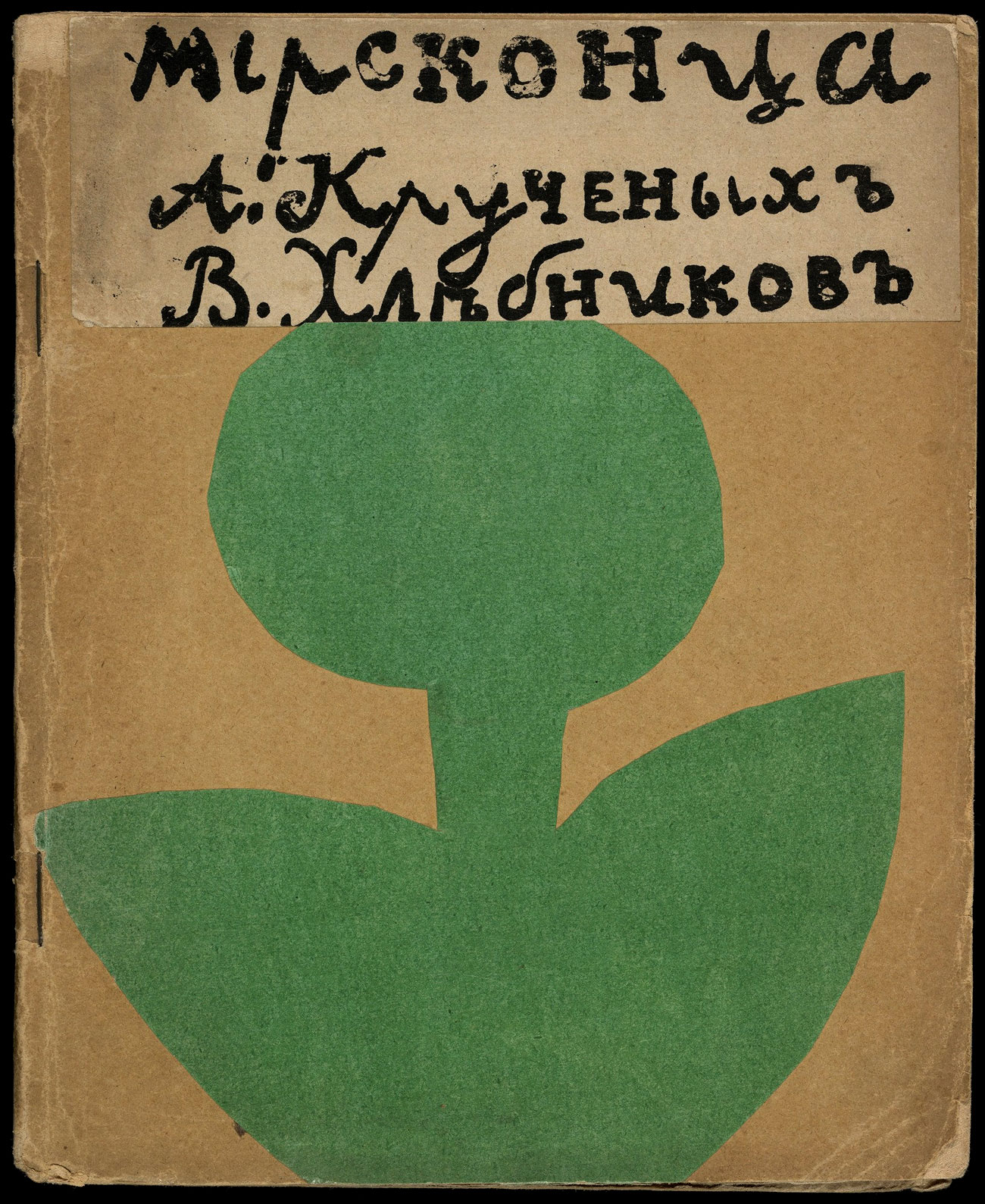


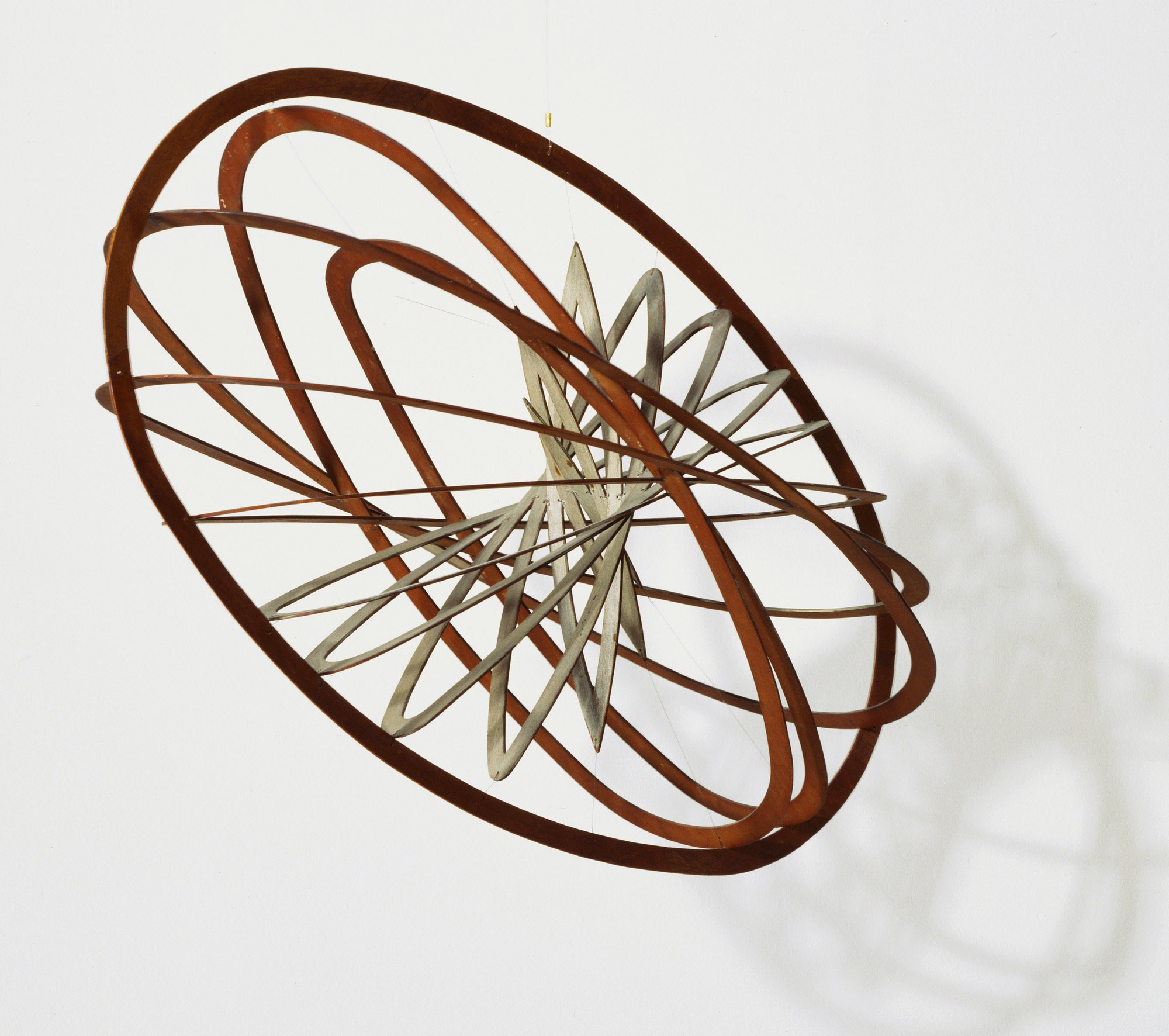
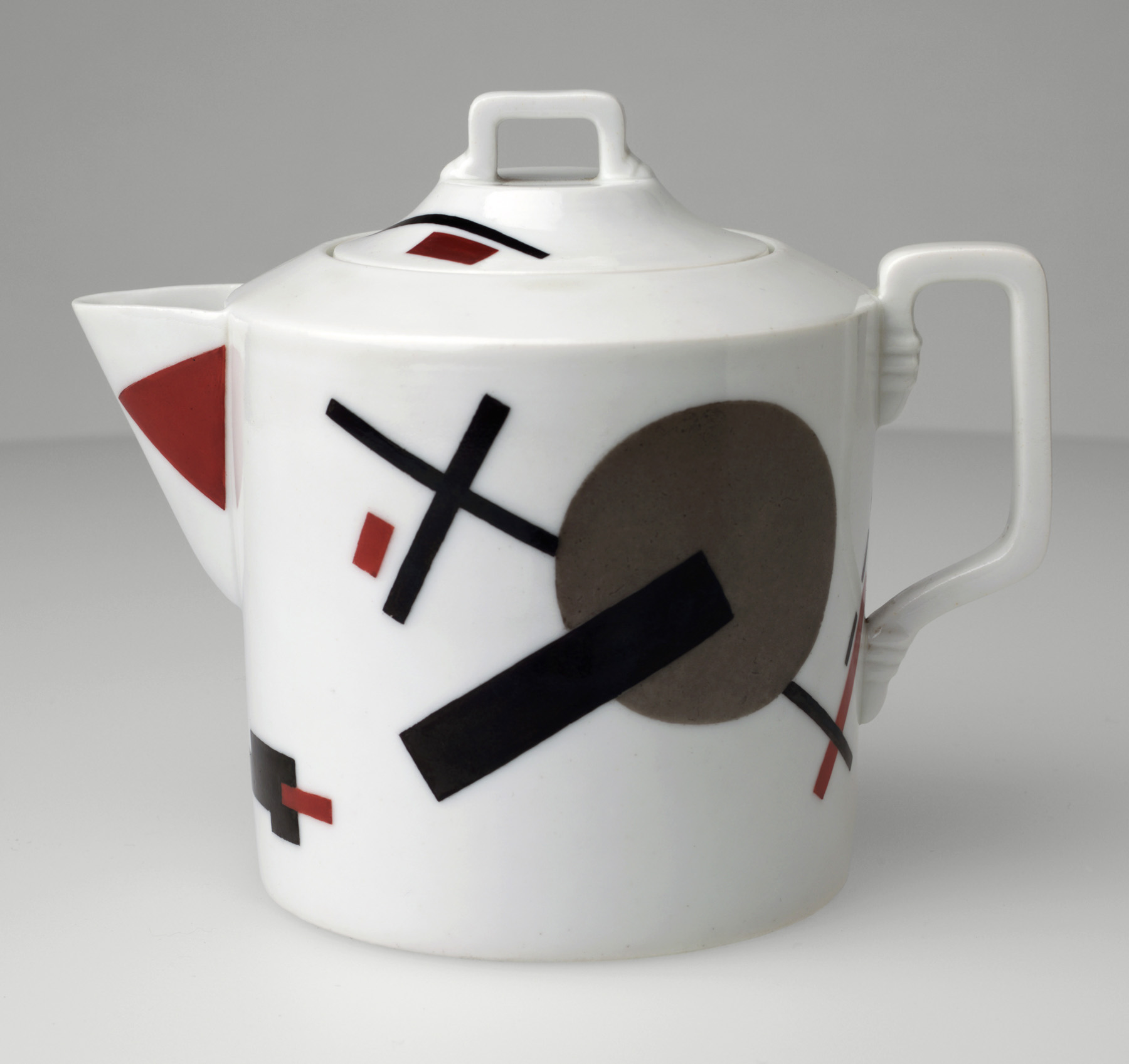
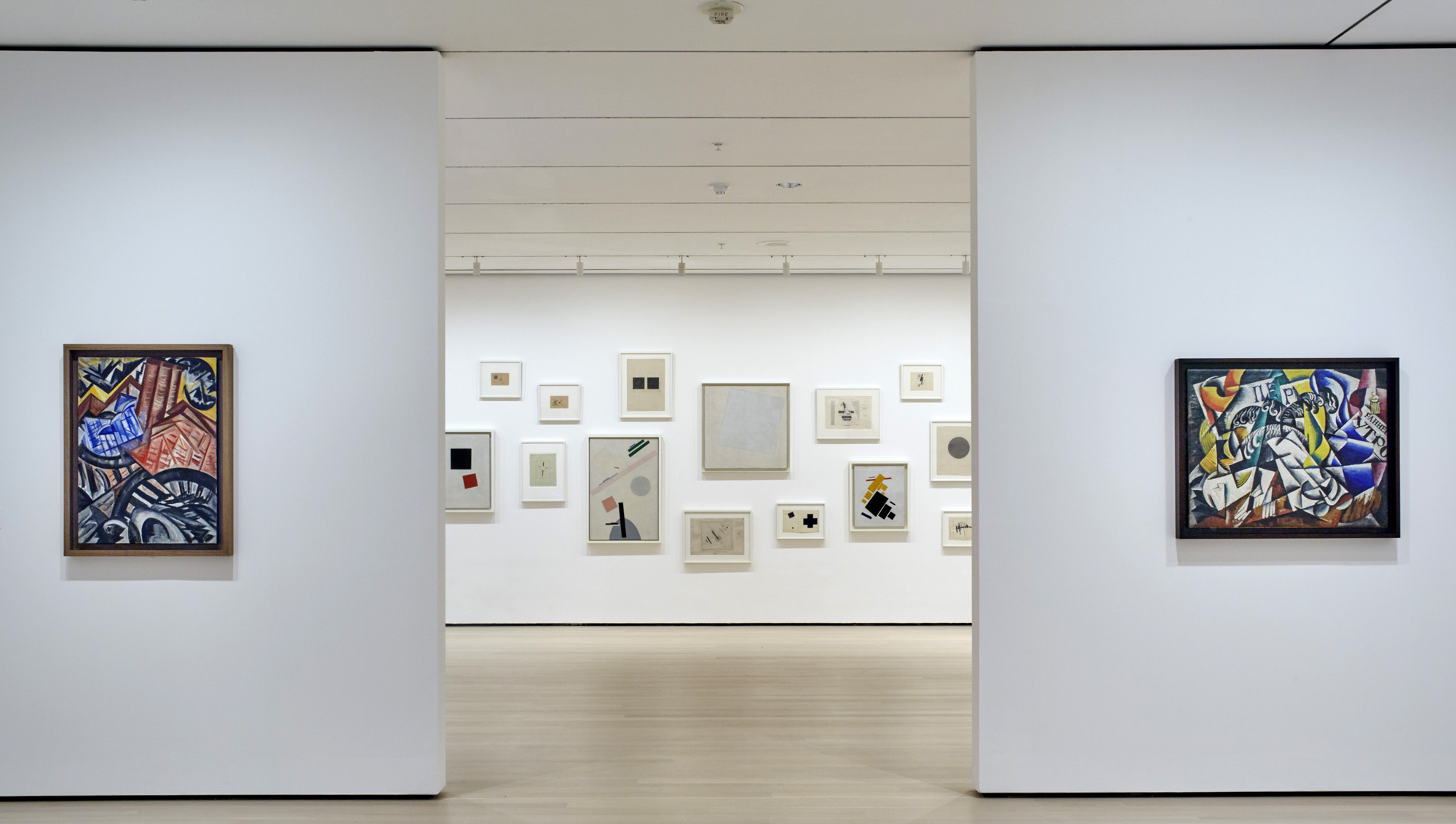


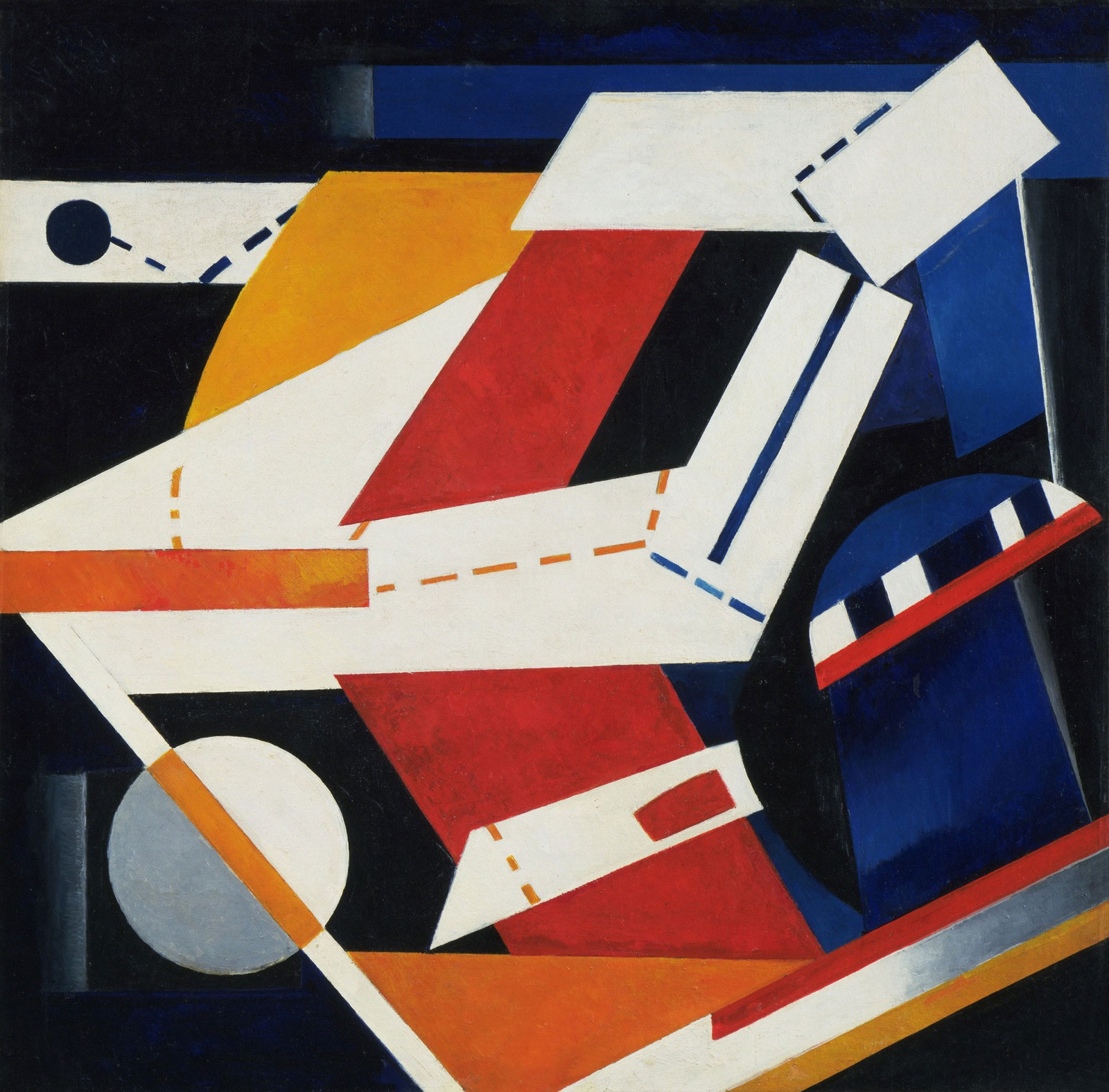


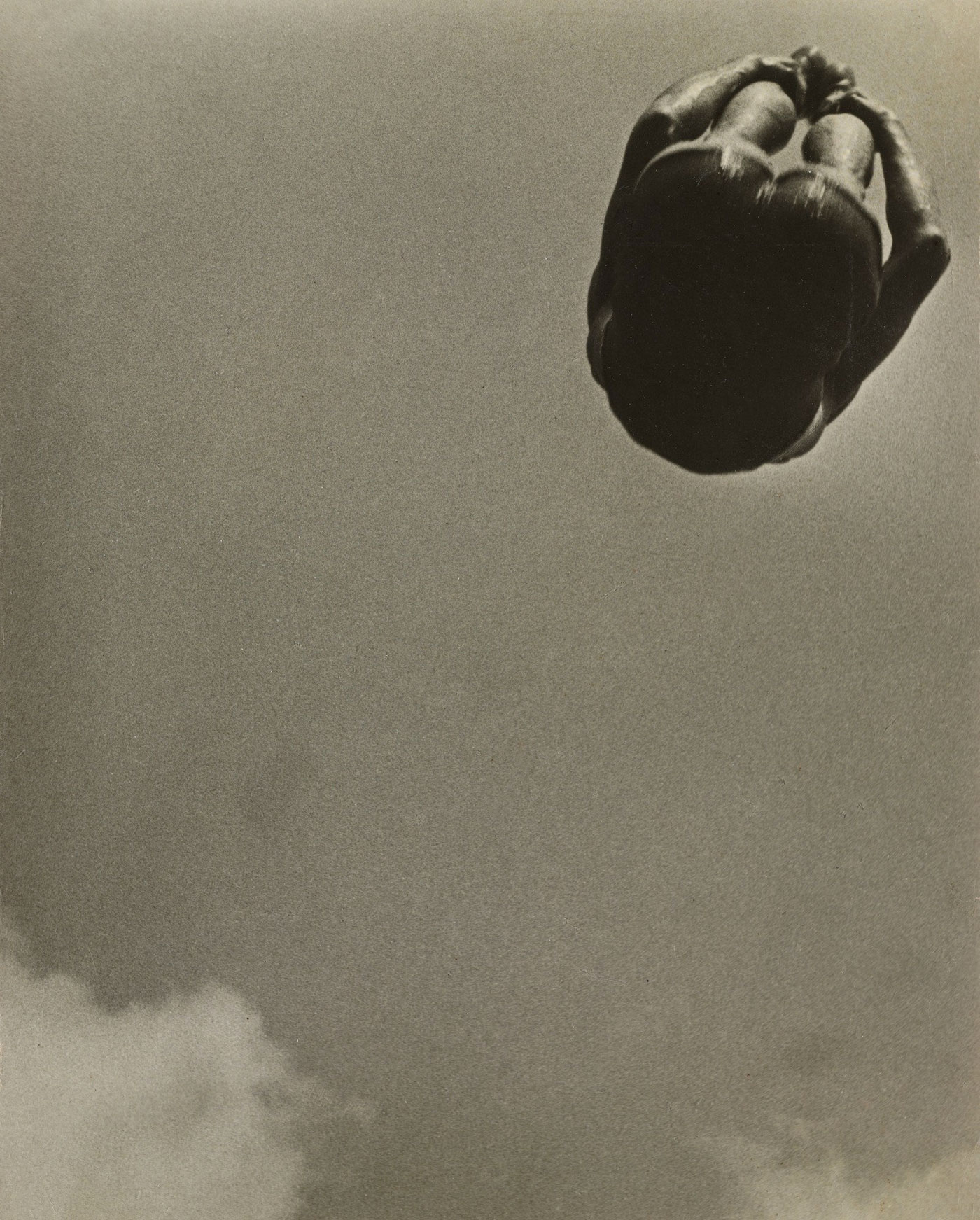


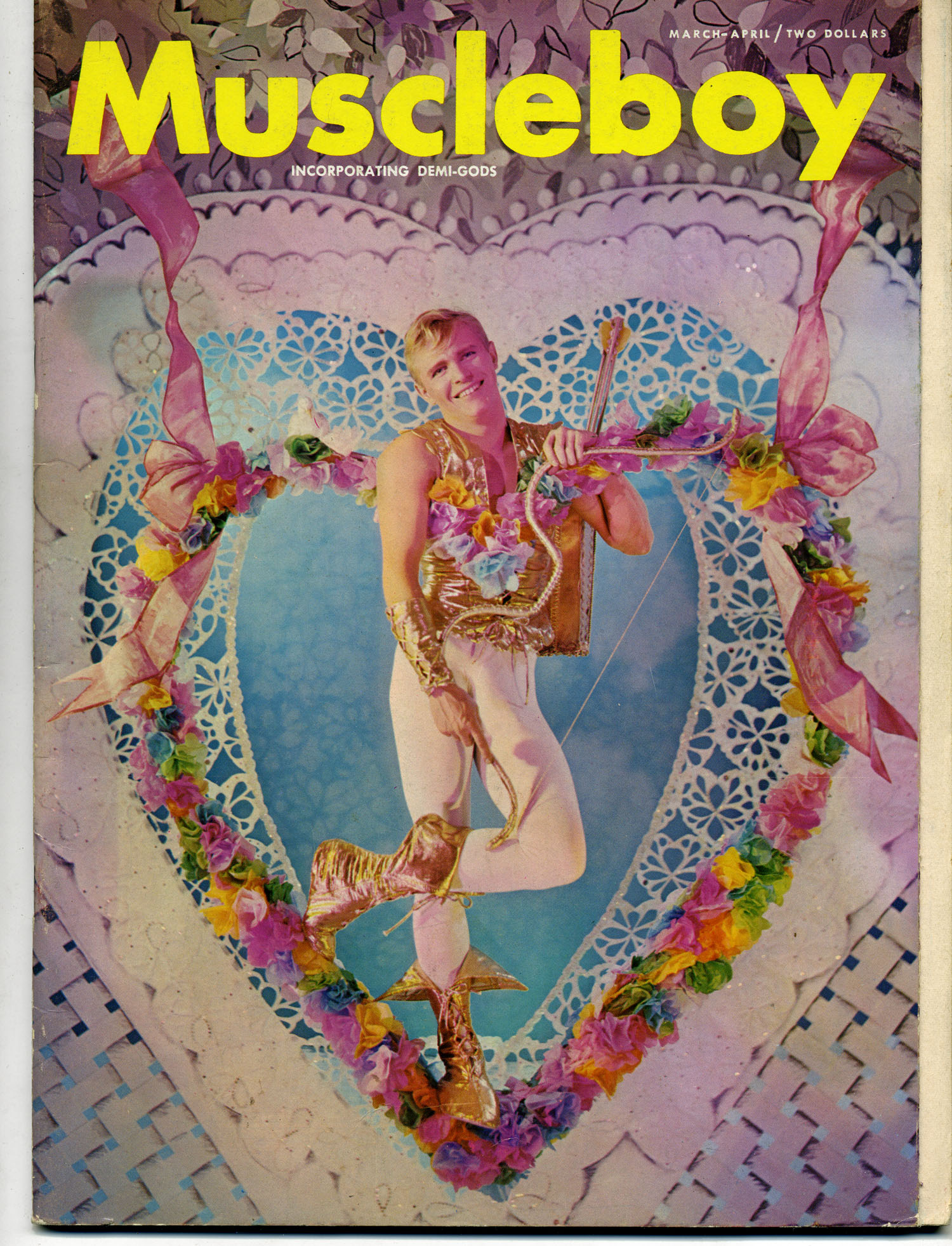

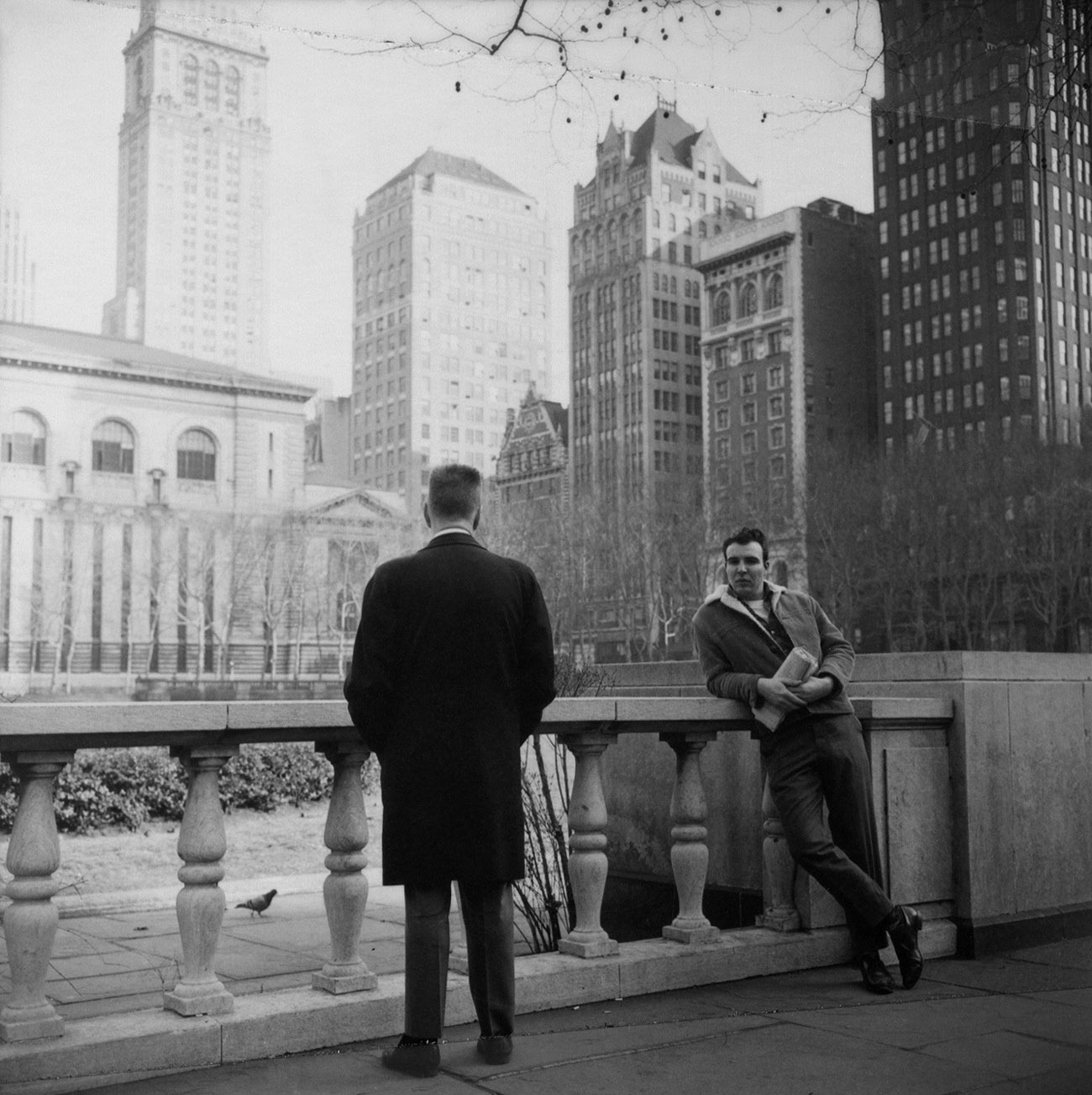
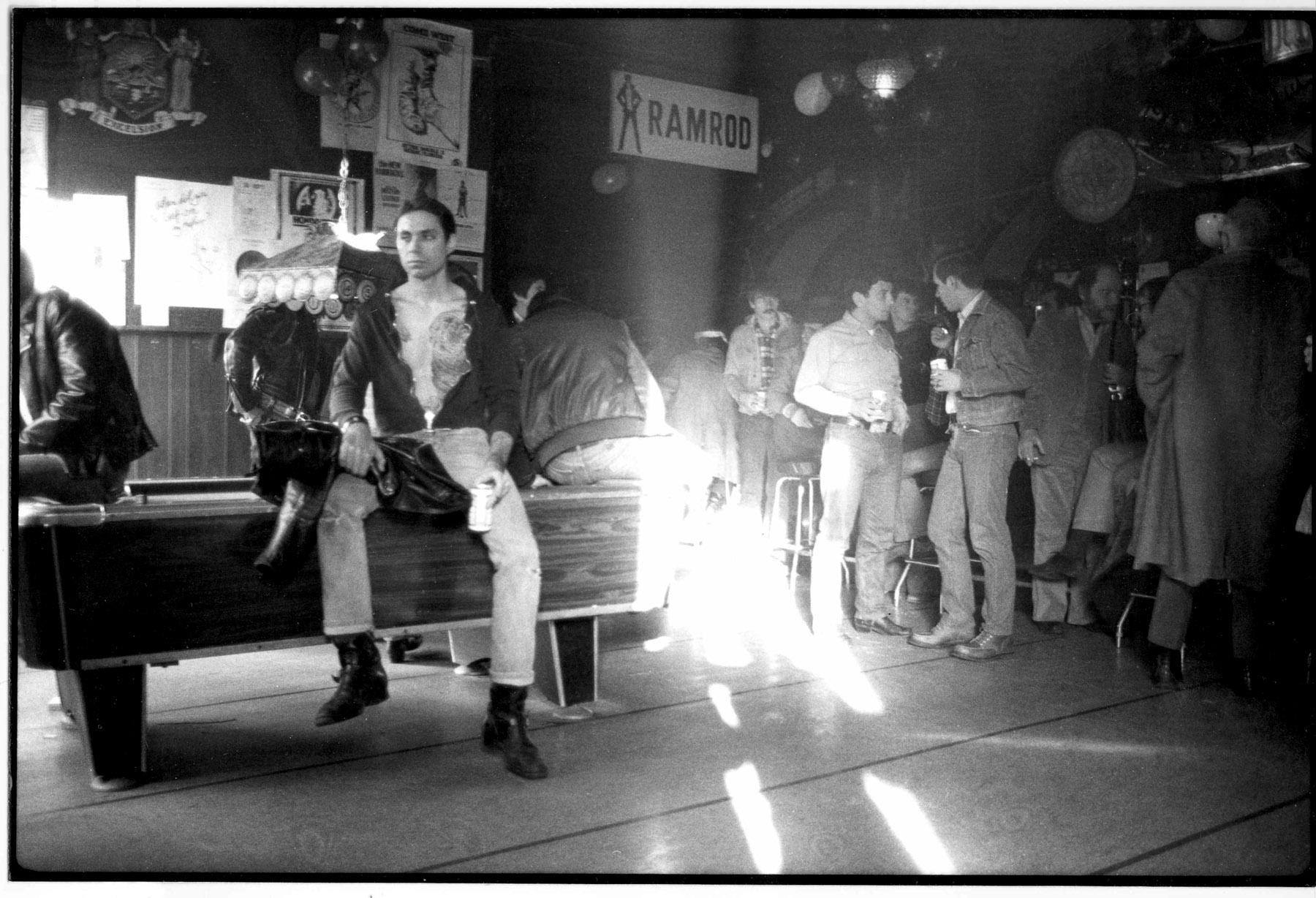
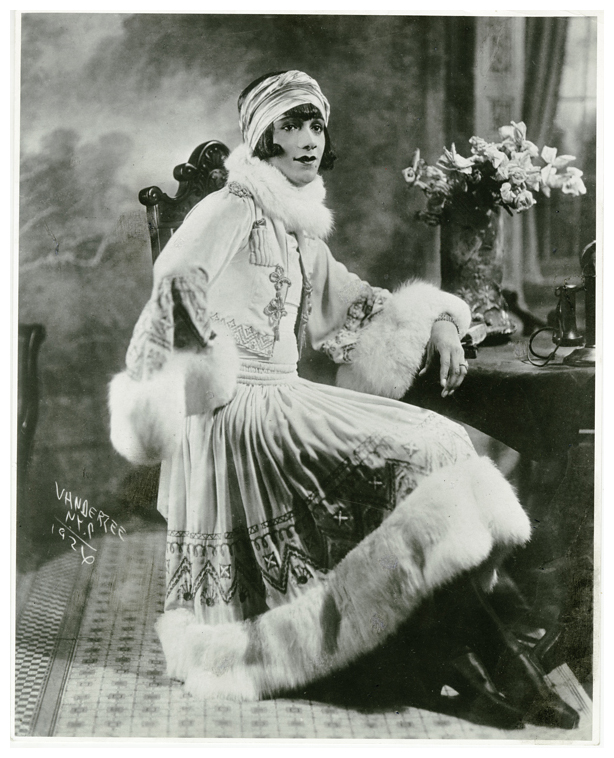


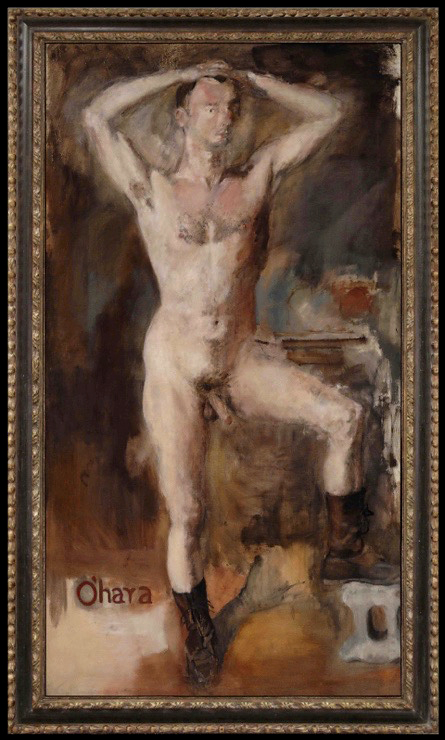


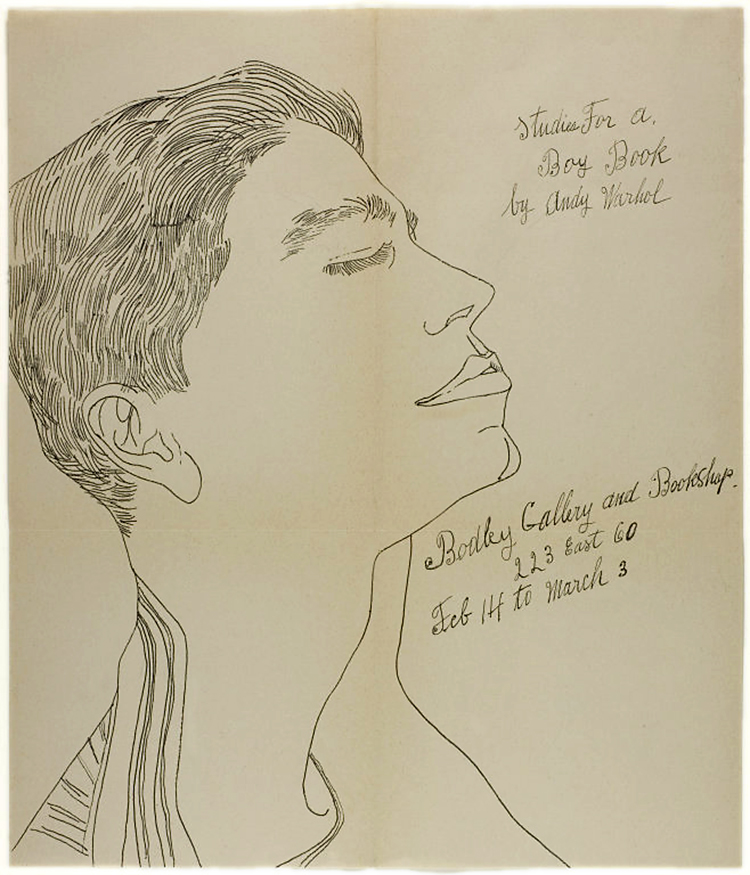


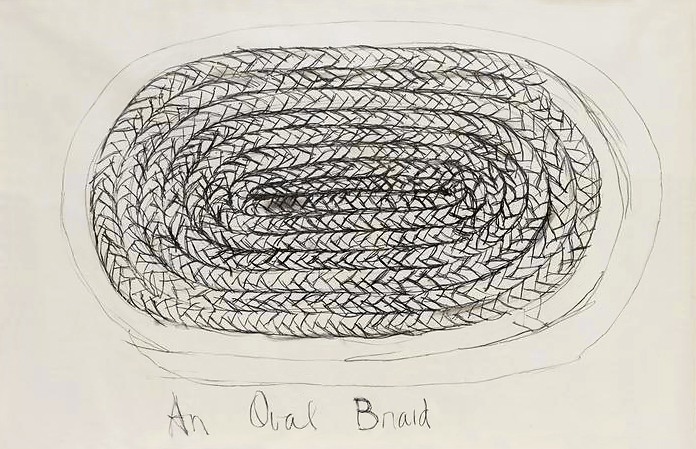


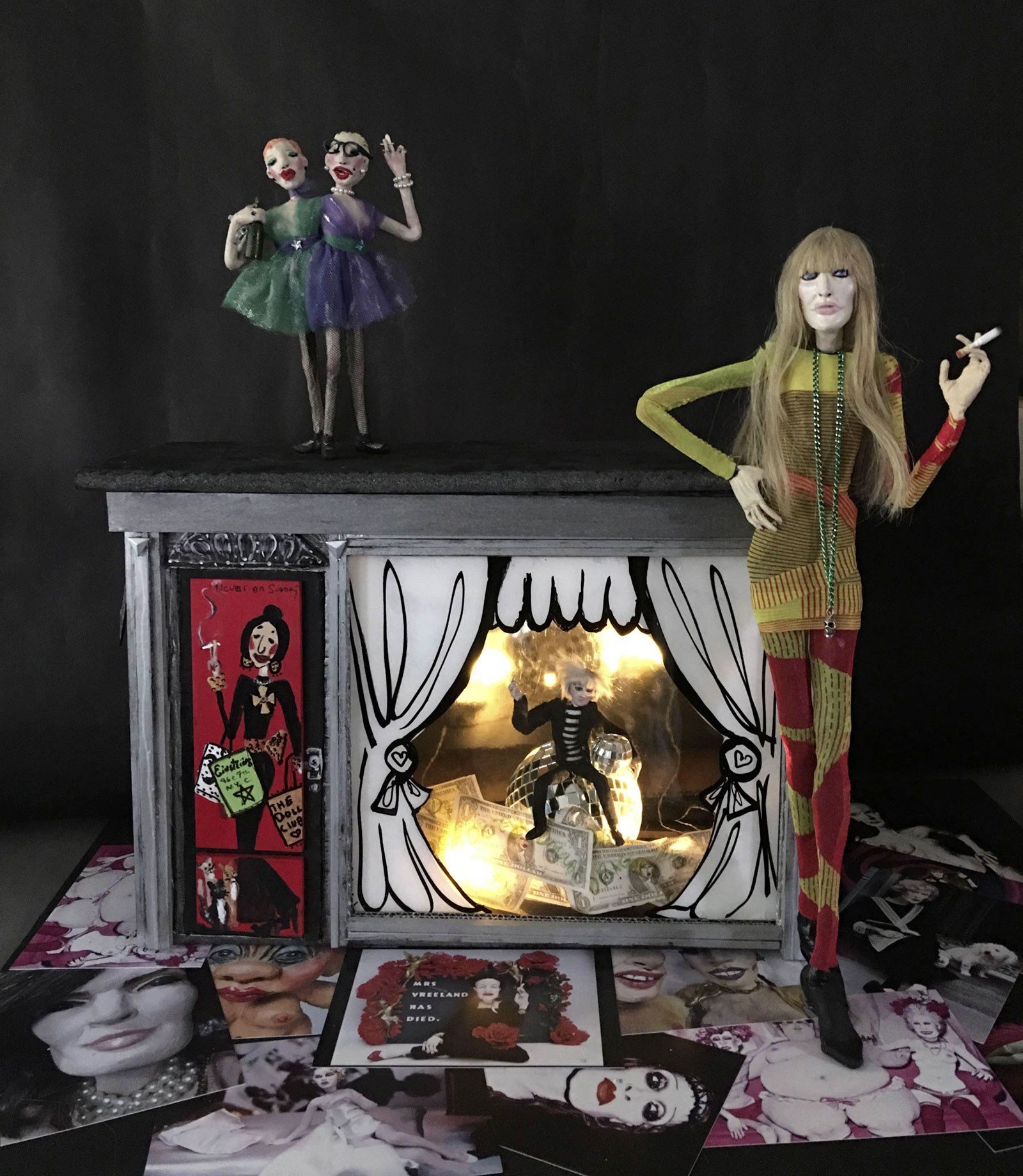


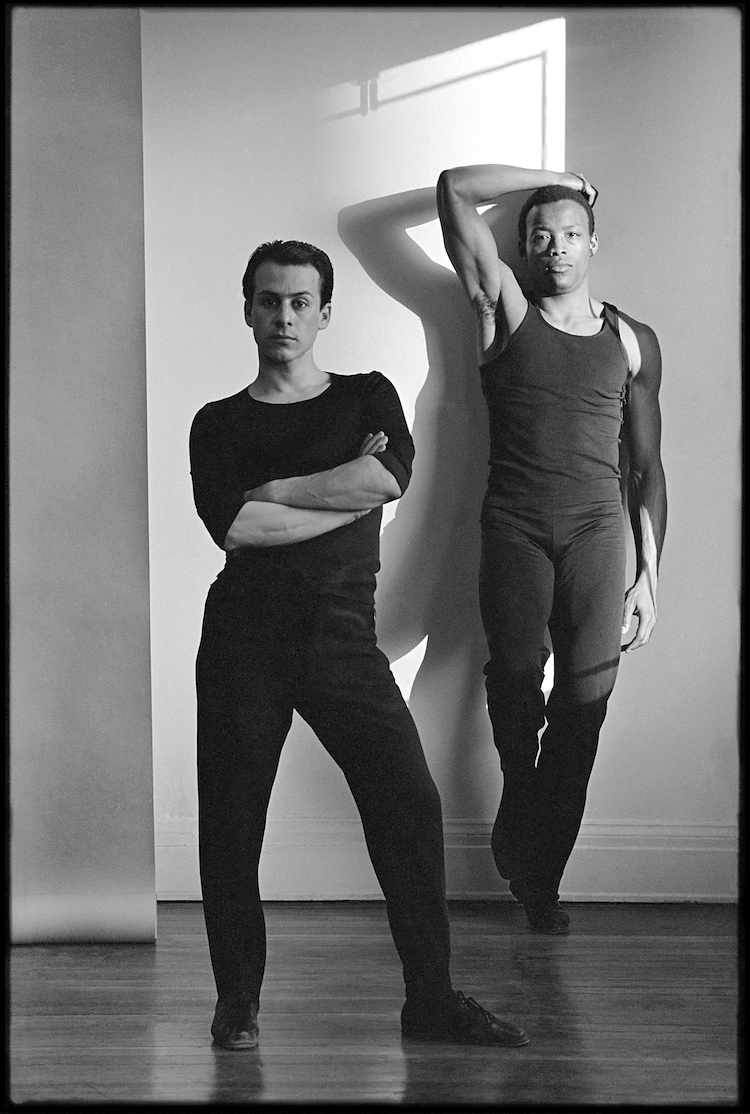

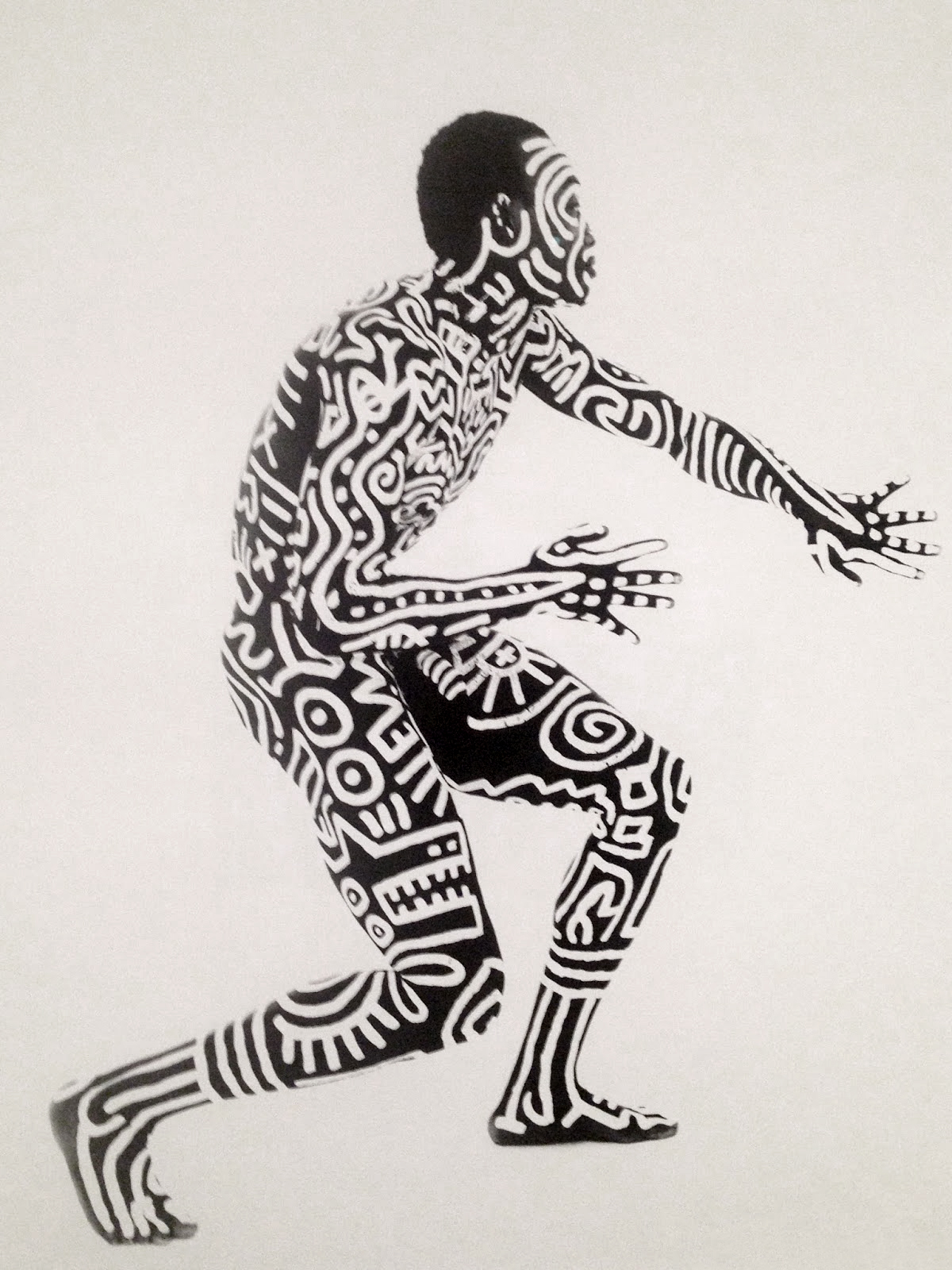
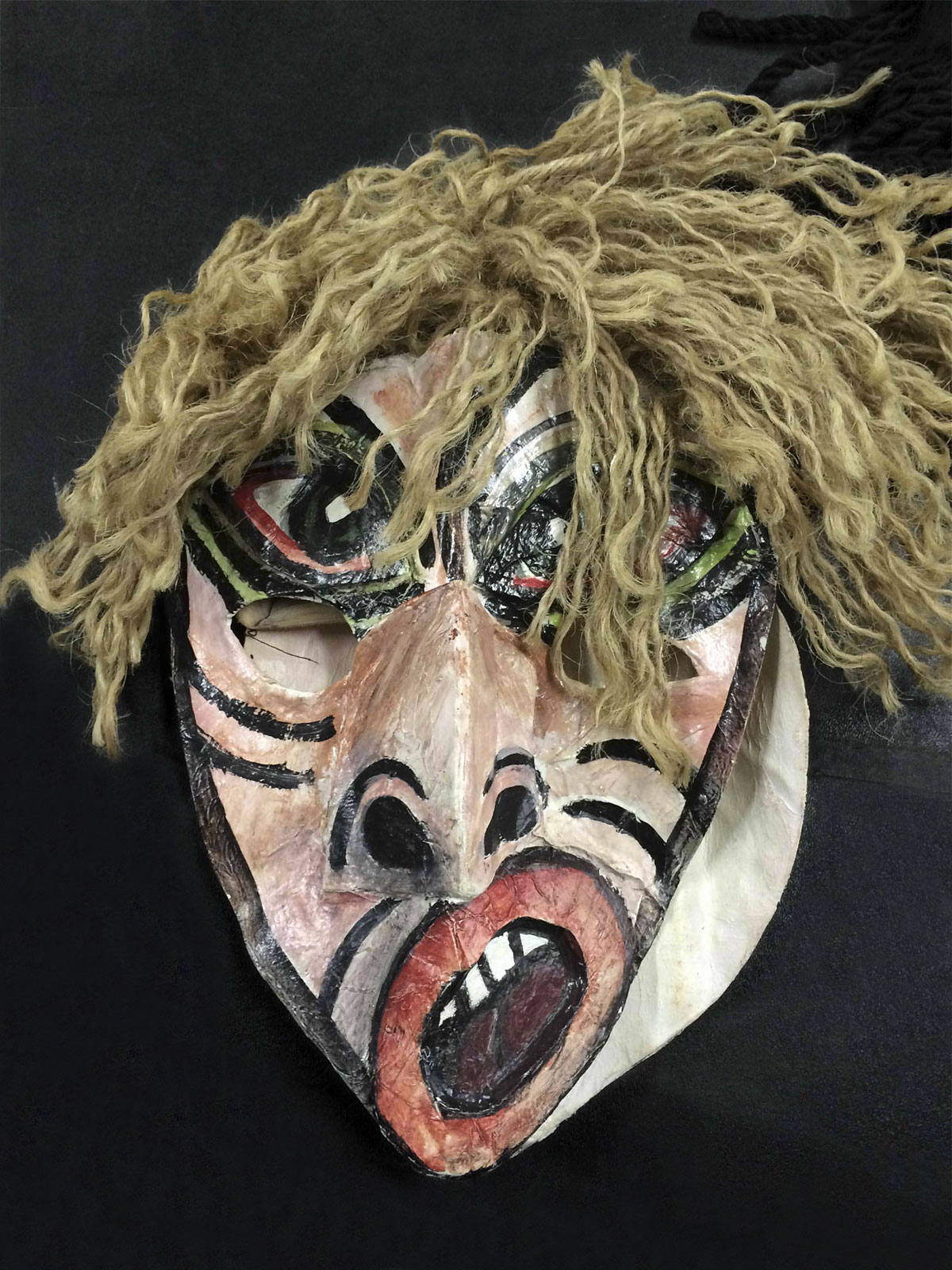


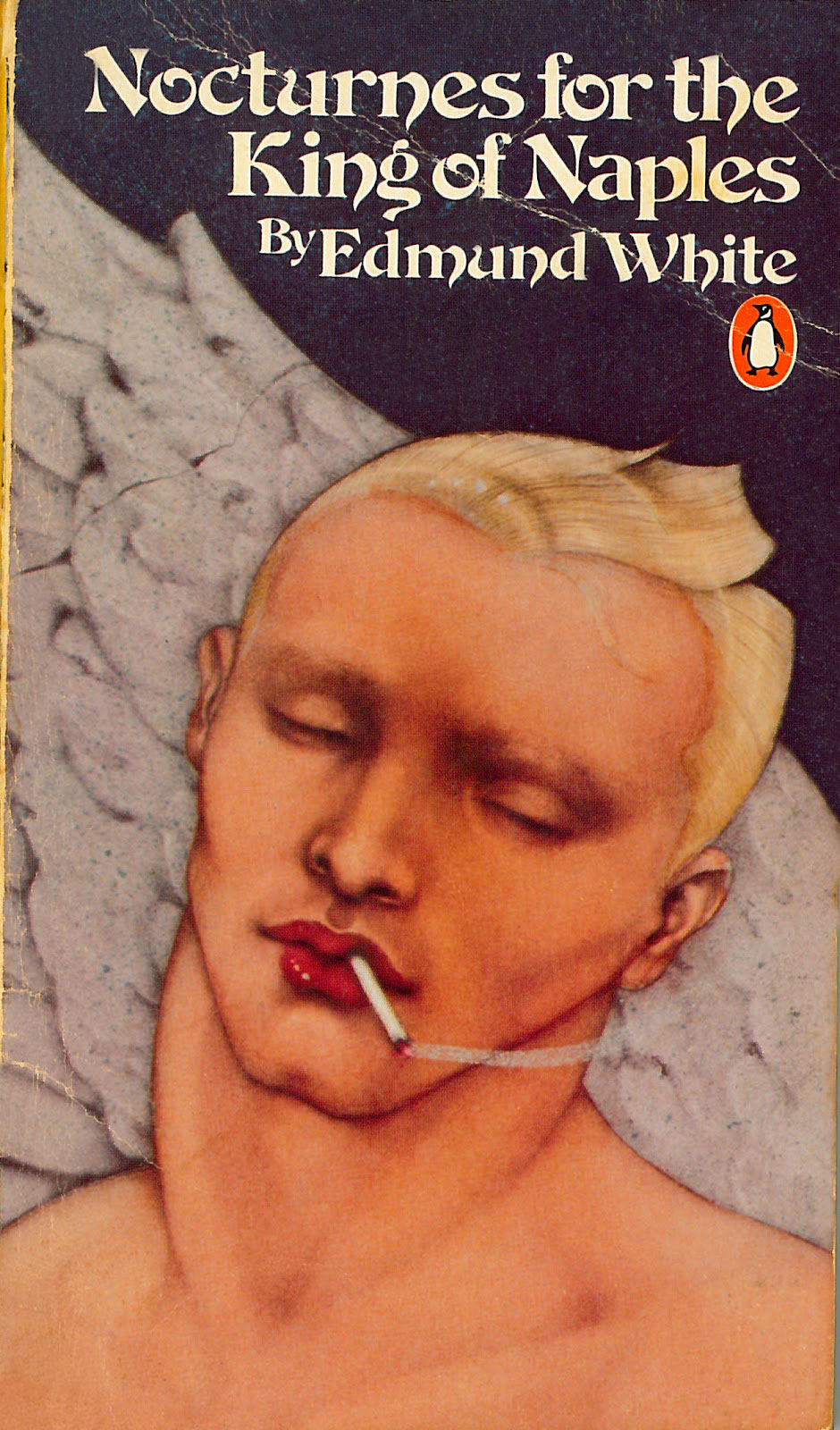
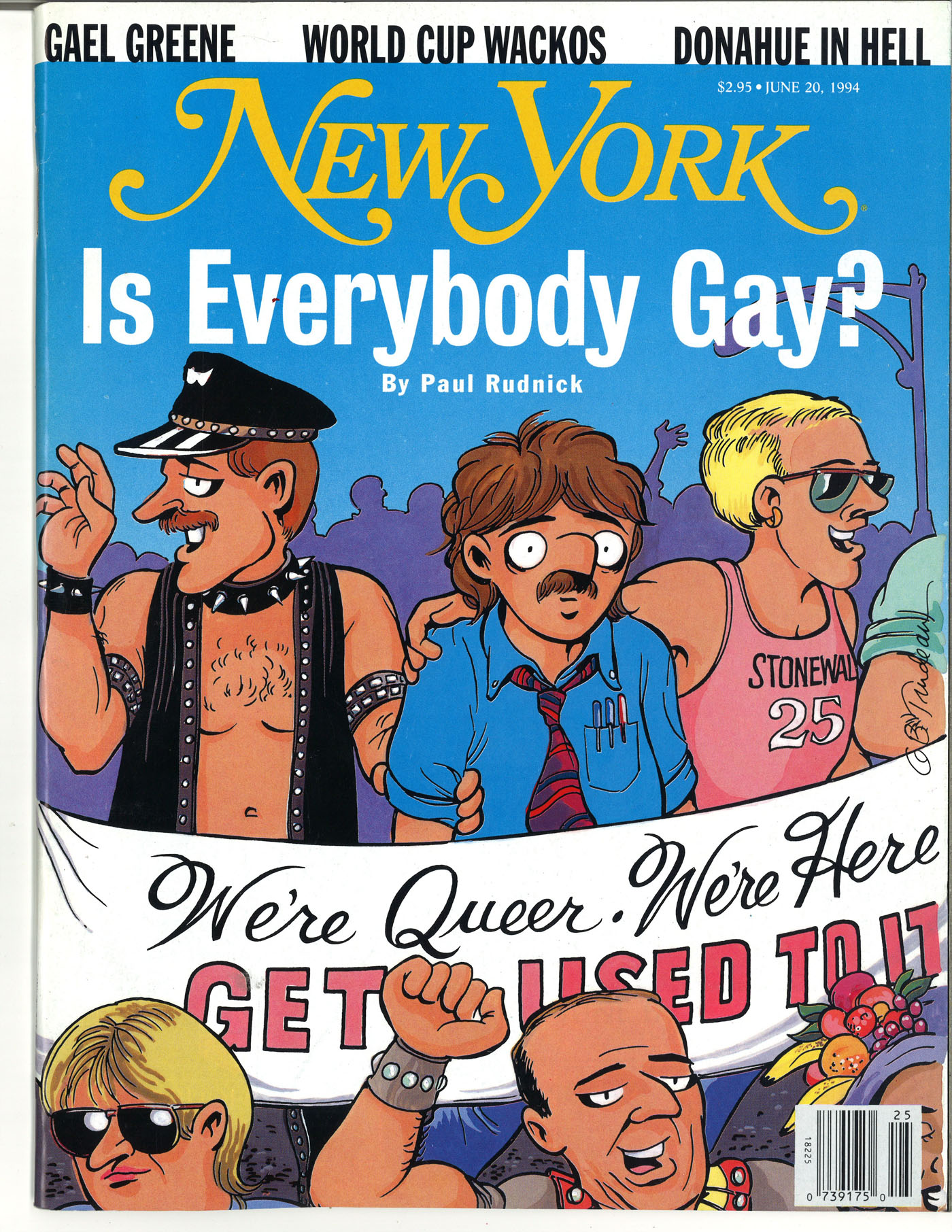
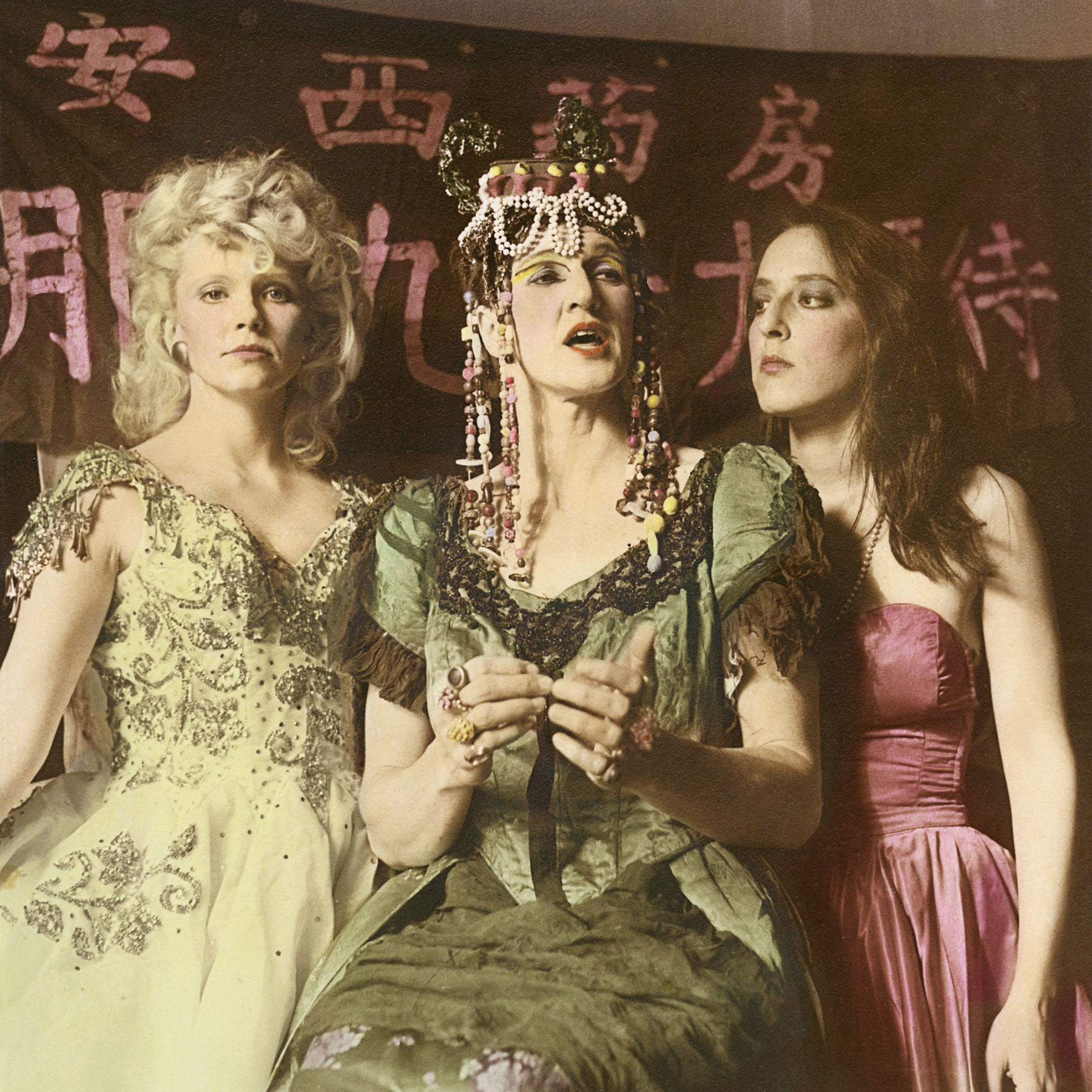


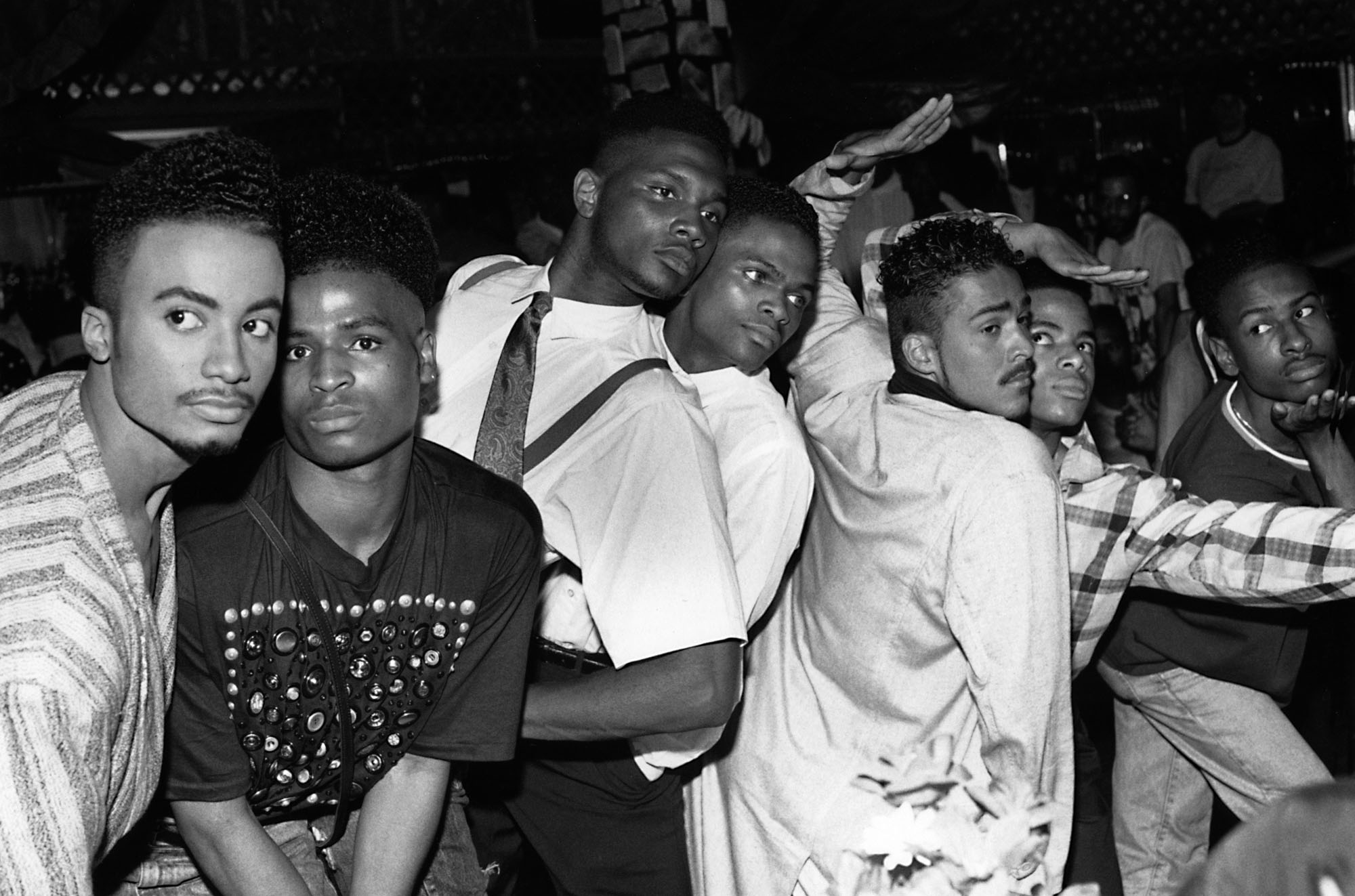
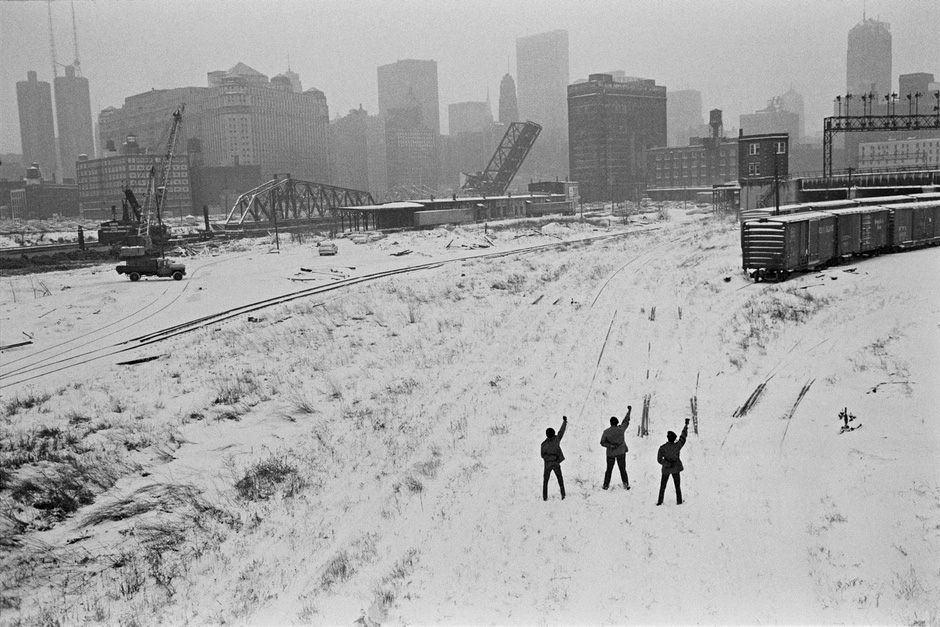
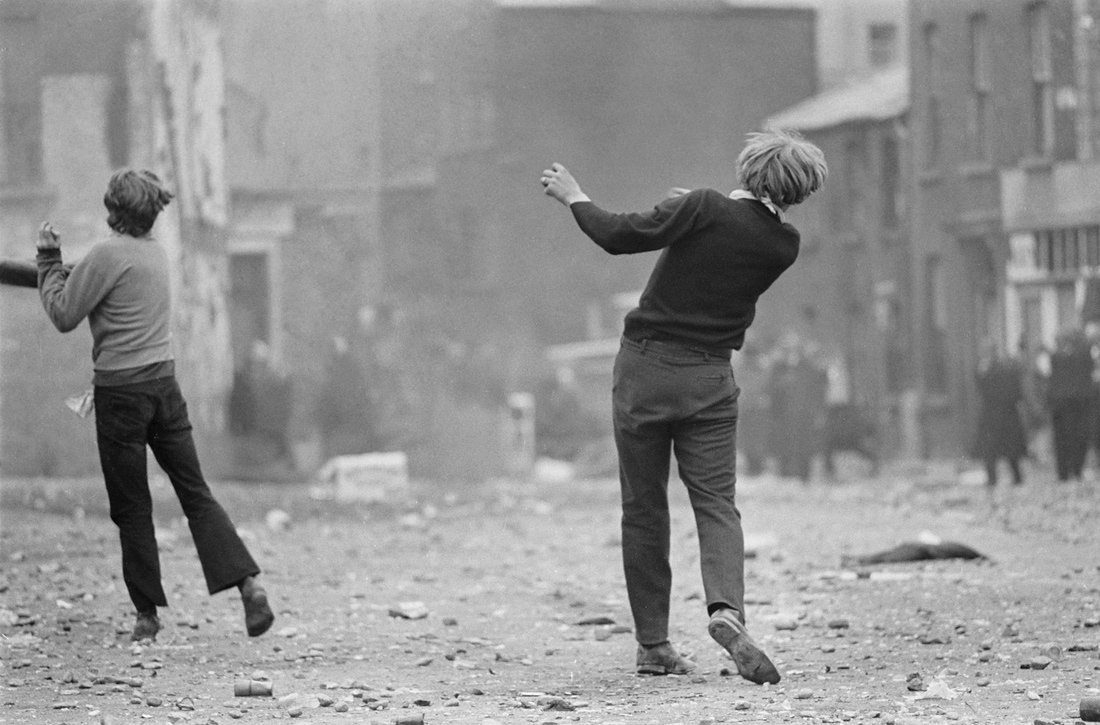

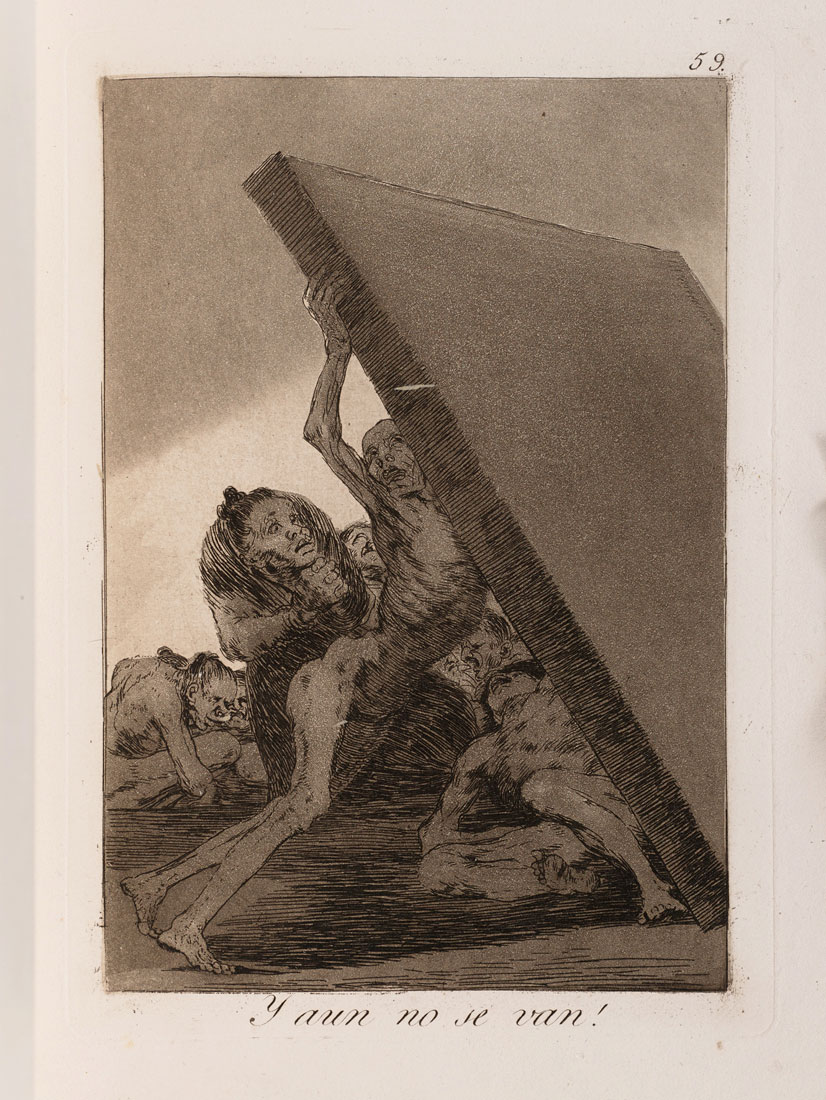
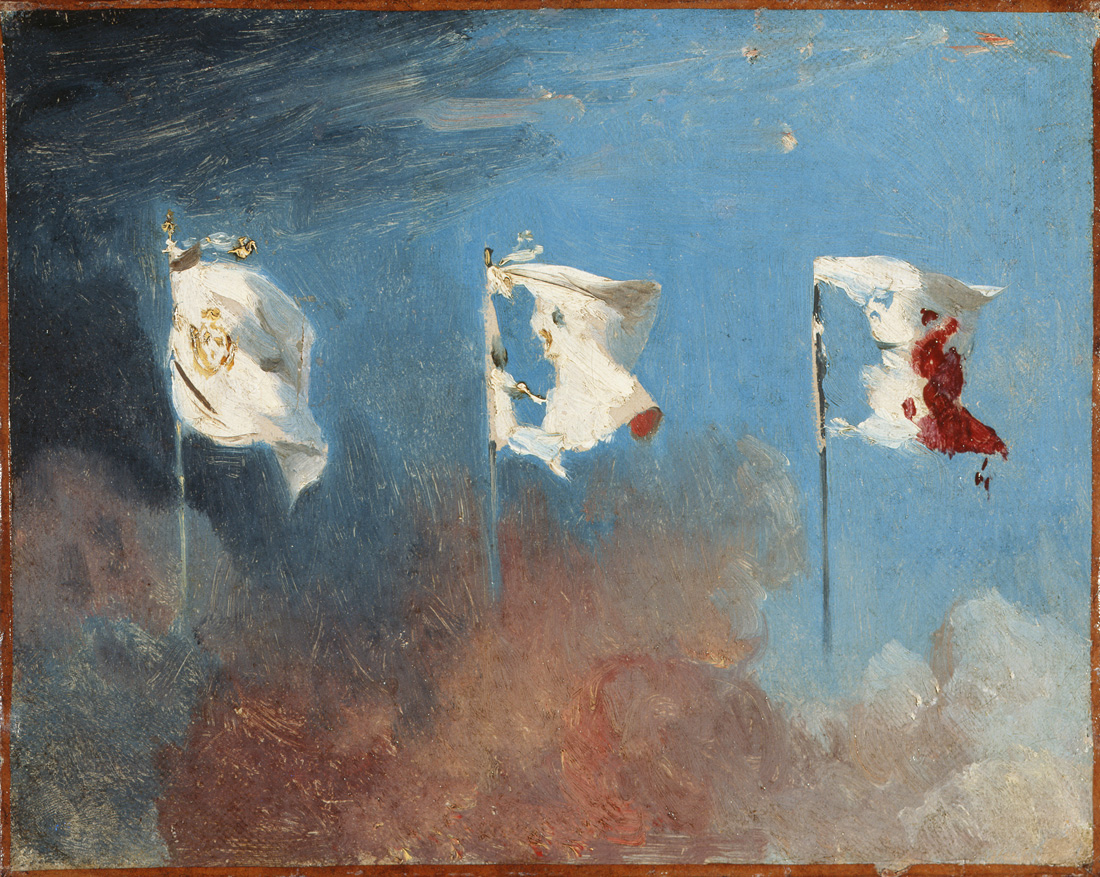
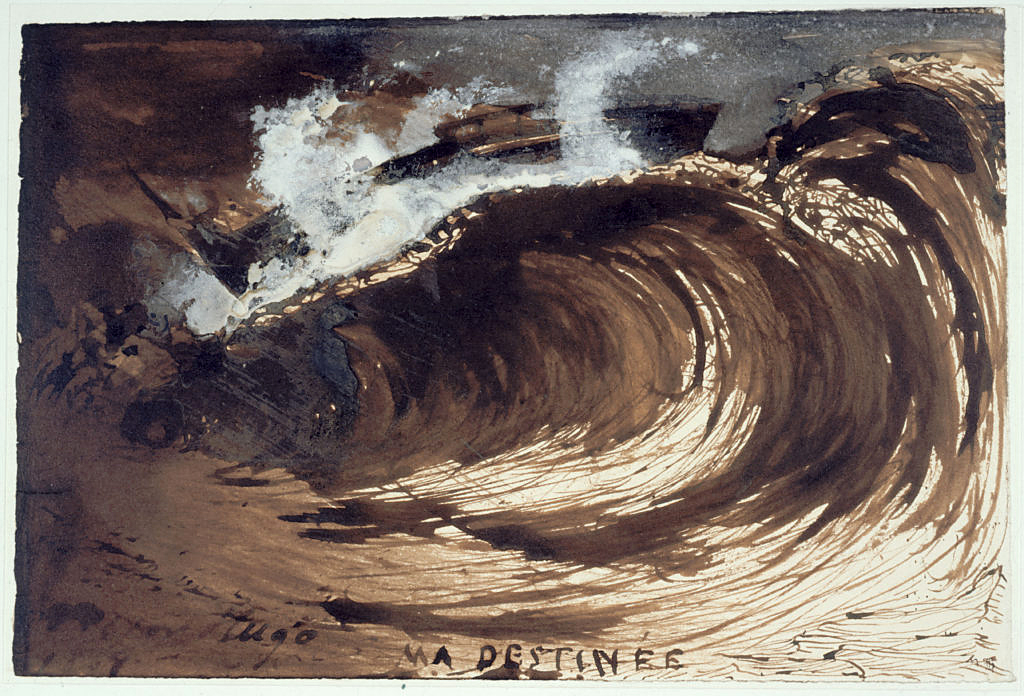
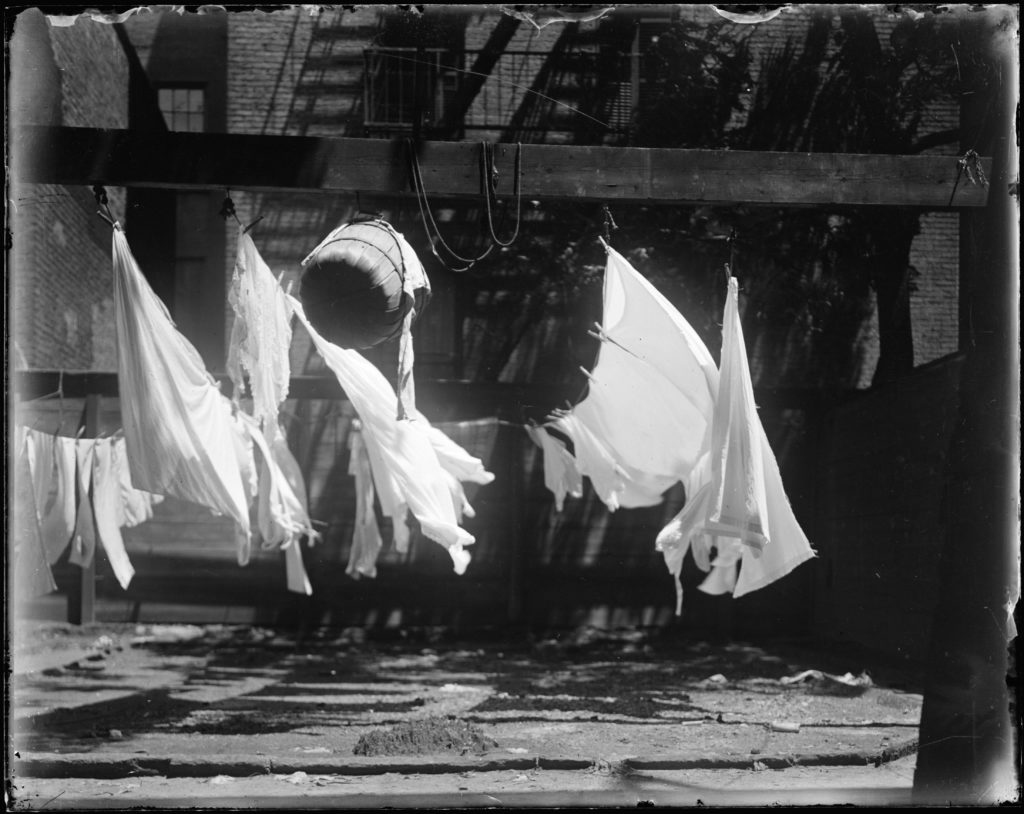
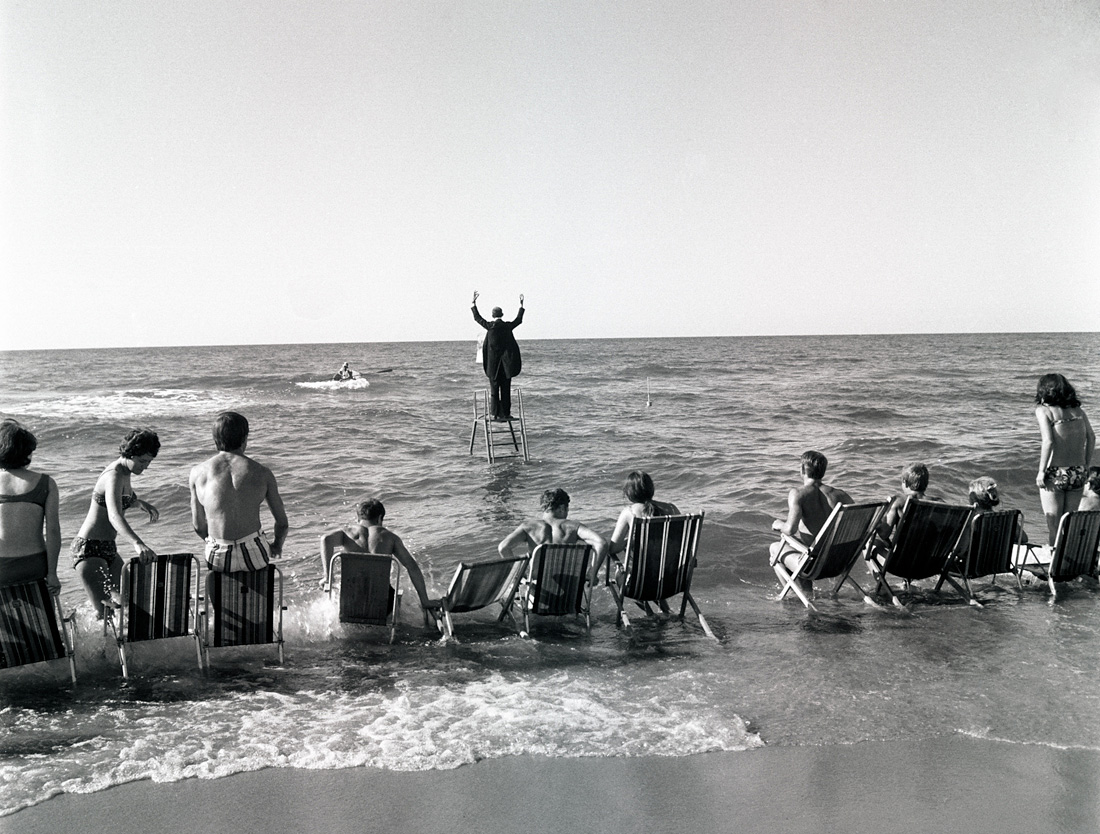



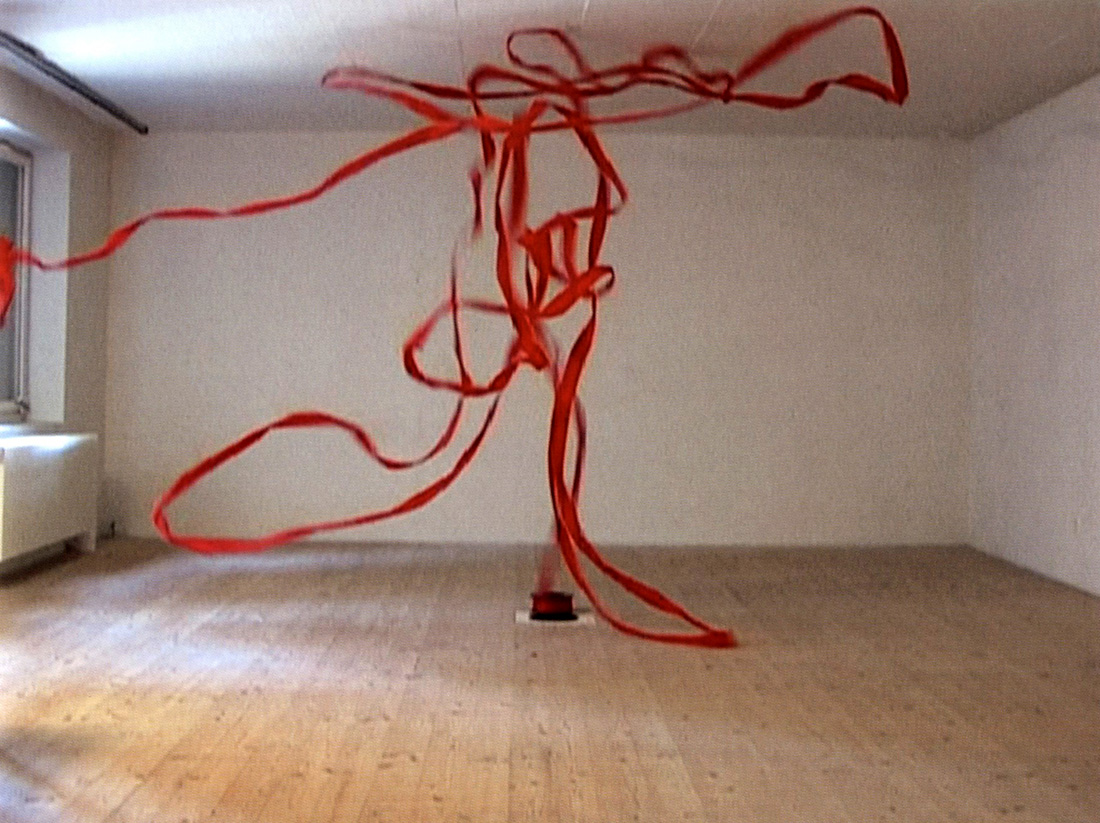
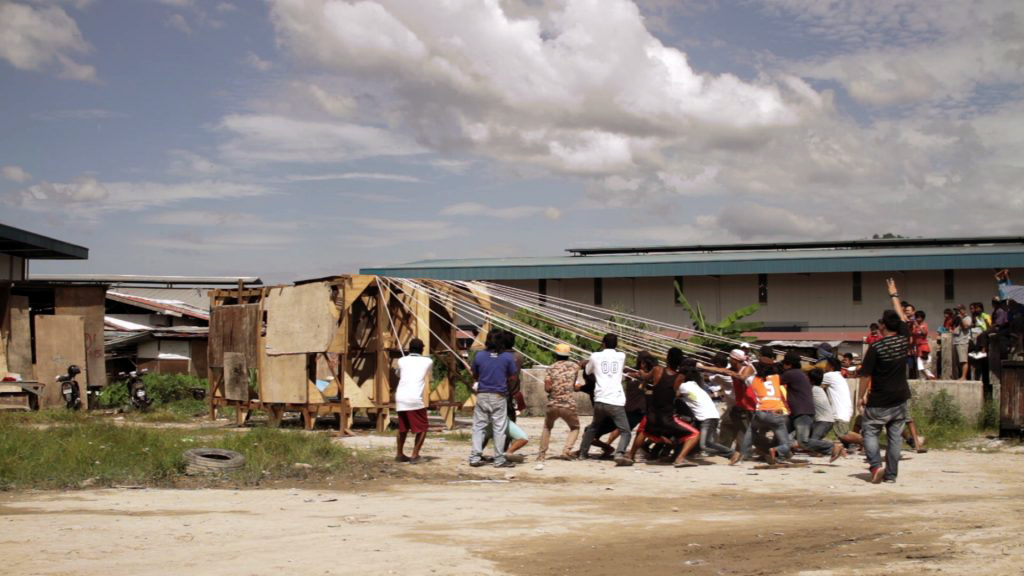


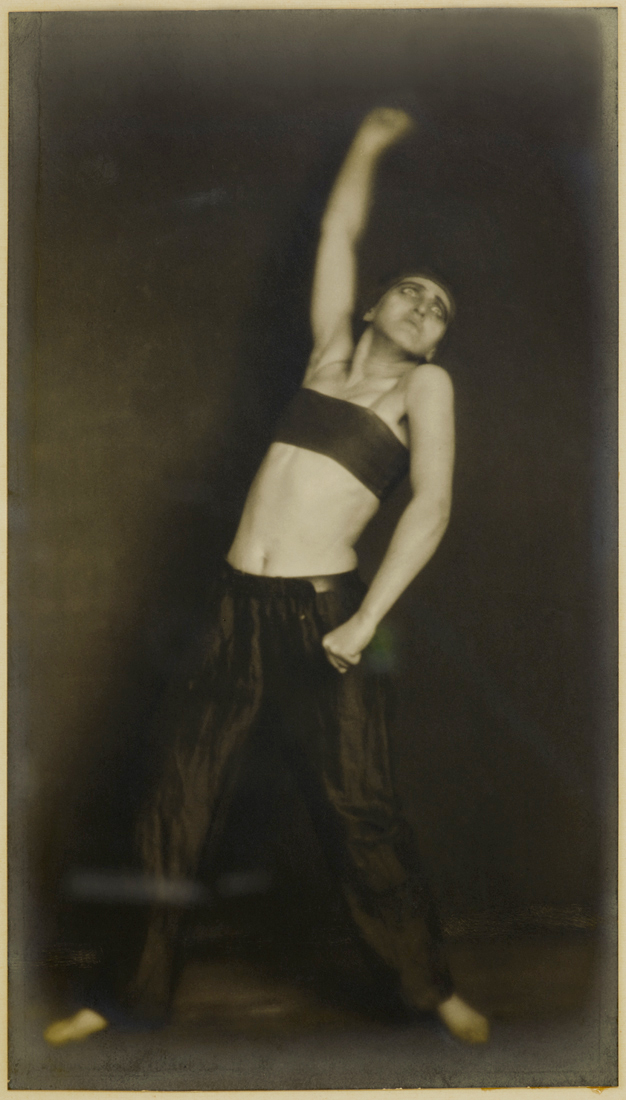
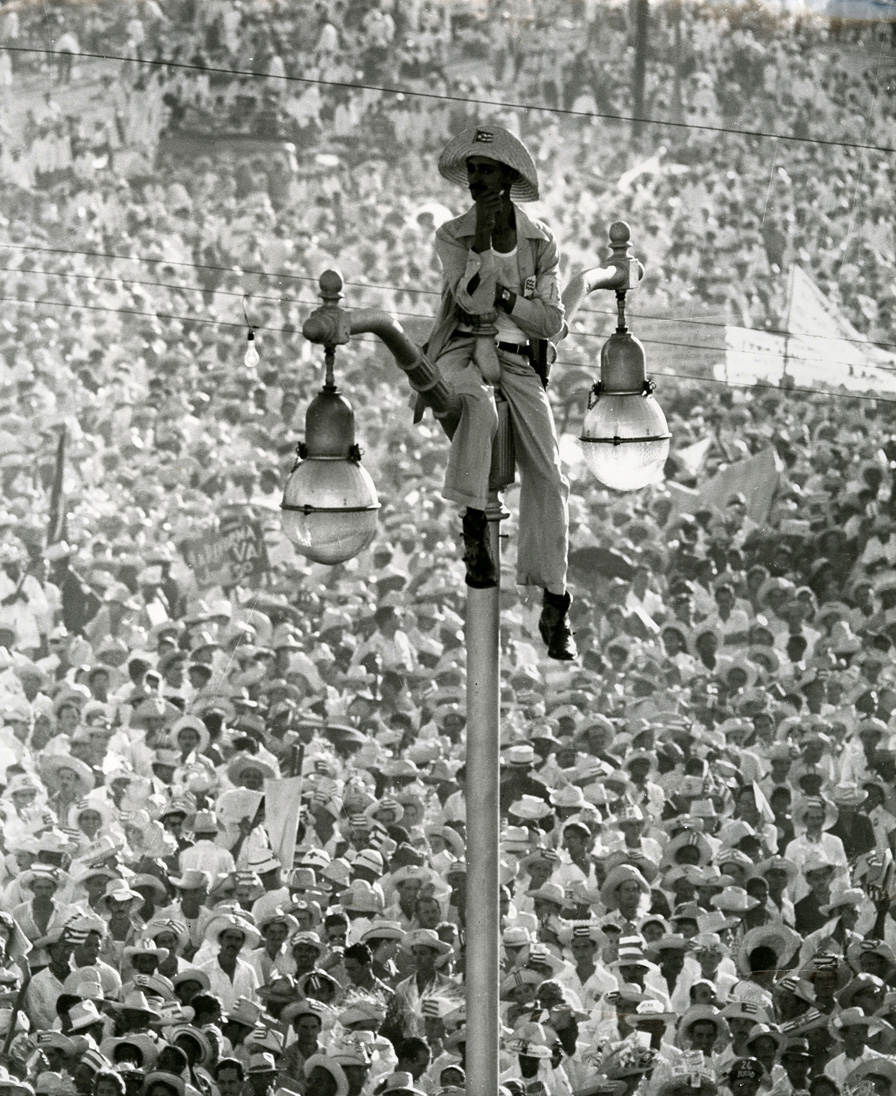
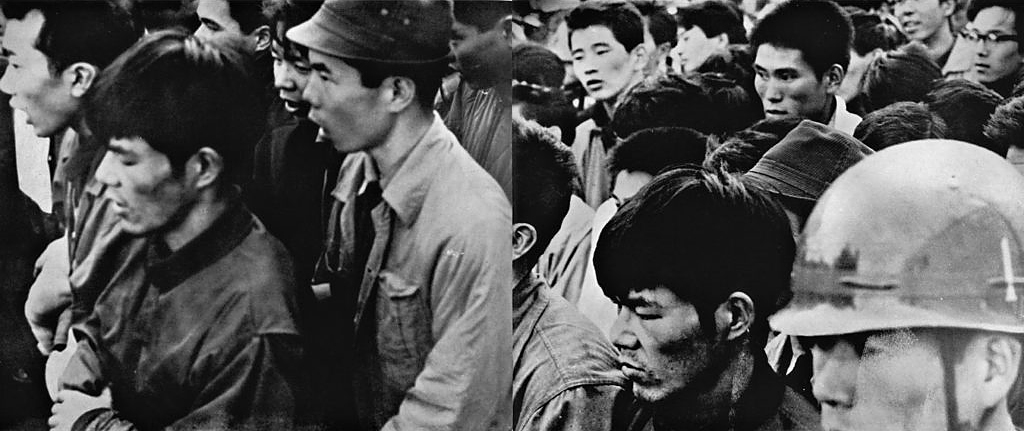

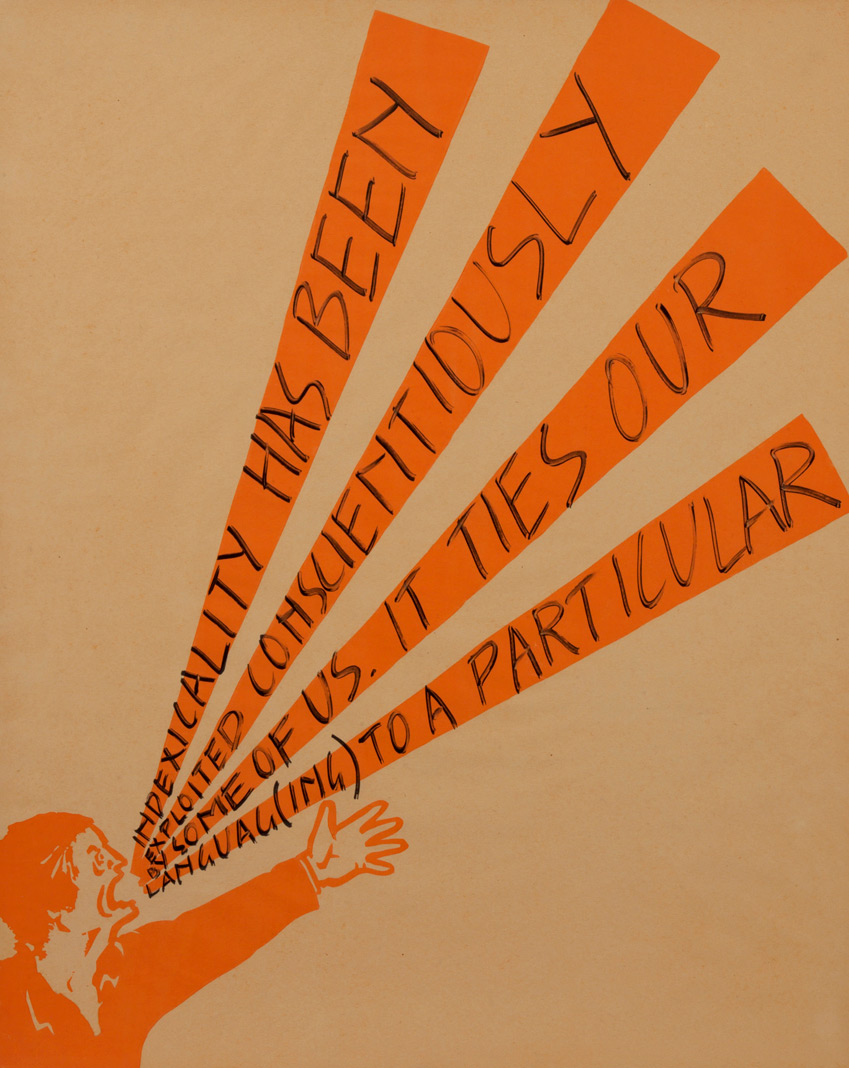

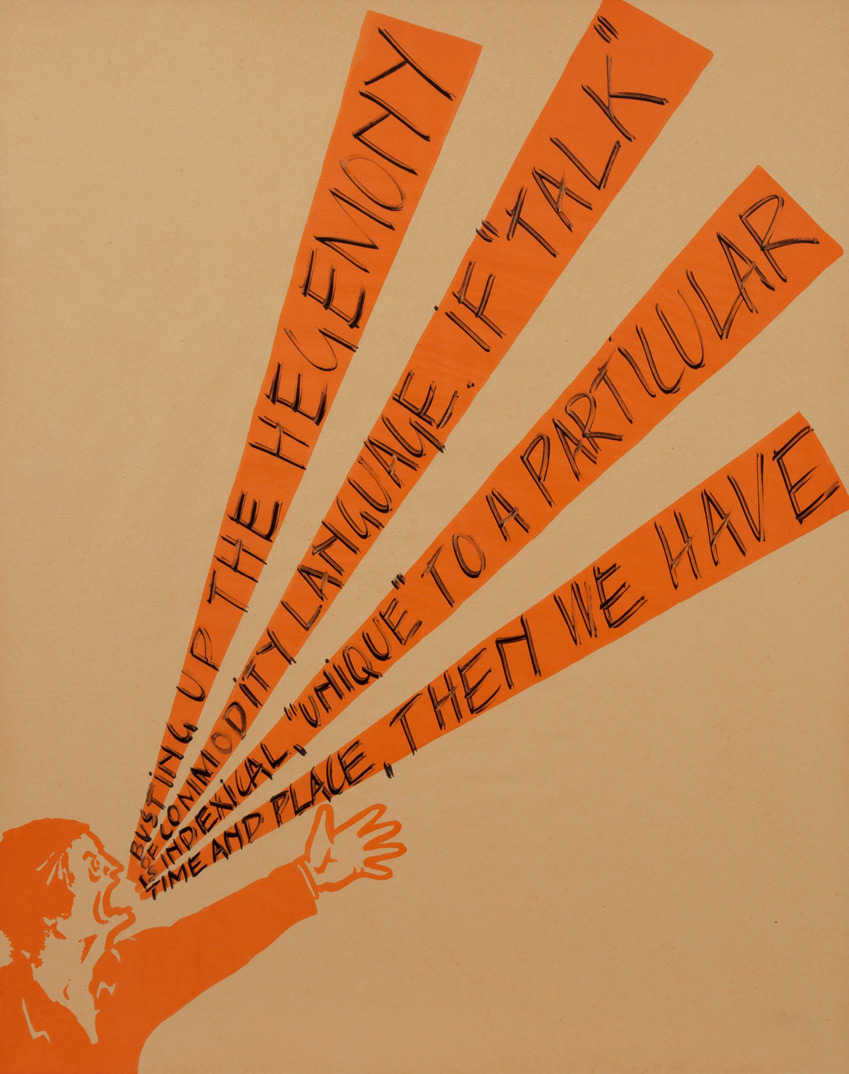
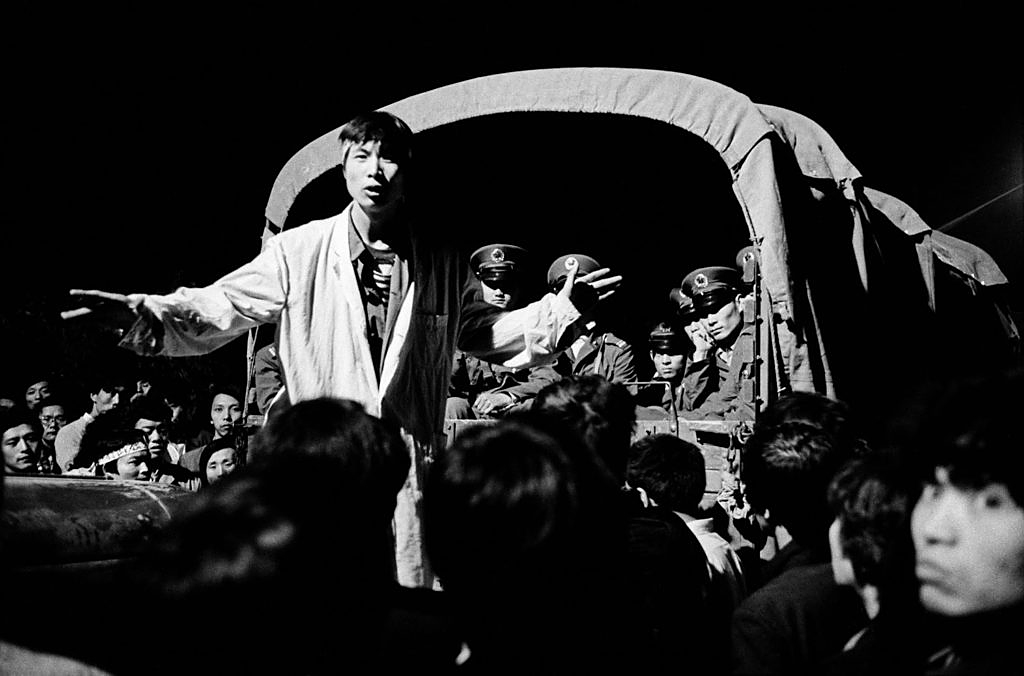
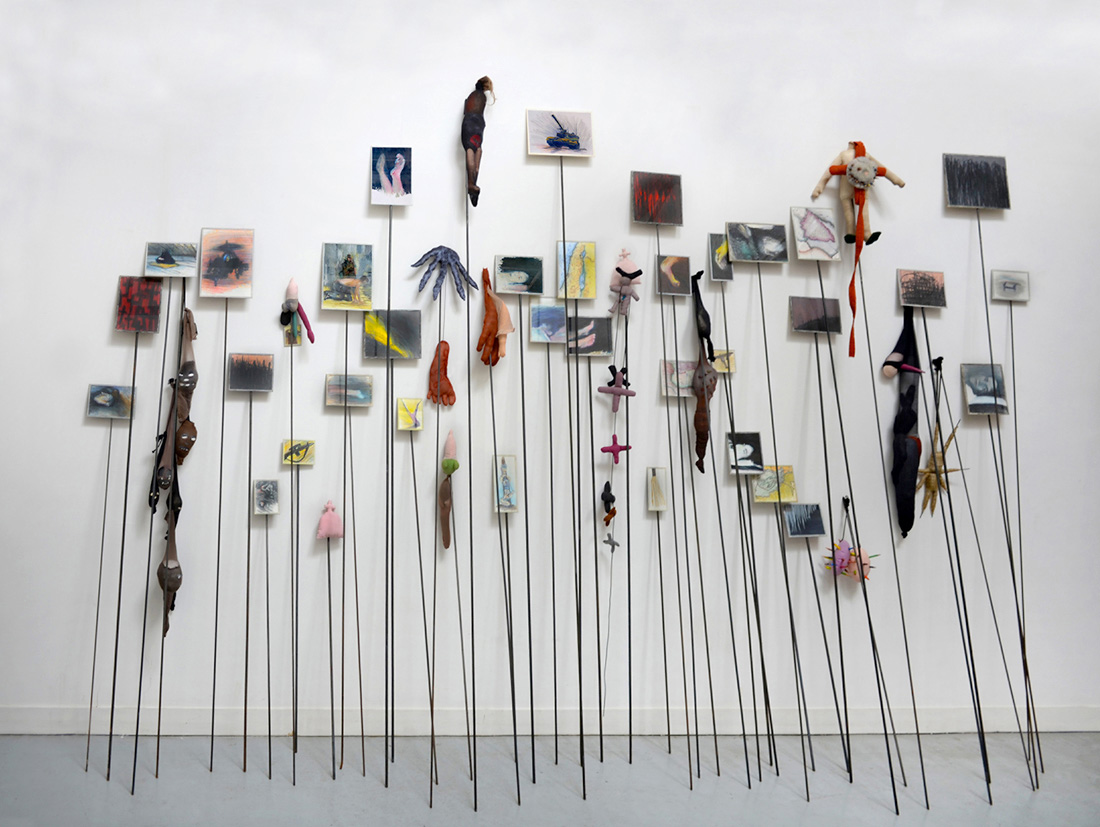
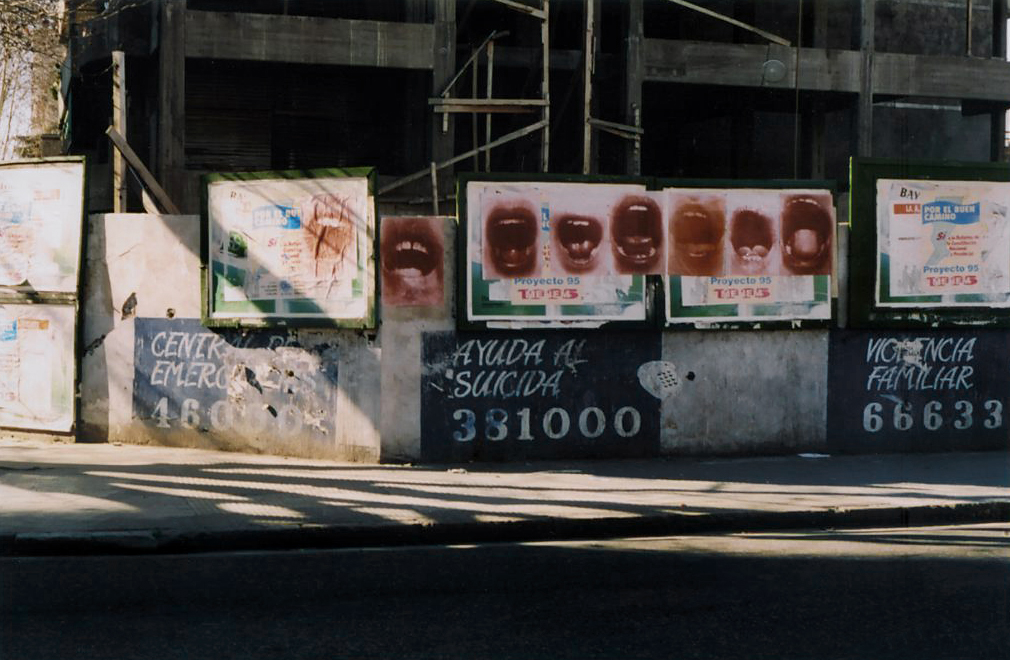
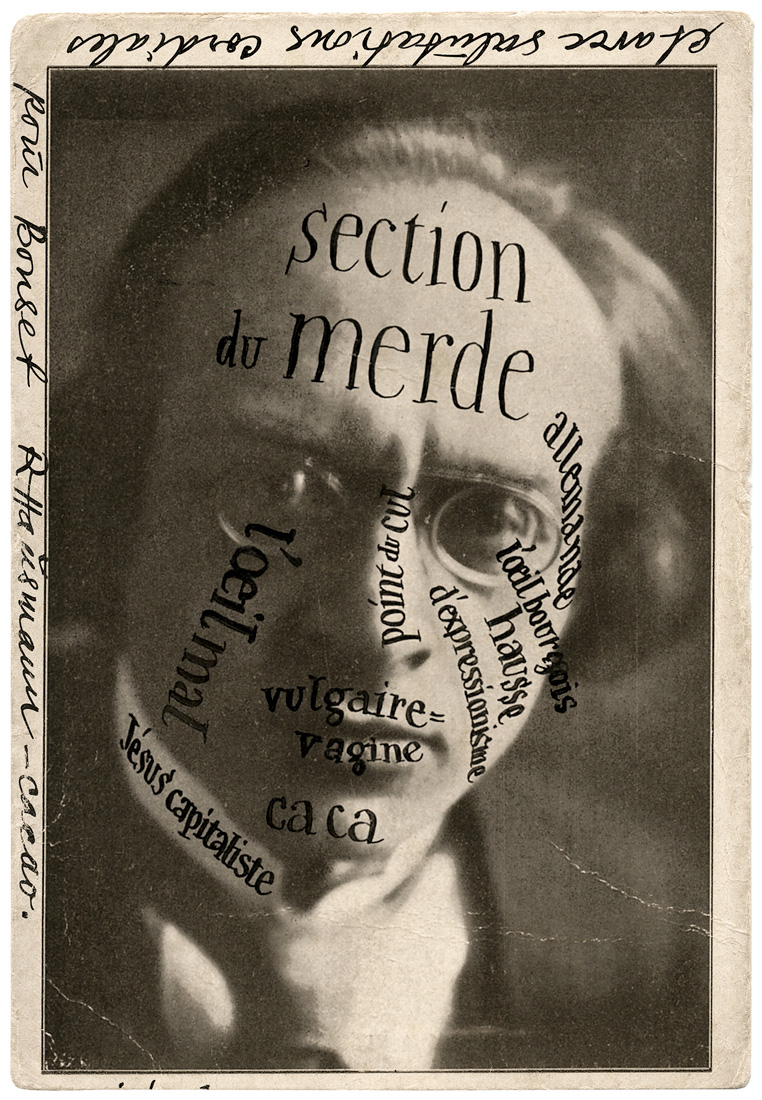
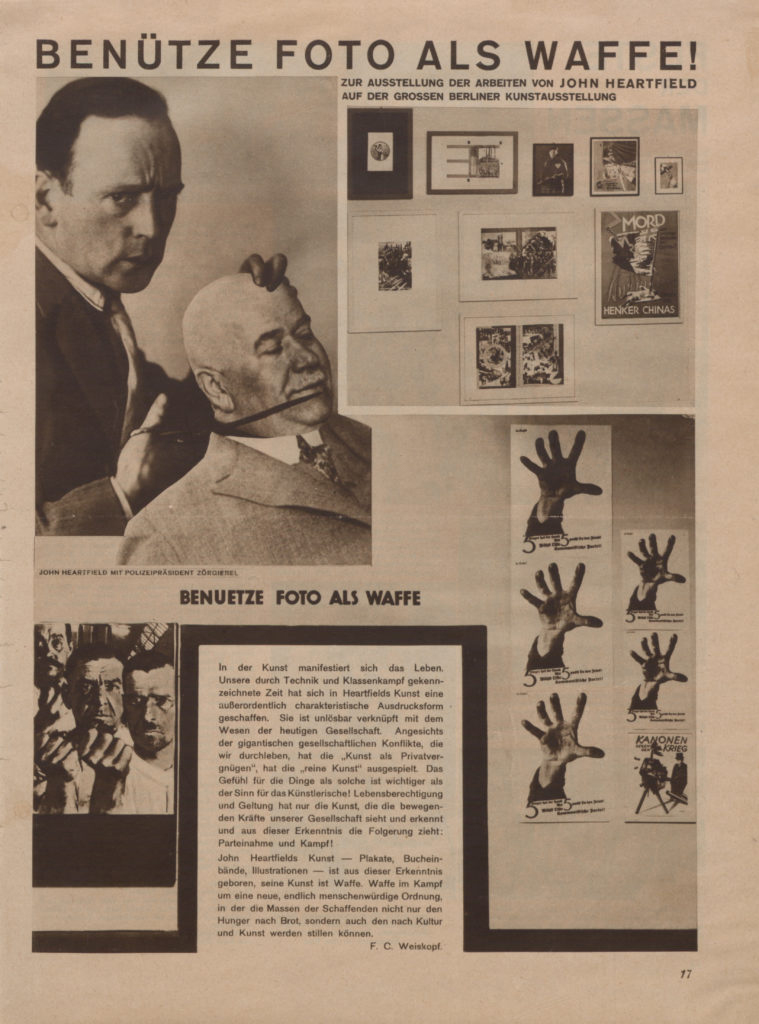

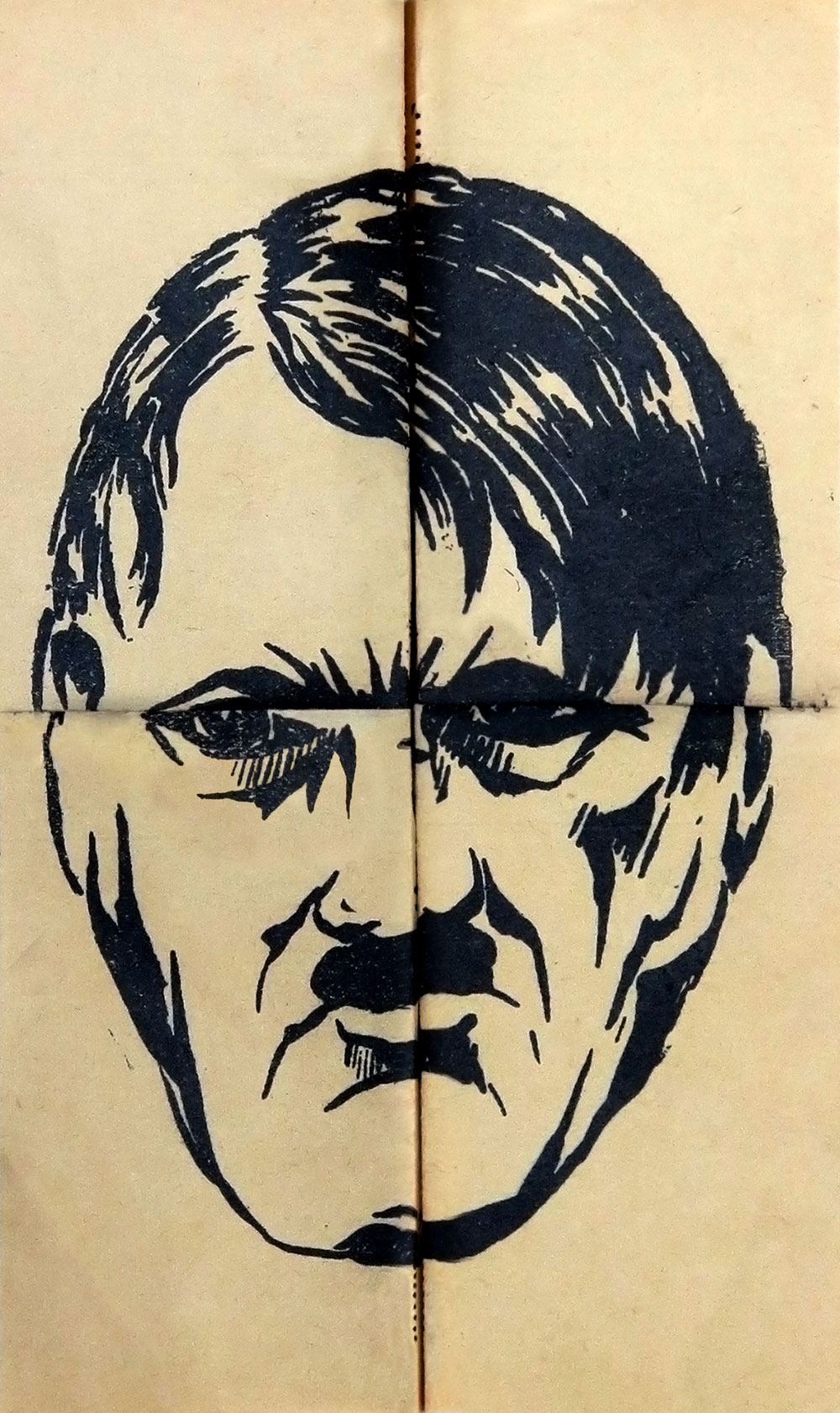


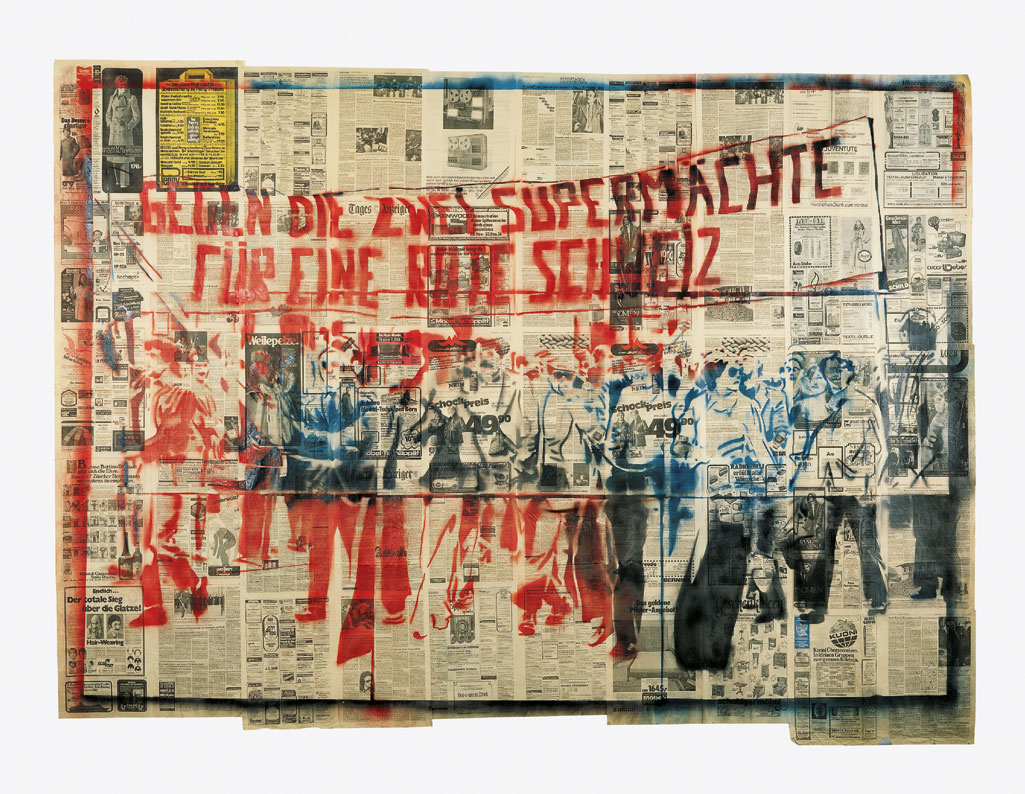
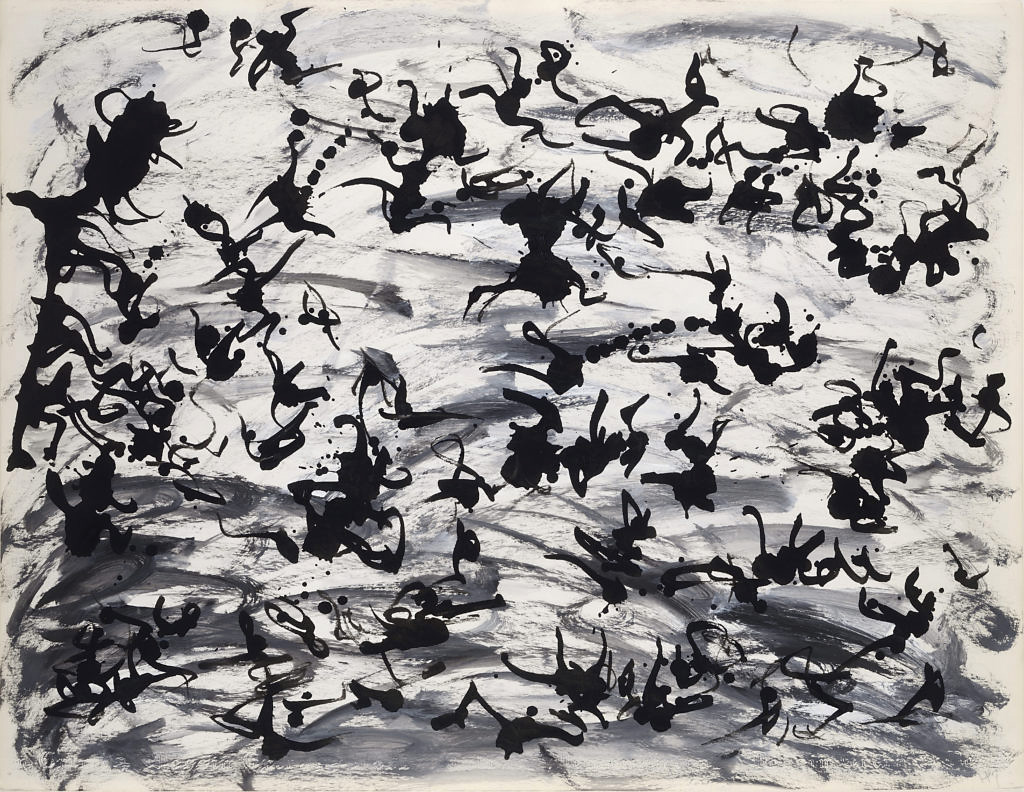
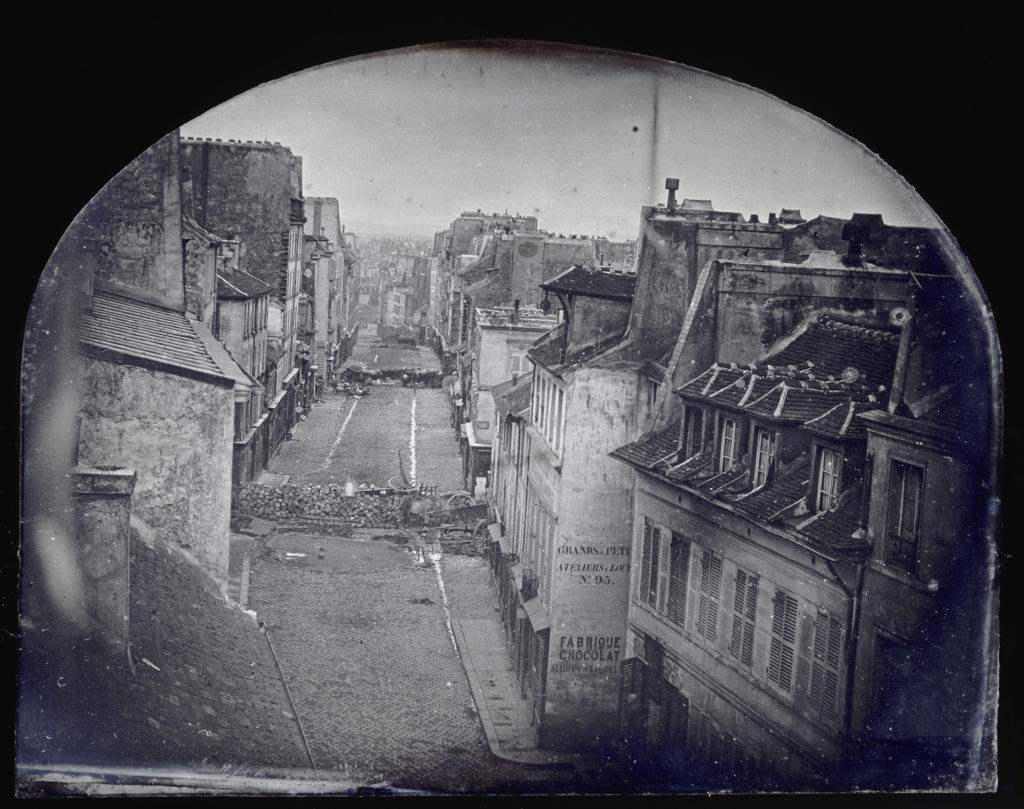
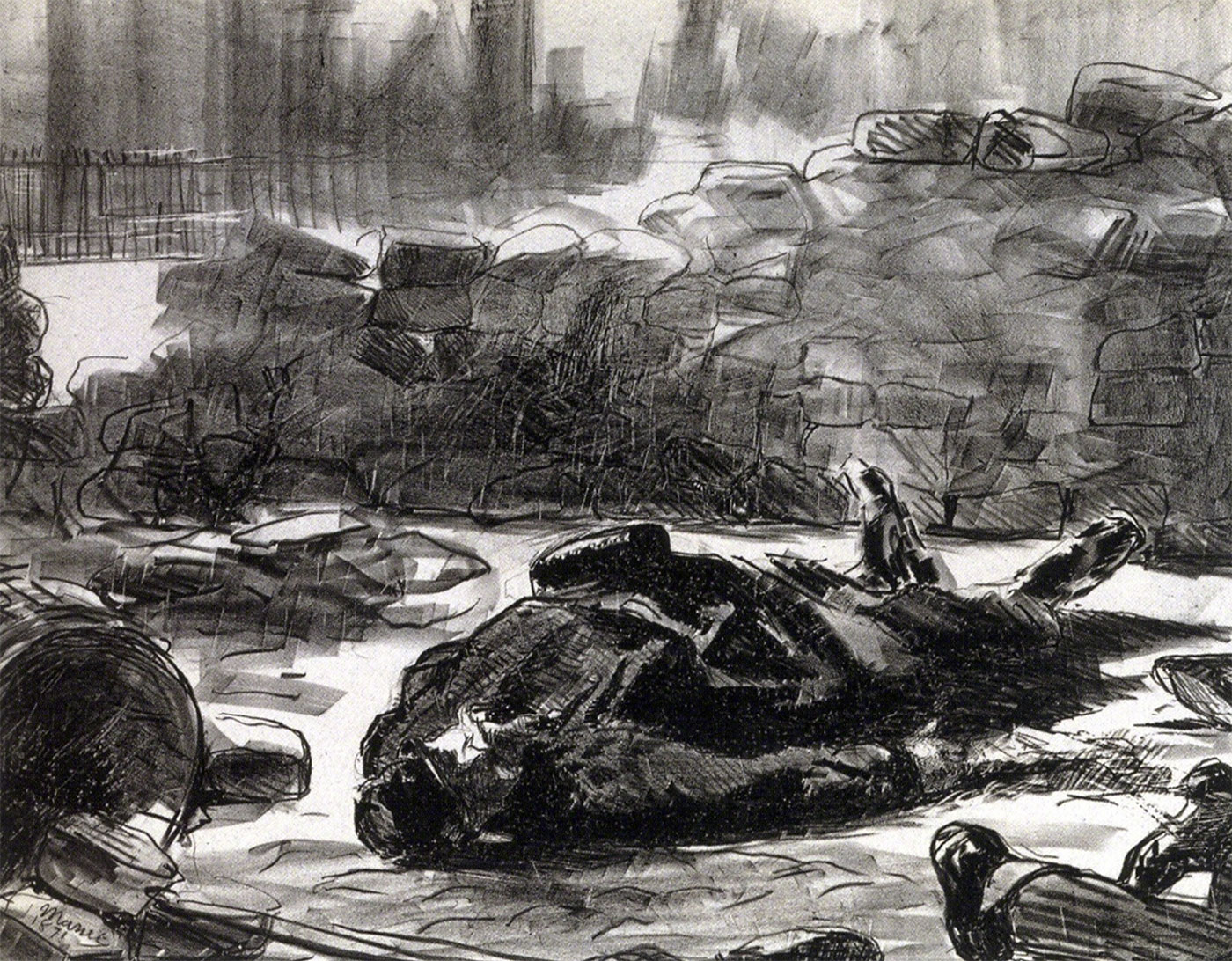
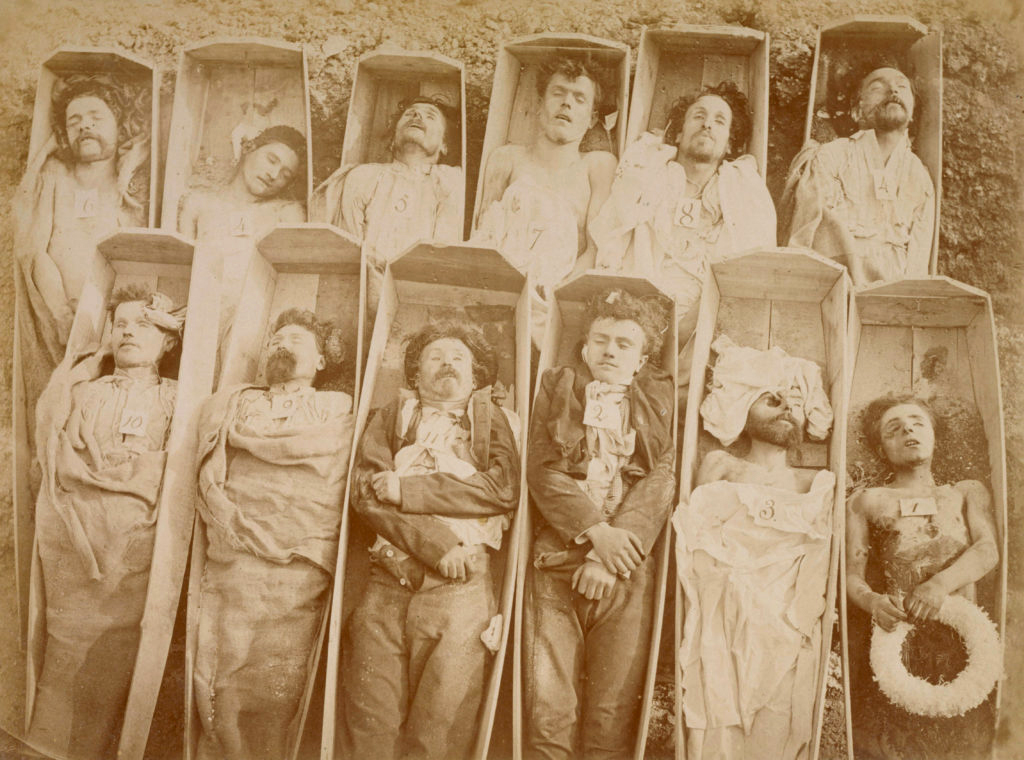
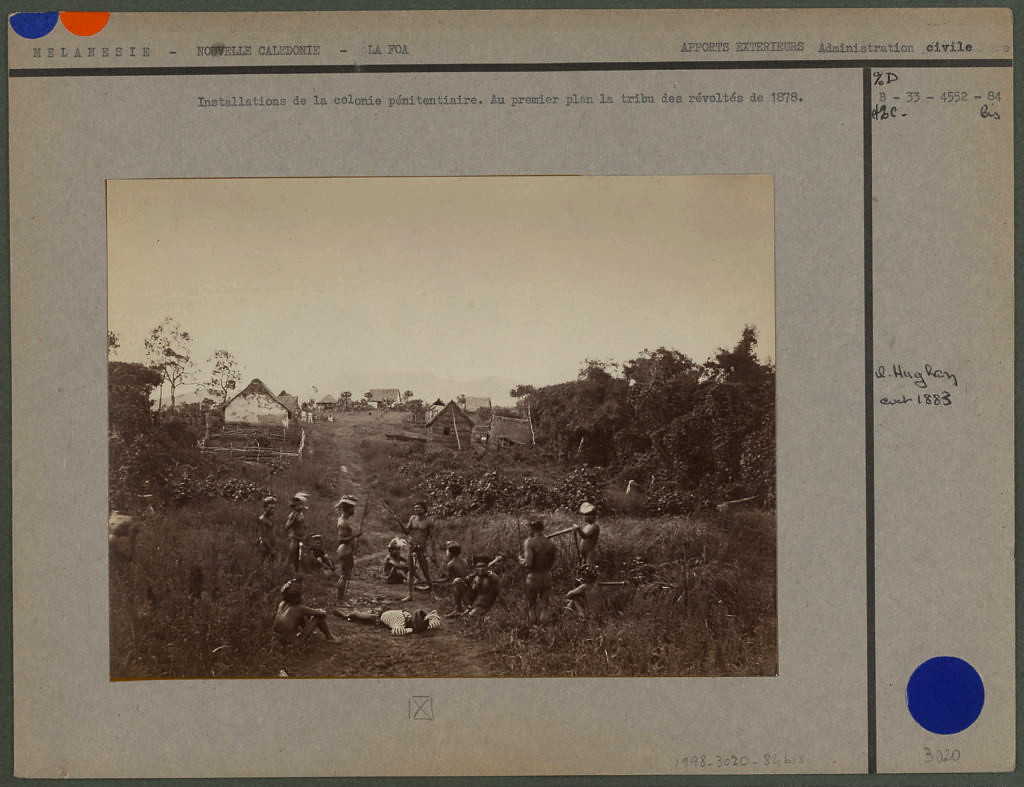

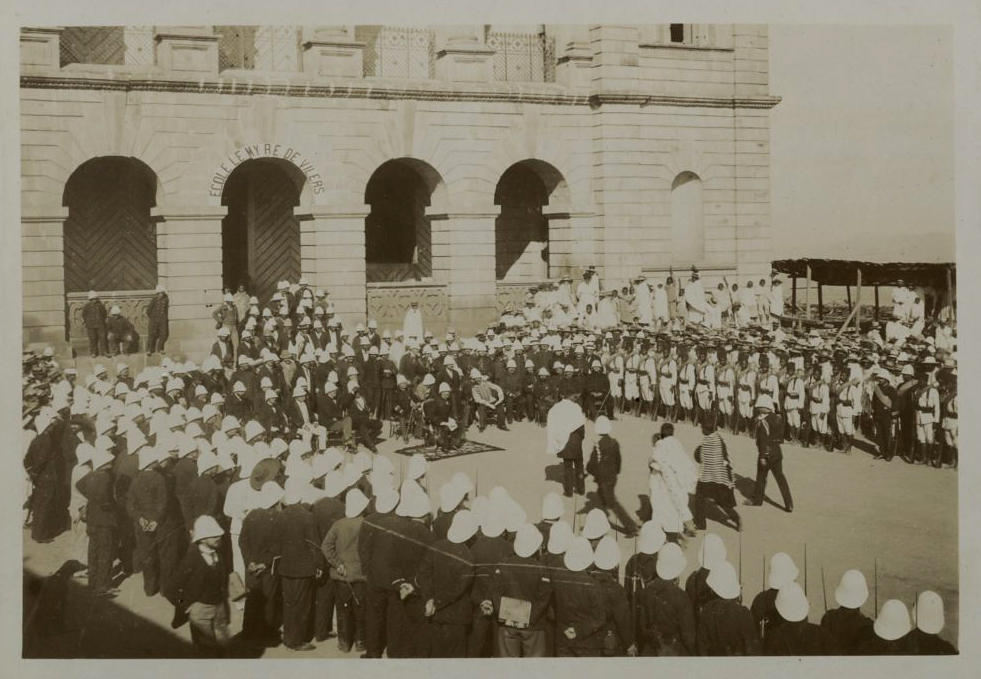
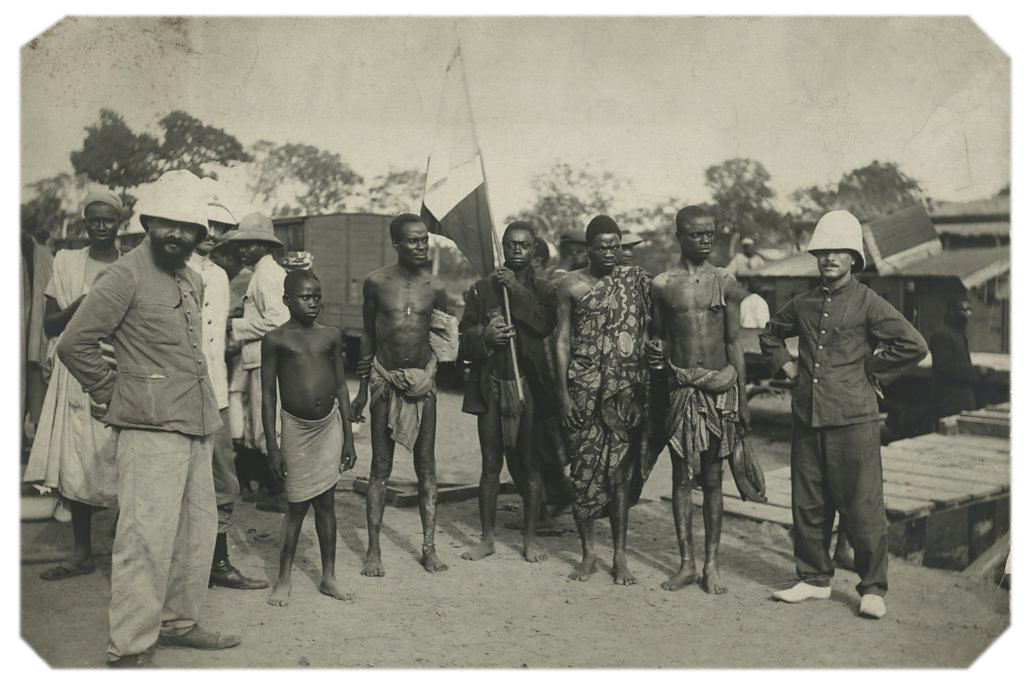

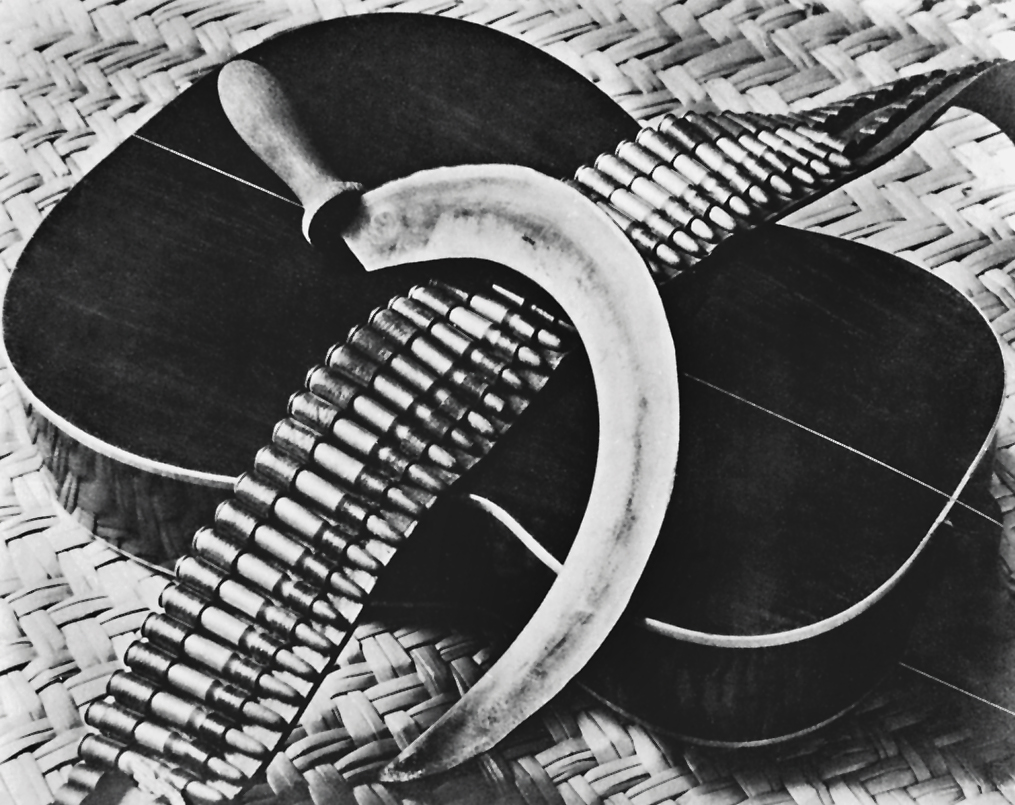


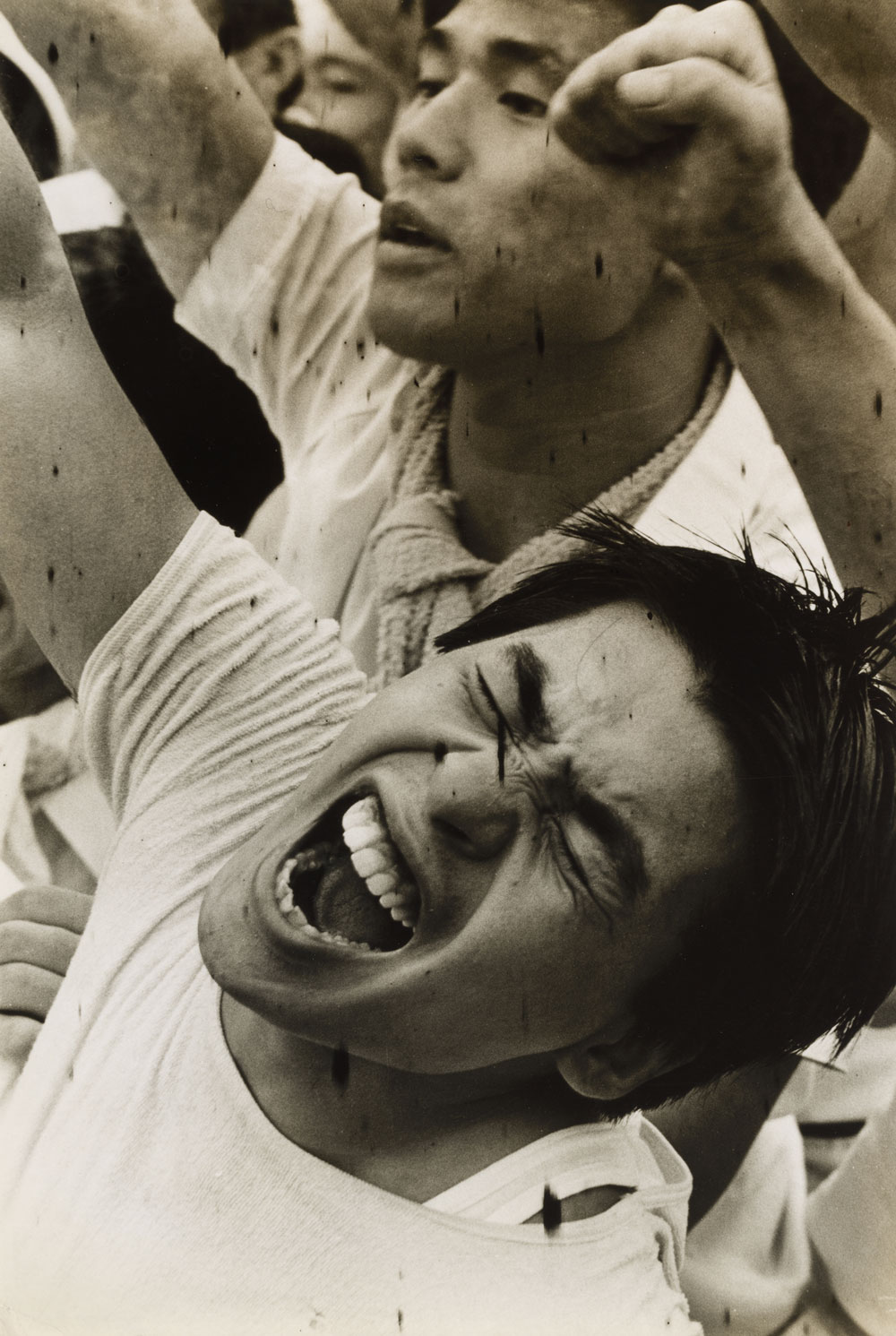
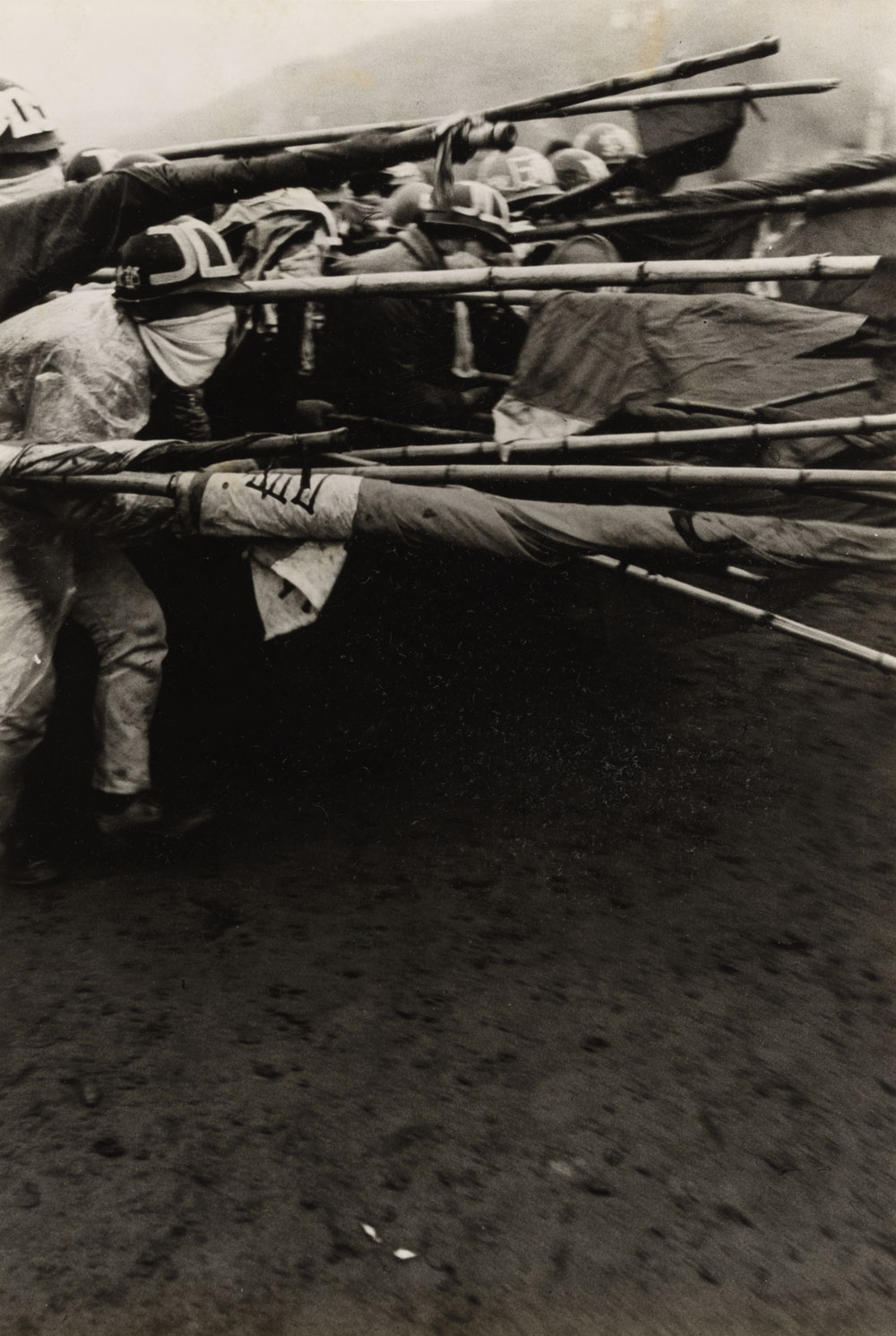

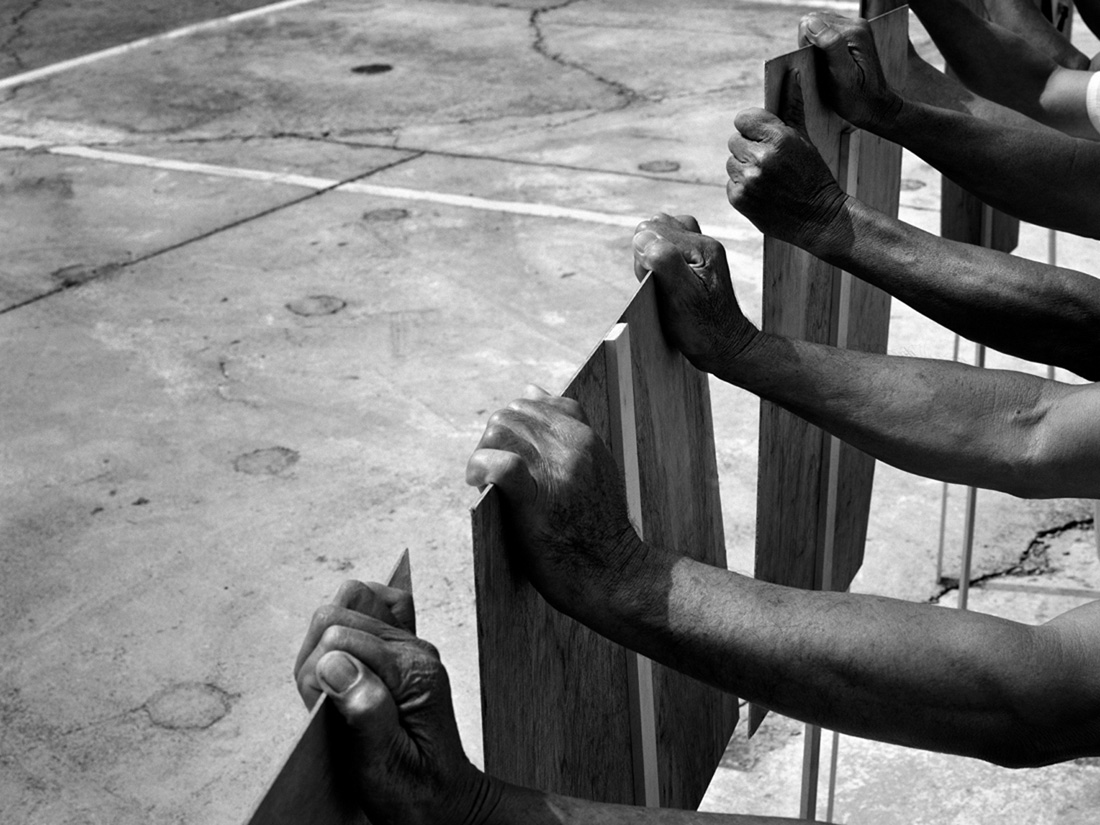


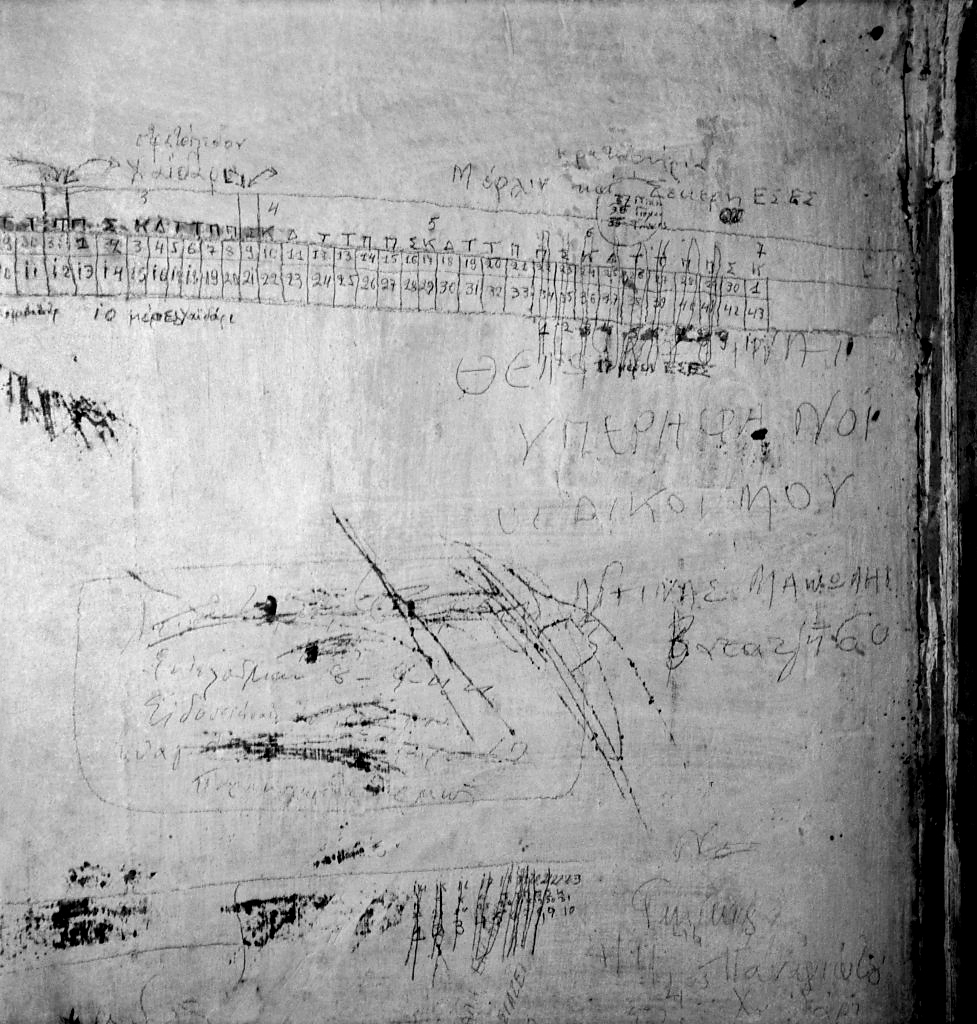
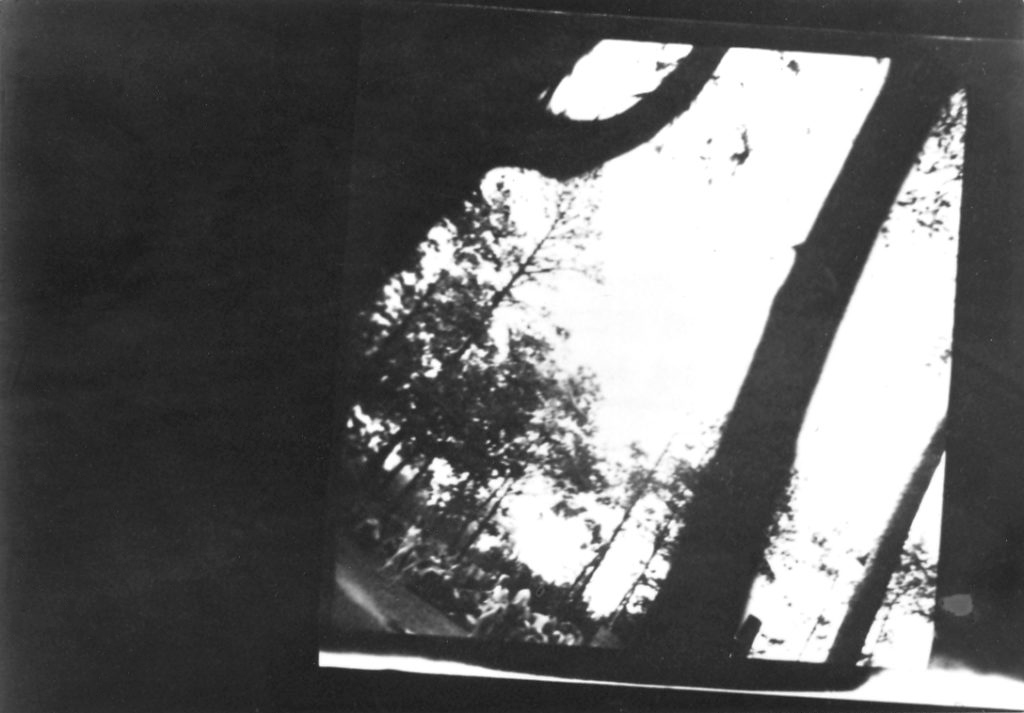
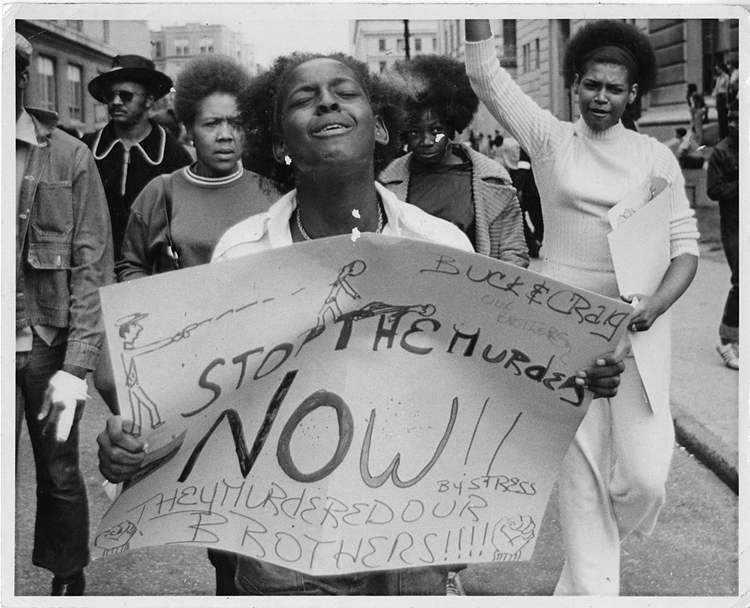
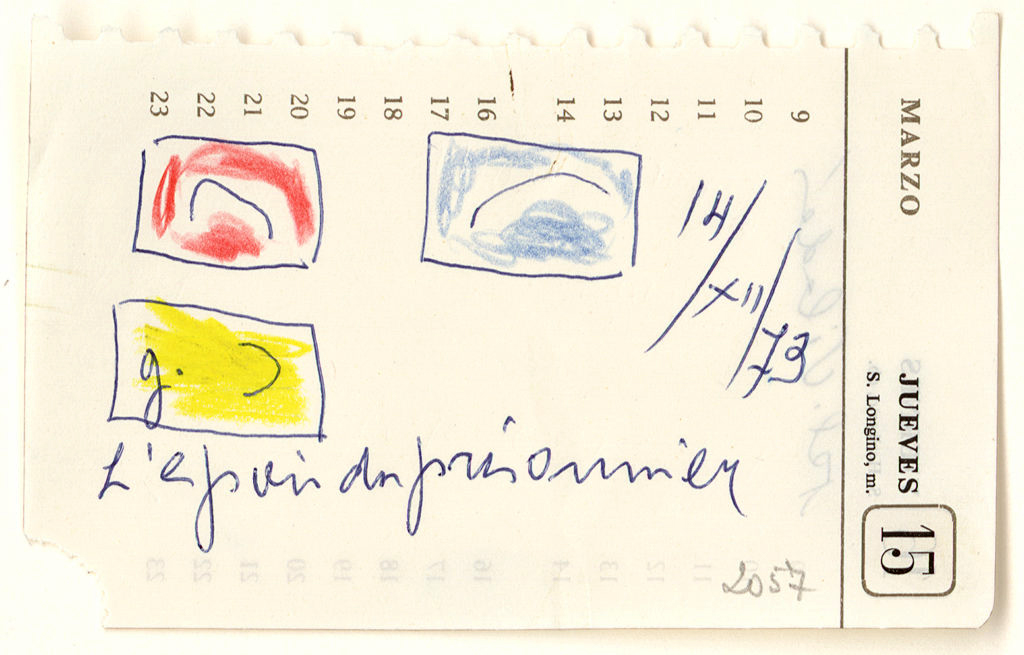
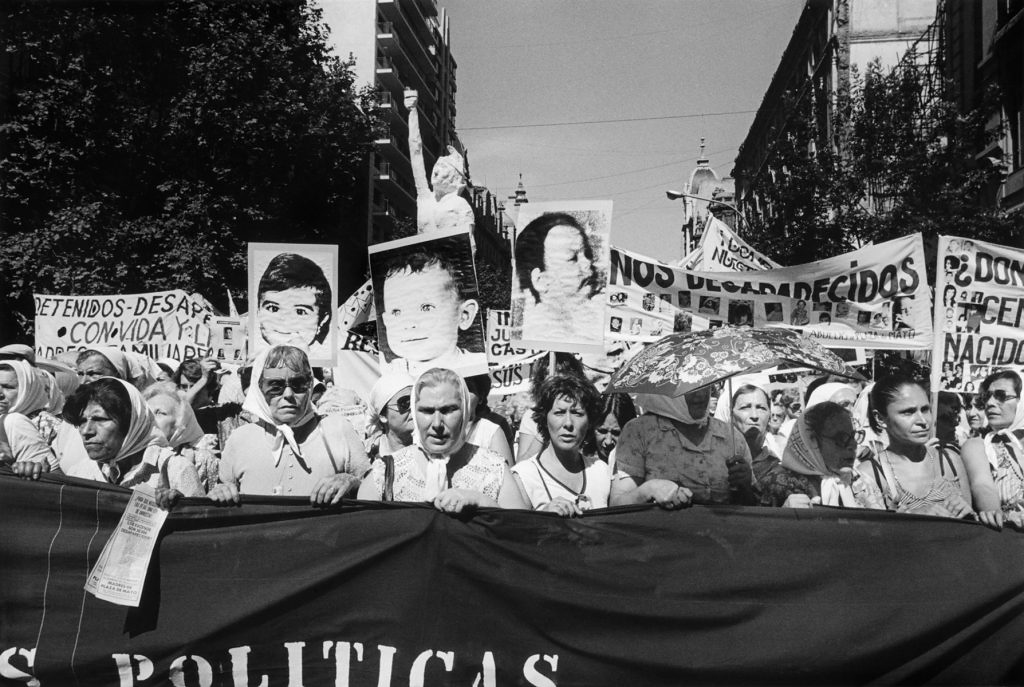

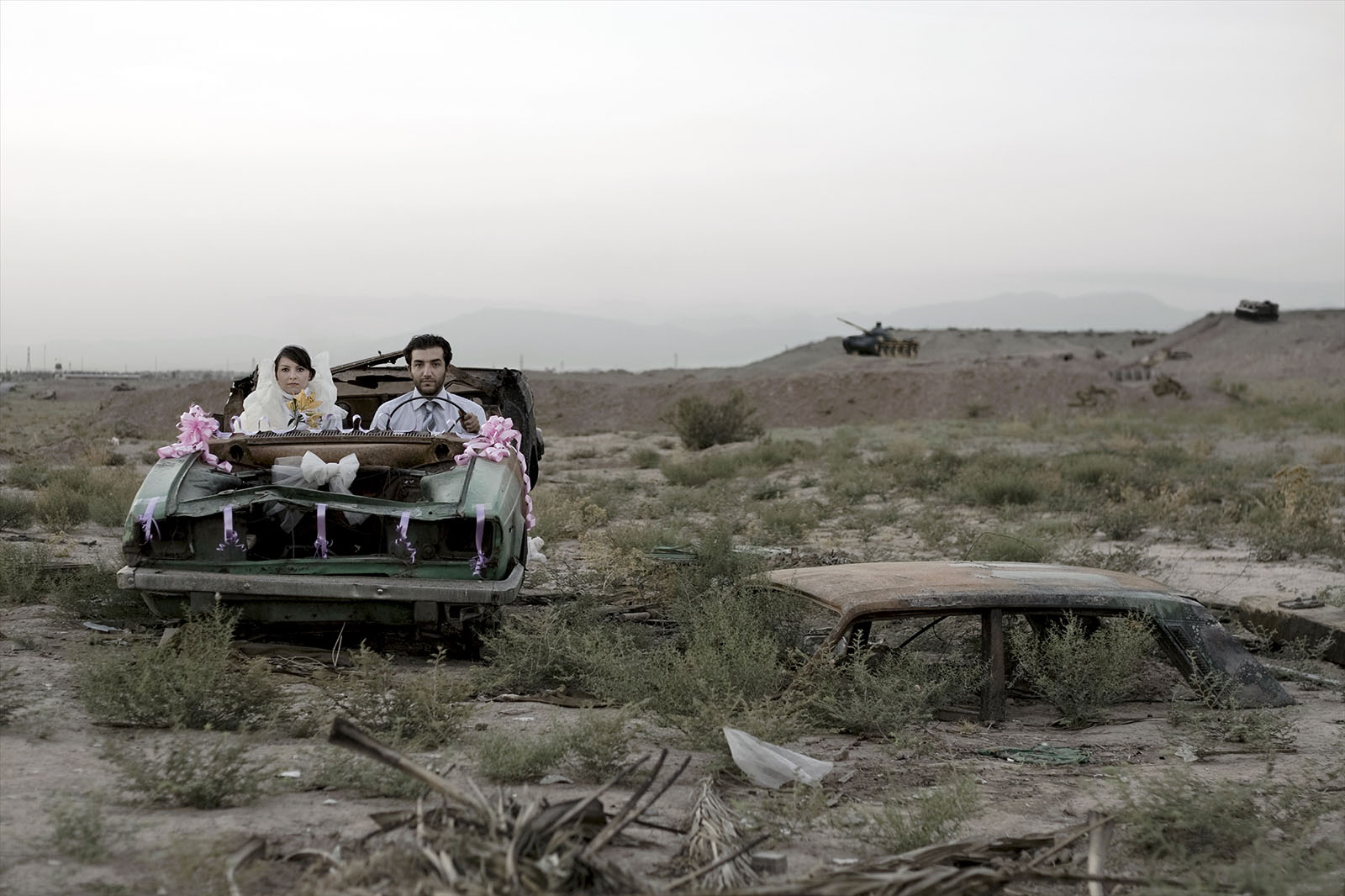

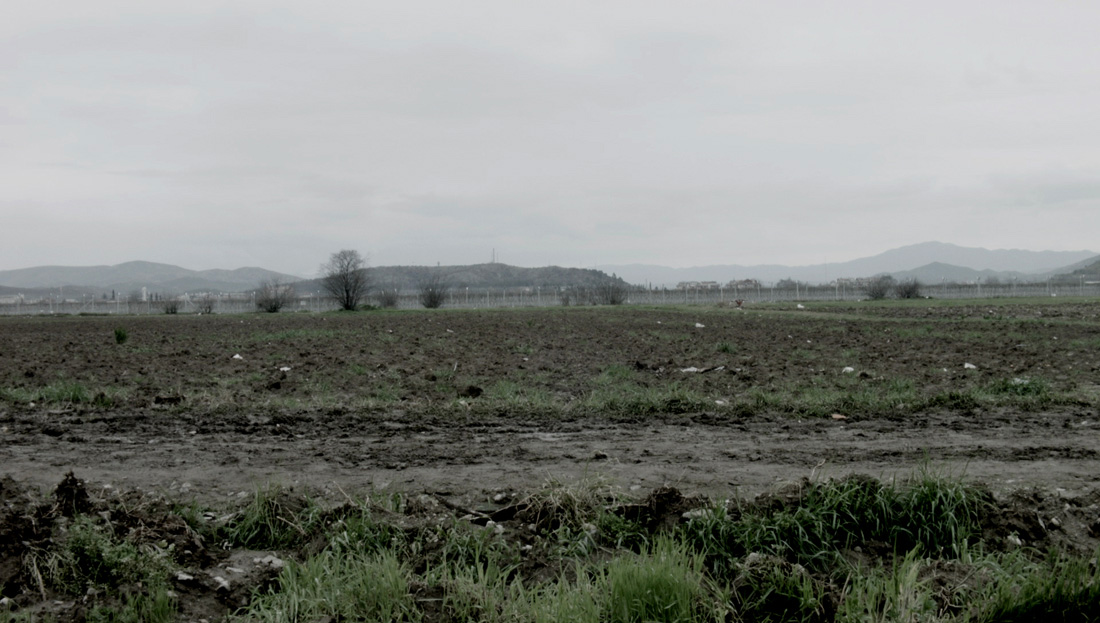
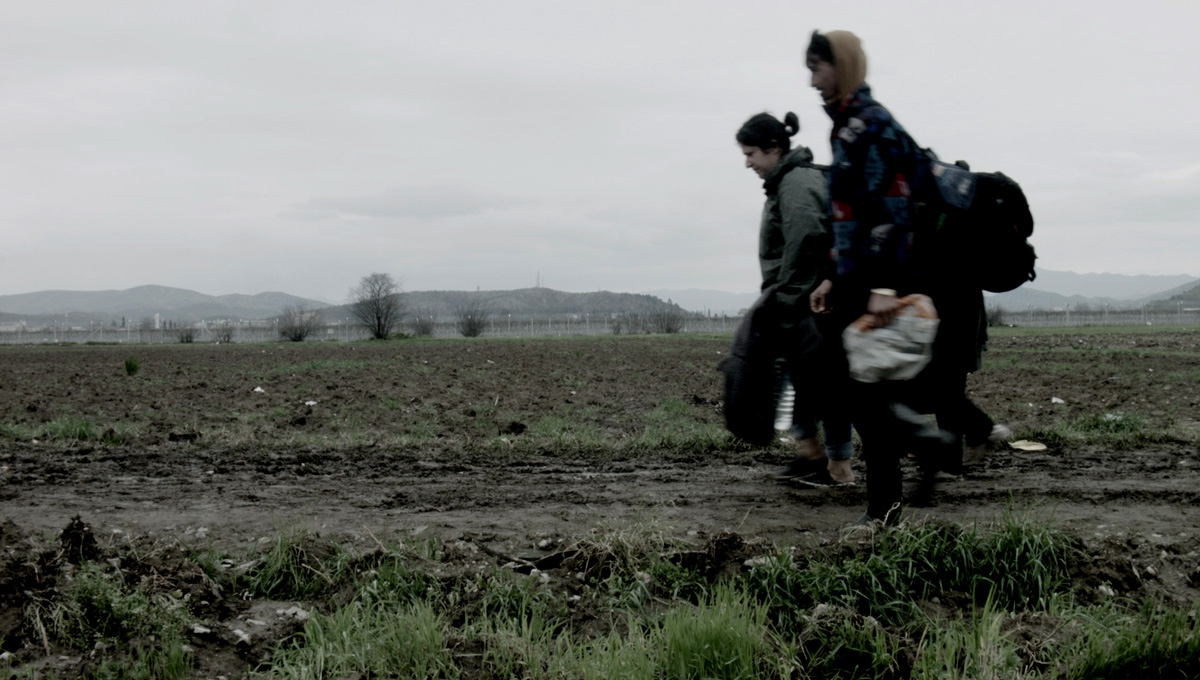


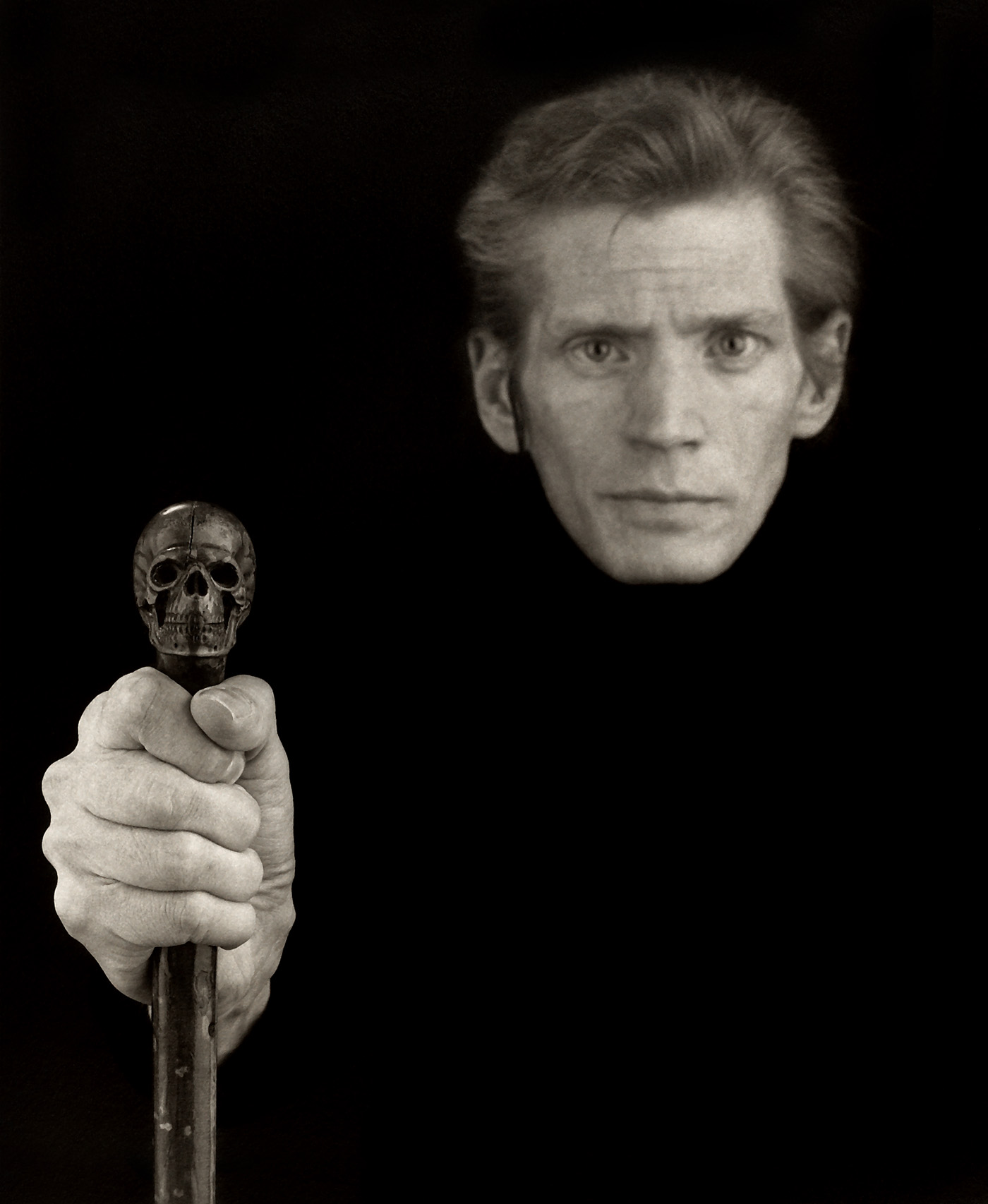
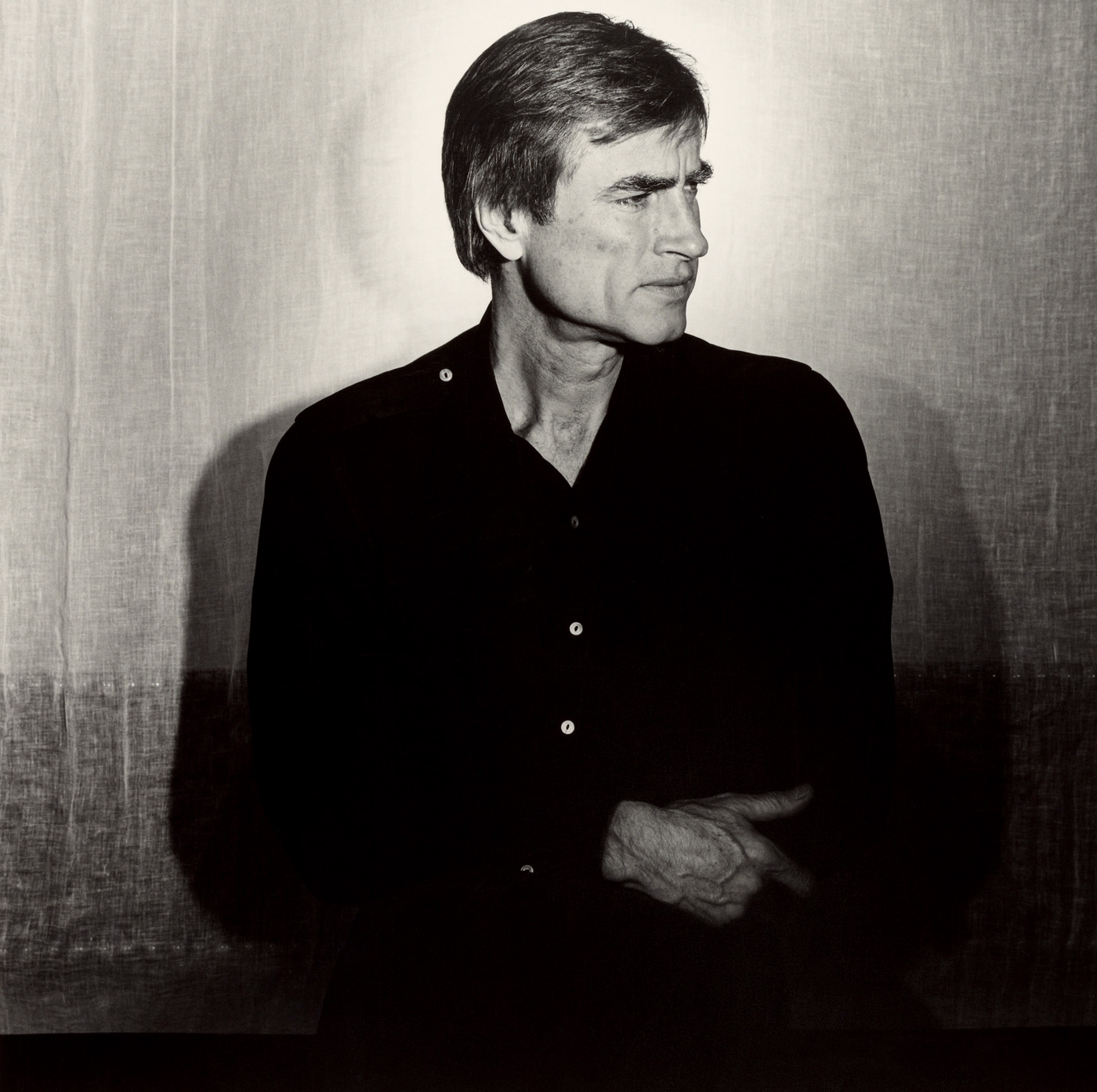
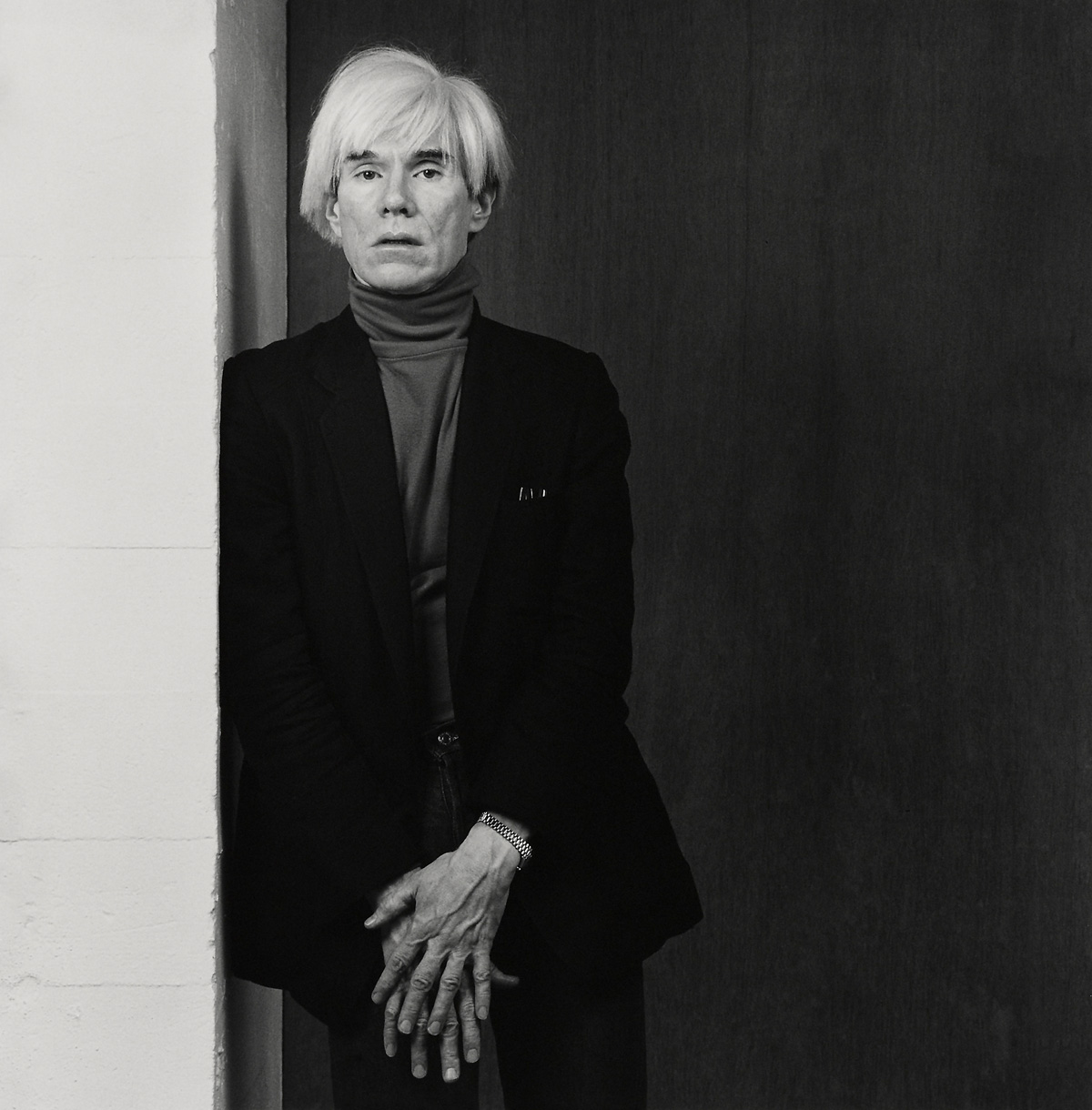








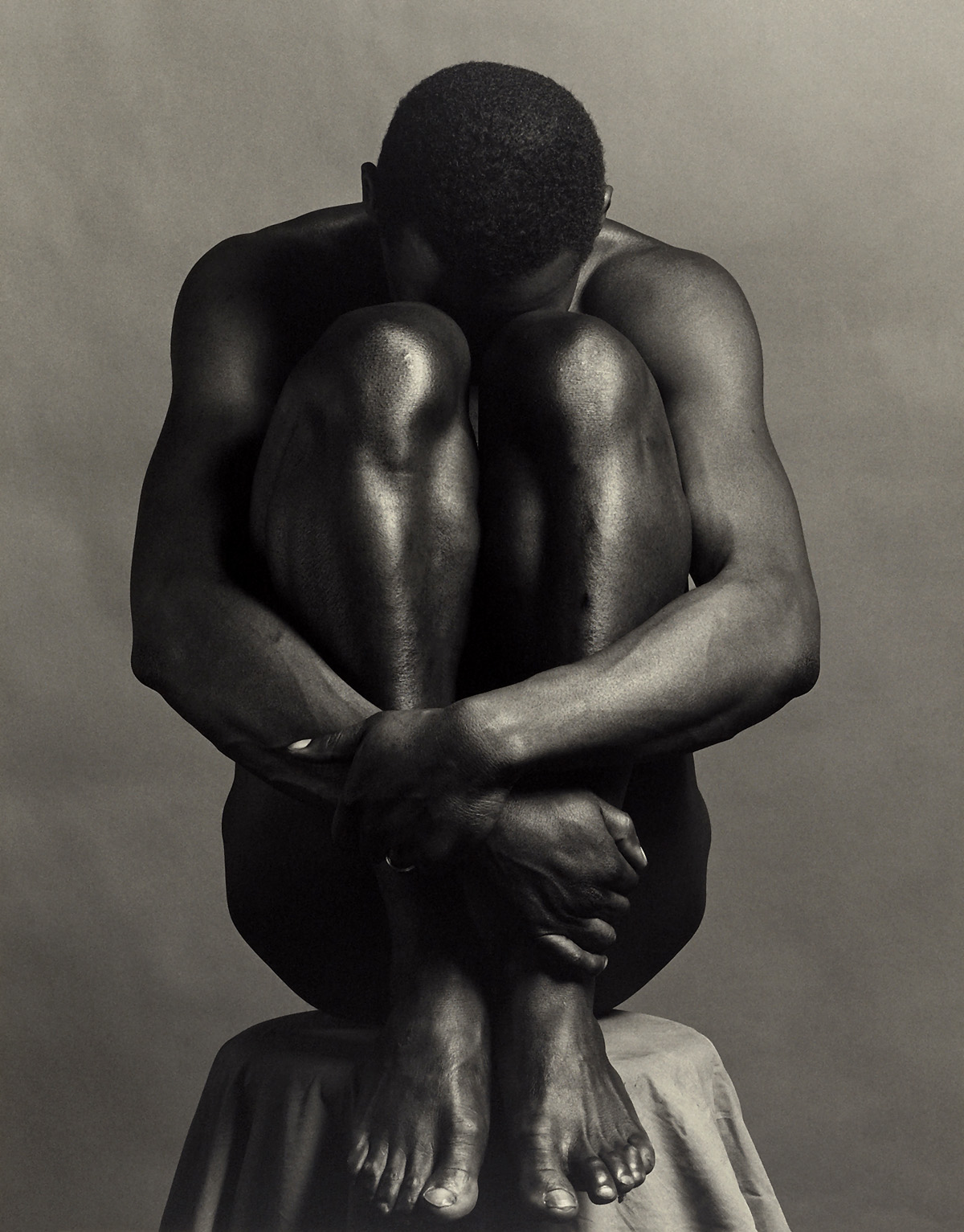

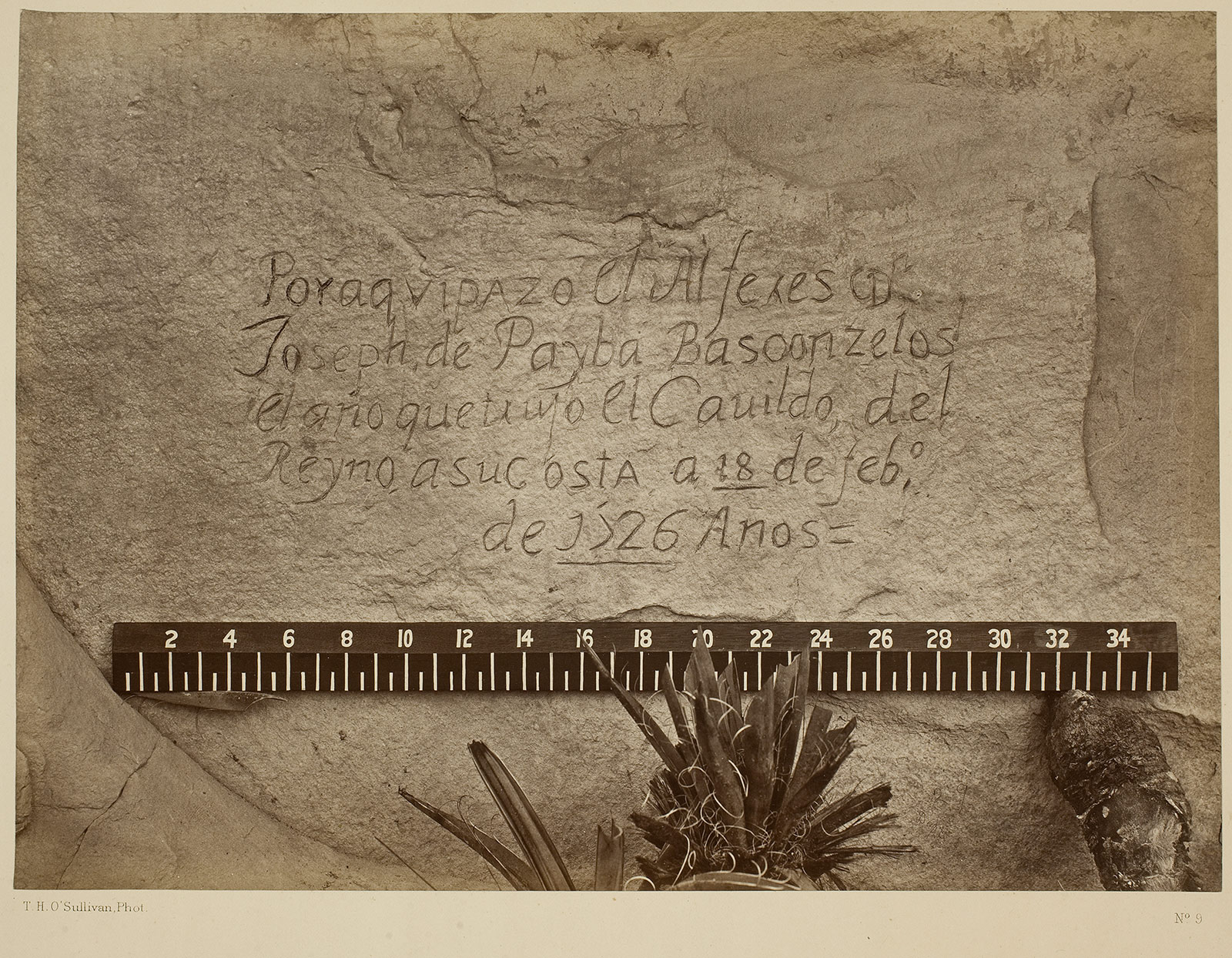
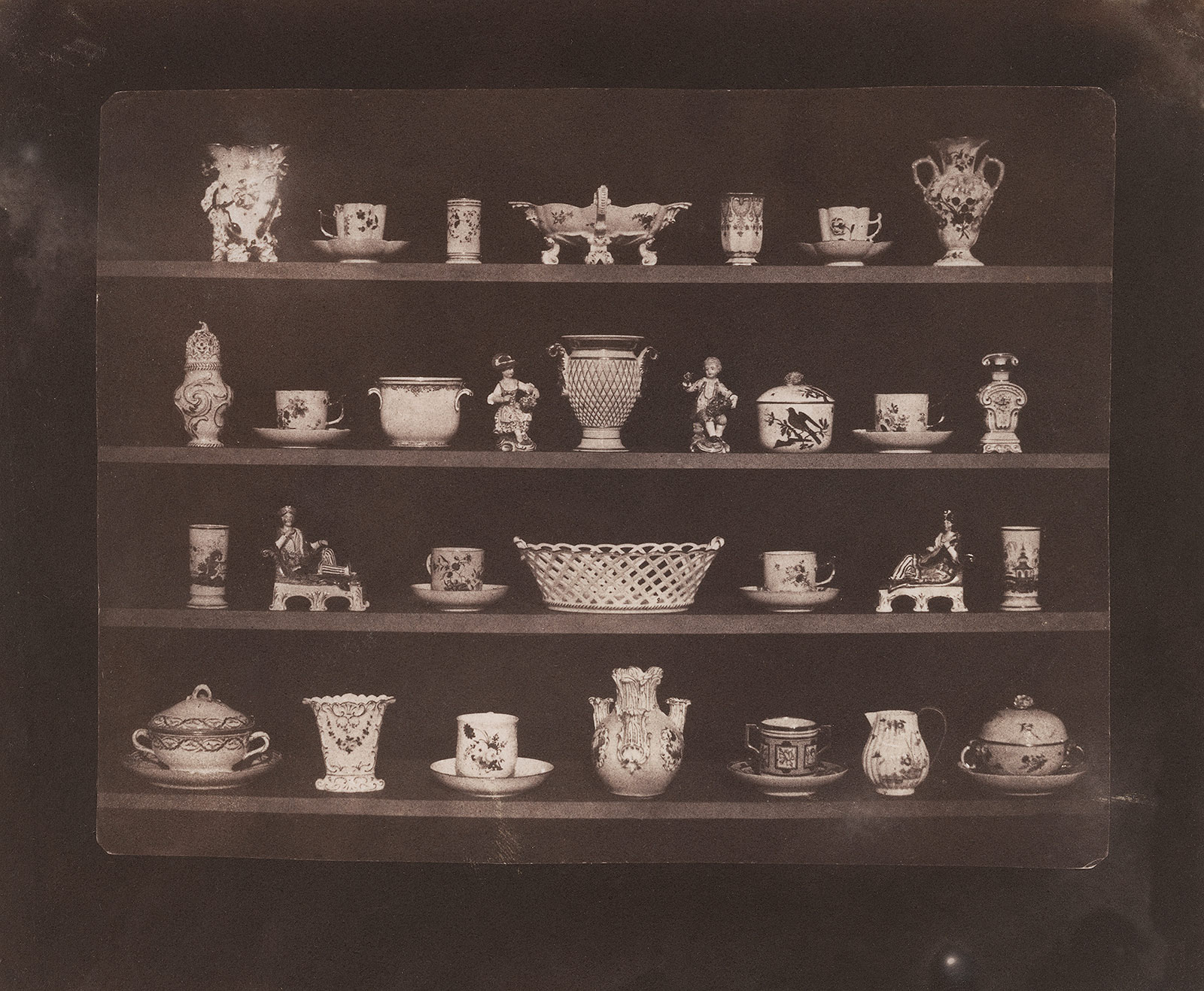


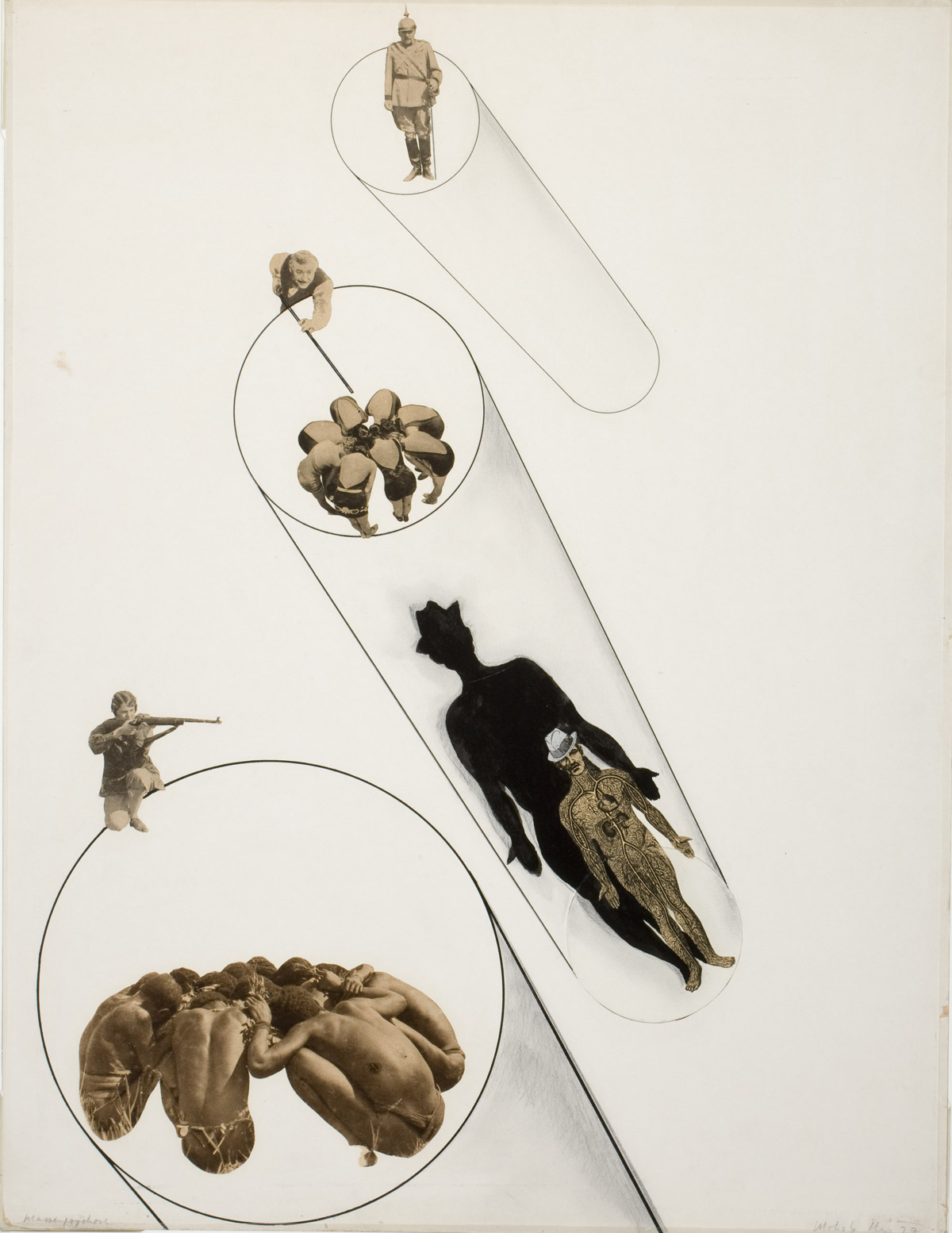
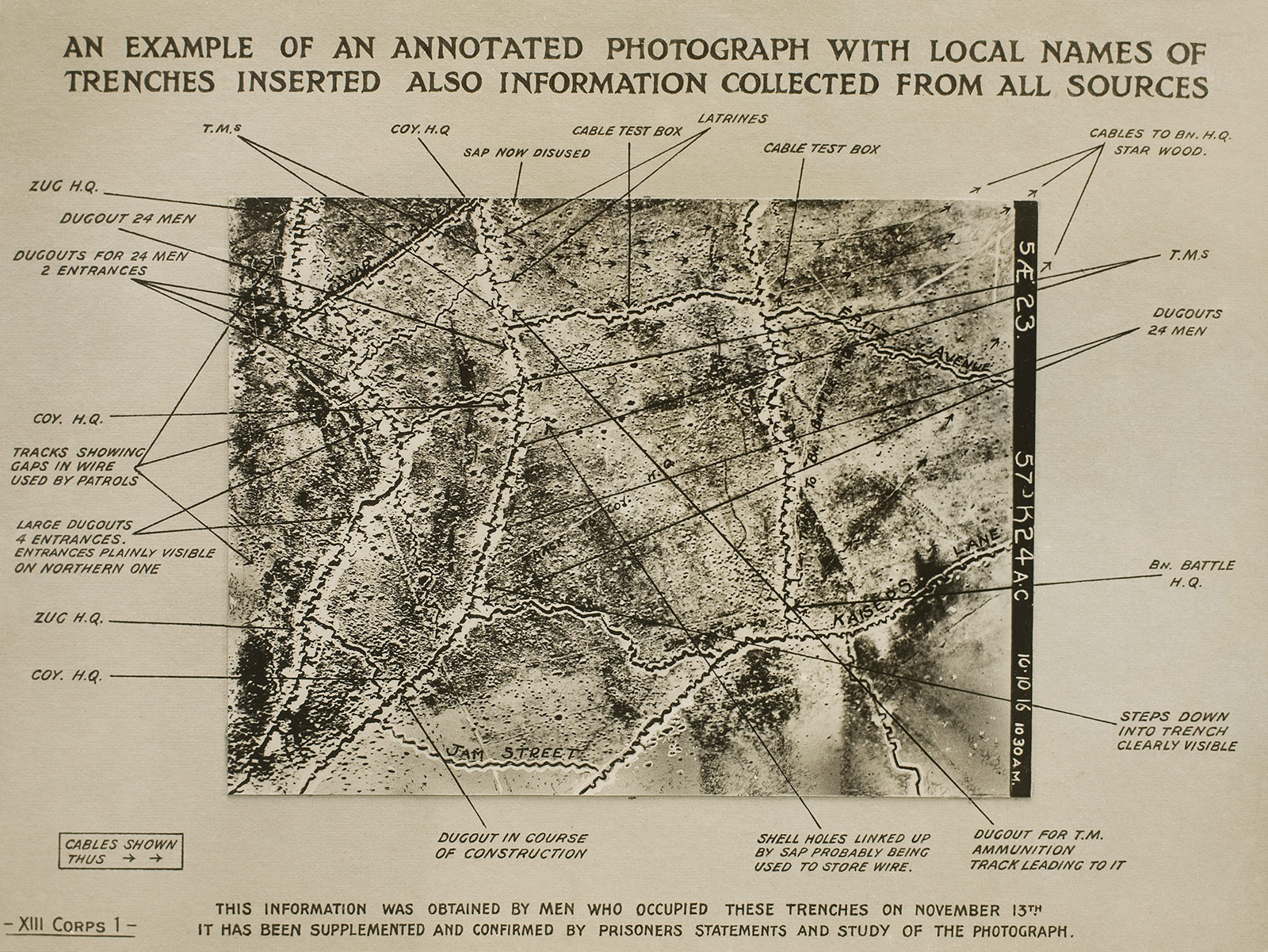
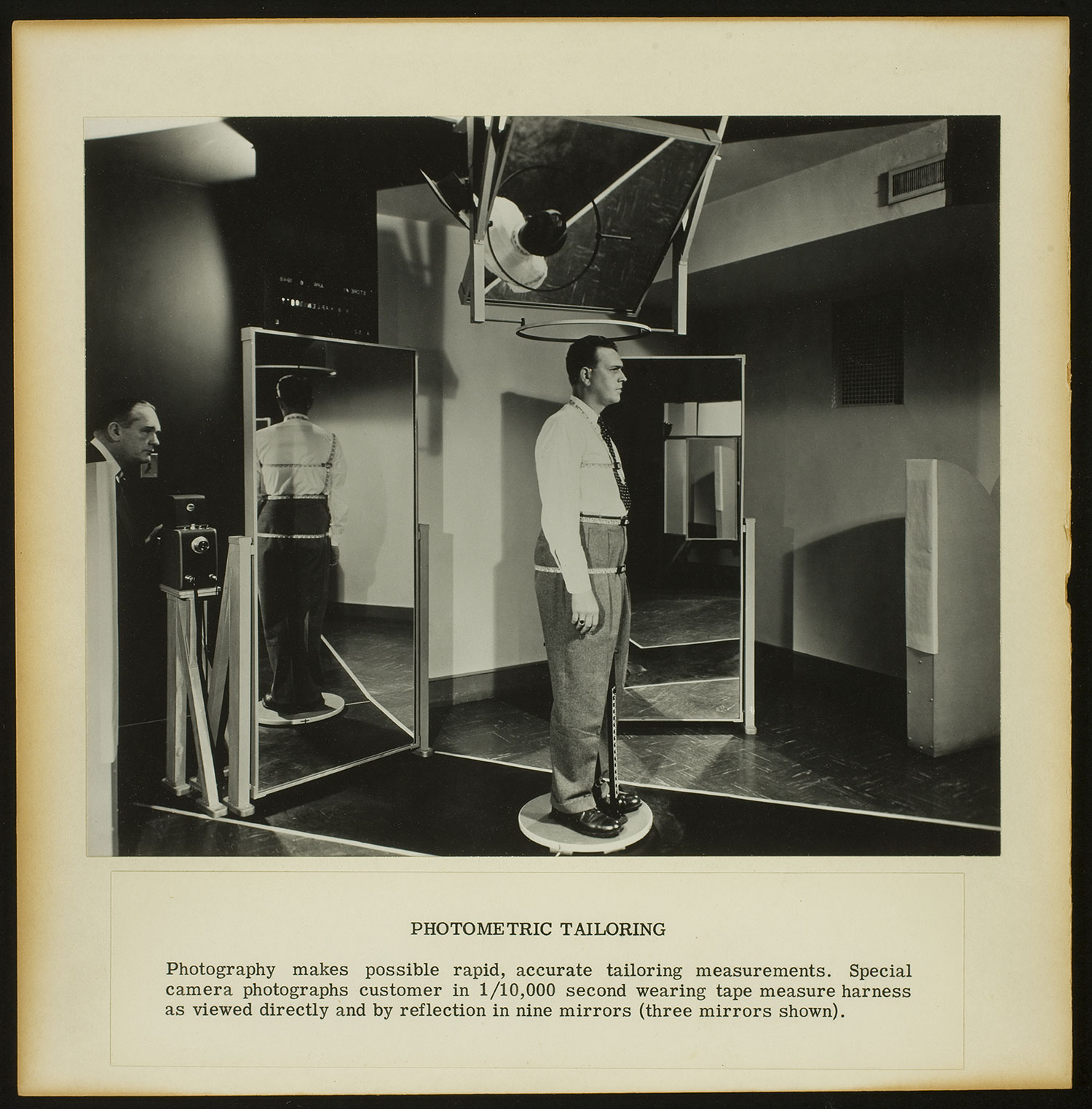
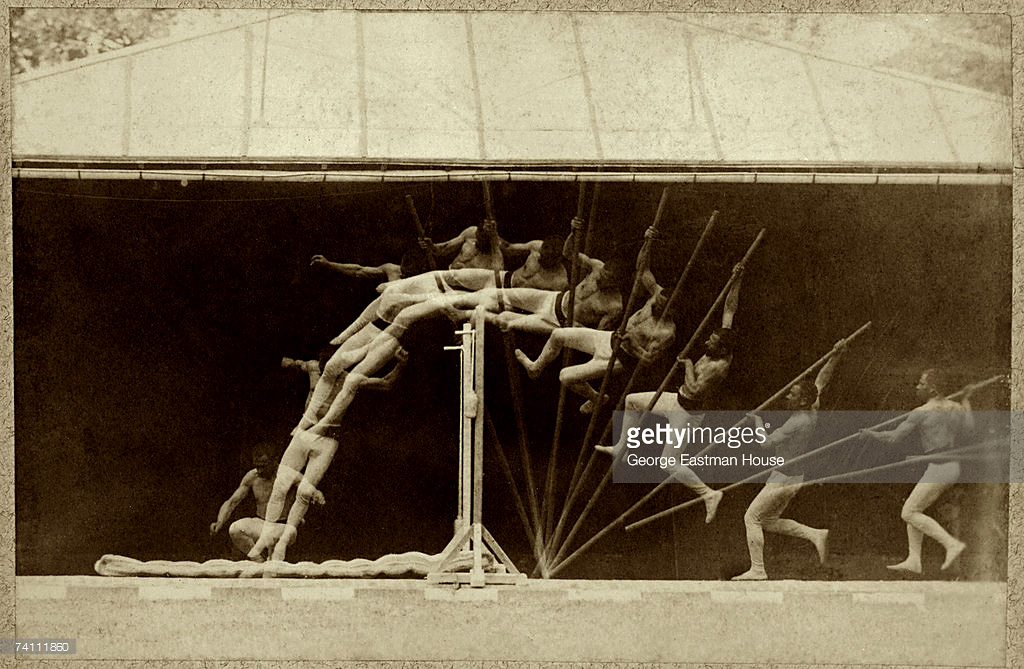


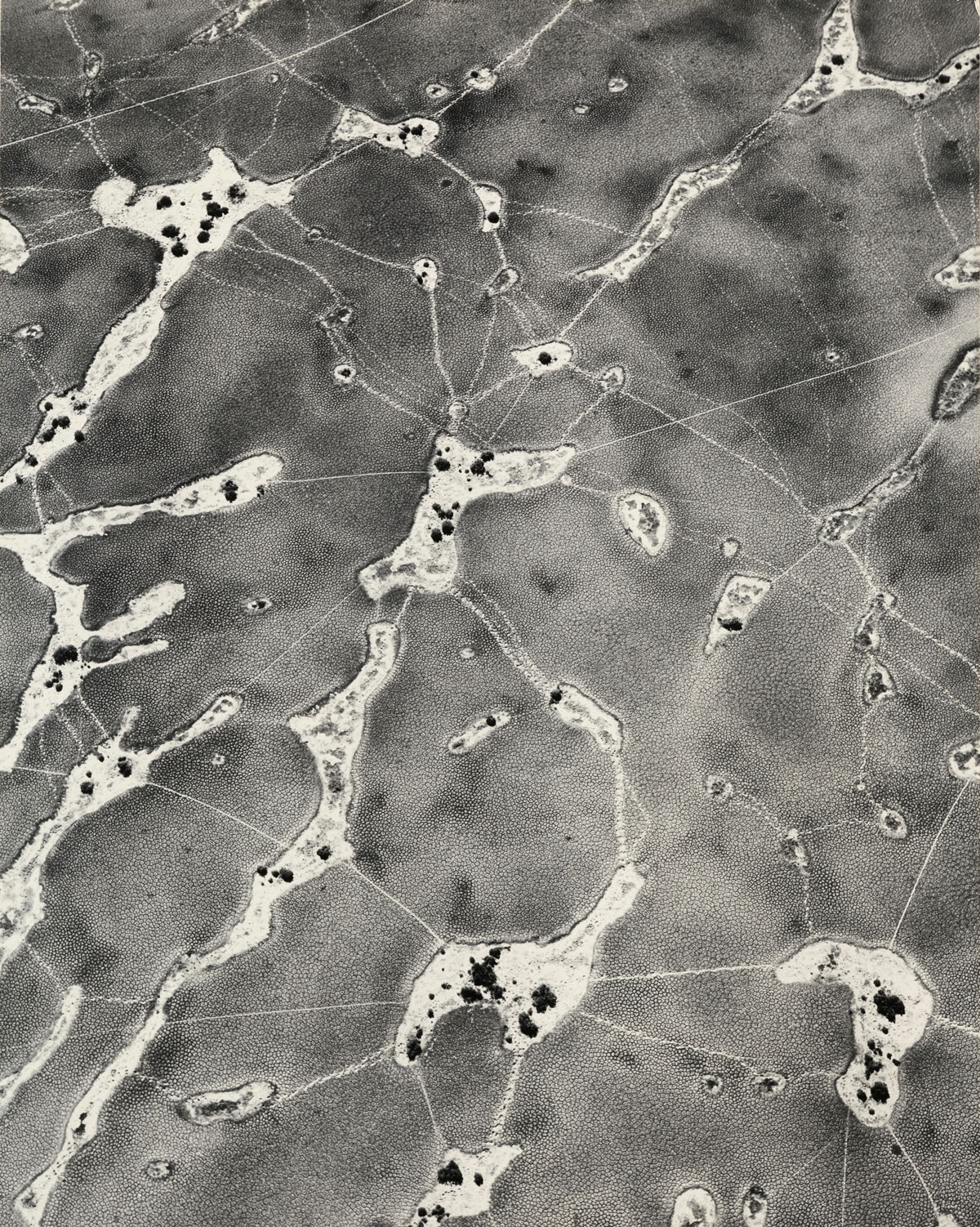
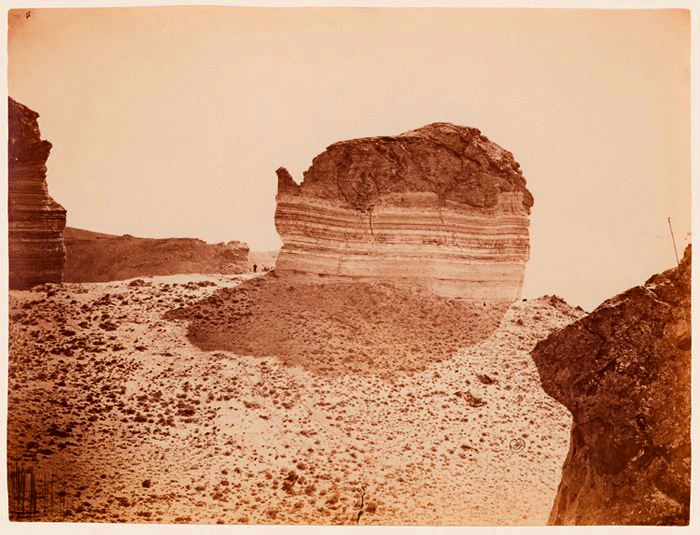
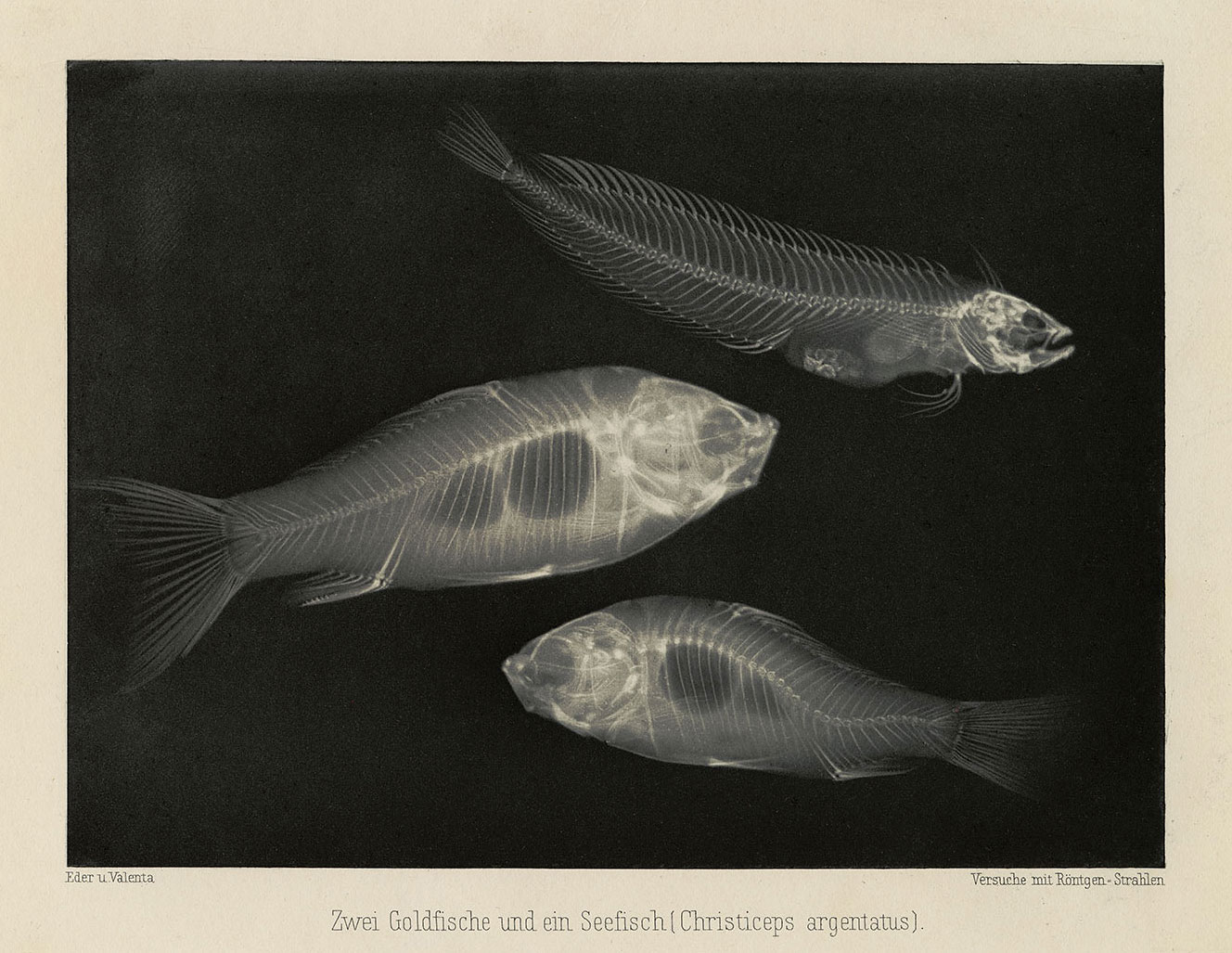
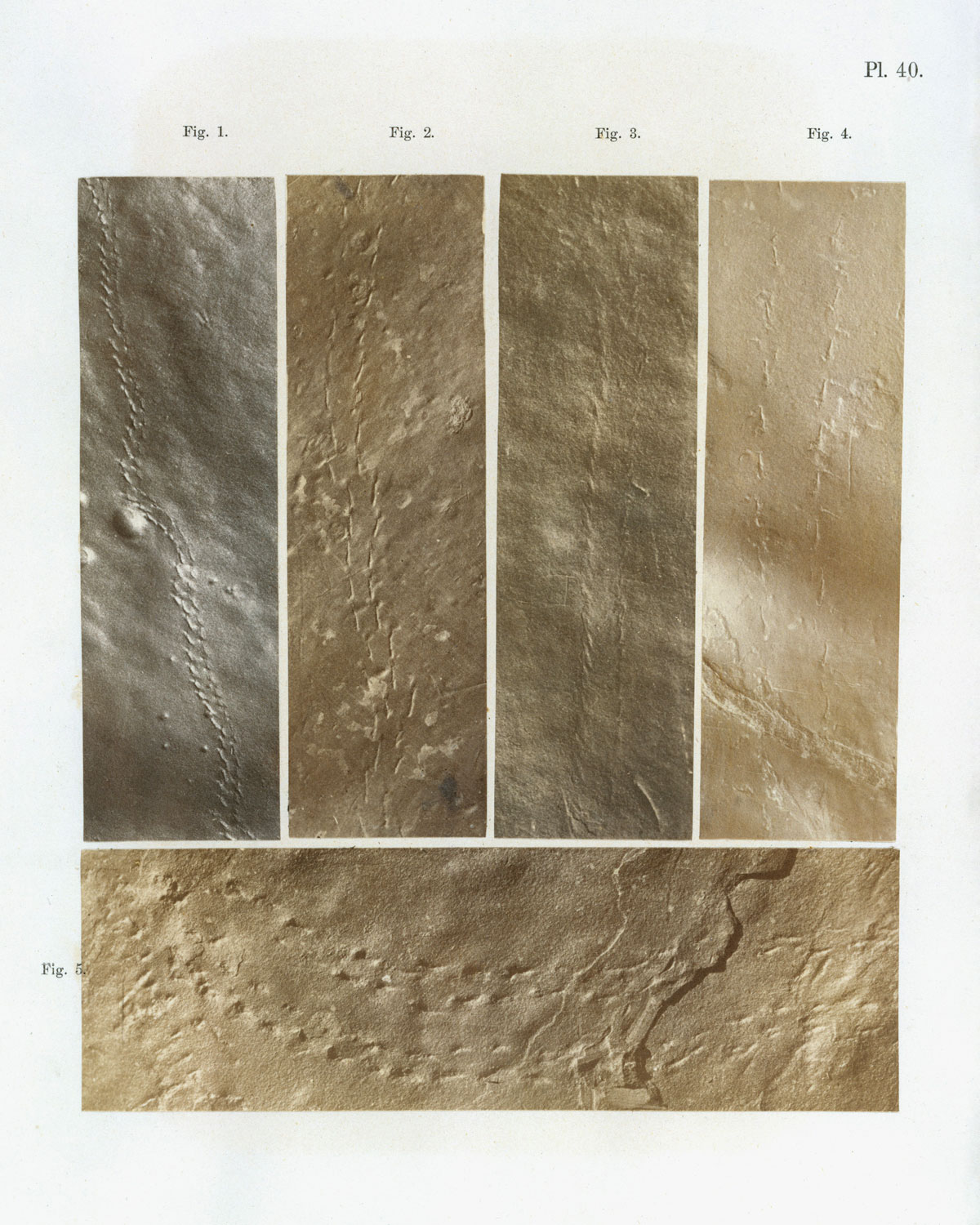






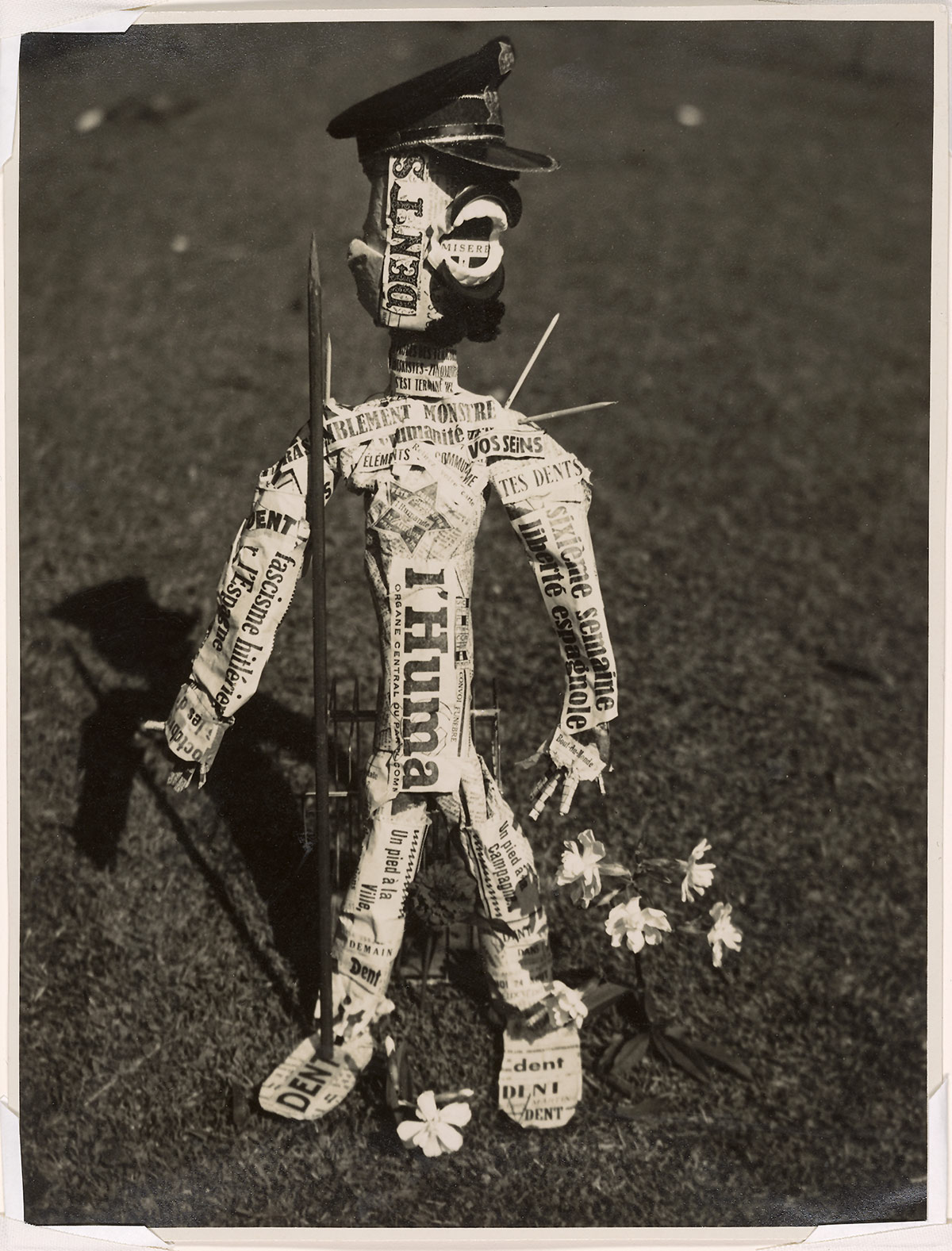
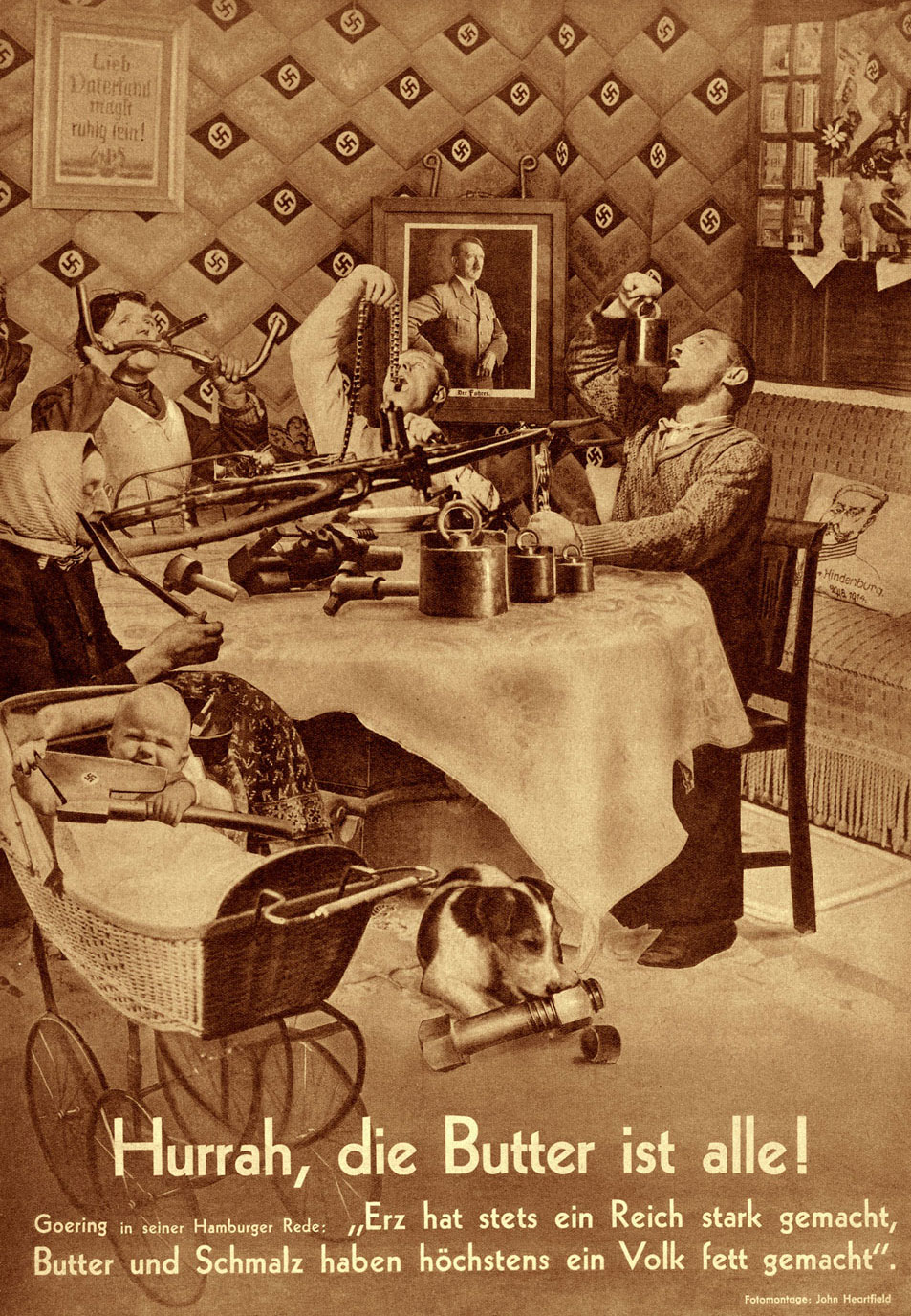
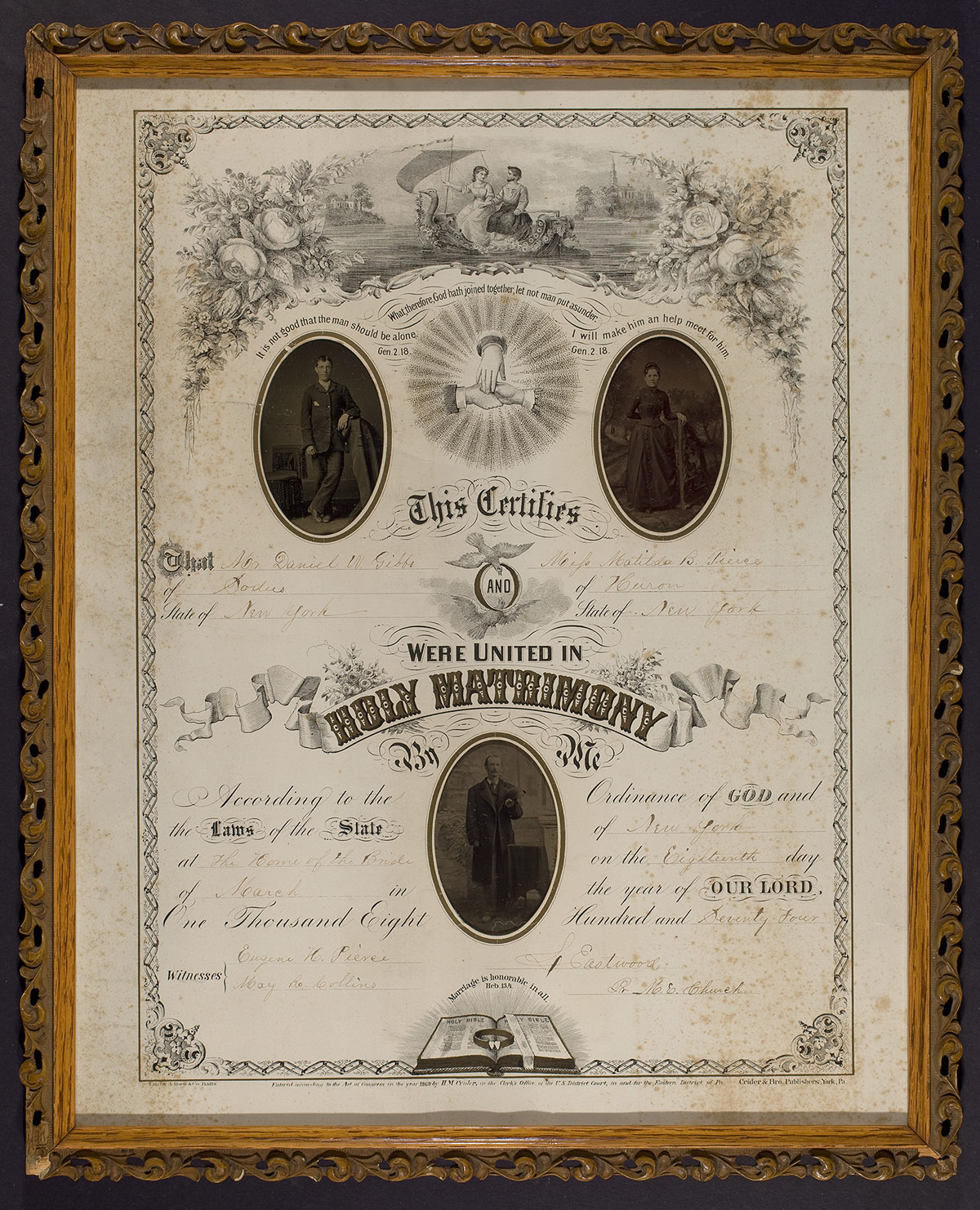


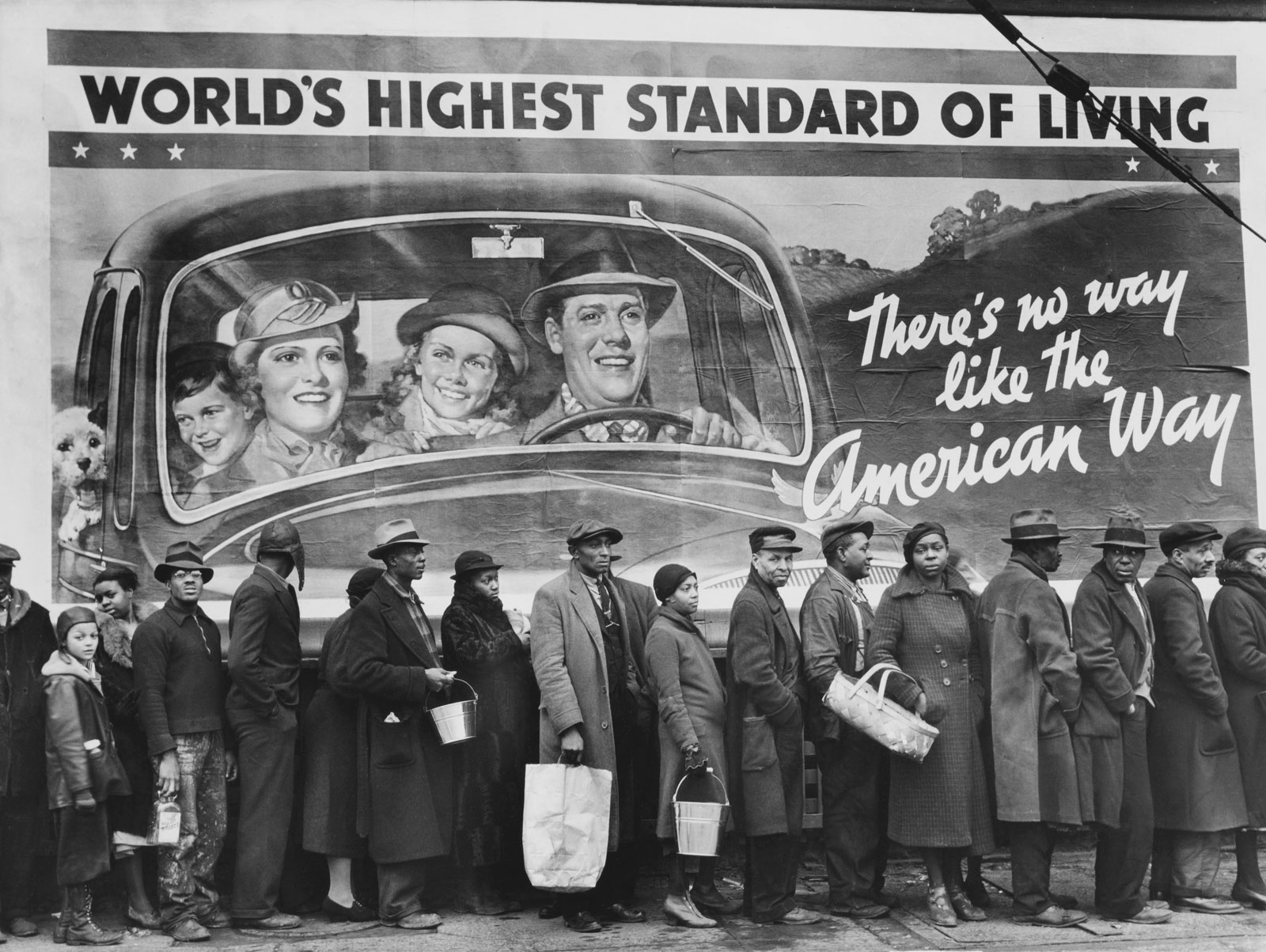
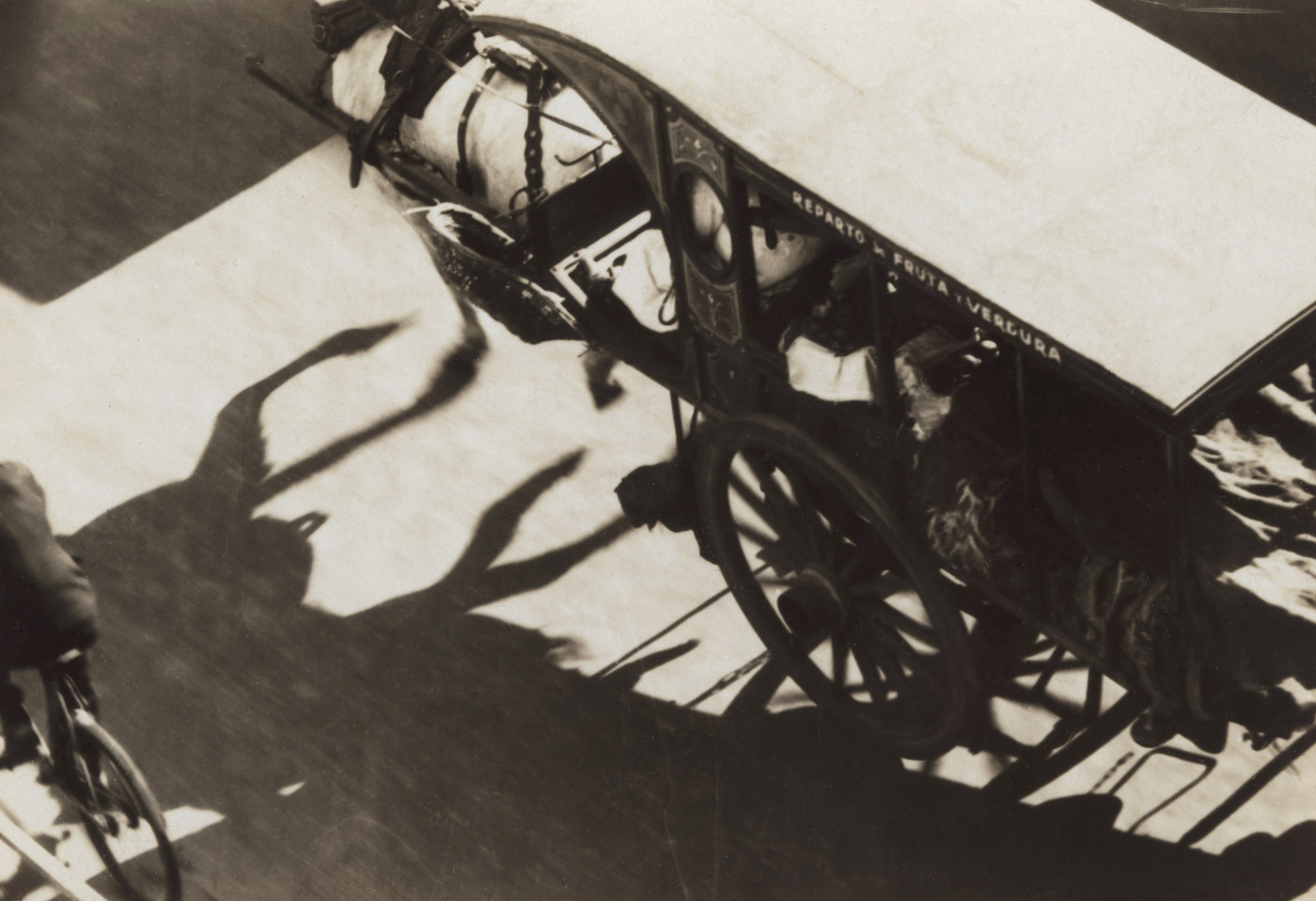
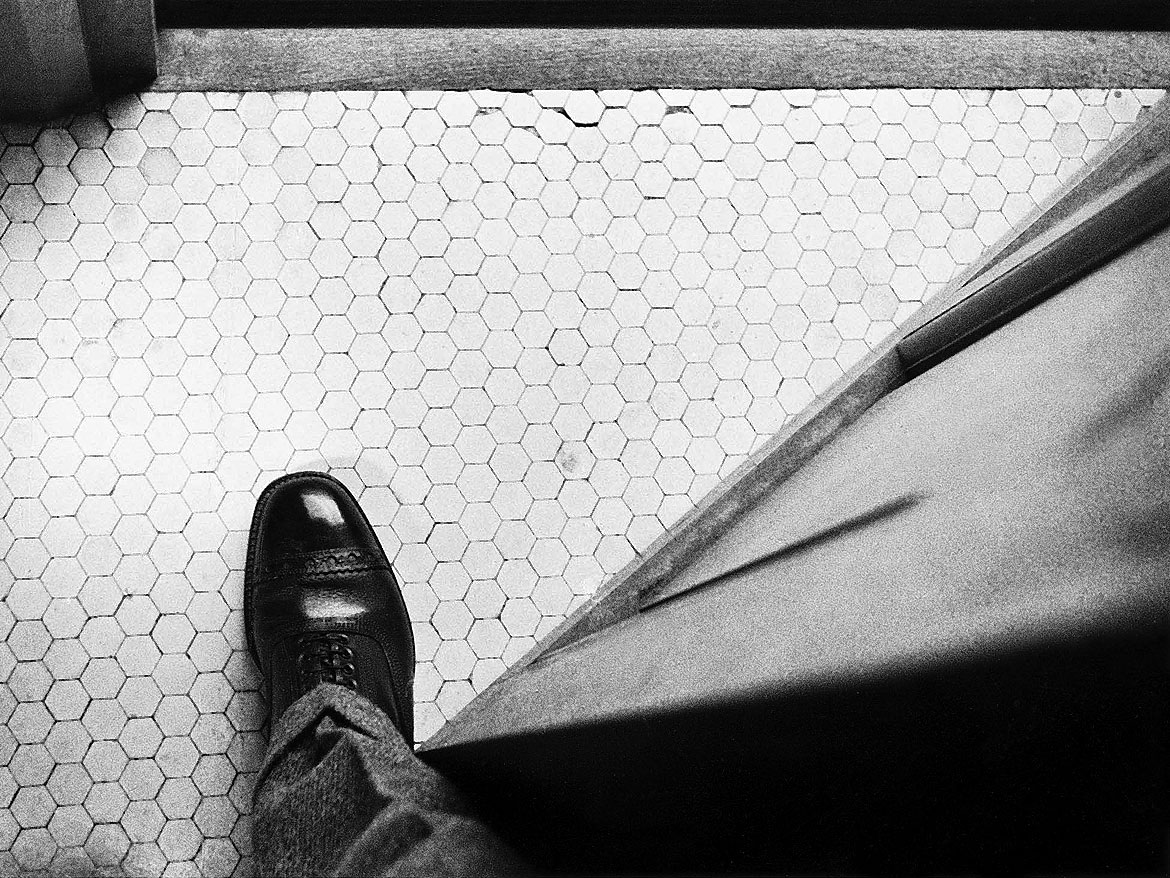
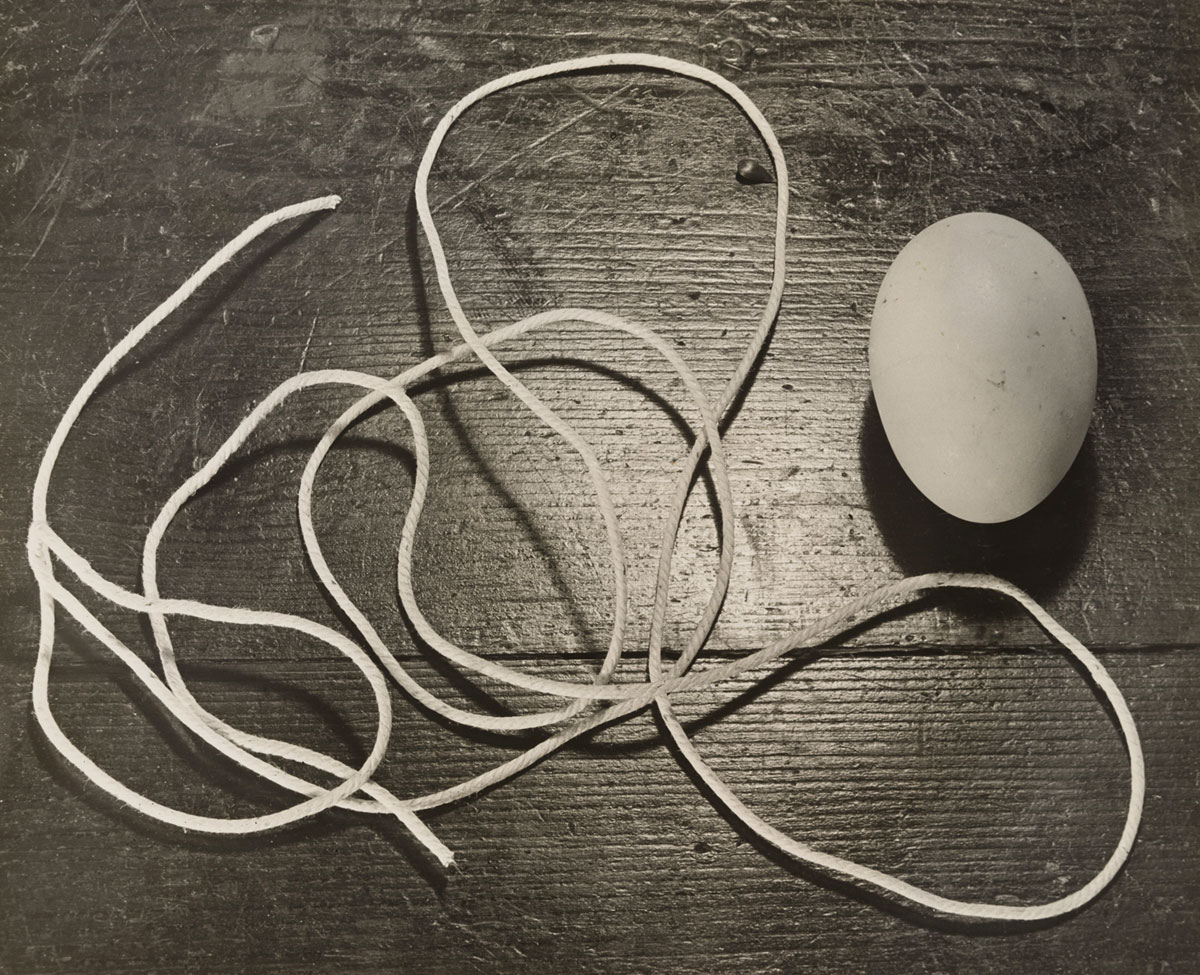


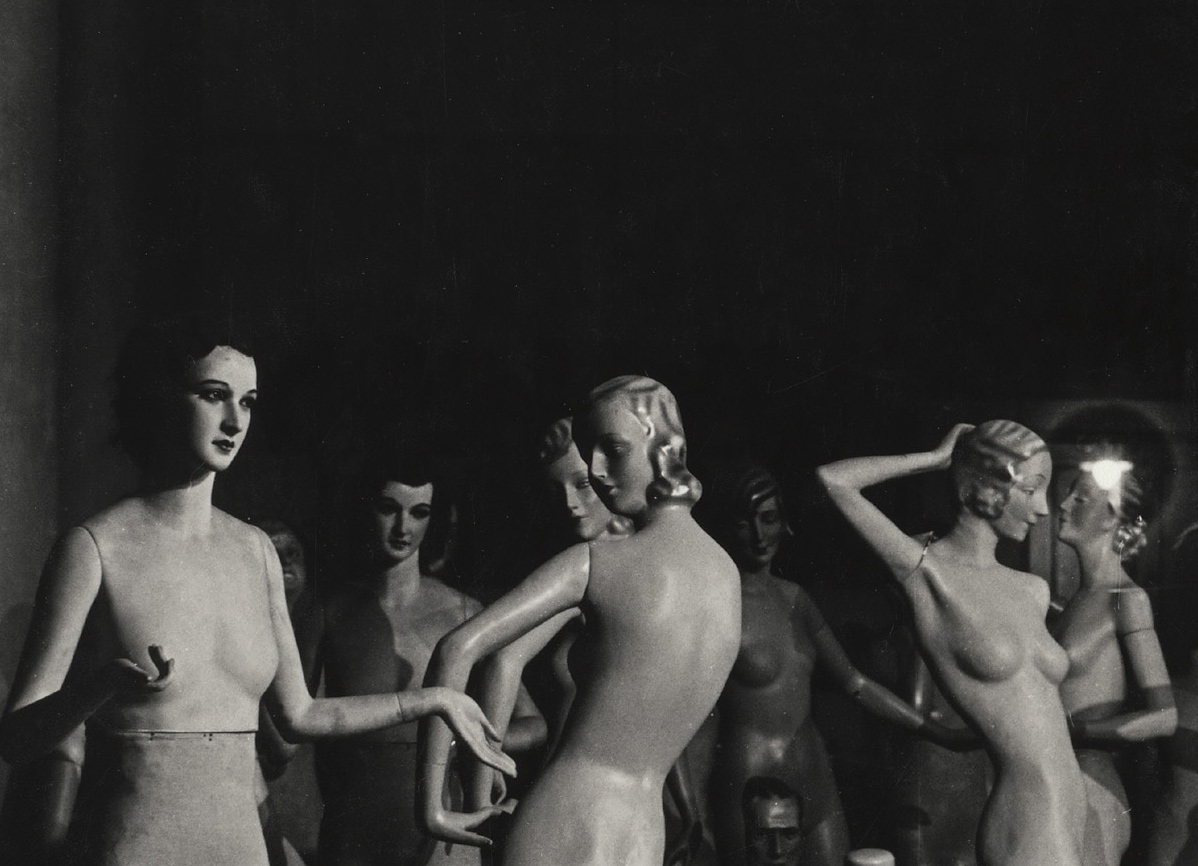


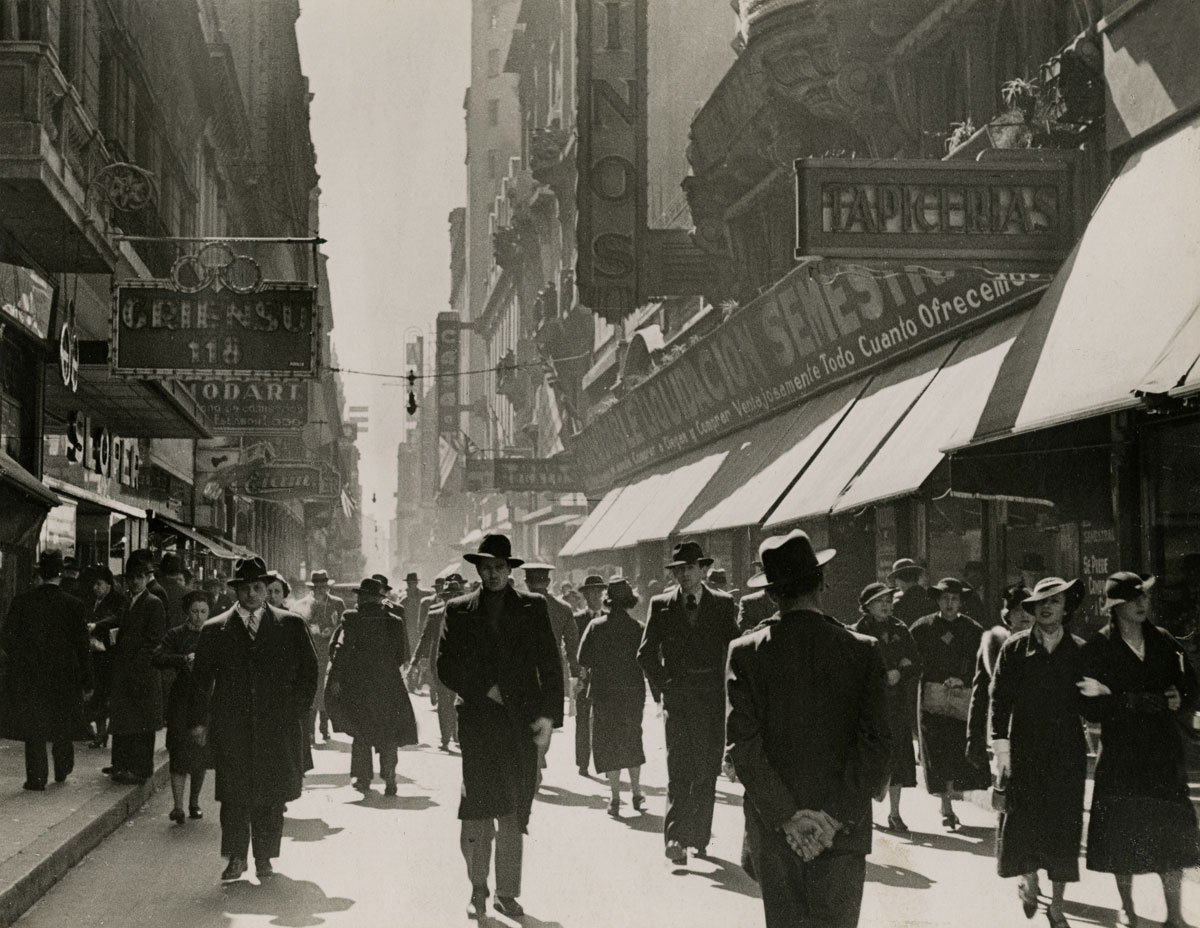


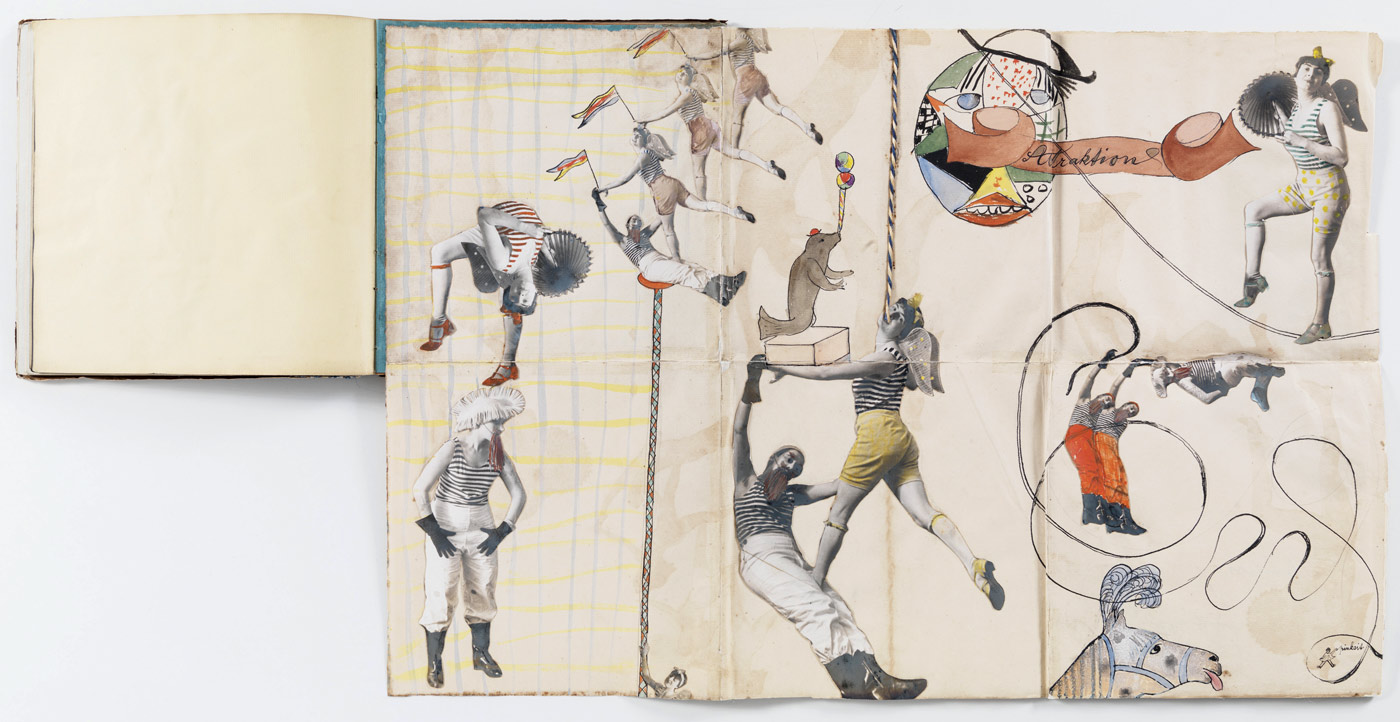




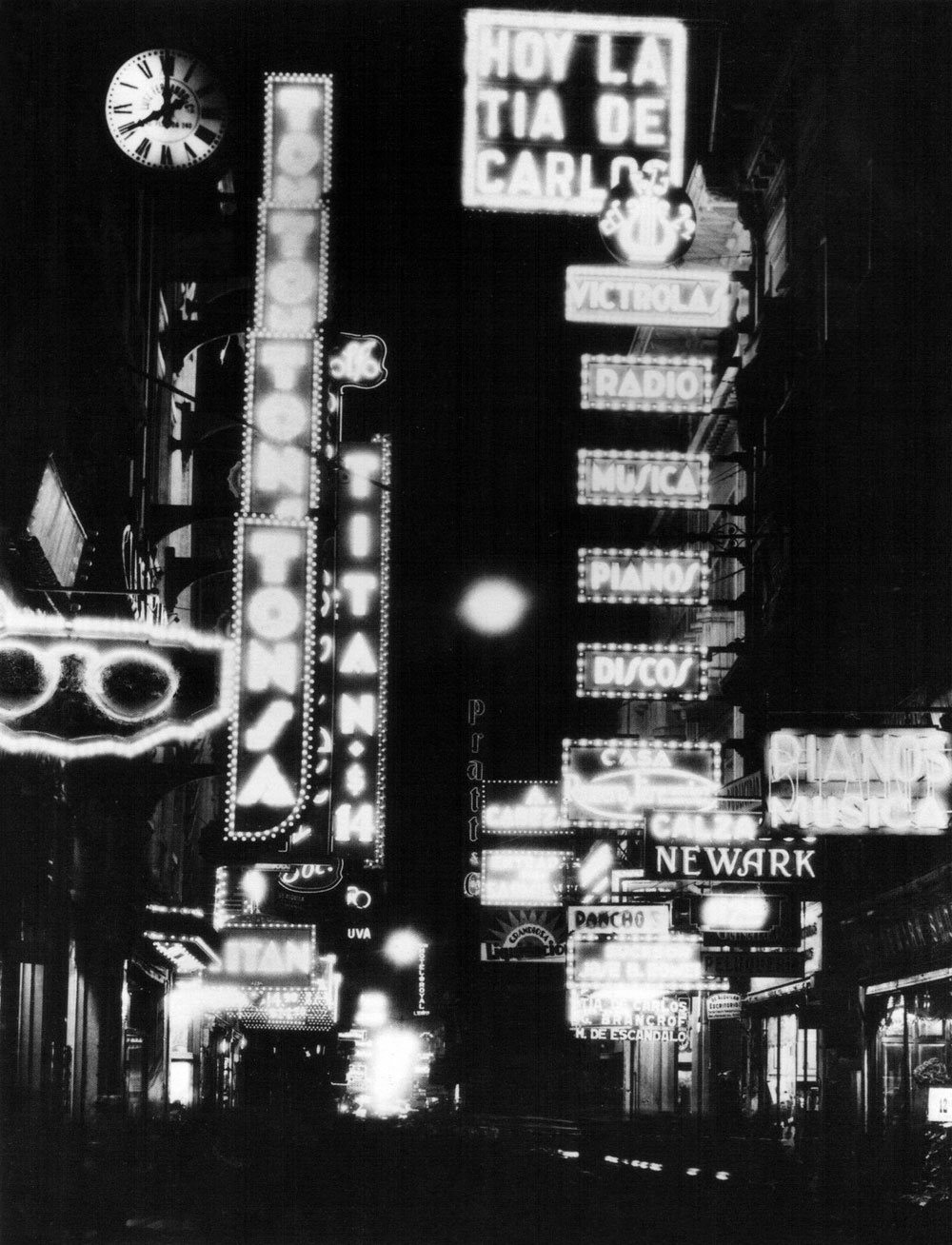
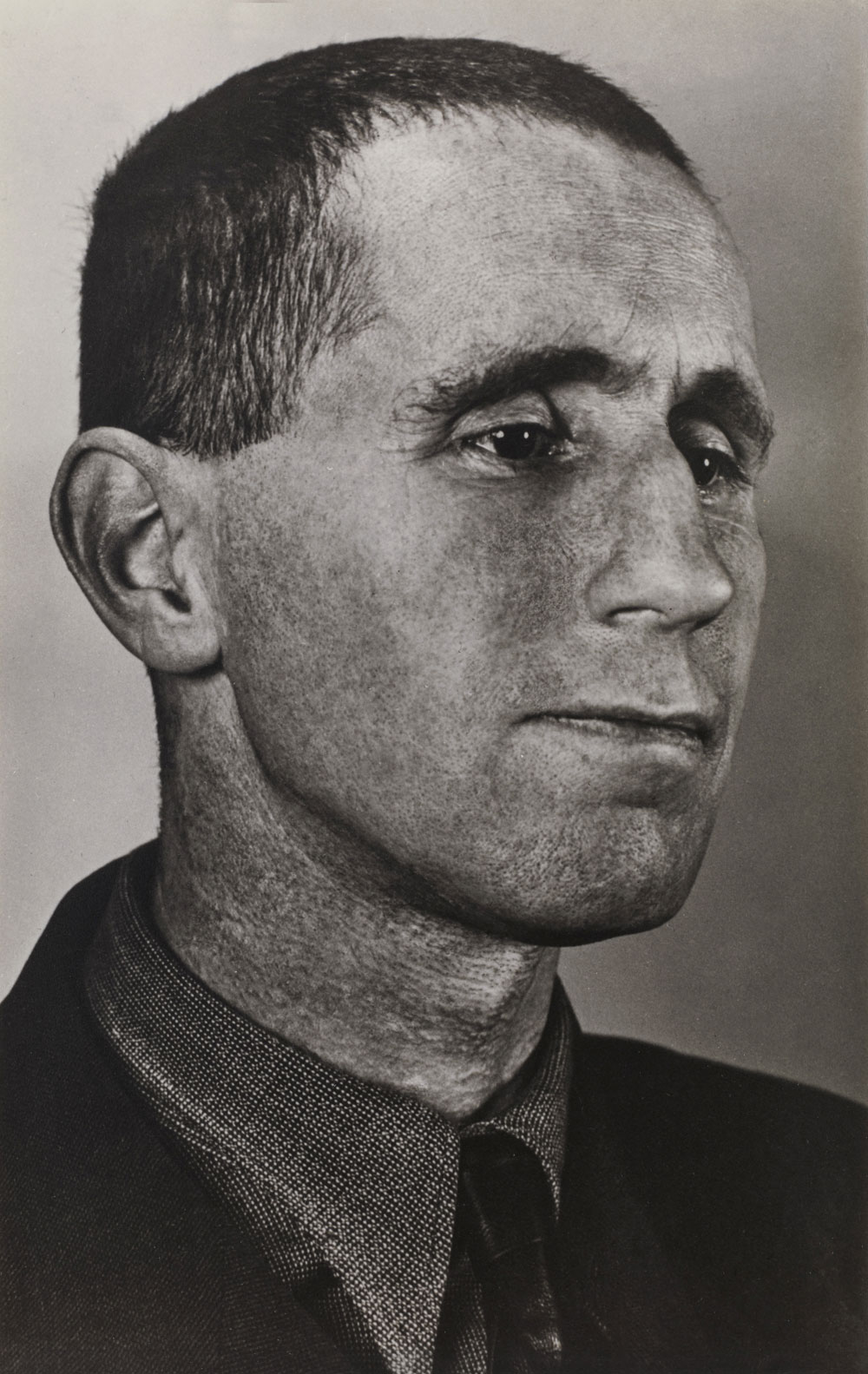

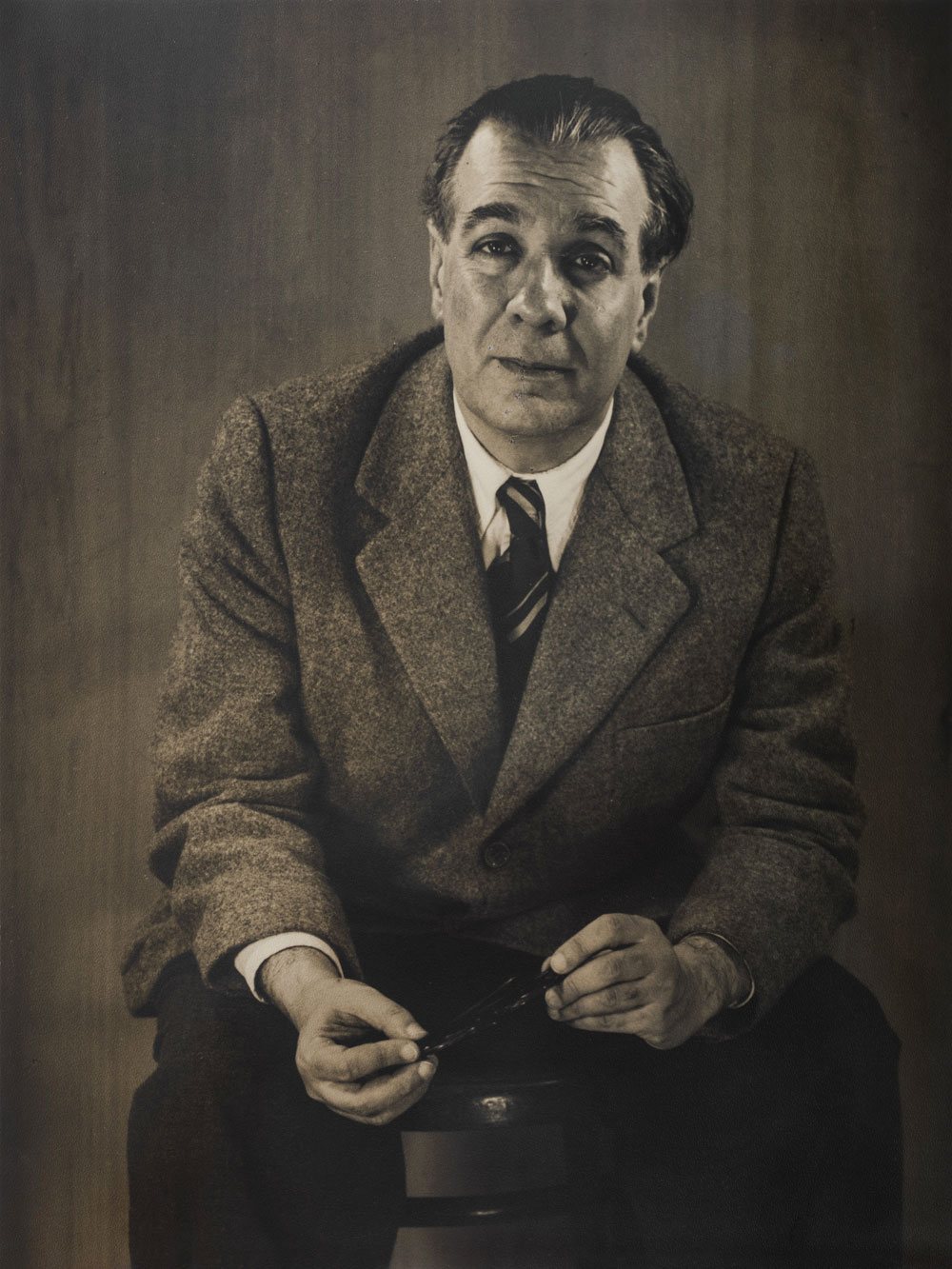


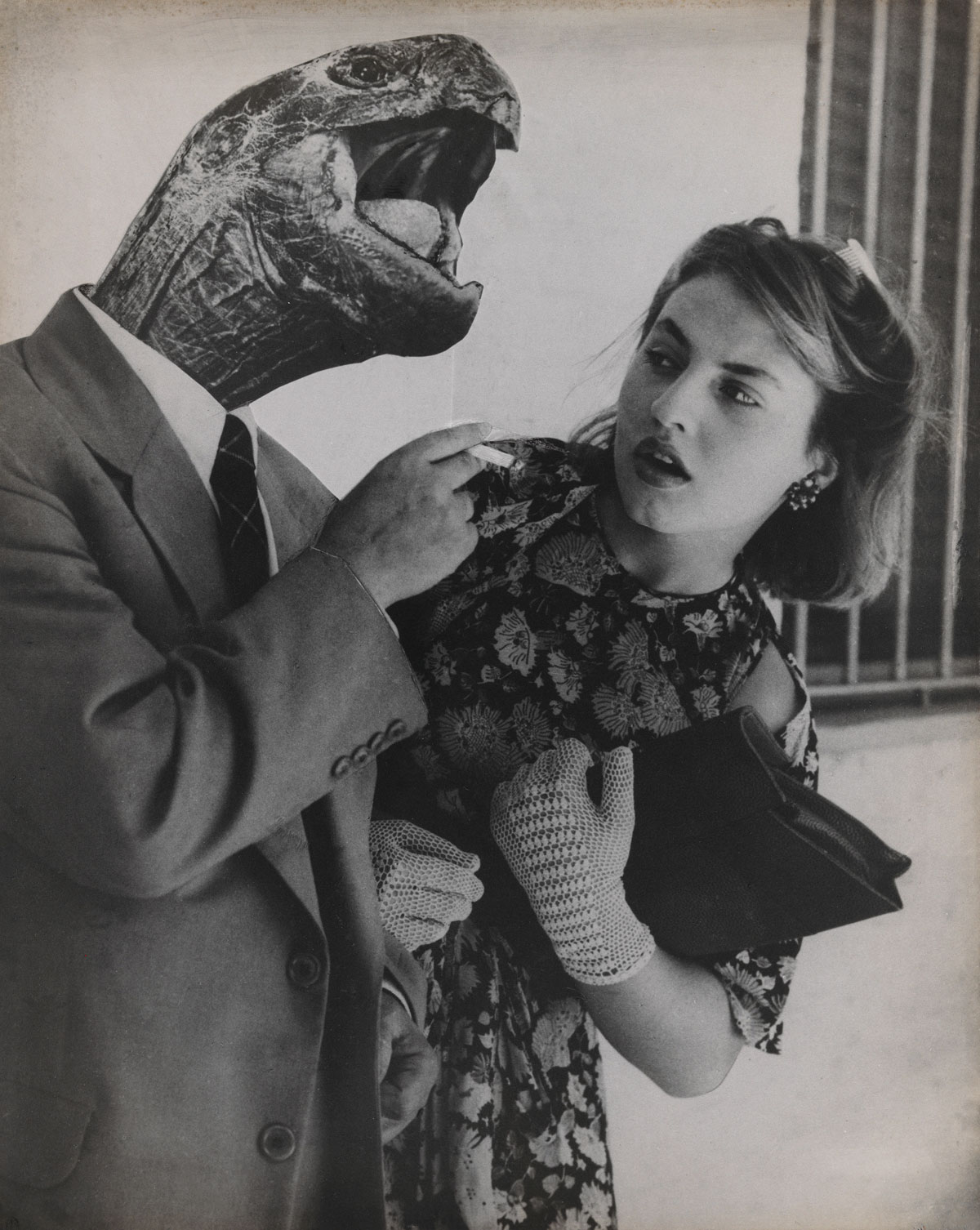
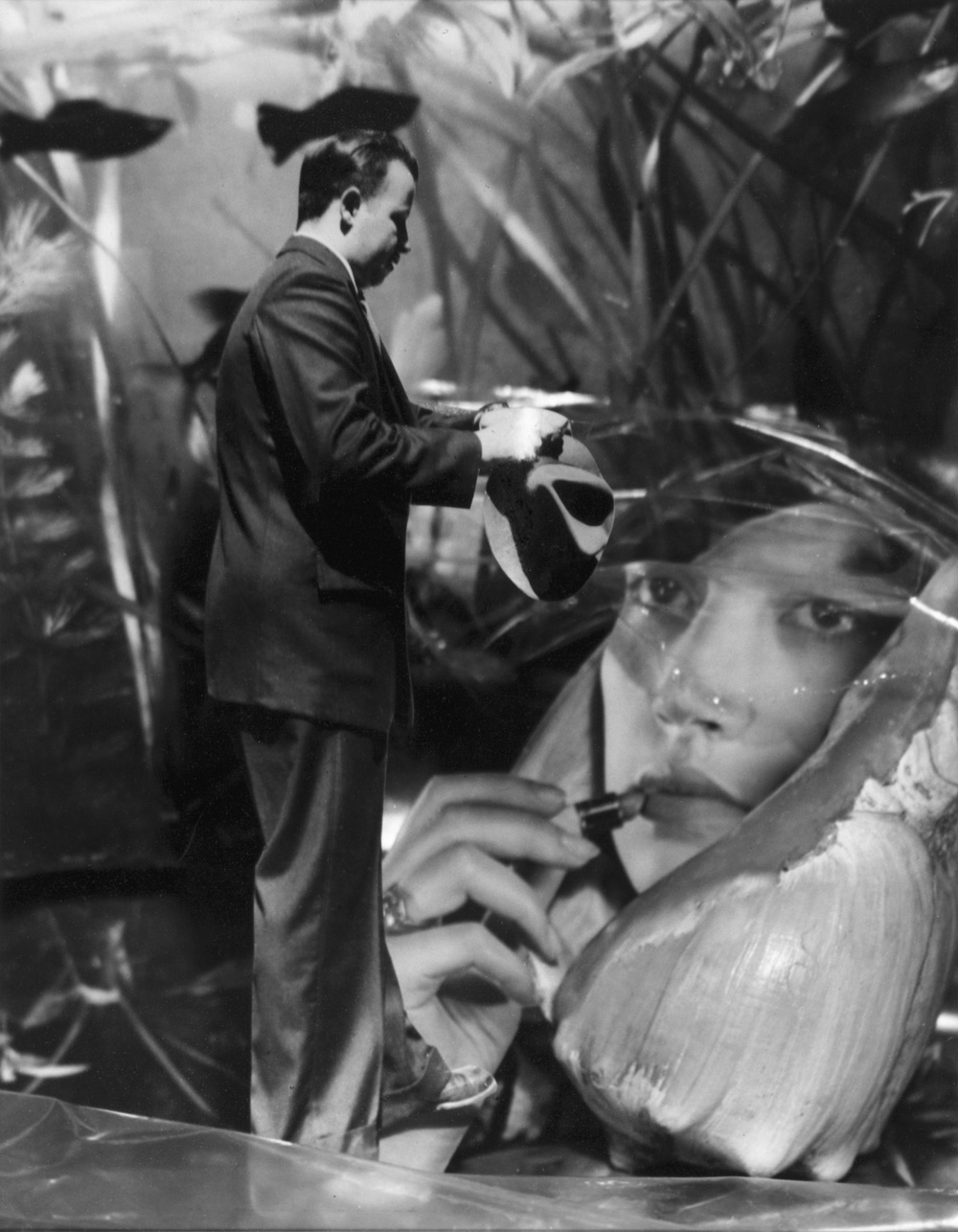
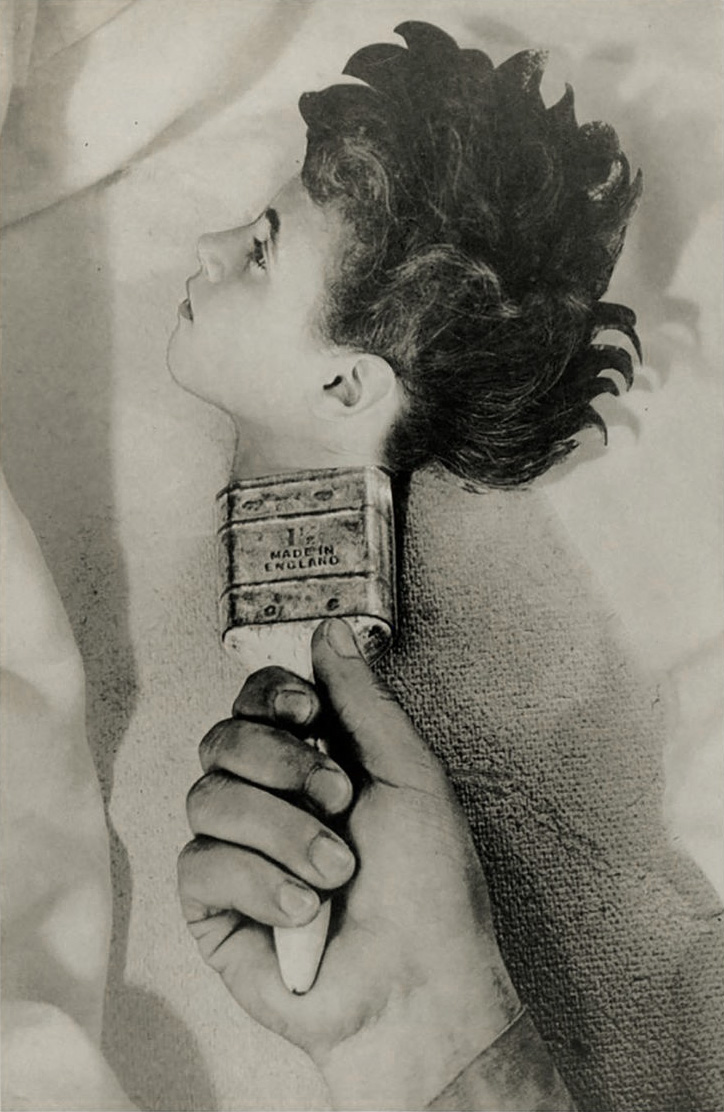
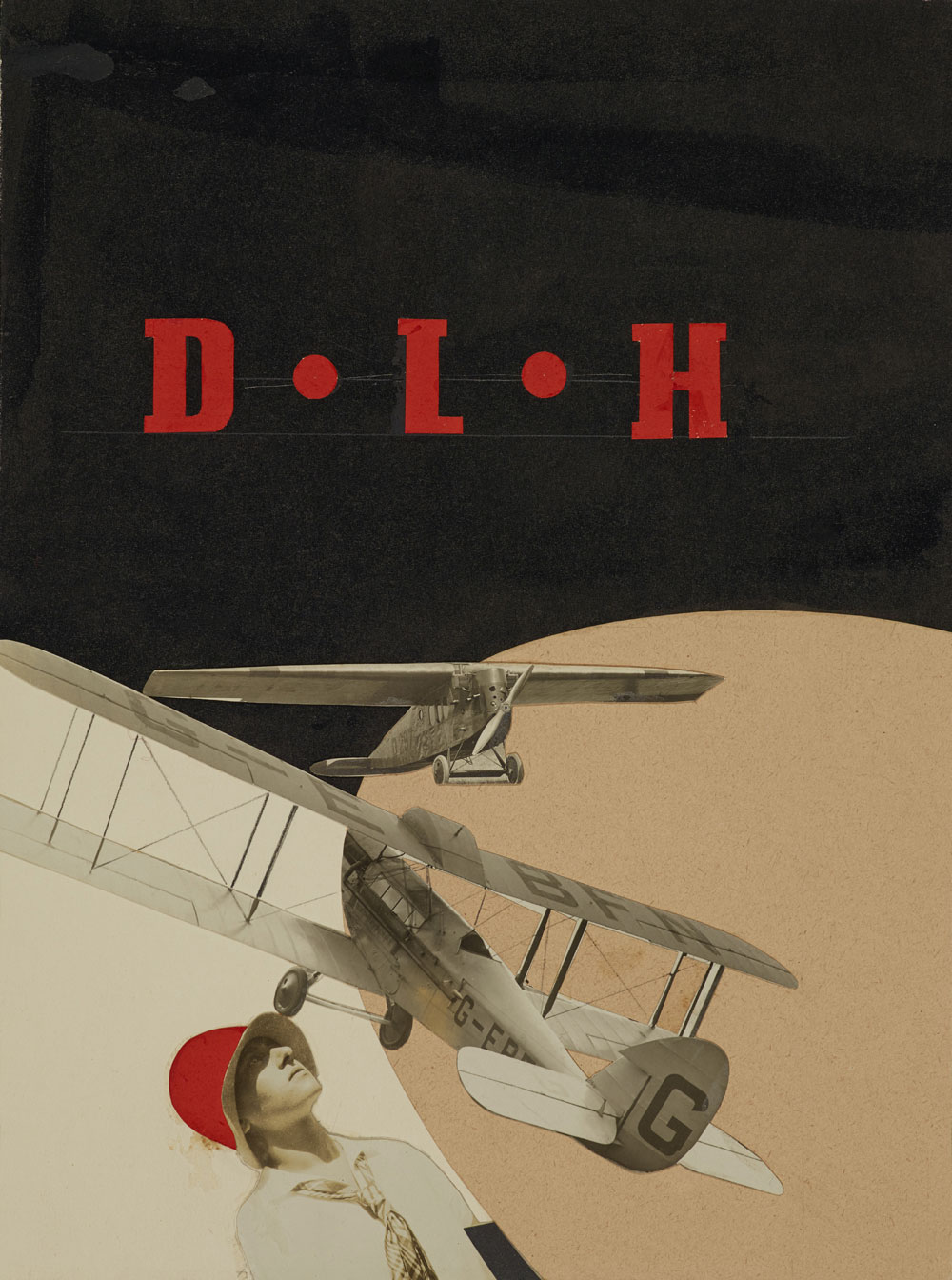


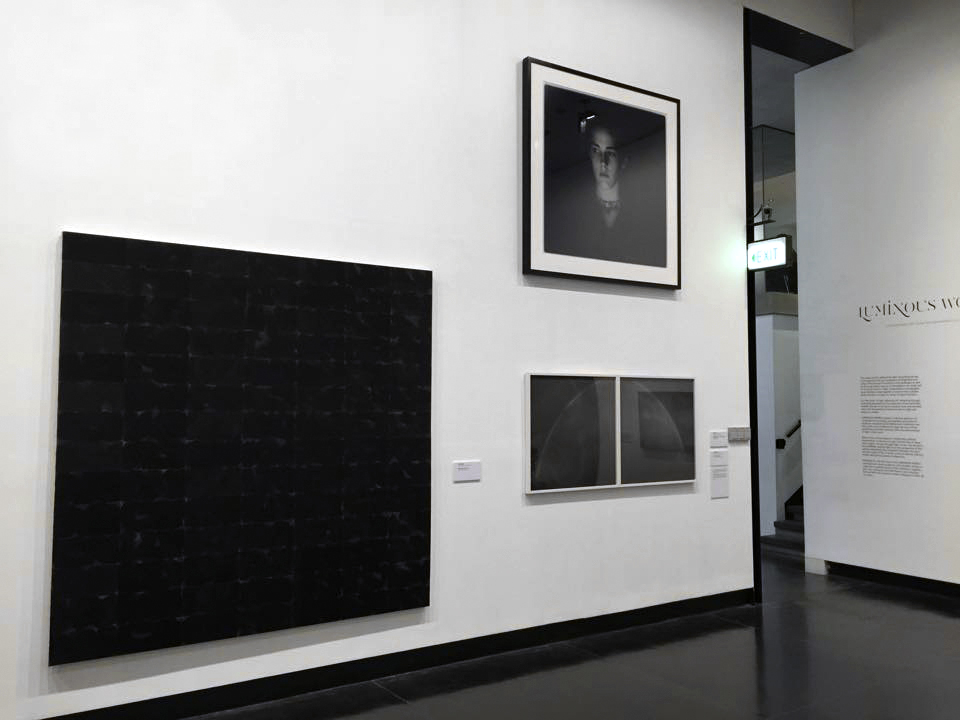


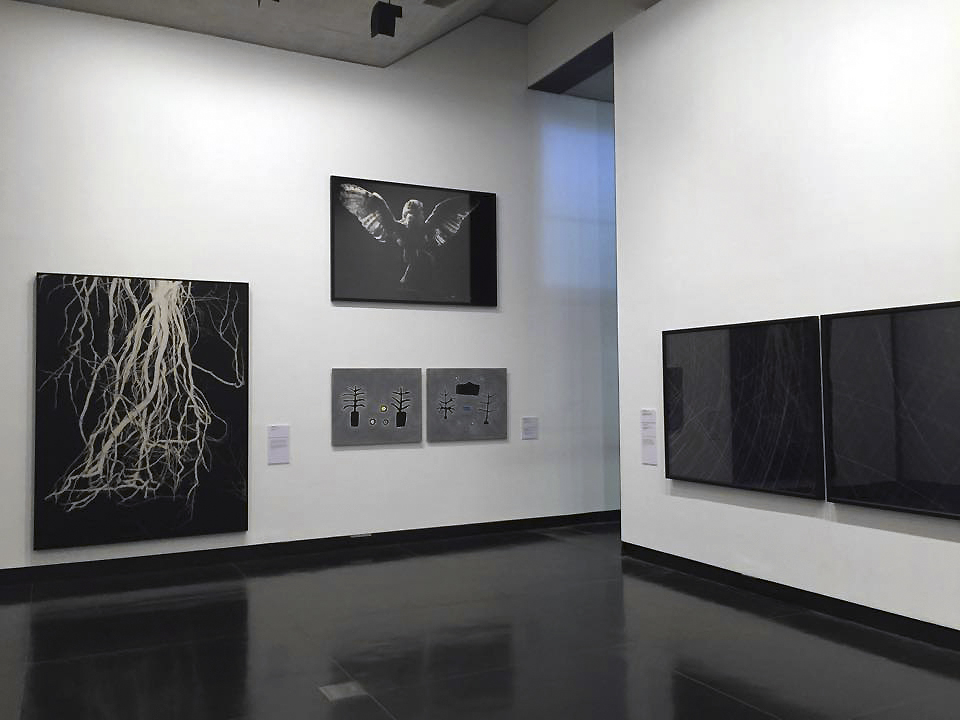


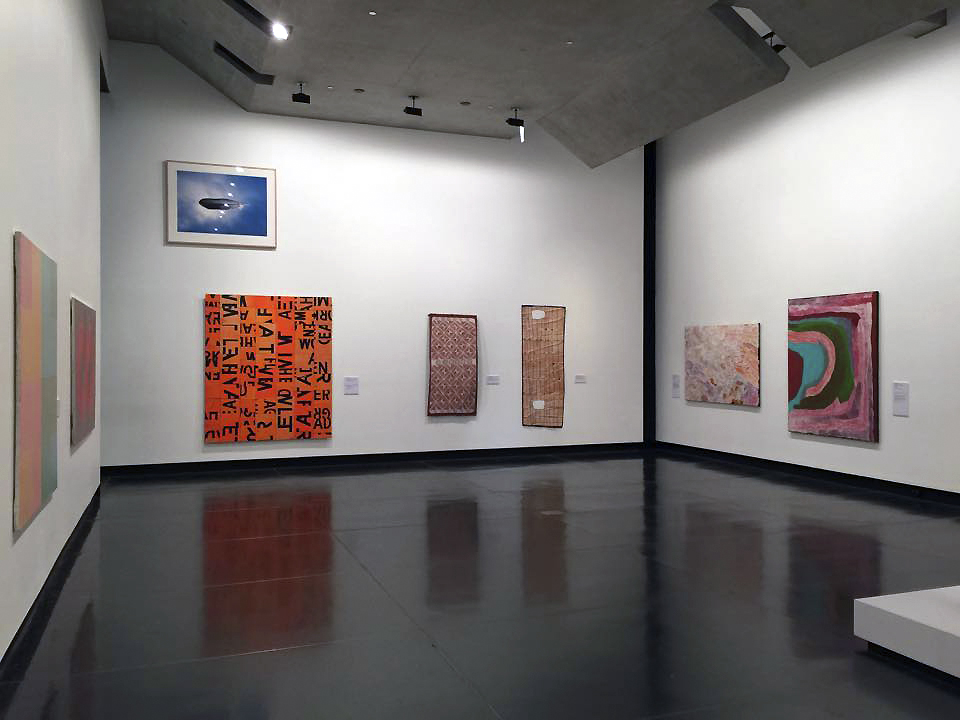
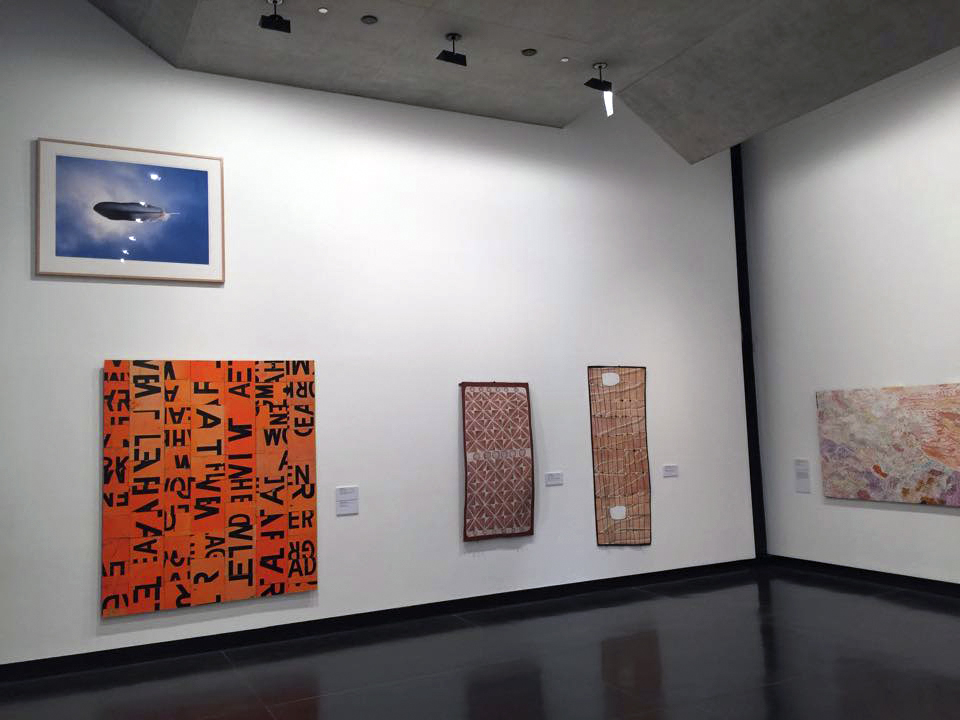
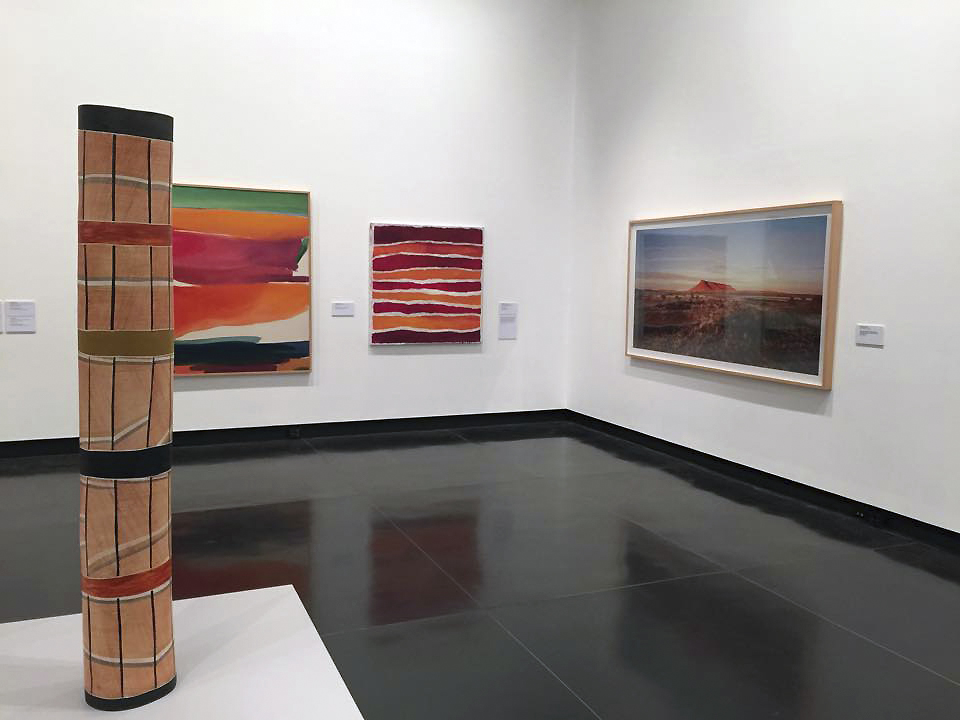
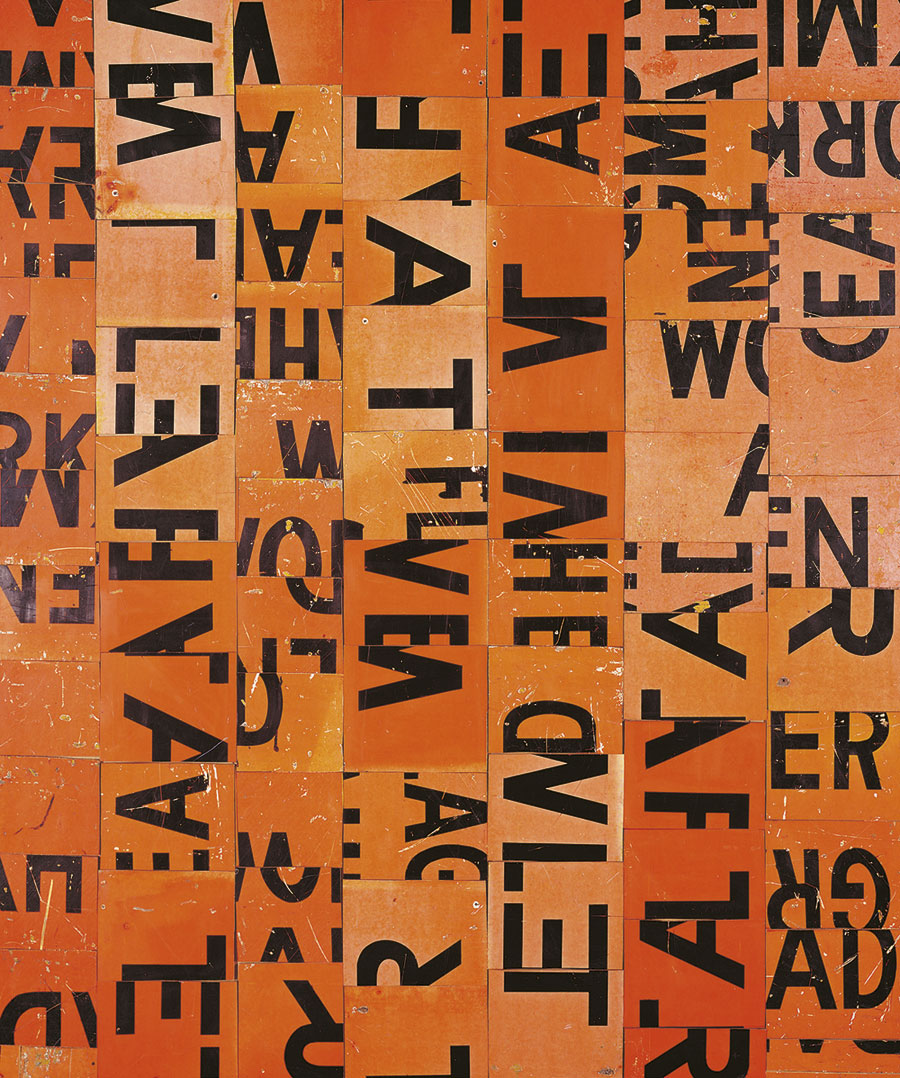


![Michael Riley (Australian, 1960-2004) 'Untitled' from the series 'Cloud [Feather]' 2000](https://artblart.com/wp-content/uploads/2015/05/riley-web.jpg "Michael Riley (Australian, 1960-2004) 'Untitled' from the series 'Cloud [Feather]' 2000")
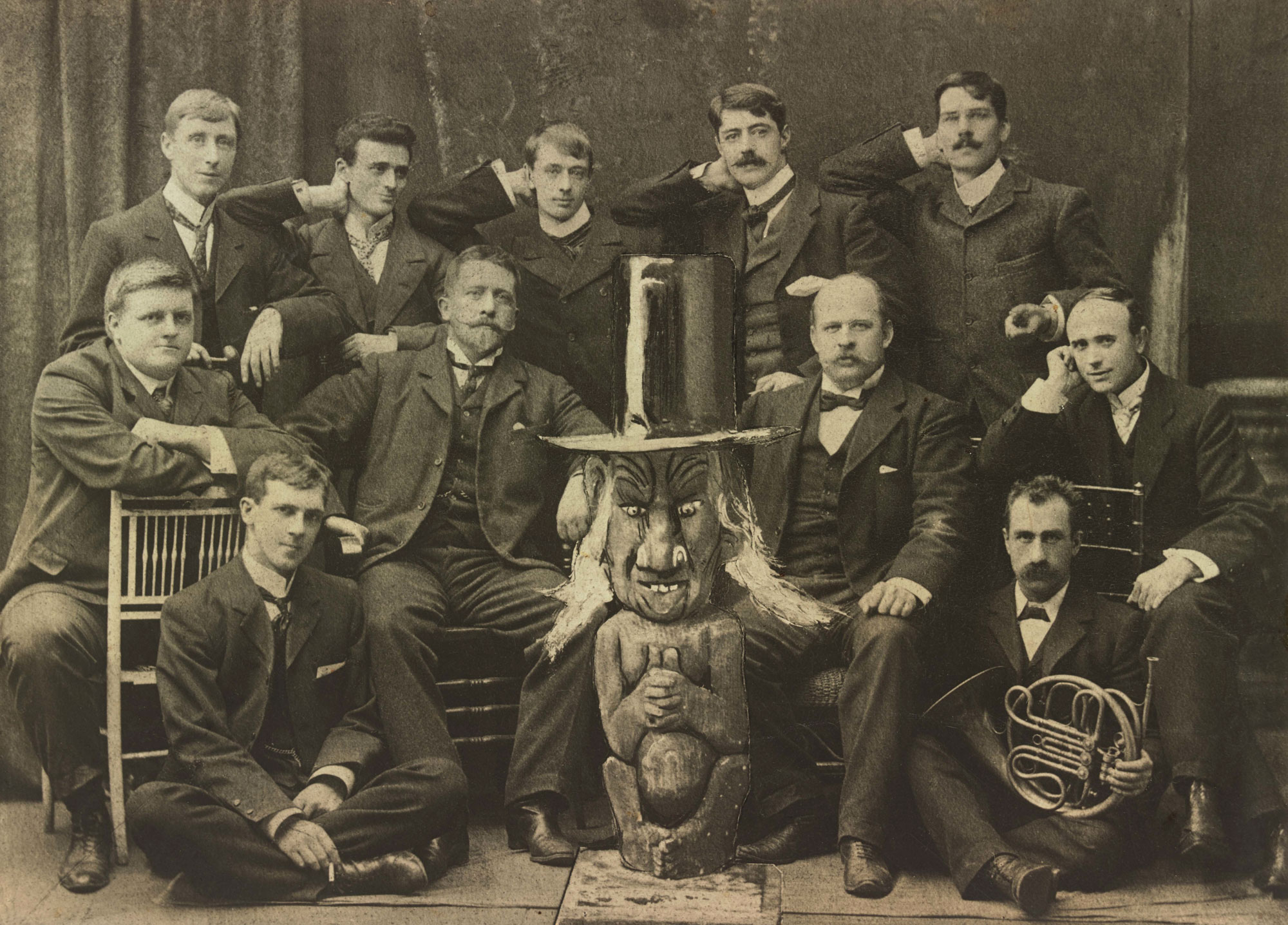


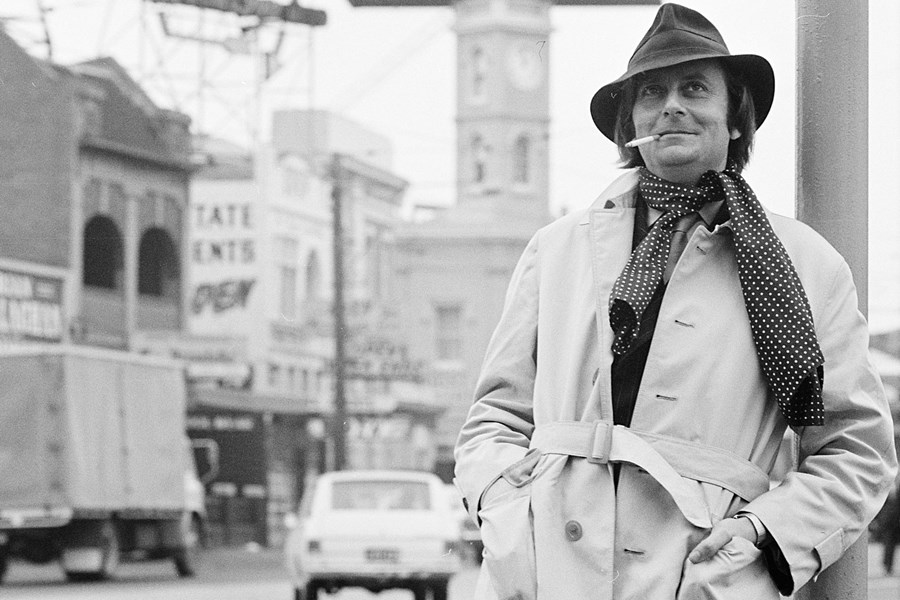

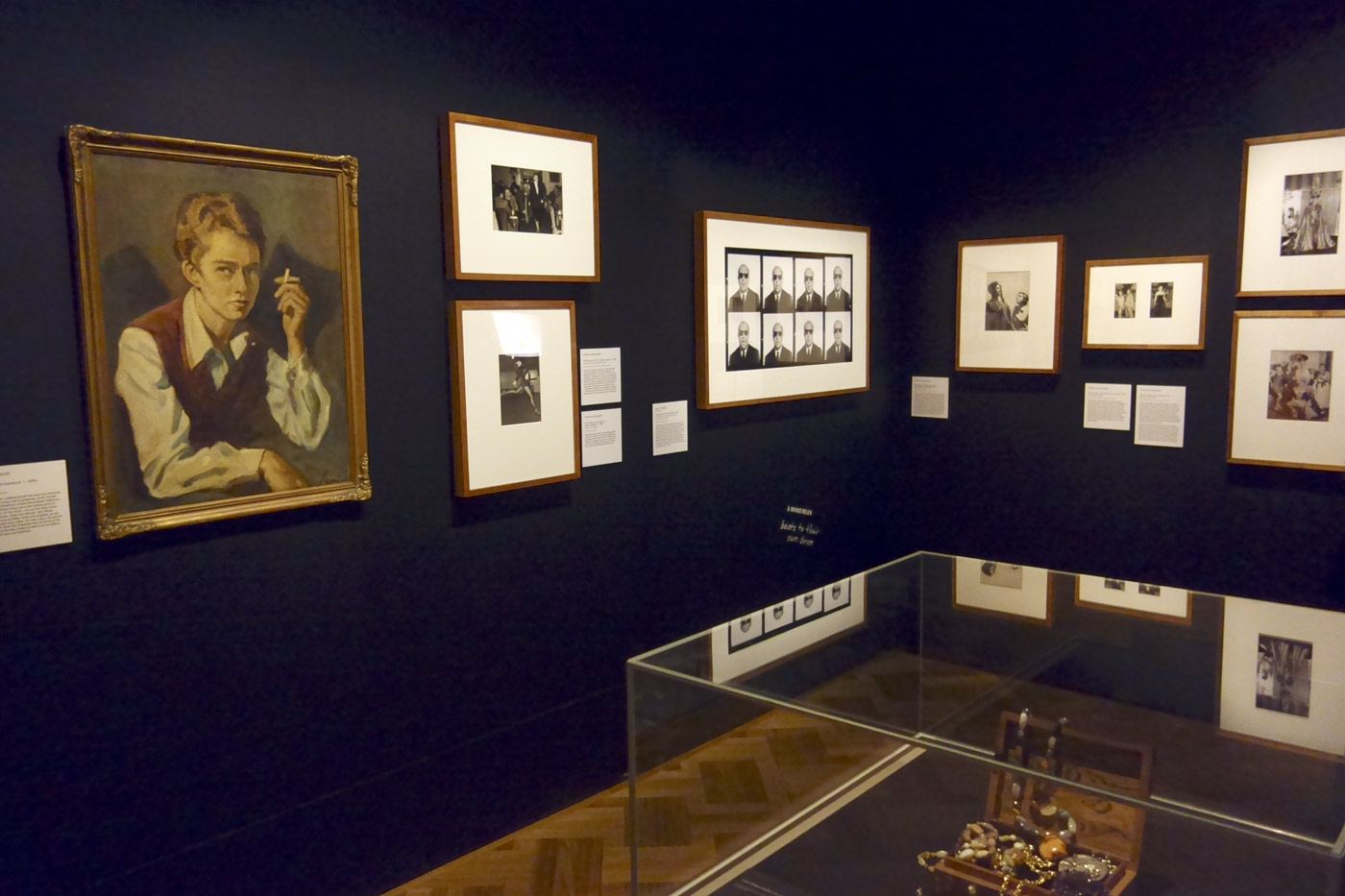


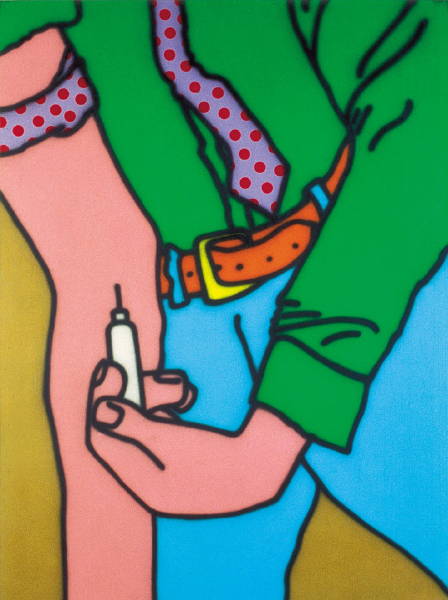
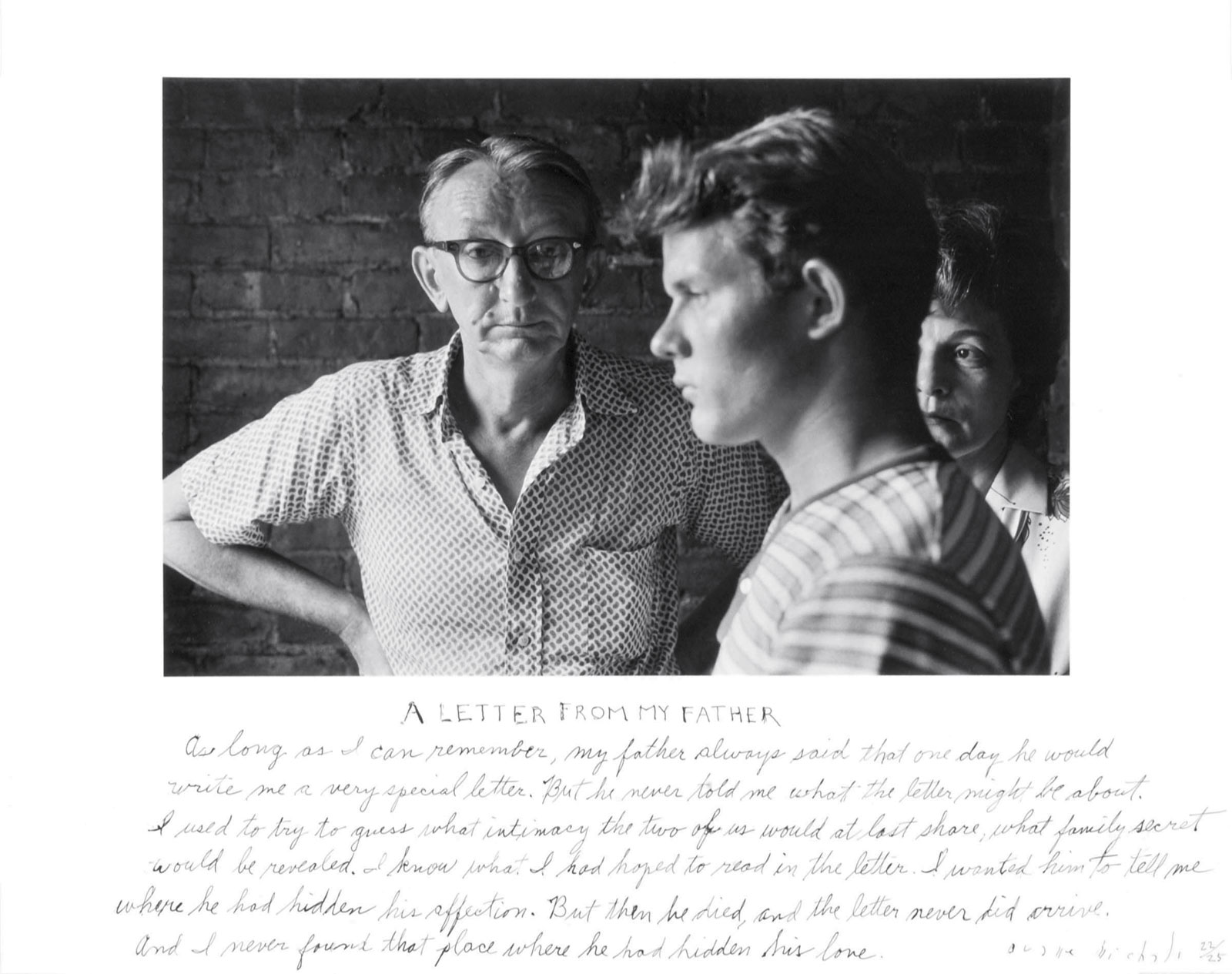
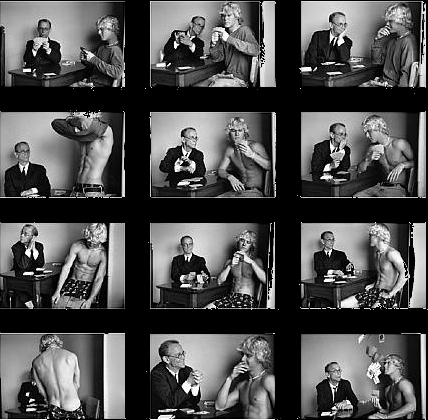







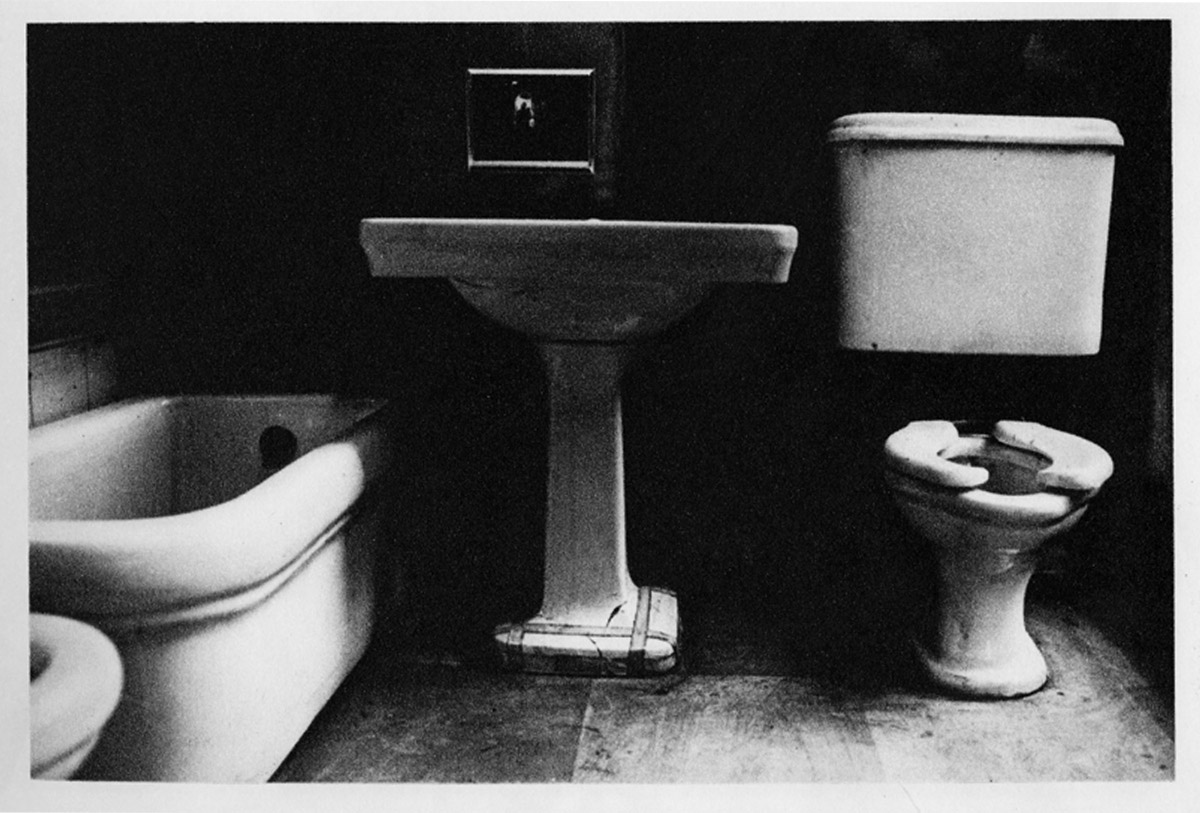
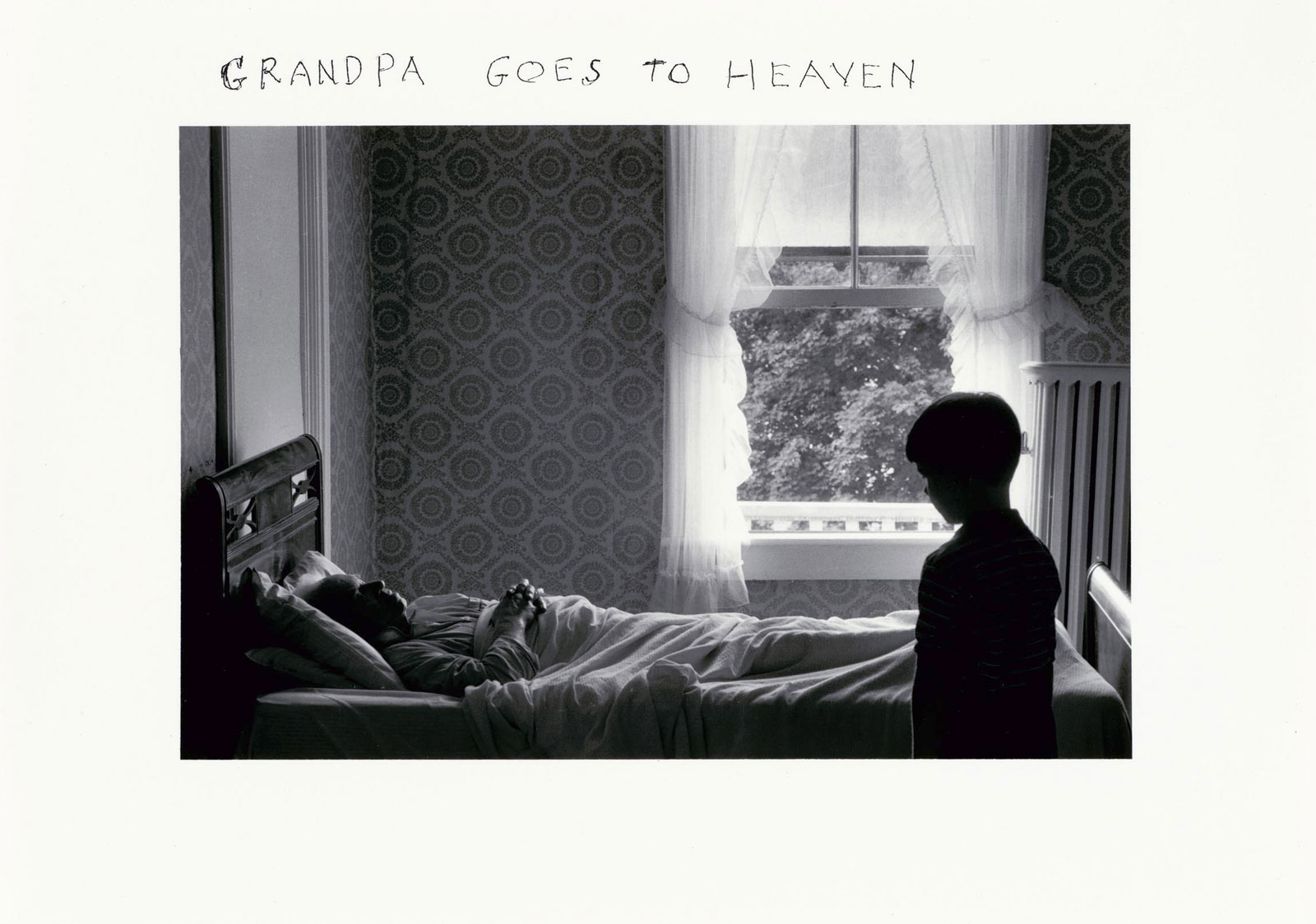

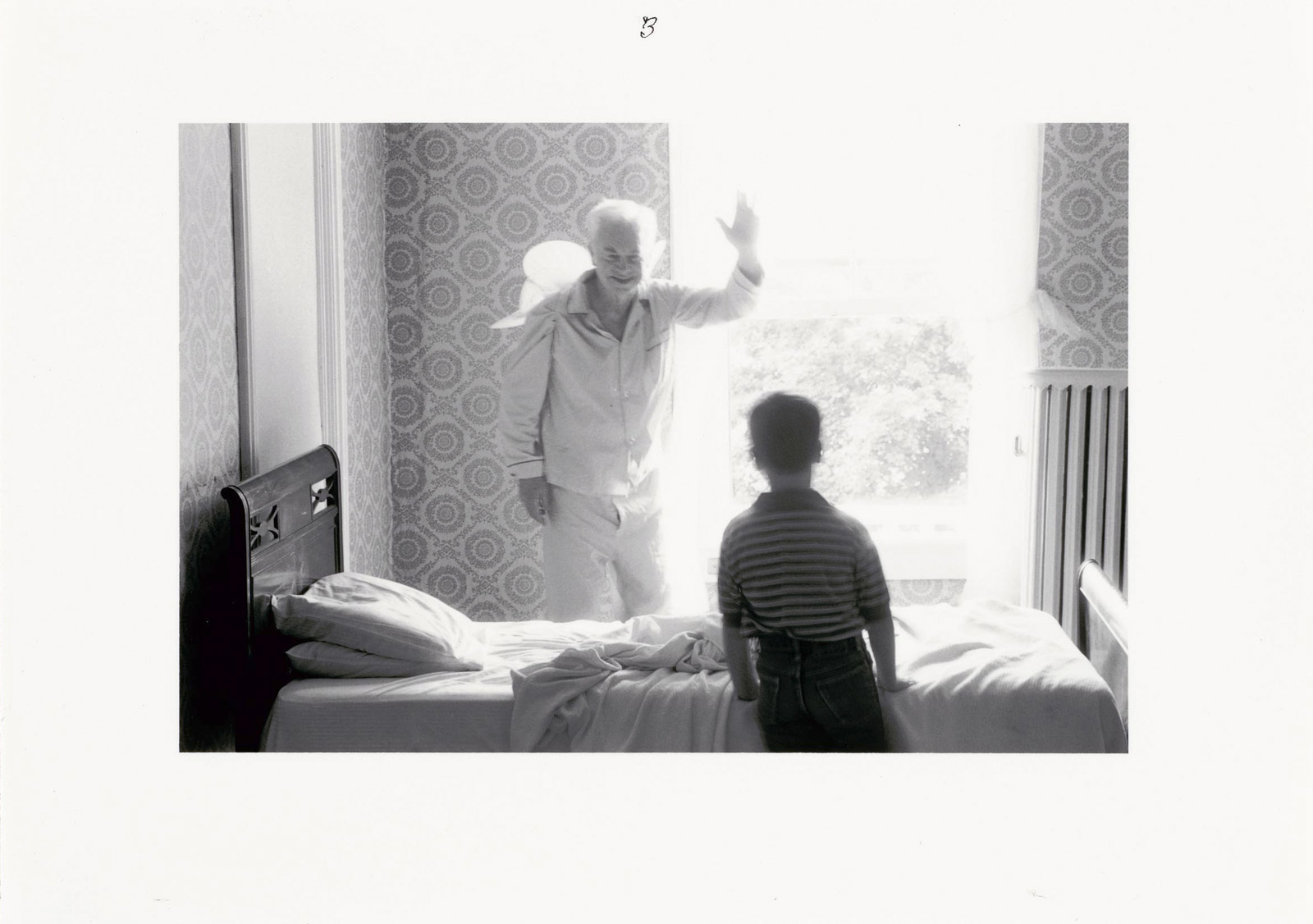


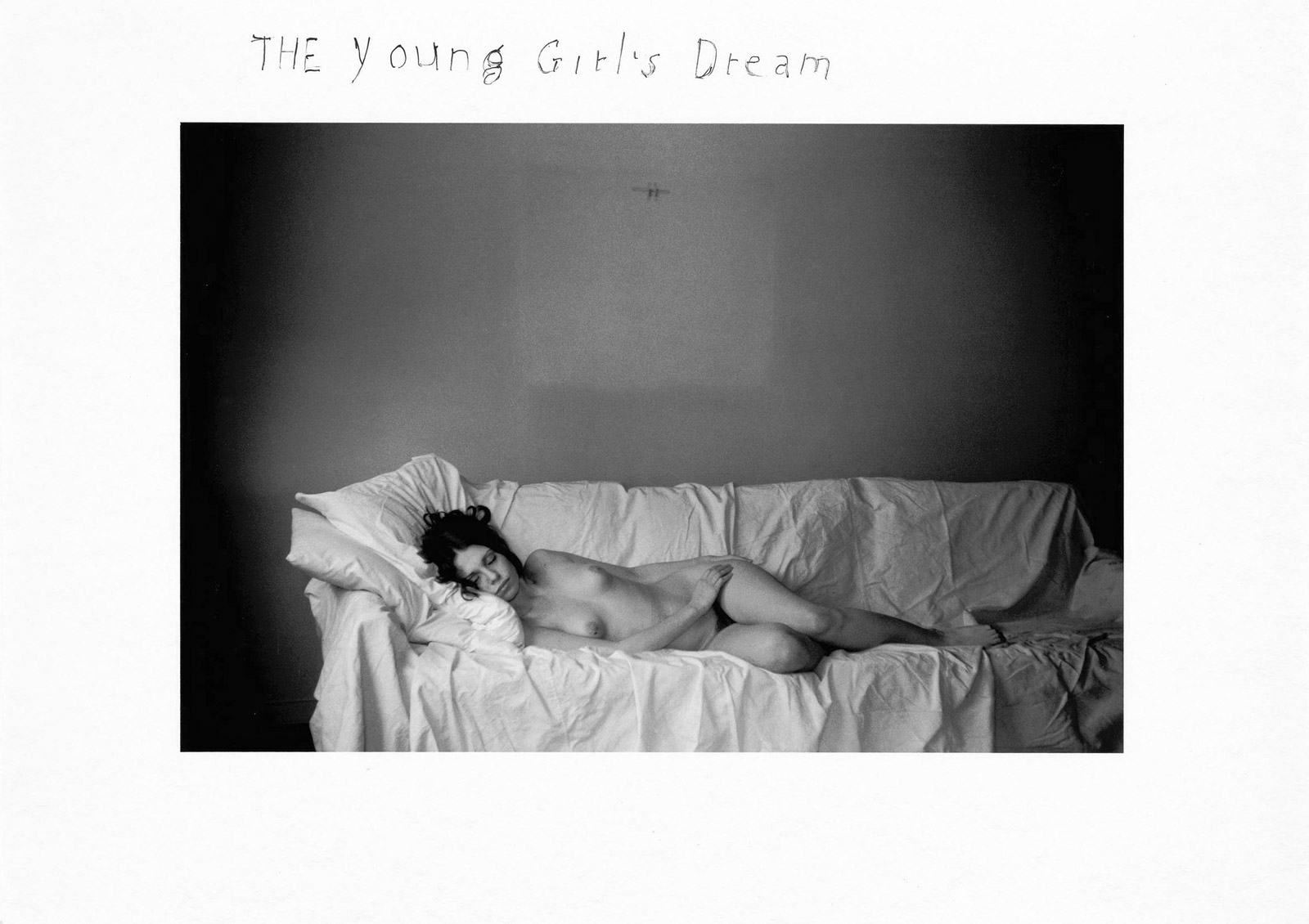



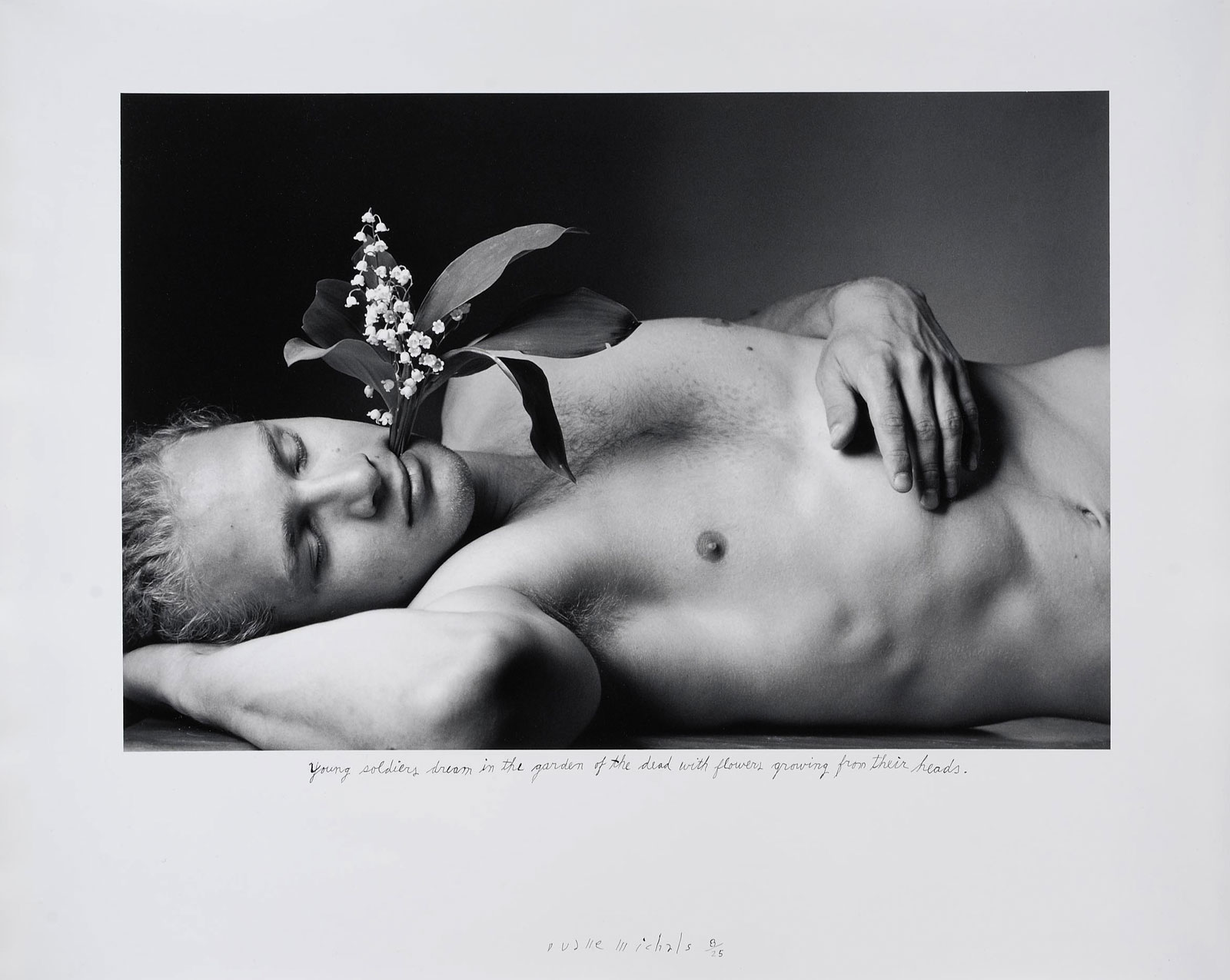


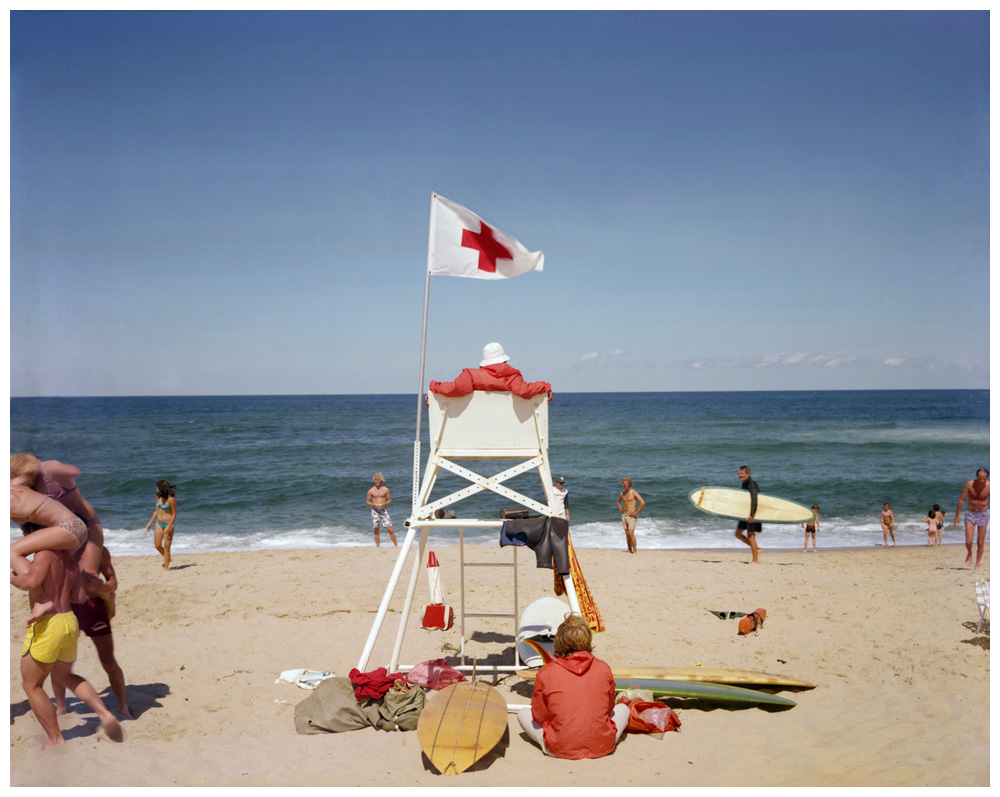

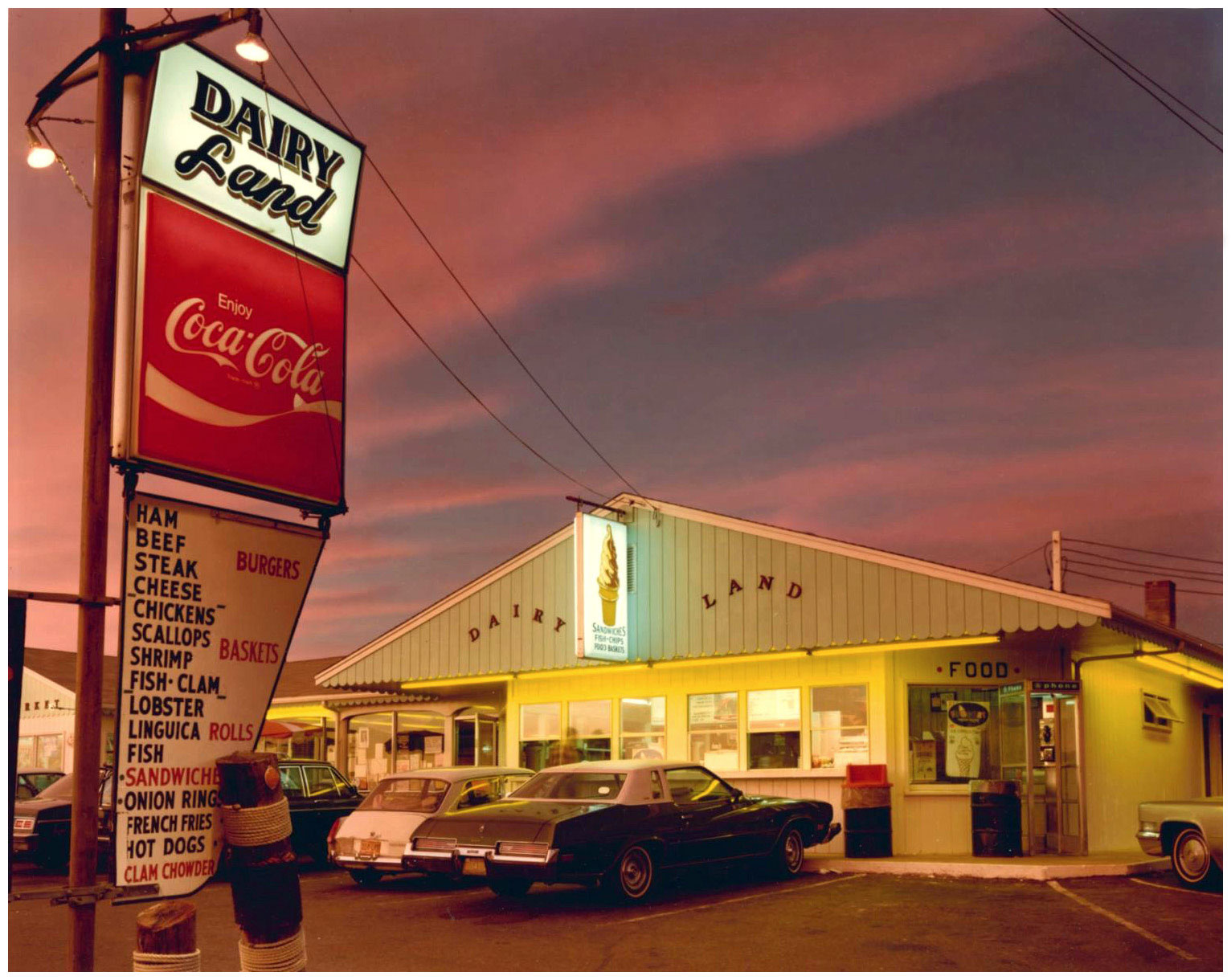
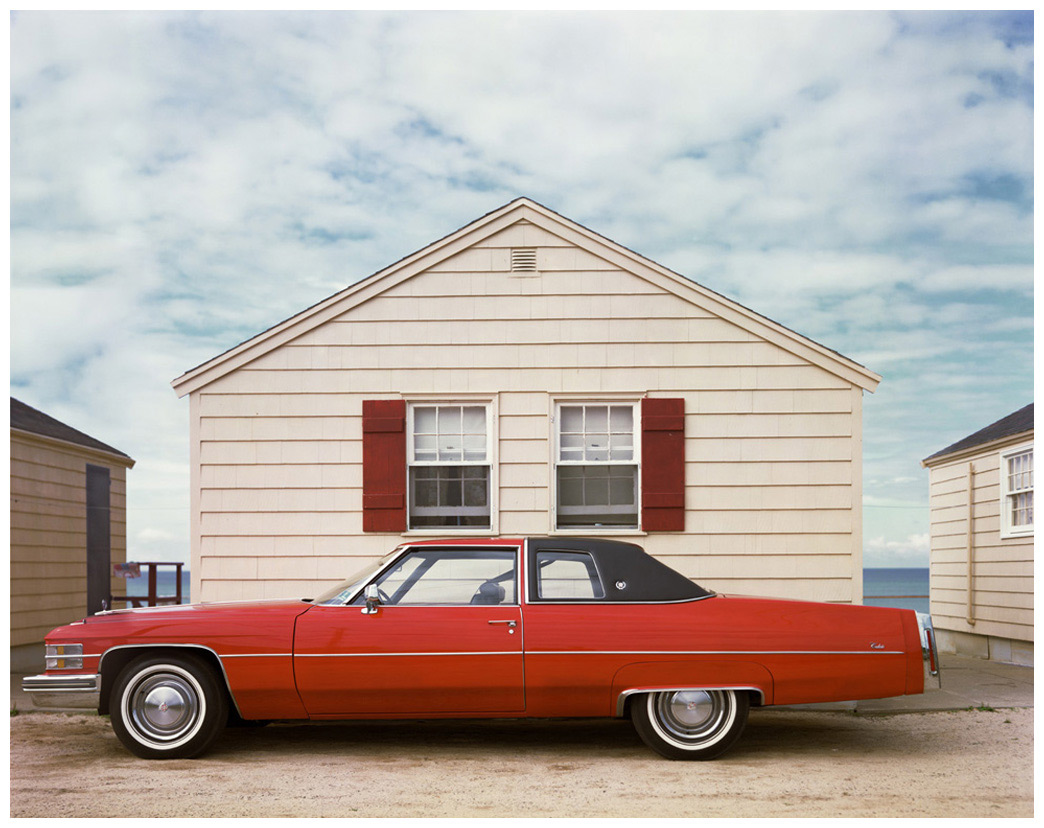


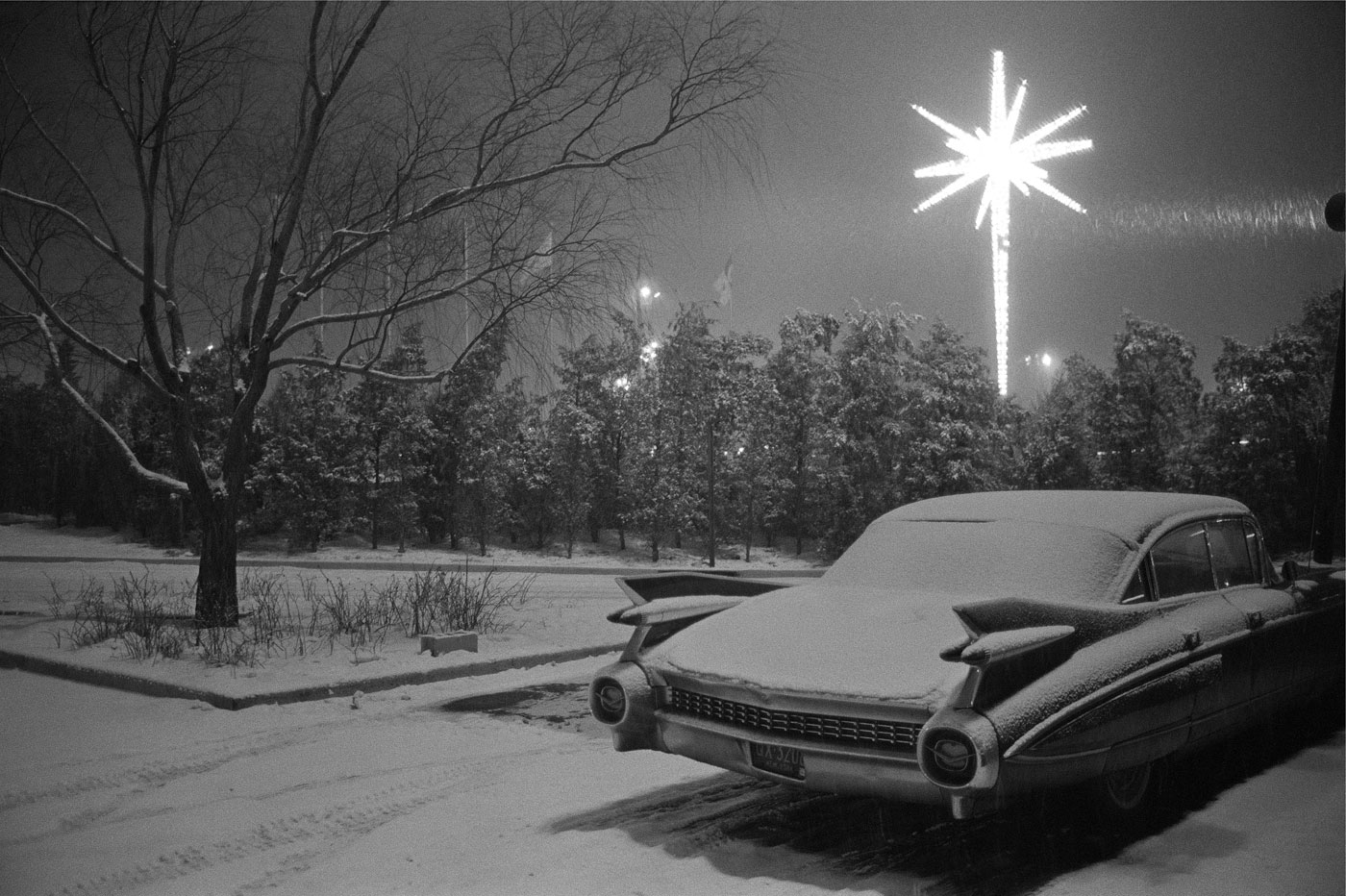

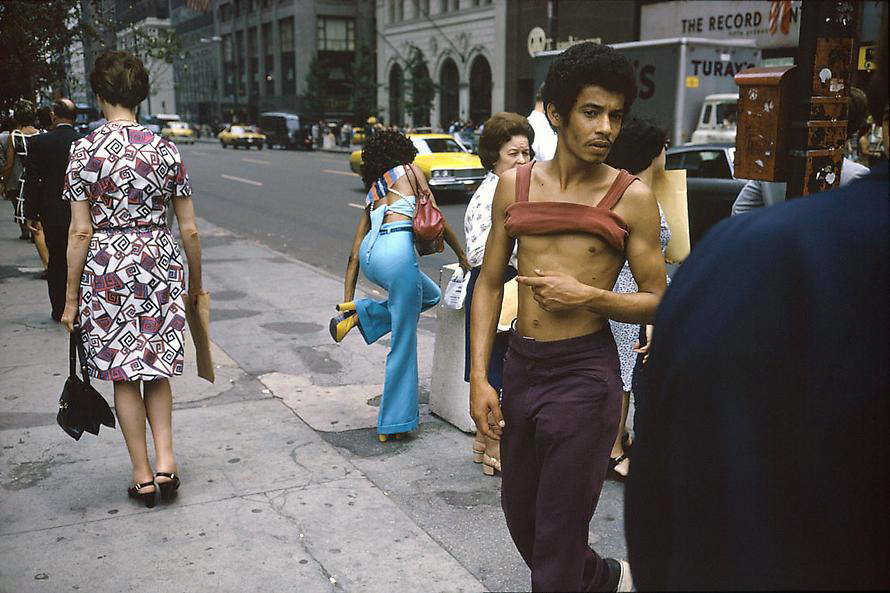

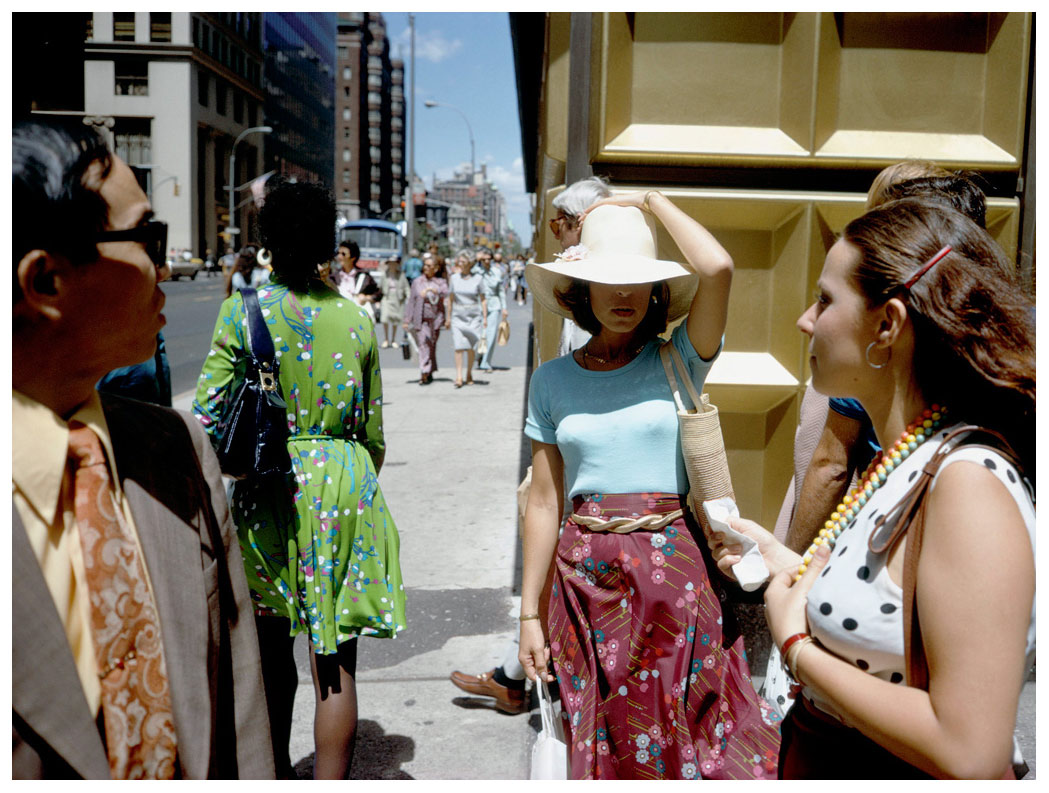
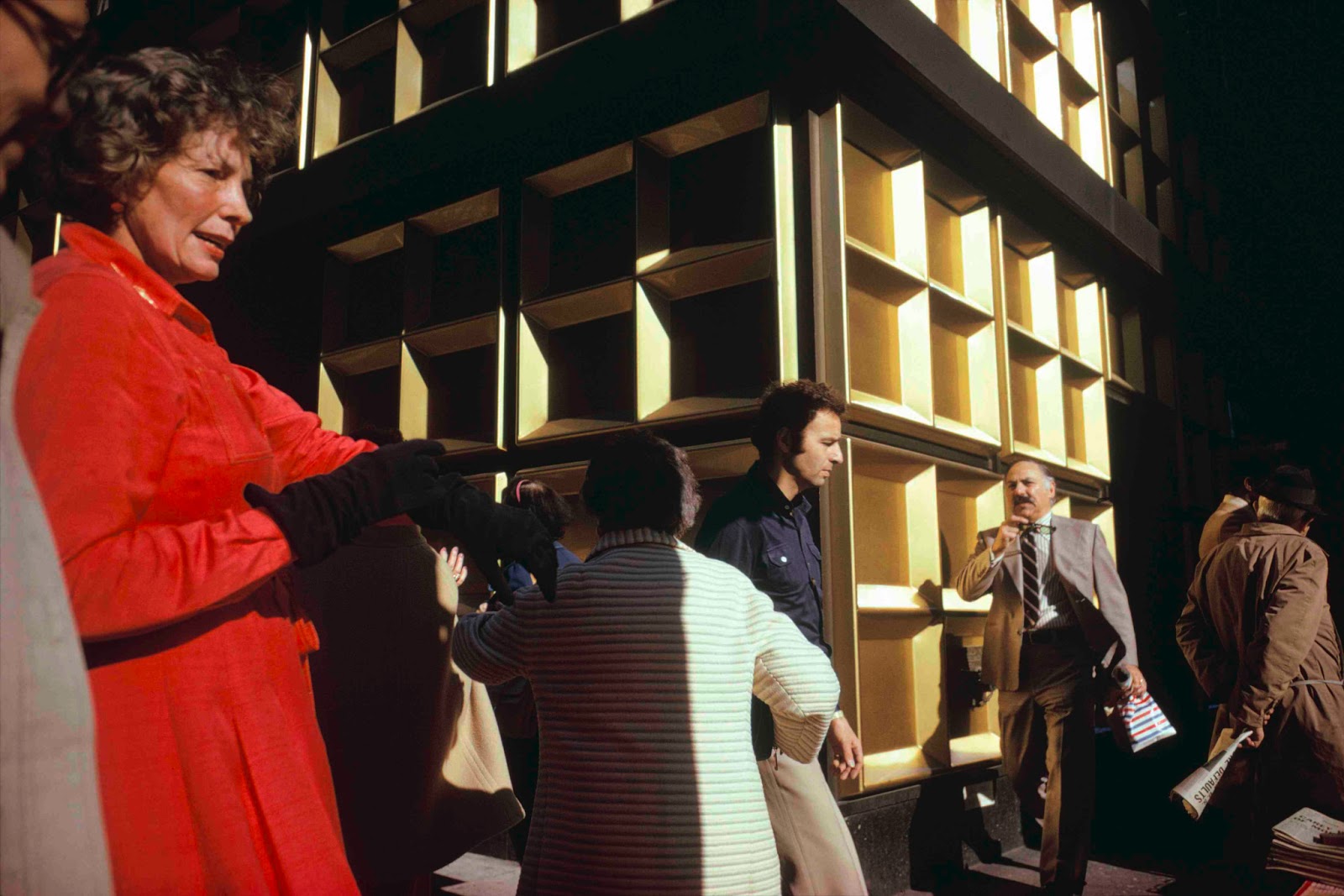


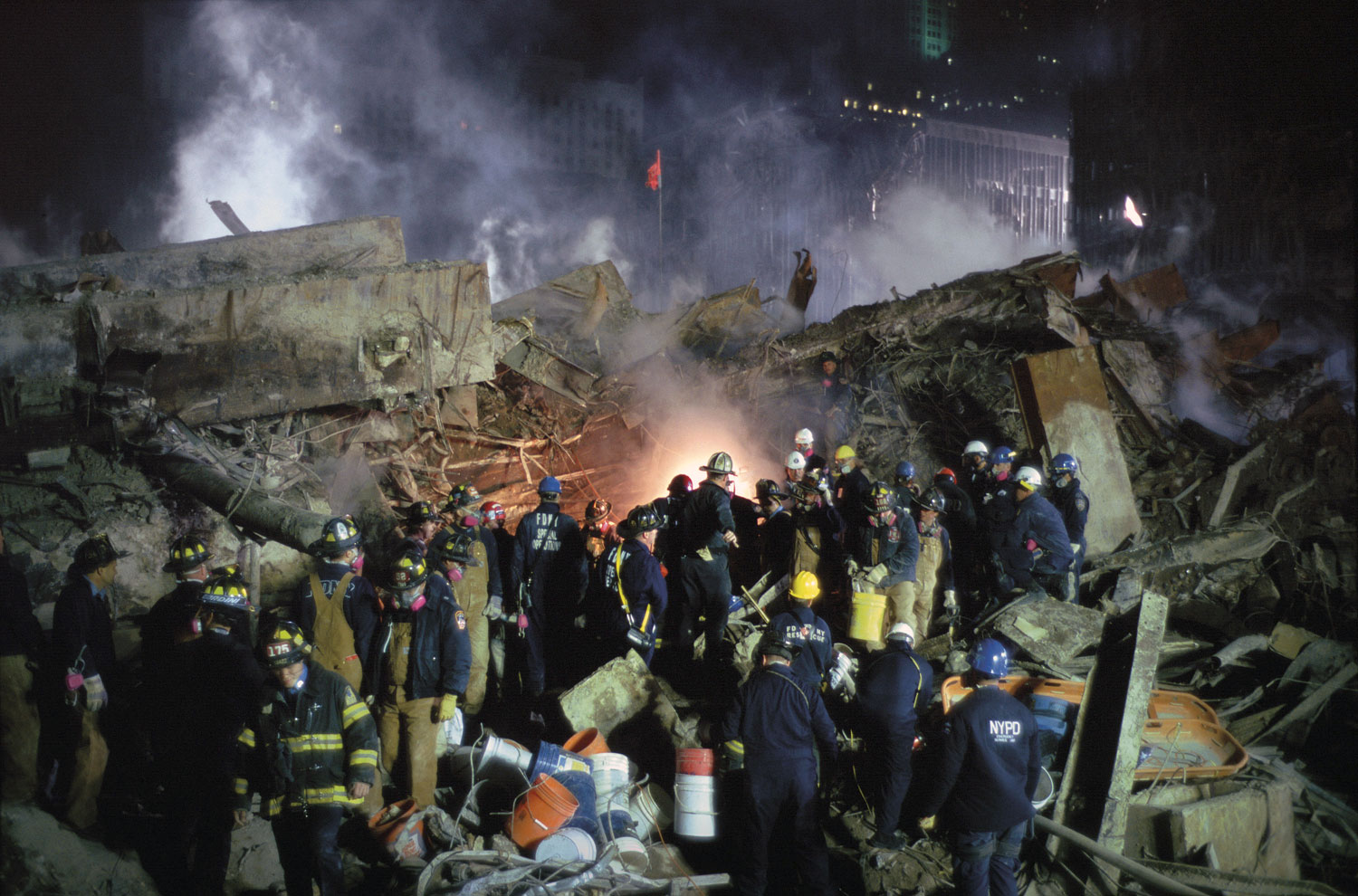


You must be logged in to post a comment.