Many thankx to BAM/PFA for allowing me to publish the photographs in the posting. Please click on the photographs for a larger version of the image.
Lutz Bacher (American, 1943-2019) Bien Hoa (detail) 2006-2007 Inkjet print mounted on aluminium 24 x 36 in. Courtesy of Ratio 3, San Francisco
Lutz Bacher(American, 1943-2019) Bien Hoa (detail) 2006-2007 Inkjet print mounted on aluminium 24 x 36 in. Courtesy of Ratio 3, San Francisco
Since Lutz Bacher’s first MATRIX exhibition in 1993, the Berkeley-based artist has become a leading figure in contemporary art; she was the subject of a retrospective at MoMA PS1 in 2009 and was included in the 2012 Whitney Biennial. MATRIX 242 presents an important but rarely seen series from 2006-2007 that sheds light on the artist’s often elusive practice.
Bien Hoa is is based on a set of ten photographs Bacher discovered at a Berkeley salvage store. All of the photographs were created by an American soldier named Walter, who was stationed at Bien Hoa Air Base during the Vietnam War. Walter inscribed the backs of all but two of the pictures before mailing them home to his partner in Oakland. Bacher has enlarged and reprinted the photographs to hang above the verso of the originals, which disclose Walter’s annotations. These have a surprisingly casual tone, given what must have been the harrowing experience of being a soldier stationed in Vietnam. In some cases, Walter’s inscriptions sound almost like a tourist writing a postcard; in others, he seems to have been more concerned with the composition of the image than with the grisly content of a scene. “This is Bien Hoa looking at it from the Air Base. This is a pretty good picture. Now do you think that’s beautiful? Can you see the wire, keeping the people from attacking the Air Base? That’s what those fences are out there for.”
By strategically juxtaposing these images and texts, and placing them in a museum setting, Bacher reveals the slippery nature of perception. She prompts us to wonder, Why was Walter so concerned with the quality of his images? Why were these photographs discarded? What became of Walter?”
Text from the BAM/PFA website
Lutz Bacher (American, 1943-2019) Bien Hoa (detail) 2006-2007 Inkjet print mounted on aluminium 24 x 36 in. Courtesy of Ratio 3, San Francisco
The ten photographic sets that make up Lutz Bacher’s Bien Hoa (2006-2007) are deceptively simple. Large colour inkjet images, reproductions of yellowed black-and-white photographs, are presented above handwritten notes written on the backs of the original prints. The annotations were made by a man stationed at Vietnam’s Bien Hoa Air Force Base in 1969, identified only as Walter, who is alternately the author and the subject of the images. We see Walter posing at a military desk with his section chief, in an armed helicopter adorned with a playboy bunny, in front of sand bagged barracks, and at gunpoint, “surrendering” to a Vietnamese woman. Other photographs depict the bleak situation – burned-out helicopters, fire drills, and fences separating the base from the local town. Bacher found the cache of photographs, which had been mailed from Vietnam, at a Berkeley salvage store. Originally meant for an intimate audience, the photos are displaced by Bacher’s decision to remake them as her art. She channels the voice of an African American man fighting in the Vietnam War, decisively situating that voice, through her own authorship, in a new time and context.
On their own, the images are charged with America’s uneasy history of armed aggression and recall our complex legacy of racism and popular unrest; with Walter’s notes, however, that general discomfort becomes deeply personal. Referring to an image of himself seated inside a helicopter he writes: “This is a Huey Cobra, the badest [sic] Helicopter in Vietnam. Those are rockets on the side of the ship. I wish I could take off and come home. Your Man, Walter.” With his comments, Walter reveals feelings of complicity in the military apparatus of the war, as well as his desire to return home. It is hard not to wonder how Walter wound up in Vietnam and what became of him: was he drafted or enlisted by the many recruiters targeting African American neighbourhoods at the time, promising subsidies? Did he return home safely?
Presented, as they are here, in a museum setting, Walter’s self-conscious commentaries on his photographs take on new relevance. In some cases, Walter’s inscriptions sound almost like a tourist writing a postcard; in others, he seems to have been more concerned with the composition of the image than with the grisly content of a scene: “This is a practice session that the Fire Department has every now and then. They are practicing on a burning helicopter. I messed up on my border at the top of the picture.” Bacher’s enlargements invite us to hone in on these details and scrutinise the photographs aesthetically, as Walter directs: “This is Bien Hoa looking at it from the Air Base. This is a pretty good picture. Now do you think that’s beautiful? Can you see the wire, keeping the people from attacking the Air Base?” Walter’s grim interjections foil our sense of detached aesthetic judgment.
Likewise, Bacher, conspiring with Walter, complicates easy explanations of her work. Curiously, the only two photographs in the series that remain unannotated feature a gun. In the first, Walter poses solemnly in front of sandbagged barracks in full military uniform. In the second, he is dressed in Vietnamese garb, playfully surrendering at gunpoint to a local woman. This reversal, from American soldier to Vietnamese prisoner, illustrates not only the paradox of Walter’s situation, but also Bacher’s. Without captions to describe Walter’s feelings, it is unclear if he fought willingly or if, like many soldiers at that time, he was ambivalent about our presence in Vietnam, or perhaps even sympathised with the local’s desire to enact political change. Faced with these gaps in explanation, viewers are left to wonder about Walter’s intentions in setting up the photographs as he did, with this strange role reversal. The reasons for Bacher’s own reversal, exchanging her voice for Walter’s, is also left ambiguous.
Shifting between Walter, of whom nothing is known, and Bacher, Bien Hoa’s narrative refuses to be fixed in any one time or place. For that reason, the work feels contemporary, alive with the contradictions that make up our present moment. Bacher uses found images, objects, and text to confound easy understandings of authorship, gender, race, violence, and power. Despite being composed of discarded photographs, Bien Hoa resonates as a pivotal description of a fraught moment in United States history, yet this history still feels open to interpretation. Bacher, exhuming the photographs and aligning her voice with Walter’s, inverts any sense of their cohesion.”
Dena Beard Assistant Curator Exhibition brochure
Lutz Bacher (American, 1943-2019) Bien Hoa (detail) 2006-2007 Inkjet print mounted on aluminium 24 x 36 in. Courtesy of Ratio 3, San Francisco
Lutz Bacher (American, 1943-2019) Bien Hoa (detail) 2006-2007 Inkjet print mounted on aluminium 24 x 36 in. Courtesy of Ratio 3, San Francisco
Berkeley Art Museum and Pacific Film Archive
BAMPFA is located at 2155 Center Street between Oxford Street and Shattuck Avenue, in downtown Berkeley Phone: (510) 642-0808
F. Holland Day (American, 1864-1933) The Vision (Orpheus Scene) 1907 Platinum print 24.4 x 18.4cm (9 5/8 x 7 1/4 in.)
“Perfection means you don’t question anything about the photograph. There are certain pictures I’ve taken in which you really can’t move that leaf or that hand. It’s where it should be, and you can’t say it could have been there. There is nothing to question as in a great painting. I often have trouble with contemporary art because I find it’s not perfect. It doesn’t have to be anatomically correct to be perfect either. A Picasso portrait is perfect. It’s just not questionable. In the best of my pictures, there’s nothing to question – it’s just there.”
Robert Mapplethorpe
Written in 1996 (but never published until now), this is one of my earliest pieces of research and writing. While it is somewhat idealistic in many ways, hopefully this piece still has some relevance for the reader for there are important ideas contained within the text. It examines the Apollonian and Dionysian ideals in images of the male body by 4 gay photographers: Baron Wilhelm von Gloeden, F. Holland Day, Minor White, and Robert Mapplethorpe.
The defining of Apollonian and Dionysian ideals in images of the male body
Photography has portrayed the Apollonian and Dionysian ideals of the body throughout its history, but has never fully explored the theoretical implications and consequences of this pairing. Our presentation of the body says precise things about the society in which we live, the degree of our integration within that society and the controls which society exerts over the innerman.1 My research concentrated on how images of the male body, as a representation of the Self / Other split, have been affected by these ideals.
We can clearly define the Apollonian (beauty, perfection, obsession, narcissism, voyeurism, idols, fascism, frigid, constraint, oppression, the defined, the personalised, an aggression of the eye linked to greed and desire) and Dionysian (ecstasy, eroticism, hysteria, energy, anarchy, promiscuity, death, emotion, bodily substances and the universal). In reality the boundaries between these ideals are more ambiguous.
For example, in the work of the American photographer Fred Holland Day we see allegorical myths portrayed by beautiful youths, many of which to modern eyes have a powerful homoerotic quality.
“In close proximity to eroticism associated with homosocial bonding and sexuality, these pictures were infused with desire and anxiety, repulsion and attraction … Day’s male nudes possess the aesthetic trappings of refined art and high culture … but also contain a frisson of impending sexual release and bodily pleasure, to say nothing of their sado-erotic inflection and paedophilic associations.”2
According to some critics,3 societies acceptance of photographs of Apollonian or Orphic (Dionysian) youths [see 2 different critical views]4 in that era (the fin de siecle of the nineteenth century and the early years of the twentieth century), was based on what was seen as their chaste, idyllic nature. They represented ‘ephebes’ – males who were between boy and man – who posed no threat to the patriarchal status quo. To other critics5 these ‘ephebes’ present a challenge to the construction of heterosexual / homosexual identity along gender lines, echoing Foucault’s thoughts on the imprisoning nature of categories of sexual identity.6
For Day, physical beauty was the testimony of a transcendent spirit.7 His portraits tried to uncover the true spirit of his subjects, revealing what was hidden behind the mask of e(x)ternal beauty. But what was being revealed? Was it the subject’s own spiritual integrity, his true self, or a false self as directed by the photographer whose instructions he was enacting? Was it F. Holland Day’s erotic fantasies the subject was acting out, or was it a perception of his own identity or a combination of both? These works show Day as both director and collaborator, his idols equally unattainable and available, resilient and vulnerable. In portraying this beauty, was Day embracing a seductive utopia in which this Apollonian beauty leads away from the very Dionysian spirit he was trying to engage with?
At around the same time a Prussian named Baron Wilhelm von Gloeden was also taking photographs of scantily clad local peasant youths, based on Arcadian themes. “In von Gloeden’s perception of the world human figures are not in themselves merely erotic, but become aesthetic objects … a setting in which beautiful things are the content of the image.”8
While this may be true, the focus of the images is always on what Von Gloeden desired, his full frontal nudes drawing our eyes to the locus of sexual desire, the penis. Von Gloeden’s “transformation of ordinary working class boys into the very image of antique legend,”9 the conjunction of the Apollonian and the Dionysian, blurs the distinctions between the two. Both Day and Von Gloeden were wealthy, educated, influential men who had a desire for working class boys. Did they help create an erotic tension across class lines and effect a particular Camp taste when society at that time (the first decade of the 20th century) was beginning to define areas of sexual categorisation that would label gay men perverts and degenerates? Even today, comparing contemporary critical analysis of Von Gloeden’s photographs can produce vastly differing conceptualisations as to the evidence of sexual overtones:
“The distinction between form and sexual attractiveness is tenuously maintained and the expression of the subjects’ face suggests a lofty remoteness rather than sexual availability or provocativeness.”10
“Von Gloeden’s pictures are fairly specific in depicting erotically based encounters between Mediterranean males. In many of them, the gazes shared between young men or the suggestive relationships of figure to figure hint at activities that might take place beyond the cameras range.”11
For Day and Von Gloeden the need to possess something beautiful, something that was taboo, compensated both photographers for something they had lost – their youth. This transfers their death onto the object of their possession: the beautiful youths ‘captured’ in their photographs. Georges Bataille links eroticism to the inner life of man, the true self, and the eroticism of these photographs opens the way to a viewing of death and allows the photographer the power to look death in the face. According to Bataille, possession of something beautiful negates our need to die because we have objectified our need in someone else.12
What we know and understand about the world is partially built on images that are recorded, interpreted and imprinted in our brains as the result of the experiences we encounter throughout our lives. Our memory is forever fragmenting our remembered reality. It provides us with a point of view of the reality of the world in which we live and on which our identities are formed. When we look at a photograph we (sub)consciously bring all of our social encultration, our hates, our desires and our spirit to bear on the definition of that photograph at the time of viewing (an each viewing can be different!). Inherently embedded in any photograph then, are all these Dionysian stirrings – of desire, of eroticism, of death and of memory. Even if the photograph is entirely Apollonian in content the definition of that photograph can be open to any possibility, by any body.
One photographer who sought to access, and have connection to, fundamental truths was the American photographer Minor White. Studying Zen Buddhism, Gurdjieff and astrology, White believed in the photographs’ connection to the subject he was photographing and the subject’s connection back via the camera to the photographer forming a holistic circle.13 When, in meditation, this connection was open he would then expose the negative in the camera hopeful of a “revelation” of spirit in the subsequent photograph. White feared public exposure as a homosexual and struggled for years to resist the shame and disgust he felt over his sexual desires. Very few of his male portraits were exhibited during his lifetime, his Dionysian urgings difficult to reconcile with or assimilate into his images of peace and serenity, images that urged unity of self and spirit, of yin and yang. In the East yin / yang is both / and, being transformable and interpenetrating whilst in the West black / white is either/or not both, being exclusive and non-interactive. But who is to say what is ugly or what is beautiful? What is black or what is white?
In the work of the American photographer Robert Mapplethorpe, we can see the formalised classical aesthetic of beauty combined with content which many people are repelled by (pornography, sexuality, violence, power) creating work which is both Apollonian and Dionysian.14 Peoples’ disgust at the content of some of Mapplethorpe’s images is an Apollonian response, an aesthetic judgement, a backing away from a connection to ‘nature’, meaning ‘that which is born’. Mapplethorpe said, “I’ve done everything I show in my photographs,”15 revealing a connection to an inner self, regardless of whether he intended to shock. Those seeking suppression of Mapplethorpe’s photographs, mainly conservative elements of society, cite the denigration of moral values as the main reason for their attacks. However Mapplethorpe’s S&M photographs sought to re-present the identity of a small subculture of the gay community that exists within the general community and by naming this subculture he sought to document and validate its existence. The photograph can and does lie but here was the ‘truth’ of these Dionysian experiences, which conservative bigots could not deny – that they exist.
In the NEA/Cincinnati Contemporary Arts Center controversy surrounding Mapplethorpe16 his work was defended on aesthetic grounds, not on the grounds of homoerotic content, of freedom of expression or artistic freedom. The classical Apollonian form of his images was emphasised. As one juror put it, “Going in, I would never have said the pictures have artistic value. Learning as we did about art, I and everyone else thought they did have some value. We are learning about something ugly and harsh in society.”17 Ugly and harsh. To some people in the world S&M scenes are perfectly natural and beautiful and can lead to the most transcendent experience that a human being can ever have in their life. Who is to decide for the individual his or her freedom to choose?
This Apollonian fear of the Dionysian ‘Other’, the emotional chaotic self, was found to involve fear of that which is potentially the ‘same as’ – two sides of the same coin. This fear of ‘the same’, or of the proximity of the same, or of the threat of the same, can lead to violence, homophobia, racism and bigotry. Mapping out sexual identities’ toleration of difference, which is ‘the same as’, recognises that there are many different ways of being, and many truths in the world.
In conclusion I have determined that the definition of Apollonian and Dionysian ideals in images of the male body are at best ambiguous and open to redefinition and reinterpretation. The multiplicity of readings that can be attached to images of the male body, in different eras, by different people illustrates the very problematic theoretical area these images inhabit. As we seek to ‘name’, to categorise, to nullify the ‘Other’ as a Dionysian connection to earth and nature, it may cause an alienated ‘Self’ to revolt against Apollonian powers of control in order to break down the lived distance that divides people. This creates situations / encounters / experiences that are regarded as transgressive and a threat to the hegemonic fabric of society.
But do these experiences offer an alternative path for the evolution of the human race? Not the replacing of one patriarchal, capitalist system with another based on ecstatic spiritual consciousness but perhaps a more level playing field, one based on a horizontal consciousness (a balance between Apollonian and Dionysian), a ‘knowing’ and understanding, a respect for our self and others. My claim as an’Other’ is that these perceived transgressions, not just the binary either / or, may ultimately free human beings and allow them to experience life and grow. Where nothing is named, everything is possible.
Marcus Bunyan 1996
Footnotes
1/ Blain, Robert. The Decorated Body. London: Thames & Hudson, 1979, p. 5, Introduction
2/ Crump, James. F. Holland Day – Suffering the Ideal. Santa Fe: Twin Palms, 1995, p. 11
3/ Foster, Alasdair. Behold The Man – The Male Nude In Photography. Edinburgh: Stills, 1989, p. 9
4/ Jussim, Estelle. Slave To Beauty – The Eccentric Life And Controversial Career of F. Holland Day, Photographer, Publisher, Aesthete. Boston: Godine, 1981, pp. 175-176; Ellenzweig, Allan. The Homoerotic Photograph. New York: Columbia University, 1992, p. 59
5/ Ellenzweig, p. 59
6/ Weeks, Jeffrey. Against Nature: Essays on history, sexuality and identity. London: Rivers Osram Press, 1991, p. 164
7/ Day, F. Holland. “Is Photography An Art?” p. 8, quoted in Crump, James. F. Holland Day – Suffering The Ideal. Santa Fe: Twin Palms, 1995, p. 20
8/ Ellenzweig, p. 39
9/ Leslie, Charles. Wilhelm von Gloeden, Photographer. New York: Soho Photographic, 1997, p. 86
10/ Dutton, Kenneth R. The Perfectible Body. London: Cassell, 1995, p. 95
11/ Ellenzweig, p. 43
12/ Bataille, Georges. Death And Sensuality. New York: Walker And Company, 1962, p. 24
13/ Bateson, Gregory. Steps To An Ecology Of Mind – Collected Essays On Anthropology, Psychiatry, Evolution And Epistemology. St. Albans: Paladin, 1973
14/ Danto, Arthur C. Mapplethorpe – Playing With The Edge. Essay. London: Jonathon Cape, 1992, p. 331
15/ Interview with Robert Mapplethorpe quoted in Cooper, Emmanuel. The Sexual Perspective. London: Routledge, 1986, p. 286
16/ Ellenzweig, p. 205, Footnote 1
17/ Cembalest, Robin. “The Obscenity Trial: How They Voted To Acquit,” in Art News December 1990 89 (10), p. 141 quoted in Ellenzweig, p. 208
Many thankx to the Ludwig Museum of Contemporary Art for allowing me to publish the photographs in the posting. Please click on the photographs for a larger version of the image.
Baron Wilhelm von Gloeden (German, 1856-1931) Two nude men standing in a forest Taormina, Sicily, 1899 Albumen print
Minor White (American, 1908-1976) Arches of the Dodd Building (Southwest Front Avenue and Ankeny Street) 1938 Gelatin silver print
Minor White (American, 1908-1976) Tom Murphy (San Francisco) 1948 Gelatin silver print
A renowned figure of contemporary photography, Robert Mapplethorpe (1946-1989) was in his element in a domain defined by conventions and revolt, classicism and non-conformist cultures, where each picture serves as a document of hard-fought identities, as well as inciting and recording social and artistic debates. The Ludwig Museum Budapest features nearly two hundred works by Robert Mapplethorpe, from his early Polaroid photos to pieces from his final years. Realised in collaboration with the Robert Mapplethorpe Foundation New York, this large-scale exhibition is presented to a Hungarian audience for the first time.
Initially, Mapplethorpe had no intention of becoming a photographer. His early collages and altar-like installations incorporated found elements including photos from magazines. Seeking to give these works a more personal and perfect touch, he decided to shoot the photos himself. His major subjects were his immediate environment and personal desires: the alternative circles of the New York art scene, his identity as a homosexual, non-traditional forms of sexuality, and the communities organised around them. The New York of the seventies was a great melting pot of contiguous subcultures, sexual freedom, post-Pop and rock’n’roll. Mapplethorpe’s environment included Andy Warhol and his entourage from the Factory, the superstars of his films as well as the inhabitants of the legendary Chelsea Hotel, who inspired his art and became part of his audience.
His portraits of famous individuals and those longing for fame also positioned their photographer within their circle. He was a renowned artist seeking to establish relationships with people who stand out, one way or another, from the rest of society, without submitting himself to them. Posing for his camera were film stars, musicians, writers and visual artists, the celebrities and central figures of New York in the seventies and eighties, including pornographic film stars and body builders. He made engaging and elegant portraits attesting to his intense attention, humour, and ambition toward a sense of the monumental.
Mapplethorpe developed an increasingly committed and professional attitude to photography. His quest for the perfect image led him to classical compositions and subjects. While precision of forms and a quality of reserve were combined in his works, his intense attention to his models remained unchanged; he photographed torsos and floral still-lifes with the same cool professionalism. His nudes evoke classical Greek statues and Renaissance masterpieces, with their arrangement and sculptural approach to the body dating back to traditions that have existed for several hundred years. Such an incarnation of classical formalism, however, was juxtaposed with shocking new subjects and stark sexual fetishes, resulting in radical re-creations of the approach to tradition.
The perfect image called for the perfect body: his shots of black men, female body-builders and austere flowers seem to articulate his one and only vision, again and again. He almost always worked in the studio, most often in black and white, using increasingly defined tones. With unified backgrounds and balance of forms, his photos remove the subjects from their own realities to relocate them in the timeless, frozen space of the photograph. In terms of their statue-like beauty and rigorous composition of every detail, his pictures continue and renew the classical photographic tradition all at once. Such classical virtues, however, did not make these photos exempt from criticism: both his subject matter and their manner of presentation sparked controversy. Their sexual themes aroused unease, and criticism of the work failed to make a distinction between the statue-like beauty of body parts and torsos, the sexual stereotypes associated with black male bodies, and the objectification of the bodies.
Mapplethorpe’s works created a place for homosexual and S&M identities in the domain of high art, subverting conventions, transgressing unspoken social agreements and revealing prejudices, in line with the artist’s personal desires and self-definition. In the United States, during the eighties, in the first moments of horror in the face of AIDS, the condemnation of homosexuality and the undefined dread of the disease became entwined. Such developments stirred up the already intense controversies around Mapplethorpe’s photos, adding a new overtone to the voice of conservative protesters. (Mapplethorpe was diagnosed with AIDS in 1986, and he died in the spring of 1989 due to complications related to the disease).
The cultural-political debates of the so-called Culture Wars in the late 1980s and 1990s in the United States, fuelled the decision of the Corcoran Gallery of Art in Washington, D.C., to cancel its leg of the travelling exhibition “The Perfect Moment,” which included several thought-provoking photos that the conservative right-wing had denounced as obscene and arrogant assaults on public taste. A long and heated debate was to follow, including both hysterical and absurd commentaries, triggering police actions and a trial against a subsequent venue, the Contemporary Arts Center in Cincinnati as well as its director. Though the museum and its director were eventually cleared of all charges, the case continued to shape the cultural-political landscape in the US, which partly concluded in a revision of the public funding of artworks and is still referred to today as an outstanding example of the methodology of censorship.
Press release from the Ludwig Museum of Contemporary Art website
There is something whimsical and abidingly Chaplinesque about Elliott Erwitt’s photographs (see the feet in FRANCE. Paris. 1989, below) – that is until he lands a knockout blow flush on the chin with a devastatingly serious, weighty image like USSR. Moscow. 1959. Nikita Khrushchev and Richard Nixon (even though the two protagonists were apparently talking about banalities). Erwitt’s “art of observation” is a gift of the eye and the mind, where the artist must be truly aware of the world around them in order to capture the mosaic of reality.
As the press release astutely observes, “Erwitt has a gift that few photographers possess, the gift of conveying a subtext with each photo: sentiment, anger, a little happiness; an emotion that can only be recognised by looking very closely; a “before” and an “after”. Erwitt himself calls this the “essence of what happens.”
For Erwitt, photography is about seeing things with awareness: “You either see, or you don’t see.”
Very perceptive and so very true.
Dr Marcus Bunyan
Many thankx to the Kunst Haus Wein, Vienna for allowing me to publish the photographs in the posting. Please click on the photographs for a larger version of the image.
“It’s not the subject, it’s how you treat the subject.”
“I take a lot of pictures of dogs because I like dogs and because they don’t object to being photographed and they also don’t ask for prints.”
Elliott Erwitt, the “Woody Allen of photography”, who views his subjects with his heart as much as with his eye, captures human – sometimes all-too-human – situations in his oeuvre. Kunst Haus Wien presents pieces of the mosaic that is Erwitt’s reality, taken from over half a century of his photographic work. This comprehensive retrospective includes about 150 works by a highly active photographer. Erwitt embodies a type of photographer that has become extremely rare, one who views his subjects with his heart as much as with his eye and thereby sees things that most people rarely notice: the little humorous situations and passions of everyday life, the tiny moments in which gestures and facial expressions say more than a thousand words.
Erwitt is one of the leading photographers of his generation. Extremely versatile, with a broad spectrum of interests, he points his camera at human – sometimes all-too-human – situations: Some of them involve animals, others are political, still others capture a touching moment. Photography, for Erwitt, is above all an “art of observation” that depends first and foremost on the special way in which one views the world. In our world of fast-moving TV images and digitally enhanced pictorially compositions in advertising and fashion, Erwitt’s works restore to the photographic medium its original power. His snapshots are pieces of the mosaic of reality. Erwitt has a gift that few photographers possess, the gift of conveying a subtext with each photo: sentiment, anger, a little happiness; an emotion that can only be recognised by looking very closely; a “before” and an “after”. Erwitt himself calls this the “essence of what happens”. For Erwitt, photography is about really seeing things: “You either see, or you don’t see.”
Kitchen Debate
The ability to tell a whole story in one picture is Elliott Erwitt’s strength – as in the summer of 1959, when US Vice President Richard Nixon met Soviet leader Nikita Khrushchev at the American National Exhibition in Moscow. Erwitt’s snapshot documents how Capitalism and Socialism collided head-on in the form of the volatile Nixon and the surly Khrushchev. Actually, what he photographed was – as he later discovered – merely a conversation about banalities between two politicians during the Cold War, and yet this turned out to be the political photograph that would make him famous. Erwitt’s photo of the so-called Kitchen Debate cemented Nixon’s image as a hardliner and Erwitt’s own reputation as a journalistic photographer who had the qualities of an “invisible insider”.
Dogging Dogs
Erwitt has always taken photographs for his own pleasure as well: street scenes, people – and dogs. The photographer relates to dogs on a very friendly basis; he barks at them and photographs them in situations that show how “human” they can be. He takes some of these photos on walks in Central Park in New York, others at dog fairs and dog pageants. Erwitt’s dog photos have filled whole books and he could probably pride himself on having created the first image of dogs as cultural creatures.
Museum Watching
The “art of observation” has led Erwitt to take numerous photographs of people in museums: He portrays people in their silent dialogue with art when they pause – engrossed or sceptical – to take a closer look at an artwork. The particular environment of the museum is an ideal one for his sharp and at the same time affectionately ironic eye for people.
Naked
When Elliott Erwitt mingles with nudists and takes photographs, the result is very different from the usual photographs of nudes. Erwitt shows people unclothed and undisguised, far from ideals of beauty and staged poses. These photos form a kind of sociogram of nudist culture and are perhaps Erwitt’s most extreme attempt to capture the “conditio humana” in photographs.
Personal Exposures
Between politics and irony, between concerned photography and street photography, these works reveal touching moments that Erwitt has encountered and observed. These photographs allow room for intimacy. They include pictures of his family as well as famous portraits of actors and artists.
Photographs and Anti-Photographs
Elliott Erwitt, the son of Russian émigrés, was born in 1928 in Paris. After his birth, the family moved to Milan, where Elliott spent the first ten years of his life. In 1938, the Erwitts fled the Italian fascists and returned to Paris, after which they escaped the Nazis on the last passenger ship to the USA. The family landed in New York, but Elliot’s father soon decided he did not want to stay there. The family travelled all the way across the USA to California and started a new life in Los Angeles. Today, Elliott Erwitt lives in New York.
As a photographer, Erwitt has always worked for the advertising industry and at the same time realised his own photographic projects. This double context of assignment photography and authorship photography has typified his entire career, although the borders between the two fields have often been fuzzy. In 1948, Erwitt met the photographic legend Robert Capa, who invited him to join Magnum Photos. In 1954 he became a full member of the agency, where he soon felt completely at home. He served as President of Magnum Photos from 1966 to 1969.
Elliott Erwitt is one of an elite group of photographers whose pictorial language has heavily influenced American photojournalism. In decades of successful work as a photographer and as a director of documentaries and television films, Erwitt has always also remained an “amateur” – in the sense of its Latin root, meaning “lover” – of photography. In his photos he combines irony with insight and lightness with profundity, thereby creating humorous images that can often make life just a little bit easier for the beholder.
“Fredric Jameson wrote that in the postmodern world, the subject is not alienated but fragmented. He explained that the notion of alienation presumes a centralized, unitary self who could become lost to himself or herself. But if, as a postmodernist sees it, the self is decentred and multiple, the concept of alienation breaks down. All that is left is an anxiety of identity. The personal computer culture began with small machines that captured a post-1960s utopian vision of transparent understanding. Today, the personal computer culture’s most compelling objects give people a way to think concretely about an identity crisis. In simulation, identity can be fluid and multiple, a signifier no longer points to a thing that is signified, and understanding is less likely to proceed through analysis than by navigation through virtual space.”
Sherry Turkle 1
As we navigate these (virtual) worlds a signifier no longer points to a thing that is signified. In other words there is a split between referent and (un)known reality = a severance of meaning and its object.
“The image has nothing to do with signification, meaning, as implied by the existence of the world, the effort of truth, the law and the brightness of the day. Not only is the image of an object not the meaning of that object and of no help in comprehending it, but it tends to withdraw it from its meaning by maintaining it in the immobility of a resemblance that it has nothing to resemble.”2
Such is the case in these photographs. In their isolation each becomes the simulacra, for example the restaged models that are Thomas Demand’s photographs. That they do not allow any true reference to reality means that they become the image of memory in the present space. As the press release notes, “What happens to real places if a space loses its usual significance and can be experienced on a virtual plane?”
Kenneth Gergen observes, “The current texts of the self are built upon those of preceding eras, and they in turn upon more distant forms of discourse. In the end we have no way of “getting down to the self as it is.” And thus we edge toward the more unsettling question: On what grounds can we assume that beneath the layers of accumulated understandings there is, in fact, an obdurate “self” to be located? The object of understanding has been absorbed into the world of representations.”3
So we return to the split between referent and reality, a severance of meaning and its object in representation itself. These photographs, our Self and our world are becoming artefacts of hyperreality, of unallocated (un/all/located) space in which a unitary self/world has always been “lost.”
Dr Marcus Bunyan
1/ Sherry Turkle. Life on The Screen: Identity in the Age of the Internet. New York: Simon and Schuster, 1995, p. 49
2/ Maurice Blanchot. The Gaze of Orpheus. New York: Barrytown, 1981, p. 85 quoted in Chris Townsend. Vile Bodies: Photography and the Crisis of Looking. Munich: Prestel, 1998, p. 10
3/ Kenneth Gergen. The Saturated Self: Dilemmas of Identity in Contemporary Life. New York: Basic Books, 2000, p. 122
Many thankx to the Hamburger Kunsthalle for allowing me to publish the photographs in the posting. Please click on the photographs for a larger version of the image.
In recent years, photography has reached a new peak in artistic media. Starting with the Düsseldorf School, with artists such as Andreas Gursky, Thomas Struth, Thomas Ruff or Candida Höfer, a young generation of artists developed that adopted different approaches by which to present the subject-matter of “space” and “place” in an era of historic change and social crises. With the exhibition Lost Places, the Hamburger Kunsthalle art museum dedicates itself to these new approaches, which document a wide range of different places and living spaces and their increasing isolation through the media of photography, film and installation works.
Joel Sternfeld’s documentary photographs depict places that were crime scenes. Thomas Demand restages real crime scenes, initially as models in order to then photograph them. In turn, in her large-scale photographs, Beate Gütschow constructs cityscapes and landscapes that are reminiscent of well-known places, but that do not allow any true reference. Sarah Schönfeld illustrates “the image of memory in the present space” in her photographs. She visits old places from her GDR childhood and captures these in their present state, whereby both points in time collide. In his fictional video installation Nostalgia, Omer Fast recounts the story of illegal immigrants from three different perspectives.
In his book The collective memory, French philosopher Maurice Halbwachs pointed out the significance of “spatial images” for the memory of social communities. Today the reliable spatial contextualisation of objects and memories (also due to digital photography) is under threat, hence this pretence begins to crumble. What happens to real places if a space loses its usual significance and can be experienced on a virtual plane?
The exhibition comprises about 20 different approaches of contemporary photography and video art with many loans from museums and private collections. The exhibition features the following artists: Thomas Demand (b. 1964), Omer Fast (b. 1972), Beate Gütschow (b. 1970), Andreas Gursky (b. 1955), Candida Höfer (b. 1944), Sabine Hornig (b. 1964), Jan Köchermann (b. 1967), Barbara Probst (b. 1964), Alexandra Ranner (b. 1967), Ben Rivers (b. 1972), Thomas Ruff (b. 1958), Gregor Schneider (b. 1969), Sarah Schönfeld (b. 1979), Joel Sternfeld (b. 1944), Thomas Struth (b. 1954), Guy Tillim (b. 1962), Jörn Vanhöfen (b. 1961), Jeff Wall (b. 1946) and Tobias Zielony (b. 1973).
Press release from the Hamburger Kunsthalle website
Joel Sternfeld (American, b. 1944) Mclean, Virginia 1978
Thomas Demand restages real crime scenes, initially as models, in order to photograph them. Haltestelle (2009) is a large-scale photograph of a life-size paper model resembling a space of significant cultural meaning. It is a non-descript rural German bus stop that happens to be located just outside of Magdeburg, where the pop sensation Tokio Hotel used to wait for their school bus every morning. Much to the residents’ anger, the bus stop became a worshipping ground for die-hard fans. To solve the problem of the influx of teenagers, they auctioned the bus stop online, not thinking about the fact that Tokio Hotel’s fans wouldn’t be able to afford such an expensive souvenir. In a slight alteration of the plan, they sawed the structure apart and sold the constituent parts online, with great success. Like much of Demand’s work, this image tests our reception of visual media and explores its influences on the structures of memory.
Anonymous. “The Narrative of Location,” in Aesthetica magazine August/September 2012, p. 22 online on the Aesthetica magazine website [Online] Cited 23/08/2024. No longer available. Used under fair use conditions for the purposes of education and research
You can’t get much better than this to start a posting: Baltz, Friedlander, Winogrand, Nixon, Baldessari, Adams, Eggleston and Shore. I recall seeing my first vintage Stephen Shore at the American Dreams exhibition at the Bendigo Art Gallery last year. What a revelation. At the time I said,
“Two Stephen Shore chromogenic colour prints from 1976 where the colours are still true and have not faded. This was incredible – seeing vintage prints from one of the early masters of colour photography; noticing that they are not full of contrast like a lot of today’s colour photographs – more like a subtle Panavision or Technicolor film from the early 1960s. Rich, subtle, beautiful hues.”
You can get an idea of those colours in the image posted here. Like an early Panavision or Technicolor feature film.
Perhaps there is something to this analogue photography that digital will never be able to capture, let alone reproduce…
Dr Marcus Bunyan
Many thankx to Pinakothek der Moderne for allowing me to publish the photographs in the posting. Please click on the photographs for a larger version of the image.
American photography forms an extensive and simultaneously top-quality focal point in the collection, of which a selected overview is now being exhibited for the first time. The main interest of young photographers, who have been examining changes in political, social and ecological aspects of everyday American life since the late 1960s, has been the American social landscape. They have developed new pictorial styles that define stylistic devices perceived as genuinely American while at the same time being internationally recognised. Whereas Lee Friedlander, Garry Winogrand, Robert Adams, Lewis Baltz and Larry Clark, who are now considered classical modern photographers, have remained true to black-and-white photography, William Eggleston and Stephen Shore in particular have established colour photography as an artistically independent form of expression. The exhibition brings together around 100 works that, thanks to the Siemens Photography Collection and through acquisitions, bequests and donations, are now part of the museum’s holdings. True stories covers a spectrum from the street photography of the late 1960s to New Topographics and pictures by the New York photographer Zoe Leonard, taken just a few years ago.
“A new generation of photographers has directed the documentary approach toward more personal ends. Their work betrays a sympathy for the imperfection and frailties of society. Their aim has been not to reform life but to know it.” With the exhibition New Documents in spring 1967, John Szarkowski, the influential curator of photography at the Museum of Modern Art in New York, rang in a new era in American photography. Those photographers represented, including Lee Friedlander and Garry Winogrand in addition to Diane Arbus, stood for a change in attitude within documentary photography that was conditioned exclusively by the subjective viewpoint of an individual’s reality. The object of photographic interest lay in the American social landscape and its conditions. It was less concerned with the natural landscape and its increasingly cultural reshaping than with the urban or urbanised space and how people move within it. In so doing, the New Documentarians rejected any obviously explanatory impetus, turning instead to the everyday and commonplace.
The exhibition New Topographics: Photographs of a Man-Altered Landscape that was staged in the mid 1970s at the International Museum of Photography in Rochester, represented a countermovement to this subjective form of expression. Their protagonists, including Robert Adams, Lewis Baltz, Nicholas Nixon and Stephen Shore, also pleaded for a documentary approach and were influenced by figures such as Walker Evans und Robert Frank, but considered themselves rooted in the tradition of 19th-century topographical photography in particular. The prime initiator of this working method, that was expressly not governed by style, is the Los Angeles-based artist Ed Ruscha. Their central aim is a distanced and seemingly analytical depicition, free of judgement; their topic, the landscape altered by mankind. It is the image of the American West in particular, so much conditioned by myths and dreams but long since brought back to reality as a result of commercial and ecological exploitation, that is visible in their works.
The decisive quantum leap to establishing the position of colour photography was made by the Southerner William Eggleston in his exhibition in 1976, also held at the Museum of Modern Art in New York, and the publication of the William Eggleston’s Guide. The harsh public criticism of his pictures was not to do with his use of colour but the fact that Eggleston photographed things and everyday situations – on the spur of the moment and in a seemingly careless manner – that, until then, had not been considered worthy of being photographed turning them into exquisite prints using the expensive and complicated dye-transfer process. In Eggleston’s cosmos of images that is strongly influenced by motifs and the light of the Mississippi Delta, colour constitutes the picture. The “rush of colour” championed by this exhibition led to the comprehensive implementation of colour photography in the field of artistic photography in the years that followed, starting in the USA and then in Europe – and especially in Germany.
An artistic attitude became established at the end of the 1970s that, with recourse to existing picture material from art, film, advertising and the mass media, formulated new pictorial concepts and, in the same breath, opened up traditional artistic and art-historical categories such as authorship, originality, uniqueness, intellectual property and authenticity to discussion. Appropriation Art owes its decisive influences to the artist John Baldessari, who lives and teaches in California. One of its most famous representatives is Richard Prince, who became famous in particular as a result of his artistic adaptation of advertising images. Concept art in the 1960s and ’70s similarly makes use of photography, both as part of an artistic practice using the most varied of materials and as a unique medium for documenting campaigns, happenings and performances. As works by Dan Graham and Zoe Leonard clearly show, the previously precisely delineated boundaries between photography that alludes to its own intrinsically, media-related history and the use of photography as an artistic strategy, have become more fluid.
Press release from the Pinakothek der Moderne website
Shore was a consummate New York City boy who dropped out of high school when he was 17 and instead spent his time watching and making films and photographing Andy Warhol and his compatriots at his studio, the Factory. But a 1969 trip to Amarillo, Texas, to visit the family of his friend Michael Marsh set him on a new path, spurring a decade of road trips exploring the United States. His itineraries usually included Amarillo, and its people and buildings appear throughout his photographs from the time. “I loved Amarillo, not just what it looked like but the way people hung out – the pace of the life, the car culture, the barbecue joints,” he said. This stark, frontal portrait of the Sunset drive-in conveys the withering Texas heat that has peeled the facade’s paint, as well as a sense of forlornness and neglect that proved prescient when the drive-in closed two years later.
Anonymous text taken from the Carter Handbook (2023) on the American Carter Museum of American Art website Nd [Online] Cited 12/09/2012. Used under fair use conditions for the purposes of education and research
This is an intimate and stimulating photographic exhibition at the NGV International featuring the work of artists Mike and Doug Starn, David Stephenson, Hiroshi Sugimoto, Bill Henson, Adam Fuss, Simone Douglas, Park Hong-Chun, Eugenia Raskopoulos, Sam Shmith, Christoph Dahlhausen and Patrick Bailly-Maitre-Grand. It is fantastic to see an exhibition of solely contemporary photographs at the National Gallery of Victoria taken from their collection (with nary a vintage silver gelatin photograph in sight!), one which examines the orchestration of lightfrom which all photography emanates – used by different photographers in the creation, and there is the key word, of their work. Collectively, the works seem to ooze a mysterious inner light, a facing towards the transcendent divine – both comforting, astonishing and terrifying in part measure.
Works included range from photograms (camera-less images), large scale installations and photographs produced using digital light-based technologies. Every one of the fifteen works on display is worthy of inclusion, worthy of study at significant length so that the viewer may obtain insight into this element and its capture (by the camera, or not) on photographic paper, orthographic film and by the retina of the eye. What afterimage does this light leave, in the mind’s eye, in our subconscious thought?
The two Bill Henson photographs are evocative of the Romantic ideals of the nineteenth century where twilight possesses a luminescence that reveals shifting forms and meaning only through contemplation. As with all Henson the “mood” of the photographs is constructed as much by the artist as the thing being photographed. It is his understanding of the reflection of light from that object and the meaning of that reflection that creates the narrative “reality,” that allows the viewer the space for contemplation. In Sam Shmith’s photograph Untitled (In spates 2) (2011, below), Shimth turns day into night, creating his own reality by digitally compositing “30-40 photographs per pictorial narrative” taken during the day and then digitally darkened to form one single photographic instance. As a spectral ‘body’ the photograph works to create a new form of hallucination, one that haunts and perturbs the mind, like a disturbing psychological thriller. The viewer is (not really) flying, (not really) floating above the clouds contemplating the narrative, creating a visual memory of things. Spectral luminescences, not-quite-right perspectives, the photograph as temporal / temporary hallucination. The image takes me to other spaces and memories, opening up new vistas in my imagination (see more of my thoughts on Shmith’s work and the digital punctum).
Beginning in 1988, Adam Fuss began to explore studies of abstracted light and colour which “involved placing the paper in a tray of water and recording the concentric circles caused by disturbing the water or dripping droplets of water into the trays. These pieces, done between 1988-1990, have an eerie, spatial quality. Infused with bright, vibrant colours and blinding white light, they resemble some hitherto unknown solar system. [Here] Fuss is concerned with the metaphorical qualities of light.
In an interview with Ross Bleckner conducted in 1992, Fuss explained the role of light in his imagery: “Light is a physical sensation. If you look at it with purely scientific eyes, its a particle that behaves like a wave or a wave that behaves like a particle. No one knows exactly what it is. It travels very fast. It has something to do with our perception of time… When one works with the idea of light, one’s working with a metaphor that’s endless and huge and unspecific. because you’re talking about something that’s almost just an idea, we can think about it but we can never grasp it. The light of the sun represents life on Earth. Light represents the fuel that is behind our existence… It’s a mystery.”1
Another beautiful photograph is Eugenia Raskopoulos’ elegiac requiem to the dis/appearance of language and the body, Diglossia #8 (2009, below). Diglossic is defined as a situation in which two languages (or two varieties of the same language) are used under different conditions within a community, often by the same speakers, with one variety of speech being more prestigious or formal and the other more suited to informal conversation or taken as a mark of lower social status or less education. As Victoria Lynn states of the series, “Each of these images carries within it a letter from the Greek alphabet. There is a word in there somewhere, but the order has been disrupted. This word, or name, has been cut, and its pieces are now before us as fragments that refuse to re-collect themselves into meaning. As such, the relationship between the letters also becomes temporal, fluid, and heterogeneous opening up the question of translation between one language to another, and one culture to another.
The images have been created using the gesture of a hand writing on a steamed up mirror. The photograph is taken very quickly, before the image, the letter and the mark of the artist disappears. We have to ask, what is disappearing here? Is it the language, the name, the aura of the photograph (in the Benjaminian sense) or indeed the body? For behind each letter we can detect a human presence – the artists’ naked body as she makes the photograph. The apparatus of photography is revealed, undressed and made naked.”2
Sol Invictus (1992, below) by the Starn Twins overwhelms in the brute force of the installation, something that cannot really be captured in the two-dimensional representation posted here (go and see the real thing!). The layering and curving of orthographic film relates to the curvature of the sun, the film held in place by screw clamps as though the artist’s were trying to contain, to fix, to regulate the radiation of the sun. Sol Invictus (here is the paradox, it means “unconquered sun” even as the Starn Twins seek to tie it down) explores the metaphorical, scientific and religious properties that gives life to this Earth. A very powerful installation that had me transfixed.
Hiroshi Sugimoto’s famous series Theaters is represented in the exhibition by the work Winnetka Drive-In, Paramount (1993, below) where Sugimoto “photographs auditoriums of American movie theaters, and drive-in movies, during showings. The exposure time used for the photograph corresponds with the projection time of the film. This allows him to save the duration of the entire film in a single shot. What remains visible of the film’s time-compressed, individual images is the bright screen of the movie theater, which illuminates the architecture of the space. That its content retreats into the background makes the actual film a piece of information, manifesting itself in the (movie theater) space. As a result, instead of a content-related event, film presents itself here as the relationship between time and spatial perception.”3
If we think of the camera lens as being fully open, like an eye without blinking, for the duration of the length of the film then the shutter of the lens has to be set on “B” for Bulb which allows for long exposure times under the direct control of the photographer. “The term bulb is a reference to old-style pneumatically actuated shutters; squeezing an air bulb would open the shutter and releasing the bulb would close it… It appears that when instantaneous shutters were introduced, they included a B setting so that the familiar bulb behaviour could be duplicated with a cable release.”4 In other words light waves, reflecting from the surface of objects, are controlled by the photographer over an indefinite period (not the short “snap” of the freeze frame/the decisive moment), accumulating light from thousands of years in the past through the lens of the camera onto the focal plane, coalescing into a single image, controlled and constructed by the photographer.
My favourite works in the exhibition are David Stephenson’s two Star Drawings (1996, below) which use the same Bulb technique to capture star trails travelling across the night sky. Stephenson says that drawing the stars at night by long time exposures, “are a contemporary expression of the sublime – a transcendental experience of awe with the vast space and time of existence” (DS, 1998). The photographs map our position and help us understand our space in the world, that we are all made of stars, every last one of us.
As far as being expressions of the sublime, these almost Abstract Expressionist, geometric light drawings are only achieved through the tilting of the camera at certain points doing the exposure and the opening and closing of the shutter, to make the intricate patterns. Man and stars combine to create a spiritual force that emanates from everything and everyone. Stephenson tilts the axis of meaning. When we look at these photographs the light that has emanated from these stars may no longer exist. It had travelled thousands of light years from the past to the present to be embedded in the film at the time of exposure and is then projected into the future so that the viewer may acknowledge it a hundred years from now.
In a truly inspired piece of writing, artist and author Pablo Helguera muses on the nature of light falling on a landscape in his piece How to Understand the light on a Landscape (2005).
In the text he examines qualities of light such as experiential light, home light, ghost light, the light of the deathbed (think Emmet Gowin’s photograph of Rennie Booher in her casket, “dead now and committed to mystery,” as Gowin puts it), rain light, protective light, artificial light, the light of the truly blind, the light of adolescence, sunday light, hotel light, used light, narrated light, transparent light, the light of the last day and after light.
“The conjunction of a random site, the accumulated data in the body’s memory that is linked to emotion, and the general behaviour of light form experience. Experience is triggered by light, but not exclusively by the visible light of the electromagnetic spectrum. What the human eye is incapable to perceive is absorbed by other sensory parts of the body, which contribute to the perception that light causes an effect that goes beyond the merely visual.”5
This is the crux of the “matter.” As much as photography is a dialogue between the natural and the unnatural, it is also an invocation to the gods (inside each of us and all around us). It is the breaking down of subjective and objective truths so that the myth of origin becomes fluid in light. It is the light of creation that goes beyond the merely visual, that is an expression of an individualism that rises above the threshold of visibility – to stimulate sensory experience; to prick the imagination and memory; to make us aware and recognise the WAVELENGTH of creation. It is the LIGHT OF EXPERIENCE.
Helguera concludes, “The intersection of our body with the light and the landscape and the coded form of language that we have to construct by ourselves and explain to ourselves is our daily ordeal, and we are free to choose to ignore and live without it, because there is nothing we can do with this language other than talking to ourselves. There is no point in trying to explain it to others because it is not designed to be this way, other than remaining a remote, if equivalent, language.
Some for that reason prefer to construct empty spaces with nondescript imagery, and thus be free of the seductive and nostalgic indecipherability of the landscape and the light. Or we may choose to openly embrace the darkness of light, and thus let ourselves through the great gates of placehood, where we can finally accept the unexplainable concreteness of our moments for what they are.”6
Personally, I believe this is the role of artists, to embrace the darkness of light and the trace of experience and to show it to people that may not recognise it or have turned away from the light of experience. So many people walk through life as if in a dream, neither recognising their energy nor the good or bad that emanates from that light.
As Helguera notes it causes us to create our own coded form of language to explain the LIGHT OF LIFE to ourselves. We can choose to ignore it (at out peril!) but we can also embrace light in an act of recognition, awareness, forgiveness.
We can banish the empty spaces and nondescript imagery in our own lives and make connection to others so that they make gain insight into their own existence and being.
Dr Marcus Bunyan
Footnotes
1/ Halpert, Peter. “Adam Fuss: Light and Darkness,” in Art Press International, July/August 1993 on the Peter Hay Halpert Fine Art website. Nd. [Online] Cited 08/09/2012 No longer available online
2/ Lynn, Victoria. “Writing Towards Disappearance,” on the Eugenia Raskopoulos website. Nd. [Online] Cited 08/09/2012 No longer available online
3/ Kellein, Thomas Sugimoto, Hiroshi. Time Exposed. Thames & Hudson, First edition, 1995, p. 91, quoted in Heike Helfert. “Hiroshi Sugimoto “Theaters”,” on the the Media Art Net website Nd [Online] Cited 08/09/2012.
4/ Anon. “Bulb (photography),” on the Wikipedia website. Nd. [Online] Cited 08/09/2012
5/ Helguera, Pablo. How to Understand the Light on a Landscape (video, 15 min., 2005) is a work that simulates a scientific documentary about light to discuss the experiential aspects of light as triggered by memory. The images and text, taken from the video, are part of the book by Patt,Lise (ed.). Searching for Sebald: Photography After W.G. Sebald. Institute of Cultural Inquiry, 2007, pp. 110-119
6/ Ibid.,
Many thankx to the National Gallery of Victoria for allowing me to publish the photographs in the posting. Please click on the photographs for a larger version of the image.
“Light is a scientific fact, a metaphorical construct and even a spiritual force. It is considered an agent of truth, authenticity and revelation just as the absence of light signals mystery, danger and disorder. Light is also fundamental in the creation of photographs.”
Dr Isobel Crombie, Senior Curator, Photography NGV, 2012
“Light is a metaphor: where you have a dark place, and where that place becomes illuminated; where darkness becomes visible and one can see. The darkness is me, is my being. Why am I here? What am I here for? What is this experience I’m having? This is darkness. Light produces understanding.”
On March 23, the National Gallery of Victoria will open Light Works, a contemporary photography exhibition that explores various artists’ approaches to light – a fundamental element in the creation of photography. Drawn from the NGV’s Collection, the fifteen works on display show how photographers have exploited the creative potentials of natural and artificial light in their artworks.
Dr Isobel Crombie, Senior Curator, Photography NGV said: “Light is a scientific fact, a metaphorical construct and even a spiritual force. It is considered an agent of truth, authenticity and revelation just as the absence of light signals mystery, danger and disorder. Through a careful selection of works by international and Australian artists the emotive potential and scientific capacities of light are explored.”
Dr Gerard Vaughan, Director, NGV said: “Light Works is an exhibition that has broad appeal as it will intrigue those who are artistically, spiritually, technologically or scientifically minded. The works on display demonstrate the diverse and limitless depiction of this vital element. This exhibition also provides visitors with an opportunity to see works by some of the most important contemporary global and local photography artists – a must-see exhibition for 2012.”
Works included range from photograms (camera-less images), large scale installations and photographs produced using digital light-based technologies highlighting the depth of the NGV’s remarkable photography collection. On display are works by Mike and Doug Starn, David Stephenson, Hiroshi Sugimoto, Bill Henson, Adam Fuss, Simone Douglas, Park Hong-Chun, Eugenia Raskopoulos, Sam Shmith, Christoph Dahlhausen and Patrick Bailly-Maitre-Grand.
Co-curators: Andreas Nilsson and John Peter Nilsson
Many thankx to the Moderna Museet Malmö for allowing me to publish the photographs in the posting. Please click on the photographs for a larger version of the image.
“A good photograph is one that communicates a fact, touches the heart, and leaves the viewer a changed person for having seen it; it is in one word, effective.”
Irving Penn
For the first time in the Öresund region, a rich selection of Irving Penn’s photographs from some of his most famous serial photography are being presented. His innovative fashion features, portraits and still-lifes made Irving Penn one of the leading photographers of our time. Spanning more than 60 years, his career is characterised by a cool, minimalist approach to the medium. With a selection of nearly 90 works and samples from his assignments for numerous publications, the exhibition at Moderna Museet Malmö covers a broad spectrum of Irving Penn’s oeuvre.
Irving Penn (1917-2009) is regarded as one of the leading photographers of our time. He was active in both the commercial and artistic fields. In 1985, he won the prestigious Hasselblad Award. In his terse serial works, Irving Penn developed a style that is distinguished by its sharpness, detail, meticulousness and minimalist imagery. The exhibition Diverse Worlds presents photographs from his most famous series and spans more than half a century. Most of these works were donated to Moderna Museet in 1995 by Penn himself, in memory of his wife, Swedish-born Lisa Fonssagrives-Penn.
Diverse Worlds is a broad resumé of Irving Penn’s oeuvre, revealing clearly the consistent style that is characteristic of his photographs. His output is typically imbued with an inquisitive eye and attention to detail, whatever the subject matter. A discussion of the commercial-artistic dichotomy seems rather pointless in the case of Irving Penn, who balanced constantly between the two, allowing one to benefit the other. His experience and background as a painter, for instance, came in handy when he was commissioned by established fashion houses to create their advertisements for publications such as Vogue – a magazine Penn worked for throughout most of his career.
In post-war New York, many cultural celebrities visited Irving Penn’s studio. The turmoil that prevailed after the Second World War was illustrated by portraying these ostensibly immortal icons trapped in a narrow corner. Penn has also related how this corner was created in his studio to counteract his own feelings of inferiority in relation to the celebs he portrayed. The less famed were also captured by Irving Penn’s camera, including small tradesmen in London and Paris, and members of Hell’s Angels in San Francisco. Life’s transience is distinctly visualised in many of the still-lifes Penn made in his career – often commissioned by fashion houses but also as part of his own projects.
Despite the variation in these pictorial series, Irving Penn’s oeuvre, and the presentation in Diverse Worlds, reveals a consistent curiosity and desire, and a wish to depict the divergent subjects in the same sensitive and detailed way. He achieved this by placing them all in the same setting. Different image worlds meet and are literally constructed in the same neutral space – Irving Penn’s studio.
Press release from the Moderna Museet Malmö website
Moderna Museet Malmö is located in the city centre of Malmö. Ten minutes walk from the Central station, five minutes walk from Gustav Adolfs torg and Stortorget.
Exhibition dates: 27th March – 9th September, 2012
Curator: Malcolm Daniel, Curator in Charge of the Department of Photography at the Metropolitan Museum of Art, New York
WARNING: this posting contains photographs of nudity. If you do not like please do not look.
Many thankx to the Metropolitan Museum of Art for allowing me to publish the photographs in the posting. Please click on the photographs for a larger version of the image.
Franck-François-Genès Chauvassaignes (French, 1831 – after 1900) Untitled [Female Nude in Studio] 1856-1859 Salted paper print from glass negative 19.1 x 15.2cm (7.5 x 6 in.) Metropolitan Museum of Art Purchase, The Horace W. Goldsmith Foundation Gift, through Joyce and Robert Menschel, 1998 Public domain
This corner of a painter’s atelier somewhere in France in the middle of the nineteenth century is scarcely tethered to time or place; it could as easily be a loft in New York today or, had photography existed four centuries earlier, a studio in the Italian Renaissance. What is surprising here is the absence of even the thinnest disguise – no swags of drapery, elaborate coiffure, or skeins of beads as are commonly found in the work of other purveyors of “studies for artists.” Here, the model is utterly naked. With her intelligent head and dirty feet, this young woman helped found the matter-of-fact modelling sorority joined a decade later by Édouard Manet’s Olympia.
Text from the Metropolitan Museum of Art website
Félix-Jacques-Antoine Moulin (French, 1800 – after 1875) Untitled [Two Standing Female Nudes] c. 1850 Daguerreotype Visible: 14.5 x 11.1cm (5 11/16 x 4 3/8 in.) Metropolitan Museum of Art The Rubel Collection, Purchase, Anonymous Gift and Lila Acheson Wallace Gift, 1997 Public domain
Although Moulin was sentenced in 1851 to a month in jail for producing images that, according to court papers, were “so obscene that even to pronounce the titles… would be to commit an indecency,” this daguerreotype seems more allied to art than to erotica. Instead of the boudoir props and provocative poses typical of hand-coloured pornographic daguerreotypes, Moulin depicted these two young women utterly at ease, as unselfconscious in their nudity as Botticelli’s Venus.
Text from the Metropolitan Museum of Art website
Unknown photographer (French) [Seated Female Nude] c. 1850 Daguerreotype 9.1 x 6.9cm (3 9/16 x 2 11/16 in.) Metropolitan Museum of Art Gilman Collection, Gift of The Howard Gilman Foundation, 2005 Public domain
This daguerreotype was surely intended to serve artistic purposes, but the odd twist of the body and the strange relationship of the three visible limbs seem to render it inappropriate for artistic emulation. Such tension between an artistic ideal and realistic means – between the classicism of an academic pose and the awkwardness of the camera’s rendering of human movement – seems emblematic of the dilemma faced by the nascent medium striving to be an art.
Text from the Metropolitan Museum of Art website
Julien Vallou de Villeneuve (French, 1795-1866) [Standing Female Nude] c. 1853 Salted paper print from paper negative 12 x 16cm (4 3/4 x 6 5/16 in.) Metropolitan Museum of Art Purchase, Lila Acheson Wallace Gift, 1993 Public domain
A student of the painter Jean François Millet (1814-1875) and a lithographer of scenes of daily life, costume, and erotica in the 1820s and 1830s, Vallou reportedly took up photography in the early 1840s. Because his early photographs have not been identified, it has been assumed that they depicted naked women, a subject for which it was to improper to acknowledge authorship.
Between 1851 and 1855, Vallou made a series of small-scale paper photographs of female nudes that he marketed (and legally registered) as models for artists. Vallou’s nudes have long been associated with those of Gustave Courbet (1819-1877), who is known to have used photographs in his painting process. Though no absolute one-to-one correspondence can be pointed to, there are some striking similarities in pose, and the heavy, soporific quality of Vallou’s models is very close to Courbet’s concept of the nude.
Text from the Metropolitan Muesum of Art website
Eugène Durieu (French, 1800-1874) Untitled [Seated Female Nude] 1853-1854 Albumen silver print from glass negative 6 13/16 × 4 11/16 in. (17.3 × 11.9cm) Metropolitan Museum of Art Gilman Collection, Purchase, Mr. and Mrs. Henry R. Kravis Gift, 2005 Public domain
Durieu was a lawyer and early advocate and practitioner of photography in France who, in 1853-1854, made a series of photographic studies of nude and costumed figures as models for artists. The French Romantic painter Eugène Delacroix helped him pose the figures and later praised the prints, from which he sketched, as “palpable demonstrations of the free design of nature.” While the painter saw the accurate transcription of reality as a virtue of photography, Durieu knew that a good photograph was not simply the result of the correct use of the medium but, more significantly, an expression of the photographer’s temperament and vision. In an important article he emphasised the interpretative nature of the complex manipulations in photography and explained that the photographer must previsualise his results so as to make a “picture,” not just a “copy.”
This photograph proves Durieu’s point: through the elegant contours of the drapery, the smooth modelling of the flesh, and the grace and restraint of the pose, the picture attains an artistic poise that combines Delacroix’s sensuality with Ingres’s classicism, and rivals both.
Text from the Metropolitan Museum of Art website
Charles Alphonse Marlé (French, 1821 – after 1867) Untitled [Standing Male Nude] c. 1855 Salted paper print from paper negative 25.7 x 17.6cm (10 1/8 x 6 15/16 in.) Metropolitan Museum of Art Purchase, Ezra Mack Gift and The Horace W. Goldsmith Foundation Gift through Joyce and Robert Menschel, 1991
Marlé’s photograph was probably intended as an aid for painters and sculptors. The jury-rigged arrangement of podium, books, and potted tree, as well as the painting held in the background by a studio assistant, may strike the modern viewer as an incongruous contrast to the heroic gesture of the model. Marlé and those who bought his photograph, however, would have been absorbed by the grand academic pose and likely would have thought the awkward accoutrements of little consequence.
Text from the Metropolitan Museum of Art website
Nadar (French, Paris 1820 – 1910 Paris) [Standing Female Nude] 1860-1861 20.2 x 13.3cm (7 15/16 x 5 1/4 in.) Metropolitan Museum of Art Purchase, The Horace W. Goldsmith Foundation Gift, through Joyce and Robert Menschel, 1991 Public Domain
Famed for his portraits of writers, artists, and left-wing politicians, Nadar is known to have photographed only three female nudes. This one was made at the behest of the painter Jean-Léon Gérôme to assist in the process of painting Phryné before the Areopagus, displayed at the Salon of 1861. Gérôme’s painting depicts the moment when the famous courtesan Phryné, on trial for impiety, is suddenly unveiled by her lawyer; persuaded by Phryné’s divine beauty, the jurors acquit her.
Like Phryné, who is said to have modelled for the ancient Greek painter Apelles and other artists of antiquity, Nadar’s model, Marie-Christine Leroux (1820-1863), was widely sought by artists of her time and was the basis for the character Musette in Henri Murger’s Scènes de la vie de bohème.
Text from the Metropolitan Museum of Art website
Depicting the human body has been among the greatest challenges, preoccupations, and supreme achievements of artists for centuries. The nude – even in generalised or idealised renderings – has triggered impassioned discussions about sin, sexuality, cultural identity, and canons of beauty, especially when the chosen medium is photography, with its inherent accuracy and specificity. Through September 9, 2012, Naked before the Camera, an exhibition of more than 60 photographs selected from the renowned holdings of The Metropolitan Museum of Art, surveys the history of this subject and explores some of the motivations and meanings that underlie photographers’ fascination with the nude.
“In every culture and across time, artists have been captivated by the human figure,” commented Thomas P. Campbell, Director of the Metropolitan. “In Naked before the Camera, we see how photographers have used their medium to explore this age-old subject and create compelling new images.”
The exhibition begins in the 19th century, when photographs often served artists as substitutes for live models. Such “studies for artists” were known to have been used by the French painter Gustave Courbet, whose Woman with a Parrot (1866), for instance, is strikingly similar to photographer Julien Vallou de Villeneuve’s Female Nude of 1853. Even when their stated purpose was to aid artists, however, the best of these 19th-century photographs of the nude were also intended as works of art in their own right. Two recently acquired photographs, made in the mid-1850s by an unknown French artist, are striking examples. Not only are they larger than all other photographic nudes from the time, they stand out due to an extraordinary surface pattern that interrupts the images and suggests a view through gossamer or a photograph printed on finely pleated silk rather than paper. The elegant Female Nude harkens back to an Eve or Venus and is vignetted by the camera lens as if seen through a peephole, while her male counterpart is shown in strict profile in a pose that recalls precedents from antiquity. Each figure draws from the past while being presented in a strikingly modern way, without any equivalent among other 19th-century studies for artists.
Not all photographers of the nude were motivated by artistic desire. The second section of Naked before the Camera includes photographs made for medical and forensic purposes, as ethnographic studies, as tools to analyse anatomy and movement, and – not surprisingly – as erotica. The lines between such categories were not always clearly drawn; some photographers called their images “studies for artists” merely to evade the censors, while viewers of the G. W. Wilson Studio’s Zulu Girls (1892-93) or Paul Wirz’s ethnographic photographs of scantily clad Indonesians from the 1910s and 1920s were undoubtedly titillated by the blending of exoticism and eroticism.
Beginning in the fertile period of modernist experimentation that followed on the heels of World War I, photographers such as Brassaï, Man Ray, Hans Bellmer, André Kertész, and Bill Brandt found in the human body a perfect vehicle for both visual play and psycho-sexual exploration. In Distortion #6 (1932) by André Kertész, a woman’s body is stretched and pulled in the reflections of a fun-house mirror – a figure from a Surrealist dream that stands in stark contrast to the images of perfect feminine beauty by earlier photographers.
In mid-20th-century America, photographers more often communicated an intimate connection with their subjects. Following the example of Alfred Stieglitz’s famed portraits of Georgia O’Keeffe, photographers such as Edward Weston, Harry Callahan, and Emmet Gowin made many nude studies of their wives. Callahan’s photograph of his wife and daughter, Eleanor and Barbara, Chicago (1954), for instance, gives the viewer access to a private, tender moment of intimacy.
In the wake of the sexual revolution of the 1960s and the AIDS crisis that began in the 1980s, artists began to think of the body as a politicised terrain and explored issues of identity, sexuality, and gender. Diane Arbus’s Retired man and his wife at home in a nudist camp one morning, N.J. (1963) and A naked man being a woman, N.Y.C. (1968), Larry Clark’s untitled image (1972-1973) from the series Teenage Lust, and Hannah Wilke’s Snatch Shot with Ray Gun (1978) are among the works featured in the concluding section of the exhibition.
Press release from the Metropolitan Museum of Art website
Unknown photographer (French) [Nude with Mirror] c. 1850 Daguerreotype Dimensions: visible: 7 x 5.7cm (2 3/4 x 2 1/4 in.) Metropolitan Museum of Art The Rubel Collection, Purchase, Lila Acheson Wallace Gift, 1997 Public domain
Julien Vallou de Villeneuve (French, 1795-1866) [Reclining Female Nude] c. 1853 Salted paper print from paper negative 11.8 x 16.0cm (4 5/8 x 6 5/16 in.) Metropolitan Museum of Art Purchase, Lila Acheson Wallace Gift, 1993 Public domain
A student of the painter Jean François Millet and a lithographer of scenes of daily life, costume, and erotica in the 1820s and 1830s, Vallou reportedly took up photography in the early 1840s, but his early photographs have not been identified. Perhaps they depicted naked women, a subject for which it was improper to acknowledge authorship.
Between 1851 and 1855, however, Vallou made a series of photographs of female nudes that he marketed (and legally registered) as models for artists. Vallou’s nudes have long been associated with those of Gustave Courbet, who is known to have used photographs in his painting process. Although no absolute one-to-one correspondence can be pointed to, the heavy soporific quality of Vallou’s models is very close to Courbet’s concept of the nude, and the reclining figure displayed here is strikingly similar in pose to the painter’s Woman with a Parrot (1866), on view in the galleries for nineteenth-century painting.
Text from the Metropolitan Museum of Art website
Gustave Le Gray (French, 1820-1884) Nu féminin allongé sur un canapé Récamier (Female nude lying on a Recamier sofa) c. 1856 Albumen silver print from glass negative 21.7 x 32.9cm (8 9/16 x 12 15/16 in.) Metropolitan Museum of Art Gilman Collection, Purchase, The Horace W. Goldsmith Foundation Gift, through Joyce and Robert Menschel, 2005 Public domain
The central figure in French photography of the 1850s, Le Gray was a master of many genres including landscape and seascape, architectural photography, and portraiture. Only four nude studies by Le Gray are known, however, each in a single example. In this striking image, the photographer departed from the usual academic treatment of the nude, such as he might have learned from his years in the painting studio of Paul Delaroche, in favor of a more psychologically charged spirit. The daybed’s velvet upholstery, the tassels on the pillow, and the heavy curtain fabric have a reassuring and familiar presence, but the serpentine locks of hair evoke Medusa and hint at strangulation, while the legs and feet cross and tense in the manner of a crucifixion. Withdrawn in sleep – or is it death? – the beautiful young woman reminds one of a drowning victim, an Ophelia freshly recovered from the Seine, a theme favoured by the painters and poets of Paris.
Text from the Metropolitan Museum of Art website
Unknown photographer (French) [Standing Female Nude] c. 1856 Salted paper print from collodion glass negative 43.4 x 28.3cm (17 1/16 x 11 1/8 in.) Metropolitan Museum of Art Purchase, Louis V. Bell, Harris Brisbane Dick, Fletcher, and Rogers Funds and Joseph Pulitzer Bequest; Edwynn Houk and Hans P. Kraus Jr., Alfred Stieglitz Society, Robert Mapplethorpe Foundation, Anonymous, Adam R. Rose and Peter R. McQuillan, Joseph M. Cohen, Susan and Thomas Dunn, Kurtz Family Foundation, W. Bruce and Delaney H. Lundberg, Christian Keesee Charitable Trust, and Robert A. Taub Gifts; and Funds from various donors, 2012 Public domain
The original impulse behind these boldly ambitious figure studies may have been to aid a painter or sculptor, but they are nonetheless without parallel in the early history of photography. Enlarged to the size of drawn académies – drawings of the live model that were a standard part of art instruction in France – their scale alone sets them apart from the more modest productions of Vallou de Villeneuve, Durieu, and other artists of the 1850s. More unusually, the images are interrupted by a surface pattern that gives the impression that the photographs are printed on finely pleated silk rather than paper – likely the result of a technical error. Instead of wiping clean his glass-plate negatives and starting over as virtually all other photographers would have done, this artist recognised that the pattern created a veil that, like time or memory, removed the images from their merely utilitarian purpose and elevated them from the mundane to the realm of art.
Just as the eye and mind may be pleasantly torn between bravura brushwork and the ostensible subject of a painting, there is a tension here between the beauty of the subject – the elegant female draped in gossamer; the strict profile and geometric setting of the male – and the visible traces of their creation, such as the flowing surface pattern and the strong vignetting of the female, which suggests a view spied through a peephole.
Text from the Metropolitan Museum of Art website
Unknown photographer (French) [Standing Male Nude] c. 1856 Salted paper print from collodion glass negative 43.4 x 28.4cm (17 1/16 x 11 3/16 in.) Metropolitan Museum of Art Purchase, Louis V. Bell, Harris Brisbane Dick, Fletcher, and Rogers Funds and Joseph Pulitzer Bequest; Edwynn Houk and Hans P. Kraus Jr., Alfred Stieglitz Society, Robert Mapplethorpe Foundation, Anonymous, Adam R. Rose and Peter R. McQuillan, Joseph M. Cohen, Susan and Thomas Dunn, Kurtz Family Foundation, W. Bruce and Delaney H. Lundberg, Christian Keesee Charitable Trust, and Robert A. Taub Gifts; and funds from various donors, 2012 Public domain
Oscar Gustav Rejlander (British born Sweden, 1813-1875) Ariadne 1857 Albumen silver print from glass negative Mount: 16 1/16 in. x 13 1/16 in. (40.8 x 33.2cm) Image: 8 1/4 x 6 1/2 in. (21 x 16.5cm); oval Metropolitan Museum of Art Gilman Collection, Purchase, The Horace W. Goldsmith Foundation Gift, through Joyce and Robert Menschel, 2005 Public domain
Working in a place – Victorian England – where any photographic nude was considered offensive because the process implied not only the “nastiness” of the artist and vendor, but also “the degradation of the person who serves as model on the occasion,” Rejlander sought to ally his work with that of noted painters. This nude study is one of a series based on figures in the work of Raphael, Titian, Correggio, Rubens, Murillo, and Gainsborough; the precedent here is Titian’s Venus and Adonis, and Rejlander’s intention was to show how the painter adhered to or strayed from the ways a real body can twist and turn. Critic A. H. Wall defended the propriety of Rejlander’s Studies from the Nude, saying, “Refined and ennobled by art, real beauty, palpable flesh and blood, speaks of nothing but its own inherent loveliness.”
Such references to painting did not always afford adequate protection, however. Writing of Rejlander’s famous Two Ways of Life, photographer and critic Thomas Sutton wrote, “There is no impropriety in exhibiting such works of art as Etty’s Bathers Surprised by a Swan or the Judgment of Paris but there is impropriety in allowing the public to see photographs of nude prostitutes, in flesh-and-blood truthfulness and minuteness of detail.”
Text from the Metropolitan Museum of Art website
Unknown photographer (French) [Female Nude with Mask] c. 1870 Albumen silver print from glass negative 26 x 19.1cm (10 1/4 x 7 1/2 in.) Metropolitan Museum of Art Gilman Collection, Gift of The Howard Gilman Foundation, 2005 Public domain
Even as she seems to part her tresses to expose her naked body, the model here masks her face in an effort to conceal her identity. While drawing, painting, and sculpture of the human figure commonly involve elements of transformation, idealisation, or the combination of features from various models, photography usually presents a recognisable image of its subject. It was not uncommon, therefore, for models who routinely posed nude for artists in other media to hide their faces when standing naked before the camera. For the viewer – not always an artist looking for help in figure drawing – the mask added an element of erotic frisson.
Text from the Metropolitan Museum of Art website
Louis Igout (French, 1837-1881)(Photographer) A. Calavas (French)(Editor) Plate from Album d’Études – Poses c. 1880 Albumen silver prints from glass negatives Metropolitan Museum of Art Purchase, The Horace W. Goldsmith Foundation Gift, through Joyce and Robert Menschel, 1993 Public domain
This album is an excellent example of the type of photography produced in the nineteenth century as an aid to artists in the study of contour, modelling, and proportion, and as a vocabulary of expression, gesture, and pose sanctioned by the art of antiquity and the Old Masters. Groupings representing Cain and Abel, the Drunken Silenus, Hercules and Antaeus, the Dying Gaul, the Cnidian Aphrodite, and others are recognisable among the photographs. Single prints showing sixteen small images, such as the page shown here, served as a type of stock catalogue, allowing clients to survey a broad range of possible poses and order larger prints of those which best served their needs.
Text from the Metropolitan Museum of Art website
Louis Igout (French, 1837-1881)(Photographer) A. Calavas (French)(Editor) Plate from Album d’Études – Poses (details) c. 1880 Albumen silver prints from glass negatives Metropolitan Museum of Art Purchase, The Horace W. Goldsmith Foundation Gift, through Joyce and Robert Menschel, 1993 Public domain
Thomas Eakins (American, Philadelphia, Pennsylvania 1844–1916 Philadelphia, Pennsylvania) [Thomas Eakins and John Laurie Wallace on a Beach] c. 1883 Platinum print 25.5 x 20.4cm (10 1/16 x 8 1/16 in.), irregular Metropolitan Museum of Art David Hunter McAlpin Fund, 1943 Public domain
The great American painter and photographer Thomas Eakins was devoted to the scientific study of the human form and committed to its truthful representation. While he and his students at the Pennsylvania Academy of the Fine Arts were surrounded by casts of classical sculpture, Eakins declared that he did not like “a long study of casts. … At best they are only imitations, and an imitation of imitations cannot have so much life as an imitation of life itself.” Photography provided an obvious solution.
This photograph, in which Eakins and a student affected the elegant contrapposto stances of classical sculpture, was probably taken during an excursion with students to Manasquan Inlet at Point Pleasant, New Jersey, during the summer of 1883. Valuing his photographs not only as studies for paintings but also for their own sake, Eakins carefully printed the best images on platinum paper. In this case, he went to the additional trouble of enlarging the original, horizontally formatted image and cropping it vertically to better contain the perfectly balanced figures.
Text from the Metropolitan Museum of Art website
Albert Londe (French, 1858-1917) Paul Marie Louis Pierre Richer (French, 1849-1933) [Male Musculature Study] c. 1890 Albumen silver print Image: 14.9 x 9.6cm (5 7/8 x 3 3/4 in.) Mount: 14.9 x 9.9cm (5 7/8 x 3 7/8 in.) Metropolitan Museum of Art Gift of Charles Isaacs and Carol Nigro, 2012
Author of a treatise on the importance of the camera in medical practice, Albert Londe declared, “the photographic plate is the scientist’s true retina.” In collaboration with a laboratory director and professor of anatomy at the École des Beaux-Arts, Londe found that photographs intended for physiological analysis could also serve artistic applications. Their careful portraits of athletes – whether taken with stop-action cameras specially designed by Londe or in static poses such as the example here – were used in scientific texts on musculature and became templates for illustrations to aid artists in rendering ideally proportioned figures.
Text from the Metropolitan Museum of Art website
Guglielmo Plüshow (Italian born Germany, 1852–1930) [Young Male Nude Seated on Leopard Skin] 1890s-1900s Albumen silver print from glass negative 22.2 x 16.2cm (8 3/4 x 6 3/8 in.) Metropolitan Museum of Art Museum Accession Creative Commons CC0 1.0 Universal Public Domain Dedication
Censors have long struggled to keep pace with evolving technology and expanding distribution networks of photographic erotica. In nineteenth-century France, government officials regularly seized thousands of photographs similar to the daguerreotype displayed here, which were deemed lewd.
Male nudity has frequently been subject to stricter control than pornography featuring women. The Arcadian photographs of Plüshow and his cousin and student Wilhelm von Gloeden were avidly collected in the late nineteenth century, but in the 1930s many of their prints and negatives, considered deviant by the Italian Fascist government, were destroyed. For much of the twentieth century, it was illegal in the United States to mail photographs that might be judged prurient, forcing photographers to mask genitalia and pubic hair with strategic props or with overpainting that could be easily removed by purchasers. Sale of erotic male physique magazines and bodybuilder pin-ups, ostensibly circulated to promote fitness, was legalised in a 1962 Supreme Court ruling, which concluded that “portrayals of the male nude cannot fairly be regarded as more objectionable than many portrayals of the female nude that society tolerates.”
Text from the Metropolitan Museum of Art website
Attributed to Alphonse Bertillon (French, 1853–1914) Assasination of C. Lecomte 711 Rue des Martyrs 1901-1908 From Album of Paris Crime Scenes Gelatin silver print Overall: 24.3 x 31cm (9 9/16 x 12 3/16in.) Page: 23 x 29cm (9 1/16 x 11 7/16 in.) Metropolitan Museum of Art Gilman Collection, Purchase, The Howard Gilman Foundation Gift, 2001 Public domain
Alphonse Bertillon, the chief of criminal identification for the Paris police department, developed the mug shot format and other photographic procedures used by police to register criminals. Although the images in this extraordinary album of forensic photographs were made by or under the direction of Bertillon, it was probably assembled by a private investigator or secretary who worked at the Paris prefecture. Photographs of the pale bodies of murder victims are assembled with views of the rooms where the murders took place, close-ups of objects that served as clues, and mug shots of criminals and suspects. Made as part of an archive rather than as art, these postmortem portraits, recorded in the deadpan style of a police report, nonetheless retain an unsettling potency.
Text from the Metropolitan Museum of Art website
Attributed to Alphonse Bertillon (French, 1853–1914) Untitled 1901-1908 From Album of Paris Crime Scenes Gelatin silver print Overall: 24.3 x 31cm (9 9/16 x 12 3/16in.) Page: 23 x 29cm (9 1/16 x 11 7/16 in.) Metropolitan Museum of Art Gilman Collection, Purchase, The Howard Gilman Foundation Gift, 2001 Public domain
Attributed to Alphonse Bertillon (French, 1853–1914) Untitled 1901-1908 From Album of Paris Crime Scenes Gelatin silver print Overall: 24.3 x 31cm (9 9/16 x 12 3/16in.) Page: 23 x 29cm (9 1/16 x 11 7/16 in.) Metropolitan Museum of Art Gilman Collection, Purchase, The Howard Gilman Foundation Gift, 2001 Public domain
Lady Ottoline Violet Anne Cavendish-Bentinck Morrell (British, 1873-1938) [Cavorting by the Pool at Garsington] c. 1916 Gelatin silver print 8.8 x 6.3cm (3 7/16 x 2 7/16 in.) Metropolitan Museum of Art Gilman Collection, Purchase, The Horace W. Goldsmith Foundation Gift, through Joyce and Robert Menschel, 2005 Creative Commons CC0 1.0 Universal Public Domain Dedication
Rebelling against the narrow values of upper-class Edwardian society, Lady Ottoline Morrell, an eccentric hostess to Bloomsbury, surrounded herself in London and on her estate at Garsington with a large circle of friends including Bertrand Russell, W. B. Yeats, D. H. Lawrence, T. S. Eliot, Virginia Woolf, Aldous Huxley, and E. M. Forster. These images of an improvised dance show Lady Ottoline’s ten-year-old daughter, Julian, and her slightly older companions embroiled in a naked whirl, pagan in its exuberance, that reflects the emancipated attitudes of the photographer’s circle.
Text from the Metropolitan Museum of Art website
Lady Ottoline Violet Anne Cavendish-Bentinck Morrell (British, 1873-1938) [Cavorting by the Pool at Garsington] c. 1916 Gelatin silver print 8.8 x 6.2cm (3 7/16 x 2 7/16 in.) Metropolitan Museum of Art Gilman Collection, Purchase, The Horace W. Goldsmith Foundation Gift, through Joyce and Robert Menschel, 2005 Creative Commons CC0 1.0 Universal Public Domain Dedication
In his early attempts to merge the realism of photography with the expressive effect of abstract art, Weston honed in on close-up details of his subjects. That the faces of his models were often cropped or averted served practical as well as aesthetic purposes, enabling the photographs to be read as figure studies rather than as individual portraits while also protecting the privacy of the friends and lovers who served as models.
One of the most radically abstract of Brassaï’s nudes, this image was published in 1933 in the inaugural issue of the avant-garde magazine Minotaure. With the figure’s head and legs cut off by the picture’s edges, the twisting, truncated torso seems to float in space like an apparition – an ambiguous, organic form with an uncanny resemblance to a phallus. This transformation of the female figure into a fetish object is a hallmark of Surrealism that reflects the important influence of Freud’s psychoanalytic theory on European art of the early twentieth century.
Brassaï made his name as a chronicler of the night, with images that ranged from reflections on wet cobblestones to the denizens of bars and brothels. Like so many of his photographs, Introductions at Suzy’s was not an impromptu scene caught by an undetected observer but rather a carefully constructed tableau meant to highlight the dynamic between buttoned-up bourgeois clients and Suzy’s bevy of prostitutes, naked but for their bracelets and high heels. The “client” was actually Brassaï’s friend and bodyguard; the “girls,” however, were not stand-ins.
A keen observer of Parisian nightlife in the 1930s, Brassaï was drawn to the visual conundrums and optical innuendos of everyday life. The play of reflections and absences in this image, made in a Paris brothel, suggests the materialization of subconscious impulses. Evoking Freud’s definition of desire as the sensation arising from a perceived absence of remembered pleasure, this blatantly sexual scene suggests but withholds a specific narrative.
Although Kertesz had long been interested in mirrors, reflections, and the idea of distorting the human figure, he did not seriously investigate their photographic possibilities until 1933, when the risqué French magazine Le Sourire commissioned him to make a series of figure studies. Using a funhouse mirror from a Parisian amusement park, Kertesz, who had never photographed nudes before, spent four weeks making about two hundred negatives.
Kertész accentuated the narrow ribcage and long waist of the ideal contemporary woman by photographing his model in a carnival mirror. If the top half of this beautiful nude resembles those Modigliani painted, the swell of the haunch recalls Mannerist nudes and their nineteenth-century revivals, especially Ingres’ grande odalisque.
Man Ray’s photograph of an arm is cropped so abstractly that it seems to metamorphose into other body parts – a knee, a calf, a thigh – or into some utterly unidentifiable yet heroic form. This image appeared on the cover of Formes Nues (1935), which also included the work of Brassaï, László Moholy-Nagy, Franz Roh, and George Platt Lynes, among others.
In the magazine’s introduction, Man Ray wrote, “were it not for the fact that photography permits me to seize and to possess the human body and face in more than a temporary manner, I should quickly have tired of this medium.”
Text from the Metropolitan Museum of Art website
Paul Outerbridge Jr. (American, New York 1896 – 1959 Laguna Beach, California) Nude with Mask and Hat c. 1936 Carbro print 43.3 x 30.0cm (17 1/16 x 11 13/16 in.) Metropolitan Museum of Art Warner Communications Inc. Purchase Fund, 1977
Outerbridge was a successful commercial photographer, but although he found such work stimulating, he also made photographs as a means of personal expression throughout his career. Photographing nude models in colour in the 1930s was challenging – not only in the difficulty of correctly capturing skin tones using complicated new processes, but also because finding a venue to publish or exhibit the work was unlikely. Although he began by posing his models in the manner of painted masterpieces, Outerbridge’s compositions became increasingly provocative in the late 1930s. The sexualised charge and commercial palette of works such as this were not in keeping with attitudes of the period and were not shown during the artist’s lifetime.
In his nightmarish tableaux of mutilated and reassembled dolls posed in domestic interiors, Bellmer grappled with the base condition of the human body and with the bodily fragment as fetish object. Mannequins and dolls – simultaneously familiar and strange – supplied the material for his primal expressions of terror and awe, which often evoked the innocent violence and latent sexuality of childhood games. Whether they are read as Freudian emblems of the uncanny or as ominous harbingers of Nazi atrocities, Bellmer’s images exemplify the Surrealist view of the female body as the source of simultaneous fascination and revulsion.
Charis Wilson, the model for this series, admitted to being shocked upon seeing Weston’s nudes for the first time, as she had previously known only the romantically retouched photographs of depilated bodies then popular. In studying Weston’s work she found, “I couldn’t get past the simple amazement at how real they were. Then I began to see the rhythmic patterns, the intensely perceived sculptural forms, the subtle modulations of tone, of which these small, perfect images were composed. And I began to appreciate the originality of the viewpoint that had selected just these transitory moments and made them fast against the current of time.”
By 1950, Penn was a well-known Vogue portrait and fashion photographer but had already made, privately, a major series of nudes – a personal but lesser-known body of work. During the week, he photographed models wearing fashionable clothes for the magazine, but weekends and evenings he made studies of female nudes. The women were full-bodied and the photographs unorthodox, recalling the form and spirit of archaic fertility idols.
Muses throughout his career, Callahan’s wife and daughter played, posed, and aged before his lens. With their attention to the physicality of light, however, Callahan’s photographs transcend mere family portraiture by calling attention to the simple beauty of life’s fleeting moments. “He just liked to take the pictures of me,” Eleanor recalled in her nineties. “In every pose. Rain or shine. And whatever I was doing. If I was doing the dishes or if I was half asleep. And he knew that I never, never said no. I was always there for him. Because I knew that Harry would only do the right thing.”
Eleanor Callahan died in February 2012 at the age of ninety-five.
Arbus’s interest in the tension between revelation and concealment comes into starkest focus in the portraits she made at Sunshine Park, a family nudist camp in New Jersey. While nudism might be considered the ultimate form of exposure, it often required a different kind of cover-up. As the artist remarked in an unpublished article written for Esquire magazine in 1966: “For many of these people, their presence here is the darkest secret of their lives, unsuspected by relatives, friends, and employers in the outside world, the disclosure of which might bring disgrace.”
Sexuality and mortality – which many would say are central preoccupations of humankind – are key to Morrisroe’s biography and art. The son of a drug-addicted mother, a teenage hustler, and a precocious punk queer, Morrisroe carried a bullet (shot by a disgruntled john) in his chest from the age of eighteen and consequently walked with a limp that added one more element to his outsider self-image. Sex and death were persistent themes in his work, with pronounced poignancy after his 1986 AIDS diagnosis. In this work, Morrisroe has taken a page from a gay S&M magazine, cut out the shapes of two naked men, and used the sheet as a negative to print a unique image in which the figures – literally absent – appear as dark silhouettes against a netherworld of sexual activity.
Text from the Metropolitan Museum of Art website
The Metropolitan Museum of Art 1000 Fifth Avenue at 82nd Street New York, New York 10028-0198 Phone: 212-535-7710
If you want a good read about the life and times of Weegee then Mark Svetov’s ‘Life and Death (Mostly Death) in the Streets’ (2010) on American Suburb X website is the way to go. I can’t really add much to this excellent piece of writing in terms of the history of the man and the social milieu in which he surrounded himself. What I can comment on are my personal feelings about his photographs.
Weegee’s photographs are no masterpieces of fine art printing, they are rough and direct, and I love them all the more for this quality. Their roughness – all sellotaped over, edges cut at odd angles, drawn and written on – only adds to their power and immediacy. If you can call photographs of dead bodies in the street vibrant and alive, then these photographs are just that. Svetov sees Weegee as the quintessential noir photographer; I see him not so much as that but as a sensitive, formalist photographer, a wonderful collagist and an artist who is a precursor to the pop art of the mid-late 1950s (think Warhol’s screen prints of the electric chair, or his mangled car crash series).
In the installation photographs of the exhibition Weegee: Murder Is My Business at the Photo League, New York (1941, see below) you get a sense of this master of assemblage, the animator and promoter (another pop trait!) at work. The large prints are casually pinned to the back board, surrounded by drawings of guns with smoke emanating from their barrels, cause of death certificates, photographs of Weegee himself “On the Spot”, Weegee’s press pass, newspaper clippings about the man and his work (including a photograph of his tiny bedroom) where Weegee “introduces” himself to his audience. The photographs flow around the room, from Faces, to Murder and Society. People are drawn into the aura of these photographs, you can see them leaning forward to take in every detail. They peer intently at the them trying to decipher every nuance of the narrative being told (the frequent hats lying about, the discarded pistols, the hand emerging from underneath the draped sheet).
As Svetov notes, Weegee’s news pictures were never haphazard snapshots, for they always seem perfectly arranged. Underneath the spontaneity and the humanism imparted by the artist is that fact that Weegee is a master of formalism. He knows exactly how to structure the picture plane as a classical pianist knows how to bring alive the themes of a Mozart sonata.
Usually arriving before any other photographer because he lived opposite the police station and had a police radio in his car, Weegee “cased the joint” as I would put it, prowling quickly around the scene to get the best angle, the best shot before other photographers arrived or the scene was closed off by police. This instinctive framing only comes through having a good eye and through training that eye – so that what to shoot and how to crop the scene “in camera” becomes second nature.
Evidence of the formal structure implicit in Weegee’s photographs can be seen in my analysis of two photographs Line-Up for Night Court (c. 1941, below) and Police officer and assistant removing body of Reception Hospital ambulance driver Morris Linker from East River, New York (August 24, 1943, below). In the first image the epicentre (or the enigma if you like) of the photograph is the dance of hands at the lower centre of the image, formed by two triangles and emphasised by two radial diagonals. The top points of the upper triangle are anchored by the men and women at both windows (see detail photographs), the patriarchal men in suit and tie at one window – a detective, a chief of police? – separated from the woman at another. Weegee’s splits this triangle with his frieze of faces showing the depths of human despair, despondency and ambivalence.
The second image has a much more complicated structure. In the first analysis we observe the different horizontal, vertical and diagonal planes as they march up the photograph. The “heart” of this image, where the yellow lines cross, is actually a point of absence. Look at the real photograph: it is the heart shaped empty space between the man’s outstretched hands that form the emotional centre of the image. In the second analysis we can simplify this down into a zigzagging line that passes directly through this point. To see this, to assess this and visualise the flowing movement in a split second is in any visual language outstanding. Weegee wasn’t averse to manipulating his images to achieve the desired result. The photograph Hold up man killed (November 24, 1941, below) shows his notations over the top of the image, the crop he envisaged and the words “Take out hat” and “Make sock black” so that he achieved the desired dynamic within the photograph.
Weegee was a master of flash and the use of foreshortening – to create atmosphere in the first instance and used as a visual entre into the photographs in the second. Sometimes he combines both. The policeman at left in Line-Up for Night Court is both out of focus and the highlights (his face) are blown out by the flash. Does this matter: not one iota, for the policeman “grounds” the whole left hand side of the image. Again, in Murder (c. 1940, below) the backside of the policeman is blown out by the flash but this only leads the eye of the viewer to the foreshortened body of the murder victim nestled in the crook of his knee and then onto the starkly lit pram, beyond.
Finally, in Hold up man killed (November 24, 1941, below) the feet of the hold up man actually lead the viewer into the space between the two policeman’s shoes were the Surgeon from Gouverneur Hospital crouches over the body. Weegee also loved to weave detail into his images, so that even though the story is about human content, as Svetov observes, it is just as much about human materiality as well: notice the reflection of people in the car bonnet in At an East Side Murder (1943, below) at lower left and then the procession of worn shoes and the bagginess of the trousers – I didn’t realised they wore their trousers so baggy in the 1940s!
Svetlov sees Weegee’s photographs as containing an almost sacred squalor, a brash but anguished cry in an endless nightscape with nothing judgemental or distanced about them. I concur with the last part for Weegee was a man of the people whom he photographed. On the other points I am less sure: to me they are about light not darkness.
They are about the aftermath of atrocity, of living, human beings dealing with death and its consequences. I see nothing sacred about this squalor. The photographs are about shining a light into darkness, the darkness that every human being must confront: the fact that we all have to die, somewhere, sometime, in the end.
Dr Marcus Bunyan
Many thankx to the International Center of Photography for allowing me to publish the photographs in the posting. Please click on the photographs for a larger version of the image.
“People are so wonderful that a photographer has only to wait for that breathless moment to capture what he wants on film… and when that split second of time is gone, it’s dead and can never be brought back.”
“For the pictures… I was on the scene; sometimes drawn there by some power I can’t explain, and I caught the New Yorkers with their masks off… not afraid to Laugh, Cry, or Make Love. What I felt I photographed, laughing and crying with them.”
Arthur Fellig (aka Weegee, 1899-1968)
“Weegee’s work is connected by an umbilical cord to darkness; his images emerged from Gotham City’s nocturnal penumbra, spectrally streaked by streetlights, lit brightly only where there was a human focus, a tabloid John Alton at work.
Weegee called it his “Rembrandt light” as he caught the human protagonists in the white glare of his photo flash, the scene otherwise enveloped in darkness. Weegee’s news pictures were never haphazard snapshots, albeit they were taken by a man who had happenstance and chance as his helpmates; he and his camera, with its flash, seem to have a fateful meeting with his human subjects; pictures seem perfectly arranged, and what we focus on is their human content. Weegee is the quintessential noir photographer.”
Mark Svetov. “Life and Death (Mostly Death) in the Streets (2010)” on American Suburb X website May 2012 [Online] Cited 28/08/2012
Text and captions from the original Murder Is My Business exhibition:
~ “Introducing Weegee” ~ “Due to an increase in MURDERS The Photo League presents 2nd Edition of “MURDER IS MY BUSNESS” by Weegee” ~ “Weegee Lives For His Work And Thinks Before Shooting” (newspaper headline on the “Weegee” board at left) ~ “This space reserved for the latest muders” ~ “MURDER Manhattan bloodbath” ~ “Arthur Fellig Photographer / Do not disturbe / Except in case of Fire, Murder or Snow Storm” (caption underneath photograph) ~ “Why did you kill your Sweetie”? (caption underneath photograph) ~ “HUMAN BODY MINUS HEAD FOUND ON STREET” (caption underneath photograph) ~ “Cop & human head in package” (caption underneath photograph) ~ “Killed her husband after drinking brawl” (caption underneath photograph) ~ “Just a cheap murder” (caption underneath photograph) ~ “My man” (caption underneath photograph) ~ “Who done that” (caption underneath photograph)
“Weegee’s captions provided a visceral vernacular for the almost-sacred squalor of his imagery (see “Weegee’s Words” for a sampling). Taken together, they packed more than a mere punch; they were a brash but anguished cry in an endless nightscape. More than mere documents of a violent era, they also exuded a humanity that could only come from the photographer himself. There was nothing judgmental or distanced in Weegee’s work; he was the antithesis of the “slickers” who worked for glossy magazines. He remained a man essentially from the same New York working-class as the people he chose to photograph.”
Mark Svetov. “Life and Death (Mostly Death) in the Streets (2010)” on American Suburb X website May 2012 [Online] Cited 28/08/2012
Gangland murders, gruesome car crashes, and perilous tenement fires were for the photographer Weegee (1899-1968) the staples of his flashlit black-and-white work as a freelance photojournalist in the mid-1930s. Such graphically dramatic and sometimes sensationalistic photographs of New York crimes and news events set the standard for what has since become known as tabloid journalism. In fact, for one intense decade, between 1935 and 1946, Weegee was perhaps the most relentlessly inventive figure in American photography. A surprising new exhibition at the International Center of Photography (1133 Avenue of the Americas at 43rd Street), titled Weegee: Murder Is My Business and organised by ICP Chief Curator Brian Wallis, will present some rare examples of Weegee’s most famous and iconic images, and will consider his early work in the context of its original presentation in historical newspapers and exhibitions, as well as Weegee’s own books and films.
Taking its title from Weegee’s self-curated exhibition at the Photo League in 1941, Murder Is My Business looks at the urban violence and mayhem that was the focus of his early work. As a freelance photographer at a time when New York City had at least eight daily newspapers and when wire services were just beginning to handle photos, Weegee was challenged to capture unique images of newsworthy events and distribute them quickly. He worked almost exclusively at night, setting out from his small apartment across from police headquarters when news of a new crime came chattering across his police-band radio receiver. Often arriving before the police themselves, Weegee carefully cased each scene to discover the best angle. Murders, he claimed, were the easiest to photograph because the subjects never moved or got temperamental.
Weegee’s rising career as a news photographer in the 1930s coincided with the heyday of Murder Inc., the Jewish gang from Brownsville who served as paid hitmen for The Syndicate, a confederation of mostly Italian crime bosses in New York. As a wave of governmental and legal crackdowns swept the city between 1935 and 1941, the rate of organised murders of small-time wiseguys and potential stool pigeons increased dramatically. Weegee often worked closely with the police but also befriended high-profile criminals like Bugsy Siegel, Lucky Luciano, and Legs Diamond. Weegee called himself the “official photographer for Murder Inc.” and claimed to have covered 5,000 murders, a count that is perhaps only slightly exaggerated. In asserting the true nature of his business, Weegee proudly displayed his check stub from LIFE magazine that paid him $35 for two murders, slightly more, he said, for the one that used more bullets.
Selling his photographs to a variety of New York newspapers in the 1930s, and later working as a stringer for the short-lived daily newspaper PM (1940-1948), Weegee established a highly subjective approach to both photographs and texts that was distinctly different from that promoted in most dailies and picture magazines. Utilising other distribution venues, Weegee also wrote extensively (including his autobiographical Naked City, published in 1945) and organised his own exhibitions at the Photo League, the influential photographic organisation that promoted politically committed pictures, particularly of the working classes. In 1941, Weegee installed two back-to-back exhibitions in the League’s headquarters. This visibility helped promote Weegee’s growing reputation as a news photographer, and he began stamping his prints “Weegee the Famous.” The general acceptance of his punchy photographic style, which did not shy away from lower-class subjects and humanistic narratives, led to the acquisition of his work by the Museum of Modern Art and inclusion in two group shows there, in 1943 and 1945.
“Weegee has often been dismissed as an aberration or as a naive photographer, but he was in fact one of the most original and enterprising photojournalists of the 1930s and ’40s. His best photographs combine wit, daring, and surprisingly original points of view, particularly when considered in light of contemporaneous press photos and documentary photography. He favoured unabashedly low-culture or tabloid subjects and approaches, but his Depression-era New York photographs need to be considered seriously alongside other key documentarians of the thirties, such as Dorothea Lange, Robert Capa, Walker Evans, and Berenice Abbott,” said Wallis.
The exhibition will feature over 100 original photographs, drawn primarily from the comprehensive Weegee Archive of over 20,000 prints at ICP, as well as period newspapers, magazines, and films. It will also include partial reconstructions of Weegee’s studio and his Photo League exhibition. The four galleries will each feature a touch-screen monitor allowing visitors to explore further details regarding the images and artefacts in that room.
Curators: Keith F. Davis, Senior Curator of Photography and Jane L. Aspinwall, Assistant Curator of Photography at the Nelson-Atkins Museum of Art
Timothy H. O’Sullivan (American born Ireland, 1840-1882) Sand Dunes, Carson Desert, Nevada 1867 Albumen print Nelson-Atkins Museum of Art Gift of Hallmark Cards, Inc.
Of all the photographers who accompanied the Western surveys of this era, O’Sullivan remains the most admired, studied and debated. This is a result of the distinctly individual quality of his seeing – his particular union of fact and point of view; his understanding of what it meant to make a documentary photograph. O’Sullivan’s work remains inspiring and instructive: the clues it holds – to the nature of photography, 19th-century visual culture and the construction of photographic history – challenge and enlarge each new generation of viewers.
~ Press release
About the only decent sized Timothy O’Sullivan photographs online are here on Art Blart – in this posting and one I did earlier of Framing the West: The Survey Photographs of Timothy H. O’Sullivan at the Smithsonian American Art Museum. Although some of the photographs from the earlier posting are reproduced again here there are also four new ones, and for that we should be thankful for there are so few quality images to look at on the web.
Following my last posting where I ruminated on the nature of photography, we note that O’Sullivan’s understanding of what it meant to make a documentary photograph was embodied in his distinctly individual way of seeing. As the above quotation observes, this was “his particular union of fact and point of view.” With this in mind, the photograph I would like you to focus on in this posting is Cave-in, Gould & Curry Mine, Virginia City, Nevada (1868, below) – a prescient abstract expressionist photograph almost eighty years before their advent. The fallen beams remind me of huge ice crystals in a rock cave and then you notice the pick axe at top left and leg and booted foot at right. Hang on a minute, there is another foot tucked underneath!
To have the temerity to photograph this scene in this way and this point in time in the history of photography is outstanding. Imagine being O’Sullivan coming upon this vista, framing the cave-in with beams at left and right of the image plane and detritus at the bottom. He could have left it at that, but no, he hints at the presence of a man, out of frame, doing what exactly we don’t know. It is this plaisir and jouissance that give this photograph its pleasure and pain.
The knowledge that we know this scene, as the subject knows himself or herself, gives the photograph its pleasure; the fact that we don’t know what is beyond the edge of the frame, who the man is and what he is doing, fractures these structures and challenges the readers position as subject.
As the viewer transgresses the act of pleasurable looking, of enjoying the formal characteristics and textures of the photograph, doubt sets in – what is the man doing, why is he there? As we transgress the pleasure principle the painful principle of what Lacan calls jouissance kicks in. The viewer suffers a crisis of doubt and, conversely, the pattern of the fallen beams of wood and the axe now create a more threatening, claustrophobic atmosphere.
Dr Marcus Bunyan
Many thankx to the Nelson-Atkins Museum of Art for allowing me to publish the photographs in the posting. Please click on the photographs for a larger version of the image.
Timothy H. O’Sullivan (American born Ireland, 1840-1882) Pyramid and Domes, Pyramid Lake, Nevada 1867 Albumen print Overall: 7 3/4 x 10 5/8 inches (19.69 x 26.99cm) Mat (exhibition): 20 x 24 inches (50.8 x 60.96cm) Framed: 23 3/8 x 27 1/2 x 1 5/8 inches (59.37 x 69.85 x 4.13cm) Nelson-Atkins Museum of Art Gift of Hallmark Cards, Inc.
Timothy H. O’Sullivan (American born Ireland, 1840-1882) Tufa formation, Anaho Island, Pyramid Lake, Nevada 1867 Albumen print Overall: 7 3/4 x 10 5/8 inches (19.69 x 26.99cm) Mat (exhibition): 20 x 24 inches (50.8 x 60.96cm) Framed: 23 3/8 x 27 1/2 x 1 5/8 inches (59.37 x 69.85 x 4.13cm) Nelson-Atkins Museum of Art Gift of Hallmark Cards, Inc.
Timothy H. O’Sullivan (American born Ireland, 1840-1882) Geyser Mouth in Ruby Valley, Nevada 1868 Albumen print 7 7/8 x 10 5/8 inches (20 x 26.99cm) Nelson-Atkins Museum of Art Gift of Hallmark Cards, Inc..
Timothy H. O’Sullivan (American born Ireland, 1840-1882) Obsidian hill, Mono Lake, California 1868 Albumen print Overall: 7 3/4 x 10 5/8 inches (19.69 x 26.99cm) Mat (exhibition): 20 x 24 inches (50.8 x 60.96cm) Framed: 23 3/8 x 27 1/2 x 1 5/8 inches (59.37 x 69.85 x 4.13cm) Nelson-Atkins Museum of Art Gift of Hallmark Cards, Inc.
Timothy H. O’Sullivan (American born Ireland, 1840-1882) Mono Lake, California 1868 Albumen print Overall: 7 3/4 x 10 5/8 inches (19.69 x 26.99cm) Mat (exhibition): 20 x 24 inches (50.8 x 60.96cm) Framed: 23 3/8 x 27 1/2 x 1 5/8 inches (59.37 x 69.85 x 4.13cm) Nelson-Atkins Museum of Art Gift of Hallmark Cards, Inc.
Timothy H. O’Sullivan (American born Ireland, 1840-1882) Shoshone Falls, Idaho 1868 Albumen print Overall: 7 3/4 x 10 5/8 inches (19.69 x 26.99cm) Mat (exhibition): 20 x 24 inches (50.8 x 60.96cm) Framed: 23 3/8 x 27 1/2 x 1 5/8 inches (59.37 x 69.85 x 4.13cm) Nelson-Atkins Museum of Art Gift of Hallmark Cards, Inc.
Timothy O’Sullivan (American, 1842-1882) Cañon de Chelle, Walls of the Grand Canon about 1200 feet in height 1873 Albumen print Smithsonian American Art Museum Museum purchase, from the Charles Isaacs Collection made possible in part, by the Luisita L. and Franz H. Denghausen Endowment
The photographs made by Timothy H. O’Sullivan as part of the United States Geological Exploration of the Fortieth Parallel, or King Survey, comprise an iconic and richly varied body of work. The first of the great post-Civil War Western expeditions, the King Survey was organised under the authority of the U.S. Army Topographical Engineers. Between 1867 and 1872, Clarence King, the geologist in charge, and his party studied a vast swath of terrain, approximately 100 by 800 miles, encompassing the path of the soon-to-be-completed transcontinental railroad, from the border of California eastward to Cheyenne, Wyoming.
The survey’s official photographer, Timothy H. O’Sullivan, was talented, resourceful and imaginative. In four seasons with King’s group – 1867, 1869 and 1872 – he created a diverse body of photographs: geological studies, landscapes, views of miners and mining operations, records of cities and settlements, studies of the survey itself and self-reflexive meditations on his own presence in the West.
Of all the photographers who accompanied the Western surveys of this era, O’Sullivan remains the most admired, studied and debated. This is a result of the distinctly individual quality of his seeing – his particular union of fact and point of view; his understanding of what it meant to make a documentary photograph. O’Sullivan’s work remains inspiring and instructive: the clues it holds – to the nature of photography, 19th-century visual culture and the construction of photographic history – challenge and enlarge each new generation of viewers.
The King Survey of the Great Basin, from 1867 to 1872, was the model for the other “great surveys” of the 19th-century American West. Rare and iconic works by Timothy H. O’Sullivan, the King Survey’s official photographer, will be featured in an exhibition at The Nelson-Atkins Museum of Art from April 7 through Sept. 2. Keith F. Davis and Jane L. Aspinwall, respectively senior and assistant curators of photography at the Nelson-Atkins, organised Timothy O’Sullivan: The King Survey Photographs.
“There is good reason that O’Sullivan remains so influential after all these years,” said Davis. “Visually speaking, he was the world’s greatest poker player. He always kept his cards close to his vest. His images are at once boldly straightforward and deeply mysterious, a perfect combination of intuition and calculation. His genius lies, in part, in making such originality appear so effortless.”
There are 60 photographs in the exhibition. Nine were borrowed from the American Geographical Society in Milwaukee, WIS; and the remainder are from the holdings of the Nelson-Atkins. Accompanying the exhibition is a major book, co-authored by Davis and Aspinwall, with contributions by three esteemed scholars: John P. Herron, Francois Brunet, and Mark Klett.
“O’Sullivan continues to influence generations of photographers because of his purely individual melding of fact and point of view,” said Aspinwall. “He was a complicated character, a hearty adventurer, a photographic explorer and innovator, with a bit of the daredevil thrown in the mix.” The book emphasises the context of O’Sullivan’s photographs: his best known images in relation to the complete body of his survey work, the function of the photographs within the survey enterprise, and the scientific and cultural importance of the survey itself. In creating the book, Davis and Aspinwall became engaged in their own kind of “survey,” working from opposite ends of the subject back toward a common centre.
“Jane focused on the evidence of the photographs themselves, tracking down every view and putting them into chronological order,” said Davis. “I began with an overview of the history of western exploration and then attempted to describe the King Survey and O’Sullivan’s career in detail. The meeting point, the crux of the whole project, was O’Sullivan’s remarkable photographs.” Davis became fascinated with O’Sullivan’s work 40 years ago, and his respect for the richness and longevity of his work has increased over the years. “Someone once said that writing a biography usually entails a process of ‘falling out of love’ with one’s subject,” said Davis. “That’s absolutely not true in this case. This exhibition and book have resulted in a newer and deeper admiration for a truly one-of-a-kind photographic achievement. That’s O’Sullivan’s gift to us – and we want to share it. Timothy H. O’Sullivan: The King Survey Photographs gives visitors a new appreciation of the visual history of the 19th-century American West, while presenting some of the museum’s rarest treasures for public view.
Press release and text from the Nelson-Atkins website
Timothy H. O’Sullivan (American born Ireland, 1840-1882) Long Ravine Bridge, CPRR, California 1867 Albumen print Overall: 7 3/4 x 10 5/8 inches (19.69 x 26.99cm) Mat (exhibition): 20 x 24 inches (50.8 x 60.96cm) Framed: 23 3/8 x 27 1/2 x 1 5/8 inches (59.39 x 69.85 x 4.14cm) Nelson-Atkins Museum of Art Gift of Hallmark Cards, Inc.
Timothy H. O’Sullivan (American born Ireland, 1840-1882) Montezuma Silver Works, Oreana, Nevada 1867 Albumen print Overall: 7 3/4 x 10 5/8 inches (19.69 x 26.99cm) Mat (exhibition): 20 x 24 inches (50.8 x 60.96cm) Framed: 23 3/8 x 27 1/2 x 1 5/8 inches (59.37 x 69.85 x 4.13cm) Nelson-Atkins Museum of Art Gift of Hallmark Cards, Inc.
Timothy H. O’Sullivan (American born Ireland, 1840-1882) Sioux Hot Springs, near Humboldt Salt Marsh, Nevada 1867 Albumen print Overall: 7 3/4 x 10 5/8 inches (19.69 x 26.99cm) Mat (exhibition): 20 x 24 inches (50.8 x 60.96cm) Framed: 23 3/8 x 27 1/2 x 1 5/8 inches (59.37 x 69.85 x 4.13cm) Nelson-Atkins Museum of Art Gift of Hallmark Cards, Inc.
Timothy H. O’Sullivan (American born Ireland, 1840-1882) Steamboat Springs, Nevada 1868 Albumen print Overall: 7 3/4 x 10 5/8 inches (19.69 x 26.99cm) Mat (exhibition): 20 x 24 inches (50.8 x 60.96cm) Framed: 23 3/8 x 27 1/2 x 1 5/8 inches (59.37 x 69.85 x 4.13cm) Nelson-Atkins Museum of Art Gift of Hallmark Cards, Inc.
Timothy H. O’Sullivan (American born Ireland, 1840-1882) Quartzites, Summit, East Humboldt Mountains, Nevada 1868 Albumen print Overall: 7 3/4 x 10 5/8 inches (19.69 x 26.99cm) Mat (exhibition): 20 x 24 inches (50.8 x 60.96cm) Framed: 23 3/8 x 27 1/2 x 1 5/8 inches (59.37 x 69.85 x 4.13cm) Nelson-Atkins Museum of Art Gift of Hallmark Cards, Inc.
Timothy H. O’Sullivan (American born Ireland, 1840-1882) Fissure, Steamboat Springs, Nevada 1868 Albumen print Image: 8 3/4 x 11 7/16 inches (22.23 x 29.05cm) Mat (exhibition): 20 x 24 inches (50.8 x 60.96cm) Framed: 23 3/8 x 27 1/2 x 1 5/8 inches (59.37 x 69.85 x 4.13cm) Nelson-Atkins Museum of Art Gift of the Hall Family Foundation
Timothy H. O’Sullivan (American born Ireland, 1840-1882) Longitude Butte, Ruby Valley, Nevada 1868 Albumen print Overall: 7 3/4 x 10 5/8 inches (19.69 x 26.99cm) Mat (exhibition): 20 x 24 inches (50.8 x 60.96cm) Framed: 23 3/8 × 27 1/2 x 1 5/8 inches (59.37 x 69.85 x 4.13cm) Nelson-Atkins Museum of Art Gift of Hallmark Cards, Inc.
Timothy H. O’Sullivan (American born Ireland, 1840-1882) Sugar Loaf Mountain, near Virginia City, Nevada 1868 Albumen print Overall: 7 3/4 x 10 5/8 inches (19.69 x 26.99cm) Mat (exhibition): 20 x 24 inches (50.8 x 60.96cm) Framed: 23 3/8 x 27 1/2 x 1 5/8 inches (59.37 x 69.85 x 4.13cm) Nelson-Atkins Museum of Art Gift of Hallmark Cards, Inc.
Timothy H. O’Sullivan (American born Ireland, 1840-1882) Shaft of Savage Mine, Virginia City, Nevada 1868 Albumen print Nelson-Atkins Museum of Art Gift of Hallmark Cards, Inc.
Timothy H. O’Sullivan (American born Ireland, 1840-1882) Cave-in, Gould & Curry Mine, Virginia City, Nevada 1868 Albumen print Overall: 7 x 7 1/2 inches (17.78 x 19.05cm) Mat (exhibition): 20 x 24 inches (50.8 x 60.96cm) Framed: 23 3/8 x 27 1/2 x 1 5/8 inches (59.37 x 69.85 x 4.13cm) Nelson-Atkins Museum of Art Gift of Hallmark Cards, Inc.
Timothy H. O’Sullivan (American born Ireland, 1840-1882) Clarence King in Uinta Mountains, Utah 1869 Albumen print Overall: 11 1/8 x 8 1/8 inches (28.26 x 20.64cm) Mat (exhibition): 24 x 20 inches (60.96 x 50.8cm) Framed: 27 1/2 x 23 3/8 x 1 5/8 inches (69.85 x 59.37 x 4.13cm) Nelson-Atkins Museum of Art Gift of Hallmark Cards, Inc.
Timothy H. O’Sullivan (American born Ireland, 1840-1882) Cottonwood Lake, Wasatch Mountains, Utah 1869 Albumen print Overall: 7 3/4 x 10 1/2 inches (19.69 x 26.67cm) Mat (exhibition): 20 x 24 inches (50.8 x 60.96cm) Framed: 23 3/8 x 27 1/2 x 1 5/8 inches (59.37 x 69.85 x 4.13cm) Nelson-Atkins Museum of Art Gift of Hallmark Cards, Inc.
Timothy H. O’Sullivan (American born Ireland, 1840-1882) Lake in Conejos Cañon, Colorado 1874 Albumen print Library of Congress, Prints and Photographs Division
The Nelson-Atkins Museum of Art 4525 Oak Street Kansas City, MO 64111

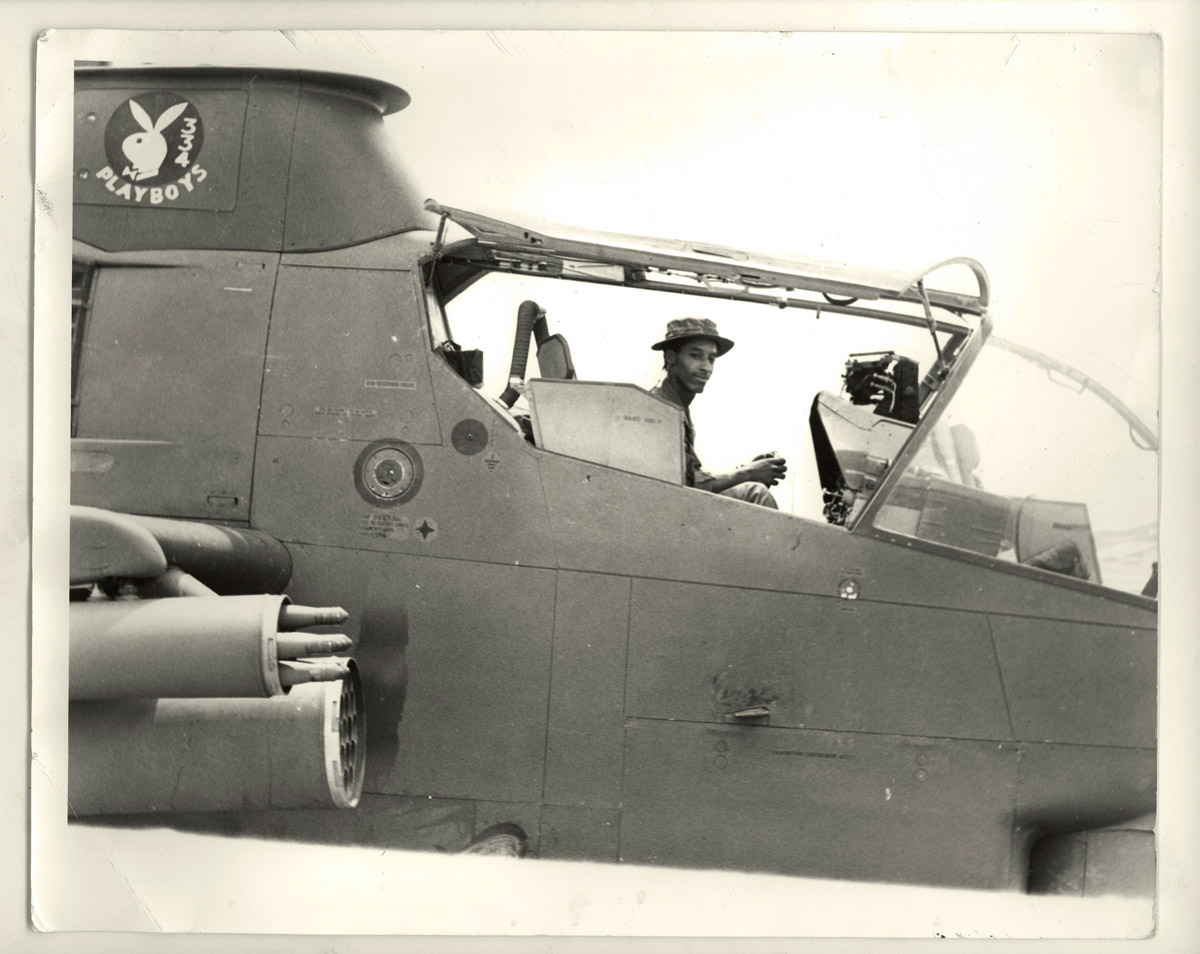

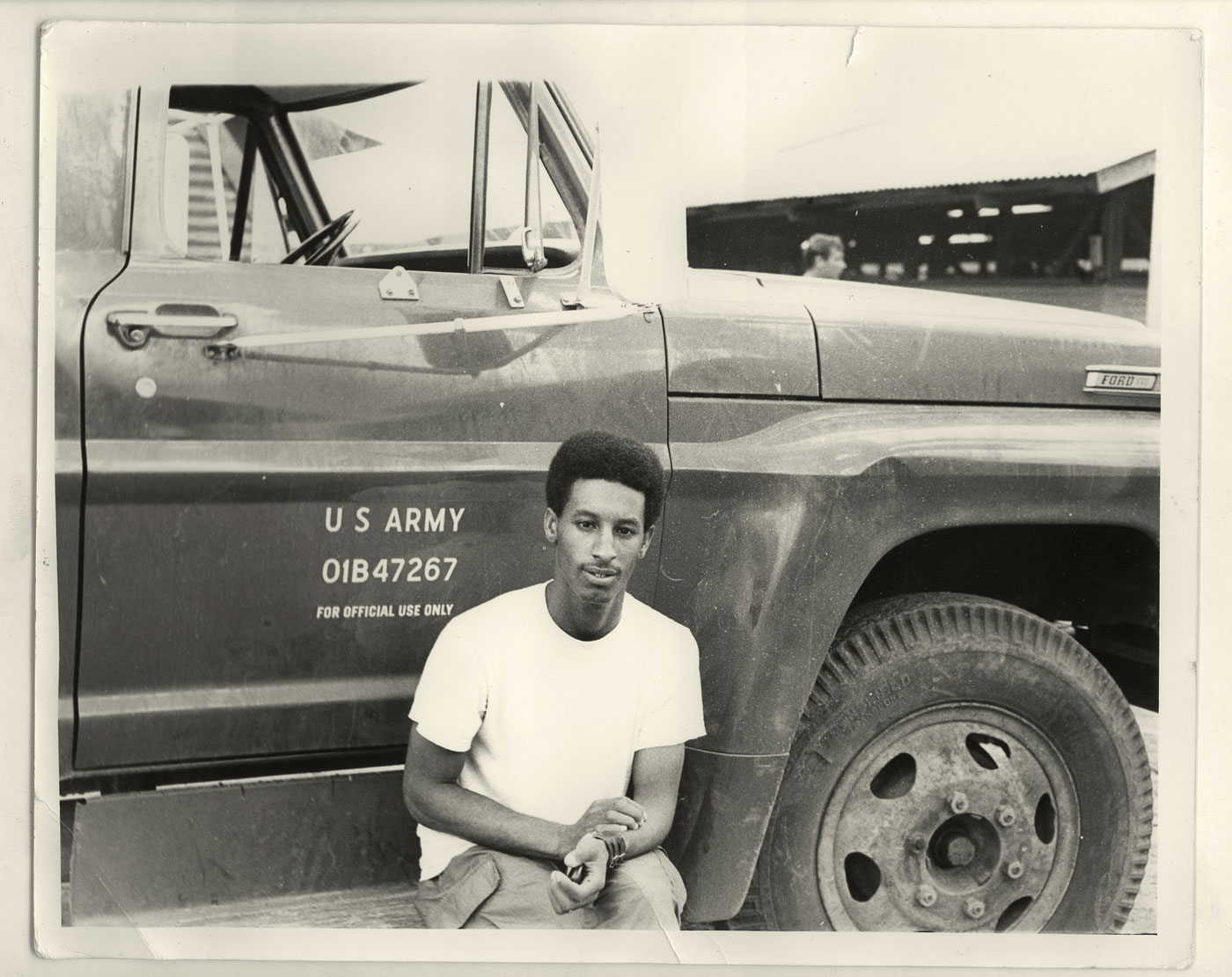
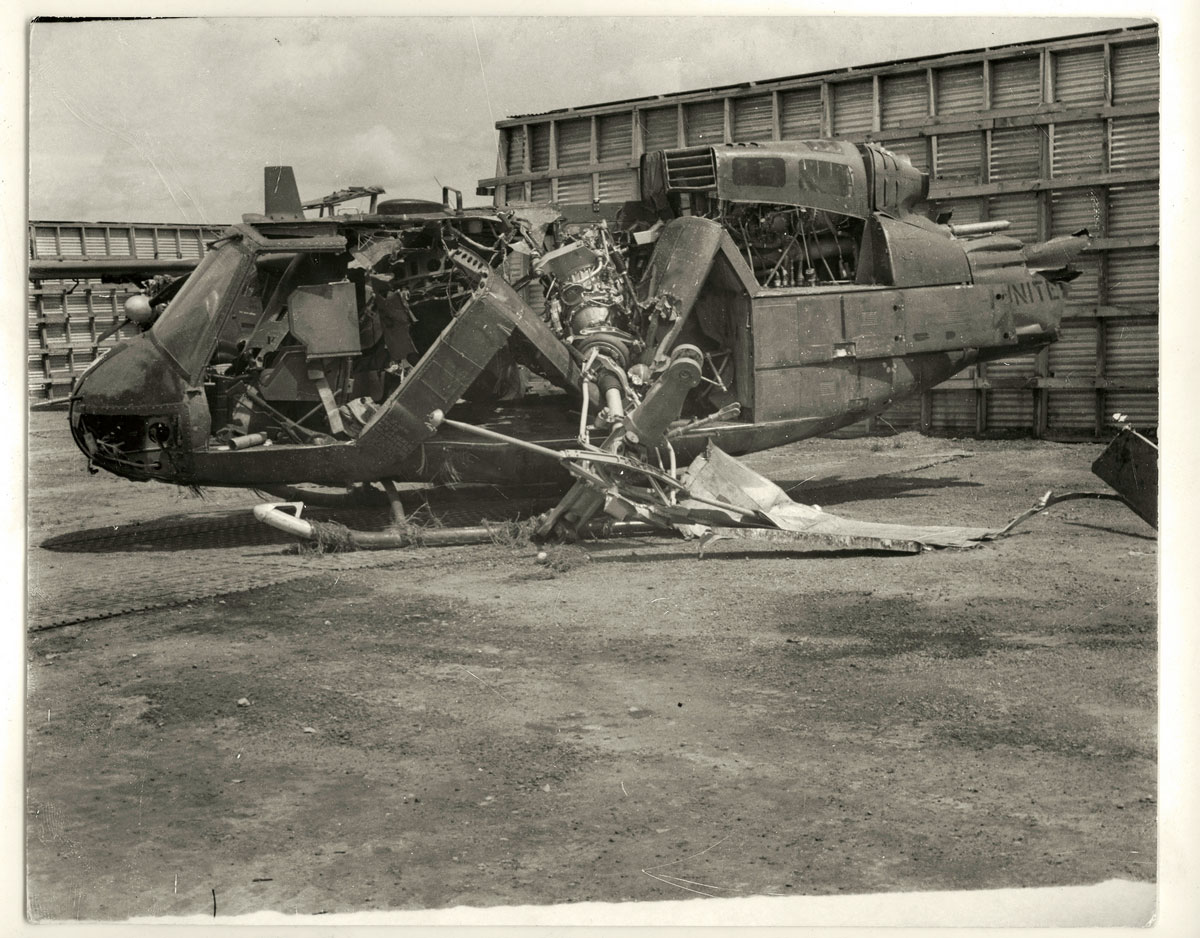
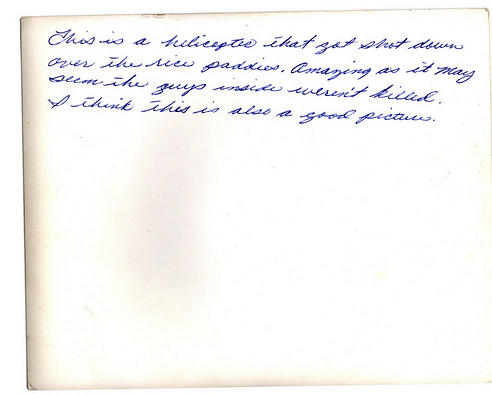
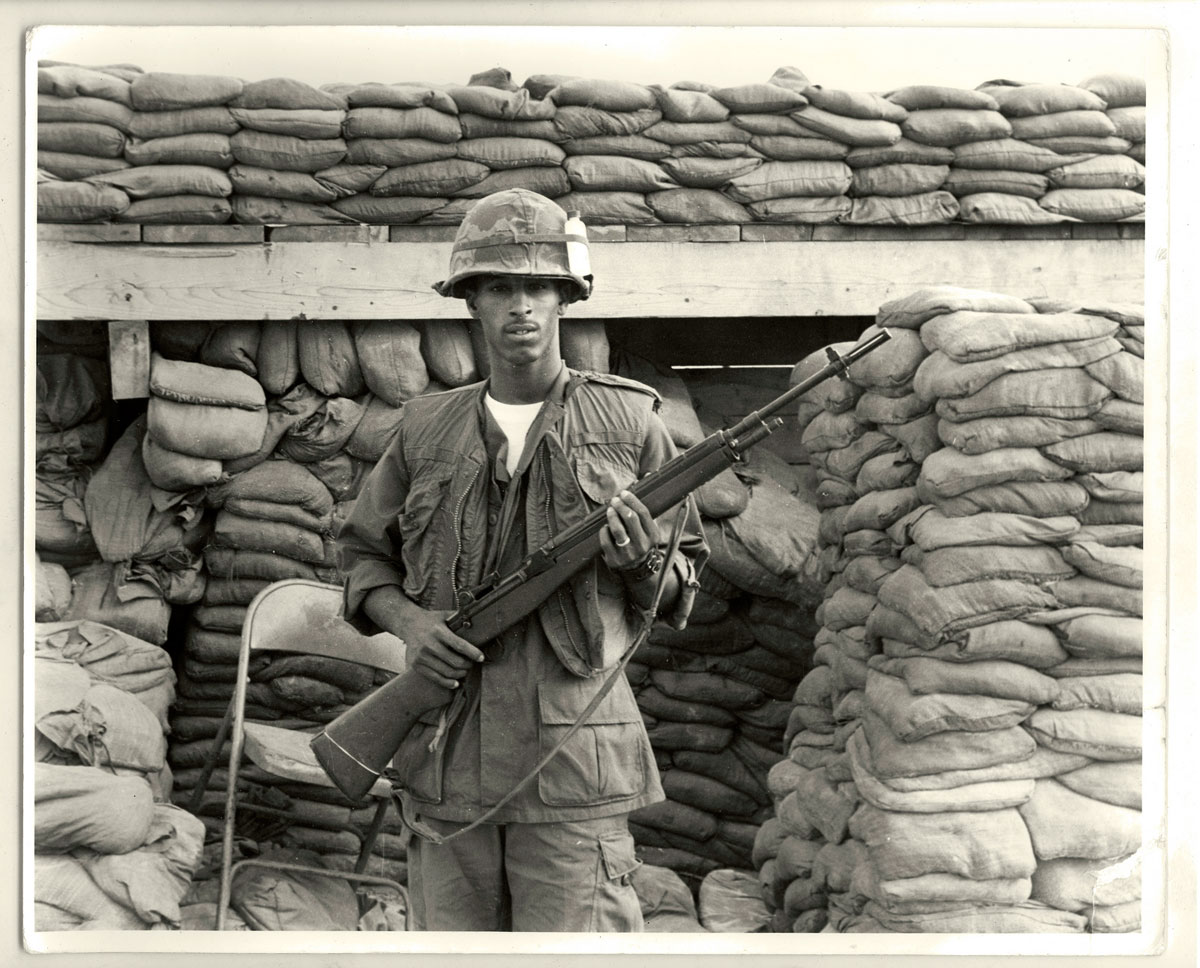


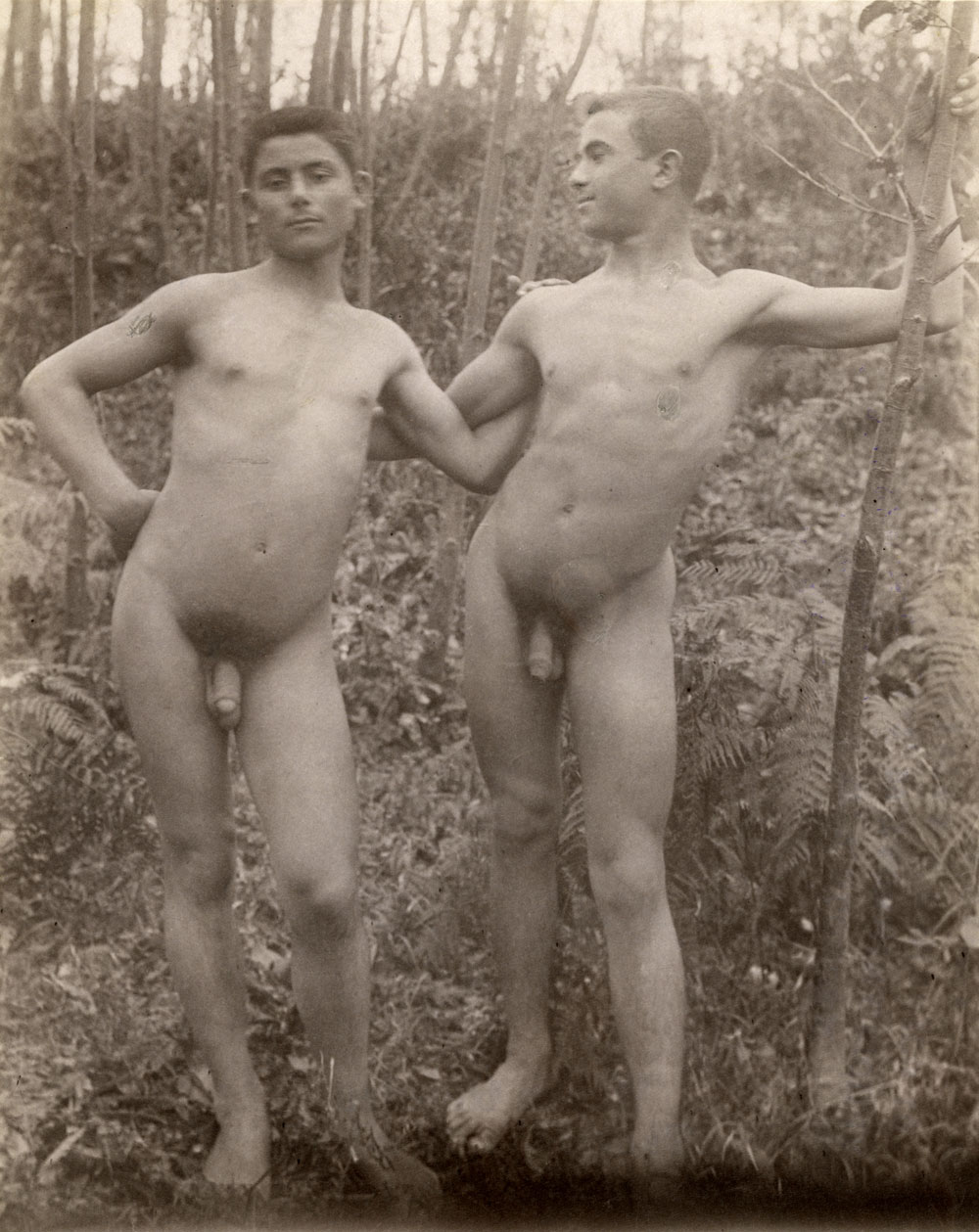


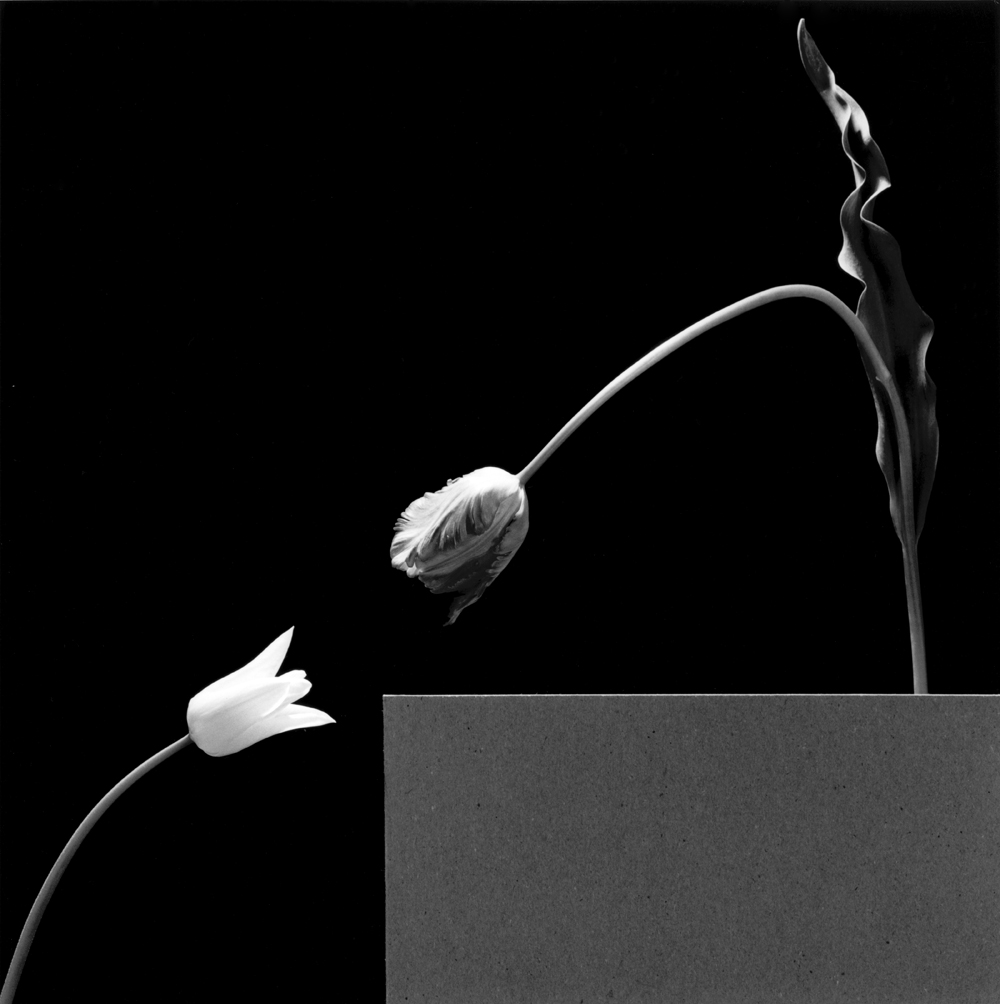
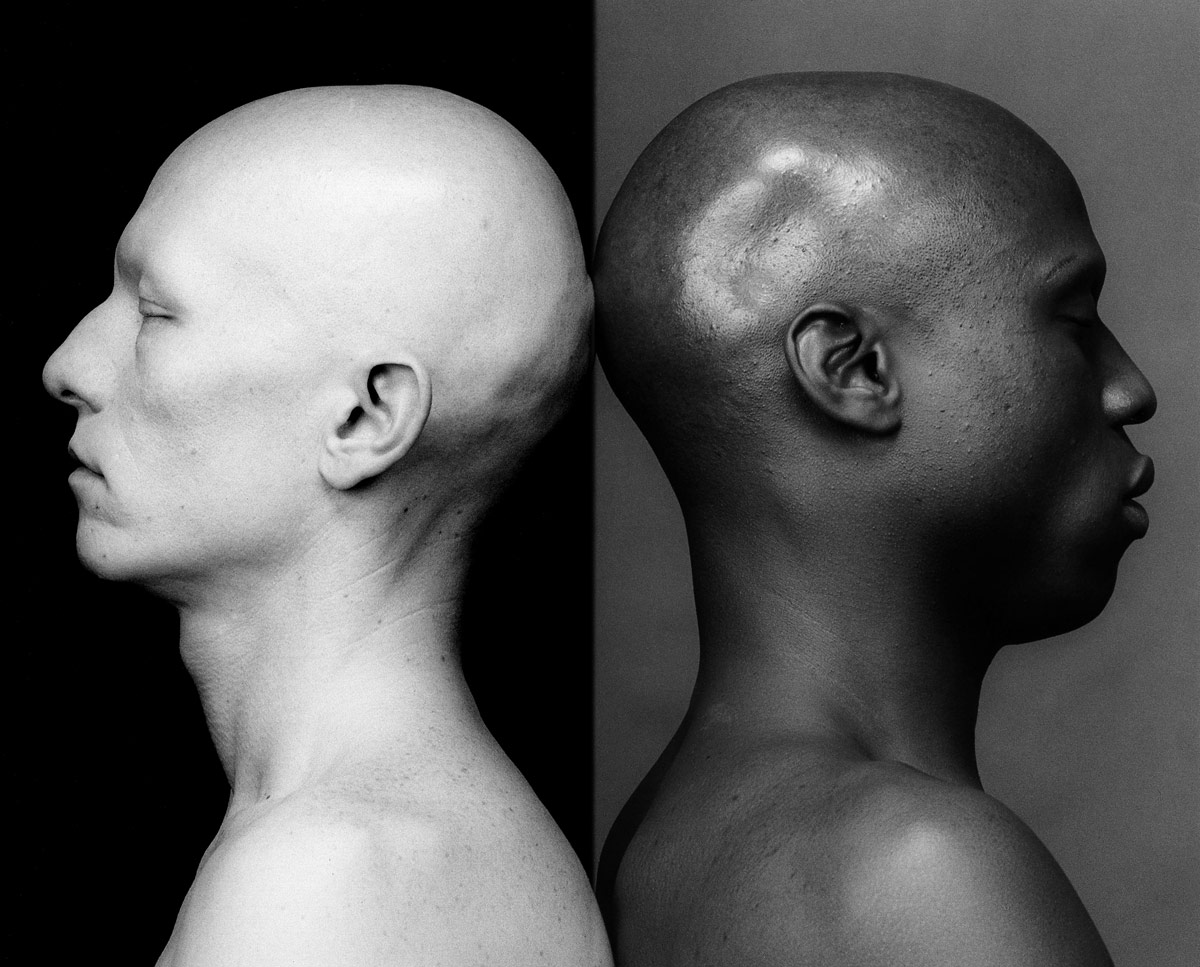


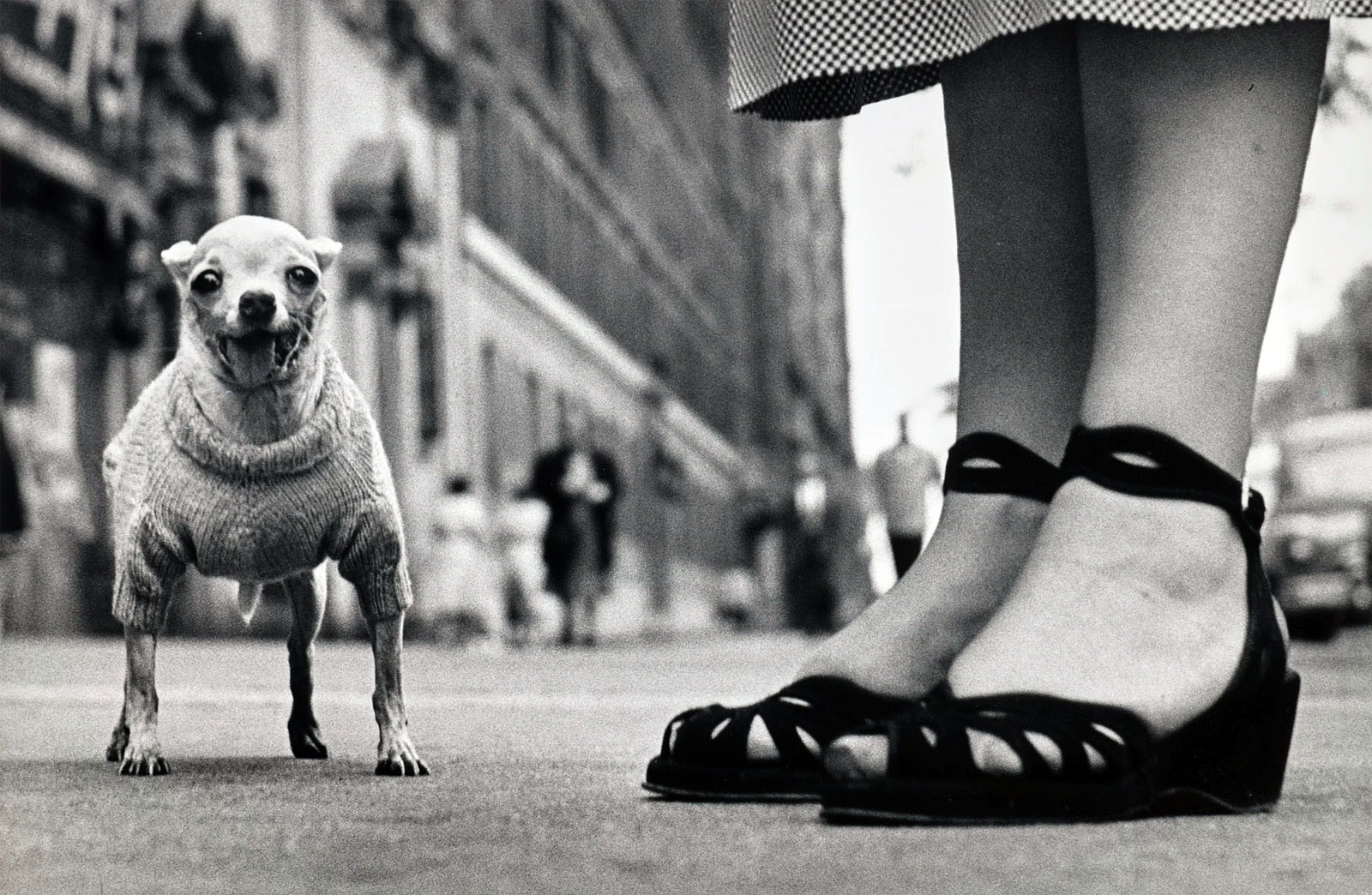

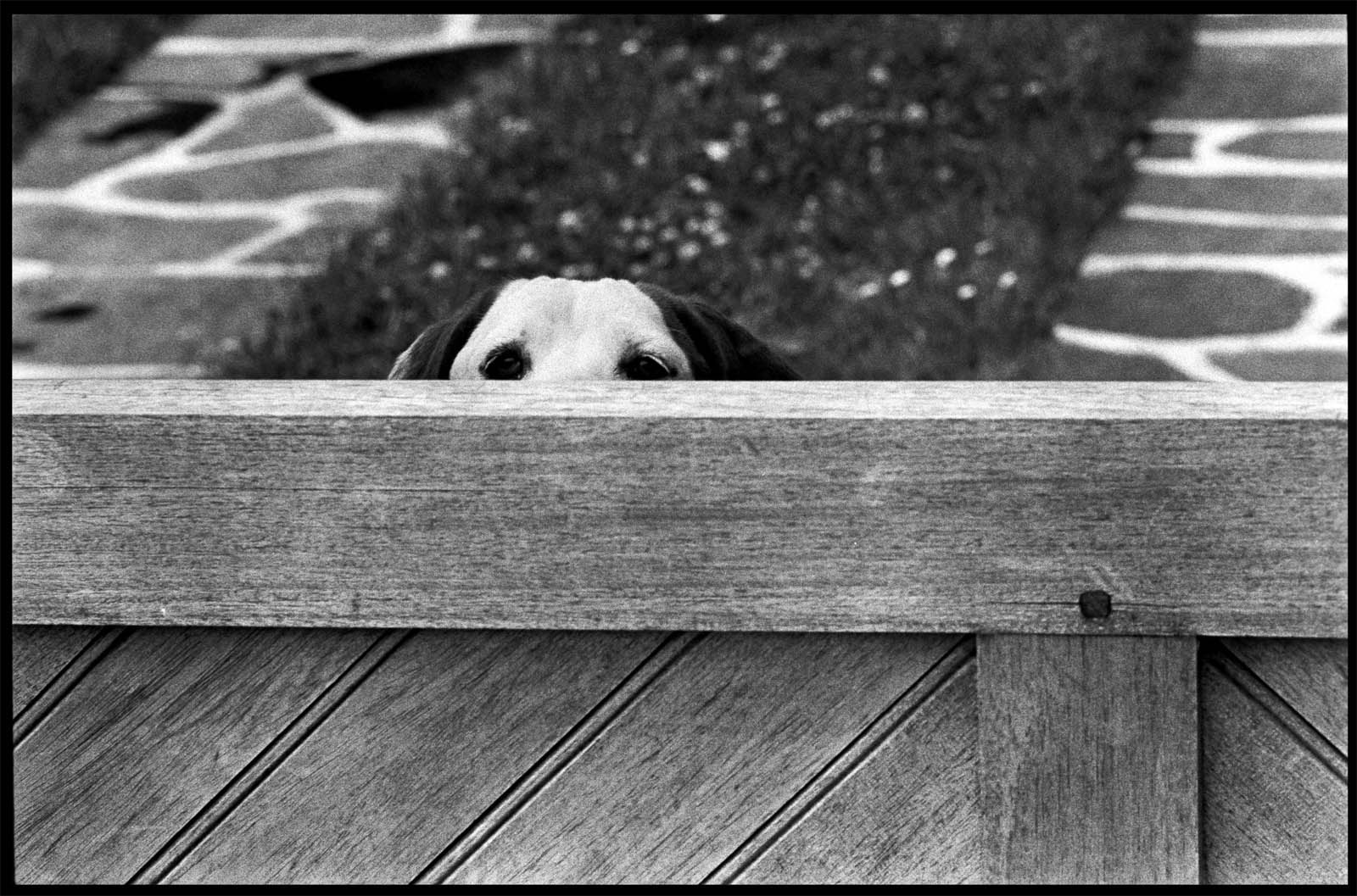
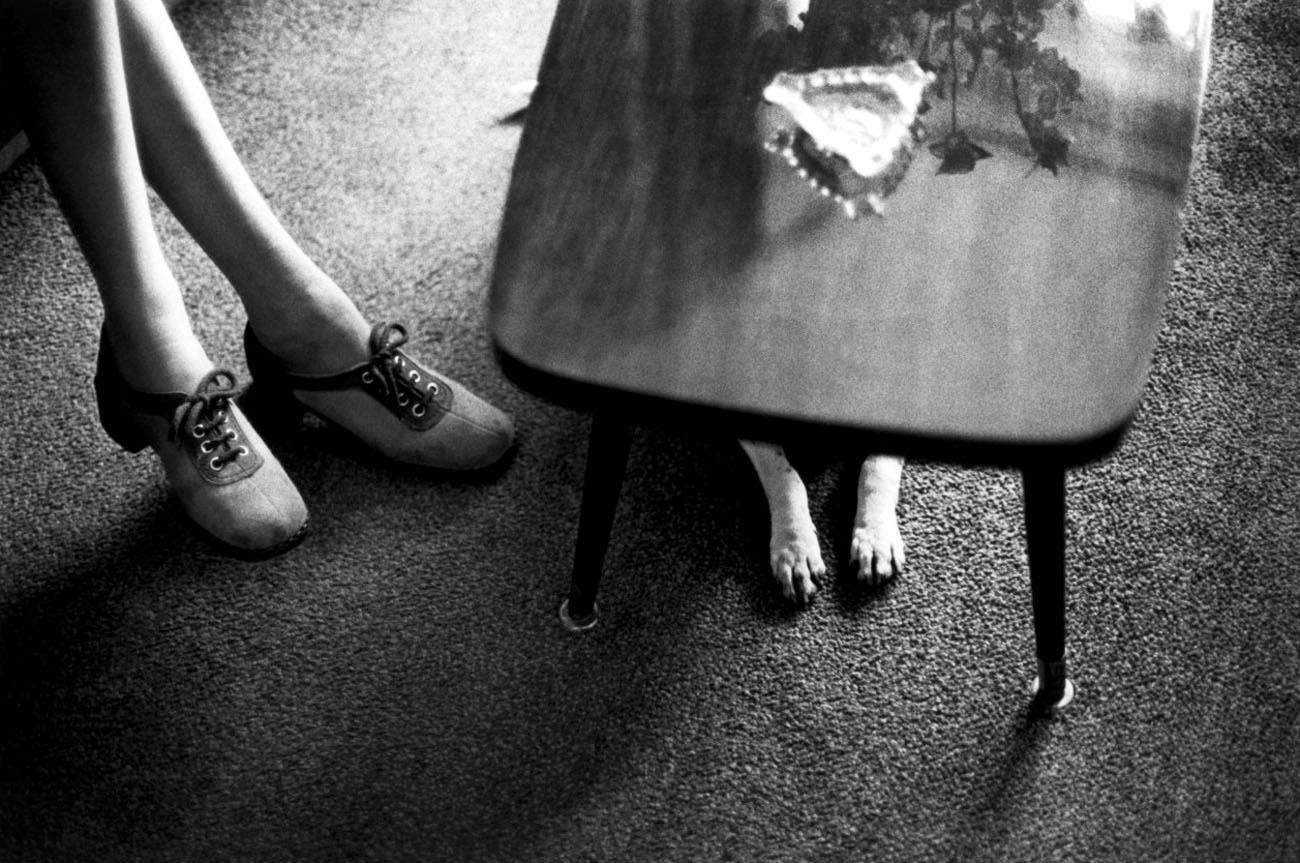


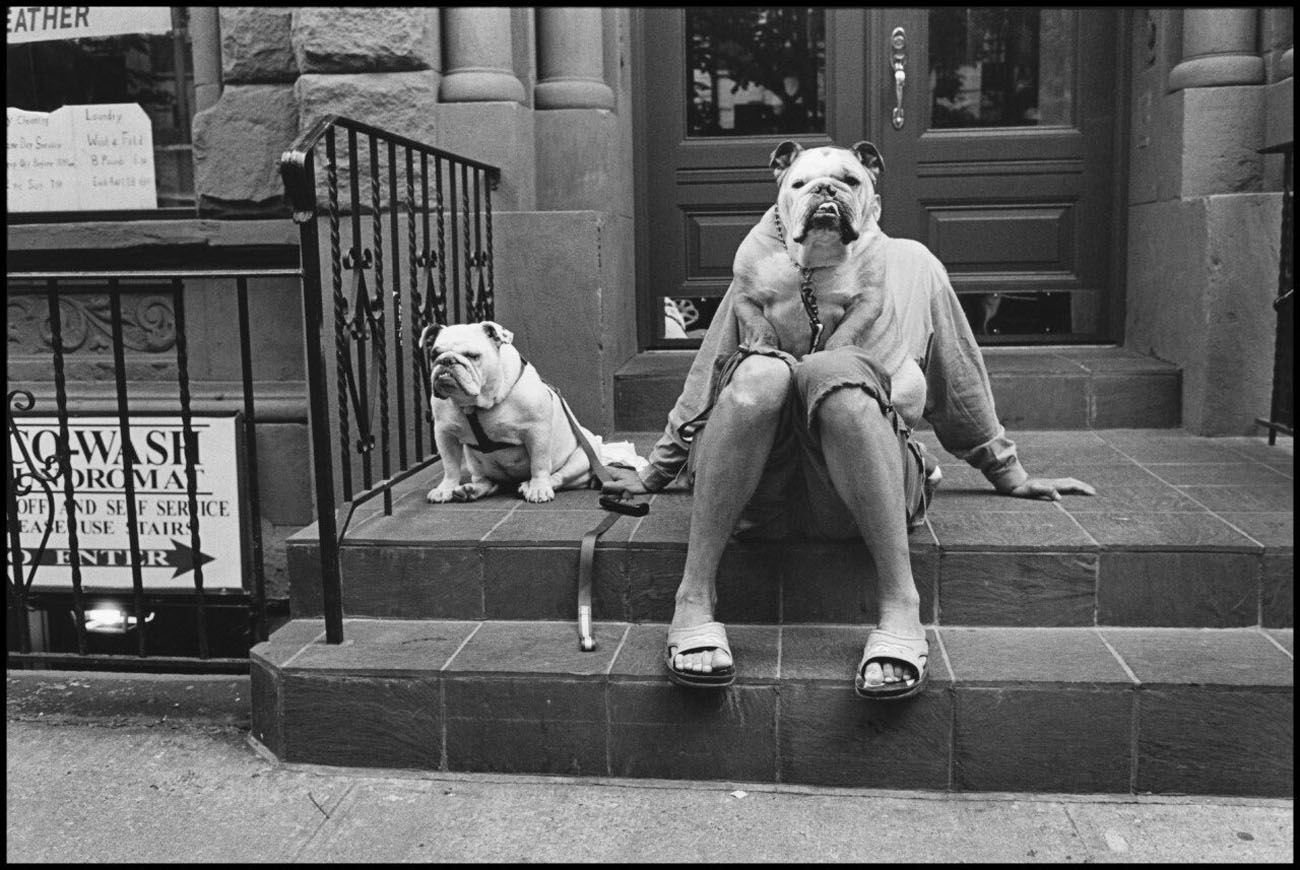

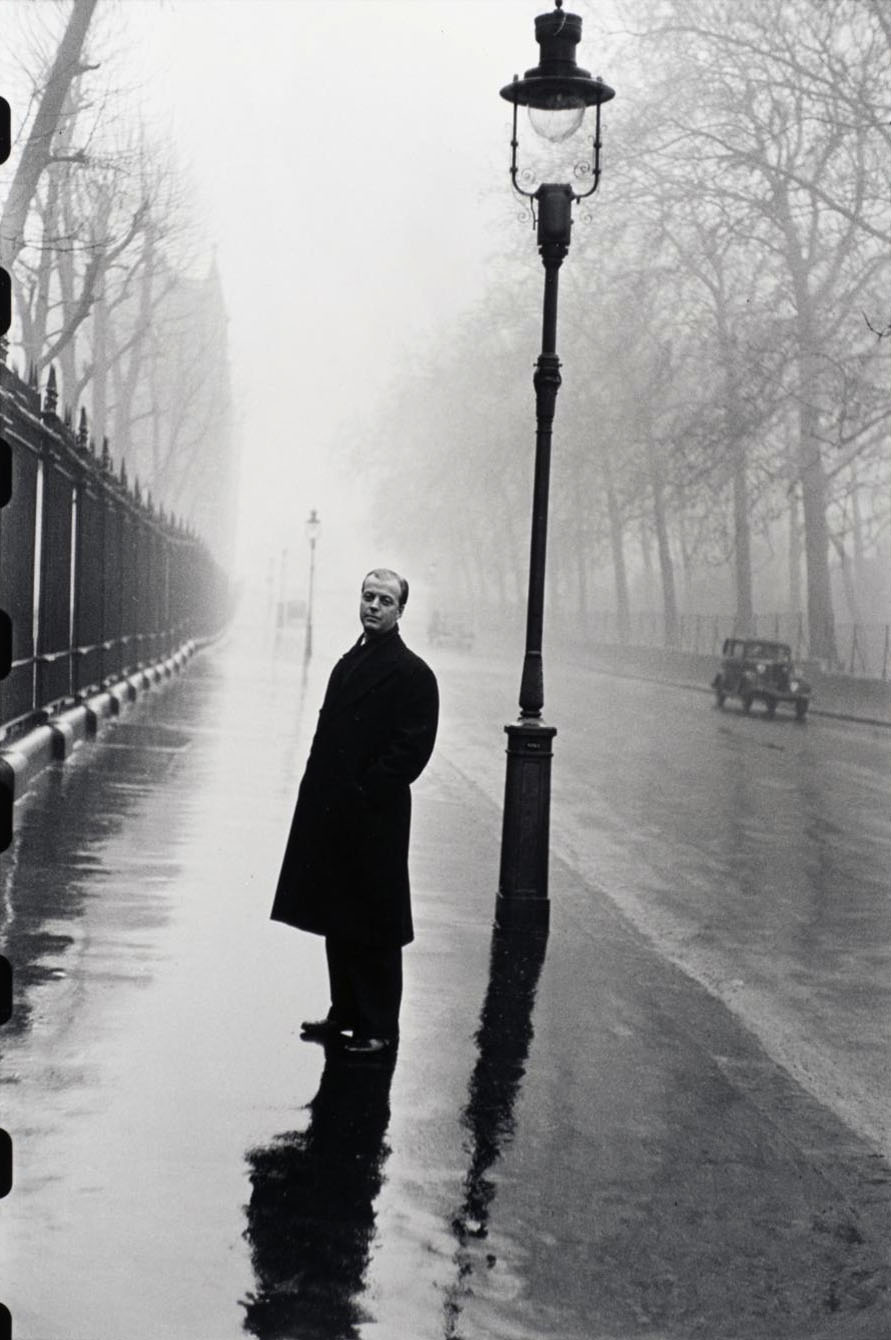
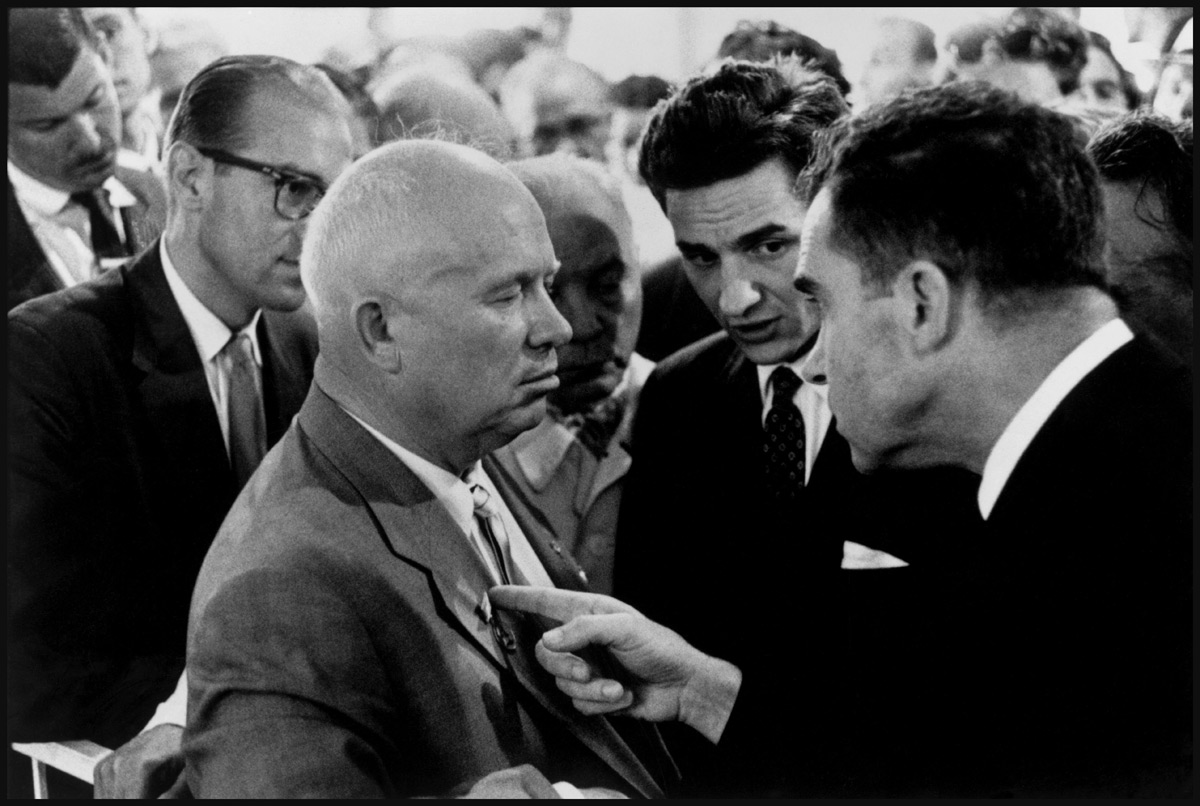
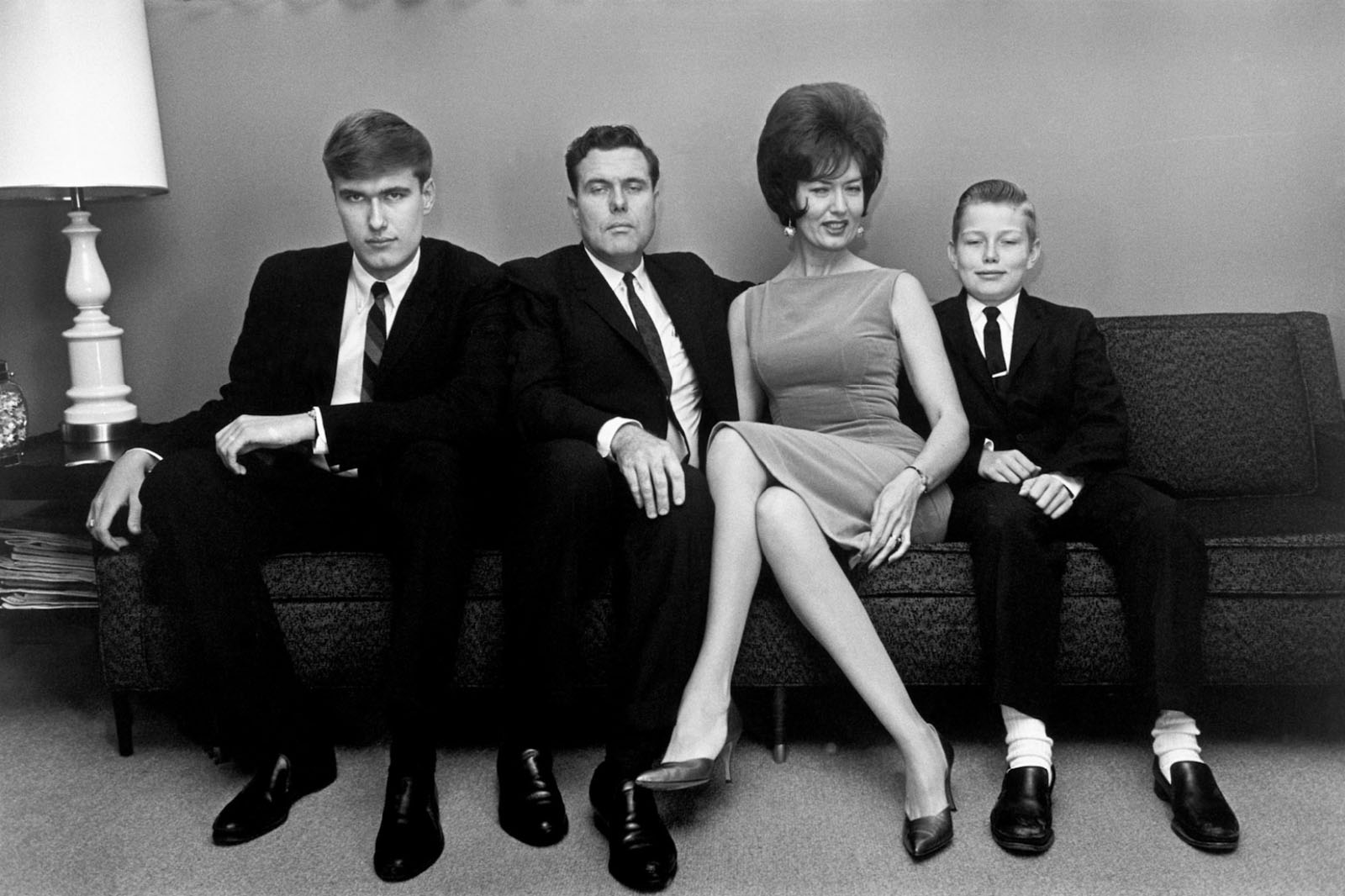


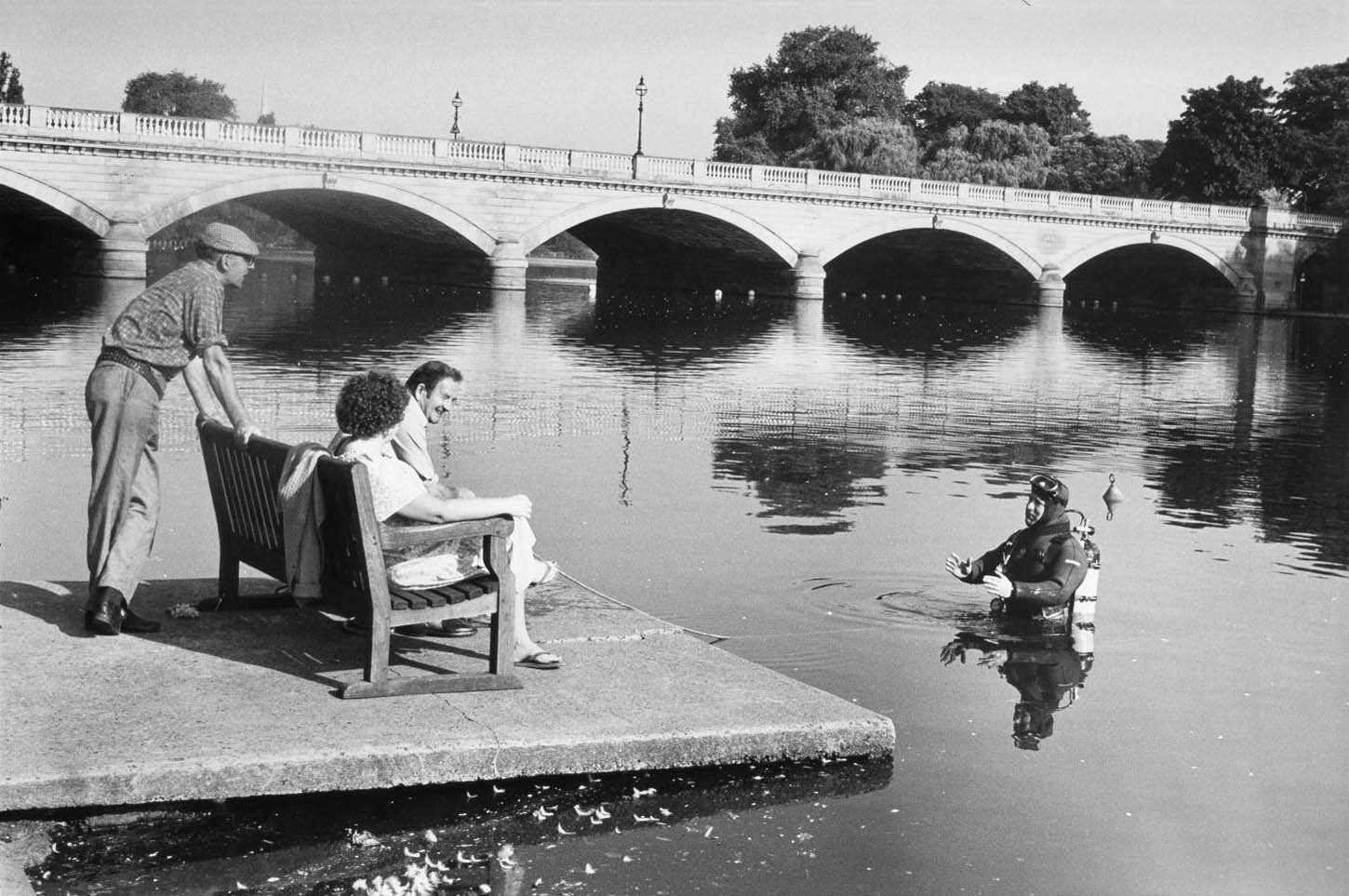

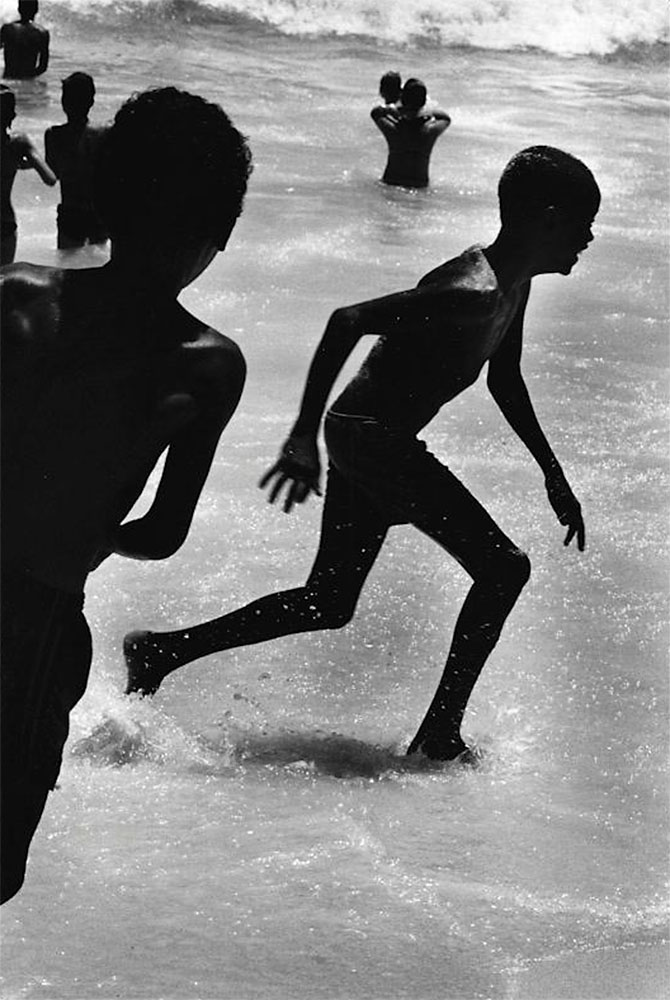


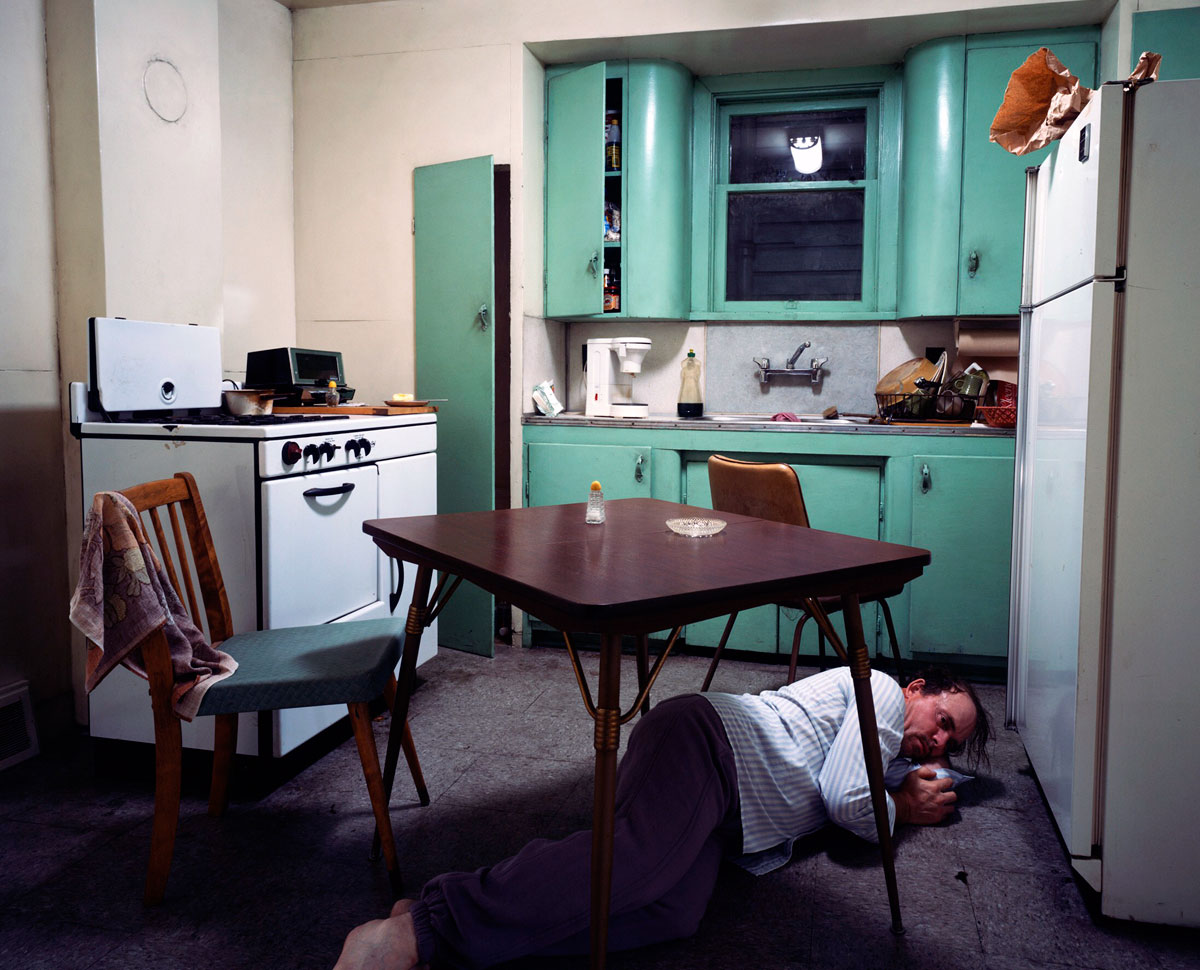


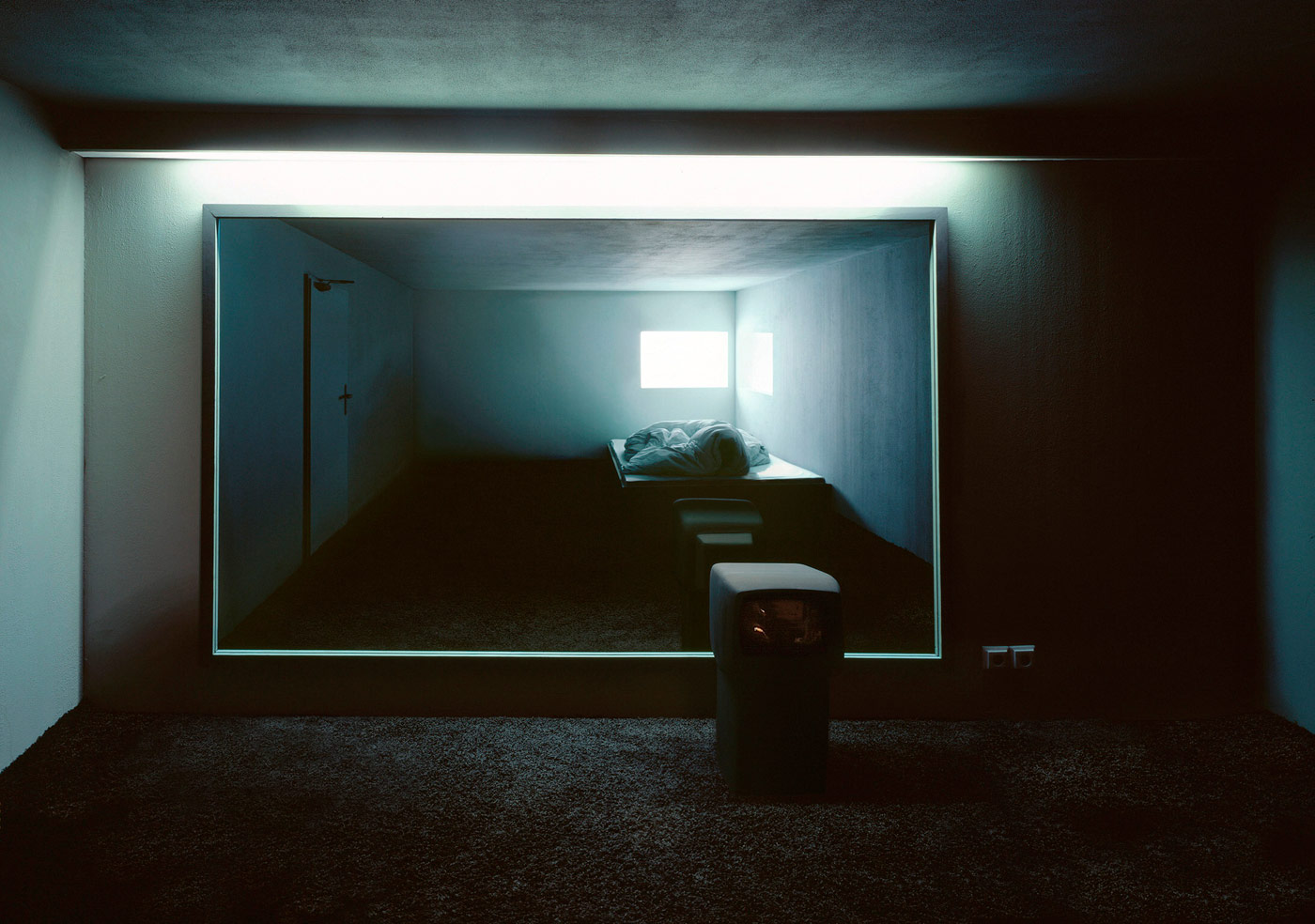


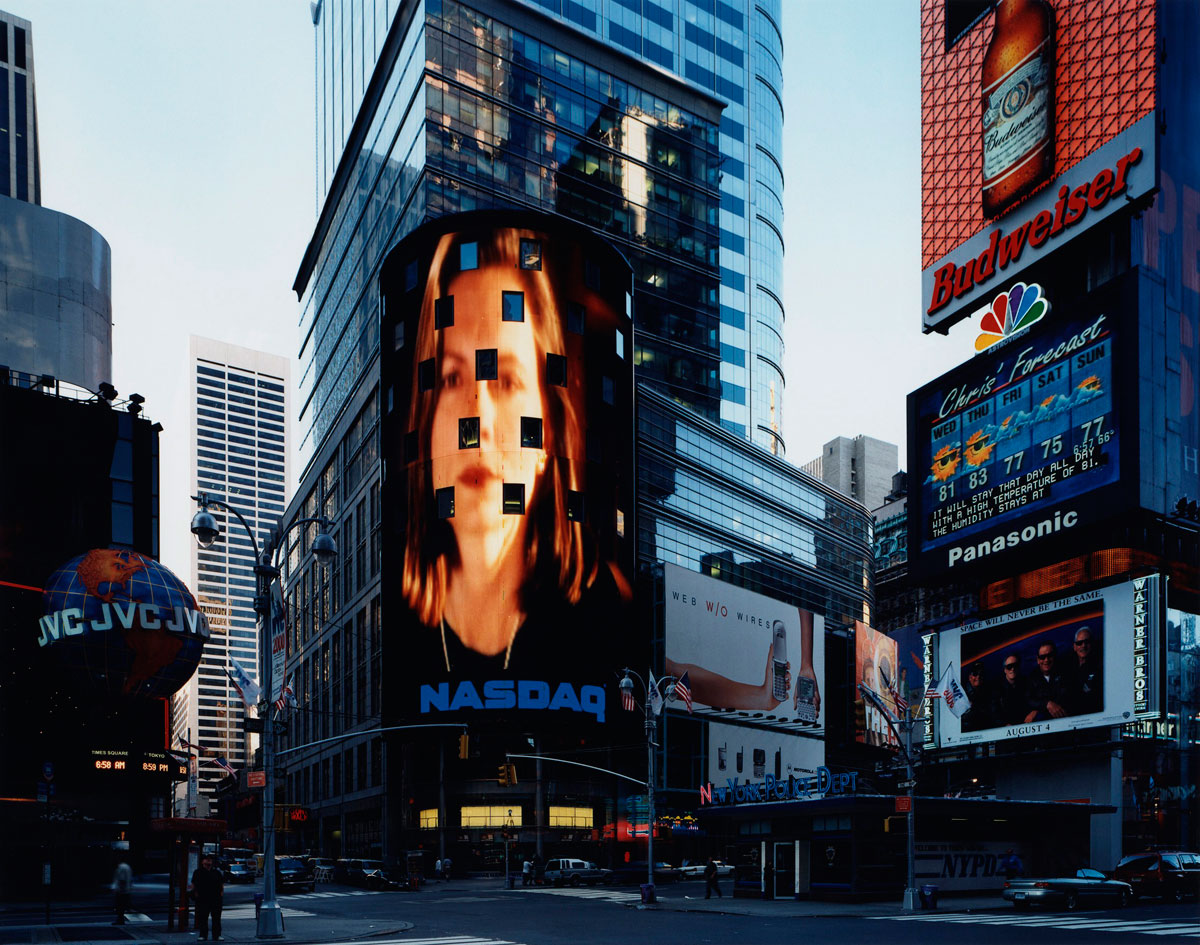


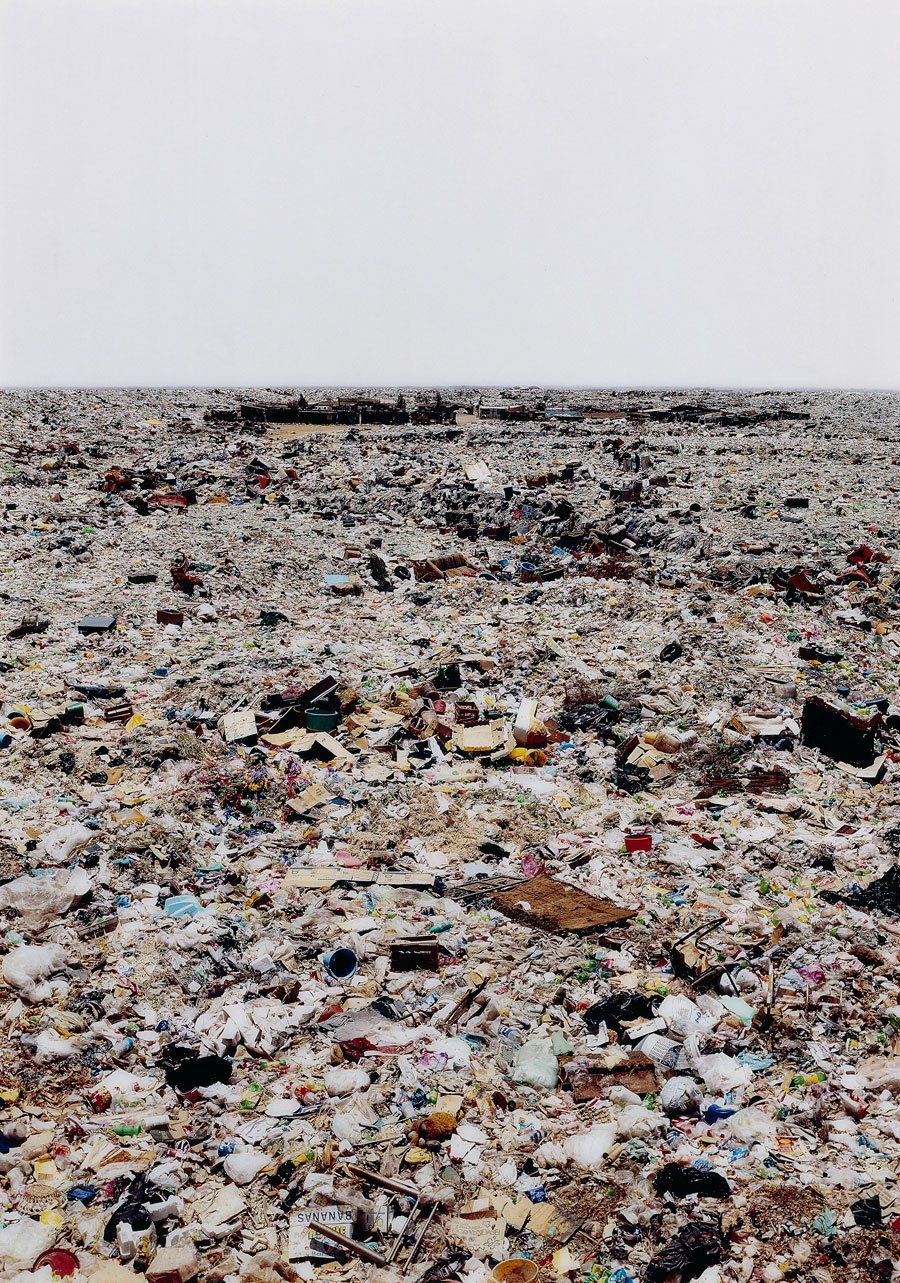


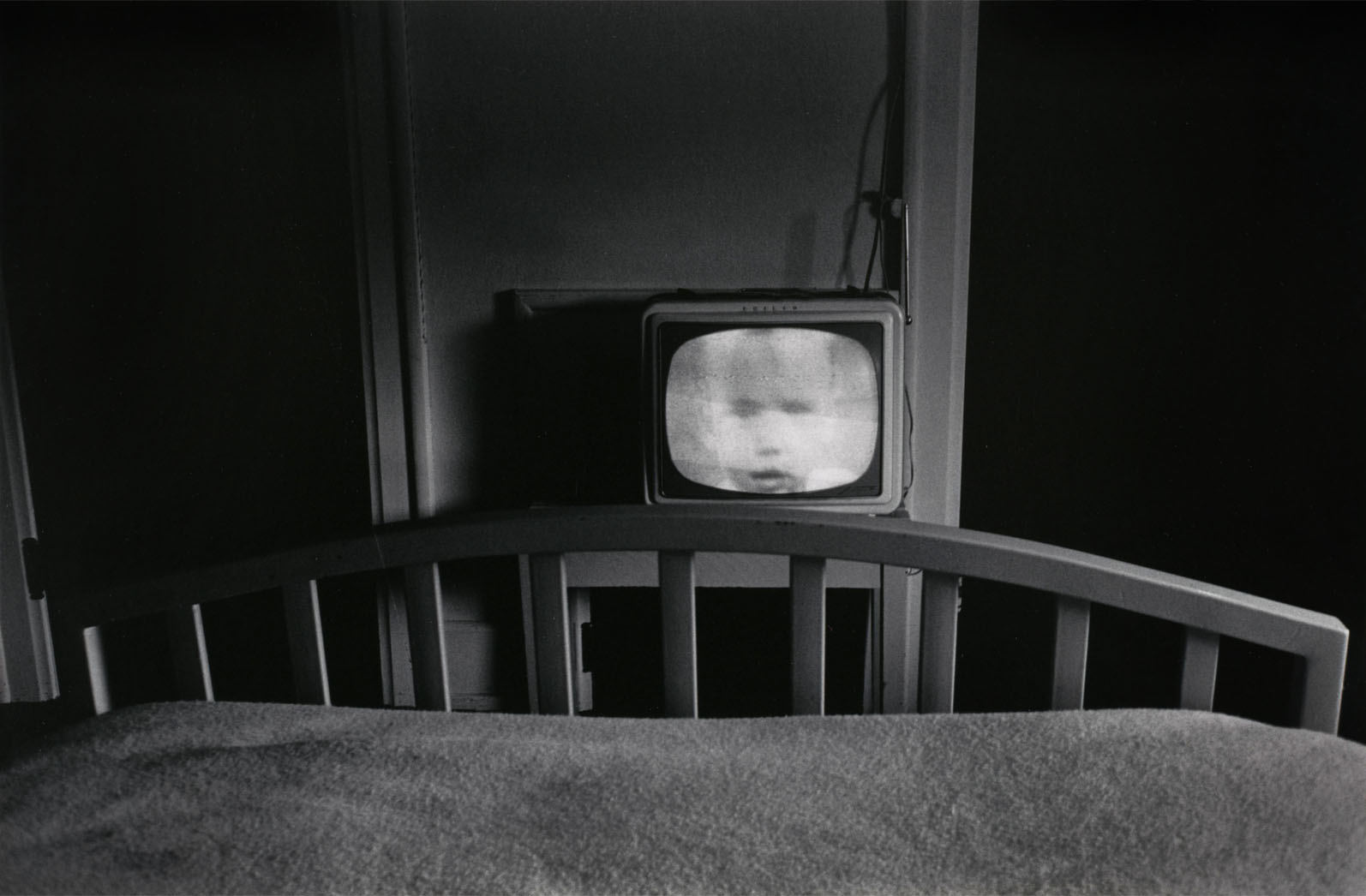

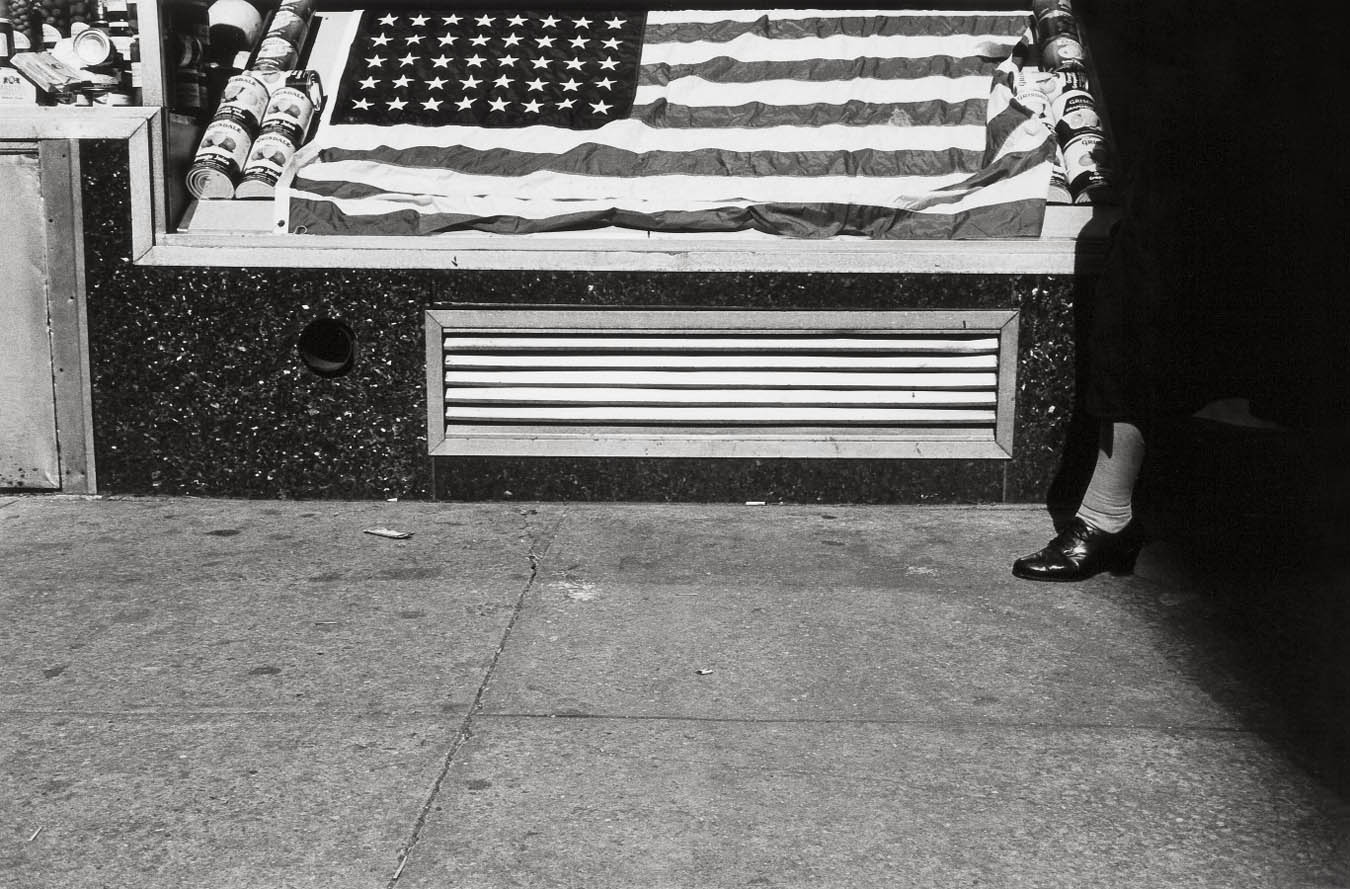


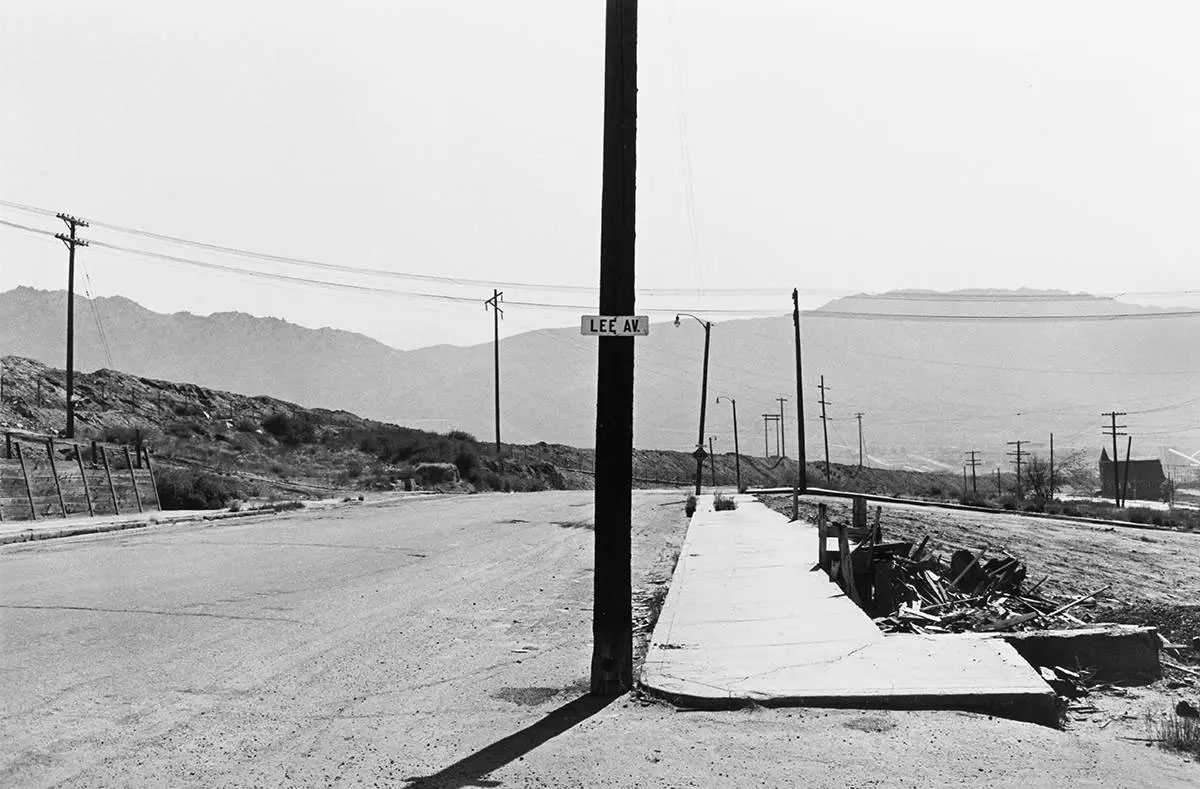


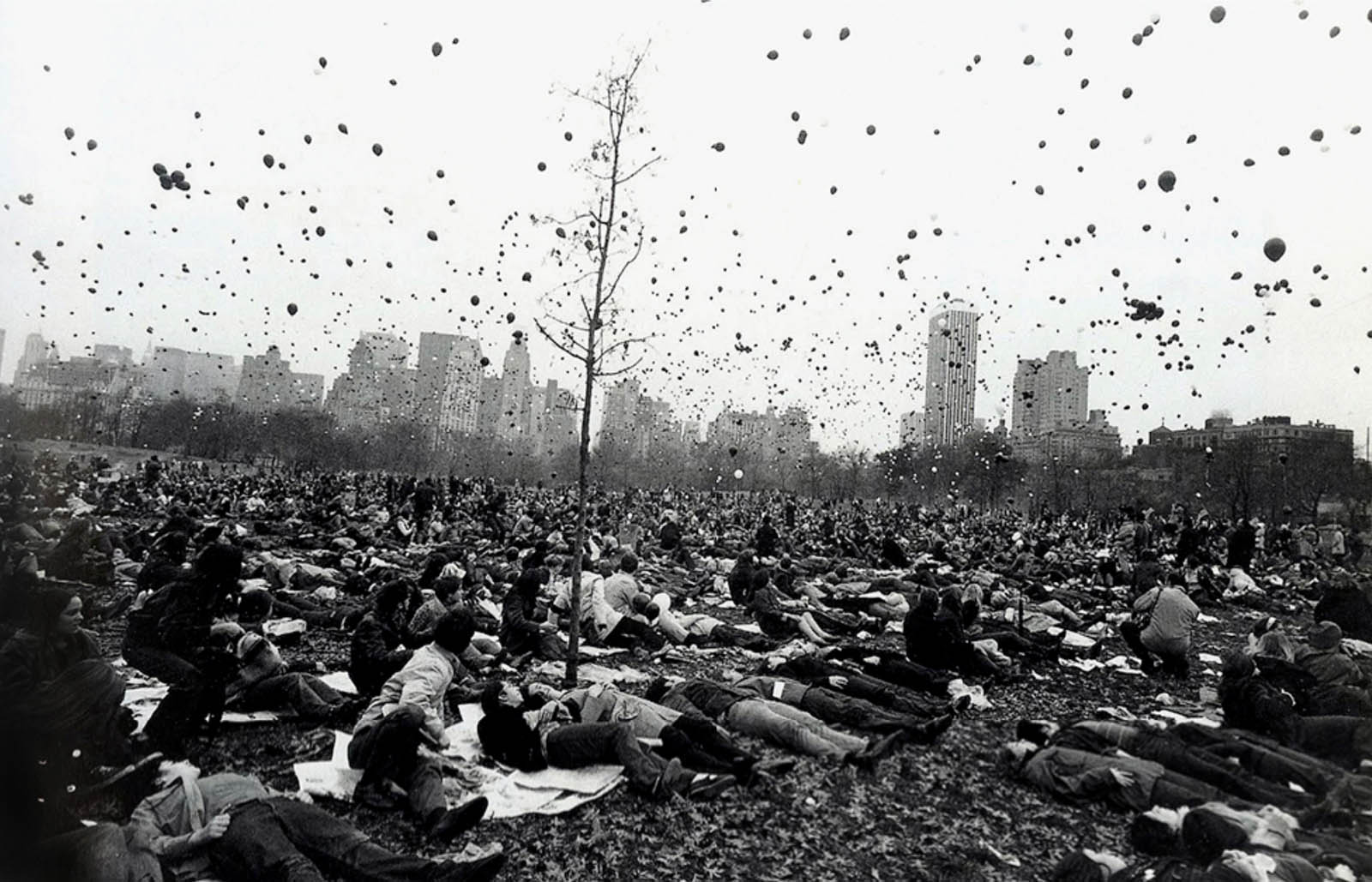

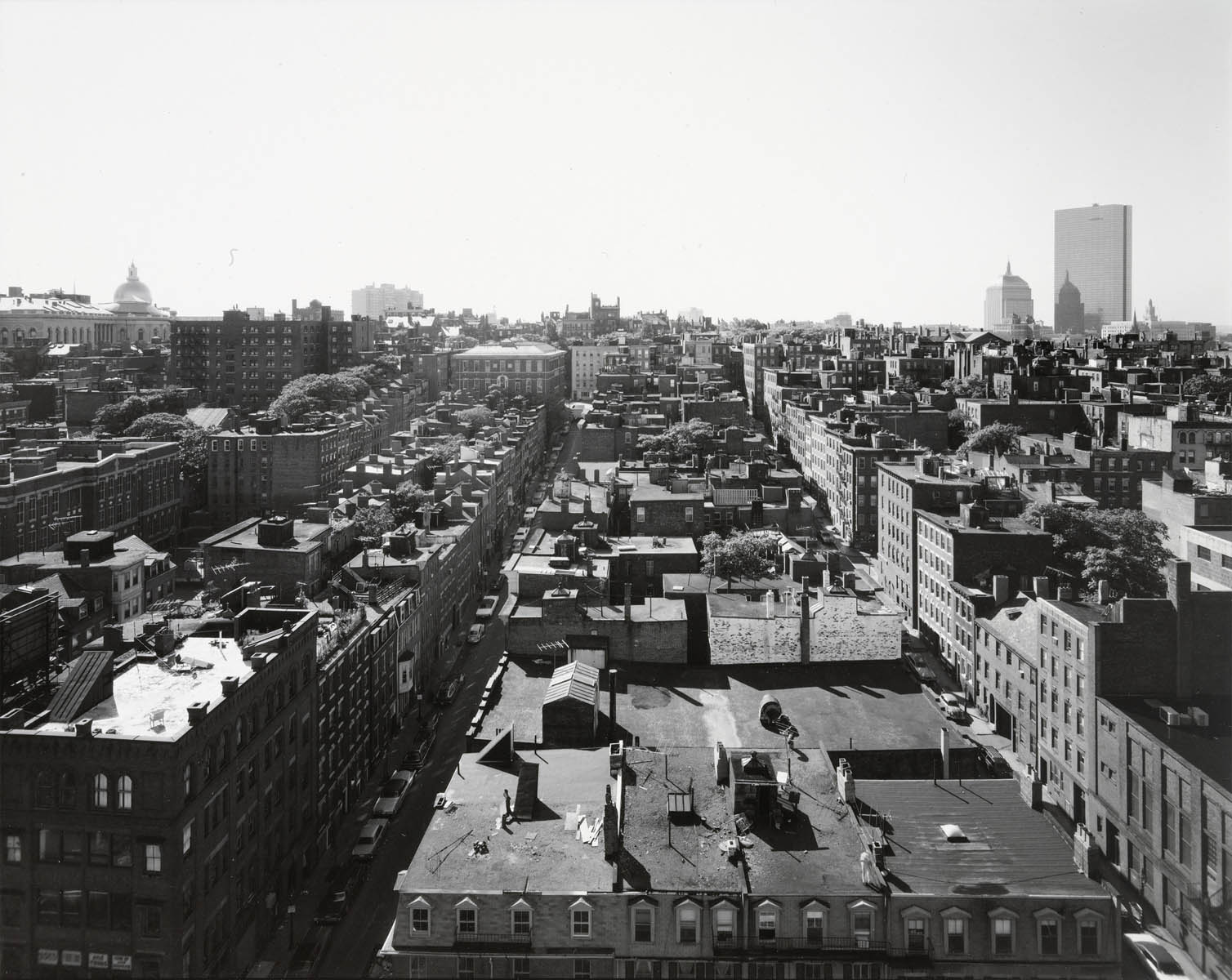

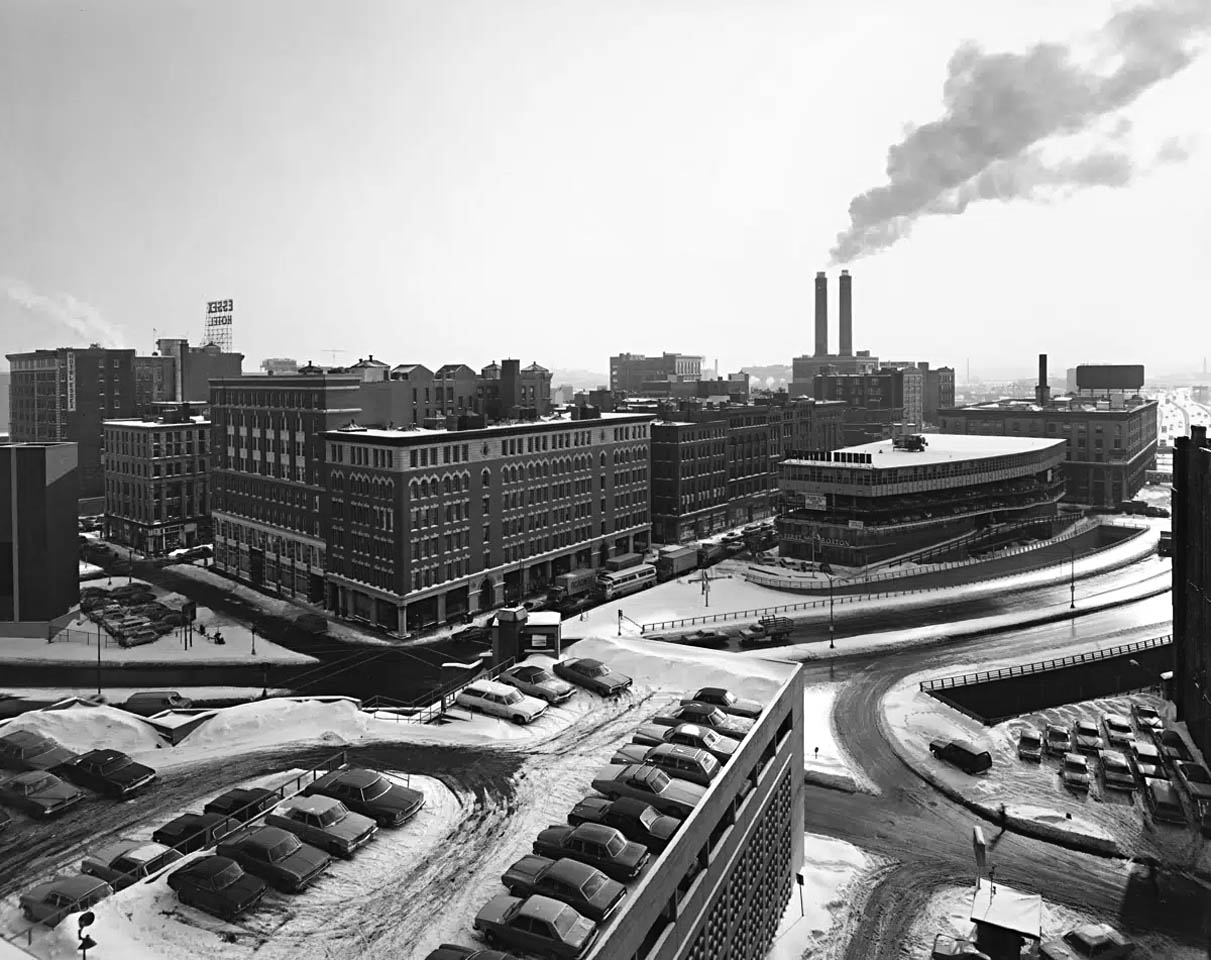
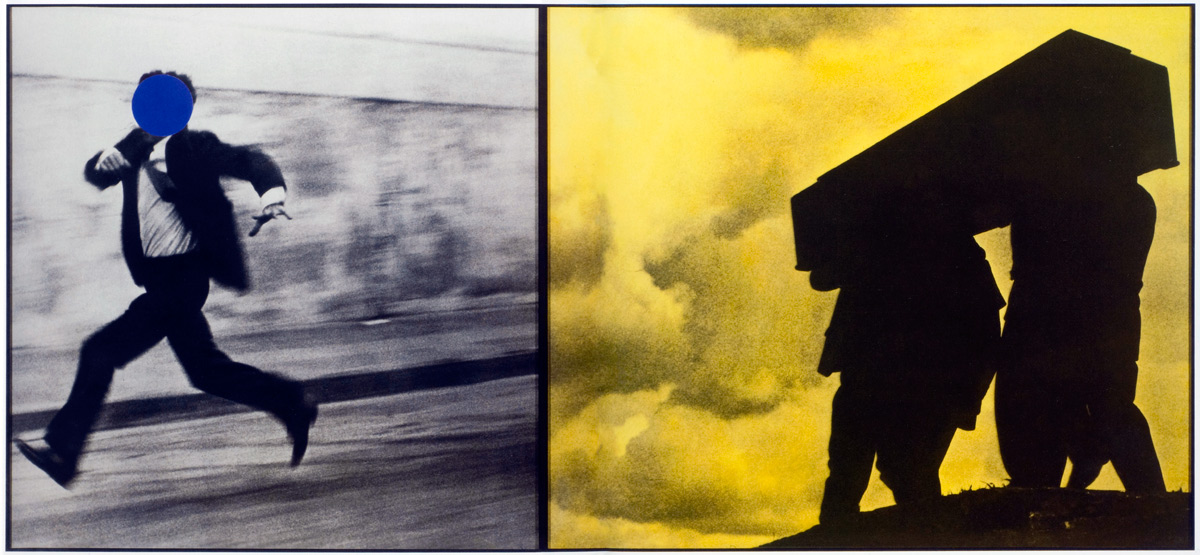
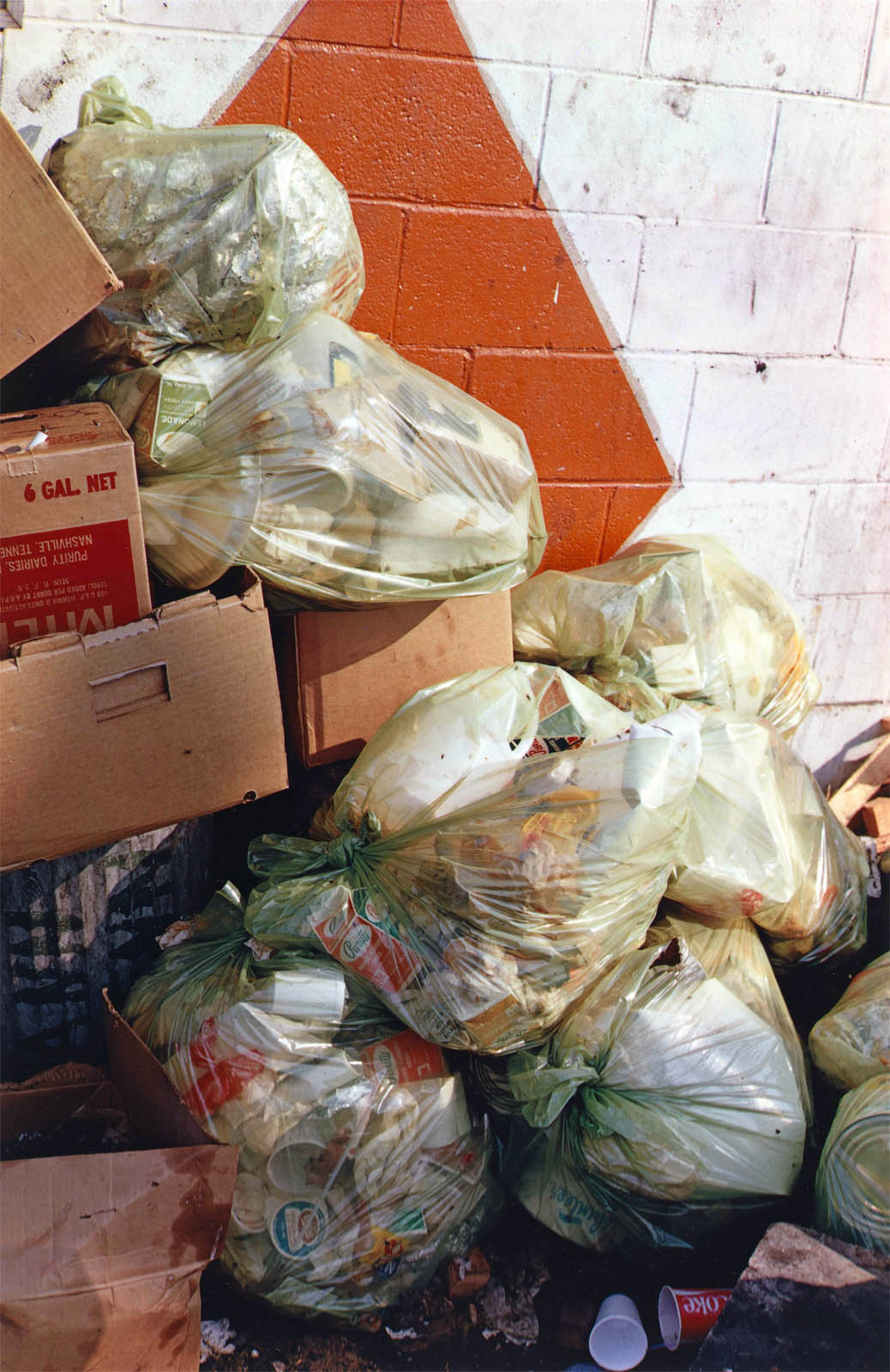

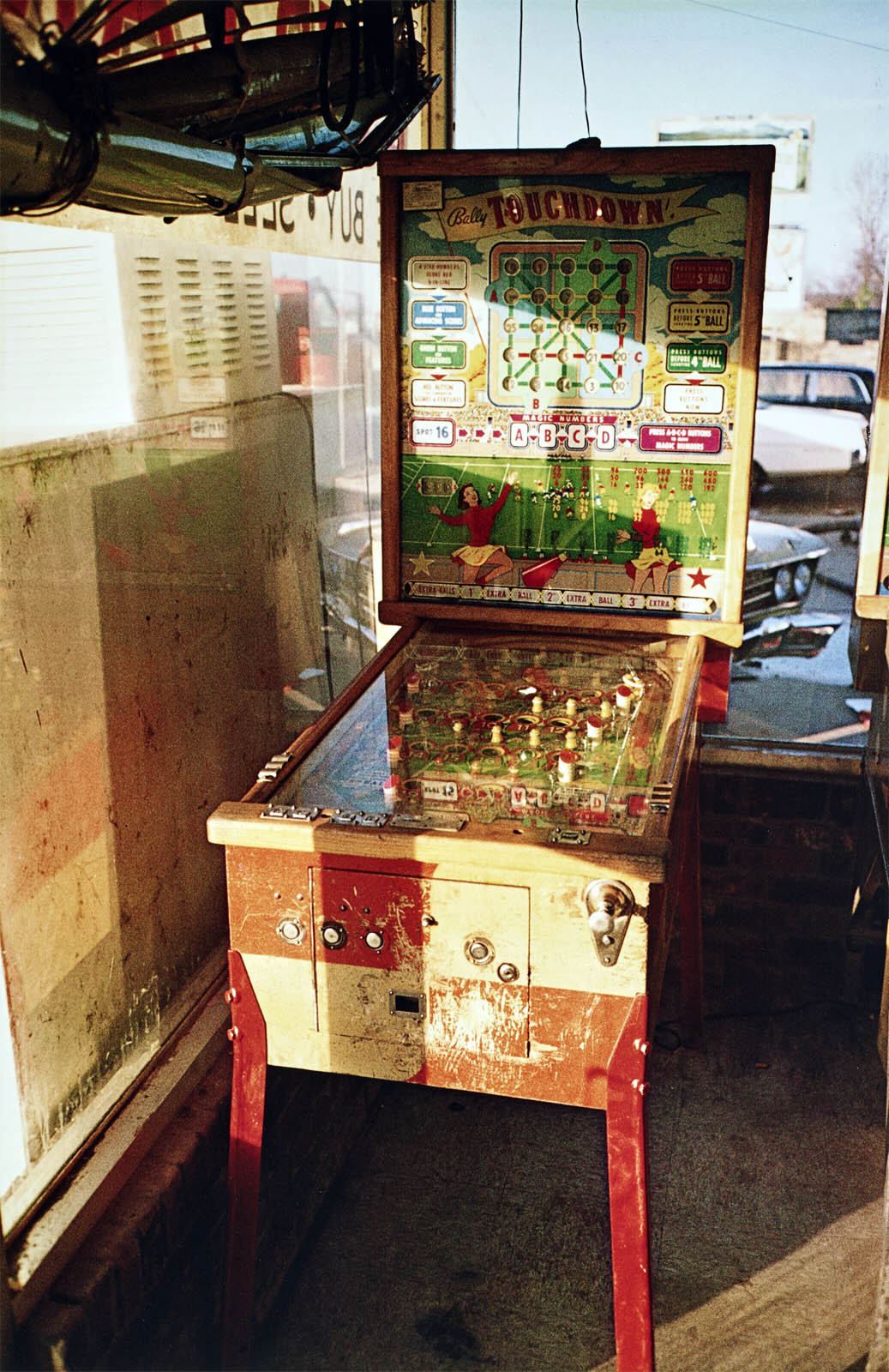


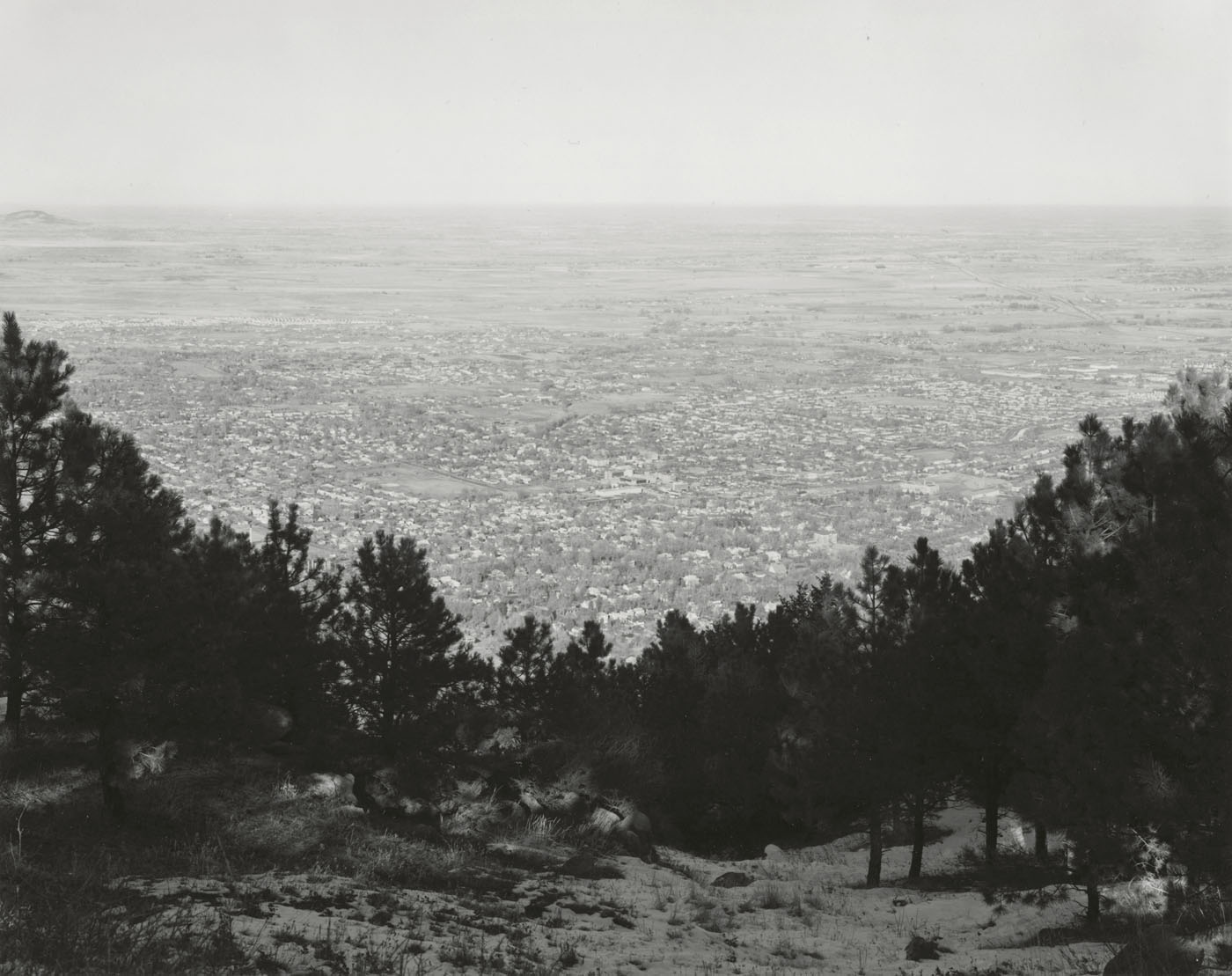
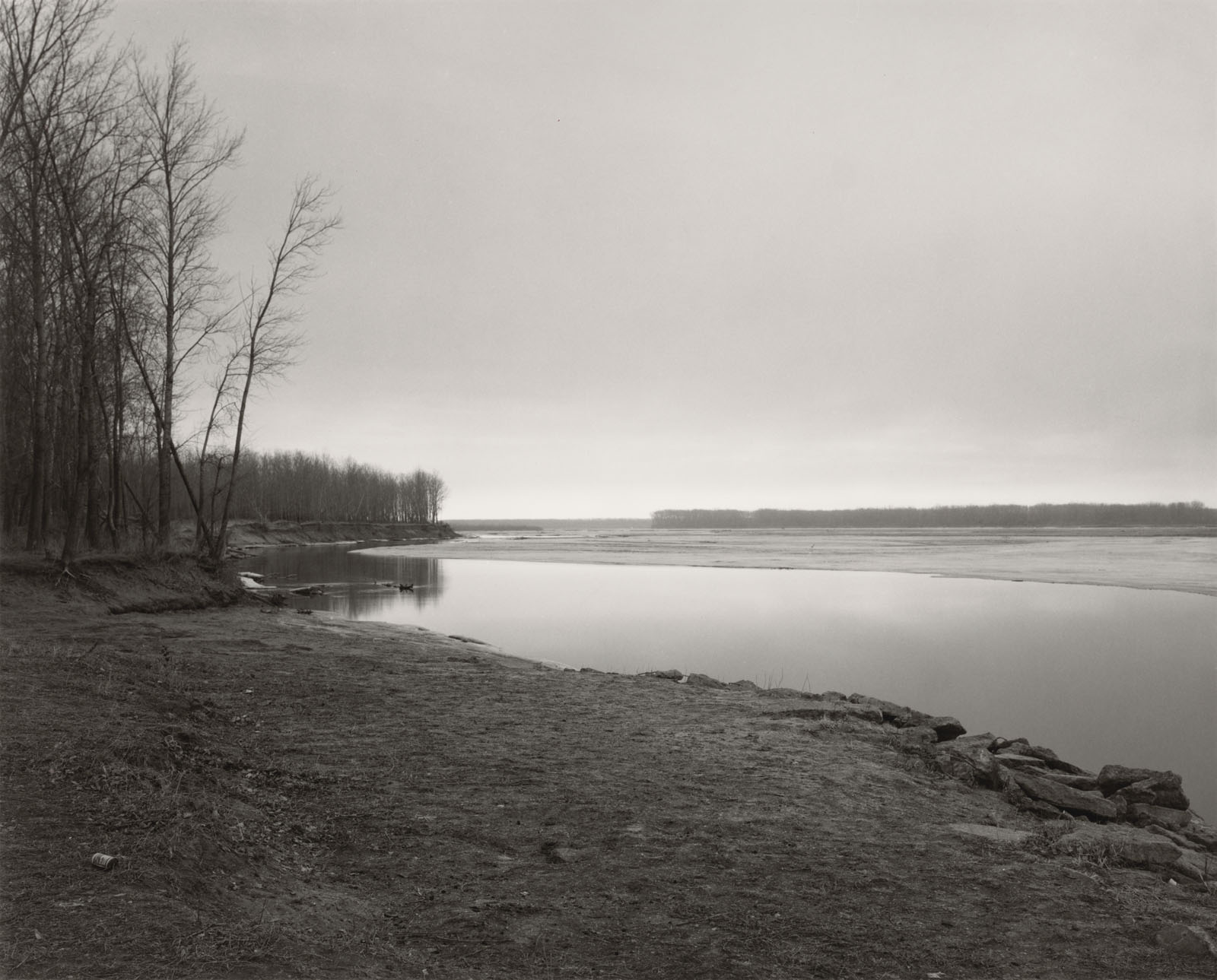
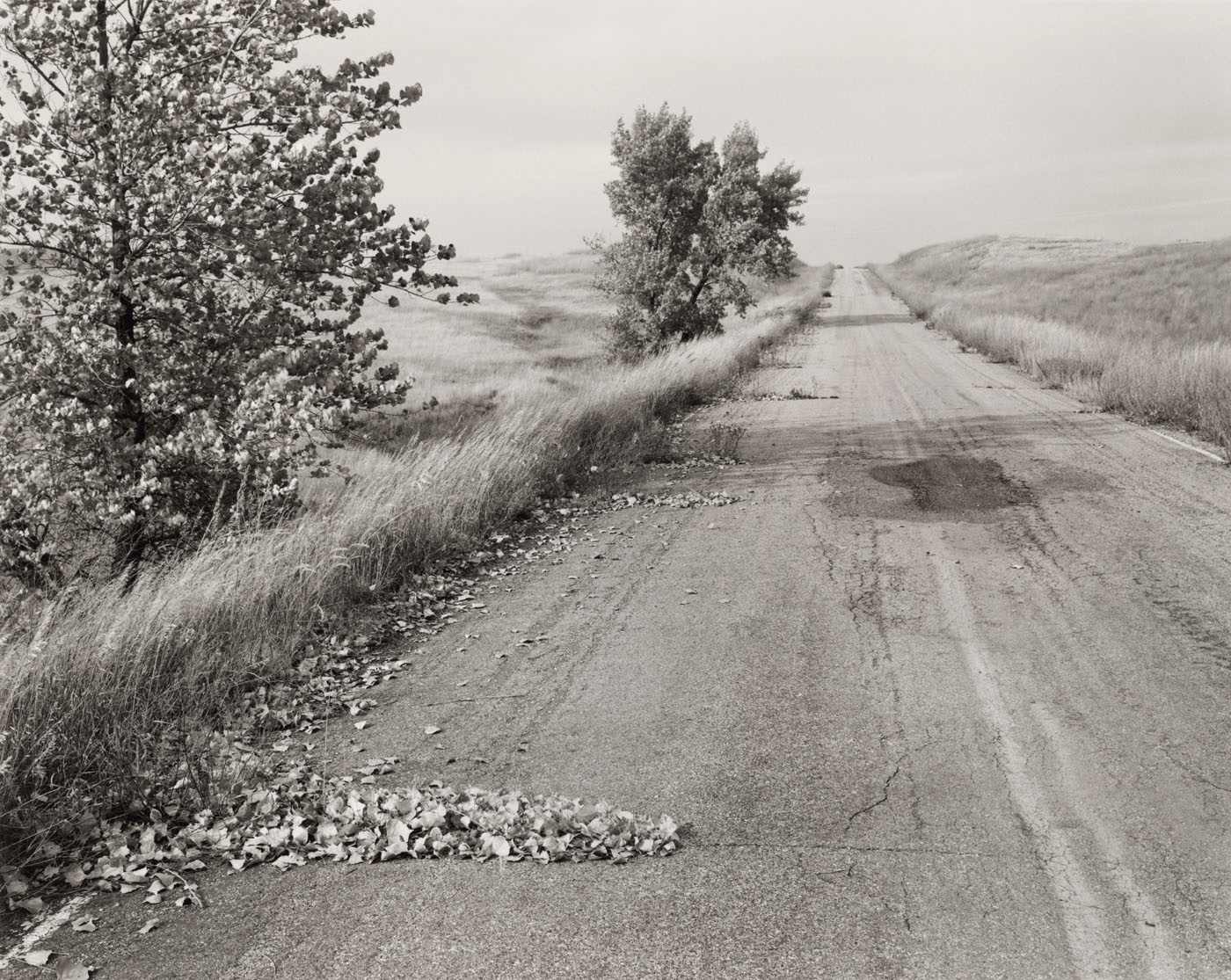
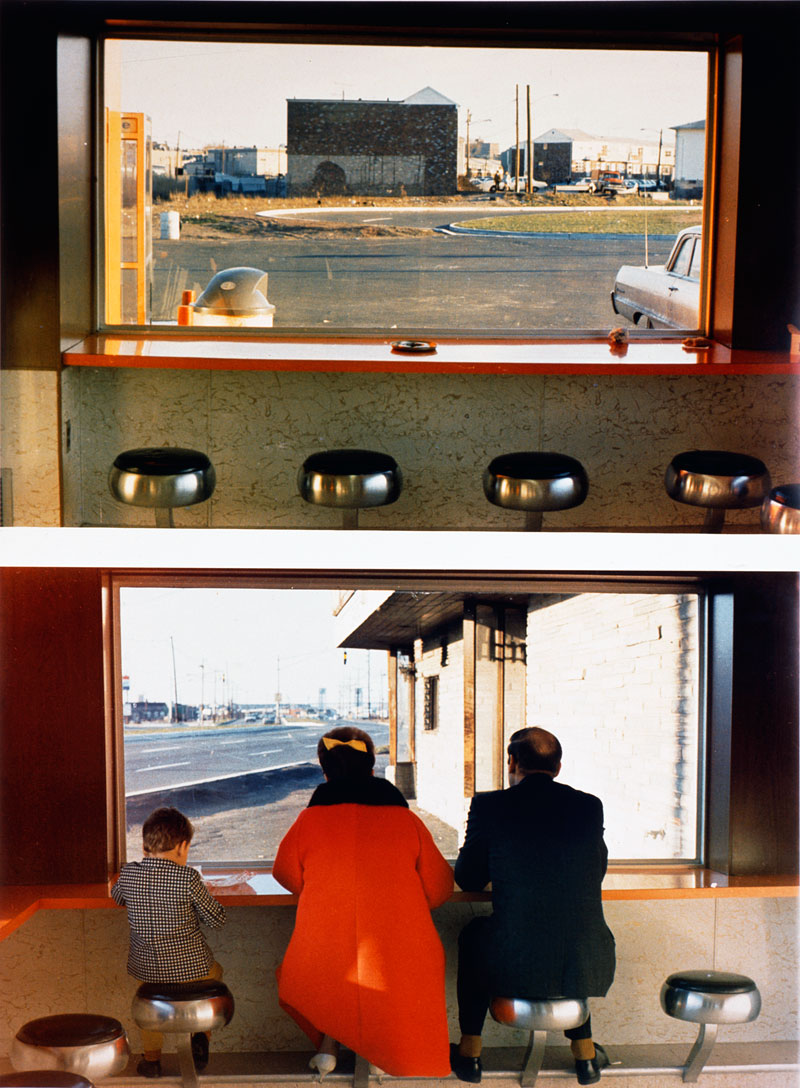
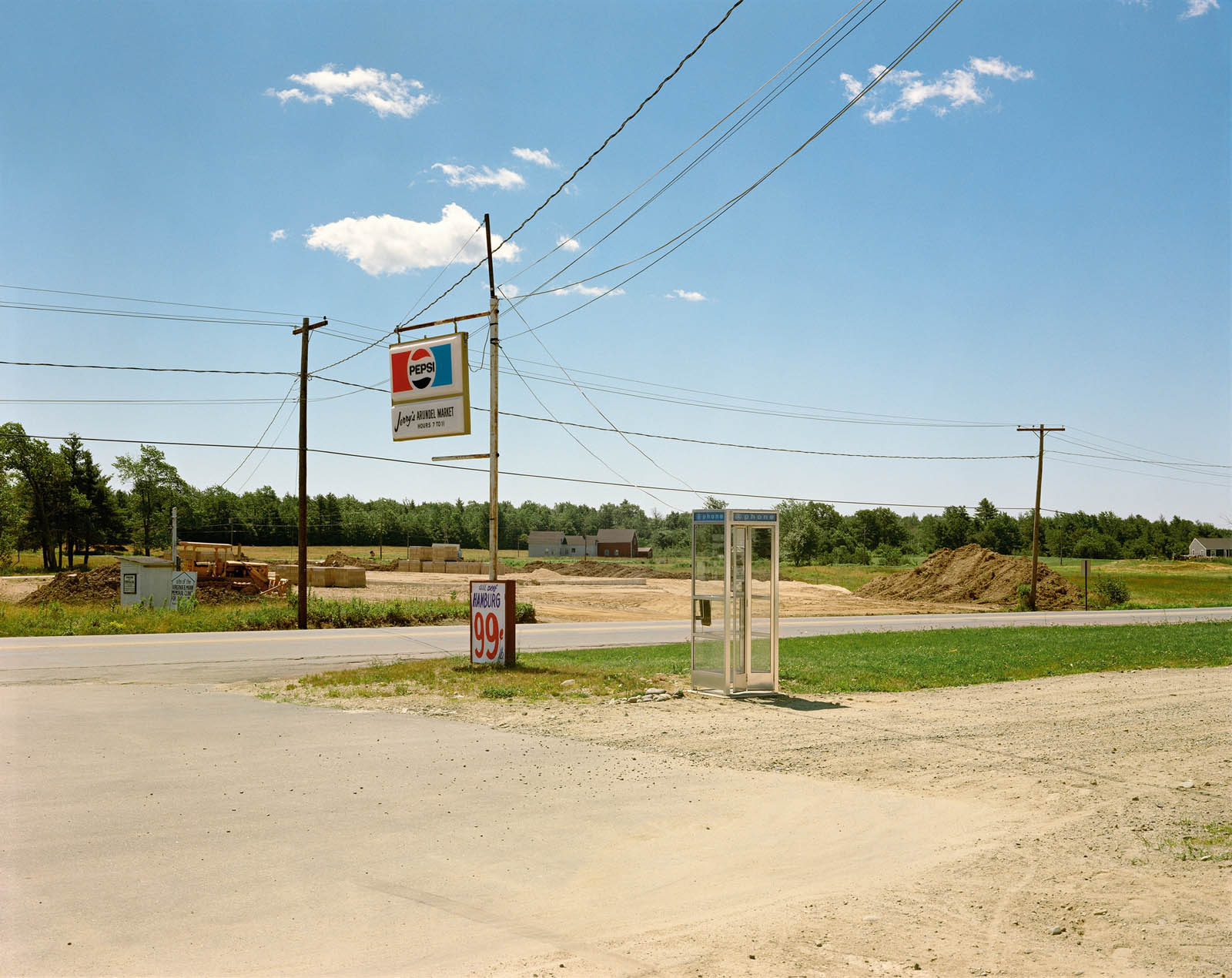

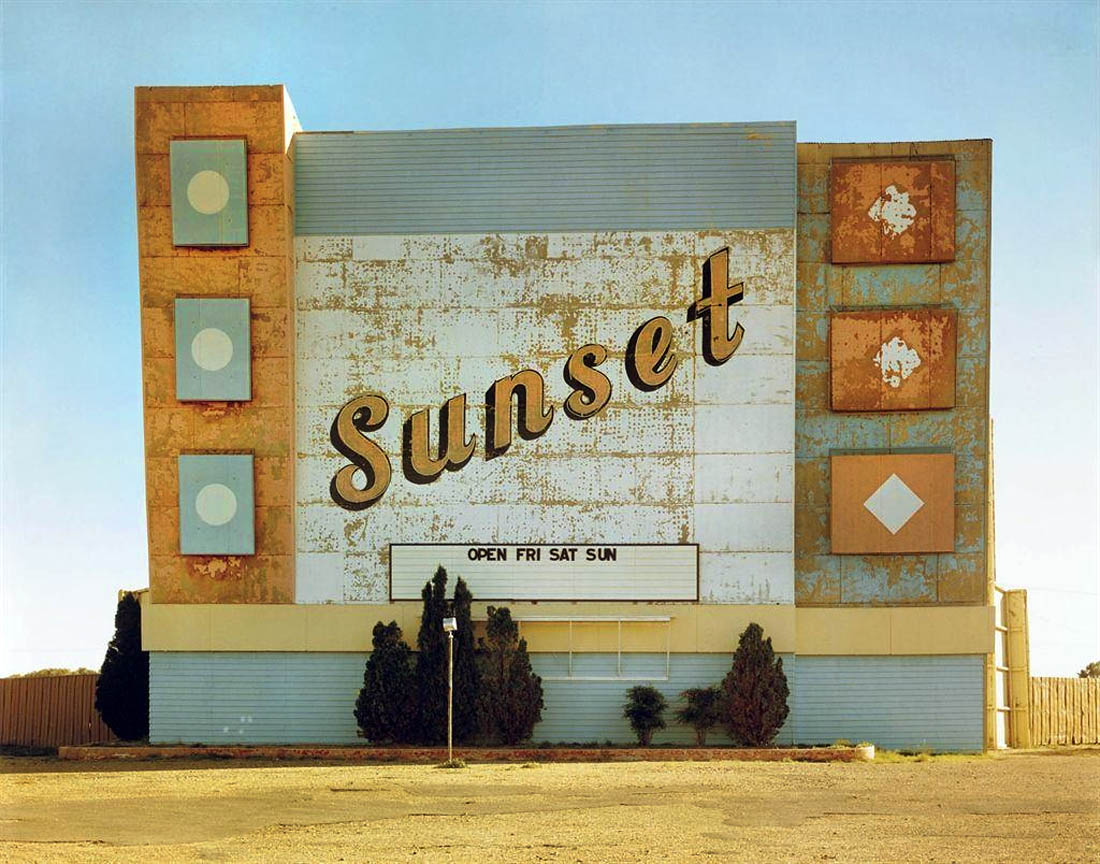

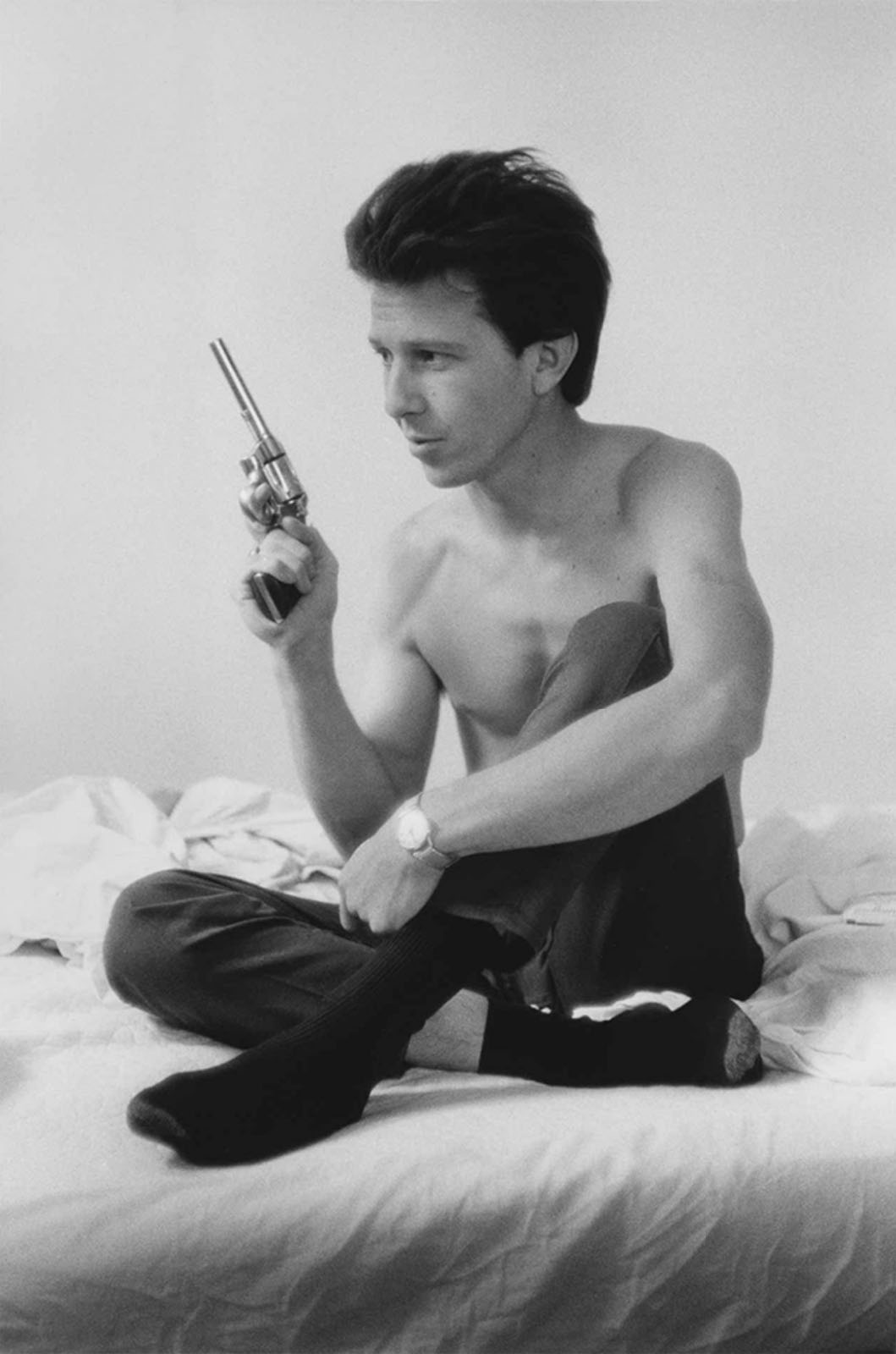

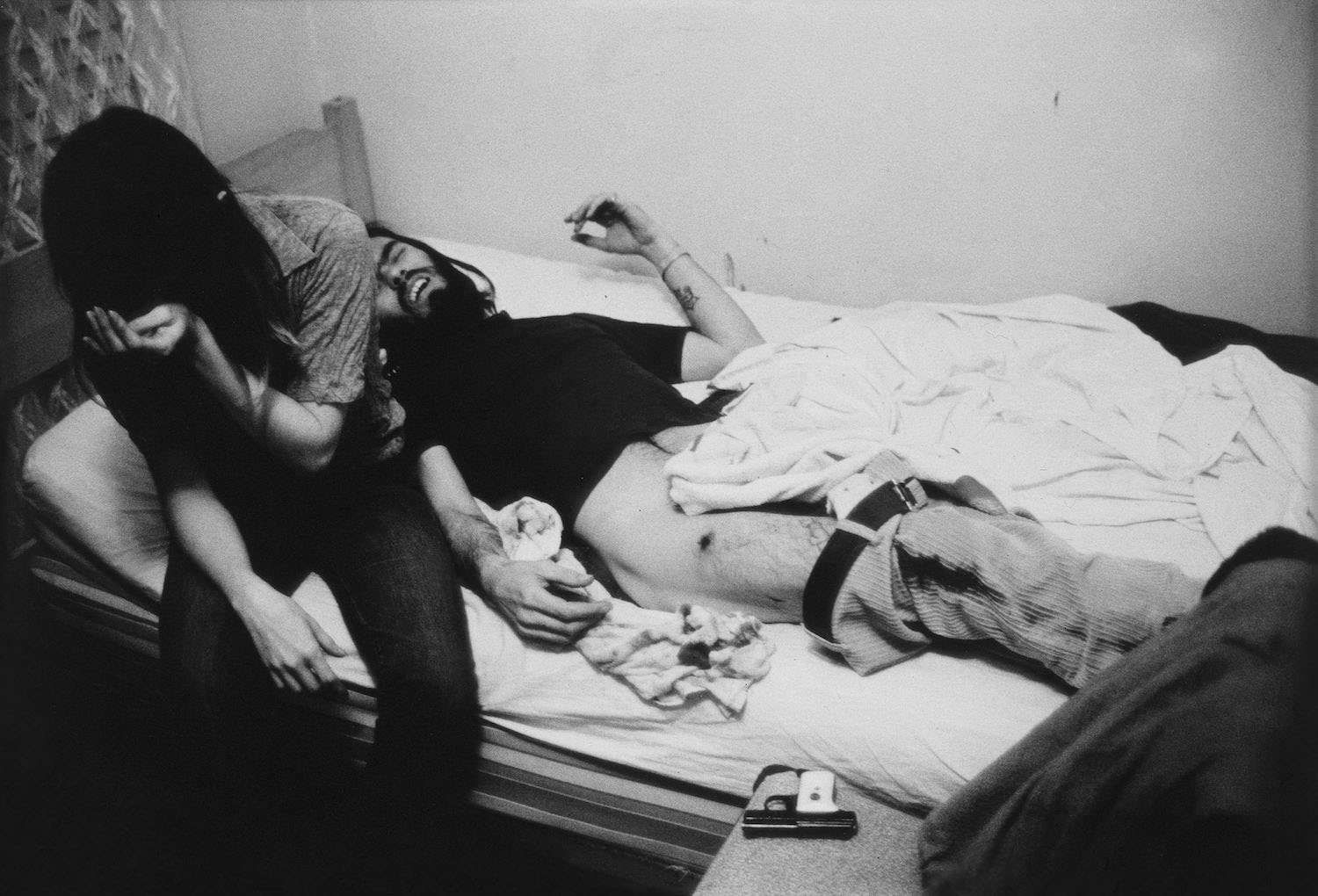


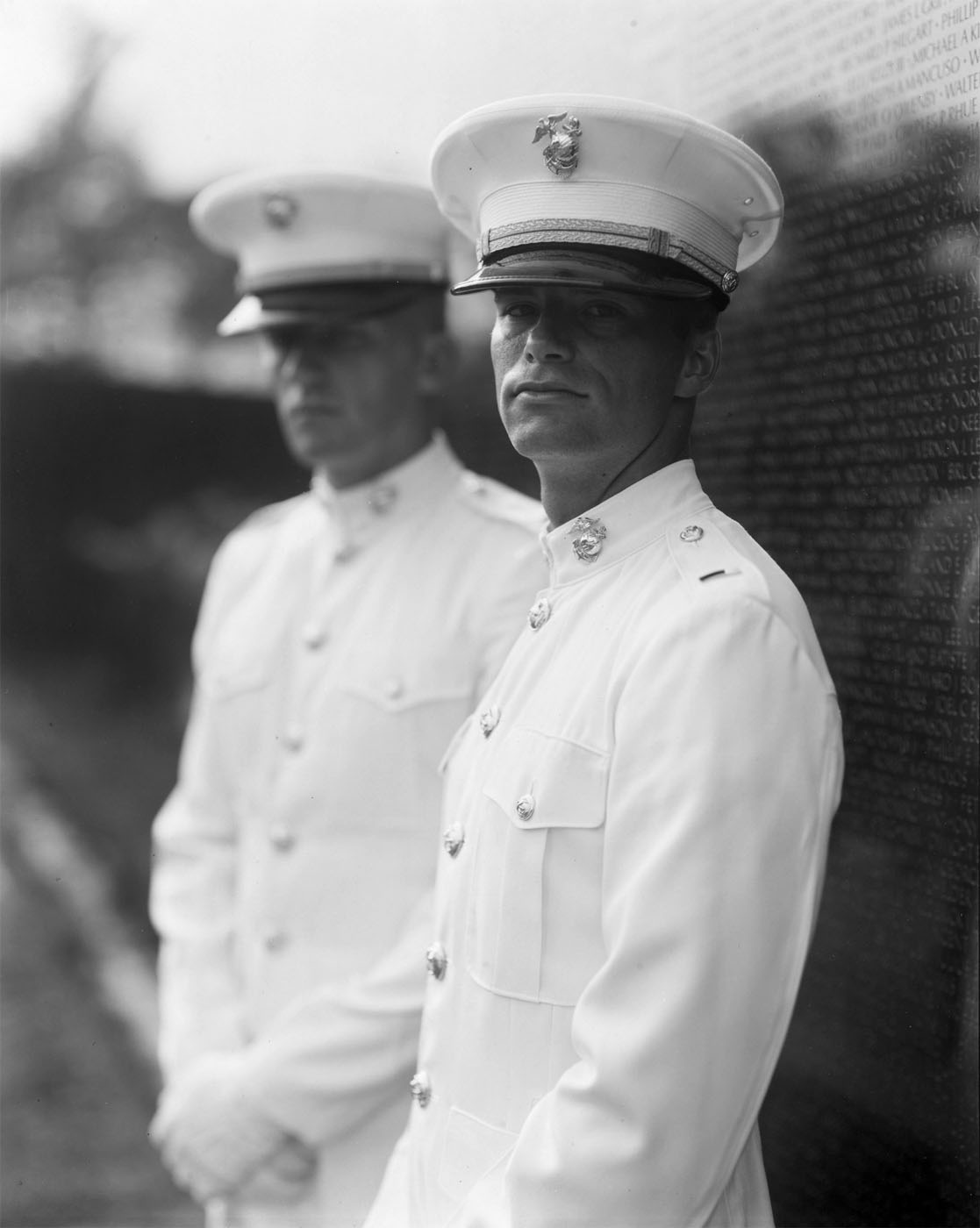
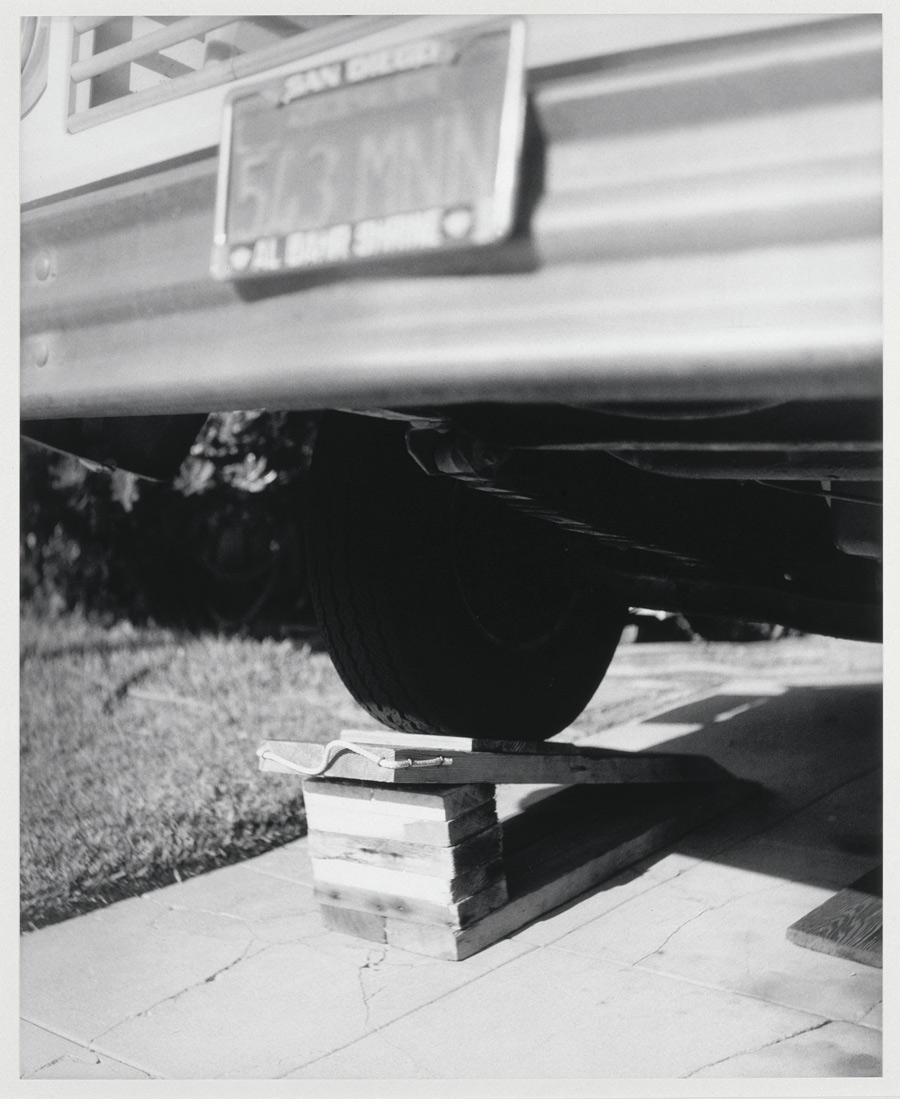

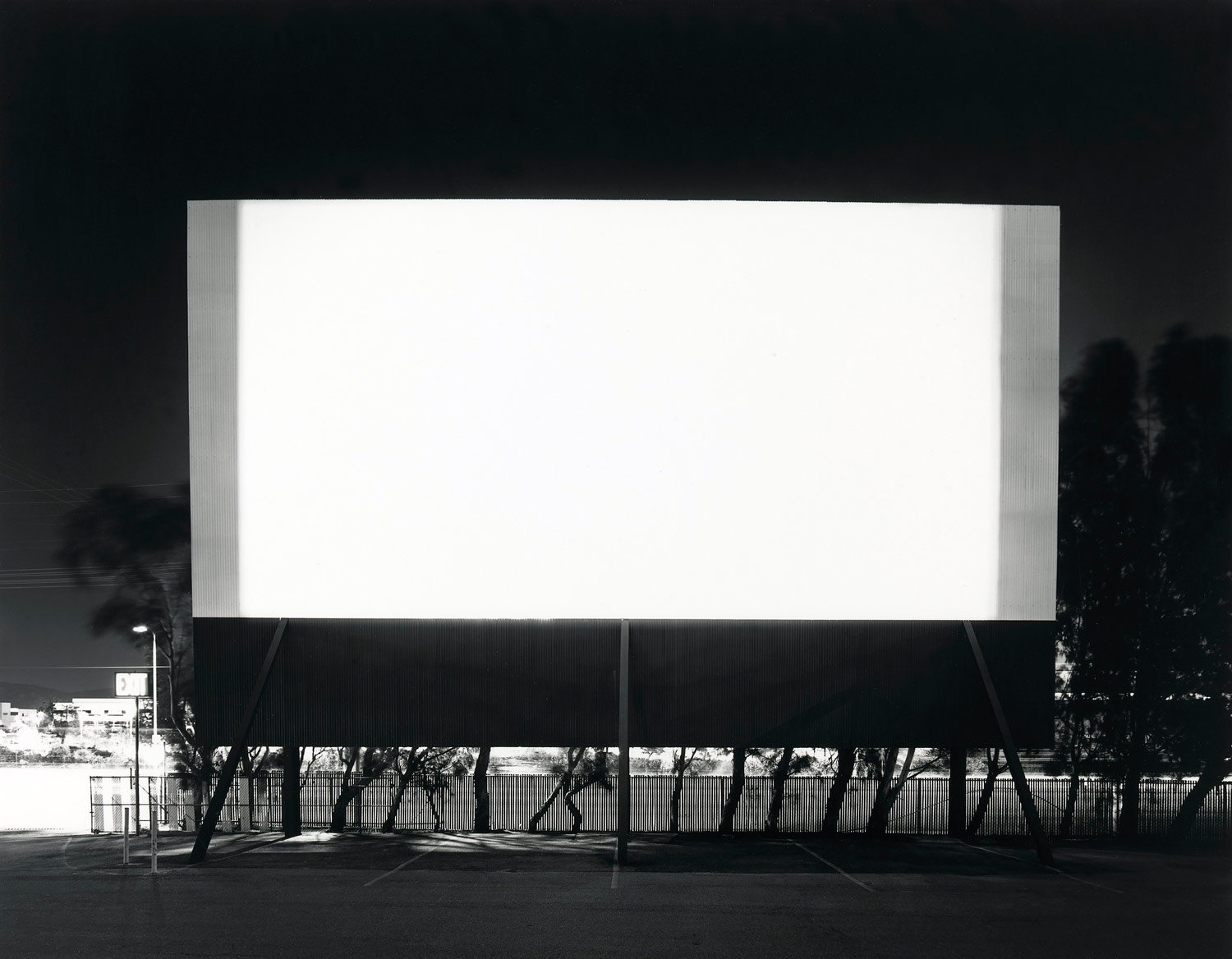


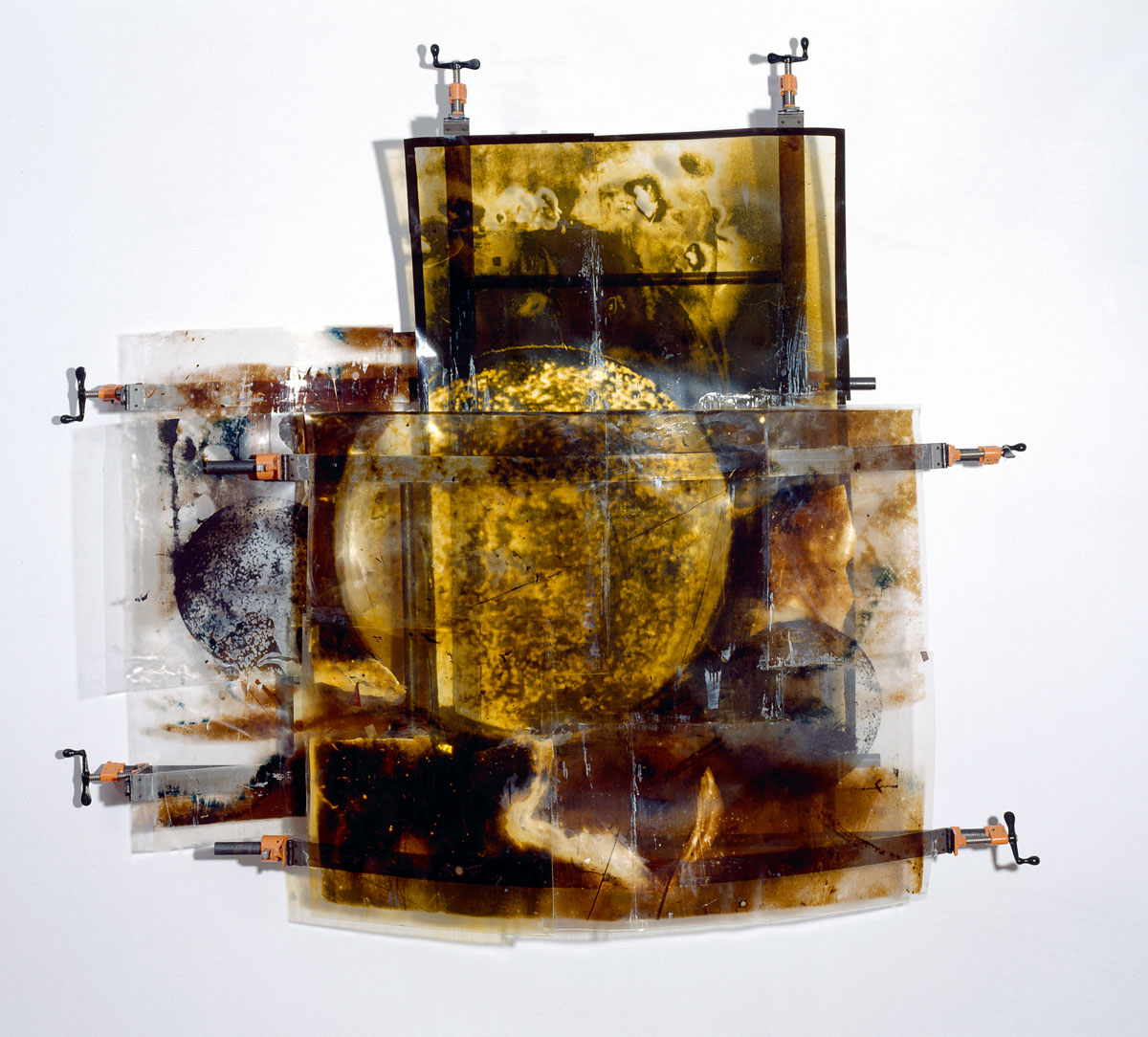


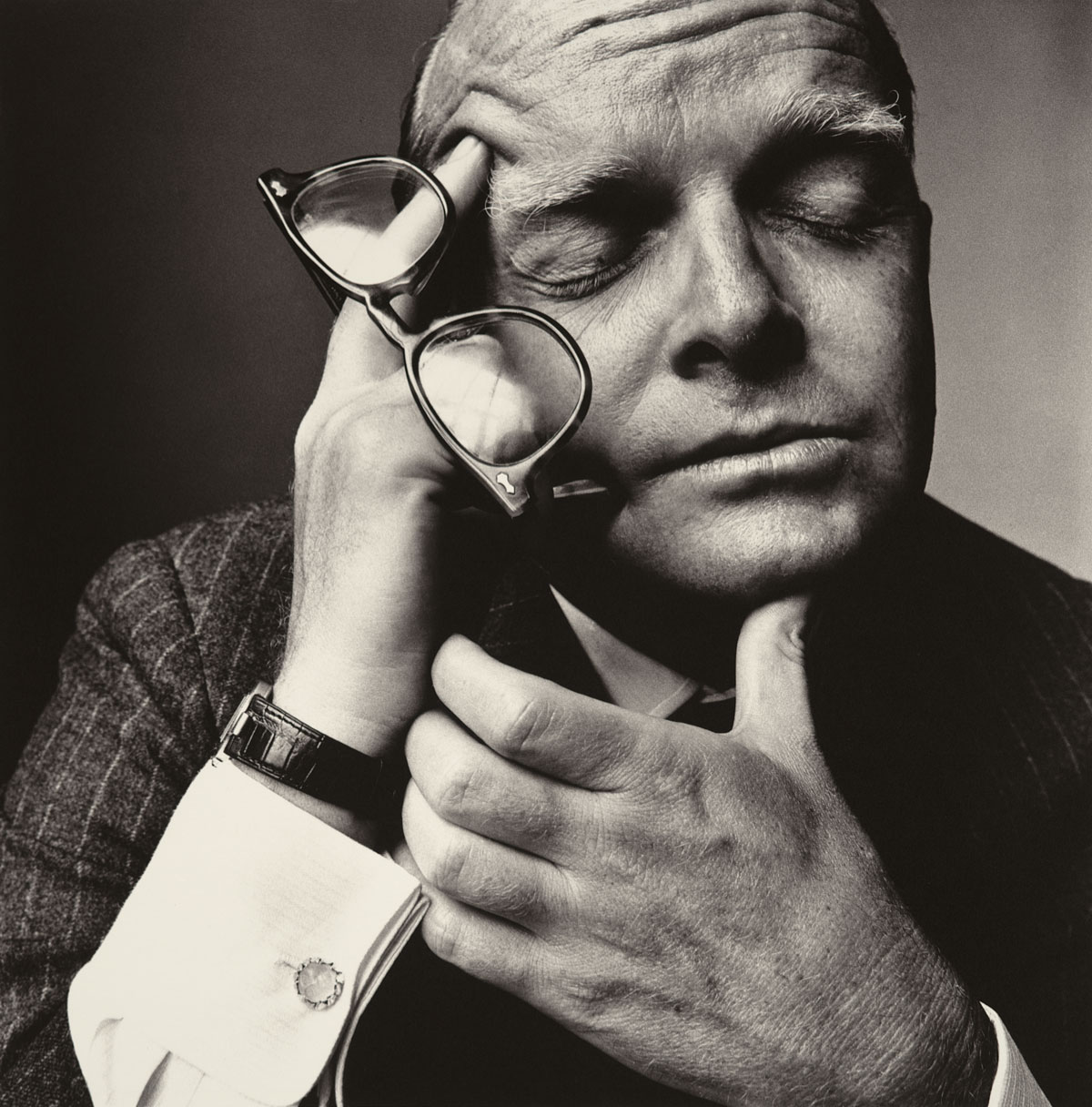
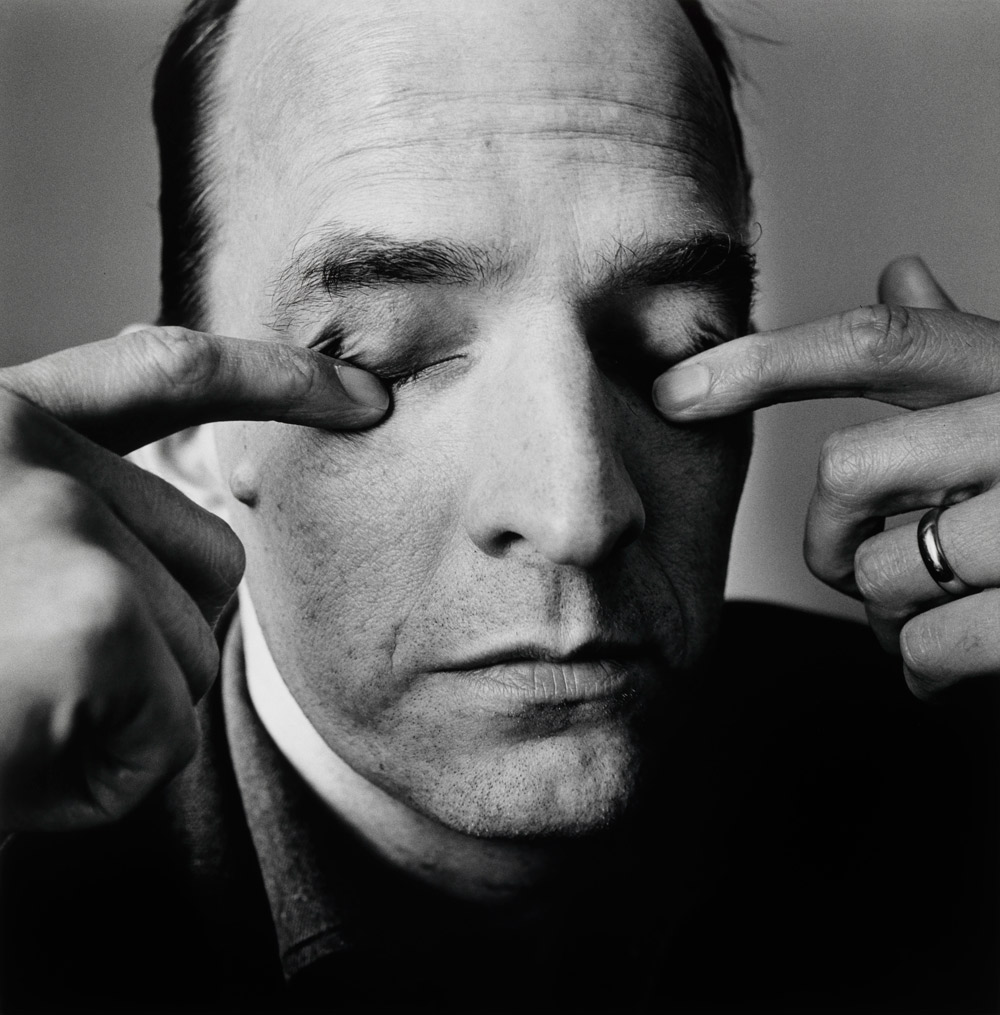


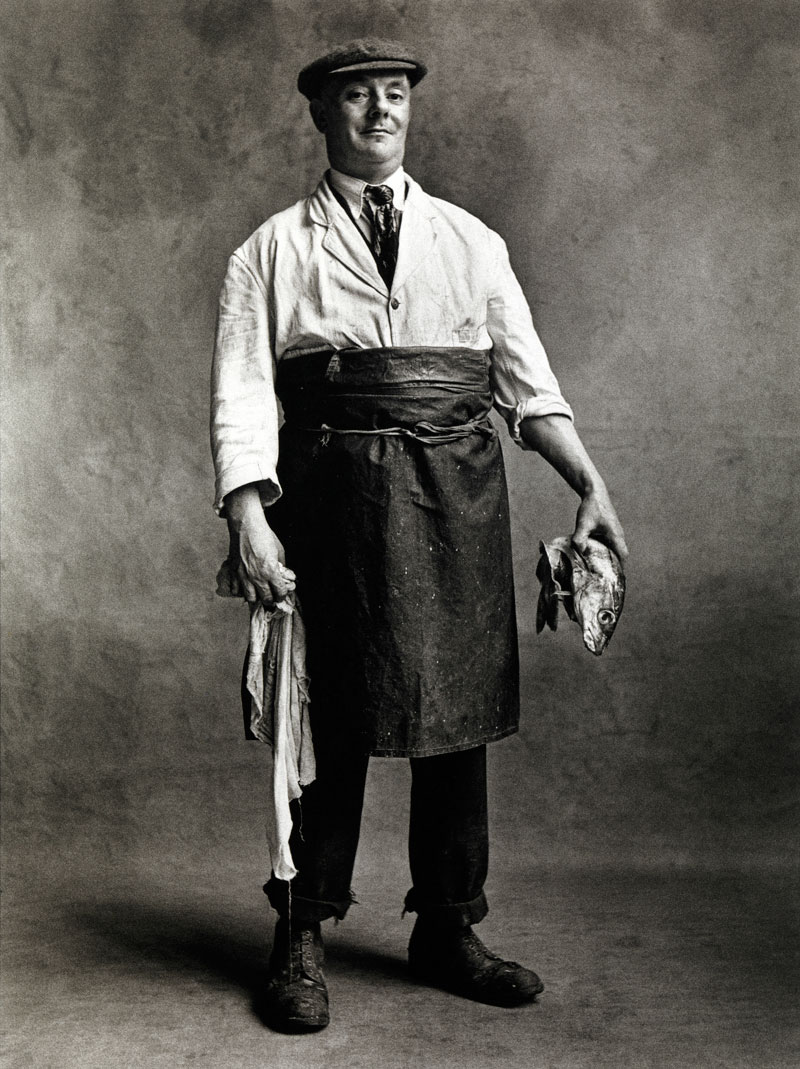
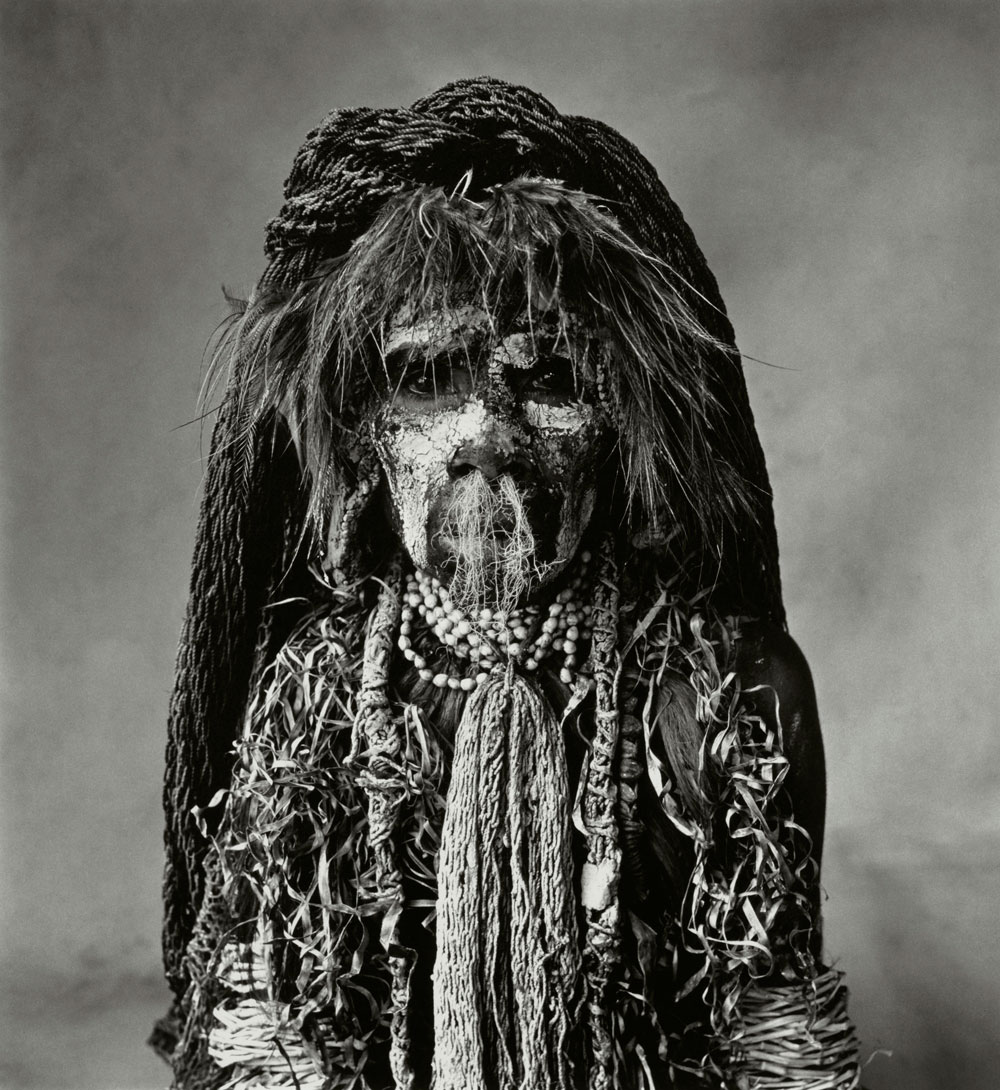

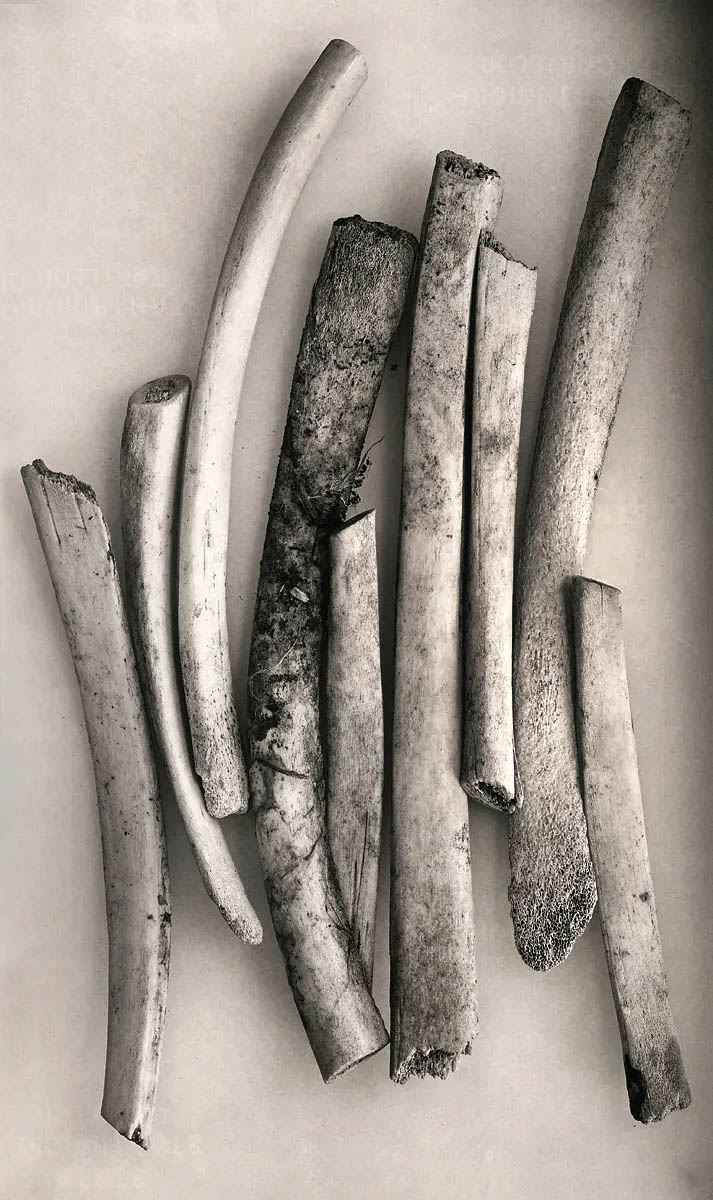
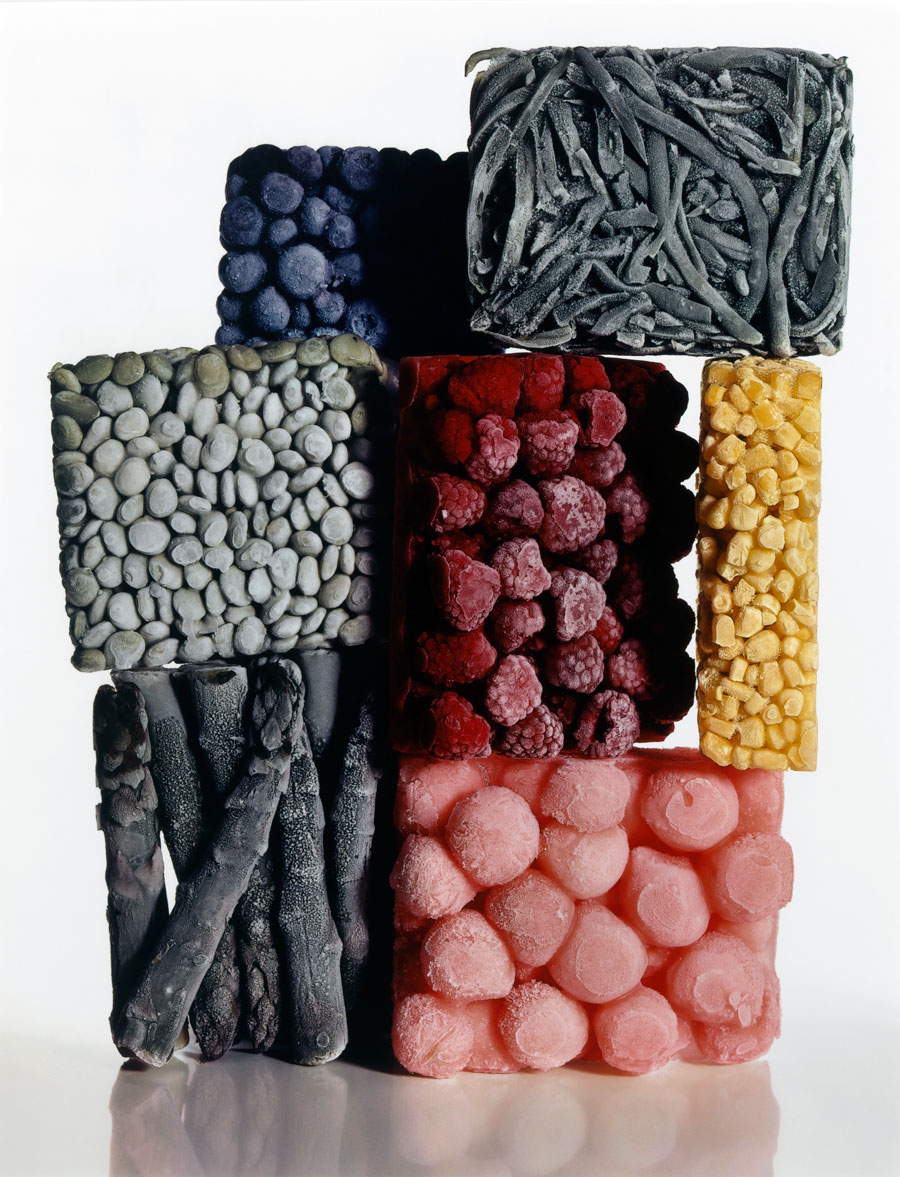

![Franck-François-Genès Chauvassaignes (French, 1831 - after 1900) 'Untitled [Female Nude in Studio]' 1856-1859 from the exhibition 'Naked Before the Camera' at the Metropolitan Museum of Art, New York, March - September, 2012](https://artblart.com/wp-content/uploads/2012/08/chauvassaignes_seated-nude-web.jpg "Franck-François-Genès Chauvassaignes (French, 1831 - after 1900) 'Untitled [Female Nude in Studio]' 1856-1859 from the exhibition 'Naked Before the Camera' at the Metropolitan Museum of Art, New York, March - September, 2012")
![Félix-Jacques-Antoine Moulin (French, 1800 - after 1875) 'Untitled [Two Standing Female Nudes]' c. 1850 from the exhibition 'Naked Before the Camera' at the Metropolitan Museum of Art, New York, March - September, 2012](https://artblart.com/wp-content/uploads/2012/08/moulin_two-nudes-standing-web.jpg "Félix-Jacques-Antoine Moulin (French, 1800 - after 1875) 'Untitled [Two Standing Female Nudes]' c. 1850 from the exhibition 'Naked Before the Camera' at the Metropolitan Museum of Art, New York, March - September, 2012")
![Unknown photographer (French) '[Seated Female Nude]' c. 1850](https://artblart.com/wp-content/uploads/2012/09/seated-female-nude.jpg "Unknown photographer (French) '[Seated Female Nude]' c. 1850")
![Julien Vallou de Villeneuve (French, 1795-1866) '[Standing Female Nude]' c. 1853](https://artblart.com/wp-content/uploads/2012/09/julien-vallou-de-villeneuve-standing-female-nude.jpg "Julien Vallou de Villeneuve (French, 1795-1866) '[Standing Female Nude]' c. 1853")
![Eugène Durieu (French, 1800-1874) 'Untitled [Seated Female Nude]' 1853-1854](https://artblart.com/wp-content/uploads/2012/08/durieu_nude_ph8976-web.jpg "Eugène Durieu (French, 1800-1874) 'Untitled [Seated Female Nude]' 1853-1854")
![Charles Alphonse Marlé (French, 1821 - after 1867) 'Untitled [Standing Male Nude]' c. 1855](https://artblart.com/wp-content/uploads/2012/08/marle_standing-male-nude-web.jpg "Charles Alphonse Marlé (French, 1821 - after 1867) 'Untitled [Standing Male Nude]' c. 1855")
![Nadar (French, Paris 1820 - 1910 Paris) '[Standing Female Nude]' 1860-1861](https://artblart.com/wp-content/uploads/2012/09/nadar-standing-female-nude.jpg "Nadar (French, Paris 1820 - 1910 Paris) '[Standing Female Nude]' 1860-1861")
![Unknown photographer (French) '[Nude with Mirror]' c. 1850](https://artblart.com/wp-content/uploads/2012/09/nude-with-mirror.jpg "Unknown photographer (French) '[Nude with Mirror]' c. 1850")
![Julien Vallou de Villeneuve (French, 1795-1866) '[Reclining Female Nude]' c. 1853](https://artblart.com/wp-content/uploads/2012/09/julien-vallou-de-villeneuve-reclining-female-nude.jpg "Julien Vallou de Villeneuve (French, 1795-1866) '[Reclining Female Nude]' c. 1853")

![Unknown photographer (French) '[Standing Female Nude]' c. 1856](https://artblart.com/wp-content/uploads/2012/09/standing-female-nude.jpg "Unknown photographer (French) '[Standing Female Nude]' c. 1856")
![Unknown photographer (French) '[Standing Male Nude]' c. 1856](https://artblart.com/wp-content/uploads/2012/09/standing-male-nude.jpg "Unknown photographer (French) '[Standing Male Nude]' c. 1856")
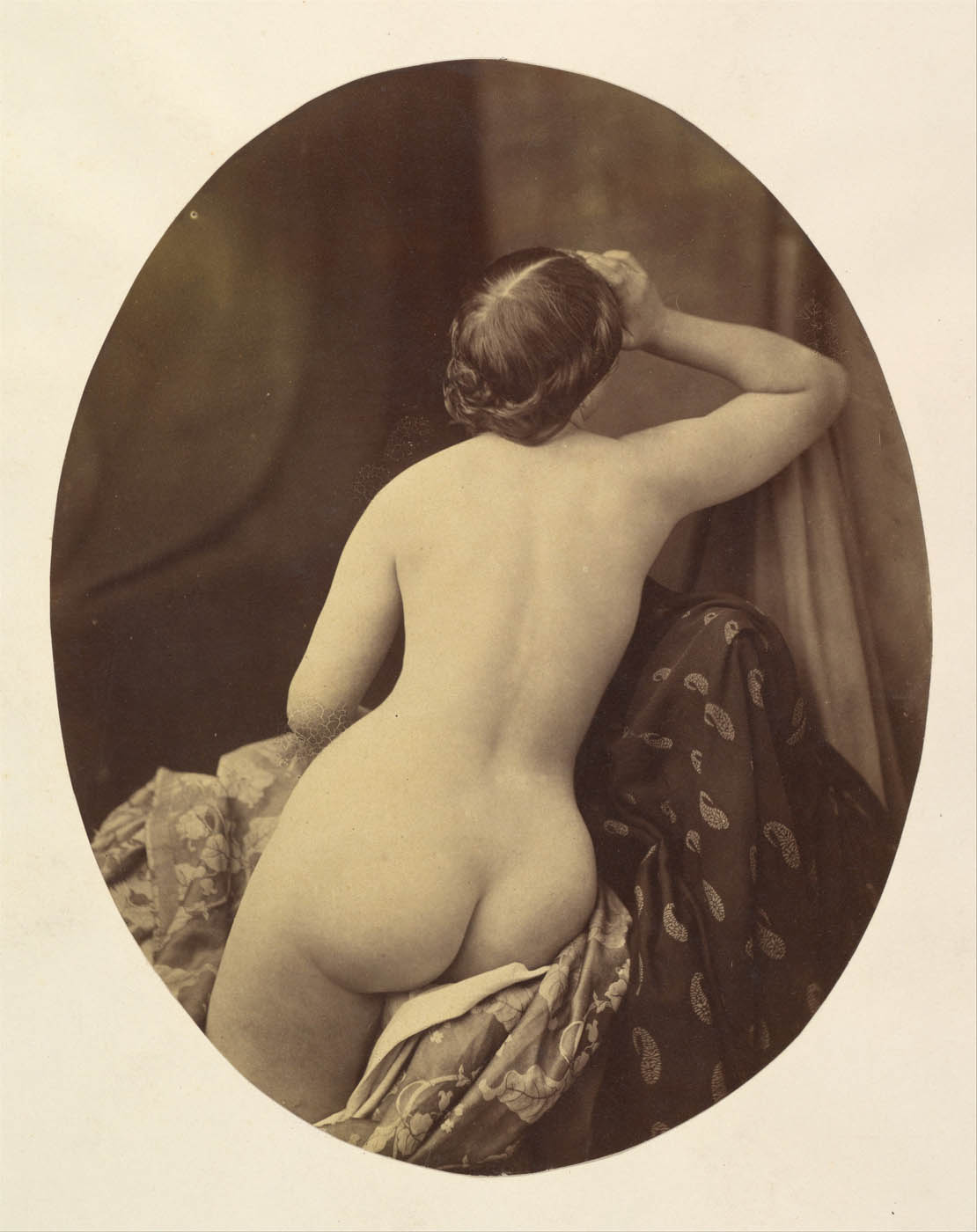
![Unknown photographer (French) '[Female Nude with Mask]' c. 1870](https://artblart.com/wp-content/uploads/2012/09/female-nude-with-mask.jpg "Unknown photographer (French) '[Female Nude with Mask]' c. 1870")
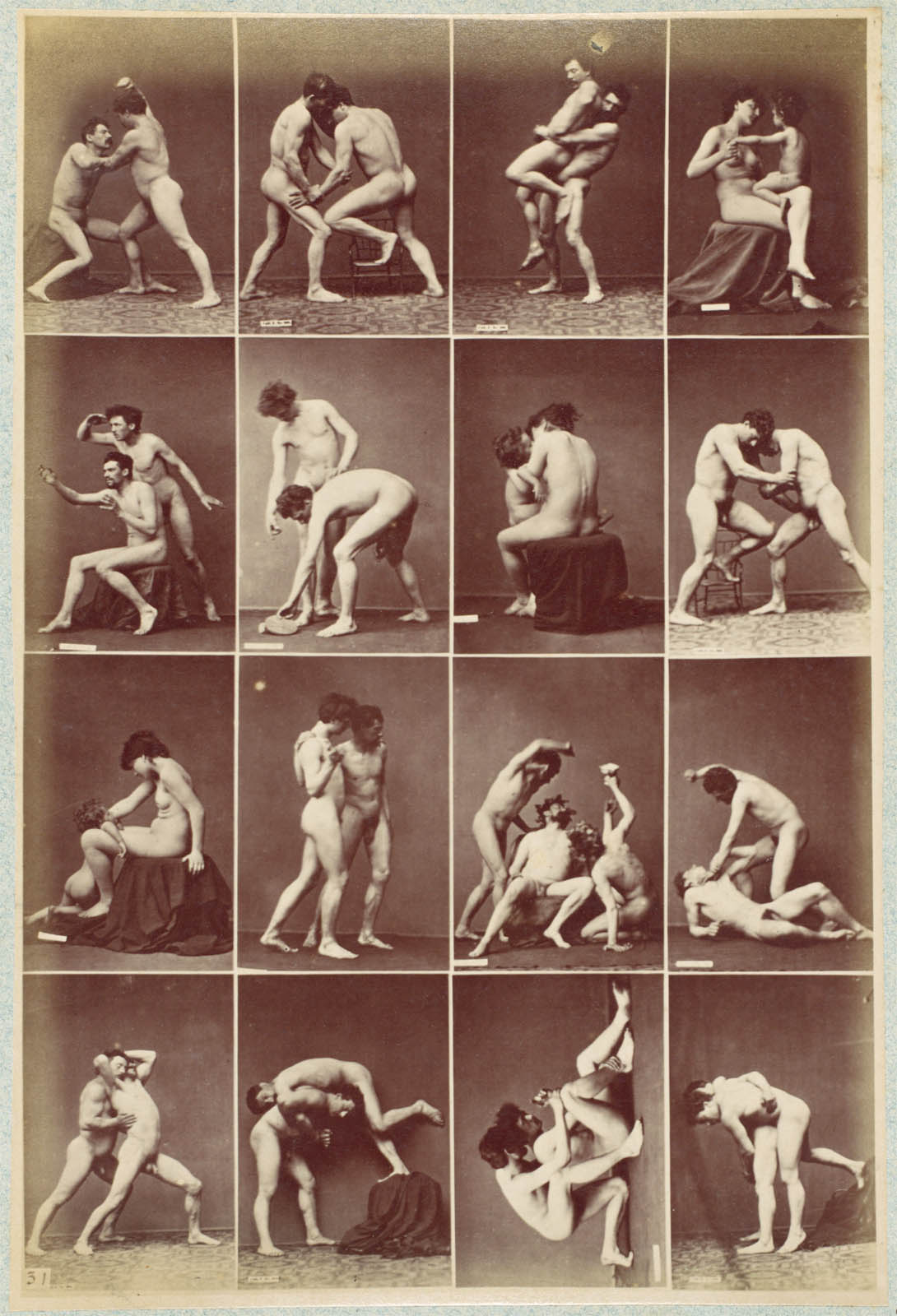
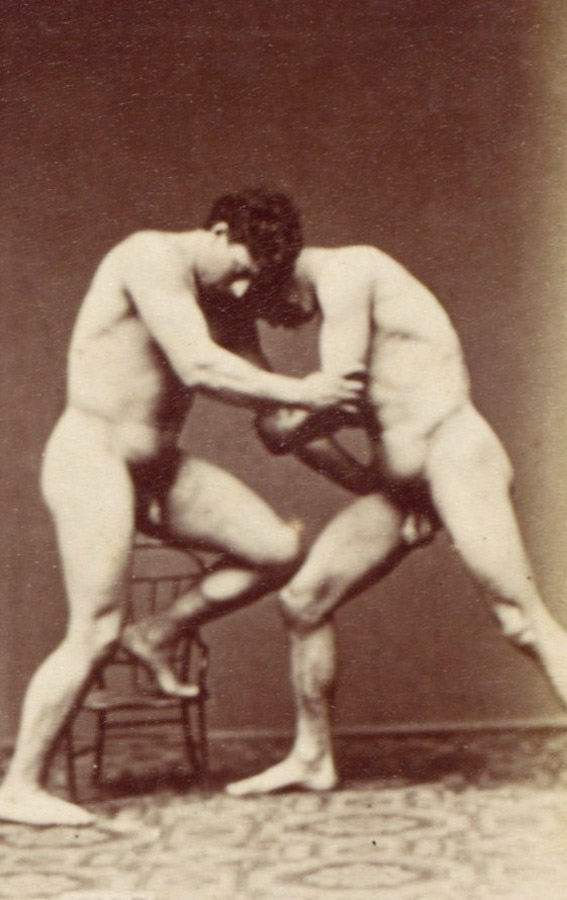
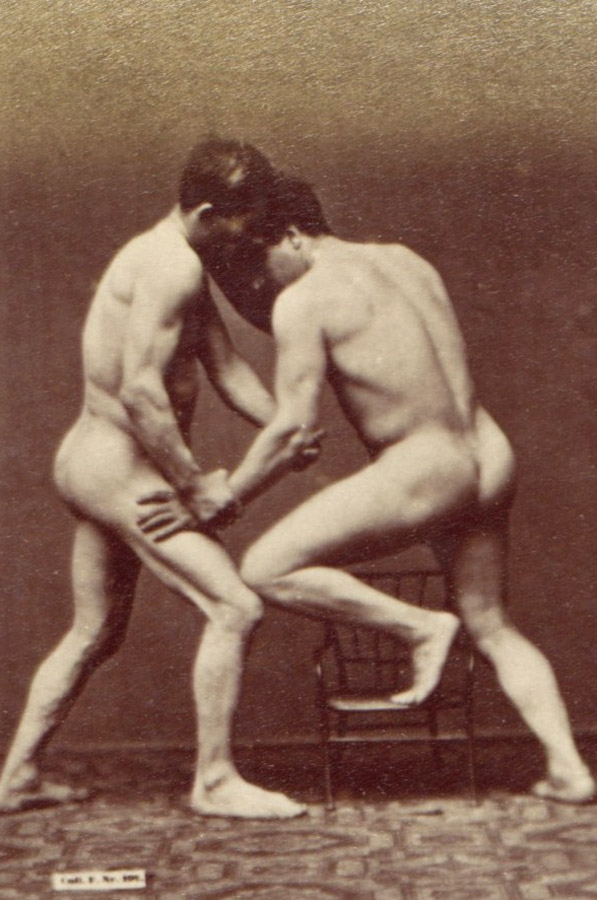
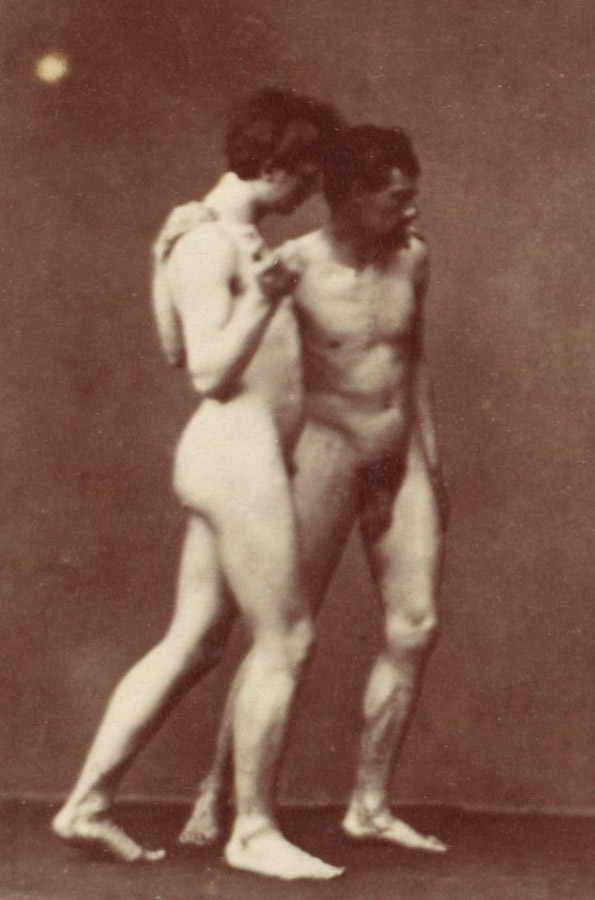
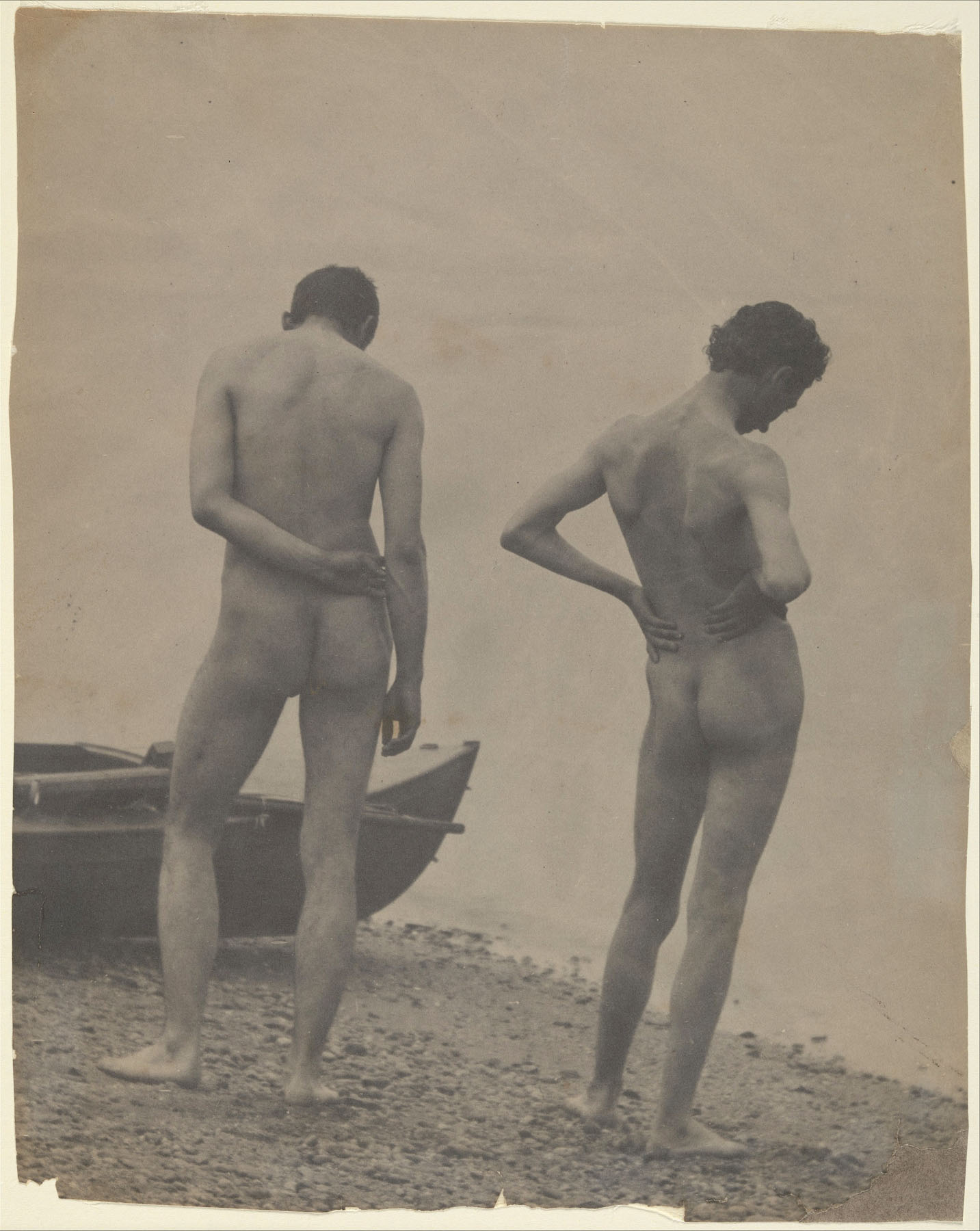
![Albert Londe (French, 1858-1917) Paul Marie Louis Pierre Richer (French, 1849-1933) '[Male Musculature Study]' c. 1890](https://artblart.com/wp-content/uploads/2012/09/male-study.jpg "Albert Londe (French, 1858-1917) Paul Marie Louis Pierre Richer (French, 1849-1933) '[Male Musculature Study]' c. 1890")
![Guglielmo Plüshow (Italian born Germany, 1852–1930) '[Young Male Nude Seated on Leopard Skin]' 1890s-1900s](https://artblart.com/wp-content/uploads/2012/09/plushow-young-male-nude-seated-on-leopard-skin.jpg "Guglielmo Plüshow (Italian born Germany, 1852–1930) '[Young Male Nude Seated on Leopard Skin]' 1890s-1900s")
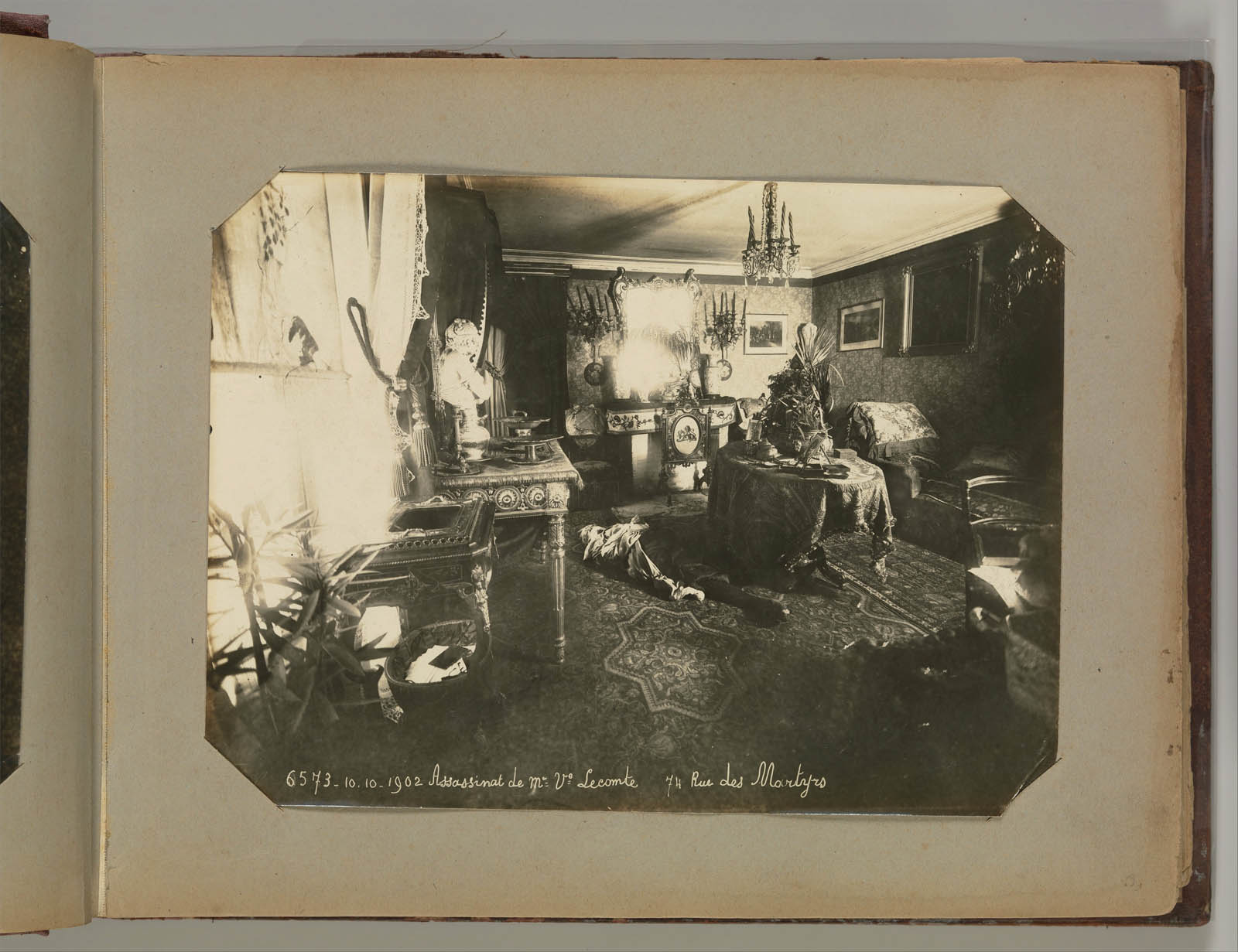
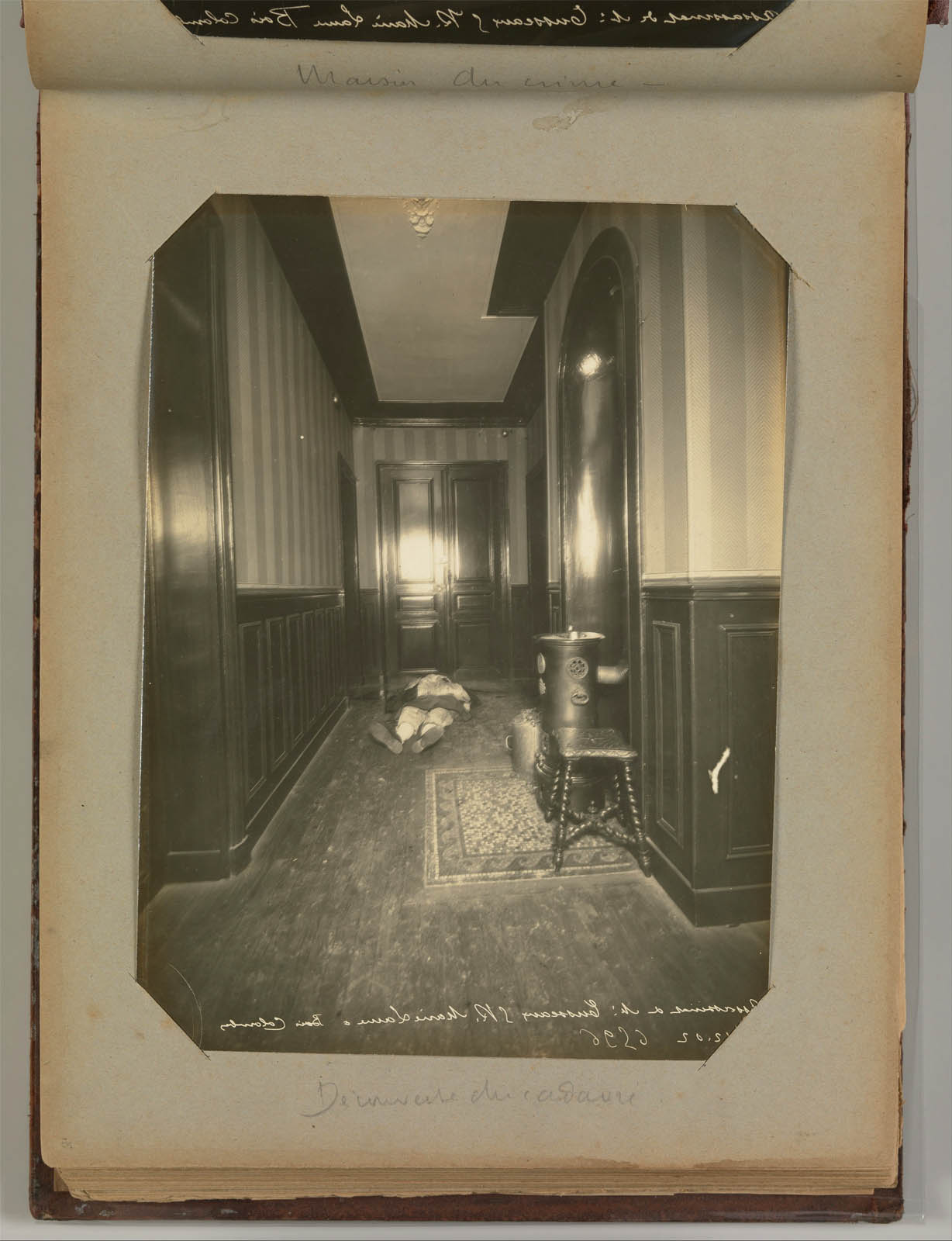
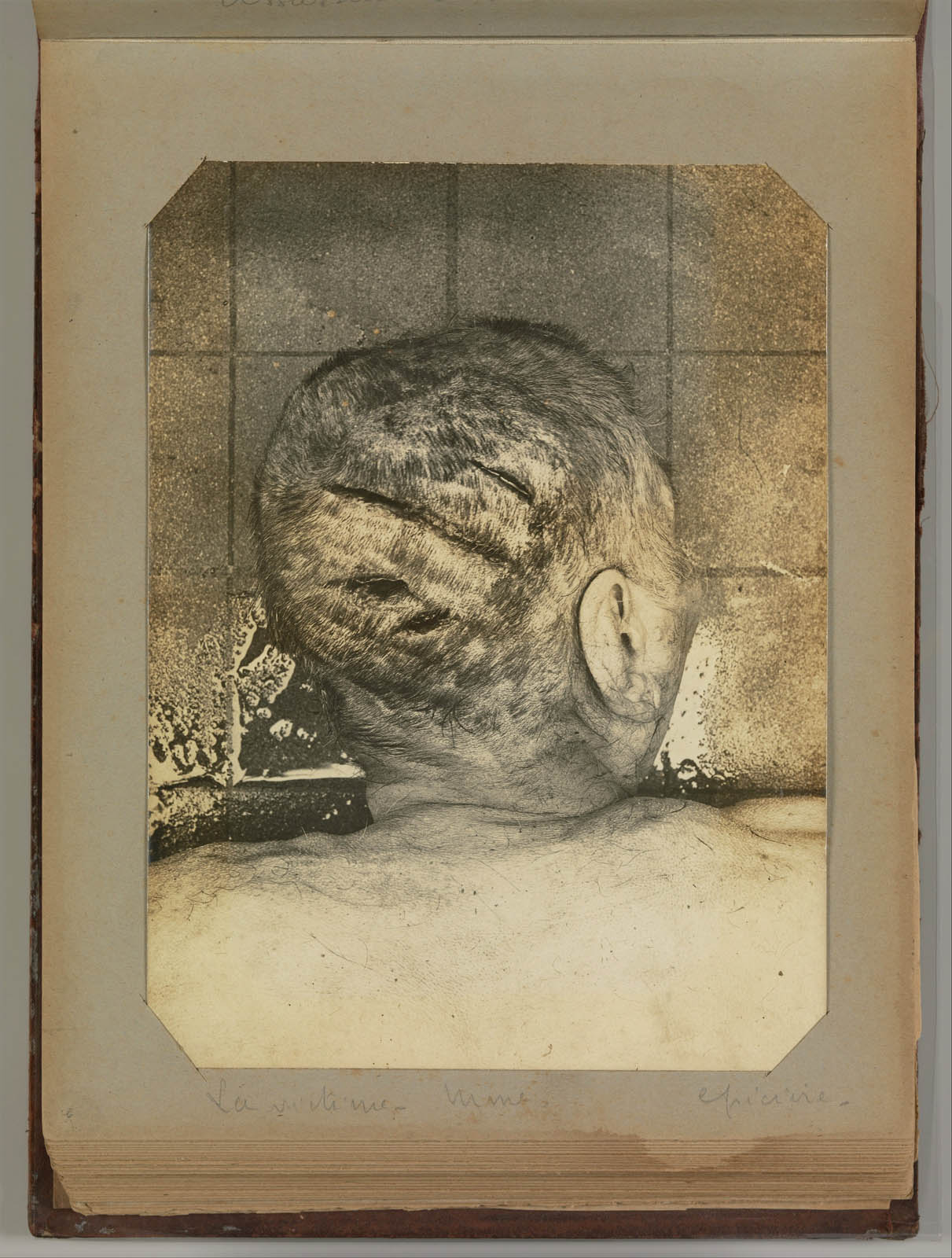
![Lady Ottoline Violet Anne Cavendish-Bentinck Morrell (British, 1873-1938) '[Cavorting by the Pool at Garsington]' c. 1916](https://artblart.com/wp-content/uploads/2012/09/cavendish-bentinck-morrell-cavorting-by-the-pool-at-garsington.jpg "Lady Ottoline Violet Anne Cavendish-Bentinck Morrell (British, 1873-1938) '[Cavorting by the Pool at Garsington]' c. 1916")
![Lady Ottoline Violet Anne Cavendish-Bentinck Morrell (British, 1873-1938) '[Cavorting by the Pool at Garsington]' c. 1916](https://artblart.com/wp-content/uploads/2012/09/cavendish-bentinck-morrell-cavorting-by-the-pool-at-garsington-a.jpg "Lady Ottoline Violet Anne Cavendish-Bentinck Morrell (British, 1873-1938) '[Cavorting by the Pool at Garsington]' c. 1916")
![Edward Weston (American, Highland Park, Illinois 1886 - 1958 Carmel, California) '[Nude]' 1925](https://artblart.com/wp-content/uploads/2012/09/weston-nude.jpg "Edward Weston (American, Highland Park, Illinois 1886 - 1958 Carmel, California) '[Nude]' 1925")
![George Platt Lynes (American, East Orange, New Jersey 1907–1955 New York) '[Male Nude]' 1930s](https://artblart.com/wp-content/uploads/2012/09/lynes-male-nude-1.jpg)
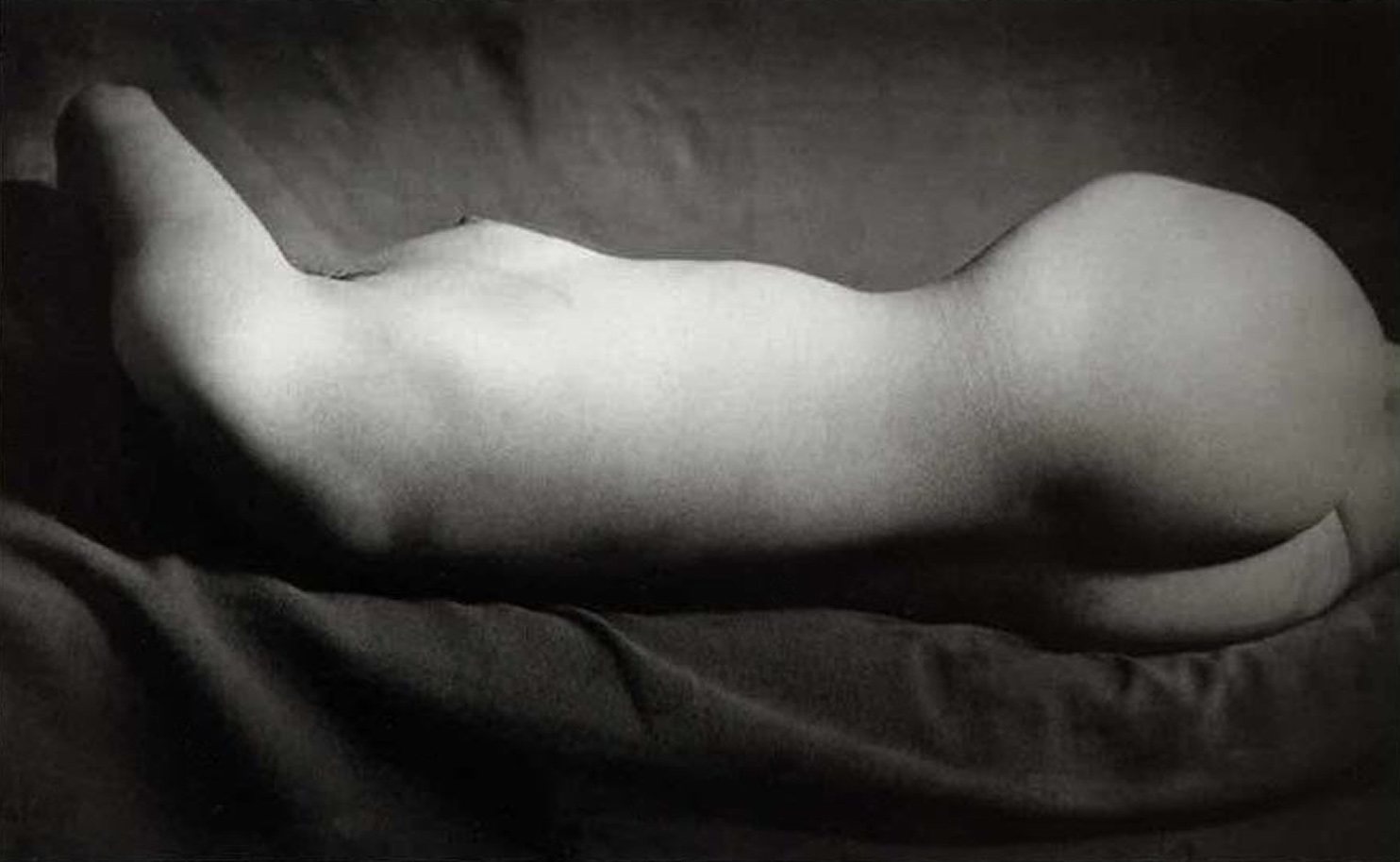
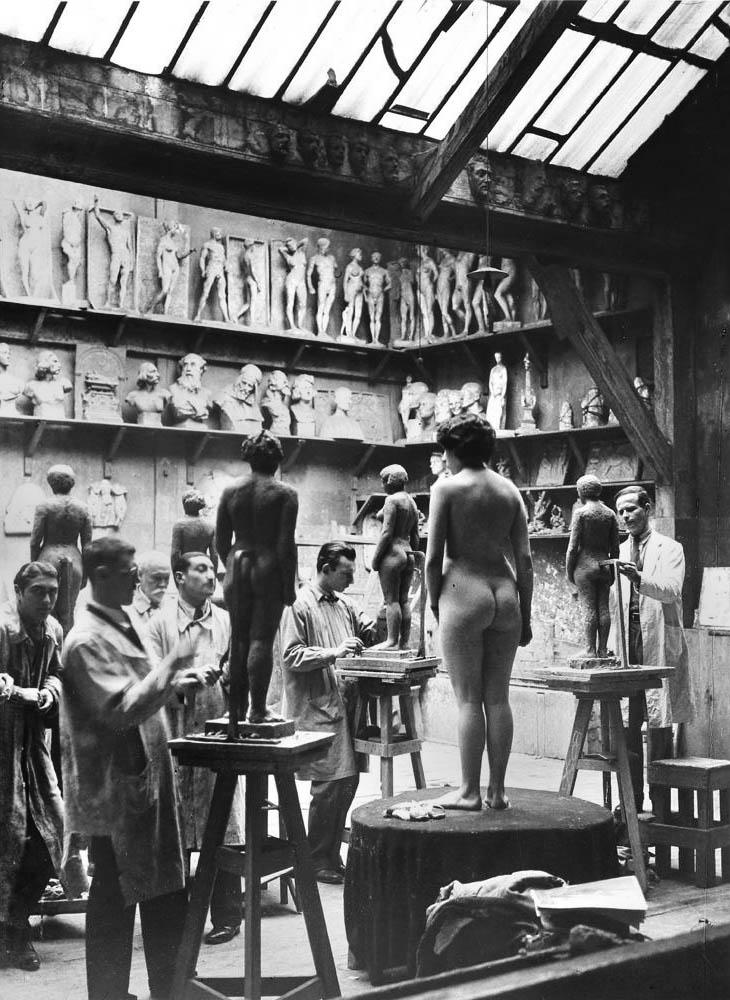
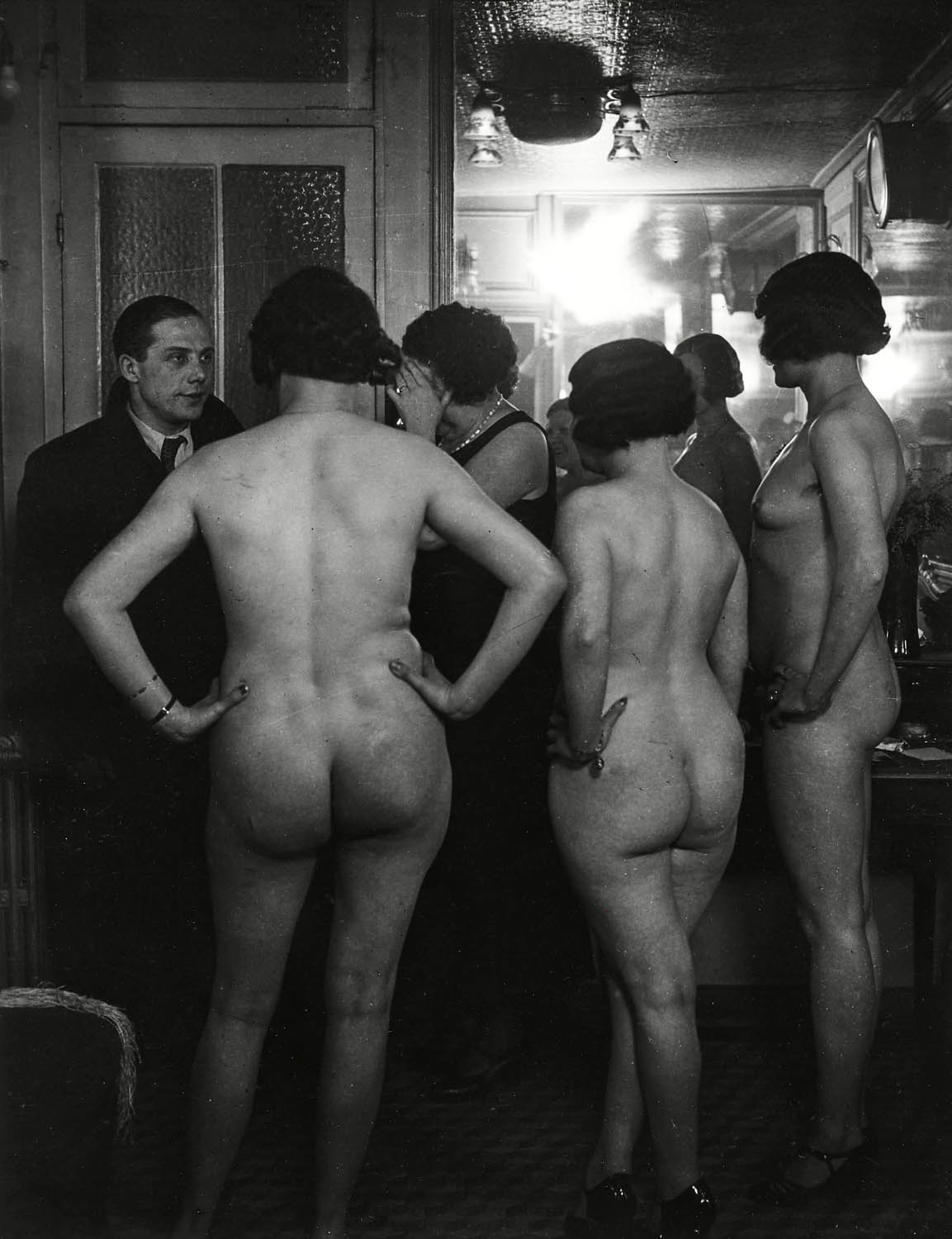


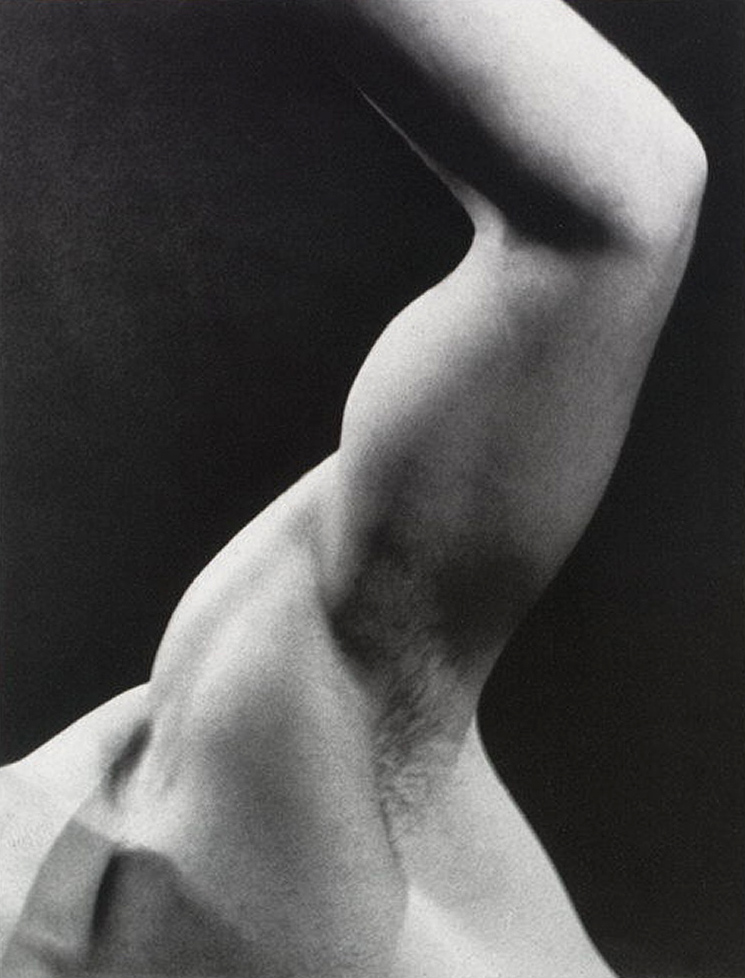


![Mark Morrisroe (American, 1959-1989) 'Untitled [Two Men in Silhouette]' c. 1987](https://artblart.com/wp-content/uploads/2012/08/16_morrisroe_untitled-web.jpg "Mark Morrisroe (American, 1959-1989) 'Untitled [Two Men in Silhouette]' c. 1987")
![Weegee (Arthur Fellig) (American, 1899-1968) 'Untitled [Anthony Esposito, booked on suspicion of killing a policeman, New York]' January 16, 1941 from the exhibition 'Weegee: Murder Is My Business' at the International Center of Photography, New York, January - September, 2012](https://artblart.com/wp-content/uploads/2012/08/3-weegee_anthony-esposito-web.jpg "Weegee (Arthur Fellig) (American, 1899-1968) 'Untitled [Anthony Esposito, booked on suspicion of killing a policeman, New York]' January 16, 1941 from the exhibition 'Weegee: Murder Is My Business' at the International Center of Photography, New York, January - September, 2012")
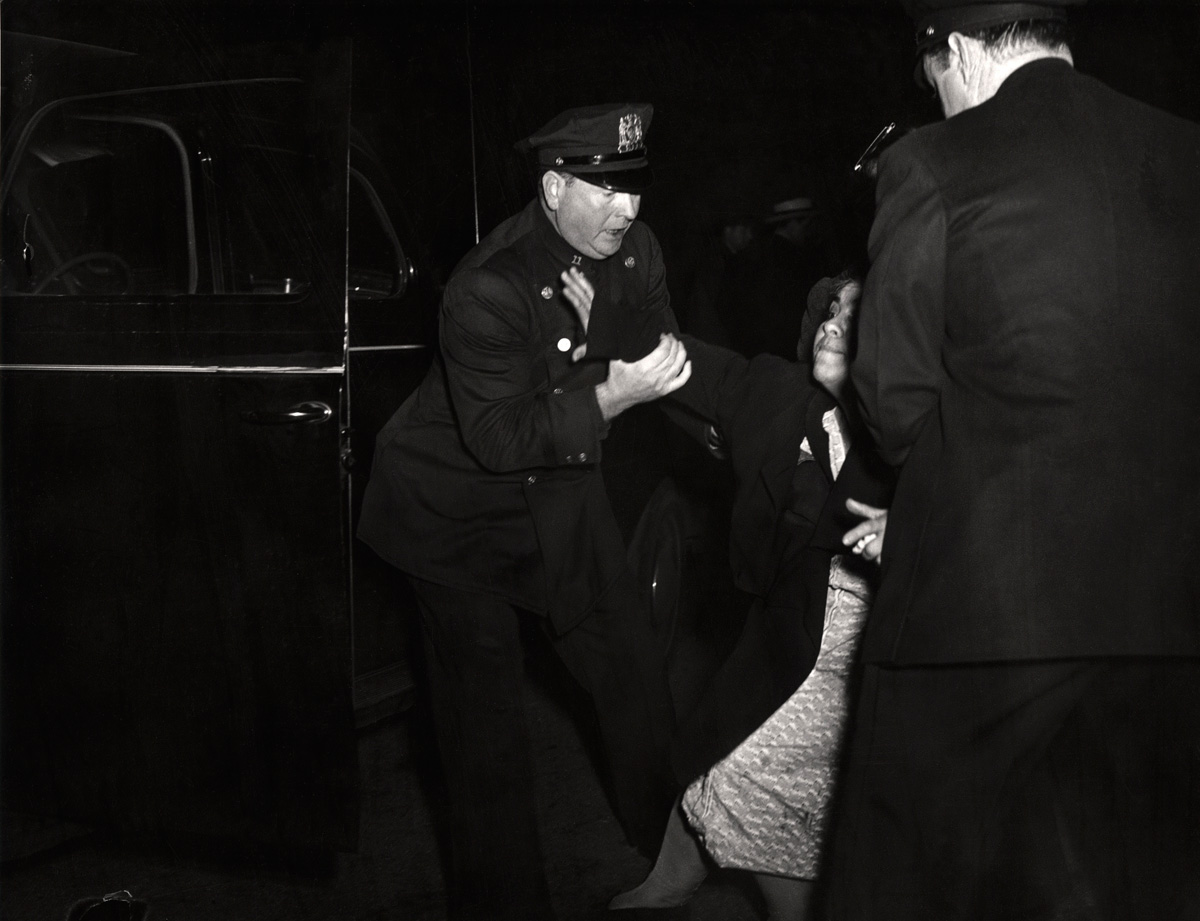
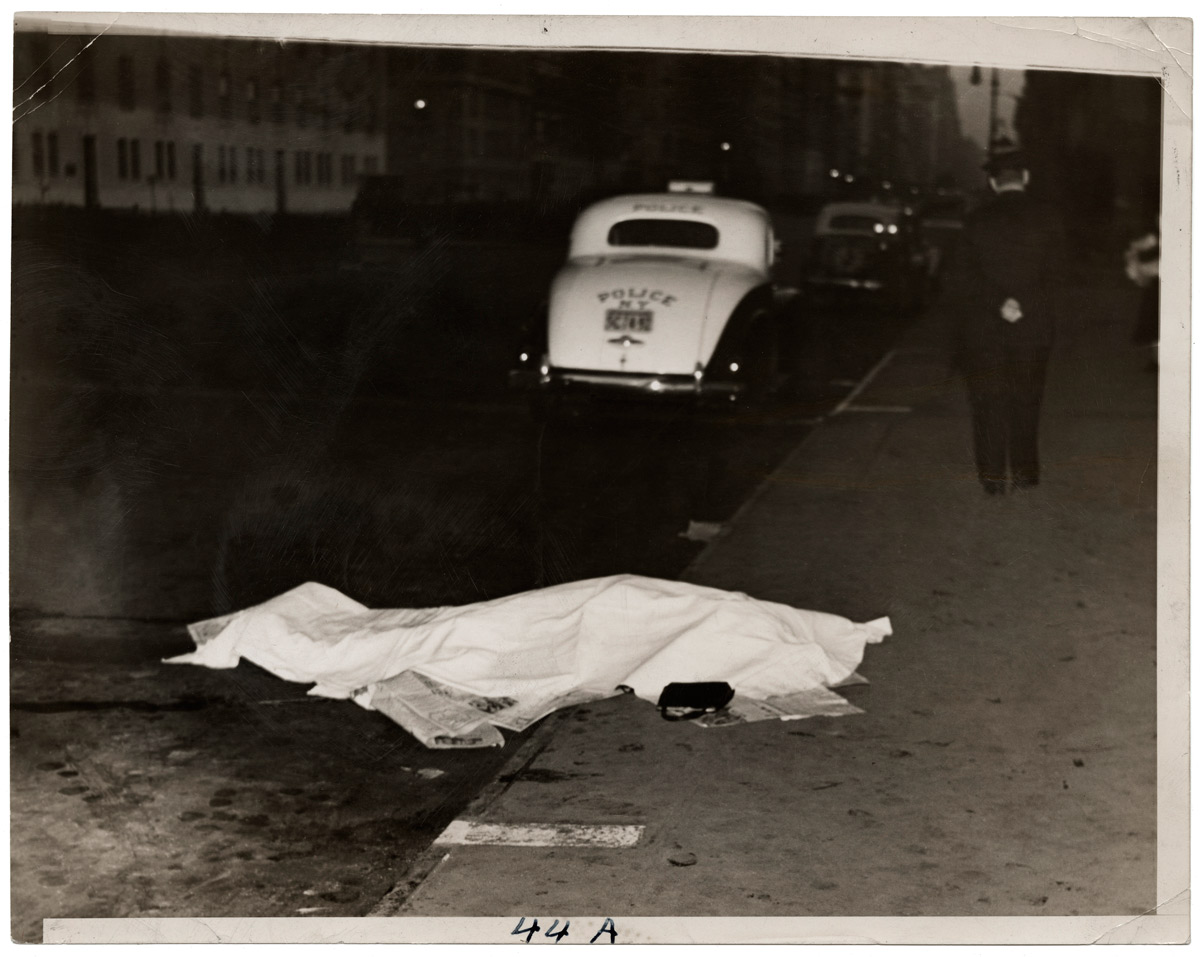
![Weegee (Arthur Fellig) (American, 1899-1968) 'Untitled [Installation view of "Weegee: Murder Is My Business" at the Photo League, New York]' 1941](https://artblart.com/wp-content/uploads/2012/08/17-weegee_19982_1993-web.jpg "Weegee (Arthur Fellig) (American, 1899-1968) 'Untitled [Installation view of \"Weegee: Murder Is My Business\" at the Photo League, New York]' 1941")
![Weegee (Arthur Fellig) (American, 1899-1968) 'Untitled [Installation view of "Weegee: Murder Is My Business" at the Photo League, New York]' 1941](https://artblart.com/wp-content/uploads/2012/08/6-weegee_19969_1993-web.jpg "Weegee (Arthur Fellig) (American, 1899-1968) 'Untitled [Installation view of \"Weegee: Murder Is My Business\" at the Photo League, New York]' 1941")
![Weegee (Arthur Fellig) (American, 1899-1968) 'Untitled [Installation view of "Weegee: Murder Is My Business" at the Photo League, New York]' 1941](https://artblart.com/wp-content/uploads/2012/08/15-weegee_19961_1993-web.jpg "Weegee (Arthur Fellig) (American, 1899-1968) 'Untitled [Installation view of \"Weegee: Murder Is My Business\" at the Photo League, New York]' 1941")
![Weegee (Arthur Fellig) (American, 1899-1968) 'Untitled [Installation view of "Weegee: Murder Is My Business" at the Photo League, New York]' 1941](https://artblart.com/wp-content/uploads/2012/08/16-weegee_19972_1993-web.jpg "Weegee (Arthur Fellig) (American, 1899-1968) 'Untitled [Installation view of \"Weegee: Murder Is My Business\" at the Photo League, New York]' 1941")
![Weegee (Arthur Fellig) (American, 1899-1968) 'Untitled ["Ruth Snyder Murder" wax display, Eden Musée, Coney Island, New York]' c. 1941](https://artblart.com/wp-content/uploads/2012/08/5-weegee_7221_1993-web.jpg "Weegee (Arthur Fellig) (American, 1899-1968) 'Untitled [\"Ruth Snyder Murder\" wax display, Eden Musée, Coney Island, New York]' c. 1941")
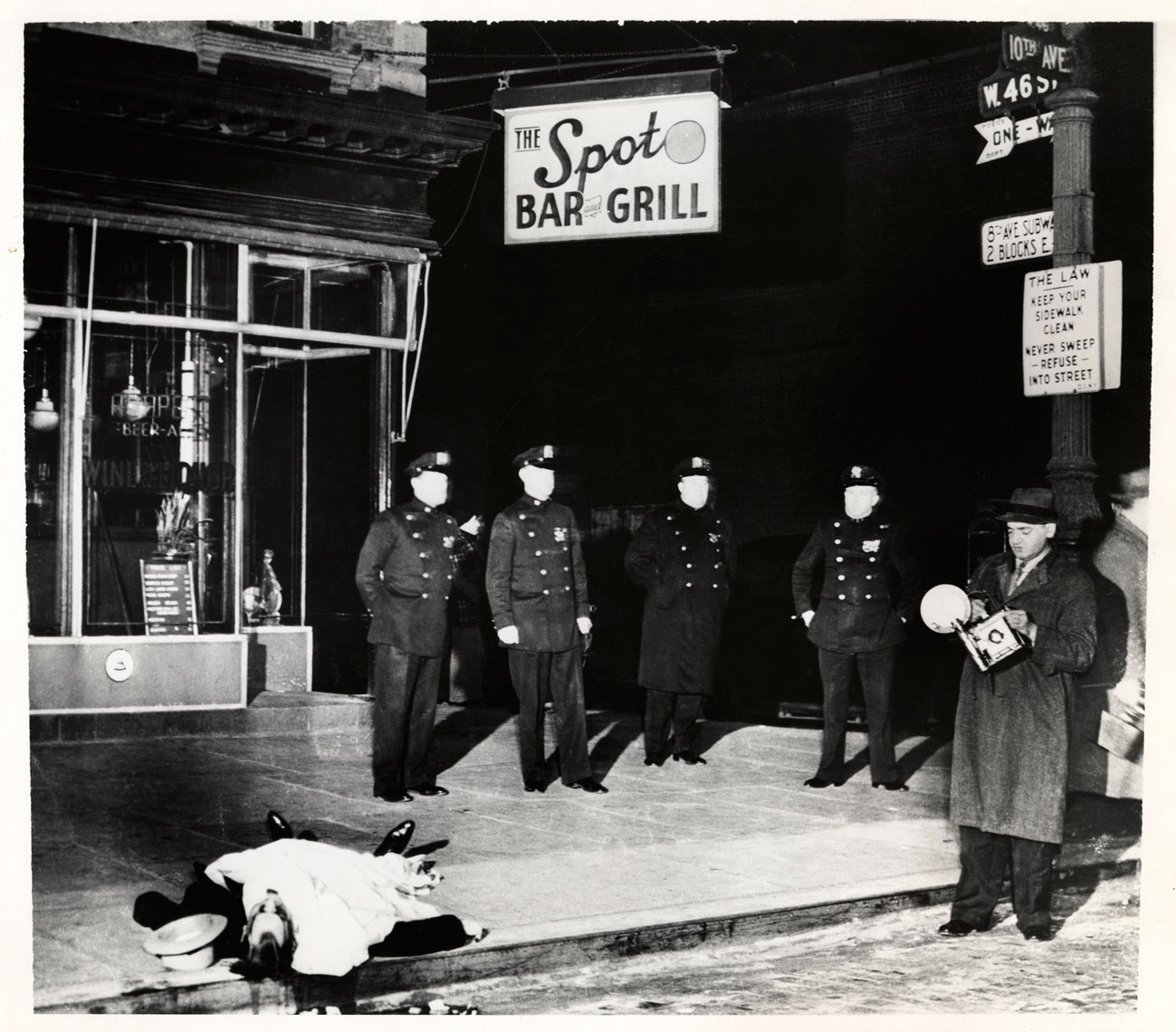
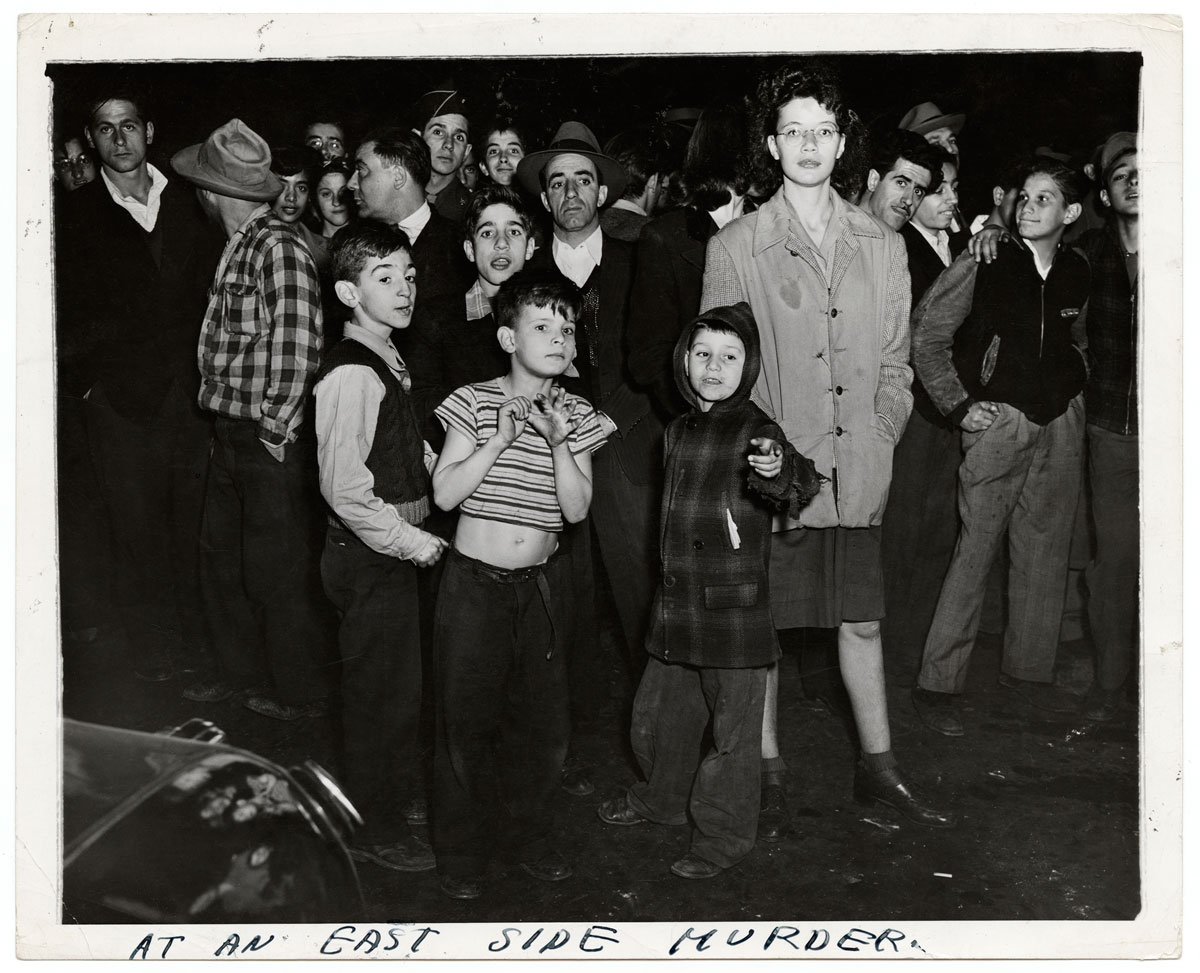
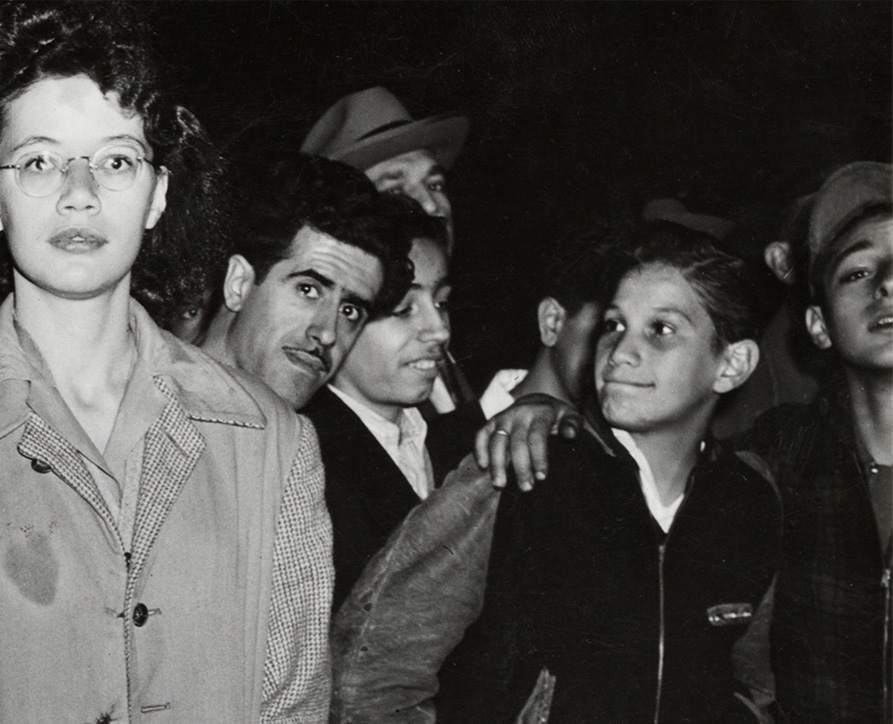
![Weegee (Arthur Fellig) (American, 1899-1968) 'Untitled [Hats in a pool room, Mulberry Street, New York]' c. 1943](https://artblart.com/wp-content/uploads/2012/08/14-weegee_15595_1993-web.jpg "Weegee (Arthur Fellig) (American, 1899-1968) 'Untitled [Hats in a pool room, Mulberry Street, New York]' c. 1943")
![Weegee (Arthur Fellig) (American, 1899-1968) 'Untitled [Body of Dominick Didato, Elizabeth Street, New York]' August 7, 1936](https://artblart.com/wp-content/uploads/2012/08/8-weegee_2070_1993-web.jpg "Weegee (Arthur Fellig) (American, 1899-1968) 'Untitled [Body of Dominick Didato, Elizabeth Street, New York]' August 7, 1936")
![Weegee (Arthur Fellig) (American, 1899-1968) 'Untitled [Police officer and lodge member looking at blanket-covered body of woman trampled to death in excursion-ship stampede, New York]' August 18, 1941](https://artblart.com/wp-content/uploads/2012/08/11-weegee_1016_1993-web.jpg "Weegee (Arthur Fellig) (American, 1899-1968) 'Untitled [Police officer and lodge member looking at blanket-covered body of woman trampled to death in excursion-ship stampede, New York]' August 18, 1941")
![Weegee (Arthur Fellig) (American, 1899-1968) 'Untitled [Police officer and assistant removing body of Reception Hospital ambulance driver Morris Linker from East River, New York]' August 24, 1943](https://artblart.com/wp-content/uploads/2012/08/9-weegee_133_1982-web.jpg "Weegee (Arthur Fellig) (American, 1899-1968) 'Untitled [Police officer and assistant removing body of Reception Hospital ambulance driver Morris Linker from East River, New York]' August 24, 1943")








You must be logged in to post a comment.