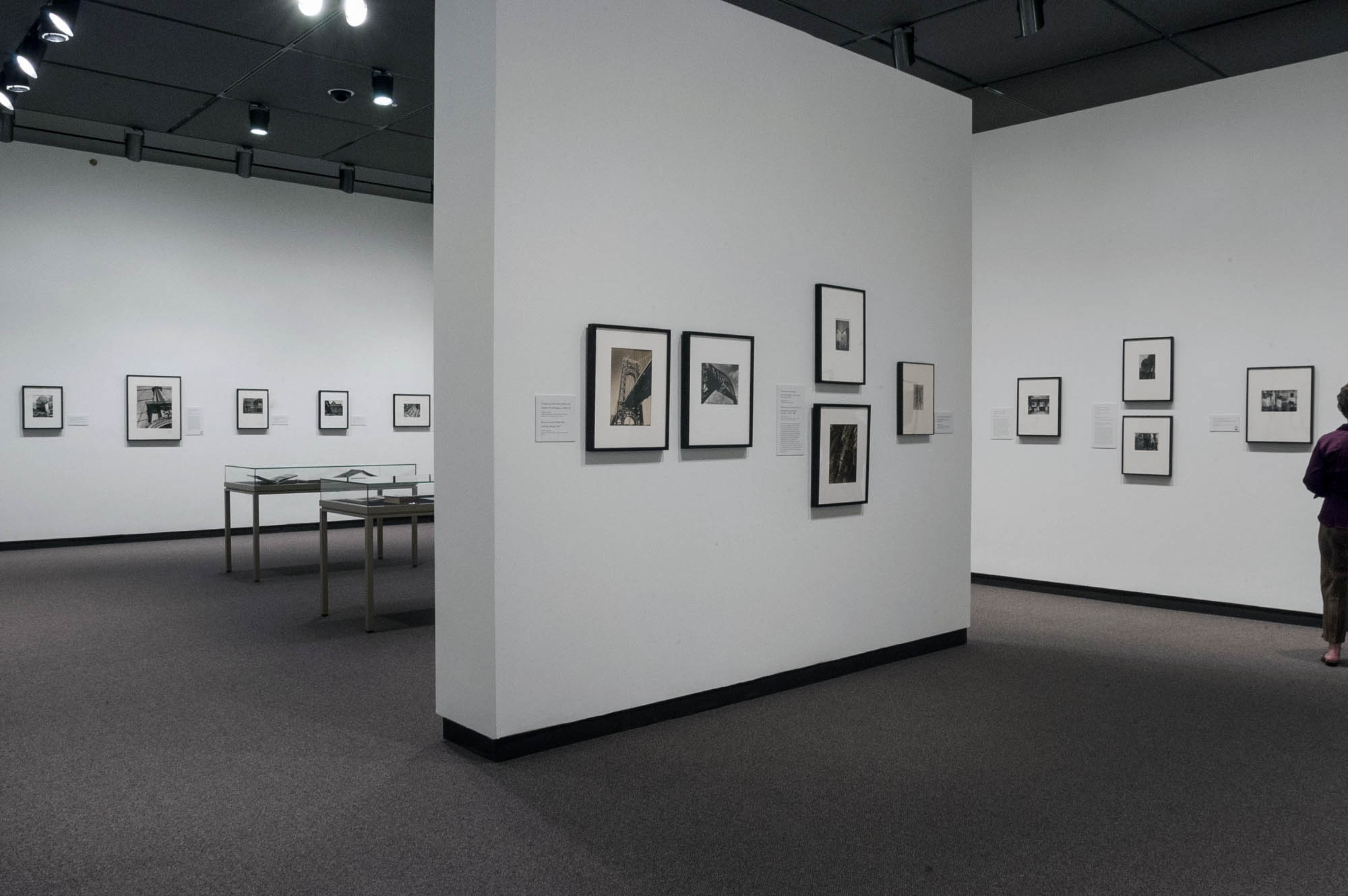
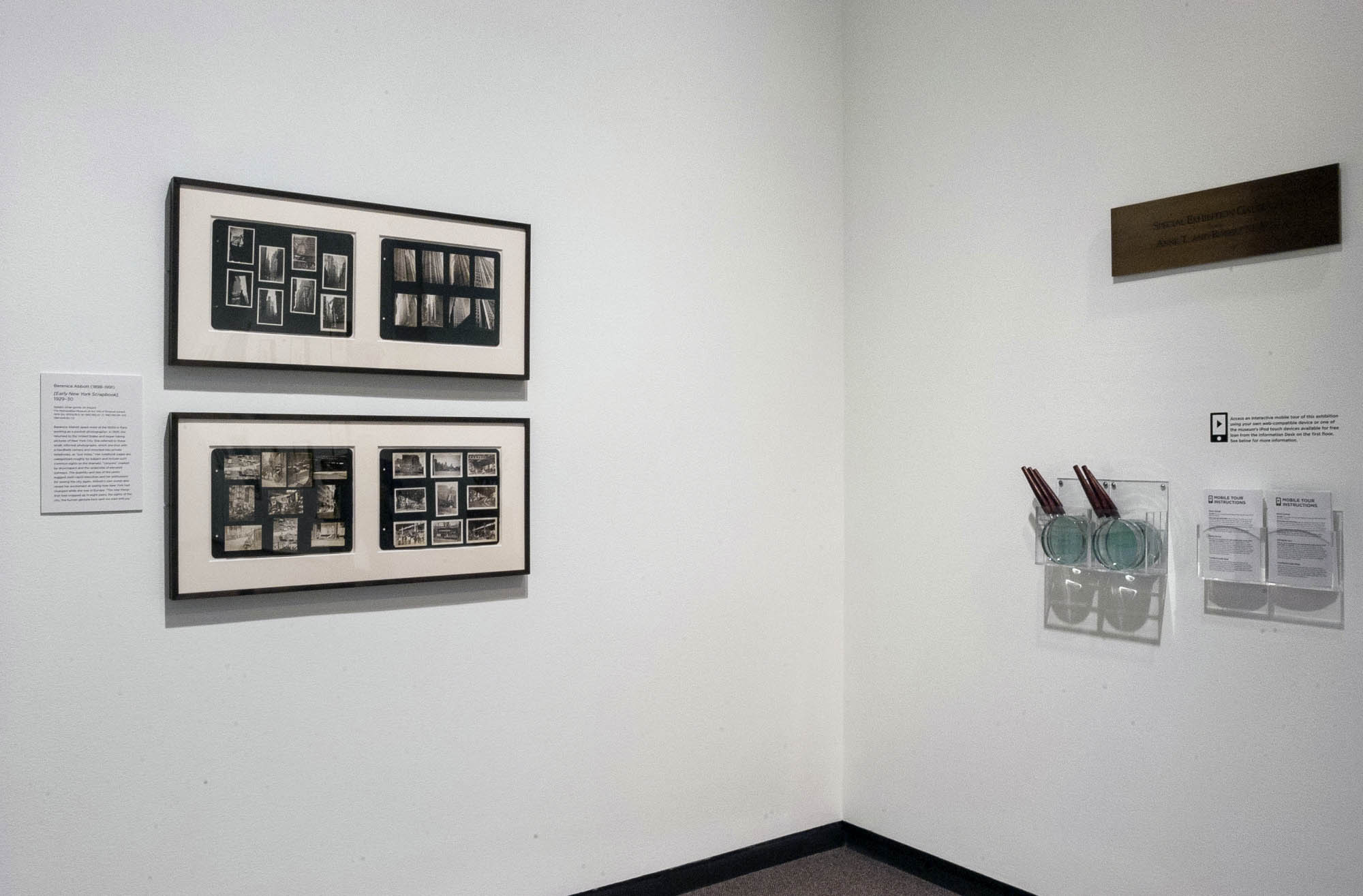
Exhibition: ‘Made in America 1900-1950. Photographs from the National Gallery of Canada’, Ottawa, Ontario

Exhibition dates: 9th December 2011 – 1st April 2012


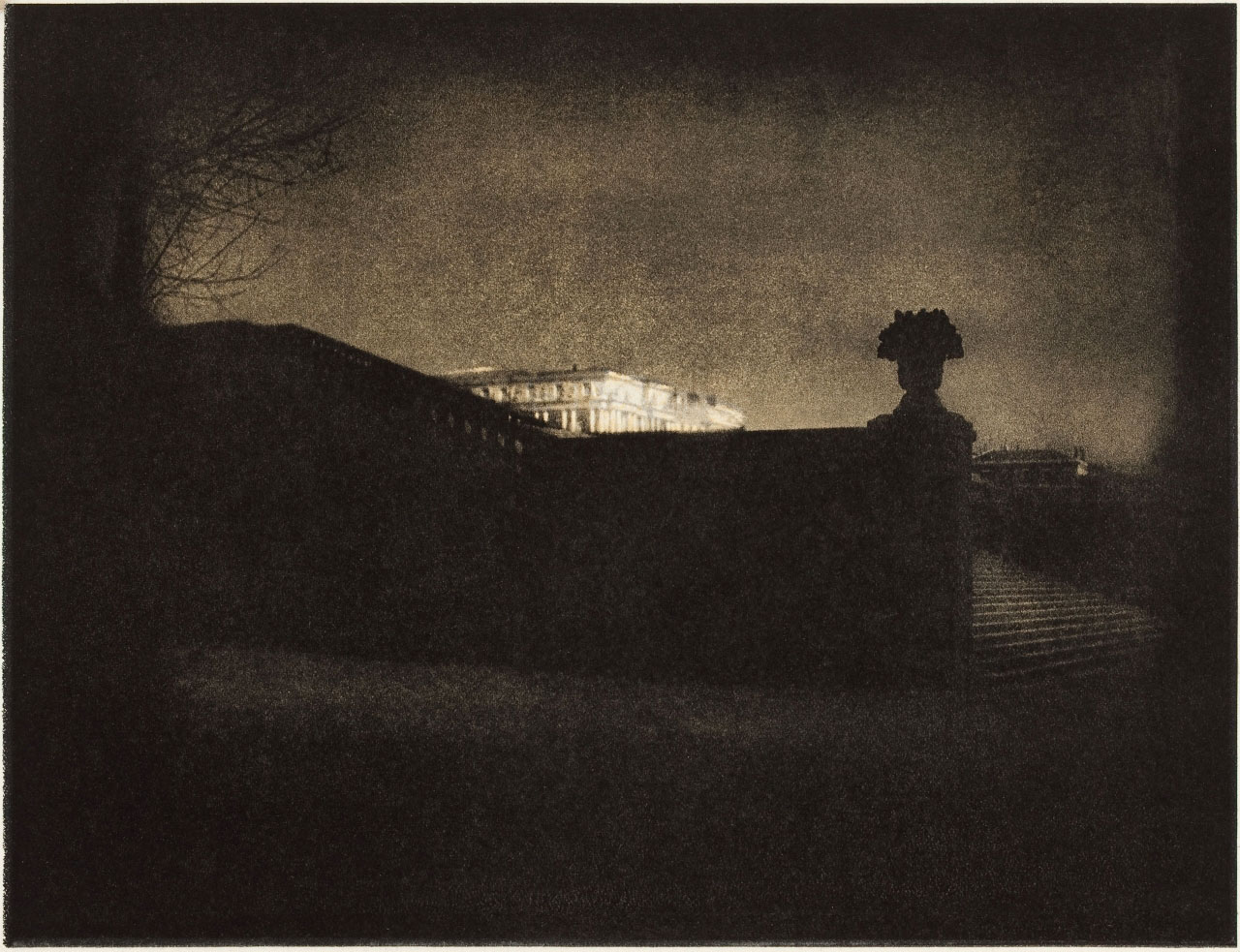
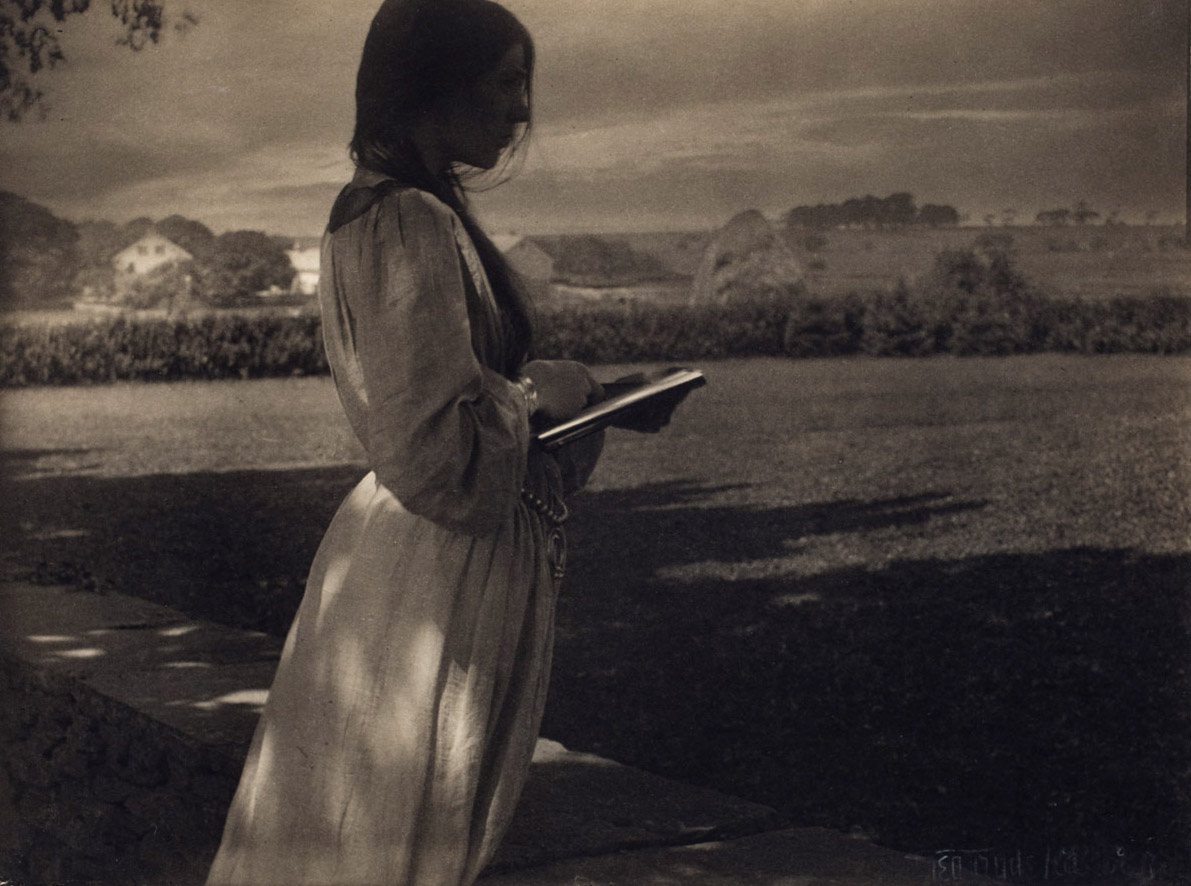
Edward Steichen
 (American, 1879-1973) 'Nocturne – Orangery Staircase, Versailles' 1908


Edward Steichen
 (American, 1879-1973)
Nocturne – Orangery Staircase, Versailles
1908
Purchased 1976
National Gallery of Canada, Ottawa


Stunning photographs in this posting: Steichen’s
 Nocturne – Orangery Staircase, Versailles (1908) is just sublime; Sheeler’s Side of a White Barn (1917) is early Modernist perfection, rivalling Paul Strand’s The White Fence, Port Kent (1916); Barbara Morgan’s photograph of dancer Martha Graham (1940) portraying, radiantly, her divine dissatisfaction; and the most beautiful portrait by Imogen Cunningham of Frida Kahlo (1931). Every time I see this portrait I nearly burst into tears – the light falling from the right and from the left onto the boards behind her, the texture of her cloak, the languorous nature of her hands, her absolute poise and beauty – looking straight into the camera, looking straight into your soul. What a beautiful women, such strength and vulnerability. A stunning photograph of an amazing women. The photograph just takes your breath away…

Dr Marcus Bunyan

Many thankx to the National Gallery of Canada for allowing me to publish the photographs in the posting. Please click on the photographs for a larger version of the image.


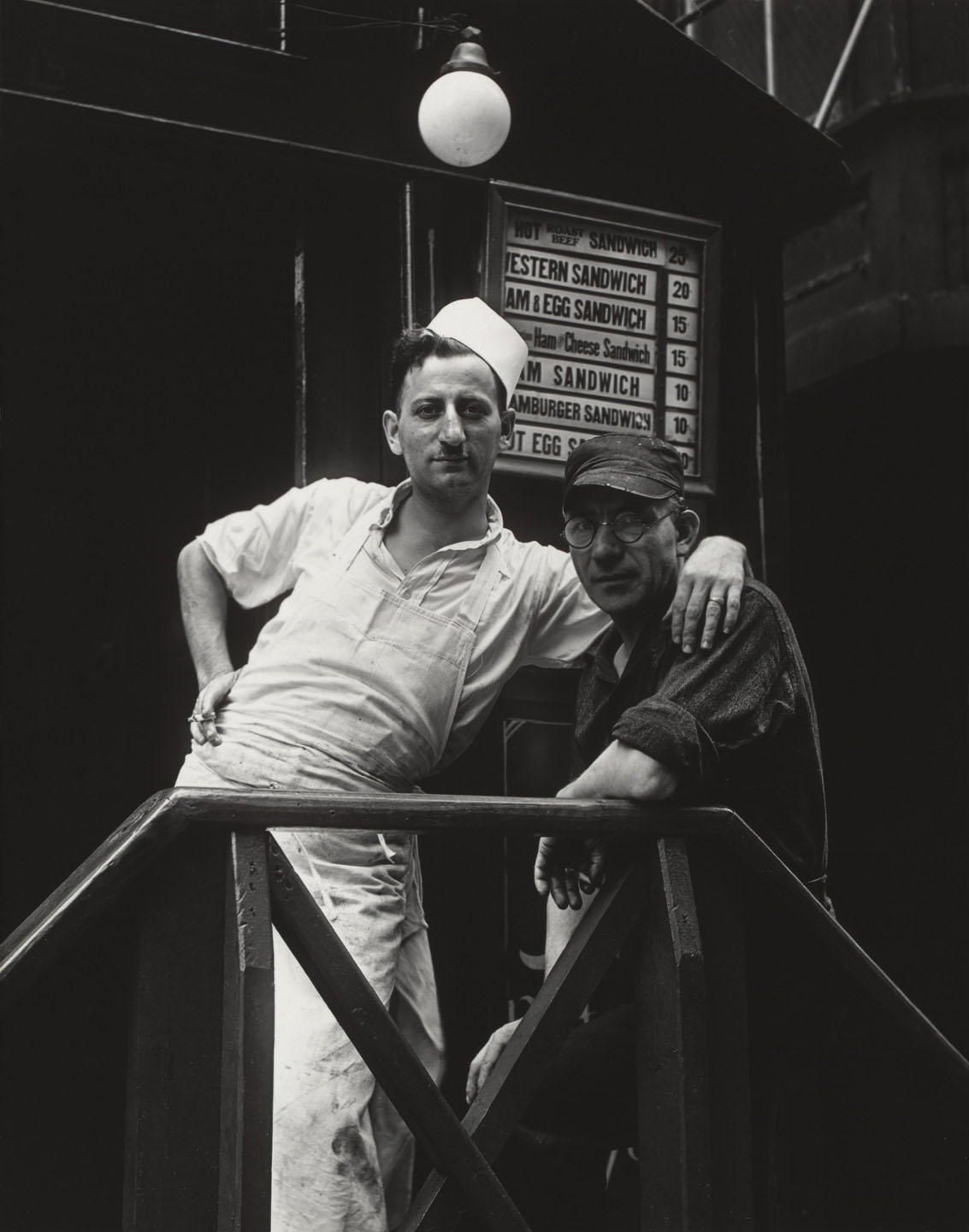
Arthur Leipzig
 (American, 1918-2014) 'Opening Night at the Opera, New York' 1945


Arthur Leipzig
 (American, 1918-2014)
Opening Night at the Opera, New York
1945
Gelatin silver print
27 x 34.1cm
National Gallery of Canada, Ottawa
© Arthur Leipzig/Courtesy Howard Greenberg Gallery


Charles Sheeler (American, 1883-1965) 'Side of a White Barn, Pennsylvania' 1917


Charles Sheeler (American, 1883-1965)
Side of a White Barn, Pennsylvania
1917
Gelatin silver print
7 5/8 x 9 5/8 in.
The J. Paul Getty Museum


“Lines and texture define this view of the side of a white barn. In the photographic rendering, the white barn is a soft gray, punctuated by knots in the wood and shadows cast by the uneven boards. In the lower right corner of the image, a small window, a fence, and a chicken standing atop a pile of hay add visual weight yet surrender to the repetitive, vertical domination of the structure. Like every other line, the horizontal line dividing the areas of wood and plaster is drawn without a straight edge.”

Text from the Getty Museum website


Jerome Liebling (American, 1924-2011) 'Butterfly Boy, New York City' 1949


Jerome Liebling (American, 1924-2011)
Butterfly Boy, New York City
1949
Gelatin silver print
National Gallery of Canada, Ottawa


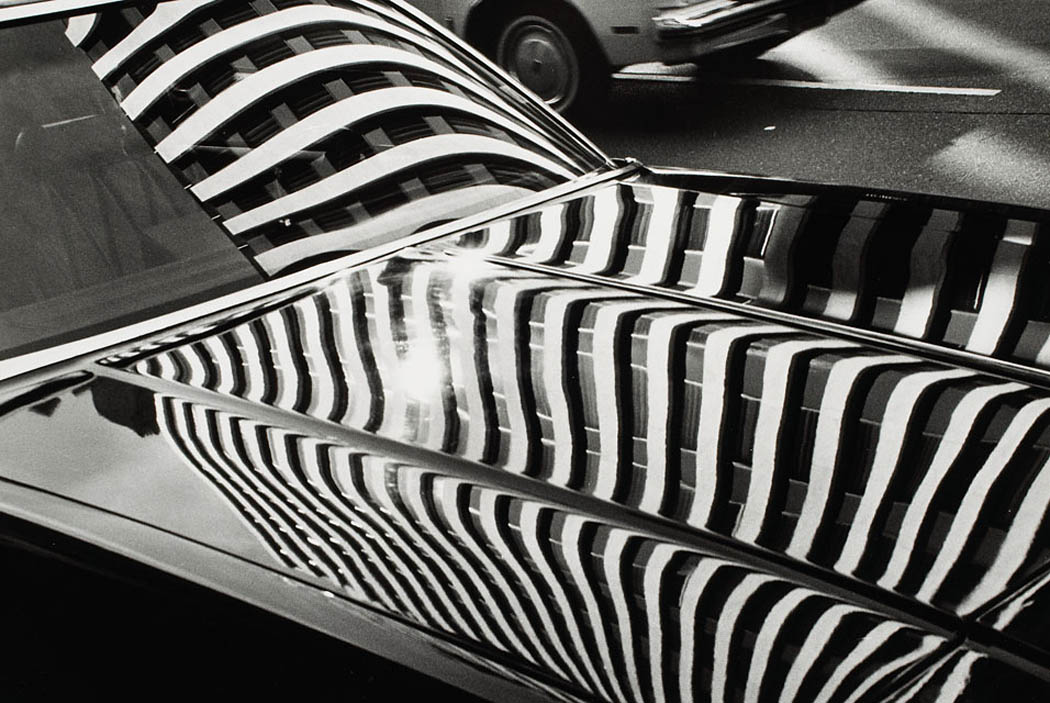
Andreas Feininger (American, 1906-1999) 'Reflection on a Car' 1980


Andreas Feininger (American, 1906-1999)
Reflection on a Car
1980
Gelatin silver print
38 x 48.2cm
National Gallery of Canada, Ottawa


Alfred Stiegitz (American, 1864-1946) 'The Steerage' 1907


Alfred Steiglitz (American, 1864-1946)
The Steerage
1907
Gelatin silver print


Walker Evans (American, 1903-1975)  'Corner of State and Randolph Streets, Chicago' c. 1946-1947


Walker Evans (American, 1903-1975)
Corner of State and Randolph Streets, Chicago
c. 1946-1947
Gelatin silver print
Image: 26.1 x 25cm
National Gallery of Canada, Ottawa
Gift of Benjamin Greenberg, Ottawa, 1981
© Walker Evans Archive, The Metropolitan Museum of Art


Barbara Morgan
 (American, 1900-1992)
 'Martha Graham, Letter to the World, "Kick"' 1940, printed c. 1945


Barbara Morgan
 (American, 1900-1992)
Martha Graham, Letter to the World, “Kick”
1940, printed c. 1945
Gelatin silver print
38.6 x 48.2cm
National Gallery of Canada, Ottawa


“There is a vitality, a life force, a quickening that is translated through you into action, and because there is only one of you in all time, this expression is unique. And if you block it, it will never exist through any other medium and be lost. The world will not have it. It is not your business to determine how good it is, nor how valuable it is, nor how it compares with other expressions. It is your business to keep it yours clearly and directly, to keep the channel open. You do not even have to believe in yourself or your work. You have to keep open and aware directly to the urges that motivate YOU. Keep the channel open… No artist is pleased… There is no satisfaction whatever at any time. There is only a queer, divine dissatisfaction; a blessed unrest that keeps us marching and makes us more alive than the others.”


Martha Graham to Agnes DeMille


In the first five decades of the 20th century photography came into its own – both as an art form and as a tool to document social and political change. American photographers were exploring both the poetic and transformative expressiveness of the medium, as well as recording the growth and change of the country in its various phases of industrial development. On view until April 1, 2012, Made in America 1900-1950: Photographs from the National Gallery of Canada looks at both approaches, and the divisions between the two, as they are necessarily porous and somewhat arbitrary.

“The Gallery’s collection is so rich in 20th century American photographs that it needs an exhibition in two parts and a catalogue in two volumes. This first presentation focuses on the period between 1900 and 1950,” noted NGC director Marc Mayer. “This comprehensive collection has been amassed in large part through the generosity of brilliant collectors.”

“Each of [the decades] is characterised by tremendous growth, change, and creative thought about the medium and its reception in the United States,” noted curator Ann Thomas in the catalogue, American Photographs 1900-1950.

It was a period of great technical and technological change: such as the introduction of the personal 35mm camera in the early 1920s, following the German model developed by Leica, and Ansel Adams’ and Fred Archer’s creation of the zone system to determine optimal film exposure and development.

Composed of over 130 photographs, two issues of Camera Work, one issue of Manuscripts, and several period cameras, the exhibition Made in America celebrates the exceptional contribution that American photographers made to the history of art in the 20th century. Made been 1900-1950, these photographs represent an extraordinarily fertile period in the evolution of photography. They include stunning works by Alfred Stieglitz, Edward Steichen, Clarence White, Paul Strand, Walker Evans, Margaret Bourke-White, Dorothea Lange, Berenice Abbott, Ansel Adams, Lisette Model, Weegee, and members of New York’s Photo League.

Made in America is the fourth in a series of exhibitions and catalogues presenting the Gallery’s outstanding collection of international photographs. It follows Modernist Photographs (2007), 19th Century French Photographs (2010), and 19th Century British Photographs (2011).

Made in America 1900-1950: Photographs from the National Gallery of Canada explores a dynamic period in the history of photography when the medium was emerging as both an art form and a tool for documenting social change. Presenting 134 works from the National Gallery’s extraordinary collection of American photographs, this exhibition chronicles the evolution of the medium, beginning with Pictorialism and moving through modernism, straight photography and documentary work. On the walls are some truly magnificent, iconic works by the most influential photographers, among them Alfred Stieglitz’s The Steerage, Edward Steichen’s Nocturne – Orangerie Staircase, Versailles, Ansel Adams’ Moonrise, Hernandez, New Mexico and Barbara Morgan’s Martha Graham, Letter to the World (Kick).

At the turn of the 20th century, American photographers were fully engaged in the Pictorialist aesthetic, creating pastoral landscapes, foggy street scenes and idealised portraits of women and children. With their soft focus and gentle lighting, the images convey a romantic moodiness. Pictorialist photographers often manipulated their negatives and prints to achieve painterly effects. Gertrude Käsebier’s Serbonne, for instance, is reminiscent of an Impressionist painting.

Around the mid-teens, artists such as Stieglitz, Paul Strand and Walker Evans came to reject the notion of photography imitating painting, and instead sought to take advantage of the medium’s inherent, unique characteristics, especially its ability to achieve sharp definition, even lighting and smooth surfaces. The result was ground-breaking modernist work such as Stieglitz’s Equivalent series, Alvin Langdon Coburn’s Vortograph and Charles Sheeler’s Side of White Barn.

Out on the west coast in the early 1930s, Group f.64 was committed to the ideal of pure, un-manipulated, or “straight” photography. Edward Weston’s nudes and juniper trees, and Imogen Cunningham’s portrait of Frida Kahlo demonstrate the hallmarks of f.64: crisp detail, sharp focus, and often a sensual minimalism.

The first decades of the 20th century also provided rich subject matter for documentary photographers, as social and economic changes dramatically transformed daily life. Lewis Hine’s photographs of immigrants and child labourers tell fascinating stories, as do images of the Depression by Dorothea Lange and Walker Evans. The Photo League sent its members out into New York’s streets to capture ordinary people on film. Helen Levitt, Jerome Liebling and Sol Libsohn chronicled small dramas unfolding on sidewalks.

Visitors familiar with Ansel Adams’ grand, sublime landscapes might be surprised by his more contemplative series of foaming Pacific waves, titled Surf Sequence. Sharing the gallery space is Minor White’s poetic series Song Without Words, made along the same coast. Both demonstrate an almost cinematic approach to photograph-making and plunge the viewer into seaside reverie.

Press release from the National Gallery of Canada website


Alvin Coburn (American, 1882-1966) 'Vortograph' 1917


Alvin Coburn (American, 1882-1966)
Vortograph
1917
Gelatin silver print
11 1/8 × 8 3/8″ (28.2 × 21.2cm)
Courtesy of George Eastman House, International Museum of Photography and Film


The intricate patterns of light and line in this photograph, and the cascading tiers of crystalline shapes, were generated through the use of a kaleidoscopic contraption invented by the American / British photographer Alvin Langdon Coburn, a member of London’s Vorticist group. To refute the idea that photography, in its helplessly accurate capture of scenes in the real world, was antithetical to abstraction, Coburn devised for his camera lens an attachment made up of three mirrors, clamped together in a triangle, through which he photographed a variety of surfaces to produce the results in these images. The poet and Vorticist Ezra Pound coined the term “vortographs” to describe Coburn’s experiments. Although Pound went on to criticise these images as lesser expressions than Vorticist paintings, Coburn’s work would remain influential.

Gallery label from Inventing Abstraction, 1910-1925, December 23, 2012 – April 15, 2013.


Gertrude Kasebier (American, 1852-1934) 'Serbonne' 1902, printed 1903


Gertrude Kasebier (American, 1852-1934)
Serbonne
1902, printed 1903
From Camera Work, January 1903
Gum bichromate, halftone
National Gallery of Canada, Ottawa


Imogen Cunningham (American, 1883-1976) 'Frida Kahlo' 1931


Imogen Cunningham (American, 1883-1976)
Frida Kahlo
1931
Gelatin silver print
National Gallery of Canada, Ottawa


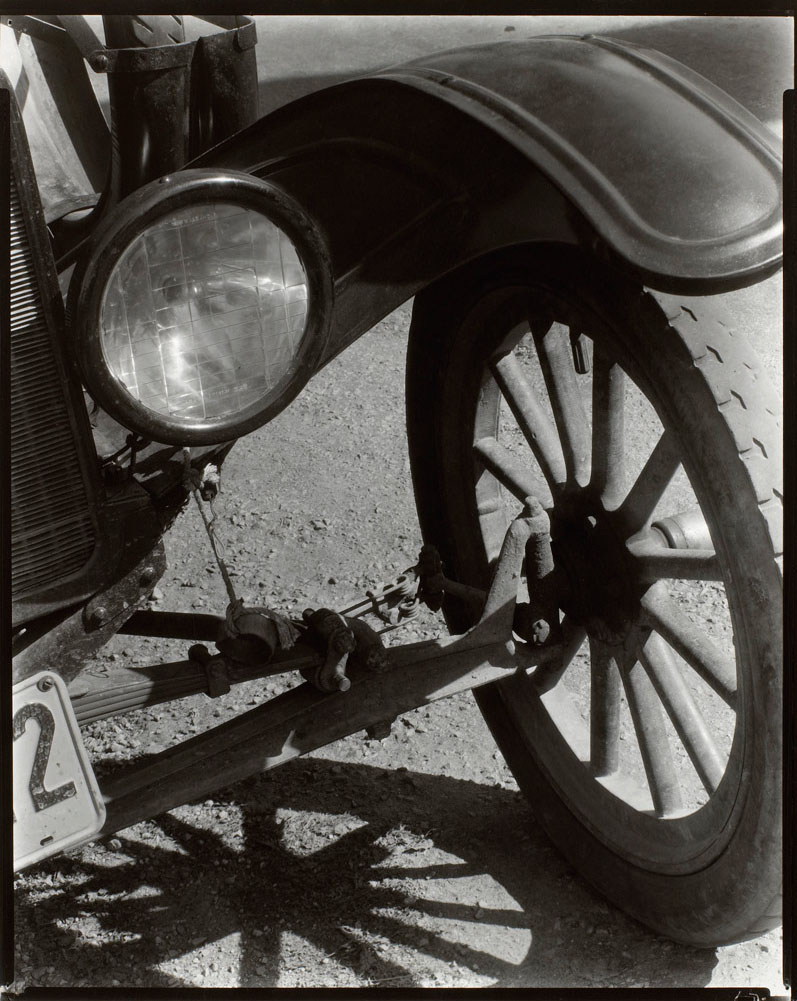
Ralph Steiner
 (American, 1899-1986)
 'Model T' 1929


Ralph Steiner
 (American, 1899-1986)
Model T
1929, printed later
Gelatin silver print
Image: 24.2 x 19.7cm
National Gallery of Canada, Ottawa


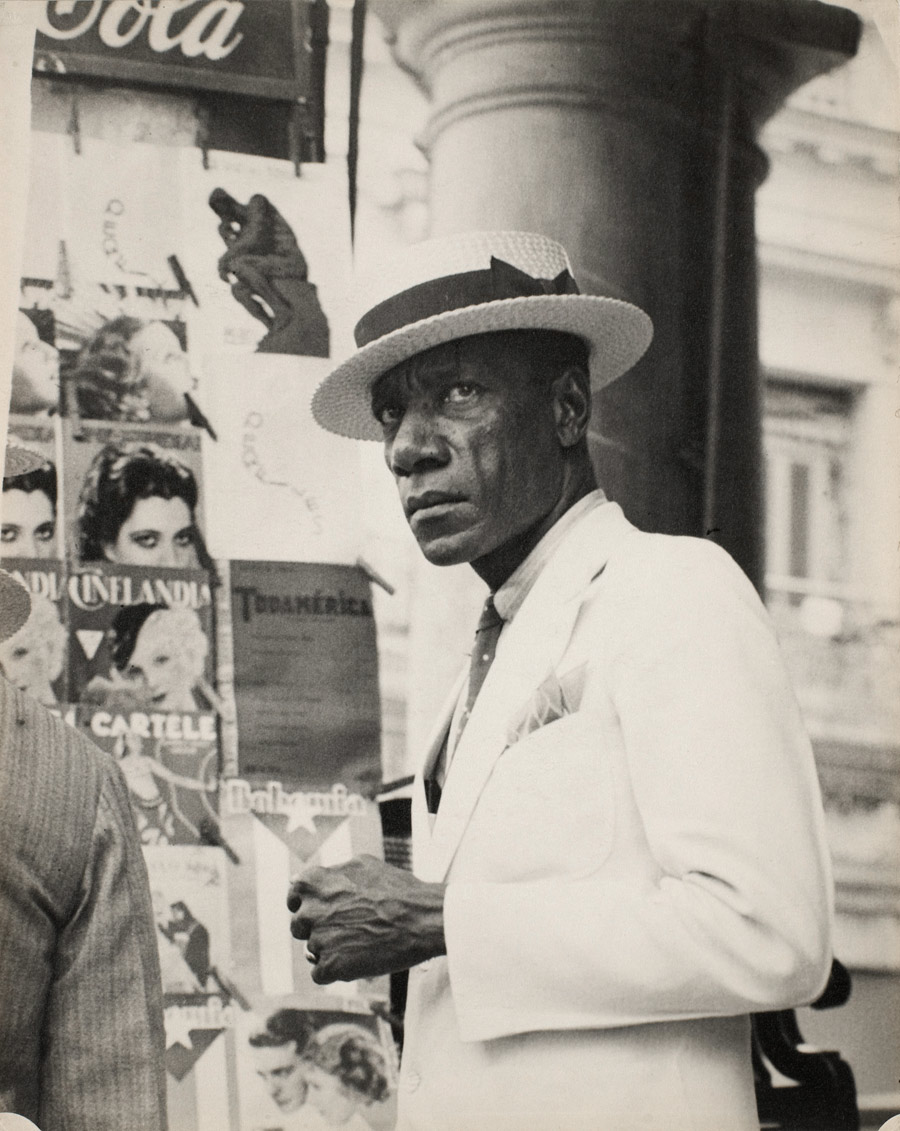
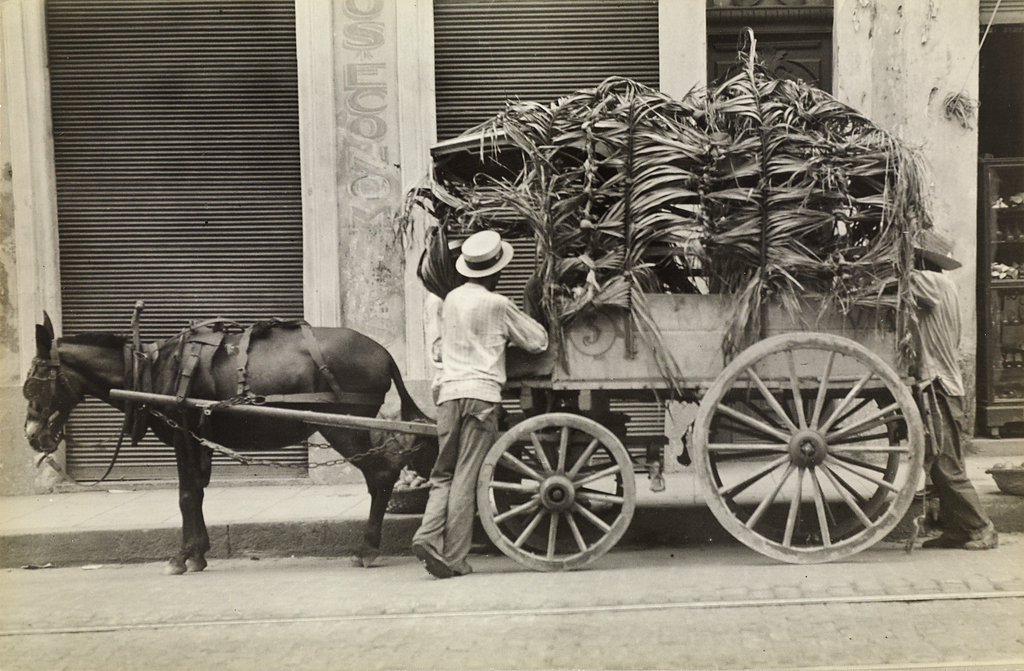
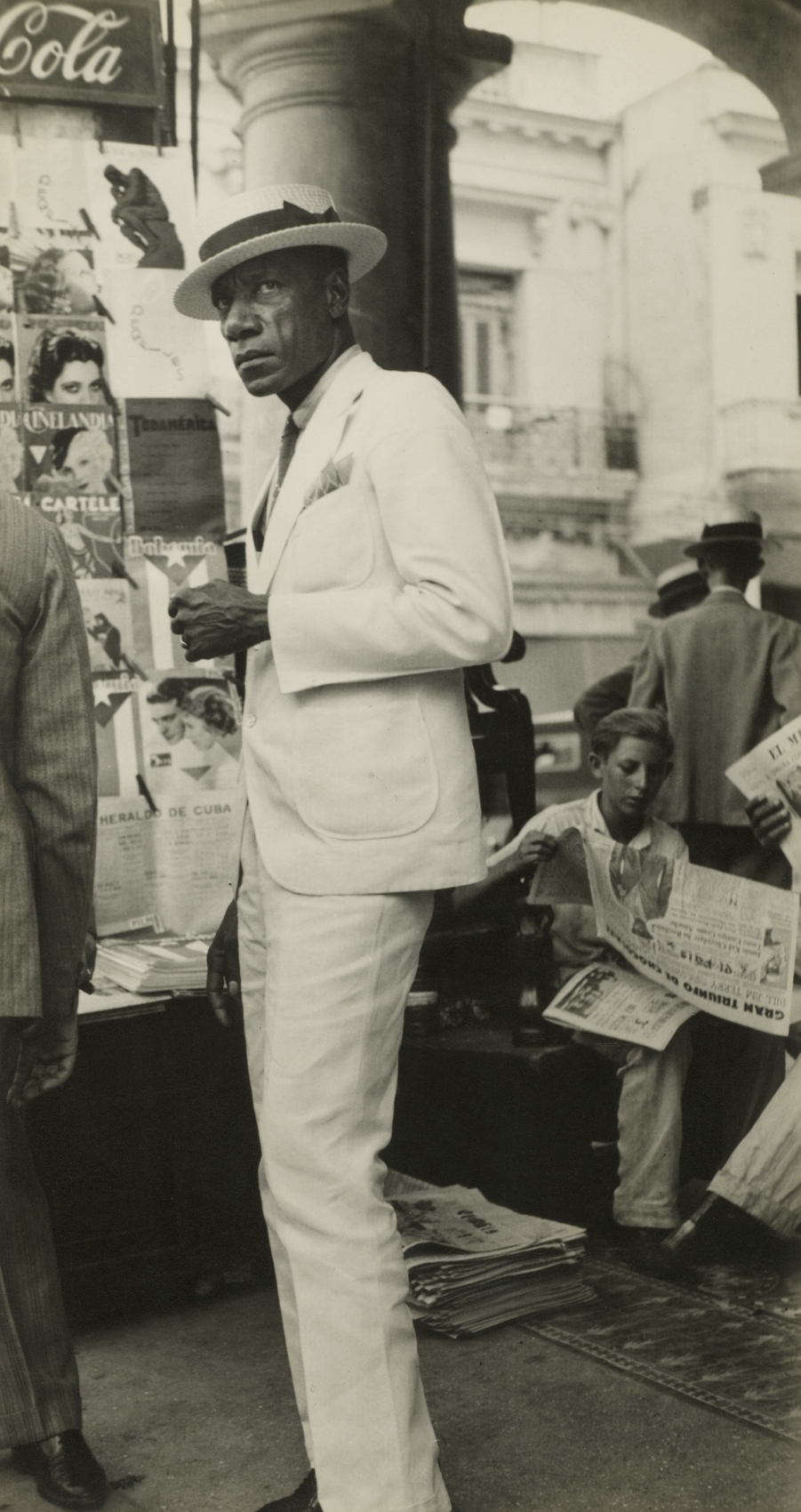
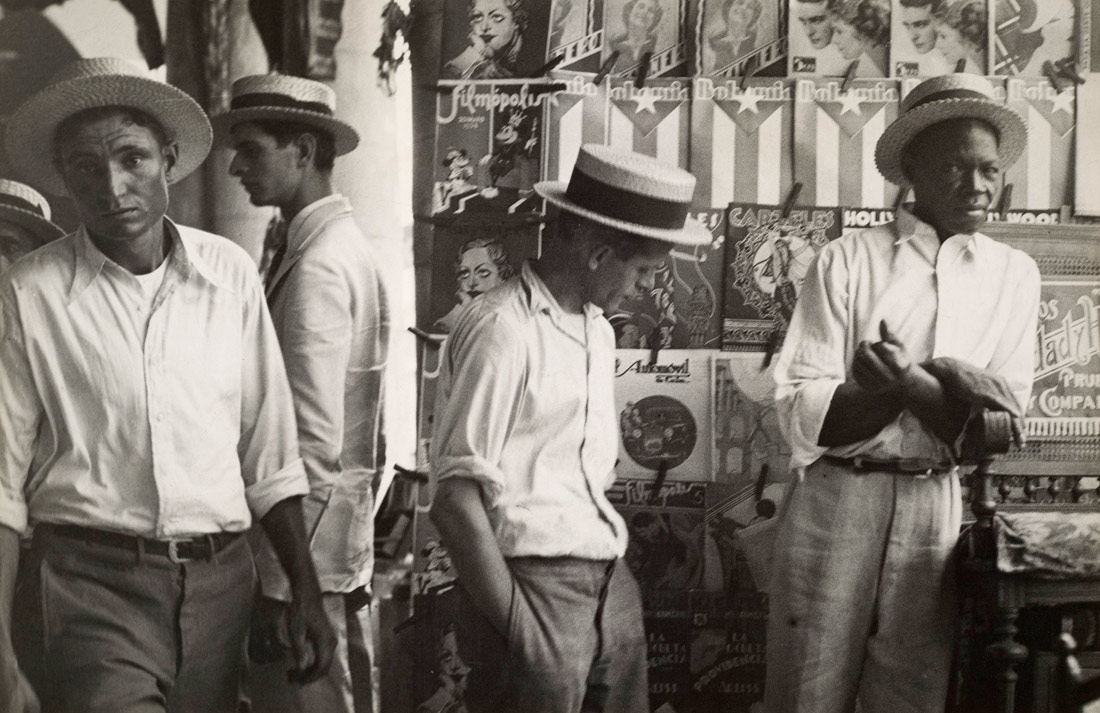
Walker Evans (American, 1903-1975) 'Citizen in Downtown Havana' 1933


Walker Evans (American, 1903-1975)
Citizen in Downtown Havana
1933
Gelatin silver print
25.1 x 20.1cm
National Gallery of Canada, Ottawa
Gift of Phyllis Lambert, Montreal, 1982
© Walker Evans Archive, The Metropolitan Museum of Art


National Gallery of Canada
380 Sussex Drive
P.O. Box 427, Station A
Ottawa, Ontario
Canada 
K1N 9N4

Opening hours:
Daily 9.30am – 5pm
Thursday 9.30am – 8pm

National Gallery of Canada website

LIKE ART BLART ON FACEBOOK

Back to top

Text/Exhibition: “George Platt Lynes, Minor White and ‘The Temptation of Saint Anthony Is Mirrors’ ” on the exhibition ‘HIDE/SEEK: Difference and Desire in American Portraiture’ at the Brooklyn Museum, New York

Exhibition dates: 18th November 2011 – 12th February 2012


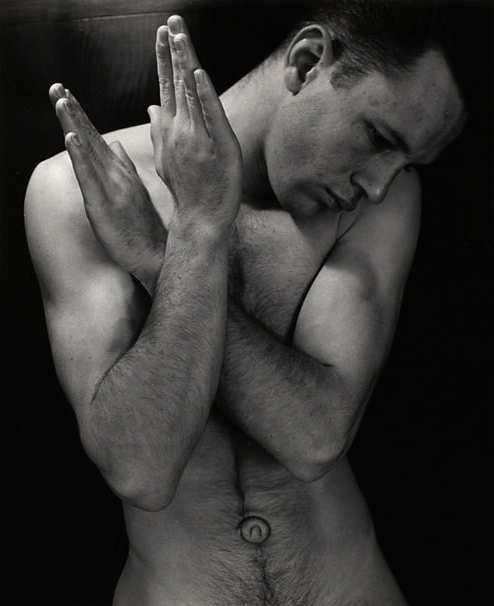
Minor White (American, 1908-1976) 'Tom Murphy (San Francisco)' 1948


Minor White (American, 1908-1976)
Tom Murphy (San Francisco)
1948
from The Temptation of St Anthony is Mirrors 1948
Gelatin silver print
4 5/8 x 3 5/8 in. (11.7 x 9.2cm)
The Minor White Archive, Princeton University Art Museum Bequest of Minor White, MWA 48-136
© Trustees of Princeton University


“The possibility of using our bodies as a possible source of very numerous pleasures is something that is very important. For instance, if you look at the traditional construction of pleasure, you see that bodily pleasure, or pleasures of the flesh, are always drinking, eating and fucking. And that seems to be the limit of the understanding of our bodies, our pleasures ….

It is very interesting to note, for instance, that for centuries people generally, as well as doctors, psychiatrists, and even liberation movements, have always spoken about desire, and never about pleasure. “We have to liberate our desire,” they say. No! We have to create new pleasure. And then maybe desire will follow.” (My bold)


Michel Foucault 1


George Platt Lynes, Minor White and The Temptation of Saint Anthony Is Mirrors

I had the great privilege of visiting The Minor White Archive at Princeton University while I was researching for my PhD. While there I studied the work cards and classic prints of the great photographer, paying particular attention to his photography of the male. What was a great surprise and delight to me were the presence of photographs of explicit sexual acts, men photographed with erections – images that have, to my knowledge, never been published. I don’t think that many people would even know that Minor White took such photographs. Although these images would have never been for public consumption it is still very unusual to find a classical photographer with such a public profile taking photographs of erect penises, especially in the 1940s!

Disturbed by having been in battle in the Second World War and seeing some of his best male friends killed, White’s early photographs of men (in their uniforms) depict the suffering and anguish that the mental and physical stress of war can cause. He was even more upset than most because he was battling his own inner sexual demons at the same time, his shame and disgust at being a homosexual and attracted to men, a difficulty compounded by his religious upbringing. In his photographs White both denied his attraction to men and expressed it. His photographs of the male body are suffused with both sexual mystery and a celebration of his sexuality despite his bouts of guilt. After the war he started to use the normal everyday bodies of his friends to form sequences of photographs, sometimes using the body as a metaphor for the landscape and vice versa. In the above photograph (Tom Murphy, left), based on a religious theme, we see a dismembered hairy body front on, the hands clutching and caressing the body, the lower hand hovering near the exposed genitalia, the upper hand cupping the breast. We see the agony and ecstasy of a homoerotic desire cloaked in a religious theme.

The image comes from the The Temptation of St Anthony is Mirrors (1948), four pages of which can be seen below. While at The Minor White Archive I looked at the only complete, undamaged book in existence. What an experience!

The book has a powerful and intense presence. It was beautifully sequenced as you would expect from Minor White and features photographs of Tom Murphy. There is a series of his hands over the back of a chair in different positions: hanging, curled, splayed, held slightly upwards, and these are paired with photographs of bare feet and turned up jeans, bare feet and rocks, and three other photographs of Tom Murphy. In an excellent paper Cruising and Transcendence in the Photographs of Minor White (Nd. Later published as an online-only feature accompanying Aperture magazine’s Spring 2015 issue, “Queer”), author Kevin Moore observes that the hand-bound volume with images paired on facing pages – “mirrors” to both one another and the artist – is a personal account as well as a meditation on the sins of the flesh.

“Temptation (which was never published or exhibited) begins with a sort of prologue, comprising a single full-length nude of Tom Murphy, White’s student and the model most commonly associated with his work. The pose is similar to those found in the beefcake pictures White was producing at this time: Murphy adopts a classical contrapposto stance and is entirely nude, his pale, wiry body positioned against a dark backdrop. A piece of driftwood at the model’s feet proposes a theme of innocence – man in his natural state. The sequence then moves to pairings of images describing man in his civilised state, featuring several loving close-ups of Murphy’s gesturing hands, a shot of his bare feet, and a single shoulder-length portrait, in which he wears a buttoned shirt and looks intently off to the side. Next, there is an interlude suggesting growing dissolution: an image of Murphy’s feet and a petrified stone is paired with a shot of Murphy in full dress slouched on a mass of rocks and staring vacantly off into the distance. The next pairing (images 9 and 10 below) accelerates the descent into temptation. Here, the pose in a second picture of Murphy’s feet suggests agitation, while a three-quarter length portrait of Murphy, crouched in the bushes and looking back over his shoulder, is as emblematic an image of cruising as White ever produced. The photographs that follow descend further into lust and self-recrimination, conveyed through photographs in which Murphy’s naked body alternates between expressions of pain and pleasure. The sequence ends with a series of beatific nudes (images 27 and 28 below), which express redemption through nonsexual treatments of the body and in the body’s juxtaposition with natural forms – a return to nature.

White may have thought at first that the sequence format would help him transcend the limits of personal biography, that he could use the breadth and fluidity of the sequence to emphasize a universal narrative while exercising control over the potentially explosive and revealing content of individual images. This proved to be overly optimistic, at least in his earliest uses of the form. White’s colleagues, for example, immediately understood Temptation for what it really was: an agonized portrayal of White’s love for his male student.”


Moore goes on to conclude that White obsfucated his sexuality, displacing gay ‘cruising’ “by a universalised mystical searching – sexual longing setting in motion a heroic search” using photography as his medium, and that his photographs became a dreamscape, perhaps even a dream(e)scape: “in which meanings are obscured, not clarified; signs are effaced, not illuminated; beauty is closeted, not set out for all to see. White was attracted to the ambiguity of the dream because it offered cover and protection but also freedom to maneuver. The dream supported the irrational, maintained a sense of mystery, and beautified frustration.”

I have to disagree with Kevin Moore. Anyone who has seen The Temptation of Saint Anthony Is Mirrors in the flesh (so to speak) can feel the absolute presence of these images, their reality, the connection between image and viewer. Maybe White was a Romantic but he was realistically romantic; his images are not dreamscapes, they offer multiple readings and contexts, insights into the human condition. Even though there was anguish and guilt present about his sexuality, channelled through his photography, anyone bold enough to take photographs of erections in 1940 has some ticker. It takes a clear eye and a courageous heart to do this, knowing what was at stake in this era of sexual repression. Beauty is not closeted here, unless I am looking at different images from Kevin Moore. In fact the magic of the photography of Minor White is his ability to modulate space, to modulate bodies so that they are beautiful, ambiguous and mystical whatever their context. Not everything in this world has to be in your face. Like a Glen Gould playing the Goldberg Variations revelation of beauty takes time, concentration and meditation.

Also, an overriding feeling when viewing the images was one of loneliness, sadness and anguish, for the bodies seemed to be observed and not partaken of, to be unavailable both physically and in a strange way, photographically. For a photographer who prided himself on revealing the spirit within, through photography, these are paradoxical photographs, visually accessible and mysteriously (un)revealing, photographs of a strange and wonderful ambivalence. Two great words: obsfucation, ambivalence. Clouded with mixed feelings and emotions, not necessarily anything to do with sexuality. Not everything has to be about sexuality. It is the difference between imbibing Freud or Jung – personally I prefer the more holistic, more inclusive, more spiritual Jung.


And so to the image of George Platt Lynes that I have paired with the nude of Tom Murphy (below).

Platt Lynes was another artist who struggled with is sexuality, but seemingly not to such an extent as Minor White did. GPL worked as a fashion photographer and had his own studio in New York where he photographed dancers, artists and celebrities among others. He undertook a series of mythological photographs on classical themes (which are amazing in composition and feature Surrealist motifs). Privately he photographed male nudes but was reluctant to show them in public for fear of the harm that they could do to his reputation and business with the fashion magazines. Generally his earlier male nude photographs concentrate on the idealised youthful body or ephebe.

As Lynes became more despondent with his career as a fashion photographer his private photographs of male nudes tended to take on a darker and sharper edge. After a period of residence in Hollywood he returned to New York nearly penniless. His style of photographing the male nude underwent a revision. While the photographs of his European colleagues still relied on the sun drenched bodies of young adolescent males evoking memories of classical beauty and the mythology of Ancient Greece the later nudes of Platt Lynes feature a mixture of youthful ephebes and heavier set bodies which appear to be more sexually knowing. The compositional style of dramatically lit photographs of muscular torsos of older men shot in close up (see photograph below for example) were possibly influenced by a number of things – his time in Hollywood with its images of handsome, swash-buckling movie stars with broad chests and magnificent physiques; the images of bodybuilders by physique photographers that George Platt Lynes visited; the fact that his lover George Tichenor had been killed during WWII; and the knowledge that he was penniless and had cancer. There is, I believe, a certain sadness but much inner strength in his later photographs of the male nude that harnesses the inherent sexual power embedded within their subject matter.

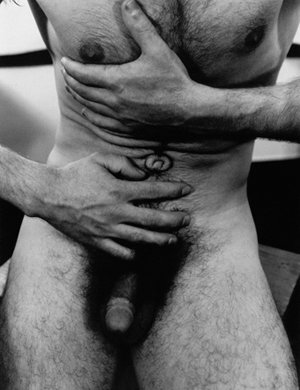
When undertaking research into GPL’s photographs at The Kinsey Institute as part of my PhD I noted that most of the photographs had annotations in code on the back of them giving details of age, sexual proclivities of models and what they are prepared to do and where they were found. This information gives a vital social context to GPL’s nude photographs of men and positions them within the moral and ethical framework of the era in which they were made. The strong image (below) is always quoted as an example of GPL’s more direct way of photographing the male nude in the last years of his life. The male is solid, imposing, lit from above, heavy set, powerful, massive. The eyes are almost totally in shadow. Later photos have more chiaroscuro than earlier work, more use of contrasting light (especially down lit or uplit figures) but are they more direct? Yes. The men look straight into camera.

This monumentality of body and form was matched by a new openness in the representation of sexuality. There are intimate photographs of men in what seem to be post-coital revere, in unmade beds, genitalia showing or face down showing their butts off. Some of the faces in these later photographs remain hidden, as though disclosure of identity would be detrimental for fear of persecution. The photograph above is very ‘in your face’ for the conservative time from which it emerges, remembering it was the era of witch hunts against communists and subversives (including homosexuals). Conversely, this photograph is quite restrained compared to the most striking series of GPL’s photographs that I saw at The Kinsey Institute which involves an exploration the male anal area (a photograph from the 1951 series can be found in the book titled George Platt Lynes: Photographs from The Kinsey Institute). This explicit series features other photographs of the same model – in particular one that depicts the male with his buttocks in the air pulling his arse cheeks apart. After Lynes found out he had cancer he started to send his photographs to the German homoerotic magazine Der Kries under the pseudonym Roberto Rolf, and in the last years of his life he experimented with paper negatives, which made his images of the male body even more grainy and mysterious.

I believe that Lynes understood, intimately, the different physical body types that gay men find desirable and used them in his photographs. He visited Lon of New York (a photographer of beefcake men) in his studio and purchased photographs of bodybuilders for himself, as did the German photographer George Hoyningen-Huene. It is likely that these images of bodybuilders did influence his later compositional style of images of men; it is also possible that he detected the emergence of this iconic male body type as a potent sexual symbol, one that that was becoming more visible and sexually available to gay men.


The differences between the White and GPL nudes is instructive. White: introspective, haunted, religious with an unrequited sense of longing – hands clutching self, inward pointing; GPL: more closely cropped, more open, one hand firmly grasping but the other hand open, receptive, presented to the viewer above the available phallic organ. It reminds me for some unknown reason, some quirk of my brain association, of the shell of Botticelli’s Birth of Venus (1486) inverted. There is difference between the two artists – one struggling with his sexuality, being realistically romantic, the other physically doing something about it – posting his photographs to one of the first gay magazines in the world. But both were taking photographs of intimate sexual acts that could never have been published in their lifetimes – that are still are hidden from view today. When, oh when, will someone have the courage to publish this work?

Dr Marcus Bunyan


My notes on Minor White’s photographs and notes on George Platt Lynes photographs from my Phd thesis Pressing the Flesh: Sex, Body Image and the Gay Male (2001) can be found below.


Many thankx to the Brooklyn Museum for allowing me to publish the photographs in the posting. Please click on the photographs for a larger version of the image.

1/ Gallagher, Bob and Wilson, Alexander. “Sex and the Politics of Identity: An Interview with Michel Foucault,” in Thompson, Mark. Gay Spirit: Myth and Meaning. New York: St. Martin’s Press, 1987, p.31.


Research notes on photographs from the Minor White Archive, Princeton University, New Jersey 06/08/1999

Download the Minor White research notes (85kb pdf)

Research at The Kinsey Institute , Bloomington, Indiana 16/08/1999 – 19/08/1999. George Platt Lynes photographs from the Collection at The Kinsey Institute

Download the George Platt Lynes research notes (55kb pdf)


Minor White (American, 1908-1976) 'The Temptation of Saint Anthony Is Mirrors' 1948


(top)
Minor White (American, 1908-1976)
Images 9 and 10 in the bound sequence The Temptation of Saint Anthony Is Mirrors
1948
9.3 x 11.8cm; 11.2 x 9.1cm

(bottom)
Minor White (American, 1908-1976)
Images 27 and 28 in the bound sequence The Temptation of Saint Anthony Is Mirrors
1948. 5.3 x 11.6cm; 10.6 x 8.9cm


 Minor White (American, 1908-1976) 'Tom Murphy (San Francisco)' 1948  George Platt Lynes (American, 1907-1955) 'Untitled' Nd


(left)
Minor White (American, 1908-1976)
Tom Murphy (San Francisco)
1948
from The Temptation of St Anthony is Mirrors 1948
Gelatin silver print
4 5/8 x 3 5/8 in. (11.7 x 9.2 cm)

(right)
George Platt Lynes 
(American, 1907-1955)
Untitled
Nd
Gelatin silver print


George Platt Lynes (American, 1907-1955) 'Untitled (Frontal Male Nude)' Nd (early 1950s)


George Platt Lynes (American, 1907-1955)
Untitled (Frontal Male Nude)
Nd (early 1950s)
Gelatin silver print


Thomas Eakins (American, 1844-1916) 'Walt Whitman' (American, 1818-1892) 1891


Thomas Eakins (American, 1844-1916)
Walt Whitman (American, 1818-1892)
1891
10.3 x 12.2cm
National Portrait Gallery, Smithsonian Institute


Charles Demuth (American, 1883-1935) 'Dancing Sailors' 1917


Charles Demuth (American, 1883-1935)
Dancing Sailors
1917
Watercolour and pencil on paper
20.3 x 25.4cm
Cleveland Museum of Art, Ohio; Mr and Mrs William H Marlatt Fund


George Wesley Bellows (American, 1882-1925) 'Riverfront No.1' 1915


George Wesley Bellows (American, 1882-1925)
Riverfront No.1
1915
Oil on canvas
115.3 x 160.3cm
Columbus Museum of Art, Ohio: Howald Fund Purchase


Marsden Hartley (American, 1877-1943) 'Eight Bells Folly: Memorial to Hart Crane' 1933


Marsden Hartley (American, 1877-1943)
Eight Bells Folly: Memorial to Hart Crane
1933
Oil on canvas
Gift of Ione and Hudson D. Walker
Frederick R. Weisman Art Museum, University of Minnesota


Harold Hart Crane (July 21, 1899 – April 27, 1932) was an American poet. Finding both inspiration and provocation in the poetry of T. S. Eliot, Crane wrote modernist poetry that is difficult, highly stylised, and very ambitious in its scope. In his most ambitious work, The Bridge, Crane sought to write an epic poem in the vein of The Waste Land that expressed something more sincere and optimistic than the ironic despair that Crane found in Eliot’s poetry. In the years following his suicide at the age of 32, Crane has come to be seen as one of the most influential poets of his generation…

Crane visited Mexico in 1931-32 on a Guggenheim Fellowship and his drinking continued as he suffered from bouts of alternating depression and elation … While on board the steamship SS Orizaba enroute to New York, he was beaten after making sexual advances to a male crew member, seeming to confirm his own idea that one could not be happy as a homosexual. Just before noon on April 27, 1932, Hart Crane jumped overboard into the Gulf of Mexico. Although he had been drinking heavily and left no suicide note, witnesses believed his intentions to be suicidal, as several reported that he exclaimed “Goodbye, everybody!” before throwing himself overboard. (The legend among poets is: He walked to the fantail, took off his coat quietly, and jumped.) His body was never recovered.

Text from the Wikipedia website


Peter Hujar (1937-1987) 'Susan Sontag' (1933-2004) 1975


Peter Hujar (American, 1937-1987)
Susan Sontag (American, 1933-2004)
1975
Gelatin silver print
National Portrait Gallery, Smithsonian Institute
© Estate of Peter Hujar


Keith Haring (American, 1958-1990). 'Unfinished Painting' 1989


Keith Haring (American, 1958-1990)
Unfinished Painting
1989
Acrylic on canvas
100 x 100cm
Courtesy of Katia Perlstein, Brussels, Belgium
© Keith Haring Foundation


David Wojnarowicz (American, 1954-1992) 'A Fire In My Belly' (Film In Progress) (film still), 1986-87


David Wojnarowicz (American, 1954-1992)
A Fire In My Belly (Film In Progress) (film still)
1986-1987
Super 8mm film
black and white & color (transferred to video)
Courtesy of The Estate of David Wojnarowicz and P.P.O.W Gallery, New York and The Fales Library and Special Collection


One day before World AIDS Day, the renown painter, photographer, writer, filmmaker, performance artist and activist David Wojnarowicz, who died in 1992 at the age of 37 from AIDS-related complications, has had one of his most important works, A Fire In My Belly, pulled from The Smithsonian Institution’s National Portrait Gallery’s HIDE / SEEK exhibit because of pressure from conservative politicians and the Catholic League.”


HIDE/SEEK: Difference and Desire in American Portraiture, the first major museum exhibition to explore how gender and sexual identity have shaped the creation of American portraiture, organised by and presented at the National Portrait Gallery last fall, will be on view at the Brooklyn Museum from November 18, 2011, through February 12, 2012. With the cooperation of the National Portrait Gallery, the Brooklyn Museum has reconstituted the exhibition in concert with the Tacoma Art Museum, where it will be on view from March 17 through June 10, 2012.

HIDE/SEEK includes approximately a hundred works in a wide range of media created over the course of one hundred years that reflect a variety of sexual identities and the stories of several generations. Highlighting the influence of gay and lesbian artists, many of whom developed new visual strategies to code and disguise their subjects’ sexual identities as well as their own, HIDE/ SEEK considers such themes as the role of sexual difference in depicting modern Americans, how artists have explored the definition of sexuality and gender, how major themes in modern art – especially abstraction – have been influenced by marginalisation, and how art has reflected society’s changing attitudes.

Announcing the Brooklyn presentation, Museum Director Arnold L. Lehman states, “From the moment I first learned about this extraordinary exhibition in its planning stages, presenting it in Brooklyn has been a priority. It is an important chronicle of a neglected dimension of American art and a brilliant complement and counterpoint to ‘Youth and Beauty: Art of the American Twenties’, a touring exhibition organised by the Brooklyn Museum, also on view this fall.”

In addition to its commentary on a marginalised cultural history, HIDE/ SEEK offers an unprecedented survey of more than a century of American art. Beginning with late nineteenth-century portraits by Thomas Eakins and John Singer Sargent, it includes works from the first half of the 1900s by such masters as Romaine Brooks, George Bellows, Marsden Hartley, and Georgia O’Keeffe; the exhibition continues through the postwar period with works by Jasper Johns, Robert Rauschenberg, Agnes Martin, and Andy Warhol, and concludes with major works by late twentieth-century artists such as Keith Haring, Glenn Ligon, Nan Goldin, Felix Gonzalez-Torres, and Catherine Opie.

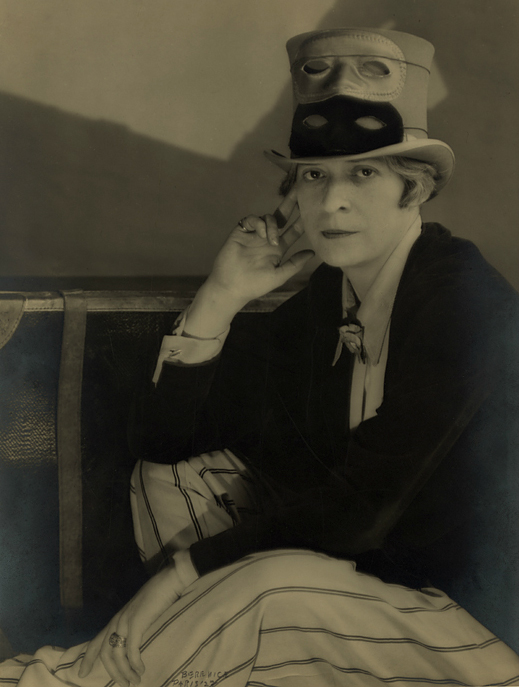
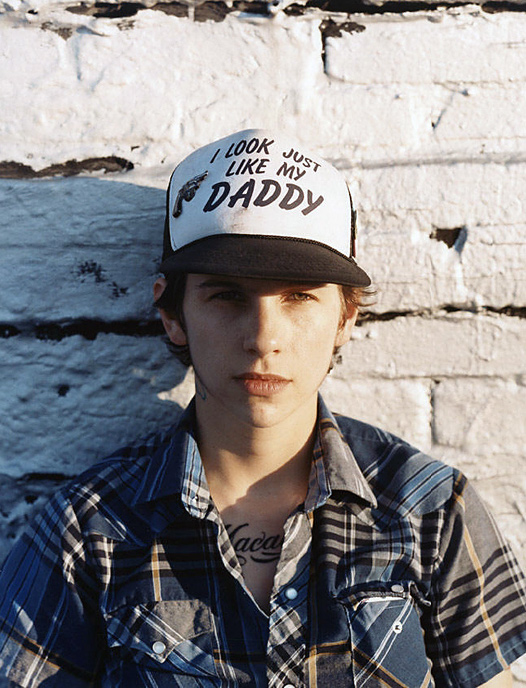
The Brooklyn presentation will feature nearly all of the works included in the National Portrait Gallery exhibition. Among them are rarely seen paintings by Charles Demuth, whose better-known industrialised landscapes are on view in the Brooklyn Museum exhibition Youth and Beauty; a poignant portrait of New Yorker writer Janet Flanner wearing two masks, taken by photographer Bernice Abbott; Andrew Wyeth’s painting of a young neighbour standing nude in a wheat field, much like Botticelli’s Venus emerging from her shell; Robert Mapplethorpe’s photograph riffing on the classic family portrait, in which a leather-clad Brian Ridley is seated on a wingback chair shackled to his whip-wielding partner, Lyle Heeter; and Cass Bird’s photographic portrait of a friend staring out from under a cap emblazoned with the words “I look Just Like My Daddy.” The exhibition will also include David Wojnarowicz’s A Fire in My Belly, an unfinished film the artist created between 1986 and 1987.

Press release from the Brooklyn Museum website


Berenice Abbott (American, 1898-1991) 'Janet Flanner' (1892-1978) 1927


Berenice Abbott (American, 1898-1991)
Janet Flanner (American, 1892-1978)
1927
Photographic print
23 x 17.3cm
Prints and Photographs Division, Library of Congress, Washington, D.C
C Berenice Abbott / Commerce Graphics Ltd., Inc.


Thomas Eakins (American, 1844 -1916) 'Salutat' 1898


Thomas Eakins (American, 1844-1916)
Salutat
1898
Oil on canvas
127.0 x 101.6cm
Addison Gallery of American Art, Phillips Academy, Andover, Massachusetts
Gift of anonymous donor


Walker Evans (American, 1903-1975) 'Lincoln Kirstein' 1930


Walker Evans (American, 1903-1975)
Lincoln Kirstein (American, 1907-1996)
1930
Gelatin silver print
16.1cm x 11.4cm
The Metropolitan Msuem of Art, Ford Motor Company Collection
© Walker Evans Archive, The Metropolitan Museum of Art


Lincoln Edward Kirstein (May 4, 1907 – January 5, 1996) was an American writer, impresario, art connoisseur, philanthropist, and cultural figure in New York City, noted especially as co-founder of the New York City Ballet. He developed and sustained the company with his organising ability and fundraising for more than four decades, serving as the company’s general director from 1946 to 1989. According to the New York Times, he was “an expert in many fields,” organising art exhibits and lecture tours in the same years.


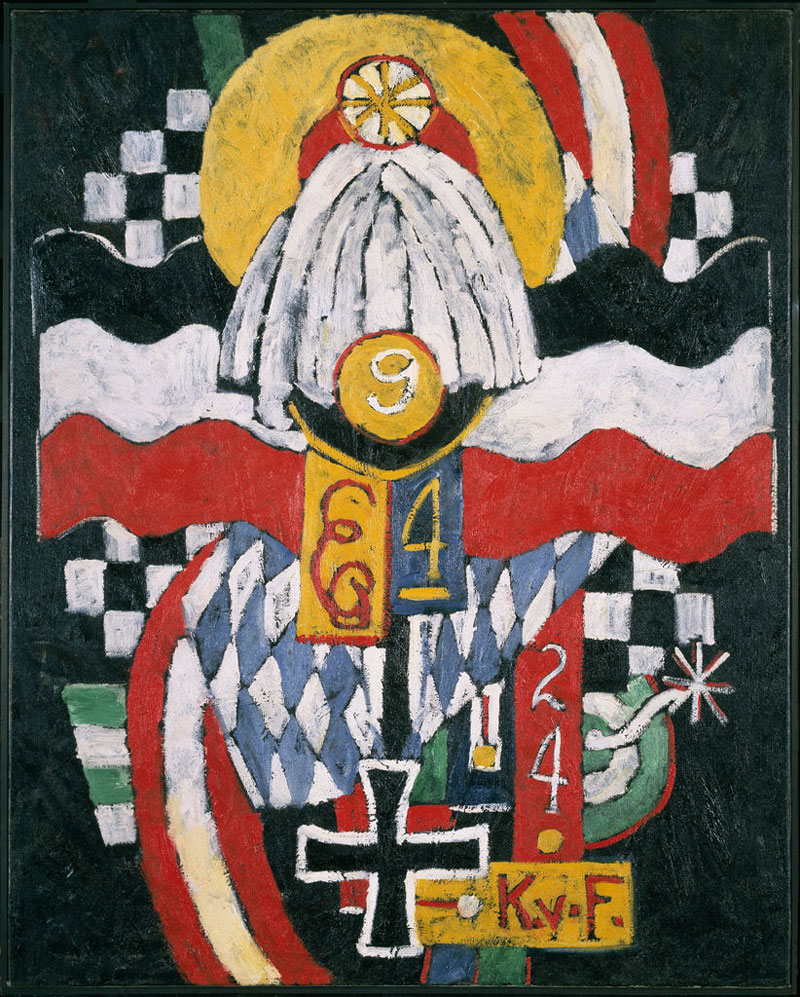
Marsden Hartley (American, 1877-1943) 'Painting No. 47, Berlin' 1915


Marsden Hartley (American, 1877-1943)
Painting No. 47, Berlin
1915
Oil on canvas
39 7/16 x 32 in (100.1 x 81.3cm)
Hirshhorn Museum and Sculpture Garden, Smithsonian Institution, Washington, D.C.
Gift of Joseph H. Hirshhorn, 1972


George Platt Lynes (American, 1907-1955) 'Marsden Hartley' 1942


George Platt Lynes (American, 1907-1955)
Marsden Hartley
1942
Gelatin silver print
23.5 x 19.1cm
Bates College Museum of Art, Lewiston, ME, Marsden Hartley Memorial Collection
© Estate of George Platt Lynes


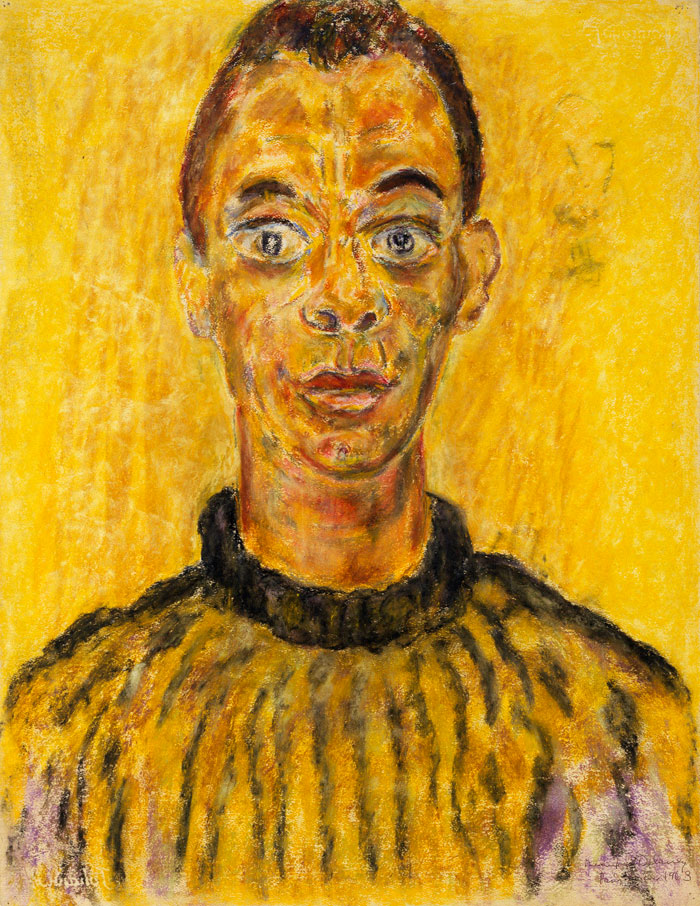
Beauford Delaney (American, 1901-1979) 'James Baldwin' 1963


Beauford Delaney (American, 1901-1979)
James Baldwin
1963
Pastel on paper
64.8 x 49.8cm
National Portrait Gallery, Smithsonian Institution


Cass Bird (American, b. 1974) 'I Look Just Like My Daddy' 2003


Cass Bird (American, b. 1974)
I Look Just Like My Daddy
2003
C-type print
72.6 x 101.6cm
Collection of the artist, New York
© Cass Bird


Brooklyn Museum
200 Eastern Parkway
Brooklyn, NY 11238-6052
Phone: (718) 638-5000

Opening hours:
Wednesday – Sunday 11am – 6pm
Monday and Tuesday closed

Brooklyn Museum website

LIKE ART BLART ON FACEBOOK

Back to top

Exhibition: ‘Bernd and Hilla Becher: Mines and Mills – Industrial Landscapes’ at Fotomuseum Winterthur, Zurich

Exhibition dates: 26th November, 2011 – 12th February, 2012


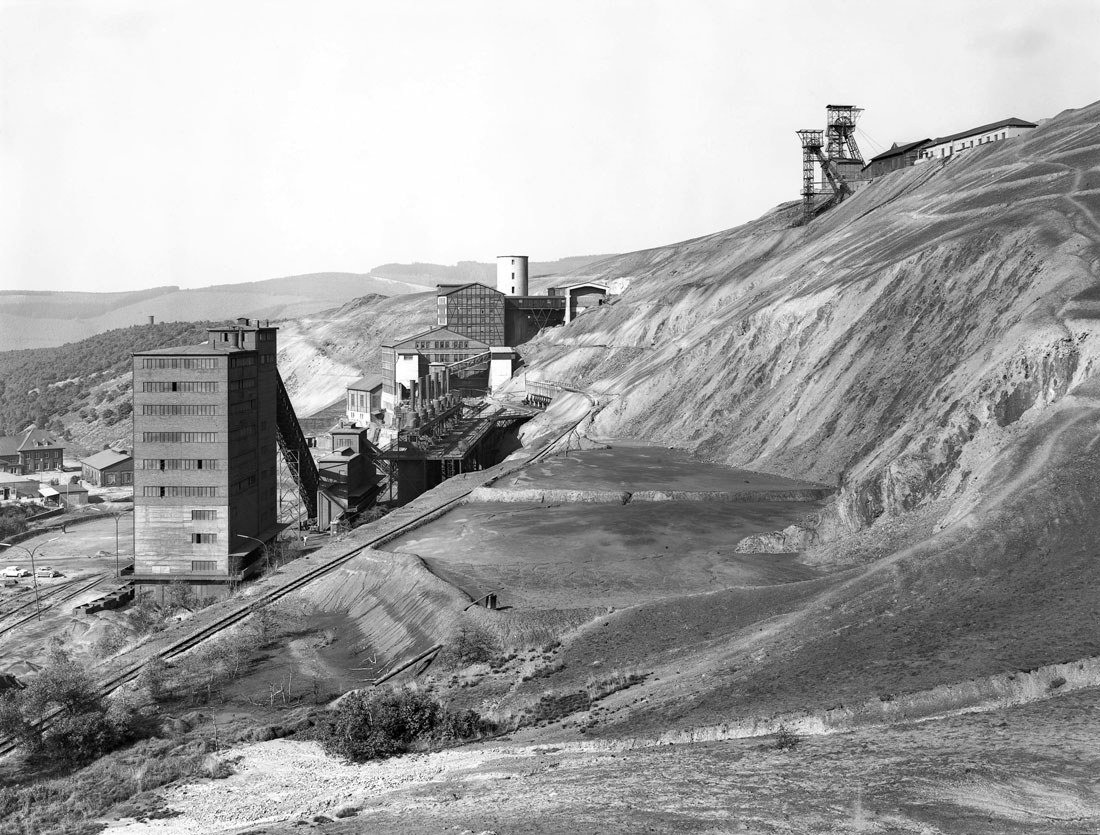
Bernd and Hilla Becher (German, active 1959-2007) Bernd Becher (German, 1931-2007) Hilla Becher (German, 1934-2015)
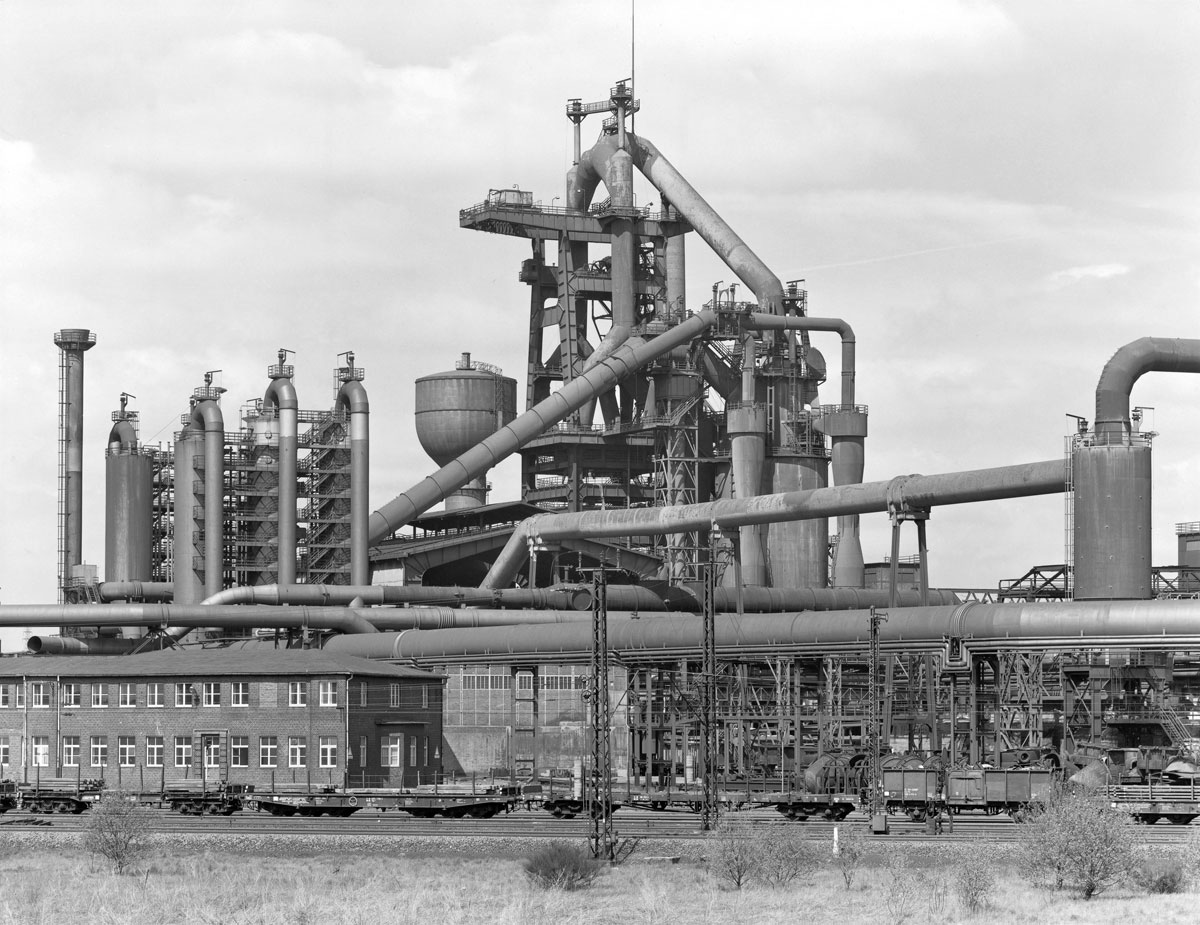
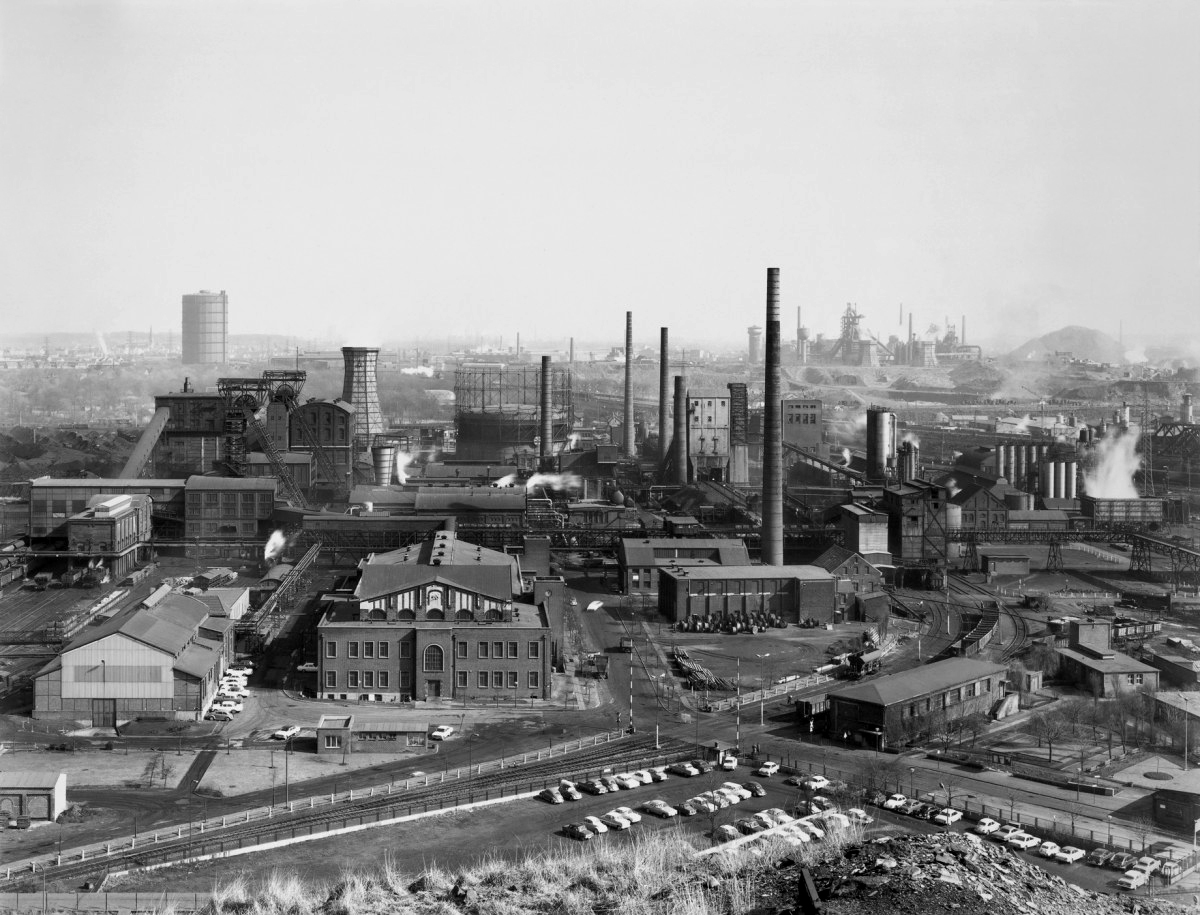
 'Grube San Fernando, Herdorf, D' 1961 from the exhibition 'Bernd and Hilla Becher: Mines and Mills - Industrial Landscapes' at Fotomuseum Winterthur, Zurich, Nov 2011 - Feb 2012


Bernd and Hilla Becher (German, active 1959-2007) Bernd Becher (German, 1931-2007) Hilla Becher (German, 1934-2015)
Grube San Fernando, Herdorf, D
1961
Gelatin silver print
50 x 60cm
© Bernd and Hilla Becher / Courtesy of Schirmer/Mosel


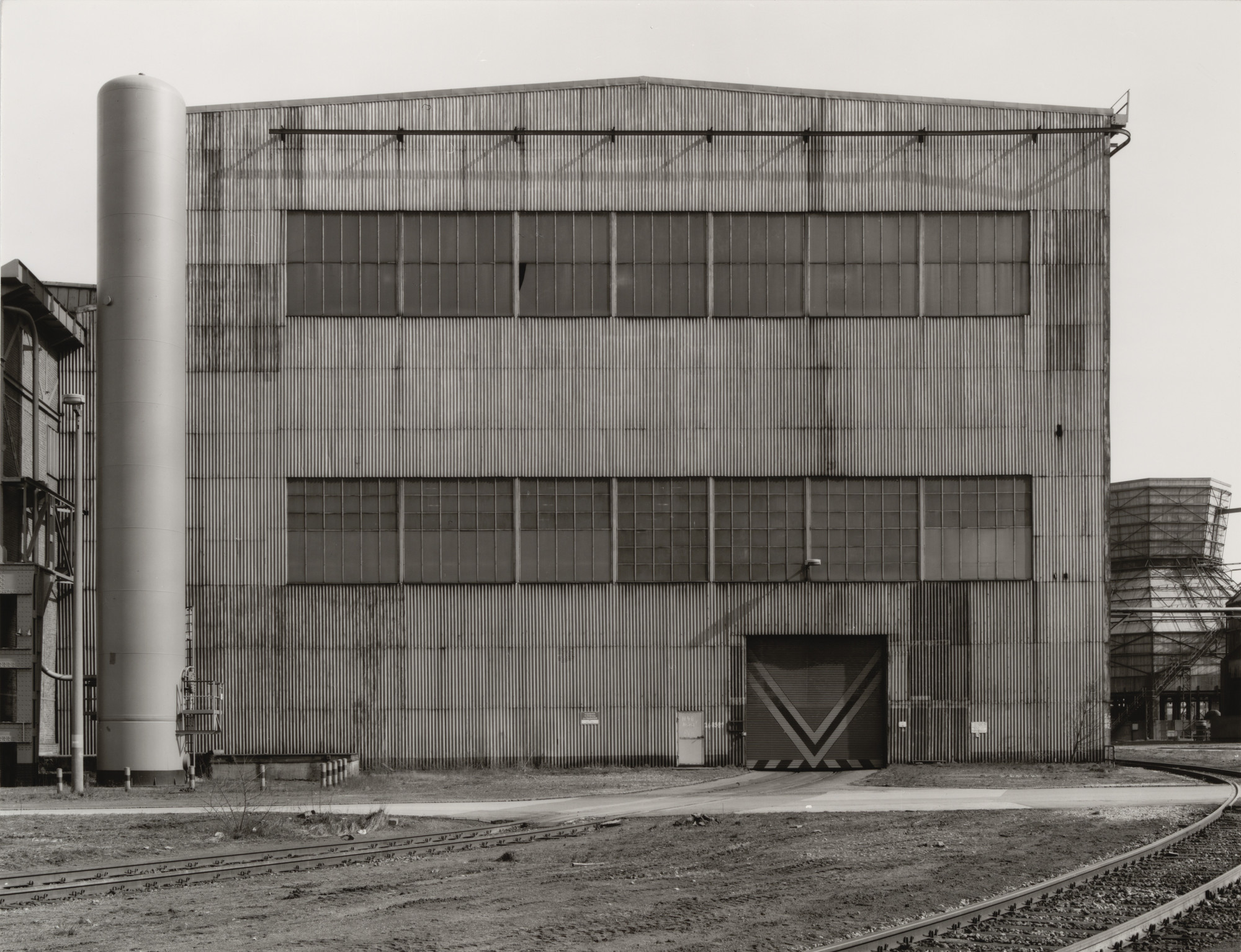
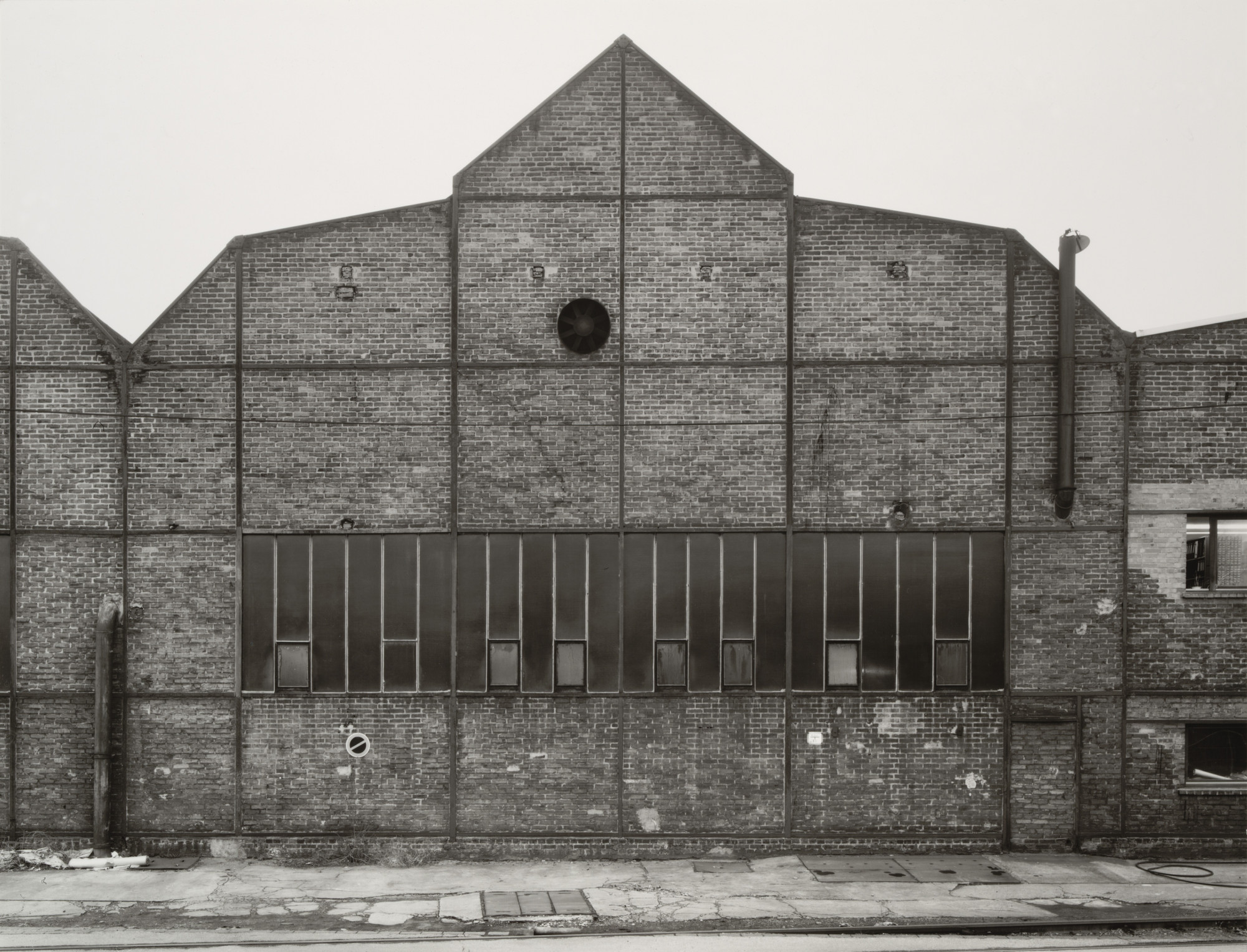
Let’s not beat around the bush. Despite protestations to the contrary (appeals to the objectivity of the image, eschewing entirely the aspects of beauty, emotion and opinion; the rigorous frontality of the individual images giving them the simplicity of diagrams, while their density of detail offers encyclopaedic richness) these are subjective images for all their objective desire. The paradox is the more a photographer strives for objectivity, the more ego drops away, the more the work becomes their own: subjective, beautiful, emotive.

Even though the Bechers’ demonstrate great photographic restraint with regard to documenting the object, the documentary gaze is always corrupted / mutated / distorted by personal interpretation: where to position the camera, what to include or exclude, how to interpret the context of place, how to crop or print the image, and how to display the image, in grids, sequences or singularly. In other words there are always multiple (con)texts to which artists conform or transgress. What makes great photographers, such as Eugène Atget, Walker Evans, August Sander and the Bechers, is the idiosyncratic “nature” of their vision: how Atget places his large view camera – at that particular height and angle to the subject – leaves an indelible feeling that only he could have made that image, to reveal the magic of that space in a photograph. It is their personal, unique thumbprint, recognisable in an instant. So it is with the Bechers.

These are intimate images, a personal reaction to space and place, to being. They make my heart ache for their stillness and ethereal beauty. Bravo!

Dr Marcus Bunyan


Many thankx to the Fotomuseum Winterthur, Zurich for allowing me to publish the photographs in the posting. Please click on the photographs for a larger version of the image.


“The pictures were stripped of any artistic frills and reduced to an essentially topographic state, conveying substantial amounts of visual information but eschewing entirely the aspects of beauty, emotion and opinion.”


William Jenkins, Curator of the ‘New Topographics’ exhibition, 1975


“The Ruhr Valley, where Becher’s family had worked in the steel and mining industries, was their initial focus. They were fascinated by the similar shapes in which certain buildings were designed. In addition, they were intrigued by the fact that so many of these industrial buildings seemed to have been built with a great deal of attention toward design. Together, the Bechers went out with a large 8 x 10-inch view camera and photographed these buildings from a number of different angles, but always with a straightforward “objective” point of view. They shot only on overcast days, so as to avoid shadows, and early in the morning during the seasons of spring and fall. Objects included barns, water towers, oal tipples, cooling towers, grain elevators, coal bunkers, coke ovens, oil refineries, blast furnaces, gas tanks, storage silos, and warehouses. At each site the Bechers also created overall landscape views of the entire plant, which set the structures in their context and show how they relate to each other.”


Wikipedia entry for Bernd and Hilla Becher


“The German artists Bernd and Hilla Becher, who began working together in 1959 and married in 1961, are best known for their “typologies” – grids of black-and-white photographs of variant examples of a single type of industrial structure. To create these works, the artists traveled to large mines and steel mills, and systematically photographed the major structures, such as the winding towers that haul coal and iron ore to the surface and the blast furnaces that transform the ore into metal. The rigorous frontality of the individual images gives them the simplicity of diagrams, while their density of detail offers encyclopaedic richness. At each site the Bechers also created overall landscape views of the entire plant, which set the structures in their context and show how they relate to each other. The typologies emulate the clarity of an engineer’s drawing, while the landscapes evoke the experience of a particular place.”


Peter Galassi, Chief Curator of Photography, MoMA


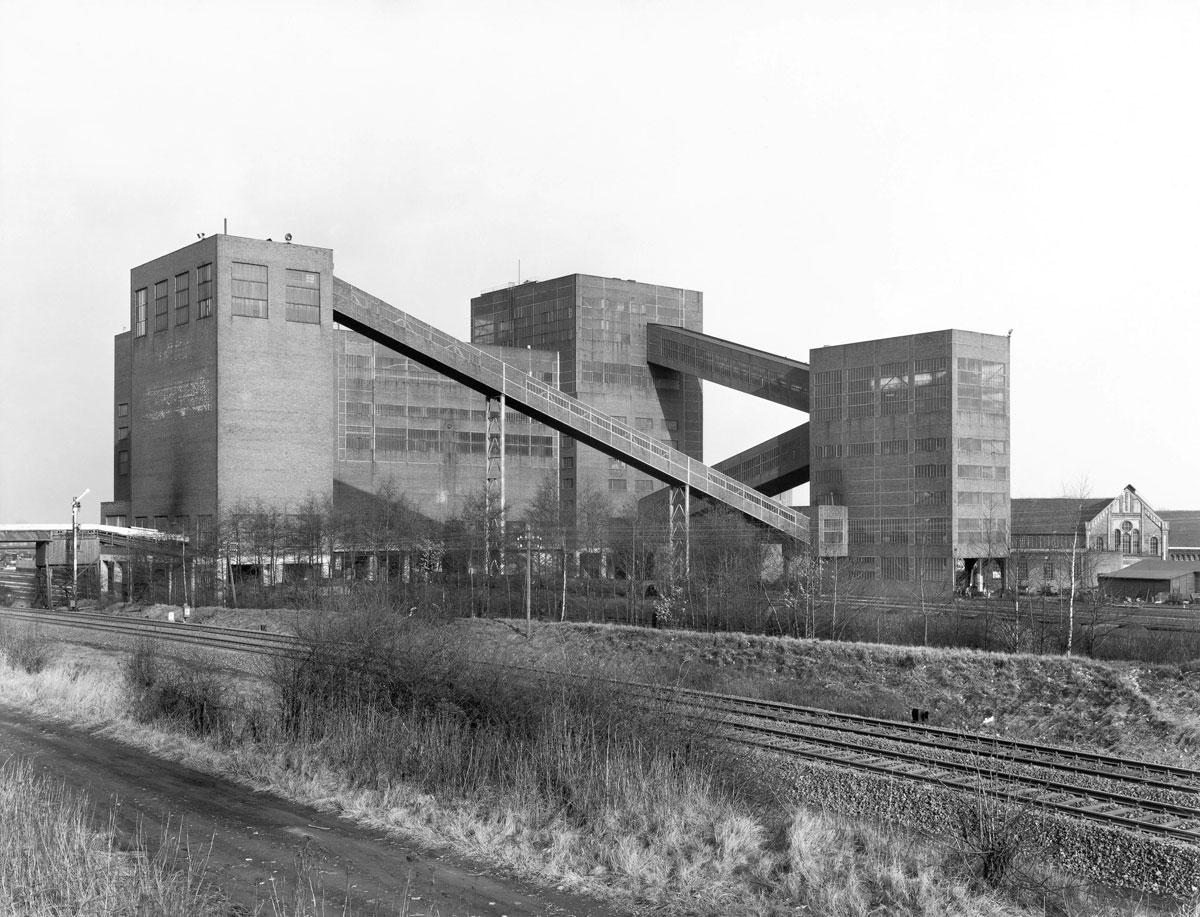
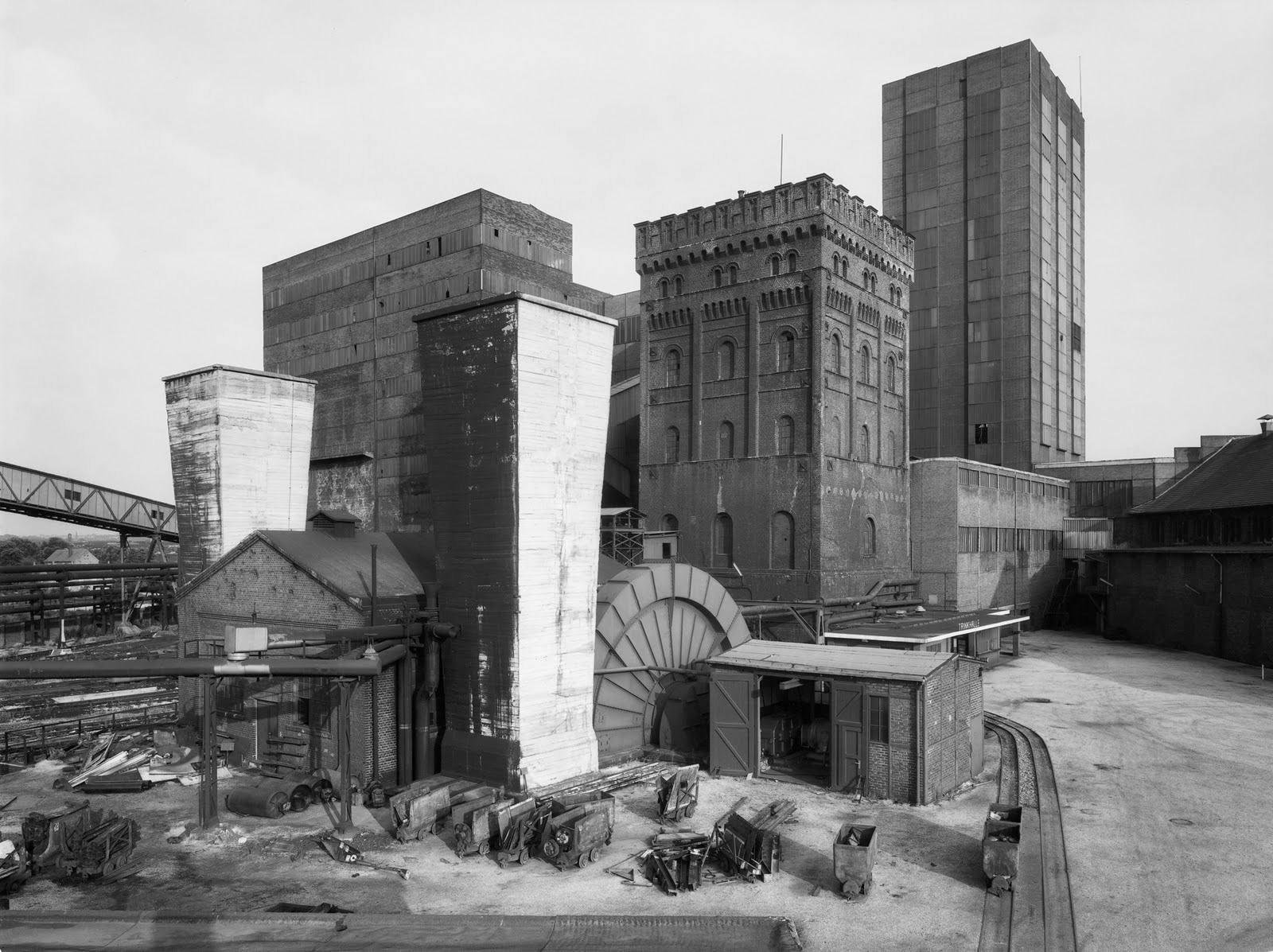
Bernd and Hilla Becher (German, active 1959-2007) Bernd Becher (German, 1931-2007) Hilla Becher (German, 1934-2015)
 'Becher 
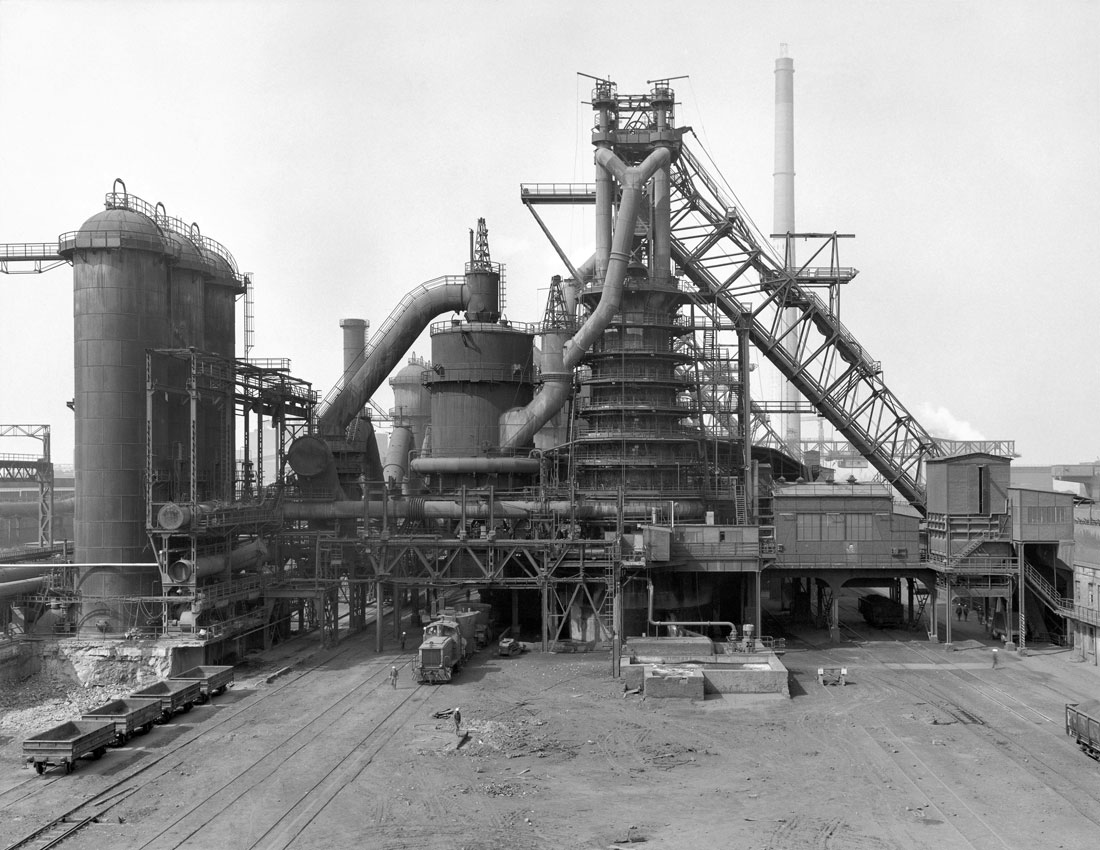
Zeche Germania, Dortmund, D' 1971
 rom the exhibition 'Bernd and Hilla Becher: Mines and Mills - Industrial Landscapes' at Fotomuseum Winterthur, Zurich, Nov 2011 - Feb 2012


Bernd and Hilla Becher (German, active 1959-2007) Bernd Becher (German, 1931-2007) Hilla Becher (German, 1934-2015)

Zeche Germania, Dortmund, D
1971
Gelatin silver print
50 x 60cm
© Bernd and Hilla Becher / Courtesy of Schirmer/Mosel


For more than forty years, the photographer couple Bernd (1931-2007) and Hilla Becher (1934-2015) worked on creating an inventory of industrial architecture. Warehouses, shaft towers, gas tanks, blast furnaces as well as half-timbered houses are among the subjects they photographed throughout Germany, England, France, Central Europe, and the USA. Calling these buildings “anonymous sculptures,” they refer to the artistic quality of the constructions, which played no role for the buildings’ largely unknown builders and users. Their photographs attempt to draw attention to these hidden sculptural qualities and to document them historically as a building tradition in decline.

Bernd and Hilla Becher have always held particular interest for the industrial architecture in the Ruhr region. The exhibition Mines and Mills – Industrial Landscapes systematically examines this aspect of their work for the first time. Even today, names such as the Concordia and Hannibal collieries or Gutehoffnungshütte stand for the industrial history of the Ruhr region. Instead of concentrating on individual buildings, the exhibition approaches the mining facilities (where coal was produced for the smelting works) as a whole and in the context of their urban or natural surroundings. This typology, which the Bechers described as “industrial landscape,” compares the Ruhr region with similar complexes elsewhere in Europe and the USA.

As with their typological multiple and serial views of buildings, Bernd and Hilla Becher strive for a comparative perspective in their industrial landscapes. Demonstrating great photographic restraint in their approach and in the name of a “New Objectivity” dedicated solely to the object, they stand in a long tradition of proponents of the documentary gaze that includes Eugène Atget, Karl Blossfeldt, Walker Evans, Albert Renger-Patzsch and August Sander. Their influence on the history of photography extends from the establishment of the “Dusseldorf School” into the present.

“The main aim of our work is to show that the forms of our time are technical forms, although they did not develop from formal considerations. Just as medieval thought is manifested in the gothic cathedral, our era is revealed in technical buildings and apparatuses,” Bernd and Hilla Becher stated in a conversation from 2005.

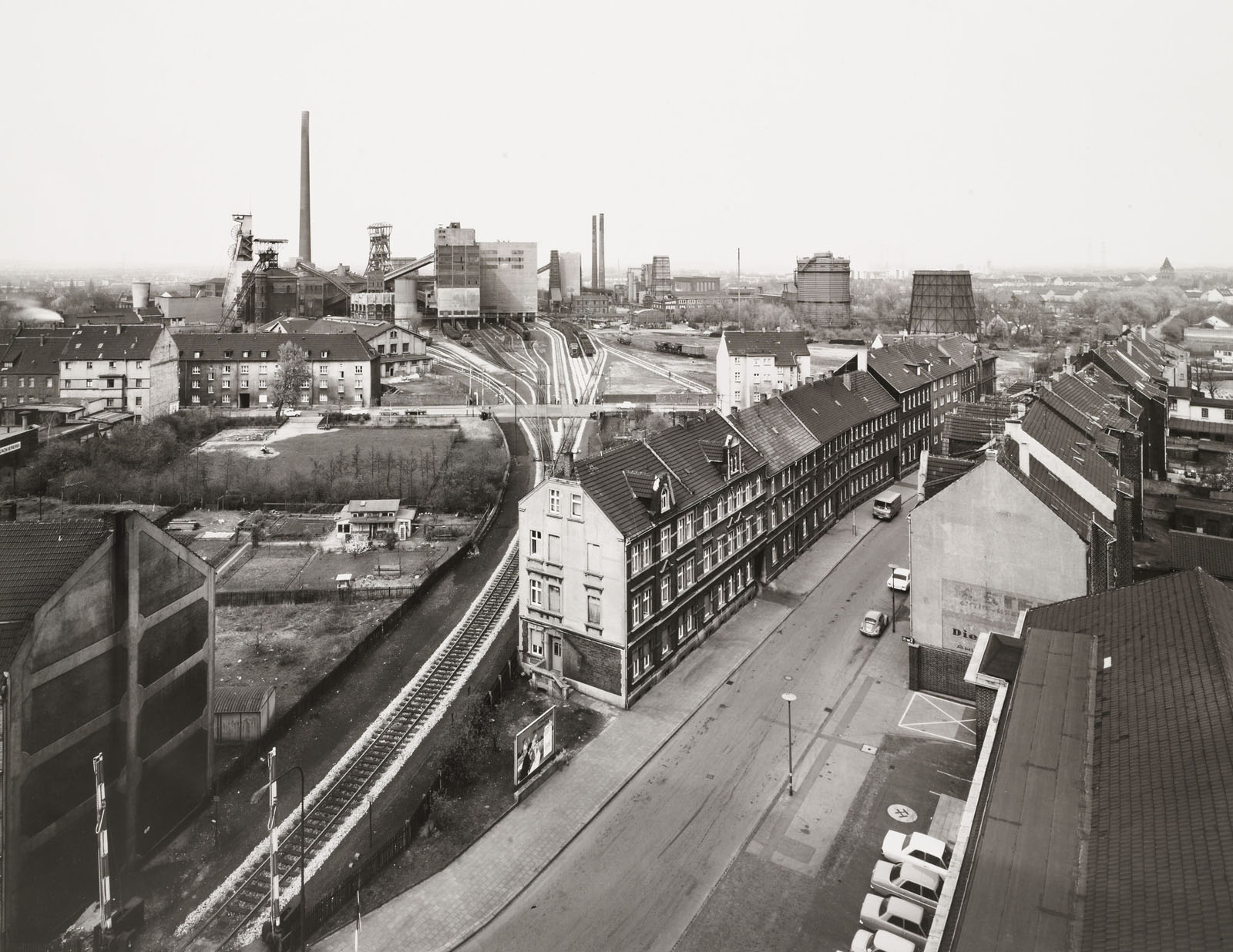
The industrial landscapes can be read from historical and social perspectives, to an even greater extent than the familiar photographs of simple building typologies. Next to the monumental, industrial buildings one often sees residential constructions, gardens, and allotment gardens, which convey how intertwined the organisation of life and work was at the time and how deeply rooted people were in this city-like structure. Photographed at waist-height, the broad, open views of the horizontally composed photographs have an aesthetic that is almost atypical of the Bechers. However, the images adhere systematically to the archival thinking of the artist couple.

Press release from the Fotomuseum Winterthur, Zurich website


Bernd and Hilla Becher (German, active 1959-2007) Bernd Becher (German, 1931-2007) Hilla Becher (German, 1934-2015)
 'Gutehoffnungshütte, Oberhausen, D' 1963


Bernd and Hilla Becher (German, active 1959-2007) Bernd Becher (German, 1931-2007) Hilla Becher (German, 1934-2015)
Gutehoffnungshütte, Oberhausen, D
1963
Gelatin silver print
50 x 60cm
© Bernd and Hilla Becher / Courtesy of Schirmer/Mosel


Bernd and Hilla Becher (German, active 1959-2007) Bernd Becher (German, 1931-2007) Hilla Becher (German, 1934-2015)
 'Charleroi-Montignies, B' 1971


Bernd and Hilla Becher (German, active 1959-2007) Bernd Becher (German, 1931-2007) Hilla Becher (German, 1934-2015)
Charleroi-Montignies, B
1971
Gelatin silver print
50 x 60cm
© Bernd and Hilla Becher / Courtesy of Schirmer/Mosel


Bernd and Hilla Becher (German, active 1959-2007) Bernd Becher (German, 1931-2007) Hilla Becher (German, 1934-2015)
 'Duisburg-Huckingen, D' 1970


Bernd and Hilla Becher (German, active 1959-2007) Bernd Becher (German, 1931-2007) Hilla Becher (German, 1934-2015)
Duisburg-Huckingen, D
1970
Gelatin silver print
50 x 60cm
© Bernd and Hilla Becher / Courtesy of Schirmer/Mosel


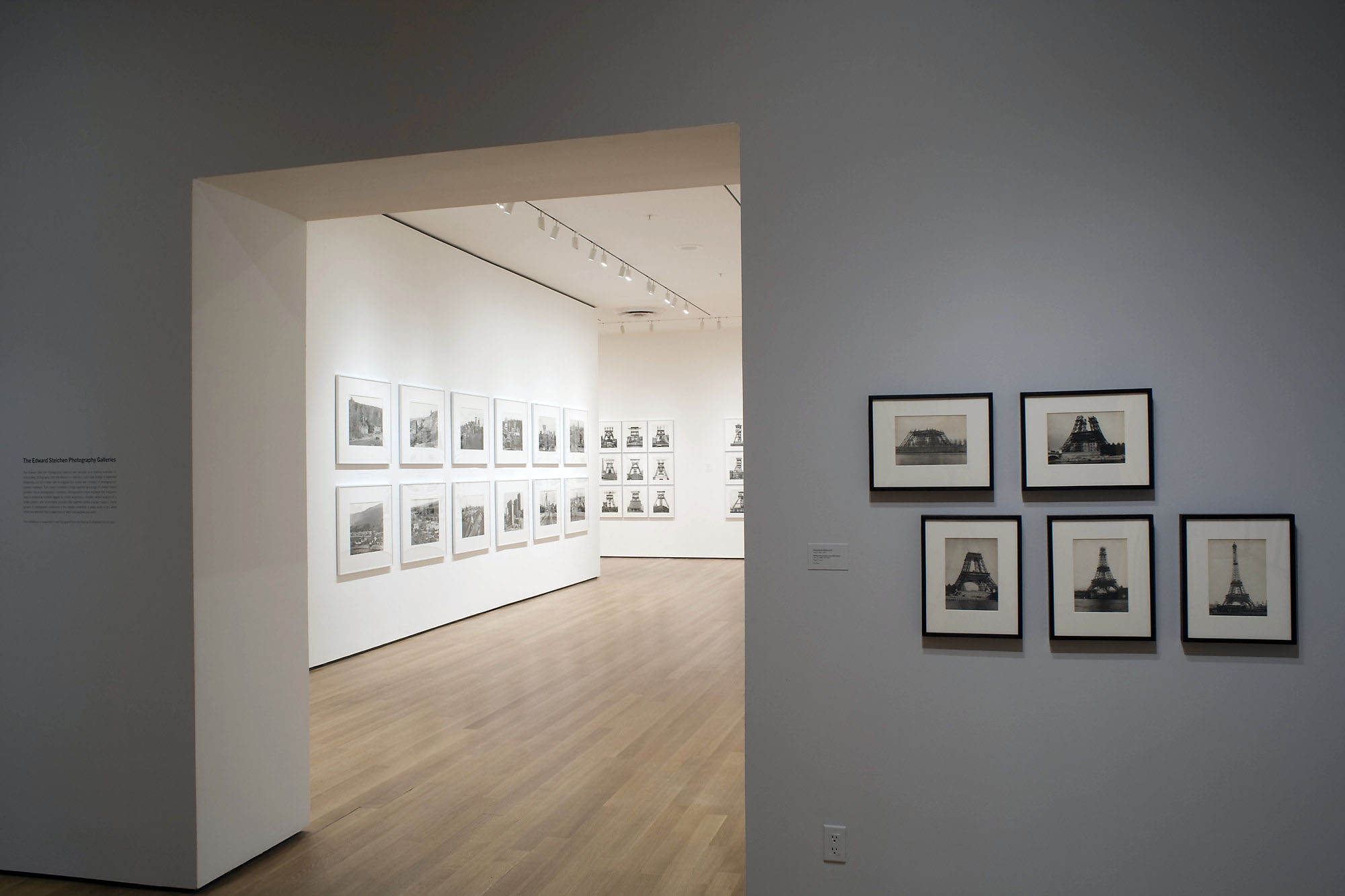
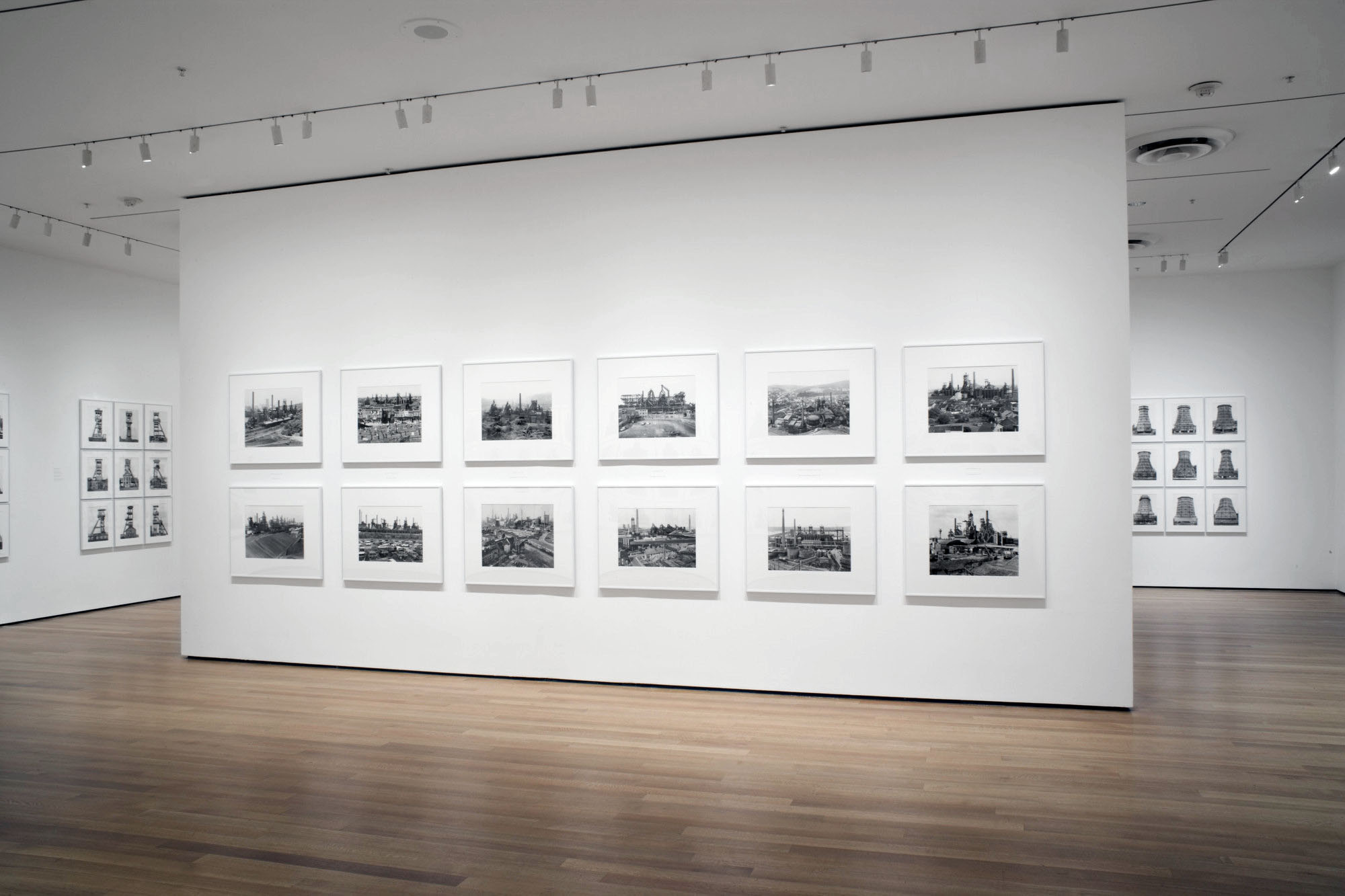
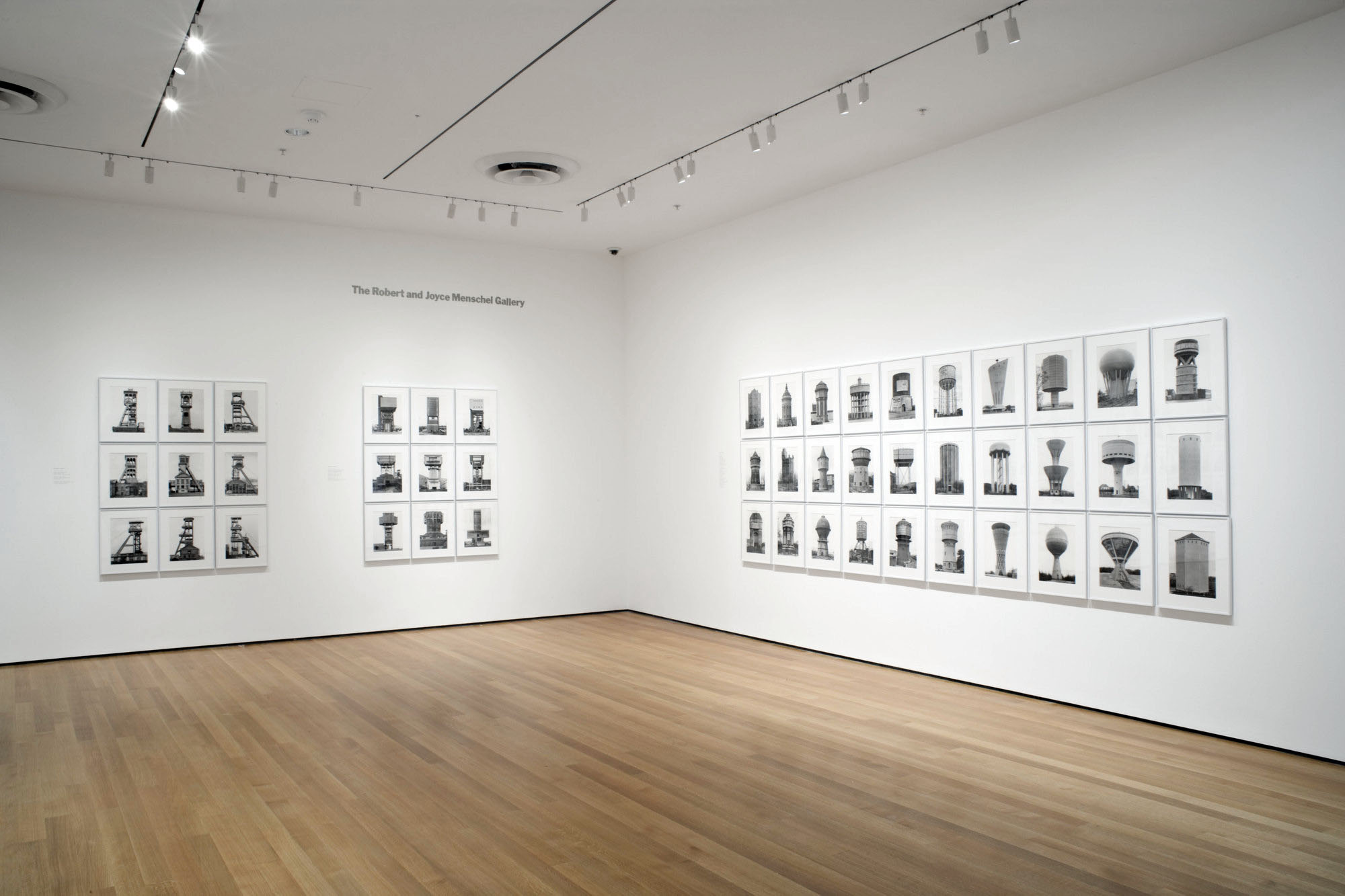
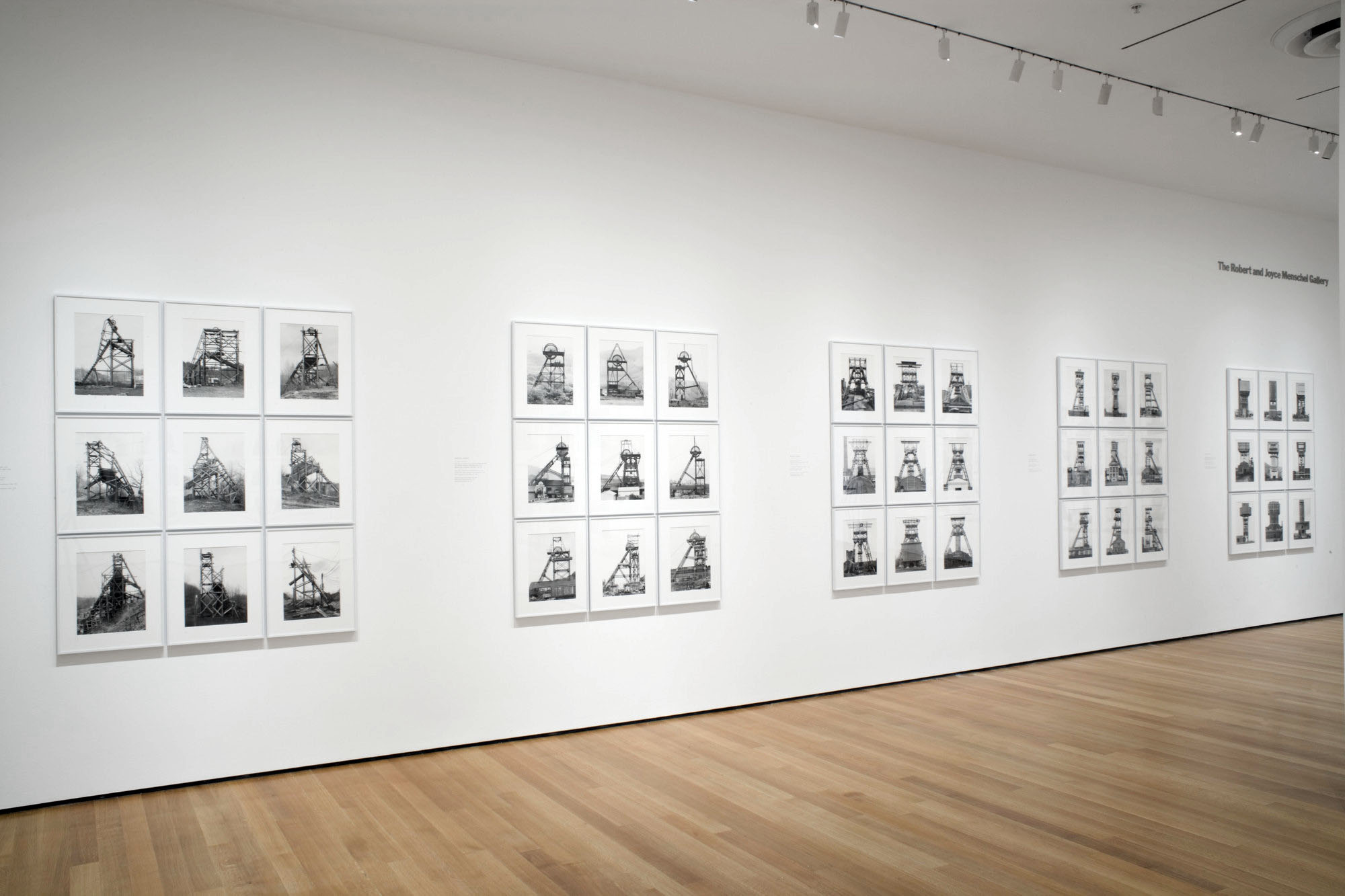
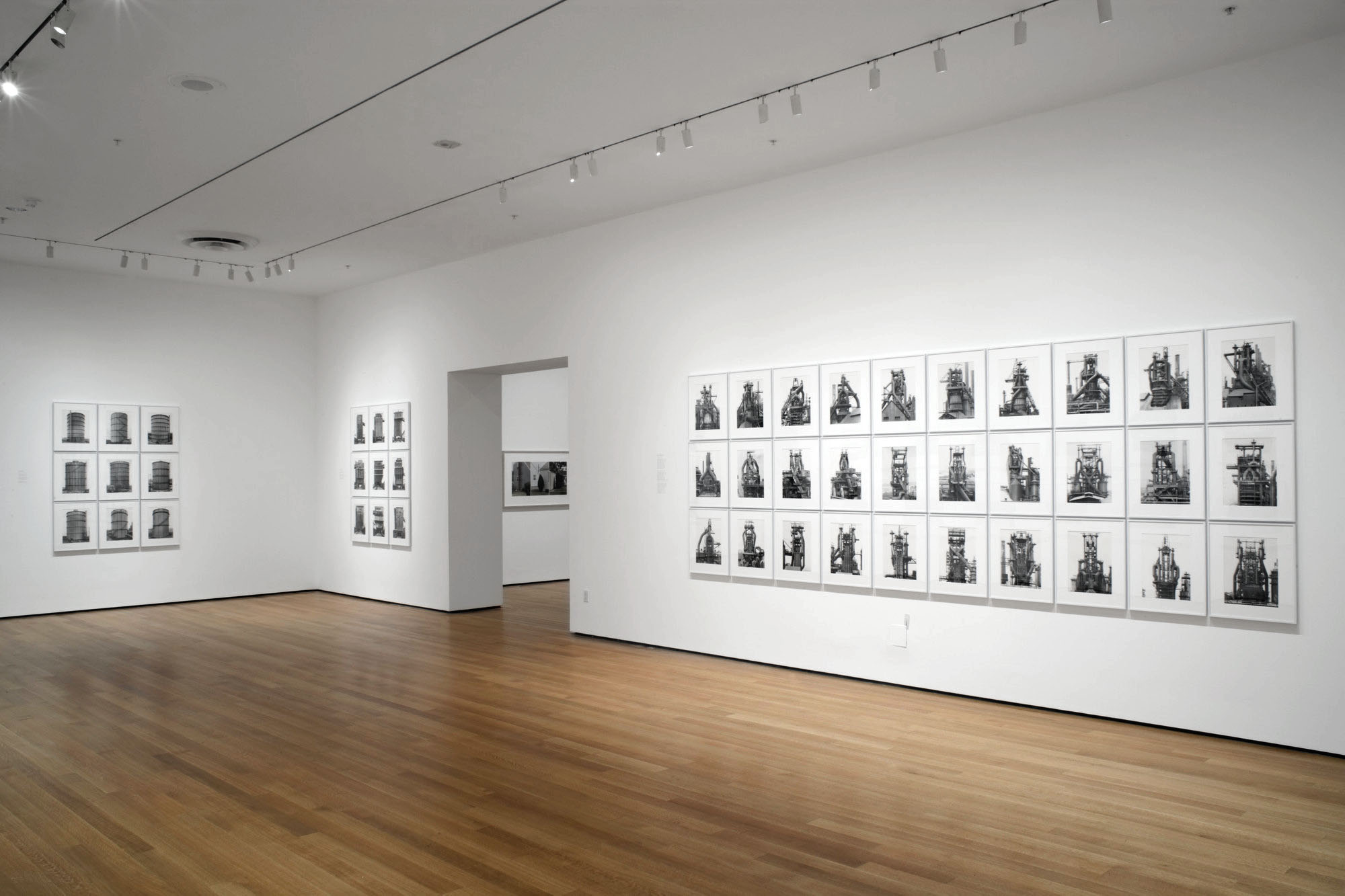
Installation view of the exhibition 'Bernd and Hilla Becher: Landscape/Typology' at the Museum of Modern Art, New York


Installation view of the exhibition Bernd and Hilla Becher: Landscape / Typology at the Museum of Modern Art, New York, May 21, 2008 – August 25, 2008 showing top row at right, Hippolyte Blancard’s Untitled (1888, below)
Photograph by John Wronn


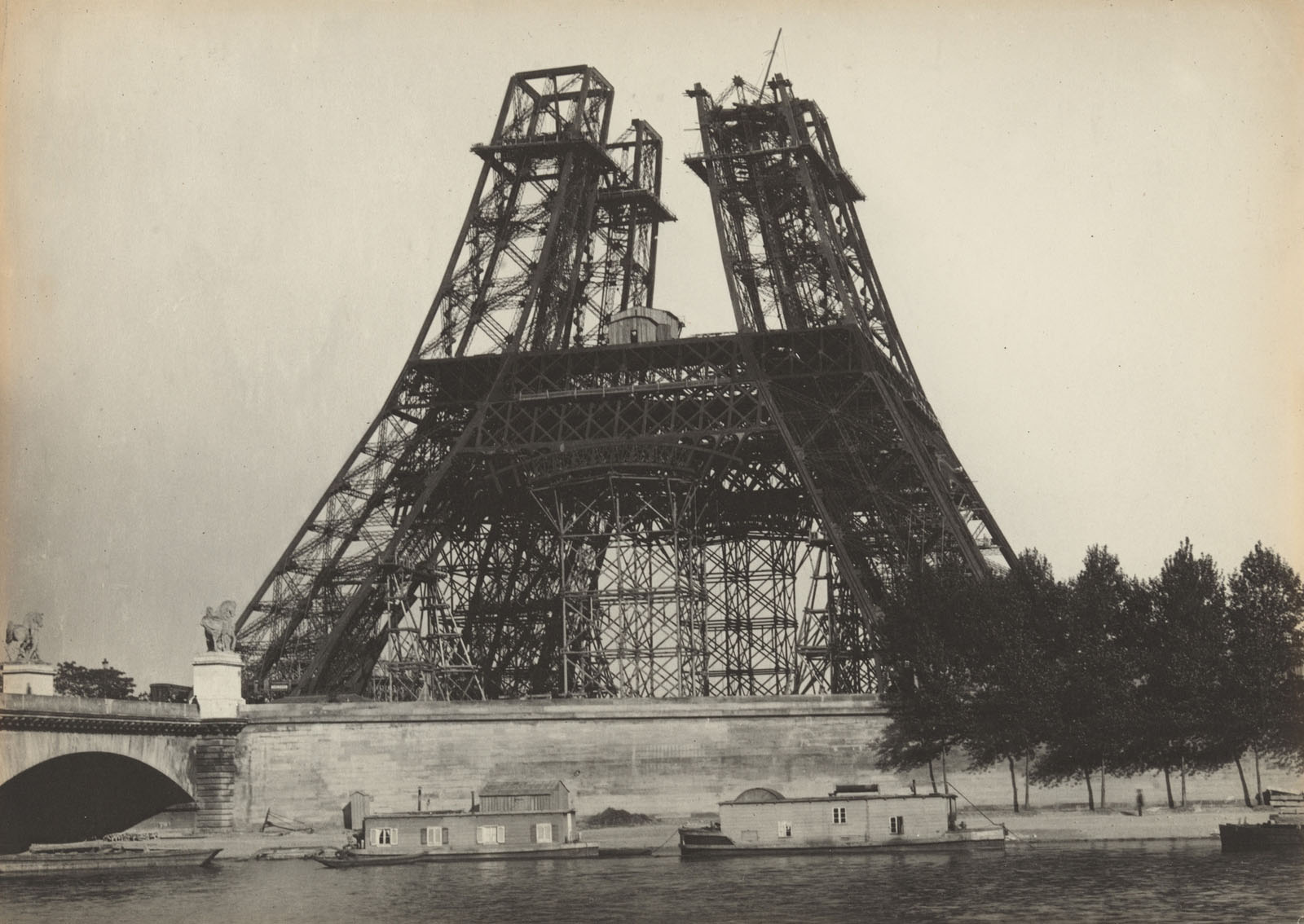
Hippolyte Blancard (French, 1843-1924) 'Untitled' April 1888


Hippolyte Blancard (French, 1843-1924)
Untitled
April 1888
Platinum print
8 13/16 × 6 1/8″ (22.4 × 15.6cm)
Museum of Modern Art, New York
Purchase


Hippolyte Blancard, a pharmacist and amateur photographer, documented Parisian architecture leading up to the 1889 Exposition Universelle, or World’s Fair, an international event held in Paris to showcase new innovations, geographic and scientific discoveries, and works of art. His series of photographs shows the construction of the Eiffel Tower, which was conceived as the entrance to the World’s Fair. Blancard’s photographs document the tower’s progression, from July 1887 to April 1889.

Text from the MoMA website


Bernd and Hilla Becher (German, active 1959-2007) Bernd Becher (German, 1931-2007) Hilla Becher (German, 1934-2015)
 'Zeche Concordia, Oberhausen, D' 1967


Bernd and Hilla Becher (German, active 1959-2007) Bernd Becher (German, 1931-2007) Hilla Becher (German, 1934-2015)
Zeche Concordia, Oberhausen, D
1967
Gelatin silver print
50 x 60cm
© Bernd und Hilla Becher – Courtesy of Schirmer/Mosel


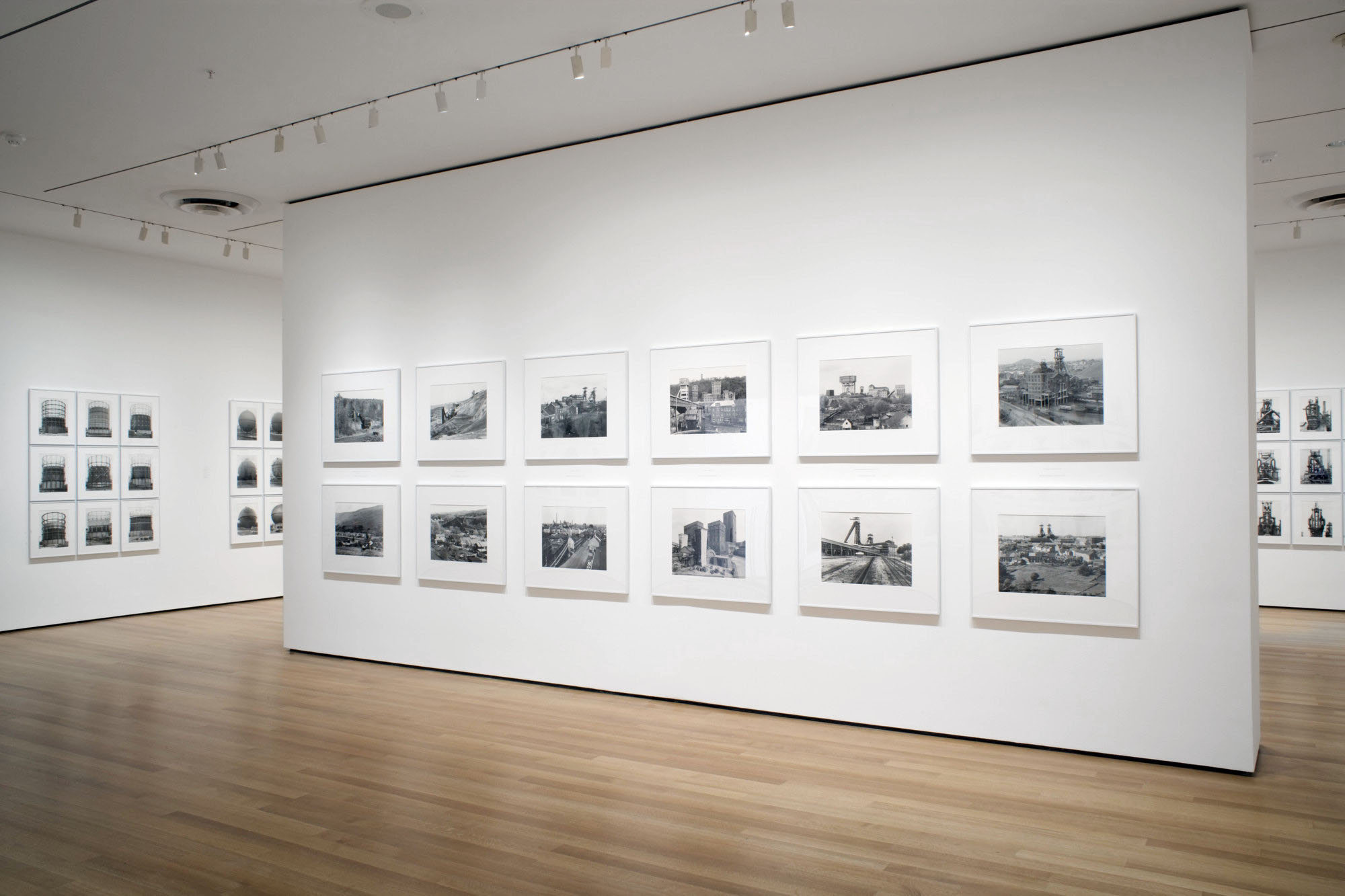
Installation view of the exhibition 'Bernd and Hilla Becher: Landscape/Typology' at the Museum of Modern Art, New York


Installation view of the exhibition Bernd and Hilla Becher: Landscape / Typology at the Museum of Modern Art, New York, May 21, 2008 – August 25, 2008 showing the three images directly below – Duisburg-Bruckhausen (1999); Ensley, Alabama, USA (1982); and Knutange, Lorraine, France (1971)
Photograph by John Wronn


Bernd and Hilla Becher (German, active 1959-2007) Bernd Becher (German, 1931-2007) Hilla Becher (German, 1934-2015)
 'Duisburg-Bruckhausen' 1999


Bernd and Hilla Becher (German, active 1959-2007) Bernd Becher (German, 1931-2007) Hilla Becher (German, 1934-2015)
Duisburg-Bruckhausen
1999
Gelatin silver print
50 x 60cm
© Bernd und Hilla Becher – Courtesy of Schirmer/Mosel


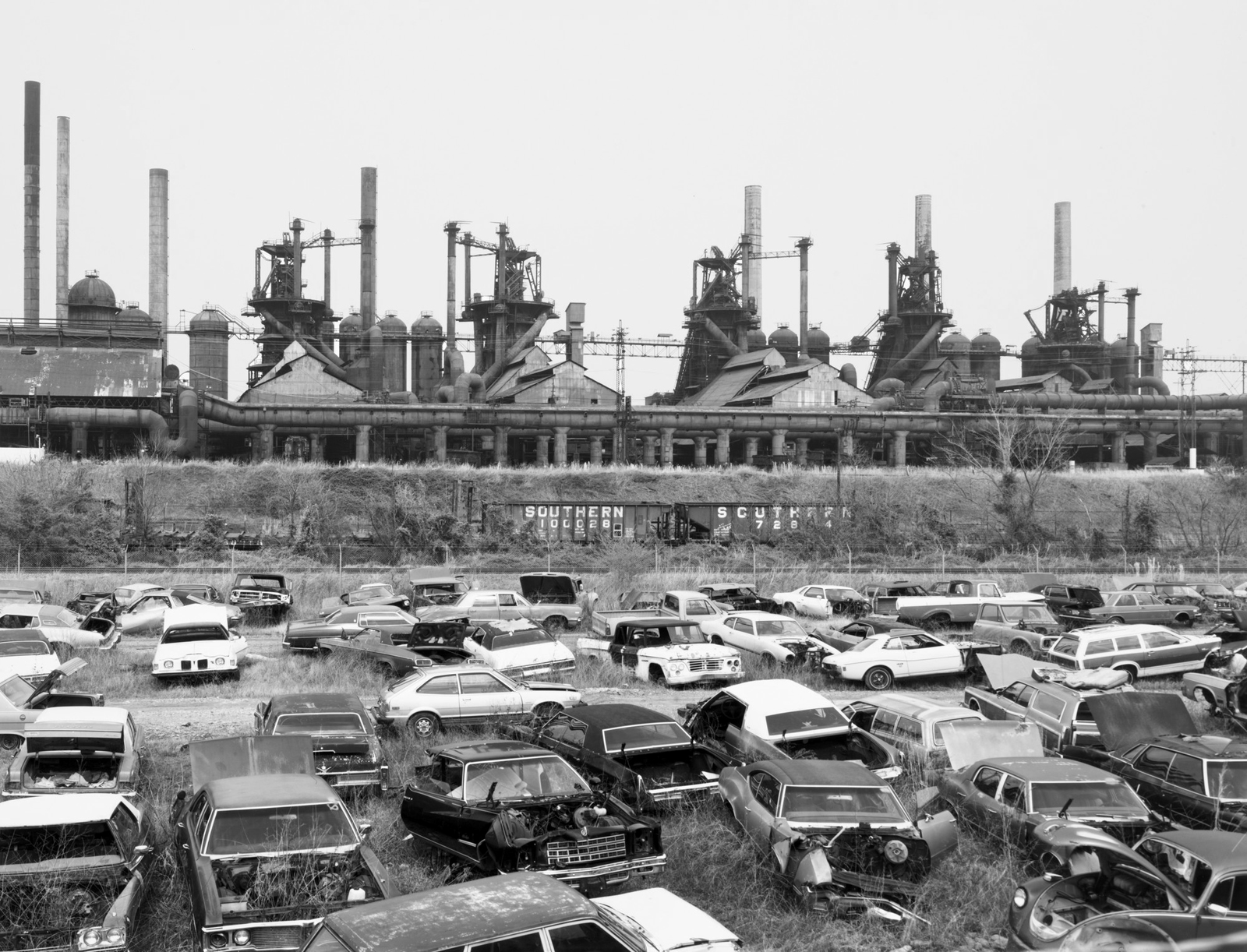
Bernd and Hilla Becher (German, active 1959-2007) Bernd Becher (German, 1931-2007) Hilla Becher (German, 1934-2015)
 'Ensley, Alabama, USA' 1982


Bernd and Hilla Becher (German, active 1959-2007) Bernd Becher (German, 1931-2007) Hilla Becher (German, 1934-2015)
Ensley, Alabama, USA
1982
Gelatin silver print
50 x 60cm
© Bernd und Hilla Becher – Courtesy of Schirmer/Mosel


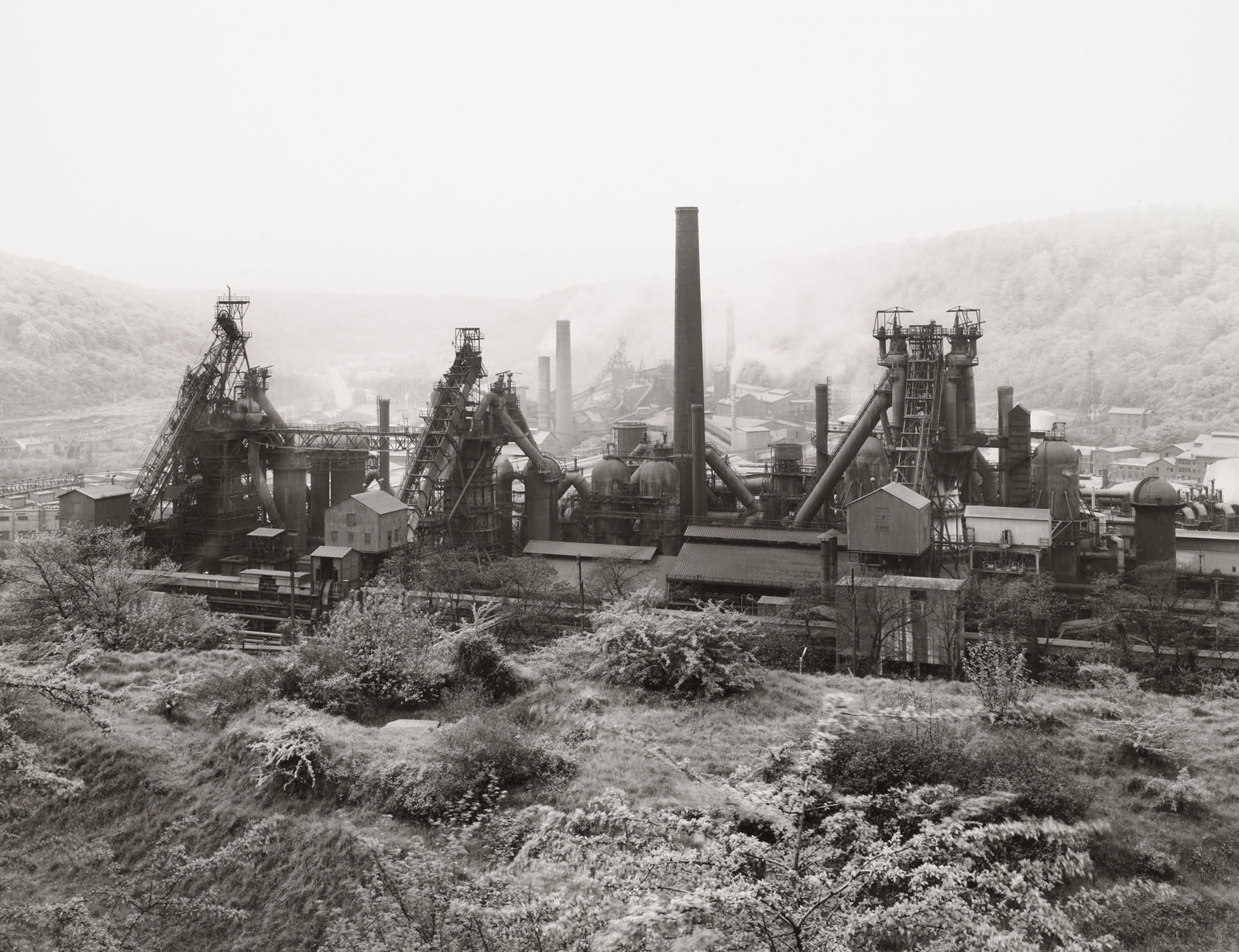
Bernd and Hilla Becher (German, active 1959-2007) Bernd Becher (German, 1931-2007) Hilla Becher (German, 1934-2015) 'Knutange, Lorraine, France' 1971


Bernd and Hilla Becher (German, active 1959-2007) Bernd Becher (German, 1931-2007) Hilla Becher (German, 1934-2015)
Knutange, Lorraine, France
1971
Gelatin silver print
17 7/8 × 23 9/16″ (45.4 × 59.9cm)
Horace W. Goldsmith Fund through Robert B. Menschel
© 2022 Estate of Bernd Becher and Hilla Becher


Installation view of the exhibition 'Bernd and Hilla Becher: Landscape/Typology' at the Museum of Modern Art, New York

Installation view of the exhibition 'Bernd and Hilla Becher: Landscape/Typology' at the Museum of Modern Art, New York


Installation views of the exhibition Bernd and Hilla Becher: Landscape / Typology at the Museum of Modern Art, New York, May 21, 2008 – August 25, 2008
Photographs by John Wronn


Bernd and Hilla Becher (German, active 1959-2007) Bernd Becher (German, 1931-2007) Hilla Becher (German, 1934-2015) 'Hannover Mine 1/2/5, Bochum-Hordel, Ruhr Region, Germany' 1973


Bernd and Hilla Becher (German, active 1959-2007) Bernd Becher (German, 1931-2007) Hilla Becher (German, 1934-2015)
Hannover Mine 1/2/5, Bochum-Hordel, Ruhr Region, Germany
1973
Gelatin silver print
50 x 60cm
© Bernd und Hilla Becher – Courtesy of Schirmer/Mosel


Bernd and Hilla Becher (German, active 1959-2007) Bernd Becher (German, 1931-2007) Hilla Becher (German, 1934-2015) 'Consolidation Mine, Gelsenkirchen, Ruhr Region, Germany' 1974


Bernd and Hilla Becher (German, active 1959-2007) Bernd Becher (German, 1931-2007) Hilla Becher (German, 1934-2015)
Consolidation Mine, Gelsenkirchen, Ruhr Region, Germany
1974
Gelatin silver print
18 1/4 × 23 7/16″ (46.3 × 59.5cm)
Horace W. Goldsmith Fund through Robert B. Menschel
© 2022 Estate of Bernd Becher and Hilla Becher


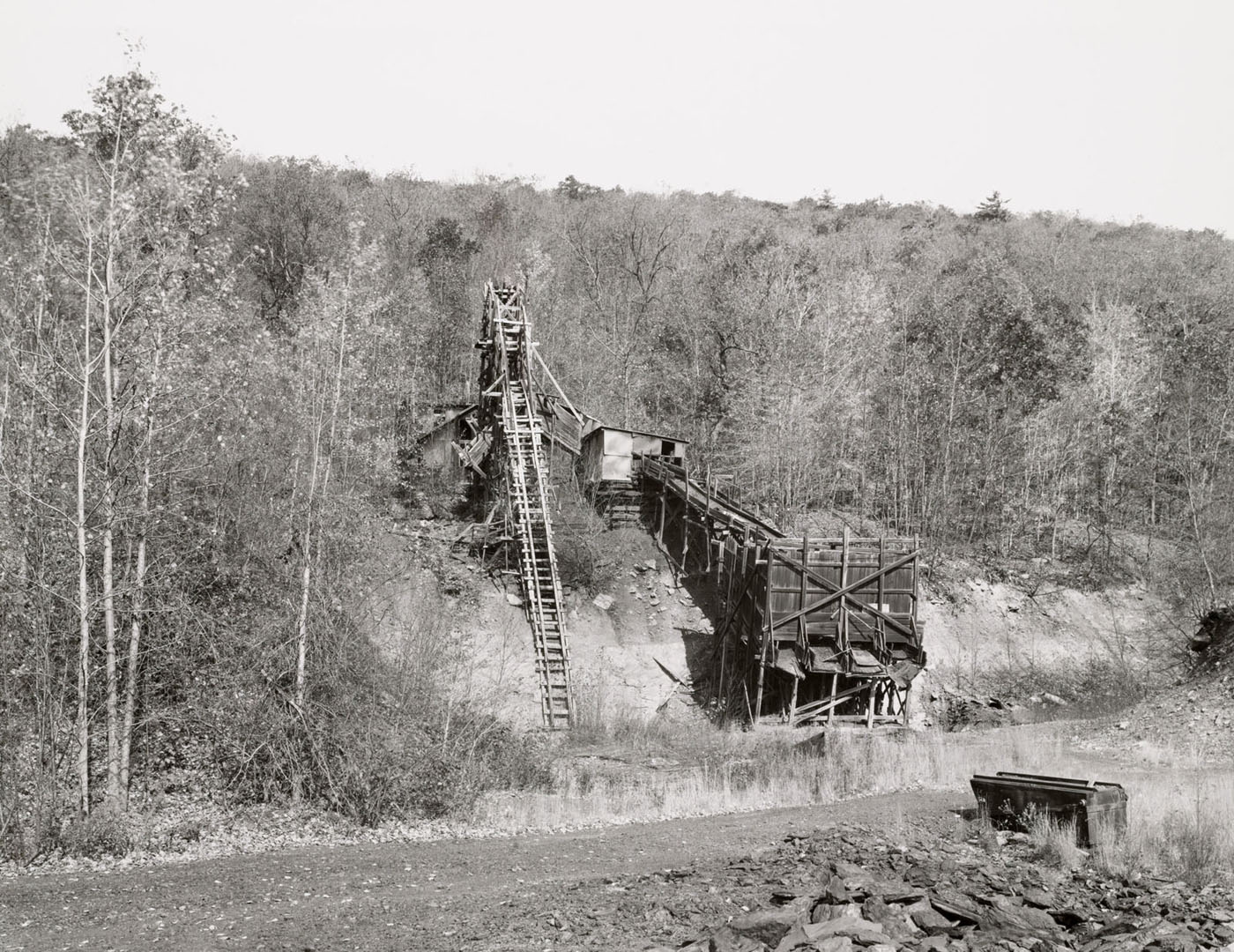
Bernd and Hilla Becher (German, active 1959-2007) Bernd Becher (German, 1931-2007) Hilla Becher (German, 1934-2015) 'Coal Mine, Bear Valley, Schuylkill County, Pennsylvania, United States' 1974


Bernd and Hilla Becher (German, active 1959-2007) Bernd Becher (German, 1931-2007) Hilla Becher (German, 1934-2015)
Coal Mine, Bear Valley, Schuylkill County, Pennsylvania, United States
1974
Gelatin silver print
17 5/8 × 23 1/2″ (44.7 × 59.7cm)
Horace W. Goldsmith Fund through Robert B. Menschel
© 2022 Estate of Bernd Becher and Hilla Becher


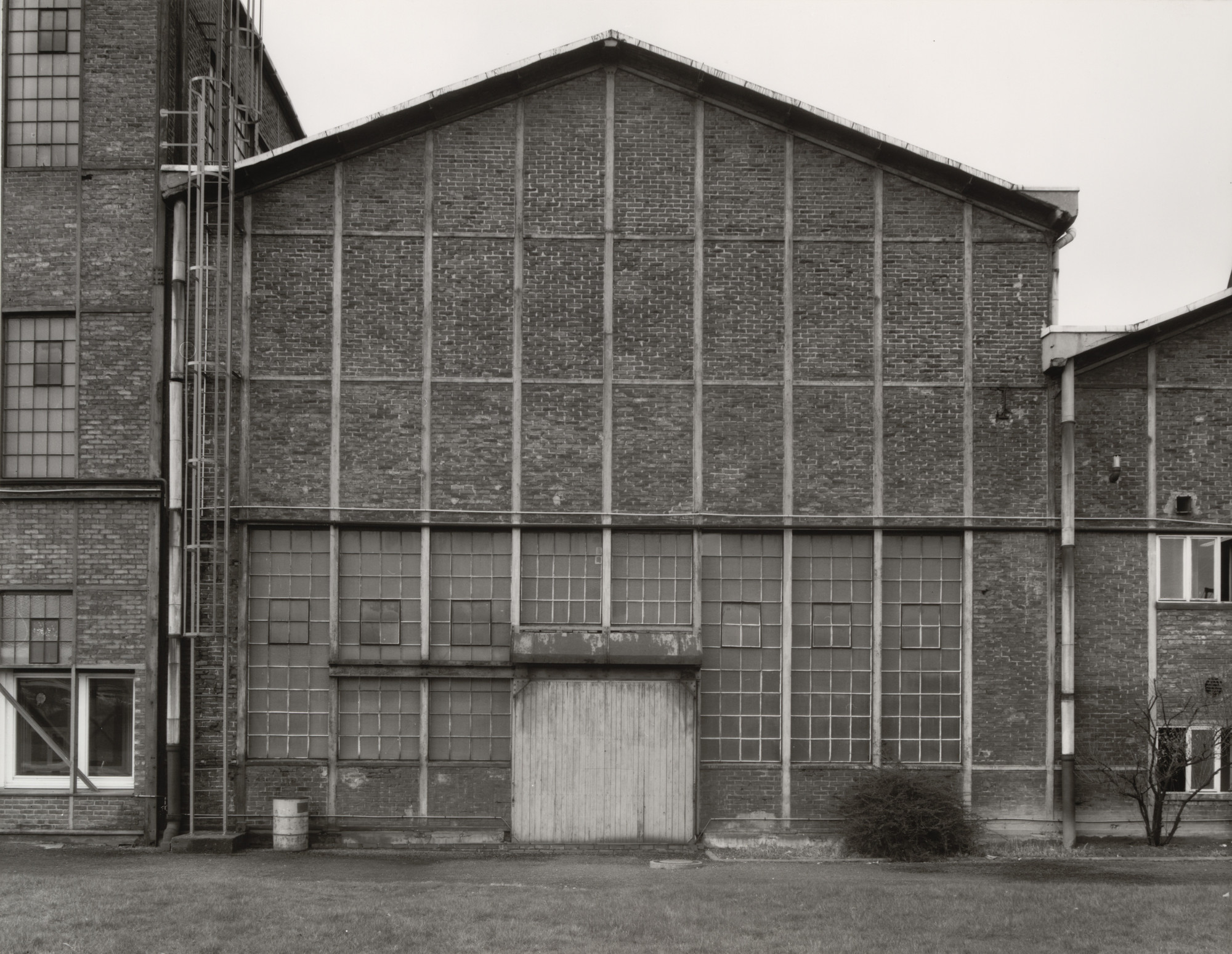
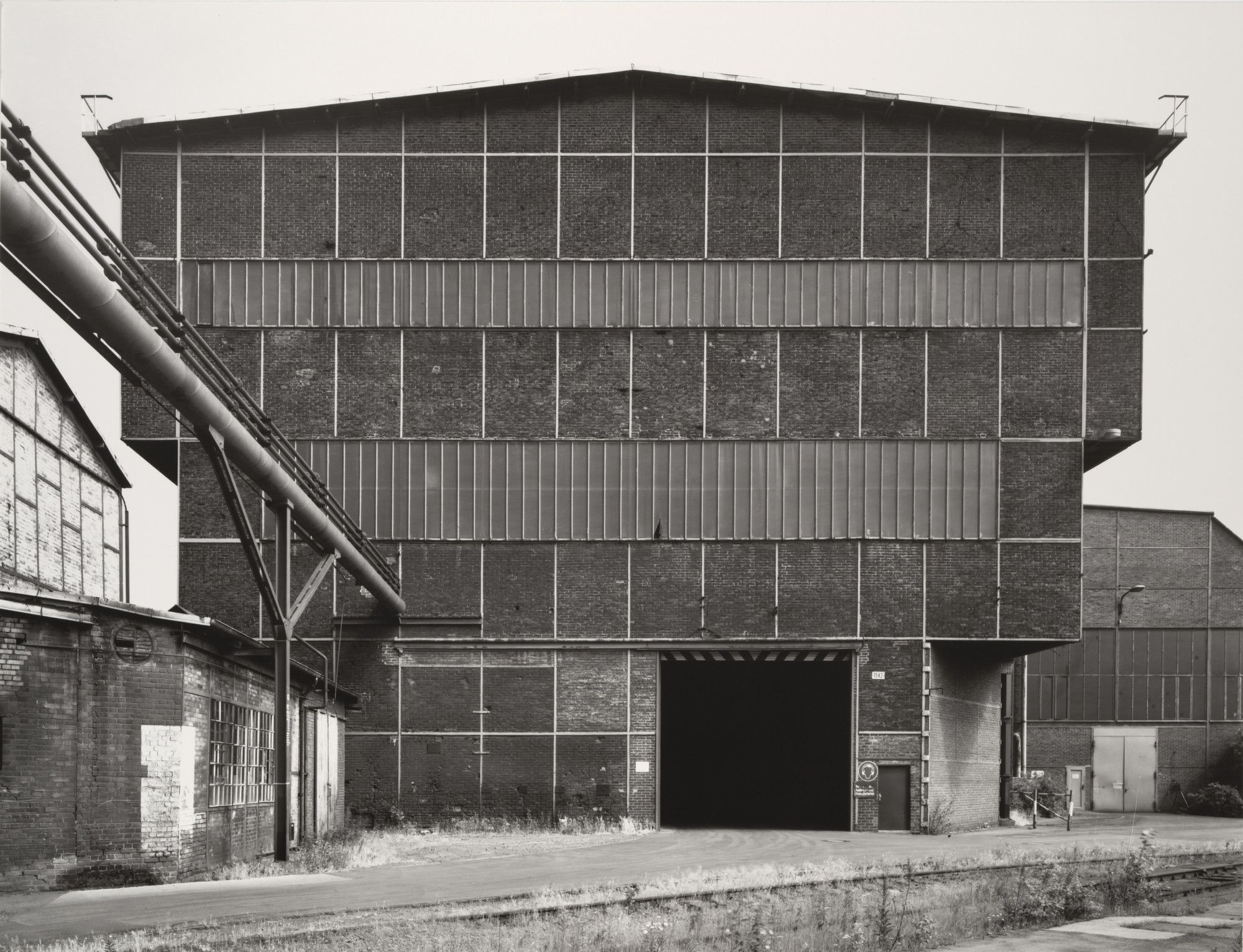
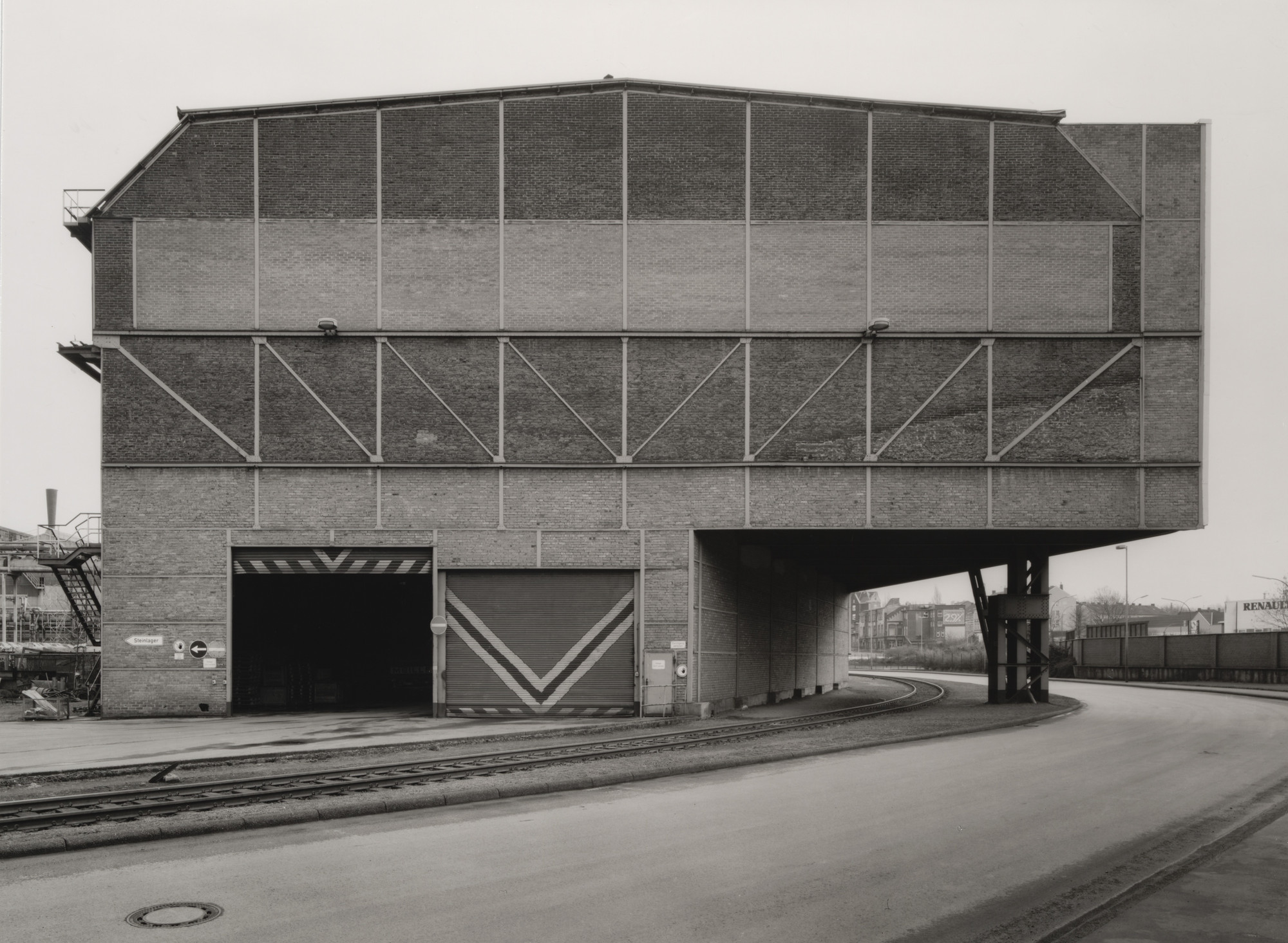
Bernd and Hilla Becher (German, active 1959-2007) Bernd Becher (German, 1931-2007) Hilla Becher (German, 1934-2015) 'Industrial Façades' 1978-1992

Bernd and Hilla Becher (German, active 1959-2007) Bernd Becher (German, 1931-2007) Hilla Becher (German, 1934-2015) 'Industrial Façades' 1978-1992

Bernd and Hilla Becher (German, active 1959-2007) Bernd Becher (German, 1931-2007) Hilla Becher (German, 1934-2015) 'Industrial Façades' 1978-1992

Bernd and Hilla Becher (German, active 1959-2007) Bernd Becher (German, 1931-2007) Hilla Becher (German, 1934-2015) 'Industrial Façades' 1978-1992

Bernd and Hilla Becher (German, active 1959-2007) Bernd Becher (German, 1931-2007) Hilla Becher (German, 1934-2015) 'Industrial Façades' 1978-1992


Bernd and Hilla Becher (German, active 1959-2007) Bernd Becher (German, 1931-2007) Hilla Becher (German, 1934-2015)
Industrial Façades (detail)
1978-1992
21 Gelatin silver prints
Each 12 3/16 × 15 15/16″ (31 × 40.5cm)
Acquired through the Gerald S. Elliot Bequest


Installation view of the exhibition 'Bernd and Hilla Becher: Landscape/Typology' at the Museum of Modern Art, New York


Installation view of the exhibition Bernd and Hilla Becher: Landscape / Typology at the Museum of Modern Art, New York, May 21, 2008 – August 25, 2008 showing at second left, Winding Towers (1966-1997, below)
Photograph by John Wronn


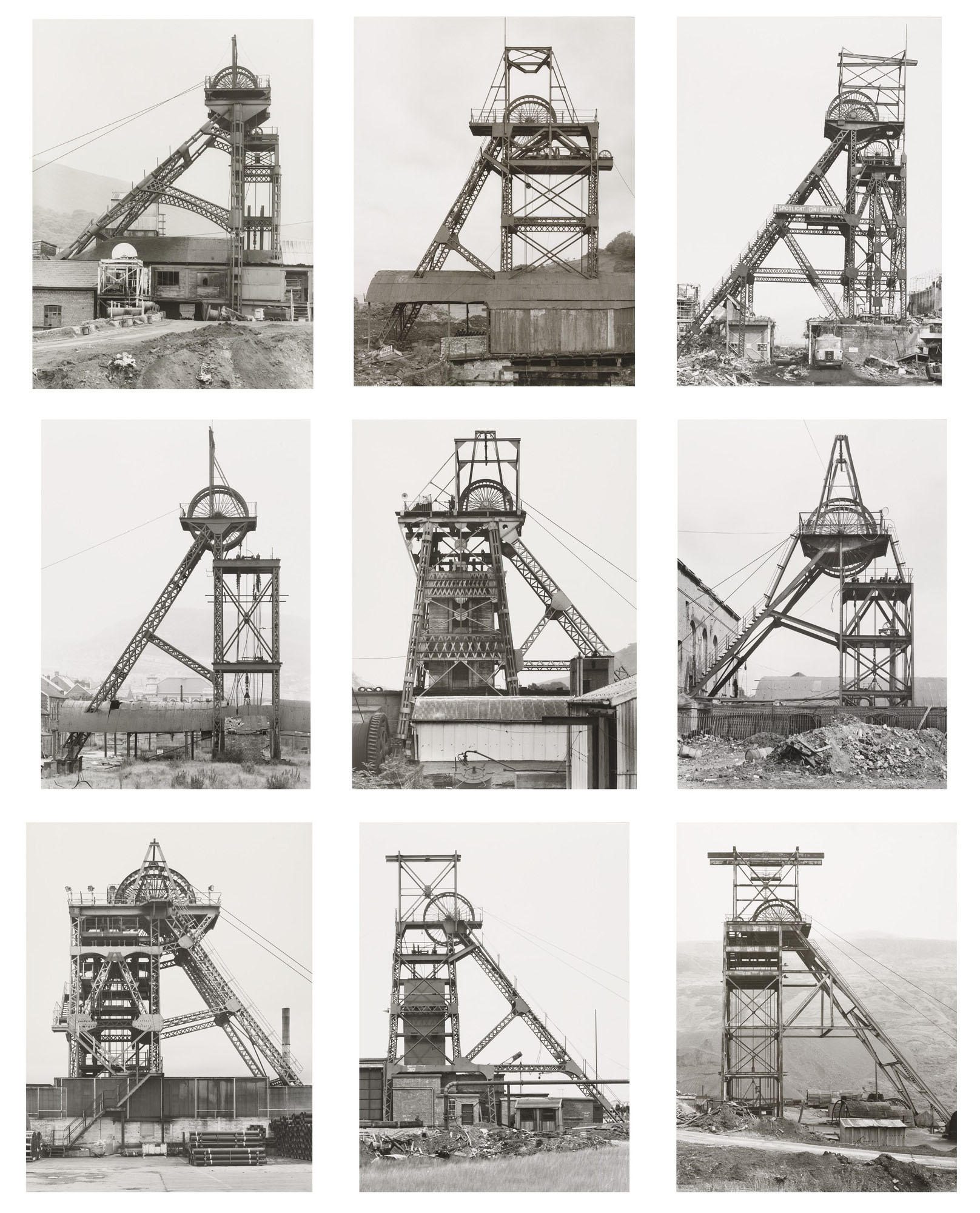
Bernd and Hilla Becher (German, active 1959-2007) Bernd Becher (German, 1931-2007) Hilla Becher (German, 1934-2015) 'Winding Towers' 1966-1997


Bernd and Hilla Becher (German, active 1959-2007) Bernd Becher (German, 1931-2007) Hilla Becher (German, 1934-2015)
Winding Towers
1966-1997
Nine gelatin silver prints
Dimensions
68 1/4 × 56 1/4″ (173.4 × 142.9cm)
Acquired in honour of Marie-Josée Kravis through the generosity of Robert B. Menschel
© 2022 Estate of Bernd Becher and Hilla Becher


For more than forty years, the Bechers photographed winding towers, blast furnaces, silos, cooling towers, gas tanks, grain elevators, oil refineries, and the like – all examples of the European and American industrial architecture that had begun to disappear in the transition from an industrial society to an information society. Their works typically present each structure frontally against flat, evenly grey backgrounds. By using large-format cameras and finely grained black-and-white film, they ensured that the motifs they photographed were rendered with a high degree of precision and clarity.

The Bechers organised the images into groupings assembled in grids, classified by function into types. In this strict layout, each structure may easily be compared with the others. The nine separate pictures in Winding Towers together transform the specificity of the individual towers into variations on an ideal form and, conversely, preserve their individual characteristics within a typology.

Publication excerpt from MoMA Highlights: 375 Works from The Museum of Modern Art, New York (New York: The Museum of Modern Art, 2019)


Installation view of the exhibition 'Bernd and Hilla Becher: Landscape/Typology' at the Museum of Modern Art, New York


Installation view of the exhibition Bernd and Hilla Becher: Landscape / Typology at the Museum of Modern Art, New York, May 21, 2008 – August 25, 2008
Photograph by John Wronn


Fotomuseum Winterthur
Grüzenstrasse 44 + 45
CH-8400
Winterthur (Zürich)

Opening hours:
Tuesday to Sunday 11am – 6pm
Wednesday 11am – 8pm
Closed on Mondays

Fotomuseum Winterthur website

LIKE ART BLART ON FACEBOOK

Back to top

Opening: ‘Movement and Emotion’ and ‘Jodie Noble Solo’ exhibitions at Arts Project Australia, Melbourne

Exhibition dates: 20th October – 26th November 2011

Curator of Movement and Emotion: Paul Hodges

Artists: Steven Ajzenberg, Patrick Francis, Brigid Hanrahan, Paul Hodges, Chris Mason, Cameron Noble, Jodie Noble, Lisa Reid, Anthony Romagnano and Cathy Staughton


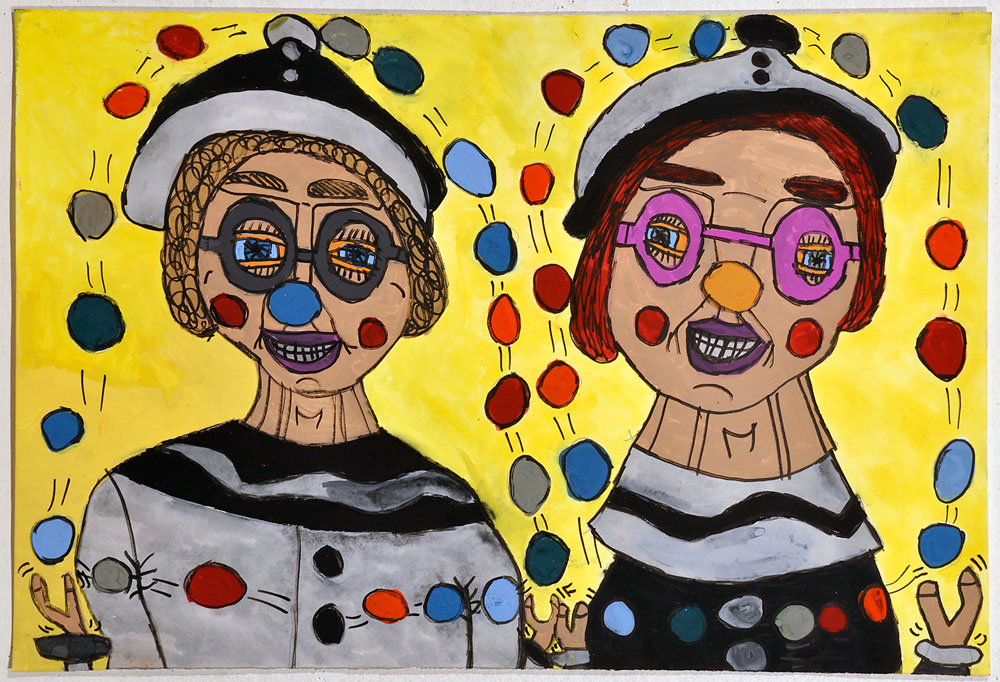
Catherine Staughton (Australian, b. 1968) 'Juggle Ball Hand Jump Roller' 2011


Catherine Staughton (Australian, b. 1968)
Juggle Ball Hand Jump Roller
2011
Gouache and felt pen on paper
38 x 56cm


Opening night speech by Dr Marcus Bunyan

Thank you for your welcome to Arts Project Australia on this auspicious occasion, the first ever exhibition to be curated by an Arts Project artist, Paul Hodges. Together with the Jodie Noble solo exhibition in the front gallery I am sure you will agree that the gallery is full of vibrant work. There are some things that may be said about both bodies of work.

I asked Paul what had been the inspiration behind Movement and Emotion. He said that he often goes to the National Gallery of Victoria and looks at the pictures and imagines the artist painting. He wonders how they were feeling and he visualises the pictures coming to life, especially pictures of dancers in which he has a personal interest. He came back to Arts Project and started thinking about the work in the collection and after much thought made the selection you see here tonight. He used his imagination, his feelings and his understanding of the world to curate the exhibition.

Let’s consider the title Movement and Emotion.

Emotion can be defined as an agitation, a strong feeling, a departure from the normal calm state of an organism. The logos of emotion begins in the experience of ‘being moved’ in some manner. Any emotion holds within its structure some potential for movement, whether it be physical or mental. You can be physically still yet be mentally moved, causing you to have emotion. Some emotions occur over a period of seconds (for example, surprise), whereas others can last years (for example, love). In the word ’emotion’ is the very act of movement, namely motion. Hence e/motion is the root of this wonderful feeling that I get from these artworks. Emotion is movement. Emotion is feeling. Emotion is passion.1

And it is this very act that sustains the work in both exhibitions. The work is personal. It speaks from the heart. It is intimate, transcendent and enigmatic. It moves me like little contemporary art ever does. When I first saw the artwork in the space at the back of the gallery, when they were revealed to me I gasped at their simple, eloquent beauty. Whimsical and playful these works possess an element of the carnivalesque,2 a riot of colour and form that exist on the border of art and life. Mingling depictions of high culture and personal narrative the works have no pretence but a visceral immediacy: a direct connection from the artists imagination of the world, through the eyes to the hand and the paper to depict what is in the world. As Susan Sontag observes, “A work of art is a thing in the world, not just a text or commentary on the world…”3

Some of you may be familiar with the American photographer Walker Evans – his famous US Depression era pictures are a thing in the world, as well as text/commentary on the world. He refers to this working method as ‘transcendent documentary’4: a watchful intelligence that recognises a moment of seeing, a movement of emotion – and then describes it. Yes, a quest for ‘the thing itself’ but more than that, the imagination to describe the substance of our existence, the nature of reality. Objects, people and places are transformed from things seen to things that we known. Intimately. Inherently.

In their unique vision it is the artists relation to self, the nature of what they see and feel around them that creates e/motion. They transcend form while ordering it at the same time. It is both the immediate world, simply described, perceived as it stands with the whole of consciousness coupled with the imagination as always there, between our eyes and the world, for it is the imagination that defines our humanity, declares our consciousness. They imagine, they perceive the simple radiance of what is.

That is what these artists do.

Perceive.

What is.


In Movement and Emotion, and in the portraits of Jodie Noble we see what is and imagine what should be. The photographer Elliott Erwitt in his book Personal Exposures (1988) said, “The work I care about is terribly simple … I observe, I try to entertain, but above all I want pictures that are emotion.”5

Those pictures are here, e/motioning, all around us. I enjoy these pictures tremendously. Congratulations to all the artists for the experience that you have given us.

Dr Marcus Bunyan


Footnotes

1/ See Robbins, Brent Dean. Emotion, Movement & Psychological Space: A Sketching Out of the Emotions in terms of Temporality, Spatiality, Embodiment, Being-with, and Language. Duquesne University, 1999 [Online] Cited 08/10/2011

2/ Bakhtin, Mikhail. Rabelais and His World (trans. Helene Iswolsky). Cambridge: MIT Press, 1968, p. 7

3/ Sontag, Susan. “On Style,” in Against Interpretation and Other Essays. New York: Delta Book, 1966, pp. 21-22

4/ Anon. “”A Revolutionary Project” Brings Cuba to the Getty Museum,” on Cuban Art News [Online] 05/10/2011 Cited 08/10/2011. No longer available online

5/ Erwitt, Elliott. Personal Exposures. W. W. Norton & Company, 1988 quoted on Anon. “Photographer Elliott Erwitt’s Archive to be Housed at Harry Ransom Center,” on Harry Ransom Center: The University of Texas website [Online] 22/09/2011. Cited 08/10/2011. No longer available online


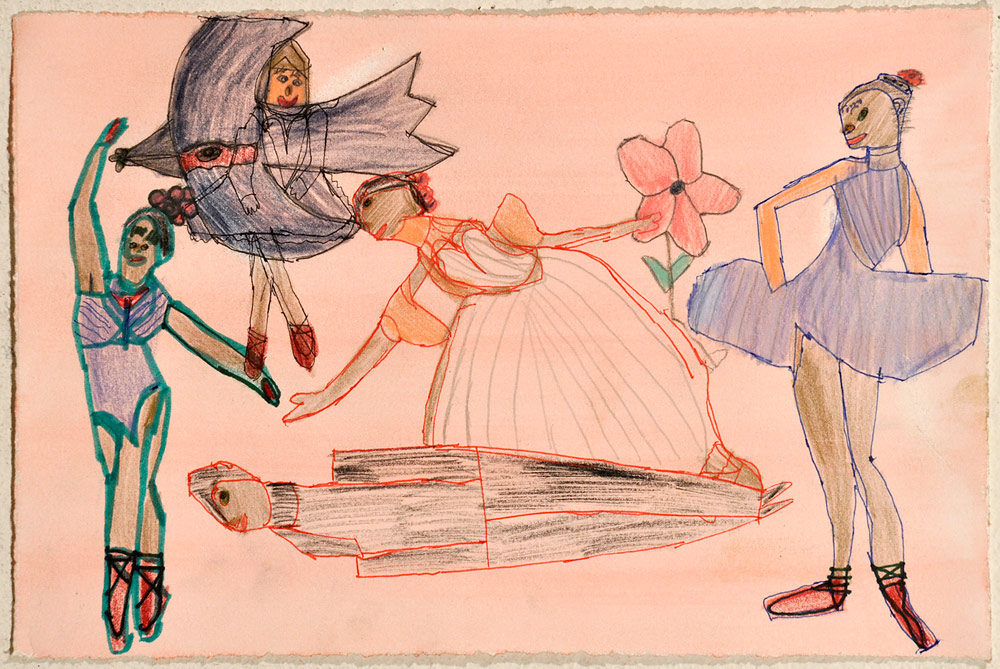
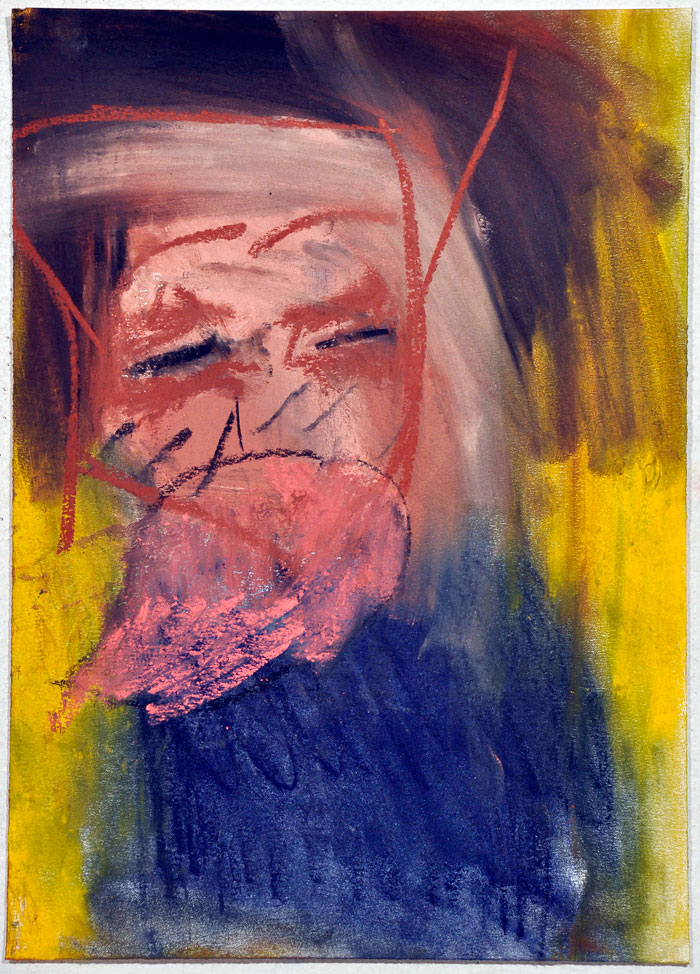
Brigid Hanrahan. 'Not titled (Ballet Dancers)' 2009


Brigid Hanrahan (Australian)
Not titled (Ballet Dancers)
2009
Colour pencil and fineliner on paper
20 x 30cm


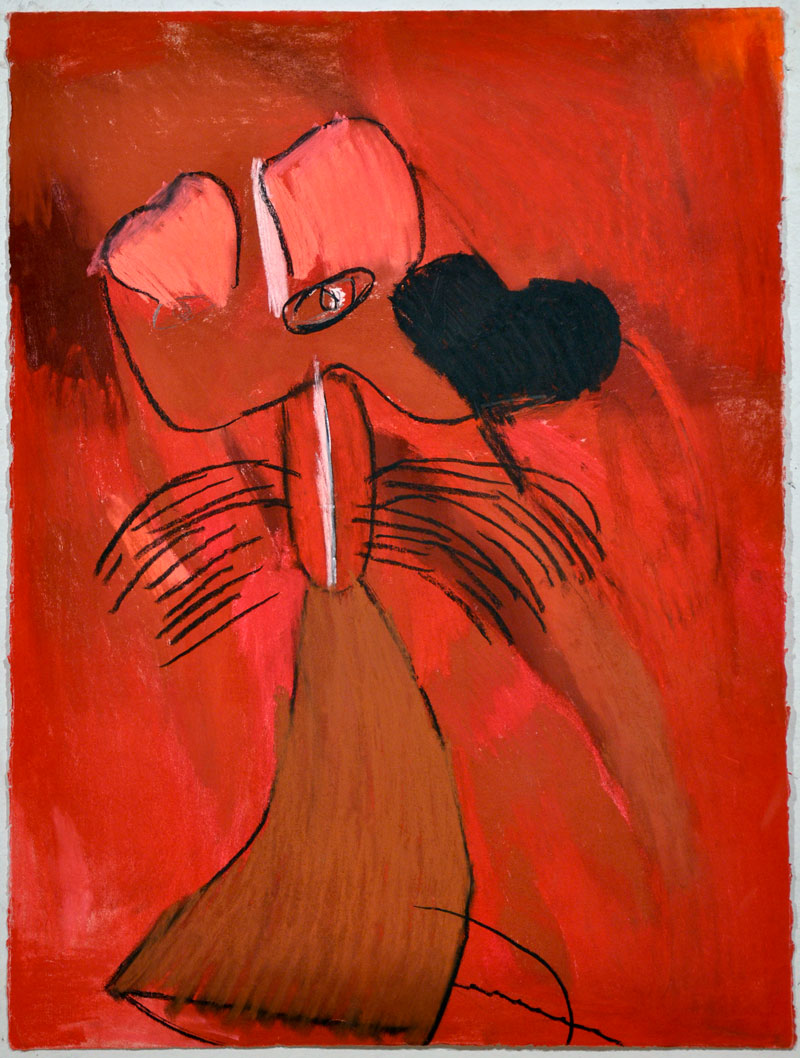
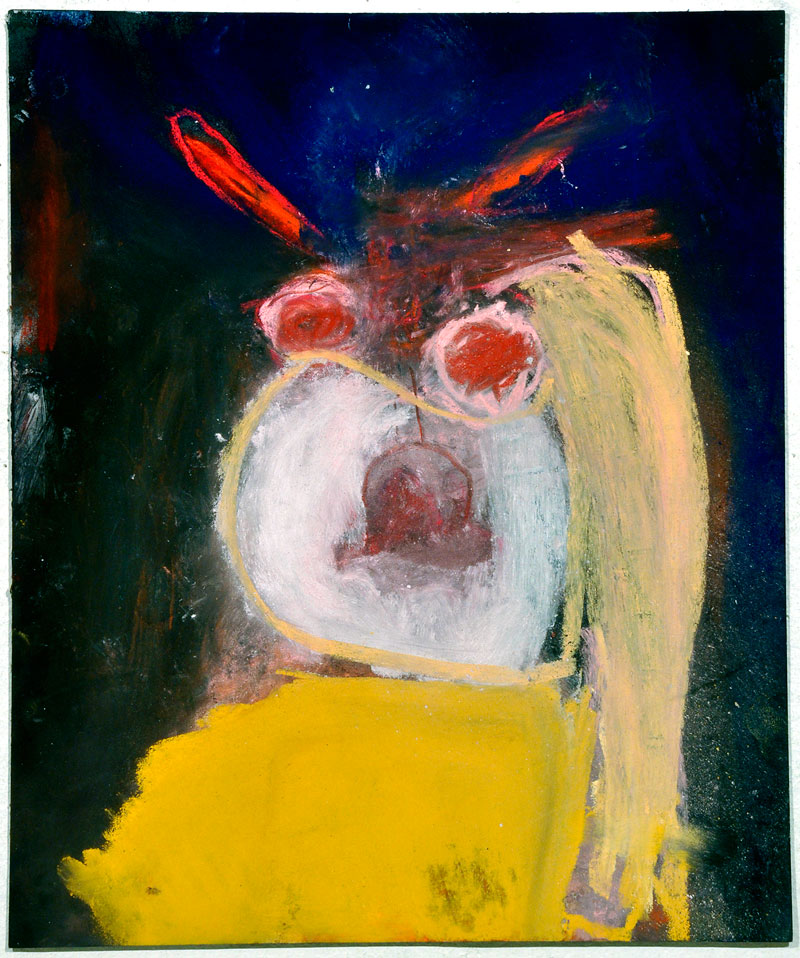
Jodie Noble. 'Not titled (red dog)' 2006


Jodie Noble (Australian)
Not titled (red dog)
2006
Pastel on paper
76 x 57cm


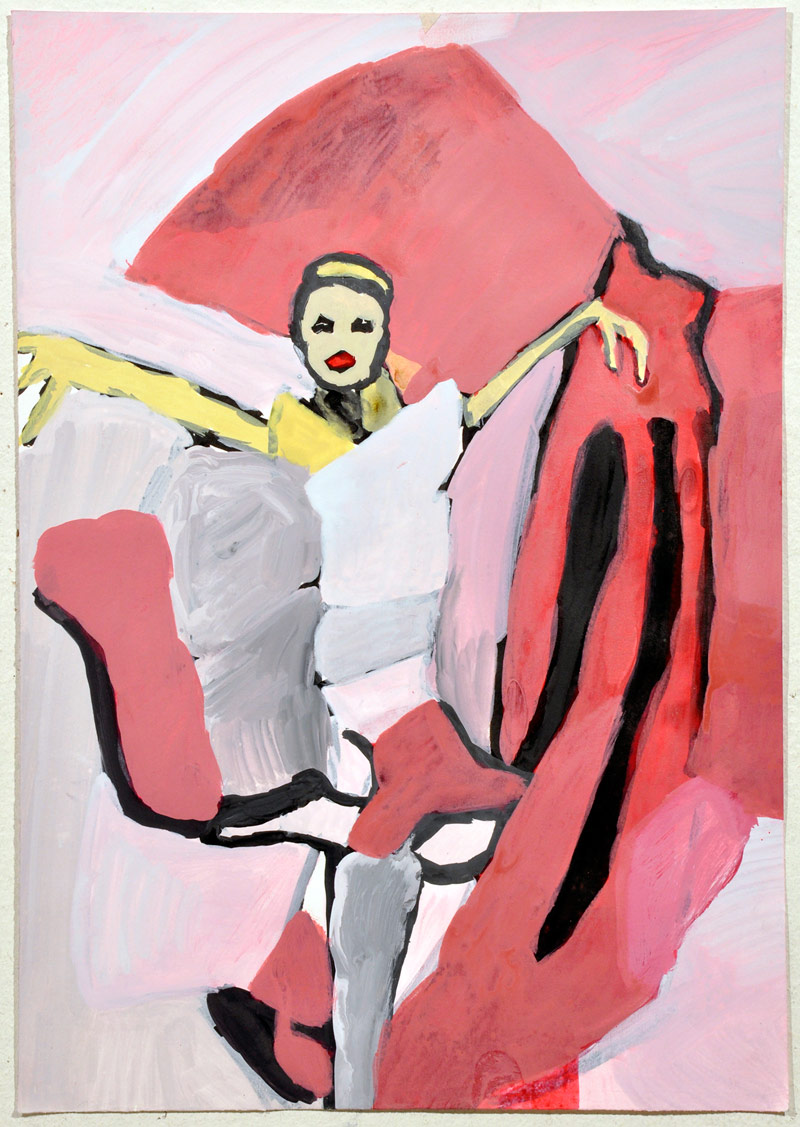
Paul Hodges (Australian, b. 1974) 'Not titled (Pink Dancer)' 2010


Paul Hodges (Australian, b. 1974)
Not titled (Pink Dancer)
2010
Ink on paper
50 x 35cm


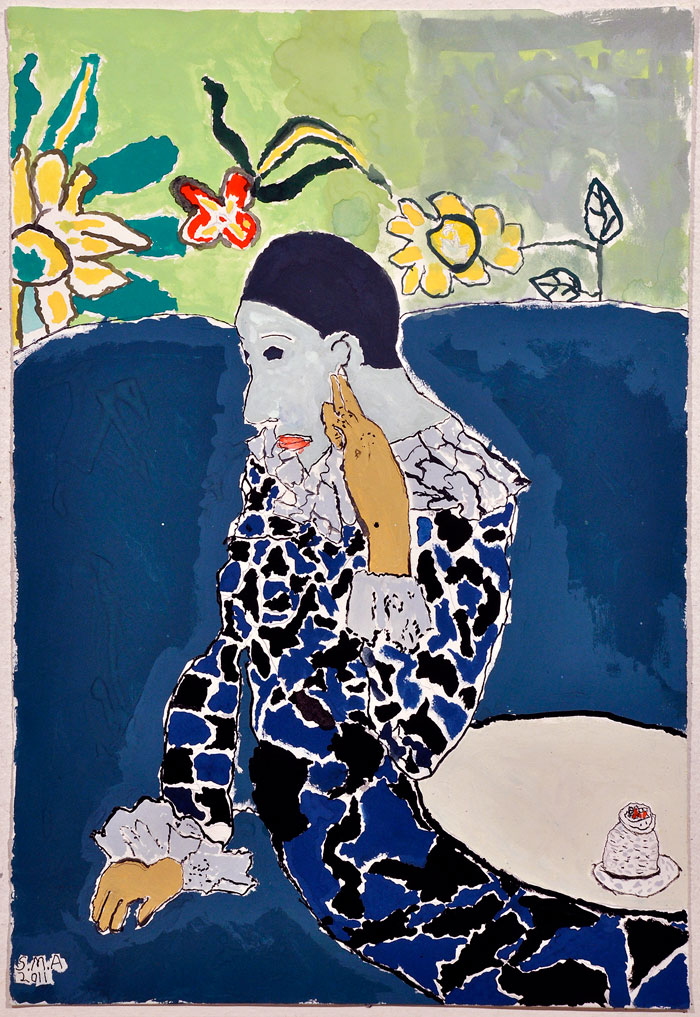
Steven Ajzenberg (Australian, b. 1964) 'Harlequin' 2010


Steven Ajzenberg (Australian, b. 1964)
Harlequin
2010
Gouache on paper
55.5 x 38cm


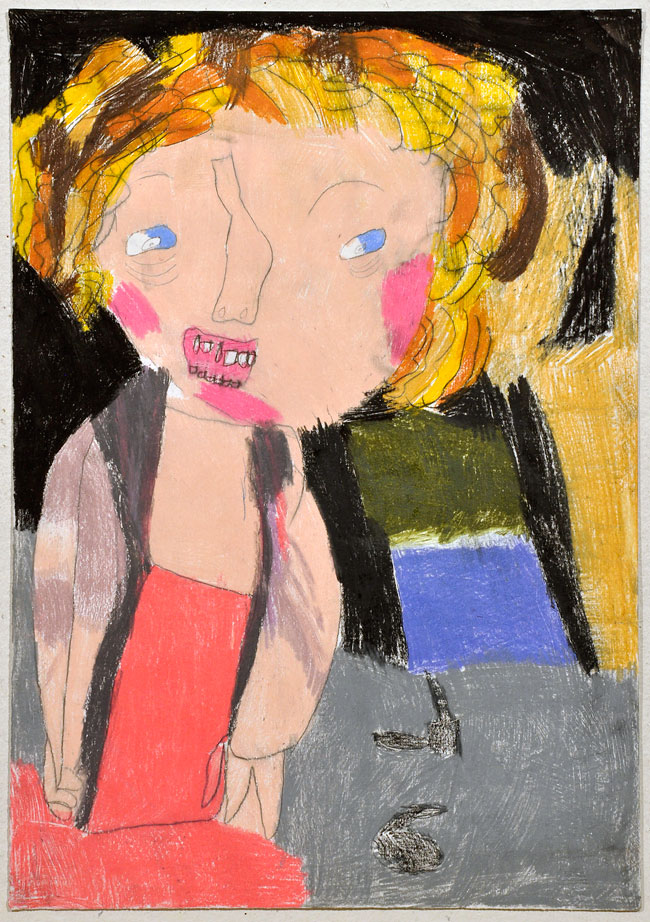
Jodie Noble. 'Not titled (girl wearing pink dress)' 2010


Jodie Noble (Australian)
Not titled (girl wearing pink dress)
2010
Prisma colour pencil on paper
50 x 35cm


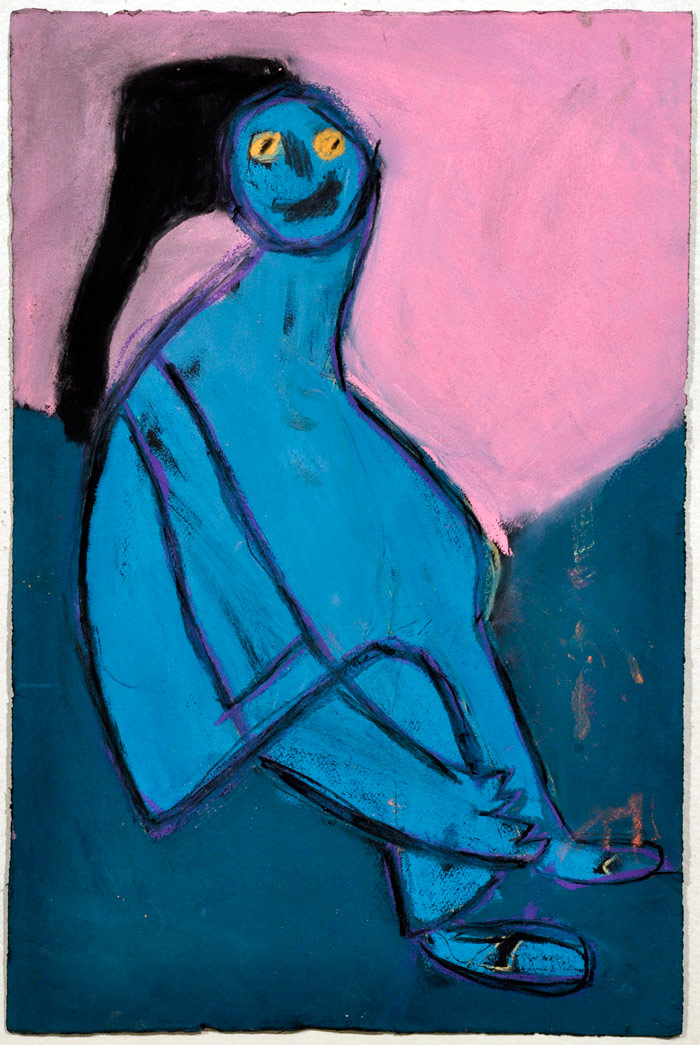
Cameron Noble. 'Not titled (Blue Lady)' 2011


Cameron Noble (Australian)
Not titled (Blue Lady)
2011
Dry pastel on paper
57 x 37.5cm


Jodie Noble. 'Geisha Girl' 2011


Jodie Noble (Australian)
Geisha Girl
2011
Dry pastel on paper
35 x 25cm


Movement and Emotion

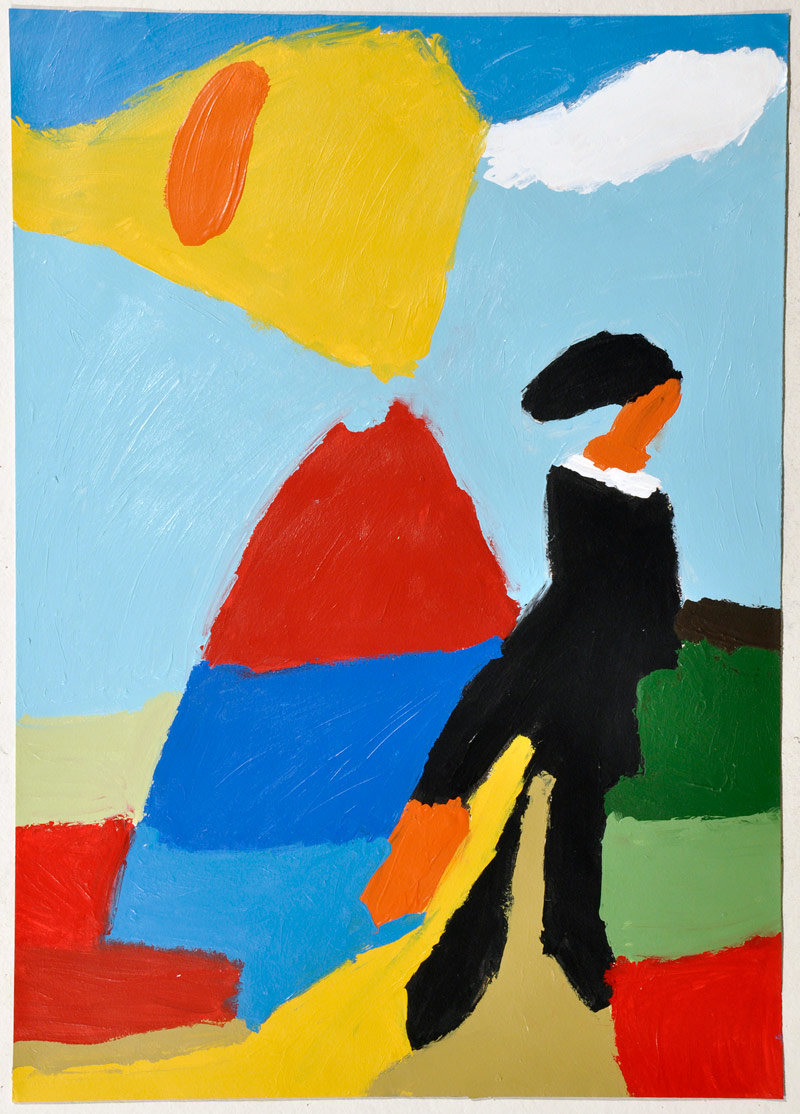
This exhibition will explore movement in paintings and the emotions of people in everyday life. These works are vibrant, expressive and each work is unique; they jump out at you. Key themes investigated include carnival, dance and portraits. This is the first exhibition Paul Hodges has curated.

“This is a wonderful show presenting movement and emotion in art by ten artists that I have collected from Arts Project Australia’s studio.”

Paul Hodges, 2011

“When I walk past Jodie Noble’s paintings I can almost feel what she is feeling … Jodie is telling us what she is feeling through her paintings.”

Paul Hodges 2010


Jodie Noble Solo

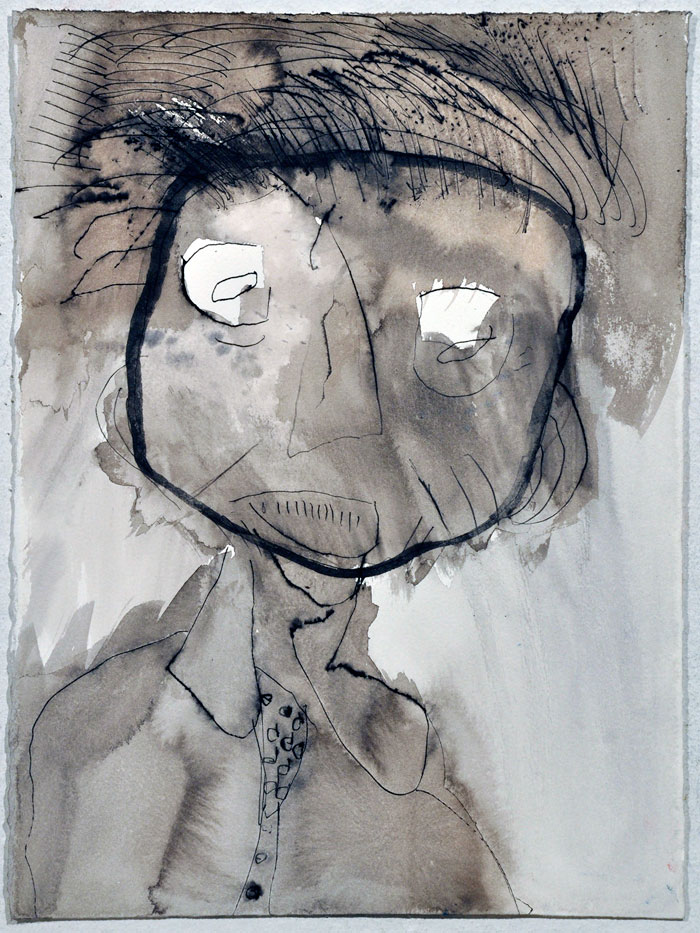
Jodie Noble’s current work is figurative and often incorporates an autobiographical narrative. While occasionally painting from life, her work also references popular culture. In particular, Noble is inspired by contemporary famous figures, from Frida Kahlo and Francisco Goya to Queen Elizabeth II. Noble’s work is descriptive, expressive and infused with a sense of physicality.

In this exhibition, Noble has selected a series of portraits on paper that are autobiographical and of people she knows in her life. This is Jodie’s second solo exhibition.


Lisa Reid (Australian, b. 1975) 'Not titled (Adam Baddeley)' 2001


Lisa Reid (Australian, b. 1975)
Not titled (Adam Baddeley)
2001
Pastel and pencil on paper
50 x 33cm


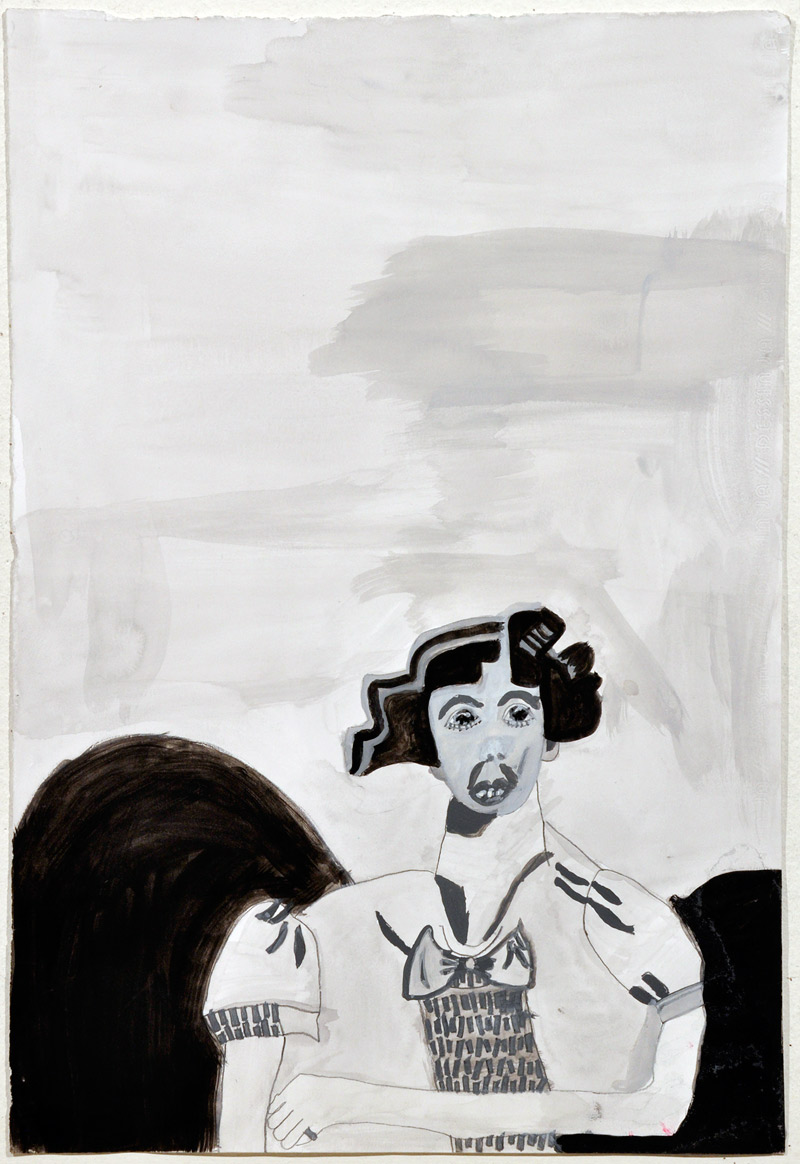
Lisa Reid (Australian, b. 1975) 'Great Aunt Edna' 2003


Lisa Reid (Australian, b. 1975)
Great Aunt Edna
2003
Gouache on paper
55 x 37.5cm


Anthony Romagnano (Australian, b. 1985) 'Madonna' 2010


Anthony Romagnano (Australian, b. 1985)
Madonna
2010
Prisma colour pencil on paper
50 x 35cm


Jodie Noble. 'Not titled' 2010


Jodie Noble (Australian)
Not titled
2010
Ink and fine-liner on paper
38 x 28.5cm


Cameron Noble. 'Not titled' 2011


Cameron Noble (Australian)
Not titled
2011
Dry pastel on paper
38.5 x 32.5cm


Patrick Francis (Australian, b. 1991) 'Not titled' 2011


Patrick Francis (Australian, b. 1991)
Not titled
2011
Acrylic on paper
70 x 50cm


Arts Project Australia
24 High Street
Northcote Victoria 3070
Phone: + 61 3 9482 4484

Gallery location:
Level 1 Perry Street Building,
Collingwood Yards
Enter via 35 Johnson Street
or 30 Perry Street, Collingwood

Opening hours:
Wed – Fri 11am – 5pm
Sat & Sun 12 – 4pm

Arts Project Australia website

LIKE ART BLACK ON FACEBOOK

Back to top

Essay / review: ‘In camera and in public’ at the Centre for Contemporary Photography, Melbourne

Exhibition dates:  16th September – 23rd October 2011

Curator: Naomi Cass

Artists: ASIO de-classified photos and footage, Denis Beaubois (France/Australia), Luc Delahaye (France), Cherine Fahd (Australia), Percy Grainger (Australia/USA), Bill Henson (Australia), Sonia Leber and David Chesworth (Australia), Walid Raad (Lebanon/USA), Kohei Yoshiyuki (Japan)


Persons Of Interest - ASIO surveillance 1949 -1980. 'Author Frank Hardy in the doorway of the Building Workers Industrial Union, 535 George St, Sydney, August 1955'


Persons Of Interest – ASIO surveillance 1949-1980
Author Frank Hardy in the doorway of the Building Workers Industrial Union, 535 George St, Sydney, August 1955
NAA A9626, 212


Un/aware and in re/pose: the self, the subject and the city

Keywords: surveillance, surveillance photography, the gaze, the camera, photography, stolen images, voyeurism, scopophilia, public/private, disciplinary systems, facework, civil inattention, portrait, social history, persons of interest, the city, the self, subject, awareness, repose, reciprocity, the spectacle, the spectator.


“The paradox is the more we seek to fix our vision of the world and to control it the less sure we are as to who we are and what our place is in the world.”


Marcus Bunyan 2011


“Stare. It is the way to educate your eye, and more. Stare, pry, listen, eavesdrop. Die knowing something. You are not here long.”


Walker Evans


“Texts that testify do not simply report facts but, in different ways, encounter – and make us encounter – strangeness.”


Shoshana Felman and Dori Laub 1


Curated by Naomi Cass as part of the Melbourne Festival, this is a brilliant exhibition at the Centre for Contemporary Photography, Melbourne. The exhibition explores, “the fraught relationship between the camera and the subject: where the image is stolen, candid or where the unspoken contract between photographer and subject is broken in some way – sometimes to make art, sometimes to do something malevolent.”2 It examines the promiscuity of gazes in public/private space specifically looking at surveillance, voyeurism, desire, scopophilia, secret photography and self-reflexivity. It investigates the camera and its moral and physical relationship to the unsuspecting subject. Does the camera see something different if the subject is unaware? Is the viewer complicit in the process as they (repeatedly) stare at the photographs? Are we all implicated in a kind of “mass social surveillance” based on Foucault’s concept of the self-regulating disciplinary society, a society that is watched from a single, panoptic vantage point (that of the omnipresent camera lens) and through the agency of the watchers watching each other?3 More on this later in the writing.

To the left

A selection of photographs from the series The Sleepers by Cherine Fahd, A4 sized black and white photographs of homeless people, asleep on the grass in a park, taken in secret from a sixth floor apartment in Kings Cross, Sydney. Fahd “went to great pains to make sure her subjects were anonymous, unidentifiable, their faces turned away”4 resulting in photographs of corpse-like bodies on contextless backgrounds – wrapped, isolated, entwined, covered in shadow, the bodies disorientated in space and consequently disorientating the gaze of the viewer.

To the right

A selection of photographs from the Crowd Series (1980-82) by Bill Henson. Snapped in secret these black and white journalistic surveillance photographs (‘taken’ in an around Flinders Street railway station in Melbourne) have a brooding intensity and melancholic beauty. Henson uses a flattened perspective that is opposed to the principles of linear perspective in these photographs. Known as The Art of Describing5 and much used in Dutch still life painting of the 17th century to give equal weight to objects within the image plane, here Henson uses the technique to emphasise the mass and jostle of the crowd with their “waiting, solemn and compliant” people.

“When exhibiting the full series, Henson arranges the works into small groupings that create an overall effect of aberrant movement and fragmentation. From within these bustling clusters of images, individual faces emerge like spectres of humanity that will once again dissolve into the crowd … all apparently adrift in the flow of urban life. The people in these images have an anonymity that allows them to represent universal human experiences of alienation, mortality and fatigue.”6


Henson states, “The great beauty in the subject comes, for me, from the haunted space, that unbridgeable gap – which separates the profound intimacy and solitude of our interior world from the ‘other’… The business of how a child’s small hand appearing between two adults at a street crossing can suggest both a vulnerability, great tenderness, and yet also contain within it all of the power that beauty commands, is endlessly fascinating to me.”7 His observation is astute but for me it is the un/awareness of the people in these photographs that are their beauty, their insertion into the crowd but their isolation from the crowd and from themselves. As Maggie Finch observes, it is “that feeling of being both alone and private in a crowd, thus free but also exposed.”8

In the sociologist Erving Goffman’s terms the photographs can be seen as examples of what he calls “civil inattention”9 which is a carefully monitored demonstration of what might be called polite estrangement, the “facework” as we glance at people in the crowd, holding the gaze of the other only briefly, then looking ahead as each passes the other.

“Civil inattention is the most basic type of facework commitment involved in encounters with strangers in circumstances of modernity. It involves not just the use of the face itself, but the subtle employment of bodily posture and positioning which gives off the message “you may trust me to be without hostile intent” – in the street, public buildings, trains or buses, or at ceremonial gatherings, parties, or other assemblies. Civil inattention is TRUST as ‘background noise’ – not as a random collection of sounds, but as carefully restrained and controlled social rhythms. It is characteristic of what Goffman calls “unfocused interaction.””10


This is what I believe Henson’s photographs are about. Not so much the tenderness of the child’s hand but a fear of engagement with the ‘other’. As such they can be seen as image precursors to the absence/presence of contemporary communication and music technologies. How many times do people talk on their mobile phone or listen to iPods in crowds, on trams and trains, physically present but absenting themselves from interaction with other people. Here but not here; here and there. The body is immersed in absent presence, present and not present, conscious and not conscious, aware and yet not aware of the narratives of a ‘recipro/city failure’. A failure to engage with the light of place, the time of exposure and an attentiveness to the city.

As Susan Stewart insightfully observes,

“To walk in the city is to experience the disjuncture of partial vision/partial consciousness … The walkers of the city travel at different speeds, their steps like handwriting of a personal mobility. In the milling of the crowd is the choking of class relations, the interruption of speed, and the machine.”11

On a pedestal

Travelling in the city, in a machine (in this case a subway train) is the subject of the next body of work in the exhibition, represented by the book L’Autre (The Other) by French artist Luc Delahaye.12 Using a hidden camera Delahaye photographs the commuters faces in repose.

“I stole these photographs between ’95 and ’97 in the Paris metro. ‘Stole’ because it is against the law to take them, it’s forbidden. The law states that everyone owns their own image. But our image, this worthless alias of ourselves, is everywhere without us knowing it. How and why can it be said to belong to us? But more importantly, there’s another rule, that non-aggression pact we all subscribe to: the prohibition against looking at others. Apart from the odd illicit glance, you keep staring at the wall. We are very much alone in these public places and there’s violence in this calm acceptance of a closed world.”13


This is another example of Goffman’s civil inattention as Delahaye stares into the distance and feigns absence long enough to get his stolen photograph (much like Walker Evans earlier photographs of people on the New York subway photographed with Evans’s camera concealed inside his overcoat).14 Here the photographs are much closer cropped than Evans’, allowing the viewer no escape from staring at the stolen faces. The faces seen in repose remind me of the composite portraits of criminals and the diseased, Specimens of Composite Portraiture c. 1883 by Sir Francis Galton, remembering that one of the earliest scientific functions of the camera was to document the likenesses of criminals, degenerates and other aberrant beings. We must also remember that, as Geoffrey Batchen suggests, “we are so used to the idea that we are always being watched that we might have turned our whole lives into “a grand, impenetrable pose” because we assume the camera eye is always present.”15

In the physiognomy of these faces the viewer is asked to assess a person’s character or personality from their outer appearance. While the viewer may be complicit in this task we must also remember that the photographer who stole these photographs has also re/posed these faces, choosing which people to secretly photograph and culling images that did not meet his conceptual project. We find no smiling or laughing faces in the book, no context is given (the photographs being tightly cropped on the body and face) and the phatic image, the one that grabs us has been manipulated, reposed and restaged for our edification. While the subject may be unaware of being photographed and their face may be in repose, this repose is as much a cultural construct as if they had known their photograph was being taken.

As John Berger and Jean Mohr write,

“The photographer choses the events he photographs. This choice can be thought of as a cultural construction. The space for this construction is, as it were, cleared by his rejection of what he did not choose to photograph.”16

On the wall in front

Series of images from Persons of Interest: ASIO surveillance photographs 1949-1980 taken in secret to record the state’s purported enemies (ASIO is the Australian Security Intelligence Organisation, Australia’s national security service, which is responsible for the protection of the country and its citizens from espionage, sabotage, acts of foreign interference, politically-motivated violence, attacks on the Australian defence system, and terrorism). The photographs were not taken as art and served a purely utilitarian purpose, that of recording and documenting the conversations and movements of persons of interest to the powers that be. “The camera can’t change the world, but there’s an idea that it can protect us – hence surveillance, which promises to watch over us, and watch out for us, rather than merely watch.”17

According to Haydn Keenan, director of the documentary Persons of Interest “Surveillance secretly records an image of someone so that the recorder so that the recorder can have advantage over the subject. Sometimes it’s political, sometimes social, but the very essence of surveillance is the secret theft of the image.”18 Keenan goes on to identify four types of photographic surveillance:

1/ Photographs taken by ASIO agents who are known to the person of interest. These are particularly disconcerting because they are the kind of intimate photographs that you would see in a family album
2/ ASIO photographer taking photographs in public, at demos and public meetings, always happening to get the person of interest “in the frame” so to speak.
3/ Long lens photographs taken by setting up an observation post and then sitting down and waiting.
4/ Photographs taken by what was called a ‘butterbox’ – a camera concealed in another object like a briefcase.19


There are thousands of these images, photographs of people in the wrong place at the wrong time. The closely cropped black and white photographs have an intimacy and anonymity to them. They build up a mental image of the changing face of what the State saw as threat: Aboriginal land rights, gay rights, women’s liberation, anti-Vietnam demonstrations, youth culture, Communism – and now terrorism. These photographs evince an inherent suspicion about social issues and they had the power to dramatically alter lives (through the loss of work or home, through imprisonment). “Yet what ASIO didn’t realise is that they were constructing an invaluable social history of Australian dissent as they gradually confused subversion with dissent.”20 The eye of the beholder cast a dark shadow but one that would not remain private forever.

Around the corner

The largest series of the exhibition, The Park by Japanese photographer Kohei Yoshiyuki (1971-1979), features twenty-five luscious A3 sized black and white photographs with deep blacks, framed in thin white, wood frames. The photographs were taken in Japanese parks at night where fornicating couples use public space as private space. In most cases the couples were not aware they were being observed by voyeurs and if they were, “with exhibitionist complicity, they fornicate to an audience of peeping Toms.”21 What they were definitely not aware of was that they were being photographed. As Amelia Groom observes, “The levels of complicity, performativity and victimisation of the subjects remains ambiguous.”22

These informal, grainy, infra-red flash photographs, “were first published in 1972 in the popular ‘secret camera’ genre magazine Shukan Shincho and were not initially considered as art photography … however they also sit within a broad tradition of voyeurism in Japanese art.”23 Starting in mid-distance the photographs eventually close right in on the subject matter, tightly composed on the mass of hands going everywhere, the flash over exposing various elements of the infra-red composition. The photographs are most effective when the viewer does not see the object of desire, but is positioned behind the voyeur who is hidden behind the hedge, looking. The viewpoint of the erotic act is denied, is out of shot/sight. We are literally “lined up right behind Yoshiyuki in the chain of voyeurism”24 imbibing the camera’s active, desiring masculine gaze. “Looking at Yoshiyuki’s images induces an uneasiness that has something to do with seeing the seer looking while seeing ourselves being seen looking.”25 The photographs are multiply voyeuristic, implicating the watchers, the photographer and us.26 But they implicate us only as part of a larger cultural signification.

Penny Modra in The Sunday Age M magazine observes of these photographs that, “you are a peeping Tom peeping at peeping Toms peeping at people.”27 I believe it is more than that. The definition of “peeping” is that of stealing a quick glance; to peer through a small aperture or from behind something (peering through a small aperture number is quite an appropriate metaphor since we are dealing with the photographic lens). While this may be true of the act of photography itself it is not true of the process of photography that took place to get the photographer to the point of exposure. Yoshiyuki himself “assembled the story of his association with the park voyeurs and details how the series was shot after spending six months getting to know those observers in the shrubbery.”28 Much as Diane Arbus befriended the subjects in her photographs, Yoshiyuki, rather than having a furtive glance of desire, planned his series using the all seeing narrative eye trained on its target over several months. He positions his subject squarely in his line of sight. And while a voyeur “can be defined as a person who observes without participation, a powerless or passive spectator … a photographer, contemplating a nude or any sexual subject is also a voyeur, but someone with a camera, or the means to distribute a photograph, is not entirely passive or powerless.”29 This power can be seen in the fame that the series has bought the photographer, his infamous series now heralded around the world.

At the centre

Black and white ‘snapshot’ photographs from the series Lust Branch by Percy Grainger, printed between 1933 and 1942, that document his sadomasochistic sexual practices including ‘self beating’ which he believed were intrinsic to his creativity. The envelope containing some of the photographs was marked “Private Matters: Do Not Open Until 10 (ten) Years After My Death.” The archive has the quality of forensic records as it documents, in a quasi-scientific Victorian tradition, evidence of his proclivities, his normalcy. The dark 4″ x 5″ brown-toned photographs show Grainger posing in a domestic setting (in Kansas) with a chair and also show the use of a suspended mirror to document his fustigations. Robert Nelson states that the shock of these images isn’t the flagellantism itself but that we’re looking at it. “The transgression isn’t the perversity but the breach of privacy the composer orchestrated: he lashed himself not only with a whip but a camera.”30 Personally I don’t register this shock as S/M practices have regularly been part of my life. What I find more disquieting is people who try to define what is normal and what should be recorded or not and by whom and who gets to see them.

I vividly remember going to the Minor White archive at Princeton University and seeing photographs of erect penises taken by White (who was gay) and thinking why I hadn’t seen these photographs before. The shock was not of seeing them but the fact that they were still hidden and had never been reproduced. Similarly, at The Kinsey Institute there are colour photographs of 1950s physique magazine body builders having full on sex, never to be seen in public. Also at the Kinsey are erotic photographs by the gay George Platt Lynes, taken for his own pleasure but never exhibited in public.31 Lynes had to resort to sending his erotic work to an early German pornographic magazine to get the photographs published. Taking these photographs is not a breach of privacy but an expression of normalcy, freedom and creativity.

In conclusion

“The idea of a photographic ‘gaze’ relates to a specific way of looking, and being looked at through the camera, and implies a certain psychological relationship of power and control.”32 Foucault’s analysis of the gaze as a means of surveillance, which is predatory and controlling, used to classify and discipline, allows the camera and mirror to be equated as tools of self-reflection and surveillance, where the double (created through self-reflection and surveillance) can be alienated from the self, taken away (like a photograph) for closer examination.33 Victor Burgin in his seminal 1977 essay Looking at photographs “argues that the ‘recording eye’ of the camera sets it apart from the subject at which it looks. The camera creates an ordering device which ‘depicts a scene and the gaze of the spectator, an object and a viewing subject.'”34 The camera’s gaze is not passive, it is active; it imparts its own subjectivity forming a triangular relationship between the object being photographed, camera and photographer. It has its own reality.

In a society where we are living in the age of ubiquitous networked photography35 the borders between public and private are collapsing. The idea that the gazer is able to see but not be seen; in essence, that the looking is anonymous36 is becoming a fallacy. Everything, even the watcher, becomes visible (after an ever shorter time). The separation that takes place between the looker and the looked-at is disappearing; we all know we are being watched even as we watch (and post) ourselves. “The act of seeing and the thing seen, the seer and the spectacle … are [becoming] one.”37

I would suggest that there is no fixed definition of private and public. For example even after people sign out from Facebook the sites they visit are still tracked.38 Anything that you post on Facebook, the music you like – if you just listen to it, Facebook takes it to mean that you approve of it and distributes it too your friends. Similarly with CCTV, ASIO images, mobile phone images, what is thought of as an invasion of privacy is eventually made public through FOI, leaking, teenage girls posting online (Ricky Nixon) etc … As noted earlier someone with a camera, or the means to distribute a photograph, is not entirely passive or powerless.

Even as the photographer “lifts” the object of his attention with his machine, the camera, he “takes” a picture, “and in so doing he makes a claim for that object or that composition, and a claim for his act of seeing in the first place … transposing a particular and emphatically personal point of view”39 and making a claim for the very act of seeing itself. The thing itself (the object photographed) and the way the photographer looks at it cannot be separated. In other words, in constant oscillation, we stand behind but also in front of the metaphorical camera: “I am nothing; I see all.”40

We know that we are being monitored and so we conform; even if no one is there, even if we cannot see the guard (as in Jeremy Bentham’s Panopticon prison) we suspect we are being watched and so self regulate our behaviour. “And yet, our contemporary society … has ironically embraced surveillance … This is most apparent in social media where millions of people regularly upload their most intimate moments via webcam … we happily embrace the mechanisms devised to control us and turn them into a kind of freefall celebration.”41

“It is though the millions of people, artists or not, who produce and publish images of themselves, their friends, surroundings and ideas in a sort of mass social surveillance (while often being tracked by the devices they are using) are implicated … in surveillance as a source of entertainment and personal gratification.”42

Surveillance, sousveillance as the sight of (perverse) resistance.


These contradictory, constantly shifting contemporary information and image flows tends to erode the moral authority of any social order, patriarchal or otherwise, opening up an expanded and abstracted terrain of becoming. Images exceed, incorporate or reverse the values that are presumed to reside within them.43 These phatic images, for that is what they are – targeted images that force you to look and hold your attention – “produce a ‘message-intensification’ within the visual image that accentuates pictorial detail while simultaneously forcing image context and location to recede or disappear. The phatic image is at once technically-mediated, manipulable, intensified and perhaps most importantly for [Paul] Virilio de-localized.”44 This can be observed in bodies of work in this exhibition: most have no image context or defined location while intensifying their message through close-up details. All have been circulated around the world for consumption. Vision is everywhere and nowhere at one and the same time.

The person who gazes is not unfamiliar with the world upon which he looks; he understands the image as seen from without as another would see it, in the midst of the visible.45 No longer is the image seen or considered from a certain spot. That vision is decentred by the networks of signifiers that come to me from the social milieu …

“The viewing subject does not stand at the center of the perceptual horizon, and cannot command the chains and series of signifiers passing across the visual domain. Vision unfolds to the side of, in tangent to, the field of the other. And to that form of seeing Lacan gives a name: seeing on the field of the other, seeing under the Gaze.”46


While the self and environment are under constant surveillance in an attempt to resemble the truth, to re-assemble the referentiality of the image, it is not the breakdown of an already existing web of visuality (the disciplinary gaze of surveillance) but the wilful amending of its intent that opens up new terrains of becoming. In the public city it is the publicity of the image that will continue to thwart the controlling eye. We are all actors in a performative space, transforming the gaze and collapsing its vision into the tactile worlds of virtual reality (Ron Burnett), “engaging with ideas of pose, of masquerade, of performance, of witness and record as they transact across increasingly contingent boundaries of private and public, fact and artifice,”47 to question who we become in the necessarily public register of the photographic – the public register of memory and history.48

Each enframing of reality opens up the possibility of new discourses. The paradox is the more we seek to fix our vision of the world and to control it the less sure we are as to who we are and what our place is in the world. Does the painting emerge from the figure or the figure from the painting?

Does the image/reality emerge from the image …


Dr Marcus Bunyan

Word count: 3,870


Many thank to the CCP and Naomi Cass for allowing me to publish the text and photographs in the posting. Please click on the photographs for a larger version of the image. Text © Centre for Contemporary Photography 2011.


Endnotes

1/ Felman, Shoshana and Laub, Dori. Testimony: Crises of Witnessing in Literature, Psychoanalysis, and History. London: Routledge, 1992, p. 5 quoted in  Fisher, Jean. “Witness for the Prosecution: The Writings of Coco Fusco,” in Fusco, Coco. The Bodies That Were Not Ours. London: Routledge, 2001, pp. 227-228

2/ Stephens, Andrew. “Who’s watching you?” in The Saturday Age. 23rd September 2011 [Online] Cited 14/10/2011

3/ Foucault, Michel. Discipline and Punish: The Birth of the Prison. Translated from the French by Alan Sheridan. New York: Pantheon Books, 1977 cited in McDonald, Helen. “It’s Rude to Stare,” Footnote 9 in Radok, Stephanie (ed.,). Artlink: Art & Surveillance. South Australia: Artlink, Vol. 31, No. 3, 2011, p. 25

4/ Stephens, Op. cit.,

5/ See Alpers, Svetlana. The Art of Describing: Dutch Art in the Seventeenth Century. University Of Chicago Press, 1984

6/ Anon. BILL HENSON: early work from the MGA collection. Education Resource. A Monash Gallery of Art Travelling Exhibition [Online] Cited 14/10/2011. No longer available online

7/ Henson, Bill quoted in the exhibition catalogue. First published as a pdf for the exhibition In camera and in public. Curated by Naomi Cass. Centre for Contemporary Photography, 16 September – 23 October 2011

8/ Stephens, Op. cit.,

9/ See  Goffman, E. Behaviour in Public Places. New York: Free Press, 1963

10/ Giddens, Anthony. The Consequences of Modernity. Cambridge: Polity Press, 1991, pp. 82-83

11/ Stewart, Susan. On Longing: Narratives of the Miniature, the Gigantic, the Souvenir, the Collection. Durham: Duke University Press, 1993, p. 2. Prologue

12/ Delahaye, Luc. L’Autre. Phaidon Press, 1999

13/ Delahaye, Luc quoted in the exhibition catalogue. First published as a pdf for the exhibition In camera and in public. Curated by Naomi Cass. Centre for Contemporary Photography, 16 September – 23 October 2011

14/ Morrison, Blake. “Exposed: Voyeurism, Surveillance and the Camera,” on the The Guardian website 22nd May 2011 [Online] Cited 14/10/2011

15/ Stephens, Op. cit.,

16/ Berger, John and Mohr, Jean. Another Way of Telling. New York: Pantheon Books, 1982, pp. 92-93

17/ Morrison, Op. cit.,

18/ Keenan, Haydn. “A Job for the Dogs,” in Radok, Stephanie (ed.,). Artlink: Art & Surveillance. South Australia: Artlink, Vol. 31, No. 3, 2011, p. 18

19/ Ibid.,

20/ Keenan, Haydn quoted in the exhibition catalogue. First published as a pdf for the exhibition In camera and in public. Curated by Naomi Cass. Centre for Contemporary Photography, 16 September – 23 October 2011

21/ Nelson, Robert. “Snapped in the moment – forever,” in The Age newspaper. Wednesday, October 5th 2011, p. 19

22/ Groom, Amelia. “Seeing Darkness,” in Kohei Yoshiyuki: The Park. Institute of Modern Art pamphlet for the exhibition

23/ Cass, Naomi quoted in the exhibition catalogue. First published as a pdf for the exhibition In camera and in public. Curated by Naomi Cass. Centre for Contemporary Photography, 16 September – 23 October 2011

24/  Groom, Op. cit.,

25/ Ibid.,

26/ Goldberg, Vicky. “Voyeurism Exposed,” on Artnet magazine website. 2010 [Online] Cited 14/10/2011

27/ Modra, Penny. The Sunday Age M magazine. September 25th, 2011

28/ Gefter, Philip. “Sex in the Park, and its Sneaky Spectators,” in The New York Times, 23rd September 2007 cited in Lida, Shihoko. “Gaze without Subjectivity: Kohei Yoshiyuki and Yoko Asakai,” Footnote 4 in Radok, Stephanie (ed.,). Artlink: Art & Surveillance. South Australia: Artlink, Vol. 31, No. 3, 2011, p. 28

29/ Goldberg, Op. cit.,

30/ Nelson, Op cit.,

31/ See Bunyan, Marcus, “Thesis Notes II – Research Notes and Papers: Research Notes on the Photographs from the Collection at The Minor White Archive and The Kinsey Insitute,” in Pressing the Flesh: Sex, Body Image and the Gay Male. 2001 [Online] Cited 14/10/2011. No longer available online

32/ Finch, Maggie. Looking at Looking. Melbourne: National Gallery of Victoria, 2011, p. 2

33/ Ibid.,

34/ Burgin, Victor, “Looking at photographs,” in Burgin, Victor (ed.,). Thinking Photography. London: Macmillan Education, 1987, p. 146 quoted in Finch, Maggie. Looking at Looking. Melbourne: National Gallery of Victoria, 2011, p. 3

35/ Palmer, Daniel and Whyte, Jessica. “‘No credible photographic interest’: photographic restrictions and surveillance in a time of terror,” in Philosophy of Photography Vol. 1, No. 2, 2010, p. 182

36/ Mulvey, Laura. “Visual Pleasure and Narrative Cinema.” Film Theory and Criticism: Introductory Readings in Braudy, Leo and Cohen, Marshall (eds.,). New York: Oxford UP, 1999, pp. 833-44 cited in Boen, Ashley. “The Male Pornographic Gaze,” on Boen, Ashley. Cultures of the Camera: The Male Gaze website [Online] Cited 15/10/2011. No longer available online

37/ Parrington, Vernon Louis. Main Currents in American Thought 1927-1930. New York: Harcourt Brace and Co., 1930 quoted in Blinder, Caroline. “”The Transparent Eyeball”: On Emerson and Walker Evans,” Footnote 11 in Mosaic: a Journal for the Interdisciplinary Study of Literature. Winnipeg: Dec 2004. Vol. 37, Iss. 4; pg. 149, 15 pgs

38/ Bloomberg. “Facebook in tracking suit,” in The Age newspaper. Monday, October 3rd 2011, p. 3

39/ Blinder, Caroline. “”The Transparent Eyeball”: On Emerson and Walker Evans,” Footnote 11 in Mosaic: a Journal for the Interdisciplinary Study of Literature. Winnipeg: Dec 2004. Vol. 37, Iss. 4; pg. 149, 15 pgs

40/ Ibid.,

41/ Marsh, Anne. “Surveillance Art: Genre and Political Action,” in Radok, Stephanie (ed.,). Artlink: Art & Surveillance. South Australia: Artlink, Vol. 31, No. 3, 2011, p. 57

42/ King, Natalie and Fraser, Virginia. “People Who Love To Watch,” in Radok, Stephanie (ed.,). Artlink: Art & Surveillance. South Australia: Artlink, Vol. 31, No. 3, 2011, p. 15

43/ Lumby, Catharine. “Nothing Personal: Sex, Gender and Identity in The Media Age,” in Matthews, Jill (ed.,). Sex in Public: Australian Sexual Cultures. St. Leonards: Allen and Unwin, 1997, pp. 14-15

44/ Virilio, Paul. “A topographical amnesia,” in The Vision Machine. London: British Film Institute, 1994 cited in Thumlert, Kurt. Intervisuality, Visual Culture, and Education. [Online] Cited 10/10/2011. No longer available online

45/ Merleau-Ponty, Maurice. Le Visible et l’invisible. Paris: 1964, p. 177 (trans. by Alphonso Lingis, Evanston, 1968, p. 134) quoted in Damisch, Hubert. The Origin of Perspective. (trans. John Goodman). Cambridge, MA.: MIT Press, 1994, pp. 34-35

46/ Foster, Hal (ed.,). Vision and Visuality. Bay Press, Seattle: Dia Art Foundation Discussions in Contemporary Culture, Number 2, 1988, p. 94

47/ French, Blair. “The Things That Bill Sees,” catalogue essay from the exhibition Perfect Strangers. Canberra: Canberra Contemporary Art Space, 2000, np.

48/ Ibid.,


Cherine Fahd (Australian, b. 1974) 'Untitled' from the series 'The Sleepers' 2005-2008


Cherine Fahd (Australian, b. 1974)
Untitled
From the series The Sleepers
2005-2008
Lightjet print
28.5 × 40.2 cm
Courtesy the artist
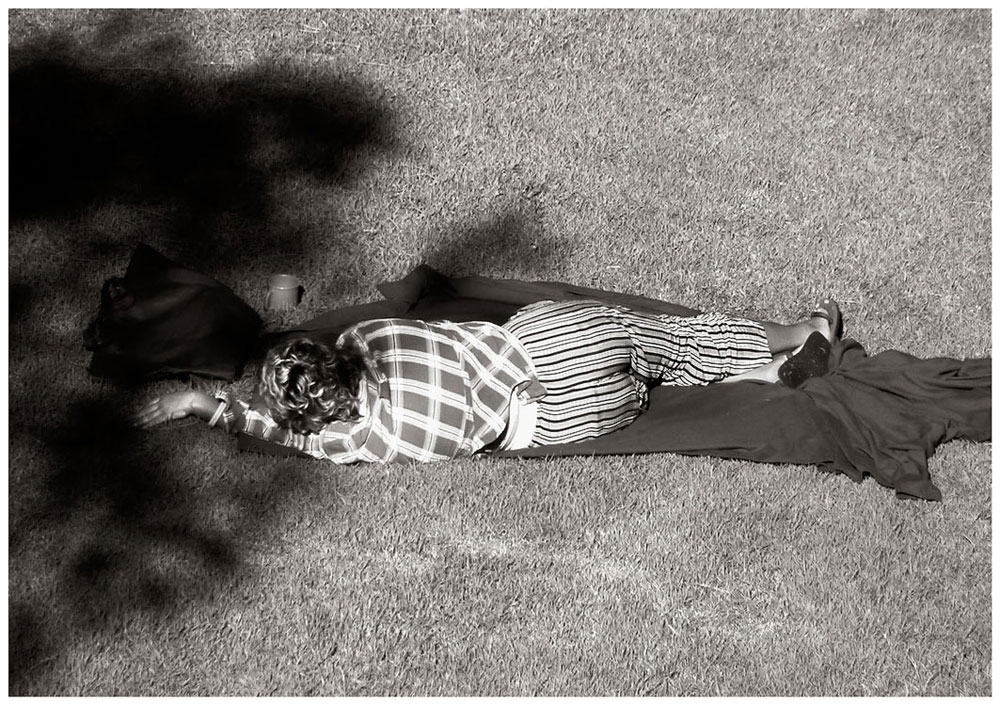
 

Cherine Fahd (Australian, b. 1974) 'Untitled' from the series 'The Sleepers' 2005-2008


Cherine Fahd (Australian, b. 1974)
Untitled
From the series The Sleepers
2005-2008
Lightjet print
28.5 × 40.2 cm
Courtesy the artist


In 2003 I began photographing people I didn’t know in the streets of Paris, working in a conventional street photography style. I became a prowler searching for photographic opportunities in the faces and gestures of total strangers, fascinated with capturing private moments within the public realm.

In 2005 I was living on the sixth floor of an apartment in Kings Cross, Sydney, below was a park unadorned by play equipment or even a bench. From my window I could see homeless people asleep on the grass in the middle of the day. What struck me most were their bodies resting in dappled light and gesturing in ways usually saved for private moments. The drape of their clothes and the quality of light reminded me of so many paintings I had seen.

So The Sleepers began. I photographed people asleep in the park with my mini DV camera, which allowed me to zoom in and capture detail but also allowed for a grainy image reminiscent of surveillance footage. In the sleeping posture – curled up or lying flat – people generally covered their faces, ensuring their anonymity. I liked this aspect of the work. Although I was photographing them unawares, I wasn’t really intruding if I couldn’t see their faces. Oddly, I have stopped working in this candid way. I wasn’t sure why at the time. In retrospect I understand that it became too difficult because audiences became obsessed with whether I had permission to photograph people. I never considered asking anyone if I could take their photo. It would have defeated the whole point. People change when they know there is a camera present, better to let them be.

The moral dilemmas engulfing candid photography are not something I am interested in addressing in my work. I would much rather ponder whether their faces, or their bodies, or their gestures are cues to something more mysterious, spiritual and human.

Cherine Fahd 2011 text from the exhibition catalogue


Kohei Yoshiyuki (Japanese, b. 1946) 'Untitled' 1971 From the series 'The Park'


Kohei Yoshiyuki (Japanese, b. 1946)
Untitled
1971
From the series The Park
Gelatin Silver Print
© Kohei Yoshiyuki, Courtesy Yossi Milo Gallery, New York
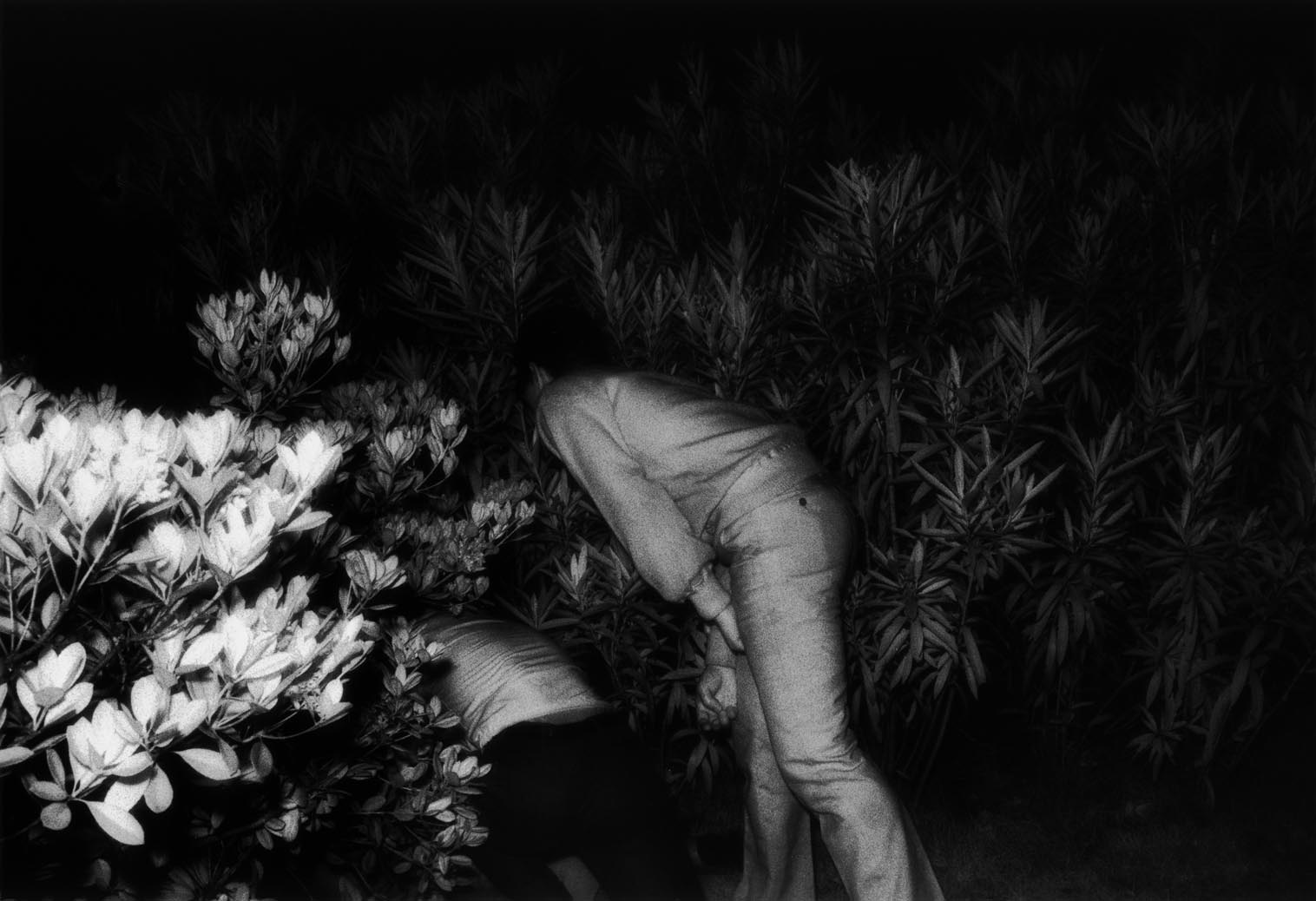
 

Kohei Yoshiyuki (Japanese, b. 1946) 'Untitled' 1971 From the series 'The Park'


Kohei Yoshiyuki (Japanese, b. 1946)
Untitled
1971
From the series The Park
Gelatin Silver Print
© Kohei Yoshiyuki, Courtesy Yossi Milo Gallery, New York


Kohei Yoshiyuki’s now infamous documentation of voyeurism features confronting photographs of public space clandestinely used as private space at night: Japanese parks where, in the absence of privacy, young people perform intimate acts while being watched by onlookers.

During the 1970s, young commercial photographer Kohei Yoshiyuki (a pseudonym; his real name remains unknown) frequented Tokyo’s Shinjuku, Yoyogi and Aoyama parks at night with a 35mm camera, infrared film and a flash. Photographed over a decade, the series was exhibited at the Komai Gallery in Tokyo in 1979 where the images were printed life-size and exhibited in the dark while visitors used hand held torches to view the photographs. These prints were subsequently destroyed.1

Images from The Park were first published in 1972 in the popular ‘secret camera’ genre magazine Shukan Shincho and were not initially considered as art photography.2 However, Yoshiyuki’s series also sits within a broad tradition of voyeurism in Japanese art, including eighteenth and nineteenth century erotic ukiyo-e prints and in cinema.

In 1980 Yoshiyuki published a further selection and, in 1989, he wrote about the process of getting to know the park voyeurs. In 2006 Yoshiyuki was included in Martin Parr’s publication The Photobook: A History: Volume 2 as an unknown innovator, prompting Yossi Milo Gallery to track down the reclusive artist and convince him to reprint the remaining negatives for what became a highly successful exhibition in 2007.

Of the relationship between couples and voyeur Yoshiyuki wrote: ‘The couples were not aware of the voyeurs in most cases. The voyeurs try to look at the couple from a distance … then slowly approach toward the couple behind the bushes, and from the blind spots of the couple they try to come as close as possible, and finally peep from a very close distance. But sometimes there are the voyeurs who try to touch … and gradually escalating – then trouble would happen.’3

Naomi Cass text from the exhibition catalogue


1/ Amelia Groom. “Seeing Darkness,” in Kohei Yoshiyuki: The Park exhibition catalogue, IMA, Brisbane, July 2011
2/ Shihoko Iida, “Gaze without subjectivity,” in Artlink: Art and Surveillance, 31: 3, 2011, p. 28
3/ Philip Gefter, “Sex in the Park, and its Sneaky Spectators,” in The New York Times, 23 Sept 2007
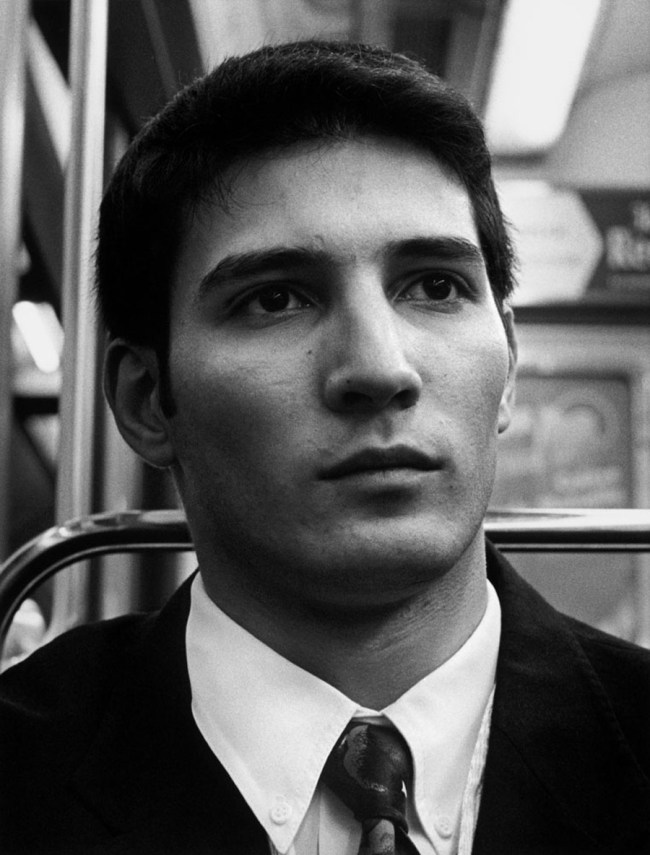
 

Luc Delahaye (French, b. 1962) 'Untitled' from the series 'L'Autre' 1995/1997


Luc Delahaye (French, b. 1962)
Untitled
1995/1997
From the series L’Autre
Courtesy the artist and Galerie Nathalie Obadia


I stole these photographs between ’95 and ’97 in the Paris metro. ‘Stole’ because it is against the law to take them, it’s forbidden. The law states that everyone owns their own image. But our image, this worthless alias of ourselves, is everywhere without us knowing it. How and why can it be said to belong to us? But more importantly, there’s another rule, that non-aggression pact we all subscribe to: the prohibition against looking at others. Apart from the odd illicit glance, you keep staring at the wall. We are very much alone in these public places and there’s violence in this calm acceptance of a closed world.

I am sitting in front of someone to record his image, the form of evidence, but just like him I too stare into the distance and feign absence. I try to be like him. It’s all a sham, a necessary lie lasting long enough to take a picture. If to look is to be free, the same holds true for photographing: I hold my breath and let the shutter go.

Luc Delahaye, from L’Autre, Phaidon Press, London, 1999 text from the exhibition catalogue
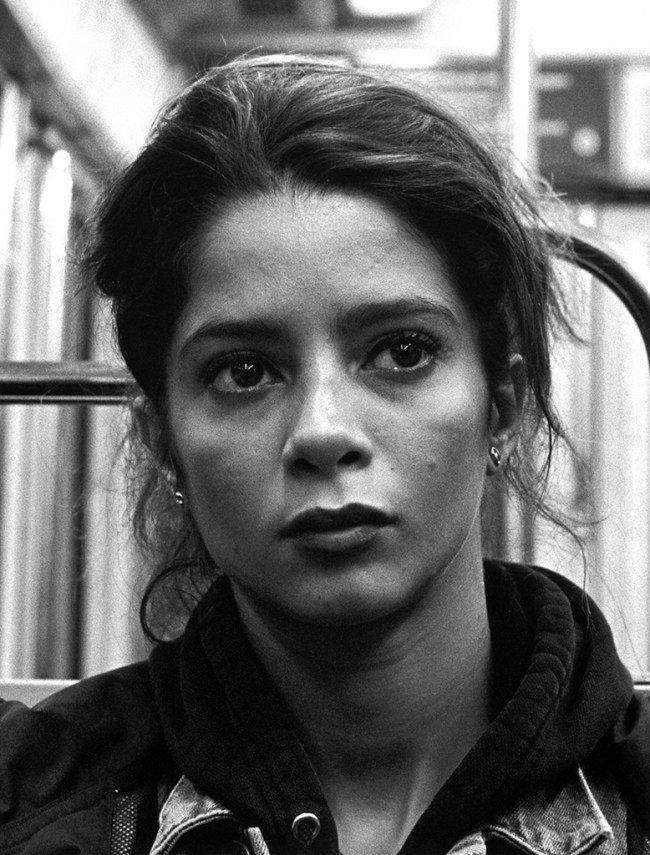
 

Luc Delahaye (French, b. 1962) 'Untitled' from the series 'L'Autre' 1995/1997


Luc Delahaye (French, b. 1962)
Untitled
1995/1997
From the series L’Autre
Courtesy the artist and Galerie Nathalie Obadia


To photograph people is to violate them, by seeing them as they never see themselves, by having knowledge of them that they can never have; it turns people into objects that can be symbolically possessed. Just as a camera is a sublimation of the gun, to photograph someone is a subliminal murder – a soft murder, appropriate to a sad, frightened time.


Susan Sontag On Photography 1977


In camera and in pubic is about the relationship between camera and subject when this is fraught in some way, in particular, where the subject is not aware of being photographed, where the contract between photographer and subject has been broken.

Candid photography has been critical in the development of art and evidential photography, in revealing aspects of our history and society which have been hidden, ignored, lied about or simply abandoned. Candid photography has delivered some of the most widely regarded, potent and treasured images.

However, the camera is merely a technical device and some would even say a dumb device, which can be, and is used for contradictory and malicious ends. Candid photography has also hurt, harmed and destroyed people. There are more images in the world than ever before, and image sharing technologies in the hands of those with subversive, destructive or immature desires. Paradoxically, on one hand there is greater access to unmediated information of all genres through the internet but also a counter move of public disquiet about candid photography. Many well-regarded, indeed renowned photographers will no longer photograph at the beach, by a pubic pool, at a junior sports match, on the street. The context for photography has changed.

This exhibition looks at the physical and moral proximity of camera to subject in both historical and contemporary work by Cherine Fahd, Bill Henson, Luc Delahaye, Sonia Leber and David Chesworth, Kohei Yoshiyuki, Denis Beaubois, Percy Grainger, Walid Raad and declassified ASIO images from the late 1940s to the 1980s.

In viewing In camera… it is sobering to consider where the photographer is positioned, to viscerally experience the proximity of camera to unsuspecting subject because, importantly, the exhibition moves from candid photography taken with the sole intention of making art (Henson, Fahd, Delahaye, Leber and Chesworth, Raad and Yoshiyuki) through to the intention of surveillance. Not surprisingly, on first view, even the declassified ASIO images are compelling and beautiful.

Of the artists, the viewer might well ask, have you obtained permission to photograph? But as we all know the unprepared body and face reveals quite a different story than the figure composed for the camera. It is the non-composed figure which is the lifeblood of much art and photography.

Surveillance is in part the subject of work by Denis Beaubois, Walid Raad and to some extent in Leber and Chesworth’s multi-media work. Certainly Beaubois, Leber and Chesworth consider the role of architectural space and the all-seeing eye of the state and in the latter, the eye of god within the panopticon of the domed cathedral. Walid Raad puts the tedium of surveillance in perspective when his fictional operative repeatedly forgoes his designated work to relish the setting sun.

In camera and in public exploits the form of CCP’s nautilus galleries and reflects the progress of the camera turned towards an unsuspecting subject until Gallery 4 where, in the hand of Percy Grainger, the camera is turned towards himself, in an astonishing series of vintage photographs, possibly created for display in the Grainger Museum. ‘In camera’ and in public, indeed. In 1941 Grainger wrote, “Most museums, most cultural endeavours, suffer from being subjected to too much taste, too much elimination, too much selection, too much specialisation! What we want (in museums and cultural records) is all-sidedness, side lights, crossreferences.”

We all love to stare, to linger, to see what we might have missed, and with advancing technologies, to see what is unavailable to the naked human eye, and here lies the problem. In looking at these images, are we implicated in an act of transgression?”

Text Naomi Cass September 2011 from the exhibition catalogue


Denis Beaubois (Mauritius, b. 1970) 'In the event of Amnesia the city will recall…' 1996-1997


Denis Beaubois (Mauritius, b. 1970)
In the event of Amnesia the city will recall…
1996-1997
DVD
9 mins 30 secs
Courtesy the artist


This work explores the relationship between the individual and the metropolis. Twelve sites were selected around the city of Sydney where surveillance cameras are prominently placed, the locations were mapped out and the stage for this work was created. A daily pilgrimage was made to the sites for a period of three days. No permission was sought for the use of these sites. The performer arrived unannounced and carried out his actions. Upon arrival the performer attempted to engage with the electronic eye. The performer’s actions were directed to the camera, which adopted the role of audience.

The primary audience was the surveillance camera (or those who monitor them). Their willingness to observe is not based upon the longing for entertainment. It stems from a necessity to assess and monitor designated terrain. Imbued with a watchdog consciousness, the primary audience scans the field for suspects, clues and leads. Like many audiences, it assesses the scene and attempts to pre-empt the plot. However this audience is extremely discerning and, ultimately, by assessing and reacting to the event it also adopts the role of performer.

Within this metropolis the walls do not have ears but are equipped with eyes. The city must understand the movements of those who dwell within its domain. To successfully achieve this it must be capable of reading its inhabitants. What can be read can be controlled in theory. Yet the city’s eyes are not content following the narrative provided by its inhabitants. The city weaves its own text within the surface narrative. A paranoid fiction based on foresight.

Denis Beaubois 1997 text from the exhibition catalogue


Denis Beaubois (Mauritius, b. 1970) 'In the event of Amnesia the city will recall…' 1996-1997


Denis Beaubois (Mauritius, b. 1970)
In the event of Amnesia the city will recall…
1996-1997
DVD
9 mins 30 secs
Courtesy the artist


In camera and in public represents a very different approach to this year’s Festival theme of protest and revolution. Taking a look at society through the lens of the state, the street photographer, the artist and the eye of the voyeur, this exhibition curated by Naomi Cass examines the abandonment of the contract between photographer and subject.

Ranging from candid street photography through to surveillance photography, In camera explores the camera and its relationship to the subject, unaware of being photographed. From images taken in public spaces, including a series of striking faces taken on the Paris metro, the exhibition proceeds to the grainy anxiety of declassified ASIO photos from the 1960s.

Kohei Yoshiyuki’s now infamous documentation of voyeurism, The Park (1970-1979), features confronting photographs of public space clandestinely used as private space at night: Japanese parks where, in the absence of privacy, young people perform intimate acts while being watched by onlookers.

At the heart of CCP galleries are Percy Grainger’s extraordinary naked self-portraits from his so-called ‘lust branch’ collection, hand printed by Grainger between 1933 and 1942. Here the camera is turned on himself, in camera.

Cherine Fahd offers frank photographs of daytime sleeping bodies in a Kings Cross park taken from her 6th floor apartment, while Bill Henson captures hauntingly beautiful crowd scenes during the 1980s. Sonia Leber and David Chesworth secretly film from the dome of St Pauls Cathedral, London and Walid Raad impersonates a fictional operative who failing in his surveillance task, repeatedly films the sunset.

Finally, Denis Beaubois, with a playful and performative video, seeks a kind of revenge of the subject, through his attempts to engage with a number of surveillance cameras, inviting the camera to respond to pleas earnestly delivered on cue cards.

Press release from the CCP website
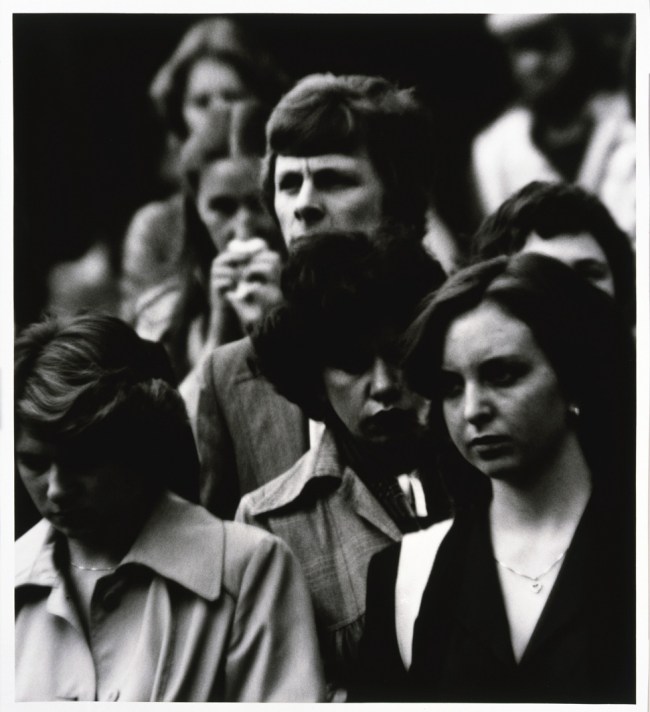
 

Bill Henson (Australian, b. 1955) 'Untitled 1980/82'


Bill Henson (Australian, b. 1955)
Untitled 1980/82
Gelatin silver chlorobromide print
From a series of 220
57.5 × 53.4cm
Courtesy the artist and Roslyn Oxley9 Gallery, Sydney
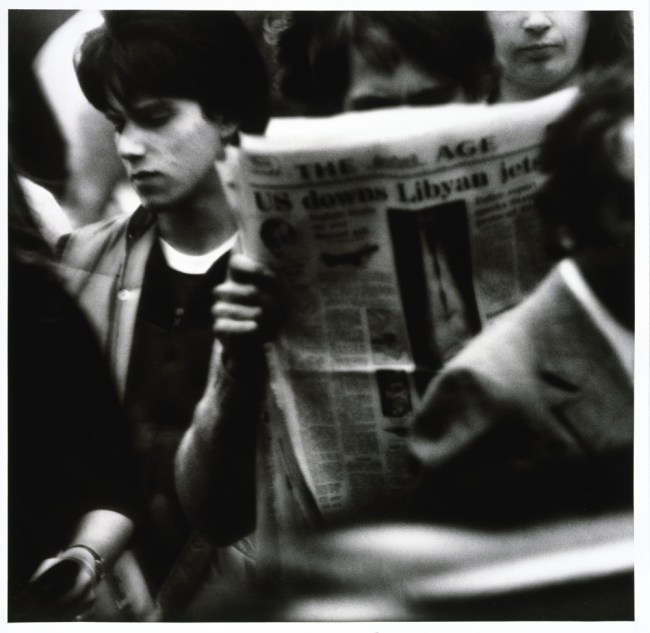
 

Bill Henson (Australian, b. 1955) 'Untitled 1980/82'


Bill Henson (Australian, b. 1955)
Untitled 1980/82
Gelatin silver chlorobromide print
from a series of 220
57.5 × 53.4cm
courtesy the artist and Roslyn Oxley9 Gallery, Sydney


The great beauty in the subject comes, for me, from the haunted space, that unbridgeable gap – which separates the profound intimacy and solitude of our interior world from the ‘other’ and in trying to show, in this case through envisioning the crowd, how an awesome, unassailable, even monumental, beauty and grace might attend the undulating, fluid mass of a wall of people as they move toward you.

It is the contradictory nature of life and the way in which this can be suggested in art which first drew me to photograph crowds – much as this underpins my interest in any art form…

The business of how a child’s small hand appearing between two adults at a street crossing can suggest both a vulnerability, great tenderness, and yet also contain within it all of the power that beauty commands, is endlessly fascinating to me.

Bill Henson 2011 text from the exhibition catalogue
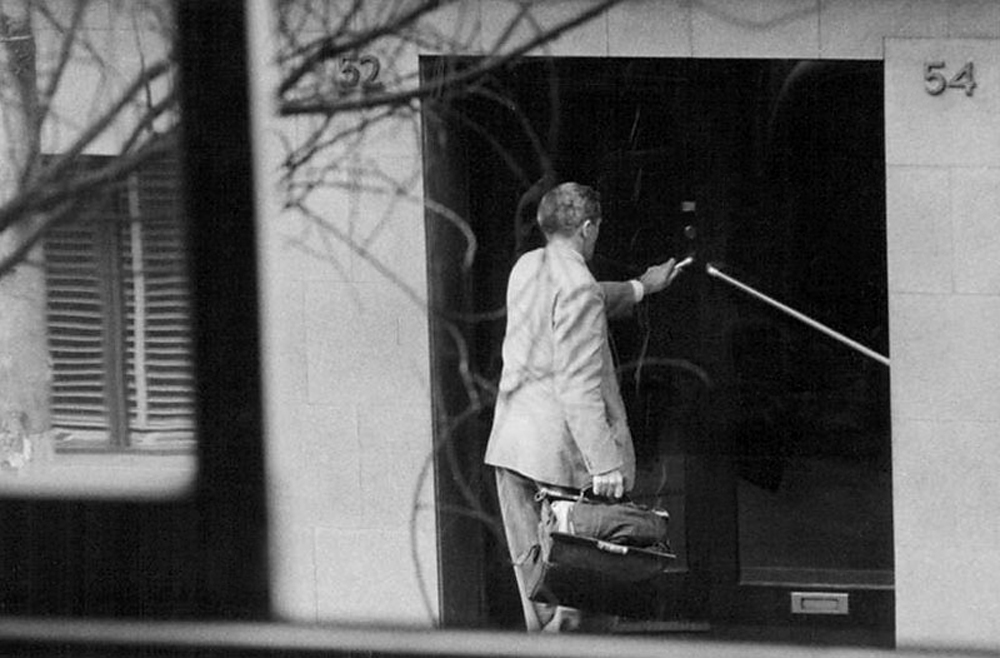
 

Persons Of Interest - ASIO surveillance 1949-1980 'Writer Frank Hardy, St Kilda, July 1964'


Persons Of Interest – ASIO surveillance 1949-1980
Writer Frank Hardy, St Kilda, July 1964
NAA 9626, 212


Persons Of Interest - ASIO surveillance 1949 -1980. 'Eddie Mabo, CPA district conference, Townsville, September 1965'


Persons Of Interest – ASIO surveillance 1949-1980
Eddie Mabo, CPA district conference, Townsville, September 1965
NAA A9626, 162


Persons Of Interest – ASIO surveillance 1949-1980
Curated by Haydn Keenan
Selected surveillance images from a forthcoming documentary series from Smart Street Films


I discovered these images as part of my research for our documentary series Persons Of Interest which will be screened on SBS early next year. They are part of a massive archive of pictures secretly recorded by the Australian Security Intelligence Organisation (ASIO) from 1949 onwards.

These images are not art. Unlike art these pictures have the power to alter lives dramatically. Be photographed at the wrong place and you’ll find it hard to get a job, when you do you’ll get the sack soon after. Appear in these images and your career will go nowhere without explanation. The eye of the beholder will cast a shadow you will not see until thirty years later when you get access to your file.

The photos create a strange world of frozen youth, high hopes and issues that were seen as subversive then but are now so integrated into the mainstream that they need explanation for Gen Y. ASIO was created to hunt down and eliminate a Soviet spy ring operating in Canberra in the late 1940s. Most of the members of the spy ring were connected with or were members of the Communist Party of Australia. For the next forty years ASIO followed everything the Party did.

The purpose of photographic surveillance is to identify Persons Of Interest in a definitive manner and to record their associations and contacts thereby building a network. Surveillance would occur during demonstrations, May Day marches and at political meetings. It would also occur at specific locations and everyone entering or leaving the location would be recorded. Each person in a photograph with an ASIO file would have an identifying number marked on the image next to them.

I have thousands of these images and what I have noticed is that one builds up a mental image of the changing face of what the State saw as a threat. What starts as the hunt for Communist spies gradually evolves into suspicion about social issues like Aboriginal land rights, youth culture, Women’s Liberation, anti Vietnam, Apartheid – even amateur actors at New Theatre were thoroughly photographed. There’s even a file on the Mother’s Club at Gardenvale Primary School. The absurdity is evident in hindsight. Yet what ASIO didn’t realise is that they were constructing an invaluable social history of Australian dissent as they gradually confused subversion with dissent.

They recorded many people, especially in the 1960s filled with youthful exuberance, high in hope and action. These people were questioning the central values of a society their parents had created. Here they are frozen in the malevolent eye of the security services. Whilst it’s invasive, seedy and incompetent, even they can’t diminish sunlit youth.

Haydn Keenan 2011 text from the exhibition catalogue


Percy Grainger (Australian, 1882-1961) 'Private Matters: Do not open until 10 (ten) years after my death' 1955-1956


Percy Grainger (Australian, 1882-1961)
Private Matters: Do not open until 10 (ten) years after my death
1955-1956
Envelope
25.1 x 32cm
Courtesy the Grainger Museum, The University of Melbourne


Internationally renowned Australian pianist and composer Percy Grainger (1882-1961) built new sounds by modifying old instruments. He built electronic instruments from recycled materials; he built new words, new types of garments and previously unforged links between folk and classical music. He also built the Past-Horde-House, his term for museum, in which he curated his life.

In these photographs, hand printed between 1933 and 1942, Percy Grainer turns the camera on himself (and to a lesser degree his wife Ella) to document his sexual practices, which he believed were intrinsic to his being and his creativity. These works form part of what Grainer called the ‘lust branch’ of his Museum.

Grainger was a sadomasochist and wrote to his partners and friends quite openly about his thoughts on sex, including what he called ‘self beating’. However when in 1956 Sir Eugene Goossens, British composer and Sydney Symphony Orchestra conductor was detained for bringing pornography into the country, and was subsequently destroyed by the scandal, Grainger, like a number of prominent Australian artists, either left the country or outwardly restrained their behaviour. Consequently, Grainger sealed his ‘lust branch’ of the Museum, a selection of books, whips and photographs related to sadomasochistic behaviour in a travelling trunk, and left the instruction: Not to be opened until 10 (ten) years after my death (exhibited). Contained within the accompanying envelope is a kind of manifesto in the form of a letter, the pages of which are carefully bound together by hand, in which he writes, ‘The photographs of myself whipped by myself in Kansas City and the various photographs of my wife whipped by me show that my flagellantism was not make-believe or puerility, but had the element of drasticness in it. Nevertheless my flagellantism was never inhuman or uncontrolled.’

While Grainger was the subject of intense, international media scrutiny, marketing and photography, to document their sadomasochistic practices Grainger had to teach himself photography. The archive he left has the quality of forensic records, consistent with the quasi scientific method he practiced in other aspects of his life. Exhibited is Grainger’s self-printed, hand-made album, Photo-skills Guide in which he makes technical observations, similarly evident in and on other ‘lust branch’ photographs.

Grainger considered his sexual expression integral to all aspects of his life, indeed for Grainger sexuality was inseparable from his renowned life as a pianist and composer. It is probable that the ‘lust branch’ images were designed for display in the Museum, in a more enlightened period. In 1941 Grainger wrote, ‘I have a bottomless hunger for truth … life is innocent, yet full of meaning. Destroy nothing, forget nothing … say all. Trust life, trust mankind. As long as the picture of truth is placed in the right frame (art, science, history) it will offend none.’

Naomi Cass 2011 text from the exhibition catalogue


Centre for Contemporary Photography
Level 2, Perry St Building
Collingwood Yards, Collingwood
Victoria 3066

Opening hours:
Wednesday – Saturday 11am – 5pm

Centre for Contemporary Photography website

LIKE ART BLART ON FACEBOOK

Back to top

Exhibition: ‘A Revolutionary Project: Cuba from Walker Evans to Now’ at the J. Paul Getty Museum, Los Angeles

Exhibition dates: 17th May – 2nd October 2011


Many thankx to the J. Paul Getty Museum for allowing me to publish the photographs in the posting. Please click on the photographs for a larger version of the image.


Walker Evans (American, 1903-1975) 'Mule, Wagon and Two Men, Havana' 1933


Walker Evans (American, 1903-1975)
Mule, Wagon and Two Men, Havana
1933
Gelatin silver print
13.8 x 21cm (5 7/16 x 8 1/4 in.)
The J. Paul Getty Museum, Los Angeles
© Walker Evans Archive, The Metropolitan Museum of Art


Walker Evans (American, 1903-1975) 'Spectacle, Capital Steps, Possibly Independence Day' May 20, 1933


Walker Evans (American, 1903-1975)
Spectacle, Capital Steps, Possibly Independence Day
May 20, 1933
Gelatin silver print
19.7 x 25.3cm (7 3/4 x 9 15/16 in.)
The J. Paul Getty Museum, Los Angeles
© Walker Evans Archive, The Metropolitan Museum of Art


Walker Evans (American, 1903-1975) 'Old Havana Housefronts' 1933


Walker Evans (American, 1903-1975)
Old Havana Housefronts
1933
Gelatin silver print
17.6 x 22.7cm (6 15/16 x 8 15/16 in.)
The J. Paul Getty Museum, Los Angeles
© Walker Evans Archive, The Metropolitan Museum of Art


Walker Evans (American, 1903-1975) 'Balcony Spectators' 1933


Walker Evans (American, 1903-1975)
Balcony Spectators
1933
Gelatin silver print
19.8 x 25.2cm (7 13/16 x 9 15/16 in.)
The J. Paul Getty Museum, Los Angeles
© Walker Evans Archive, The Metropolitan Museum of Art


Exhibition Marks First Showing of Getty’s Walker Evan’s Cuban Photographs; Also on view are Cuban Revolutionary Photographs and Contemporary Work by Virginia Beahan, Alex Harris, and Alexey Titarenko

Cuba’s attempt to forge an independent state with an ambitious set of social goals, all the while moored to powerful political and economic interests, has been a source of fascination for nations, intellectuals, and artists alike. On display at the J. Paul Getty Museum, the Getty Center, May 17 – October 2, 2011, A Revolutionary Project: Cuba from Walker Evans to Now, looks at three critical periods in the island nation’s history as witnessed by photographers before, during, and after the country’s 1959 Revolution.

A Revolutionary Project juxtaposes Walker Evans’s 1933 images from the end of the Gerardo Machado dictatorship with views by contemporary foreign photographers Virginia Beahan (American, b. 1946), Alex Harris (American, b. 1949), and Alexey Titarenko (Russian, b. 1962), who have explored Cuba since the withdrawal of Soviet support in the 1990s. A third section bridging these two eras presents pictures by Cuban photographers who participated in the country’s 1959 Revolution, including Alberto Korda, Perfecto Romero, and Osvaldo Salas.

“The Museum’s collection of Walker Evans prints is the largest in the U.S., but until now, we have not shown his photographs of Cuba,” explains Judith Keller, senior curator of photographs. “This exhibition allows us the opportunity to showcase this body of work, alongside newer work in the collection.”

1933: Evans in Havana

Walker Evans (1903-1975) is one of the photographers most responsible for the way we now imagine American life in the 1930s. His distinctive photographic style, which he declared “transcendent documentary,” was nurtured in New York in the late 1920s and fully formed by his experience in Cuba in 1933. In the spring of that year, Walker Evans was asked by publisher J. B. Lippincott to produce a body of work about Cuba to accompany a book by the radical journalist Carleton Beals (1893-1979). This book, The Crime of Cuba, would be a scathing indictment of the then-current regime of Cuban President Gerardo Machado. Leaving the country less than two months before Machado was forced out of office, Evans was able to capture Cuba at the start of the revolutionary movement but almost 30 years before the 1959 Revolution.

During Evans’s time in Cuba, he made substantial strides in his photographic practice. There he worked with different format cameras, large and small, one more deliberate and descriptive, the other more spontaneous and agile. He created both close-up and wide, inclusive compositions that he could then combine in intense sequences to best communicate his response to the poverty, the ferment, and the beauty of his environment. While in Havana, Evans met the American writer, Ernest Hemingway (1899-1961), whose acclaimed avant-garde work he knew and admired. Hemingway’s terse narrative style, which he was then applying to his own Harry Morgan stories set in Havana and Key West, no doubt influenced Evans’s approach to the subject of Cuba’s current political and economic struggles. Evans’s photographs also reflect the inspiration of French photographer Eugène Atget’s Parisian pictures that Evans critiqued for an arts journal in 1931. The series that comprised Atget’s thorough study of “Old Paris” seem to have provided additional motivation for Evans’s selection of Havana subjects: the signage of urban storefronts, the abundant street offerings of fresh produce, the decorative balconies of old houses, the many studies of archaic horse-drawn wagons and carriages, and the portraits of women, some of whom appear to be prostitutes.

1958-1966: Revolution

Machado’s fall from rule in 1933 resulted in a long power struggle that culminated in the country’s 1959 socialist revolution to overthrow dictator Fulgencio Batista, anchoring Cuba to the Soviet bloc for the next thirty years and defining a relationship with the United States that still exists today. Fidel Castro, Ernesto “Che” Guevara, and their new government harnessed photography as a means of keeping the project of the Revolution at the forefront of Cuba’s collective consciousness. As both genuine records of popular insurrection and propagandistic documents used for political purposes, pictures of the Revolution and its aftermath have shaped how both Cubans and Americans understand the significance of that revolutionary moment. Photographs in the second section of the exhibition are drawn from the work of nine Cuban photographers who participated in recording the political context and triumphs of the emerging state in the years surrounding 1959.

Included in the exhibition is an iconic image of the revolutionary hero Che Guevara by Alberto Korda titled Guerrillero Heroico (March 5, 1960). One of the world’s most reproduced images, it has been adopted for political causes, appearing on countless numbers of t-shirts, banners, and street art around the globe. The print on view in the exhibition is among the earliest versions of the photograph known to exist. Made as a press print, it was used as a source to reproduce the image in media outlets a year after Korda photographed Guevara at a rally in Havana.

Also on display in the exhibition is the well-known revolutionary photograph Patria o Muerte, Cuba (Negative, January 1959; print, 1984) by Osvaldo Salas, one of Cuba’s most important photographers. Salas effectively captures and conveys the populist fervour in Cuba shortly after the movement’s triumph with an image of a patriotic sign framed by a celebratory crowd.

The photographs included in this section of the exhibition are culled from the extensive holdings of Cuban photography assembled by the Austrian collector, Christian Skrein, including a number of recent acquisitions by the Museum.

Since 1991: The Special Period

After Soviet troops began to withdraw from Cuba in September of 1991, the troubled Cuban economy suffered severe internal shortages, and Fidel Castro declared what is known as the “Special Period” (período especial), marked by food rationing, energy conservation, and a decline of public services. In the nearly twenty years since the Soviet withdrawal, Cubans have managed to survive through perseverance, the forging of new political relationships, and the easing of socialist systems. This period of transition, which continues today with the recent transfer of power from Fidel Castro to his brother Raúl, has attracted the attention of photographers from around the world who are interested in exploring the relationship between Cuba’s revolutionary past and its uncertain future. The final section of the exhibition looks specifically at the work of three contemporary photographers with diverse approaches to documenting the island in recent decades: Virginia Beahan, Alex Harris, and Alexey Titarenko.

Virginia Beahan’s work concentrates on the landscape’s relationship to history and culture. In 2001, she began a multiyear project on Cuba, photographing its topography in search of remnants of the island’s diverse past. The work resulted in a publication in 2009 called Cuba: Singing with Bright Tears. Beahan’s Cuba is a land of contradictions, full of disappointments and hope, decay and rejuvenating beauty, simultaneously anchored to the past while looking beyond the present. Born and raised in Leningrad (now Saint Petersburg), Russia, Alexey Titarenko became fascinated with Cuba in 2003, when he made his first trip to Havana. Titarenko’s goal was to represent the soul of the Cuban capital. In the artist’s photographs, the city is shown with little overt reference to its politics. Instead, Titarenko describes the conditions of life in the communist country, depicting people persevering amid varying states of ruin. Venturing out of the tourist zones of Havana into the network of dilapidated avenues beyond the old city walls, his images depict a grey metropolis whose inhabitants congregate on the streets to collect food rations, fix long-outmoded cars, and play baseball.

A former student of Walker Evans, Alex Harris made several trips to Cuba following the collapse of the eastern bloc and the dissolution of the Soviet Union, developing a powerful body of colour work that addresses the country’s cultural fabric during a period of difficult economic circumstances. His photographs focus on portraits of women whose lives are affected by the tourist-fuelled sex trade, landscapes made through the windshields of refurbished 1950s American cars, and monuments to the Cuban national hero José Martí. His study was published in the form of a book, The Idea of Cuba, in 2007. Through these distinct vantage points, Harris probed the country’s propensity for ingenuity as it underwent great transition.

Press release from the J. Paul Getty Museum website


Walker Evans (American, 1903-1975) 'Citizen in Downtown Havana' 1933


Walker Evans (American, 1903-1975)
Citizen in Downtown Havana
1933
Gelatin silver print
22.2 x 11.7cm (8 3/4 x 4 5/8 in.)
The J. Paul Getty Museum, Los Angeles


Walker Evans (American, 1903-1975) 'Woman on the Street, Havana' 1933


Walker Evans (American, 1903-1975)
Woman on the Street, Havana
1933
Gelatin silver print
24.6 x 14.6cm (9 11/16 x 5 3/4 in.)
The J. Paul Getty Museum, Los Angeles
© Walker Evans Archive, The Metropolitan Museum of Art


Walker Evans (American, 1903-1975) 'Woman in a Courtyard' 1933


Walker Evans (American, 1903-1975)
Woman in a Courtyard
1933
Gelatin silver print
25.3 x 16.2cm (9 15/16 x 6 3/8 in.)
The J. Paul Getty Museum, Los Angeles
© Walker Evans Archive, The Metropolitan Museum of Art


Walker Evans (American, 1903-1975) 'Coal Dockworkers, Havana' 1933


Walker Evans (American, 1903-1975)
Coal Dockworkers, Havana
1933
Gelatin silver print
15.6 × 21.1cm (6 1/8 × 8 5/16 in.)
The J. Paul Getty Museum, Los Angeles
© Walker Evans Archive, The Metropolitan Museum of Art


Walker Evans (American, 1903-1975) 'Coal Dockworkers, Havana' 1933


Walker Evans (American, 1903-1975)
Coal Dockworkers, Havana
1933
Gelatin silver print
12.7 × 17.7cm (5 × 6 15/16 in.)
The J. Paul Getty Museum, Los Angeles
© Walker Evans Archive, The Metropolitan Museum of Art


Walker Evans (American, 1903-1975) 'Coal Dockworker, Havana' 1933


Walker Evans (American, 1903-1975)
Coal Dockworker, Havana
1933
Gelatin silver print
9.7 × 13.7cm (3 13/16 × 5 3/8 in.)
The J. Paul Getty Museum, Los Angeles
© Walker Evans Archive, The Metropolitan Museum of Art


Walker Evans (American, 1903-1975) 'Coal Loader, Havana' 1933


Walker Evans (American, 1903-1975)
Coal Loader, Havana
1933
Gelatin silver print
17.1 × 12.2cm (6 3/4 × 4 13/16 in.)
The J. Paul Getty Museum, Los Angeles
© Walker Evans Archive, The Metropolitan Museum of Art


Walker Evans (American, 1903-1975) 'Coal Stevedore, Havana' 1933


Walker Evans (American, 1903-1975)
Coal Stevedore, Havana
1933
Gelatin silver print
20.2 x 15.2cm (7 15/16 x 6 in.)
The J. Paul Getty Museum, Los Angeles
© Walker Evans Archive, The Metropolitan Museum of Art


Walker Evans (American, 1903-1975) 'Stevedore' 1933


Walker Evans (American, 1903-1975)
Stevedore
1933
Gelatin silver print
20.1 x 15.1cm (7 15/16 x 5 15/16 in.)
The J. Paul Getty Museum, Los Angeles
© Walker Evans Archive, The Metropolitan Museum


Walker Evans (American, 1903-1975) 'Negro Child, Havana' 1933


Walker Evans (American, 1903-1975)
Negro Child, Havana
1933
Gelatin silver print
19.5 x 14.8cm (7 11/16 x 5 13/16 in.)
The J. Paul Getty Museum, Los Angeles
© Walker Evans Archive, The Metropolitan Museum


Walker Evans (American, 1903-1975) 'Negro Child, Havana' 1933


Walker Evans (American, 1903-1975)
Negro Child, Havana
1933
Gelatin silver print
19.8 x 13.2cm (7 13/16 × 5 3/16 in.)
The J. Paul Getty Museum, Los Angeles
© Walker Evans Archive, The Metropolitan Museum


The J. Paul Getty Museum
1200 Getty Center Drive
Los Angeles, California 90049

Opening hours:
Tuesday – Friday, Sunday 10am – 5.30pm
Saturday 10am – 8pm
Monday Closed

The J. Paul Getty Museum website

LIKE ART BLART ON FACEBOOK

Back to top

Review: ‘American Dreams: 20th century photography from George Eastman House’ at Bendigo Art Gallery, Victoria

Exhibition dates: 16th April – 10th July 2011


Gertrude Käsebier (American, 1852-1934) 'The Sketch (Beatrice Baxter)' 1903


Gertrude Käsebier (American, 1852-1934)
The Sketch (Beatrice Baxter)
1903
Platinum print
Gift of Hermine Turner
Collection of George Eastman House, International Museum of Photography and Film


This is a fabulous survey exhibition of the great artists of 20th century American photography, a rare chance in Australia to see such a large selection of vintage prints from some of the masters of photography. If you have a real interest in the history of photography you must see this exhibition, showing as it is just a short hour and a half drive (or train ride) from Melbourne at Bendigo Art Gallery.

I talked with the curator, Tansy Curtin, and asked her about the exhibition’s gestation. This is the first time an exhibition from the George Eastman House has come to Australia and the exhibition was 3-4 years in the making. Tansy went to George Eastman House in March last year to select the prints; this was achieved by going through solander box after solander box of vintage prints and seeing what was there, what was available and then making work sheets for the exhibition – what a glorious experience this would have been, undoing box after box to reveal these magical prints!

The themes for the exhibition were already in the history of photography and Tansy has chosen almost exclusively vintage prints that tell a narrative story, that make that story accessible to people who know little of the history of photography. With that information in mind the exhibition is divided into the following sections:

Photography becomes art; The photograph as social document; Photographing America’s monuments; Abstraction and experimentation; Photojournalism and war photography; Fashion and celebrity portraiture; Capturing the everyday; Photography in colour; Social and environmental conscience; and The contemporary narrative.


There are some impressive, jewel-like contact prints in the exhibition. One must remember that, for most of the photographers working after 1940, exposure, developing and printing using Ansel Adams Zone System (where the tonal range of the negative and print can be divided into 11 different ‘zones’ from 0 for absolute black and to 10 for absolute white) was the height of technical sophistication and aesthetic choice, equal to the best gaming graphics from today’s age. It was a system that I used in my black and white film development and printing. Film development using a Pyrogallol staining developer (the infamous ‘pyro’, a developer I tried to master without success in a few trial batches of film) was also technically difficult but the ability of this developer to obtain a greater dynamic range of zones in the film itself was outstanding.

“The Zone System provides photographers with a systematic method of precisely defining the relationship between the way they visualise the photographic subject and the final results… An expressive image involves the arrangement and rendering of various scene elements according to photographer’s desire. Achieving the desired image involves image management (placement of the camera, choice of lens, and possibly the use of camera movements) and control of image values. The Zone System is concerned with control of image values, ensuring that light and dark values are rendered as desired. Anticipation of the final result before making the exposure is known as visualisation.”1

Previsualisation, the ability of the photographer to see ‘in the mind’s eye’ the outcome of the photograph (the final print) before even looking through the camera lens to take the photograph, was an important skill for most of these photographers. This skill has important implications for today’s photographers, should they choose to develop this aspect of looking: not as a mechanistic system but as a meditation on the possibilities of each part of the process, the outcome being an expressive print.


A selection of the best photographs in the exhibition could include,

1/ An original 1923 Alfred Steiglitz Equivalent contact print – small (approx. 9cm x 12cm, see below), intense, the opaque brown blacks really strong, the sun shining brightly through the velvety clouds. In the Equivalents series the photograph was purely abstract, standing as a metaphor for another state of being, in this case music. A wonderful melding of the technical and the aesthetic the Equivalents “are generally recognised as the first photographs intended to free the subject matter from literal interpretation, and, as such, are some of the first completely abstract photographic works of art.”2

2/ Paul Strand Blind (1915, printed 1945) – printed so dark that you cannot see the creases in the coat of the blind woman with a Zone 3 dark skin tone.

3/ Lewis Hine [Powerhouse mechanic] see below, vintage 1920 print full of subtle tones. Usually when viewing reproductions of this image it is either cropped or the emphasis is on the body of the mechanic; in this print his skin tones are translucent, silvery and the emphasis is on the man in unison with the machine. The light is from the top right of the print and falls not on him directly, but on the machinery at upper right = this is the emotional heart of this image!

4/ Three tiny vintage Tina Modotti prints from c. 1929 – so small, such intense visions. I have never seen one original Modotti before so to see three was just sensational.

5/ Walker Evans View of Morgantown, West Virginia vintage 1935 print – a cubist dissection of space and the image plane with two-point perspective of telegraph pole with lines.

6/ An Edward S. Curtis photogravure Washo Baskets (1924, from the portfolio The North American Indian) – such a sumptuous composition and the tones…

7/ Ansel Adams 8″ x 10″ contact print of Winter Storm (1944, printed 1959, see above) where the blackness of the mountain on the left hand side of the print was almost impenetrable and, because of the large format negative, the snow on the rock in mid-distance was like a sprinkling of icing sugar on a cake it was that sharp.

8/ A most splendid print of the Chrysler Building (vintage 1930 print, approx. 48 x 34cm) by Margaret Bourke-White – tonally rich browns, smoky, hazy city at top; almost like a platinum print rather than a silver gelatin photograph. The bottom left of the print was SO dark but you could still see into the shadows just to see the buildings.

9/ An original Robert Capa 1944 photograph from the Omaha Beach D Day landings!

10/ Frontline soldier with canteen, Saipan (1944, vintage print) by W Eugene Smith where the faces of the soldiers were almost Zone 2-3 and there was nothing in the print above zone 5 (mid-grey) – no physical and metaphoric light.

11/ One of the absolute highlights: two vintage Edward Weston side by side, the form of one echoing the form of the other; Nude from the 50th Anniversary Portfolio 1902-1952 (1936, printed 1951), an 8″ x 10″ contact print side by side with an 8″ x 10″ contact print of Pepper No. 30 (vintage 1930 print). Nothing over zone 7 in the skin tones of the nude, no specular highlights; the sensuality in the pepper just stunning – one of my favourite prints of the day – look at the tones, look at the light!

12/ Three vintage Aaron Siskind (one of my favourite photographers) including two early prints from 1938 – wow. Absolutely stunning.

13/ Harry Callahan. That oh so famous image of Eleanor and Barbara, Chicago (vintage 1953 print) that reminds me of the work of Jeffrey Smart (or is it the other way around). The wonderful space around the figures, the beautiful composition, the cobblestones and the light – just ravishing.

14/ The absolute highlight: Three vintage Diane Arbus prints in a row – including a 15″ square image from the last series of work Untitled (6) (vintage 1971 print, see above) – the year in which she committed suicide. This had to be the moment of the day for me. This has always been one of my favourite photographs ever and it did not disappoint; there was a darkness to the trees behind the three figures and much darker grass (zone 3-4) than I had ever imagined with a luminous central figure. The joyousness of the figures was incredible. The present on the ground at the right hand side was a revelation – usually lost in reproductions this stood out from the grass like you wouldn’t believe in the print. Being an emotional person I am not afraid to admit it, I burst into tears…

15/ And finally another special… Two vintage Stephen Shore chromogenic colour prints from 1976 where the colours are still true and have not faded. This was incredible – seeing vintage prints from one of the early masters of colour photography; noticing that they are not full of contrast like a lot of today’s colour photographs – more like a subtle Panavision or Technicolor film from the early 1960s. Rich, subtle, beautiful hues. For a contemporary colour photographer the trip to Bendigo just to see these two prints would be worth the time and the car trip/rail ticket alone!


Not everything is sweetness and light. The print by Dorothea Lange Migrant Mother, Nipomo, California is a contemporary print from 2003, the vintage print having just been out on loan; the contemporary section, ‘The contemporary narrative’, is very light on, due mainly to the nature of the holdings of George Eastman House; and there are some major photographers missing from the line up including Minor White, Fredrick Sommer, Paul Caponigro, Wynn Bullock and William Clift to name just a few.

Of more concern are the reproductions in the catalogue, the images for reproduction supplied by George Eastman House and the catalogue signed off by them. The reproduction of Margaret Bourke-White’s Chrysler Building (1930, see below) bears no relationship to the print in the exhibition and really is a denigration to the work of that wonderful photographer. Other reproductions are massively oversized, including the Alfred Stieglitz Equivalent, Lewis Hine’s Powerhouse mechanic (see below) and Tina Modotti’s Woman Carrying Child (c. 1929). In Walter Benjamin’s terms (The Work of Art in the Age of Mechanical Reproduction) the aura of the original has been lost and these reproductions further erode the authenticity of the original in their infinite reproducability. Conversely, it could be argued that the reproduction auraticizes the original:

“The original artwork has become a device to sell its multiply-reproduced derivatives; reproductability turned into a ploy to auraticize the original after the decay of aura…”3

In other words, after having seen so many reproductions when you actually see the original – it is like a bolt of lightning, the aura that emanates from the original. This is so true of this exhibition but it still begs the question: why reproduce in the catalogue at a totally inappropriate size? Personally, I believe that the signification of the reproduction (in terms of size and intensity of visualisation) is so widely at variance with the original one must question the decision to reproduce at this size knowing that this variance is a misrepresentation of the artistic interpretation of the author.

In conclusion, this is a sublime exhibition well worthy of the time and energy to journey up to Bendigo to see it. A true lover of classical American black and white and colour photography would be a fool to miss it!

Dr Marcus Bunyan


1/ Anon. “Zone System,” on Wikipedia [Online] Cited 13/06/2011
2/ Anon. “Equivalents,” on Wikipedia [Online] Cited 13/06/2011
3/ Huyssen, Andreas. Twilight Memories: Marking Time in a Culture of Amnesia. London: Routledge, 1995, pp. 23-24


Many thankx to Tansy Curtin, Senior Curator, Programs and Access at Bendigo Art Gallery for her time and knowledge when I visited the gallery; and to Bendigo Art Gallery for allowing me to publish the text and photographs in the posting. Please click on the photographs for a larger version of the image.


Alfred Stieglitz (American, 1864-1946) 'Equivalent' 1923


Actual size of print: 9.2 x 11.8 cm
Size of print in catalogue: 18.5 x 13.9 cm

These two photographs represent a proportionate relation between the two sizes as they appear in print and catalogue but because of monitor resolutions are not the actual size of the two prints.


Alfred Stieglitz (American, 1864-1946) 'Equivalent' 1923


Alfred Stieglitz (American, 1864-1946)
Equivalent
1923
Gelatin silver print
Collection of George Eastman House, International Museum of Photography and Film 


Lewis Hine (American, 1874-1940) '[Powerhouse mechanic]' 1920 catalogue size


Actual size of print: 16.9 x 11.8cm
Size of print in catalogue: 23.2 x 15.8cm

These two photographs represent a proportionate relation between the two sizes as they appear in print and catalogue but because of monitor resolutions are not the actual size of the two prints.


Lewis Hine (American, 1874-1940) '[Powerhouse mechanic]' 1920 catalogue size


Lewis Hine (American, 1874-1940)
[Powerhouse mechanic]
1920
Gelatin silver print
Transfer from the Photo League Lewis Hine Memorial Committee, ex-collection Corydon Hine
Collection of George Eastman House, International Museum of Photography and Film


Margaret Bourke-White (American, 1904-1971) 'Chrysler Building' New York City, 1930


As it approximately appears in the exhibition (above, from my notes, memory and comparing the print in the exhibition with the catalogue reproduction)

Below, as the reproduction appears in the catalogue (scanned)


Margaret Bourke-White (American, 1904-1971) 'Chrysler Building' New York City, 1930


Margaret Bourke-White (American, 1904-1971)
Chrysler Building
New York City
1930
Silver gelatin photograph


An exhibition of treasures from arguably the world’s most important photographic museum, George Eastman House, has been developed by Bendigo Art Gallery. The exhibition American Dreams will bring, for the first time, eighty of some of the most iconic photographic images from the 20th Century to Australia.

The choice of works highlights the trailblazing role these American artists had on the world stage in developing and shaping the medium, and the impact these widely published images had on the greater community.

Curator Tansy Curtin, who worked closely with George Eastman House developing the exhibition commented, “Through these images we can recognise the extraordinary ability of these artists, and their pivotal role influencing the evolution of photography. Their far-reaching images helped shape American culture, and impacted on the fundamental role photography has in communications today. Even more than this we can see through these artists the burgeoning love of photography that engaged a nation.”

Through these images we can see not only the development of photography, but also as some of the most powerful social documentary photography of last century, we see extraordinary moments captured in the lives of a wide range of Americans. The works distil the dramatic transformation that affected people during the 20th century – the affluence, degradation, loss, hope and change – both personally and throughout society.

The role of photography in nation building is exemplified in Ansel Adams’ majestic portraits of Yosemite national park, Bourke-White’s Chrysler building and images of migrants and farm workers during the Depression. Tansy Curtin added, “We see the United States ‘growing up’ through photography. We see hopes raised and crushed and the inevitable striving for the American Dream.” Director of Bendigo Art Gallery Karen Quinlan said, “We are thrilled to have been given this unprecedented opportunity to work with this unrivalled photographic archive. The resulting exhibition American Dreams, represents one of the most important and comprehensive collections of American 20th Century photography to come to Australia.”

George Eastman House holds over 400,000 images from the invention of photography to the present day. George Eastman, one time owner of the home in which the archives are housed, founded Kodak and revolutionised and democratised photography around the world. Eastman is considered the grandfather of snapshot photography.

American Dreams is one of the first exhibitions from this important collection to have been curated by an outside institution. It will be the first time Australian audiences have been given the opportunity to engage with this vast archive.

Press release from the Bendigo Art Gallery


Paul Strand (American, 1890-1976) 'Photograph - New York' Negative 1916; print June 1917


Paul Strand (American 1890-1976)
Blind woman, New York
1916
Platinum print
Collection of George Eastman House, International Museum of Photography and Film


Edward S. Curtis (American, 1868-1952) 'Washo Baskets' 1924


Edward S. Curtis (American, 1868-1952)
Washo Baskets
1924
From the portfolio The North American Indian
Photogravure
Collection of George Eastman House, International Museum of Photography and Film


Tina Modotti (Italian / American / Mexican, 1896-1942) 'Woman Carrying Child' c. 1929


Tina Modotti (Italian / American / Mexican, 1896-1942)
Woman Carrying Child
c. 1929
Gelatin silver print
Collection of George Eastman House, International Museum of Photography and Film


Edward Weston (American, 1886-1958) 'Pepper No. 30' 1930


Edward Weston (American, 1886-1958)
Pepper No. 30
1930
Vintage silver gelatin print
Collection of George Eastman House, International Museum of Photography and Film


Walker Evans (American, 1903-1975) 'Torn Poster, Truro, Massachusetts' 1930


Walker Evans (American, 1903-1975)
Torn Poster, Truro, Massachusetts
1930
Gelatin silver contact print
Purchased with funds from National Endowment for the Arts
Collection of George Eastman House, International Museum of Photography and Film


Alfred Steiglitz (American, 1864-1946) '[Georgia O'Keefe hand on back tire of Ford V8]' 1933


Alfred Steiglitz (American, 1864-1946)
[Georgia O’Keefe hand on back tire of Ford V8]
1933
gelatin silver print
Part purchase and part gift from Georgia O’Keefe
Collection of George Eastman House, International Museum of Photography and Film


Walker Evans (American, 1903-1975) 'View of Morgantown, West Virginia' June, 1935


Walker Evans (American, 1903-1975)
View of Morgantown, West Virginia
June, 1935
Gelatin silver print
Collection of George Eastman House, International Museum of Photography and Film


Dorothea Lange (American, 1895-1965) 'Migrant Mother, Nipomo, California' 1936, printed c. 2003


Dorothea Lange (American, 1895-1965)
Migrant Mother, Nipomo, California
1936, printed c. 2003
Photogravure print
Gift of Sean Corcoran
Collection of George Eastman House, International Museum of Photography and Film


Edward Weston (American, 1886-1958) 'Nude' 1936


Edward Weston (American, 1886-1958)
Nude
1936, printed 1951
From the Fiftieth Anniversary Portfolio: 1902-1952, c. 1952
Vintage silver gelatin print
Collection of George Eastman House, International Museum of Photography and Film


Dorothea Lange (American, 1895-1965) 'Kern County California' 1938


Dorothea Lange (American, 1895-1965)
Kern County California
1938
Gelatin silver print
Exchange with Roy Stryker
Collection of George Eastman House, International Museum of Photography and Film


Ansel Adams (American, 1902-1984) 'Clearing Winter Storm, Yosemite National Park' c. 1938


Ansel Adams (American, 1902-1984)
Clearing Winter Storm, Yosemite National Park
c. 1938
Gelatin silver print
Collection of George Eastman House, International Museum of Photography and Film


W. Eugene Smith (American, 1918-1978) '[Frontline Soldier with Canteen at Saipan]' June 1944


W. Eugene Smith (American, 1918-1978)
[Frontline Soldier with Canteen at Saipan]
June 1944
Gelatin silver print
41.1 × 32.4cm
Collection of George Eastman House, International Museum of Photography and Film


Harry Callahan (American, 1912-1999) 'Eleanor and Barbara, Chicago' 1953


Harry Callahan (American, 1912-1999)
Eleanor and Barbara, Chicago
1953
Vintage gelatin silver print
Collection of George Eastman House, International Museum of Photography and Film


Diane Arbus (American, 1923-1971) 'Untitled (6)' 1971


Diane Arbus (American, 1923-1971)
Untitled (6)
1971
Gelatin silver print
Collection of George Eastman House, International Museum of Photography and Film


Bendigo Art Gallery
42 View Street Bendigo
Victoria Australia 3550
Phone: 03 5434 6088

Opening hours:
Bendigo Art Gallery is open daily 10 am – 5 pm

Bendigo Art Gallery website

LIKE ART BLART ON FACEBOOK

Back to top
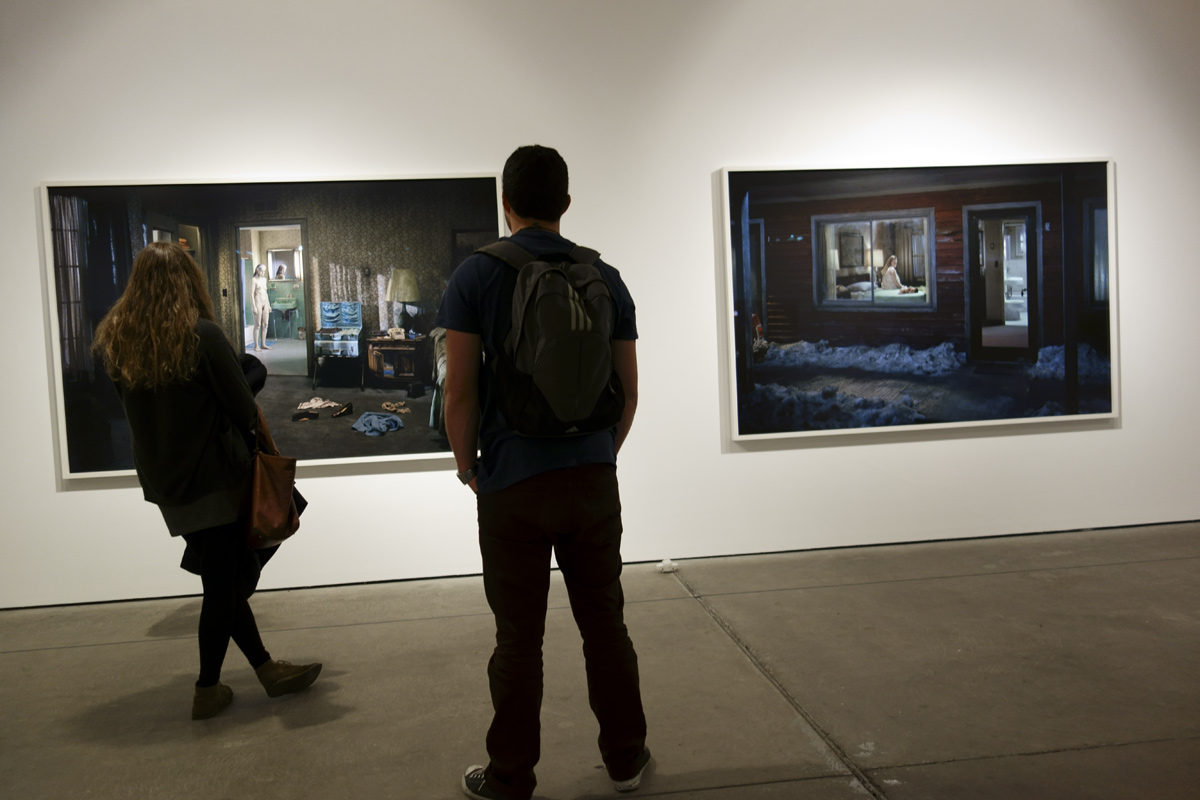
Exhibition: ‘Garry Winogrand. Women are beautiful’ at Fundació Foto Colectania, Barcelona

Exhibition dates: 23rd February – 4th June 2011


Many thankx to Fundació Foto Colectania for allowing me to publish the photographs in the posting. Please click on the photograph for a larger version of the image.


Garry Winogrand (American, 1928-1984) 'Centennial Ball, Metropolitan Museum' New York, 1969


Garry Winogrand (American, 1928-1984)
Centennial Ball, Metropolitan Museum
New York, 1969, printed 1981
Silver gelatin print
22 x 33cm
© The Estate of Garry Winogrand, courtesy Fraenkel Gallery, San Francisco


Garry Winogrand (American, 1928-1984) 'Untitled', New York, 1965


Garry Winogrand (American, 1928-1984)
Untitled
New York, 1965, printed 1981
Silver gelatin print
22 x 33cm
© The Estate of Garry Winogrand, courtesy Fraenkel Gallery, San Francisco


Garry Winogrand (American, 1928-1984) 'Untitled', New York, 1968


Garry Winogrand (American, 1928-1984)
Untitled
New York, 1968, printed 1981
Silver gelatin print
22 x 33cm
© The Estate of Garry Winogrand, courtesy Fraenkel Gallery, San Francisco


Foundation Foto Colectania presents for the first time in Barcelona the famous series Women Are Beautiful by Garry Winogrand.

Garry Winogrand is considered one of the greatest innovators of photography of the twentieth-century in America. He knew like no other how to capture the social transformation of females in the 60’s and 70’s through his portraits of women who stand as an allegory of women’s emancipation and their new role in society. The Foundation Foto Colectania presents his series Women Are Beautiful, including 85 photographs taken between 1960 and 1975 and collected in the book with the same title by the legendary director of photography at the MoMA, John Szarkowski. The exhibition from the collection of Lola Garrido, is part of the programming line of the foundation which is dedicated to authors who changed the course of the history of photography. The exhibition can be seen in Barcelona until June 4, 2011. In the 60’s ended the era of big images as symbols of timeless truths, by the devastating influence first from Walker Evans, and later from Robert Frank and William Klein. The pictures are focused on the reflection of reality, no retouching or other ideas added. Garry Winogrand and Lee Friedlander represent “the new American style” which broke new ground in the so-called Street Photography.

Winogrand combines spontaneity with an apparent confusion, which is more than aware of the complexity of the photography world: “I photograph to see what the world looks like in photographs.” The presence of human beings, contrasting with the crowds and the streets in his photographs reveals a new way of looking, in which the anarchy results in a wealth of shapes and structures. The biased and cold style of Winogrand is associated with Abstract Expressionism and its sharp diagonals are similar to paint brush strokes of those years. If the photographer Robert Frank was critical of the 50’s, Garry Winogrand is one of the largest photographers of the 60’s.

Press release from the Fundació Foto Colectania website


Garry Winogrand (American, 1928-1984) 'World's Fair', New York, 1964


Garry Winogrand (American, 1928-1984)
World’s Fair
New York, 1964, printed 1981
Silver gelatin print
22 x 33cm
© The Estate of Garry Winogrand, courtesy Fraenkel Gallery, San Francisco


Garry Winogrand (American, 1928-1984) 'New York City' 1967, printed 1981


Garry Winogrand (American, 1928-1984)
New York City
1967, printed 1981
Silver gelatin print
22 x 33cm
© The Estate of Garry Winogrand, courtesy Fraenkel Gallery, San Francisco


Garry Winogrand (American, 1928-1984) 'Central Park, New York' 1968, printed 1981


Garry Winogrand (American, 1928-1984)
Central Park, New York
1968, printed 1981
Silver gelatin print
22 x 33cm
© The Estate of Garry Winogrand, courtesy Fraenkel Gallery, San Francisco


Garry Winogrand (American, 1928-1984) 'Untitled' New York, c. 1970, printed 1981


Garry Winogrand (American, 1928-1984)
Untitled
New York, c. 1970, printed 1981
Silver gelatin print
22 x 33cm
© The Estate of Garry Winogrand, courtesy Fraenkel Gallery, San Francisco


Garry Winogrand (American, 1928-1984) 'New York' 1961, printed 1981


Garry Winogrand (American, 1928-1984)
New York
1961, printed 1981
Silver gelatin print
33 x 22cm
© The Estate of Garry Winogrand, courtesy Fraenkel Gallery, San Francisco


Garry Winogrand (American, 1928-1984) 'Untitled', New York, 1969


Garry Winogrand (American, 1928-1984)
Untitled
New York, 1969, printed 1981
Silver gelatin print
33 x 22cm
© The Estate of Garry Winogrand, courtesy Fraenkel Gallery, San Francisco


Garry Winogrand (American, 1928-1984) 'Untitled', New York, 1968


Garry Winogrand (American, 1928-1984)
Untitled
New York, 1968, printed 1981
Silver gelatin print
33 x 22 cm
© The Estate of Garry Winogrand, courtesy Fraenkel Gallery, San Francisco


Fundació Foto Colectania
Julián Romea 6, D2
08006
Barcelona

Opening hours:
Wednesday to Saturday: 11am – 2.30pm and 4pm – 8 pm
Sunday: 11am – 3pm

Fundació Foto Colectania website

LIKE ART BLART ON FACEBOOK

Back to top

Exhibition: ‘American Modern: Abbott, Evans, Bourke-White’ at the Amon Carter Museum of American Art, Fort Worth, Texas

Exhibition dates: 2nd October, 2010 – 2nd January, 2011


Berenice Abbott (American, 1898-1991) 'Canyon, Broadway and Exchange Place' 1936 from the exhibition 'American Modern: Abbott, Evans, Bourke-White' at the Amon Carter Museum of American Art, Fort Worth, Texas


Berenice Abbott (American, 1898-1991)
Canyon, Broadway and Exchange Place
1936
Gelatin silver print
National Gallery of Art, Gift of Marvin Breckinridge Patterson


Berenice Abbott – what a photographer! You couldn’t have thought of a better person to save the archive of Eugene Atget for the world. It’s all there at the bread store.

Marcus


Many thankx to Tracy Greene for her help and The Amon Carter Museum of American Art for allowing me to publish the photographs in the posting. Please click on the photographs for a larger version of the image.


Berenice Abbott (American, 1898-1991) 'The El at Columbus and Broadway' 1929 from the exhibition 'American Modern: Abbott, Evans, Bourke-White' at the Amon Carter Museum of American Art, Fort Worth, Texas


Berenice Abbott (American, 1898-1991)
The El at Columbus and Broadway
1929
Gelatin silver print


Berenice Abbott (American, 1898-1991) 'Hell Gate Bridge' 1937 from the exhibition 'American Modern: Abbott, Evans, Bourke-White' at the Amon Carter Museum of American Art, Fort Worth, Texas


Berenice Abbott (American, 1898-1991)
Hell Gate Bridge
1937
Gelatin silver print
Collection of Norma B. Marin, Courtesy Meredith Ward Fine Art


Berenice Abbott (American, 1898-1991) 'Squibb Building with Sherry Netherland in Background' 1935 from the exhibition 'American Modern: Abbott, Evans, Bourke-White' at the Amon Carter Museum of American Art, Fort Worth, Texas


Berenice Abbott (American, 1898-1991)
Squibb Building with Sherry Netherland in Background
1935
Gelatin silver print
Collection of Norma B. Marin, Courtesy Meredith Ward Fine Art


Berenice Abbott (American, 1898-1991) 'Manhattan Bridge Looking Up' 1936 from the exhibition 'American Modern: Abbott, Evans, Bourke-White' at the Amon Carter Museum of American Art, Fort Worth, Texas


Berenice Abbott (American, 1898-1991)
Manhattan Bridge Looking Up
1936
Gelatin silver print
The Art Institute of Chicago, Works Progress Administration Allocation


Berenice Abbott (American, 1898-1991) 'Bread Store, 259 Bleecker Street' 1937 from the exhibition 'American Modern: Abbott, Evans, Bourke-White' at the Amon Carter Museum of American Art, Fort Worth, Texas


Berenice Abbott (American, 1898-1991)
Bread Store, 259 Bleecker Street
1937
Gelatin silver print
Museum of the City of New York


Margaret Bourke-White (American, 1906-1971) 'Chrysler Building, New York' c. 1930-1931 from the exhibition 'American Modern: Abbott, Evans, Bourke-White' at the Amon Carter Museum of American Art, Fort Worth, Texas


Margaret Bourke-White (American, 1906-1971)
Chrysler Building, New York
c. 1930-1931
Gelatin silver print
© Estate of Margaret Bourke-White/Licensed by VAGA, New York, NY
The Metropolitan Museum of Art, Ford Motor Company Collection, Gift of Ford Motor Company and John C. Waddell


Margaret Bourke-White (American, 1906-1971) 'Boy with hound dog' 1936 from the exhibition 'American Modern: Abbott, Evans, Bourke-White' at the Amon Carter Museum of American Art, Fort Worth, Texas


Margaret Bourke-White (American, 1906-1971)
Boy with hound dog
1936
Gelatin silver print
13 1/4 x 17in (33.5 x 43.2cm)


Walker Evans (American, 1903-1975) 'Penny Picture Display, Savannah' 1936 from the exhibition 'American Modern: Abbott, Evans, Bourke-White' at the Amon Carter Museum of American Art, Fort Worth, Texas


Walker Evans (American, 1903-1975)
Penny Picture Display, Savannah
1936
Gelatin silver print
Amon Carter Museum


The Amon Carter Museum of American Art presents American Modern: Abbott, Evans, Bourke-White. This special exhibition explores the work of three of the foremost photographers of the twentieth-century and the golden age of documentary photography in America. American Modern will be on view through January 2, 2011; admission is free.

Featuring more than 140 photographs by Berenice Abbott (1898-1991), Margaret Bourke-White (1906-1971) and Walker Evans (1903-1975), American Modern was co-organised by the Amon Carter Museum of American Art and the Colby College Museum of Art in Waterville, Maine. The exhibition is the result of a unique partnership between three curators: Jessica May and Sharon Corwin of the Carter and Colby, respectively, and Terri Weissman, assistant professor of art history at the University of Illinois, Urbana-Champaign. Together, the three curators present the works of these three artists as case studies of documentary photography during the Great Depression and demonstrate how three factors supported the development of documentary photography during this important period in American history: first, the expansion of mass media; second, a new attitude toward and acceptance of modern art in America; and third, government support for photography during the 1930s.

“This exhibition considers the work of three of the best-loved American photographers in a new light, which is very exciting,” says curator Jessica May. “Abbott, Evans, and Bourke-White are undisputed masters of the medium of photography, but they have never been shown in relation to one another. This exhibition offers viewers an opportunity to see works together that have not been shown as such since the 1930s.”

In addition to vintage photographs from over 20 public and private collections, the exhibition also features rare first-edition copies of select books and periodicals from the 1930s. American Modern, May says, “reminds us that documentary photography was very much a public genre – this was the first generation of photographers that truly anticipated that their work would be seen by a vast audience through magazines and books.”

Press release from the Amon Carter Museum of American Art website [Online] Cited 01/12/2010. No longer available online


Installation view of the exhibition 'American Modern: Abbott, Evans, Bourke-White' at the Amon Carter Museum of American Art, Fort Worth, Texas showing at second right, Walker Evans photograph 'Allie Mae Burroughs, Hale County, Alabama' (1936)


Installation view of the exhibition American Modern: Abbott, Evans, Bourke-White at the Amon Carter Museum of American Art, Fort Worth, Texas showing at second right, Walker Evans photograph Allie Mae Burroughs, Hale County, Alabama (1936, below)


Walker Evans (American, 1903-1975) 'Allie Mae Burroughs, Hale County, Alabama' 1936 from the exhibition 'American Modern: Abbott, Evans, Bourke-White' at the Amon Carter Museum of American Art, Fort Worth, Texas


Walker Evans (American, 1903-1975)
Allie Mae Burroughs, Hale County, Alabama
1936
Gelatin silver print


Margaret Bourke-White (American, 1906-1971) '[Iron Mountain, Tennessee]' 1937 from the exhibition 'American Modern: Abbott, Evans, Bourke-White' at the Amon Carter Museum of American Art, Fort Worth, Texas


Margaret Bourke-White (American, 1906-1971)
[Iron Mountain, Tennessee]
1937
Gelatin silver print
© Estate of Margaret Bourke-White/Licensed by VAGA, New York, NY
Margaret Bourke-White Collection, Special Collections Research Center, Syracuse University Library


Installation view of the exhibition 'American Modern: Abbott, Evans, Bourke-White' at the Amon Carter Museum of American Art, Fort Worth, Texas showing at second left, Margaret Bourke-White's photograph 'The Towering Smokestacks of the Otis Steel Co., Cleveland' (1927-1928); and at second right top, her photograph 'Delman Shoes' (1933)


Installation view of the exhibition American Modern: Abbott, Evans, Bourke-White at the Amon Carter Museum of American Art, Fort Worth, Texas showing at second left, Margaret Bourke-White’s photograph The Towering Smokestacks of the Otis Steel Co., Cleveland (1927-1928, below); and at second right top, her photograph Delman Shoes (1933, below)


Margaret Bourke-White (American, 1906-1971) 'The Towering Smokestacks of the Otis Steel Co., Cleveland' 1927-1928
Screenshot


Margaret Bourke-White (American, 1906-1971)
The Towering Smokestacks of the Otis Steel Co., Cleveland
1927-1928
Gelatin silver print
© Estate of Margaret Bourke-White/Licensed by VAGA, New York, NY


Margaret Bourke-White (American, 1906-1971) 'Delman Shoes' 1933 from the exhibition 'American Modern: Abbott, Evans, Bourke-White' at the Amon Carter Museum of American Art, Fort Worth, Texas


Margaret Bourke-White (American, 1906-1971)
Delman Shoes
1933
Gelatin silver print
© Estate of Margaret Bourke-White/Licensed by VAGA, New York, NY
Margaret Bourke-White Collection, Special Collections Research Center, Syracuse University Library


Installation view of the exhibition 'American Modern: Abbott, Evans, Bourke-White' at the Amon Carter Museum of American Art, Fort Worth, Texas
Installation view of the exhibition 'American Modern: Abbott, Evans, Bourke-White' at the Amon Carter Museum of American Art, Fort Worth, Texas showing at left, pages from Berenice Abbott's 'Early New York Scrapbook' (1929-1930)


Installation views of the exhibition American Modern: Abbott, Evans, Bourke-White at the Amon Carter Museum of American Art, Fort Worth, Texas showing in the bottom photograph at left, pages from Berenice Abbott’s Early New York Scrapbook (1929-1930)


Walker Evans (American, 1903-1975) '[Lunchroom Window, New York City]' 1929 from the exhibition 'American Modern: Abbott, Evans, Bourke-White' at the Amon Carter Museum of American Art, Fort Worth, Texas


Walker Evans (American, 1903-1975)
[Lunchroom Window, New York City]
1929
Gelatin silver print
© Walker Evans Archive, The Metropolitan Museum of Art
The Metropolitan Museum of Art, Gift of Arnold H. Crane, 1971


Walker Evans (American, 1903-1975) 'People in Downtown Havana' 1933 from the exhibition 'American Modern: Abbott, Evans, Bourke-White' at the Amon Carter Museum of American Art, Fort Worth, Texas


Walker Evans (American, 1903-1975)
People in Downtown Havana
1933
Gelatin silver print
© Walker Evans Archive, The Metropolitan Museum of Art
The Metropolitan Museum of Art, Gift of Lincoln Kirstein


Walker Evans (American, 1903-1975) 'Posed Portraits, New York' 1932 from the exhibition 'American Modern: Abbott, Evans, Bourke-White' at the Amon Carter Museum of American Art, Fort Worth, Texas


Walker Evans (American, 1903-1975)
Posed Portraits, New York
1932
Gelatin silver print
© Walker Evans Archive, The Metropolitan Museum of Art
The Art Institute of Chicago, Gift of Mrs. James Ward Thorne


Amon Carter Museum
3501 Camp Bowie Boulevard
Fort Worth, TX 76107-2695

Opening hours:
Tuesday, Wednesday, Friday, Saturday: 
10am – 5pm
Thursday: 10am – 8pm
Sunday: Noon – 5pm
Closed Mondays and major holidays

Amon Carter Museum of American Art website

LIKE ART BLART ON FACEBOOK

Back to top

Exhibition: ‘Engaged Observers: Documentary Photography since the Sixties’ at The J. Paul Getty Museum, Los Angeles

Exhibition dates: 29th June – 14th November 2010


Many thankx to the The J. Paul Getty Museum for allowing me to publish the photographs in the posting.


Leonard Freed (American, 1929-2006) 'New York City' 1963


Leonard Freed (American, 1929-2006)
New York City
1963
Gelatin silver print
24.6 x 16.4cm (9 11/16 x 6 7/16 in.)
The J. Paul Getty Museum, Los Angeles
© Leonard Freed / Magnum Photos, Inc.


W. Eugene Smith (American, 1918-1978) 'Industrial Waste from the Chisso Chemical Company' 1972


W. Eugene Smith (American, 1918-1978)
Industrial Waste from the Chisso Chemical Company
1972
Gelatin silver print
24.4 x 34cm (9 5/8 x 13 3/8 in.)
Minamata photographs by W. Eugene Smith & Aileen M. Smith
Courtesy of Robert Mann Gallery, New York, New York
© Aileen Smith H. Christopher Luce


In the decades following World War II, an independently minded and critically engaged form of photography began to gather momentum. Situated between journalism and art, its practitioners created extended photographic essays that delved deeply into topics of social concern and presented distinct personal visions of the world. On view at the J. Paul Getty Museum, the Getty Center, June 29 – November 14, 2010, Engaged Observers: Documentary Photography since the Sixties looks in depth at projects by a selection of the most vital photographers who have contributed to the development of this documentary approach. Passionately committed to their subjects, these photographers have captured both meditative and searing images, from the deep south in the civil rights era to the war in Iraq in 2006. Their powerful visual reports, often published extensively as books, explore aspects of life that are sometimes difficult and troubling but are worthy of attention.

“This exhibition focuses on the tradition of socially engaged photographic essays since the 1960s,” explains Brett Abbott, associate curator of photographs and curator of the exhibition. “Working beyond traditional media outlets, these photographers have authored evocative bodies of work that transcend the realm of traditional photojournalism.”

Engaged Observers is structured around suites of photographs from the following projects: “Girl Culture” by Lauren Greenfield, “The Mennonites” by Larry Towell, “Streetwise” by Mary Ellen Mark, “Black in White America” by Leonard Freed, “Nicaragua, June 1978 – July 1979” by Susan Meiselas, “Vietnam Inc.” by Philip Jones Griffiths, “The Sacrifice” by James Nachtwey, “Migrations: Humanity in Transition” by Sebastião Salgado, and “Minamata” by W. Eugene and Aileen M. Smith.

Although one does not always associate style with photojournalism, where objectivity and neutrality are traditionally valued, aesthetics have been an important consideration for all of the photographers represented in the exhibition. One of the strengths of this tradition has been its ability to harness artistic decisions in reporting on the world. Meiselas chose colour film for her Nicaragua project because she felt it better conveyed the spirit of the revolution as she experienced it. Salgado noted that the solemn beauty so characteristic of his approach is important in conjuring a persistent grace among his migrant subjects, allowing him to present them in a dignified way while calling attention to their plight. Nachtwey used tight framing of messy conglomerations of tubes, instruments, and arms in The Sacrifice as a way of conjuring the atmosphere of controlled chaos that he experienced in trauma centres in Iraq. In this kind of work, subject and style, message and delivery, are deliberately intertwined.

All of the photographers in this exhibition use a series of images to address conceptual issues. For instance, Freed was concerned with bridging cultural divides to engender support of basic civil rights, while Griffiths denounced violent commercialisation; Salgado pointed to the effects of globalisation, while the Smiths addressed the related issue of industrial pollution; Meiselas engaged and countered the fragmented process by which we receive news and understand history, while Towell challenged the meaning of “newsworthy” and explored, as did Greenfield, how cultural values affect life; Nachtwey found the human toll of war unacceptable, and Mark, the idea of homeless street kids in one of the wealthiest nations in the world.

Many of the photographers have published books to further convey their socially engaged messages. Books allow for a greater depth of reporting than magazine articles since their length can be tailored to the needs of a particular project. And because they can be read in private, books are conducive to extended contemplation and the slow absorption of ideas, both of which are important to understanding projects that are broad in scope and have layers of meaning that, in many cases, were developed over the course of years. Moreover, they provide photographers authorial control over the presentation of their work. Each artist has the ability to decide how pictures are captioned and with what information.

A final section of the exhibition is devoted to tracing the origins of the documentary photography tradition, touching on American Civil War photographs by Alexander Gardner, turn-of-the-century activism by Lewis Hine, Depression-era photography, and photojournalism in pre-World War II picture magazines. This section also looks closely at the formation of Magnum Photos. Founded in 1947 by Robert Capa, Henri Cartier-Besson, and several other photographers, Magnum provided a new platform for an independent documentary approach to photojournalism and became one of the world’s most prestigious photographic organisations. Magnum was structured to allow its members to pursue stories of their own choosing, spend as much time as they wanted on a particular topic, and be as involved as they desired in the editing, captioning, and publication of their work. The organisation was meant to harness commercial assignments as a base from which to pursue independent work, and the concept has given rise to generations of independent photographers, including many of those in Engaged Observers.

Press release from The J. Paul Getty Museum website [Online] Cited 28/12/2019


Lewis W. Hine (American, 1874-1940)
'[Crowd of Newsies, Including One Girl]' 1910


Lewis W. Hine (American, 1874-1940)
[Crowd of Newsies, Including One Girl]
1910
Gelatin silver print
Sheet: 11.4 × 16.5cm (4 1/2 × 6 1/2 in.)
The J. Paul Getty Museum


Walker Evans (American, 1903-1975) 'Sharecropper's Family, Hale County, Alabama / Bud Fields and His Family, Hale County, Alabama / Bud Woods and His Family' 1936


Walker Evans (American, 1903-1975)
Sharecropper’s Family, Hale County, Alabama / Bud Fields and His Family, Hale County, Alabama / Bud Woods and His Family
1936
Gelatin silver print
19.4 x 24.3cm (7 5/8 x 9 9/16 in.)
© The J. Paul Getty Museum, Los Angeles


Walker Evans (American, 1903-1975) 'Alabama Tenant Farmer's Kitchen Near Moundville' 1936


Walker Evans (American, 1903-1975)
Alabama Tenant Farmer’s Kitchen Near Moundville
1936
Gelatin silver print
21.7 × 24.1cm (8 9/16 × 9 1/2 in.)
The J. Paul Getty Museum, Los Angeles


Dorothea Lange (American, 1895-1965) 'Abandoned Dust Bowl Home'
About 1935-1940


Dorothea Lange (American, 1895-1965)
Abandoned Dust Bowl Home
About 1935-1940
Gelatin silver print
18.9 × 24.4cm (7 7/16 × 9 5/8 in.)
The J. Paul Getty Museum, Los Angeles


Leonard Freed (American, 1929-2006) 'Johns Island, South Carolina' 1964


Leonard Freed (American, 1929-2006)
Johns Island, South Carolina
1964, printed later
Gelatin silver print
16 × 24 cm (6 5/16 × 9 7/16 in.)
The J. Paul Getty Museum, Los Angeles
© Leonard Freed / Magnum Photos


Philip Jones Griffiths (Welsh, 1936-2008) 'Vietnam' 1967


Philip Jones Griffiths (Welsh, 1936-2008)
Vietnam
1967
Gelatin silver print
21.3 x 31.8cm (8 3/8 x 12 1/2 in.)
The J. Paul Getty Museum, Los Angeles
© The Philip Jones Griffiths Foundation / Magnum Photos


Limits of friendship. A Marine introduces a peasant girl to king-sized filter-tips. Of all the U.S. forces in Vietnam, it was the Marines that approached Civic Action with gusto. From their barrage of handouts, one discovers that, in the month of January1967 alone, they gave away to the Vietnamese 101,535 pounds of food, 4,810 pounds of soap, 14,662 books and magazines, 106 pounds of candy, 1,215 toys, and 1 midwifery kit. In the same month they gave the Vietnamese 530 free haircuts.


James Nachtwey (American, b. 1948) "The Sacrifice" negative 2006-2007; print 2010


James Nachtwey (American, b. 1948)
The Sacrifice
negative 2006-2007; print 2010
Inkjet print
111.8 x 983cm (44 x 387 in.)
James Nachtwey, New York, New York
© James Nachtwey


Sebastião Salgado (Brazilian, b. 1944) "Church Gate Station, Western Railroad Line, Bombay, India" negative 1995; print 2009


Sebastião Salgado (Brazilian, b. 1944)
Church Gate Station, Western Railroad Line, Bombay, India
negative 1995; print 2009
Gelatin silver print
34.3 x 51.4cm (13 1/2 x 20 1/4 in.)
The J. Paul Getty Museum, Los Angeles
© Sebastião Salgado


Photographic essays

Leonard Freed

BLACK IN WHITE AMERICA

“Photography shows the connection between things, how they relate. Photography is not entertaining, this is not decoration, this is not advertising. Photographing is an emotional thing, a graceful thing. Photography allows me to wander with a purpose.”

Leonard Freed (American, 1923-2006), interview in Worldview, 2007


While working in Germany in 1962, photographer Leonard Freed happened to notice a black American soldier guarding the divide between East and West as the Berlin Wall was being erected. It was not the partition between the forces of Communism and Capitalism that captured Freed’s imagination, however. Instead, he was haunted by the idea of a man standing in defence of a country in which his own rights were in question. The experience ignited the young photographer’s interest in the American civil rights movement raging on the other side of the globe. In June 1963 Freed headed back to the United States to embark on a multiyear documentary project, published in about 1968 as Black in White America, that would become the signature work of his career.

The Black in White America series is a kind of visual diary with a moralising purpose. It is highly personal and socially engaged with an implicit goal of effecting change through communication. While Freed made pictures of important events in the civil rights struggle, including the 1963 March on Washington, he quickly found that his interests lay not in recording the progress of the civil rights movement per se but in exploring the diverse, everyday lives of a community that had been marginalised for so long. Penetrating the fabric of daily existence, his work portrays the common humanity of a people persevering in unjust circumstances. His sensitive and empathetic approach sought not to stimulate outrage but to foster understanding and bridge cultural divides as a means of transcending racial antipathy.

Lauren Greenfield

FAST FORWARD and GIRL CULTURE

“Girl Culture has been my journey as a photographer, as an observer of culture, as part of the media, as a media critic, as a woman, as a girl… I was… thinking about my chronic teenage dieting, my gravitation toward good-looking and thin friends for as long as I can remember, and the importance of clothes and status symbols in the highly materialistic, image-oriented Los Angeles milieu in which I grew up.”

Lauren Greenfield (American, born 1966), Girl Culture, 2002


Photographer and documentary filmmaker Lauren Greenfield has built her reputation as a chronicler of mainstream American culture. In 2002 she published a photographic project, Girl Culture, that delves into the ways consumer society affects the lives of women in America. Of central concern to Greenfield was the exhibitionist tendencies of contemporary American femininity. Visiting girls of all ages at home, in doctors’ offices, and out with friends,

Greenfield examined personal issues of public consequence, providing an intense and intimate exploration of girls’ relationships to their bodies and the effects of popular culture on self-image.

Many of her pictures and accompanying interviews focus on what she refers to as “body projects,” the daily grooming rituals undertaken in an effort to express identity through appearance. Others look at the social and consumerist influences from which these young women take their cues as well as the difficulty of living up to such expectations.

Girl Culture grew out of an earlier study, Fast Forward, that critically surveyed what life is like for children growing up in Los Angeles. The work revolves around her perception of an early loss of innocence among her young subjects and traces Hollywood’s role as a homogenising force in their lives.

Greenfield’s lens becomes a mirror in which to reflect upon ourselves. Together Fast Forward and Girl Culture sensitively explore how culture leaves its imprint on individuals.

Philip Jones Griffiths

VIETNAM INC.

“The “bang-bang” aspect of any war is the least likely to offer any explanation of the underlying causes. My task is to discover the why, so it’s the actions surrounding the battlefields that present the best clues.”

Philip Jones Griffiths (Welsh, 1936-2008), Aperture, spring 2008


A lifelong desire to leave the world a better place drove Philip Jones Griffiths, whose work is marked by a fiercely independent approach, deep engagement with his subjects, and a skeptical view of authority. Vietnam Inc., the photographer’s critical 1971 account of America’s armed intervention in Southeast Asia, is one of the most detailed photographic stories of a war published by a single photographer. The project’s exploration of the why, and not just the what, behind the war’s failures made it a particularly engaging and ambitious work of advocacy journalism and a model to which many photographers still aspire.

Griffiths’s independent approach is remarkable because of its sensitivity to the people of Vietnam and its eschewing of a Western point of view. In Vietnam Inc. there are few photographs documenting American troops and the might of their military prowess. Instead, his primary focus was on Vietnamese civilians and a culture in crisis. His book put the conflict in the context of Vietnam’s history and culture, showing the ways in which the Capitalist values that America promoted in its efforts to contain the spread of Communism were out of sync with Vietnam’s predominantly communal and agrarian way of life.

Vietnam, for Griffiths, became a “goldfish bowl where the values of Americans and Vietnamese can be observed, studied, and, because of their contrasting nature, more easily appraised.” And in Griffiths’s appraisal, it was America’s “misplaced confidence in the universal goodness” of its own values that would ultimately lead to an imperialist failure and, more importantly, the unjust devastation of a people.

Mary Ellen Mark

STREETWISE

“One of the reasons we chose Seattle was because it is known as “America’s most liveable city.” Los Angeles, San Francisco, and New York were well known for their street kids. By choosing America’s ideal city we were making the point “If street kids exist in a city like Seattle then they can be found everywhere in America, and we are therefore facing a major social problem of runaways in this country.””

Mary Ellen Mark (American, 1940-2015), Streetwise, 1988


Mary Ellen Mark has reported on the state of our social environment for more than four decades. Far removed from the immediacy of war and conflict, her work plumbs the basic commonality of human experience.

In 1983 Mark traveled to Seattle to do an article for Life magazine on runaway children. Focusing on a set of streets in the city’s downtown area, she began building a sense of trust with the community of runaways and learning about their survival methods. Her pictures showed teenagers who managed to survive on the tough streets through petty crime, prostitution, foraging in dumpsters, and panhandling. She presented the abandoned buildings and underpasses they inhabited and the bonds they built with one another in the absence of family. Mark’s compositions are striking and uncomfortable, emphasising her subjects’ youth while capturing them engaged in activities beyond their years.

Following publication of an article in Life, she continued to develop the story as both a documentary film and still photographic project with her husband, filmmaker Martin Bell, and reporter Cheryl McCall. The film, titled Streetwise, was released the following year and was nominated for an Academy Award. Mark published her still photographs from the project in a book of the same title in 1988.
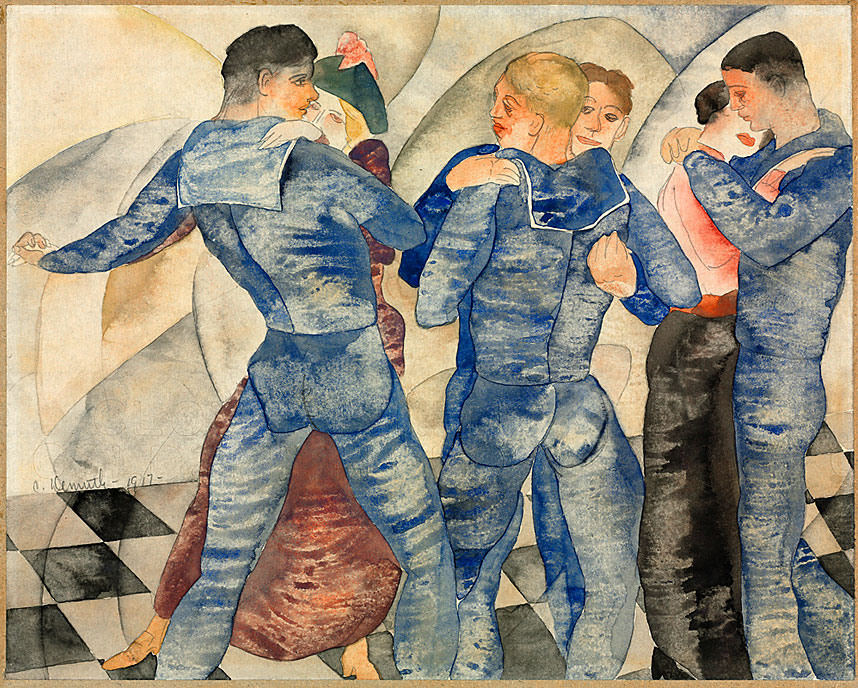
The Streetwise project provided dimension to an important issue of its day. In giving specific shape, individuality, and visibility to the problem of runaway children, it called for greater social and political commitment to addressing America’s epidemic of broken families.

Susan Meiselas

NICARAGUA, JUNE 1978 – JULY 1979

“We all cross histories, and the ones that we cross shape us as much as we shape them.”

Susan Meiselas (American, born 1948), in conversation with the curator, 2010


In 1978 Magnum photographer Susan Meiselas traveled to Nicaragua. Tensions were high following the assassination of Pedro Joaquín Chamorro, the editor of an opposition newspaper critical of the repressive, hard-line government. Meiselas witnessed the eruption of a full-scale revolution in August of that year. Aware that a momentous process was taking place, she stayed to record its unfolding, including the celebration of the revolutionaries’ victory in the central plaza of Managua in July 1979.

Meiselas was taken by the bravery of those who were willing to risk their lives against the dictatorship for the promise of a better future, and she took pains to photograph the action from the perspective of those involved in it. The record of her movements around the country formed a narrative about the progress of their insurrection. She made a decision, which at the time was still considered somewhat unusual in serious war reportage, to record the revolution on colour film, seeing it as a more appropriate medium for capturing the vibrancy and optimism of the resistance.

The photographer’s compelling pictures were picked up by major newspapers and magazines around the world, giving individual images a public life, but one that was beyond her immediate control with regard to captioning and that was fragmented from the context of her larger body of pictures. In collecting seventy-one of her photo-graphs into a book, first published in 1981 as Nicaragua, June 1978 – July 1979, Meiselas reasserted the narrative of the revolution as she experienced it and gave greater permanence and coherence to her documentary endeavour.
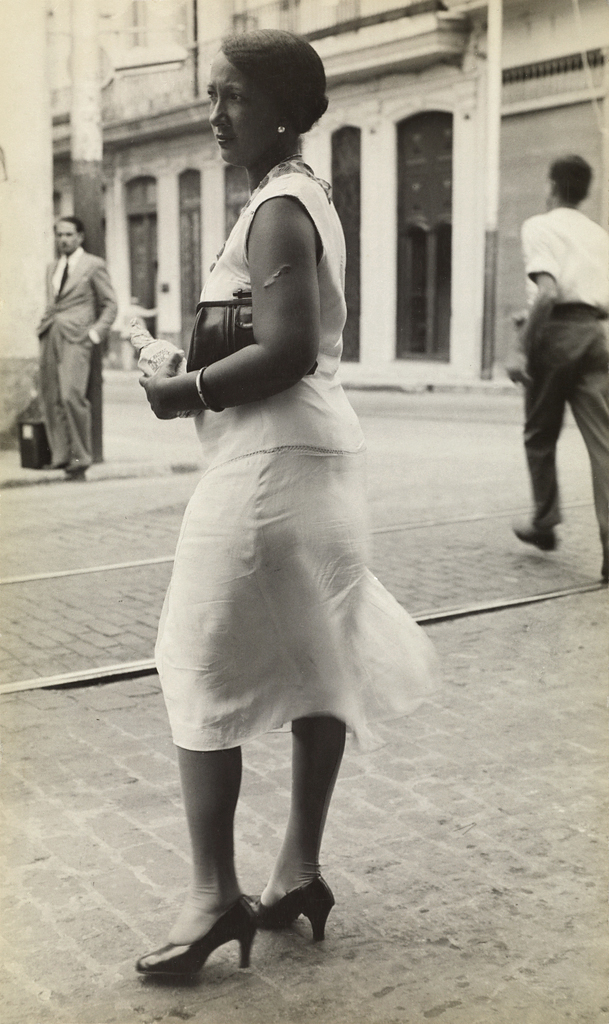
James Nachtwey

THE SACRIFICE

“For me, the strength of photography lies in its ability to evoke a sense of humanity. If war is an attempt to negate humanity, then photography can be perceived as the opposite of war. And if it is used well, it can be a powerful ingredient in the antidote to war.”

James Nachtwey (American, born 1948), from the film The War Photographer, 2001


For nearly thirty years James Nachtwey has dedicated himself to delivering an antiwar message by documenting those around the world affected by conflict. Traveling with emergency medical units in Iraq in 2006, the photographer began a photo essay, The Sacrifice, that documents the struggle to save and rebuild lives. The series depicts the helicopter transfers from battle sites to treatment centers, the emergency rooms where lives hang in the balance, and the difficult process of recovery.

In anticipation of showing the work, Nachtwey created a monumental installation print, consisting of sixty individual trauma-center images, tightly framed and digitally collaged into a grid. The work stands as a grim reminder of the human costs of war. The object’s sheer size, in which one picture gives way to the next in a seemingly endless stream of torn flesh, metal instruments, snaking tubes, and bloodied hands, effectively conveys a sense of the controlled chaos that permeates these medical centres as well as the overwhelming volume of casualties flowing through the medics’ hands on a daily basis.

While it may be easy to contemplate and even support war in abstract, strategic terms, it is difficult to face Nachtwey’s portrayal of its inevitable results. In its aggressive scale, his intentionally unsettling work demands that we reconcile the goals and achievements of armed conflict with its human costs, that we be prepared to acknowledge in particular visual terms the sacrifice it entails and the valiant work of those who do their best to mend its path of destruction.

Sebastião Salgado

MIGRATIONS: HUMANITY IN TRANSITION

“My hope is that, as individuals, as groups, as societies, we can pause and reflect on the human condition at the turn of the millennium. Can we claim “compassion fatigue” when we show no sign of consumption fatigue?”

Sebastião Salgado (Brazilian, born 1944), Migrations, 2000


Trained in economics before taking up photography, Sebastião Salgado has used his camera to raise awareness of the world’s economic disparities and provoke discussion about the state of our international social environment. Between 1994 and 1999 Salgado pursued an enormous project to document migrant populations around the world. Published in 2000 as Migrations: Humanity in Transition, this epic work of twentieth-century photojournalism documents people across forty-three countries who have been uprooted by globalisation, persecution, or war. The pictures in this exhibition represent several themes in Salgado’s study, including the effects of population surges in cities of developing countries, the conditions of refugees fleeing war in Africa, and the process of migration from Latin America to the United States.

Salgado’s work is marked by a heightened attention to aesthetic grace that attempts to endow his subjects with dignity even as it communicates the discomfort of their circumstances. His photographs are constructed with careful attention to dramatic lighting, elegant contours, and striking visual impact. Ultimately, Salgado sees himself as a storyteller and a communicator, a bridge between the fortunate and the unfortunate, the developed and the undeveloped, the stable and the uprooted. Portrayed lyrically and sensitively, his subjects are transformed into metaphors for complex inequities that exist in the world – problems that must be recognised and acknowledged before they can be addressed.

W. Eugene Smith and Aileen M. Smith

MINAMATA

“[Pollution] is closing more tightly upon us each day… After reflecting on the rights and wrongs of the situation in Minamata, we hope through this book to raise our small voices of words and photographs in a warning to the world. To cause awareness is our only strength.”

W. Eugene Smith (American, 1918-1978) and Aileen M. Smith (American, born 1950), Minamata, 1975


In 1971 W. Eugene Smith, a major figure in the history of socially concerned photography, and his wife, Aileen M. Smith, were told of a controversy over industrial pollution taking place in the small Japanese fishing village of Minamata. Beginning in the 1950s, thousands of people in the area were severely affected by mercury poisoning, brought about by eating fish contaminated with chemical waste dumped in the bay by the Chisso Corporation. Victims were afflicted with brain damage, paralysis, and convulsions. The ailment, which came to be known as Minamata Disease, is not reversible.

When the Smiths arrived in Minamata, lawsuits had already begun, and the couple set out to document the progress of the claims. They spent three years on the project, calling attention to the victims’ cause. Aileen acted as an equal collaborator, making pictures and writing texts with W. Eugene. The work resulted in numerous magazine publications, exhibitions, and a coauthored book, Minamata, published in 1975.

The Smiths’ study records the course of the trial through the court’s ruling in favour of the plaintiffs in 1973. The essay relates the importance of the sea and fishing to the town’s culture, reports on the company’s drainage pipes into the sea, chronicles the lives transformed by the disease, and depicts the demonstrations that took place in opposition to Chisso. As a tale of the dangers of industrial pollution, the project gained traction within the political atmosphere of the 1970s, when the environmental movement was taking off.

Larry Towell

THE MENNONITES

“When a Mennonite loses his land, a bit of his human dignity is forfeited; so is his financial solvency. He becomes a migrant worker, an exile who will spend the rest of his life drifting among fruit trees and vegetable vines, dreaming of owning his own farm some day. But for these who struggle with God at the end of a hoe, the refuge of land, Church, and community may be at least a generation away.”

Larry Towell (Canadian, born 1953), The Mennonites, 2000


Wary of the media’s commitment to speed, photographer Larry Towell insists on the integrity of extended-coverage reporting. In 1989 he came into contact with members of a Mennonite community near his home in Canada. The Old Colony Mennonites are a nonconformist Protestant sect related to the Amish that originated in Europe in the 1500s.

Over the centuries, they have migrated between countries to preserve their way of life, living in colonies where faith and tradition are intertwined and modern amenities, such as cars, rubber tires, and electricity, are not welcome.

The Mennonites Towell befriended had migrated to Canada from colonies in Mexico in search of seasonal work. Due to shrinking water tables in Mexico, the effects of international trade, and a rising population in the colonies, many Mennonites have found themselves landless and economically marginalised, forced to compromise their beliefs in order to survive. Towell was eventually invited to join them in their treks back to Mexico for the winter. With his unique and intimate access, he spent the next ten years photographing their activities, capturing their struggle to preserve a lifestyle incongruent with the larger world on which they have become interdependent.

Towell’s work documented the Mennonites’ way of life for the historical record and inspires greater understanding today for a group whose attempts to embrace life could be easily overlooked. In spending a decade on a subject that would be of only passing interest to mainstream media, he asserts a form of visual reporting in which reflection takes precedence over profitability and immediacy.

Text from the J. Paul Getty Museum


Sebastião Salgado (Brazilian, b. 1944) 'Mexico Border, desert of San Ysidro, California' negative 1997; print 2009


Sebastião Salgado (Brazilian, b. 1944)
U.S. – Mexico Border, desert of San Ysidro, California
Negative 1997; print 2009
Gelatin silver print
34.4 x 51.4cm (13 9/16 x 20 1/4 in.)
The J. Paul Getty Museum, Los Angeles
© Sebastião Salgado


Mary Ellen Mark (American, 1940-2015) 'Lillie with Her Rag Doll, Seattle' 1983


Mary Ellen Mark (American, 1940-2015)
Lillie with Her Rag Doll, Seattle
1983
Gelatin silver print
22.6 x 34cm (8 7/8 x 13 3/8 in.)
The J. Paul Getty Museum, Los Angeles
© Mary Ellen Mark


Mary Ellen Mark (American, 1940-2015) '"Rat" and Mike with a Gun, Seattle' 1983


Mary Ellen Mark (American, 1940-2015)
“Rat” and Mike with a Gun, Seattle
1983
Gelatin silver print
22.8 x 34.2cm (9 x 13 7/16 in.)
The J. Paul Getty Museum, Los Angeles
© Mary Ellen Mark


Susan Meiselas (American, b. 1948)
'Muchachos attendant la riposte de la Garde nationale, Matagalpa, Nicaragua' (Awaiting counterattack by the Guard in Matagalpa, Nicaragua) 1978, printed 1980s


Susan Meiselas (American, b. 1948)
Muchachos attendant la riposte de la Garde nationale, Matagalpa, Nicaragua (Awaiting counterattack by the Guard in Matagalpa, Nicaragua)
1978, printed 1980s
Silver-dyer bleach print
22.4 × 34.3cm (8 13/16 × 13 1/2 in.)
The J. Paul Getty Museum, Los Angeles
© Susan Meiselas / Magnum Photos


Susan Meiselas (American, b. 1948)
'Traditional Indian dance mask adopted by the rebels during the fight against Somoza, Nicaragua'
1978, printed 1980s


Susan Meiselas (American, b. 1948)
Traditional Indian dance mask adopted by the rebels during the fight against Somoza, Nicaragua
1978, printed 1980s
Silver-dye bleach print
49.5 × 33cm (19 1/2 × 13 in.)
The J. Paul Getty Museum, Los Angeles
© Susan Meiselas / Magnum Photos


Lauren Greenfield (American, b. 1966) 'Sheena tries on clothes with Amber, 15, in a department store dressing room, San Jose, California' negative 1999; print 2002


Lauren Greenfield (American, b. 1966)
Sheena tries on clothes with Amber, 15, in a department store dressing room, San Jose, California
Negative 1999; print 2002
Dye destruction print
32.5 x 49.1cm (12 13/16 x 19 5/16 in.)
The J. Paul Getty Museum, Los Angeles
© Lauren Greenfield/INSTITUTE


Lauren Greenfield (American, b. 1966) 'Erin, 24, is blind-weighed at an eating-disorder clinic, Coconut Creek, Florida. She has asked to mount the scale backward so as not to see her weight gain' negative 2001; print 2002


Lauren Greenfield (American, b. 1966)
Erin, 24, is blind-weighed at an eating-disorder clinic, Coconut Creek, Florida. She has asked to mount the scale backward so as not to see her weight gain
Negative 2001; print 2002
Dye destruction print
32.5 x 49.1cm (12 13/16 x 19 5/16 in.)
The J. Paul Getty Museum, Los Angeles
© Lauren Greenfield/INSTITUTE


The J. Paul Getty Museum
1200 Getty Center Drive
Los Angeles, California 90049

Opening hours:
Open 10am – 5.30pm
Saturday 10am – 8pm
Closed Mondays

The J. Paul Getty Museum website

LIKE ART BLART ON FACEBOOK

Back to top