It’s such a pity when a gallery or museum spends an inordinate amount of time, energy and money to put on an exhibition and then doesn’t do all it can to promote the exhibition by providing media and installation photographs.
As I observed to my friend Colin Vickery on the Art Blart Facebook page, I can’t really comment on the exhibition as there were so few media images and one installation photo that I really don’t have much to go on. I had to scrounge around just to get enough to make up this post
Of course each of the photographers I admire in their own right but together … that would be incredible to see. One can only imagine the energy bouncing between the images of three masters of photography.
Suffice to say I have ordered the catalogue even though it’s $110 in Australia on Amazon.
Dr Marcus Bunyan
Many thankx to Princeton University Art Museum for allowing me to publish the photographs in the posting. Please click on the photographs for a larger version of the image.
“Soon, the grand sweep of the exhibition becomes clear as it maps a shared strategy among this trio in the formation of a network of institutions, criticism, publishing, museum engagement, and, perhaps most crucially, an educational infrastructure that would embed photography as an academic and cultural participant. As a premise, it is both startling and self-evident and vividly demonstrates the coordination of parts among the Museum of Modern Art, Aperture, the George Eastman Museum, Rhode Island School of Design (RISD), and the IIT Institute of Design in Chicago. Indeed, Photography as a Way of Life is as much about the careers of each photographer and their advancement as they chaperoned the medium. The exhibition does not seem a matter of cunning and opportunism, as it might be perceived, but of passion and commitment. …
To its credit, the exhibition includes a second chapter in the chronicle. By 1970, a new generation of photographers who had studied at RISD, Rochester Institute of Technology and the newly formed Visual Studies Workshop in Rochester, in the spirit of the times, departed from the received wisdom of the photograph as a formalist device. From the tutelage of Callahan and Siskind, especially, came an assertion of the photograph not as an object of wistful contemplation but one of cultural rhetoric. It was not a delicate mimetic device but a public construction, a surface and a process. Graduates of this school of thought and practice became a pedagogical diaspora that propagated photographic thinking as we know it today.”
Photography as a Way of Life examines the careers of Minor White, Aaron Siskind, and Harry Callahan – influential photographers, teachers, and thinkers in the United States in the mid-twentieth century – and traces their impact on the field of photography. Training and inspiring makers through courses, workshops, exhibitions, magazines, and photobooks, these artists built a devoted audience for their work while shaping the aspirations of their era.
Amid exploding markets for Kodak’s snapshots and Magnum’s decisive moments, White, Siskind, and Callahan shared inclinations toward abstraction and toward deeply personal photographs. Seeking to carve out a new role and status for art photography, just as a new crop of photography programs were emerging within higher education, they established themselves as icons among the first generation of college-level photography teachers.
Drawing on the rich photography holdings of the Princeton University Art Museum and its Minor White Archive, this exhibition brings together iconic and previously unpublished colour and black-and-white prints, rarely seen slides, and an array of published and archival materials that illuminate a vision of making a living and shaping a life through photography.
Text from the Princeton University Art Museum website
Installation view of the exhibition Photography as a Way of Life: Minor White, Aaron Siskind, and Harry Callahan at the Princeton University Art Museum, Princeton, NJ, 2026 Photo: Joseph Hu
“In bringing their works together in dialogue, [Brendan] Fay illustrates how White, Siskind, Callahan – each in his own way and as a spiritual collective – not only elevated photography into a way of making a comfortable living, but as a manifesto for how to be in the world. As fellow travelers, they would shape their medium into a discipline defined by an intentional and introspective way of seeing, that is, one that has a worldview, a morality. …
Minor White, Aaron Siskind, and Harry Callahan shared a propensity for abstraction, which set their vision apart from the post–World War II years when documentary photography, Kodak’s snapshots, and Magnum’s “decisive moments” dominated the market. They were steadfast in their artistic right to ambiguity and improvisation. They rejected reproducibility, resisted interpretation. They carried on the Romantic tradition of superimposing one’s emotional landscape onto natural terrain. They saw the ethereal in urban settings. They associated themselves with the Beat poets and Abstract Expressionists. White, in particular, carved out a space for so-called creative photography as the founding editor of this magazine and championed the works of Callahan and Siskind in its pages. (White co-founded Aperture in 1952 and was one of the magazine’s longtime editors. His archives are held by the Princeton University Art Museum.)”
The Princeton University Art Museum announces Photography as a Way of Life: Minor White, Aaron Siskind, and Harry Callahan, an exhibition exploring the intertwined careers of three of the most influential photographers and teachers in mid-twentieth-century America.On view in Princeton from April 19 through September 7, 2026, and then traveling, the exhibition draws on the rich photography holdings of the Princeton University Art Museum and its Minor White Archive to bring together iconic and previously unpublished colour and black-and-white prints, rarely seen slides, and an array of published and archival materials that illuminate a vision of making a living and shaping a life through photography.
“Photography as a Way of Life highlights a pivotal historical moment when photography emerged as a serious academic discipline and a viable artistic profession, and thus as a way of being and living,” said James Steward, Nancy A. Nasher-David J. Haemisegger, Class of 1976, Director of the Princeton University Art Museum. “White, Siskind, and Callahan did more than make extraordinary photographs: They built institutions, communities, and ideas that continue to shape how photography is taught and valued today.”
Tracing the decades after World War II, Photography as a Way of Life explores how Minor White, Aaron Siskind, and Harry Callahan redefined photography as both an artistic practice and a professional vocation. Coming to the medium from distinct backgrounds and visual traditions, these three artists converged around shared commitments to abstraction, deeply personal expression, and the belief that photography could sustain a life’s work.
The exhibition takes its title from a recurring phrase in Minor White’s diaries and letters, in which he described photography as a “way of life.” For White, the phrase encompassed artistic ambition, pedagogy, and personal growth – a vision he advanced as a founding editor of Aperture, the influential photography magazine launched in 1952. Siskind and Callahan were central figures in White’s vision for the field, with their work prominently featured in Aperture alongside broader discussions of photographic education and postwar art photography.
“Princeton University holds a central place in the academic study of photography, with a proud legacy of stewardship and landmark scholarly exhibitions,” said Brendan Fay, exhibition curator. “The Minor White Archive is one of the cornerstones of that legacy, and it’s an honour to present an exhibition that builds on that strength during the new Museum’s inaugural year.”
From the 1940s through the 1970s, amid booming markets for Kodak snapshots and photojournalism, photography began to take root within higher education. White, Siskind, and Callahan were among the first generation of college-level photography teachers, developing models of photographic education during the GI Bill era that quickly spread across colleges and universities in the United States. While achieving critical success through books, exhibitions, and museum acquisitions, these artists also helped catalyze the creation of academic programs, publishing ventures, and professional societies that defined the postwar photographic landscape.
Highlights of the exhibition include a reconstruction of White’s Slow Dance, a projected sequence of color slides performed for live audiences in the late 1960s and 1970s, as well as materials from magazines and journals ranging from Popular Photography and Apertureto poetry publications and The Black Photographers Annual. The exhibition also traces the expansive networks shaped by these photographers, featuring works by more than forty additional artists, from Alfred Stieglitz and Dorothea Lange to Anthony Barboza and Donna-Lee Phillips.
The exhibition is accompanied by a richly illustrated exhibition catalogue copublished by the Museum and Princeton University Press. While on view in Princeton, the exhibition will inspire a number of public programs, including a two-day symposium beginning April 30, a film series, and a talk by curator Brendan Fay on April 18. Attendees to the curatorial talk will have the opportunity to preview the exhibition alongside Museum members prior to the exhibition’s public opening the following day. Visit the exhibition website for a full list of related programming.
Photography as a Way of Life is curated by Brendan Fay, associate professor of art history in the School of Art & Design at Eastern Michigan University andis organized and presented by the Princeton University Art Museum. Following its debut at Princeton, the exhibition will travel through 2028, with presentations at the High Museum of Art in Atlanta; the Addison Gallery of American Art in Andover, Massachusetts; and the Nelson-Atkins Museum of Art in Kansas City, Missouri.
Exhibition credits
Photography as a Way of Life: Minor White, Aaron Siskind, and Harry Callahan is made possible by leadership support from Jim McKinney and the late Valerie McKinney, with generous support from Anne Robinson Woods and Sandy and Robin Stuart.
Additional support is provided by Black Dog Private Foundation; the Curtis W. McGraw Foundation; the Melanie and John Clarke Exhibition Fund; the Peter C. Bunnell Photography Fund; Princeton University’s Department of Art & Archaeology, Effron Center for the Study of America, and Humanities Council; Kathryn Richardson and family; and contributors to the Director’s Exhibition Fund.
The accompanying publication is made possible in part by the Andrew W. Mellon Foundation Fund; the Barr Ferree Foundation Fund for Publications, Department of Art & Archaeology, Princeton University; Furthermore: a program of the J. M. Kaplan Fund; and the Wyeth Foundation for American Art.
Press release from Princeton University Art Museum
Minor White, Aaron Siskind, and Harry Callahan carved out a new role for photographers and their art in the decades after World War Two. Photography as a Way of Life traces how these influential teachers and theorists reimagined the medium as a livelihood and a life’s work.
Together with growing markets for snapshots and photojournalism, the postwar years saw the emergence of photography as an established field of study in higher education. In this beautifully produced book, Brendan Fay takes readers from the late 1940s through the 1970s to explore how White, Siskind, and Callahan transformed the ways photography was taught, shown, and understood. Inclined toward abstraction and personally expressive images, they modeled a commitment to art in the face of commercial and professional pressures. In classrooms and private workshops and through exhibitions, photobooks, and magazines-including Aperture, with White as its founding editor-they offered training and inspiration while building a devoted audience for their pictures.
Blending stunning illustrations with rare archival material published here for the first time, Photography as a Way of Lifebrings together the work of three boldly inventive artists and educators who opened new possibilities for photography in postwar America and exemplified a vision of learning and living through photography.
Published in association with the Princeton University Art Museum
Clarence H. White (American, 1871-1925) The Bubble 1898, printed 1905 Platinum print 24.2 x 19.3cm (9 1/2 x 7 5/8 in.) Alfred Stieglitz Collection, 1933 The Metropolitan Museum of Art
A sense of the beyond
I have waited over nine years to be able to do a posting on this artist. This is the first retrospective of Clarence H. White’s photographs in a generation… and my first posting for 2018. What a beauty the posting is, and what beauty is contained within, his photographs.
White was born in Newark, Ohio (see map below) in 1871. Just to put that into perspective, of the big three Alfred Stieglitz was born in 1871, Edward Steichen in 1879 and Paul Strand in 1890. Soon after marrying his wife in 1893 White took up photography, applying some of his artistic vision, developed earlier through filling sketchbooks with pencil sketches, pen-and-ink drawings and watercolours, to the craft of photography. “He learned how to use light, or the lack of it, to draw attention to his subject. He also learned how to visualise his subjects in his mind.” He was completely self-taught, “in part because he had no money to pay for training or courses at the time when he was developing his own vision in the medium. Many of his friends, students and biographers believe his lack of any formal training was one of his greatest strengths… It is important to note that at that time there were no formal schools of photography in the U.S. or even acknowledged leaders with whom White might have studied.”1
In 1895, he exhibited his first photos in public, at the Camera Club of Fostoria, Ohio, and by 1898 he had met Fred Holland Day and Alfred Stieglitz. His star continued to rise, White having solo exhibitions in 1899 at the Camera Club of New York and at the Boston Camera Club, and he also exhibited in the London Photographic Salon organised by The Linked Ring. In 1900 White was elected to membership in The Linked Ring and in 1901 White and 10 others to become “charter members” of the Photo-Secession, a group founded by Alfred Stieglitz to promote Pictorialism and fine art photography. Due to financial constraints during this time, White was only able to create about 8 photographs each month, and he had to photograph either very early in the morning, after he finished work as a bookkeeper, or at the weekend. Some of his most memorable images were created at this time, before his move to New York in 1906. As Cathleen A. Branciaroli and William Inness Homer observe in “The Artistry of Clarence H. White”, “White is most significant in the history of photography because, in his early years, he redefined the nature of picture-making, creating a distinctly modern idiom for his own time…. He reduced his compositions to very simple elements of form, and by experimenting with principles of design derived largely from Whistler and Japanese prints, he created a personal style that was unique for photography.”2
If the photograph consumes light, then Clarence H. White was consumed by photography. Informed by the widespread Japonisme of the period, especially ukiyo-e prints (the term ukiyo-e translates as “picture[s] of the floating world”) with their flat perspective, unmodulated colours and outlined forms – his photographs “sought to capture either the geometry of perceived pattern or the gorgeous effect of shimmering light… qualities of image that the camera, conjoining realism and poetic perception, could render with compelling effect.”3 We now group these kind of photographs under the label “pictorialism,” soft-focus photographs that were more than purely representational, that project “an emotional intent into the viewer’s realm of imagination.”4 Here, an “atmosphere” (formulated, created, conceptualised, captured) is the key to conveying an expressive mood and an emotional response to the viewer “through an emphasis on the atmospheric elements in the picture and by the use of “vague shapes and subdued tonalities … [to convey] a sense of elegiac melancholy.””5
After his move to New York in 1906, White and Stieglitz “jointly created a series of photographs of two models, Mabel Cramer and another known only as Miss Thompson,” in 1907. This was the only time that Stieglitz ever worked with another photographer. “In 1908 Stieglitz continued to show his admiration for White by devoting an entire issue of Camera Work to him and 16 of his photographs. It was only the third time Stieglitz had singled out an individual photographer for this honor (the others were Steichen and Coburn).”6 In 1910, White set up the Seguinland School of Photography, the first independent school of photography in America, while in 1912 he had a terminal falling out with the excessive ego of Stieglitz. “First Käsebier, then White and finally Steichen broke off their relationship with Stieglitz, each citing Stieglitz’s overbearing ego, his refusal to consider other’s viewpoints and his repeated actions on behalf of the Photo-Secession without consulting any of the so-called “members” of the group.”7
Encouraged by his newfound freedom to act outside of the shadow of Stieglitz, White founded the Clarence H. White School of Photography in 1914… an influential school which, over the next decade, “attracted many students who went on to become notable photographers, including Margaret Bourke-White, Anton Bruehl, Dorothea Lange, Paul Outerbridge, Laura Gilpin, Ralph Steiner, Karl Struss, Margaret Watkins and Doris Ulmann.”8 In his class “The Art of Photography” White stressed that the primary thing his students had to learn was “the capacity to see.” White became one of the most important teachers of photography of the age. White died suddenly of a heart attack while on a trip to Mexico with students to take his first photographs in years. He was 54 years old.
After Alfred Stieglitz died in 1946 numerous photographs by White were found in his personal collection. Despite their differences, it is obvious that Stieglitz held White in very high regard, “one of the very few who understand what the Photo-Session means & is.”9 “Although White and Stieglitz had tried to reconcile their differences before White died, Stieglitz never forgave White for breaking from him in 1912. Upon hearing about White’s untimely death, Stieglitz wrote to Kuehn, “Poor White. Cares and vexation. When I last saw him he told me he was not able to cope with [life as well as he was] twenty years ago. I reminded him that I warned him to stay in business in Ohio – New York would be too much for him. But the Photo-Session beckoned. Vanity and ambitions. His photography went to the devil.” In spite of these words, Stieglitz had 49 of White’s photographs, including 18 created jointly with Stieglitz, in his personal collection when he died.”10
There is something undeniable in what Stieglitz says. White’s greatest photographs emerge from the Stygian dusk, a dash of melancholy, a lot of beauty, mostly before he moved to New York. It says a lot that Stieglitz still thought that much of him as an artist, a man, and as an emasculated friend, that he kept nearly 50 of his photographs in his personal collection until he died. Stieglitz knew the nature of (his) genius.
The value of self-expression and direct engagement with experience
Clarence H. White’s artistic achievements may have been overshadowed by the likes of Stieglitz, Steichen and Strand’s later modernist photographs, but there is no doubt in my mind that he is a colossus, a monster in the history of art photography. Simply put, there is no one else like him in the history of photography, for you can always recognise the “signature” of a White photograph.
Peter Bunnell notes, “[White] celebrated elemental things, the time spent playing in the fields or woods, the simple pleasure of unhurried living, the playing of games in interior spaces…. White, growing up within an extended family, knowing nothing else, had no real sense of other societies and his pictures thus had a kind of fortification against the outside. They were his private epic.”12 His private epic was a personal mythology which expressed his personality and distinctive sentiments through his photographs of imagined worlds. This is the critical thing that makes him so different from other photographers of the period: he was beholden to no movement, no school, teacher or narrative – but only to himself. In his best photographs it was this private world writ large in light that made him famous.
His “masterful reinterpretation of the possibilities of light and the photographic medium done with artistic intent”11 allowed him to develop this personal mythology. White learned how to visualise his subjects in his imagination, before rendering them by drawing in light. His unique prints, made in a variety of processes (platinum, gum-platinum, palladium, gum-palladium, gum, glycerin developed platinum, cyanotype and hand-coated platinum) with the same image sometimes printed using different processes,13 celebrate “pure photography”, a cerebral, ethereal emanation of pure light and form. They seem not of this earth. Indeed, I would argue that White steps outside strict Pictorialism into this “other”, private realm.
There may be, as Peter Bunnell suggests, a luminosity of tone in his prints rarely achieved in the history of photography, but there was also a luminosity in his thinking, in the way he approaches the medium itself. I look at the photograph The Deluge (c. 1902-1903, below) and I think of William Blake. I look at the three versions of the photograph Spring – A Triptych [Letitia Felix] (1898, below) and observe how each iteration is different (in colour, tone and inflection), but how they are just as valid as each other. There are personal, domestic quotidian scenes (Blindmans’ Bluff, 1898 or Mother was living in the old home alone, 1902); mythic scenes, such as the glorious photograph The Bubble (1898, above) where the figure seems to hover above the ground (“pictures of the floating world”); and early Modernist inclinations such as Drops of Rain (1903, below) and Newport the Maligned (1907, below). But above all, there is the light which shines from within.
Further, his was a whole art aligned perhaps subconsciously, perhaps not, to that German Art Nouveau movement named after the Munich periodical Die Jugend (‘Youth’) – Jugendstijl. “A decorative art with the mid-century idea of the gesamtkunstwerk; the ‘total work of art’ applied in Wagner’s opera and in Dülfer’s architecture, Jugendstil before 1900 favoured floral motifs and ukiyo-e prints of Japanese art.” Evidence of this ‘total work of art’ (an expression of folk legend as universal humanist fable), can be seen in the few Pictorialist works from the late 1890s that survive in their original exhibition frames (see below). The plain dark wood frames with their curved tops serve to further isolate and flatten the pictorial space of the photograph; the dark colour of the wood pushing against the luminosity, line, form and reddish brown colour of the prints. The last version of Spring – A Triptych (Letitia Felix) (1898, below) is particularly illuminating in this respect, the dark wood framing the individual panels fragmenting the field upon which the young woman stands, so that we are no longer in a fairytale landscape (as in the first iteration) but surrounded by writhing tree trunks of sombre hue with a ghost-like presence walking amongst them. And then we see how these photographs were originally exhibited!
In Display of Clarence H. White photographs in Newark Camera Club exhibition, Young Men’s Christian Association building, Newark, Ohio, 1899 (below) we observe, we are witness to, a flow of energy from one side of the wall to the other – none of this staid singular hanging “on the line” – but a dynamic narrative that moves the viewer both physically and mentally. How wondrous is this display! An then in William Herman Rau’s photograph Untitled [Clarence H. White works in Second Philadelphia Photographic Salon installation (1899, below) we see a networked display, almost a cross-like shape, with portraits surrounding what looks like a central landscape image (although it is difficult to make out exactly what the image is). This is an almost contemporary sequencing of photographic work, still used by the likes of Annette Messager today… a perfect example of gesamtkunstwerk, where White has fully understood concept, narrative, form, function, the physicality of the photograph, it’s frame, and the context and environment of the image display.
To me, the early prints of Clarence H. White give the sense that he has found a metaphor, but he is not sure what that metaphor relates to: a cosmology? / man creating something of wonder (when viewed with imagination)?
He is still working it out… and then he goes to New York. Does it matter that he didn’t find the answer? A thing that is done as a reaction to a situation. Not at all. It’s the journey that matters.
The sense of ethereal beauty and the beyond that he captured on his glass plates are enough to make him a genius in my eyes. “Images arising from dreams are the well spring of all our efforts to give enduring form and meaning to the urgencies within,” states Douglas Fowler.14 White’s oneiric photographs, and our prior experiences with dreaming and imagination, help to create a sense of oneness with his photographs. Ultimately, his private epic, his personal mythology brought these aspects of art into photography.
Dr Marcus Bunyan
Many thankx to the Princeton University Art Museum for allowing me to publish the art work in the posting. Please click on the art work for a larger version of the image.
2/ Cathleen A. Branciaroli and William Inness Homer. “The Artistry of Clarence H. White,” in Homer, William Innes (ed.). Symbolism of Light: The Photographs of Clarence H. White. Wilmington, DE: Delaware Art Museum, 1977, p. 34
4/ “Pictorialism is the name given to an international style and aesthetic movement that dominated photography during the later 19th and early 20th centuries. There is no standard definition of the term, but in general it refers to a style in which the photographer has somehow manipulated what would otherwise be a straightforward photograph as a means of “creating” an image rather than simply recording it. Typically, a pictorial photograph appears to lack a sharp focus (some more so than others), is printed in one or more colours other than black-and-white (ranging from warm brown to deep blue) and may have visible brush strokes or other manipulation of the surface. For the pictorialist, a photograph, like a painting, drawing or engraving, was a way of projecting an emotional intent into the viewer’s realm of imagination.”
Anonymous. “Pictorialism,” on the Wikipedia website [Online] Cited 02/01/2018
5/ Naomi Rosenblum. A World History of Photography. New York: Abbeville Press, 1989, p. 297 quoted in Anonymous. “Pictorialism,” on the Wikipedia website [Online] Cited 02/01/2018
7/ Maynard Pressley White Jr. Clarence H. White: A Personal Portrait. Wilmington, Delaware: University of Delaware, PhD dissertation, 1975 quoted in Anonymous. “Clarence Hudson White,” on the Wikipedia website [Online] Cited 02/01/2018
8/ Lucinda Barnes (ed.) with Constance W. Glenn and Jane L. Bledsoe. A Collective Vision: Clarence H. White and His Students. Long Beach, CA: University Art Museum, 1985 in Anonymous. “Clarence Hudson White,” on the Wikipedia website [Online] Cited 02/01/2018
9/ Maynard Pressley White Jr. Clarence H. White: A Personal Portrait. Wilmington, Delaware: University of Delaware, PhD dissertation, 1975, p. 175 quoted in Anonymous. “Clarence Hudson White,” on the Wikipedia website [Online] Cited 02/01/2018
10/ Weston J. Naef. The Collection of Alfred Stieglitz, Fifty Pioneers of Modern Photography. NY: Viking Press, 1978, pp. 482-493 quoted in Anonymous. “Clarence Hudson White,” on the Wikipedia website [Online] Cited 02/01/2018
11/ Peter Bunnell. Clarence H. White: The Reverence for Beauty. Athens, Ohio: Ohio University Gallery of Fine Arts, 1986, p. 17 quoted in Anonymous. “Clarence Hudson White,” on the Wikipedia website [Online] Cited 02/01/2018
13/ “White sometimes printed the same image using different processes, and as a result there are significant variations in how some of his prints appear. His platinum prints have a deep magenta-brown tone, for example, whereas his gum prints have a distinct reddish hue. Photogravures of his images in Camera Work, which he considered to be true prints, were more neutral, tending toward warm black-and-white tones.”
Maynard Pressley White Jr. Clarence H. White: A Personal Portrait. Wilmington, Delaware: University of Delaware, PhD dissertation, 1975, p. 68 quoted in Anonymous. “Clarence Hudson White,” on the Wikipedia website [Online] Cited 02/01/2018
14/ Douglas Fowler. The Kingdom of Dreams in Literature and Film: Selected Papers from the Tenth Annual Florida State University Conference on Literature and Film. Tallahassee: University Presses of Florida, 1986, p. 10 quoted in Anonymous. “Oneiric (film theory),” on the Wikipedia website [Online] Cited 03/01/2018
Newark, Ohio – where Clarence H. White was born and taught himself photography
Lecture Clarence H White and His World
Anne McCauley, curator of the exhibition and David Hunter McAlpin Professor of the History of Photography and Modern Art, explores the legacy of one of the early twentieth century’s most gifted photographers and influential teachers. Program took place on Saturday, October 14, 2017.
Clarence H. White Analysis and Collaborative Discovery
Collaboration with Yale Reveals Late Nineteenth and Early Twentieth-Century Photographic Processes
Preparations for the first retrospective exhibition in a generation of pioneer photographer Clarence Hudson White (1871-1925) have inspired an unexpected collaboration between the Princeton University Art Museum and the Yale Institute for the Preservation of Cultural Heritage. Immersed in the real-life setting of the Princeton University Art Museum, the project drew students, researchers, and curators from across two universities and from numerous disciplines to analyse the experimental techniques that took place during the “Pictorialism” period of the late 19th and early 20th centuries.
Unknown photographer Display of Clarence H. White photographs in Newark Camera Club exhibition, Young Men’s Christian Association building, Newark, Ohio, 1899 1899
Unknown photographer Jury of the Second Philadelphia Photographic Salon 1899
Photograph shows, from left: Frances Benjamin Johnston, Clarence H. White, F. Holland Day, Gertrude Käsebier, and Henry Troth
William Herman Rau (1855-1920) Untitled [Clarence H. White works in Second Philadelphia Photographic Salon installation] 1899
Photograph shows a wall installation of photographs by Clarence H. White at the second exhibition of the Philadelphia Photographic Salon; according to the catalog for the exhibition, the works shown are “Fear”, “Morning”, “A Puritan”, “The Bubble”, “Lady in Black”, “Evening : An Interior”, “On the Old Stair”, “At the Old Canal Lock”, and “Lady with the Venus.” Also includes a portrait, presumably of White, half-length, facing right.
Clarence H. White (American, 1871-1925) A Rift in the Clouds 1896 Platinum print Image (window): 10.3 x 13.9cm (4 1/16 x 5 1/2 in.) Frame: 28.6 × 36.2cm (11 1/4 × 14 1/4 in.) The Clarence H. White Collection, assembled and organised by Professor Clarence H. White Jr., and given in memory of Lewis F. White, Dr. Maynard P. White Sr., and Clarence H. White Jr., the sons of Clarence H. White Sr. and Jane Felix White
Clarence H. White (American, 1871-1925) A Rift in the Clouds 1896 Platinum print Image (window): 10.3 x 13.9cm (4 1/16 x 5 1/2 in.) Frame: 28.6 × 36.2cm (11 1/4 × 14 1/4 in.) The Clarence H. White Collection, assembled and organised by Professor Clarence H. White Jr., and given in memory of Lewis F. White, Dr. Maynard P. White Sr., and Clarence H. White Jr., the sons of Clarence H. White Sr. and Jane Felix White
White was completely self-taught throughout his career, in part because he had no money to pay for training or courses at the time when he was developing his own vision in the medium. Many of his friends, students and biographers believe his lack of any formal training was one of his greatest strengths. When a one-man exhibition of his work was held in Newark in 1899, fellow Newark photographer Ema Spencer wrote, “He has been remote from artistic influences and is absolutely untrained in the art of the schools. In consequence, traditional lines have unconsciously been ignored and he has followed his own personal bent because he has been impelled by that elusive and inscrutable force commonly known as genius.” It is also important to note that at that time there were no formal schools of photography in the U.S. or even acknowledged leaders with whom White might have studied. The most common way a new photographer learned the trade was by working with an experienced photographer, and, other than a few portraitists, there was no one to learn from in Newark.
Clarence H. White (American, 1871-1925) The Girl with the Violin 1897 Platinum print with gouache in original frame Image: 14.7 x 14cm (5 13/16 x 5 1/2 in.) Frame: 22.9 x 22.4cm (9 x 8 13/16 in.) The Clarence H. White Collection, assembled and organised by Professor Clarence H. White Jr., and given in memory of Lewis F. White, Dr. Maynard P. White Sr., and Clarence H. White Jr., the sons of Clarence H. White Sr. and Jane Felix White
Clarence H. White (American, 1871-1925) The Deluge c. 1902-1903 Gum bichromate print Image (arched top): 20.2 x 16.2cm (7 15/16 x 6 3/8 in.) Frame: 43.8 × 36.2 × 3.2cm (17 1/4 × 14 1/4 × 1 1/4 in.) The Clarence H. White Collection, assembled and organised by Professor Clarence H. White Jr., and given in memory of Lewis F. White, Dr. Maynard P. White Sr., and Clarence H. White Jr., the sons of Clarence H. White Sr. and Jane Felix White
Clarence H. White (American, 1871-1925) Just a Line 1897 Platinum print in original frame Image: 19.2 x 13.3cm (7 9/16 x 5 1/4 in.) Frame: 28.8 x 22.9cm (11 5/16 x 9 in.) The Clarence H. White Collection, assembled and organised by Professor Clarence H. White Jr., and given in memory of Lewis F. White, Dr. Maynard P. White Sr., and Clarence H. White Jr., the sons of Clarence H. White Sr. and Jane Felix White
Clarence H. White (American, 1871-1925) Climbing the Hill 1897 Platinum print with gouache in original frame Image: 20 x 16cm (7 7/8 x 6 5/16 in.) Frame: 34.5 x 30.5cm (13 9/16 x 12 in.) The Clarence H. White Collection, assembled and organised by Professor Clarence H. White Jr., and given in memory of Lewis F. White, Dr. Maynard P. White Sr., and Clarence H. White Jr., the sons of Clarence H. White Sr. and Jane Felix White
Clarence H. White (American, 1871-1925) At the Window 1896, printed 1897 Platinum print in original frame Image: 20.4 x 14.2cm (8 1/16 x 5 9/16 in.) Frame: 29.8 x 22.9cm (11 3/4 x 9 in.) The Clarence H. White Collection, assembled and organised by Professor Clarence H. White Jr., and given in memory of Lewis F. White, Dr. Maynard P. White Sr., and Clarence H. White Jr., the sons of Clarence H. White Sr. and Jane Felix White
“These photographs [above] are among the few Pictorialist works from the late 1890s that survive in their original exhibition frames.”
Wall text from the exhibition
Gertrude L. Brown (approximately 1870-1934) Clarence H. White (seated center), Gertrude Käsebier (seated right), and students, Summer School of Photography, Five Islands, Maine c. 1913 Clarence H. White School of Photography
“My photographs were less sharp than others and I do not think it was because of the lens so much as the conditions under which the photographs were made – never in the studio, always in the home or in the open, and when out of doors at a time of day very rarely selected for photography.”
Clarence H. White
“I think that if I were asked to name the most subtle and refined master photography has produced, that I would name him… To be a true artist in photography one must also be an artist in life, and Clarence H. White was such an artist.”
Alvin Langdon Coburn
“What he brought to photography was an extraordinary sense of light. ‘The Orchard’ is bathed in light. ‘The Edge of the Woods’ is a tour de force of the absence of light.”
Beaumont Newhall
“Clarence White’s poetic vision and sensitive intuition produced images that insinuate themselves deeply into one’s consciousness.”
Edward Steichen
“[White] celebrated elemental things, the time spent playing in the fields or woods, the simple pleasure of unhurried living, the playing of games in interior spaces… White, growing up within an extended family, knowing nothing else, had no real sense of other societies and his pictures thus had a kind of fortification against the outside. They were his private epic.”
“The qualities that make White’s photographs memorable have to do with both form and content. In his finest pictures the disposition of every element, of each line and shape, is elevated to an expressive intensity few photographers managed to attain. … White was able to transform the sensory perception of light into an exposition of the most fundamental aspect of photography – the literal materialisation of form through light itself. His prints, mostly in the platinum medium, display a richness, a subtlety, and a luminosity of tone rarely achieved in the history of photography.”
Peter Bunnell
Innovative American Photographer Clarence H. White Receives First Retrospective in a Generation
The vision and legacy of photographer Clarence H. White (1871-1925), a leader in the early twentieth-century effort to position photography as an art, will be the focus of a major traveling exhibition organised by the Princeton University Art Museum. The first retrospective devoted to the photographer in over a generation, Clarence H. White and His World: The Art and Craft of Photography, 1895-1925 will survey White’s career from his beginnings in 1895 in Ohio to his death in Mexico in 1925.
On view at the Princeton University Art Museum from October 7, 2017, through January 7, 2018, the exhibition will draw on the Clarence H. White Collection at the Museum and the deep holdings at the Library of Congress as well as loans from other public and private collections. Clarence H. White and His World reasserts White’s place in the American canon and, in the process, reshapes and expands our understanding of early twentieth-century American photography.
White’s career spans the radical shifts in photographic styles and status from the Kodak era of the 1890s; the corresponding fight for art photography primarily associated with his friend and fellow photographer Alfred Stieglitz; and the postwar rise of advertising and fashion photography. While living in a small town in Ohio, White received international recognition for his beautiful scenes of quiet domesticity and his sensitivity to harmonious, two-dimensional composition. With his move to New York in 1906, he became renowned as a teacher, first at Teachers College with Arthur Wesley Dow, then in the summer school he established in Maine, and finally with the Clarence H. White School of Photography, founded in 1914. Among his students were some of the most influential artistic and commercial photographers of the early twentieth century: Laura Gilpin, Doris Ulmann, Paul Outerbridge, Ralph Steiner, Margaret Watkins, Dorothea Lange, Karl Struss, Anton Bruehl and hundreds more who did not become professional photographers but were shaped by White’s belief that art could enrich the lives of everyday Americans.
“The goal of the exhibition is to locate White’s own diverse and rich body of work within a period of great social and aesthetic change, from the Gilded Age to the Roaring Twenties,” said Anne McCauley, exhibition curator and David Hunter McAlpin Professor of the History of Photography and Modern Art at Princeton. “Far from staying stuck in the nineteenth century, White embraced new media like cinema and new commercial uses for photography, including fashion and advertising.”
The exhibition will feature photographs by White’s fellow Photo-Secessionists and his students as well as a selection of paintings and prints by other artists whom he knew and admired, and was influenced by or whose work he shaped, including William Merritt Chase, Thomas Dewing, Max Weber, Edmund Tarbell and John Alexander.
Also explored within the exhibition are White’s links to the American Arts and Crafts movement, his embrace of socialism, his radically modern representations of childhood, and his complicated printing and framing processes. Of particular note is his lifelong investment in photographing the nude model, culminating in series that he made with Alfred Stieglitz in 1907 and with Paul Haviland in 1909, brought together here for the first time.
“As an artist and a teacher, White emerges as one of the essential American innovators of the early twentieth century, dedicated to the creation of beauty,” notes James Steward, Nancy A. Nasher – David J. Haemisegger, Class of 1976, Director. “Through significant new archival research and bringing together works not seen in one setting since the artist’s lifetime, this exhibition and publication aim to reaffirm White’s astonishing accomplishments.”
After premiering at the Princeton University Art Museum, the exhibition travels to the Davis Museum, Wellesley College (February 7-June 3, 2018), the Portland Museum of Art, Maine (June 30-September 16, 2018) and the Cleveland Museum of Art (October 21, 2018-January 21, 2019). The exhibition is accompanied by a sumptuous 400-page catalogue by Anne McCauley, published by the Princeton University Art Museum and distributed by Yale University Press, with contributions by Peter C. Bunnell, Verna Posever Curtis, Perrin Lathrop, Adrienne Lundgren, Barbara L. Michaels, Ying Sze Pek and Caitlin Ryan.
Press release from the Princeton University Art Museum
The Clarence H. White School of Photography
In 1910, to augment his courses in New York City and bring in extra income, White opened a summer school for photography. Named the Seguinland School of Photography, it was housed in a hotel, which was to be part of the new “Seguinland” resort on the mid-coast of Maine near Georgetown and Seguin Island. Pictorialist photographer F. Holland Day, who summered nearby, had earlier invited White and his family to the area for a respite from the city and the opportunity to explore creative photography outdoors. The fellowship between the two photographers and their families was an important factor in White’s decision to start the summer school. Students wore sailor suits, a practice begun by Day and his summer guests, and boarded at the Seguinland Hotel. Day regularly conducted critiques for White’s students, as on occasion did New York photographer Gertrude Käsebier. After 1912, the Pilot House adjacent to the hotel served as the school’s studio and darkroom. Among the students attracted to the idyllic coastal setting was the Pictorialist Anne W. Brigman from Northern California, who made the pilgrimage to Maine during an eight-month visit to the East Coast. White’s summer school in Maine lasted until 1915, when White relocated to northwestern Connecticut’s Berkshire Hills for summers. He reintroduced a summer school there, first in East Canaan, and then in Canaan that lasted until his death.
In the fall of 1914, the Clarence H. White School of Photography opened its doors at 230 E. 11th St. in New York City. This was the first of four locations for the school in the burgeoning art and publishing capital. White’s first instructor for art appreciation and design between 1914 and 1918 was avant-garde painter Max Weber, who often posed for the students. When Weber left, White hired one of his Columbia students, Charles J. Martin.
In 1917 the school occupied the “Washington Irving House” at 122 E. 17th St. at the corner of Irving Place near Union Square and Gramercy Park. Three years later, when that location was no longer available, the Clarence H. White Realty Corp. was formed in order to purchase a building for the school, and the White School resettled again, at 460 W. 144th St., where it remained until 1940. The uptown location provided a meeting place for White’s Columbia classes. From the 1920s on, photographer Edward Steichen was among those who served regularly as guest lecturers. White students paid $150 per semester, a fee that held constant until the school’s closing.
After Clarence White’s unexpected death in 1925, friends urged his widow to carry on despite the fact that his personality had been crucial to the advancement of the school. Though Jane Felix White was not a photographer herself, she took on the challenge and remained the school’s director until her retirement in 1940, when her youngest son, Clarence H. White Jr., took over. Jane and Clarence Jr. recruited more students, raising the enrolment to 106 by 1939. With greater numbers came significant changes: twice as many men as women (a reversal of the previous 2-to-1 ratio of women to men) and new classes. Art integrated with technique – the school’s previous hallmark – was no longer central to the curriculum. Nonetheless, the school continued to prosper, and its reputation surpassed other competitors, such as the New York Institute of Photography, a commercial school established in 1910, and the Studio School of Art Photography, which began in 1920 and continued a strict orientation toward the soft-focus, Pictorialist style. A poorly timed and costly move to larger, more centrally located quarters at 32 West 74th Street in 1940, however, soon helped bring about its closure. The mobilisation for World War II dealt the White School its final blow. After surviving for three decades, it closed its doors in 1942.
Clarence H. White (American, 1871-1925) Spring – A Triptych (Letitia Felix) 1898 Gum bichromate prints with graphite Image (1): 16.8 x 2.7cm (6 5/8 x 1 1/16 in.) Image (2): 20.7 x 9.8cm (8 1/8 x 3 7/8 in.) Image (3): 16.8 x 2.7cm (6 5/8 x 1 1/16 in.) Frame: 34 x 28.5 x .5cm (13 3/8 x 11 1/4 in.) The Clarence H. White Collection, assembled and organised by Professor Clarence H. White Jr., and given in memory of Lewis F. White, Dr. Maynard P. White Sr., and Clarence H. White Jr., the sons of Clarence H. White Sr. and Jane Felix White
Arthur Wesley Dow (American, 1857-1922) Spring Landscape 1892 Oil on canvas University of Michigan Museum of Art
Clarence H. White (American, 1871-1925) The Orchard 1902 Palladium print 24.3 x 19.1cm (9 9/16 x 7 1/2 in.)
Clarence H. White (American, 1871-1925) What shall I say? 1896, printed after 1917 Palladium print Image: 14.8 × 17.3cm (5 13/16 × 6 13/16 in.) Frame: 43.8 × 36.2 × 3.2cm (17 1/4 × 14 1/4 × 1 1/4 in.) The Clarence H. White Collection, assembled and organised by Professor Clarence H. White Jr., and given in memory of Lewis F. White, Dr. Maynard P. White Sr., and Clarence H. White Jr., the sons of Clarence H. White Sr. and Jane Felix White
Clarence H. White (American, 1871-1925) Girl with Mirror 1898 Varnished palladium print George Eastman Museum, purchase
Clarence H. White (American, 1871-1925) Evening Interior c. 1899 Platinum print
Clarence H. White (American, 1871-1925) Untitled [Male academic nude] c. 1900 Waxed platinum print Image: 22.7 x 14.7cm (8 15/16 x 5 13/16 in.) Frame: 51.4 × 41.3 × 3.2cm (20 1/4 × 16 1/4 × 1 1/4 in.) The Clarence H. White Collection, assembled and organised by Professor Clarence H. White Jr., and given in memory of Lewis F. White, Dr. Maynard P. White Sr., and Clarence H. White Jr., the sons of Clarence H. White Sr. and Jane Felix White
Clarence H. White (American, 1871-1925) The Ring Toss 1899 Palladium print
Clarence H. White (American, 1871-1925) Untitled [Portrait of F. Holland Day with Male Nude] 1902 Platinum print 24.2 x 18.8cm (9 1/2 x 7 3/8 in.) Gilman Collection, Purchase, Harriette and Noel Levine Gift, 2005 The Metropolitan Museum of Art
Clarence H. White (American, 1871-1925) Untitled [F. Holland Day lighting a cigarette] 1902 Cyanotype Image: 24.2 x 19.2cm (9 1/2 x 7 9/16 in.) Frame: 43.8 × 36.2 × 3.2cm (17 1/4 × 14 1/4 × 1 1/4 in.) The Clarence H. White Collection, assembled and organised by Professor Clarence H. White Jr., and given in memory of Lewis F. White, Dr. Maynard P. White Sr., and Clarence H. White Jr., the sons of Clarence H. White Sr. and Jane Felix White
Clarence H. White (American, 1871-1925) The Boy with His Wagon [1/3] 1898 Platinum print Sheet: 17.7 x 15.5cm (6 15/16 x 6 1/8 in.) The Clarence H. White Collection, assembled and organised by Professor Clarence H. White Jr., and given in memory of Lewis F. White, Dr. Maynard P. White Sr., and Clarence H. White Jr., the sons of Clarence H. White Sr. and Jane Felix White
Clarence H. White (American, 1871-1925) “Blindman’s Bluff” 1898 Platinum print Library of Congress
Clarence H. White (American, 1871-1925) Drops of Rain 1903 Platinum print Image: 21.1 × 16.2cm (8 5/16 × 6 3/8 in.) Frame: 51.4 × 41.3 × 3.2cm (20 1/4 × 16 1/4 × 1 1/4 in.) The Clarence H. White Collection, assembled and organised by Professor Clarence H. White Jr., and given in memory of Lewis F. White, Dr. Maynard P. White Sr., and Clarence H. White Jr., the sons of Clarence H. White Sr. and Jane Felix White
Clarence H. White (American, 1871-1925) Winter Landscape 1903 Photogravure
Leon Dabo (July 9, 1864 – November 7, 1960) was an American tonalist landscape artist best known for his paintings of New York, particularly the Hudson Valley. His paintings were known for their feeling of spaciousness, with large areas of the canvas that had little but land, sea, or clouds. During his peak, he was considered a master of his art, earning praise from such luminaries as John Spargo, Bliss Carman, Benjamin De Casseres, Edwin Markham, and Anatole Le Braz. His brother, Scott Dabo, was also a noted painter.
Clarence H. White (American, 1871-1925) Unpublished illustration [Beacon Rock with home of E. D. Morgan III] for Gouverneur Morris, “Newport the Maligned” 1907 Platinum print Image: 23.9 x 19.2cm (9 7/16 x 7 9/16 in.) Frame: 51.4 × 41.3 × 3.2cm (20 1/4 × 16 1/4 × 1 1/4 in.) The Clarence H. White Collection, assembled and organised by Professor Clarence H. White Jr., and given in memory of Lewis F. White, Dr. Maynard P. White Sr., and Clarence H. White Jr., the sons of Clarence H. White Sr. and Jane Felix White
Clarence H. White (American, 1871-1925) The Sea (Rose Pastor Stokes, Caritas Island, Connecticut) 1909 Platinum print The Clarence H. White Collection, Princeton University Art Museum
Clarence H. White (American, 1871-1925) “At the Edge of the Woods – Evening” [Letitia Felix] 1901 Chine-collé photogravure 14.4 x 10.1cm 28.6 x 19.6cm uncut Camera Notes, Vol. IV, April 1901
Clarence H. White (American, 1871-1925) Untitled [Jean Reynolds in Newark, Ohio] c. 1905 Gum bichromate print Image: 24.1 x 19cm (9 1/2 x 7 1/2 in.) Frame: 43.8 × 36.2cm (17 1/4 × 14 1/4 in.) The Clarence H. White Collection, assembled and organised by Professor Clarence H. White Jr., and given in memory of Lewis F. White, Dr. Maynard P. White Sr., and Clarence H. White Jr., the sons of Clarence H. White Sr. and Jane Felix White
Clarence H. White (American, 1871-1925) Mother was living in the old home alone 1902 Photogravure From the book Eben Holden, John Andrew & Son (Boston) 1903
Clarence H. White (American, 1871-1925) Untitled [Interior of Weiant house, Newark, Ohio] 1904 Platinum print Image: 15.6 x 19.6cm (6 1/8 x 7 11/16 in.) Frame: 36.2 × 43.8 × 3.2cm (14 1/4 × 17 1/4 × 1 1/4 in.) Gift of Edmund T. Weiant
Clarence H. White (American, 1871-1925) and Paul Burty Haviland (French, 1880-1950) Untitled [Florence Peterson] 1909, printed after 1917 Palladium print Image: 25.6 x 19.6cm (10 1/16 x 7 11/16 in.) Frame: 51.4 × 41.3 × 3.2cm (20 1/4 × 16 1/4 × 1 1/4 in.) The Clarence H. White Collection, assembled and organised by Professor Clarence H. White Jr., and given in memory of Lewis F. White, Dr. Maynard P. White Sr., and Clarence H. White Jr., the sons of Clarence H. White Sr. and Jane Felix White
Clarence H. White (American, 1871-1925) Morning – The Bathroom 1906 Platinum print 22.3 x 18.0cm (8 3/4 x 7 1/16 in.) Alfred Stieglitz Collection, 1933 The Metropolitan Museum of Art
Alfred Stieglitz (American, 1864-1946) and Clarence H. White (American, 1871-1925) “Experiment 28” 1907 Vintage japanese tissue photogravure 20.6 x 15.9cm 30.2 x 21.1cm uncut Published in Camera Work XXVII, 1909
In 1907, the year after Clarence White arrived in New York City, he collaborated with Photo-Secession founder Alfred Stieglitz on a series of portraits featuring two models. Shown here holding a glass globe, California model Mabel Cramer poses in a portrait later reproduced as a plate in Camera Work. Said to be a friend of the German American photographer Arnold Genthe and possessing a face worthy of Cleopatra, Cramer and a woman known only as a Miss Thompson, posed for a series of photographs intended to promote photography as an equivalent medium to painting. It was the only time Stieglitz would ever work in tandem with another photographer and shows the extent to which the photographers were allied aesthetically and technically.
Alfred Stieglitz (American, 1864-1946) and Clarence H. White (American, 1871-1925) Untitled [Miss Thompson] 1907 Platinum print Image: 23.7 x 18.4cm (9 5/16 x 7 1/4 in.) Frame: 43.8 × 36.2 × 3.2cm (17 1/4 × 14 1/4 × 1 1/4 in.) The Clarence H. White Collection, assembled and organised by Professor Clarence H. White Jr., and given in memory of Lewis F. White, Dr. Maynard P. White Sr., and Clarence H. White Jr., the sons of Clarence H. White Sr. and Jane Felix White
Also in 1910, Stieglitz led an effort to create a major exhibition of the Photo-Secession artists at what was then called the Albright Gallery in Buffalo, New York (now known as the Albright-Knox Art Gallery). While this effort was announced as a group activity of the Photo-Secession, Stieglitz refused to allow any others to have input or make decision about who would be included in the exhibition and how it would be displayed. Stieglitz, who was already known for his domineering ways and dogmatic approach to photography, took his self-assigned, unilateral authority even beyond his past actions; in this case he proved to have gone too far for several people who had been closely aligned with him. First Käsebier, then White and finally Steichen broke off their relationship with Stieglitz, each citing Stieglitz’s overbearing ego, his refusal to consider other’s viewpoints and his repeated actions on behalf of the Photo-Secession without consulting any of the so-called “members” of the group.
Stieglitz reacted to these claims and White’s departure in particular with his usual antagonistic manner. Within a short while, he delivered to White most of the negatives and prints he had jointly produced with White in 1907. The split between the two was so deep that Stieglitz wrote to White “One thing I do demand… is that my name not be mentioned by you in connection with either the prints or the negatives… Unfortunately I cannot wipe out the past…” …
Although White and Stieglitz had tried to reconcile their differences before White died, Stieglitz never forgave White for breaking from him in 1912. Upon hearing about White’s untimely death, Stieglitz wrote to Kuehn, “Poor White. Cares and vexation. When I last saw him he told me he was not able to cope with [life as well as he was] twenty years ago. I reminded him that I warned him to stay in business in Ohio – New York would be too much for him. But the Photo-Session beckoned. Vanity and ambitions. His photography went to the devil.” In spite of these words, Stieglitz had 49 of White’s photographs, including 18 created jointly with Stieglitz, in his personal collection when he died.
Alfred Stieglitz (American, 1864-1946) and Clarence H. White (American, 1871-1925) Torso 1907 Platinum print 22.1 x 18.7cm (8 11/16 x 7 3/8 in.) Alfred Stieglitz Collection, 1933 The Metropolitan Museum of Art
In 1907 White and Stieglitz collaborated on a series of nude studies in which they planned to experiment with various lenses and papers. Stieglitz placed the camera and choreographed the poses, much as he would later do in his extensive portrait of Georgia O’Keeffe, while White focused the camera and developed the negatives. These three photographs illustrate the range of the imagery and its progression from the most formal and demure image in which the draped Miss Thompson assumes a cool classical pose to the second image which is surprisingly intimate and unaffected. Combining the compositional strength and naturalism of the first two photographs, but exchanging props and interior surroundings for tight framing and expressive chiaroscuro, the third and most accomplished photograph is both modern and sensual.
Text from The Metropolitan Museum of Art website
Clarence H. White (American, 1871-1925) Untitled [Florence Peterson] c. 1909 Platinum print Image (arched top): 22.5 x 16.5cm (8 7/8 x 6 1/2 in.) Frame: 51.4 × 41.3 × 3.2cm (20 1/4 × 16 1/4 × 1 1/4 in.) The Clarence H. White Collection, assembled and organised by Professor Clarence H. White Jr., and given in memory of Lewis F. White, Dr. Maynard P. White Sr., and Clarence H. White Jr., the sons of Clarence H. White Sr. and Jane Felix White
Clarence H. White (American, 1871-1925) Morning 1905 Platinum print From Camera Work (No. 23, July 1908)
Morning perfectly embodies the tenets of Pictorialism: expressive, rather than narrative or documentary, content; craftsmanship in the execution of the print; and a carefully constructed composition allied to Impressionist and American Tonalist painting and to popular Japanese prints. His photographs from the period before he moved to New York in 1906 signalled a remove from the modern urban world. Neither genre scene nor narrative tableau, this photograph is a retreat into domesticised nature.
Text from The Metropolitan Museum of Art website
Clarence H. White (American, 1871-1925) Eugene Debs c. 1906-1908 Platinum print Image: 22.2 x 17.8cm (8 3/4 x 7 in.) Frame: 51.4 × 41.3 × 3.2cm (20 1/4 × 16 1/4 × 1 1/4 in.) The Clarence H. White Collection, assembled and organised by Professor Clarence H. White Jr., and given in memory of Lewis F. White, Dr. Maynard P. White Sr., and Clarence H. White Jr., the sons of Clarence H. White Sr. and Jane Felix White
Eugene Debs (American, 1855-1926)
Eugene Victor Debs (November 5, 1855 – October 20, 1926) was an American union leader, one of the founding members of the Industrial Workers of the World (IWW or the Wobblies), and five times the candidate of the Socialist Party of America for President of the United States. Through his presidential candidacies, as well as his work with labor movements, Debs eventually became one of the best-known socialists living in the United States. …
Debs ran as a Socialist candidate for President of the United States five times, including 1900 (earning 0.63% of the popular vote), 1904 (2.98%), 1908 (2.83%), 1912 (5.99%), and 1920 (3.41%), the last time from a prison cell. He was also a candidate for United States Congress from his native state Indiana in 1916.
Debs was noted for his oratory, and his speech denouncing American participation in World War I led to his second arrest in 1918. He was convicted under the Sedition Act of 1918 and sentenced to a term of 10 years. President Warren G. Harding commuted his sentence in December 1921. Debs died in 1926, not long after being admitted to a sanatorium due to cardiovascular problems that developed during his time in prison. He has since been cited as the inspiration for numerous politicians.
Clarence H. White (American, 1871-1925) Alfred Stieglitz 1907 Cyanotype Image: 24.2 x 19.2cm (9 1/2 x 7 9/16 in.) Frame: 43.8 × 36.2 × 3.2cm (17 1/4 × 14 1/4 × 1 1/4 in.) The Clarence H. White Collection, assembled and organised by Professor Clarence H. White Jr., and given in memory of Lewis F. White, Dr. Maynard P. White Sr., and Clarence H. White Jr., the sons of Clarence H. White Sr. and Jane Felix White
Clarence H. White (American, 1871-1925) Portrait of Arthur Wesley Dow 1908 Vintage waxed platinum print 22.1 x 16.6cm
“White was hired by Arthur Wesley Dow at Teachers College in 1907 and shared Dow’s philosophy that students of the fine and the applied arts should have the same fundamental training based on design principles (anticipating the approach of the Bauhaus in the 1920s).”
Arthur Wesley Dow (American, 1857-1922)
Arthur Wesley Dow (April 6, 1857 – December 13, 1922) was an American painter, printmaker, photographer and influential arts educator.
Dow taught at three major American arts training institutions over the course of his career beginning with the Pratt Institute from 1896-1903 and the New York Art Students League from 1898-1903; then, in 1900, he founded and served as the director of the Ipswich Summer School of Art in Ipswich, Massachusetts, and from 1904 to 1922, he was a professor of fine arts at Columbia University Teachers College.
His ideas were quite revolutionary for the period; he taught that rather than copying nature, art should be created by elements of the composition, like line, mass and colour. He wanted leaders of the public to see art is a living force in everyday life for all, not a sort of traditional ornament for the few. Dow suggested this lack of interest would improve if the way art was presented would permit self-expression and include personal experience in creating art.
Clarence H. White (American, 1871-1925) Clarence H. White c. 1908-1910 Autochrome 17.5 x 12.5cm The Clarence H. White Collection, assembled and organised by Professor Clarence H. White Jr., and given in memory of Lewis F. White, Dr. Maynard P. White Sr., and Clarence H. White Jr., the sons of Clarence H. White Sr. and Jane Felix White
In the decade after the invention of the Kodak point-and-shoot camera in 1888, thousands of men and women began taking their own amateur photographs. Some of them, generally from educated backgrounds and interested in the fine arts, aspired to make aesthetically pleasing images that rivalled paintings and prints in their compositions and tonal effects. These serious photographers, favouring large-format view cameras on tripods, called themselves pictorialists, which merely meant that they were concerned with making artistic “picture” rather than documents.
One of the most successful and influential of these self-taught amateurs was Clarence H. White (1871-1925), who rose from modest origins in Newark, Ohio, to become an internationally known art photographer and teacher. Clarence H. White and His World: The Art and Craft of Photography, 1895-1925 celebrates the short-lived career of this dedicated visionary, which spans the turbulent era from the Gilded Age through the 1913 Armory Show to the Roaring Twenties.
Drawing primarily on the vast collection of prints and archival material acquired by former curator Peter C. Bunnell for the Princeton University Art Museum and from the Library of Congress’s White Family Collection, the exhibition also includes photographs by White’s friends – such as Alvin Langdon Coburn, F. Holland Day, and Gertrude Käsebier – and works by a sampling of the hundreds of students who White trained at Columbia Teachers College, the Brooklyn Institute of Arts and Sciences, and the schools he founded in New York, Maine, and Connecticut. Complementing more than 140 rare photographic prints, illustrated books, and albums are paintings and drawings by John White Alexander, Léon Dabo, Thomas Wilmer Dewing, Arthur Wesley Dow, Alice Barber Stephens, Edmund Charles Tarbell, Max Weber, and Marius de Zayas that illuminate the artistic milieu in which White’s style evolved.
White’s early career centers on his Midwestern hometown, where he took up the camera in 1894. Squeezing photographic sittings into the spare time he had from his job as a bookkeeper for a wholesale grocer, he dressed his wife, her sisters, and his friends in costumes evocative of the colonial or antebellum era and posed them in penumbral interiors or the twilit hills outside Newark. White’s knack for setting up tableaux that were at once naturalistic and yet formally striking won him prizes in regional exhibitions, followed by his acceptance in 1898 in the exclusive group show of art photographs held at the Pennsylvania Academy of the Fine Arts. His meeting there with Alfred Stieglitz, F. Holland Day, Gertrude Käsebier, and others led to his participation in international exhibitions and his eventual inclusion as a founding member of the group that Stieglitz in 1902 dubbed the “Photo-Secession.” White stood out from his contemporaries for his assimilation of the radical cropping and flattened planes of Japanese prints, his melancholy, introspective women, and his frank, unromanticised portrayals of children.
White’s decision in 1904 to become a full-time photographer and his move in 1906 to New York transformed his life and his subjects. While in Newark, he had already earned extra income from commercial jobs illustrating fiction, primarily stories set in frontier America, such as the bestselling novel by Irving Bacheller, Eben Holden: A Tale of the North Country. A section of the exhibition reveals the extent to which White, like many Photo-Secessionists, sold portraits, landscapes, and narrative illustrations to magazines – a practice that has received little attention as a result of Alfred Stieglitz’s renowned dismissal of commercial photography.
Another discovery explored in the exhibition is the importance of socialism for White’s aesthetic vision. White’s selection of handmade printing techniques – such as gum prints in which a pigmented gum emulsion is hand applied to drawing paper – and his transformation of each platinum print (made in contact with a negative) into a unique object are indebted to the ideals of William Morris and the Arts and Crafts movement, which valued hand labor over standardised machine production. White’s deep friendship with the family of Stephen M. Reynolds, Eugene Debs’s campaign manager and a leading Indiana socialist, resulted in idealised portraits of a family that embraced the simple life, racial and social equality, and the philosophy that every object in the home should be harmonious. White also went on to celebrate Rose Pastor Stokes and her husband, Graham Stokes, a socialist power couple in the years prior to the American entry into World War I.
Consistent with many socialists’ embrace of Morris and Walt Whitman, White also accepted the undressed human form as natural and free of sin. Throughout his career he made photographs of nude figures, primarily his sons outdoors and young women posed in the studio or in secluded glens. Drawing upon his greater experience with indoor lighting, White joined with Stieglitz in 1907 for a series of soft-focus studies of female models. A sampling of these prints is reunited here for the first time since 1912, when Stieglitz split with White and disavowed this collaborative venture.
The latter part of the exhibition is devoted to White’s innovations as a teacher, which form a major part of his legacy. White was hired by Arthur Wesley Dow at Teachers College in 1907 and shared Dow’s philosophy that students of the fine and the applied arts should have the same fundamental training based on design principles (anticipating the approach of the Bauhaus in the 1920s). At a time when the few American schools that existed to teach photography focused solely on processes and technique, White assigned more open-ended compositional and exposure problems followed by group critiques. Later, at the Clarence H. White School that he founded in New York in 1914, he hired a series of artists (starting with Max Weber) to teach art history and composition. White’s students – represented here by Anton Bruehl, Laura Gilpin, Paul Burty Haviland, Paul Outerbridge, Karl Struss, Doris Ulmann, and Margaret Watkins, among others – mastered abstract principles of framing, cropping, and lighting that prepared them for a wide array of professional careers, including the growing arenas of advertising and fashion photography.
White’s late works include portraits of famous, but now forgotten, actresses and silent film stars, such as Alla Nazimova and Mae Murray, as well as the painter Abbott Thayer and the art director for Condé Nast, Heyworth Campbell. White also tried his hand at fashion photography and welcomed filmmaking into the White School in the months before he led a summer class to Mexico City, where he tragically succumbed to a heart attack at the age of fifty-four.
Far from rejecting modern styles, White accommodated them in his school, although he maintained his preference for matte printing papers and a degree of soft focus for his personal salon prints. What unites his career, and allows his work to speak to us today, is his belief in the transformative power of art and the potential of every individual to craft objects of lasting beauty.
Anne McCauley David Hunter McAlpin Professor of the History of Photography and Modern Art
Margaret Watkins (1884-1969) was a Canadian photographer who is remembered for her innovative contributions to advertising photography. She lived a life of rebellion, rejection of tradition, and individual heroism; she never married, she was a successful career woman in a time when women stayed at home, and she exhibited eroticism and feminism in her art and writing. …
Watkins opened a studio in Greenwich Village, New York City, and in 1920 became editor of the annual publication Pictorial Photography in America. She worked successfully as an advertising photographer for Macy’s and the J. Walter Thompson Company and Fairfax, becoming one of the first women photographers to contribute to advertising agencies. She also produced landscapes, portraits, nudes and still lifes. While teaching at the Clarence White school from 1916 to 1928, her students included Margaret Bourke-White, Laura Gilpin, Paul Outerbridge, Ralph Steiner and Doris Ulmann.
One of the earliest art photographers in advertising, her images of everyday objects set new standards of acceptability. From 1928, when she was based in Glasgow, she embarked on street photography in Russia, Germany and France, specialising in store fronts and displays. Watkins died in Glasgow, Scotland in 1969, largely forgotten as a photographer.
Watkins legacy exists in her exemplary work left behind, but also her example as a single, successful woman. According to Queen’s Quarterly, her life is an inspiration for single women, who are fulfilled by their careers, rather than the traditional gender roles women face of fulfilment through marrying and having children.
Before she died, Watkins handed over a sealed box of all her work to her neighbour and executor of her will, Joseph Mulholland. She gave him strict instructions to not open it until after she died. As a result, several solo exhibitions were subsequently held in Britain and North America. When she died in November 1969, she left most of her estate to music charities.
In October 2012, a retrospective exhibition of Margaret Watkins’ work titled “Domestic Symphonies” opened at the National Gallery of Canada. This exhibition showcased 95 of her photographs dating from 1914-1939. Of these photos were portraits and landscapes, modern still life, street scenes, advertising work, and commercial designs. Music was a vital inspiration for Watkins, and that can be seen just from the title of this exhibition.
Clarence H. White (American, 1871-1925) Shipbuilding, Bath, Maine 1917 Hand-applied platinum print Image: 12.1 x 9.8cm (4 3/4 x 3 7/8 in.) Frame: 43.8 × 36.2 × 3.2cm (17 1/4 × 14 1/4 × 1 1/4 in.) The Clarence H. White Collection, assembled and organised by Professor Clarence H. White Jr., and given in memory of Lewis F. White, Dr. Maynard P. White Sr., and Clarence H. White Jr., the sons of Clarence H. White Sr. and Jane Felix White
Clarence H. White (American, 1871-1925) Printed by Clarence H. White Jr., American, 1907-1978 Untitled [Dome of the Church of Our Lady of Carmen, San Ángel, Mexico] 1925 Palladium print by Clarence H. White Jr. Image: 21.9 x 17.1cm (8 5/8 x 6 3/4 in.) Frame: 43.8 × 36.2 × 3.2cm (17 1/4 × 14 1/4 × 1 1/4 in.) The Clarence H. White Collection, assembled and organised by Professor Clarence H. White Jr., and given in memory of Lewis F. White, Dr. Maynard P. White Sr., and Clarence H. White Jr., the sons of Clarence H. White Sr. and Jane Felix White
Clarence H. White (American, 1871-1925) Mae Murray c. 1919-20 Platinum print with graphite Image: 24.3 x 14.8cm (9 9/16 x 5 13/16 in.) Frame: 43.8 × 36.2 × 3.2cm (17 1/4 × 14 1/4 × 1 1/4 in.) The Clarence H. White Collection, assembled and organised by Professor Clarence H. White Jr., and given in memory of Lewis F. White, Dr. Maynard P. White Sr., and Clarence H. White Jr., the sons of Clarence H. White Sr. and Jane Felix White
Mae Murray (May 10, 1885 – March 23, 1965) was an American actress, dancer, film producer, and screenwriter. Murray rose to fame during the silent film era and was known as “The Girl with the Bee-Stung Lips” and “The Gardenia of the Screen”.
Clarence H. White (American, 1871-1925) Alla Nazimova 1919 Photogravure Library of Congress
All Nazimova (Russian, 1879-1945)
Alla Nazimova (Russian: Алла Назимова; born Marem-Ides Leventon; June 3 [O.S. May 22], 1879 – July 13, 1945) was a Russian actress who immigrated to the United States in 1905. On Broadway, she was noted for her work in the classic plays of Ibsen, Chekhov and Turgenev. Her efforts at silent film production were less successful, but a few sound-film performances survive as a record of her art. Nazimova openly conducted relationships with women, and her mansion on Hollywood’s Sunset Boulevard was believed to be the scene of outlandish parties. She is credited with having originated the phrase “sewing circle” as a discreet code for lesbian or bisexual actresses.
Clarence H. White (American, 1871-1925) The Dancers – Barnard Greek Games 1922 Palladium print Image: 24.5 x 19.6cm (9 5/8 x 7 11/16 in.) Frame: 43.8 × 36.2 × 3.2cm (17 1/4 × 14 1/4 × 1 1/4 in.) The Clarence H. White Collection, assembled and organised by Professor Clarence H. White Jr., and given in memory of Lewis F. White, Dr. Maynard P. White Sr., and Clarence H. White Jr., the sons of Clarence H. White Sr. and Jane Felix White
The Barnard Greek Games were a tradition at Barnard College pitting the freshman and sophomore classes against one another in a series of competitions. They began in 1903 when the Class of 1905 challenged the Class of 1906 to an informal athletic contest. In later years upperclass students would cheer on their juniors, “odds” cheering for “odds” and “evens” for “evens.” Signature events included a chariot race, with chariots pulled by teams of 4 students, and a torch race. The torch race is captured in the “Spirit of the Greek Games” statue outside Barnard Hall that was given by the Class of 1905 as a gift on the 25th anniversary of the games in 1928. The games, a central part of Barnard campus life, were held annually until 1968, when upheaval on campus caused their cancellation, snuffing out this tradition along with such longstanding features of campus life as the Varsity Show.
After a 22 year absence, the Games were revived in 1989 as part of Barnard’s Centennial celebrations. The games were revived again in 2000, and have been held sporadically since.
Clarence H. White (American, 1871-1925) Heyworth Campbell c. 1921 Hand-applied platinum print Image: 24 x 18.9cm (9 7/16 x 7 7/16 in.) Frame: 51.4 × 41.3 × 3.2cm (20 1/4 × 16 1/4 × 1 1/4 in.) The Clarence H. White Collection, assembled and organised by Professor Clarence H. White Jr., and given in memory of Lewis F. White, Dr. Maynard P. White Sr., and Clarence H. White Jr., the sons of Clarence H. White Sr. and Jane Felix White
Gertrude Käsebier (1852 – 1934) Portrait of Clarence H. White c. 1910 Silver gelatin print Library of Congress
Note: Digital clean and print balance by Dr Marcus Bunyan
Princeton University Art Museum McCormick Hall, Princeton, NJ Phone: (609) 258-3788
The main Museum building is closed for construction of our new Museum, designed by architect Sir David Adjaye and anticipated to open in late 2024.
Curators: Professor Eduardo Cadava (Department of English) and Professor Gabriela Nouzeilles (Department of Spanish and Portuguese Languages and Cultures) at Princeton University
H. Delie and E. Bechard (French, active 1870s) Brazilian Emperor D. Pedro II, Empress D. Thereza Christina, and the Emperor’s Retinue next to the Pyramids, Cairo, Egypt 1871 Albumen print 19.8 x 26.3cm D. Thereza Christina Maria Collection, Archive of the National Library Foundation, Brazil
“The work of memory collapses time.”
Walter Benjamin
Another eclectic posting this time featuring Brazilian, Mexican, Spanish and Argentine work. There are some cracking images from the likes of Marc Ferrez, Graciela Iturbide and Joan Colom. “The Itinerant Languages of Photography begins with a simple axiom: that photography can never remain in a single place or time.” A good starting point because photographs always transcend time and space, conflating past, present and future into a movable, memorable point of departure: “the movement of photographs, as disembodied images and as physical artefacts, across time and space as well as across the boundaries of media and genres, including visual art, literature, and cinema.”
Many thankx to The Princeton University Art Museum for allowing me to publish the photographs in the posting. Please click on the photographs for a larger version of the image.
Revert Henrique Klumb (c. 1830s – c. 1886, born in Germany, active in Brazil) Petrópolis’s Mountain Range (Night View), Petrópolis, Rio de Janeiro c. 1870 Albumen print 24 x 30cm Gilberto Ferrez Collection, Instituto Moreira Salles Archive, Brazil
Marc Ferrez (Brazilian, 1843-1923) Soil Preparation for the Construction of the Railroad Tracks, Paranaguá-Curitiba Railroad, Paraná c. 1882, printed later Gelatin silver print 23 x 29cm Gilberto Ferrez Collection, Instituto Moreira Salles Archive, Brazil
This exhibition will examine the movement of photographs, as disembodied images and as physical artefacts, across time and space as well as across the boundaries of media and genres, including visual art, literature, and cinema. The culmination of a three-year interdisciplinary project sponsored by the Princeton Council for International Teaching and Research, the exhibition traces historical continuities from the 19th century to the present by juxtaposing materials from archival collections in Spain, Argentina, Brazil, and Mexico and works by modern and contemporary photographers from museum and private collections including Joan Fontcuberta, Marc Ferrez, Rosâgela Renno and Joan Colom. A fully illustrated catalogue accompanies the exhibition.
The Itinerant Languages of Photography begins with a simple axiom: that photography can never remain in a single place or time. Like postcards, photographs are moving signs that carry any number of open secrets. They travel from one forum to another – from the family album to the museum, from books into digitised forms – and with each recontextualisation they redefine themselves and take on different and expanding meanings.
The project began in the fall of 2010 as an experimental three-year interdisciplinary program, sponsored by the Princeton Council for International Teaching and Research. Its aim was to initiate and develop new forms of international collaboration, across widely varied fields of expertise, that could bring together scholars, curators, photographers, and artists from Latin America, Europe, the United States, and potentially other areas of the world, all of whom are involved in international circuits of image production. Following on symposia held in Barcelona, Rio de Janeiro, Buenos Aires, and Mexico City, the project culminates in the exhibition now on view and the catalogue that accompanies it. Through more than ninety works from public and private collections in Argentina, Brazil, Mexico, Spain, and the United States, The Itinerant Languages of Photography explores the movement of photographs across different borders, offering a diverse and dynamic history of photography that draws new attention to the work of both well-known masters and emerging artists.
Taking our point of departure from Latin American and Catalonian archives, we sought to study the various means whereby photographs not only “speak” but also move across historical periods, national borders, and different media. In the context of an explosion of “world photography,” Latin America has been at the forefront of the development of new aesthetic paradigms in modern and contemporary photography. Across the Atlantic, Barcelona gave us access to Catalonian photographers with a long history of exchanges with Latin America and Europe. These different “sites” have helped us call attention to significant but often neglected histories of photography beyond the dominant European and American canon and, in particular, to the transnational dimension of image production at a time when photography is at the centre of debates on the role of representation, authorship, and communication in global contemporary art and culture.
The digital revolution has created an explosion in the production, circulation, and reception of photographic images. Despite the many ominous predictions of photography’s imminent and irreversible disappearance, we all have become homines photographici – obsessive archivists taking and storing hundreds and thousands of images, exchanging photographs with other equally frenzied, spontaneous archivists around the globe. From this perspective, the ubiquity and mass circulation of images that describe the present are the latest manifestation of an itinerant condition that has characterised photography from its beginnings. The first image the viewer sees on entering the galleries is Joan Fontcuberta’s Googlegram: Niépce, based on the earliest-known photograph, Joseph Nicéphore Niépce’s View from the Window at Le Gras (c. 1826). By processing the results of a Google image search for the words photo and foto through photomosaic software, Fontcuberta recreated Niépce’s photograph as a composite of ten thousand images from all over the world, what he calls “archive noise.” A meditation on the circulation and itinerancy of images, Fontcuberta’s Googlegram points to the potential for transformation inscribed within every photograph – from the very “first” photograph to all those produced today, made possible by innumerable and ever-changing technologies. Bringing together the past, present, and future of photography, the image sets the stage for the questions raised by the rest of the exhibition.
The first section, “Itinerant Photographs,” offers a glimpse into the global history of early photography by examining the circulation of images in Brazil in the second half of the nineteenth century. The works in this section, many of which have never been exhibited in the United States, are drawn from two important Brazilian collections: the Thereza Christina Maria Collection at the National Library of Brazil, which consists of more than twenty-one thousand images assembled by the Brazilian emperor Pedro II (1925-1891), and the Instituto Moreira Salles’s holdings of early Brazilian photographs. Included are works by the itinerant inventor and photographer Marc Ferrez, whose Brazilian landscapes circulated as postcards and helped define modern Brazil both inside and outside of the country.
The second section, “Itinerant Revolutions,” presents archival materials from Mexico’s Sistema Nacional de Fototecas and representative works by renowned international and Mexican modernist photographers. The notion of itinerancy appears here in two interrelated forms: first, in relation to the explosion of photographic desire ignited by the Mexican Revolution (1910-1920), which produced a massive movement of images across the country and abroad; and, second, in relation to the development of a photographic revolution based on dialogues and exchanges between local photographers, such as Manuel and Lola Alvarez Bravo and their heirs, and an international artistic and political avant-garde of peripatetic photographers represented by Tina Modotti, Henri Cartier-Bresson, and Paul Strand.
The third section, “Itinerant Subjects,” reflects on the different ways in which photography approaches moving subjects. It draws materials from the Fundación Foto Colectania in Barcelona and for the first time introduces to the American public the work of the street photographer Joan Colom and features surrealistic cinematic photo-essays by the Mexican photojournalist Nacho López. Photographs by Eduardo Gil, Graciela Iturbide, Elsa Medina, Susan Meiselas, and Pedro Meyer depict various forms of political itinerancy and migration, and others stage the relation between walking and photographic modes of seeing, suggesting that ambulatory subjects represent the movement of photography itself.
“Itinerant Archives,” the last section of the exhibition, explores the ways in which photographs and photographic archives are duplicated and revitalised through quotation and recontextualisation within a selection of works drawn mostly from Argentine and Brazilian experimental photographers. While artists such as Toni Catany and RES use quotation as a means of paying tribute to classic photography and literature, Rosângela Rennó, Esteban Pastorino Díaz, and Bruno Dubner offer conceptual meditations on the photographic condition by resurrecting older photographic technologies and processes, such as the analog camera, gum printing, and the photogram. Citation can also mobilise a recycled photograph’s dormant political meanings, as when, in 2004, Susan Meiselas returned to the sites where she had photographed events of the Nicaraguan revolution twenty-five years earlier and installed mural-size reproductions of her pictures.
Whether as project, symposia, exhibition, or catalogue, The Itinerant Languages of Photography seeks to explore, embody, and enact photography’s essential itinerancy, which defines a medium that, as the German media theorist Walter Benjamin so often told us, has no other fixity than its own incessant transformation, its endless movement across space and time.
Text from the Princeton University Art Museum website
Joan Fontcuberta (Spanish, b. 1955) Googlegram: Niépce 2005 Inkjet print from a digital file, exhibition copy 120 x 160cm Courtesy of the artist
Introduction
Photography – as a set of technologies, a series of languages, and an ever-expanding archive – resists being fixed in a single place or time. Like postcards, photographs are moving signs that travel from one context to another. They move from the intimacy of the family album into museums and galleries; they travel in print and in digital form. And as they circulate, they redefine themselves in each new context. This exhibition examines photography’s capacity to be exchanged, appropriated, and moved across different kinds of borders in a transnational, intermedial flow that has characterised the medium since its beginnings in the nineteenth century and that occurs now with unprecedented speed. The works on view come from Latin American and Spanish Catalonian photographic archives, which, touched as they are by regional histories and cultural and ethnic heterogeneity, tell the history of photography from a richly different perspective, offering a counterpoint to canonical accounts. They also suggest the future of the medium, with Latin American photography at the forefront of new aesthetic possibilities.
The exhibition is divided into four permeable sections, each invoking different aspects of photography’s capacity to converse across political, cultural, and temporal boundaries: Itinerant Photographs, Itinerant Revolutions, Itinerant Subjects, and Itinerant Archives. Each section takes as its point of departure, respectively, Brazilian, Mexican, Spanish, and Argentine work but also opens up to other archives in order to evoke photography’s itinerancy as one moves from one gallery to another. The varied ways in which the camera travels and speaks suggest that the only thing fixed about photography is its incessant transformation, its endless movement across space and time.
Itinerant Photographs
“To collect photographs is to collect the world.”
Susan Sontag
Taking and acquiring photographs have long been ways of archiving the world. The works in this section are drawn from two superb Brazilian collections: the Thereza Christina Maria Collection at the National Library of Brazil, assembled by the Brazilian emperor Dom Pedro II (1825-1891), and the Instituto Moreira Salles’s holdings of early Brazilian photographs. These collections offer a glimpse into the transnational history of early photography, as some of the photographs arrived in Rio de Janeiro from Europe, Africa, and North America. Many of them documented scientific advances and the process of modernisation. At the same time the circulation of images of Brazil – its landscape and developing cities – solidified modern perceptions of the country. Even as the photographs on view here capture a nation in images, they also confirm that these Brazilian collections were never just Brazilian but were instead created by the movement of photographs across national and cultural borders.
Itinerant Revolutions
The Mexican Revolution sparked a transformation of artistic forms and cultural practices. Renowned Mexican photographers and foreign art photographers who travelled to Mexico – including Lola and Manuel Alvarez Bravo, Henri Cartier-Bresson, Tina Modotti, and Paul Strand – came together to challenge and transform the medium’s realist conventions. Rejecting the picturesque approach to portraying Mexico and its peoples adopted by traditional photography, they turned the medium into a site of experimentation. Their politically engaged modernist aesthetic – characterised by a strong interest in the popular classes, a taste for the surreal, and an effort to transform the photographic medium itself – persists today in the work of contemporary photographers such as Graciela Iturbide and Pablo Ortiz Monasterio.
Itinerant Subjects
“The image passes us by. We have to follow its movement as far as possible, but we must also accept that we can never entirely possess it.”
Georges Didi-Huberman
No art has captured such a large number of people as photography. But as the camera wanders, so do its subjects, whether streetwalkers, pedestrians, migrants, or illegal border crossers. This section includes works by some of the most powerful street photographers in Spain and Latin America – including the Catalonian expressionist Joan Colom and the Mexican photographers Elsa Medina and Pablo Ortiz Monasterio, who use the lens as a political instrument to register everyday life and the impact of urban modernisation. They employ a variety of strategies to capture moving subjects, from abstract composition and repetition to the creation of narrative series. Suggesting a relation between walking (or dancing) and photographic modes of seeing, between human movement and the camera’s agility, ambulatory subjects represent the movement of photography itself.
Itinerant Archives
“Eppur si muove (And yet it moves).”
Galileo Galilei
Photographs move not only when they are physically relocated but also when they reference another work or are themselves cited. Some of the works on view quote photography or literature to pay tribute to classic works; others reframe older photographs whose original meanings are vanishing; and still others exploit earlier photographic technologies such as the analog camera or the photogram. Citation can also mobilise a recycled photograph’s dormant political meanings, as when, in 2004, Susan Meiselas returned to the sites where she had photographed events of the Nicaraguan revolution twenty-five years earlier and installed mural-size reproductions of her pictures. The works in this section meditate on the nature of the photographic archive in general and on the relation between different stages in photography’s history. In doing so, they suggest that through different kinds of citation the photographic archive is constantly revived, unsettled, and undermined.
Press release from the Princeton University Art Museum
Marc Ferrez (Brazilian, 1843-1923) Araucárias, Paraná c. 1884 (printed later) Gelatin silver print 29 x 39cm Gilberto Ferrez Collection, Instituto Moreira Salles Archive, Brazil
Marc Ferrez (Brazilian, 1843-1923) Entrance to Guanabara Bay c. 1885 Albumen print, 18 x 35 cm Gilberto Ferrez Collection, Instituto Moreira Salles Archive, Brazil
Unknown photographer Rurales under Carlos Rincón Gallardo’s Command Boarding Their Horses on Their Way to Aguascalientes May 18, 1914 Inkjet print from a digital file, exhibition copy 14.6 x 20.3cm Fondo Casasola, SINAFO-Fototeca Nacional del INAH
Mexican politician General Carlos Rincón Gallardo served as Minister of Agriculture in the Huerta regime and chief of the Rurales Corps in the Mexican Revolution.
Large sombreros and extravagant clothing evoke images of charros or mariachis, but these men are rurales , the Mexican police force established by President Benito Juárez in 1861. … After having been tasked with stopping banditry in the countryside during the Juárez administration, and after helping to oust the Mexican Emperor Maximillian during the French Intervention, Díaz’s modernisation program transformed the rurales into a professional auxiliary military force. The rurales soon earned international fame, being likened to the Texas Rangers, for their success in imposing order over some of Mexico’s most unruly localities. Defeated after having served alongside those troops loyal to Diaz during the Mexican Revolution in 1910, the rurales were officially disbanded by the revolutionaries in 1914.
Anonymous. “From Porfiriato to Mexican Revolution,” on the Reflections on Modernity, Memory, and Identity in 19th-Century Latin America, University of Texas at Austin website Nd [Online] Cited 28/06/2024. Used under fair use conditions for the purposes of education and research
The Mexican Revolution (Spanish: Revolución Mexicana) was an extended sequence of armed regional conflicts in Mexico from 20 November 1910 to 1 December 1920. It has been called “the defining event of modern Mexican history” and resulted in the destruction of the Federal Army, its replacement by a revolutionary army, and the transformation of Mexican culture and government. The northern Constitutionalist faction prevailed on the battlefield and drafted the present-day Constitution of Mexico, which aimed to create a strong central government. Revolutionary generals held power from 1920 to 1940. The revolutionary conflict was primarily a civil war, but foreign powers, having important economic and strategic interests in Mexico, figured in the outcome of Mexico’s power struggles; the U.S. involvement was particularly high. The conflict led to the deaths of around one million people, mostly noncombatants.
Hugo Brehme (?) (German, 1882-1954, active in Mexico) Emiliano Zapata with Rifle, Sash, and Saber, Cuernavaca June 1911 Inkjet print from a digital file, exhibition copy 25.4 x 17.8cm Fondo Casasola, SINAFO-Fototeca Nacional del INAH
Emiliano Zapata, posing in Cuernavaca in 1911, with a rifle and sword, and a ceremonial sash across his chest.
Emiliano Zapata Salazar (August 8, 1879 – April 10, 1919) was a Mexican revolutionary. He was a leading figure in the Mexican Revolution of 1910–1920, the main leader of the people’s revolution in the Mexican state of Morelos, and the inspiration of the agrarian movement called Zapatismo. …
In the aftermath of the revolutionaries’ victory over Huerta, they attempted to sort out power relations in the Convention of Aguascalientes (October to November 1914). Zapata and Villa broke with Carranza, and Mexico descended into a civil war among the winners. Dismayed with the alliance with Villa, Zapata focused his energies on rebuilding society in Morelos (which he now controlled), instituting the land reforms of the Plan de Ayala. As Carranza consolidated his power and defeated Villa in 1915, Zapata initiated guerrilla warfare against the Carrancistas, who in turn invaded Morelos, employing once again scorched-earth tactics to oust the Zapatista rebels. Zapata re-took Morelos in 1917 and held most of the state against Carranza’s troops until he was killed in an ambush in April 1919. After his death, Zapatista generals aligned with Obregón against Carranza and helped drive Carranza from power. In 1920, Zapatistas obtained important positions in the government of Morelos after Carranza’s fall, instituting many of the land reforms envisioned by Zapata.
Manuel Alvarez Bravo (Mexican, 1902-2002) Obrero en huelga, asesinado (Striking worker, assassinated) (portfolio #13) 1934 Gelatin silver print 18.8 x 24.5cm Princeton University Art Museum, Gift of Mr. and Mrs. Gerald Levine
Pablo Ortiz Monasterio (Mexican, b. 1952) D.F. 1987 Gelatin silver print 30.5 x 45.7cm Princeton University Art Museum, Museum purchase, David L. Meginnity, Class of 1958, Fund
Graciela Iturbide (Mexican, b. 1942) Cementerio (Cemetery), Juchitán, Oaxaca 1988 Gelatin silver print 32.2 x 22cm Princeton University Art Museum, Gift of Douglas C. James, Class of 1962
Eduardo Gil (Argentinian, b. 1948) Siluetas y canas (Silhouettes and cops) September 21-22, 1983 From the series El siluetazo (The silhouette action), Buenos Aires, 1982-83 Gelatin silver print 31 x 50cm Princeton University Art Museum, Museum purchase, Philip F. Maritz, Class of 1983, Photography Acquisitions Fund
Graciela Iturbide (Mexican, b. 1942) Mujer ángel, Desierto de Sonora, México (Angel woman, Sonora Desert, Mexico) 1979 (printed later) Gelatin silver print 24.8 x 33cm Private Collection
Elsa Medina (Mexican, b. 1952) El migrante (The migrant), Cañon Zapata, Tijuana, Baja California, México 1987 (printed 2011) Gelatin silver print 21.2 x 32cm Princeton University Art Museum, Museum purchase, David L. Meginnity, Class of 1958, Fund
Susan Meiselas (American, b. 1948) Soldiers Searching Bus Passengers along the Northern Highway, El Salvador 1980 (printed 2013) Gelatin silver print 20 x 30cm Courtesy of the artist
Joan Colom (Spanish, 1921-2017) Fiesta Mayor 1960 Gelatin silver print 40 x 30cm Collection Foto Colectania Foundation, Barcelona
Joan Colom (Spanish, 1921-2017) Gente de la calle (People on the street) 1958-1964 Gelatin silver print 24 x 18.5cm Collection Foto Colectania Foundation, Barcelona
Marcelo Brodsky (Argentinian, b. 1954) La camiseta (The undershirt) 1979 (printed 2012) LAMBDA digital photographic print 62 x 53.5cm Princeton University Art Museum, Museum purchase, Fowler McCormick, Class of 1921, Fund
Detention photograph from ESMA.
As part of a national strategy to destroy armed and nonviolent opposition to the military regime, the Officers’ Quarters building at ESMA (Escuela Superior de Mecánica de la Armada) was used for holding captive opponents who had been abducted in Buenos Aires and interrogating, torturing and eventually killing them.
The last photo taken of a teenage desaparecido.
Desaparecido is a Spanish word that means disappeared. It may refer to: A person who is abducted by a state or political organisation, followed by a refusal to acknowledge the person’s fate and whereabouts.
The shoulders look young, crisscrossed by the straps of the shirt. (The different times in the photograph overlap, continue). The defenselessness and beauty of youth appear, at the same time, through the bits of cloth following the beating. The face is a slightly dislocated, but still complete. The photograph expands on and adds information. It contains small details that are as irrelevant as they are real. It allows you to glimpse the dark passageways that lead to the wall against which it was taken, the sounds of chains being dragged as you walk, the shackles… (another photograph shows the marks left on a young woman’s wrists, someone else’s sister, by the ropes with which she was bound).
The slight comfort provided by the undershirt dresses the body in its pain, marking it. It is not a naked body. It recalls the loincloth of another who was tortured, on the cross. And the scarves – pieces of white cloth; scraps, worn on different parts of the body.
They tell me that he worked out in his cell, in a space similar in size to a pen for raising pigs – as Víctor Basterra and I both described it – with walls barely a meter high. A rectangular place, small, about the size of a compact mattress, with barely any headroom. They did everything possible to talk there. A foam mattress and some blankets, with no cover or sheets. The bare minimum, what you provide a slave, the very basics to survive and not freeze to death, because the sessions must continue.
I always liked undershirts. I sleep in one, which is more of a t-shirt. This one is different, it is the classic style: the kind you would see in the neighborhood, worn by the butcher drinking mate. The upper half – one assumes – is quite dirty, with a clinging odor, and its folds, its shadows and highlights in the photograph, clinging to the body of my brother, still alive.
Marcelo Brodsky. “The Undershirt (1979),” on the Hemisphere Institute website. Translated by David William Foster and Marcial Godoy-Anativia. Nd [Online] Cited 27/06/2024. Used under fair use conditions for the purposes of education and research
Susan Meiselas (American, b. 1948) Still from Reframing History 2004 (printed 2013) Chromogenic print 60.5 x 76.2cm Courtesy of the artist
In July 2004, for the 25th anniversary of the overthrow of Somoza, Susan returned to Nicaragua with nineteen mural-sized images of her photographs from 1978-1979, collaborating with the Institute of History of the UCA (University of Central America) and local communities to create sites for collective memory. The project, “Reframing History,” placed murals on public walls and in open spaces in the towns, at the sites where the photographs were originally made.
Text from the Susan Meiselas website
Rosângela Rennó (Born 1962, Belo Horizonte, Brazil; lives and works in Rio de Janeiro) A Última Foto / The Last Photo: Eduardo Brandão Holga 120 2006 Framed colour photograph and Holga 120S camera (diptych) Print: 78 x 78 x 9.5cm Camera: 14.8 x 21.9 x 10cm Collection of Jorge G. Mora
Princeton University Art Museum 11 Hulfish Street Princeton, NJ 08544
Curators: originally co-curated by Jonathan D. Katz and David C. Ward and organised by the National Portrait Gallery, Smithsonian Institution, its later presentation at the Brooklyn Museum was coordinated locally by Tricia Laughlin Bloom as project curator.
“The possibility of using our bodies as a possible source of very numerous pleasures is something that is very important. For instance, if you look at the traditional construction of pleasure, you see that bodily pleasure, or pleasures of the flesh, are always drinking, eating and fucking. And that seems to be the limit of the understanding of our bodies, our pleasures ….
It is very interesting to note, for instance, that for centuries people generally, as well as doctors, psychiatrists, and even liberation movements, have always spoken about desire, and never about pleasure. “We have to liberate our desire,” they say. No! We have to create new pleasure. And then maybe desire will follow.” (My bold)
Michel Foucault 1
George Platt Lynes, Minor White and The Temptation of Saint Anthony Is Mirrors
I had the great privilege of visiting The Minor White Archive at Princeton University while I was researching for my PhD. While there I studied the work cards and classic prints of the great photographer, paying particular attention to his photography of the male. What was a great surprise and delight to me were the presence of photographs of explicit sexual acts, men photographed with erections – images that have, to my knowledge, never been published. I don’t think that many people would even know that Minor White took such photographs. Although these images would have never been for public consumption it is still very unusual to find a classical photographer with such a public profile taking photographs of erect penises, especially in the 1940s!
Disturbed by having been in battle in the Second World War and seeing some of his best male friends killed, White’s early photographs of men (in their uniforms) depict the suffering and anguish that the mental and physical stress of war can cause. He was even more upset than most because he was battling his own inner sexual demons at the same time, his shame and disgust at being a homosexual and attracted to men, a difficulty compounded by his religious upbringing. In his photographs White both denied his attraction to men and expressed it. His photographs of the male body are suffused with both sexual mystery and a celebration of his sexuality despite his bouts of guilt. After the war he started to use the normal everyday bodies of his friends to form sequences of photographs, sometimes using the body as a metaphor for the landscape and vice versa. In the above photograph (Tom Murphy, left), based on a religious theme, we see a dismembered hairy body front on, the hands clutching and caressing the body, the lower hand hovering near the exposed genitalia, the upper hand cupping the breast. We see the agony and ecstasy of a homoerotic desire cloaked in a religious theme.
The image comes from the The Temptation of St Anthony is Mirrors (1948), four pages of which can be seen below. While at The Minor White Archive I looked at the only complete, undamaged book in existence. What an experience!
The book has a powerful and intense presence. It was beautifully sequenced as you would expect from Minor White and features photographs of Tom Murphy. There is a series of his hands over the back of a chair in different positions: hanging, curled, splayed, held slightly upwards, and these are paired with photographs of bare feet and turned up jeans, bare feet and rocks, and three other photographs of Tom Murphy. In an excellent paper Cruising and Transcendence in the Photographs of Minor White (Nd. Later published as an online-only feature accompanying Aperture magazine’s Spring 2015 issue, “Queer”), author Kevin Moore observes that the hand-bound volume with images paired on facing pages – “mirrors” to both one another and the artist – is a personal account as well as a meditation on the sins of the flesh.
“Temptation (which was never published or exhibited) begins with a sort of prologue, comprising a single full-length nude of Tom Murphy, White’s student and the model most commonly associated with his work. The pose is similar to those found in the beefcake pictures White was producing at this time: Murphy adopts a classical contrapposto stance and is entirely nude, his pale, wiry body positioned against a dark backdrop. A piece of driftwood at the model’s feet proposes a theme of innocence – man in his natural state. The sequence then moves to pairings of images describing man in his civilised state, featuring several loving close-ups of Murphy’s gesturing hands, a shot of his bare feet, and a single shoulder-length portrait, in which he wears a buttoned shirt and looks intently off to the side. Next, there is an interlude suggesting growing dissolution: an image of Murphy’s feet and a petrified stone is paired with a shot of Murphy in full dress slouched on a mass of rocks and staring vacantly off into the distance. The next pairing (images 9 and 10 below) accelerates the descent into temptation. Here, the pose in a second picture of Murphy’s feet suggests agitation, while a three-quarter length portrait of Murphy, crouched in the bushes and looking back over his shoulder, is as emblematic an image of cruising as White ever produced. The photographs that follow descend further into lust and self-recrimination, conveyed through photographs in which Murphy’s naked body alternates between expressions of pain and pleasure. The sequence ends with a series of beatific nudes (images 27 and 28 below), which express redemption through nonsexual treatments of the body and in the body’s juxtaposition with natural forms – a return to nature.
White may have thought at first that the sequence format would help him transcend the limits of personal biography, that he could use the breadth and fluidity of the sequence to emphasize a universal narrative while exercising control over the potentially explosive and revealing content of individual images. This proved to be overly optimistic, at least in his earliest uses of the form. White’s colleagues, for example, immediately understood Temptation for what it really was: an agonized portrayal of White’s love for his male student.”
Moore goes on to conclude that White obsfucated his sexuality, displacing gay ‘cruising’ “by a universalised mystical searching – sexual longing setting in motion a heroic search” using photography as his medium, and that his photographs became a dreamscape, perhaps even a dream(e)scape: “in which meanings are obscured, not clarified; signs are effaced, not illuminated; beauty is closeted, not set out for all to see. White was attracted to the ambiguity of the dream because it offered cover and protection but also freedom to maneuver. The dream supported the irrational, maintained a sense of mystery, and beautified frustration.”
I have to disagree with Kevin Moore.
Anyone who has seen The Temptation of Saint Anthony Is Mirrors in the flesh (so to speak) can feel the absolute presence of these images, their reality, the connection between image and viewer.
Maybe White was a Romantic but he was realistically romantic; his images are not dreamscapes, they offer multiple readings and contexts, insights into the human condition. Even though there was anguish and guilt present about his sexuality, channelled through his photography, anyone bold enough to take photographs of erections in 1940 has some ticker. It takes a clear eye and a courageous heart to do this, knowing what was at stake in this era of sexual repression. Beauty is not closeted here, unless I am looking at different images from Kevin Moore. In fact the magic of the photography of Minor White is his ability to modulate space, to modulate bodies so that they are beautiful, ambiguous and mystical whatever their context. Not everything in this world has to be in your face. Like a Glen Gould playing the Goldberg Variations revelation of beauty takes time, concentration and meditation.
Also, an overriding feeling when viewing the images was one of loneliness, sadness and anguish, for the bodies seemed to be observed and not partaken of, to be unavailable both physically and in a strange way, photographically.
For a photographer who prided himself on revealing the spirit within, through photography, these are paradoxical photographs, visually accessible and mysteriously (un)revealing, photographs of a strange and wonderful ambivalence. Two great words: obsfucation, ambivalence. Clouded with mixed feelings and emotions, not necessarily anything to do with sexuality. Not everything has to be about sexuality. It is the difference between imbibing Freud or Jung – personally I prefer the more holistic, more inclusive, more spiritual Jung.
And so to the image of George Platt Lynes that I have paired with the nude of Tom Murphy (below).
Platt Lynes was another artist who struggled with is sexuality, but seemingly not to such an extent as Minor White did. GPL worked as a fashion photographer and had his own studio in New York where he photographed dancers, artists and celebrities among others. He undertook a series of mythological photographs on classical themes (which are amazing in composition and feature Surrealist motifs). Privately he photographed male nudes but was reluctant to show them in public for fear of the harm that they could do to his reputation and business with the fashion magazines. Generally his earlier male nude photographs concentrate on the idealised youthful body or ephebe.
As Lynes became more despondent with his career as a fashion photographer his private photographs of male nudes tended to take on a darker and sharper edge. After a period of residence in Hollywood he returned to New York nearly penniless. His style of photographing the male nude underwent a revision. While the photographs of his European colleagues still relied on the sun drenched bodies of young adolescent males evoking memories of classical beauty and the mythology of Ancient Greece the later nudes of Platt Lynes feature a mixture of youthful ephebes and heavier set bodies which appear to be more sexually knowing. The compositional style of dramatically lit photographs of muscular torsos of older men shot in close up (see photograph below for example) were possibly influenced by a number of things – his time in Hollywood with its images of handsome, swash-buckling movie stars with broad chests and magnificent physiques; the images of bodybuilders by physique photographers that George Platt Lynes visited; the fact that his lover George Tichenor had been killed during WWII; and the knowledge that he was penniless and had cancer. There is, I believe, a certain sadness but much inner strength in his later photographs of the male nude that harnesses the inherent sexual power embedded within their subject matter.
When undertaking research into GPL’s photographs at The Kinsey Institute as part of my PhD I noted that most of the photographs had annotations in code on the back of them giving details of age, sexual proclivities of models and what they are prepared to do and where they were found. This information gives a vital social context to GPL’s nude photographs of men and positions them within the moral and ethical framework of the era in which they were made. The strong image (below) is always quoted as an example of GPL’s more direct way of photographing the male nude in the last years of his life. The male is solid, imposing, lit from above, heavy set, powerful, massive. The eyes are almost totally in shadow. Later photos have more chiaroscuro than earlier work, more use of contrasting light (especially down lit or uplit figures) but are they more direct? Yes. The men look straight into camera.
This monumentality of body and form was matched by a new openness in the representation of sexuality. There are intimate photographs of men in what seem to be post-coital revere, in unmade beds, genitalia showing or face down showing their butts off. Some of the faces in these later photographs remain hidden, as though disclosure of identity would be detrimental for fear of persecution. The photograph above is very ‘in your face’ for the conservative time from which it emerges, remembering it was the era of witch hunts against communists and subversives (including homosexuals). Conversely, this photograph is quite restrained compared to the most striking series of GPL’s photographs that I saw at The Kinsey Institute which involves an exploration the male anal area (a photograph from the 1951 series can be found in the book titled George Platt Lynes: Photographs from The Kinsey Institute). This explicit series features other photographs of the same model – in particular one that depicts the male with his buttocks in the air pulling his arse cheeks apart. After Lynes found out he had cancer he started to send his photographs to the German homoerotic magazine Der Kries under the pseudonym Roberto Rolf, and in the last years of his life he experimented with paper negatives, which made his images of the male body even more grainy and mysterious.
I believe that Lynes understood, intimately, the different physical body types that gay men find desirable and used them in his photographs. He visited Lon of New York (a photographer of beefcake men) in his studio and purchased photographs of bodybuilders for himself, as did the German photographer George Hoyningen-Huene. It is likely that these images of bodybuilders did influence his later compositional style of images of men; it is also possible that he detected the emergence of this iconic male body type as a potent sexual symbol, one that that was becoming more visible and sexually available to gay men.
The differences between the White and GPL nudes is instructive.
White: introspective, haunted, religious with an unrequited sense of longing – hands clutching self, inward pointing; GPL: more closely cropped, more open, one hand firmly grasping but the other hand open, receptive, presented to the viewer above the available phallic organ. It reminds me for some unknown reason, some quirk of my brain association, of the shell of Botticelli’s Birth of Venus (1486) inverted.
There is difference between the two artists – one struggling with his sexuality, being realistically romantic, the other physically doing something about it – posting his photographs to one of the first gay magazines in the world. But both were taking photographs of intimate sexual acts that could never have been published in their lifetimes – that are still are hidden from view today.
When, oh when, will someone have the courage to publish this work?
Dr Marcus Bunyan
My notes on Minor White’s photographs and notes on George Platt Lynes photographs from my Phd thesis Pressing the Flesh: Sex, Body Image and the Gay Male (2001) can be found below.
Many thankx to the Brooklyn Museum for allowing me to publish the photographs in the posting. Please click on the photographs for a larger version of the image.
1/ Gallagher, Bob and Wilson, Alexander. “Sex and the Politics of Identity: An Interview with Michel Foucault,” in Thompson, Mark. Gay Spirit: Myth and Meaning. New York: St. Martin’s Press, 1987, p.31.
Research notes on photographs from the Minor White Archive, Princeton University, New Jersey 06/08/1999
Research at The Kinsey Institute , Bloomington, Indiana 16/08/1999 – 19/08/1999. George Platt Lynes photographs from the Collection at The Kinsey Institute
(top) Minor White (American, 1908-1976) Images 9 and 10 in the bound sequence The Temptation of Saint Anthony Is Mirrors 1948 9.3 x 11.8cm; 11.2 x 9.1cm
(bottom) Minor White (American, 1908-1976) Images 27 and 28 in the bound sequence The Temptation of Saint Anthony Is Mirrors 1948. 5.3 x 11.6cm; 10.6 x 8.9cm
(left) Minor White (American, 1908-1976) Tom Murphy (San Francisco) 1948 From The Temptation of St Anthony is Mirrors 1948 Gelatin silver print 4 5/8 x 3 5/8 in. (11.7 x 9.2 cm)
George Platt Lynes (American, 1907-1955) Untitled (Frontal Male Nude) 1949-1950 Gelatin silver print
Thomas Eakins (American, 1844-1916) Walt Whitman (American, 1818-1892) 1891 10.3 x 12.2cm National Portrait Gallery, Smithsonian Institute
Charles Demuth (American, 1883-1935) Dancing Sailors 1917 Watercolour and pencil on paper 20.3 x 25.4cm Cleveland Museum of Art, Ohio; Mr and Mrs William H Marlatt Fund
George Wesley Bellows (American, 1882-1925) Riverfront No.1 1915 Oil on canvas 115.3 x 160.3cm Columbus Museum of Art, Ohio: Howald Fund Purchase
Marsden Hartley (American, 1877-1943) Eight Bells Folly: Memorial to Hart Crane 1933 Oil on canvas Gift of Ione and Hudson D. Walker Frederick R. Weisman Art Museum, University of Minnesota
Harold Hart Crane (American, 1899-1932)
Harold Hart Crane (July 21, 1899 – April 27, 1932) was an American poet. Finding both inspiration and provocation in the poetry of T. S. Eliot, Crane wrote modernist poetry that is difficult, highly stylised, and very ambitious in its scope. In his most ambitious work, The Bridge, Crane sought to write an epic poem in the vein of The Waste Land that expressed something more sincere and optimistic than the ironic despair that Crane found in Eliot’s poetry. In the years following his suicide at the age of 32, Crane has come to be seen as one of the most influential poets of his generation…
Crane visited Mexico in 1931-32 on a Guggenheim Fellowship and his drinking continued as he suffered from bouts of alternating depression and elation … While on board the steamship SS Orizaba enroute to New York, he was beaten after making sexual advances to a male crew member, seeming to confirm his own idea that one could not be happy as a homosexual. Just before noon on April 27, 1932, Hart Crane jumped overboard into the Gulf of Mexico. Although he had been drinking heavily and left no suicide note, witnesses believed his intentions to be suicidal, as several reported that he exclaimed “Goodbye, everybody!” before throwing himself overboard. (The legend among poets is: He walked to the fantail, took off his coat quietly, and jumped.) His body was never recovered.
David Wojnarowicz (American, 1954-1992) A Fire In My Belly (Film In Progress) (film still) 1986-1987 Super 8mm film Black and white & color (transferred to video) Courtesy of The Estate of David Wojnarowicz and P.P.O.W Gallery, New York and The Fales Library and Special Collection
One day before World AIDS Day, the renown painter, photographer, writer, filmmaker, performance artist and activist David Wojnarowicz, who died in 1992 at the age of 37 from AIDS-related complications, has had one of his most important works, A Fire In My Belly, pulled from The Smithsonian Institution’s National Portrait Gallery’s HIDE/SEEK exhibit because of pressure from conservative politicians and the Catholic League.”
HIDE/SEEK: Difference and Desire in American Portraiture, the first major museum exhibition to explore how gender and sexual identity have shaped the creation of American portraiture, organised by and presented at the National Portrait Gallery last fall, will be on view at the Brooklyn Museum from November 18, 2011, through February 12, 2012. With the cooperation of the National Portrait Gallery, the Brooklyn Museum has reconstituted the exhibition in concert with the Tacoma Art Museum, where it will be on view from March 17 through June 10, 2012.
HIDE/SEEK includes approximately a hundred works in a wide range of media created over the course of one hundred years that reflect a variety of sexual identities and the stories of several generations. Highlighting the influence of gay and lesbian artists, many of whom developed new visual strategies to code and disguise their subjects’ sexual identities as well as their own, HIDE/ SEEK considers such themes as the role of sexual difference in depicting modern Americans, how artists have explored the definition of sexuality and gender, how major themes in modern art – especially abstraction – have been influenced by marginalisation, and how art has reflected society’s changing attitudes.
Announcing the Brooklyn presentation, Museum Director Arnold L. Lehman states, “From the moment I first learned about this extraordinary exhibition in its planning stages, presenting it in Brooklyn has been a priority. It is an important chronicle of a neglected dimension of American art and a brilliant complement and counterpoint to ‘Youth and Beauty: Art of the American Twenties’, a touring exhibition organised by the Brooklyn Museum, also on view this fall.”
In addition to its commentary on a marginalised cultural history, HIDE/ SEEK offers an unprecedented survey of more than a century of American art. Beginning with late nineteenth-century portraits by Thomas Eakins and John Singer Sargent, it includes works from the first half of the 1900s by such masters as Romaine Brooks, George Bellows, Marsden Hartley, and Georgia O’Keeffe; the exhibition continues through the postwar period with works by Jasper Johns, Robert Rauschenberg, Agnes Martin, and Andy Warhol, and concludes with major works by late twentieth-century artists such as Keith Haring, Glenn Ligon, Nan Goldin, Felix Gonzalez-Torres, and Catherine Opie.
The Brooklyn presentation will feature nearly all of the works included in the National Portrait Gallery exhibition. Among them are rarely seen paintings by Charles Demuth, whose better-known industrialised landscapes are on view in the Brooklyn Museum exhibition Youth and Beauty; a poignant portrait of New Yorker writer Janet Flanner wearing two masks, taken by photographer Bernice Abbott; Andrew Wyeth’s painting of a young neighbour standing nude in a wheat field, much like Botticelli’s Venus emerging from her shell; Robert Mapplethorpe’s photograph riffing on the classic family portrait, in which a leather-clad Brian Ridley is seated on a wingback chair shackled to his whip-wielding partner, Lyle Heeter; and Cass Bird’s photographic portrait of a friend staring out from under a cap emblazoned with the words “I look Just Like My Daddy.” The exhibition will also include David Wojnarowicz’s A Fire in My Belly, an unfinished film the artist created between 1986 and 1987.
Press release from the Brooklyn Museum website
Berenice Abbott (American, 1898-1991) Janet Flanner (American, 1892-1978) 1927 Photographic print 23 x 17.3cm Prints and Photographs Division, Library of Congress, Washington, D.C C Berenice Abbott / Commerce Graphics Ltd., Inc.
Thomas Eakins (American, 1844-1916) Salutat 1898 Oil on canvas 127.0 x 101.6cm Addison Gallery of American Art, Phillips Academy, Andover, Massachusetts Gift of anonymous donor
Lincoln Edward Kirstein (May 4, 1907 – January 5, 1996) was an American writer, impresario, art connoisseur, philanthropist, and cultural figure in New York City, noted especially as co-founder of the New York City Ballet. He developed and sustained the company with his organising ability and fundraising for more than four decades, serving as the company’s general director from 1946 to 1989. According to the New York Times, he was “an expert in many fields,” organising art exhibits and lecture tours in the same years.
Photographer Walker Evans and writer-patron Lincoln Kirstein shared a pivotal creative partnership that shaped early American modern photography. Kirstein – co-founder of the New York City Ballet – was Evans’s early patron, funding his 1930–1931 New England architecture project, organising his first MoMA show in 1933, and writing the text for his landmark 1938 book, American Photographs.
Marsden Hartley (American, 1877-1943) Painting No. 47, Berlin 1915 Oil on canvas 39 7/16 x 32 in (100.1 x 81.3cm) Hirshhorn Museum and Sculpture Garden, Smithsonian Institution, Washington, D.C. Gift of Joseph H. Hirshhorn, 1972

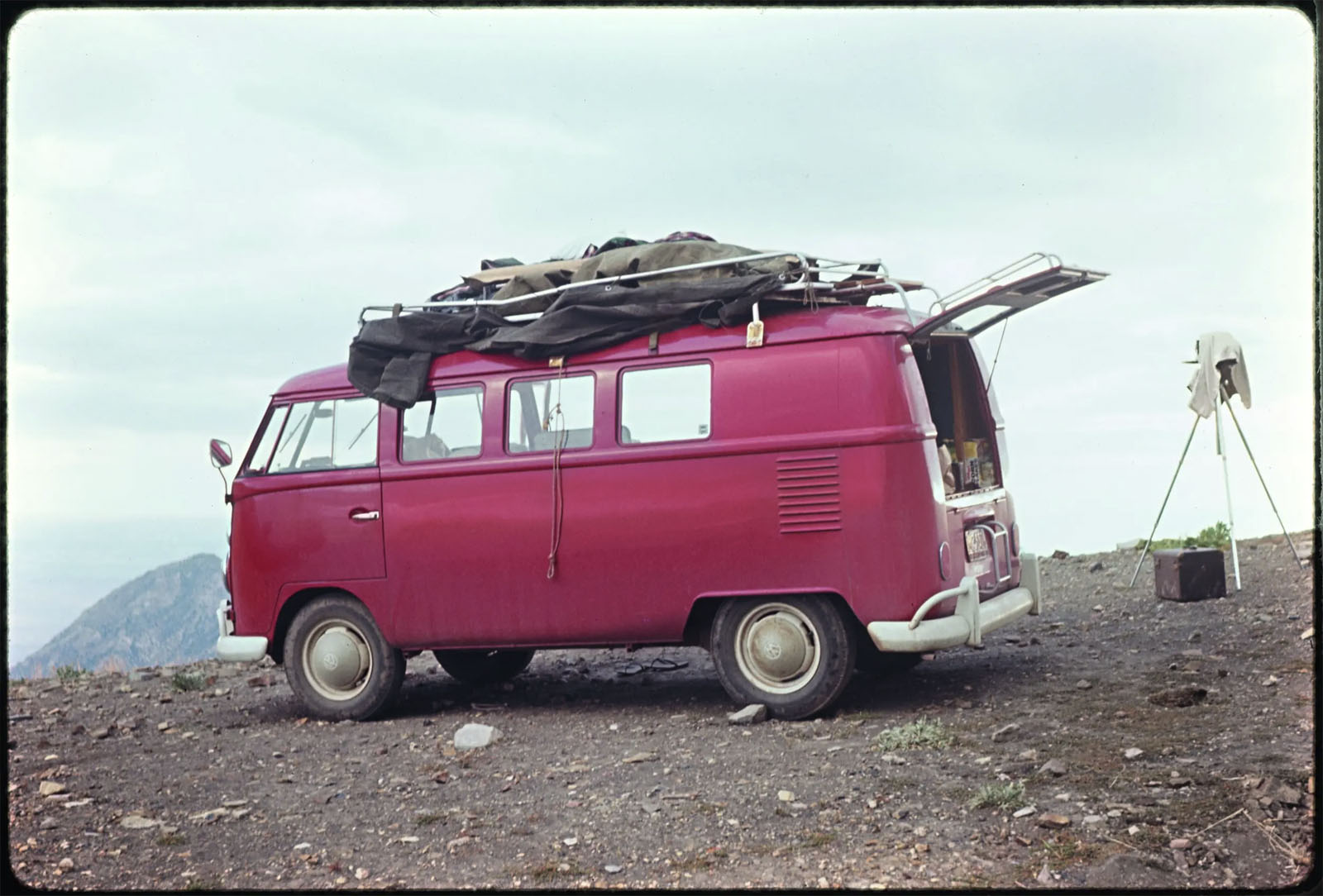

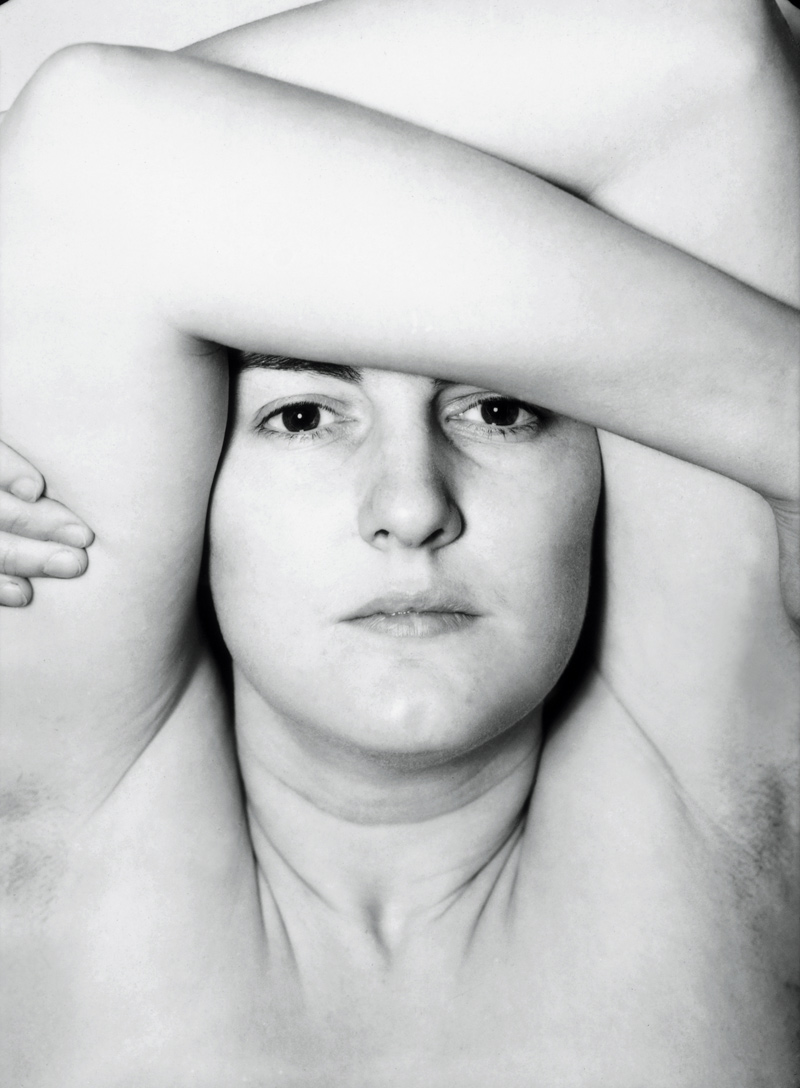
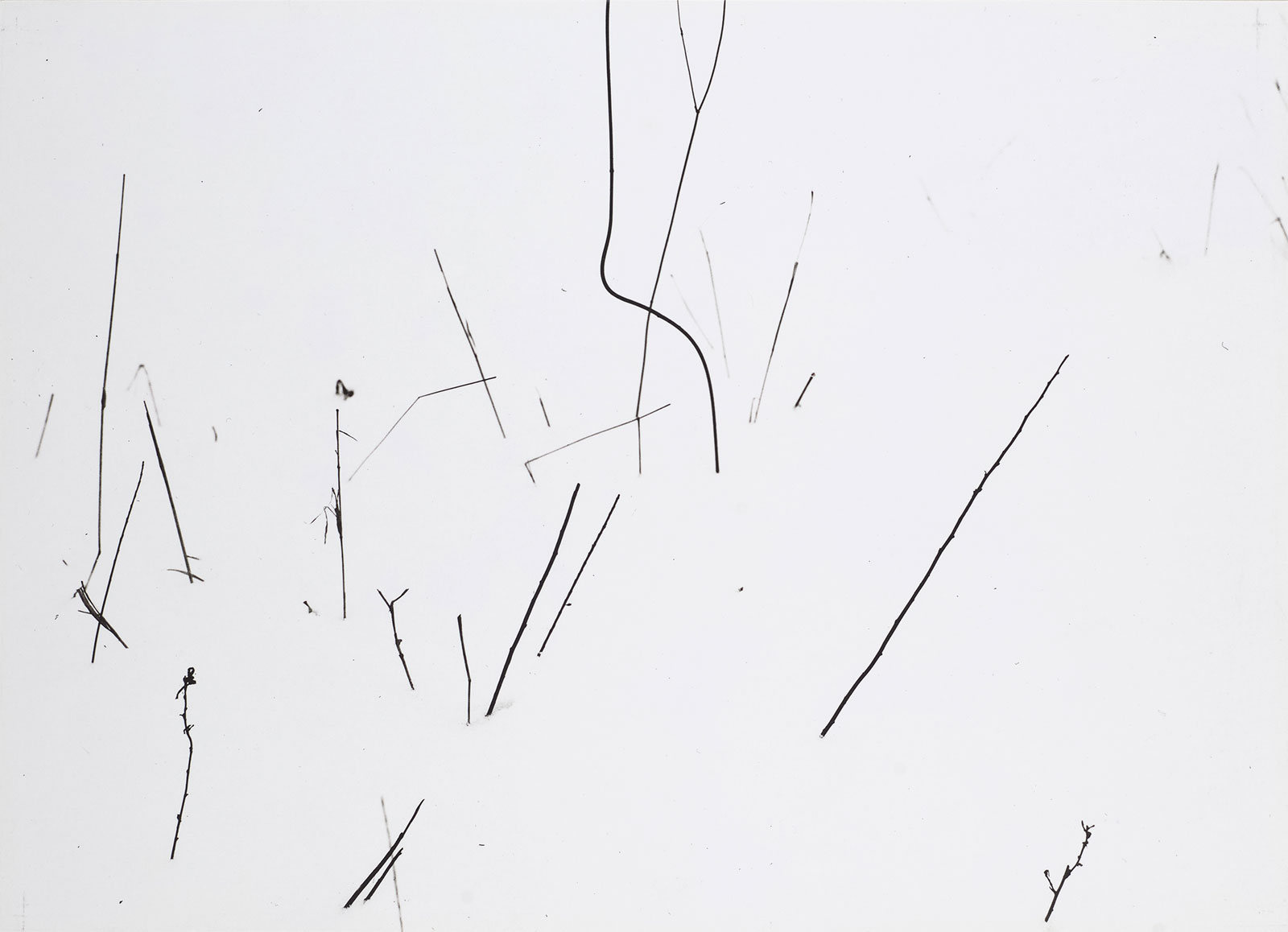
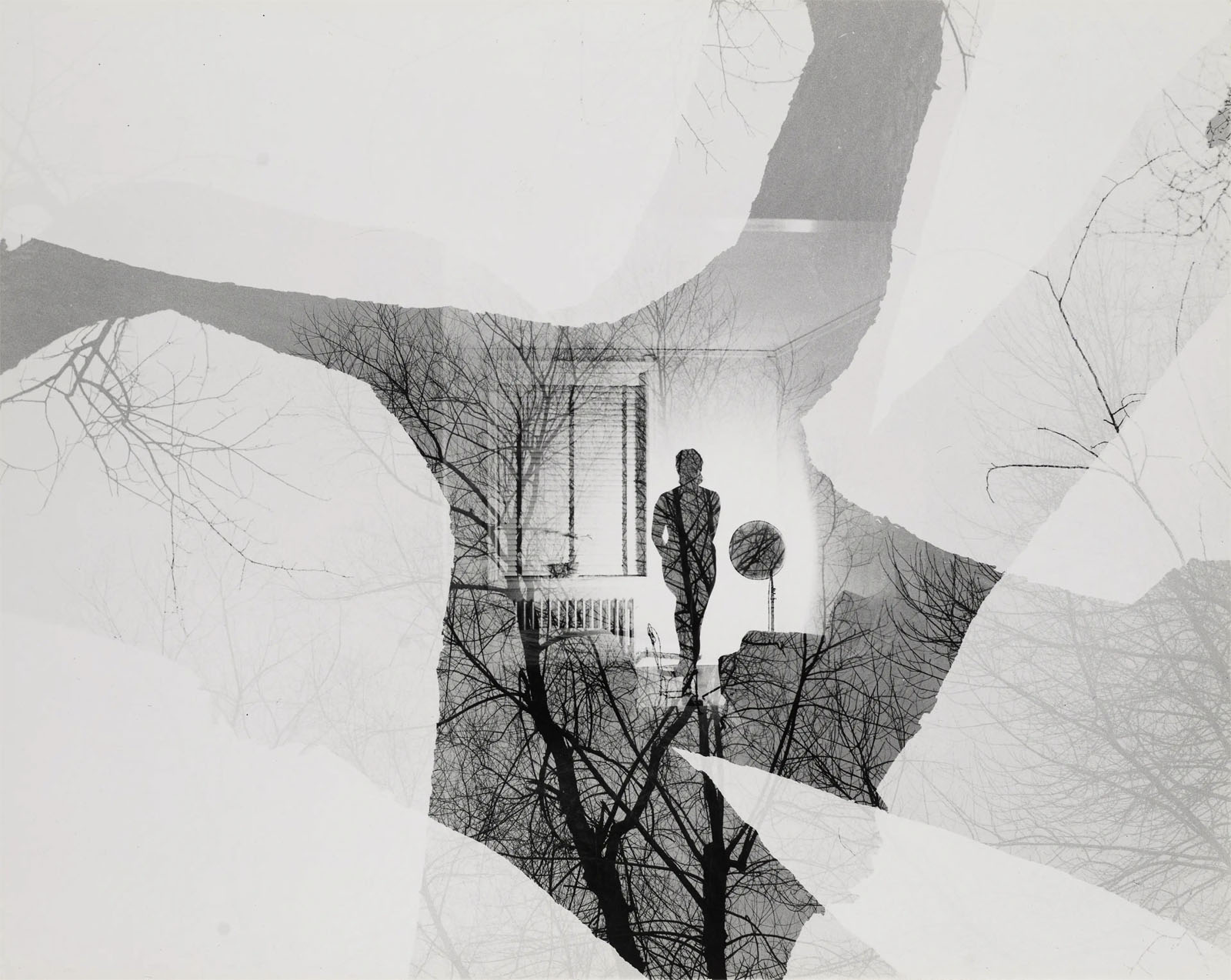
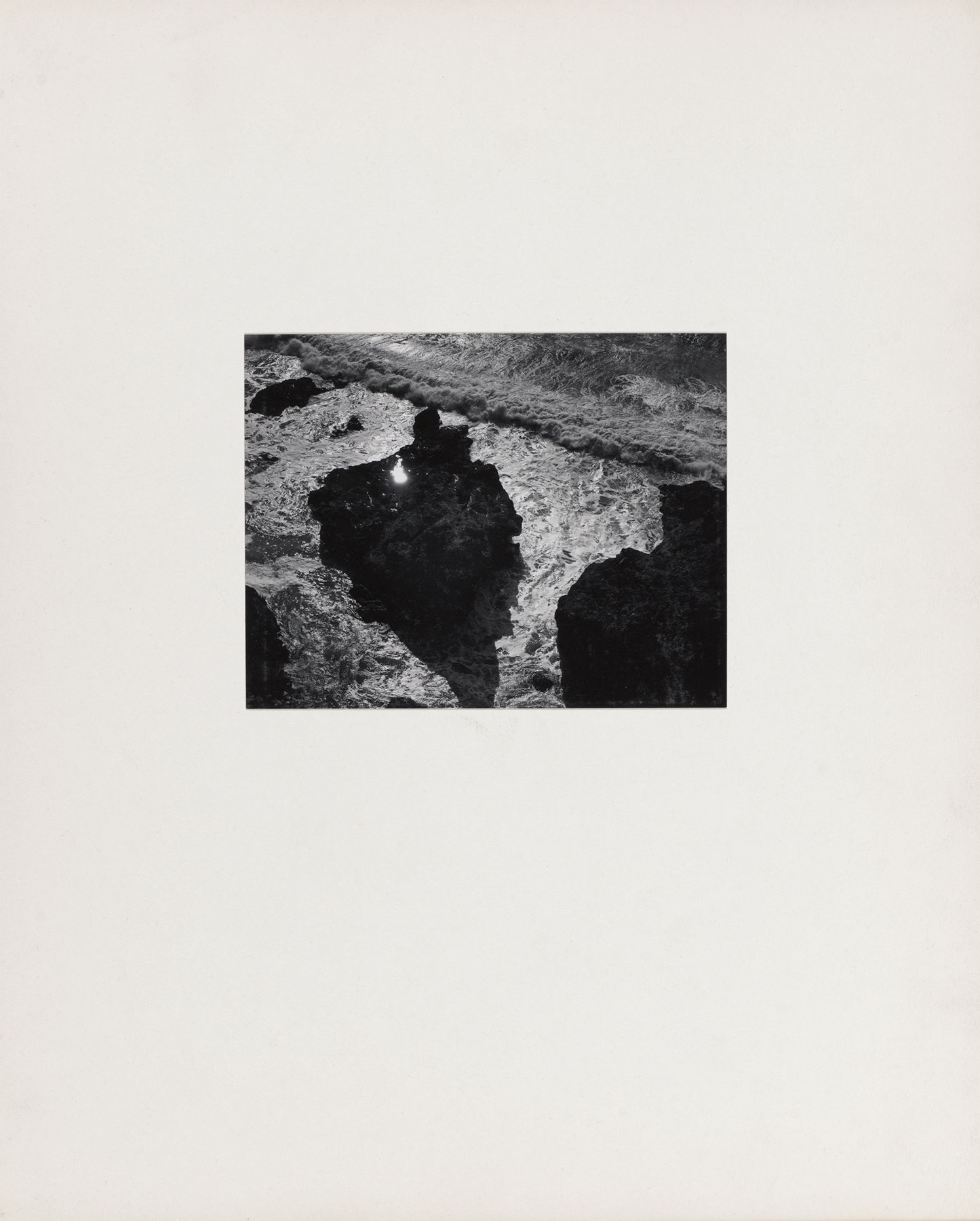
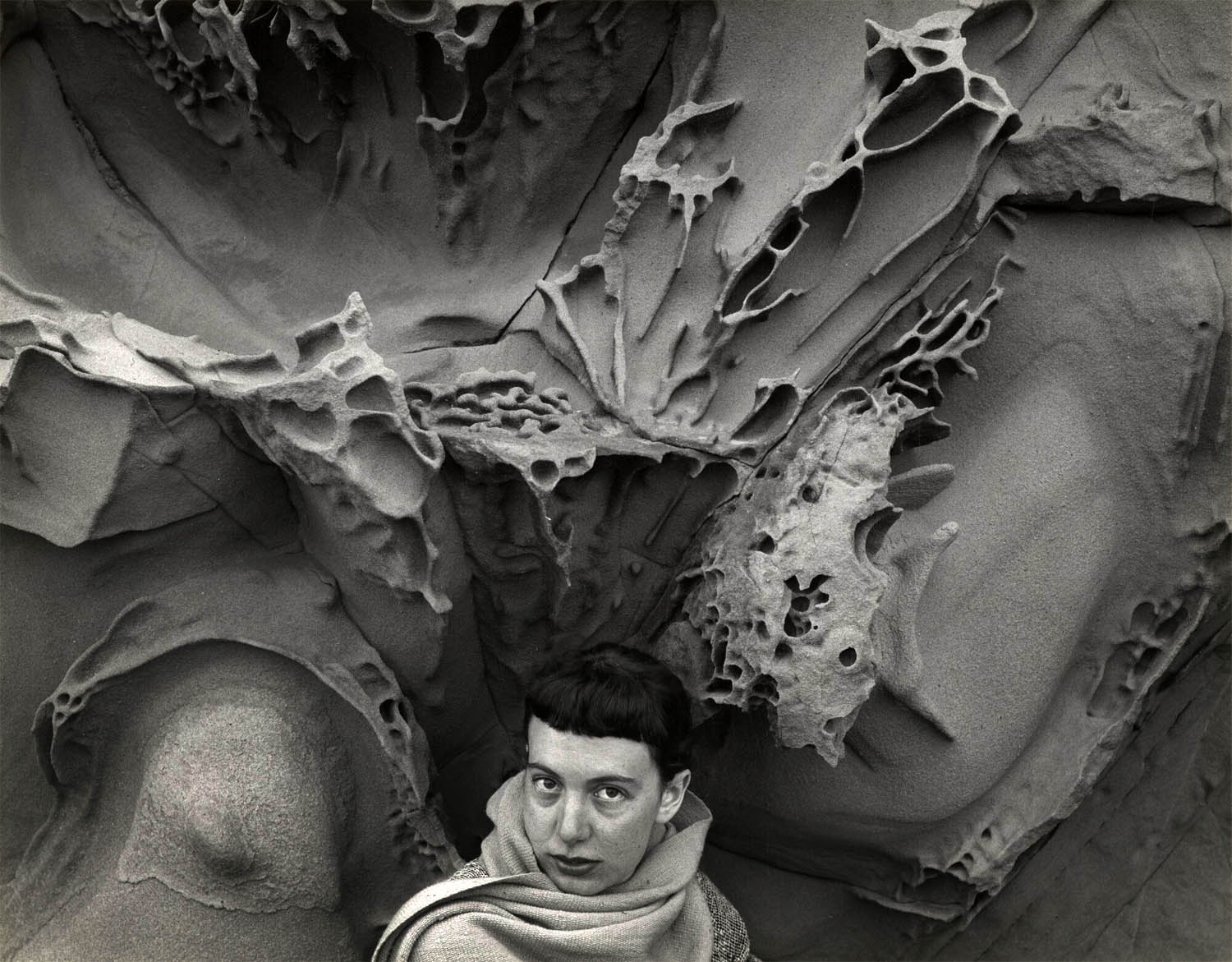

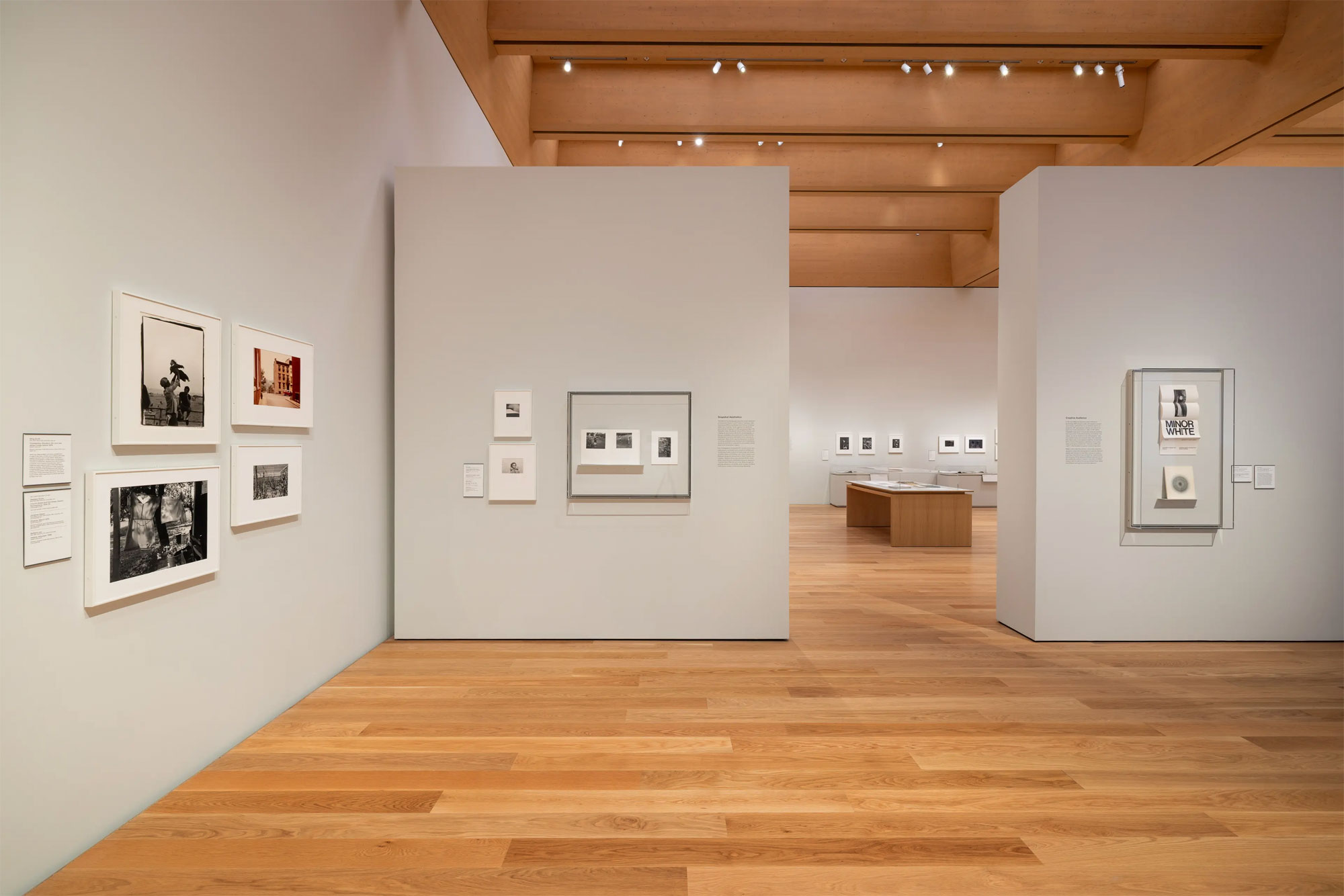
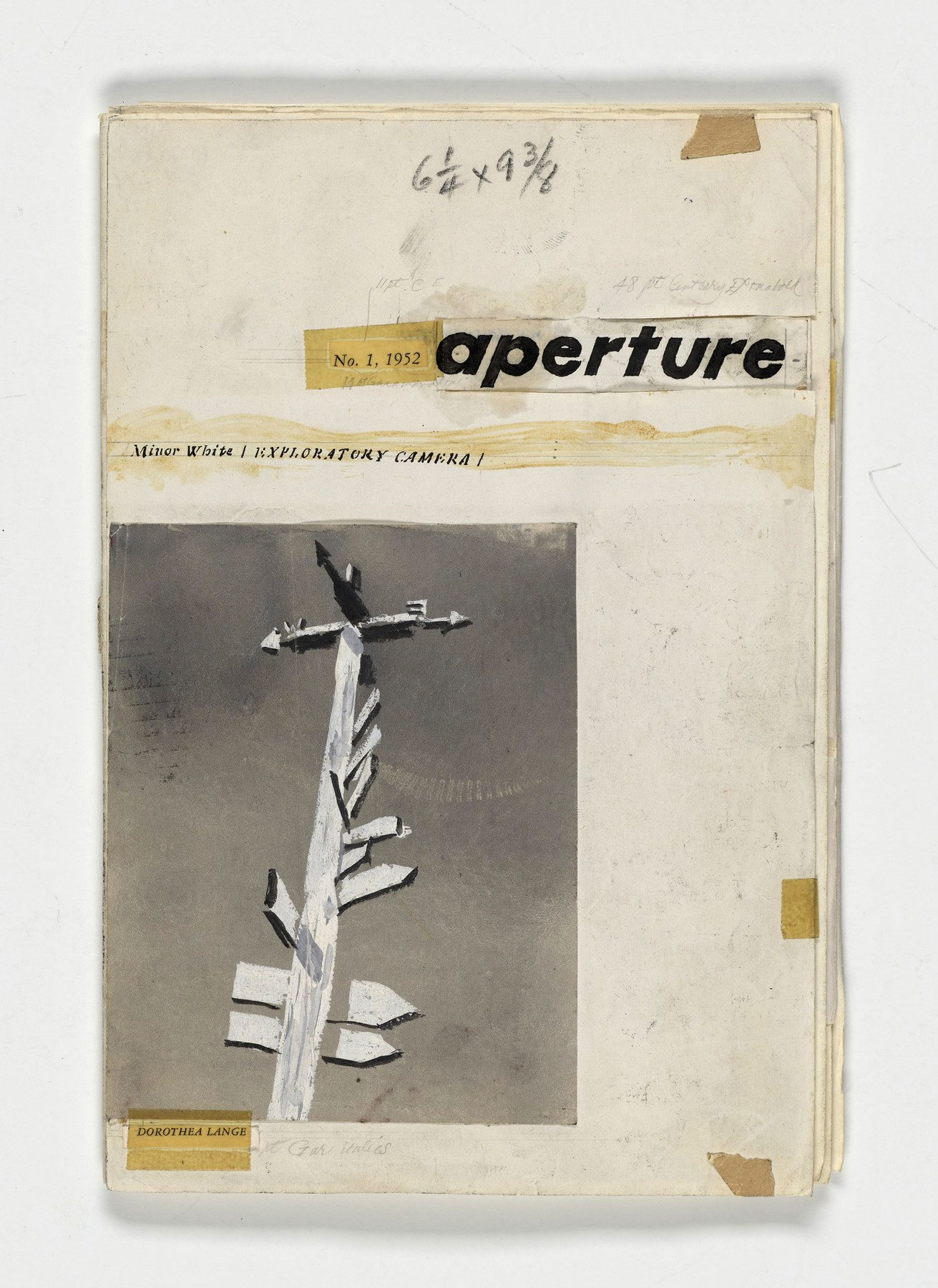
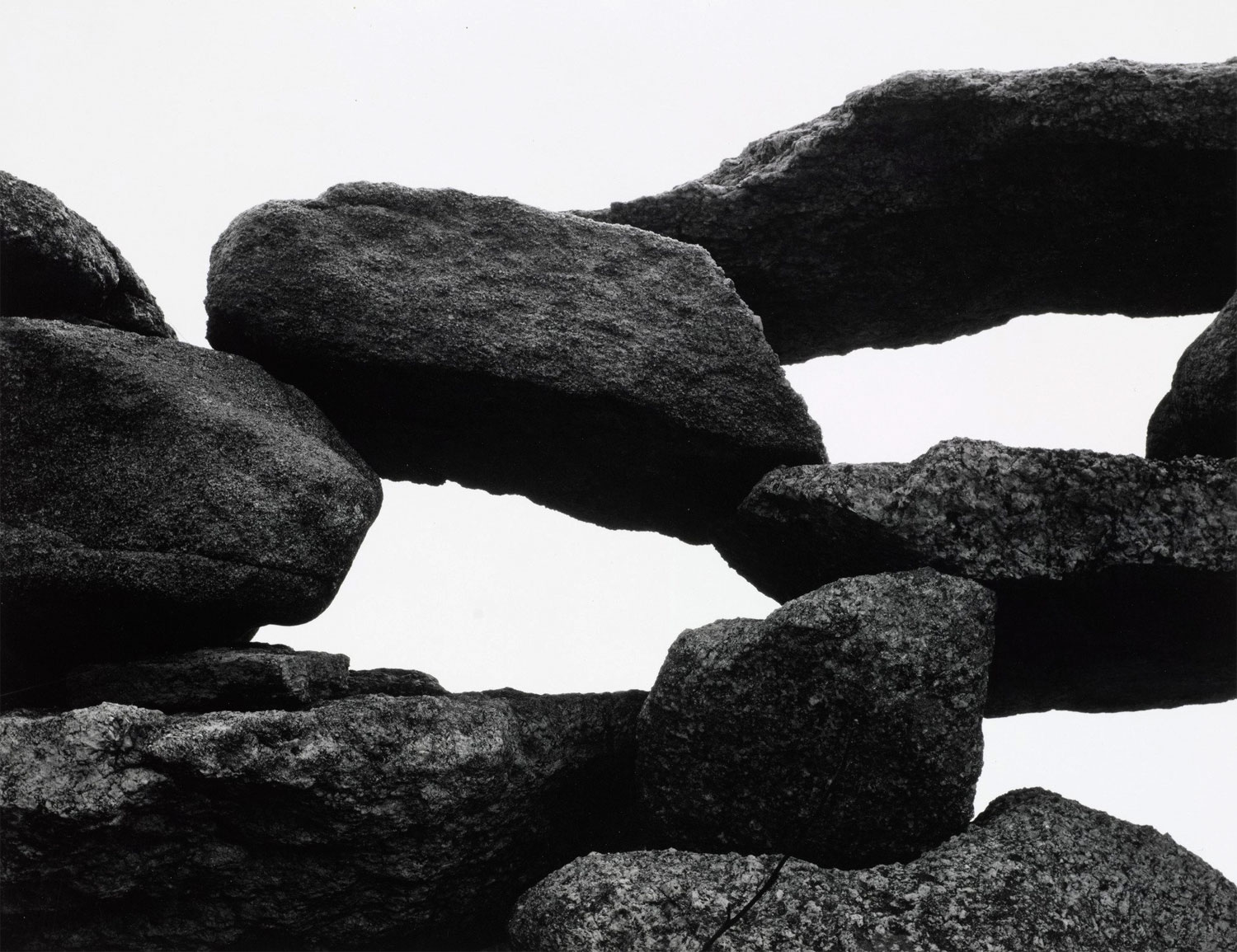
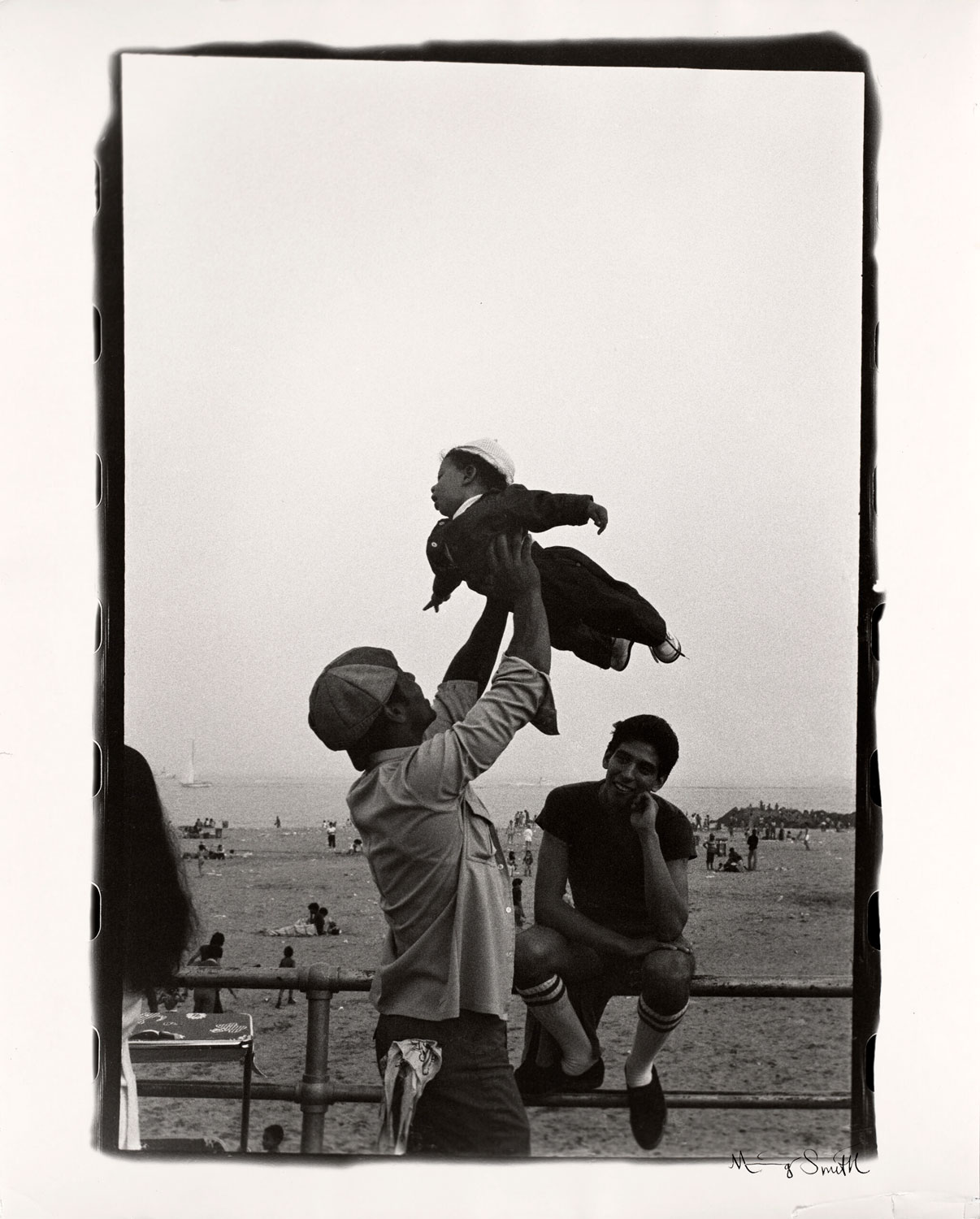
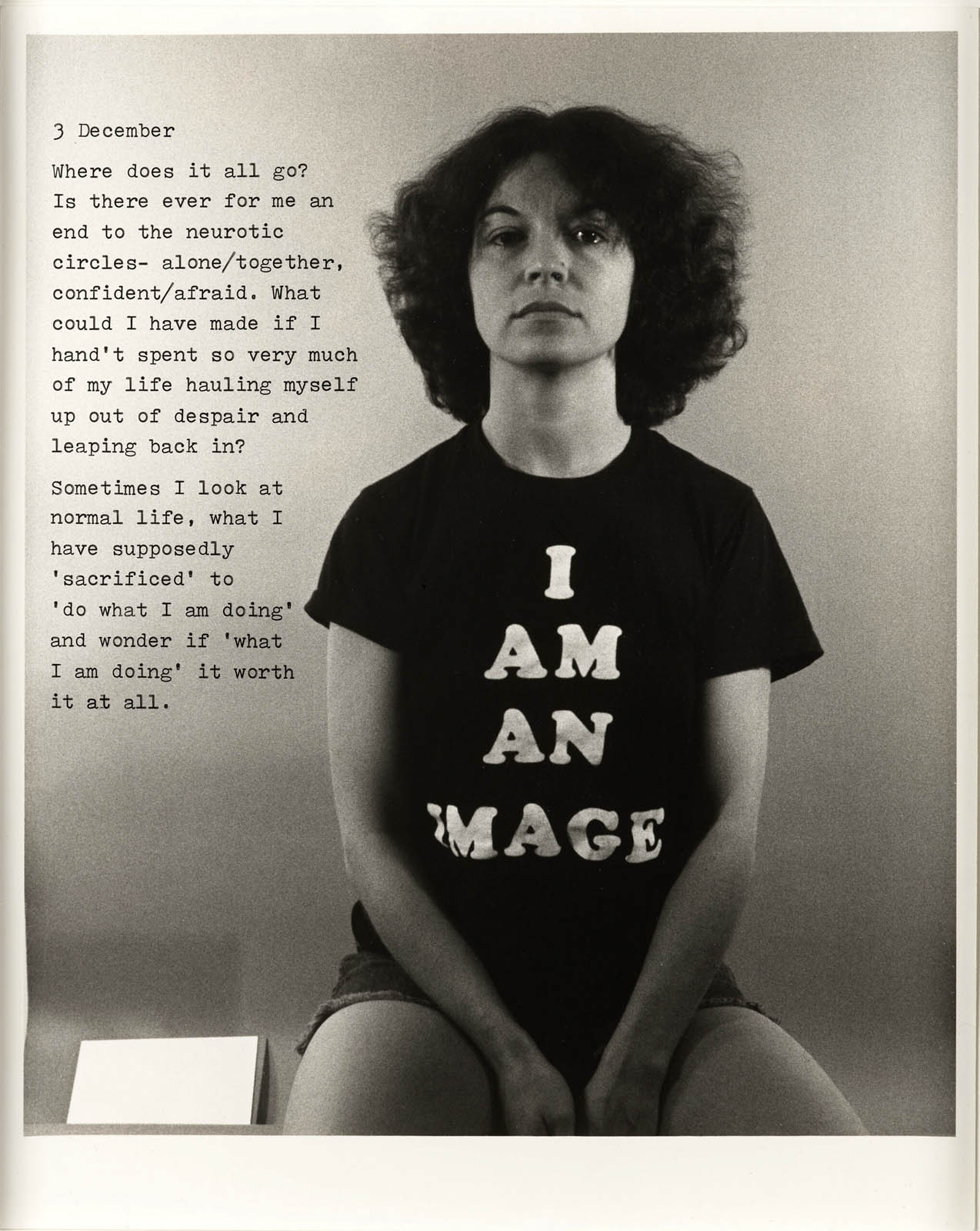
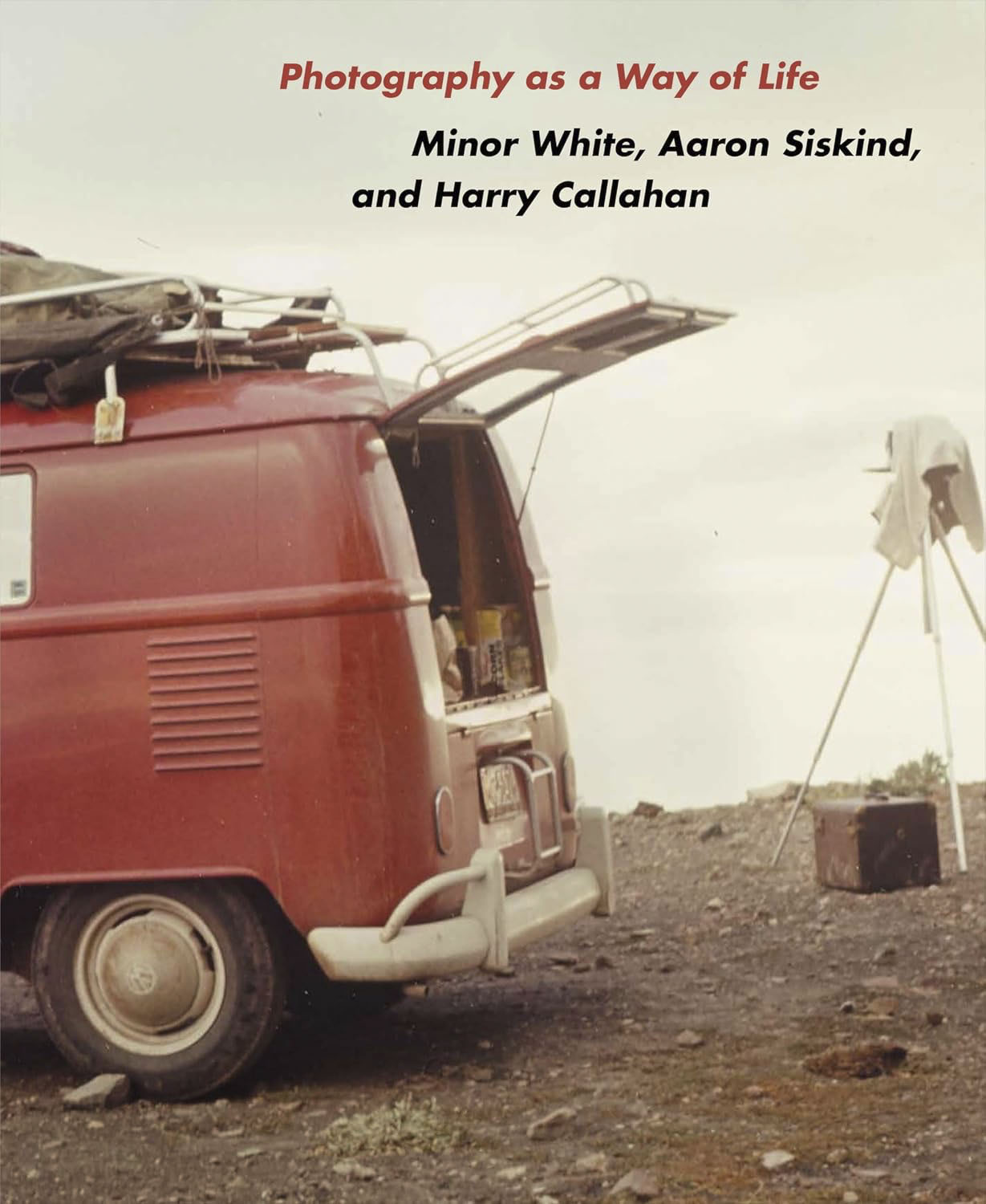


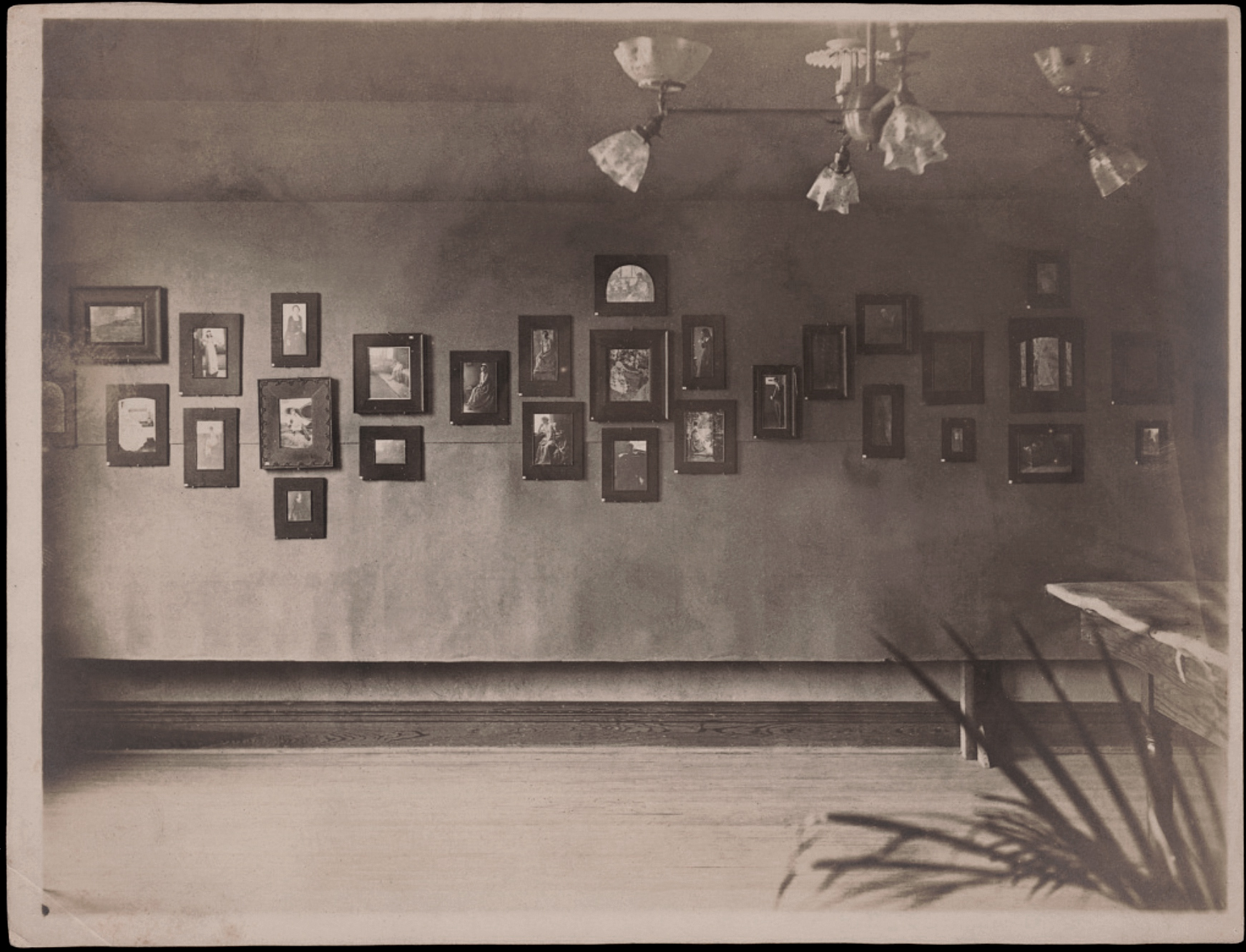

![William Herman Rau (1855-1920) 'Untitled [Clarence H. White works in Second Philadelphia Photographic Salon installation]' 1899](https://artblart.com/wp-content/uploads/2017/12/clarence-h-white-works-in-second-philadelphia-photographic-salon-installation-1899-web.jpg "William Herman Rau (1855-1920) 'Untitled [Clarence H. White works in Second Philadelphia Photographic Salon installation]' 1899")


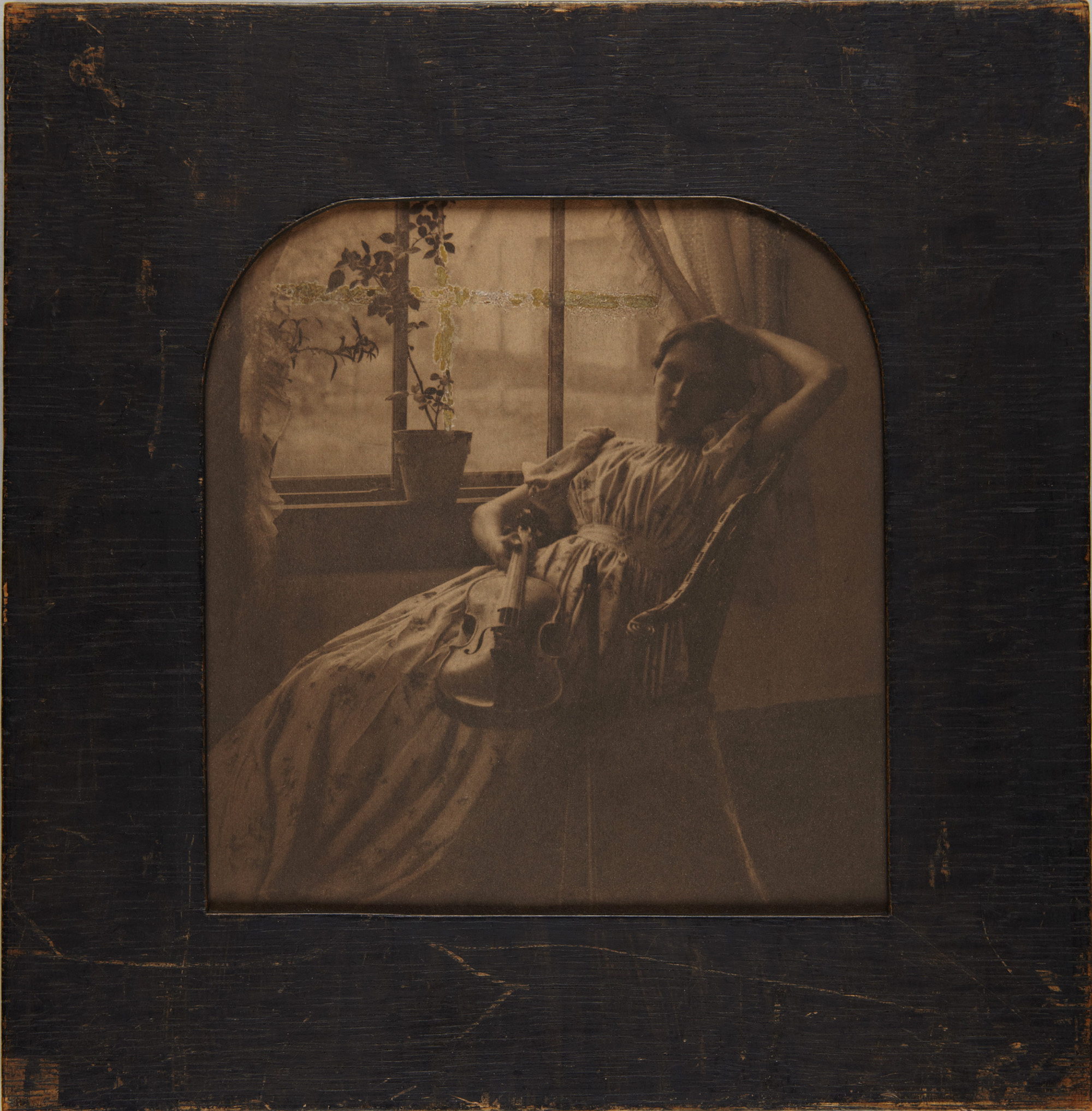

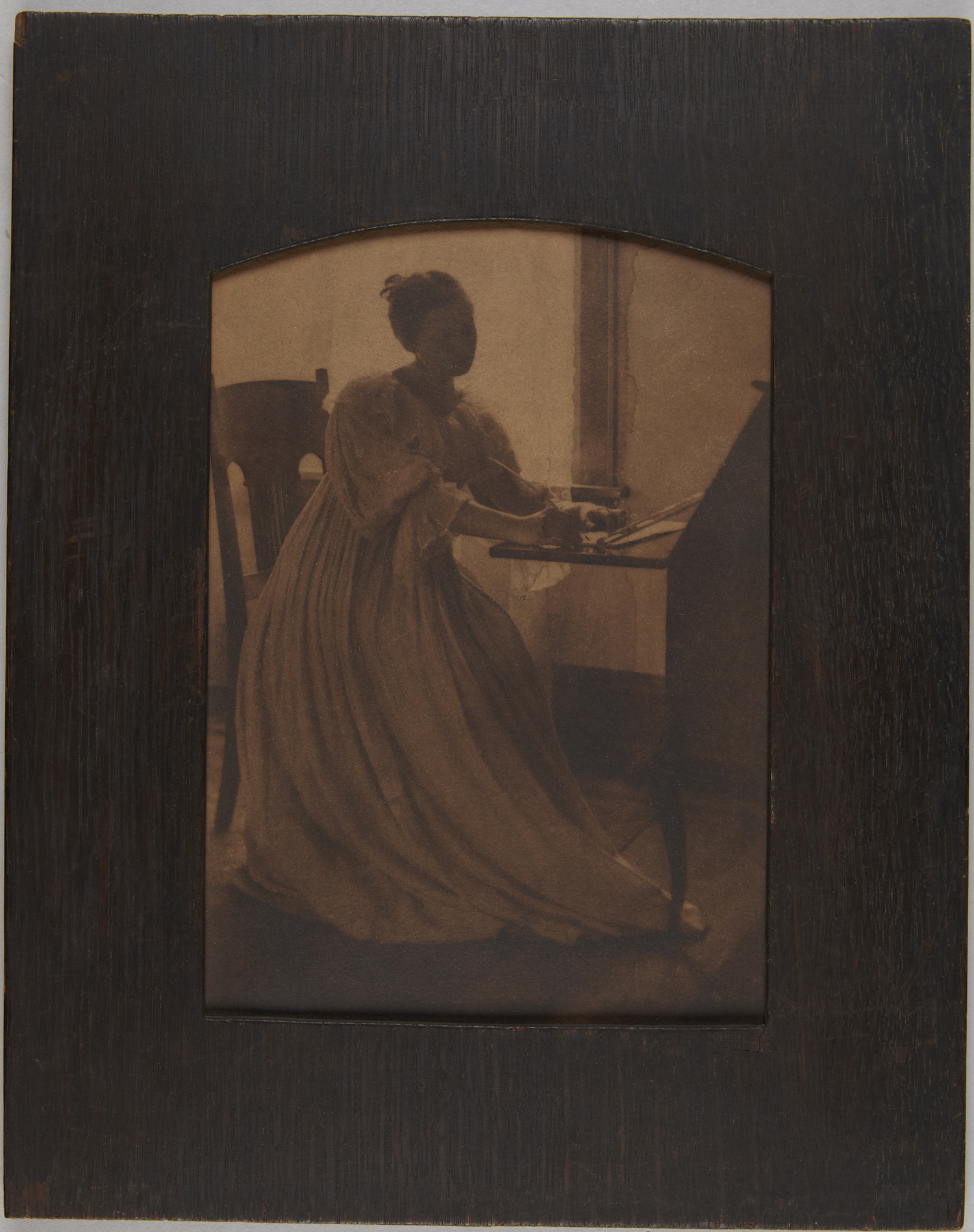
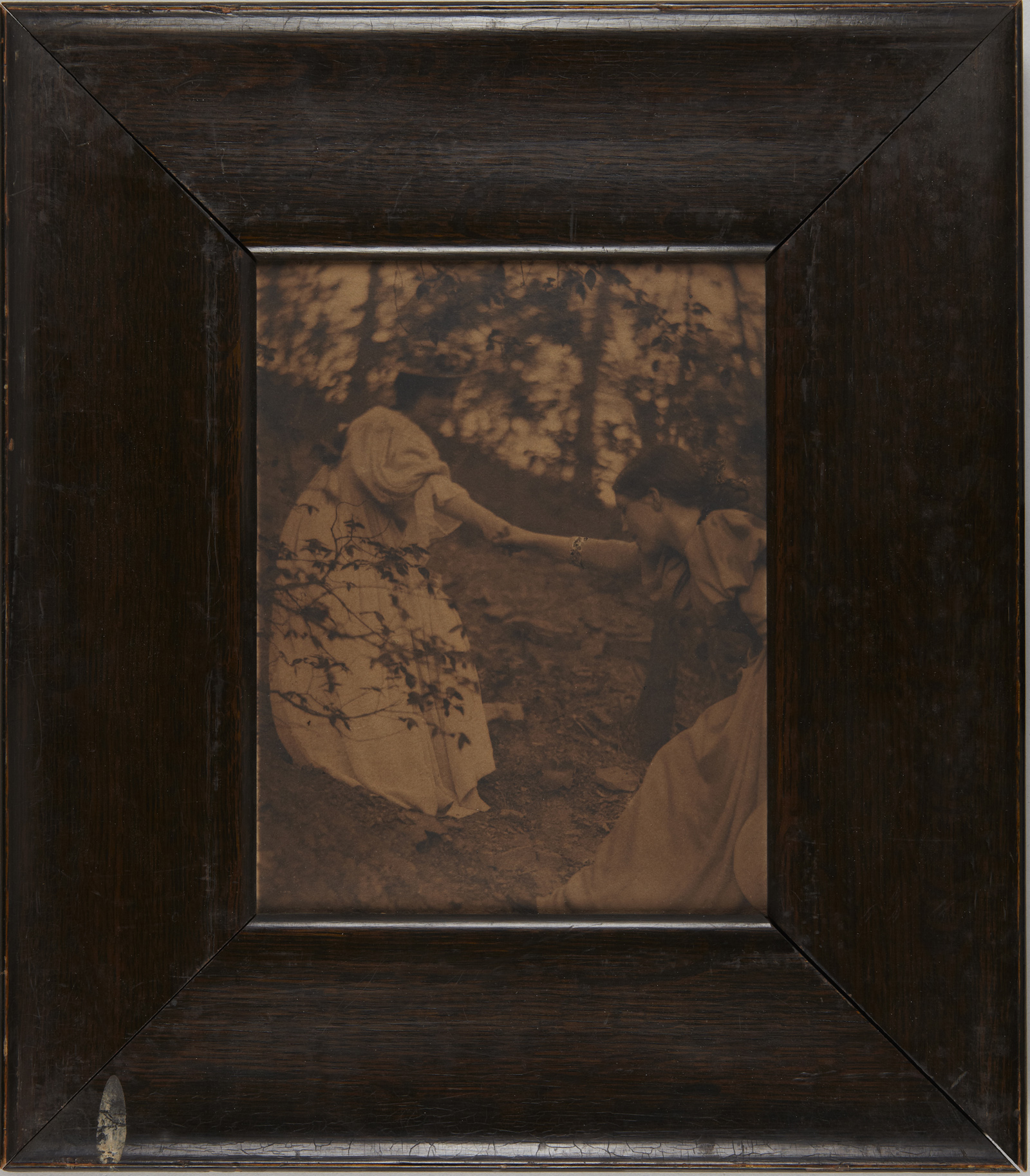


![Clarence H. White (American, 1871-1925) 'Spring - A Triptych [Letitia Felix]' 1898](https://artblart.com/wp-content/uploads/2017/12/clarence-h-white-spring-web.jpg "Clarence H. White (American, 1871-1925) 'Spring - A Triptych [Letitia Felix]' 1898")
![Clarence H. White (American, 1871-1925) 'Spring - A Triptych [Letitia Felix]' 1898](https://artblart.com/wp-content/uploads/2017/12/clarence-h-white-spring-a-triptych-1898-web.jpg "Clarence H. White (American, 1871-1925) 'Spring - A Triptych [Letitia Felix]' 1898")
![Clarence H. White (American, 1871-1925) 'Spring - A Triptych [Letitia Felix]' 1898](https://artblart.com/wp-content/uploads/2017/12/clarence-h-white-spring-a-triptych-1898-b-web.jpg "Clarence H. White (American, 1871-1925) 'Spring - A Triptych [Letitia Felix]' 1898")


![Clarence H. White (American, 1871-1925) 'Untitled [Male academic nude]' c. 1900](https://artblart.com/wp-content/uploads/2017/12/clarence-h-white-untitled-male-academic-nude-c-1900-web.jpg "Clarence H. White (American, 1871-1925) 'Untitled [Male academic nude]' c. 1900")
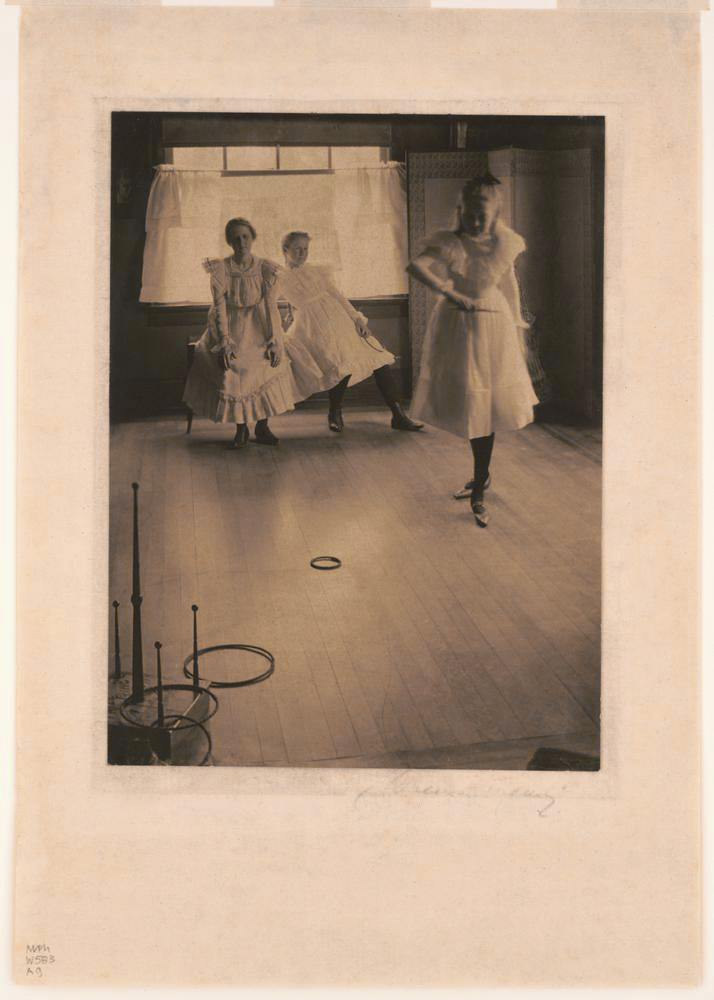
![Clarence H. White (American, 1871-1925) 'Untitled [Portrait of F. Holland Day with Male Nude]' 1902](https://artblart.com/wp-content/uploads/2017/12/clarence-h-white-portrait-of-f-holland-day-with-male-nude-1902-platinum-print-web.jpg "Clarence H. White (American, 1871-1925) 'Untitled [Portrait of F. Holland Day with Male Nude]' 1902")
![Clarence H. White (American, 1871-1925) 'Untitled [F. Holland Day lighting a cigarette]' 1902](https://artblart.com/wp-content/uploads/2017/12/clarence-h-white-untitled-f-holland-day-lighting-a-cigarette-1902-web.jpg "Clarence H. White (American, 1871-1925) 'Untitled [F. Holland Day lighting a cigarette]' 1902")
![Clarence H. White (American, 1871-1925) 'The Boy with His Wagon [1/3]' 1898](https://artblart.com/wp-content/uploads/2017/12/clarence-h-white-boy-web.jpg "Clarence H. White (American, 1871-1925) 'The Boy with His Wagon [1/3]' 1898")

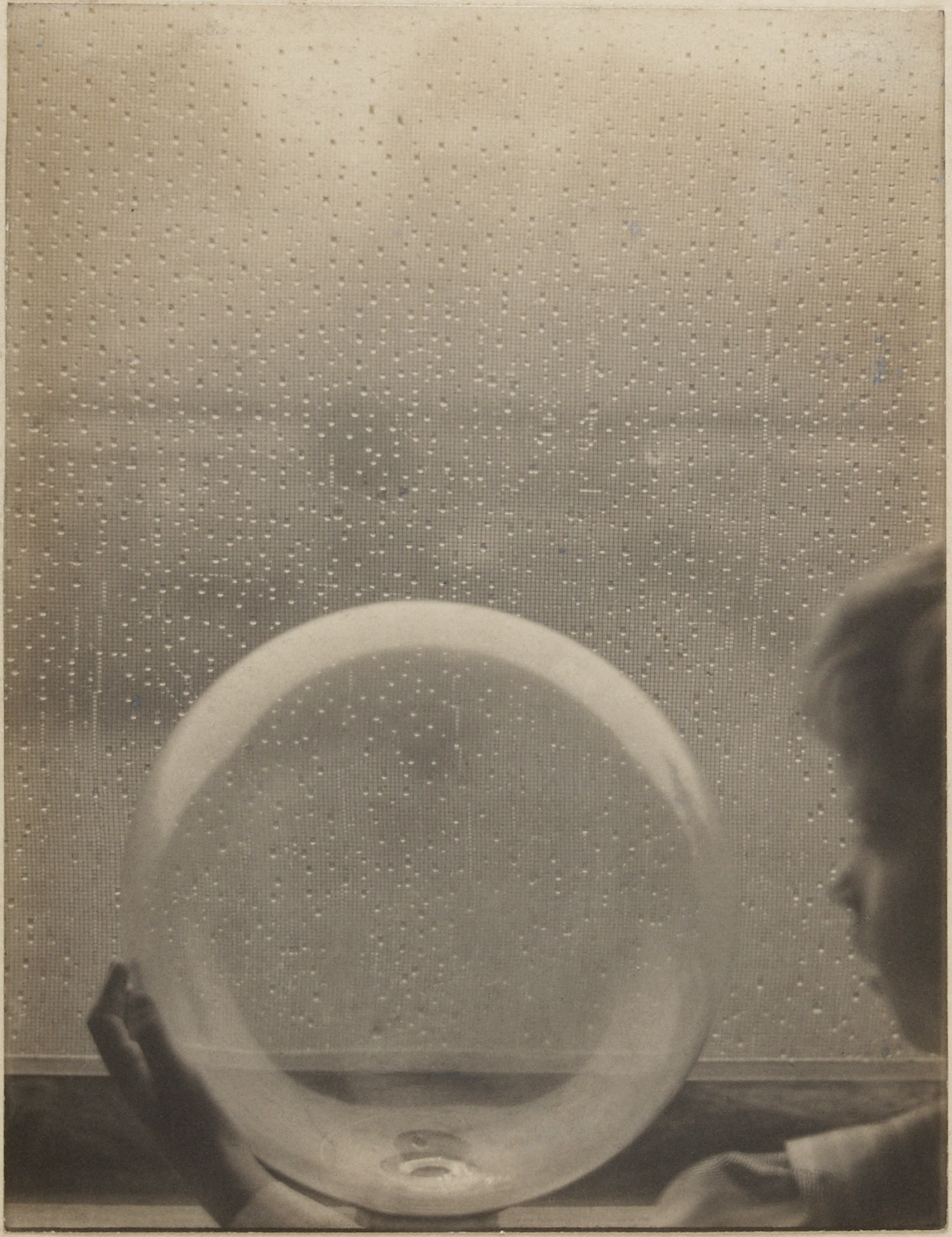


![Clarence H. White (1871-1925) 'Untitled [Jean Reynolds in Newark, Ohio]' c. 1905](https://artblart.com/wp-content/uploads/2017/12/clarence-h-white-untitled-jean-reynolds-in-newark-ohio-c-1905-web.jpg "Clarence H. White (1871-1925) 'Untitled [Jean Reynolds in Newark, Ohio]' c. 1905")

![Clarence H. White (American, 1871-1925) 'Untitled [Interior of Weiant house, Newark, Ohio]' 1904](https://artblart.com/wp-content/uploads/2017/12/clarence-h-white-untitled-interior-of-weiant-house-newark-ohio-1904-web.jpg "Clarence H. White (American, 1871-1925) 'Untitled [Interior of Weiant house, Newark, Ohio]' 1904")
![Clarence H. White (American, 1871-1925) and Paul Burty Haviland (French, 1880-1950) 'Untitled [Florence Peterson]' 1909, printed after 1917](https://artblart.com/wp-content/uploads/2017/12/white-haviland-untitled-florence-peterson-1909-printed-after-1917-web.jpg "Clarence H. White (American, 1871-1925) and Paul Burty Haviland (French, 1880-1950) 'Untitled [Florence Peterson]' 1909, printed after 1917")


![Alfred Stieglitz (American, 1864-1946) and Clarence H. White (American, 1871-1925) 'Untitled [Miss Thompson]' 1907](https://artblart.com/wp-content/uploads/2017/12/stieglitz-and-white-untitled-miss-thompson-1907-web.jpg "Alfred Stieglitz (American, 1864-1946) and Clarence H. White (American, 1871-1925) 'Untitled [Miss Thompson]' 1907")

![Clarence H. White (American, 1871-1925) 'Untitled [Florence Peterson]' c. 1909](https://artblart.com/wp-content/uploads/2017/12/clarence-h-white-untitled-florence-peterson-c-1909-web.jpg "Clarence H. White (American, 1871-1925) 'Untitled [Florence Peterson]' c. 1909")

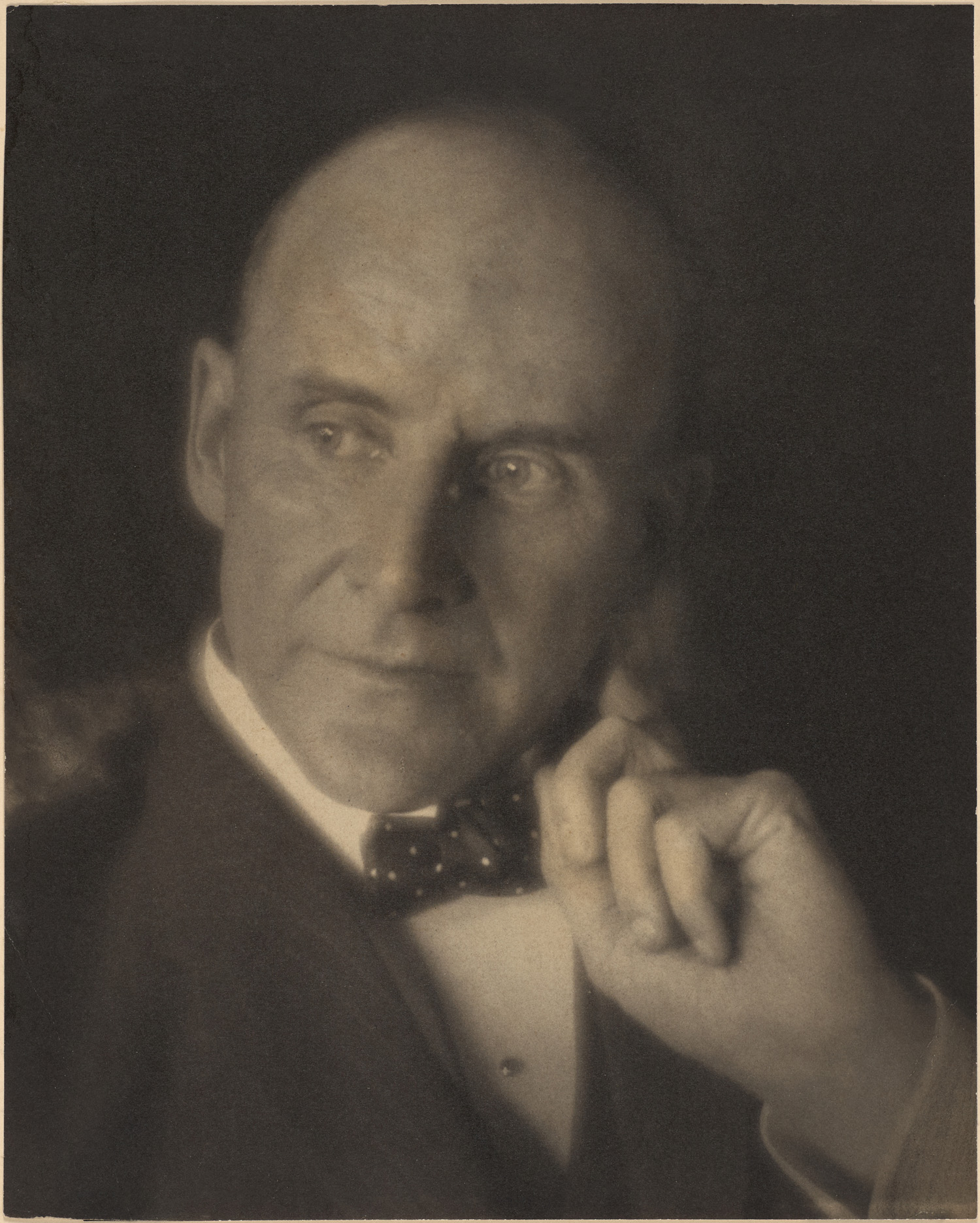


![Margaret Watkins (Canadian, 1884-1969) 'Untitled [Kitchen still life]' c. 1919-1920](https://artblart.com/wp-content/uploads/2017/12/margaret-watkins-untitled-kitchen-still-life-c-1919-20-web.jpg "Margaret Watkins (Canadian, 1884-1969) 'Untitled [Kitchen still life]' c. 1919-1920")

![Clarence H. White (American, 1871-1925) 'Untitled [Dome of the Church of Our Lady of Carmen, San Ángel, Mexico]' 1925](https://artblart.com/wp-content/uploads/2017/12/clarence-h-white-dome-of-the-church-of-our-lady-of-carmen-1925-web.jpg "Clarence H. White (American, 1871-1925) 'Untitled [Dome of the Church of Our Lady of Carmen, San Ángel, Mexico]' 1925")
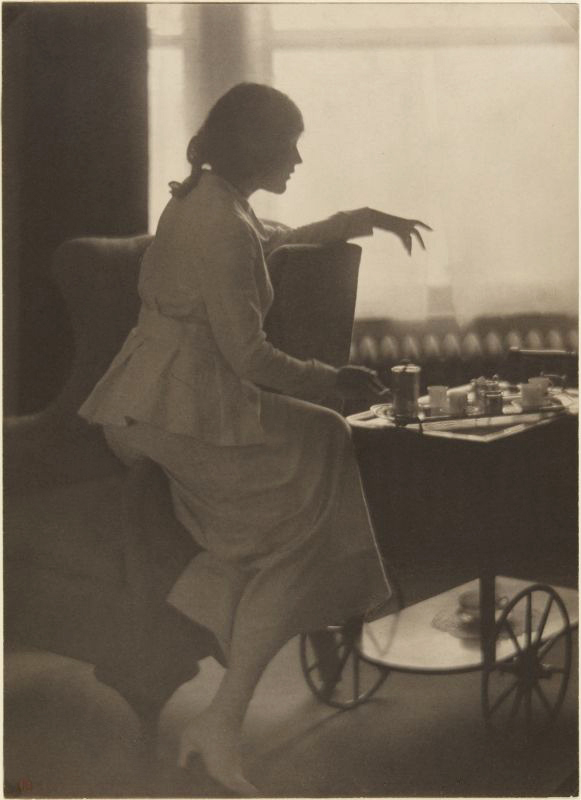


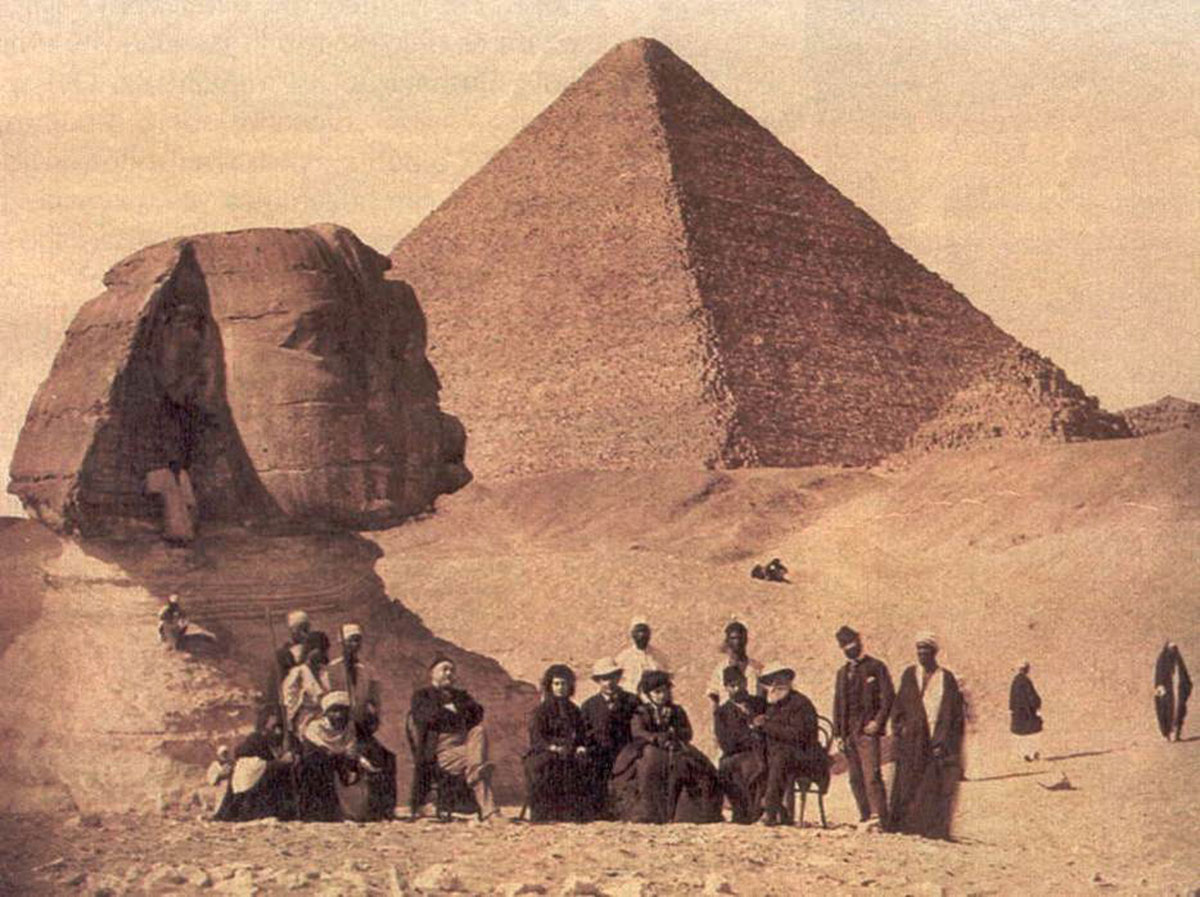
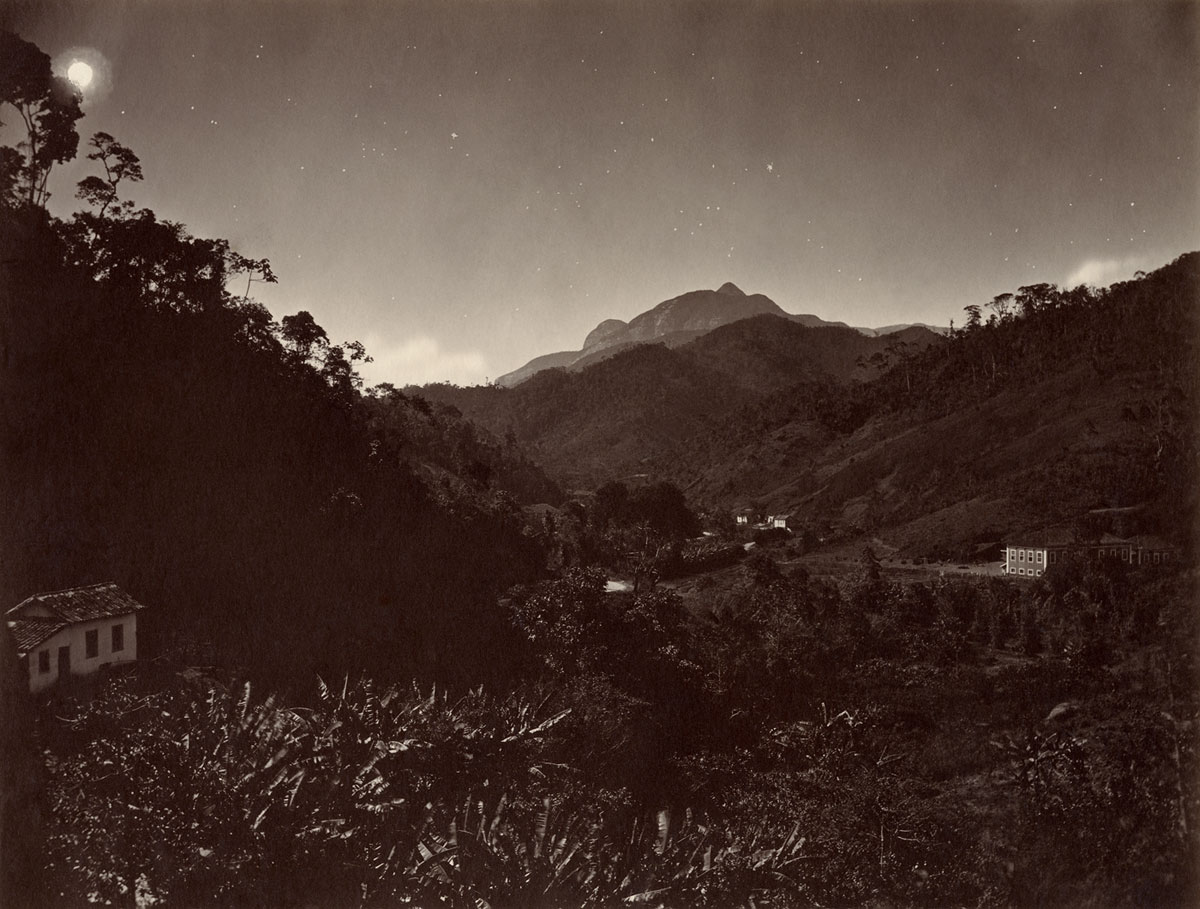
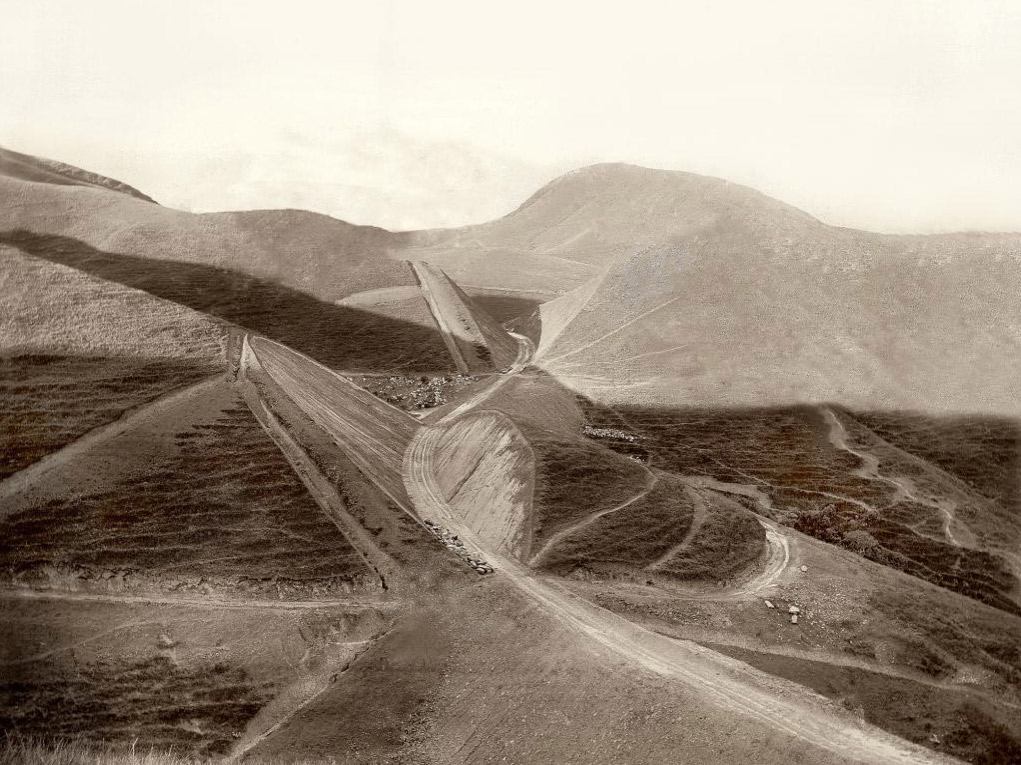

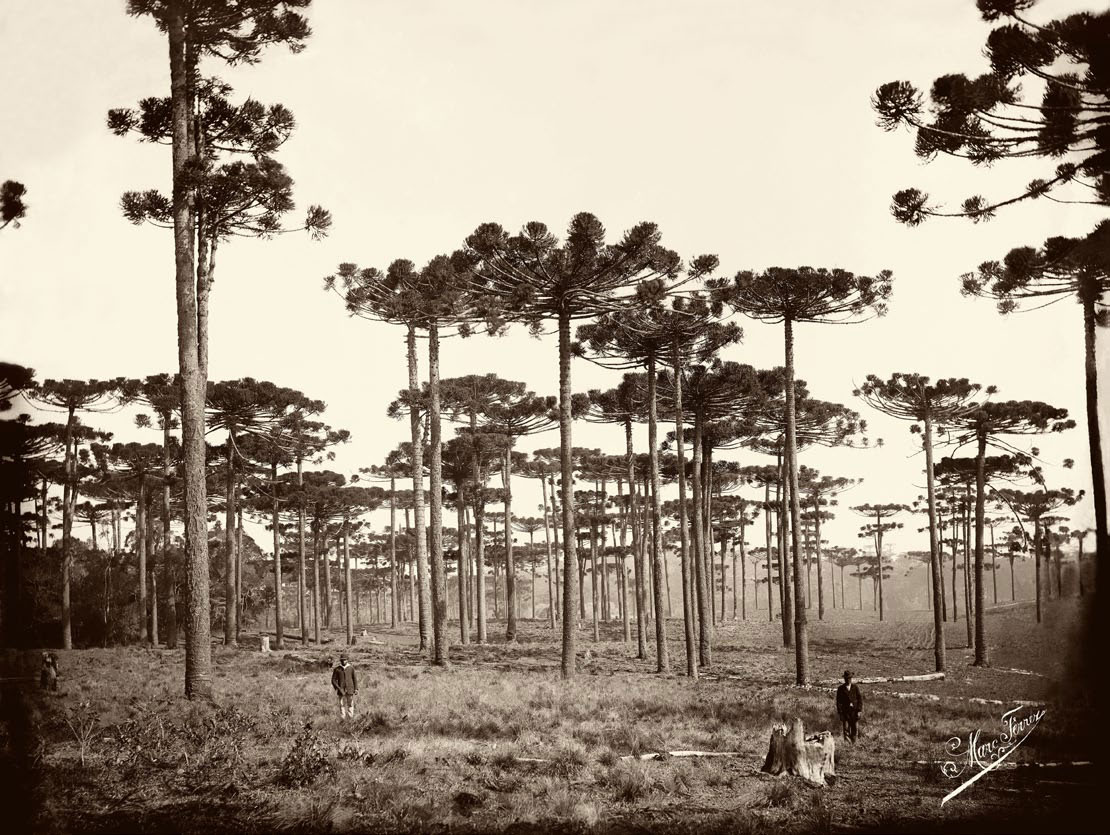


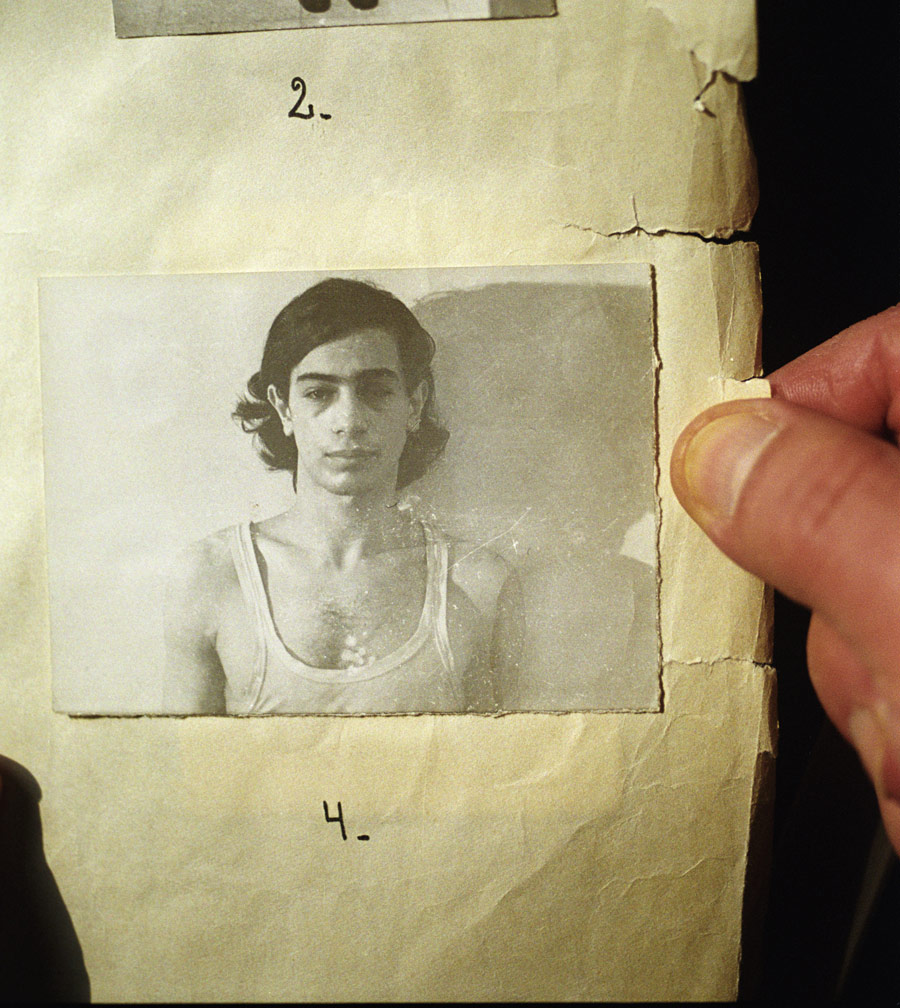

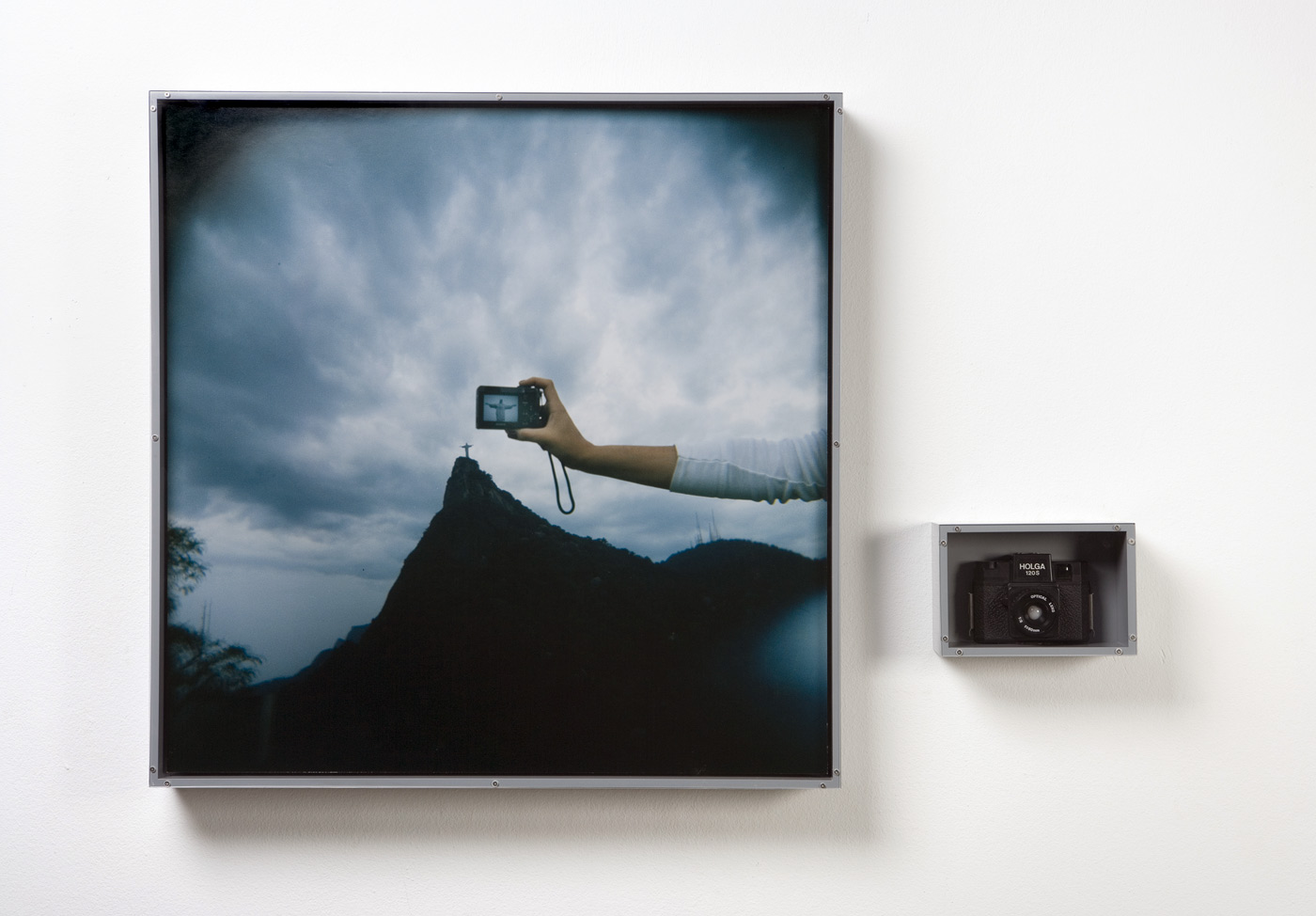
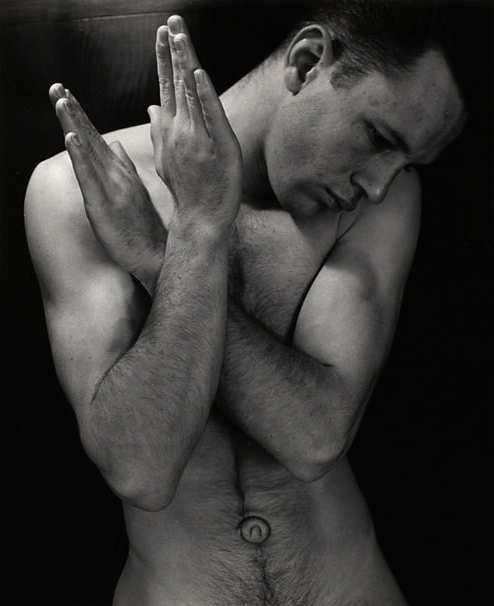






You must be logged in to post a comment.