Exhibition dates: 28th June – 22nd September, 2019
Martin Gerlach (Austro-German, 1846-1918) Mikroskopische Aufnahmen, Aus: Formenwelt aus dem Naturreiche (Die Quelle, Bd. V) Microscopic Images, From: Form world from the natural kingdom (Die Quelle, Vol. V) 1902-1904 Vienna: Gerlach u. Wiedling Albertina Vienna, on permanent loan from the Federal Department of Education and Research Fotografien von Hugo Hinterberger
A fascinating posting on early photo books, photographic book printing, luxury volumes and advertising brochures.
Dr Marcus Bunyan
Many thankx to the Albertina for allowing me to publish the photographs in the posting. Please click on the photographs for a larger version of the image.
It is now such a given for photography to be the dominant medium of illustration in all types of publications that the beginnings of its involvement have faded into oblivion. But the process by which photography came to books was lengthy and accompanied by myriad technical difficulties. While impressive volumes with mounted originals featuring motifs such as butterfly wings magnified 1,000 times, Emperor Maximilian’s ceremonial armour, military exercises, and aristocratic theatrical performances reached enthusiastic audiences as early as 1860, few people could afford to purchase such publications.
Only when it became possible to reproduce photographs in print, which permitted book editions of practically unlimited copies, did photography grow into a mass medium that would go on to visually dominate the 20th century. But even so, the combination of convincing photography, refined book design, and artisanal perfectionism did produce a broad spectrum of those earliest photo volumes in Austria – of which this is the first-ever public exhibition.
While photography now dominates nearly every type of publishing genre, the origins of its interplay with publishing have increasingly been forgotten – but the path by which photography entered books was long and littered with numerous technical hurdles, a fact that makes the various creative solutions fielded by pioneers in this area all the more intriguing. Original photographs, test prints, and book maquettes (original book designs) from the collections of the Albertina Museum open up a new perspective on a previously overlooked aspect of Austrian cultural history, which is characterised by diverse interrelationships between scientific curiosity, industrial interests, artistic experimentation, and an educational policy beholden to the Enlightenment.
This exhibition, which includes around 300 items from between 1840 and 1940, sheds light on an extraordinary panorama of innovative achievements manifested as luxury volumes and advertising brochures, travelogues and scientific atlases, artists’ designs and industrial documentation. And a broad spectrum of early photo books from Austria – of which this is the first-ever exhibition – presents fascinating combinations of convincing photography, refined book design, and artisanal perfection. The publication produced for this exhibition traces photography’s path to books in even more depth: on over 200 pages, comprehensive texts and full-scale facsimiles reveal fascinating historical relationships between text, image, and book object.
The advent of photography in 1839 inspired even its earliest commentators to express promising visions of the future, visions that associated this medium with that of books from the very beginning. They compared the innovation of photography with that of book printing long before it became possible to duplicate photographs in large numbers. Photography’s revolutionary potential was recognised not only in its ability to depict details authentically without human intervention but also in its mechanical reproducibility – the development of which, however, was still in its nascence.
Even so, photographic depiction’s aura of authenticity and infallibility was so strong that this new medium quickly came to be considered indispensable in printed books. So at first, publishers made do with illustrations after photographs – realised as lithographs or wood engravings. 1857 saw the appearance of books with photographs glued in to illustrate the text. The demand for such productions was to be found above all in innovative areas of scientific research and in that era’s expanding industry, but there were also volumes produced privately as luxurious mementos. The print runs involved here were to remain far smaller than those that had been made possible by the revolutionary invention of the printing press, which had first facilitated the widespread dissemination of written works.
There followed decades of institutionally led attempts to render photography printable, with such a technology being viewed as something of an “Egg of Columbus” (Ludwig Schrank, 1864). This phase witnessed the development of refined printing techniques that made possible high-quality image reproduction, thus satisfying a universal desire among scientists to publish comprehensive pictorial atlases with detailed photographic depictions that could serve as authentic comparative material suitable for use in research.
The definitive “professionalisation” of photographic printing in Austria occurred at the Graphische Lehr- und Versuchsanstalt (photographic and graphic art school) under its director Josef Maria Eder, and the present exhibition’s main focus is devoted to this institution. Photographic images were then quick to find their way into the sophisticatedly designed books of the Viennese art nouveau.
1914 witnessed the International Exhibition of the Book Industry and Graphic Arts in Leipzig, an event for which Josef Hoffmann designed an Austrian pavilion as a contemporary setting in which to celebrate the significance of the Austrian Empire’s book industry. While the outbreak of World War I – which brought this event to a premature conclusion – did produce its own genre of illustrated volumes, it simultaneously marked the end of the era of luxury editions.
The interwar period brought with it further improvements in methods of printing photographs that finally allowed the production of inexpensive illustrated volumes. And for the first time, colourful book jackets were designed with photographic motifs – thus ringing in a whole new era on the book market. In the process, photography was liberated from its functions of illustrating text and storing “authentic” factual information. It indeed took on an entirely new character in avant-garde “photo books”: such books contained photographic images printed in deliberate sequences or juxtaposed, and it is as part of a clear interplay between images and text that the photos in books such as the the Wiener Werkstätte’s jubilee volume of 1929 or Stefan Kruckenhauser’s Snow Canvas (1937) appear in a quality that had never been seen before.
Press release from the Albertina website [Online] Cited 02/08/2019
Ernst Heeger (Austrian, 1783-1866) Album microscopisch-photographischer Darstellungen aus dem Gebiete der Zoologie Album of microscopic-photographic representations from the field of zoology 1860 Wien: Carl Gerold’s Sohn, 4, 1860 Fotograf: k. k. Hof- und Staatsdruckerei
Martin Gerlach (Austro-German, 1846-1918) Mikroskopische Aufnahmen, Aus: Formenwelt aus dem Naturreiche (Die Quelle, Bd. V) Microscopic Images, From: Form world from the natural kingdom (Die Quelle, Vol. V) 1902-1904 Vienna: Gerlach u. Wiedling Albertina Vienna, on permanent loan from the Federal Department of Education and Research Fotografien von Hugo Hinterberger
Österreichische Staatsdruckerei “Der Eisbär” und “Der Schimpanse”, Aus: Die neue Arche. Dreißig Tierbilder nach photographischen Naturaufnahmen Austrian State Printing House “The Polar Bear” and “The Chimpanzee”, From: The New Ark. Thirty animal pictures after photographs of nature 1923 Vienna: Austrian State Printing House Photoinstitut Bonartes
Die Wiener Werkstätte 1903-1928: Modernes Kunstgewerbe und sein Weg. Festschrift zu 25jährigen Bestehen der Wiener Werkstätte The Wiener Werkstätte 1903-1928: Modern arts and crafts and its way. Commemoration on the 25th anniversary of the Wiener Werkstätte 1929 Vienna: Krystall-Verlag Photoinstitut BONARTES
Bucheinband zu Roger Ginsburger: Frankreich. Die Entwicklung der neuen Ideen nach Konstruktion und Form Book cover to Roger Ginsburger: France. The development of new ideas according to design and form 1930 Vienna: Anton Schroll & Co Cover design el Lissitzky Private collection
Umschlag von C. Angerer & Göschl Wien Sechzig Jahre Cover by C. Angerer & Göschl Vienna Sixty years 1932 Fotograf: Angerer & Göschl
Wall texts
Photo. Book. Art 1840-1940
The production of systematic knowledge and its dissemination were the key driving forces behind nineteenth-century enlightenment, with a flourishing book industry serving as mediator. From the moment it became known in 1839, photography, a guarantor of images true to detail made without human intervention, seemed to be cut out for not only supporting but speeding up this project.
The ambition to reproduce technically generated pictures unlimited in number like texts would only be fulfilled several decades later thanks to the invention of inexpensive printing techniques. This exhibition is dedicated to the period spanning from the first “vision” of such a feat with its aspiring scientific experiments to manually produced splendid volumes, to the high print-runs of popular illustrated books of the 1930s.
The definitive professionalisation of photo printing in Austria took place at Vienna’s Graphische Lehr- und Versuchsanstalt, whose historical library, preserved as a permanent loan at the Albertina, has provided the starting point for this presentation thanks to its cataloguing supported by Photoinstitut Bonartes.
“A fortunate thought …”: Photo Publications 1850-1870
Almost twenty years after the invention of the new medium, a few enthusiasts began to illustrate mainly scientific works with original photographs, which were glued in. Although their publications were hailed by the critics, it soon became apparent that high costs and long production times curbed the number of printed copies. As documented by surviving subscriber lists, books illustrated with photographs were expensive prestige objects. Nonetheless, the suggestion of the photographic image as being authentic and infallible had such a strong impact that one did not want to completely do without the new medium: prints after photographs served as substitutes ensuring credibility. “
“Gradually delivering the whole world in pictures”: The Imperial and Royal Court and Government Printing Office
When Alois Auer was appointed director of the Imperial and Royal Court and Government Printing Office in 1841, he found himself faced with a run-down enterprise whose business consisted in printing legal texts and official forms. Being able to rely on almost unlimited funds from the responsible ministry, he succeeded in turning this printing office into a media company in the modern sense committed to a variety of fields. Auer was the first man in the history of (analog) media to regard writing and images of every kind as a potential unit for the reproduction and distribution of human knowledge.
Pursuing ideas that were far ahead of his time, Auer foundered on the huge scope of his plans: he intended to use photography and nature printing to compile material collections of encyclopaedic dimensions in laboratories or on expeditions that would not only provide reliable information but were also affordable.
A State-Run Educational Institution for Photography and Reproduction Techniques
The first pivotal invention on photography’s way into books was that of the collotype method in 1868 (a planographic printing process like lithography), which made the first printed photo books possible. Heliogravure (an elaborate intaglio technique in the manner of etching, which achieved particularly brilliant results) followed in 1878, the pioneering autotype method as a relief printing process (woodblock printing being a much simpler form) in 1883. It was no coincidence that these inventions were directly followed by the founding phase of the state-run “Lehr- und Versuchsanstalt für Photographie und Reproduktionsverfahren” (Educational and Experimental Institute for Photography and Reproduction Techniques) in Vienna, which from 1895 onward also included departments for book design and production. It was this institution that, under the direction of Josef Maria Eder, a photochemist, made all these new processes usable for the printing trade and industry: it not only trained the relevant specialists but also initiated or supported innovative photography and book projects.
From Luxury Volumes to Small-Format Books
World War I ushered in a radical transformation in book production. Whereas a few large volumes of plates adhering to the style of the prewar period were published, the now-common cheaper production of small-format books also brought about a change in the presentation of traditional themes. This shift manifested itself in illustrated books on foreign cultures, among others, which had already been popular in the nineteenth century. The result was a separation between scientific and popular books, of which, like in the case of Hugo Bernatzik, as many as 250,000 copies were printed.
Industry and Architecture
Since the sporadic pioneering feats of the 1860s, the brand management of big industrial companies in the form of photographic documentations and illustrated publications had increased considerably. Jubilee works and advertising brochures of all kinds offered a not to be underestimated new market for the professionalized and thus cheaper producing reproduction and printing industries. Among the most innovative users of photography were architects who – a rare case in Austria – were also open to new types of book design in the vein of the Bauhaus.
Specialised Publishers and Their Subjects
The improvement of printing techniques allowed some publishers to specialise in publications illustrated with photographs. Extensive compilations of pictures in a wide variety of fields, from ophthalmology to the holdings of museums and contemporary architecture, testify to the widespread desire to make visual information available in encyclopaedic form.
On the other hand, it was necessary to cater to new, only recently developed subject areas that emerged directly from the possibilities of technical image production. Elaborately designed and manufactured in small editions, these works ranged from volumes of wealthy amateur photographers flaunting their craftsmanship to promotionally effective illustrated books of the municipality of Vienna, which were intended to introduce the achievements of Mayor Karl Lueger to a broad public.
Bucheinband zu Alexander Niklitschek: Ratschläge für Amateurphotographen Book cover to Alexander Niklitschek: Advice for amateur photographers 1934 Leipzig, Vienna, Berlin: Steyrermühl Albertina Wien, Dauerleihgabe der Höheren Graphischen Bundes-Lehr- und Versuchsanstalt Albertina Vienna, on permanent loan from the Federal Department of Education and Research
Harald Lechenper Das Rätsel Indien [The Indian Puzzle] 1935 Verlag Ullstein Autotypie auf Karton nach Fotografie von Harald Lechenperg Autotype on cardboard with photography by Harald Lechenperg
Stefan Kruckenhauser (Austro-German, 1904-1988) In großen Linien zeichnet der Schnee, Aus: Du schöner Winter in Tirol. Ski- und Hochgebirgs-Erlebnisse mit der Leica In big lines the snow draws, From: You beautiful winter in Tyrol. Ski and high mountain experiences with the Leica 1937 Berlin: Photokino-Verlag, Otto Elsner The Albertina Museum, Vienna
Otto Croy: Es liegt auf der Hand, Aus: Fotomontage. Der Weg zu den Grenzen der Fotografie Otto Croy: It is obvious, From: photomontage. The Road to the Limits of Photography 1937 Halle (Saale): Wilhelm Knapp The Albertina, Vienna
Stefan Kruckenhauser (Austro-German, 1904-1988) Das Meisterwerk von Kefermarkt, Salzburg The masterpiece of Kefermarkt, Salzburg 1941 Leipzig: Otto Müller Fotograf: Stefan Kruckenhauser
Curators: Lori Pauli, curator of photographs at the National Gallery of Canada, and Karen Hellman, assistant curator of photographs at the J. Paul Getty Museum
Oscar G. Rejlander (British born Sweden, 1813-1875) Two Ways of Life (Hope in Repentance) 1857 Albumen silver print 21.8 x 40.8cm (8 9/16 x 16 1/16 in.) Moderna Museet, Stockholm
Oscar Rejlander, the father of photography, sets in motion many of the later developments of photographic art.
I could wax lyrical about the light, staging and humour of the images; the allegorical, religious and emotional portraits; the influence of photography on painting; the spontaneous act caught on film (Eh!); the combination printing, precursor to digital manipulation (Two Ways of Life); the costume dramas (The Comb Seller); or the presaging of the work of August Sander (The Juggler). But I won’t.
Instead, I just want you to think about the period in which these photographs were made – that Dickensian era of archetypal humanity, intricate narrative. I want you to feel that these reality pictures are alive and how they transcend the time of their creation through the lyricism of the print.
From the mind of the artist to works of art that stare down that cosmic time shift, from cradle to grave.
Marcus
Many thanks to the J. Paul Getty Museum for allowing me to publish the photographs in the posting. Please click on the photographs for a larger version of the image.
“It is the mind of the artist, and not the nature of his materials which makes his production a work of art.”
Oscar G. Rejlander
Oscar Gustav Rejlander is best known for his work “Two Ways of Life,” a masterpiece for which he used over 32 different negatives. It took him around six weeks to create it and over 3 days to produce a final print.
Oscar G. Rejlander (British born Sweden, 1813-1875) The Infant Photography Giving the Painter an Additional Brush c. 1856 Albumen silver print 6 × 7.1cm (2 3/8 × 2 13/16 in.) Courtesy The J. Paul Getty Museum, Los Angeles
After emigrating from Sweden to England in 1839 and taking up photography in 1852, he became one of the first to recognise photography’s potential as a “handmaid of art” – exemplified by early photographs like “The Infant Photography Giving the Painter an Additional Brush.” This tiny print served to demonstrate how photography could preserve an allegorical scene for a painter’s extended study. It also functioned as a self-portrait and hinted at Rejlander’s hidden ambitions: reflected in the convex mirror, he presents himself as a modern-day Jan van Eyck.
Extract from Dana Ostrander. “The Overlooked Legacy of Oscar Rejlander, Who Elevated Photography to an Art,” on the Hyperallergic website April 2, 2019 [Online] Cited 06/06/2019
Oscar G. Rejlander (British born Sweden, 1813-1875) Non Angeli sed Angli (Not Angels but Anglos), after Raphael’s Sistine Madonna c. 1854-1856 Albumen silver print 20.5 x 26.3cm (8 1/16 x 10 3/8 in.) Princeton University Art Museum Museum purchase, David H. McAlpin, Class of 1920, Fund
Oscar G. Rejlander (British born Sweden, 1813-1875) Mary Constable and Her Brother 1866 Albumen silver print 16.8 x 22.1cm (6 5/8 x 8 11/16 in.) The Metropolitan Museum of Art, Gilman Collection Purchase, Harriette and Noel Levine Gift, 2005
Oscar G. Rejlander (British born Sweden, 1813-1875) The Bachelor’s Dream c. 1860 Albumen silver print 13.9 x 19.6cm (5 1/2 x 7 11/16 in.) George Eastman Museum, purchase Photo: Courtesy of the George Eastman Museum
Oscar G. Rejlander (British born Sweden, 1813-1875) Hard Times (The Out of Work Workman’s Lament) 1860 Albumen silver print 13.8 x 19.7cm (5 7/16 x 7 3/4 in.) George Eastman Museum, purchase Photo: Courtesy of the George Eastman Museum
Oscar G. Rejlander (British born Sweden, 1813-1875) Head of St. John the Baptist in a Charger c. 1860 Albumen silver print 14.1 x 17.8cm (5 9/16 x 7 in.) George Eastman Museum, purchase Photo: Courtesy of the George Eastman Museum
Oscar G. Rejlander (British born Sweden, 1813-1875) Study of Hands 1856 Albumen silver print 14.8 x 17.6cm (5 13/16 x 6 15/16 in.) National Gallery of Canada, Ottawa Purchased 2014
Oscar G. Rejlander (British, born Sweden, 1813-1875) was one of the 19th century’s greatest innovators in the medium of photography, counting Queen Victoria, Prince Albert, Charles Darwin, Lewis Carroll and Julia Margaret Cameron among his devotees. Nevertheless, the extent of Rejlander’s work and career has often been overlooked. Oscar Rejlander: Artist Photographer, on view March 12 – June 9, 2019 at the J. Paul Getty Museum, Getty Center, Los Angeles, is the first exhibition to explore the prolific career of the artist who became known as “the father of art photography,” and whose bold experimentation with photographic techniques early in the medium’s development and keen understanding of human emotion were ahead of their time.
The exhibition features 150 photographs that demonstrate Rejlander’s remarkable range, from landscapes and portraits to allegories and witty commentaries on contemporary society, alongside a selection of his early paintings, drawings, and prints.
“Rejlander tells us in his writings that ‘It is the mind of the artist, and not the nature of his materials, which makes his production a work of art’,” says Timothy Potts, director of the J. Paul Getty Museum. “While technologies have dramatically changed, some of the fundamental issues that Rejlander grappled with in his photographs still resonate with photographic practice today. His photographs, though made a century and a half ago, are both meticulously of their time and timeless, foreshadowing many later achievements of the medium through to the digital age.”
Oscar G. Rejlander was born in Sweden and moved to England in 1839, working first as a painter before turning to photography in 1852. He made a living as a portrait photographer while experimenting with photographic techniques, most notably combination printing, in which parts of multiple negatives were exposed separately and then printed to form a single picture. Rejlander moved to London in 1862, where his business continued to grow and where his wife, Mary Bull, worked alongside him in his photography studios.
Portraits and Images of Everyday Life
Portraiture, particularly of members of the higher ranks of London society, was Rejlander’s main professional activity and supported his livelihood. Art critics and clients alike admired his skill with lighting as well as the natural and seemingly spontaneous expressions he was able to capture. Rejlander photographed some of the most important figures of the day, including the English scientist Charles Darwin, known for his theory of evolution, and poets Alfred Lord Tennyson and Henry Taylor. He also guided the first photographic efforts of the writer and mathematician Charles Lutwidge Dodgson (known as Lewis Carroll), the creator of Alice’s Adventures in Wonderland, as well as photographer Julia Margaret Cameron.
From the beginning of his career as a photographer, Rejlander was keenly interested in depicting the activities of ordinary people, particularly the middle and lower classes of society. It was through his staged domestic images that he illustrated familial relationships with tenderness and humour, often using models and props to re-create in his studio the scenes he had witnessed in the streets, from young boys who swept up dirt and debris in exchange for tips, to street vendors such as “flower girls” who offered bouquets for sale to passersby. Like a modern street photographer, Rejlander chose his compositions and subjects based on what he saw and heard, realising the final images in the studio.
In 1863 Rejlander constructed a unique iron, wood, and glass “tunnel studio,” where the sitter, positioned in the open, light-filled part of the studio, would look into the darker part of the room where the camera and operator were situated, nearly invisible. The pupils of the sitters’ eyes expanded, allowing for “more depth and expression,” as a writer observed in Photographic News. In addition to this technique, Rejlander often exploited his own unique ability to enact exaggerated emotions to assist his subjects. Charles Darwin illustrated many of Rejlander’s expressive photographs in The Expression of the Emotions in Man and Animals, published in 1872.
Combination Printing and Two Ways of Life
Rejlander holds an important place in the history of photography primarily because of the groundbreaking way he applied the technique of combination printing. On view in the exhibition is the most ambitious example of the artist’s pioneering experimentation, the epic photograph, Two Ways of Life, or Hope in Repentance (1857). It attracted immediate attention upon its exhibition both for its large size and the ambition of its production, which included the combination printing of over 30 separate wet collodion on glass negatives, a process that took more than three days.
The work represents an intricate allegory of two opposing philosophies of life: Vice and Virtue. In the centre of the picture, a wise man guides a younger man to the right, toward a life of virtue – work, study, and religion. To the left, a second young man is tempted by the call of desire, gambling, idleness, and vice. Prince Albert may have worked with Rejlander on the overall conception of the picture, and he and Queen Victoria purchased three versions for their art collection.
Despite this support from the Royal Family, Two Ways of Life divided the photographic community, with professional photographers considering it a technical tour de force, and amateurs seeing it as not only artificial in production but also immoral in its subject. However, it remains one of finest examples of combination printing to come from this period.
Art and Photography
Today, the debate about photography’s status as an art may be obsolete, but the arts community in 19th-century Britain was passionately divided over Rejlander’s chosen medium. Rejlander strongly advocated the view that photography was an independent art, while he was also convinced that a photograph could help artists by providing an effective substitute for working from live models. He was possibly the first to provide artists with visual references for their work in photographs, creating figure studies in a range of poses and costumes, including close-ups of hands, feet, drapery, and even fleeting facial expressions. Although many painters were reluctant to disclose their reliance on photography, several collected Rejlander’s photographs, including George Frederic Watts (English, 1817-1904) and Henri Fantin-Latour (French, 1836-1904).
Paintings also strongly influenced Rejlander’s choice of subjects, leading him not only to imitate the styles of artists but also to re-create the figures found in their compositions. He frequently photographed actors or models posing as a “Madonna,” a “Devotee,” a “Disciple,” or specific Christian figures such as John the Baptist. He may have intended these studies, as well as others showing figures in classical robes, for artists to consult as well.
“What we hope comes through in the exhibition is Rejlander’s humanity and humour, as well as his humble nature, particularly evident in the fact that he often sent his work to exhibitions under the name ‘amateur’,” says Karen Hellman, assistant curator of photographs at the Getty Museum. “His explanation: ‘When I compare what I have done with what I think I ought to do, and some day hope I shall do, I think of myself as only an amateur, after all – that is to say, a beginner’.”
Oscar Rejlander: Artist Photographer, is on view March 12 – June 9, 2019 at J. Paul Getty Museum, Getty Center. The exhibition is curated by Lori Pauli, curator of photographs at the National Gallery of Canada, and Karen Hellman, assistant curator of photographs at the J. Paul Getty Museum.
Press release from the J. Paul Getty Museum
Oscar G. Rejlander (British born Sweden, 1813-1875) Mr. Collett’s Return 1841 Black chalk, charcoal and white wash highlights on paper (backed) 92.8 × 74.4cm The Collection: Art and Archaeology in Lincolnshire (Usher Gallery, Lincoln)
Attributed to Oscar G. Rejlander (British born Sweden, 1813-1875) [Landscape] c. 1855 Salted paper print 22.3 × 19.7cm National Gallery of Canada, Ottawa Purchased 2014
Oscar G. Rejlander (British born Sweden, 1813-1875) Ariadne 1857 Albumen print from a wet collodion negative Paul Mellon Fund Courtesy National Gallery of Art, Washington
“I believe photography will make painters better artists and more careful draughtsmen. You may test their figures by photography. In Titian’s Venus and Adonis, Venus has her head turned in a manner that no female could turn it and at the same time shows so much of her back. Her right leg also is too long. I have proved the correctness of this opinion by photography with variously shaped female models.” ~ Oscar G. Rejlander 1863
“He was perhaps the first to market photographic nude studies to artists, and he even used them to test the anatomical accuracy of the Old Masters. His photograph “Ariadne” was created, in part, to expose the unnatural pose and elongated feminine proportions in Titian’s “Venus and Adonis.” Many of Rejlander’s contemporaries came to rely on these nude studies, and the exhibition contains at least three originally owned by the painter Henri Fantin-Latour.”
Extract from Dana Ostrander. “The Overlooked Legacy of Oscar Rejlander, Who Elevated Photography to an Art,” on the Hyperallergic website April 2, 2019 [Online] Cited 06/06/2019
Oscar G. Rejlander (British born Sweden, 1813-1875) Madonna and Child with St. John the Baptist c. 1860 Albumen silver print 17.8 × 12.4cm (7 × 4 7/8 in.) Courtesy The J. Paul Getty Museum, Los Angeles
Oscar G. Rejlander (British born Sweden, 1813-1875) Young Lady in a Costume c. 1860 Albumen silver print Courtesy National Gallery of Canada, Ottawa
Oscar G. Rejlander (British born Sweden, 1813-1875) Eh! negative about 1854-1855; print about 1865 Albumen silver print 8.9 x 5.9cm (3 1/2 x 2 5/16 in.) The J. Paul Getty Museum, Los Angeles
In “The First Negative,” Rejlander restages Pliny’s account of the origins of painting, boldly suggesting that the act of tracing a shadow is more akin to creating a photographic negative than a painting.
Oscar G. Rejlander (British born Sweden, 1813-1875) The Participles, or Grammar for Little Boys: Catching 1857 Albumen silver print 18.7 x 12.7cm (7 3/8 x 5 in.) Moderna Museet, Stockholm
Oscar G. Rejlander (British born Sweden, 1813-1875) The Participles, or Grammar for Little Boys: Caught 1857 Albumen silver print 20.3 x 15.7cm (8 x 6 3/16 in.) The J. Paul Getty Museum, Los Angeles
Oscar G. Rejlander (British born Sweden, 1813-1875) Please Give Us a Copper c. 1866-1868 Albumen silver print 17.9 x 12.6cm (7 1/16 x 4 15/16 in.) Princeton University Art Museum. Museum purchase
A copper is a brown coin of low value made of copper or bronze.
Oscar G. Rejlander (British born Sweden, 1813-1875) Enchanted by a Parrot (Mary Rejlander?) c. 1860 Albumen silver print Image (approx.): 50 x 30cm (19 11/16 x 11 13/16 in.) William Talbott Hillman Collection Photo: Hans P. Kraus, Jr., New York
Oscar G. Rejlander (British born Sweden, 1813-1875) The Cup that Cheers c. 1860 Albumen silver print 19.9 x 15cm (7 13/16 x 5 7/8 in.) Princeton University Art Museum Museum purchase, gift of Mr. and Mrs. Max Adler
Oscar G. Rejlander (British born Sweden, 1813-1875) Knuckle Bones 1860 Albumen silver print 15.4 x 12.5cm (6 1/16 x 4 15/16 in.) George Eastman Museum, purchase Photo: Courtesy of the George Eastman Museum
Knucklebones
Knucklebones, also known as Tali, Fivestones, or Jacks, is a game of ancient origin, usually played with five small objects, or ten in the case of jacks. Originally the “knucklebones” (actually the astragalus, a bone in the ankle, or hock) were those of a sheep, which were thrown up and caught in various manners. Modern knucklebones consist of six points, or knobs, projecting from a common base, and are usually made of metal or plastic. The winner is the first player to successfully complete a prescribed series of throws, which, though similar, differ widely in detail. The simplest throw consists in either tossing up one stone, the jack, or bouncing a ball, and picking up one or more stones or knucklebones from the table while it is in the air. This continues until all five stones or knucklebones have been picked up. Another throw consists in tossing up first one stone, then two, then three and so on, and catching them on the back of the hand. Different throws have received distinctive names, such as “riding the elephant”, “peas in the pod”, “horses in the stable”, and “frogs in the well”.
Oscar G. Rejlander (British born Sweden, 1813-1875) “Father Times” (Where’s the Cat?) c. 1860 Albumen paper print 16.5 x 14.2cm (6 1/2 x 5 9/16 in.) Wilson Centre for Photography
Oscar G. Rejlander (British born Sweden, 1813-1875) Night in Town (Poor Jo, Homeless) before 1862; print after 1879 Carbon print 20.3 x 15.7cm (8 x 6 3/16 in.) National Gallery of Canada, Ottawa Purchased 1993
Oscar G. Rejlander (British born Sweden, 1813-1875) Grief (Hidden Her Face, Yet Visible Her Anguish) 1864 Albumen silver print 19.6 x 14cm (7 11/16 x 5 1/2 in.) Fine Arts Museums of San Francisco, M. H. de Young Memorial Museum. Gift of John H. Rubel
Oscar G. Rejlander (British born Sweden, 1813-1875) The Comb Seller (Oscar and Mary Rejlander) c. 1860 Albumen silver print 20 x 14.9cm (7 7/8 x 5 7/8 in.) University of New Mexico Art Museum, Albuquerque. Gift of Eleanor and Van Deren Coke
Oscar G. Rejlander (British born Sweden, 1813-1875) Lionel Tennyson c. 1863 Albumen print from a wet collodion negative Image (oval): 18.3 x 14.3cm (7 3/16 x 5 5/8 in.) National Gallery of Art, Washington, Paul Mellon Fund
Oscar G. Rejlander (British born Sweden, 1813-1875) Lewis Carroll (Charles Lutwidge Dodgson) 1863 Albumen silver print 8.9 x 5.9cm (3 1/2 x 2 5/16 in.) The Metropolitan Museum of Art, Gilman Collection Purchase, Sam Salz Foundation Gift, 2005
Oscar G. Rejlander (British born Sweden, 1813-1875) Allegorical Study (Sacred and Profane Love) c. 1860 Albumen paper print 12 x 17.5cm (4 3/4 x 6 7/8 in.) Wilson Centre for Photography
Oscar G. Rejlander (British born Sweden, 1813-1875) Henry Taylor 1863 Albumen silver print 20.2 x 15cm (7 15/16 x 5 7/8 in.) Spencer Museum of Art, University of Kansas Gift of Dr. and Mrs. William D. Paden
Sir Henry TaylorKCMG (18 October 1800 – 27 March 1886) was an English dramatist and poet, Colonial Office official, and man of letters.
Oscar G. Rejlander (British born Sweden, 1813-1875) Self-Portrait with Parrot c. 1865 In “Album of Photographs by Oscar G. Rejlander,” 1856-72 Albumen silver print Closed: 37.4 x 27.6 x 0.3cm (14 3/4 x 10 7/8 x 1/8 in.) Sir Nicholas Mander Collection
The J. Paul Getty Museum 1200 Getty Center Drive Los Angeles, California 90049
Co-curators: Antoine de Galbert, Barbara Safarova, Aline Vidal and Bruno Decharme
Georges Méliès (French, 1861-1938) Le voyage dans la lune. Le clair de terre – (10e tableau) A Trip to the Moon 1902 Courtesy Collection La Cinémathèque française
Another fantastic, esoteric exhibition that will resonant with a lot of human beings. The curators of L’envol (Flight) “have imagined an exhibition that examines mankind’s dream of flying – though without any reference to those who have actually made this dream come true.”
Man has long wanted to fly even though even though men are not birds. But we can, each in our own way, imagine what it is like to fly; we can dream about flying; we can meditate on flying; we can partake in shamanic rituals where our spirit becomes a bird (Carlos Castaneda); we can fly during orgasmic sex as we are taken out of our own body (la petite mort); we can loose ourselves ecstatically during a dance party when we commune with the cosmic beyond; or we can make films such as Alan Parker’s outstanding film Birdy where the protagonist “imagines himself flying like a bird around his room, throughout the house and outside in the neighbourhood.”
Many and varied are the ways human beings examine the melancholy and fantastical desire to fly.
In my own contemporary work, I investigate the moral and ethical reasons why a human being would want to fly the very latest piece of technology, a fighter plane, only to kill, bomb and maim. The reason to fly such war machines, to be as one with the latest technology, the speed, the thrill of flying – to fight for freedom, democracy, to bomb, to kill; and the moral and ethical choices that human beings make, to undertake one action over another.
Again, the melancholy and the fantastical, perhaps flight as a means of escape from the realities of the everyday, much as a child I often imagined being a bird and flying away, never to come back. So this exhibition has special resonance with me. What an incredible collection of ideas, feelings, dreams and fantastical creations these magnificent inventors have released into the universe, in order to defy a literal and promote a metaphysical gravity (love).
Dr Marcus Bunyan
Many thankx to La maison rouge for allowing me to publish the photographs in the posting. Please click on the photographs for a larger version of the image.
Henry Darger (American, 1892-1973) Human headed Blengins of Calverine Island Catherine Isles 1920-30 Pencil and watercolour on paper
Henry Joseph Darger (American, 1892-1973)
Henry Joseph Darger Jr. (c. April 12, 1892-April 13, 1973) was a reclusive American writer and artist who worked as a hospital custodian in Chicago, Illinois. He has become famous for his posthumously discovered 15,145-page, single-spaced fantasy manuscript called The Story of the Vivian Girls, in What Is Known as the Realms of the Unreal, of the Glandeco-Angelinian War Storm, Caused by the Child Slave Rebellion, along with several hundred drawings and watercolour paintings illustrating the story.
The visual subject matter of his work ranges from idyllic scenes in Edwardian interiors and tranquil flowered landscapes populated by children and fantastic creatures, to scenes of horrific terror and carnage depicting young children being tortured and massacred. Much of his artwork is mixed media with collage elements. Darger’s artwork has become one of the most celebrated examples of outsider art. …
In the Realms of the Unreal is a 15,145-page work bound in fifteen immense, densely typed volumes (with three of them consisting of several hundred illustrations, scroll-like watercolour paintings on paper derived from magazines and colouring books) created over six decades. Darger illustrated his stories using a technique of traced images cut from magazines and catalogues, arranged in large panoramic landscapes and painted in watercolours, some as large as 30 feet wide and painted on both sides. He wrote himself into the narrative as the children’s protector.
The largest part of the book, The Story of the Vivian Girls, in What is Known as the Realms of the Unreal, of the Glandeco-Angelinian War Storm Caused by the Child Slave Rebellion, follows the adventures of the daughters of Robert Vivian, seven princesses of the Christian nation of Abbieannia who assist a daring rebellion against the child slavery imposed by John Manley and the Glandelinians. Children take up arms in their own defense and are often slain in battle or viciously tortured by the Glandelinian overlords. The elaborate mythology includes the setting of a large planet, around which Earth orbits as a moon (where most people are Christian and mostly Catholic), and a species called the “Blengigomeneans” (or Blengins for short), gigantic winged beings with curved horns who occasionally take human or part-human form, even disguising themselves as children. They are usually benevolent, but some Blengins are extremely suspicious of all humans, due to Glandelinian atrocities.
Charles August Albert Dellschau (American, 1830-1923) Untitled 1921 Book Courtesy Collection abcd / Bruno Decharme
Charles August Albert Dellschau (American born Prussia, 1830-1923)
Charles August Albert Dellschau (4 June 1830 Brandenburg, Prussia-20 April 1923 Houston, Texas) was one of America’s earliest known visionary artists, who created drawings, collages and watercolours of airplanes and airships and bound them in 12 known large scrapbooks that were discovered decades after his death. …
After his death, Dellschau’s home remained in the hands of his descendants. His notebooks of paintings and drawings, as well as his diaries were left virtually untouched for half a century until the late 1960s. Following a fire, the house was cleared and at least 12 of the notebooks were placed on the sidewalk to be discarded. Fred Washington, a local antiques and used furniture dealer, spotted the books, and for $100 bought them from the trash collector. The books sat undisturbed in Washington’s store under a pile of discarded carpet for over a year. In 1968, Mary Jane Victor, an art student at the University of St. Thomas in Houston stumbled upon the notebooks, and persuaded Washington to lend some of them to the university for a display on the story of flight. She also brought them to the attention of art patron and collector Dominique de Menil. Mrs. de Menil purchased four of the notebooks for $1,500. Of the remaining books, seven were purchased Peter (Pete) G. Navarro, a Houston commercial artist and UFO researcher. After studying them, Navarro sold four of the notebooks to the Witte Museum in San Antonio, and the San Antonio Museum of Art. One notebook ultimately ended in the private abcd (art brut connaissance & diffusion) collection in Paris belonging to Bruno Decharme, a French filmmaker and art collector. The rest of the notebooks ended up in private hands. Some were dismantled and single pages were sold. In 2016, a double sided page dated 1919, sold for $22,500 at Christie’s.
Dellschau’s earliest known work is a diary dated 1899, and the last is an 80-page book dated 1921-1922, giving his career as an artist a 21-year span. His work was in large part a record of the activities of the “Sonora Aero Club,” of which he was a purported member. Dellschau’s writings describe the club as a secret group of flight enthusiasts who met in Sonora, California in the mid-19th century. According to Dellschau, one of the club members discovered a formula for an anti-gravity fuel called “NB Gas.” The club mission was to design and build the first navigable aircraft using the NB Gas for lift and propulsion. Dellschau called these flying machines Aeros. Dellschau never claimed to be a pilot or a designer of any of the airships; he identifies himself only as a draftsman for the Sonora Aero Club. His collages incorporate newspaper clippings (called “press blooms”) of then-current news articles about aeronautical advances and disasters.
Despite exhaustive research, including searches of census records, voting rosters, and death records, nothing has been found to substantiate the existence of this group except for a few gravestones in the Columbia Cemetery where several of the surnames are found. It is speculated that, like the voluminous “Realms of the Unreal” notebooks by outsider artist Henry Darger (1882-1973), the Sonora Aero Club is a fiction by Dellschau.
L’envol is the final exhibition at La maison rouge, which will close its doors for the last time on October 28, 2018. Antoine de Galbert has invited Barbara Safarova, Aline Vidal and Bruno Decharme as co-curators. Together, these specialists in art brut and contemporary art have imagined an exhibition that examines mankind’s dream of flying – though without any reference to those who have actually made this dream come true. As always at La maison rouge, the curators have considered the subject matter independently of “categories” to bring together works of art brut, modern, contemporary, ethnographic and folk art. A walk through the various themes reveals a succession of some 200 works, including installations, films, documents, paintings, drawings and sculptures.
In the beginning there was Dedalus, that inspired inventor who dreamed of escaping into the skies, taking his son Icarus with him. Harnessed to wings made from feathers and wax, they rose into the heavens, intoxicated with their flight, borne aloft into the atmosphere. We all know what happened next. Icarus ventured too near the sun, his wings melted and he hurtled into the sea to die. From legend to reality, the sky has always been a dangerous playground for mankind. This is no small undertaking by the 130 artists in Lenvol, as they endeavour to challenge the laws of gravity, break free of Earth’s magnetic field, launch themselves into the unknown or experience the gaseous envelope of the atmosphere between two periods of turbulence. Some are hedonists, others are activists, intent on saving mankind as the world heads for destruction, whether by building flying shelters or constructing utopias. The sky offers ample territory for experiment, shared between the extravagant artists who are convinced of their ability to overcome gravity and the gods that live there, and the conceptualists designing utopias – more poet than scientist.
Defying gravity
The dream of flying may be as old as mankind – and the sky may have lost some of its mystery thanks to progress in aviation – but men are not birds, all the same. Clothing oneself in feathers is not enough. We are earthly creatures, and the body alone will always struggle to leave the ground. We can never achieve this freedom nor expand the scope of our action without the will to surpass ourselves.
Devoid of wings, dancers soar upwards, defying the laws of gravity with no fear of falling or exhaustion (Loie Fuller, Nijinsky, Cuningham, etc.) Rodchenko, a photographer for the Russian propaganda machine, uses daring, low-angle shots to make his athletes appear to take off in flight, idealising the body to further the needs of the revolution whose heroes were held aloft.
Lucien Pelen seeks anti-matter as he attempts to merge his body with the atmosphere. Arms outstretched, he launches himself into the air and, for a split second, achieves the ecstasy of flight before coming brutally back down to earth. Such is this fragile balance at the boundaries of possibility.
When Gustav Messmer attached springs to his shoes so he could bounce rather than walk, or fitted a bicycle with enormous bat-like wings, did he realise how precarious these inventions were? To hell with scepticism! Surely it takes some degree of madness to invent your own freedom?
Or engage in excesses like Rebecca Horn who, in search of new ways to experience the space around her, shrouds her ailing body in feather fans then seeks the limits of its extension, stretching these articulated wings as far as they will go before the mechanism gives way.
To infinity and beyond
The weight of the world gives artists cause to wander in the shadow of earthly paradises. Fréderic Pardo, a psychedelic star, uses tempera, an ancient technique, to produce spaced-out paintings while high on LSD. He floats alongside magic carpets (Urs Lüthi), ridden by souls from an Arabian Nights dream. We discover a limitless space filled with superheroes, Batman and witches straddling broomsticks; a world teeming with chimera and fairies.
The sky seethes with mystery. Shamans, accustomed to travelling between worlds, converse with spirits and collect information while improbable creatures, part angel, part human, bump and bowl along (Henry Darger’s Blengins side by side with Moebius’s Arzach, Friedrich Schröder-Sonnenstern’s hybrids and Kiki Smith’s bird-women).
Engineering the impossible
Tatlin’s sculpture, more fine art than flying machine, seeks to rediscover an age-old, mythical experience. Letatlin is a melding of art, technique and utopia; an attempt at a personal dream. The year is 1929 and the Great Depression has spared no-one. Heads are hot with the desire to escape, minds filled with fantasies of infinity. “We must learn to fly through the air just as we learned to swim in the water or ride a bicycle,” Tatlin declared.
Some forty years later, Belgian artist Panamarenko appears to have taken him at his word. Obsessed with the freedom of flight, he makes sophisticated yet poetic constructions, bristling with bellows and motors. However crazy or technically unfeasible they may be, the artist never tires of convincing us they will lift him off the ground.
These are beautiful machines, created by the engineers of the impossible and of no purpose whatsoever – except for the dreams they inspire. Snuggling into Fabio Mauri’s Luna inspires a feeling of weightlessness with the senses immersed in a light, fluffy environment. Stationed on the deck of his Spacecraft, inspired as much by the Mercury project as Henry David Thoreau’s cabin in the woods, Stéphane Thidet combines musical arrangements with conversations between astronauts in an electroacoustic performance.
They shut themselves away in their own worlds, all the better to escape to another place, experience the extraordinary and relive childhood fantasies, but with adult toys. Roman Signer, for example, plays with explosives and sets off conflagrations that are both fascinating and illusory. After all, what is the point of smashing everyday objects to smithereens? Of starting up a helicopter in an inflatable pool when it will probably destroy everything around? What is the point of risking danger, other than to try and become one with the inventor of the world and reproduce the forces of nature.
Indoor aviators
Some of these dream merchants are inspired by an intercelestial mission. They are the off-the-wall artists, incomprehensible to the rational world, imbued with a different logic and convinced that flight can be achieved with contraptions made from bits and bobs. Theirs is a world free from explosions or falls, bolstered by belief and the quest for the absolute. Hans-Jörg Georgi, for one, is driven by the need to save humanity from inevitable destruction. His studio is crammed with the aeroplanes he painstakingly builds, day after day, from cardboard boxes stuck together with glue.
Karl Hans Janke is another master of the art of spaceship building, having produced an astonishing 4,500 drawings describing hundreds of technical innovations. Charles Dellschau is further testament to this obsessive dream of flying. He was a member of the Sonora Aero Club, a secret group of mid-nineteenth-century flight enthusiasts whose self-appointed mission was to build the world’s first navigable aircraft.
These are crazy escapades, guided only by the imagination and ultimately less dangerous, and just as exhilarating, as those undertaken by reality’s utopians. Adolf Wölfli chose to rise above it all, deliriously determined to embrace Creation, Space and Eternity. His associations of opposite perspectives produce apparently real and contradictory visions that are dizzying to behold.
Aviation’s spectacular progress has in no way diminished the dreams of these magnificent inventors. Two irreconcilable worlds continue to share the skies. And why shouldn’t artists seek inspiration from other suns? Despite his fall, Icarus is a hero for all eternity.
Excerpt from the exhibition catalogue, introduction by Aline Vidal.
Fabio Mauri (Italian, 1926-2009) Luna 1968 Installation
Anonymous photographer Untitled c. 1940 Black and white photograph Courtesy Collection abcd / Bruno Decharme
Alexandre Rodchenko (Russian, 1891-1956) A leap 1934 Black and white photograph Courtesy Collection Multimedia Art Museum, Moscow / Moscow House of Photography Museum
Photographs made from above or below or at odd angles are all around us today – in magazine and television ads, for example – but for Rodchenko and his contemporaries they were a fresh discovery. To Rodchenko they represented freedom and modernity because they invited people to see and think about familiar things in new ways.
Text from the MoMA website
Photography was important to Rodchenko in the 1920s in his attempt to find new media more appropriate to his goal of serving the revolution. He first viewed it as a source of preexisting imagery, using it in montages of pictures and text, but later he began to take pictures himself and evolved an aesthetic of unconventional angles, abruptly cropped compositions, and stark contrasts of light and shadow. His work in both photomontage and photography ultimately made an important contribution to European photography in the 1920s.
Eikoh Hosoe’s groundbreaking Kamaitachi was originally released in 1969 as a limited-edition photobook of 1,000 copies. A collaboration with Tatsumi Hijikata, the founder of ankoku butoh dance, it documents their visit to a farming village in northern Japan and an improvisational performance made with local villagers, inspired by the legend of kamaitachi, a weasel-like demon who haunts rice fields and slashes people with a sickle. Hosoe photographed Hijikata’s spontaneous interactions with the landscape and the people they encountered. A seductive combination of performance and photography, the two artists enact an personal and symbolic investigation of Japanese society during a time of massive upheaval.
From the late 1950s until his death in 1986, Emery Blagdon created a constantly changing installation of paintings and sculptures in a small building on his Nebraska farm. He believed in the power of “earth energies” and in his own ability to channel such forces in a space that, through constant adjusting and aesthetic power, could alleviate pain and illness.
Blagdon used found materials like hay baling wire, magnets, and remnant paints from farm sales, but he also sought out special ingredients like salts and other “earth elements” through a nearby pharmacy. He called the individual pieces his “pretties,” but collectively they comprised The Healing Machine. Blagdon worked on his Healing Machine for more than three decades, tending, tinkering with, and reorganising its components every day and, in his own words, “according to the phases of the moon.” He believed it was a functional machine in which energies were drawn upward from the building’s earthen floor into the space, where they could bounce around and remain dynamic.
As in his carefully choreographed paintings in which he used nude female models dipped in blue paint as paintbrushes, Klein’s photomontage paradoxically creates the impression of freedom and abandon through a highly contrived process. In October 1960, Klein hired the photographers Harry Shunk and Jean Kender to make a series of pictures re-creating a jump from a second-floor window that the artist claimed to have executed earlier in the year. This second leap was made from a rooftop in the Paris suburb of Fontenay-aux-Roses. On the street below, a group of the artist’s friends from held a tarpaulin to catch him as he fell. Two negatives – one showing Klein leaping, the other the surrounding scene (without the tarp) – were then printed together to create a seamless “documentary” photograph. To complete the illusion that he was capable of flight, Klein distributed a fake broadsheet at Parisian newsstands commemorating the event. It was in this mass-produced form that the artist’s seminal gesture was communicated to the public and also notably to the Vienna Actionists.
Rebecca Horn (born 24 March 1944, Michelstadt, Hesse) is a German visual artist, who is best known for her installation art, film directing, and her body modifications such as Einhorn (Unicorn), a body-suit with a very large horn projecting vertically from the headpiece. She directed the films Der Eintänzer (1978), La ferdinanda: Sonate für eine Medici-Villa (1982) and Buster’s Bedroom (1990). Horn presently lives and works in Paris and Berlin.
Panamarenko (pseudonym of Henri Van Herwegen, born in Antwerp, 5 February 1940) was a prominent assemblagist in Belgian sculpture. Famous for his work with aeroplanes as theme; none of which are able nor constructed to actually leave the ground.
Panamarenko studied at the academy of Antwerp. Before 1968, his art was inspired by pop-art, but early on he became interested in aeroplanes and human powered flight. This interest is also reflected in his name, which supposedly is an acronym for “Pan American Airlines and Company”.
Starting in 1970, he developed his first models of imaginary vehicles, aeroplanes, balloons or helicopters, in original and surprising appearances. Many of his sculptures are modern variants of the myth of Icarus. The question of whether his creations can actually fly is part of their mystery and appeal.
The Kabakovs are amongst the most celebrated artists of their generation, widely known for their large-scale installations and use of fictional personas. Critiquing the conventions of art history and drawing upon the visual culture of the former Soviet Union – from dreary communal apartments to propaganda art and its highly optimistic depictions of Soviet life – their work addresses universal ideas of utopia and fantasy; hope and fear. …
The Kabakovs are best known for their ‘total’ installations, a type of immersive artwork that they pioneered. A ‘total installation’ completely immerses the viewer in a dramatic environment. They transform the gallery spaces they are displayed in, creating a new reality for the viewer to enter and experience. They often explore dark themes like power and control, oppression and destruction. Over their career, the Kabakovs have created almost two hundred total installations.
“Ilya’s world and work are based and built on fantasy and on the history of art. I, on the other hand, very early in life, somehow learned to combine both reality and fantasy and to live in both. My fantasy world is always close to and coexists with reality. Our life is very much based on this combination: I am trying to make reality seem like the realisation of fantasy, or, maybe, a continuation of fantasy, where there is no place for real, everyday situations and problems. Our life consists of our work, dreams and discussions.”
Moebius (Jean Henri Gaston Giraud) (French, 1938-2012) Arzach 1977 Heavy Metal Magazine, April 1977, Vol. I, No. 1
The first of Moebius’ Arzach comic series. Arzach made his debut in the first issue of Heavy Metal Magazine April – Vol. 1 No. 1. Arzach is seen flying atop his trusty pterodactyl in a strange world. Spotting a beautiful naked woman through a rounded window, Arzach is determined to win her heart, but what awaits him is utterly unexpected.
Jean Henri Gaston Giraud (French, 8 May 1938 – 10 March 2012) was a French artist, cartoonist, and writer who worked in the Franco-Belgian bandes dessinées (BD) tradition. Giraud garnered worldwide acclaim under the pseudonym Mœbius, as well as Gir outside the English-speaking world, used for the Blueberry series – his most successful creation in the non-English speaking parts of the world – and his Western-themed paintings. Esteemed by Federico Fellini, Stan Lee, and Hayao Miyazaki, among others, he has been described as the most influential bande dessinée artist after Hergé.
His most famous works include the series Blueberry, created with writer Jean-Michel Charlier, featuring one of the first antiheroes in Western comics. As Mœbius, he created a wide range of science-fiction and fantasy comics in a highly imaginative, surreal, almost abstract style. These works include Arzach and the Airtight Garage of Jerry Cornelius. He also collaborated with avant garde filmmaker Alejandro Jodorowsky for an unproduced adaptation of Dune and the comic book series The Incal.
Mœbius also contributed storyboards and concept designs to numerous science-fiction and fantasy films, such as Alien, Tron, The Fifth Element, and The Abyss. Blueberry was adapted for the screen in 2004 by French director Jan Kounen.
Sethembile Msezane was born in 1991 in KwaZulu Natal, South Africa. She lives and works in Cape Town, South Africa. Using interdisciplinary practice encompassing performance, photography, film, sculpture and drawing, Msezane creates commanding works heavy with spiritual and political symbolism. The artist explores issues around spirituality, commemoration and African knowledge systems. She processes her dreams as a medium through a lens of the plurality of existence across space and time, asking questions about the remembrance of ancestry. Part of her work has examined the processes of myth-making which are used to construct history, calling attention to the absence of the black female body in both the narratives and physical spaces of historical commemoration.
Text from the Tyburn Gallery website
“The Rhodes Must Fall protests had been going on for a month, kickstarted by an activist smearing his statue with excrement. During a lecture, students were asked whether they were for or against. Most said “for”, that it was a painful reminder of our colonial past, but one student – with a piece of paper that said “#procolonialism” on her chest – called protesters neanderthals, and said, “If you’re against the statue you’re against enlightenment and education, and you shouldn’t be at university.”
I knew it was only a matter of time before the statue fell, but at 11am on 9 April my supervisor said: “It’s coming down today.” I’d prepared my costume for the occasion and rushed to get ready. A friend helped me transport my plinth and wings. I arrived just before 2pm and was up on the plinth by quarter past. It was a little nerve-racking to be so high up because I was wearing high heels.
I looked at people’s phones and sunglasses, trying to see the reflection of the statue coming down. I saw the shadow move and thought, “This is the moment.” That’s when I lifted my wings.
I was up there for four hours. I would hold up my wings for about two minutes, take a 10-minute break and then put them up again. My legs hurt, but I didn’t realise how sore my arms were until I came down – they were shaking. My feet were blue, I was sunburnt; I had heat stroke and blurry vision from looking directly into the sun. I went home, had a shower and went straight to sleep. I felt like we were beginning to question this idealistic “rainbow nation”.”
I first saw the picture the next day on Facebook. When someone told me it was all over the global news, I was surprised.”
Largely inspired by The Defaming Portrait and by the hung man’s figure, the series Les Suspendus uses assemblage and montage to rephrase a new reality, which combines two images in a series of several diptychs. Agnès Geoffray interrogates the fictional power of imagery through her own staging and through assembled images. She accomplishes this by presenting multiple associations to the idea of suspension as a frozen moment between falling and ascension, collapsing and rising. Geoffray creates a gap and confusion between preexisting images and her own, which makes the resulting image appear as if it is part of an archive. Geoffray multiplies the references, axes of meaning of the text and genres of her work through still life, archive and stage settings to create a space, which plays with the unlimited possibilities of interpretation. The images convey the relic of the gestures and the violence connected to them, like a memory or a future memory of disorders and disasters.
Urs Lüthi (born 1947, Kriens) is a Swiss conceptual artist who attended the School of Applied Arts in Zurich. Noted for using his body and alter ego as the subject of his artworks, he has worked in photography, sculpture, performance, silk-screen, video and painting.
Several important themes can be found in Mauri’s work, all shaped into his works of art: the Screen, the Prototypes, the Projections, the Photography as Painting, the substantial Identity of Expressive Structures, the lasting relationship between Thought and World and between Thought as World. Mauri’s work, as complex as an history essay, becomes his autobiography, compact and uniform in its development and multifaceted in the attention to the contemporary world: an analysis where the fate of the individual and history co-exist.
Surrealism, solarisation, mobiles, photomontage, geometric repetition and simplification of form, directional lighting, distortion, female allusions, strong use of diagonals, romanticism, poetics. All the usual tropes of the photographic art of the day are present, but somehow the images never move me, or impinge lastingly on my consciousness.
Hausmann’s work sits at the intersection of New Vision (the development of photography as a medium of untold expressive power and as a primary vehicle of modern consciousness) and New Objectivity (a sharply focused, objective documentary quality; a movement in German art that arose during the 1920s as a reaction against expressionism) photographic movements. The interstices of freedom and wonder, which he referred to as ‘beauty without beauty’, both experimental and ‘classical’ at the same time.
I’m not convinced. “His images of plants, sea spray, changing light and materials, are images of disorder, stripped of all authoritarian vision.” Really? To me his work seems very authoritarian… very male, very objective but subjected to the photographers’ will. Triumph of the Will.
Many thankx to Jeu de Paume for allowing me to publish the photographs in the posting. Please click on the photographs for a larger version of the image.
To this day, Raoul Hausmann’s photography has not had a dedicated museum exhibition in France. As a photographer, Hausmann has long remained underrated and unheralded. However his key position in 20th century avant-garde photography has continually been re-evaluated and his importance is widely acknowledged these days.
We know Hausmann as the prominent artist of Dada Berlin, as the author of assemblages, collages, lautgedichte, etc, yet the vicissitudes of history caused the obliteration of his photography, an essential facet of his œuvre. From 1927 onwards Hausmann became an avid and restless photographer. His photographic practice quickly became a cornerstone of his multi-faceted reflections and activities, pushing him in a new direction which culminated in his forced departure from Ibiza in 1936.
Considering Hausmann’s clandestine crossing of the century, it is no surprise that his photographic œuvre was forgotten. Labelled a ‘degenerate’ artist by the Nazis, he hastily left Germany in 1933. As an exile, Hausmann suffered the dispersion, and sometimes the destruction, of his work. His photography was seldom displayed and survived unnoticed until the late seventies. It was long supposed to be lost, until an archive (now at the Berlinische Galerie) was almost miraculously discovered at his daughter’s home after her death.
1/ Raoul Hausmann was a central figure of the Berlin Dada movement, a pioneer of sound poetry, who spearheaded collage and photomontage. He was also a writer, editor, and experimenter across all genres. Franz Jung referred to him as a ‘cultural agitator of 1920s’ Berlin’. In the late 1930s, Hausmann was also a passionate, prolific, sensitive and lyrical photographer. Bringing together over 130 vintage prints, all produced by Hausmann himself, this exhibition presents a photographic oeuvre that has remained unrecognised and unheralded for too long
2/ This is the first time that Hausmann’s photographic work has been the subject of such an extensive retrospective in France. The exhibition opens at the Point du Jour in Cherbourg, before coming to the Jeu de Paume. ‘Raoul Hausmann. Vision in Action’ benefits from a number of exceptional loans, from institutions boasting collections of work by the artist, primarily the Musée départemental d’art contemporain de Rochechouart and the Berlinische Galerie; collections that continued to grow until relatively recently. Other first-rate public and private collections, both in France and Germany, have contributed to the exhibition, with some work being displayed for the first time
3/ In 1931, Hausmann considered himself a photographer. His practice was honed far from Berlin, in the dunes of the Baltic and the North Sea. An emotive photographer, capturing remarkable moments or sights on his numerous walks, he never sought the perfection of an overly immaculate image, seamlessly constructed and arranged, but rather the interstices of freedom and wonder, which he referred to as ‘beauty without beauty’. This sense of calm or tranquillity can be seen in the way his work has resisted and maintained its dignity, against the ravages of time
4/ Within the space of an intense decade – from 1927 until his forced departure in 1936, from the island of Ibiza, where he had sought refuge in 1933, shortly after the Nazis’ rise to power – Raoul Hausmann produced over a thousand prints, many of which were published or exhibited in their day, before taking up residence in the archives of memory. These images and their diffusion situated him in a specific milieu – Germany, Paris (where he spent time in 1935), and later in Czechoslovakia (the only retrospective devoted to the artist’s work during his lifetime was held in Prague, in 1937). Hausmann’s work incites the public to reflect upon a network and history of photography, inhabited by figures such as August Sander, Raoul Ubac, László Moholy-Nagy, etc
5/ At the crossroads of the New Vision and New Objectivity photographic movements, Raoul Hausmann’s work is constructed within a poetics of distance or difference with regard to normality. Both experimental and ‘classical’ at the same time, he liked nothing better than resolving and surpassing oppositions. His sublime sculptural and mineral nudes contrast with the monstrosity of the Nazi body. His images of plants, sea spray, changing light and materials, are images of disorder, stripped of all authoritarian vision. In all respects, this photography, produced using a bare minimum of equipment, serves a project of a heightened existence
6/ Hausmann reflected about the social and political uses of images, particularly in Ibiza, in his work on vernacular architecture, an inventory of buildings that aimed to invalidate the idea of ‘origin’ and ‘race’. This project around the notion of habitat, in the philosophical sense of the term, responds ultimately, like the ensemble of his work, to the maxim that underlines his oeuvre: ‘you alone should construct the limits of your universe’.
Raoul Hausmann (Austrian, 1886-1971) The Triangle (Vera Broïdo) (Alternate version) c. 1931
To this day, Raoul Hausmann’s photography has not had a dedicated museum exhibition in France. As a photographer, Hausmann has long remained underrated and unheralded. However his key position in 20th century avant-garde photography has continually been re-evaluated and his importance is widely acknowledged these days.
We know Hausmann as the prominent artist of Dada Berlin, as the author of assemblages, collages, lautgedichte, etc, yet the vicissitudes of history caused the obliteration of his photography, an essential facet of his oeuvre. From 1927 onwards Hausmann became an avid and restless photographer. His photographic practice quickly became a cornerstone of his multi-faceted reflections and activities, pushing him in a new direction which culminated in his forced departure from Ibiza in 1936.
Between 1927 and 1936, Hausmann engaged in a discussion about the nature and the role of photography with August Sander. He published a body of theoretical texts and was part of a group that included such notorious figures as Raoul Ubac, Man Ray, Elfriede Stegemeyer, and Lázló Moholy-Nagy. The latter once stated: ‘All that I know, I’ve learnt it from Raoul’.
Considering Hausmann’s clandestine crossing of the century, it is no surprise that his photographic oeuvre was forgotten. Labelled a ‘degenerate’ artist by the Nazis, he hastily left Germany in 1933. As an exile, Hausmann suffered the dispersion, and sometimes the destruction, of his work. His photography was seldom displayed and survived unnoticed until the late seventies. It was long supposed to be lost, until an archive (now at the Berlinische Galerie) was almost miraculously discovered at his daughter’s home after her death.
The French photographic archive of Hausmann’s work, kept mainly at the Musée de Rochechouart and opened in 1985, continued to grow up until 2010. This institutionalisation of his work has generated an on-going re-appraisal. Hausmann the photographer is astonishing. In contrast to the sarcastic and biting tone generally associated with his Dada period, his photographs are a means to pacification. They convey a sense of reconciliation, a serenity that did not prevail before. In the late twenties Hausmann felt more and more oppressed in Berlin. He took long vacations in small villages by the North Sea and the Baltic, villages described by his partner Vera Broïdo as ‘shelters’ and ‘hide-outs for artists’. There, he took photographs of the sand, the foam, the bogs, trees, naked bodies, curvy dunes, wheat, weeds, insignificant things that dazzled him. His attention also focused on humble objects, cheese graters, cane woven chairs, wicker baskets, which he transformed through the use of light and shadow. Hausmann calls these experimentations ‘melanography’. They strikingly exemplify his definition of what an image is: ‘the dynamics of a living process’.
Hausmann’s arrival in Ibiza in 1933, shortly after the Reichstag fire, opened a new perspective. Fascinated by the peasant houses built in the shape of white cubes, he began a photographic inventory of this ‘architecture without architects’. Photography became partly a study dedicated to vernacular architecture from an anthropological point of view. Hausmann also discussed notions such as ‘origin’ or ‘race’ that emerged in contemporary architectural circles. Fully integrated in the island’s life, he lived in a ‘state of dream’, as if outside time. Hausmann also pursued a project begun in Germany that revolved around two broad categories, portraits and the vegetational or organic forms. The outbreak of the Spanish Civil War, in which he briefly took part as a Republican (Ibiza being the first territory abandoned to the Francoists as early as 1936), marks the beginning of his wandering across Europe. During his exile, Hausmann no longer had the possibility of dedicating himself so passionately to photography.
August Sander (German, 1876-1964) Inventor and Dadaist (Raoul Hausmann) 1929, printed 1990 Silver gelatin print 258 x 193mm Tate and National Galleries of Scotland. Lent by Anthony d’Offay
Jeu de Paume 1, Place de la Concorde 75008 Paris métro Concorde Phone: 01 47 03 12 50
Meaningless talk or activity / a form of words used by a person performing conjuring tricks. Language or ritual causing or intended to cause confusion or bewilderment.
I have never been convinced by the work Del Kathryn Barton and this medium-sized exhibition at NGV Australia does absolutely nothing to change my mind.
Replete with the artist’s usual cacophony of tits, vulva and penises, the works mine various forms: sculpture, drawing, painting, film and collage; have multiple influences: Louise Bourgeois, Max Ernst, Barbara Kruger to name a few; and investigate numerous concepts such as the fluidity of gender, the link between human and animal forms, women’s genitalia and the blooming of flowers, the ornate decoration of species, “the strength of women, the visceral power of female sexuality and … Barton’s multiple interests in feminism, nature and the maternal figure.” Too much she cried!
Barton has a certain facility in the drawing of line, but this is too often overwhelmed by her inability to let negative space speak for itself. Every work is filled to the brim with vacuous detail, then overlaid with multicoloured polka dots in both collages and paintings (see the detail of her work in the face of cosmic odds, 2016 below), as though this device will tie all the works together. Her signature paintings of women have surface presence, are “just so meticulously attractive”, but absolutely lack what Barton is seeking – “so inexplicably intimate, so beyond, so seemingly effortless that there can be no defence. In these moments there is an opening-up within the body, the mind, within all the senses …”
I felt nothing of that when looking at these works – no connection to an inner self or ‘the vast ocean of the collective-consciousness’.
Barton’s inability to engage the viewer in an intimate dialogue of body and mind can be seen in both text and graphic.
“today my body is feeling love you fell into my flesh…… and we are fresh…… again the unflesh are so clean somehow….. and their stirrings inform our smallness….. so that we are still small”
You fell into my flesh and we are fresh again. Please.
Then you look at the line work in volcanic woman (2016, below) as “these women erupt upward, as molten liquid bodies of agency. They display their genitals as though it is from their vaginas that the Earth’s energy spills forth,” and note the caricaturesque drawings lack any sense of intimacy or sensuality despite the subject matter. I think about Barton’s hero Louise Bourgeois and her work “10 AM IS WHEN YOU COME TO ME” (2006, below). Both works are displayed in a grid and produced in the same colour but the difference could not be more stark: Bourgeois’ use of negative space, the quiet sensitivity, eroticism and the superb intimacy of the work is the antithesis of Barton’s sexual megalomania. So often in art, less is more but Barton never seems to understand the adage.
To use Christopher Allen’s turn of phrase about the NGV Triennial, Barton’s works are “frenetically busy, but inherently insipid,” despite the overabundance / reliance on the display of sexual organs and excretions. While the artist desperately wants the viewer to be drawn into an intimate embrace with the supposed psychological and spiritual meanings of the work, the lack of emotional, sensual or erotic sensation negates any feeling towards it. Barton’s meaninglessness talk using confusing iconographies lays a surface trap for the viewer, taken in by decoration and sexual abundance.
But if you look beyond the psychedelic aesthetic and decorative surfaces it’s just a conjuring trick, ritual representation as pseudo-spiritual experience.
Dr Marcus Bunyan
Many thankx to the National Gallery of Victoria for allowing me to publish the photographs in the posting. Please click on the photographs for a larger version of the image.
“The creatures are so gorgeous. They’re just so meticulously attractive, I’m never repulsed. Without the darkness Barton seems to think is there, what is left? Passive psychedelia? I believe Barton feels intensely, but a second-hand trip, like a dream told to a friend, is never as emotional as the teller thinks it is.”
“I had a weak-at-the-knees, tingle-all-over moment when I saw Louise Bourgeois’ work for the first time about fifteen years ago in Los Angeles. Yes I am a CRAZY fan. And, yes, it’s true I lay under her big spider in Tokyo and cried…
These are the releases I hope for in our vast world of art. Encounters when the artwork is somehow so inexplicably intimate, so beyond, so seemingly effortless that there can be no defence. In these moments there is an opening-up within the body, the mind, within all the senses … an experience of recognition, relief and awe that informs one’s deeper creative makeup.”
Del Kathryn Barton
The NGV presents a major solo exhibition of one of Australia’s most popular artists, Del Kathryn Barton. Del Kathryn Barton: The Highway is a Disco reveals the artist’s imaginative and deeply sensuous world, where ornately decorated species – both human and animal – are rendered in seductive line and colour. Del Kathryn Barton: The Highway is a Disco is a survey of new and recent work by the two times Archibald Portrait Prize winner that reveals the breadth of Barton’s practice. Featuring comprehensive displays of recent paintings and drawings for which she is arguably best known, the exhibition also includes collage, sculpture, textiles and film, all drawn together by the artist’s exuberant and psychedelic aesthetic.
In this series of seventy-five montages that combine digital collage with hand painted details, Barton creates post-human visions in which women’s bodies are both human and plant. The Dadaists used collage to access the Freudian domain of the unconscious mind, and the great Dada artist Hannah Höch was a key proponent of photomontage in her exploration of the role of women in a changing world. Like the Surrealists, Barton uses collage as a method to critique the illusion of a defined and orderly world, in favour of absurdity. The visual delirium of these works induces a kind of hallucinatory experience in which new creatures seem possible.
It is widely understood that flowers symbolise female sexuality: their physical resemblance to women’s genitalia is coupled with an associative significance in their blooming, which invokes the creation of new life in birth. The history of floral representation strongly binds femininity and flowers, from the Greek nymph Chloris and her Roman counterpart Flora, who oversaw spring and flowers, to Sigmund Freud who was very clear on the matter: ‘Blossoms and flowers represent the female genitals, or more particularly, virginity. Do not forget that the blossoms are really the genitals of the plants’.
The flexibility of language is revealed in come home to me. Barton loves language but at the same time questions its ability to communicate. The floating words are a strategy for awakening us to the various, infinite and slippery meaning of words. Like poetry, Barton’s fiercely non-didactic texts are open to diverse understandings. There is no wrong or right interpretation of these texts. Without dictating the associations these words create in each of our minds, Barton evokes sensual delights and pleasures of the flesh.
Two-time Archibald prize-winner Del Kathryn Barton is being celebrated in the largest ever exhibition of her work to date at NGV Australia. Del Kathryn Barton: The Highway is a Disco features 150 new and recent works by Barton, including her famed kaleidoscopic portraits, a never-before-seen large-scale sculpture in homage to her mother and Barton’s short film RED, starring Australian actress and Academy Award-winner Cate Blanchett.
‘With a practice spanning art, fashion and film, Barton’s psychedelic images reveal her personal responses to the human experience. She is one of Australia’s most popular artists, renowned for her highly intricate and distinctive hybrid forms, that break down boundaries between humans and nature’, said Tony Ellwood, Director, NGV.
This show is deeply personal for Barton with the debut of her new sculpture, at the foot of your love, which has been created in response to her mother’s terminal illness. Completed in 2017 and comprised of printed silk and Huon pine, the sculpture is reflective of Barton’s reoccurring themes of motherhood and nature. Featuring a wooden conch shell and an enormous silk ‘handkerchief’, the work is symbolic of Barton’s grief for her own mother.
Comprised of five panels and over 10 metres in length, sing blood-wings sing is Barton’s newest and largest painting to date. The painting features a female-focused reimagining of the 1963 Peter, Paul and Mary coming-of-age song, Puff the Magic Dragon. Barton often listens to the folk tune whilst working in her studio as a symbolic reminder to maintain her childlike curiosity through her artistic practice. Barton’s interpretation of the song and its meaning is depicted by four breasted, rainbow coloured dragons. In her signature style, she blurs human, mythological and animal representations in art, encouraging her audience to see how imagination and desire can test traditional forms.
The exhibition also features Barton’s acclaimed film RED, where Cate Blanchett plays a mother re-enacting the redback spider’s deadly mating ritual, alongside actor Alex Russell, Sydney Dance Company’s Charmene Yap and Barton’s own daughter Arella. In RED Barton conveys the strength of women, the visceral power of female sexuality and encapsulates Barton’s multiple interests in feminism, nature and the maternal figure.
Born in Sydney in 1972, Barton graduated with a Bachelor of Fine Arts from the College of Fine Arts, University of New South Wales, Sydney, in 1993. She won her first Archibald prize in 2008 for her self-portrait with her two children and then again in 2013 for her portrait of Australian actor Hugo Weaving.
Del Kathryn Barton: The Highway is a Disco is one of five solo exhibitions by leading Australian artists for NGV Australia’s 2017-18 summer program. The exhibition is on display at the Ian Potter Centre: NGV Australia at Federation Square, Melbourne from 17 November 2017 – 12 March 2018.
at the foot of your love(2017) was made by Barton as she prepared for her mother’s death. The fabric represents a handkerchief for the tears of all children who mourn their mother’s departure. The wooden conch shell is envisaged by the artist as a boat on which to sail into the darkness of eternity and ‘the vast ocean of the collective-consciousness’. It celebrates home and place, since the Huon Pine tree, from which the work is made, is a precious and endangered timber of Australia, subject to decay.
In this work a creature with the head of a wallaby and the tail of a snake looks as though it might suckle from one of the woman’s five breasts. The breast is a dual organ, both of pleasure and sustenance, and multiple breasts suggest abundant life energy. Symbolically, the multi-breasted woman recalls the mythological icon Artemis of Ephesus, goddess of the wilderness, the hunt, wild animals and fertility. In some interpretations of the iconography, the nodes on Artemis’s chest are said to be the testes of bulls sacrificed to her. This fluidity of gender, human and animal forms is a strong current in Barton’s art.
The tangled and lush floral decoration of Barton’s paintings recreates the millefleur (1000 flowers) technique of late Middle Ages to early Renaissance tapestries, distinguished by a lack of uniform pattern. The medieval period is sometimes perceived as a time of pagan superstition when the mysteries of nature and humanity were still full of wonder and darkness, and the unknown and unexplained were revered. Barton’s works evoke this period and direct viewers to a mysteriously interconnected world where spirit, psyche, natural cycles and the body are interconnected in intimate, unknowable relationships.
‘I, too, overflow; my desires have invented new desires, my body knows unheard-of songs. Time and again I, too, have felt so full of luminous torrents that I could burst.’
HÉLÈNE CIXOUS, THE LAUGH OF THE MEDUSA (1975)
In this new series of works, entitled volcanic women, Barton coaxes and melts women into and out of the Earth’s larval core. Bodies flow from the ground, emerging as hot red lines of ink. These women erupt upward, as molten liquid bodies of agency. They display their genitals as though it is from their vaginas that the Earth’s energy spills forth. Barton here celebrates the abundance and generative necessity of women’s desire and sexual vigour. The suppression of women’s sexuality by a culture of fear is melted away in these volcanic works.
“The film is split into sections titled MOTHER, FATHER, LIFE, DEATH and DAUGHTER. When it comes time for the father to feature, he is accompanied by a shot of a car revving. When the spider arrives (in a wonderful dance performed by Charmene Yap), she moves in an incredibly enthralling manner, but she’s writhing on a muscle car. The performance of gender isn’t twisted, it moves straight past the iconic and into the parodic. But it’s not supposed to be a parody of the deadly spider that eats its mate, it’s dead serious. Barton has no intimation of the taboo and genuinely titillating danger that Bourgeois could reproduce in spades. Then it hits me, everything in Barton’s world is conventionally beautiful, yet we’re supposed to find it shocking. I don’t see women reflected in her vision of “hyper-women”, I see great beauties, I see movie stars and high-fashion models.”
Sylvia Plath’s words open Barton’s first short film, RED. The human maternal figure at the heart of this work (played by Cate Blanchett) is interchangeable with a red-back spider. Alongside Blanchett, Barton’s daughter, Arella Plater, and actor Alex Russell portray the nuclear family, and Sydney Dance Company’s Charmene Yap is the arching, writhing spider. The film explores women’s desire and maternal experience. In the realm of recent art history, the mother-spider recalls American sculptor Louise Bourgeois’s massive, looming arachnids. Bourgeois is one of Barton’s greatest influences and represented spiders in a renowned series begun in 1994 and continued until the end of her life in 2010. Like Plath and Bourgeois before her, in this work Barton has rendered the overwhelming complexities and contradictions of motherhood.
Wall text from the exhibition
The Ian Potter Centre: NGV Australia Federation Square Corner of Russell and Flinders Streets, Melbourne
Glorious modernist photographs with avant-garde and surrealist overtones: the use of photomontage, double printing and solarisation is particularly effective.
The sensitive figure studies of males in classical pose carry an over current of barely suppressed desire evidencing a sexualised (post-colonial?) gaze falling on the exotic Other – even as Wendt was part of an emerging generation of artists documenting Sri Lanka’s culture and history from the inside.
More interesting than desire hiding through artistic ethnographic study are the landscapes, abstracts of coils of rope and the voluptuous female nudes. Stunning.
The media images were in such poor condition when I received them that I have spent a long time digitally cleaning and balancing them for your pleasure.
Dr Marcus Bunyan
Many thankx to Huis Marseille for allowing me to publish the photographs in the posting. Please click on the photographs for a larger version of the image.
“Lionel Wendt was the central figure of a cultural life torn between the death rattles of the Empire and a human appraisal of the untapped values of Ceylon.”
Pablo Neruda, Memoirs
“The proposition that confronted Wendt was that Sri Lanka had a way of life that was very old but which remained, in spite of poverty, squalor and apathy, a vital sense of life. He recognised that here man, living in traditional ways, had not become alienated from his environment… Evidence of his deep regard for Sri Lanka and its traditions are illustrated in the images he chose to capture with his camera, each being a tiny microcosm of a vast and magnificent tapestry. It was recognised by all those who knew him that Wendt had an endless capacity for work. He focussed on the country and the people with unerring judgement and relentless dedication, and in doing this, he stimulated a new consciousness among them and (just as pertinent) in some high places.”
Neville Weeraratne
“He never spoke much about his photography. I expect he wanted his images to speak for themselves and he never spoke of them or about himself. I suppose he was so critical of everybody else that he did not want to expose himself to the same treatment. He did not reveal himself. He was a very interior person. He showed no emotion though he expressed a great passion for things. Perhaps he was hypocritical.”
There is something special going on with regard to the oeuvre of Ceylonese photographer Lionel Wendt (1900-1944). After a period of relative obscurity, Wendt was rediscovered – or discovered, in fact – worldwide as a unique, individualistic photographer who availed himself of experimental techniques and modern compositions. Wendt’s choice of subjects was eclectic: from sensual and homo-erotic portraits to tropical images of Ceylon (now Sri Lanka), and from picturesque scenes to compositions for which he used modernist stylistic devices and experimental techniques. After Wendt’s premature death in 1944 his negatives were destroyed, but the work he left behind lives on. This consists of a collection of beautiful experimental prints, of which several are included in the renowned collections of such museums as Tate Modern in London and Rijksmuseum in Amsterdam. This year, Wendt’s work is being exhibited at Documenta 14 in Athens and, from 10 June till 3 September 2017, in a large-scale retrospective exhibit at Huis Marseille, which shines a spotlight on the fascinating work of this photographer in all its facets.
Who was Lionel Wendt?
Lionel Wendt was a concert pianist, author, patron of the arts, teacher and, above all, a first-class photographer. After having studied law and musical training as a concert pianist in Great Britain, Wendt returned to the city of his birth, Colombo in Ceylon, at the age of 24. It did not take long for him to dedicate himself fully to the arts after his return: piano, literature and the visual arts. It was particularly in photography that he found an ideal vehicle for expression. In 1934, he established the Photographic Society of Ceylon jointly with Bernard G. Thornley and P.J.C. Durrant, and started running Chitrafoto, the photographic studio of the Associated Newspapers of Ceylon and in which he also published a photographic column, in 1938. Wendt developed into a prominent avant-gardist – the ‘Oscar Wilde’ of the Ceylonese arts scene. His first solo exhibition took place in 1938 at the Camera Club in London, at the invitation of Ernst Leitz, the inventor and manufacturer of the Leica. Two years later, a solo exhibition followed in Colombo entitled Camera Work, probably in reference to Alfred Stieglitz’s avant-gardist photography magazine of the same name.
Tropical modernism, masterful prints
Initially, Wendt used a Rolleiflex for his photography, which he quickly replaced by a Leica. From approximately 1933 onwards, he started to print his film in his own darkroom, where he soon showed himself to be a master. He made refined bromide and gelatine silver prints with subtle shades of grey and gradations of black, which gave his nudes and landscapes a velvet-like quality. Wendt allowed himself to be inspired by the ‘straight photography’ of Paul Strand and Edward Weston and the surrealistic experiments of Man Ray, and experimented with techniques such as photogram, photomontage, double printing and solarisation.
Homosexuality, hiding in plain sight
Wendt’s work includes spectacular images of Ceylon: its landscapes, cultural heritage and local population, photographed during everyday activities or traditional rituals. However, his sensual homoerotic nudes are particularly astounding. In a time and at a place where homosexuality was not accepted, Wendt had his male subjects (men and boys) pose in the landscape or in his studio. Through the traditional Ceylonese loincloths worn by his subjects, which leave little to the imagination, and the academic poses he asked them to take, he was able to express his homosexuality under the guise of art and ethnography. He also created portraits of the members of the island’s avant-garde movement. Wendt played a significant role in the development of modernist painting on Ceylon; he acted as a patron of the arts and his house was a meeting place for the ’43 Group, the artistic movement that was a predecessor of Ceylonese modernism.
A dormant legacy reawakens
Following Wendt’s early death in 1944 his work sank into oblivion. In the course of time the hundreds of prints that comprise his legacy came into the possession of several collectors, galleries and museums. After having led a dormant existence for several decades, Wendt’s work was once again brought to the attention of the public in 1994.
Large-scale museum retrospective in the Netherlands
From 10 June through 3 September 2017, Huis Marseille is presenting the first museum solo exhibition of Lionel Wendt in the Netherlands, in collaboration with the Ton Peek Gallery (Utrecht) and Jhaveri Contemporary Gallery (London/Mumbai). Over 140 prints from various international private and museum collections have been brought together. Concurrent to the exhibition, the publishing house Fw:Books will be presenting the book Lionel Wendt. Ceylon featuring an overview of Wendt’s work (hardcover, 200 pages, design by Hans Gremmen). This is the first monograph since Lionel Wendt. A Centennial Tribute (2000), an extensive and revised version of the very first catalogue of Wendt’s oeuvre: Lionel Wendt’s Ceylon (1950).
Text from Huis Marseille
Installation views of the exhibition Lionel Wendt: Ceylon at Huis Marseille, Amsterdam
“To meet the manifold requirements of this age with a definite program of human values, there must come a new mentality and a new type of personality. The common denominator is the fundamental acknowledgment of human needs; the task is to recognise the moral obligation in satisfying these needs, and the aim is to produce for human needs, not for profit.”
László Moholy-Nagy in Vision in Motion, published posthumously in 1947
New vision
One of the most creative human beings of the 20th century, and one of its most persuasive artists … “pioneering painter, photographer, sculptor, and filmmaker as well as graphic, exhibition, and stage designer, who was also an influential teacher at the Bauhaus, a prolific writer, and later the founder of Chicago’s Institute of Design.”
New visual creations, new combinations of technology and art: immersive installations featuring photographic reproductions, films, slides, posters, and examples of architecture, theatre, and industrial design that attempted to achieve a Gesamtwerk (total work) that would unify art and technology with life itself. Moholy’s “belief in the power of images and the various means by which to disseminate them” presages our current technological revolution.
It’s time another of his idioms – the moral obligation to satisfy human values by producing for human needs, not for profit – is acted upon.
The aim is to produce for human needs, not for profit.
Dr Marcus Bunyan
Many thankx to the Los Angeles County Museum of Art for allowing me to publish the photographs in the posting. Please click on the photographs for a larger version of the image.
The first comprehensive retrospective of the work of László Moholy-Nagy (1895-1946) in the United States in nearly 50 years, this long overdue presentation reveals a utopian artist who believed that art could work hand-in-hand with technology for the betterment of humanity. Moholy-Nagy: Future Present examines the career of this pioneering painter, photographer, sculptor, and filmmaker as well as graphic, exhibition, and stage designer, who was also an influential teacher at the Bauhaus, a prolific writer, and later the founder of Chicago’s Institute of Design. The exhibition includes more than 250 works in all media from public and private collections across Europe and the United States, some of which have never before been shown publicly in the U.S. Also on display is a large-scale installation, the Room of the Present, a contemporary construction of an exhibition space originally conceived by Moholy-Nagy in 1930. Though never realised during his lifetime, the Room of the Present illustrates Moholy’s belief in the power of images and the various means by which to disseminate them – a highly relevant paradigm in today’s constantly shifting and evolving technological world.
Moholy-Nagy: Future Present at LACMA
An exhibition walkthrough of Moholy-Nagy: Future Present at LACMA. Mark Lee, Principal of Johnston Marklee and Carol S. Eliel, Curator of Modern Art at LACMA discuss how Johnston Marklee’s design of the exhibition dialogues with the multiple mediums that constitute Moholy-Nagy’s vast body of work.
The Los Angeles County Museum of Art (LACMA) presents Moholy-Nagy: Future Present, the first comprehensive retrospective of the pioneering artist and educator László Moholy-Nagy (1895-1946) to be seen in the United States in nearly 50 years. Organised by LACMA, the Solomon R. Guggenheim Foundation, and the Art Institute of Chicago, this exhibition examines the rich and varied career of the Hungarian-born modernist. One of the most versatile figures of the twentieth century avant-garde, Moholy (as he is often called) believed in the potential of art as a vehicle for social transformation and in the value of new technologies in harnessing that potential. He was a pathbreaking painter, photographer, sculptor, designer, and filmmaker as well as a prolific writer and an influential teacher in both Germany and the United States. Among his innovations were experiments with cameraless photography; the use of industrial materials in painting and sculpture; research with light, transparency, and movement; work at the forefront of abstraction; fluidity in moving between the fine and applied arts; and the conception of creative production as a multimedia endeavour. Radical for the time, these are now all firmly part of contemporary art practice.
The exhibition includes approximately 300 works, including paintings, sculptures, drawings, collages, photographs, photograms, photomontages, films, and examples of graphic, exhibition, and theatre design. A highlight is the full-scale realisation of the Room of the Present, an immersive installation that is a hybrid of exhibition space and work of art, seen here for the first time in the United States. This work – which includes photographic reproductions, films, images of architectural and theatre design, and examples of industrial design – was conceived by Moholy around 1930 but realised only in 2009. The exhibition is installed chronologically with sections following Moholy’s career from his earliest days in Hungary through his time at the Bauhuas (1923-1928), his post-Bauhaus period in Europe, and ending with his final years in Chicago (1937-1946).
Moholy-Nagy: Future Present is co-organised by Carol S. Eliel, Curator of Modern Art, LACMA; Karole P. B. Vail, Curator, Solomon R. Guggenheim Museum; and Matthew S. Witkovsky, Richard and Ellen Sandor Chair and Curator, Department of Photography, Art Institute of Chicago. The exhibition’s tour began at the Solomon R. Guggenheim Museum in New York, continued at the Art Institute of Chicago, and concludes at LACMA.
“Moholy-Nagy is considered one of the earliest modern artists actively to engage with new materials and technologies. This spirit of experimentation connects to LACMA’s longstanding interest in and support of the relationship between art and technology, starting with its 1967-1971 Art and Technology Program and continuing with the museum’s current Art + Technology Lab,” according to Michael Govan, LACMA CEO and Wallis Annenberg Director. “This exhibition’s integrated view of Moholy’s work in numerous mediums reveals his relevance to contemporary art in our multi- and new media age.”
Moholy’s goal throughout his life was to integrate art, technology, and education for the betterment of humanity; he believed art should serve a public purpose. These goals defined the artist’s utopian vision, a vision that remained as constant as his fascination with light, throughout the many material changes in his oeuvre,” comments Carol S. Eliel, exhibition curator. “Light was Moholy’s ‘dream medium,’ and his experimentation employed both light itself and a range of industrial materials that take advantage of light.”
Photogram (1926): In the 1920s Moholy was among the first artists to make photograms by placing objects – including coins, lightbulbs, flowers, even his own hand – directly onto the surface of light-sensitive paper. He described the resulting images, simultaneously identifiable and elusive, as “a bridge leading to a new visual creation for which canvas, paintbrush, and pigment cannot serve.”
László Moholy-Nagy was born in Hungary in 1895. He enrolled as a law student at the University of Budapest in 1915, leaving two years later to serve as an artillery officer in the Austro-Hungarian army during World War I. He began drawing while on the war front; after his discharge in 1918 Moholy convalesced in Budapest, where he focused on painting. He was soon drawn to the cutting-edge art movements of the period, including Cubism and Futurism. Moholy moved to Vienna in 1919 before settling in Berlin in 1920, where he served as a correspondent for the progressive Hungarian magazine MA (Today).
The letters and glyphs of Dada informed Moholy’s visual art around 1920 while the hard edged geometries and utopian goals of Russian Constructivism influenced his initial forays into abstraction shortly thereafter, particularly works that explored the interaction among coloured planes, diagonals, circles, and other geometric forms. By the early 1920s Moholy had gained a reputation as an innovative artist and perceptive theorist through exhibitions at Berlin’s radical Galerie Der Sturm as well as his writings. His lifelong engagement with industrial materials and processes – including the use of metal plating, sandpaper, and various metals and plastics then newly-developed for commercial use – began at this time.
In 1923 Moholy began teaching at the Bauhaus, an avant-garde school that sought to integrate the fine and applied arts, where his colleagues included Wassily Kandinsky, Paul Klee, and other path breaking modernists. Architect Walter Gropius, founder of the Bauhaus, invited Moholy to expand its progressive curriculum, particularly by incorporating contemporary technology into more traditional methods and materials. He also had a part in Bauhaus graphic design achievements, collaborating with Herbert Bayer on stationery, announcements, and advertising materials.
Photography was of special significance for Moholy, who believed that “a knowledge of photography is just as important as that of the alphabet. The illiterates of the future will be ignorant of the use of the camera and pen alike.” In the 1920s he was among the earliest artists to make photograms by placing objects directly onto the surface of light-sensitive paper. He also made photographs using a traditional camera, often employing exaggerated angles and plunging perspectives to capture contemporary technological marvels as well as the post-Victorian freedom of the human body in the modern world. His photographs are documentary as well as observations of texture, captured in fine gradations of light and shadow. Moholy likewise made photomontages, combining assorted elements, typically newspaper and magazine clippings, resulting in what he called a “compressed interpenetration of visual and verbal wit; weird combinations of the most realistic, imitative means which pass into imaginary spheres.” Moholy-Nagy includes the largest grouping of the artist’s photomontages ever assembled.
After leaving the Bauhaus in 1928, Moholy turned to commercial, theatre, and exhibition design as his primary means of income. This work, which reached a broad audience, was frequently collaborative and interdisciplinary by its very nature and followed from the artist’s dictum “New creative experiments are an enduring necessity.”
Even as his commercial practice was expanding, Moholy’s artistic innovations and prominence in the avant-garde persisted unabated. He continued to bring new industrial materials into his painting practice, while his research into light, transparency, and movement led to his 35 mm films documenting life in the modern city, his early involvement with colour photography for advertising, and his remarkable kinetic Light Prop for an Electric Stage of 1930. An extension of his exhibition design work, Moholy’s Room of the Present was conceived to showcase art that embodied his “new vision” – endlessly reproducible photographs, films, posters, and examples of industrial design.
Forced by the rise of Nazism to leave Germany, in 1934 Moholy moved with his family to Amsterdam, where he continued to work on commercial design and to collaborate on art and architecture projects. Within a year of arriving the family was forced to move again, this time to London. Moholy’s employment there centred around graphic design, including prominent advertising campaigns for the London Underground, Imperial Airways, and Isokon furniture. He also received commissions for a number of short, documentary influenced films while in England. In 1937, the artist accepted the invitation (arranged through his former Bauhaus colleague Walter Gropius) of the Association of Arts and Industries to found a design school in Chicago, which he called the New Bauhaus – American School of Design. Financial difficulties led to its closure the following year, but Moholy reopened it in 1939 as the School of Design (subsequently the Institute of Design, today part of the Illinois Institute of Technology). Moholy transmitted his populist ethos to the students, asking that they “see themselves as designers and craftsmen who will make a living by furnishing the community with new ideas and useful products.”
Despite working full-time as an educator and administrator, Moholy continued his artistic practice in Chicago. His interest in light and shadow found a new outlet in Plexiglas hybrids of painting and sculpture, which he often called Space Modulators and intended as “vehicles for choreographed luminosity.” His paintings increasingly involved biomorphic forms and, while still abstract, were given explicitly autobiographical or narrative titles – the Nuclear paintings allude to the horror of the atomic bomb, while the Leuk paintings refer to the cancer that would take his life in 1946. Moholy’s goal throughout his life was to integrate art, technology, and education for the betterment of humanity. “To meet the manifold requirements of this age with a definite program of human values, there must come a new mentality,” he wrote in Vision in Motion, published posthumously in 1947. “The common denominator is the fundamental acknowledgment of human needs; the task is to recognise the moral obligation in satisfying these needs, and the aim is to produce for human needs, not for profit.”
Photograph (Berlin Radio Tower) (1928/29): Moholy used a traditional camera to take photos that often employ exaggerated angles and plunging perspectives to capture contemporary technological marvels such as the Berlin Radio Tower, which was completed in 1926. This photograph epitomises Moholy’s concept of art working hand-in-hand with technology to create new ways of seeing the world – his “new vision.”
The Room of the Present is an immersive installation featuring photographic reproductions, films, slides, posters, and examples of architecture, theatre, and industrial design, including an exhibition copy of Moholy’s kinetic Light Prop for an Electric Stage (1930). The Room exemplifies Moholy’s desire to achieve a Gesamtwerk (total work) that would unify art and technology with life itself. A hybrid between exhibition space and work of art, it was originally conceived around 1930 but realised only in 2009, based on the few existing plans, drawings, and related correspondence Moholy left behind.
Curator: Sarah Howgate, Senior Curator of Contemporary Portraits at the National Portrait Gallery, London
Claude Cahun (French, 1894-1954) Self-portrait (reflected image in mirror with chequered jacket) 1927 Silver gelatin print
“… the life of spirit is not the life that shrinks from death and keeps itself untouched by devastation, but rather the life that endures it and maintains itself in it. It wins its truth only when, in utter dismemberment, it finds itself. It is this power, not as something positive, which closes its eyes to the negative as when we say of something that it is nothing or is false, and then having done with it, turn away and pass on to something else; on the contrary, spirit is this power only by looking the negative in the face, and tarrying with it. This tarrying with the negative is the magical power that converts it into being.”
George Wilhelm Frederich Hegel, 1807. Phenomenology of Spirit, Preface (trans. A. V. Miller 1977), Oxford: Oxford University Press, p. 10
This is an interesting pairing for an exhibition but the connection between the artists is unconvincing. This is because Wearing and Cahun are talking to different aspects of the self.
Wearing’s self-portraits, her mask-querades, her shielded multiple personalities, talk to a “postmodern meditation on the slipperiness of the self” in which there is little evidence of the existence of any “real” person. Wearing wears her identities in a series of dress-ups, performances where only the eyes of the original protagonist are visible. These identities evidence Jung’s shadow aspect, “an unconscious aspect of the personality which the conscious ego does not identify in itself.” Rather than an assimilation of the shadow aspect into the self followed by an ascent (enantiodromia), Wearing’s images seem to be mired in a state of melancholia, a “confrontation with the shadow which produces at first a dead balance, a stand-still that hampers moral decisions and makes convictions ineffective… tenebrositas, chaos, melancholia.” This is not a confrontation that leads anywhere interesting, by looking the negative in the face and tarrying with it. These split personalities rise little above caricature, an imitation of a person in which certain striking characteristics are over emphasised, such as in Wearing’s portraits of her as Andy Warhol or Robert Mapplethorpe. To me, the photograph of Wearing as Mapplethorpe is a travesty of the pain that artist was feeling as he neared the end of his life, dying from HIV/AIDS.
Cahun’s self-portraits contain all the depth of feeling and emotion that Wearing’s can never contain. Here, identity and gender is played out through performance and masquerade in a constructive way, a deep, probing interrogation of the self in front of the camera. While Cahun engages with Surrealist ideas – wearing masks and costumes and changing her appearance, often challenging traditional notions of gender representation – she does so in a direct and powerful way. As Laura Cumming observes, “She is not trying to become someone else, not trying to escape [as Wearing is]. Cahun is always and emphatically herself. Dressed as a man, she never appears masculine, nor like a woman in drag. Dressed as a woman, she never looks feminine. She is what we refer to as non-binary* these days, though Cahun called it something else: “Neuter is the only gender that always suits me.””
*Those with non–binary genders can feel that they: Have an androgynous (both masculine and feminine) gender identity, such as androgyne. Have an identity between male and female, such as intergender. Have a neutral or unrecognised gender identity, such as agender, neutrois, or most xenogenders.*
Cahun had a gift for the indelible image but more than that, she possesses the propensity for humility and openness in these portraits, as though she is opening her soul for interrogation, even as she explores what it is to be Cahun, what it is to be human. This is a human being in full control of the balance between the ego and the self, of dream-state and reality. The photographs, little shown in Cahun’s lifetime, are her process of coming to terms with the external world, on the one hand, and with one’s own unique psychological characteristics on the other. They are her adaption** to the world.
**“The constant flow of life again and again demands fresh adaptation. Adaptation is never achieved once and for all.” (Carl Jung. “The Transcendent Function,” CW 8, par. 143.)**
Claude Cahun is person I would have really liked to have met. Affiliated with the French Surrealist movement, living with her partner the artist and stage designer Marcel Moore, the two women left Paris for the Isles of Scilly and were then imprisoned in Nazi-occupied Jersey during the Second World War as a result of their roles in the French Resistance.
“Fervently against war, the two worked extensively in producing anti-German fliers. Many were snippets from English-to-German translations of BBC reports on the Nazis’ crimes and insolence, which were pasted together to create rhythmic poems and harsh criticism. The couple then dressed up and attended many German military events in Jersey, strategically placing them in soldier’s pockets, on their chairs, etc. Also, they inconspicuously crumpled up and threw their fliers into cars and windows. In many ways, Cahun and Malherbe’s [Marcel Moore] resistance efforts were not only political but artistic actions, using their creative talents to manipulate and undermine the authority which they despised. In many ways, Cahun’s life’s work was focused on undermining a certain authority, however her specific resistance fighting targeted a physically dangerous threat. In 1944 she was arrested and sentenced to death, but the sentence was never carried out. However, Cahun’s health never recovered from her treatment in jail, and she died in 1954.” (Wikipedia)
Undermining a certain authority … while ennobling her own identity and being. Love and respect.
Dr Marcus Bunyan
Many thankx to the National Portrait Gallery, London for allowing me to publish the photographs in the posting. Please click on the photographs for a larger version of the image. For more information please see the blog entry by Louise Downie. “Claude Cahun: Freedom Fighter” on the National Portrait Gallery Blog 09 May 2017.
“Under this mask, another mask. I will never finish removing all these faces.”
Claude Cahun, 1930
This exhibition brings together for the first time the work of French artist Claude Cahun and British contemporary artist Gillian Wearing. Although they were born almost seventy years apart and came from different backgrounds, remarkable parallels can be drawn between the two artists. Both of them share a fascination with the self-portrait and use the self-image, through the medium of photography, to explore themes around identity and gender, which is often played out through masquerade and performance.
“Once seen, never forgotten: Cahun had a gift for the indelible image. Even when the signals are jammed, and the meaning deliberately baffled, her vision always holds strong. This is partly convenienced by the artist’s exceptional looks. Her long, thin face, with its shaved eyebrows, large eyes and linear nose, takes paint like a canvas. She converts herself into a harpy, a lunatic or a doll with equal ease. In one self-portrait, she even holds her own bare face like a mask…
Peering into these monochrome images, so delicate and small, the viewer might inevitably wonder which is the real Cahun: the woman in the aviator goggles, the pensive Buddhist, the young man in a white silk scarf? But this is not the right question. She is not trying to become someone else, not trying to escape. Cahun is always and emphatically herself.
Dressed as a man, she never appears masculine, nor like a woman in drag. Dressed as a woman, she never looks feminine. She is what we refer to as non-binary these days, though Cahun called it something else: “Neuter is the only gender that always suits me.” …
There is little evidence that she ever displayed these photographs, which were forgotten for decades after her death. It seems that her partner was generally behind the lens, but we know almost nothing about how they were made. Of her lifelong project, Cahun wrote: “Under this mask, another mask. I will never finish removing all these faces.”
Commentators have taken this to mean that she thought of herself as a series of multiple personalities, and the double exposures, shadows and reflections in her work all seem to undermine the idea of a singular self. Yet Cahun is formidably and unmistakably Cahun, her force of personality registering every time in that utterly penetrating look. Far from some postmodern meditation on the slipperiness of the self, her images are completely direct. They acknowledge the sufferings of a double life and are deepened by them every time; and yet they rejoice in that life too.”
Gillian Wearing and Claude Cahun: Behind the mask, another mask
This exhibition brings together for the first time the work of French artist Claude Cahun and British contemporary artist Gillian Wearing. Although they were born almost seventy years apart and came from different backgrounds, remarkable parallels can be drawn between the two artists. Both of them share a fascination with the self-portrait and use the self-image, through the medium of photography, to explore themes around identity and gender, which is often played out through masquerade and performance.
“Cahun appears in enigmatic guises, playing out different personas using masks and mirrors, and featuring androgynous shaven or close-cropped hair – as can be seen in the multiple views of her in the lower left-hand side of this collage. The image also includes symbols made up by the women to represent themselves – the eye for Moore, the artist, and the mouth for Cahun, the writer and actor. Whereas the majority of Surrealists were men, in whose images women appear as eroticised objects, Cahun’s androgynous self-portraits explore female identity as constructed, multifaceted, and ultimately as having a nihilistic absence at the core.”
Ron Radford (ed), Collection highlights: National Gallery of Australia, National Gallery of Australia, Canberra, 2008
Claude Cahun (French, 1894-1954) Self-portrait (as a dandy, head and shoulders) 1921-1922 Silver gelatin print The Museum of Modern Art, New York Thomas Walther Collection Digital image, The Museum of Modern Art, New York / Scala, Florence
Totor (progenitor of Tintin) and Popol are two comic characters by the Belgian cartoonist Hergé. Castor and Pollux are the twin stars; Pollux and Helen were the children of Zeus and Leda, while Castor and Clytemnestra were the children of Leda and Tyndareus.
Gillian Wearing and Claude Cahun: Behind the mask, another mask (9 March – 29 May 2017) draws together over 100 works by French artist Claude Cahun (1894-1954) and British contemporary artist Gillian Wearing (b.1963). While they were born 70 years apart, they share similar themes of gender, identity, masquerade and performance.
Cahun, along with her contemporaries André Breton and Man Ray, was affiliated with the French Surrealist movement although her work was rarely exhibited during her lifetime. Together with her partner, the artist and stage designer Marcel Moore, the two women left Paris and were then imprisoned in Nazi-occupied Jersey during the Second World War as a result of their roles in the French Resistance. In her photographs she is depicted wearing masks and costumes and engaging with Surrealist ideas. She also changes her appearance by shaving her hair and wearing wigs, often challenging traditional notions of gender representation.
Gillian Wearing studied at Goldsmiths University, winning the Turner Prize in 1997. She has exhibited extensively in the United Kingdom and internationally, including solo exhibitions at the Whitechapel Gallery and Serpentine Gallery, whilst overseas, recent retrospectives include IVAM Valencia and K20 Dusseldorf. Wearing’s photographic self-portraits incorporate painstaking recreations of her as others in an intriguing and sometimes unsettling range of guises such as where she becomes her immediate family members using prosthetic masks.
Despite their different backgrounds, obvious and remarkable parallels can be drawn between the artists whose fascination with identity and gender is played out through performance and masquerade. Wearing has referenced Cahun overtly in the past: Me as Cahun holding a mask of my face is a reconstruction of Cahun’s self-portrait Don’t kiss me I’m in training of 1927, and forms the starting point of this exhibition, the title of which (Behind the mask, another mask) adapts a quotation from Claude Cahun’s Surrealist writings.
Dr Nicholas Cullinan, Director, National Portrait Gallery, London, says: ‘This inspired, timely and poignant exhibition pairs the works of Gillian Wearing and Claude Cahun. These pioneering artists, although separated by several decades, address similarly compelling themes around gender, identity, masquerade, performance and the idea of the self, issues that are ever more relevant to the present day.’
Sarah Howgate, Curator, Gillian Wearing and Claude Cahun: Behind the mask, another mask, says: ‘It seems particularly fitting that at the National Portrait Gallery on International Women’s Day we are bringing together for the first time Claude Cahun’s intriguing and complex explorations of identity with the equally challenging and provocative self-images of Gillian Wearing.’
Gillian Wearing and Claude Cahun: Behind the mask, another mask is curated by Sarah Howgate, Senior Curator of Contemporary Portraits at the National Portrait Gallery, London.
Claude Cahun (French, 1894-1954) Self-portrait (shaved head, material draped across body) 1920 Silver gelatin print 115 x 89mm
Claude Cahun (French, 1894-1954) Autoportrait 1927 Silver gelatin print
Claude Cahun (French, 1894-1954) Self-Portrait 1927 Silver gelatin print
Claude Cahun (French, 1894-1954) Que me veux tu? (What do you want from me?) 1929 Gelatin silver print 18 x 23cm (7 1/16 x 9 1/16 ins) Musée d’Art Moderne de la Ville de Paris
Claude Cahun (French, 1894-1954) Self-portrait 1929 Gelatin silver print
Claude Cahun (French, 1894-1954) Self-portrait (with Nazi badge between her teeth) 1945 Photograph – Courtesy of the artist
Ten things you need to know about this extraordinary artist
1. Her real name was Lucy Schwob. She was born 25 October 1894 in Nantes, daughter of newspaper owner Maurice Schwob and Victorine Marie Courbebaisse; her uncle was the Symbolist writer Marcel Schwob. Subjected to anti-Semitic acts following the Dreyfus Affair, she was removed to a boarding school in Surrey, where she studied for two years.
2. Cahun’s lover was also her stepsister. In 1909, she met her lifelong partner and collaborator Suzanne Malherbe while studying in Nantes, in what she described as a ‘thunderbolt encounter’. Eight years later, Cahun’s father married Suzanne’s widowed mother.
3. The couple adopted gender-neutral names. Schwob first used the name Claude Cahun in the semi-biographical text ‘Les Jeux uraniens’, Cahun being a surname from her father’s side. Malherbe changed her name to Marcel Moore and the pair moved to Paris in 1914, where they began their artistic collaborations and Cahun studied literature and philosophy at the Sorbonne.
4. Cahun was one of the few female Surrealists. In 1932 she was introduced to André Breton, who called her ‘one of the most curious spirits of our time’. Four years later, Cahun participated in the Surrealist exhibition at the Galerie Charles Ratton, Paris, and visited the International Surrealist Exhibition at the New Burlington Galleries, London. Whereas in the works of male Surrealists women often appear as eroticised objects, Cahun’s self-portraits explore female identity as constructed and multifaceted.
5. She was first and foremost a writer. Now best known for her striking self-portraits, Cahun saw herself primarily as a writer. In 1930 she published Aveux non avenus (translated into English as Disavowals or Cancelled Confessions), an ‘anti-memoir’ including ten photomontages created in collaboration with Moore.
6. In 1937 the couple swapped Paris for Jersey. Cahun and Moore moved to La Rocquaise, a house in St Brelade’s Bay, Jersey, where they led a secluded life. The couple reverted to their given names, Lucy Schwob and Suzanne Malherbe, and were known by the islanders as ‘les mesdames’.
7. They were actively involved in the resistance against Nazi Occupation. When the Germans invaded Jersey in 1940 they decided to stay and produced counter-propaganda tracts. In July 1944 they were found out, arrested, stood trial, and were, briefly, sentenced to death (though these sentences were commuted). The couple were imprisoned in separate cells for almost a year before Liberation in May 1945.
8. In 1951 Cahun received the Medal of French Gratitude for her acts of resistance during the Second World War. Suffering increasingly from ill health, she died in 1954 at the age of sixty. Moore died eighteen years later, in 1972.
9. She remained forgotten for half a century Following her move to Jersey, Cahun slipped from critical attention. After the death of Marcel Moore, much of Cahun’s work was put up for auction and acquired by collector John Wakeham, who then sold it to the Jersey Heritage Trust in 1995. The publication in 1992 of the definitive biography by Francois Leperlier, Claude Cahun: l’ecart et la metamorphose, and subsequent exhibition, Claude Cahun: Photographe, at the Musee d’Art Moderne de la Ville de Paris in 1995 encouraged a growing interest in the artist’s work. It was during this time that Gillian Wearing discovered Claude Cahun.
10. She was an artist ahead of her time Wearing speaks of a ‘camaraderie’ between her and Cahun but she is not the only contemporary artist to have been influenced by her work. Cahun has a dedicated following among artists and art historians working from postmodern, feminist and queer theoretical perspectives; the American art critic Hal Foster described Cahun as ‘a Cindy Sherman avant la lettre’.
Curators: Roxana Marcoci, Senior Curator, Department of Photography, and Sarah Suzuki, Curator, Department of Drawings and Prints; with Hillary Reder, Curatorial Assistant, Department of Drawings and Prints.
Various artists with Natalia Goncharova, Mikhail Larionov, Nikolai Rogovin, Vladimir Tatlin Mirskontsa (Worldbackwards) 1912
My apologies to readers of Art Blart, but my postings will be short of comment in the next month or so as I try to take as much rest as possible. I have bad hands which is preventing me from using the keyboard. At the moment I am using dictation software to do the writing for me. I will keep the blog going as much as possible because it is my form of therapy for my mental health.
Which brings me to this posting, another slice of the brilliance of the European inter-war avant-garde, this time from Russia. Design, intense colouration (or lack of it), and complexity of form are hallmarks of this “new, militant art.” Photomontage, form and propaganda go hand in hand with this New Vision. The photograph and the cinema were social and essential elements of this new world order.
Perspective shifted. Pictorial planes fractured. Points of view pictured the unusual: from below, from above, with few vanishing points contained within the image or photomontage. Films had no sound and often no story and no actors. They were experimental intersections of man, machinery, and the world. Art was exciting and revolutionary. For me, Aleksandr Rodchenko is the star of the show. You only have to look at images such as Mother, Pioneer with Bugle, Pioneer girl, and the two photographs titled Dive (1934, below) – both with a sense of weightlessness and perspectival difference – to understand the genius of this artist.
It is indeed a telling indictment that such creativity, in both Russia and Germany (and by default, the rest of Europe), was snuffed out by two dictators who imposed on art a (usually masculine) utopian purity which stifled any hint of militant subversion and originality.
Dr Marcus Bunyan
Many thankx to the Museum of Modern Art for allowing me to publish the photographs in the posting. Please click on the photographs for a larger version of the image.
We are breaking with the past, because we cannot accept its hypotheses. We ourselves are creating our own hypotheses anew and only upon them … can we build our new life and new world view.
Lyubov Popova
Russian Avant-Garde | HOW TO SEE the art movement with MoMA curator Roxana Marcoci
For the hundredth anniversary of the 1917 Russian Revolution, MoMA curator Roxana Marcoci explains how artists such as Malevich, Rodchenko, and Vertov attempted to revolutionise Russian society through new means of artistic production – and how the styles developed by the Russian Avant-Garde still affect how we look at art today.
Natalia Goncharova (Russian, 1881-1962) Rayonism, Blue-Green Forest 1913 Oil on canvas 21 1/2 x 19 1/2″ (54.6 x 49.5cm) The Museum of Modern Art, New York. The Riklis Collection of McCrory Corporation
Olga Rozanova (Russian, 1886-1918) The Factory and the Bridge 1913 Oil on canvas 32 3/4 x 24 1/4″ (83.2 x 61.6cm) The Museum of Modern Art, New York. The Riklis Collection of McCrory Corporation
Kazimir Malevich (Russian born Ukraine, 1878-1935) Suprematist Composition: Airplane Flying 1915 Oil on canvas 22 7/8 x 19″ (58.1 x 48.3cm) The Museum of Modern Art, New York. Acquisition confirmed in 1999 by agreement with the Estate of Kazimir Malevich and made possible with funds from the Mrs. John Hay Whitney Bequest (by exchange)
Lyubov Popova (Russian, 1889-1924) Untitled c. 1916-1917 Gouache on board 19 1/2 x 15 1/2″ (49.5 x 39.5cm) The Museum of Modern Art, New York. The Riklis Collection of McCrory Corporation
Kazimir Malevich (Ukrainian, 1878-1935) Suprematist Composition: White on White 1918 Oil on canvas 31 1/4 x 31 1/4″ (79.4 x 79.4cm) 1935 Acquisition confirmed in 1999 by agreement with the Estate of Kazimir Malevich and made possible with funds from the Mrs. John Hay Whitney Bequest (by exchange)
Aleksandr Rodchenko (Russian, 1891-1956) Non-Objective Painting no. 80 (Black on Black) 1918 Oil on canvas 32 1/4 x 31 1/4″ (81.9 x 79.4cm) Gift of the artist, through Jay Leyda
This work belongs to a series of eight black paintings Rodchenko made in direct response to a group of white paintings of the same year by the older and more established artist Kazimir Malevich. Malevich relied on a severely reduced palette of whites to suggest a floating form in an infinite spatial expanse; Rodchenko moved toward eliminating colour completely in order to focus instead on the material quality of the paintings surface. “Where the black works are winning is in the fact that they have no colour, they are strong through painting …,” declared artist Varvara Stepanova, Rodchenko’s wife. “Nothing besides painting exists.” Both series were first shown in Moscow in April 1919, in the 10th State Exhibition: Non-Objective Art and Suprematism. The black works were received with enthusiasm and helped establish Rodchenko as a leader of the Russian avant-garde.
A new art was needed, armed by technology and chemistry, an art that stood side by side with socialist industry, a new, militant art, which could organise the will of the masses.
Gustav Klutsis
In the first decades after the 1917 Revolution, a central focus of the nascent Soviet Union was the modernisation of its vast territories. Through a series of comprehensive economic development plans, the socialist state attempted to institute rapid industrialisation, collectivise agriculture, achieve nationwide literacy, and update the infrastructure of towns and cities. Artists, often working in official capacities, captured these aspirations in a variety of projects, many of which were propagandistic.
Some turned to agitational photomontage, in which photographs and images culled from mass media were spliced together to create ideologically charged designs for posters, book covers, advertisements, and postcards. Artists also made illustrations for children’s books that feature didactic tales aimed at rallying the next generation of Soviet citizens. Architects were tasked with reconceiving domestic and civic spaces in order to advance a communal way of life, reflected in studies for buildings and triumphant photographs of construction. While much of this work celebrates Soviet might and ingenuity, Joseph Stalin’s repressive regime began to reign in the activities of artists and other cultural producers in the 1920s, terminating this period of utopian innovation in the early 1930s with the declaration of Socialist Realism as the official Soviet style.
El Lissitzky (Russian, 1890-1941) Proun 19D 1920 or 1921 Gesso, oil, varnish, crayon, coloured papers, sandpaper, graph paper, cardboard, metallic paint, and metal foil on plywood 38 3/8 x 38 1/4″ (97.5 x 97.2cm) The Museum of Modern Art, New York. Katherine S. Dreier Bequest
Aleksandr Rodchenko (Russian, 1891-1956) Spatial Construction no. 12 c. 1920 Plywood, open construction partially painted with aluminium paint, and wire 24 x 33 x 18 1/2″ (61 x 83.7 x 47cm) Acquisition made possible through the extraordinary efforts of George and Zinaida Costakis, and through the Nate B. and Frances Spingold, Matthew H. and Erna Futter, and Enid A. Haupt Funds
The nesting ovals that compose this construction were measured out on a single sheet of aluminium-painted plywood, precisely cut, then rotated and suspended to make a three-dimensional object suggestive of planetary orbits. It was made at a time of both civic turmoil and great possibility in Russia, when Rodchenko and his fellow Constructivist artists sought to apply aesthetic ideals to everyday materials. They hoped their approach to art would help create a new language for the Communist state. Reflecting back on this time, Rodchenko said, “We created a new understanding of beauty, and enlarged the concept of art.”
Nikolai Suetin (Russian, 1897-1954) Teapot c. 1923 Porcelain with overglaze painted decoration 5 1/2 x 4 1/2″ (14 x 11.4cm) The Museum of Modern Art, New York. Estée and Joseph Lauder Design Fund
The Museum of Modern Art presents A Revolutionary Impulse: The Rise of the Russian Avant-Garde, an exhibition that brings together 260 works from MoMA’s collection, tracing the arc of a period of artistic innovation between 1912 and 1935. The exhibition will be on view December 3, 2016 – March 12, 2017. Planned in anticipation of the centennial year of the 1917 Russian Revolution, the exhibition highlights breakthrough developments in the conception of Suprematism and Constructivism, as well as in avant-garde poetry, theatre, photography, and film, by such figures as Alexandra Exter, Natalia Goncharova, El Lissitzky, Kazimir Malevich, Vladimir Mayakovsky, Lyubov Popova, Alexandr Rodchenko, Olga Rozanova, Vladimir and Georgii Stenberg, and Dziga Vertov, among others. The exhibition features a rich cross-section of works across several mediums – opening with displays of pioneering non-objective paintings, prints, and drawings from the years leading up to and immediately following the Revolution, followed by a suite of galleries featuring photography, film, graphic design, and utilitarian objects, a transition that reflects the shift of avant-garde production in the 1920s. Made in response to changing social and political conditions, these works probe and suggest the myriad ways that a revolution can manifest itself in an object. A Revolutionary Impulse: The Rise of the Russian Avant-Garde is organised by Roxana Marcoci, Senior Curator, Department of Photography, and Sarah Suzuki, Curator, Department of Drawings and Prints; with Hillary Reder, Curatorial Assistant, Department of Drawings and Prints.
A series of works by artists including Natalia Goncharova and her husband and artistic collaborator Mikhail Larionov open the exhibition. Goncharova and Larionov sought to combine Western European developments such as Cubism and Futurism with a distinctly Russian character, drawing on history, folklore, and religious motifs for inspiration. One outgrowth of their efforts was Rayonism, an abstract style that derived its name from the use of dynamic rays of contrasting colour, exemplified in Goncharova’s Rayonism, Blue-Green Forest (1913). A hallmark of this period was a fertile collaboration between painters and poets that resulted in illustrated books, also on view in the exhibition. These collaborations rejected fine-art book traditions in favour of small, distinctly handmade volumes, such as the rare book Worldbackwards (1912), shown in an astonishing four variations, each with a unique, collaged cover.
Radical new efforts in painting and poetry are also featured, such as an unpublished, uncut sheet from poets Aleksei Kruchenykh and Velimir Khlebnikov’s Te li le (1914), with images by Olga Rozanova. The sheet features a poetic language conceived in 1913 by the pair called Zaum (“transrational,” “beyonsense,” or “transreason”), which frees letters and words from specific meanings, instead emphasising their aural and visual qualities. Painters likewise sought to push their medium to its limits, dismissing the strictures of realism and rationality in favour of advancing new abstract forms. The Last Futurist Exhibition of Paintings 0.10 (zeroten), held in Petrograd (now St. Petersburg) in December 1915, highlighted two new models of abstraction. One, developed by Vladimir Tatlin, focused on a group of nonrepresentational Counter-Reliefs (“reliefs with a particular pronounced tension”). An example can be found in the exhibition in the exceedingly rare Brochure for Tatlin’s counter-reliefs exhibited at 0.10 (1915). The other, proposed by Kazimir Malevich, unveiled a radically new mode of abstract painting that abandoned reference to the outside world in favour of coloured geometric shapes floating against white backgrounds. Because this new style claimed supremacy over the forms of nature, Malevich called it Suprematism. The exhibition includes Malevich’s Suprematist Composition: Airplane Flying (1915), which was featured in 0.10, and Suprematist Composition: White on White (1918), which ranks among the most iconoclastic paintings of its day.
While Suprematism’s focus on pure form had a spiritual bent, the adherents of Constructivism privileged the creation of utilitarian objects with orderly, geometric designs. In 1918, Rodchenko made Non-Objective Painting no. 80 (Black on Black), one of a series of eight black paintings he conceived in direct response to the group of white paintings by Malevich. By eliminating colour almost completely, Rodchenko underscored the material quality of the painting’s surface. Around this time, he also produced a series of “spatial constructions” focused on kineticism, marking a significant leap from his exploration of the painted surface to three-dimensional objects. 5 x 5 = 25: An Exhibition of Painting (1921), a brochure for an exhibition of the same title, typed by Varvara Stepanova, features contributions from Rodchenko, Lyubov Popova, Alexandra Exter, and Aleksandr Vesnin. Held in Moscow at the All-Russian Union of Poets in September 1921, the exhibition featured five works by each of the five participants, and was the Constructivist group’s last presentation of painting.
Between 1919 and 1927 El Lissitzky produced a large body of paintings, prints, and drawings that he referred to as Proun, an acronym for “Project for the Affirmation of the New” in Russian. A particular highlight is the portfolio Proun (1920), made during Lissitzky’s short but prolific period working at the art school in Vitebsk, alongside Malevich. Lissitzky asserted Proun is “the station on the way to the construction of a new form,” and in these lithographs, he arranges geometric forms in dynamic, overlapping relationships to create imagined spaces. It will be the first time this rare portfolio, acquired in 2013, will be on view. New developments in theatre are surveyed through the example of Alexandra Exter, an artist deeply engaged with theatrical design and production, including several examples of her innovative set designs and costumes for the science-fiction film Aelita (1924). These are shown alongside prints from Lissitzky’s portfolio Victory Over the Sun, which he made after seeing a 1920 restaging of the seminal Cubo-Futurist opera of the same name, and features characters from the production transformed into “electromechanical” figurines.
As the 1920s progressed, photography and film surpassed painting and sculpture as the chosen medium for the avant-garde, moving works from the studio to the public sphere. The exhibition includes an in-depth look at Soviet avant-garde cinema, in a gallery that features clips from seminal films by Alexander Dovzhenko, Sergei Eisenstein, Vsevolod Pudovkin, and Dziga Vertov, highlighting a variety of strategies in montage, including disjunctive cutting, extreme close-ups, unusual angles, and image superimposition. At this time, Lissitzky began to describe his work as fotopis (painting with photographs), a neologism that first appeared in the title of a maquette for a mural version of Record (1926), a photomontage included in the show. After turning away from painting, Rodchenko also found new means to build networks of communication – in photographs and book design. He collaborated with the progressive writers Nikolai Aseev, Osip Brik, Vladimir Mayakovsky, and Sergei Tret’iakov on covers and layouts for the journal Novyi LEF (1927-1928), a complete run of which is on view. Eschewing the conventional belly-button view in his photographs, Rodchenko’s pictures of this era – such as Mother (1924), Assembling for a Demonstration (1928-1930), and Pioneer Girl (1930) – favour dynamic camera angles. Advocating for a cinematic, fractured representation of his subjects, Rodchenko also tried his hand at film, designing inter-titles for Dziga Vertov’s Kino-Pravda newsreel series.
The ideology of the Revolution touched all aspects of daily life, from economy to education. The most significant artists of the day, in accordance with state orders, were soon applying avant-garde tactics to create propagandistic work that would be easily comprehensible to the Soviet public at large. The final gallery of the exhibition contains this kind of material, including children’s books created by Vladimir Lebedev and Samuil Marshak, whose book designs balanced sophistication and accessibility, drawing on Cubism and Suprematism, with stories that nourished the intellectual and visual imagination. Also on view are film posters, by the brothers Vladimir and Georgii Stenberg, which feature radical uses of typography and colour, underscoring the relationship between graphic arts and the burgeoning Soviet cinema. The Constructivist architect Iakov Chernikov applied his ideas to imagine a future reflecting the avant-garde culture of the new Soviet Union. His Architectural Fantasies: 101 Compositions in Color, 101 Architectural Miniatures (1933) featured here, however, never had a chance to materialise. Joseph Stalin’s repressive regime effectively put an end to Constructivism and other avant-garde activities in the cultural sphere by the mid-1930s.
El Lissitzky (Russian, 1890-1941) Announcer (Ansager) from Figurines: The Three-Dimensional Design of the Electro-Mechanical Show “Victory over the Sun” (Figurinen, die plastische Gestaltung der elektro-mechanischen Schau “Sieg über die Sonne”) 1920-1921, published 1923 One from a portfolio of ten lithographs Composition (irreg.): 13 3/4 x 11 7/8″ (35 x 30.2cm) Sheet: 21 x 18″ (53.3 x 45.7cm) Purchase
El Lissitzky (Russian, 1890-1941) The Globetrotter from Figurines: Plastic Representations of the Electro-Mechanical Production Entitled “Victory over the Sun” (Figurinen, die plastische Gestaltung der elektro-mechanischen Schau “Sieg über die Sonne”) 1920-1921, published 1923 One from a portfolio of ten lithographs Composition (irreg.): 14 3/16 x 10 1/4″ (36 x 26cm) Sheet: 21 x 17 7/8″ (53.3 x 45.4cm) Purchase
Alexandra Exter (Russian-French, 1882-1949) Construction 1922-1923 Oil on canvas 35 1/8 x 35 3/8″ (89.2 x 89.9cm) The Riklis Collection of McCrory Corporation
Aleksandra Aleksandrovna Ekster (née Grigorovich) (Russian: Алекса́ндра Алекса́ндровна Эксте́р, Ukrainian: Олекса́ндра Олекса́ндрівна Е́кстер; 18 January 1882 – 17 March 1949), also known as Alexandra Exter, was a Russian and French painter and designer.
As a young woman, her studio in Kiev attracted all the city’s creative luminaries, and she became a figure of the Paris salons, mixing with Picasso, Braque and others. She is identified with the Russian/Ukrainian avant-garde, as a Cubo-futurist, Constructivist, and influencer of the Art Deco movement.
Aleksandr Rodchenko (Russian, 1891-1956) Pro eto. Ei i mne (About This. To Her and to Me) “Pro eto” by Vladimir Mayakovsky 1923 Book with letterpress cover and illustrations Overall (closed): 9 1/16 x 6 1/8 x 1/8″ (23 x 15.5 x 0.3cm) The Museum of Modern Art, New York. Gift of The Judith Rothschild Foundation
Yakov Protozanov Aelita Queen of Mars NTSC 1924
A mysterious radio message is beamed around the world, and among the engineers who receive it are Los, the hero, and his colleague Spiridonov. Los is an individualist dreamer. Aelita is the daughter of Tuskub, the ruler of a totalitarian state on Mars in which the working class are put into cold storage when they are not needed.
Alexandra Exter (Russian-French, 1882-1949) “Guardian of Energy” (costume design for the film “Aelita” by Yakov Protozanov) 1924 Ink, gouache, and pencil on paper 21 1/4 x 14 1/4″ (54 x 36.2cm) The J. M. Kaplan Fund, Inc.
El Lissitzky (Russian, 1890-1941) Self-Portrait 1924 Gelatin silver print 5 1/2 x 3 1/2″ (13.9 x 8.9cm) Thomas Walther Collection. Gift of Shirley C. Burden, by exchange
The essence of New Vision photography is pointedly expressed in this picture, commonly known as The Constructor, which puts the act of seeing at centre stage. Lissitzky’s hand, holding a compass, is superimposed on a shot of his head that explicitly highlights his eye: insight, it expresses, is passed through the eye and transmitted to the hand, and through it to the tools of production. Devised from six different exposures, the picture merges Lissitzky’s personae as photographer (eye) and constructor of images (hand) into a single likeness. Contesting the idea that straight photography provides a single, unmediated truth, Lissitzky held instead that montage, with its layering of one meaning over another, impels the viewer to reconsider the world. It thus marks a conceptual shift in the understanding of what a picture can be.
Gallery label from The Shaping of New Visions: Photography, Film, Photobook, April 16, 2012 – April 29, 2013
The (painted) picture fell apart together with the old world which it had created for itself. The new world will not need little pictures. If it needs a mirror, it has the photograph and the cinema.
El Lissitzky
By the mid-1920s, leading figures of the Soviet vanguard extolled photography, theatre, and film as quintessential mediums of the future. Eager to answer Lenin’s call to build a new Soviet mass culture in the wake of the Revolution, artists embraced performative and lens-based mediums for their democratising potential. They also seized the opportunity presented by stage and costume design to realise Constructivist principles in real space.
Film, one of the most experimental mediums of these years, wielded a profound influence on Soviet visual culture, particularly graphic design and photography, as well as on international cinema. Dziga Vertov redefined still and motion-picture photography with the concept of kino-glaz (cine-eye), according to which the camera lens creates a novel perception of the world. Aleksandr Rodchenko was likewise inspired by photography’s ability to energise audiences with its thrilling images of a transformed reality, which he shaped with distinctive strategies: unconventional camera angles, radical foreshortening, and close-ups. Rodchenko’s commitment to mass communication is also manifest in his engagement with the illustrated press, exemplified by his cover and layout designs for the avant-garde journal Novyi Lef.
Aleksandr Rodchenko (Russian, 1891-1956) Cover design for Novyi LEF: Journal of the Left Front of the Arts, no. 1 1928 Letterpress Page: 9 1/16 x 6″ (23 x 15.2cm) The Museum of Modern Art, New York. Gift of The Judith Rothschild Foundation
Aleksandr Rodchenko (Russian, 1891-1956) Novyi LEF. Zhurnal levogo fronta iskusstv (New LEF: Journal of the Left Front of the Arts), no. 7 1927 Journal with letterpress cover and illustrations Page: 8 15/16 x 5 15/16″ (22.7 x 15.1cm) Publisher: Gosudarstvennoe izdatel’stvo, Moscow Gift of The Judith Rothschild Foundation
Sergei Eisenstein (Russian, 1898-1948) Battleship Potemkin 1925 35mm film (black and white and hand-coloured, silent) 75 min. Acquired from Reichsfilmarchiv
Vsevolod Pudovkin (Russian, 1893-1953) Mat (Mother) 1926 35mm film (black and white, silent) 90 min. Acquired from N.I.S., Soyuzintorkino, Moscow 1985
Mother (1926) (film based on Maxim Gorky’s famous novel)
In this film, the mother of Pavel Vlasov is drawn into the revolutionary conflict when her husband and son find themselves on opposite sides during a worker’s strike. After her husband dies during the failed strike, she betrays her son’s ideology in order to try, in vain, to save his life. He is arrested, tried in what amounts to a judicial farce, and sentenced to heavy labor in a prison camp. During his incarceration, his mother aligns herself with him and his ideology and joins the revolutionaries. In the climax of the movie, the mother and hundreds of others march to the prison in order to free the prisoners, who are aware of the plan and have planned their escape. Ultimately, the troops of the Tsar suppress the uprising, killing both mother and son in the final scenes.
Esther Shub (Ukrainian, 1894-1959) The Fall of the Romanov Dynasty 1927 35mm film (black and white, silent)
Vladimir Stenberg (Russian, 1899-1982) and Georgii Stenberg (Russian, 1900-1933) Symphony of a Big City 1928 Lithograph 41 x 27 1/4″ (104 x 69cm) The Museum of Modern Art, New York. Marshall Cogan Purchase Fund
Aleksandr Rodchenko (Russian, 1891-1956) Untitled 1927 Gelatin silver print 8 11/16 x 5 13/16″ (22.1 x 14.8cm) Gift of the Rodchenko family
Semyon Fridlyand (Russian, 1905-1964) In the Gallery 1927 Gelatin silver print 8 9/16 x 6 5/8″ (21.7 x 16.8cm) Thomas Walther Collection. Gift of Harold Edgerton, by exchange
Semyon Fridlyand(Russian, 1905-1964)
Semyon Fridlyand (1905-1964) was a socially-grounded photographer with a remarkably gifted eye for colour. His career would begin at Ogonyok when at age 20, he was invited to work as a photo laboratory assistant; and would conclude with Ogonyok, where he would eventually serve as its director.
Fridlyand began taking photographs after his early darkroom training at the Ogonyok magazine’s photography lab. By the 1930s, Fridlyand had become embedded in Moscow’s milieu of photojournalists. In 1930 he joined Soyuzfoto, a state-sponsored photographer’s union that helped disseminate its members’ photographs throughout the world. Through Soyuzfoto, many of his photographs were published in the internationally-distributed periodical USSR in Construction, that featured innovative graphic design by El Lissitzky, Varvara Stepanova, among others. In 1933, Fridlyand also began working for the newspaper Pravda home to the period’s most prominent photojournalists such as Arkady Shaikhet and Boris Ignatovich.
Fridlyand was both an artists and a voice for Soviet photojournalism. He and his colleagues Arkady Shaikhet, Yakov Khalip, and Max Alpert founded the Revolutionary Society of Proletarian Photographers (ROPF), dedicated to producing accessible photographs of Soviet life and labor for a wide proletarian audience. In the 1931 article “About Creative Methods” for the magazine Proletarskoe Foto, Fridlyand acknowledges how the ruling class influences the appearance of people’s everyday surroundings through their control of artistic taste and commerce. His response was a fresh photographic style that truthfully reflected the realities of the proletarian subject. His photographs for ROPF for his reason are focused on proletarian workers, and their labor on farms and in factories. Fridlyand’s subject-focused approach differed from that of his colleagues in the October organisation, who radically experimented with form and composition, and have been historically associated with Constructivism. Nevertheless members from both organisations explored formalist techniques such as worms-eye view, and unusual lighting and perspective.
Fridlyand began his explorations of colour photography in the 1940s. Using German-made Agfa colour film, he created thousands of photographs of Soviet life and recreation on diverse subject matter. In some of these photographs he continued to explore themes of labor and industry that were popular in the 1930s. In others, he captured stunning landscapes of the Caucasus, and the intricately painted folk designs around ceramic figurines. In his larger series, he captured life in the 1950s on a Kalinin Soviet Cruiser, and an idyllic summer in the sea-side town of Vladivostok. Many of these photographs were published in the popular illustrated weekly Ogonyok, where he served as director. Ogonyok continues to publish today. Fridlyand passed away in 1964 at age 59.
Anonymous text. “Semyon Fridlyand,” on the Nailya Alexander Gallery website [Online] Cited 03/12/2021
Dziga Vertov (Russian, 1895-1954) The Man with the Movie Camera 1929 35mm film (black and white, silent) Acquired on exchange with Gosfilmofund
Man with a Movie Camera is an experimental 1929 silent documentary film, with no story and no actors by Soviet-Russian director Dziga Vertov, edited by his wife Elizaveta Svilova. Vertov’s feature film, produced by the film studio VUFKU, presents urban life in the Soviet cities of Kiev, Kharkov, Moscow and Odessa. From dawn to dusk Soviet citizens are shown at work and at play, and interacting with the machinery of modern life. To the extent that it can be said to have “characters,” they are the cameramen of the title, the film editor, and the modern Soviet Union they discover and present in the film.
This film is famous for the range of cinematic techniques Vertov invents, deploys or develops, such as double exposure, fast motion, slow motion, freeze frames, jump cuts, split screens, Dutch angles, extreme close-ups, tracking shots, footage played backwards, stop motion animations and self-reflexive visuals (at one point it features a split-screen tracking shot; the sides have opposite Dutch angles).
In the British Film Institute’s 2012 Sight & Sound poll, film critics voted Man with a Movie Camera the 8th best film ever made. In 2014 Sight & Sound also named it the best documentary of all time.
Dziga Vertov (Russian, 1895-1954) The Man with the Movie Camera 1929 35mm film (black and white, silent) Acquired on exchange with Gosfilmofund
Alexander Dovzhenko (Russian, born Russia (Chernigov province) 1894-1956) Zemlya (Earth) 1930 35mm film (black and white, silent) 62 min. Acquired from Gosfilmofond
Aleksandr Rodchenko (Russian, 1891-1956) Pioneer with a Bugle 1930 Gelatin silver print 9 1/4 x 7 1/16″ (23.5 x 18cm) The Museum of Modern Art, New York. Gift of the Rodchenko Family
Aleksandr Rodchenko (Russian, 1891-1956) Pioneer Girl 1930 Gelatin silver print 19 1/2 x 14 9/16″ (49.6 x 37cm) Gift of Alex Lachmann and friends of the Rodchenko family
Aleksandr Rodchenko (Russian, 1891-1956) Assembling for a Demonstration 1928-30 Gelatin silver print 19 1/2 x 13 7/8″ (49.5 x 35.3cm) Mr. and Mrs. John Spencer Fund
Iakov Chernikhov (Russian, 1889-1951) Arkhitekturnye Fantazii before 1933 Letterpress 12 x 8 7/8″ (30.5 x 22.5cm) Arthur A. Cohen Purchase Fund
Yakov Georgievich Chernikhov (Яков Георгиевич Чернихов) (5 (17) December 1889 in Pavlograd, Yekaterinoslav Governorate, Russian Empire (now Pavlohrad, Ukraine) – 9 May 1951 in Moscow, Soviet Union) was a constructivist architect and graphic designer. His books on architectural design published in Leningrad between 1927 and 1933 are amongst the most innovative texts (and illustrations) of their time.
In his introduction to Architectural Fantasies: 101 Compositions, Iakov Chernikov’s sixth and final volume on design theory, he defended the significance of visionary paper architecture: “Not without reason, however, have great thinkers of all times accorded vast importance to fantasy, as being the forerunner of any kind of progress. To look one-sidedly at the idea of fantasy and not to consider its positive role in all fields of culture and art-this is to make a great mistake.” For Chernikov the fantasy drawing offered the architect an effective means of liberating himself from convention and imagining a future reflecting the avant-garde culture of the new Soviet Union.
As a Constructivist, and like contemporaries such as Kasimir Malevich and El Lissitzky, Chernikov was possessed by the powers of abstraction and geometry. This is reflected in the phrase Combination of curvilinear and rectilinear forms along principles of design, the rather perfunctory subtitle for Complex Architectural Invention (composition no. 49 from Architectural Fantasies): this is a formal composition based on line (curved or straight), plane, surface, body, and volume. The excitement and brilliance of Chernikov’s fantasy lie in his dynamic handling of diagonal lines, ellipses, and bright colours, presented in a dizzying axonometric view. The imagery, unabashedly industrial in character yet devoid of any context or program, is remarkably fresh and pregnant with possibility.
In producing his Architectural Fantasies Chernikov was interested not only in self-discovery but in inspiring his viewers. The seeds of his fantasies, however, never had a chance to germinate in the Soviet Union: Stalin’s repressive regime, which effectively put an end to Constructivism in the 1930s, favoured a banal architecture based on monumental classicism and Social Realism. The potential of Architectural Fantasies lay dormant until Chernikov and other Constructivist architects were “rediscovered” in the 1980s, inspiring a new generation of architects worldwide in a movement that was labeled “deconstructivist.”
Publication excerpt from Matilda McQuaid, ed., Envisioning Architecture: Drawings from The Museum of Modern Art, New York: The Museum of Modern Art, 2002, pp. 78-79
Aleksandr Rodchenko (Russian, 1891-1956) Dive 1934 Gelatin silver print 11 3/4 x 9 5/16″ (29.9 x 23.6cm) Thomas Walther Collection. Gift of Shirley C. Burden, by exchange
Aleksandr Rodchenko (Russian, 1891-1956) Dive 1934 Gelatin silver print 11 11/16 x 9 3/8″ (29.7 x 23.8cm) Thomas Walther Collection. Gift of Shirley C. Burden, by exchange
The Museum of Modern Art 11 West 53 Street New York, NY 10019 Phone: (212) 708-9400
Opening hours: 10.30am – 5.30pm Open seven days a week
1/ the act of raising, the act of lifting up 2/ revolt, uprising
I believe this to be one of the most complex, original and important exhibitions of 2016. Conceptually, intellectually, ethically and artistically, the exhibition “Soulèvements / Uprisings” seems to stand head and shoulders above most others I posted on during 2016.
Through the profound curatorship of philosopher and art historian Georges Didi-Huberman (a man whose writing I admire), Soulèvements e/merges as a “trans-disciplinary exhibition on the theme of human gestures that raise up the world or rise up against it: collective or individual gestures, actions or passions, works or thoughts” actioned through five themes: Elements (Unleashed); Gestures (Intense); Words (Exclaimed); Conflicts (Flared up); and Desires (Indestructibles), evidenced across mediums: paintings, drawings, prints, video installations, photographs, fiction films, documentary images, writers’ manuscripts, tracts, posters, etc., without hierarchies. Unlike the earlier posting, Intersections: Photographs and Videos from the National Gallery of Art and the Corcoran Gallery of Art at the National Gallery of Art, Washington, where I noted that the self-contained themes of that exhibition seemed purely illusory, here the themes are active and engaging, fluid in meaning and representation (the choice of laterally aligned art works to the themes – dust breeding, waves, sea concertos, banners and capes, red tape, montages, posters etc…), which emphasis resistance, the raising up, the uprising as a desirous and joyful act, one that is performative (hence the wonderful video elements in the exhibition) and transgressive.
As one of the most important mediums of the twentieth century in terms of documenting, promoting, obscuring and forgetting “uprisings” – gestures of resistance and joy of any kind – photography is capable of concealing, denying and sustaining the social context in which we are living … obscuring the ethics and morals of dubious political positions; reinforcing or obscuring the issues behind revolution, rebellion, and revolt; or, through collective amnesia and inertia, through the millions of forgettable images produced each day, overwhelming the authenticity of living that leads to “uprisings” in the first place. Photographs, as people do, cross borders: they are transnational and multidisciplinary. They are global thought patterns that can, in skilled hands, document and sustain alternative ways of seeing the world through a “rising up” of feeling – the “soul” of soulèvement – the act of raising up, the act of lifting ones eyes and one’s spirit from the dire circumstances of oblivion to the hope of a future redemption.
Through photographs, we witness Insurgents killed during bloody week of the Commune (1871, below), where “the exposure of these bodies is transformed by the photographic act. The latter confers on the rebels a particular aura, passing thus from figures of guilty to those of martyrs.” The political act, although a failure in reality in this case, is sustained through time and space by the performance of the documentary image. Their monstration [the act of demonstrating; proof] – the insurgents act of demonstrating; the photograph as an act of demonstrating their death for judicial purposes; and also a certain monstration (proof) that these mostly young, skinny men died for a belief in a better world – is an evidentiary act of transubstantiation. Is the camera looking down on these bodies in cheap coffins from above, or are the coffins propped up against a wall? How do we feel about these people we do not know, who existed in past time now made present, without being that person who tucked a wreath into the hands of the man at bottom right, someone’s brother, father or son.
In “uprisings” (as the hands raise the camera to the face), there is also an acknowledgment of a certain despair at the death of an innocent. In Manuel Álvarez Bravo’s Striking worker, assassinated (1934, below) the young, handsome youth has been killed with a blow to the head. He lies prostrate on the ground, arm outstretched, hand curled, his body and clothes spattered with his own blood his eyes, open, staring at the now invisible sky. A flow of dried blood has discharged from his mouth and nose, coating and matting his thick long hair and running away in rivulets, soaking into the parched d/earth. Bits of dust and earth are still stuck to his arm through the viscosity of his blood. Earlier, he had dressed for the day in a white singlet, put on his trousers and fastened them with an embossed belt, then put on a crisp, stripped shirt and neatly rolled up the sleeves to his elbows. He might have had breakfast before heading of to a meeting outside where he worked. This day he died, protesting his rights – striking worker, assassinated! Assassinated – executed, eliminated, liquidated (to which the congealing blood attests) … slaughtered. For his right to strike, to protest, the conditions of his being. Any human “being”.
And, mortally, I comment on that one photograph, that one evidence of human beings transcending their own lives (knowing they were going to die) for the greater good – the anonymous photograph taken by members of the Sonderkommando of Auschwitz-Birkenau death camp that documents AS PROOF of the reality of the Final Solution: Women pushed towards the gas chamber of crematorium V of Birkenau (1944, below). The risks that these people took to capture this photograph speaks to the power of photography to transcend even the most barbaric of circumstances, to prove to the world what was happening in this place. As Georges Didi-Huberman affirms, “in the depths of this fundamental despair, the “solicitation to resist” has probably detached itself from the beings themselves, who have been promised to disappear, to fix themselves on signals to be emitted beyond the boundaries of the camp.” Among others, the image, this “eye of history”, is then invested with the only hope still possible: to make the hell of Auschwitz visible and therefore imaginable.”
In other words, the solicitation to resist is not singular or human, but collective and eternal, embodied and embedded in cultural thoughts and actions. Even though they knew they were going to die (almost none of the 2,000 prisoners placed in these Sonderkommando units survived to the camp’s liberation), because they have been “promised to disappear”, their spirit flowed beyond the boundaries of the camp into the ether of history, into the elemental upper air, the raising up of spirits: as an observation and representation of the difference between right and wrong. As the world enters a renewed period of right wing promulgation we must resist the rump of bigotry and oppression. Not just for ourselves but for all those that have passed before.
This is why this exhibition is so important. It speaks to the need for vigilance and protest against discrimination and dictatorship, against the persecution of the less fortunate in society. It also speaks to our desire as human beings that our actions and the actions of others be held to account. Intrinsically uprisings are all about desire, the desire to be stand up and be counted, to put your reputation (as Oscar Wilde did) or your life on the line for what you believe in. The courage of your convictions. As Edmund Burke said, “The only thing necessary for the triumph of evil is for good men to do nothing.”
Dr Marcus Bunyan
Addendum
Thank goodness for Google translate because otherwise I would have had no text to put under most of these images. This becomes problematic for weak images such as Dennis Adams’ Patriot (2002, below). Without text to support the image you would have absolutely no idea what this image is about… it’s just a plastic bag floating in the air against the azure sky.
The text states: “… considering the serenity that emanates from the photographs of this series, to imagine that they refer to a dramatic event: the attack of the World Trade Center. Located in Lower Manhattan, Dennis Adams’ studio is very close to the twin towers that were destroyed on September 11, 2001. However, rather than rushing to witness the catastrophe, Dennis Adams photographed for three months the roof of his building, the newspapers and the rubbish that fly away from the ruins.”
Who would have thunk it! From a plastic bag floating in the sky!
Such insight proffered months after the event by any plastic bag floating in the air. The image does not invite reverie and meditation because there is nothing to meditate on. It is an example of contemporary photography as graphic art THAT MEANS ABSOLUTELY NOTHING! If an image cannot stand on its own two feet, without the help of reams of text to support its substance, its contention, then no wonder there are millions of vacillating images in this world. Including contemporary art.
Out, damned spot! the stain of thy blood cannot be exacted from your feeble representation.
Many thankx to Jeu de Paume for allowing me to publish the photographs in the posting. Please click on the photographs for a larger version of the image.
Uprisings at Jeu de Paume – Concorde, Paris / Teaser
Uprisings is a trans-disciplinary exhibition on the theme of human gestures that raise up the world or rise up against it: collective or individual gestures, actions or passions, works or thoughts. They are gestures which say no to a state of history that is considered too “heavy” and that therefore needs to be “lifted” or even sent packing. They are also gestures that say yes to something else: to a desired better world, an imagined or adumbrated world, a world that could be inhabited and conceived differently.
Foreword
“For almost a decade, the Jeu de Paume’s exhibition program has been conceived with the conviction that twenty-first century museums and cultural institutions cannot be detached from the social and political challenges of the society of which they are part. To us, this approach is a matter of simple common sense.
The program it has shaped does not monitor market trends or seek complacent legitimacy within the field of contemporary art. Rather, we have chosen to work with artists whose poetic and political concerns are attuned to the need to critically explore the models of governance and practices of power that mold much of our perceptual and emotional experience, and thus, the social and political world we live in.
Because the Jeu de Paume is a centre for images, we are aware of the urgent necessity – in line with our societal responsibilities – to revise the analysis of the historical conditions in which photography and the moving image developed in modernity and, subsequently, in postmodernity, with all its alternatives, provocations, and challenges.
Thankfully, the history of images and our ways of seeing and understanding the world through them is neither linear nor unidirectional. These are the sources of our fascination with images that don’t tell everything they show and with images affected by the vicissitudes of the human condition.
Photography, and images in general, represent not only reality, but things that the human eye cannot see; like us, photography is capable of concealing, denying and sustaining. It is only waiting for someone to listen to its joys and its sorrows.
The Jeu de Paume’s programming sites its oblique look at history and contemporaneity in this oscillation between the visible and the invisible in the life of images, creating a space for encounter and the clashing of ideas, emotions, and knowledge, accepting that the coexistence of conflict and antagonism are an essential part of community building.
For these reasons, and from this position, in the superb proposal by the philosopher and art historian Georges Didi-Huberman to form an exhibition from his research on the theme of “uprisings,” we found the ideal intellectual, artistic, and museological challenge.
While the notion of revolution, rebellion, and revolt isn’t alien in contemporary society’s vocabulary, the object of its action is replete with collective amnesia and inertia. That is why analysing the representations of “uprisings” – from the etchings Goya, to contemporary installations, paintings photographs, documents, videos, and films – demonstrates an unequivocal relevance to the social context in which we are living in 2016. […]
Marta Gili, “Foreword,” in Uprisings, catalogue of the exhibition, p. 7-10.
Enrique Ramirez (Chile, b. 1979) Cruzar un muro [Franchir un mur] (Crossing a wall) 2013 Vidéo HD couleur, son, 5’15” Courtesy de l’artiste et galerie Michel Rein, Paris/Brussels
A series of images of people in a waiting room is in an unusual place, perhaps in our imagination, or perhaps anywhere. The short by Enrique Ramirez addresses article number 13 of the Universal Declaration of Human Rights: “Everyone has the right to leave any country, including his own, and to return to his country”.
Known for his wartime photo-reports, fascinated by liberating acts and the figure of the insurgent, photographer Gilles Caron carried throughout the 1960s an interest in the social conflicts that marked his time. At first he is led to cover is a peasant revolt which takes place in Redon in 1967. Anxious to produce an image which appears to him as a formal translation of the anger of these peasants, he seizes the gesture of a demonstrator sending a projectile in the direction of the forces of order. Photogenic, this suspended gesture gives the insurrections a choreographic dimension and testifies to the violence of the social demands that animate the demonstrators. The “figure of the pitcher” then reappears on the occasion of the events of May 1968 and then of the conflicts that took place in Northern Ireland in 1969. This archetype is part of the tradition of the representation of David against Goliath: the symbol of the power carried by the faith of one who is thought weak in the face of brute force. If there is no question of faith in the images of Caron, it is nonetheless an irrepressible form of desire that animates those bodies which revolt: no matter the imbalance of forces, the insurgents are carried by a feeling of invulnerability and of power in the face of the forces of order objectively much more armed.
Text from the Jeu de Paume website translated by Google translate
One of Duchamp’s close friends and a member of the New York Dada scene, the American photographer and painter Man Ray (1890-1976) was also one of Duchamp’s collaborators. His photograph Dust Breeding (Duchamp’s Large Glass with Dust Motes) from 1920 is a document of The Large Glass after it had collected a year’s worth of dust while Duchamp was in New York. The photograph was taken with a two-hour-long exposure that beautifully captures the complex texture and diversity of materials that lay atop the glass surface. Dust Breeding marks a pivotal phase in the development of Duchamp’s masterpiece. After the photograph was taken, Duchamp wiped The Large Glass almost entirely clean, leaving a section of the cones covered with dust, which he permanently affixed to the glass plate with a diluted cement.
Text from The Met website
Introduction
by Georges Didi-Huberman, curator of the exhibition
What makes us rise up? It is forces: mental, physical, and social forces. Through these forces we transform immobility into movement, burden into energy, submission into revolt, renunciation into expansive joy. Uprisings occur as gestures: arms rise up, hearts beat more strongly, bodies unfold, mouths are unbound. Uprisings are never without thoughts, which often become sentences: we think, express ourselves, discuss, sing, scribble a message, create a poster, distribute a tract, or write a work of resistance.
It is also forms: forms through which all of this will be able to appear and become visible in the public space. Images, therefore; images to which this exhibition is devoted. Images of all times, from Goya to today, and of all kinds: paintings, drawings, sculptures, films, photographs, videos, installations, documents, etc. They interact in dialogue beyond the differences of their times. They are presented according to a narrative in which there will appear, in succession, unleashed elements, when the energy of the refusal makes an entire space rise up; intense gestures, when bodies can say “No!”; exclaimed words, when barricades are erected and when violence becomes inevitable; and indestructible desires, when the power of uprisings manages to survive beyond their repression or their disappearance.
In any case, whenever a wall is erected, there will always be “people arisen” to “jump the wall”, that is, to cross over borders. If only by imagining. As though inventing images contributed – a little here, powerfully there – to reinventing our political hopes.
The exhibition
“Soulèvements / Uprisings” is a trans-disciplinary exhibition on the theme of human gestures that raise up the world or rise up against it: collective or individual gestures, actions or passions, works or thoughts.
They are gestures which say no to a state of history that is considered too “heavy” and that therefore needs to be “lifted” or even sent packing. They are also gestures that say yes to something else: to a desired better world, an imagined or adumbrated world, a world that could be inhabited and conceived differently.
These figures of uprising and up-raising will range freely across mediums: paintings, drawings, prints, video installations, photographs, fiction films, documentary images, writers’ manuscripts, tracts, posters, etc., without hierarchies.
The exhibition sequence will follow a sensitive, intuitive path along which the gaze can focus on exemplary “cases” treated with a precision that prevents any kind of generalisation. We will be mindful not to conclude, not to dogmatically foreclose anything. The sequence will comprise five main parts:
ELEMENTS (UNLEASHED) GESTURES (INTENSE) WORDS (EXCLAIMED) CONFLICTS (FLARED UP) DESIRES (INDESTRUCTIBLES)
“All the uprisings failed, but taken together, they succeeded.”
“They rise, but they do not simply stand up – they rise up.”
Judith Butler, “Uprisings” catalogue of the exhibition Uprisings
ELEMENTS (UNLEASHED)
The elements become unleashed, time falls out of joint. – And if the imagination made mountains rise up?
To rise up, as when we say “a storm is rising.” To reverse the weight that nailed us to the ground. So it is the laws of the atmosphere itself that will be contradicted. Surfaces – sheets, draperies, flags – fly in the wind. Lights that explode into fireworks. Dust that rises up from nooks and crannies. Time that falls out of joint. The world upside down. From Victor Hugo to Eisenstein and beyond, uprisings are often compared to hurricanes or to great, surging waves. Because then the elements (of history) become unleashed.
We rise up first of all by exercising our imagination, albeit through our “caprichos” (whims or fantasies) or “disparates” (follies) as Goya said. The imagination makes mountains rise up. And when we rise up from a real “disaster,” it means that we meet what oppresses us, and those who seek to make it impossible for us to move, with the resistance of forces that are desires and imaginations first of all, that is to say psychical forces of unleashing and of reopening possibilities.
Dennis Adams, Francis Alÿs, Léon Cogniet, Marcel Duchamp, Francisco de Goya, William Hogarth, Victor Hugo, Leandro Katz, Eustachy Kossakowski, Man Ray, Jasmina Metwaly, Henri Michaux, Tina Modotti, Robert Morris, Saburô Murakami, Hélio Oiticica, Roman Signer, Tsubasa Kato, Jean Veber, French anonymous.
Francisco de Goya (Spanish, 1746-1828) Los Caprichos 1799 Eau-forte, aquatinte et burin, 2e édition de 1855. Collection Sylvie et Georges Helft Photo: Jean de Calan
Between 1797 and 1799, Francisco de Goya composed a collection of engravings, Los Caprichos [Les Caprices], in which he portrayed in a satirical way the behaviour of his Spanish fellow citizens. “Y aun no se van!” (“And yet they do not go away!”) is the 59th engraving of a set of 80. Each time the title constitutes an ironic commentary on the image. This one refers to the group of people represented on the engraving, with the bodies emaciated, folded on themselves, praying, looking scared. One of them tries to prevent the tombstone from falling on them, but all seem helpless, destitute of strength, unable to resist this final ordeal. The use of chiaroscuro, which produces a dramatic effect, as well as the thick slice of the slab that forms the diagonal of the composition, accentuates the desperate character of the scene. Finally, the massive aspect and the weight of the stone, opposed to fragile and denuded bodies, complete their inexorable destiny. This engraving thus seems to illustrate the absolute dejection felt by individuals under certain circumstances. For Georges Didi-Huberman, degradation is one of the conditions conducive to the uprising. The imagination and the critical eye of the artist – a fervent supporter of the Enlightenment – can constitute a force of resistance and struggle for the oppressed.
Text from the Jeu de Paume website translated by Google translate
Léon Cogniet (French, 1794-1880) Les Drapeaux (The flags) 1830 Huile sur toile Musée des Beaux-Arts, Orléans Photo: François Lauginie
The Revolution of 1830 led to the overthrow of the government of King Charles X. After the publication of several ordinances, including a restriction on freedom of the press, this episode, which failed to restore the Republic, The tricolour flag, abandoned by the Restoration for the benefit of the white flag, symbol of royalty. This is evidenced by Leon Cogniet’s study of a painting that will never see the light of day.
These revolutionary days, also called the Three Glorious Days, are symbolically represented by three flags caught in the turmoil. The first, white, overhung by a menacing sky, is hoisted on a mast adorned with a fleur-de-lis. The second tears apart and reveals the blue sky as a promise of freedom. Finally, the third, torn and covered with blood, allows the reconstruction of the tricolour emblem created during the Revolution of 1789. Thus the blood poured during these days allows the people to reconnect with the revolutionary ideals. The unleashing of elements, a metaphor for the tempestuous popular revolt, accompanies the transformation of the banished flag of royalty to the national flag. This sketch is repeated and widely circulated at the time, accompanied by an anonymous poem: “To the darkness finally succeeds the clarity / And pale shreds of the flag of the slaves / And of the azure sky and the blood of our brave / The brilliant standard of our freedom is born.”
Text from the Jeu de Paume website translated by Google translate
This drawing is the witness of Victor Hugo’s fascination with the sea. His pen marries the movements of the ocean, which then becomes the symbol of his exile: “It is the image of my current destiny stranded in abandonment and solitude,” he says. On the drawing he calls ‘My destiny’, it is not known whether the ship, alone in front of the monster of the sea, enveloped by its foam, is carried or precipitated by the immense wave. It is a figure of his destiny, but also of the human condition.
An active member of the Dada group in New York with Marcel Duchamp, Man Ray joined the surrealists in Paris in 1921. He was interested in questioning the conventions of the world of art and considered photography as a means of expression. It explores all potentialities: experiments, diversions, portraits, advertising applications … The fixation of an element in movement constitutes one of the specificities of photography that fascinates the surrealists because the object thus grasped by the apparatus appears in an unexpected light: the linen which dries, inflated under the effect of the wind, becomes a moving sculpture as the title of the work suggests. This way the title can guide the reception of the passionate photography of Man Ray. This image is also published on the cover of the sixth issue of La Révolution Surréaliste in 1926, accompanied by the legend “La France”. This enigmatic title, rather than helping to understand photography, multiplies the possible interpretations and attests to Man Ray’s desire to subvert the use and meaning of the images. Thus this wind which “transforms” linen into sculpture, appears as a metaphor for the surrealist project, which makes the photographic medium the operator of a true conversion of the gaze. By this image of the “uprising”, Man Ray thus gives a visual form to the aesthetic and political revolution that the members of the Surrealist group called for.
Text from the Jeu de Paume website translated by Google translate
In 1967 Tadeusz Kantor with a group of other Polish avant-garde artists delivered Panoramic Sea Happening. They were working in frames of artistic plain-air in Osieki (near Koszalin) organised there every year since 1963. This complex action was in a way a preface to Kantor’s theatre. But it was also parallel to actions of Western artists, which led to the birth of performance art. In this important moment Kantor formulated a category of impossible. It derived from the night dream but as this one was compromised Kantor wanted to use a new word: ‘impossible’. At the same time the very essence of the happening, as he was saying, was to make impossible real. How did he do it? By reenactment, repetition and documentation.
Dorota Sosnowska. From the abstract for “Impossible is Real: Tadeusz Kantor at the seashore” 2016
“At the time when he was producing his first Penetrables, Oticica started to design Parangolés, banners and capes printed in a great variety of colors and designs, and occasionally inscribed with mottoes, advertisement lines, or found phrases. Oiticica premiered his (anti)fashion statements in 1965 in what he called a Parangolé Coletivo, in which he distributed his creations among friends and members of the Mangueira samba school – he had joined in 1964 – who paraded wearing them while dancing to samba… He would continue making Parangolés and staging Parangolé events throughout the rest of his life, at times through friends who acted as intermediaries, as in the Pamplona encounters of 1972 in Spain when Argentinean artist Leandro Katz ran a Parangolé event on Oiticica’s behalf.”
Juan A. Suárez. “Jack Smith, Hélio Oiticica, Tropicalism,” in Criticism Vol. 56, No. 2, Jack Smith: Beyond the Rented World (Spring 2014) pp. 310-311.
A plastic bag stands out on the azure sky and floats in the air. Difficult, considering the serenity that emanates from the photographs of this series, to imagine that they refer to a dramatic event: the attack of the World Trade Center. Located in Lower Manhattan, Dennis Adams’ studio is very close to the twin towers that were destroyed on September 11, 2001. However, rather than rushing to witness the catastrophe, Dennis Adams photographed for three months the roof of his building, the newspapers and the rubbish that fly away from the ruins. These images, although directly related to this highly publicised event have nothing of the “shock” images that then invade the press.
They carry neither sensationalism nor exaggerated patriotism, but rather invite reverie and meditation. By adopting this attitude to the antipodes of the media and political enthusiasm that follows September 11, Dennis Adams questions the relationship to temporality in the face of this type of event. He denounces the “greed of politicians and military men who have a definite opinion on moments of history”* and questions the imperative of hyper-reactivity not conducive to the analysis and the constitution of a historical consciousness.
Text from the Jeu de Paume website translated by Google translate
*Dennis Adams quoted by Michel Guerrin, “In Madrid, photographers face history”, in Le Monde, June 15, 2004, p. 30.
Roman Signer (Swiss, b. 1938) Rotes Band / Red Tape 2005 Vidéo couleur, son, 2’07′” Caméra: Aleksandra Signer Courtesy de l’artiste et d’Art: Concept, Paris
On March 11, 2011, a tsunami struck the Japanese coast and caused a nuclear accident at the Fukushima Daiichi plant. The disastrous environmental and social consequences are still impossible to evaluate and the inhabitants, partly neglected by the public authorities, have to face an unprecedented crisis. Many of them have been displaced and most of their income from fishing is reduced to nothing because of the contamination of the ocean. Tsubasa Kato then decides to get involved with them by accompanying them daily in this difficult period. In addition to this support, he decided on November 3rd (03/11) – the day of the celebration of culture in Japan (Bunka no Hi) and date whose numerical writing is the inverse of that of the tsunami (11/03) – to achieve a strongly symbolic performance.
Entitled Break it before it’s broken, the video of this action shows residents of the region invited to overthrow the structure of a house washed away by the tsunami and destroy it definitively. Becoming actors of destruction and no longer passive observers, participants can then transform the event undergone into action. This festival of culture, for Tsubasa Kato, is an opportunity to initiate a unifying artistic moment that testifies to the strength of collective movements and the mobilisation necessary to reverse the course of events. He will then reiterate this performance in other parts of the world, which are often subject to delicate social situations.
Text from the Jeu de Paume website translated by Google translate
“Body, mind and soul are uplifted by the divine energy of desire”
Marie-José Mondzain, “To those who sail the sea…” catalogue of the exhibition Uprisings
“To make the world rise up we need gestures, desires, and depths.”
Georges Didi-Huberman, “By the desires (Fragments on What Makes Us Rise Up)” catalogue of the exhibition Uprisings
GESTURES (INTENSE)
From burden to uprising. – With hammer blows. – Arms rise up. – The pasión. – When bodies say no. – Mouths for exclaiming.
Rising up is a gesture. Before even attempting to carry out a voluntary and shared “action,” we rise up with a simple gesture that suddenly overturns the burden that submission had, until then, placed on us (be it through cowardice, cynicism, or despair). To rise up means to throw off the burden weighing down on our shoulders, keeping us from moving. It is to break a certain present – be it with hammer blows as Friedrich Nietzsche and Antonin Artaud sought to do – and to raise your arms towards the future that is opening up. It is a sign of hope and of resistance.
It is a gesture and it is an emotion. The Spanish Republicans – whose visual culture was shaped by Goya and Picasso, but also by all the photographers on the field who collected, the gestures of freed prisoners, of voluntary combatants, of children and of the famous La Pasionaria, Dolores Ibárruri – fully assumed this. In the gesture of rising up, each body protests with all of its limbs, each mouth opens and exclaims its no-refusal and its yes-desire.
Paulo Abreu, Art & Language, Antonin Artaud, Taysir Batniji, Joseph Beuys, Désiré-Magloire Bourneville, Gilles Caron, Claude Cattelain, Agustí Centelles, Chim, Pascal Convert, Gustave Courbet, Élie Faure, Michel Foucault, Leonard Freed, Gisèle Freund, Marcel Gautherot, Agnès Geoffray, Jochen Gerz, Jack Goldstein, Käthe Kollwitz, Alberto Korda, Germaine Krull, Hiroji Kubota, Annette Messager, Lisette Model, Tina Modotti, Friedric Nietzsche, Willy Römer, Willy Ronis, Graciela Sacco, Lorna Simpson, Wolf Vostell, anonymes catalans, français, italiens.
Pioneer and adventurous, Germaine Krull is one of those women photographers of the inter-war period who contributed largely to the emergence of a nervous and dynamic photographic approach, in step with a modern world in constant acceleration. In photographing Jo Mihaly, she portrays a dancer who shares this avant-garde sensibility. Indeed, a pupil of Mary Wigman, this singular figure of dance participates in the German expressionist movement and contributes to the development of a modern choreographic art: the unconstrained body emancipates itself from the conventions of classical dance, the gesture of the dancer is released and regains its vitality. The movement then becomes the result of the personal expression of the dancer whose photographer has the burden of seizing the fulgurance [dazzling speed]. Stretched arm, smoky eyes and feverish eyes, Jo Mihaly – who has always claimed her commitment to the Communist Party – realises a gesture that resonates with her time but also with the youth of Germaine Krull, marked by its proximity to the Republic of the Soviets of Berlin in 1919. Thus, it is as much for these artists to participate in an aesthetic revolution in their respective artistic fields as to echo the social and political uprisings that have taken place throughout Europe since the the advent of the industrial era.
Text from the Jeu de Paume website translated by Google translate
With a manifesto both aesthetic and philosophical, the Japanese publication Provoke proposed a radical break in only three issues, published in 1968 and 1969. Provoke (photographers Takuma Nakahira, Yutaka Takanashi and Daidō Moriyama, critic Kōji Taki and poet Takahiko Okada) proposes a new visual language – rough, grainy and blurred – that captures the complexity of the experience and the paradoxes of modernity suffered by all.
From the early 1980s, Patrick Zachmann carried out an in-depth investigation into the Chinese diaspora. Present in China at the time of the events in Tiananmen Square, he photographed particularly symbolic episodes. This picture, taken on 20 May, is located just after the beginning of the hunger strikes, and before the massive repression known as the Tiananmen massacre. The nocturnal atmosphere and the gestures of the orator confer on this “moment before” a dramatic theatricality.
This series of photographs of open mouths was immediately considered by Graciela Sacco as being intended to circulate in the public space on various supports (stamps, spoons, stickers, posters …). It is however in the form of a wild display that the artist has most often given to see this set. The first of these displays took place in 1993, during a strike, in public school canteens in the town of Rosario. It was then a question of questioning the impossibility of the municipal staff to make their claims heard and the consequences of this movement knowing that for the majority of the children, this meal was the only one of the day. Graciela Sacco then continues to post these posters in cities like Buenos Aires, São Paulo or New York, often during election campaigns or close to advertising images. Are they hungry mouths? Cries of claims? Of suffering? Or even breathing as the title suggests? Be that as it may, this repeated but inaudible message tends to become oppressive. By exposing them in public space, the artist seems to give visibility to those anonymous calls that we do not want or can not hear.
Text from the Jeu de Paume website translated by Google translate
WORDS (EXCLAIMED)
Poetic insurrections. – The message of the butterflies. – Newspapers. – Making a book of resistance. – The walls speak up.
Arms have been raised, mouths have exclaimed. Now, what are needed are words, sentences to say, sing, think, discuss, print, transmit. That is why poets place themselves “at the forefront” of the action itself, as Rimbaud said at the time of the Paris Commune. Upstream the Romantics, downstream the Dadaists, Surrealists, Lettrists, Situationists, etc., all undertook poetic insurrections.
“Poetic” does not mean “far from history,” quite the contrary. There is a poetry of tracts, from the protest leaflet written by Georg Büchner in 1834 to the digital resistance of today, through René Char in 1943 and the “cine-tracts,” from 1968. There is a poetry particular to the use of newspapers and social networks. There is a particular intelligence – attentive to the form – inherent in the books of resistance or of uprising. Until the walls themselves begin to speak and occupy the public space, the sensible space in its entirety.
Antonin Artaud, Ever Astudillo, Ismaïl Bahri, Artur Barrio, Georges Bataille, Charles Baudelaire, Joseph Beuys, Enrique Bostelmann, André Breton, Marcel Broodthaers, Cornelius Castoriadis, Champfleury, Dada, Armand Dayot, Guy Debord, Carl Einstein, Jean-Luc Fromanger, Federico García Lorca, Jean-Luc Godard, Groupe Dziga Vertov, Raymond Hains, Raoul Hausmann, John Heartfield, Bernard Heidsieck, Victor Hugo, Asger Jorn, Jérôme Lindon, Rosa Luxemburg, Man Ray, Germán Marín, Chris Marker, Cildo Meireles, Henri Michaux, Tina Modotti, Pier Paolo Pasolini, Pablo Picasso, Sigmar Polke, Jacques Rancière, Alain Resnais, Armando Salgado, Álvaro Sarmiento, Philippe Soupault, Félix Vallotton, Gil Joseph Wolman, German, Chilean, Cuban, Spanish, French, Italian, Mexican, Russian unknowns.
Herwarth Walden (actual name Georg Lewin, 16 September 1879 in Berlin – 31 October 1941 in Saratov, Russia) was a German Expressionist artist and art expert in many disciplines. He is broadly acknowledged as one of the most important discoverers and promoters of German avant-garde art in the early twentieth century (Expressionism, Futurism, Dadaism, Magic Realism).
From 1901 to 1911 Walden was married to Else Lasker-Schüler, the leading female representative of German Expressionist poetry. She invented for him the pseudonym “Herwarth Walden”, inspired by Henry Thoreau’s novel Walden, or Life in the Woods (1854). In 1912 he married Swedish painter Nell Roslund. In 1919 he became a member of the Communist Party. In 1924 he was divorced from his second wife.
With the economic depression of the 1930s and the subsequent rise of National Socialism, his activities were compromised. In 1932 he married again and left Germany shortly later because of the threat of the Gestapo. He went to Moscow, where he worked as a teacher and publisher. His sympathies for the avant-garde soon aroused the suspicion of the Stalinist Soviet government, and he had to repeatedly defend against the equation of avant-garde and fascism. Walden died in October 1941 in a Soviet prison in Saratov.
In the late 1910s, members of the Dada movement practiced the first collages using images from cheap publications. The iconoclastic dimension of these heterogeneous juxtapositions allows them to open up the critical potential of images. Then, in the 1920s in Berlin, the Dada movement became politicised and the idea that the affiliated artists of the Communist Party were to serve the proletarian cause was strengthened. Few artists felt as committed to this mission as John Heartfield (his real name was Helmut Herzfeld). From the end of the 1920s, he developed a practice of satirical photomontage for the press, and in particular of the Communist journal AIZ (Arbeiter Illustrierte Zeitung) for which he worked until 1938. He then produced 237 photomontages denouncing Fascist ideology, the financing of the Nazi party by the industrialists and the extreme violence of the national socialist program. Invited to the Film und Foto exhibition in 1929 in Stuttgart, he had inscribed above the section devoted to him the slogan found in AIZ the same year: “Use photography as a weapon!”. Through the massive dissemination of his photomontages, he wants to mobilise public opinion and incite him to rise up against the rise of the fascisms that threaten Europe.
Text from the Jeu de Paume website translated by Google translate
Heartfield lived in Berlin until April 1933, when the National Socialists took power. On Good Friday, the SS broke into his apartment, and the 5’2″ Heartfield escaped by jumping from his balcony and hiding in a trash bin. He left Germany by walking over the Sudeten Mountains to Czechoslovakia. In Czechoslovakia, John Heartfield rose to number-five on the Gestapo’s most-wanted list.
Réseau Buckmaster (Buckmaster Network) Tract clandestin (Clandestine Tract) 1942 Papier 17 x 25cm Collection particulière Courtesy des éditions de L’échappée
This satirical tract was realised and distributed in 1942 by the network of the Resistance Buckmaster, during the German occupation in France. The flying leaflet, given from hand to hand or slipped into a mailbox, the leaflet or the butterfly (smaller) is at the same time the expression of a refusal – that of yielding – and of an imperious desire to act and call for a start. Intended to mark the minds and to attract adhesion, they can be formed of short and poetic texts, slogans or images. Open, it presents a caricature drawing of four pigs and, in the centre, an inscription in capital letters which apostrophes the reader and invites him to look for the fifth … Indeed, if the recipient folds the sheet according to the dotted lines, he makes Hitler’s acrimonious face! Thus, like any clandestine message, the meaning of the leaflet is not given immediately. The system of folding conceals and intrigues before revealing, but also accentuates the critical and percussive nature of the subject. Opening and closing like two wings, this butterfly is an anonymous, ephemeral and fragile missive ready to fly in the air to carry its message of rising. Like a firefly gleaming in the night of war, “an indication of a desire that flies, goes where it wants, insists, persists, resists in spite of everything”*, in the words of Georges Didi-Huberman, this image constitutes a weapon at the same time frail and powerful.
Text from the Jeu de Paume website translated by Google translate
*Georges Didi-Huberman, “Through desires (fragments on what raises us)”, in Soulèvements, Paris, Jeu de Paume, 2016, p. 372.
By the end of the 1940s, Raymond Hains paced the streets of Paris and sought out surprising agglomerates of torn posters that he picked up before painting them on canvas. The artist, flâneur, is the catalyst of a new form of urban poetry that gives rise to impromptu entanglements of words and images. This practice of hijacking posters largely echoed the world of art and French society after the Second World War. These torn posters formally evoke the canvases of “action painting” in vogue at the time, which Hains enjoys by calling himself “inaction painter”. The proliferation of these posters accompanies the rise of consumption but also the many political debates that agitate France. Thus futile advertisements co-exist promoting an eternally joyful world and political posters whose subjects are sometimes dramatic. In 1961, Raymond Hains realised an exhibition entitled “La déchirée France” [The Torn France] which presents itself as a sounding board of contemporary French history, marked by the decomposition of the Fourth Republic and what is not yet called the war of Algeria. The work OAS. Shoot the bombers testifies to the violence of the positions taken with regard to this organisation favourable to the maintenance of French Algeria, but also to the reality of the attacks they commit.
Text from the Jeu de Paume website translated by Google translate
The poet Henri Michaux has endeavoured to combine writing and drawing. Already in his invention of a new graphic alphabet in 1927, and then in his hallucinogenic experiments by absorption of mescaline from 1955, Henri Michaux sought to liberate, unbind language and drawing and thus to explore “the space within”. This ink on paper presents an entanglement of disorderly spots more or less energetic or impregnated. Just as his poems try to lift the tongue, this drawing seems to express what he calls “trembling in images”. Traces of liberating gestures, this expressive “new language”, noisy, made of floods of forms and collisions of signs, becomes the image of the disorderly world and the claimed insubordination of its author. In 1971, Michaux always seems to be looking for what he calls in the turbulent infinity “a confidence of a child, a confidence that goes ahead, hopes, raises you, confidence which, entering into the tumultuous universe … becomes a greater upheaval, a prodigiously great uprising, an extraordinary uprising, an uprising never known, a rising above itself, above all, a miraculous uprising which is at the same time an acquiescence, an unbounded, calming and exciting acquiescence, an overflow and a liberation.” Thus Michaux considered drawing as a movement, the very rise of thought and bodies.
Text from the Jeu de Paume website translated by Google translate
“Uprising transforms consciousness and in this movement it reconstitutes it. It gathers needs together and turns them into demands, it turns affects into desires and wills, it positions them in a tension towards liberty.”
Antonio Negri, “Uprisings” catalogue of the exhibition Uprisings
CONFLICTS (FLARED UP)
To go on strike is not to do nothing. – Demonstrating, showing oneself. – Vandal joys. – Building barricades. – Dying from injustice.
And so everything flares up. Some see only pure chaos. Others witness the sudden appearance of the forms of a desire to be free. During strikes, ways of living together are invented. To say that we “demonstrate,” is to affirm – albeit to be surprised by it or even not to understand it – that something appeared that was decisive. But this demanded a conflict. Conflict: an important motif of modern historical painting (from Manet to Polke), and of the visual arts in general (photography, cinema, video, digital arts).
It happens sometimes that uprisings produce merely the image of broken images: vandalism, those kinds of celebrations in negative format. But on these ruins will be built the temporary architecture of uprisings: paradoxical, moving, makeshift things that are barricades. Then, the police suppress the demonstration, when those who rise up had only the potency of their desire (potency: not power). And this is why there are so many people in history who have died from having risen up.
Manuel Álvarez Bravo, Hugo Aveta, Ruth Berlau, Malcolm Browne, Henri Cartier-Bresson, Agustí Centelles, Chen Chieh-Jen, Armand Dayot, Honoré Daumier, Adolphe-Eugène Disdéri, Robert Filliou, Jules Girardet, Arpad Hazafi, John Heartfield, Dmitri Kessel, Herbert Kirchhorff, Héctor López, Édouard Manet, Ernesto Molina, Jean-Luc Moulène, Voula Papaioannou, Sigmar Polke, Willy Römer, Pedro G. Romero, Jésus Ruiz Durand, Armando Salgado, Allan Sekula, Thibault, Félix Vallotton, Jean Veber, German, Catalan, French, Mexican, South African unknowns.
This daguerreotype is part of a series of two exceptional views of the barricades taken during the popular insurrection of June 1848. Disseminated in the form of woodcuts in the newspaper L’Illustration at the beginning of the following July, these photographs were realised by an amateur named Thibault, from a point of view overlooking the Rue Saint-Maur-Popincourt, June 25 and 26, before and after the assault. The first photographs reproduced in the press, they show the value of proof given to the medium in the processing of information since the middle of the nineteenth century, well before the development of photomechanical reproduction techniques. The inaccuracies and ghostly traces caused by a long exposure time limit the accuracy lent to the medium. Also the engraver allowed himself to “rectify” the views for the newspaper, adding clouds here and there and specifying the posture or the detail of the silhouettes. The remarkable interest of these daguerreotypes, however, resides in their indeterminate aspect. In fact, they reveal the singular temporality of these events: both short (since each second counts during the confrontations) and at the same time extended (in the moments of preparation and waiting). The temporalities proper to events and photography are thus combined in order to offer the perennial image of an invisible uprising and therefore always in potentiality.
Text from the Jeu de Paume website translated by Google translate
The first photo of an insurrectionary barricade
This photo was taken by a young photographer, by the name of Charles-François Thibault, at the level of no. 92 of the current rue du Faubourg-du-Temple on the morning of Sunday June 25, 1848. The insurrection is coming to an end, and only the last defences of the working-class districts of eastern Paris resist.
Thibault used twice, probably between 7 am and 8 am, his daguerreotype, a primitive process of photography which fixed the image on a metal plate. These two pictures are visible in Parisian museums, the first at the Carnavalet museum, the second (featured image) at the Musée d’Orsay. One distinguishes there in particular a flag planted in the axle of a wheel on the first barricade (which according to the researches of Olivier Ilh [La Barricade reversed, history of a photograph, Paris 1848, Editions du Croquant, 2016] carried the inscription “Democratic and social Republic”) as well as silhouettes of back.
Anonymous text. “The first photo of a barricade,” on the Un Jour de Plus a Paris website [Online] Cited 11/11/2021.
This photograph was taken at the end of the tragic Bloody Week which concluded the Commune of Paris in May 1871. It shows the corpses of Communards shot by the Versailles troops, presented in their coffins at the public exhibition of their bodies. This image is imprinted with brutality: that of the authors of the massacre of these young men struggling for the independence of Paris, that of the monstration [The act of demonstrating; proof] and, that of photography, in its realisation, its frontality and its precision. Why did one of the most famous portraitists of the Second Empire record the image of these inanimate bodies? We know today that photography has played an important role in anti-communard propaganda, the aim of which was to show the “exactions” of the insurgents (barricades, vandalism, assassinations …) and to present this event not as a revolution but as a civil war. It was also used for identification purposes, used for judicial proceedings and repression. The value of this image, however, is due to the fact that the exposure of these bodies is transformed by the photographic act. The latter confers on the rebels a particular aura, passing thus from figures of guilty to those of martyrs. Gathered for the occasion and set up facing us, they form, through photography, the image of an inseparable community. Even if the revolution has failed and power has failed, its power remains and continues to nourish the memory of political uprisings.
Text from the Jeu de Paume website translated by Google translate
Allan Hughan (British, 1834-1883) Installations de la colonie pénitentiaire (Installations of the penal colony) May 1874 Albumen print 14.7 x 19.6cm Musée du quai Branly – Jacques Chirac
The legend of the image, written in the thirties, states: “In the foreground the tribe of rebels of 1878”, while that handwritten on the original negative says “tribe of Atai revolted.” These elements drag the meaning of this image realised by the first photographer present in New Caledonia. The photographs he takes of kanaks, villages, but also of the prison and mining facilities in 1874, take on a new retrospective significance after the great Kanak revolt of 1878.
Felix Vallotton made this engraving on wood in 1893 as part of his critical contributions to social violence for newspapers and magazines of his time. Composed with great economy of means, La Charge represents the brutal repression of a demonstration by the forces of the order. The diving point of view testifies to the influence of photography on his work and reinforces the voyeur character of the viewer as well as his feeling of helplessness. The formal repetition of the uniform of the “guardians of the peace” and the resemblance of their faces, all wedged between their moustache and their kepi, translates well the impression of mechanical unleashing of a blind violence. By contrasting black and white, Vallotton refers to the physical confrontation between civilians and policemen. The centrifugal force which animates the composition gives the impression that the wounded bodies shatter like an explosion. By distorting the characteristic perspective of the Nabi aesthetic, the victims’ bodies seem to be abandoned. Through the eyes of man in the foreground, the artist denounces the abuse of force but also takes the spectator to witness and invites him to rise up against this injustice. The artist, known for his anarchist positions, broke as much with the traditional principles of composition as with the established order. At the charge against the protesters, he responds by his own charge against the authorities.
Text from the Jeu de Paume website translated by Google translate
Joseph Marie Ernest Prud’Homme Submission of Rabezavana and Rainibetsimisaraka 1897 Print on aristotype paper 12 x 17 cm Musée du quai Branly – Jacques Chirac
On July 29, 1897, Rabezavana and Rainibetsimisaraka, two of the greatest leaders of the Menalamba insurrection, which began after the abdication of Queen Ranavalona III and the establishment of the protectorate in October 1895, publicly knelt before Governor General Joseph Gallieni to signify their submission. This ceremony is the theatrical acme of the policy of “pacification” carried out in Madagascar by Gallieni, since his arrival in September 1896.
Anonymous photographer Les Habés envoient un parlementaire pour faire leur soumission au commandant Pognio The Habés send a parliamentarian to make their submission to Major Pognio 17 March 1910 Print on baryta paper 10.9 x 16.7cm Musée du quai Branly – Jacques Chirac
The French colonial conquest of West Africa, begun in 1854, stops with the unification of its possessions within French West Africa in 1895. It was mainly carried out by the infantry which had to face populations hostile to colonization. The Habés (Dogons) of the Bandiagara region (present-day Mali) resisted the French soldiers from 1894 to 1910.
The Mexican Revolution profoundly changed the structure of society: since men had gone to war or to search for work and livelihoods, women took on new tasks, first in armed struggle and then in rebuilding culture and education within society. Thus, the image of the soldiaderas, those women who followed the revolutionary troops, acquired a special significance and was symbolically compared to the “strong women” of the Bible. In the artistic field, women also played a decisive role, sometimes called “proto-feminism”: patrons of valuable artists or artists themselves, they participated in the quest for an aesthetic language capable of expressing their doubts and questioning.
Text from the Jeu de Paume website translated by Google translate
Concha Michel (1899-1990) was a singer-songwriter, political activist, playwright,and a researcher who published several projects on the culture of Indigenous communities.She was one of the few women who performed in the corrido style.She created the Institute of Folklore in Michoacan and was one of the first collectors of folklore and preservers of the traditions of the Mexican people.She was a cultural icon having relationships with two presidents, and a broad range of Mexico’s most prominent artists including Diego Rivera, Frida Kahlo, Guadalupe Marín, Tina Modotti, Elena Poniatowska,Anita Brenner and others.
Ruth Berlau, actress, director and photographer of Danish origin realises this photograph shortly after his arrival in the United States. She fled Nazi Germany with the writer and playwright Bertolt Brecht and accompanied him during much of his exile. In line with her commitment to the Spanish war and her communist ideas, she photographed American social movements and showed the actors of the struggle and the victims of oppression. This series on strikes highlights the workforce of the workers, with the desire to get their faces out of anonymity. It is in keeping with the documentary use of photography undertaken by social programs such as the New Deal and in particular the path traced by Walker Evans, initiator of the “documentary style”. It chooses a frontal point of view, apt to reveal with precision and clarity the faces of the strikers. In doing so, it applies itself to restoring their dignity while producing the documents of a social history. The counter-drive gives the strikers a particular scope and strength, just as the framing, which ostensibly divides the group, suggests that they belong to a powerful and determined group. The photographic practice of Ruth Berlau seems to embody a democratic ideal, revealing both the unity and the singularity of each and a common political commitment, which is reflected here through the exchange of views.
Text from the Jeu de Paume website translated by Google translate
In parallel with the dazzling rise of a consumer society on the Western model, for ten years (from 1960 to 1970) Japan went through a major identity crisis that unfolded on multiple fronts: American military bases in Okinawa, construction of Narita airport, occupation of universities by students …
“To rise up is to break a history that everyone believed to have been heard. It is to break the foreseeability of history, to refute the rule that presided, as we thought, over its development or its preservation.”
Georges Didi-Huberman, “By the desires (Fragments of What Makes Us Rise Up)” catalogue of the exhibition Uprisings
DESIRES (INDESTRUCTIBLES)
The hope of one condemned to death. – Mothers rise up. – They are your own children. – They who go through walls.
But potency outlives power. Freud said that desire was indestructible. Even those who knew they were condemned – in the camps, in the prisons – seek every means to transmit a testimony or call out. As Joan Miró evoked in a series of works titled “The Hope of a Condemned Man,” in homage to the student anarchist Salvador Puig i Antich, executed by Franco’s regime in 1974.
An uprising can end with mothers’ tears over the bodies of their dead children. But these tears are merely a burden: they can still provide the potencies of uprising, like in the “resistance marches” of mothers and grandmothers in Buenos Aires. It is our own children who rise up: “Zero for Conduct!” was Antigone not almost a child herself? Whether in the Chiapas forests or on the Greece – Macedonia border, somewhere in China, in Egypt, in Gaza, or in the jungle of computerised networks considered as a vox populi, there will always be children to jump the wall.
Francisca Benitez, Ruth Berlau, Bruno Boudjelal, Agustí Centelles, Eduardo Gil, Mat Jacob, Ken Hamblin, Maria Kourkouta, Joan Miró, Pedro Motta, Voula Papaioannou, Estefania Peñafiel Loaiza, Enrique Ramirez, Argentinian, Greek, Mexican unknowns.
While in exile in Jersey, Victor Hugo is deeply moved by the death sentence in Guernsey of John Charles Tapner, a condemnation against which he protests and asks for a pardon that he will not get. Hugo then makes four drawings depicting a gaunt hanged man at his gallows. The museum preserves two (Ecce and Ecce Lex). Hugo had hung them in his room in Marine Terrace in Jersey, and in his study under the roof of Hauteville House in Guernsey.
Voula Papaioannou (Greek, 1898-1990) Graffitis de prisonniers sur les murs de la prison allemande de la rue Merlin à Athènes Graffiti of prisoners on the walls of the German prison in Merlin Street, Athens 1944 Gelatin-silver print, modern print 24 x 30cm Benaki Museum Photographic Archive, Athènes
Voula Papaioannou is a major figure in Greek documentary photography. Born in 1898, she made numerous photographs of landscapes, monuments and archaeological sites in the 1930s. The Second World War led her to wonder about her practice and she was committed to covering the realities of the conflict. Her apparatus then becomes a tool to testify and publicise the misery and suffering of the Greek population during the German occupation. It reflects the difficulties of everyday life, the departure of the military in combat and the famines that strike civilians. During the liberation, she made a few shots of street fights as well as these images of the walls of the prison of Athens held until then by the Germans. It shows the graffiti (inscriptions and drawings) left by the detainees, most of them awaiting execution. Many say their names and send a message to their families (“I want my relatives to be proud of me”) or claim their political convictions (“Vive le KKE”, Greek Communist Party) for the sake of transmitting until the day before their deaths the reasons for their struggle and the conditions of their disappearance. These photographic recordings are similar to archaeological documents bearing the traces of the imprisonment of the Greek Resistance fighters and their hope that these messages will one day be read in a Greece freed from the Nazi occupation.
Text from the Jeu de Paume website translated by Google translate
Photographe Anonyme (membre du Sonderkommando d’Auschwitz-Birkenau) Anonymous photographer (member of the Auschwitz-Birkenau Sonderkommando) Femmes poussées vers la chambre à gaz du crématoire V de Birkenau Women pushed towards the gas chamber of crematorium V of Birkenau 1944 Contact plate with two images 12 x 6cm Archival collection of the State Museum Auschwitz-Birkrenau, Oświęcim Photo: Archival collection of the State Museum Auschwitz-Birkrenau, Oświęcim
This photograph was taken by a member of the Sonderkommando Auschwitz-Birkenau, a special unit of Jewish inmates commissioned by the SS to carry out the final solution. It belongs to a set of four photographs carried out clandestinely on a piece of film, using a photographic camera infiltrated in the camp and then concealed at the bottom of a bucket. Hidden near crematory furnace V, the author of these photographs was assisted by other members of the Sonderkommando. To do such an act was indeed extremely dangerous. The sloping framing and the blur reflect the perilous conditions in which the photographer was then placed. This picture, however, clearly shows a convoy of naked women pushed by the special unit to the gas chamber, located off-field. The film was then filtered from the camp into a tube of toothpaste to join the Polish Resistance, accompanied by an explanatory letter. These photographs therefore have an informative aim and constitute the only photographic documents on the gas chambers. As Georges Didi-Huberman affirms, “in the depths of this fundamental despair, the “solicitation to resist” has probably detached itself from the beings themselves, who have been promised to disappear, to fix themselves on signals to be emitted beyond the boundaries of the camp.*” Among others, the image, this “eye of history”, is then invested with the only hope still possible: to make the hell of Auschwitz visible and therefore imaginable.
*Georges Didi-Huberman, Images malgré tout, (Images despite everything), Paris, Les Editions de Minuit, 2003, p. 14.
Sonderkommandos were work units made up of German Nazi death camp prisoners. They were composed of prisoners, usually Jews, who were forced, on threat of their own deaths, to aid with the disposal of gas chamber victims during the Holocaust.The death-camp Sonderkommandos, who were always inmates, should not be confused with the SS-Sonderkommandos which were ad hoc units formed from various SS offices between 1938 and 1945. The term itself in German means “special unit”, and was part of the vague and euphemistic language which the Nazis used to refer to aspects of the Final Solution (cf. Einsatzkommando units of the Einsatzgruppen death squads).
About 120 SS personnel were assigned to the gas chambers and lived on site at the crematoria.Several SS personnel oversaw the killings at each gas chamber, while the bulk of the work was done by the mostly Jewish prisoners known as Sonderkommandos (special squads) Sonderkommando responsibilities included guiding victims to the gas chambers and removing, looting, and cremating the corpses.
The Sonderkommado were housed separately from other prisoners, in somewhat better conditions. Their quality of life was further improved by access to the goods taken from murdered prisoners, which Sonderkommandos were sometimes able to steal for themselves and to trade on Auschwitz’s black market.Hungarian doctor Miklós Nyiszli reported that the Sonderkommando numbered around 860 prisoners when the Hungarian Jews were being killed in 1944.Many Sonderkommandos committed suicide due to the horrors of their work; those who did not generally were shot by the SS in a matter of weeks, and new Sonderkommando units were then formed from incoming transports. Almost none of the 2,000 prisoners placed in these units survived to the camp’s liberation.
Ken Hamblin (American, b. 1940) Beaubien Street 1971 Modern gelatin silver print Fifth Estate photo Joseph A. Labadie Collection, Special Collections Library, University of Michigan
This sketch is part of a series of preparatory studies for a triptych entitled The Hope of the Condemned to Death, completed in March 1974. It is already possible to guess the overall design (three horizontal compositions of primary colours formed of sinuous lines) and the title seems to be clarified with the addition of these words: “the hope of the prisoner”. Sensitive to the death sentence of the anarchist and anti-fascist militant Salvador Puig i Antich, a member of the Movimiento Ibérico de Liberación, Joan Miró claims that he completed his triptych on the day of his execution on 2 March 1974. Thus the artwork – initially imagined in an abstract and metaphorical way – then encounters history. This triptych executed in very large format so as to address the greatest number, as Miró wished that the painting would be, thus constitutes a real monument to the memory of one of the last victims of Francoism. Judged “prophetic” by the artist, he presents a series of black lines that he interpreted as an image of the tourniquet used for execution. Struggling or playing as much with the void as with the spots of vivid colours, these dark lines on a light background also seem to be distended and open like a permitted hope. From his first studies, Joan Miró managed to preserve intact, by the energy of the gesture and the vivacity of the keys, the “indestructible desire” to hope and resist, which culminated the following year in the fall of the Franco regime.
Text from the Jeu de Paume website translated by Google translate
Eduardo Gil was born in 1948 in Buenos Aires, Argentina. After studying sociology, he became a photographer. Self-taught and sensitive to social struggles, his commitment was linked to the establishment of the military dictatorship following the coup d’état of 24 March 1976. Working for the press and as an independent author, he made a series of reports on the political situation and social life of his country. He photographed in particular the second March for the Resistance in Buenos Aires on 9 and 10 December 1982. Organised at the call of the Mothers of the Place de Mai in tribute to the missing children during the dictatorship, the First march of the Resistance in 1981 ‘Is then reproduced every year until 2006, involving the entire society, including after the end of the dictatorship. Faced with the march, Eduardo Gil records the determined faces of the women, mothers and grandmothers of the children of Argentina, demonstrating to obtain answers on the fate of the disappeared. The use of black and white flattened the composition and accentuated the juxtaposition of the women’s faces with the banners and placards. The photographs of the children brandished by the demonstrators thus seem to merge in the procession. All appear in this sense more united than ever, stretched out towards us, as towards politics. Eduardo Gil seems to prove here that by recording the image of the missing among the living, photography itself is a force of uprising.
Text from the Jeu de Paume website translated by Google translate
Gohar Dashti (Iranian, b. 1980) From the series Today’s Life and War 2008 Institut des Cultures d’Islam
The photographs of the Iranian artist Gohar Dashti’s Today’s Life and War show the daily life of a young couple against a background of war. Surrounded by tanks, bunkers and armed soldiers, the spouses live in the middle of the fields of ruins and continue to go about their occupations. Between impassivity and disillusionment, their attitudes show perseverance and unwavering determination to simply continue living. With these surreal scenes, the artist is witnessing a generation caught between the memories of ten years of war against Iraq and the permanent threat of conflict.
Pedro Motta (Brazilian, b. 1977) Natureza das coisas #024, (The nature of things #024) From the “Natureza das coisas” series 2013 Mineral print on cotton paper Private collection Courtesy of the artist and gallery Bendana Pinel



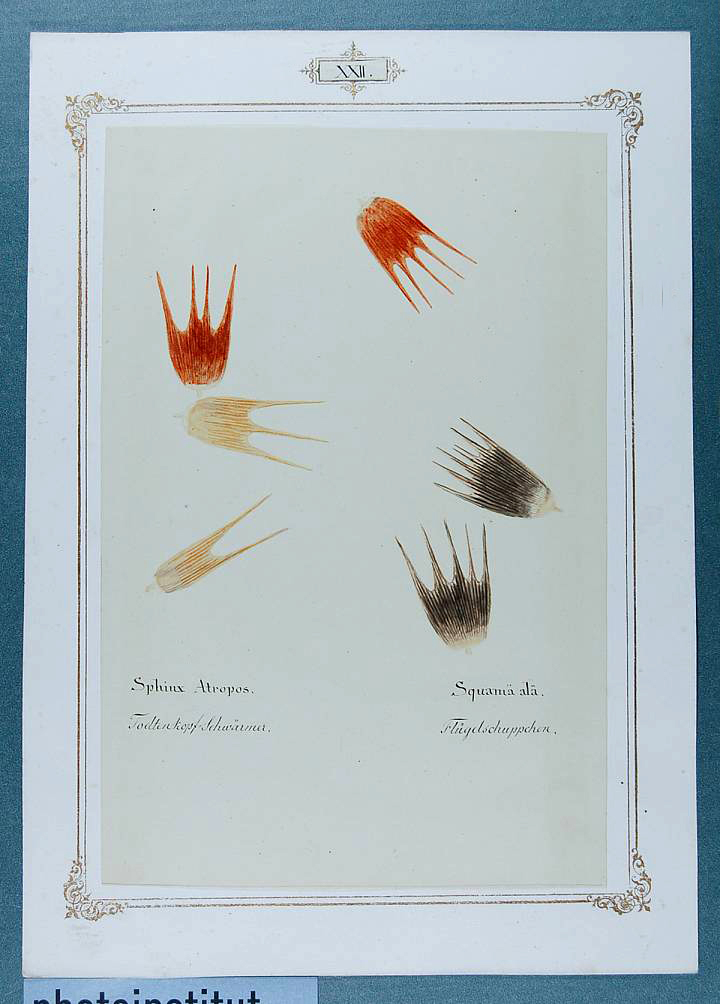


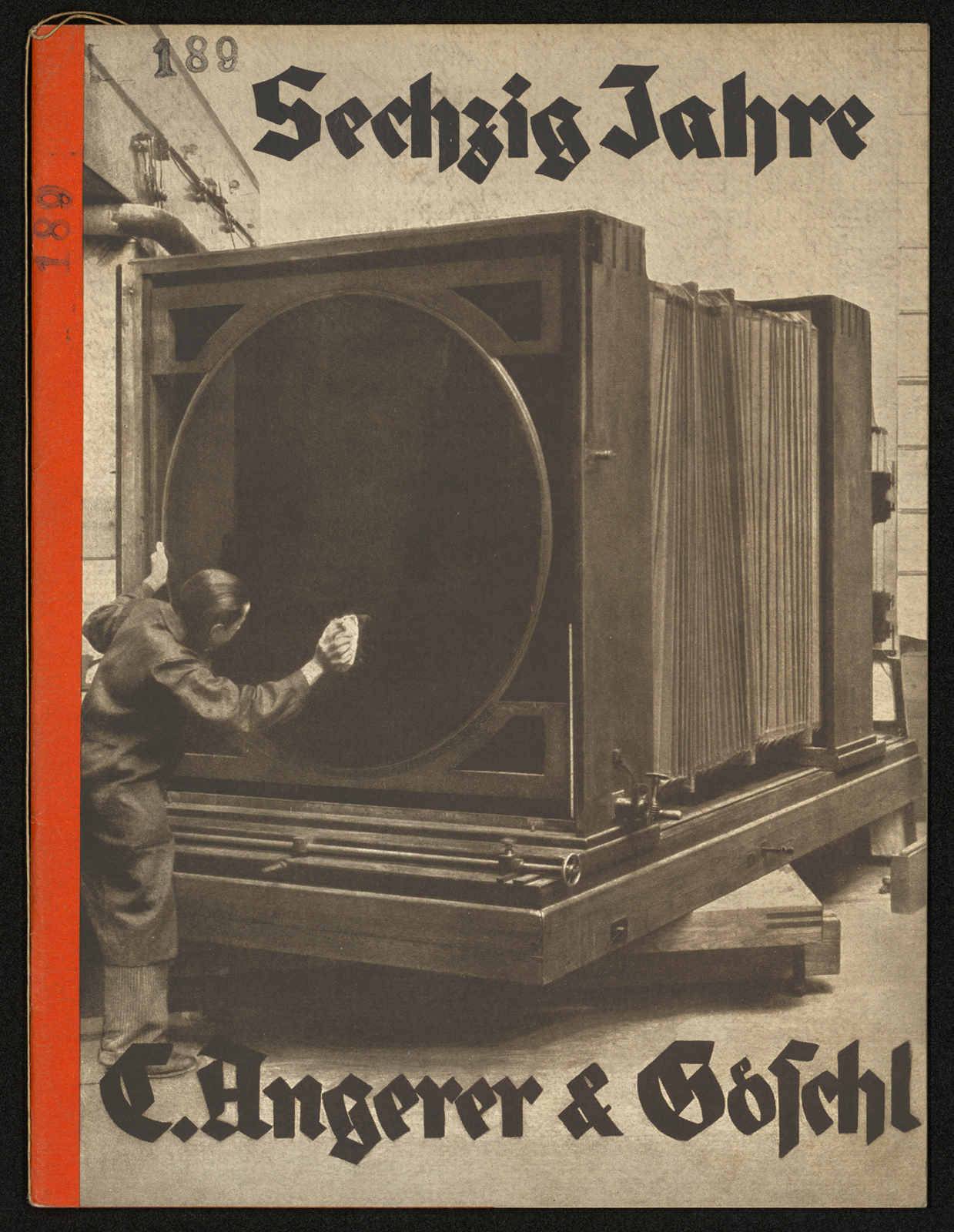

![Harald Lechenper. 'Das Rätsel Indien' [The Indian Puzzle] 1935](https://artblart.com/wp-content/uploads/2019/08/harald_lechenperg_1935.jpg "Harald Lechenper. 'Das Rätsel Indien' [The Indian Puzzle] 1935")
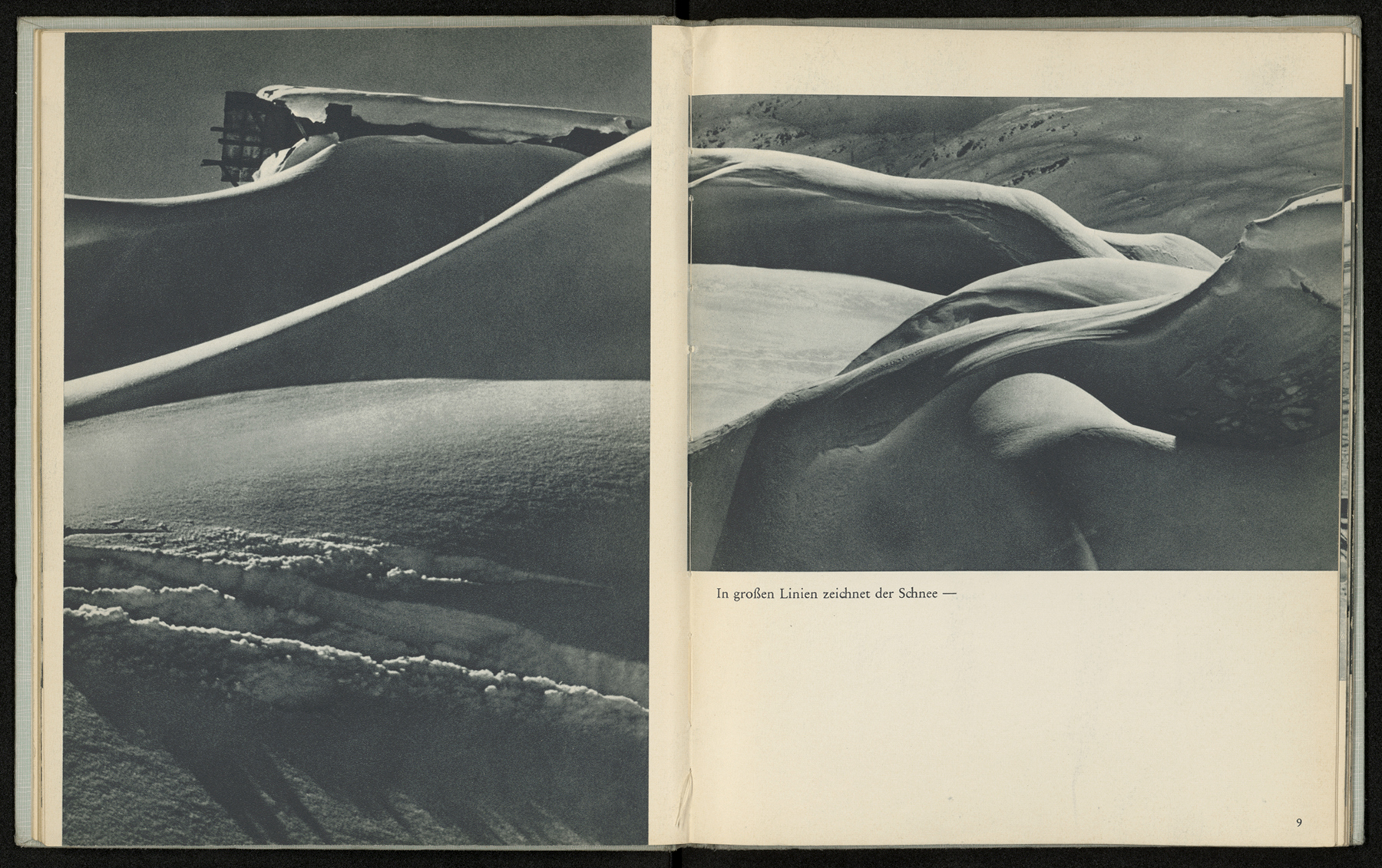


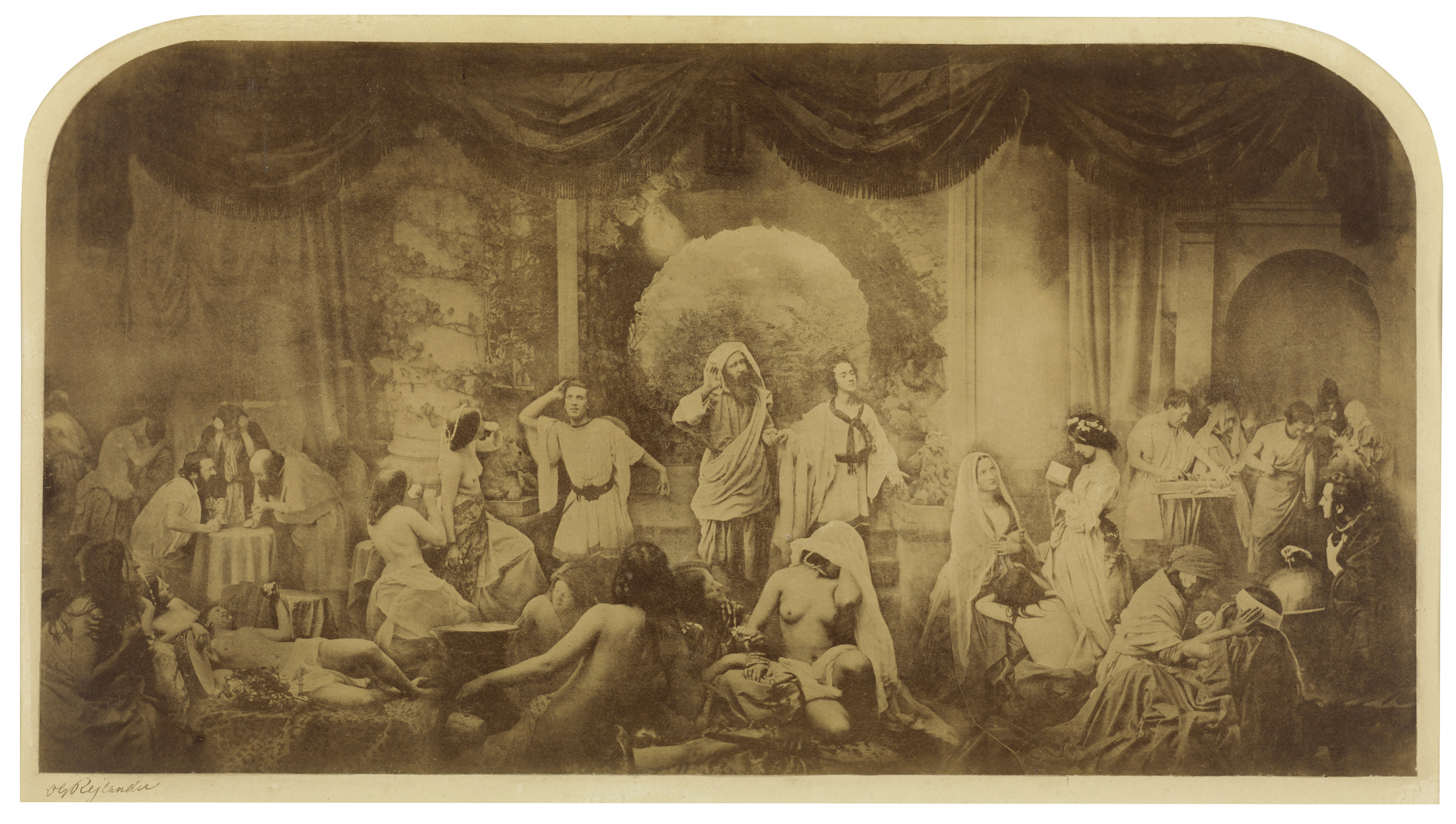
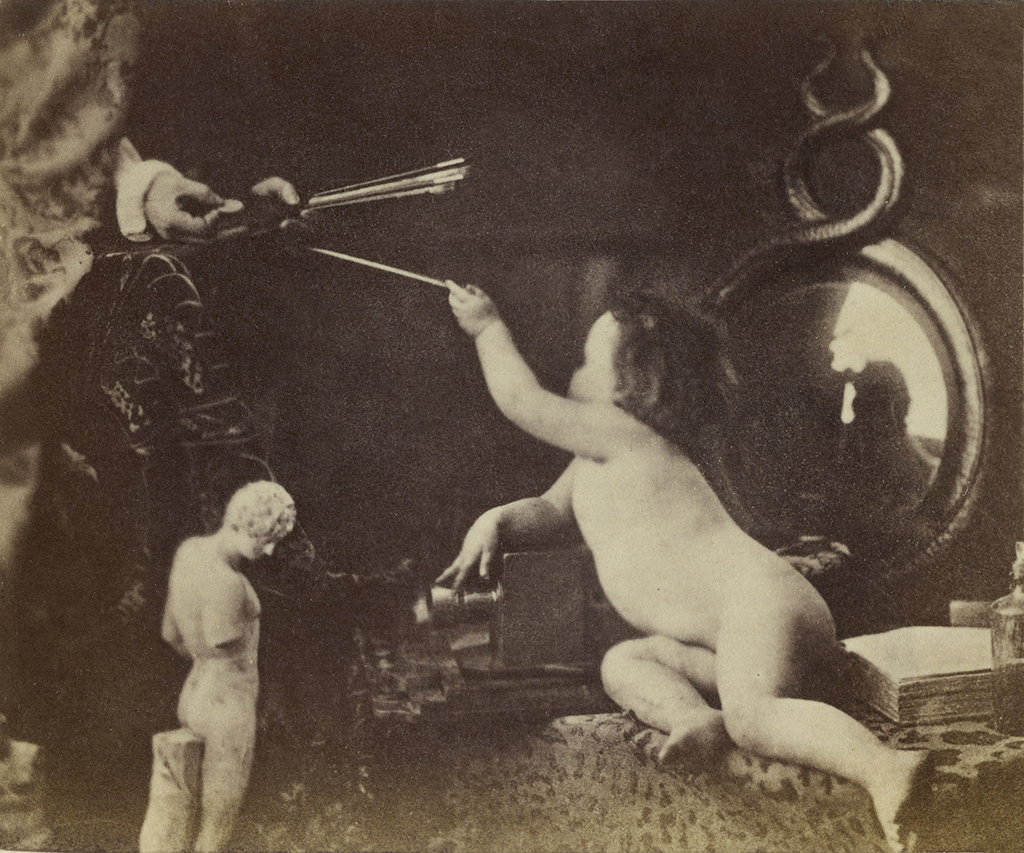


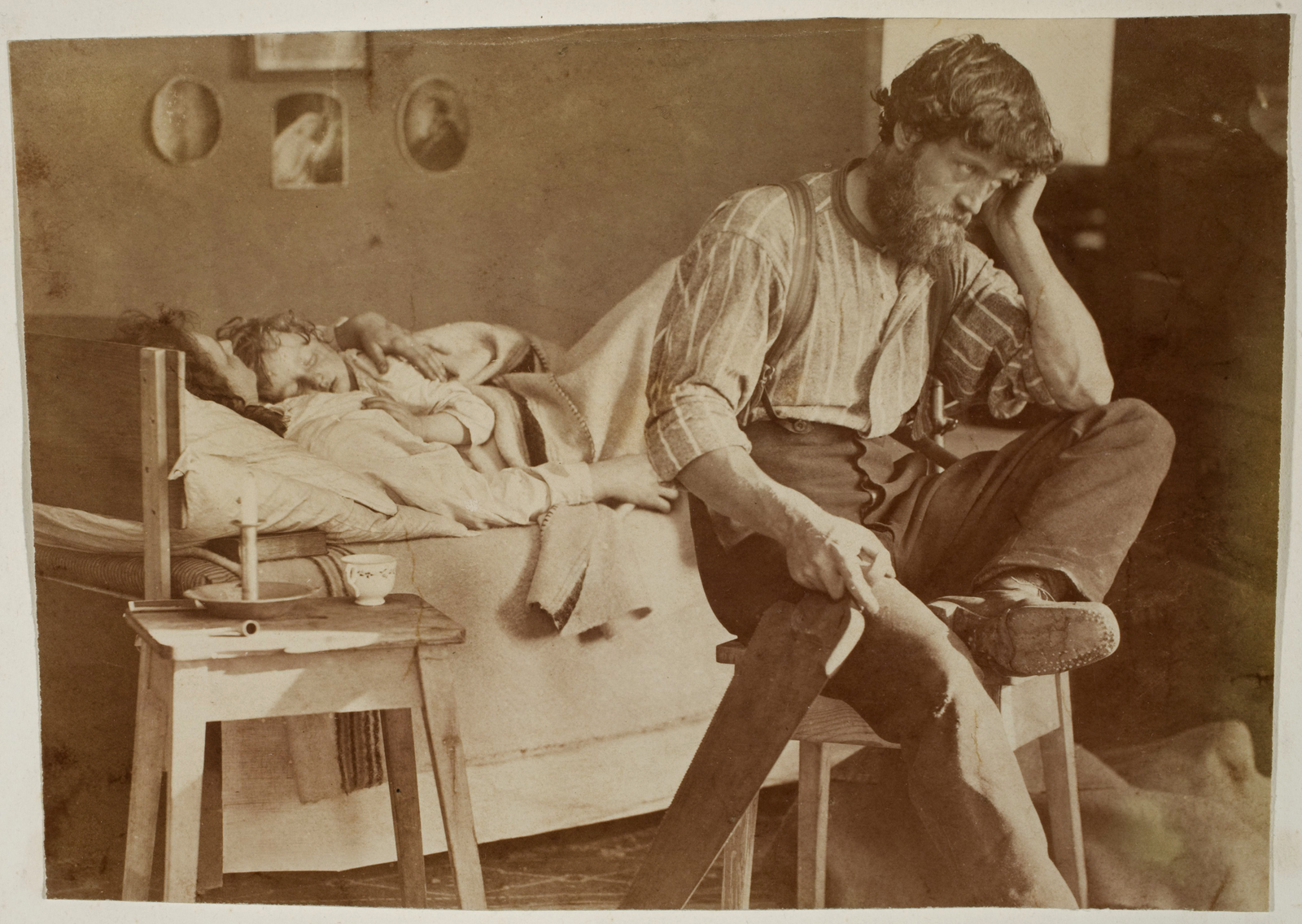

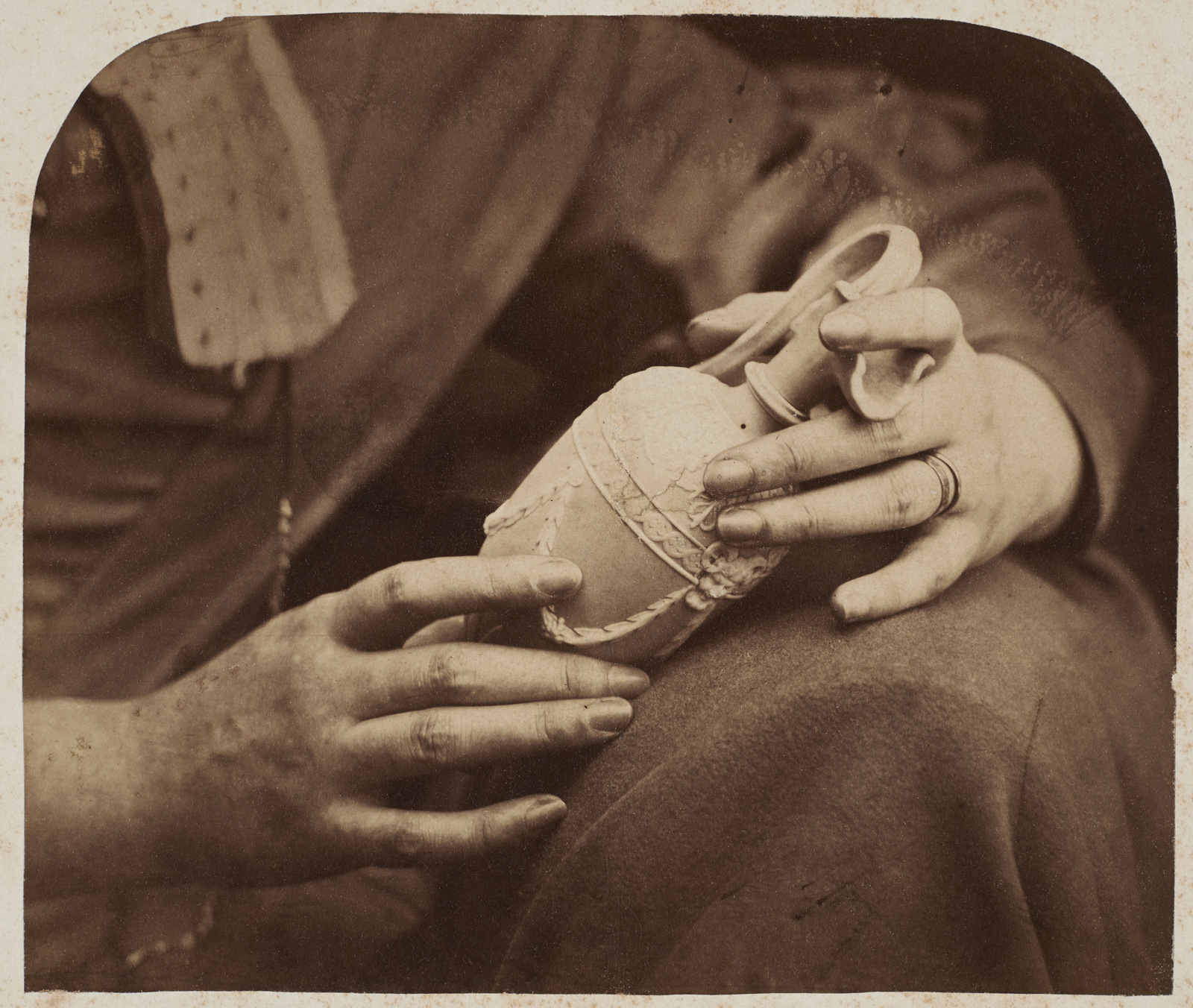
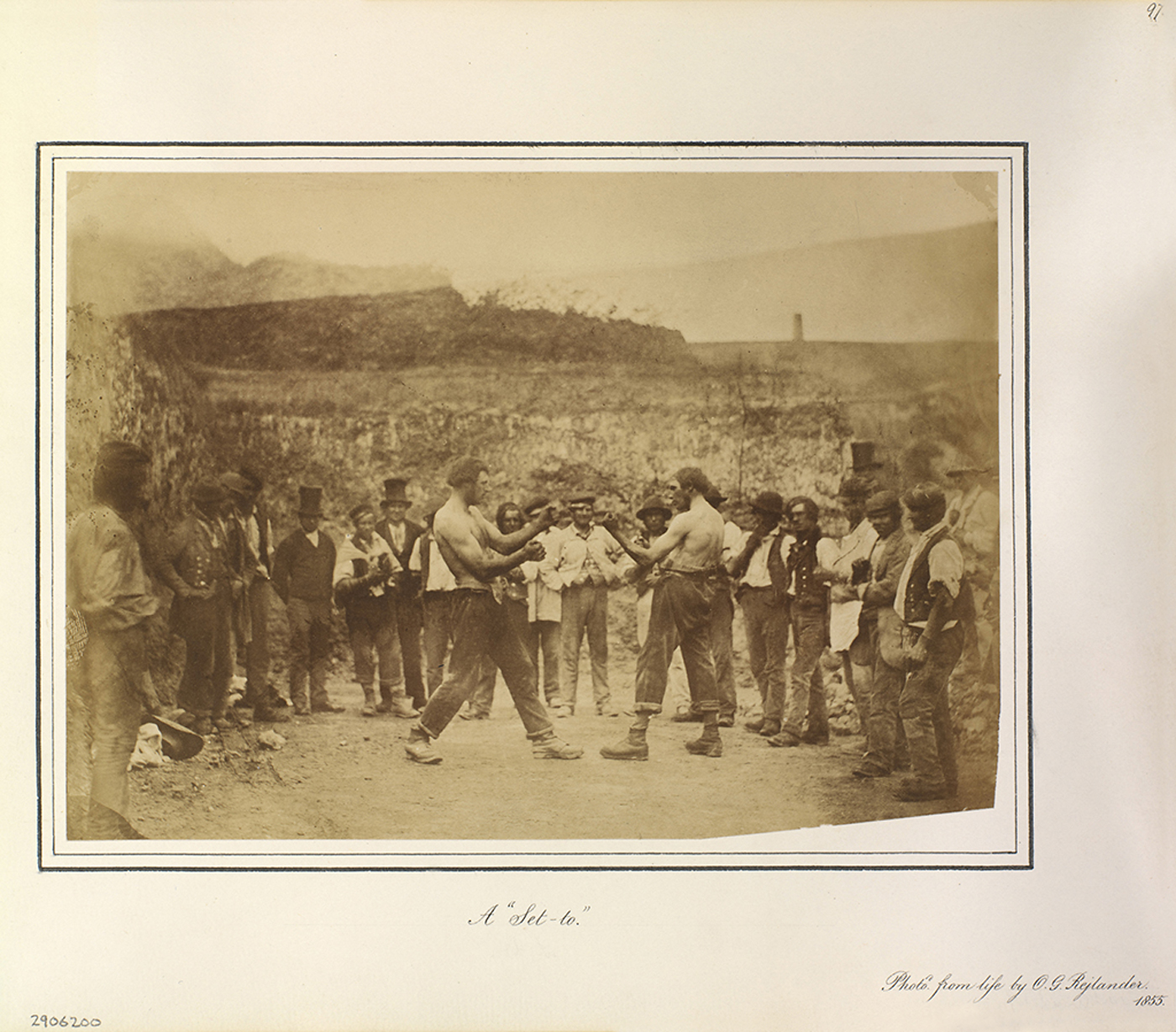
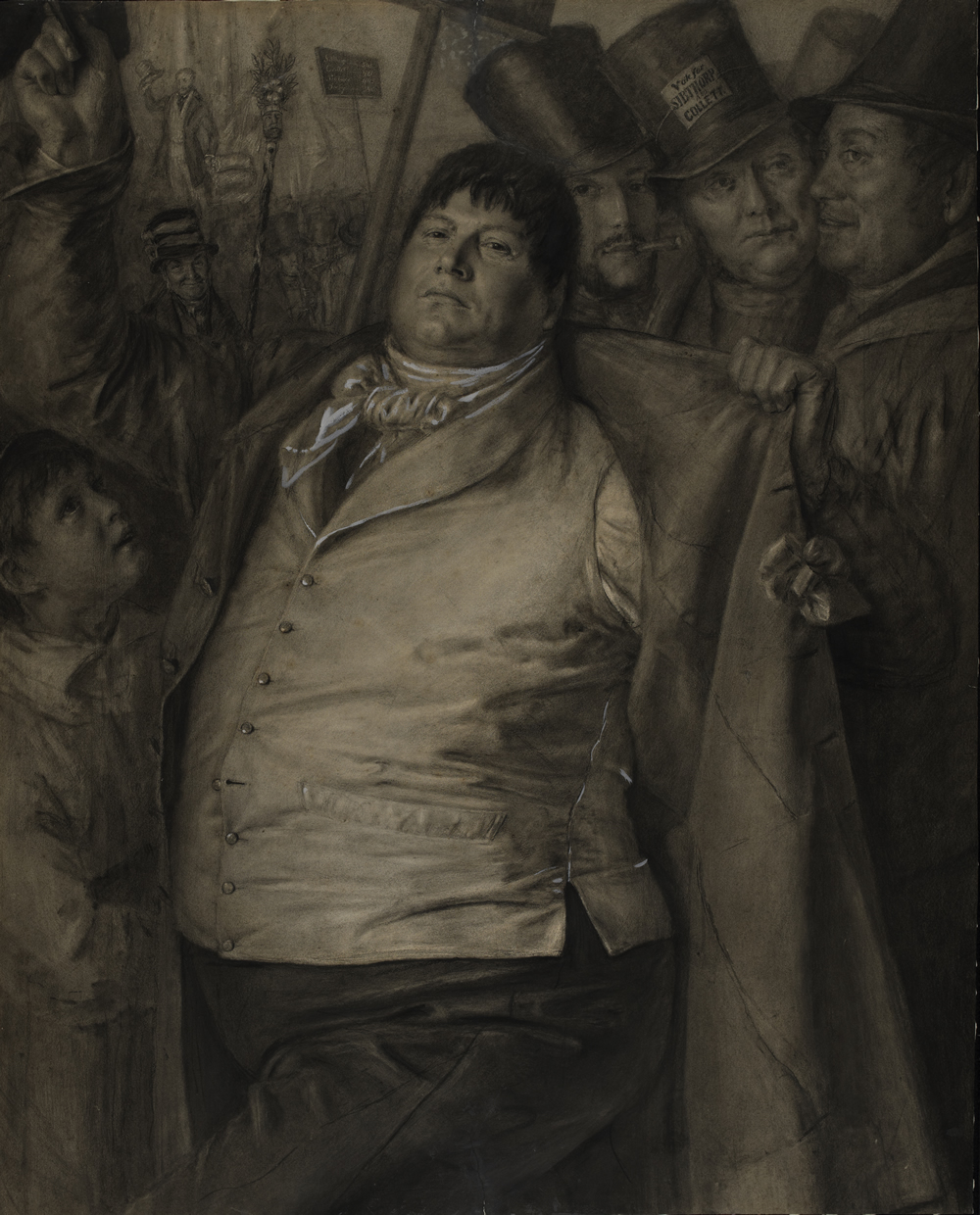
![Attributed to Oscar G. Rejlander (British born Sweden, 1813-1875) '[Landscape]' c. 1855](https://artblart.com/wp-content/uploads/2019/06/rejlander-landscape-c-1855-web.jpg "Attributed to Oscar G. Rejlander (British born Sweden, 1813-1875) '[Landscape]' c. 1855")


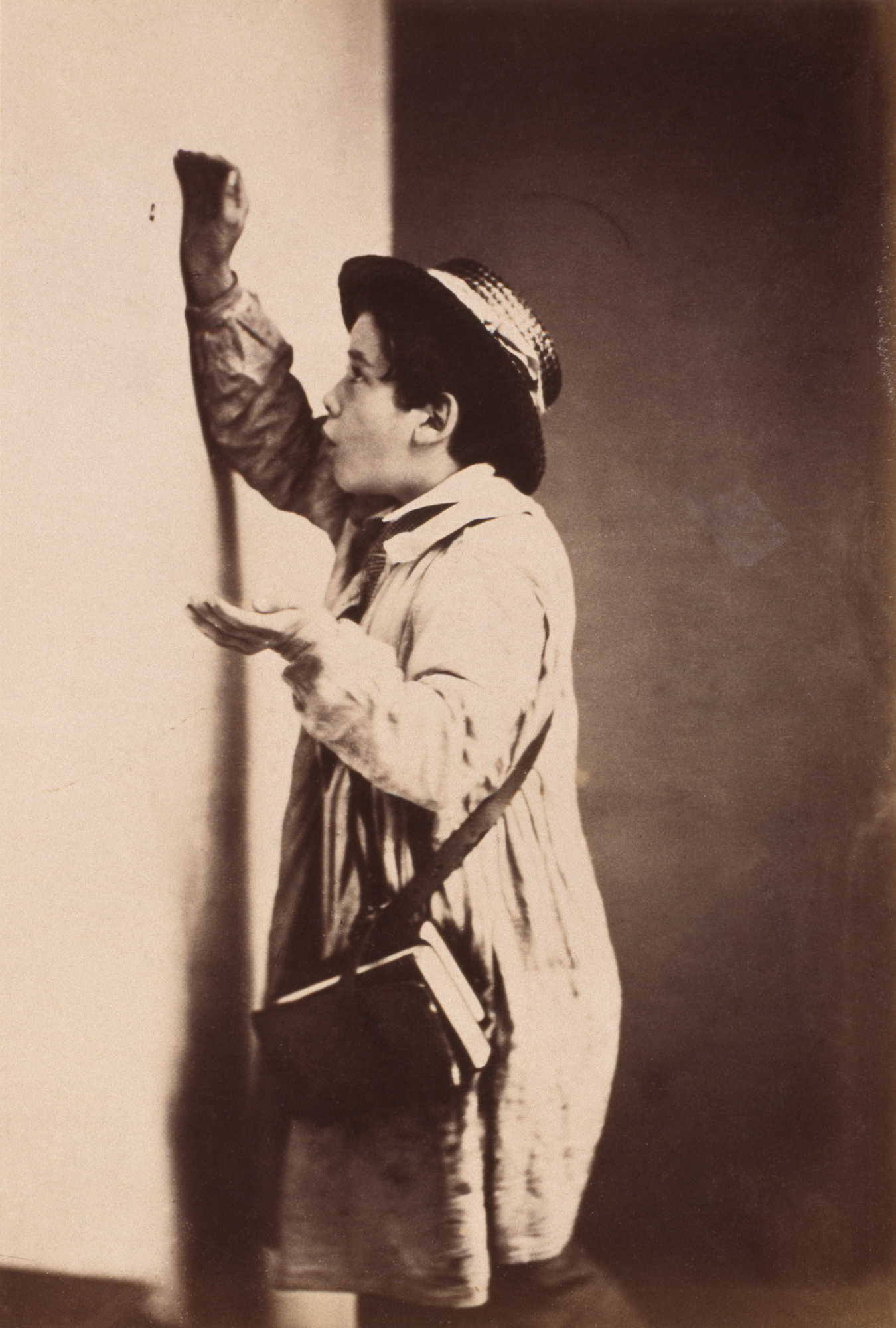


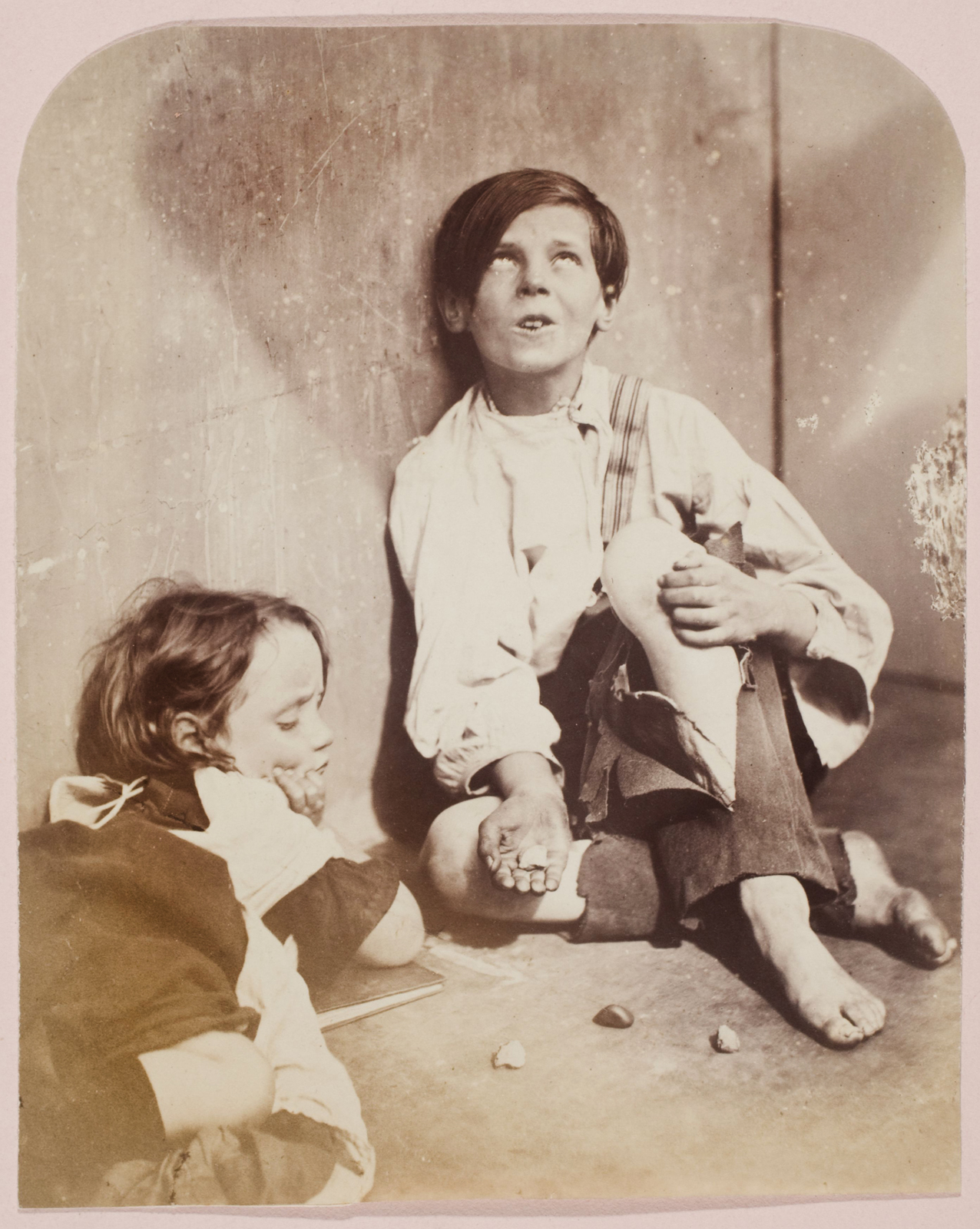


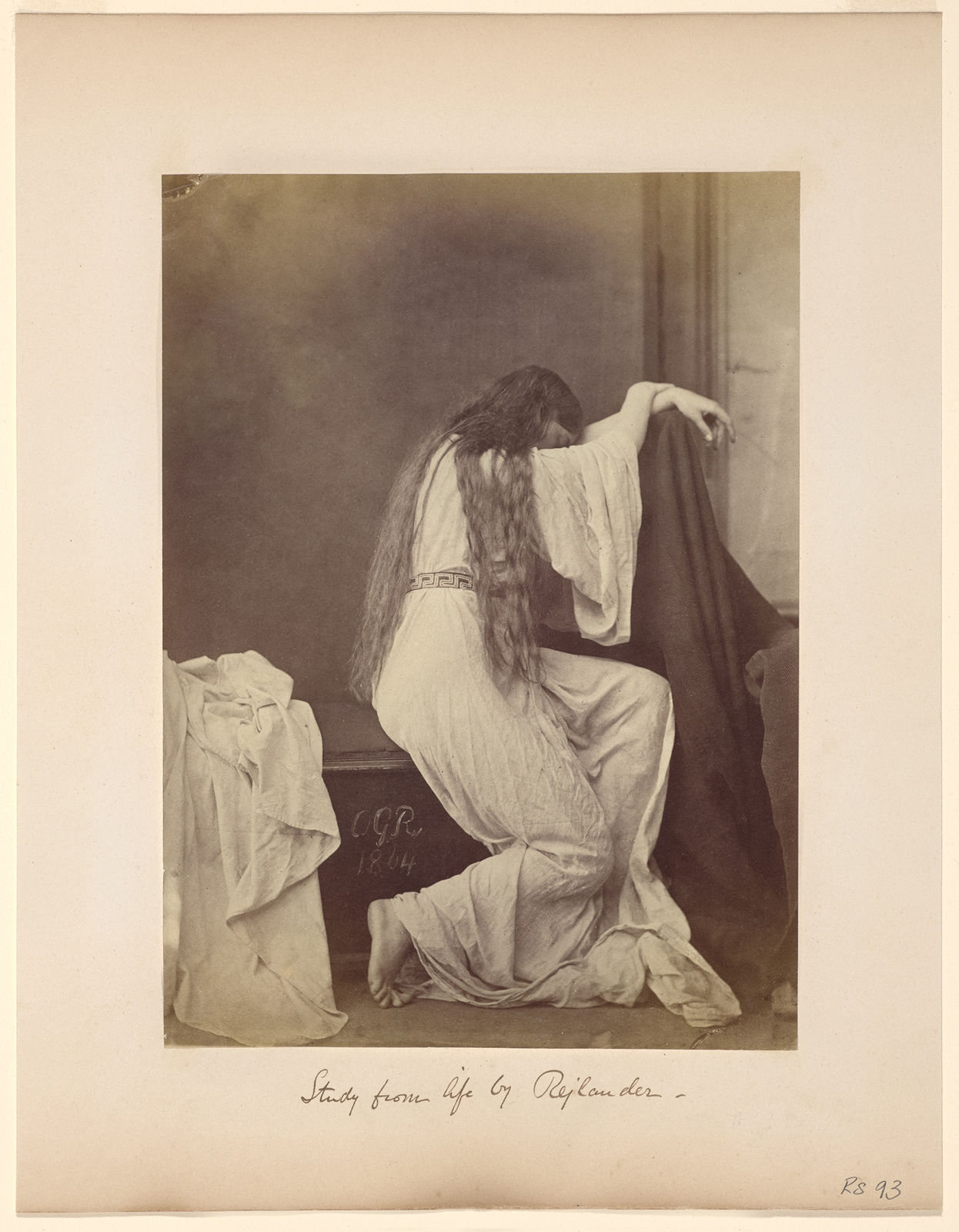


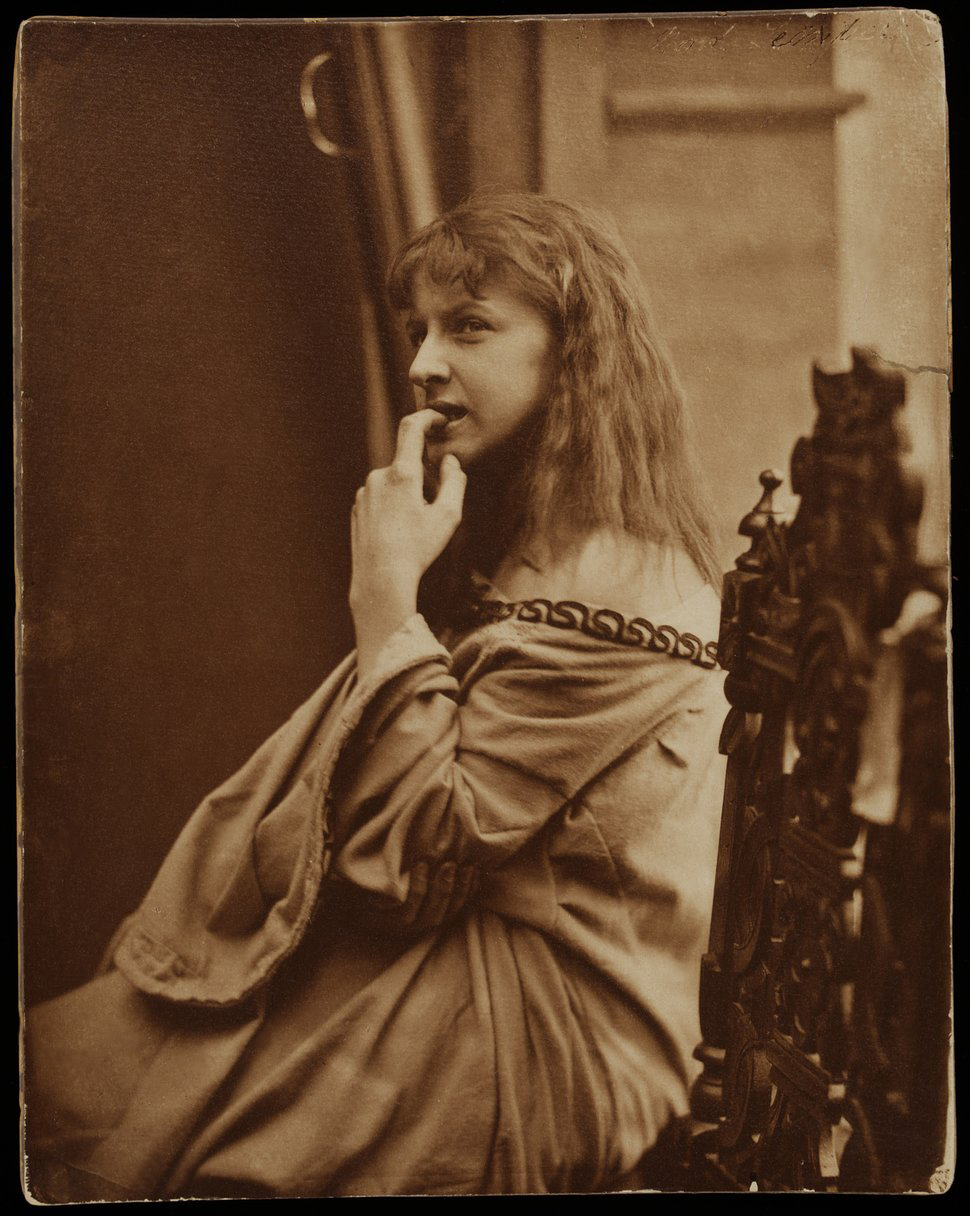


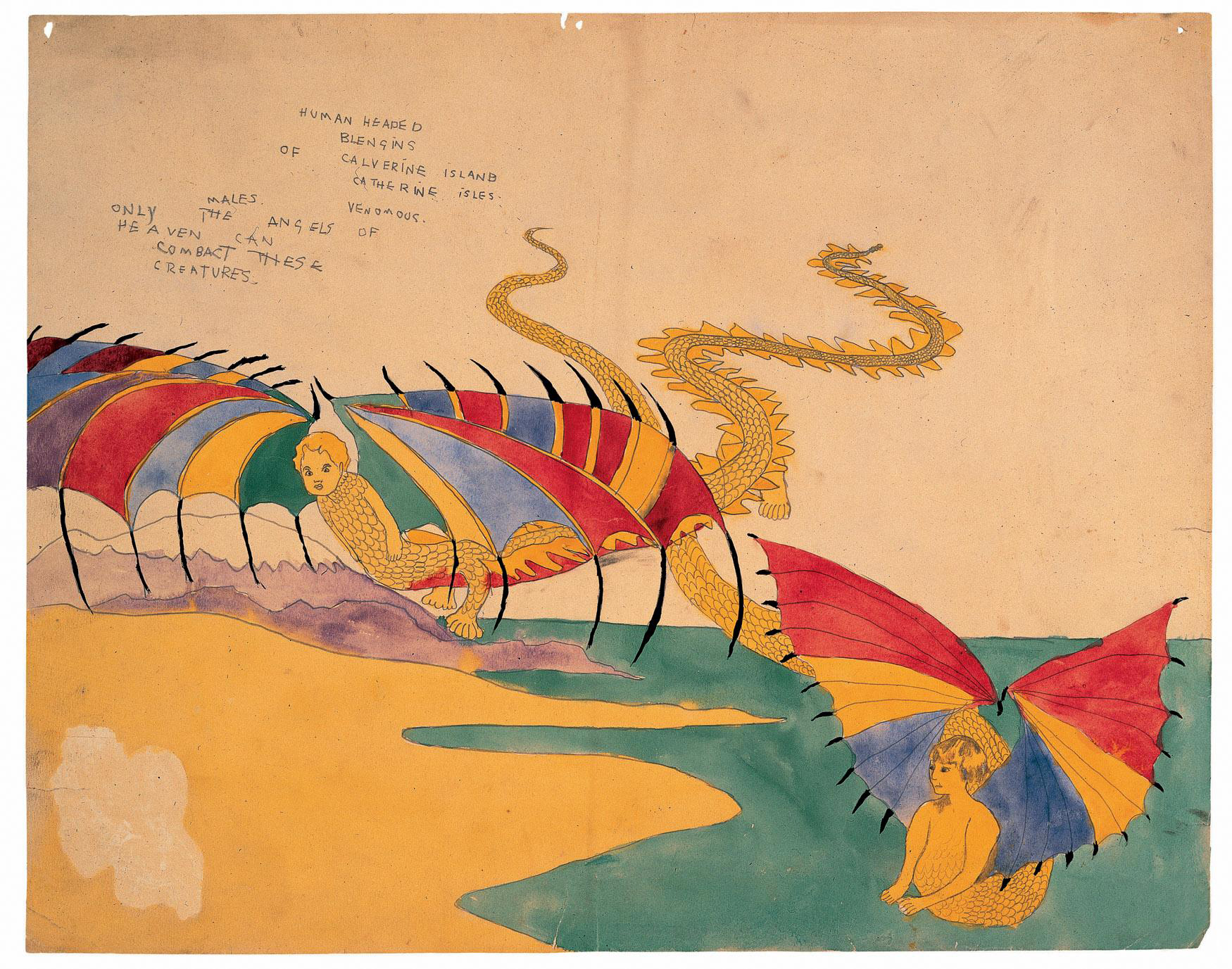


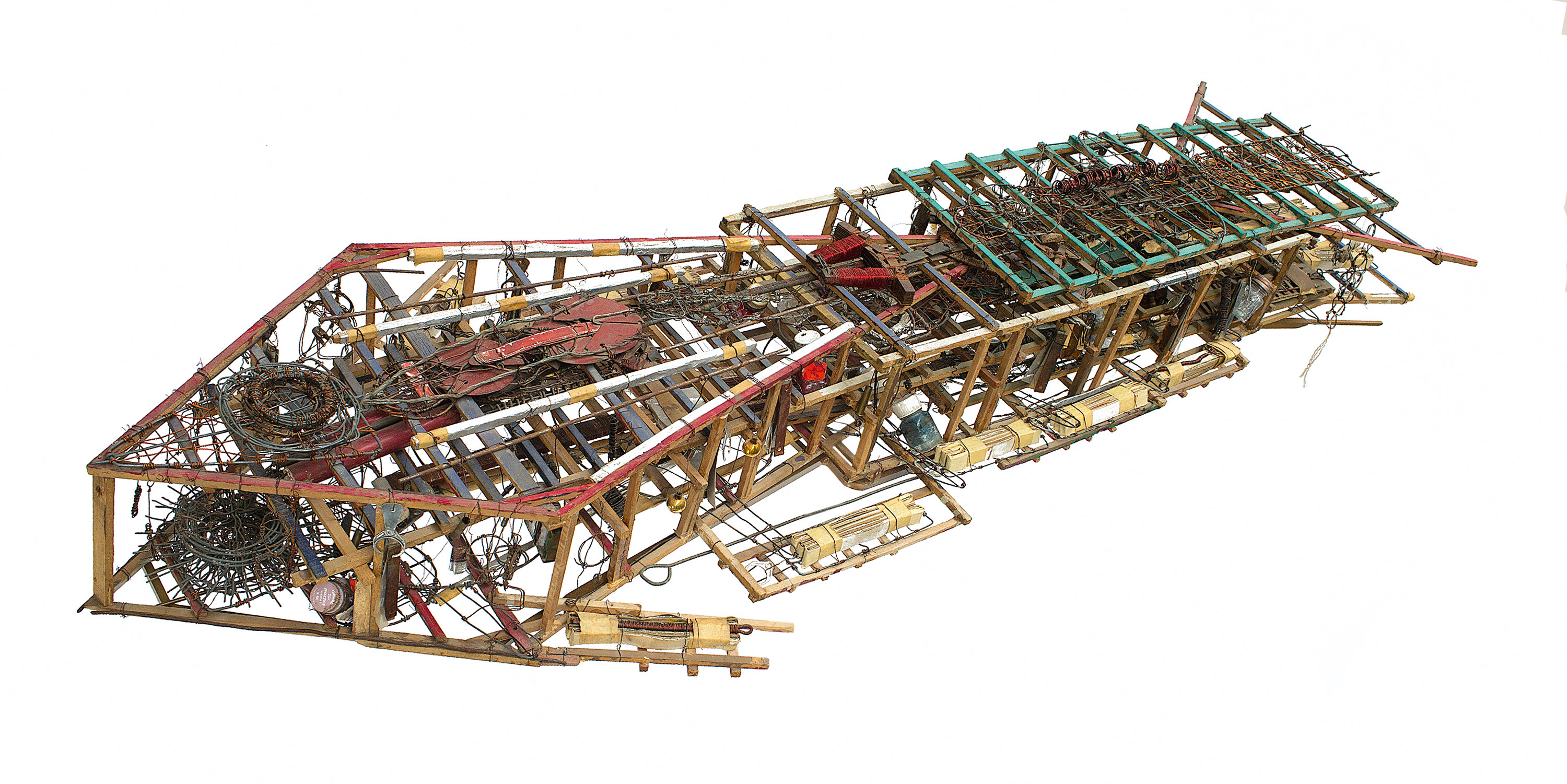


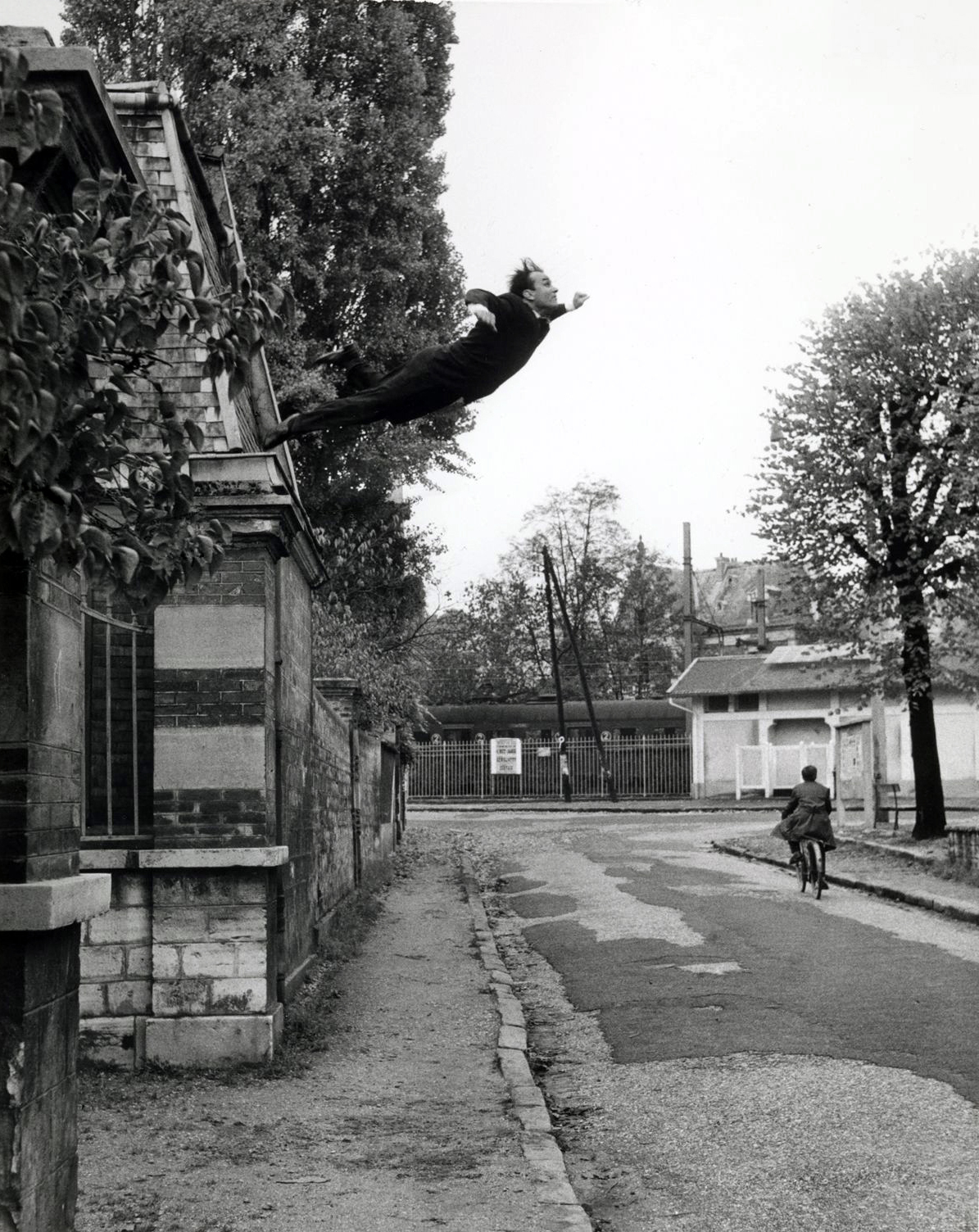
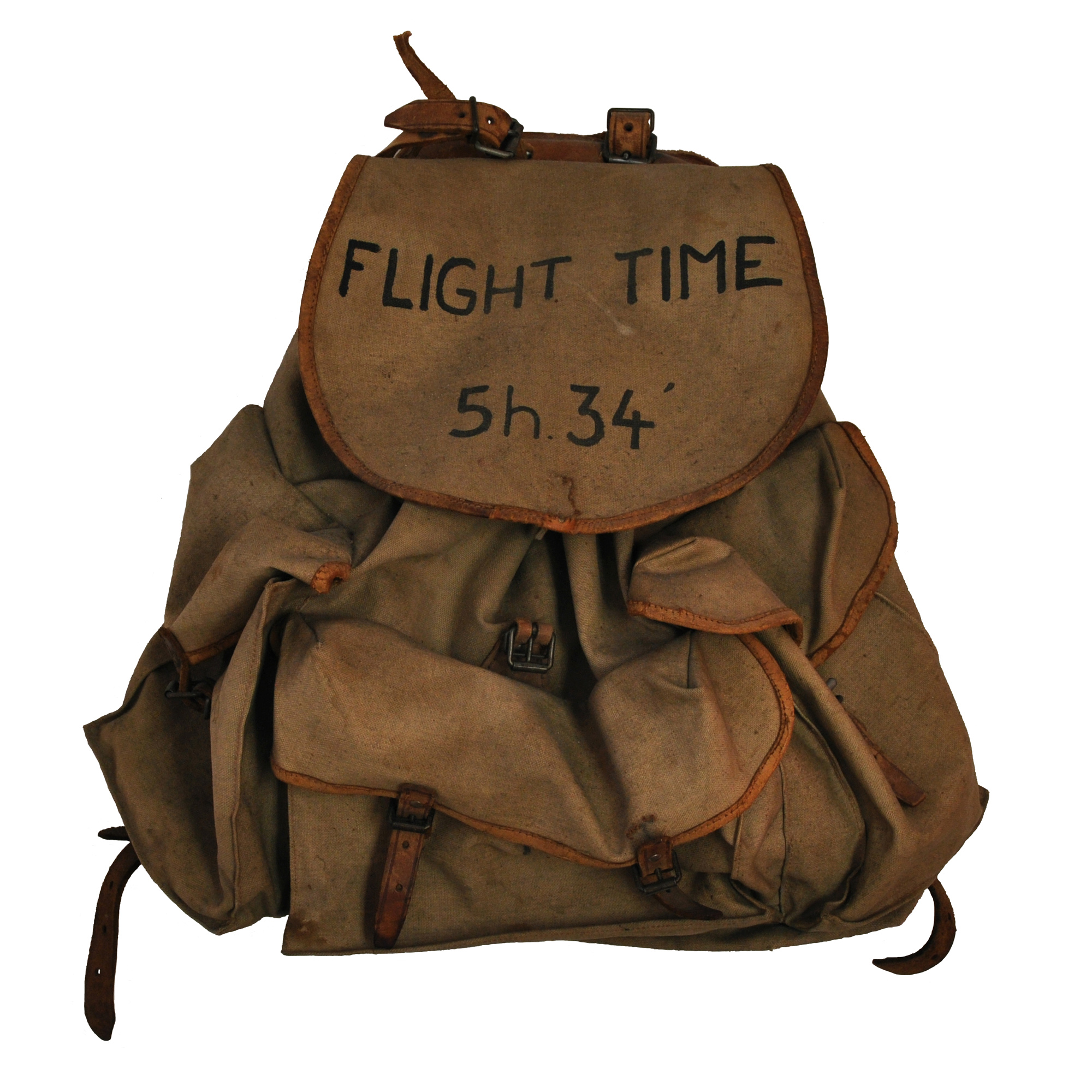

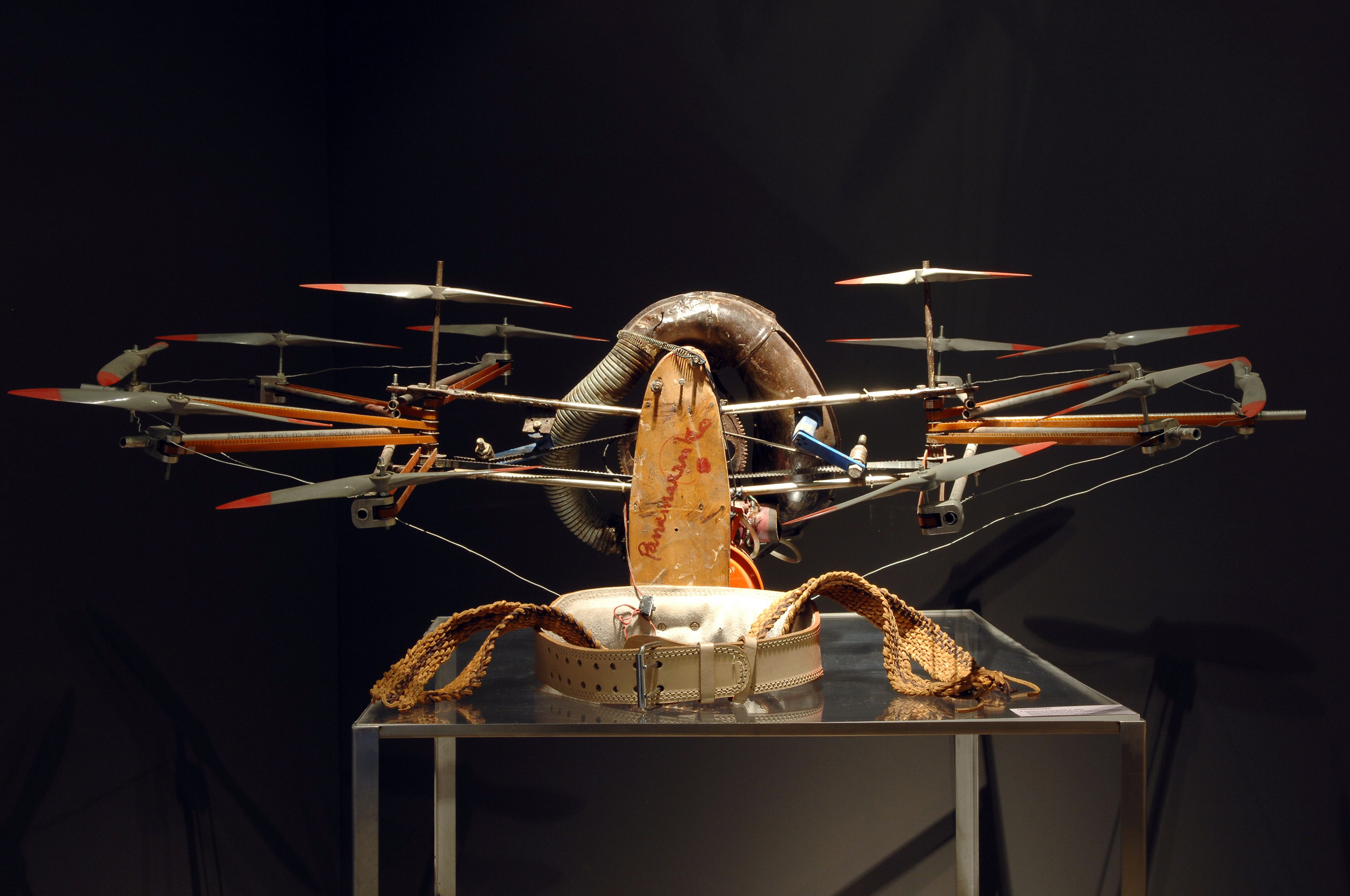
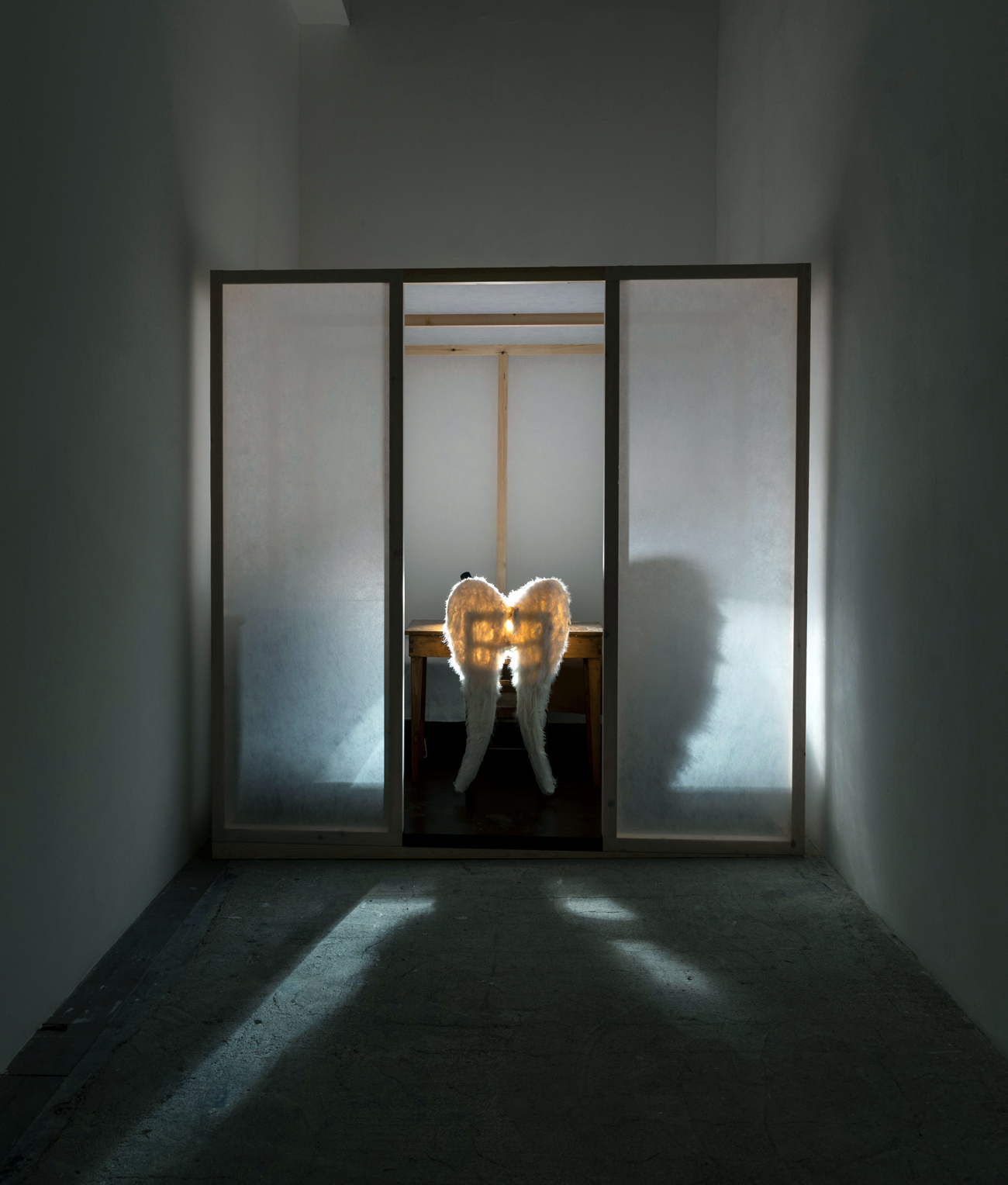

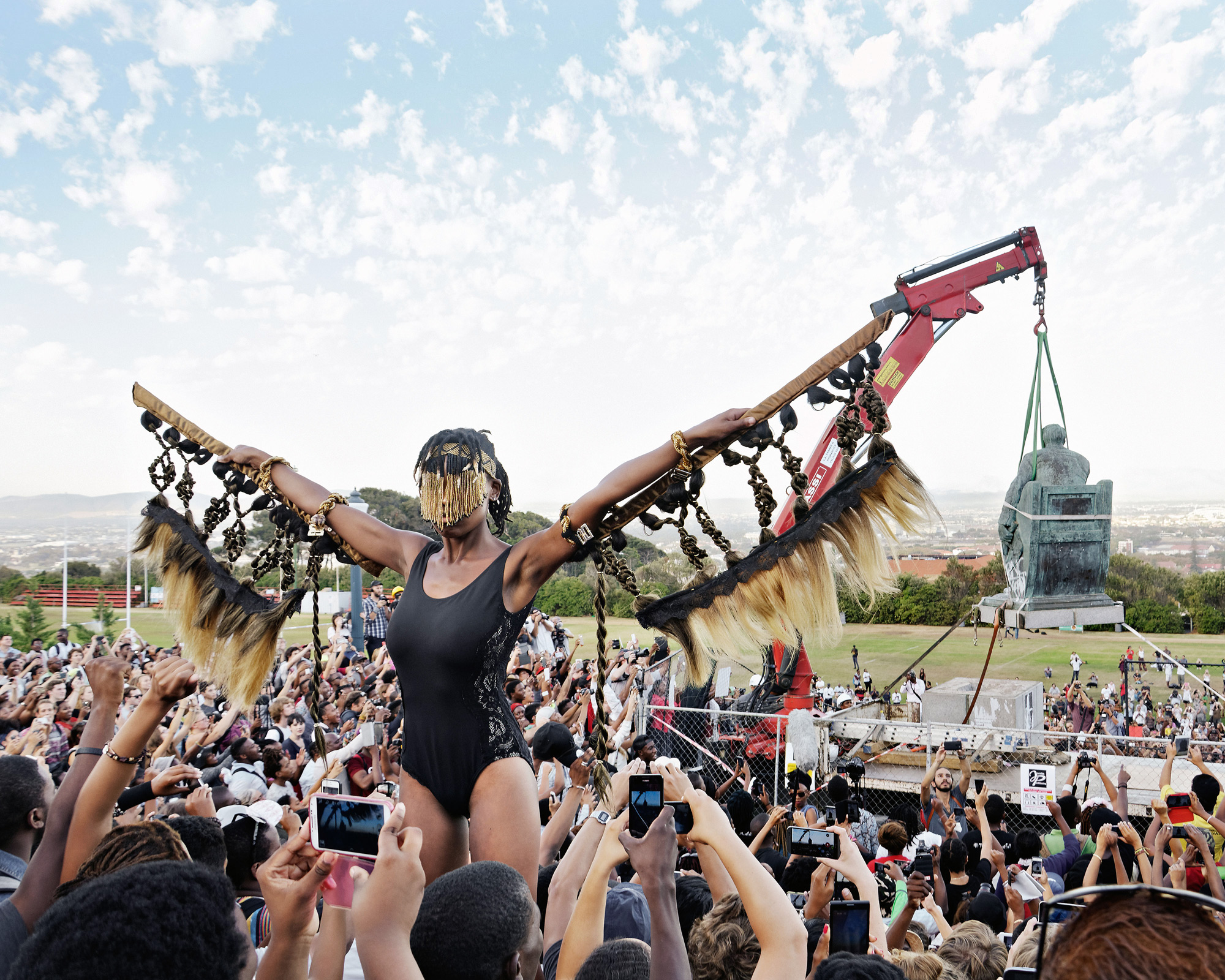


![Fabio Mauri (Italian, 1926-2009) 'Macchina per fissare acquerelli [Machine for fixing watercolours]' 2007](https://artblart.com/wp-content/uploads/2018/10/fabiomauri-web.jpg "Fabio Mauri (Italian, 1926-2009) 'Macchina per fissare acquerelli [Machine for fixing watercolours]' 2007")
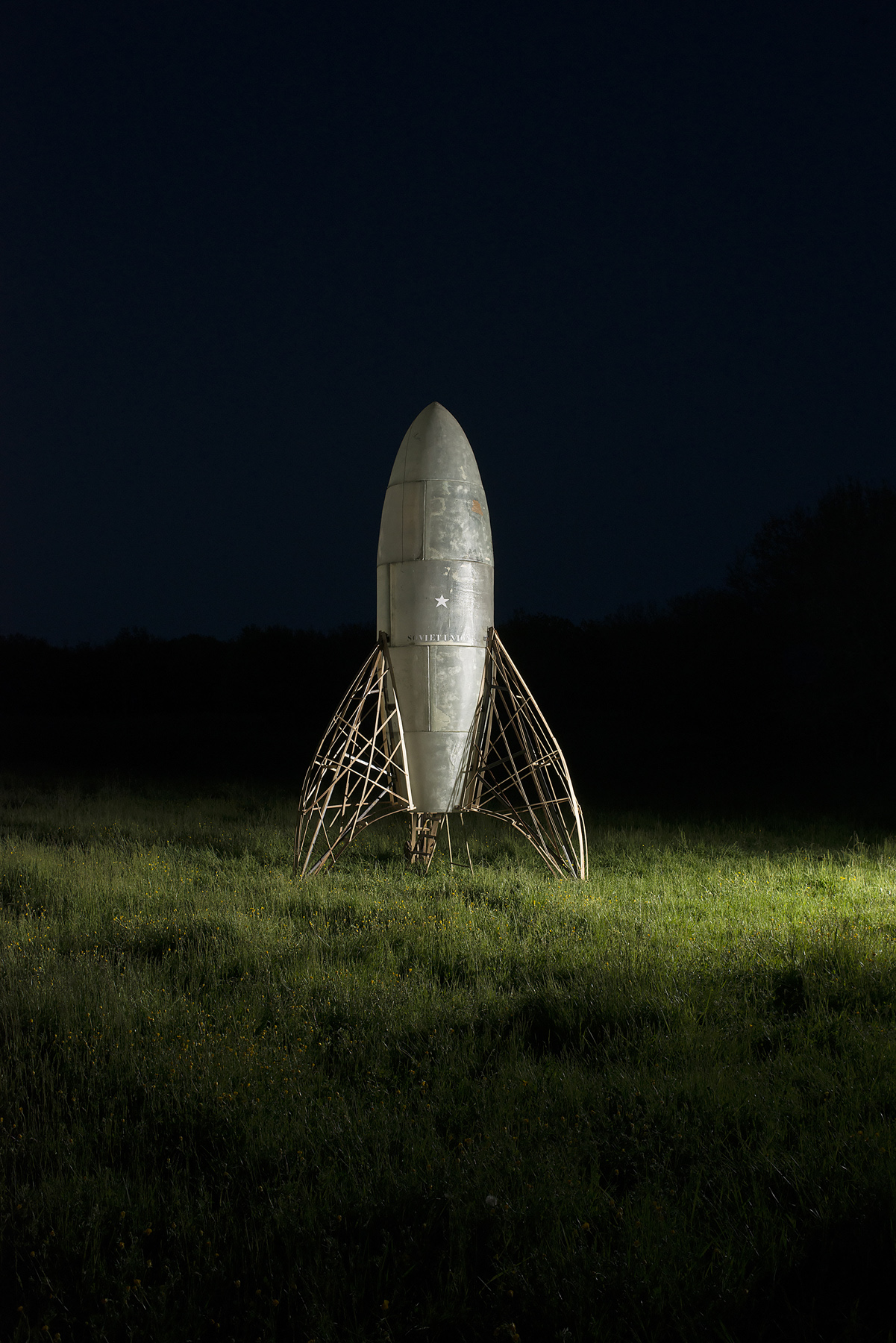

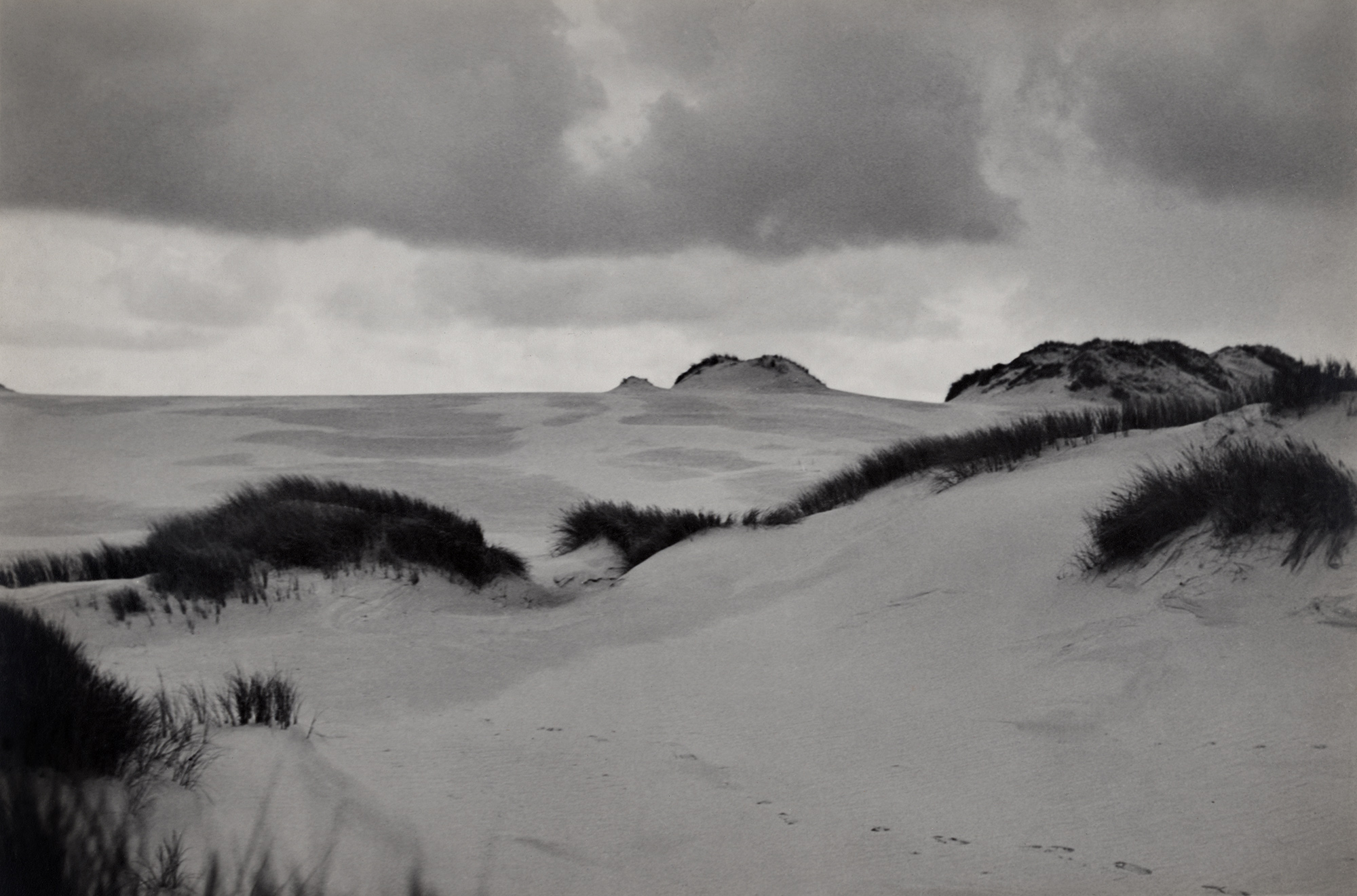
![Raoul Hausmann (Austrian, 1886-1971) 'Enfants de la Frise [Children of Friesland]' Between 1927 and 1933 from the exhibition 'Raoul Hausmann. Vision in Action' at Jeu de Paume, Paris, Feb - May, 2018](https://artblart.com/wp-content/uploads/2018/02/hausmann-6-web1.jpg "Raoul Hausmann (Austrian, 1886-1971) 'Enfants de la Frise [Children of Friesland]' Between 1927 and 1933 from the exhibition 'Raoul Hausmann. Vision in Action' at Jeu de Paume, Paris, Feb - May, 2018")
![Raoul Hausmann (Austrian, 1886-1971) 'Nu sur la plage [Nude on the beach]' Between 1927 and 1933](https://artblart.com/wp-content/uploads/2018/02/hausmann-18-web1.jpg "Raoul Hausmann (Austrian, 1886-1971) 'Nu sur la plage [Nude on the beach]' Between 1927 and 1933")
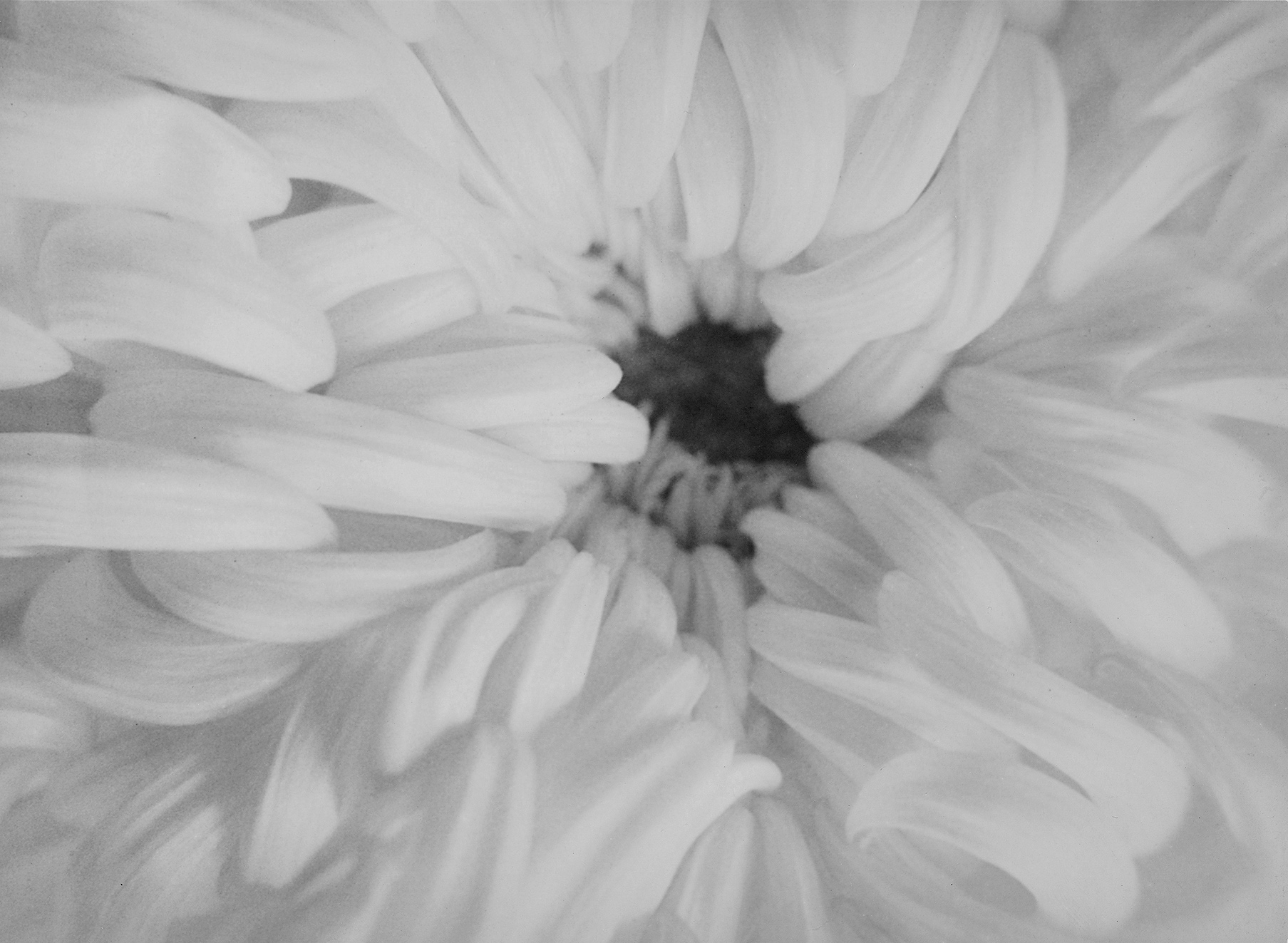
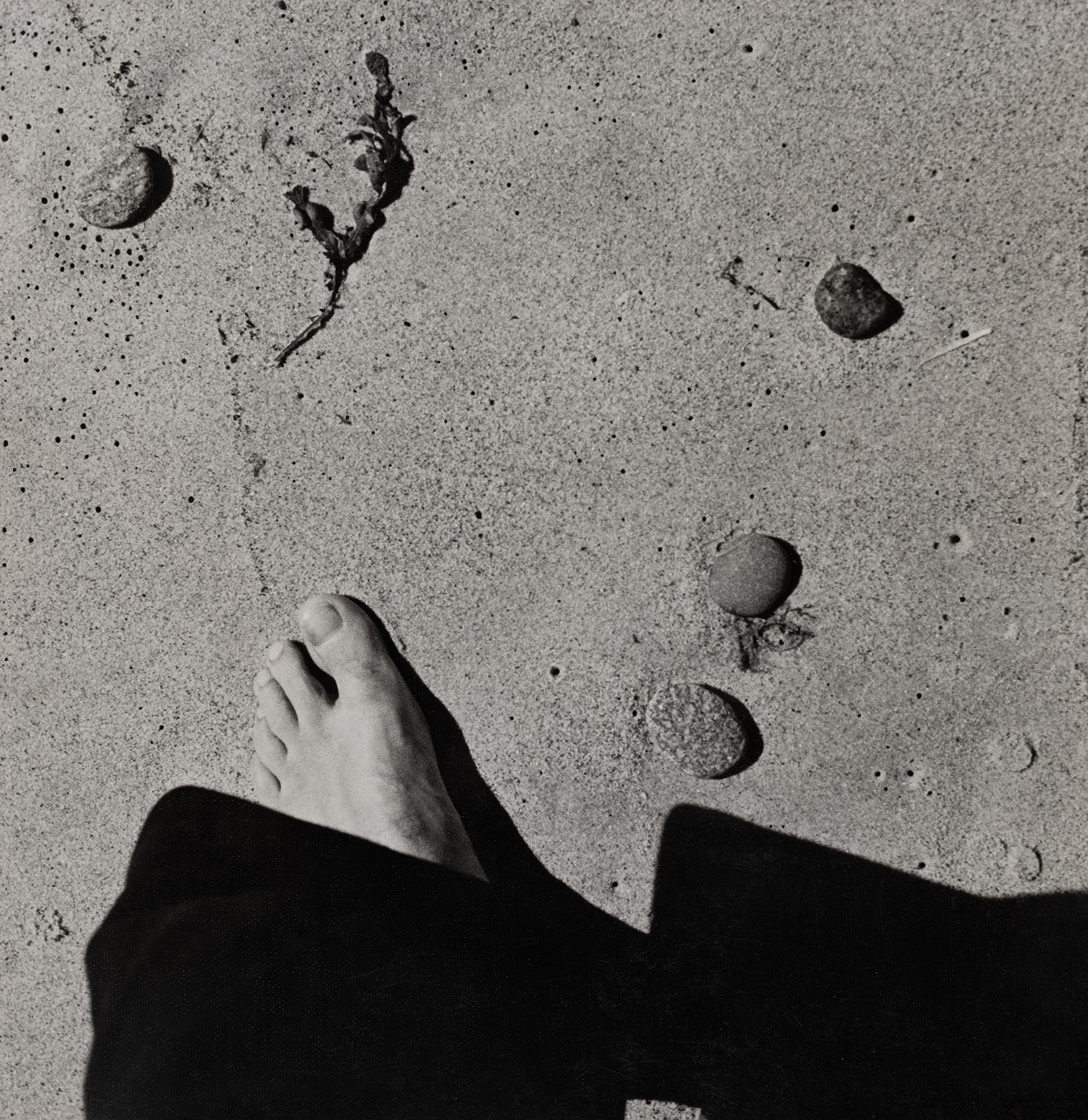

![Raoul Hausmann (Austrian, 1886-1971) 'Petite Fleur en Herbe [Small flower in grass]' 1932](https://artblart.com/wp-content/uploads/2018/02/hausmann-4-web.jpg "Raoul Hausmann (Austrian, 1886-1971) 'Petite Fleur en Herbe [Small flower in grass]' 1932")

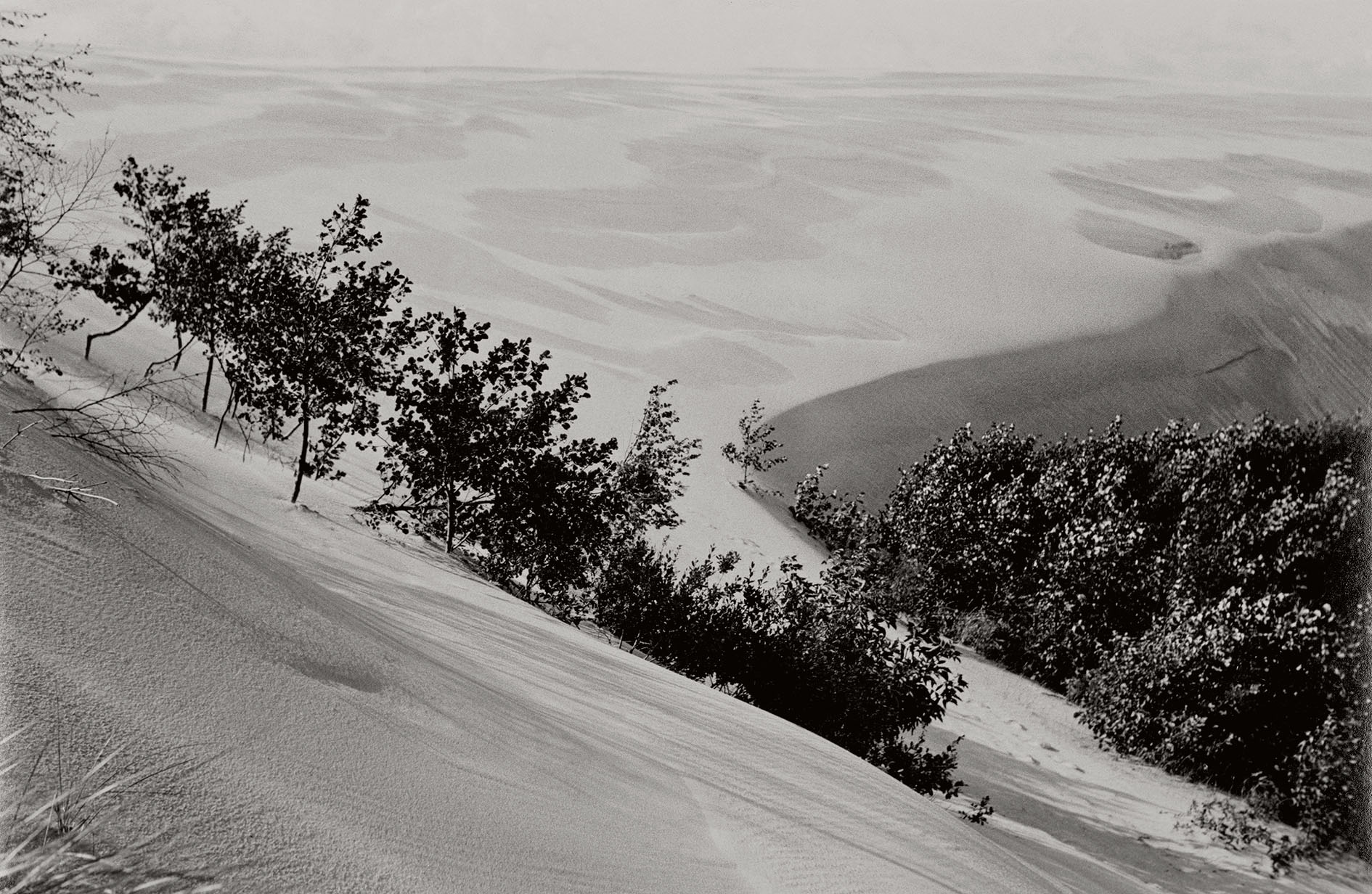
![Raoul Hausmann (Austrian, 1886-1971) 'Deux nus féminins allongés sur une plage [Two naked women lying on a beach]' c. 1931-1934](https://artblart.com/wp-content/uploads/2018/02/raoulhausman-20-web.jpg "Raoul Hausmann (Austrian, 1886-1971) 'Deux nus féminins allongés sur une plage [Two naked women lying on a beach]' c. 1931-1934")
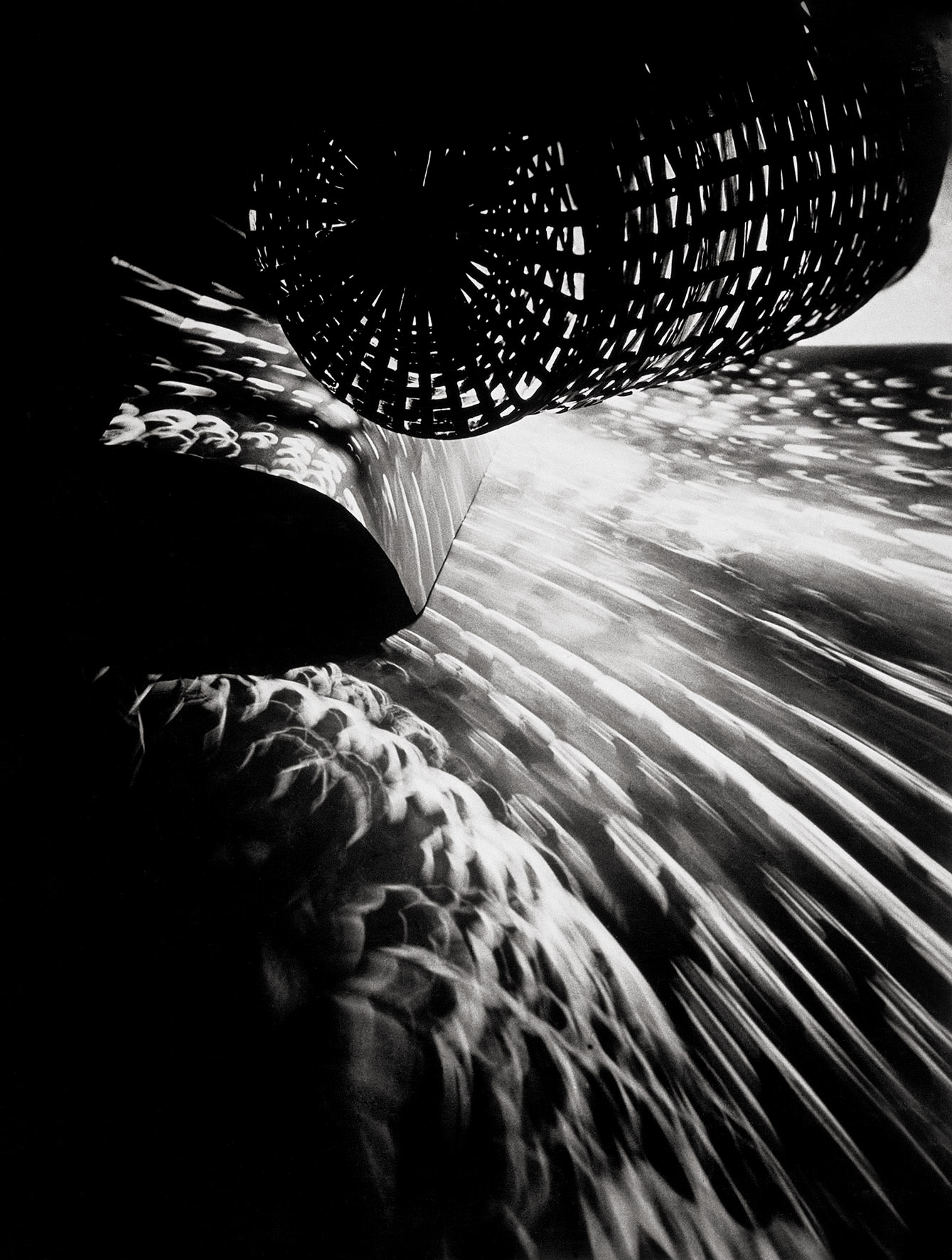


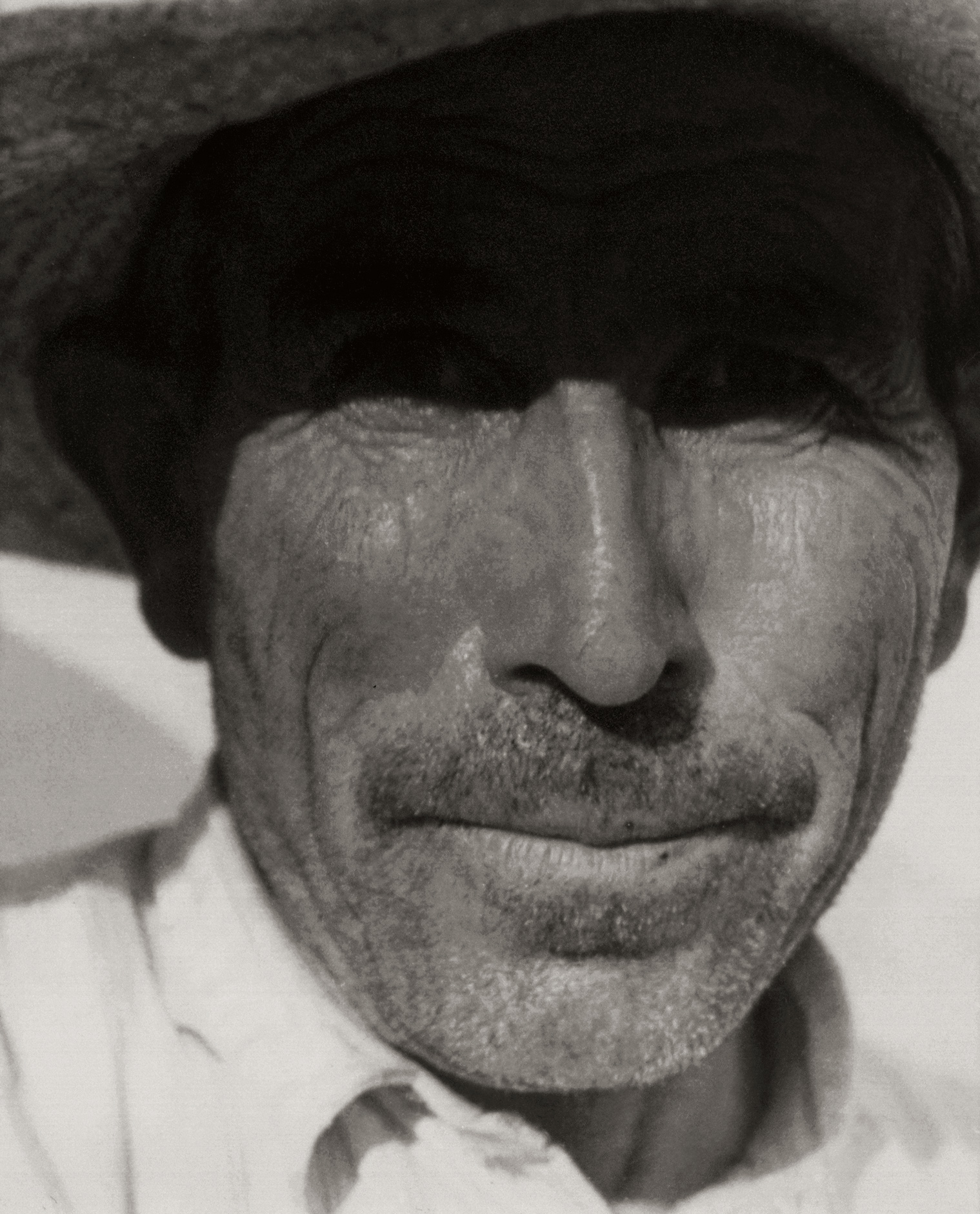

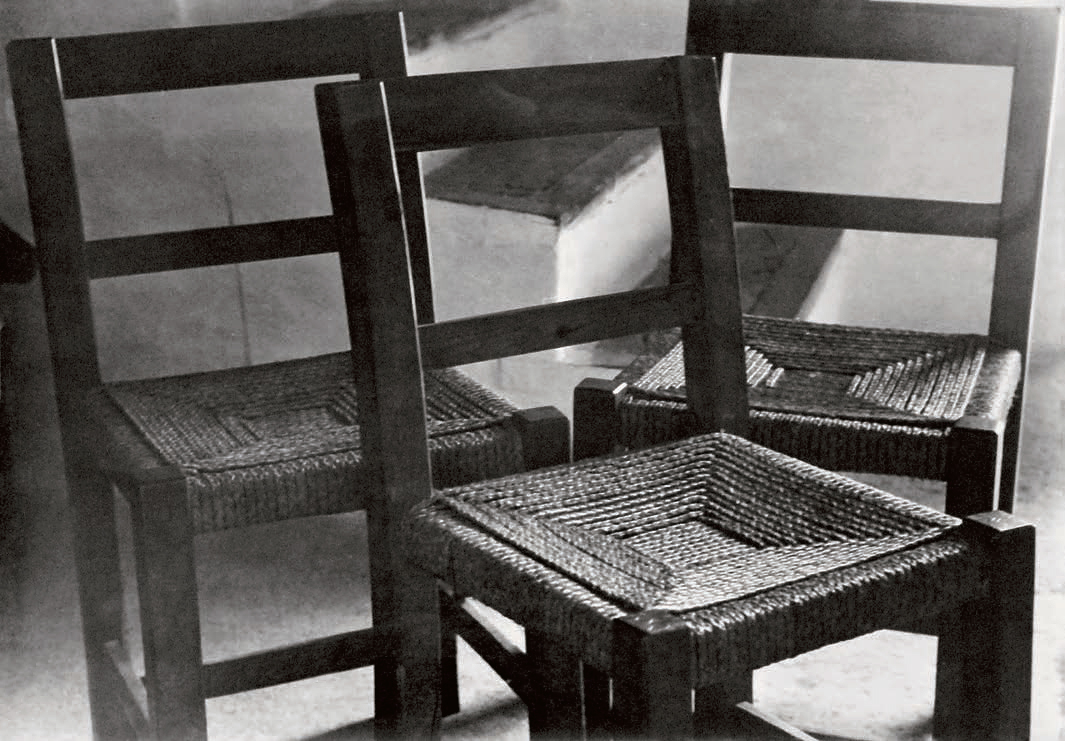

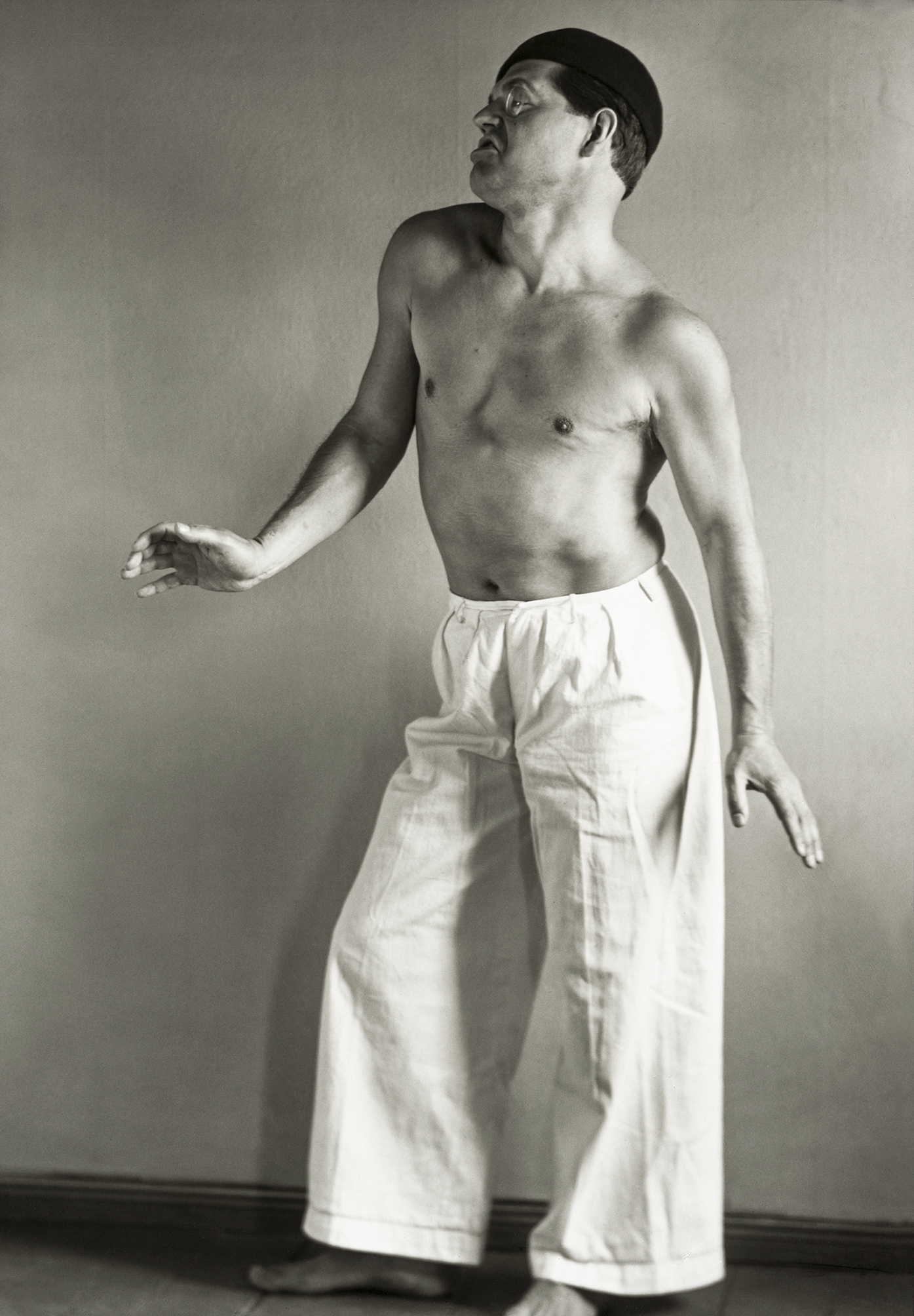


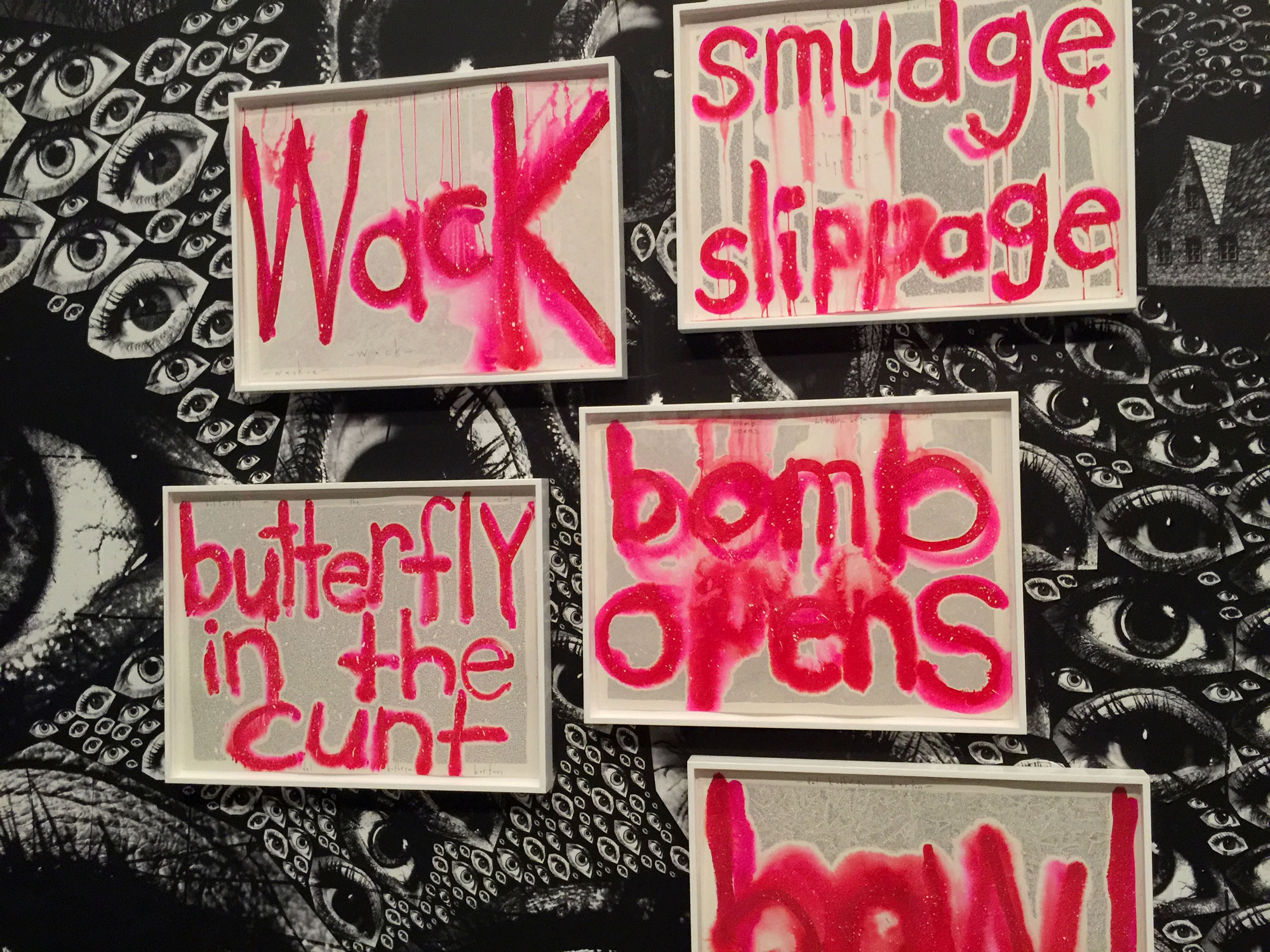


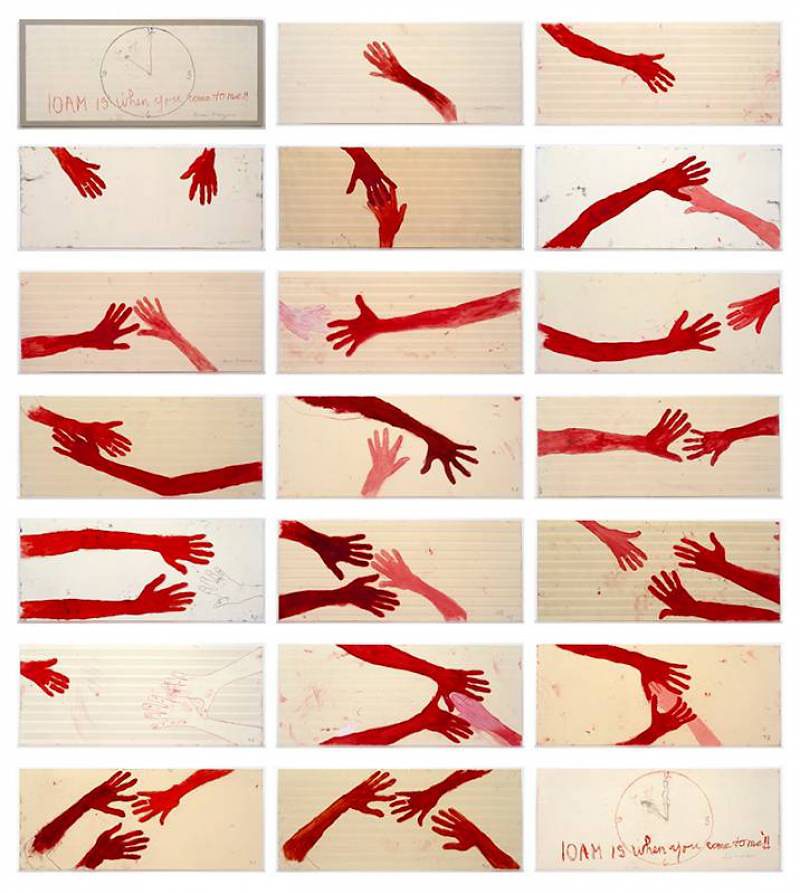


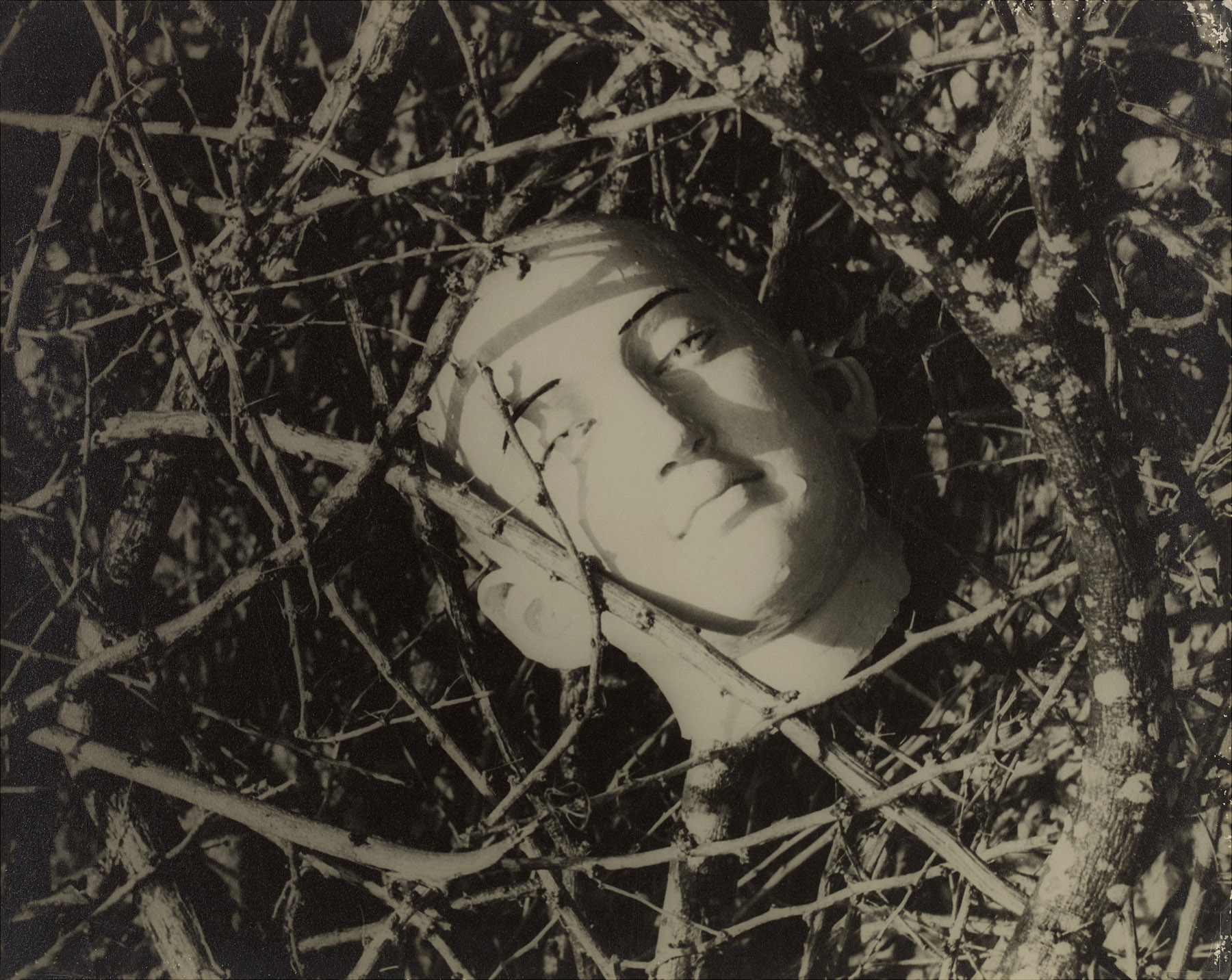
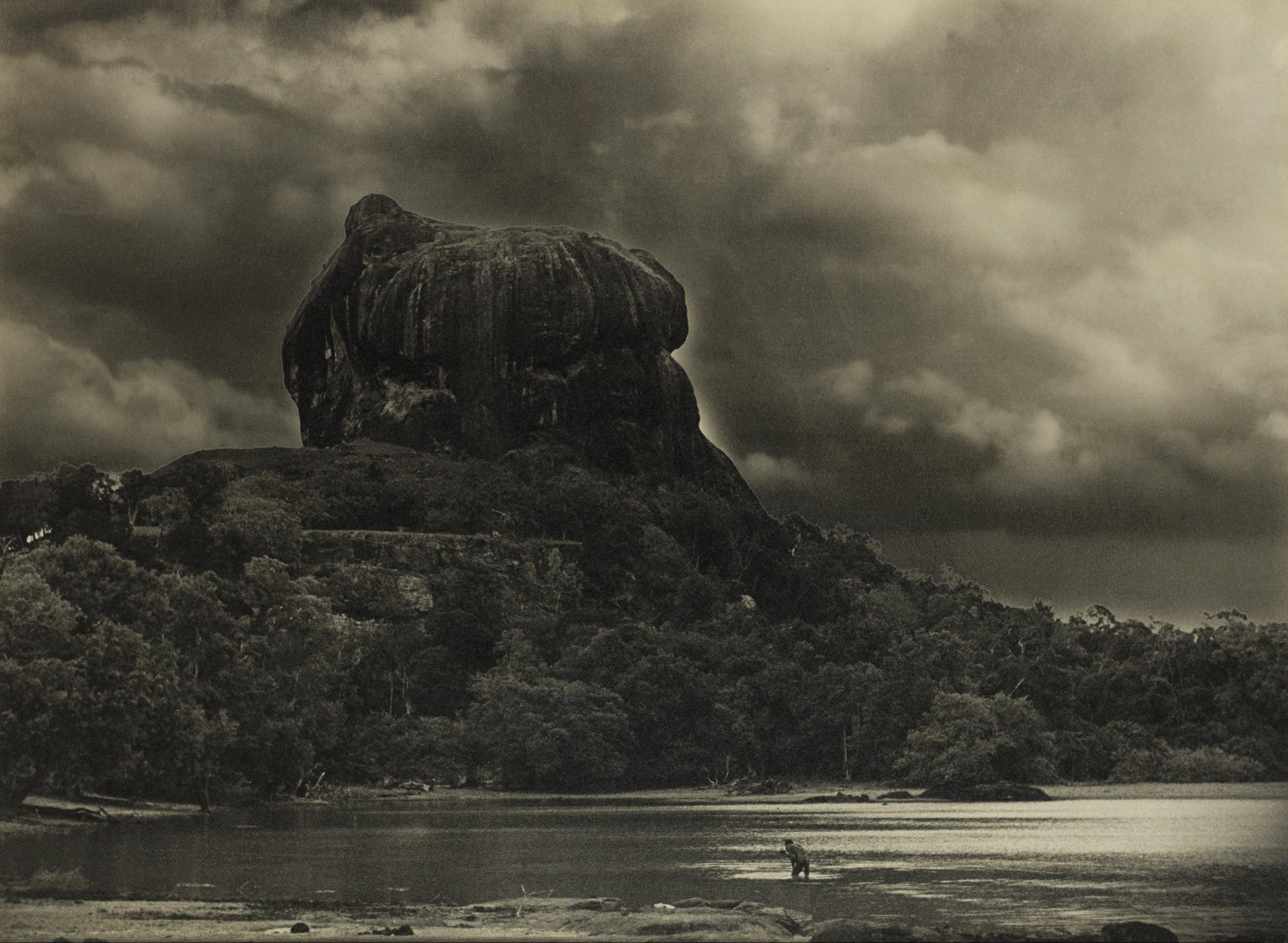
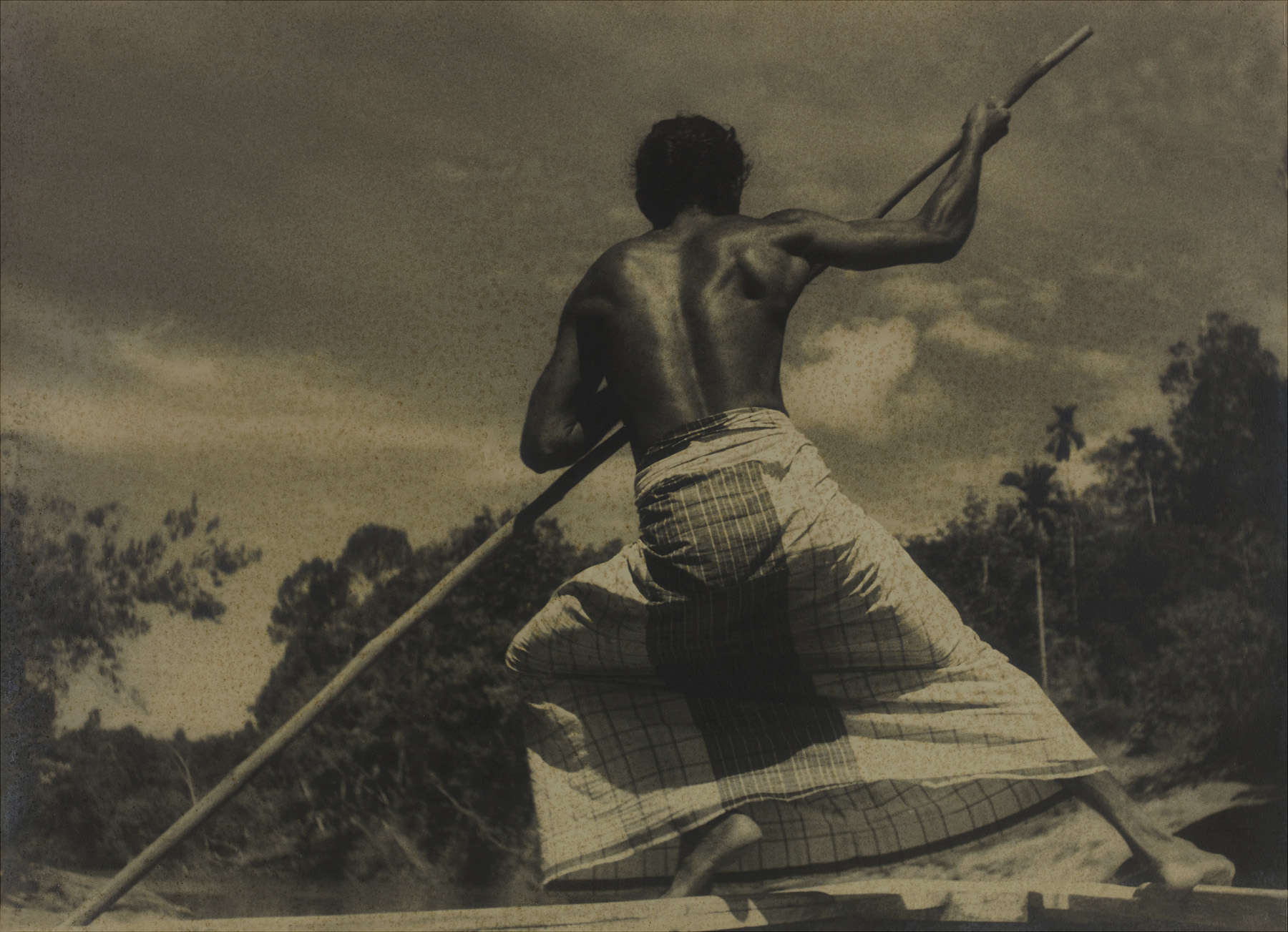

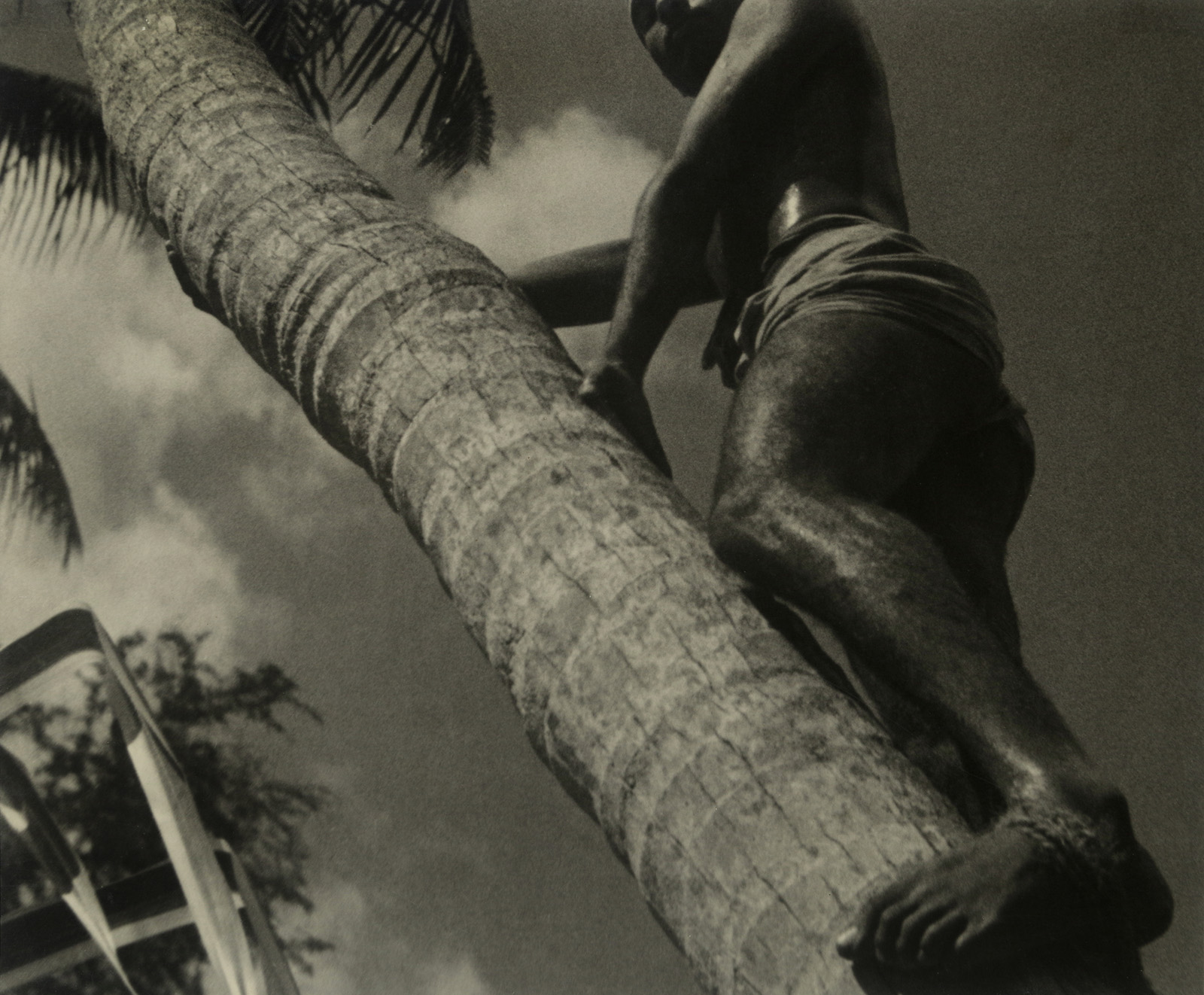


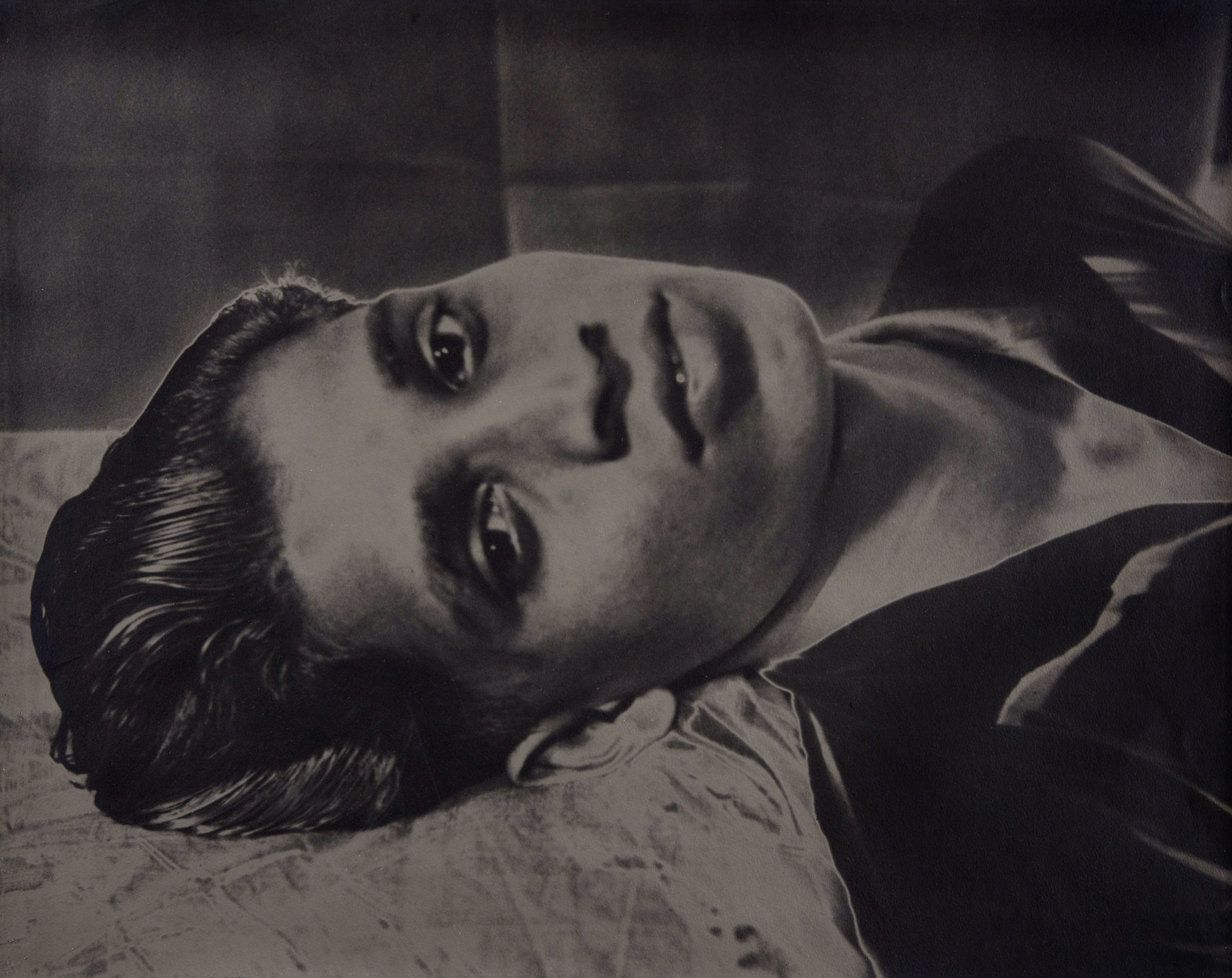
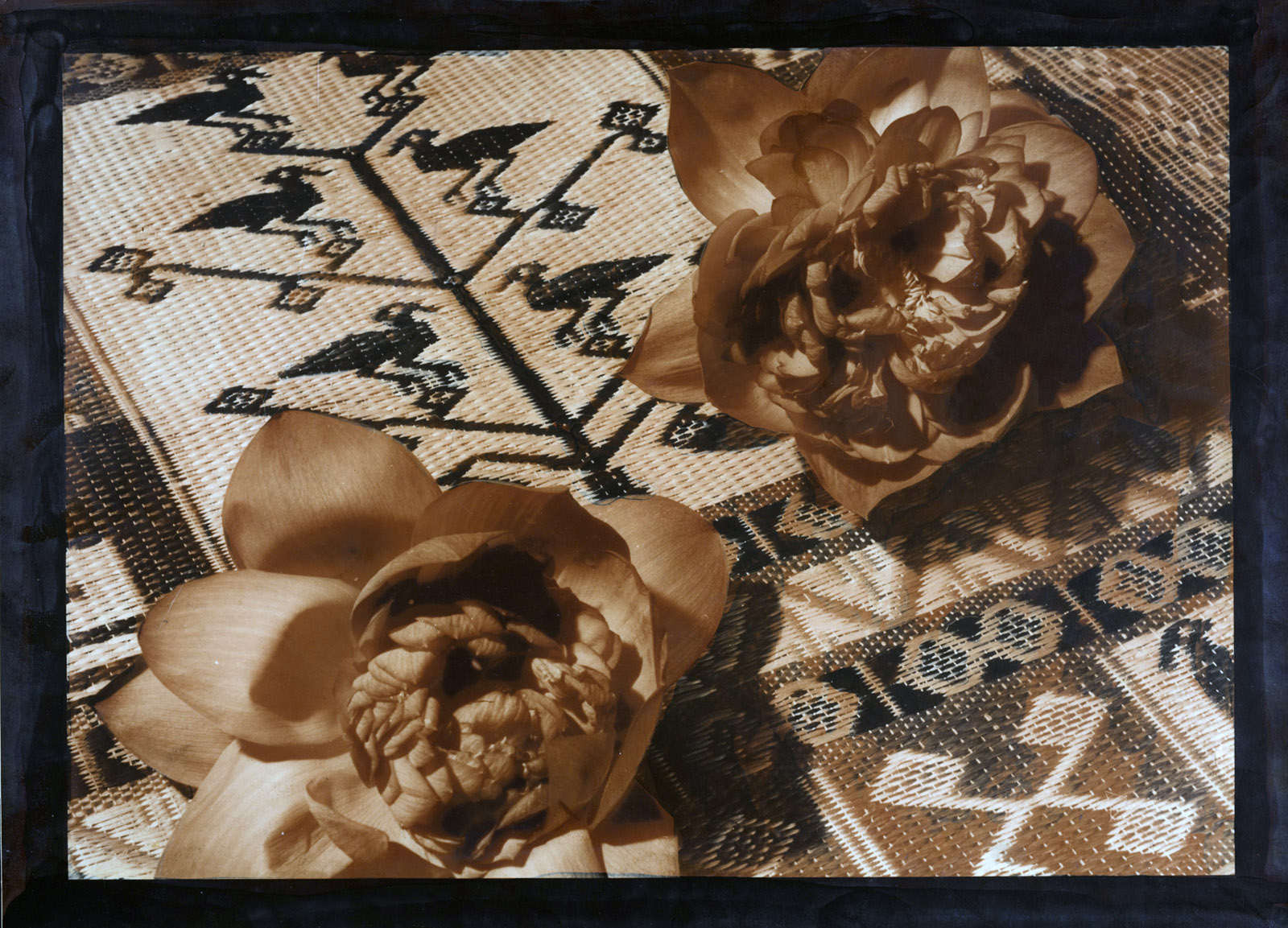
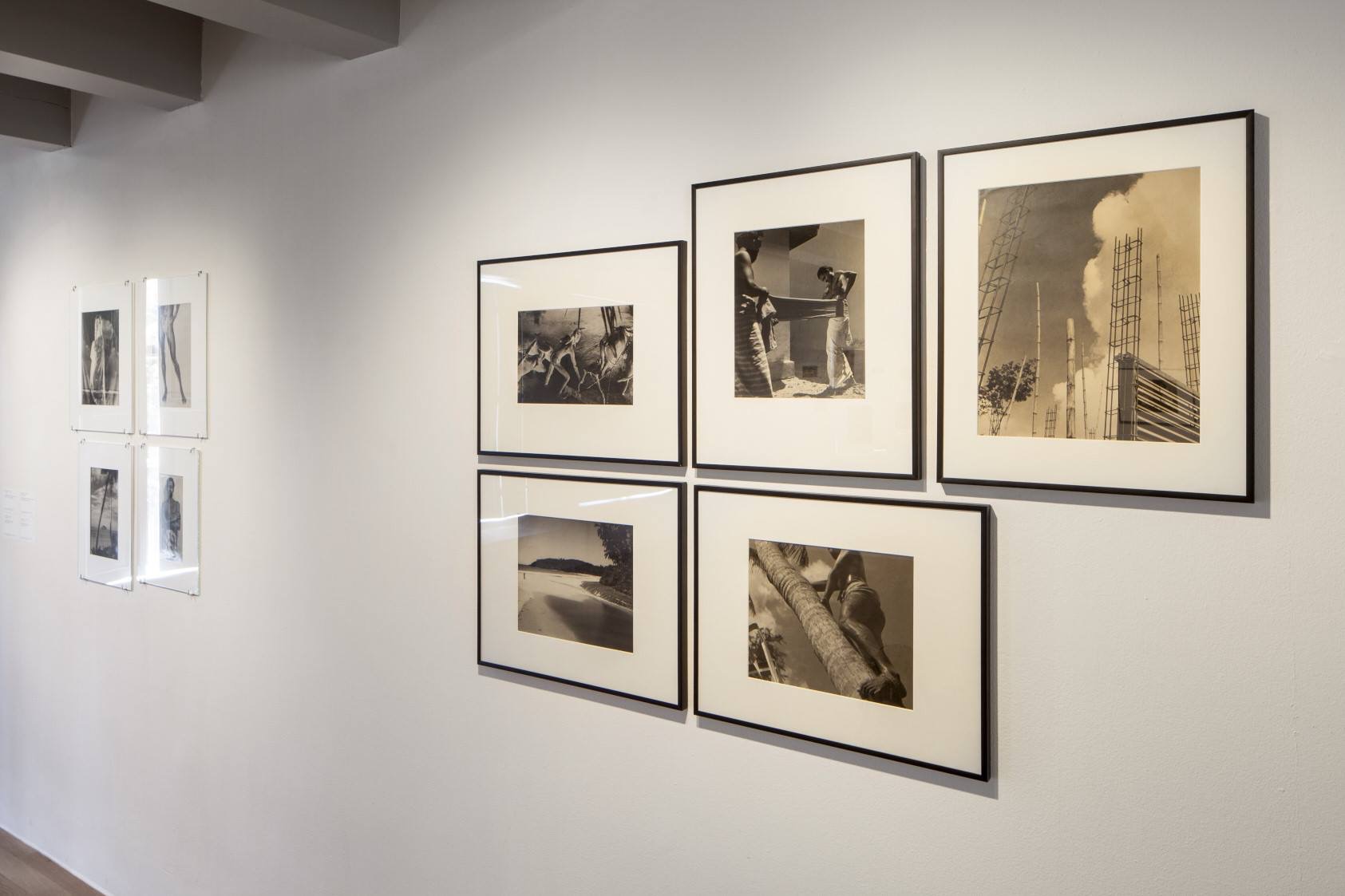
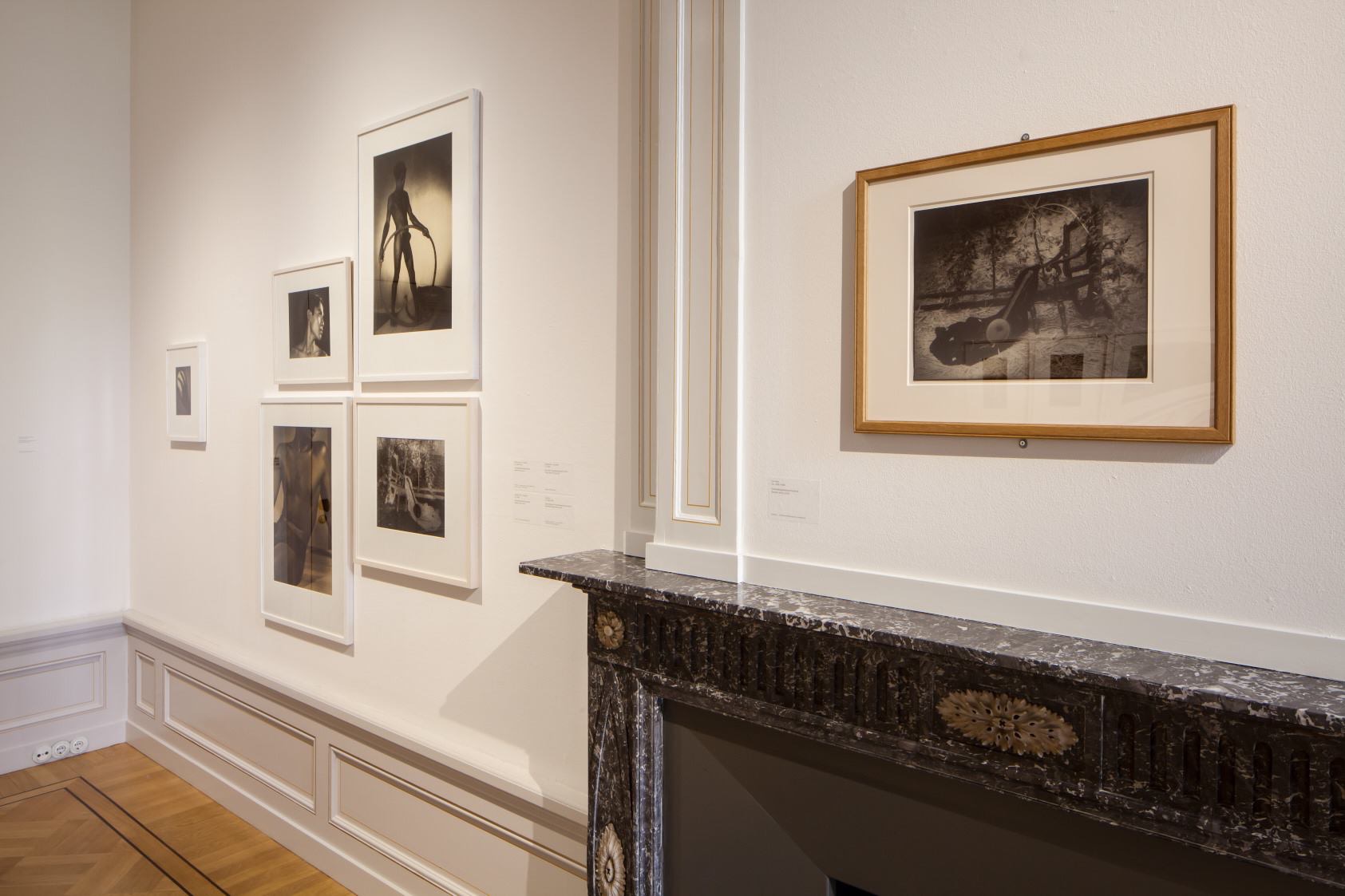
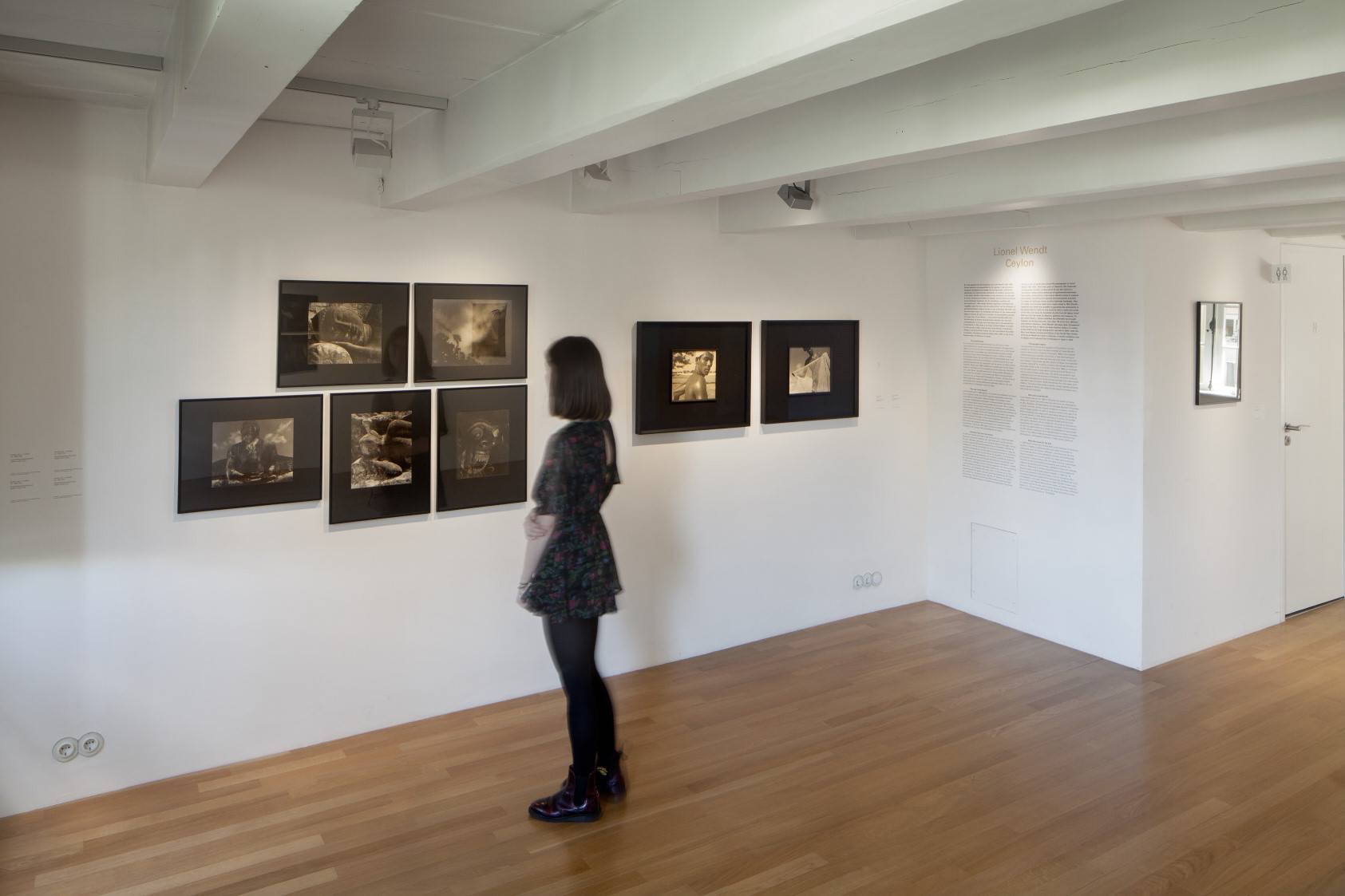


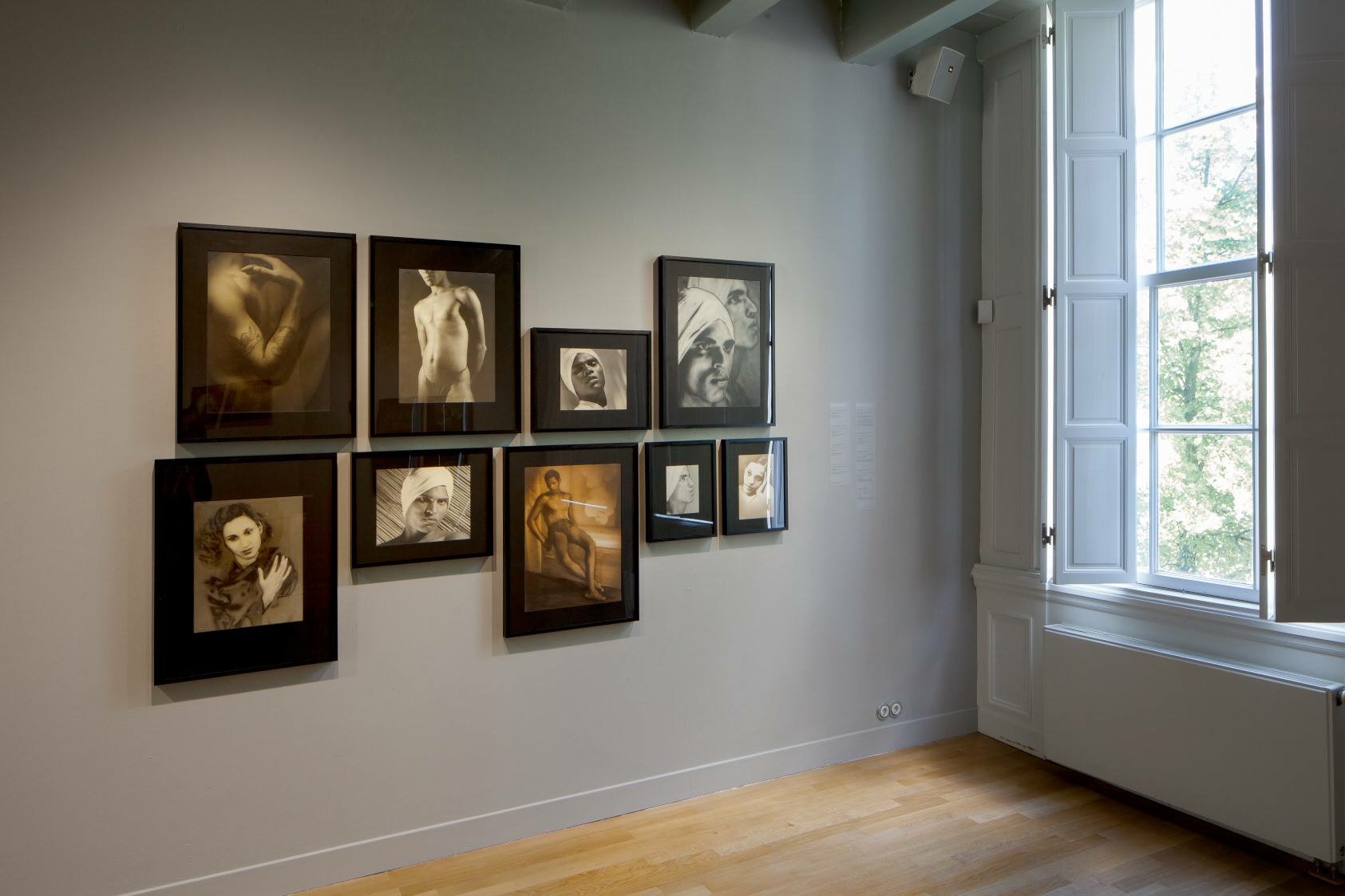


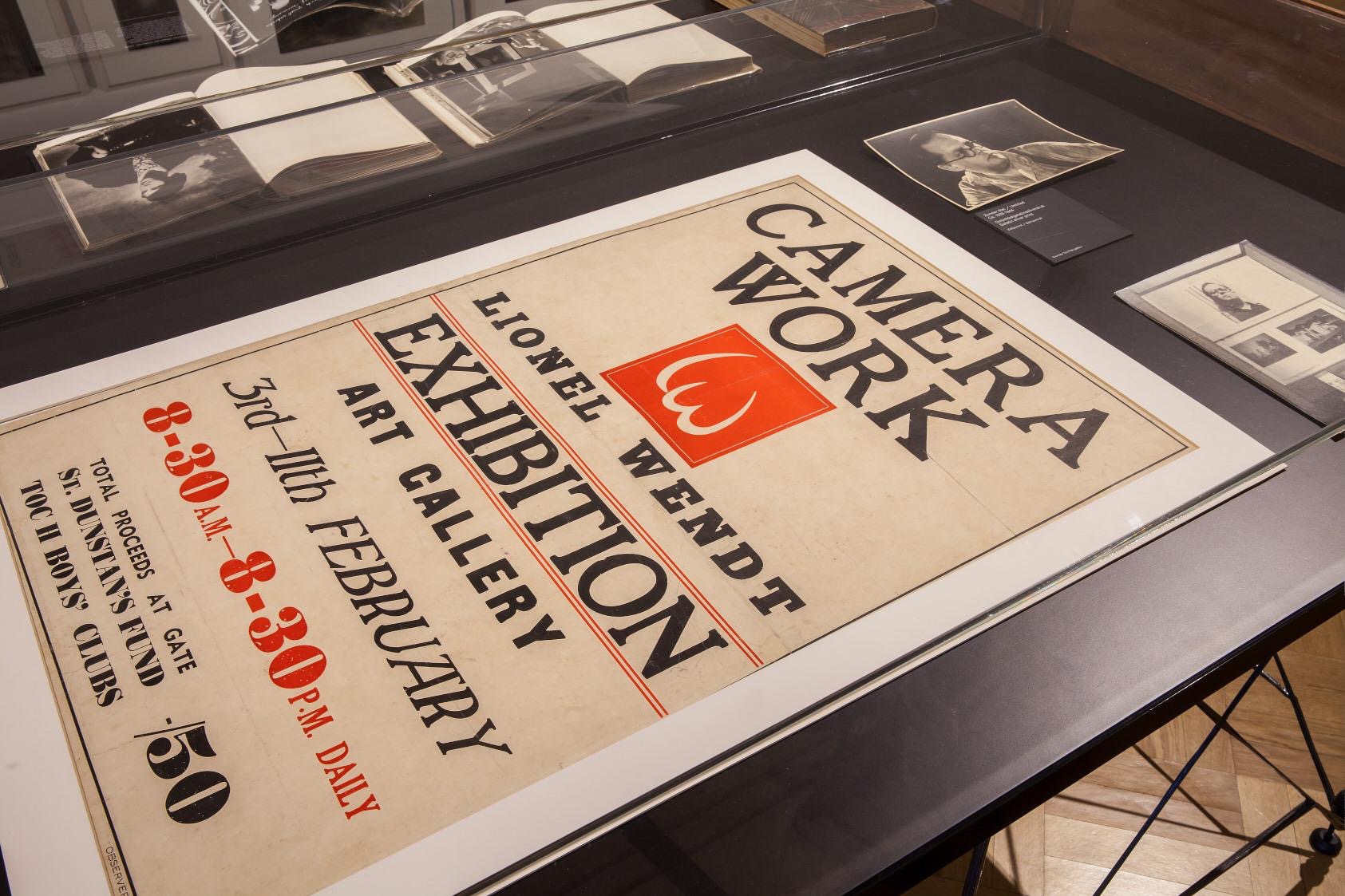


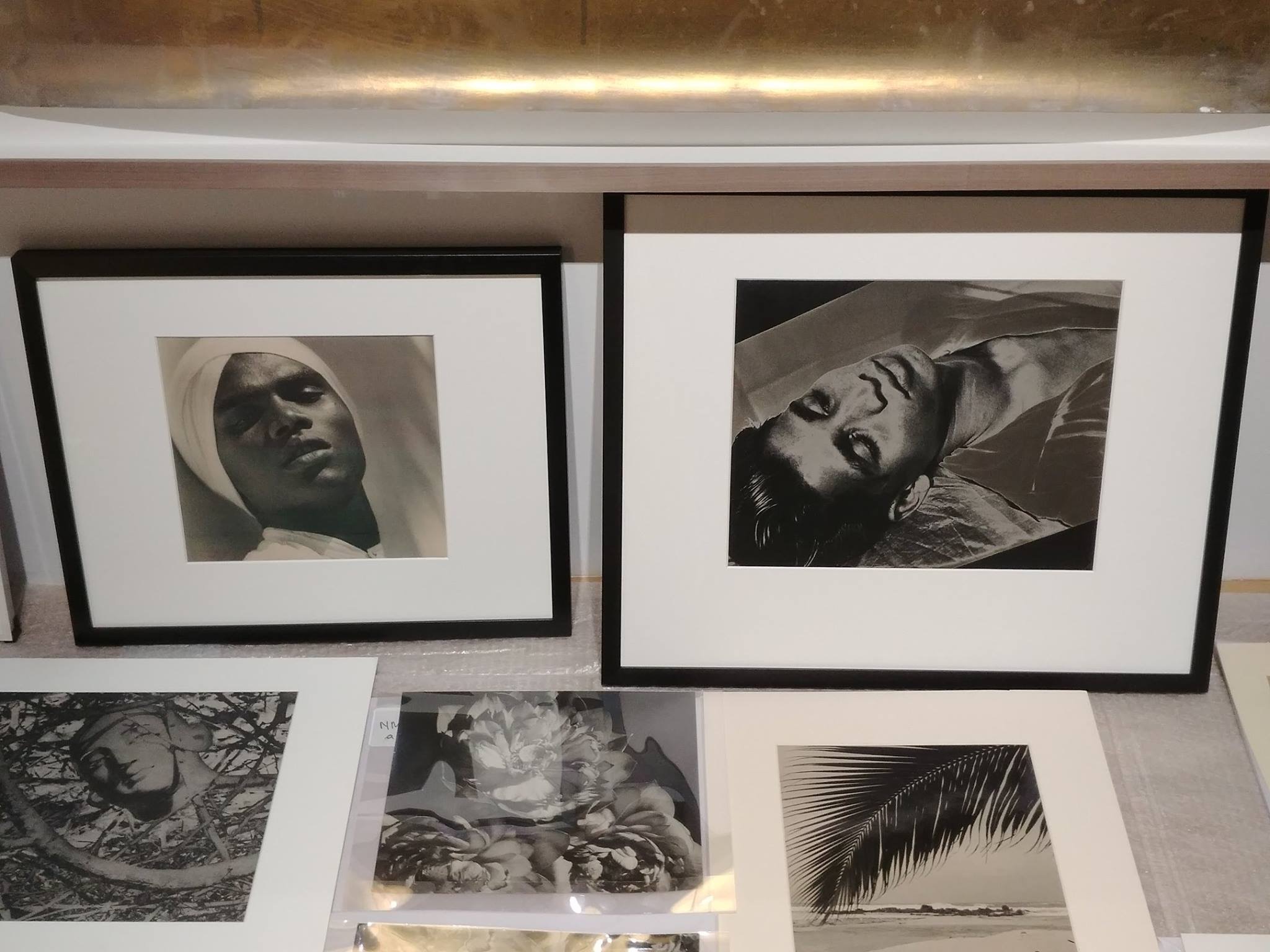
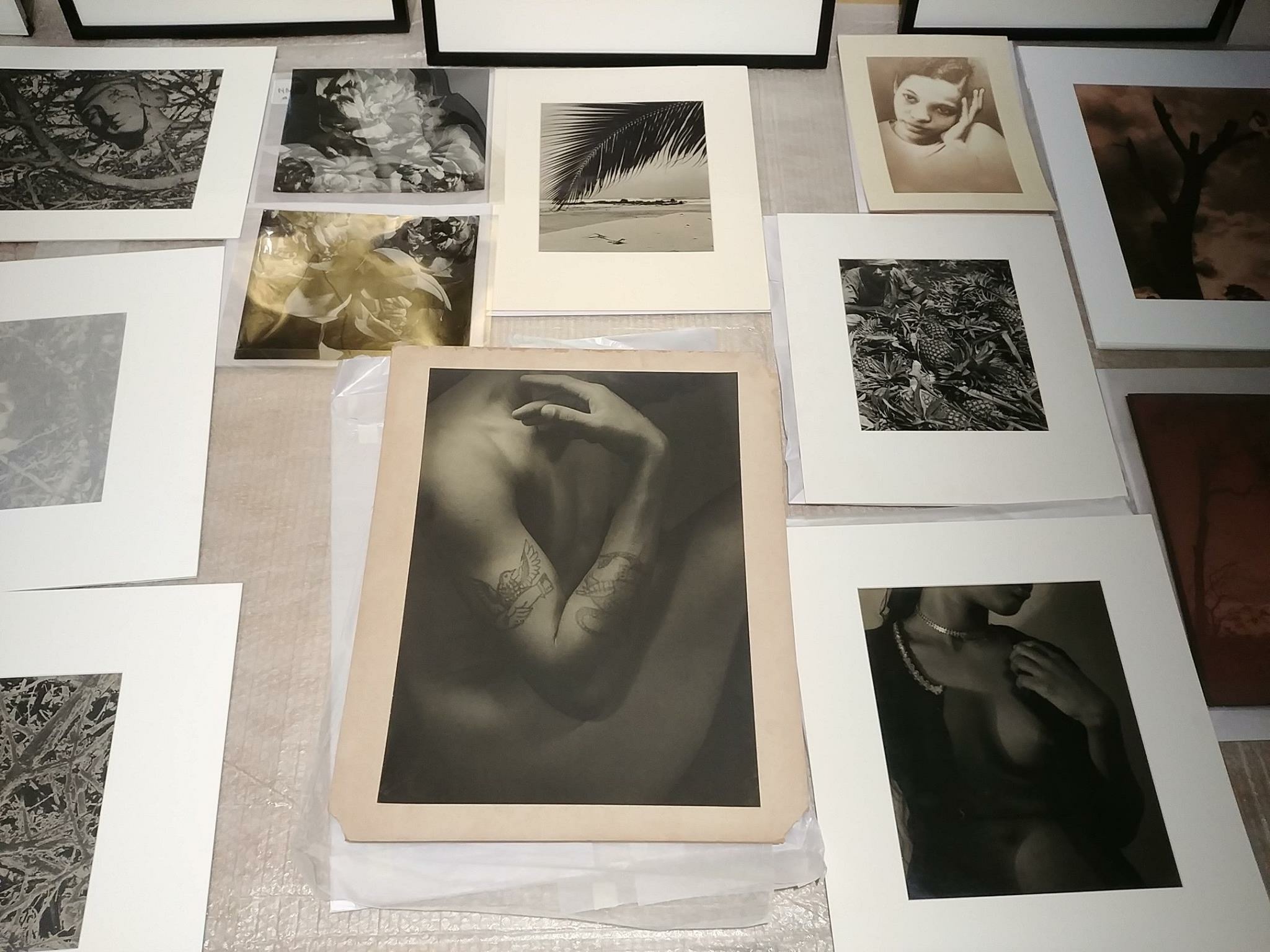


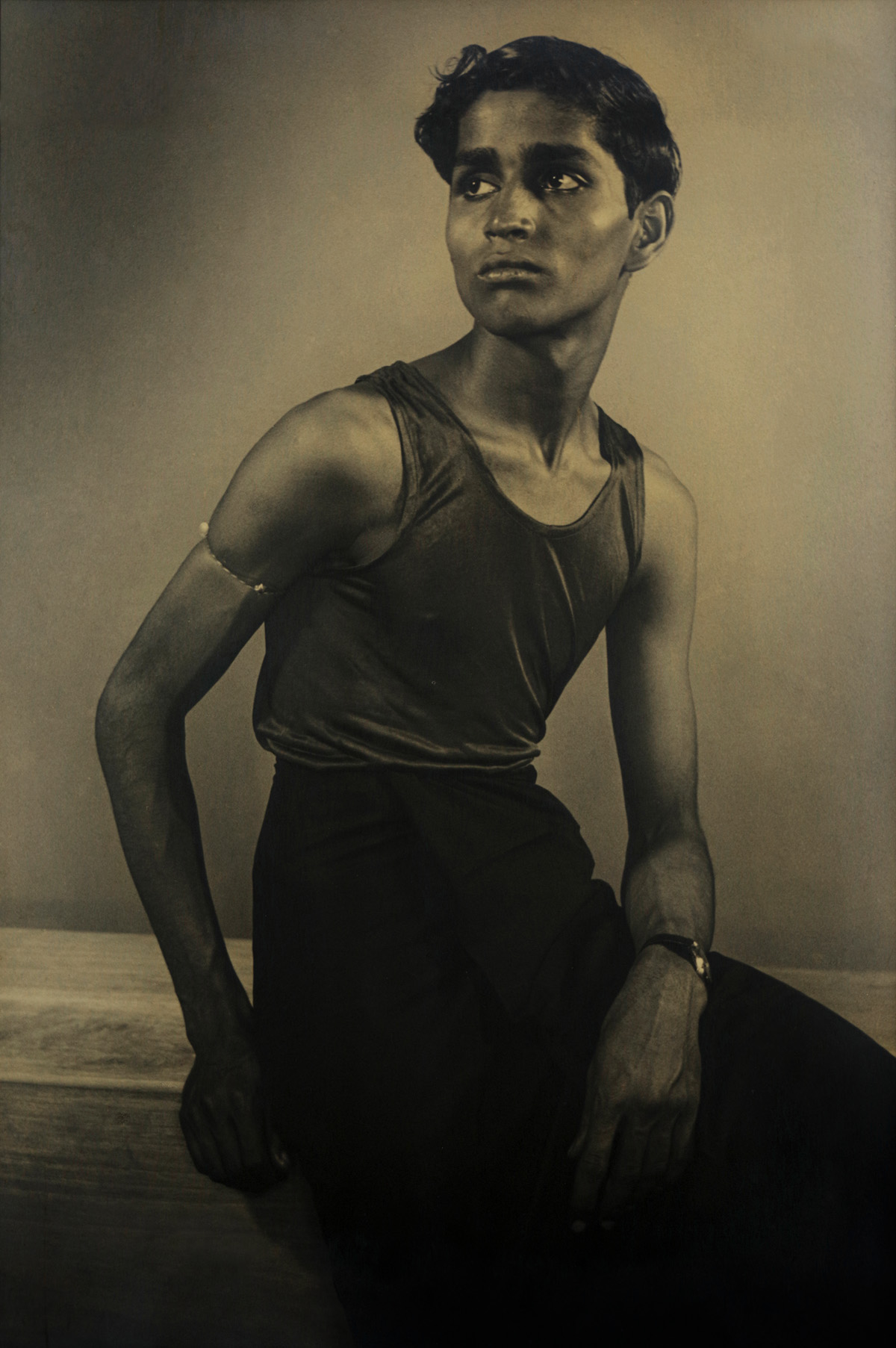
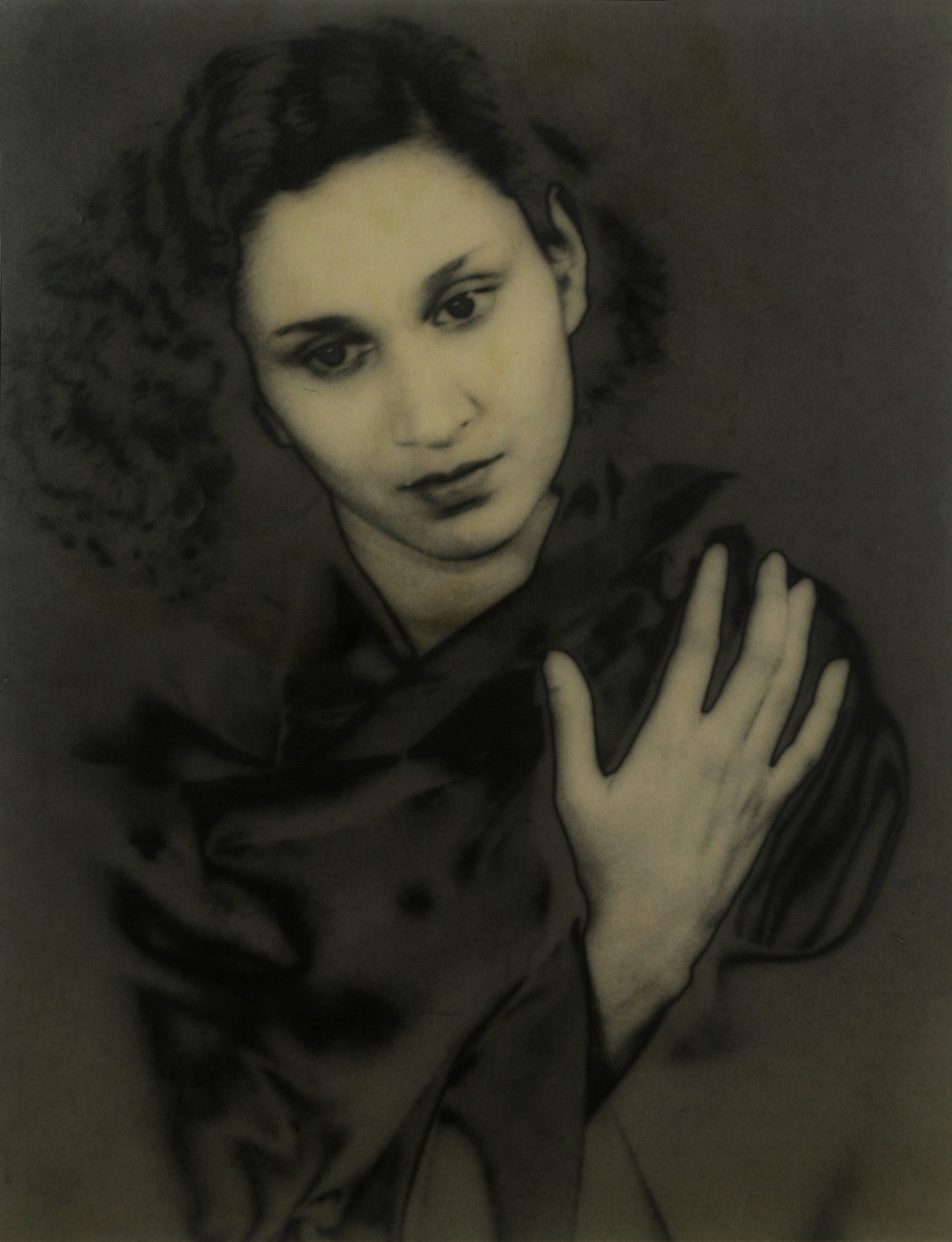
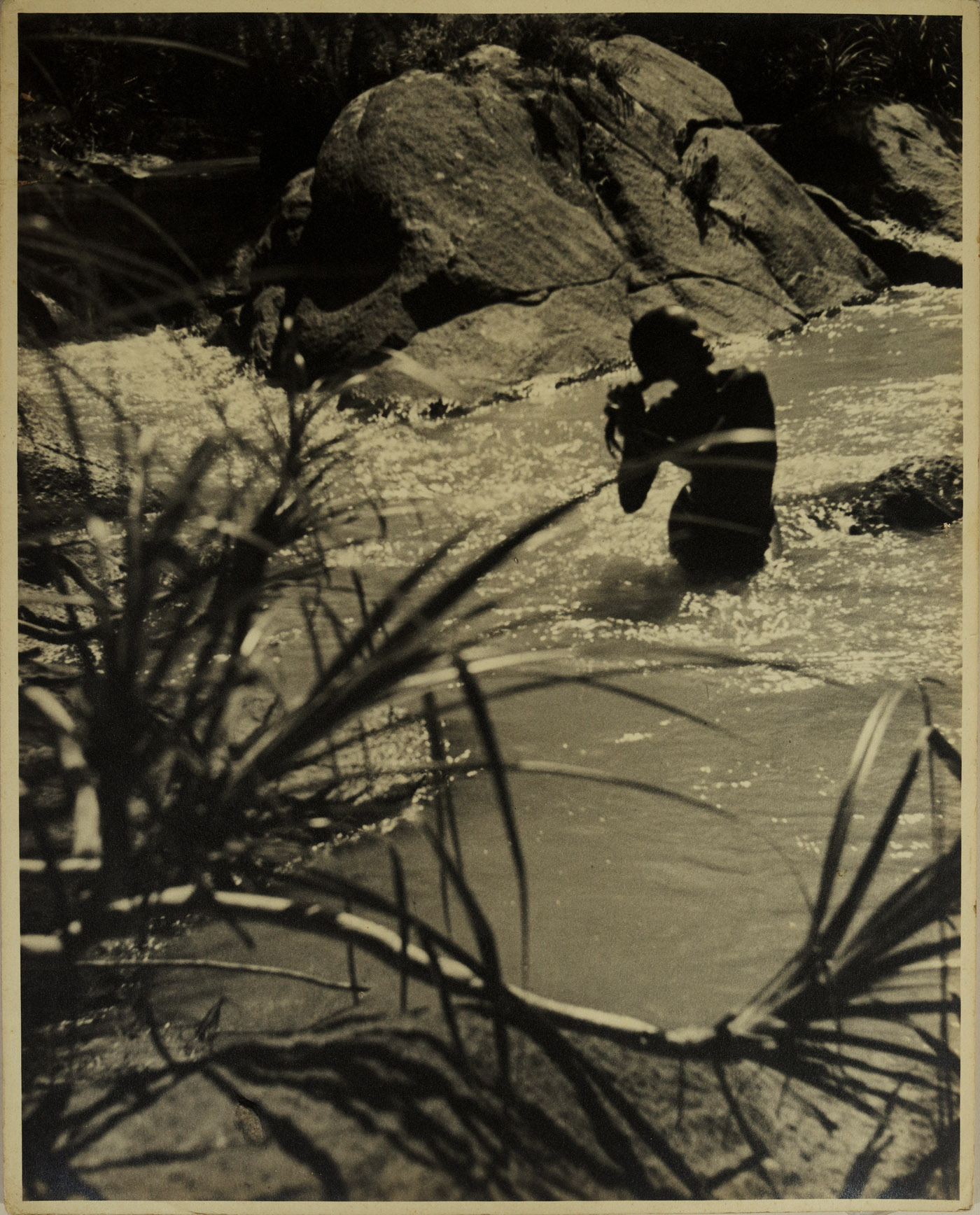
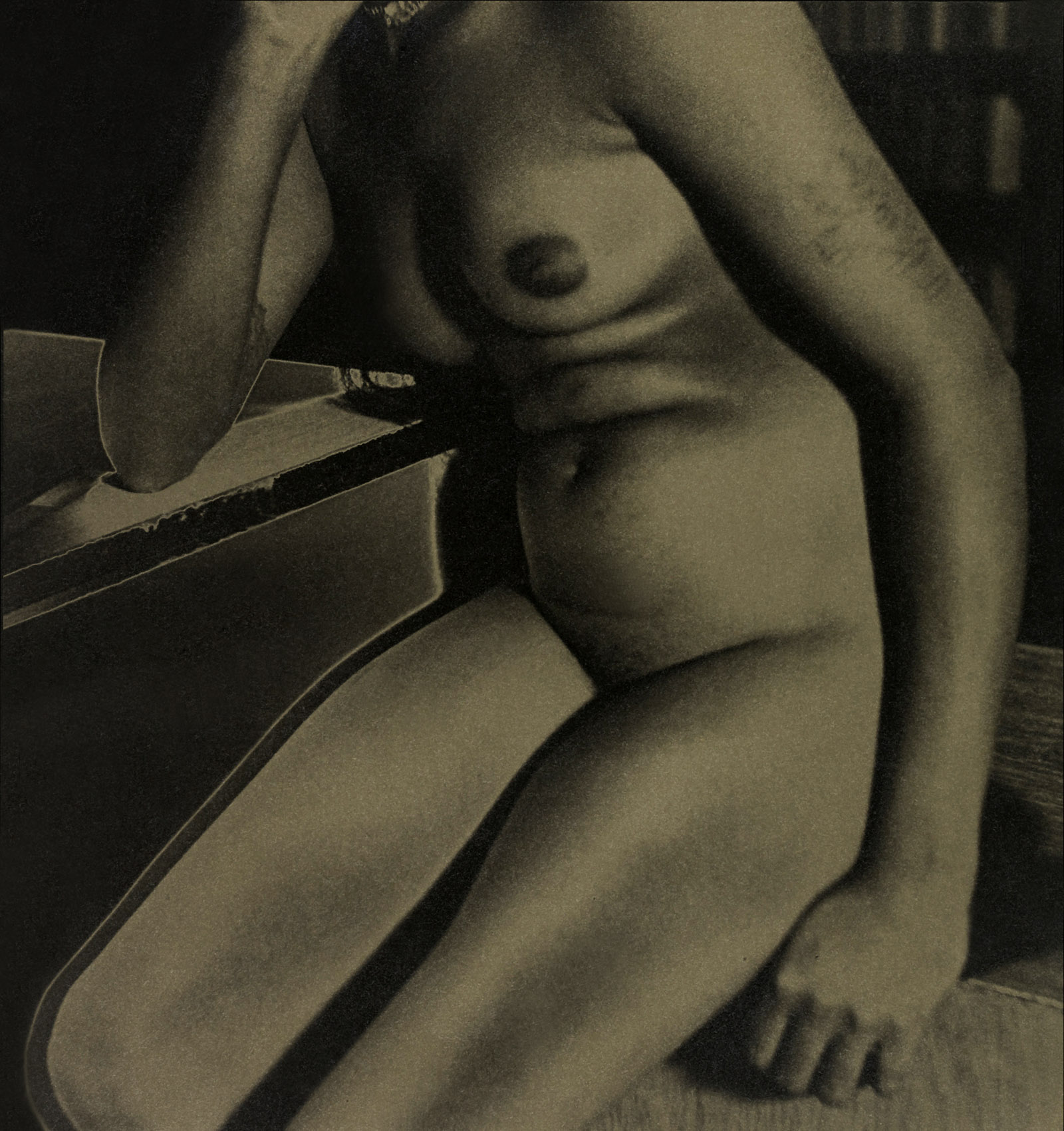





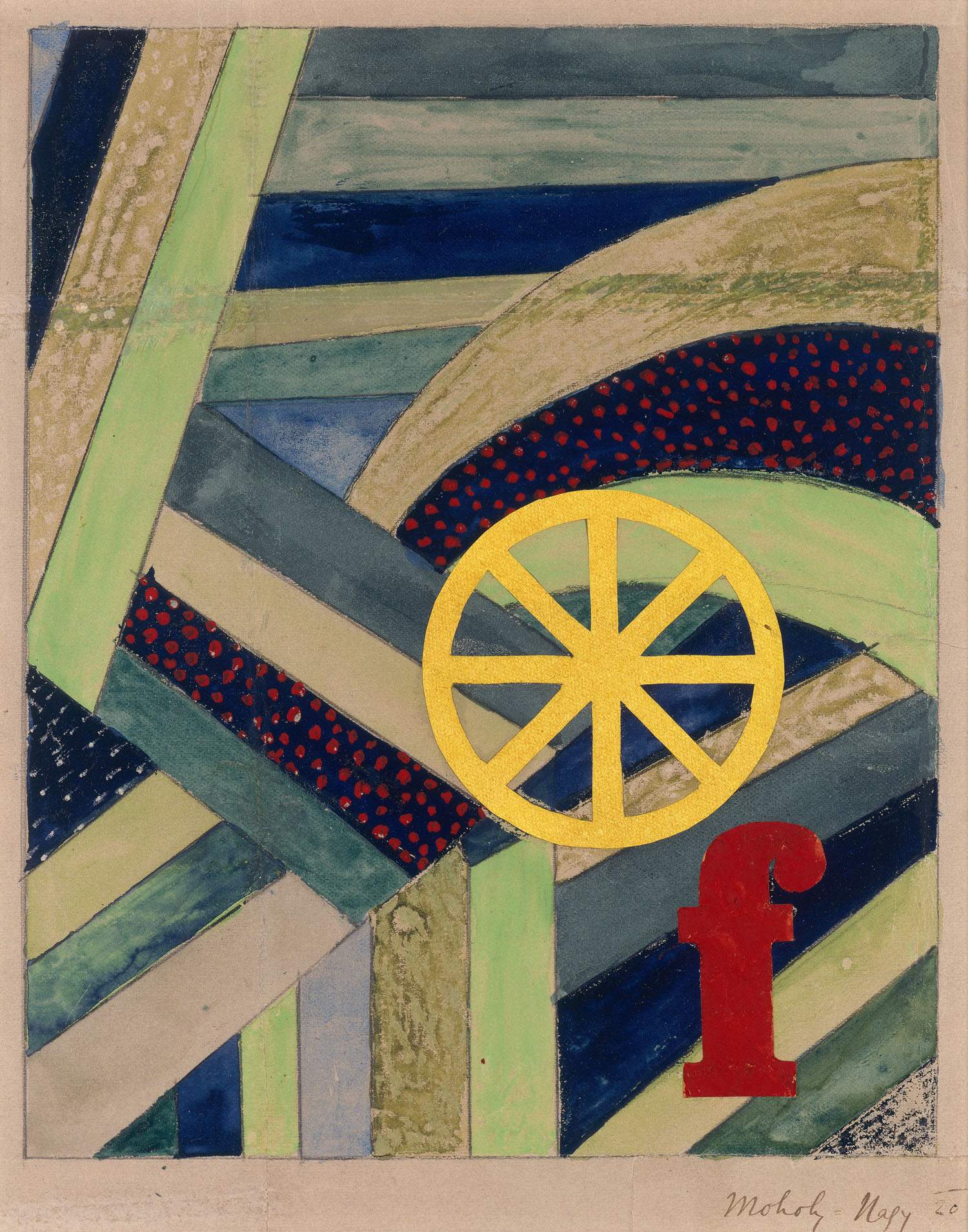
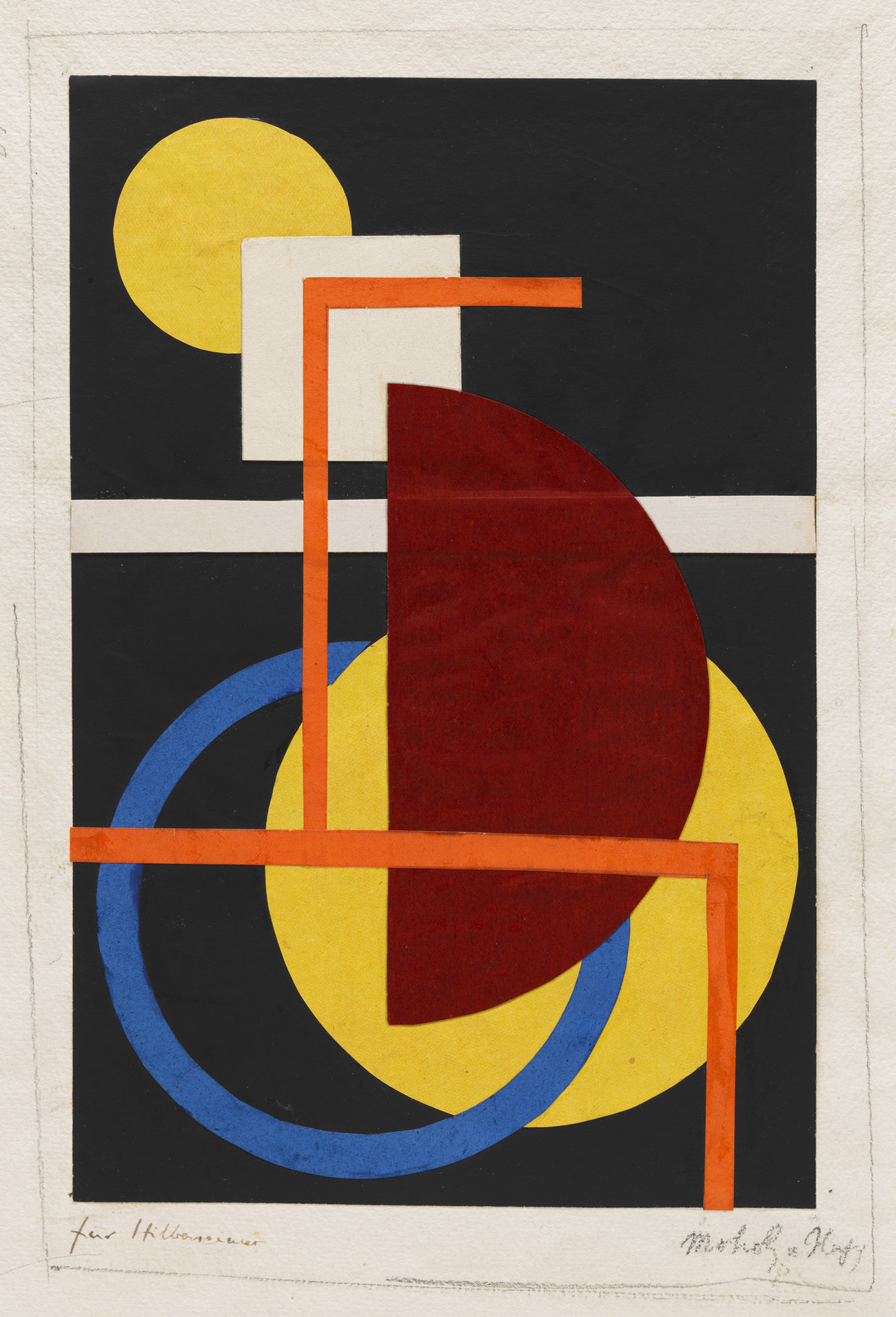
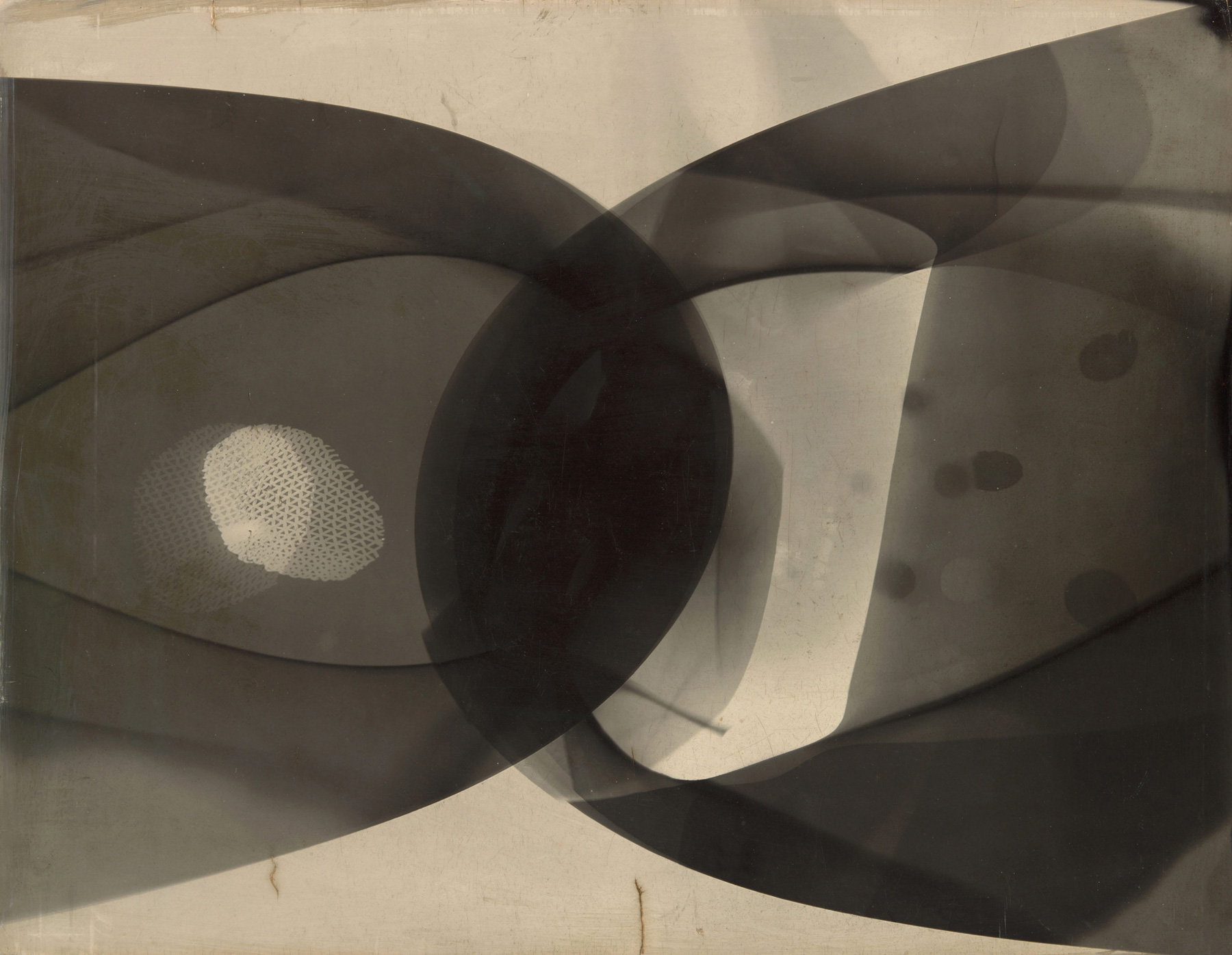
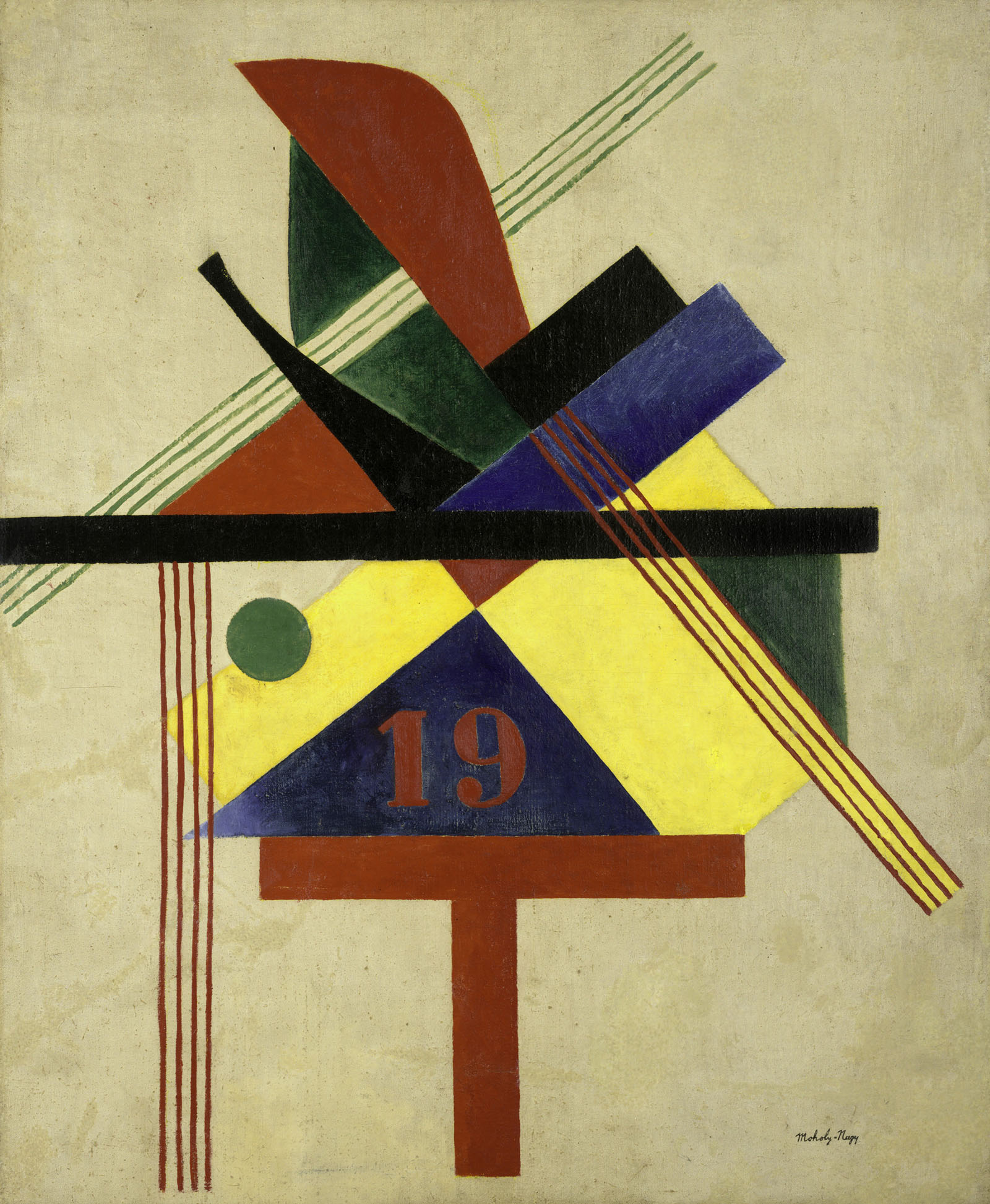
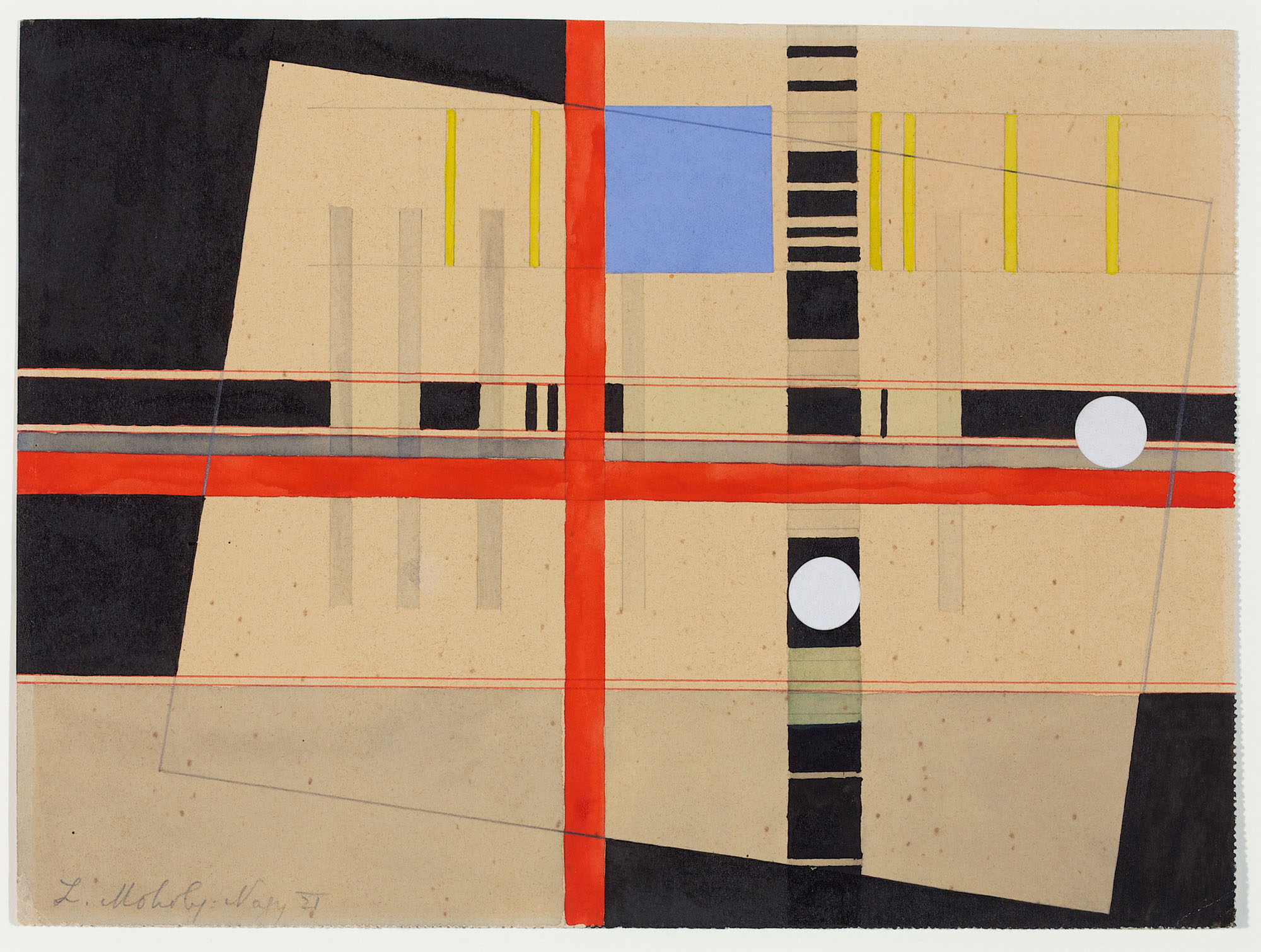
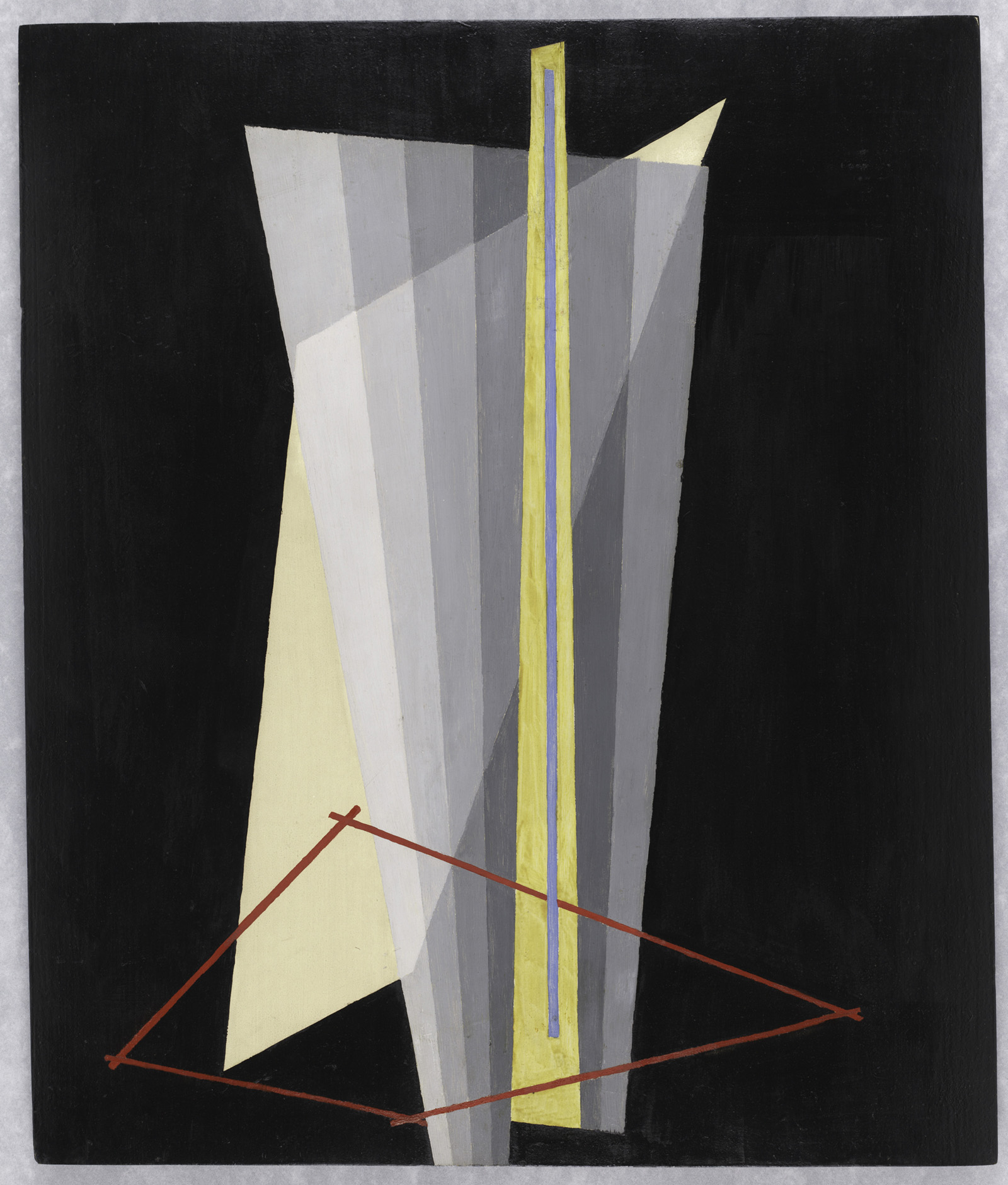
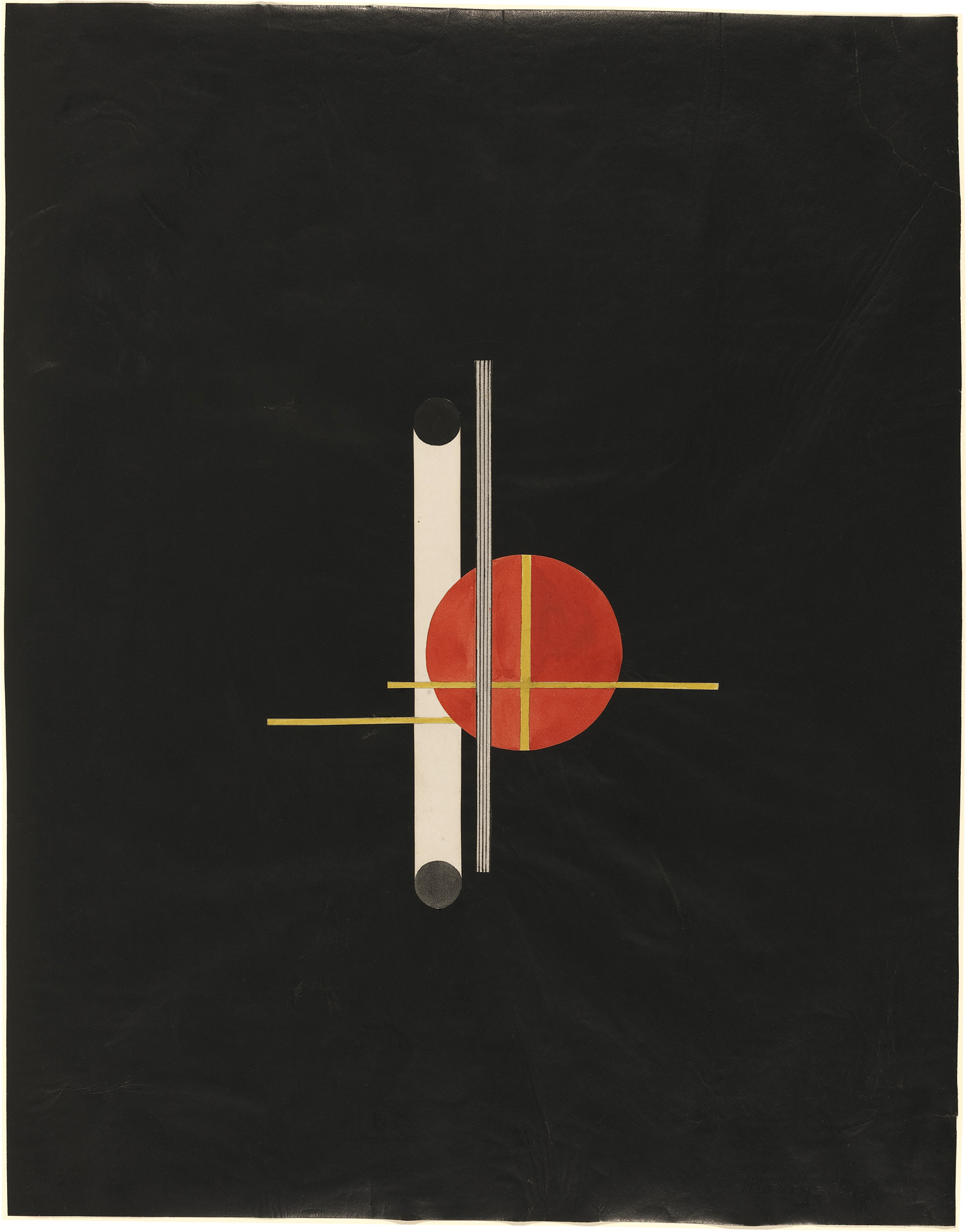
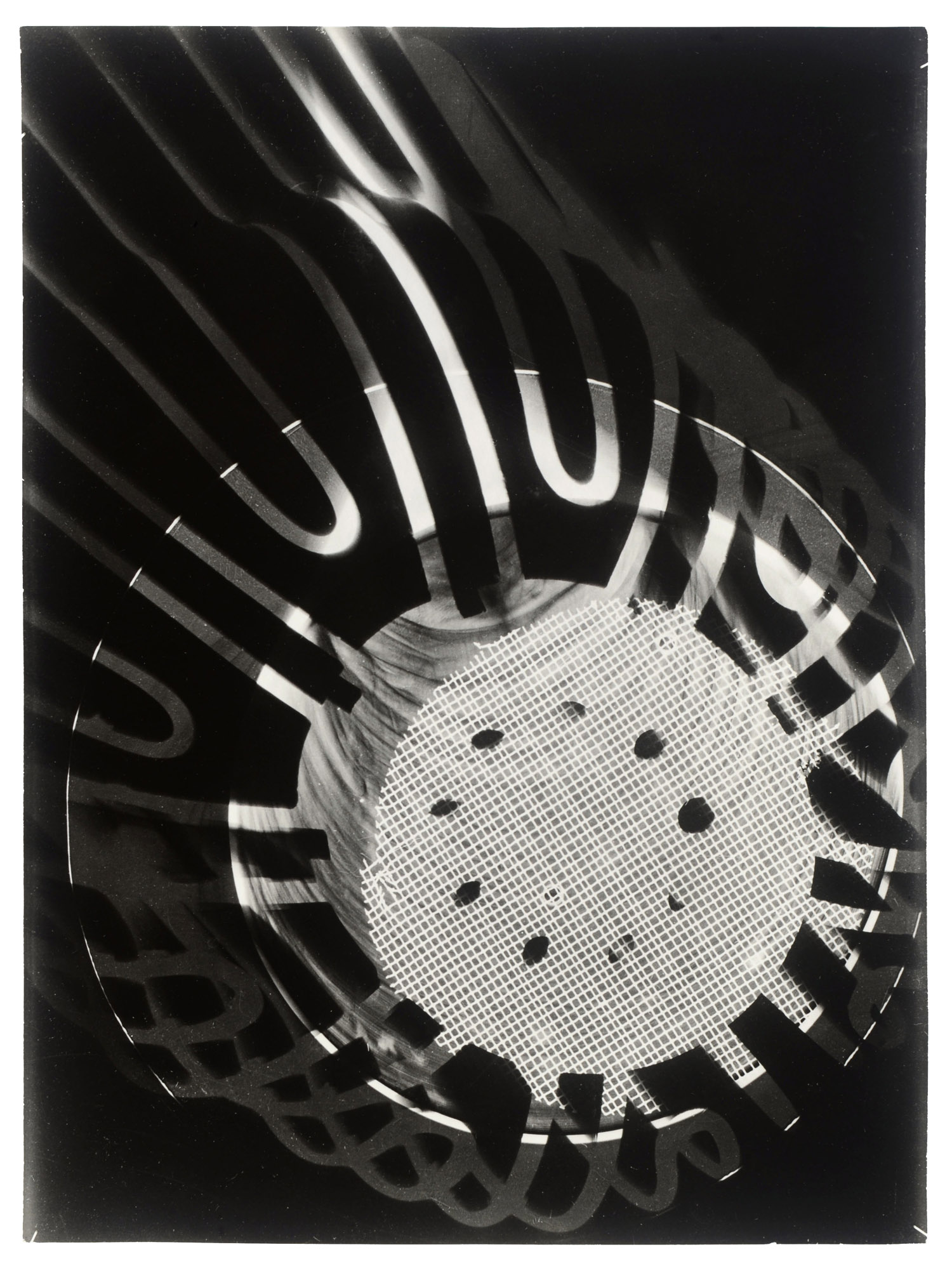

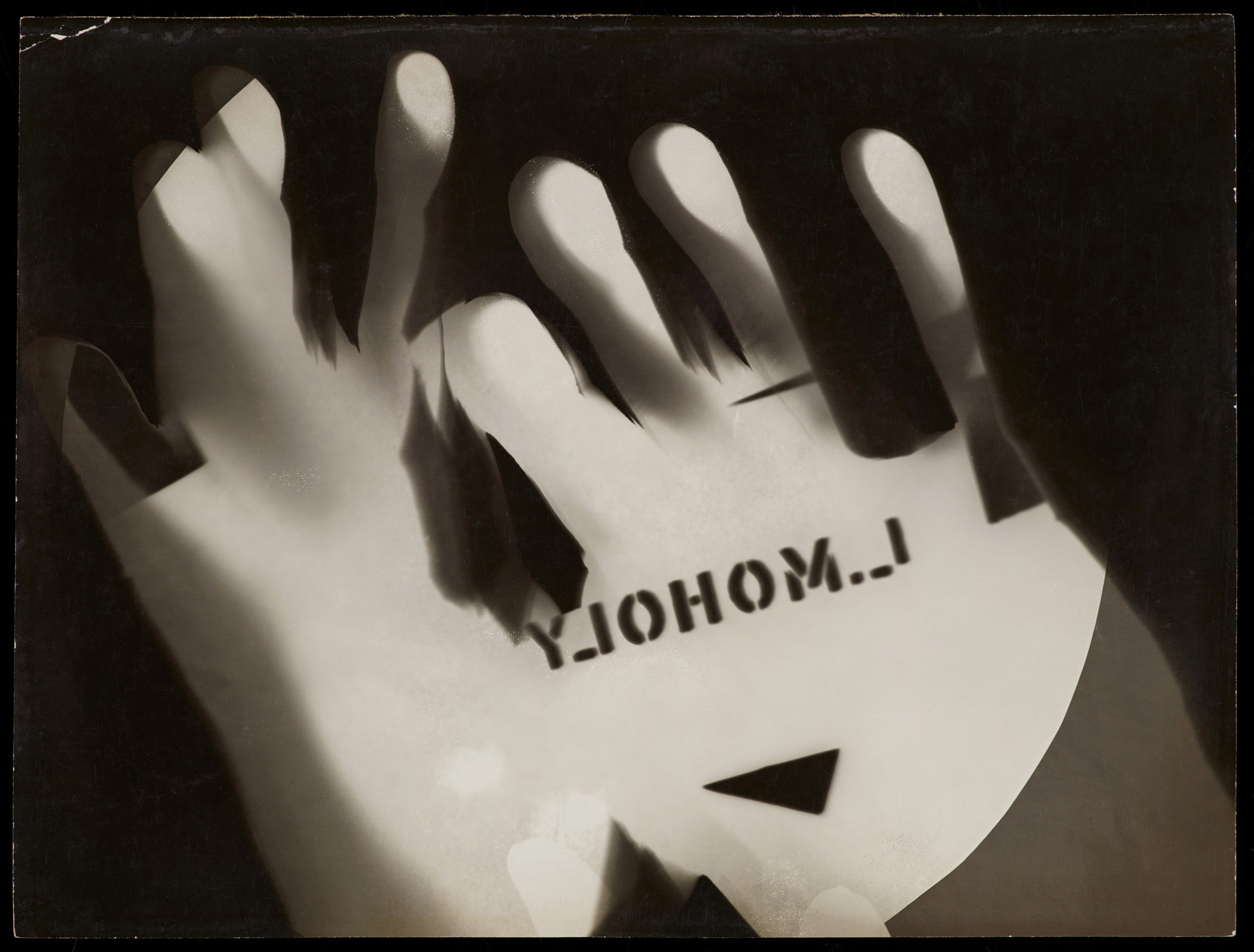
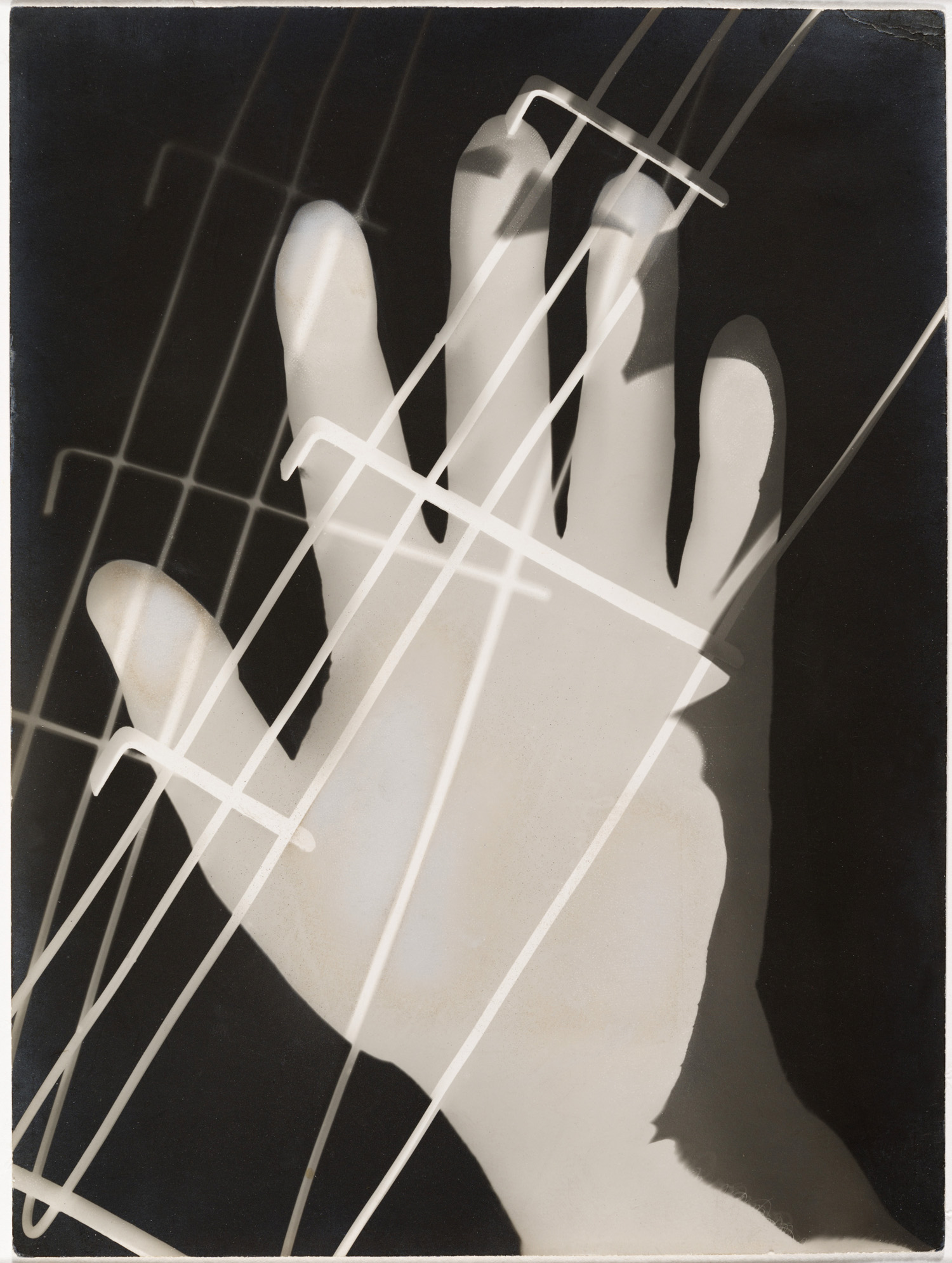
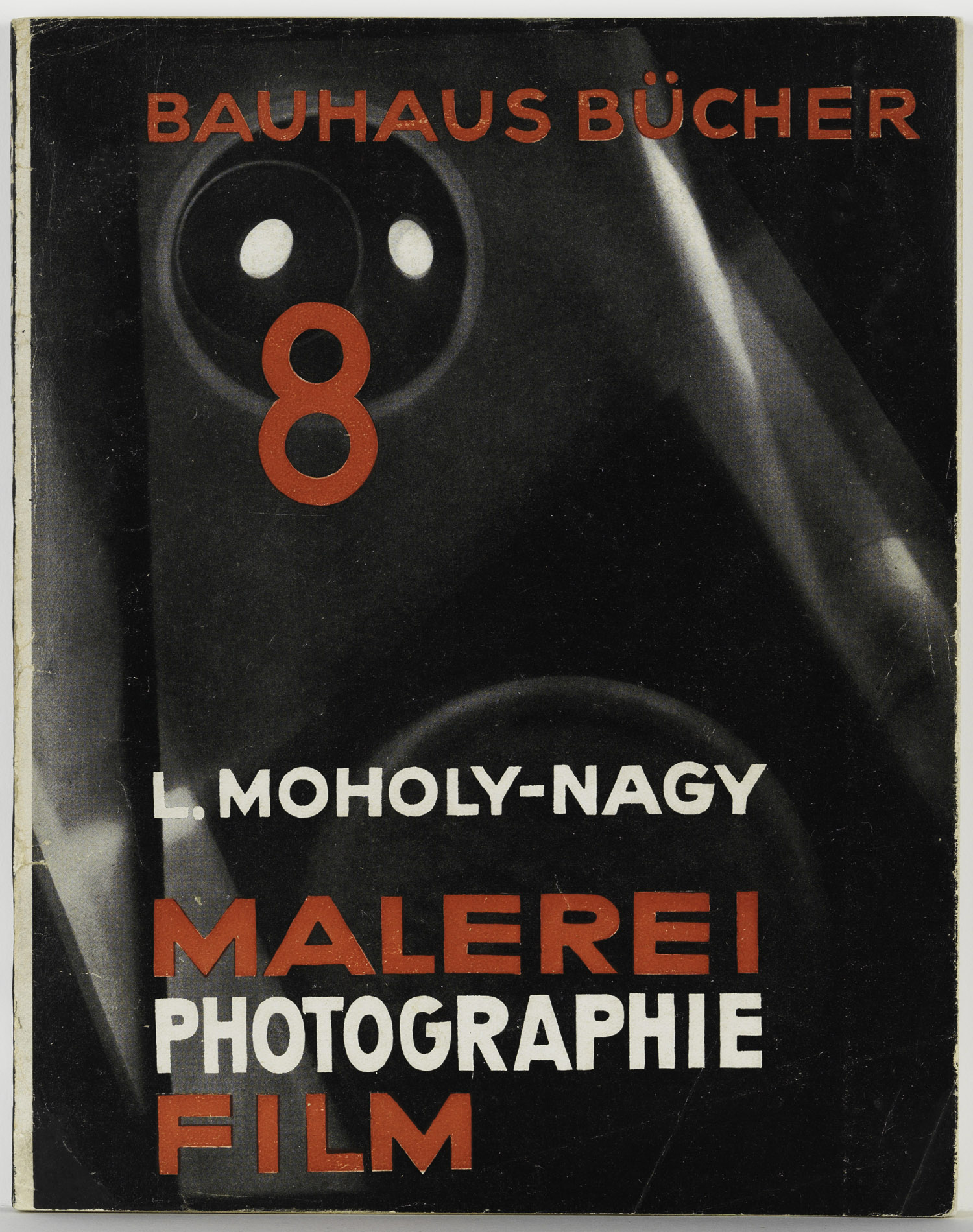
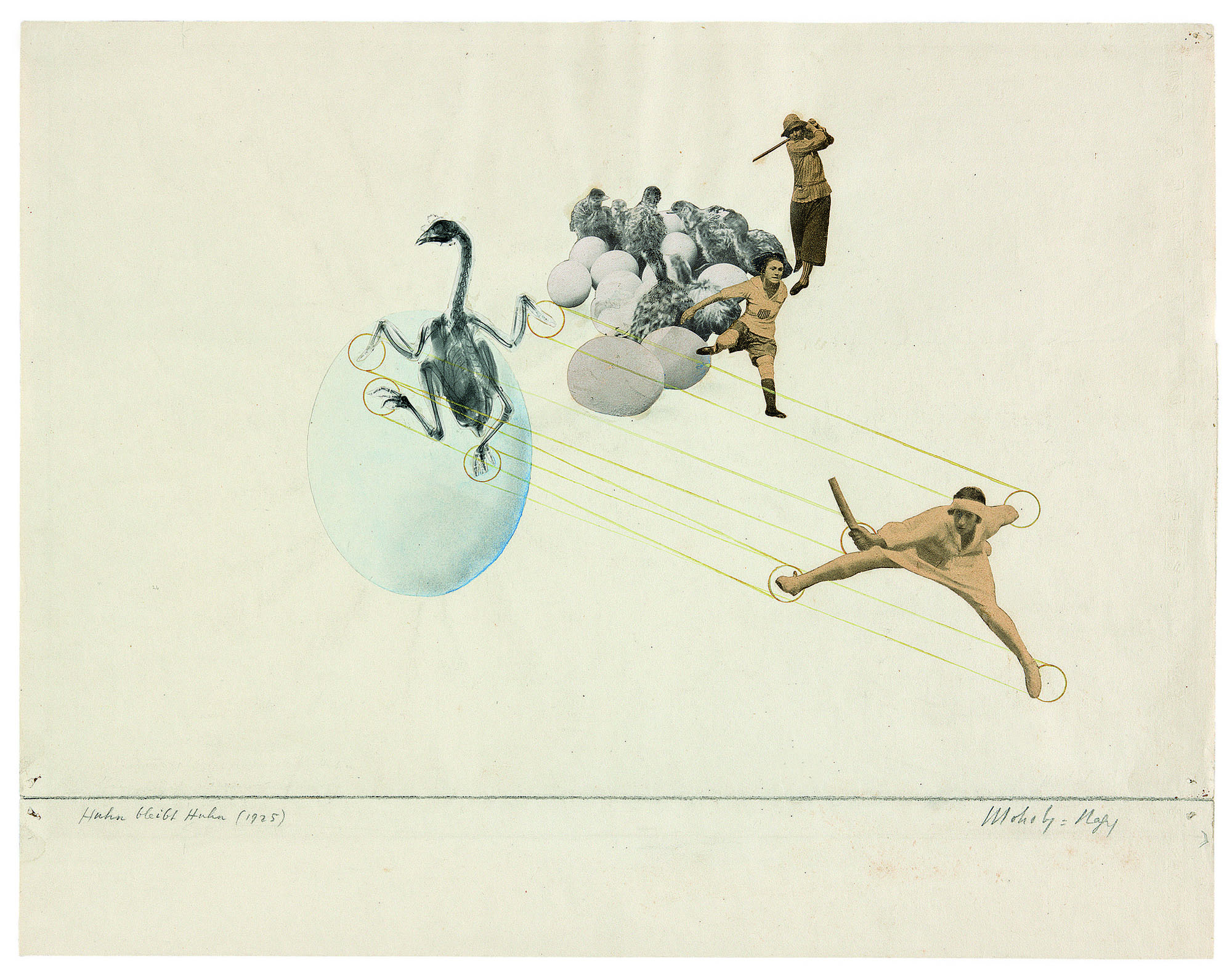
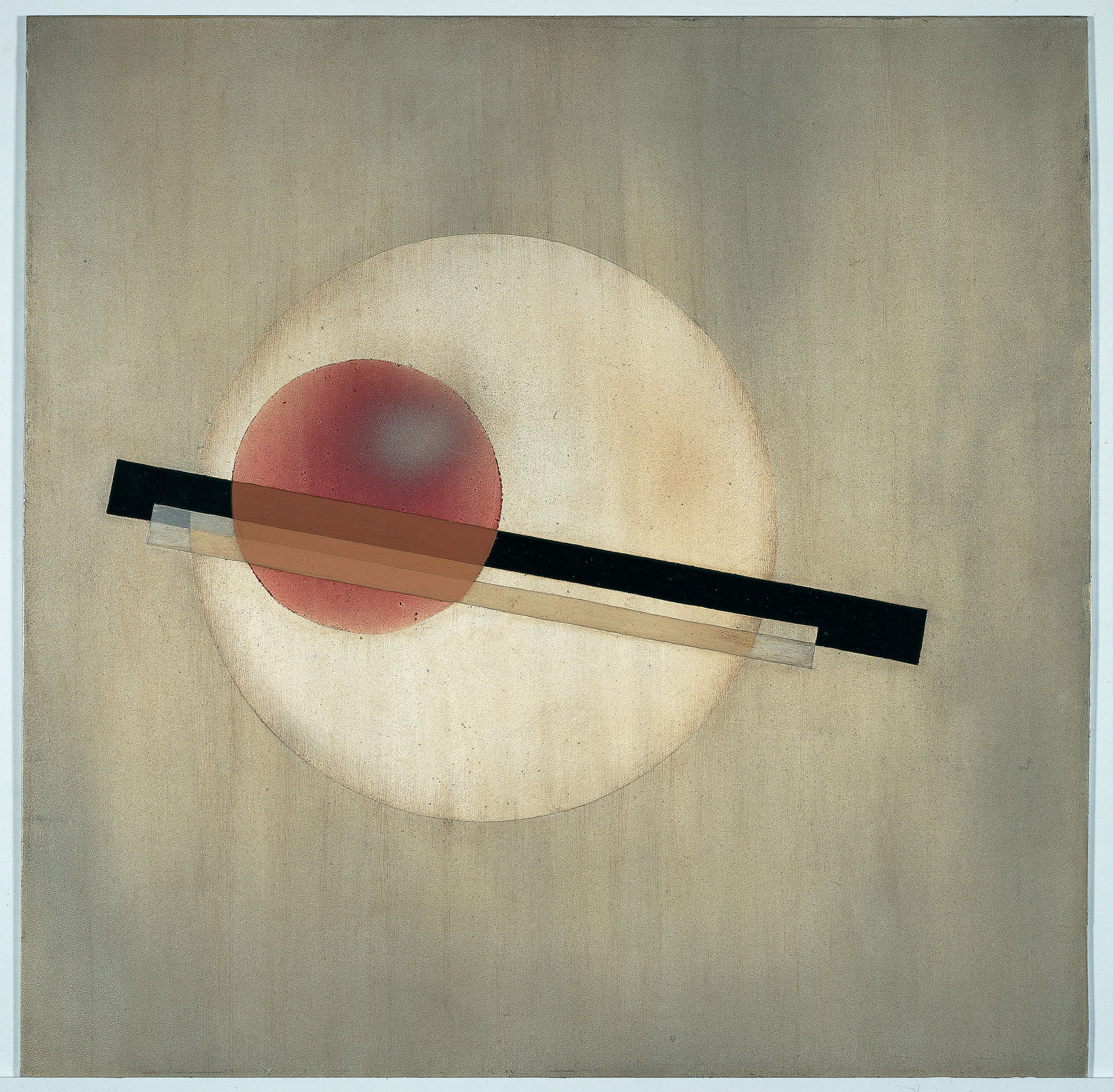
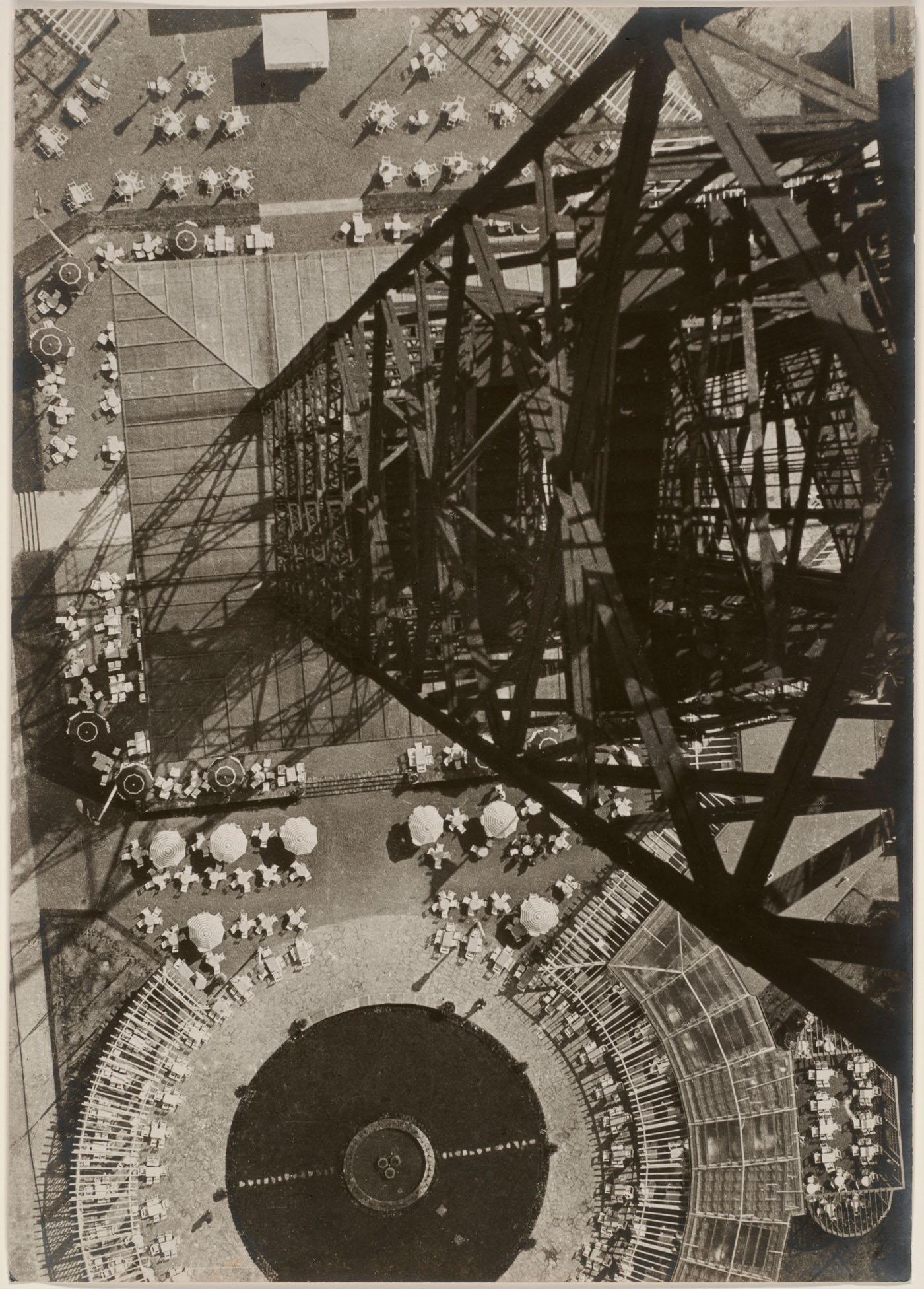
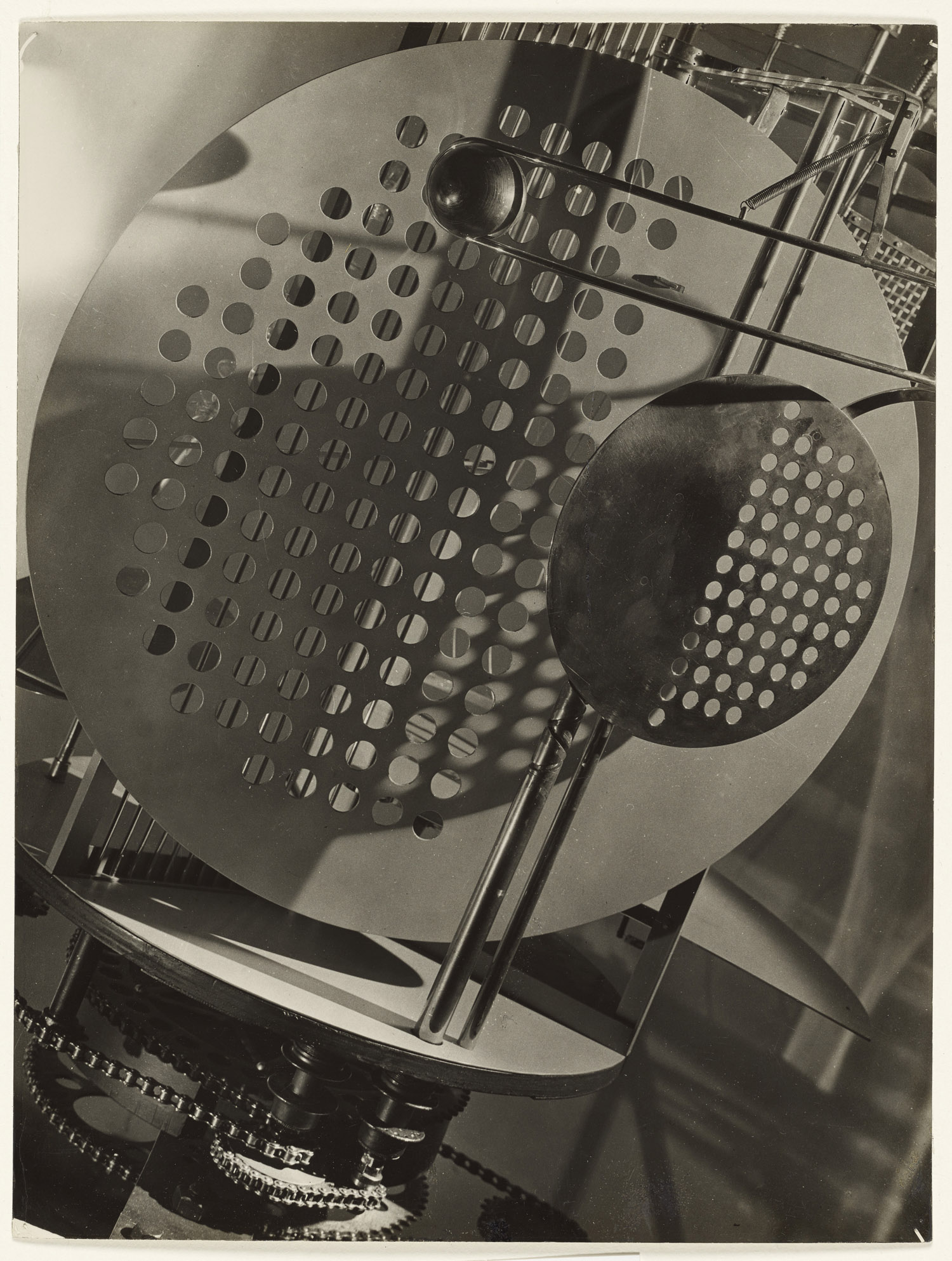
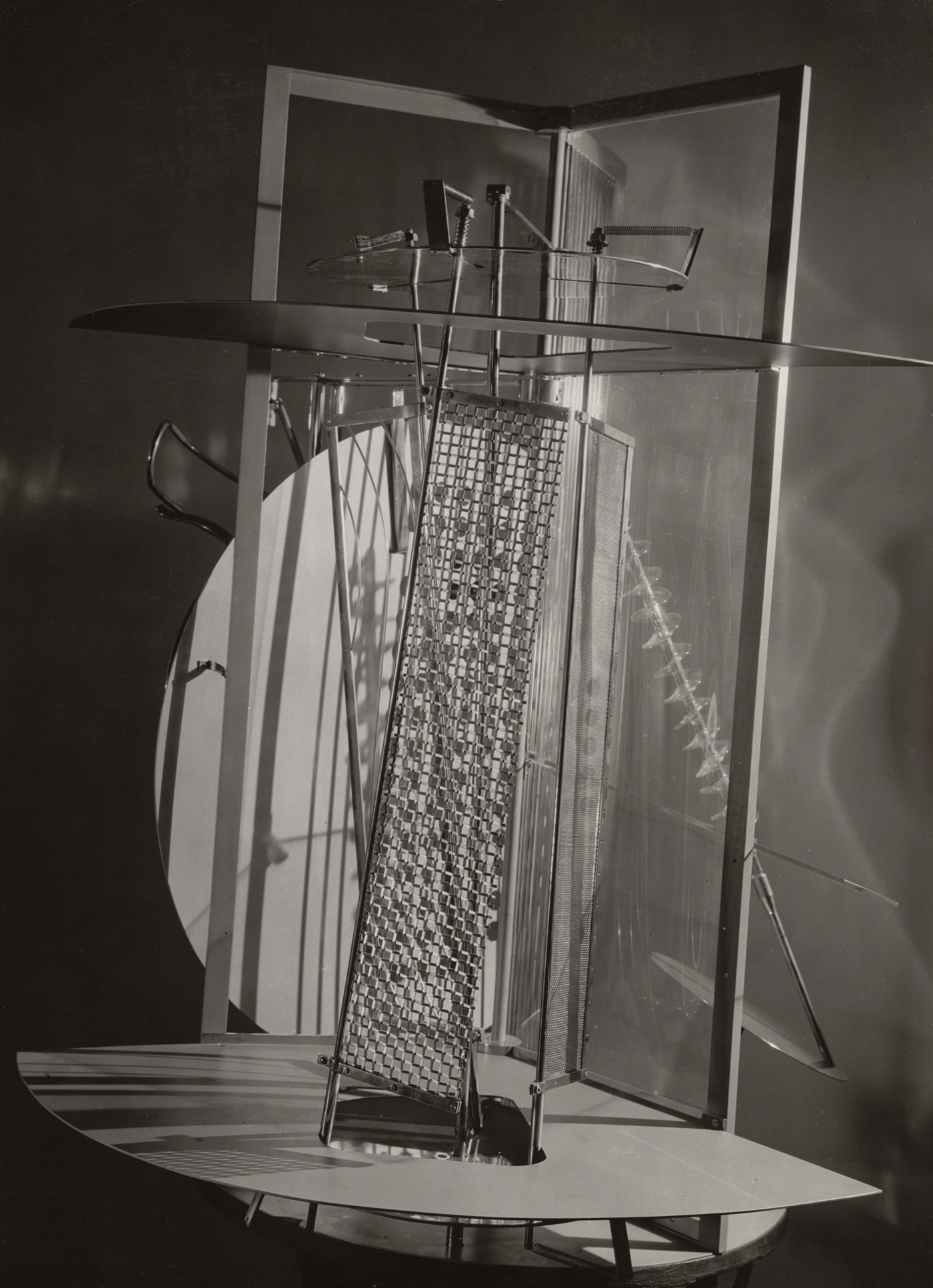
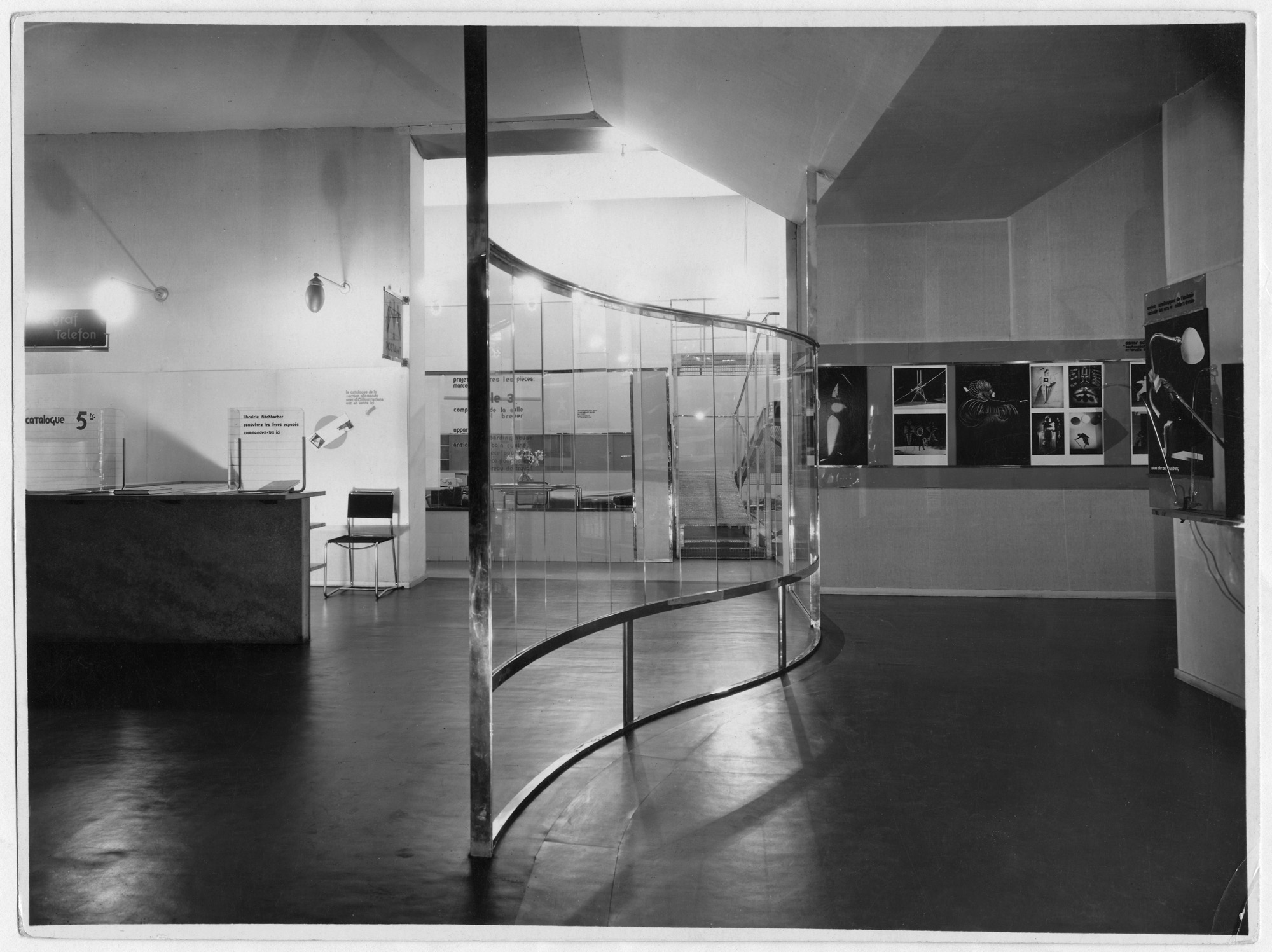
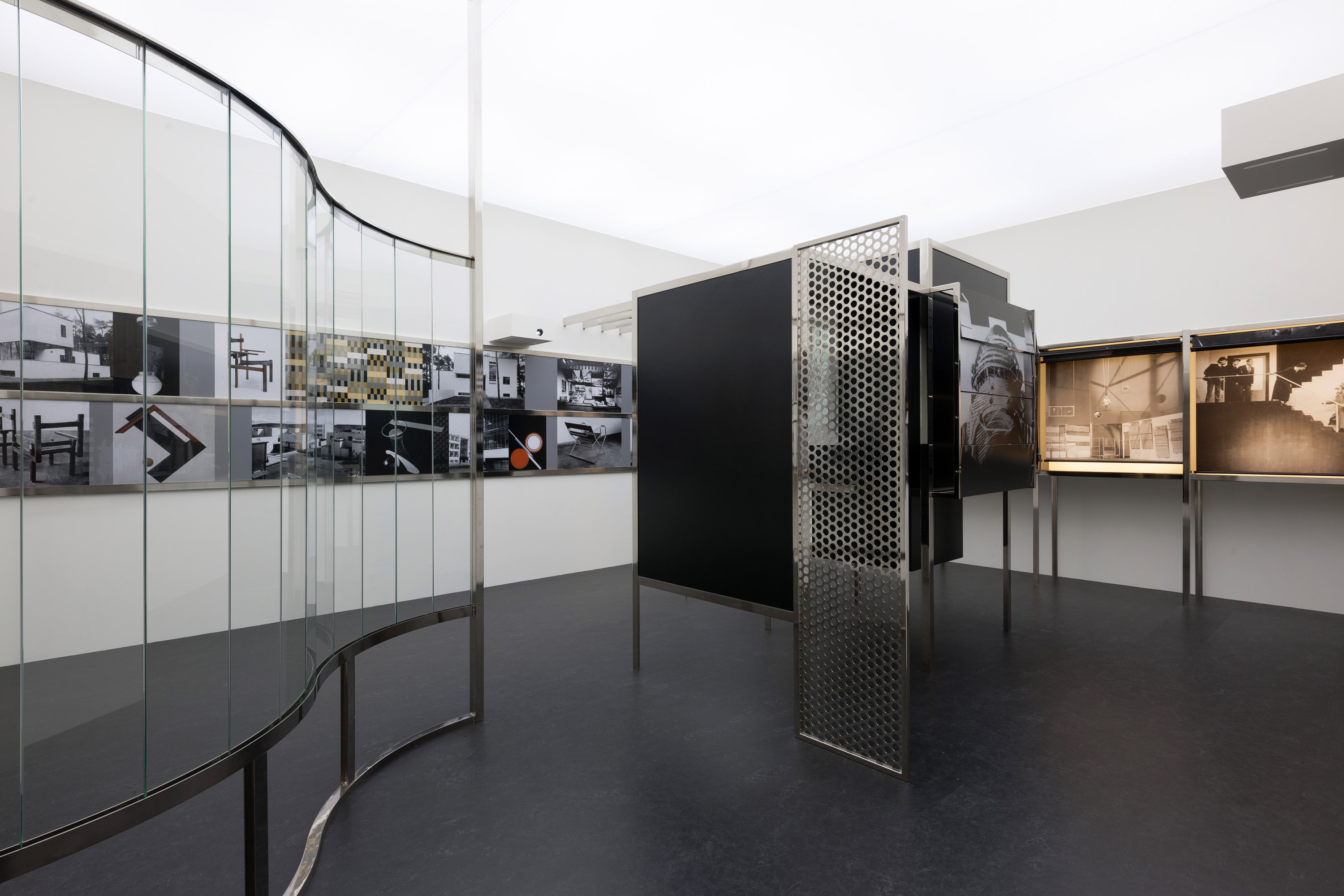
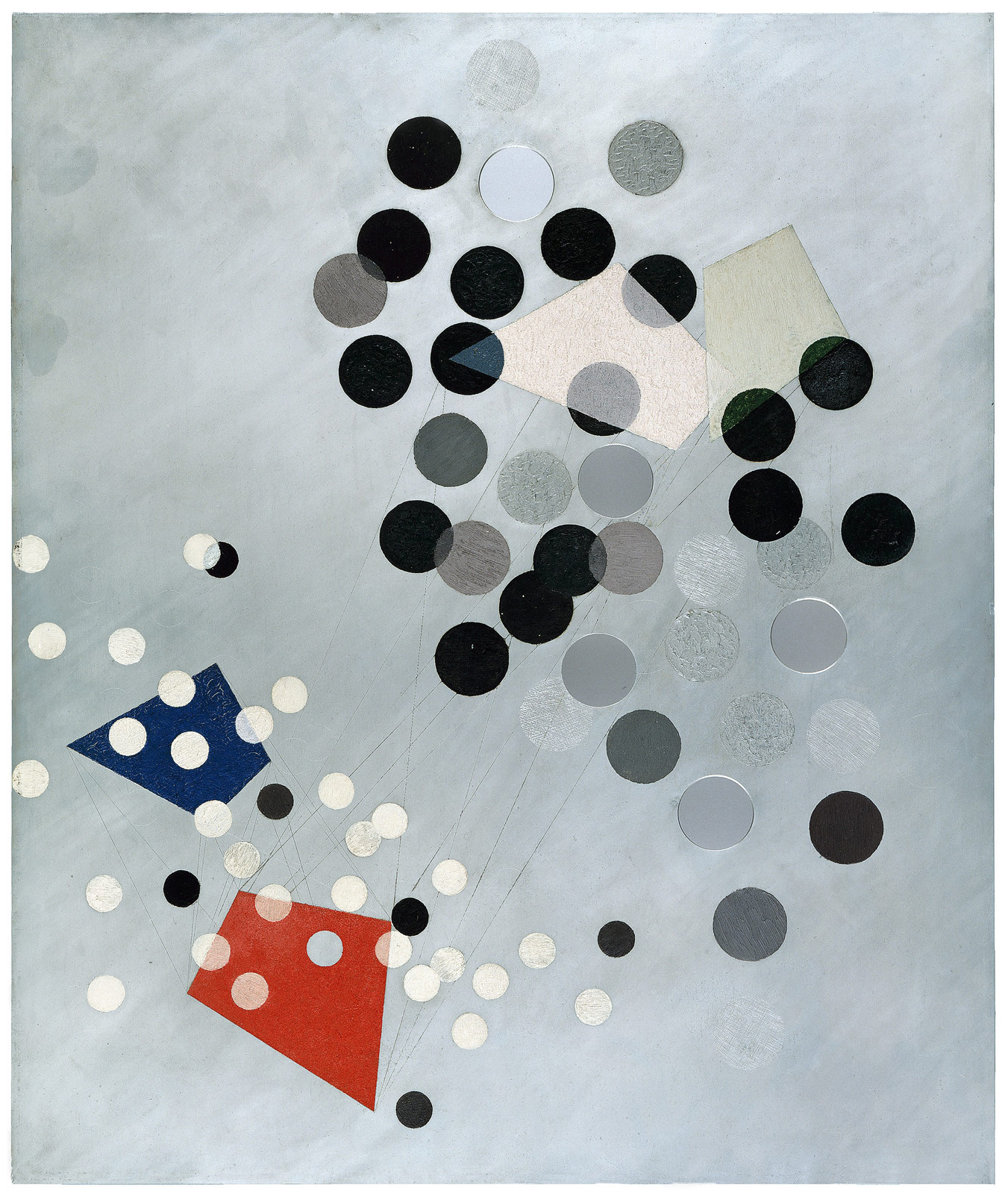
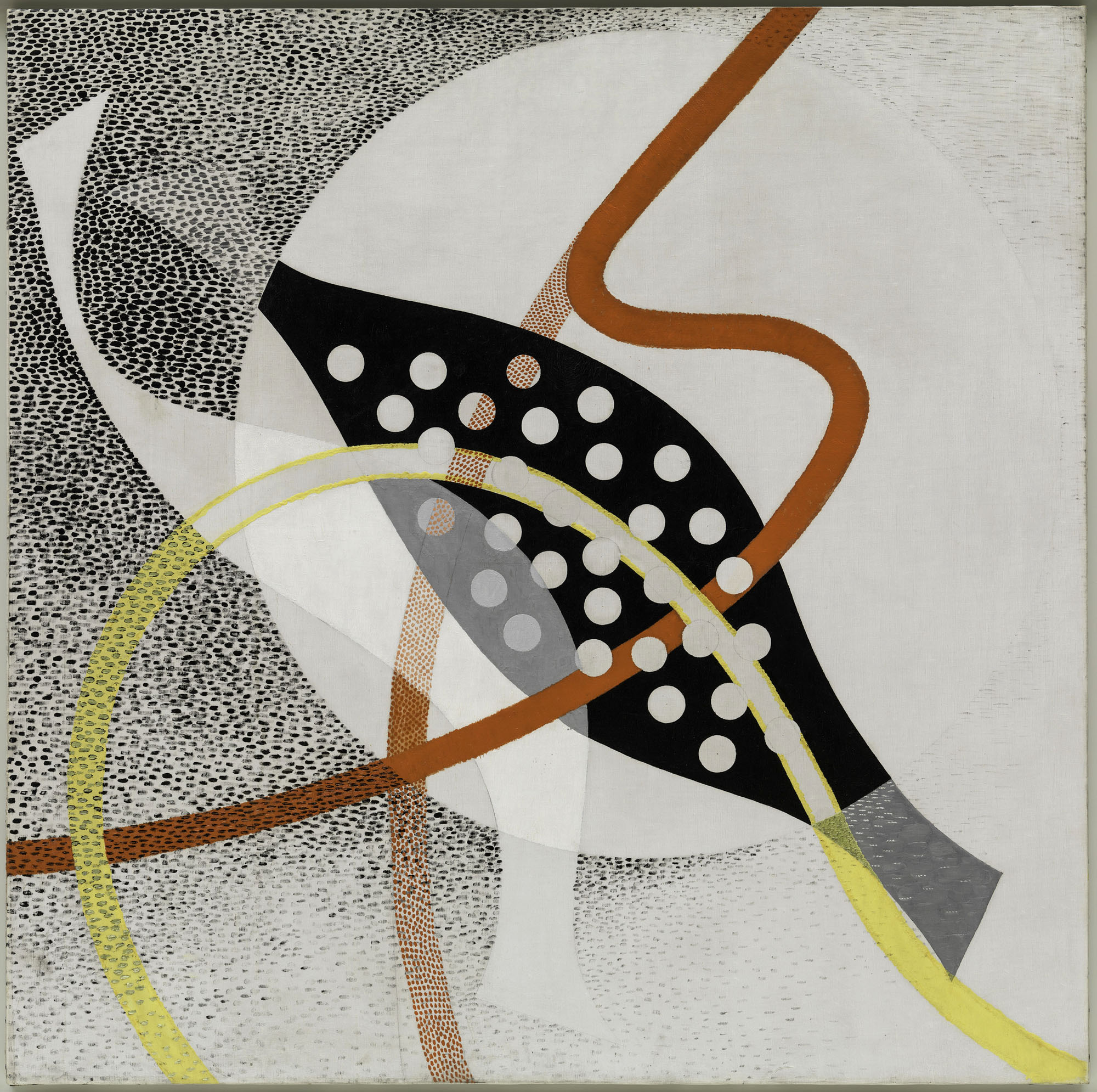
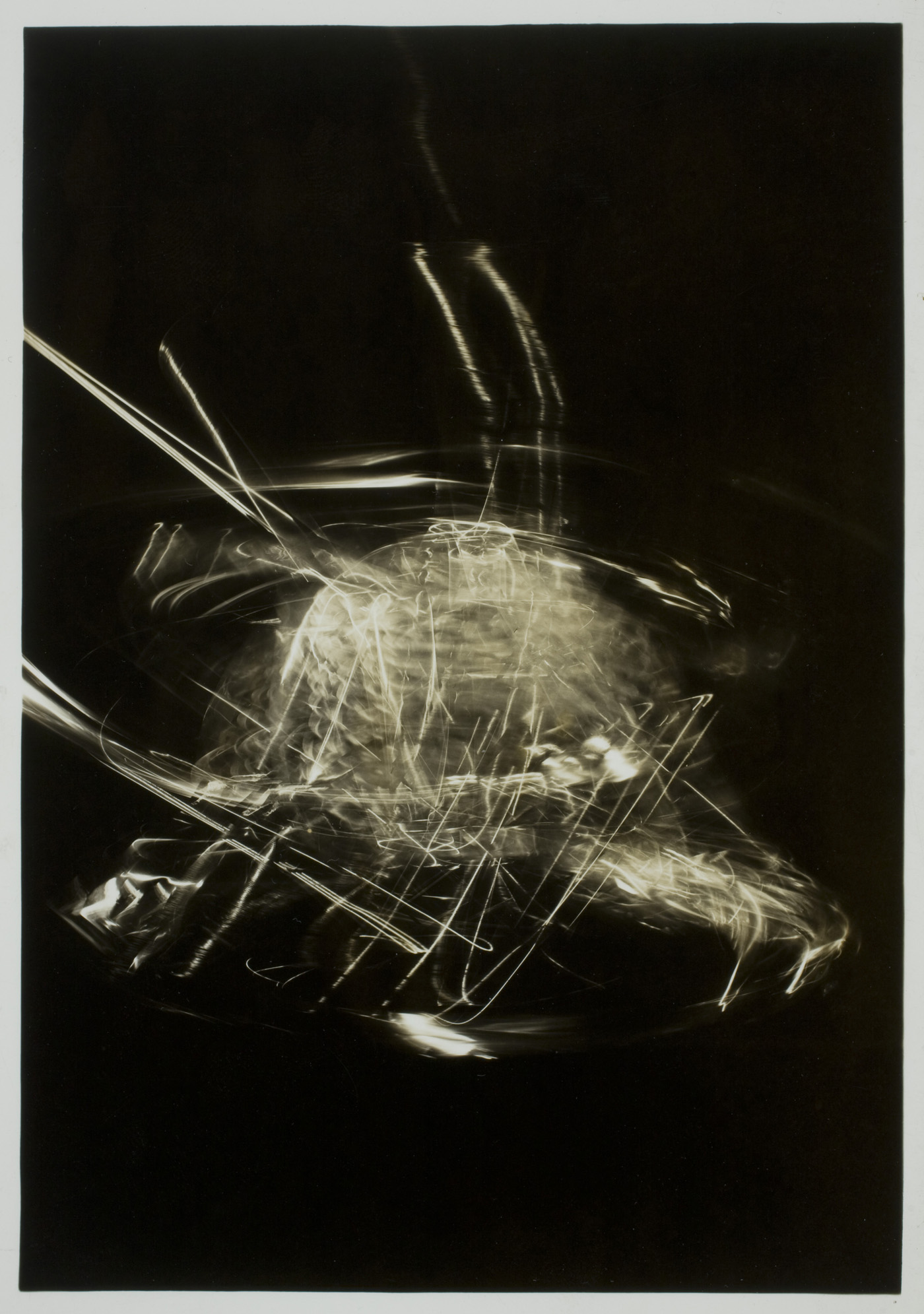
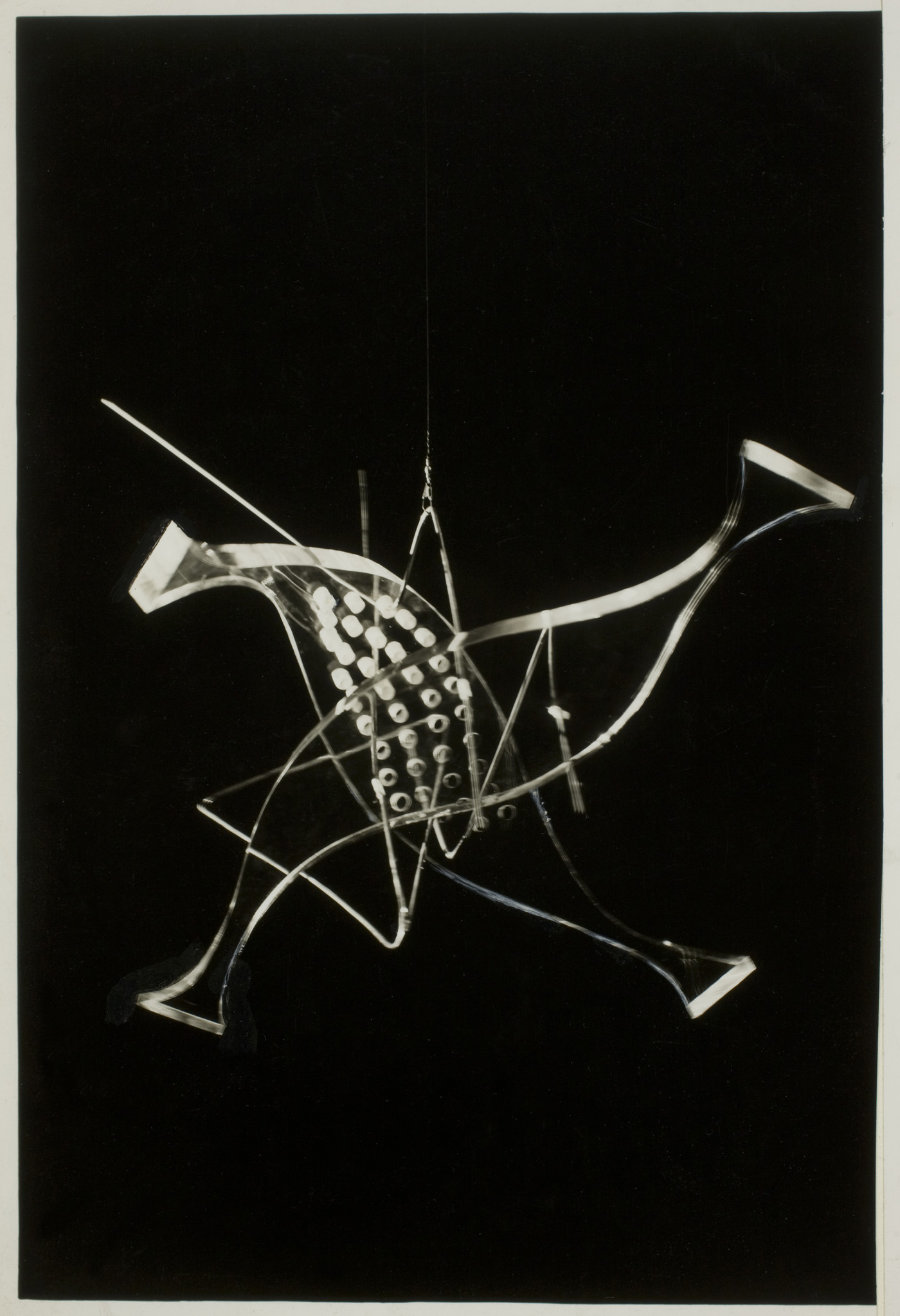
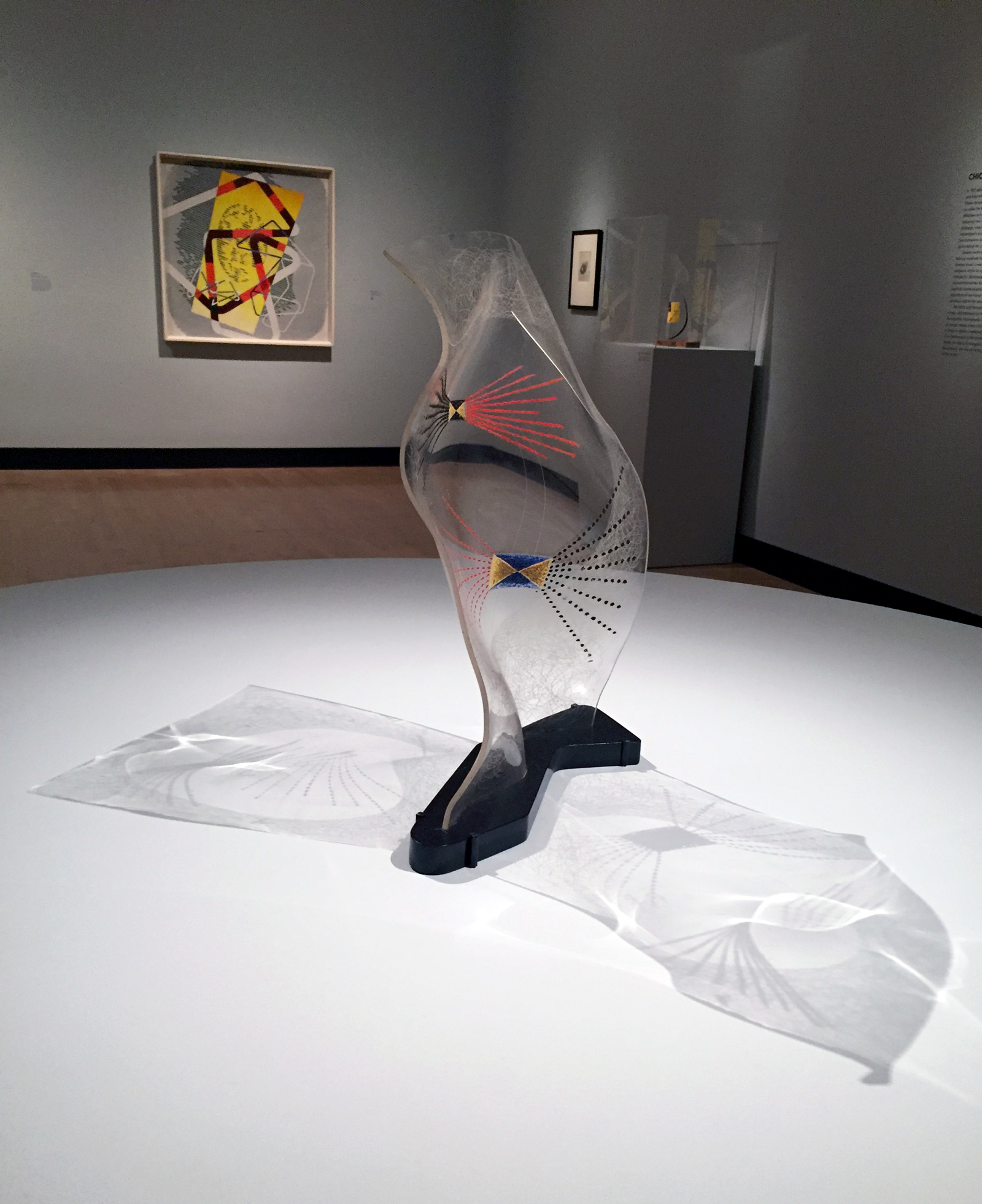
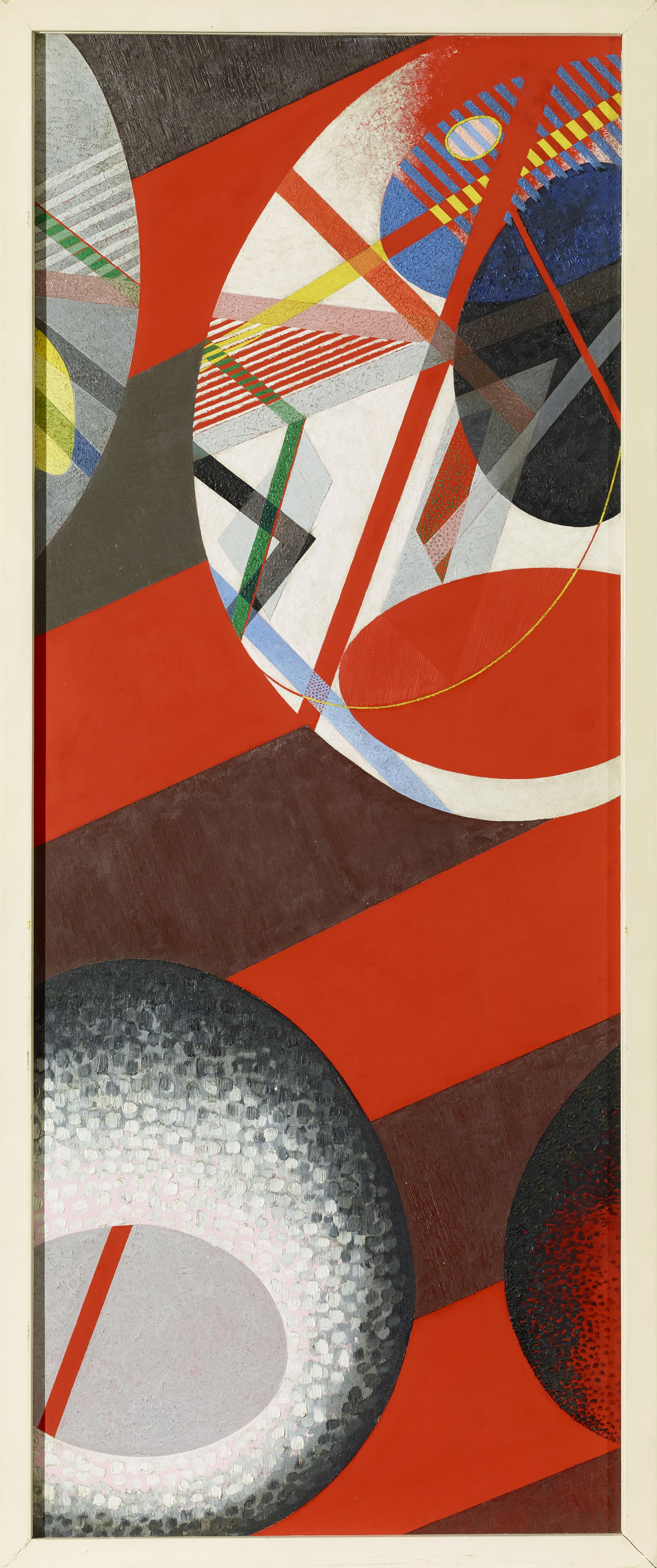


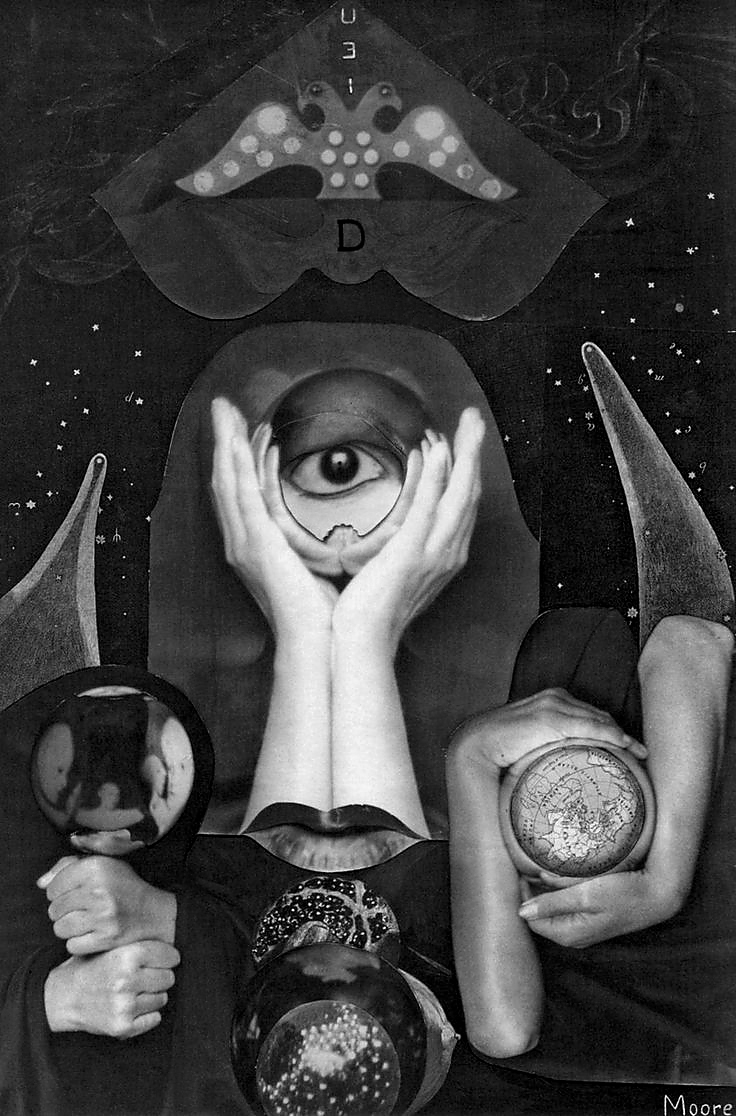


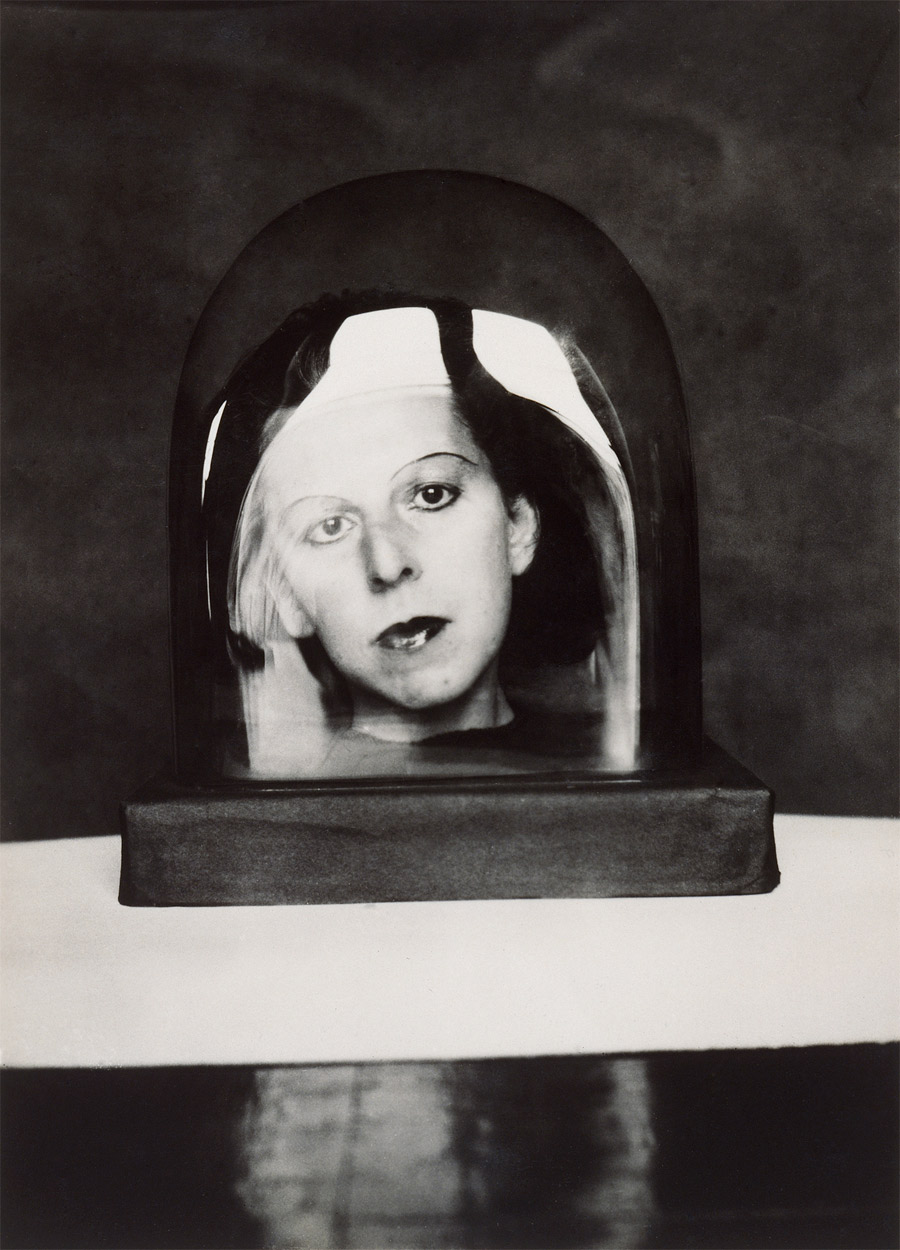


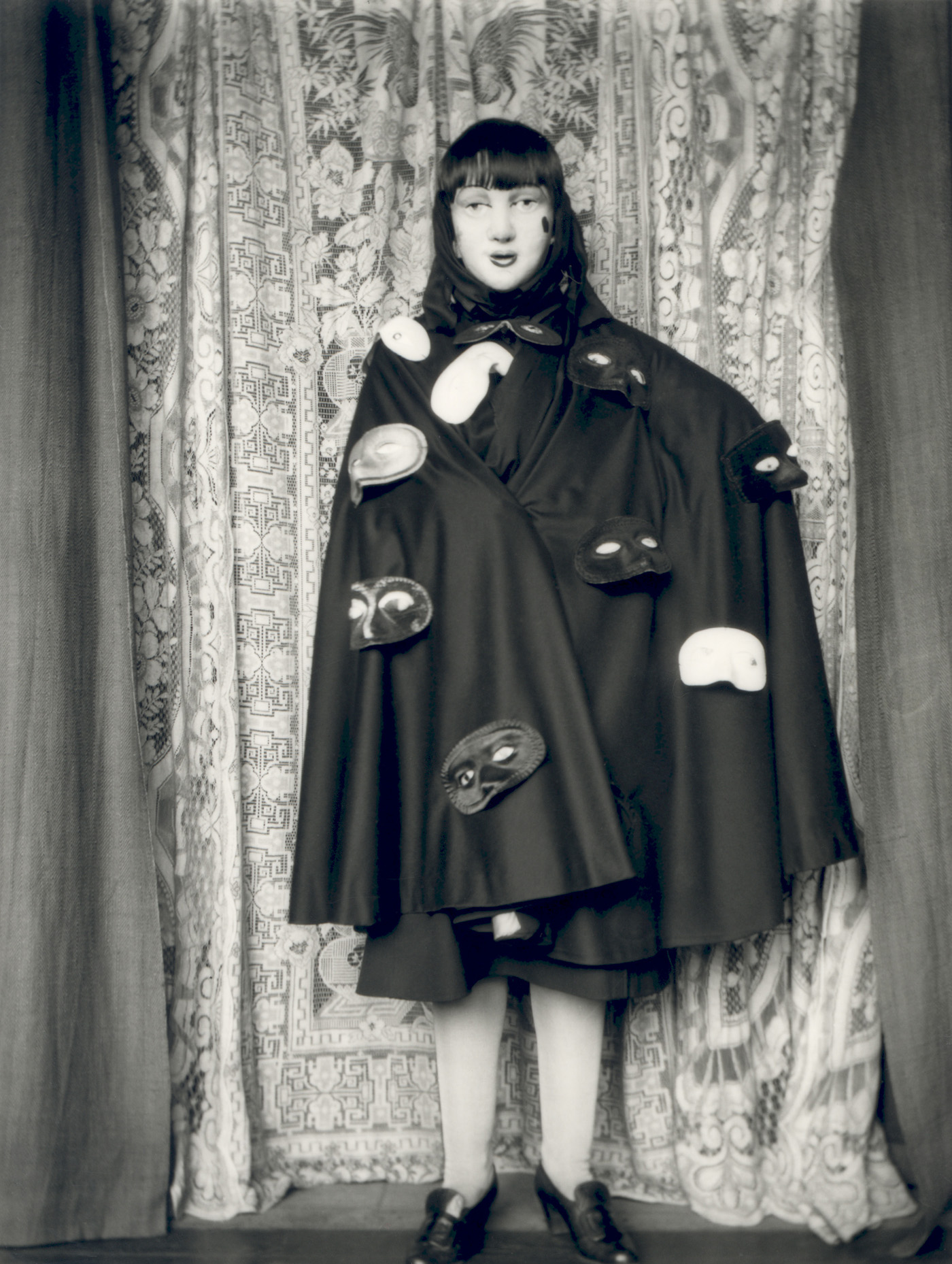

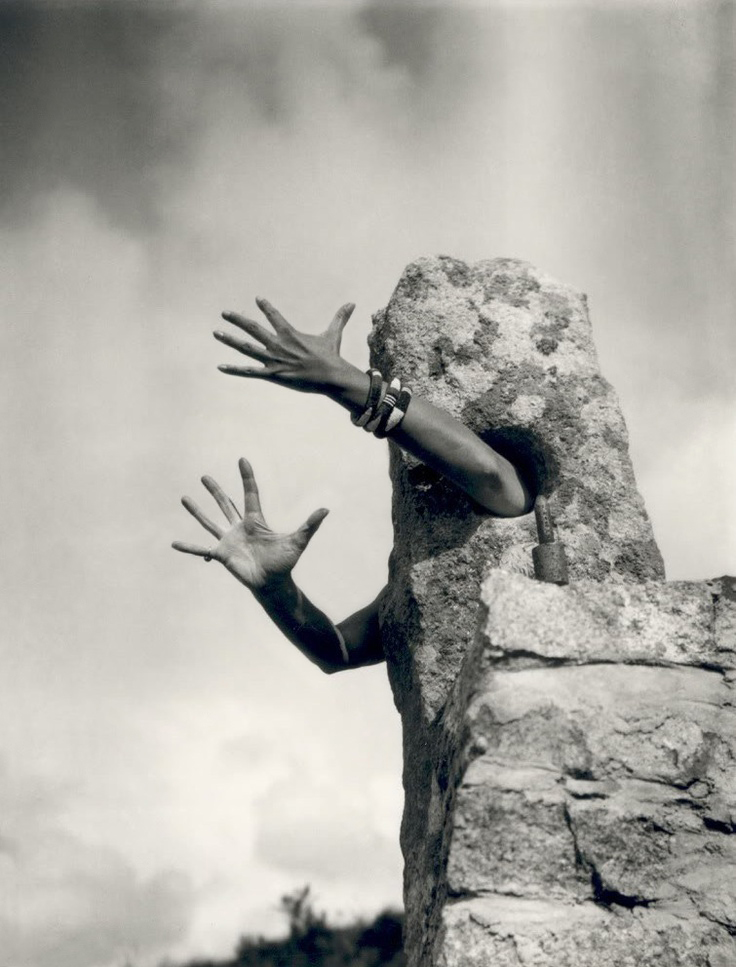

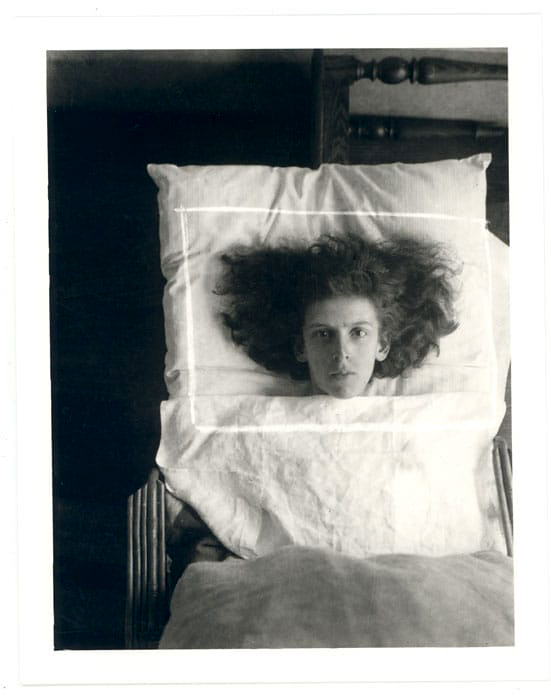


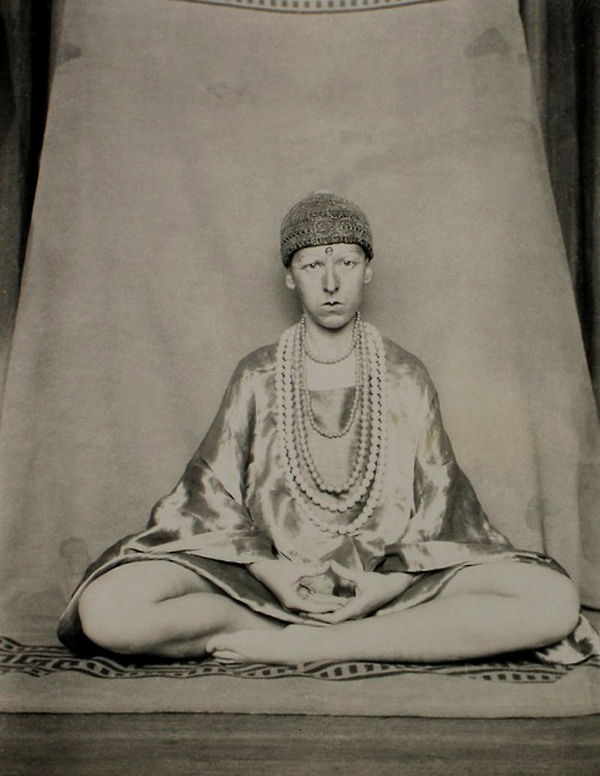
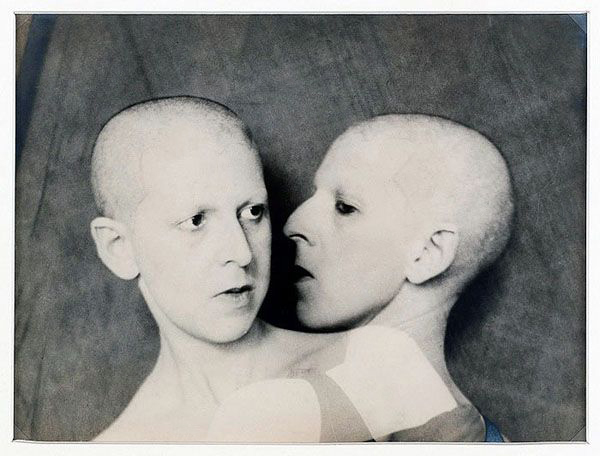


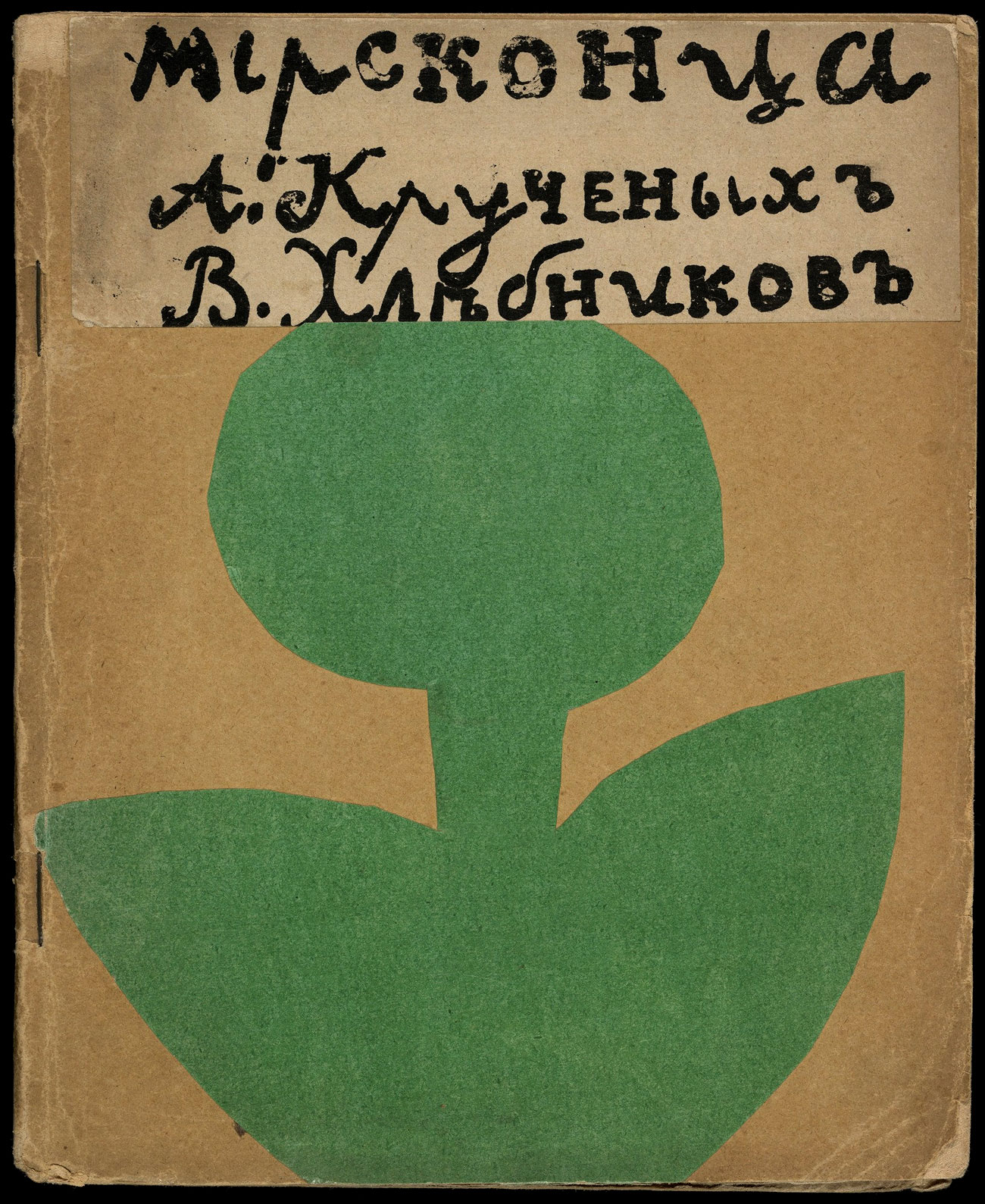


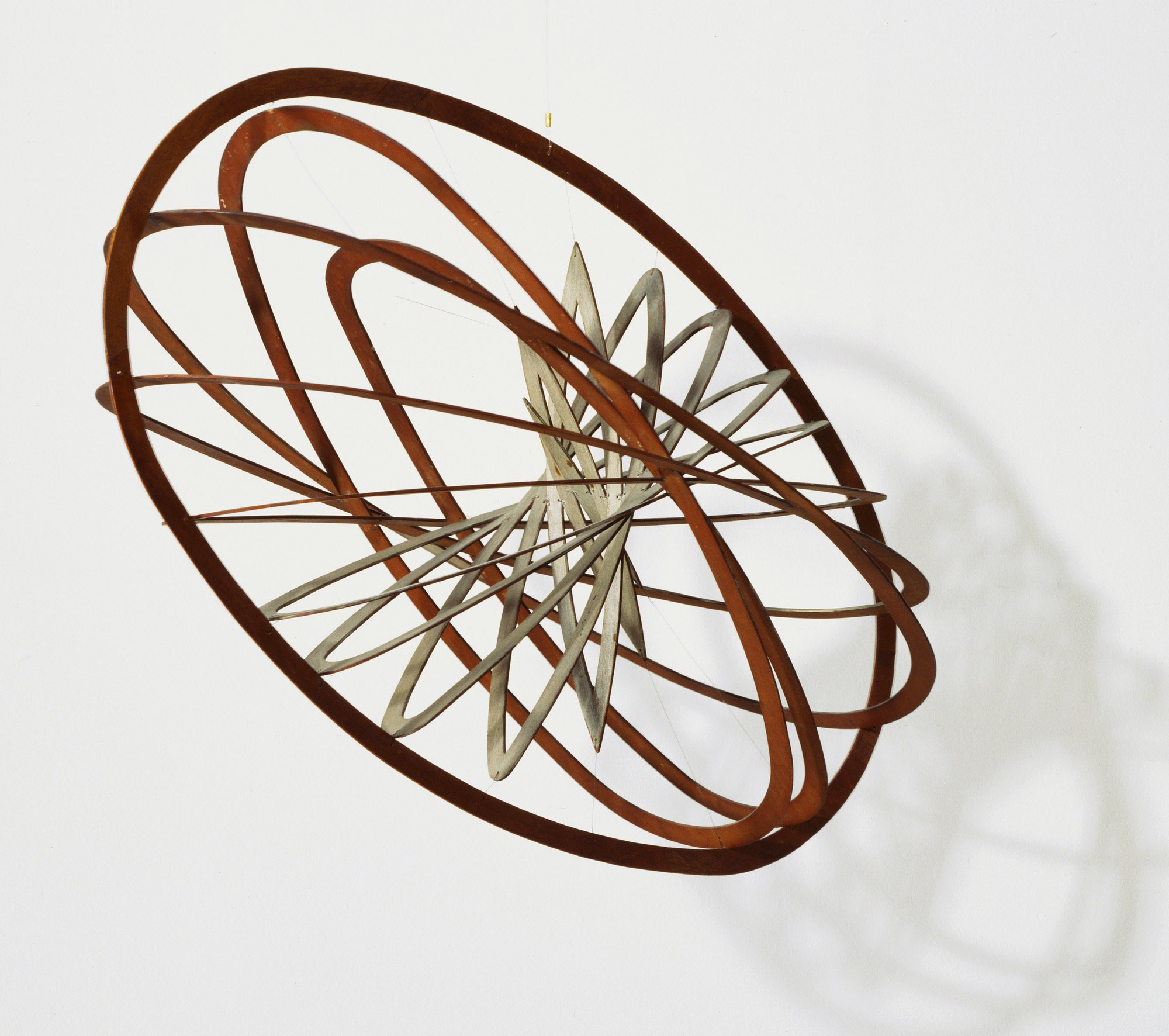
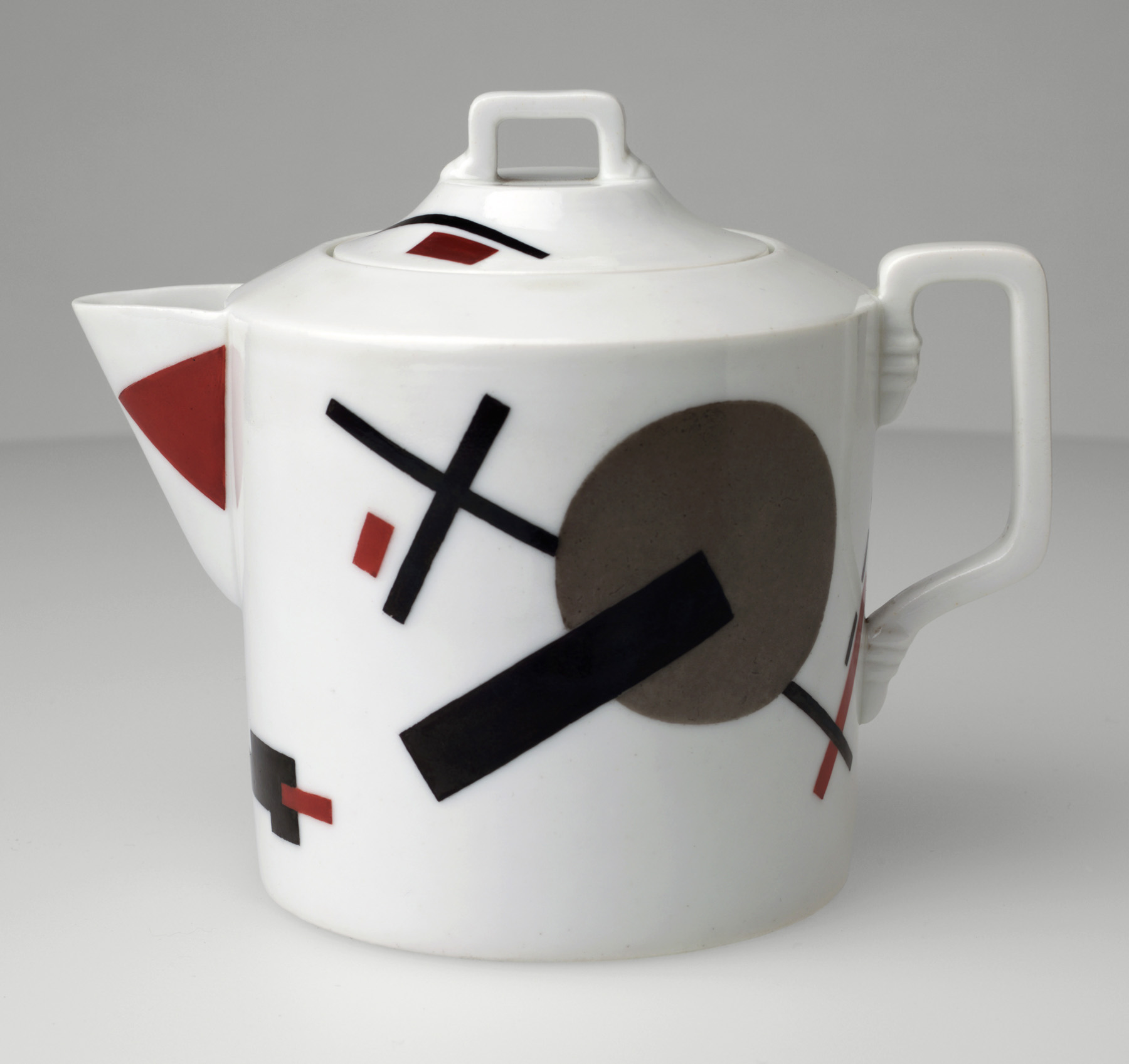
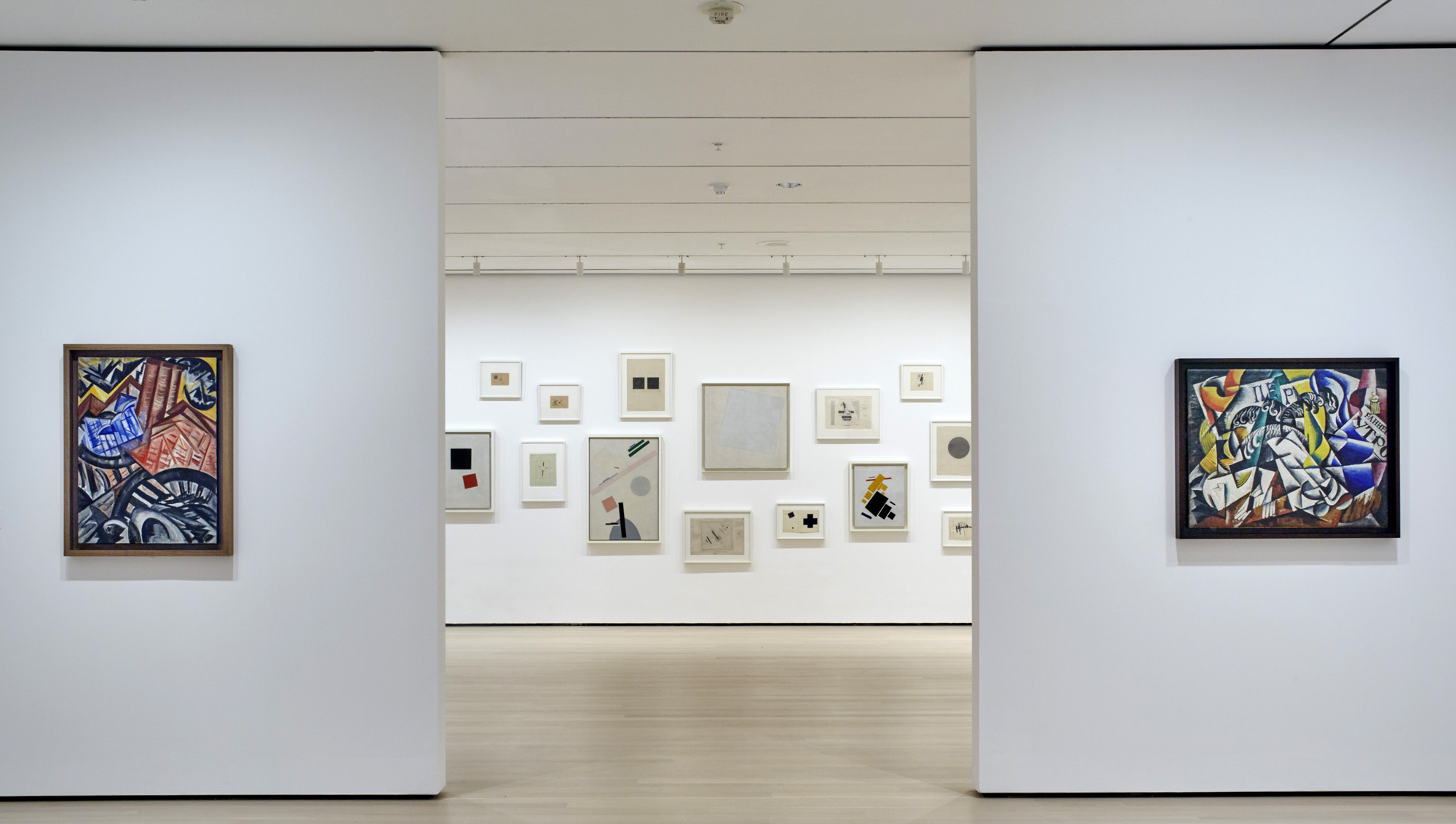


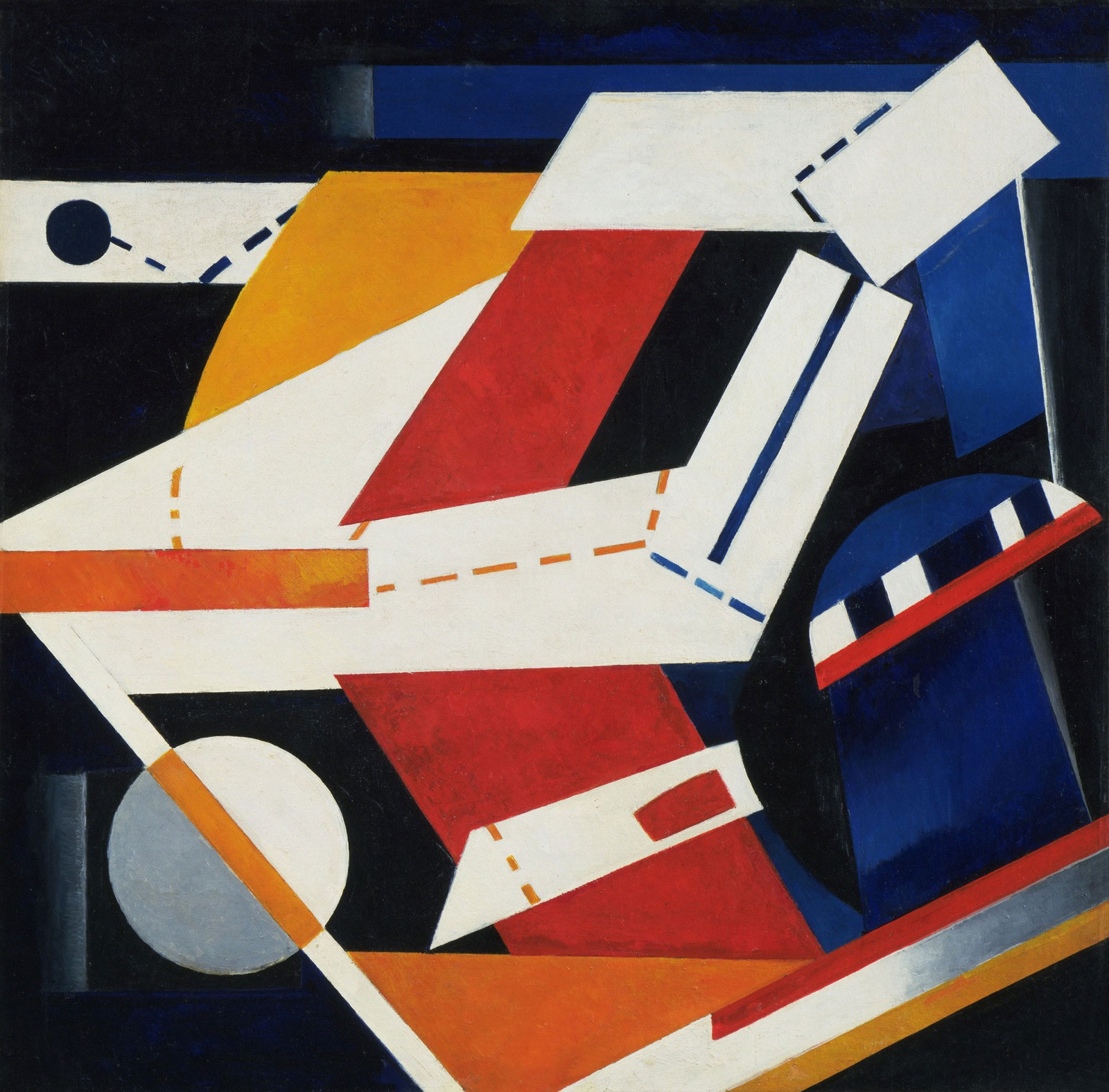


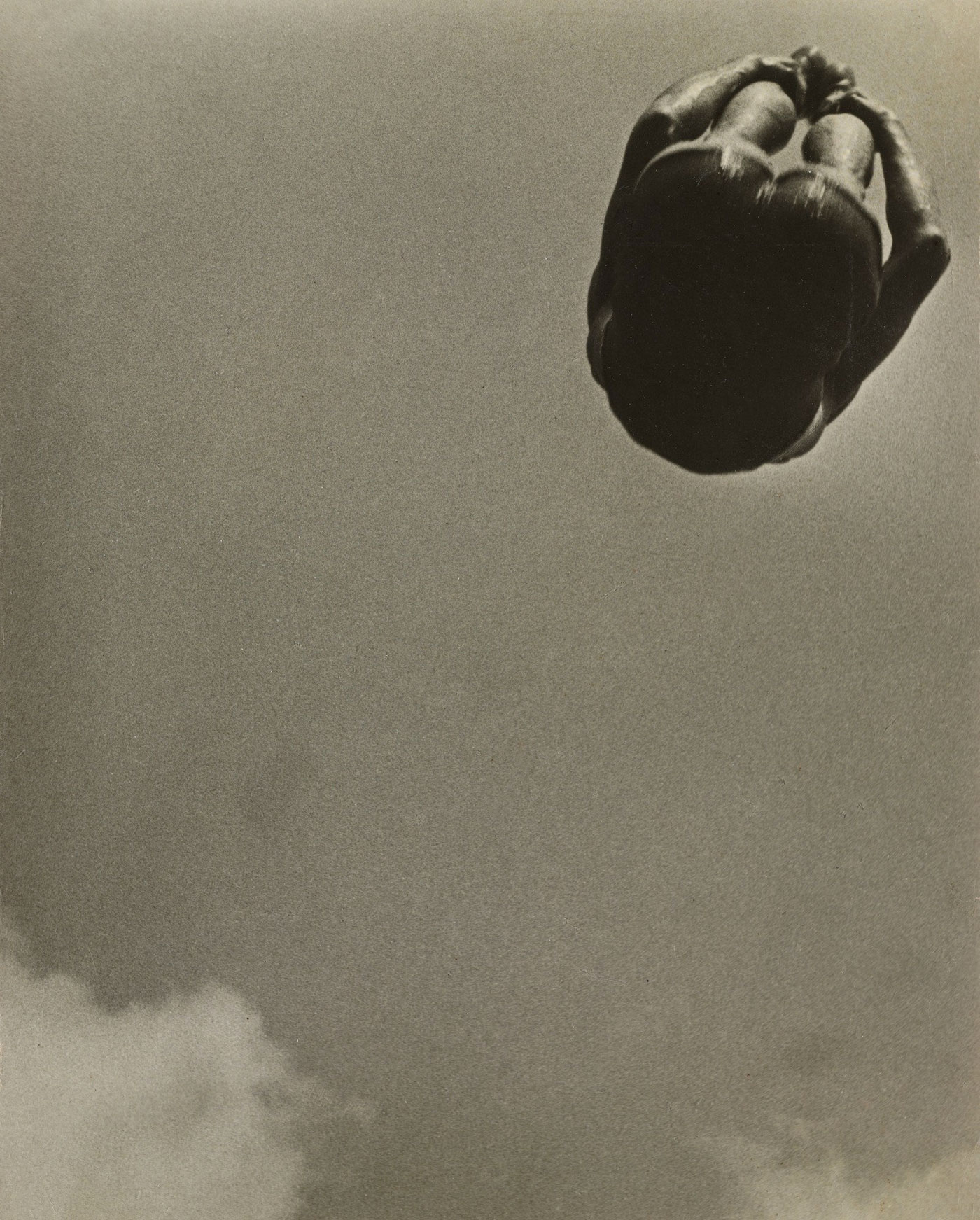

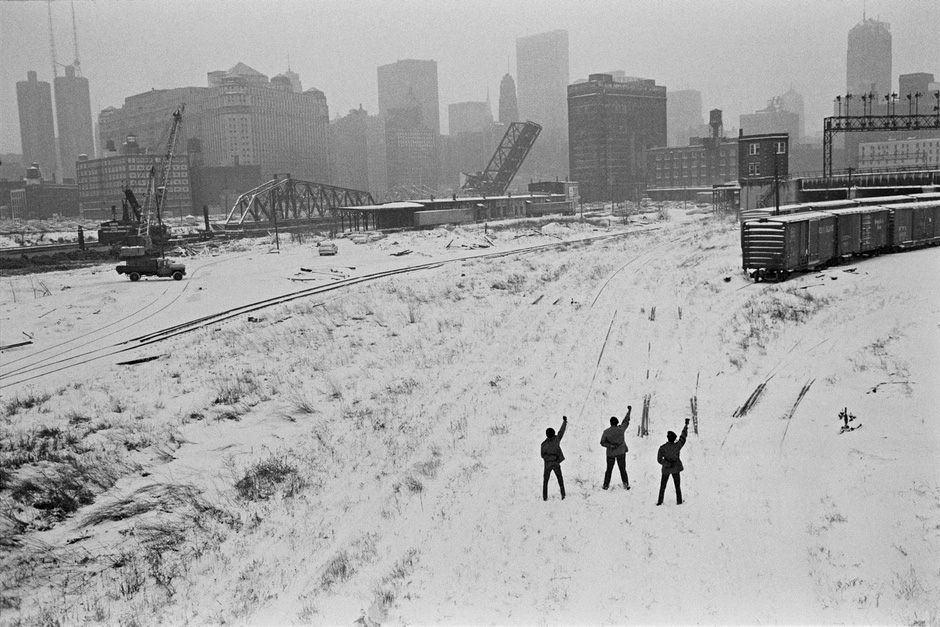
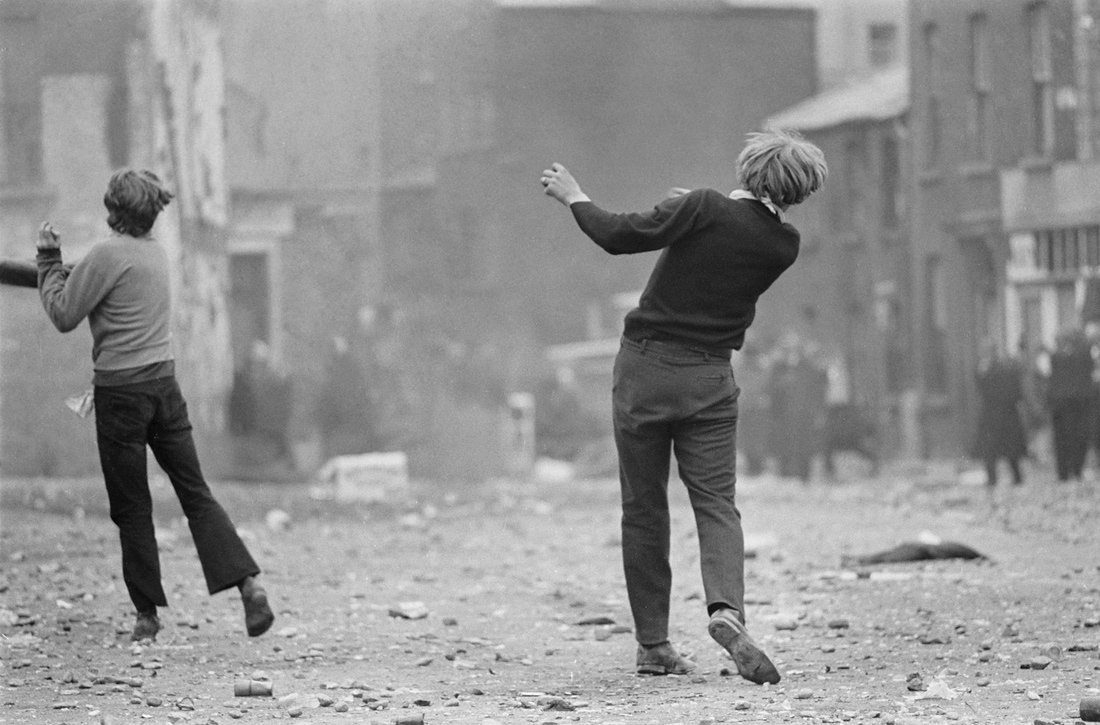

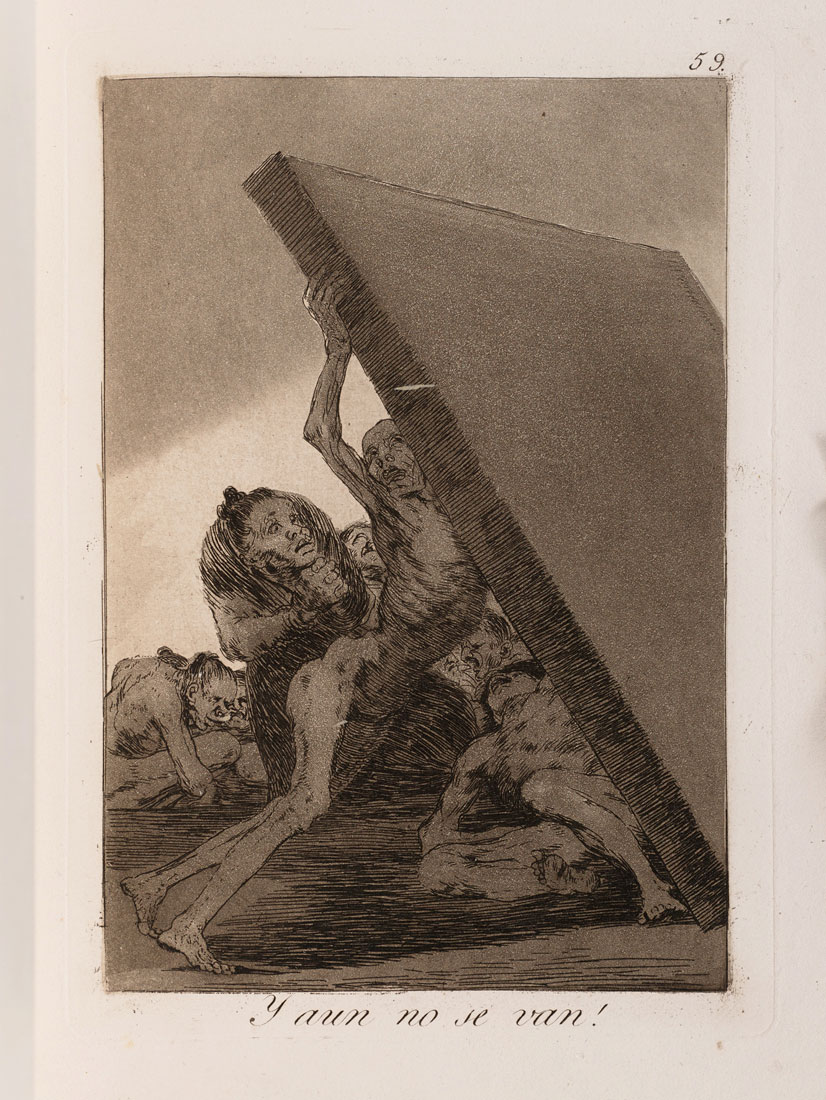
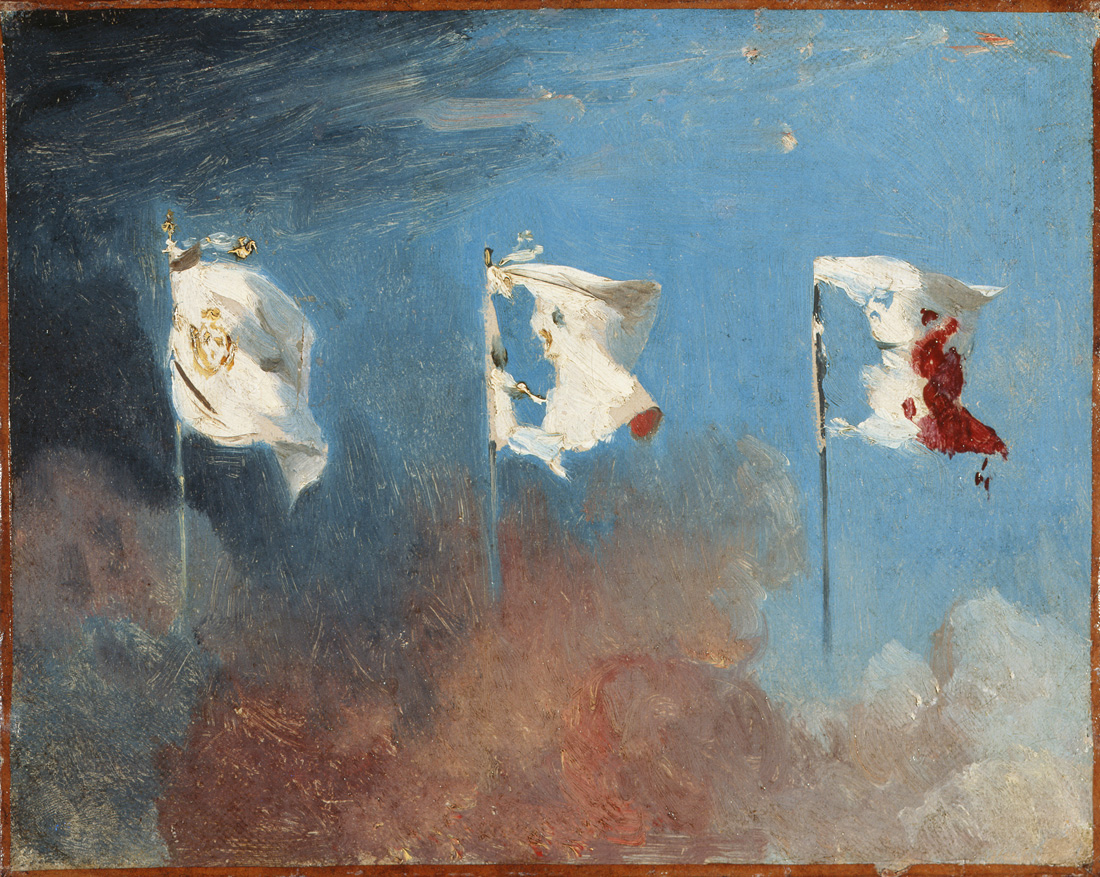
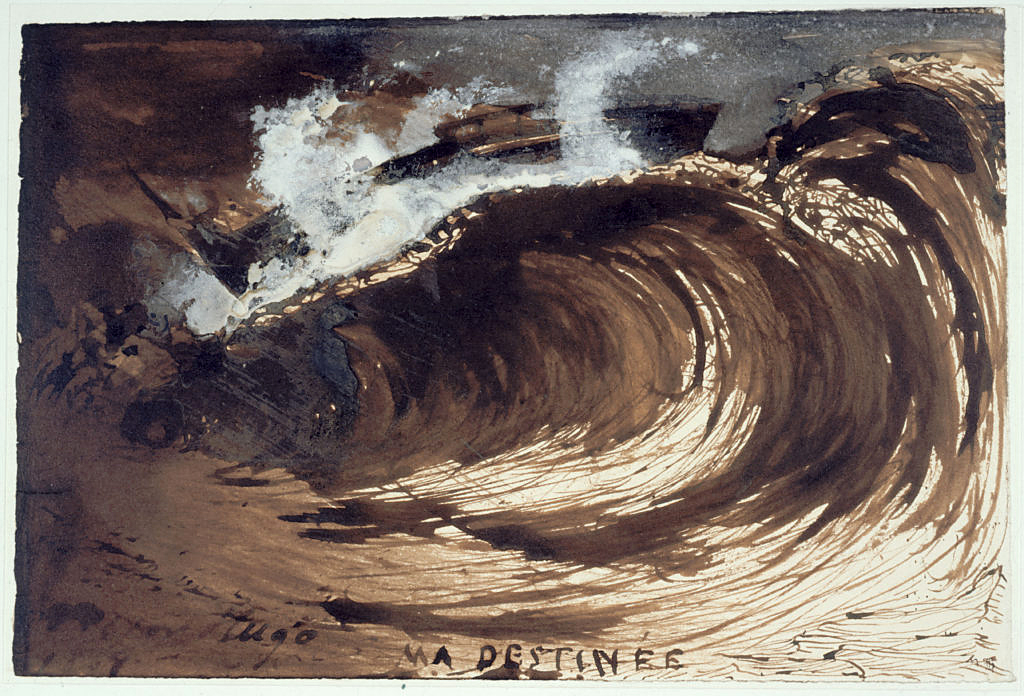
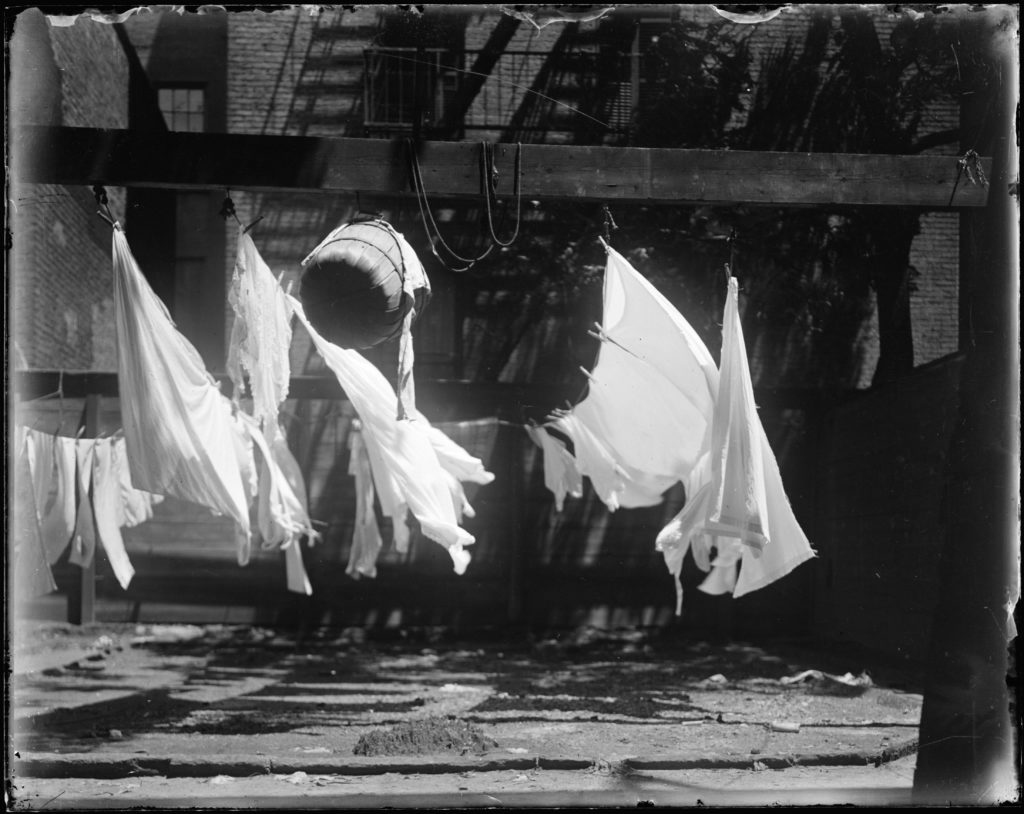
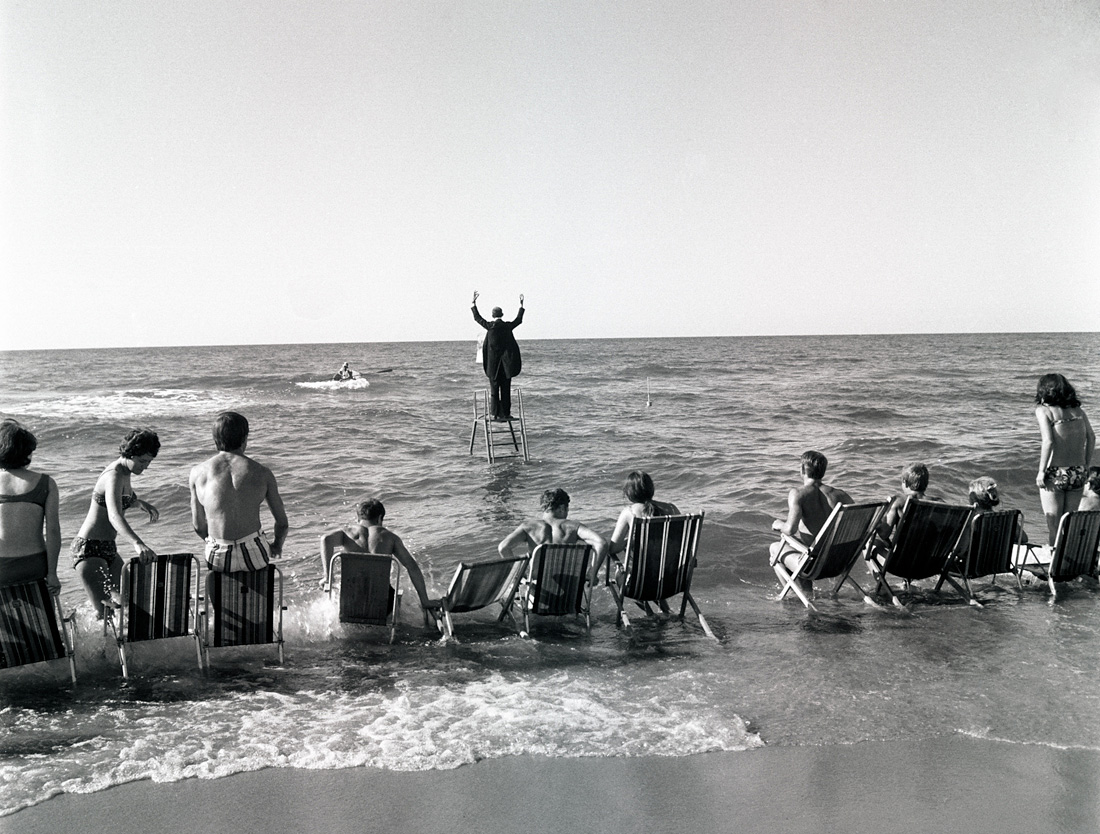



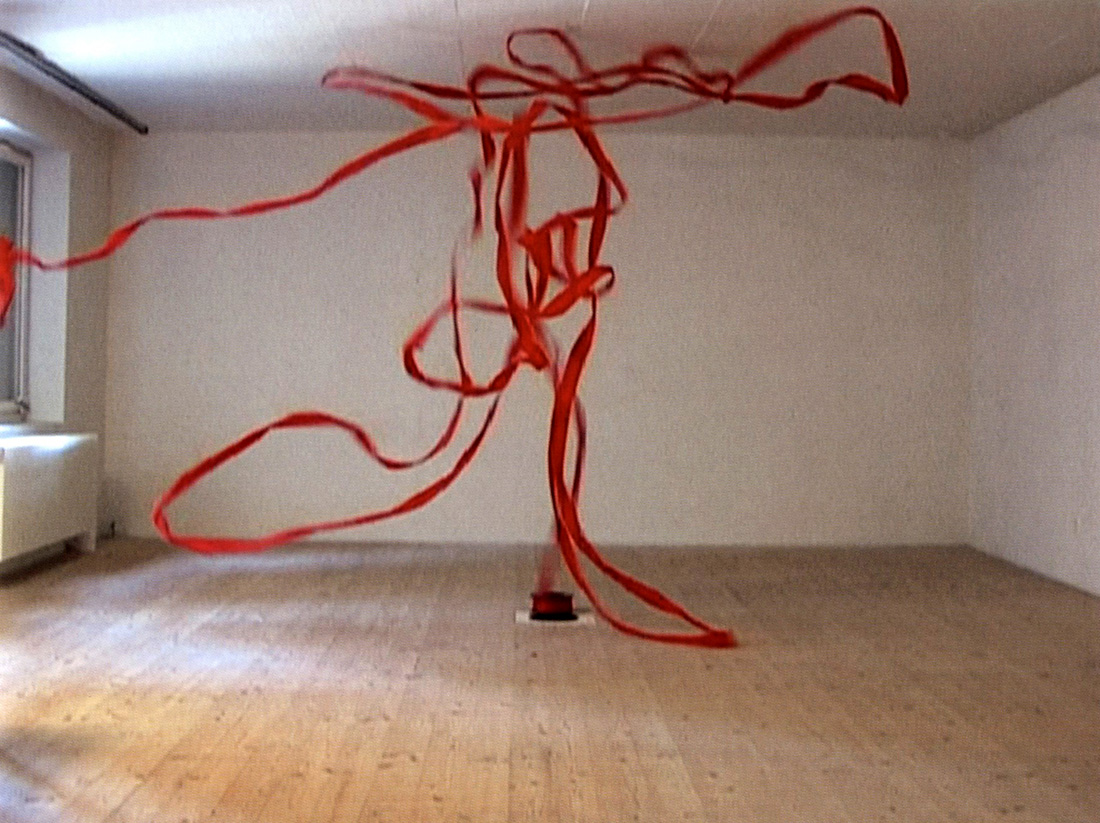
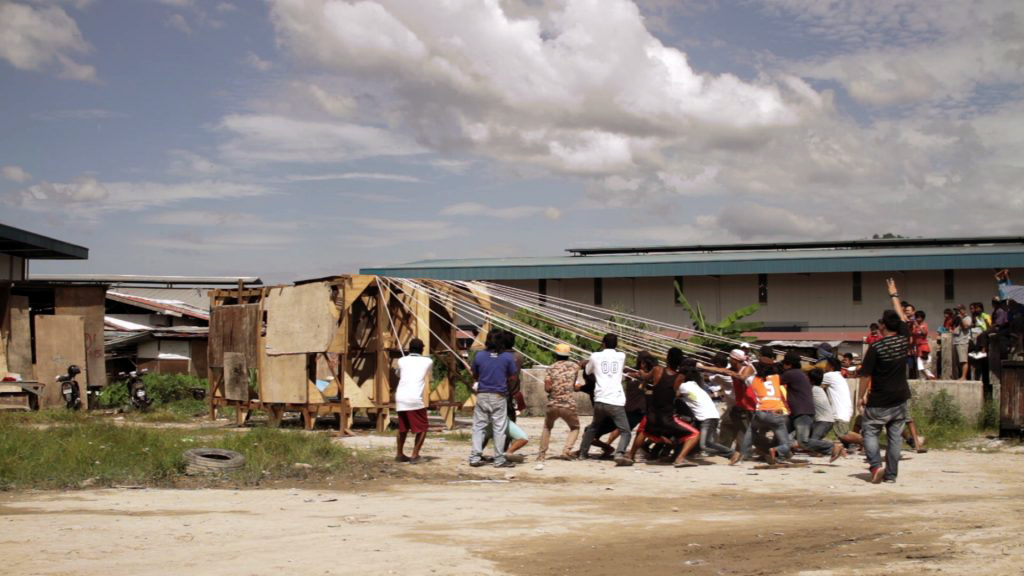


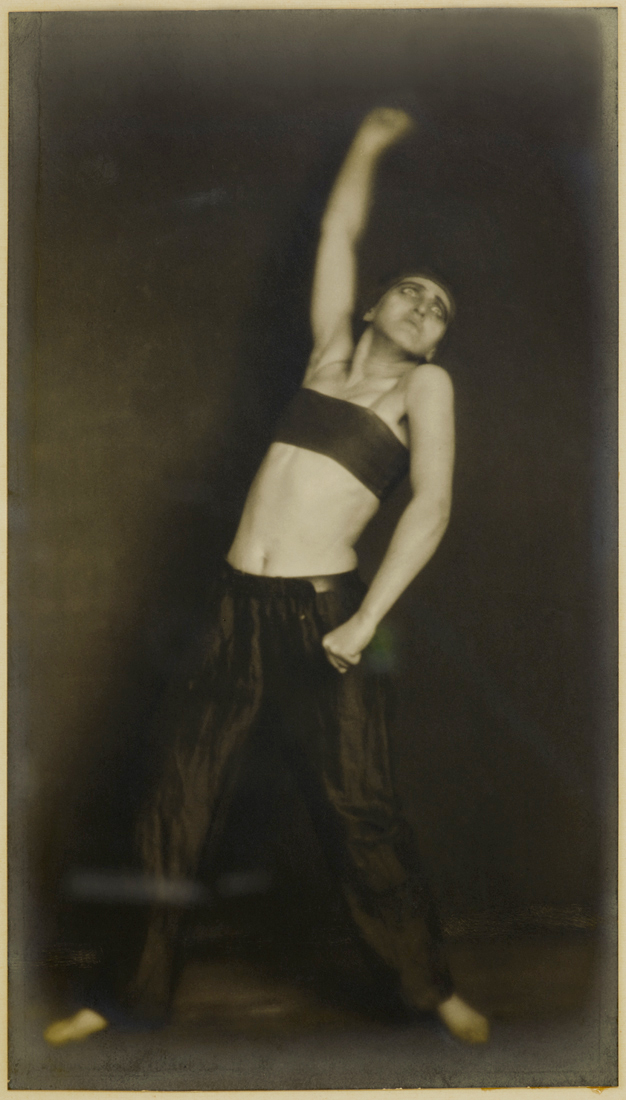
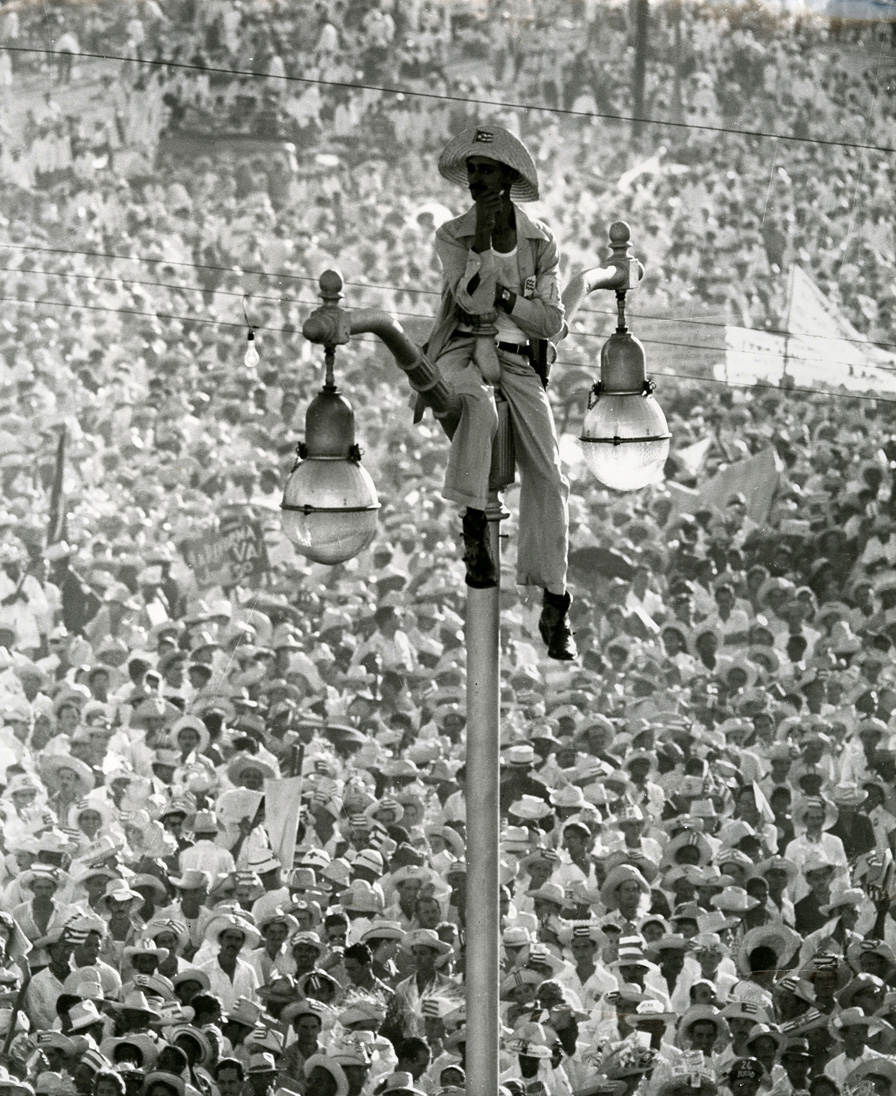
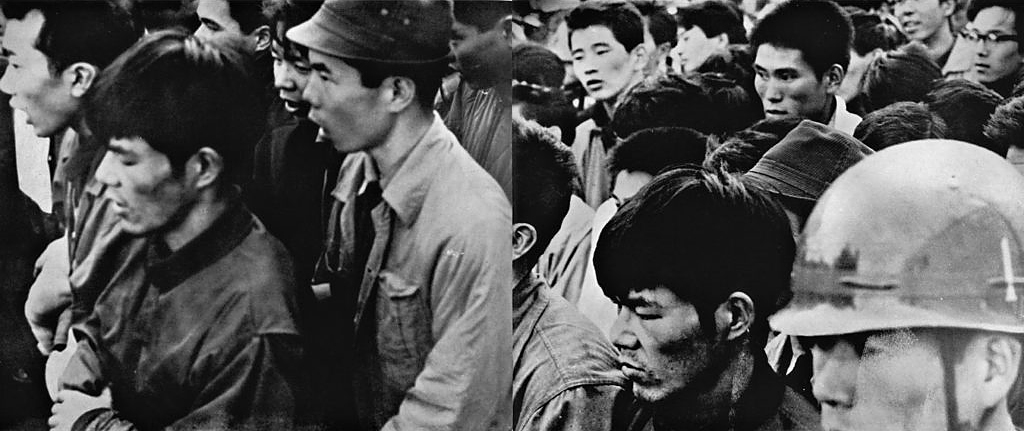

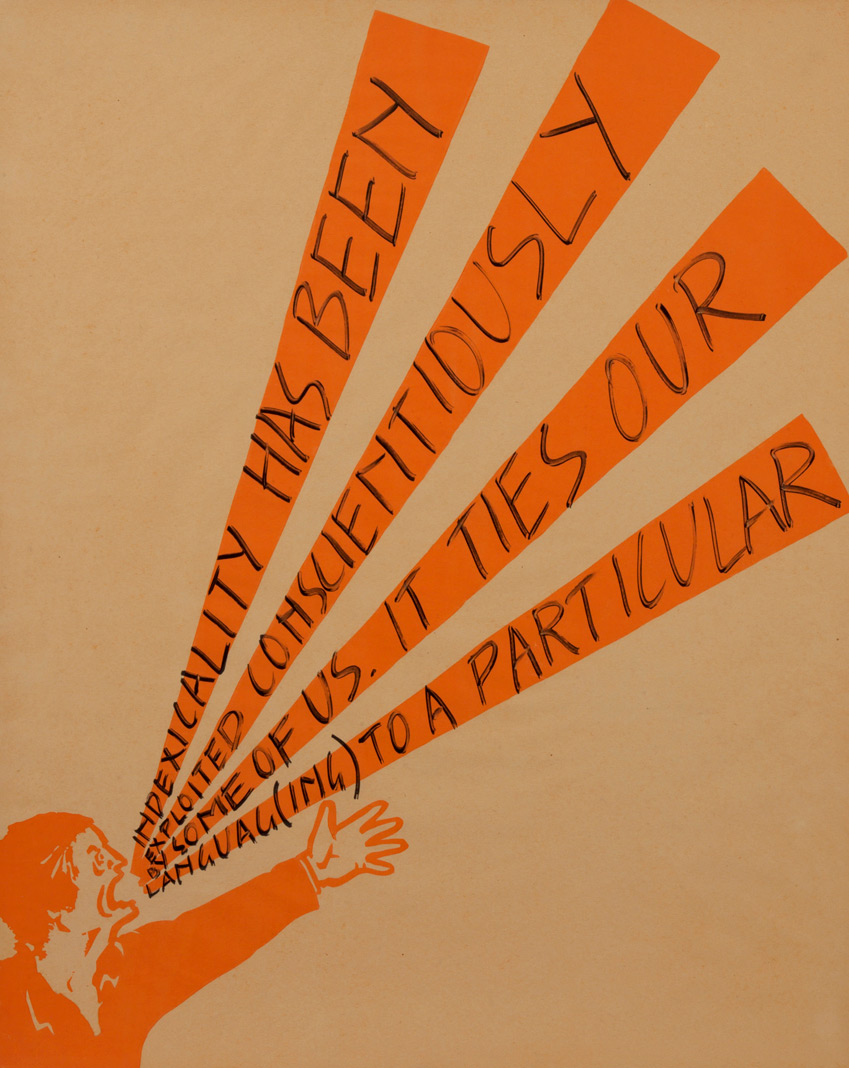

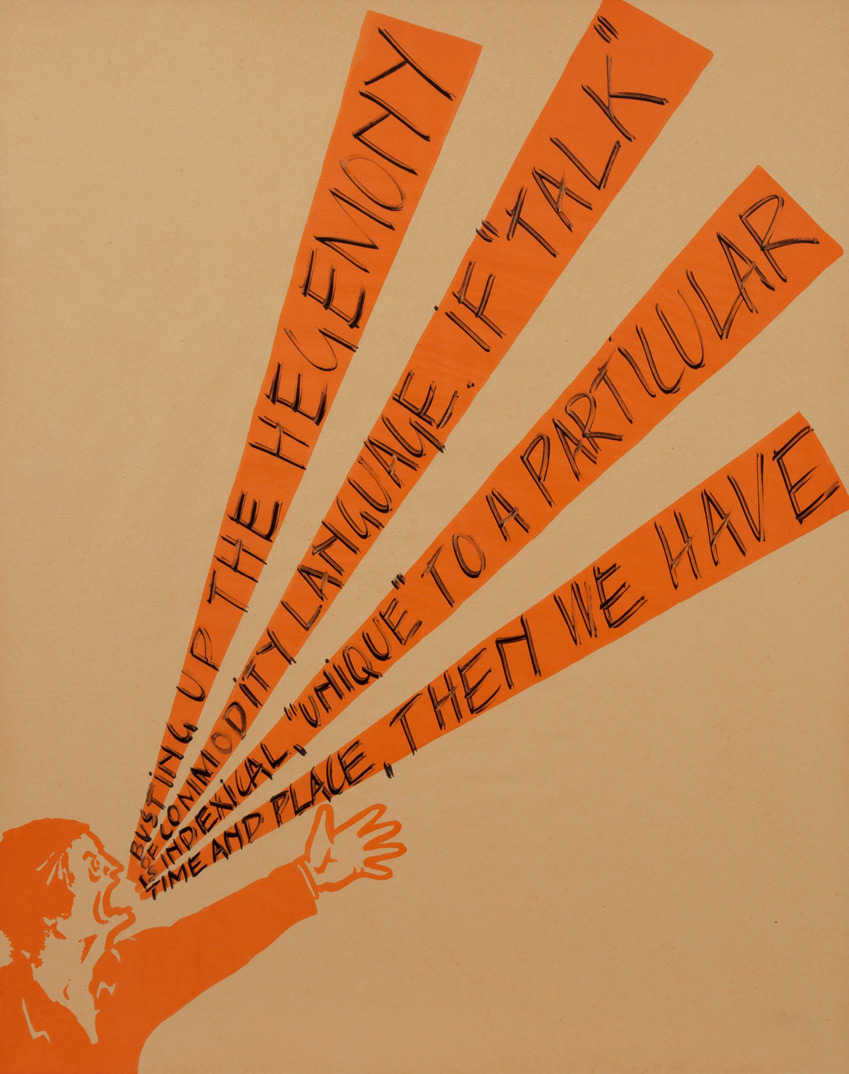
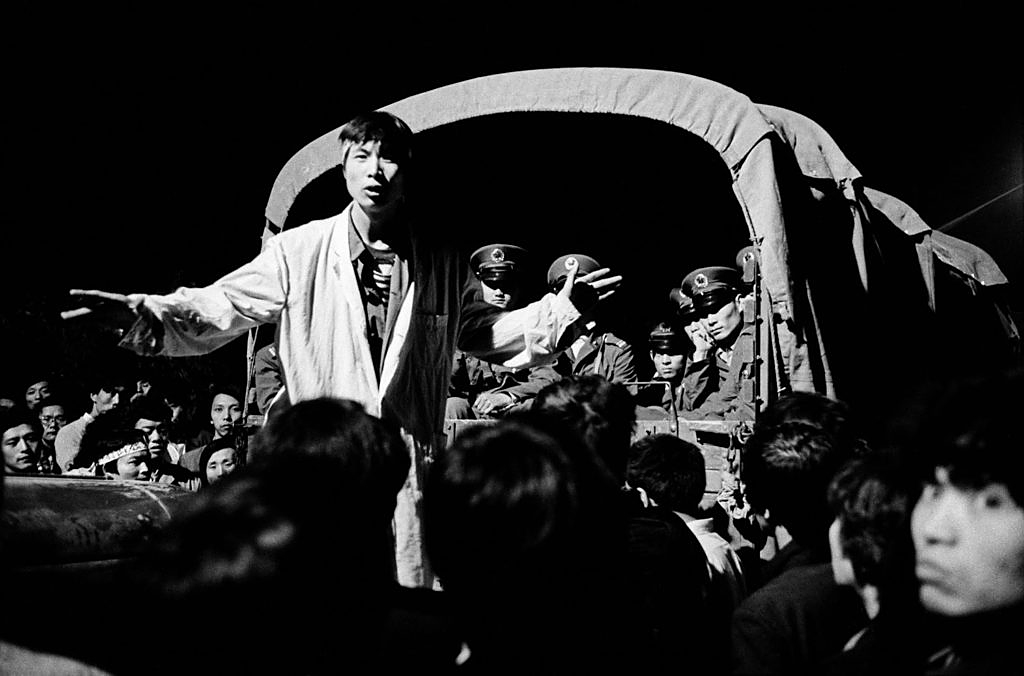
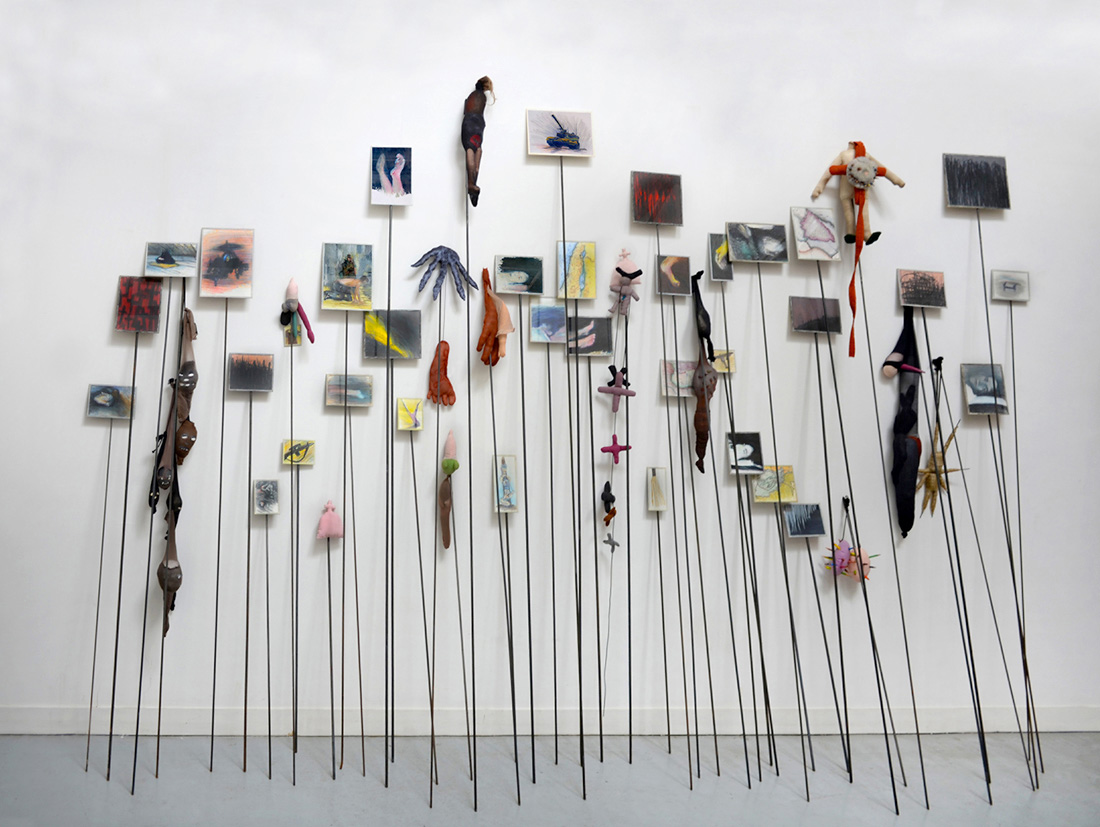
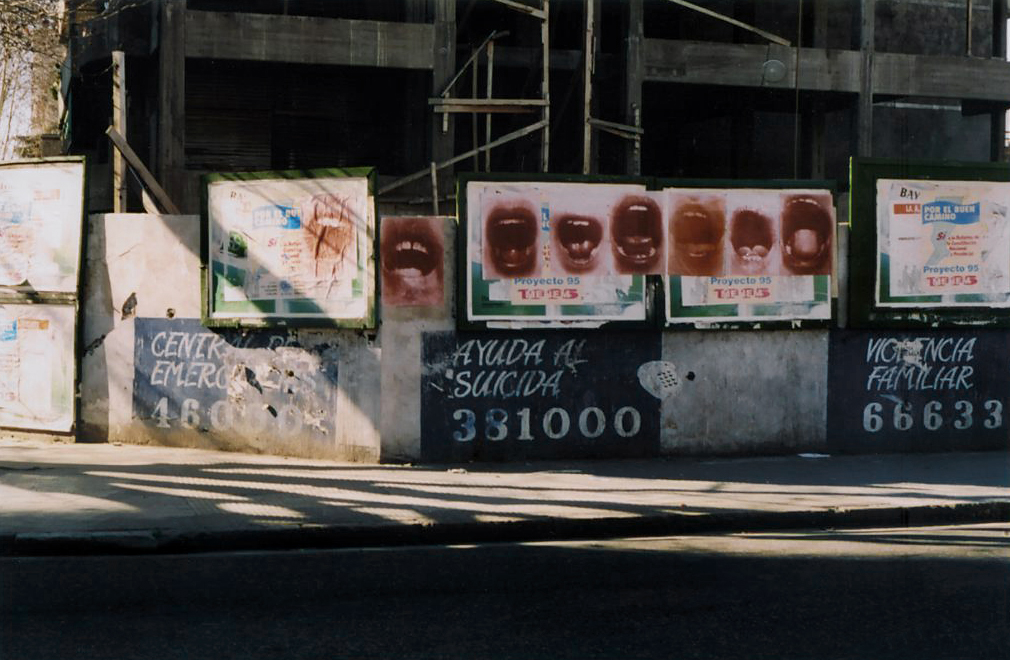
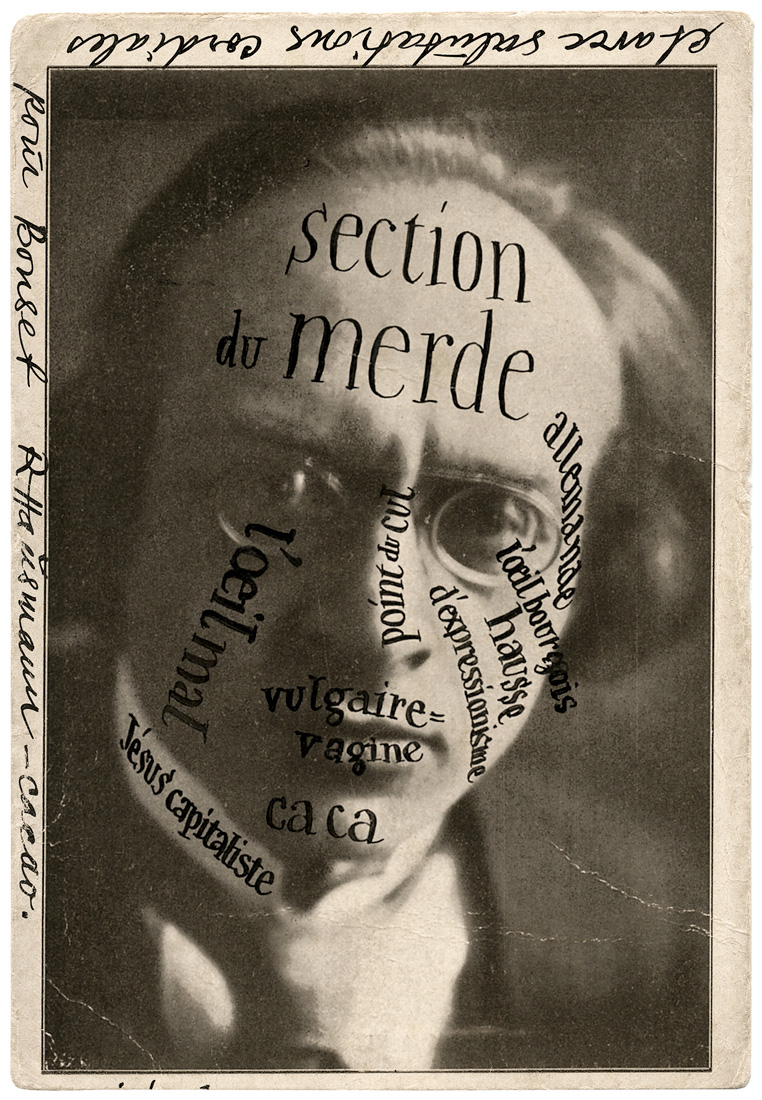
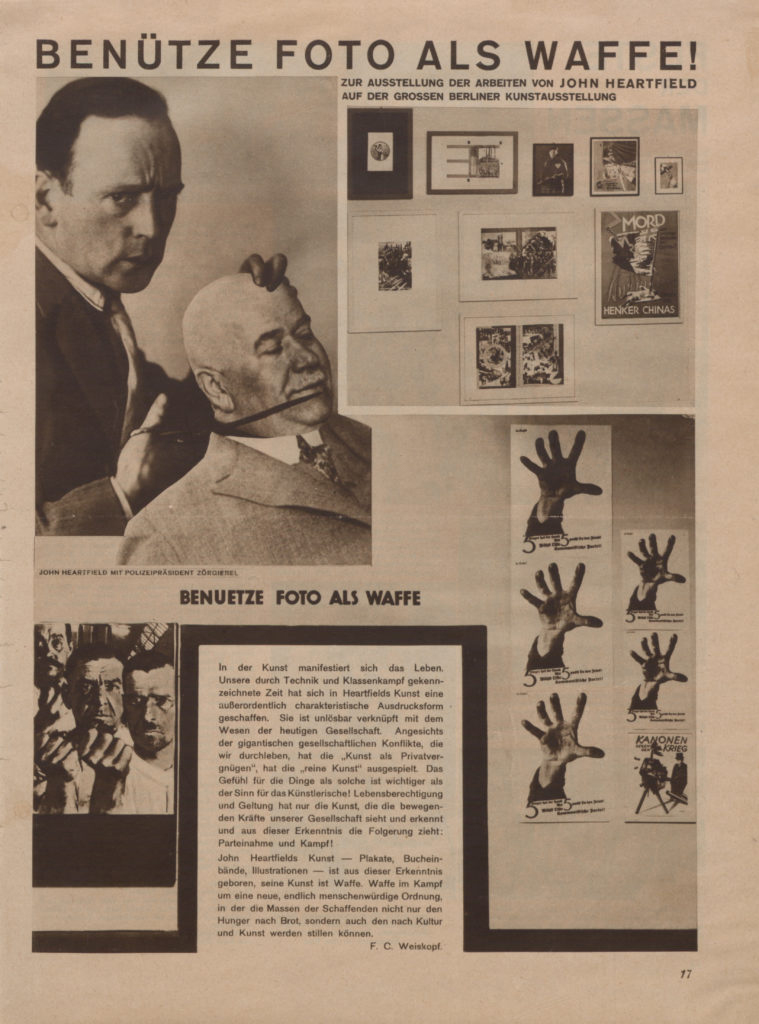

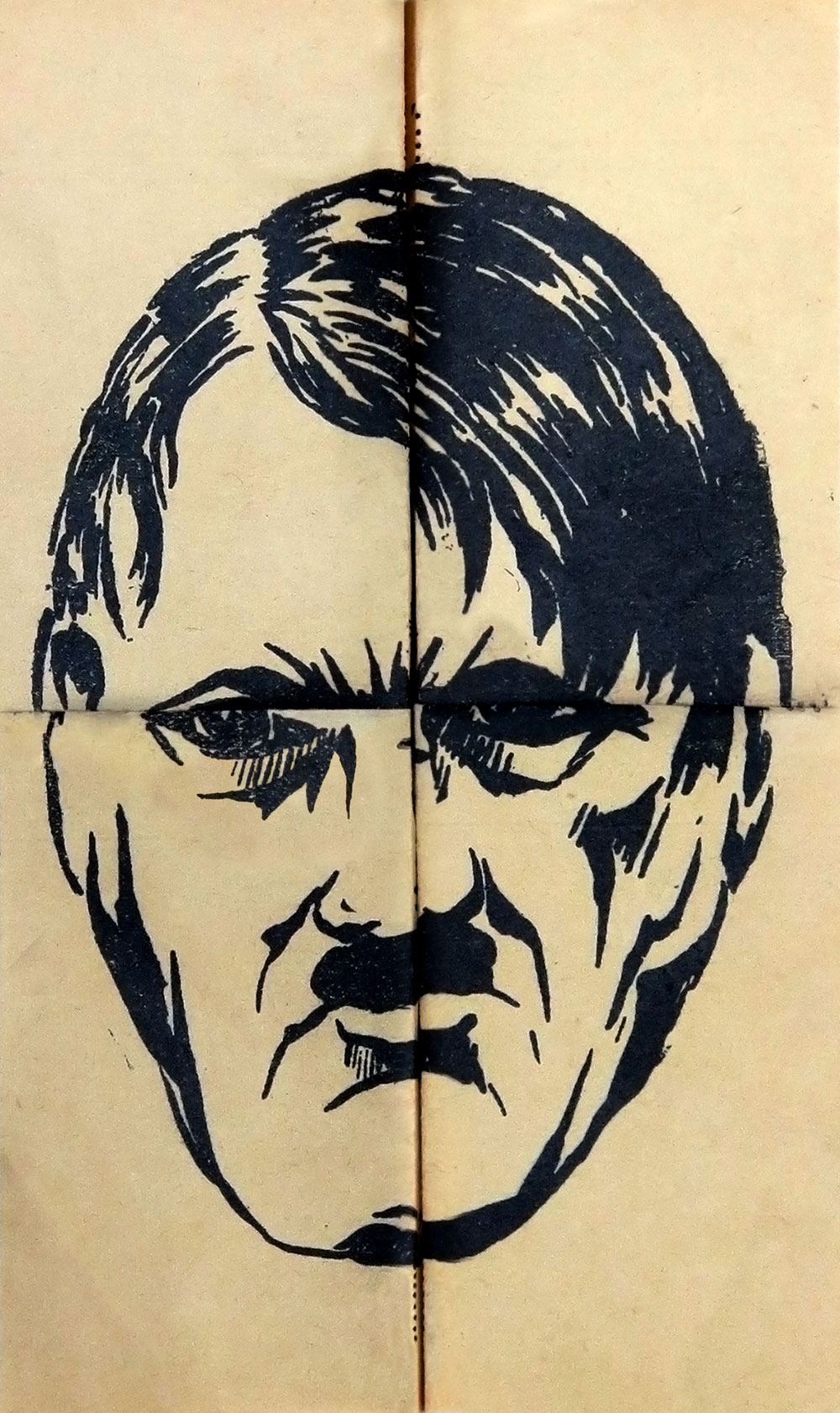


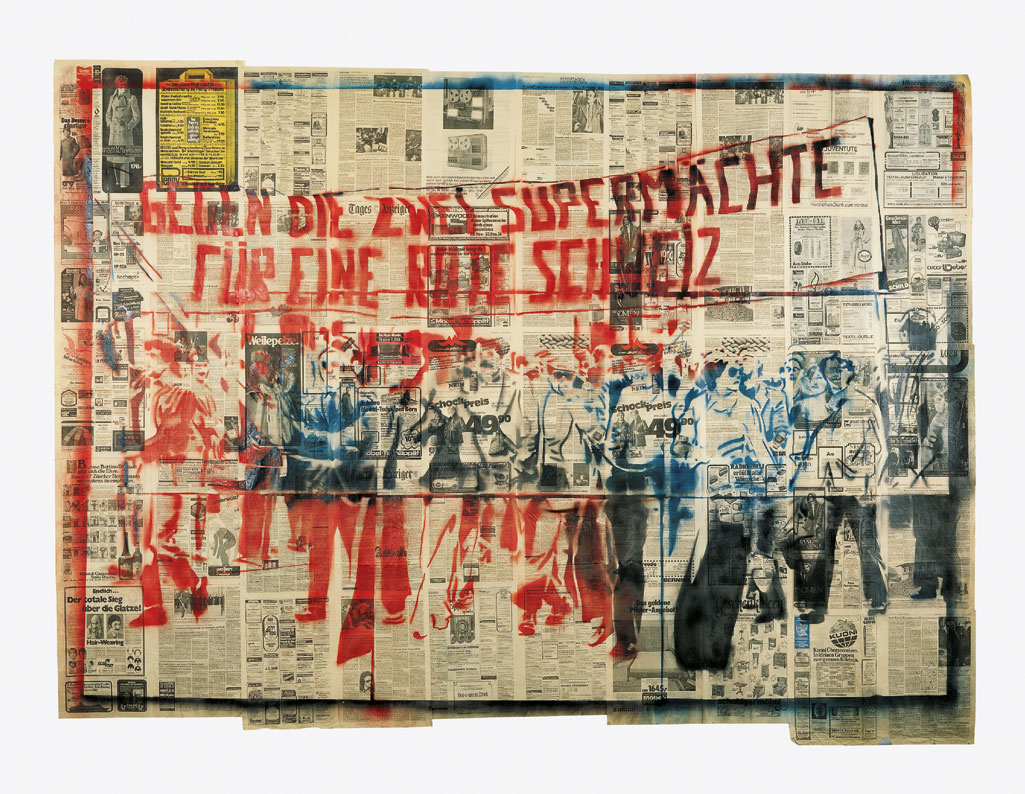
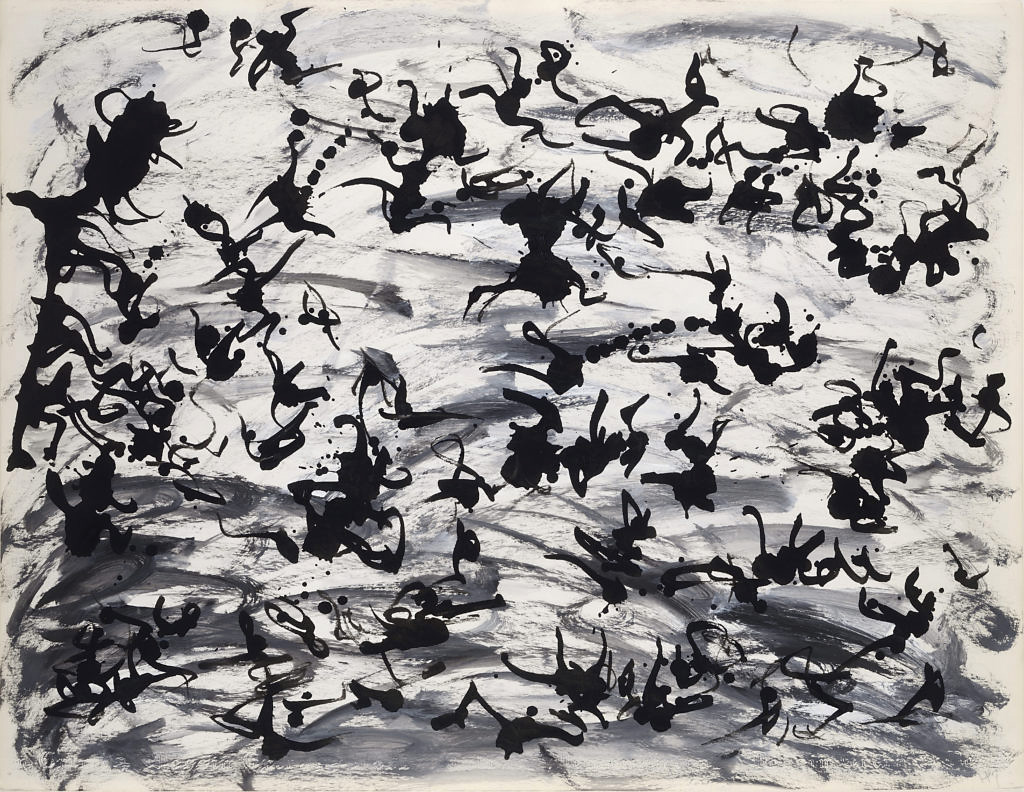
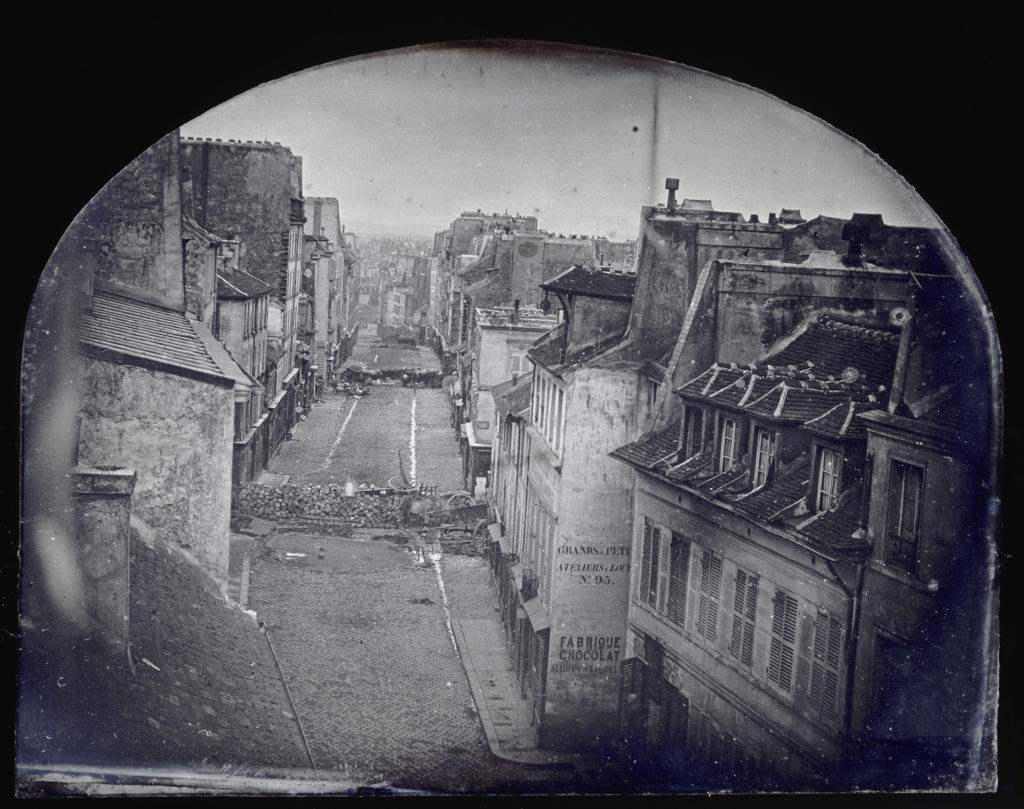
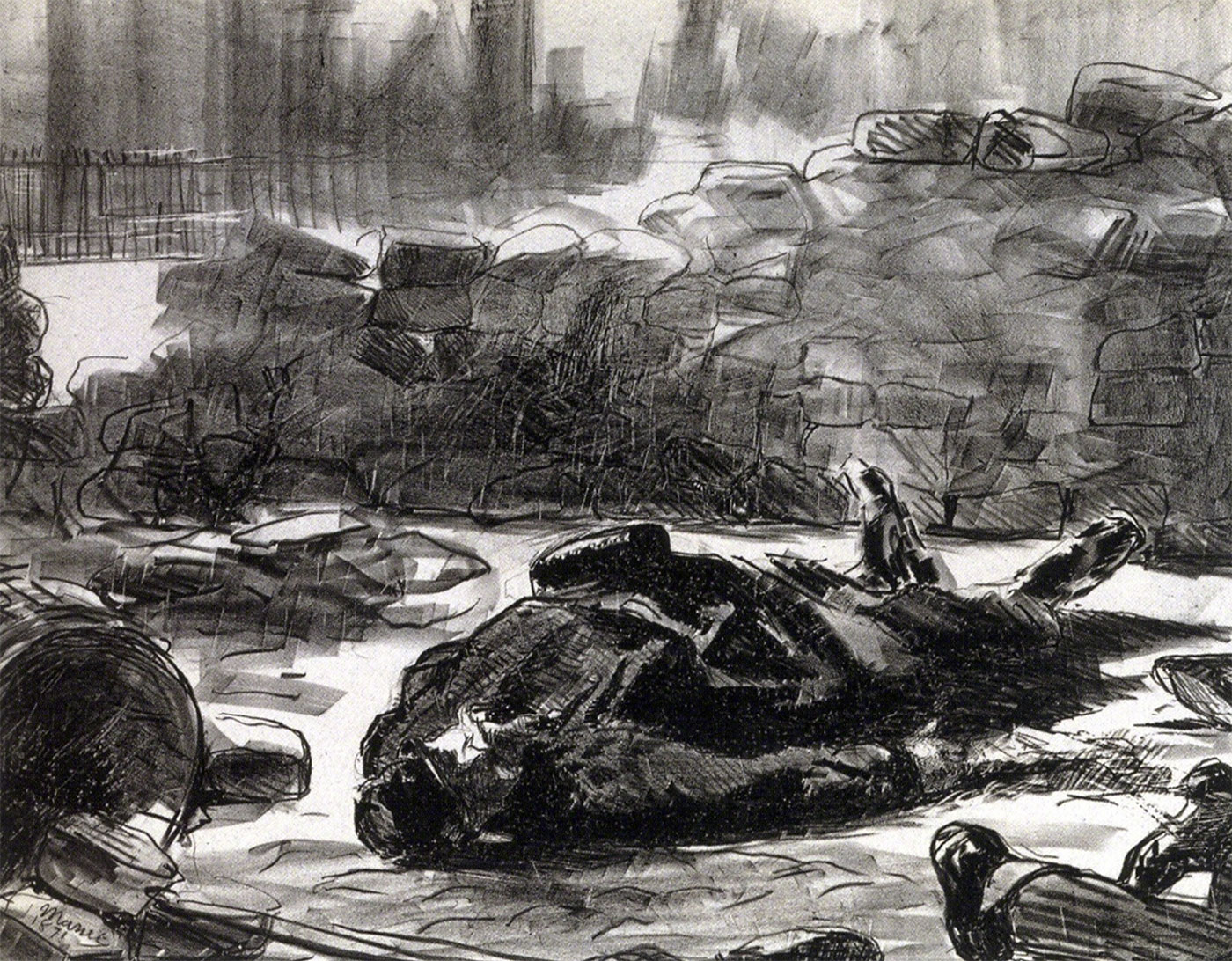
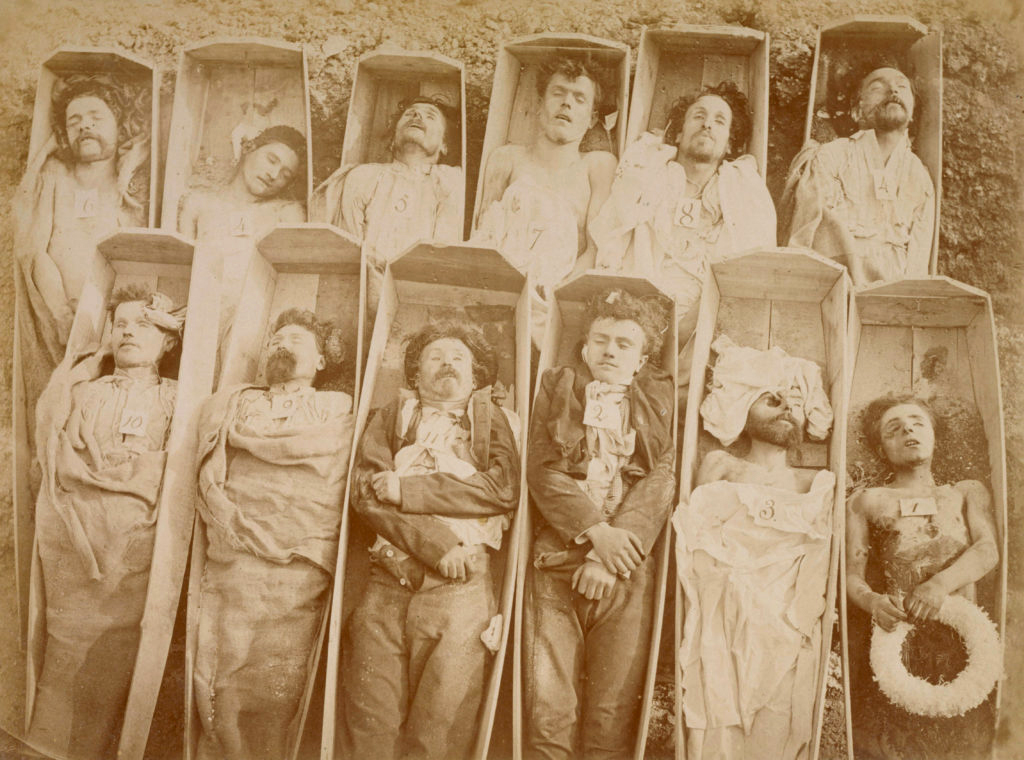
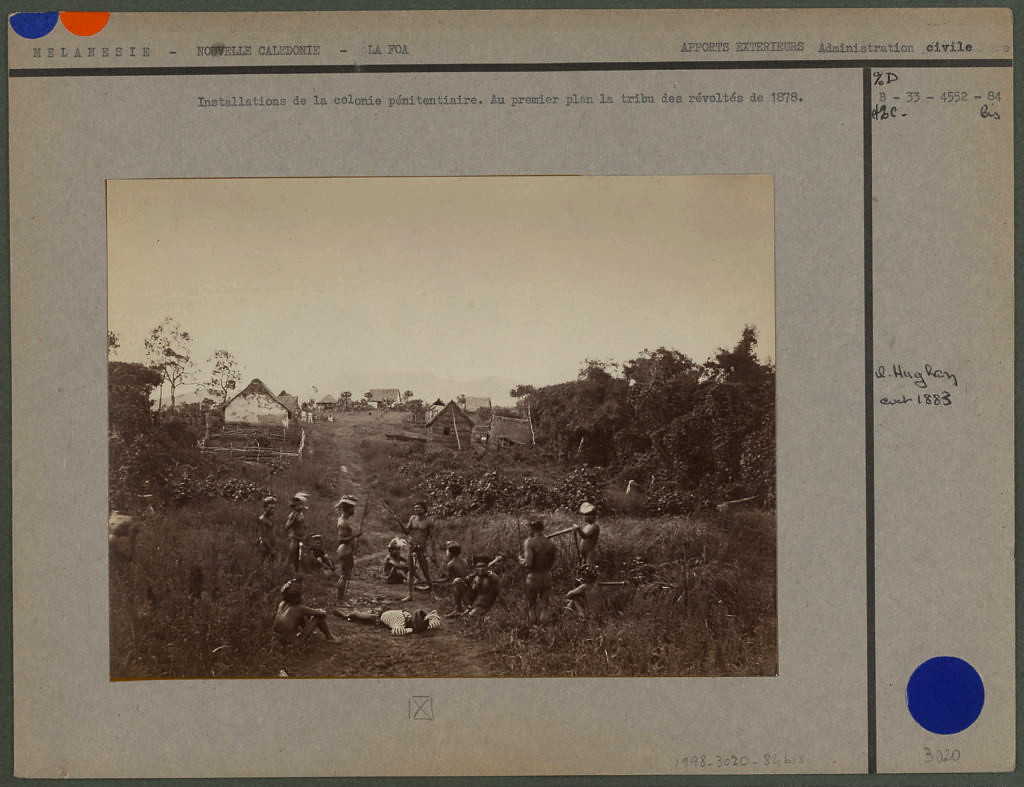

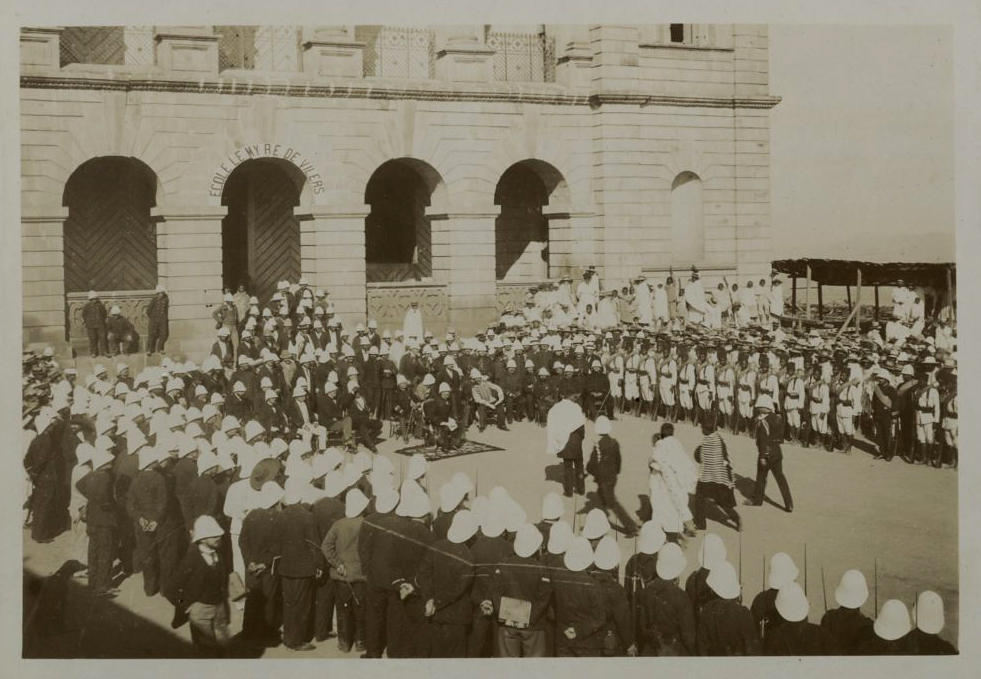
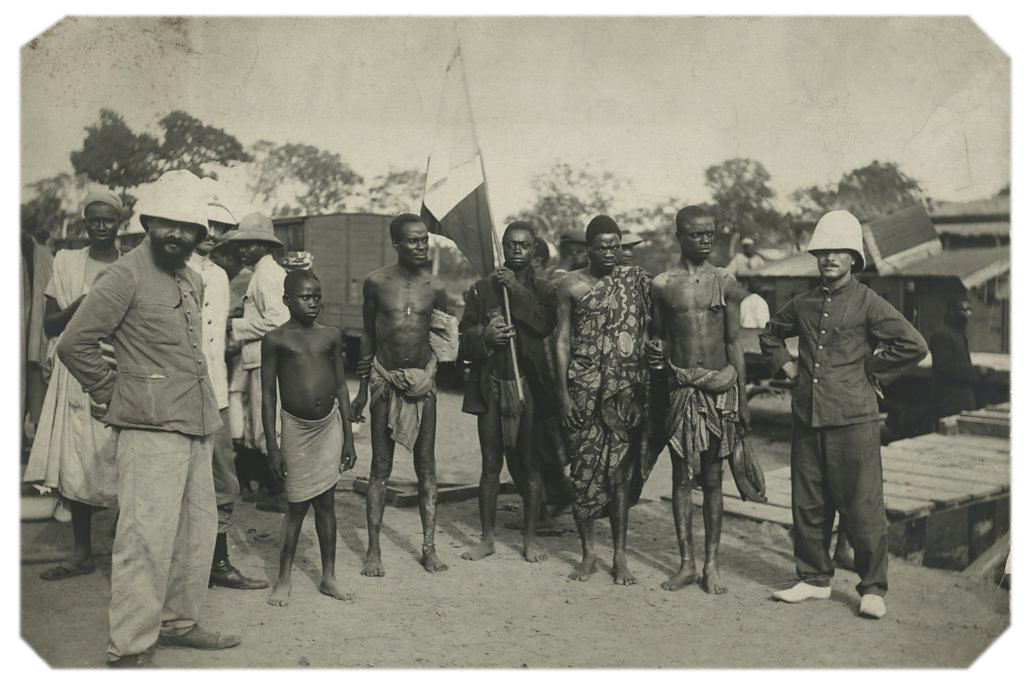

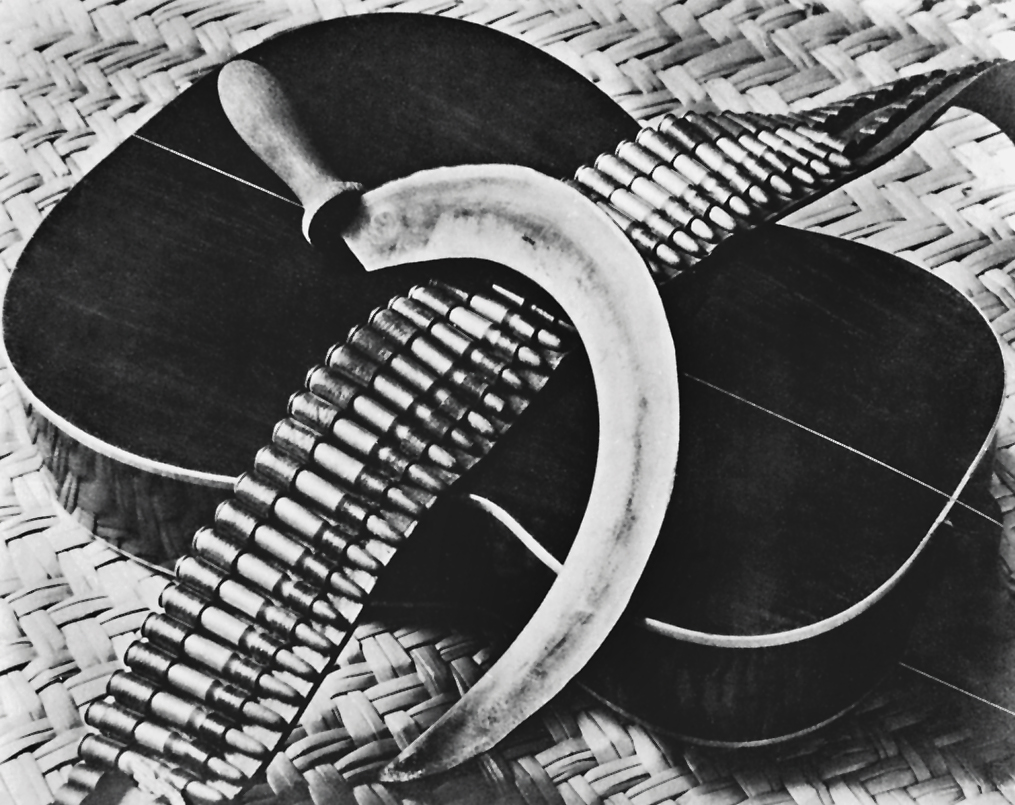


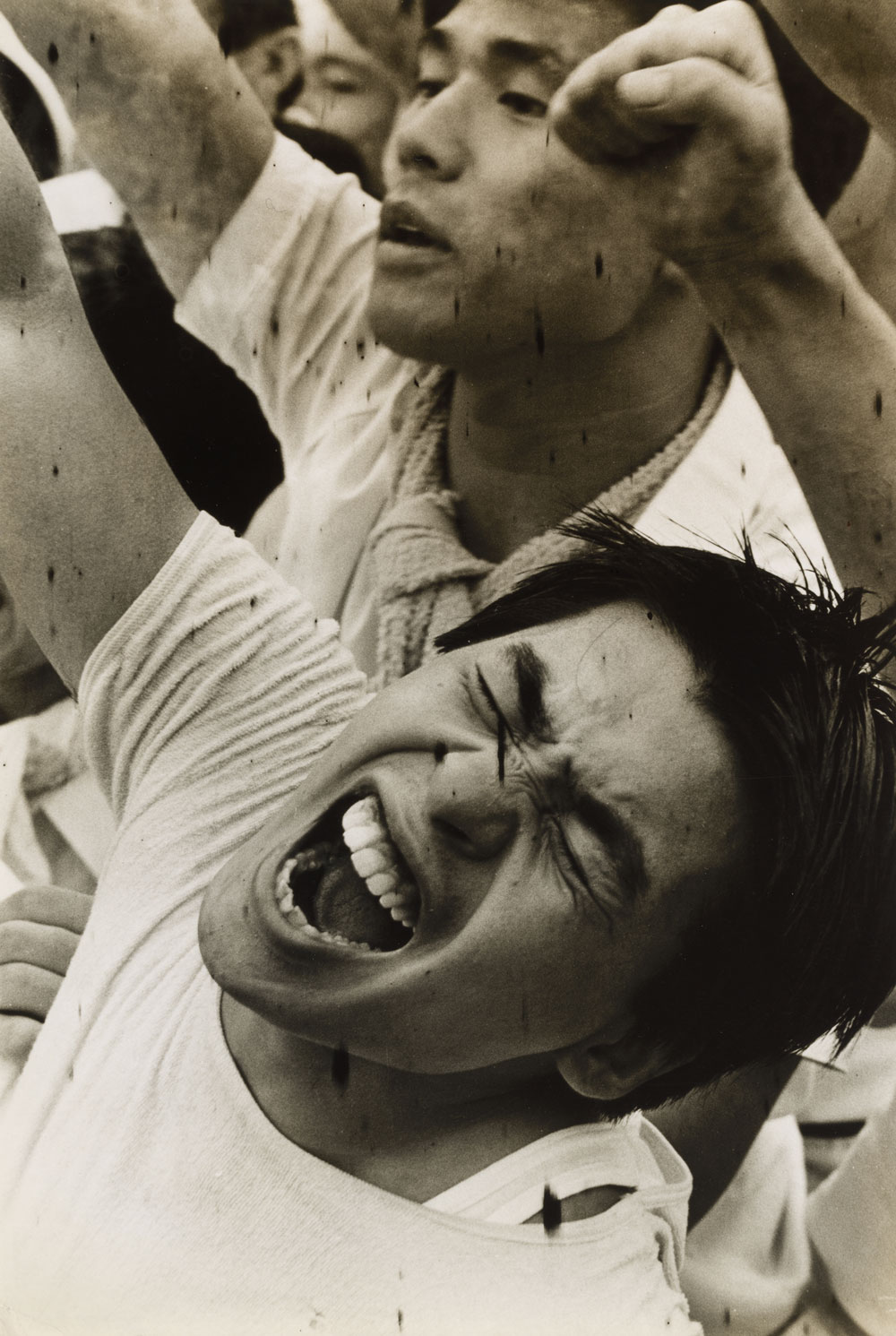
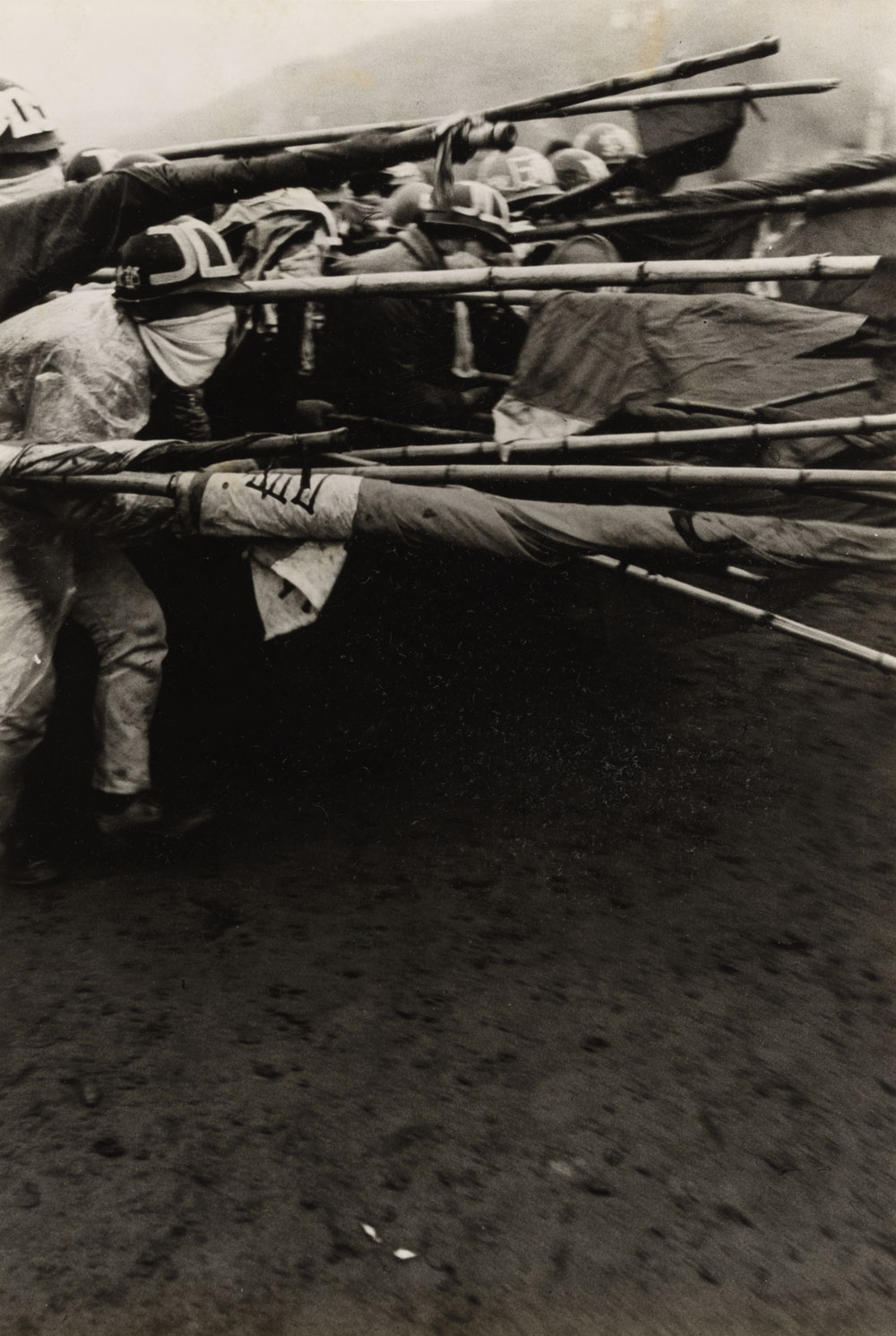

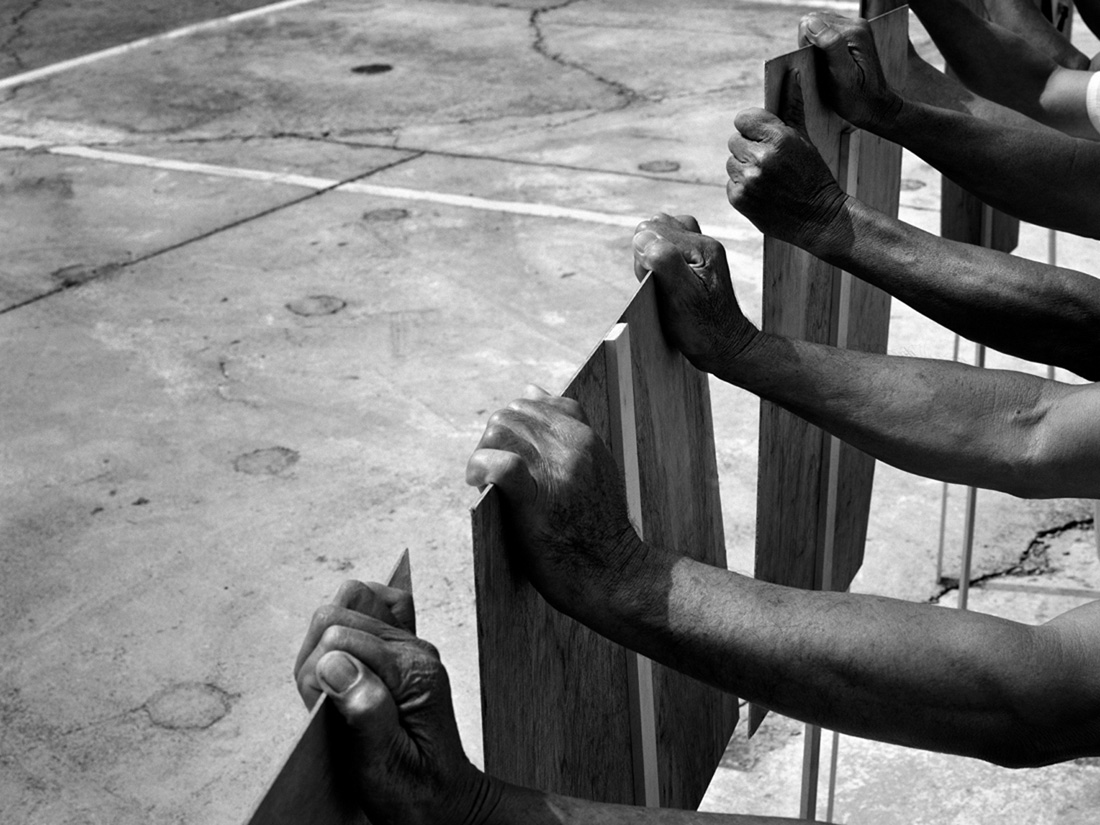


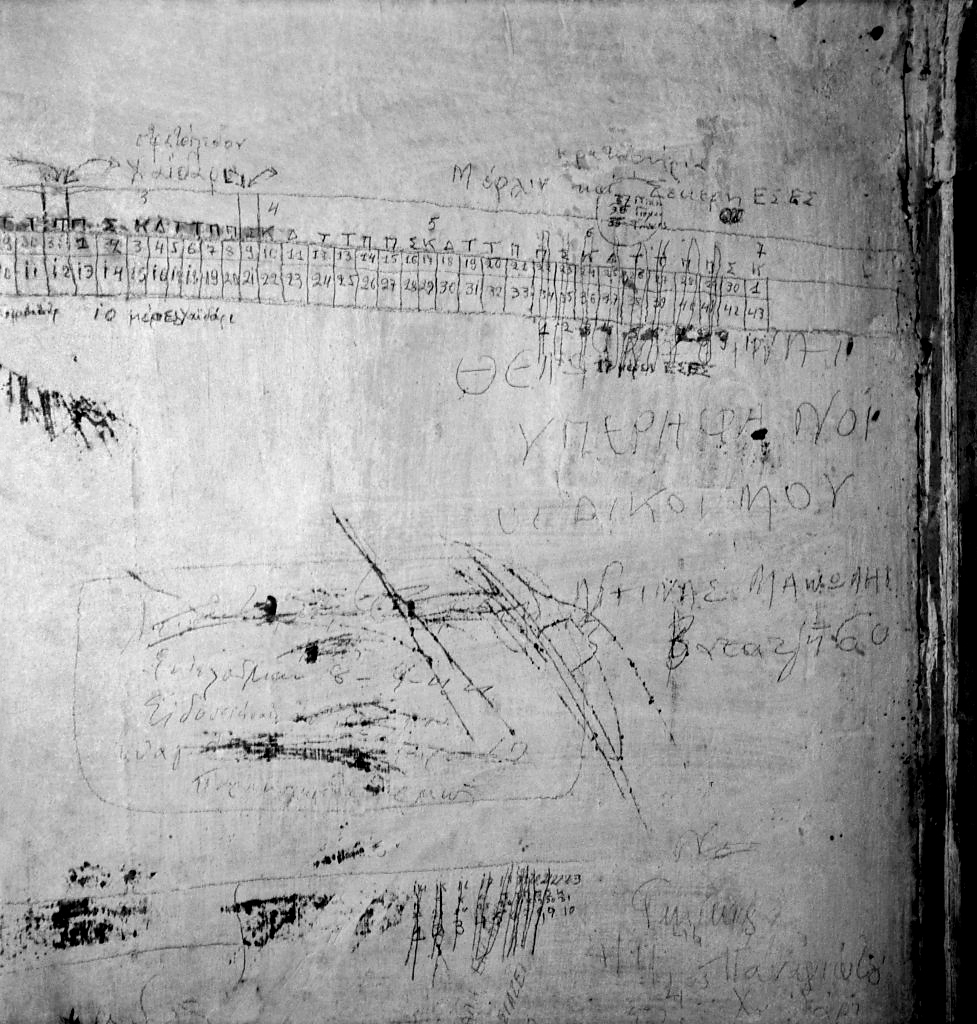
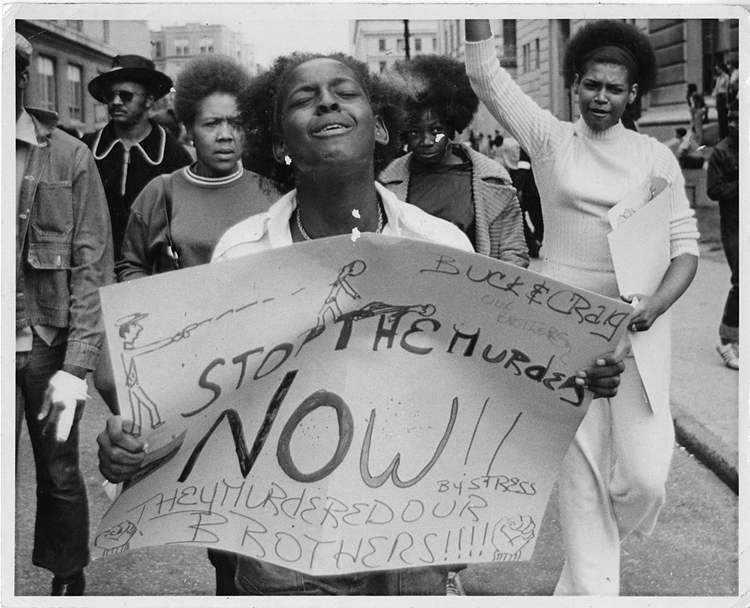
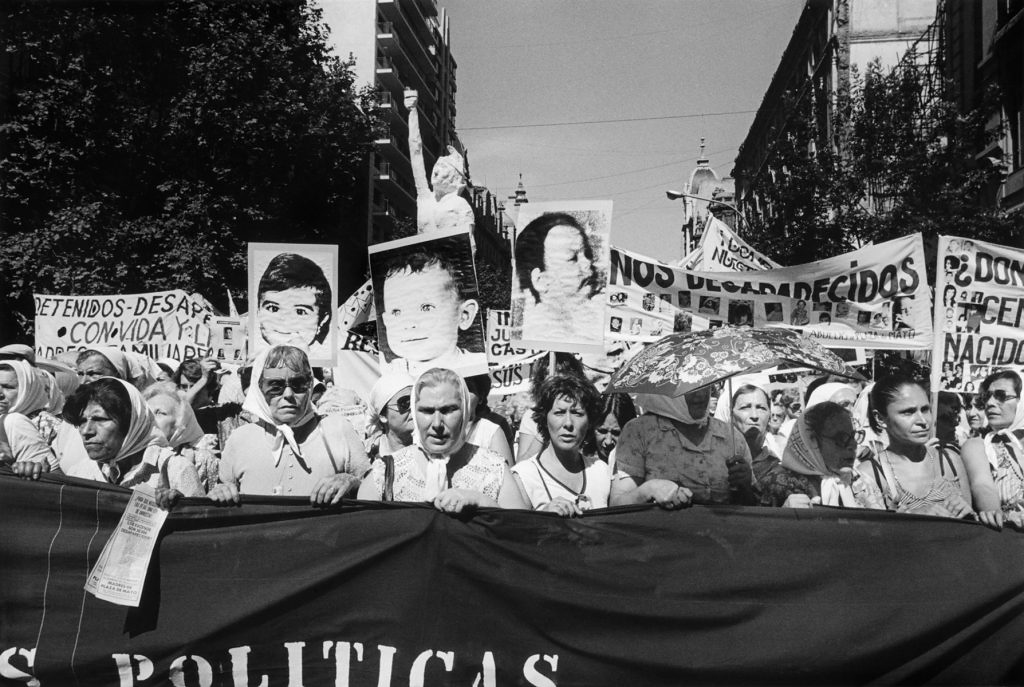

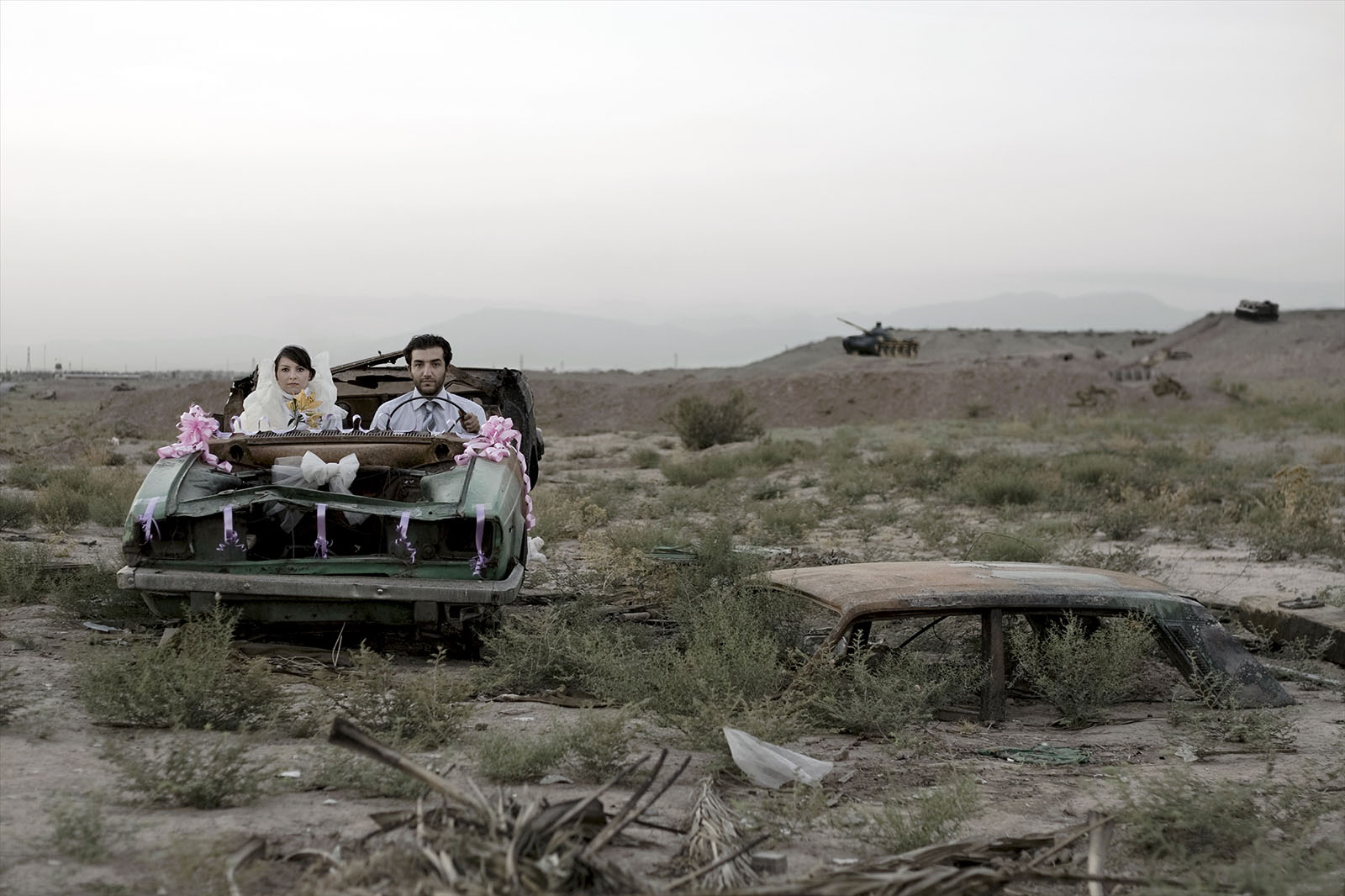

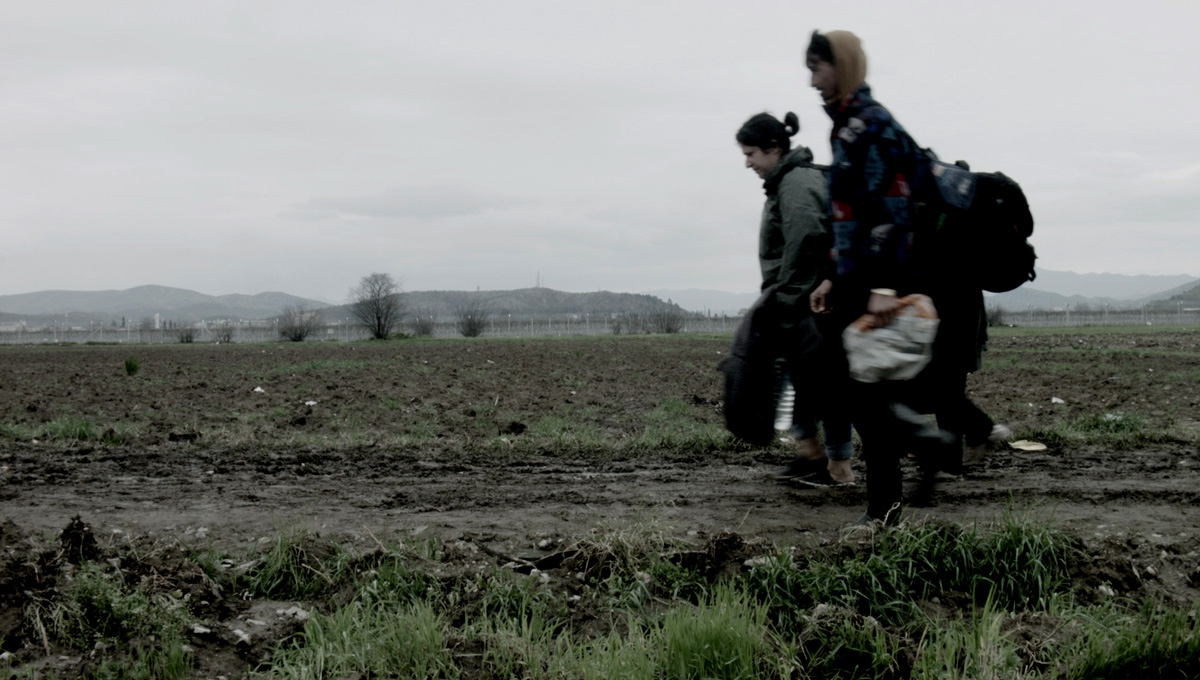


You must be logged in to post a comment.