While I haven’t physically seen this exhibition – according to Rijksmuseum “the Netherlands’ first major survey exhibition of American photography… the first comprehensive survey of American photography in Europe … reflect[ing] the rich and multifaceted history of photography in the United States. The exhibition presents the country as seen through the eyes of American photographers, and shows how the medium has permeated every aspect of our lives: in art, news, advertising and everyday life” – you can glean a lot about an exhibition from the installation photographs.
The feeling I get from the installation photographs is of a particularly meagre offering – gallery halls with minimal photographs, huge empty spaces (just look at the installation photograph Curio box made of cigarette packets with portraits of roommates, late 1960s below) – and to then consider this is supposed to be “the first comprehensive survey of American photography in Europe” and reflect the large photographic holdings of the Rijksmuseum. Really? You wouldn’t really know it from looking at “the show”.
Perhaps the problem stems from the rationale of the exhibition:
“There is no hierarchy to the selection. A sequence of rooms present numerous fields – portraiture, landscape, advertising work, art photography – like chapters in a novel. “We tried to find surprising images and things we’ve never seen before,” says Boom. The result is a broad mix, shaped with co-curator Hans Rooseboom, of anonymous photography, commercial work, news coverage, medical prints and propaganda, presented in tandem with masterpieces such as Robert Frank’s enigmatic picture of a woman watching a New Jersey parade in 1955, her face partially obscured by an unfurled Stars and Stripes.”1 (see below)
The phrase “a broad mix” says it all: a mishmash of anonymous photography, commercial work, fine art photography, the political power of photography, photographs on racism, war, etc., … taking on too much in one exhibition (the American landscape is largely absent from the walls), proclaiming to be a comprehensive survey of American photography. An impossible task.
“The exhibition has deliberately departed from a “top 100” approach, Rooseboom [one of the curators] adds, stating “that would have been too easy”.”2
Easy to say (and move away from) but not easy to do…
What I feel is lacking in this subjective selection (all exhibitions are subjective) is the focused “energy” present in American photography radiating from the wall – the energy that documents and imagines the growth of a nation and the passion of the artists that capture that energy.
Where is, for example, the passion of Sally Mann’s photographs of the American South, the New York buildings of Berenice Abbott, George Dureau’s portraits of friends and amputees in New Orleans, the narrative stories of Duane Michals or the darkness / otherness that has always been present from the very start in American photography. In the selection in the posting, the photographs of Robert Frank (a foreigner, whose photographs of America were reviled when they were first published) and Nan Goldin (photographs of counter culture America) come closest to this alternate perspective, both outsiders from the main stream point of view.
Thus, while there are some interesting photographs in the exhibition it’s all too ho hum for me, perhaps a “vapour” of something almost brought into consciousness.
Many thankx to the Rijksmuseum for allowing me to publish the photographs in the posting. Please click on the photographs for a larger version of the image.
Installation view of the exhibition American Photography at Rijksmuseum, Amsterdam showing at right photographs by Robert Frank (below) Photo: Rijksmuseum/Olivier Middendorp
Robert Frank (Swiss, 1924-2019) City fathers – Hoboken, New Jersey 1955 Gelatin silver print
Robert Frank (Swiss, 1924-2019) Parade – Hoboken, New Jersey 1955 Gelatin silver print
Robert Frank (Swiss, 1924-2019) U.S. 91, Leaving Blackfoot, Idaho 1956 Gelatin silver print
Robert Frank (Swiss, 1924-2019) New York City 1955 Gelatin silver print
Rijksmuseum moves you to The American Dream. To the real American. To unexpected recognition. The Rijksmuseum is staging the Netherlands’ first major survey exhibition of American photography.
The more than 200 works on display in American Photography reflect the rich and multifaceted history of photography in the United States. The exhibition presents the country as seen through the eyes of American photographers, and shows how the medium has permeated every aspect of our lives: in art, news, advertising and everyday life.
Over the past decades the Rijksmuseum has been assembling a collection of American photographic work. This is the first time we are exhibiting photographs from the collection, alongside loaned works from American, Dutch and other European collections. This show includes iconic photographs by the likes of Sally Mann, Robert Frank, Lisette Model, Nan Goldin, Richard Avedon, Andy Warhol, Paul Strand, Diane Arbus and James Van Der Zee, as well as surprising images by unknown and anonymous photographers.
Text from the Rijksmuseum website
Installation view of the exhibition American Photography at Rijksmuseum, Amsterdam showing in the bottom image at left, Sally Mann’s Jessie #34 (2004, below); at second left, Chuck Close’s Phil [Photo Maquette of Philip Glass] (1969, below); and at third right, László Moholy-Nagy’s Parking lot in Chicago, 1938 (1938, below) Photo: Rijksmuseum/Olivier Middendorp
Sally Mann (American, b. 1951) Jessie #34 2004 Gelatin Silver enlargement print from 8 x 10 in. collodion wet-plate negative, with Soluvar matte varnish mixed with diatomaceous earth
László Moholy-Nagy (Hungarian, 1895-1946) Parking lot in Chicago, 1938 1938 Gelatin silver photograph 23.8 × 33.8cm
Installation view of the exhibition American Photography at Rijksmuseum, Amsterdam showing the work of Nan Goldin from The Ballad of Sexual Dependency (below) Photo: Rijksmuseum/Olivier Middendorp
Nan Goldin (American, b. 1953) Cookie with Me After Being Hit at the SPE Conference, Baltimore, MD, 1986 1986
Nan Goldin (American, b. 1953) Cookie and Vittorio’s Wedding: The Ring, NYC, 1986 1986
Nan Goldin (American, b. 1953) Cookie in the Bathroom at Hawaii 5.0, NYC, 1986 1986
The Rijksmuseum presents the first comprehensive survey of American photography in Europe. With more than 200 works spanning three centuries, American Photography will be an exploration of the rich and multifaceted history of photography in the United States, showing how the medium has permeated every aspect of our lives: in art, news, advertising and everyday life.
Over the past decade, the Rijksmuseum has built an extensive collection of American Photography. This exhibition is the first ever presentation of Rijksmuseum’s collection, which will be shown together with loans from over 30 collections in the United States, the Netherlands and other European countries. Works by icons including Sally Mann, Robert Frank, Lisette Model, Nan Goldin, Richard Avedon, Andy Warhol, Paul Strand, Diane Arbus and James Van Der Zee will be on view alongside eye-opening photographs by unknown and anonymous photographers.
The exhibition is possible by Rijksmuseum’s major partnership with Baker McKenzie. American Photography runs from 7 February to 9 June 2025. Concurrently with American Photography, Carrie Mae Weems’s 2021 series Painting the Town will be on show in the Rijksmuseum’s photography gallery.
American Photography will give picture of the country through the eyes of American photographers, showing the country in all its complexity. The exhibition takes themes such as the American dream, landscapes and portraiture to trace how photographers increasingly reflected on changes and events in their country. A major topic of the show is photography’s evolution as an art form, from 19th-century daguerreotypes of frost flowers on a window to the work of Paul Strand, Charles Sheeler, Sally Mann, Irving Penn, Dawoud Bey and Sarah Sense. Another important theme is how photography has grown to be a part of everyday life, which is demonstrated by family portraits, advertisements, postcards, gramophone record covers and more.
Press release from Rijksmuseum
Installation view of the exhibition American Photography at Rijksmuseum, Amsterdam showing in the bottom photograph at right, Jocelyn Lee’s Julia in Greenery (2005, below) Photo: Rijksmuseum/Olivier Middendorp
Jocelyn Lee (American, b. 1962) Julia in Greenery 2005 Archival Pigment Print 20 × 24 in | 50.8 × 61cm
Installation view of the exhibition American Photography at Rijksmuseum, Amsterdam showing in the display case, Curio box made of cigarette packets with portraits of roommates, late 1960s (below) Photo: Rijksmuseum/Olivier Middendorp
Curio box made of cigarette packets with portraits of roommates, late 1960s Wood, handwoven cigarette packets, gelatin silver prints 140 x 110 x 195 mm Collection of Daile Kaplan, Pop Photographica, New York Photo: Andy Romer Photography, New York
Installation view of the exhibition American Photography at Rijksmuseum, Amsterdam showing at left, Diane Arbus’ A young man in curlers at home on West 20th St., N.Y.C. 1966 (1966, below); and at second left, Ming Smith’s America Seen Through Stars and Stripes, New York City (1976, below) Photo: Rijksmuseum/Olivier Middendorp
Diane Arbus (American, 1923-1971) A young man in curlers at home on West 20th St., N.Y.C. 1966 1966 Gelatin silver print
Ming Smith (American, b. 1951) America Seen Through Stars and Stripes, New York City 1976 Gelatin silver print 318 x 470 mm Virginia Museum of Fine Arts, Richmond (VA) Adolph D. and Wiliams C. Williams Fund
In the post-war years, mass immigration to the US brought new ways of thinking. the US took over from Europe as a cultural trendsetter, and photography was eventually accepted as an art form. Playful approaches to photography emerged, moving beyond documenting people and places to provoking emotion and inviting deep questions. Ming Smith’s America Seen Through Stars and Stripes (1976), created on the bicentenary of the Declaration of Independence, turns again to the flag inviting America to reflect on its history. By placing a figure in mirrored sunglasses in front of a shop window, she creates a disorientating mesh of reflective surfaces. The grid structure suggests incarceration but – in combination with the round glasses and the stars on the flag – also creates an abstract composition reminiscent of modern art. “She’s a careful observer, playing with all these layers in the image,” says Boom.
Smith explores the artistic potential of photography, experimenting with double-exposure, shutter speed and collage. In one version of this image, she paints on bold red stripes, altering this snapshot of the US with marks that resemble blood or flames. Smith’s work builds on the civil rights movement that preceded it and features activists such as James Baldwin and Alvin Ailey. She was the first woman to join the African-American photography collective the Kamoinge Workshop and the first black woman to have her work acquired by the Museum of Modern Art (MoMA). Yet her demographic was largely overlooked by the art world. “I worked to capture black culture, the richness, the love. That was my incentive,” she told the Financial Times in 2019. “It wasn’t like I was going to make money from it, or fame – not even love, because there were no shows.”
Henry Fitz Jnr (American, 1808-1863) Self-portrait 1840 Daguerreotype Smithsonian National Museum of American History, Washington (DC)
In 1840, using a self-made copper plate, Henry Fitz Jnr produced one of the world’s first selfies, his eyes gently closed to prevent any blinking from spoiling the result. In creating this striking blue image, he was doing more than record his appearance; he was also documenting America’s first essays into an art form that would tell its story in radical new ways.
Thomas Martin Easterly (American, 1809-1882) Chief Keokuk (Watchful Fox) 1847 Daguerreotype Missouri History Museum
Anonymous photographer View of a wooden house or barn with a man and a woman in front c. 1870-1875 Tintype 164 x 215 mm Rijksmuseum, Amsterdam
A 19th-Century tintype (an image made on a sheet of metal) featuring a man and woman in front of a rustic barn is a case in point. The image was probably sold on the spot by a travelling tin typist “for a modest price”, explains Rooseboom. “Many people had just arrived and were living in the countryside, no big city nearby, so this was the only possibility of having your portrait taken.” The man stands proud, looking at the camera, but the woman’s head is bowed and she is looking away. “Sometimes you can sense that people were simply not used to being photographed,” says Rooseboom. “Nowadays, we’ve seen in magazines and movies how to pose elegantly.” This may be the only time in their whole life that they would be photographed, and the result, adds Boom, “would hang on the wall of the house where they lived forever”.
Detroit Photographic Company Home of Rip Van Nd Rijksmuseum, Amsterdam
Bertha E. Jaques (American, 1863-1941) Tree – in Governor Gleghorn’s Place Honolulu 1908 Cyanotype 248 x 152 mm Rijksmuseum, Amsterdam, purchased with the support of Baker McKenzie
Walker Evans (American, 1903-1975) (photographer) (mentioned on object) A free country? This is America … Keep it Free! Nd Sheldon-Claire Company
United News Company (publisher) 12,000 Employees of the Ford Motor Company, Detroit, Mich. 1913 Postcard, relief halftone and colour lithography 88 × 137 mm Rijksmuseum, Amsterdam
… a 1913 postcard featuring 12,000 employees of the Ford Motor Company in Detroit may have been the “most expensive picture that was ever taken”, quipped a newspaper at the time, as the factory had to shut down for two hours to assemble the staff. The image, the company boasted, was “the largest specially posed group picture ever made” and illustrates a turning point where industry saw the value in investing large sums in promotional photography. Taken in the year when Ford introduced America’s first moving assembly line and the US had become the world’s largest economy, the photograph also depicts the mass production that would shape the country.
The image’s reappearance in Ford marketing also made it an early example of photoshopping. While the same tinted faces swarmed in the foreground, the number of employees cited in the caption increased exponentially, and a building to the left was cropped out in one version and acquired extra floors in another. “Apparently, many photographers and their publishers had no qualms about abandoning their medium’s potential for realism,” write Boom and Rooseboom in the exhibition catalogue.
Schadde Brothers Studio Display, sample or trade catalogue photograph for sweet manufacturer Brandle & Smith Co., c. 1915 Gelatin silver print with applied colour 288 x 240 mm Rijksmuseum, Amsterdam
Charles Sheeler (American, 1883-1965) Nude #3 1918-1919 Gelatin silver print 127 × 171 mm Museum of Fine Arts, Boston
… the New York portrait photographer James Van Der Zee was also embellishing his work, drawing jewellery on to his subjects and retouching their faces to erase dark lines and wrinkles. “I put my heart and soul into them and tried to see that every picture was better looking than the person,” he said. As a black photographer working from his Harlem studio at the height of the Harlem Renaissance, his work records a period when black migrants fleeing the segregationist South were forging a new life for themselves in the urban North. For the first time, African Americans and other minority groups could be photographed by someone inside their community, and represented in a way that uplifted them. Van Der Zee’s Portrait of an Unknown Man (1938), for example, is carefully posed to suggest confidence. The outfit is elegant and the buttonhole daisy adds a dandyish flourish. It’s an image that reflects the aspirations and upward mobility of African-American people and the pride Van Der Zee had in his culture.
Hy Hirsh (American, 1911-1961) Untitled (abstraction) c. 1950 Chromogenic print, 251 x 200 mm Rijksmuseum, Amsterdam Purchased with the support of Baker McKenzie
Anonymous photographer Family Standing beside their Car c. 1957-1960 Chromogenic print (Kodak Instamatic) 76 x 76 mm Rijksmuseum, Amsterdam
It is the Chinese-American community that is the focus of the work of Irene Poon, who grew up in San Francisco’s Chinatown, where her parents, first-generation immigrants from Guanghzou, ran a herbalist store. A 1965 image features Poon’s sister Virginia in a local sweet shop, crowded out by Hershey’s and Nestlé bars. The letters “Nest” peep out from the densely packed shelves, reinforcing a sense that she is enclosed by this mass of graphic lettering. Beside her head a “Look” bar competes for attention, hinting at that other ever-expanding role for American photography: advertising − a sector in which the US was a forerunner. “Many of the 20th-Century artists started in advertising. It’s part of art history,” Boom says. “This whole field already existed, and the arts, and photography as an art form, draws from it.”
Hulleah Tsinhnahjinnie (American, b. 1954) This is not a commercial, this is my homeland 1998 Platinum lambda print 476 x 609 mm Courtesy of the artist
The political power of photography is also seen in the work of Native American (Seminole-Muscogee-Navajo) photographer Hulleah Tsinhnahjinnie who uses the camera to correct misconceptions about Indigenous populations and to offer an alternative viewpoint on US history. “No longer is the camera held by an outsider looking in, the camera is held with brown hands opening familiar worlds,” she writes in a 1993 essay. “We document ourselves with a humanising eye, we create new visions with ease, and we can turn the camera and show how we see you.”
Tsinhnahjinnie’s captioning of a touristic image of Monument Valley, Arizona with This is not a commercial, this is my homeland highlights the commodification of American land, and uses what she calls “photographic sovereignty” to take us back to the very beginning and reclaim and retell the story of America. In combination with works such as Bryan Schutmaat’s Tonopah, Nevada (2012), which documents mining’s effect on the landscape of the American West, images like Tsinhnahjinnie’s tell a story of a beautiful land that means different things to different people: financial gain, security or a sacred space.
Bryan Schutmaat (American, b. 1983) Tonopah, Nevada 2012 Inkjet print 1017 x 1277 mm (printed 2021) Rijksmuseum, Amsterdam Purchased with the support of Baker McKenzie
What They Saw: Historical Photobooks by Women, 1843-1999 (Nueva York, 10×10 Photobooks, 2021) cover images Design: Ayumi Higuchi Photography: Jeff Gutterman
A mid-week posting!
I wouldn’t have forgiven myself if I had missed this important exhibition about an interesting subject, the “underexposed and undocumented photobooks by women made between 1843 and 1999.”
So I thought I would squeeze it into the posting schedule which stretches a couple of months into the future…
Other than the group photographs of the book covers and installation photographs of the exhibition (below), there were no individual book covers nor details about some of the books in the media images, so I have added a few were it has been possible along with accompanying text.
I have also included photographs from what I think is one of the most iconic photobooks, even though I am not sure it is in the exhibition: Marion Palfi’s There is No More Time: An American Tragedy (1949).
So many important photobooks by so many glorious photographers.
Dr Marcus Bunyan
Many thankx to the Museo Nacional Centro de Arte Reina Sofía for allowing me to publish the photographs in the posting. Please click on the photographs for a larger version of the image.
What They Saw: Historical Photobooks by Women, 1843-1999 (Nueva York, 10×10 Photobooks, 2021) cover images (detail) Design: Ayumi Higuchi Photography: Jeff Gutterman
What They Saw: Historical Photobooks by Women, 1843-1999 (Nueva York, 10×10 Photobooks, 2021) cover images (detail) Design: Ayumi Higuchi Photography: Jeff Gutterman
What They Saw: Historical Photobooks by Women, 1843-1999 (Nueva York, 10×10 Photobooks, 2021) cover images (detail) Design: Ayumi Higuchi Photography: Jeff Gutterman
What They Saw project, a touring exhibition accompanied by a publication and series of public programs, is a means to ignite interest in underexposed and undocumented photobooks by women made between 1843 and 1999 and to begin a process of filling in the gaps. The present show is organised in collaboration with 10×10 Photobooks, a nonprofit organisation with a mission to share photobooks globally and encourage their appreciation and understanding.
In seeking out the omissions in photobook history, the standard definition of the photobook: a bound volume with photographic illustrations published by the author, an independent publisher or a commercial publisher, needed to be expanded to incorporate those who do not call themselves photographers or artists but who nevertheless put together a “book” composed of photographs taken by themselves or others: individual albums, slim exhibition pamphlets, scrapbooks, mock-ups, fanzines and artists’ books to be more inclusive.
This iteration of the What They Saw exhibition includes 60 books of the more than 250 volumes highlighted in the associated publication. Most of these publications are from the collection of the Museo Reina Sofía’s Library and Documentation Centre. They are presented chronologically and show examples of books from around the globe. From the pioneers, such as Anna Atkins, who was the first person ever to print and distribute a photobook, or Isabel Agnes Cowper, who used photography to document museum objects, subsequently reproduced in numerous books, to the independent and self-published photobooks of the 1990s, including Colored People: A Collaborative Book Project by Adrian Piper or Twinspotting by Ketaki Seth, this selection allows for greater inclusion of previously marginalised photographic communities, including women, queer communities, people of colour and artists from outside Europe and North America.
Although only twenty-five years old, photobook history has been written primarily by men and has focused on publications authored by men. Very few books by women photographers appear in past anthologies documenting photobook history, and those included are already quite well known. This exhibition of women’s role in the production, dissemination, and authoring of photobooks is a necessary step in unwriting the current photobook history and rewriting an updated photobook history that is more equitable and inclusive.
Text from the Museo Nacional Centro de Arte Reina Sofía website
Anna Atkins, Photographs of British Algae: Cyanotype Impressions, 1843
Claude Cahun (Lucy Schwob) (French, 1894-1954) Aveux non avenus (Disavowals or Cancelled Confessions) 1930
In her 1930 publication, Aveux non Avenus, Claude Cahun used the relationship between her inwardly focused poetic writing and symbolic photomontages to construct a unique reality for self-expression. This article focuses on three chapters and respective photographic images from the publication to relate Cahun’s, and by association her partner Marcel Moore’s, discussion on sexuality and gender expression. The utopian dreamscape created investigates issues of narcissism and otherness, female homosexuality, dandyism and going beyond gender, individual and social critique, mocking the antiquated views of art and writing, accepting and breaking taboos, while allowing for other departures from the accepted norm. Through analysis of the publication and supporting evidence from early influences, it can be seen that Cahun created a world in Aveux non Avenus where she could exist in a space between the established feminine–masculine binary of 20th-century Europe.
Germaine Krull (photographer) Cover design by M. Tchimoukow. MÉTAL cover 1928
Germaine Krull (1897-1985) Image from the portfolio MÉTAL 1928, p. 33
I did not have a special intention or design when I took the Iron photographs. I wanted to show what I see, exactly as the eye sees it. ‘MÉTAL’ is a collection of photographs from the time. ‘MÉTAL’ initiated a new visual era and open the way or a new concept of photography. ‘MÉTAL’ was the starting point which allowed photography to become an artisanal trade and which made an artist of the photographer, because it was part of this new movement, of this new era which touched all art.
Germaine Krull. Extract from the Preface to the 1976 edition of ‘MÉTAL’
Germaine Krull (1897-1985) Image from the portfolio MÉTAL 1928 p. 37
Eyes on Russia by Margaret Bourke-White. New York: Simon and Schuster, 1931
In 1951, Westbrook Pegler wrote numerous articles attacking Margaret Bourke-White for her associations with leftist politics in the 1930s. It is probably for this reason that in her autobiography, Portrait of Myself, written about ten years later, Bourke-White didn’t mention her first book, Eyes on Russia, published in 1931. And yet, this book is of extraordinary interest, not only as a landmark in Bourke-White’s career but also as a source, both visual and narrative, on the Soviet Union during its first Five Year Plan. With letters of recommendation from influential people, including the Russian film maker, Sergei Eisenstein, Bourke-White arrived in Moscow in the fall of 1930, where she obtained the official endorsement of A.B. Khalatoff, chief of the Soviet publishing house (he was later liquidated in the 1937 purges). Khalatoff supplied her with a thick roll of rubles and a guide. Bourke-White then toured some of the most important industrial and other sites and came back with stellar images of Russia under construction, which she complemented by a spritely and charming narrative of her experiences as the first foreign photographer to photograph in the Soviet Union with official permission. On her trip, she made 800 negatives, of which 40 were published in Eyes on Russia in a sepia tone. This book, along with at least eight related illustrated articles in Fortune, the New York Times Sunday Magazine, and other periodicals, significantly enhanced Bourke-White’s reputation (and commercial business). They also helped initiate relationships she established both with Soviet officials and Americans sympathetic to the U.S.S.R. She returned to Russia in 1931 and 1932 for additional photography, but Eyes on Russia, a fascinating book for a variety of reasons, remains the largest single published collection of her work in that country. It was very well received in numerous book reviews when it appeared. For a more detailed review, see my article, Gary D. Saretzky “Margaret Bourke-White: Eyes on Russia,” The Photo Review, 22: 3-4 (Summer & Fall 1999),
Text from a comment on the Amazon website
Roll, Jordan, Roll by Julia Peterkin (text) and Doris Ulmann (photographs) New York: Robert O. Ballo, 1933
Doris Ulmann’s photographic collaboration with Julia Peterkin focuses on the lives of former slaves and their descendants on a plantation in the Gullah coastal region of South Carolina. Peterkin, who won the Pulitzer Prize in 1929, was born in South Carolina and raised by a black nursemaid who taught her the Gullah dialect before she learned standard English. She married the heir to Lang Syne in today’s Calhoun County, SC, one of the state’s richest plantations, which became the setting for Roll, Jordan, Roll. Ulmann’s soft-focus photos-rendered as tactile as charcoal drawings in the superb gravure reproductions here-straddle Pictorialism and Modernism even as they appear to dissolve into memory.
Text from the Amazon website
Leni Riefenstahl Schönheit im olympischen Kampf [Beauty in the Olympic Games] Berlin: Im Deutschen Verlag, (1937)
Leni Riefenstahl Schönheit im olympischen Kampf [Beauty in the Olympic Games] Berlin: Im Deutschen Verlag, (1937) pp. 220-221
Berenice Abbott and Elizabeth McCausland. Changing New York. New York: E. P. Dutton & Company, 1939
“The camera alone can catch
the swift surfaces of the
cities today and speaks a
language intelligible to all.”
~ Berenice Abbott
Abbott’s landmark work on New York, illustrated with 97 halftone plates that display “the historical importance of the documentary model its power as a medium of personal expression” (Parr & Badger).
In January 1929, after eight years in Europe, Abbott boarded an ocean liner to New York City for what was meant to be a short visit. Upon arrival, she was struck by the rapid transformation of the built landscape and saw the city as ripe with photographic potential. “When I saw New York again, and stood in the dirty slush, I felt that here was the thing I had been wanting to do all my life,” she recalled. “Old New York is fast disappearing,” Abbott observed. “At almost any point on Manhattan Island, the sweep of one’s vision can take in the dramatic contrasts of the old and the new and the bold foreshadowing of the future. This dynamic quality should be caught and recorded immediately in a documentary interpretation of New York City. The city is in the making and unless this transition is crystallised now in permanent form, it will be forever lost…. The camera alone can catch the swift surfaces of the cities today and speaks a language intelligible to all.”
On the eve of the Great Depression, she began a series of documentary photographs of the city that, with the support of the Works Progress Administration’s Federal Art Project from 1935 to 1939, debuted in 1939 as the traveling exhibition and publication Changing New York.
With a handheld camera, Abbott traversed the city, photographing its skyscrapers, bridges, elevated trains, and neighbourhood street life. She pasted these “tiny photographic notes” into a standard black-page album, arranging them by subject and locale.
Consisting of 266 small black-and-white prints arranged on thirty-two pages, Abbott’s New York album marks a key turning point in her career – from her portrait work in Paris to the urban documentation that became one of her lasting legacies.
From 1935 to 1965, Berenice Abbott and art critic Elizabeth McCausland (1899-1965) lived and worked in two flats they shared on the fourth floor of the loft building at 50 Commerce Street.
Berenice Abbott and Elizabeth McCausland. Changing New York. New York: E. P. Dutton & Company, 1939
An American Exodus: A Record of Human Erosion. Photographs by Dorothea Lange; text by Paul Taylor. New York: Reynal & Hitchcock, 1939
“We need to be reminded these days about what women have been, and can be. It’s a question of their really deep and fundamental place in society. I have a feeling that women need to be reminded of it. They are needed.”
~ Dorothea Lange
First published in 1939, An American Exodus is one of the masterpieces of the documentary genre. Produced by incomparable documentary photographer Dorothea Lange with text by her husband, Paul Taylor, An American Exodus was taken in the early 1930s while the couple were working for the Farm Security Administration (FSA) The book documents the rural poverty of the depression-era exodus that brought over 300,000 migrants to California in search of farm work, a westward mass migration driven by economic deprivation as opposed to the Manifest Destiny of 19th century pioneers.
Text from the Google Books website
In 1938, Dorothea Lange and her husband Paul Taylor began sorting through the stacks of photographs she had made documenting migrant farmworkers and homeless drought refugees. Their goal was to create a book that would reveal the human dimension of the crisis to the American people and, hopefully, prompt government relief. One of several books released in the late 1930s that made use of the Farm Security Administration photo archive, An American Exodus: A Record of Human Erosion was innovative in several ways. Rather than tell the story from their own perspective, Lange and Taylor used direct quotes from the migrants themselves, which Lange had painstakingly collected in the field. Released as war tensions were building in Europe and Asia, An American Exodus was largely overlooked at the time. In the years since its publication, the book has gained power, presenting an iconic image of the Dust Bowl era that has shaped the way we think of those difficult years.
Text from the Dorothea Lange Digital Archive, Oakland Museum of California website
Eslanda Goode Robeson. African Journey. New York: John Day Company, 1945
Eslanda Robeson’s 1936 African journal with her own photographs. Africa seen through the eyes of an African American. She went to South Africa, Kenya, Uganda, and Congo, and visited African kings and British governors, villages, gold mines, plantations, herdswomen, and modern African leaders.
Eslanda Goode Robeson (1895-1965) was an American anthropologist, author, actress, and civil rights activist. She was born in Washington, D.C., graduated from Columbia University in 1917 with a degree in chemistry, and in 1921 married the singer and actor Paul Robeson. In 1936, she received her degree in anthropology from the London School of Economics, and in 1946, the year following the publication of African Journal, earned her anthropology Ph.D. from Hartford Seminary where she specialised in African studies and race relations.
Text from the Boyd Books website
Wrens in Camera by Lee Miller (London: Hollis and Carter, 1945)
During the Second World War Lee Miller was the official war photographer for Vogue magazine. The images contained in Wrens in Camera were commissioned by the Admiralty and show the female navy officers and workers fulfilling their war duties. There are signallers, technicians, trainers, housekeepers and transport crews. The whole is an important document of women’s roles in war-time Britain.
Text from the Beaux Books website
Wrens in Camera by Lee Miller (London: Hollis and Carter, 1945) p. 47
“As a photographer, she was as interested in the discriminator as in the victims of discrimination. Long before what we tend to think of as the crux of the civil rights struggle in the 1960s, Palfi went to Georgia at a particularly dangerous time. In 1949, she was drawn to do an in-depth portrait of Irwinton, a small community where a young black man had been torn out of jail and shot by a lynch mob. The tremendous public outcry over this barbaric incident included front-page coverage and editorials by the New York Times. Obviously, the presence of a photographer in such a community would attract unwanted attention and might have endangered her life. But by a happy stroke of luck, the Vice-President of the Georgia Power Company was interested in her work. Warning her that she must “photograph the South as it really is, not as the North slanders it,” he wanted her to get to meet the “right” people. As it happened, the “right” people turned out to be the very discriminators she wanted to photograph. Left in the protection of the local postmistress, she proceeded to take terms, objective pictures of overseers and white-suited politicians.
Even if the press had not indicted Irwinton for its racism, the extreme conservatism and tension were evident in the faces of its citizens. She found a white supremacist group, “The Columbians,” whose insignia was a thunderbolt, the symbol of Hitler’s elite guard. “Mein Kampf was their bible,” she believed. Meanwhile, the wife of the lunch victim said, simply, “Caleb was a good man … he believed in his rights and therefore he died.”
Elizabeth Lindquist-Cock. “Marion Palfi: An Appreciation,” in The Archive Research Series Number 19, September 1983, Center for Creative Photography, University of Arizona, pp. 7-8.
Acapulco en el sueño by Francisco Tario (text) with photographs by Lola Alvarez Bravo, 1951
“If my photographs have any meaning, it’s that they stand for a Mexico that once existed.”
~ Lola Alvarez Bravo
Dare Wright. The Lonely Doll. New York: Doubleday & Co, 1957
Once there was a little doll. Her name was Edith. She lived in a nice house and had everything she needed except someone to play with. She was lonely! Then one morning Edith looked into the garden and there stood two bears! Since it was first published in 1957, The Lonely Doll has established itself as a unique children’s classic. Through innovative photography Dare Wright brings the world of dolls to life and entertains us with much more than just a story. Edith, the star of the show, is a doll from Wright’s childhood, and Wright selected the bear family with the help of her brother. With simple poses and wonderful expressions, the cast of characters is vividly brought to life to tell a story of friendship.
Mourka, the autobiography of a Cat, by Tanaquil Le Clercq and Martha Swope. Stein and Day 1964
Le Clercq is the wife of choreographer George Balanchine; she wrote this book after Mourka became famous because of the photograph of Martha Swope in Life magazine, where George Balanchine assists Mourka in his grand jeté. Mourka writes about his exercises in dance and his aspirations to travel in outer space.
Text from the Cats in Books albums Facebook page
Mourka, the autobiography of a Cat, by Tanaquil Le Clercq and Martha Swope. Stein and Day 1964
A Way of Seeing, 1965. Photographs by Helen Levitt
Dublin: A Portrait by V.S. Pritchett (text) and Evelyn Hofer (photographs). New York: Harper & Row, 1967
The starting point for this book is Evelin Hofer’s Dublin: A Portrait, which features an in-depth essay by V. S. Pritchett and photos by Hofer, and enjoyed great popularity upon its original publication in 1967. Dublin: A Portrait is an example of Hofer’s perhaps most important body of work, her city portraits: books that present comprehensive prose texts by renowned authors alongside her self-contained visual essays with their own narratives. Dublin: A Portrait was the last book published in this renowned series. …
In Dublin Hofer repeatedly turned her camera to sights of the city, but mainly to the people who constituted its essence. She made numerous portraits – be they of writers and public figures or unknown people in the streets. Her portraits give evidence of an intense, respectful engagement with her subjects, who participate as equal partners in the process of photographing.
When Diane Arbus died in 1971 at the age of forty-eight, she was already a significant influence-even something of a legend-among serious photographers, although only a relatively small number of her most important pictures were widely known at the time. The publication of Diane Arbus: An Aperture Monograph in 1972 – along with the posthumous retrospective at The Museum of Modern Art – offered the general public its first encounter with the breadth and power of her achievements. The response was unprecedented.
The monograph of eighty photographs was edited and designed by the painter Marvin Israel, Diane Arbus’s friend and colleague, and by her daughter Doon Arbus. Their goal in making the book was to remain as faithful as possible to the standards by which Diane Arbus judged her own work and to the ways in which she hoped it would be seen. Universally acknowledged as a classic, Diane Arbus: An Aperture Monograph is a timeless masterpiece with editions in five languages and remains the foundation of her international reputation.
Nearly half of a century has done nothing to diminish the riveting impact of these pictures or the controversy they inspire. Arbus’s photographs penetrate the psyche with all the force of a personal encounter and, in doing so, transform the way we see the world and the people in it.
Jill Freedman. Circus Days. New York: Harmony Books/Crown, 1975
A photographic documentation of the Beatty-Cole Circus, recording and portraying the customs, activities, animals, and singular personalities of an endangered way of life.
Jill Freedman. Circus Days. New York: Harmony Books/Crown, 1975
Susan Meiselas. Carnival Strippers book cover 1975
From 1972 to 1975, Susan Meiselas spent her summers photographing women who performed striptease for small-town carnivals in New England, Pennsylvania and South Carolina. As she followed the shows from town to town, she captured the dancers on stage and off, their public performances as well as their private lives, creating a portrait both documentary and empathetic: “The recognition of this world is not the invention of it. I wanted to present an account of the girl show that portrayed what I saw and revealed how the people involved felt about what they were doing.” Meiselas also taped candid interviews with the dancers, their boyfriends, the show managers and paying customers, which form a crucial part of the book.
Meiselas’ frank description of these women brought a hidden world to public attention, and explored the complex role the carnival played in their lives: mobility, money and liberation, but also undeniable objectification and exploitation. Produced during the early years of the women’s movement, Carnival Strippers reflects the struggle for identity and self-esteem that characterised a complex era of change.
Text from the Booktopia website [Online] Cited 22/04/2022
Claudia Andujar, Amazônia, 1978
Since the early 1970s, Claudia Andujar has been committed to the cause of the Yanomami Indians living in the heart of the Amazon rainforest and is the author of the most important photographic work dedicated to them to date. A founding member of the Brazilian NGO Comissão Pró Yanomami (CCPY), the photographer has played a fundamental role in the recognition of their territory by the Brazilian government. …
Claudia Andujar first met the Yanomami in 1971 while working on an article about the Amazon for Realidade magazine. Fascinated by the culture of this isolated community, she decided to embark on an in-depth photographic essay on their daily life after receiving a Guggenheim fellowship to support the project. From the very beginning, her approach differed greatly from the straightforward documentary style of her contemporaries. The photographs she made during this period show how she experimented with a variety of photographic techniques in an attempt to visually translate the shamanic culture of the Yanomami. Applying Vaseline to the lens of her camera, using flash devices, oil lamps and infrared film, she created visual distortions, streaks of light and saturated colors, thus imbuing her images with a feeling of the otherworldly.
Cover image of Eye to Eye: Portraits of Lesbians (1979). Photographs by JEB (Joan E. Biren)
In 1979, JEB (Joan E. Biren) self-published her first book, Eye to Eye: Portraits of Lesbians. Revolutionary at that time, JEB made photographs of lesbians from different ages and backgrounds in their everyday lives-working, playing, raising families, and striving to remake their worlds. The photographs were accompanied by testimonials from the women pictured in the book, as well as writings from icons including Audre Lorde, Adrienne Rich and a foreword from Joan Nestle. Eye to Eye signalled a radical new way of seeing – moving lesbian lives from the margins to the centre, and reversing a history of invisibility. More than just a book, it was an affirmation of the existence of lesbians that helped to propel a political movement. Reprinted for the first time in forty years and featuring new essays from photographer Lola Flash and former soccer player Lori Lindsey, Eye to Eye is a faithful reproduction of a work that continues to resonate in the queer community and beyond.
Text from the Amazon website
Jo Spence. Putting Myself In The Picture: A Political, Personal, and Photographic Autobiography. London: Camden Press Ltd, 1986
Photographer Jo Spence challenges the assumptions of conventional photography in this groundbreaking visual autobiography, which traces her journey from self-censorship to self-healing.
Nan Goldin, The Ballad of Sexual Dependency, 1986
Cristina García Rodero. España Oculta. 1989
When Spanish photographer Cristina Garcia Rodero went to study art in Italy, in 1973, she fully understood the importance of home. Yet her time abroad formented a deeper interest in was happening in her own country and, as a result, at the age of 23, Garcia Rodero returned to Spain and started a project that she hoped would capture the essence of the myriad Spanish traditions, religious practices and rites that were already fading away. What started as a five-year project ended up lasting 15 years and came to be the book España Oculta (Hidden Spain) published in 1989. At 39 years old, Garcia Rodero had managed to compile a kind of anthropological encyclopedia of her country. The work also captured a key moment in Spain’s history – with Spanish dictator Franco dying in 1975, and the country commencing a period of transition – something that would come to have a huge effect on the way the nation’s cultural traditions and rites were experienced and performed from then on.
Text from the Google Books website
Barbara Kruger: Thinking of You. The MIT Press & The Museum of Contemporary Art, 1999
This is the most comprehensive publication ever produced on the work of American artist Barbara Kruger. Kruger, one of the most influential artists of the last three decades, uses pictures and words through a wide variety of media and sites to raise issues of power, sexuality, and representation. Her works include photographic prints on paper and vinyl, etched metal plates, sculpture, video, installations, billboards, posters, magazine and book covers, T-shirts, shopping bags, postcards, and newspaper op-ed pieces.
This book serves as the catalog for the first major one-person exhibition of Kruger’s work to be mounted in the United States. The book, designed by Lorraine Wild in collaboration with the artist, contains texts by Rosalyn Deutsche, Katherine Dieckmann, Ann Goldstein, Steven Heller, Gary Indiana, Carol Squiers, and Lynne Tillman on subjects associated with Kruger’s work, including photography, graphic design, public space, power, and representation, as well as an extensive exhibition history, bibliography, and checklist of the exhibition. The cover features a new piece by Kruger, entitled Thinking of You, created especially for the catalog.
Text from the Amazon website
Graciela Iturbide. Juchitán de las Mujeres. Mexico: Ediciones Toledo, 1991
In 1979 Graciela Iturbide took a series of photographs of the Zapotec culture, published as Juchitán de la mujeres. This is certainly the best known of all her works. It is the result of ten years of work, numerous trips to the Isthmus of Tehuantepec, and a prolonged experience of living among its inhabitants. None of the subjects of these photographs was captured candidly; all were carefully posed.
Photobook history is a relatively recent area of study, with one of the first “book-on-books” anthologies published in 1999 with the release of Fotografía Pública / Photography in Print 1919-1939, a catalogue associated with an exhibition of the same title at the Museo Nacional Centro de Arte Reina Sofía. Over the past two decades, a virtual cottage industry of books-on-photobooks has emerged, documenting photographically illustrated books based on geography or around a theme. Photobooks by women are in short supply in most of these anthologies, which is why 10×10 Photobooks launched the How We See: Photobooks by Women touring reading room and associated publication in 2018. Focusing on contemporary photobooks by women from 2000 to 2018, the project was the first step in 10×10 Photobooks’ ongoing interest in reassessing photobook history as it relates to women. Although only twenty-five years old, photobook history has been written primarily by men and has focused on publications authored by men. Very few books by women photographers appear in past photobook anthologies, and those included are already quite well known.
As a nonprofit organisation with a mission to share photobooks globally and encourage their appreciation and understanding, the 10×10 Photobooks team frequently discusses how photobook history was – and continues to be – written from a skewed perspective and that a “new” history needs to emerge. Early in our discussions, we recognised photobook history as needing to be “rewritten,” but this implied we accepted the partial history already in existence, which we did not. Instead, we concluded that photobook history needs to be “unwritten,” as the existing history is riddled with omissions. What is left out is not by mistake – it indicates bias and incomplete research by the current gatekeepers. To present a more inclusive and diverse vision, we must collectively address these omissions.
What They Saw: Historical Photobooks by Women, 1843-1999, a touring reading room accompanied by a publication and series of public programs, is a means to ignite interest in some of the underexposed and undocumented photobooks by women made between 1843 and 1999 and to begin a process of filling in the gaps. We say “some photobooks” because we are keenly aware that much work is still required, and we have only opened the door a crack. In several cases, particularly for books done before 1900 in regions other than North America and Europe or by women of colour, we heard about an artist who may have produced a photographically illustrated book or album, but we were unable to find any further documentation other than a brief mention before the trail went cold. Other impediments emerged among the cohort of women who collaborated with their husbands. Many of their collaborative books are credited only with their husbands’ names, and their contributions, if mentioned at all, are included as footnotes. In some cases, women authors marked their works with a gender-neutral signature that used only their studio name or first initial and last name. In addition, our initial research was impeded by the standard definition of a photobook: a bound volume with photographic illustrations published by the author, an independent publisher, or a trade publisher.
We found that we had to widen the frame to include individual albums, slim exhibition pamphlets, scrapbooks, maquettes, zines, and artists’ books in order to be more inclusive. This wider frame necessitated redefining a photobook author to incorporate those who may not call themselves a photographer or artist but who nonetheless assembled a “book” composed of photographs taken by themselves or others. Funding was another limitation. Many women photographers who actively exhibited their work either lacked the personal resources to produce a book or could not find anyone willing to underwrite such a venture.
This iteration of the What They Saw reading room includes 60 books of the more than 250 volumes highlighted in the associated publication. Most of these publications are kept in the collection of the Museo Reina Sofía’s Library and Documentation Centre. They are presented chronologically and show examples of books from around the globe. We begin with Anna Atkins, a British botanist, who was the first person ever to print and distribute a photobook. Her simple desire to share images of her algae specimens ushered in a new art form that presents photography in the book format. In the following years, women such as Isabel Agnes Cowper, the Official Museum Photographer at the South Kensington Museum (now the Victoria and Albert Museum), used photography to document museum objects, subsequently reproduced in numerous books. Until recently, her name was forgotten, as none of the South Kensington Museum publications credit her as the photographer.
In the early twentieth-century, women authors of photobooks gained some visibility. Fine-art photographer Germaine Krull published numerous books that approached photography from a creative and inventive perspective. Margaret Bourke-White emerged as a well-regarded photojournalist who traveled worldwide photographing for Fortune and Life magazines and producing countless books. In the 1930s, in Russia, Varvara Stepanova collaborated with her husband, Aleksandr Rodchenko, to create books filled with experimental photomontages. As the century progressed, women in other parts of the world also found their voices in photobooks. African American anthropologist Eslanda Cardozo Goode Robeson traveled to Uganda and South Africa and published African Journey in 1945, one of the earliest books written on Africa by a female scholar of color. In Mexico in 1951, Lola Álvarez Bravo contributed photographs to Acapulco en el sueño, a bold publication created to attract tourism to Acapulco. A few years later, Fina Gómez Revenga, a Venezuelan photographer, worked in Paris with the famed French printing house Draeger Frères to illustrate the poems of Surrealist poet Lise Deharme.
With the arrival of the 1960s, women emerged from the sidelines and began to produce widely distributed, often socially focused, photobooks. A New York City street photographer, Helen Levitt, published A Way of Seeing in 1965, while Carla Cerati collaborated on Morire di classe in 1969, a visually compelling commentary on the appalling conditions in Italian psychiatric hospitals. With the women’s movement finding its full voice in the 1970s, women photographers took center stage in the last three decades of the twentieth-century, releasing a steady flow of photobooks. A year after her death in 1971, Aperture published Diane Arbus’s monograph, a photobook that continues to influence generations of photographers. Barbara Brändli, a Swiss immigrant to Venezuela, documents the energy and rapid transformations of Caracas, while activist-photographer JEB (Joan E. Biren) toured the United States, capturing lesbian pride events. In South Africa, Lesley Lawson, a member of the Afrapix photo agency, combined interviews and her photographs to reveal the working conditions of Black women in Johannesburg. Cameroonian Angèle Etoundi Essamba shares the beauty and spirit of Black women in Passion (1989), while American Donna Ferrato unflinchingly explores domestic violence in Living with the Enemy (1991), and Nan Goldin exposes violent love and loss in her personal narrative, The Ballad of Sexual Dependency (1986). In books centered on cultural explorations, Wang Hsin photographs the fading traditions of Lanyu (Orchid Island) off the coast of Taiwan, Cristina García Rodero records religious festivals and rituals in her native Spain, and Ketaki Sheth documents twins and triplets in the Indian Gujarati community.
In reaching out to the far corners of the world, we uncovered numerous forgotten books, but many remain undiscovered. For example, we learned about a nineteenth-century woman in Iran who kept her husband’s diary and most probably added her photographs to the volume, but no visual documentation of this diary could be found. We also discovered several books that featured the participation of women in collaboration with male photographers where the women’s contributions were ambiguous. There were several “leads” of this nature, and we decided that leaving them out would be a missed opportunity. Therefore, in the associated anthology, we have included a “timeline” that presents several historically significant publishing, magazine, small press, photography, and feminist events that may or may not have produced a photobook, but have undoubtedly influenced its history. To support further exploration of these unresolved “leads,” 10×10 Photobooks has launched a research grant program to encourage scholarship on underexplored topics in photobook history.
From its inception, What They Saw has sought to include a diverse group of photographically illustrated publications by women. For photobook history to become more inclusive, it requires everyone (men, women, nonbinary, white, Black, Asian, African, Latinx, Indigenous, Western, Eastern, etc.) to contribute. We see this reading room of women’s role in the production, dissemination, and authoring of photobooks as a necessary step in the unwriting of the current photobook history and a rewriting of a photobook history that is more equitable and inclusive. We invite future researchers to take the next steps to explore further women and other marginalised people’s historical impact in the realm of photobooks and to expand upon the books we present in this reading room and its associated anthology.
Text from the Museo Nacional Centro de Arte Reina Sofía
Installation views of the exhibition What They Saw: Historical Photobooks by Women, 1843-1999 at the Museo Nacional Centro de Arte Reina Sofía, Madrid
Museo Nacional Centro de Arte Reina Sofía
Sabatini Building
Santa Isabel, 52
Nouvel Building
Ronda de Atocha (with plaza del Emperador Carlos V)
28012 Madrid Phone: (34) 91 774 10 00
“There is little love and tenderness here, little magic or generosity of spirit. Goldin’s attitude to the world at the time seems to be one of hostility and resentment. It’s all very well portraying the underbelly of society – the depravity, violence and degradation – but if your point of departure is one of anger and animosity, this is always going to be reflected in your art. I remember going out with my friends partying in the 1980s, the drugs, the sex, the pushing it to the edge, but you know what – we cared about each other. Nothing could be further from the truth in Goldin’s hedonistic (not heuristic) approach to her aura. …”
Over six years later it was time to reevaluate my feelings towards the work by looking again. Had my feelings changed in the intervening years? Or was I just being an obtuse human at the time who couldn’t see what everyone else could see, the genius of the work?
I have reflected long and hard on my feelings in relation to these photographs. Perhaps I was too close to the subject matter, that the series cut too close to the bone: many years of partying in London taking drugs, so many friends and lovers lost to HIV/AIDS. But that is not the case.
The problem for me with this work is its rather sad detachment from life and a pervading sadness attached to each of these photographs. While Goldin announces that “For me it is not a detachment to take a picture” I feel the opposite is true: Goldin seems uber detached when taking these photographs. The artist goes “diving for pearls” hoping to create some magical, random psychological subtexts where the subconscious is made visible, but she doesn’t ever know whether it’s her or the camera’s subconscious that is revealed or who (the camera or the artist) is doing the work. So much for knowing thyself, being responsible to the world, to others, and to oneself, intellectually, morally, and practically.
While the diaristic photographs of this “seminal” body of work feature intimate moments of love and loss, moments of bohemian sex, transgression, beauty, spontaneity, and suffering captured in photographs of “unflinching candour, rich hues, and a keen sense of empathy and lyricism” where is the real Goldin in all of this observational performance (Goldin says her photographs ‘come out of relationships, not observation’.) I’ll just leave that one there…
What I would really like to see is the full 700 slide sequence, live, with the music that was supposed to go with these slides. I want to feel the context of these photographs and their intimacies in the flesh with the freshness and passion of what was happening at the time in New York:
Images and words and music
the real memory
the real experience
HIV/AIDS
death
life
bitterness
love
anger
immediacy
Mark Morrisroe
David Wojnarowicz
Peter Hujar
Cookie Mueller
Keith Haring
Kiki Smith
addiction
music with the ballad of sexual dependency = I put a spell on you
witness… to life, to the hurt
conformity and denial
rebellion
Each period reframes issues surrounding gender, sex, drug use and death … and what it means to be free. These images would feel totally different in 1980s New York but today, they feel cold, desperate and sad and I can’t identify with them or their photographic pathology, their study of suffering.
Have my feelings changed towards this work six years on. Yes they have. I more fully appreciate their photographic snapshot composition, their colour, their diaristic bravado. But I still don’t like their energy…. nor their masochistic indulgence.
Perhaps I just want to feel the real memory, the real experience (the energy and atmosphere of being in New York at the time) not viewed through the prism of this distanced, distancing monologue.
Dr Marcus Bunyan
Many thankx to the National Gallery of Australia for allowing me to publish the photographs in the posting. Please click on the photographs for a larger version of the image.
The photographs in Nan Goldin’s The ballad of sexual dependency depict the everyday lives, often in intimate detail, of people in Goldin’s immediate community during the late 1970s and early 1980s. Please be advised that works of art in this exhibition depict explicit nudity, sexual acts, drug use, and the impacts of violence against women. Viewer discretion is advised. This exhibition is not suitable for children under the age of 15.
‘For me it is not a detachment to take a picture. It’s a way of touching somebody – it’s a caress, I think that you can actually give people access to their own soul.’
Nan Goldin
‘The people who have been photographed extensively by me feel that my camera is as much a part of their life as any other aspect of their life with me. It then becomes perfectly natural to be photographed. It ceases to be an external experience and becomes a part of the relationship, which is heightened by the camera, not distanced. The camera connects me to the experience and clarifies what is going on between me and the subject.’
Nan Goldin, wall text from the exhibition
“Since David Armstrong and I were young he always referred to photography as “diving for pearls.” If you took a million pictures you were lucky to come out with one or two gems. … I never learned control over my machines. I made every mistake in the book. But the technical mistakes allowed for magic. … Random psychological subtexts that I never would have thought to intentionally create. The subconscious made visible – though whether mine or the camera’s I don’t know …”
Nan Goldin. “Diving for Pearls,” quoted in Hilton Als. “Nan Goldin’s Life in Progress,” on The New Yorker website, July 4, 2016 [Online] Cited 18/11/2021
‘Nan Goldin’s nostalgic snapshots depict intimate moments of bohemian sex, transgression, beauty, spontaneity, and suffering. Her frames are marked by unflinching candour, rich hues, and a keen sense of empathy and lyricism. Goldin’s most famous work, ‘The Ballad of Sexual Dependency’ (1985), is a slideshow that presents nearly 700 images from her life in New York [and around the world] during the 1970s and ’80s; throughout the reel, the artist lies in bed with her lover, drag queens kiss in bars, and the AIDS epidemic ravages the photographer’s community.’
Anonymous text from the Artsy website
All The Beauty And The Bloodshed Official Trailer
Directed by Academy Award-winning filmmaker Laura Poitras, All the Beauty And The Bloodshed is an epic, emotional and interconnected story about internationally renowned artist and activist Nan Goldin told through her slideshows, intimate interviews, ground-breaking photography, and rare footage of her personal fight to hold the Sackler family accountable for the overdose crisis.
Installation views, Nan Goldin: the ballad of sexual dependency, National Gallery of Australia, Kamberri / Canberra, 2023 Photos: Karlee Holland
The ballad of sexual dependency is a defining artwork of the 1980s. Nan Goldin’s extended photographic study of her chosen family – her ‘tribe’ – began life as a slide show screened in the clubs and bars of New York where Goldin and her friends worked and played. The slide show was then distilled to a series of 126 photographs, which has recently become part of the National Gallery’s collection.
Goldin takes photographs to connect, to keep the people she loves in her memory. She is committed to the idea that photography can faithfully record a time and place, and do so in a way that has real social purpose. Using a documentary, snapshot style, she lays bare her life in the manner of a family album. We see her alongside her friends and lovers as they live their lives – hanging out, falling in and out of love, having children. But this is a community that would be decimated by HIV / AIDS and drug-related deaths. The ballad has become as much a testament to how much Goldin and her community have lost, as it is a record of the look and feel of a past time.
Goldin refers to The ballad as her ‘public diary’, stating that her photographs ‘come out of relationships, not observation’. The work’s overriding themes, she has stated, are those of love and empathy and the tension between autonomy and interdependence in relationships—relationships in which all genders struggle to find a common language.
Nan Goldin is one of the world’s most influential photographers and her iconic series of 126 photographs The ballad of sexual dependency is a defining artwork of the 1980s. The National Gallery recently acquired the last, complete edition of this cornerstone work, which will be shown at the Gallery from 8 July.
Decades in the making, Goldin’s extended photographic study of her chosen family – her ‘tribe’ – is a deeply moving portrayal of life in the 1970s and 1980s, as the artist and her loved ones navigate a time of unrelenting energy and extremes.
National Gallery Curator of Photography Anne O’Hehir said Goldin’s rich and evocative series explores themes of sexual identity, community, and love and loss against the backdrop of New York City and has shaped a generation who’ve fallen in love with the unvarnished intimacy of her storytelling.
‘Goldin takes photographs to connect, to keep the people she loves in her memory. She is committed to the idea that photography can faithfully record a time and place and do so in a way that has real social purpose,’ O’Hehir said.
‘Using a documentary, snapshot style, she lays bare her life in the manner of a family album. We see her alongside her friends and lovers as they live their lives – hanging out, falling in and out of love, having children. But this is a community that would soon be decimated by HIV / AIDS and drug-related deaths.
‘The ballad of sexual dependency has become as much a testament to how much Goldin and her community have lost, as it is a record of the look and feel of a past time.’
O’Hehir said this engaged and at times moving series urges you to empathise with stories and experiences that are rarely depicted. ‘Goldin is committed to making public that which is usually hidden and private, and to the truthful recording of her life,’ O’Hehir said.
Goldin refers to The ballad of sexual dependency as her ‘public diary’, stating that her photographs ‘come out of relationships, not observation’. The work’s overriding themes, she has stated, are those of love and empathy and the tension between autonomy and interdependence in relationships – relationships in which all genders struggle to find a common language.
The ballad of sexual dependency began its life as a slideshow presented by Goldin at parties and in clubs and bars in New York City’s downtown art scene. The slide show was then distilled to a series of 126 photographs, which are now part of the national collection.
The opening of The ballad of sexual dependency at the National Gallery coincides with the release of Goldin’s acclaimed documentary All The Beauty And The Bloodshed on DocPlay. Directed by Academy Award®-winning filmmaker Laura Poitras, All The Beauty And The Bloodshed is an epic, emotional and interconnected story about Goldin’s life, work and activism, focussing on her recent fight to hold the Sackler family accountable for the opioid crisis. The biographical film will also be screened at the National Gallery on Saturday 22 July.
Nan Goldin’s The ballad of sexual dependency is free and will be on display at the National Gallery in Kamberri / Canberra from 8 July 2023 – 28 Jan 2024. This exhibition is part of the National Gallery of Australia’s 40th Anniversary celebrations and continues the Know My Name gender equity initiative. Nan Goldin’s exhibition The ballad of sexual dependency is supported by DocPlay, the streaming home of the world’s best documentaries.
Curator: Anne O’Hehir, Curator, Photography
Press release from the National Gallery of Australia
What a fascinating and inspired concept for an exhibition!
In order to understand the myth and construction of the femme fatale stereotype the exhibition investigates, through art and representation, concepts such as sexuality and its demonisation, the male and female gaze, white ideals of beauty, racism, Orientalism, anti-Semitism, power relations, hate, non-binary gaze, gender roles, myth and religion and black feminism. Such areas of breath are needed to examine the myth of the femme fatale.
I just wish the media images had included some photographs from the interwar avant-garde period by photographers such as Claude Cahun, Dora Maar, Eva Besnyö, Ilse Bing, Lotte Jacobi, Yva, Grete Stern, Ellen Auerbach, Aenne Biermann and Florence Henri for example – all of whom photographed the “New Woman” of the 1920s, an image which embodied an ideal of female empowerment based on real women making revolutionary changes in life and art. I hope the exhibition contains images by some of these photographers.
“The femme fatale is a myth, a projection, a construction. She symbolises a visually coded female stereotype: the sensual, erotic and seductive woman whose allegedly demonic nature reveals itself in her ability to lure and enchant men – often leading to fatal results. It is this likewise dazzling and clichéd image, long dominated by a male and binary gaze, that is in the focus of the exhibition Femme Fatale. Gaze – Power – Gender at the Hamburger Kunsthalle. Beyond exploring a range of artistic approaches to the theme from the early 19th century to the present, the show aims to critically examine the myth of the femme fatale in its genesis and historical transformation.” (Text from the Hamburger Kunsthalle website)
Dr Marcus Bunyan
PS. I have added further images and bibliographic information about the artists to the posting.
Many thankx to the Hamburger Kunsthalle for allowing me to publish the photographs in the posting. Please click on the photographs for a larger version of the image.
The male gaze places women in the context of male desire, essentially portraying the female body as eye candy for the heterosexual man. By valuing the desires of the male audience, the male gaze supports the self-objectification of women.
According to the Theory of Gender and Power (Robert Connell), the sexual division of power reproduces inequities in power between men and women which are maintained by social mechanisms such as the abuse of authority and control in relationships.
Pages from Doing Feminism – With Art! booklet to the exhibition Femme Fatale. Gaze – Power – Gender showing in the bottom posting, the room layout with sections to the exhibition
The femme fatale is a myth, a projection, a construction. She symbolises a visually coded female stereotype: the sensual, erotic and seductive woman whose allegedly demonic nature reveals itself in her ability to lure and enchant men – often leading to fatal results. It is this likewise dazzling and clichéd image, long dominated by a male and binary gaze, that is in the focus of the exhibition Femme Fatale. Gaze – Power – Gender at the Hamburger Kunsthalle. Beyond exploring a range of artistic approaches to the theme from the early 19th century to the present, the show aims to critically examine the myth of the femme fatale in its genesis and historical transformation.
The “classical” image of the femme fatale feeds above all on biblical and mythological female figures such as Judith, Salome, Medusa or the Sirens, who were widely portrayed as calamitous women in art and literature between 1860 and 1920. Characteristic of the femme fatale figure is the demonisation of female sexuality associated with these narratives. Around 1900, the femme fatale image was frequently projected onto real people, mainly actors, dancers or artists such as Sarah Bernhardt, Alma Mahler or Anita Berber. What is striking here is the simultaneity of important achievements of women’s emancipation and the increased appearance of this male-dominated image of women. In the sense of a counter-image that playfully picks up on aspects of the femme fatale figure, the New Woman, an ideal emerging well into the 1920s, also becomes important for the exhibition. A decisive caesura was set in the 1960s by feminist artists concerned with deconstructing the myth of the femme fatale – along with the corresponding viewing habits and pictorial traditions. Current artistic positions, in turn, deal with traces and appropriations of the archetypic image or establish explicit counter-narratives – often with reference to the #MeToo movement, questions of gender identities, female corporeality and sexuality, and by addressing the topic of the male gaze.
To investigate the constellations of gaze, power and gender that are constitutive for the image of the femme fatale and its transformations over time, the exhibition has assembled around 200 exhibits spanning a broad range of media and periods. On display will be paintings by Pre-Raphaelite artists (including Evelyn de Morgan, Dante Gabriel Rossetti, John William Waterhouse) alongside Symbolist works (such as Fernand Khnopff, Gustave Moreau, Edvard Munch and Franz von Stuck), works of Impressionism (including Lovis Corinth, Max Liebermann, Édouard Manet, Max Slevogt), of Expressionism and New Objectivity (Dodo, Jeanne Mammen, Gerda Wegener, among others). The featured positions of the early feminist avant-garde (including VALIE EXPORT, Birgit Jürgenssen, Ketty La Rocca, Maria Lassnig, Betty Tompkins) along with current works based on queer and intersectional feminist perspectives (Nan Goldin, Mickalene Thomas, Zandile Tshabalala, among others), build a bridge all the way to the present.
Dangerous waters – Lorelei and her ‘fatal’ sisters
During the Romantic era, the element of water was often associated with the idea of dangerous femininity. The figure of Lorelei, in particular, was widely and diversely interpreted in numerous works of art, music and literature. Clemens Brentano laid the foundation for the legend of Lorelei with his ballad Zu Bacharach am Rheine…, written in 1801. Here, for the first time, a female figure was linked to the Lorelei – a large slate rock on the bank of the river Rhine that was known for producing an unusual echo. The broad popular appeal of this legend began with the publication of Heinrich Heine’s poem Die Lore-Ley in 1824 and continued to grow throughout the century. Although neither Brentano nor Heine stylised Lorelei as a femme fatale, many 19th-century artistic representations of this myth reduced the female figure to her siren-like, demonic qualities. The legend of Lorelei also has a remarkable resonance in contemporary art: in her video work “das Schöne muss sterben!”, for example, Gloria Zein transfers the narrative into the urban present, giving it an ironic twist and reflecting critically on the power of beauty; Aloys Rump traces the myth that surrounds this famous rock in the Rhine back to its material origins, exposing the Lorelei legend as pure invention and projection.
Aestheticized, demonized, sexualized: the femme fatale in the Victorian age
The 19th-century image of the femme fatale was largely shaped by the Pre-Raphaelite Brotherhood. This group of English artists around Dante Gabriel Rossetti and Edward Burne-Jones was founded in 1848. Drawing on ancient myths and works of English literature, the Pre-Raphaelites (as they were later known) established a very specific ideal of beauty. Their depictions above all featured female figures to whom destructive or even fatal qualities had traditionally been attributed, such as Lilith, Medea, Circe and Helen of Troy. The Pre-Raphaelites deliberately emphasised the contrast between the subjects’ mythological demonisation and their visualisation as sensual beings of ethereal beauty. Later artists who were influenced by the Pre-Raphaelites created increasingly eroticised depictions of women, portraying them as both an ideal and a vision of fear. John William Waterhouse’s painting of Circe, for example, explicitly links her power to her both enchantingly and threateningly seductive nature. John Collier’s highly sexualised interpretation of Lilith, meanwhile, presents the mythic figure primarily as an object of male desire. This white, Victorian ideal of femininity and beauty, along with its (re-)presentation in a museum context, is reflected by Sonia Boyce in her video installation Six Acts. This work emerged from a critical intervention she performed at Manchester Art Gallery in 2018.
Sexuality & Demonisation
The term femme fatale originally describes a sensual, erotically seductive woman who puts men in danger and plunges them into their misfortune – not seldom with deadly consequences. In his painting Lilith, John Collier also illustrated such a prototype of a femme fatale. Here, the woman’s body is excessively sexualised and her sexuality demonised. This narrative also suggests: a woman’s lust is something dangerous. Even today, women are often morally condemned when they live out their sexuality openly. How can that be? Female lust is declared taboo, while male lust is celebrated? That is indeed problematic. However: the figure of the femme fatale is by now often appropriated by women as an instrument for self-empowerment.
Doing Feminism – With Art! booklet to the exhibition
John William Waterhouse RA (6 April 1849 – 10 February 1917) was an English painter known for working first in the Academic style and for then embracing the Pre-Raphaelite Brotherhood’s style and subject matter. His artworks were known for their depictions of women from both ancient Greek mythology and Arthurian legend.
Born in Rome to English parents who were both painters, Waterhouse later moved to London, where he enrolled in the Royal Academy of Art. He soon began exhibiting at their annual summer exhibitions, focusing on the creation of large canvas works depicting scenes from the daily life and mythology of ancient Greece. Many of his paintings are based on authors such as Homer, Ovid, Shakespeare, Tennyson, or Keats. Waterhouse’s work is displayed in many major art museums and galleries, and the Royal Academy of Art organised a major retrospective of his work in 2009.
The male gaze refers to the concept of a predominant masculine perspective; it represents the systematic use of male control in our society and its impact on us. The term was coined by feminist film theorist Laura Mulvey who in the 1970s drew attention to how women in films were mostly portrayed as objects catering to the fantasies of heterosexual males. It was soon applied to other genres such as fashion, literature, music and art – and widely adopted in the everyday world. Whether in film, advertising, in novels, on the street, at school, during training or at university: the male gaze is omnipresent. It condemns, objectifies, defines standards and ideals, oppresses and classifies: male= active, female=passive. We all grew up with the phenomenon and are confronted with it on an everyday basis. As a result, all of us, including women and non-binary people, have more or less internalised it. Whether consciously or unconsciously, especially these groups tend to see themselves through a kind of mirror, anticipating the male gaze. But: understanding the male gaze also means being able to unlearn it.
Doing Feminism – With Art! booklet to the exhibition
Lilith is an 1889 painting by English artist John Collier, who worked in the style of the Pre-Raphaelite Brotherhood. The painting of the Jewish mythic figure Lilith is held in the Atkinson Art Gallery in Southport, England. It was transferred from Bootle Art Gallery in the 1970s.
Collier portrayed Lilith as a golden-haired, porcelain-skinned beautiful nude woman who fondles on her shoulder the head of a serpent, coiled around her body in a passionate embrace. Against the background of a dark, brown-green jungle, stands a naked female figure, whose pale skin and long blond hair falling down her back form a stark contrast with the forest. The head position and gaze of Lilith are turned away from the viewer, concentrating on the snake’s head resting on her shoulder. The snake encircles her body in several coils, starting around its closely spaced ankles, past the knee, to her lower abdomen, where it thereby conceals. Lilith supports the snake’s body with her hands in the area of her upper body, so that the snake’s head can lie over her right shoulder up to her throat. Lilith’s head is bent towards the snake, her cheek nestles against the animal. The brown tones of the snake’s body stand out in contrast with the pale woman’s body, but take up the colour scheme of the surrounding jungle. Collier presented his painting inspired by fellow painter and poet Dante Gabriel Rossetti’s 1868 poem Lilith, or Body’s Beauty, which describes Lilith as the witch who loved Adam before Eve. Her magnificent tresses gave the world “its first gold,” but her beauty was a weapon and her charms deadly.
The magazine The British Architect described the work in 1887: “Here is a nude woman, whose voluptuous, round form is most gracefully represented, surrounded by a great serpent, the thickest part of which crosses it horizontally and cuts it in half; her head slides down her chest and she seems to be pulling it in tighter coils. The background is a coarse kind of green, repulsive and abominable.”
Fascinated by women’s physical allure, Rossetti here imagines a legendary femme fatale as a self-absorbed nineteenth-century beauty who combs her hair and seductively exposes her shoulders. Nearby flowers symbolise different kinds of love. In Jewish literature, the enchantress Lilith is described as Adam’s first wife, and her character is underscored by lines from Goethe’s Faust attached by Rossetti to the original frame, “Beware … for she excels all women in the magic of her locks, and when she twines them round a young man’s neck, she will not ever set him free again.” The artist’s mistress, Fanny Cornforth, is the sitter in this watercolour, which Rossetti and his assistant Dunn based on an oil of 1866 (Delaware Art Museum).
Lady Lilith is an oil painting by Dante Gabriel Rossetti first painted in 1866-1868 using his mistress Fanny Cornforth as the model, then altered in 1872-1873 to show the face of Alexa Wilding. The subject is Lilith, who was, according to ancient Judaic myth, “the first wife of Adam” and is associated with the seduction of men and the murder of children. She is shown as a “powerful and evil temptress” and as “an iconic, Amazon-like female with long, flowing hair.” …
A large 1867 replica of Lady Lilith, painted by Rossetti in watercolour, which shows the face of Cornforth, is now owned by New York’s Metropolitan Museum of Art. It has a verse from Goethe’s Faust as translated by Shelley on a label attached by Rossetti to its frame:
“Beware of her fair hair, for she excels All women in the magic of her locks, And when she twines them round a young man’s neck she will not ever set him free again.”
Apparently, the ideal is the white woman. She is thought to be pure, innocent and therefore endearing. This racist idea reaches from colonial times all the way to the present day. In 2022 alone, it can be found in several social media trends. One of them is the clean girl look on TikTok.
But what is behind all this and who is the trend actually for? The clean girl aesthetic gone viral is rather minimalistic: simple clothes, subtle make-up with delicate lip gloss and small gold creole earrings. With this look, young women want to represent themselves as so-called “girl bosses”, meaning women who have everything under control. This, however, is no more than a male fantasy. It has nothing to do with real people. The clean girl image also reinforces perceptions of which kind of women are more socially accepted. Namely, those who, like the clean girl, have “smooth and porcelain-like skin”. This Eurocentric ideal of beauty can already be detected in the nineteenth-century work Lady Lilith by Dante Gabriel Rossetti. Lady Lilith‘s skin is ivory white; she is combing her hair smooth, which is still wavy at the hairline. In the clean girl look hair is also straight, usually tied into a tight braid or chignon. Curly hair is excluded – and along with it especially Black people with Afro hair. Their natural appearance is thus portrayed as dirty in contrast to the allegedly pure clean girl look – a racist narrative that continues to try to position Black women in particular as inferior in society. Whereas, some of those characteristics appearing in the clean girl look originally were appropriated from Black Culture and then minimised: big gold creoles and gel-combed hairdos are just two of many examples. The clean girls with the most TikTok views represent this kind of standard beauty: thin, white and wearing expensive clothes. On the social media schoolyard, they are the ones who are considered as cool. But what they are doing while they are at it is bowing to racist, classist ideals that need to be made visible and discussed.
Doing Feminism – With Art! booklet to the exhibition
Evelyn De Morgan (30 August 1855 – 2 May 1919), née Pickering, was an English painter associated early in her career with the later phase of the Pre-Raphaelite Movement, and working in a range of styles including Aestheticism and Symbolism. Her paintings are figural, foregrounding the female body through the use of spiritual, mythological, and allegorical themes. They rely on a range of metaphors (such as light and darkness, transformation, and bondage) to express what several scholars have identified as spiritualist and feminist content.
De Morgan boycotted the Royal Academy and signed the Declaration in Favour of Women’s Suffrage in 1889. Her later works also deal with the themes of war from a pacifist perspective, engaging with conflicts like the Second Boer War and World War I.
Racism means that people are subjected to depreciation exclusion or even to experiencing violence due to their origin, skin colour or religion. Racism comes in many forms. There is, for example, anti-Muslim, anti-Black or anti-Asian racism which is particularly directed against these groups. While such group based hostility was formerly justified above all by the “wrong” religious affiliation, from the 16th century on, allegedly scientific explanations became established. People were divided into different “races” from the time white people started enslaving Black people to then exploit them for economic profit in the new colonies. Today, most people are aware that there is no such thing as different “human races”. Instead, it is the different “social background” or “culture” that now is often used as an argument to racially stigmatise people. The ‘others’ may be described as ‘primitive’ and ‘uncultivated’, sometimes exoticised or sexualised. Men are portrayed as libidinous, women as erotic and, quite often, as their victims. The Indian postcolonialism theorist Gayatri Chakravorty Spivak critically pinpointed this colonial perspective with the sentence: “White men are saving brown women from brown men.” This ironic statement emphasises the sense of civilisational superiority of white colonisers who saw themselves as “saviours”, but often came to the country as rapists and, on top of that, oppressed the female population in their countries of origin.
Doing Feminism – With Art! booklet to the exhibition
Jean Delville (Belgian, 1867-1953) The Idol of Perversity (L’idole de la perversite) 1891
Jean Delville, The Idol of Perversity (L’idole de la perversite), 1891. Delville was a Belgian symbolist painter, author, poet and Theosophist, studying mystical and occultist philosophies. Such philosophies concentrate mainly on seeking the true origins of the universe, specifically of the divine and natural kind, believing that knowledge of ancient pasts offers a path to true enlightenment and salvation. Delville was the leading patron of Belgian Idealist movement, specifically in art circa the 1890s, having a belief system that upheld art to higher standards of substance, believing that it should express higher spiritual truth, based on principles of Ideal, or spiritual Beauty. …
The goal of the living body is to spiritualise itself and to refine our material selves, meaning to elevate ourselves to the level of not requiring or wanting things that are just of material value. Without a spiritual path or goal, men and women that walk the earth become slaves to their material possessions, forever destined to succumb to the desires, passions, greed, and egotistic need to always seek power over one another. Under this belief, the physical world we live in becomes the land of Satan, and those without a spiritual goal become merely his slaves. According to Delville, the first step to true enlightenment is to gain power over earthly temptations, such as promiscuity and erotic temptation. Truly enlightened soul is one that can use the power of his mind to rise above the temptations of, what was believed “unquenched bestial desires of a woman”. In late nineteenth century femme fatale embodied the kind of misogynistic idea that women were lower on the evolutionary scale, and female sex was that of animalistic, monstrous and aggressive, hence, the femme fatale characterisation, meaning that women’s grotesque sexual desires led men away from their spiritual goals, and thus driving them to live a life in sin, forever slaves to the Devil. In this painting Delville portrays the femme fatale as an almost demonic entity, with the bellow angel as to show her looming over the viewer, with an almost phallic snake, reminiscent of Franz von Stuck’s Sin, slithering between her pointed breasts. This image is a direct representation of Delville’s esoteric ideologies of material versus spiritual.
Enigmatic images – the femme fatale in Symbolist art
Fantastical scenarios, imaginary dream worlds and psychological depths are the defining characteristics of Symbolism, a cultural movement that flourished throughout Europe from the 1880s onwards. The image of the femme fatale is also omnipresent in Symbolist art, but in these depictions, the female subjects often have an enigmatic, other-worldly appearance and their meaning is ambiguous. As the epitome of the cliché of ‘female mystery’, the sphinx is a prominent motif in Symbolist art. The image of this malevolent creature – a hybrid of woman, lion and bird – was strongly influenced by Gustave Moreau’s Oedipus and the Sphinx, an important early work by the painter. Moreau’s orientalised and eroticised interpretation of Salome as an ornamental figure also shaped the perception of her as a femme fatale. A similar composition featuring a vision of John the Baptist’s floating head is found in Odilon Redon’s Apparition. His figures, however, are even further removed from objective representation and concrete corporeality. These kinds of mystifying depictions were also interpreted and elaborated by other Symbolist artists, above all in Belgium and the Netherlands. In Fernand Khnopff’s subtle drawings, the femme fatale appears as a mysterious, ambiguous projection, addressing the themes of stereotypical femininity and androgyny.
Focussing on the body – interpretations of the femme fatale in Munich
In contrast to the enigmatic dream worlds of French and Belgian Symbolism, the depictions of femmes fatales by artists of the Munich School focus more explicitly on women’s bodies. Carl Strathmann’s large-format interpretations of Gustave Flaubert’s historical novel Salammbô, which was frequently adapted in France, place the titular female figure in an ornamental Art Nouveau setting that is typical of the period. Franz von Stuck and Franz von Lenbach, on the other hand, focus on concrete physical realities; while their paintings are set in mythological and biblical contexts, they are mainly aimed at representing nudity. In Stuck’s interpretation of the Sphinx, for example, the subject is no longer depicted as a hybrid creature, but is a purely human, naked woman. Only the posture of the nude, who is reduced to her physicality and sensuality, recalls a sphinx. This kind of sexualization in images of femmes fatales often involves constructing a supposed ‘otherness’ of the depicted subject. Through the incorporation of orientalising elements and antisemitic attributions such as the stereotype of the ‘beautiful Jewess’, female subjects – above all Judith and Salome – are presented as alluring and desirable, but are at the same denigrated as ‘other’.
Orientalism
Turbans, veils, sabres, teacups, palm trees, colourful carpets and nude women in harems – this cliché-ridden image of the ‘Orient’ was spread in the West and was a major theme especially in nineteenth-century painting. In 1978, the Palestinian-American literature professor Edward Said published a book entitled Orientalism in which he characterised this image as a Western invention. By describing the ‘Orient’, meaning roughly those regions now called North Africa and the Near and Middle East, as ‘alien’ and ‘backward’, the West was able to present itself as culturally superior. This, at the same time, made it easier to justify imperialist ambitions to subjugate and exploit these regions. Orientalism has been typified by rejection and attraction alike: the people and customs of the region are portrayed as irrational, lazy and dishonest just as much as sensual, pleasure-oriented and seductive. A widespread symbol of this in painting was the figure of the “Odalisque”, a white slave girl, preferably drawn naked in the bath. She strikingly exemplifies the kind of fantasies that (mainly) white European men would live out in their depictions of the Orient: at once a ‘chaste’ victim of ‘Oriental’ tyrants and a ‘sinful’ seductress of Western conquerors. Many of these Orientalist clichés have survived to this day and can also be found, in anti-Muslim racisms, for example.
Doing Feminism – With Art! booklet to the exhibition
The term anti-Semitism describes a hostile attitude towards Jews. It manifests itself in various forms, from prejudice, to insults, to violence. Anti-Semitism, which has existed for thousands of years, is the oldest known form of group-specific hatred of people, regardless of gender. Its worst manifestation was during German National Socialism under Adolf Hitler when over six million Jewish people were murdered between 1933 and 1945 in Europe. What distinguishes anti-Semitism from other forms of discrimination is the idea of a cultural and economic superiority of the group being attacked, unlike, for example, racism or Islamophobia, where the counterpart is usually devalued. Instead of labelling Jews as backward, in stereotypes they often appear as representatives of a modern and sophisticated worldview, which is, however, portrayed as ‘decadent’ and ‘threatening’. Conspiracy theories also often contain anti-Semitic elements, as it is imagined that all Jewish people are wealthy, influential and well-connected and thus able to act as secret ‘string-pullers’ in international affairs. Anti-Semitic prejudices often refer to categories such as wealth and power, sexuality or external characteristics.
Visually, anti-Semitic body stereotypes are sometimes expressed through the depiction of large, crooked noses (‘hooknose’), bulging lips, narrow eyes, hunched posture, bowlegs and flat feet. Somewhat more subtle, but no less problematic, is the stereotype of the “beautiful Jewess”. This cliché image from art and literature around 1900 often showed Jewish women as smart, beautiful and seductive, but at the same time marked them as ‘foreign’ and ‘different’, for example, based on orientalising elements such as jewellery, etc.
Doing Feminism – With Art! booklet to the exhibition
Antonin Idrac (French, 1849-1884) Salammbô 1882 Plaster Height: 182cm (71.6 in); width: 53 cm (20.8 in); depth: 71cm (27.9 in) Musée des Augustins Public domain
Carl Strathmann (German, 1866-1939) Salammbô 1894 Mixed media on canvas 187.5 x 287cm
Strathmann’s curious work occupies an intermediate position between the art of painting and the crafts. His paintings are strange concoctions studded with colored glass and artificial gems, foreshadowing similar extravagances by the Viennese Jugendstil painter Gustav Klimt. In Strathmann’s painting Salammbô, inspired by Flaubert’s novel, the Carthaginian temptress reclines on a carpet spread out on a flower-strewn meadow. Swathed in veils whose design is as complex as that of the harp beside her head, she submits to the kiss of the mighty snake that encircles her. Lovis Corinth described how Strathmann, while working on the large picture, gradually covered the originally nude model with “carpets and fantastic garments of his own invention so that in the end only a mystical profile and the fingers of one hand protruded from a jumble of embellished textiles. … coloured stones are sparkling everywhere; the harp especially is aglitter with fake jewels.” According to Corinth, Strathmann knew “how to glue and sew” these on the canvas “with admirable skill.”
Anonymous. “Carl Strathmann, Salammbô,” on the Dark Classics website 12/05/2011 [Online] Cited 01/03/2023
Arnold Böcklin (Swiss, 1827-1901) Sirens 1875 Tempera on canvas Height: 46cm (18.1 in); width: 31cm (12.2 in) Alte Nationalgalerie Public domain
Arnold Böcklin (16 October 1827 – 16 January 1901) was a Swiss symbolist painter. …
Influenced by Romanticism, Böcklin’s symbolist use of imagery derived from mythology and legend often overlapped with the aesthetic of the Pre-Raphaelites. Many of his paintings are imaginative interpretations of the classical world, or portray mythological subjects in settings involving classical architecture, often allegorically exploring death and mortality in the context of a strange, fantasy world.
Böcklin is best known for his five versions (painted 1880 to 1886) of the Isle of the Dead, which partly evokes the English Cemetery, Florence, which was close to his studio and where his baby daughter Maria had been buried. An early version of the painting was commissioned by a Madame Berna, a widow who wanted a painting with a dreamlike atmosphere.
Clement Greenberg wrote in 1947 that Böcklin’s work “is one of the most consummate expressions of all that is now disliked about the latter half of the nineteenth century.”
Franz Ritter von Stuck (February 23, 1863 – August 30, 1928), born Franz Stuck, was a German painter, sculptor, printmaker, and architect. Stuck was best known for his paintings of ancient mythology, receiving substantial critical acclaim with The Sin in 1892. In 1906, Stuck was awarded the Order of Merit of the Bavarian Crown and was henceforth known as Ritter von Stuck. …
Stuck’s subject matter was primarily from mythology, inspired by the work of Arnold Böcklin. Large forms dominate most of his paintings and indicate his proclivities for sculpture. His seductive female nudes are a prime example of popular Symbolist content. Stuck paid much attention to the frames for his paintings and generally designed them himself with such careful use of panels, gilt carving and inscriptions that the frames must be considered as an integral part of the overall piece.
Gustav-Adolf Mossa (28 January 1883 – 25 May 1971) was a French illustrator, playwright, essayist, curator and late Symbolist painter. …
Symbolist paintings
Mossa’s decade long Symbolist period (1900-1911) was his most prolific and began as a reaction to the recent boom of socialite leisure activity on the French Rivera, his works comically satirising or condemning what was viewed as an increasingly materialistic society and the perceived danger of the emerging New Woman at the turn of the century, whom Mossa appears to consider perverse by nature.
His most common subjects were femme fatale figures, some from Biblical sources, such as modernised versions of Judith, Delilah and Salome, mythological creatures such as Harpies or more contemporary and urban figures, such as his towering and dominant bourgeoise woman in Woman of Fashion and Jockey. (1906). His 1905 work Elle, the logo for the 2017 Geschlechterkampf exhibition on representations of gender in art, is an explicit example of Mossa’s interpretation of malevolent female sexuality, with a nude giantess sitting atop a pile of bloodied corpses, a fanged cat sitting over her crotch, and wearing an elaborate headress inscribed with the Latin hoc volo, sic jubeo, sit pro ratione voluntas (What I want, I order, my will is reason enough).
Many aspects of Mossa’s paintings of this period were also indictive of the decadent movement, with his references to Diabolism, depictions of lesbianism (such as his two paintings of Sappho), or an emphasis on violent, sadistic or morbid scenes.
Though these paintings are the subject of most present day exhibitions, scholarly articles and books on the artist, they were not released to the public until after Mossa’s death in 1971.
Inverted images – the femme fatale turns grotesque
In the late 19th century, artists began using exaggeration and caricature to highlight the grotesque, bizarre and absurd qualities of the femme fatale motif, suggesting that the traditional image of the wickedly seductive enchantress had become redundant. While these inverted images of the femme fatale illustrate the constructed nature of this concept, they in turn employ clichés of demonic femininity. Arnold Böcklin gives an ironic, grotesque twist to a popular artistic motif in his painting Sirens, where the typically emphasised seductiveness of the hybrid creatures appears to have the opposite effect. In Gustav-Adolf Mossa’s The Satiated Siren, meanwhile, the siren’s outstanding feature is her bloodthirsty instinct. In Carl Strathmann’s almost humorously exaggerated depiction of the Head of Medusa, on the other hand, Medusa’s petrifying gaze is no longer intended to shock the viewer. Although ancient myths still provided the subject matter for these interpretations, they were increasingly losing their exemplary function and could often only be transposed to the present in a grotesque guise. Aubrey Beardsley’s illustrations after Oscar Wilde’s play Salome (1893) were highly influential; while these also contained some vividly macabre motifs, the unmistakable ornamental aesthetic of defined lines and flat spatial planes made them appear less frightening.
Carl Strathmann (German, 1866-1939) Head of Medusa c. 1897 Watercolour and ink 69.8 cm x 69.5cm Münchner Stadtmuseum, Sammlung CC BY-SA 4.0
Carl Strathmann (11 September 1866, Düsseldorf – 29 July 1939, Munich) was a German painter in the Art Nouveau and Symbolist styles.
His father, also named Carl Strathmann, was a merchant and manufacturer, who later served as consul in Chile. His mother, Alice, was originally from Huddersfield, England, and was an art enthusiast. From 1882 to 1886, he studied at the Kunstakademie Düsseldorf, with Hugo Crola, Heinrich Lauenstein and Adolf Schill. After being dismissed for a “lack of talent”, he enrolled at the Grand-Ducal Saxon Art School, Weimar where, from 1888 to 1889, he studied in the master class taught by Leopold von Kalckreuth.
When Kalckreuth left, he did as well; moving to Munich, where he lived a Bohemian lifestyle as a free-lance artist, and met the painter Lovis Corinth, who became a lifelong friend and associate. In 1894, he painted one of his best known works: “Salammbô”, inspired by a novel of the same name by Gustave Flaubert. In this monumental painting (6 x 9 feet) Salammbô, a high priestess of the Carthaginians, is shown caressing a snake, as part of a ritual sacrifice. Many were horrified, calling it a “sadistic fantasy”. The scandal made him immediately famous.
Femme fatale, saint and vampire – the elevation and denigration of women in the art of Edvard Munch
Among the many images of the femme fatale that were created around 1900, Edvard Munch’s ambiguous, both positively and negatively connoted female figures occupy a place of their own. Existential questions and universal themes such as life, death, love, loss and grief are central to Munch’s art. Women are omnipresent in his compositions, appearing in a variety of roles and stereotypical depictions; at the same time, they are inseparably linked to the artist’s personal experience of life and love. The transfiguration of this experience often leads to the opposite extreme. Munch’s painting Madonna illustrates the contradictory aspects of his image of women: the depicted subject can be interpreted as a lustful femme fatale or as a saintly figure. The relationship and tension between the sexes is another leitmotif in Munch’s art. This is illustrated by his painting Vampire in the Forest, which leaves the viewer in doubt as to whether the depicted female figure is a loving woman or a bloodthirsty creature. Demonisations of femininity and female sexuality that threaten male existence appear throughout Munch’s oeuvre. They are as much an expression of his fears as of his self-stylisation as a victim – and once again reveal Munch’s image of the femme fatale to be a misogynistic projection.
Impressionist digressions – staged presentations from the theatrical to the nude
The theme of the femme fatale is even addressed in Impressionist art, which aimed to create immediate and realistic depictions rather than idealised representations. Here, however, the image was presented in very different ways. Lovis Corinth’s stage-like scenario shows a dramatically made-up, bare-breasted Salome bending over the head of John the Baptist. The abysmal aspect of her power is visualised above all through the sexualization of her body. The female figures in Max Liebermann’s interpretations of the biblical theme of Samson and Delilah, on the other hand, are far less eroticised. The choice of this subject – an unusual one for the artist – reveals his awareness of the popularity of the femme fatale motif. The lack of historicising details and focus on the strength of the austere-looking female figures, however, situate Liebermann’s stark images more decisively in the present than those of Corinth. The French sculptor Auguste Rodin also portrayed a femme fatale figure – but was evidently using this theme as a justification for an explicit nude. In his drawing, which takes its title from Gustave Flaubert’s novel Salammbô, the female subject is reduced to her sex: the reference to the fictional character is, therefore, merely a pretext.
Power Relations
Smash the Patriarchy! Free the Nipple!
Women and many non-binary people are confronted with various dress codes and rules of conduct in their everyday lives. The skirt should not be too short. Breastfeeding in public is taboo. A woman has to wear a bra in the office, otherwise there may be professional consequences. Above all, bodies perceived as female are being eroticised. The Free the Nipple movement is fighting against this. It’s a matter of choice: whether it’s a long or short skirt, bra or not – everyone decides for themselves. The breast perceived as female is also censored in social media.
The Free the Nipple movement has been criticised for not paying enough attention to the nuances concerning Black people and People of colour, for not pursuing an intersectional approach, but rather for primarily reflecting a white feminism.
Fighting for Female Freedom
In Spain, it was decided in May 2022 that catcalling should be banned. Catcalling? Many women experience obtrusive looks, being whistled at or hearing disrespectful comments about their appearance on the streets every day. Verbal sexual harassment is harmful and leaves its mark. Yet it still is often presented as an alleged compliment, also in films. In the 1968 performance Tapp- und Tastkino (Tap and Touch Cinema), VALIE EXPORT strapped a ‘scaled-down cinema’ in front of her bare chest. Passers-by had ‘public access’ for thirty seconds at a time during which they were allowed to touch her breasts. Interestingly, it was not VALIE EXPORT and her (upper) body that were thus exposed, but rather the passers-by who accepted this offer in public. Who is being embarrassed here and who is a voyeur? How are power and gaze relationships reversed here?
The Bechdel Test was introduced in 1985 by writer and cartoonist Alison Bechdel, namely with her comic dykes to watch out for. The test focuses on the stereotyping of women in film has only three rules:
1/ The movie has to have at least two women in it, 2/ Who talk to each other, 3/ About something other than a man.
Pretty simple criteria that don’t say much about whether a film is sexist!? Yet many films do not fulfil the criteria of the Bechdel Test.
Doing Feminism – With Art! booklet to the exhibition
Otto Greiner (16 December 1869 – 24 September 1916) was a German painter and graphic artist. He was born in Leipzig and began his career there as a lithographer and engraver. He relocated to Munich around 1888 and studied there under Alexander Liezen-Mayer. Greiner’s mature style – characterised by unexpected spatial juxtapositions and a sharply focused, photographic naturalism – was strongly influenced by the work of Max Klinger, whom he met in 1891 while visiting Rome.
Where Does All the Hate Come From?
Hatecore
Misogyny is an attitude that refers to hatred of women (Ancient Greek: misos = hate, gyne = woman). It has existed for thousands of years all over the world. It can be seen in many historical works of art, in the extermination fantasies of Otto Greiner, for example, but also in our modern times. Since the emergence of the internet, misogyny has also increasingly manifested itself in the digital space, where people perceived as female are many times more likely than people perceived as male to be targeted, sexualised and threatened.
Doing Feminism – With Art! booklet to the exhibition
Lovis Corinth (21 July 1858 – 17 July 1925) was a German artist and writer whose mature work as a painter and printmaker realised a synthesis of impressionism and expressionism.
Corinth studied in Paris and Munich, joined the Berlin Secession group, later succeeding Max Liebermann as the group’s president. His early work was naturalistic in approach. Corinth was initially antagonistic towards the expressionist movement, but after a stroke in 1911 his style loosened and took on many expressionistic qualities. His use of colour became more vibrant, and he created portraits and landscapes of extraordinary vitality and power. Corinth’s subject matter also included nudes and biblical scenes.
Max Liebermann (20 July 1847 – 8 February 1935) was a German painter and printmaker, and one of the leading proponents of Impressionism in Germany and continental Europe. In addition to his activity as an artist, he also assembled an important collection of French Impressionist works.
The son of a Jewish banker, Liebermann studied art in Weimar, Paris, and the Netherlands. After living and working for some time in Munich, he returned to Berlin in 1884, where he remained for the rest of his life. He later chose scenes of the bourgeoisie, as well as aspects of his garden near Lake Wannsee, as motifs for his paintings. Noted for his portraits, he did more than 200 commissioned ones over the years, including of Albert Einstein and Paul von Hindenburg.
Becoming femme fatale: between projection and self-presentation
In the period around 1900, the image of the femme fatale was increasingly projected onto real people. A cult of female actors, dancers and artists emerged, above all in cities such as Paris, Vienna and Berlin. Femmes fatales were now also situated in the realm of theatre, cinema and variety entertainment. Male projection and active self-presentation both played their part in this development, and particular modern media served to disseminate corresponding depictions of women: Alfons Mucha’s posters of Sarah Bernhardt contributed significantly to the fact that in public perception, the image of Bernhardt as a person gradually merged with her theatrical roles – although the actress herself also cultivated her reputation as an eccentric figure. In the same way, many people in the public eye used the medium of photography to increase their popularity. Portrait photographs taken by Madame d’Ora, for example, were used to publicise Anita Berber and Sebastian Droste’s scandal-ridden show Dances of Vice, Horror and Ecstasy. The composer Alma Mahler was also among those who had their portraits taken at Atelier d’Ora. Her reputation as a femme fatale was, however, mainly shaped by Oskar Kokoschka. The painter developed an obsessive desire for Mahler during their affair and at the same time stylised her as a disastrous, destructive force – a demonisation that reached its climax in the destruction of a life-size fetish doll he had commissioned in his ex-lover’s likeness.
Madame d’Ora (Atelier d’Ora) Anita Berber and Sebastian Droste 1922 From “The Dances of Vice, Horror and Ecstasy”
Dora Kallmus (Madame d’Ora) (Austrian, 1881-1963), Arthur Benda (German, 1885-1969) Anita Berber and Sebastian Droste in their dance Märtyrer [Martyrs] 1922 Gelatin silver print Albertina, Vienna
Dora Philippine Kallmus (20 March 1881 – 28 October 1963), also known as Madame D’Ora or Madame d’Ora, was an Austrian fashion and portrait photographer.
In 1907, she established her own studio with Arthur Benda in Vienna called the Atelier d’Ora or Madame D’Ora-Benda. The name was based on the pseudonym “Madame d’Ora”, which she used professionally. D’ora and Benda operated a summer studio from 1921 to 1926 in Karlsbad, Germany, and opened another gallery in Paris in 1925. She was represented by Schostal Photo Agency (Agentur Schostal) and it was her intervention that saved the agency’s owner after his arrest by the Nazis, enabling him to flee to Paris from Vienna.
Her subjects included Josephine Baker, Coco Chanel, Tamara de Lempicka, Alban Berg, Maurice Chevalier, Colette, and other dancers, actors, painters, and writers.
Arthur Benda (23 March 1885, in Berlin – 7 September 1969, in Vienna) was a German photographer. From 1907 to 1938 he worked in the photo studio d’Ora in Vienna, from 1921 as a partner of Dora Kallmus and from 1927 under the name d’Ora-Benda as the sole owner. …
In 1906, Arthur Benda met photographer Dora Kallmus, who also trained with Perscheid. When she opened the Atelier d’Ora on Wipplingerstrasse in Vienna in 1907, Benda became her assistant. The Atelier d’Ora specialised in portrait and fashion photography. Kallmus and Benda quickly made a name for themselves and soon supplied the most important magazines. The peak of renown was reached when Madame d’Ora photographed the present nobility in 1916 on the occasion of the coronation of Emperor Charles I as King of Hungary.
In 1921, Arthur Benda became a partner in Atelier d’Ora, which also ran a branch in Karlovy Vary during the season. In 1927 Arthur Benda took over the studio of Dora Kallmus, who had run a second studio in Paris since 1925, and continued it under the name d’Ora-Benda together with his wife Hanny Mittler. In addition to portraits, he mainly photographed nudes that made the new company name known in men’s magazines worldwide. A major order from the King of Albania Zogu I, who had himself and his family photographed in 1937 for three weeks by Arthur Benda in Tirana secured Arthur Benda financially. In 1938 he opened a new studio at the Kärntnerring in Vienna, which he continued to operate under his own name after the Second World War.
Anita Berber (10 June 1899 – 10 November 1928) was a German dancer, actress, and writer who was the subject of an Otto Dix painting. She lived during the time of the Weimar Republic. …
Her hair was cut fashionably into a short bob and was frequently bright red, as in 1925 when the German painter Otto Dix painted a portrait of her, titled “The Dancer Anita Berber”. Her dancer friend and sometime lover Sebastian Droste, who performed in the film Algol (1920), was skinny and had black hair with gelled up curls much like sideburns. Neither of them wore much more than low slung loincloths and Anita occasionally a corsage worn well below her small breasts.
Her performances broke boundaries with their androgyny and total nudity, but it was her public appearances that really challenged taboos. Berber’s overt drug addiction and bisexuality were matters of public chatter. In addition to her addiction to cocaine, opium and morphine, one of Berber’s favourites was chloroform and ether mixed in a bowl. This would be stirred with a white rose, the petals of which she would then eat.
Aside from her addiction to narcotic drugs, she was also a heavy alcoholic. In 1928, at the age of 29, she suddenly gave up alcohol completely, but died later the same year. She was said to be surrounded by empty morphine syringes.
Anita Berber (1899-1928), and to a lesser extent her husband / dance partner Sebastian Droste (1892-1927), have come to epitomise the decadence within Weimar era Berlin, their colourful personal lives overshadowing to a large extent their careers in dance, film and literature. Yet the couple’s daring and provocative performances are being re-assessed within the history of the development of expressive dance, and their extraordinary book ‘Tänze des Lasters, des Grauens und der Ekstase’ (‘Dances of Vice, Horror and Ecstasy’-1922), is a ‘gesamkunstwerk’ (total work of art) of Expressionist ideology largely unrecognised outside a devoted cult following.
The book
Berber and Droste chose to express themselves almost exclusively through the Expressionist / Modernist ethos, which was in itself filtered through the angst of Germany during the Weimar period.
Expressionism had been in existence before Weimar and, like many art movements, it had no formal beginnings, as opposed to a ‘school’ of artists who might band together under a common technique. It was fundamentally a reaction against the Impressionists who were seen by the Modernists as merely portrayers of ‘reality’ but who had failed to add anything of the artists own interior processes such as intuition, imagination and dream. This new wave of artists found inspiration in painters such as Van Gogh and Matisse but also drew from writers such as Rimbaud, Baudelaire, and the Symbolists, together with the philosophy of Nietzsche and Freudian psychology.
Expressionists believed the artist should utilise “what he perceives with his innermost senses, it is the expression of his being; all that is transitory for him is only a symbolic image; his own life is his most important consideration. What the outside world imprints on him, he expresses within himself. He conveys his visions, his inner landscape and is conveyed by them”. Herwert Walden: Erster Deutscher Herbstsalaon (1913).
The image is the poem as portrayed in the book by D’Ora. Interestingly, it is doubted whether the dance was performed (at least in Vienna) topless. Once again, this would indicate that the book is to be considered as its own specific entity. The poems cite their inspirations: artists Wassily Kandinsky, Marc Chagall, Pablo Picasso and Matthias Grünewald and authors lsuch as Villiers De L’Isle Adam, Edgar Allan Poe, Paul Verlaine, E.T.A. Hoffman and Hanns Heinz Ewers.
The New Woman – a counter-image to the femme fatale?
Strongly influenced by their experiences during the First World War, the artists associated with the New Objectivity (Neue Sachlichkeit) movement focused on present-day themes and realities. Their works reflected a changing society and a new relationship between the sexes: women were no longer only active in the domestic roles of wife and mother, but were now also participating in political and social life outside the home, wearing clothes that would traditionally be read as masculine, and pursuing careers – as artists and office workers, but also as revue dancers, waitresses or sex workers. With their bobbed hair, painted red lips, trouser suits, hats and cigarettes, they represented a new ideal: the New Woman. The image of the New Woman was omnipresent in illustrated women’s magazines and satirical journals of the time. The artist Jeanne Mammen, whose early work was greatly inspired by Symbolism, articulated women’s growing self-awareness and a new understanding of sexuality and gender in her paintings, while Gerda Wegener’s portraits of Lili Elbe drew attention to the existence of gender identities beyond the binarism of male and female. The motif of the femme fatale was now countered by a contemporary, emancipated ideal of womanhood that replaced traditional gender roles and stereotypes.
Black top hat slanting one way, cigarette slanting the other, red lips, short hair, men’s suit, challenging pose: this is how Berlin artist Jeanne Mammen saw the “New Woman” in the wild 1920s, the “garçonne” (feminine form of the French “garçon”, boy). She got rid of the corset, and with it the expectations of how women should dress or behave.
Snakes
Snakes are the perfect accessory to signal danger and seduction at the same time. Pure sex appeal! Remember: in the Bible, it is the nasty snake that persuades Eve to nibble from the tree of knowledge, and afterwards Adam and Eve are suddenly ashamed of being naked but also find it somehow exciting … Women are called snakes when they are considered manipulative and use their sex appeal to seduce men who supposedly don’t really want that. The combination of the naked female figure and snakes is particularly popular in the 19th century, when women had hardly any social power or status, but started rebelling against that. Strange coincidence, isn’t it?
Long flowing hair
Long Flowing Hair is considered a symbol of absolute femininity and seduction par excellence in nineteenth-century paintings. If it is shaggy or even made of snakes (beware: Medusa head!), this is supposed to indicate that its wearer is morally depraved. Conversely, in the twentieth century, short hair usually stands for emancipation from outdated gender images and for a free, sometimes queer sexuality.
Mirrors
“Women see themselves being looked at,” wrote the English art critic John Berger. Women looking at themselves (narcissistically) in the mirror in paintings are meant to prove the vanity of the female sex. Yet these paintings rather prove the dominance of the male gaze that turns women into objects through its constant scrutiny or even surveillance. Some say that the mirror in the paintings has now been replaced by computer or smartphone screens, in which especially women are reflected for the male gaze on social media. Do you see it that way too?
Doing Feminism – With Art! booklet to the exhibition
The non-binary gaze does not exist! As long as we are living in a society dominated by men, there can be no non-binary gaze. Because it is not our own gender identity that decides how we look at others, but the system in which we live. And that, all over the world, is still patriarchy. So as long as we are living in social structures in which humanity is divided binarily into male and female, we cannot escape this gaze. For this, it does not matter where on the gender scale we locate ourselves, whether we characterise ourselves as male, female, non-binary or whatever. To have a female gaze, we would have to live in matriarchy. Therefore, under the global domination of male capitalist structures, there can be no queer, no trans (siehe LGBTQIA), no Black Gaze, because all these identities continue to be marginalised and discriminated against. Gazes, especially in art, are always connected with power, with external determinations, with conditioning. There can be no non-binary gaze for the sole reason that it would not classify living beings into different sexes, would not categorise them. In the required non-binary form of society – which would be interested in the equality of the different – this form of exercising power would not even exist.
But there would still be gazing wouldn’t there? Or does it mean that for that reason alone there can be no non-binary gaze?
The non-binary gaze is the future!
The male gaze divides people into men and women, into those who look and those who are looked at, into the active and the passive, into subjects and objects. The non-binary gaze abolishes “gender” as a distinguishing feature altogether because it has no interest in this type of category. Neither living beings nor anything else like colours, styles or smells are assigned to a single gender, but exist only for and from themselves. Individual features such as lipstick, stubble or breasts are not read as indicators of gender, but are perceived impartially and without this filter in their specific properties, such as shape, colour, structure etc. Therefore, this gaze does not exert any power, because it does not classify and evaluate what is being looked at into any existing categories. It does not look from top to bottom, not from bottom to top, not at individual parts or the overall view, but it does all this simultaneously with everyone, the gazers as well as those gazed at. The non-binary gaze has the power to destabilise our entire world order, because qualities and characteristics can now be perceived in a completely new way, without prejudices and evaluations. For this concerns not only human bodies but all forms of being that we can imagine.
Actually, it is interesting that we not only classify people, but also, for example, shapes – angular vs round – or smells – tart vs sweet – according to gender.
Doing Feminism – With Art! booklet to the exhibition
Deconstructing, appropriating and retelling: abolishing the image of the femme fatale
The fight against the traditional image of the femme fatale began at the latest with the emergence of feminist art in the 1960s: feminist avant-garde artists challenged such outdated notions of women and began creating their own new narratives of femininity, sexuality and physicality. Self-portraiture and self-presentation, especially in the medium of photography, takes on a particular significance in the creation of self-empowering images of one’s own body. Female artists find many different ways to deal with the clichéd image of the femme fatale. Deconstructive approaches by artists such as Ketty La Rocca have contributed a great deal to dismantling this image, as have ironic and subversive appropriations by the likes of Birgit Jürgenssen. Other female artists reimagine the mythological figures who were long depicted as femmes fatales, presenting them, as Francesca Woodman did, in subtly restaged scenarios; depicting them as powerful goddesses – as seen, for example, in the works of Mary Beth Edelson; or, like Sylvia Sleigh, situating them outside the boundary of binary gender. Arresting representations of female corporeality, meanwhile, such as those created by Maria Lassnig and Dorothy Iannone, provide positive images that leave the narrative of demonic, deadly female sexuality far behind them.
Gender & Role Clichés
What does gender mean?
Gender describes the social, lived, perceived sex of a person. Gender is an English term, but is also used in German, precisely when it comes to social characteristics and gender identity. Gender is not limited to what is assigned to us at birth on the basis of physical characteristics (sex) but rather refers to socially constructed attributes, opportunities and relationships.
The teacher who says to you: “Well, your handwriting doesn’t look like that of a girl.” The colour pink is for girls and women, just like dresses and skirts; the colour blue and trousers are for boys and men. The latter should not cry, that would be weak. So, better for them to suppress their feelings? But then there is the saying “Boys will be boys”, meaning that’s just the way they all are. Boys are seen as wild and rebellious, girls as calm and understanding. But these are not biological traits; it’s the way we were brought up in a system of patriarchy. So, boys are allowed to get away with more, while girls are expected to put up with a lot of things. Role stereotypes hurt and reduce us all and press us into categories. Because they say: all people in a group should behave in the same way – which is pretty absurd.
Doing Feminism – With Art! booklet to the exhibition
The varied afterlife of the femme fatale: contemporary (counter-)images
Nowadays there is no single, unambiguous vision of the femme fatale, and the counter-images are equally multifaceted. Artists examine traces of the clichéd concept, explore representations and adaptations of the femme fatale trope, reflect on the male gaze in art history, and consider gender identity, female physicality and sexuality from intersectional and queer feminist perspectives. In Jenevieve Aken’s work, for example, the ‘super femme fatale’ is a positively connoted, liberated (identificatory) figure who defies the constraints of a patriarchal society. Nan Goldin’s photographs show drag queens appropriating iconic figures who have long been stylised as femmes fatales, such as Marilyn Monroe or Madonna. In a similar way, Goldin’s video works place the mythological figures of Salome and the Sirens in new contexts. Betty Tompkins’ series of images highlight the fact that female sexuality is still being demonised today; her complex combinations of words and images reveal the continuities in a violently patriarchal art field, up to and including the #MeToo movement. Important counterpoints are also provided by artists such as Mickalene Thomas and Zandile Tshabalala, who deal with female beauty, physicality and sexuality through critical engagement with a white art canon.
Text from the Hamburger Kunsthalle website
Insectionality / Black Feminisms
Black women who are simply portrayed leading their everyday lives, without being reduced to their suffering or racial trauma experiences – unfortunately, this is a rarely shown image. The woman in the painting Lounging 1: G fabulous [below] is unmistakably depicted as Black. Next to her is a soft bathrobe. She is relaxing in a room with pompous wallpaper, on a fluffy carpet in front of a glamorous couch. Her material possessions, together with the fact that she is resting, are markers of luxury. For in the system of white supremacy, Black women are expected to live in a “hustle and grind culture”, where they continually have to prove themselves and try twice as hard as their white counterparts. Resting as a form of resistance is thus understood as a counter-movement and a radical political practice against social injustice. The slogan “rest is resistance” became famous on social media through the organisation The Nap Ministry. Though the woman in Lounging 1: G fabulous is nude, she is not depicted in a voyeuristic or sexist way – as Black women are in many works of European and American art history. The power of the gaze no longer lies with a voyeur, but in this case emanates from the sitter. Despite her nakedness, the image is in no way about conforming to a male gaze. The woman in the work simply shows herself as she is.
Likewise, Jenevieve Aken’s series The Masked Woman [below] is about self-fulfilment. Her self-portrayals show everyday scenes from the life of a woman in Nigeria who has decided against the role of the subordinate housewife. Instead, she leads a contented solo life as a “super femme fatale” – as she writes herself. A decision for a lifestyle that is not nearly as socially prestigious as living in a bourgeois nuclear family. Both works create new self-designations and show how extensive and multi-layered Black female identities are.
Doing Feminism – With Art! booklet to the exhibition
The Masked Woman is a self-portrait series that explores representation of gender in Nigeria society through a performative lens. It attempts to avert the overarching male gaze by facing it head on with the artist’s own actions and choices. The images portray the solitary lifestyle of the “super femme fatale” character, choosing to achieve pleasure and contentment through self-fulfilment that not dictated by the subservient role as a house wife or defined through a man’s affection. While depicting a confident and sexually free woman, the subject’s mask and body language also suggest a nuanced tone of isolation which speaks to her stigmatization in a society that has limiting and strictly defined roles of what the proper woman should be. By diverting the status-quo and exercising freedom of choice, such women are perceived as extreme, eccentric, and outside of polite society in Nigeria. The series personifies a growing number of independent, professional women in Nigeria who at once assert their autonomy while also being ostracized by cultural norms. Rather than waiting for the narrative to be told from the outside, I choose to give birth to my own freedom, in hope that it will inspires other women in Nigeria to express their independence and free-will.
Jenevieve Aken. “The Masked Woman,” on the Jenevieve Aken website Nd [Online] Cited 04/03/2023
Jenevieve Aken (born 1989) is a Nigerian documentary, self-portrait and urban portrait photographer, focusing on cultural and social issues. Her work often revolves around her personal experiences and social issues surrounding gender roles. …
The Masked Woman
This is a black and white, self-portrait series meant to depict women and their social roles in Nigerian culture. The images depict the peace and self-fulfilment of a woman without the stigmatised overarching views of women in a Nigerian culture. The images also explore how women can feel constrained by the stereotypes of what a “proper women” should act like in society. These photos are meant to exemplify women who have broken these stigmas but feel isolated by the norms of the society. In this series Aken hopes to inspire Nigerian women to practice their freedom regardless of external stereotypes.
Lilith was the first in various respects. Apparently, not only the Adam’s first wife who lived equally with him in the Garden of Eden, but also the first feminist, because she simply flew away when he demanded submission from her. Conveniently, as recorded in older Babylonian accounts, she was a hybrid being and had wings. Others imagined her as a hybrid between a woman and a serpent. Unfortunately, as a woman who was sexually independent, she evidently did not have a good image among the patriarchy, for she was said to bring sickness and death, to seduce and kill men, be infertile and kill newborn babies with the poisonous milk from her breast. In Jewish feminist theology, however, she stands for wisdom and strength because she was the first being to convince God to tell her his name – granting her unlimited power.
Judith
Judith is described in the Old Testament as a beautiful, wealthy and, besides this, pious widow who defended her Jewish homeland against the seizure by the Assyrian general Holofernes. She saved her mountain village of Bethulia by trusting in God completely and impressing Holofernes with her charm and wise speeches, so that she was able to sneak into his confidence. On the 40th day of the occupation, there was a celebration in Judith’s honour at which Holofernes got so drunk that Judith was able to cut off his head with her sword. The Assyrians left in horror and Judith retired to her quiet widowhood. Thanks to her deed, the overall trust in God was so great that no one could shake the Israeli community for a long time. In the Western world, the figure of Judith was often used as a motif in art, from the nineteenth century onwards with an increasingly eroticising, orientalising and anti-Semitic undertone. Judy Chicago, on the other hand, showed her as a feminist icon in her famous installation Dinner Party in the 1970s.
Medusa
Today, Medusa is mainly known for her extravagant hairstyle consisting exclusively of live snakes. How did this come about? There exist several variants of her story in Greek mythology, but the best known says that Pallas Athena happened to witness her husband Poseidon raping the beautiful Medusa. Instead of helping her and imprisoning him, she disfigured the rape victim forever by conjuring up: snakes on her head, pigs’ teeth, scaly skin, arms made of bronze and a tongue hanging out. Anyone who caught sight of her would henceforth turn to stone in horror. The artistic representation of the terrifying snake’s head has fascinated artists since ancient times, and even today it plays a role in films, games or even the logo of the Versace fashion label. It appears to be the perfect antithesis to the Western ideal of women – evil, tough and ugly – and, according to some research, could represent the transition from matriarchy to patriarchy, which went hand in hand with the demonisation of female strength.
Salome
Salome, who features prominently in the New Testament, albeit without being named, became famous for a dance: she danced so impressively and seductively at a feast that her powerful stepfather Herod assured her that he would grant her any wish in return. Her mother Herodias whispered in her ear what she wanted: the head of her adversary John the Baptist, who had publicly criticised the illegitimate marriage between her and Herod and thus humiliated her. The cut-off head was presented on a platter. In the nineteenth century, art was obsessed with this female figure, generally depicted as a lightly to barely clothed vamp who, because of her enthralling sex appeal, could only cost men their lives.
Madonna
When it comes to the idealisation of femininity, nearly everything conceivable in Christian societies comes together in the image of the Madonna figure. Since the first appearance of Madonna portraits from the second century onwards, the Mother of God has been painted as an absolute symbol of a pure, innocent and self-sacrificing femininity, typically one including and suggesting motherliness. Mostly, she is shown in these pictures with the little Child Jesus in her arms or lap. The figure Mater dolorosa, meaning Mother of Sorrows, refers to the pain of childbirth and the lifelong care of a child (particularly a divine one). But there are also other, sometimes surprising expressions and variations of these representations: for example, the Madonna lactans, a nursing Madonna with visible breast, the Black Madonnas or Madonnas with a body-encompassing, almond-shaped corona shaped like a vulva.
However, a Madonna is not always staged in a supernatural, maternal manner. She can also be depicted somewhere between the extremes of ‘saint’ or ‘whore’.
Doing Feminism – With Art! booklet to the exhibition
Birgit Jürgenssen (1949-2003) was an Austrian photographer, painter, graphic artist, curator and teacher who specialised in feminine body art with self-portraits and photo series, which have revealed a sequence of events related to the daily social life of a woman in its various forms including an atmosphere of shocking fear and common prejudices. She was acclaimed as one of the “outstanding international representatives of the feminist avant-garde”. She lived in Vienna. Apart from holding solo exhibitions of her photographic and other art works, she also taught at the University of Applied Arts Vienna and the Academy of Fine Arts Vienna.
With the epoch-spanning exhibition Femme Fatale: Gaze – Power – Gender, the Hamburger Kunsthalle is dedicating itself for the first time to diverse artistic treat-ments of the dazzling and clichéd image of the femme fatale. The stereotype of the erotic and seductive woman who holds men in her thrall, ultimately leading them to their downfall, has long been shaped by the male gaze and by a binary understanding of gender. The show will focus on various artistic manifestations of this theme dating from the early nineteenth century to the present while critically examining its origins and transformations: What historical changes and subsequent appropriation processes has the image of the femme fatale undergone? What role does it still play today? How do contemporary artists negotiate the gaze, power and gender constellations this image evokes in an effort to shift our perspective? The exhibition explores these questions based on some 200 exhibits across diverse media. On display are paintings by Pre-Raphaelite artists (Evelyn de Morgan, Dante Gabriel Rossetti, John William Waterhouse) as well as works of Symbolism (Fernand Khnopff, Gustave Moreau, Franz von Stuck), Impressionism (Lovis Corinth, Max Liebermann), Expressionism and New Objectivity (Dodo, Oskar Kokoschka, Jeanne Mammen, Edvard Munch, Gerda Wegener). Early feminist avant-garde artists (VALIE EXPORT, Birgit Jürgenssen, Maria Lassnig, Betty Tompkins), alongside recent works taking intersectional and (queer) feminist approaches (Jenevieve Aken – Philipp Otto Runge Foundation Fellow, Nan Goldin, Mickalene Thomas, Zandile Tshabalala) build a bridge to the present day. Among the paintings, drawings, prints, photographs, sculptures, installations and video works on view are a wealth of high-ranking international loans as well as major works from the collection of the Hamburger Kunsthalle. Highlights include Gustave Moreau’s major Symbolist work Oedipus and the Sphinx (1864), Edvard Munch’s painting Vampire in the Forest (1916-1918), Sonia Boyce’s much-discussed video installation Six Acts (2018), and Nan Goldin’s recent video works Sirens (2019-2021) and Salome (2019).
The “classical” image of the femme fatale was inspired mainly by biblical, mythological and literary figures (such as Judith, Salome, Medusa, Salambo and the Sirens) that were associated in art between 1860 and 1920 with the notion of mortal danger. Combining the feminine ideal with ominous portents, these pictures, often featuring stylised protagonists, convey a demonisation of female sexuality. Around 1900, this female image was increasingly projected onto real people, in particular actors, dancers and artists (such as Sarah Bernhardt, Alma Mahler and Anita Berber). Striking in this context is the simultaneous advancement of women’s emancipation and an upsurge in images of the femme fatale. The exhibition therefore also takes a look at the ideal of the New Woman that emerged in the 1920s as a counter-image that subtly takes up aspects of the femme fatale. Equally telling is the caesura that feminist artists brought about starting in the 1960s by radically deconstructing the myth and, with it, entrenched points of view and pictorial traditions. Contemporary artistic positions in turn address questions of gender identity, female corporeality and sexuality as well as the #MeToo movement and the male gaze. They track the traces and transformations of the image of the femme fatale or in other cases establish explicit counter-narratives.
The exhibition is accompanied by a particularly extensive art education programme: In addition to a diverse range of guided tours including livestreams of curator talks, a chatbot module will debut that lets visitors enter into a dialogue with six femme fatale figures from the art-works on view. A text-based dialogue system using artificial intelligence playfully tells background stories about the works and their artists. Developed jointly with the Stadtteilschule am Hafen, this module specifically addresses a younger target group. The Hamburger Kunsthalle is also offering audio descriptions for the first time. For selected exhibits, supplementary tactile copies are provided, which give people with visual impairments a way of accessing the exhibition independently by feeling contours. More audio tours are available in the Hamburger Kunsthalle app: for adults in German and English, for children from 8 years and older, and in simple language (both German). On the 4th Thursday of each month, a Salon fatal will dedicate itself to socially relevant topics that tie into the exhibition such as sexuality and the construction of beauty ideals. The salon will take the form of a reading, performance, panel discussion, concert or workshop, featuring changing guests. In cooperation with the Hamburger Kunsthalle, the Metropolis Kino is showing a film series on the theme of the femme fatale – from silent films to recent productions.
A free companion booklet, produced in collaboration with Missy Magazine, opens up intersectional and (queer) feminist perspectives on the show. The exhibition theme will also be explored in interdisciplinary depth in the accompanying catalogue (Kerber Verlag), scheduled for publication in early 2023. The catalogue will be available for 39 euros in the museum shop or for the bookstore price of 50 euros at http://www.freunde-der-kunsthalle.de.
Press release from Hamburger Kunsthalle
Birgit Jürgenssen (Austrian, 1949-2003) Untitled (Self with pelts) 1974/1977
Blickmacht
The exhibition Femme Fatale: Gaze – Power – Gender is dedicated to the myth of seductive, ominous femininity – and its deconstruction. This is an extract from Ina Hildburg-Schneider in conversation with the exhibition organisers Markus Bertsch and Ruth Stamm translated from the German by Google Translate:
Do the artists of the time deal with their fears of the early emancipatory movements in the 19th century by depicting the femme fatale?
Stamm: I believe that the picture has something to do with a growing women’s movement in the 19th century, which became more and more institutionalised from 1865 – right up to women’s suffrage. This is exactly the time when the classic femme fatale images are created. But that’s not all. There are also a number of other aspects, further emancipation movements, but also associated fears and projections. Orientalism and anti-Semitism in particular play a role in the femme fatale image.
Bertsch: And the self-perception of the man has also been very different over time. This is often overlooked. There is the age of decadence in France, in which the male artist sees himself as frail and in this way stylises himself as the victim of the apparently overpowering women. Whether this is a firm conviction or a staging remains to be seen. The structure was immensely complex and allowed very different, sometimes contradictory readings of the femme fatale.
At the beginning of the 20th century, the role models for depicting the femme fatale changed. Now the works of art show “real” women. Who do you think of first?
Bertsch: I’m thinking of Sarah Bernhardt, Alma Mahler, Anita Berber. Suddenly living people were referred to as “femmes fatales”. They sometimes even adopted the characteristics of a femme fatale themselves – or, as in the case of Alma Mahler, they were the product of an obsession. Yes, Oskar Kokoschka went particularly far with his admiration for Alma Mahler. This is documented by a photo series in the exhibition.
Stamm: Kokoschka had a fetish doll made by the doll maker Hermine Moos after Alma Mahler, according to his very specific, sometimes explicitly physical ideas. However, his wish for a doll that was as lifelike as possible was not fulfilled – the result disappointed him greatly. The photos in our exhibition show the doll, which served as his model many times, draped in various poses. After Kokoschka had created a number of paintings and drawings based on the doll, some of which brought life to life, the story ended with its violent destruction. Ultimately, in this way, Kokoschka got rid of the figure of Mahler, which he stylised, obsessively sought out and at the same time demonised.
Is the First World War a turning point in the history of the motif?
Bertsch: I think so. Everything that was previously present as a mythical reference dissolves, and art faces the current political and social realities more strongly. Certain images of femininity are being phased out. The classic type of femme fatale is eroding and disappearing.
The “New Woman” developed in the interwar period – is she the female interpretation of the femme fatale?
Stamm: The New Woman was not a concrete antithesis to the femme fatale, but a new, quite stylised, emancipated image of women that developed with the growing women’s movement. In fact, this ideal was only lived by very few women from rather elitist circles who could afford it. The “type of woman” with bob haircuts and cigarettes that accompanies this has been reflected all the more in art and of course offers a completely different narrative than the femme fatale.
Jeanne Mammen is one of the early 20th century artists on display. She was educated in Paris and Brussels. Some of the sheets shown were created there. Can she create a “Homme fatale” with the heart stabber (Herzensstecher)?
Bertsch: She definitely does. The Herzensstecher is a figure that already fascinated me in the 2016 exhibition in Frankfurt, and that can be read as a counterpart to the overpowering femme fatale motif. Mammen is a very independent artist who brought together many spheres of influence in her work and had important teachers in Brussels in Jean Delville and Fernand Khnopff, both of whom are represented in our exhibition. Both of them addressed the relationship between the sexes in their art and in some cases already created androgynous figures. Mammen dealt productively with this symbolist heritage, but created independent, deviating images of masculinity and, above all, of femininity.
Markus Bertsch heads the 19th Century Collection at the Hamburger Kunsthalle and is curator.
Ruth Stamm is project assistant for the exhibition Femme Fatale: Gaze – Power – Gender.
Ina Hildburg-Schneider is an art historian and has been an editor at the Friends of the Kunsthalle since 2022.
Ina Hildburg-Schneider. “Blickmacht,” on the Freunde Der Kunsthalle website Nd [Online] Cited 03/03/2023
Dorothy Iannone (American, 1933-2022) The Statue Of Liberty 1977 ColoUr silkscreen on paper 32 9/10 × 23 3/5 in (83.5 × 60cm)
Dorothy Iannone (August 9, 1933 – December 26, 2022) was an American visual artist. Her autobiographical texts, films, and paintings explicitly depict female sexuality and “ecstatic unity.” She lived and worked in Berlin, Germany. …
The majority of Iannone’s paintings, texts, and visual narratives depict themes of erotic love. Her explicit renderings of the human body draw heavily from the artist’s travels and from Japanese woodcuts, Greek vases, and visual motifs from Eastern religions, including Tibetan Buddhism, Indian Tantrism, and Christian ecstatic traditions like those of the seventeenth-century Baroque. Her small wooden statues of celebrities with visible genitals, including Charlie Chaplin and Jacqueline Kennedy, especially display with the artist’s interest in African tribal statues.
The term is derived from the English word “able” and denotes discrimination based on physical abilities. People whose bodies are deemed less “able” due to a disability or impairment, are socially and spatially excluded and devalued. An ableist society adopts a ‘healthy’ body as the norm and sees all others as (negative) aberrations. Ableism is, for example, when a person in a wheelchair is dependent on the help of others because buildings aren’t constructed barrier-free. Or when blind students at universities or educational institutions don’t have full access to all teaching materials.
Antisemitism
Hostile attitude toward Jews. It presents in various forms – from prejudice and verbal abuse to violence and murder. The gravest manifestation of antisemitism was German Nazism under Adolf Hitler, when between 1933 and 1945 more than six million Jewish people were murdered.
BIPoC
BIPoC is a political self-designation and short form for Black, Indigenous and People of Color. The short form BIPoC combines the communities referred to but also underlines their different experiences. Because of this, the term is sometimes used as an alternative for the term People of Color, to make Black people and indigenous identities explicitly visible and to emphasise that not all People of Color have the same experiences.
Black
Black is capitalised and is the politically correct and self-chosen term for Black people. The capital B emphasises social-political positioning within a society principally dominated by white people. The term Black is therefore not about biological characteristics but about socio-political affiliations. Black people are diverse and have completely diverse skin tones. As such, the term is more about highlighting the collective experiences that Black people have in this system and to emphasise their ongoing resistance.
Black Culture
The term Black Culture describes Black popular culture which deals mainly with entertainment, pleasure as well as knowledge and which is expressed via aesthetic codes and genres. It represents the identity and politics of Black cultures according to their beliefs, experiences and values. Although Black Culture encompasses all Black people worldwide, US-American Black pop culture is given the most attention.
Cis- and Transgenderism
Cis and trans are Latin words. Trans means “across” or “beyond” and, in relation to gender, refers to a person who does not identify with the sex assigned to them at birth and who experience themselves “beyond” it. Cis is, in a sense, the opposite. It can be translated as “on this side of” and indicates that someone lives within the boundaries of their assigned sex.
Classism
When recipients of state benefits are depicted as unwilling to work and unintelligent, this is an example of classism. Or when a working-class child is laughed at in university for not knowing certain trends or foreign words. Because people are not only discriminated against due to their gender and skin colour, but also because of the social and economic class they were brought up in. The term classism is even older than sexism and racism, the terms often associated with it: it was already in use in the 19th Century. Those who are poor and / or have less education due to a lack of resources are devalued in a classist society and have more difficulty accessing institutions seen as elitist.
Colonialism
Colonialism refers to a process of subjugation: one group of people goes to another group of people and imposes on it its rules, laws, language, customs, or religions in order to exploit it economically and culturally. When we speak of colonialism today, we mostly mean the process which began with the colonisation of the American continent by Europe’s ruling classes from the 15th century onwards and its negative consequences (such as racism, slavery, and exploitation) which can be still felt today.
Discrimination
Discrimination means the use of supposedly unambiguous distinctions to justify and rationalise unequal treatment. As a result of this unequal treatment, the persons discriminated against experience social disadvantages. Discrimination is an extensive system of social relationships, in which the discriminatory distinctions operate. Discrimination can therefore not be understood as a consequence of individual qualities. A by now very well known example for discrimination on a structural level is the Gender Pay Gap. This is the gap between the salaries of men and women as well as non-binary people for equal work. In 2022, women in Germany are still paid 18 percent less in terms of (gross) hourly wage than men.
Drag
The best-known examples are drag queens. A drag queen portrays, in a performative and artistic way, the appearance and behaviour of women, or rather femininity, a drag king the demeanour and outward appearance of men. This play with (exaggerated) femininity or masculinity is hence a show which is independent from the gender of the performer. The most famous drag practice is the embodiment of drag queens. These are often performed by queer men.
Empowerment
Mostly used as self-empowerment, it means to turn a disempowered situation into a more empowered one through certain actions. Often, this is a group process, for example, racially and sexually discriminated people who unite and fight for their cause and thus gain more confidence and, at best, more rights. This process may also take place symbolically, for example when young girls feel “empowered” by the encouraging writings of a feminist.
Eurocentrism
Eurocentrism means a view of the world that renders European history and so-called European principles as the primary measure of value. The term eurocentrism consequently makes evident global power relations and colonial historical thinking.
Feminism
Feminism is a social movement, which has already undergone several waves with different priorities, for example the achievement of women’s suffrage in the first wave or the legal equality of men and women in the second wave. While in the past many feminists assumed essentialist gender conceptions, meaning a clear distinction between only two genders – female and male – contemporary feminism is more inclusive. Often it no longer speaks of women but uses the term FLINTA*, which encompasses Female, Lesbian, Intersex, Trans and Agender and, with the asterisk, all others who identify as feminine. Earlier feminists had often focused on the concerns of middle-class, white, western women. But as part of an intersectional consideration of feminism, queer, PoC, trans and many more feminist voices have gained influence in recent decades. Initially, feminism was understood as the liberation of women from the patriarchy, but today it ideally refers to engagement for a world in which all forms of oppression, discrimination and exploitation will be abolished.
Gender and sex
Gender describes the social, lived, perceived sex of a person. Gender is an English term, but is also used in German, precisely when it comes to social characteristics and gender identity. Gender is not limited to what is assigned to us at birth on the basis of physical characteristics but rather refers to socially constructed attributes, opportunities and relationships.
Heteronormativity
When at day care little girls and boys, who are friends, are asked if they want one day to marry each other, this is an example of heteronormativity: a worldview in which heterosexuality is seen as the norm, as ‘normal’ and so what is desirable for everyone. A heteronormative society divides people into the binary categories of men and women, values men as more important and tends to be hostile towards queerness.
Hustle-Culture/Grind-Culture
Hustle-Culture/Grind-Culture describes a lifestyle, in which an aspiration to success and high-performance take priority. Long working hours and little rest are seen as the benchmarks of success.
Imperialism
Derived from the Latin word “imperium”, it means to pursue extended political and economic power outside one’s own (national) borders. By means of military or economic strategies, but also with the aid of culture and education, it is attempted to gain control over other countries or regions.
Intersectionality
The term intersectionality was coined in 1989 by lawyer, scholar and civil rights activist Kimberlé Williams Crenshaw. It is about the intersection and interaction of social identities and connected systems of oppression. Intersectionality focuses on the fact that people are often disadvantaged or benefit from several characteristics at once. Social, ethnic background, social and economic status as well as gender can be examples of such interconnected categories. A person may be Black and a woman, hence experiences racism and sexism. A white woman, on the other hand, experiences sexism too but benefits from her white privileges. Intersectional feminism therefore aims to recognise and make visible the multi-layered perspectives of people who experience overlapping forms of oppression.
LGBTQIA*
LGBTQIA* is an English-language collective term for ways of living and loving outside the heterosexual norm, which is now being used around the world. It is short form for Lesbian, Gay, Bi, Trans, Queer, Inter and Asexual. The asterisk stands for further identities that are perhaps not or not completely included therein, to leave no one out.
The male gaze
The male gaze is the concept of the male stare and stands for how systematically male control is applied and functions in our society. The term was coined by the feminist film theorist Laura Mulvey, who in the 1970s, brought attention to the fact that women in films were mostly represented as objects of male heterosexual fantasy.
Misogyny
Misogyny literally means “hatred of women” (from the ancient Greek: “misos” = “hate”, “gyne” = “woman”) and has been prevalent around the globe for thousands of years as a derogatory to murderous attitude towards about 50% of the world’s population.
(Non-) Binarity
If something is binary, it functions like a two-part system: there is always only the one and the other, like the two sides of a coin. Both mutually define each other. A binary gender system assumes that there are only men and women, and that everyone must belong to one of these two categories. Non-Binarity (NB) breaks up this rigid structure. Non-binary people, sometimes also called enbies (from NB), identify neither as man nor woman.
Objectification
Objectification describes the dehumanising treatment of certain people as things, hence as objects. The most common example is sexist objectification by men, who reduce women to sex-objects.
Orientalism
The term Orientalism exposes how the world has been divided into two parts: on the one side there is the supposedly modern, enlightened West, the ‘Occident’, which sees itself as the centre and protagonist of world events. The ‘Orient’ finds itself on the other side, depicted by the West as ‘backward’ and ‘unmodern’, yet at the same time as ‘exotic’ and ‘sensual’. According to the Palestinian-American literary scholar Edward Said, who published his influential book titled Orientalism in 1978, the ‘Orient’ was invented by Europeans in order to better dominate and exploit these regions.
Othering
With othering, a usually more powerful group, or individual, dissociates itself from another group characterising it as ‘alien’ and ‘different’, thus devaluing it and connoting it negatively. The group higher up in the power structure thus discriminates against the people described as ‘different’ who cannot defend themselves against these attributions.
Patriarchy
Patriarchy is a social system predominantly controlled and shaped by hetero-cis men. This means men determine the gender roles within society. Everything in the patriarchy is geared towards cis-men and they profit highly from such a system. Patriarchal structures are firmly established everywhere in our society. For example, for many in a heterosexual relationship it is still a given that the woman takes parental leave after a pregnancy to take care of the child while the father continues to work. Another example of patriarchal structures: the man is supposed to propose marriage. And after the wedding, the woman takes his name. A man’s power is thus always paramount, though emotions are denied to men. To cry, to be shy or insecure, or to take parental leave after the birth of a child – according to the patriarchy this is not how ‘real’ men behave. In this way men too are restricted by the patriarchy’s toxic masculinity.
People of Color
The term People of Color, PoC for short, is a self-designation and does not describe, like the terms Black and white, any particular skin tones. It is a matter of a position in society and an umbrella term for communities that experience marginalisation due to racism. The experienced racist discriminations vary and are far-reaching. To be asked every day “where are you from?” or be told “but your English is very good” are examples of this, as well as not being invited for a job interview because of one’s name or being threatened or attacked on the train.
Queer
If something is “queer” in English, it is actually peculiar or odd. Since the end of the 19th Century the word has been used derogatively for people who felt sexually attracted to their own gender. From the 1980s, this negative meaning was consciously and provocatively reversed by activists and the term was used positively. Today, many people who do not love heterosexually and / or live cisgendered, describe themselves as queer.
Racism
If people have to endure marginalisation or even violence because of their origin or their appearance, for example because of their skin colour or their religion, that is racism. Racism can take on many forms – for example anti- Muslim, anti-Black, or anti-Asian racism, that particularly targets these groups.
Sexism
Sexism is the discrimination against people because of their sex. “Blonde jokes”, unequal pay for equal work or unwanted wolf-whistles on the street – these are all examples of sexism. Since we still live in patriarchal societies in which men dominate, sexism affects people perceived as female. But men too can be restricted by patriarchal gender stereotypes such as “boys don’t cry” or “men don’t know about babies.”
Stereotyping
Stereotyping is the generalisation of a group of people. In the process, individuals and the differences between them are not considered. Instead, all people in this group are reduced to the same, often negative, characteristics.
Stigmatisation
Stigmatisation is a distinctly negative demarcation from other individuals or groups within a society. This may happen in interpersonal relationships, such as bullying in school, or on a structural level, when for example People of Color repeatedly experience rejection when searching for apartments, or when people with specific therapy experience are denied civil servant status. In this last case, derogatory characteristics are attributed to a mentally ill person by large sections of society, denying them full social acceptance.
White
White is the socio-politically correct description for white people. It is not a biological term, rather a position in society. The terms Black, PoC and BIPoC are capitalised because they are self-chosen terms. The term white, on the other hand, is written in lower case and often in italics. The call for concrete labelling of white, hence white people and white privileges, became louder through antiracist movements. Because being white, from a white perspective, is generally the norm. In this way, being white is often made invisible, while all non-white people are made visible and portrayed as supposedly ‘different’.
White Supremacy
White Supremacy is the ideology that white people, and all their ideas, actions and opinions are superior to those of BIPoC. White Supremacy is a self-sustaining system in that it marginalises People of Color though colonialism, exploitation and repression and so guarantees white people a continuous position of power.
This accompanying glossary is a cooperation between Missy Magazine and Hamburger Kunsthalle. It is published on the occasion of the exhibition.
Glossary
Concept and Realisation: Sonja Eismann, Melanie Fahden, Selvi Göktepe, Josephine Papke, Ruth Stamm, Andrea Weniger Authors: Sonja Eismann, Josephine Papke Editors: Nanda Bröckling, Melanie Fahden, Selvi Göktepe, Ruth Stamm, Andrea Weniger English translation: Matthew Burbridge
Installation view of the exhibition Clandestine – The Human Body in Focus at the Cobra Museum of Modern Art, Amstelveen showing from left to right, Armando Cristeto (Mexico, b. 1957) Apolo urbano, c. 1981; Antonio Reynoso, La Gorda, c. 1960; Herb Ritts, Wrestling Torsos, Hollywood, c. 1987
I’m working from my iPad at the moment as my computer has gone down, so this will be short and sweet.
It’s disappointing, to say the least, that in this day and age a museum provides so few media images on such an important theme that I had to spend many hours digging around trying to find images for this posting. I examined the labels on the installation photographs, and then looked at the museum’s Instagram account where there was much more information, before searching for large enough images online for the posting. Some artists are little known so this proved very difficult.
It’s good to see Arlene Gottfried’s strong, brash, direct photographs of gay icons, Jewish bodybuilders and street urchins but they are standard clubbing / street fare and there is little subtlety in her work.
While Gottfried may have survived to tell her story her own way the work only documents. For a photograph is that ever enough? Here the photographs in no way provide a fresh perspective on a clubbing street aesthetic grounded in the milieu of the mid 70s to early 80s Studio 54, pre-AIDS, groovy, disco party vibe. Nostalgia, history and memory are their appeal today.
Tastes have changed. Personally I find more power and sensitivity in Kike Arnal’s Untitled (Emmanuel, trans man and tattoo artist) (2018, below) than most of Gottfried’s graphic photographs – her subjects caught as if the lights had come up in the club at 6am (believe me this has happened many times, all of us looking like startled rabbits). Strike a pose!
Dr Marcus Bunyan
Many thankx to the Cobra Museum of Modern Art for allowing me to publish the photographs in the posting. Please click on the photographs for a larger version of the image.
Installation view of the exhibition Clandestine – The Human Body in Focus at the Cobra Museum of Modern Art, Amstelveen showing from left to right, Shohei Miyachi, Untitled, c. 2018; Leonard Freed, Handcuffed, New York City, from Police Work series, c. 1978; Larry Clark, Chuck, c. 1981
Arlene Gottfried (American, 1950-2017) Angel and Woman on Boardwalk, Brighton Beach 1976 Vintage gelatin silver print Framework: 59.5 x 46.5cm Photo: 27.9 x 35.5cm Pedro Slim Collection
How does your gender impact your work as an artist? The candid photographs of Arlene Gottfried have become everlasting memories of New York’s fast-evolving culture(s). For over 40 years, Gottfried photographed the intimate stories of the American domestic life, as well intrepid snapshots of the Puerto Rican community or the wild nights inside Studio 54.
She emphasised that being a female photographer back in the 70s was very different than now:
‘A lot of the male photographers [in the past] felt threatened and didn’t like it. […] It’s changed so much with women working. They’re more visible now. I don’t know the statistics on museums and how many are being collected. But on an everyday level, you see women in jobs that used to be male – bus driver, train conductor – typically male jobs that now have female employees and photography was the same. It used to be only guys, really. And actually, in my first photography class, I was the only young woman in the class and I had a lump in my throat, like I wanted to cry, only guys there. But it wound up being a very supportive environment and I learned a lot.
Unless you’re doing something that’s a very feminine kind of a topic, I don’t think gender is really all that visible.’
Anonymous text from the Cobra Museum of Modern Art Instagram page
Arlene Gottfried (American, 1950-2017) Guy With Radio, East 7th Street 1977 Vintage gelatin silver print Framework: 59.5 x 46.5cm Photo: 35.5 x 27.9cm Pedro Slim Collection
Arlene Gottfried (American, 1950-2017) Pituka at Bethesda Fountain, Central Park 1977 Vintage gelatin silver print Framework: 59.5 x 46.5cm Photo: 35.5 x 27.9cm Pedro Slim Collection
The legendary street photographer who captured more than neutral subjects, but also the living faces and bodies of people along with their memories. Arlene Harriet Gottfried photographs preserve cultural heritage of the urban atmosphere.
One of the most quintessential projects Gottfried produced was a black-and-white series of street photography from the 1970s and 80s in New York. Her work will form part of our exhibition Clandestine. This is a photo exhibition about the human body. One of the most dominant themes in the exhibition is the constant dialogue between culture and bodies. This is something Arlene Gottfried captures particularly well. Arlene Gottfried documented scenes of ordinary daily life. The everyday life from the past that still lives vividly in her photographs. Her work embodied stories and memories of people who although you will never get to know, you can easily feel familiarised.
Anonymous text from the Cobra Museum of Modern Art Instagram page
Arlene Gottfried (American, 1950-2017) Disco Sally at Studio 54 1979 Vintage gelatin silver print Pedro Slim Collection
Arlene Gottfried (American, 1950-2017) Pose Early 1980s Vintage gelatin silver print Pedro Slim Collection
Arlene Gottfried (American, 1950-2017) Le Clique Early 1980s Vintage gelatin silver print Pedro Slim Collection
Installation view of the exhibition Clandestine – The Human Body in Focus at the Cobra Museum of Modern Art, Amstelveen showing Arlene Gottfried’s portrait Marsha P. Johnson c. 1983
Arlene Gottfried (American, 1950-2017) Marsha P. Johnson c. 1983 Vintage gelatin silver print Pedro Slim Collection
Marsha P. Johnson was an African-American trans woman who lived in New York and is celebrated for her contribution to the LGBTQI+ movement. She was often referred to as ‘Saint Marsha’ for serving as a “drag mother” aiding and welcoming homeless people as well as young members of the LGBTQ movement.
Marsha P. Johnson was the Rosa Parks of the LGBT+ movement. She was a devoted activist, drag performer, sex worker and at some point she even modelled for Andy Warhol. She established safe spaces for transgender people and was thoroughly dedicated to defending the rights of trans people, sex workers, people with HIV/AIDS and prisoners.
‘You never completely have your rights, one person, until you all have your rights.’ ~ Marsha P. Johnson
Our exhibition, Clandestine – The Human Body in Focus presents stories in black and white photographs about people who have not been recognised yet for their bravery. Today, Marsha lives in the hearts of brave activists as well as many transgender people.
The human body is the central theme of the Clandestine photo exhibition. About a hundred black-and-white photographs express an unreserved love of the body in all its manifestations: perfect, imperfect, elegant, erotic, proud or, on the contrary, very vulnerable. The works come from the extensive collection of photographer and collector Pedro Slim (Beirut, Lebanon, 1950) and are shown in the Netherlands for the first time.
Clandestine showcases photography by some 60 artists, including Diane Arbus, Horst P. Horst, Arlene Gottfried, Graciela Iturbide, Robert Mapplethorpe, Diana Blok, Helmut Newton and Man Ray. The exhibition presents original and contemporary prints (including silver on gelatine, photogravure), collages and photomontages. These photographs are placed in the context of New York in the 1970s and 1980s, where many were taken. Pedro Slim’s photo collection holds a unique place in the field of photography. In 1985, Slim started collecting photographs in which the human body plays a central role. With his collection, Slim highlights the power of images and seeks to transform and break open the paradigm that dictates what is feminine, masculine, non-binary or trans. Pedro Slim’s collection consists of more than 300 vintage prints and has rarely been exhibited.
The beauty of the photographs lies especially in the personal expression of those portrayed. The artists seek to go beyond the prevailing standards and ideals of beauty, and make a plea to appreciate the body in all its manifestations. The photographs are thus an ode to diversity and are still very relevant today.
Three themes
The exhibition revolves around three themes. The first part of the exhibition focuses on past and present ideals of beauty. The photographs show a diversity of body types and invite us to transcend judgements such as ‘beautiful’ and ‘ugly’. The photographs within the second theme show people living on the fringes of society, many of the recorded scenes are raw, everyday situations. The visitor sees sex work, drug use and indecency. There are painful stories behind the provocative looks and poses.
The third part of the exhibition is entirely devoted to the work of Arlene Gottfried (1915-2017). Gottfried specialised in the genre known as street photography, recording life in the less well-to-do neighbourhoods of New York. Her themes included gospel, schizophrenia, the Puerto Rican community, and the women in her family. Pedro Slim owns more than twenty original prints by Gottfried. This makes him the most important collector of her work.
About the collector
Photographer and collector Pedro Slim was born in Beirut, Lebanon, in 1950. He studied architecture and photography in Mexico and New York. Since the early 1990s, he has exhibited in various museums and galleries. His most recent exhibition was in 2017 at the Museo de Arte Moderno in Mexico City. His passion for photography led him to start a collection.
Arlene Gottfried (American, 1950-2017) Brothers with their Vines, Coney Island, NY 1976 Vintage gelatin silver print Pedro Slim Collection
Arlene Gottfried (American, 1950-2017) Third Avenue Shopping, El Barrio 1978 Vintage gelatin silver print Pedro Slim Collection
Arlene Gottfried (American, 1950-2017) Men’s Room at Disco 1978 Vintage gelatin silver print Pedro Slim Collection
Arlene Gottfried (American, 1950-2017) Doorway in Soho, NY 1980 Vintage gelatin silver print Pedro Slim Collection
Arlene Gottfried (American, 1950-2017) Savage Riders at The Puertican Day Parade 1980 Vintage gelatin silver print Pedro Slim Collection
Arlene Gottfried (American, 1950-2017) Hassid and Jewish Bodybuilder 1980 Vintage gelatin silver print Pedro Slim Collection
Arlene Gottfried (American, 1950-2017) Riis, Nude Bay, Queens 1980 Vintage gelatin silver print Pedro Slim Collection
After completing a two-year photography program at FIT, Arlene moved to Greenwich Village in 1972, when the community was still an affordable outpost for artists, musicians and bohemians. She took a job as an assistant with an advertising agency. “I did everything: printing, processing, lighting, studio work, on location, a lot of it was for comps and sometimes it was for the ad itself, for sales promotion and point of purchase,” Arlene revealed in her final book, Mommie. “I didn’t always love what it was about but I always took photographs on the weekend and used their fantastic darkroom.”
“It’s nice to be young and be able to run across the beach like wild and be able to meet people and take their picture,” she continued. “That’s what I remember about it: Having a great time, and having a job so I could pay for things, and having a darkroom where I could print everything. You couldn’t ask for anything better. It was like a little grant at a little job, you know, a moderate income but just enough.”
Arlene made “just enough” to carry her through the next 45 years of her life, transforming her home in the West Village’s famed Westbeth Artists Housing into a bohemian palace. Above her kitchen table, she hung her photographs in a plastic carousel designed to air-dry intimate apparel. She entertained visitors, serving cherries and chocolate-covered espresso beans with a bottle of seltzer at the ready. When her cancer treatments stole her brunette curls in the years before her death, Arlene donned a burgundy velvet turban for her nights out.
Although she disliked hustle culture before it was named as such, Arlene maintained resolute faith in the importance of her work and the vitality of her gifts. Where other photographers sought to be a fly on the wall, Arlene was a butterfly in the mix, always aligned with the energy so that her presence only added to the beauty of the images she made. She loved to laugh, to sing, to dance and to celebrate the extraordinary stars in her orbit. In Mommie, Arlene remembers, “The clubs were very provocative then: People putting on these shows, taking their clothes off, acting things out. There’d be a theme and they’d be doing all kinds of crazy things like giving birth to dolls, simulating sex in public. I went in with my camera, took photographs and it was great.”
After the party, Arlene described the feeling of a glorious high that comes from a night on the town, surrounded by people doing what they love. She walked out of the club into the crisp winter air as snowflakes floated down from the sky like confetti in a parade. She then began strolling down Fifth Avenue, heading home, like the final scene of a Hollywood film.
Extract from Miss Rosen. “Sex clubs, Studio 54, Central Park: A portrait of NYC in the 70s & 80s,” on the i-D website 15 October 2021 [Online] Cited 16/10/2021. No longer available online
Arlene Gottfried (American, 1950-2017) Giant Dildo, Les Mouches Party, NY 1979 Vintage gelatin silver print Pedro Slim Collection
Arlene Gottfried (American, 1950-2017) Miguel Pinero and Friend 1980 Vintage gelatin silver print Pedro Slim Collection
As an insider, Gottfried was able to tell the story on her own terms, capturing a slice of life that has vanished forevermore. “Now the only way to know what New York was like is from fleeting glimpses in movies made years ago like Taxi Driver, Death Wish, or Midnight Cowboy,” Gilbert Gottfried observes. “I remember there were neighbourhoods you didn’t want to be in and we lived in a few of those. Arlene had already been living on her own when me, my mother, and my other sister Karen moved to Avenue A. People were saying, ‘You’re nuts.'”
Arlene Gottfried flourished amongst her own, whether palling around with poet Miguel Piñero at the Nuyorican Poets Café, kicking it at Brooklyn’s famed Empire Roller Skating Center, or trooping uptown to the streets of El Barrio. Wherever she went, there she was, ready for whatever would come her way.
“I met Miguel Piñero at the Poet’s Café. I loved to dance and you could really dance over there!” she told me in 2014, roaring with laughter at the memory of her youth. “Salsa. R&B. There was a lot of good energy there. It was rough and raw. Not trendy. And that’s an amazing thing – that the Poet’s Café has lasted so long. I loved it. I stayed there until the sun came up, literally. That doesn’t last forever, these moments in time.”
Though Gottfried and many she photographed have passed, their legacies live on in her warm and loving photographs. Gottfried followed her heart and went with the flow, documenting everything from her years singing gospel with the Eternal Light Community Singers to her long-standing relationship with Midnight, a man suffering from paranoid schizophrenia.
For Gottfried, the camera was her diary and confidant. “I don’t know exactly when Arlene started taking pictures, but I know she got into it and then it was all the time,” her brother says with a laugh. “Sometimes we were both on the bus with my mother. I would be helping my mother off and Arlene was taking pictures. I was thinking, ‘Put down the camera and help me help her out of the bus!'”
Gottfried’s archive holds vast treasures of New York at a time when everyone was a character yet no one would stare because that would suggest you were a tourist, unfit to make it here. Her photographs are a tribute to Old New York, to a city of myth, magic, and madness that many did not survive. Yet in her pictures, their lives are restored to the pantheon of grit, glamour, and glory.
It is a city the lingers like wafts of weed smoke on a warm summer day, a city that still exists if you look for it. Gilbert Gottfried remembers, “A year or two ago I was walking with my wife and we saw these two homeless men. One was fixing the other guy’s hair with his hand, and my wife said, ‘Ahh. That’s an Arlene picture.'”
George Hoyningen-Huene (American-Russian, 1900-1968) A.E. Sudan c. 1935 Gelatin silver print George Hoyningen-Huene Estate Archives
Let’s talk about representation. A Russian man takes a photo of a Sudanese man. Superficially, this might seem problematic, but why?
In our exhibition, Clandestine – The Human Body in Focus, the portrait by the Russian photographer George Hoyningen-Huene, titled A.E. Sudan presents a naked Sudanese.
In a traditional setting, material items like clothes and jewellery help people express their values and beliefs. In this photo, the Sudanese man is alien from any form of expression. In addition, presented in front of a white wall strips the subject away from his situational contexts – such as time and place. This photo shows a person in a blank state, disconnected from any form of cultural or individual expression.
Despite these characteristics (or lack of characteristics), the photographer still opted to include the nationality of the subject in the title – Sudanese. We do not know if the artist understood the semantic power of the title, but by giving us some context, we know this person is not simply a naked model detached from his culture, but rather a ‘Sudanese’ man.
Here is where the questions that concerns representation starts gaining weight. Artists, including photographers, carry tremendous responsibility. Through their medium, they have the power to frame a subject as they please. In the creative process, it is possible that the view of the artist becomes the dominant perception understood by the audience.
For instance, in this case the Sudanese man has no voice concerning how the viewer perceives any of the characteristics that represent his identity, such as his skin colour, nationality, gender or age. It is virtually impossible to discuss all the concerns linked to cultural representation in a post, hence this conversations is far from over. Also, we do not intend to shame the way the artist framed the Sudanese man, but rather our whole aim, inspired by the Cobra movement, is to present new ways to think critically about art, ourselves and society.
Anonymous text from the Cobra Museum of Modern Art Instagram page
Installation view of the exhibition Clandestine – The Human Body in Focus at the Cobra Museum of Modern Art, Amstelveen showing from left to right, Nan Goldin’s Ivy wearing a fall Boston 1973 and Antonio Reynoso’s La Gorda (The Fat Woman) c. 1960
Antonio Reynoso (Mexican, 1919-1996) La Gorda (The Fat Woman) c. 1960 Gelatin silver print Pedro Slim Collection
Beauty lies in the eye of the beholder. This phrase stresses that beauty is thoroughly subjective and only limited by social constructs.
One would argue that beauty is different from sciences like physics or chemistry since it is not quantifiable or measurable. Nonetheless, through non-scientific agreement people still know how to distinguish what is pretty from what is not. For instance, a swampy pond is less pretty than a turquoise ocean. This is the shared opinion, of at least the majority, but is this a view shared by everyone? Even more importantly, is this our view or was it simply bestowed upon us without our prior consent?
Being critical when looking at a work of art, or more frankly when looking at anything, is an exercise to strengthen our own individuality and potential to envision a new beauty. This does not mean one should automatically discredit beauty from something or someone that is socially considered beautiful but to question it. This is a call to acknowledge that the notion of beauty can be challenged, abstracted or even reconstructed.
This is a portrait by Mexican photographer Antonio Reynoso La Gorda (The Fat Woman). It invites us to reconsider the meanings of several attributes including, beauty, sensuality and femininity.
Anonymous text from the Cobra Museum of Modern Art Instagram page
Nan Goldin (American, b. 1953) Ivy wearing a fall Boston 1973 Gelatin silver print Pedro Slim Collection
Allen Frame (American, b. 1951) Young Man, New York 1974 Gelatin silver print Framework: 40.5 x 50.5cm Photo: 27.9 x 35.5cm Pedro Slim Collection
Leonard Freed (American, 1929-2006) Handcuffed, New York City c. 1978 From Police Work series Gelatin silver print Pedro Slim Collection
David Wojnarowicz (American, 1954-1992) Arthur Rimbaud in New York 1978-1979 Gelatin silver print Pedro Slim Collection
Arthur Rimbaud in New York, one of David Wojnarowicz’s few incursions into photography, is the articulation of a testimony to urban, social and political change in New York.
Wojnarowicz, using the figure of the accursed poet as the only way for an artist to intervene in reality, chronicles his own life and his emotional relationship with New York City in the late 1970s. The artista portrays a number of friends with a life-size mask of the French poet Arthur Rimbaud, thereby taking on his identity and highlighting the parallels in their lives: the violence suffered in their youths, the feeling of being denied freedom, the desire to live far away from the bourgeois environment and the fact of their homosexuality. Wojnarowicz is juxtaposing the historical time of the symbolist poet with the artist’s present.
The series, taken in places that the artist used to frequent with photographer Peter Hujar, represents the emergence of identity politics and queer visibility in contemporary art, and the debates surrounding the public sphere as a space for individual non-conformity that were to shape the 1980s. The series also represents a contemplation of the end of the experimental artists’ collectives on the Lower East Side, as gentrification and urban speculation transformed the neighbourhood, and AIDS had begun to decimate the gay community, also causing the early death of the artist in 1992.
George Dureau (American, 1930-2014) B.J. Robinson c. 1980 Gelatin silver print Pedro Slim Collection
What happens when people become labelled as objects of inspiration?
Popular culture often exotifies or objectifies a group of people who are slightly different from the majority. Sayings such as ‘you cannot fail if you have not tried’ accompanied by a photo of a person with a disability, portrays the subject as a source of exceptional inspiration for the viewer. This may objectify the subject in the photo.
This is something that happens in the art world too. For instance, the monumental achievements of artists with a disability, such as Frida Kahlo or Vincent van Gogh, are sometimes phrased as a direct outcome of their condition. By doing so the condition of the artist becomes bigger than the persona. This undermines the different elements that constitute the artist as a whole.
For the photographer George Dureau, whose work is displayed in our exhibition Clandestine, photography is a medium with the potential to empower people with disabilities by simply representing them, without objectifying them. By photographing people with disabilities the same way traditional photographers captured images of models, Dureau reconceptualised the standards of beauty.
The conversation revolving around objectification is far from over. Dureau’s views present an interesting way to think about the topic, but we still need more critical and engaged dialogue and we want to hear your opinion. Where is the boundary between admiration and objectification?
Anonymous text from the Cobra Museum of Modern Art Instagram page
Larry Clark (American, b. 1943) Chuck c. 1981 Gelatin silver print Pedro Slim Collection
Born in 1957 in Mexico City, photographer and historian Armando Cristeto began to study photography in 1977 at the Universidad Nacional Autónoma de Mexico. He was a member of the photography collective known as the Grupo de Fotografos Independientes, one of the numerous cooperatives of artists known as ‘Los Grupos’ proliferating during the late 1970s in Mexico.
Founded by Amando Cristeto’s brother Adolfo Patino, the Fotografos Independientes sought to reach new audiences by taking their exhibitions out onto the street, where their works could interact with the urban context and be appreciated by new classes of people. Their exhibitions were installed along the sidewalks of Mexico City, employing clothesline to hang their photographic prints, or were even paraded through the streets on wheeled carts.
Anonymous text. “Armando Cristeto,” on the ultrawolvesunderthefullmoon website June 9, 2020 [Online] Cited 23/03/2022
Duane Michals (American, b. 1932) The Most Beautiful Part of a Woman’s Body c. 1986 Gelatin silver print Pedro Slim Collection
Duane Michals (American, b. 1932) The Most Beautiful Part of a Man’s Body c. 1986 Gelatin silver print Pedro Slim Collection
Graciela Iturbide (Mexican, b. 1942) Magnolia, Juchitán, México 1986 Gelatin silver print Pedro Slim Collection
Is symmetry more beautiful than asymmetry?
The notion of symmetry is occasionally interchanged with the one of beauty as if these would be synonyms. Artists and philosophers from different cultures and times have championed equilibrium and positioned symmetry on an untouchable pedestal, but culturally speaking, asymmetry might be more valuable.
The mathematical notion of symmetry suggests that if an object is changed – say a cube or a sphere is rotated – it stays the same as before it was moved. Aiming for symmetrical forms seems reasonable from the functional standpoint of an architect or a mathematician, but why do our cultures dismiss or shame asymmetry?
Asymmetry presupposes that something, or someone, changes after its circumstances changed. Transforming when situations demand it, is necessary to evolve. One symmetric thought or body would entail that it does not change when it is moved. That said, maybe it is time to reevaluate the way we perceive notions of beauty and reformulate our societal desires. Asymmetric bodies might be much more sexy and beautiful after all.
The exhibition, Clandestine – The Human Body in Focus, presents black and white photographs of the human body. The photographs render asymmetric human bodies.
Anonymous text from the Cobra Museum of Modern Art Instagram page
Herb Ritts (American, 1952-2002) Wrestling Torsos, Hollywood c. 1987 Gelatin silver print Pedro Slim Collection
Merry Alpern (American, b. 1955) Dirty Windows #16 1994 Gelatin silver print Pedro Slim Collection
Merry Alpern (American, b. 1955) Untitled from the series Dirty Windows 1994 Gelatin silver print Pedro Slim Collection
How to take dramatic photos of strangers? Wait, should you ask for their consent before photographing them?
In most countries, it is legal to take photos of people, including children in public. The question of whether it is morally right or wrong to take photos of strangers remains problematic. Some would say that it depends on the purpose of the photo. Judging a body of work that is intended to be used for profit, such as to promote a product, is different from photojournalism or a photo exhibition.
When seeing the photos exhibited in our exhibition Clandestine- The Human Body in Focus, one wonders if every single body was aware it would end up framed in the museum, or in the Instagram account of the museum itself.
To give this situation a context, consider Merry Alpern’s Dirty Windows series from 1994. Rather than posing her subjects, Alpern captured women (and men) crowded into the tiny bathroom of a sex club in the Wall Street district of Manhattan. Her photos were taken at night, in dim light, from a friend’s apartment, one story higher and about five meters away from the bathroom window. Her obsessive, voyeuristic, and even paranoic project as well as her overtly sexual scenes, caused a national controversy at the time.
With these images, Alpern encapsulated and reduced the identity of her subjects as ‘sex workers’. By taking a single shot of a person and framing it as the complete one, the photo runs the risk of stripping the full identity away from the subject. The women in the Dirty Windows series could be mothers, daughters, great sports players, activists and so on, but not everyone gets to see that part of the story.
Let this be a reminder that when taking a photo of a person, you should make sure the person is aware of the photo’s purpose as well as what part of the story- of their identity – is framed.
Anonymous text from the Cobra Museum of Modern Art Instagram page
Shohei Miyachi (Japanese, b. 1989) Untitled c. 2018 Gelatin silver print Pedro Slim Collection
Kike Arnal (Venezuelan) Untitled (Emmanuel, trans man and tattoo artist) 2018 From the series Revealing Selves – Transgender Portraits from Argentina Gelatin silver print Pedro Slim Collection
When it comes to transgender rights, Argentina is a country rife with contradictions. After being subject to widespread medicalization and incarceration throughout the 20th century, Argentina’s transgender community began to see a number of windfall legal and political wins in the early 21st century that would secure them progress once only dreamed of. These included the Gender Identity Law of 2012, landmark legislation which guarantees transgender Argentinians the right to change their sex in the public record, access free gender reassignment surgery and hormone therapy that doesn’t require medical or psychological diagnoses, and enshrines transgender discrimination protections in law.
But the gulf between legislative gains and reality can be wide in many countries, and Argentina is no exception. Despite these rights, 88 percent of Argentinian trans women have never had a formal job; their average life expectancy is 35, whereas the national average is 77; and only 40 percent graduate from high school. Transgender Argentinians still face massive cultural and social stigma, which can lead to family rejection and poverty.
In Revealing Selves: Transgender Portraits from Argentina … documentary photographer Kike Arnal provides a window into the homes and lives of Argentina’s transgender community, one that captures these contradictions.
Kike Arnal (Venezuelan) Untitled (Emmanuel, trans man and tattoo artist) 2018 From the series Revealing Selves – Transgender Portraits from Argentina Gelatin silver print Pedro Slim Collection
Cobra Museum of Modern Art Sandbergplein 1, 1181 ZX Amstelveen
Paula Chamlee’s work stretches beyond the realm of straight photography and into assemblage, painting, and drawing. This collage was inspired by photocopies of prints that her husband, the late photographer Michael A. Smith, intended to share with a prospective collector. Because the photographs’ dimensions did not match with that of the copy machine, the images required cropping and taping. Intrigued by the nature of these cast-off bits piled together and the relationship of the parts to the whole, Chamlee created this collage by piecing together images of her body that Smith had taken.
Out of energy this weekend with all that is going on with being made redundant at the University. Physically and emotionally drained. Apologies.
So just two words… more please!
Marcus
Many thankx to the High Museum of Art for allowing me to publish the photographs in the posting. Please click on the photographs for a larger version of the image.
For nearly all of photography’s one hundred eighty-year history, women have shaped the development of the art form and experimented with every aspect of the medium.
Conceived in conjunction with the centennial of the passage of the Nineteenth Amendment, which granted suffrage for some women, this exhibition showcases more than one hundred photographs from the High’s collection, many of them never before on view, and charts the medium’s history from the dawn of the modern period to the present through the work of women photographers.
Organised roughly chronologically, each section emphasises a distinct arena in which women contributed and often led the way. Among the artists featured are pioneers of the medium such as Anna Atkins as well as more recent innovators and avid experimenters, including Betty Hahn, Barbara Kasten, and Meghann Riepenhoff. The exhibition also celebrates the achievements of numerous professional photographers, including Berenice Abbott, Margaret Bourke-White, and Marion Post Wolcott, who worked in photojournalism, advertising, and documentary modes and promoted photography as a discipline.
The exhibition also highlights photographers who photograph other women, children, and families, among them Sally Mann, Nan Goldin, and Diane Arbus, and those who interrogate ideals of femininity through self-portraiture. Also on view will be works by contemporary photographers who challenge social constructions of gender, sexuality, and identity, including Zanele Muholi, Sheila Pree Bright, Cindy Sherman, Mickalene Thomas, and Carrie Mae Weems.
Underexposed B roll
Mickalene Thomas (American, b. 1971) Les Trois Femmes Deux 2018 Dye coupler print High Museum of Art, Atlanta. purchase with funds from the Friends of Photography
Mickalene Thomas creates vibrantly layered artworks that reclaim iconic images to centre Black female subjectivity in the history of art. A direct response to Edouard Manet’s Luncheon on the Grass, this photograph transposes the scene of three White figures having a picnic in a park to an interior view of three exquisitely coiffed and adorned Black women (including Thomas’s partner at right) gazing directly and confidently at the viewer. The colourful, wood-panelled living room, complete with fake plants and mismatched African textiles, evokes Thomas’s 1970s childhood and the aesthetics of Blaxploitation cinema, known for its audacious, dangerous, and sexually confident gun-toting heroines.
This spring, the High Museum of Art will present “Underexposed: Women Photographers from the Collection” (April 17 – August 1), an exhibition featuring more than 100 photographs from the Museum’s collection, including many that have never before been exhibited. The artworks demonstrate the notable contributions of women throughout the history of photography, spanning from innovators of the medium to contemporary practitioners who investigate the intersections of photography, representation and identity.
Originally conceived in conjunction with the centennial of the passage of the 19th Amendment, “Underexposed” pays homage to the work of women who have pioneered and championed the art of photography, from its earliest days through today. The exhibition is arranged roughly chronologically and showcases distinct arenas in which women photographers flourished and often led the way: as professionals working across multiple genres; as avid experimenters pushing photography into new directions; as teachers and patrons who supported the growth of the medium; and as creative, critically engaged artists exploring such issues as gender, identity and politics.
“With this exhibition’s focus on women photographers, ‘Underexposed’ highlights a trajectory of participation and influence extending from the earliest days of photography to a leading role in defining the medium today,” said Rand Suffolk, the High’s Nancy and Holcombe T. Green, Jr., director.
Sarah Kennel, the High’s Donald and Marilyn Keough Family curator of photography, added, “Focusing on the last 100 years, this exhibition highlights how women have embraced photography as a powerful form of professional and creative expression. In bringing together pioneers of the medium with artists who reflect critically on photography’s capacity to shape and challenge concepts of gender and identity, we have an extraordinary opportunity to expand the history of photography and bring greater recognition to the many women who have contributed to and led the field.”
The exhibition opens with a selection of work by artists who transformed the practice of photography from the 1920s through the 1950s. Coinciding with the global rise of the feminist ideal of the “New Woman” in the late 1900s, practitioners including Ilse Bing, Margaret Bourke White, Dorothea Lange and Imogen Cunningham emerged as savvy leaders in the fields of documentary, fashion and fine art photography. The exhibition continues with a section focused on artists who have experimented with photographic technologies and alternative processes to redefine the expressive and material limits of the medium. Works made in the 1970s and 1980s by artists including Barbara Kasten, Olivia Parker and Sheila Pinkel join pieces by contemporary makers, such as Meghann Riepenhoff and Elizabeth Turk, who continue to expand the language of photography.
The second half of the exhibition explores how women photographers have used photography to reflect on and interrogate the personal, social and cultural dimensions of gender and identity. Works by Diane Arbus, Nan Goldin, Susan Meiselas, Anne Noggle and Clarissa Sligh reveal different ways women have looked at and photographed other women. Similarly, works by Sheila Pree Bright, Sandy Skoglund and Susan Worsham deconstruct ideas around domesticity and feminine ideals. The exhibition closes with a selection of portraits and self-portraits by Judy Dater, Zaneli Muholi, Cindy Sherman, Mickalene Thomas and Carrie Mae Weems, among others, that explore the intersections of photography, representation and identity.
“Underexposed: Women Photographers from the Collection” will be presented on the lower level of the High’s Wieland Pavilion. This exhibition is curated by Sarah Kennel with Maria Kelly, curatorial assistant for photography.
Press release from the High Museum of Art
Anna Atkins (British, 1799-1871) Mauritius, from Cyanotypes of British and Foreign Flowering Plants and Fern 1851-1854 Cyanotype 10 1/8 x 7 15/15 inches Gift in honour of Edward Anthony Hill
Doris Ulmann began her photographic career while attending the Clarence H. White School of Photography in New York – the first art photography school in the United States. There she worked in the Pictorialist tradition, embraced the “painterly” qualities of soft focus, and manipulated surfaces. After undergoing a major surgery, Ulmann decided to pursue her interest in people “for whom life had not been a dance.” She began traveling throughout the southeastern United States documenting the folk traditions and people of the Appalachian Mountains. She made several sun-dappled portraits of this young girl (identified on other prints as “Kreiger girl”) in and around Berea, Kentucky.
Ilse Bing (American born Germany, 1899-1998) Self-Portrait in Mirrors Paris, 1931, printed c. 1941 Gelatin silver print High Museum of Art, Atlanta Purchase with funds from Georgia-Pacific Corporation
Berenice Abbott (American, 1898-1991) “El” Station Interior, Sixth and Ninth Avenue Lines, Downtown Side 1936 Gelatin silver print 10 3/8 x 13 3/8 Purchase with funds from a Friend of the Museum
A towering figure of photography, Berenice Abbott learned the craft while assisting artist Man Ray in Paris. By 1926, she had established her own portrait studio, capturing the leading cultural icons of the day. She also befriended French photographer Eugène Atget and became his tireless champion, even rescuing many of his negatives after his death. After returning to New York in 1929, Abbott spent the next decade working on a major project documenting the rapidly transforming cityscape, which she published in the 1939 book Changing New York, produced with her partner, art critic Elizabeth McCausland. Although known for her urban views, in the 1950s, Abbott started working with Massachusetts Institute of Technology to explore the potential for photography to illustrate scientific principles and phenomena, as shown in this picture.
Doris Derby (American, b. 1939) Grass Roots Organizer, Mississippi 1968 Gelatin silver print Purchase with funds from Jeff and Valerie Levy
Dr. Doris Derby is an educator, anthropologist, and photojournalist based in Atlanta. In the 1960s and 1970s, she was an active member of the Student Nonviolent Coordinating Committee (SNCC), the Mississippi Freedom Democratic Party, and the Adult Literacy Project. Derby’s photographs reflect her interest in and concern for the role of poor, disenfranchised women during the movement. Many women had been fired from their jobs for registering to vote; in response, they built skill-based cooperatives and community groups that kept their families and communities together in very difficult times.
Diane Arbus (American, 1923-1971) A Family on the Lawn One Sunday in Westchester in June, 1968 1968, printed 1970 Gelatin silver print 14 3/4 x 15 inches Purchase with funds from a friend of the Museum
Joyce Neimanas (American, b. 1944) Daytime Fantasies 1976 Gelatin silver print with applied colour Gift of Lucinda W. Bunnen for the Bunnen Collection
For most of her career, Joyce Neimanas has created photographic images without directly using a camera, choosing instead to make complex collages and photograms of found imagery derived primarily from mass culture. In this work, Neimanas enlarged and printed a still from a 16 mm pornographic film to which she applied colour and annotated with text drawn from the controversial Kinsey Report on Sexual Behavior in the Human Female (1953). Made at a time of expanded conversation around gender, feminism, and sexual liberation, this work explores and challenges conventional representations of women’s sexuality.
Cindy Sherman (American, b. 1954) Untitled 1979, printed 1989 From the Untitled Film Stills series Chromogenic print Gift of Lucinda W. Bunnen for the Bunnen Collection
Cindy Sherman has used self-portraiture as a strategy to interrogate representations of identity, gender, and mass culture. In her breakout Untitled Film Stills series, she photographed herself in varied guises inspired by generic Hollywood depictions of female characters: the bereft housewife, the sultry vamp, the wide-eyed ingénue. She challenges traditional understandings of photography and self-portraiture and exposes mass media’s constructed norms and ideas about femininity. Although she shot the original series in black and white as a nod to mid-twentieth-century B-grade black and white films, she also reprised the themes in colour works like this one.
Graciela Iturbide (Mexican, b. 1942) Magnolia, Juchitán, México 1986 Gelatin silver print 20 x 16 inches
Nan Goldin (American, b. 1953) Cookie and Sharon on the Bed, Provincetown, MA, Sept. 1989 1989 Dye destruction print Gift of Lucinda W. Bunnen for the Bunnen Collection
One of the most important photographers of her generation, Nan Goldin is an artist whose personal life is at the centre of her art. Her Cookie Portfolio documents her intimate friendship with Cookie Mueller. This photograph strikes a somber note as we see Cookie’s friend and lover Sharon sitting at the front of her bed, disconnected from a frail-appearing Cookie, who lies underneath her wedding picture. Cookie’s husband, Vittorio, died from AIDS the month this picture was made, and Cookie would die two months later. Despite the palpable loss sensed in the distance between the earlier and later works in the portfolio, Goldin conveys the steadfastness and tenderness of female friendship and support, which also infused her process: “I’m looking with a warm eye, not a cold eye. I’m not analysing what’s going on – I just get inspired to take a picture by the beauty and vulnerability of my friends.”
Sandy Skoglund (American, b. 1946) Gathering Paradise 1991 Dye coupler print 47 x 60 1/2 inches Gift of Mr. and Mrs. James L. Henderson, III
Like many of installation artist and photographer Sandy Skoglund’s surrealist views of domestic spaces, this macabre, pink-tinged scene of squirrels running riot across a patio suggests the frenetic anxiety that bubbles beneath the placid appearance of suburban life. Eschewing digital manipulation, Skoglund meticulously constructs room-size theatrical sets – in this case, complete with sculpted squirrels – which she then photographs. At once funny and unsettling, her photographs of everyday spaces invaded by a menagerie of fantastical animals reveal the nightmarish aspects of the American dream.
Judy Dater (American, b. 1941) Self-Portrait on Deserted Road 1982 Gelatin silver print 14 1/4 x 18 1/4 Gift of Lucinda W. Bunnen for the Bunnen Collection
Over the course of her career, Judy Dater has primarily photographed women, including herself. This work is from a series she made during ten trips to national parks in the West between 1980 and 1983, where she photographed herself nude amidst the grandeur of nature. Seemingly stranded on an empty, endless road, she appears vulnerable and lost, but across the larger series, her photographs veer from savage self-examination to carefully constructed performances that explore identity, subjectivity, and femininity. One of the key influences on Dater’s photography is the work of Imogen Cunningham, who was also a close friend.
Barbara Kasten (American, b. 1936) Architectural Site 17 1988 Dye destruction print Support/Overall: 50 x 60 inches Purchase
Sheila Pree Bright (American, b. 1967) #1960Now Ferguson protest: National March in Ferguson, “We Can’t Stop” Mike Brown, Ferguson, MO, March 2015 2015 From the series #1960Now Gelatin silver print Purchase with funds from the Friends of Photography
Sheila Pree Bright is one of Atlanta’s most prominent photographers working today. For the ongoing series #1960Now, she travels with and photographs the civic actions and protests of the Black Lives Matter movement. The title refers to the similarities between these contemporary protests and the civil rights movement and photography of the 1960s. The hashtag in the title refers to social media’s growing role in circulating images and defining current events. Here, two young girls and a little boy are at the forefront of a march in Ferguson, emphasising how the youth of today can be change makers for tomorrow.
Zanele Muholi (South African, b. 1972) Zibuyile I (Syracuse) 2015 Gelatin silver print 25 5/8 x 17 inches Purchase with funds from the Donald and Marilyn Keough Family and the H. B. and Doris Massey Charitable Trust
Visual activist Zanele Muholi, whose personal gender pronoun is they, uses self-portraiture to address the politics of gender and race in the ongoing body of work Somnyama Ngonyama (which translates to “Hail, The Dark Lioness” from their mother tongue, Zulu). Muholi poses in locations around the world and incorporates everyday found objects such as props, costumes, and set dressing to build images that draw on their personal family history, consumer culture, and art history. In this photograph, Muholi addresses the viewer with a forceful, piercing gaze, challenging the conventional exoticised, othered, and sexualised depictions of Black female bodies.
Jill Frank (American, b. 1978) everyone who woke up at the yellow house 2016 Double sided inkjet print High Museum of Art, gift of Louis Corrigan
Curators: Jim Ganz, senior curator of photographs at the Getty Museum in collaboration with Getty curators Mazie Harris, Virginia Heckert, Karen Hellman, Arpad Kovacs, Amanda Maddox, and Paul Martineau.
Imagine having these photographs in your collection!
My particular favourite is Hiromu Kira’s The Thinker (about 1930). For me it sums up our singular 1 thoughtful 2 imaginative 3 ephemeral 4 ether/real 5 existence.
“Aether is the fifth element in the series of classical elements thought to make up our experience of the universe… Although the Aether goes by as many names as there are cultures that have referenced it, the general meaning always transcends and includes the same four “material” elements [earth, air, water, fire]. It is sometimes more generally translated simply as “Spirit” when referring to an incorporeal living force behind all things. In Japanese, it is considered to be the void through which all other elements come into existence.” (Adam Amorastreya. “The End of the Aether,” on the Resonance website Feb 16, 2015 [Online] Cited 23/02/2020)
Dr Marcus Bunyan
Many thankx to the J. Paul Getty Museum for allowing me to publish the photographs in the posting. Please click on the photographs for a larger version of the image.
Carleton Watkins (American, 1829-1916) [Guadalupe Mill] 1860 Salted paper print Image (dome-topped): 33.8 × 41.6cm (13 5/16 × 16 3/8 in.) The J. Paul Getty Museum, Los Angeles
Hiromu Kira (1898-1991) was one of the most successful and well-known Japanese American photographers in prewar Los Angeles. He was born in Waipahu, O’ahu, Hawai’i on April 5, 1898, but was sent to Kumamoto, Japan, for his early education. When he was eighteen years old, he returned to the United States and settled in Seattle, Washington, where he first became interested in photography. In 1923, he submitted prints to the Seattle Photography Salon which accepted two of the photographs. In 1923, his work was accepted in the Pittsburg Salon and the Annual Competition of American Photography. He found work at the camera department of a local Seattle pharmacy and began meeting other Issei, Nisei and Kibei photographers such as Kyo Koike and joined the Seattle Camera Club.
In 1926, Kira moved to Los Angeles with his wife and two young children. Although he was never a member of the Japanese Camera Pictorialists of California, a group that was active in Los Angeles at that time, he developed strong friendships with club members associated with the pictorialist movement of the 1920s and ’30s such as K. Asaishi and T. K. Shindo. In 1928, Kira was named an associate of the Royal Photography Society, and the following year he was made a full fellow and began exhibiting both nationally and internationally. In 1929 alone, Kira exhibited ninety-six works in twenty-five different shows. In the late twenties, he worked at T. Iwata’s art store. In 1931, his photograph The Thinker, made while showing a customer how to use his newly purchased camera properly, appeared on the March 1931 issue of Vanity Fair magazine.
On December 5, two days before the attack on Pearl Harbor, Kira was selected to be included in the 25th Annual International Salon of the Camera Pictorialists of Los Angeles. Within a few months, he was forced to store his camera, photography books and prints in the basement of the Nishi Hongwanji Buddhist Temple in Little Tokyo, Los Angeles for the duration of World War II. He and his family were incarcerated at Santa Anita Assembly Center and the Gila River, Arizona concentration camp from 1942-1944, leaving the latter in April 1944.
Following his release, he lived briefly in Chicago before returning to Los Angeles in 1946, where he remained for the rest of his life. In Los Angeles, he worked as a photo retoucher and printer for the Disney, RKO and Columbia Picture studios but never exhibited again as he had before the war.
Text from the Hiromu Kira page on the Densho Encyclopedia website [Online] Cited 23/02/2020
Markéta Luskačová (born 1944) is a Czech photographer known for her series of photographs taken in Slovakia, Britain and elsewhere. Considered one of the best Czech social photographers to date, since the 1990s she has photographed children in the Czech Republic, Slovakia, and also Poland…
In the 1970s and 1980s, the communist censorship attempted to conceal her international reputation. Her works were banned in Czechoslovakia, and the catalogues for the exhibition Pilgrims in the Victoria and Albert Museum were lost on their way to Czechoslovakia.
Luskačová started photographing London’s markets in 1974. In the markets of Portobello Road, Brixton and Spitalfields, she “[found] a vivid Dickensian staging”.
In 2016 she self-published a collection of photographs of street musicians, mostly taken in the markets of east London, under the title To Remember – London Street Musicians 1975-1990, and with an introduction by John Berger.
During the 1960s Nagano observed the period of intense economic growth in Japan, depicting the lives of Tokyo’s sarariman with some humour. The photographs of this period were only published in book form much later, as Dorīmu eiji and 1960 (1978 and 1990 respectively).
Nagano exhibited recent examples of his street photography in 1986, winning the Ina Nobuo Award. He published several books of his works since then, and won a number of awards. Nagano had a major retrospective at the Tokyo Metropolitan Museum of Photography in 2000.
Nagano died two months short of his 94th birthday, on January 30, 2019.
A three-panel silkscreen print on glass, Succulent Screen depicts a detail view of one of the signature miter-cut windows of Frank Lloyd Wright’s Freeman House. The house was built in the Hollywood Hills in 1923, was listed on the National Register of Historic Places in 1971 as a California Historical Landmark and as Los Angeles Historic-Cultural Monument #247 in 1981; it was bequeathed to the USC School of Architecture in 1986.
The Getty Museum holds one of the largest collections of photographs in the United States, with more than 148,000 prints. However, only a small percentage of these have ever been exhibited at the Museum. To celebrate the 35th anniversary of the founding of the Department of Photographs, the Getty Museum is exhibiting 200 of these never-before-seen photographs and pull back the curtain on the work of the many professionals who care for this important collection in Unseen: 35 Years of Collecting Photographs, on view December 17, 2019 – March 8, 2020.
“Rather than showcasing again the best-known highlights of the collection, the time is right to dig deeper into our extraordinary holdings and present a selection of never-before-seen treasures. I have no doubt that visitors will be intrigued and delighted by the diversity and quality of the collection, whose riches will support exhibition and research well into the decades ahead,” says Timothy Potts, director of the J. Paul Getty Museum.
The exhibition includes photographs by dozens of artists from the birth of the medium in the mid-19th century to the present day. The selection also encompasses a variety of photographic processes, including the delicate cyanotypes of Anna Atkins (British, 1799-1871), Polaroids by Carrie Mae Weems (American, born 1953) and Mary Ellen Mark (American, 1940-2015) and an architectural photographic silkscreen on glass by Veronika Kellndorfer (German, born 1962).
Visual associations among photographs from different places and times illuminate the breadth of the Getty’s holdings and underscore a sense of continuity and change within the history of the medium. The curators have also personalised some of the labels in the central galleries to give voice to their individual insights and perspectives.
Growth of the collection
In 1984, as the J. Paul Getty Trust was in the early stages of conceiving what would eventually become the Getty Center, the Getty Museum created its Department of Photographs. It did so with the acquisition of several world-famous private collections, including those of Sam Wagstaff, André Jammes, Arnold Crane, and Volker Kahmen and Georg Heusch. These dramatic acquisitions immediately established the Museum as a leading center for photography.
While the founding collections are particularly strong in 19th and early 20th century European and American work, the department now embraces contemporary photography and, increasingly, work produced around the world. The collection continues to evolve, has been shaped by several generations of curators and benefits from the generosity of patrons and collectors.
Behind the scenes
In addition to the photographs on view, the exhibition spotlights members of Getty staff who care for, handle, and monitor these works of art.
“What the general public may not realise is that before a single photograph is hung on a wall, the object and its related data is managed by teams of professional conservators, registrars, curators, mount-makers, and many others,” says Jim Ganz, senior curator of photographs at the Getty Museum. “In addition to exposing works of art in the collection that are not well known, we wanted to shed light on the largely hidden activity that goes into caring for such a collection.”
Collecting Contemporary Photography
The department’s collecting of contemporary photography has been given strong encouragement by the Getty Museum Photographs Council, and a section of the exhibition will be dedicated to objects purchased with the Council’s funding. Established in 2005, this group supports the department’s curatorial program, especially with the acquisition of works made after 1945 by artists not yet represented or underrepresented in the collection. Since its founding, the Council has contributed over $3 million toward the purchase of nearly five hundred photographs by artists from Argentina, Australia, Canada, Japan, Korea, Malaysia, South Africa, and Taiwan, as well as Europe and the United States.
Looking ahead
The exhibition also looks towards the future of the collection, and includes a gallery of very newly-acquired works by Laura Aguilar (American, 1959-2018), Osamu Shiihara (Japanese, 1905-1974), as well as highlights of the Dennis Reed collection of photographs by Japanese American photographers. The selection represents the department’s strengthening of diversity in front of and behind the camera, the collection of works relevant to Southern California communities, and the acquisition of photographs that expand the understanding of the history of the medium.
“With this exhibition we celebrate the past 35 years of collecting, and look forward to the collection’s continued expansion, encompassing important work by artists all over the world and across three centuries,” adds Potts.
Unseen: 35 Years of Collecting Photographs is on view December 17, 2019 – March 8, 2020 at the Getty Center. The exhibition is organised by Jim Ganz, senior curator of photographs at the Getty Museum in collaboration with Getty curators Mazie Harris, Virginia Heckert, Karen Hellman, Arpad Kovacs, Amanda Maddox, and Paul Martineau.
Press release from the J. Paul Getty Museum [Online] Cited 09/20/2020
Julia Margaret Cameron (British born India, 1815-1879) [Spring] 1873 Albumen silver print 35.4 × 25.7cm (13 15/16 × 10 1/8 in.) The J. Paul Getty Museum, Los Angeles
Reverend William Ellis (British, 1794-1872) and Samuel Smith [Portrait of a Black Couple] about 1873 Albumen silver print 24.1 × 18.6cm (9 1/2 × 7 5/16 in.) The J. Paul Getty Museum, Los Angeles
Prince Roland Napoleon Bonaparte (French, 1858-1924) Jacobus Huch, 26 ans about 1888 Albumen silver print 15.9 × 10.9cm (6 1/4 × 4 5/16 in.) The J. Paul Getty Museum, Los Angeles
Underwood & Underwood (American, founded 1881, dissolved 1940s) Les Chiens du Front, eux-mems, portent des masques contre les gaz May 27, 1917 Rotogravure 22 × 20.4cm (8 11/16 × 8 1/16 in.) The J. Paul Getty Museum, Los Angeles
Munkácsi was a newspaper writer and photographer in Hungary, specialising in sports. At the time, sports action photography could only be done in bright light outdoors. Munkácsi’s innovation was to make sport photographs as meticulously composed action photographs, which required both artistic and technical skill.
Munkácsi’s break was to happen upon a fatal brawl, which he photographed. Those photos affected the outcome of the trial of the accused killer, and gave Munkácsi considerable notoriety. That notoriety helped him get a job in Berlin in 1928, for Berliner Illustrirte Zeitung, where his first published photo was a motorcycle splashing its way through a puddle. He also worked for the fashion magazine Die Dame.
More than just sports and fashion, he photographed Berliners, rich and poor, in all their activities. He traveled to Turkey, Sicily, Egypt, London, New York, and Liberia, for photo spreads in Berliner Illustrirte Zeitung.
The speed of the modern age and the excitement of new photographic viewpoints enthralled him, especially flying. There are aerial photographs; there are air-to-air photographs of a flying school for women; there are photographs from a Zeppelin, including the ones on his trip to Brazil, where he crossed over a boat whose passengers wave to the airship above.
On 21 March 1933, he photographed the fateful Day of Potsdam, when the aged President Paul von Hindenburg handed Germany over to Adolf Hitler. On assignment for Berliner Illustrirte Zeitung, he photographed Hitler’s inner circle, although he was a Jewish foreigner.
Munkácsi left for New York City… Munkácsi died in poverty and controversy. Several universities and museums declined to accept his archives, and they were scattered around the world.
Erwin Blumenfeld (American born Germany, 1897-1969)
Blumenfeld was born in Berlin on 26 January 1897. As a young man he worked in the clothes trade and wrote poetry. In 1918 he went to Amsterdam, where he came into contact with Paul Citroen and Georg Grosz. In 1933 he made a photomontage showing Hitler as a skull with a swastika on its forehead; this image was later used in Allied propaganda material in 1943.
He married Lena Citroen, with whom he had three children, in 1921. In 1922 he started a leather goods shop, which failed in 1935. He moved to Paris, where in 1936 he set up as a photographer and did free-lance work for French Vogue. After the outbreak of the Second World War he was placed in an internment camp; in 1941 he was able to emigrate to the United States. There he soon became a successful and well-paid fashion photographer, and worked as a free-lancer for Harper’s Bazaar, Life and American Vogue. Blumenfeld died in Rome on 4 July 1969.
Barbara Morgan (American, 1900-1992) City Shell 1938 Gelatin silver print 49.2 × 39.4cm (19 3/8 × 15 1/2 in.) Reproduced courtesy of the Barbara and Willard Morgan Photographs and Papers, Library Special Collections, Charles E. Young Research Library, UCLA The J. Paul Getty Museum, Los Angeles
Henry Holmes Smith (1909-1986) was an American photographer and one of the most influential fine art photography teachers of the mid 20th century. He was inspired by the work that had been done at the German Bauhaus and in 1937 was invited to teach photography at the New Bauhaus being founded by Moholy-Nagy in Chicago. After World War II, he spent many years teaching at Indiana University. His students included Jerry Uelsmann, Jack Welpott, Robert W. Fichter, Betty Hahn and Jaromir Stephany.
Smith was often involved in the cutting edge of photographic techniques: in 1931 he started experimenting with high-speed flash photography of action subjects, and started doing colour work in 1936 when few people considered it a serious artistic medium. His later images were nearly all abstract, often made directly (without a camera, i.e. like photograms), for instance images created by refracting light through splashes of water and corn syrup on a glass plate. However, although acclaimed as a photographic teacher, Holmes’ own photographs and other images did not achieve any real recognition from his peers.
Otto Steinert (German, 1915-1978) Schlammweiher 2 Negative 1953, print about 1960s Gelatin silver print 39.6 x 29.1cm (15 9/16 x 11 7/16 in.) The J. Paul Getty Museum, Los Angeles Courtesy Galerie Johannes Faber
Exhibition dates: 13th July – 30th September, 2018
Curators: This exhibition is co-curated by David Kiehl, Curator Emeritus, and David Breslin, DeMartini Family Curator and Director of the Collection.
David Wojnarowicz (American, 1954-1992) with Tom Warren Self-Portrait of David Wojnarowicz 1983-1984 Acrylic and collaged paper on gelatin silver print 60 × 40 in. (152.4 × 101.6cm) Collection of Brooke Garber Neidich and Daniel Neidich Photo: Ron Amstutz
Man on fire
… and two important ones I forgot: earth and spirit!
What an unforgettable, socially aware artist.
His work, and the concepts it investigates, have lost none of their relevance. With the rise of the right, Trump, fake news, discrimination and the ongoing bigotry of religion his thoughts and ideas, his writing, and his imagination are as critical as ever to understanding the dynamics of power and oppression. As Olivia Laing observes, ” …the forces he spoke out against are as lively and malevolent as ever.”
Remember: silence is the voice of complicity.
Although in his lifetime he never achieved the grace he desired, through his art the grace of his spirit lives on. Love and respect.
Dr Marcus Bunyan
Many thankx to the Whitney Museum of American Art for allowing me to publish the photographs in the posting. Please click on the photographs for a larger version of the image.
“I want to throw up because we’re supposed to quietly and politely make house in this killing machine called America and pay taxes to support our own slow murder, and I’m amazed that we’re not running amok in the streets and that we can still be capable of gestures of loving after lifetimes of all this.”
“It is exhausting, living in a population where people don’t speak up if what they witness doesn’t directly threaten them…”
“When I was told that I’d contracted this virus it didn’t take me long to realise that I’d contracted a diseased society, as well.”
“I’ve always painted what I see, and what I experience, and what I perceive, so it naturally has a place in the work. I think not all the work I do is about AIDS or deals with AIDS, but I think the threads of it are in the other work as well.”
“I think what I really fear about death is the silencing of my voice… I feel this incredible pressure to leave something of myself behind.”
“To make the private into something public is an action that has terrific ramifications.”
“I’m beginning to believe that one of the last frontiers for radical gesture is the imagination…”
“Smell the flowers while you can.”
“All I want is some kind of grace.”
David Wojnarowicz
The image of Rimbaud as a loner bad boy – shooting up, masturbating, prowling Times Square – embodied Wojnarowicz’s early view of what an artist should be: a guerrilla infiltrator, disrupter of what he called the “pre-invented world” that we’re all told is normal, a world of fake borders, gated hierarchies and controlling insider laws. …
A salon-like central gallery is lined with large-scale pictures from the mid-1980s that are basically the equivalent of the history paintings produced by Nicolas Poussin and Thomas Cole, big-thinking panoramas that addressed contemporary politics in a classical language of mythology and landscape. …
Wojnarowicz unabashedly turned, as he said, “the private into something public.” He collapsed political, cultural and personal history in a way that he hadn’t before. He took his outsider citizenship as a subject and weaponized it. The move was strategically effective: It got a lot of attention, including a barrage of right-wing attacks that have persisted into the near-present.”
“Wojnarowicz, the writer, painter, photographer, poet, printmaker and activist, was gay himself, and in his work addressed same-sex desire, the Aids crisis, the persecution of sexual minorities and the Reagan administration’s refusal to acknowledge their existence. But his work is really about America, a place he had described in his 1991 essay collection ‘Close to the Knives’ as an “illusion”, a “killing machine”, a “tribal nation of zombies … slowly dying beyond our grasp”.
“Long before the word intersectionality was in common currency, Wojnarowicz was alert to people whose experience was erased by what he called “the pre‑invented world” or “the one-tribe nation”. Politicised by his own sexuality, by the violence and deprivation he had been subjected to, he developed a deep empathy with others, a passionate investment in diversity.”
“AIDS is not history. The AIDS crisis did not die with David Wojnarowicz,” reads a mission statement displayed by protesters at the museum. “We are here tonight to honor David’s art and activism by explicitly connecting them to the present day. When we talk about HIV/AIDS without acknowledging that there’s still an epidemic – including in the United States – the crisis goes quietly on and people continue to die… The danger is when you look right now at young people, they think AIDS is over with. They don’t think anyone is living with HIV. They go to the museum and they see it as art – they don’t see AIDS as an urgent problem…”
This exhibition will be the first major, monographic presentation of the work of David Wojnarowicz (1954-1992) in over a decade. Wojnarowicz came to prominence in the East Village art world of the 1980s, actively embracing all media and forging an expansive range of work both fiercely political and highly personal. Although largely self-taught, he worked as an artist and writer to meld a sophisticated combination of found and discarded materials with an uncanny understanding of literary influences. First displayed in raw storefront galleries, his work achieved national prominence at the same moment that the AIDS epidemic was cutting down a generation of artists, himself included. This presentation will draw upon recently-available scholarly resources and the Whitney’s extensive holdings of Wojnarowicz’s work.
David Wojnarowicz’s Untitled (Buffalo) is one of the artist’s best-known works and perhaps one of the most haunting artistic responses to the AIDS crisis of the 1980s. The work depicts a herd of buffalo falling off a cliff to their deaths. The artist provides very little context for why and how the creatures got there. The work is in reality, a photograph of a diorama from a museum in Washington, DC depicting an early Native American hunting technique. Through appropriation of this graphic image, the artist evokes feelings of doom and hopelessness, making the work extremely powerful and provocative. Made in the wake of the artist’s HIV-positive diagnosis, Wojnarowicz’s image draws a parallel between the AIDS crisis and the mass slaughter of buffalo in America in the nineteenth century, reminding viewers of the neglect and marginalisation that characterised the politics of HIV/AIDS at the time.
Anonymous text from the Paddle 8 website Nd [Online] Cited 26/09/2022. No longer available online
Beginning in the late 1970s, David Wojnarowicz (1954-1992) created a body of work that spanned photography, painting, music, film, sculpture, writing, and activism. Largely self-taught, he came to prominence in New York in the 1980s, a period marked by creative energy, financial precariousness, and profound cultural changes. Intersecting movements – graffiti, new and no wave music, conceptual photography, performance, and neo-expressionist painting – made New York a laboratory for innovation. Wojnarowicz refused a signature style, adopting a wide variety of techniques with an attitude of radical possibility. Distrustful of inherited structures – a feeling amplified by the resurgence of conservative politics – he varied his repertoire to better infiltrate the prevailing culture.
Wojnarowicz saw the outsider as his true subject. Queer and later diagnosed as HIV-positive, he became an impassioned advocate for people with AIDS when an inconceivable number of friends, lovers, and strangers were dying due to government inaction. Wojnarowicz’s work documents and illuminates a desperate period of American history: that of the AIDS crisis and culture wars of the late 1980s and early 1990s. But his rightful place is also among the raging and haunting iconoclastic voices, from Walt Whitman to William S. Burroughs, who explore American myths, their perpetuation, their repercussions, and their violence. Like theirs, his work deals directly with the timeless subjects of sex, spirituality, love, and loss. Wojnarowicz, who was thirty-seven when he died from AIDS-related complications, wrote: “To make the private into something public is an action that has terrific ramifications.”
Text from the Whitney Museum of American Art
David Wojnarowicz in 1988
David Wojnarowicz (History Keeps Me Awake at Night) Whitney Museum of American Art
Beginning in the late 1970s, David Wojnarowicz (1954-1992) created a body of work that spanned photography, painting, music, film, sculpture, writing, and activism. Largely self-taught, he came to prominence in New York in the 1980s, a period marked by creative energy, financial precariousness, and profound cultural changes. Intersecting movements – graffiti, new and no wave music, conceptual photography, performance, and neo-expressionist painting – made New York a laboratory for innovation. Wojnarowicz refused a signature style, adopting a wide variety of techniques with an attitude of radical possibility. He saw the outsider as his true subject. Queer and later diagnosed as HIV-positive, he became an impassioned advocate for people with AIDS when an inconceivable number of friends, lovers, and strangers were dying due to government inaction.
Whitney Museum of American Art
This summer, the most complete presentation to date of the work of artist, writer, and activist David Wojnarowicz will be on view in a full-scale retrospective organised by the Whitney Museum of American Art. David Wojnarowicz: History Keeps Me Awake at Night is the first major re-evaluation since 1999 of one of the most fervent and essential voices of his generation.
Beginning in the late 1970s, David Wojnarowicz (1954-1992) created a body of work that spanned photography, painting, music, film, sculpture, writing, performance, and activism. Joining a lineage of iconoclasts, Wojnarowicz (pronounced Voyna-ROW-vich) saw the outsider as his true subject. His mature period began with a series of photographs and collages that honoured – and placed himself among – consummate countercultural figures like Arthur Rimbaud, William Burroughs, and Jean Genet. Even as he became well-known in the East Village art scene for his mythological paintings, Wojnarowicz remained committed to writing personal essays. Queer and HIV-positive, Wojnarowicz became an impassioned advocate for people with AIDS at a time when an inconceivable number of friends, lovers, and strangers – disproportionately gay men – were dying from the disease and from government inaction.
Scott Rothkopf, Deputy Director for Programs and Nancy and Steve Crown Family Chief Curator, remarked, “Since his death more than twenty-five years ago, David Wojnarowicz has become an almost mythic figure, haunting, inspiring, and calling to arms subsequent generations through his inseparable artistic and political examples. This retrospective will enable so many to confront for the first time, or anew, the groundbreaking multidisciplinary body of work on which his legacy actually stands.”
David Breslin noted, “With rage and beauty, David Wojnarowicz made art that questioned power, particularly why some lives are visible and others are hidden. Wojnarowicz wrote, ‘To make the private into something public is an action that has terrific ramifications.’ Present throughout his work and this exhibition is the will to show the desires, dreams, and politics of outsiders – like him – queer, economically marginalised, sick, vulnerable, and vibrantly idiosyncratic.”
Largely self-taught, Wojnarowicz came to prominence in New York in the 1980s, a period marked by great creative energy and profound cultural changes. Intersecting movements – graffiti, new and no wave music, conceptual photography, performance, neo-expressionist painting – made New York a laboratory for innovation. Unlike many artists, Wojnarowicz refused a signature style, adopting a wide variety of techniques with an attitude of radical possibility. Distrustful of inherited structures, a feeling amplified by the resurgence of conservative politics, Wojnarowicz varied his repertoire to better infiltrate the culture.
Wojnarowicz was a poet before he was a visual artist. His mature period began with Rimbaud in New York (1978-1979), in which he photographed friends wearing a mask of the nineteenth-century French poet’s face and posing throughout New York City. He became, in the 1980s, a figure in the East Village art scene, showing his paintings, photographs, and installations at galleries like Civilian Warfare, Gracie Mansion, and P.P.O.W. During a time when AIDS was ravaging the artistic community of New York, Wojnarowicz emerged as a powerful activist and advocate for the rights of people with AIDS and the queer community, becoming deeply entangled in the culture wars.
His essay for the catalogue accompanying the exhibition Witnesses: Against Our Vanishing (curated by Nan Goldin at Artists Space in 1989-1990) came under fire for its vitriolic attack on politicians and leaders who were preventing AIDS treatment and awareness. The National Endowment for the Arts (NEA) threatened to defund the exhibition, and Wojnarowicz fought against this and for the first amendment rights of artists.
The Whitney retrospective will include an excerpt of footage shot by Phil Zwickler, a filmmaker, fellow activist, and friend of Wojnarowicz who also died of AIDS, in which Wojnarowicz is seen preparing to talk to the press in the wake of the NEA controversy. Important text-photo works from this period, which incorporated writings from Close to the Knives: A Memoir of Disintegration, a collection of essays published a year prior to Wojnarowicz’s death, will also be in the Whitney show, including When I Put My Hands on Your Body (1990), Untitled (One day this kid…) (1989), and the iconic photograph Untitled (Falling Buffalo) (1988-1989).
The Whitney exhibition begins with the artist’s early experiments in collage and photography that were contemporaneous with the Rimbaud in New York series and features three of Wojnarowicz’s original journals that he kept during the time he was living in Paris and conceiving the Rimbaud photographs. Also on view will be the original Rimbaud mask the artist had his friends wear to pose for the photographs.
Wojnarowicz’s early stencil works first appeared on the streets of downtown Manhattan. These show him developing an iconographic language that he also used on the walls of the abandoned piers on the Hudson River and would figure in the more complex studio paintings that characterise his art later in the decade. An important group of spray and collage paintings in 1982 focus on an image of the artist Peter Hujar, his great friend and mentor. A group of Hujar’s photographs of Wojnarowicz will be shown in conversation with these paintings. By the mid-1980s, Wojnarowicz’s paintings combined mythological subject matter with elements that explored urbanism, technology, religion, and industry.
His masterful suite of four paintings from 1987, each named for one of the four elements, will be shown in their own gallery both to emphasise the centrality of painting and image-making during this moment and to mark the beginning of a period of mourning, rage, and action (both aesthetic and activist) marked by the death of Hujar and others to AIDS-related complications. His never-completed film, Fire in My Belly, will be shown among other unfinished film work that later would become the source for much of his photographic work from 1988-89: the Ant Series, The Weight of the World, and Spirituality (for Paul Thek). A gallery will be devoted to a recording of Wojnarowicz reading from his own writings in 1992 at The Drawing Center in Soho.
Installation view of David Wojnarowicz: History Keeps Me Awake at Night (Whitney Museum of American Art, New York, July 13-September 30, 2018). Clockwise, from top left: Andreas Sterzing, Something Possible Everywhere: Pier 34, NYC, 1983-1984; David Wojnarowicz, Fuck You Faggot Fucker, 1984; Peter Hujar, Untitled (Pier), 1983; Peter Hujar, Canal Street Piers: Krazy Kat Comic on Wall (by David Wojnarowicz), 1983; David Wojnarowicz, Untitled, 1982; David Wojnarowicz, Untitled (Slam Click), 1983 Photograph by Ron Amstutz
Installation view of David Wojnarowicz: History Keeps Me Awake at Night (Whitney Museum of American Art, New York, July 13-September 30, 2018) Photograph by Ron Amstutz
Installation view of David Wojnarowicz: History Keeps Me Awake at Night (Whitney Museum of American Art, New York, July 13-September 30, 2018)
Installation view of David Wojnarowicz: History Keeps Me Awake at Night (Whitney Museum of American Art, New York, July 13-September 30, 2018). From left to right: He Kept Following Me, 1990; I Feel A Vague Nausea, 1990; Americans Can’t Deal with Death, 1990; We Are Born into a Preinvented Existence, 1990. Photograph by Ron Amstutz
About the Artist
After hitchhiking across the U.S. and living for several months in San Francisco, and then in Paris, David Wojnarowicz settled in New York in 1978 and soon after began to exhibit his work in East Village galleries. He was included in the 1985 and 1991 Whitney Biennials, and was shown in numerous museum and gallery exhibitions throughout the United States and Europe. Previous exhibitions to focus on Wojnarowicz include “Tongues of Flame” at the University Galleries of Illinois State University (1990) and “Fever: The Art of David Wojnarowicz” at the New Museum (1999). Wojnarowicz was the author of a number of books, including Close to the Knives: A Memoir of Disintegration (1991). His artwork is in numerous private and public collections including the Whitney Museum of American Art; the Metropolitan Museum of Art; The Museum of Modern Art, New York; The Art Institute of Chicago; the Broad Art Foundation, Los Angeles; and Museo Nacional Centro de Arte Reina Sofía, Madrid, Spain.
Press release from the Whitney Museum of American Art
Gallery 1
Wojnarowicz, who aspired to be a writer in the 1970s, immersed himself in the work of William S. Burroughs and Jean Genet – two collages here feature them – but he felt a particular kinship to the iconoclastic nineteenth-century French poet Arthur Rimbaud. In the summer of 1979, just back from a stay in Paris with his sister, the twenty-four-year-old Wojnarowicz photographed three of his friends roaming the streets of New York wearing life-size masks of Rimbaud. Using a borrowed camera, Wojnarowicz staged the images in places important to his own story: the subway, Times Square, Coney Island, all-night diners, the Hudson River piers, and the loading docks in the Meatpacking District, just steps away from the Whitney Museum. Born one hundred years, almost to the month, before Wojnarowicz, Rimbaud rejected established categories and wanted to create new and sensuous ways to participate in the world. He, like Wojnarowicz, was the forsaken son of a sailor father, made his queerness a subject of his work, and knowingly acknowledged his status as an outsider (“Je est un autre” – “I is an other” – is perhaps Rimbaud’s most famous formulation).
David Wojnarowicz (American, 1954-1992) Arthur Rimbaud in New York 1978-1979 (printed 1990) Gelatin silver print 8 × 10 in. (20.3 × 25.4cm) Collection of the Estate of David Wojnarowicz Courtesy P.P.O.W, New York
David Wojnarowicz (American, 1954-1992) Arthur Rimbaud in New York (On Subway) 1978-1979 (printed 1990) Gelatin silver print 8 × 10 in. (20.3 × 25.4cm) Collection of the Estate of David Wojnarowicz Courtesy P.P.O.W, New York
David Wojnarowicz (American, 1954-1992) Arthur Rimbaud in New York (Duchamp, Pier) 1978-1979 (printed 2004) Gelatin silver print 10 × 8 in. (25.4 × 20.3cm) Collection of Philip E. Aarons and Shelley Fox Aarons Image courtesy the Estate of David Wojnarowicz and P.P.O.W., New York
David Wojnarowicz (American, 1954-1992) Untitled (Genet after Brassaï) 1979 Collage of offset-lithographs and coloured pencil 12 × 15 in. (30.5 × 38.1cm) Private collection Photo: Carson Zullinger
At the same time as he conceived the Rimbaud series, Wojnarowicz created homages to other personal heroes, including Jean Genet (1910-1986), the French novelist, poet, and political activist. Genet resonated with Wojnarowicz for his erotic vision of the universe, his embrace of the outsider, and his frank writing on gay sex. For Untitled (Genet after Brassaï), Wojnarowicz transforms the iconoclast writer into a saint; in the background, a Christ figure appears to be shooting up with a syringe. When later criticised by religious conservatives, Wojnarowicz explained that he saw drug addiction as a contemporary struggle that an empathetic Christ would identify with and forgive.
Gallery 2
In the early 1980s Wojnarowicz had no real income. He scavenged materials like supermarket posters and trashcan lids as well as cheap printed materials available in his Lower East Side neighbourhood. Incorporating them in his art, Wojnarowicz found radical possibilities in these discarded, forgotten artefacts and in the city itself. He embraced the abandoned piers on the Hudson River, particularly Pier 34 just off Canal Street, for the freedom they offered. He cruised for sex there, and he also wrote and made art on site. He appreciated their proximity to nature and the solitude he could find there.
Wojnarowicz began using stencils out of necessity. He was a member of the band, 3 Teens Kill 4, whose album, No Motive, can be played on the website. He produced posters for their shows, and to prevent their removal started making templates to spray-paint his designs on buildings, walls, and sidewalks. These images – the burning house, a falling man, a map outline of the continental United States, a dive-bombing aircraft, a dancing figure – became signature elements in his visual vocabulary, creating an iconography of crisis and vulnerability. Wojnarowicz frequently railed against what he called the “pre-invented world”: a world colonised and corporatised to such an extent that it seems to foreclose any alternatives. For him, using found objects, working at the abandoned piers for an audience of friends and strangers, and creating a language of his own were ways to shatter the illusion of the pre-invented world and make his own reality.
David Wojnarowicz (American, 1954-1992) Diptych II 1982 Spray paint with acrylic on composition board 48 × 96 in. (121.9 × 243.8cm) Collection of Raymond J. Learsy Image courtesy Raymond J. Learsy Photo: Brian Wilcox
David Wojnarowicz (American, 1954-1992) Jean Genet Masturbating in Metteray Prison (London Broil) 1983 Screenprint on supermarket poster 34 × 25 in. (86.4 × 63.5cm) Whitney Museum of American Art, New York Purchase, with funds from the Print Committee Photo: Mark-Woods.com
David Wojnarowicz (American, 1954-1992) Fuck You Faggot Fucker 1984 Four black-and-white photographs, acrylic, and collaged paper on Masonite 48 × 48 in. (121.9 × 121.9cm) Collection of Barry Blinderman Image courtesy Barry Blinderman, Normal, Illinois Photo: Jason Judd
This work was one of Wojnarowicz’s first to directly tackle homophobia and gay bashing and to embrace same-sex love. Its title comes from a scrap of paper containing a homophobic slur that Wojnarowicz found and affixed below the central image of two men kissing. Made with one of his stencils, these anonymous men are archetypes, stand-ins for a multitude of personal stories. Using photographs taken at the piers and in an abandoned building on Avenue B, Wojnarowicz also includes himself and his friends John Hall and Brian Butterick in this constellation. Maps like those in the background here often appear in Wojnarowicz’s work; for him, they represented a version of reality that society deemed orderly and acceptable. He often cut and reconfigured the maps to gesture toward the groundlessness, chaos, and arbitrariness of both man-made borders and the divisions between “civilisation” and nature.
David Wojnarowicz (American, 1954-1992) Fuck You Faggot Fucker (details) 1984 Four black-and-white photographs, acrylic, and collaged paper on Masonite 48 × 48 in. (121.9 × 121.9cm) Collection of Barry Blinderman Image courtesy Barry Blinderman, Normal, Illinois
David Wojnarowicz (American, 1954-1992) Prison Rape 1984 Acrylic and spray paint on posters on composition board 48 × 48 in. (121.9 × 121.9cm) Private collection Image courtesy Ted Bonin Photo: Joerg Lohse
Andreas Sterzing Something Possible Everywhere: Pier 34, NYC [Wojnarowicz’s Gagging Cow at the Pier] 1983 Courtesy the artist and Hunter College Art Galleries, New York
“So simple, the appearance of night in a room full of strangers, the maze of hallways wandered as in films, the fracturing of bodies from darkness into light, sounds of plane engines easing into the distance.”
~ David Wojnarowicz
Peter Hujar (American, 1934-1992) Canal Street Piers: Krazy Kat Comic on Wall (by David Wojnarowicz) 1983 Gelatin silver print 8 x 8 inches (20.3 x 20.3cm) Peter Hujar Archive, courtesy Pace/MacGill Gallery, New York, and Fraenkel Gallery, San Francisco
David Wojnarowicz (American, 1954-1992) Untitled (Two Heads) 1984 Acrylic on commercial screenprint poster 41 × 47 1/2 in. (104.1 × 120.7cm) Collection of the Ford Foundation Image courtesy the Fales Library and Special Collections, New York University
David Wojnarowicz (American, 1954-1992) Incident #2 – Government Approved 1984 Acrylic and collaged paper on composition board 51 × 51 × 7/8 in. (129.5 × 129.5 × 2.2cm) framed Collection of Howard Bates Johnson
Gallery 3
For his exhibition at the East Village gallery Civilian Warfare in May 1984, Wojnarowicz created a group of cast-plaster heads that he individualised by applying torn maps and paint. He made twenty-three of them, a reference to the number of chromosome pairs in human DNA, and explained that the series was about “the evolution of consciousness.” At the gallery, he installed these “alien heads” on long shelves on a wall painted with a bull’s-eye. Suggesting a ring line, the installation evoked the conflicts then ravaging Central and South America, from the Contra War in Nicaragua to the Salvadoran Civil War to the Argentine Dirty War. The spectre of torture, disappearance, and human-rights abuses cast a shadow over all of the Americas.
David Wojnarowicz (American, 1954-1992) Untitled 1984 From the Metamorphosis series Collaged paper and acrylic on plaster 9 1/2 × 9 1/2 × 9 1/2 in. (24.1 × 24.1 × 24.1cm) Collection of Beth Rudin DeWoody Image courtesy Beth Rudin DeWoody Photo: Monica McGivern
Gallery 4
Wojnarowicz met Peter Hujar in 1980. They were briefly lovers, but the relationship soon transitioned and intensified into a friendship that defied categorisation. The two frequently made artworks using the other as subject. Twenty years Wojnarowicz’s senior, Hujar was a photographer and a known figure in the New York art world, esteemed for his achingly beautiful, technically flawless portraits. At the time of their meeting, Wojnarowicz was still finding his way. It was Hujar who convinced him that he was an artist and, specifically, encouraged him to paint – something Wojnarowicz had never done. After Hujar’s death in 1987 due to complications from AIDS, Wojnarowicz would claim him as “my brother, my father, my emotional link to the world.”
David Wojnarowicz (American, 1954-1992) Peter Hujar Dreaming/Yukio Mishima: Saint Sebastian 1982 Acrylic and spray paint on Masonite 48 × 48 in. (121.9 × 121.9cm) Collection of Matthijs Erdman Image courtesy the Estate of David Wojnarowicz and P.P.O.W, New York
In this painting from 1982, Wojnarowicz composes a meditation on male desire. His friend and mentor Peter Hujar stretches across the bottom, reclining with his eyes closed, apparently dreaming the scene above. An image of the Japanese author Yukio Mishima (1925-1970) masturbating dominates the centre of the composition; it is inspired by the writer’s description of his first masturbatory experience, initiated by a reproduction of a Renaissance painting of Saint Sebastian. The torso of the Christian martyr – young, statuesque, and pierced with arrows – rises above, a glowing aura linking him to the night sky and offering him up as an icon of queerness.
This photograph of Wojnarowicz with his head bowed appeared on the cover of the June 28, 1983, edition of The Village Voice. It accompanied the article “Heartsick: Fear and Loving in the Gay Community” by Richard Goldstein. At the time of publication, very little was known about HIV and AIDS, including how it spread. Goldstein wrote: “If one were to devise a course of action based on incontrovertible evidence alone, there would be no conclusion to draw. Should I screen out numbers who look like they’ve been around? Should I travel to have sex? Should I look for lesions before I leap? How do I know my partner doesn’t have the illness in its (apparently protracted) dormant stage?” By the end of 1983, there were 2,118 reported AIDS-related deaths in the United States.
Peter Hujar (American, 1934-1992) David Wojnarowicz with Hand Touching Eye 1981 Gelatin silver print 14 3/4 x 14 3/4″ (37.4 x 37.4cm) The Museum of Modern Art, New York The Fellows of Photography Fund
Peter Hujar (American, 1934-1992) David Wojnarowicz Reclining (II) 1981 Gelatin silver print 14 11/16 x 14 13/16 in. (37.3 x 37.6cm) Princeton University Art Museum, Princeton, NJ Gift of Stephen Koch
David Wojnarowicz (American, 1954-1992) Untitled (Green Head) 1982 Acrylic on composition board 48 × 96 in. (121.9 × 243.8cm) Collection of Hal Bromm and Doneley Meris
Gallery 5
In the mid-1980s Wojnarowicz began to incorporate his disparate signs and symbols into complex paintings. A fierce critic of a society he saw degrading the environment and ostracising the outsider, Wojnarowicz made compositions that were dense with markers of industrial and colonised life. These include railroad tracks and highways, sprawling cities and factory buildings, maps and currency, nuclear power diagrams and crumbling monuments. Interspersed among them are symbols that he connected to fragility, such as blood cells, animals and insects, and the natural world. Wojnarowicz used these depictions as metaphors for a culture that devalues the lives of those on the periphery of mainstream culture. He made these paintings at a time when AIDS was ravaging New York, particularly the gay community. Although AIDS was first identified in 1981, President Ronald Reagan did not mention it publicly until 1985. By the end of that year, in New York alone there already had been 3,766 AIDS-related deaths.
David Wojnarowicz (American, 1954-1992) History Keeps Me Awake at Night (For Rilo Chmielorz) 1986 Acrylic, spray paint, and collaged paper on composition board 72 x 84 in. (170.2 x 200cm) Collection of John P. Axelrod Photo: Ron Cowie
In History Keeps Me Awake at Night (for Rilo Chmielorz) Wojnarowicz presents a dystopic vision of American life. Presenting simulated American currency and bureaucratic emblems alongside symbols of crime, monstrosity, and chaos, the painting’s threatening imagery runs counter to the apparently placid sleep of the man below. If the painting is about fear, perhaps the fear of staring down AIDS, Wojnarowicz presents it as an endemic condition in which new fears are built upon historical ones.
A nightmarish allegory of violence and capitalism, Das Reingold: New York Schism makes reference to Richard Wagner’s opera Das Rheingold (1854), in which the holder of a magical ring will gain the power to rule the world should he renounce love. This narrative assumed particular power at a moment when artists were joining the group ACT UP (AIDS Coalition to Unleash Power) to protest the profiteering of pharmaceutical companies and government mismanagement of the AIDS crisis.
The Death of American Spirituality contains a number of Wojnarowicz’s recurring symbols and imagery densely layered in a single composition. With its radically juxtaposed motifs that suggest different temporalities – from geologic landforms to emblems of the American West and the Industrial Revolution – the mythical tableau depicts destruction proliferating alongside technological advancement and geographic conquest.
David Wojnarowicz (American, 1954-1992) I Use Maps Because I Don’t Know How to Paint 1984 Acrylic and collaged paper on composition board 48 x 48 in. (121.9 x 121.9cm) Rubell Family Collection, Miami
David Wojnarowicz (American, 1954-1992) The Birth of Language II 1986 Acrylic, spray paint, and collaged paper on wood 67 x 79 in. (170.2 x 200.7cm) Collection of Matthijs Erdman
David Wojnarowicz (American, 1954-1992) Earth, Wind, Fire, and Water 1986 Acrylic and spray paint on canvas 78 3/4 in. × 157 1/2 in. (200 × 400cm) Private collection Image courtesy Daniel Buchholz and Christopher Müller, Cologne Photo: Nick Ash
Gallery 6
Wojnarowicz filmed constantly during this period, bringing his Super 8 camera with him on his frequent travels. At the end of October 1986, he went to Mexico where he filmed the Day of the Dead festivities and other scenes at Teotihuacán. This footage includes fire ants climbing on objects such as clocks, currency, and a crucifix that Wojnarowicz brought with him. Wojnarowicz, who was raised Roman Catholic, would later speak of Jesus Christ as one who “took on the suffering of all people.” As the AIDS crisis intensified, he sought to find a symbolic language that encapsulated ideas of spirituality, mortality, vulnerability, and violence. He began to edit the Mexican footage into a film entitled A Fire in My Belly, but it was never finished. Ravenous for the world and its offerings, Wojnarowicz used film as form of second sight, a visual notebook, and a record for us to see the world – at least in ashes – as he did.
David Wojnarowicz (American, 1954-1992) Still from an unfinished film Super 8 film, black and white, silent, 3 minutes Courtesy the Fales Library and Special Collections, New York University
David Wojnarowicz (American, 1954-1992) Unfinished Film (A Fire in My Belly) 1986-1987 Super 8 film transferred to digital video, black-and-white and colour, silent; 20:56 min. Fales Library and Special Collections, New York University
Original Silent Version of “A Fire in My Belly” by the late David Wojnarowicz. This film was censored by The National Portrait Gallery in early December, 2010.
Gallery 7
On September 17, 1987, Gracie Mansion Gallery opened an exhibition of Wojnarowicz’s work called The Four Elements. These symbolically and technically dense paintings – allegorical representations of earth, water, fire, and wind – are Wojnarowicz’s take on a theme with a long history in European art. By linking his contemporary moment to a historical subject, he claims a lineage for his work as he suggests the particularity – and particular violence – of his time.
David Wojnarowicz (American, 1954-1992) Water 1987 Acrylic, ink, and collaged paper on composition board 72 × 96 in. (182.9 × 243.8cm) Second Ward Foundation Image courtesy the Estate of David Wojnarowicz and P.P.O.W, New York
David Wojnarowicz (American, 1954-1992) Water (details) 1987 Acrylic, ink, and collaged paper on composition board 72 × 96 in. (182.9 × 243.8cm) Second Ward Foundation Image courtesy the Estate of David Wojnarowicz and P.P.O.W, New York
David Wojnarowicz (American, 1954-1992) Earth 1987 Acrylic and collaged paper on wood, two panels 72 × 96 in. (182.9 × 243.8cm) The Museum of Modern Art, New York Gift of Agnes Gund
David Wojnarowicz (American, 1954-1992) Wind (For Peter Hujar) 1987 Acrylic and collaged paper on composition board, two panels 72 × 96 in. (182.9 × 243.8cm) Collection of the Second Ward Foundation
Wind (For Peter Hujar) is the most personal and self-referential of Wojnarowicz’s Four Elements paintings. A red line running through an open window connects a baby – based on a photograph of his brother Steven’s newborn – to a headless paratrooper. Wojnarowicz, in his only painted self-portrait, stands behind. The bird’s wing dominating the upper left quarter of the painting is a copy of one of Hujar’s favorite works – a 1512 drawing by the German artist Albrecht Dürer. Hujar would die less than two months after this painting was first exhibited and Wojnarowicz later had the wing carved into his friend’s tombstone. Three days after Hujar’s death, Wojnarowicz wrote in his journal after visiting his grave: “He sees me, I know he sees me. He’s in the wind in the air all around me.”
David Wojnarowicz (American, 1954-1992) Fire 1987 Acrylic and collaged paper on wood, two panels 72 x 96 in. (182.9 x 243.8cm) The Museum of Modern Art, New York Gift of Agnes Gund and Barbara Jakobson Fund
Gallery 8: Sound Gallery
Writing and engaging in readings was an important part of David Wojnarowicz’s practice. The transcript on the website is text from audio recordings of Wojnarowicz reading his own work in 1992 at the Drawing Center, New York, at a benefit for Needle Exchange. He read excerpts from his books Close to the Knives: A Memoir of Disintegration (1991) and Memories That Smell Like Gasoline (1992); a short work, “Spiral,” which appeared in Artforum in 1992; and another brief piece that begins with the phrase “When I put my hands on your body,” which also appears in one of his photo-based works.
Gallery 9
Wojnarowicz was in the hospital room when Peter Hujar died from complications related to AIDS. He asked the others who were there to leave so that he could film and photograph his friend for the last time. The three tender images of Hujar’s head, hands, and feet installed here come from this final encounter. While Wojnarowicz would continue to draw and paint after Hujar’s death, photography and writing would preoccupy him until the end of his life. He moved into Hujar’s loft, which had a darkroom, enabling him to reconsider – and experiment with – the vast number of negatives he had accumulated over the years.
Wojnarowicz found himself at the centre of political debates involving the National Endowment for the Arts (NEA). In a newsletter that the American Family Association distributed to criticise NEA funding of exhibitions with gay content, the religious lobby group excerpted Wojnarowicz’s work out of context. He sued for copyright infringement and won. Wojnarowicz’s hand-edited affdavit and related materials are included here. The searing essay he contributed to the catalogue for Witnesses: Against Our Vanishing, an exhibition curated by artist Nan Goldin in 1989, triggered the NEA to withdraw its funding. In it Wojnarowicz strenuously criticised – and personally demonised conservative policy-makers for failing to halt the spread of AIDS by discouraging education about safe sex practices. One of its most memorable passages is the pronouncement: “WHEN I WAS TOLD THAT I’D CONTRACTED THIS VIRUS IT DIDN’T TAKE ME LONG TO REALIZE THAT I’D CONTRACTED A DISEASED SOCIETY AS WELL.”
David Wojnarowicz (American, 1954-1992) Bad Moon Rising 1989 Four gelatin silver prints, acrylic, string, and collage on composition board 36 3/4 x 36 5/8 x 2 1/4 in. (93.3 x 93 x 5.7cm) Collection of Steven Johnson and Walter Sudol Courtesy Second Ward Foundation
Phil Zwickler (b. 1954; Alexandria, VA; d. 1991; New York, NY) Footage of Wojnarowicz speaking about the National Endowment for the Arts controversy (extract) 1989 Video transferred to digital video, color, sound; 7:23 min. Fales Library and Special Collections, New York University; courtesy the Estate of Phil Zwickler
Artist David Wojnarowicz discusses right-wing backlash against the NEA and arts funding (circa 1989).
This 1989 video by Phil Zwickler, a filmmaker, journalist, and AIDS activist, was shot in Wojnarowicz’s apartment days before the opening of Witnesses: Against Our Vanishing, an exhibition that presented artists’ responses to the AIDS crisis. John Frohnmayer, the chairman of the National Endowment for the Arts (NEA), withdrew the NEA’s $10,000 grant to the exhibition in response to the essay that Wojnarowicz wrote for the catalogue. The grant was later partially reinstated, but with the stipulation that no money was to be used to support the catalogue. Zwickler filmed Wojnarowicz while the controversy was unfolding.
David Wojnarowicz (American, 1954-1992) Untitled (Hujar Dead) 1988-1989 Black-and-white photograph, acrylic, screenprint, and collaged paper on Masonite 39 × 32 in. (99.1 × 81.3cm) Whitney Museum of American Art, New York Gift of Steven Johnson and Walter Sudol in memory of David Wojnarowicz Image courtesy the Estate of David Wojnarowicz and P.P.O.W, New York
This painting presents an urgent condemnation of systemic homophobia and government inattention to people with AIDS – including, by that point, Wojnarowicz himself – and expresses the artist’s extreme anger at being at the mercy of those in power. The nine photographs at the centre of the painting are of Peter Hujar, taken shortly after his death. The painting was included in Witnesses: Against Our Vanishing at New York’s Artists Space from November 16, 1989, to January 6, 1990. Curated by Nan Goldin, the exhibition also included work by other artists responding to the AIDS crisis: David Armstrong, Tom Chesley, Dorit Cypris, Jane Dickson, Philip-Lorca DiCorcia, Darrel Ellis, Allen Frame, Peter Hujar, Greer Lankton, Siobhan Liddel, James Nares, Perico Pastor, Margo Pelletier, Clarence Elie Rivera, Vittorio Scarpati, Jo Shane, Kiki Smith, Janet Stein, Stephen Tashjian, Shellburne Thurber, and Ken Tisa.
David Wojnarowicz (American, 1954-1992) Childhood 1988 Acrylic, watercolour, and collaged paper on canvas 42 × 47 1/2 in. (106.7 × 120.7cm) Collection of Eric Ceputis and David W. Williams Photo: Michael Tropea
David Wojnarowicz (American, 1954-1992) Something from Sleep III (For Tom Rauffenbart) 1989 Acrylic and spray paint on canvas 48 1/2 x 39 x 1 5/8 in. (123.2 x 99.1 x 4.1cm) Collection of Tom Rauffenbart
Installation view of David Wojnarowicz: History Keeps Me Awake at Night at the Whitney Museum of American Art, New York showing some of the Ant series
David Wojnarowicz (American, 1954-1992) Untitled (Time and Money) 1988-1989 From the Ant Series Gelatin silver print 16 × 20 in. (40.6 × 50.8cm) Collection of Steve Johnson and Walter Sudol Courtesy Second Ward Foundation Image courtesy the Estate of David Wojnarowicz and P.P.O.W, New York
David Wojnarowicz (American, 1954-1992) Untitled (Desire) 1988-1989 From the Ant Series Gelatin silver print 16 x 20 in. (40.6 x 50.8cm) Collection of Steven Johnson and Walter Sudol Courtesy Second Ward Foundation
David Wojnarowicz (American, 1954-1992) Untitled (Violence) 1988-1989 From the Ant Series Gelatin silver print 16 x 20 in. (40.6 x 50.8cm) Collection of Steven Johnson and Walter Sudol Courtesy Second Ward Foundation
David Wojnarowicz (American, 1954-1992) Spirituality (For Paul Thek) 1988-1989 Gelatin silver prints on museum board 41 × 32 1/2 in. (104.1 × 82.6cm) Collection of Steve Johnson and Walter Sudol Courtesy Second Ward Foundation Image courtesy the Estate of David Wojnarowicz and P.P.O.W, New York
Wojnarowicz often presented a series of photographs as a single composition, as he does with Spirituality (For Paul Thek). This method allows the images to retain their singularity as they merge into one entity, and to serve as potent metaphors for the role – and importance – of the individual in the larger society. The central image of the crucifix was taken while Wojnarwicz was in Teotihuacán, north of Mexico City. He wanted to stage an image that suggested the eternal conflict between nature and man-made culture. Wojnarowicz considered ants to be evolved beings, writing in a 1989 text that they “are the only insects to keep pets, use tools, make war, and capture slaves.” The photograph of the reclining man was taken in 1980 and depicts Wojnarowicz’s friend Iola Carew, then a coworker at the nightclub Danceteria. Carew was the first person Wojnarowicz knew to be diagnosed with AIDS. The work is dedicated to the artist Paul Thek, who died of AIDS-related complications in 1988.
David Wojnarowicz (American, 1954-1992) Spirituality (For Paul Thek) (details) 1988-1989 Gelatin silver prints on museum board 41 × 32 1/2 in. (104.1 × 82.6cm) Collection of Steve Johnson and Walter Sudol Courtesy Second Ward Foundation Image courtesy the Estate of David Wojnarowicz and P.P.O.W, New York
The works in Wojnarowicz’s Sex Series are punctuated with circular insets containing an array of cropped details, including pornographic imagery. For Wojnarowicz, these voyeuristic “peepholes” evoked surveillance photos or objects under a microscope. This was one of his first projects after Hujar’s death and Wojnarowicz’s own diagnosis with HIV. “It came out of loss,” he said. “I mean every time I opened a magazine there was the face of somebody else who died. It was so overwhelming and there was this huge backlash about sex, even within the activist community… And it essentially came out of wanting some sexy images on the wall – for me. To keep me company. To make me feel better.”
The sole survey of Wojnarowicz’s work during his lifetime, David Wojnarowicz: Tongues of Flame, was held in 1990 at Illinois State University in Normal. In the lead-up to the exhibition, he began work on the four large-scale paintings of exotic flowers. Equating the beauty of the body with its very fragility, Wojnarowicz uses the flower as an allusion to the AIDS crisis, his own illness, and a continuum of loss. Importantly, the flower also suggests the possibility and necessity of beauty. The artist Zoe Leonard recalls showing Wojnarowicz, at the height of the AIDS crisis, her small work prints of clouds. Leonard, also an activist, recalls: “I felt guilty and torn. I felt detached – my work was so subtle and abstract, so apolitical on the surface. I remember showing those pictures to David and talking things over with him and he said – I’m paraphrasing – Don’t ever give up beauty. We’re fighting so that we can have things like this, so that we can have beauty again.”
David Wojnarowicz (American, 1954-1992) Weight of the Earth I 1988 Fourteen gelatin silver prints and watercolour on paper on board 39 x 41 1/4 in. (99.1 x 104.8cm) The Museum of Modern Art, New York; The Family of Man Fund
David Wojnarowicz (American, 1954-1992) Weight of the Earth II 1988-1989 Fourteen gelatin silver prints and watercolor on paper on board 39 x 41 1/4 in. (99.1 x 104.8cm) Collection of Dunja Siegel
Through compositions like these Wojnarowicz sought to create a language out of images. To him, the combination of images described something painful but also mysterious about the experience of being alive – “about captivity in all that surrounds us,” in his words, and the “heaviness of the pre-invented experience we are thrust into.”
David Wojnarowicz (American, 1954-1992) Fever 1988-1989 Three gelatin silver prints on museum board 31 × 25 in. (78.7 × 63.5cm) Collection of Michael Hoeh Image courtesy the Estate of David Wojnarowicz and P.P.O.W, New York
David Wojnarowicz (American, 1954-1992) Something from Sleep IV (Dream) 1988-1989 Gelatin silver print, acrylic, and collaged paper on Masonite 16 × 20 1/2 in. (40.6 × 52.1cm) Collection of Luis Cruz Azaceta and Sharon Jacques Image courtesy Luis Cruz Azaceta and Sharon Jacques Photo: by Dylan Cruz Azaceta
David Wojnarowicz (American, 1954-1992) I Feel A Vague Nausea 1990 Five gelatin silver prints, acrylic, string, and screenprint on composition board 62 × 50 × 3 in. (157.5 × 127 × 7.6cm) Collection of Michael Hoeh Image courtesy the Estate of David Wojnarowicz and P.P.O.W, New York
David Wojnarowicz (American, 1954-1992) Americans Can’t Deal with Death 1990 Two black-and-white photographs, acrylic, string, and screenprint on Masonite 60 × 48 in. (152.4 × 121.9cm) Collection of Eric Ceputis and David W. Williams Image courtesy the Estate of David Wojnarowicz and P.P.O.W, New York
“Americans can’t deal with death unless they own it. If they own it they will celebrate it…”
Gallery 11
Wojnarowicz’s work concerns itself with the mechanisms, politics, and manipulations of power that make some lives visible and others not. The will to make bodies present – the compulsion to clear a space for queer representations not commonly seen through language and image – was threaded throughout his work, exacerbated by the AIDS crisis, and crystallised in his work. Untitled (One Day This Kid… ) (1990-1991) is perhaps Wojnarowicz’s best-known work. Black script shapes the boundary of a boy’s body – a boy whom we know, with his high forehead, prominent teeth, and electric eyes, is Wojnarowicz as a child. He sits for what we assume is a school picture, and he’s no older than eight. The text that surrounds him projects the child into a future scarred by abuse and homophobia. This artwork, like many by Wojnarowicz, has rightly come to embody the spirit of protest, struggle, and resistance. Wojnarowicz died on July 22, 1992. By the end of that year, 38,044 others in New York had died from AIDS-related complications. In his essay “Postcards from America: X Rays from Hell,” Wojnarowicz states what is equally true of art and protest: “With enough gestures we can deafen the satellites and lift the curtains surrounding the control room.”
David Wojnarowicz (American, 1954-1992) Sub-Species Helms Senatorius 1990 Silver dye bleach print (Cibachrome) 16 x 20 in. (40.6 x 50.8cm) Whitney Museum of American Art, New York Gift of Steven Johnson and Walter Sudol
In this work, Senator Jesse Helms of North Carolina appears as a spider with a swastika on his back. In 1989, in response to the controversy regarding his essay for the Witnesses: Against Our Vanishing catalogue, Wojnarowicz drafted a press release that included a description of Helms as one of seven particularly bad actors in the fight against AIDS. It read, in part:
‘One of the more dangerous homophobes in the continental United States… Has introduced legislation that denies federal funding for any program that mentions homosexuality… Cut out any and all AIDS education funding that relates to gays and lesbians. Introduced legislation that we must now live with that prevents any HIV-positive people or PWA’s [people with AIDS] from entering any border of the U.S.A. as well as deporting people with green cards forcibly tested and found to be HIV-positive.’
David Wojnarowicz (American, 1954-1992) Bread Sculpture 1988-1989 Bread, string, and needle with newspaper 11 1/2 × 14 1/8 in. × 6 in. (29.2 × 35.9 × 15.2cm) Collection of Gail and Tony Ganz Photo: Ed Glendinning
Wojnarowicz used red string as a material throughout his practice. From his early supermarket posters to the flower paintings, he stitched red string into the surface of his compositions to suggest the seams and irreconcilable breaks in culture. In his unfinished film A Fire in My Belly (1986-1987, see above), Wojnarowicz included footage of the stitching together of a broken loaf of bread. This sculpture is a physical manifestation of that earlier idea. The film also included footage of what appeared to be a man’s lips being sewn together. A version of that image by Andreas Sterzing – picturing Wojnarowicz himself – would become one of the most galvanising images to come out of the AIDS crisis.
David Wojnarowicz (American, 1954-1992) What Is This Little Guy’s Job in the World 1990 Gelatin silver print 13 3/4 × 19 1/8 in. (34.9 × 48.6cm) Collection of Penelope Pilkington Image courtesy the Estate of David Wojnarowicz and P.P.O.W, New York
David Wojnarowicz (American, 1954-1992) Untitled (When I Put My Hands on Your Body) 1990 Gelatin silver print and screenprint on board 26 x 38 in. (66 x 96.5cm) Collection of Eric Ceputis and David W. Williams Promised gift to the Art Institute of Chicago
Wojnarowicz visited Dickson Mounds, a museum on the site of an ancient Indigenous community in Lewistown, Illinois, around the time of his 1989 exhibition at Illinois State University. There, he photographed a burial site displaying skeletons and artefacts that had been excavated in 1927. Wojnarowicz, facing his own mortality and the deaths of many whom he loved, returned to the photograph a few years later and layered it with his own text about loss to create this work. The exhibit at Dickson Mounds closed in 1992 after years of protests by Native American activists and their supporters who objected to the public display of human remains. Activists also were fighting at the national level around this time for legislation affirming Indigenous peoples’ right to protect the graves and remains of their ancestors. Wojnarowicz, who frequently wrote and spoke out in support of those who had been forgotten and disenfranchised due to U.S. policies, including Native Americans, recorded the following in an audio journal from 1989: “If I’m making a painting about the American West and I want to talk about the railroad bringing culture – white culture – across the country and exploiting or destroying Indian culture… I see that there’s a certain amount of information that is totally ignored in this country. That all this is built on blood.”
David Wojnarowicz (American, 1954-1992) Untitled (Face in Dirt) 1991 (printed 1993) Gelatin silver print 19 × 23 in. (48.3 × 58.4cm) Collection of Ted and Maryanne Ellison Simmons Image courtesy the Estate of David Wojnarowicz and P.P.O.W, New York
This photograph was taken in late May 1991 at Chaco Canyon in New Mexico while Wojnarowicz and his friend Marion Scemama took a road trip around the American Southwest. Cynthia Carr, Wojnarowicz’s biographer, describes how the photograph came to be:
‘He had been there before and knew exactly where he wanted to stage this. “We’re going to dig a hole,” he told her, “and I’m going to lie down.” They began digging without saying a word, a hole for his upper body and a bit for the legs. They used their hands. The dirt was loose and dry. He lay down and closed his eyes. Marion put dirt around his face till it was halfway up his cheeks and then stood over him, photographing his half buried face first with his camera and then with hers.’
Whitney Museum of American Art 99 Gansevoort Street New York, NY 10014 Phone: (212) 570-3600
It’s hard to get a sense of this exhibition from the media images, therefore difficult to make any constructive comment on the strength of the exhibition.
Apparently,
“The exhibition’s gallery feels very domestic. Groups of photos hang on the walls – different sizes, colours, formats and frames – like you’d see in a living room or hallway. MFA curator Karen Haas confirms that evocation is absolutely intentional.
“Photographers from the very beginning have been fascinated by the way that the camera could capture images of loved ones, freeze them in time,” she says. “They form sort of reliquaries of memory, and these sorts of relationships to the objects – that idea of the photograph as a talisman-like object I think has been somewhat forgotten in our contemporary world.” …
Haas’ goal in creating this show is to illustrate how broad and diverse family configurations can be – without defining them. “The families that we’re born into, generational families,” she describes, “but also romantic unions, couples and chosen families – families we have chosen for ourselves.” And that includes the military and the church, Haas says. “I think the family is such a basic social construct – so basic to so many of our lives – that I hope that these kinds of images will really resonate with people.”1
Outsider family, insider family, single parent family, nuclear family, extended family, reconstituted family, childless family, gay family, step family, “family has always taken diverse forms: affluent and destitute, cohesive and fractured, expected and unexpected. Taken together, the photographs challenge visitors to consider what family means to them.”
But what is most important is this:
“There is no right or wrong answer when it comes to what is the best type of family structure. As long as a family is filled with love and support for one another, it tends to be successful and thrive. Families need to do what is best for each other and themselves, and that can be achieved in almost any unit.”2
Families all have secrets, no matter how perfect they may seem to the outside world. Whether it be domestic violence behind closed doors or skeletons in the closet there is always more than meets the eye. And that’s where these photographs of families fail in their representation of the family. That, and the title of the exhibition – (un)expected families – because in the 21st century, nothing should be unexpected.
By adding emphasis to the (un), the title merely propagates a form of discrimination, of outsider as different and therefore worthy of abuse because of that very difference.
Expected families: we are all human beings and therefore anything is to be expected.
Many thankx to the Museum of Fine Arts Boston for allowing me to publish the photographs in the posting. Please click on the photographs for a larger version of the image.
Lewis W. Hine (American, 1874-1940) Home Workers, New York 1915 Lewis W. Hine/Museum of Fine Arts, Boston
Bringing together more than 80 pictures taken by American photographers from the 19th century to today, (un)expected families explores the definition of the American family – from the families we are born into to the ones we have chosen for ourselves. The works on view depict a wide range of relationships, including multiple generations, romantic unions, and alternative family structures.
Using archival, vernacular, and fine art photographs, (un)expected families offers a variety of perspectives on the American family, from Dorothea Lange’s depiction of a migrant family at the time of the Dust Bowl to Louie Palu’s portraits of US Marines fighting in Afghanistan. The exhibition illustrates that the family has always taken diverse forms: affluent and destitute, cohesive and fractured, expected and unexpected. Taken together, the photographs challenge visitors to consider what family means to them.
(un)expected families features celebrated practitioners like Nan Goldin, Carrie Mae Weems, LaToya Ruby Frazier, and Harry Callahan, as well as a number of renowned Boston-area artists, such as David Hilliard, Nicholas Nixon, Abe Morell, and Sage Sohier.
Text from the Museum of Fine Arts, Boston website
Louis Faurer (American, 1916-2001) Ritz Bar, New York 1947-1948 Estate of Louis Faurer/Museum of Fine Arts, Boston
Duane Michals (American, b. 1932) When he was young, he could not imagine being old. And now that he is old, he cannot imagine ever having been young 1979 Gelatin silver print Duane Michals, courtesy of the DC Moore Gallery, New York, and Osmos, New York
Sage Sohier (American, b. 1954) Mum in her bathtub, Washington, D.C. 2002 Inkjet print Living New England Artists Purchase Fund, created by the Stephen and Sybil Stone Foundation Courtesy Museum of Fine Arts, Boston
David Hilliard (America, b. 1964) Rock Bottom 2008 Panorama Construction
Rock Bottom features, in the left panel, a close up sharp focus portrait of Hilliard’s father standing in a lake, with a severe and harsh facial expression, yet vulnerably placing his hands on his chest between his two sailor swallow’s tattoos. In the right panel, Hilliard himself appears somewhat further from the camera. With a gentler facial expression, the photographer contrasts with his tense patriarchal figure, but features a similar hairy chest and matching tattoos – giving the viewer a hint on the subject’s father-son relationship. The middle panel is exclusive for environmental portraiture and the creation of meaning in the composition: a sunny day at the lake, where the blue skies and soft clouds perfectly reflect on the water and separate the subject matters. The real meaning of the juxtaposition relies on the knowledge of Hilliard’s personal life and the presence of the middle panel: although the father accept his son’s homosexuality, the issue has clearly been a source of tension between them, creating both emotional and physical distance between the subject matters. Represented by the central panel, a stunning view divides the two generations both visually and metaphorically, symbolising the idea of emotional distance in an atypical form.
Like most of Hilliard’s photographs, Rock Bottom exposes how physical distance is often manipulated to represent emotional distance. The presence of the middle panel, exclusively dedicated to environmental portraiture and the emphasis on the importance of our surroundings, also suggests the emotional distance between the subjects. The lack of elements and presence of great depth of field of the center panel insinuates that, regardless of the level of intimacy between the subject matters – distance is always palpable.
Marina Pedrosa. “David Hilliard: Building Meaning Through Composition,” on the medium website [Online] Cited 22/08/2018. No longer available online
Caleb Cole (American, b. 1981) The Big Sister 2012 From the series Odd One Out (2010-Present) Archival pigment print 49 × 68cm (19 5/16 × 26 3/4 in.) Museum purchase with funds donated by James N. Krebs
Bringing together more than 80 pictures taken by photographers from the 19th century to today, (un)expected families at the Museum of Fine Arts, Boston (MFA), explores the definition of the American family – from the families we’re born into to the ones we’ve chosen. The photographs in the exhibition, on view from December 9, 2017 through June 17, 2018, depict a wide range of relationships – multiple generations, romantic unions and alternative family structures – whether connected by DNA, shared life experiences, common interests or even a social media network. Encompassing both carefully staged portraits and serendipitous snapshots, the selection of vernacular, documentary and fine art photographs in (un)expected families illustrates that the concept of family has long taken many forms – a subject that has fascinated photographers since the invention of the camera – and challenges visitors to consider what family means to them. Drawn primarily from the MFA’s holdings, the exhibition includes photographs by celebrated artists such as Nan Goldin, Gordon Parks, Nicholas Nixon, Sally Mann, Diane Arbus, Tina Barney, Emmet Gowin and Bruce Davidson. Loans from private collections include Victorian-era “hidden mother” photographs of children and turn-of-the-century portraits of women in intimate relationships sometimes referred to as “Boston marriages.” Additionally, (un)expected families highlights many New England photographers whose work centers on familial relationships, debuting eight photographs – acquired specifically for the exhibition – by Zoe Perry-Wood, Arno Rafael Minkkinen, Amber Tourlentes, Caleb Cole, Tanja Hollander, David Hilliard and Jeannie Simms. An interactive component of (un)expected families invites visitors to share thoughts about their own families on response cards. A selection will be displayed in the gallery on a rotating basis, and all will be archived as part of the permanent exhibition record. Additionally, a free family guide engages children with close looking and drawing activities. The exhibition is generously supported by an anonymous donor.
“Almost as soon as exposure times became short enough to make portraiture feasible, photographers have been drawn to capture likenesses of loved ones. Perhaps that power to freeze a moment in time is what explains why family photographs are so often described as the first thing one would save from a burning building,” said Karen Haas, Lane Curator of Photographs. “I find it particularly fascinating that there seems to be a growing interest among contemporary photographers to focus on families in their work – even as with the rise of smartphones and social media, our own personal pictures are increasingly relegated to the ether, rarely experienced as tangible objects.”
The images presented in (un)expected families span 150 years. Among the oldest pictures are photographs of “hidden mothers” (1860s-1870s), depicting infants in the laps of concealed adults – a trick to keep the children still during long sittings or exposures. The mothers or nursemaids were draped with scarves or blankets, or hidden behind furniture or painted backdrops. Similarly, the contemporary photograph Nayla, Ted, Alexandra, Nick, March 30, 1995 (1995) by Cambridge-based Elsa Dorfman (born 1937) focuses solely on the children. While names of the parents are among those handwritten on the bottom of the large-scale Polaroid, only their legs are visible in the composition. Another contemporary photograph juxtaposed with the Victorian-era “hidden mothers,” which were made during a period of high infant mortality rates, is Tammy Hindle (2006) by Nicholas Nixon (born 1947). Part of Nixon’s series documenting a family’s heartbreaking loss of a child, the image shows the mother, Tammy, carrying a portrait of the baby, Claire, to the funeral service, their bodies appearing to magically merge in the reflection within the picture frame.
Father-and-son relationships are explored in images by Dawoud Bey (born 1953), Duane Michals (born 1932) and Jim Goldberg (born 1953), all of which incorporate texts that amplify the moving and often painful stories behind the images, as well as recently acquired photographs by David Hilliard (born 1964) and Arno Rafael Minkkinen (born 1945). Hilliard’s triptych Rock Bottom (2008) is one of an extended series of panoramic photographs that trace the shifting narrative of the gay artist’s complicated relationship with his father. The beautifully choreographed self-portrait visually links the two men, unmistakably related to each other and sporting identical swallow tattoos, across a serene expanse of lake. Minkkinen’s 31-12-86, Self-Portrait with Daniel, Andover (1986), recently gifted to the MFA by the artist, is one of a little-known series of portraits that he took of his son Daniel as the boy grew and matured from infancy to adolescence. The photograph shows Daniel sitting on a bed, bathed in raking light and looking directly at his father’s large-format camera. With his head hidden from view, Minkkinen’s outstretched arms perfectly echo the curve of the headboard and create a haunting embrace that speaks to a parent’s deep-seated desire to encircle and protect a child.
Seventeen photographs representing multiple generations of a family are arranged in a salon-style hang, ranging from intimate depictions of parents with children, such as Baby Toss (2009) by Julie Blackmon (born 1966); to pairs of siblings, such as Twins at WDIA, Memphis (about 1948) by Ernest C. Withers (1922–2007); to a 1925 panorama capturing an extended family reunion encompassing about 200 people. The display also features recently acquired photographs by Sage Sohier (born 1954) and Jeannie Simms (born 1967). Sohier’s Mum in her bathtub, D.C. (2002) is from an extended series devoted to her mother, a former fashion model who had posed for Richard Avedon and Irving Penn in the 1940s. Simms’ Arnie, Susan & Elijah, Jamaica Plain, MA (2015) is from a series documenting the lives of couples married in Cambridge after Massachusetts became the first U.S. state to issue same-sex marriage licenses on May 17, 2004.
Recently acquired works by Amber Tourlentes (born 1970), Zoe Perry-Wood (born 1959) and Jess Dugan (born 1986) also document the experience of LGBTQ couples, families and individuals. Tourlentes has regularly made LGBTQ family portraits on the Town Hall stage in Provincetown, Massachusetts, during its annual Family Week, sometimes revisiting the same subjects over the course of several years. Perry-Wood has spent the last decade photographing another annual event, the Boston Alliance of Gay and Lesbian Youth (BAGLY) Prom, which offers a safe and celebratory occasion for young couples – an alternative to more traditional high-school proms. Allowing her subjects to pose in front of the camera in a studio-like setting, as seen in José and Luis (2015), Perry-Wood helps to give them a sense of personal agency and collective pride at a pivotal moment in their lives. Unlike Tourlentes and Perry-Wood, Dugan photographs her subjects – friends within the LGBTQ community – in natural light and the privacy of their own living spaces, exploring issues of gender, identity and social connection through large-format portraits such as Devotion, from the series Every Breath We Drew (2012).
With the invention of the small and affordable Kodak camera in the late 19th century, followed by the instant camera in the 1940s, many Americans no longer felt the need to visit formal portrait studios in order to record their personal lives. Among the casual snapshots featured in (un)expected families are Polaroids of Caroline Kennedy and her cousin Tina Radziwill, taken by Andy Warhol (1928-1987) in the summer of 1972 and exhibited at the MFA for the first time. The artist – along with filmmaker Jonas Mekas and photographer Peter Beard – was hired by Jacqueline Kennedy Onassis to teach the children filmmaking and photography. Also on view are an album of photographs commemorating a fraternity at Baker University in Kansas (1910s) and six snapshots depicting “Boston marriages” (1920s-1930s) – a turn-of-the-century term used to describe two women living together without the support of a man – romantic relationships in some cases and simply platonic partnerships in others.
Several groupings in the exhibition are centered on places of family life. Working roughly 50 years apart, one on New York’s Lower East Side and the other in Harlem, Lewis Hine (1874-1940) and Bruce Davidson (born 1933) both found the kitchen table an ideal site for their documentary photographs of tenement families in New York City. The groundbreaking Kitchen Table series (1990) by Carrie Mae Weems (born 1953) – featuring the photographer herself as the central figure, alongside lovers, children and friends – speaks to all those who have loved, quarrelled and come together around a communal table. Similarly, Tina Barney (born 1945) often acts as both guide and participant in her photographs – including Thanksgiving (1992) – which portray complex family moments in the wealthy East Coast social scene that she grew up in. In another selection of photographs by Julie Mack (born 1982), Mary Ellen Mark (1940-2015) and Dorothea Lange (1895-1965), the car is shown as a setting for a contemporary family self-portrait, a shelter for a homeless family in Los Angeles, and a vehicle for escape for migrant farm workers and their families during the Dust Bowl.
Alongside biologically related families and romantic unions, the exhibition highlights bonds among close-knit communities – “chosen families” – often documented by photographers embedded within the groups. Louie Palu (born 1968) spent several years covering the conflict in Afghanistan, producing portraits of U.S. Marines that capture the terrible toll of war etched on their faces and reflected in their eyes. Danny Lyon (born 1942) was a student at the University of Chicago when he first befriended members of the Chicago Outlaws, a notorious motorcycle club. For a number of years, he documented the individual gang members, their families and friends, as well as races, meetings, social gatherings, rides throughout the Midwest and even their funerals. Nan Goldin (born 1953) uses her camera as a form of diary to record the lives of friends, whom she considers a surrogate family. In Jimmy Paulette and Tabboo! in the bathroom, NYC (1991), Goldin represents two drag queens in New York City’s East Village, working in her characteristically direct, snapshot-like style. For the artist, who has lost many in her circle to HIV-AIDS, such images form tangible records of powerful human connections in fragile times.
Ethel Shariff in Chicago (1963) by Gordon Parks (1912-2006) and Hutterite Classroom, Gilford, MT (2005) by Christopher Churchill (born 1977) are among the photographs depicting religious communities. Ethel Shariff, the eldest daughter of longtime Nation of Islam head Elijah Mohammed, stands at the apex of Parks’ group portrait, surrounded by fellow members of the organisation’s women’s corps. Churchill’s photograph is from a series of pictures on the theme of American faith – a project he undertook in the years just after 9/11. Traveling across the country, he visited various sacred landscapes, places of worship and religious communities including the Hutterites, a branch of the Anabaptists who trace their beginnings back to the Protestant Reformation. For Churchill, the series became an exploration into the very basic human need to be connected to something greater than ourselves. Similarly, Tanja Hollander (born 1972) traveled all over the world – across the U.S. and Europe, but also as far away as Kuala Lumpur and New Zealand – for five years, tracking down all of her hundreds of Facebook friends and making portraits of them set in their own homes. Shot with an iPhone or a simple point-and-shoot camera, these intimate pictures – two of which were acquired for the exhibition – present a fascinating commentary on the role of social media and interpersonal relationships in the 21st century.
Additional highlights of (un)expected families include photographs in a variety of formats. Caleb Cole (born 1981) is a local photographer particularly fascinated by the dynamics of family photographs found at estate sales and flea markets in which one of the subjects – in contrast to the rest of the smiling faces – appears especially sad or downcast. Cole digitally alters these vernacular images to isolate the single, lonely figure, all the while maintaining the shapes of the remaining sitters so that the “odd one out” is set off against the blank, white expanse of the group. In The Big Sister (2012), a recent acquisition, a young girl whose parents have just introduced her to a new baby looks dejectedly off into space as if desperately wishing she could return to her former status as an only child. Digital projections from the series To Majority Minority (2014-2015) by Annu Palakunnathu Matthew (born 1964) are also based on found snapshots, sourced from photo albums of immigrant families that have come to the U.S. from all over the world. Working with the owners of these albums, Matthew digitises the images and then recreates the figures and their poses using contemporary family members in place of the original sitters. By presenting them as projections that seamlessly flow from one generation into another, the artist measures the passage of time through the faces of subsequent generations, and the accompanying texts tell stories inspired by the treasured photographs of their ancestors.
And then there’s Louie Palu’s black and white portraits of Marines. These are some of the few single-person portraits among images of families or groups. Paired with a group photo, there is an initial sense of loneliness. But isolate the image and it’s a different story.
“In the military, you arrive alone and leave the military alone but live on a battlefield as part of a close group of people who will do everything to support you and are willing to risk their life to save yours,” he said. “When you are a soldier, your comrades can define a life-changing experience not a single member of your biological family will ever understand. When you come home, your mother, father, wife, brothers, sisters and children can never connect to that experience like your comrades can. When you are in a group, you are strong, and when you are alone, you are not.”
Elsa Dorfman (April 26, 1937 – May 30, 2020) was an American portrait photographer. She worked in Cambridge, Massachusetts, and was known for her use of a large-format instant Polaroid camera. …
Dorfman’s principal published work, originally published in 1974, was Elsa’s Housebook – A Woman’s Photojournal, a photographic record of family and friends who visited her in Cambridge when she lived there during the late 1960s and early 1970s. Many well known people, especially literary figures associated with the Beat generation, are prominent in the book, including Lawrence Ferlinghetti, Allen Ginsberg, Peter Orlovsky, Gary Snyder, Gregory Corso, and Robert Creeley, in addition to people who would become notable in other fields, such as radical feminist Andrea Dworkin, and civil rights lawyer Harvey Silverglate (who would become Dorfman’s husband). She also photographed staples of the Boston rock scene such as Jonathan Richman, frontman of The Modern Lovers, and Steven Tyler of Aerosmith.
In 1995, she collaborated with graphic artist Marc A. Sawyer to illustrate the booklet 40 Ways to Fight the Fight Against AIDS. She photographed people, both with and without AIDS, each engaged in one of forty activities that might help AIDS victims in their daily life. The photographs were exhibited 1995 at the Lotus Development Corporation in Cambridge, in Provincetown and New York City. The artist donated the costs of producing the photographs for this project.
Dorfman co-starred in the documentary No Hair Day (1999).
She was known for her use of the Polaroid 20 by 24 inch camera (one of only six in existence), from which she created large prints. She photographed famous writers, poets, and musicians including Bob Dylan and Allen Ginsberg. Due to bankruptcy, the Polaroid Corporation entirely ceased production of its unique instant film products in 2008. Dorfman stocked up with a year’s supply of her camera’s last available 20 by 24 instant film.
Dawoud Bey (b. 1953) is a photographer known for his colour portraits of various subjects, perhaps most notably teenagers. This 2005 photograph is of a teen named Kevin and is from Bey’s series Class Pictures, which is a study of high school students across the country
Annu Palakunnathu Matthew (British, b. 1964) To Majority Minority – Thuan 2014-2015
The word immigrant conjures up families passing through Ellis Island or young men climbing across the southwest border fence. The United States of America of yesterday, filled with immigrants of European descent is giving way to a new multi-coloured and multicultural America. By 2050 “minority” populations in the U.S. will become the majority of the population. In this new multi-coloured America, we need to reframe our understanding of our newest immigrants in terms of their cultures, religions and stories.
In this project, I explore the generational transition from immigrant to native within families, starting with portrait photographs from these immigrant’s albums. These old photographs reflect where they have come from, revealing family histories and shared stories of immigration. The final portrait animation helps us empathise with these new Americans beyond the stereotype of the family at Ellis Island or the presumed terrorist.
Museum of Fine Arts, Boston Avenue of the Arts 465 Huntington Avenue Boston, Massachusetts
An exhibition showcasing Lesbian, Gay, Bisexual, Transgender, and Queer artistic life in New York City through the social networks of Leonard Bernstein, Mercedes de Acosta, Harmony Hammond, Bill T. Jones, Lincoln Kirstein, Greer Lankton, George Platt Lynes, Robert Mapplethorpe, Richard Bruce Nugent, and Andy Warhol.
Curators: Donald Albrecht, MCNY curator of architecture and design, and Stephen Vider, MCNY Mellon Postdoctoral Fellow.
The Young Physique October/November 1964 Collection of Kelly McKaig
Part two of this monster posting on the exhibition Gay Gotham: Art and Underground Culture in New York at the Museum of the City of New York.
Highlights include photographs by Carl Van Vechten; art work by and of Andy Warhol; a video of the “Panzy Craze” of the the 1920s and 1930s; a photograph of a very young and skinny Robert Mapplethorpe and some of his early art work; some wonderful subversiveness from Greer Lankton; two glorious photographs from one of my favourite artists, Peter Hujar; and a great selection of book covers and posters, including the ever so sensual, German Expressionist inspired Nocturnes for the King of Naples cover art by Mel Odom.
Many thank to the Museum of the City of New York for allowing me to publish the art work in the posting. Please click on the photographs for a larger version of the image.
Themes ~
Printing
Foujita (Japanese-French, 1886-1968) “Helen Morgan Jr. And Jean Malin at the Smart Club Abbey” Vanity Fair February 1931 Private collection
Léonard Tsuguharu Foujita (藤田 嗣治 Fujita Tsuguharu, November 27, 1886 – January 29, 1968) was a Japanese-French painter and printmaker born in Tokyo, Japan, who applied Japanese ink techniques to Western style paintings. He has been called “the most important Japanese artist working in the West during the 20th century”. His Book of Cats, published in New York by Covici Friede, 1930, with 20 etched plate drawings by Foujita, is one of the top 500 (in price) rare books ever sold, and is ranked by rare book dealers as “the most popular and desirable book on cats ever published”.
André Tellier (French, b. 1902) Twilight Men (Greenberg, New York) 1931 Fales Library and Special Collections, New York University
First published in 1931, this is an extremely uncommon early novel set in New York City of homosexuality and a young man whose gay tendencies infuriates his father, who attempts to set him upon the “path of normality” by hiring a mistress to seduce him.
“Like many early gay novels, the book does not have a happy ending: the main character becomes addicted to drugs, murders his father, and kills himself. This theme (the gay monster or the gay degenerate) occurs very frequently before the 1960’s. Originally, this was the only way that a book with any kind of gay themes could even be published; that is, it was only palatable – or even legal – to feature a gay protagonist if that person “gets what’s coming to him” in the end.
The February 1934 issue of Chanticleer, a gay literary “magazine,” includes reviews by Henry Gerber of several novels, including Twilight Men. He wrote: “TWILIGHT MEN, by Andre Tellier, deals with a young Frenchman, who comes to America, is introduced into homosexual society in New York, becomes a drug addict for no obvious reason, finally kills his father and commits suicide. It is again excellent anti-homosexual propaganda, although the plot is too silly to convince anyone who has known homosexual people at all.”
Little has been written about the author, Andre Tellier, himself. He wrote other books, including A Woman of Paris, The Magnificent Sin, Vagabond April, and Witchfire; but nothing else is really known about him.”
Blair Niles (American, 1880-1959) Strange Brother (Horace Liveright, New York) 1931 Fales Library and Special Collections, New York University
Strange Brother is a gay novel written by Blair Niles published in 1931. The story is about a platonic relationship between a heterosexual woman and a gay man and takes place in New York City in the late 1920s and early 1930s. Strange Brother provides an early and objective documentation of homosexual issues during the Harlem Renaissance.
Mark Thornton, the story’s protagonist, moves to New York City in hopes of feeling like less of an outsider. At a nightclub in Harlem he meets and befriends June Westbrook. One night they witness a man named Nelly being arrested. June encourages Mark to investigate. This leads Mark to attend Nelly’s trial, where he is found guilty and sentenced to six months’ imprisonment on Welfare Island for his feminine affections and gestures. Next Mark researches the crimes against nature sections of the penal code. Shaken up by his findings and the events, Mark confesses his own homosexuality to June.
Mark and June’s friendship continues to grow, and June introduces Mark to a number of friends in her social circle. Various social interactions ensue including a dinner party for a departing professor, a trip to a nightspot featuring a singer called Glory who sings Creole Love Call and attending a drag ball. Despite reading Walt Whitman’s poetry collection Leaves of Grass, Edward Carpenter’s series of papers Love’s Coming of Age, and Countee Cullen’s poetry, Mark is afraid to come out. Subsequently, Mark is threatened with being outed at work. In response to this threat, Mark commits suicide by shooting himself.
Ann Bannon (American, b. 1932) I Am a Woman (Gold Medal Books, New York) 1959 Private collection
The classic 1950s novel from the Queen of Lesbian Pulp. “For contemporary readers the books offer a valuable record of gay and lesbian life in the 1950s. Most are set in Greenwich Village, and Ms. Bannon’s descriptions of bars, clubs and apartment parties vividly evoke a vanished community. Her characters also have historical value. Whereas most lesbians in pulp are stereotypes who get punished for their desires, Beebo and her friends are accessibly human. Their struggles with love and relationships are engrossing today, and half a century ago they were revolutionary.” ~ New York Times “Sex. Sleaze. Depravity. Oh, the twisted passions of the twilight world of lesbian pulp fiction.” ~ Chicago Free Press “Little did Bannon know that her stories would become legends, inspiring countless fledgling dykes to flock to the Village, dog-eared copies of her books in hand, to find their own Beebos and Lauras and others who shared the love they dared not name.” ~ San Francisco Bay Guardian “Ann Bannon is a pioneer of dyke drama.” ~ On Our Backs “When I was young, Bannon’s books let me imagine myself into her New York City neighbourhoods of short-haired, dark-eyed butch women and stubborn, tight-lipped secretaries with hearts ready to be broken. I would have dated Beebo, no question.” ~ Dorothy Allison “Bannon’s books grab you and don’t let go.” ~ Village Voice
Muscleboy March/April 1965 Collection of Kelly McKaig
Design by Gran Fury for Art Against AIDS/On The Road and Creative Time, Inc. Kissing Doesn’t Kill: Greed and Indifference Do 1989 Bus poster Gran Fury, Courtesy The New York Public Library Manuscripts and Archives Division
Placemaking: Cruising
Anonymous photographer New York City street photograph 1960s Collection of Philip Aarons and Shelley Fox Aarons, New York
Leonard Fink (American, 1930-1993) Charley Inside Ramrod c. 1976 Courtesy LGBT Community Center National History Archive
THE RAMROD, 394 West Street, (between Charles and West 10th Streets). Constructed in the 1850’s this building (actually two, that were attached) housed S. J. Seely & Co., a lime dealer, and C. August, (on the corner) a porter house, and private residence. In the late 70’s it was one of the most popular leather bars in New York. Attracting a large motorcycle clientele, West Street always had a plethora of bikes parked out front. The doorman, Rico, had a long black bushy beard, and an ever present black cowboy hat, also he wore on his hand a glove with sharp stainless steel blades attached to it, (sort of a precursor to Freddie Kruger). The bar, and Rico could be very intimidating, if you were new, or “Brown” as the uninitiated were called… referring to the brown leather they wore.
Anonymous text. “Greenwich Village: A Gay History,” on the Huzzbears website [Online] Cited 15/02/2021. No longer available online
In June 1993, the Estate of Leonard Fink donated a photographic collection to The Center in New York City through its executor, Steven E. Bing. The materials in the Fink Estate was willed to four AIDS related organisations who gave all of the rights to the photos to the Center Archive. Some of these were signed “Len Elliot,” which might have ben a pseudonym of Fink’s. The collection consists of over 25,000 negatives and images capturing Greenwich Village and much of the spirit of the late 60s and 70s. Some of the most well known images in the collection are Fink’s work at “The Piers” along the Hudson River. Fink documented over 25 years of gay life in New York City but his photography was never exhibited or published in his lifetime. He was self taught and used an old 35mm camera while working out of a homemade darkroom in his West 92nd Street apartment.
Leonard Fink was an amateur photographer who documented over 25 years of gay life in New York including parades, bars, and especially the west side piers. He worked in complete obscurity and was apparently very reclusive. His photographs were seen by only a few close friends and were never exhibited or published in his lifetime. He seems to have taught himself photography using an old 35mm camera and a homemade darkroom in his small apartment on West 92nd street. He lived frugally, spending much of his income on photographic supplies which he bought in bulk and stored in his darkroom and his bedroom. He stored the prints and negatives in a file cabinet. By the time of his death, the photos in the file cabinet covered a period from 1954 to 1992. His photographs of gay life begin with groups of gay men photographed in Greenwich Village in 1967. His photographs of Gay Pride parades begin with the first parade in 1970. His earlier photographs are of friends, trips to Europe, and scenes in New York. Leonard Fink was a colourful and ubiquitous character in the Village and at Pride parades, usually appearing on roller skates in short cut-offs, and a tight t-shirt with cameras always around his neck. He sometimes arrived on a bicycle or a motorcycle. He was born in 1930. His father and older brother were both physicians. He worked for many years as an attorney for the New York Transit Authority. He died of AIDS in 1993.
James VanDerZee (American, 1886-1983) Beau of the Ball 1926 Gelatin silver print Donna Mussenden VanDerZee
James VanDerZee(American, 1886-1983)
James Van Der Zee (June 29, 1886 – May 15, 1983) was an African-American photographer best known for his portraits of black New Yorkers. He was a leading figure in the Harlem Renaissance. Aside from the artistic merits of his work, Van Der Zee produced the most comprehensive documentation of the period. Among his most famous subjects during this time were Marcus Garvey, Bill “Bojangles” Robinson and Countee Cullen…
Van Der Zee worked predominantly in the studio and used a variety of props, including architectural elements, backdrops, and costumes, to achieve stylised tableaux vivant in keeping with late Victorian and Edwardian visual traditions. Sitters often copied celebrities of the 1920s and 1930s in their poses and expressions, and he retouched negatives and prints heavily to achieve an aura of glamour…
Works by Van Der Zee are artistic as well as technically proficient. His work was in high demand, in part due to his experimentation and skill in double exposures and in retouching negatives of children. One theme that recurs in his photographs was the emergent black middle class, which he captured using traditional techniques in often idealistic images. Negatives were retouched to show glamor and an aura of perfection. This affected the likeness of the person photographed, but he felt each photo should transcend the subject. His carefully posed family portraits reveal that the family unit was an important aspect of Van Der Zee’s life. “I tried to see that every picture was better-looking than the person.” “I had one woman come to me and say ‘Mr.Van Der Zee my friends tell thats a nice picture, But it doesn’t look like you.’ That was my style.” Said Van Der Zee.
Carl Van Vechten (American, 1880-1964) Anna May Wong 1932 Gelatin silver print Museum of the City of New York, Gift of Carl Van Vechten
Carl Van Vechten(American, 1880-1964)
Little known today, Carl Van Vechten was a prolific novelist, critic, photographer, and promoter of all things modern, most actively engaged in the city’s cultural life during the 1920s and ’30s. The City Museum is rich in Van Vechten materials; its collections include about 2,200 photographs taken by him and 3,000 Christmas cards sent to him and his wife, film and theatre actress Fania Marinoff. Taken together, they chronicle Van Vechten’s influential circles of friends and colleagues – a hybrid mash-up that defines the modern America at the heart of White’s new book. Images and correspondence in the City Museum’s collection range from Harlem Renaissance poet Langston Hughes to writer Zelda Fitzgerald (wife of F. Scott), and playwright Eugene O’Neill.
Around 1920 Van Vechten gave up journalism for fiction and over the next decade wrote hotly debated novels about Jazz Age Manhattan. His 1923 book The Blind Bow-Boy, for example, is a classic of gay camp and a public expression of Van Vechten’s sexual orientation; while he and Marinoff were married from 1914 until Van Vechten’s death in 1964, he had numerous homosexual relationships… Van Vechten’s role in the Harlem Renaissance remains a controversial topic. To some he’s a valuable bridge between white and black New Yorkers, to others he’s an outsider who patronised and exploited his African-American subjects…
Carl Van Vechten abandoned writing altogether in the early 1930s and embraced photography, a field he would pursue until his death. All told, it is estimated that Van Vechten took some 15,000 photographs. Because his inherited wealth offered him financial independence, Van Vechten took pictures for his own pleasure, usually inviting local and visiting celebrities to a studio he set up in his own apartment. While Van Vechten was aware of the stylistic artifice of such contemporary commercial photographers as Edward Steichen and Cecil Beaton, he stood apart from them. He used a small-format camera, and his aesthetic, which included deep and dramatic shadows that sometimes obscured his subjects’ faces, resulted in picture-making that was far more immediate and spontaneous than that of his contemporaries. Using this technique, Van Vechten photographed musicians Billie Holiday and George Gershwin, Hollywood actors Laurence Olivier and Anna May Wong, and writers Sinclair Lewis and Clifford Odets, to name only a few. The sum of Van Vechten’s work, according to photography historian Keith F. Davis, “constitutes the single most integrated vision of American arts and letters produced in his era.”
Anna May Wong (January 3, 1905 – February 3, 1961) was an American actress. She is considered to be the first Chinese American movie star, and also the first Asian American actress to gain international recognition. Her long and varied career spanned silent film, sound film, television, stage and radio…
Wong’s image and career have left a legacy. Through her films, public appearances and prominent magazine features, she helped to humanise Asian Americans to white audiences during a period of overt racism and discrimination. Asian Americans, especially the Chinese, had been viewed as perpetually foreign in U.S. society but Wong’s films and public image established her as an Asian-American citizen at a time when laws discriminated against Asian immigration and citizenship. Wong’s hybrid image dispelled contemporary notions that the East and West were inherently different.
Carl Van Vechten (American, 1880-1964) Hugh Laing 1941 Gelatin silver print Museum of the City of New York, Gift of Carl Van Vechten
Hugh Laing (American, 1911-1988)
Hugh Laing (6 June 1911 – 10 May 1988) was one of the most significant dramatic ballet dancers of the 20th-century. He was the partner of choreographer Antony Tudor. Known for his good looks and the intensity of his stage presence, Laing was never considered a great technician, yet his powers of characterisation and his sense of theatrical timing were considered remarkable. His profile as a significant dancer of his era was almost certainly enhanced by Tudor’s choreographing to his undoubted strengths and Laing is generally regarded as one of the finest dramatic dancers of 20th-century ballet. He remained Tudor’s artistic collaborator and companion until the choreographer’s death in 1987.
Carl Van Vechten (American, 1880-1964) Alvin Ailey 1955 Gelatin silver print Museum of the City of New York, Gift of Carl Van Vechten
Alvin Ailey (American, 1931-1989)
Alvin Ailey (January 5, 1931 – December 1, 1989) was an African-American choreographer and activist who founded the Alvin Ailey American Dance Theater in New York City. He is credited with popularising modern dance and revolutionising African-American participation in 20th-century concert dance. His company gained the nickname “Cultural Ambassador to the World” because of its extensive international touring. Ailey’s choreographic masterpiece Revelations is believed to be the best known and most often seen modern dance performance…
Ailey made use of any combination of dance techniques that best suited the theatrical moment. Valuing eclecticism, he created more a dance style than a technique. He said that what he wanted from a dancer was a long, unbroken leg line and deftly articulated legs and feet (“a ballet bottom”) combined with a dramatically expressive upper torso (“a modern top”). “What I like is the line and technical range that classical ballet gives to the body. But I still want to project to the audience the expressiveness that only modern dance offers, especially for the inner kinds of things.”
Ailey’s dancers came to his company with training from a variety of other schools, from ballet to modern and jazz and later hip-hop. He was unique in that he did not train his dancers in a specific technique before they performed his choreography. He approached his dancers more in the manner of a jazz conductor, requiring them to infuse his choreography with a personal style that best suited their individual talents. This openness to input from dancers heralded a paradigm shift that brought concert dance into harmony with other forms of African-American expression, including big band jazz.
Larry Rivers (American, 1923-2002) O’Hara Nude With Boots 1954 Oil on canvas Collection of the Larry Rivers Foundation
“Among Rivers’ portraits of the mid-1950s, the most notable and controversial work for a discussion of the relationship among autobiography, sexuality, and art is O’Hara, which he painted during January 1954 as he re-entered an emotional relationship with the sitter. According to [poet Frank] O’Hara’s biographer, Brad Gooch, Rivers and O’Hara had a relatively short, turbulent romance that began in 1952m but during 1953 the two men became involved in other romantic relationships… Beginning in 1954, however, Rivers and O’Hara resumed their intimate relationship, which then lasted less than a year…
A nude of a contemporary figure on such a huge scale as O’Hara appeared unusual and even controversial in the 1950s New York art world. Rivers recalled that when the painting was first shown at the Whitney Annual in 1955, a guard often stood in front of it to ensure that the painting would not be defaced or damaged: “There was something about the male nude that seemed to be more of a problem than the female nude.” Some contemporary viewers where shocked by O’Hara, given its depiction of a naked male body with meticulous attention to the genitals.”
Beauford Delaney (American, 1901-1979) James Baldwin c. 1957 Oil on canvas board Halley K. Harrisburg and Michael Rosenfeld, New York
Beauford Delaney(American, 1901-1979)
Beauford Delaney (December 30, 1901 – March 26, 1979) was an American modernist painter. He is remembered for his work with the Harlem Renaissance in the 1930s and 1940s, as well as his later works in abstract expressionism following his move to Paris in the 1950s.
In his Introduction to the Exhibition of Beauford Delaney opening December 4, 1964 at the Gallery Lambert, James Baldwin wrote, “the darkness of Beauford’s beginnings, in Tennessee, many years ago, was a black-blue midnight indeed, opaque and full of sorrow. And I do not know, nor will any of us ever really know, what kind of strength it was that enabled him to make so dogged and splendid a journey.”
James Arthur Baldwin (American, 1924-1987)
James Arthur Baldwin (August 2, 1924 – December 1, 1987) was an American novelist, essayist, playwright, poet, and social critic. His essays, as collected in Notes of a Native Son (1955), explore palpable yet unspoken intricacies of racial, sexual, and class distinctions in Western societies, most notably in mid-20th-century America, and their inevitable if unnameable tensions. Some Baldwin essays are book-length, for instance The Fire Next Time (1963), No Name in the Street (1972), and The Devil Finds Work (1976).
Baldwin’s novels and plays fictionalise fundamental personal questions and dilemmas amid complex social and psychological pressures thwarting the equitable integration not only of black people, but also of gay and bisexual men, while depicting some internalised obstacles to such individuals’ quests for acceptance. Such dynamics are prominent in Baldwin’s second novel, Giovanni’s Room, written in 1956, well before the gay liberation movement.
New York’s queer cultures gained remarkable visibility on the city’s stages in the 1920 and 1930s. Broadway producers and nightclub owners put on plays and acts exploring gay and lesbian themes. They launched a popular “Panzy Craze,” where minorities where accepted. This period lasted until the mid-1930s when morals and ethics changed because of right-wing pressure. The film code was then in full force to protect society’s “morals” and there was, once more, open hostility towards minorities that latest into the 1970s.
With permission of the Museum of the City of New York for Art Blart
The Museum of the City of New York Film compiliation Produced by Cramersound
Max Ewing (American, 1903-1934) Gallery of Extraordinary Portraits 1928 Courtesy Yale University, Beinecke Rare Books and Manuscripts Library
Max Ewing’s Gallery of Extraordinary Portraits encapsulates the exhibition’s wider exploration of queer communities in 20th-century New York. Ewing was a novelist, composer, pianist, and sculptor who created this gallery in the walk-in closet of his Manhattan studio apartment on West 31st Street. His semi-public closet exhibition paid homage to interracial, gay, and artistic communities with images of friends and celebrities plastered floor to ceiling, corner to corner.
Sterling Paige Gladys Bentley at the Ubangi Club in Harlem early 1930s Gelatin silver print Courtesy of the Visual Studies Workshop, Rochester, NY
1960-1995
Portraits Andy Warhol
Andy Warhol (American, 1928-1987) Studies for a Boy Book exhibition announcement for Bodley Gallery c. 1956 Offset lithograph Susan Sheehan Gallery, New York
Andy Warhol (American, 1928-1987) Gee, Merrie Shoes 1956 Hand coloured offset lithograph Susan Sheehan Gallery, New York
Andy Warhol (American, 1928-1987) Cecil Beaton’s Feet 1961 Black ink on buff wove paper Philadephia Museum of Art The Henry P. Mcllhenny Collection in memory of Frances P. Mcllhenny, 1986
Candy Darling (November 24, 1944 – March 21, 1974) was an American transgender actress, best known as a Warhol Superstar. She starred in Andy Warhol’s films Flesh (1968) and Women in Revolt (1971), and was a muse of the protopunk band The Velvet Underground.
Edie Sedgwick Screen Test
Andy Warhol’s silent screen test for his future “super star.”
Harmony Hammond
Liberation News Service #624, featuring Harmony Hammond, right, with daughter, Tanya, at the Christopher Street Liberation Day Gay Pride March, photograph by Cidne Hart for Liberation News Service, July 3, 1974 Private collection
Harmony Hammond (American, b. 1944) An Oval Braid 1972 Charcoal on paper Courtesy the artist and Alexander Gray Associates, New York
Harmony Hammond (American, b. 1944) Fan Lady meets Cactus Lady 1981 Lithograph Courtesy the artist and Alexander Gray Associates, New York
Robert Mapplethorpe
Judy Linn (American, b. 1947) Robert Gets Dressed at the Chelsea, #3 1970 Modern digital print Courtesy the Artist and Susanne Hilberry Gallery
Gay Power, Volume 1, No 16, April 15, 1970 Alternative Press Collection, Archives & Special Collections at the Thomas J. Dodd Research Center, University of Connecticut Libraries
Robert Mapplethorpe (American, 1946-1989) Light Gallery invitation 1973 Getty Research Institute, Los Angeles California
Ultra Violet modeling Mapplethorpe-designed jewelry c. 1975 Gift of the Robert Mapplethorpe Foundation to The J. Paul Getty Trust and the Los Angeles County Museum of Art
Isabelle Collin Dufresne (stage name Ultra Violet; 6 September 1935 – 14 June 2014) was a French-American artist, author, and both a colleague of Andy Warhol and one of the pop artist’s so-called superstars. Earlier in her career, she worked for and studied with surrealist artist Salvador Dalí. Dufresne lived and worked in New York City, and also had a studio in Nice, France…
In 1954, after a meeting with Salvador Dalí, she became his “muse”, pupil, studio assistant, and lover in both Port Lligat, Spain, and in New York City. Later, she would recall, “I realised that I was ‘surreal’, which I never knew until I met Dalí”. In the 1960s, Dufresne began to follow the progressive American Pop Art scene including Jasper Johns, Robert Rauschenberg and James Rosenquist.
In 1963, Dalí introduced Dufresne to Andy Warhol, and soon she moved into the orbit of his unorthodox studio, “The Factory”. In 1964 she selected the stage name “Ultra Violet” at Warhol’s suggestion, because it was her preferred fashion – her hair colour at the time was often violet or lilac. She became one of many “superstars” in Warhol’s Factory, and played multiple roles in over a dozen films between 1965 and 1974…
In the 1980s, she gradually drifted away from the Factory scene, taking a lower profile and working independently on her own art. In her autobiography, published the year after Warhol’s unexpected demise in 1987, she chronicled the activities of many Warhol superstars, including several untimely deaths during and after the Factory years…
In 1990 she opened a studio in Nice and wrote another book detailing her own ideas about art, L’Ultratique. She lived and worked as an artist in New York City, and also maintained a studio in Nice for the rest of her life.
Valerie Santagto (American, b. 1947) Robert Mapplethorpe, front, and Jay Johnson in Mapplethorpe designed jewellery c. 1970-75 Gift of the Robert Mapplethorpe Foundation to The J. Paul Getty Trust and the Los Angeles County Museum of Art
Robert Mapplethorpe (American, 1946-1989) X Portfolio with Jim, Sausalito 1978 Black silk clamshell case with gelatin silver print photographs mounted on pure rag board Designed by John Cheim Courtesy Yoshi Gallery, New York and Cheim & Read, New York
Greer Lankton
Einsteins installation designed by Paul Monroe for Gay Gotham, 2016 Courtesy of Greer Lankton Archives Museum
Greer Lankton (American, 1958-1996) (dolls and photo) Einsteins “Circus” window display by Greer Lankton and Paul Monroe 1986 Courtesy Paul Monroe for Greer Lankton Archives Museum
Greer Lankton (American, 1958-1996)
Greer Lankton (1958 – November 18, 1996) was an American artist known for creating lifelike, sewn dolls that were often modelled on friends and celebrities and posed in elaborate theatrical settings. She was a key figure in the East Village art scene of the 1980s in New York.
Gender and sexuality are recurring themes in Lankton’s art. Her dolls are created in the likeness of those society calls “freaks”, and have often been compared to the surrealist works of Hans Bellmer, who made surreal dolls with interchangeable limbs. She created figures that were simultaneously distressing and glamorous, as if they were both victim and perpetrator of their existence.
In 1981 Lankton was featured in the seminal “New York/New Wave” exhibition at P.S.1 in Long Island City, and began to show her work in the East Village at Civilian Warfare. She gained an almost cult following among East Village residents from her highly theatrical window displays she designed for Einstein’s, the boutique that was run by her husband, Paul Monroe, at 96 East Seventh Street. Besides her more emotionally charged dolls, Lankton also created commissioned portrait dolls. These include a 1989 doll of Diana Vreeland that was commissioned for a window display at Barney’s as well as shrines to her icons, such as Candy Darling.
Critic Roberta Smith described her works in the New York Times as: “Beautifully sewn, with extravagant clothes, make-up and hairstyles, they were at once glamorous and grotesque and exuded intense, Expressionistic personalities that reminded some observers of Egon Schiele. They presaged many of the concerns of 90’s art, including the emphasis on the body, sexuality, fashion and, in their resemblance to puppets, performance.”
Photographer Nan Goldin said of her work, “Greer was one of the pioneers who blurred the line between folk art and fine art.” She had spots in the prestigious Whitney Biennial and the Venice Biennale, both in 1995, where her busts of Candy Darling, circus fat ladies, and dismembered heads gained her notoriety…
Greer was friends with photographer Nan Goldin, and lived in her apartment in the early 80’s, often posing for her. She also played muse to photographers like David Wojnarowicz and Peter Hujar.
“Writing about the wax dolls of German artist Lotte Pritzel (to whom Lankton’s own work bears a strong family resemblance), Rainer Maria Rilke noted: “With the doll we had to assert ourselves, because if we surrendered to it there was nobody there. It made no response, so we got into the habit of doing things for it, splitting our own slowly expanding nature into opposing parts and to some extent using the doll to establish distance between ourselves and the amorphous world pouring into us” [“Dolls: On the Wax Dolls of Lotte Pritzel,” tr. Idris Parry]. This relationship imbues the doll with its “soul,” Rilke writes, arguing that it is the extremity of this attachment that leads us to both desire and reject the doll. Unalterable strangeness: Lankton’s own work is plotted along the rejection-desire axis, granting the work a peculiar levity that hovers between fearsome and friendly…
Lankton’s art is both realistic and unrealistic, a difficult balance that is not unlike Candy Darling’s work as an actor, which often operated at the juncture between self-conscious play and unanticipated reality to evoke, again, unalterable strangeness. Following Douglas Crimp’s description of the superstar as someone whose “self … recognises otherness already there in itself [and] performs its own self-alienation” [Our Kind of Movie: The Films of Andy Warhol, Cambridge: MIT Press, 2012], Lankton likewise performs the double work of representing bodies (hers and others) while asserting their alienation. Darling rehearsed and played herself in order to be someone else. It might be said that Lankton rehearsed and played others in order to be herself.”
Extract from “Unalterable Strangeness: Andrew Durbin and Paul Monroe on Greer Lankton,” on the Flash Art website, March – April 2015. No longer available online
Paul Monroe Chanel No. 5 earrings 1985 Glass (actual miniature Chanel products filled with No. 5), 14k gold wire and glass pearls
Candelabra ring 1986 Metal, chain, glass jewels and wax
Paul Monroe and Greer Lankton (American, 1958-1996) Teri Toye necklace 1985 Clay, acrylic paint, gold metal chain and rhinestones
Einsteins promotional cards 1986-1992 Einsteins business card, 1985
Nan Goldin (American, b. 1953) Greer Lankton and Paul Monroe wedding 1987 Greer Lankton Archives Museum
Bill T. Jones
Lois Greenfield (American, b. 1949) Bill T. Jones and Arnie Zane 1982 Modern print Courtesy Lois Greenfield Studio
Robert Mapplethorpe (American, 1946-1989) Studio Portrait (Bill T. Jones and Arnie Zane) 1986 Private Collection of Bill T. Jones
Huck Snyder (American, b. 1993) Small mask from Last Supper at Uncle Tom’s Cabin 1990 Painted cardboard and fabric New York Live Arts
Huck Snyder(American, b. 1993)
Huck Snyder was a visual artist and a designer of vivid stage settings for dancers and performance artists. He created sets and stage furniture that were surrealistic yet extremely simple and almost childlike at times. Imaginative and free in their execution and unmistakably his work, his sets often seemed inseparable from the vision of the performers with whom he worked. Huck had designed stage sets for the performance artist John Kelly beginning with sets for Diary of a Somnambulist in 1985…
Mr. Snyder also created sets for dances by Bill T. Jones and Bart Cook, and for theater pieces by Ishmael Houston-Jones. He conceived, directed and designed his own work “Circus,” a performance-art piece presented in 1987 at La Mama E.T.C. Mr. Snyder’s work has been displayed at the Lincoln Center for the Performing Arts, the Brooklyn Academy of Music and the Dance Theater Workshop in New York. His paintings and installations have been exhibited at galleries throughout the United States and in solo and group shows in Europe and Japan.
Anonymous text. “Huck Snyder,” on the Visual AIDS website Nd [Online] Cited 22/11/2021
Themes ~
Downtown
Downtown invitations Shazork! invitation, Danceteria Late 1980s Museum of the City of New York, Gift of Carrie Goteiner and Miriam Montaug Ashkenazy in memory of Haoui Montaug
Quentin Crisp was born Denis Charles Pratt in Surrey, England, on December 25, 1908. A self-described flamboyant homosexual, Crisp changed his name in his early 20s as part of his process of reinvention. Teased mercilessly at school as a boy, Crisp left school in 1926. He studied journalism at King’s College London, but failed to graduate. He then moved on to take art classes at Regent Street Polytechnic. Crisp began visiting the cafés of Soho, London, and even worked as a prostitute for six months. Crisp was always true to himself and expressed himself by dying his long hair lavender, polishing his fingernails and toenails, and dressing in an often androgynous style. Despite the ridicule and violence often directed toward him, Crisp carried on. He tried to join the army with the outbreak of World War II, but was rejected by the medical board, who determined that he was suffering from sexual perversion. Instead, Crisp remained in London during the Blitz, entertaining American GIs, whose friendliness inculcated a love for Americans.
Crisp held a number of jobs, including engineer’s tracer, life model, and author. His most famous work, The Naked Civil Servant, detailed his life in a homophobic British society. When the book was adapted for television, Crisp began a new career as a performer and lecturer. He moved to Manhattan in 1981, when he was 72 years old; settling in a studio apartment in the Bowery. Upon meeting and spending time with Crisp, Sting was inspired to pen his hit song, “An Englishman in New York.”
Crisp continued to tour, write, and lecture; including instructions on how to live life with style and the importance of manners. Crisp landed a few roles on American television and the 1990s became his busiest decade as an actor. In 1992, Crisp took on the role of Elizabeth I in the film Orlando.
Quentin Crisp died in November 1999, just shy of his 91st birthday, while touring his one-man show.
Anonymous text. “Quentin Crisp,” on the Biography website Nd [Online] Cited 15/02/2017. No longer available online
Peter Hujar (born 1934) died of AIDS in 1987, leaving behind a complex and profound body of photographs. Hujar was a leading figure in the group of artists, musicians, writers, and performers at the forefront of the cultural scene in downtown New York in the 1970s and early 80s, and he was enormously admired for his completely uncompromising attitude towards work and life. He was a consummate technician, and his portraits of people, animals, and landscapes, with their exquisite black-and-white tonalities, were extremely influential. Highly emotional yet stripped of excess, Hujar’s photographs are always beautiful, although rarely in a conventional way. His extraordinary first book, Portraits in Life and Death, with an introduction by Susan Sontag, was published in 1976, but his “difficult” personality and refusal to pander to the marketplace insured that it was his last publication during his lifetime.
Anonymous text. “About Peter Hujar” on the Peter Hujar Archive website [Online] Cited 22/11/2021
Susan Sontag (American, 1933-2004)
Susan Sontag (January 16, 1933 – December 28, 2004) was an American writer, filmmaker, teacher, and political activist. She published her first major work, the essay “Notes on ‘Camp'”, in 1964. Her best-known works include On Photography, Against Interpretation, Styles of Radical Will, The Way We Live Now, Illness as Metaphor, Regarding the Pain of Others, The Volcano Lover, and In America.
Sontag was active in writing and speaking about, or travelling to, areas of conflict, including during the Vietnam War and the Siege of Sarajevo. She wrote extensively about photography, culture and media, AIDS and illness, human rights, and communism and leftist ideology. Although her essays and speeches sometimes drew controversy, she has been described as “one of the most influential critics of her generation.” …
It was through her essays that Sontag gained early fame and notoriety. Sontag wrote frequently about the intersection of high and low art and expanded the dichotomy concept of form and art in every medium. She elevated camp to the status of recognition with her widely read 1964 essay “Notes on ‘Camp’,” which accepted art as including common, absurd and burlesque themes.
In 1977, Sontag published the series of essays On Photography. These essays are an exploration of photographs as a collection of the world, mainly by travellers or tourists, and the way we experience it… She became a role-model for many feminists and aspiring female writers during the 1960s and 1970s.
Liza Cowan (American) (designer) DYKE, A Quarterly c. 1974 Flyer Courtesy Liza Cowan and Penny House
DYKE, A Quarterly Call for poster design flyer 1976 Illustration by Liza Cowan Penny House
Christopher Street September 1977 Private collection
Christopher Street June 1978 Private collection
Edmund White (American, 1940-2025) Nocturnes for the King of Naples Paperback edition with cover art by Mel Odom, 1980 (originally published 1978) Private collection
Edmund White(American, 1940-2025)
Edmund Valentine White III (1940-2025) is an American novelist, memoirist, playwright, biographer and an essayist on literary and social topics. Since 1999 he has been a professor at Princeton University. France made him Chevalier (and later Officier) de l’Ordre des Arts et des Lettres in 1993.
White’s books include The Joy of Gay Sex, written with Charles Silverstein (1977); his trilogy of semi-autobiographic novels, A Boy’s Own Story (1982), The Beautiful Room Is Empty (1988) and The Farewell Symphony (1997); and his biography of Jean Genet. Much of his writing is on the theme of same-sex love.
White has also written biographies of three French writers: Jean Genet, Marcel Proust and Arthur Rimbaud. He is the namesake of the Edmund White Award for Debut Fiction, awarded annually by Publishing Triangle.
New York Magazine June 20, 1994 1994 Courtesy New York Magazine
Posing
Eva Weiss (American born Hong Kong, b. 1950) From left, Lois Weaver, Peggy Shaw, and Deb Margolin performing as Split Britches in ‘Upwardly Mobile Home’ 1984 Contemporary archival print Courtesy Eva Weiss Photography
Alice O’Malley (American, b. 1962) Melanie Hope, Clit Club c. 1992 Vintage gelatin silver print Alice O’Malley Photography
Tseng Kwong Chi (American born Hong Kong, 1950-1990) New York, NY (Statue of Liberty) 1979 Gelatin silver print Muna Tseng Dance Projects Inc.
Tseng Kwong Chi(American born Hong Kong, 1950-1990)
Tseng Kwong Chi, known as Joseph Tseng prior to his professional career (Chinese: 曾廣智; c. 1950 – March 10, 1990), was a Hong Kong-born American photographer who was active in the East Village art scene in the 1980s.
Tseng was part of an circle of artists in the 1980s New York art scene including Keith Haring, Kenny Scharf, and Cindy Sherman. Tseng’s most famous body of work is his self-portrait series, East Meets West, also called the “Expeditionary Series”. In the series, Tseng dressed in what he called his “Mao suit” and sunglasses (dubbed a “wickedly surrealistic persona” by the New York Times), and photographed himself situated, often emotionlessly, in front of iconic tourist sites. These included the Statue of Liberty, Cape Canaveral, Disney Land, Notre Dame de Paris, and the World Trade Center. Tseng also took tens of thousands of photographs of New York graffiti artist Keith Haring throughout the 1980s working on murals, installations and the subway. In 1984, his photographs were shown with Haring’s work at the opening of the Semaphore Gallery’s East Village location in a show titled “Art in Transit”. Tseng photographed the first Concorde landing at Kennedy International Airport, from the tarmac. According to his sister, Tseng drew artistic influence from Brassai and Cartier-Bresson.


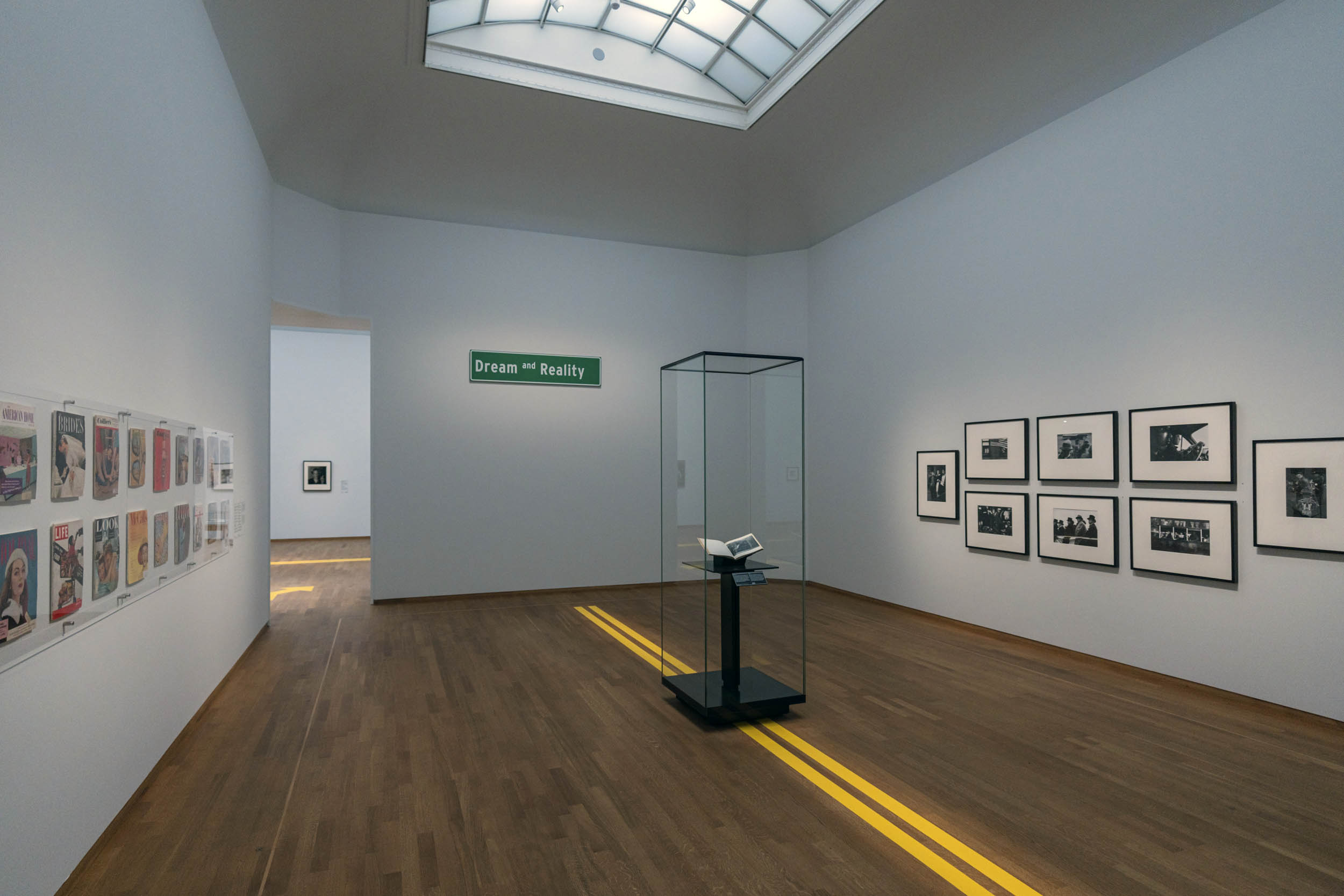
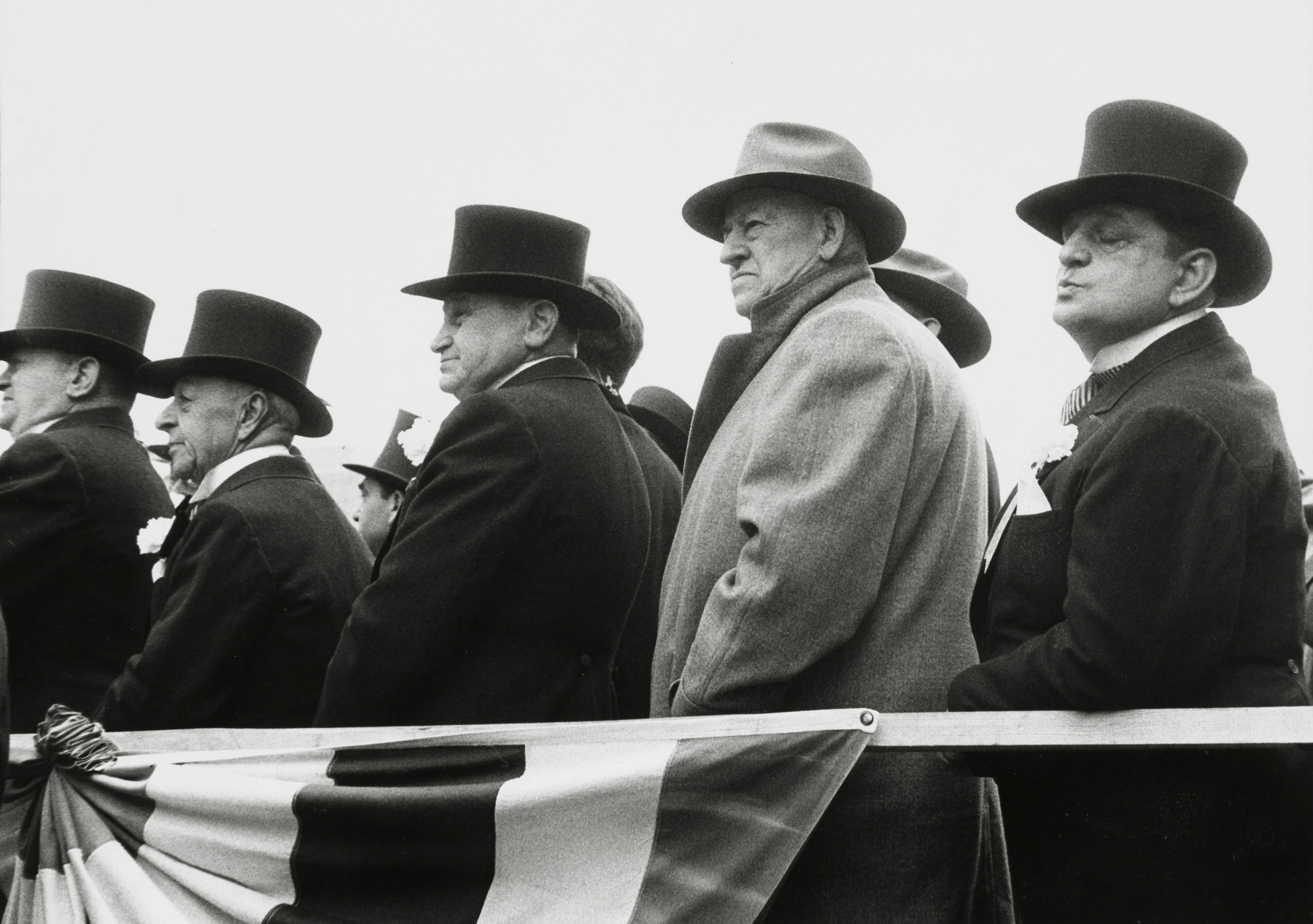

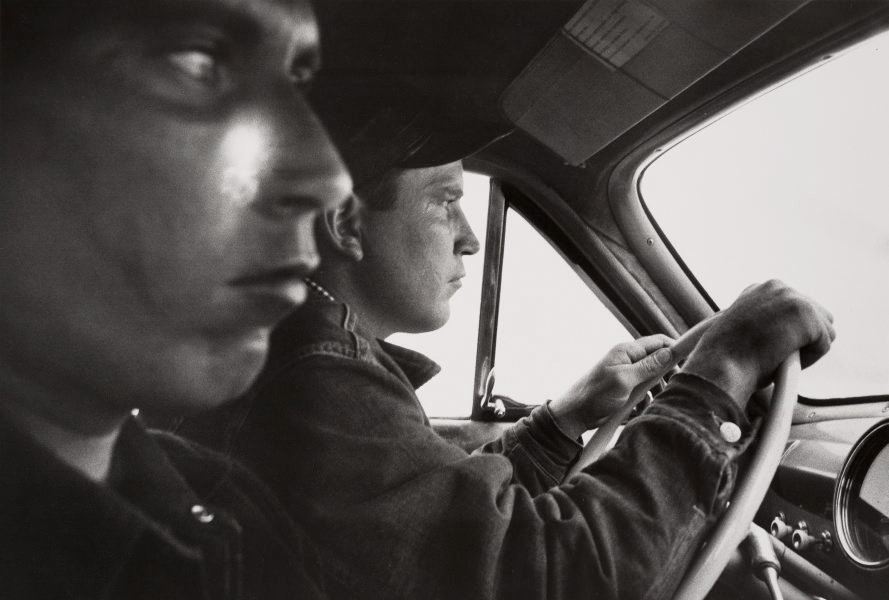

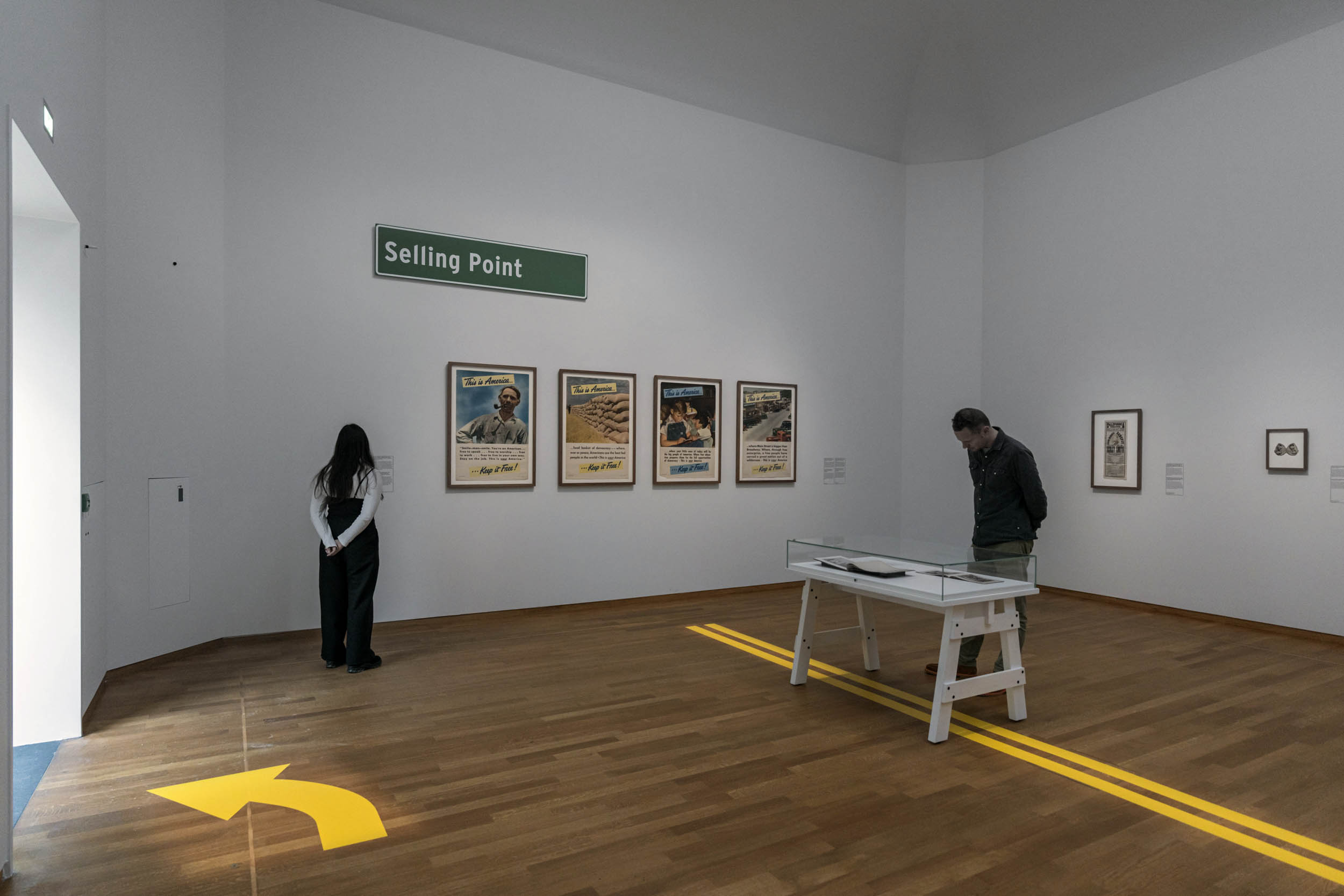
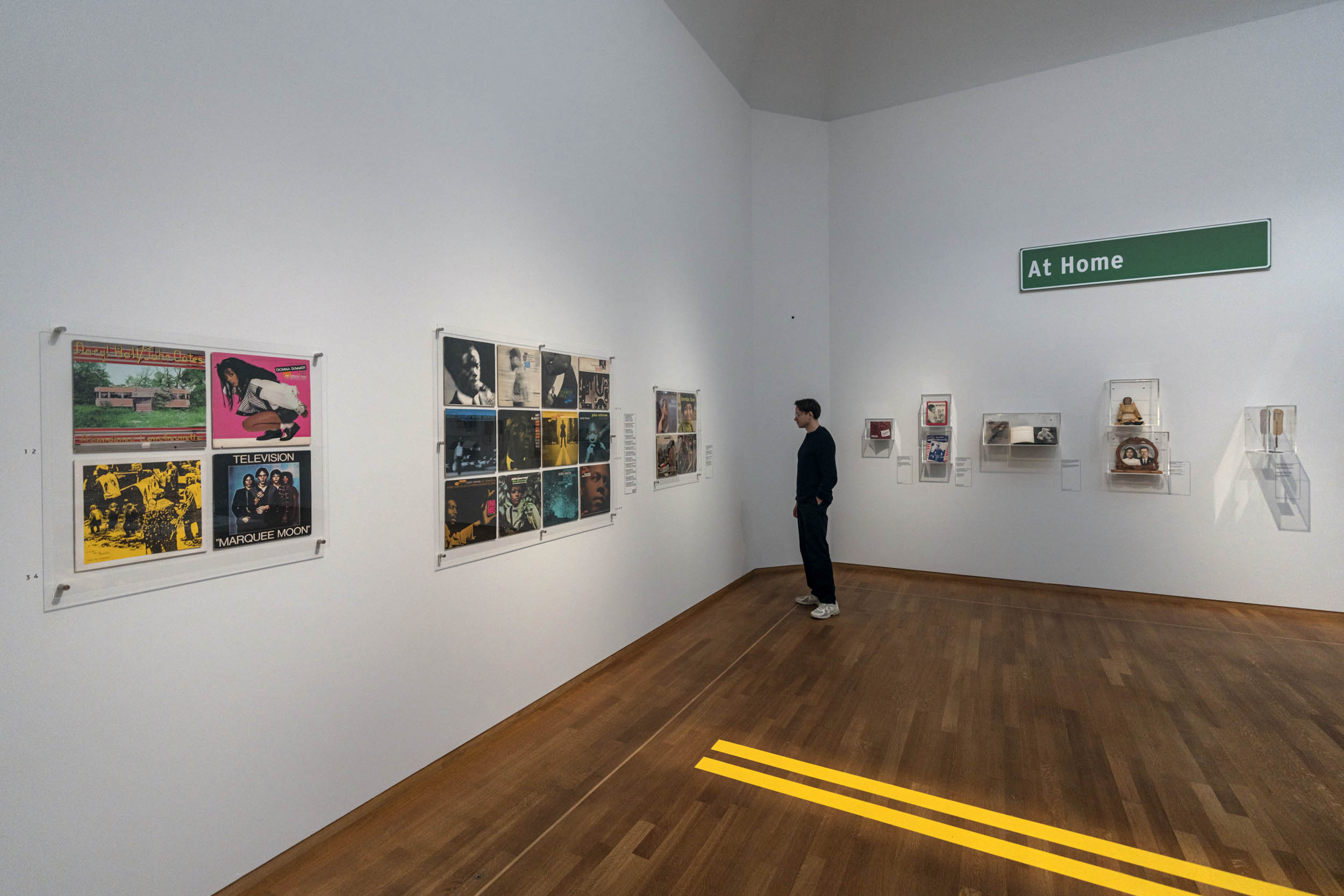


![Chuck Close (American, 1940-2021) 'Phil' [Photo Maquette of Philip Glass] 1969](https://artblart.com/wp-content/uploads/2025/05/chuck-close-photo-maquette-of-philip-glass.jpg "Chuck Close (American, 1940-2021) 'Phil' [Photo Maquette of Philip Glass] 1969")
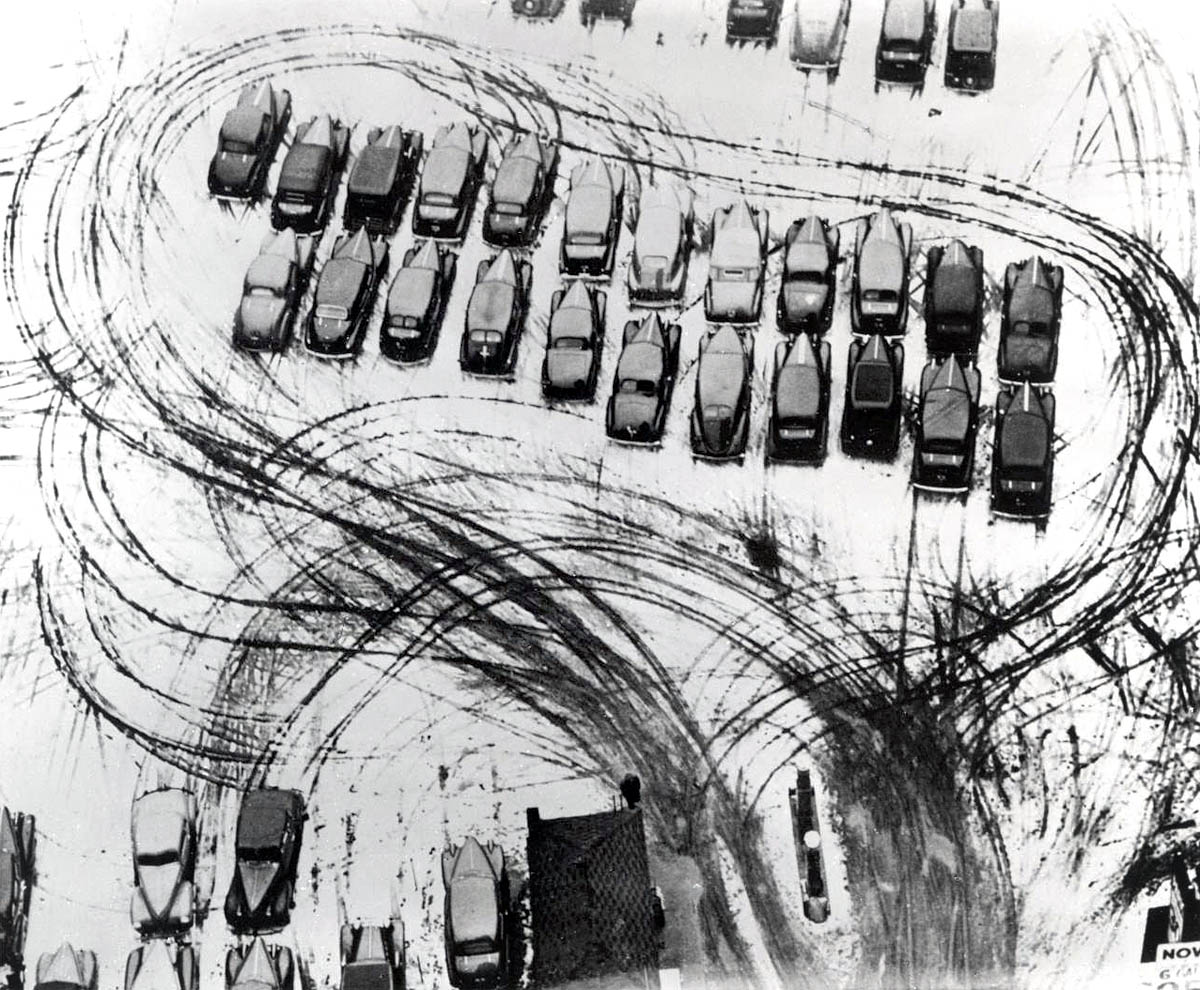

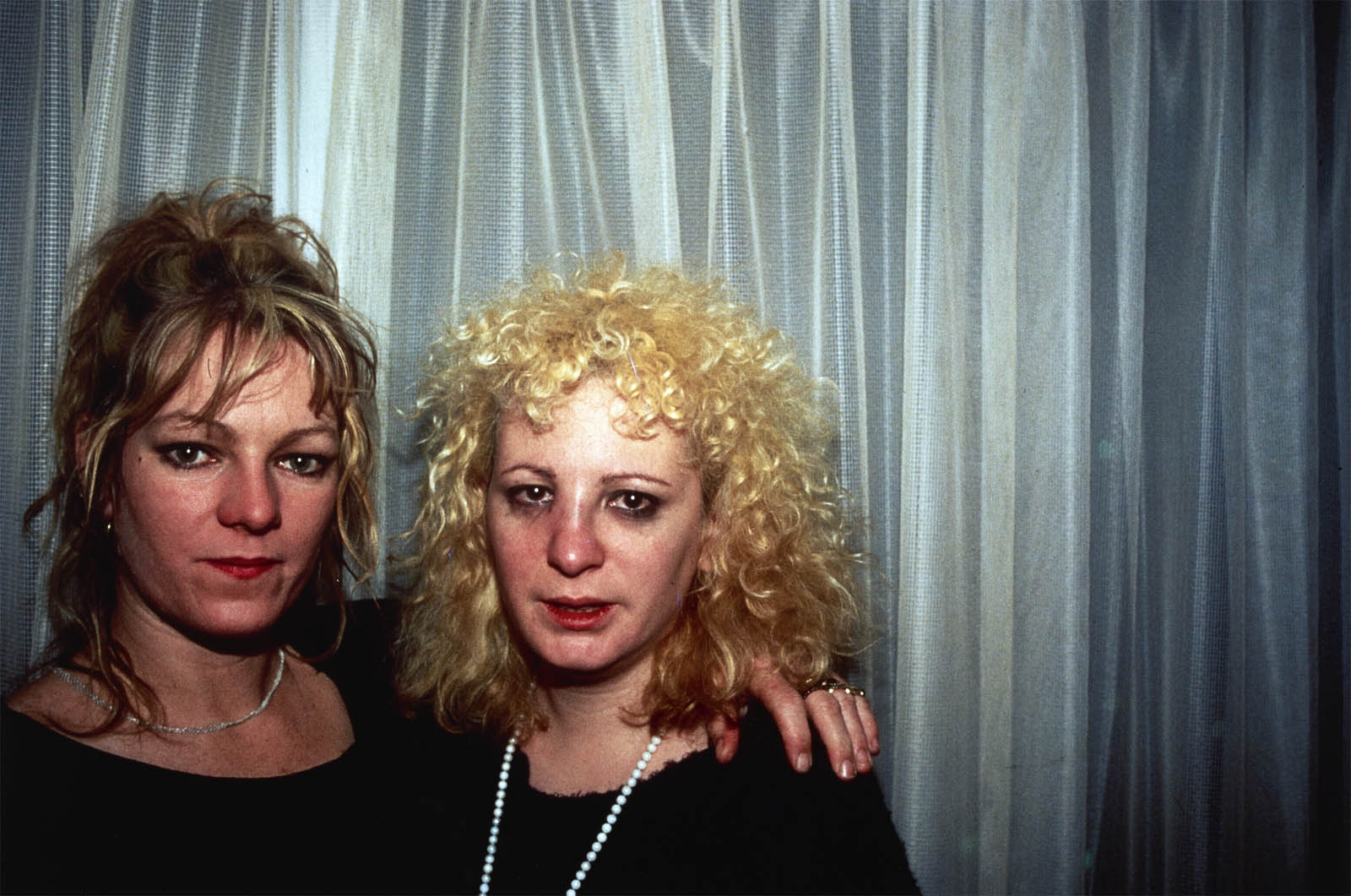
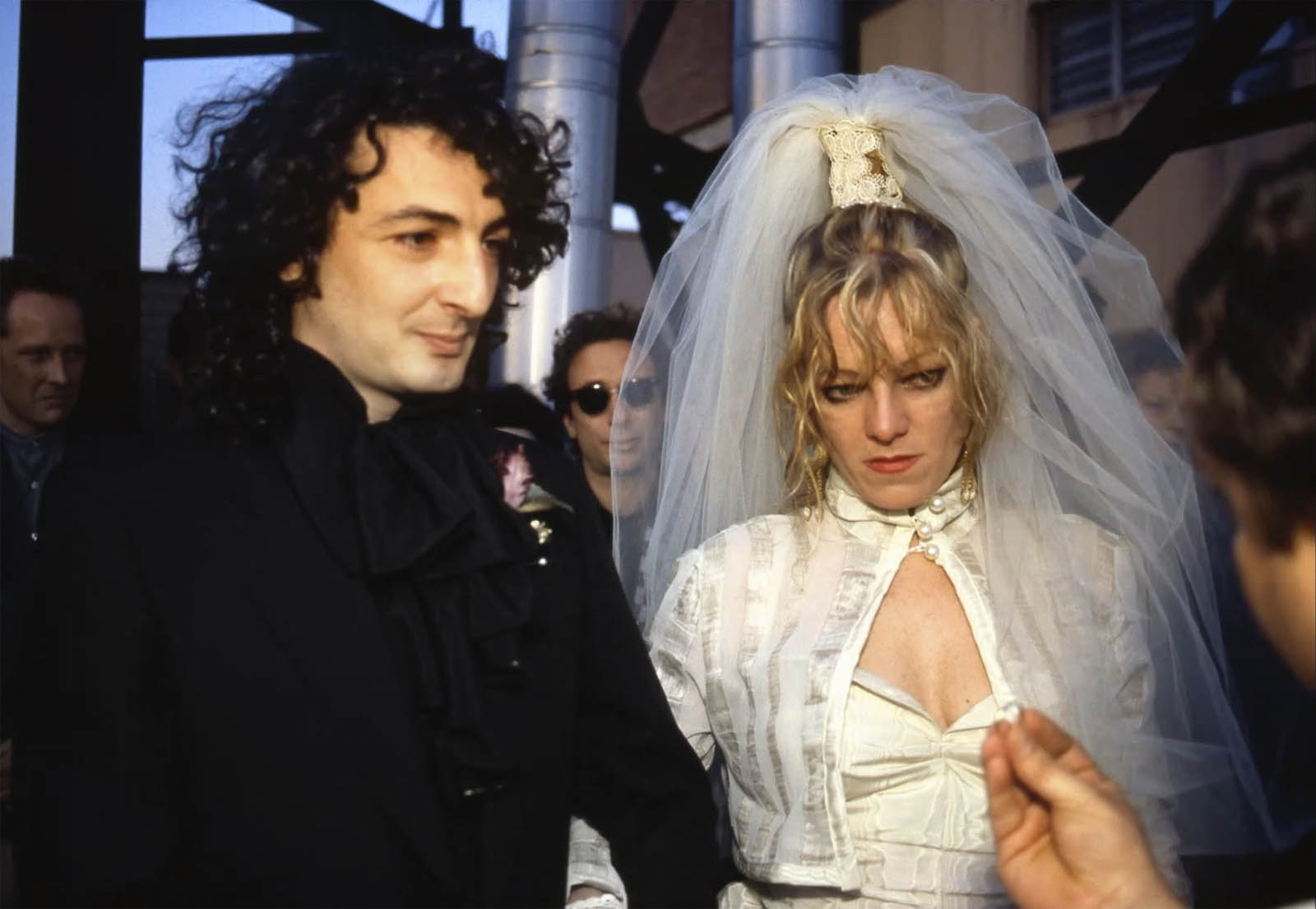
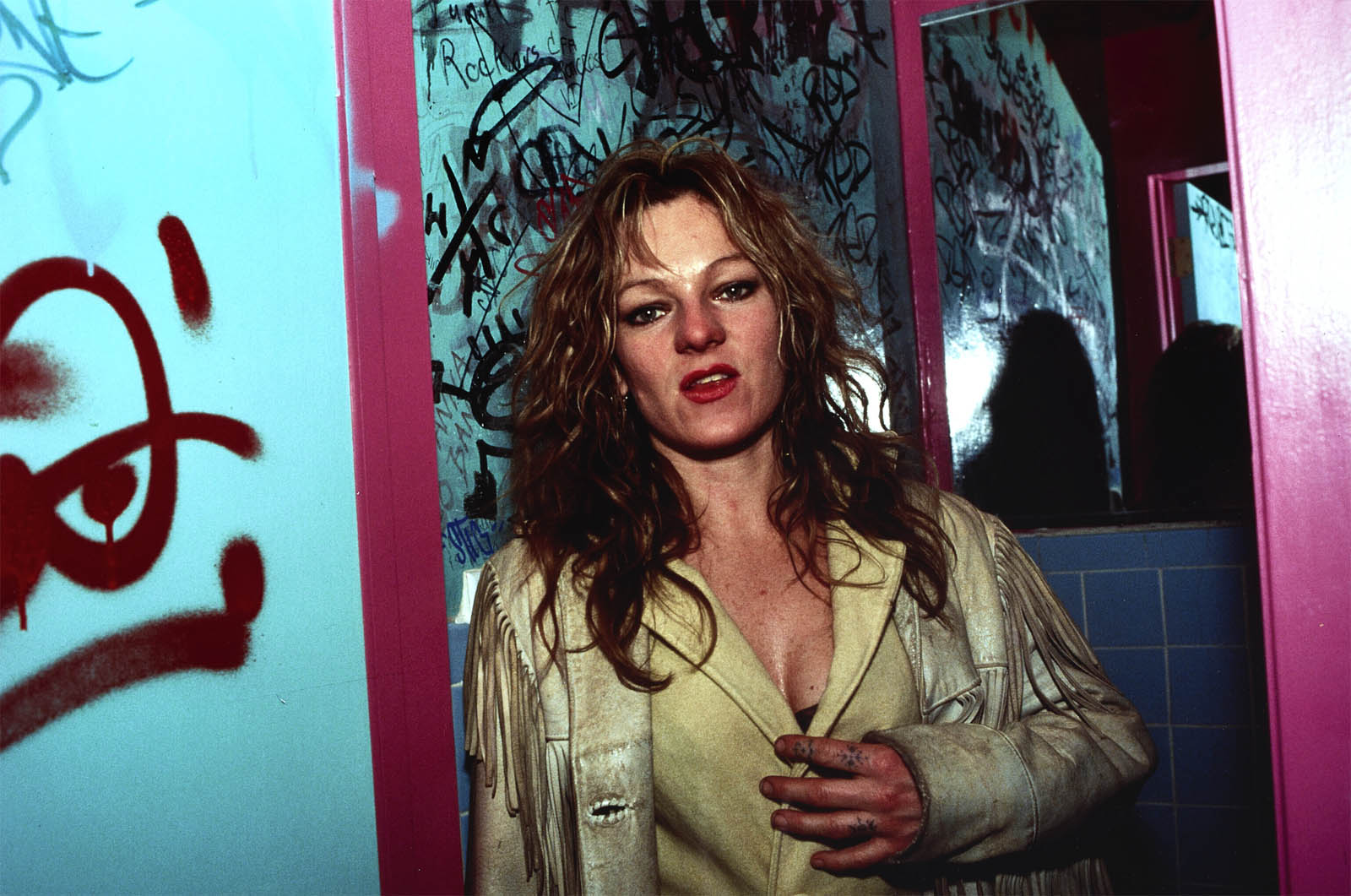
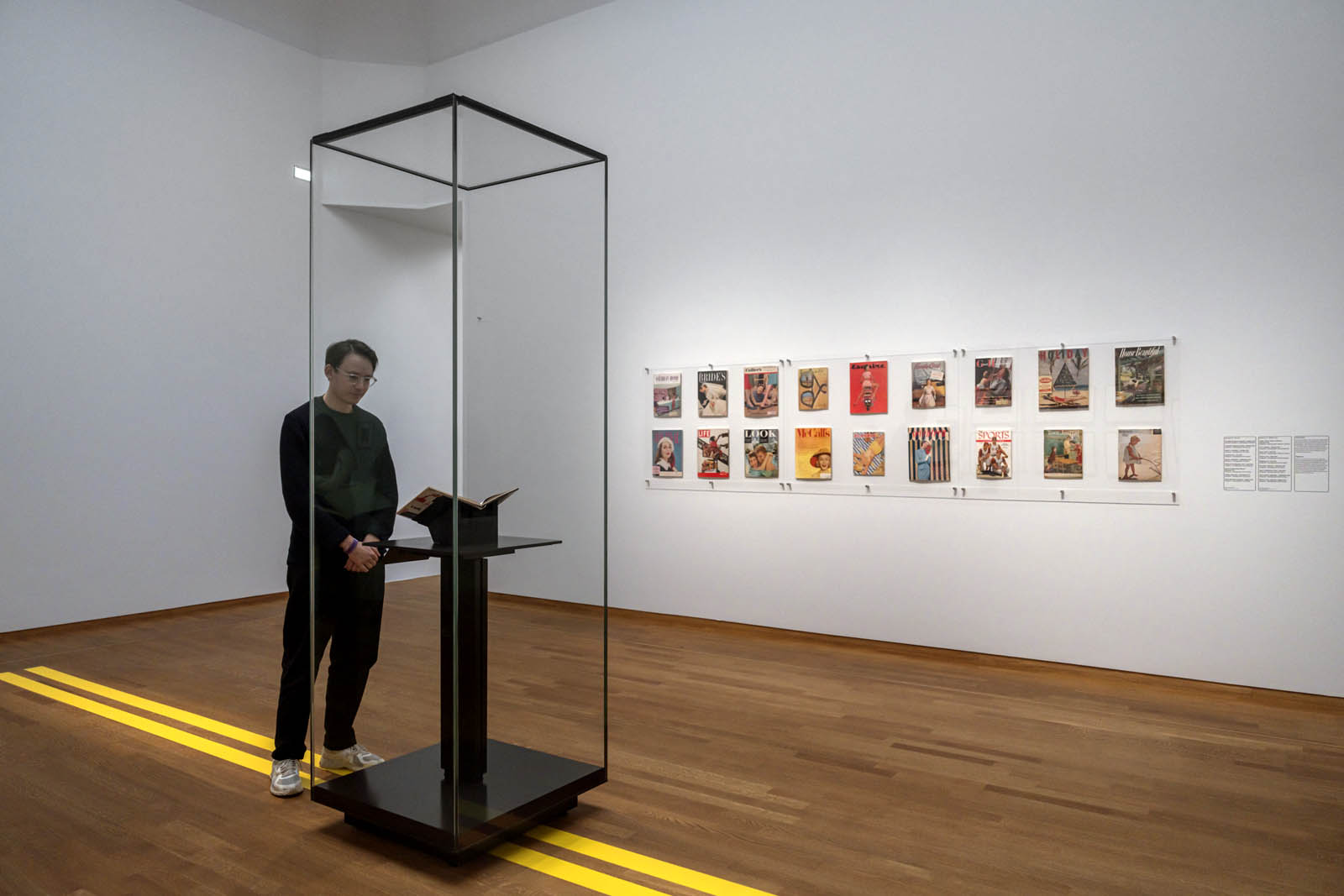


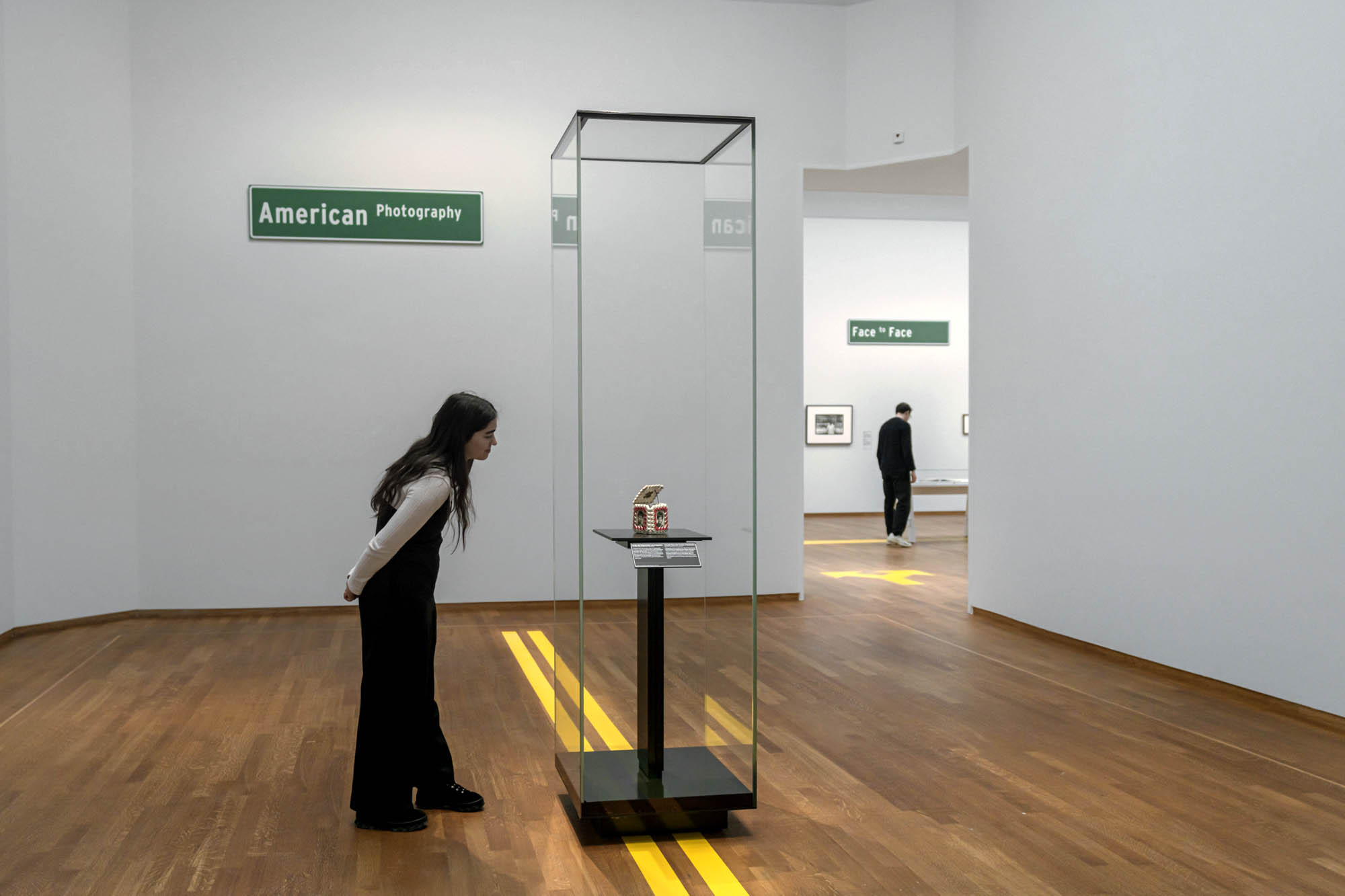
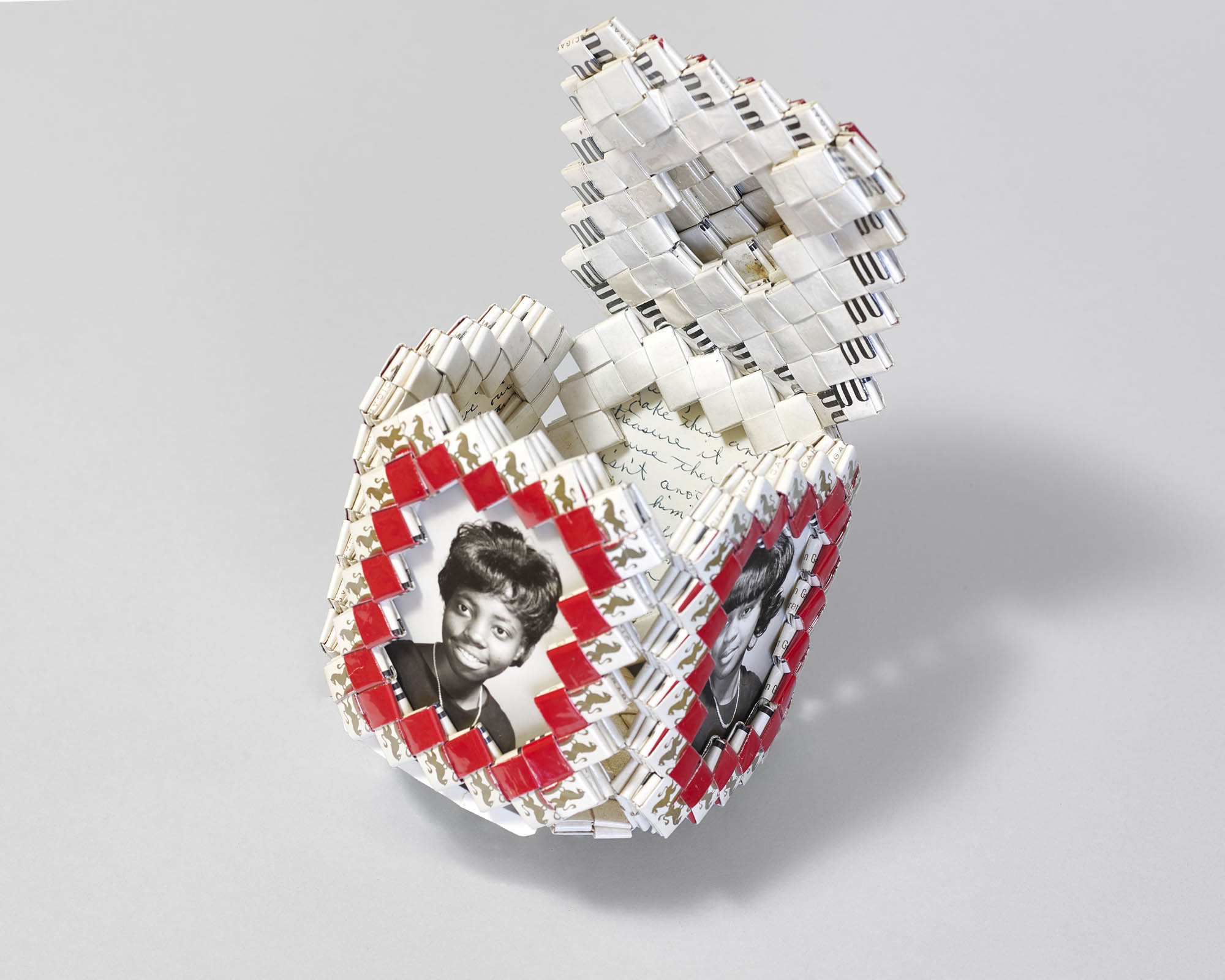
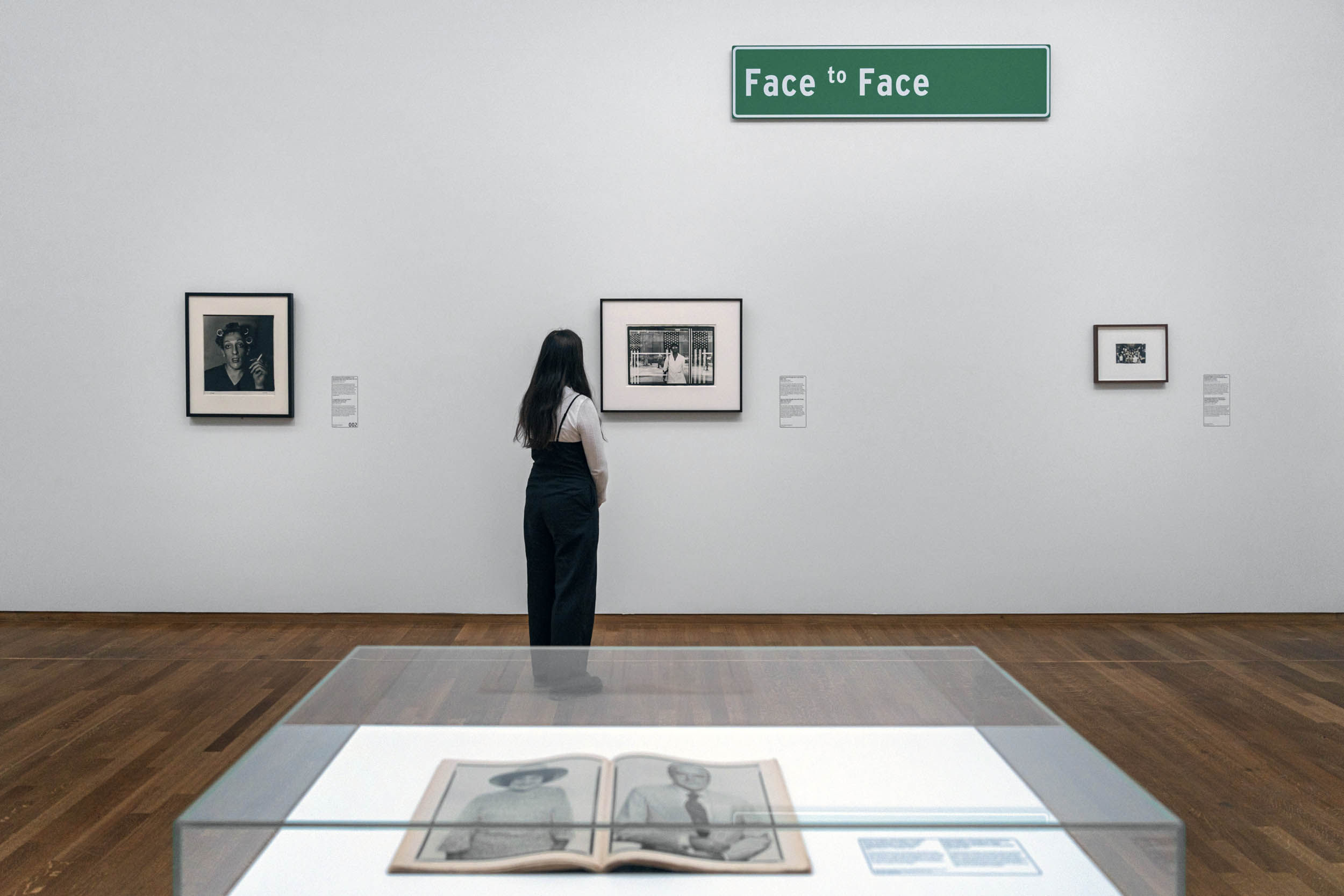
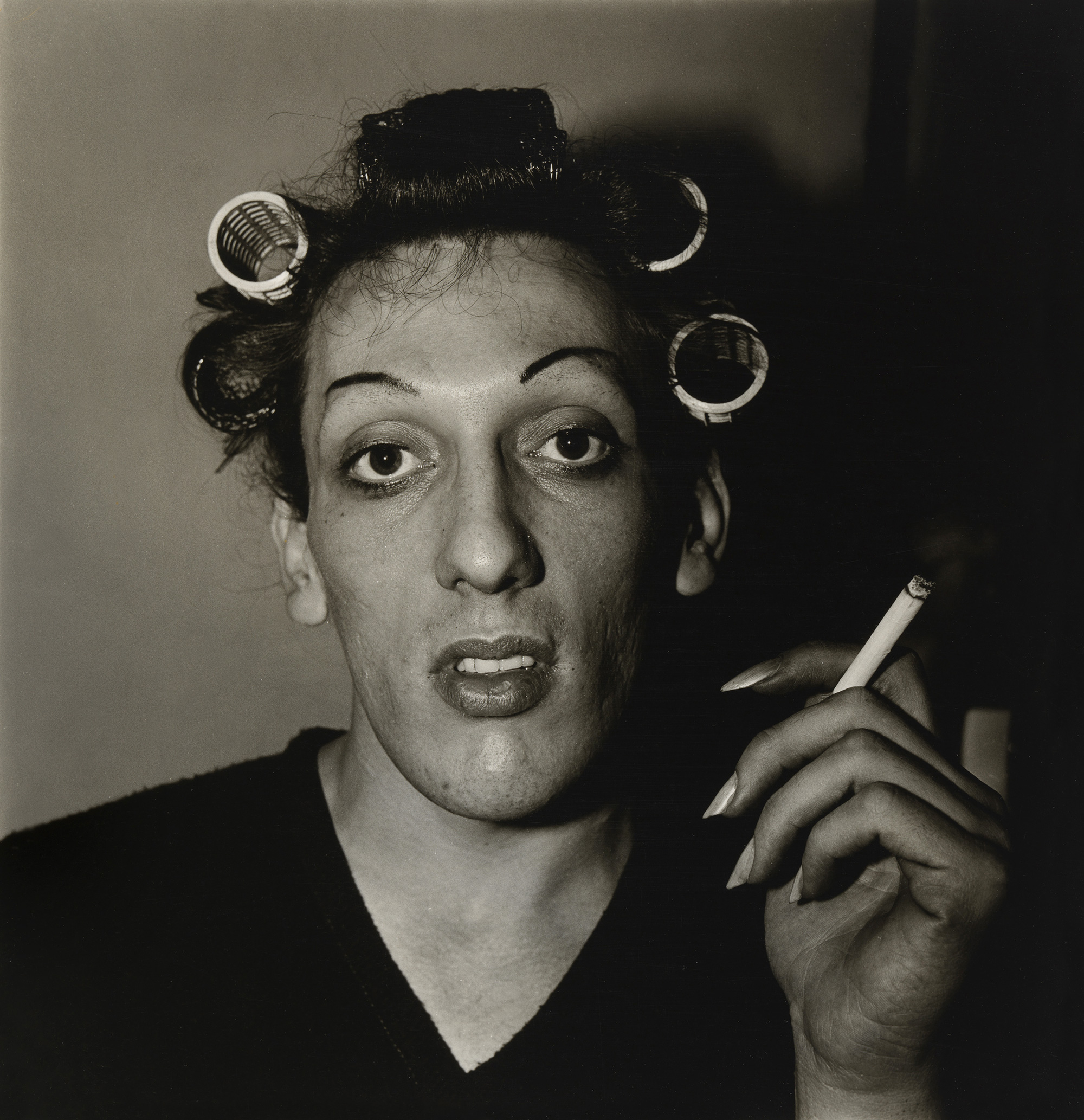
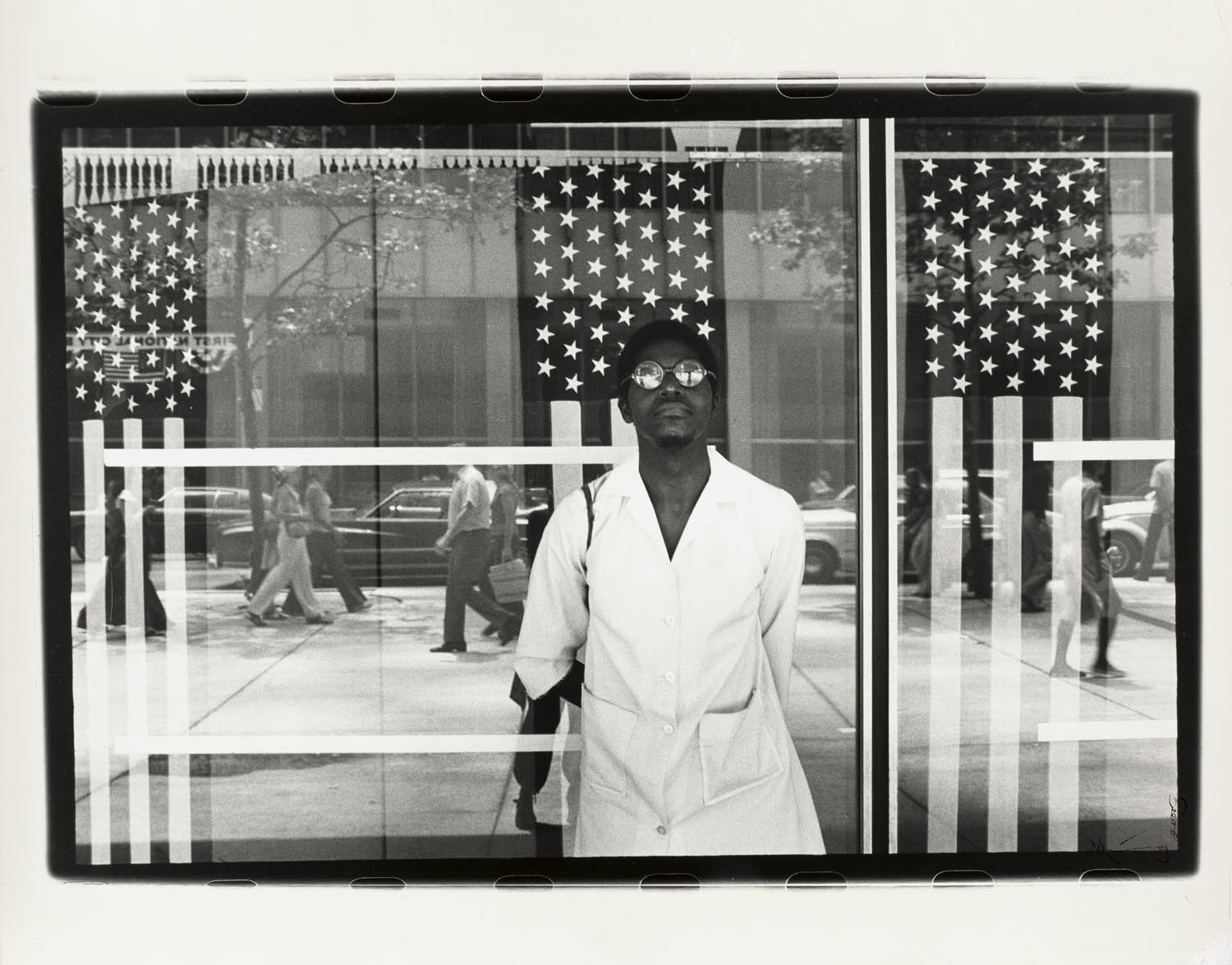


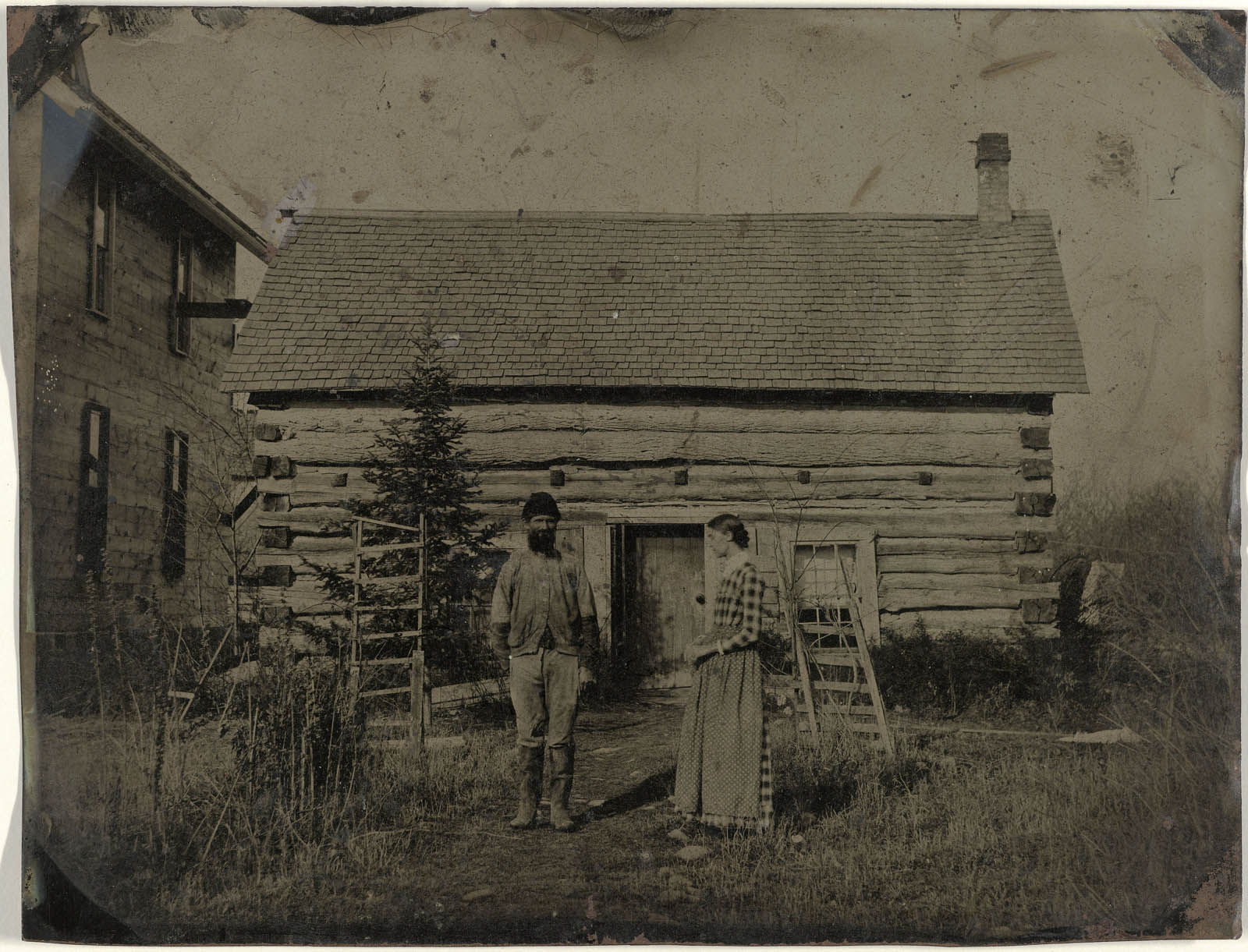
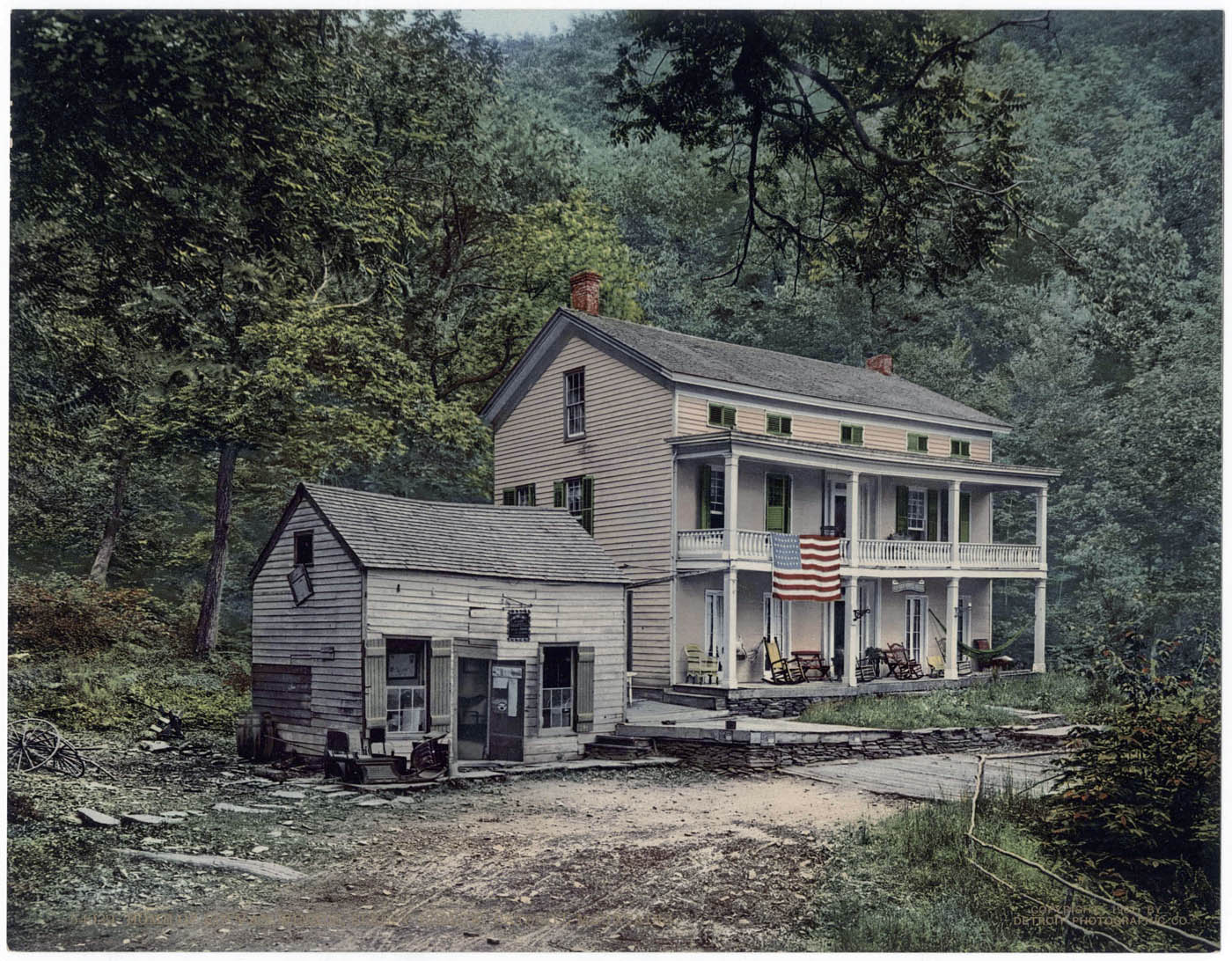


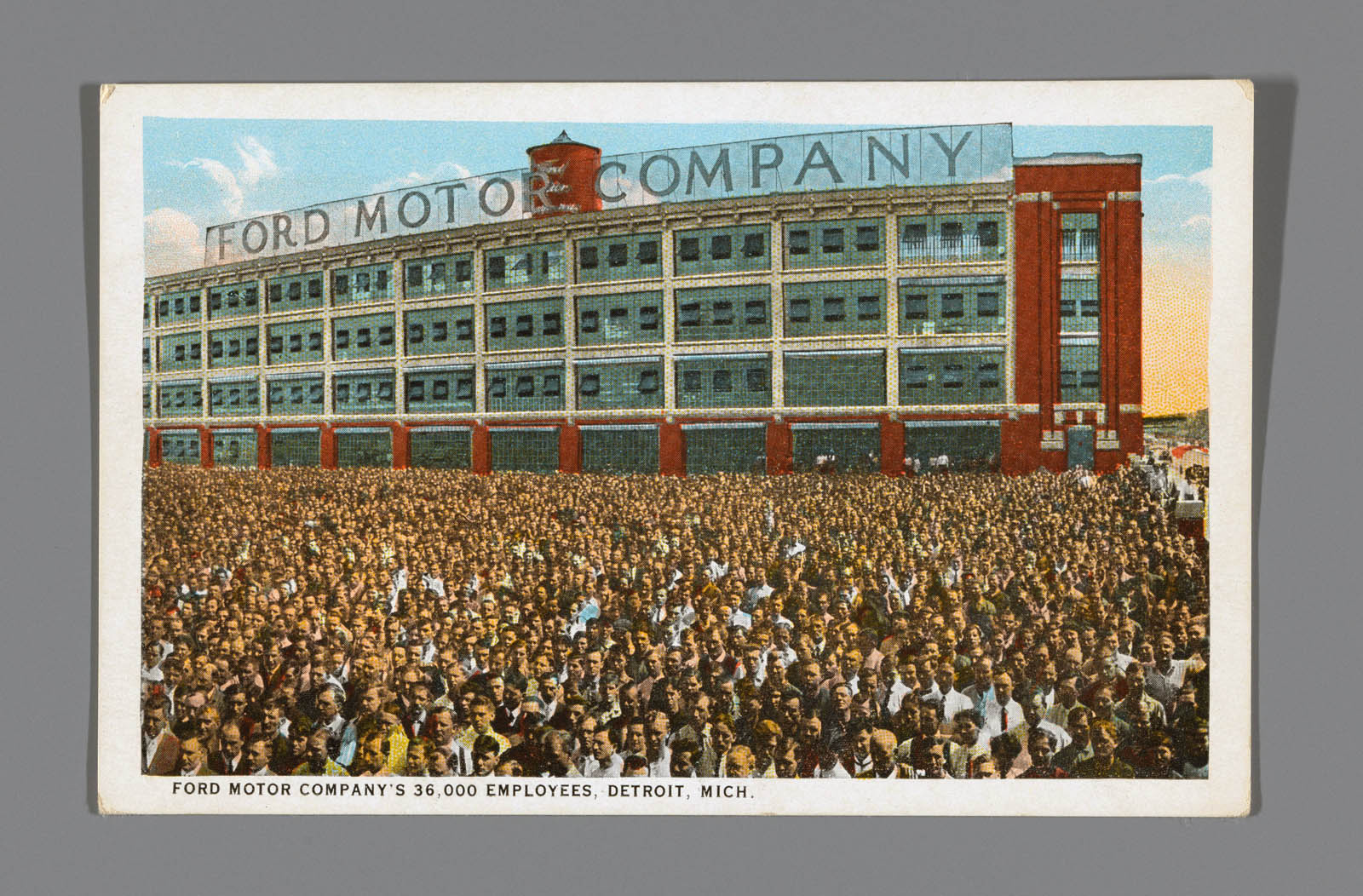
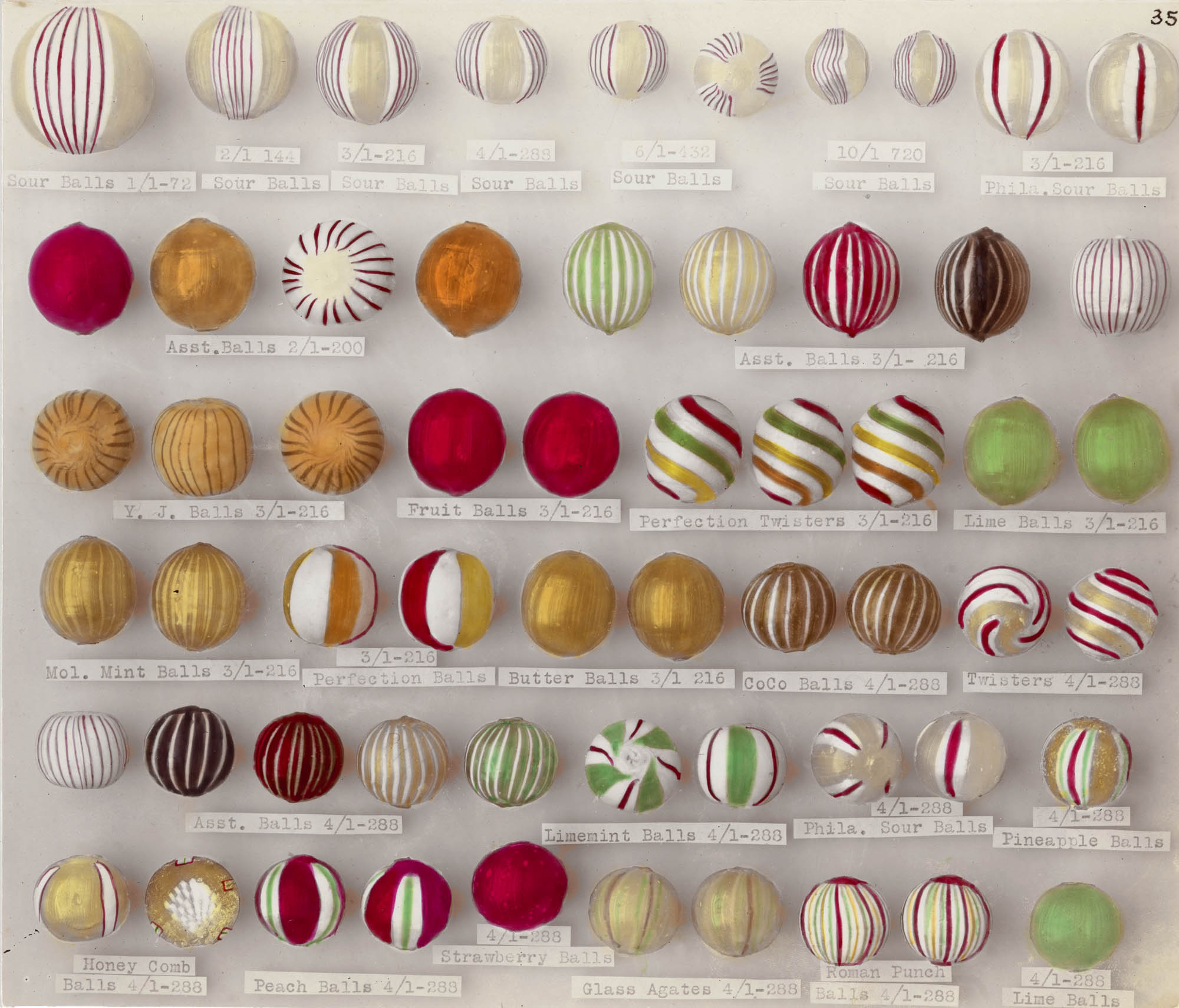
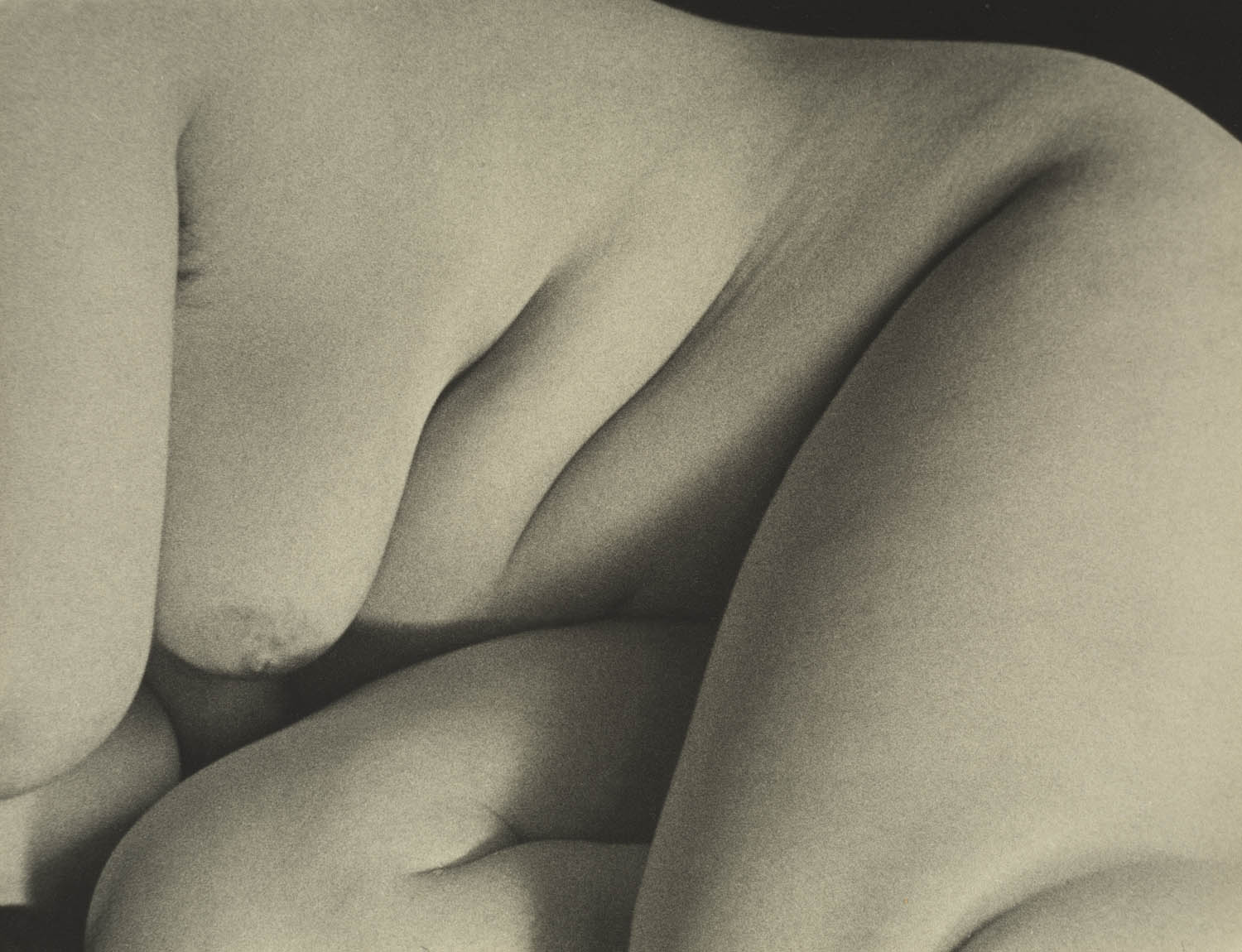





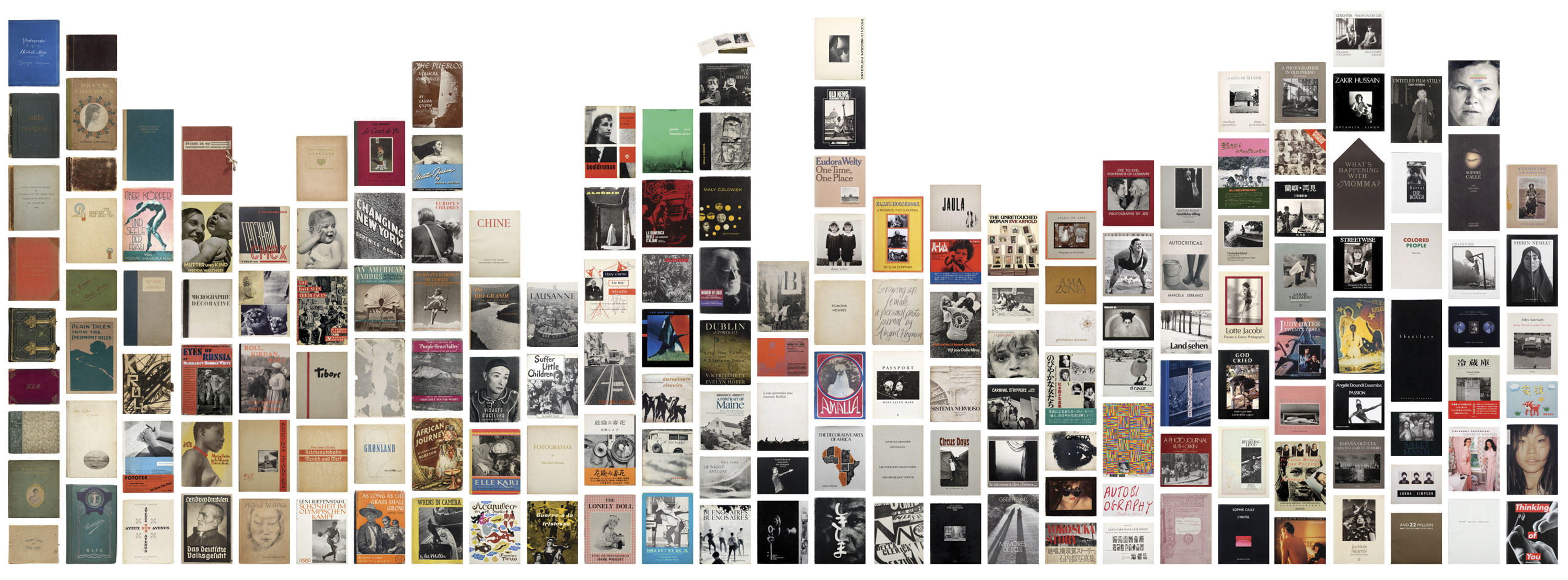

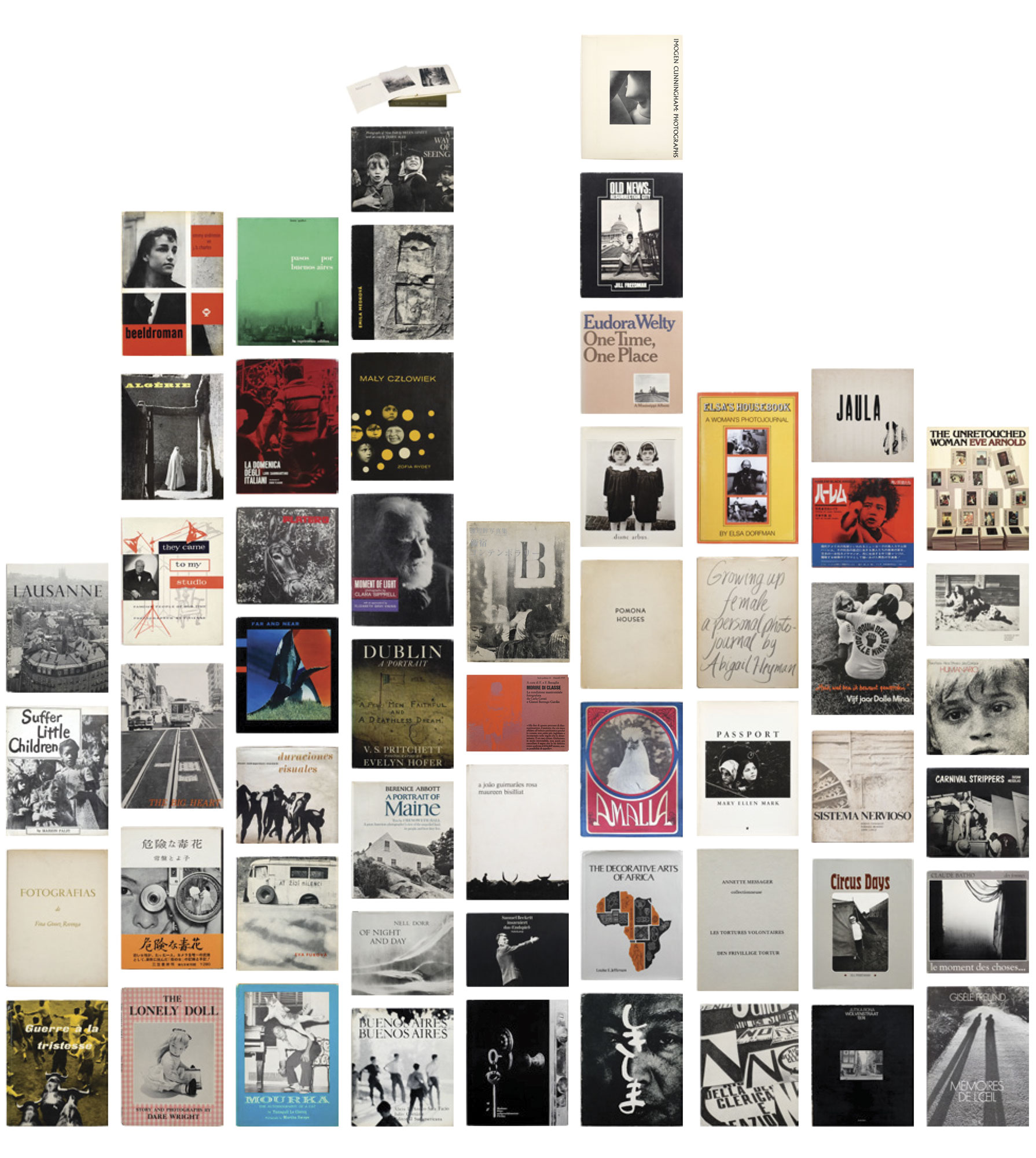
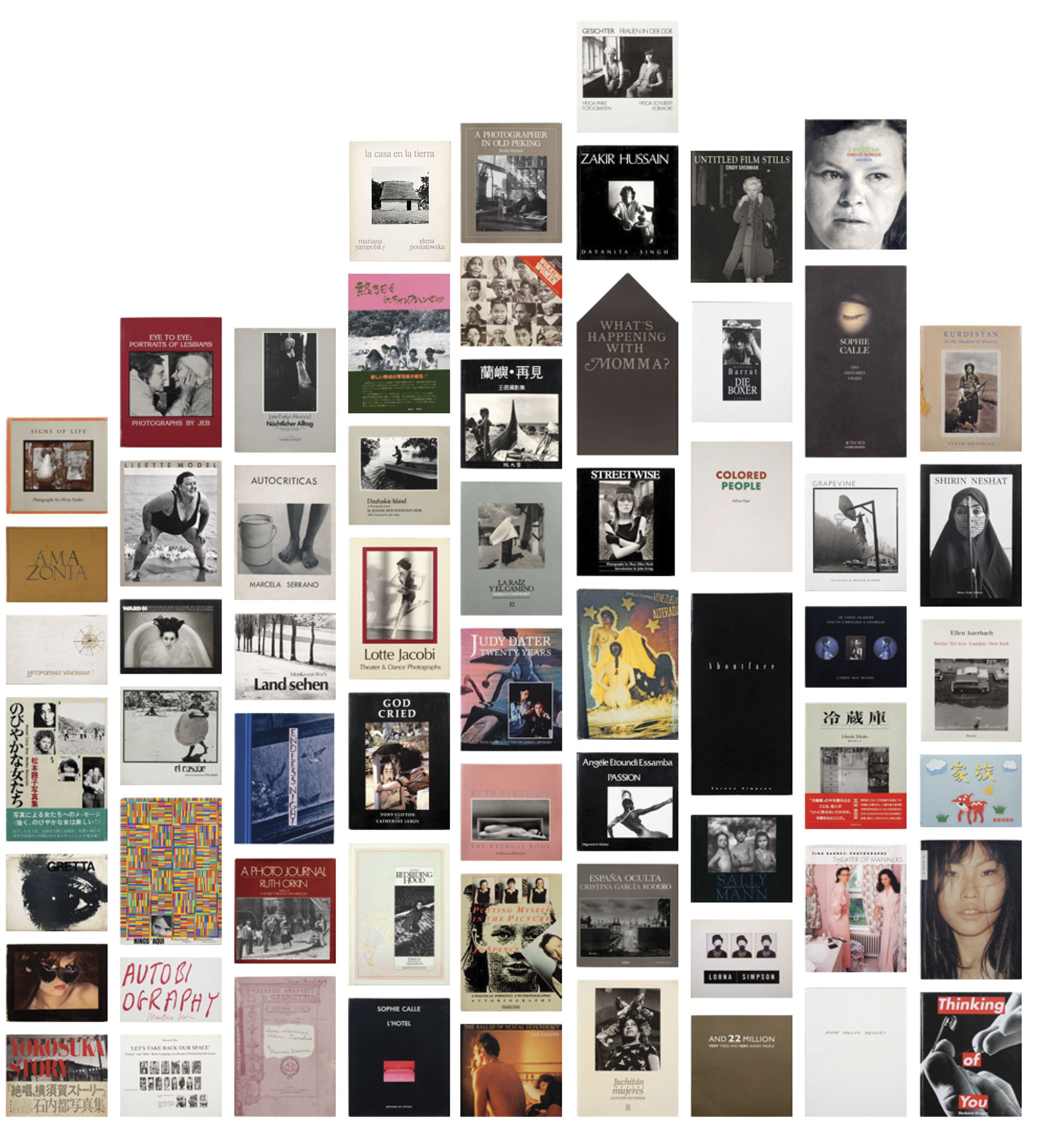

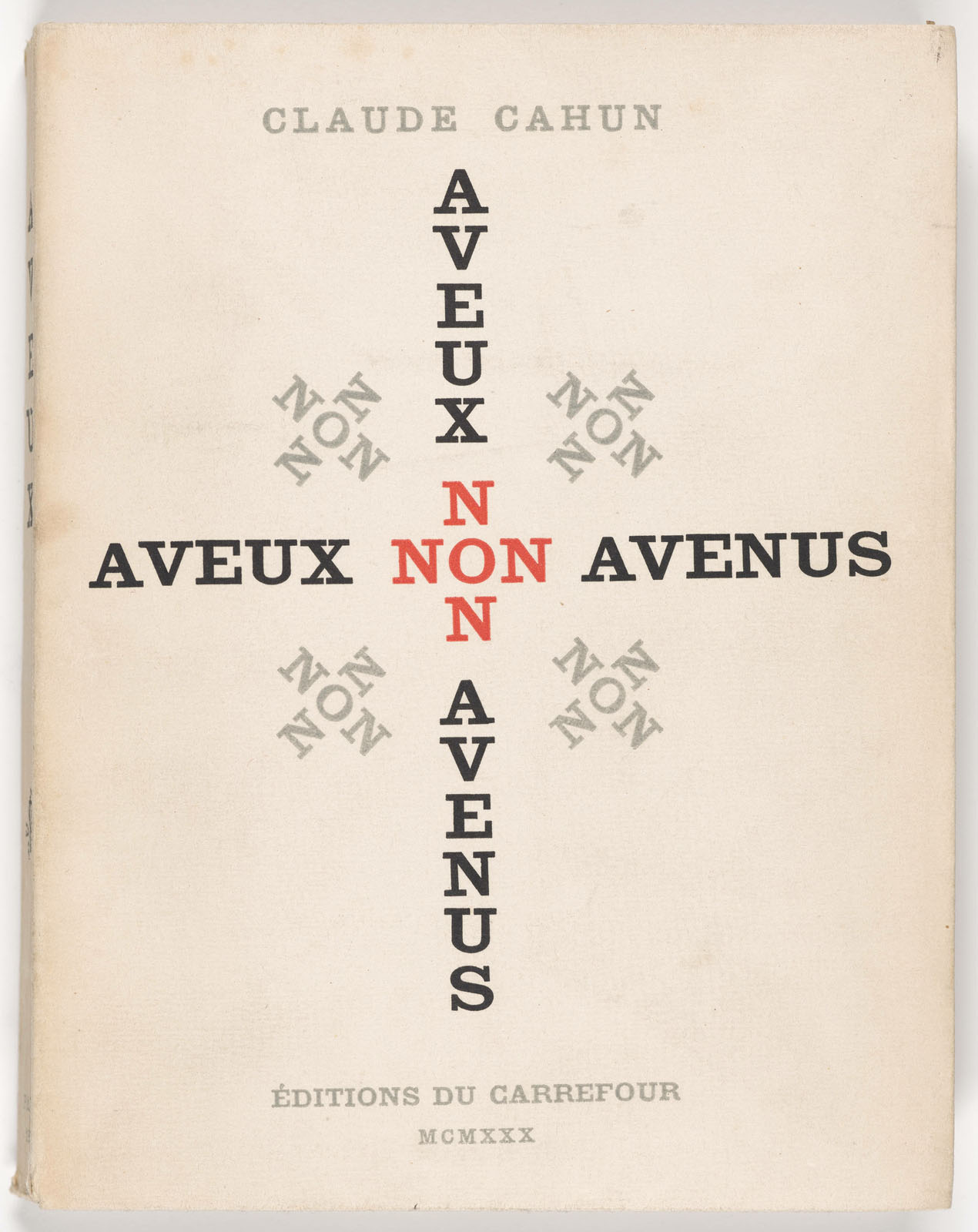


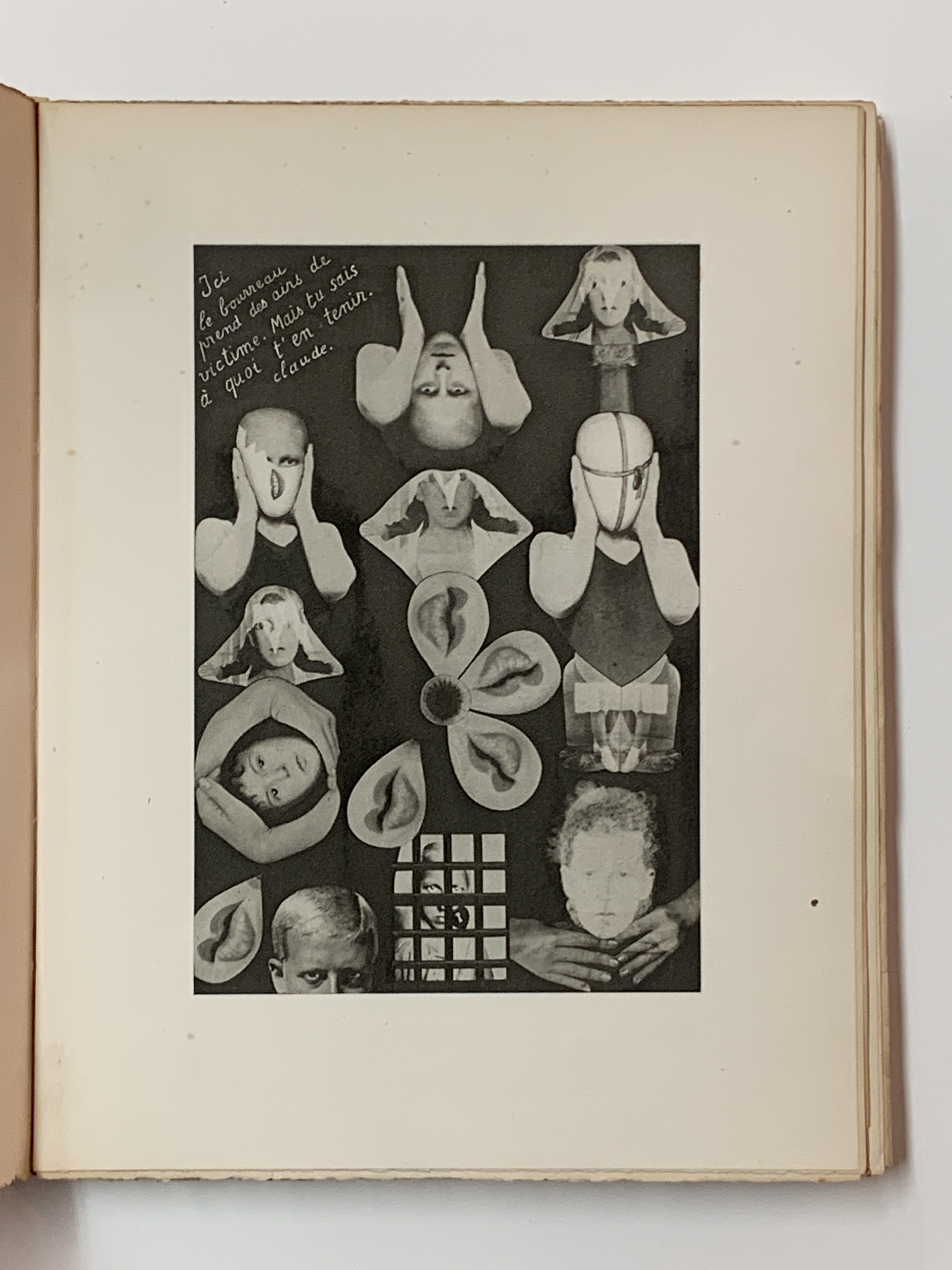
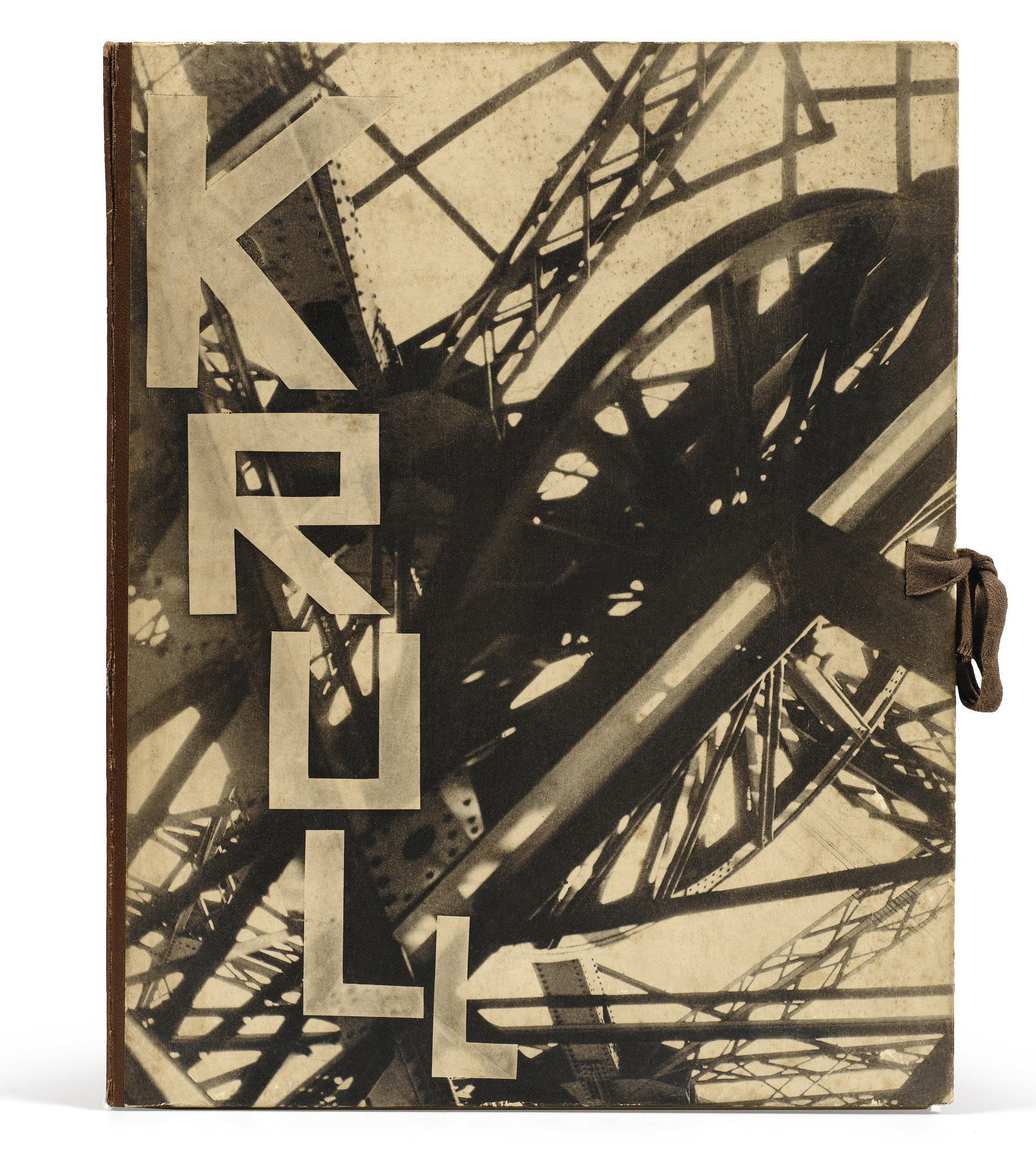

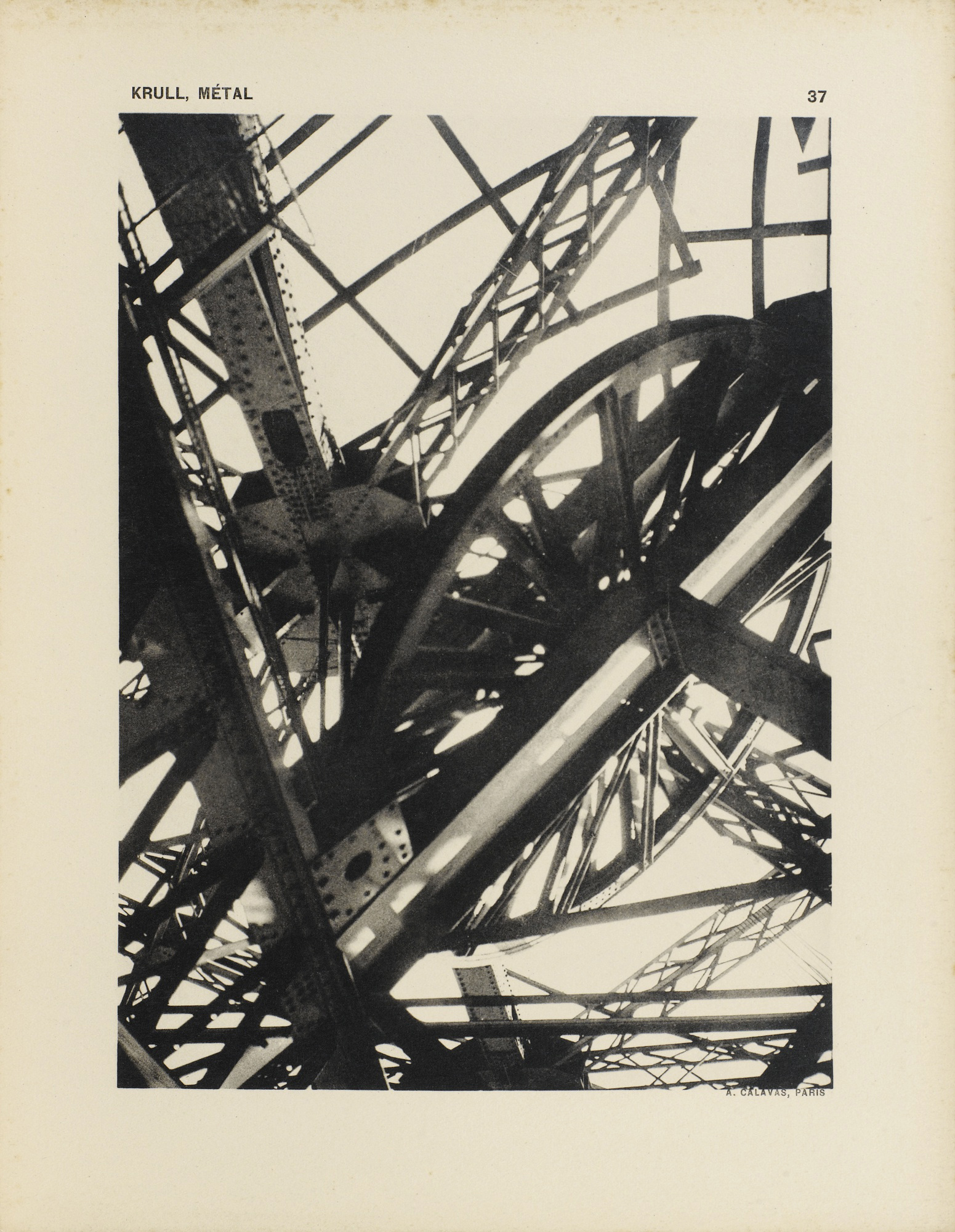
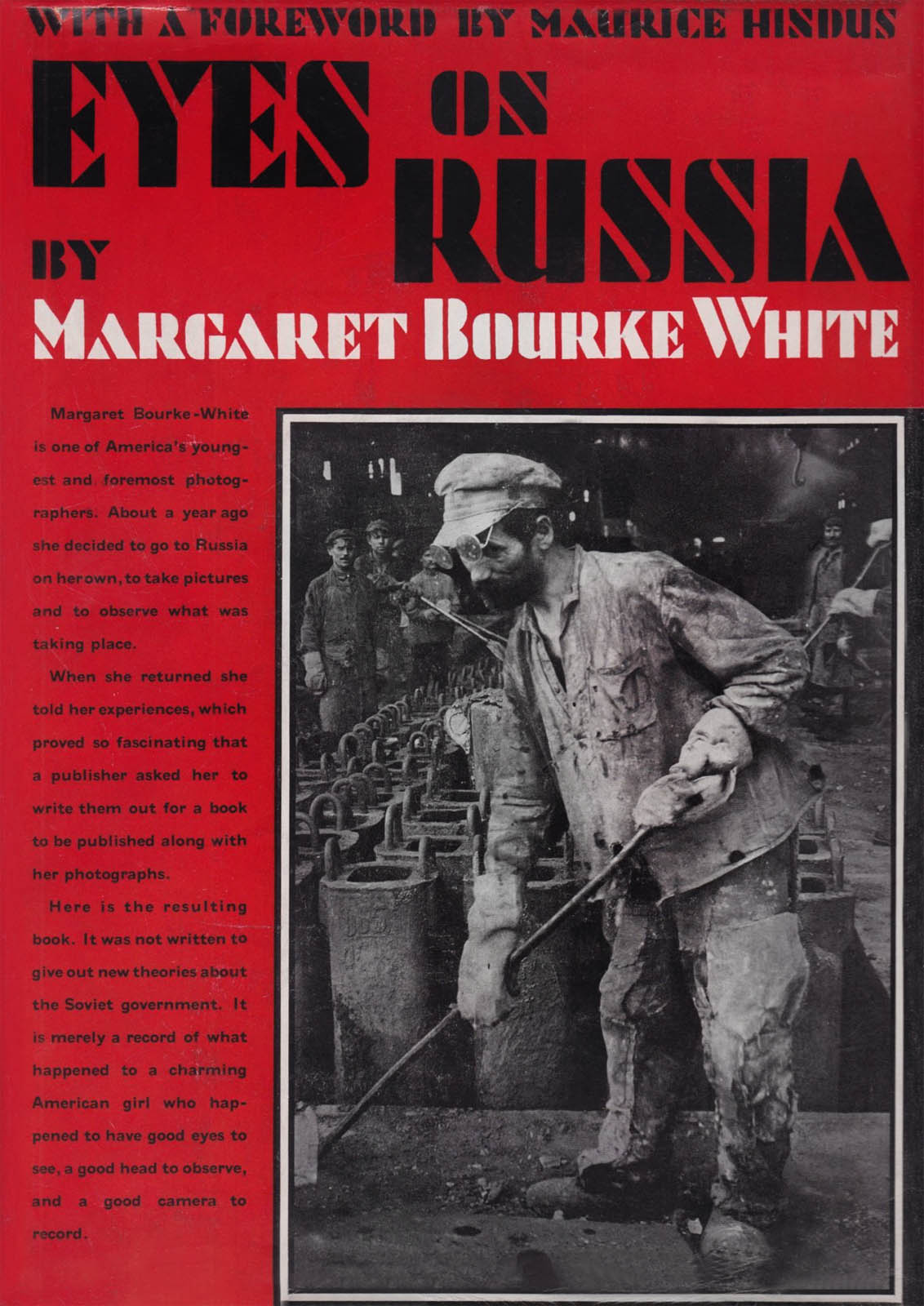

![Leni Riefenstahl 'Schönheit im olympischen Kampf' [Beauty in the Olympic Games] Berlin: Im Deutschen Verlag, (1937)](https://artblart.com/wp-content/uploads/2024/05/leni-riefenstahl-schonheit-im-olympischen-kampf.jpg "Leni Riefenstahl 'Schönheit im olympischen Kampf' [Beauty in the Olympic Games] Berlin: Im Deutschen Verlag, (1937)")
!['Leni Riefenstahl Schönheit im olympischen Kampf' [Beauty in the Olympic Games] Berlin: Im Deutschen Verlag, (1937) pp. 220-221](https://artblart.com/wp-content/uploads/2024/05/leni-riefenstahl-schonheit-im-olympischen-kampf-a.jpg "'Leni Riefenstahl Schönheit im olympischen Kampf' [Beauty in the Olympic Games] Berlin: Im Deutschen Verlag, (1937) pp. 220-221")
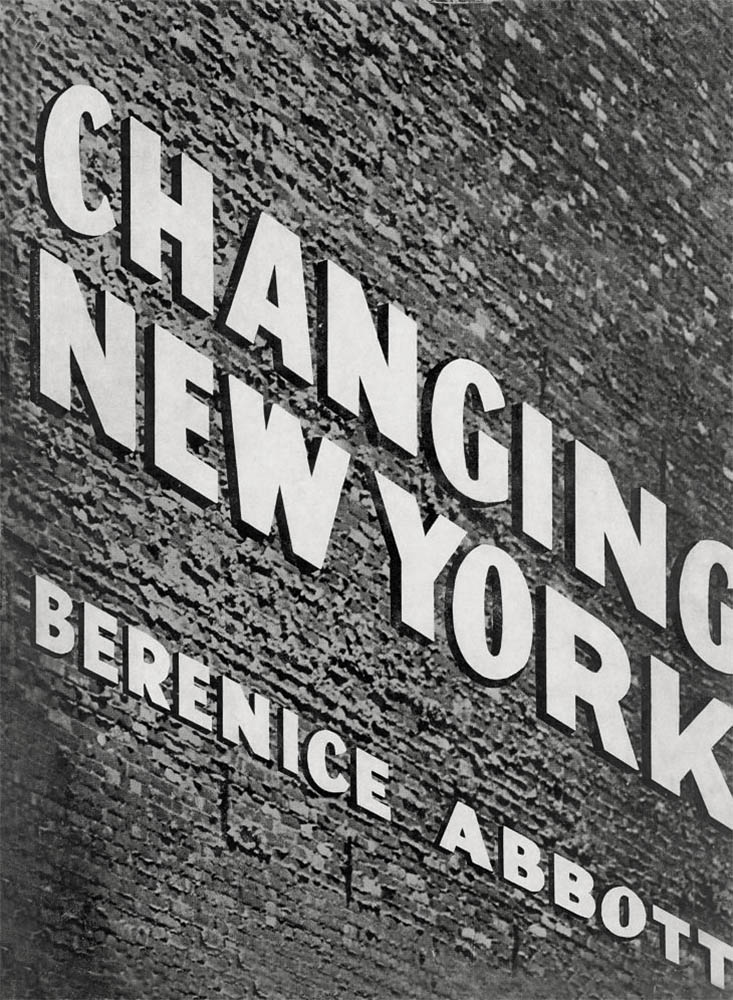


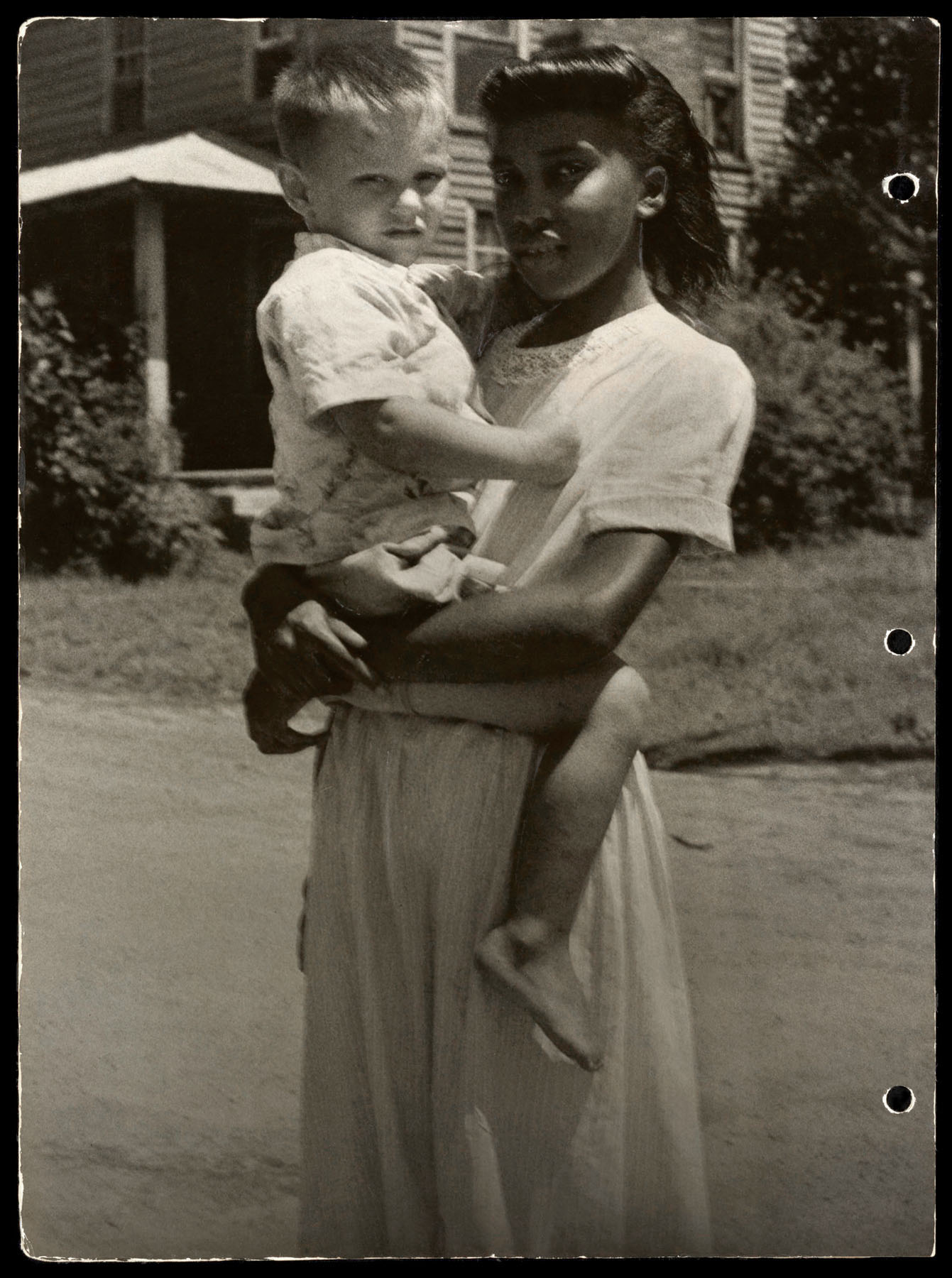
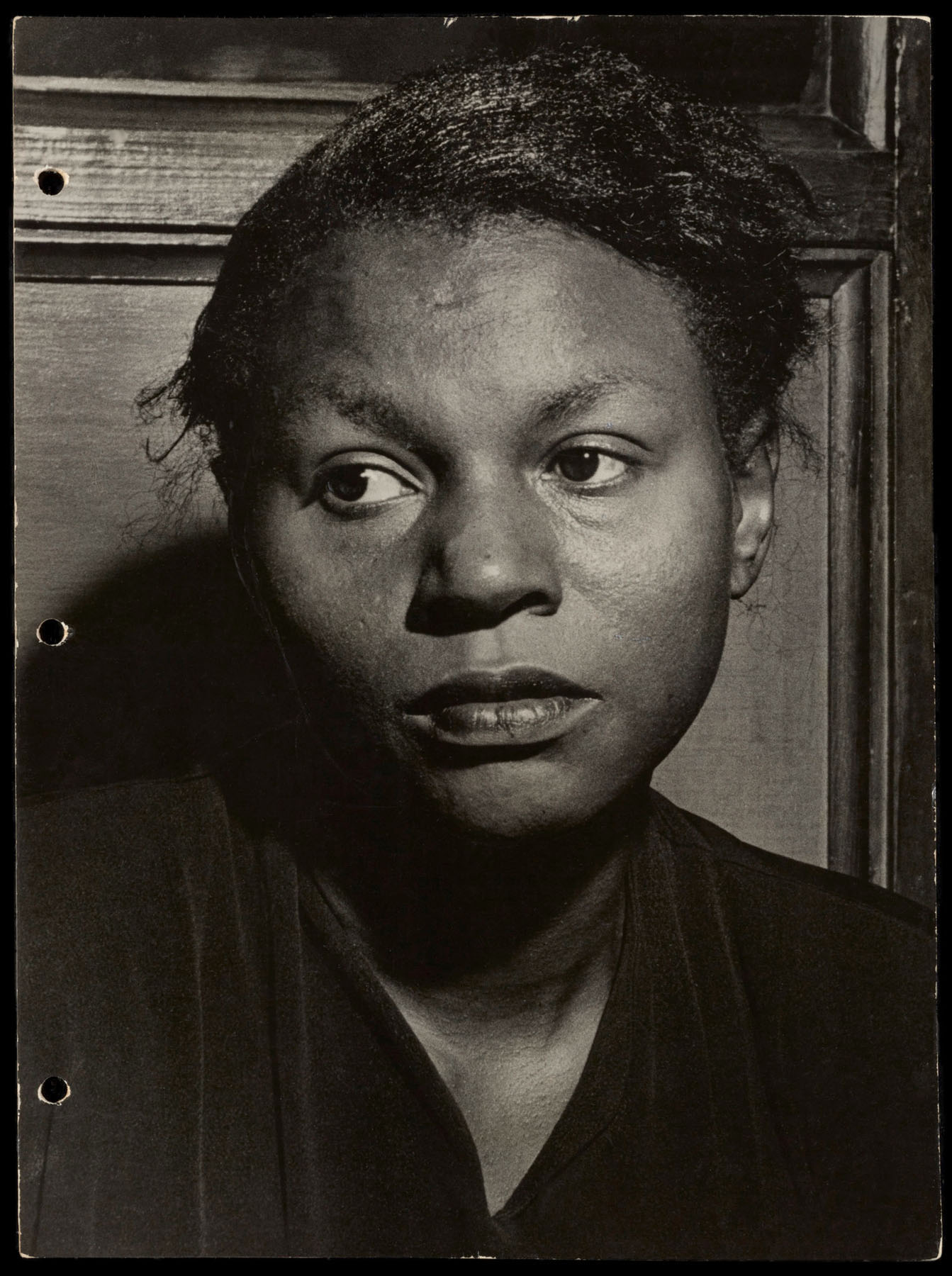
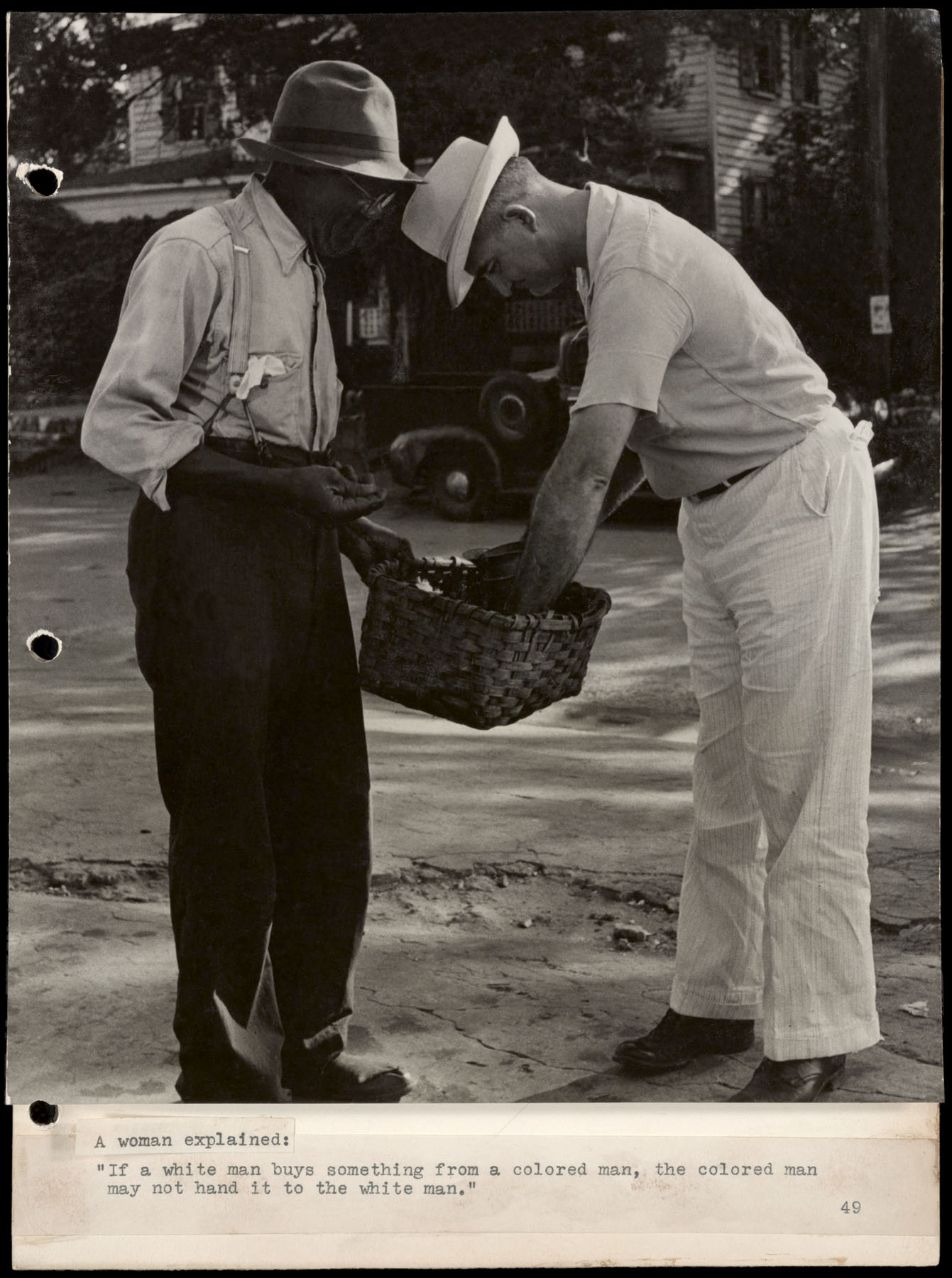


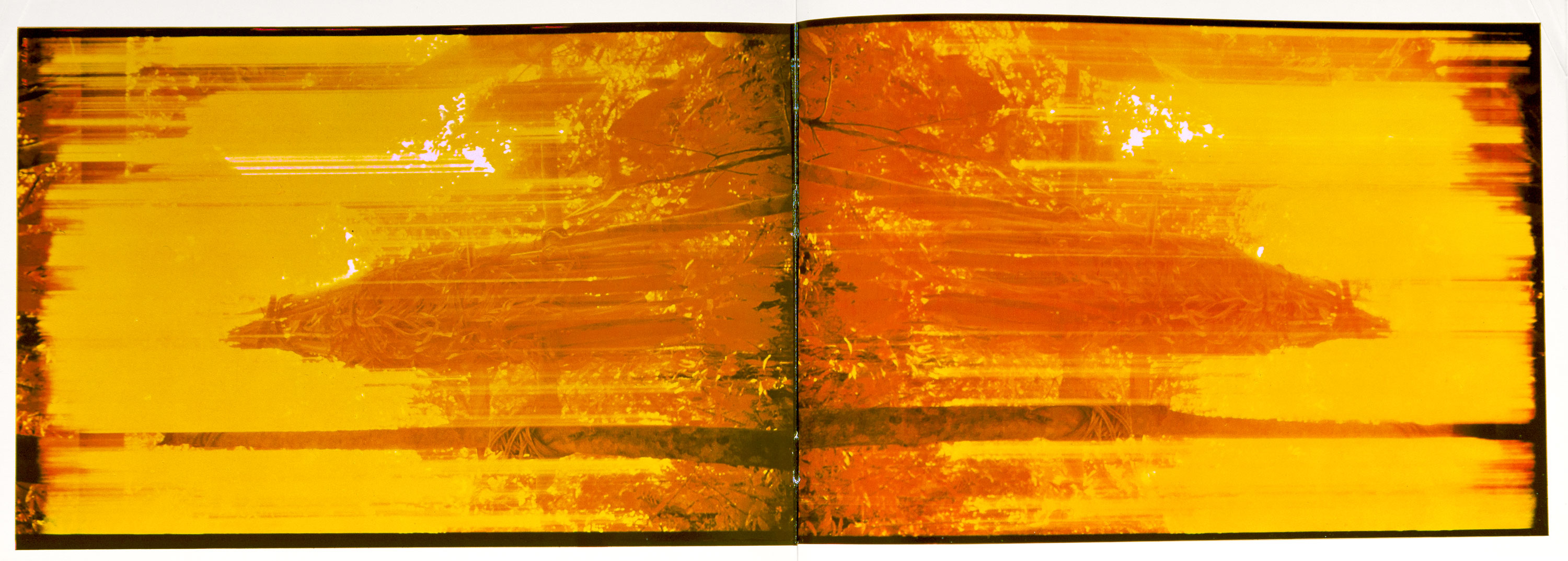
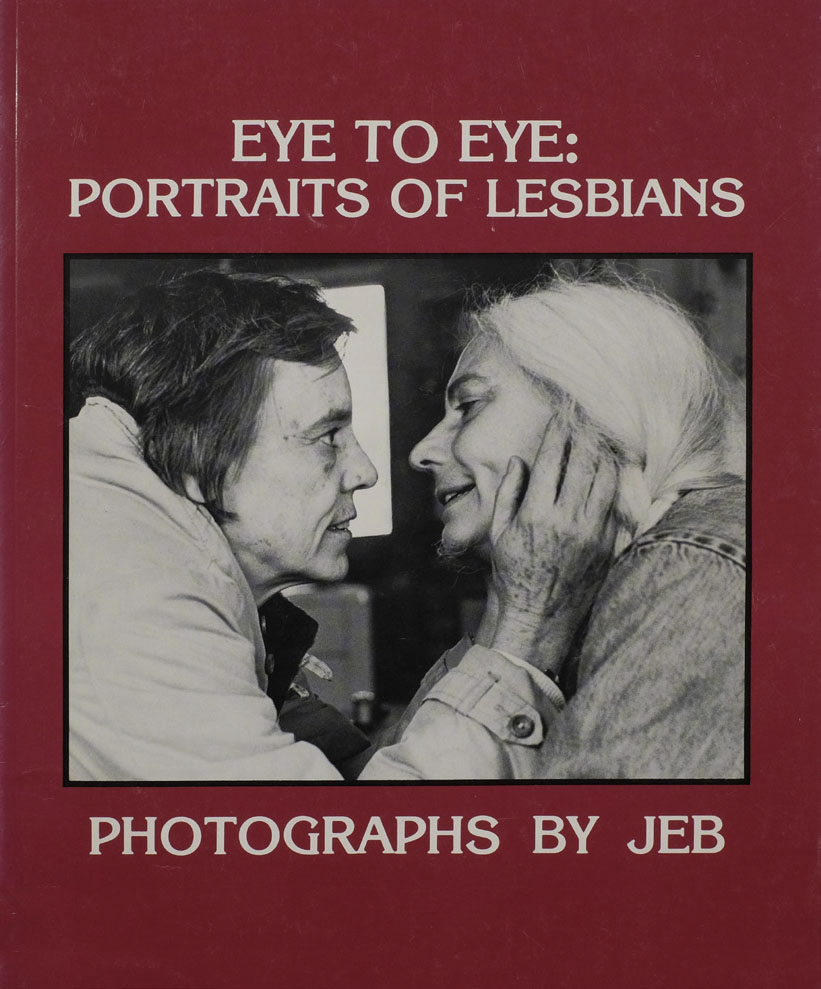
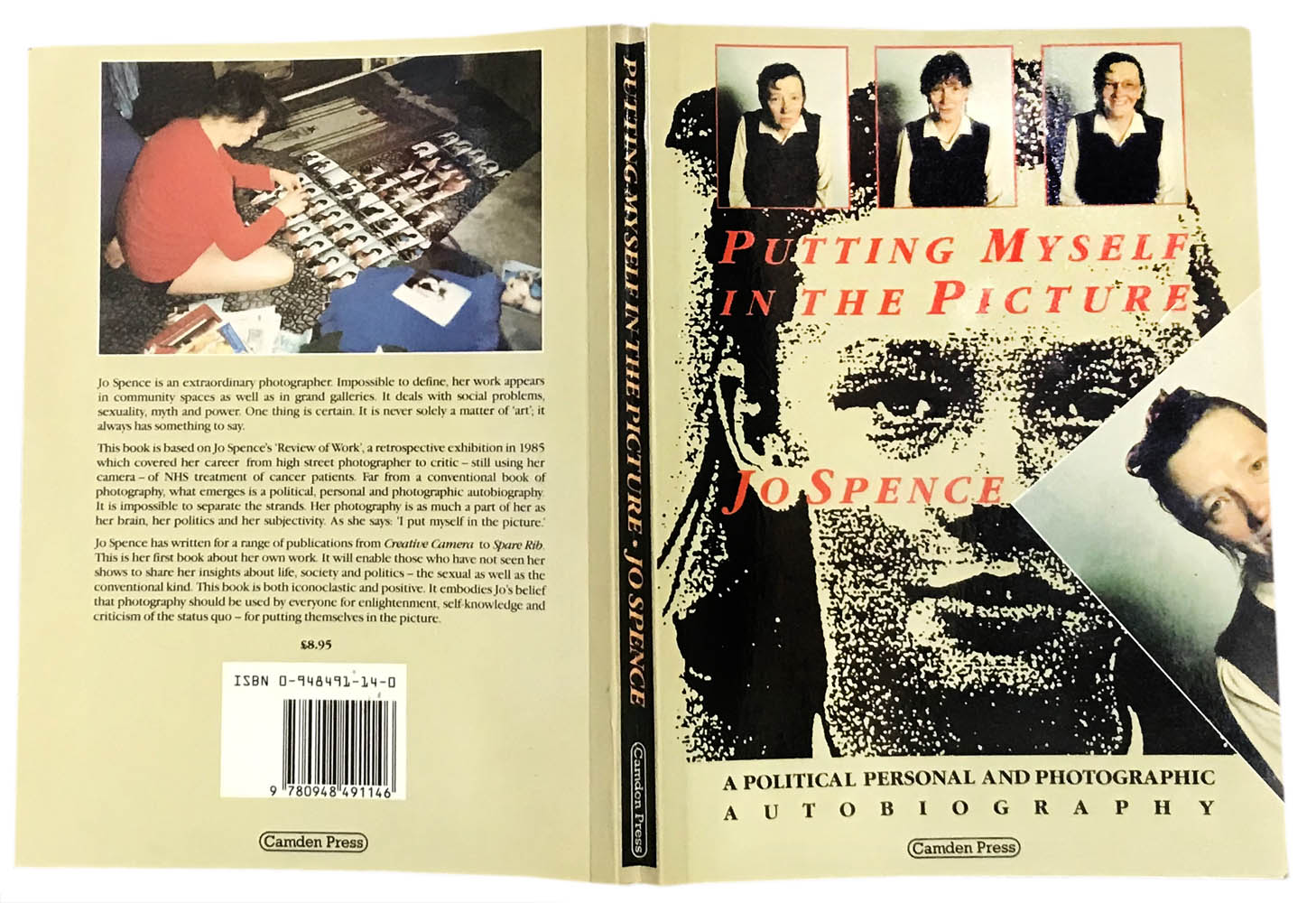
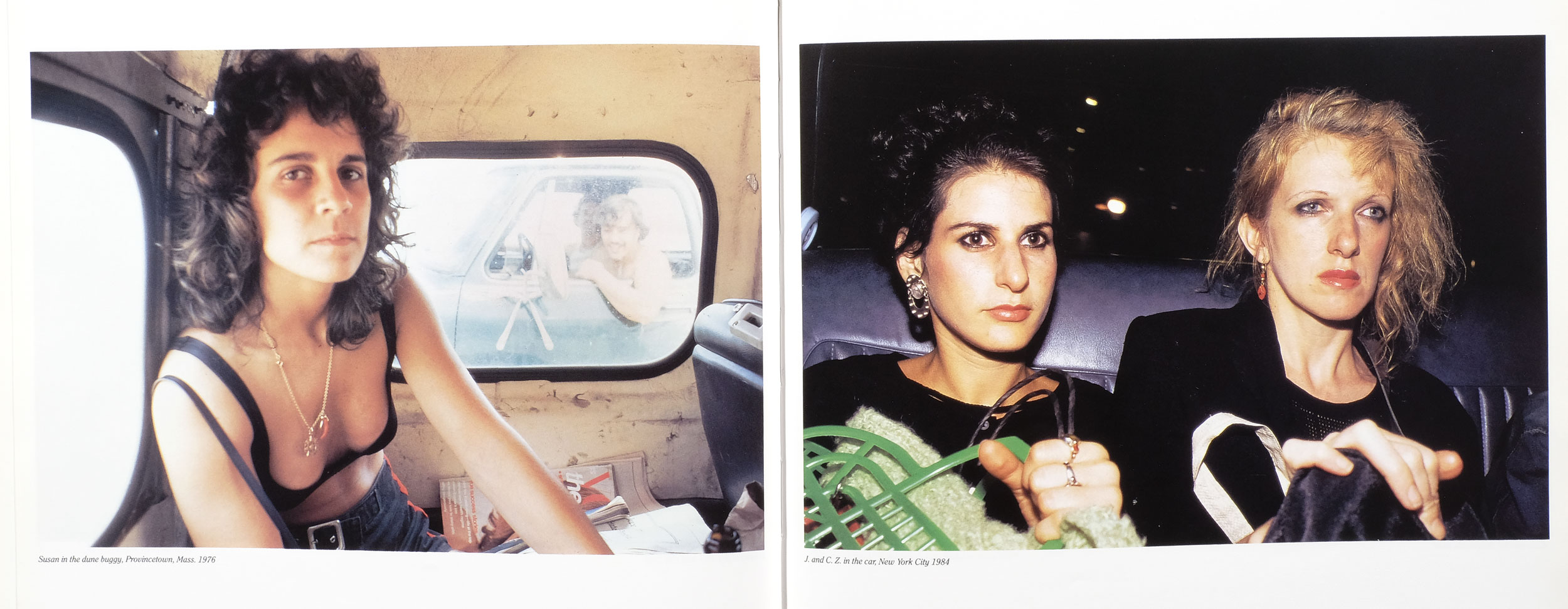


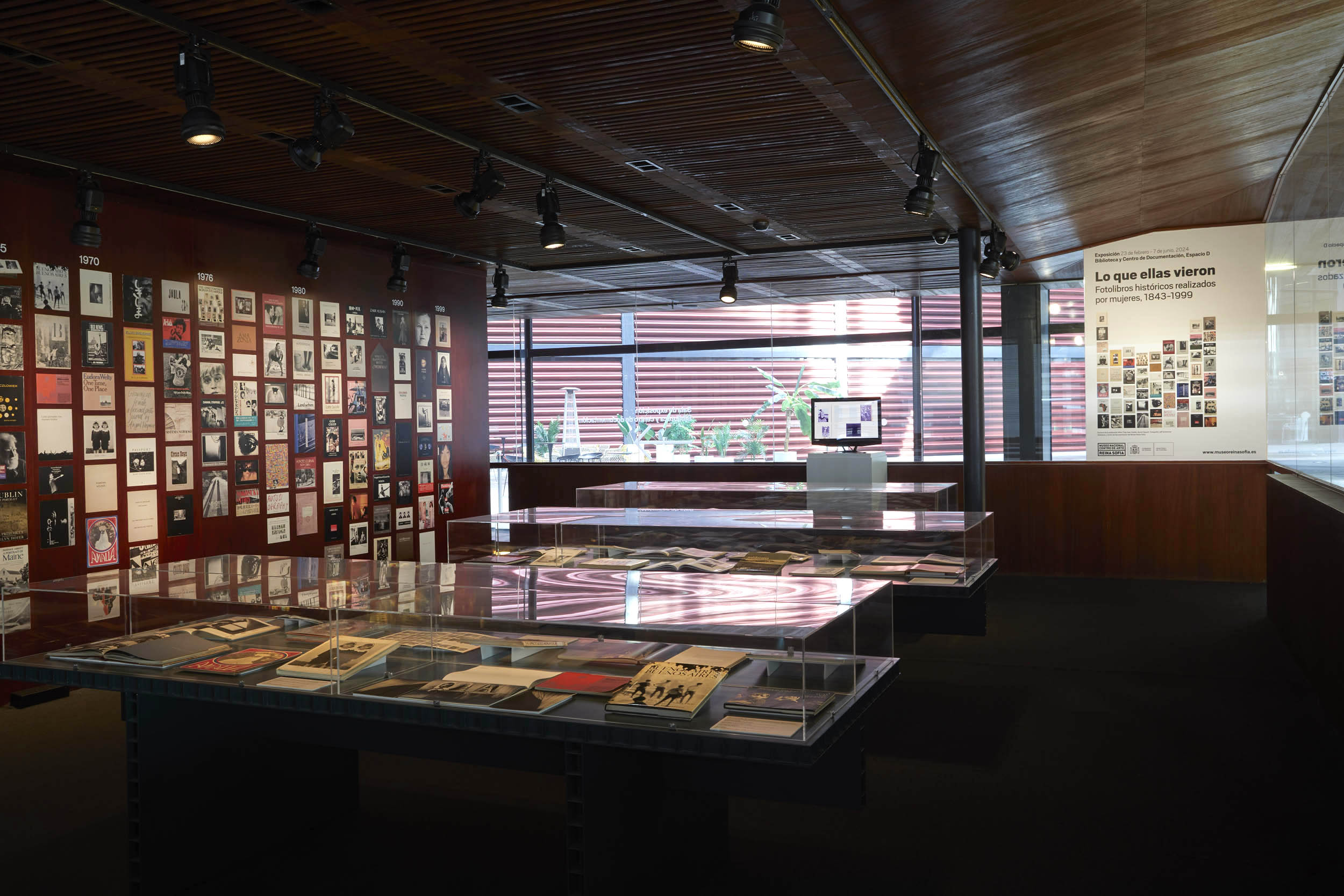


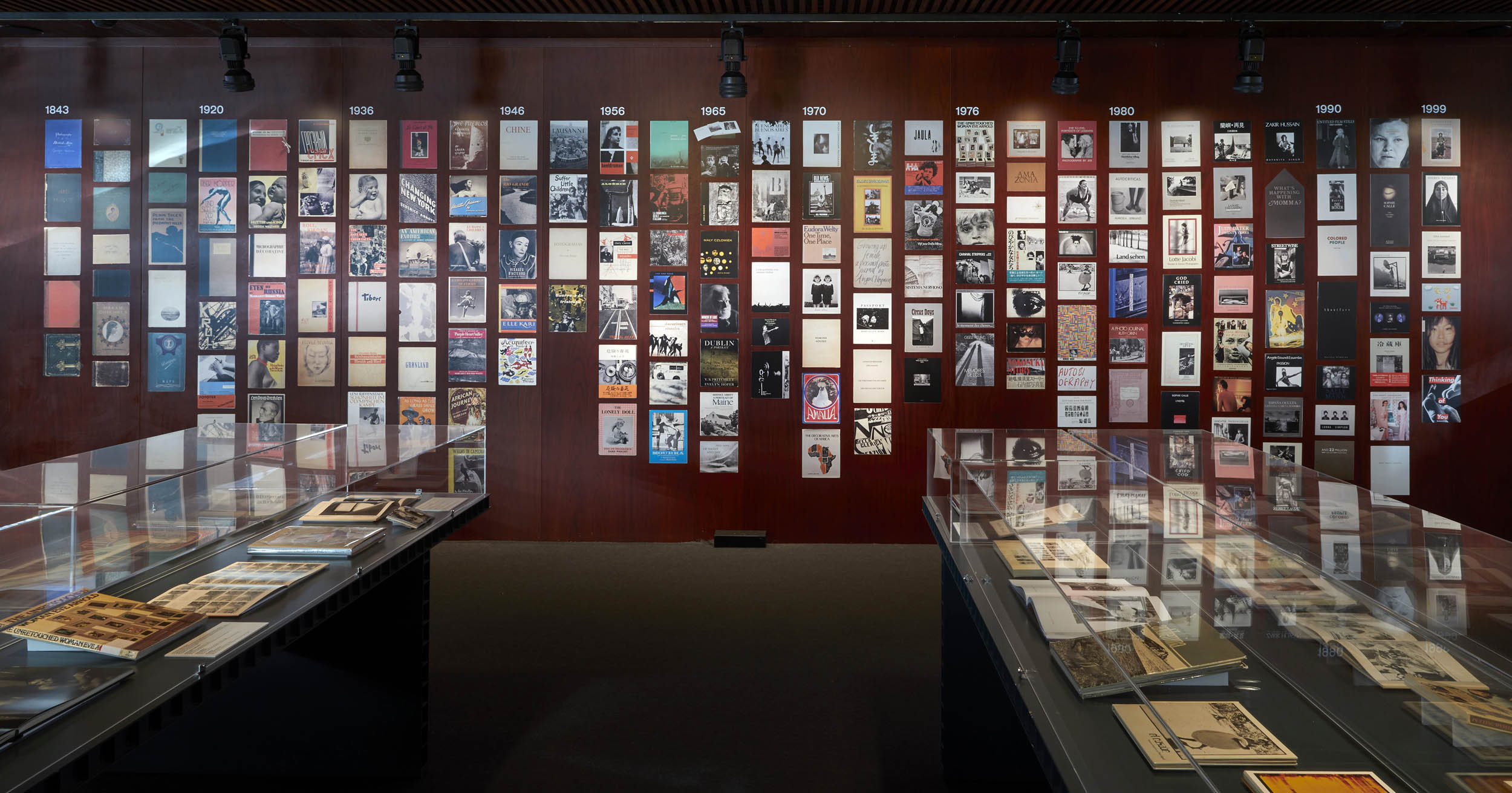


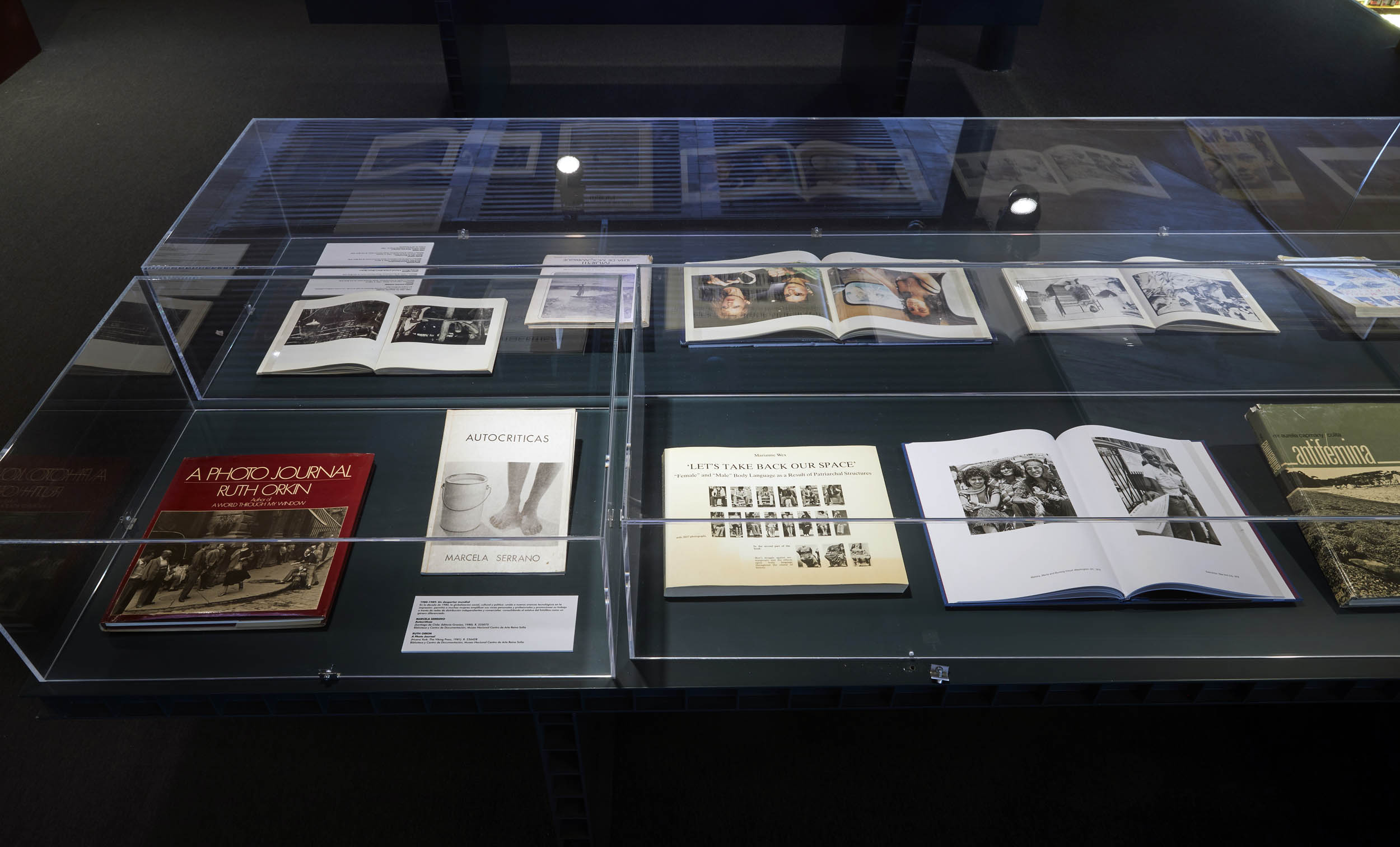
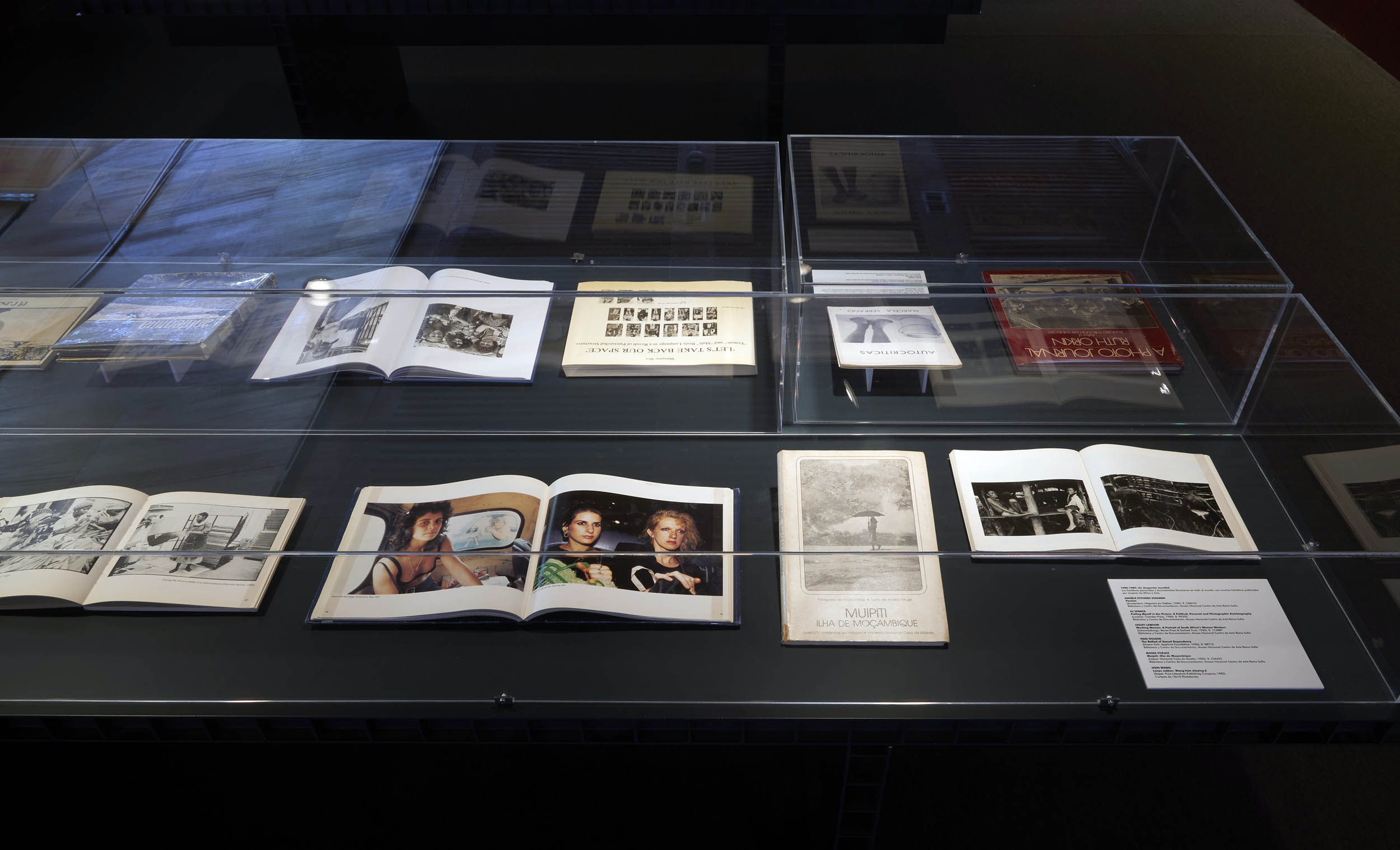

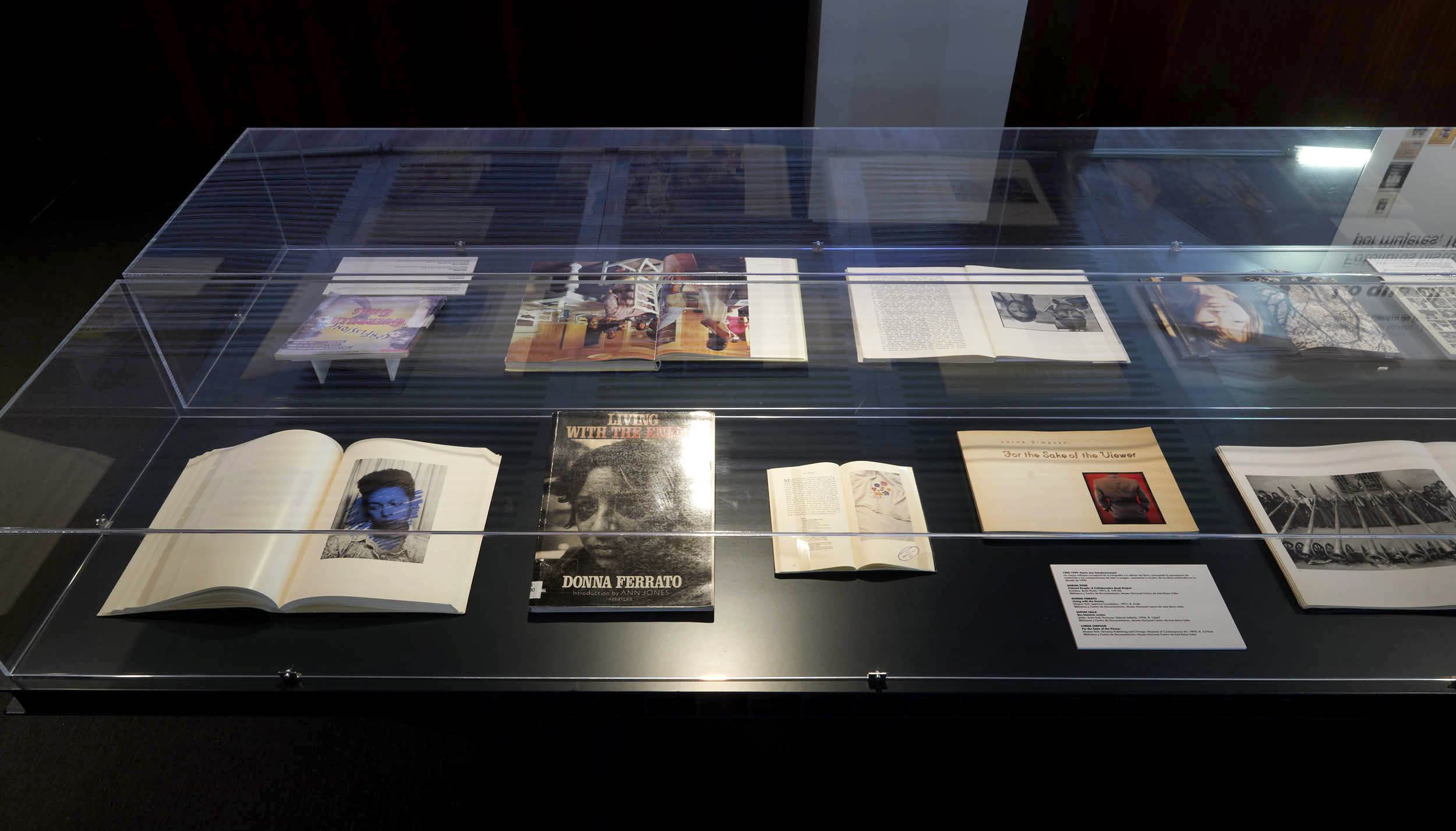
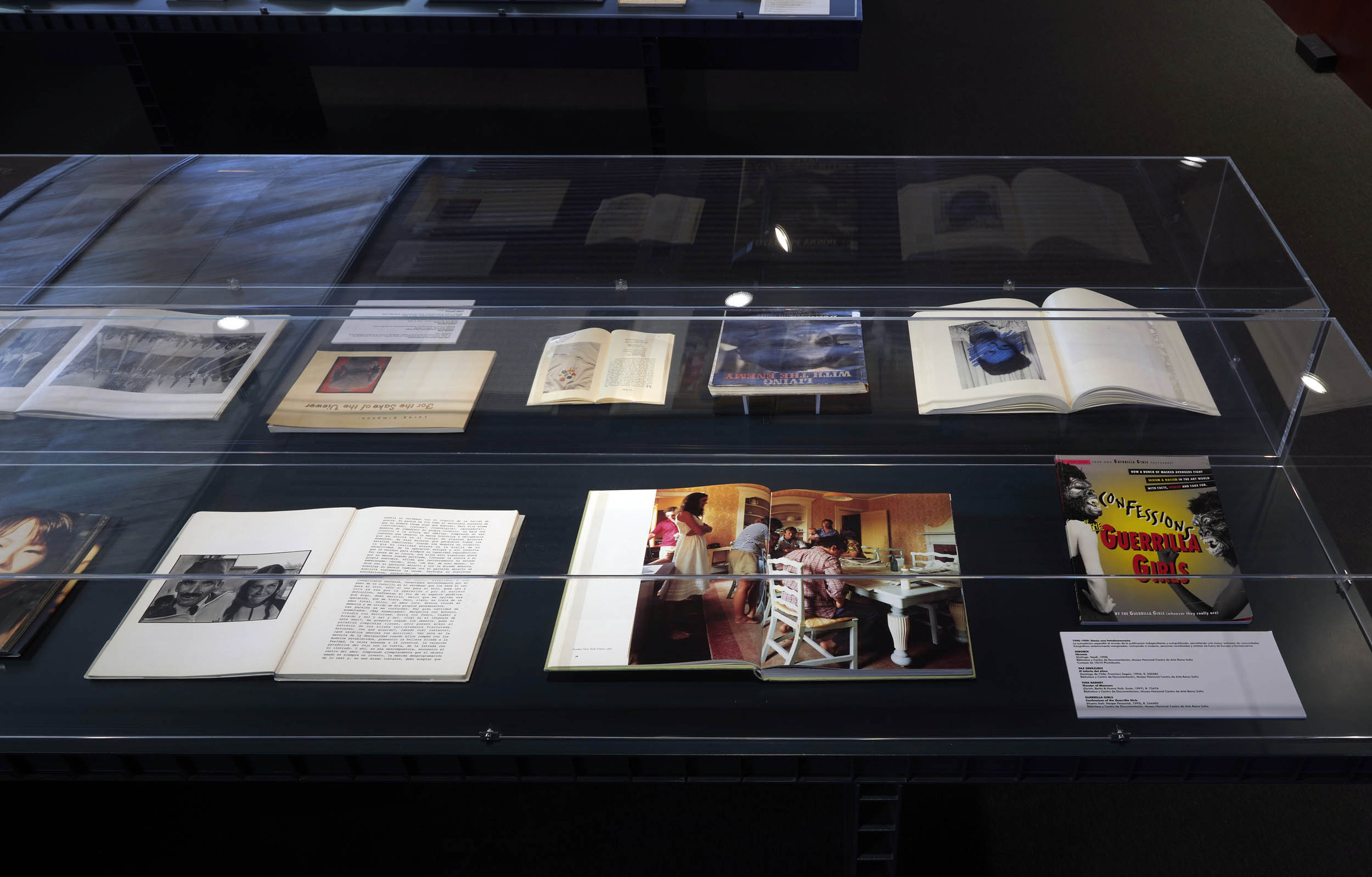
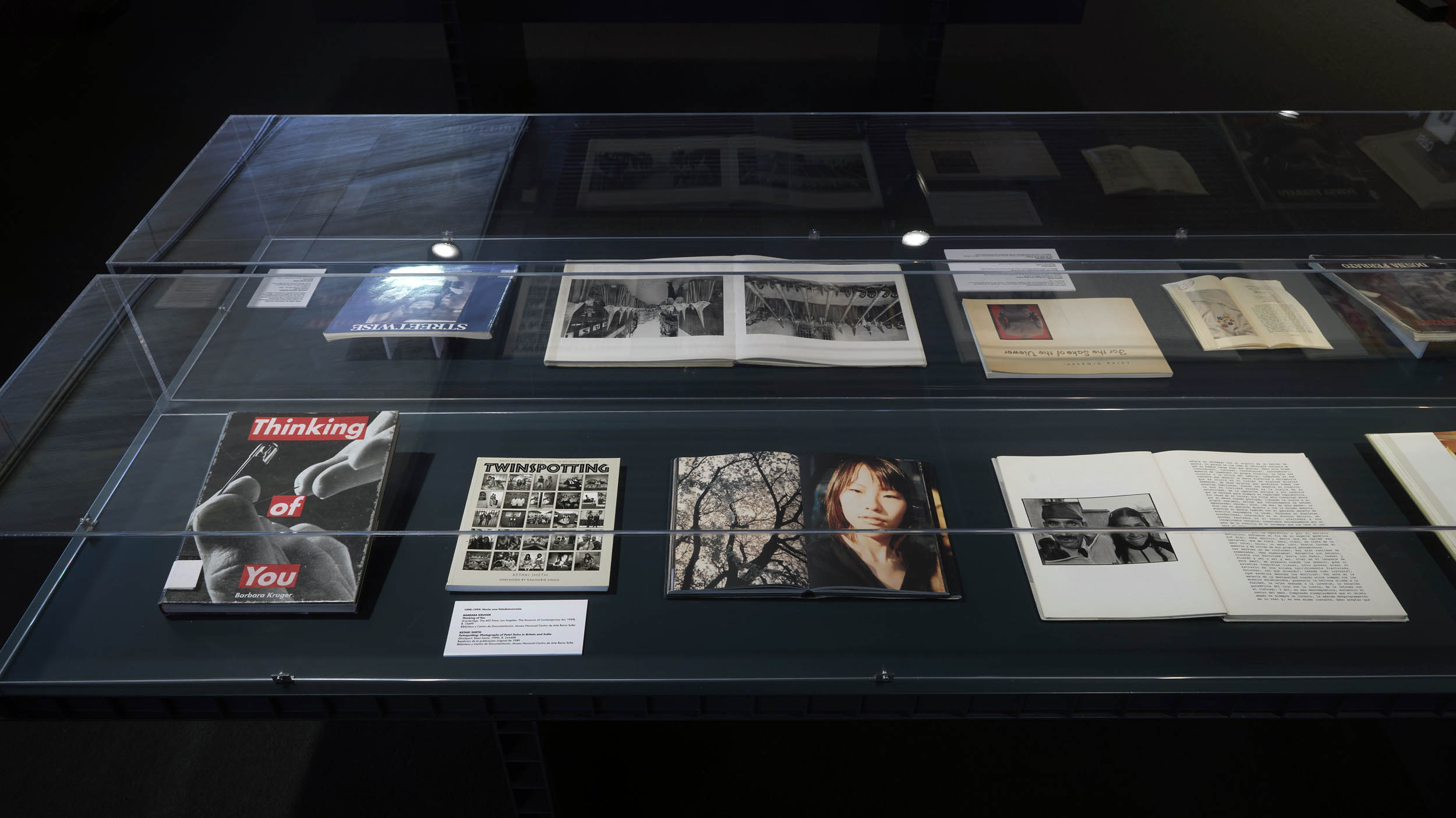

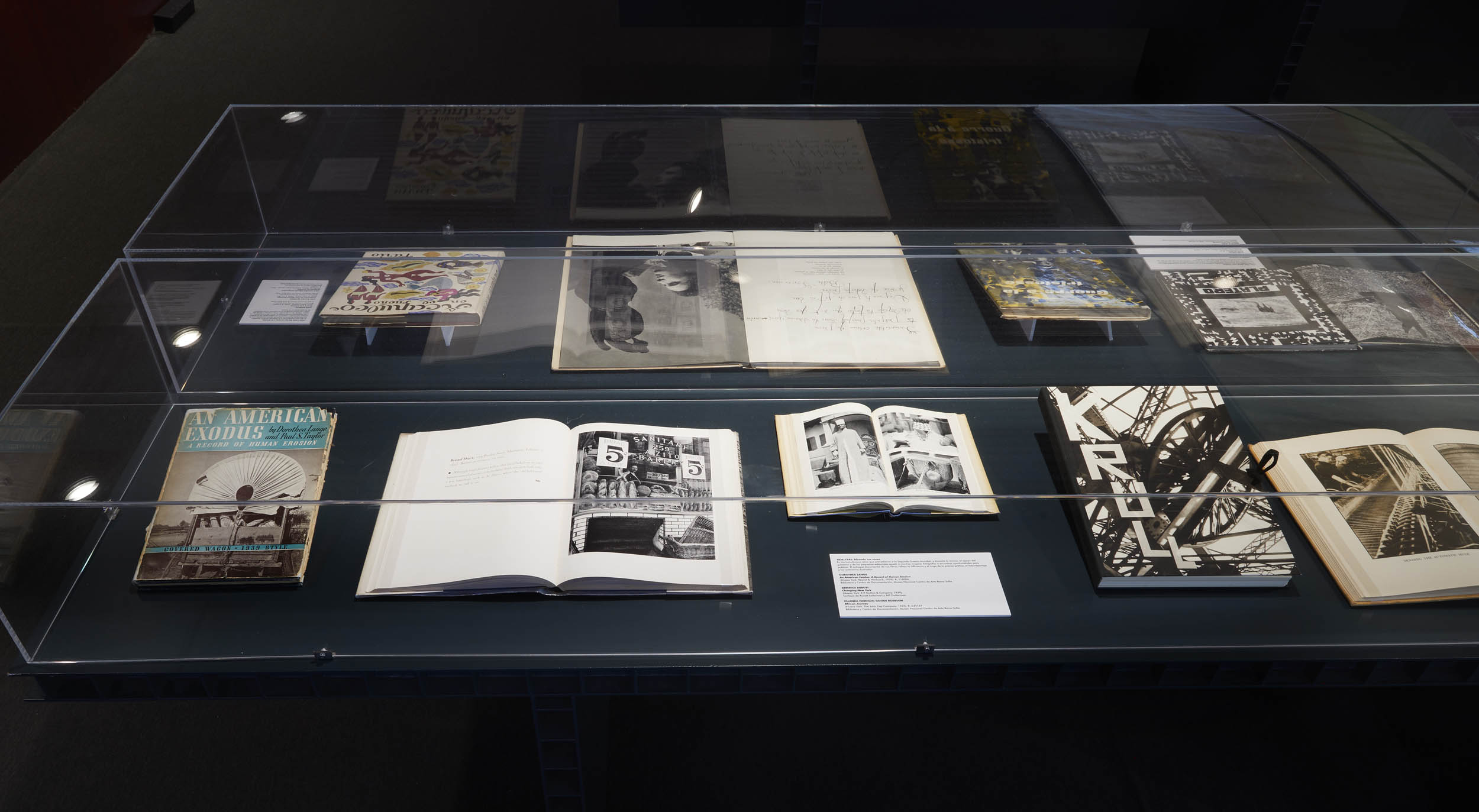
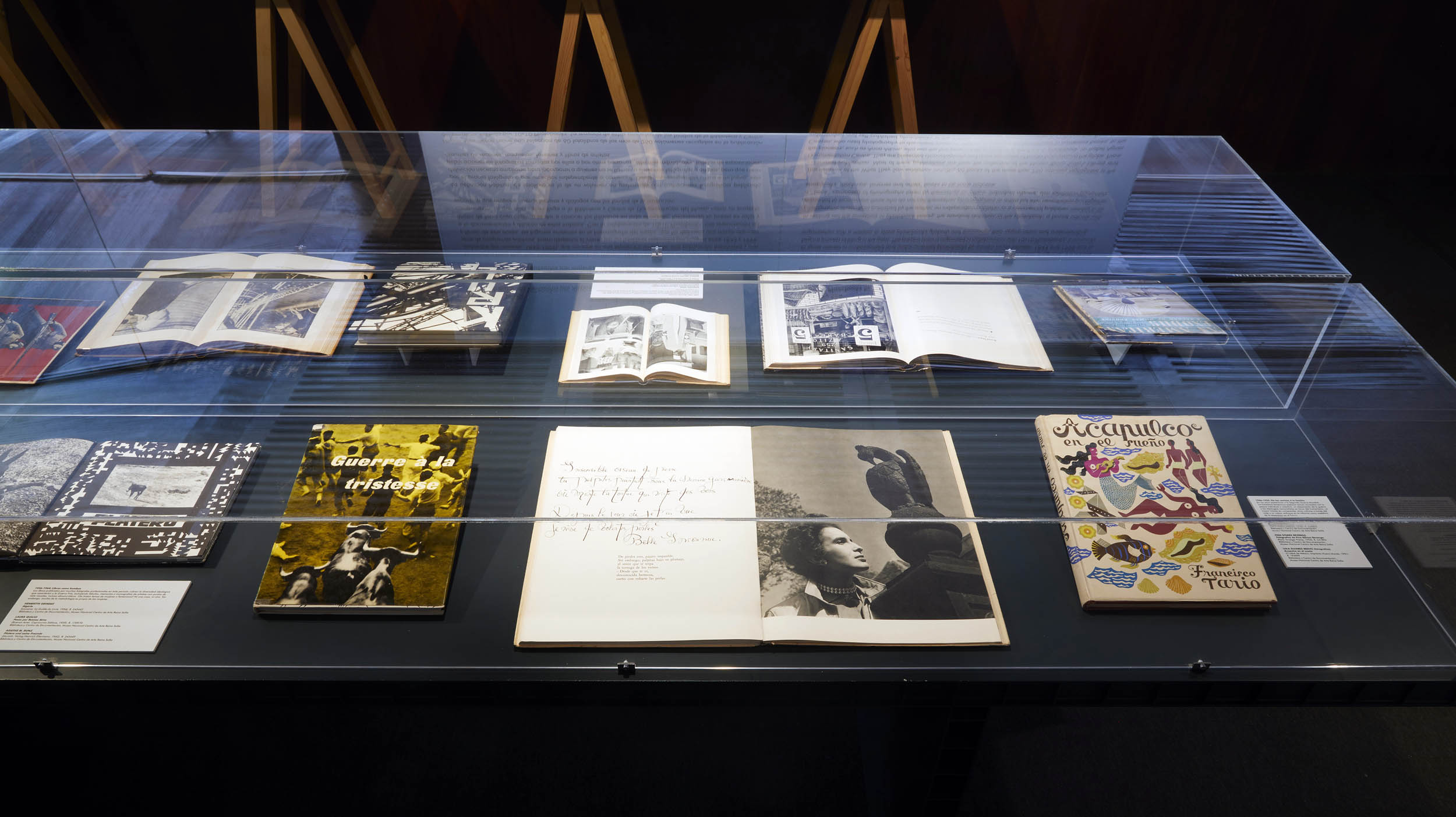
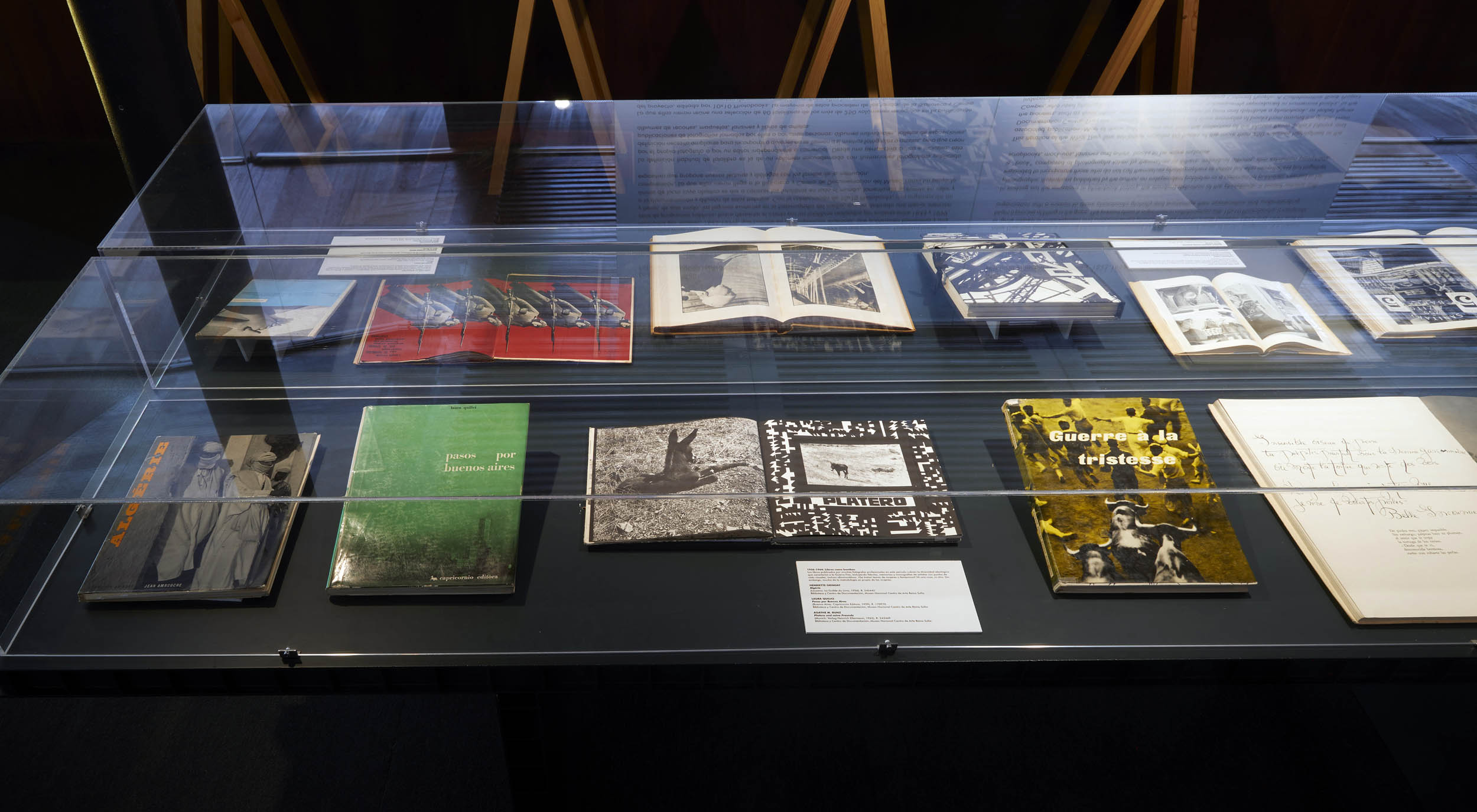


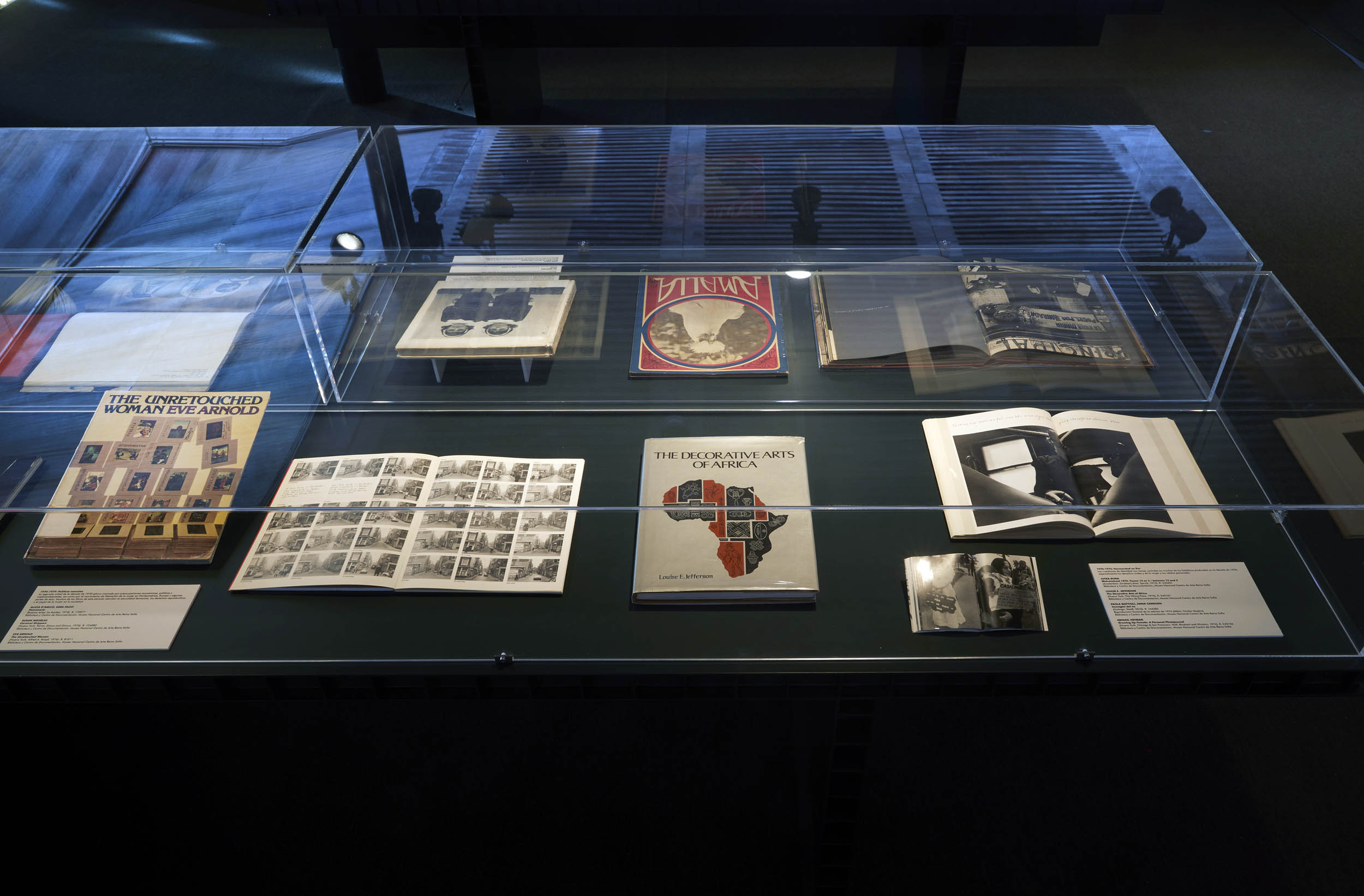
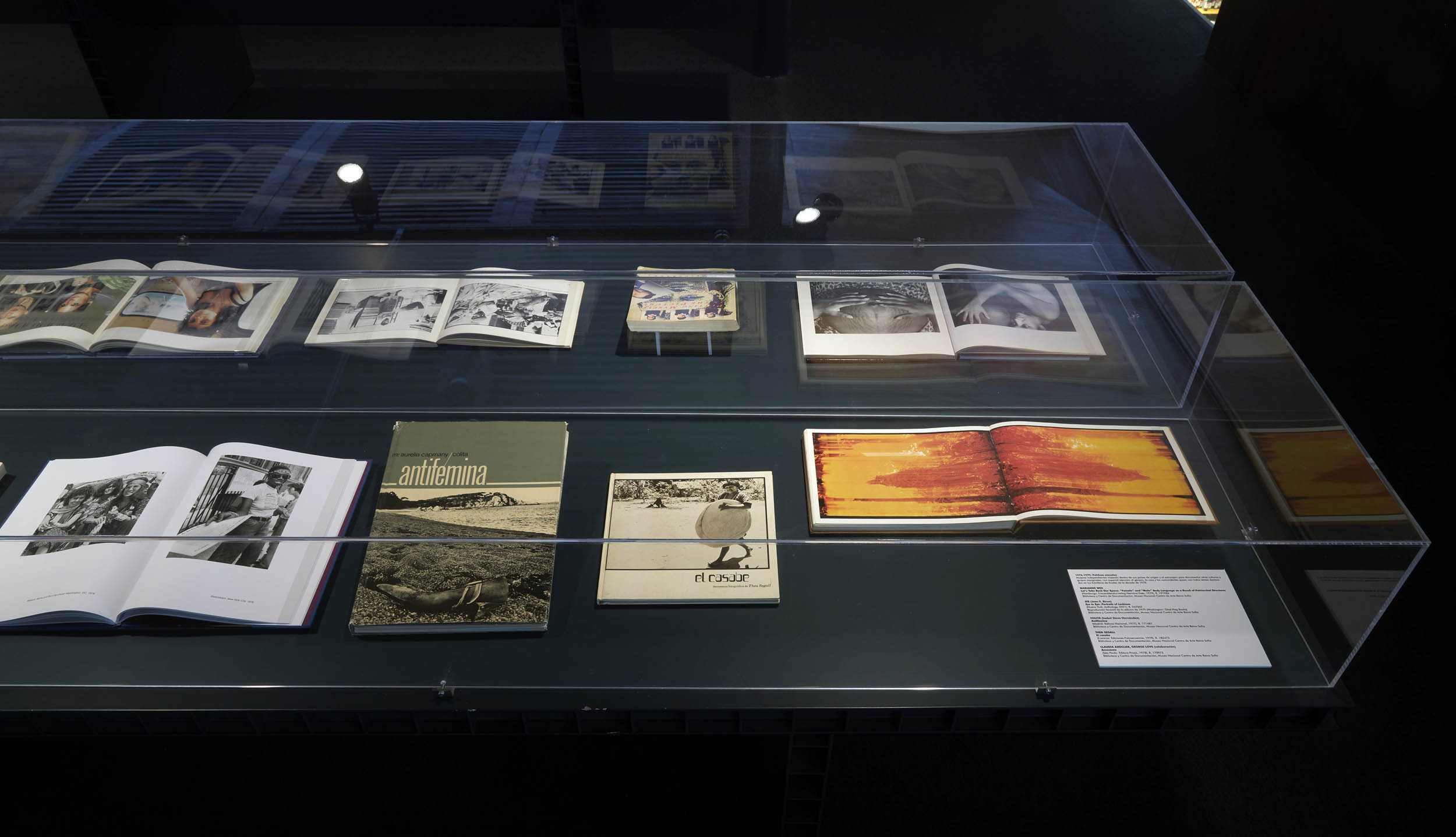

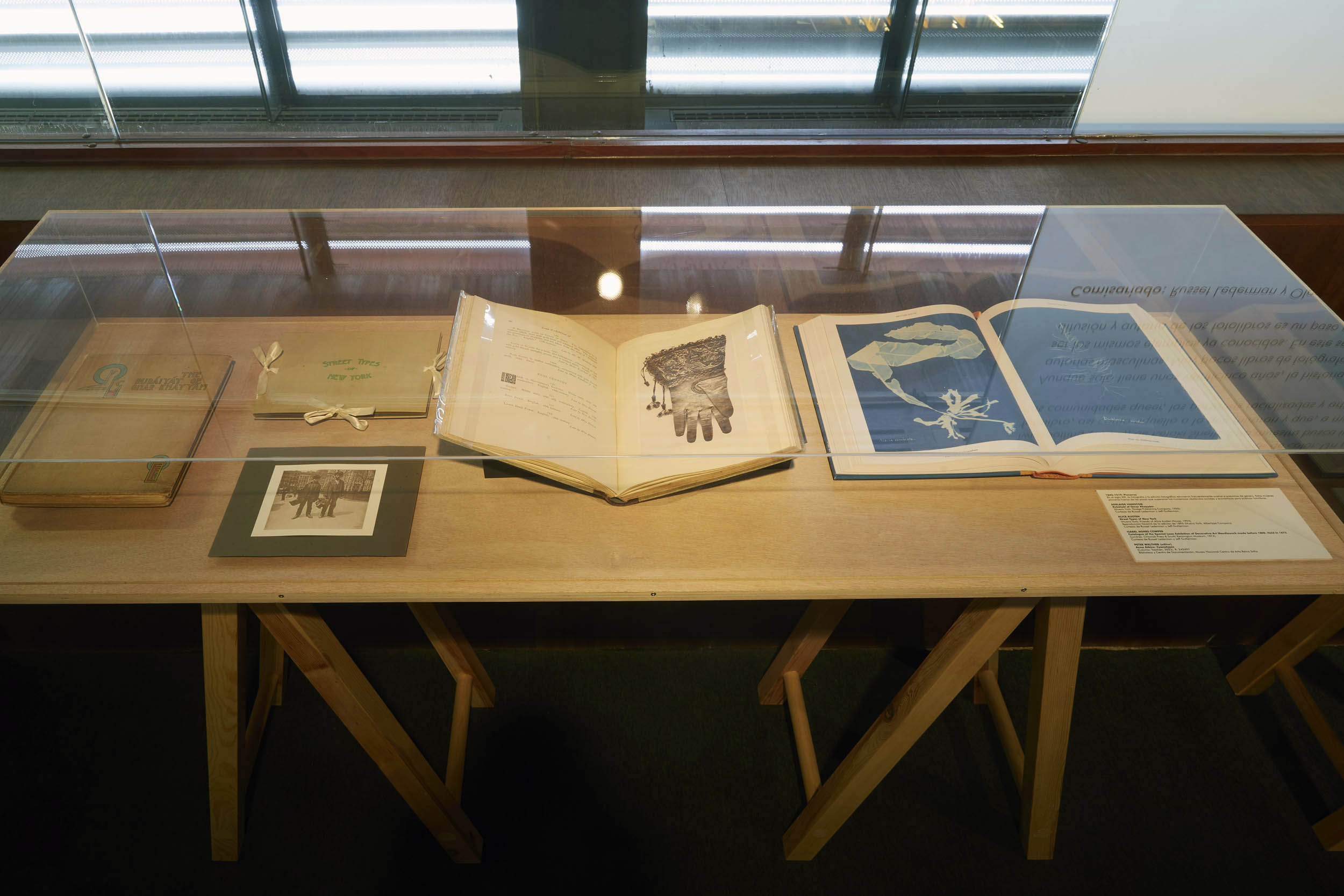


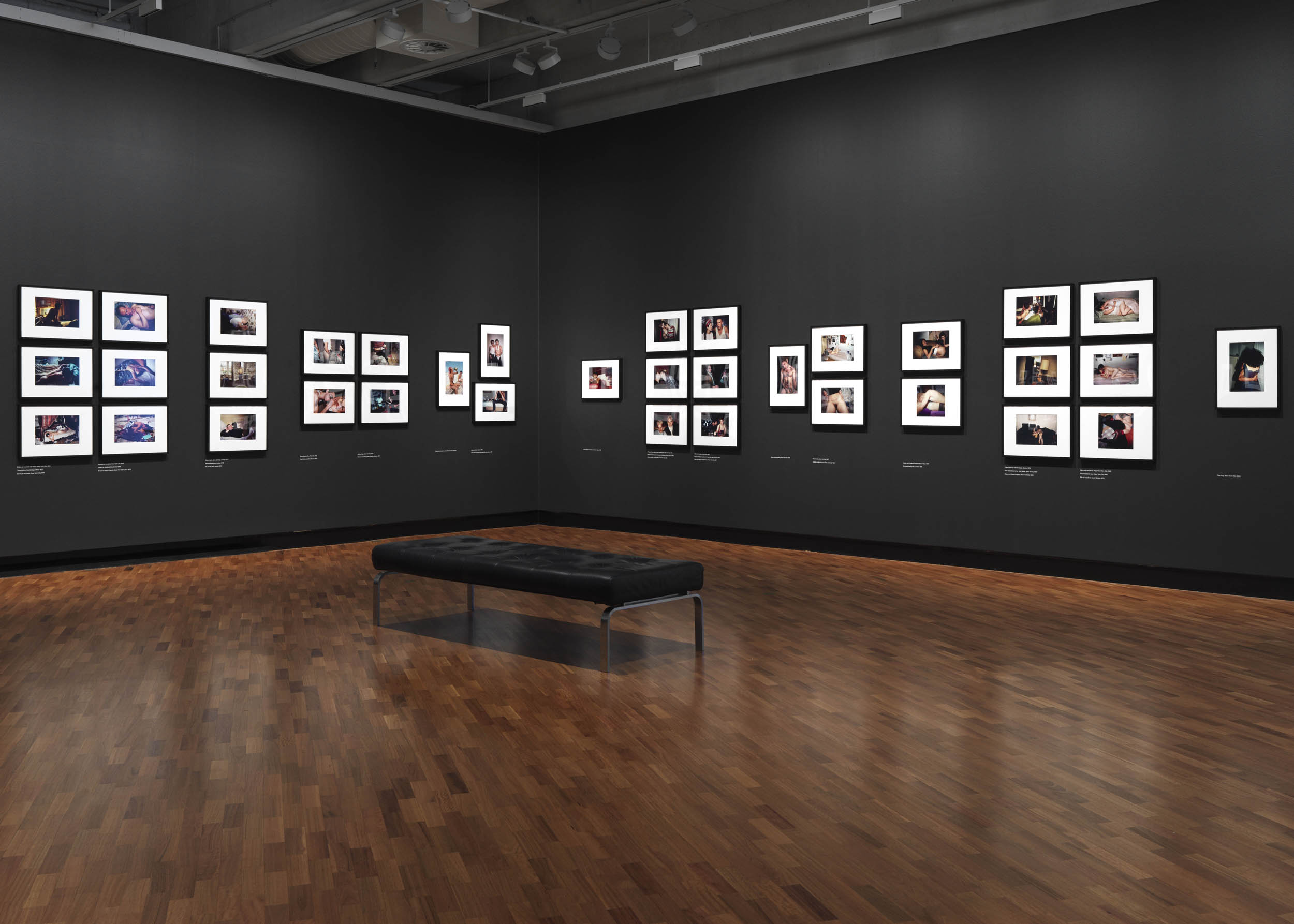


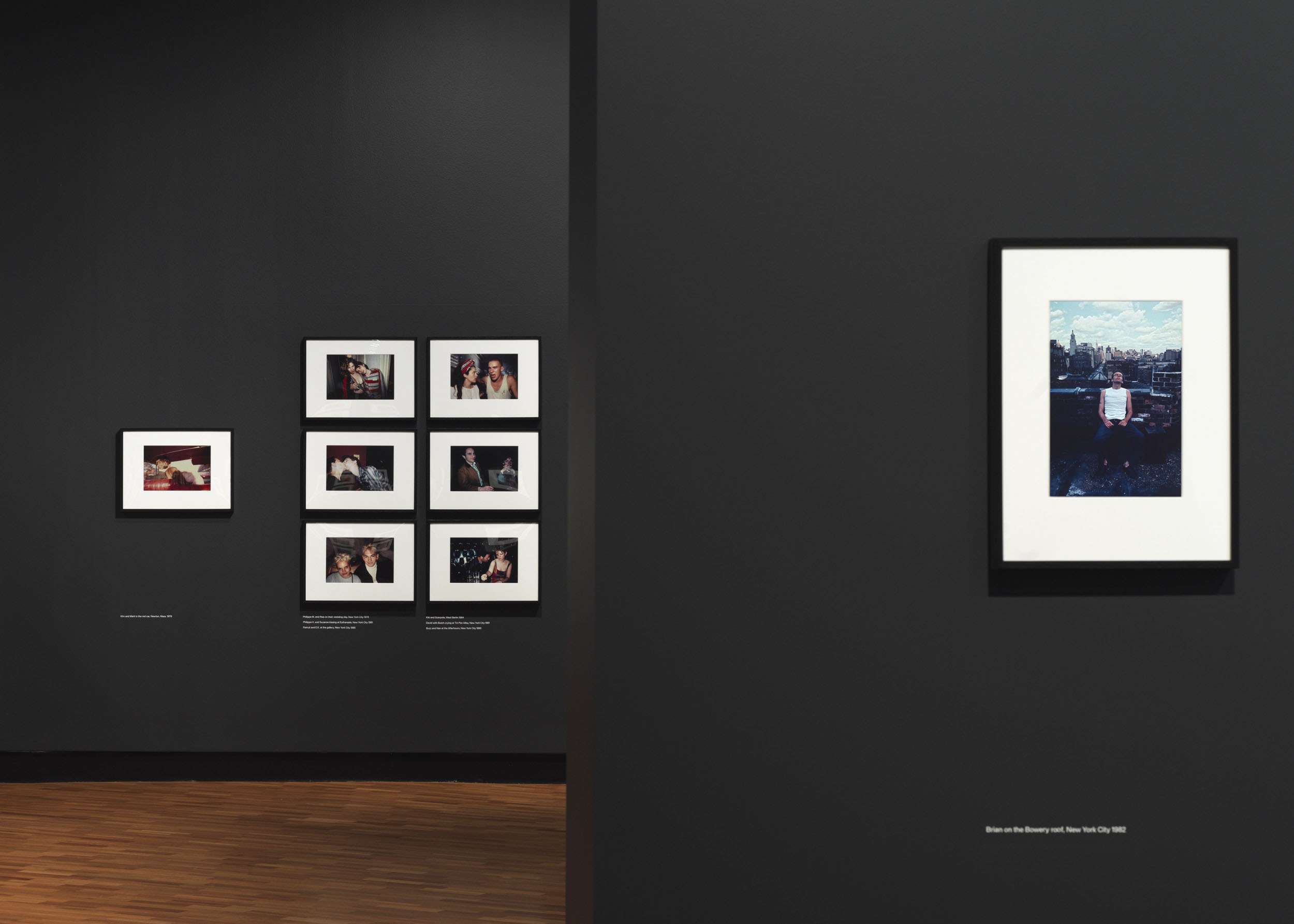
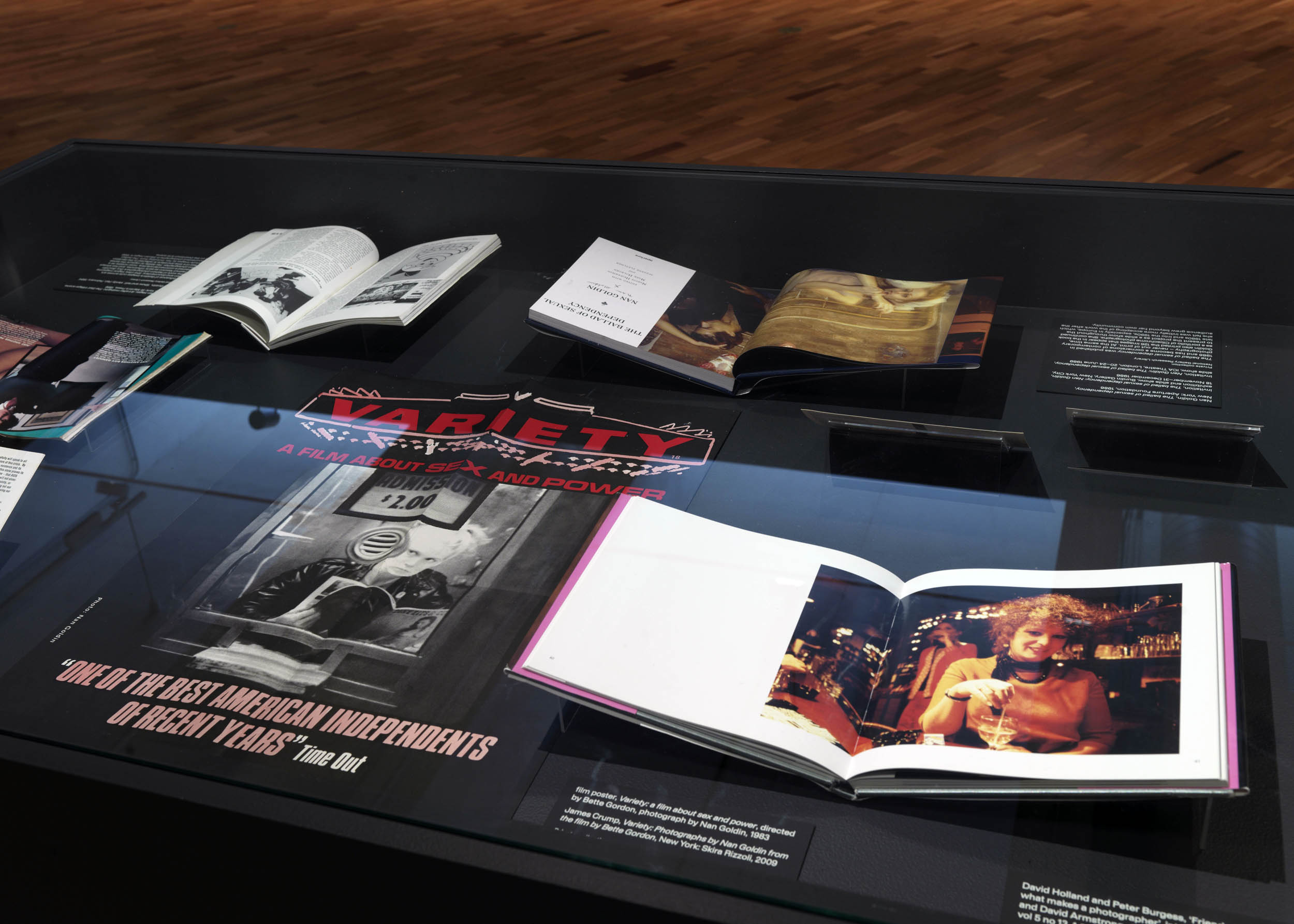


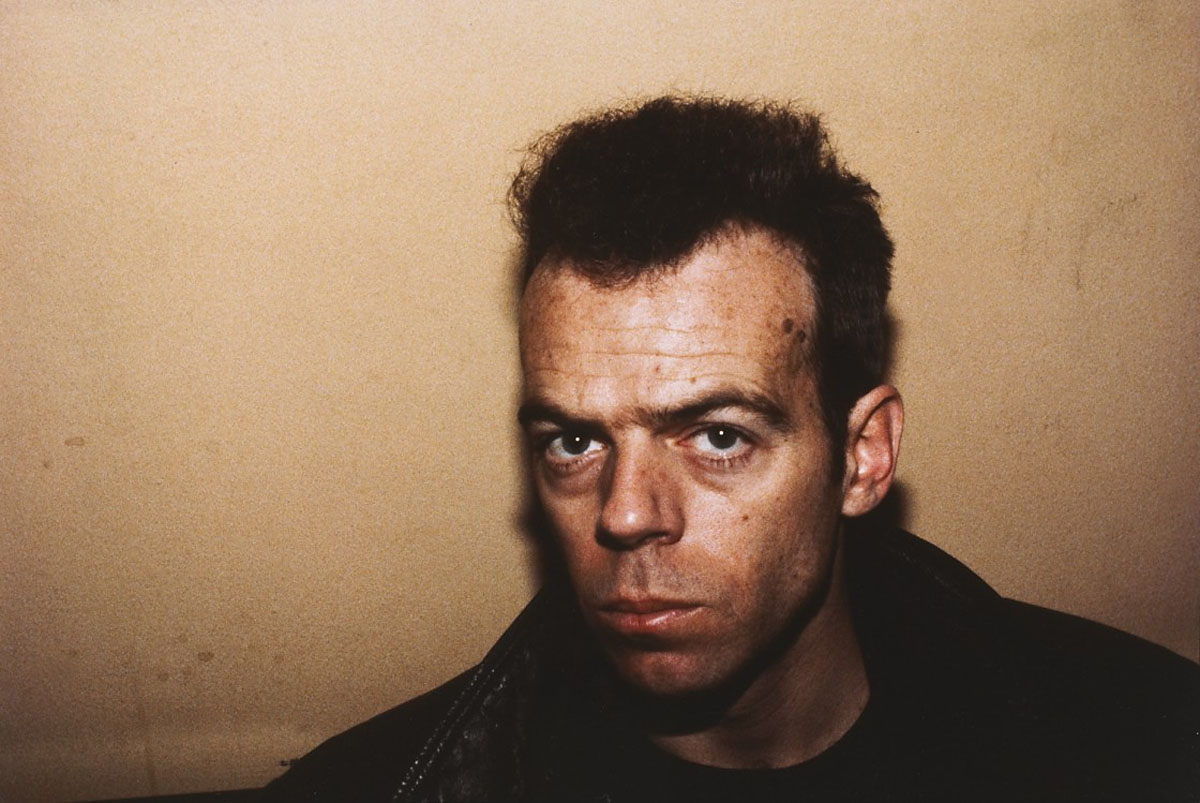


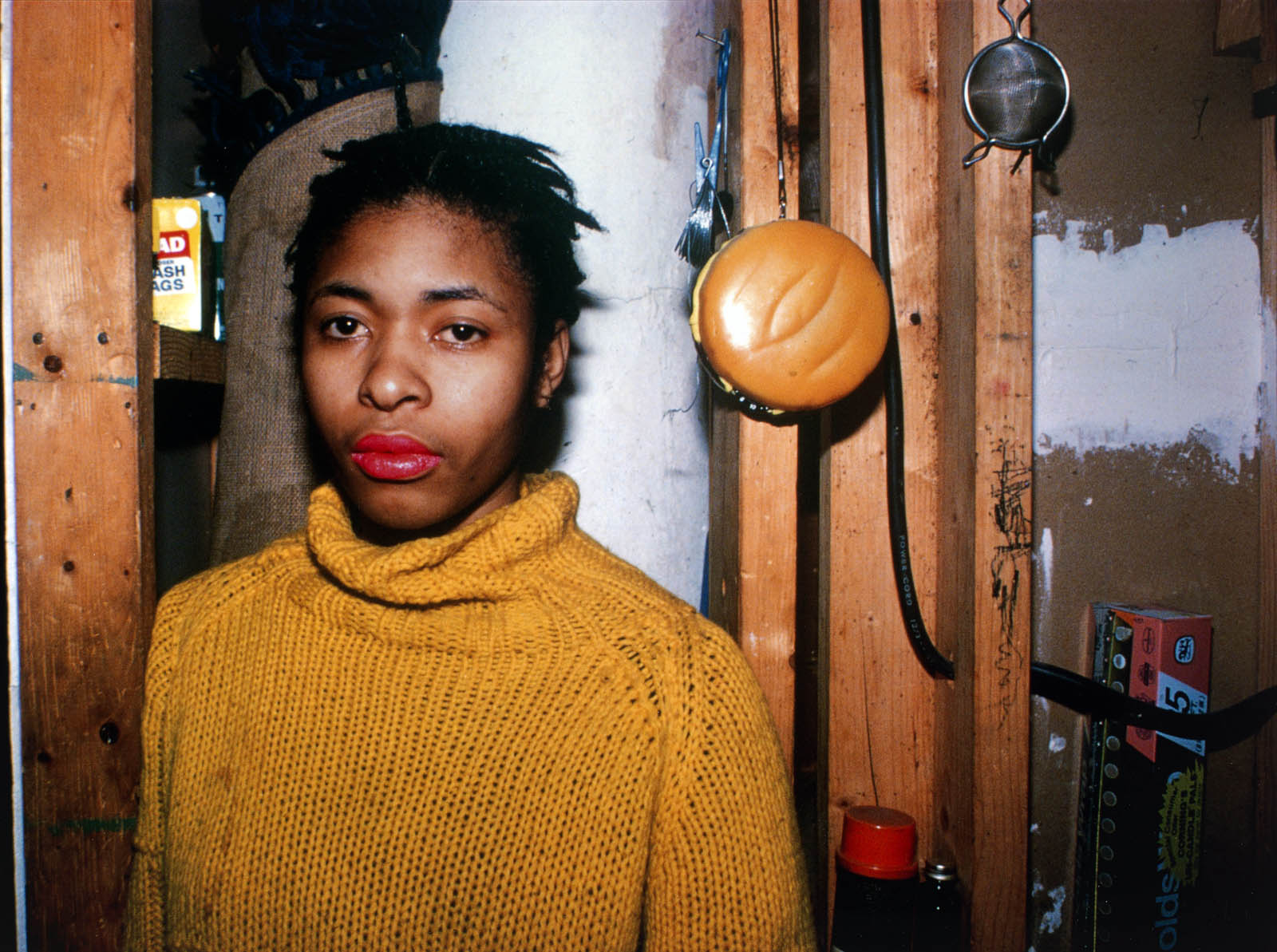

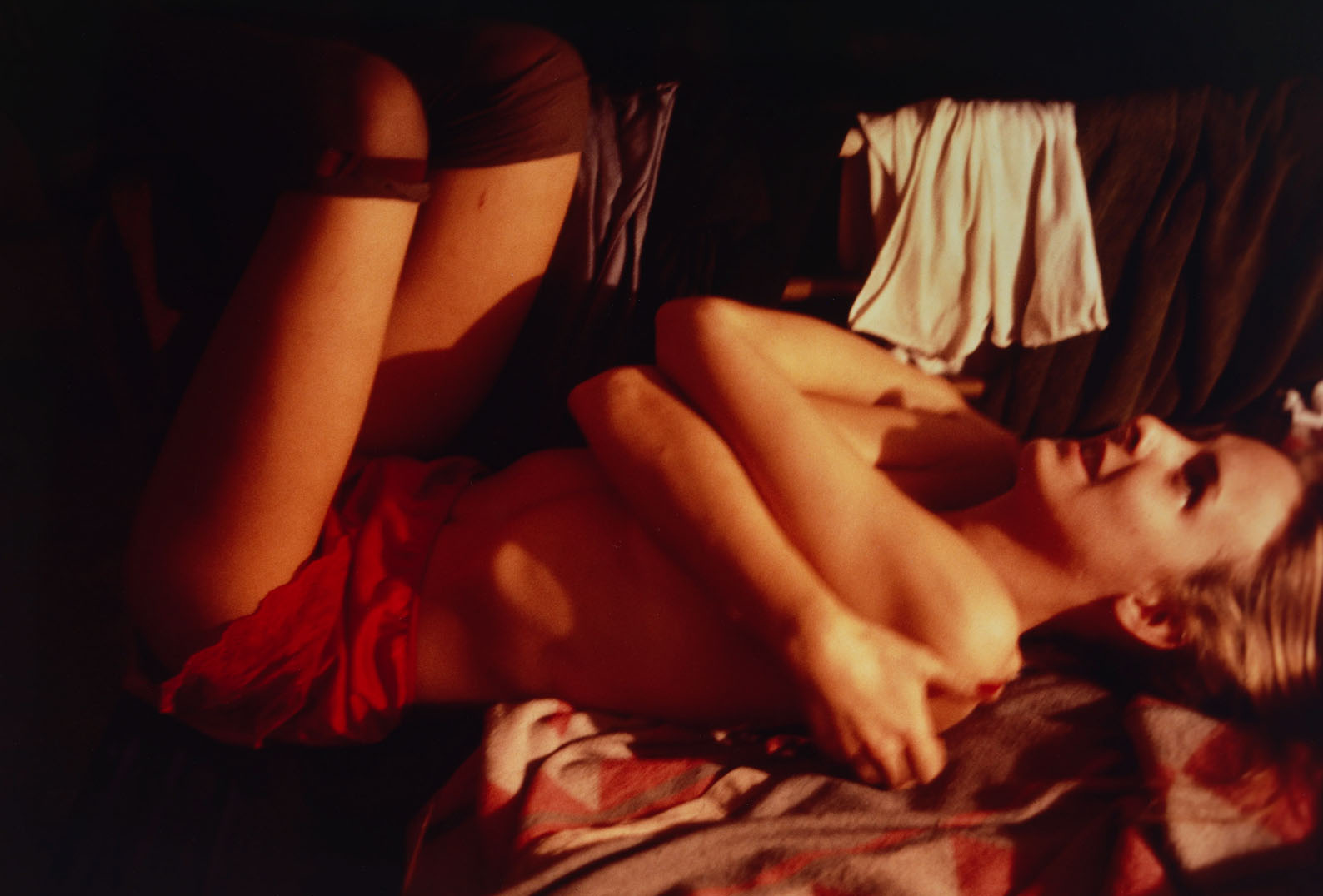


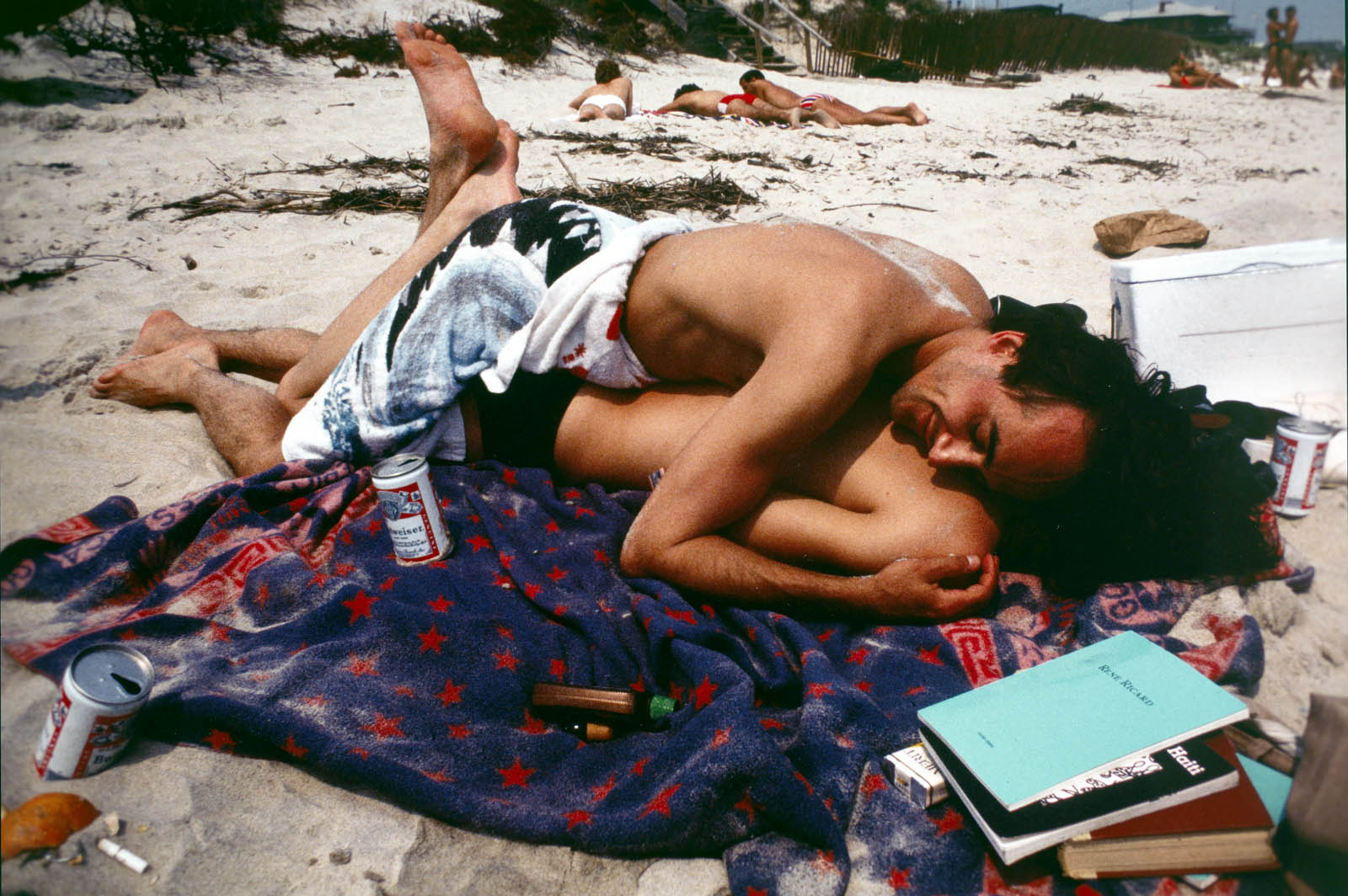
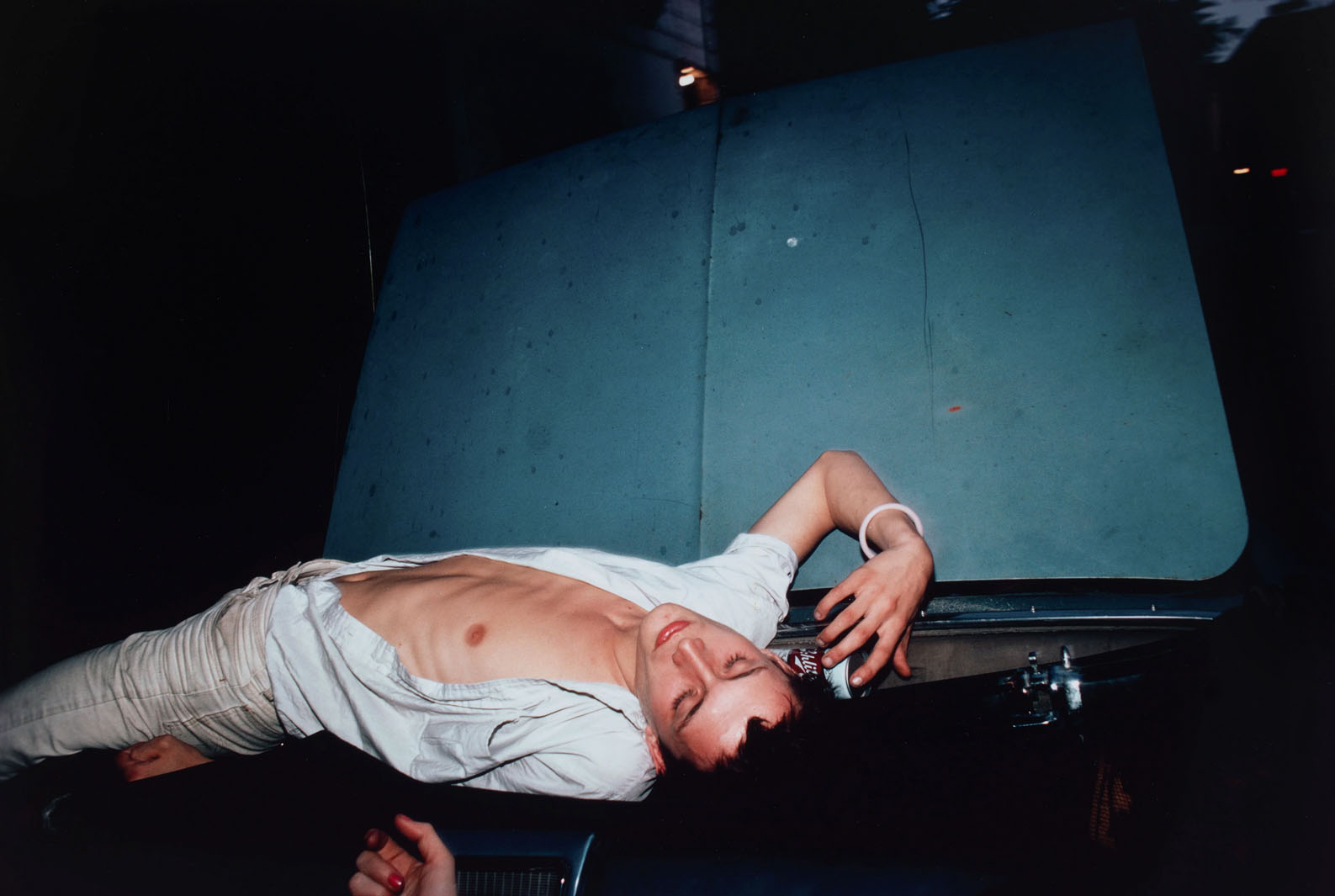
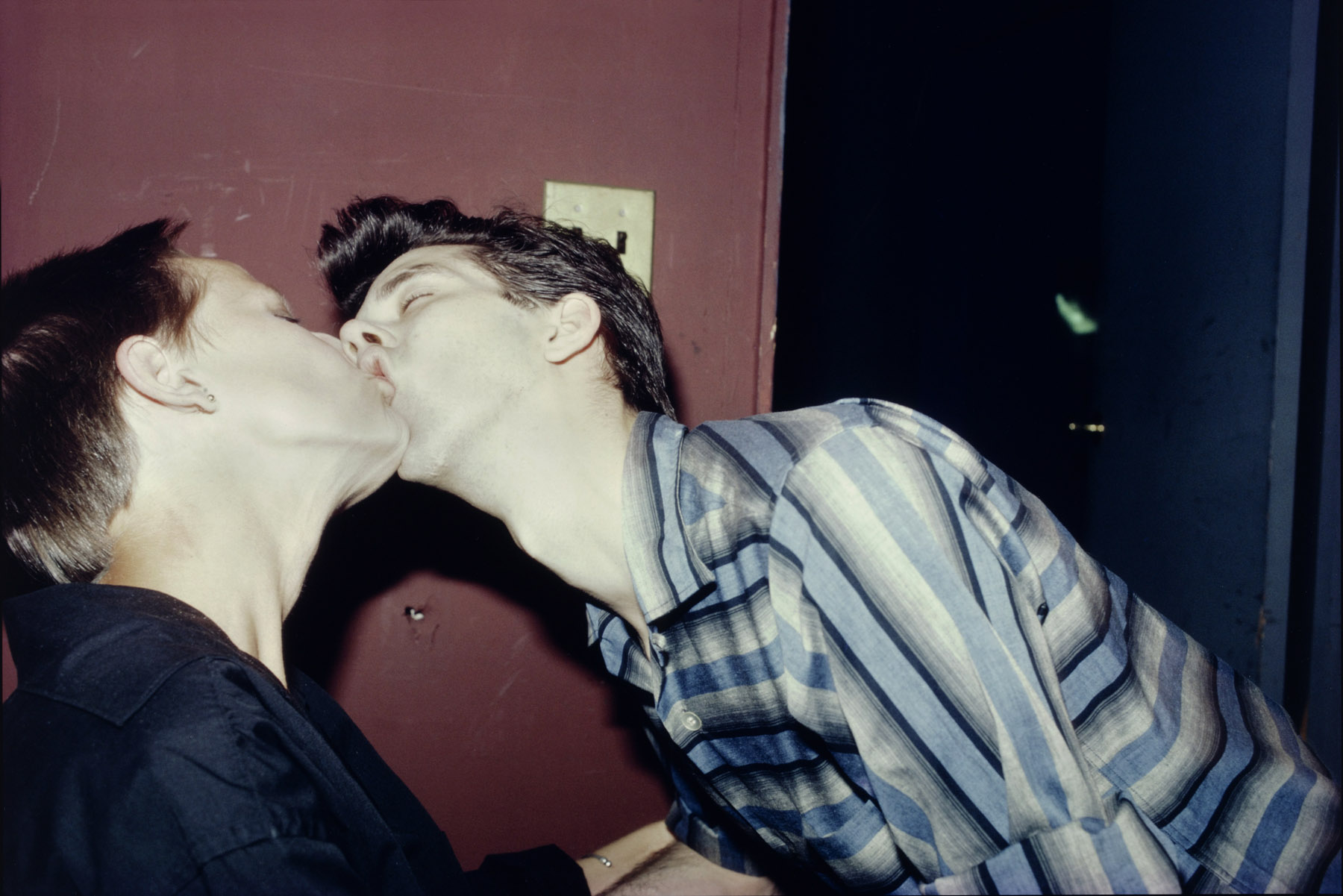

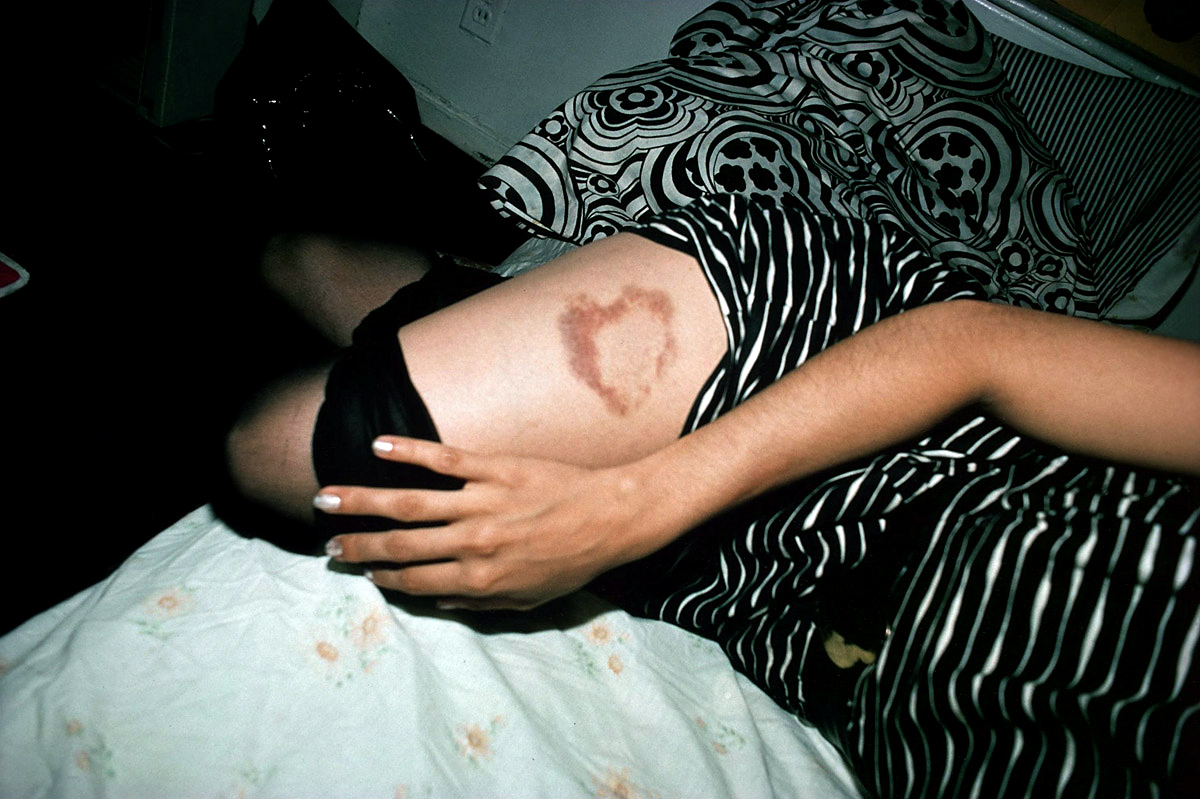
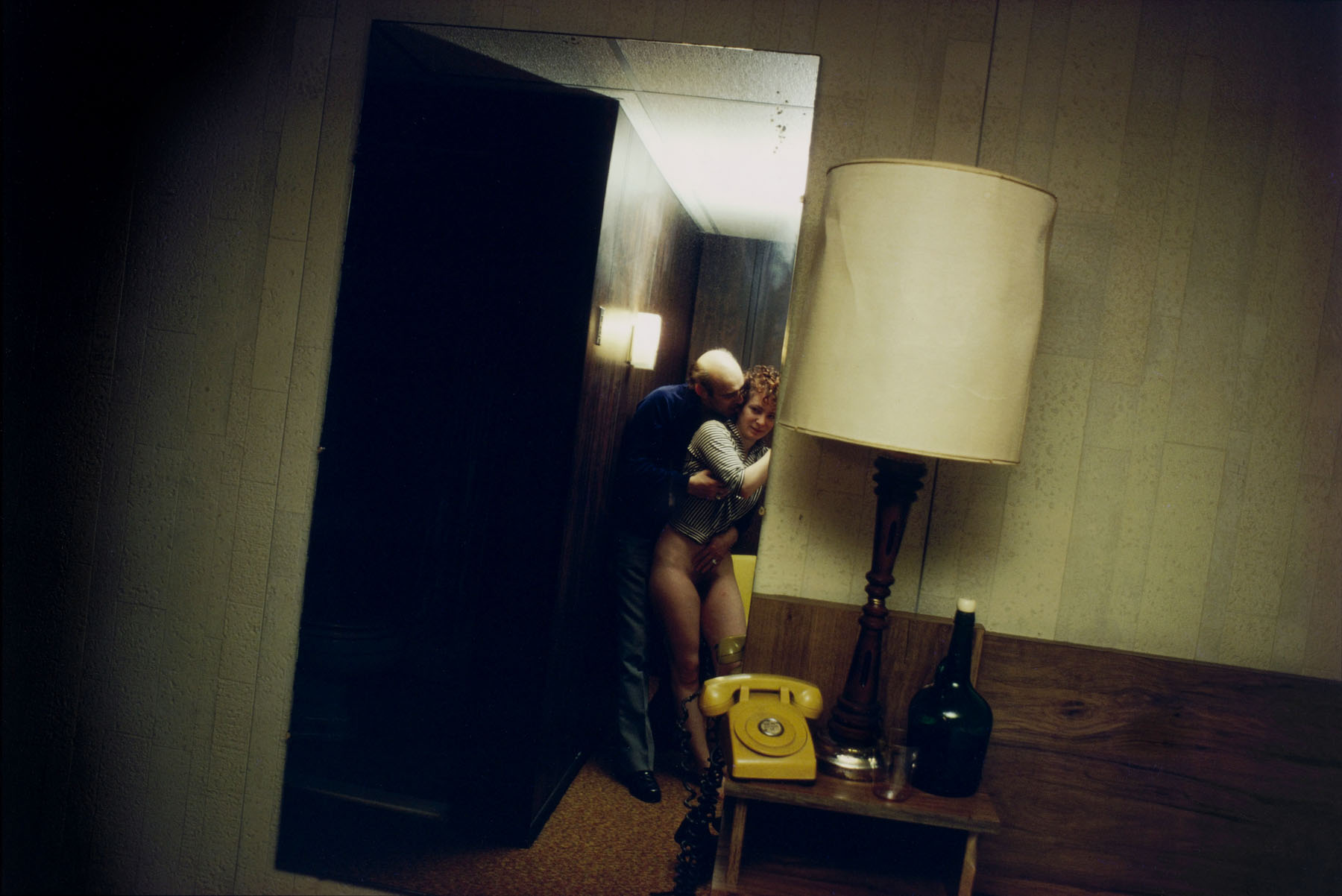


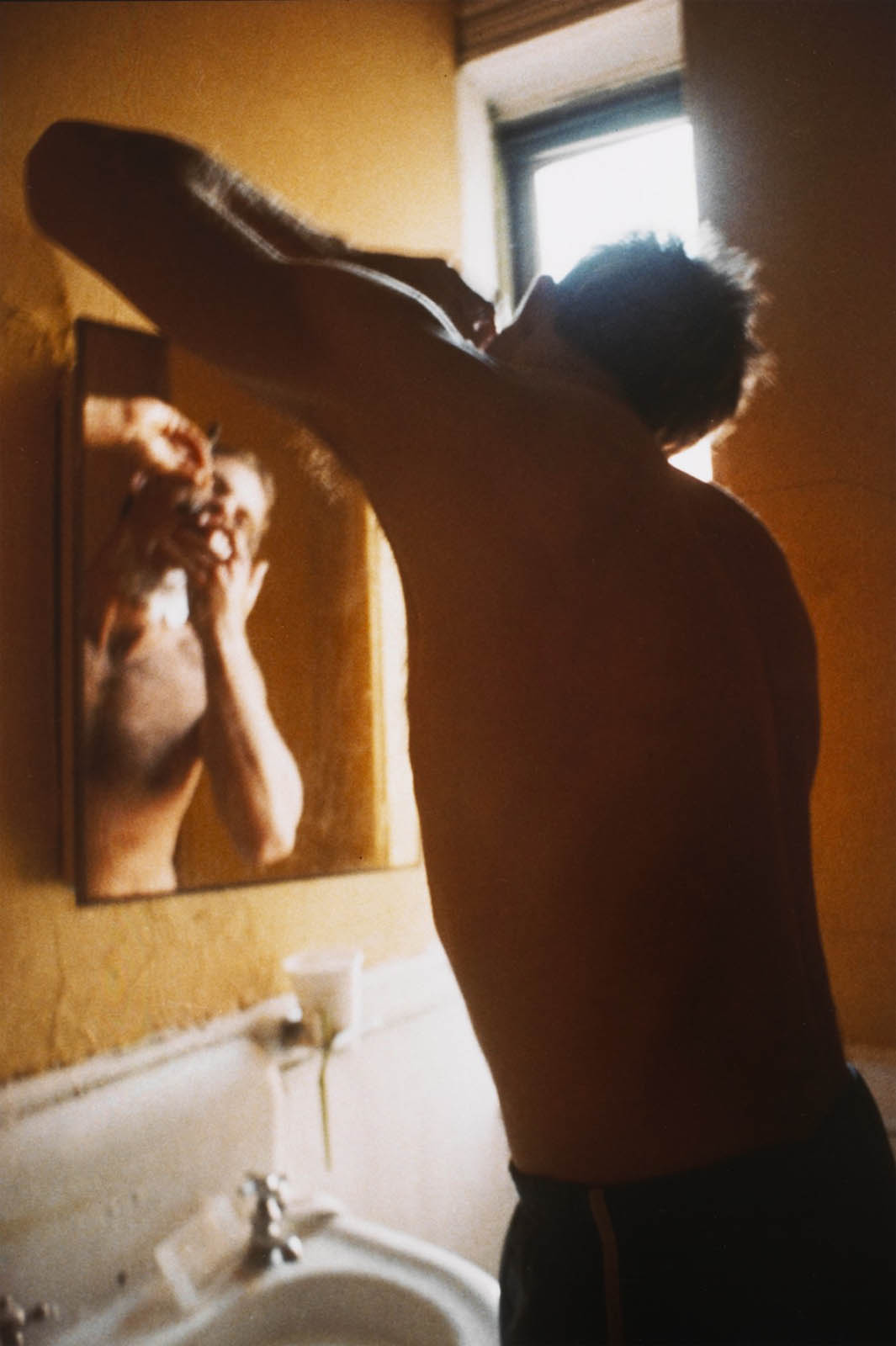


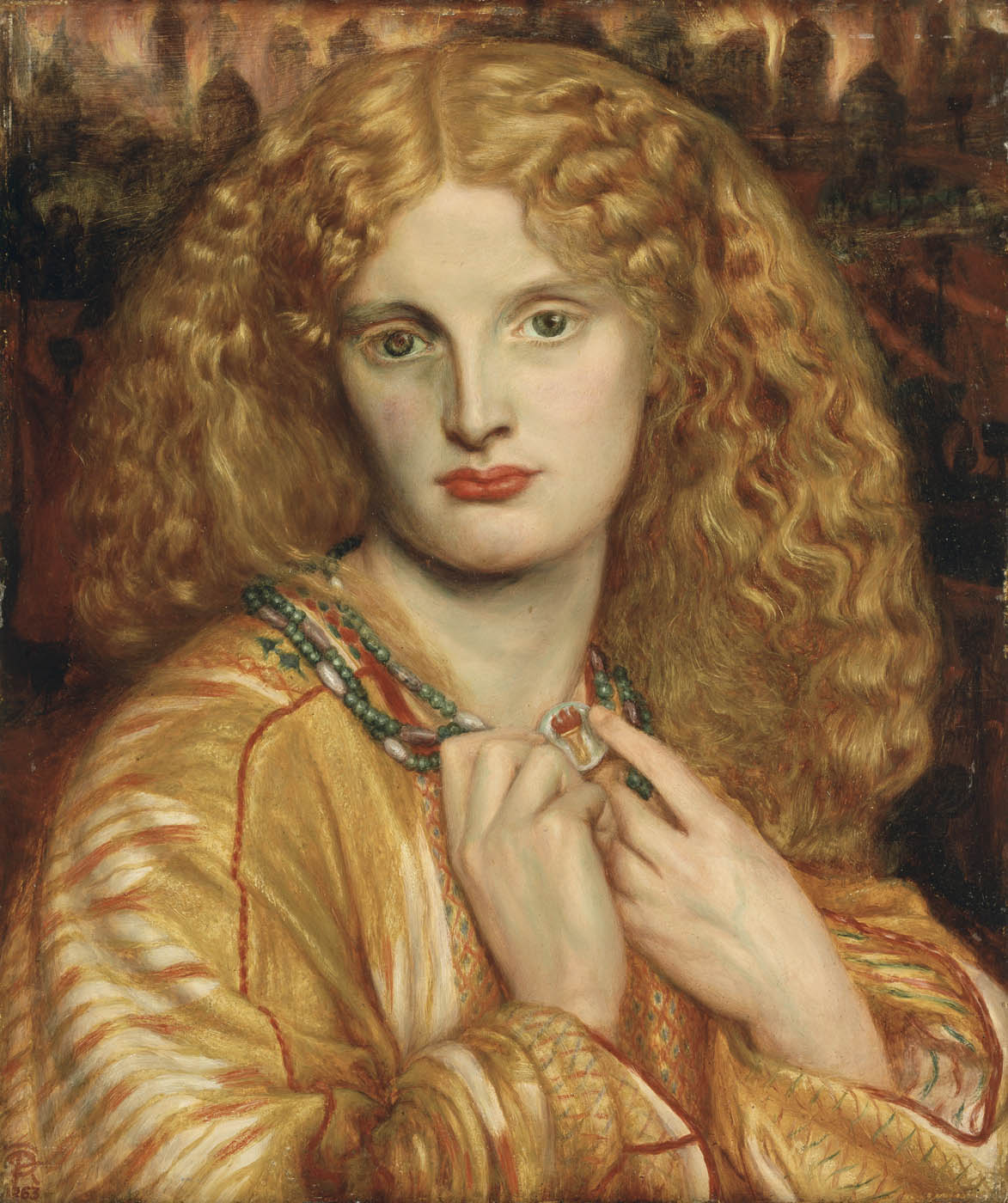


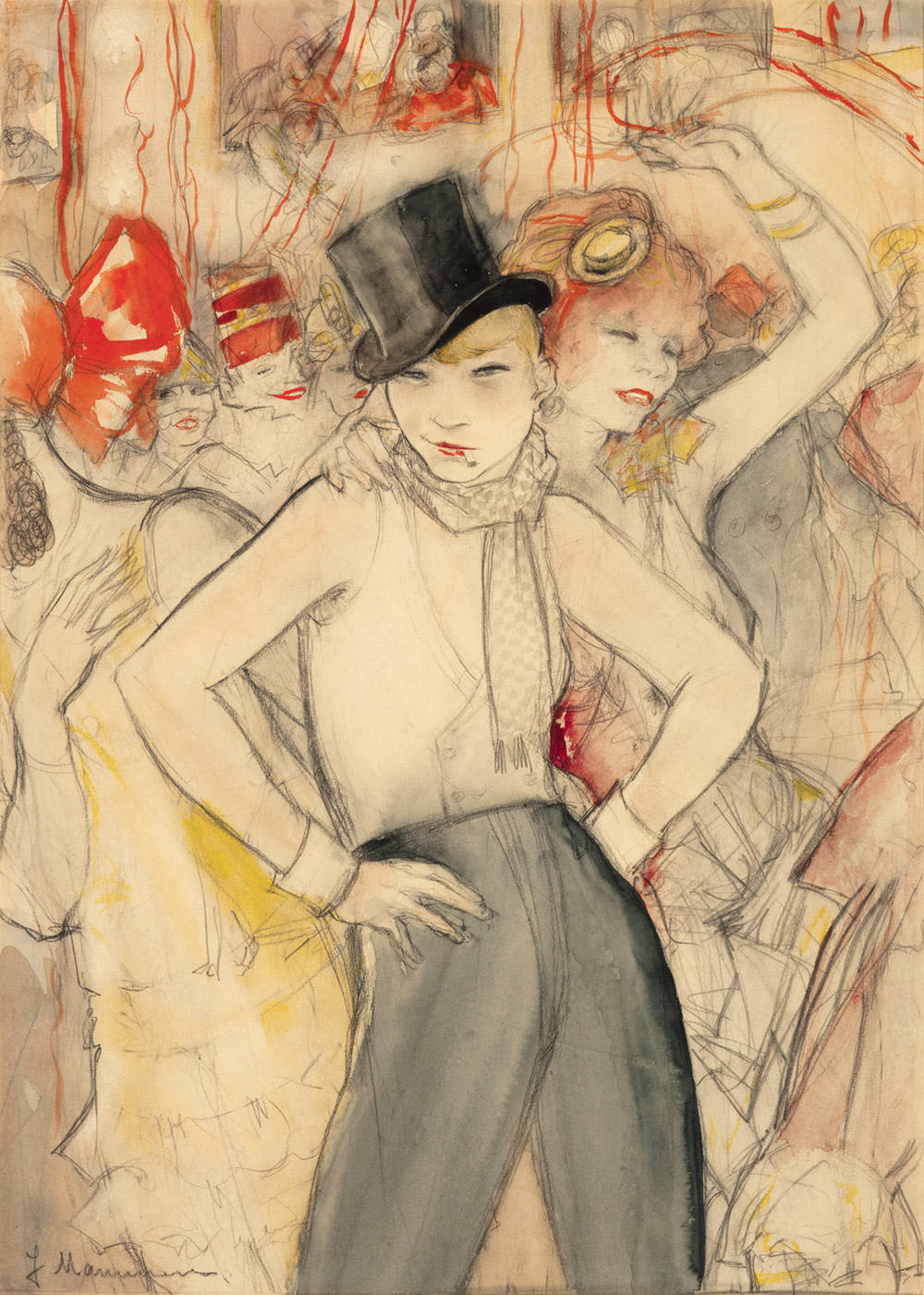


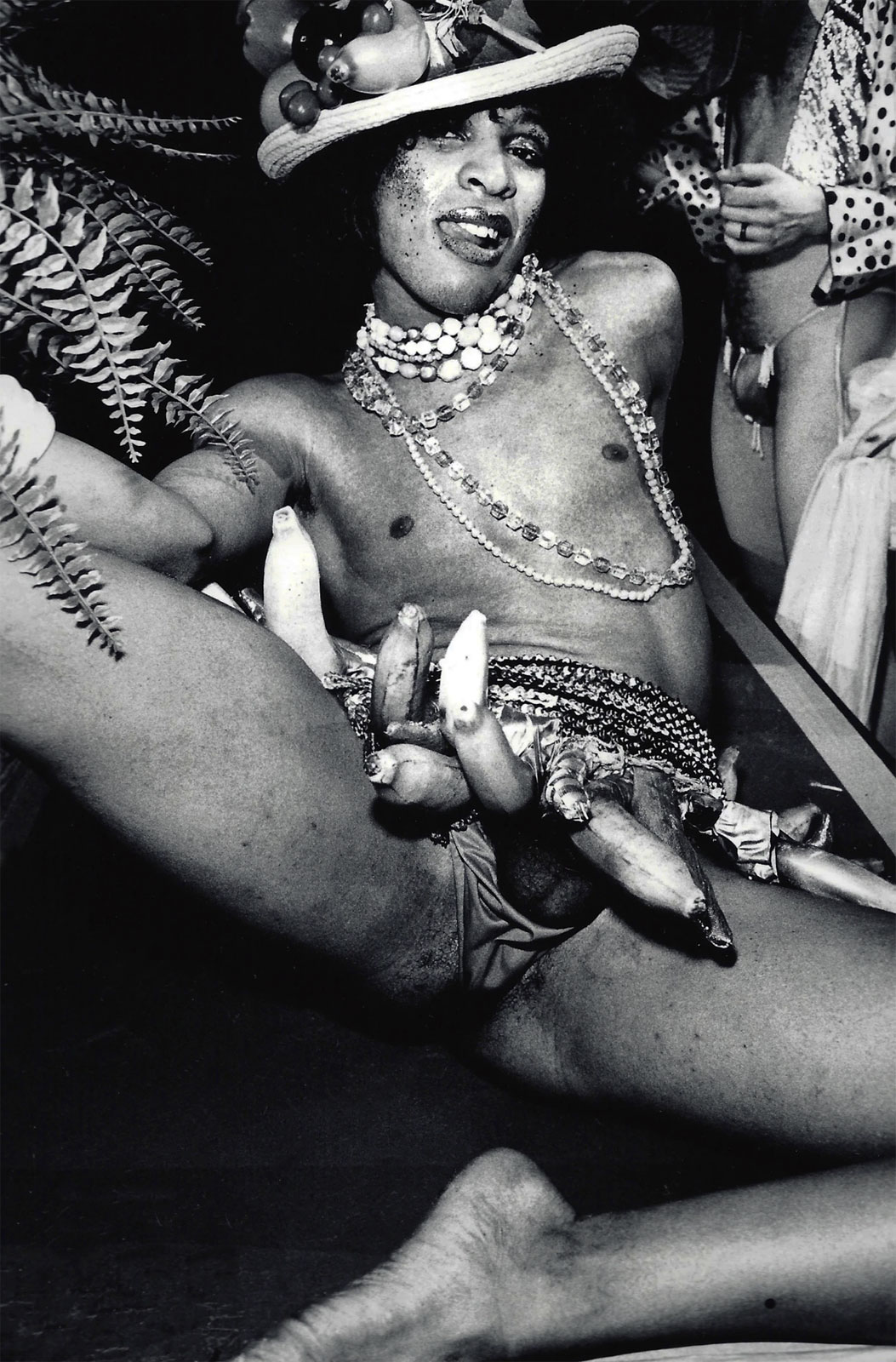


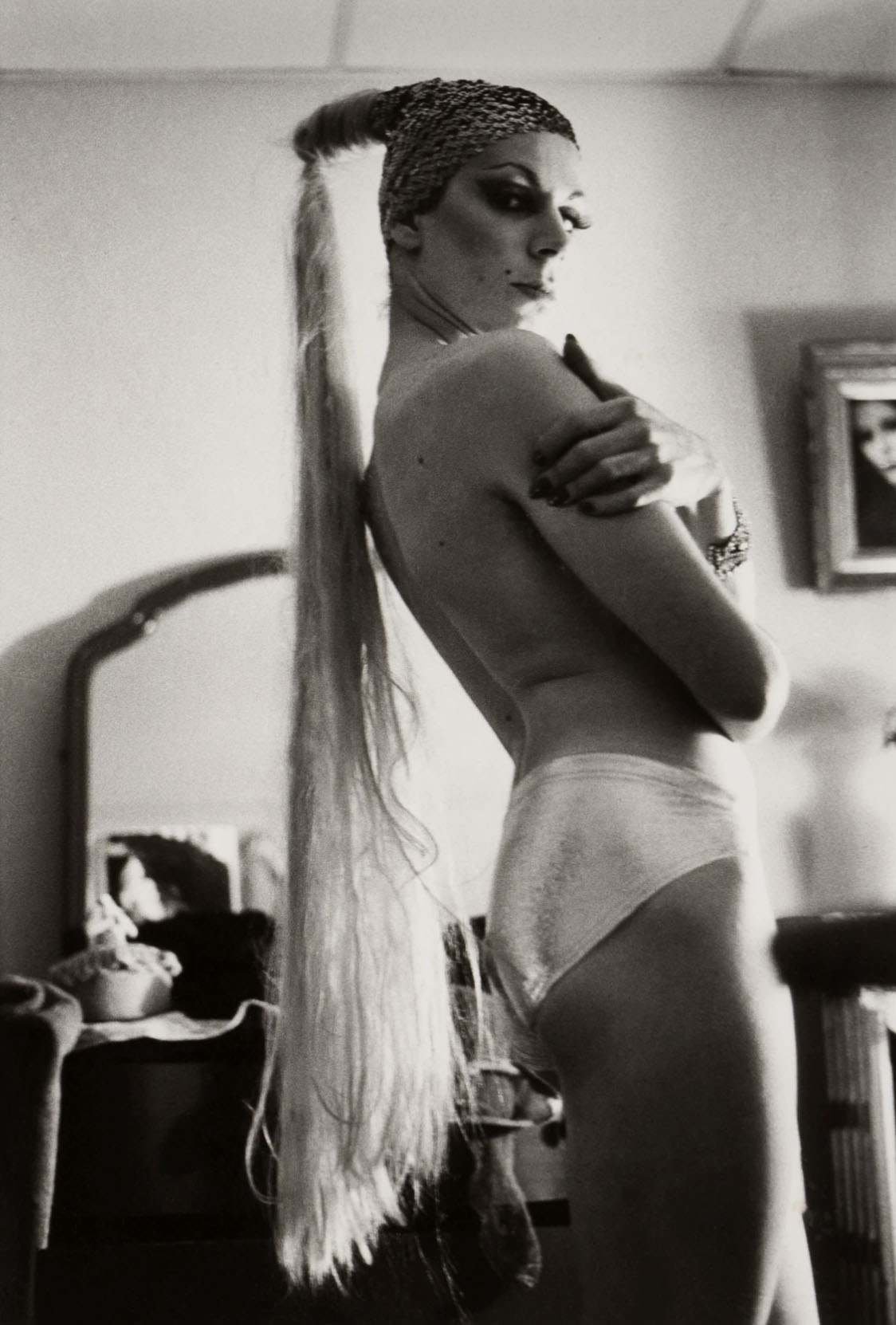


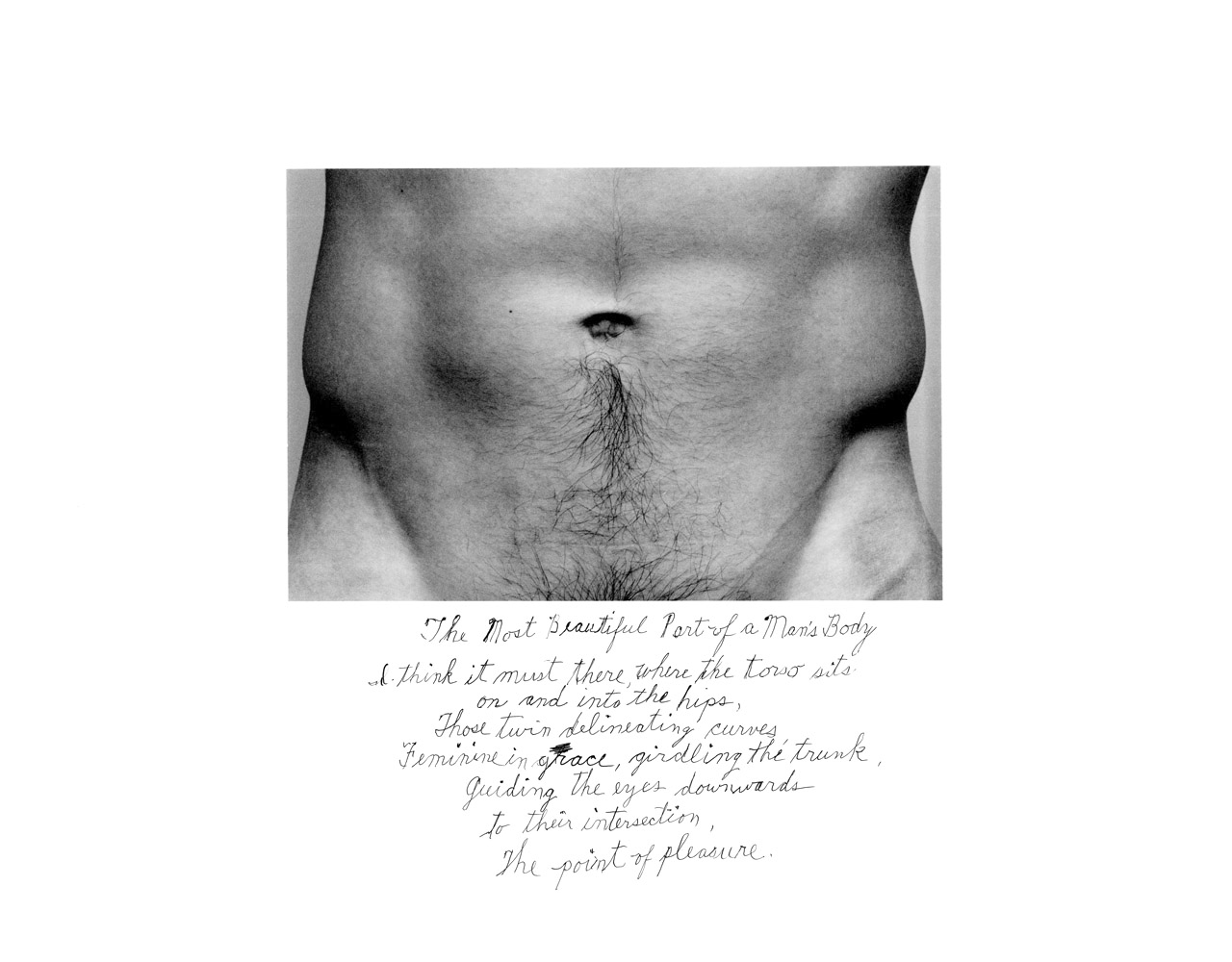


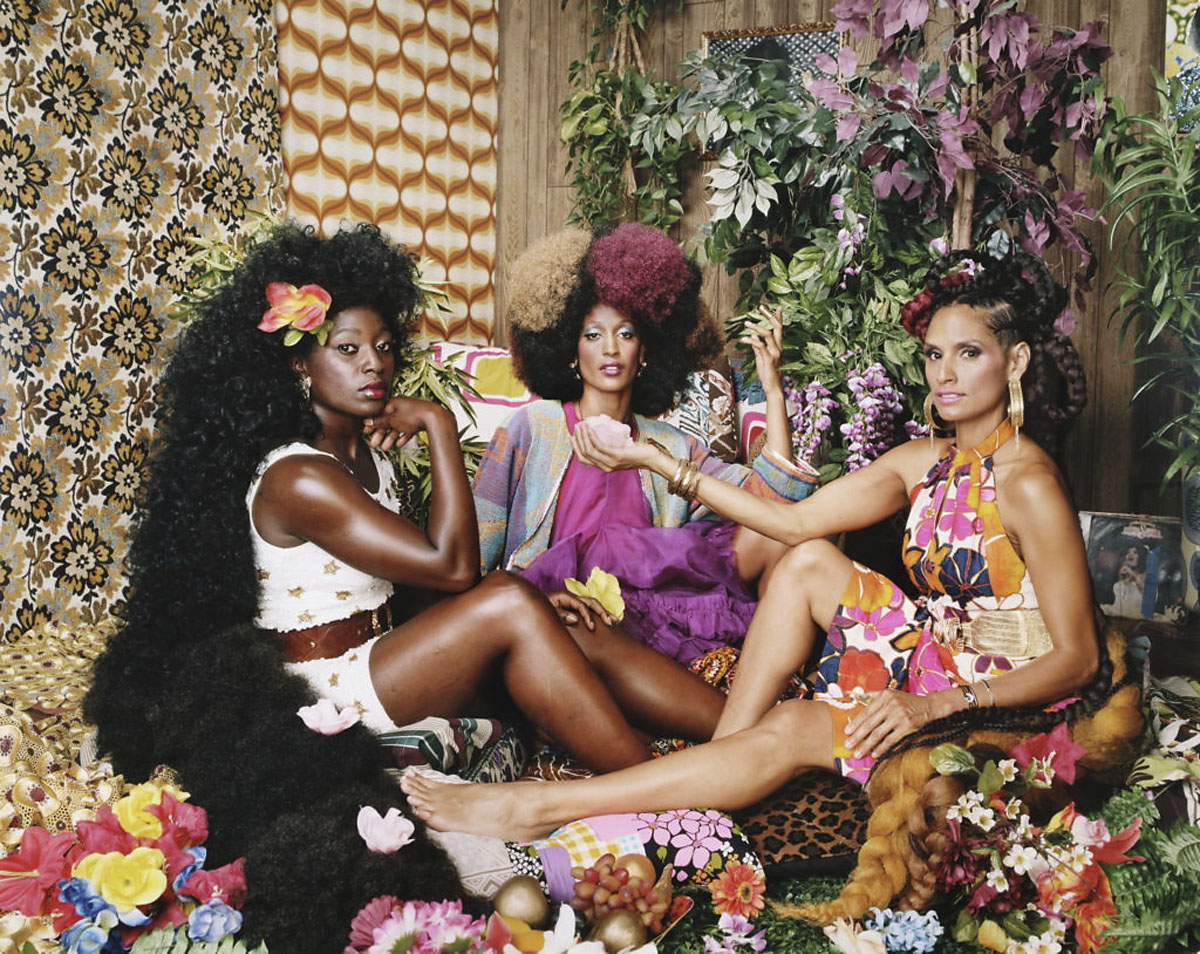

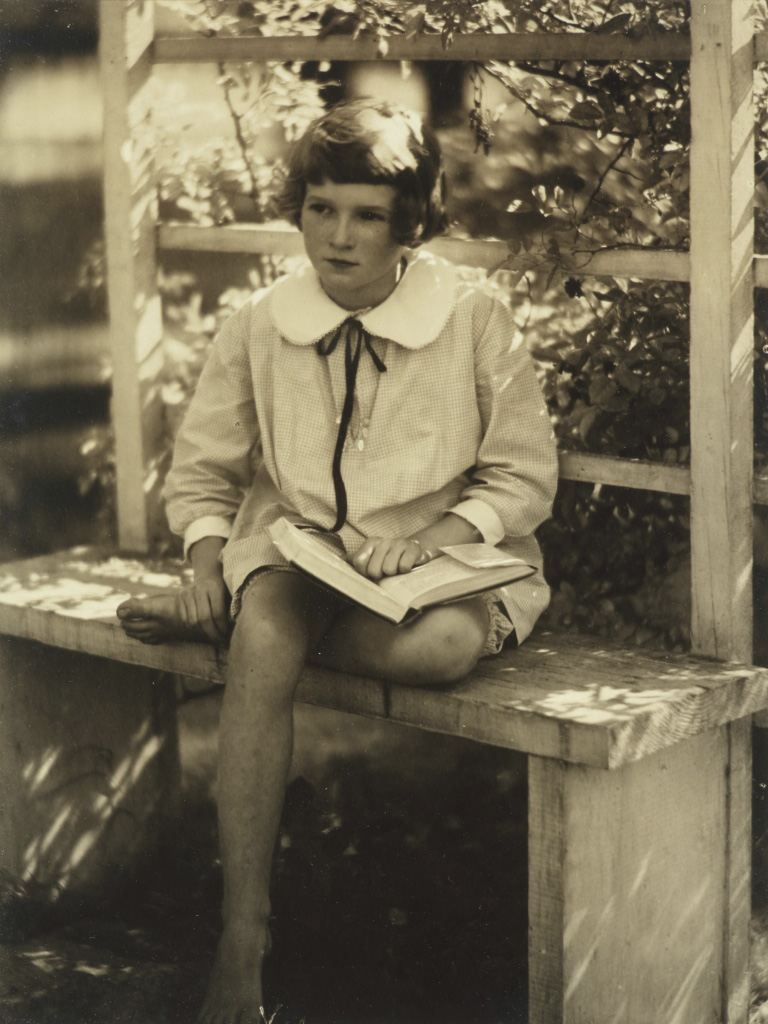
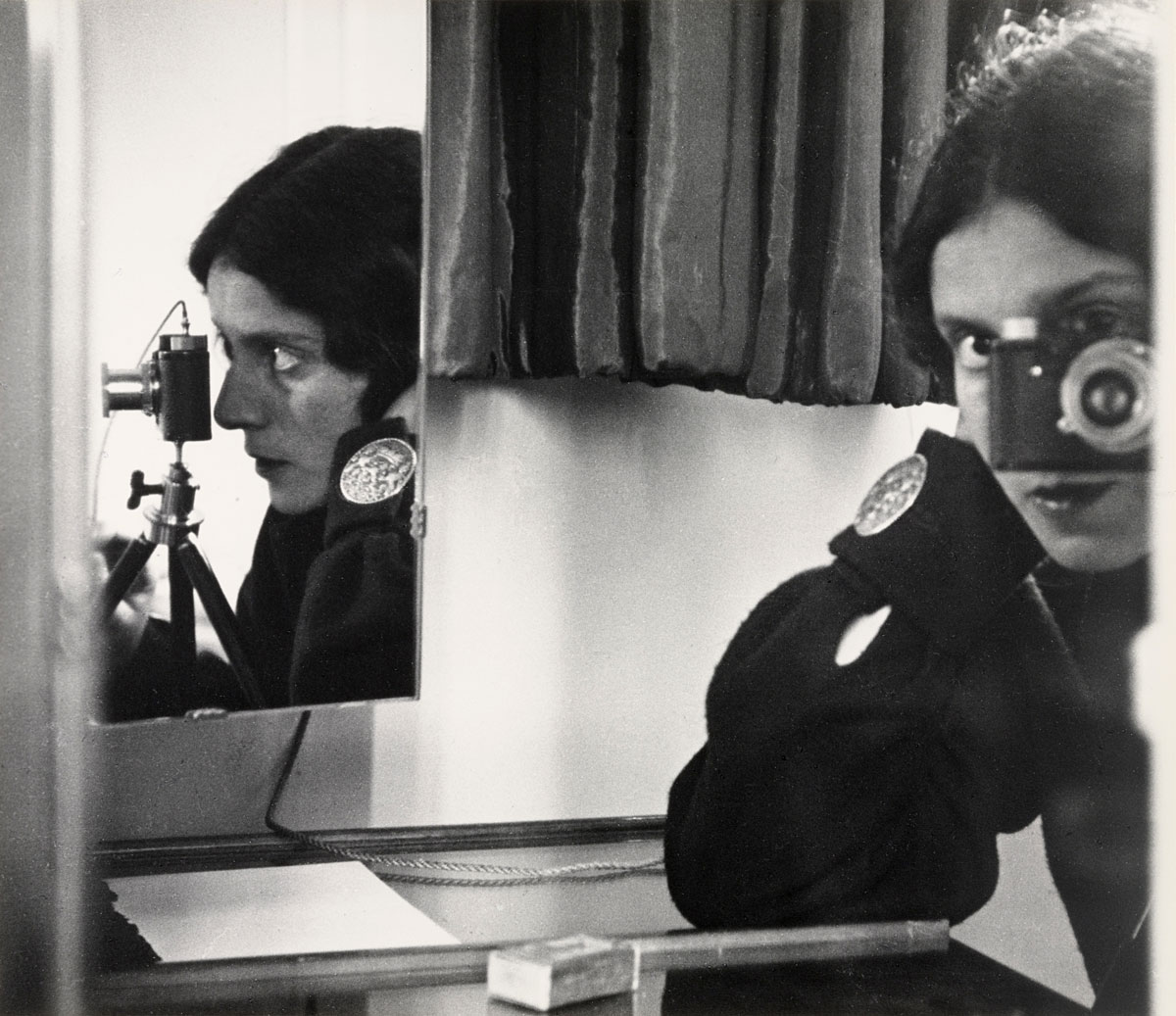
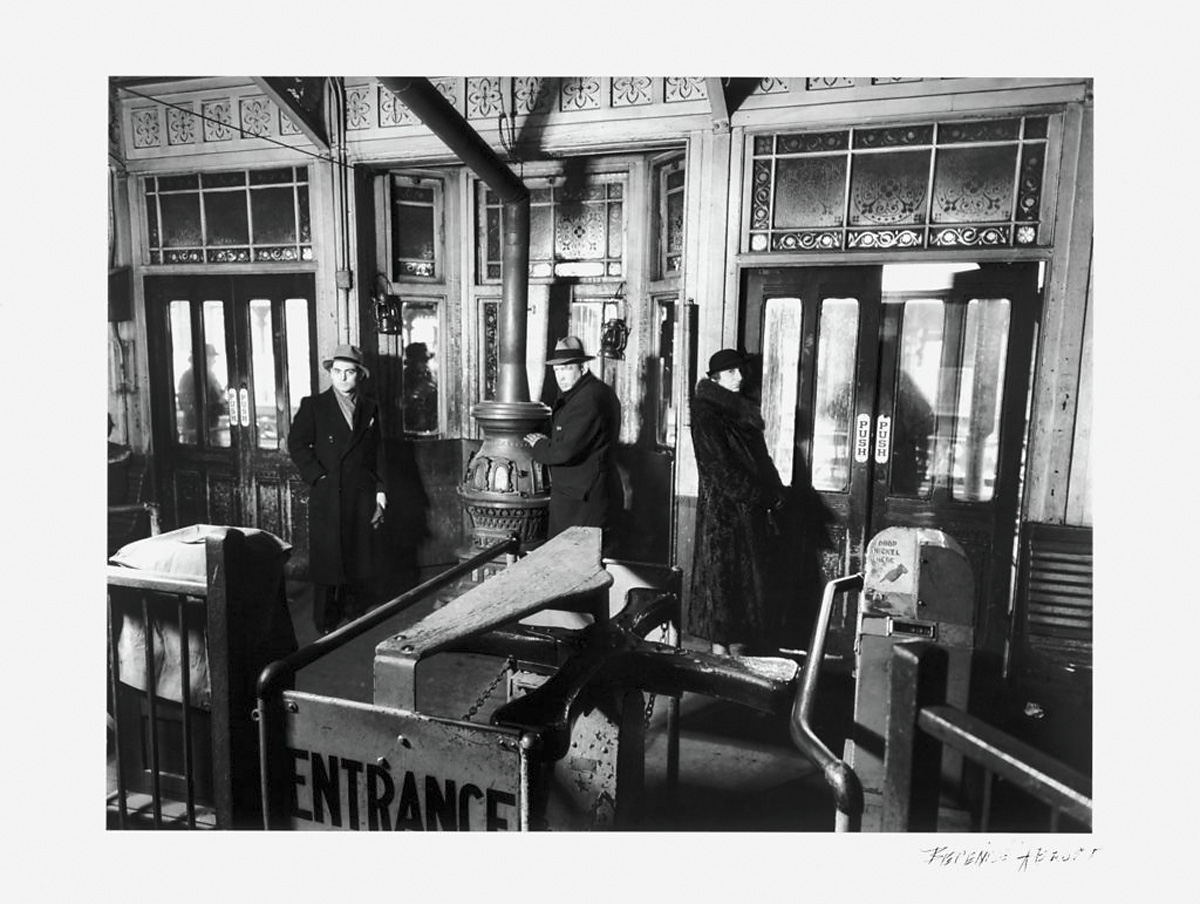
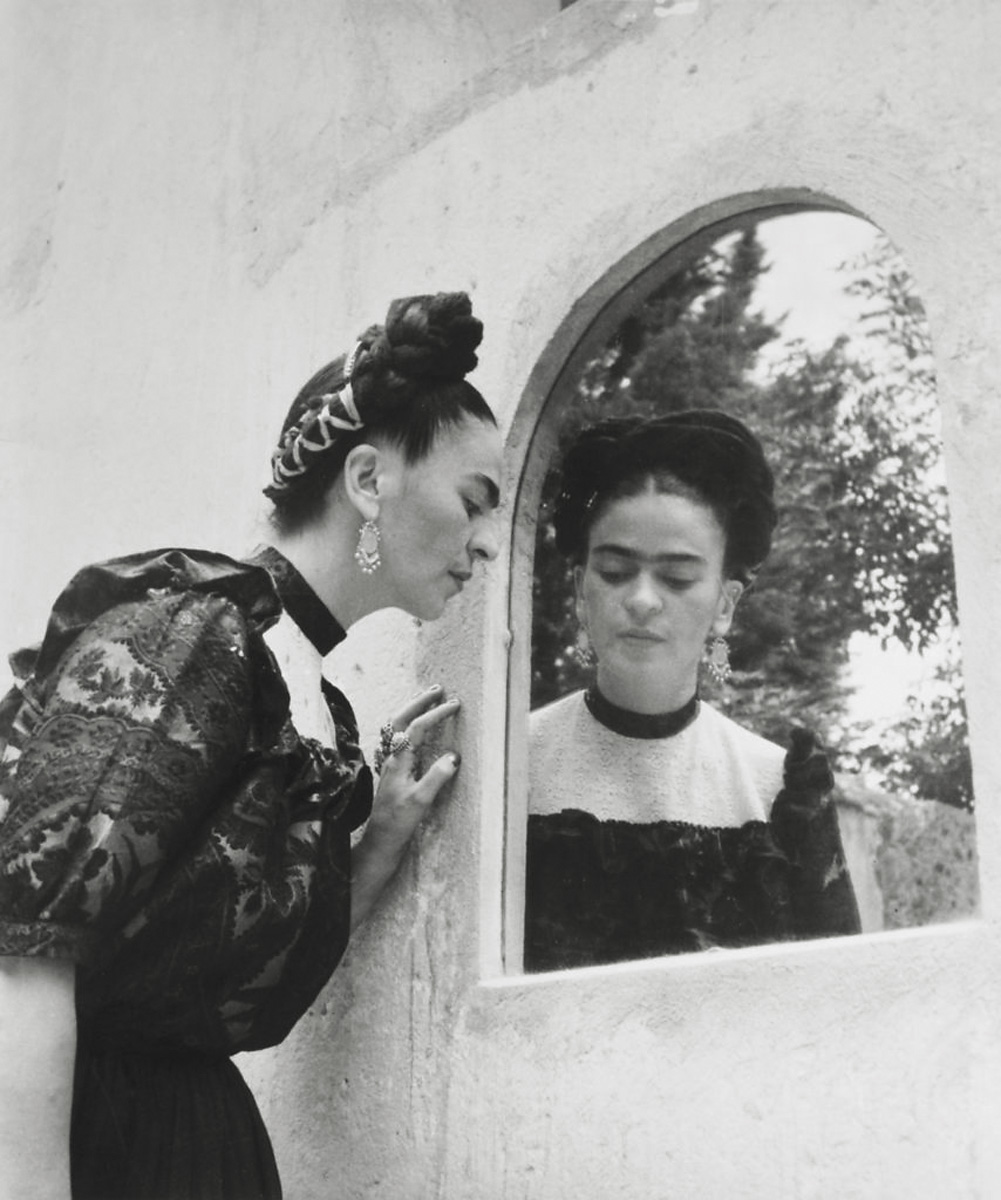


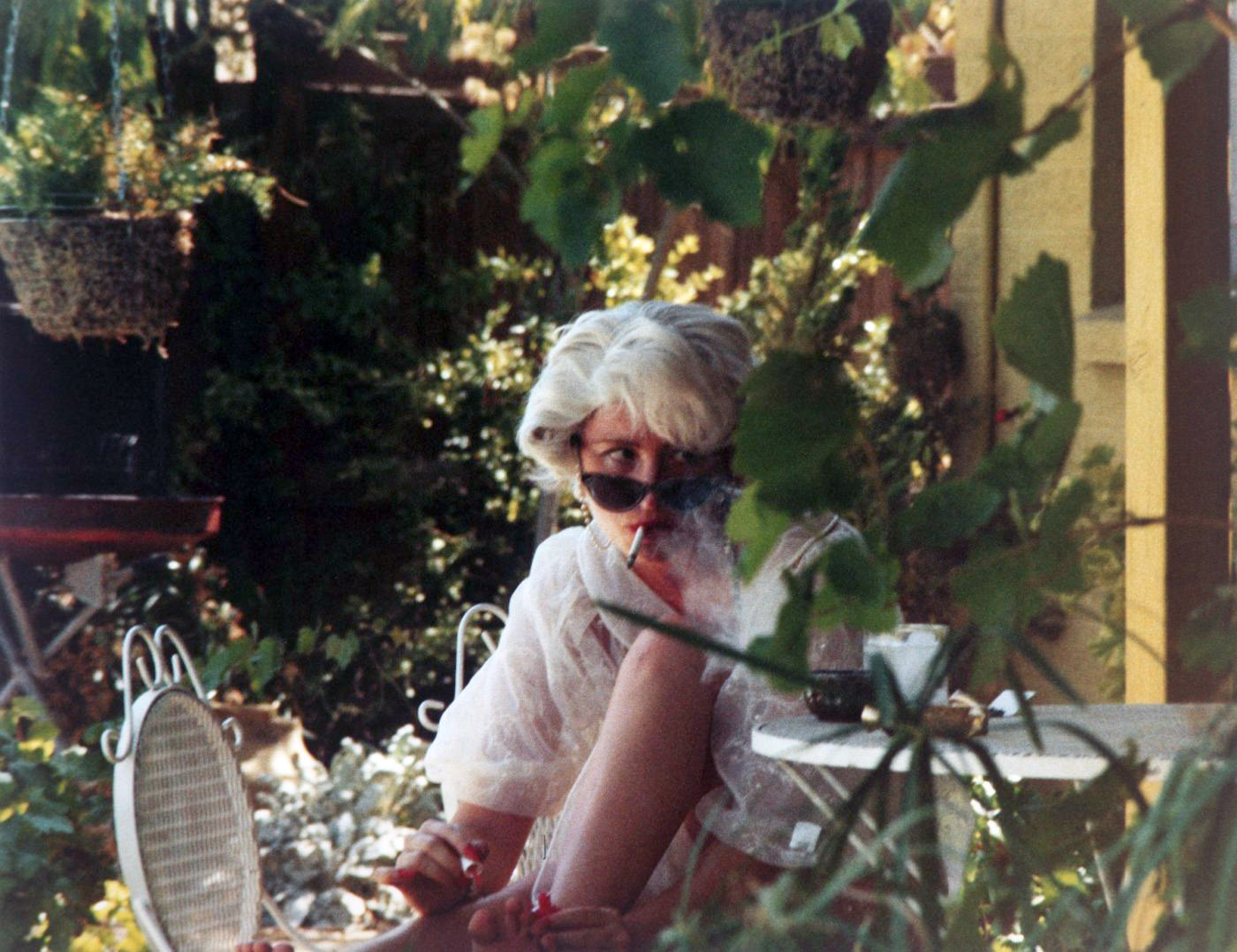


![Weegee (Arthur Fellig) (American born Austria, 1899-1968) '[Calypso]' about 1944; before 1946 from the exhibition Exhibition: 'Unseen: 35 Years of Collecting Photographs' at the J. Paul Getty Museum, Los Angeles, Dec 2019 - March 2020](https://artblart.com/wp-content/uploads/2020/02/gm_04305501_2000x2000.jpg "Weegee (Arthur Fellig) (American born Austria, 1899-1968) '[Calypso]' about 1944; before 1946 from the exhibition Exhibition: 'Unseen: 35 Years of Collecting Photographs' at the J. Paul Getty Museum, Los Angeles, Dec 2019 - March 2020")
![Carleton Watkins (American, 1829-1916) '[Guadalupe Mill]' 1860 from the exhibition Exhibition: 'Unseen: 35 Years of Collecting Photographs' at the J. Paul Getty Museum, Los Angeles, Dec 2019 - March 2020](https://artblart.com/wp-content/uploads/2020/02/gm_06196501_2000x2000.jpg "Carleton Watkins (American, 1829-1916) '[Guadalupe Mill]' 1860 from the exhibition Exhibition: 'Unseen: 35 Years of Collecting Photographs' at the J. Paul Getty Museum, Los Angeles, Dec 2019 - March 2020")


![Marinus Jacob Kjeldgaard (Danish, 1884-1964, active Paris, France late 1930s - late 1940s) '[Collage: Balance of Powers]' about 1939](https://artblart.com/wp-content/uploads/2020/02/gm_05085801_2000x2000.jpg "Marinus Jacob Kjeldgaard (Danish, 1884-1964, active Paris, France late 1930s - late 1940s) '[Collage: Balance of Powers]' about 1939")
![Paul Outerbridge (American, 1896-1958) '[Egg in Spotlight]' 1943](https://artblart.com/wp-content/uploads/2020/02/gm_32105401_2000x2000.jpg "Paul Outerbridge (American, 1896-1958) '[Egg in Spotlight]' 1943")
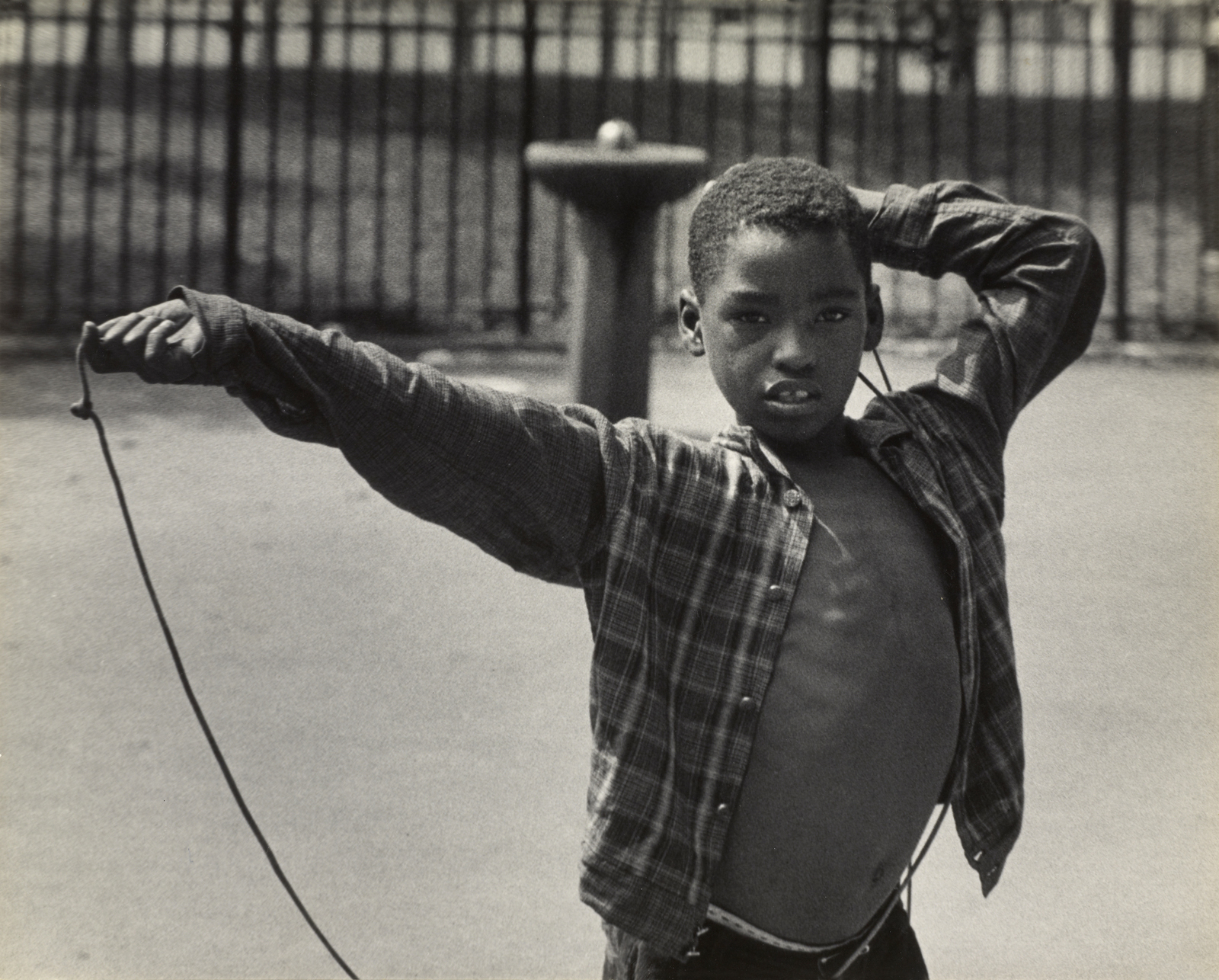
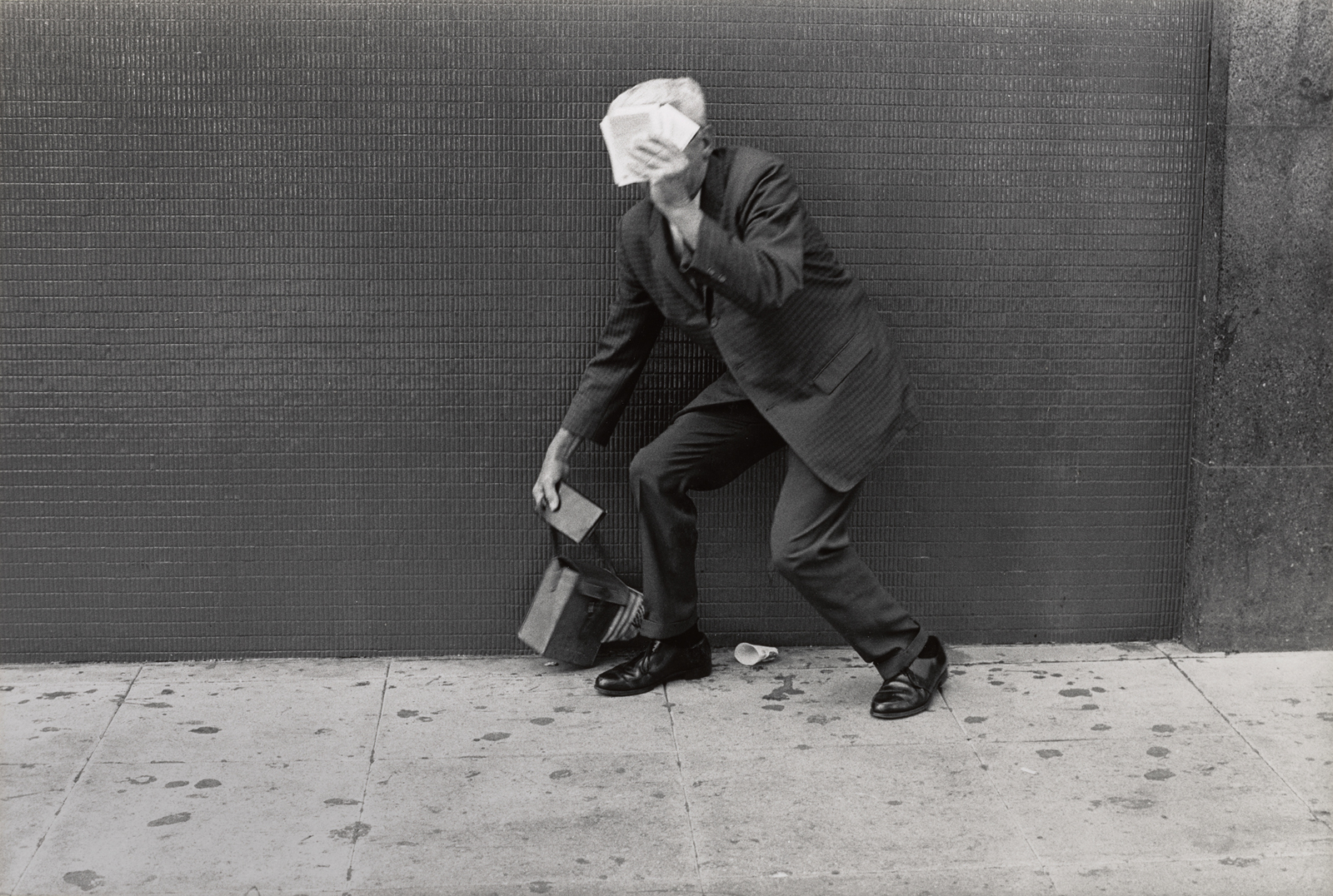


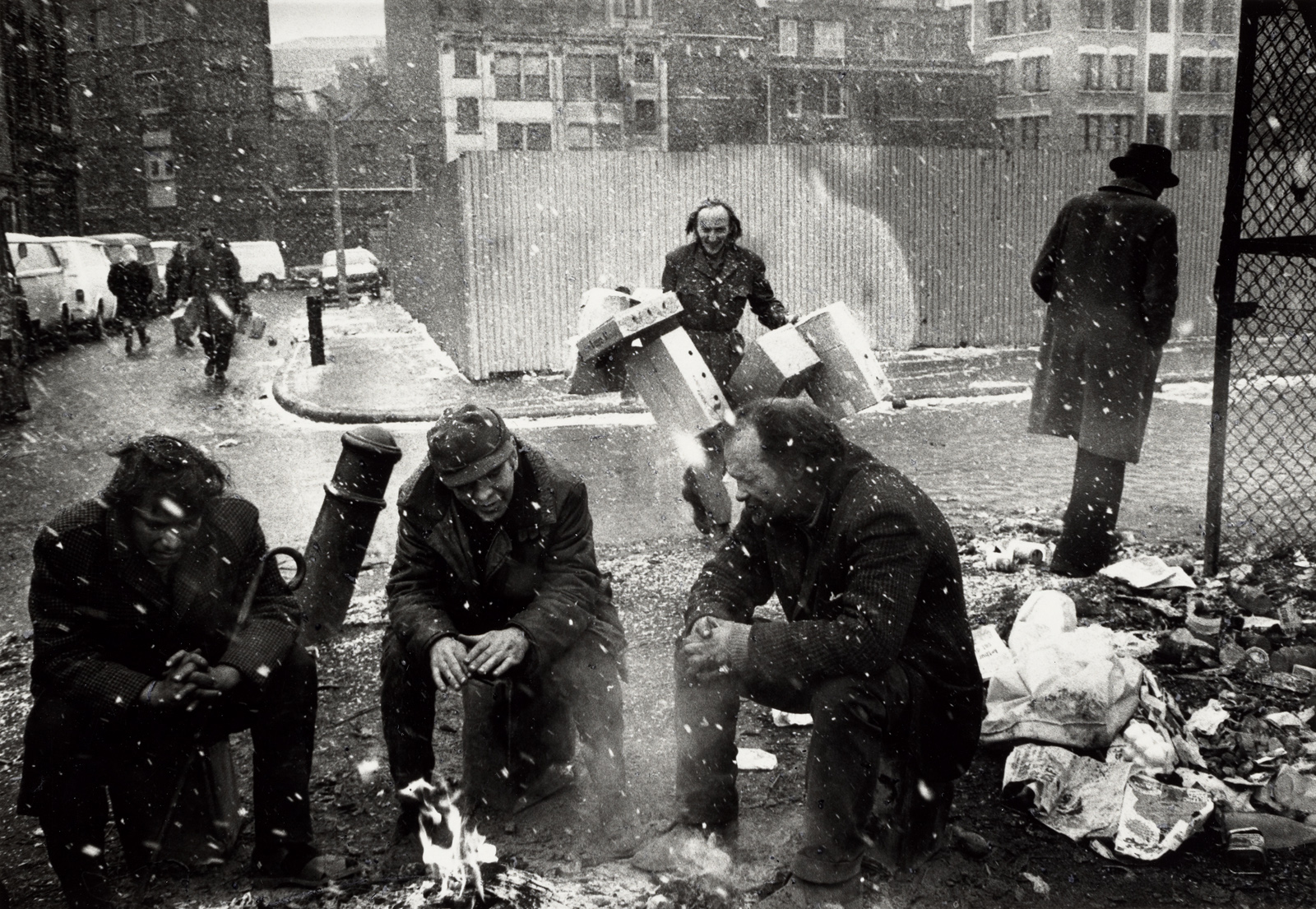
![Shigeichi Nagano (Japanese, 1925-2019, active Tokyo, Japan) '[Tokyo, Aobadai (Nishi Saigoyama Park), Meguro Ward]' 1988](https://artblart.com/wp-content/uploads/2020/02/gm_30687901_2000x2000.jpg "Shigeichi Nagano (Japanese, 1925-2019, active Tokyo, Japan) '[Tokyo, Aobadai (Nishi Saigoyama Park), Meguro Ward]' 1988")



![Julia Margaret Cameron (British born India, 1815-1879) '[Spring]' 1873](https://artblart.com/wp-content/uploads/2020/02/gm_06520801_2000x2000.jpg "Julia Margaret Cameron (British born India, 1815-1879) '[Spring]' 1873")
![Reverend William Ellis (British, 1794-1872) and Samuel Smith. '[Portrait of a Black Couple]' about 1873](https://artblart.com/wp-content/uploads/2020/02/gm_133436t1v1_2000x2000.jpg "Reverend William Ellis (British, 1794-1872) and Samuel Smith. '[Portrait of a Black Couple]' about 1873")

![László Moholy-Nagy (American born Hungary, 1895-1946) '[The Law of the Series]' 1925](https://artblart.com/wp-content/uploads/2020/02/gm_05309301_2000x2000.jpg "László Moholy-Nagy (American born Hungary, 1895-1946) '[The Law of the Series]' 1925")


![Paul Wolff (German, 1887-1951) and Dr Wolff & Tritschler OHG (German, founded 1927, dissolved 1963) '[Dog at the beach]' 1936](https://artblart.com/wp-content/uploads/2020/02/gm_041552t1v1_2000x2000-1.jpg "Paul Wolff (German, 1887-1951) and Dr Wolff & Tritschler OHG (German, founded 1927, dissolved 1963) '[Dog at the beach]' 1936")
![Walker Evans (American, 1903 - 1975) '[Two Giraffes, Circus Winter Quarters, Sarasota]' 1941](https://artblart.com/wp-content/uploads/2020/02/gm_05269601_2000x2000.jpg "Walker Evans (American, 1903 - 1975) '[Two Giraffes, Circus Winter Quarters, Sarasota]' 1941")




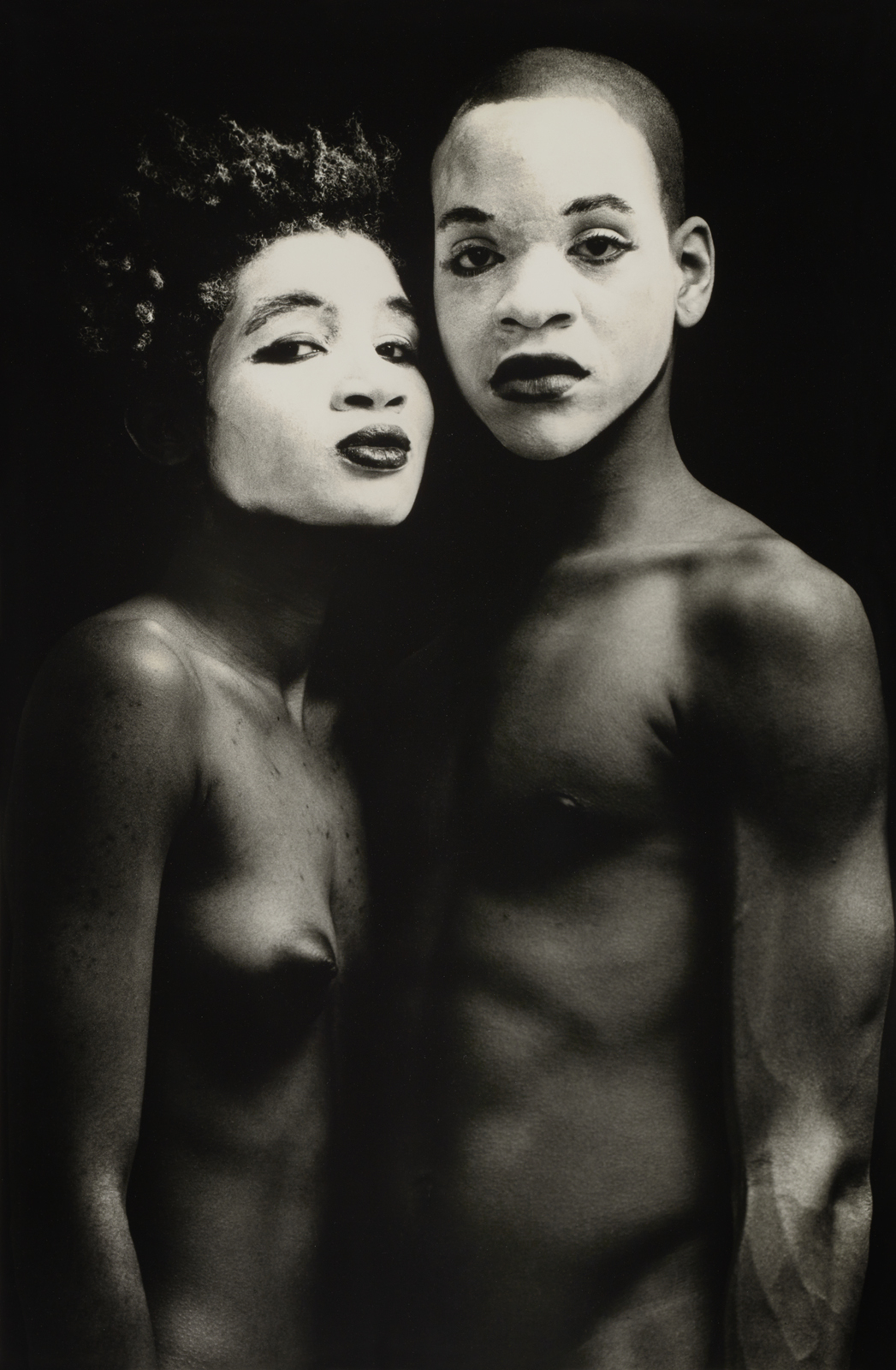
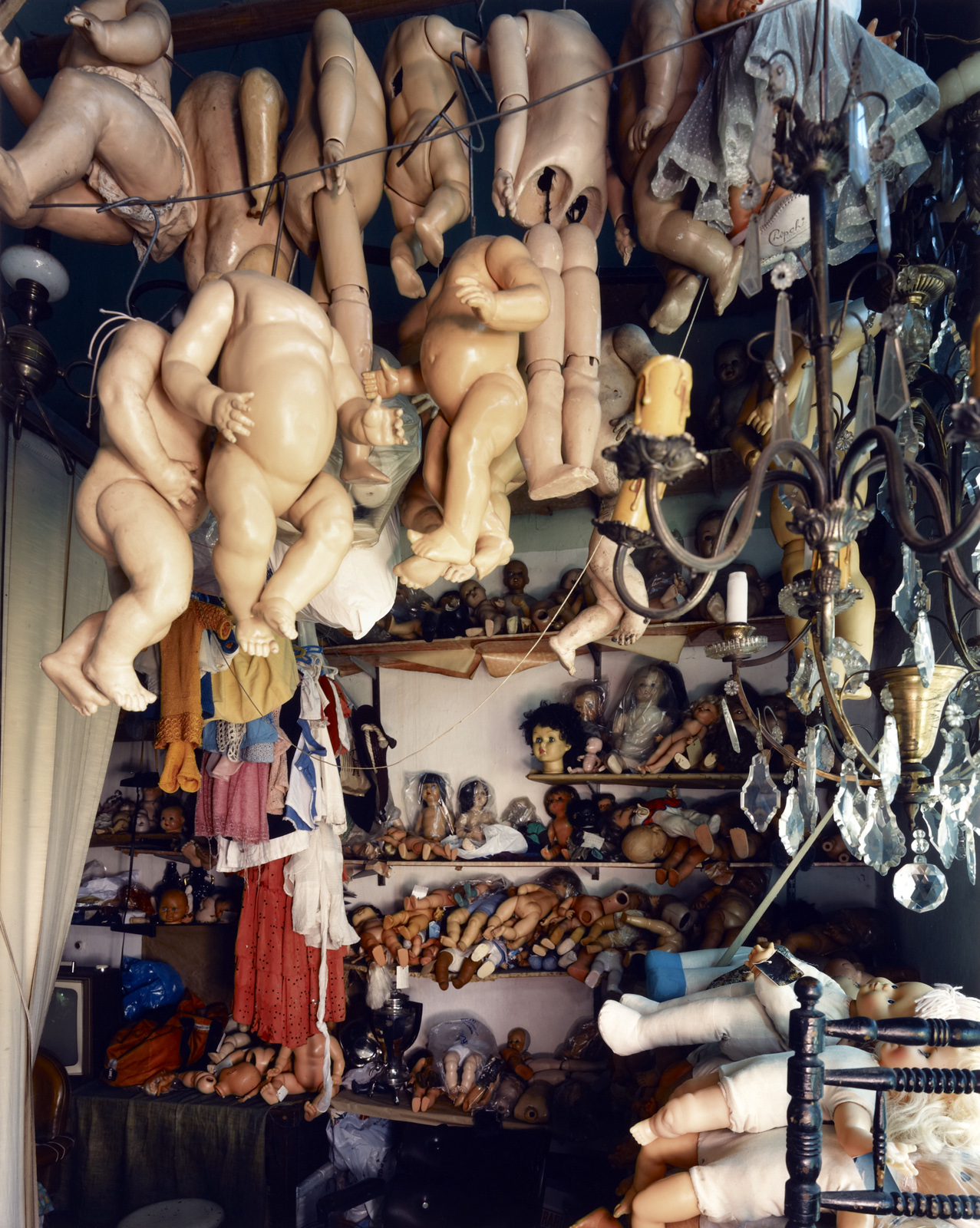

![Myoung Ho Lee (South Korean, b. 1975) '[Tree #2]' 2006](https://artblart.com/wp-content/uploads/2020/02/gm_31977201_2000x2000.jpg "Myoung Ho Lee (South Korean, b. 1975) '[Tree #2]' 2006")
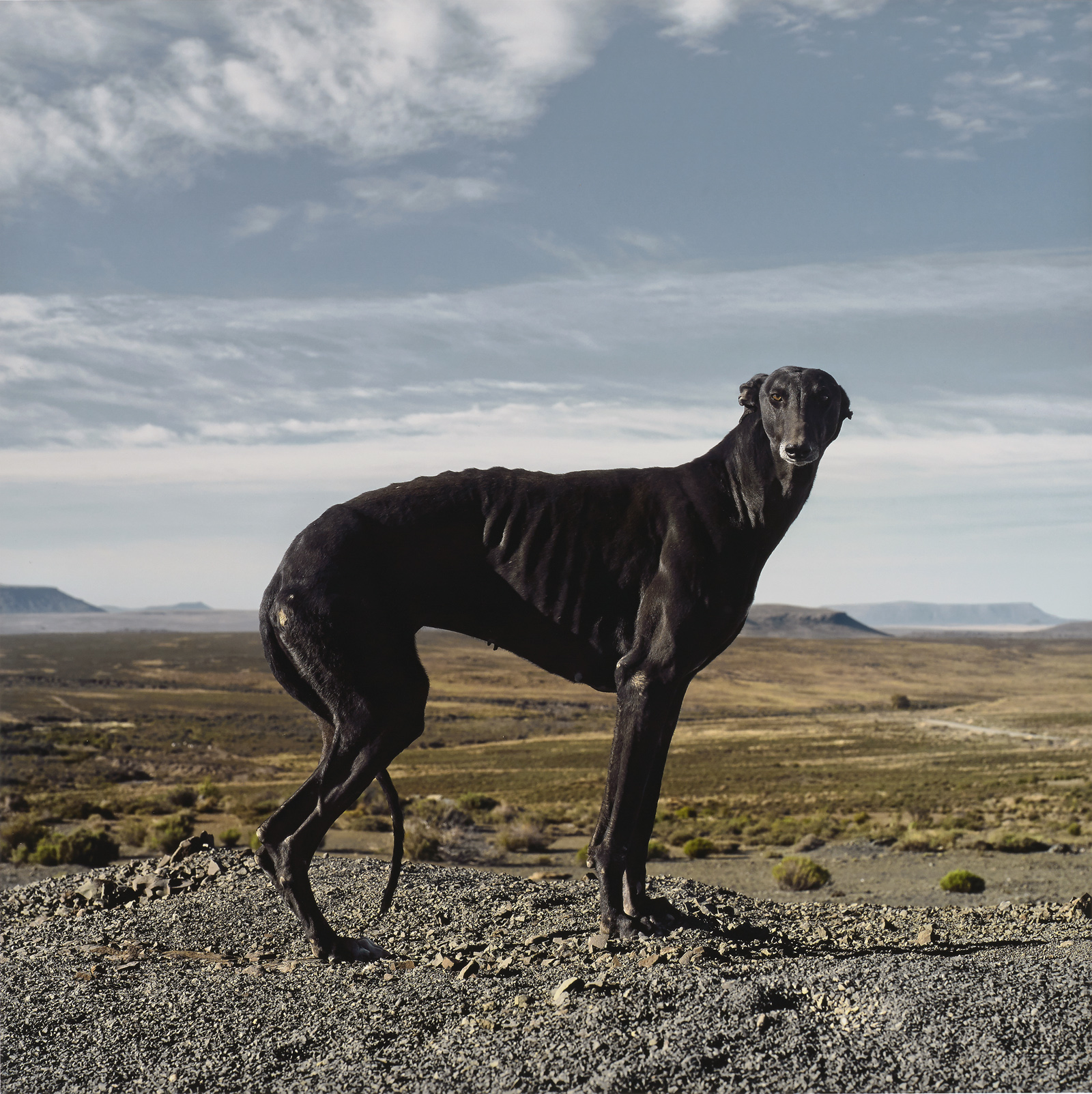
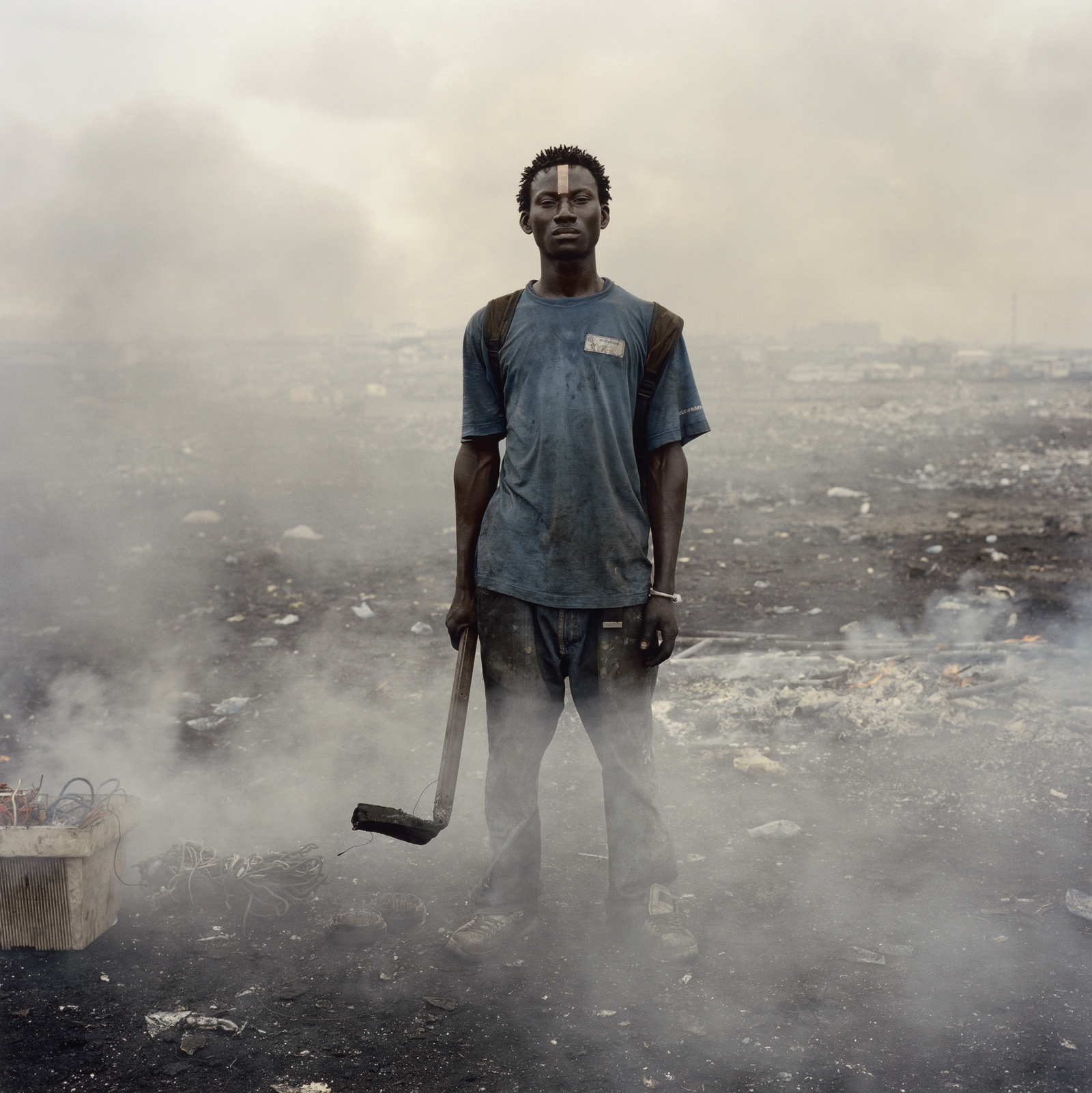








![Peter Hujar (American, 1934-1992) 'Canal Street Piers: Krazy Kat Comic on Wall [by David Wojnarowicz]' 1983](https://artblart.com/wp-content/uploads/2018/07/peter-hujar-canal-street-piers-krazy-kat-comic-on-wall-by-david-wojnarowicz-web.jpg "Peter Hujar (American, 1934-1992) 'Canal Street Piers: Krazy Kat Comic on Wall [by David Wojnarowicz]' 1983")



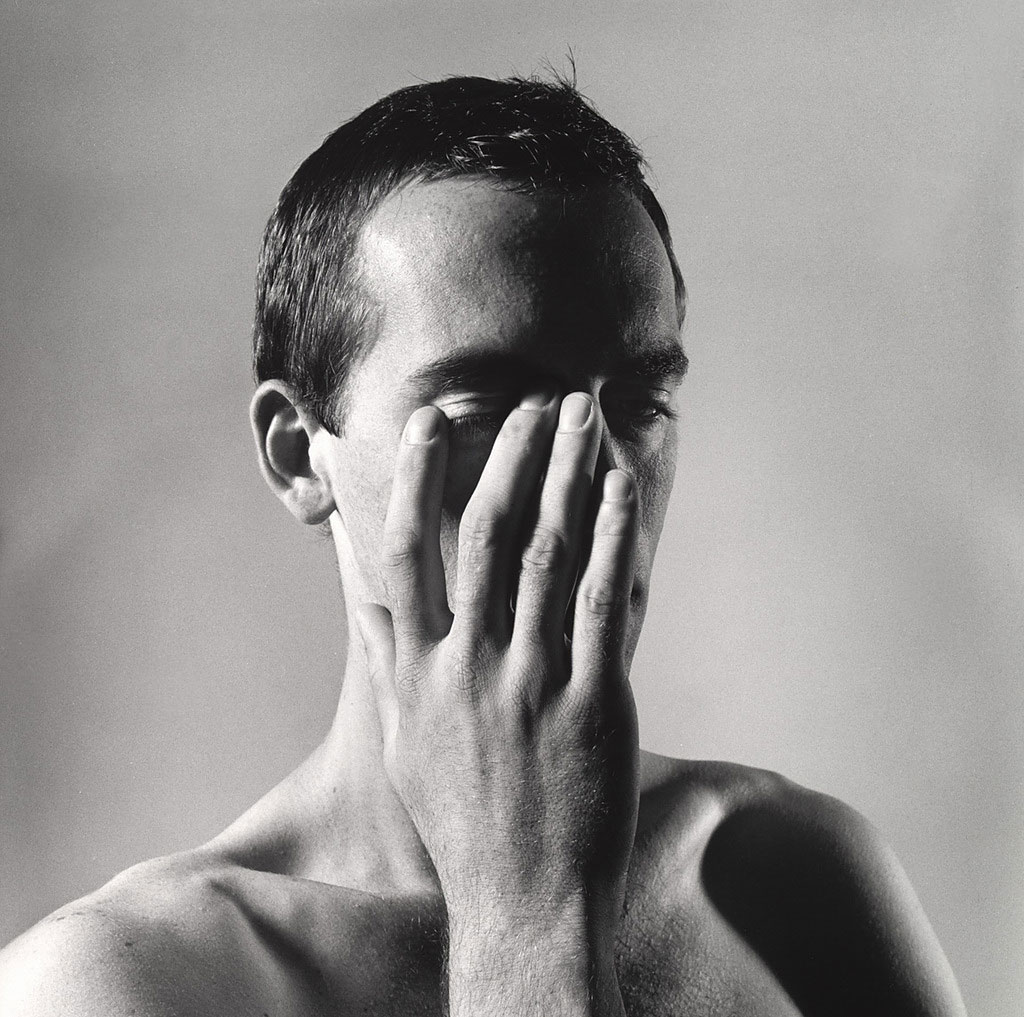

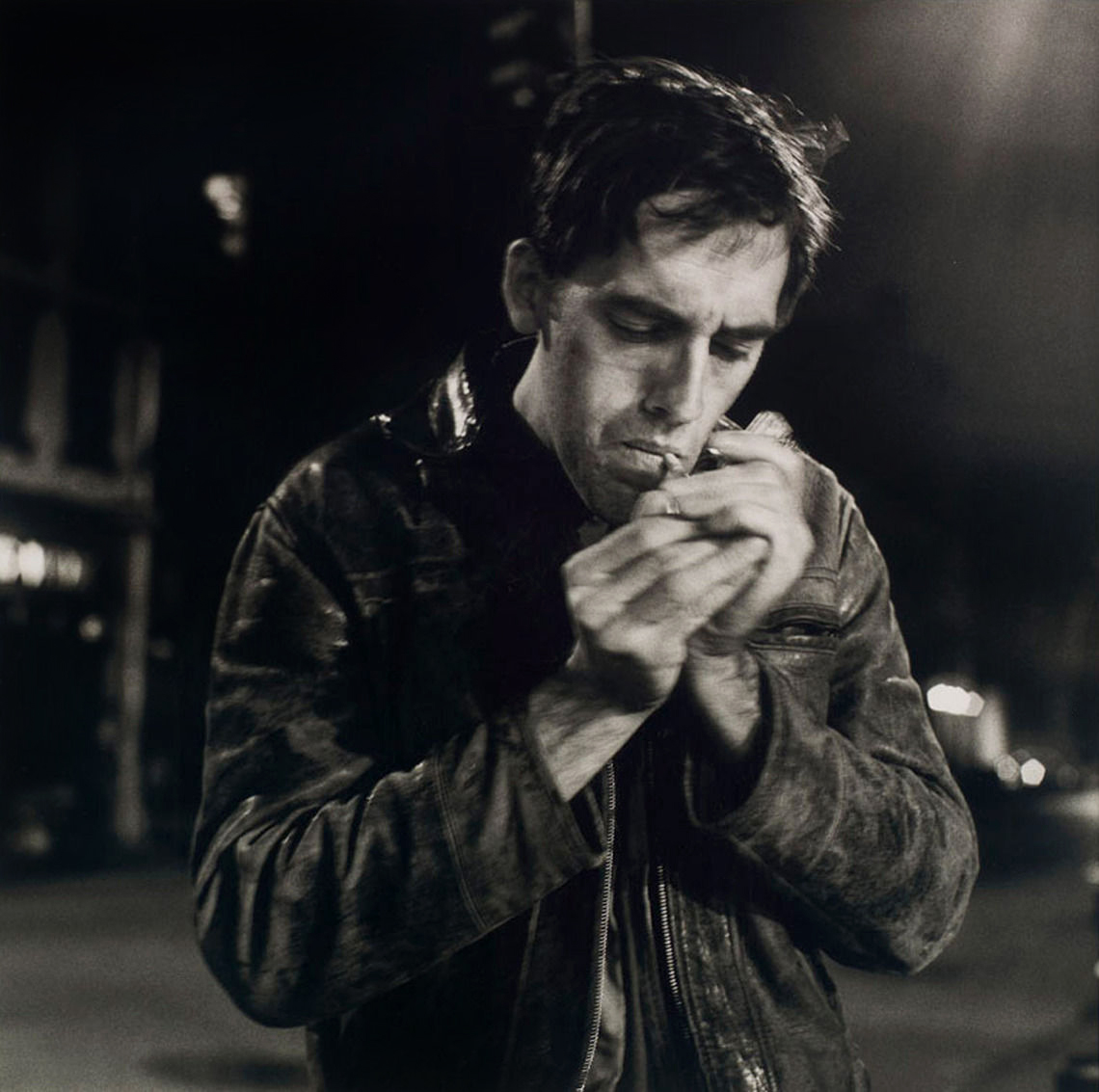











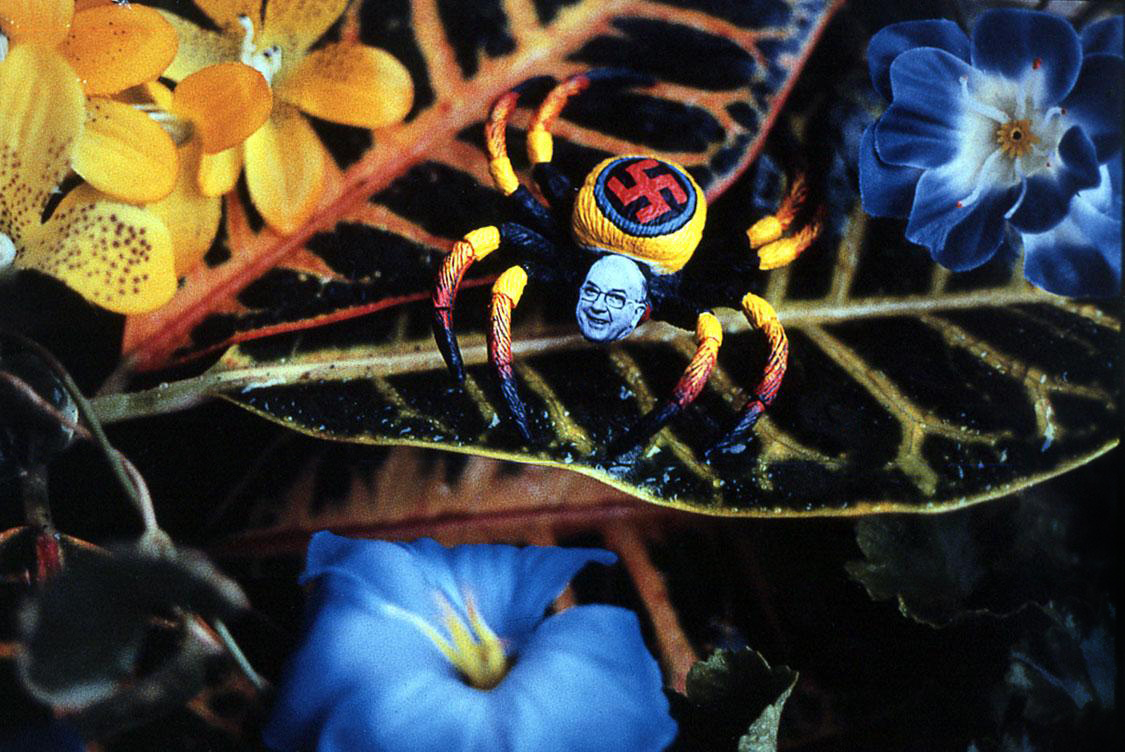

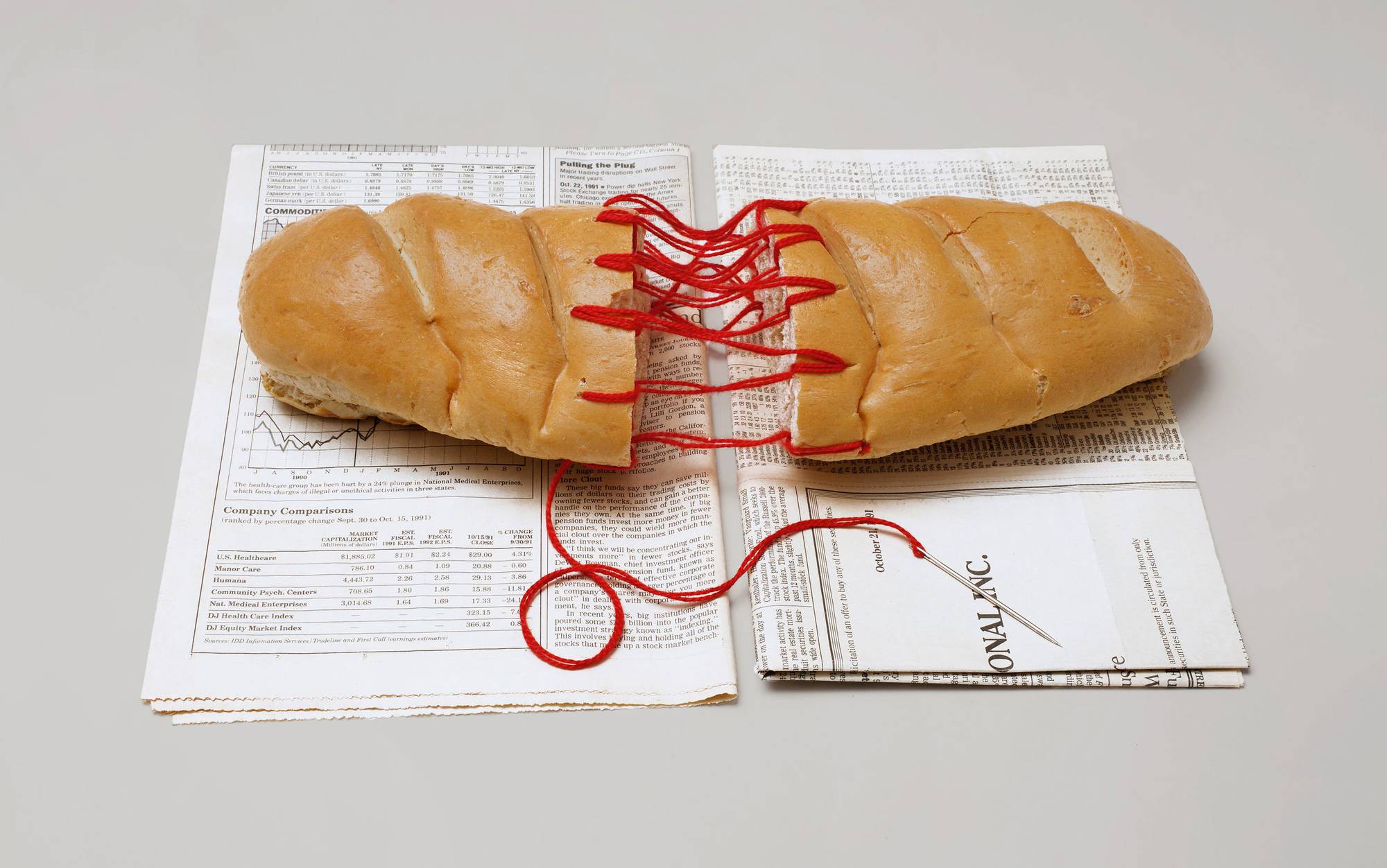


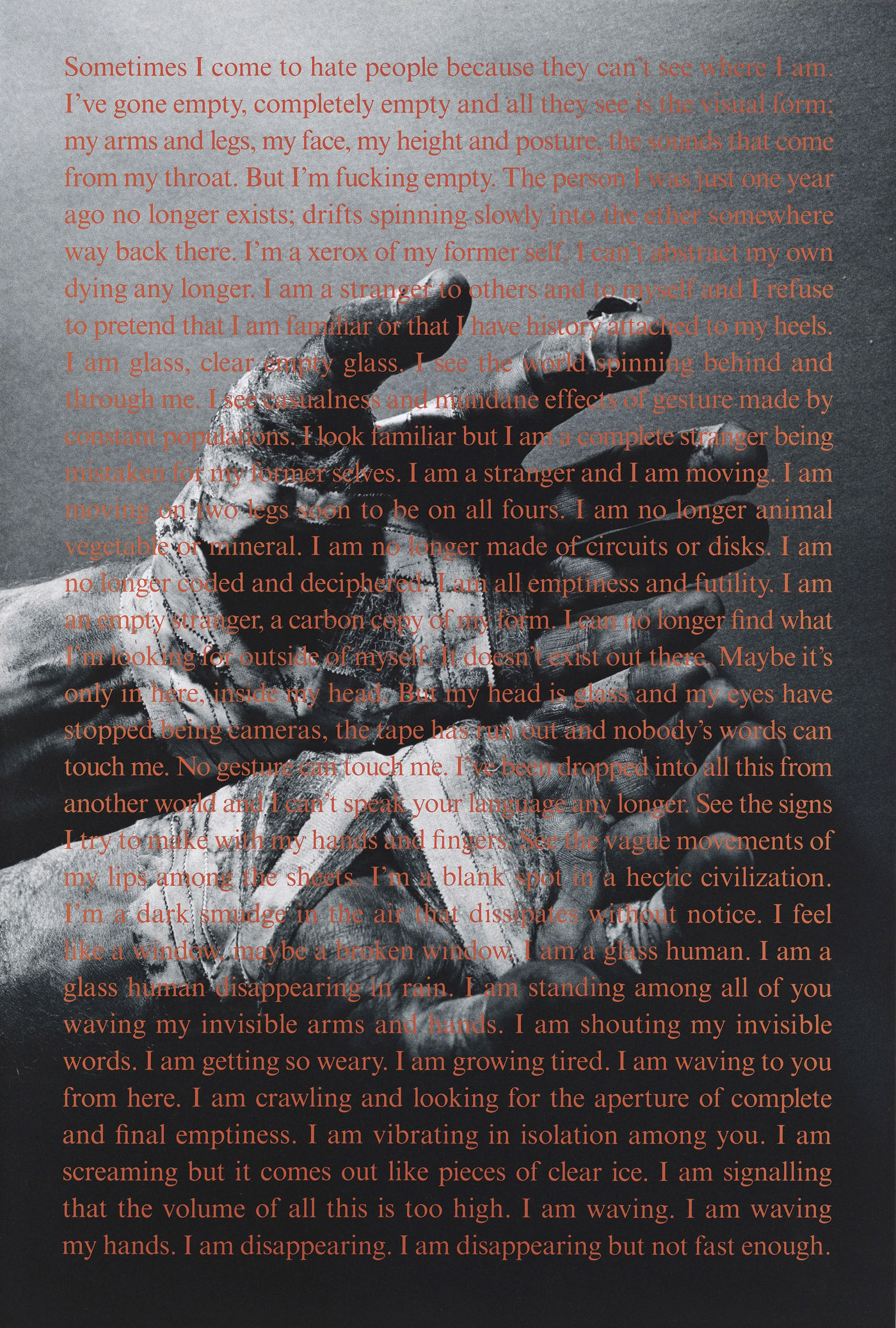
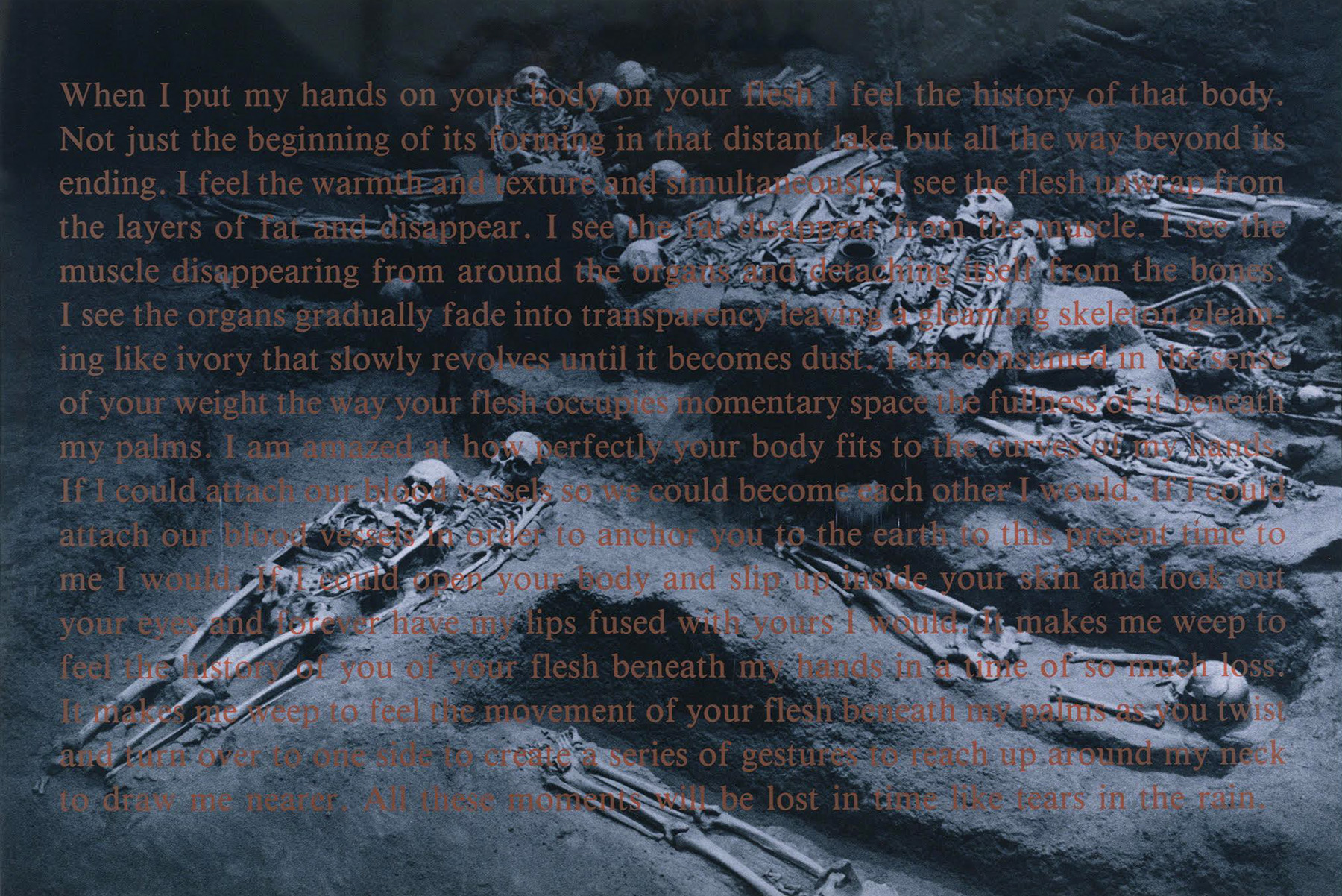
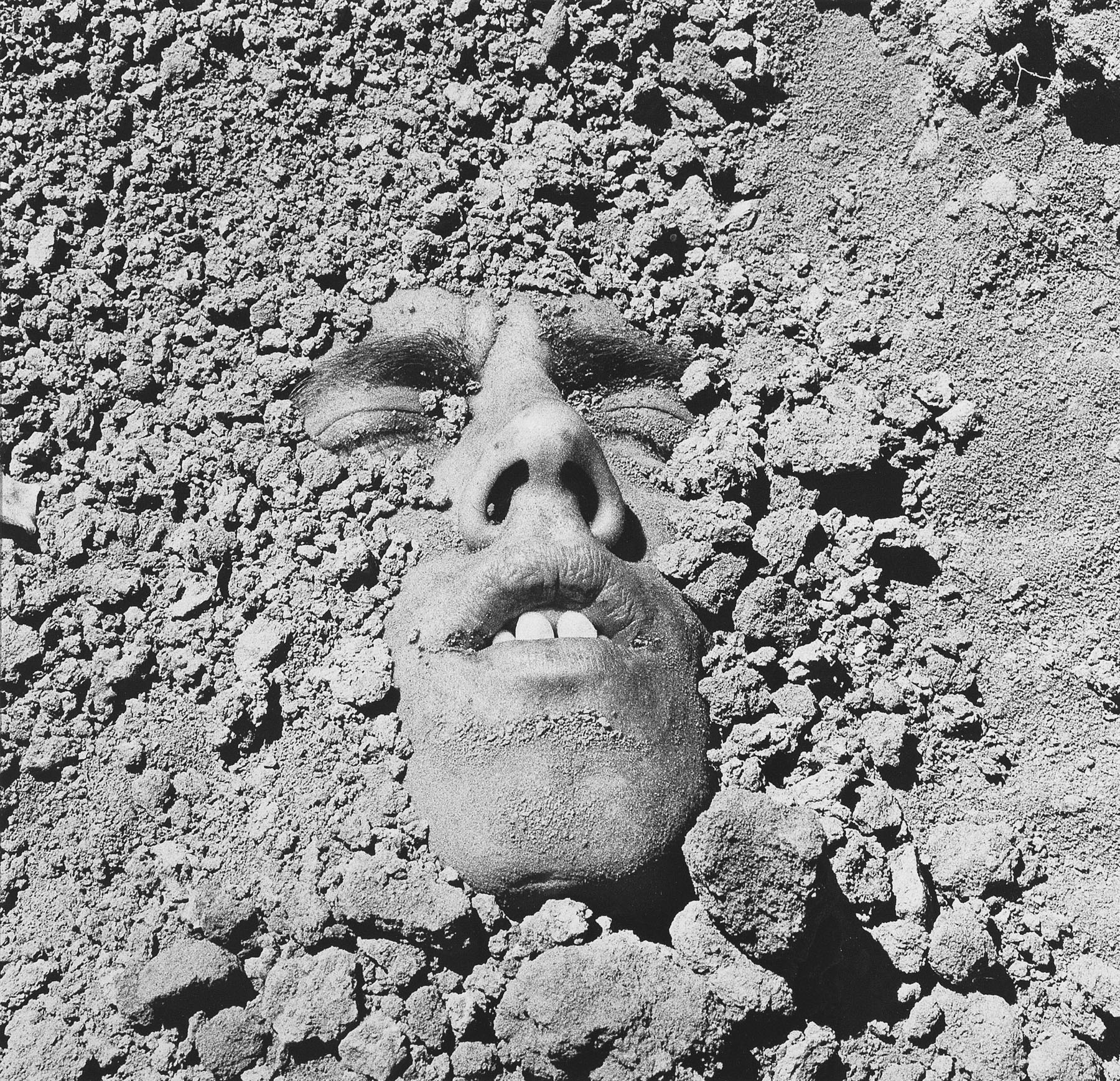


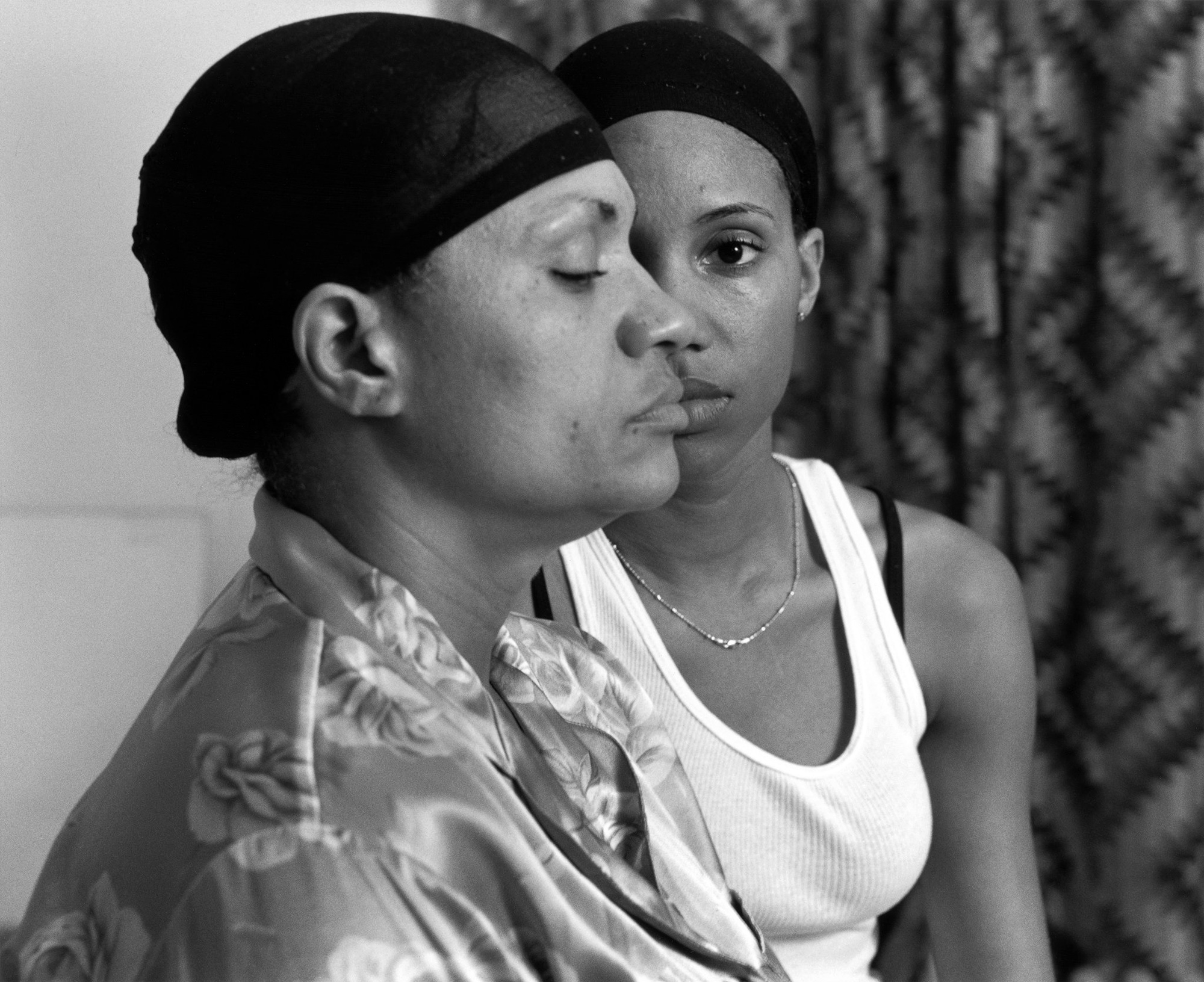

![Photographer unknown (American) 'Untitled [Hidden Mother]' c. 1860s-1870s](https://artblart.com/wp-content/uploads/2018/05/13_hidden-mother_artist-unidentified-web.jpg "Photographer unknown (American) 'Untitled [Hidden Mother]' c. 1860s-1870s")


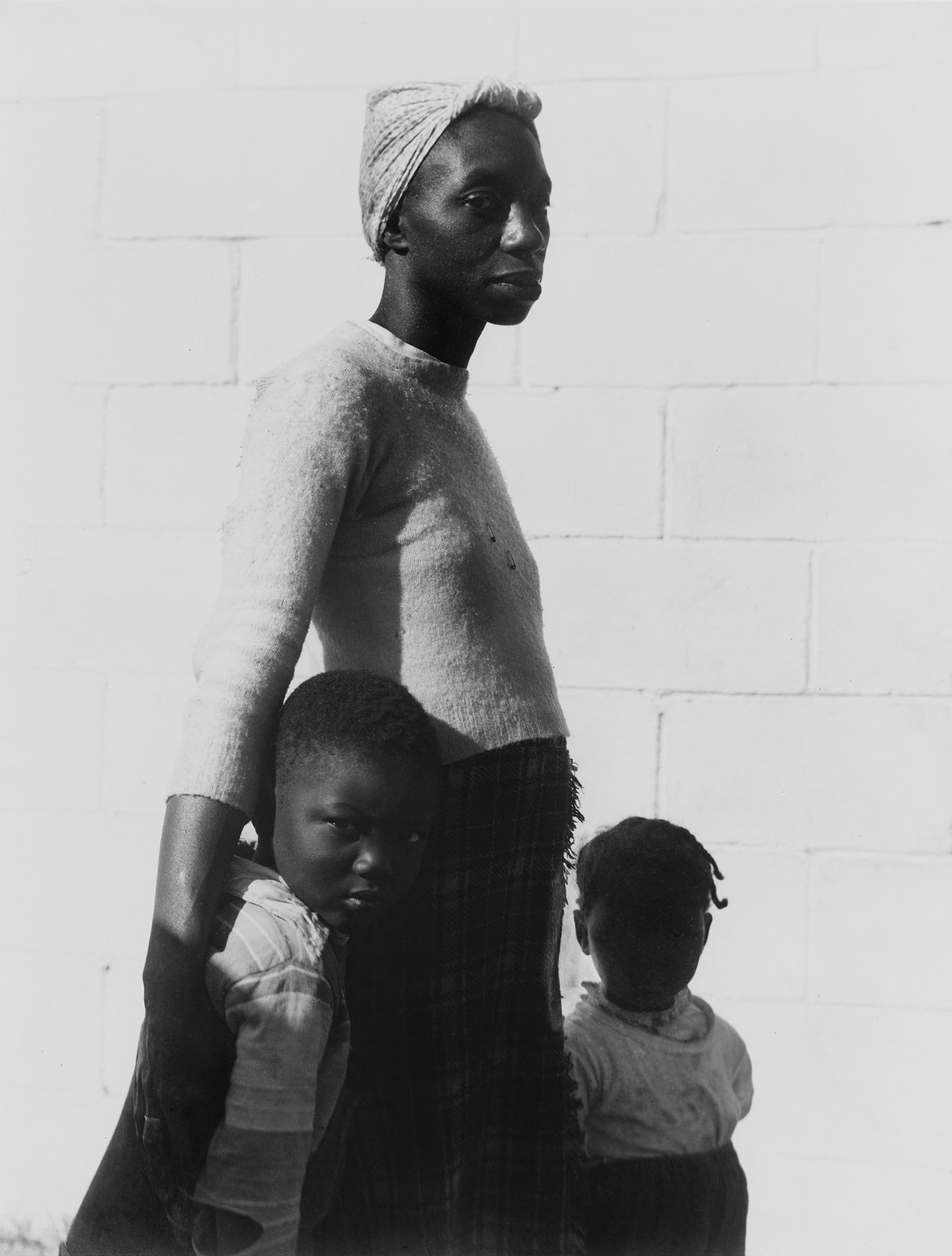
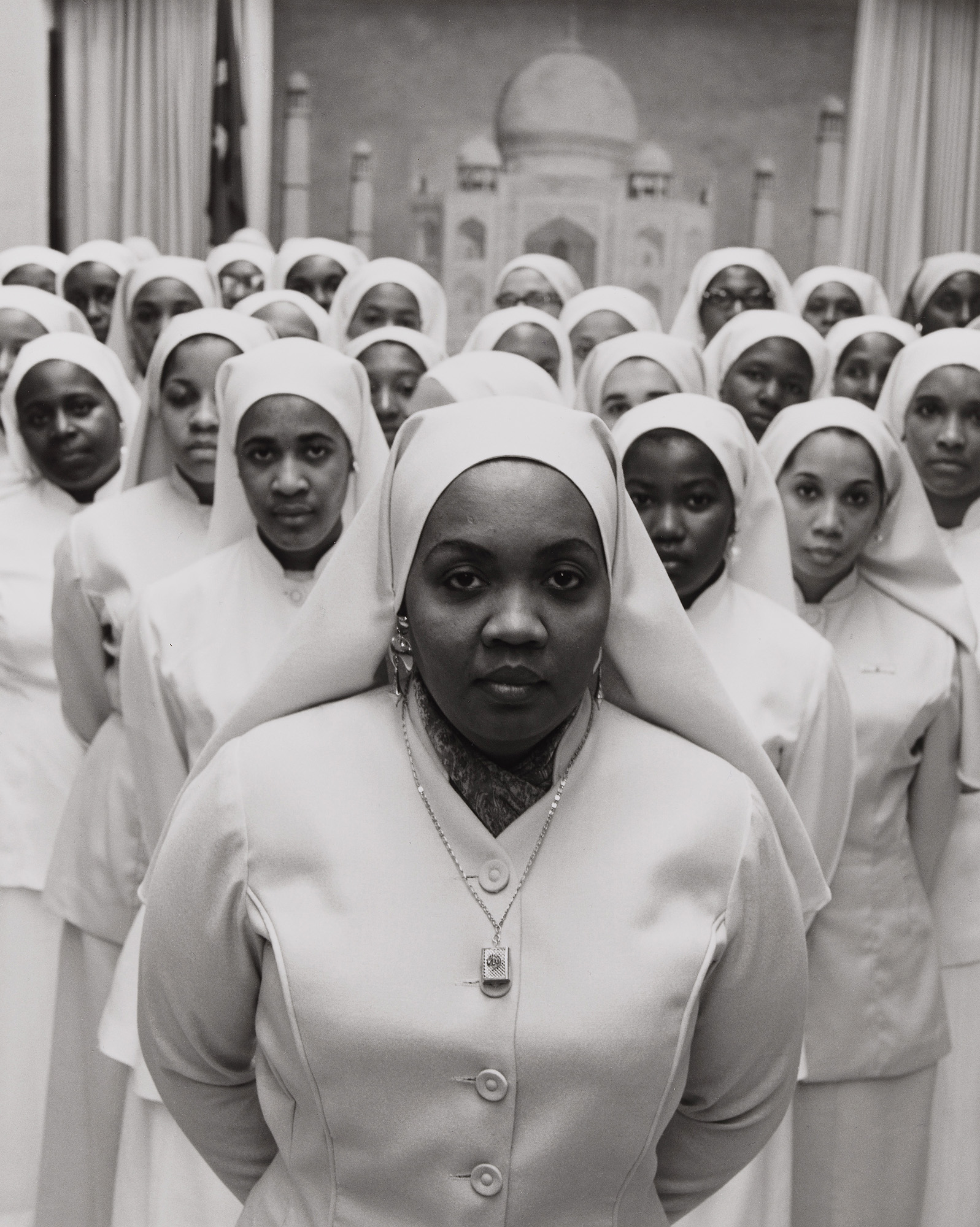







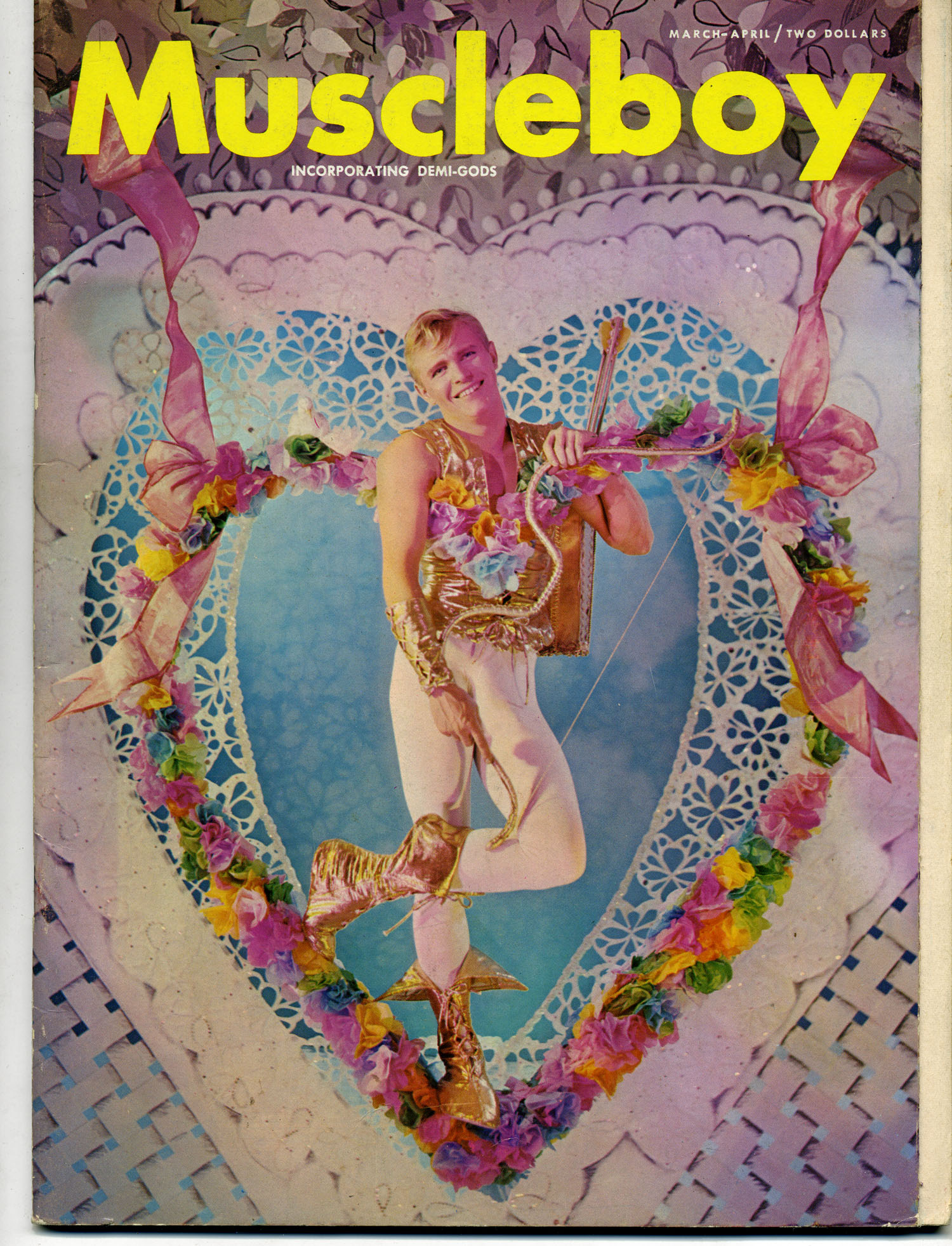

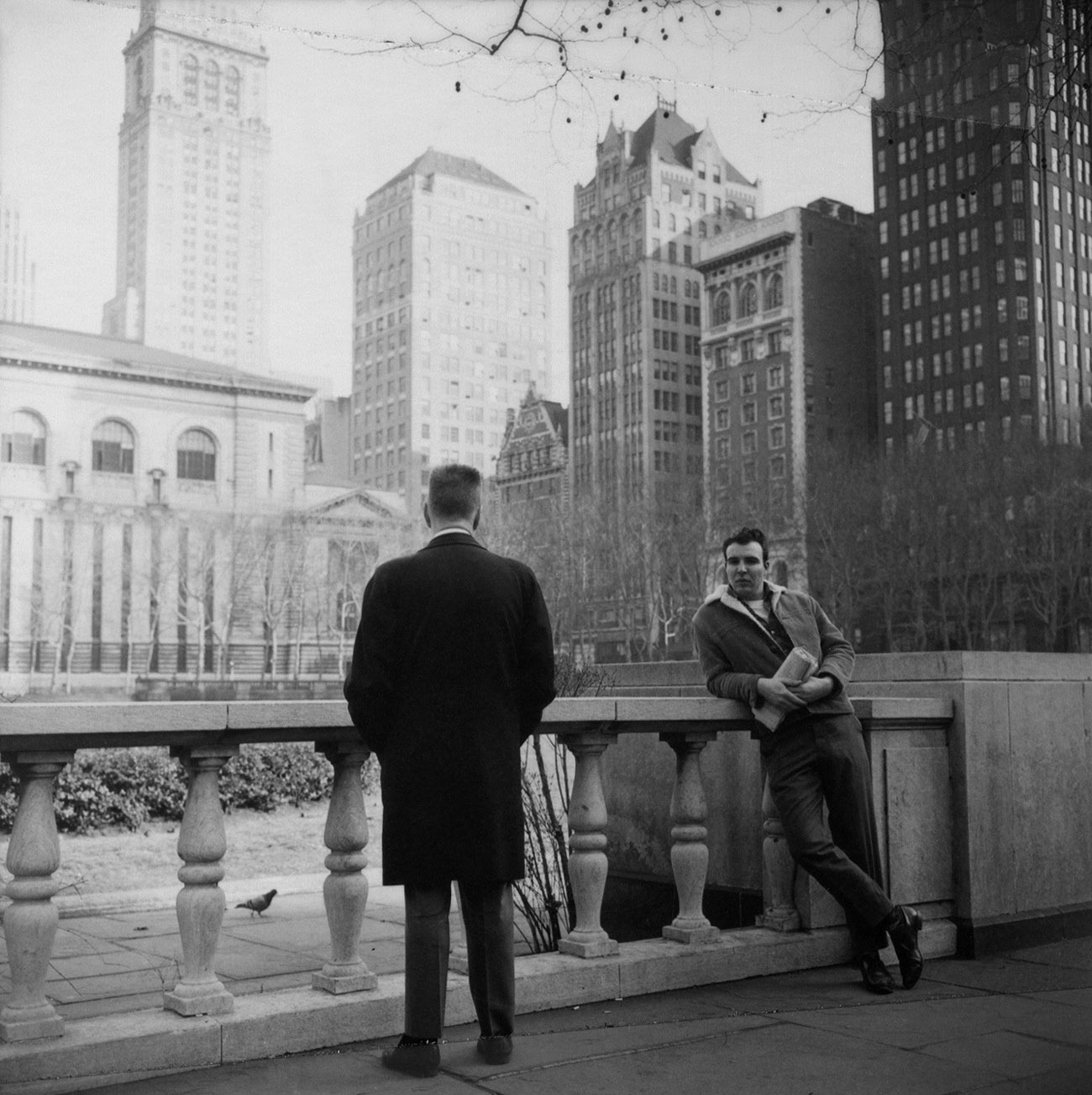
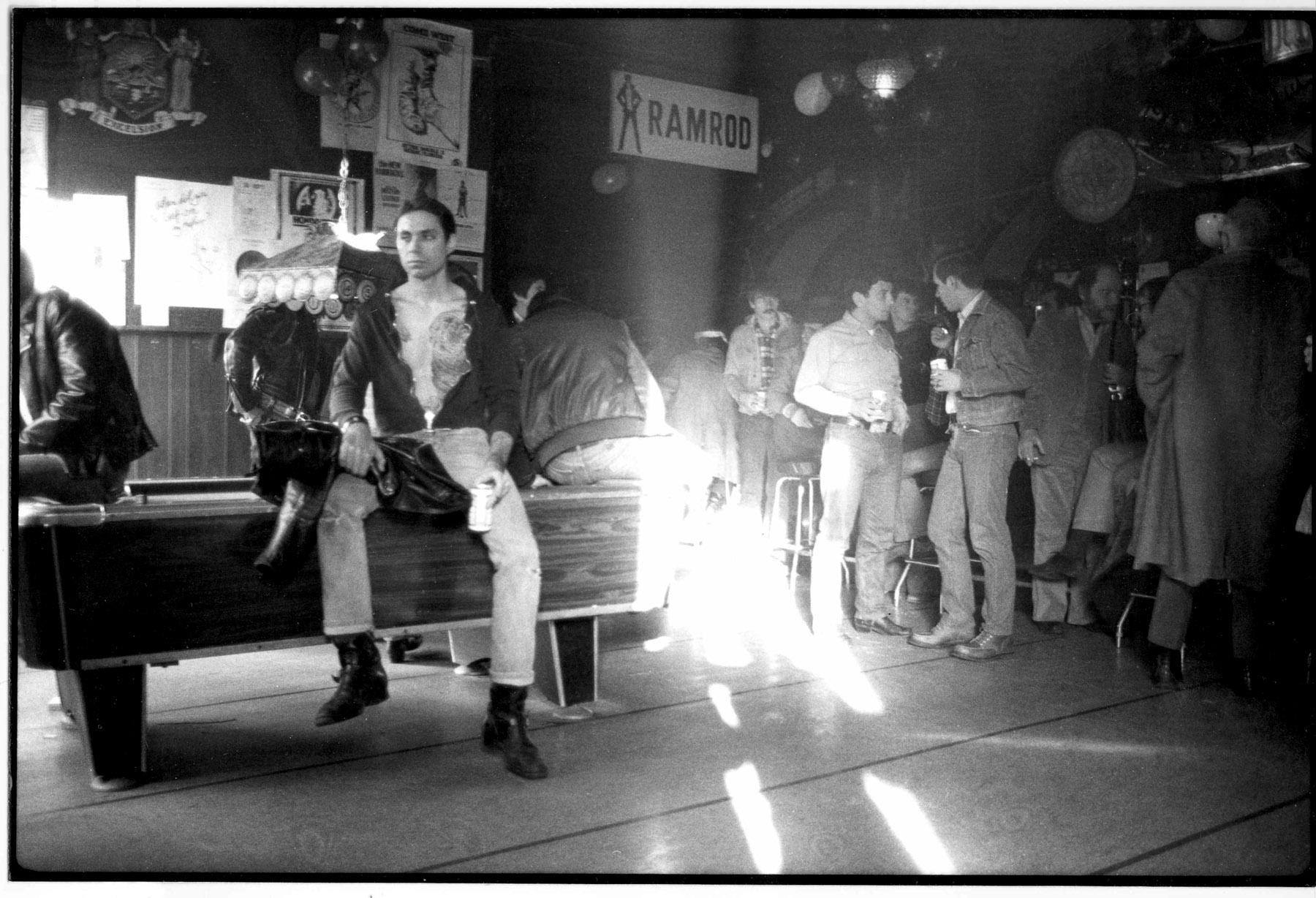
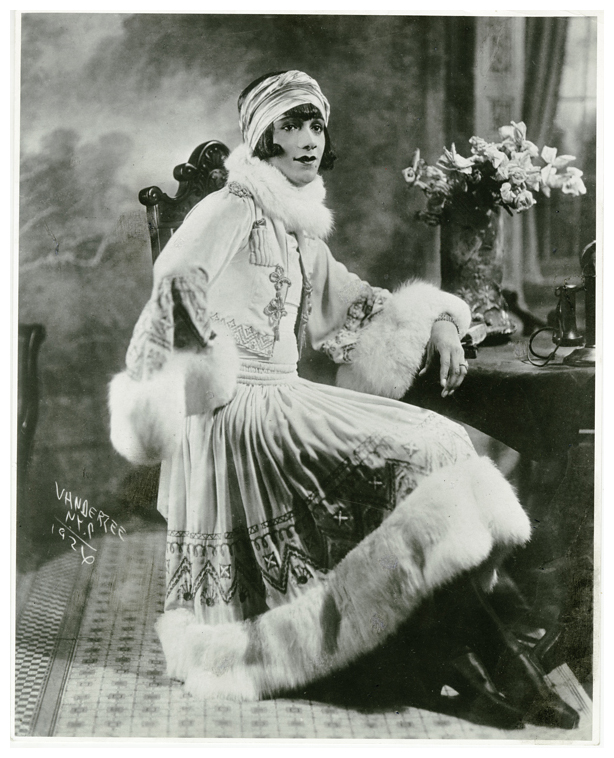


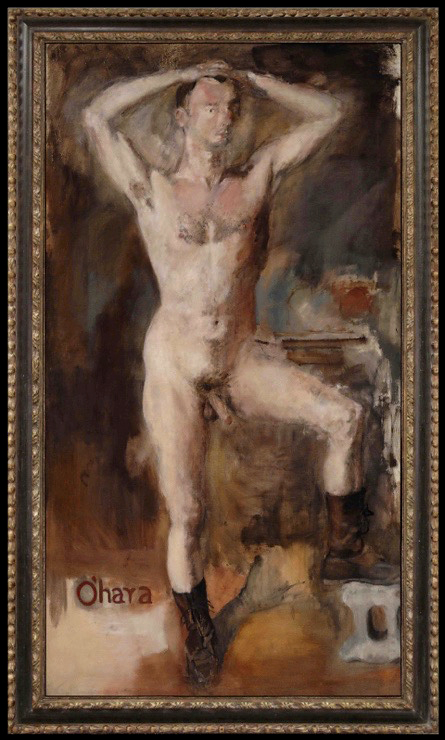


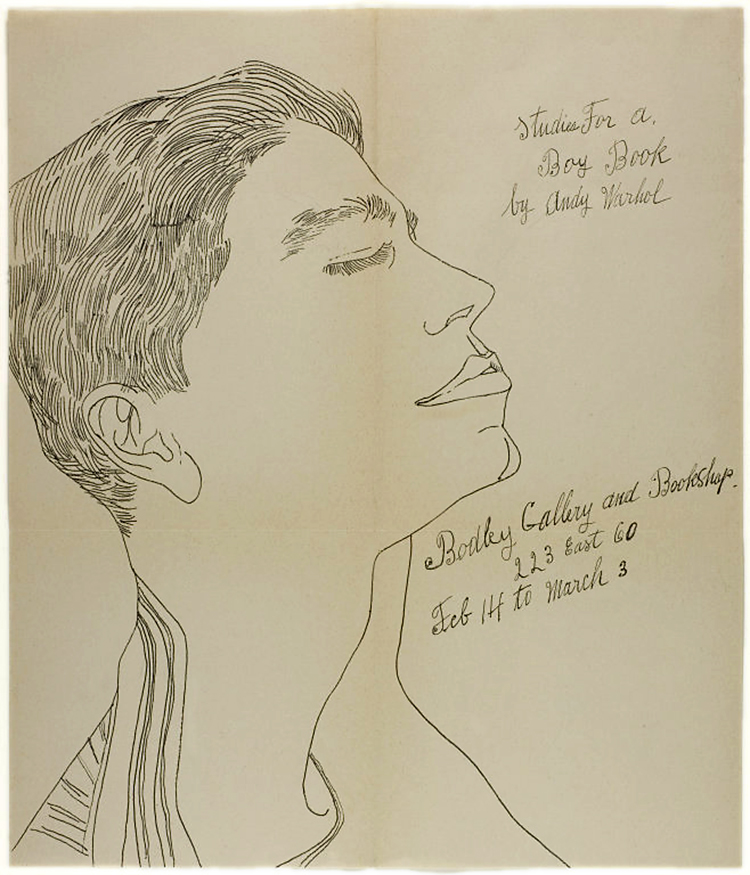









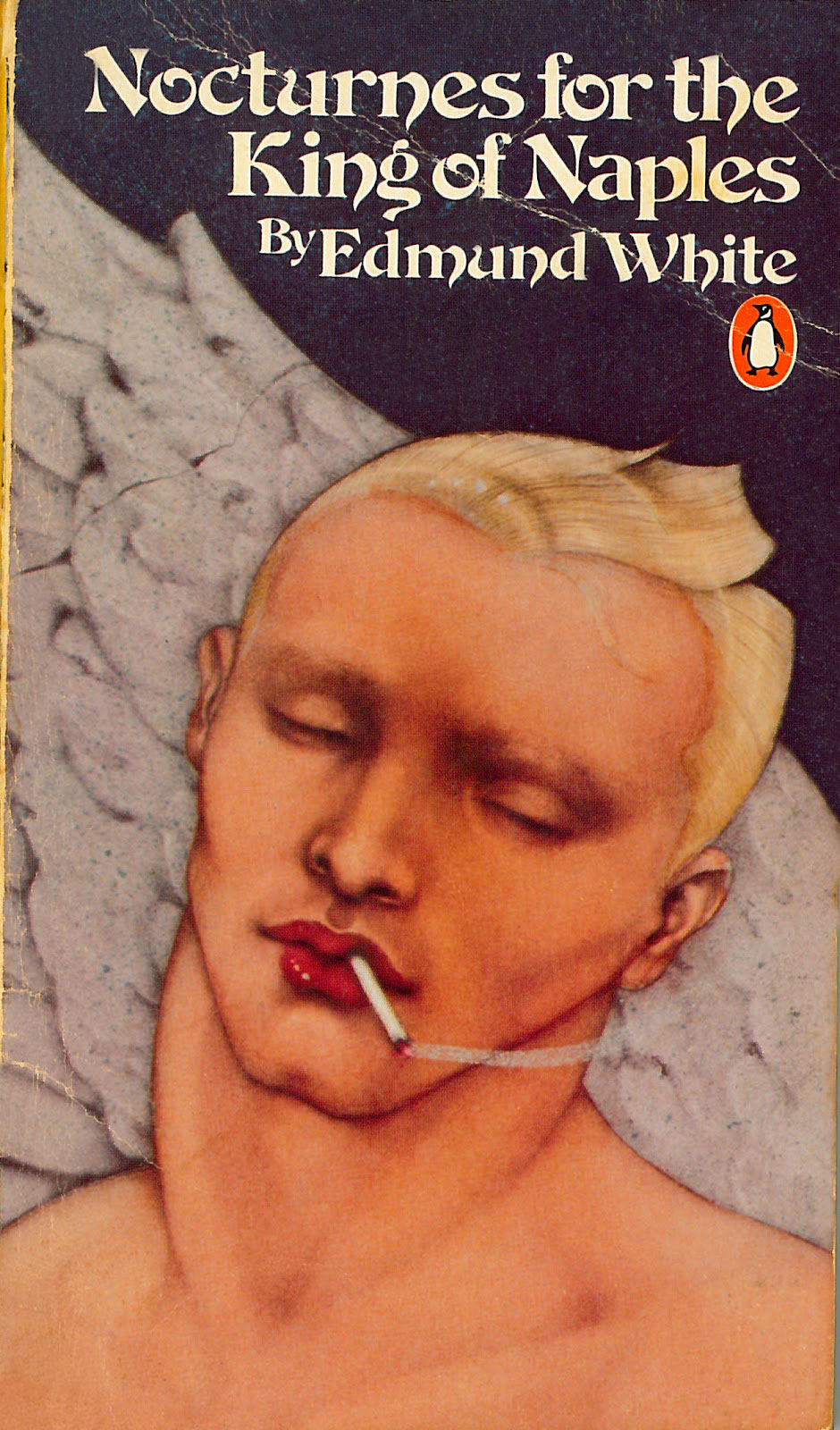
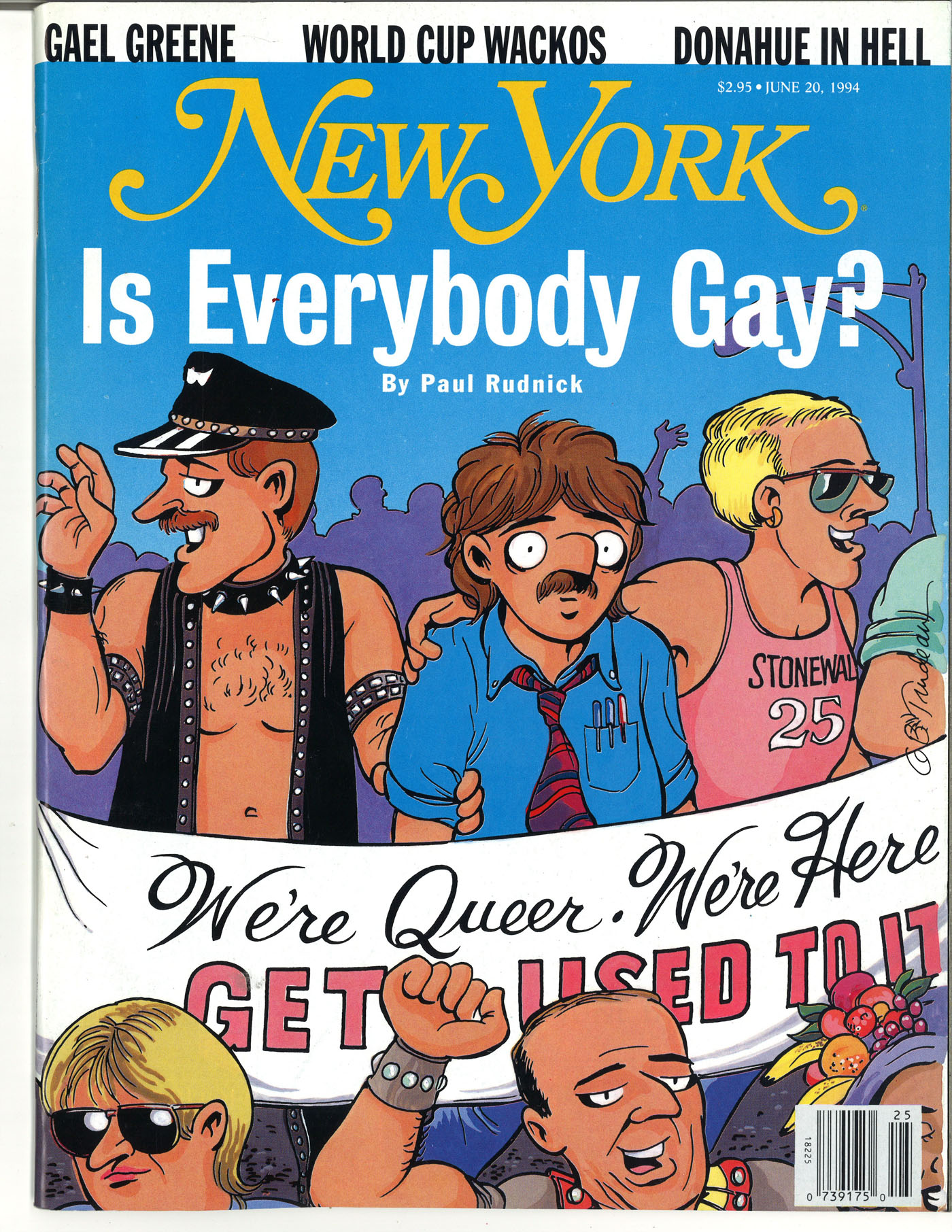
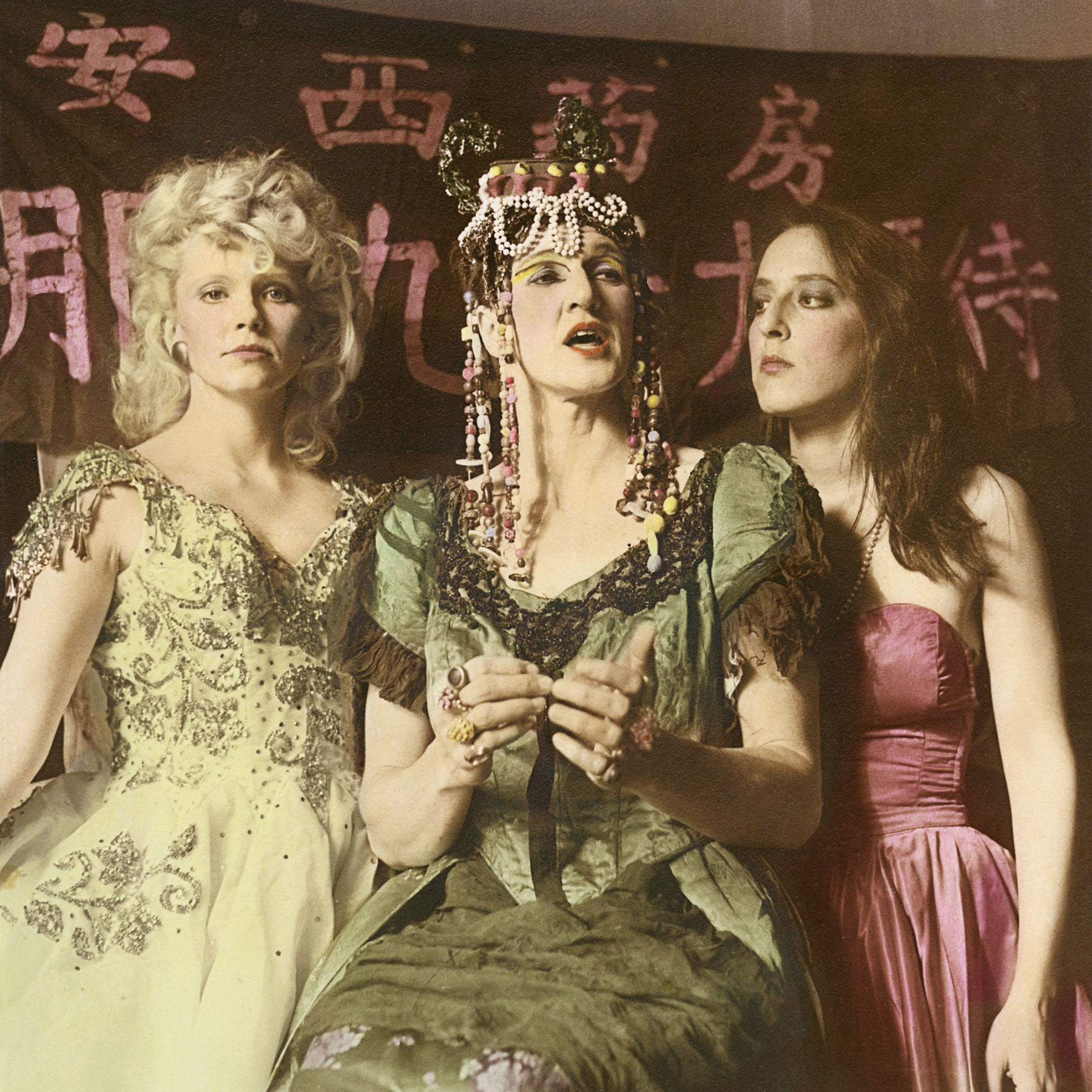


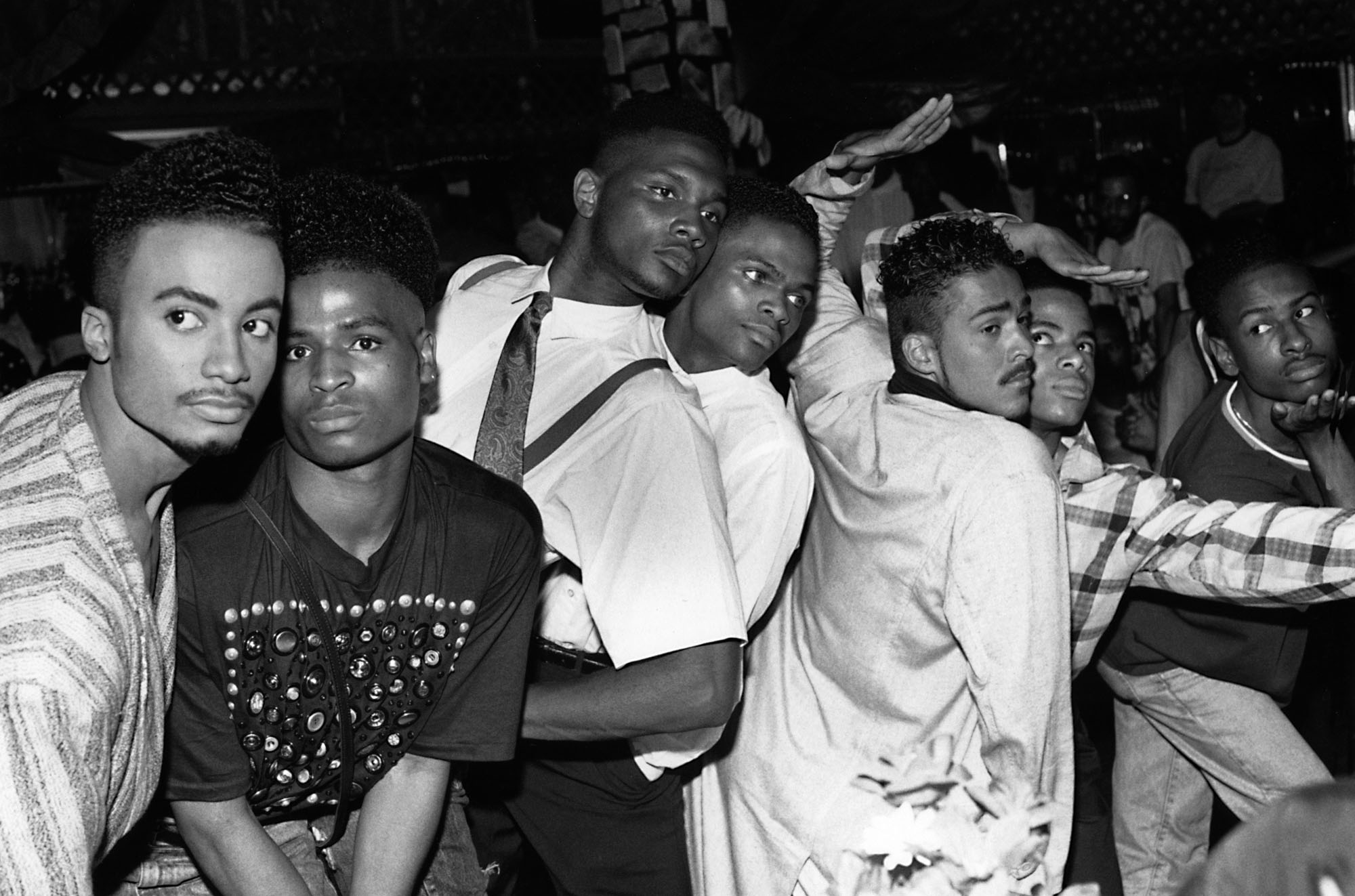
 Art Blart _ art and cultural memory archive
You must be logged in to post a comment.