A Christmas present to myself… my most complex and enigmatic sequence to date.
Shot in Japan, all of the images come from two 1950s photography albums, one of which has a large drawing of a USAF bomber on it’s cover. The images were almost lost they were so dirty, scratched and deteriorated. It has taken me four long years to scan, digitally clean and restore the images, heightening the colour already present in the original photographs.
Sometimes the work flowed, sometimes it was like pulling teeth. Many times I nearly gave up, asking myself why I was spending my life cleaning dirt and scratches from these images. The only answer is… that I wanted to use these images so that they told a different story.
Then to sequence the work in such a way that there is an enigmatic quality, a mystery in that narrative journey. Part auteur, part cinema – a poem to the uncertainty of human dreams.
Photographs are available from this series for purchase. As a guide, a digital colour 16″ x 20″ costs $1000 plus tracked and insured shipping. For more information please see my Store web page.
A selection of individual images from the sequence
Curator: Paul Martineau, Associate Curator of Photographs at the J. Paul Getty Museum
Minor White (American, 1908-1976) Jupiter Portfolio 1975 Portfolio of 12 gelatin silver prints
~ Please click on the photograph to see a larger version of the sequence, and then click again to enlarge the photographs ~
This is such a disappointing posting… not for the quality of the work, which is exceptional, but for the lack of it.
I have been waiting for this exhibition for a very long time and asked MoPA for the press images:
1/ Nine were supplied from the Jupiter Portfolio, NOT even the whole sequence, to illustrate the exhibition 2/ The images supplied were so small as to be more than useless 3/ I then wrote to the Minor White Archive at Princeton University asking for more images. No reply
So I have scanned the images from the Jupiter Portfolio myself so that at least you can see one whole MW sequence online. You can feel the space between the images, that frisson between two disparate images (what MW calls ice/fire) that is part of ** what you should FEEL in your HEART – if you click on the small horizontal photograph below to see the sequence in larger photographs.
In the sequence we have the line of light over the sea in the first image, Devil’s Slide, San Mateo County, California (1947), which is then picked up in the line of the upper thigh and buttock in the second image Nude Foot, San Francisco (1947) with its gorgeous sensuality. Again, that line is illuminated in the third image Columbus Avenue, San Francisco (1949) by the white above the sandblaster’s head, while the heart shape arrow points back to the buttock in the previous image, perhaps subconsciously referencing White’s homosexuality. The white lettering of this image is then intensified, expanded and abstracted in the next image, Birdlime and Surf, Point Lobos, California (1951), these markings then flowing through into the lines of the telegraph pole in the infra red photograph of two barns Vicinity of Danville, New York (1955).
Transposing down a pitch, MW then turns these lines from the horizontal plane to the vertical and they descend softly into the swirling cosmos of Windowsill Daydreaming, Rochester, New York (1958), one of my favourite photographs by the artist for its indeterminate, morphic “air.” These striations and nodules of presence are then repeated in varying forms through the next four images – through peeling paint, ice crystals, rock and the darkly printed ivy and wood. These photographs move you through the elements, like a piece of music. The markings on wood in Ivy, Portland, Oregon (1964) are then echoed in the marker in the photograph Cape Breton, Nova Scotia (1970), to be finally stretched and elongated vertically in the sublime Vermont (1971).
Just imagine holding this composition, this music (“visual literacy”) in your head for nigh on 28 years before you sequenced these images, before you had them all together and you knew what you needed to say… as a human being and as an artist.
** The time between does indeed reference White’s belief that the space between the images is as important as the image itself, but it is also the ability of the images to speak to images further down the line (and time) of the sequence, and further down the line of the imagination. How seeds planted earlier in the sequence can reappear as puncture, prick, punctum, spirit, revelation even, the closer we come in meditation and a sense of quietness to the photographs. This is the joy of the art of Minor White.
To finish let me say a couple of things. As far as I can ascertain, this is about the only complete sequence of his online. It is such a pity that so great an artist, who taught photography as art to the world (and was my absolute hero when I started studying photography in 1991), should not have his work available to be seen as it should be seen, in a sequence. Free for everyone to see around the world, to study and to understand what he was trying to say with his revelatory art.
I am so over museums trying to protect what they have, instead of spreading the love and the understanding of the art. They are custodians of the art NOT the owners. Some of them should remember that…
Dr Marcus Bunyan
PS. Minor White was always the person I most looked up to when I started photography as I tried to photograph in meditation, forming a link between myself, the object back through the camera to the film, hoping for some form of revelation in the negative and the subsequent print. MW, Paul Strand and Eugene Atget, with a bit of Stieglitz and Aaron Siskind thrown in for good measure, where my guiding stars.
Please click on the photographs for a larger version of the image.
“Photographs side by side cannot help being mutually affected. Transpose them, the meaning changes.”
Minor White, 1976
Minor White (American, 1908-1976) Jupiter Portfolio 1975 Portfolio of 12 gelatin silver prints
The Museum of Photographic Arts (MOPA) presents an original exhibition dedicated to the work and legacy of American photographer Minor White (1908-1976) in The Time Between: The Sequences of Minor White.
The exhibition is the first major museum examination solely focusing on White’s sequences, a unique style of presentation he refined throughout his career. As a poet, writer, educator, curator and photographer, White believed in the power of images to be transformed when positioned sequentially, creating a new whole and a new level of interpretation, said MOPA Executive Director Deborah Klochko.
“One the most important American photographers of the 20th century, White’s work is still vital and important 40 years after his death,” Klochko said. “The title of the exhibition, The Time Between, references White’s belief that the space between the images is as important as the image itself.”
Many of the images in The Time Between are considered to be White’s most iconic. The exhibition features two bound albums, three digital sequences and eight print sequences presented together for the first time as White intended. White promoted the idea of “visual literacy,” which teaches the reading of images, similar to how his sequences encourage viewers to see the images in a larger context.
Press release from MOPA
Grouping photographs was Minor White’s preferred mode of presentation, and the sequence, of all his arrangements, was his most sophisticated form of pictorial expression.
Initially the sequence was an outgrowth of White’s work in poetry. However, in the realm of photographic art, perhaps his most important inspiration was the sequences of Alfred Stieglitz begun in the 1920s. Stieglitz taught that no all photographs need function as individual or summational works, but that certain images in a structured context could serve in support of others and could create a total statement more complex and multifaceted than single works alone or loose assortments of related pictures.
In addition to the influence of Stieglitz’s sequences, White learned a great deal about laying out of photographs from Nancy Newhall at the Museum of Modern Art in New York in 1945-46. She had been influenced by Stieglitz’s work and by her conversations with him beginning in the late 1930s, and it was she who encouraged Minor White to meet Stieglitz.
While White was at the museum, Nancy Newhall was organising a retrospective of Edward Weston’s photographs. Her installation of this exhibition was a revelation to him. Nancy Newhall was gifted in her understanding of photographs and had a remarkable feeling for the dynamics of expression in pictorial art and an acute sensitivity for the photographer’s unique approach. Her interpretation of the iconographic elements contained in individual photographs was superb, and the way in which she could create a sympathetic ordering of such pictures was extraordinary.
Minor White’s sequences, highly structured groupings of pictures with similar formats, sometimes contain ten, twenty, or thirty photographs. They need to be studied in a state of concentration, or heightened awareness, and involve recognition of both the content and feeling, the intellectual and emotional aspects, of each image in relation to its adjacent images. However, one must read the images as an ensemble, in their cumulative assertion of a complex and inter-connected idea, to sense the import of the artist’s statement.
Describing the sequence as “a cinema of stills,” Minor White wrote, “The time between photographs is filled by the beholder, first of all from himself, then from what he can read in the implications of design, the suggestions springing from treatment, and any symbolism that might grow from within the work itself … The meaning appears in the mood they [the symbols] raise in the beholder; and the flow of the sequence eddies in the river of his associations as he passes from picture to picture.”
Reading White’s sequences depends on understanding both the symbolic and the descriptive capabilities of his photography…
“The Sequence,” from Bunnell, Peter. Minor White: The Eye That Shapes. The Art Museum, Princeton University, 1989, p. 231
Never the objective camera, always a mixture of spirit and emotion
Minor White and Eugène Atget. Eugène Atget and Minor White. These two photographers were my heroes when I first started studying photography in the early 1990s. They remain so today. Nothing anyone can say can take away from the sheer simple pleasure of really looking at photographs by these two icons of the art form.
I have waited six years to do a posting on the work of Minor White, and this exhibition is the first major retrospective of White’s work since 1989. This posting contains thirty seven images, one of the biggest collections of his photographs available on the web.
What drew me to his work all those years ago? I think it was his clarity of vision that so enthralled me, that showed me what is possible – with previsualisation, clear seeing, feeling and thinking – when exposing a photograph. And that exposing is really an exposing of the Self.
Developing the concept of Steiglitz’s ‘equivalents’ (where a photograph can stand for an/other state of being), White “sought to access, and have connection to, fundamental truths… Studying Zen Buddhism, Gurdjieff and astrology, White believed in the photographs’ connection to the subject he was photographing and the subject’s connection back via the camera to the photographer forming a holistic circle. When, in meditation, this connection was open he would then expose the negative in the camera hopeful of a “revelation” of spirit in the subsequent photograph.” (MB) The capturing of these liminal moments in the flux of time and space is such a rare occurrence that one must be patient for the sublime to reveal itself, if only for a fraction of a second.
Although I cannot view this exhibition, I have seen the checklist of all the works in the exhibition. The selection is solid enough covering all the major periods in White’s long career. The book is also solid enough BUT BOTH EXHIBITION AND BOOK ARE NOT WHAT WE REALLY WANT TO SEE!
At first, Minor White photographed for the individual image – and then when he had a body of work together he would form a sequence. He seemed to be able to switch off the sequence idea until he felt “a storm was brewing” and his finished prints could be placed in another context. It was only with the later sequences that he photographed with a sequence in mind (of course there is also the glorious fold-out in The Eye That Shapes that is the Totemic sequence that is more a short session that became a sequence). In his maturity Minor White composed in sequences of images, like music, with the rise and fall of tonality and range, the juxtaposition of one image next to another, the juxtaposition of twenty or more images together to form compound meanings within a body of work. This is what we really need to see and are waiting to see: an exhibition and book titled: THE SEQUENCES OF MINOR WHITE. I hope in my lifetime! **
How can you really judge his work without understanding the very form that he wanted the work to be seen in? We can access individual images and seek to understand and feel them, but in MW their meaning remains contingent upon their relationship to the images that surround them, the ice/fire frisson of that space between images that guides the tensions and relations to each other. Using my knowledge as an artist and musician, I have sequenced the first seven images in this posting just to give you an idea of what a sequence of associations may look like using the photographs of Minor White. I hope he would be happy with my selection. I hope I have made them sing.
Other than a superb range of tones (for example, in Pavilion, New York 1957 between the flowers in shadow and sun – like an elegy to Edward Weston and the nautilus shell / pepper in thetin) the size, contrast, lighter/darker – warmer/cooler elements of MW’s photographs are all superb. These are the first things we look at whenwe technically critique prints from these simple criteria, and there aren’t many that pass. But these are all well made images by MW. He was never Diogenes with a camera, never the objective camera, he was always involved… and his images were printed with a mixture of spirit and emotion. Now, try and FEEL your response to the first seven images that I have put together. Don’t be too analytical, just try, with clear, peaceful mind and still body, to enter into the space of those images, to let them take you away to a place that we rarely allow ourselves to visit, a place that is is out of our normal realm of existence. It is possible, everything is possible. If photography becomes something else -then it does -then it does.
Finally, I want to address the review of the book by Blake Andrews on the photo-eye blog website (Blake Andrews. “Book Review: Manifestations of the Spirit,” on the photo-eye blog website October 6, 2014 [Online] Cited 26/06/2021). The opening statement opines: “Is photography in crisis again? Well then, it must be time for another Minor White retrospective.” What a thrown away line. As can be seen from the extract of an interview with MW (published 1977, below), White didn’t care what direction photography took because he could do nothing about it. He just accepted it for what it is and moved with it. He was not distressed at the direction of contemporary photography because it was all grist to the mill. To say that when photography is in crisis (it’s always in crisis!) you wheel out the work of Minor White to bring it back into line is just ridiculous… photography is -what it is, -what it is.
Blake continues, “Minor White was a jack-of-all-styles in the photo world, trying his hand at just about everything at one time or another. The plates in the book give a flavour of his shifting – some might say dilettantish – photo styles.” Obviously he agrees with this assessment otherwise he would not have put it in. I do not. Almost every artist in the world goes on a journey of discovery to find their voice, their metier, and that early experimentation is part of the overall journey, the personal and universal narrative that an artist pictures. Look at the early paintings of Jackson Pollock or Mark Rothko in their representational ease, or the early photographs of Aaron Siskind and how they progress from social documentary to abstract expressionism. The same with MW. In this sense every artist is a dilettante. Every photograph is part of his journey as an artist and has value in an of itself.
And I don’t believe that his mature voice was “internalised, messy, and deliberately obtuse,” – it is only so to those that do not understand what he sought to achieve through his images, those who don’t really understand his work.
Blake comments, “Twenty-five years later White’s star is rising again. One could speculate the reasons for the timing, that photography is in crisis, or at least adrift, and in need of a guru. But the truth is photography has been on the therapist’s couch since day one, going through this or that level of doubt or identity crisis. Is it an art? Science? Documentation? Can it be trusted? When Minor White came along none of these questions had been resolved, and they never will. But every quarter century or so it sure feels good to hang your philosopher’s hat on something solid. Or at least someone self-assured.”
Every quarter of a century, hang your philosophers hat on something solid? Or at least someone self-assured? The last thing that you would say about MW was that the was self-assured (his battles with depression, homosexuality, God, and the aftermath of his experiences during the Second World War); and the last thing that you would say about the philosophy and photographs of MW is that they are something solid and immovable.
For me, the man and his images are always moving, always in a constant state of flux, as avant-garde (in the sense of their accessing of the eternal) and as challenging and essential as they ever were. Through his work and writings Minor White – facilitator, enabler – allowed the viewer to become an active participant in an aesthetic experience that alters reality, creating an über reality (if you like), one whose aesthetics promotes an interrogation of both ourselves and the world in which we live.
“There are plays written on the simplest themes which in themselves are not interesting. But they are permeated by the eternal and he who feels this quality in them perceives that they are written for all eternity.” ~ Constantin Stanislavsky, (1863-1938) / My Life in Art.
Dr Marcus Bunyan
**The Minor White Archive at Princeton University Museum of Art has a project called The Minor White Archive proof cards: “The ultimate goal of this project is a stand-alone website dedicated to the Minor White Archive, and the completely scanned proof cards represent significant progress to this end. The website will be an authoritative source for the titles and dates of White’s photographs. All of the scanned proof cards will be available on the website so that users can search the primary source information as well as major published titles. Additionally, the website will include White’s major published sequences, with additional sequences uploaded gradually until the complete set is online. Eventually, the hope is to have subject-term browsing available, adding another access point to the Archive.”
Many thankx to the J. Paul Getty Museum for allowing me to publish the photographs in the posting. Please click on the photographs for a larger version of the image.
“Self-discovery through a camera? I am scared to look for fear of discovering how shallow my Self is! I will persist however … because the camera has its eye on the exterior world. Camera will lead my constant introspection back into the world. So camerawork will save my life.”
“When you try to photograph something for what it is, you have to go out of yourself, out of your way, to understand the object, its facts and essence. When you photograph things for what ‘Else’ they are, the object goes out of its way to understand you.”
Minor White
When Paul Martineau, an associate curator at the J. Paul Getty Museum, in Los Angeles, was collecting photographs for a new retrospective of Minor White’s photography, he discovered an album called The Temptation of Saint Anthony Is Mirrors. Only two copies of the volume were produced, each containing thirty-two images of Tom Murphy, Minor’s student and model. “It’s a visual love letter: he only created two, one given to Tom and one for him,” Martineau told me.
Martineau’s show, Minor White: Manifestations of the Spirit, is the first major retrospective of White’s work since 1989. White was born in Minneapolis, in 1908, took photographs for the Works Progress Administration during the nineteen-thirties, and served in the Army during the Second World War. He kept company with Ansel Adams, Alfred Steiglitz, and Edward Steichen, and, in 1952, he helped found the influential photography magazine Aperture. Martineau said that, while the Getty retrospective “comes at a time when life is rife with visual imagery, most of it designed to capture our attention momentarily and communicate a simple message,” White aimed to more durably express “our relationships with one another, with the natural world, with the infinite.” White believed that all of his photographs were self-portraits; as Martineau put it, “he pushed himself to live what he called a life in photography.”
Controversial, misunderstood, and sometimes overlooked, Minor White (American 1908-1976) pursued a life in photography with great energy and ultimately extended the expressive possibilities of the medium. A tireless worker, White’s long career as a photographer, teacher, editor, curator, and critic was highly influential and remains central to understanding the history of photographic modernism. Minor White: Manifestations of the Spirit, on view July 8 – October 19, 2014 at the J. Paul Getty Museum, Getty Center is the first major retrospective of his work since 1989.
The exhibition includes never-before-seen photographs from the artist’s archive at Princeton University, recent Getty Museum acquisitions, a significant group of loans from the collection of Daniel Greenberg and Susan Steinhauser, alongside loans from the Museum of Modern Art, New York, the Portland Art Museum, and the Los Angeles County Museum of Art. Also featured is White’s masterly photographic sequence Sound of One Hand (1965).
“Minor White had a profound impact on his many students, colleagues, and the photographers who considered him a true innovator, making this retrospective of his work long overdue” says Timothy Potts, director of the J. Paul Getty Museum. “The exhibition brings together a number of loans from private and public collections, and offers a rare opportunity to see some of his greatest work alongside unseen photographs from his extensive archive.”
One of White’s goals was to photograph objects not only for what they are but also for what they may suggest, and his pictures teem with symbolic and metaphorical allusions. White was a closeted homosexual, and his sexual desire for men was a source of turmoil and frustration. He confided his feelings in the journal he kept throughout his life and sought comfort in a variety of Western and Eastern religious practices. This search for spiritual transcendence continually influenced his artistic philosophy.
Early Career, 1937-1945
In 1937, White relocated from Minneapolis, where he was born and educated, to Portland, Oregon. Determined to become a photographer, he read all the photography books he could get his hands on and joined the Oregon Camera Club to gain access to their darkroom. Within five years, he was offered his first solo exhibition at the Portland Art Museum (1942). White’s early work exhibits his nascent spiritual awakening while exploring the natural magnificence of Oregon. His Cabbage Hill, Oregon (Grande Ronde Valley) (1941) uses a split-rail fence and a coil of barbed wire to demonstrate the hard physical labor required to live off the land as well as the redemption of humankind through Christ’s sacrifice on the cross.
During World War II, White served in Army Intelligence in the South Pacific. Upon discharge, rather than return to Oregon, he spent the winter in New York City. There, he studied art history with Meyer Shapiro at Columbia University, museum work with Beaumont Newhall at the Museum of Modern Art, and creative thought in photography with photographer, gallerist, and critic Alfred Stieglitz (American, 1864-1946).
Midcareer, 1946-1964
In 1946, famed photographer Ansel Adams (American, 1902-1984) invited White to teach photography at the California School of Fine Arts (CSFA) in San Francisco. The following year, White established himself as head of the program and developed new methods for training students. His own work during this period began to shift toward the metaphorical with the creation of images charged with symbolism and a critical aspect known as “equivalence,” meaning an image may serve as an idea or emotional state beyond the subject pictured. In 1952, White co-founded the seminal photography journal Aperture and was its editor until 1975.
In 1953, White accepted a job as an assistant curator at the George Eastman House (GEH) in Rochester, New York, where he organised exhibitions and edited GEH’s magazine Image. Coinciding with his move east was an intensification of his study of Christian mysticism, Zen Buddhism, and the I Ching. In 1955, he began teaching a class in photojournalism at the Rochester Institute of Technology and shortly after began to accept one or two live-in students to work on a variety of projects that were alternately practical and spiritually enriching. During the late 1950s and continuing until the mid-1960s, White traveled the United States during the summers, making his own photographs and organising photographic workshops in various cities across the country.
By the late 1950s, at the height of his career, White pushed himself to do the impossible – to make the invisible world of the spirit visible through photography. White’s masterpiece – and the summation of his persistent search for a way to communicate ecstasy – is the sequence Sound of One Hand, so named after the Zen koan which asks “What is the sound of one hand clapping?”
“White’s sequences are meant to be viewed from left to right, preferably in a state of relaxation and heightened awareness,” says Paul Martineau, associate curator of photographs at the J. Paul Getty Museum and curator of the exhibition. “White called on the viewer to be an active participant in experiencing the varied moods and associations that come from moving from one photograph to the next.”
Late Career, 1965-1976
In 1965, White was appointed professor of creative photography at the Massachusetts Institute of Technology (MIT), where he developed an ambitious program in photographic education. As he aged, he became increasingly concerned with his legacy, and began working on his first monograph, Mirrors Messages Manifestations, which was published by Aperture in 1969. The following year, White was awarded a Guggenheim Foundation Fellowship, and he was the subject of a major traveling retrospective organised by the Philadelphia Museum of Art in 1971.
Beginning in the late 1960s and continuing until the early 1970s, White organised a series of groundbreaking thematic exhibitions at MIT – the first of which served as a springboard for forming the university’s photographs collection. In 1976, White died of heart failure and bequeathed his home to the Aperture Foundation and his photographic archive of more than fifteen thousand objects to Princeton University. The exhibition also includes work by two of White’s students, each celebrated photographers in their own right, Paul Caponigro (American, 1932-2024) and Carl Chiarenza (American, born 1935).
“An important aspect of Minor White’s legacy was his influence on the next generation of photographers,” says Martineau. “Over the course of a career that lasted nearly four decades, he managed to maintain personal and professional connections with hundreds of young photographers – an impressive feat for a man dedicated to the continued exploration of photography’s possibilities.
Press release from the J. Paul Getty Museum website
A. It makes absolutely no difference what I want it to do. It’s going to do what it’s going to do. All I can do is stand back and observe it.
Q. What don’t you want it to do?
A. That doesn’t make any difference either, It’ll do that whether I want it to or not!
Q. Surely, you’ve got to have some feelings?
A. In one sense I don’t care what photography does at all. I can just watch it do it. I can control my photography, I can do what I want with it – a little. If I can get into contact with something much wiser than myself , and it says get out of photography, maybe I would. I hesitate to say this because I know its going to be misunderstood. I’ll put I this way – I’m trying to be in contact with my Creator when I photograph. I know perfectly well its not possible to do this all the time, but there can be moments.
Q. Do you see anything in contemporary photography that distresses you?
A. What ever they do is fine.
Q. Is there any work that you are particularly interested in?
A. What ever my students are doing.
Q. There seems to be a passing on of certain sets of ideas and understandings. Do you feel yourself to be an inheritor of a set of ideas or ideals?
A. Naturally. After all I have two parents, so I inherited some thing. I’ve had many spiritual fathers for example. The photographers who I have been influenced by for example. There have been many other external influences. Students have had an influence. In a sense that’s an inheritance. After a while we work with material that comes to us and it becomes ours, we digest it. It becomes energy and food for us, its ours. And then I can pass it on to somebody else with a sense of responsibility and validity. I am quoting it in my words, it has become mine and that person will take it from me – just as I have taken it from people who have influenced me. Take what you can use, digest it, make it yours, and then transmit it to your children or your students.
Q. It’s a cycle?
A. No, it’s a continuous line. Not a cycle at all.
Interview by Paul Hill and Thomas Cooper of Minor White, published in 3 parts in the January, February and March editions of Camera 1977.
Controversial, eccentric, and sometimes overlooked, Minor White (1908-1976) is one of the great photographers of the twentieth century, whose ideas and philosophies about the medium of photography have exerted a powerful influence on a generation of practitioners and still resonate today. Born and raised in Minneapolis, his photographic career began in 1938 in Portland, Oregon with assignments as a “creative photographer” for the Oregon Art Project, an outgrowth of the Works Progress Administration (WPA).
After serving in World War II as a military intelligence officer, White studied art history at Columbia University in New York. It was during this period that White’s focus started to shift toward the metaphorical. He began to create images charged with symbolism and a critical aspect called “equivalency,” which referred to the invisible spiritual energy present in a photograph made visible to the viewer and was inspired by the work of Alfred Stieglitz. White’s belief in the spiritual and metaphysical qualities in photography, and in the camera as a tool for self-discovery, was crucial to his oeuvre.
Minor White: Manifestations of the Spirit (Getty Publications, 2014) gathers together for the first time a diverse selection of more than 160 images made by Minor White over five decades, including some never published before. Accompanying the photographs is an in-depth critical essay by Paul Martineau entitled “‘My Heart Laid Bare’: Photography, Transformation, and Transcendence,” which includes particularly insightful quotations from his journals, which he kept for more than forty years.
The result is an engaging narrative that weaves through the main threads of White’s work and life – his growth and tireless experimentation as an artist; his intense mentorship of his students; his relationships with Edward Weston, Alfred Stieglitz, and Ansel Adams, who had a profound influence on his work; and his labor of love as cofounder and editor of Aperture magazine from 1952 until 1976. The book also addresses White’s life-long spiritual search and ongoing struggle with his own sexuality and self-doubt, in response to which he sought comfort in a variety of religious practices that influenced his continually metamorphosing artistic philosophy.
Published here in its entirety for the first time is White’s stunning series The Temptation of Anthony Is Mirrors, consisting of 32 photographs of White’s student and model Tom Murphy made in 1947 and 1948 in San Francisco. White’s photographs of Murphy’s hands and feet are interspersed within a larger group of portraits and nude figure studies. White kept the series secret for years as at the time he made the photographs it was illegal to publish or show images with male frontal nudity. Anyone making such images would be assumed to be homosexual and outed at a time when this invariably meant losing gainful employment.
Other works shown in this rich collection are White’s early images of the city of Portland that depict his experimentations with different styles and nascent spiritual awakening; his photographs of the urban streets of San Francisco where he lived for a time; his elegant images of rocks, sandy beaches and tidal pools in Point Lobos State Park in Northern California that are an homage to Edward Weston; and the series The Sound of One Hand made in the vicinity of Rochester, New York where he also taught classes at the Rochester Institute of Technology (RIT) and curated shows at the George Eastman House (GEH). Paul Martineau describes this iconic series as “White’s chef d’oeuvre, the work that is the summation of his persistent search or a way to communicate ecstasy.” Among the eleven images in the Getty collection are Windowsill Daydreaming, Rochester, Night Icicle, 72 N. Union Street, Rochester, and Pavilion, New York.
Minor White (American, 1908-1976) Dodd Building, Portland, Oregon c. 1939 Gelatin silver print 34.3 x 26.7cm (13 1/2 x 10 1/2 in.) Fine Arts Program, Public Buildings Service, U.S. General Services Administration
Minor White (American, 1908-1976) Lily Pads and Pike, Portland, Oregon c. 1939 Gelatin silver print 34 x 26.8cm (13 3/8 x 10 9/16 in.) Fine Arts Program, Public Buildings Service, U.S. General Services
Minor White (American, 1908-1976) Design (Cable and Chain), Portland, Oregon c. 1940 Gelatin silver print 33.8 x 25.8cm (13 5/16 x 10 3/16 in.) Fine Arts Program, Public Buildings Service, U.S. General Services Administration
This exhibition at the Monash Gallery of Art features the series Edge of the road by Melbourne photographer Joyce Evans. It is an intense, if less than fully successful, presentation of a body of work completed between 1988 and 1996. The photographs were made with a Widelux F7 35mm panoramic camera, a camera that has a rotating fixed focus lens (see images of the camera below). Rather than the normal horizontal panoramic orientation, Evans has mostly used the camera in a vertical orientation to shoot these images. At the same time she has twisted the camera along unfamiliar axes, sometimes on a diagonal line, which has produced unexpected distortion within the final images.
Evans professed aim in her artist statement (below) is to let go of control of what is captured by the camera, to let go of some previsualisation (what the photographer imagines that they want the photograph to be in their mind’s eye before they press the shutter) and rely on a certain amount of planning and chance. She cites the example of the American photographer Minor White (1908-1976) who popularised the idea of previsualisation as a means of aesthetically controlling the outcome of what the camera captures. Evans wants little of this and sees her photographs as using the camera’s inherent capabilities to image the minutiae of the world, using “the camera’s capacity to see detail, which in the 60th of a second of the firing of the shutter my subconscious may perceive, but may not fully know.” In this sense, the artist is appealing to Walter Benjamin’s idea of film serving as an optical unconscious, a medium that captures everyday objects of ordinary experience which are revealed as strange and unsettling, a “different” nature presenting itself to the camera than to the naked eye.1 As Richard Prouty has noted, “Film changed how we view the least significant minutiae of reality just as surely as Freud’s Psychopathology of Everyday Life changed how we look at incidental phenomenon like slips of the tongue.”2
This enrichment of human perception by a scientific technology, the camera, happens at a level below human recognition, for although the retina frequently receives these aspects, they are not transformed into information by the perceptive system.3 “These new technical images helped discover hitherto unknown – ie. unacknowledged and analysed by perception and therefore restricted to the space of the unconscious or, as he [Benjamin] called it, of an “optical unconscious” – movements and dimensions of reality.”4 In other words, these new technical images may include information that was not retained, processed or even intended by the operator (hence the hoped for serendipity of the images). These images then surprise with the unexpected. As François Arago has observed, “When observers apply a new instrument to the study of nature, what they had hoped for is always but little compared with the successions of discoveries of which the instrument becomes the source – in such matters it is on the unexpected that one can especially count.”5 This is evidenced in Evans photographs through the POTENTIAL of chance. Not chance itself, but the potential of chance of the optical unconscious (of film) to capture something unexpected.
I must disagree with Evans, however, about the photographic process of Minor White and the process of “letting go” that she proposes to adhere to in this body of work. In fact, I would go so far as to invert her rationalisation. Having studied the work of Minor White and visited his archive at Princeton University Museum of Art I understand that previsualisation was strong in White’s photographs, but there was an ultimate letting go of control when he opened the shutter to his camera. In meditation, he sought a connection from himself to the object, from the object back through the camera to form a Zen circle of connection which can be seen in one of his famous Canons: “Let the Subject generate its own Composition.” Then something (spirit?) might take over. This is the ultimate in paradoxical letting go of control for a photographer – to previsualise something, to see it on the ground glass, to capture it on film, to then print it out to find that there is something amorphous in the negative and in the print that you cannot quite put your finger on. Some indefinable element that is not chance, not the unexpected, but spirit itself. Evans photographs are not of this order.
What these photographs are about is an intimate view of the land and our relationship to it, an examination of something that is very close to the artist, but evidenced through the subjectivity of the artist’s control and the objectivity of the cameras optical unconscious. They are shot “at close range,” the picture being taken very close (both physically and psychologically) to the person who is taking the photograph. In their multifaceted perspectives – some images, such as Flood on Murray River on Wodonga side, Victoria (1996) have double horizon lines – the viewer is immersed in the disorientating sweep of the landscape. The photographs become almost William Robinson-esque in their panoramic distortion of both time and space. For example, the descent from the light of the trees, to ferns, to the mulch of paleontological existence in Mount Bulla Ferns, Victoria (1996, below) is particularly effective, as is the booted front prints of Anzses Trip, Talaringa Springs, Great Victorian Desert, South Australia (1993, below). The transition of time is further emphasised by the inclusion of the film sprocket holes in some of the works, such as Pine Barbed Wire Fence and Orchard, Tyabb, Mornington Peninsula (1992, below). However, out of the thirteen photographs presented from the series some photographs, such as Bin, Toorak, Victoria (1990, below) simply do not work, for the image is too didactic in its political and aesthetic definition.
At their best these photographs capture an intensity that is at the boundary of some threshold of understanding (edge of the road, no man’s land, call it whatever you will or the artist wills) of our European place in this land, Australia. There are no bare feet on the ground, only booted footprints, barbed wire, gravel roads, dustbins, tyre tracks and hub caps. The reproductions do not do the work justice. One has to stand in front of these complex images to appreciate their scale and impact on the viewer. They resist verbal description, for only when standing in front of the best of these images does one observe in oneself a sense of disorientation, as though you are about to step off the edge of the world. They do not so much attempt to capture the energy of the landscape but our fragmented and possessive relation to it.
Ultimately, Evans photographs are highly conceptual photographs. Despite protestations to the contrary her photographs are about the control of the photographer with the potential of chance (through the recognition of the process of the optical unconscious of the camera) used knowingly by the artist to achieve the results that she wants. They are about the control of humans over landscape. Evans knows her medium, she knows the propensities of her camera, she plans each shot and despite not knowing exactly what she will get, she roughly knows what they results will be when she tilts the lens of her camera along different axes. These are not emotionally evocative landscapes but, because of the optical unconscious embedded in their construction, they are intimate, political statements about our relationship to the land.
Dr Marcus Bunyan
Marcus was a friend of Joyce Evans OAM (1929-2019). Please click on the photographs for a larger version of the image.
Footnotes
1/ Prouty, Richard. “The Optical Unconscious,” on the One-Way Street blog, October 16th 2009 [Online] Cited 20th October 2013. No longer available online
2/ Ibid.,
3/ Flores, Victor. “Optical unconscious,” on the Fundação Côa Parque website [Online] Cited 20th October 2013. No longer available online
4/ Ibid.,
5/ Arago, Francois. “Rapport sur le daguerréotype,” in AA.VV. Du Bon Usage de la Photographie: une anthologie de textes. Paris: Centre National de la Photographie, 1987, p. 14 quoted in Flores, op. cit.,
Many thankx to Joyce Evans and Monash Gallery of Art for allowing me to publish the photographs in the posting. Please click on the photographs for a larger version of the image.
“Evidenced in these photographs is one of the things that attracted me to photography – namely, its ability to capture the millisecond. While there are many schools of photography, the one popularised by the American photographer Minor White (1908-1976) suggests that the photographer pre-visualises the image prior to pressing the shutter. In other words, the photographer is in control and is the controller of what is captured by the camera. In terms of the resolution of the final image this is technically an important concept. However aesthetically, I enjoy the camera’s capacity to see detail, which in the 60th of a second of the firing of the shutter my subconscious may perceive, but may not fully know.
This appreciation of aesthetics goes back to my university days in 1969-1971 when I did a degree in fine arts at Sydney University. Here the ability to deconstruct imagery was passed on to us by Dr Anton Wilhelm and the understanding of the limits and potentials of two-dimensional imagery (with constant reference to the picture plane), was demonstrated by Professor Bernard Smith. This understanding was further enhanced when I painted at the Bakery Art School in Sydney, 1977-1978. Studying under the inspiring tutelage of John Olsen (b.1928) he made me aware of the power of the edge of the image to relate to what was not shown in the image.
This awareness is reflected in the exhibition through my fascination with, and imaging of, the Edge of the Road, that no man’s land which has a rarely noticed life of its own. I use the 180 degree vista of the Widelux camera, with its ability to capture elongated elements of the landscape, to conceptually explore the lack of control that is offered by the camera. The results are serendipitous: the cigarette butts, the spiders home, the intruding foot, the fecund compost under snow laden ferns. All of these elements combine with the time freeze of the camera to image places of survival and change.
While the images may not be fully visualised they rely on both planning and chance. I choose to point the camera at the subject and let the ‘snap’ of the shutter do the rest. The images that emerge from the flow of time are images that I have imagined in my mind but which the camera has interpreted through an (ir)rational act: the fixity of the image frame challenged by the very act of taking the photograph at the edge of consciousness. As such they ask the question of the viewer: what exactly is being imaged and did it really exist in the first place?”
Joyce Evans with Dr Marcus Bunyan
Joyce Evans Edge of the road installation photographs and artist talk at Monash Gallery of Art showing in the bottom image, Shaune Lakin, Director of the Monash Gallery of Art, speaking to the assembled Photos: Marcus Bunyan
Two views of the Widelux F7 camera
Shaune Lakin, Director of the Monash Gallery of Art, speaking to the photographer Joyce Evans OAM (Australian, 1929-2019) Photo: Jason Blake
Joyce Evans [OAM, Australian, 1929-2019] has been a key figure in Australian photography for many decades. As a gallerist, Evans introduced audiences to the work of many young and established photographers, and as a photographer she has assiduously documented the Australian landscape and the Australian cultural scene.
Evans’s initial contribution to photography in Australia was largely as an advocate for the medium. She established Church Street Photographic Centre in 1976, which became one of Australia’s most significant commercial photographic galleries. Church Street encourage a broad interest in photography and assisted the careers of many of Australia’s most important photographers. At Church Street. Evans also introduced Melbourne audiences to the work of many of the key figures in international photography, including Julia Margaret Cameron, Eugène Atget, Alfred Steiglitz, Berenice Abbott, Paul Strand, Brett Weston, Henri Cartier-Bresson and André Kertész.
Evans devised to become a photographer well before she opened Church Street. But it was in the early 1980s that she began to focus more productively on her own practice. This exhibition includes a selection of colour photographs drawn from the MGA Collection, each of which demonstrates Evans’s quite formal interest in landscape. The exhibition mainly features the series Edge of the road, large panoramic prints that have only rarely been exhibited and which reflect a decidedly different photographic relationship to landscape.
Evans’s landscapes are often political. They reflect her keen interest in the way that we relate to land, and engage with the politics of Indigenous land ownership. Evans is also interested in the way that landscape has featured in Australian art history, and often draws on the work and lessons of the legendary painter of abstract landscapes John Olsen, who taught her during the 1960s.
A fine example is Edge of the road, a series of landscapes made between 1988 and 1996 with a Widelux F7 35mm camera. The Widelux is a swing-lens panoramic camera which provides only basic functionality. Its rotating lens is fixed focus at 3.3 metres. Evans embraced these limitations, and in fact played with them by introducing chance to the photographic process. During exposure Evans twisted her camera, sometimes on a diagonal line which produced unexpected distortion. Rather than the straight vertical or horizontal axis usually associated with panoramic photographs, the axis of some of these landscapes chops and changes. In doing so, Evans is attempting to capture the energy of the landscape. These large panoramas were printed by the artist and her assistant Christian Alexander in her darkroom.
Published by Cosgrove Editions, Johsel Namkung • A Retrospective is a collection of one hundred exquisite images selected from a remarkable career in photography spanning six decades.
Johsel Namkung (Korean American, 1919-2013) Big Meadow, Washington Pass, Washington September, 2000
2000
“I like to give my viewers questions, not answers. Let them find beauty in the most mundane things, like roadside wildflowers and tumbled weeds.”
Johsel Namkung
“When we can find the abstract in nature we find the deepest art.”
Mark Tobey
“Photographs give us information; it seems that they give us information that is very packaged and they give us the information that we are already prepared to recognise obviously. It’s as if the words don’t have the weight they should have, so that one of the statements being made by any photograph is: “This really exists.” The photograph is a kind of job for the imagination to do something that we should have been able to do if we were not so disturbed by so many different kinds of information that are not really absorbed. Photographs have this authority of being testimony, but almost as if you have some direct contact with the thing, or as if the photograph is a piece of the thing; even though it’s an image, it really is the thing.”
Susan Sontag. Excerpt from a speech, Wellesley College photographic symposium, April 21, 1975
This is a superlative book by Cosgrove Editions that celebrates the sixty-year life in photography of the now 94-year-old Johsel Namkung. Rather than a retrospective I see this book as testimony to Johsel Namkung’s vision as an artist and the photographs, as Susan Sontag observes above, as testaments that allow the viewer to have some direct contact with the things that Johsel photographed, to see and feel with him the places that he visited and the things that he saw.
Some of the photographs in this book take your breath away. Taken with a large format camera Johsel’s compositions are heavily influenced by music and are almost fugue-like in their structure. They vibrate and sing like few other landscape photographs that I have ever seen. There is the absence of a horizon, so that his photographs seem to agree with the picture-plane rather than with the world at large.1 Rather, Johsel lets his images flow and in that flow he creates patterning that distinctly creates layers of landscape. The juxtaposing of lines on the landscape is reinforced in the sequencing of the book, where binary opposites are paired on facing pages: feminine / masculine, yang / ying, macro / micro. For example Rainy Pass, Washington July, 1989 is printed opposite Picture Lake, Mount Baker, Washington July 1979 (feminine / masculine); Steptoe Butte, Washington January, 1989 is printed opposite Oak Creek, Washington March, 1991 (yang / ying); and the vast Denali National Park, Alaska September, 1987 is printed opposite the almost Japanese-like delicacy of Arrigetch, Alaska September, 1980 (macro / micro). Although there are links to Abstract Expressionist painters such as Jackson Pollock and Mark Toby and photographers Ansel Adams, Minor White and Eliot Porter this work is wholly Johsel’s in its compositional structure – the position that the photographer puts himself in, both physically and mentally, to obtain these most beautiful of images.
Johsel has a love of small triangular shapes within the pictorial frame. They act like small punctum or pizzicato in musical terms and these given details are intended as such by the photographer. The little punctum in Johsel’s individual works become an accumulation of small punctum that resonate throughout the whole testimony of his work – through the placement of rocks and twigs, the use of triangles and layers whose presence Johsel so loves within the photograph. In this sense (that the photograph is written by the photographer), these are photographs of the mind as much as they are of the landscape. Working in the manner of Minor White (photographing in meditation, creating a pathway from the self to the object, from the object through the camera and back to the self, forming a circle), harmonising all elements (visual, physical, elemental, spiritual), Johsel exposes himself as much as the landscape he is photographing. This is his spirit in relation to the land, to the cosmos, even. Like Monet’s paintings of water lilies these photographs are a “small dreaming” of his spirit with a section of the land not necessarily, as in Aboriginal art, a dreaming and connection to the whole land.
As Minor White observes of the “recognition” of such dreaming when working with the view camera,
“First, there is a store of images, experience, ego problems, ideals, fears, which the man brings to his seeing at the start. Second, during the activity of seeing they are matched against the images in the visual world, like matching colours. This is done with some conscious effort and a great deal of unconscious participation. At the moment of matching or “recognition” there is a feeling of important at least, and sometimes a merciless impact. This in turn is secured by exposure – like a sudden gust of wind drops a ripe apple. So we can say “recognition” is the trigger of exposure. In view camera work the lapse between recognition and exposure may be relatively long. There is time for analysis and criticism of image and idea, and exposure sums up the entire experience.”2
Like the sudden gust of wind drops the ripe apple.
Oh the joy Johsel must have found when he recognised such invocations, by being aware of his surroundings and his relationship to the earth. I know from my own experience that when you find such a place and recognise it for what it is, it is then an entirely different matter to capture it on film for the camera imparts its own perspective. It is almost as if Johsel and the camera are one, and that the camera itself has disappeared into the landscape (I like the way that you can nearly see his camera but it is actually hidden in the photograph at the bottom of the posting). I get the feeling that Johsel is quite consciously working within an adopted aesthetic – sort of like a tea ceremony – and just making things purposefully and having faith that it is some sort “of way” of doing things. At no point is there any sense of difficulty here – it has all been removed. Yet there was so much physical effort: climbing, walking, waiting, patience, no trace of it. What a heroic act this is!
Johsel approaches a metaphysics of the Real, creating authentic visualisations of the world – an idealised, abstracted Real tending towards a (mental) s(t)imulation. In other words, he photographs the world not to reveal a specific place but a particular state of mind. Is the link to indexicality broken? No, but there is no ultimate truth or origin here, for his is an art of transformation (theatricality) through structure (modernism) which is the essence of aesthetic arts.
“This strategy rejects the search for an origin or ultimate Truth and instead interprets reality as composed, contingent and intersubjective; reality is, therefore, theatrical… Theatricality is made of this endless play and of these continuous displacements of the position of desire, in other words, of the position of the subject in process with an imaginary constructive space.”3
In Johsel’s photographs desire is displaced, ego is removed and his photographs become images of the mind as much as they are of the landscape. This is Johsel at play recognising, becoming these imaginary, constructive spaces. He is in the zone, he becomes the zone, even. Finally we can say: his photographs and his life are transformational; his imagination is the representation of possibility; his work is testimony to that representation.
Dr Marcus Bunyan
1/ Adapted from Robert Nelson commenting on the painting of Monet. “Impressionist’s ode to beauty trips into light fantastic,” The Age newspaper, Wednesday May 22nd 2013, p. 42
2/ White, Minor. “Exploratory Camera,” 1949 in Bunnell, Peter C. (ed.,). Aperture Magazine Anthology – The Minor White Years 1952-1976. Aperture, 2013, p. 64
3/ Féral, Josette. “Performance and Theatricality: The Subject Demystified,” in Modern Drama 25 (March) 1982, p. 177
Many thankx to Johsel Namkung, Dick Busher and Cosgrove Editions for allowing me to publish the text and photographs in the posting. Dick Busher allowed me to pick the photographs that I wanted to illustrate this posting and for that I am most grateful. Please click on the photographs for a larger version of the image.
The book has recently taken top honours in two different award competitions among independent publishers for photography books: The Independent Book Publishers Association’s Benny Awards, and the Independent Publishers IPPY Awards.
PS. I think that photographer is very aware of: “Let the subject generate its own composition” (MW) – coming from Weston’s “Composition is the strongest way of seeing.”
Johsel Namkung (Korean American, 1919-2013) Cougar Lake, Oregon June 1991
1991
Johsel Namkung (Korean American, 1919-2013) Picture Lake, Mount Baker, Washington July 1979
1979
In his photography Johsel brings attention and importance to elements of nature that most people pass by on their way to the grand vistas. One of my favourite locations in Washington is the Palouse as seen from Steptoe Butte; Johsel’s interpretations of the undulating wheat fields just greening with new growth are sensuous and impressionistic. One feels the slope of the earth, the texture of the tilled fields rather than seeing it. The sophisticated simplicity of his vision is highlighted in a simple composition of a dark pond surface, afloat with delicate grasses; the fine lines flowing this way and that give a sense of constant movement, yet it is a still photograph. In a twig reaching out of the snow, the subtle reflection on a pond in late afternoon light, delicate frozen ripples of ice clinging to river rock, the geometric chaos of tree branches covered in snow, the rich patina of weather-beaten stone, Johsel celebrates the minute in a grand way; it becomes the symbol for the greater whole. Textures, rhythm of line and movement become the foremost elements in his work. Some of Johsel’s images are quiet and abstract, singing a single note, while others are full-out symphonies in a celebration of the rhythms. In particular I find his Korean landscapes extraordinary. In winter the alpine hillsides bare their architecture; ridge after ridge, speckled with leafless birch and pyramidal conifers, they overlap in a crescendo of natural beauty.
Art Wolfe, Introduction to Johsel Namkung • A Retrospective
Photography as a medium is still relatively young. Introduced publicly in 1839, its definition has remained complicated in discourse and practice, oscillating between practical application – whether scientific illustration, family record, or aid to commerce – and aesthetic or expressive concerns. Debates that arose shortly after its invention, contesting whether photography could be an artistic medium, remained heated a century later and beyond, resolving only after Photoshop and other types of photographic manipulation became commonplace. Questions about the role of the photographer, the relative merits of colour versus black-and-white, truth to the original shot versus darkroom manipulation, investigations about canon, hierarchy, and genre have continued to multiply, as have the social organisations – art schools, technical assistance and supplies, professional and amateur societies, regular shows and publications – that foster photographic work. Becoming a photographer in the middle of the twentieth century, Johsel Namkung emerged at the intersection of all these social and conceptual shifts. Taking advantage of this opening, he made several unconventional choices: deciding to work in colour although it was black and white that signified art photography until the 1970s or later; working abstractly, but hewing to the dictates of straight photography: available light, no darkroom manipulation, print the full negative.
From the acquisition of his first camera, Namkung developed high standards for his photographic practice, recalling to interviewer Alan Lau, “I always had a confidence in myself… I had a sort of a vision toward my photographic future. I knew I was going to be something.”1 Trained first as a musician, from the beginning Namkung defined photography in abstract terms, approaching his motifs in terms of rhythms, tonal relationships, pattern, and texture. Individual works reveal specific affinities. The calligraphic grasses in Lizzard Lake, Stampede Pass, WA, August 1976 suggests Harry Callahan’s images of reeds, which are associated with Abstract Expressionist photography. The lichen-covered stone in Blue Mountain, Olympic National Park, WA, September 1976 resembles Jackson Pollock or the famed White Paintings of Namkung’s friend Mark Tobey. The screen of regular tree trunks in Sherman Pass, WA, August 1993, recalls the hatched lines representing driving rain in modern Japanese printmaking. Like limpid watercolor strokes, the rolling hills of the Palouse – distinct in each version of Steptoe Butte, of 1976, 1977, and 1983 – allude to Morris Louis’s colour field paintings.
Namkung’s preface here recounts how successive unusual jobs supplied him with professional training as a photographer. Seattle in the postwar boom years also provided a rich and supportive context for his art. Skilled artists from the ranks of first- and second-generation immigrants, from Japan, China, Korea, and the Philippines, gathered in the International District but worked and showed farther afield. Art photography had a popular following and many innovative practitioners; Pictorialism – promoted by annual exhibitions like those organised by the Seattle Camera Club – encouraged aesthetic and technical exploration with cameras. The so-called Northwest Mystics represented only one of several artistic communities exploring abstraction, some emphasising its expressive potential, others seeking formal invention. Creativity was equally celebrated beyond fine art. Rarefied technical challenges were tackled and mastered at The Boeing Company as well as the scientific laboratories of the University of Washington. The richness of this cultural ecology fostered the unique development of Namkung’s career. In return, his thoughtful production has nourished local and international audiences for over four decades.
Elizabeth Brown, Former Chief Curator, Henry Art Gallery, Introduction to Johsel Namkung • A Retrospective
1/ Alan Chong Lau interview of Johsel Namkung conducted in Seattle, Washington, on October 5, 1989, for the Archives of American Art Northwest Asian American Project.
Johsel Namkung (Korean American, 1919-2013) Shi Shi Beach Buoy, Olympic National Park, Washington August, 1981
1981
Johsel Namkung (Korean American, 1919-2013) Bissell, Washington December, 1981
1981
Johsel Namkung (Korean American, 1919-2013) Alaska Lichens, Date Unknown
Nd
Johsel Namkung (Korean American, 1919-2013) Blue Mountain, Olympic National Park, Washington September, 1976
1976
Johsel Namkung (Korean American, 1919-2013) Weston Beach, Point Lobos, California May, 1988
1988
Johsel Namkung (Korean American, 1919-2013) Frenchman Coulee, Washington May, 2002
2002
Johsel Namkung (Korean American, 1919-2013) Kalaloch Beach, Olympic National Park, Washington October, 1984
1984
Joshel Namkung on Hurricane Ridge, photographed by his friend Ken Levine
Cosgrove Editions is an independent publisher of books on photography. We also provide production and printing assistance for artists who self publish their work. Many of our projects have won some of the highest international awards for printing quality.
Exhibition dates: 13th September 2012 – 3rd February 2013
David Moore (Australia, 1927-2003) Light pattern, camera in motion
c. 1948, printed 1997
Gelatin silver photograph
50.7 x 40.3cm
Art Gallery of New South Wales, Sydney
Gift of Karen, Lisa, Michael and Matthew Moore, 2004
This posting contains one of my favourite early works by Fiona Hall, Leura, New South Wales (1974, below) which is redolent of all the themes that would be expressed in the later work – an alien landscape that examines “the relationship between humankind and nature and the symbolic role of the [fecund] garden in western iconography.” In her work the “nature” of things (plants, money, videotape, plumbing fittings, birds nests, etc…) are re/classified, re/ordered and re/labelled.
Another stunning photograph in this posting is Minor White’s Windowsill daydreaming (1958, below). It is one of my favourite images of all time: because of the power of observation (to be able to recognise, capture and present such a manifestation!); because of the images formal beauty; and because of its metaphysical nature – a poetry full of esoteric allusions, one that addresses a very profound subject matter that is usually beyond ordinary knowledge or understanding. This alien presence, like the structure of an atom, is something that lives beyond the edges of our consciousness, some presence that hovers there, that we can feel and know yet can never see. Is it our shadow, our anima or animus? This is one of those rare photographs that will always haunt me.
Olive Cotton (Australia, 1911-2003) By my window
1930
Gelatin silver photograph
20.3 x 15.1cm
Art Gallery of New South Wales, Sydney
Purchased with funds provided by the Photography Collection Benefactors’ Program 2006
Keast Burke (Australian born New Zealand, 1896-1974) Untitled
1930s
Gelatin silver print
23.1 x 23.1cm
Art Gallery of New South Wales, Sydney
Purchased with funds provided by the Photography Collection Benefactors’ Program 2003
Formwork for Sydney Harbour Bridge
Australasian Photo-Review’s cover of 15 March 1932 by Burke was the first which could be described as typically modernist with its dynamic photograph of the structures of Sydney Harbour Bridge. In December 1932 Burke had written:
The New Photography is the kind which seeks to shatter that blissful state of peace with photographs of an entirely different kind. It demands that photography shall be purely objective, shall photograph anything and everything – snap repetition and pattern wherever it is to be found.
That same year he published the Harbour Bridge photographs in a volume entitled Achievement: a collection of unusual studies of the Sydney Harbour Bridge, Sydney: Mick Simmons Ltd. His second modernist AP-R cover was for 14 January 1933 featuring a diver and diving board photographed in a similar style, emphasising form and structure and indistinguishable from images of divers and athletes being photographed by the Modernists of Europe and the USA.
Keast Burke’s determination to assimilate the new style into his work can be seen in the tug of war between the painterliness of pictorialism, in his warm-toned prints, and the boldness and geometricism of Modernism.
James McArdle. “January 16: Man,” on the On This Date In Photography website 16/01/2017 [Online] Cited 27/07/2024
Cecil Bostock (Australia, 1884-1939) Phenomena
c. 1938
Gelatin silver photograph
26.3 x 30.5cm
Art Gallery of New South Wales, Sydney
Gift of Max Dupain 1980
Bostock remains an enigmatic personality in Australian pictorial and early modernist photography. This is at least in part due to his body of work being scattered on his death in 1939 as it was auctioned to cover his debts. Fortunately Phenomena was left to his former assistant Max Dupain who had worked with him from 1930 to 1933.
Phenomena was one of 11 photographs Bostock exhibited with the Contemporary Camera Groupe and it was placed in the window at David Jones along with other photographs such as Plum blossom 1937 by Olive Cotton and Mechanisation of art by Laurence Le Guay. Phenomena is a wonderful modernist work with its plays of light and dark and disorienting shapes and curving lines. It is impossible to tell exactly how the shapes are made or where the light is coming from, nor what the objects are. It could easily be exhibited upside down where the viewer could be looking down on objects arranged on a flat surface. Phenomena is a tribute to Bostock’s restless, inventive and exacting abilities.
The rich tones and fine detail of Leura, New South Wales were made possible by Hall’s use of a large-format nineteenth-century view camera. The antiquated technology, once used by colonial photographers to document nature and the taming of the Australian landscape, here records instead the verdant foliage of a floral-patterned couch and carpet. Made at the beginning of Hall’s career, it demonstrates her burgeoning interest in the representation of nature. The relationship between humankind and nature and the symbolic role of the garden in western iconography has since been a recurrent theme in her work, which ranges across photography, sculpture and installation. Leura… differs from Hall’s other photographs in that it documents a “found” object. Hall’s later works, such as The Antipodean suite 1981 and her large-format polaroids of 1985, are of her own constructions and sculptures. Her Paradisus terrestris series 1989-1990, 1996, 1999, of aluminium repousse sculptures takes the garden of Eden as its subject and treats it as an Enlightenment florilegium, wherein nature is classified, ordered and labelled. This kind of botanical transcription, like photography, was the process through which the alien Australian landscape was ‘naturalised’ by its colonists – a process which Hall wryly comments on in this acutely observed encounter within a domestic interior.
With poetic symmetry the Domes series considers analogous ideas. It is a body of work which has been ongoing since 1993 and now numbers several hundred images of domes in countries including Italy, Spain, Portugal, Turkey, England, Germany and Russia. The typological character of the series reveals the shifting history in architectural design, geometry and space across cultures and time, demonstrating how humankind has continually sought meaning by building ornate structures which reference a sacred realm.2 Stephenson photographs the oculus – the eye in the centre of each cupola. Regardless of religion, time or place, this entry to the heavens – each with unique architectural and decorative surround – is presented as an immaculate and enduring image. Placed together, the photographs impart the infinite variations of a single obsession, while also charting the passage of history, and time immemorial.
2. Hammond, V. 2005, “The dome in European architecture,” in Stephenson, D. 2005, Visions of heaven: the dome in European architecture, Princeton Architectural Press, New York p. 190.
Among Simryn Gill’s multi-disciplinary explorations of identity and belonging, investigations of suburban locations carry a particular resonance due to their often autobiographical nature. A long time between drinks 2009 is an intensely focused look at suburban Adelaide which was the artist’s first experience of Australia when she arrived in 1987 from Kuala Lumpur, and the city where she first exhibited. Gill returned to Adelaide in 2005 to revisit this early point of contact, producing an evocative series of 13 images.
The photographs impart an ostensible sense of alienation and isolation that corresponds to the artist’s position as an outsider looking in. Gill’s viewpoint of these empty streets that seem to lead nowhere is forensic and detached. But surprisingly, as repetitious compositions and details culminate across the photographs, the prosaic subject matter becomes increasingly surreal, abstract and even poetic.
As Sambrani Chaitanya has stated, “Gill’s work is an investigation of the limits of categorisation,”1 and this group of works, just as in Gill’s examination of Marrickville (where she now lives) in May 2006, emphasises the difficulty of defining an idea of place through mere description. Memory, time and pure invention are required to fill in the gaps. The eerie, yet evocative environment in these photographic prints is further enhanced by their presentation in a square box emulating those of sets of vinyl LP recordings.
1/ Sambrani, C. “Other realties, someone else’s fictions: the tangled art of Simryn Gill,” [Online], Art and Australia Vol. 42, No. 2, Summer 2004, p. 220.
A new exhibition, Flatlands: photography and everyday space, examines photography’s role in transforming the way we perceive, organise and imagine the world. The 39 works by 23 Australian and international artists included in the exhibition have been drawn from the Gallery’s permanent collection of 20th century and contemporary photography.
Definitions of space have always depended on the scientific, social and cultural aspects of the human experience. At its birth in the 19th century, photography’s monocular vision was seen as the ultimate tool for representation and classification. Elusive phenomena such as distance, depth and emptiness seemed within grasp. Yet, limited to freezing single moments or viewpoints in time, the photograph’s ability to objectively represent the world was under question by the turn of the 20th century. Technological advancements, such as faster exposure times transformed the potential of the medium to not only show things that escaped the eye but new ways of seeing them as well.
Embracing partiality and ambivalence, modernist photography sought to capture the fragments, details and blurred boundaries in the expanses we call personal space. What the photograph began to reveal were dimensions which German cultural theorist Walter Benjamin described in 1931 as the ‘optical unconscious’ of reality. The works of photographers such as Melvin Vaniman, Frederick Evans, Harold Cazneaux, William Buckle, Franz Roh, Olive Cotton, David Moore, Josef Sudek, Minor White and Robert Rauschenberg explore the intangible in spaces which define our physical and spiritual relationship with reality. Windows, doorways, ceilings, staircases – these mundane and ordinary passageways suddenly acquire a centrality and metaphysical depth normally denied to them.
The edges between sacred and profane, public and private, natural and artificial, real and dreamed environments became further entangled in the subjective visions of late 20th century and contemporary photographic work. For Daido Moriyama, Fiona Hall, Pat Brassington, Simryn Gill, Christine Godden, Geoff Kleem, Leonie Reisberg, Ingeborg Tyssen, David Stephenson and Justine Varga, space is seen to be a product of the perception of the individual. Photographs are able to reveal realms outside of the scientific – that is those created by emotion, memory and desire.
As Fiona Hall commented in 1996, “our belief might be maintained, for at least as long as the image can hold our attention, in the possibility of inhabiting a world as illusory as the two-dimensional one of the photograph.” Collectively, these images destabilise naturalised certainties while activating the imaginary dimension and the unsettling, albeit poetic potential of photography to impact and alter our view of the world.
Press release from the AGNSW website
Frederick H. Evans (England, 1853-1945) A sea of steps
1903
Platinotype photograph
23.6 x 19.2cm
Art Gallery of New South Wales, Sydney
Gift of the Sydney Camera Circle 1977
Informed by the esoteric arts, eastern religion and philosophy, Minor White’s belief in the spiritual qualities of photography made him an intensely personal and enigmatic teacher, editor and curator. White’s initial experience with photography was through his botanical studies at the University of Minnesota where he learned to develop and print photomicrography images, a view of life that he saw as akin to modern art forms. White advocated Stieglitz’s concept of ‘Equivalence’ in which form directly communicated mood and meaning, that ‘darkness and light, objects and spaces, carry spiritual as well as material meanings’.1 White disseminated his photographic theories through the influential quarterly journal Aperture, which he edited and co-founded with his contemporaries Ansel Adams, Dorothea Lange, Beaumont Newhall and others.
Like Stieglitz, White also worked in sequences that through abstraction, expression and metaphor emphasised his mystical interpretation of the visual world. The sequences allow for a dialogue to continue through and in-between the images, engaging the viewer in a visual poem rather than any strict or formal narrative. The series, Sound of one hand, exemplifies White’s study of Zen and esoteric philosophies, reflecting his meditation of the Zen koan from which he saw rather than heard any sound. The first of the series, Metal ornament, Pultneyville, New York, October 1957 presents an abstracted form that is both sensual and elusive, slipping in and out of ocular register. The ambiguous graduated tones and reflected light pull the eye into the centre of the image before vicariously dragging it back. This broken semi-elliptical shape is mirrored in Windowsill daydreaming, Rochester, New York, July 1958 as the gently moving curtains play with the light and shadows of White’s flat, creating abstracted organic forms. Abstracted forms of nature were of great interest to White as can be seen in the rest of the series that capture the frosted window of his flat with its crystallised ice, condensation and glimpses of the outside world.
1/ Rice, S. 1998, “Beyond reality,” in Frizot, M. (ed.,). A new history of photography, Könemann, Cologne pp. 669-673
Deeply personal, Leonie Reisberg’s photographs delve into the ambiguities of intimate space. Like many women photographers of the 1970s-80s, such as Fiona Hall, Micky Allan, Robyn Stacey and Kate Breakey, Reisberg was interested in pushing the boundaries of the medium through techniques such as hand-painting, double exposure and collage.
Art Gallery of New South Wales
Art Gallery Road, The Domain
Sydney NSW 2000, Australia
Opening hours:
Open every day 10am – 5pm
except Christmas Day and Good Friday
F. Holland Day (American, 1864-1933) The Vision (Orpheus Scene)
1907
Platinum print
24.4 x 18.4cm (9 5/8 x 7 1/4 in.)
“Perfection means you don’t question anything about the photograph. There are certain pictures I’ve taken in which you really can’t move that leaf or that hand. It’s where it should be, and you can’t say it could have been there. There is nothing to question as in a great painting. I often have trouble with contemporary art because I find it’s not perfect. It doesn’t have to be anatomically correct to be perfect either. A Picasso portrait is perfect. It’s just not questionable. In the best of my pictures, there’s nothing to question – it’s just there.”
Robert Mapplethorpe
Written in 1996 (but never published until now), this is one of my earliest pieces of research and writing. While it is somewhat idealistic in many ways, hopefully this piece still has some relevance for the reader for there are important ideas contained within the text. It examines the Apollonian and Dionysian ideals in images of the male body by 4 gay photographers: Baron Wilhelm von Gloeden, F. Holland Day, Minor White, and Robert Mapplethorpe.
The defining of Apollonian and Dionysian ideals in images of the male body
Photography has portrayed the Apollonian and Dionysian ideals of the body throughout its history, but has never fully explored the theoretical implications and consequences of this pairing. Our presentation of the body says precise things about the society in which we live, the degree of our integration within that society and the controls which society exerts over the innerman.1 My research concentrated on how images of the male body, as a representation of the Self / Other split, have been affected by these ideals.
We can clearly define the Apollonian (beauty, perfection, obsession, narcissism, voyeurism, idols, fascism, frigid, constraint, oppression, the defined, the personalised, an aggression of the eye linked to greed and desire) and Dionysian (ecstasy, eroticism, hysteria, energy, anarchy, promiscuity, death, emotion, bodily substances and the universal). In reality the boundaries between these ideals are more ambiguous.
For example, in the work of the American photographer Fred Holland Day we see allegorical myths portrayed by beautiful youths, many of which to modern eyes have a powerful homoerotic quality.
“In close proximity to eroticism associated with homosocial bonding and sexuality, these pictures were infused with desire and anxiety, repulsion and attraction … Day’s male nudes possess the aesthetic trappings of refined art and high culture … but also contain a frisson of impending sexual release and bodily pleasure, to say nothing of their sado-erotic inflection and paedophilic associations.”2
According to some critics,3 societies acceptance of photographs of Apollonian or Orphic (Dionysian) youths [see 2 different critical views]4 in that era (the fin de siecle of the nineteenth century and the early years of the twentieth century), was based on what was seen as their chaste, idyllic nature. They represented ‘ephebes’ – males who were between boy and man – who posed no threat to the patriarchal status quo. To other critics5 these ‘ephebes’ present a challenge to the construction of heterosexual / homosexual identity along gender lines, echoing Foucault’s thoughts on the imprisoning nature of categories of sexual identity.6
For Day, physical beauty was the testimony of a transcendent spirit.7 His portraits tried to uncover the true spirit of his subjects, revealing what was hidden behind the mask of e(x)ternal beauty. But what was being revealed? Was it the subject’s own spiritual integrity, his true self, or a false self as directed by the photographer whose instructions he was enacting? Was it F. Holland Day’s erotic fantasies the subject was acting out, or was it a perception of his own identity or a combination of both? These works show Day as both director and collaborator, his idols equally unattainable and available, resilient and vulnerable. In portraying this beauty, was Day embracing a seductive utopia in which this Apollonian beauty leads away from the very Dionysian spirit he was trying to engage with?
At around the same time a Prussian named Baron Wilhelm von Gloeden was also taking photographs of scantily clad local peasant youths, based on Arcadian themes. “In von Gloeden’s perception of the world human figures are not in themselves merely erotic, but become aesthetic objects … a setting in which beautiful things are the content of the image.”8
While this may be true, the focus of the images is always on what Von Gloeden desired, his full frontal nudes drawing our eyes to the locus of sexual desire, the penis. Von Gloeden’s “transformation of ordinary working class boys into the very image of antique legend,”9 the conjunction of the Apollonian and the Dionysian, blurs the distinctions between the two. Both Day and Von Gloeden were wealthy, educated, influential men who had a desire for working class boys. Did they help create an erotic tension across class lines and effect a particular Camp taste when society at that time (the first decade of the 20th century) was beginning to define areas of sexual categorisation that would label gay men perverts and degenerates? Even today, comparing contemporary critical analysis of Von Gloeden’s photographs can produce vastly differing conceptualisations as to the evidence of sexual overtones:
“The distinction between form and sexual attractiveness is tenuously maintained and the expression of the subjects’ face suggests a lofty remoteness rather than sexual availability or provocativeness.”10
“Von Gloeden’s pictures are fairly specific in depicting erotically based encounters between Mediterranean males. In many of them, the gazes shared between young men or the suggestive relationships of figure to figure hint at activities that might take place beyond the cameras range.”11
For Day and Von Gloeden the need to possess something beautiful, something that was taboo, compensated both photographers for something they had lost – their youth. This transfers their death onto the object of their possession; the beautiful youths ‘captured’ in their photographs. Georges Bataille links eroticism to the inner life of man, the true self, and the eroticism of these photographs opens the way to a viewing of death and allows the photographer the power to look death in the face. According to Bataille, possession of something beautiful negates our need to die because we have objectified our need in someone else.12
What we know and understand about the world is partially built on images that are recorded, interpreted and imprinted in our brains as the result of the experiences we encounter throughout our lives. Our memory is forever fragmenting our remembered reality. It provides us with a point of view of the reality of the world in which we live and on which our identities are formed. When we look at a photograph we (sub)consciously bring all of our social encultration, our hates, our desires and our spirit to bear on the definition of that photograph at the time of viewing (an each viewing can be different!). Inherently embedded in any photograph then, are all these Dionysian stirrings – of desire, of eroticism, of death and of memory. Even if the photograph is entirely Apollonian in content the definition of that photograph can be open to any possibility, by any body.
One photographer who sought to access, and have connection to, fundamental truths was the American photographer Minor White. Studying Zen Buddhism, Gurdjieff and astrology, White believed in the photographs’ connection to the subject he was photographing and the subject’s connection back via the camera to the photographer forming a holistic circle.13 When, in meditation, this connection was open he would then expose the negative in the camera hopeful of a “revelation” of spirit in the subsequent photograph. White feared public exposure as a homosexual and struggled for years to resist the shame and disgust he felt over his sexual desires. Very few of his male portraits were exhibited during his lifetime, his Dionysian urgings difficult to reconcile with or assimilate into his images of peace and serenity, images that urged unity of self and spirit, of yin and yang. In the East yin / yang is both / and, being transformable and interpenetrating whilst in the West black / white is either/or not both, being exclusive and non-interactive. But who is to say what is ugly or what is beautiful? What is black or what is white?
In the work of the American photographer Robert Mapplethorpe, we can see the formalised classical aesthetic of beauty combined with content which many people are repelled by (pornography, sexuality, violence, power) creating work which is both Apollonian and Dionysian.14 Peoples’ disgust at the content of some of Mapplethorpe’s images is an Apollonian response, an aesthetic judgement, a backing away from a connection to ‘nature’, meaning ‘that which is born’. Mapplethorpe said, “I’ve done everything I show in my photographs,”15 revealing a connection to an inner self, regardless of whether he intended to shock. Those seeking suppression of Mapplethorpe’s photographs, mainly conservative elements of society, cite the denigration of moral values as the main reason for their attacks. However Mapplethorpe’s S&M photographs sought to re-present the identity of a small subculture of the gay community that exists within the general community and by naming this subculture he sought to document and validate its existence. The photograph can and does lie but here was the ‘truth’ of these Dionysian experiences, which conservative bigots could not deny – that they exist.
In the NEA/Cincinnati Contemporary Arts Center controversy surrounding Mapplethorpe16 his work was defended on aesthetic grounds, not on the grounds of homoerotic content, of freedom of expression or artistic freedom. The classical Apollonian form of his images was emphasised. As one juror put it, “Going in, I would never have said the pictures have artistic value. Learning as we did about art, I and everyone else thought they did have some value. We are learning about something ugly and harsh in society.”17 Ugly and harsh. To some people in the world S&M scenes are perfectly natural and beautiful and can lead to the most transcendent experience that a human being can ever have in their life. Who is to decide for the individual his or her freedom to choose?
This Apollonian fear of the Dionysian ‘Other’, the emotional chaotic self, was found to involve fear of that which is potentially the ‘same as’ – two sides of the same coin. This fear of ‘the same’, or of the proximity of the same, or of the threat of the same, can lead to violence, homophobia, racism and bigotry. Mapping out sexual identities’ toleration of difference, which is ‘the same as’, recognises that there are many different ways of being, and many truths in the world.
In conclusion I have determined that the definition of Apollonian and Dionysian ideals in images of the male body are at best ambiguous and open to redefinition and reinterpretation. The multiplicity of readings that can be attached to images of the male body, in different eras, by different people illustrates the very problematic theoretical area these images inhabit. As we seek to ‘name’, to categorise, to nullify the ‘Other’ as a Dionysian connection to earth and nature, it may cause an alienated ‘Self’ to revolt against Apollonian powers of control in order to break down the lived distance that divides people. This creates situations / encounters / experiences that are regarded as transgressive and a threat to the hegemonic fabric of society.
But do these experiences offer an alternative path for the evolution of the human race? Not the replacing of one patriarchal, capitalist system with another based on ecstatic spiritual consciousness but perhaps a more level playing field, one based on a horizontal consciousness (a balance between Apollonian and Dionysian), a ‘knowing’ and understanding, a respect for our self and others. My claim as an’Other’ is that these perceived transgressions, not just the binary either / or, may ultimately free human beings and allow them to experience life and grow. Where nothing is named, everything is possible.
Marcus Bunyan 1996
1/ Blain, Robert. The Decorated Body. London: Thames & Hudson, 1979, p. 5, Introduction
2/ Crump, James. F. Holland Day – Suffering the Ideal. Santa Fe: Twin Palms, 1995, p. 11
3/ Foster, Alasdair. Behold The Man – The Male Nude In Photography. Edinburgh: Stills, 1989, p. 9
4/ Jussim, Estelle. Slave To Beauty – The Eccentric Life And Controversial Career of F. Holland Day, Photographer, Publisher, Aesthete. Boston: Godine, 1981, pp. 175-176; Ellenzweig, Allan. The Homoerotic Photograph. New York: Columbia University, 1992, p. 59
5/ Ellenzweig, p. 59
6/ Weeks, Jeffrey. Against Nature: Essays on history, sexuality and identity. London: Rivers Osram Press, 1991, p. 164
7/ Day, F. Holland. “Is Photography An Art?” p. 8, quoted in Crump, James. F. Holland Day – Suffering The Ideal. Santa Fe: Twin Palms, 1995, p. 20
8/ Ellenzweig, p. 39
9/ Leslie, Charles. Wilhelm von Gloeden, Photographer. New York: Soho Photographic, 1997, p. 86
10/ Dutton, Kenneth R. The Perfectible Body. London: Cassell, 1995, p. 95
11/ Ellenzweig, p. 43
12/ Bataille, Georges. Death And Sensuality. New York: Walker And Company, 1962, p. 24
13/ Bateson, Gregory. Steps To An Ecology Of Mind – Collected Essays On Anthropology, Psychiatry, Evolution And Epistemology. St. Albans: Paladin, 1973
14/ Danto, Arthur C. Mapplethorpe – Playing With The Edge. Essay. London: Jonathon Cape, 1992, p. 331
15/ Interview with Robert Mapplethorpe quoted in Cooper, Emmanuel. The Sexual Perspective. London: Routledge, 1986, p. 286
16/ Ellenzweig, p. 205, Footnote 1
17/ Cembalest, Robin. “The Obscenity Trial: How They Voted To Acquit,” in Art News December 1990 89 (10), p. 141 quoted in Ellenzweig, p. 208
Many thankx to the Ludwig Museum of Contemporary Art for allowing me to publish the photographs in the posting. Please click on the photographs for a larger version of the image.
Baron Wilhelm von Gloeden (German, 1856-1931) Two nude men standing in a forest
Taormina, Sicily, 1899
Albumen print
Minor White (American, 1908-1976) Arches of the Dodd Building (Southwest Front Avenue and Ankeny Street)
1938
Gelatin silver print
Minor White (American, 1908-1976) Tom Murphy (San Francisco)
1948
Gelatin silver print
A renowned figure of contemporary photography, Robert Mapplethorpe (1946-1989) was in his element in a domain defined by conventions and revolt, classicism and non-conformist cultures, where each picture serves as a document of hard-fought identities, as well as inciting and recording social and artistic debates. The Ludwig Museum Budapest features nearly two hundred works by Robert Mapplethorpe, from his early Polaroid photos to pieces from his final years. Realised in collaboration with the Robert Mapplethorpe Foundation New York, this large-scale exhibition is presented to a Hungarian audience for the first time.
Initially, Mapplethorpe had no intention of becoming a photographer. His early collages and altar-like installations incorporated found elements including photos from magazines. Seeking to give these works a more personal and perfect touch, he decided to shoot the photos himself. His major subjects were his immediate environment and personal desires: the alternative circles of the New York art scene, his identity as a homosexual, non-traditional forms of sexuality, and the communities organised around them. The New York of the seventies was a great melting pot of contiguous subcultures, sexual freedom, post-Pop and rock’n’roll. Mapplethorpe’s environment included Andy Warhol and his entourage from the Factory, the superstars of his films as well as the inhabitants of the legendary Chelsea Hotel, who inspired his art and became part of his audience.
His portraits of famous individuals and those longing for fame also positioned their photographer within their circle. He was a renowned artist seeking to establish relationships with people who stand out, one way or another, from the rest of society, without submitting himself to them. Posing for his camera were film stars, musicians, writers and visual artists, the celebrities and central figures of New York in the seventies and eighties, including pornographic film stars and body builders. He made engaging and elegant portraits attesting to his intense attention, humour, and ambition toward a sense of the monumental.
Mapplethorpe developed an increasingly committed and professional attitude to photography. His quest for the perfect image led him to classical compositions and subjects. While precision of forms and a quality of reserve were combined in his works, his intense attention to his models remained unchanged; he photographed torsos and floral still-lifes with the same cool professionalism. His nudes evoke classical Greek statues and Renaissance masterpieces, with their arrangement and sculptural approach to the body dating back to traditions that have existed for several hundred years. Such an incarnation of classical formalism, however, was juxtaposed with shocking new subjects and stark sexual fetishes, resulting in radical re-creations of the approach to tradition.
The perfect image called for the perfect body: his shots of black men, female body-builders and austere flowers seem to articulate his one and only vision, again and again. He almost always worked in the studio, most often in black and white, using increasingly defined tones. With unified backgrounds and balance of forms, his photos remove the subjects from their own realities to relocate them in the timeless, frozen space of the photograph. In terms of their statue-like beauty and rigorous composition of every detail, his pictures continue and renew the classical photographic tradition all at once. Such classical virtues, however, did not make these photos exempt from criticism: both his subject matter and their manner of presentation sparked controversy. Their sexual themes aroused unease, and criticism of the work failed to make a distinction between the statue-like beauty of body parts and torsos, the sexual stereotypes associated with black male bodies, and the objectification of the bodies.
Mapplethorpe’s works created a place for homosexual and S&M identities in the domain of high art, subverting conventions, transgressing unspoken social agreements and revealing prejudices, in line with the artist’s personal desires and self-definition. In the United States, during the eighties, in the first moments of horror in the face of AIDS, the condemnation of homosexuality and the undefined dread of the disease became entwined. Such developments stirred up the already intense controversies around Mapplethorpe’s photos, adding a new overtone to the voice of conservative protesters. (Mapplethorpe was diagnosed with AIDS in 1986, and he died in the spring of 1989 due to complications related to the disease).
The cultural-political debates of the so-called Culture Wars in the late 1980s and 1990s in the United States, fuelled the decision of the Corcoran Gallery of Art in Washington, D.C., to cancel its leg of the travelling exhibition “The Perfect Moment,” which included several thought-provoking photos that the conservative right-wing had denounced as obscene and arrogant assaults on public taste. A long and heated debate was to follow, including both hysterical and absurd commentaries, triggering police actions and a trial against a subsequent venue, the Contemporary Arts Center in Cincinnati as well as its director. Though the museum and its director were eventually cleared of all charges, the case continued to shape the cultural-political landscape in the US, which partly concluded in a revision of the public funding of artworks and is still referred to today as an outstanding example of the methodology of censorship.
Press release from the Ludwig Museum of Contemporary Art website
“To get from the tangible to the intangible (which mature artists in any medium claim as part of their task) a paradox of some kind has frequently been helpful. For the photographer to free himself of the tyranny of the visual facts upon which he is utterly dependent, a paradox is the only possible tool. And the talisman paradox for unique photography is to work “the mirror with a memory” as if it were a mirage, and the camera is a metamorphosing machine, and the photograph as if it were a metaphor… Once freed of the tyranny of surfaces and textures, substance and form [the photographer] can use the same to pursue poetic truth.”
Minor White quoted in Beaumont Hewhall (ed.,). The History of Photography. Boston: Little, Brown, and Co., 1982, p. 281
“Carol Jerrems and I taught at the same secondary school in the 1970’s. In a classroom that was unused at that time, I remember having my portrait taken by her. She held her Pentax to her eye. Carols’ portraits all seemed to have been made where the posing of her subjects was balanced by an incisive naturalness (for want of a better description). As a challenge to myself I tried to look “natural”, but kept in my consciousness that I was having my portrait taken. Minutes passed and neither she nor her camera moved at all.
Then the idea slipped from my mind for just a moment, and I was straightaway bought back by the sound of the shutter. What had changed in my face? – probably nothing, or 1 mm of muscle movement. Had she seen it through the shutter? Or something else – I don’t know.”
Australian artist Ian Lobb on being photographed by the late Carol Jerrems
There is always something that you can’t quite put your finger on in an outstanding portrait, some ineffable other that takes the portrait into another space entirely. I still haven’t worked it out but my thoughts are this: forget about the pose of the person. It would seem to me to be both a self conscious awareness by the sitter of the camera and yet at the same time a knowing transcendence of the visibility of the camera itself. In great portrait photography it is almost as though the conversation between the photographer and the person being photographed elides the camera entirely. Minor White, in his three great mantras, the Three Canons, observes:
Be still with yourself Until the object of your attention Affirms your presence
Let the Subject generate its own Composition
When the image mirrors the man And the man mirrors the subject Something might take over
Freed from the tyranny of the visual facts something else emerges.
Celebrities know only too well how to “work” the camera but the most profound portraits, even of celebrities, are in those moments when the photographer sees something else in the person being photographed, some unrecognised other that emerges from the shadows – a look, a twist of the head, the poignancy of the mouth, the vibrancy of the dancer Josephine Baker, the sturdiness of the gaze of Walt Whitman with hands in pockets, the presence of the hands (no, not the gaze!) of Picasso. I remember taking a black and white portrait of my partner Paul holding a wooden finial like a baby among some trees, a most beautiful, revealing photograph. He couldn’t bear to look at it, for it stripped him naked before the lens and showed a side of himself that he had never seen before: vulnerable, youthful, beautiful.
Why do great portrait photographers make so many great portraits? Why can’t this skill be shared or taught? Why can’t Herb Ritts (for example) make a portrait that goes beyond a caricature? Why is it that what can be taught is so banal that it has no value?
In photography, maybe we edit out what is expected and then it seems that photography does something that goes beyond language; it goes beyond function that can be described as a part of speech, metonym or metaphor. When this something else takes over I think it is truly “unrecognised” in the best portraits (and landscape / urban photographs) – and it is fantastic and wonderful.
This is my understanding, then, of perception and vision (when spirit takes over) – [which is] the ability to see this certain something in the mind (previsualisation) before seeing it through the viewfinder and to then be able to reveal it in the physicality of the print. It is a liminal moment in time and space.
I believe this is the reality of photography itself in its absolute essential form – and here I am deliberately forgetting about post-photography, post-modernism, modernism, pictorialism, ism, ism – getting down to why I really like photography:
the BEYOND visualisation of a world, the transcendence of time and space that leads, in great photographs, to a recognition of the discontinuous nature of life but in the end, to its ultimate persistence.
This is as close as I have got so far…
Dr Marcus Bunyan
August 2012
Many thankx to the J. Paul Getty Museum for allowing me to publish the photographs in the posting. Please click on the photograph for a larger version of the image.
Mariana Cook (American, b. 1955) Barack and Michelle Obama, Chicago
May 26, 1996
Selenium-toned gelatin silver print
The J. Paul Getty Museum, Los Angeles
Edward Weston (American, 1889-1958) Igor Stravinsky
1935
Gelatin silver print
The J. Paul Getty Museum, Los Angeles
Coy Watson Jr. (American, 1912-2009) Joe Louis – “The Brown Bomber”, Los Angeles, February 1935
1935
Gelatin silver print
The J. Paul Getty Museum, Los Angeles
Portraits of Renown surveys some of the visual strategies used by photographers to picture famous individuals from the 1840s to the year 2000. “This exhibition offers a brief visual history of famous people in photographs, drawn entirely from the Museum’s rich holdings in this genre,” says Paul Martineau, curator of the exhibition and associate curator of photographs at the J. Paul Getty Museum. “It also provides a broad historical context for the work in the concurrent exhibition Herb Ritts: L.A. Style, which includes a selection of Ritts’s best celebrity portraits.”
Photography’s remarkable propensity to shape identities has made it the leading vehicle for representing the famous. Soon after photography was invented in the 1830s, it was used to capture the likenesses and accomplishments of great men and women, gradually supplanting other forms of commemoration. In the twentieth century, the proliferation of photography and the transformative power of fame have helped to accelerate the desire for photographs of celebrities in magazines, newspapers, advertisements, and on the Internet. The exhibition is arranged chronologically to help make visible some of the overarching technical and stylistic developments in photography from the first decade of its invention to the end of the twentieth century.
A wide range of historical figures are portrayed in Portraits of Renown. A photograph by Alexander Gardner of President Lincoln documents his visit to the battlefield of Antietam during the Civil War. Captured by Nadar, a portrait of Alexander Dumas, best known for his novels The Count of Monte Cristo and The Three Musketeers, shows the author with an energetic expression, illustrating the lively personality that made his writing so popular. Baron Adolf De Meyer’s portrait of Josephine Baker, an American performer who became an international sensation at the Folies Bergère in Paris, showcases her comedic charm, a trait that proved central to her popularity as a performer. An iconic portrait of the silent screen actress, Gloria Swanson, created by Edward Steichen for Vanity Fair reveals both the intensity of its sitter and the skill of the artist. A picture of Pablo Picasso by his friend Man Ray portrays the master of Cubism with a penetrating gaze.
Yves St. Laurent, Andy Warhol, and Grace Jones are among the contemporary figures included in the exhibition. Fashion designer Yves St. Laurent was photographed by Marie Cosindas using instant color film by Polaroid. The photograph, made the year his first boutique in New York opened, graced the walls of the store for ten years. A Cosindas portrait of Andy Warhol shows the artist wearing dark sunglasses, which partially conceal his face. Warhol, who was fascinated by celebrity, delighted in posing public personalities like Grace Jones for his camera.
Press release from the J. Paul Getty Museum website
Berenice Abbott (American, 1898-1991) James Joyce
1928
Gelatin silver print
The J. Paul Getty Museum, Los Angeles
Baron Adolf De Meyer (American born France, 1868-1946) Portrait of Josephine Baker
1925
Collotype print
39.1 x 39.7cm
The J. Paul Getty Museum, Los Angeles
In 1925 Josephine Baker, an American dancer from Saint Louis, Missouri, made her debut on the Paris stage in La Revue nègre (The Black Review) at the Théâtre des Champs-Elysées, wearing nothing more than a skirt of feathers and performing her danse sauvage (savage dance). She was an immediate sensation in Jazz-Age France, which celebrated her perceived exoticism, quite the opposite of the reception she had received dancing in American choruses. American expatriate novelist Ernest Hemingway called Baker “the most sensational woman anybody ever saw – or ever will.”
Baron Adolf de Meyer, a society and fashion photographer, took this playful portrait in the year of Baker’s debut. Given the highly sexual nature of her stage persona, this portrait is charming and almost innocent; Baker’s personality is suggested by her face rather than her famous body.
Text from the J. Paul Getty website
Edward Steichen (American, 1879-1973) John Barrymore as Hamlet
1922
Gelatin silver print
The J. Paul Getty Museum, Los Angeles
Alfred Stieglitz (American, 1964-1946) Georgia O’Keeffe: A Portrait
1918
Gelatin silver print
The J. Paul Getty Museum, Los Angeles
Arnold Genthe (American born Germany, 1869-1942) Anna Pavlowa
about 1915
Gelatin silver print
33.5 × 25.2cm (13 3/16 × 9 15/16 in.)
The J. Paul Getty Museum, Los Angeles
The Russian ballerina Anna Pavlowa (or Pavlova) so greatly admired Arnold Genthe’s work that she made the unusual decision to visit his studio, rather than have him come to her rehearsals. The resulting portrait of the prolific dancer, leaping in mid-air, is the only photograph to capture Pavlowa in free movement. Genthe regarded this print as one of the best dance photographs he ever made.
Text from the J. Paul Getty website
Alvin Langdon Coburn (British born United States, 1882-1966) Mark Twain (Samuel Langhorne Clemens)
Negative December 21, 1908; print 1913
Photogravure
20.6 × 14.8cm (8 1/8 × 5 13/16 in.)
The J. Paul Getty Museum, Los Angeles
Alfred Stieglitz (American, 1864-1946) [Self-Portrait]
Negative 1907; print 1930
Gelatin silver print
24.8 × 18.4cm (9 3/4 × 7 1/4 in.)
The J. Paul Getty Museum, Los Angeles
Edward Steichen (American, 1879-1973) Rodin – Le Penseur (The Thinker)
1902
Gelatin-carbon print
The J. Paul Getty Museum, Los Angeles
Sarah Choate Sears (American, 1858-1935) [Julia Ward Howe]
about 1890
Platinum print
23.5 × 18.6cm (9 1/4 × 7 5/16 in.)
The J. Paul Getty Museum, Los Angeles
Julia Ward Howe (May 27, 1819 – October 17, 1910) was an American poet and author, known for writing “The Battle Hymn of the Republic” and the original 1870 pacifist Mother’s Day Proclamation. She was also an advocate for abolitionism and a social activist, particularly for women’s suffrage.
Sarah Choate Sears (American, 1858-1935) John Singer Sargent
about 1890
Gelatin silver print
The J. Paul Getty Museum, Los Angeles
Although John Singer Sargent was the most famous American portrait painter of his time, he apparently did not like to be photographed. The few photographs that exist show him at work, as he is here, sketching and puffing on a cigar. His friend Sarah Choate Sears, herself a painter of some note, drew many of her sitters for photographs from the same aristocratic milieu as Sargent did for his paintings.
Text from the J. Paul Getty website
Nadar (Gaspard Félix Tournachon) (French, 1820-1910) [Sarah Bernhardt as the Empress Theodora in Sardou’s “Theodora”]
Negative 1884; print and mount about 1889
Albumen silver print
14.6 × 10.5 cm (5 3/4 × 4 1/8 in.)
The J. Paul Getty Museum, Los Angeles
J. Wood (American, active New York, New York 1870s-1880s) L.P. Federmeyer
1879
Albumen silver print
14.8 × 10 cm (5 13/16 × 3 15/16 in.)
The J. Paul Getty Museum, Los Angeles
Julia Margaret Cameron (British born India, 1815-1879) Ellen Terry at Age Sixteen
Negative 1864; print about 1875
Carbon print
24.1cm (9 1/2 in.)
The J. Paul Getty Museum, Los Angeles
This image of Ellen Terry (1847-1928) is one of the few known photographs of a female celebrity by Julia Margaret Cameron. Terry, the popular child actress of the British stage, was sixteen years old when Cameron made this image. This photograph was most likely taken just after she married the eccentric painter, George Frederick Watts (1817-1904), who was thirty years her senior. They spent their honeymoon in the village of Freshwater on the Isle of Wight where Cameron resided.
Cameron’s portrait echoes Watt’s study of Terry titled Choosing (1864, National Portrait Gallery, London). As in the painting, Terry is shown in profile with her eyes closed, an ethereal beauty in a melancholic dream state. In this guise, Terry embodies the Pre-Raphaelite ideal of womanhood rather than appearing as the wild boisterous teenager she was known to be. The round (“tondo”) format of this photograph was popular among Pre-Raphaelite artists.
Cameron titled another print of this image Sadness (see 84.XZ.186.52), which may suggest the realisation of a mismatched marriage. Terry’s anxiety is plainly evident – she leans against an interior wall and tugs nervously at her necklace. The lighting is notably subdued, leaving her face shadowed in doubt. In The Story of My Life (1909), Terry recalls how demanding Watts was, calling upon her to sit for hours as a model and giving her strict orders not to speak in front of distinguished guests in his studio.
This particular version was printed eleven years after Cameron first made the portrait. In order to distribute this image commercially, the Autotype Company of London rephotographed the original negative after the damage had been repaired. The company then made new prints using the durable, non-fading carbon print process. Thus, this version is in reverse compared to Sadness. Terry’s enduring popularity is displayed by the numerous photographs taken of her over the years. Along with the two portraits by Cameron, the Getty owns three more of Terry by other photographers.
Charles DeForest Fredricks (American, 1823-1894) [Mlle Pepita]
1863
Albumen silver print
9 × 5.4cm (3 9/16 × 2 1/8 in.)
The J. Paul Getty Museum, Los Angeles
André Adolphe-Eugène Disdéri (French, 1819-1889) [Rosa Bonheur]
1861-1864
Albumen silver print
8.4 × 5.2cm (3 5/16 × 2 1/16 in.)
The J. Paul Getty Museum, Los Angeles
Rosa Bonheur, born Marie-Rosalie Bonheur (16 March 1822 – 25 May 1899), was a French artist, mostly a painter of animals (animalière) but also a sculptor, in a realist style. Her best-known paintings are Ploughing in the Nivernais, first exhibited at the Paris Salon of 1848, and now at the Musée d’Orsay in Paris, and The Horse Fair (in French: Le marché aux chevaux), which was exhibited at the Salon of 1853 (finished in 1855) and is now in the Metropolitan Museum of Art, in New York City. Bonheur was widely considered to be the most famous female painter of the nineteenth century.
Mathew B. Brady (American, about 1823-1896) Walt Whitman
about 1870
Albumen silver print
14.6 x 10.3cm
The J. Paul Getty Museum, Los Angeles
Mathew B. Brady (American, about 1823-1896) Robert E. Lee
1865
Albumen silver print
The J. Paul Getty Museum, Los Angeles
John Robert Parsons (British, about 1826-1909) [Portrait of Jane Morris (Mrs. William Morris)] Negative July 1865; print after 1900
Gelatin silver print
22.9 × 19.2cm (9 × 7 9/16 in.)
The J. Paul Getty Museum, Los Angeles
Nadar (Gaspard Félix Tournachon) (French, 1820-1910) George Sand (Amandine-Aurore-Lucile Dupin)
about 1865
Albumen silver print
The J. Paul Getty Museum, Los Angeles
Amandine-Aurore-Lucile Dudevant, née Dupin, took the pseudonym George Sand in 1832. She was a successful Romantic novelist and a close friend of Nadar, and during the 1860s he photographed her frequently. Her writing was celebrated for its frequent depiction of working-class or peasant heroes. She was also a woman as renowned for her romantic liaisons as her writing; here she allowed Nadar to photograph her, devoid of coquettish charms but nevertheless a commanding presence.
This portrait is a riot of textural surfaces. The sumptuous satin of Sand’s gown and silken texture of her hair have a rich tactile presence. Her shimmering skirt melts into the velvet-draped support on which she leans, creating a visual triangle with the careful centre part of her wavy hair. The portrait details the exquisite laces, beads, and buttons of her gown, but her face, the apex of the triangle, is out of focus. Sand was apparently unable to remain perfectly still throughout the exposure, and the slight blurring of her facial features erases the unforgiving details that the years had drawn upon her.
Text from the J. Paul Getty website
Alexander Gardner (American born Scotland, 1821-1882) President Lincoln, United States Headquarters, Army of the Potomac, near Antietam, October 4, 1862
1862
Albumen silver print
21.9 x 19.7cm (8 5/8 x 7 3/4 in.)
The J. Paul Getty Museum, Los Angeles
Twenty-six thousand soldiers were killed or wounded in the Battle of Antietam on September 17, 1862, after which Confederate General Robert E. Lee was forced to retreat to Virginia. Just two weeks after the victory, President and Commander-in-Chief Abraham Lincoln conferred with General McClernand and Allan Pinkerton, Chief of the nascent Secret Service, who had organised espionage missions behind Confederate lines.
Lincoln stands tall, front and centre in his stovepipe hat, his erect and commanding posture emphasised by the tent pole that seems to be an extension of his spine. The other men stand slightly apart in deference to their leader, in postures of allegiance with their hands covering their hearts. The reclining figure of the man at left and the shirt hanging from the tree are a reminder that, although this is a formally posed picture, Lincoln’s presence did not halt the camp’s activity, and no attempts were made to isolate him from the ordinary circumstances surrounding the continuing military conflict.
Text from the J. Paul Getty website
Alexander Gardner (American born Scotland, 1821-1882) President Lincoln, United States Headquarters, Army of the Potomac, near Antietam, October 4, 1862 (detail)
1862
Albumen silver print
21.9 x 19.7cm (8 5/8 x 7 3/4 in.)
The J. Paul Getty Museum, Los Angeles
Pierre Louis Pierson (French, 1822-1913) Napoleon III and the Prince Imperial
about 1859
Albumen silver print from a wet collodion glass negative
21 × 16cm (8 1/4 × 6 5/16 in.)
The J. Paul Getty Museum, Los Angeles
The Prince Imperial, son of Napoleon III, sits strapped securely into a seat on his horse’s back, a model subject for the camera. An attendant at the left steadies the horse so that the little prince remains picture-perfect in the centre of the backdrop erected for the photograph. The horse stands upon a rug that serves as a formalising element, making the scene appear more regal. The Emperor Napoleon III himself stands off to the right in perfect profile, supervising the scene with his dog and forming a framing mirror-image of the horse and attendant on the other side.
Pierre-Louis Pierson placed his camera far enough back from the Prince to capture the entire scene and all the players, but this was not the version sold as a popular carte-de-visite. The carte-de-visite image was cropped so that only the Prince upon his horse was visible.
Text from the J. Paul Getty website
Nadar (Gaspard Félix Tournachon) (French, 1820-1910) Alexander Dumas [père] (1802-1870) / Alexandre Dumas
1855
Salted paper print Image (rounded corners): 23.5 x 18.7cm (9 1/4 x 7 3/8 in.)
The J. Paul Getty Museum, Los Angeles
Public domain
The writer Alexander Dumas was Nadar’s boyhood idol. Nadar’s father had published Dumas’s first novel and play, and a portrait of Dumas hung in young Nadar’s room. The son of a French revolutionary general and a black mother, Dumas arrived in Paris from the provinces in 1823, poor and barely educated. Working as a clerk, he educated himself in French history and began to write. In 1829 he met with his first success; with credits including The Three Musketeers and The Count of Monte Cristo, published in 1844 and 1845, respectively, his fame and popularity were assured.
Nadar was the first photographer to use photography to enhance the sitter’s reputation. Given Dumas’s popularity, this mounted edition print, signed and dedicated by him, was likely intended for sale.
Dumas is represented as a lively, vibrant man. The self-restraint of his crossed hands, resting on a chair that disappears into the shadows, seems like an attempt to contain an undercurrent of boundless energy that threatened to ruin the necessary stillness of the pose and appears to have found an outlet through Dumas’s hair. Around the time of this sitting, the prolific Dumas and Nadar were planning to collaborate on a theatrical spectacle, which was ultimately never staged.
Text from the J. Paul Getty website
Unknown maker (American) Portrait of Edgar Allan Poe
1849
Daguerreotype
The J. Paul Getty Museum, Los Angeles
Public domain
“A noticeable man clad in black, the fashion of the times, close-buttoned, erect, forward looking, something separate in his bearing … a beautifully poetic face.” ~ Basil L. Gildersleeve to Mary E. Phillips, 1915(his childhood recollection of Poe)
Many of Edgar Allan Poe’s contemporaries described him as he appears in this portrait: a darkly handsome and intelligent man who possessed an unorthodox personality. Despite being acknowledged as one of America’s greatest writers of poetry and short stories, Poe’s life remains shrouded in mystery, with conflicting accounts about poverty, alcoholism, drug use, and the circumstances of his death in 1849. Like his life, Poe’s poems and short stories are infused with a sense of tragedy and mystery. Among his best-known works are: The Raven, Annabel Lee, and The Fall of the House of Usher.
This daguerreotype was made several months before Poe’s death at age 40. After his wife died two years earlier in 1847, Poe turned to two women for support and companionship. He met Annie Richmond at a poetry lecture that he gave when visiting Lowell, Massachusetts. Although she was married, they developed a deep, mutual affection. Richmond is thought to have arranged and paid for this portrait sitting. Poe is so forcibly portrayed that historians have described his appearance as disheveled, brooding, exhausted, haunted, and melancholic.
For reasons that are not entirely clear, relatively few daguerreotypes of notable poets, novelists, or painters have survived from the 1840s, and some of the best we have are by unknown makers. The art of the daguerreotype was one in which the sitter’s face usually took priority over the maker’s name, and many daguerreotypists failed to sign their works. This is the case with the Getty’s portrait of Poe.
Charles Richard Meade (American, 1826-1858) Portrait of Louis-Jacques-Mandé Daguerre
1848
Daguerreotype, hand-coloured
The J. Paul Getty Museum, Los Angeles
Public domain
By New Year’s Day of 1840 – little more than one year after William Henry Fox Talbot had first displayed his photogenic drawings in London and just four to five months after the first daguerreotypes had been exhibited in Paris at the Palais d’Orsay in conjunction with a series of public demonstrations of the process – Daguerre’s instruction manual had been translated into at least four languages and printed in at least twenty-one editions. In this way, his well-kept secret formula and list of materials quickly spread to the Americas and to provincial locations all over Europe. Photography became a gold rush-like phenomenon, with as much fiction attached to it as fact.
Nowhere was the daguerreotype more enthusiastically accepted than in the United States. Charles R. Meade was the proprietor of a prominent New York photographic portrait studio. He made a pilgrimage to France in 1848 to meet the founder of his profession and while there became one of the very few people to use the daguerreotype process to photograph the inventor himself.
A daguerreotype was (and is) created by coating a highly polished silver plated sheet of copper with light sensitive chemicals such as chloride of iodine. The plate is then exposed to light in the back of a camera obscura. When first removed from the camera, the image is not immediately visible. The plate must be exposed to mercury vapours to “bring out” the image. The image is then “fixed” (or “made permanent on the plate”) by washing it in a bath of hyposulfite of soda. Finally it is washed in distilled water. Each daguerreotype is a unique image; multiple prints cannot be made from the metal plate.
Minor White (American, 1908-1976) Bird Lime and Surf, Point Lobos, CA
1951
Gelatin silver print
8 1/4 in. x 10 3/8 in. (20.96 x 26.35cm)
Currier Museum of Art, Manchester, New Hampshire
Gift of Edith Vallarino
The conceptual idea of Modernist photography is “look at this,” look at how photography interprets the world: through light, lens, glass, film, paper, brain and eye. Early Modernist photography occurred in the first two decades of the twentieth century (through the vision of Alfred Steiglitz, Paul Strand, Edward Steichen et al) before it was even named “Modernism” and led to radically different forms of artistic expression that broke the pictorialist conventions of the era. Gritty realism was the order of the day, clean lines, repetition of form, strange viewpoints where the photographers observation of the subject is as important as the subject itself. Look at how I, and the camera, see the world: that is all there is, the indexical relation to the word of truth.
“Artists and photographers began looking at the photographs used in mass culture, to develop an aesthetic true to the intrinsic qualities of photographic materials: the accurate rendition of visible reality; framing that crops into a larger spatial and temporal context; viewpoints and perspectives generated by modern lenses and typically modern spatial organisations (for example, tall buildings); and sharp, black-and-white images. This objective, mechanised vision became art by foregrounding not its subject matter, but its formal structure as an image.”1
Steiglitz and Strand, “often abstracted reality by eliminating social or spatial context; by using viewpoints that flattened pictorial space, acknowledging the flatness of the picture plane; and by emphasising shape and tonal rendition in highlights and shadows as much as in the actual subject matter.”2 Such use of highlights and shadows can be seen in the most famous work by the photographer Helmar Lerski, Transformation Through Light (1937), a photograph of which is presented below. Have a look on Google Images to see the changes wrought on the same face just through the use of light.
It is interesting to note the inclusion of photographers such as Paul Caponigro and Brett Weston in this exhibition as later examples of artists influenced by language of Modernism. While this may be partially true by the mid-1970s the mechanised vision of early Modernism (with its link to the indexicality of the image, its documentary authority and ability to express the individuality of the artist) had dissipated with the advent of the seminal exhibition New Topographics: Photographs of a Man-Altered Landscape (International Museum of Photography at the George Eastman House, 1975). “The pictures were stripped of any artistic frills and reduced to an essentially topographic state, conveying substantial amounts of visual information but eschewing entirely the aspects of beauty, emotion and opinion.” These typologies, often shown in grids, “depicted urban or suburban realities under changes in an allegedly detached approach… casting a somewhat ironic or critical eye on what American society had become.” (Wikipedia) While the photographs by Weston and Caponigro do show some allegiance to Modernist Photography they are of an altogether different order of things, one that is not predicated on what the object is or what the artist says it is (its reality), but also, what else it can be.
Of course, this leads into more critical readings on the meaning of photographs that emerged in the late 1970s-80s. As Patrizia di Bello has insightfully written,
“John Tagg, in The Burden of Representation (1988), argues that the indexical nature of the photograph does not explain its meanings. “What makes the link between the pre-photographic referent and the sign is a discriminatory technical, cultural and historical process in which particular optical and chemical devices are set to work to organise experience and desire and produce a new reality – the paper image which, through further processes, may become meaningful in all sorts of ways.” Rather than being a guarantor of realism, the camera is itself an ideological construct, producing an all-seeing spectator and effacing the means of its production. Analyses of who has possessed the means to represent and who has been represented reveal that photography has been profoundly implicated in issues of political, cultural, and sexual domination. This area of investigation has especially drawn upon Michel Foucault’s (1926-84) reflections on the emergence of forms of knowledge; on the modern notion of the subject; and on practices of power which produce subjects actively participating in the dominant disciplinary order. Particularly influential have been his rejection of the notion of a pre-given self or human nature, and his insistence that every system of power and knowledge also creates possibilities of resistance. The role of critics then becomes the deconstruction of dominant assumptions within and about representations, to identify works embodying the possibility of resistance.”3
The camera as ideological construct. Photography as profoundly implicated in issues of political, cultural, and sexual domination. In other words who is looking, at what, what is being pictured or excluded, who has control over that image (and access to it), who understands the language of that representation and controls its meaning (this picturing of a version of reality), and who resists the dominant assumptions within and about its representations.
Modernist Photography does indeed have a lot to answer for.
Dr Marcus Bunyan
1/ Patrizia di Bello. “Modernsim and Photography,” on Answers.com website [Online] Cited 03/08/2012 no longer available online
2/ Ibid.,
3/ Ibid.,
Many thankx to the Currier Museum of Art for allowing me to publish the photographs in the posting. Please click on the photographs for a larger version of the image.
Paul Caponigro (American, 1932-2024) Two Pears, Cushing, ME 1999
Gelatin silver print
7 9/16 x 9 11/16 in
Currier Museum of Art, Manchester, New Hampshire
Gift of Paul Caponigro, photographer
Captured from above, the still-life Two Pears, Cushing, ME by Paul Caponigro is composed of two pieces of fruit nestled in a wooden bowl. The oval bowl is centrally located in the horizontal composition and is surrounded by a black background. The composition is roughly symmetrical, except for the stems of the pears, which break the central axis and create a diagonal frame. The pears hold a complementary position with relation to each other, reminiscent of a yin-yang symbol.
The pears glow a brilliant white in stark contrast to the black background. The fruit seems impossibly smooth, as though carved from marble, with the subtlest of grays suggesting vaguely corporeal curves. The smooth texture is juxtaposed with the rough natural bark that lines the edge of the wooden bowl. The interior of the bowl shows the subtle patterns, striations and concentric rings, of the tree from which the bowl was carved. …
Context and Analysis
Though primarily known as a landscape photographer, Caponigro also focuses on still-life. One of his favourite subjects is fruit. Caponigro began producing dramatic, black-and-white images of apples and pears in the 1960s. Devoid of their characteristic colour, the close-up images become abstract studies in form and, more important, pattern.
Many of Caponigro’s fruit still-lifes from the 1960s focus on the marks and patterns on the skin of the fruit. This is particularly true in Galaxy Apple, New York (1964), a high-contrast image that highlights the natural white markings on the dark surface of an apple, creating an effect reminiscent of stars in the night sky. Documenting decay in fruit still-life pictures is a tradition dating back hundreds of years, as seen in such works as Balthasar Van der Ast’s 1617 oil painting Still Life with Fruit on a Kraak Porcelain Dish (Currier, 2004.15 ). Still-life compositions are often about the passage of time. In the late-career photograph Two Pears, Cushing, ME, Caponigro instead presents the fruit as near-perfect and timeless.
Connections
Caponigro studied with pioneering photographer Minor White, whose work is also represented in the Currier’s collection. White and Caponigro shared an interest in modernist techniques and in ways of conveying the passage of time by using the natural world as subject matter. White’s 1963 photograph Bird Lime and Surf, Point Lobos, CA (Currier, 1992.15.13, above) shows a rock spotted with bright white bird droppings, traces of the birds gathering and flying along the shoreline.
Jane Seney. “Two Pears, Cushing, ME,” on the Currier Museum of Art website Nd [Online] Cited 17/10/2024
Paul Caponigro (American, 1932-2024) San Sebastian, New Mexico
1980
gelatin silver print
9 3/4 in. x 13 11/16 in. (24.77 x 34.77cm)
Currier Museum of Art, Manchester, New Hampshire
Henry Melville Fuller Fund
Helmar Lerski (Swiss, 1871-1956) Metamorphosis through Light #587 1935-1936
Vintage gelatin silver print
11 1/2 x 9 1/4 in
Currier Museum of Art, Manchester, New Hampshire
Helmar Lerski (18 February 1871, Strasbourg – 19 September 1956, Zürich) was a photographer who laid some of the important foundations of modern photography. He focused mainly on portraits and the technique of photography with mirrors. Lerski concentrated on archetypal characteristics rather than on individual features, favouring extreme close-ups and tight cropping, and he became renowned for his experiments with multiple light sources.
Lerski was involved concurrently in the two major, emergent mediums of his time: film and photography. Born in Alsace in the then German city of Strausburg, he became involved in the theatre and, in 1896, moved to New York to pursue a career in acting, eventually working at the Irving Place Theater and later the German Pabst Theater. It was in this setting that Lerski first became aware of the unique visual effects achievable with stage lighting. Drawing from his acting experience, he began investigating photography as an artistic medium after meeting his wife, also a photographer. While photographing their colleagues, Lerski experimented with a series of portraits that severely manipulated the lighting effects. The resulting images formed a base for his later success in both commercial and art photography… This body of work upholds the artist’s declaration that “in every human being there is everything; the question is only what the light falls on.”
In 1937 he created his masterpiece, Transformation Through Light, on a rooftop terrace in Tel Aviv, in which he projected 175 different images of a single model, altered using multiple mirrors to direct intense sunlight towards his face at various angles and intensities. Siegfried Kracauer wrote about this series in his Theory of Film (Oxford University Press, 1960, p. 162):
“His model, he [Lerski] told me in Paris, was a young man with a nondescript face who posed on the roof of a house. Lerski took over a hundred pictures of that face from a very short distance, each time subtly changing the light with the aid of screens. Big close-ups, these pictures detailed the texture of the skin so that cheeks and brows turned into a maze of inscrutable runes reminiscent of soil formations, as they appear from an airplane. The result was amazing. None of the photographs recalled the model; and all of them differed from each other…
Out of the original face there arose, evoked by the varying lights, a hundred different faces, among them those of a hero, a prophet, a peasant, a dying soldier, an old woman, a monk. Did these portraits, if portraits they were, anticipate the metamorphoses which the young man would undergo in the future? Or were they just plays of light whimsically projecting on his face dreams and experiences forever alien to him? Proust would have been delighted in Lerski’s experiment with its unfathomable implications.”
The Currier Museum of Art’s latest special exhibition traces the development of the modernist movement from the 1920s to its impact on artists today. Featuring more than 150 works displayed in three expansive galleries, A New Vision: Modernist Photography reflects the international nature of modernism, and includes American photographers such as Ansel Adams, Edward and Brett Weston, Margaret Bourke-White, Man Ray and Charles Sheeler, as well as European artists including Lotte Jacobi, László Moholy-Nagy, Helmar Lerski and Imre Kinszki…
[Marcus: Imre Kinszki (1901-1944) was a pioneer of modernist photography in Hungary, and a founder member of the group called Modern Hungarian Photographers. His son died in Buchenwald while he died on a death march to Sachsenhausen in 1944. See a moving video on YouTube where his daughter, who survived the ghetto, Judit Kinszki Talks About Her Father. The heartbreaking quotation below comes from the Articles and Texticles website which is no longer available online. It makes me very angry and very sad.
“In the ghetto we didn’t know anything about Auschwitz and what happened to those in forced labor service. It didn’t even occur to us that my father might not be alive. My mother and I went every day to the Keleti railroad station and went up to everybody who got off and asked them. Once my mother found a man who had been in the same group, and he remembered my father. He said that their car had been unhooked and the train went on towards Germany. They got off somewhere and went on foot towards Sachsenhausen – this was a death march. They spent the night on a German farm, in a barn on straw, and the man [who came back] said his legs had been so full of injuries that he couldn’t go on, and had decided that he would take his chances: he wormed himself into the straw. He did it, they didn’t find him, and that’s how he survived. He didn’t know about the others. We never found anyone else but this single man. So it’s clear that somewhere between this farm and Sachsenhausen everyone had been shot. But we interpreted this news in such a way that all we knew about him was that he would arrive sometime soon. We didn’t have news of my brother for a long time, then my mother found a young man who had worked with my brother. He told us that when they arrived in Buchenwald in winter, they were driven out of the wagon, and asked them what kind of qualifications they had. My brother told them that he was a student. This young man told us that the Germans immediately tied him up, it was a December morning, and they hosed him down with water just to watch him freeze to death. Those who didn’t have a trade were stripped of their clothes and hosed with cold water until they froze. I think that at that moment something broke in my mother. She was always waiting for my father, she refused to declare him dead even though she would have been eligible for a widow’s pension. But she waited for my father until the day she died. She couldn’t wait for my brother, because she had to believe what she had heard. Why would that young man have said otherwise?”]
Boris Ignatovich’s 1930s Tramway Handles and Margaret Bourke-White’s 1928 photo Turbine, Niagara Falls Power Co. [see below] showcase modernist images of isolated elements from the manmade world. While close-ups of nature, such as Brett Weston’s 1980 (Untitled) Tide Pool and Kelp, reveal striking abstract compositions that emphasise the repetition of patterns and dramatic contrast of light and shade. This new vision shared by modernist photographers makes form and composition as important as subject matter in their photographs.
“This exhibition illustrates the diversity of the modernist movement and its important contribution to the art of the 20th and 21st centuries,” said Kurt Sundstrom, curator of the exhibition. Adding, “Modernist photographers expanded the visual vocabulary of art – making everyday objects – from grass, drying laundry, machinery and lumber to details of the human body – subjects worthy of artistic interest.”
Contemporary New England photographers are still building upon the artistic language that their predecessors developed. Paul Caponigro, who lives in Cushing, Maine, Carl Hyatt of Portsmouth, New Hampshire and Arno Minkkinen of Andover, MA all clearly connect to modernism and are part of A New Vision.
A New Vision also explores the reciprocal influences among all media that shaped the modern art movement. Artists in the varied media shared a common vision; to illustrate this interconnectedness, paintings by Marsden Hartley, Georgia O’Keeffe, Charles Sheeler and Childe Hassam are paired with photographs in this exhibition.
Press release from the Currier Museum of Art website
Boris Ignatovich, born in Lutsk, Ukraine in 1899, was a Soviet photographer and a member of the Russian avant-garde movement. Ignatovich began his career in 1918, first working as a journalist and a newspaper editor before taking up photography in 1923. In the early 1920s he worked for a number of publications, most notably, Bednota (Poverty), Krasnaya Niva (Red Field) and Ogonyok. Ignatovich’s first photographic success was a documentary series about villagers in the Ramenskoe’s Workers’ settlement, which coincided with the first 5-year plan after Stalin’s victory. Ignatovich tried to alter the traditional format of documentary photography by using very low and very high unconventional angles, developing new perspectives, and including birds-eye constructions, which rendered the landscape as an abstract composition. In 1926 Ignatovich participated at the exhibition of the Association of Moscow Photo-Correspondents, and later became one of its leaders. In 1927, he photographed power plants and factories for Bednota and developed close association with Alexander Rodchenko, as they photographed for Dajosch together. Ignatovich’s famous photo stories also included the first American tractors in the USSR and aerial photographs of Leningrad and Moscow. In 1928, Ignatovich participated in the exhibition 10 Years of Soviet Photography, in Moscow and Leningrad, which was organized by the State Academy of Artistic Sciences. Due to his companionship with Rodchenko, Ignatovich was greatly influenced by his style and unconventional techniques. Both became members of the distinguished Oktiabr, the October group, which was a union of artists, architects, film directors, and photographers. In February of 1930, a photographic section of the October group was organised. Rodchenko was the head of the section and wrote its program. Other members include Dmitrii Debabov; Boris, Ol’ga, and Elizaveta Ignatovich; Vladimir Griuntal’; Roman Karmen; Eleazar Langman; Moriakin; Abram Shterenberg; and Vitalii Zhemchuzhnyi. The October group, whose styles favored fragmentary techniques and the distortion of images in an avant-garde manner, captured the idea of a world in dynamic form and rhythms.
First general October exhibition opened at Gorky Park, a park of culture and rest named after Gorky in Moscow. The photography section, organised by Rodchenko and Stepanova, includes the magazine Radioslushatel, designed by Stepanova and illustrated with photographs by Griuntal, Ignatovich, and Rodchenko. When Rodchenko was expelled from the October group for his formalist photography, Ignatovich took over as head of the photographic section of the group until the group was dissolved in 1932 by governmental decree. Apart from October, Ignatovich worked on documentary films from 1930 to 1932. As a movie cameraman, Ignatovich worked on the first sound film, Olympiada of the Arts. After 1932 he began to pioneer ideas such as the theory of collectivism in photojournalism at the Soyuzfoto agency where he developed specific rules and laws of photography, so much so that the photographers working under him were obliged to follow and jointly credit their work to Ignatovich by signing their photographs “Ignatovich Brigade.” Ignatovich participated in 1935 Exhibition of the Work of the Masters of Soviet Photography as well as the All-Union Exhibition of Soviet photography at the State Pushkin Museum in 1937. During the 1930s, Ignatovich also contributed photographs to the USSR In Construction, and in 1941, worked as a war photo correspondent on the front. After the War, Ignatovich concentrated on landscape and portraiture, experimenting with the use of symbols, picture captions, and ideas of collectivism, particularly at the Soyuzfoto agency where he continued to work as a photojournalist until he died in 1976.
Text from the Nailya Alexander Gallery website
Man Ray (American, 1890-1976) Mr. and Mrs. Woodman
c. 1930
Rayograph
Currier Museum of Art, Manchester, New Hampshire
Paul Strand (American, 1890-1976) Akeley Motion Picture Camera
1923, printed 1976
Gelatin silver print
9 1/2 in. x 7 5/8 in. (24.13 x 19.37cm)
Currier Museum of Art, Manchester, New Hampshire
Gift of Edith Vallarino
The Currier’s Akeley Motion Picture Camera is one of the machine-inspired photographs that distinguished Strand early in his career. In the summer of 1922 Strand purchased an Akeley motion picture camera for the purpose of making freelance newsreel and documentary films. Fascinated by the camera’s complex construction, he made it the subject of a series of close-up photographs. In these works, Strand explored the expressive possibilities of abstract form and composition while simultaneously celebrating the technological achievement of the dawning machine age.
Avoiding anecdotal associations that might arise from showing the motion picture camera within a larger pictorial context, Strand adopts a close-up view that makes it difficult to identify the machine or its purpose. The resulting composition is a nearly abstract presentation that expresses the spirit of all machinery rather than the facts of a particular model of motion picture camera. Here the viewer is presented with an assemblage of interlocking parts, each polished and gleaming. Although it is unclear as to each part’s specific function, one cannot help but admire the precision with which each is made and fitted together. Taking the viewer’s gaze past an array of complex shapes and forms -disks, cylinders, spiral springs, and others more organic in nature- Strand points to the ingenuity of the engineers, draftsmen, and manufacturers behind their making. Like the Precisionist paintings of Strand’s friend Charles Sheeler, the image is one of newness, cleanliness, and logical rigor. Epitomizing the efficiency and purity of the modern machine, Akeley Motion Picture Camera becomes a metaphor for modernism itself, and a key to understanding Strand’s own philosophy as an artist.
Lotte Jacobi (American, 1896-1990) Kaiser Wilhelm Memorial Church, Berlin
1932
Gelatin silver print
9 1/2 in. x 7 1/2 in. (24.13 x 19.05cm)
Currier Museum of Art, Manchester, New Hampshire
Gift of Mr. and Mrs. Richard Thorner in honor of Kurt Sundstrom
Emerging out of the enveloping darkness, a large church stands out from the background with a sense of imposing volume. The burned-in whites of the street lamps, the lights of the cars, and the bright reflections on the rain-streaked streets are all emphasised by the photographer’s use of a long exposure. Looking carefully, one can notice the trail of light left by a moving car, which also suggests a long exposure.
Photographer Lotte Jacobi chose to angle her camera slightly downward. In doing so, she enlarged the foreground space and enhanced the scale of the church by lowering the horizon line and emphasising the leading lines of the streetcar tracks. The massive medieval shapes of the church contrast in form and theme with the modernity of the lamps, cars, and streetcar tracks.
Context and Analysis
Jacobi is best known for her expressive portraits and also for her abstract “photogenic” series, but she photographed other subjects as well. Her body of work includes cityscapes of Berlin, Germany, her native city, and photographs documenting her trip to the Soviet Union in 1932-33.
Kaiser Wilhelm Memorial Church, Berlin is a modernist experiment with the expressive power of nighttime photography. Jacobi’s use of dramatic light and shadows recalls Brassaï’s nocturnal photographs of Paris from the same era. Jacobi would later explain: “I am involved in seeing.” In this photograph she created a dramatic record of her vision.
Although its architecture appears to be from the Middle Ages, with stone towers, arches, and stained-glass windows, Kaiser Wilhelm Memorial Church was actually built in the late 1800s in the Romanesque Revival architectural style. Designed by architect Franz Schwechten, it was constructed between 1891 and 1906. The church was dedicated to Kaiser Wilhelm I by his grandson, Kaiser Wilhelm II. Wilhelm I had achieved the unification of Germany, becoming the first German emperor. After Germany’s loss in World War I, Wilhelm II abdicated, and the German Empire was replaced by the Weimar Republic.
Eleven years after Jacobi made this photograph, the church was irreparably damaged by Allied bombing in World War II, one of many culturally significant buildings destroyed in that war. In the early 1960s a modern church was built around the site, preserving the ruins of the old structure.
“The possibility of using our bodies as a possible source of very numerous pleasures is something that is very important. For instance, if you look at the traditional construction of pleasure, you see that bodily pleasure, or pleasures of the flesh, are always drinking, eating and fucking. And that seems to be the limit of the understanding of our bodies, our pleasures ….
It is very interesting to note, for instance, that for centuries people generally, as well as doctors, psychiatrists, and even liberation movements, have always spoken about desire, and never about pleasure. “We have to liberate our desire,” they say. No! We have to create new pleasure. And then maybe desire will follow.” (My bold)
Michel Foucault 1
George Platt Lynes, Minor White and The Temptation of Saint Anthony Is Mirrors
I had the great privilege of visiting The Minor White Archive at Princeton University while I was researching for my PhD. While there I studied the work cards and classic prints of the great photographer, paying particular attention to his photography of the male. What was a great surprise and delight to me were the presence of photographs of explicit sexual acts, men photographed with erections – images that have, to my knowledge, never been published. I don’t think that many people would even know that Minor White took such photographs. Although these images would have never been for public consumption it is still very unusual to find a classical photographer with such a public profile taking photographs of erect penises, especially in the 1940s!
Disturbed by having been in battle in the Second World War and seeing some of his best male friends killed, White’s early photographs of men (in their uniforms) depict the suffering and anguish that the mental and physical stress of war can cause. He was even more upset than most because he was battling his own inner sexual demons at the same time, his shame and disgust at being a homosexual and attracted to men, a difficulty compounded by his religious upbringing. In his photographs White both denied his attraction to men and expressed it. His photographs of the male body are suffused with both sexual mystery and a celebration of his sexuality despite his bouts of guilt. After the war he started to use the normal everyday bodies of his friends to form sequences of photographs, sometimes using the body as a metaphor for the landscape and vice versa. In the above photograph (Tom Murphy, left), based on a religious theme, we see a dismembered hairy body front on, the hands clutching and caressing the body, the lower hand hovering near the exposed genitalia, the upper hand cupping the breast. We see the agony and ecstasy of a homoerotic desire cloaked in a religious theme.
The image comes from the The Temptation of St Anthony is Mirrors (1948), four pages of which can be seen below. While at The Minor White Archive I looked at the only complete, undamaged book in existence. What an experience!
The book has a powerful and intense presence. It was beautifully sequenced as you would expect from Minor White and features photographs of Tom Murphy. There is a series of his hands over the back of a chair in different positions: hanging, curled, splayed, held slightly upwards, and these are paired with photographs of bare feet and turned up jeans, bare feet and rocks, and three other photographs of Tom Murphy. In an excellent paper Cruising and Transcendence in the Photographs of Minor White (Nd. Later published as an online-only feature accompanying Aperture magazine’s Spring 2015 issue, “Queer”), author Kevin Moore observes that the hand-bound volume with images paired on facing pages – “mirrors” to both one another and the artist – is a personal account as well as a meditation on the sins of the flesh.
“Temptation (which was never published or exhibited) begins with a sort of prologue, comprising a single full-length nude of Tom Murphy, White’s student and the model most commonly associated with his work. The pose is similar to those found in the beefcake pictures White was producing at this time: Murphy adopts a classical contrapposto stance and is entirely nude, his pale, wiry body positioned against a dark backdrop. A piece of driftwood at the model’s feet proposes a theme of innocence – man in his natural state. The sequence then moves to pairings of images describing man in his civilised state, featuring several loving close-ups of Murphy’s gesturing hands, a shot of his bare feet, and a single shoulder-length portrait, in which he wears a buttoned shirt and looks intently off to the side. Next, there is an interlude suggesting growing dissolution: an image of Murphy’s feet and a petrified stone is paired with a shot of Murphy in full dress slouched on a mass of rocks and staring vacantly off into the distance. The next pairing (images 9 and 10 below) accelerates the descent into temptation. Here, the pose in a second picture of Murphy’s feet suggests agitation, while a three-quarter length portrait of Murphy, crouched in the bushes and looking back over his shoulder, is as emblematic an image of cruising as White ever produced. The photographs that follow descend further into lust and self-recrimination, conveyed through photographs in which Murphy’s naked body alternates between expressions of pain and pleasure. The sequence ends with a series of beatific nudes (images 27 and 28 below), which express redemption through nonsexual treatments of the body and in the body’s juxtaposition with natural forms – a return to nature.
White may have thought at first that the sequence format would help him transcend the limits of personal biography, that he could use the breadth and fluidity of the sequence to emphasize a universal narrative while exercising control over the potentially explosive and revealing content of individual images. This proved to be overly optimistic, at least in his earliest uses of the form. White’s colleagues, for example, immediately understood Temptation for what it really was: an agonized portrayal of White’s love for his male student.”
Moore goes on to conclude that White obsfucated his sexuality, displacing gay ‘cruising’ “by a universalised mystical searching – sexual longing setting in motion a heroic search” using photography as his medium, and that his photographs became a dreamscape, perhaps even a dream(e)scape: “in which meanings are obscured, not clarified; signs are effaced, not illuminated; beauty is closeted, not set out for all to see. White was attracted to the ambiguity of the dream because it offered cover and protection but also freedom to maneuver. The dream supported the irrational, maintained a sense of mystery, and beautified frustration.”
I have to disagree with Kevin Moore. Anyone who has seen The Temptation of Saint Anthony Is Mirrors in the flesh (so to speak) can feel the absolute presence of these images, their reality, the connection between image and viewer. Maybe White was a Romantic but he was realistically romantic; his images are not dreamscapes, they offer multiple readings and contexts, insights into the human condition. Even though there was anguish and guilt present about his sexuality, channelled through his photography, anyone bold enough to take photographs of erections in 1940 has some ticker. It takes a clear eye and a courageous heart to do this, knowing what was at stake in this era of sexual repression. Beauty is not closeted here, unless I am looking at different images from Kevin Moore. In fact the magic of the photography of Minor White is his ability to modulate space, to modulate bodies so that they are beautiful, ambiguous and mystical whatever their context. Not everything in this world has to be in your face. Like a Glen Gould playing the Goldberg Variations revelation of beauty takes time, concentration and meditation.
Also, an overriding feeling when viewing the images was one of loneliness, sadness and anguish, for the bodies seemed to be observed and not partaken of, to be unavailable both physically and in a strange way, photographically. For a photographer who prided himself on revealing the spirit within, through photography, these are paradoxical photographs, visually accessible and mysteriously (un)revealing, photographs of a strange and wonderful ambivalence. Two great words: obsfucation, ambivalence. Clouded with mixed feelings and emotions, not necessarily anything to do with sexuality. Not everything has to be about sexuality. It is the difference between imbibing Freud or Jung – personally I prefer the more holistic, more inclusive, more spiritual Jung.
And so to the image of George Platt Lynes that I have paired with the nude of Tom Murphy (below).
Platt Lynes was another artist who struggled with is sexuality, but seemingly not to such an extent as Minor White did. GPL worked as a fashion photographer and had his own studio in New York where he photographed dancers, artists and celebrities among others. He undertook a series of mythological photographs on classical themes (which are amazing in composition and feature Surrealist motifs). Privately he photographed male nudes but was reluctant to show them in public for fear of the harm that they could do to his reputation and business with the fashion magazines. Generally his earlier male nude photographs concentrate on the idealised youthful body or ephebe.
As Lynes became more despondent with his career as a fashion photographer his private photographs of male nudes tended to take on a darker and sharper edge. After a period of residence in Hollywood he returned to New York nearly penniless. His style of photographing the male nude underwent a revision. While the photographs of his European colleagues still relied on the sun drenched bodies of young adolescent males evoking memories of classical beauty and the mythology of Ancient Greece the later nudes of Platt Lynes feature a mixture of youthful ephebes and heavier set bodies which appear to be more sexually knowing. The compositional style of dramatically lit photographs of muscular torsos of older men shot in close up (see photograph below for example) were possibly influenced by a number of things – his time in Hollywood with its images of handsome, swash-buckling movie stars with broad chests and magnificent physiques; the images of bodybuilders by physique photographers that George Platt Lynes visited; the fact that his lover George Tichenor had been killed during WWII; and the knowledge that he was penniless and had cancer. There is, I believe, a certain sadness but much inner strength in his later photographs of the male nude that harnesses the inherent sexual power embedded within their subject matter.
When undertaking research into GPL’s photographs at The Kinsey Institute as part of my PhD I noted that most of the photographs had annotations in code on the back of them giving details of age, sexual proclivities of models and what they are prepared to do and where they were found. This information gives a vital social context to GPL’s nude photographs of men and positions them within the moral and ethical framework of the era in which they were made. The strong image (below) is always quoted as an example of GPL’s more direct way of photographing the male nude in the last years of his life. The male is solid, imposing, lit from above, heavy set, powerful, massive. The eyes are almost totally in shadow. Later photos have more chiaroscuro than earlier work, more use of contrasting light (especially down lit or uplit figures) but are they more direct? Yes. The men look straight into camera.
This monumentality of body and form was matched by a new openness in the representation of sexuality. There are intimate photographs of men in what seem to be post-coital revere, in unmade beds, genitalia showing or face down showing their butts off. Some of the faces in these later photographs remain hidden, as though disclosure of identity would be detrimental for fear of persecution. The photograph above is very ‘in your face’ for the conservative time from which it emerges, remembering it was the era of witch hunts against communists and subversives (including homosexuals). Conversely, this photograph is quite restrained compared to the most striking series of GPL’s photographs that I saw at The Kinsey Institute which involves an exploration the male anal area (a photograph from the 1951 series can be found in the book titled George Platt Lynes: Photographs from The Kinsey Institute). This explicit series features other photographs of the same model – in particular one that depicts the male with his buttocks in the air pulling his arse cheeks apart. After Lynes found out he had cancer he started to send his photographs to the German homoerotic magazine Der Kries under the pseudonym Roberto Rolf, and in the last years of his life he experimented with paper negatives, which made his images of the male body even more grainy and mysterious.
I believe that Lynes understood, intimately, the different physical body types that gay men find desirable and used them in his photographs. He visited Lon of New York (a photographer of beefcake men) in his studio and purchased photographs of bodybuilders for himself, as did the German photographer George Hoyningen-Huene. It is likely that these images of bodybuilders did influence his later compositional style of images of men; it is also possible that he detected the emergence of this iconic male body type as a potent sexual symbol, one that that was becoming more visible and sexually available to gay men.
The differences between the White and GPL nudes is instructive. White: introspective, haunted, religious with an unrequited sense of longing – hands clutching self, inward pointing; GPL: more closely cropped, more open, one hand firmly grasping but the other hand open, receptive, presented to the viewer above the available phallic organ. It reminds me for some unknown reason, some quirk of my brain association, of the shell of Botticelli’s Birth of Venus (1486) inverted. There is difference between the two artists – one struggling with his sexuality, being realistically romantic, the other physically doing something about it – posting his photographs to one of the first gay magazines in the world. But both were taking photographs of intimate sexual acts that could never have been published in their lifetimes – that are still are hidden from view today. When, oh when, will someone have the courage to publish this work?
Dr Marcus Bunyan
My notes on Minor White’s photographs and notes on George Platt Lynes photographs from my Phd thesis Pressing the Flesh: Sex, Body Image and the Gay Male (2001) can be found below.
Many thankx to the Brooklyn Museum for allowing me to publish the photographs in the posting. Please click on the photographs for a larger version of the image.
1/ Gallagher, Bob and Wilson, Alexander. “Sex and the Politics of Identity: An Interview with Michel Foucault,” in Thompson, Mark. Gay Spirit: Myth and Meaning. New York: St. Martin’s Press, 1987, p.31.
Research notes on photographs from the Minor White Archive, Princeton University, New Jersey 06/08/1999
Research at The Kinsey Institute , Bloomington, Indiana 16/08/1999 – 19/08/1999. George Platt Lynes photographs from the Collection at The Kinsey Institute
(top) Minor White (American, 1908-1976)
Images 9 and 10 in the bound sequence The Temptation of Saint Anthony Is Mirrors 1948
9.3 x 11.8cm; 11.2 x 9.1cm
(bottom) Minor White (American, 1908-1976)
Images 27 and 28 in the bound sequence The Temptation of Saint Anthony Is Mirrors 1948. 5.3 x 11.6cm; 10.6 x 8.9cm
(left) Minor White (American, 1908-1976) Tom Murphy (San Francisco)
1948
from The Temptation of St Anthony is Mirrors 1948
Gelatin silver print
4 5/8 x 3 5/8 in. (11.7 x 9.2 cm)
George Platt Lynes (American, 1907-1955) Untitled (Frontal Male Nude)
Nd (early 1950s)
Gelatin silver print
Thomas Eakins (American, 1844-1916) Walt Whitman (American, 1818-1892)
1891
10.3 x 12.2cm
National Portrait Gallery, Smithsonian Institute
Charles Demuth (American, 1883-1935) Dancing Sailors
1917
Watercolour and pencil on paper
20.3 x 25.4cm
Cleveland Museum of Art, Ohio; Mr and Mrs William H Marlatt Fund
George Wesley Bellows (American, 1882-1925) Riverfront No.1 1915
Oil on canvas
115.3 x 160.3cm
Columbus Museum of Art, Ohio: Howald Fund Purchase
Marsden Hartley (American, 1877-1943) Eight Bells Folly: Memorial to Hart Crane
1933
Oil on canvas
Gift of Ione and Hudson D. Walker
Frederick R. Weisman Art Museum, University of Minnesota
Harold Hart Crane (July 21, 1899 – April 27, 1932) was an American poet. Finding both inspiration and provocation in the poetry of T. S. Eliot, Crane wrote modernist poetry that is difficult, highly stylised, and very ambitious in its scope. In his most ambitious work, The Bridge, Crane sought to write an epic poem in the vein of The Waste Land that expressed something more sincere and optimistic than the ironic despair that Crane found in Eliot’s poetry. In the years following his suicide at the age of 32, Crane has come to be seen as one of the most influential poets of his generation…
Crane visited Mexico in 1931-32 on a Guggenheim Fellowship and his drinking continued as he suffered from bouts of alternating depression and elation … While on board the steamship SS Orizaba enroute to New York, he was beaten after making sexual advances to a male crew member, seeming to confirm his own idea that one could not be happy as a homosexual. Just before noon on April 27, 1932, Hart Crane jumped overboard into the Gulf of Mexico. Although he had been drinking heavily and left no suicide note, witnesses believed his intentions to be suicidal, as several reported that he exclaimed “Goodbye, everybody!” before throwing himself overboard. (The legend among poets is: He walked to the fantail, took off his coat quietly, and jumped.) His body was never recovered.
David Wojnarowicz (American, 1954-1992) A Fire In My Belly (Film In Progress) (film still)
1986-1987
Super 8mm film
black and white & color (transferred to video)
Courtesy of The Estate of David Wojnarowicz and P.P.O.W Gallery, New York and The Fales Library and Special Collection
One day before World AIDS Day, the renown painter, photographer, writer, filmmaker, performance artist and activist David Wojnarowicz, who died in 1992 at the age of 37 from AIDS-related complications, has had one of his most important works, A Fire In My Belly, pulled from The Smithsonian Institution’s National Portrait Gallery’s HIDE / SEEK exhibit because of pressure from conservative politicians and the Catholic League.”
HIDE/SEEK: Difference and Desire in American Portraiture, the first major museum exhibition to explore how gender and sexual identity have shaped the creation of American portraiture, organised by and presented at the National Portrait Gallery last fall, will be on view at the Brooklyn Museum from November 18, 2011, through February 12, 2012. With the cooperation of the National Portrait Gallery, the Brooklyn Museum has reconstituted the exhibition in concert with the Tacoma Art Museum, where it will be on view from March 17 through June 10, 2012.
HIDE/SEEK includes approximately a hundred works in a wide range of media created over the course of one hundred years that reflect a variety of sexual identities and the stories of several generations. Highlighting the influence of gay and lesbian artists, many of whom developed new visual strategies to code and disguise their subjects’ sexual identities as well as their own, HIDE/ SEEK considers such themes as the role of sexual difference in depicting modern Americans, how artists have explored the definition of sexuality and gender, how major themes in modern art – especially abstraction – have been influenced by marginalisation, and how art has reflected society’s changing attitudes.
Announcing the Brooklyn presentation, Museum Director Arnold L. Lehman states, “From the moment I first learned about this extraordinary exhibition in its planning stages, presenting it in Brooklyn has been a priority. It is an important chronicle of a neglected dimension of American art and a brilliant complement and counterpoint to ‘Youth and Beauty: Art of the American Twenties’, a touring exhibition organised by the Brooklyn Museum, also on view this fall.”
In addition to its commentary on a marginalised cultural history, HIDE/ SEEK offers an unprecedented survey of more than a century of American art. Beginning with late nineteenth-century portraits by Thomas Eakins and John Singer Sargent, it includes works from the first half of the 1900s by such masters as Romaine Brooks, George Bellows, Marsden Hartley, and Georgia O’Keeffe; the exhibition continues through the postwar period with works by Jasper Johns, Robert Rauschenberg, Agnes Martin, and Andy Warhol, and concludes with major works by late twentieth-century artists such as Keith Haring, Glenn Ligon, Nan Goldin, Felix Gonzalez-Torres, and Catherine Opie.
The Brooklyn presentation will feature nearly all of the works included in the National Portrait Gallery exhibition. Among them are rarely seen paintings by Charles Demuth, whose better-known industrialised landscapes are on view in the Brooklyn Museum exhibition Youth and Beauty; a poignant portrait of New Yorker writer Janet Flanner wearing two masks, taken by photographer Bernice Abbott; Andrew Wyeth’s painting of a young neighbour standing nude in a wheat field, much like Botticelli’s Venus emerging from her shell; Robert Mapplethorpe’s photograph riffing on the classic family portrait, in which a leather-clad Brian Ridley is seated on a wingback chair shackled to his whip-wielding partner, Lyle Heeter; and Cass Bird’s photographic portrait of a friend staring out from under a cap emblazoned with the words “I look Just Like My Daddy.” The exhibition will also include David Wojnarowicz’s A Fire in My Belly, an unfinished film the artist created between 1986 and 1987.
Press release from the Brooklyn Museum website
Berenice Abbott (American, 1898-1991) Janet Flanner (American, 1892-1978)
1927
Photographic print
23 x 17.3cm
Prints and Photographs Division, Library of Congress, Washington, D.C
C Berenice Abbott / Commerce Graphics Ltd., Inc.
Thomas Eakins (American, 1844-1916) Salutat 1898
Oil on canvas
127.0 x 101.6cm
Addison Gallery of American Art, Phillips Academy, Andover, Massachusetts
Gift of anonymous donor
Lincoln Edward Kirstein (May 4, 1907 – January 5, 1996) was an American writer, impresario, art connoisseur, philanthropist, and cultural figure in New York City, noted especially as co-founder of the New York City Ballet. He developed and sustained the company with his organising ability and fundraising for more than four decades, serving as the company’s general director from 1946 to 1989. According to the New York Times, he was “an expert in many fields,” organising art exhibits and lecture tours in the same years.
Marsden Hartley (American, 1877-1943) Painting No. 47, Berlin 1915
Oil on canvas
39 7/16 x 32 in (100.1 x 81.3cm)
Hirshhorn Museum and Sculpture Garden, Smithsonian Institution, Washington, D.C.
Gift of Joseph H. Hirshhorn, 1972


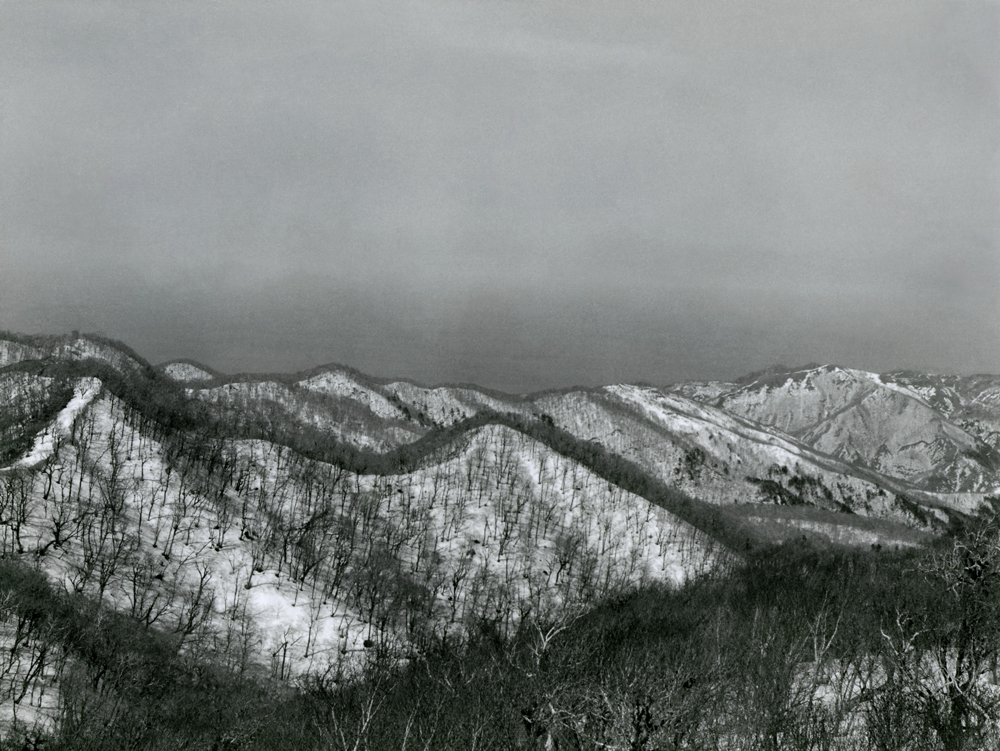
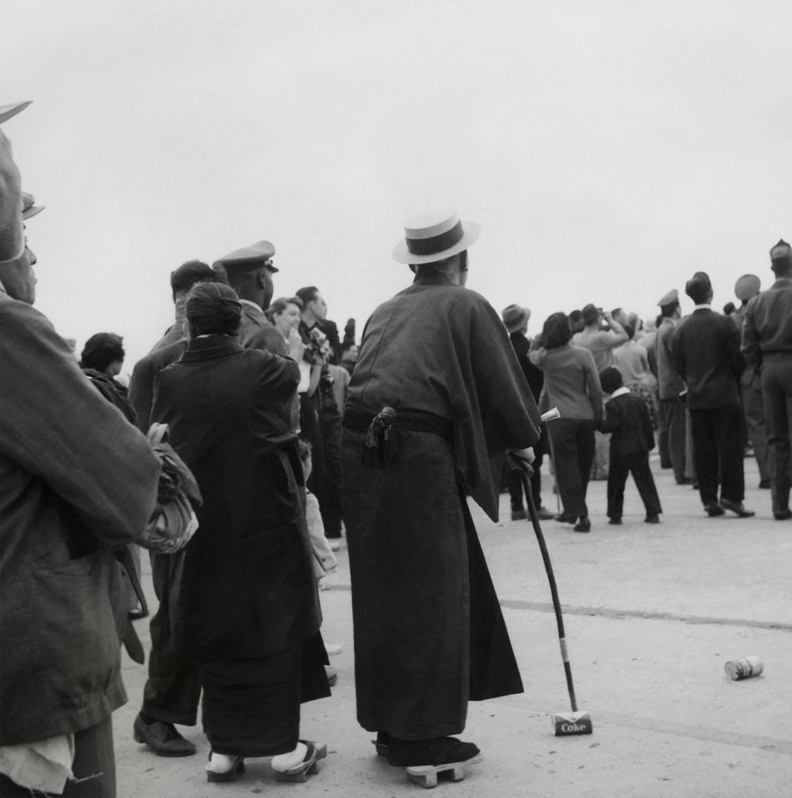
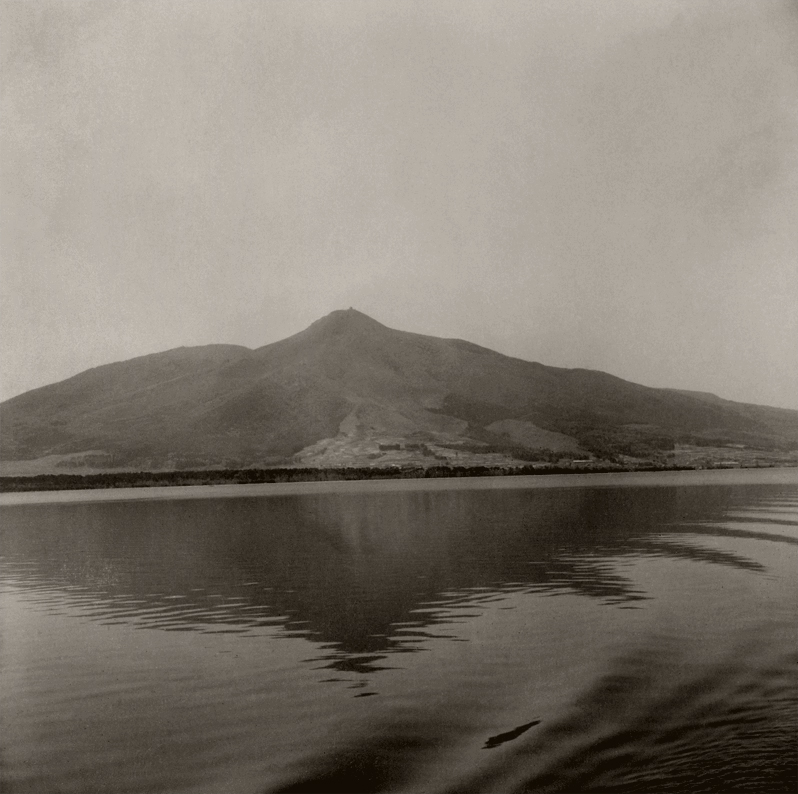
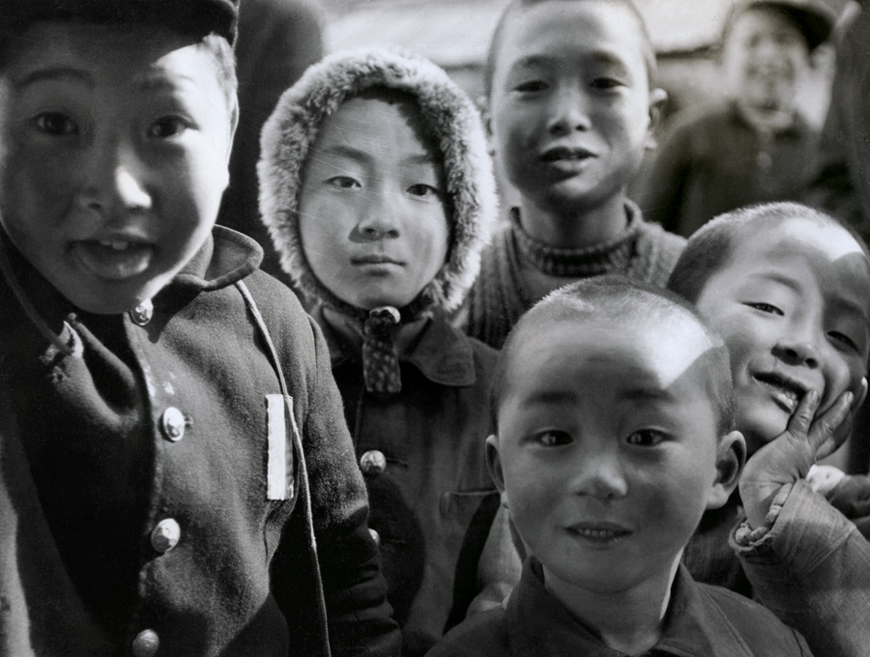
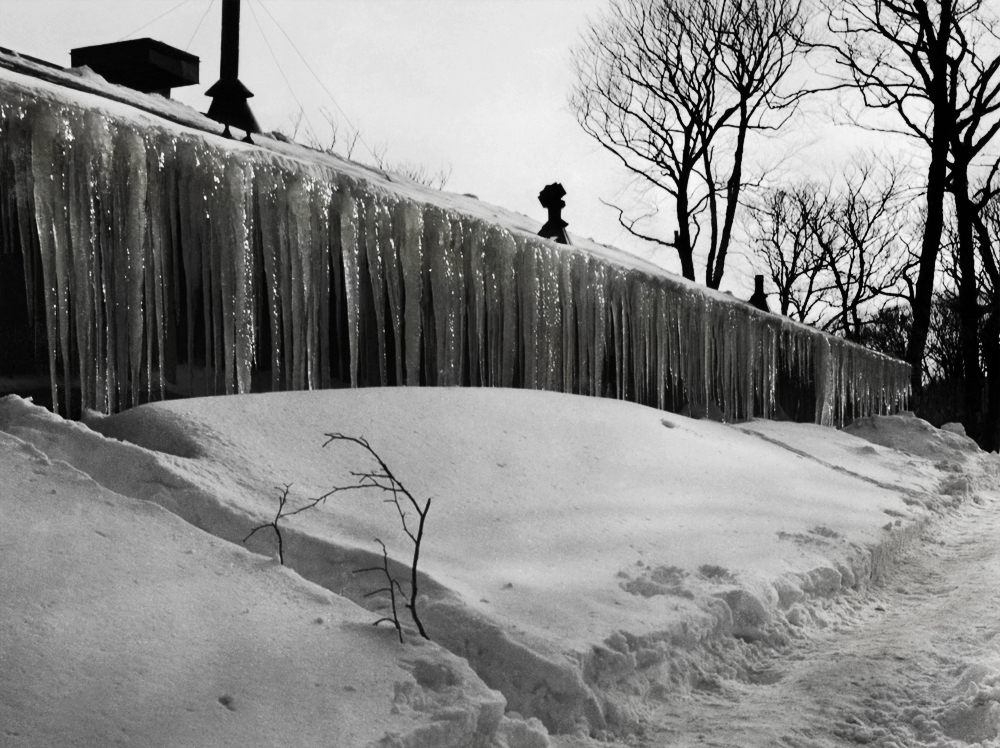


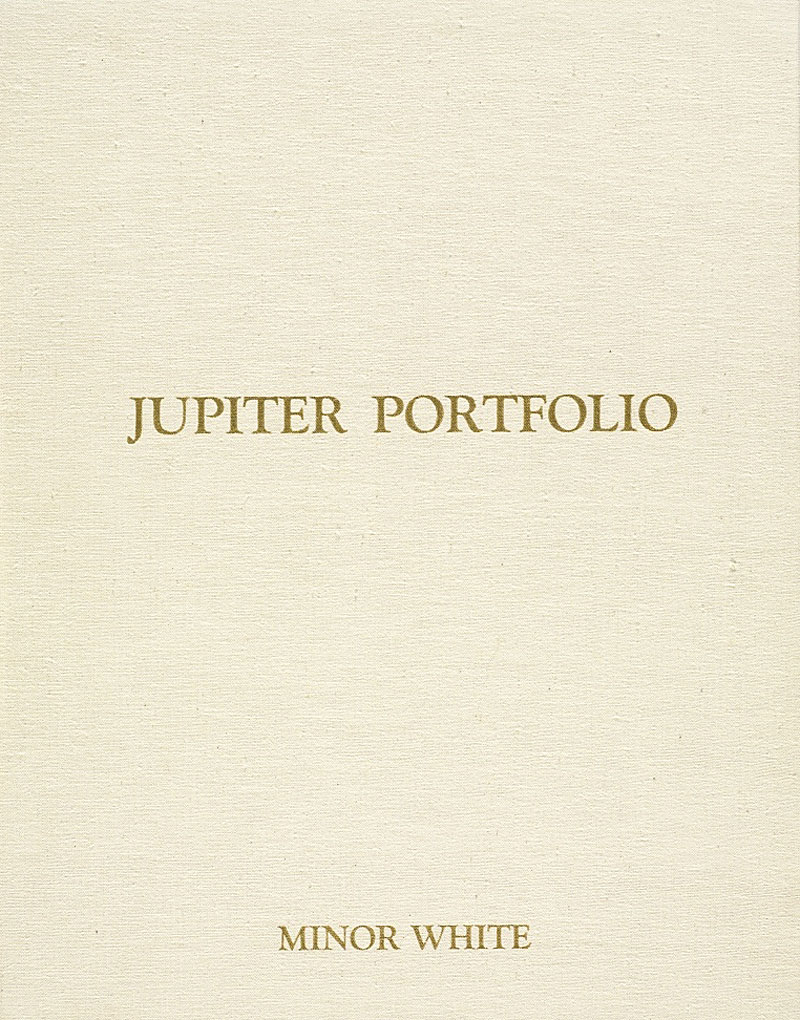


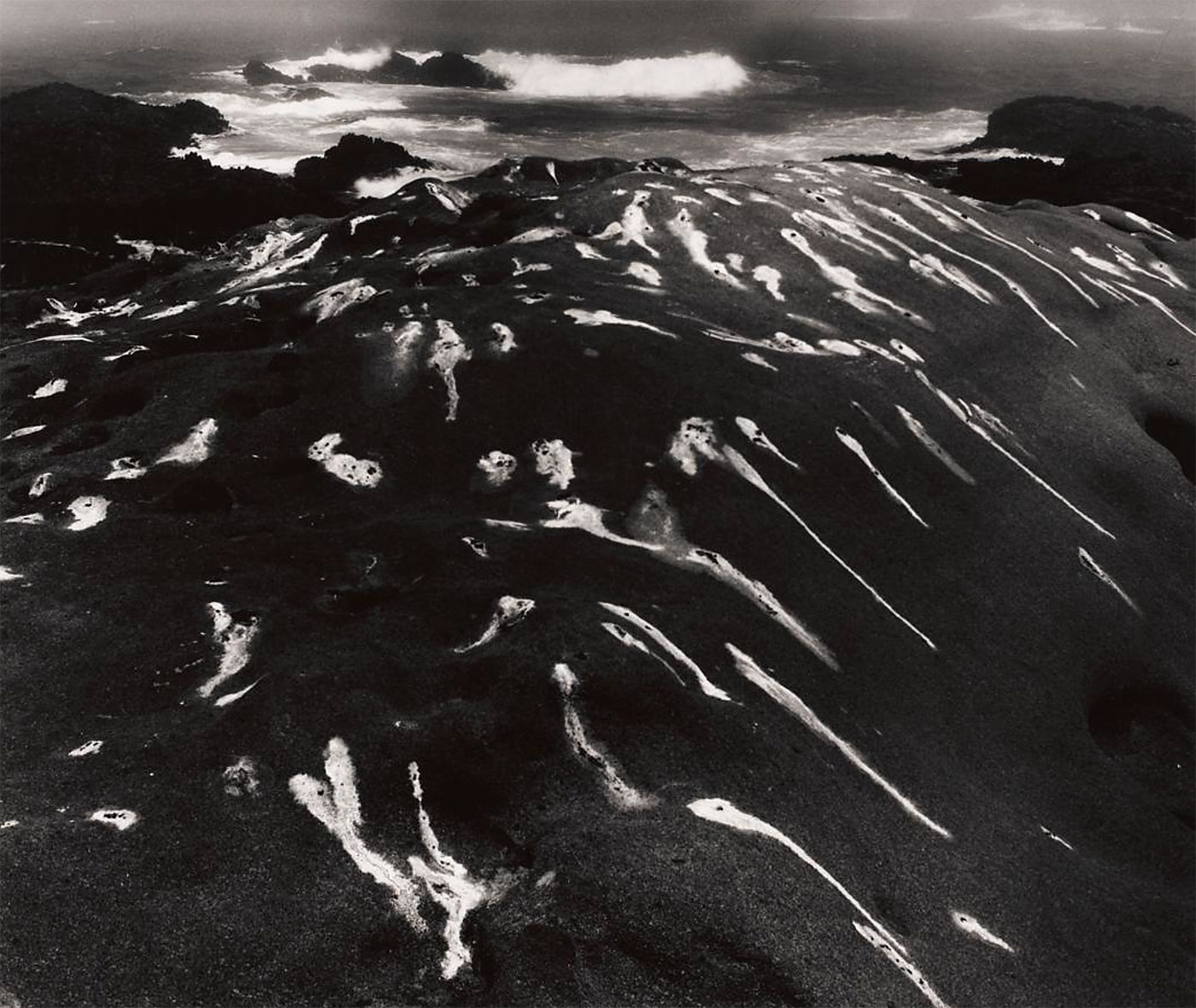
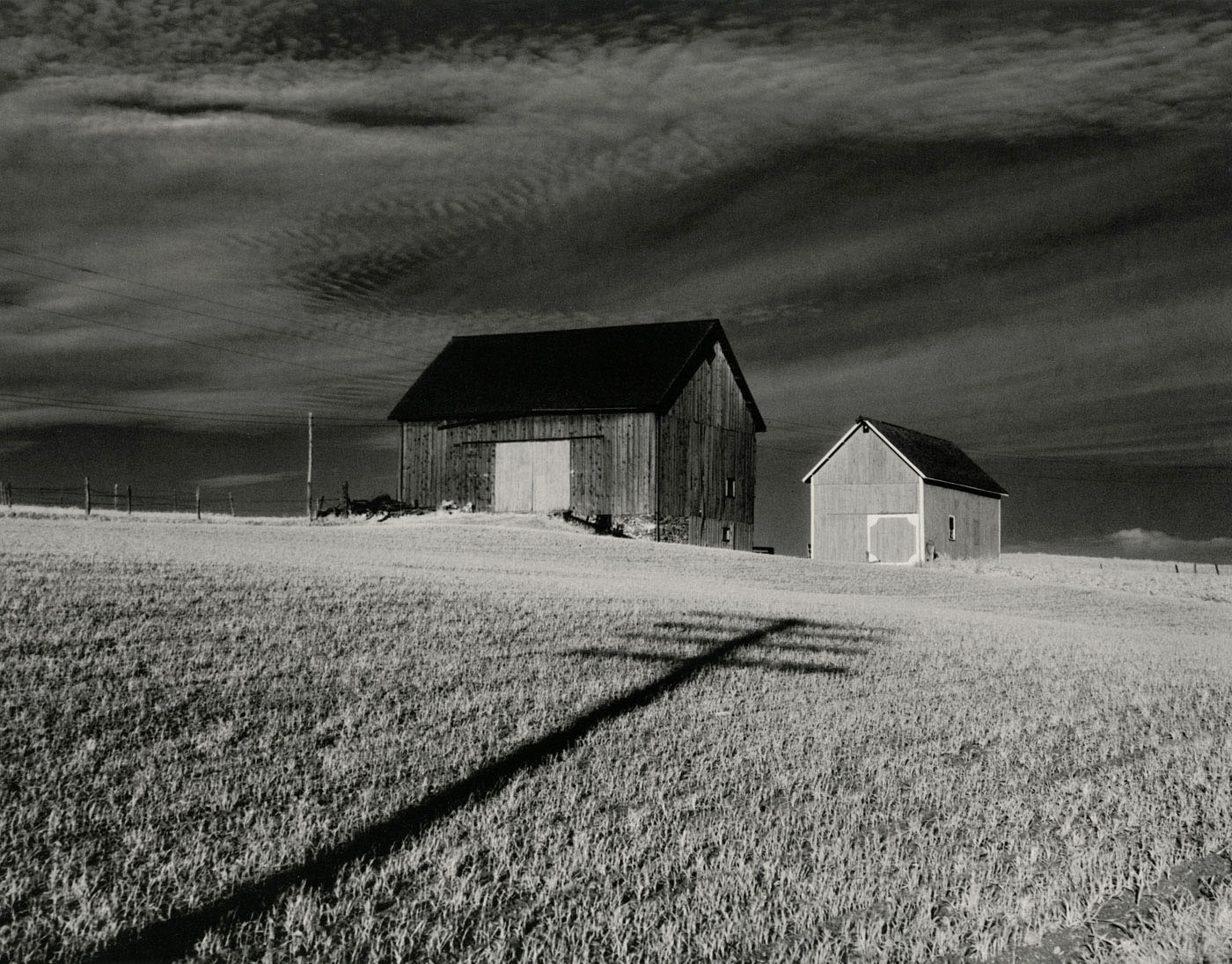

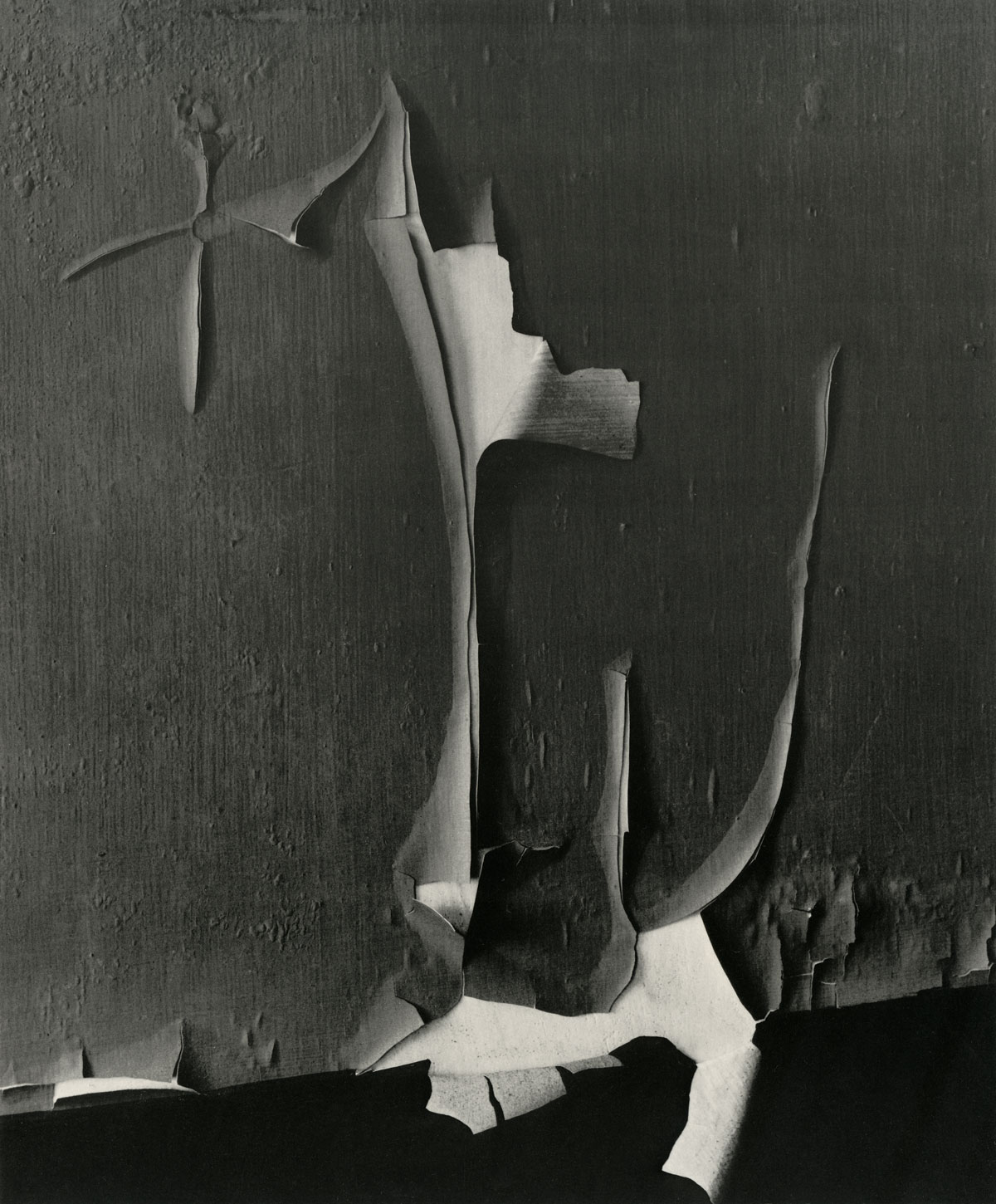
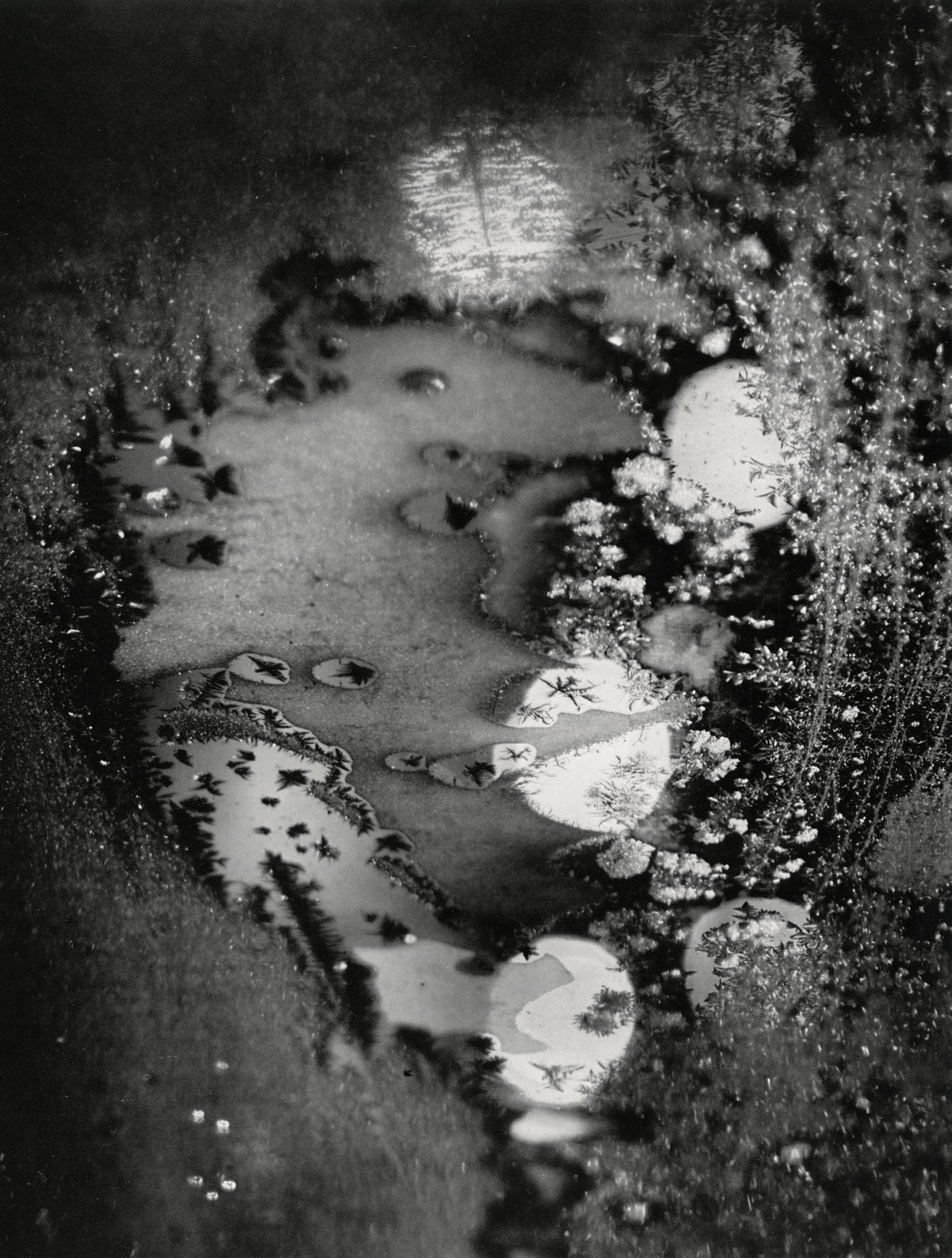
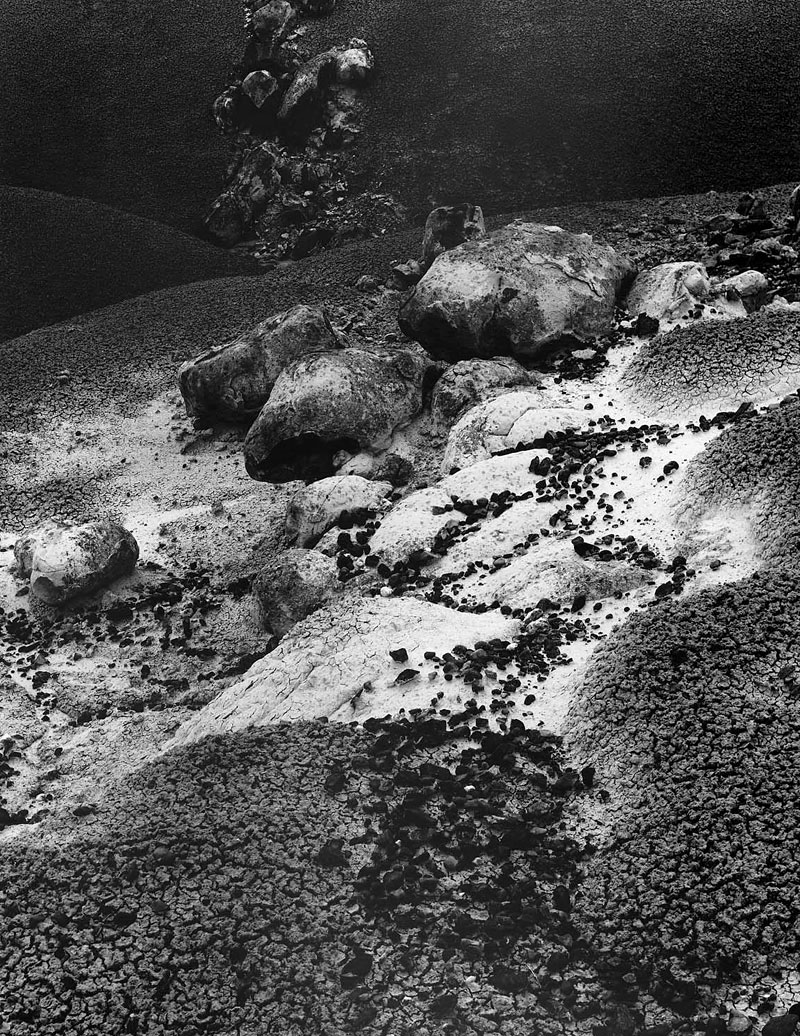

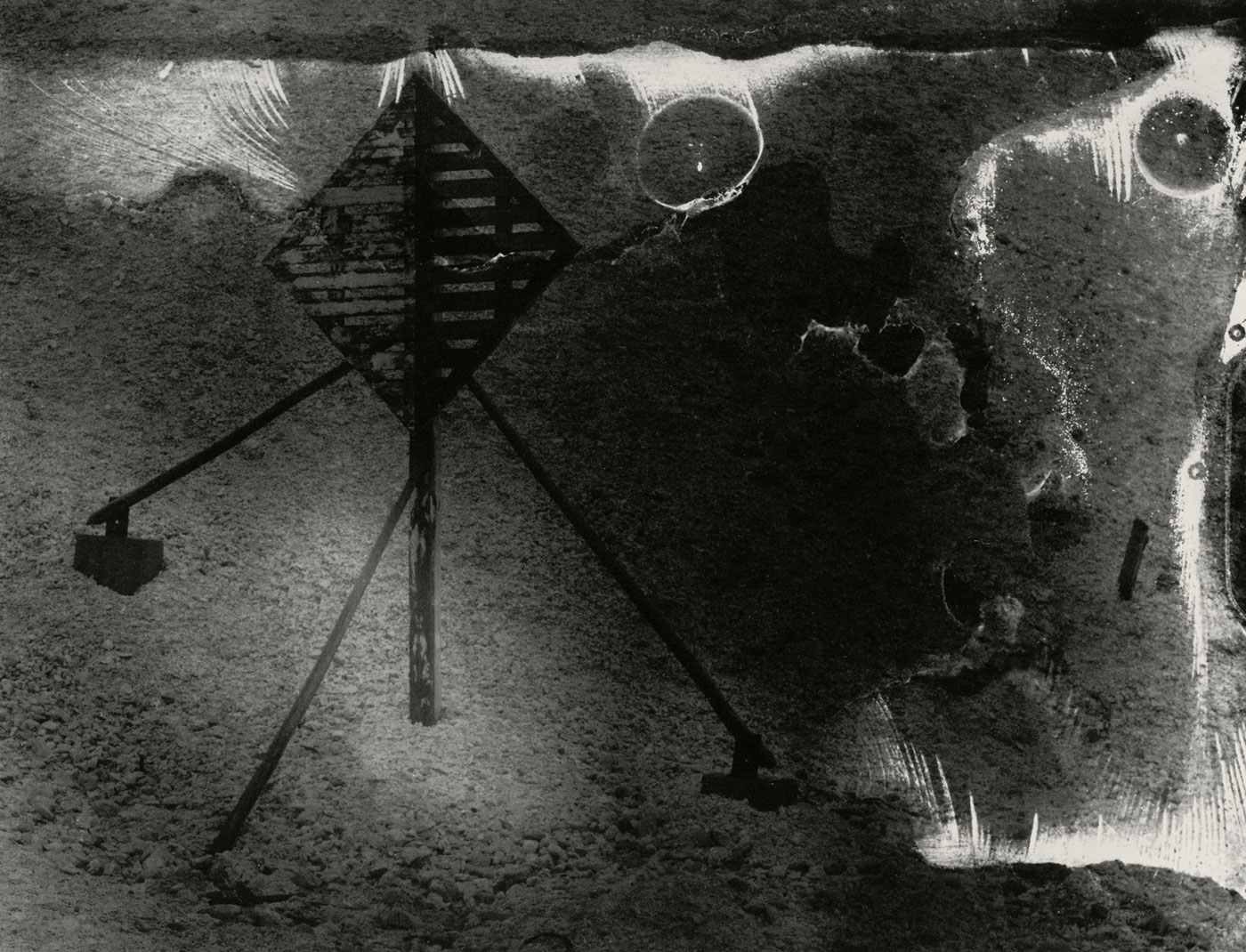

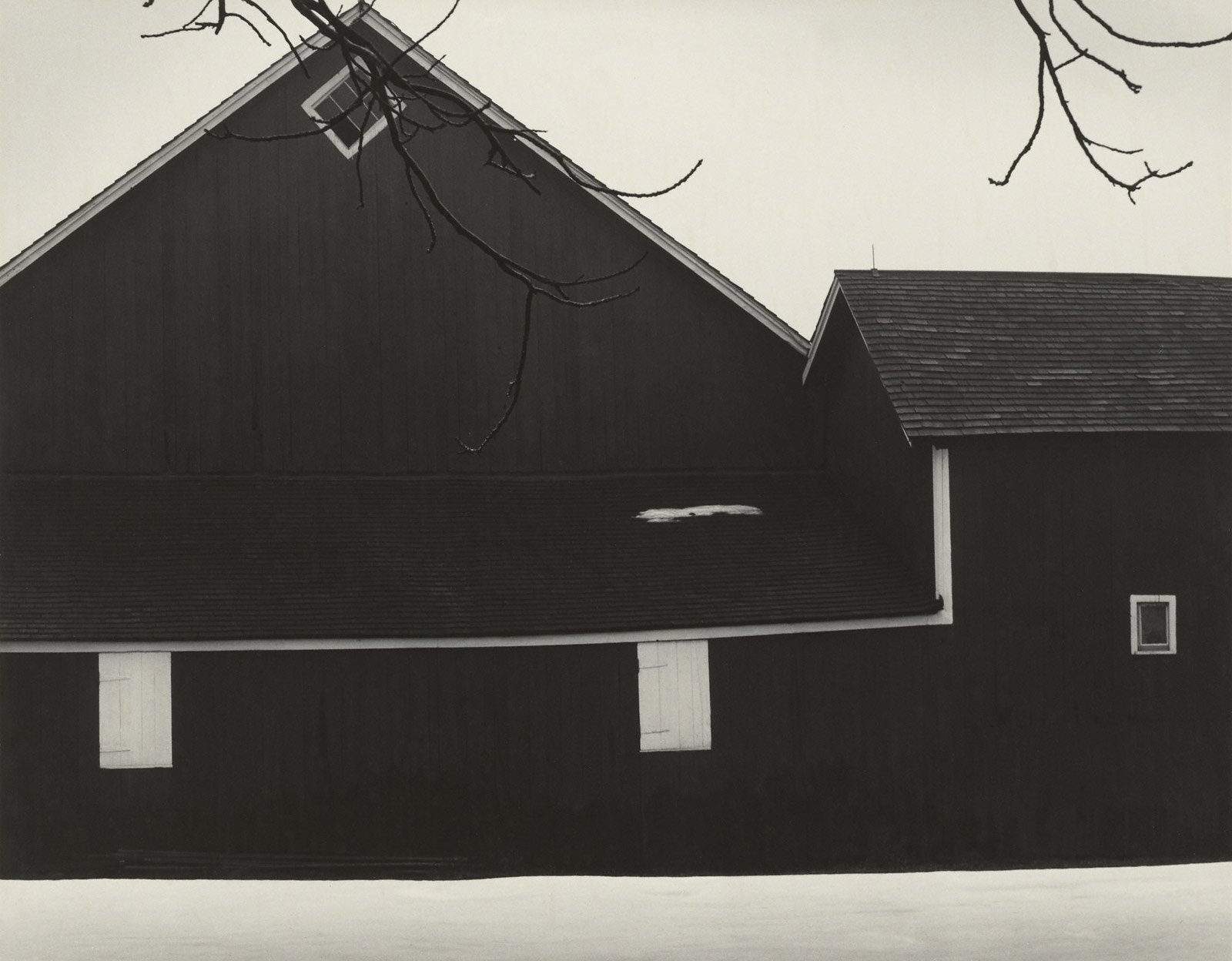
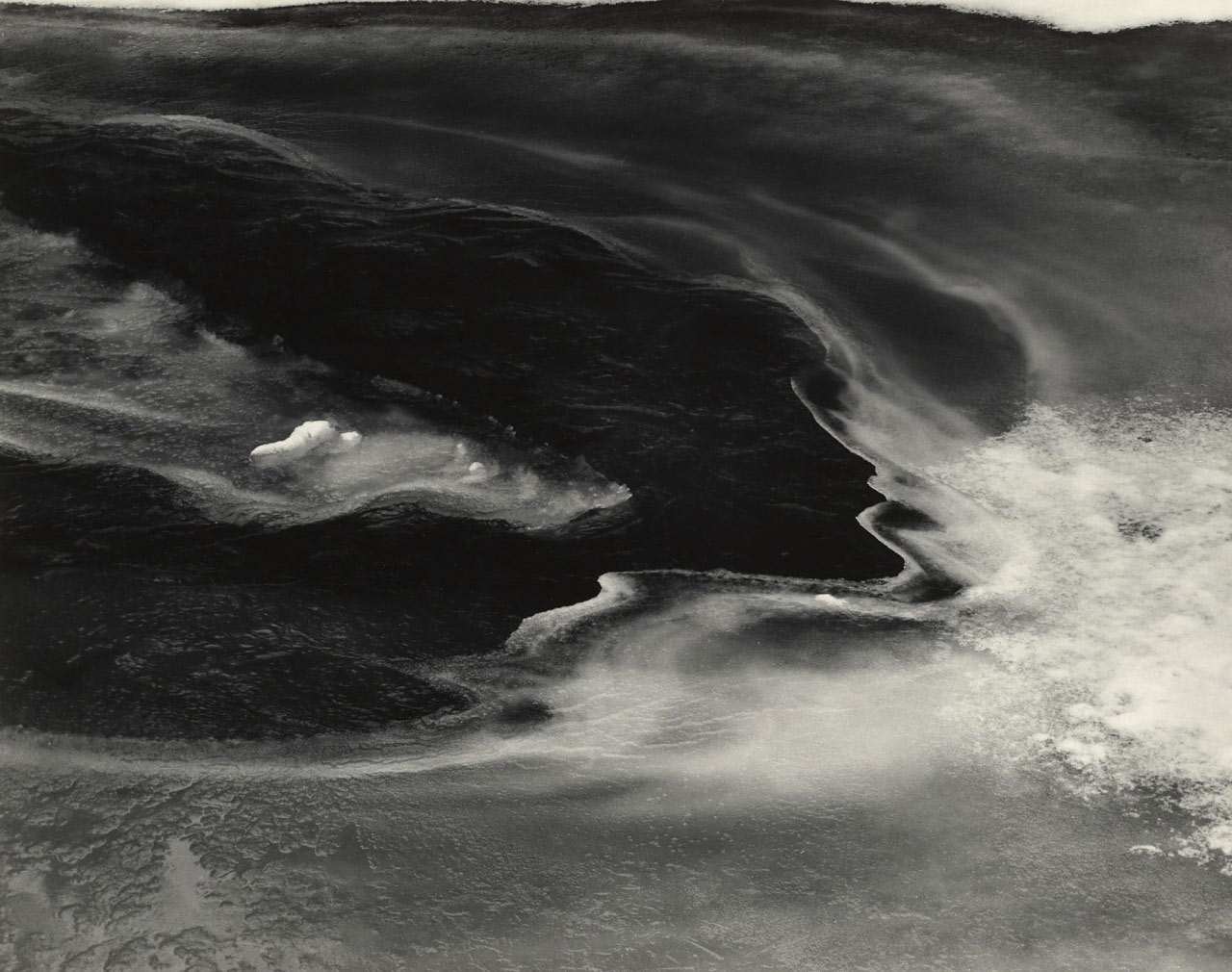
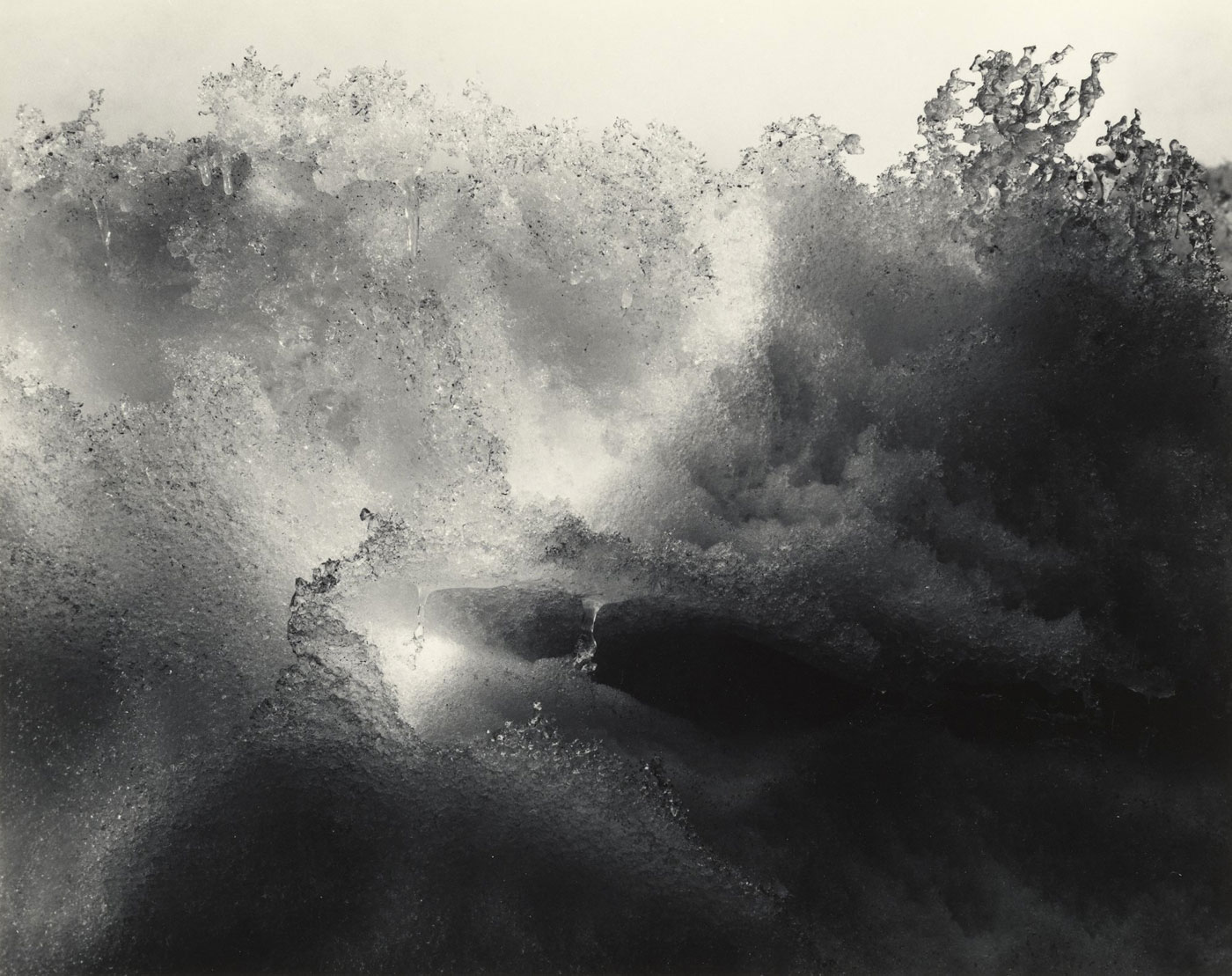

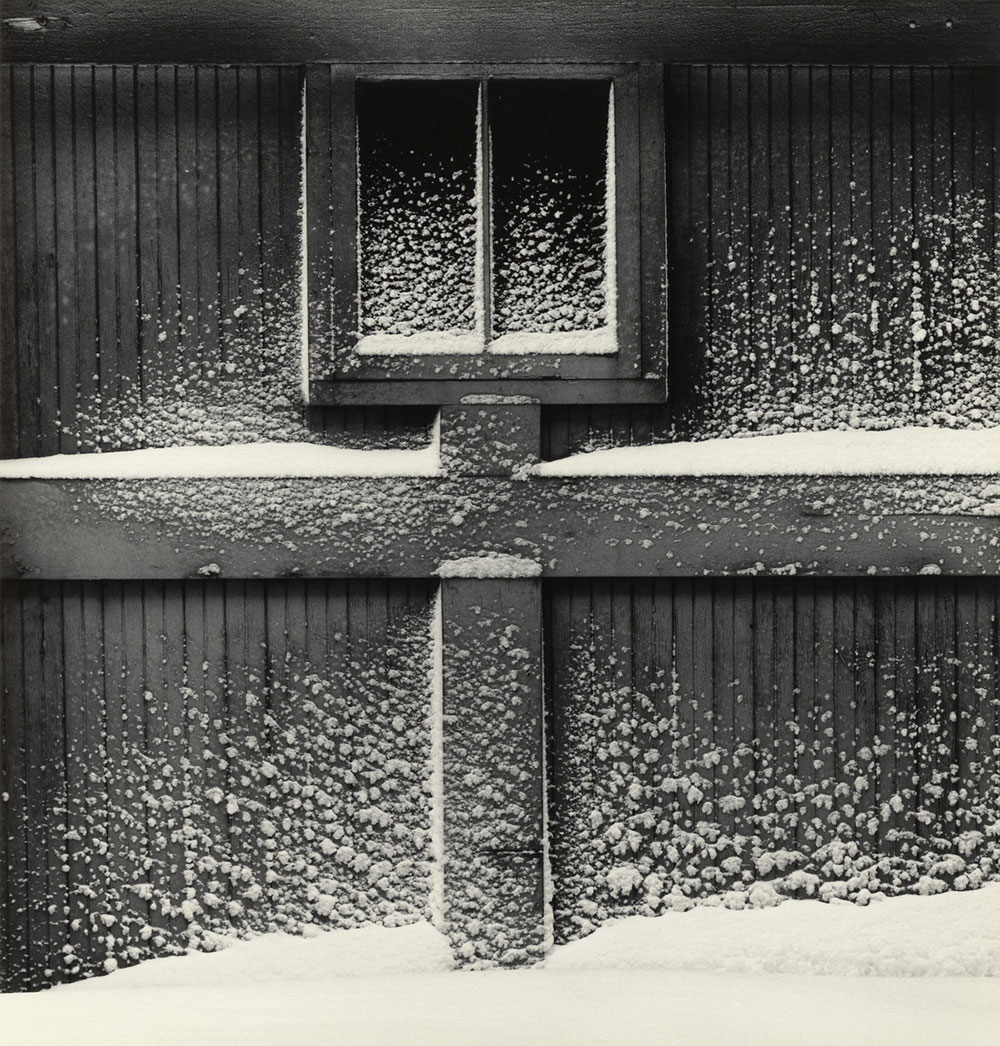
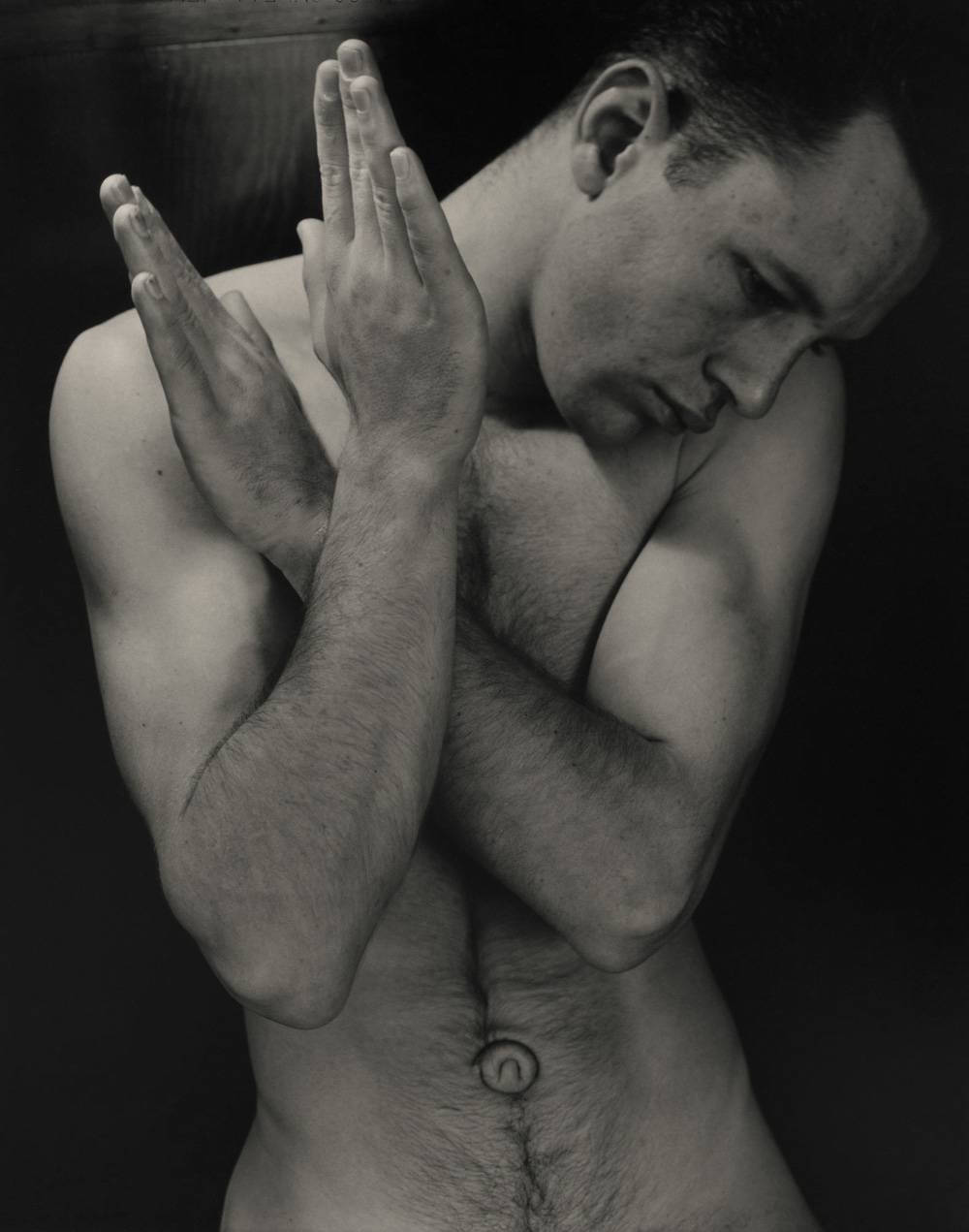
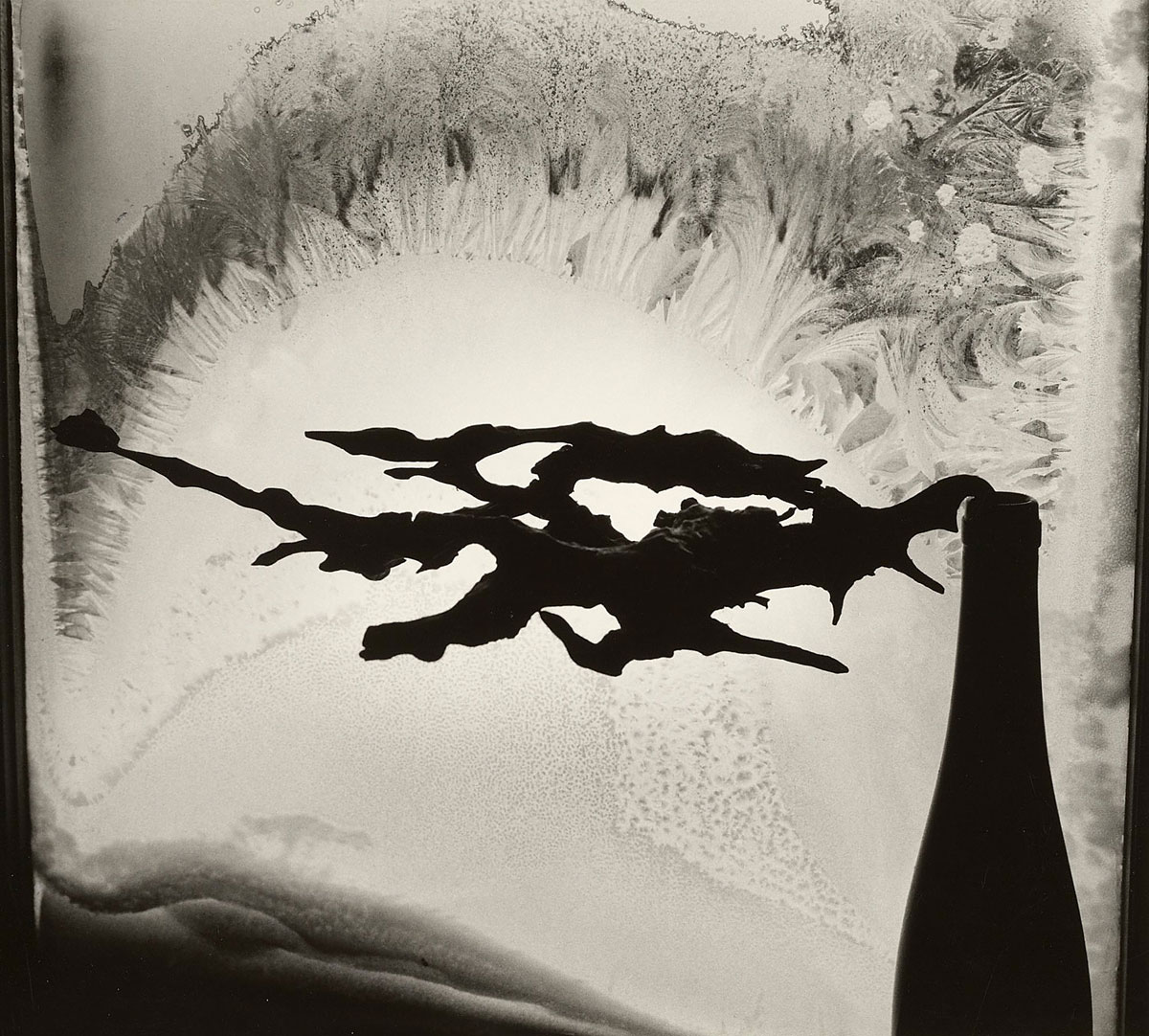
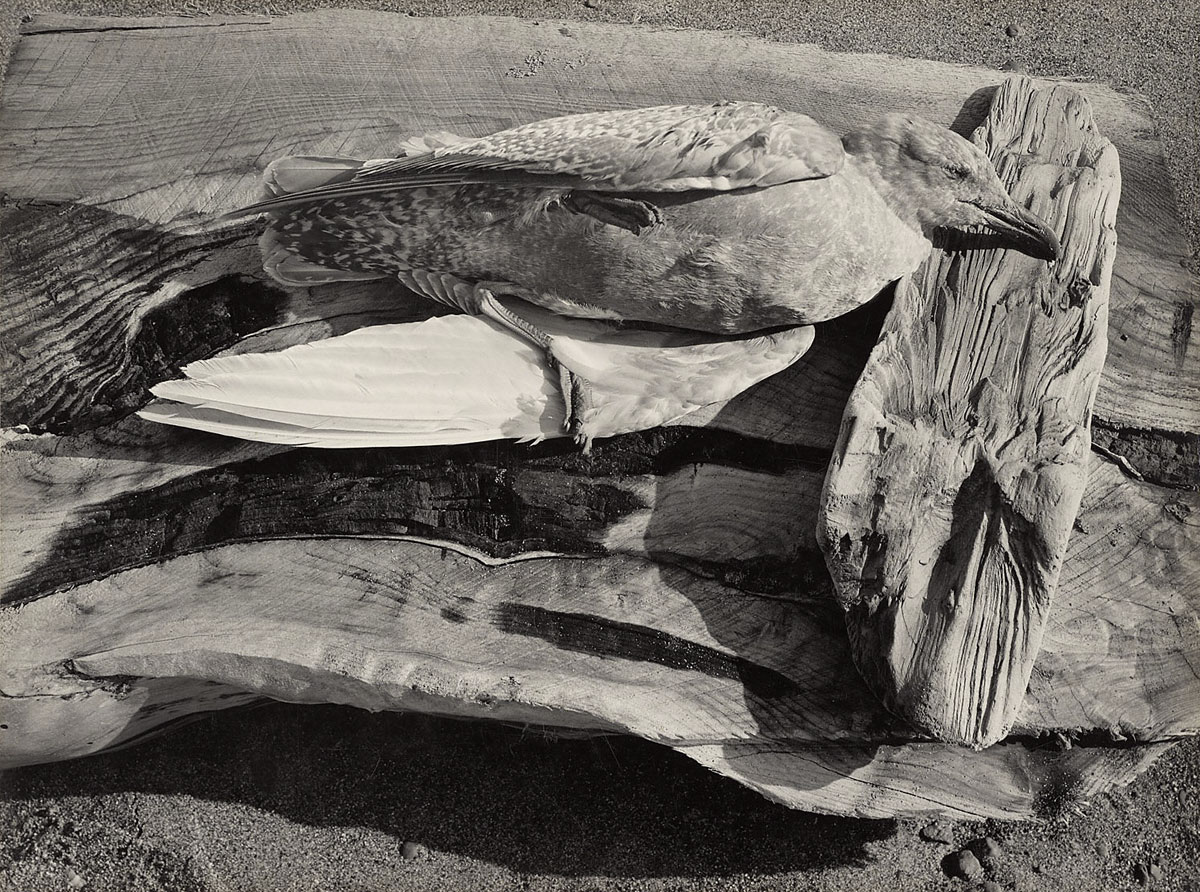
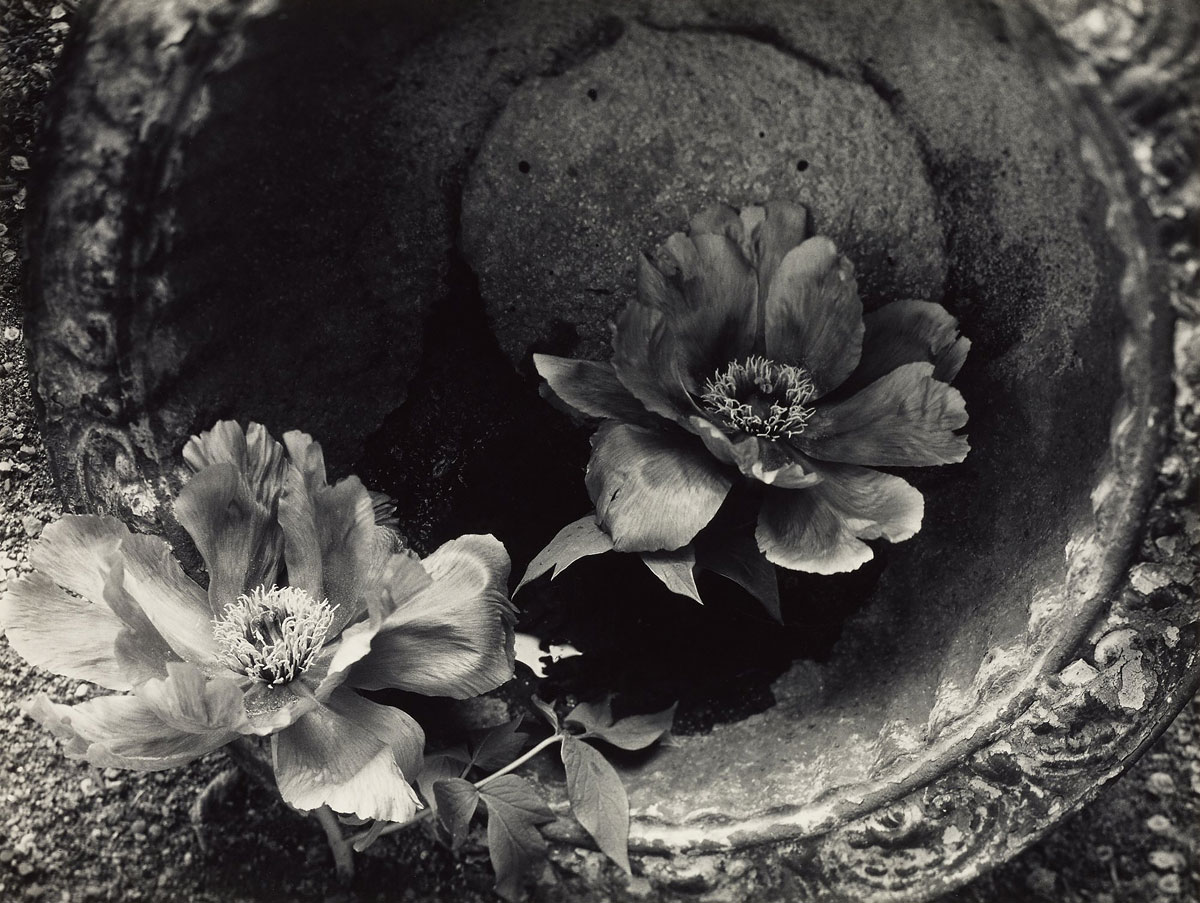
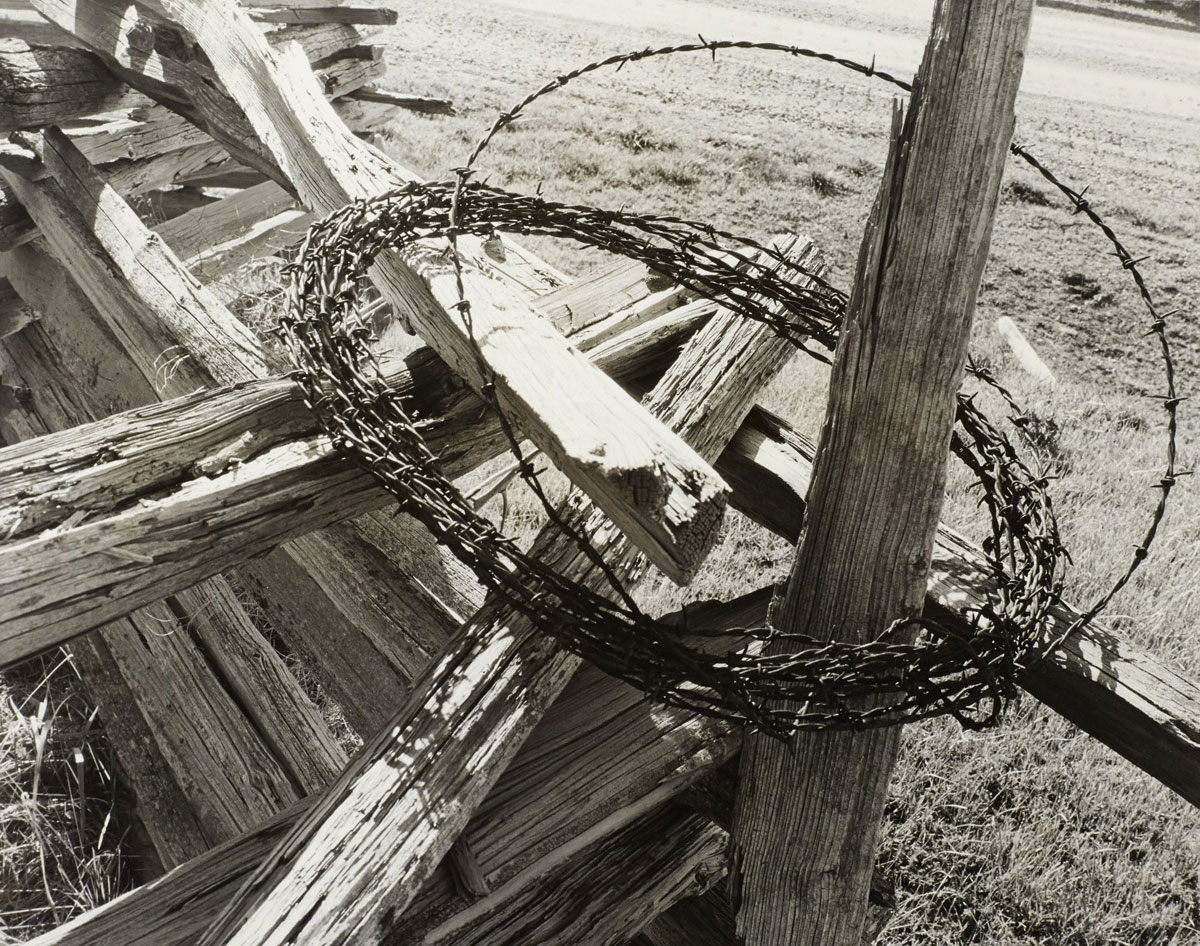
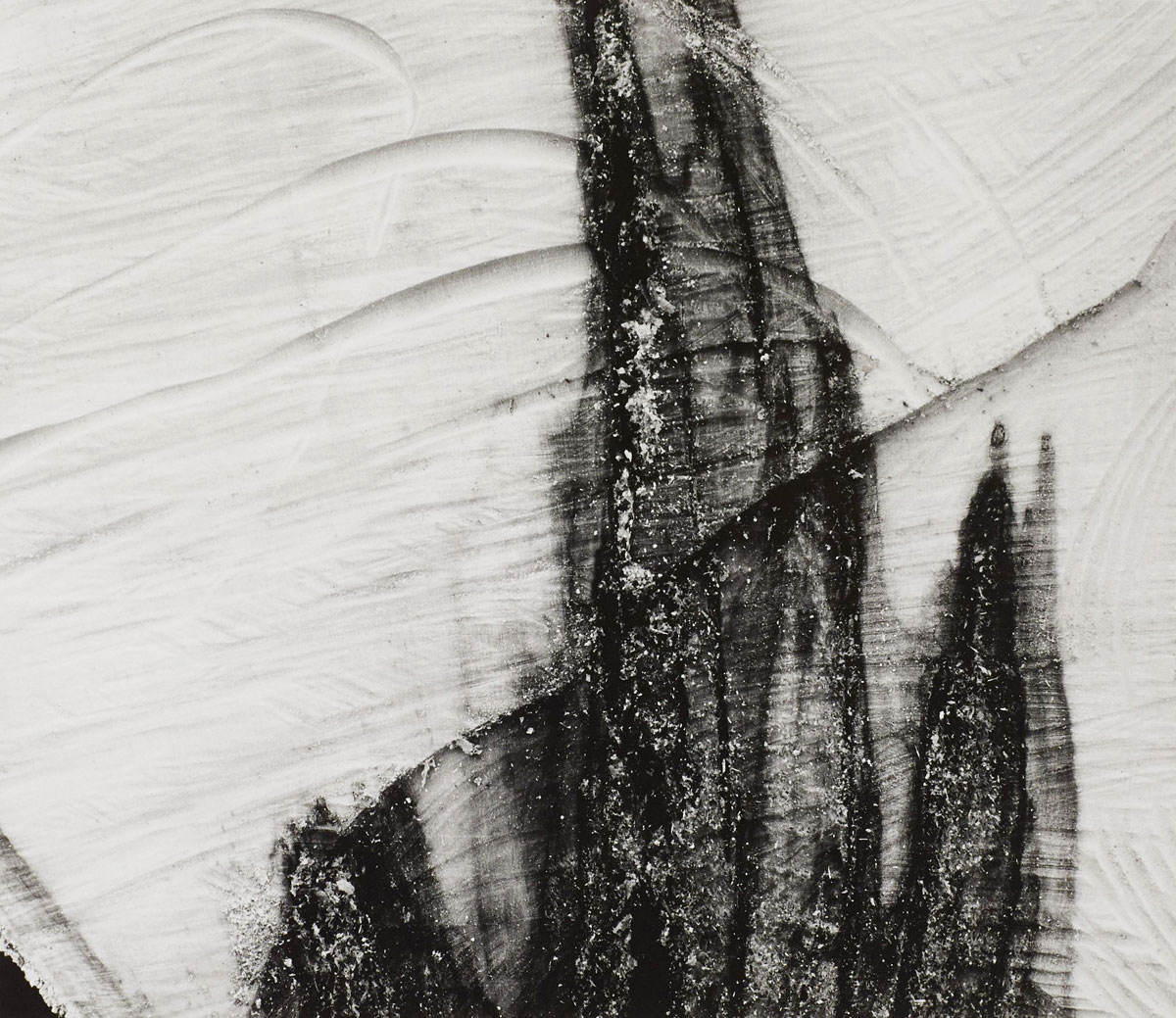
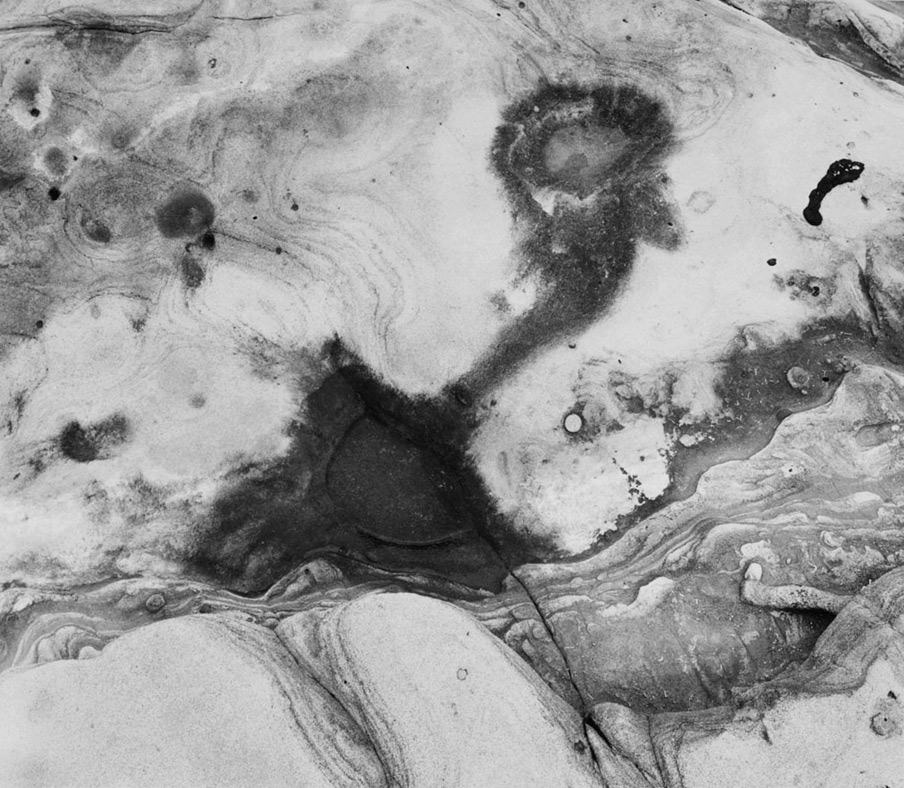
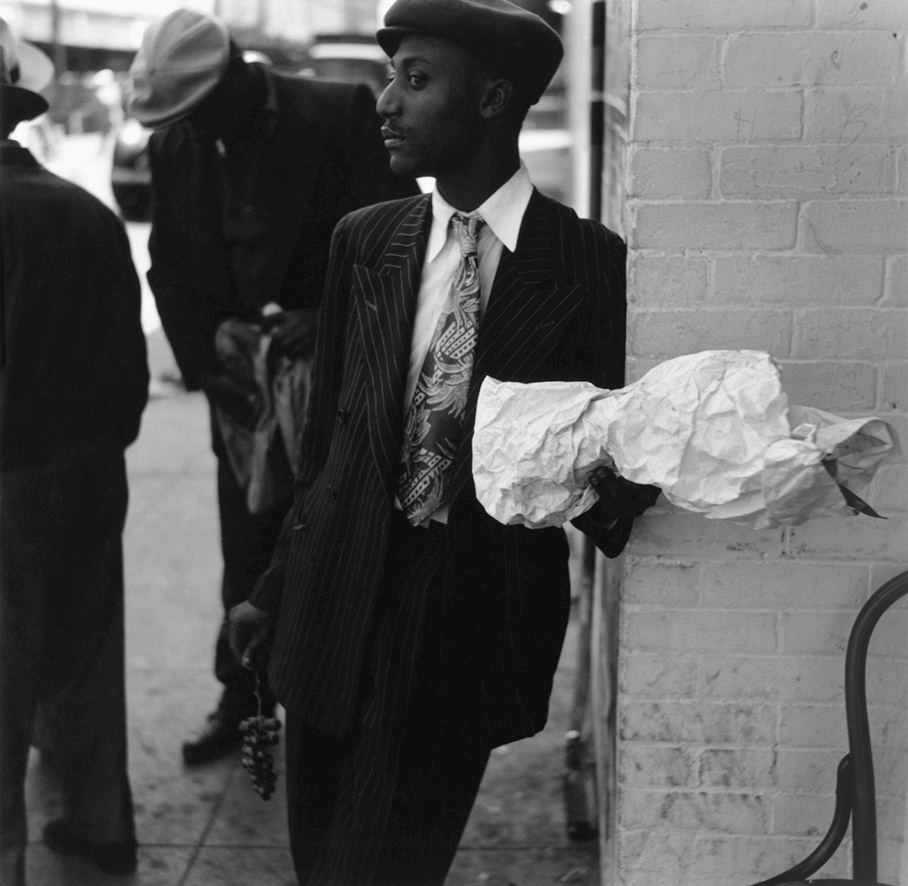
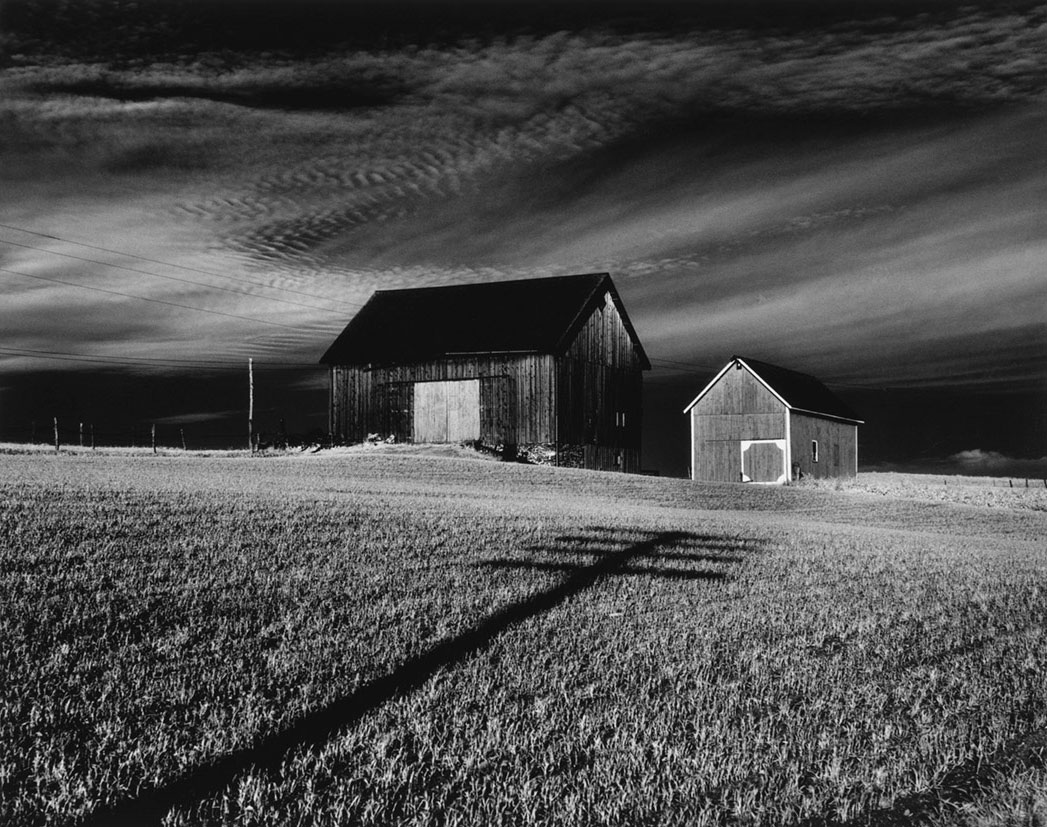
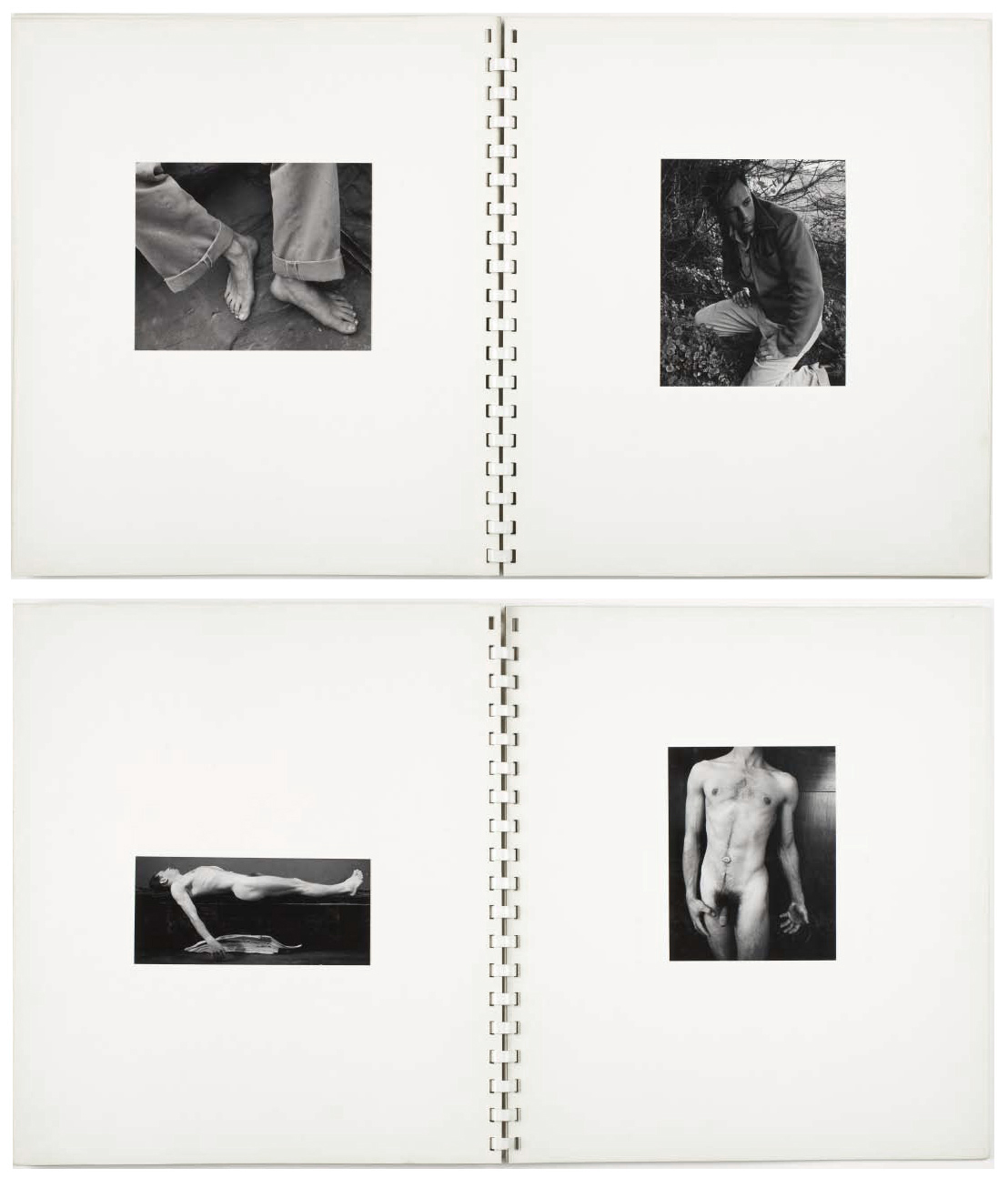
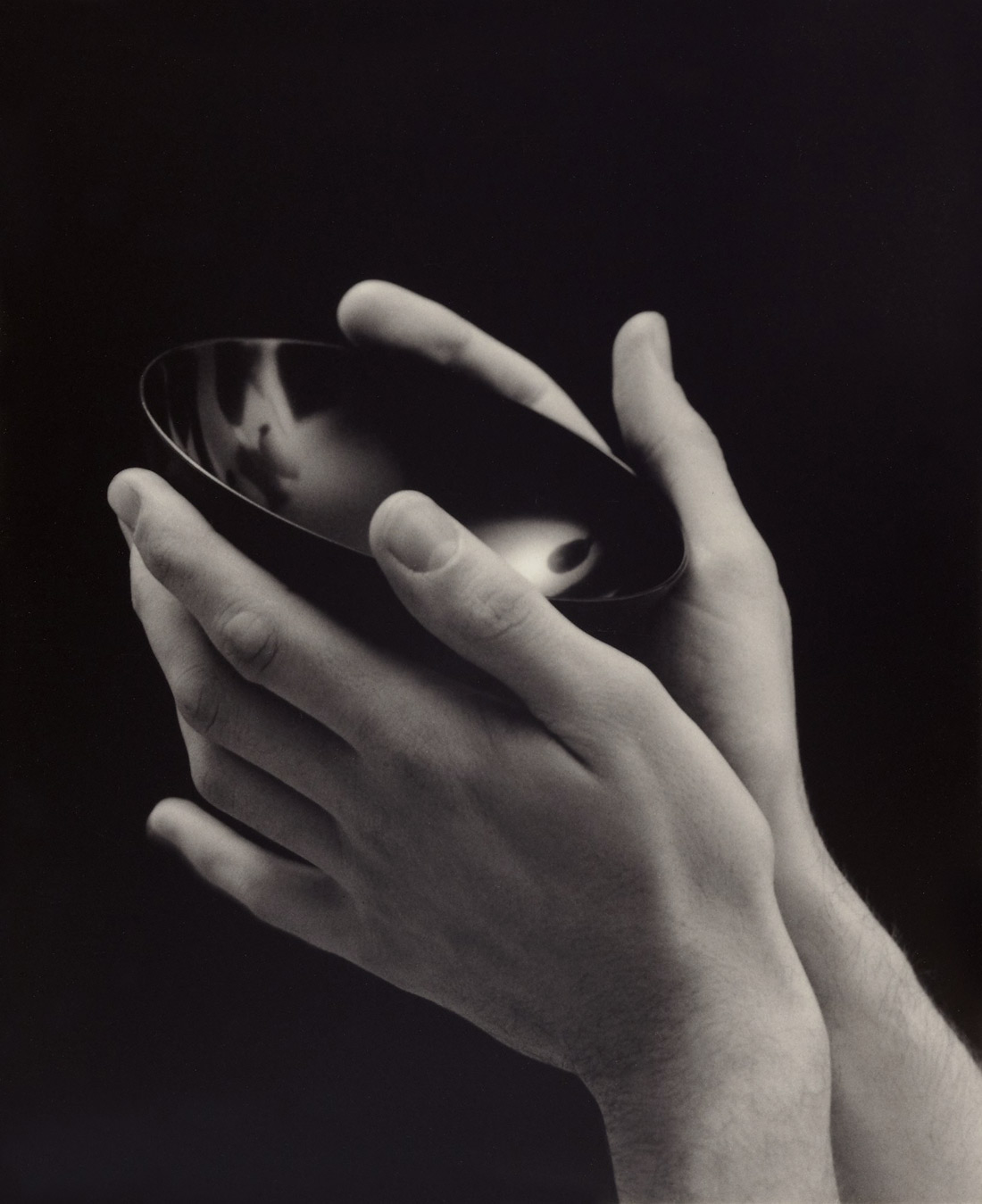
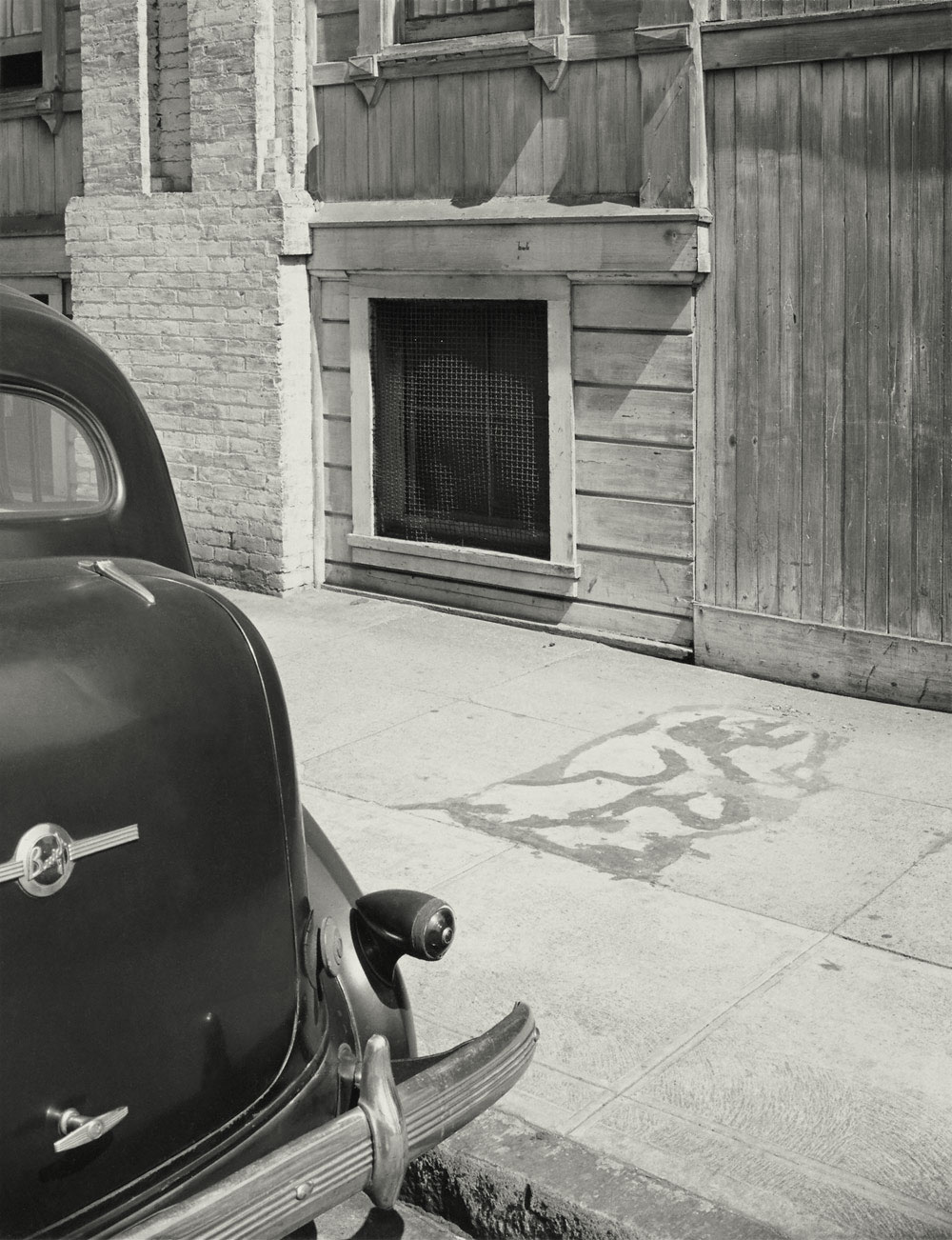
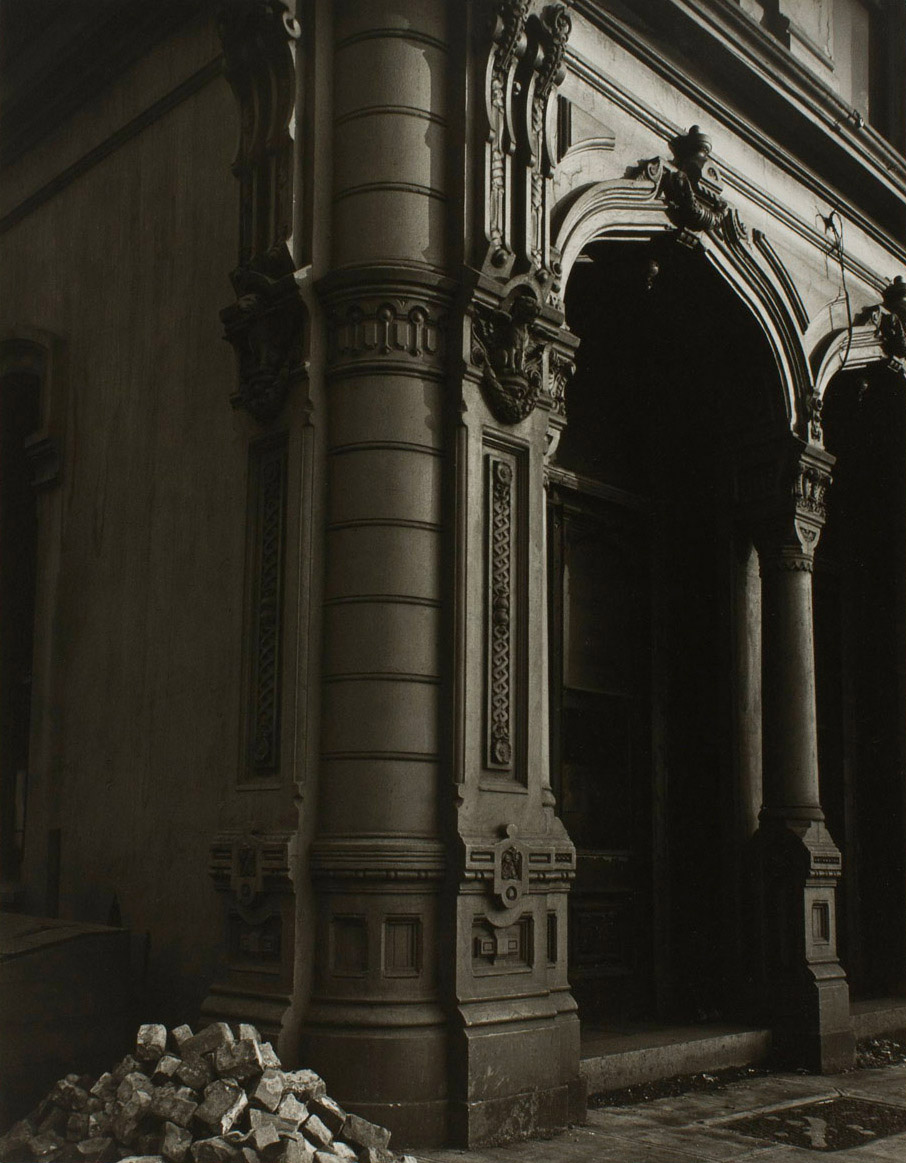
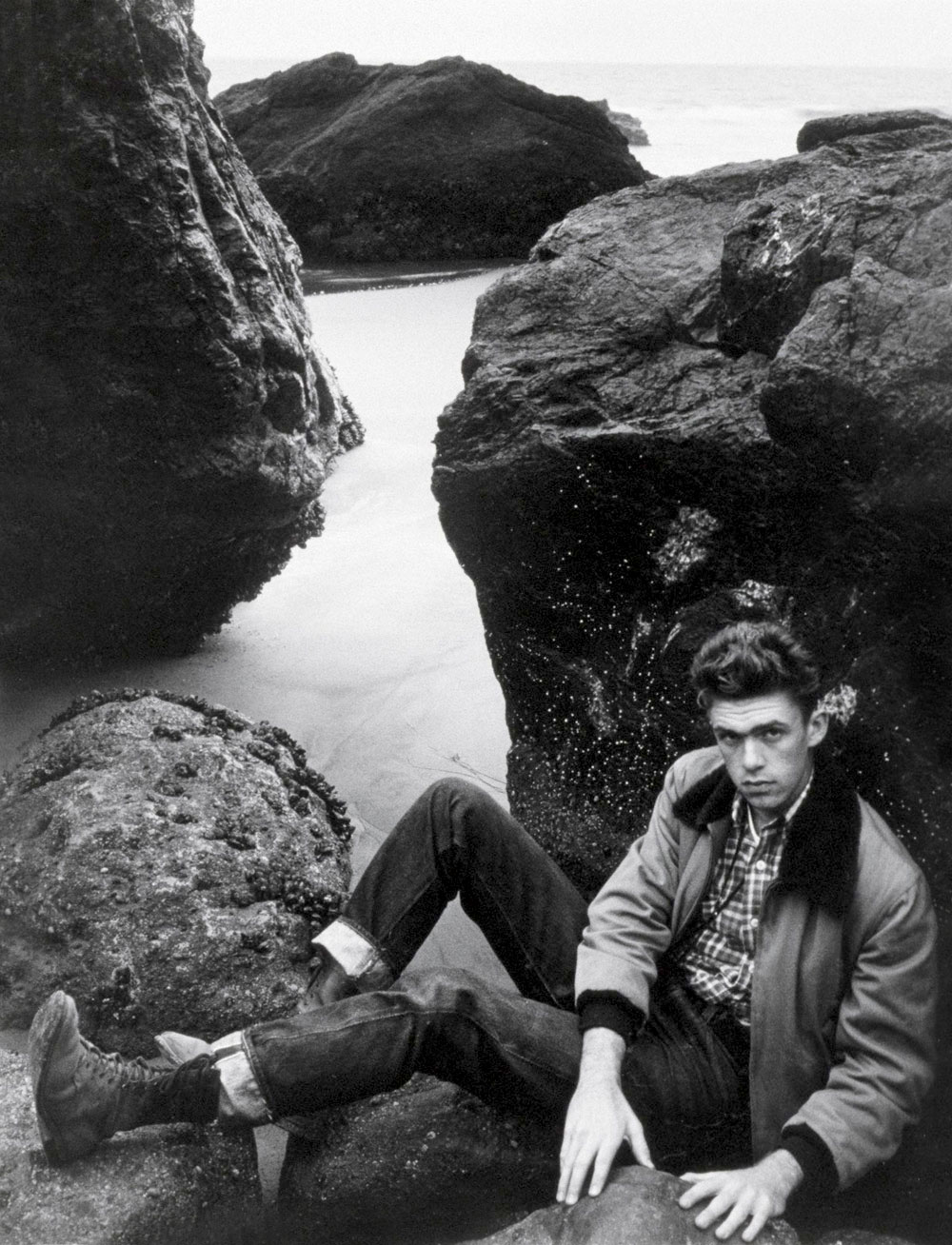
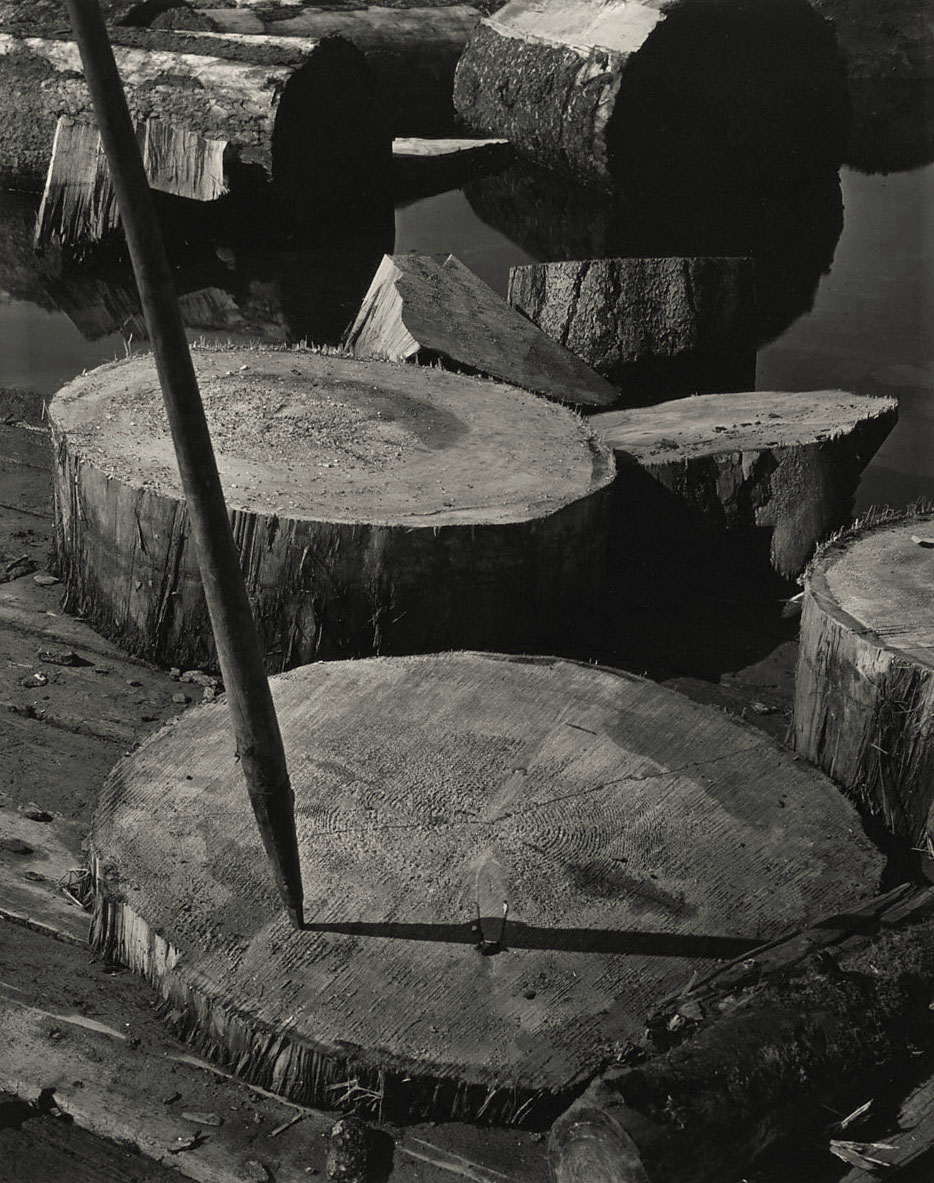
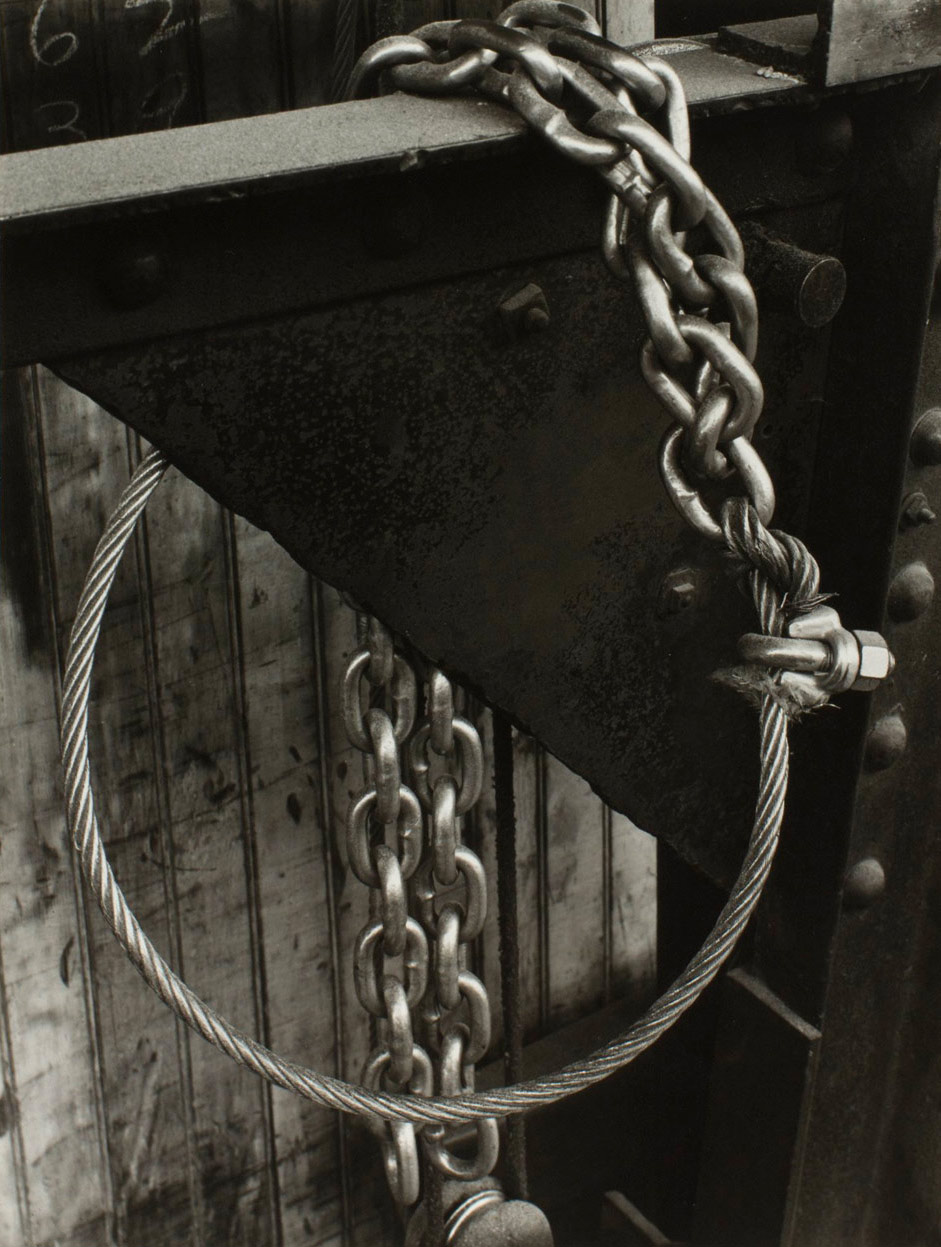
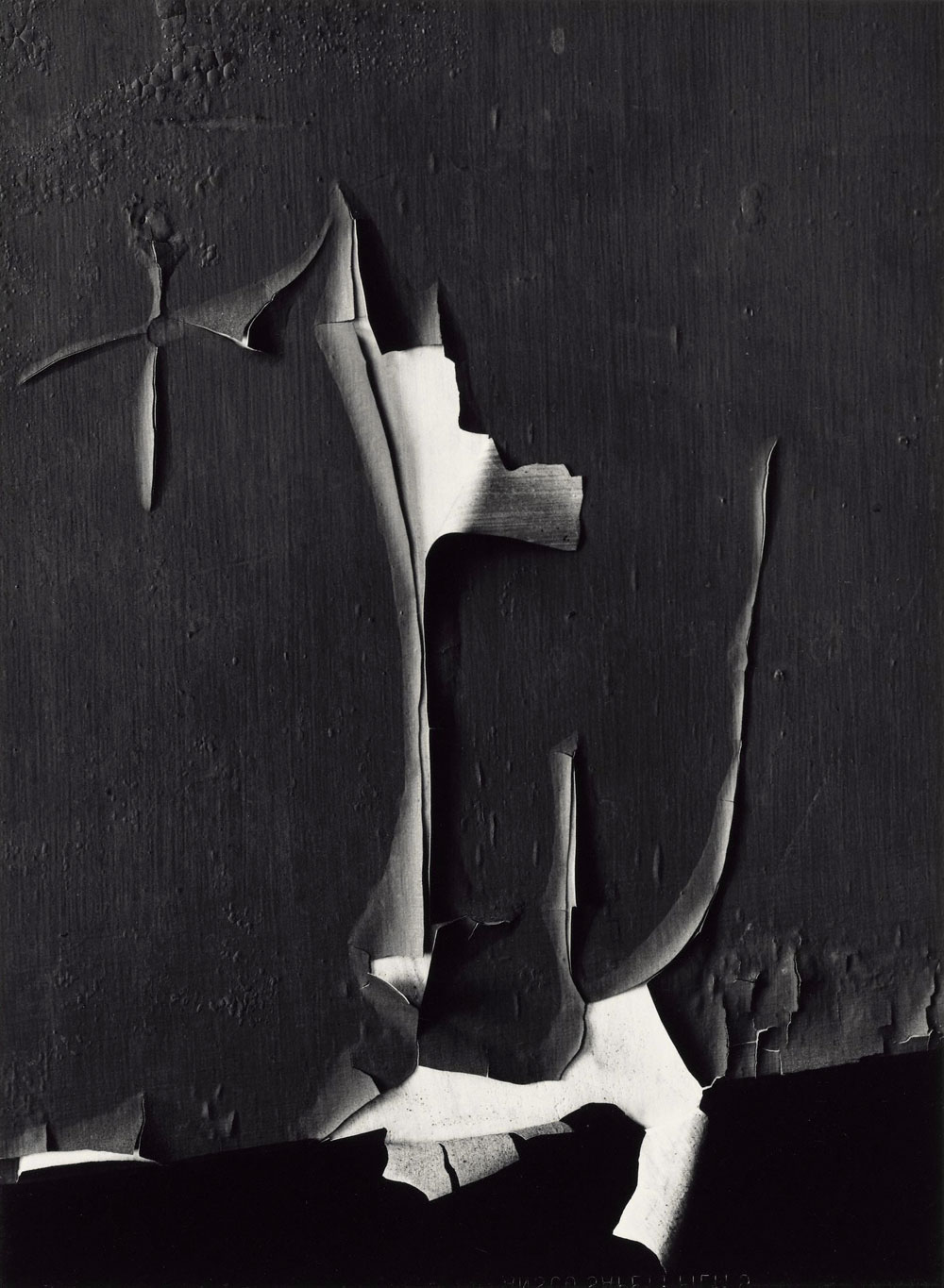
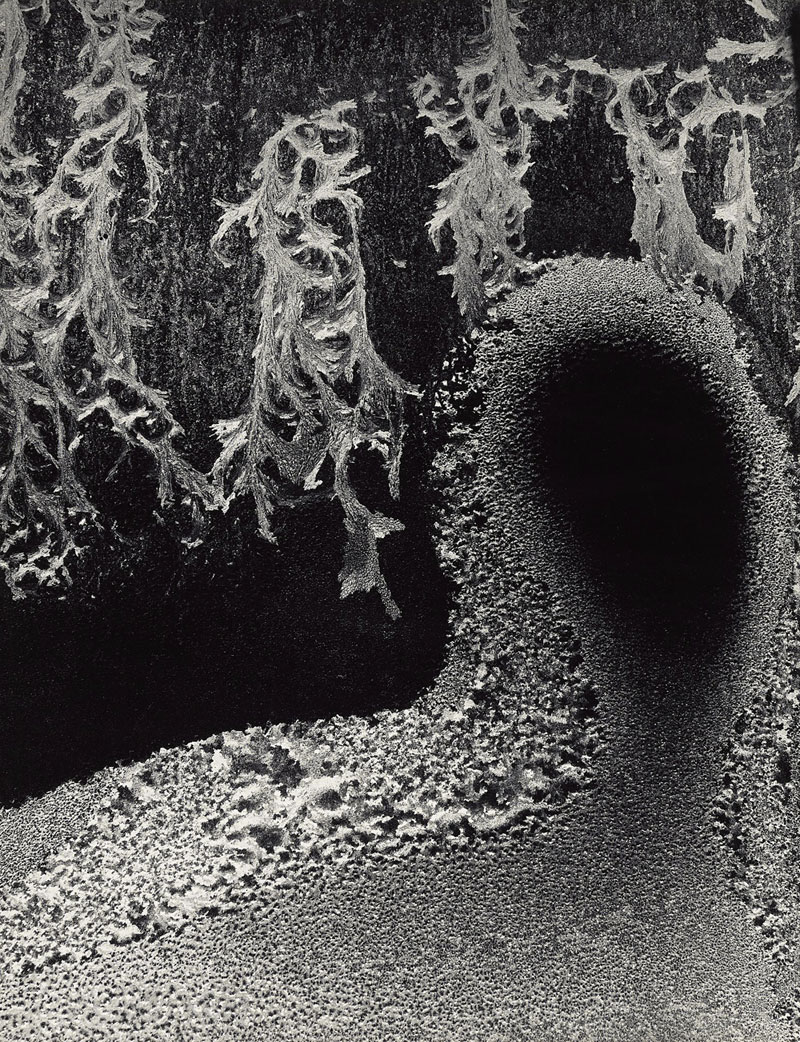
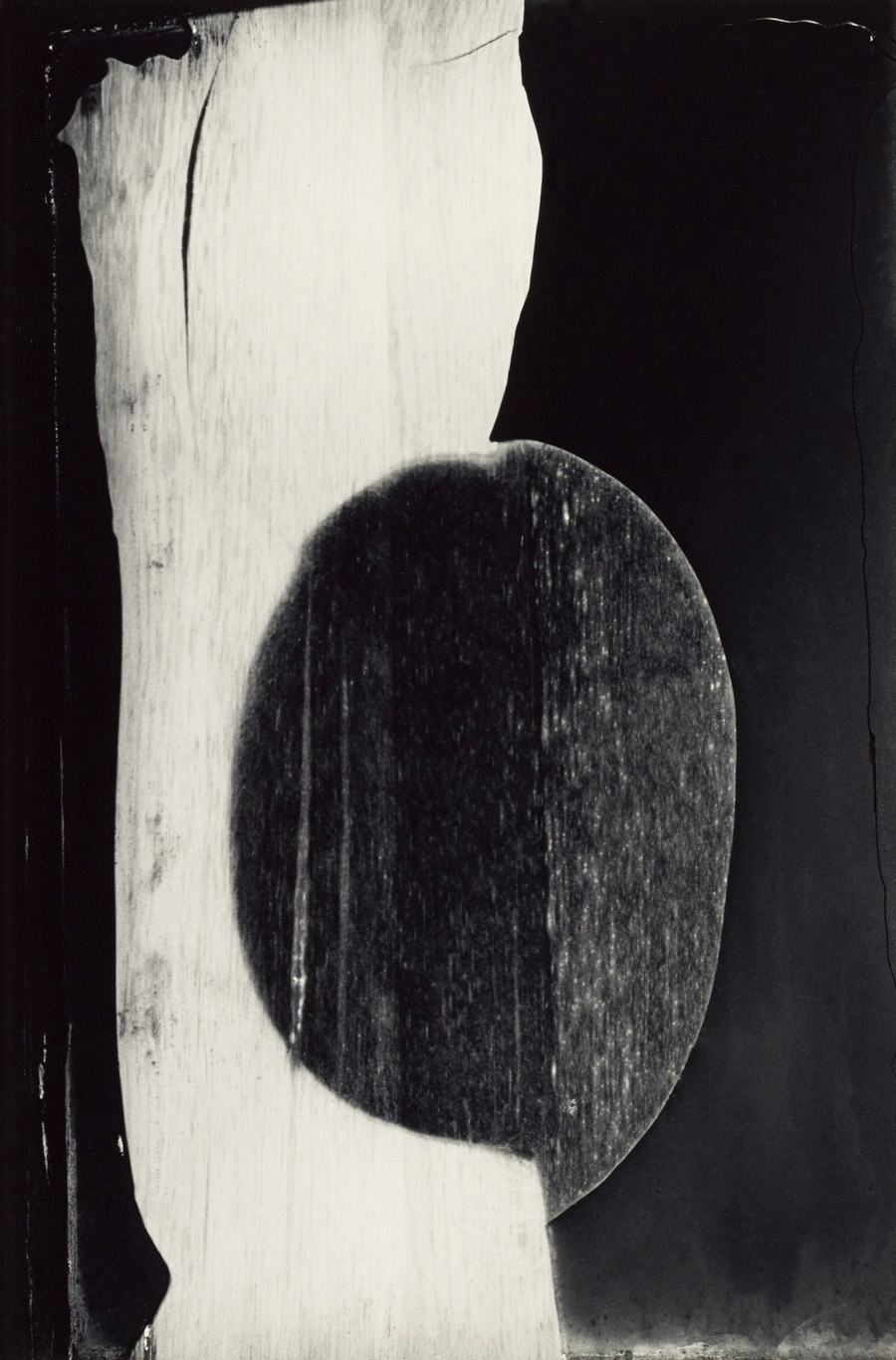
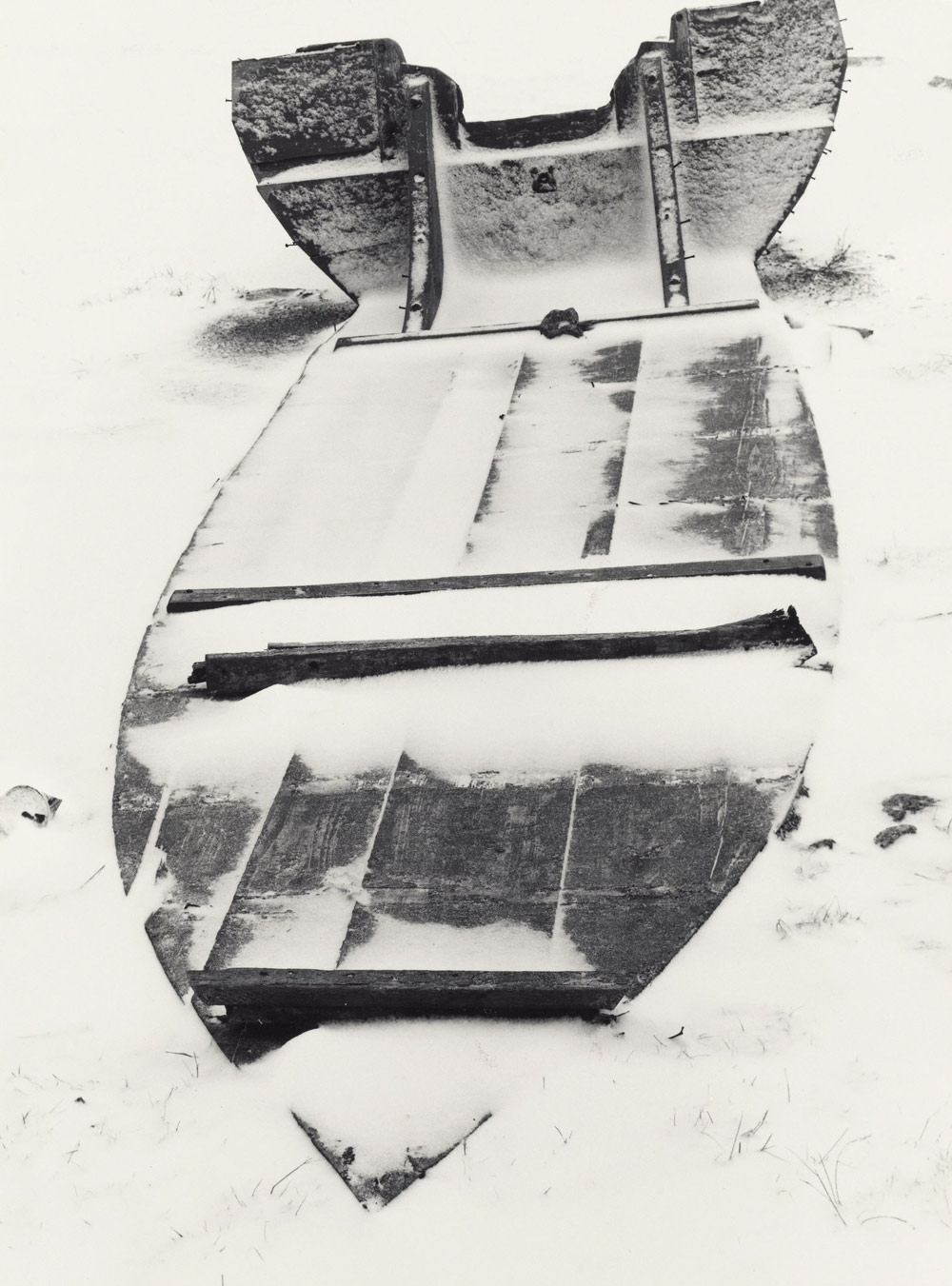
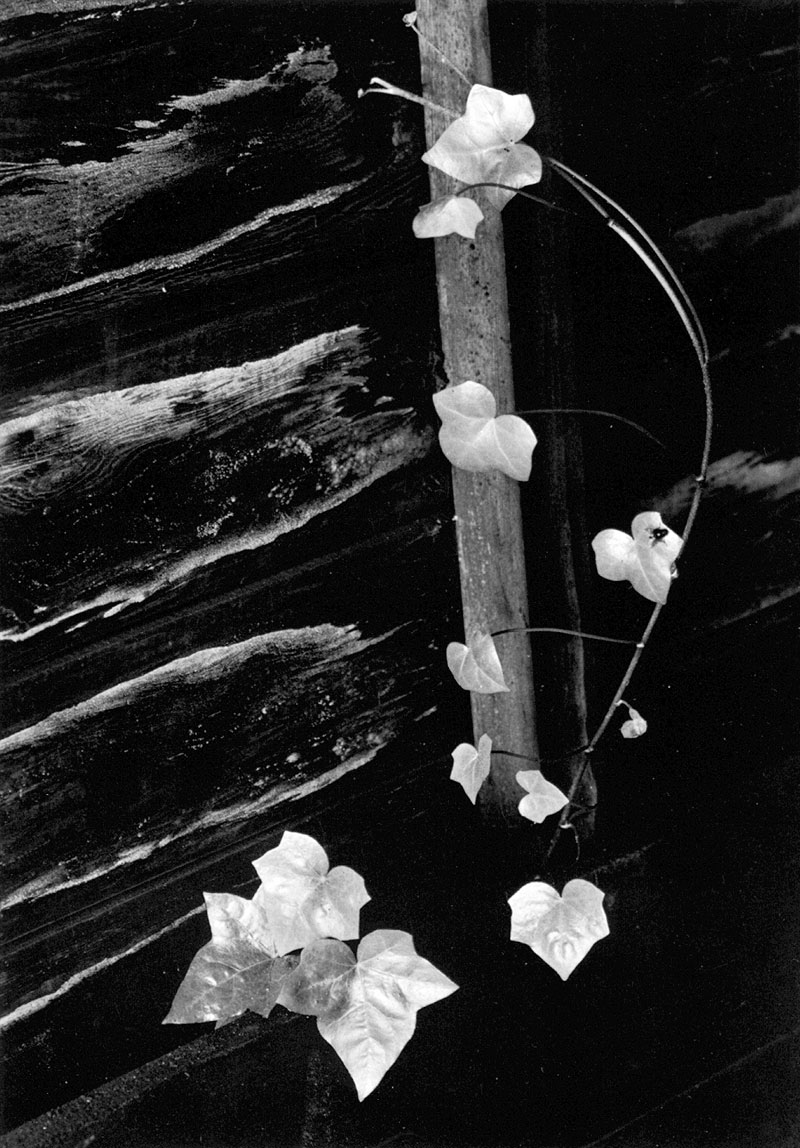
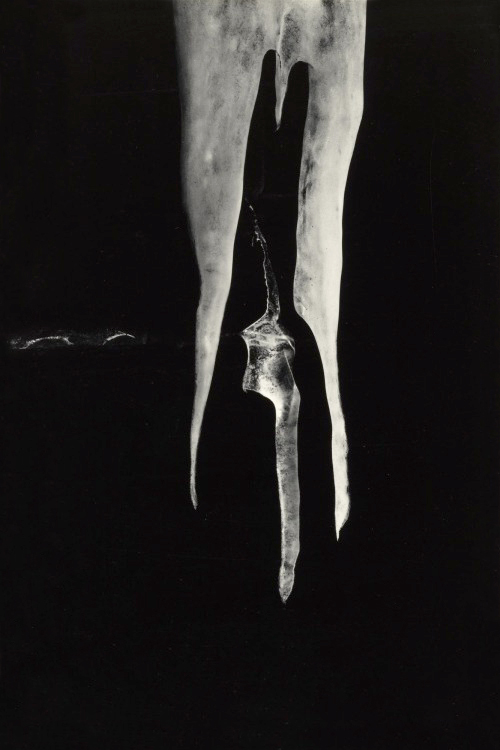
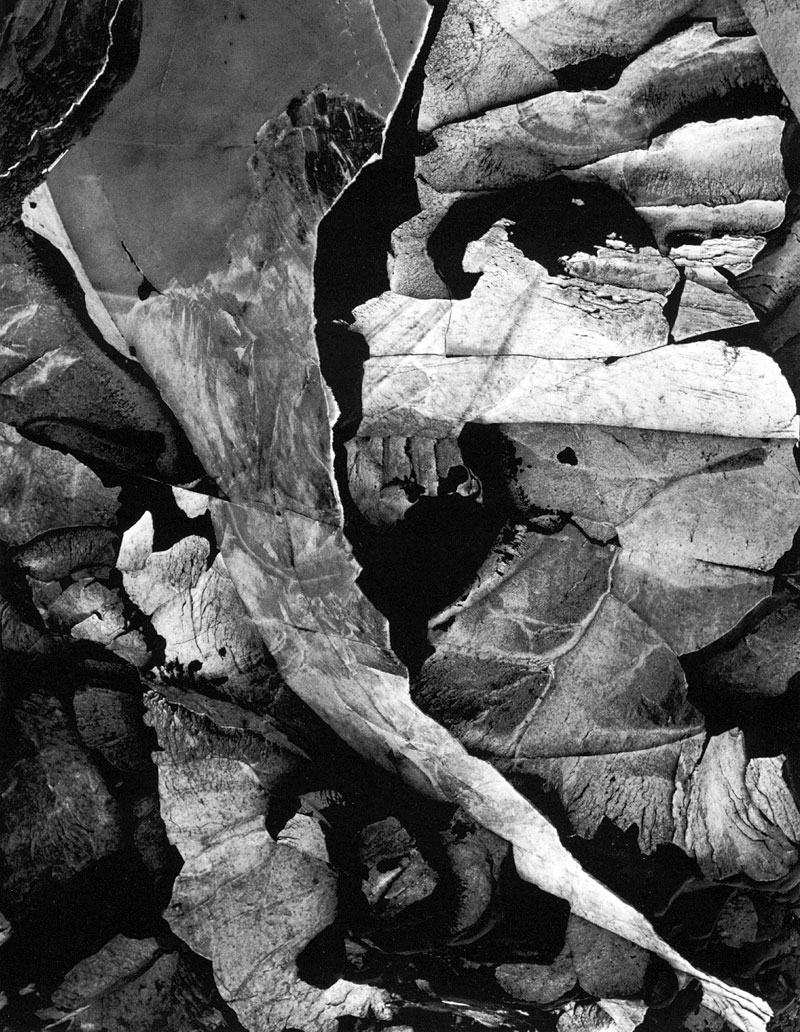
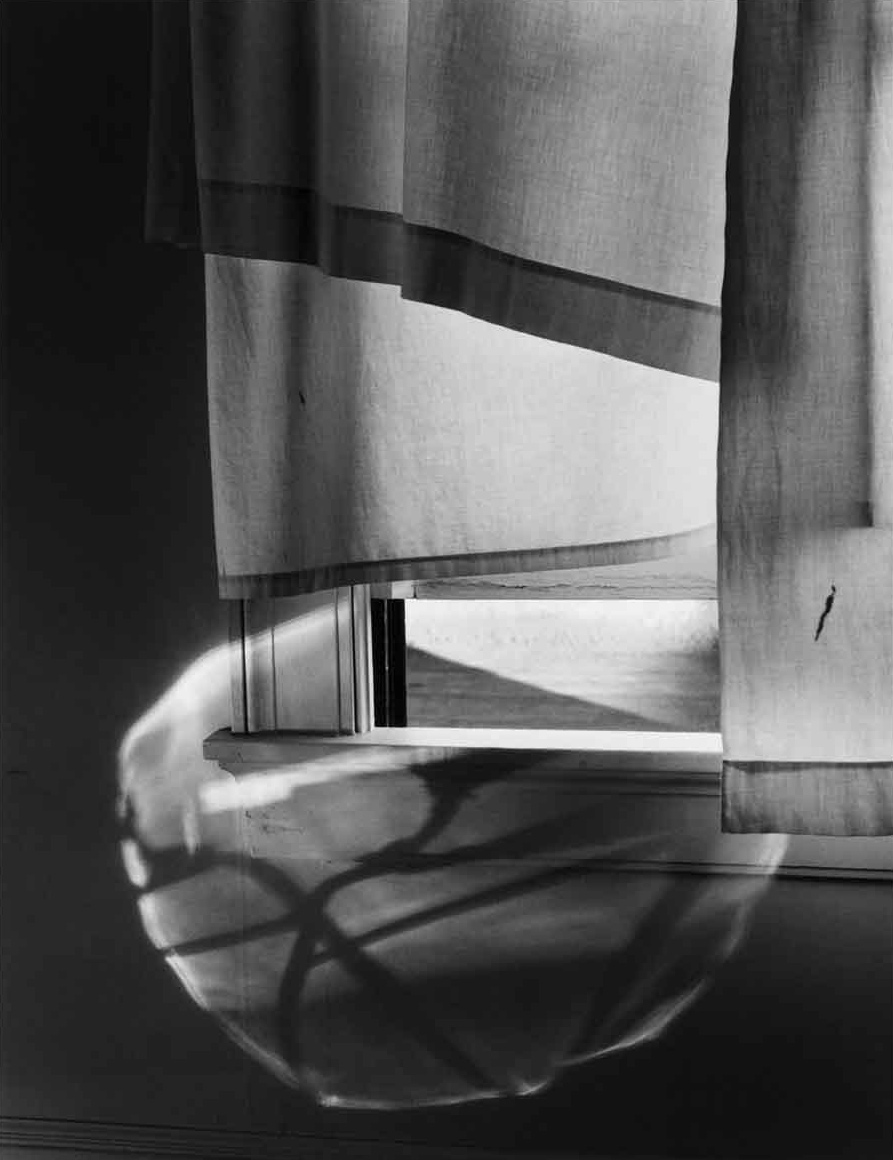
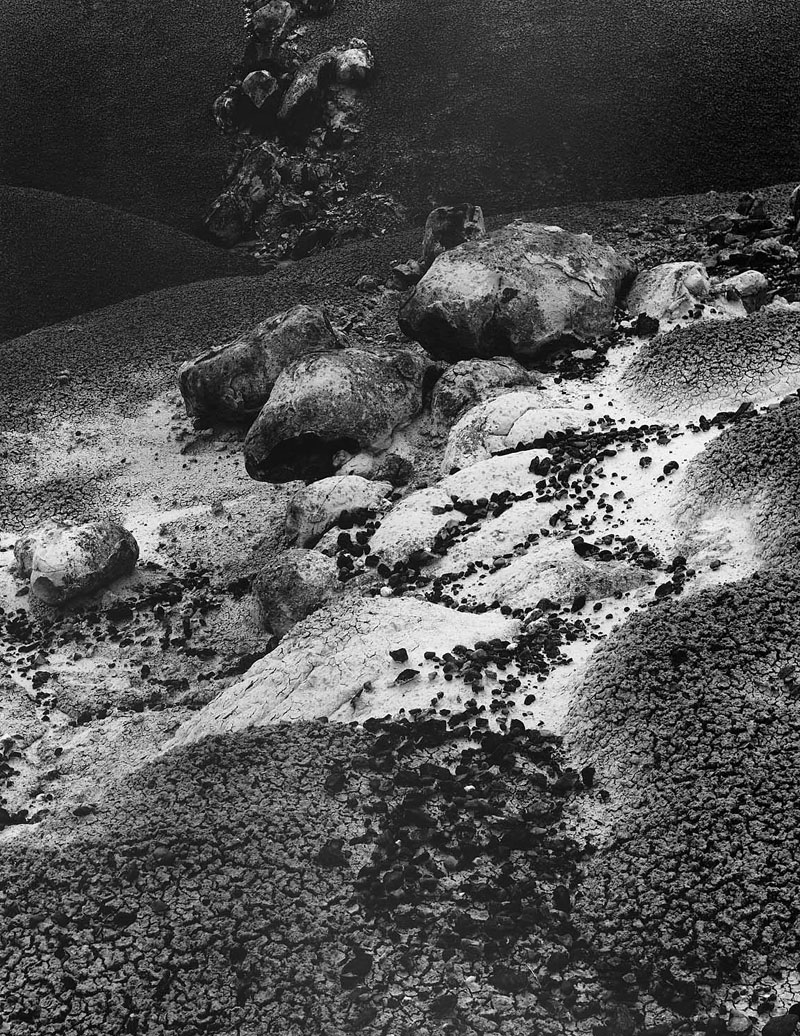
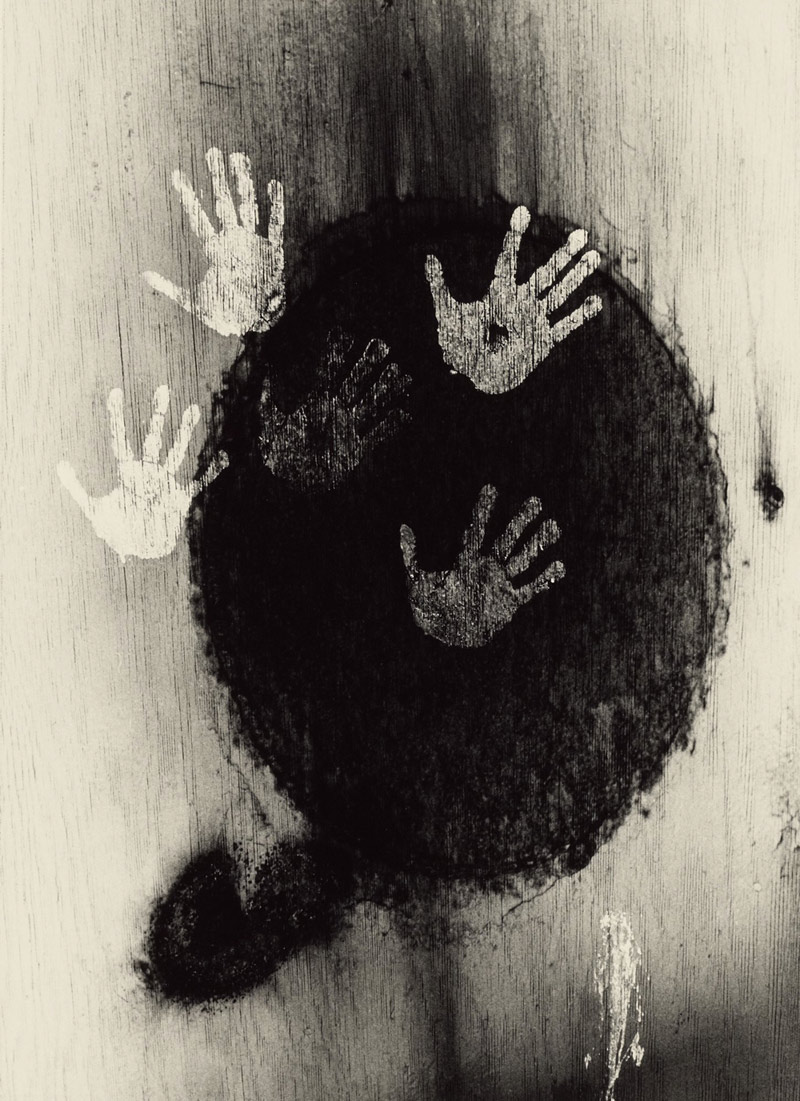
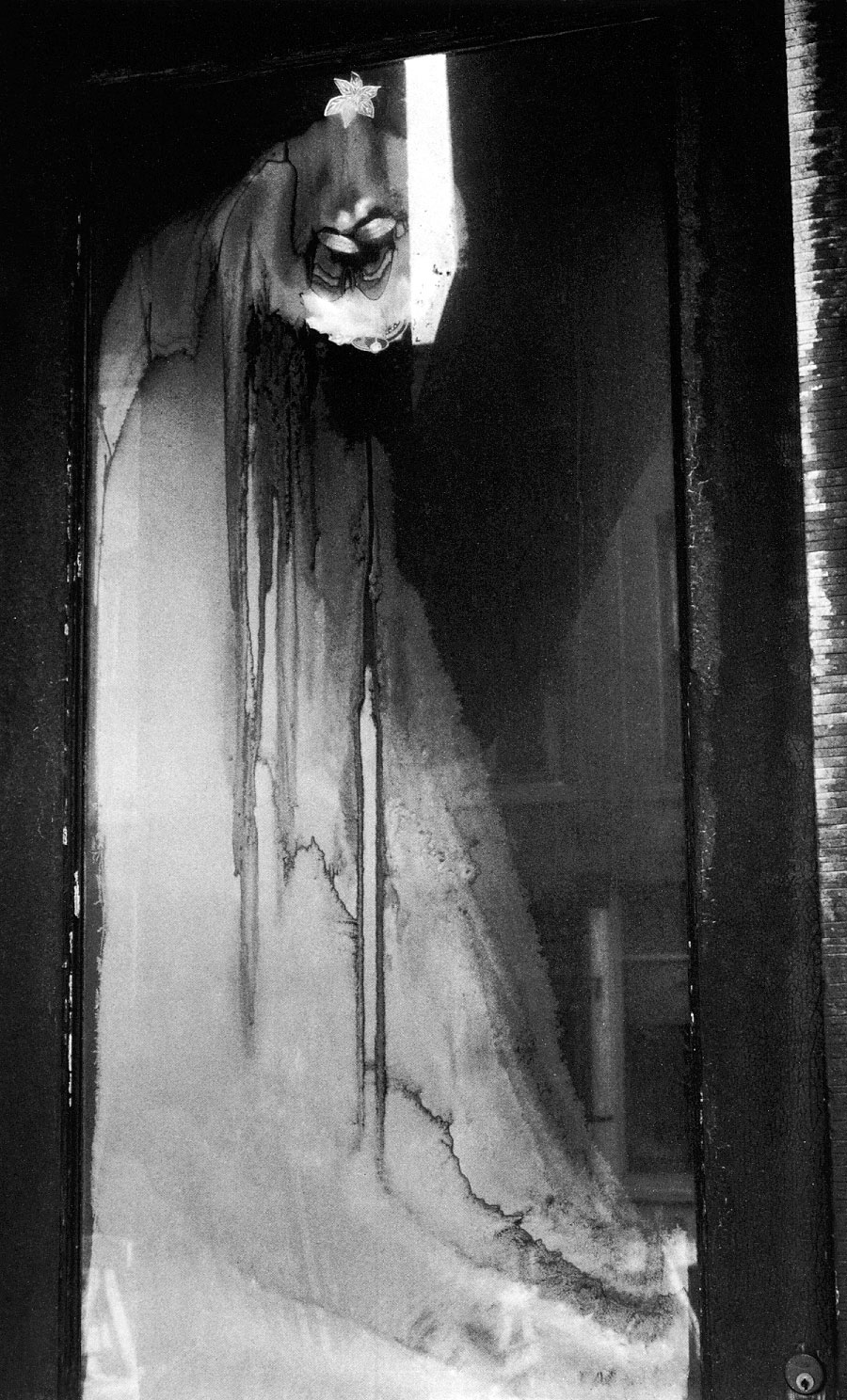
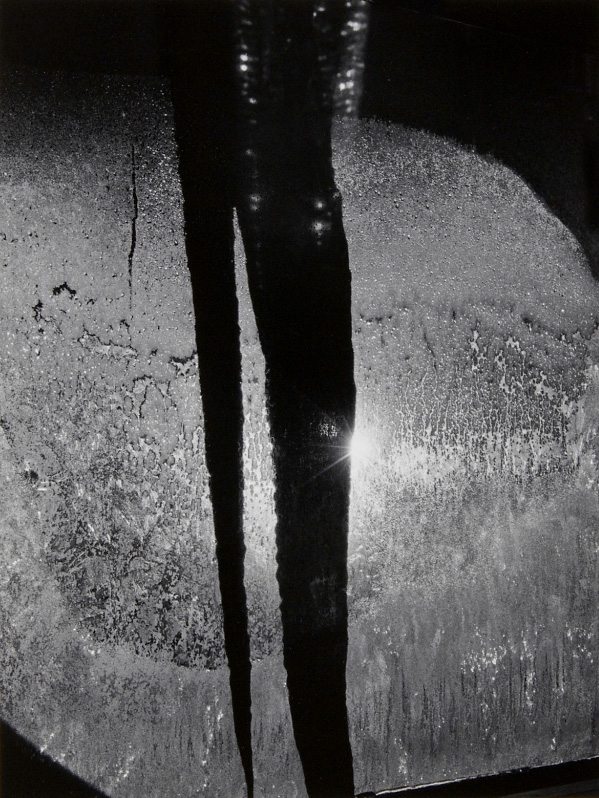
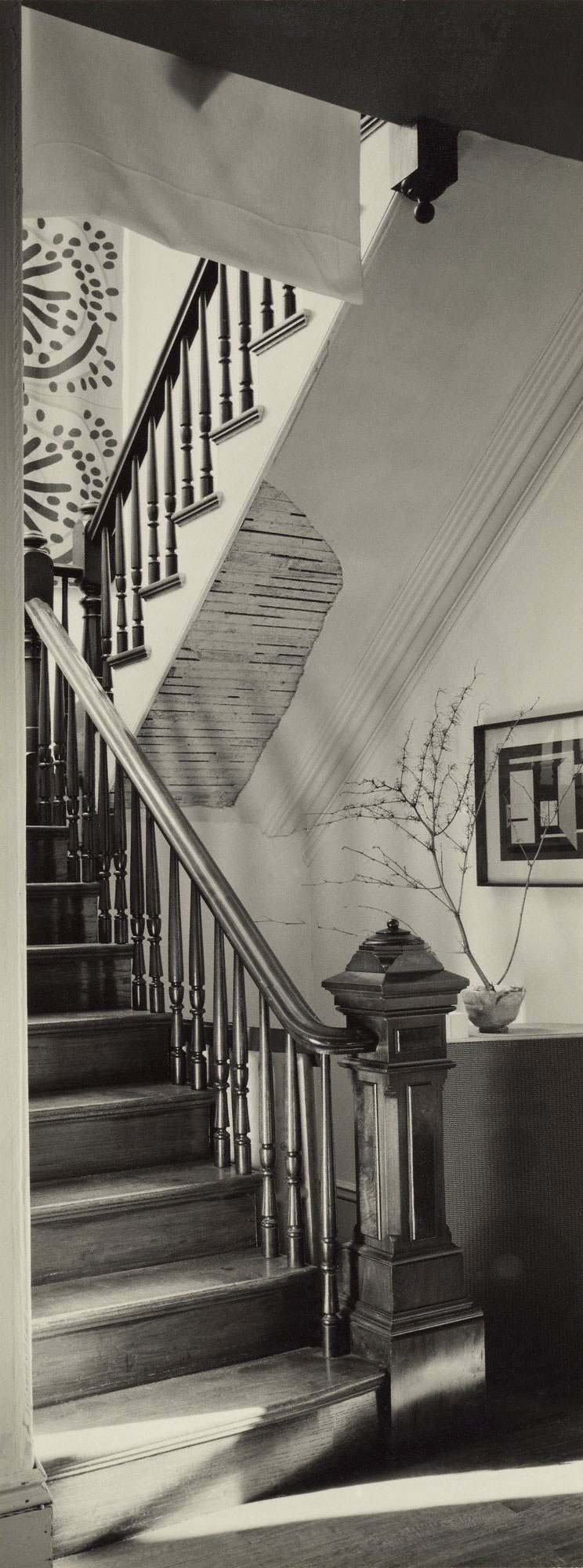
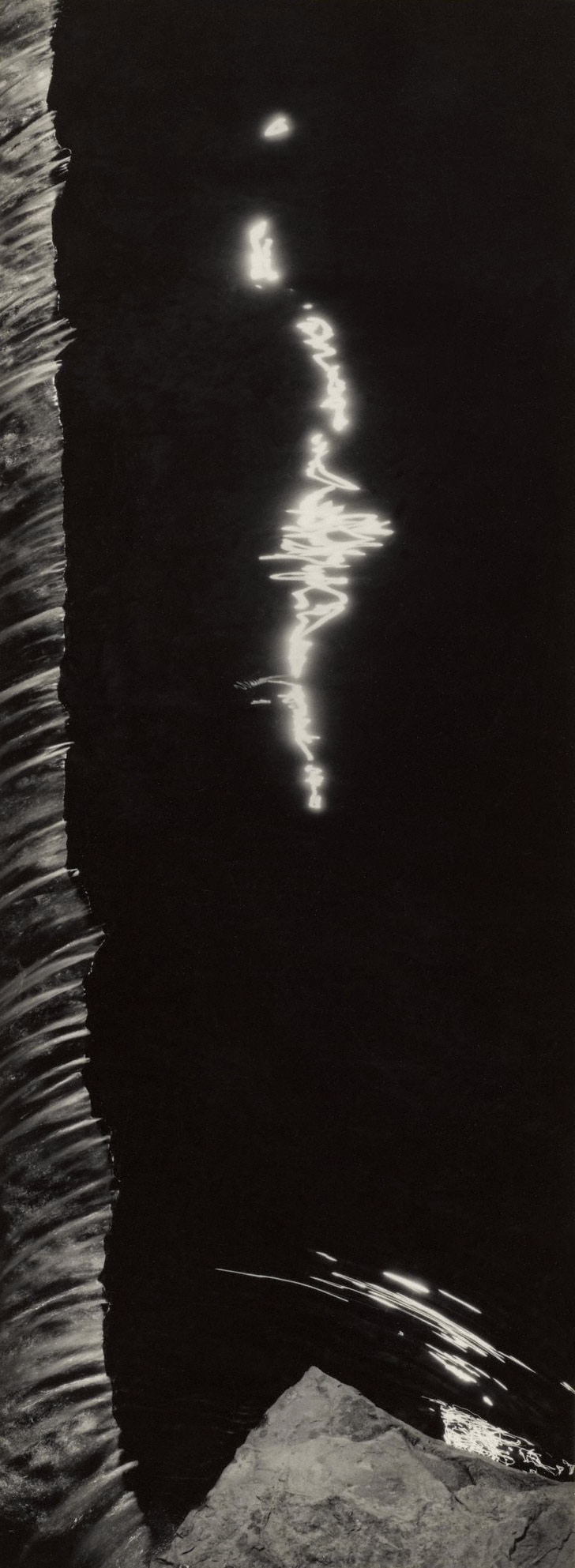
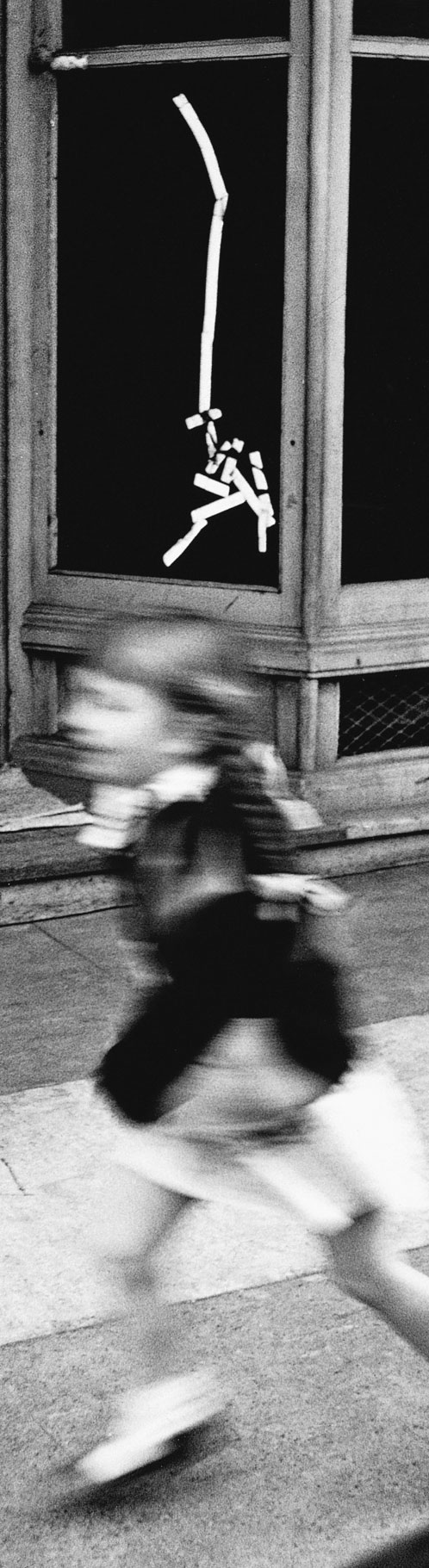
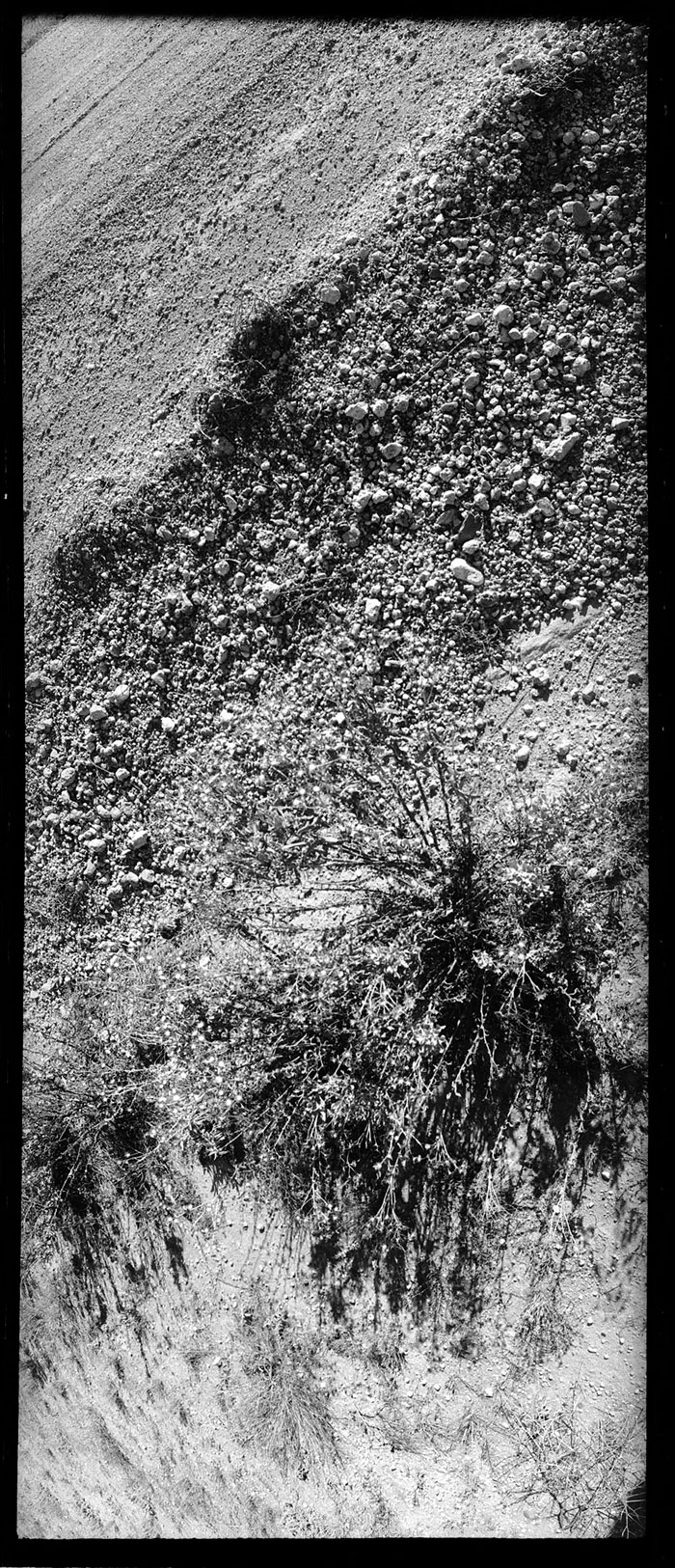
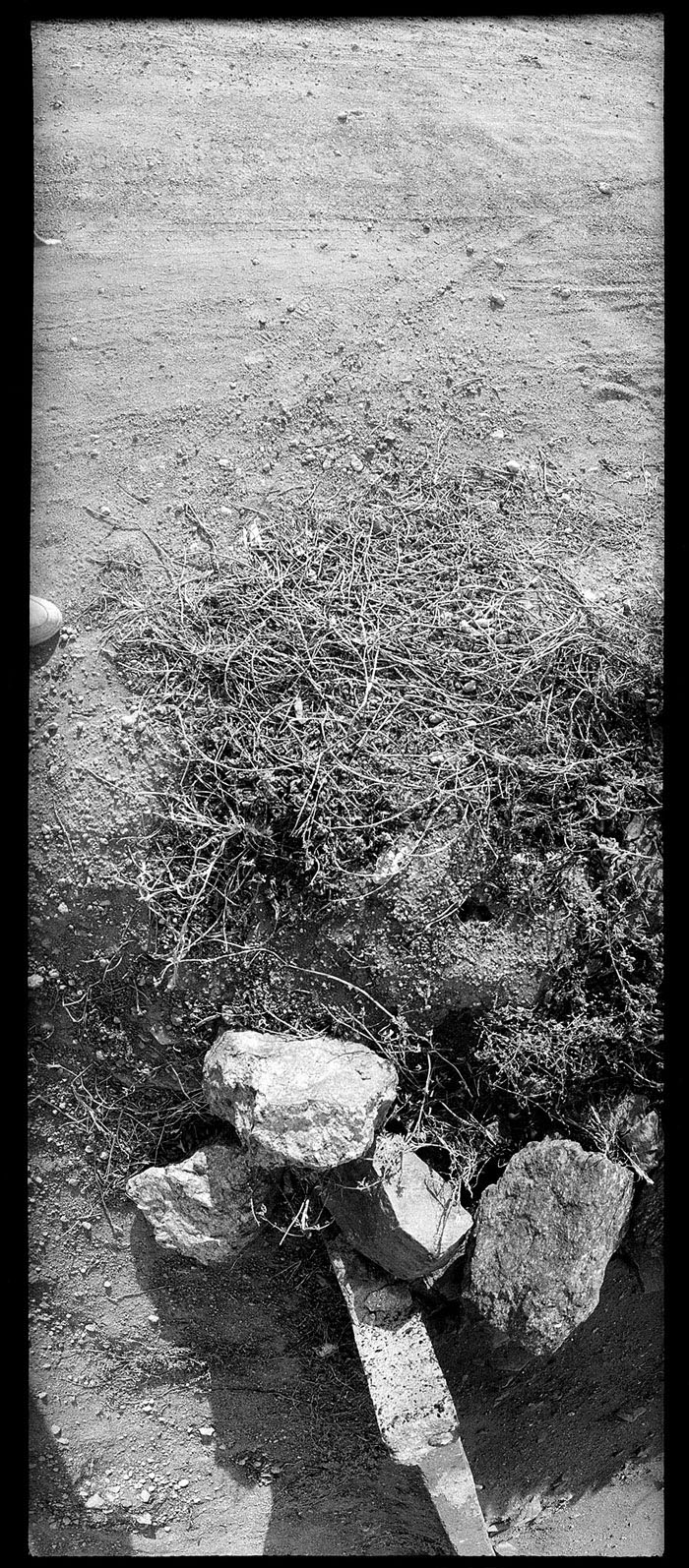

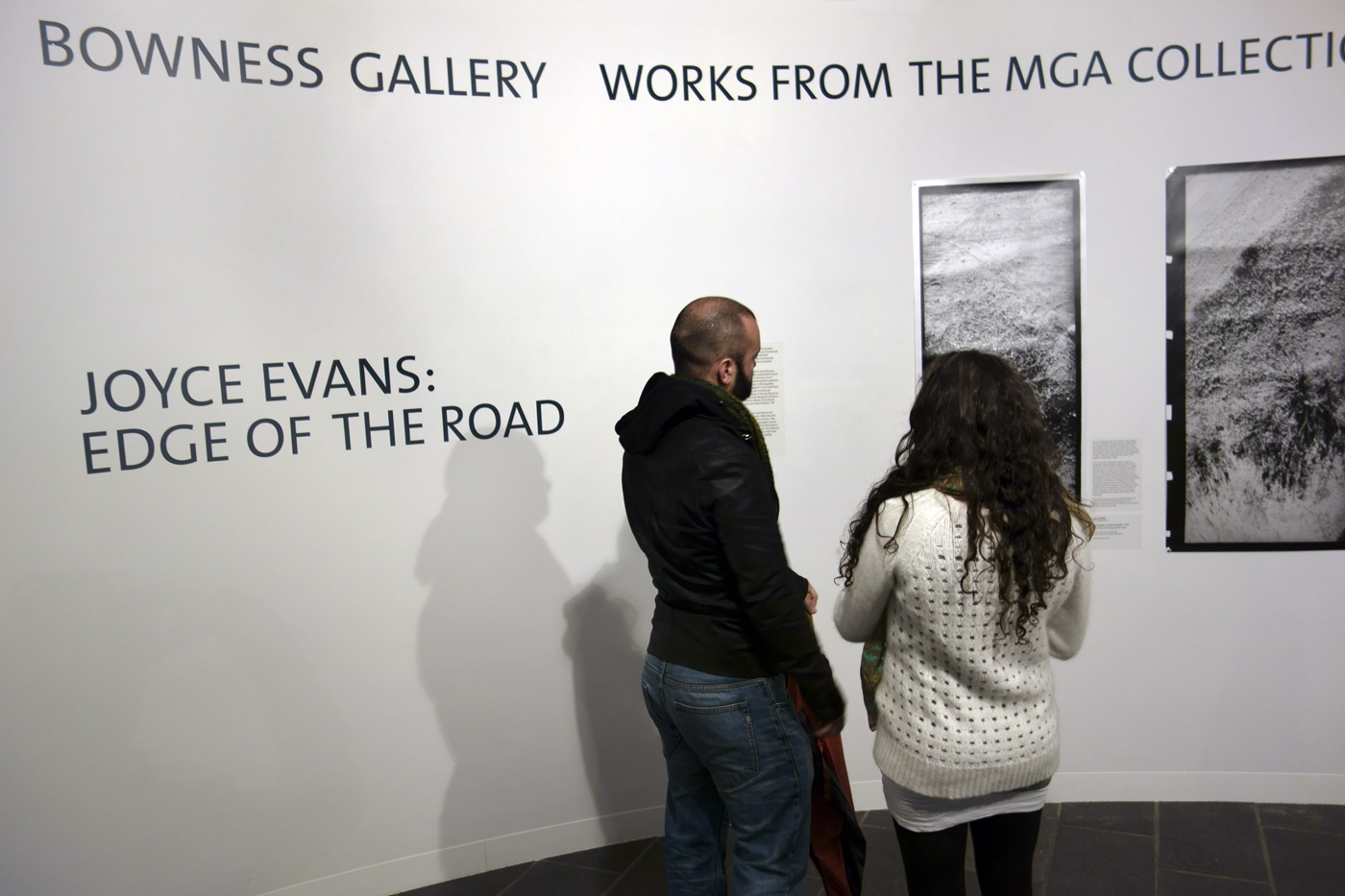

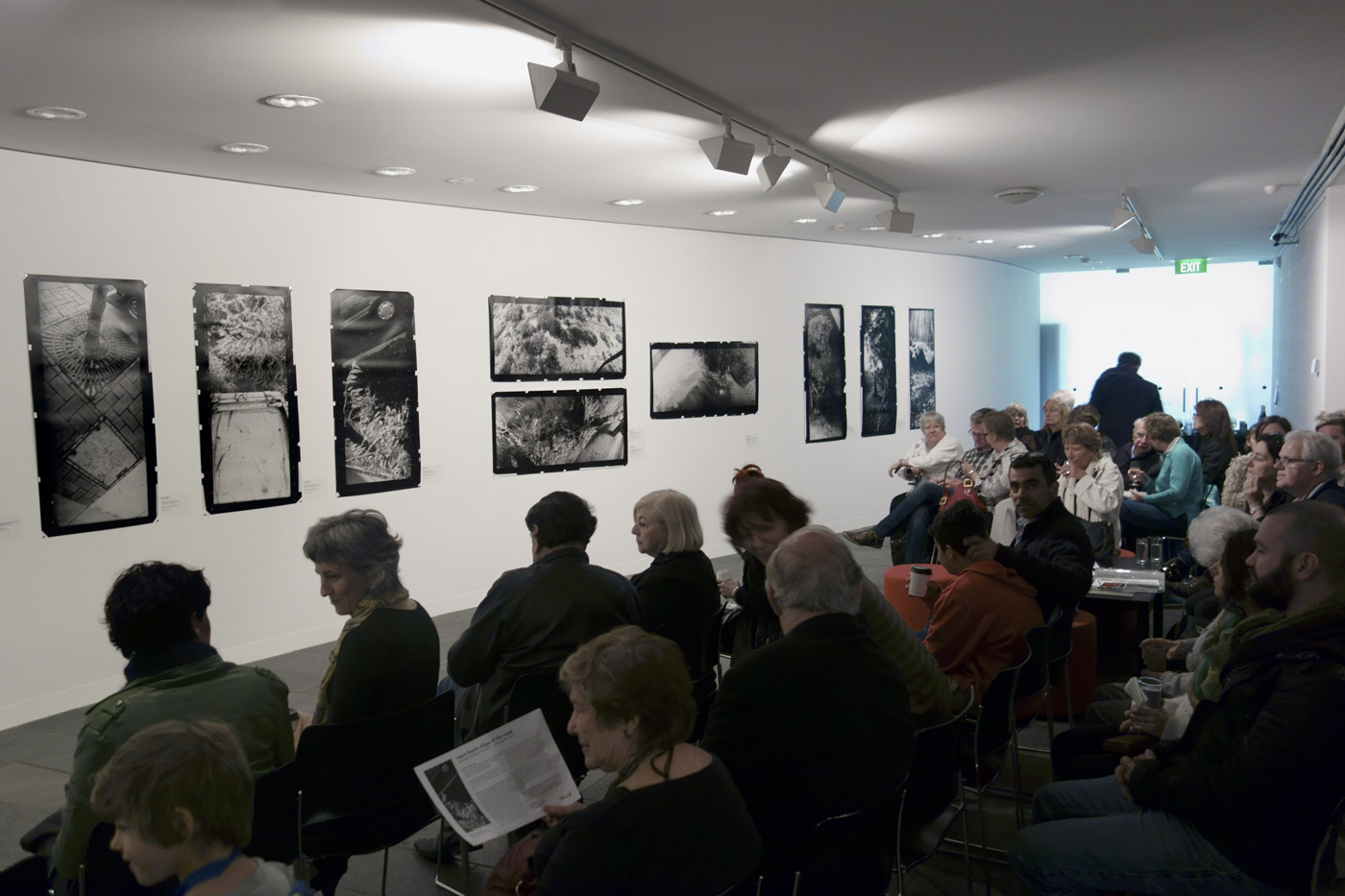


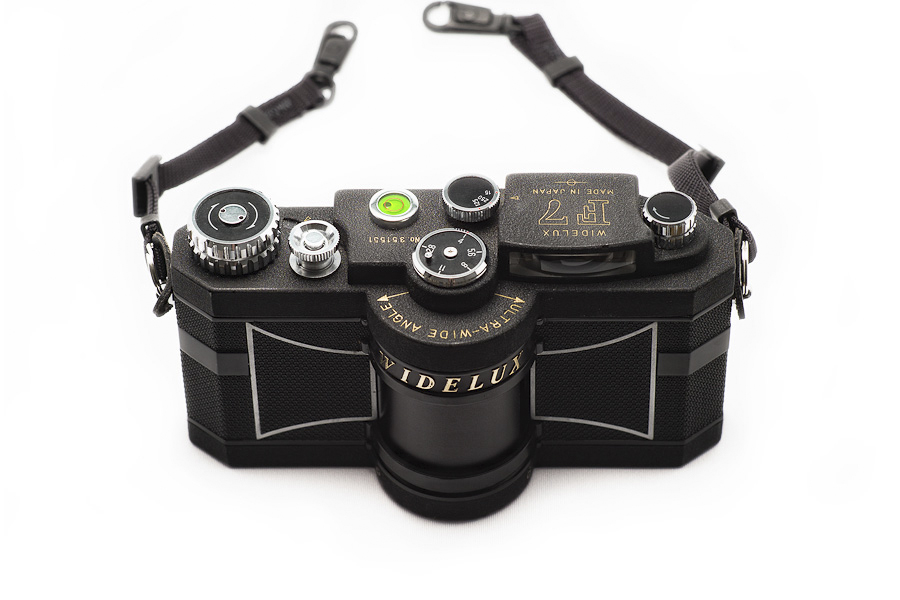
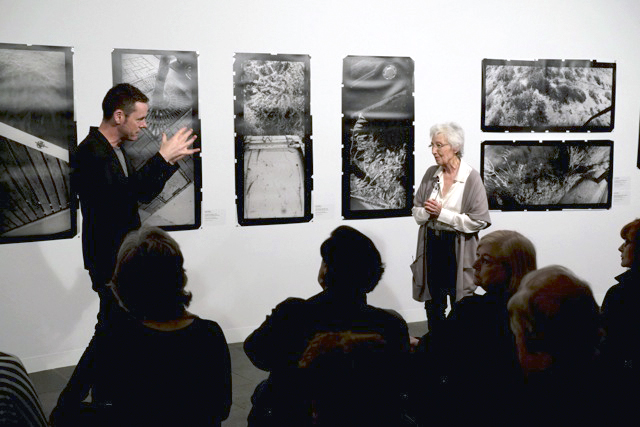

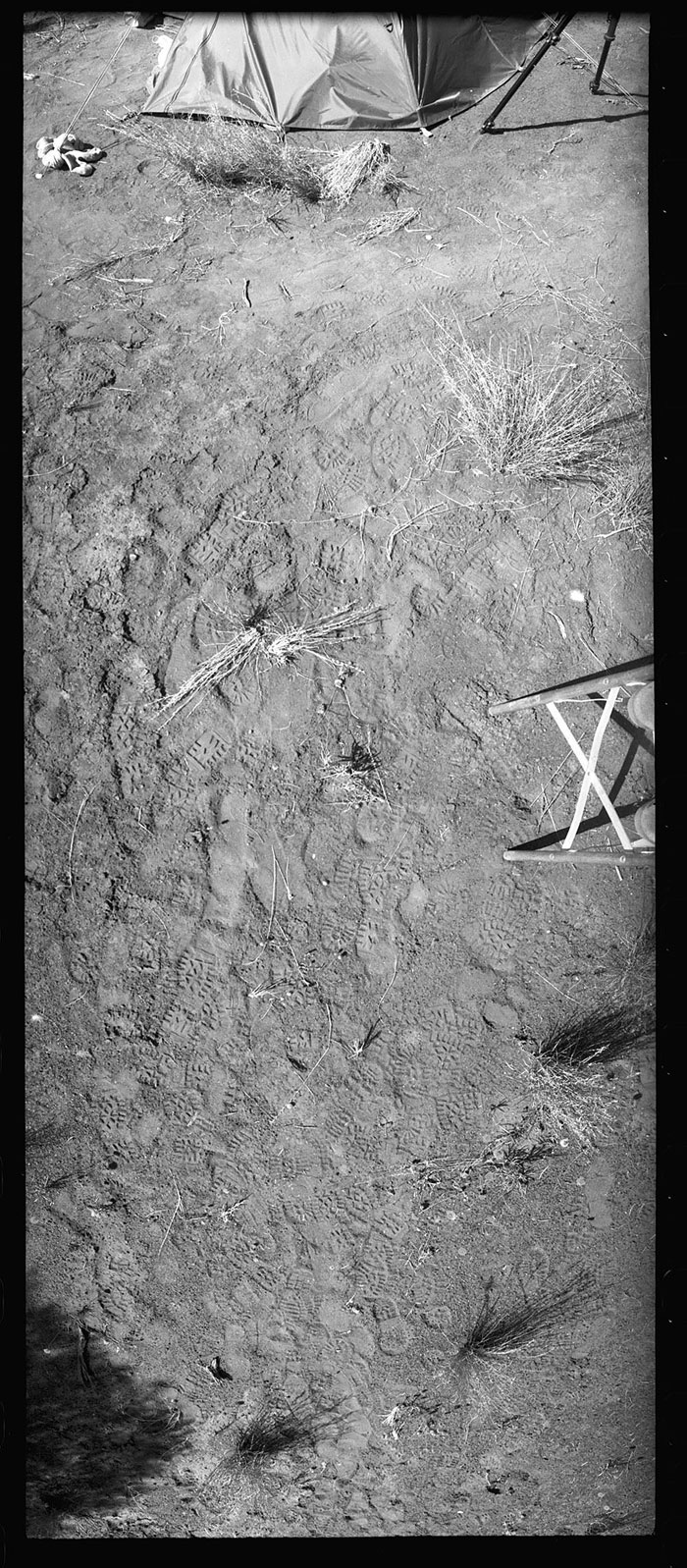

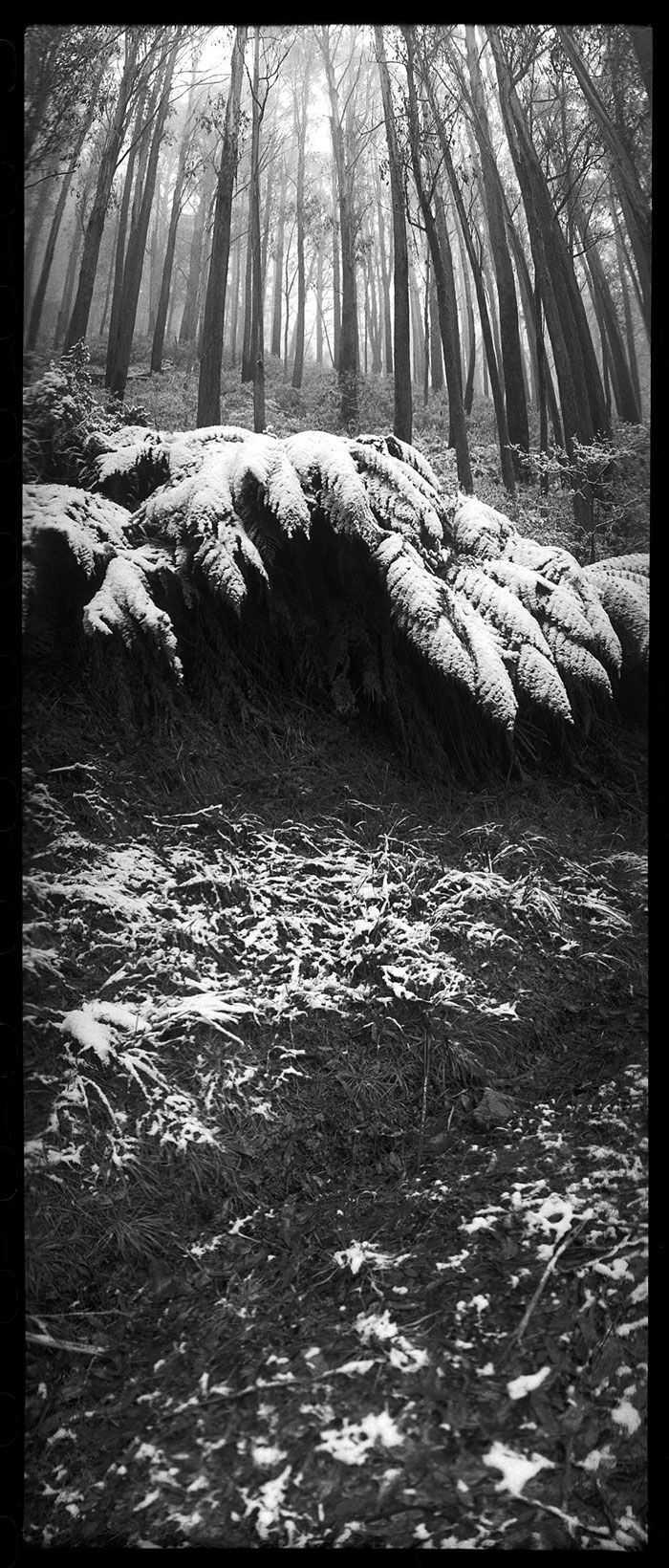
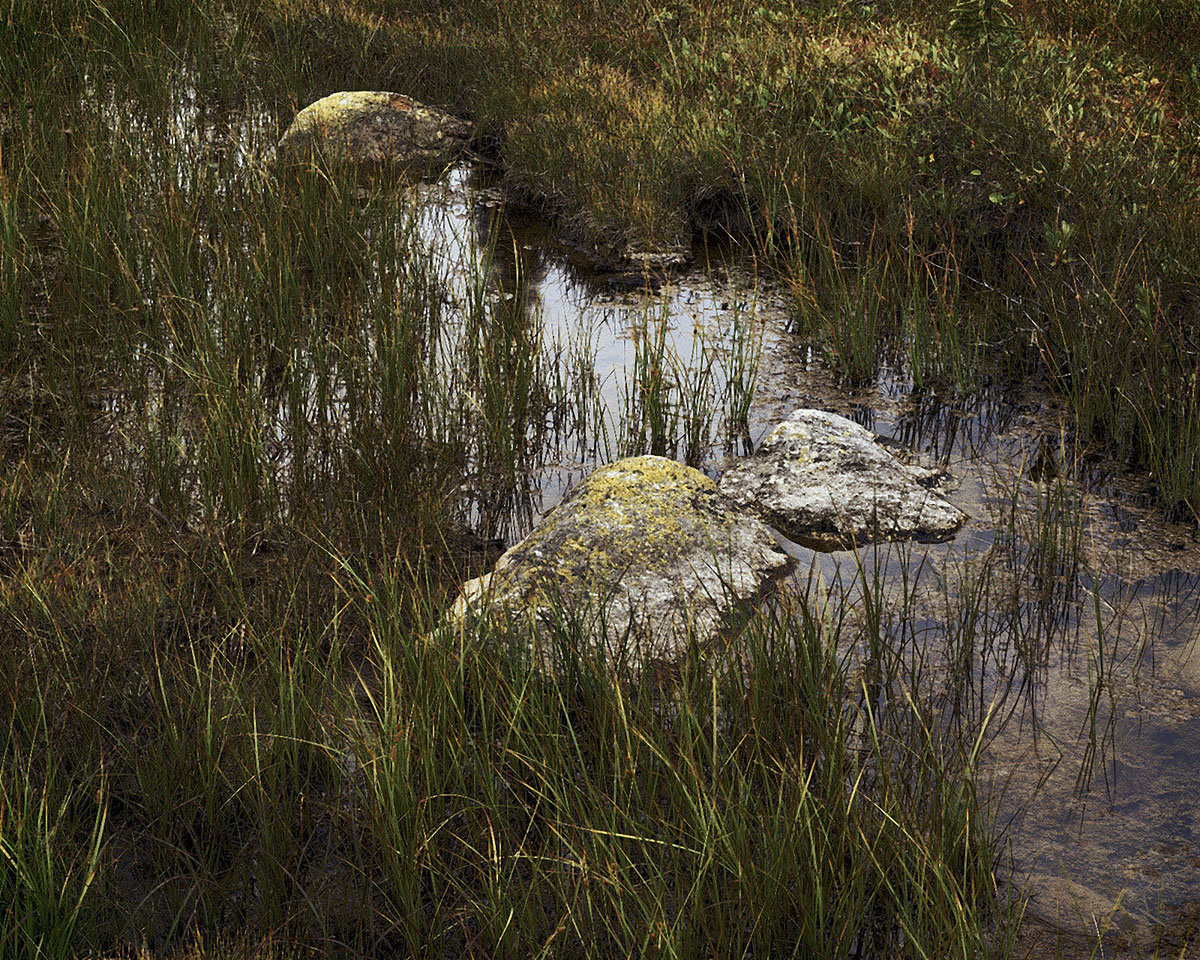
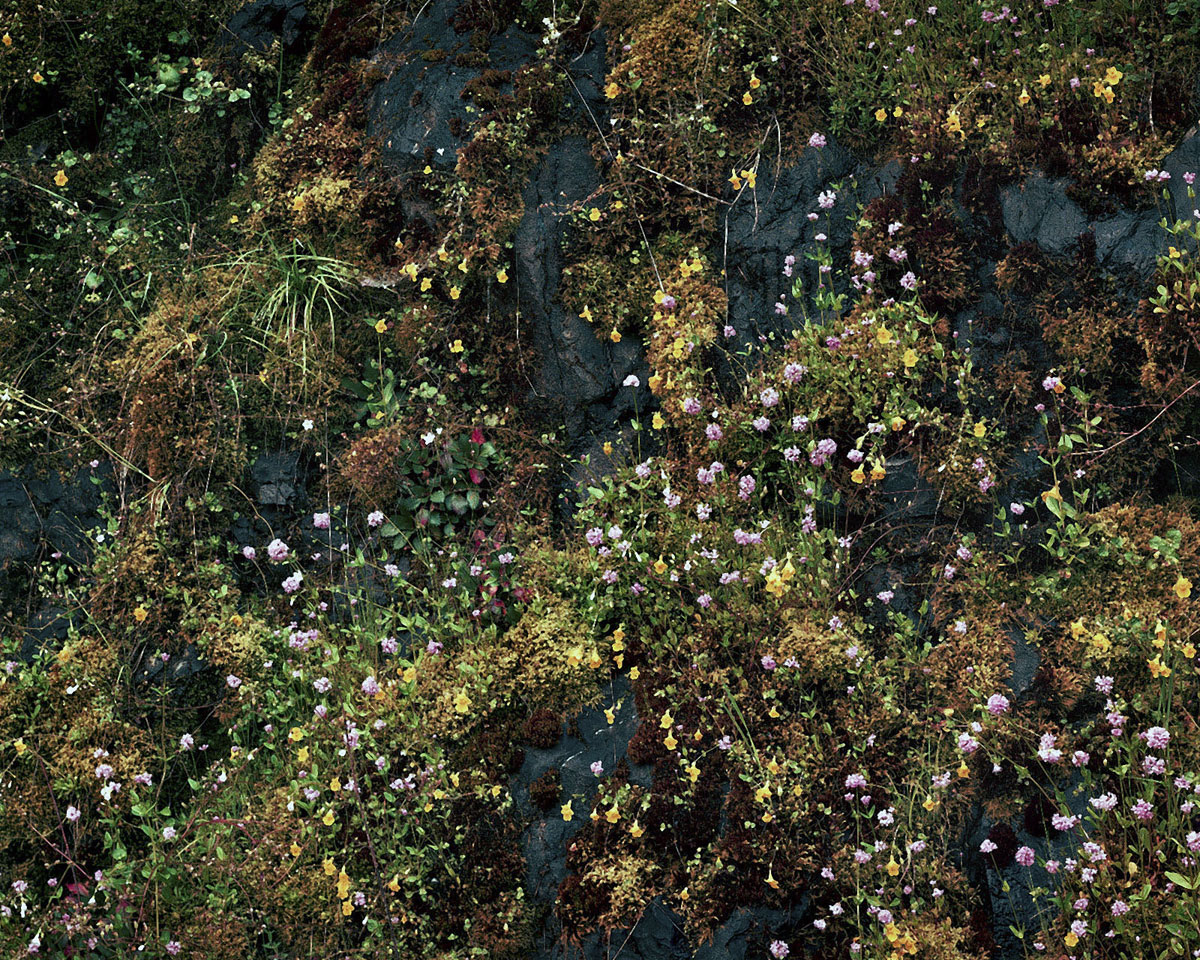
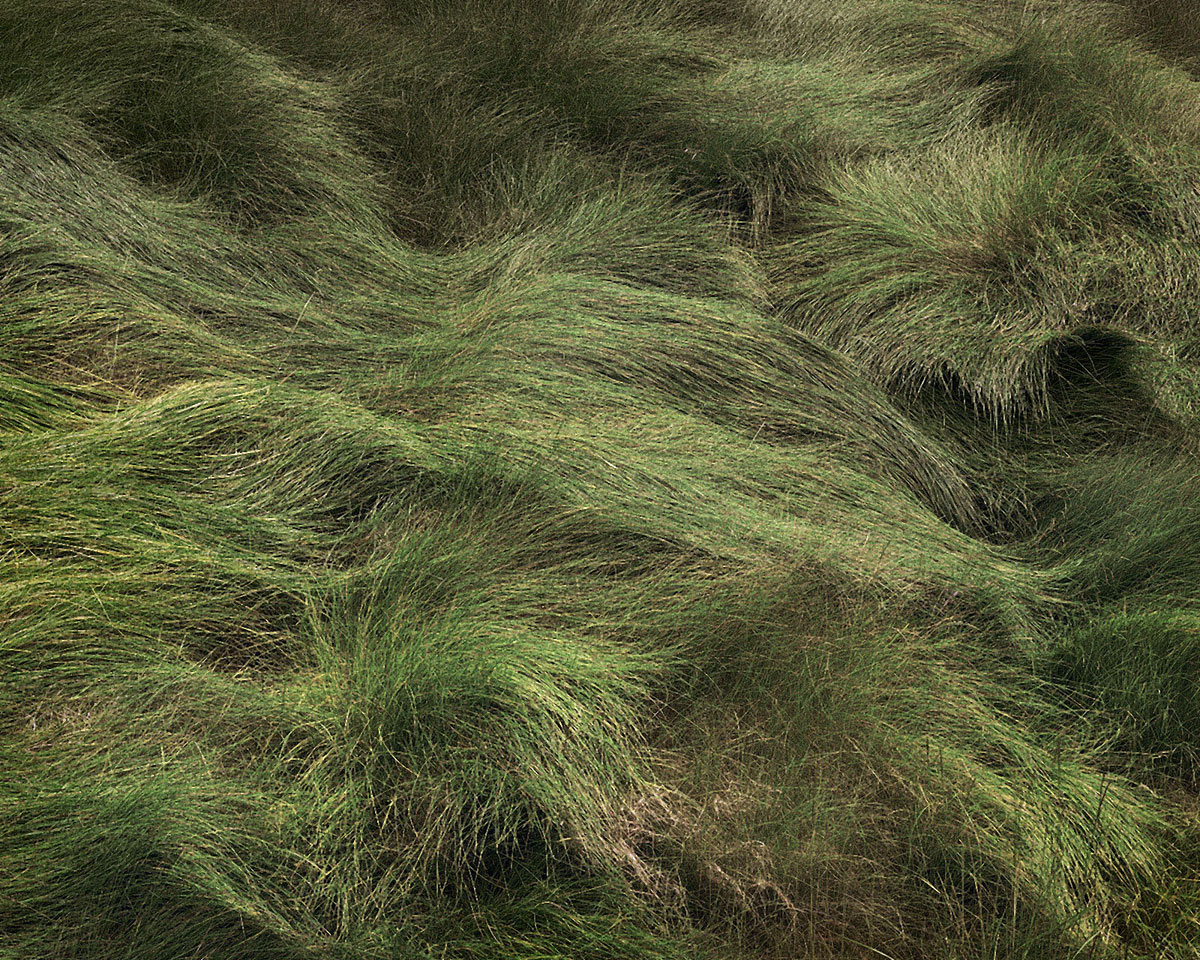

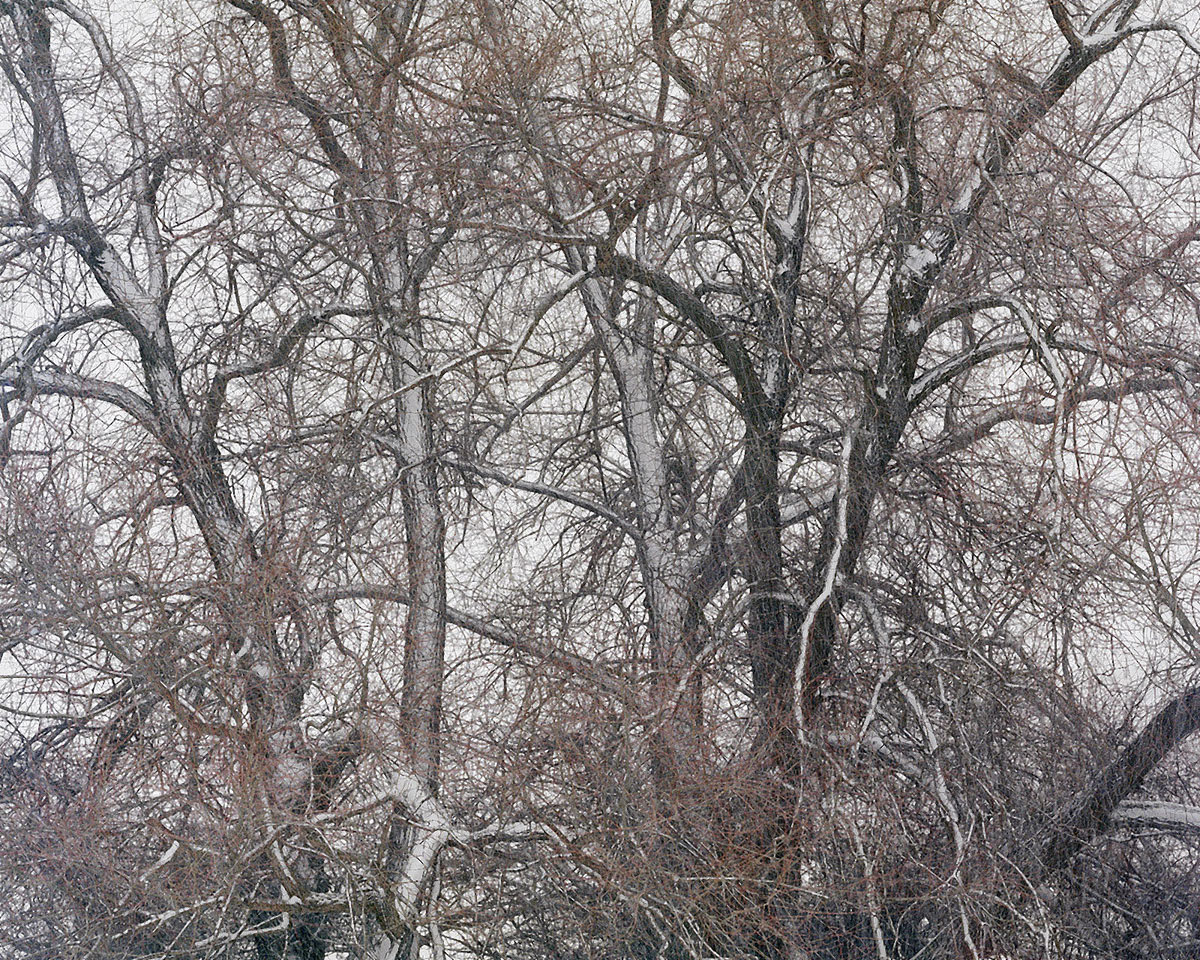
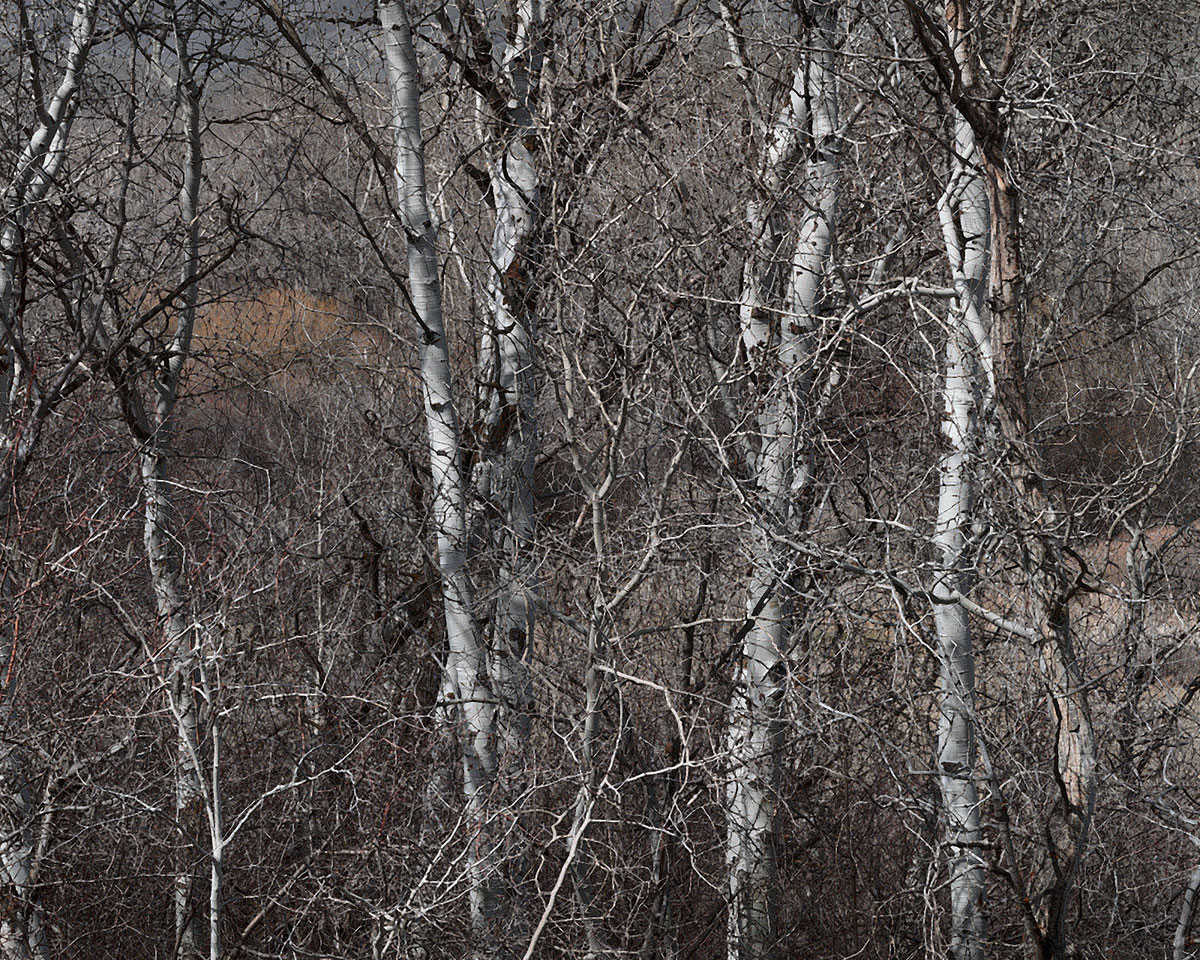
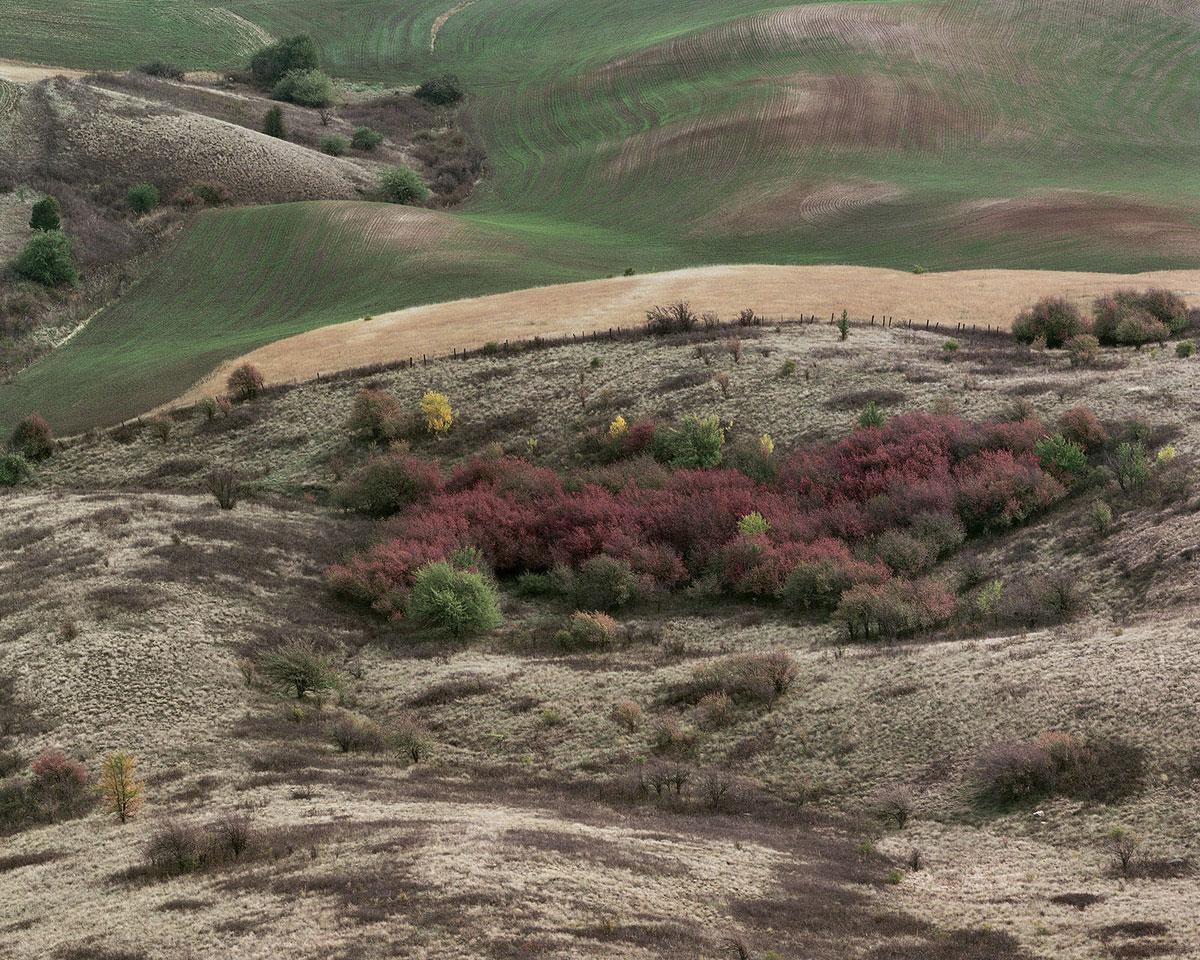
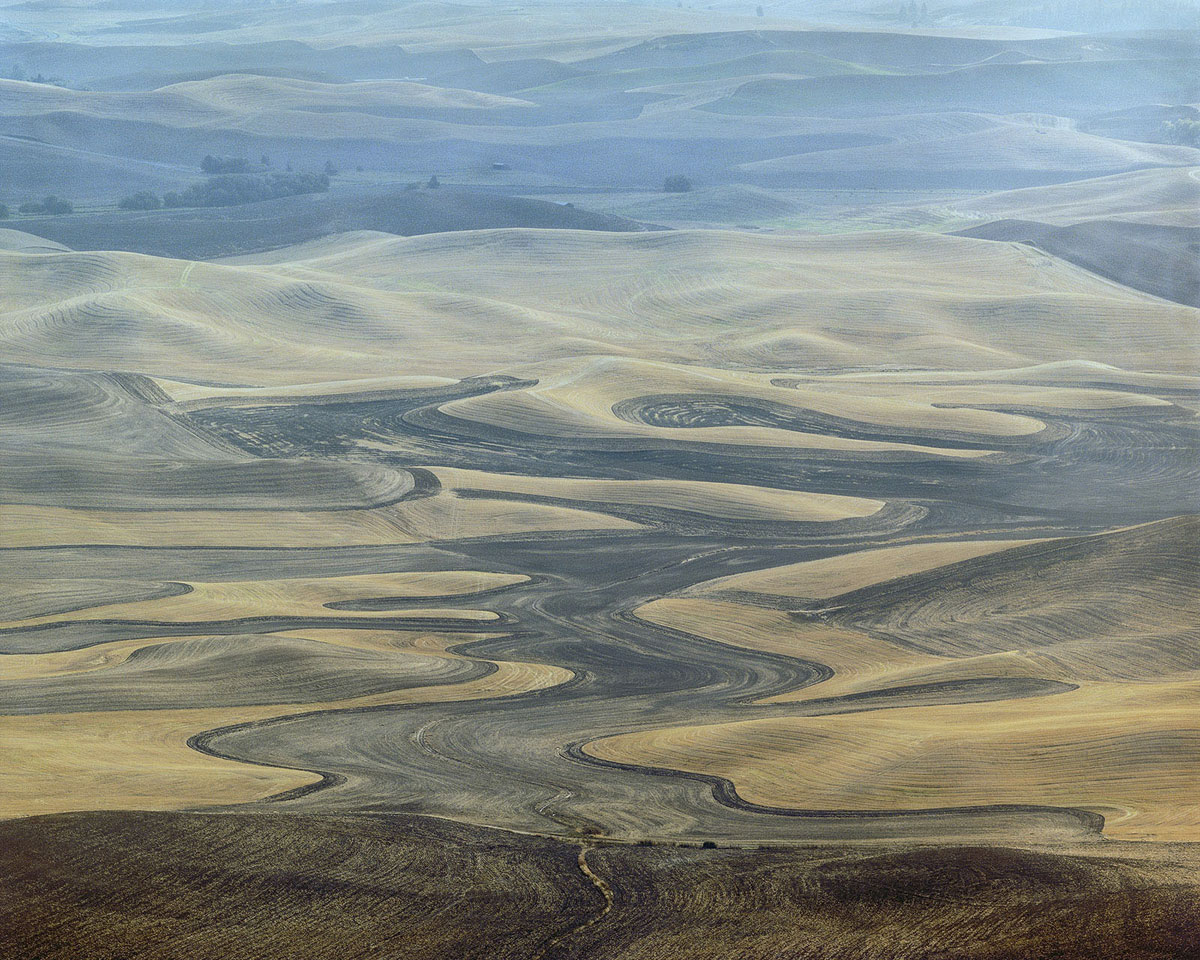
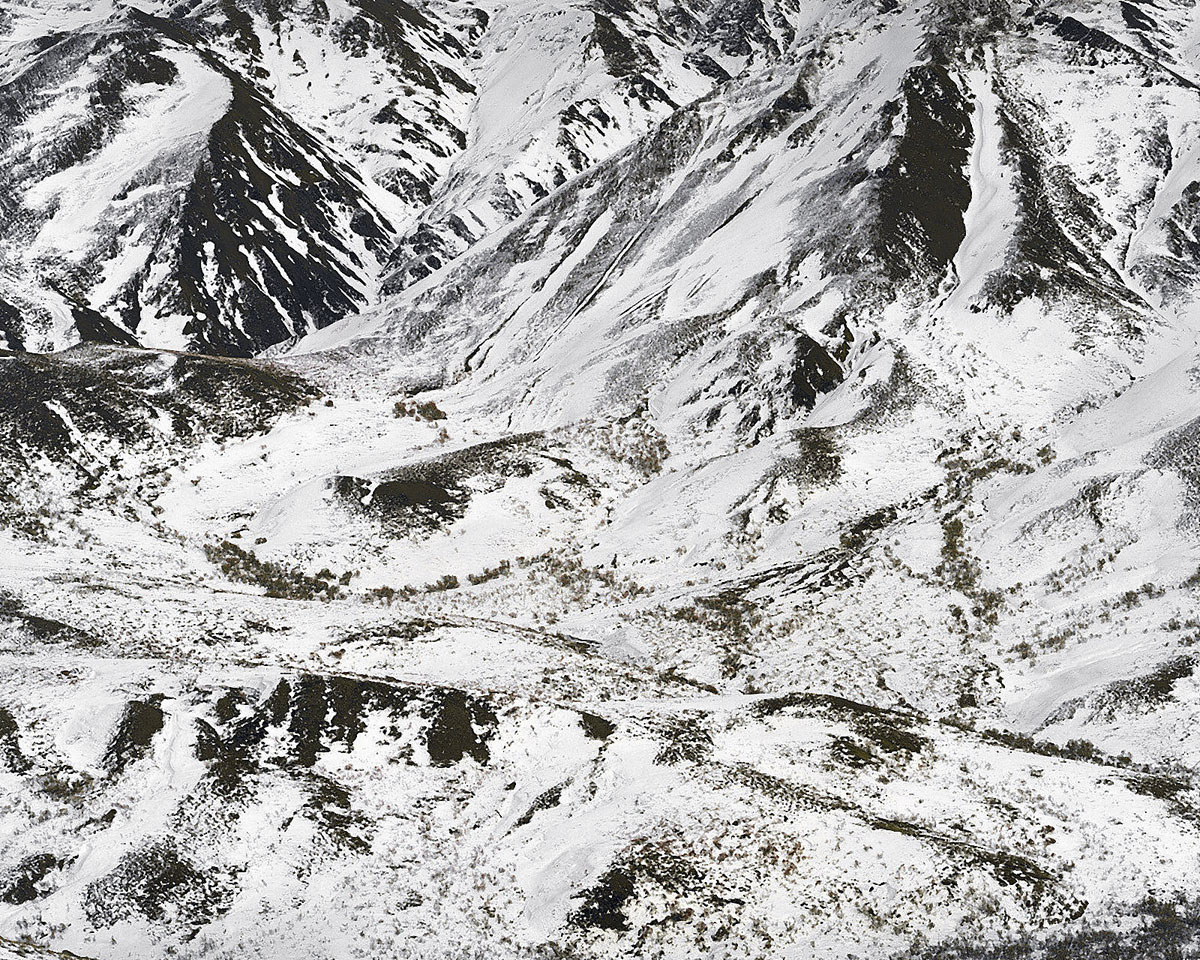
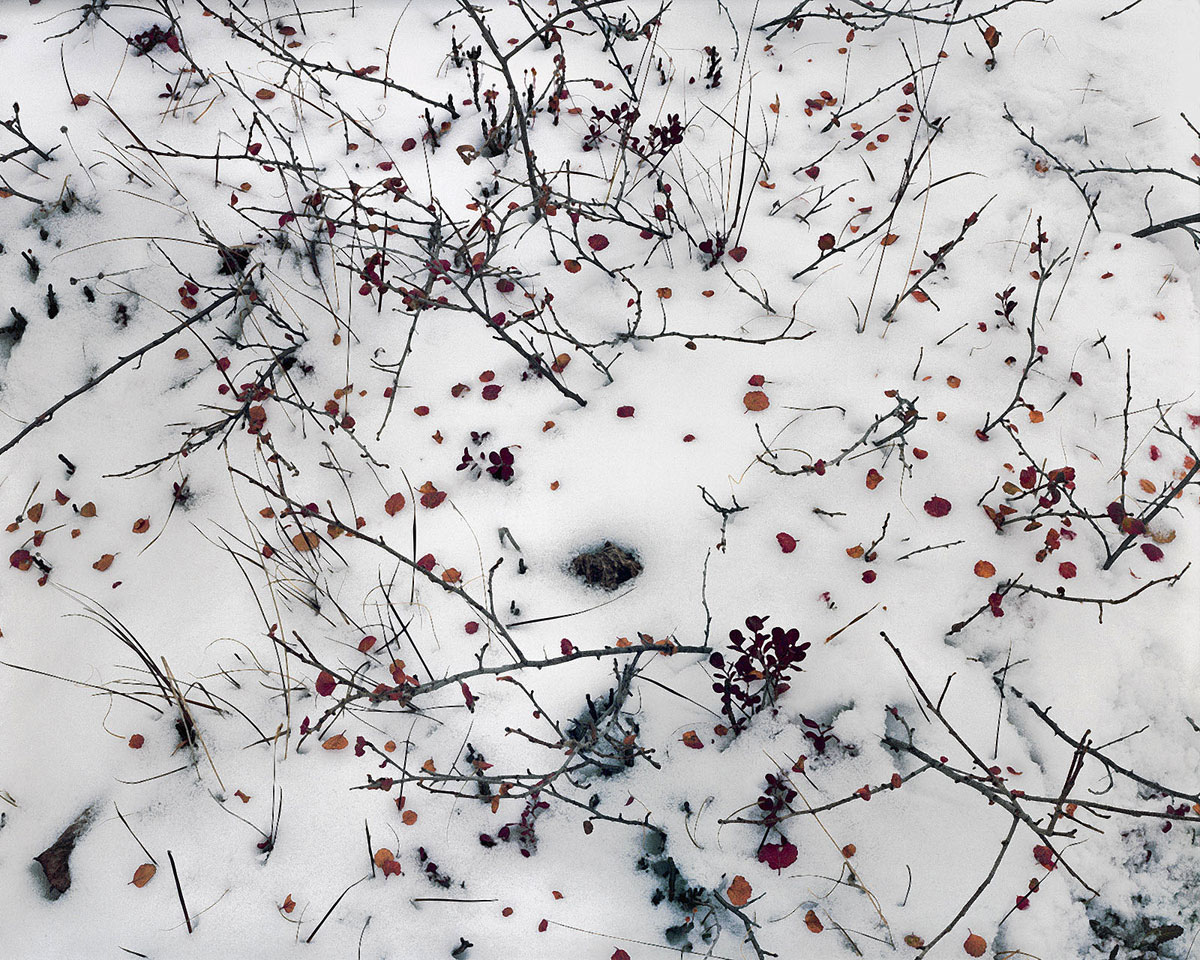
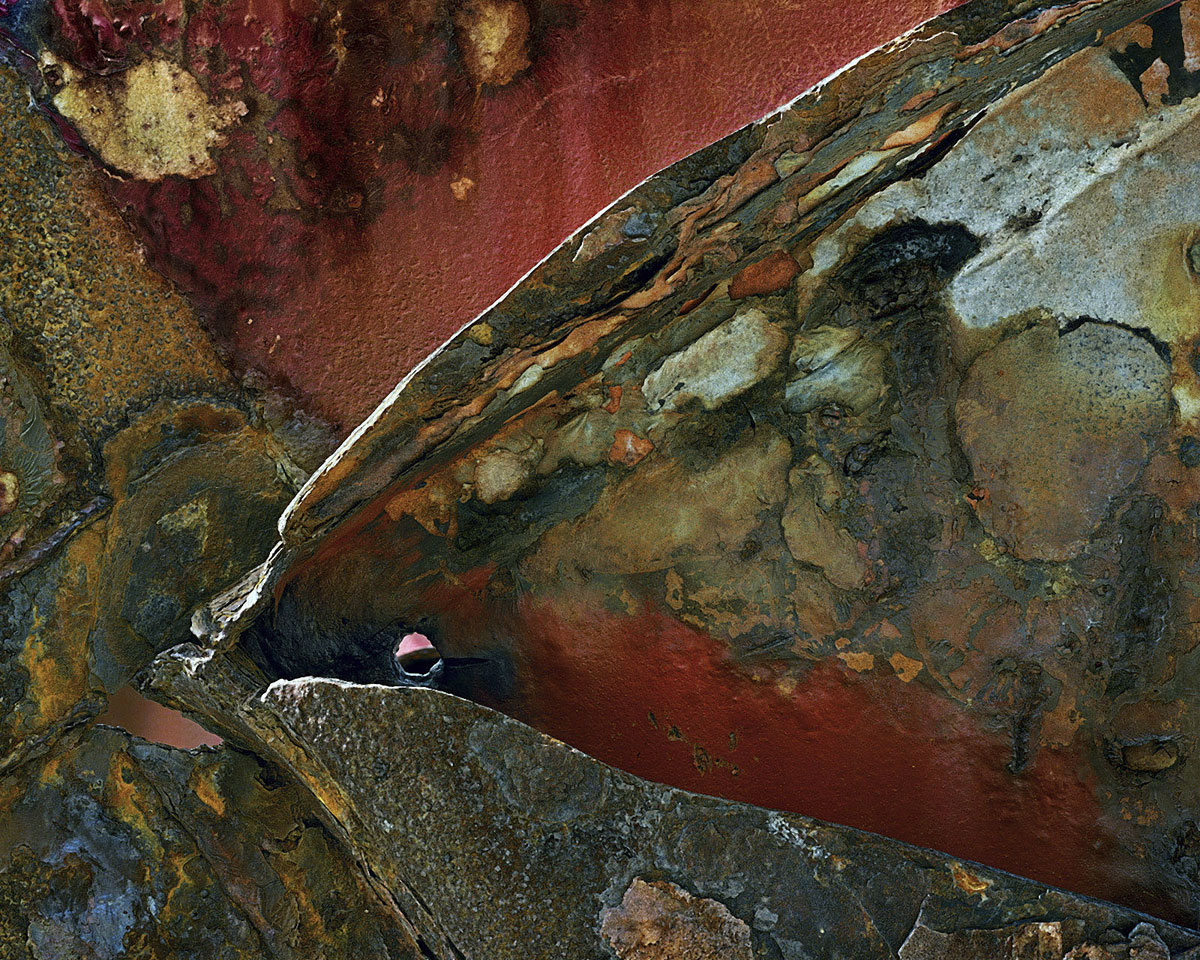
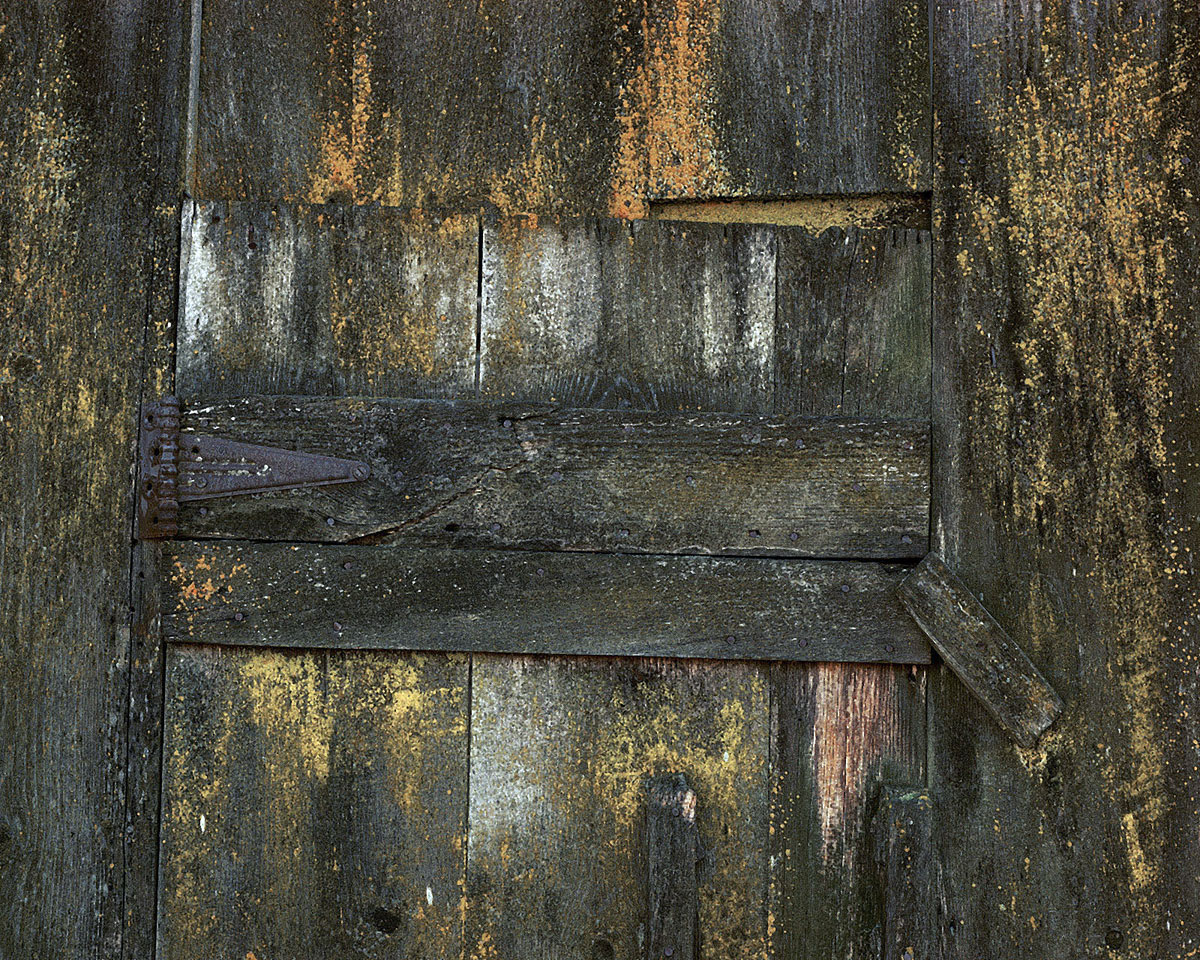



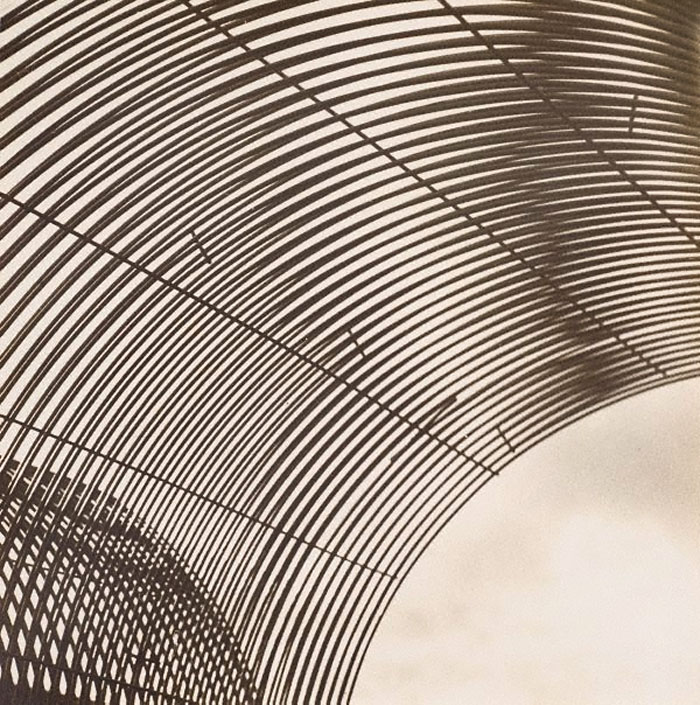

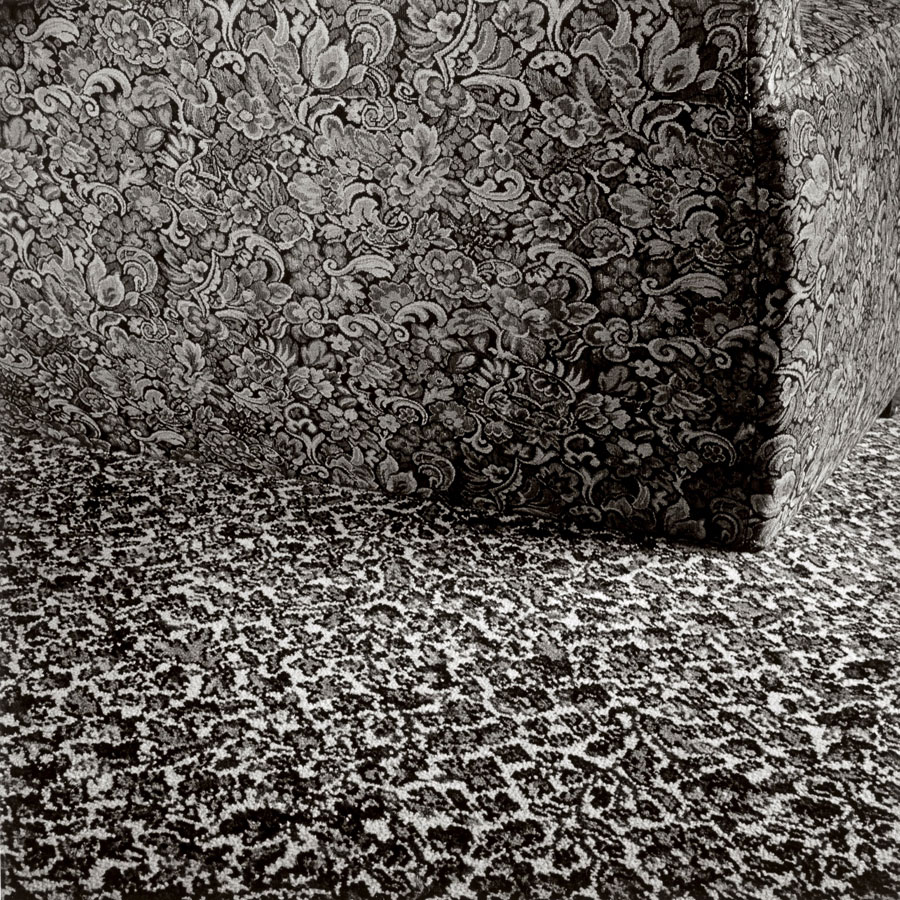
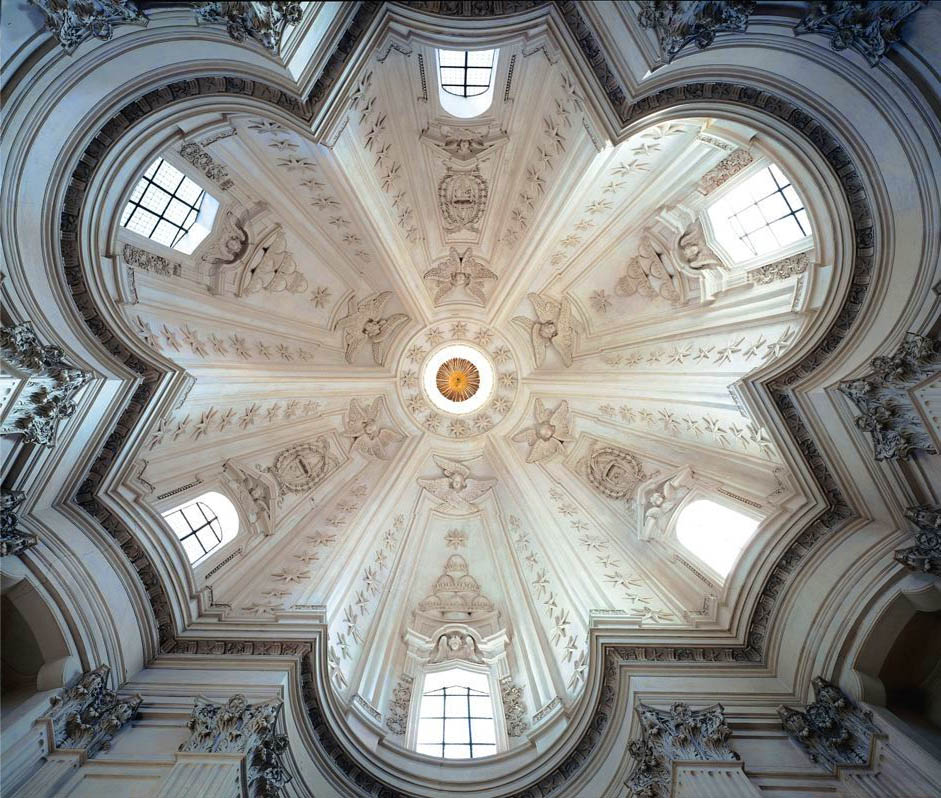

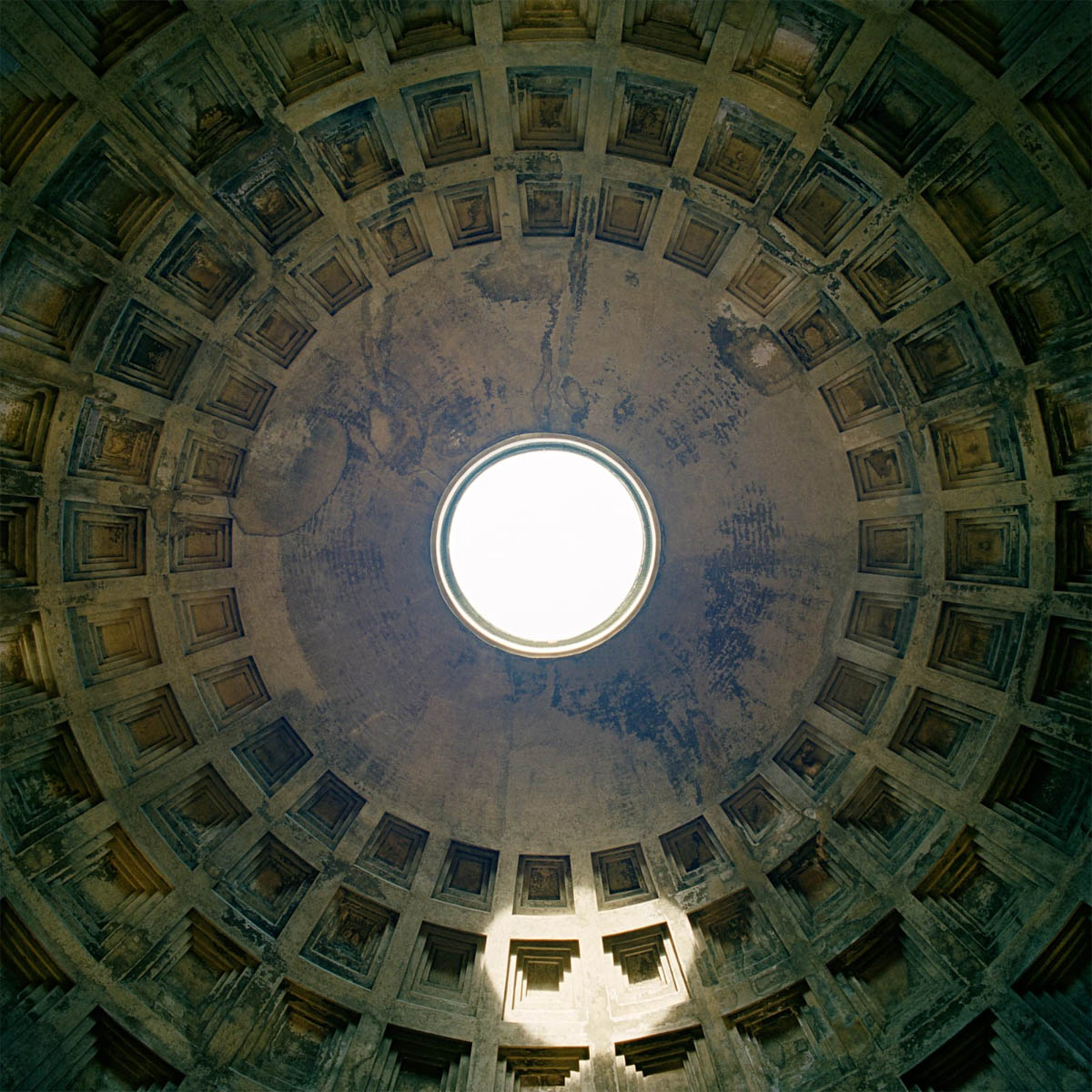
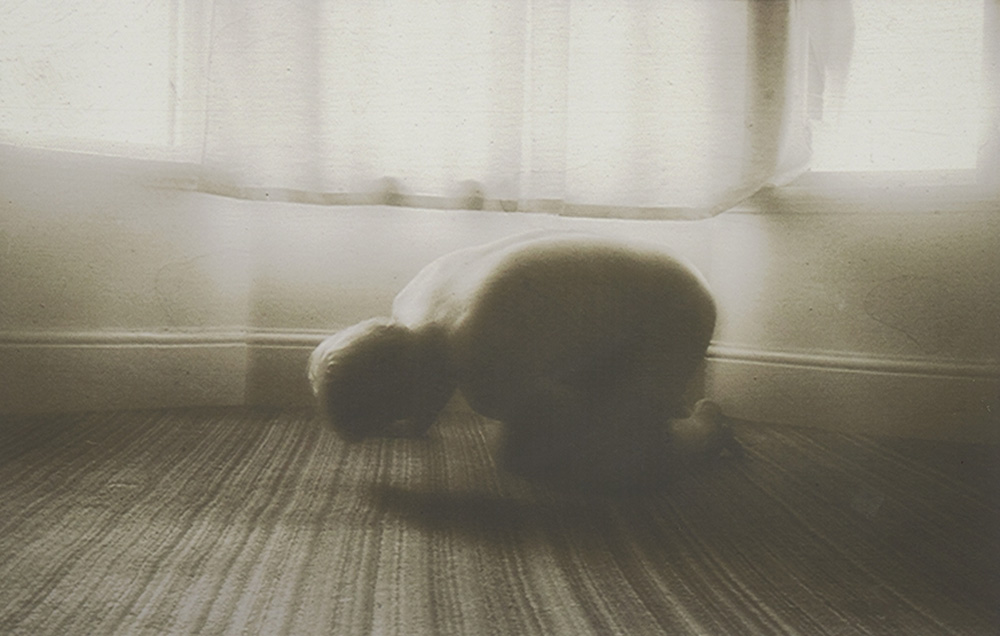

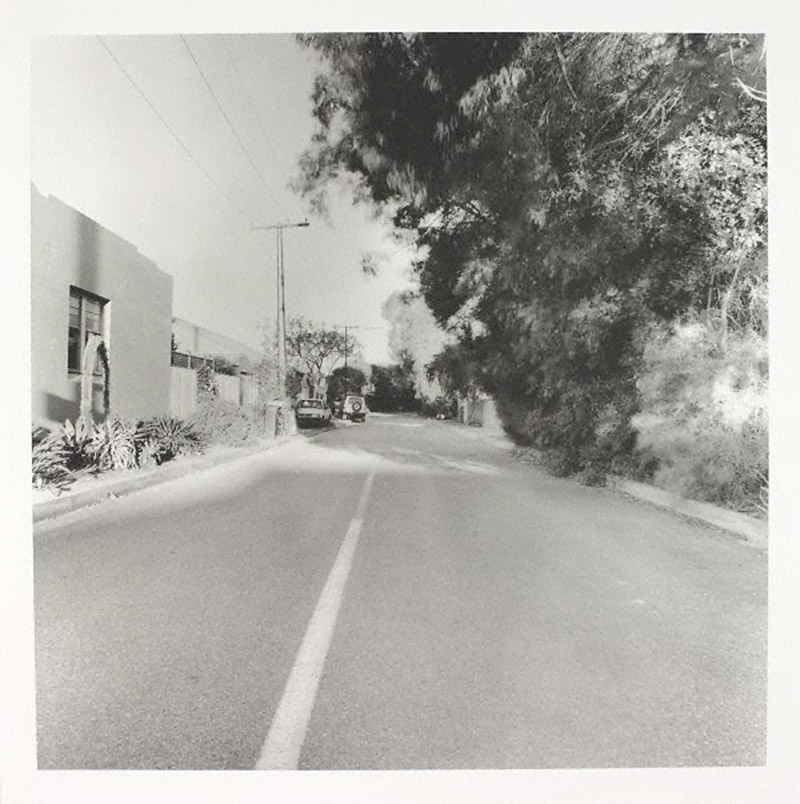
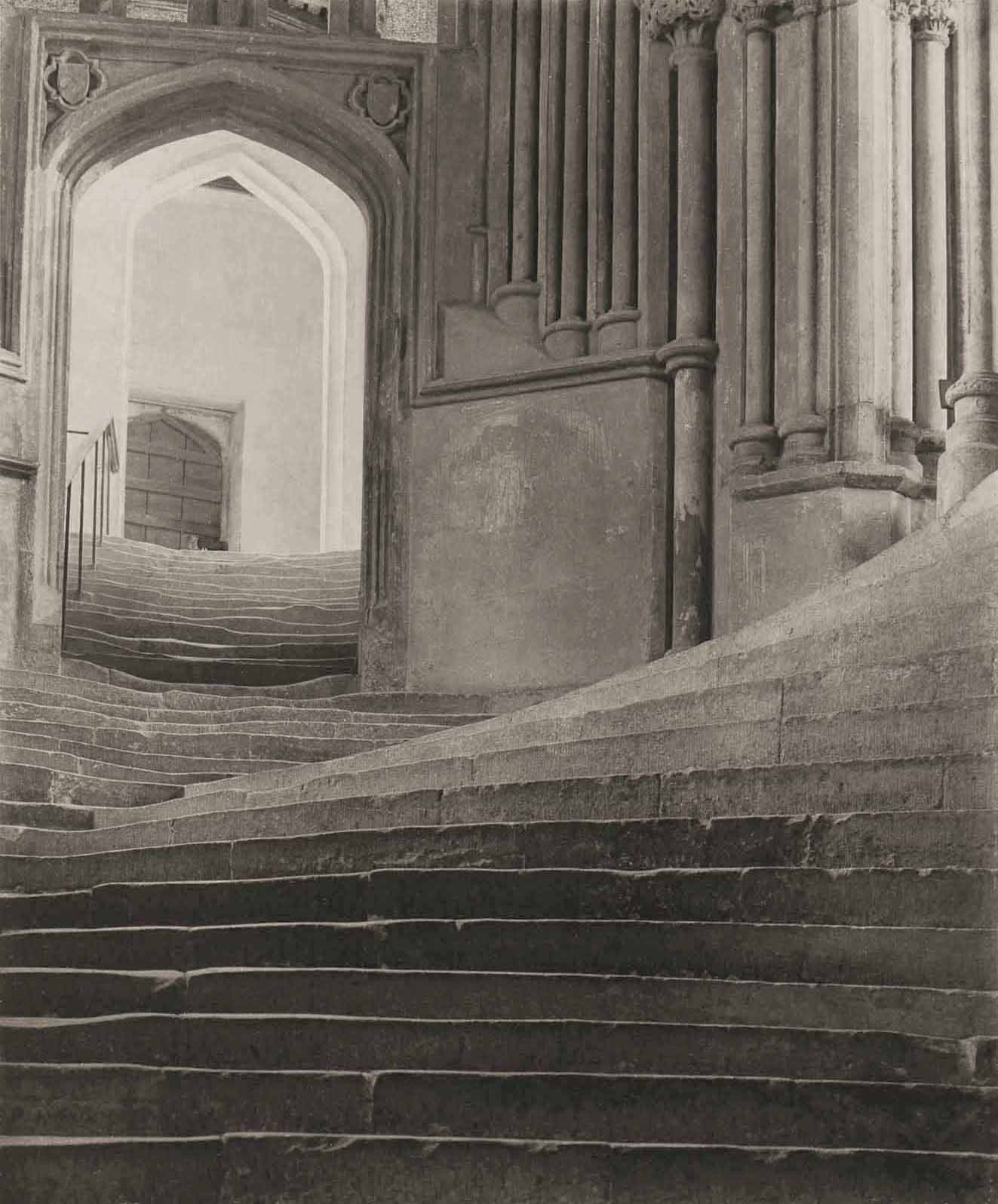
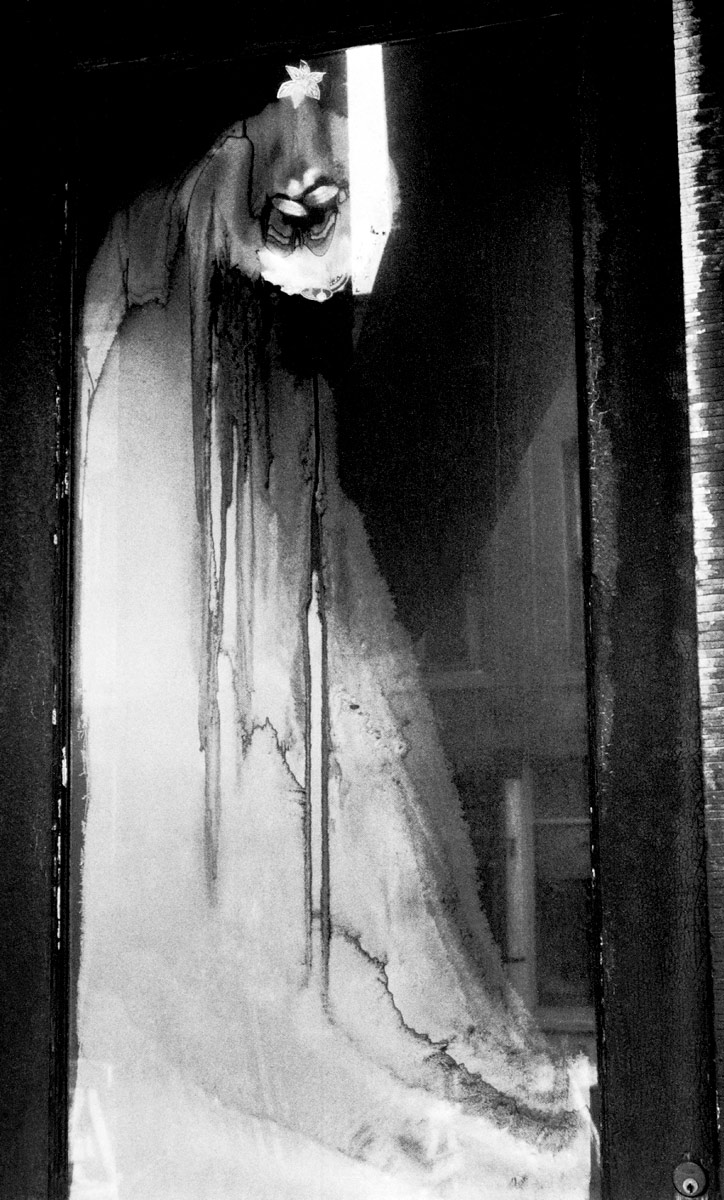


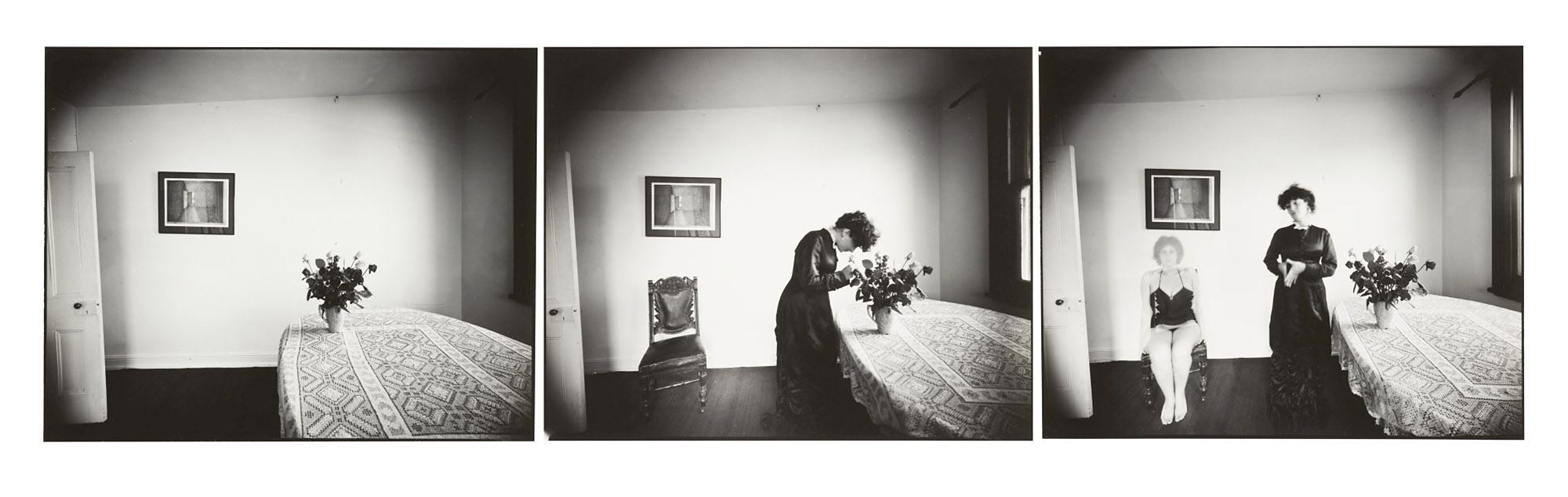

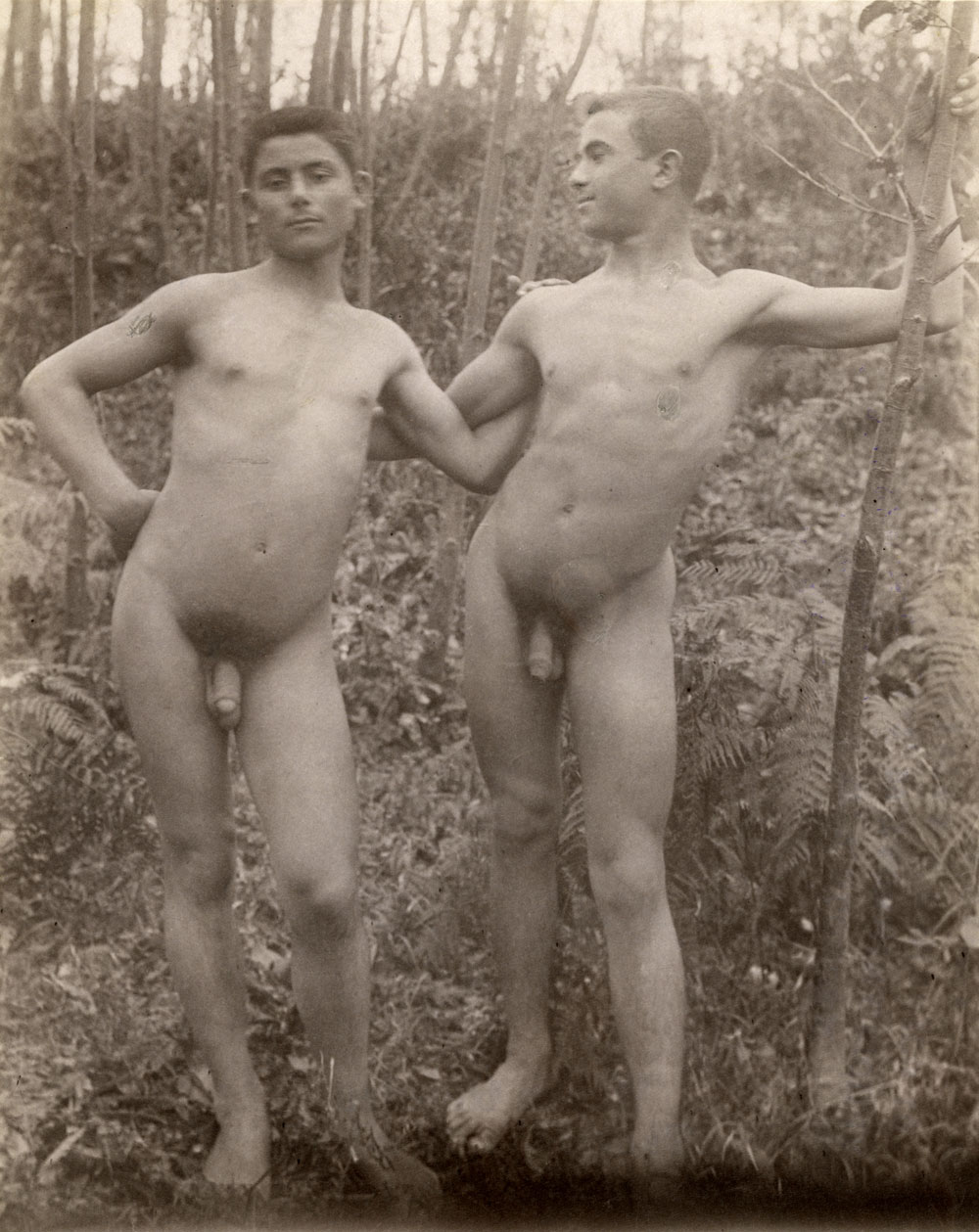


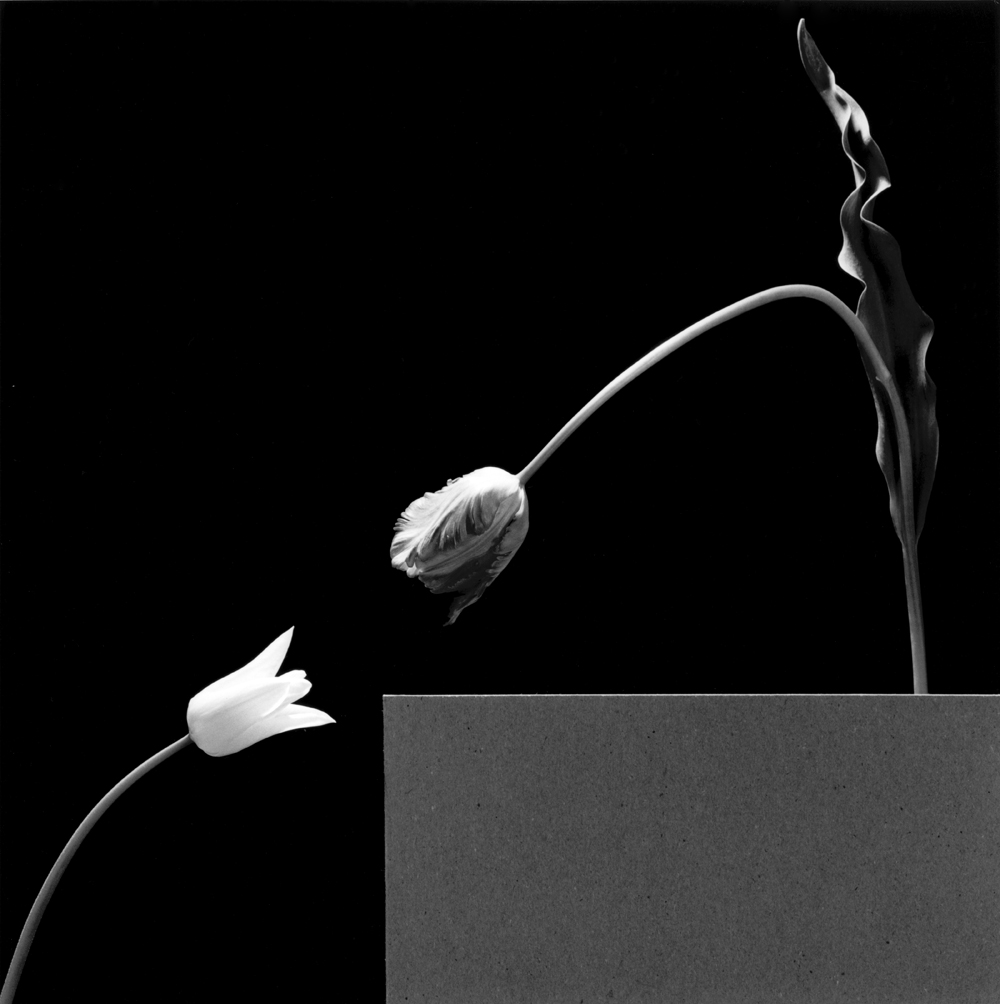
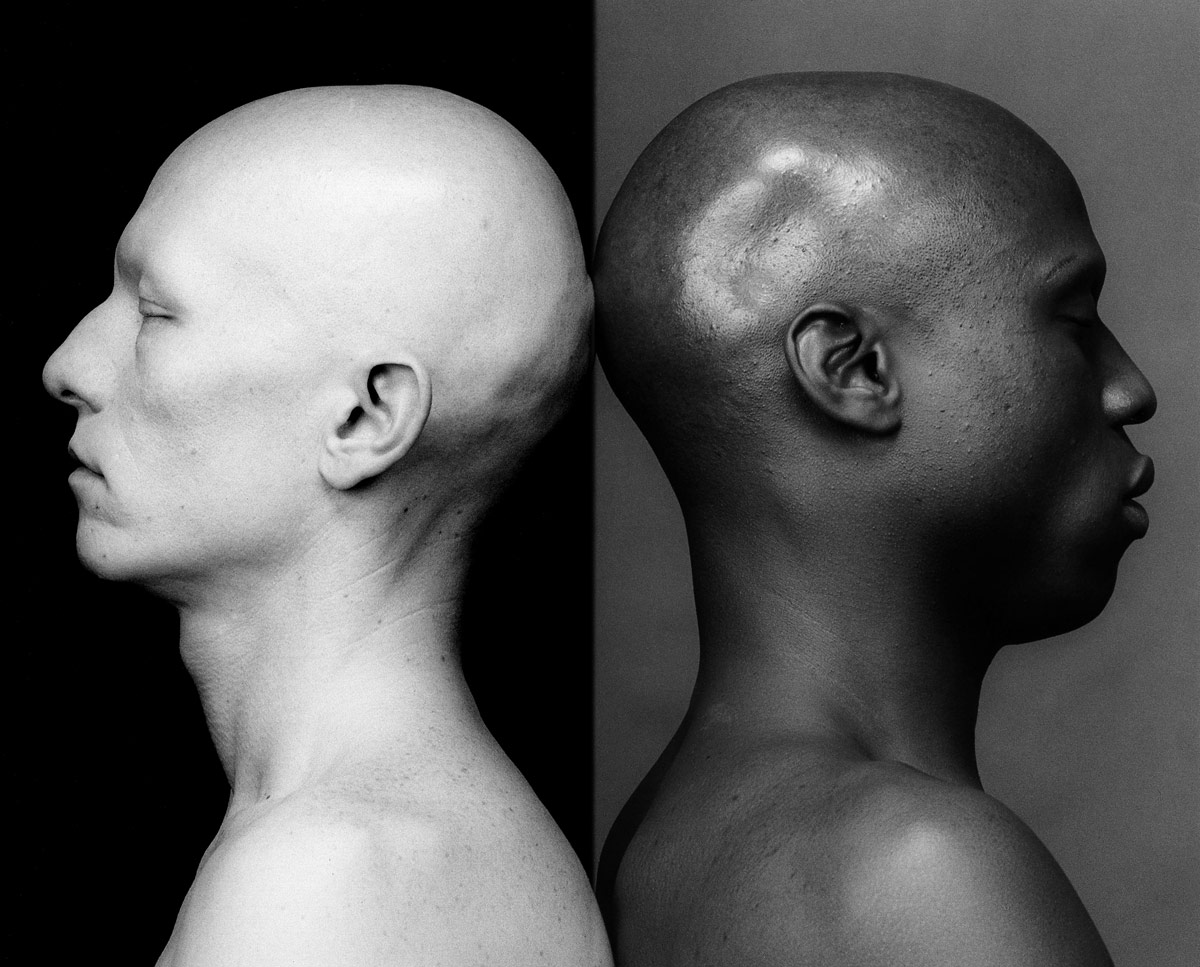


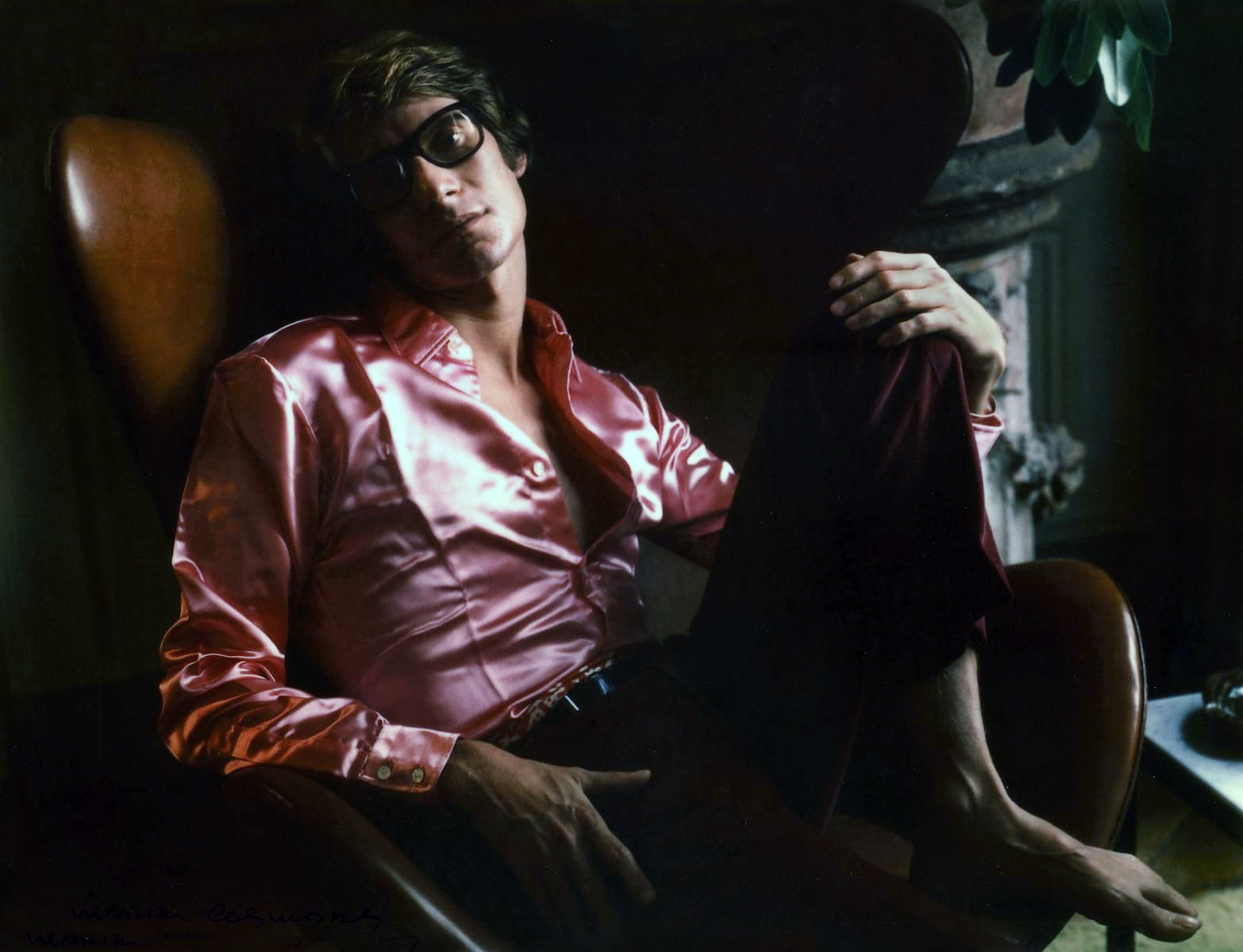


![Alfred Stieglitz (American, 1864-1946) '[Self-Portrait]' Negative 1907; print 1930](https://artblart.com/wp-content/uploads/2012/08/stieglitz-self-portrait-1907.jpg "Alfred Stieglitz (American, 1864-1946) '[Self-Portrait]' Negative 1907; print 1930")
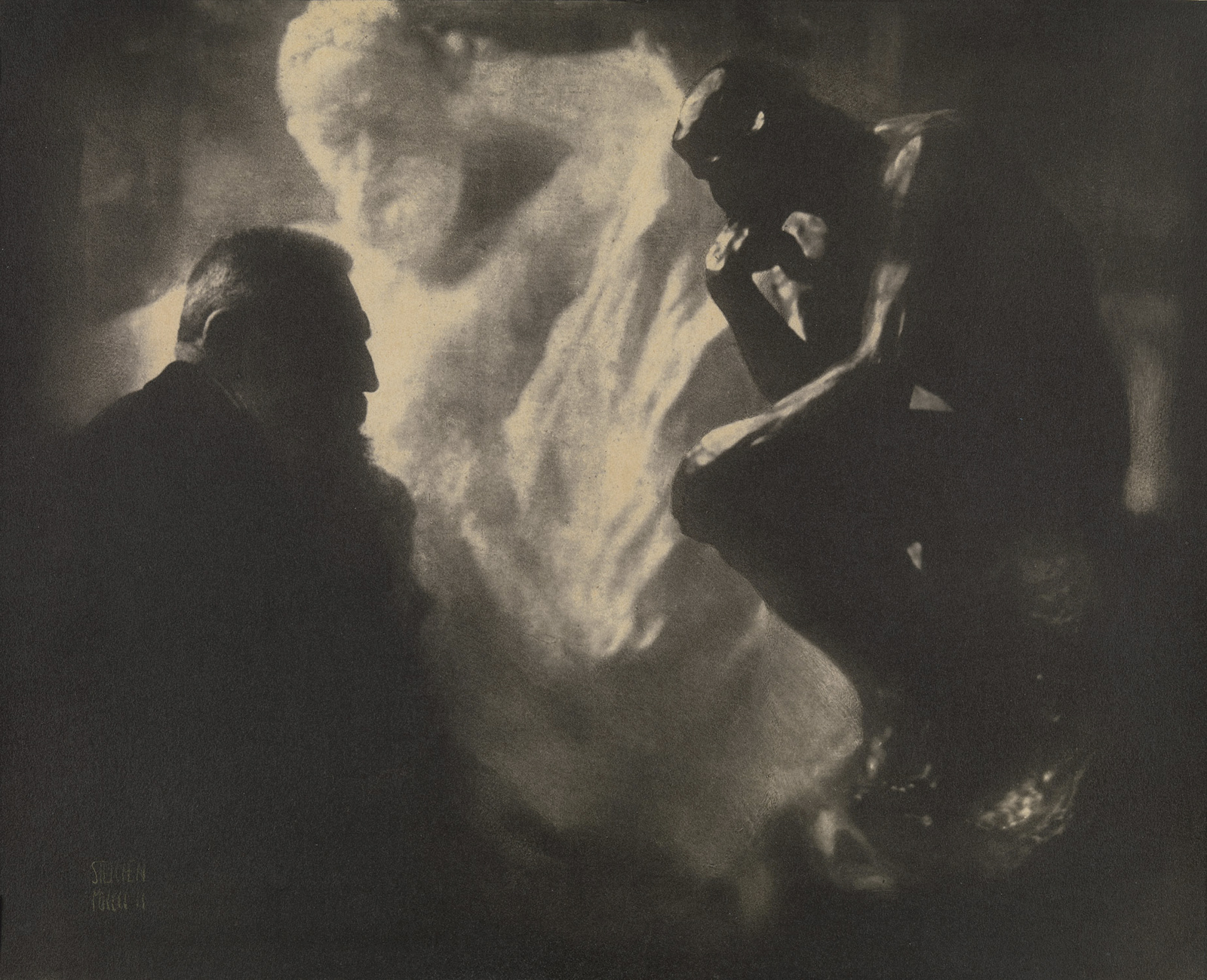
![Sarah Choate Sears (American, 1858-1935) '[Julia Ward Howe]' about 1890](https://artblart.com/wp-content/uploads/2012/08/sears-julia-ward-howe.jpg "Sarah Choate Sears (American, 1858-1935) '[Julia Ward Howe]' about 1890")

![Nadar [Gaspard Félix Tournachon] (French, 1820-1910) '[Sarah Bernhardt as the Empress Theodora in Sardou's "Theodora"]' Negative 1884; print and mount about 1889](https://artblart.com/wp-content/uploads/2012/08/nadar-sarah-bernhardt.jpg "Nadar [Gaspard Félix Tournachon] (French, 1820-1910) '[Sarah Bernhardt as the Empress Theodora in Sardou's \"Theodora\"]' Negative 1884; print and mount about 1889")

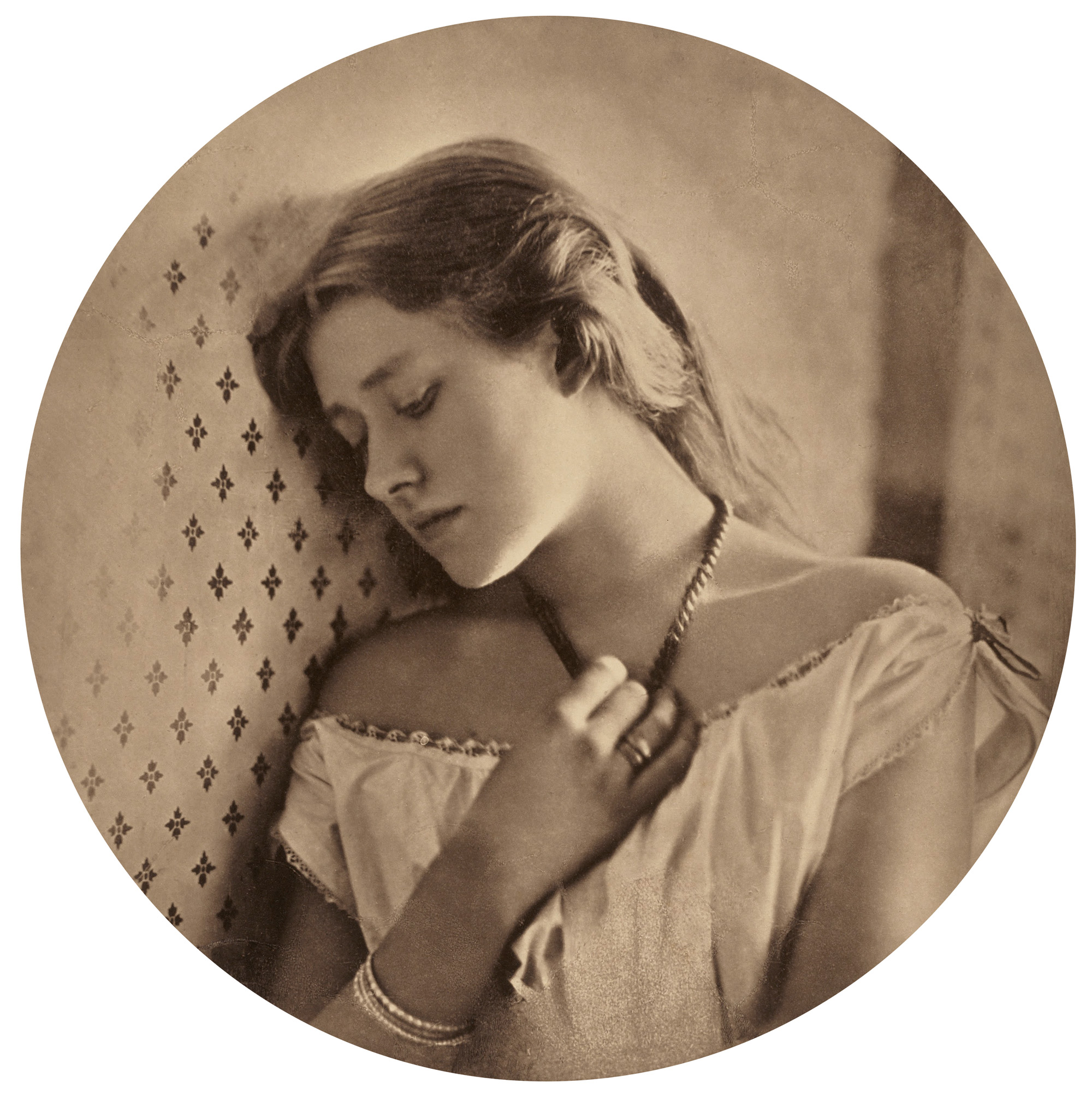
![Charles DeForest Fredricks (American, 1823-1894) '[Mlle Pepita]' 1863](https://artblart.com/wp-content/uploads/2012/08/fredricks-mlle-pepita.jpg "Charles DeForest Fredricks (American, 1823-1894) '[Mlle Pepita]' 1863")
![André Adolphe-Eugène Disdéri (French, 1819-1889) '[Rosa Bonheur]' 1861-1864](https://artblart.com/wp-content/uploads/2012/08/disdecc81ri-rosa-bonheur.jpg "André Adolphe-Eugène Disdéri (French, 1819-1889) '[Rosa Bonheur]' 1861-1864")


![John Robert Parsons (British, about 1826-1909) '[Portrait of Jane Morris (Mrs. William Morris)]' Negative July 1865; print after 1900](https://artblart.com/wp-content/uploads/2012/08/parsons-portrait-of-jane-morris.jpg "John Robert Parsons (British, about 1826-1909) '[Portrait of Jane Morris (Mrs. William Morris)]' Negative July 1865; print after 1900")
![Nadar [Gaspard Félix Tournachon] (French, 1820-1910) 'George Sand (Amandine-Aurore-Lucile Dupin), Writer' c. 1865](https://artblart.com/wp-content/uploads/2016/10/realideal5-web.jpg "Nadar [Gaspard Félix Tournachon] (French, 1820-1910) 'George Sand (Amandine-Aurore-Lucile Dupin), Writer' c. 1865")


![Nadar [Gaspard Félix Tournachon] (French, 1820-1910) 'Alexander Dumas [père] (1802-1870) / Alexandre Dumas' 1855](https://artblart.com/wp-content/uploads/2012/08/nadar_alexander_dumas.jpg "Nadar [Gaspard Félix Tournachon] (French, 1820-1910) 'Alexander Dumas [père] (1802-1870) / Alexandre Dumas' 1855")


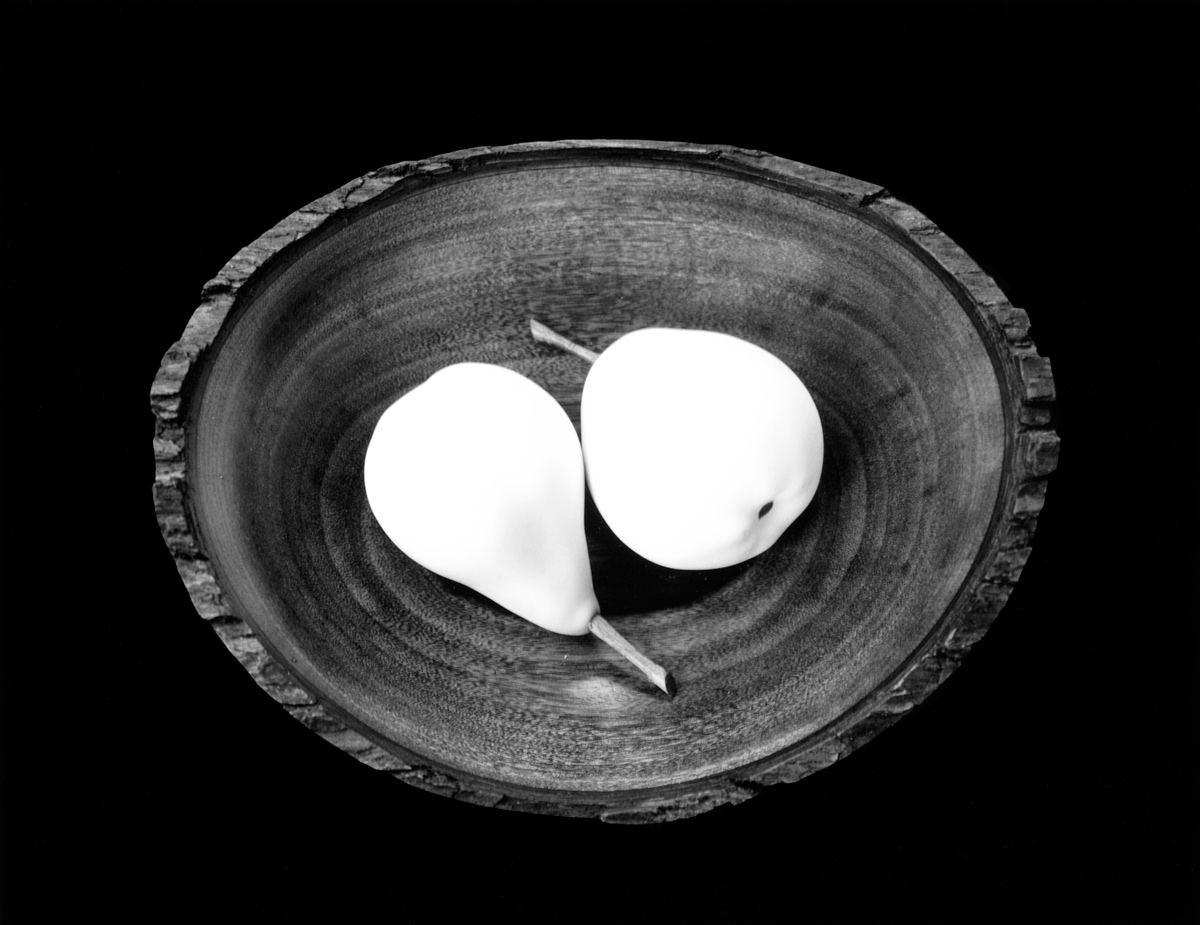
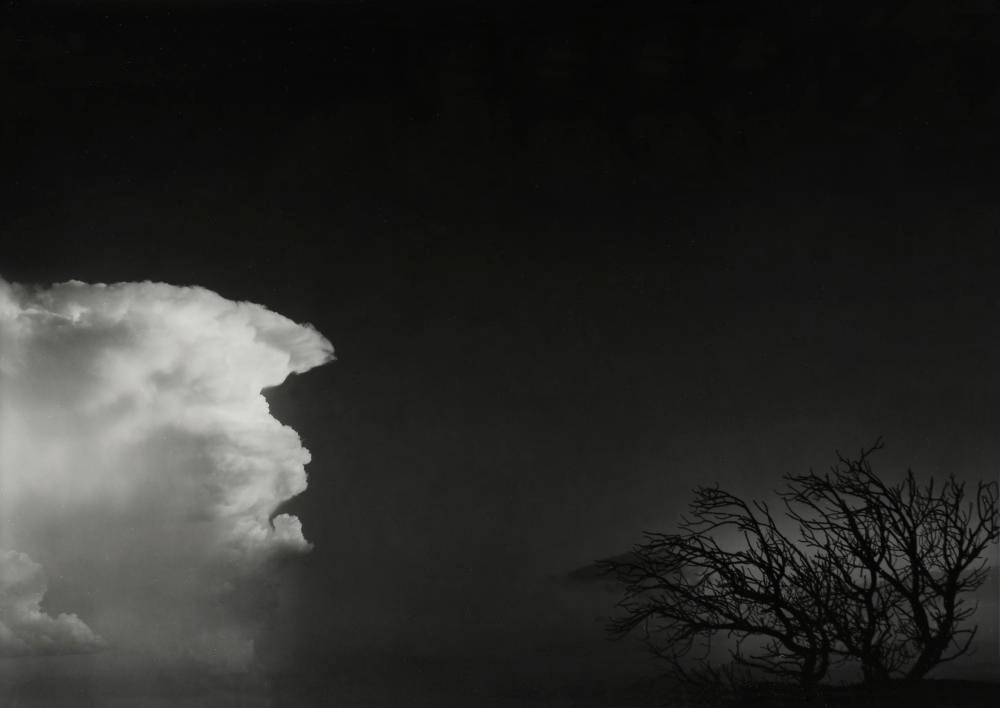


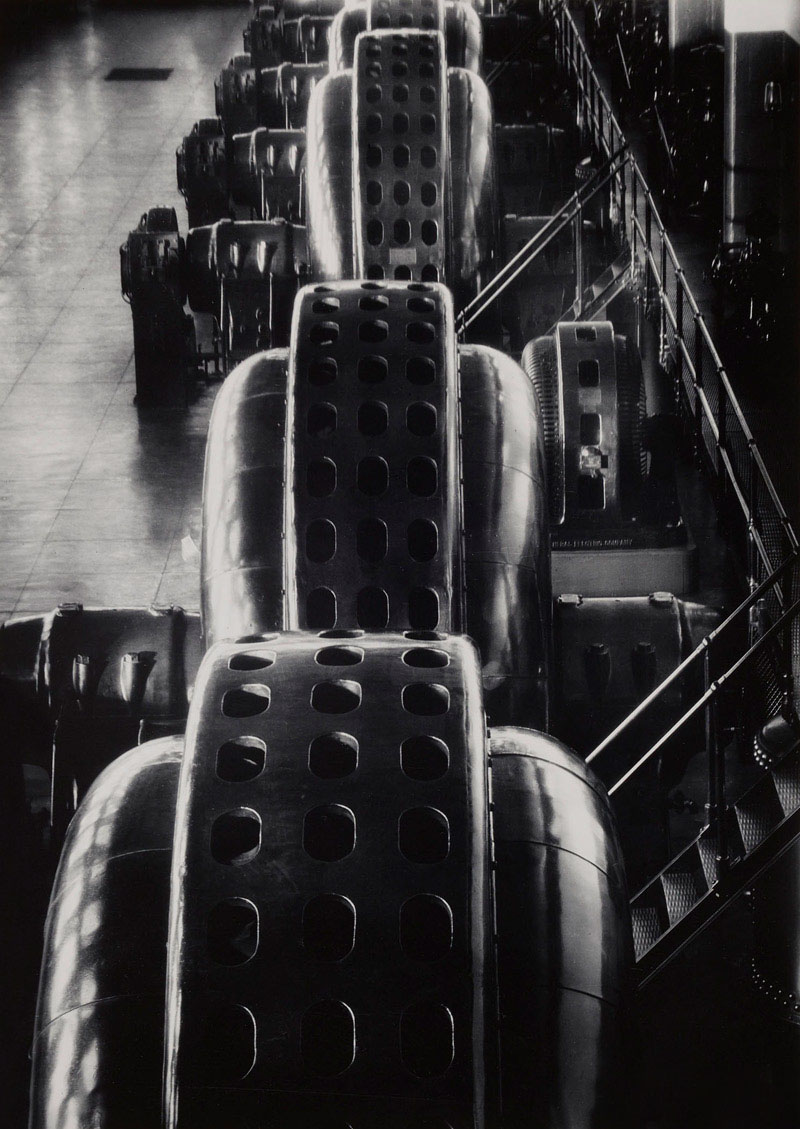

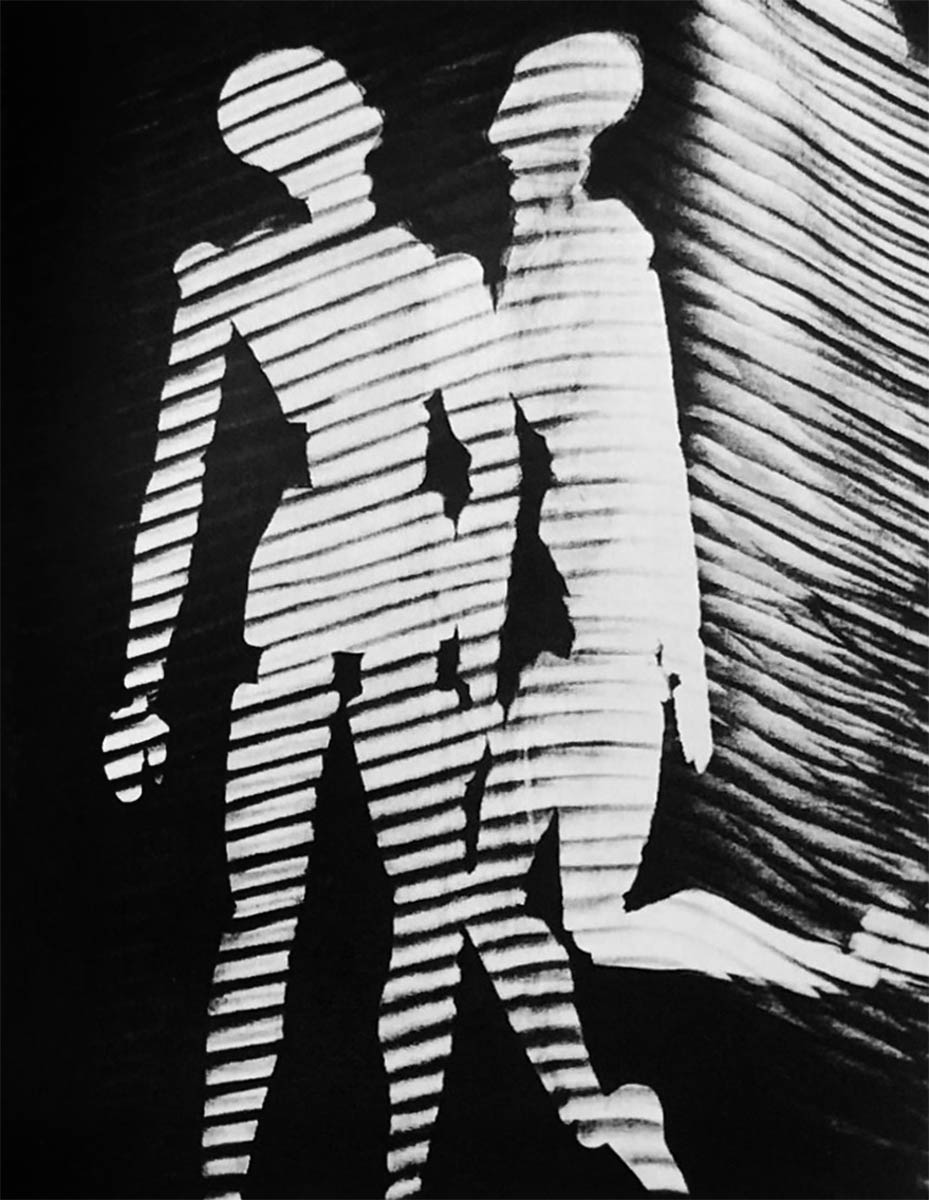

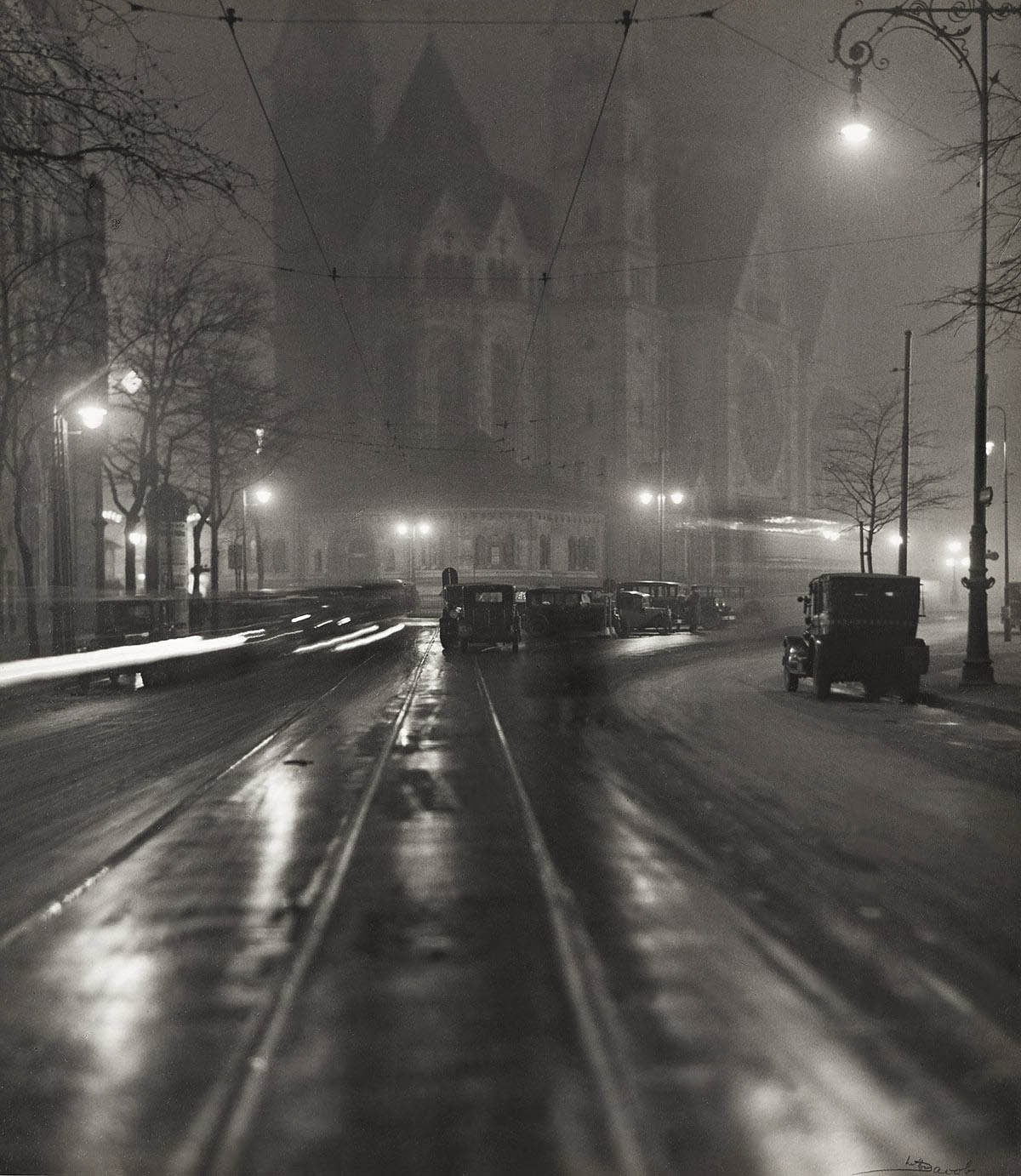

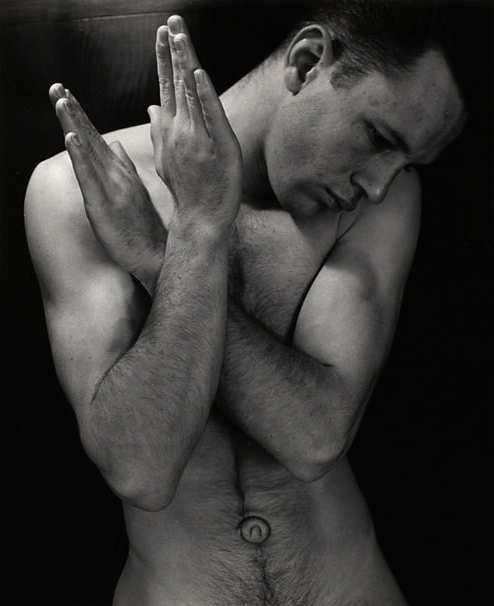

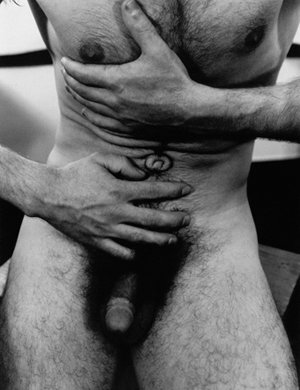
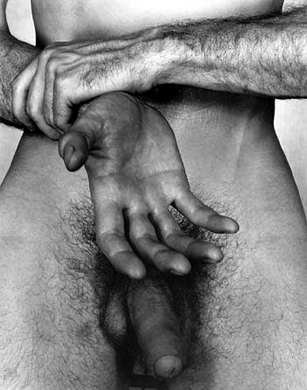






 Art Blart _ art and cultural memory archive
You must be logged in to post a comment.