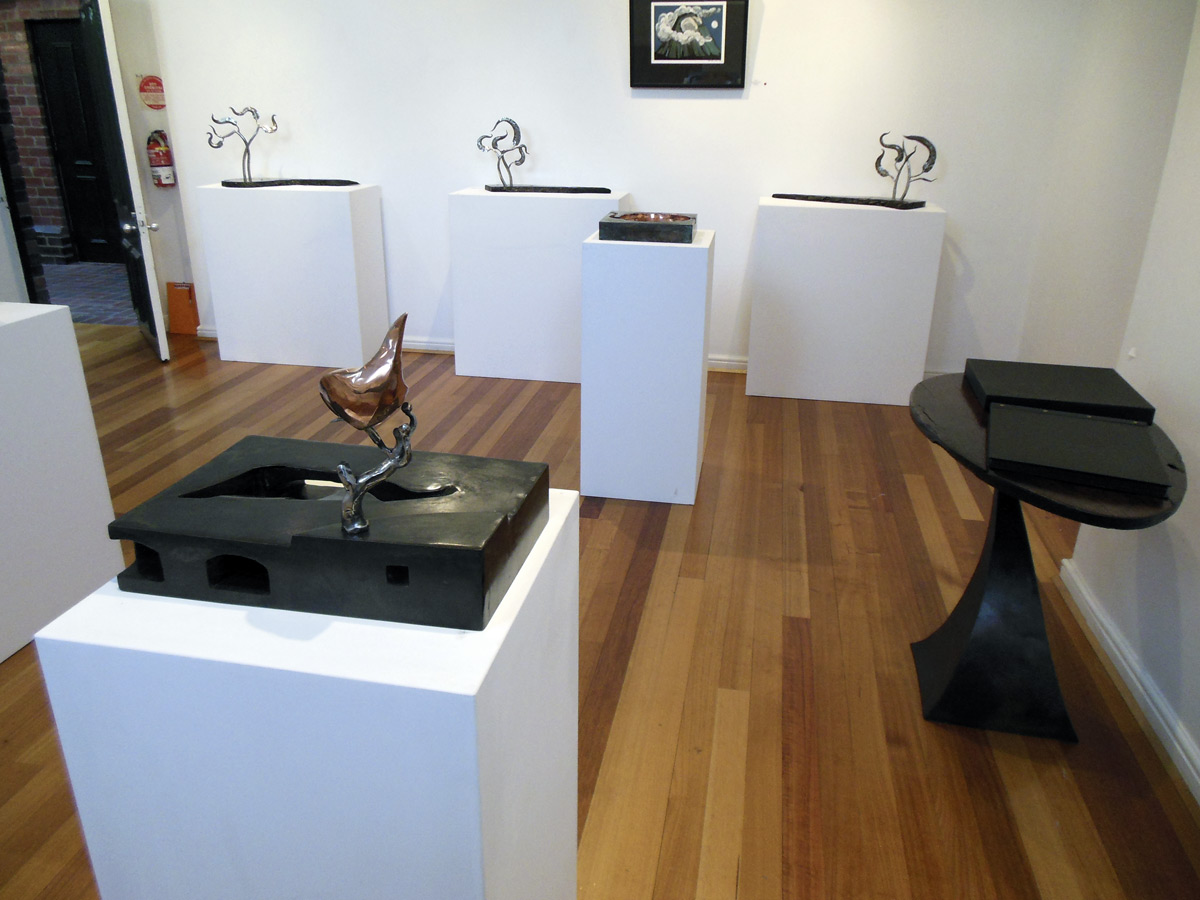
Exhibition: ‘Pat Brassington: Quill’ at Bett Gallery, Hobart

Exhibition dates: 10 May – 31 May, 2013

Curators: the artist in collaboration with the gallery


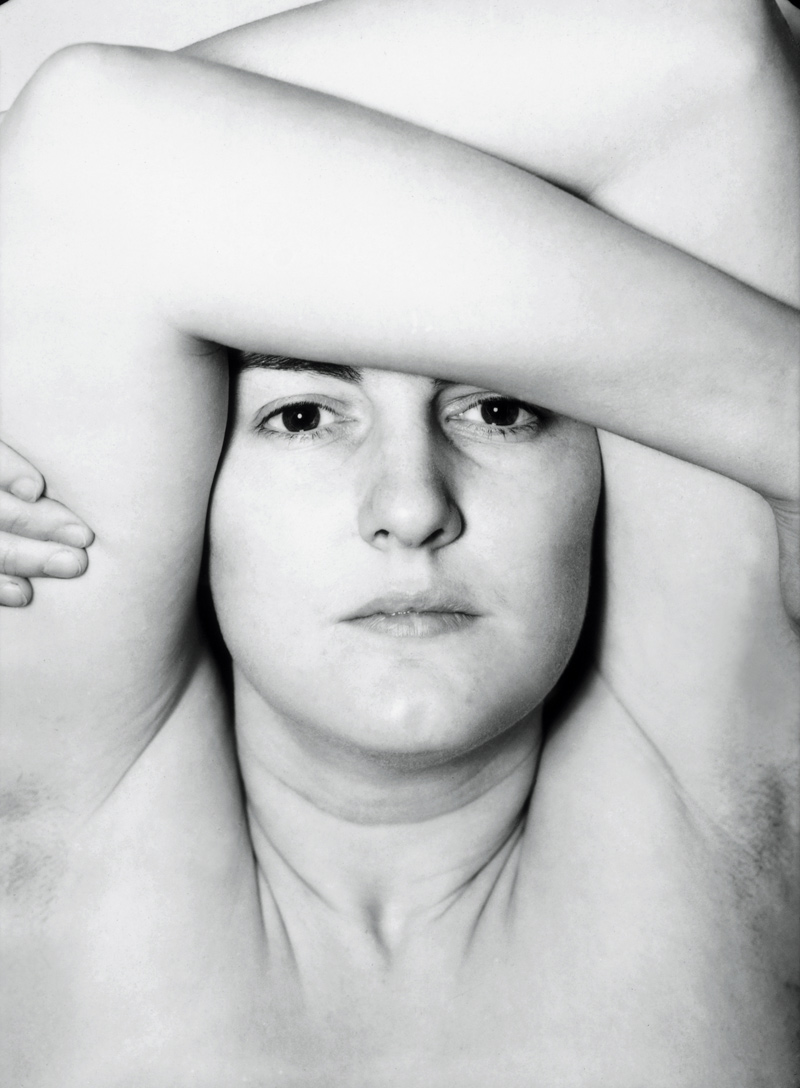
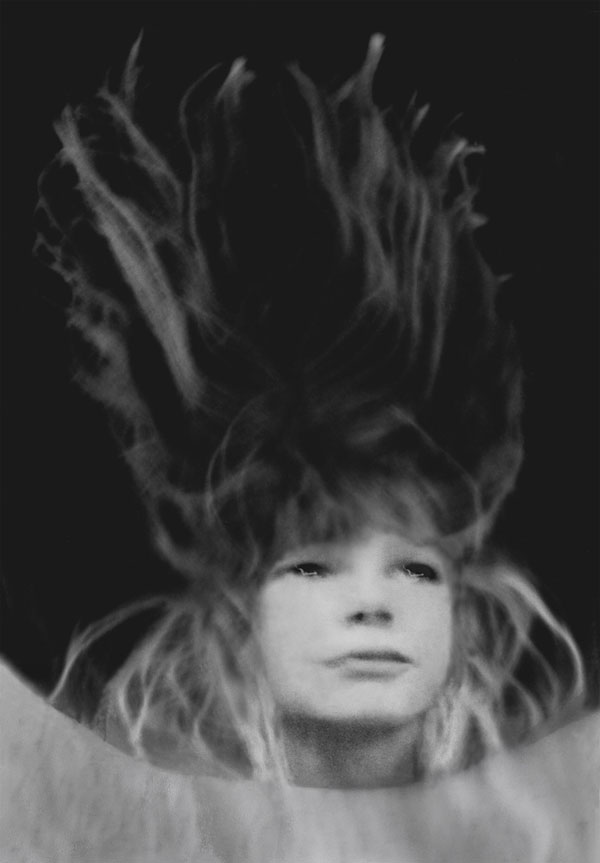
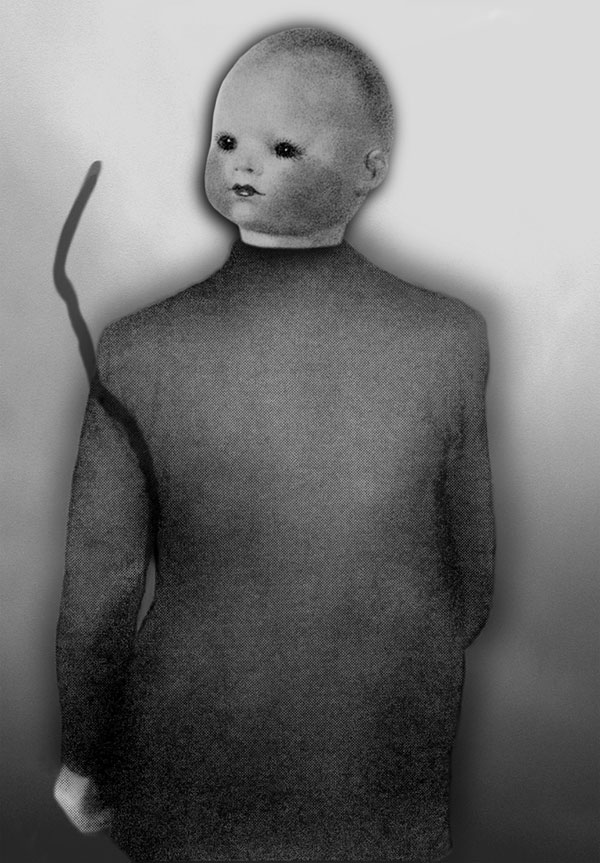
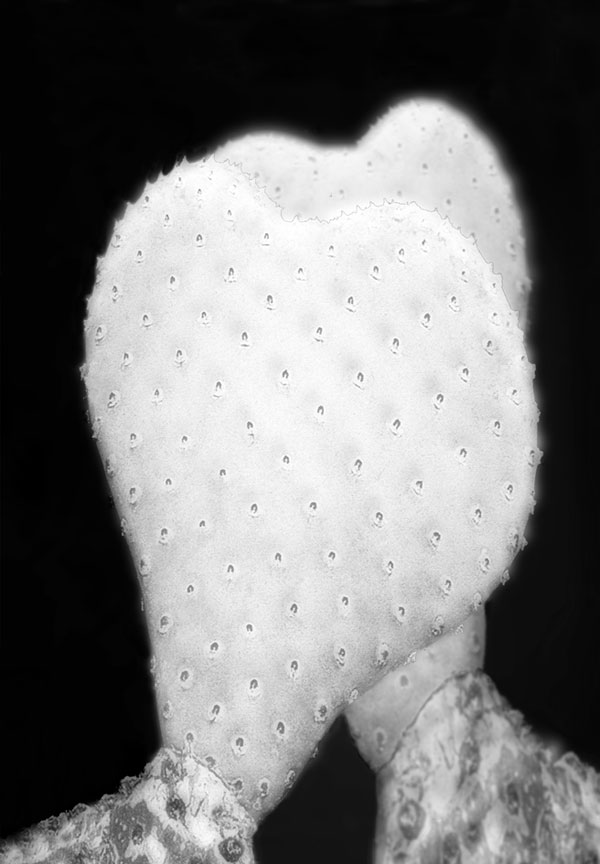
Pat Brassington (Australian, b. 1942) 'Blink' 2013 from the exhibition 'Pat Brassington: Quill' at Bett Gallery, Hobart, May 2013


Pat Brassington (Australian, b. 1942)
Blink
2013
Pigment print
72 x 50cm (paper size)
edition of 8


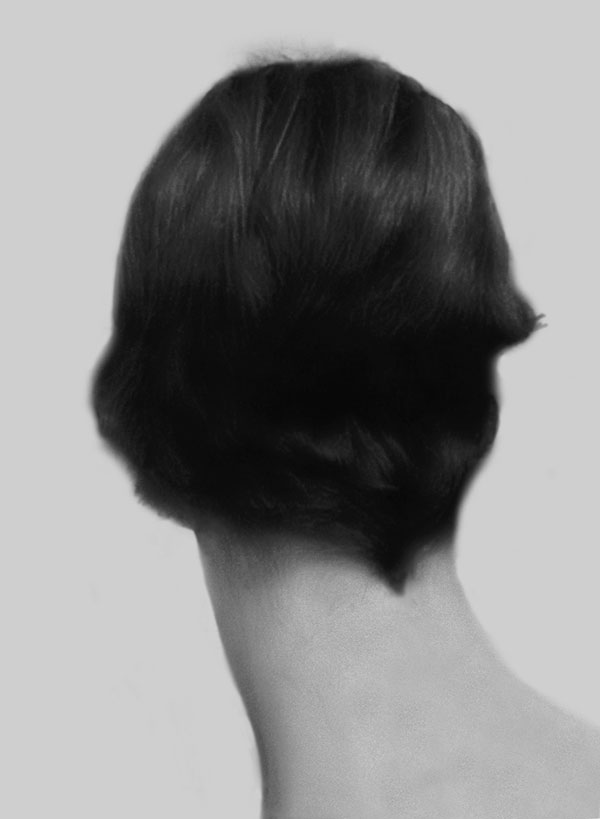
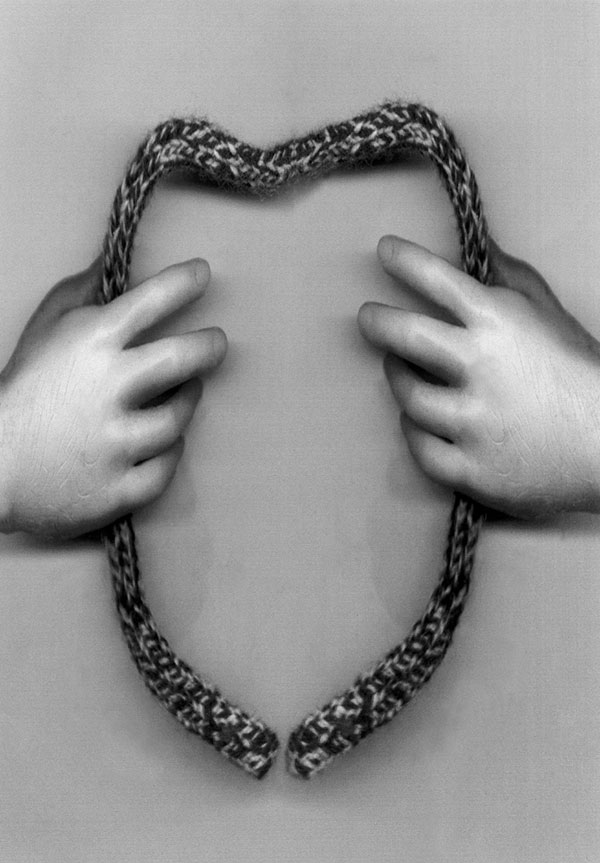
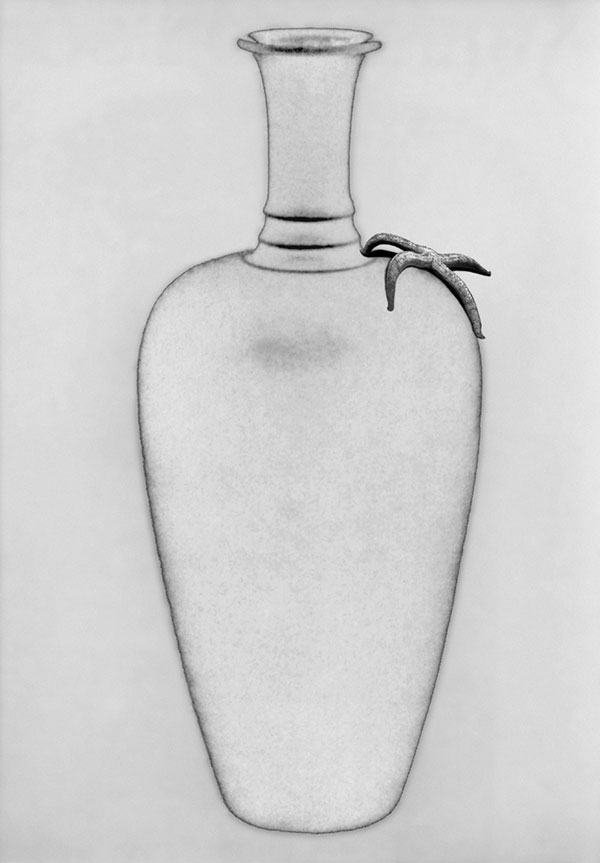
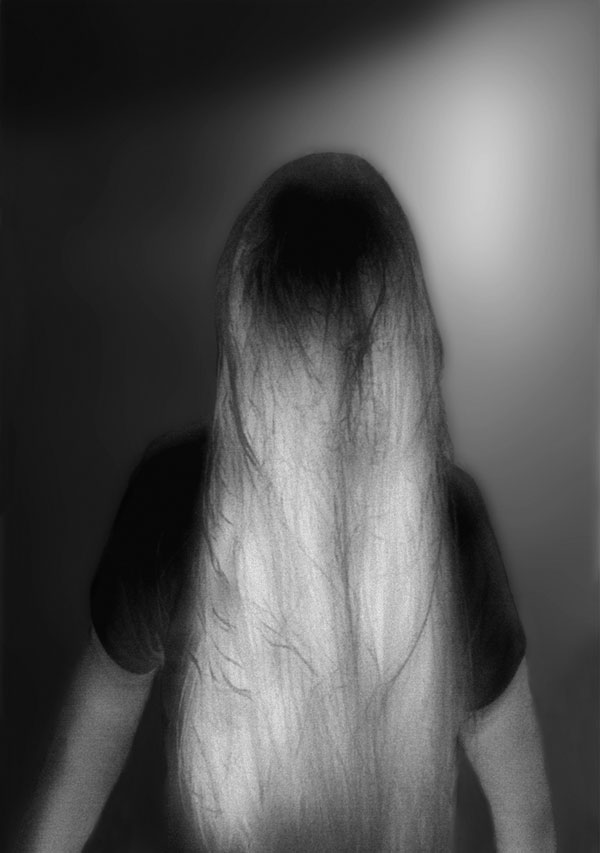
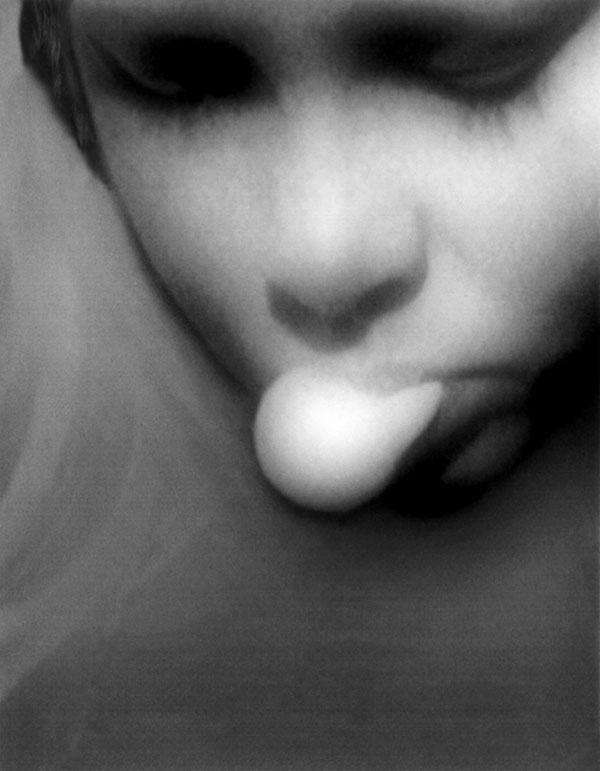
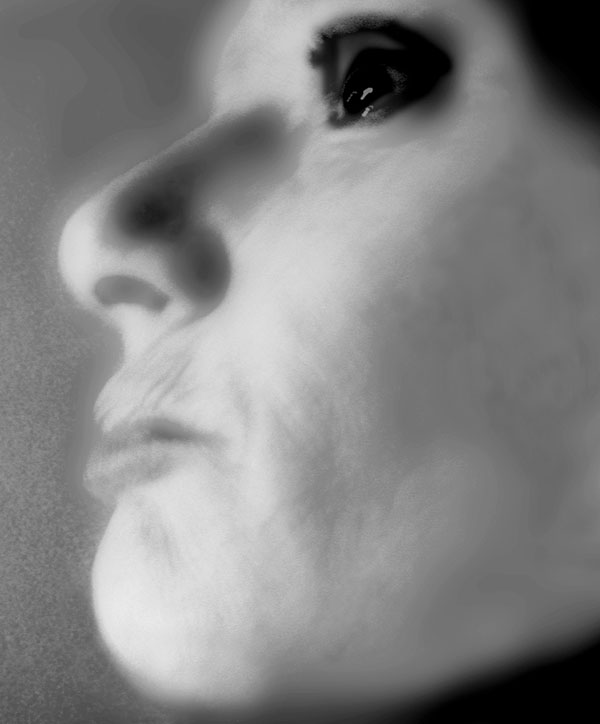
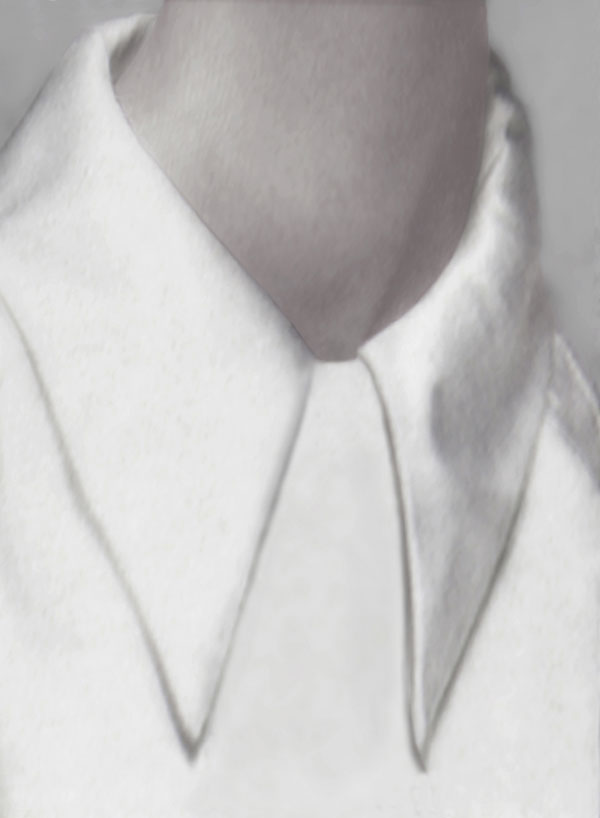
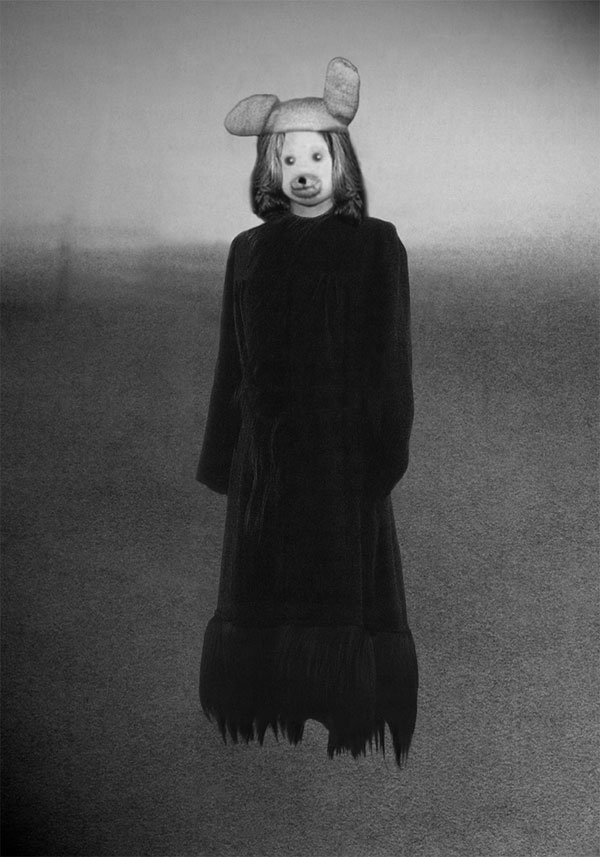
Always enigmatic but slightly more accessible new work from Australia’s master of ambiguity Pat Brassington. Not that I would say that any of these images are really memorable in their own right but collectively they speak to the alienation of everyday life – alienation from Self, shadow and surroundings.

Dr Marcus Bunyan


Many thankx to Bett Gallery for allowing me to publish the photographs in the posting. Please click on the photographs for a larger version of the image.


Pat Brassington (Australian, b. 1942) 'Candie' 2013 from the exhibition 'Pat Brassington: Quill' at Bett Gallery, Hobart, May 2013


Pat Brassington (Australian, b. 1942)
Candie
2013
Pigment print
60 x 44cm (paper size)
edition of 8


Pat Brassington (Australian, b. 1942) 'Deuce' 2013


Pat Brassington (Australian, b. 1942)
Deuce
2013
Pigment print
72 x 50cm (paper size)
edition of 8


Pat Brassington (Australian, b. 1942) 'Fathoms Deep' 2013


Pat Brassington (Australian, b. 1942)
Fathoms Deep
2013
Pigment print
72 x 50cm (paper size)
edition of 8


Pat Brassington (Australian, b. 1942) 'Masterclass' 2013


Pat Brassington (Australian, b. 1942)
Masterclass
2013
Pigment print
72 x 50cm (paper size)
edition of 8


Pat Brassington (Australian, b. 1942) 'Matinee' 2013


Pat Brassington (Australian, b. 1942)
Matinee
2013
Pigment print
72 x 50cm (paper size)
edition of 8


Pat Brassington (Australian, b. 1942) 'Mind Game' 2013


Pat Brassington (Australian, b. 1942)
Mind Game
2013
Pigment print
60 x 46cm (paper size)
edition of 8


Pat Brassington (Australian, b. 1942) 'Quicksilver' 2013


Pat Brassington (Australian, b. 1942)
Quicksilver
2013
Pigment print
60 x 50cm (paper size)
edition of 8


Pat Brassington (Australian, b. 1942) 'Shadow Boxer' 2013


Pat Brassington (Australian, b. 1942)
Shadow Boxer
2013
Pigment print
72 x 50cm (paper size)
edition of 8


Pat Brassington (Australian, b. 1942) 'The Guest' 2013


Pat Brassington (Australian, b. 1942)
The Guest
2013
Pigment print
60 x 44cm (paper size)
edition of 8


Pat Brassington (Australian, b. 1942) 'Untitled' 2013


Pat Brassington (Australian, b. 1942)
Untitled
2013
Pigment print, unframed
90 x 65cm (paper size)
edition of 8


Bett Galllery
65 Murray Street
Hobart Tas 7000
Australia
Phone: +61 (0) 3 6231 6511

Opening hours:
Monday – Friday 10am – 5.30pm
Saturday 10am – 4pm
Closed Sundays

Bett Gallery website

LIKE ART BLART ON FACEBOOK

Back to top

Exhibition: ‘Hilma af Klint – A Pioneer of Abstraction’ at Moderna Museet, Stockholm

Exhibition dates: 16th February – 26th May, 2013

Curator: Iris Müller-Westermann


Hilma af Klint (Swedish, 1862-1944) 'Untitled' Nd from the exhibition 'Hilma af Klint – A Pioneer of Abstraction' at Moderna Museet, Stockholm, February - May, 2013


Hilma af Klint (Swedish, 1862-1944)
Untitled
Nd


I don’t often say this about an artist but OMG, I am in love!

Five years before Wassily Kandinsky (he of the book Concerning the Spiritual In Art 1910), before Piet Mondrian and Kazimir Malevich, the images of Carl Jung (The Red Book) and Rudolf Steiner (Blackboard Drawings 1919-1924) – who dismissed her ideas as wrong – was this revolutionary artist and abstractionist, Hilma af Klint, possibly the first purely abstract painter to produced non-objective works in the early 1900’s. While her more conventional painting became the source of her financial income her ‘life’s work’ remained a quite separate practice and hidden from view. She worked in isolation with little knowledge of the Avant-garde movement in Europe and requested that her complex and articulate paintings not be shown until 20 years after her death.

“Through her work with the group “the Five” af Klint created experimental automatic drawing as early as 1896, leading her towards an inventive geometric visual language capable of conceptualising invisible forces both of the inner and outer worlds. Quite apart from their diagrammatic purpose the paintings have a freshness and a modern aesthetic of tentative line and hastily captured image: a segmented circle, a helix bisected and divided into a spectrum of lightly painted colours. She continued prolifically to add to the body of work amounting to over 1000 pieces until 1941. She requested that it should not be shown until 20 years after the end of her life. In 1970 her paintings were offered as a gift to Moderna Museet in Stockholm, which declined the donation.” (Text from Wikipedia)

Ironic then is it not, that this first major exhibition of Hilma af Klint’s life’s work is at Moderna Museet in Stockholm, the gallery that refused the entire collection of her work when her family offered it as a gift in 1970. How times and attitudes change.

And yes, I have ordered the catalogue…

Dr Marcus Bunyan


Many thankx to Moderna Museet for allowing me to publish the artwork in the posting. Please click on the photographs for a larger version of the image.


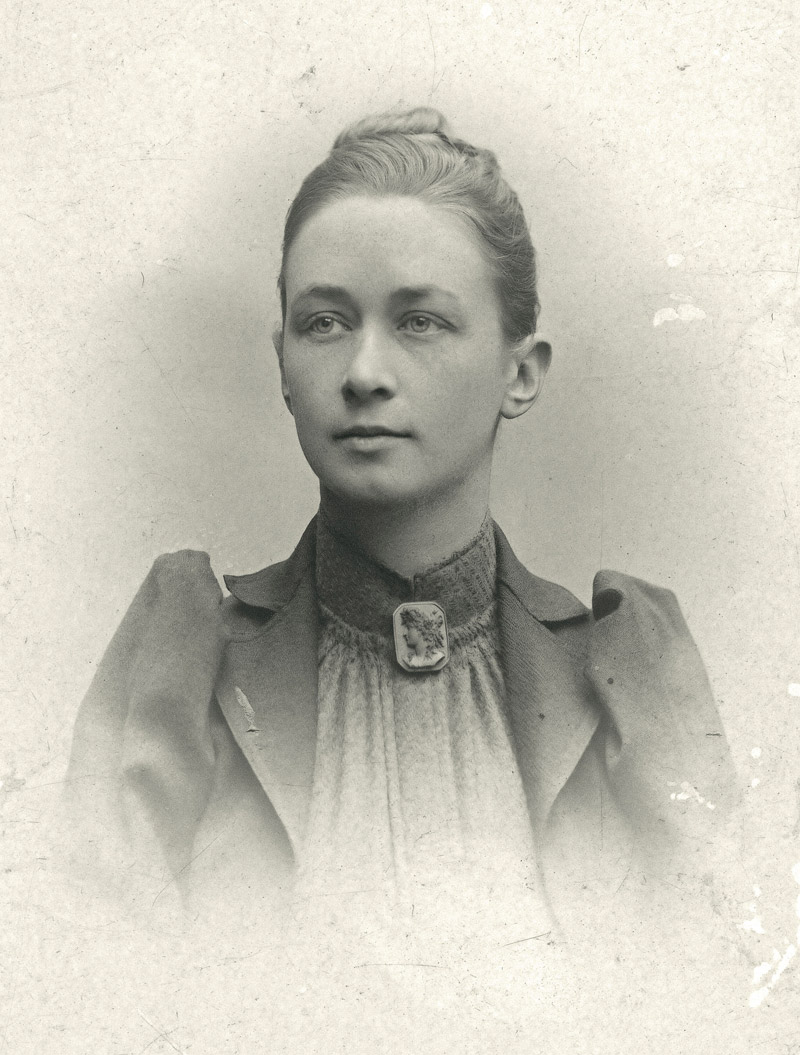
Photographer unknown. 'Portrait of Hilma af Klint' Nd from the exhibition 'Hilma af Klint – A Pioneer of Abstraction' at Moderna Museet, Stockholm, February - May, 2013


Photographer unknown
Portrait of Hilma af Klint
Nd


“Negotiating around the masculine domain of art making by working through automatism and spiritual séances, Hilma af Klint appears to allow herself more freedom and reverence by working directly through ‘High Masters’ in their masculine form; through instructed spiritualist experience. Influenced heavily by the infamous Madame Blavatsky, the co-founder of The Theosophical Society and writer of ‘The Secret Doctrine’, af Klint’s ‘High Masters’ guided her hand in an attempt to gain spiritual knowledge of the self and of the universe…

Her occult diaries containing symbols of crosses, mystical vowels, dead sea scrolls, astral and metaphysical planes, mystical initials, strange vowels cross over to the larger works, continuing to make the viewer work hard at understanding what message is being sent. It is then that you notice the rest of the space with painting after painting hung mainly in series, working their way with fluidity around the many walls contained within the exhibiting space. Cubicles of watercolours denoting The Tree of Life, Studies of world religions, paintings for the temple, they are all there. It is clear that af Klint was prolific in her secretive world but it is hard to imagine how she managed to keep all these vast works hidden from view.

It is clear that Klint has some understanding of scientific breakthroughs in her time however her occult physics, chemistry and mathematical understanding appears ahead of its time. Her provocative nature appears to ask questions of sexuality, suggests male and female equality and is probably through this enquiry, still seen as revolutionary. In light of this, af Klint experienced continuous dismissal of her working practices and ideas linked to the scientific and mathematical study of spiritual knowledge. Her friends describe her work as ‘inappropriate’ and her contemporary Rudolph Steiner, founder of The Anthroposophical Society dismissed her ideas as wrong when asked by personal invitation to view them, claiming that she couldn’t have contact with spirits in that way although he doesn’t appear to state clearly for what reason.”

Open College for the Arts tutor Hayley Lock on the We Are OCA website [Online] Cited 20/05/2013. Used under fair use conditions for the purposes of education and research


Hilma af Klint – A Pioneer of Abstraction | Introduction

In the spring of 2013, the Moderna Museet is showing Hilma af Klint (1862-1944) in a large format with many works that have never been shown before. This retrospective exhibition presents Hilma af Klint as one of the greatest Swedish artists.

Hilma af Klint was a pioneer in abstract art, as early as 1906 she left a representational painting behind. Between 1906 and 1915, nearly 200 abstract paintings of partly monumental formats were added. Similar to Wassily Kandinsky, Piet Mondrian and Kazimir Malevich, who until now have been regarded as the foreground figures of abstraction, Hilma af Klint was interested in spiritual currents of her time such as spiritualism, theosophy and later anthroposophy. Hilma af Klint’s art is about the consciousness of a spiritual dimension, something that was marginalized in an increasingly materialistically oriented world.

Moderna Museet’s retrospective exhibition presents Hilma af Klint’s most important abstract works as well as paintings and works on paper that have never been shown before.


Installation view of 'Hilma af Klint – A Pioneer of Abstraction' at at Moderna Museet, Stockholm 2013

Installation view of 'Hilma af Klint – A Pioneer of Abstraction' at at Moderna Museet, Stockholm 2013

Installation view of 'Hilma af Klint – A Pioneer of Abstraction' at at Moderna Museet, Stockholm 2013


Installation views of Hilma af Klint – A Pioneer of Abstraction, 2013
© Photo: Åsa Lundén/ Moderna Museet


In Spring 2013 Moderna Museet is dedicating a major exhibition to Hilma af Klint (1862-1944), featuring many works that have never before been shown in public. This retrospective exhibition of a Swedish pioneer of abstract art is Moderna Museet’s tribute to Hilma af Klint as one of the greatest Swedish artists. A woman artist whose work is still far too unknown to a wider public, Hilma af Klint eschewed representational painting as early as 1906. Between 1906 and 1915, she produced nearly 200 abstract paintings, some of which are in monumental formats.

Like Vassily Kandinsky, Piet Mondrian and Kazimir Malevich, who have previously been regarded as the main protagonists of abstract art, Hilma af Klint was influenced by contemporary spiritual movements, such as spiritism, theosophy and, later, anthroposophy. Hilma af Klint’s oeuvre builds on the awareness of a spiritual dimension of consciousness, an aspect that was being marginalised in an increasingly materialistic world. When she painted, she believed that a higher consciousness was speaking through her. In her astonishing works she combines geometric shapes and symbols with ornamentation. Her multifaceted imagery strives to give insights into the different dimensions of existence, where microcosm and macrocosm reflect one another.

Hilma af Klint’s groundbreaking images were created in the early years of the 20th century – before the dawn of abstract art in Russia and Europe. Her works are not concerned with abstraction of colour and shapes for its own sake, but are an attempt to portray that which is not visible. Kandinsky, Malevich and Mondrian also explored a spiritual dimension. Kandinsky moved away from Expressionism and gradually left visible reality behind. He had a great interest in the occult and published On the Spiritual in Art in 1911. Malevich arrived via Cubism and Futurism at his suprematist, abstract and exceedingly spiritual images. Mondrian successively turned his back on figurative portrayals of that which the eye can see, reducing his compositions to a play of vertical and horizontal lines, and to the primary colours red, yellow and blue, with white and black. As a theosophist, he was striving for a purely spiritual expression of the eternal ideas beyond the visible world. Spiritual searching was thus an essential element to many of the modernists who moved towards an abstract imagery. Unlike Hilma af Klint, Kandinsky, Malevich and Mondrian did not claim to be acting as mediums in their creative process. This was an experience, however, that she had in common with artists such as the artists František Kupka (1871-1957), Emma Kunz (1892-1963) and the writer Victor Hugo (1802-1885).

Hilma af Klint left more than 1,000 paintings, watercolours and sketches. Although she exhibited her early, representational works, she refused to show her abstract paintings during her lifetime. In her will, she stipulated that these groundbreaking works must not be shown publicly until 20 years after her death. She was convinced that only then would the world be fully and completely ready to understand their significance.

Moderna Museet’s retrospective exhibition presents Hilma af Klint’s most important abstract works, as well as paintings and works on paper that have never before been presented publicly, enhancing our understanding of her oeuvre. Her extensive diaries and notebooks have been included in the research for this exhibition, which comprises some 200 paintings and works on paper and will tour internationally in 2013-2015.

About the artist

Hilma af Klint (1862-1944) was a pioneer of art that turned away from visible reality. By 1906, she had developed an abstract imagery. This was several years before Wassily Kandinsky (1866-1944), Piet Mondrian (1872-1944) and Kazimir Malevich (1878-1935), who are still regarded as the pioneers of abstract 20th-century art. Hilma af Klint assumed that there was a spiritual dimension to life and aimed at visualising contexts beyond what the eye can see. When painting, she believed that she was in contact with a higher consciousness that spoke and conveyed messages through her. Like many of her contemporaries, she was influenced by spiritual movements, especially spiritualism, theosophy and later anthroposophy. Through her paintings, she sought to understand and communicate the various dimensions of human existence.

In her will, Hilma af Klint wrote that her abstract works must not be made accessible to the public until at least twenty years after her death. She was convinced that their full meaning could not be understood until then. One hundred years ago, Hilma af Klint painted pictures for the future.

A Woman Artist at the Turn of the Century

Hilma af Klint began her art studies at Tekniska Skolan in Stockholm and also had lessons in portrait painting. Between 1882 and 1887, she was a student at the Royal Academy of the Fine Arts. After graduating and until 1908, she had a studio at Kungsträdgården in central Stockholm. She painted and exhibited portraits and landscapes in a naturalist style. In the late 1870s, Hilma af Klint attended séances, where a medium contacted the dead. There was a great fascination for invisible phenomena at the time. This can be seen in relation to scientific discoveries, such as x-rays that could reveal internal human organs, and electromagnetic waves that led to the development of radio and telephony.

In 1896, Hilma af Klint and four other women formed the group “De Fem” [The Five]. They made contact with “high masters” from another dimension, and made meticulous notes on their séances. This led to a definite change in Hilma af Klint’s art. She began practising automatic writing, which involves writing without consciously guiding the movement of the pen on the paper. She developed a form of automatic drawing, predating the surrealists by decades. Gradually, she eschewed her naturalist imagery, in an effort to free herself from her academic training. She embarked on an inward journey, into a world that is hidden from most people.

Press release from the Moderna Museet website


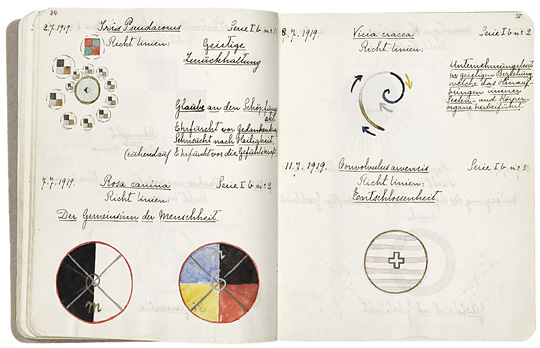
Hilma af Klint (Swedish, 1862-1944) 'From A Work on Flowers, Mosses and Lichen, July 2 1919' 1919


Hilma af Klint (Swedish, 1862-1944)
From A Work on Flowers, Mosses and Lichen, July 2 1919
1919
© Stiftelsen Hilma af Klints Verk
Photo: Moderna Museet, Albin Dahlström


Hilma af Klint (Swedish, 1862-1944) 'Evolution, No. 7, Group VI, The WUS/Seven-Pointed Star Series' 1908


Hilma af Klint (Swedish, 1862-1944)
Evolution, No. 7, Group VI, The WUS/Seven-Pointed Star Series
1908
© Stiftelsen Hilma af Klints Verk
Photo: Albin Dahlström/Moderna Museet


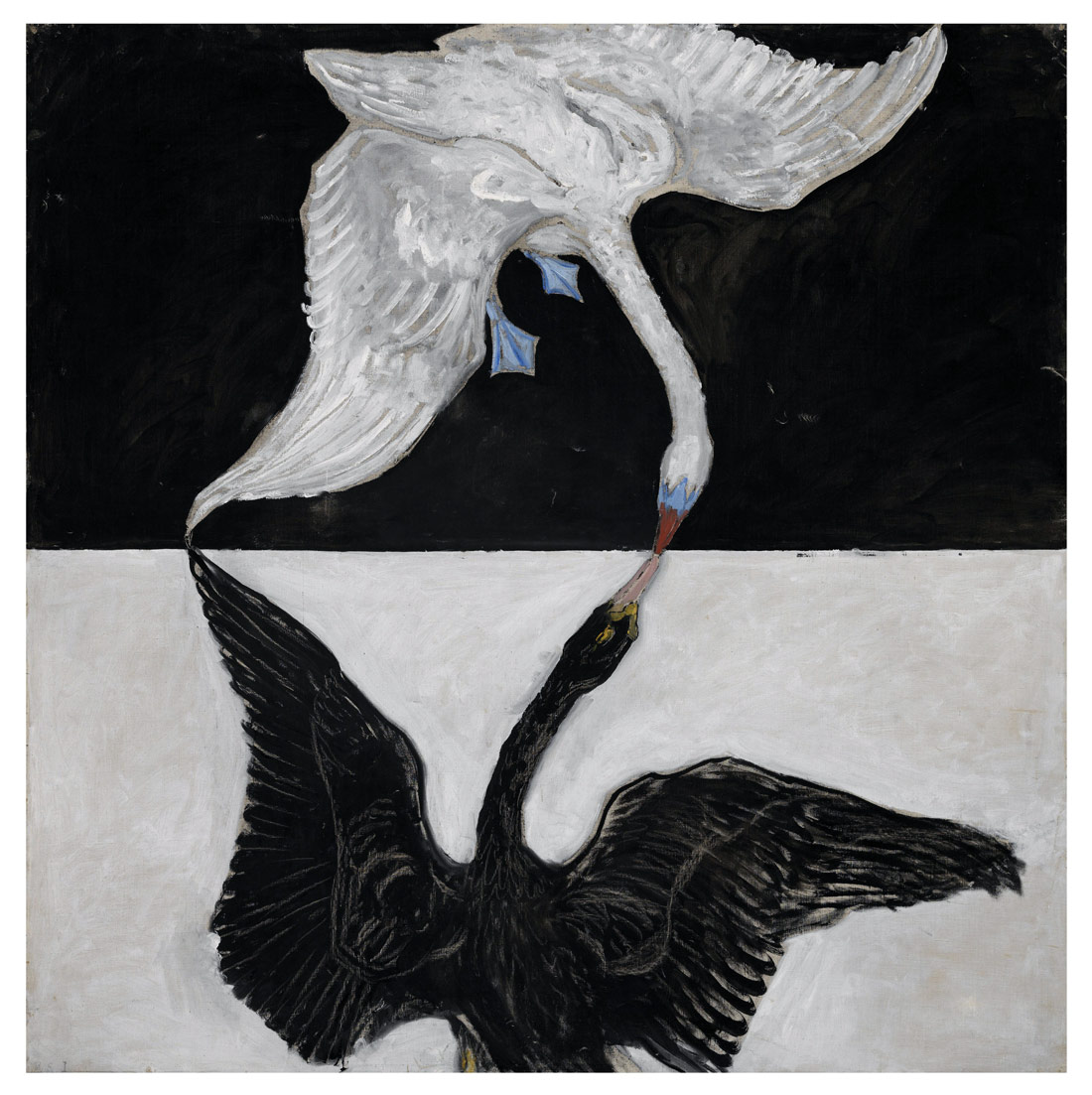
Hilma af Klint (Swedish, 1862-1944) 'The Swan, No. 17, Group IX/SUW, The SUW/UW Series' 1915


Hilma af Klint (Swedish, 1862-1944)
The Swan, No. 17, Group IX/SUW, The SUW/UW Series
1915
© Courtesy Stiftelsen Hilma af Klints Verk
Photo: Albin Dahlström/Moderna Museet


Hilma af Klint (Swedish, 1862-1944) 'The Swan, No. 1, Group IX/SUW, The SUW/UW Series' 1915


Hilma af Klint (Swedish, 1862-1944)
The Swan, No. 1, Group IX/SUW, The SUW/UW Series
1915
© Stiftelsen Hilma af Klints Verk
Photo: Moderna Museet, Albin Dahlström


Hilma af Klint (Swedish, 1862-1944) 'The Swan' 1914


Hilma af Klint (Swedish, 1862-1944)
The Swan
1914


Symbols

Hilma af Klint’s imagery is full of symbols, letters and words. Symbols are like doors into another dimension. For Hilma af Klint, her entire work was about conveying the messages she received, and to shed light on the great existential issues.

It would be pointless to translate the symbols and letters in Hilma af Klint’s works into definite, unambiguous terms. They must always be seen in relation to the entire context. In her notebook Symboler, Bokstäver och Ord tillhörande Hilma af Klints målningar [Notes on Letters and Words pertaining to Works by Hilma af Klint] she attempts to clarify the complex meanings of the various signs. Here are a few general explanations:

The snail or spiral represents development or evolution. The eyelet and the hook, blue and yellow, and the lily and the rose represent femininity and masculinity respectively. W stands for matter, while U stands for spirit. The almond shape arising when two circles overlap is called the vesica piscis and is an ancient symbol for the development towards unity and completion. The swan represents the ethereal in many mythologies and religions and stands for completion in the alchemical tradition. In Christianity, the dove represents the holy spirit and love.

Terminology

Esoteric and occult denote “the science of the hidden dimensions”. Western esotericism is a mixture of Neoplatonism, Hermeticism, Jewish kabbalah and the three occult “sciences” of astrology, magic and alchemy.

Spiritualism shares the conviction that it is possible to make contact with the spirits of the deceased. Modern spiritism was spread thanks to the Fox sisters in the USA in 1848.

Theosophy is a general doctrine incorporating inspiration from various religions and spiritism. The religions are regarded as different expressions of one fundamental truth. Theosophy teaches that the origin of everything, divinity, is inherent in every being. The Theosophical Society was founded in New York in 1875 by Helena Blavatsky and others. There is also an older form of theosophy that is significantly different to the newer version.

Anthroposophy is a life philosophy that originated in theosophy. Rudolf Steiner, who was the leader of the German branch of the Theosophical Society, left theosophy in 1913 to set up the anthroposophical movement. The two philosophies have a great deal in common, but anthroposophy in general has a stronger Christian element.

According to legend, the Rosicrucians were an esoteric society in Germany who engaged in alchemy in the early 17th century. Today, there are many secret orders that claim to uphold the Rosicrucian traditions.


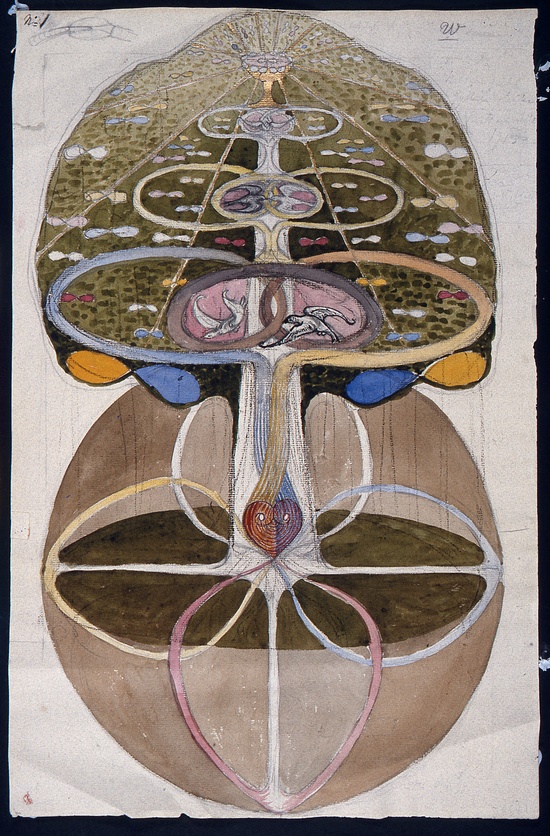
Hilma af Klint (Swedish, 1862-1944) 'Tree of Knowledge' 1913


Hilma af Klint (Swedish, 1862-1944)
Tree of Knowledge
1913


Hilma af Klint (Swedish, 1862-1944) 'Primordial Chaos, No. 16, Group I, The WU/Rose Series' 1906-1907


Hilma af Klint (Swedish, 1862-1944)
Primordial Chaos, No. 16, Group I, The WU/Rose Series
1906-1907
© Courtesy Stiftelsen Hilma af Klints Verk
Photo: Albin Dahlström/Moderna Museet


Hilma af Klint (Swedish, 1862-1944) 'The Large Figure Paintings, No. 5, Group III, The Key to All Works to Date, The WU/Rose Series' 1907


Hilma af Klint (Swedish, 1862-1944)
The Large Figure Paintings, No. 5, Group III, The Key to All Works to Date, The WU/Rose Series
1907
© Stiftelsen Hilma af Klints Verk
Photo: Moderna Museet, Albin Dahlström


Hilma af Klint (Swedish, 1862-1944) 'The Ten Largest, No. 3, Youth, Group IV' 1907


Hilma af Klint (Swedish, 1862-1944)
The Ten Largest, No. 3, Youth, Group IV
1907
© Courtesy Stiftelsen Hilma af Klints Verk
Photo: Albin Dahlström/Moderna Museet


Hilma af Klint (Swedish, 1862-1944) 'The Ten Largest, No. 1' 1907


Hilma af Klint (Swedish, 1862-1944)
The Ten Largest, No. 1
1907


Hilma af Klint (Swedish, 1862-1944) 'The Dove, No. 3, Group IX/ UW, The SUW/UW Series' 1915


Hilma af Klint (Swedish, 1862-1944)
The Dove, No. 3, Group IX/ UW, The SUW/UW Series
1915
© Stiftelsen Hilma af Klints Verk
Photo: Moderna Museet, Albin Dahlström


Hilma af Klint (Swedish, 1862-1944) 'Altarpiece, No. 1, Group X, Altarpiece Series' 1915


Hilma af Klint (Swedish, 1862-1944)
Altarpiece, No. 1, Group X, Altarpiece Series
1915
© Stiftelsen Hilma af Klints Verk
Photo: Albin Dahlström/Moderna Museet


Moderna Museet, Stockholm

Moderna Museet is ten minutes away from Kungsträdgården, and twenty minutes from T-Centralen or Gamla Stan. Walk past Grand Hotel and Nationalmuseum on Blasieholmen, opposite the Royal Palace. After crossing the bridge to Skeppsholmen, continue up the hill. The entrance to Moderna Museet and Arkitekturmuseet is on the left-hand side.

Opening hours:
Tuesday – Sunday 10 – 18
Monday closed

Moderna Museet website

LIKE ART BLART ON FACEBOOK

Back to top

Exhibition: ‘Edith Tudor-Hart: In the Shadow of Tyranny’ at the Scottish National Portrait Gallery, Edinburgh

Exhibition dates: 2nd March – 26th May, 2013

Curator: Duncan Forbes


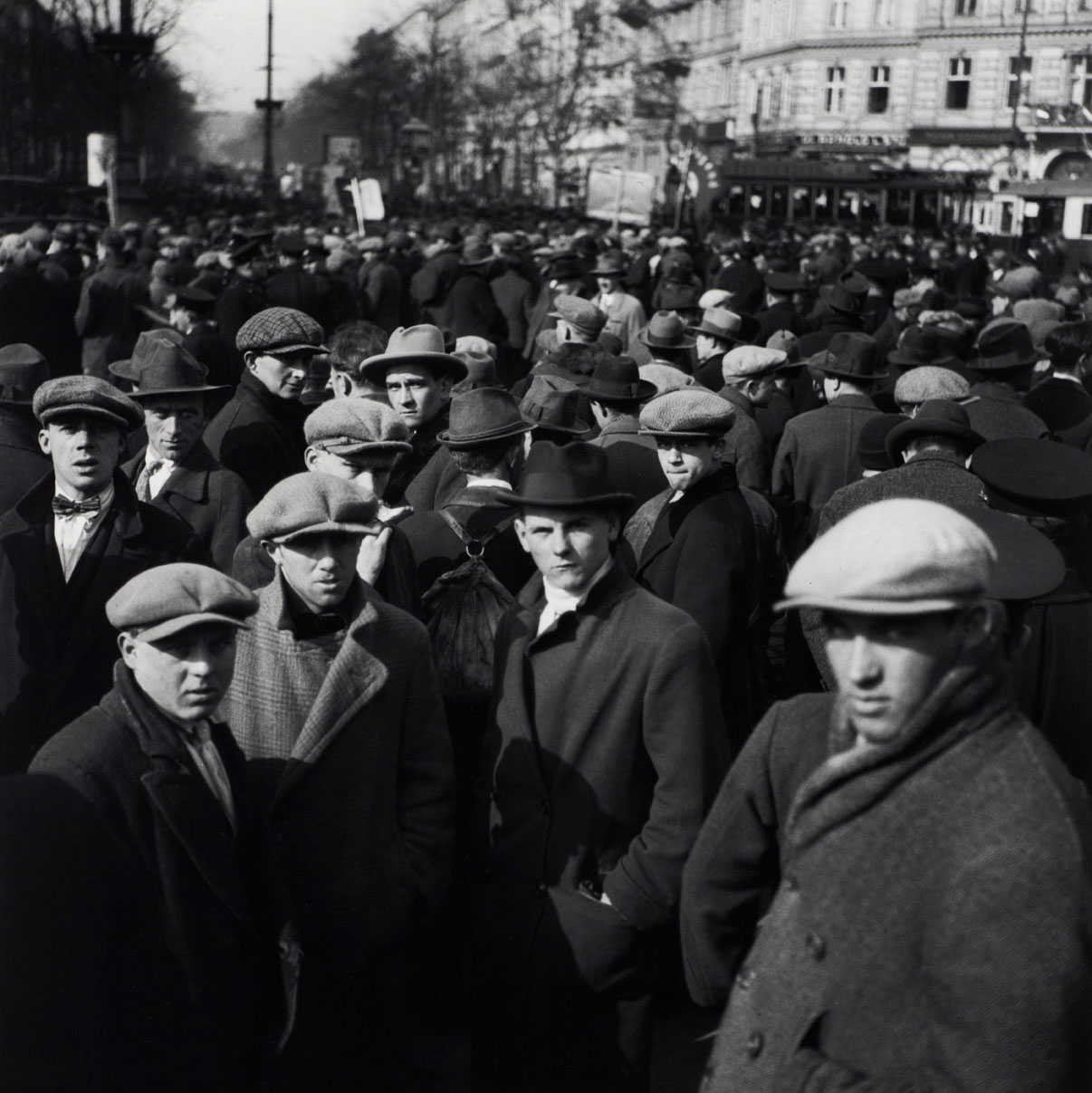
Edith Tudor-Hart (Austrian-British, 1908-1973) 'Untitled (Unemployed Workers' Demonstration, Vienna)' 1932 from the exhibition 'Edith Tudor-Hart: In the Shadow of Tyranny' at the Scottish National Portrait Gallery, Edinburgh, March - May, 2013


Edith Tudor-Hart (Austrian-British, 1908-1973)
Untitled (Unemployed Workers’ Demonstration, Vienna)
1932
Modern silver gelatine print from archival negative
30.3 x 30cm
Scottish National Portrait Gallery: Archive presented by Wolfgang Suschitzky 2004
© The Estate of Edith Tudor-Hart


Another photographer unknown to me, who “attempted to use the camera as a political weapon, aligning her practice with the wider worker photography movement” and produced “images that show a sophisticated realism, marked by their directness and capacity to communicate issues of inequality and deprivation.” In other words she was using photography to fight the good fight, producing photographs that interrogate issues of poverty, unemployment and slum housing.

But there is more to Tudor-Hart’s photographs than just social realism otherwise they would not hold us.

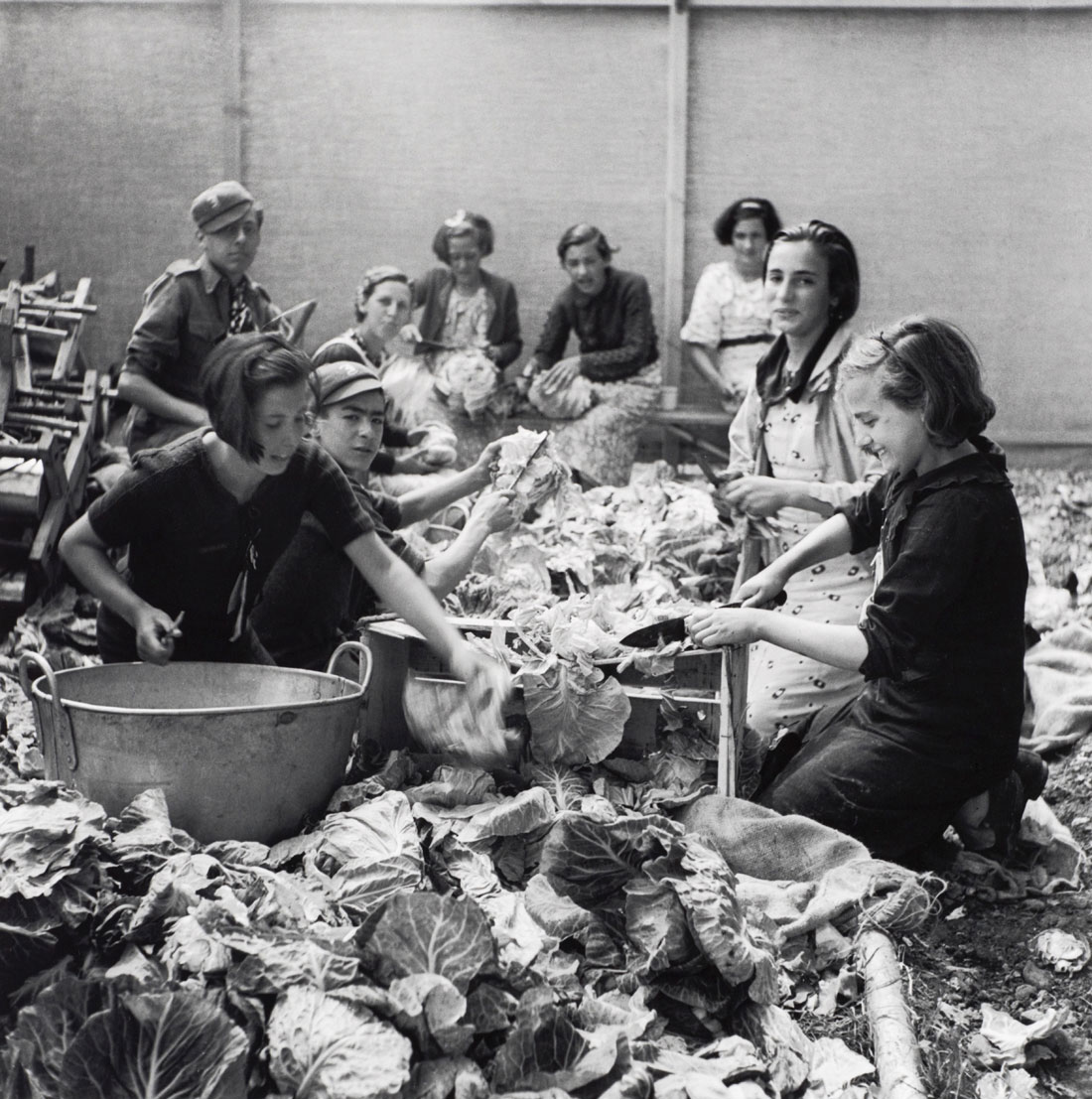
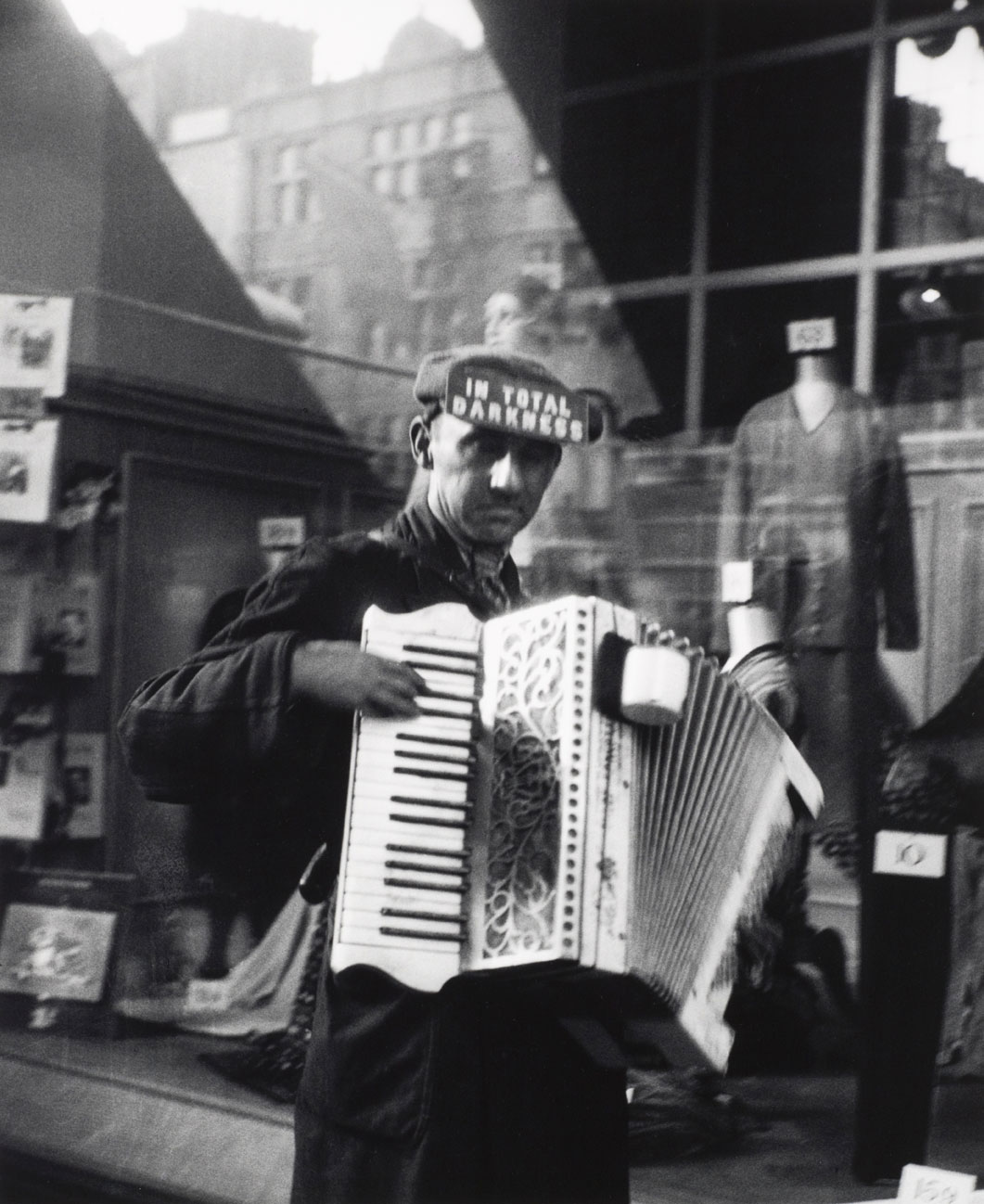
Beyond a perceptive understanding of light and the formal elements of the picture plane there is that ineffable something that a good photographer always has – the ability to transcend the scene, to capture the chance encounter – be it the look on a woman’s face, the ensemble of children preparing vegetables or the untitled man ‘In Total Darkness’ (with traces of Eugene Atget).

The aesthetic of engagement, the ability of her photographs to speak directly to the viewer in a vital, dynamic way, also speaks to the life of the photographer: studied at the Bauhaus, a secret agent for the Communist party in England, and an antique dealer in Brighton.

I would have liked to have met this artist.

Dr Marcus Bunyan


Many thankx to the Scottish National Portrait Gallery for allowing me to publish the photographs in the posting. Please click on the photographs for a larger version of the image.


Edith Tudor-Hart (Austrian-British, 1908-1973) 'Demonstration, South Wales' 1935


Edith Tudor-Hart (Austrian-British, 1908-1973)
Demonstration, South Wales
1935
Printed 2004 from original negatives held in the Edith Tudor Hart Archive
Gelatin silver print
Framed: 50.80 x 40.64cm
© The Estate of Edith Tudor-Hart


Edith Tudor Hart was in South Wales in the 1930s following her husband’s appointment as a GP there. As communists they would have sympathised with the economic hardship of the miners in the Rhondda valley. During the industrial depression following the First World War, unemployment figures in the area soared. With the help of other unions, the National Unemployed Workers’ Movement (NUWM) organised Hunger Marches, which demanded more fair unemployment legislation. This photograph was taken during one such demonstration, with the photographer perched on a post opposite the crowd of men.

Text from the National Galleries of Scotland website


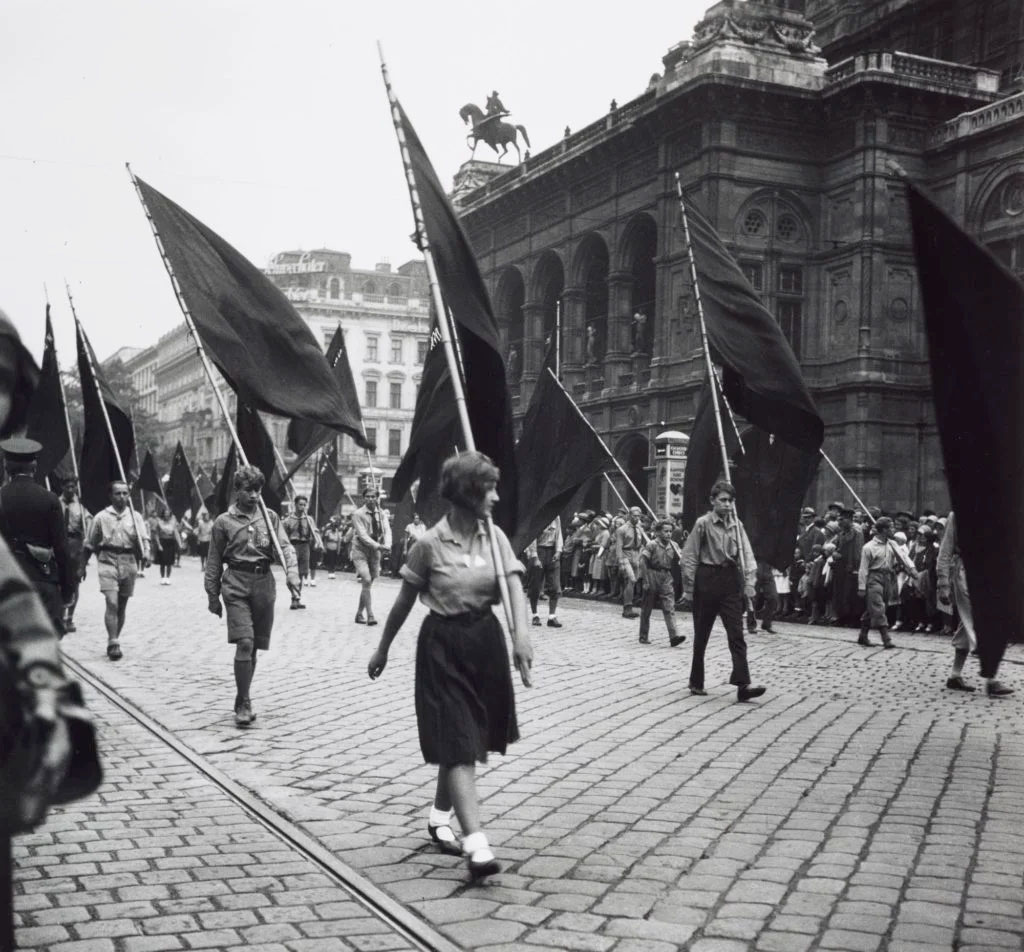
Edith Tudor-Hart (Austrian-British, 1908-1973) 'Members of the Social-Democratic Youth Movement Marching Past the Opera House, Opernring, Vienna' c. 1928


Edith Tudor-Hart (Austrian-British, 1908-1973)
Members of the Social-Democratic Youth Movement Marching Past the Opera House, Opernring, Vienna
c. 1928
Printed 2004 from original negatives held in the Edith Tudor Hart Archive
Gelatin silver print
28 x 30cm
Scottish National Portrait Gallery
© Copyright held jointly by Peter Suschitzky, Julia Donat & Misha Donat


This is a very dynamic image showing members of the Social-Democratic Youth Movement marching in Vienna. In the wake of the First World War, the Austrian political parties had a youthful membership – it is estimated that up to sixty per cent of the Viennese Social Democrats were under forty years of age. The limits of teenagers’ political engagement was a particular source of controversy, with many arguing that the youth movement should be more educational than political. Memoirs of the period reveal that political identification was often fluid. A common joke amongst young activists was that you went to bed a Social Democrat and woke up a Communist!

Text from the National Galleries of Scotland website


Edith Tudor-Hart (Austrian-British, 1908-1973) 'Untitled (Man Selling Fruit, Vienna)' c. 1930


Edith Tudor-Hart (Austrian-British, 1908-1973)
Untitled (Man Selling Fruit, Vienna)
c. 1930
Modern silver gelatine print from archival negative
30.3 x 30.1cm
Scottish National Portrait Gallery: Archive presented by Wolfgang Suschitzky 2004
© The Estate of Edith Tudor-Hart


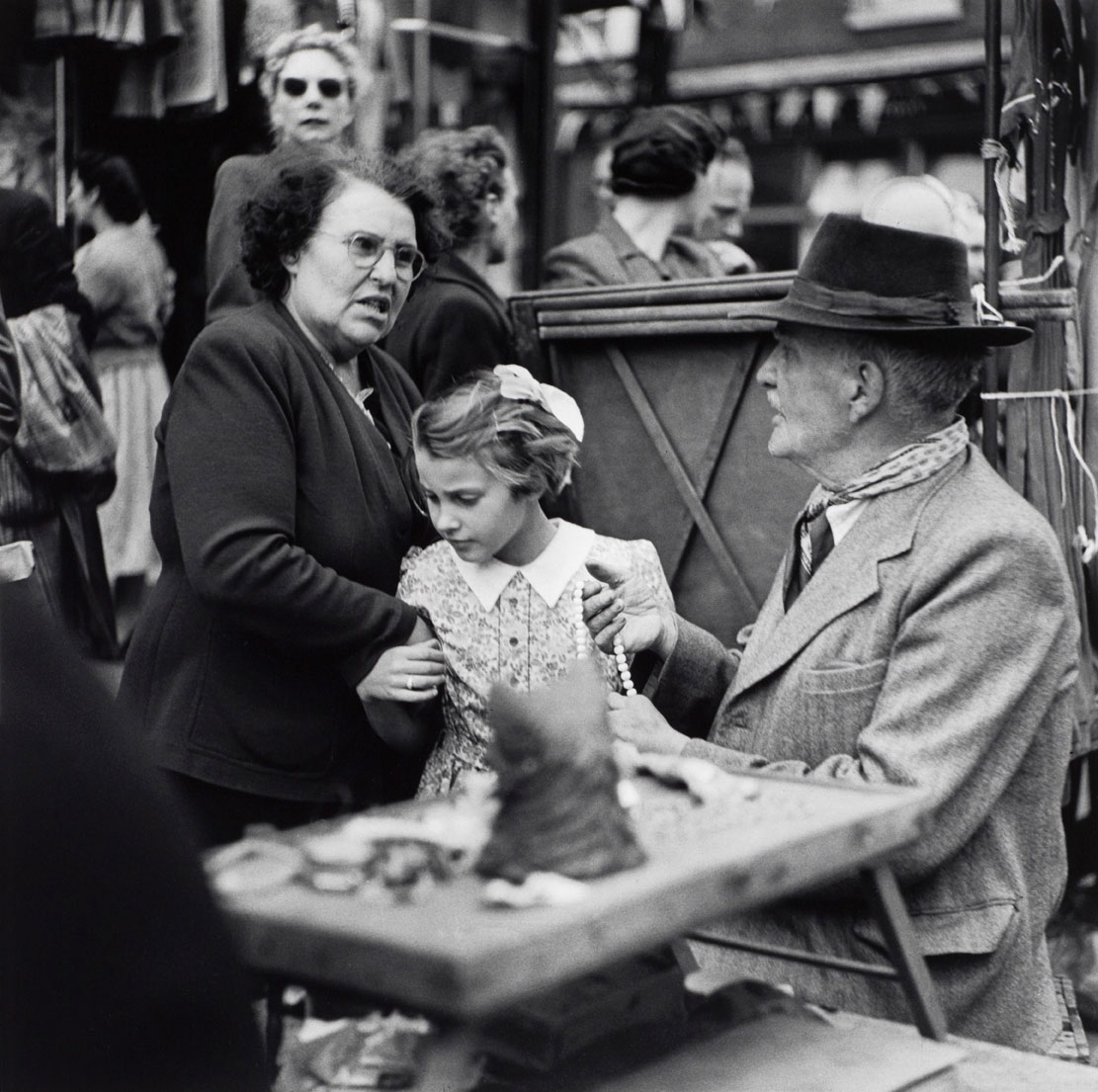
Edith Tudor-Hart (Austrian-British, 1908-1973) 'Untitled (Caledonian Market, London)' c. 1931


Edith Tudor-Hart (Austrian-British, 1908-1973)
Untitled (Caledonian Market, London)
c. 1931
Modern silver gelatine print from archival negative
27.7 x 27.5cm
Scottish National Portrait Gallery: Archive presented by Wolfgang Suschitzky 2004
© The Estate of Edith Tudor-Hart


Edith Tudor-Hart (Austrian-British, 1908-1973) 'Ferris Wheel, Vienna' c. 1931


Edith Tudor-Hart (Austrian-British, 1908-1973)
Ferris Wheel, Vienna
c. 1931
Printed 2004 from original negatives held in the Edith Tudor Hart Archive
Gelatin silver print
29.3 x 29.2cm
Scottish National Portrait Gallery: Archive presented by Wolfgang Suschitzky 2004
© The Estate of Edith Tudor-Hart


Before marrying Edith Tudor Hart had studied photography at the Bauhaus in Dessau. The concerns of this school are obvious in the geometries and startling perspective of this image. Note the exaggerated size of the steel supports of the wheel and the minute figures of the people standing on the ground. The photographer’s eagerness to document the dynamism of urban life suggests she was aware of developments in Soviet avant-garde photography.

Text from the National Galleries of Scotland website


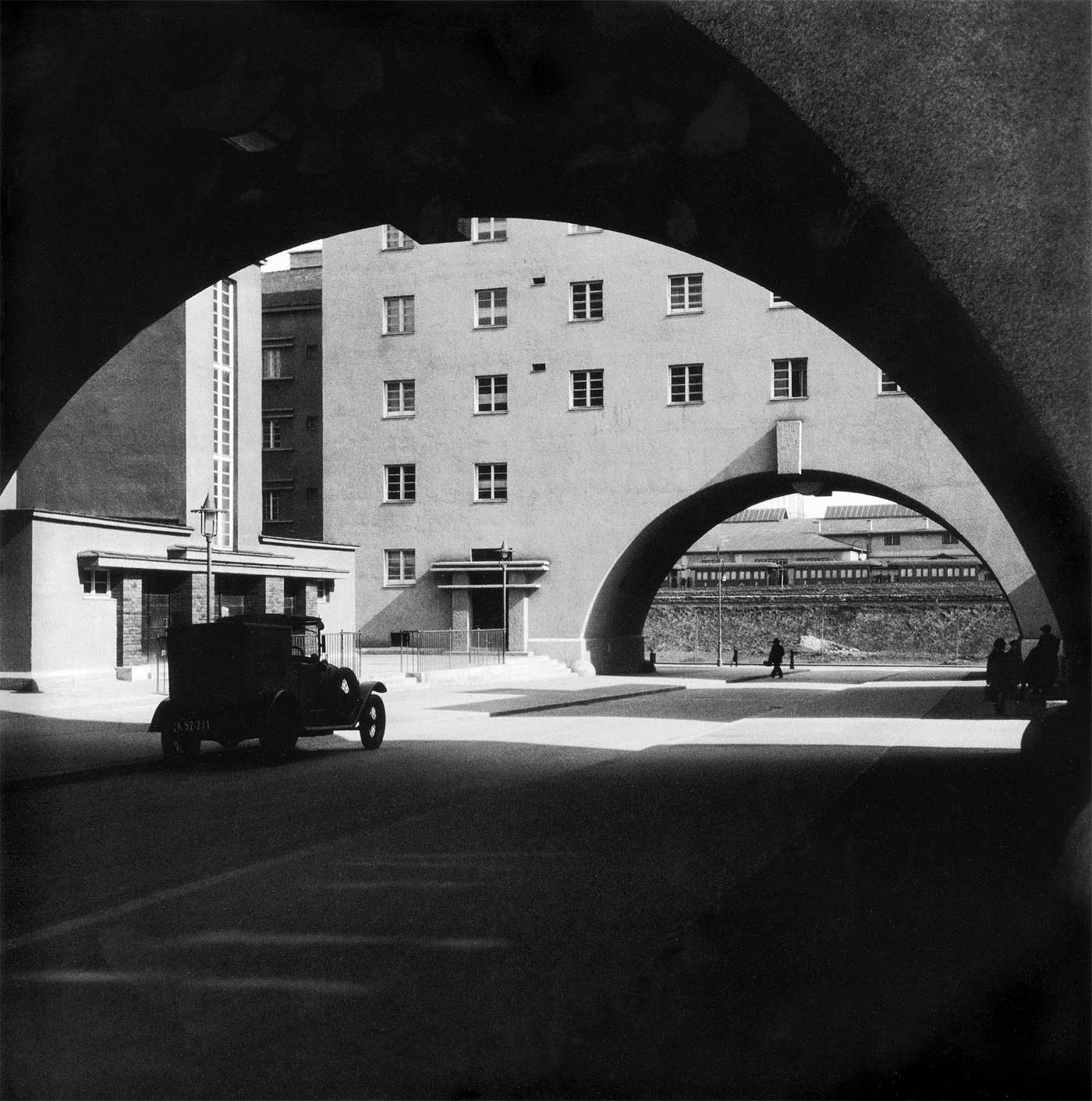
Edith Tudor-Hart (Austrian-British, 1908-1973) 'Karl-Marx-Hof, Vienna' c. 1932


Edith Tudor-Hart (Austrian-British, 1908-1973)
Karl-Marx-Hof, Vienna
c. 1932
Printed 2004 from original negatives held in the Edith Tudor Hart Archive
Gelatin silver print
30.2 x 30cm
Scottish National Portrait Gallery
© Copyright held jointly by Peter Suschitzky, Julia Donat & Misha Donat


The Karl-Marx-Hof was a fortress-like housing estate built by the Social Democrats between 1927 and 1930. A kilometre in length, its huge walls contained nearly 1400 apartments for Viennese workers. In her photograph of the building Tudor-Hart summons both its strength and sense of modernity. However, the permanence evoked by the architecture soon proved to be more apparent than real. In February 1934, during the short-lived Austrian civil war, the building was shelled by Austro-fascist forces. Out-gunned, and concerned about women and children still in their homes, the Karl-Marx-Hof’s defenders surrendered. The first mass movement against European fascism was easily defeated and the Austrian Social Democrats were driven into illegality and exile.

Text from the National Galleries of Scotland website


Edith Tudor-Hart (Austrian-British, 1908-1973) 'Family Group, Stepney, London' c. 1932


Edith Tudor-Hart (Austrian-British, 1908-1973)
Family Group, Stepney, London
c. 1932
Printed 2004 from original negatives held in the Edith Tudor Hart Archive
Gelatin silver print
Scottish National Portrait Gallery
© Copyright held jointly by Peter Suschitzky, Julia Donat & Misha Donat


Tudor-Hart worked extensively amongst working-class communities in East and North London, photographing children on the streets and families in their homes. She was part of a larger movement on the left concerned about the effect of widespread slum housing. However, Tudor-Hart’s imagery is rarely merely propaganda and her ability to connect with those she photographs – often women and children – is evident. This complex photograph explores the photographer’s relationship to her subjects. Shot deliberately through the window it emphasises her voyeurism, thus limiting the sentimental impact of the image.

Text from the National Galleries of Scotland website


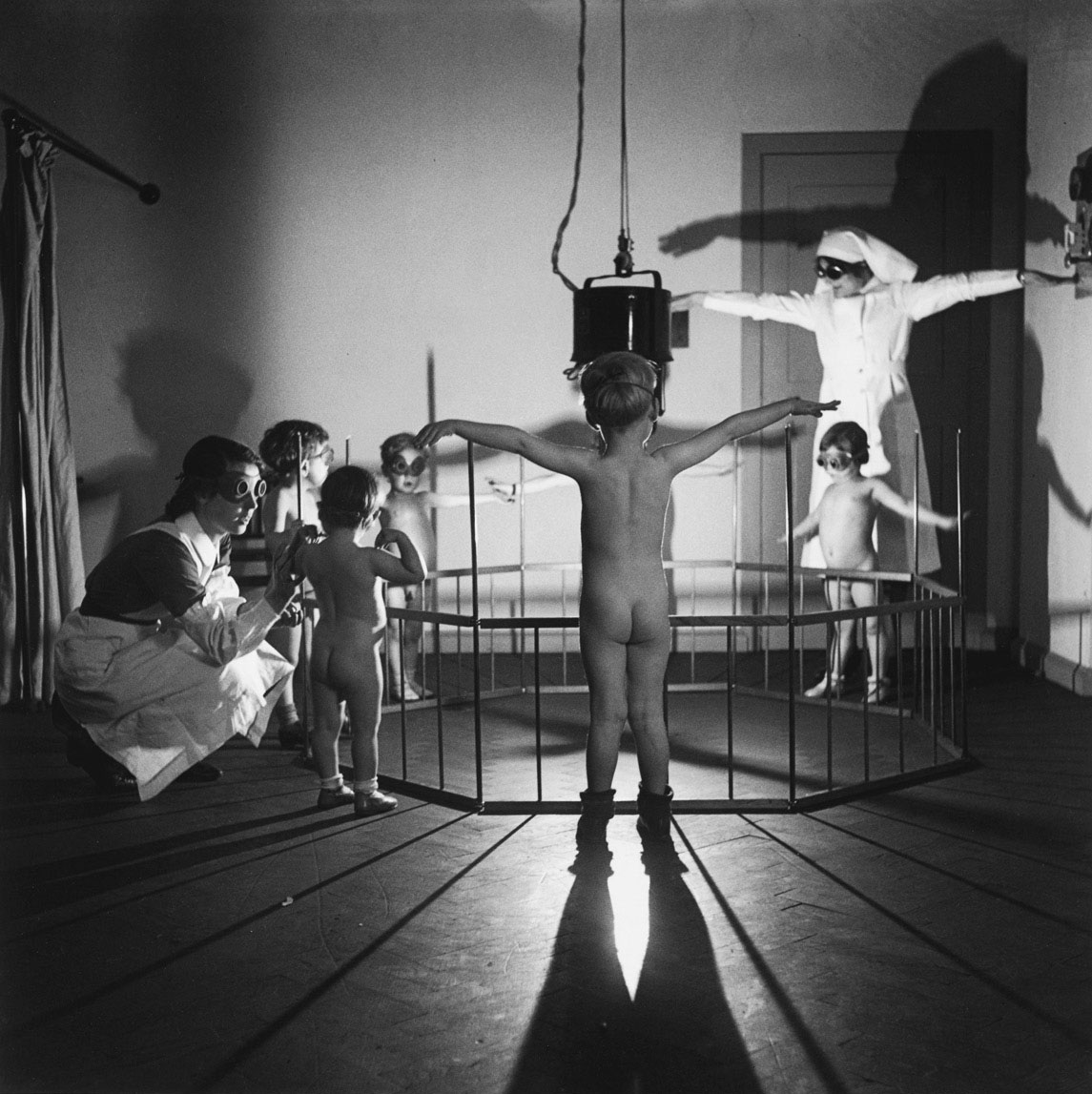
Edith Tudor-Hart (Austrian-British, 1908-1973) 'Untitled (Ultraviolet Light Treatment, South London Hospital for Women and Children)' c. 1935


Edith Tudor-Hart (Austrian-British, 1908-1973)
Untitled (Ultraviolet Light Treatment, South London Hospital for Women and Children)
c. 1935
Modern silver gelatine print from archival negative
30.3 x 30cm
Scottish National Portrait Gallery: Archive presented by Wolfgang Suschitzky 2004


This photograph was taken for a booklet promoting the work of the South London Hospital for Women and Children, produced in collaboration with the German exile photographer, Grete Stern. It shows light treatment for children suffering from vitamin deficiencies, a standard cure at the time. The South London Hospital was founded in 1912 “to meet the growing demand of women for medical treatment by members of their own sex.” Tudor-Hart campaigned throughout her life for health reforms for women and children, part of a wider movement of women whose activity was vital to the formation of the National Health Service in 1948.

Text from the National Galleries of Scotland website


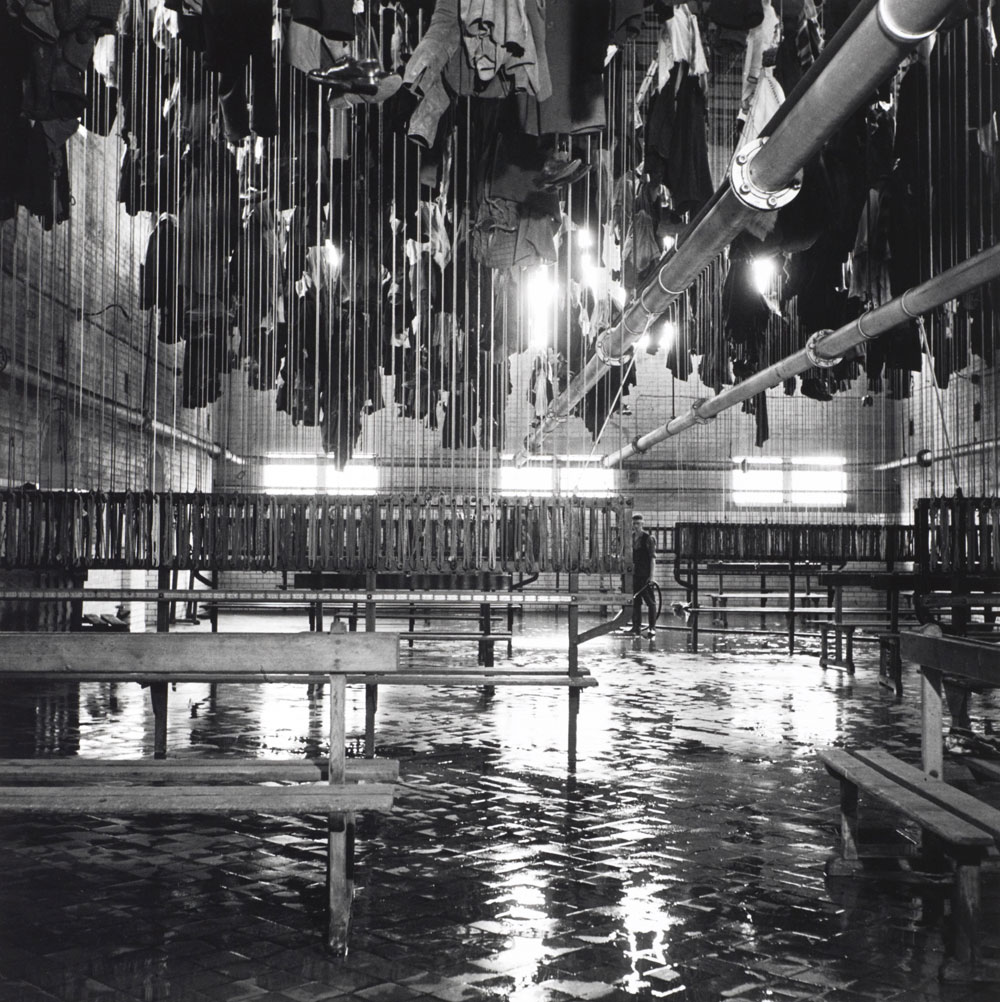
Edith Tudor-Hart (Austrian-British, 1908-1973) 'Untitled (Drying Room, Pit-head Baths, Ashington Colliery, Northumberland)' c. 1937


Edith Tudor-Hart (Austrian-British, 1908-1973)
Untitled (Drying Room, Pit-head Baths, Ashington Colliery, Northumberland)
c. 1937
Modern silver gelatine print from archival negative
30.3 x 30.1cm
Scottish National Portrait Gallery: Archive presented by Wolfgang Suschitzky 2004
© The Estate of Edith Tudor-Hart


The life and work of one of the most extraordinary photographers in Britain during the 1930s and 1940s is the subject of a major new exhibition at the Scottish National Portrait Gallery. Based on extensive new research, Edith Tudor-Hart: In the Shadow of Tyranny, is the first full presentation of the Austrian-born photographer’s work. The exhibition presents over 80 photographs, many of which have never been shown before, and includes film footage, Tudor-Hart’s scrapbook and a selection of her published stories in books and magazines.

During the 1930s, photography became implicated in the vital political and social questions of the era as never before. The enhanced technological capacities of the camera and faster printing processes offered left-wing political activists new techniques for popular mobilisation. The medium took on a sharper social purpose, breaking down the traditional divisions of culture through its quality of immediacy and capacity for self-representation.

Edith Tudor-Hart was a key exponent of this aesthetic of engagement, with images that show a sophisticated realism, marked by their directness and capacity to communicate issues of inequality and deprivation. In a turbulent decade, she attempted to use the camera as a political weapon, aligning her practice with the wider worker photography movement. Tudor-Hart’s photography dealt with many of the major social issues of the day, including poverty, unemployment and slum housing. Her imagery is a vital record of the politically-charged atmosphere of inter-war Vienna and Britain during the Great Slump of the 1930s. After 1945, Tudor-Hart concentrated on questions of child welfare, producing some of the most psychologically penetrating imagery of children of her era.

Tudor-Hart’s life story as a photographer is inextricably tied to the great political upheavals of the twentieth century. Born Edith Suschitzky in Vienna in 1908, she grew up in radical Jewish circles in a city ravaged by the impact of the First World War. Her childhood was dominated by social issues in a culture acutely aware of the impact of the Russian Revolution. After training as a Montessori teacher, she studied photography at the Bauhaus in Dessau and pursued a career as a photojournalist. However, her life was turned upside down in May 1933 when she was arrested whilst working as an agent for the Communist Party of Austria. She escaped long-term imprisonment by marrying an English doctor, Alexander Tudor-Hart, and was exiled to London shortly afterwards. Notoriously, Tudor-Hart continued to combine her practice as a photographer with low-level espionage for the Soviet Union and was pursued by the security services until her death in 1973.

Tudor-Hart’s photography introduced into Britain formal and narrative features that derived from her training on the Continent. Her method initiates a dialogue with those she photographs, very different from the more distancing imagery of the photojournalists. Along with thirty or so German-speaking exile photographers, many of Jewish origin, Tudor-Hart helped transform British photography. After the Second World War, rejected by Fleet Street and the British establishment, Tudor-Hart turned to documenting issues of child welfare. Her photographs were published in Picture Post and a range of other British magazines. By the late 1950s she had abandoned photography altogether.

Commenting on the exhibition, Director of the Scottish National Portrait Gallery, Christopher Baker, said, ‘We are really pleased to be staging this thrilling retrospective of Tudor-Hart’s photography. It combines stunning images with an intriguing life-story and illuminates a turbulent period in European history. Tudor-Hart was one of the great photographers of her era.’ Edith Tudor-Hart: In the Shadow of Tyranny is drawn largely from the photographer’s negative archive, which was donated to the National Galleries of Scotland by her family in 2004. The exhibition travels to the Wien Museum in September and will form the first complete presentation of her work in Austria.

Press release from the Scottish National Portrait Gallery


Edith Tudor-Hart (Austrian-British, 1908-1973) 'Untitled (Children Preparing Vegetables, North Stoneham Camp, Hampshire)' 1937


Edith Tudor-Hart (Austrian-British, 1908-1973)
Untitled (Children Preparing Vegetables, North Stoneham Camp, Hampshire)
1937
Modern silver gelatine print from archival negative
30.2 x 29.8cm
Scottish National Portrait Gallery: Archive presented by Wolfgang Suschitzky 2004
© The Estate of Edith Tudor-Hart


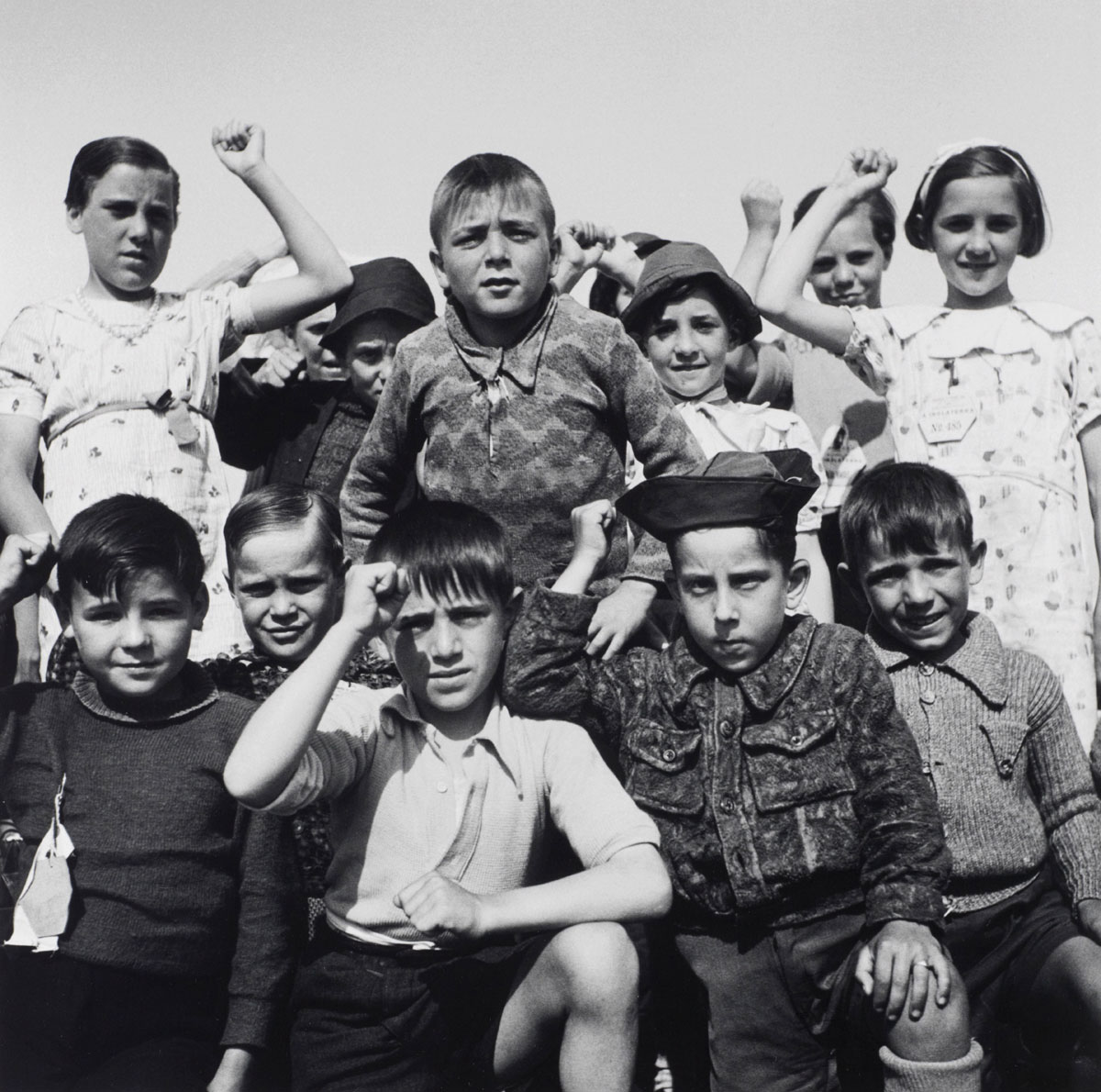
Edith Tudor-Hart (Austrian-British, 1908-1973) 'Untitled (Basque Refugee Children, North Stoneham Camp, Hampshire)' 1937


Edith Tudor-Hart (Austrian-British, 1908-1973)
Untitled (Basque Refugee Children, North Stoneham Camp, Hampshire)
1937
Modern silver gelatine print from archival negative
30.2 x 30cm
Scottish National Portrait Gallery: Archive presented by Wolfgang Suschitzky 2004
© The Estate of Edith Tudor-Hart


The children are giving the Spanish anti-fascist Republican salute.


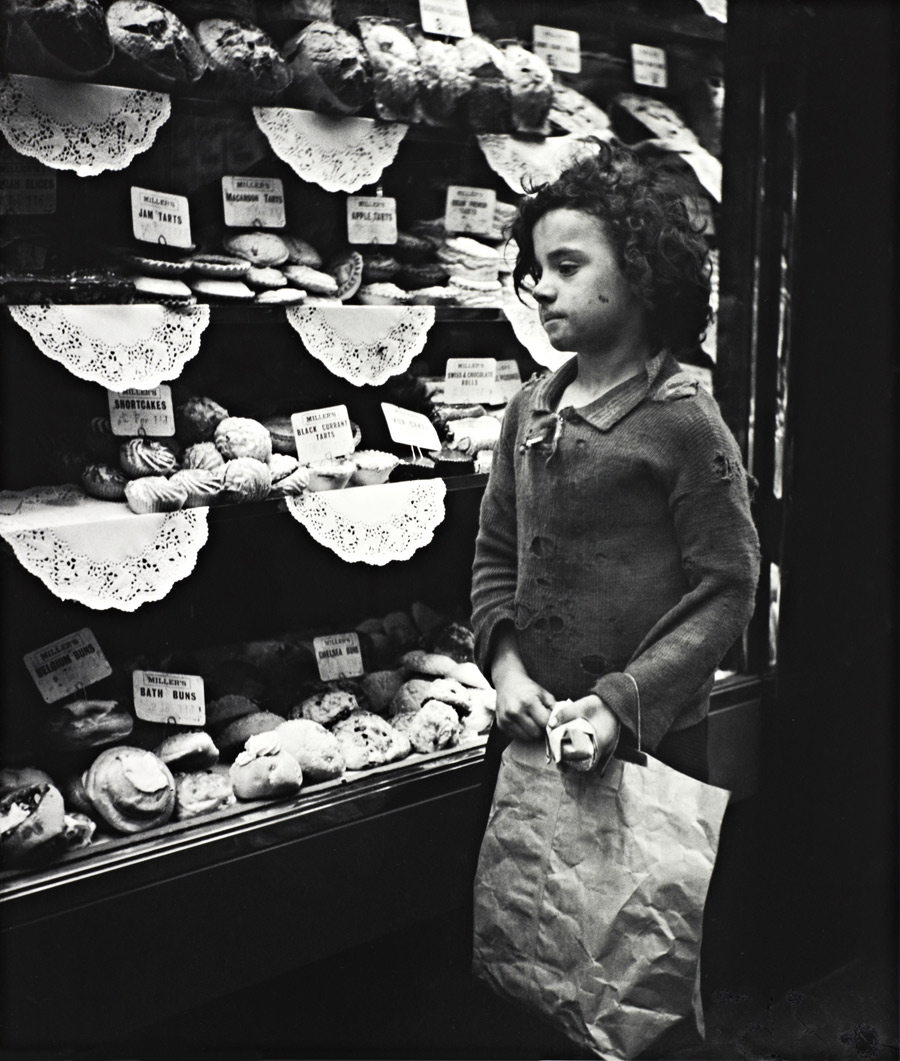
Edith Tudor-Hart (Austrian-British, 1908-1973) 'Untitled (Child Staring into Bakery Window)' c. 1935


Edith Tudor-Hart (Austrian-British, 1908-1973)
Untitled (Child Staring into Bakery Window)
c. 1935
Modern silver gelatine print from archival negative
35.30 x 30.00cm
Scottish National Portrait Gallery: Archive presented by Wolfgang Suschitzky 2004
© The Estate of Edith Tudor-Hart


Edith Tudor-Hart (Austrian-British, 1908-1973) 'Untitled (In Total Darkness, London)' c. 1935


Edith Tudor-Hart (Austrian-British, 1908-1973)
Untitled (In Total Darkness, London)
c. 1935
Modern silver gelatine print from archival negative
27.70 x 27.50cm
Scottish National Portrait Gallery: Archive presented by Wolfgang Suschitzky 2004
© The Estate of Edith Tudor-Hart


Scottish National Portrait Gallery
1 Queen Street, Edinburgh EH2 1JD
Phone: +44 131 624 6200

Opening hours:
Daily 10am – 5pm

Scottish National Portrait Gallery website

LIKE ART BLART ON FACEBOOK

Back to top

Exhibition: ‘Yang Fudong: “Estranged Paradise. Works 1993-2013″‘ at Kunsthalle Zürich

Exhibition dates: 6th April – 26th May 2013

Curator: Beatrix Ruf and Philippe Pirotte

PLEASE NOTE: THIS POSTING CONTAINS ART PHOTOGRAPHS OF FEMALE NUDITY – IF YOU DO NOT LIKE PLEASE DO NOT LOOK, FAIR WARNING HAS BEEN GIVEN


Many thankx to the Kunsthalle Zürich for allowing me to publish the photographs in the posting. Please click on the photographs for a larger version of the image.


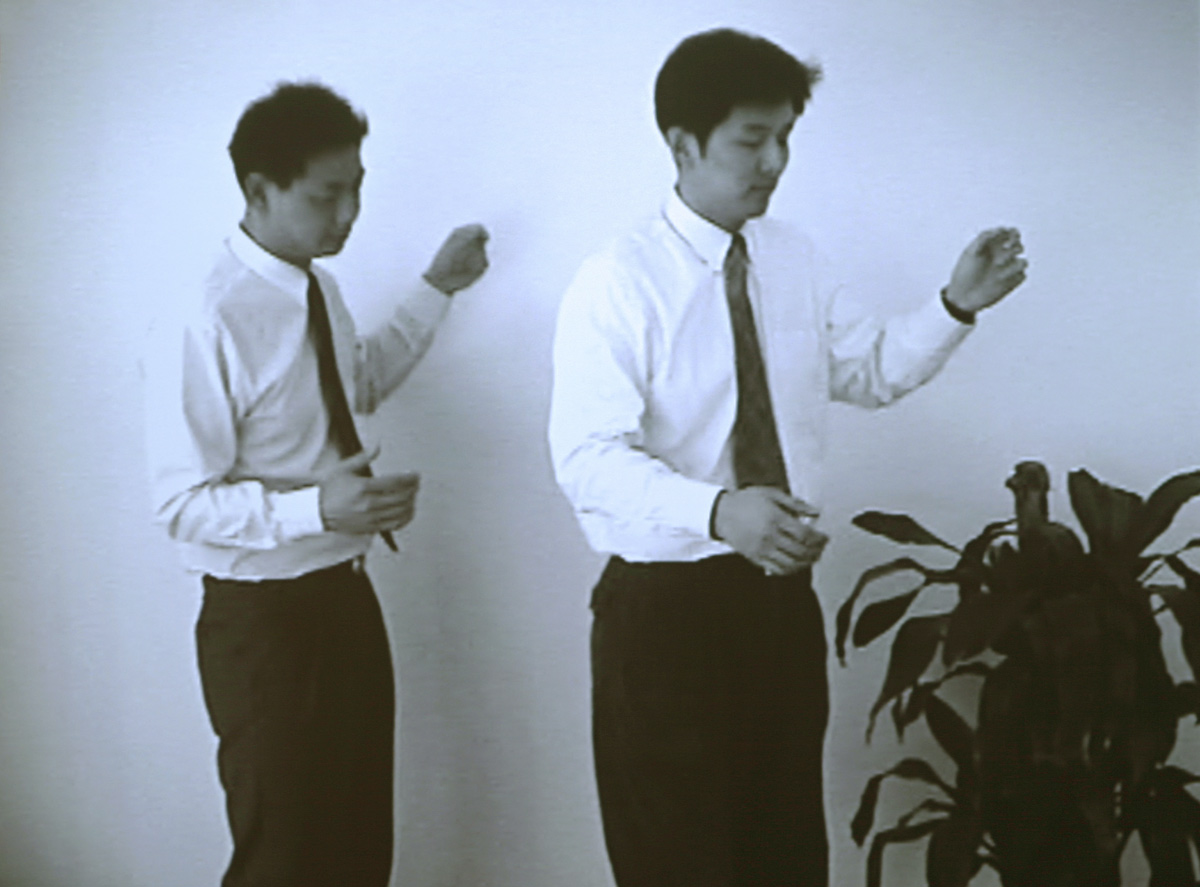
Yang Fudong. Close to the Sea & The Revival of the Snake – Pechino

Yang Fudong’s videos must number without doubt among the most talismanic works in the history of Chinese independent cinema. On Artribune Television, “Art inChina” presents “Close to the Sea & The Revival of the Snake”, Yang Fudong’s first one-man show in Beijing, featured at ShanghART Gallery & ARTMIA Gallery.


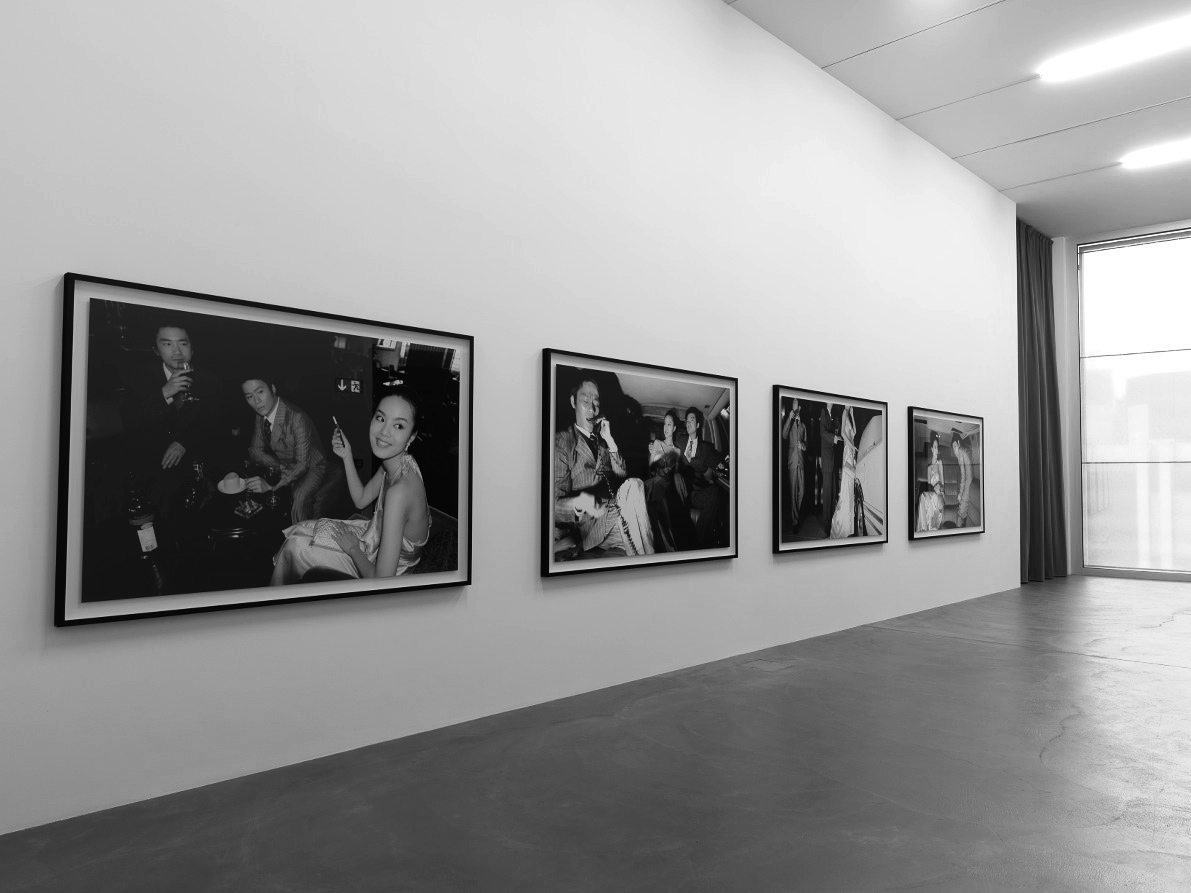
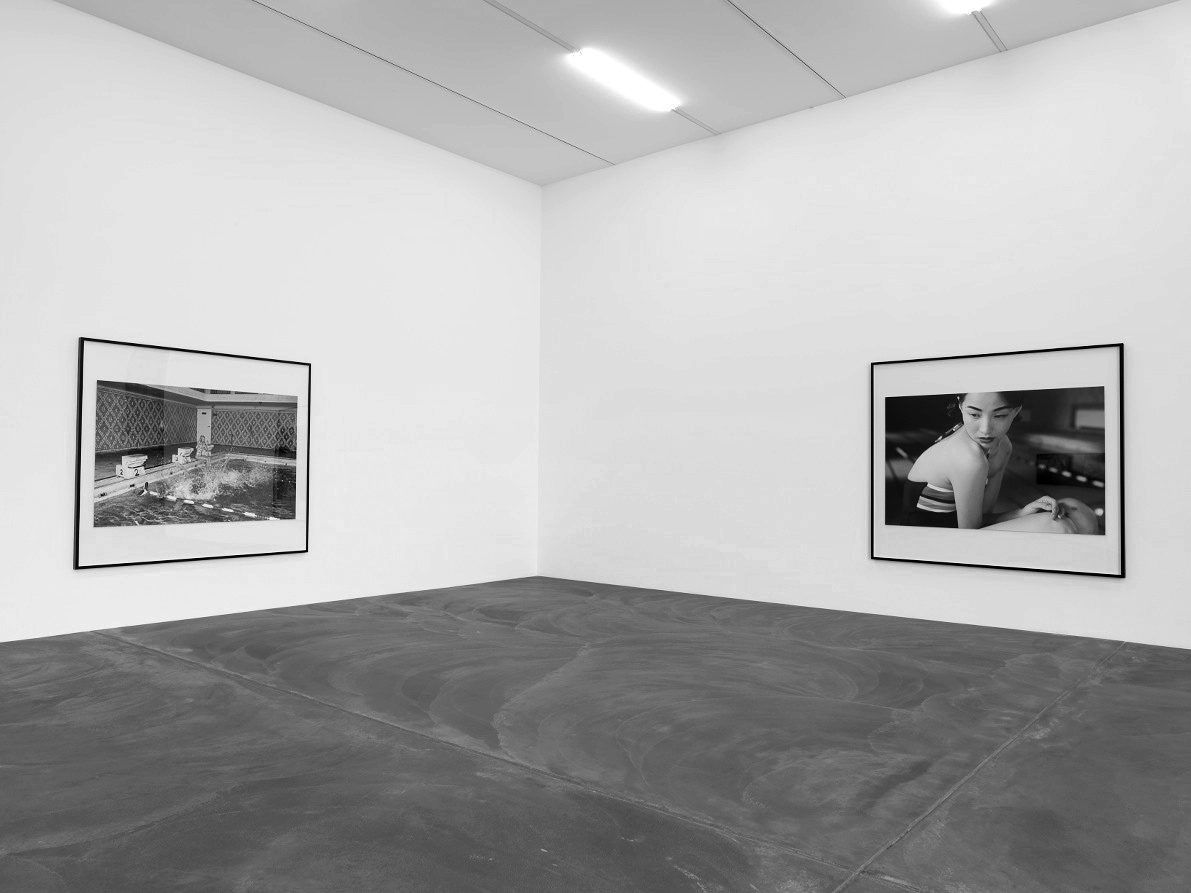
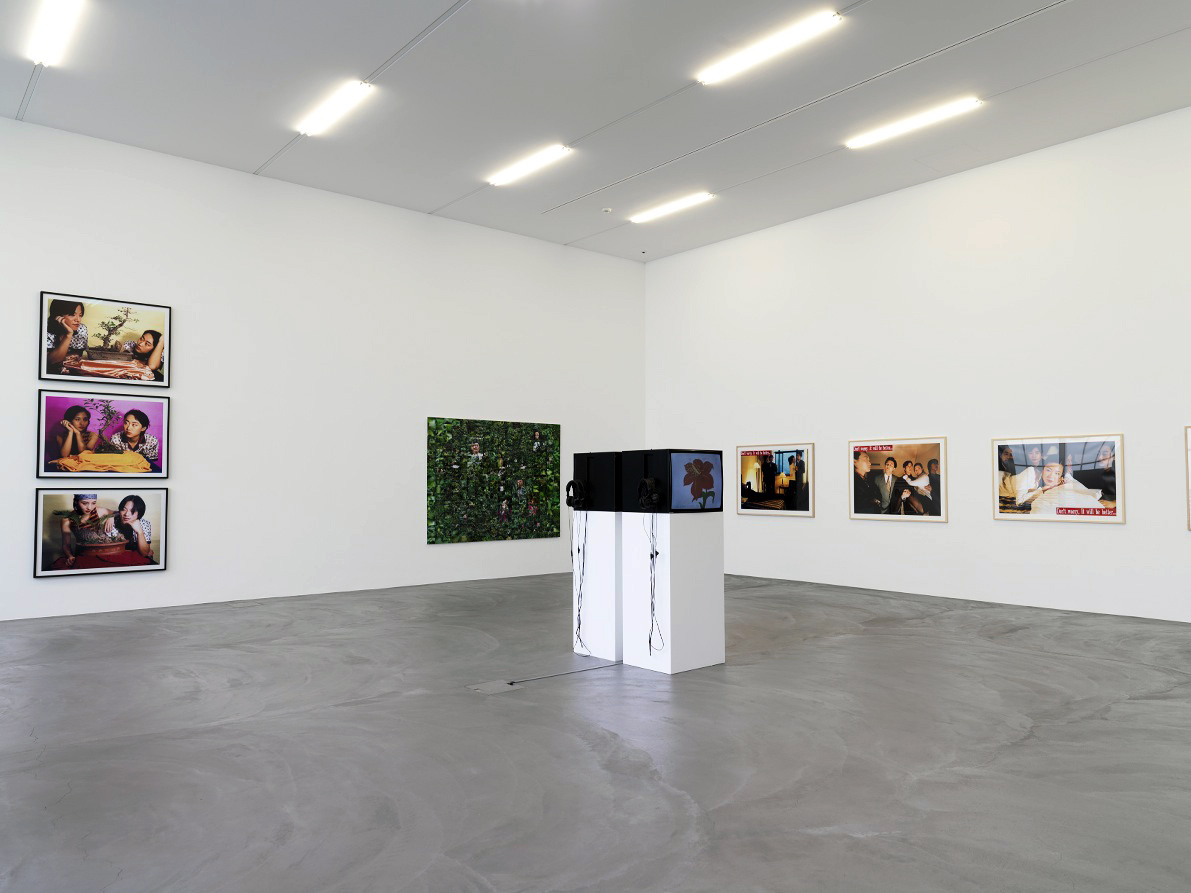
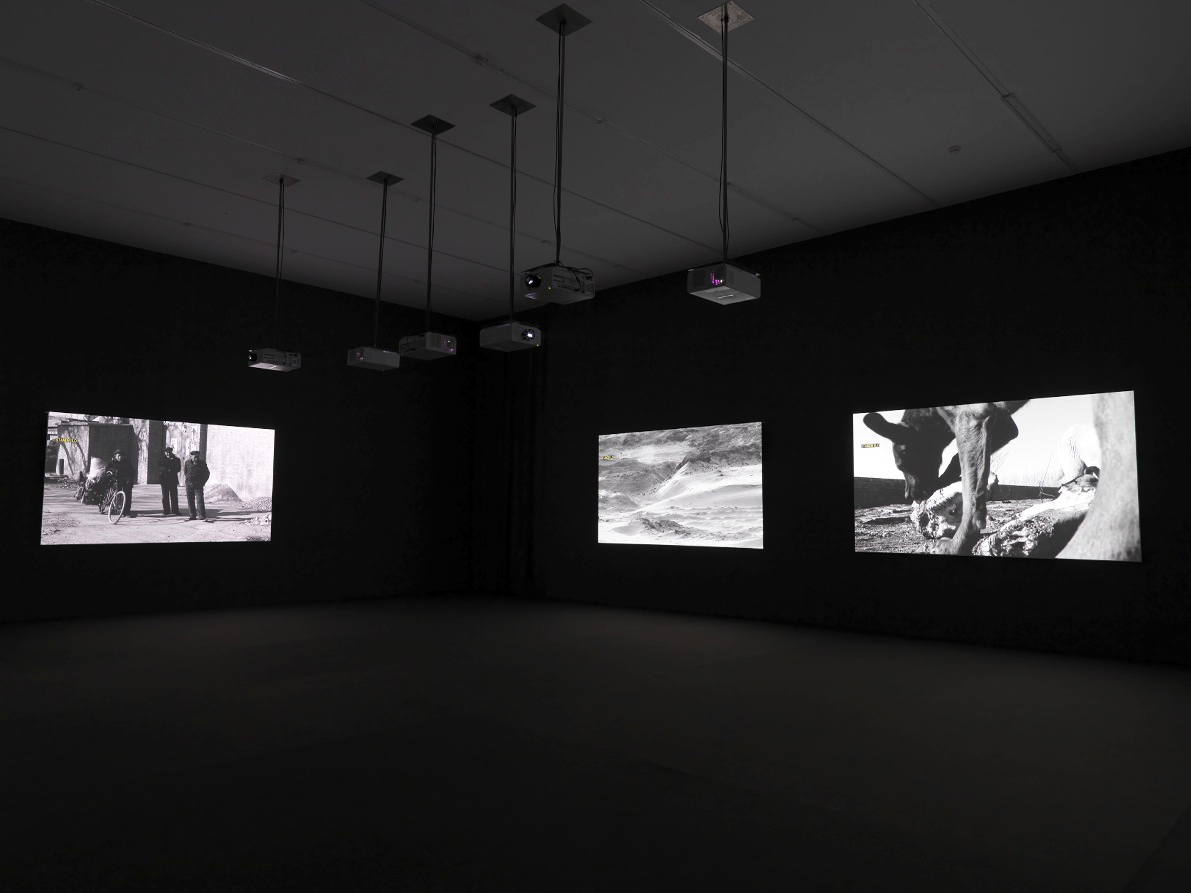
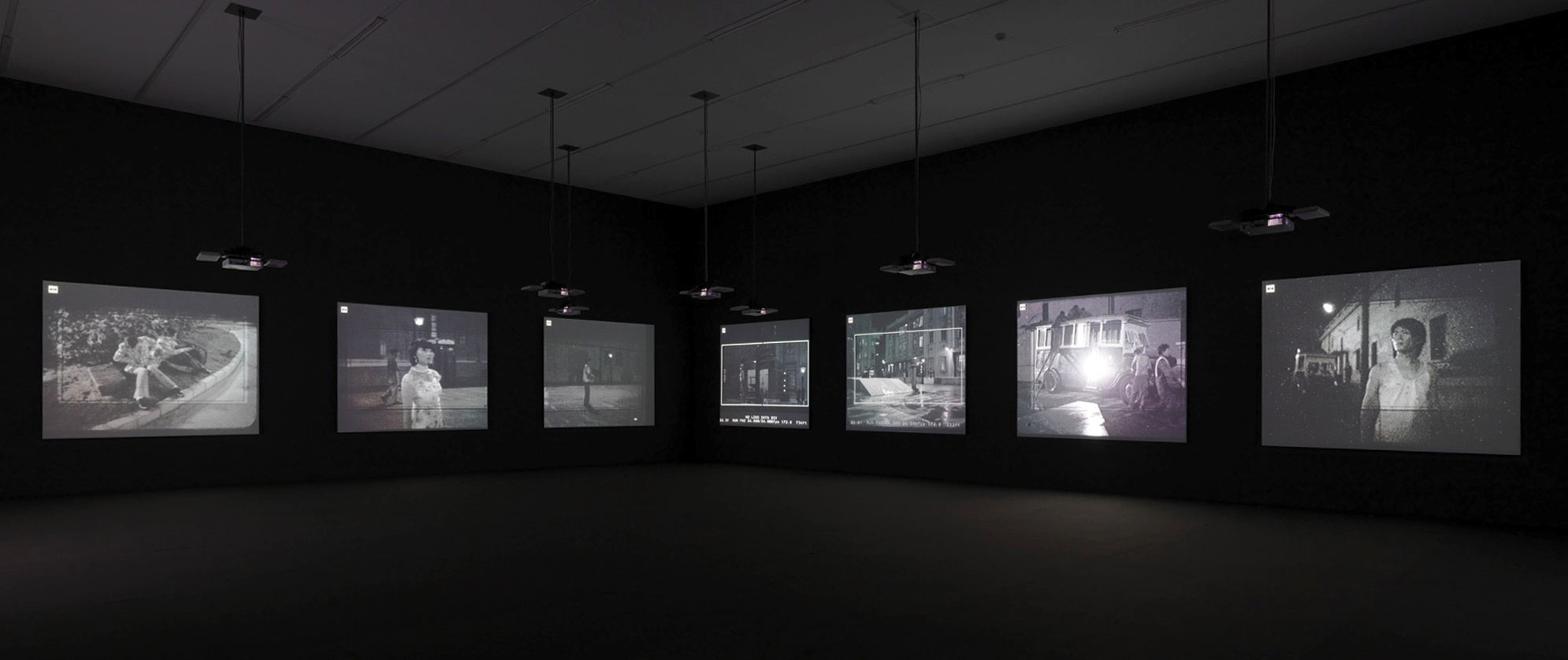
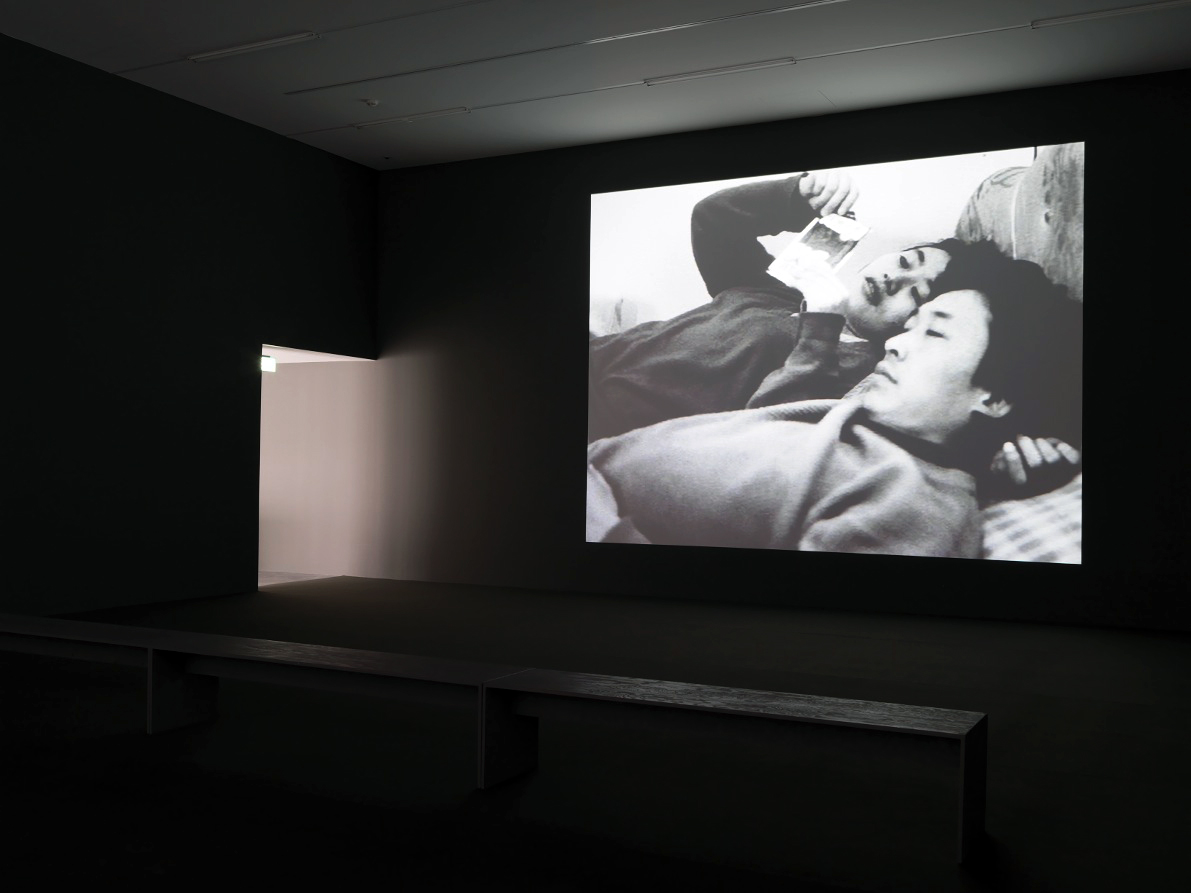
Installation view of 'Yang Fudong: "Estranged Paradise. Works 1993-2013",' at Kunsthalle Zürich, 2013

Installation view of 'Yang Fudong: "Estranged Paradise. Works 1993-2013",' at Kunsthalle Zürich, 2013

Installation view of 'Yang Fudong: "Estranged Paradise. Works 1993-2013",' at Kunsthalle Zürich, 2013

Installation view of 'Yang Fudong: "Estranged Paradise. Works 1993-2013",' at Kunsthalle Zürich, 2013

Installation view of 'Yang Fudong: "Estranged Paradise. Works 1993-2013",' at Kunsthalle Zürich, 2013

Installation view of 'Yang Fudong: "Estranged Paradise. Works 1993-2013",' at Kunsthalle Zürich, 2013


Installation views of Yang Fudong: “Estranged Paradise. Works 1993-2013”, Kunsthalle Zürich, 2013
© Stefan Altenburger Photography Zurich


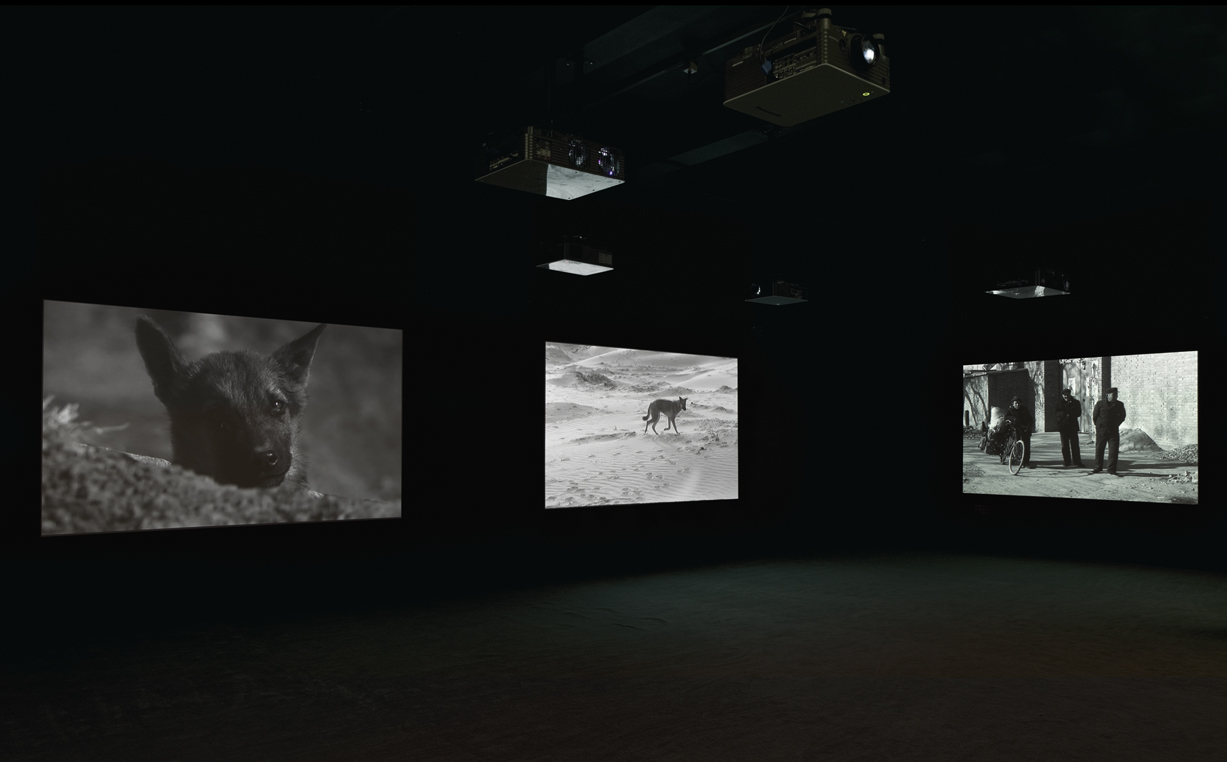
Yang Fudong (Chinese, b. 1971) 'East of Que Village' 2007 (installation view)


Yang Fudong (Chinese, b. 1971)
East of Que Village (installation view)
2007
Six channel video installation, b&w, with sound
20 minutes 50 seconds
Installation view Marian Goodman Gallery, New York, 2009
Courtesy of the artist; Marian Goodman Gallery, New York / Paris; ShanghART gallery, Shanghai


Yang Fudong (Chinese, b. 1971) 'East of Que Village' 2007 (still) from the exhibition 'Yang Fudong: "Estranged Paradise. Works 1993-2013"' at Kunsthalle Zürich, April - May, 2013


Yang Fudong (Chinese, b. 1971)
East of Que Village (still)
2007
Six channel video installation, b&w, with sound
20 minutes 50 seconds
Courtesy of the artist, Marian Goodman Gallery, New York / Paris, ShanghART gallery, Shanghai


Yang Fudong (born 1971 in Beijing, lives and works in Shanghai) is one of the most important figures of China’s contemporary art scene and independent cinema movement. His films and photographic work, often rooted in traditional Chinese painting, examine tensions between urban and rural, history and the present, worldliness and intellectualism. Their a-temporal and dreamlike quality, long and suspended sequences, dividing narratives, as well as multiple relationships and story lines reflect the conundrums of idealism and ideology of a new generation. At the same time, the works address the ideals and anxieties of young people who are struggling to find their place in the fast-paced changes of present-day China. Estranged Paradise. Works 1993-2013, curated by Beatrix Ruf and Philippe Pirotte, is Yang Fudong’s first major institutional survey exhibition in Europe, presenting film, installation as well as photography from the late 1990s until today, highlighting the formal aspects of the construction of cinema in the artist’s oeuvre and its resonance in Film Noir aesthetics. Following the exhibition in Zurich, the show will travel to the UC Berkeley Art Museum and Pacific Film Archive (21 August – 1 December 2013).

Yang came to the attention of the Western art world in 2002, when he premiered his film An Estranged Paradise (1997-2002) at Documenta XI. Beginning with a meditation on the composition of space in Chinese painting, the film traces the spiritual instability of Zhuzi, a young intellectual in the legendary city of Hangzhou. The film reflects the artist’s fascination with international cinema, referencing such works as Jim Jarmusch’s Stranger Than Paradise (1984) and Jean-Luc Godard’s À bout de souffle (1960), as well as Shanghai films from the 1920s and 1930s, a place and time in which China was strongly influenced by the West. Using camera, lighting and cinematic space to outline the landscape of Chinese modernity, Yang reveals his love of black and white cinematography. Likewise, the contradictions and discontents raised by a progressive modernity as characteristic themes of Film Noir play a significant role in the artist’s work: an invocation of the past and anxiety about the future, and tensions between indifference and engagement, remembrance and forgetting. Films that embody Film Noir concepts include the single channel videos Backyard – Hey, Sun is Rising! (2001), in which four men engage in a series of simultaneous but isolated rituals: smoking, massage, military exercises in a park; City Light (2000), which functions as a noir detective story with elements of slapstick; Honey (2003) then again, a stylistic reference to spy films and all their clichés, invokes ambiguity of seduction and deceit as the earmark of espionage, but also a sense of heightened anxiety and alienation, reflecting paranoia, possibly a metaphor for an ambivalent situation in contemporary China. More recently, since Yang doesn’t direct his actors anymore, they seem to inhabit plot-less noirs, reflecting the genre more in stylistic ways, as low-key lighting, exaggerated contrasts, a dramatically shadowed lighting, an eroticist style and a psychologically expressive approach to visual composition, or mise-en-sène.

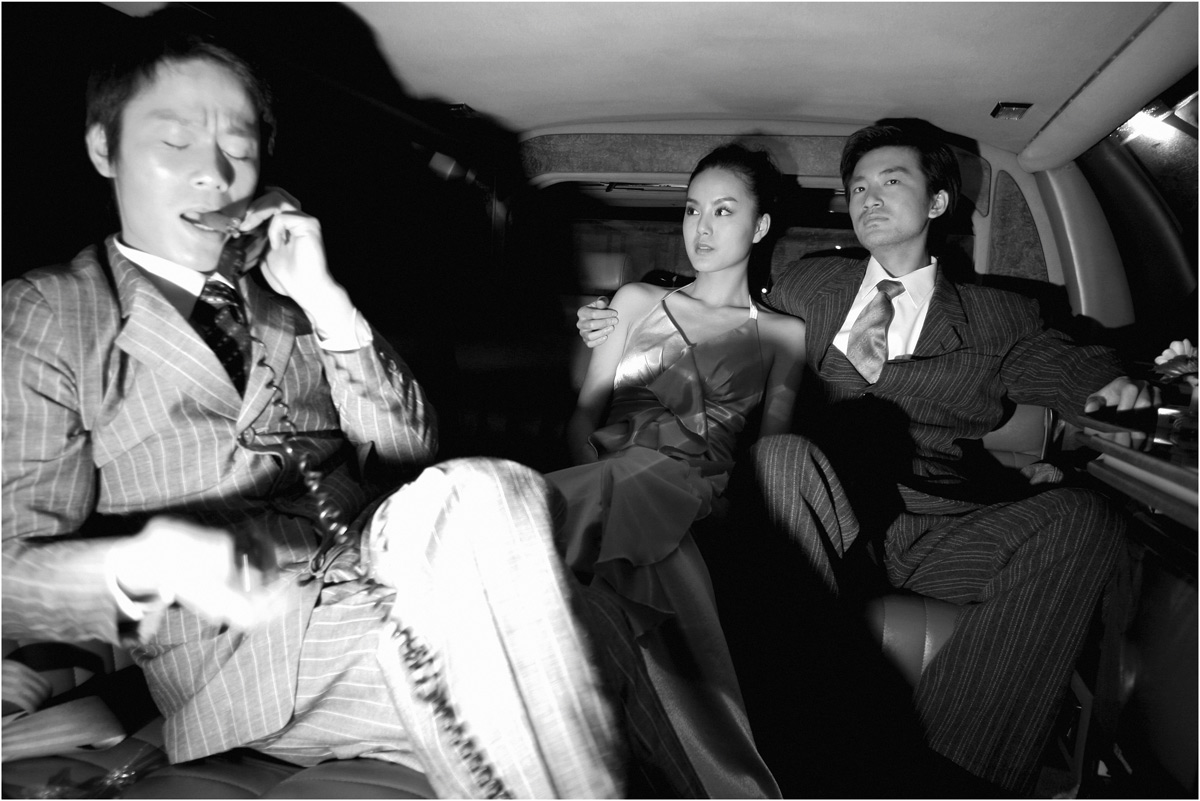
The protagonists of Yang’s works are mostly his contemporaries, young people between the ages of twenty and forty, who have spent most of their lives in a society in transformation. The ideals and anxieties of a new generation, the dignity of the individual in a rapidly developing society still in the process of adjusting to the material conditions of the constantly changing times, are recurring themes. This is most obvious in photographic series like Don’t worry, it will be better (2000) or Mrs. Huang at M last night (2006), both depict a fancy lady and her courtiers, in a hotel room or at a night out, seemingly enjoying the trophies of their material success. The sly glances of the protagonists, leave the audience in a state of uncertainty regarding the actual events and the storyline.

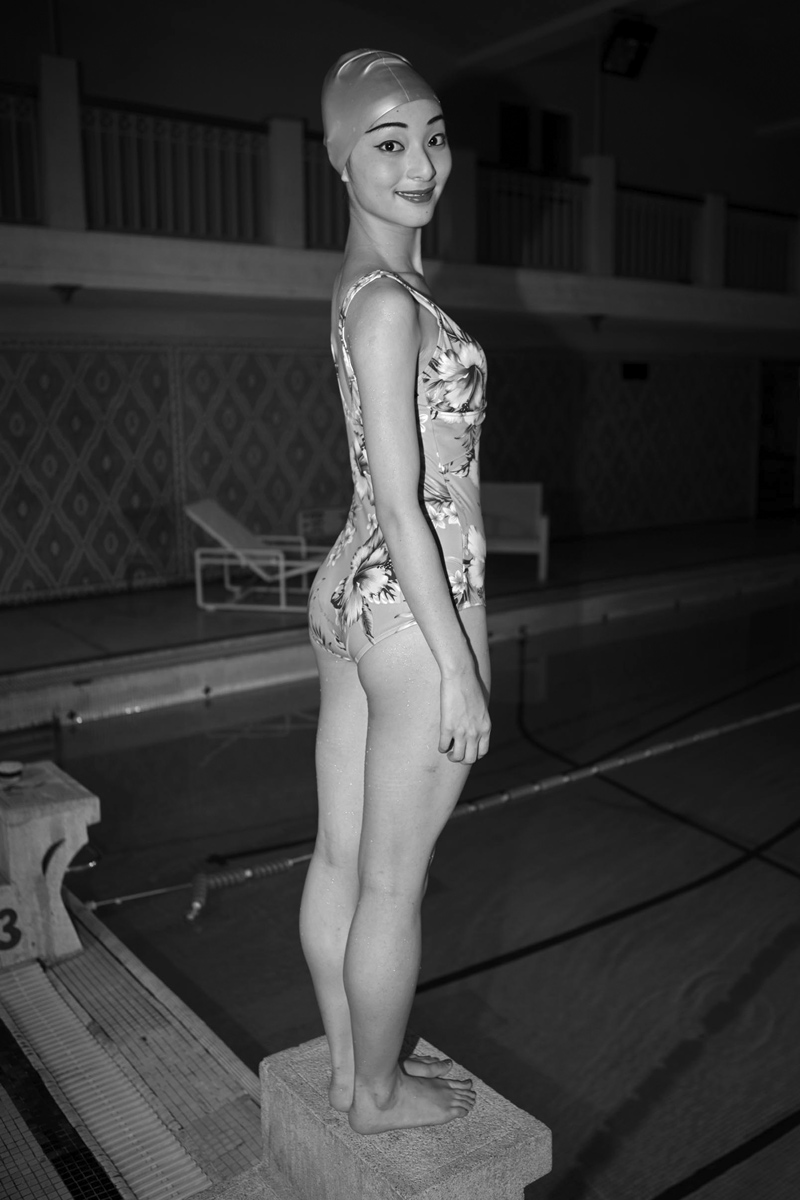
In other works some scenes and settings visually recall the literati paintings of ancient China, made by artists and intellectuals pursuing spiritual freedom living in seclusion. The Evergreen Nature of Romantic Stories (2000), a series of photographs in which young men and women stare at miniature landscapes (constructed landscapes mimicking natural scenery of rocks, hills and rivers), relocates the importance of reflection in traditional Chinese gardens as a metaphor for personal orientation and identity, in the domesticity of modern apartments. In the early video-installation Tonight Moon (2000), men in swimsuits and men in costumes mingle in an Eastern botanical garden. Multiple story lines develop and diverge on small monitors and a large screen, conveying a sense of ambiguity. International Hotel (2010), the recent series of black and white photographs of attractive women in bathing suits dipping into a pool at an Art Deco Hotel, invokes the sentimental and touches upon questions about feminine interiority, imbued with melancholy connotations taking the form of moderation and accommodation.

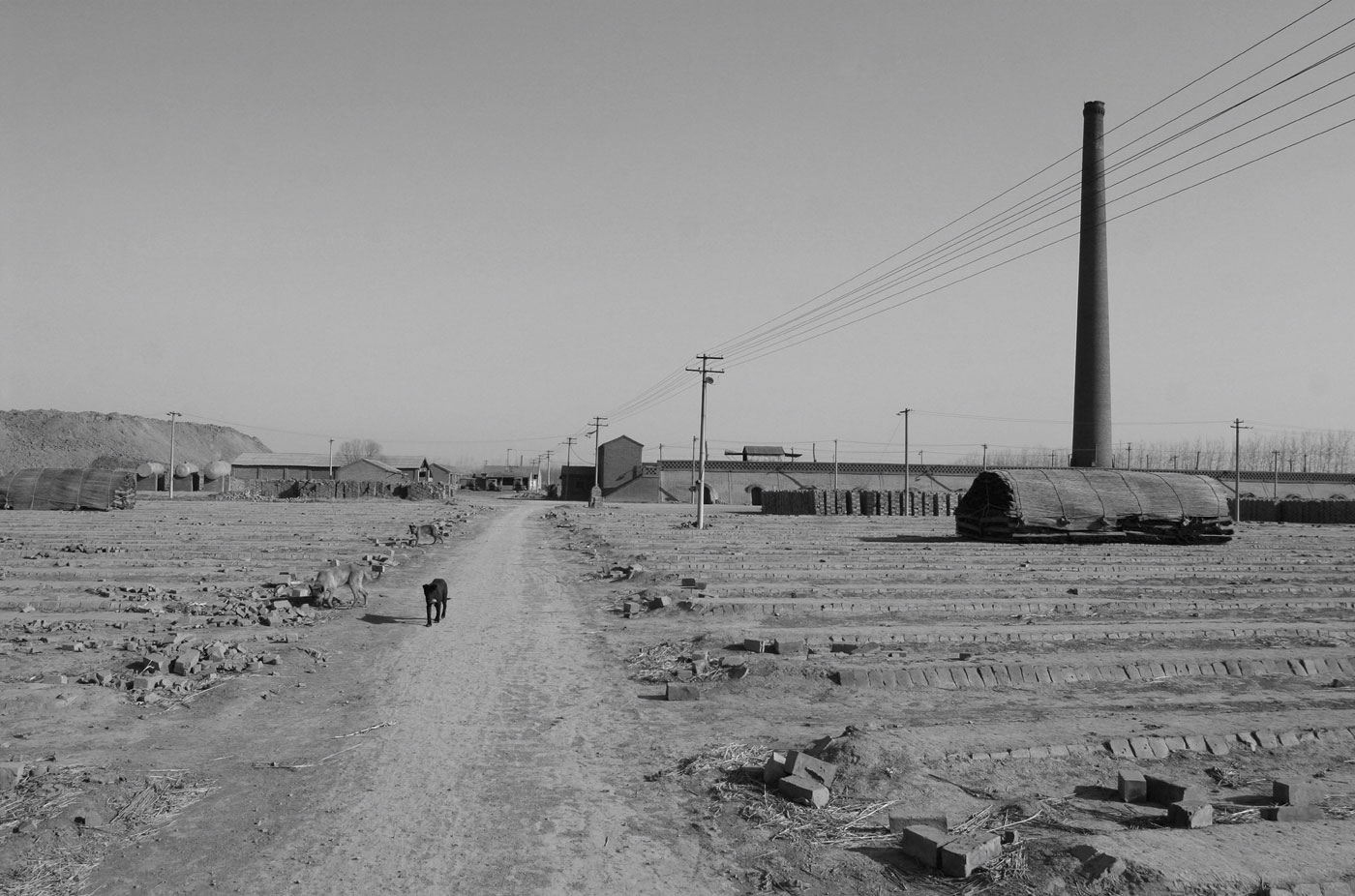
With the film installation East of Que Village (2007), Yang diverges from the urbanity of his other work, delivering a highly personal film that focuses on the sense of isolation and loss increasingly present in China’s contemporary society as communities are scattered, traditional rural villages dissolved, and the fight for survival takes precedence. The imagery is of a desolate and hostile landscape, the host to a group of wild dogs fighting a merciless life-and-death struggle for survival, with only a sporadic presence of human life and social values.

More and more in recent works, Yang shifts his attention toward a reflection on film production. The Fifth Night (Rehearsal) (2010) is an alternative edition of his seven-screen video installation The Fifth Night (with each screen running ten minutes and thirty-seven seconds, the exact length of a reel of film), including four full takes as well as an earlier rehearsal. The artist used different lenses for each camera, but films everything at the same moment. Yang calls this type of installation a “spatial film” or “multiple views” film, and he compares the technique to a contemporary form of the Chinese hand scroll. We see the itinerant youths who often occupy his films, with their pensive, inhibited expressions. Each screen features one solitary “absolute” protagonist; together they compose a series of distinct and mutually unbeknownst worlds. One screen’s lead character, in turn, becomes another’s extra. The sets and props are Yang’s most elaborate to date, with stages, spiral staircases, and alleyways merging into one. The enclosed courtyard in which the piece was shot comes to resemble a maze, pushing the concept of the narrative spatial possibilities of cinema. This bold experiment, which takes an open, outdoor space as an interior, breaks down a boundary that runs throughout Yang’s other films, which have been shot entirely inside or entirely outside. The “rehearsal” version captures the video output from seven monitors that were connected to seven film cameras and ends in “failure”, as one witnesses that one of the cameras breaks, leaving only six channels, assuming the notion that film is both a medium and a site. Additionally, there are three screens of photo documentation and a documentary. Yang coined it a “preview film” because of its raw-image quality, which included viewfinder frames, contradicting the very slick and refined results of the known version. In this instance, Yang transcended his traditional working process of shooting-editing-screening, and pushed further his theory that “anything which has been filmed can be shown. I found that what attracts me the most, and becomes my material, is the process of filmmaking itself.”

Press release from the Kunsthalle Zürich website


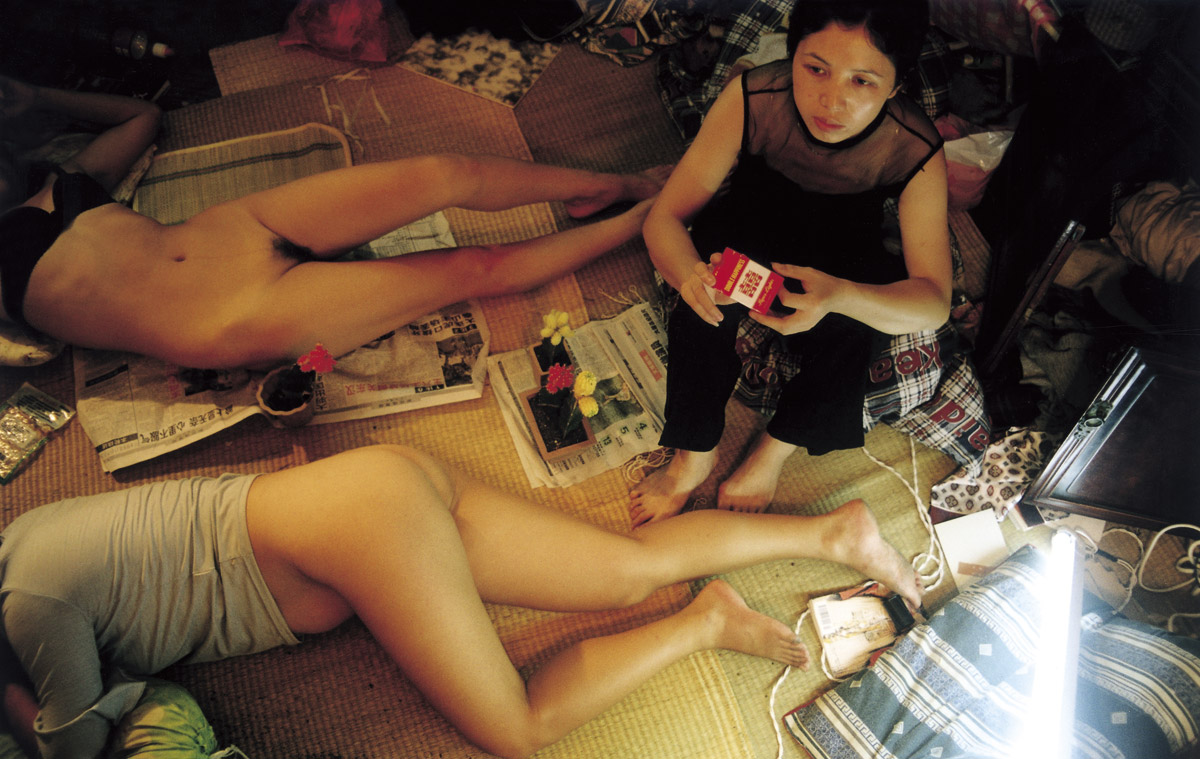
Yang Fudong (Chinese, b. 1971) 'Shenjia alley. Fairy (1)' 2000 from the exhibition 'Yang Fudong: "Estranged Paradise. Works 1993-2013"' at Kunsthalle Zürich, April - May, 2013


Yang Fudong (Chinese, b. 1971)
Shenjia alley. Fairy (1)
2000
C-print
96 x 150cm
Courtesy of the artist; Marian Goodman Gallery, New York / Paris; ShanghART gallery, Shanghai


Yang Fudong (Chinese, b. 1971) 'Mrs. Huang at M last Night (8)' 2006


Yang Fudong (Chinese, b. 1971)
Mrs. Huang at M last Night (8)
2006
C-print, b&w
120 x 180cm
Courtesy of the artist; Marian Goodman Gallery, New York / Paris; ShanghART gallery, Shanghai


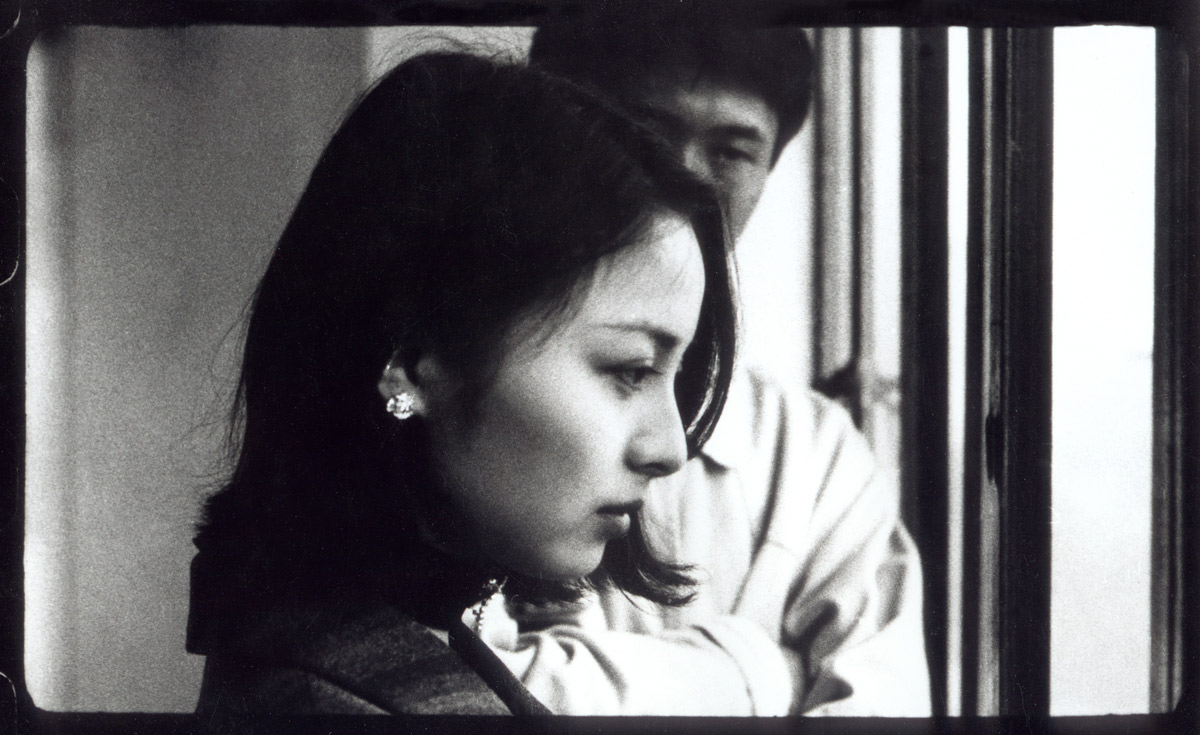
Yang Fudong (Chinese, b. 1971) 'An Estranged Paradise (mo sheng tian tang)' 1997-2002 (still)


Yang Fudong (Chinese, b. 1971)
An Estranged Paradise (mo sheng tian tang) (still)
1997-2002
Five-channel video (35 mm b&w film transferred to DVD), music by Jin Wang
76 minutes
Courtesy of the artist, Marian Goodman Gallery, New York / Paris, ShanghART gallery, Shanghai


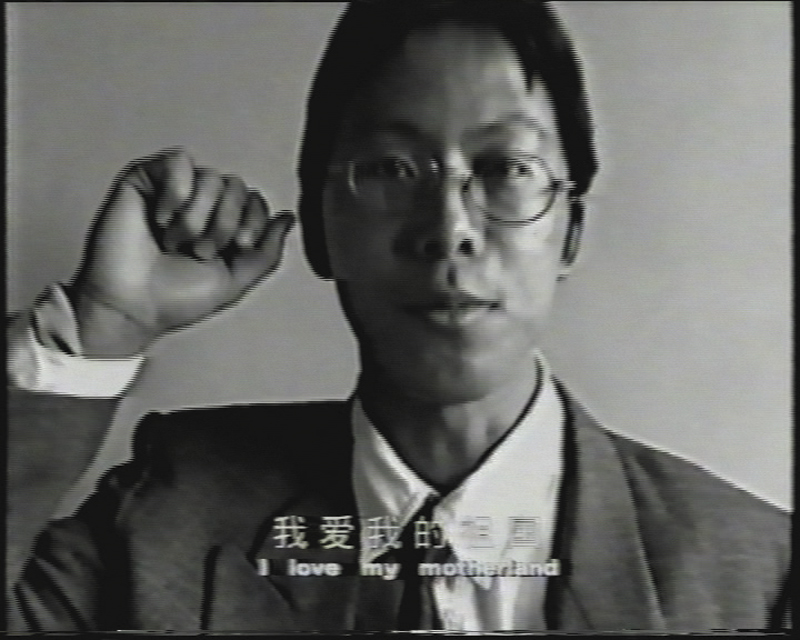
Yang Fudong (Chinese, b. 1971) 'I love my motherland (wo ai wo de zhu guo)' 1999 (still)


Yang Fudong (Chinese, b. 1971)
I love my motherland (wo ai wo de zhu guo) (still)
1999
5-channel b&w video-installation
12 minutes
Courtesy of the artist; Marian Goodman Gallery, New York / Paris; ShanghART gallery, Shanghai


Yang Fudong (Chinese, b. 1971) 'City Light (Cheng shi Zhi guang)' 2000 (still)


Yang Fudong (Chinese, b. 1971)
City Light (Cheng shi Zhi guang) (still)
2000
Single-channel video, colour, with sound
6 minutes
Courtesy of the artist, Marian Goodman Gallery, New York / Paris, ShanghART gallery, Shanghai


Yang Fudong (Chinese, b. 1971) 'International Hotel (1)' 2010


Yang Fudong (Chinese, b. 1971)
International Hotel (1)
2010
Inkjet print, b&w
180 x 120cm
Courtesy of the artist; Marian Goodman Gallery, New York / Paris; ShanghART gallery, Shanghai


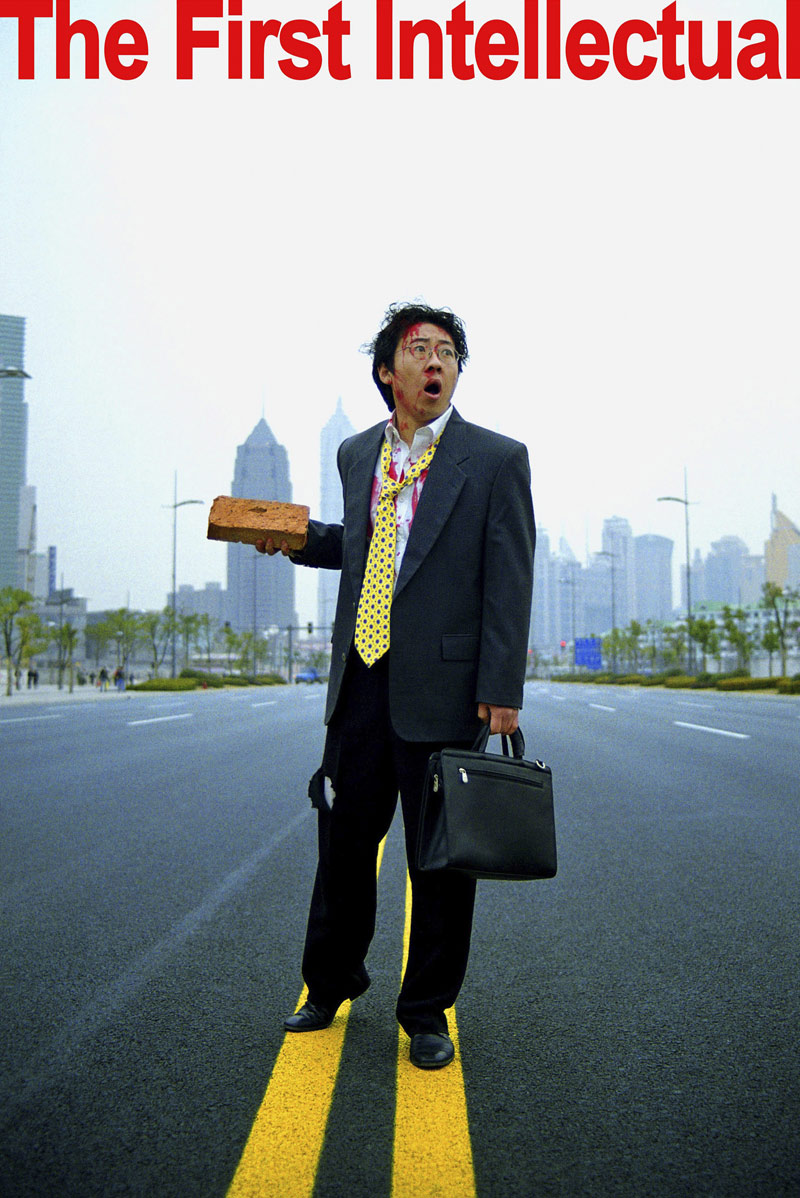
Yang Fudong (Chinese, b. 1971) 'The First Intellectual' 2000


Yang Fudong (Chinese, b. 1971)
The First Intellectual
2000
C-print
193 x 127cm
Courtesy of the artist, Marian Goodman Gallery, New York / Paris, ShanghART gallery, Shanghai


Kunsthalle Zürich
Limmatstrasse 270
CH-8005 Zürich
Phone: +41 (0) 44 272 15 15

Opening hours:
Tuesday – Sunday 11am – 6pm
Monday closed

Kunsthalle Zürich website

LIKE ART BLART ON FACEBOOK

Back to top

Exhibition: ‘Saul Leiter’ at Kunst Haus Wien, Vienna

Exhibition dates: 31st January – 26th May, 2013

Curator: Ingo Taubhorn


Saul Leiter (American, 1923-2013) 'From the El' c. 1955 from the exhibition Saul Leiter' at Kunst Haus Wien, Vienna, January - May, 2013


Saul Leiter (American, 1923-2013)
From the El
c. 1955
© Saul Leiter / Courtesy Howard Greenberg Gallery, New York


“I like it when one is not certain of what one sees.
We don’t know why the photographer has taken such a picture.
If we look and look, we begin to see and are still left with the pleasure of uncertainty.”


“It is not where it is or what it is that matters, but how you see it.”


“After the age of 75 you should not be photographed.
You should be painted by Rembrandt or Hals, but not by Caravaggio.”


Saul Leiter


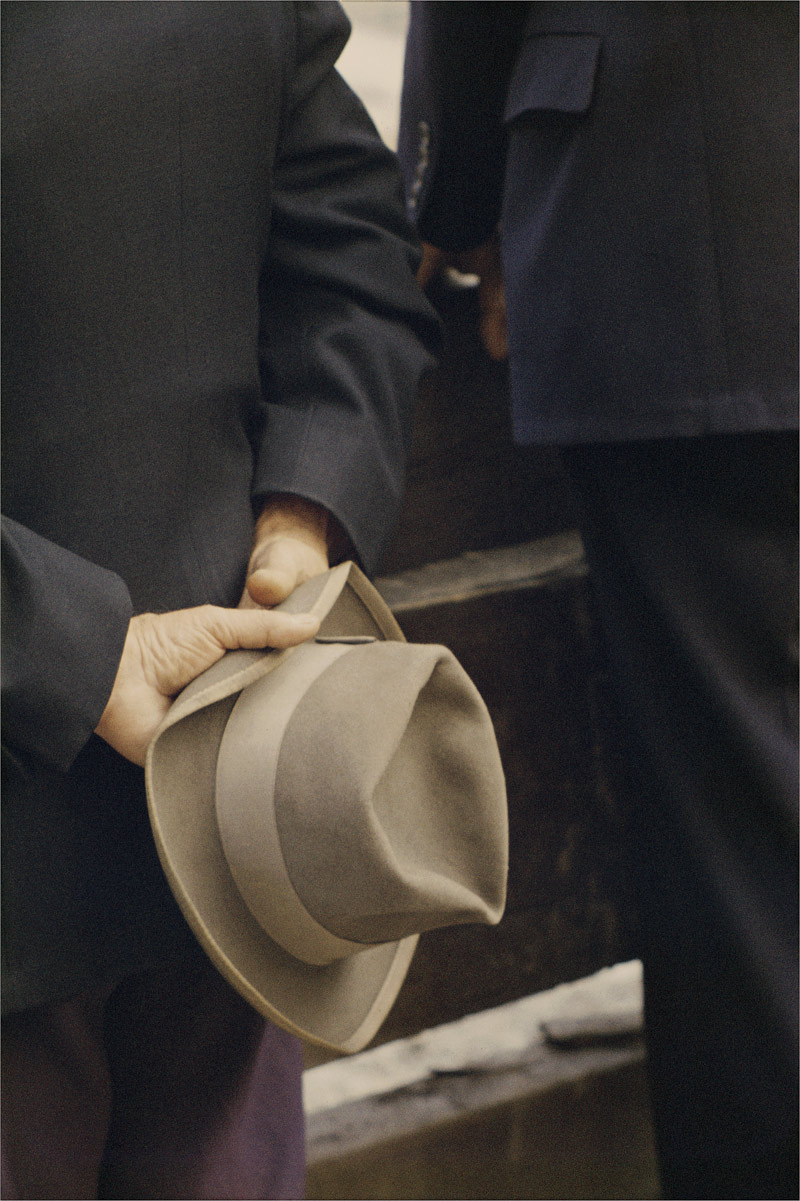
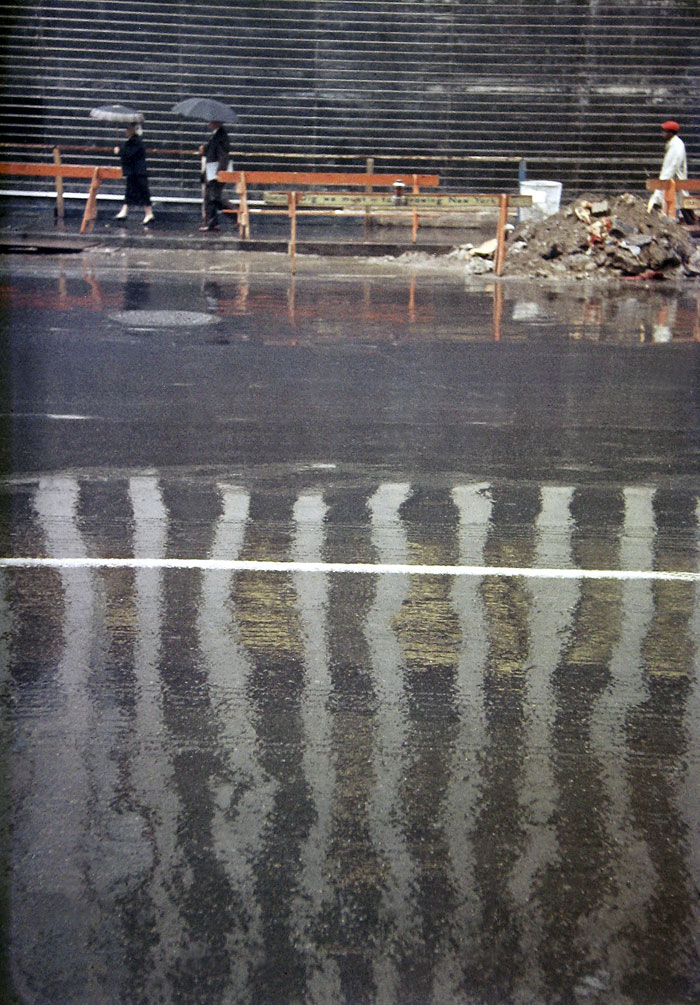
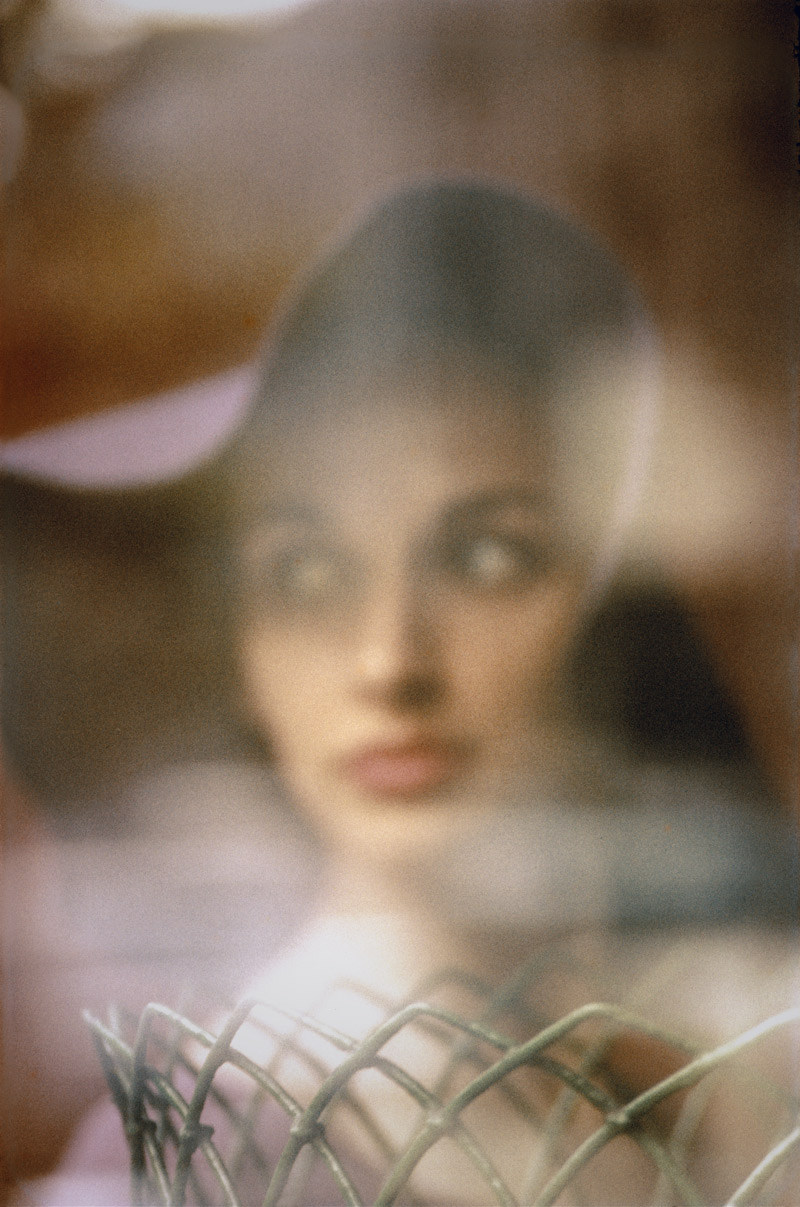
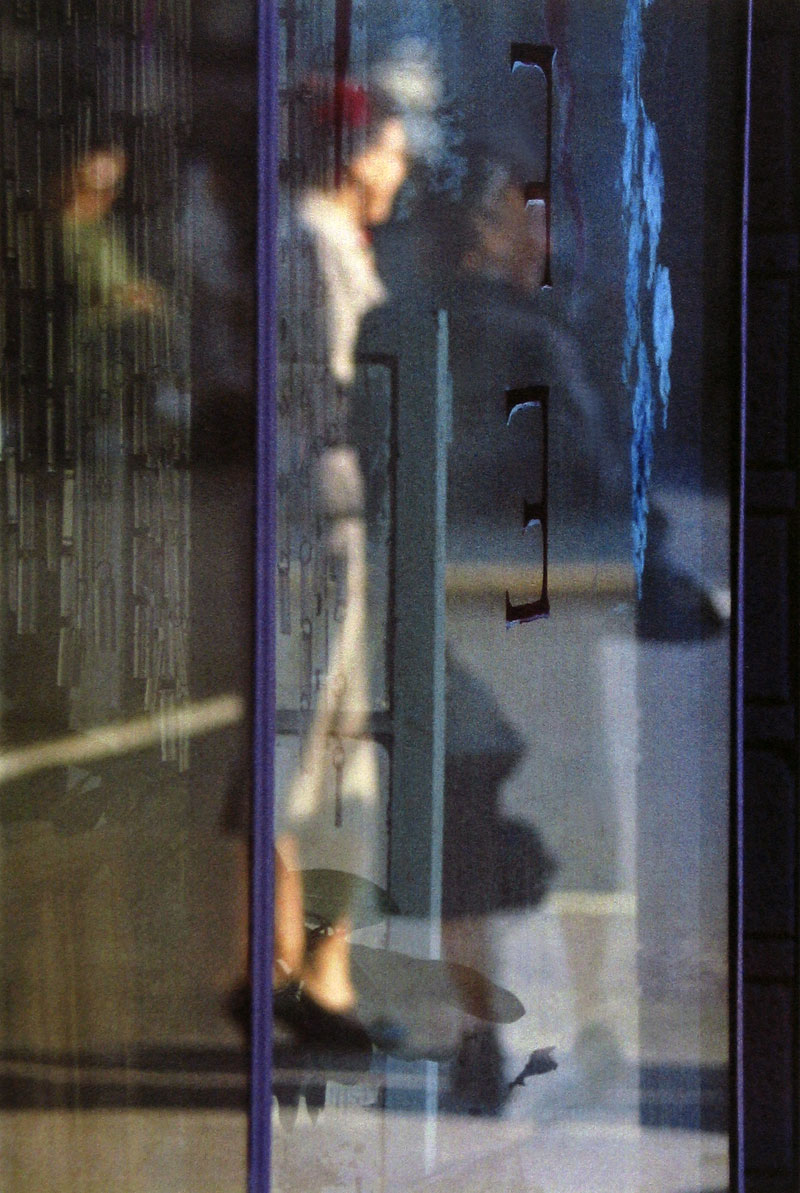
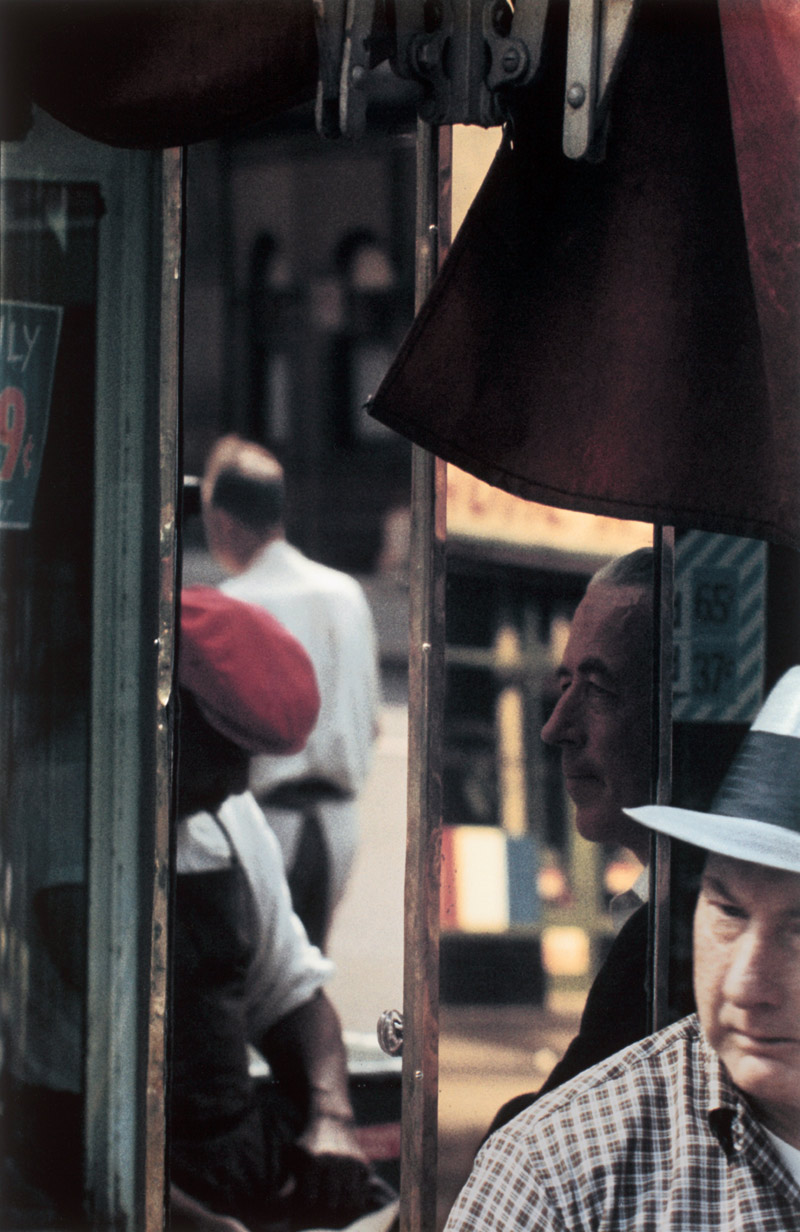
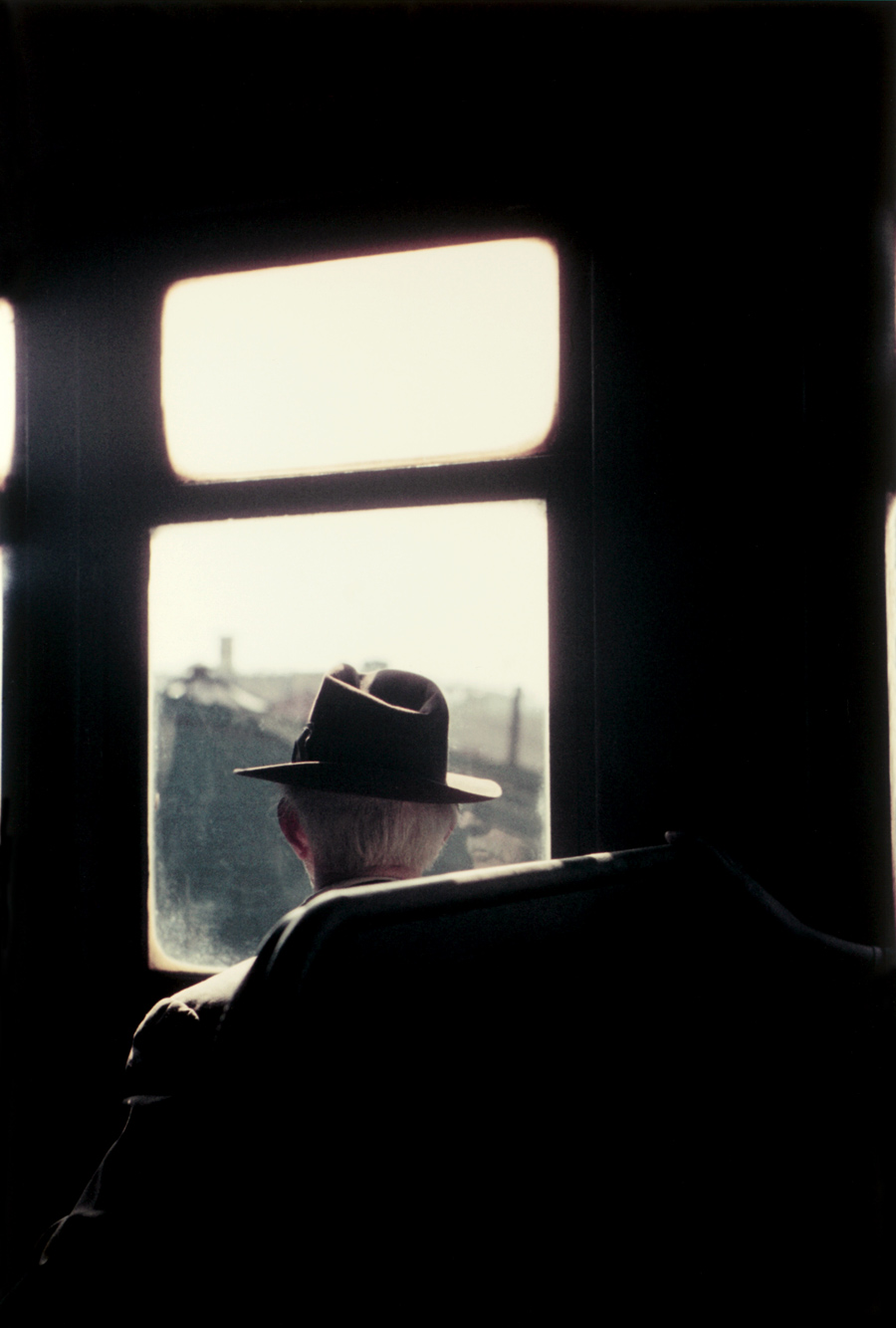
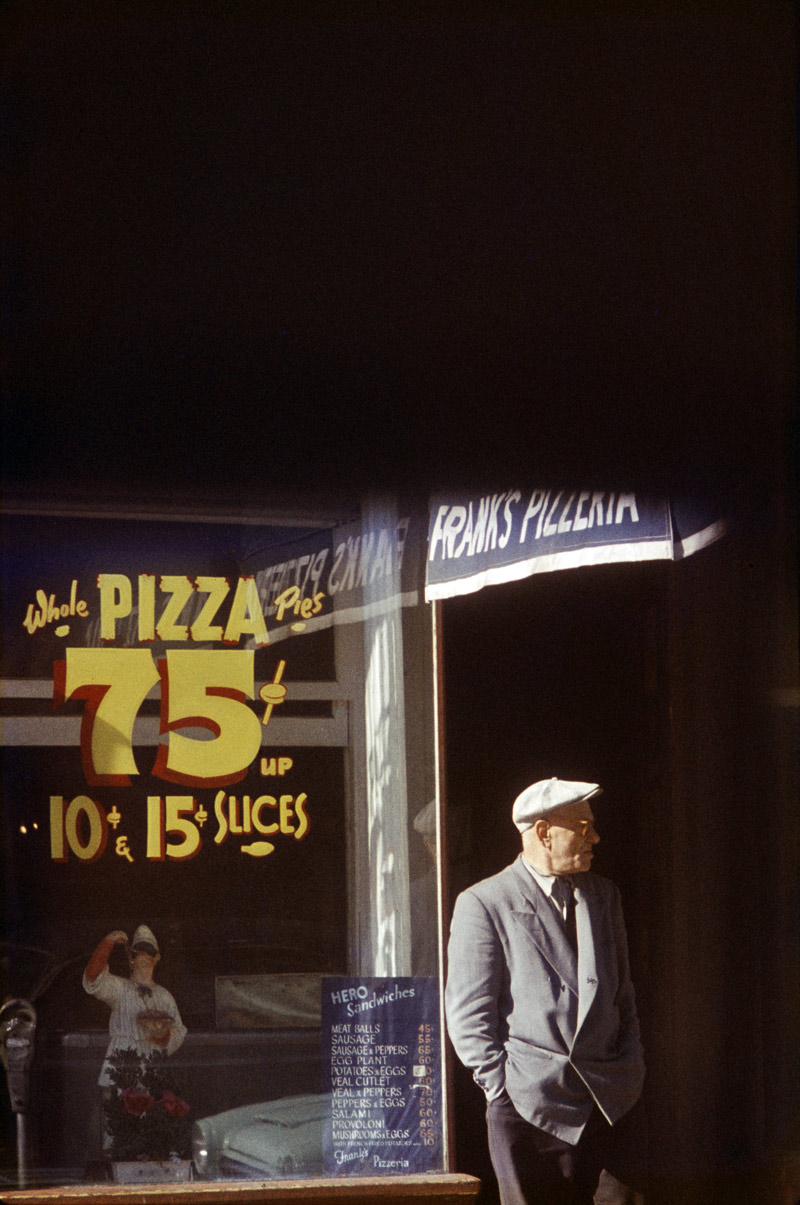
How brave was the photographer occluding most of the colour image in darkness, something that had never been done before, rarely seen since. Look at the last three photographs in this posting to understand what I mean.

Considering that Saul Leiter’s colour photography predates William Eggleston and Stephen Shore by a couple of decades, it can truly be said that he is one of the early masters of colour photography. As the curator Ingo Taubhorn comments, “The older aesthetic views on the hegemony of black-and-white photography and the historical dating of the first artistic use of colour photography to the early 1970s need to be critically reviewed. Saul Leiter’s oeuvre essentially rewrites the history of photography.”

Well said.

Dr Marcus Bunyan


Many thankx to the Kunst Haus Wein for allowing me to publish the photographs in the posting. Please click on the photographs for a larger version of the image.


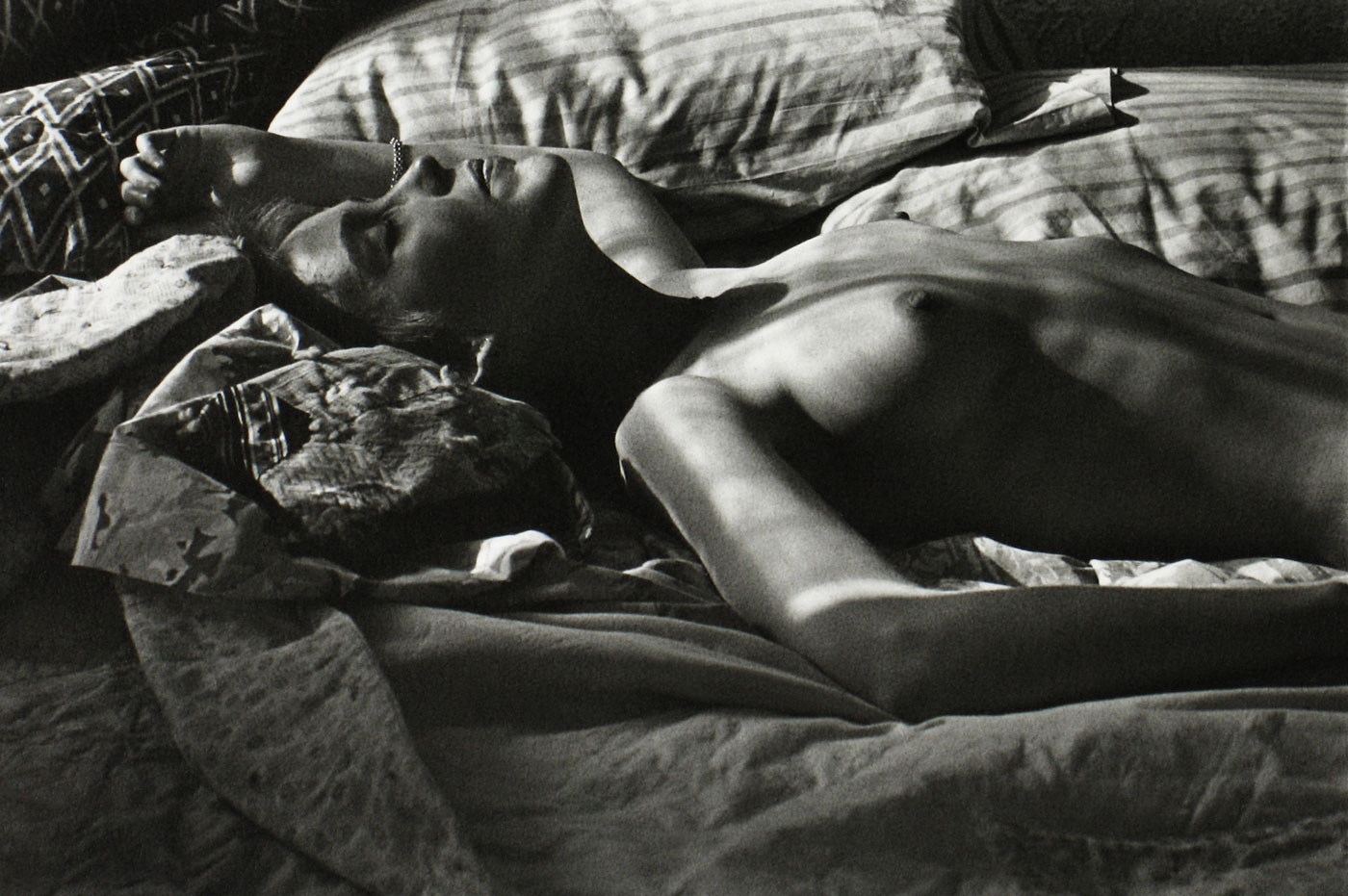
Saul Leiter (American, 1923-2013) 'Nude' 1970s


Saul Leiter (American, 1923-2013)
Nude
1970s
© Saul Leiter / Courtesy Howard Greenberg Gallery, New York


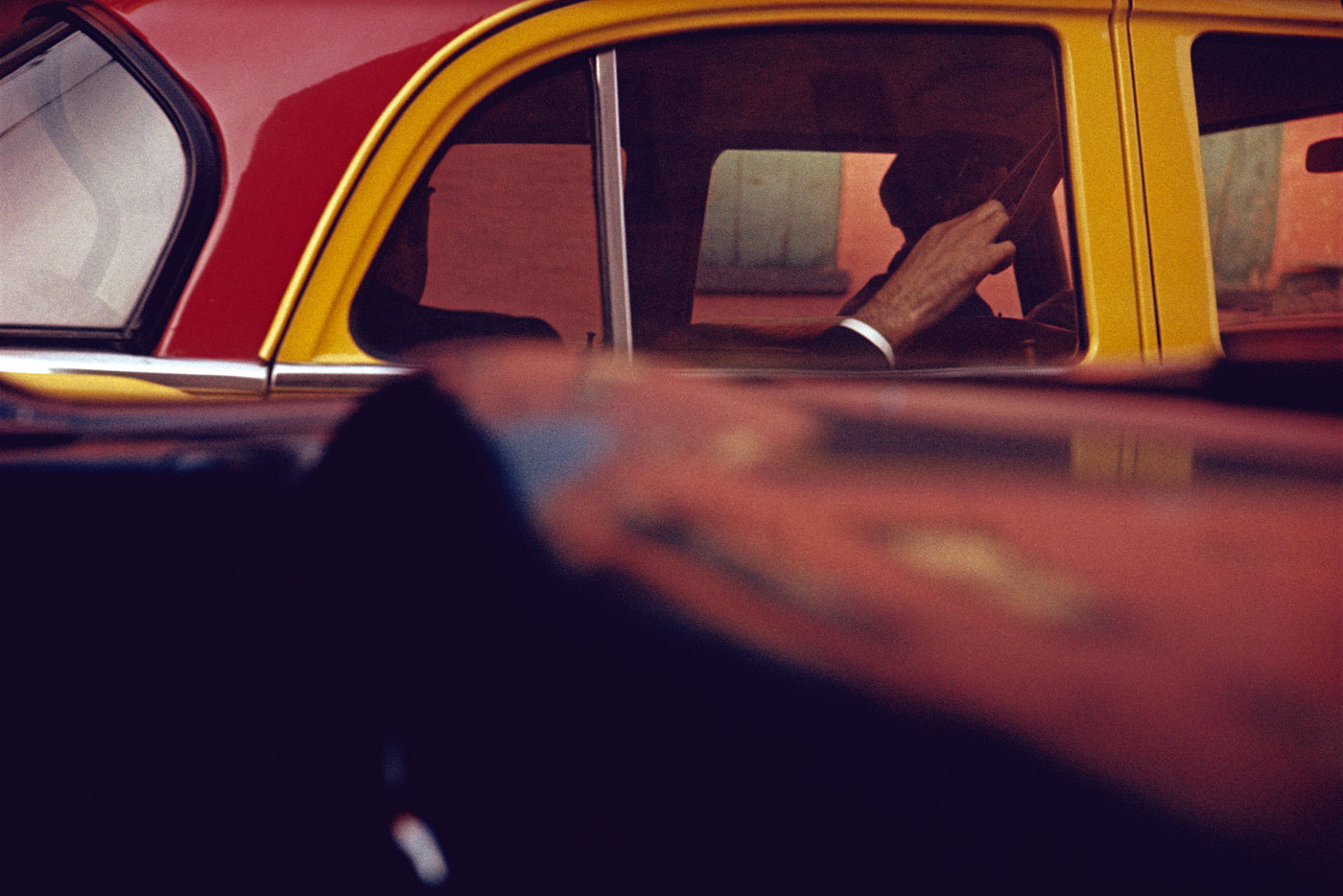
Saul Leiter (American, 1923-2013) 'Taxi' c. 1957 from the exhibition Saul Leiter' at Kunst Haus Wien, Vienna, January - May, 2013


Saul Leiter (American, 1923-2013)
Taxi
c. 1957
© Saul Leiter / Courtesy Howard Greenberg Gallery, New York


KUNST HAUS WIEN is devoting a major retrospective to the oeuvre of the 89-year-old photographer and painter Saul Leiter. The exhibition, which was developed in cooperation with House of Photography / Deichtorhallen Hamburg, presents the wide range of this versatile artist’s works, including early black-and-white and colour photographs, fashion images, painted photographs of nudes, paintings and a number of his sketchbooks. One section of the exhibition is devoted to Saul Leiter’s most recent photographs, which he continues to take on the streets of New York’s East Village.

It is only in the last few years that Saul Leiter has received due recognition for his role as one of the pioneers of colour photography. As early as 1946, and thus well before the representatives of the so-called “new colour” photography in the 1970s, such as William Eggleston and Stephen Shore, he was one of the first to use colour photography for artistic shots, despite its being frowned upon by other artists of the day. “The older aesthetic views on the hegemony of black-and-white photography and the historical dating of the first artistic use of colour photography to the early 1970s need to be critically reviewed. Saul Leiter’s oeuvre essentially rewrites the history of photography,” comments curator Ingo Taubhorn.

Saul Leiter has always considered himself both a painter and a photographer. In his painting and in his photographs he clearly tends towards abstraction and two-dimensionality. One often finds large deep-black areas, produced by shadows, taking up as much as three quarters of his photographs. Passers-by are not presented as individuals, but as blurred clouds of colour, filtered through misty panes of glass or wedged in between walls of buildings and traffic signs. The boundaries between the abstract and the representational in his paintings and photographs are virtually fluid. Saul Leiter’s street photography – a genre in which his work is matchless – is, in essence, painting metamorphosed into photography.

In Leiter’s works, the genres of street photography, portraiture, still life, fashion photography and architectural photography coalesce. He finds his motifs, such as shop windows, passers-by, cars, signs and – time and again – umbrellas, in the direct vicinity of his apartment in New York, where he has now lived for almost 60 years. The indeterminateness of detail, the blurring of movement and reduced depth of field, the use of shadows or deliberate avoidance of the necessary light, as well as the alienation caused by photographing through windows or as reflections, all combine to create the muted colour vocabulary of a semi-real, semiabstract urban space. These are the works of an as yet almost undiscovered modern master of colour photography.

About Saul Leiter

Saul Leiter discovered his passion for art at an early age and started painting as a teenager at the end of the 1940s. His family did not support him in his artistic endeavours; his father, a renowned Talmudic rabbi and scholar, had always hoped his son Saul would one day follow him in the family tradition and become a rabbi. Leiter was self-taught, but by no means uneducated. He read and learned a great deal about art, so that his knowledge and understanding constantly grew. In this way, he made sure that his own ideas and artistic works were duly related to the historical context.

In 1946, shortly after he had moved to New York, Leiter became acquainted with Richard Poussette-Dart, who introduced him to photography, a medium that appealed to Leiter very much and that he quickly made his own. Leiter soon resolved to use photography not only as a means of making art but as a way of earning a living. He started taking fashion photographs, and thanks to his good eye, his playful sense of humour, and his pronounced sense of elegance, swiftly emerged as an extraordinary fashion photographer. In the 1950s, Life magazine published photo spreads of Saul Leiter’s first black-and-white series. He took part in exhibitions, for example “Always the Young Strangers” (1953) curated by Edward Steichen at the Museum of Modern Art. From 1958 to 1967, Leiter worked for Harper’s Bazaar. Altogether he spent some 20 years photographing for various classic magazines as well as more recent ones: after Esquire and Harper’s he also worked for Show, Elle, British Vogue, Queen and Nova.


Saul Leiter (American, 1923-2013) 'New York' 1950s


Saul Leiter (American, 1923-2013)
New York
1950s
© Saul Leiter / Courtesy Howard Greenberg Gallery, New York


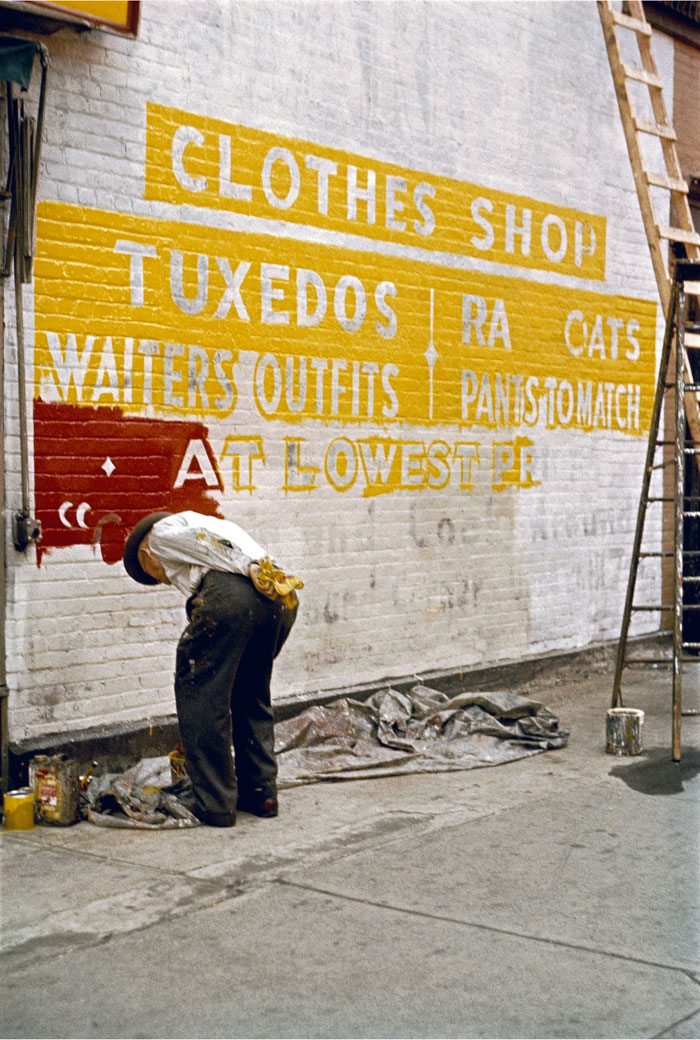
Saul Leiter (American, 1923-2013) 'Sign Painter' 1954


Saul Leiter (American, 1923-2013)
Sign Painter
1954
© Saul Leiter / Courtesy Howard Greenberg Gallery, New York


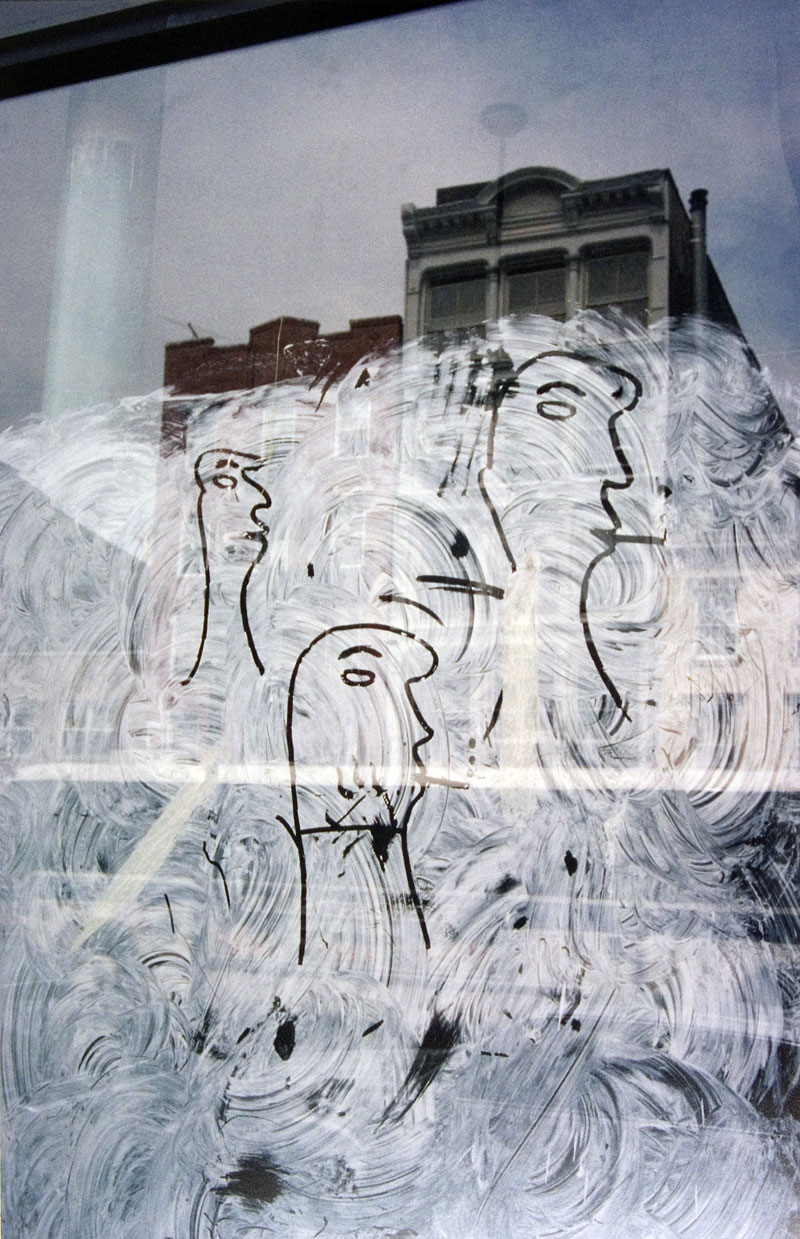
Saul Leiter (American, 1923-2013) 'Graffiti Heads' 1950


Saul Leiter (American, 1923-2013)
Graffiti Heads
1950
© Saul Leiter / Courtesy Howard Greenberg Gallery, New York


Saul Leiter (American, 1923-2013) 'Shirt' 1948


Saul Leiter (American, 1923-2013)
Shirt
1948
© Saul Leiter / Courtesy Howard Greenberg Gallery, New York


Saul Leiter (American, 1923-2013) 'Harlem' 1960


Saul Leiter (American, 1923-2013)
Harlem
1960
© Saul Leiter / Courtesy Howard Greenberg Gallery, New York


Saul Leiter (American, 1923-2013) 'Hat' 1956


Saul Leiter (American, 1923-2013)
Hat
1956
© Saul Leiter / Courtesy Howard Greenberg Gallery, New York


Saul Leiter (American, 1923-2013) 'Street Scene' 1957


Saul Leiter (American, 1923-2013)
Street Scene
1957
© Saul Leiter / Courtesy Howard Greenberg Gallery, New York


The exhibition chapters

Abstract Painting

Although his photographic oeuvre has dominated his image as an artist, Saul Leiter sees himself first and foremost as a painter. He began his artistic career as a painter, and while working as a photographer he never stopped painting and drawing. Leiter’s passion for art began when he was just a child, even though his ambitions received no support from his family. As a teenager he spent many hours in libraries studying art books. He found inspiration in the paintings of such artists as Vermeer, Bonnard, Vuillard and Picasso, as well as in Japanese graphic art. Leiter, who was self-taught, painted his first pictures in 1940. Most of them were lyrical, abstract compositions that reflected his admiration for the new American avant-garde. His ardent feeling for colour is recognisable even in these early paintings, as is his lifelong predilection for painting small format pastels and watercolours on paper.

After moving to New York in 1946, he sometimes presented his works together with abstract expressionist painters such as Willem de Kooning and Philip Guston. His studio was located on 10th Street in the East Village, which at that time was a neighbourhood very popular with avant-garde artists. Leiter shared these artists’ interest in abstraction and the use of colour, gesture and the element of chance, but he chose a radically different format for his works. Whereas many of his contemporaries, such as Jasper Johns or Franz Kline, painted wall-sized paintings that physically filled the beholder’s entire field of vision, Leiter worked in an intimate, small format. His works were also exhibited at the Tanager Gallery, one of the most important artist-run cooperatives in the East Village at that time. After switching the main focus of his work to photography in the late 1940s, however, Leiter stopped exhibiting his paintings.

Figurative Painting

Saul Leiter’s abstract painting frequently unites qualities of intimacy and familiarity with a sense of space reminiscent of an open landscape. Occasionally he also makes figurative sketches. Often these give mere intimations of a face or a body, perhaps a pointed nose, eyes and a mouth. Some of his male figures wear hats, similar to those worn by the religious Jews that peopled Leiter’s world in his youth. Most of these works focus on a single figure; only occasionally do we see a couple, or several figures grouped together. The quality of the line and the subtle suggestion of figures or heads in these paintings are reminiscent of paintings by Édouard Vuillard and Pierre Bonnard, in which facial features are hinted at through lines and fine shadings of colour rather than being defined by careful modelling.

Street Photography

When, in 1947, Saul Leiter attended an exhibition of works by the French photographer Henri Cartier-Bresson, he became convinced of the creative potential of this medium. He bought himself a 35mm Leica camera at a bargain and began, without any previous training, to take photographs on the streets of New York. At first he used only black-and-white film, but in 1948 he also started using colour film. His black-and-white photographs exhibit some elements of documentary photography but are nevertheless far removed from a photojournalistic style. Rather, they are subjective observations, often concentrating on a single individual in the big city. Leiter’s complex, multilayered works evoke feelings of alienation, melancholy and tension. Leiter underscores this impression by experimenting with strong contrasts, light and shadow, and asymmetrical compositions containing large areas in which the images are blurred.

Thematically and stylistically, there are great similarities between Leiter’s works and the works of other representatives of New York street photography of the same era, for example Ted Croner, Leon Levinstein, Louis Faurer and later Robert Frank and William Klein, today generally known as the New York School. Their radical new, subjective photography had a psychological component that revealed an unusual sensitivity to social turbulences and the uncertainty felt by many Americans during the years following the Second World War.

Colour Photography

Until well into the 1970s, colour photography was used almost exclusively for advertising and fashion magazines. Many photographers considered the vivid colours unsuitable for artistic expression. Moreover, they were unable to develop their colour film themselves, which made it a very expensive undertaking. It was not until 1976 that the Museum of Modern Art in New York gave its first exhibition devoted to colour photography, when it presented “Photographs by William Eggleston”.

Saul Leiter was one of the few photographers who did not reject colour photography. As a painter, he took a particular interest in street photography as a genre in which to experiment with colour film. As early as 1948, at the beginning of his career, he bought his first roles of 35mm Kodachrome colour slide film, which had been on the market since 1936. In order to save money, he often used film that had passed its sell-by date. Leiter particularly liked the resulting pictures with their delicate, muted colours.

The innumerable early colour photographs that Leiter took between 1948 and 1960 are of a unique painterly and narrative quality. They stand in contrast to the works of other photographers, in which colour is often the defining element of the composition. This circumstance, coupled with Leiter’s tendency towards abstraction, links Leiter’s photography with his painting. But in contrast to his painting (and his black-and-white photographs), his colour photographs are highly structured. It is the incomparable beauty of these works that has brought Leiter recognition as one of the masters of 20th-century photography.

Fashion Photography

In the late 1950s, Saul Leiter worked successfully in the fields of fashion photography and advertising. From the very first, his style was unmistakeable. His images were multilayered and complex, characterised by soft, impressionistic qualities and cubist changes of perspective. He was given his first commercial assignment in 1958 by Henry Wolf, at that time the new Art Director of Harper’s Bazaar, with whom Leiter became friends. Harper’s Bazaar was one of the leading American fashion magazines, presenting trail-blazing fashion series by photographers such as Richard Avedon or Lillian Bassman.

Subsequently, Leiter was given more and more prestigious assignments, and over the years began to spend almost all his time doing commercial work. Apart from Harper’s Bazaar, his fashion and advertising photos appeared in Elle and Show, in British Vogue and Queen and also in Nova. The amazing thing is that during this period, Leiter managed to retain his own narrative, stylised aesthetic, whereas other fashion photographers favoured a rather brittle, graphic style. In the 1970s, partly due to his own dwindling interest in commercial photography, Leiter received fewer and fewer assignments. In 1981 he gave up his studio on Fifth Avenue and in the following years led a quiet life far from the public eye.


Saul Leiter (American, 1923-2013) 'Carol Brown, 'Harper's Bazaar'' c. 1958


Saul Leiter (American, 1923-2013)
Carol Brown, ‘Harper’s Bazaar’
c. 1958
© Saul Leiter / Courtesy Howard Greenberg Gallery, New York


Saul Leiter (American, 1923-2013) 'Soames Bantry, 'Nova'' 1960


Saul Leiter (American, 1923-2013)
Soames Bantry, ‘Nova’
1960
© Saul Leiter / Courtesy Howard Greenberg Gallery, New York


Saul Leiter (American, 1923-2013) 'Walking' 1956


Saul Leiter (American, 1923-2013)
Walking
1956
© Saul Leiter / Courtesy Howard Greenberg Gallery, New York


Saul Leiter (American, 1923-2013) 'Reflection' 1958


Saul Leiter (American, 1923-2013)
Reflection
1958
© Saul Leiter / Courtesy Howard Greenberg Gallery, New York


“I spent a great deal of my life being ignored. I was always very happy that way. Being ignored is a great privilege. That is how I think I learnt to see what others do not see and to react to situations differently. I simply looked at the world, not really prepared for anything.”


Saul Leiter


Art critic Roberta Smith wrote in 2005: “Mr. Leiter was a photographer less of people than of perception itself. His painter’s instincts served him well in his emphasis on surface, spatial ambiguity and a lush, carefully calibrated palette. But the abstract allure of his work doesn’t rely on soft focus, a persistent, often irritating photographic ploy, or the stark isolation of details, in the manner of Aaron Siskind or early Harry Callahan. Instead, Mr. Leiter captured the passing illusions of everyday life with a precision that might almost seem scientific, if it weren’t so poetically resonant and visually layered.”

Text from the Lens Culture website [Online] Cited 15/05/2013 no longer available online


Saul Leiter (American, 1923-2013) 'Shopping' c. 1953


Saul Leiter (American, 1923-2013)
Shopping
c. 1953
© Saul Leiter / Courtesy Howard Greenberg Gallery, New York


Saul Leiter (American, 1923-2013) 'Kutztown' 1948


Saul Leiter (American, 1923-2013)
Kutztown
1948
© Saul Leiter / Courtesy Howard Greenberg Gallery, New York


Saul Leiter (American, 1923-2013) 'Pizza, Patterson' 1952


Saul Leiter (American, 1923-2013)
Pizza, Patterson
1952
© Saul Leiter / Courtesy Howard Greenberg Gallery, New York


KUNST HAUS WIEN
Museum Hundertwasser
Untere Weißgerberstraße 13
1030 Vienna
Phone: +43-1-712 04 91

Opening hours:
Daily, 10am – 7pm

Kunst Haus Wein website

LIKE ART BLART ON FACEBOOK

Back to top

Exhibition: ‘Picturing New York: Photographs from the Museum of Modern Art’ at the Art Gallery of Western Australia (AGWA), Perth

Exhibition dates: 26th January – 12th May, 2013

Co-curators: Lucy Harper (Project Curator at the Art Gallery of Western Australia) and Sarah Meister (Curator at the Department of Photography at The Museum of Modern Art, New York)


Berenice Abbott (American, 1898-1991) 'Fifth Avenue, nos. 4, 6, 8, Manhattan' March 20, 1936 from the exhibition 'Picturing New York: Photographs from the Museum of Modern Art' at the Art Gallery of Western Australia (AGWA), Perth, January - May, 2013


Berenice Abbott (American, 1898-1991)
Fifth Avenue, nos. 4, 6, 8, Manhattan
March 20, 1936
Gelatin silver print
15 x 19 1/4″ (38.1 x 48.9cm)
The Museum of Modern Art, New York
Thomas Walther Collection
© 2012 Berenice Abbott/Commerce Graphics


A second tranche of images from this touring exhibition of photographs from the MoMA collection, presented at the Art Gallery of Western Australia in Perth. My personal favourites in this posting are the tonal Abbott, mean streets Gedney, luminous Groover and the intimate Burckhardt. There are two photographers I don’t know at all (Gedney and Burckhardt) and one who is very underrated: Peter Hujar.

See a posting on this exhibition when it was at the Irish Museum of Modern Art, Dublin, November 2009 – February 2010

Dr Marcus Bunyan


Many thankx to the AGWA for allowing me to publish the photographs in the posting. Please click on the photographs for a larger version of the image.


William Gedney (American, 1924-1989) 'Brooklyn' 1966 from the exhibition 'Picturing New York: Photographs from the Museum of Modern Art' at the Art Gallery of Western Australia (AGWA), Perth, January - May, 2013


William Gedney (American, 1924-1989)
Brooklyn
1966
Gelatin silver print
7 9/16 x 11 5/16″ (19.3 x 28.8cm)
The Museum of Modern Art, New York
Gift of the Duke University Rare Book, Manuscript, and Special Collections Library
© 2012 Estate of William Gedney


William Gale Gedney (October 29, 1932 – June 23, 1989) was an American photographer. It wasn’t until after his death that his work gained momentum and his work is now widely recognised… William Gedney died of AIDS in 1989, aged 56, in New York City and is buried in Greenville, New York, a few short miles from his childhood home. He left his photographs and writings to his lifelong friend Lee Friedlander.

Text from the Wikpedia website

See more photographs by William Gedney on the Duke Libraries website and on The Selvedge Yard website


Jan Groover (American, 1943-2012) 'Untitled' 1981


Jan Groover (American, 1943-2012)
Untitled
1981
Platinum/palladium print
7 5/8 x 9 1/2″ (19.4 x 24.2cm)
The Museum of Modern Art, New York
Gift of Howard Stein
© 2012 Jan Groover


“Depicting the iconic New York that captivates the world’s imagination and the idiosyncratic details that define New Yorkers’ sense of home, this exhibition from MoMA’s extraordinary photography collection celebrates the city in all its vitality, ambition and beauty. Made by approximately 90 artists responding to the city as well as professionals on assignment, including Henri Cartier-Bresson, Walker Evans, Lewis Hine, Helen Levitt, Cindy Sherman, Alfred Stieglitz, and Weegee, over 150 works reveal the deeply symbiotic relationship between photography and the ‘city that never sleeps’ – New York. Both an exploration of the life of the city and a documentation of photography’s evolution throughout the twentieth century, Picturing New York celebrates the great and continuing tradition of capturing the grit and glamour of one of the world’s greatest urban centres.

Artists include Berenice Abbott, Diane Arbus, Henri Cartier-Bresson, Walker Evans, Lee Friedlander, Nan Goldin, Helen Levitt, Cindy Sherman, Alfred Stieglitz, Paul Strand, Weegee, and Garry Winogrand, among many others.”

Text from the AGWA website


Lisette Model (American born Austria, 1901-1983) 'Times Square' 1940


Lisette Model (American born Austria, 1901-1983)
Times Square
1940
Gelatin silver print
15 9/16 x 19 9/16″ (39.6 x 49.7cm)
The Museum of Modern Art, New York
Gift of the photographer
© 2012 Estate of Lisette Model, courtesy Baudoin Lebon Gallery, Paris and Keitelman Gallery, Brussels


Garry Winogrand (American, 1928-1984) 'New York City' 1968


Garry Winogrand (American, 1928-1984)
New York City
1968
Gelatin silver print
8 7/8 x 13 3/16″ (22.5 x 33.5cm)
The Museum of Modern Art, New York
Purchase and gift of Barbara Schwartz in memory of Eugene M. Schwartz
© The Estate of Garry Winogrand, courtesy Fraenkel Gallery


Henri Cartier-Bresson (French, 1908-2004) 'Near the Hall of Records, New York' 1947


Henri Cartier-Bresson (French, 1908-2004)
Near the Hall of Records, New York
1947
Gelatin silver print
15 5/16 x 22 13/16″ (38.9 x 57.9cm)
The Museum of Modern Art, New York
Gift of the photographer
© 2012 Henri Cartier-Bresson/Magnum, courtesy Foundation HCB, Paris


Rudy Burckhardt (American born Switzerland, 1914-1999) 'A View From Brooklyn I' 1954


Rudy Burckhardt (American born Switzerland, 1914-1999)
A View From Brooklyn I
1954
Gelatin silver print
10 5/16 x 9 3/16″ (26.2 x 23.4cm)
The Museum of Modern Art, New York
Gift of CameraWorks, Inc. and Purchase
© 2012 Rudy Burckhardt / Artists Rights Society (ARS), New York


Rudy Burckhardt (1914, Basel – 1999) was a Swiss-American filmmaker, and photographer, known for his photographs of hand-painted billboards which began to dominate the American landscape in the nineteen-forties and fifties.

Burckhardt discovered photography as a medical student in London. He left medicine to pursue photography in the 1930s. He immigrated to New York City in 1935. Between 1934 and 1939, he traveled to Paris, New York and Haiti making photographs mostly of city streets and experimenting with short 16mm films. While stationed in Trinidad in the Signal Corps from 1941-1944, he filmed the island’s residents. In 1947, he joined the Photo League in New York City. Burckhardt married painter Yvonne Jacquette whom he collaborated with throughout their 40 year marriage. He taught filmmaking and painting at the University of Pennsylvania from 1967 to 1975.

On his 85th birthday, Burckhardt committed suicide by drowning in the lake on his property.

Text from the Wikipedia website


Rudy Burckhardt and Edwin Denby
The Climate of New York
1980


Trailer for Rudy Burckhardt Films from Tibor de Nagy Gallery on Vimeo.


Lee Friedlander (American, b. 1934) 'New York City' 1980


Lee Friedlander (American, b. 1934)
New York City
1980
Gelatin silver print
18 5/8 x 12 3/8″ (47.3 x 31.5cm)
The Museum of Modern Art, New York
The Family of Man Fund
© 2012 Lee Friedlander


Underwood and Underwood (American, active 1880-1934) 'Above Fifth Avenue, Looking North' 1905


Underwood and Underwood (American, active 1880-1934)
Above Fifth Avenue, Looking North
1905
Gelatin silver print
9 1/2 x 7 5/16″ (24.2 x 18.6cm)
The Museum of Modern Art, New York
The New York Times Collection


Alfred Stieglitz (American, 1864-1946) 'City of Ambition' 1910


Alfred Stieglitz (American, 1864-1946)
City of Ambition
1910
Photogravure
13 3/8 x 10 1/4″ (34 x 26.1cm)
The Museum of Modern Art, New York
© 2012 Estate of Alfred Stieglitz / Artists Rights Society (ARS), New York


Peter Hujar (American, 1934-1987) 'New York Series #22' 1976


Peter Hujar (American, 1934-1987)
New York Series #22
1976
Gelatin silver print
14 5/8 x 14 3/4″ (37.1 x 37.4cm)
The Museum of Modern Art, New York
Gift of the Estate of Peter Hujar and James Danziger Gallery, New York
© 2012 Peter Hujar Archive


Peter Hujar (October 11, 1934 – November 26, 1987) was an American photographer known for his black and white portraits. Born in Trenton, New Jersey, United States. Hujar later moved to Manhattan to work in the magazine, advertising, and fashion industries. His subjects also consisted of farm animals and nudes. His most famous photograph is Candy Darling on Her Deathbed which was later used by the group Antony and the Johnsons as cover for their album I Am a Bird Now. The one-time lover, friend and mentor of artist David Wojnarowicz, Hujar died of AIDS complications on November 26, 1987, aged 53.

See the more photographs on the Peter Hujar Archive website


Fairchild Aerial Surveys, Inc. 'The Mount Everest of Manhattan: The Silvered Peak of the Chrysler Building' 1930


Fairchild Aerial Surveys, Inc.
The Mount Everest of Manhattan: The Silvered Peak of the Chrysler Building
1930
Gelatin silver print
8 3/4 x 6 13/16″ (22.3 x 17.3cm)
The Museum of Modern Art, New York
The New York Times Collection


Walker Evans (American, 1903-1975) 'Girl in Fulton Street, New York 1929' 1929


Walker Evans (American, 1903-1975)
Girl in Fulton Street, New York 1929
1929
Gelatin silver print
7 1/2 x 4 5/8″ (19.1 x 11.7cm)
The Museum of Modern Art, New York
Gift of the photographer


Lewis W. Hine (American, 1874–1940) 'Italian Family Looking for Lost Baggage, Ellis Island, New York' 1905


Lewis W. Hine (American, 1874-1940)
Italian Family Looking for Lost Baggage, Ellis Island, New York
1905
Gelatin silver print
5 9/16 x 4 5/16″ (14.1 x 10.9cm)
The Museum of Modern Art, New York


Art Gallery of Western Australia
Perth Cultural Centre, James Street Mall, Perth

Opening hours:
Wednesday – Monday 10am – 5pm
Closed Tuesdays

AGWA website

LIKE ART BLART ON FACEBOOK

Back to top

Exhibition: ‘Arnold Newman: Masterclass’ at the Harry Ransom Center, The University of Texas at Austin

Exhibition dates: 12th February – 12th May, 2013

Curators: William A. Ewing, Curator at the Foundation for the Exhibition of Photography (FEP) supplemented and locally coordinated by Roy Flukinger, who was the Center’s Senior Research Curator of Photography


Many thankx to the Harry Ransom Center for allowing me to publish the photographs in the posting. Please click on the photographs for a larger version of the image.


Arnold Newman Masterclass


Installation view of the exhibition 'Arnold Newman: Masterclass' at the Harry Ransom Center, The University of Texas at Austin

Installation view of the exhibition 'Arnold Newman: Masterclass' at the Harry Ransom Center, The University of Texas at Austin


Installation views of Arnold Newman: Masterclass at the Harry Ransom Center, The University of Texas at Austin
Photos by Pete Smith
Images courtesy of Harry Ransom Center


Arnold Newman (American, 1918-2006) 'Dr. Edwin H. Land with group of Polaroid Employees, Polaroid warehouse in Needham, Mass.,' 1977 from the exhibition 'Arnold Newman: Masterclass' at the Harry Ransom Center, The University of Texas at Austin, February - May, 2013


Arnold Newman (American, 1918-2006)
Dr. Edwin H. Land with group of Polaroid Employees, Polaroid warehouse in Needham, Mass.,
1977
Gelatin silver print
© 1977 Arnold Newman / Getty Images


Arnold Newman (American, 1918-2006) 'Truman Capote, writer, New York' 1977 from the exhibition 'Arnold Newman: Masterclass' at the Harry Ransom Center, The University of Texas at Austin, February - May, 2013


Arnold Newman (American, 1918-2006)
Truman Capote, writer, New York
1977
Gelatin silver print
© Arnold Newman / Getty Images


“The thing is, with Penn or Avedon, they control totally the situation in the studio, and I’m always taking a chance, wherever I go.”


“What’s the truth in a portrait? Who do you believe? Sometimes you cannot determine this in just one picture… The only way to determine whether you believe it or not is to look at my other pictures.”


“Form, feeling … structure and detail … technique and sensibility: it must all come together.”


Arnold Newman


Arnold Newman: Masterclass, the first posthumous retrospective of Arnold Newman (1918-2006), explores the career of one of the finest portrait photographers of the 20th century. The Harry Ransom Center, which holds the Arnold Newman archive, hosts the exhibition’s first U.S. showing February 12 – May 12, 2013.

The show, curated by FEP’s William Ewing, highlights 200 framed vintage prints covering Newman’s career, selected from the Arnold and Augusta Newman Foundation and the collections of major American museums and private collectors. Twenty-eight photographs from the Ransom Center’s Newman archive are featured in the exhibition.

“This retrospective is a real occasion for a reappraisal,” said Todd Brandow, founding director of FEP. “Newman was a great teacher, and he loved sharing his knowledge. It was these ‘lessons’ that led us to the concept of ‘Masterclass,’ the idea that, even posthumously, Newman could go on teaching all of us – whether connoisseurs or neophytes – a great deal.”

A bold modernist with a superb sense of compositional geometry, Newman, called the father of ‘environmental portraiture,’ is known for a crisp, spare style that placed his subjects in the context of their work environments. The exhibition includes work prints, prints with crop marks, rough prints with printing instructions and variants that reveal Newman’s process and attention to detail. “For me the professional studio is a sterile world,” said Newman in a 1991 interview. “I need to get out: Be with people where they’re at home. I can’t photograph ‘the soul,’ but I can show and tell you something fundamental about them.”

“Newman was never comfortable with the environmental term, and the backgrounds of Newman’s portraits would never be secondary aspects of his compositions,” said Ewing. “He had a masterful command of both sitter and setting.”

His subjects included world leaders, authors, artists, musicians and scientists – Pablo Picasso in his studio; Igor Stravinsky sitting at the piano; Truman Capote lounging on his sofa; and Otto Frank, father of Anne Frank, in the attic where his family hid from the Nazis for more than two years.

The exhibition takes stock of the entire range of Newman’s photographic art, showing many fine prints for the first time. The exhibition also includes Newman’s lesser-known and rarely exhibited still lifes, architectural studies, cityscapes and earliest portraits. While at the Ransom Center, the exhibition will be supplemented with holdings from the Center’s Newman archive, which contains all of Newman’s negatives, slides and colour transparencies, all of his original contact sheets and more than 2,000 prints, including examples of colour and collage work. The collection also includes Newman’s original sittings books, correspondence and business files, early sketchbooks and photographic albums.

Press release from the Harry Ransom Center website


Arnold Newman (American, 1918-2006) 'Violin shop : patterns on table, Philadelphia, Pennsylvania' 1941


Arnold Newman (American, 1918-2006)
Violin shop: patterns on table, Philadelphia, Pennsylvania
1941
Gelatin silver print
© 1941 Arnold Newman / Getty Images


Arnold Newman (American, 1918-2006) 'Igor Stravinsky' 1945


Arnold Newman (American, 1918-2006)
Igor Stravinsky
1945
Contact sheet of four negatives with Newman’s marks and cropping lines
Image courtesy of Harry Ransom Center


Cropping was also a practice Newman valued highly. His edges were determined with minute precision. Trained as a painter, Newman never had doubts about the virtues of cropping. His famed Stravinsky portrait would not have a fraction of its power without the stringent crop. As for printing, Newman was equally meticulous. He trusted few assistants, and those he did trust found that he would not accept a final print unless it was flawless in execution. (Wall text)

“Oh, people set up these nonsensical rules and regulations. You can’t crop, you can’t dodge your print, etc, etc., … But the great photographers that these people admire all did that!”

Wall text from the exhibition


Arnold Newman (American, 1918-2006) 'Twyla Tharp, dancer and filmmaker, New York' 1987


Arnold Newman (American, 1918-2006)
Twyla Tharp, dancer and filmmaker, New York
1987
Gelatin silver print
© Arnold Newman / Getty Images


Sensibilities

Many of Newman’s photographs show confident people, posing proudly before their accomplishments, directly engaging the viewer. But many betray a certain réticence – fragility, a hint of vulnerability, or doubt. Newman was aware that a successful artist’s career was not all roses – thorns were encountered along the path. He also regarded the act of portraiture was necessarily collaborative, or transactional; each side had their own kind of power – the sitter could resist the control of the photographer, the photographer could expose the sitter in an unflattering light. A successful portrait had to negotiate this psychological uncertainty. Sometimes Newman wanted to show supreme confidence as the mark of the man; at other times he wanted to show chinks in the armour.

“You show a certain kind of empathy with the subject – I don’t want to use the word ‘sympathy’, but you sort of let them know you’re on their side.”

Wall text from the exhibition


Arnold Newman (American, 1918-2006) 'Larry Rivers, painter, South Hampton, New York' 1975


Arnold Newman (American, 1918-2006)
Larry Rivers, painter, South Hampton, New York
1975
Gelatin silver print
© 1975 Arnold Newman / Getty Images


During the second half of the 20th Century, there was no portrait photographer as productive, creative and successful as Arnold Newman. For almost seven decades Newman applied himself to his art and craft, never for a moment losing his zest for experimentation. His work was published in the most influential magazines of the day, and he was much interviewed, much quoted, and much respected. Several major solo exhibitions paid homage to his achievements during his lifetime, and his work can be found in many of the world’s most prestigious photography collections. No historical overview of portraiture would be complete without one or two Newman masterpieces, nor could any general history of the medium safely leave out his superb Stravinsky, Mondrian or Graham.

Surprisingly, many of Newman’s superb portraits have never been shown or published. This, his first posthumous retrospective, features a wide variety of such photographs. Moreover, it includes cityscapes, documentary photographs and still lifes that have rarely if even been exhibited. Even people already familiar with Newman’s work will find scores of unexpected images, rivalling the work the ‘icons’ they admire. Newman was never happy with the label, often applied, of ‘father of environmental portraiture’. He argued that his portraits were much more than simple records showing artists posing in their studios; there was a symbolic aspect too, and an emotional / psychological element, both fundamental to his approach. He asked critics to ignore all labels, and judge his portraits simply as they would any photographs.

Newman was also a great teacher, and he loved to share his knowledge and skills with aspiring photographers. As with all great artists, the pictures he made seem effortless, natural, but in fact they were the result of careful prior planning. Newman applied the same rigour to selecting the best of his ‘takes’, cropping them precisely, and then printing them with supreme skill. Highly self-critical, he admitted: “I was always my own worst art director.”

With Masterclass, we have endeavoured to give viewers some insights into Newman’s approach. Work prints, prints with crop marks, rough prints with printing instructions, and variants reveal Newman’s great attention to detail and careful consideration of every aspect of the photographic art.

William A. Ewing
Curator


Arnold Newman (American, 1918-2006) 'Salvador Dalí, painter, New York' 1951


Arnold Newman (American, 1918-2006)
Salvador Dalí, painter, New York
1951
Gelatin silver print
© Arnold Newman / Getty Images


Signatures

One of Newman’s favourite strategies was to place the sitters in front of his or her own work. They seem to be saying: ‘Here is my work. This is what I do’. Architects pose beside buildings and models, a test pilot beside his jet, a photographer in front of his prints, a furniture designer in his chair, scientists in front of their equations… At first glance, the pictures appear natural, giving the impression that Newman had surprised his subjects at work, but in fact the set-ups were meticulous.

In the hands of a lesser talent, such a technique could have developed into a routine uniformity, but Newman’s curiosity and genuine interest in his subjects’ work guaranteed a freshness to his portraiture, year after year. To maintain freshness, Newman advised aspiring portrait photographers to do what he did: read up about the subject beforehand, know what he or she has achieved. You will then quickly spot which elements in the environment will be useful.

Wall text from the exhibition


Arnold Newman (American, 1918-2006) 'Notes on Artist's' [sic] series c. 1942


Arnold Newman (American, 1918-2006)
Notes on Artist’s [sic] series
c. 1942
Image courtesy of Harry Ransom Center


Newman writes about his encounters with artists in New York City, describing his first meeting with Alfred Stieglitz.


Arnold Newman (American, 1918-2006) 'Alfred Stieglitz in his An American Place Gallery, 1944' 1944


Arnold Newman (American, 1918-2006)
Alfred Stieglitz in his An American Place Gallery, 1944
1944
Contact print
Image courtesy of Harry Ransom Center


Lumens

Newman preferred natural light, with ‘all its delightful, infinite varieties, indoors and out’. However, he felt that restricting oneself only to natural light had become a religion for many photographers, and artificial light was a taboo. Newman was pragmatic: if there wasn’t enough light to take the picture, he argued, it should be augmented; if it wasn’t the ‘right’ kind of light for the interpretation he desired, artificial lighting should be added. It was never a question of either/or. Newman often used spots and reflectors, but felt that strobes should be used only when absolutely necessary. Lighting effects in a Newman portrait are often subtle and sometimes dramatic. But they are always appropriate, and never excessive.

Wall text from the exhibition


Arnold Newman (American, 1918-2006) 'Pablo Picasso, painter, sculptor and printmaker, Vallauris, France' 1954


Arnold Newman (American, 1918-2006)
Pablo Picasso, painter, sculptor and printmaker, Vallauris, France
1954
Gelatin silver print
© Arnold Newman / Getty Images


Choices

Newman might take 10, 20, 30 and in special cases even more than 50 individual photographs of a sitter, making minor adjustments each time. Sometimes the differences between the frames would be minuscule, though highly significant. We see this in two frames of Picasso: in Frame 54 (note that this one was used in several publications in error), we see that the artist seems distracted – his eyes are not focused, while his mouth is pinched, and his hand is placed awkwardly. In Frame 57, all these deficiencies have been corrected.

Wall text from the exhibition


Arnold Newman (American, 1918-2006) 'Piet Mondrian, painter, New York' 1942


Arnold Newman (American, 1918-2006)
Piet Mondrian, painter, New York
1942
Gelatin silver print
© Arnold Newman / Getty Images


Habitats

Newman never liked to work in a studio, preferring to see where and how his subjects worked and lived. Dance studios, home libraries, classrooms, offices, living rooms, gardens, the street, and even, on occasion, a vast urban panorama were settings he employed. Particularly close to painters in spirit, he was stimulated by the raw materials, the paintings or sculptures in progress, and even the general clutter he found in their studios. He liked the challenge of having to make quick decisions based on what he saw around him, and argued that this spontaneous approach was much harder – and riskier – than working in his own studio, where everything was familiar and tested. By focusing on a sitter’s habitat, Newman felt that he was providing more than a striking likeness – he was revealing personality and character not through physiognomy (the principle of classic portraiture) but through the things artists gathered around them.

“For me the professional studio is a sterile world. I need to get out; be with people where they’re at home. I can’t photograph ‘the soul’ but I can show tell you something fundamental about them.”

Wall text from the exhibition


Arnold Newman (American, 1918-2006) 'Alexander Calder, sculptor, New York' 1943


Arnold Newman (American, 1918-2006)
Alexander Calder, sculptor, New York
1943
Gelatin silver print
© Arnold Newman / Getty Images


Arnold Newman (American, 1918-2006) 'Palm Beach, Florida' 1986


Arnold Newman (American, 1918-2006)
Palm Beach, Florida
1986
Gelatin silver print
© 1986 Arnold Newman / Getty Images


Geometries

From his earliest days with the camera, Newman loved the geometry of space – with or without people. He never tired of photographing architecture that appealed to him. The linear and the curvilinear; contrasting blocks of black and white; ovals, triangles rectangles, strong diagonals… it was never just a question of making a pleasing background – like a kind of geometrically-patterned wallpaper – but rather the creation of a harmonious, dynamic whole in which the sitter was an integral part. It was Newman’s consummate skill that prevented the sitter from being merely an adjunct to the design.

“Successful portraiture is like a three-legged stool. Kick out one leg and the whole thing collapses. In other words, visual ideas combined with technological control combined with personal interpretation equals photography. Each must hold it’s own.”

Wall text from the exhibition


The Harry Ransom Center
21st and Guadalupe Streets
Austin, Texas 78712
Phone: 512-471-8944

Exhibition galleries opening hours:
Tuesday – Friday 10am – 5pm
Saturday and Sunday Noon – 5pm
Closed Mondays

Library Reading/Viewing Rooms opening hours:
Monday – Saturday 9am – 5pm
Closed Sundays

Harry Ransom Center website

LIKE ART BLART ON FACEBOOK

Back to top

Exhibition and Art Award: ‘Art For Kids’ Sake’ Ballarat

Opening: May 4th, 2013


Dr Marcus Bunyan with 'The Argument' by Jackie Gorring


Dr Marcus Bunyan with The Argument by Jackie Gorring


I journeyed up to Ballarat with my friend and fellow photographer Andrew Follows and his guide dog Eamon to judge the Arts for Kids’ Sake art award today. Art For Kids’ Sake is an inclusive art exhibition and art award to raise funds and awareness for the Daylesford Dharma School. As the first school in Australia to offer an education on Buddhist principles, the school provides an alternative academic curriculum informed by mindfulness, care for the environment and conflict resolution.

We had a great time with Kim Percy from Ballarat based graphic design firm designscope who were offering the major prize of $2,500 dollars worth of design services for web or print. I went to University with Kim many years ago studying at RMIT for my Bachelor of Arts and she was our wonderful guide and host for the day. Below are the three winners in the sections ‘Most resolved’ (major prize), ‘Most spiritual’ and ‘Best environmental’.

The work The Argument, an etching by artist Jackie Gorring was complex, mysterious, beautifully executed and resolved and touched close to home, coming as I do from a dysfunctional family where violence was never far from the surface. Let’s hope with the prize of design work by Kim’s company she can finally get a website to display her work online. Flowers by Amanda Holloway were made while sitting in front of the television. Three layers of hand cut, recycled paper with buttons at the centre were exquisitely executed. The time and patience to do this work – and they were selling in the exhibition for $2 each! Just beautiful. Finally the painting Macaw by Gav Barbey was visually arresting in how the intricately painted face of the macaw dissolved into this wondrous flight of fancy that was its plumage – totally enlightening.

A great day was had by all – thank you Kim for inviting Andrew and I to come up. Next time in Ballarat I will be opening the John Cato exhibition at the Ballarat International Foto Biennale and meeting Colombian artist Erika Diettes for whose exhibition Shrouds (Sudarios) I am writing the catalogue essay.

Dr Marcus Bunyan


Dr Marcus Bunyan looking at 'Flowers' by Amanda Holloway


Dr Marcus Bunyan looking at Flowers by Amanda Holloway


Gav Barbey. 'Macaw' Nd (detail)


Gav Barbey
Macaw (detail)
Nd


B1 Ballarat Art
14 Camp St, Ballarat

LIKE ART BLART ON FACEBOOK

Back to top

Exhibition: ‘Faking It: Manipulated Photography Before Photoshop’ at The National Gallery of Art, Washington

Exhibition dates: 17th February – 5th May, 2013

Curator: Mia Fineman, Assistant Curator in the Department of Photographs at The Metropolitan Museum of Art


Unknown photographer (American). 'He Lost His Head' Nd from the exhibition 'Faking It: Manipulated Photography Before Photoshop' at The National Gallery of Art, Washington, February - May, 2013


Unknown photographer (American)
He Lost His Head
Nd


Further images from this impressive exhibition devoted to the art of photographic manipulation before the advent of digital imagery from its second stop, at The National Gallery of Art, Washington.

See the first posting on this exhibition.

Dr Marcus Bunyan


Many thankx to the National Gallery of Art for allowing me to publish the photographs in the posting. Please click on the photographs for a larger version of the image.


Henry Peach Robinson (English, 1830-1901) 'Fading Away' 1858 from the exhibition 'Faking It: Manipulated Photography Before Photoshop' at The National Gallery of Art, Washington, February - May, 2013


Henry Peach Robinson (English, 1830-1901)
Fading Away
1858
Albumen silver print from glass negatives


“I am far from saying that a photograph must be an actual, literal, and absolute fact … but it must represent truth. Truth and fact are not only two words, but, in art at least, they represent two things. A fact is anything done or that exists – a reality. Truth is conformity to fact or reality – absence of falsehood. So that truth in art may exist without an absolute observance of facts.”

~ Henry Peach Robinson


Henry Peach Robinson (British, 1830-1901) 'She Never Told Her Love' 1857


Henry Peach Robinson (British, 1830-1901)
She Never Told Her Love
1857
Albumen silver print from glass negative
18 x 23.2cm (7 1/16 x 9 1/8in.)
Gilman Collection, Purchase, Jennifer and Joseph Duke Gift, 2005


Consumed by the passion of unrequited love, a young woman lies suspended in the dark space of her unrealised dreams in Henry Peach Robinson’s illustration of the Shakespearean verse “She never told her love, / But let concealment, like a worm i’ the bud, / Feed on her damask cheek” (Twelfth Night II, iv, 111-13). Although this picture was exhibited by Robinson as a discrete work, it also served as a study for the central figure in his most famous photograph, Fading Away, of 1858.

Purportedly showing a young consumptive surrounded by family in her final moments, Fading Away was hotly debated for years. On the one hand, Robinson was criticised for the presumed indelicacy of having invaded the death chamber at the most private of moments. On the other, those who recognised the scene as having been staged and who understood that Robinson had created the picture through combination printing (a technique that utilised several negatives to create a single printed image) accused him of dishonestly using a medium whose chief virtue was its truthfulness.

Text from the Metropolitan Museum of Art website


Wm. Notman & Son, Montreal, Eugène L'Africain, William Notman. 'Red Cap Snow Shoe Club, Halifax, Nova Scotia' c. 1888


Wm. Notman & Son, Montreal, Eugène L’Africain, William Notman
Red Cap Snow Shoe Club, Halifax, Nova Scotia
c. 1888
Collage of albumen prints with applied media
71.1 x 83.8cm (28 x 33 in.)
McCord Museum, Montreal


Notman established his first photography studio in Montreal in 1856 and relentlessly expanded his operations over the next two decades. At its peak, his company had twenty-four branches throughout Canada and New England, making it the most successful photographic enterprise in North America at the time. Notman specialised in composite portraits of large groups, including sporting clubs, trade associations, family gatherings, clergymen, and college graduates, some featuring more than four hundred figures. Each figure in a group was photographed separately in the studio then printed at the proper scale and pasted onto a painted background, as in this portrait of a Nova Scotia snowshoe club. The entire collage was then re-photographed. The final, relatively seamless tableau could then be printed and sold in a variety of sizes and formats.

Text from the Metropolitan Museum of Art website


Edward Steichen (American, 1879-1973) 
'The Pond – Moonrise' 1904


Edward Steichen (American, 1879-1973)
The Pond – Moonrise
1904
Platinum print with applied colour
 image
39.7 x 48.2cm (15 5/8 x 19 in.)
Lent by The Metropolitan Museum of Art, Alfred Stieglitz Collection, 1933
© The Metropolitan Museum of Art/ Permission Estate of Edward Steichen. All rights reserved


Using a painstaking technique of multiple printing, Steichen achieved prints of such painterly seductiveness they have never been equaled. This view of a pond in the woods at Mamaroneck, New York is subtly coloured as Whistler’s Nocturnes, and like them, is a tone poem of twilight, in-distinction, and suggestiveness. Commenting on such pictures in 1910, Charles Caffin wrote in Camera Work: “It is in the penumbra, between the clear visibility of things and their total extinction into darkness, when the concreteness of appearances becomes merged in half-realised, half-baffled vision, that spirit seems to disengage itself from matter to envelop it with a mystery of soul-suggestion.”

Text from the Metropolitan Museum of Art website


Frederick Sommer (American, 1905-1999) 'Max Ernst' 1946


Frederick Sommer (American, 1905-1999)
Max Ernst
1946
Gelatin silver print
19.2 x 23.97cm (7 9/16 x 9 7/16 in.)
The J. Paul Getty Museum, Los Angeles
© Frederick and Frances Sommer Foundation


The National Gallery of Art presents the first major exhibition devoted to the art of photographic manipulation before the advent of digital imagery. Faking It: Manipulated Photography before Photoshop will be on view in the West Building’s Ground Floor galleries from February 17 through May 5, 2013, following its debut at the Metropolitan Museum of Art (from October 11, 2012, through January 27, 2013). In June it travels to the Museum of Fine Arts, Houston.

“Following in its tradition of exhibiting and collecting the finest examples of photography, the Gallery is pleased to present some 200 photographs from the 1840s through the 1980s demonstrating the medium’s complicated relationship to truth in representation,” said Earl A. Powell III, director, National Gallery of Art. “We are grateful to the many lenders, both public and private, who have generously shared works from their collections – especially the Metropolitan Museum of Art, the largest lender and the organiser of this fascinating exhibition.”

The Exhibition

This is the first major exhibition devoted to the history of manipulated photography before the digital age. While the widespread use of Adobe® Photoshop® software has brought about an increased awareness of the degree to which photographs can be doctored, photographers – including such major artists as Gustave Le Gray, Edward Steichen, Weegee, and Richard Avedon – have been fabricating, modifying, and otherwise manipulating camera images since the medium was first invented. This exhibition demonstrates that today’s digitally manipulated images are part of a continuum that extends back to photography’s first decades. Through visually captivating pictures created in the service of art, politics, news, entertainment, and commerce, Faking It not only traces the medium’s complex and changing relationship to visual truth, but also significantly revises our understanding of photographic history.

Organised thematically, the exhibition begins with some of the earliest instances of photographic manipulation – those attempting to compensate for the new medium’s technical limitations. In the 19th century, many photographers hand tinted portraits to make them appear more vivid and lifelike. Others composed large group portraits by photographing individuals separately in the studio and creating a collage by pasting them onto painted backgrounds depicting outdoor scenes. As the art and craft of photography grew increasingly sophisticated, photographers devised a staggering array of techniques with which to manipulate their images, including combination printing, photomontage, overpainting, ink and airbrush retouching, sandwiched negatives, multiple exposures, and other darkroom magic.

The exhibition presents a superb selection of manually altered photographs created under the mantle of art, including 19th-century genre scenes composed of multiple negatives, stunning Pictorialist landscapes from the turn of the 19th century, and the pre-digital dreamscapes of surrealist photographers in the 1920s and 1930s. A section of doctored images made for political or ideological ends includes faked composite photographs of the 1871 Paris Commune massacres, anti-Nazi photomontages by John Heartfield, and falsified images from Stalin-era Soviet Russia. The show also explores popular uses of photographic manipulation such as spirit photography, tall-tale and fantasy postcards, advertising and fashion spreads, and doctored news images.

The final section features the work of contemporary artists – including Duane Michals, Jerry Uelsmann, and Yves Klein – who have reclaimed earlier techniques of image manipulation to creatively question photography’s presumed objectivity. By tracing the history of photographic manipulation from the 1840s to the present, Faking It vividly demonstrates that photography is – and always has been – a medium of fabricated truths and artful lies.

Press release from the National Gallery of Art website


Albert Sands Southworth (American, 1811-1894) and Josiah Johnson Hawes (American, 1808-1901) 'Seated man with Brattle Street Church seen through window' 1850s


Albert Sands Southworth (American, 1811-1894) and Josiah Johnson Hawes (American, 1808-1901)
Seated man with Brattle Street Church seen through window
1850s
Daguerreotype
21.6 x 16.5cm (8 1/2 x 6 1/2 in.)
The Isenburg Collection at AMC Toronto


George Washington Wilson. 'Aberdeen Portraits No. 1' 1857


George Washington Wilson (Scottish, 1823-1893)
Aberdeen Portraits No. 1
1857
Albumen silver print from glass negative


Unknown photographer (American) '[Decapitated Man with Head on a Platter]' c. 1865


Unknown photographer (American)
[Decapitated Man with Head on a Platter]
c. 1865
Tintype with applied colour
8.4 x 6cm (3 5/16 x 2 3/8 in.)
© International Center of Photography, Gift of Steven Kasher and Susan Spungen Kasher, 2008


Unidentified photographer (American) 'Susan M. Davis' 1865


Unidentified photographer (American)
Susan M. Davis
1865
Salted paper print from glass negative, with applied color


Carleton E. Watkins (American, 1829-1916) 'Cape Horn, Columbia River, Oregon' 1867


Carleton E. Watkins (American, 1829-1916)
Cape Horn, Columbia River, Oregon
1867, printed 1880-1890
Albumen silver print from glass negatives
52.3 x 40.4cm (20 9/16 x 15 7/8 in.)
© George Eastman House, International Museum of Photography and Film, Rochester


Watkins, the consummate photographer of the American West, combined a virtuoso mastery of the difficult wet plate negative process with a rigorous sense of pictorial structure. For large-format landscape work such as Watkins produced along the Columbia River in Oregon, the physical demands were great. Since there was as yet no practical means of enlarging, Watkins’s glass negatives had to be as large as he wished the prints to be, and his camera large enough to accommodate them. Furthermore, the glass negatives had to be coated, exposed, and developed while the collodion remained tacky, requiring the photographer to transport a traveling darkroom as he explored the rugged virgin terrain of the American West. The crystalline clarity of Watkins’s remarkable “mammoth” prints is unmatched in the work of any of his contemporaries and is approached by few artists working today. Here the clouds have been printed in (compare to the work below)

Text from the Metropolitan Museum of Art website


Carleton E. Watkins (American, 1829-1916) 'Cape Horn, Columbia River, Oregon' 1867


Carleton E. Watkins (American, 1829-1916)
Cape Horn, Columbia River, Oregon
1867
Albumen silver print from glass negative
52.1 x 39cm (20 1/2 x 15 3/8 in.)


J.C. Higgins and Son (American) 'Man in bottle' c. 1888


J.C. Higgins and Son (American)
Man in bottle
c. 1888
Albumen print
13.5 x 10cm (5 5/16 x 3 15/16 in.)
Lent by The Metropolitan Museum of Art, Purchase, Susan and Thomas Dunn Gift, 2011


Unknown Photographer (German) 'Ein kräftiger Zusammenstoss (A Powerfull Collision)' 1914


Unknown Photographer (German)
Ein kräftiger Zusammenstoss (A Powerfull Collision)
1914
Gelatin silver print
8.7 x 13.7cm (3 7/16 x 5 3/8 in.)
Lent by The Metropolitan Museum of Art, Twentieth-Century Photography Fund, 2010


Dora Maar (French, 1907-1997) 'The Simulator' 1936


Dora Maar (French, 1907-1997)
Le simulateur
1936
Gelatin silver print
29.2 x 22.9cm (11 1/2 x 9 in.)
Collection of The Sack Photographic Trust for the San Francisco Museum of Modern Art


Maar’s haunting photomontages of the mid-1930s evoke a mood of oneiric ambiguity. Here, the world is turned literally upside-down: a boy bends sharply backward, echoing the curve of the vaulted ceiling on which he stands. On the print, Maar scratched out the figure’s eyes, exploiting Surrealism’s strong association of blindness with inner sight.


Bill Brandt (English born Germany, 1904-1983) 'London (Multiple Exposure Nude)' 1956


Bill Brandt (English born Germany, 1904-1983
London (Multiple Exposure Nude)
1956
Gelatin silver print with applied media


Arthur Felig - Weegee (American born Hungary, 1899-1968) 'Times Square, New York' 1952-1959


Weegee (Arthur Felig) (American born Hungary, 1899-1968)
Times Square, New York
1952-1959
Gelatin silver print
20.3 x 17.8cm (8 x 7 in.)
© International Center of Photography, Bequest of Wilma Wilcox, 1993


Famous for his gritty tabloid crime photographs, Weegee devoted the last twenty years of his life to what he called his “creative work.” He experimented prolifically with distorting lenses and comparable darkroom techniques, producing photo caricatures of politicians and Hollywood celebrities, novel variations on the man-in-the-bottle motif, and uncanny doublings and reflections, such as this striking image, which he described as “Times Square under 10 feet of water on a sunny afternoon.”


Jerry N. Uelsmann (American, 1934-2022) 'Untitled' 1976


Jerry N. Uelsmann (American, 1934-2022)
Untitled
1976
Gelatin silver print
49.3 x 36cm (19 7/16 x 14 3/16 in.)
Lent by The Metropolitan Museum of Art, David Hunter McAlpin Fund, 1981
© The Metropolitan Museum of Art/ © Jerry N. Uelsmann


Jerry N. Uelsmann (American, 1934-2022)

Jerry Norman Uelsmann (June 11, 1934 – April 4, 2022) was an American photographer.

As an emerging artist in the 1960s, Jerry Uelsmann received international recognition for surreal, enigmatic photographs (photomontages) made with his unique method of composite printing and his dedication to revealing the deepest emotions of the human condition. Over the next six decades, his contributions to contemporary photography were firmly established with important exhibitions, prestigious awards and numerous publications. Among his awards were a Guggenheim Fellowship, National Endowment, Royal Photographic Society Fellowship, and Lucie Award.

Uelsmann described his creative process as a journey of discovery in the darkroom (visual research laboratory). Going against the established practice of previsualization (Ansel Adams, Edward Weston and others), he coined a new term, post-visualization. He decided the contents of the final print after rather than before pressing the shutter button. Uelsmann constructed his dreams like a visual poet with results that often seemed emotionally more real than the factual world. By the 1980s he became one of the most collected photographers in America. His work influenced generations of both analog and digital photographers. Although he admired digital photography, he remained completely dedicated to the alchemy of film photography in the black and white darkroom.

Text from the Wikipedia website


Kathy Grove (American, b. 1948) 'The Other Series (After Kertész)' 1989-90


Kathy Grove (American, b. 1948)
The Other Series (After Kertész)
1989-1990
Gelatin silver print
19.7 x 15.2cm (7 3/4 x 6 in.)
Purchase, Charina Foundation Inc. Gift, 2010
© Kathy Grove


In the late 1980s Grove, an artist who supports herself as a professional photo retoucher, began seamlessly altering images of famous works of art, using bleach, dyes, and airbrush to remove the female figure from each image and leaving the rest of the scene intact. Her cunning excisions mimic the process by which art historians, echoing the culture at large, have erased the achievements of actual women while enshrining Woman as a blank screen upon which the ideas and desires of both artist and viewer are projected. If photographs are presumed to represent the truth, Grove’s pictures remind us to ask: Whose truth?


National Gallery of Art
National Mall between 3rd and 7th Streets
Constitution Avenue NW, Washington

Opening hours:
Daily 10am – 5pm

National Gallery of Art website

LIKE ART BLART ON FACEBOOK

Back to top

Exhibition: ‘Roman Vishniac Rediscovered’ at the International Center of Photography (ICP), New York

“Rediscovered! Rediscovered? Surely, such a splendid artist as Vishniac has never been away…” Dr Marcus Bunyan

Exhibition dates: 18th January – 5th May, 2013

Curator: Maya Benton


Roman Vishniac (Russian-American, 1897-1990) 'Herring for the traditional third meal of Shabbath, Mukachevo' 1937-1938 from the exhibition 'Roman Vishniac Rediscovered' at the International Center of Photography (ICP), New York, January - May, 2013


Roman Vishniac (Russian-American, 1897-1990)
Herring for the traditional third meal of Shabbath, Mukachevo
1937-1938
Gelatin silver print
10 1/2 x 13 3/8 inches
Courtesy International Center of Photography
© Mara Vishniac Kohn


“By repositioning Vishniac’s iconic photographs of Eastern Europe within the broader tradition of social documentary photography, and introducing recently discovered and radically diverse bodies of work, this exhibition stakes Vishniac’s claim as a modern master.”


ICP Adjunct Curator Maya Benton


Re/visioning

Rediscovered! Rediscovered? Surely, such a splendid artist as Vishniac has never been away…

Revealing “a compositional acuity, inventiveness, and surprising stylistic range” – in other words traces of Josef Sudek, Walker Evans, Rodchenko and New Photography – Vishniac’s best work is a record of its troubled time: a photographic record of Jewish life in Eastern Europe between the two World Wars. What the viewing public must be made aware of is the curatorial reinterpretation of his work, seeking as it does to solidify his place “among the 20th century’s most accomplished photographers.”

While some of the work on view may be new, the claims of curator Maya Benton (above) must be observed with a good deal of scepticism. What we need to understand is how his photographs are being interpreted across a range of frames of reference – from photojournalism, to social documentary photography and art – in order, as Maya Benton says, to “reposition” his iconic photographs within the broader tradition of social documentary photography. This repositioning is a form of re/visioning of an artist’s work to place it in a different context or frame of reference in order to increase its significance; or, by exclusion (as in the case of the S/M photographs by Robert Mapplethorpe that have been occluded by the Mapplethorpe Foundation), another context, make the work of an artist more socially palatable than would otherwise be the case.

The interpretation of Vishniac’s photographs becomes problematic depending on what frame of reference one applies to them and how their interpretation is negotiated between multiple, fluid points of view. Repositioning an artist’s work within a broader context changes the nature of the interpretation of that artist’s work and raises the pertinent question: who is repositioning this work and for what reason(s); who is pushing that agenda and curatorial barrow (in Benton’s case it is because she wants Vishniac’s work to be seen as that of a modern master, to make the credibility of the exhibition and the artist more than it possibly is).

What we must be fully aware of is the time and place in which Vishniac made the work and the conditions for its initial reception, not some stake in the ground claim of modern mastership.

Vishniac’s photographs frame the historical discourse of the end of Jewish culture in Eastern Europe and the rise of Fascism in Germany with erudition – for the past, present and future. Any other claims to eclecticism, applying different “repositioning” in particular cases, seems inelegant and shows a lack of consistency in clear thinking. When you really look at his work there is a sensitivity to the human condition in his work that is outstanding, coupled with a clear compositional structure and use of chiaroscuro. He was an excellent visual artist who had strong previsualisation that is evidenced in the prints. These photographs make insightful comment on the surrounding culture at the time of their production. Nothing more grandiose need be said.

Dr Marcus Bunyan


Many thankx to the ICP for allowing me to publish the photographs in the posting. Please click on the photographs for another version of the image.


Roman Vishniac (Russian-American, 1897-1990) 'Untitled [Jewish schoolchildren, Mukacevo]' c. 1935-1938 from the exhibition 'Roman Vishniac Rediscovered' at the International Center of Photography (ICP), New York, January - May, 2013


Roman Vishniac (Russian-American, 1897-1990)
Untitled [Jewish schoolchildren, Mukacevo]
c. 1935-1938
Gelatin silver print
Courtesy International Center of Photography
© Mara Vishniac Kohn


Roman Vishniac (Russian-American, 1897-1990) '[Boys admiring a motorcycle, Brandenburg, outskirts of Berlin]' 1929 - early 1930s (printed 2012)


Roman Vishniac (Russian-American, 1897-1990)
[Boys admiring a motorcycle, Brandenburg, outskirts of Berlin]
1929 – early 1930s (printed 2012)
12 x 11 1/2 in. (30.5 x 29.2cm)
Gelatin silver print
Courtesy International Center of Photography
© Mara Vishniac Kohn


Roman Vishniac (Russian-American, 1897-1990) 'Untitled [Boy with kindling in basement dwelling, Krochmalna Street, Warsaw]' c. 1935-1938


Roman Vishniac (Russian-American, 1897-1990)
Untitled [Boy with kindling in basement dwelling, Krochmalna Street, Warsaw]
c. 1935-1938
Gelatin silver print
Courtesy International Center of Photography
© Mara Vishniac Kohn


Roman Vishniac (Russian-American, 1897-1990) 'Untitled [Interior of the Anhalter Bahnhof, a railway terminus near Potsdamer Platz, Berlin]' late 1920s - early 1930s


Roman Vishniac (Russian-American, 1897-1990)
Untitled [Interior of the Anhalter Bahnhof, a railway terminus near Potsdamer Platz, Berlin]
Late 1920s – early 1930s
Gelatin silver print
Courtesy International Center of Photography
© Mara Vishniac Kohn


Roman Vishniac Rediscovered, on view at the International Center of Photography (1133 Avenue of the Americas at 43rd Street) January 18 – May 5, 2013, brings together four decades of work by a remarkably versatile and innovative photographer. The exhibition includes recently discovered vintage prints, moving film footage, personal correspondence, and exhibition prints made from Vishniac’s recently digitised negatives. His complex and visionary work, much of which is shown here for the first time, reveals a compositional acuity, inventiveness, and surprising stylistic range that solidifies his place among the 20th century’s most accomplished photographers.

Vishniac created the most widely recognised and reproduced photographic record of Jewish life in Eastern Europe between the two World Wars. Yet only a fraction of his work was published during his lifetime, most notably in A Vanished World (1983). Over the course of his career, Vishniac witnessed the sweeping artistic and photographic innovation of Weimar Berlin, the ominous rise to Nazi power in Germany, the final years of Jewish life in Eastern Europe, and immigrant life in America during and after the war.

“By repositioning Vishniac’s iconic photographs of Eastern Europe within the broader tradition of social documentary photography, and introducing recently discovered and radically diverse bodies of work, this exhibition stakes Vishniac’s claim as a modern master,” said ICP Adjunct Curator Maya Benton, who organised the exhibition.

Born in 1897 to a wealthy Russian-Jewish family, Vishniac immigrated to Berlin in 1920 in the aftermath of the Russian Revolution. As an amateur photographer, he took to the streets with his camera throughout the 1920s and ’30s, offering astute, often humorous visual commentary on his adopted city and experimented with new and modern approaches to framing and composition. Documenting the rise of Nazi power, he focused his lens on the signs of oppression and doom that soon formed the backdrop of his Berlin street photography. From 1935 to 1938, while living in Berlin and working as a biologist and science photographer, he was commissioned by the American Jewish Joint Distribution Committee (JDC), then the world’s largest Jewish relief organisation, to photograph impoverished Jewish communities in Central and Eastern Europe. On New Year’s Day, 1941, he arrived in New York and soon opened a portrait studio. At the same time, he began documenting American Jewish communal and immigrant life and established himself as a pioneer in the field of photomicroscopy. In 1947, Vishniac returned to Europe and documented Jewish displaced persons camps and the ruins of Berlin. During this time, he also recorded the efforts of Holocaust survivors to rebuild their lives, and the work of the JDC and other Jewish relief organisations in providing them with aid and emigration assistance.

Roman Vishniac Rediscovered is a comprehensive reappraisal of Vishniac’s total photographic output, from the early years in Berlin through the postwar period. The exhibition also includes a slideshow of 100 colour science transparencies – digitised for the first time – of Vishniac’s microphotoscopy, taken from the early 1950s to the late 1970s. In addition to the exhibition, a primary task of the archive is to make this work available for research, in partnership with the United States Holocaust Memorial Museum.

Press release from the ICP website


Sections of the exhibition

~ Introduction: Roman Vishniac Rediscovered
~ Berlin Street Photography, 1920s-30s
~ Nazi Rise to Power in Germany, 1933-1938
~ German Jewish Relief and Community Organizations, Berlin, mid- to late 1930s
~ Jewish Life in Eastern Europe, c. 1935-38
~ Werkdorp Nieuwesluis Agrarian Training Camp, Wieringermeer, The Netherlands, c. 1938
~ Travel, Refuge, and Internment in France: Paris, Nice, and Marseille, c. 1939
~ Portrait Studio and Nightclubs, America, 1941 – early 1950s
~ YIVO Exhibitions in New York, January 1944 and January 1945
~ Immigrants and Refugees, New York, 1941 – early 1950s
~ “The Face of America at War”: New York, 1941-1944
~ Jewish Community Life, New York, 1941 – early 1950s
~ Berlin in Ruins, 1947
~ Refugees and Displaced Persons Camps, Germany and France, 1947
~ Scientific Work and Photomicroscopy, America, early 1950s – late 1970s
~ Vishniac’s Scrapbook


Roman Vishniac (Russian-American, 1897-1990) 'Untitled [Street scene with swastika flag in background, Berlin]' c. 1935-36


Roman Vishniac (Russian-American, 1897-1990)
Untitled [Street scene with swastika flag in background, Berlin]
c. 1935-1936
Gelatin silver print
Courtesy International Center of Photography
© Mara Vishniac Kohn


Roman Vishniac (Russian-American, 1897-1990) 'Untitled [Nazi Storm Troopers marching next to the Arsenal in front of the Berlin Cathedral]' c. 1935


Roman Vishniac (Russian-American, 1897-1990)
Untitled [Nazi Storm Troopers marching next to the Arsenal in front of the Berlin Cathedral]
c. 1935
Gelatin silver print
Courtesy International Center of Photography
© Mara Vishniac Kohn


Roman Vishniac (Russian-American, 1897-1990) 'Untitled [Beach dwellers in the afternoon, Nice, France]' c. 1939


Roman Vishniac (Russian-American, 1897-1990)
Untitled [Beach dwellers in the afternoon, Nice, France]
c. 1939
Gelatin silver print
Courtesy International Center of Photography
© Mara Vishniac Kohn


Roman Vishniac (Russian-American, 1897-1990) 'People behind bars, Berlin Zoo' early 1930s


Roman Vishniac (Russian-American, 1897-1990)
People behind bars, Berlin Zoo
Early 1930s
Gelatin silver print
Courtesy International Center of Photography
© Mara Vishniac Kohn


Roman Vishniac (Russian-American, 1897-1990) 'Untitled [Zionist youth building a school and foundry while learning construction techniques, Werkdorp Nieuwesluis, Wieringermeer, The Netherlands]' 1939


Roman Vishniac (Russian-American, 1897-1990)
Untitled [Zionist youth building a school and foundry while learning construction techniques, Werkdorp Nieuwesluis, Wieringermeer, The Netherlands]
1939
Gelatin silver print
Courtesy International Center of Photography
© Mara Vishniac Kohn


Roman Vishniac (Russian-American, 1897-1990) 'Recalcitrance' Berlin, 1926


Roman Vishniac (Russian-American, 1897-1990)
Recalcitrance
Berlin, 1926
Gelatin silver print
Courtesy International Center of Photography
© Mara Vishniac Kohn


Roman Vishniac (Russian-American, 1897-1990) 'Father taking his son to the first day of cheder' 1937-1938


Roman Vishniac (Russian-American, 1897-1990)
Father taking his son to the first day of cheder
1937-1938
Gelatin silver print
Image (paper): 3 1/2 x 3 1/2 in. (8.9 x 8.9cm)
Courtesy International Center of Photography
© Mara Vishniac Kohn


Roman Vishniac (Russian-American, 1897-1990) '[Vishniac's daughter Mara posing in front of an election poster for Hindenburg and Hitler that reads "The Marshal and the Corporal: Fight with Us for Peace and Equal Rights," Wilmersdorf, Berlin]' 1933


Roman Vishniac (Russian-American, 1897-1990)
[Vishniac’s daughter Mara posing in front of an election poster for Hindenburg and Hitler that reads “The Marshal and the Corporal: Fight with Us for Peace and Equal Rights,” Wilmersdorf, Berlin]
1933
Gelatin silver print
12 1/8 x 15 11/16 in. (30.8 x 39.8cm)
Courtesy International Center of Photography
© Mara Vishniac Kohn


Vishniac’s daughter Mara, age seven, was photographed standing in front of this 1933 poster celebrating Hitler’s recent appointment as German chancellor. The poster advertises a plebiscite to permit withdrawal from the League of Nations and Geneva Disarmament Conference, which restricted Germany’s ability to develop a military. Other posters include the slogans “Mothers, fight for your children!,” “The coming generation accuses you!,” and “In 8 months… 2,250,000 countrymen able to put food on the table. Bolshevism destroyed. Sectionalism overcome. A kingdom and order of cleanliness built… Those are the achievements of Hitler’s rule…”

Label text from the exhibition


Roman Vishniac (Russian-American, 1897-1990) 'Children playing on a street lined with swastika flags' mid-1930s


Roman Vishniac (Russian-American, 1897-1990)
Children playing on a street lined with swastika flags
mid-1930s
Gelatin silver print
12 x 11 3/8 in. (30.5 x 29cm)
Courtesy International Center of Photography
© Mara Vishniac Kohn


Roman Vishniac (Russian-American, 1897-1990) 'Window washer balancing on a ladder, Berlin' mid-1930s


Roman Vishniac (Russian-American, 1897-1990)
Window washer balancing on a ladder, Berlin
mid-1930s
Gelatin silver print
11 3/8 x 9 in. (29 x 22.9cm)
Courtesy International Center of Photography
© Mara Vishniac Kohn


Roman Vishniac (Russian-American, 1897-1990) 'Cross section of a pine needle' Early 1950s - late 1970s


Roman Vishniac (Russian-American, 1897-1990)
Cross section of a pine needle
Early 1950s – late 1970s
Digital file from colour transparency
Courtesy International Center of Photography
© Mara Vishniac Kohn


International Center of Photography
79 Essex Street, New York, NY 10002
between Delancey Street and Broome Street

Opening hours:
Wednesday – Monday 11am – 7pm
Closed Tuesdays
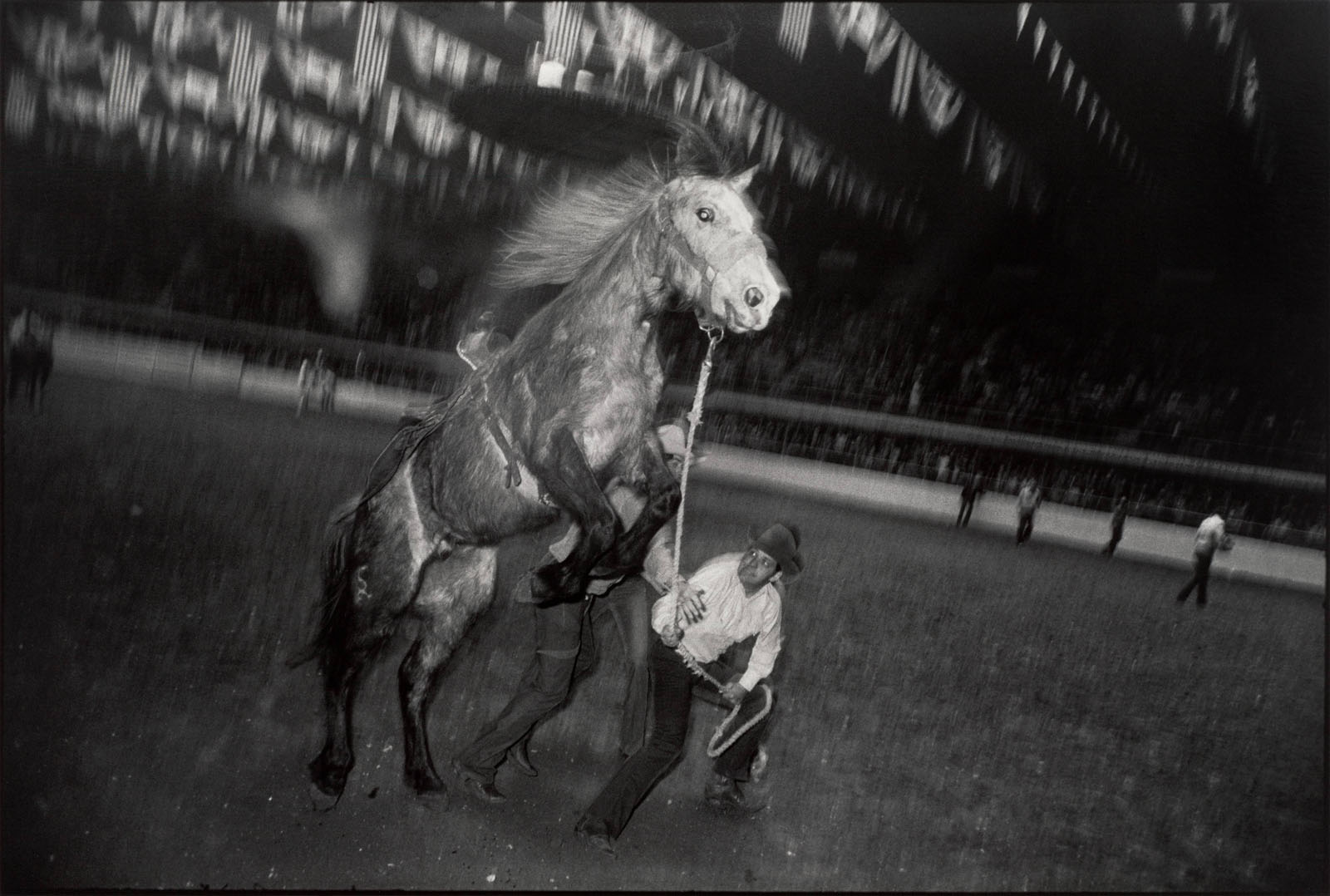
International Center of Photography website

LIKE ART BLART ON FACEBOOK

Back to top