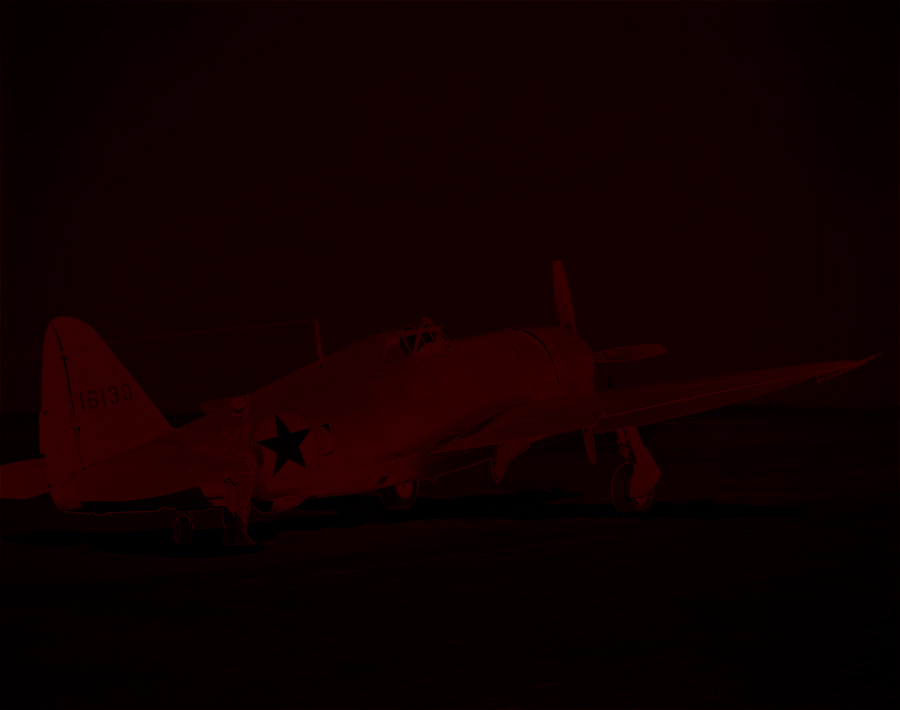
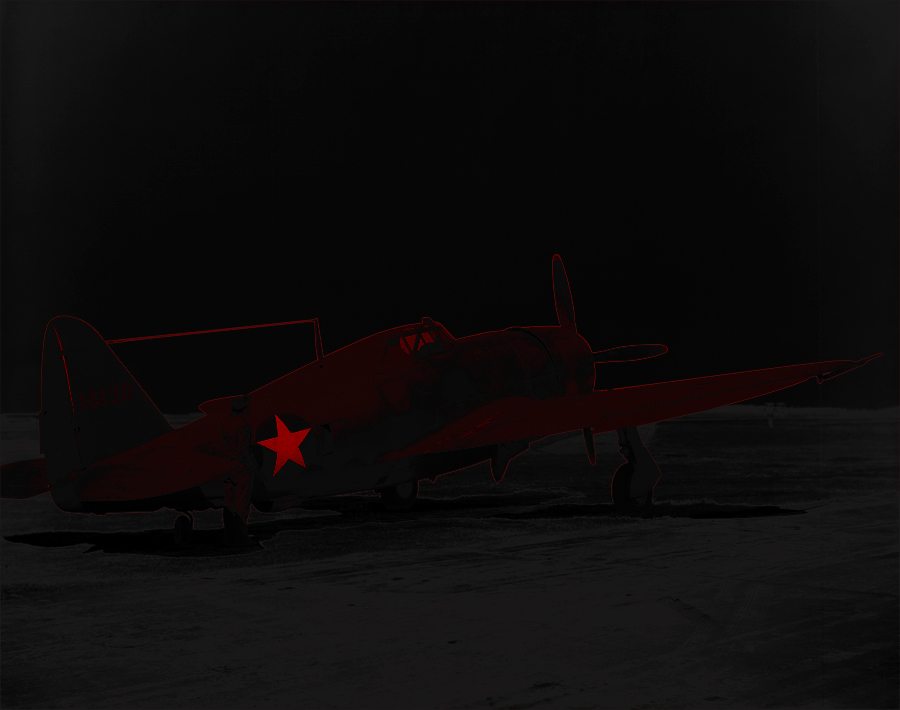
Public talk: ‘This is not my favourite photograph’ by Dr Marcus Bunyan part of ‘What makes a great photograph?’ at the Centre for Contemporary Photography (CCP), Fitzroy

Wednesday 5th December 2012


We were asked to choose our favourite photograph, one that we could nominate as a great photograph. I chose a slightly different take on proceedings.

Marcus


Many thankx to my fellow speakers for their talks and to Director of the Centre for Contemporary Photography Naomi Cass for inviting me to speak at a wonderful evening. Please click on the photographs for a larger version of the image.
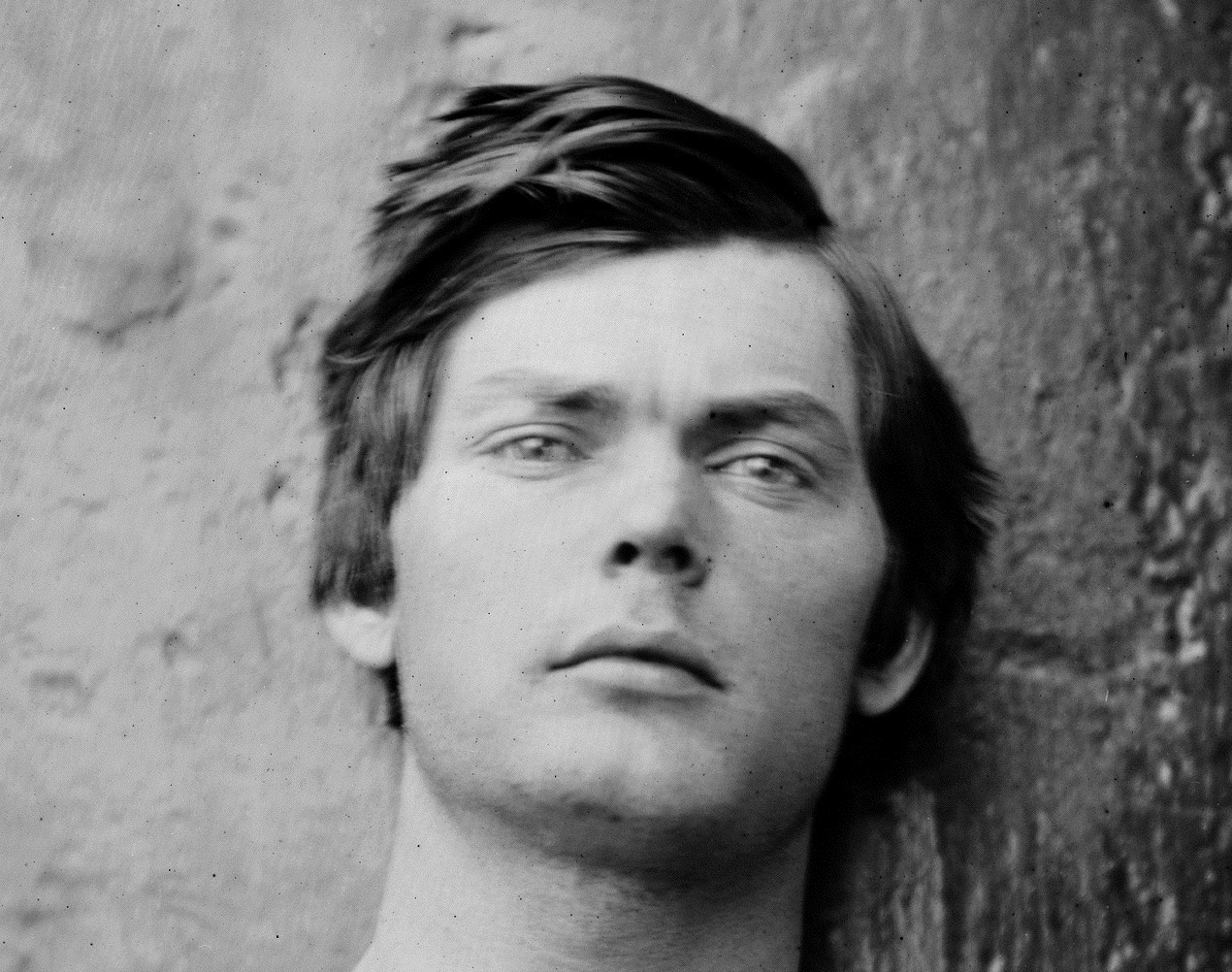


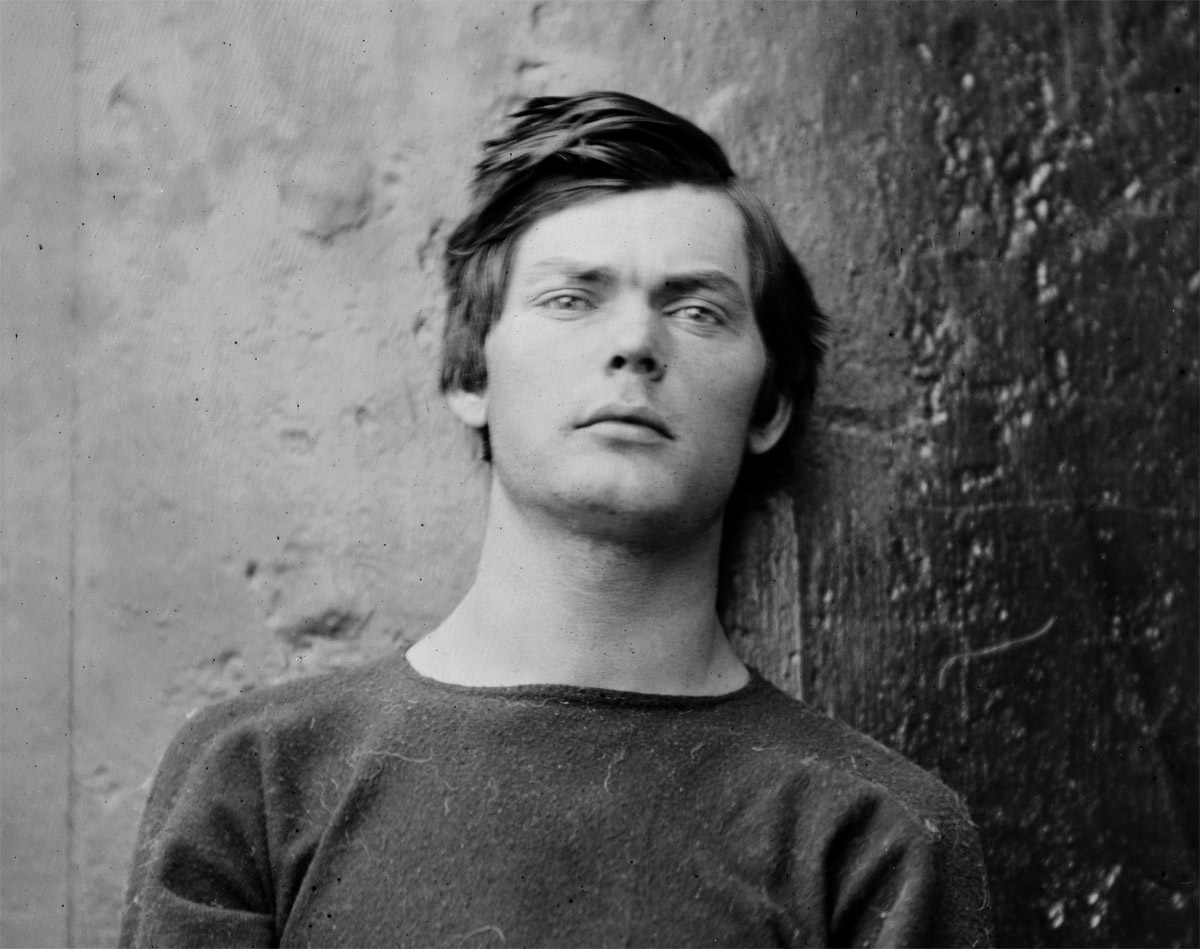
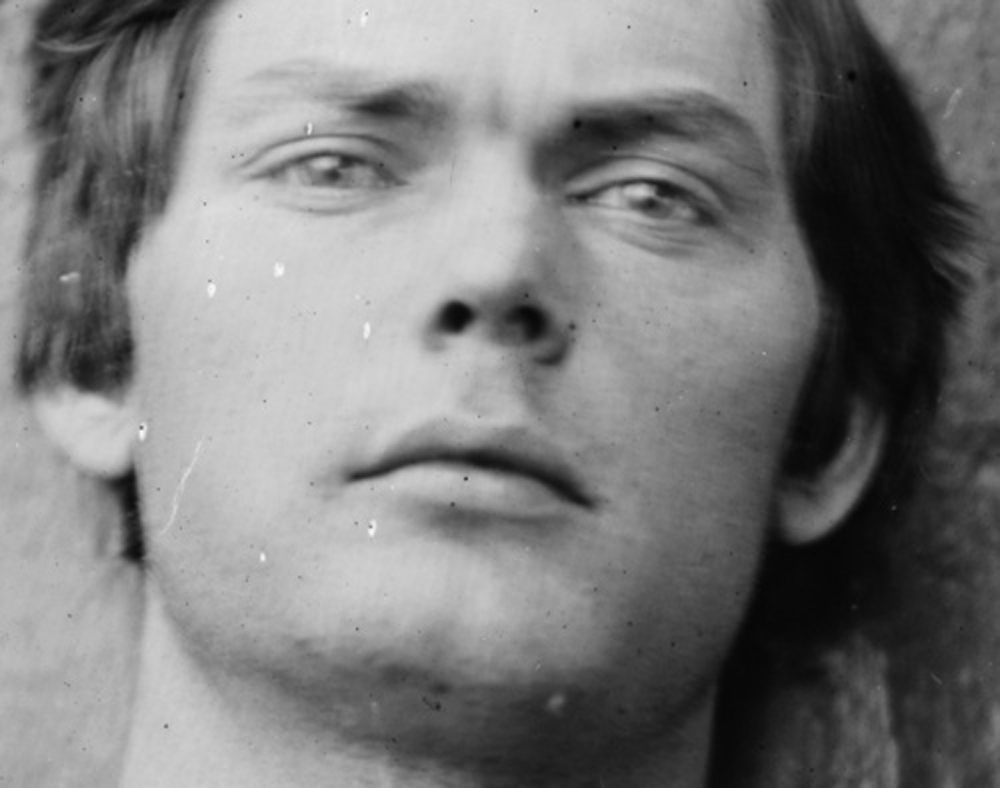
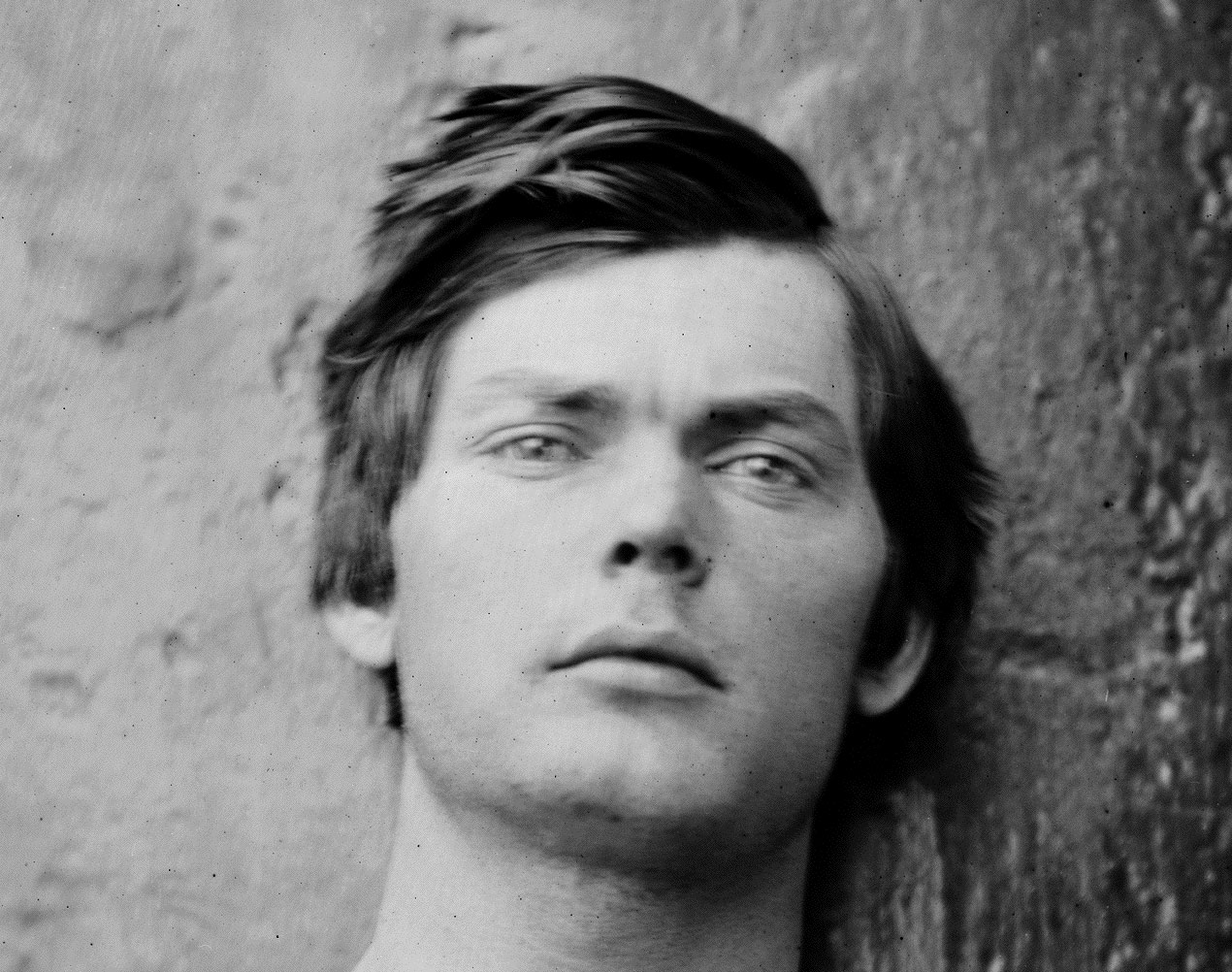
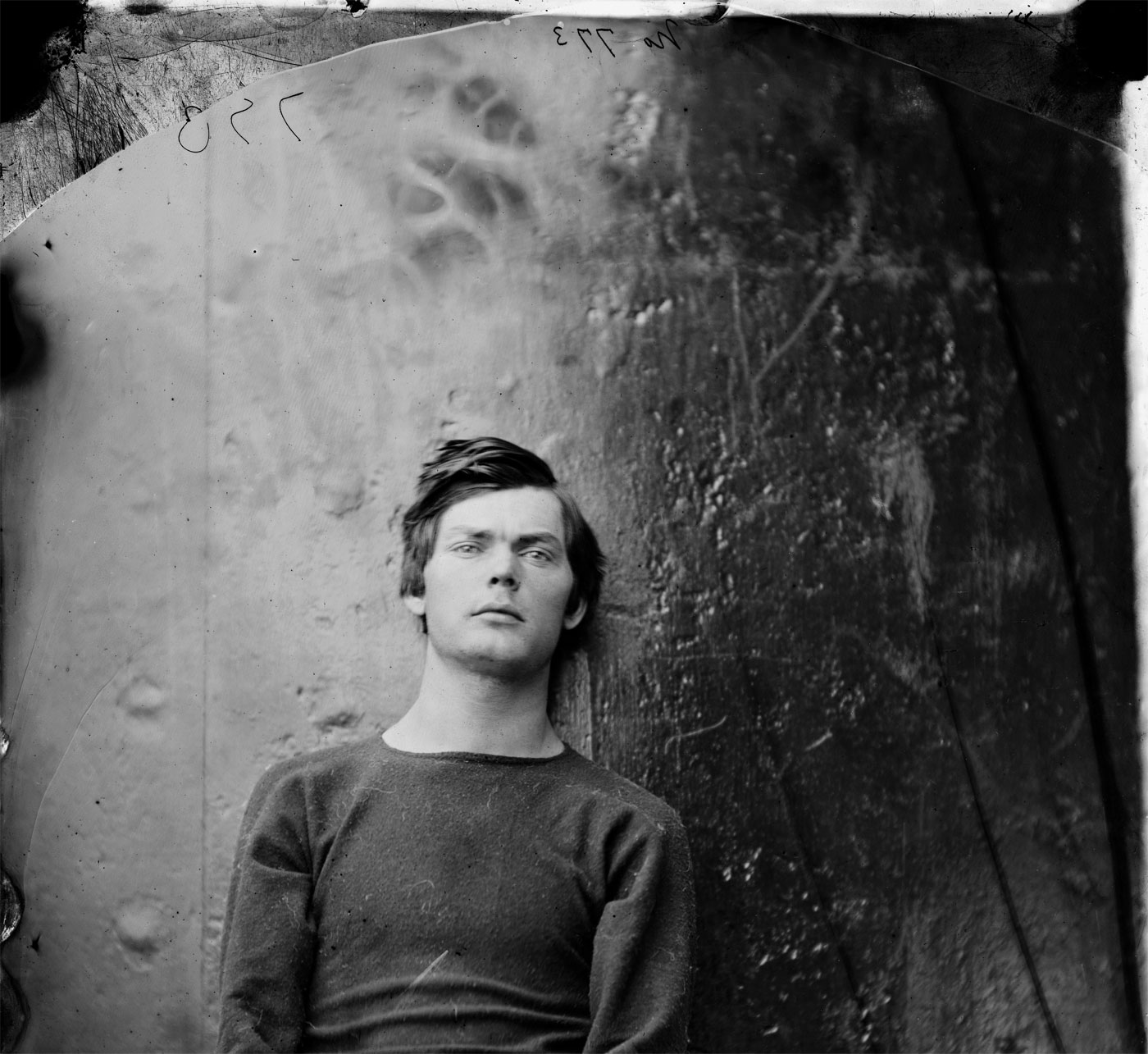
Alexander Gardner (American, 1821-1882) 'Lewis Paine' April 1865 (detail)


Alexander Gardner (American, 1821-1882) 'Lewis Paine' April 1865 (detail)


Alexander Gardner (American, 1821-1882) 'Lewis Paine' April 1865 (detail)


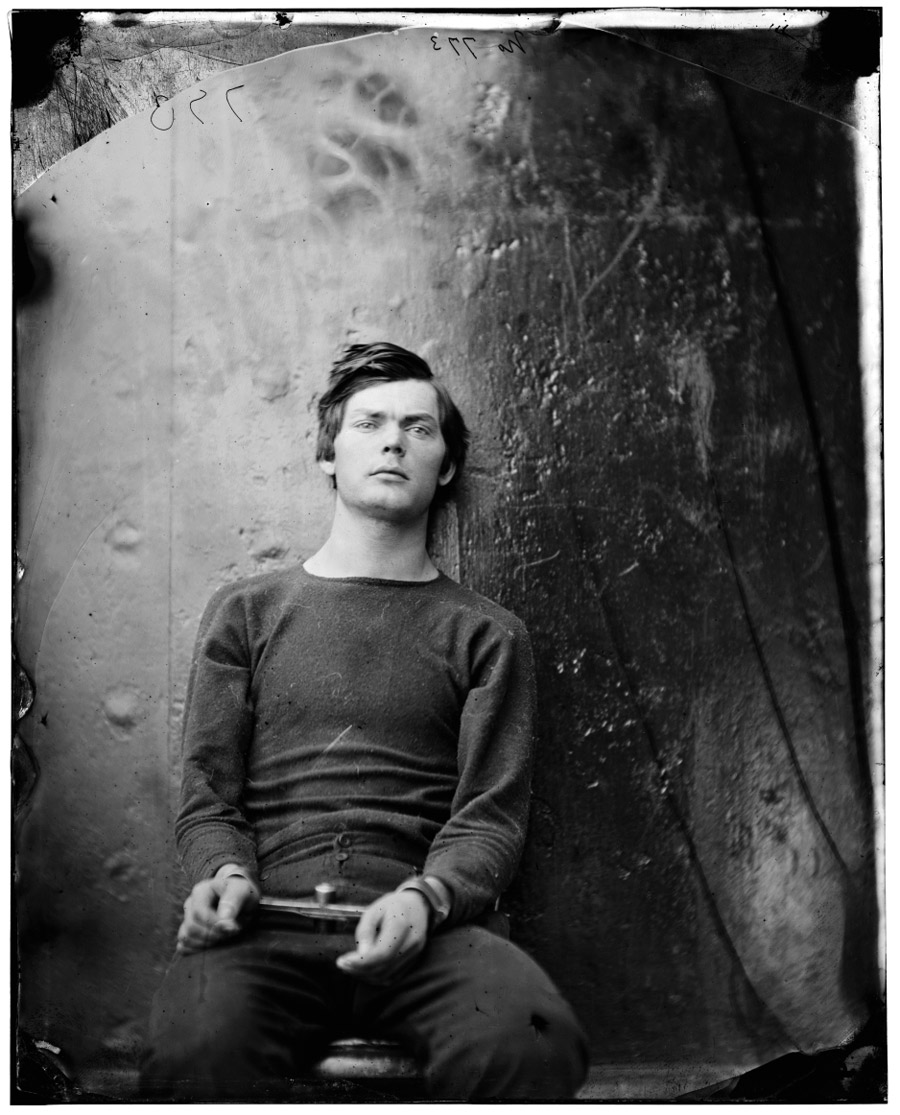
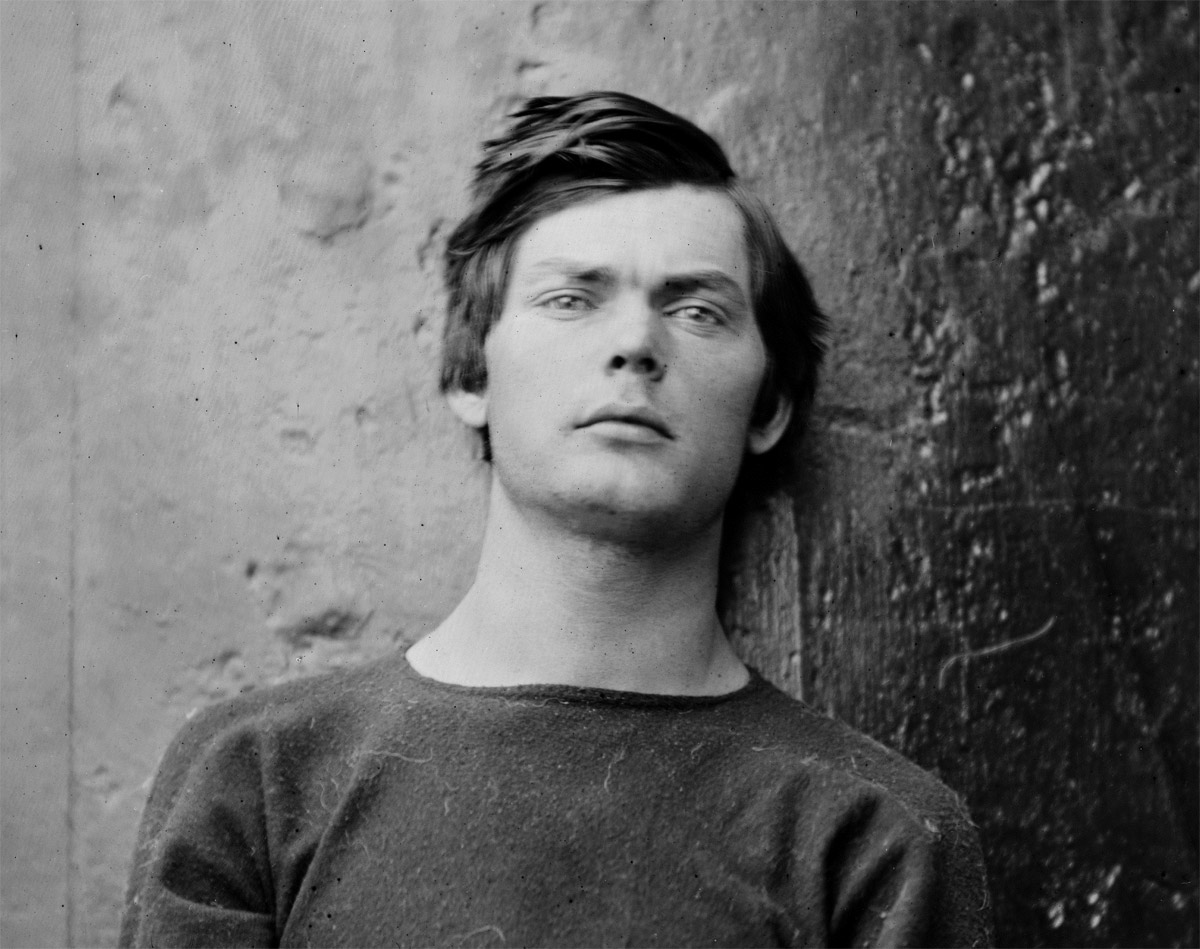
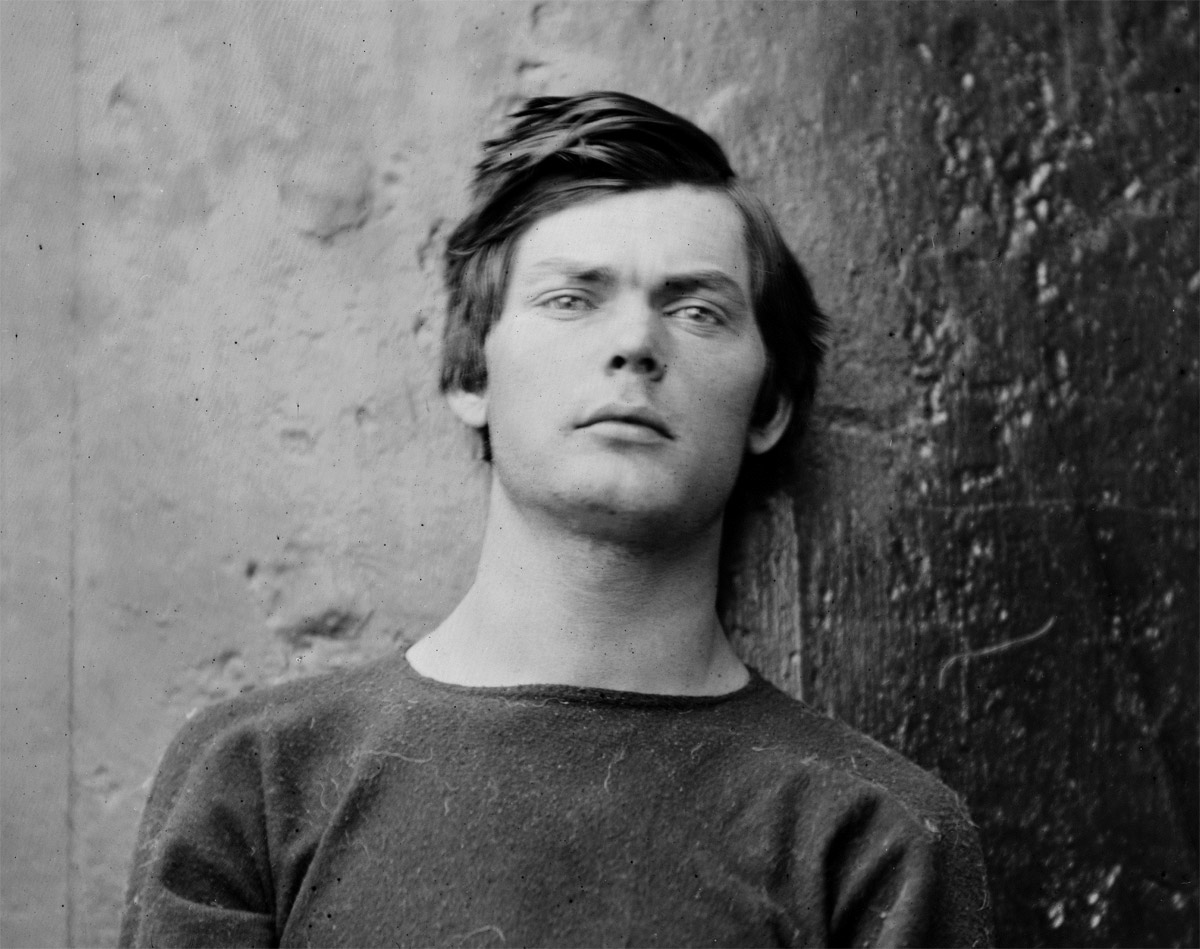
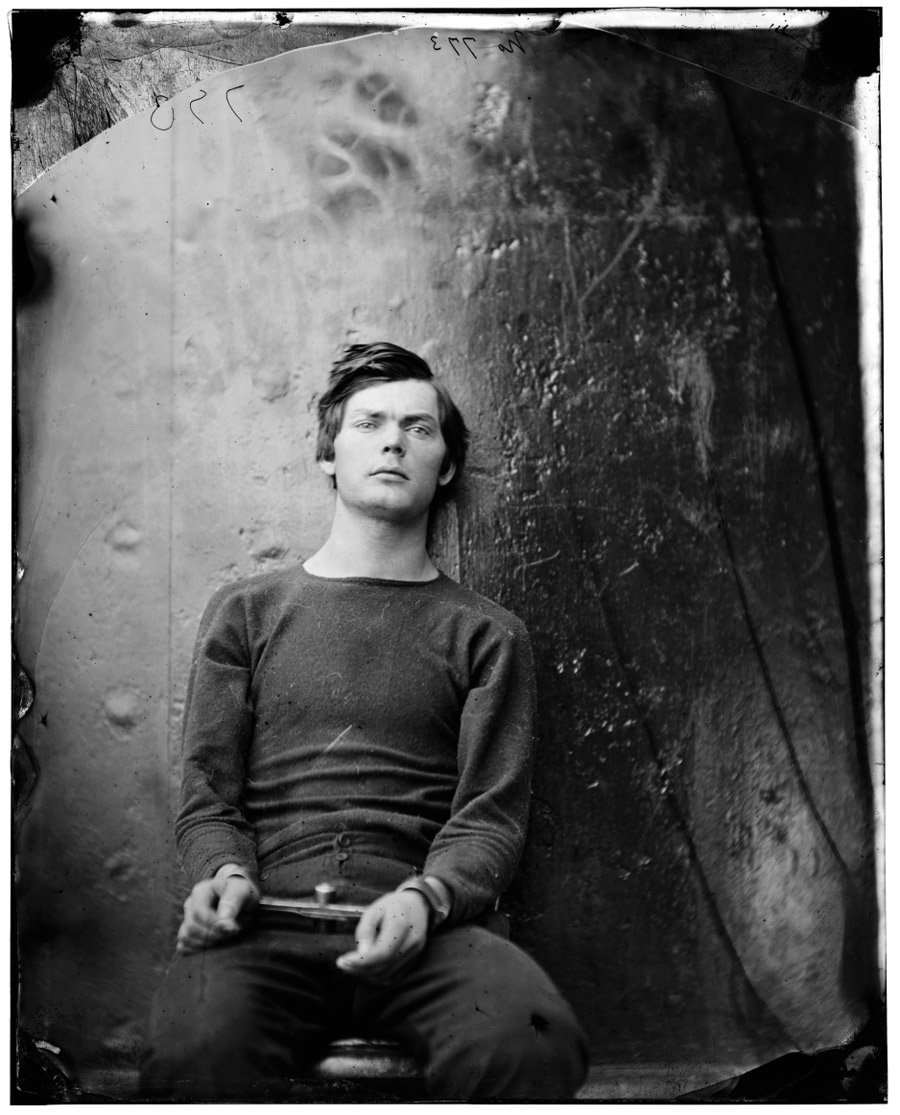
Alexander Gardner (American, 1821-1882) 'Lewis Paine' April 1865


Alexander Gardner (American, 1821-1882)
Lewis Paine
26th April, 1865
Albumen silver print from a Collodion glass plate negative


This is not my favourite photograph

A minute’s silence…


This is not my favourite photograph
Nor may it be a great photograph…
More interestingly to me, it is a remarkable photograph – one that you are able to make remarks on.
It is also a photograph that has haunted me for years.
Taken by Alexander Gardner in April 1865, this photograph is a portrait of Lewis Thornton Powell (aka Lewis Payne or Paine) who was one of the conspirators in the assassination of Abraham Lincoln which had happened the same month. The photograph has a background of dark metal, and was taken on one of the ironclads U.S.S. Montauk or Saugus, where the conspirators were for a time confined. Paine was executed in July 1865 just eight short weeks later.


Alexander Gardner (American, 1821-1882) 'Lewis Paine' 26th April, 1865


Alexander Gardner (American, 1821-1882)
Three photographs of Lewis Paine
26th April, 1865


This is the triptych of photographs by Gardner in the form they are usually displayed, like a three-panel renaissance altar-piece. The left and right hand photographs were taken within minutes of each other, with the camera in the same position, whereas in the centre photograph the camera has been lowered to show more of the body, and the image has been cropped at the top. In the central plate the figure of Paine has been raised up in the frame – almost prematurely brought back to life by his placement.
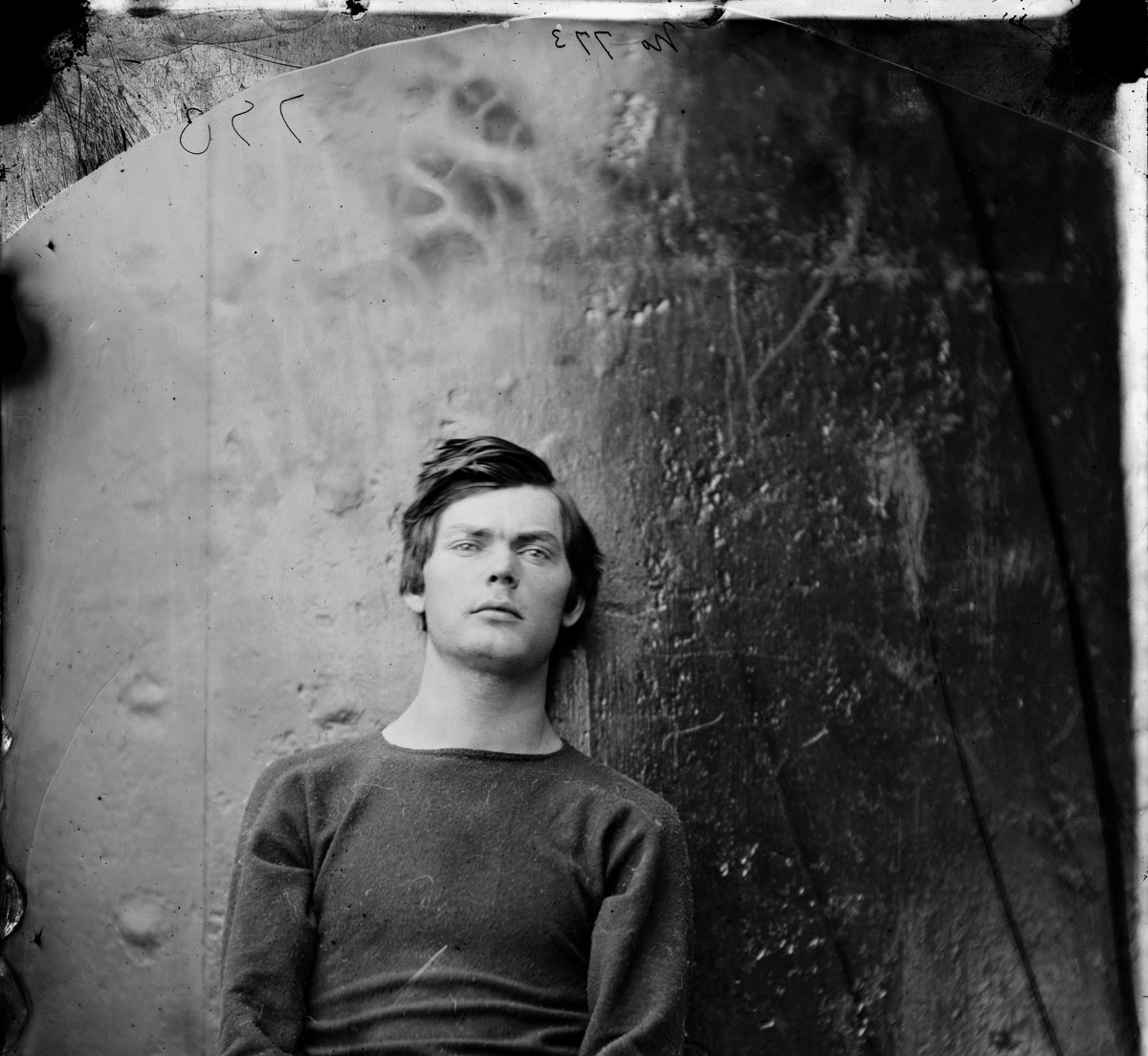
The centre image is the only one where Paine stares directly at the camera. He surveys the viewer with a gaze I find enigmatic.


Alexander Gardner (American, 1821-1882) 'Lewis Paine' April 1865 (detail)


This is a very modern face, a very contemporary face. His hair is just like Justin Beiber’s.
Who brushed his hair across for this picture, and would it normally be this long, or has it just been ignored because of his fate?
He still has good muscle tone – has he been exercising in his cell?
And finally his clothing – is it navy issue, as his top appears to have been given to him, perhaps the coarse, navy blue wool of the Northern states.
 
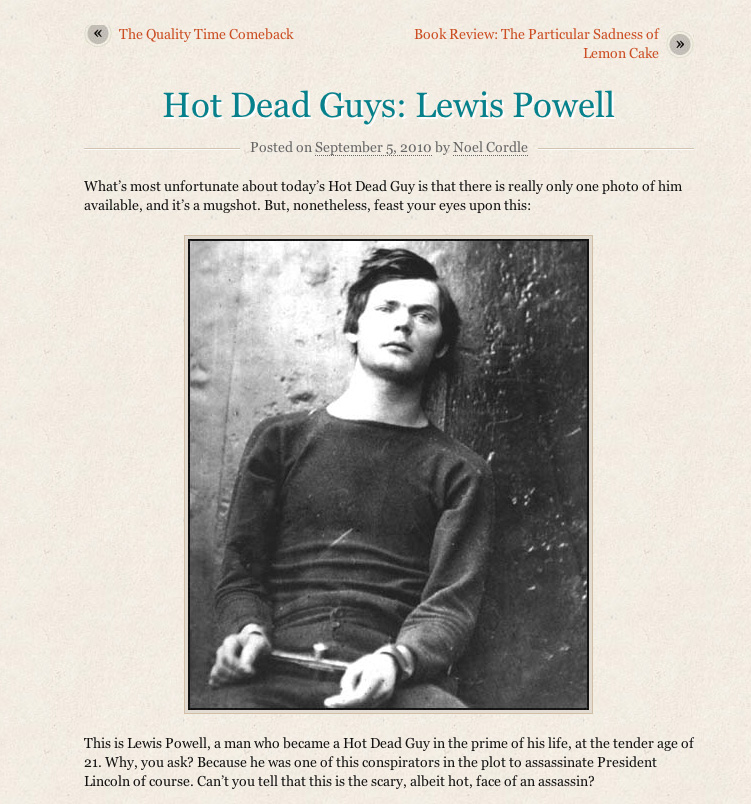
Noel Cordle. 'Hot Dead Guys: Lewis Powell' Posted on September 5th, 2010


Noel Cordle
Hot Dead Guys: Lewis Powell
Posted on September 5th, 2010
Mere Musings blog [Online] Cited 01/12/2012 no longer available online


There’s even a web page dedicated to him on “hot dead guys” where there’s that awkward moment when one of Lincoln’s conspirators is so sexy its ridiculous…
He wasn’t all bad. Biographers of Powell describe him as a quiet, introverted boy who enjoyed fishing and caring for sick and injured animals. Apparently, Lewis was an intelligent, sensitive, soul with great potential.


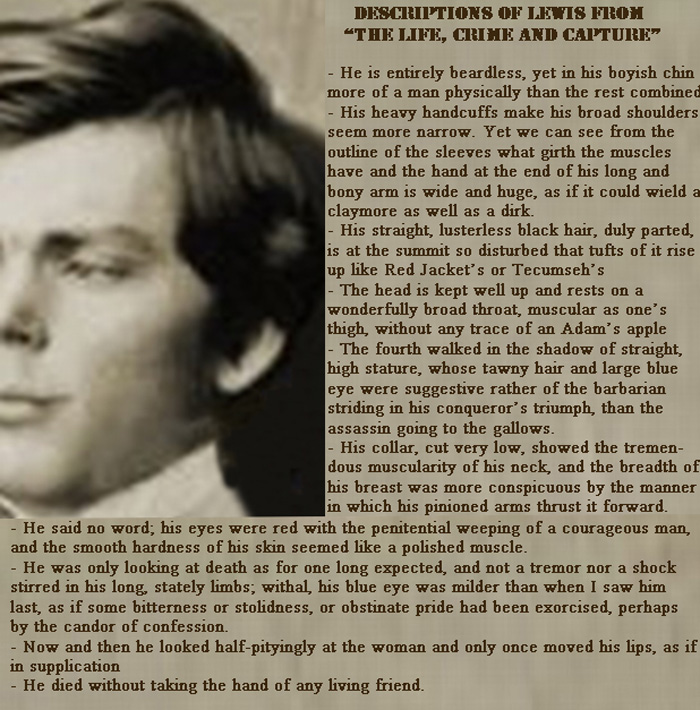
Descriptions of Lewis from "The Life, Crime and Capture"


Descriptions of Lewis from “The Life, Crime and Capture”


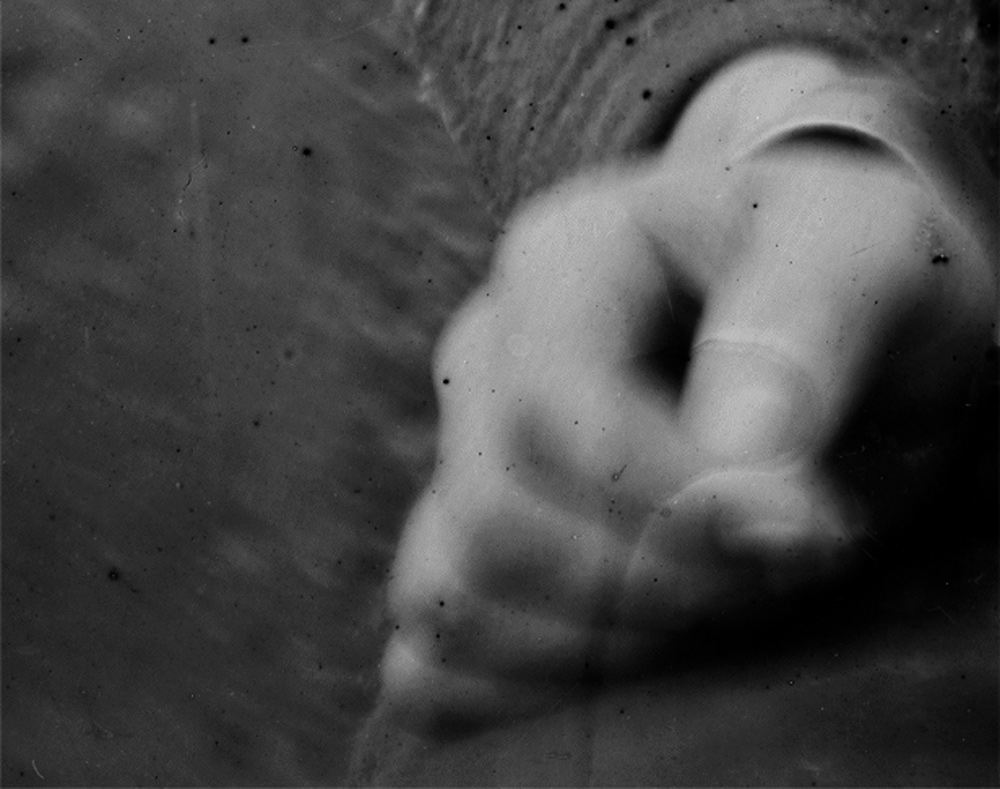
Alexander Gardner (American, 1821-1882) 'Lewis Paine' April 1865 (detail)

.

Alexander Gardner (American, 1821-1882) 'Lewis Paine' April 1865 (detail)


Alexander Gardner (American, 1821-1882)
Lewis Paine (detail)
26th April, 1865
Albumen silver print from a Collodion glass plate negative


Could we say that he is left-handed given the different size of his fingers (?)


Roland Barthes (French, 1915-1980) 'Camera Lucida (La Chambre claire)' 1980


Roland Barthes (French, 1915-1980)
Camera Lucida (La Chambre claire)
1980


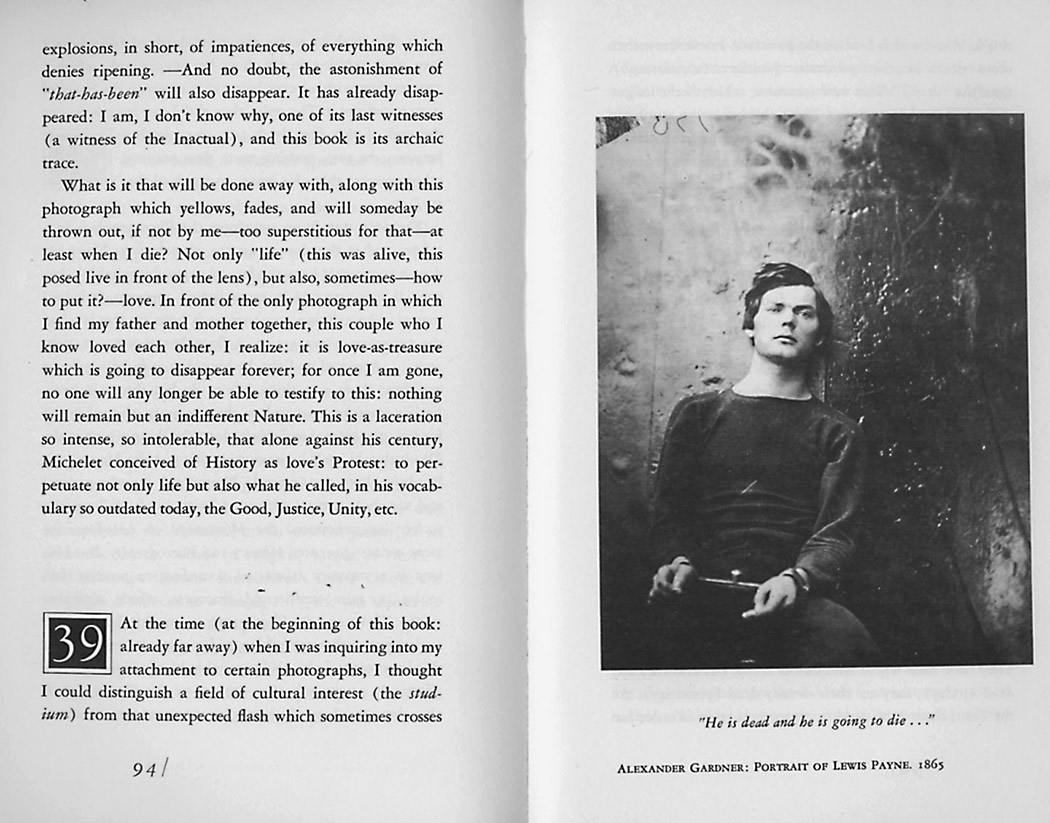
Roland Barthes in his seminal work Camera Lucida said in Section 39: “He is dead and he is going to die…
“The photograph is handsome, as is the boy: that is the studium. But the punctum is: he is going to die. I read at the same time: this will be and this has been; I observe with horror an anterior future of which death is the stake. By giving me the absolute past of the pose, the photograph tells me death in the future. What pricks me is the discovery of this equivalence.”


Alexander Gardner (American, 1821-1882) 'Lewis Paine' April 1865 (detail)


If we were to place this image within the metaphysical school of photography which peaked with Paul Caponigro and Minor White we could say:
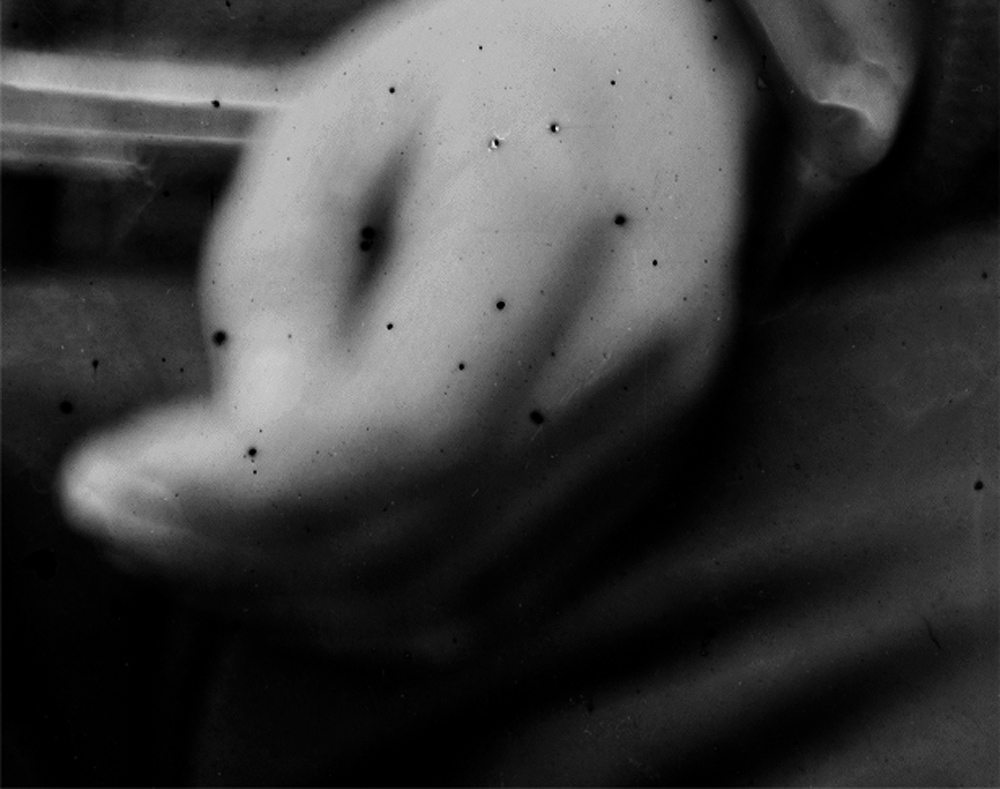
Hovering above his head, has his spirit already begun to leave his body?


Alexander Gardner (American, 1821-1882) 'Lewis Paine' April 1865


One reading of his gaze is that he is really interested in what the photographer is doing – almost the gaze of an apprentice wanting to apply these skills in the future.
Given his fate is he insane because of his interest?
What is really going on in his mind – what is his perspective?
Another reading could be as looking out to the future in the hope of finding that he will be judged in another way.
And another is the immediacy of his gaze – it is a gaze that is happening now!
The other thing that I find quite mysterious is the distance of the photographer from the subject.
Was it fear that stopped him getting any closer or are there deck fittings we cannot see that prevented his approach?


Alexander Gardner (American, 1821-1882) 'Lewis Paine' April 1865 (detail)


What brought Paine to this place?

Michel Foucault calls the methods and techniques through which human beings constitute themselves, “Technologies of the self.” Foucault argued that we as subjects are perpetually engaged in processes whereby we define and produce our own ethical self-understanding. According to Foucault, technologies of the self are the forms of knowledge and strategies that “permit individuals to effect by their own means or with the help of others a certain number of operations on their own bodies and souls, thoughts, conduct, and way of being, so as to transform themselves in order to attain a certain state of immortality.”1
As we look into his eyes he knows that we know he is going to die, has already died but the intensity of that knowledge is brought into present time. What Paine emanates is a form of i-mortality.
I wonder, did Gardner ever show him the finished photographs before he died?


Alexander Gardner (American, 1821-1882) 'Lewis Paine' April 1865 (detail)


This is Barthes anterior future, a moment where truth is interpreted in the mind of the photographer, not out there but in here [points to head and heart], where past, present and future coalesce into single point in time – his death and our death are connected through his gaze, the knowledge of our discontinuity. Eons contracted into an eternal moment.
In this moment in time, what we are doing is we are making a list about the human condition when we talk about something that is remarkable. We are moving towards a language that defines the human condition…


Alexander Gardner (American, 1821-1882) 'Lewis Paine' April 1865 (detail)


But ultimately language can never fully describe the human condition, much as it may try… and this is why this photograph is remarkable, because it is ineffable, unknowable.
This photograph inhabits you, it haunts you like few others.
Early Wittgenstein described a world of facts pictured by thoughts. he said, “Don’t Think, But Look!”
I would add “Don’t think, but feel and look”

This photograph is a memoriam to a young man and his present death. As such it is a REMARKABLE photograph that haunts us all.

Dr Marcus Bunyan
December 2012


1/ Foucault, Michel. “Technologies of the self,” in L. H. Martin, H. Gutman and P. H. Hutton (eds.). Technologies of the self. Amherst: University of Massachusetts Press, 1988, p. 18.


Postscript

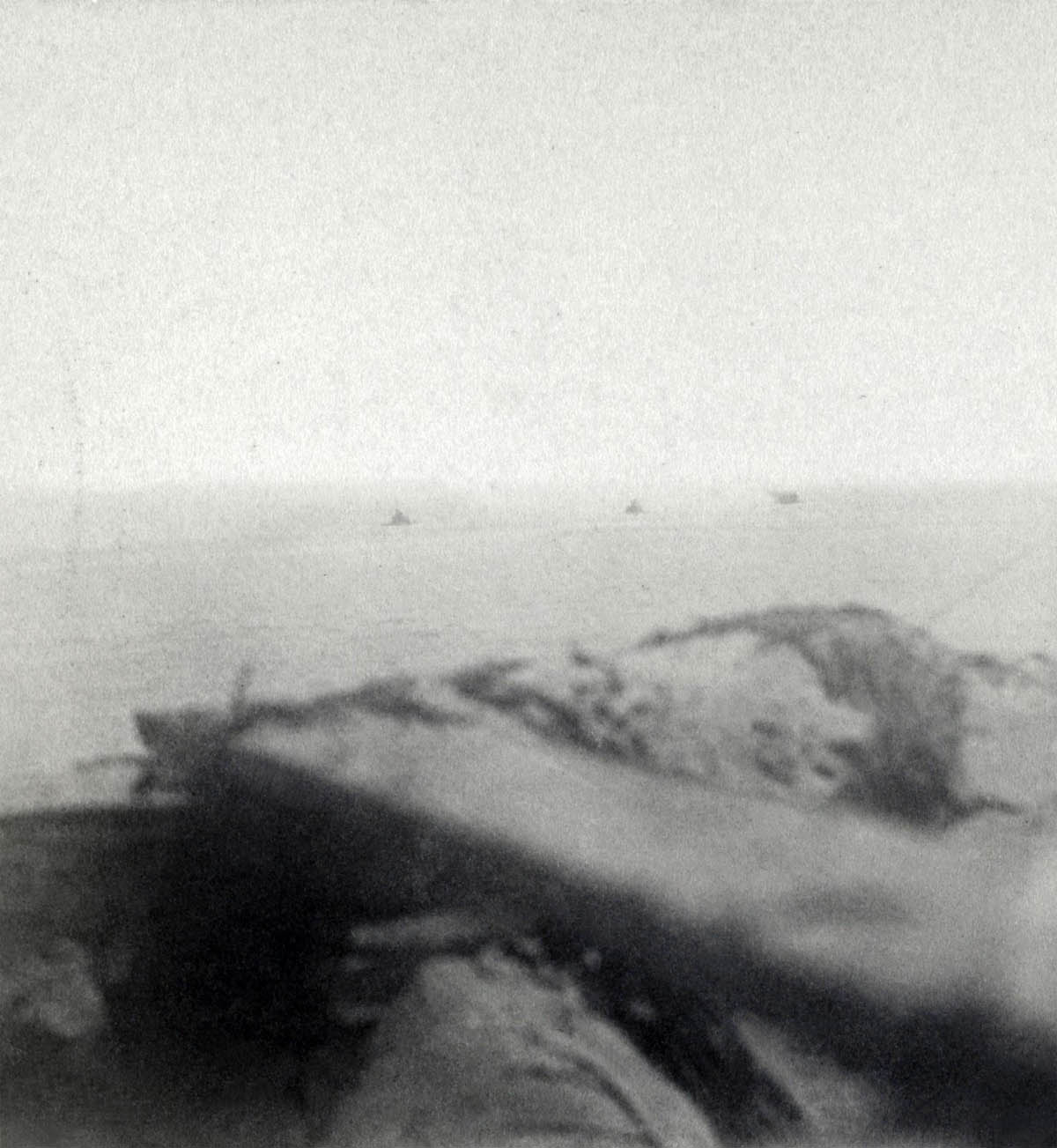
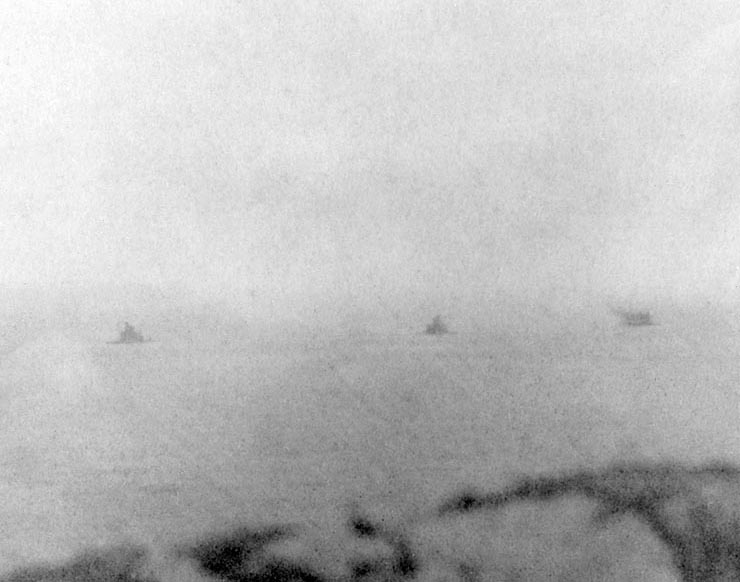
George Cook (American, 1819-1902) 'Union ironclads firing on Fort Moultrie, S.C.,' 8th September 1863


George Cook (American, 1819-1902)
Union ironclads firing on Fort Moultrie, S.C.,
8th September 1863
Photo courtesy of the Cook Collection, Valentine Richmond History


George Cook’s photograph of Union ironclads firing on Fort Moultrie, S.C., believed to be the world’s first combat photograph. Monitors engage Confederate batteries on Sullivan’s Island, Charleston, South Carolina. Photographed from one of the Confederate emplacements, the ships are identified as (from left to right): Weehawken, Montauk and Passaic. The monitor on the right appears to be firing its guns. Date is given as 8 September 1863, when other U.S. Navy ships were providing cover for Weehawken, which had gone aground on the previous day. She was refloated on the 8th after receiving heavy gunfire from the Confederate fortifications.


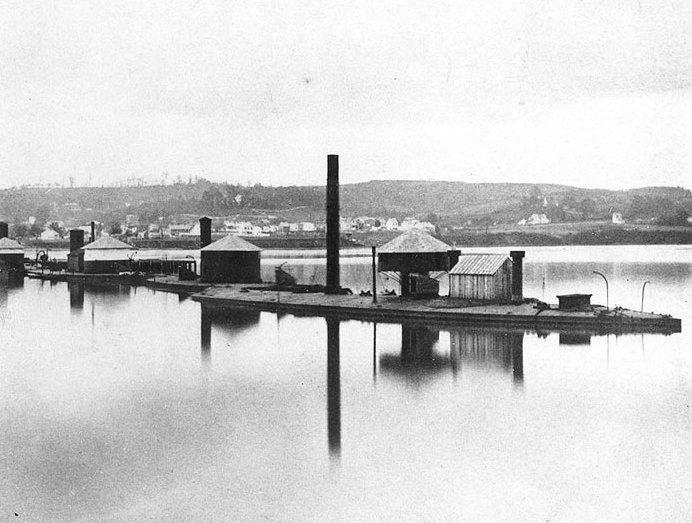
Kilburn Brothers (Edward and Benjamin Kilburn, American) 'Four monitors laid up in the Anacostia River, off the Washington Navy Yard' c. 1866


Kilburn Brothers (Edward and Benjamin Kilburn, American)
Four monitors laid up in the Anacostia River, off the Washington Navy Yard
c. 1866
Ships are (from left to right): USS Mahopac, USS Saugus, USS Montauk (probably), and either USS Casco or USS Chimo
Photo mounted on a stereograph card, marked: “Photographed and published by Kilburn Brothers, Littleton, N.H.”


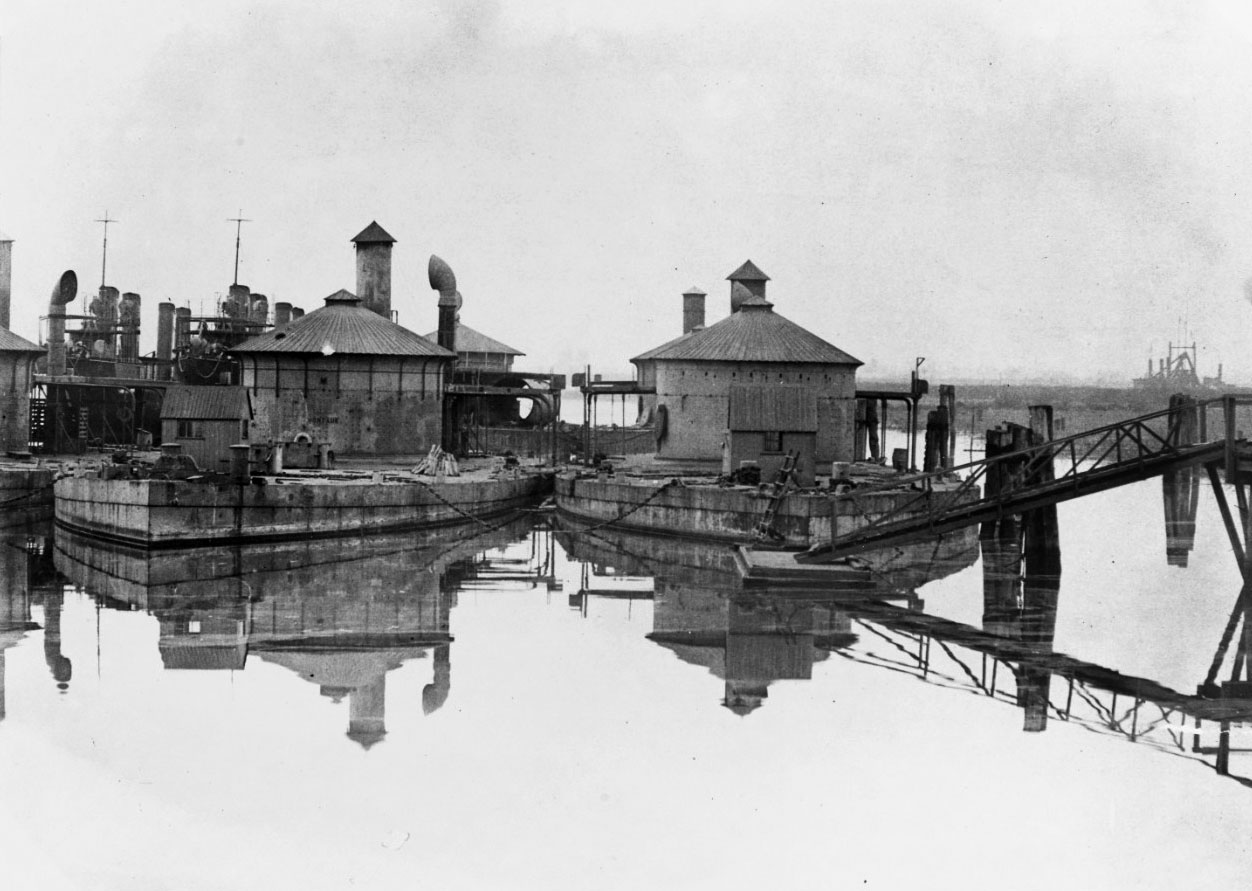
Anonymous photographer. ''Montauk' at left, and 'Lehigh' at right, laid up at the Philadelphia Navy Yard, Pennsylvania' c. late 1902 or early 1903


Anonymous photographer
‘Montauk’ at left, and ‘Lehigh’ at right, laid up at the Philadelphia Navy Yard, Pennsylvania
c. late 1902 or early 1903
U.S. Naval Historical Center photograph


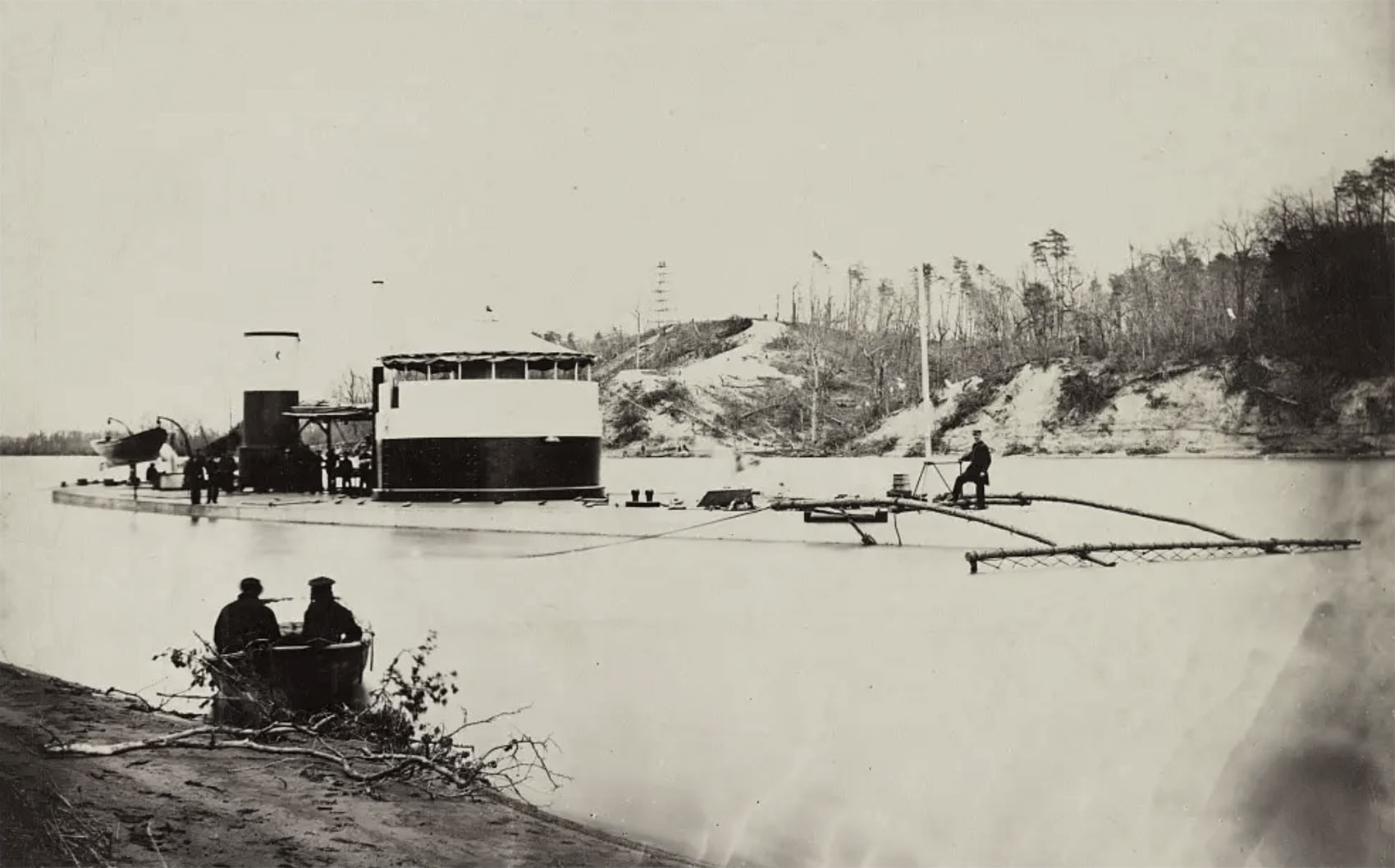
Anonymous photographer. 'Saugus, in Trent's Reach on the James River, Virginia' c. early 1865


Anonymous photographer
Saugus, in Trent’s Reach on the James River, Virginia
c. early 1865
Note the mine sweeping “rake” attached to her bow
U.S. Naval Historical Center photograph


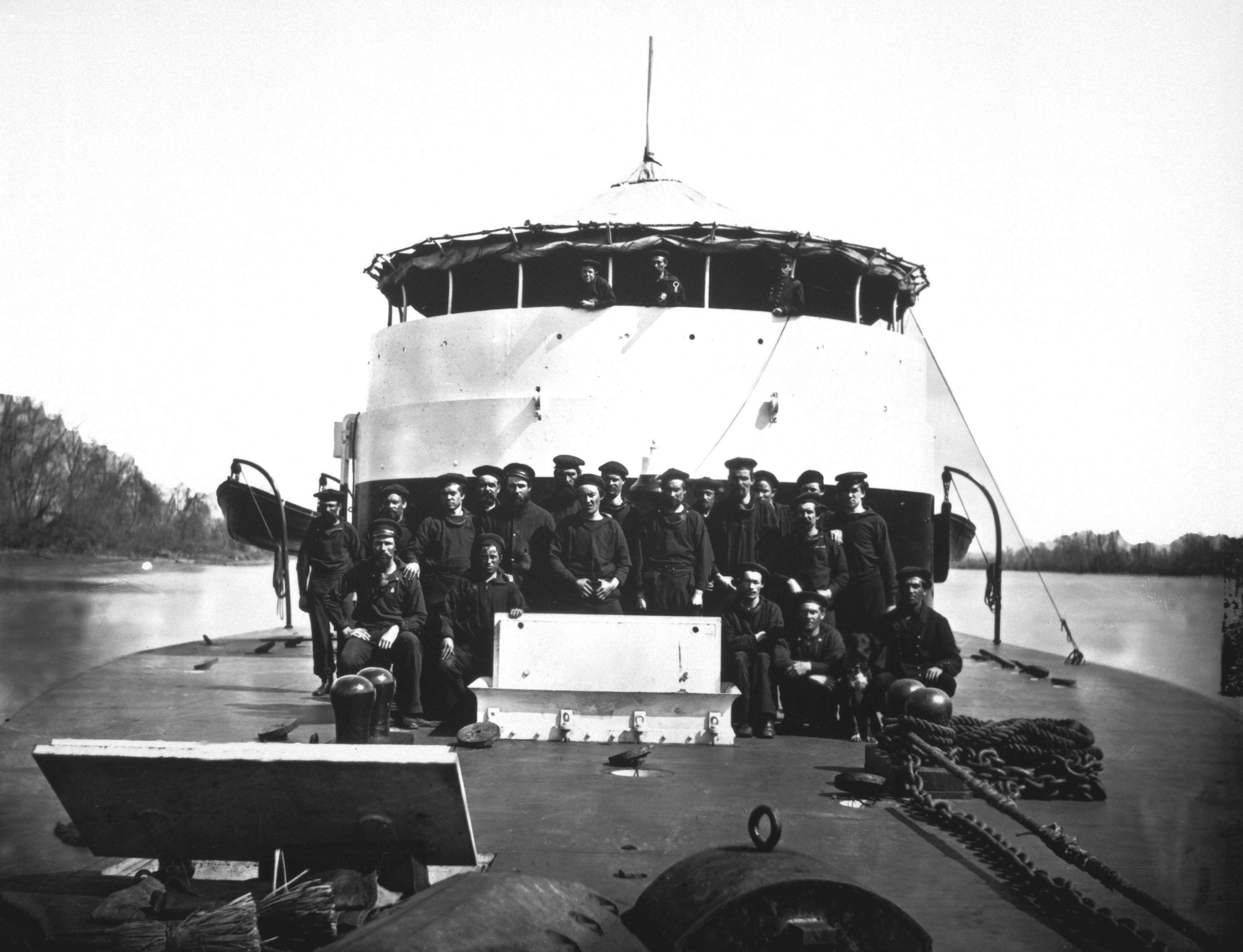
Anonymous photographer. 'Officers pose on deck of the Saugus, in front of the gun turret, probably while the ship was serving on the James River, Virginia' c. early 1865


Anonymous photographer
Officers pose on deck of the Saugus, in front of the gun turret, probably while the ship was serving on the James River, Virginia
c. early 1865
Note ship’s bell and other details of the turret and deck fittings
U.S. Naval Historical Center photograph


Centre for Contemporary Photography

No permanent exhibition space at the moment

Centre for Contemporary Photography website

LIKE ART BLART ON FACEBOOK

Back to top

Marcus Bunyan black and white archive: ‘Circumnavigation’, 1992-1994

November 2012

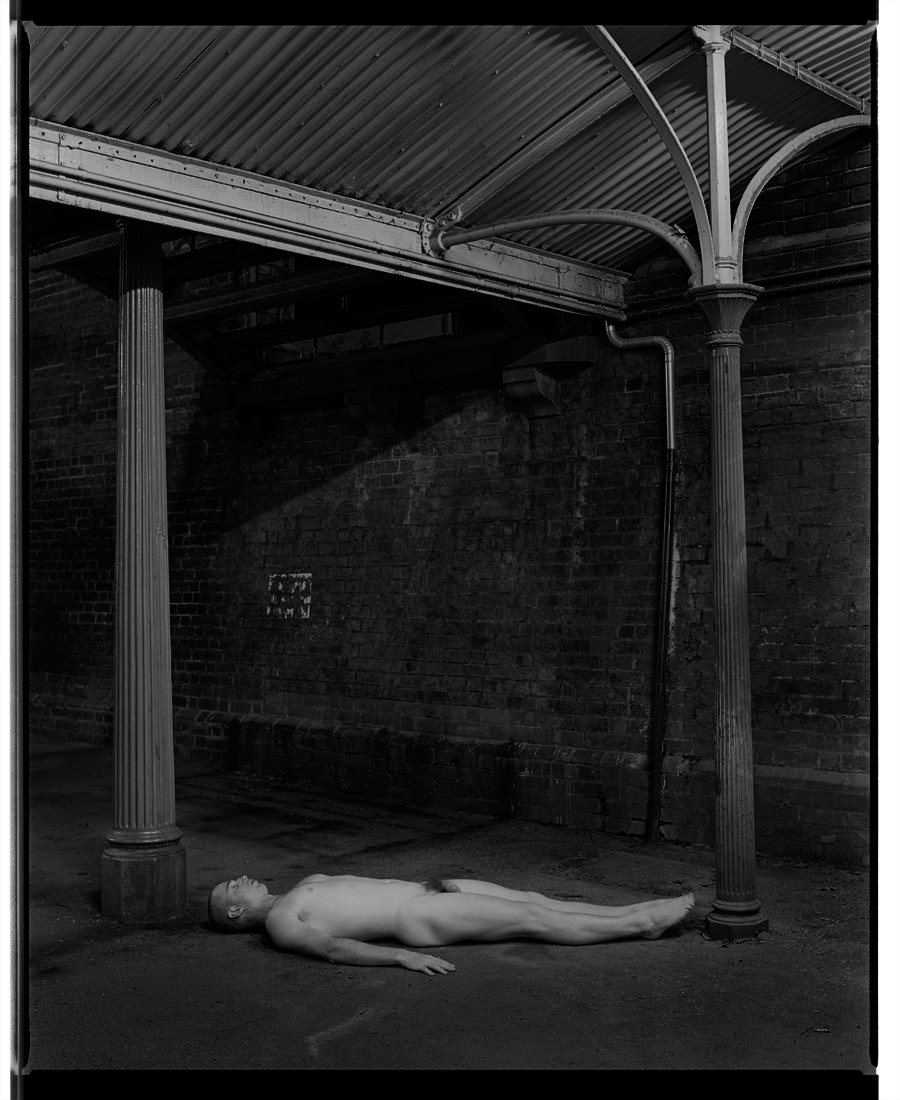
*PLEASE NOTE THIS POSTING CONTAINS ART PHOTOGRAPHS OF MALE SEXUAL NUDITY- IF YOU DO NOT LIKE PLEASE DO NOT LOOK, FAIR WARNING HAS BEEN GIVEN*


The titles from this period tend to be poetic, pragmatic or composed, like Japanese haiku. The photographs are a mixture of personal narrative and universal archetype, hence the affinity to Frederick Sommer’s incantation: Circumnavigation of the blood is always Circumnavigation of the world.

I am scanning my negatives made during the years 1991-1997 to preserve them in the form of an online archive as a process of active memory, so that the images are not lost forever. These photographs were images of my life and imagination at the time of their making, the ideas I was thinking about and the people and things that surrounded me.

All images © Marcus Bunyan. Please click the photographs for a larger version of the image; remember these are just straight scans of the negatives!

Photographs are available from this series for purchase. As a guide, a vintage 8″ x 10″ silver gelatin print costs $700 plus tracked and insured shipping. For more information please see my Store web page.


Marcus Bunyan (Australian, b. 1958) 'Doll on chair' 1992-94


Marcus Bunyan (Australian, b. 1958)
Doll on chair
1992-1994
Silver gelatin photograph


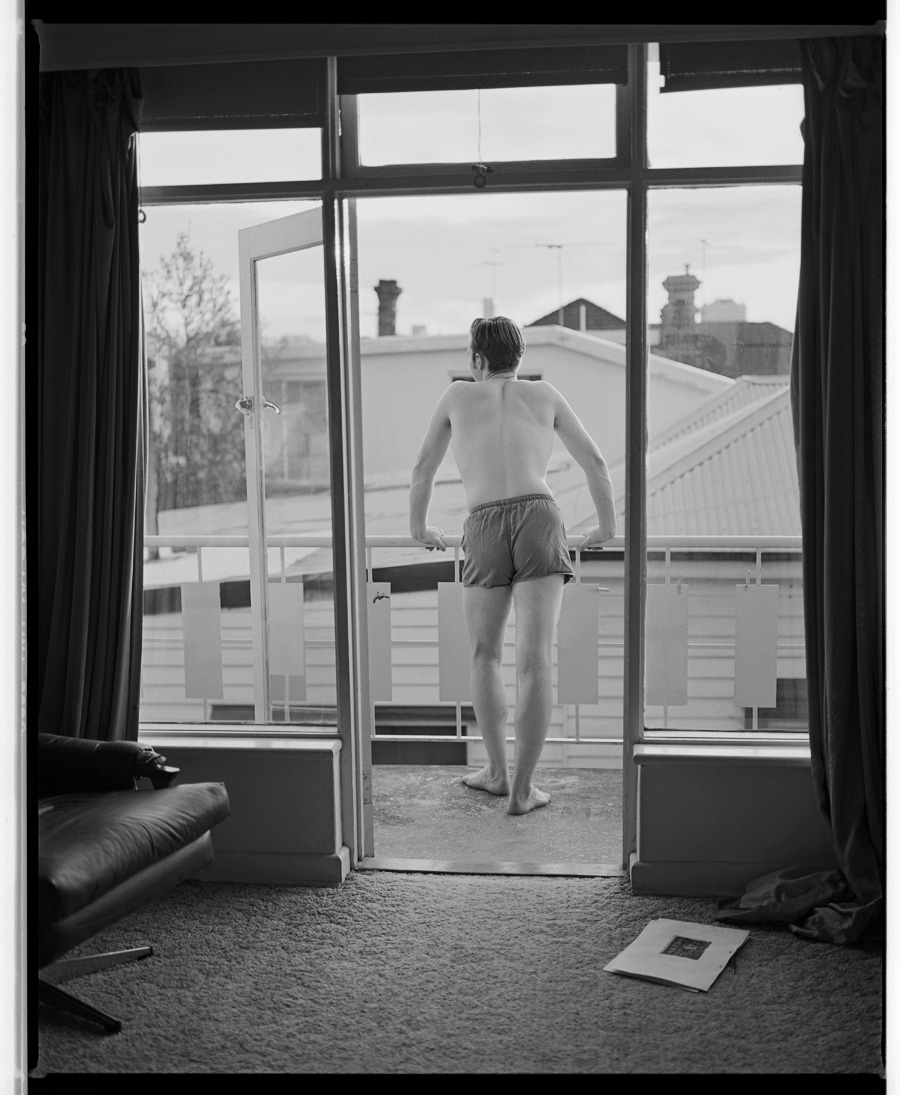
Marcus Bunyan (Australian, b. 1958) 'Paul on the balcony, Mcilwrick Street, Windsor' 1992-94


Marcus Bunyan (Australian, b. 1958)
Paul on the balcony, Mcilwrick Street, Windsor
1992-1994
Silver gelatin photograph


Marcus Bunyan (Australian, b. 1958) 'Paul resting' 1992-94


Marcus Bunyan (Australian, b. 1958)
Paul resting
1992-1994
Silver gelatin photograph


Marcus Bunyan (Australian, b. 1958) 'Marcus holding his cock' 1992-94


Marcus Bunyan (Australian, b. 1958)
Marcus holding his cock
1992-1994
Silver gelatin photograph


Marcus Bunyan (Australian, b. 1958) 'Post with finial, tree' 1992-94


Marcus Bunyan (Australian, b. 1958)
Post with finial, tree
1992-1994
Silver gelatin photograph


Marcus Bunyan (Australian, b. 1958) 'People who live in glass houses shouldn't throw stars' 1992-1994


Marcus Bunyan (Australian, b. 1958)
People who live
in glass houses
shouldn’t throw stars
1992-1994
Silver gelatin photograph


Marcus Bunyan (Australian, b. 1958) 'Paul, Windsor and the city' 1992-1994


Marcus Bunyan (Australian, b. 1958)
Paul, Windsor and the city
1992-1994
Silver gelatin photograph


Marcus Bunyan (Australian, b. 1958) 'Self portrait with punk jacket and flanny' 1992-1994


Marcus Bunyan (Australian, b. 1958)
Self portrait with punk jacket and flanny
1992-1994
Silver gelatin photograph


Marcus Bunyan (Australian, b. 1958) 'Release' 1992-1994


Marcus Bunyan (Australian, b. 1958)
Release
1992-1994
Silver gelatin photograph


Marcus Bunyan (Australian, b. 1958) 'Jesus, Mary and Joseph.' 1992-1994


Marcus Bunyan (Australian, b. 1958)
Jesus, Mary and Joseph.
1992-1994
Silver gelatin photograph


Marcus Bunyan (Australian, b. 1958) 'Circumnavigation of the blood is always Circumnavigation of the world (for Frederick Sommer)' 1992-1994


Marcus Bunyan (Australian, b. 1958)
Circumnavigation of the blood is always Circumnavigation of the world (for Frederick Sommer)
1992-1994
Silver gelatin photograph


Marcus Bunyan (Australian, b. 1958) 'Release (cock, hands, cum)' 1992-1994


Marcus Bunyan (Australian, b. 1958)
Release (cock, hands, cum)
1992-1994
Silver gelatin photograph


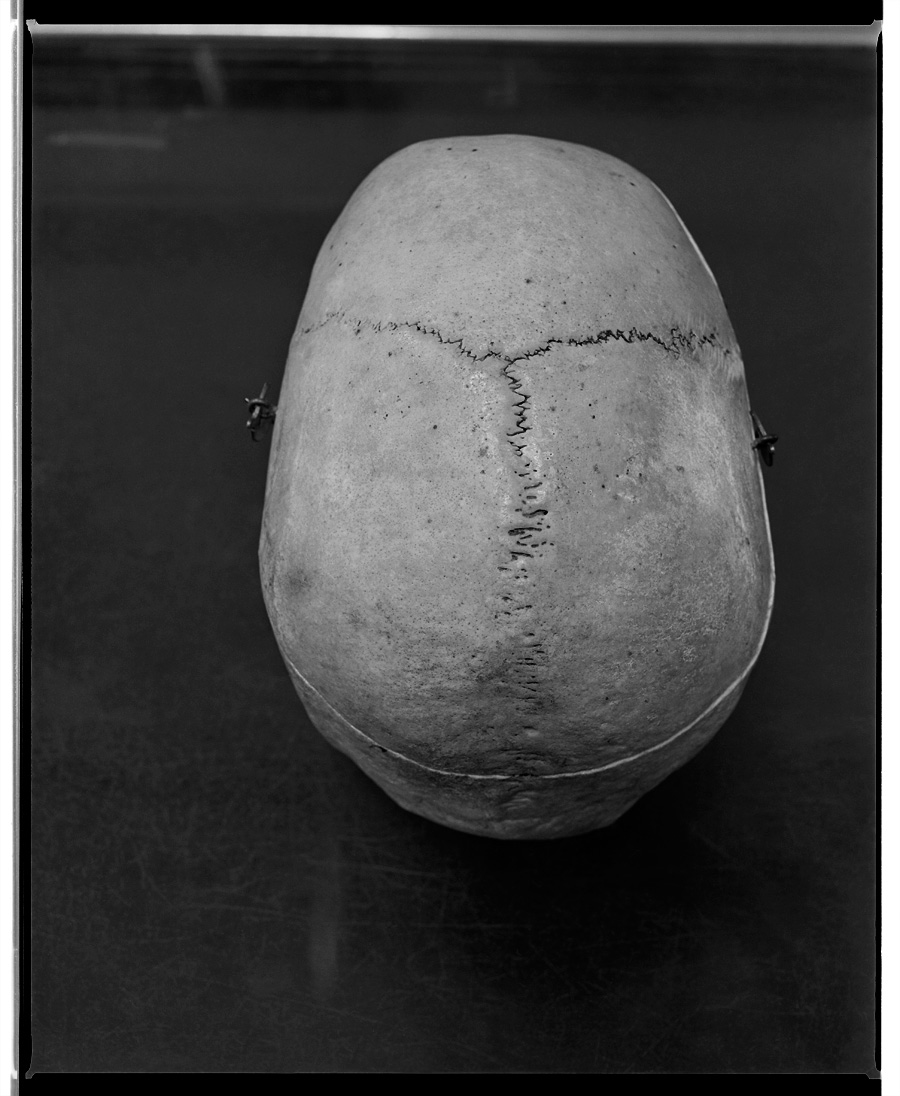
Marcus Bunyan (Australian, b. 1958) 'Madonna and child, skull' 1992-94


Marcus Bunyan (Australian, b. 1958)
Madonna and child, skull
1992-1994
Silver gelatin photograph


Marcus Bunyan black and white archive 1991-1997

LIKE ART BLART ON FACEBOOK

Back to top

Text: ‘The defining of Apollonian and Dionysian ideals in images of the male body’ Dr Marcus Bunyan / Exhibition: ‘Robert Mapplethorpe’ at the Ludwig Museum of Contemporary Art, Budapest

Exhibition dates: 25th May – 30th September 2012


F. Holland Day (American, 1864-1933) 'The Vision (Orpheus Scene)' 1907


F. Holland Day (American, 1864-1933)
The Vision (Orpheus Scene)
1907
Platinum print
24.4 x 18.4cm (9 5/8 x 7 1/4 in.)


“Perfection means you don’t question anything about the photograph. There are certain pictures I’ve taken in which you really can’t move that leaf or that hand. It’s where it should be, and you can’t say it could have been there. There is nothing to question as in a great painting. I often have trouble with contemporary art because I find it’s not perfect. It doesn’t have to be anatomically correct to be perfect either. A Picasso portrait is perfect. It’s just not questionable. In the best of my pictures, there’s nothing to question – it’s just there.”


Robert Mapplethorpe


Written in 1996 (but never published until now), this is one of my earliest pieces of research and writing. While it is somewhat idealistic in many ways, hopefully this piece still has some relevance for the reader for there are important ideas contained within the text. It examines the Apollonian and Dionysian ideals in images of the male body by 4 gay photographers: Baron Wilhelm von Gloeden, F. Holland Day, Minor White, and Robert Mapplethorpe.


The defining of Apollonian and Dionysian ideals in images of the male body

Photography has portrayed the Apollonian and Dionysian ideals of the body throughout its history, but has never fully explored the theoretical implications and consequences of this pairing. Our presentation of the body says precise things about the society in which we live, the degree of our integration within that society and the controls which society exerts over the innerman.1 My research concentrated on how images of the male body, as a representation of the Self / Other split, have been affected by these ideals.

We can clearly define the Apollonian (beauty, perfection, obsession, narcissism, voyeurism, idols, fascism, frigid, constraint, oppression, the defined, the personalised, an aggression of the eye linked to greed and desire) and Dionysian (ecstasy, eroticism, hysteria, energy, anarchy, promiscuity, death, emotion, bodily substances and the universal). In reality the boundaries between these ideals are more ambiguous.

For example, in the work of the American photographer Fred Holland Day we see allegorical myths portrayed by beautiful youths, many of which to modern eyes have a powerful homoerotic quality.

“In close proximity to eroticism associated with homosocial bonding and sexuality, these pictures were infused with desire and anxiety, repulsion and attraction … Day’s male nudes possess the aesthetic trappings of refined art and high culture … but also contain a frisson of impending sexual release and bodily pleasure, to say nothing of their sado-erotic inflection and paedophilic associations.”2


According to some critics,3 societies acceptance of photographs of Apollonian or Orphic (Dionysian) youths [see 2 different critical views]4 in that era (the fin de siecle of the nineteenth century and the early years of the twentieth century), was based on what was seen as their chaste, idyllic nature. They represented ‘ephebes’ – males who were between boy and man – who posed no threat to the patriarchal status quo. To other critics5 these ‘ephebes’ present a challenge to the construction of heterosexual / homosexual identity along gender lines, echoing Foucault’s thoughts on the imprisoning nature of categories of sexual identity.6

For Day, physical beauty was the testimony of a transcendent spirit.7 His portraits tried to uncover the true spirit of his subjects, revealing what was hidden behind the mask of e(x)ternal beauty. But what was being revealed? Was it the subject’s own spiritual integrity, his true self, or a false self as directed by the photographer whose instructions he was enacting? Was it F. Holland Day’s erotic fantasies the subject was acting out, or was it a perception of his own identity or a combination of both? These works show Day as both director and collaborator, his idols equally unattainable and available, resilient and vulnerable. In portraying this beauty, was Day embracing a seductive utopia in which this Apollonian beauty leads away from the very Dionysian spirit he was trying to engage with?

At around the same time a Prussian named Baron Wilhelm von Gloeden was also taking photographs of scantily clad local peasant youths, based on Arcadian themes. “In von Gloeden’s perception of the world human figures are not in themselves merely erotic, but become aesthetic objects … a setting in which beautiful things are the content of the image.”8

While this may be true, the focus of the images is always on what Von Gloeden desired, his full frontal nudes drawing our eyes to the locus of sexual desire, the penis. Von Gloeden’s “transformation of ordinary working class boys into the very image of antique legend,”9 the conjunction of the Apollonian and the Dionysian, blurs the distinctions between the two. Both Day and Von Gloeden were wealthy, educated, influential men who had a desire for working class boys. Did they help create an erotic tension across class lines and effect a particular Camp taste when society at that time (the first decade of the 20th century) was beginning to define areas of sexual categorisation that would label gay men perverts and degenerates? Even today, comparing contemporary critical analysis of Von Gloeden’s photographs can produce vastly differing conceptualisations as to the evidence of sexual overtones:

“The distinction between form and sexual attractiveness is tenuously maintained and the expression of the subjects’ face suggests a lofty remoteness rather than sexual availability or provocativeness.”10

“Von Gloeden’s pictures are fairly specific in depicting erotically based encounters between Mediterranean males. In many of them, the gazes shared between young men or the suggestive relationships of figure to figure hint at activities that might take place beyond the cameras range.”11


For Day and Von Gloeden the need to possess something beautiful, something that was taboo, compensated both photographers for something they had lost – their youth. This transfers their death onto the object of their possession; the beautiful youths ‘captured’ in their photographs. Georges Bataille links eroticism to the inner life of man, the true self, and the eroticism of these photographs opens the way to a viewing of death and allows the photographer the power to look death in the face. According to Bataille, possession of something beautiful negates our need to die because we have objectified our need in someone else.12

What we know and understand about the world is partially built on images that are recorded, interpreted and imprinted in our brains as the result of the experiences we encounter throughout our lives. Our memory is forever fragmenting our remembered reality. It provides us with a point of view of the reality of the world in which we live and on which our identities are formed. When we look at a photograph we (sub)consciously bring all of our social encultration, our hates, our desires and our spirit to bear on the definition of that photograph at the time of viewing (an each viewing can be different!). Inherently embedded in any photograph then, are all these Dionysian stirrings – of desire, of eroticism, of death and of memory. Even if the photograph is entirely Apollonian in content the definition of that photograph can be open to any possibility, by any body.

One photographer who sought to access, and have connection to, fundamental truths was the American photographer Minor White. Studying Zen Buddhism, Gurdjieff and astrology, White believed in the photographs’ connection to the subject he was photographing and the subject’s connection back via the camera to the photographer forming a holistic circle.13 When, in meditation, this connection was open he would then expose the negative in the camera hopeful of a “revelation” of spirit in the subsequent photograph. White feared public exposure as a homosexual and struggled for years to resist the shame and disgust he felt over his sexual desires. Very few of his male portraits were exhibited during his lifetime, his Dionysian urgings difficult to reconcile with or assimilate into his images of peace and serenity, images that urged unity of self and spirit, of yin and yang. In the East yin / yang is both / and, being transformable and interpenetrating whilst in the West black / white is either/or not both, being exclusive and non-interactive. But who is to say what is ugly or what is beautiful? What is black or what is white?

In the work of the American photographer Robert Mapplethorpe, we can see the formalised classical aesthetic of beauty combined with content which many people are repelled by (pornography, sexuality, violence, power) creating work which is both Apollonian and Dionysian.14 Peoples’ disgust at the content of some of Mapplethorpe’s images is an Apollonian response, an aesthetic judgement, a backing away from a connection to ‘nature’, meaning ‘that which is born’. Mapplethorpe said, “I’ve done everything I show in my photographs,”15 revealing a connection to an inner self, regardless of whether he intended to shock. Those seeking suppression of Mapplethorpe’s photographs, mainly conservative elements of society, cite the denigration of moral values as the main reason for their attacks. However Mapplethorpe’s S&M photographs sought to re-present the identity of a small subculture of the gay community that exists within the general community and by naming this subculture he sought to document and validate its existence. The photograph can and does lie but here was the ‘truth’ of these Dionysian experiences, which conservative bigots could not deny – that they exist.

In the NEA/Cincinnati Contemporary Arts Center controversy surrounding Mapplethorpe16 his work was defended on aesthetic grounds, not on the grounds of homoerotic content, of freedom of expression or artistic freedom. The classical Apollonian form of his images was emphasised. As one juror put it, “Going in, I would never have said the pictures have artistic value. Learning as we did about art, I and everyone else thought they did have some value. We are learning about something ugly and harsh in society.”17 Ugly and harsh. To some people in the world S&M scenes are perfectly natural and beautiful and can lead to the most transcendent experience that a human being can ever have in their life. Who is to decide for the individual his or her freedom to choose?

This Apollonian fear of the Dionysian ‘Other’, the emotional chaotic self, was found to involve fear of that which is potentially the ‘same as’ – two sides of the same coin. This fear of ‘the same’, or of the proximity of the same, or of the threat of the same, can lead to violence, homophobia, racism and bigotry. Mapping out sexual identities’ toleration of difference, which is ‘the same as’, recognises that there are many different ways of being, and many truths in the world.


In conclusion I have determined that the definition of Apollonian and Dionysian ideals in images of the male body are at best ambiguous and open to redefinition and reinterpretation. The multiplicity of readings that can be attached to images of the male body, in different eras, by different people illustrates the very problematic theoretical area these images inhabit. As we seek to ‘name’, to categorise, to nullify the ‘Other’ as a Dionysian connection to earth and nature, it may cause an alienated ‘Self’ to revolt against Apollonian powers of control in order to break down the lived distance that divides people. This creates situations / encounters / experiences that are regarded as transgressive and a threat to the hegemonic fabric of society.

But do these experiences offer an alternative path for the evolution of the human race? Not the replacing of one patriarchal, capitalist system with another based on ecstatic spiritual consciousness but perhaps a more level playing field, one based on a horizontal consciousness (a balance between Apollonian and Dionysian), a ‘knowing’ and understanding, a respect for our self and others. My claim as an’Other’ is that these perceived transgressions, not just the binary either / or, may ultimately free human beings and allow them to experience life and grow. Where nothing is named, everything is possible.

Marcus Bunyan 1996


1/ Blain, Robert. The Decorated Body. London: Thames & Hudson, 1979, p. 5, Introduction
2/ Crump, James. F. Holland Day – Suffering the Ideal. Santa Fe: Twin Palms, 1995, p. 11
3/ Foster, Alasdair. Behold The Man – The Male Nude In Photography. Edinburgh: Stills, 1989, p. 9
4/ Jussim, Estelle. Slave To Beauty – The Eccentric Life And Controversial Career of F. Holland Day, Photographer, Publisher, Aesthete. Boston: Godine, 1981, pp. 175-176; Ellenzweig, Allan. The Homoerotic Photograph. New York: Columbia University, 1992, p. 59
5/ Ellenzweig, p. 59
6/ Weeks, Jeffrey. Against Nature:  Essays on history, sexuality and identity. London: Rivers Osram Press, 1991, p. 164
7/ Day, F. Holland. “Is Photography An Art?” p. 8, quoted in Crump, James. F. Holland Day – Suffering The Ideal. Santa Fe: Twin Palms, 1995, p. 20
8/ Ellenzweig, p. 39
9/ Leslie, Charles. Wilhelm von Gloeden, Photographer. New York: Soho Photographic, 1997, p. 86
10/ Dutton, Kenneth R. The Perfectible Body. London: Cassell, 1995, p. 95
11/ Ellenzweig, p. 43
12/ Bataille, Georges. Death And Sensuality. New York: Walker And Company, 1962, p. 24
13/ Bateson, Gregory. Steps To An Ecology Of Mind – Collected Essays On Anthropology, Psychiatry, Evolution And Epistemology. St. Albans: Paladin, 1973
14/ Danto, Arthur C. Mapplethorpe – Playing With The Edge. Essay. London: Jonathon Cape, 1992, p. 331
15/ Interview with Robert Mapplethorpe quoted in Cooper, Emmanuel. The Sexual Perspective. London: Routledge, 1986, p. 286
16/ Ellenzweig, p. 205, Footnote 1
17/ Cembalest, Robin. “The Obscenity Trial: How They Voted To Acquit,” in Art News December 1990 89 (10), p. 141 quoted in Ellenzweig, p. 208


Many thankx to the Ludwig Museum of Contemporary Art for allowing me to publish the photographs in the posting. Please click on the photographs for a larger version of the image.


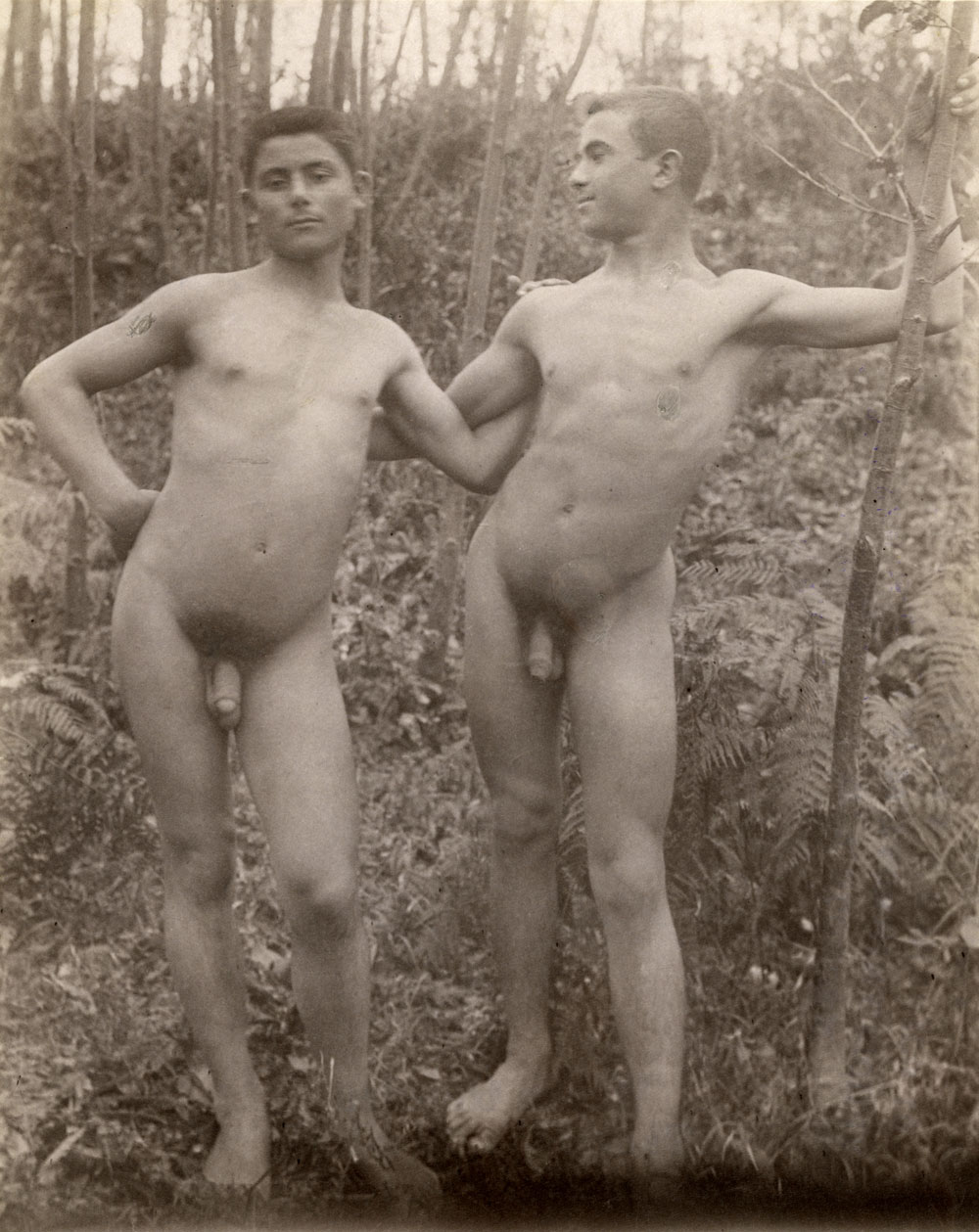
Baron Wilhelm von Gloeden (German, 1856-1931) 'Two nude men standing in a forest' Taormina, Sicily, 1899


Baron Wilhelm von Gloeden (German, 1856-1931)
Two nude men standing in a forest
Taormina, Sicily, 1899
Albumen print


Minor White (American, 1908-1976) 'Arches of the Dodd Building (Southwest Front Avenue and Ankeny Street)' 1938


Minor White (American, 1908-1976)
Arches of the Dodd Building (Southwest Front Avenue and Ankeny Street)
1938
Gelatin silver print


Minor White (American, 1908-1976) 'Tom Murphy (San Francisco)' 1948


Minor White (American, 1908-1976)
Tom Murphy (San Francisco)
1948
Gelatin silver print


Robert Mapplethorpe (American, 1946-1989) 'Self Portrait' 1975


Robert Mapplethorpe (American, 1946-1989)
Self Portrait
1975
Gelatin silver print
© Robert Mapplethorpe Foundation. Used with permission


Robert Mapplethorpe (American, 1946-1989) 'Derrick Cross' 1983


Robert Mapplethorpe (American, 1946-1989)
Derrick Cross
1983
Gelatin silver print
© Robert Mapplethorpe Foundation. Used with permission


Robert Mapplethorpe (American, 1946-1989) 'Thomas' 1987


Robert Mapplethorpe (American, 1946-1989)
Thomas
1987
Gelatin silver print
© Robert Mapplethorpe Foundation. Used with permission


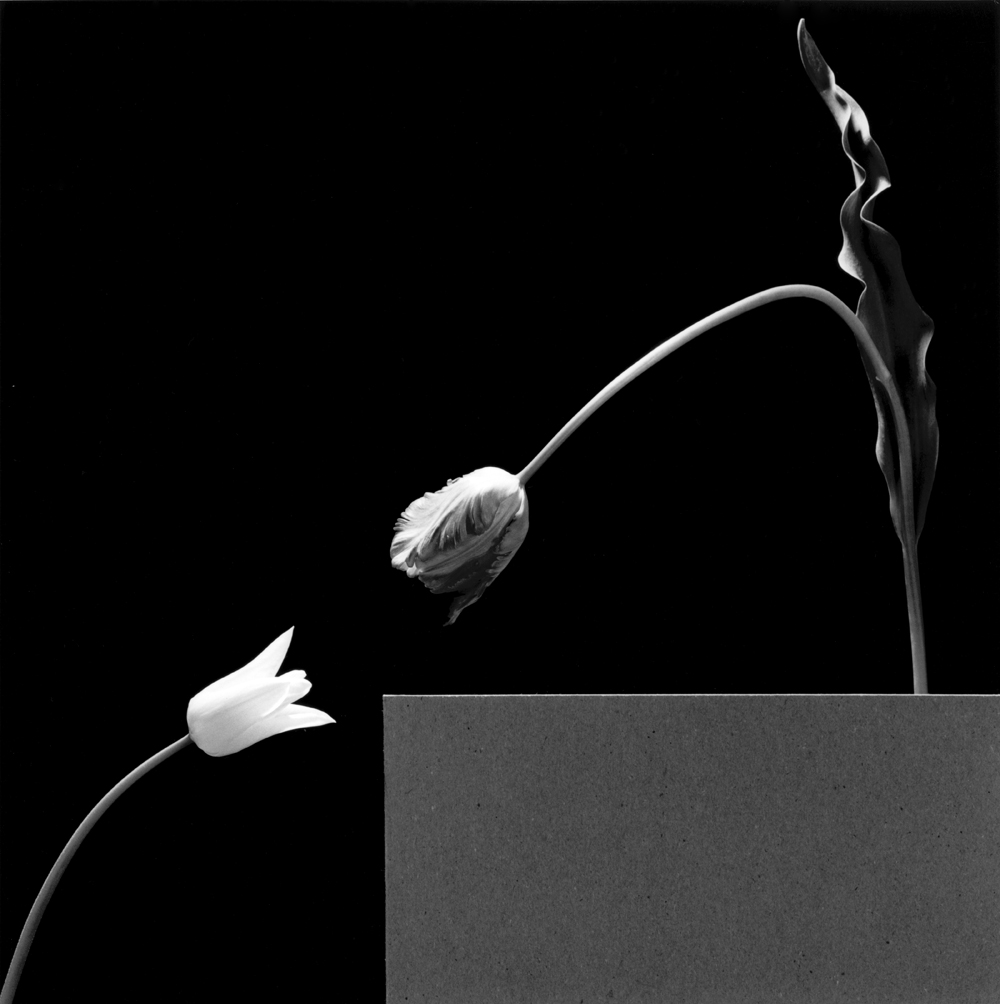
Robert Mapplethorpe (American, 1946-1989) 'Two Tulips' 1984


Robert Mapplethorpe (American, 1946-1989)
Two Tulips
1984
Gelatin silver print
© Robert Mapplethorpe Foundation. Used with permission


A renowned figure of contemporary photography, Robert Mapplethorpe (1946-1989) was in his element in a domain defined by conventions and revolt, classicism and non-conformist cultures, where each picture serves as a document of hard-fought identities, as well as inciting and recording social and artistic debates. The Ludwig Museum Budapest features nearly two hundred works by Robert Mapplethorpe, from his early Polaroid photos to pieces from his final years. Realised in collaboration with the Robert Mapplethorpe Foundation New York, this large-scale exhibition is presented to a Hungarian audience for the first time.

Initially, Mapplethorpe had no intention of becoming a photographer. His early collages and altar-like installations incorporated found elements including photos from magazines. Seeking to give these works a more personal and perfect touch, he decided to shoot the photos himself. His major subjects were his immediate environment and personal desires: the alternative circles of the New York art scene, his identity as a homosexual, non-traditional forms of sexuality, and the communities organised around them. The New York of the seventies was a great melting pot of contiguous subcultures, sexual freedom, post-Pop and rock’n’roll. Mapplethorpe’s environment included Andy Warhol and his entourage from the Factory, the superstars of his films as well as the inhabitants of the legendary Chelsea Hotel, who inspired his art and became part of his audience.

His portraits of famous individuals and those longing for fame also positioned their photographer within their circle. He was a renowned artist seeking to establish relationships with people who stand out, one way or another, from the rest of society, without submitting himself to them. Posing for his camera were film stars, musicians, writers and visual artists, the celebrities and central figures of New York in the seventies and eighties, including pornographic film stars and body builders. He made engaging and elegant portraits attesting to his intense attention, humour, and ambition toward a sense of the monumental.

Mapplethorpe developed an increasingly committed and professional attitude to photography. His quest for the perfect image led him to classical compositions and subjects. While precision of forms and a quality of reserve were combined in his works, his intense attention to his models remained unchanged; he photographed torsos and floral still-lifes with the same cool professionalism. His nudes evoke classical Greek statues and Renaissance masterpieces, with their arrangement and sculptural approach to the body dating back to traditions that have existed for several hundred years. Such an incarnation of classical formalism, however, was juxtaposed with shocking new subjects and stark sexual fetishes, resulting in radical re-creations of the approach to tradition.

The perfect image called for the perfect body: his shots of black men, female body-builders and austere flowers seem to articulate his one and only vision, again and again. He almost always worked in the studio, most often in black and white, using increasingly defined tones. With unified backgrounds and balance of forms, his photos remove the subjects from their own realities to relocate them in the timeless, frozen space of the photograph. In terms of their statue-like beauty and rigorous composition of every detail, his pictures continue and renew the classical photographic tradition all at once. Such classical virtues, however, did not make these photos exempt from criticism: both his subject matter and their manner of presentation sparked controversy. Their sexual themes aroused unease, and criticism of the work failed to make a distinction between the statue-like beauty of body parts and torsos, the sexual stereotypes associated with black male bodies, and the objectification of the bodies.

Mapplethorpe’s works created a place for homosexual and S&M identities in the domain of high art, subverting conventions, transgressing unspoken social agreements and revealing prejudices, in line with the artist’s personal desires and self-definition. In the United States, during the eighties, in the first moments of horror in the face of AIDS, the condemnation of homosexuality and the undefined dread of the disease became entwined. Such developments stirred up the already intense controversies around Mapplethorpe’s photos, adding a new overtone to the voice of conservative protesters. (Mapplethorpe was diagnosed with AIDS in 1986, and he died in the spring of 1989 due to complications related to the disease).

The cultural-political debates of the so-called Culture Wars in the late 1980s and 1990s in the United States, fuelled the decision of the Corcoran Gallery of Art in Washington, D.C., to cancel its leg of the travelling exhibition “The Perfect Moment,” which included several thought-provoking photos that the conservative right-wing had denounced as obscene and arrogant assaults on public taste. A long and heated debate was to follow, including both hysterical and absurd commentaries, triggering police actions and a trial against a subsequent venue, the Contemporary Arts Center in Cincinnati as well as its director. Though the museum and its director were eventually cleared of all charges, the case continued to shape the cultural-political landscape in the US, which partly concluded in a revision of the public funding of artworks and is still referred to today as an outstanding example of the methodology of censorship.

Press release from the Ludwig Museum of Contemporary Art website


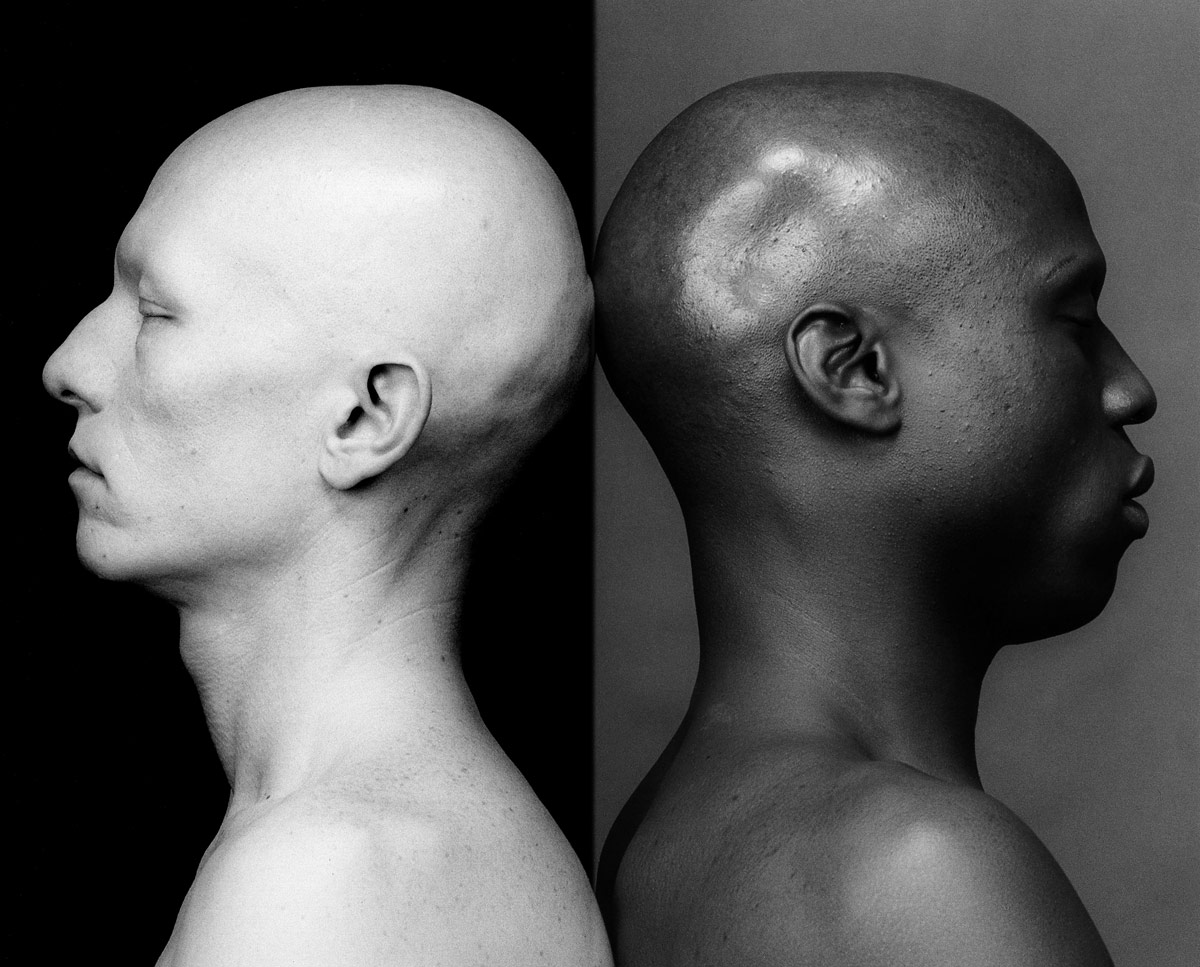
Robert Mapplethorpe (American, 1946-1989) 'Ken Moody and Robert Sherman' 1984


Robert Mapplethorpe (American, 1946-1989)
Ken Moody and Robert Sherman
1984
Gelatin silver print
© Robert Mapplethorpe Foundation. Used with permission


Robert Mapplethorpe (American, 1946-1989) 'Untitled' c. 1973


Robert Mapplethorpe (American, 1946-1989)
Untitled
c. 1973
Gelatin silver print
© Robert Mapplethorpe Foundation. Used with permission


Robert Mapplethorpe (American, 1946-1989) 'Lisa Lyon' 1982


Robert Mapplethorpe (American, 1946-1989)
Lisa Lyon
1982
Gelatin silver print
© Robert Mapplethorpe Foundation. Used with permission


Robert Mapplethorpe (American, 1946-1989) 'Ajitto' 1981


Robert Mapplethorpe (American, 1946-1989)
Ajitto
1981
Gelatin silver print
© Robert Mapplethorpe Foundation. Used with permission


Robert Mapplethorpe (American, 1946-1989) 'Self Portrait' 1988


Robert Mapplethorpe (American, 1946-1989)
Self Portrait
1988
© Robert Mapplethorpe Foundation. Used with permission


Ludwig Museum of Contemporary Art
1095 Budapest  Komor Marcell Street 1
Hungary 06 1 555-3444

Opening hours:
Tuesday – Sunday 10.00 – 20.00
Closed on Mondays

Ludwig Museum of Contemporary Art website

LIKE ART BLART ON FACEBOOK

Back to top

Marcus Bunyan black and white archive: within, 1992-1994

August 2012


Marcus Bunyan (Australian, b. 1958) 'Gryphon, Luna Park, St Kilda' 1992-94


Marcus Bunyan (Australian, b. 1958)
Gryphon, Luna Park, St Kilda
1992-1994
Silver gelatin photograph


The titles from this period tend to be poetic, pragmatic or composed, like Japanese haiku. The two photographs How will it be when you have changed and Tell me your face before you were born (1994, below) were included in the seminal exhibition Don’t Leave Me This Way: Art in the Age of AIDS at the National Gallery of Australia in 1994. The floater (1992-94) is one of the best black and white photographs I ever took.

I am scanning my negatives made during the years 1991-1997 to preserve them in the form of an online archive as a process of active memory, so that the images are not lost forever. These photographs were images of my life and imagination at the time of their making, the ideas I was thinking about and the people and things that surrounded me.

Marcus


All images © Marcus Bunyan. Please click the photographs for a larger version of the image; remember these are just straight scans of the negatives !

Photographs are available from this series for purchase. As a guide, a vintage 8″ x 10″ silver gelatin print costs $700 plus tracked and insured shipping. For more information please see my Store web page.


Marcus Bunyan (Australian, b. 1958) 'Paul, Windsor railway station' 1992-94


Marcus Bunyan (Australian, b. 1958)
Paul, Windsor railway station
1992-1994


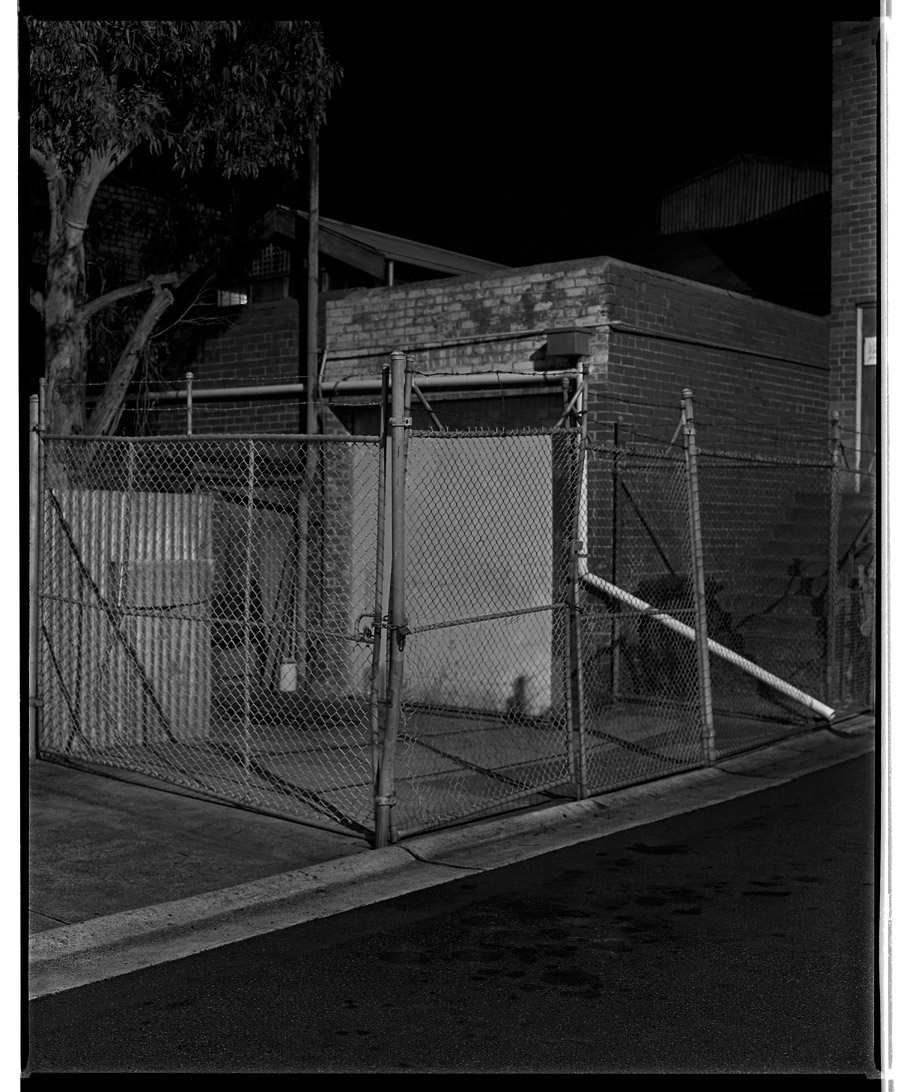
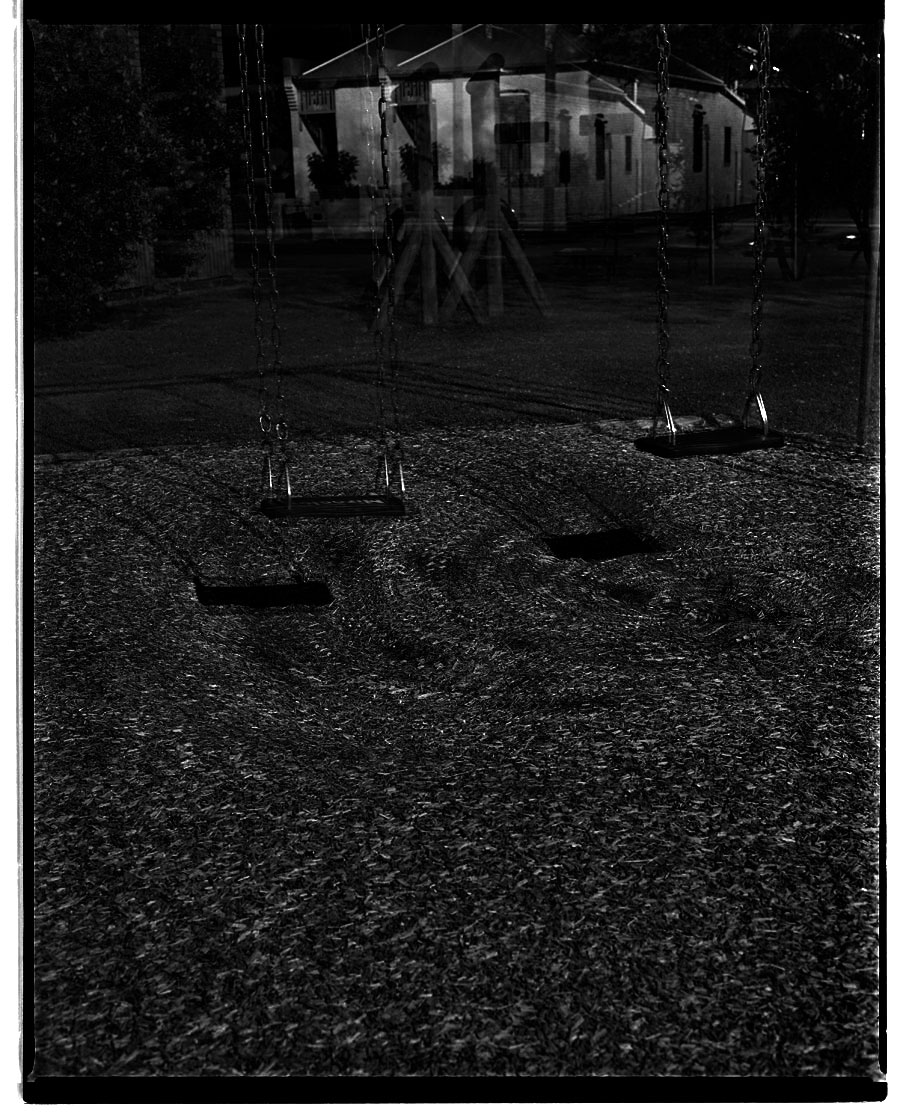
Marcus Bunyan (Australian, b. 1958) 'Night, Windsor' 1992-94


Marcus Bunyan (Australian, b. 1958)
Night, Windsor
1992-1994


Marcus Bunyan (Australian, b. 1958) 'The dusty city, Stillness, blossoms and mist within' 1992-94


Marcus Bunyan (Australian, b. 1958)
The dusty city
Stillness
blossoms and mist within
1992-1994
Silver gelatin photograph


Marcus Bunyan (Australian, b. 1958) 'Afterlife' 1992-94


Marcus Bunyan (Australian, b. 1958)
Afterlife
1992-1994


Marcus Bunyan (Australian, b. 1958) 'The face of man, in the surface of Moon, blinks' 1992-94


Marcus Bunyan (Australian, b. 1958)
The face of man
in the surface of Moon
blinks
1992-1994
Silver gelatin photograph


Marcus Bunyan (Australian, b. 1958) 'How will it be when you have changed' 1994


Marcus Bunyan (Australian, b. 1958)
How will it be when you have changed
1994
Silver gelatin photograph


Marcus Bunyan (Australian, b. 1958) 'Tell me your face before you were born' 1994


Marcus Bunyan (Australian, b. 1958)
Tell me your face before you were born
1994
Silver gelatin photograph


Marcus Bunyan (Australian, b. 1958) 'The floater' 1992-94


Marcus Bunyan (Australian, b. 1958)
The floater
1992-1994
Silver gelatin photograph


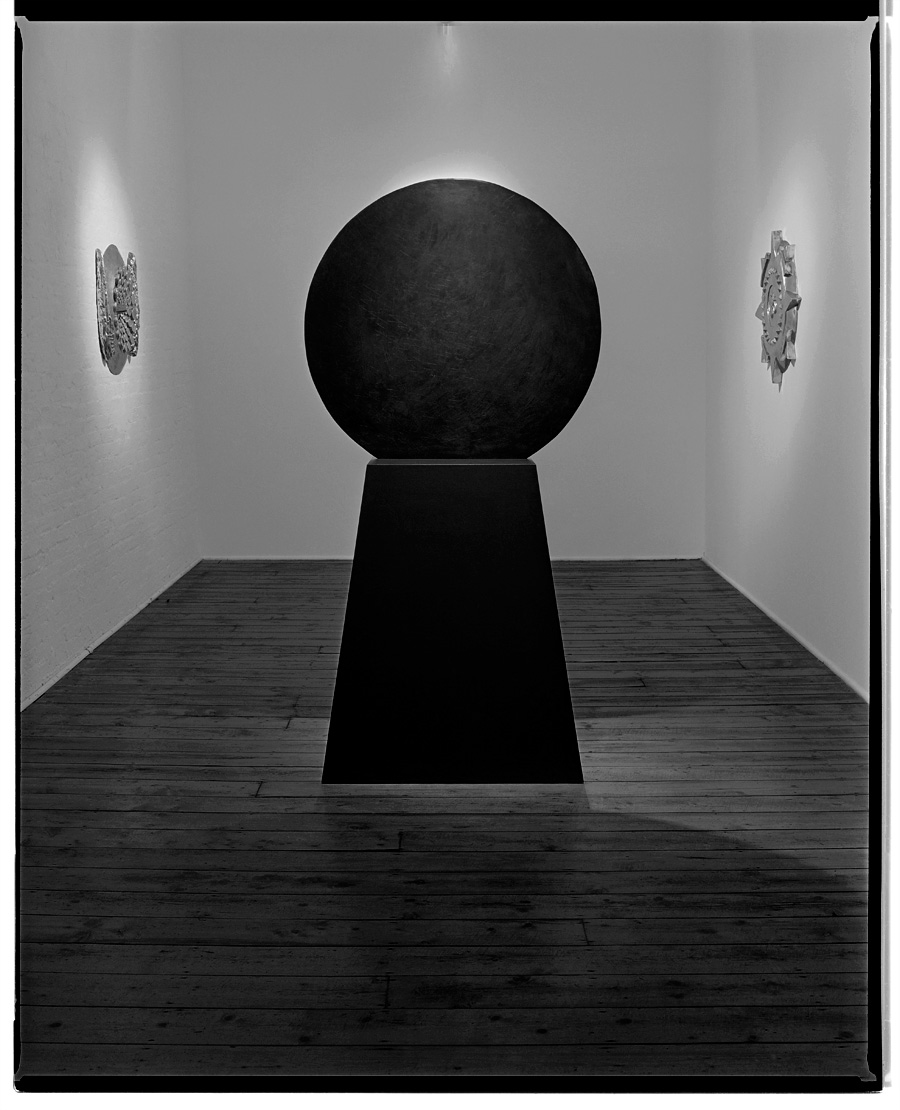
Marcus Bunyan (Australian, b. 1958) 'Keyhole, Source, Form No. 1, Fredrick White' 1993


Marcus Bunyan (Australian, b. 1958)
Keyhole, Source, Form No. 1, Fredrick White
1993
Silver gelatin photograph


Marcus Bunyan (Australian, b. 1958) 'Gryphon and palms, St Kilda' 1992-94


Marcus Bunyan (Australian, b. 1958)
Gryphon and palms, St Kilda
1992-1994
Silver gelatin photograph


Marcus Bunyan (Australian, b. 1958) 'Untitled [divinity]' 1992-94


Marcus Bunyan (Australian, b. 1958)
Untitled [divinity]
1992-1994
Silver gelatin photograph


Marcus Bunyan black and white archive 1991-1997

LIKE ART BLART ON FACEBOOK

Back to top

Photographs: Marcus Bunyan. ‘Vertical’ 2011

December 2011


This slideshow requires JavaScript.


Vertical

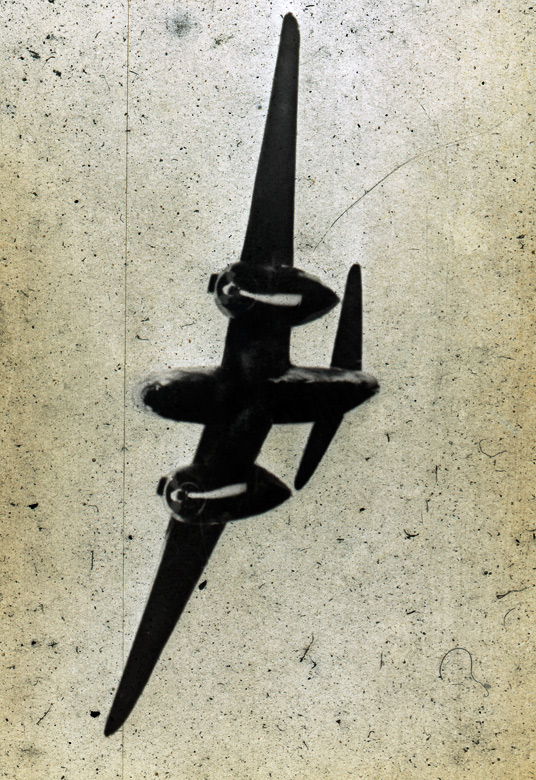
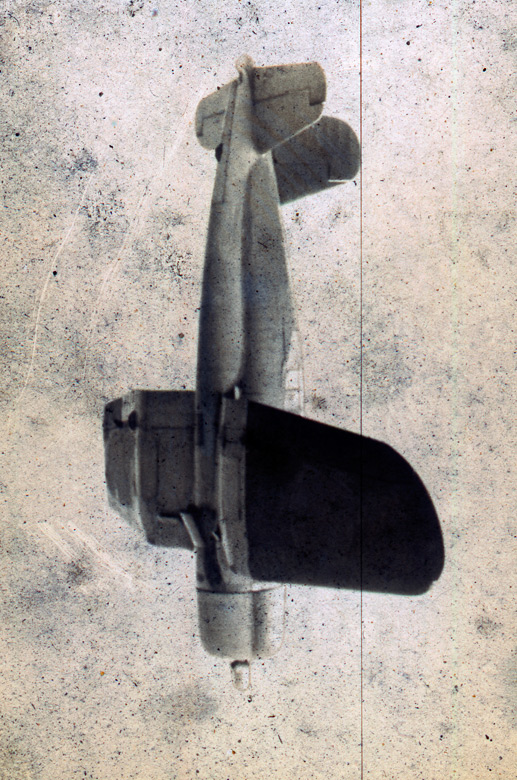
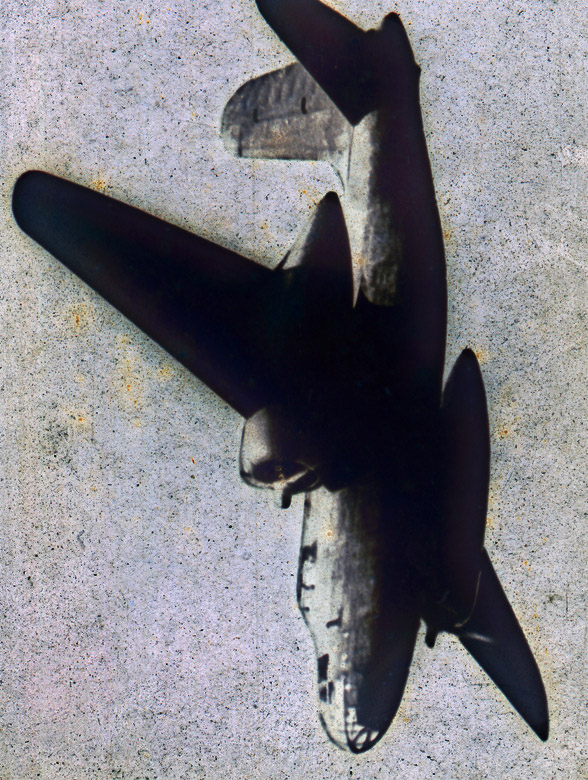
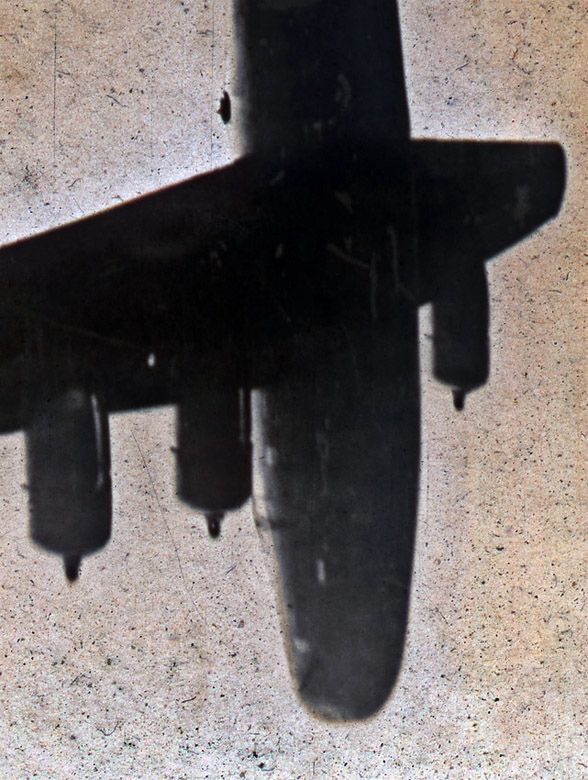
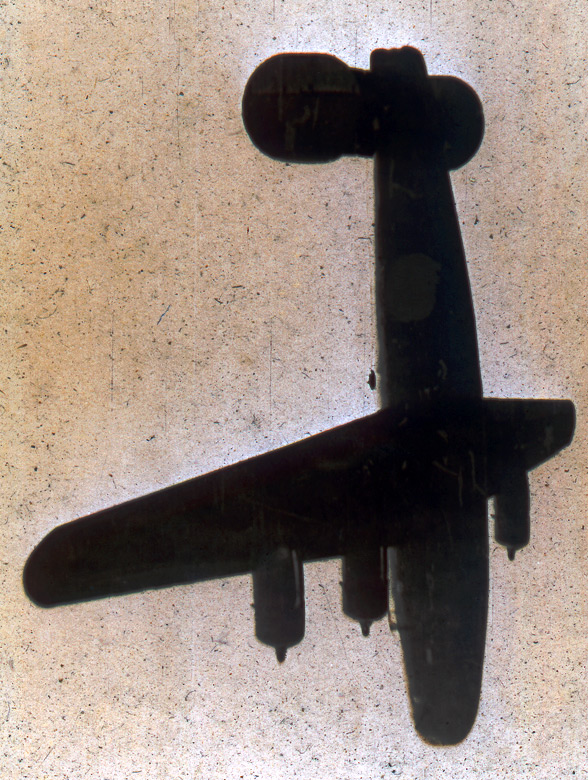
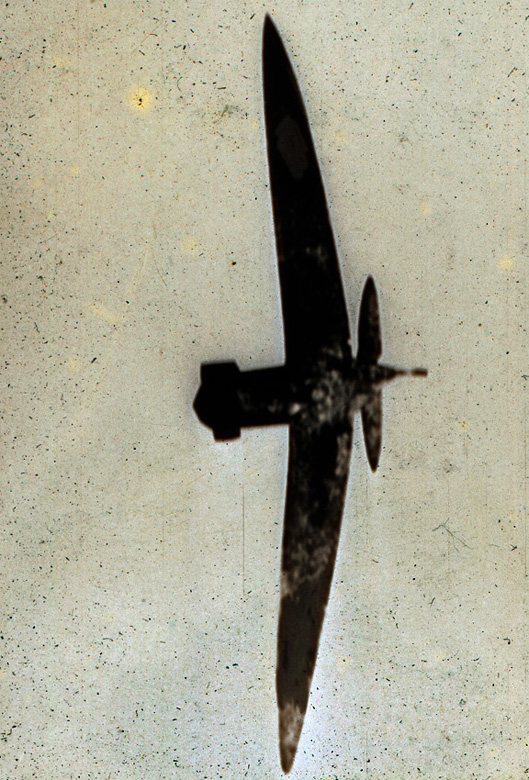
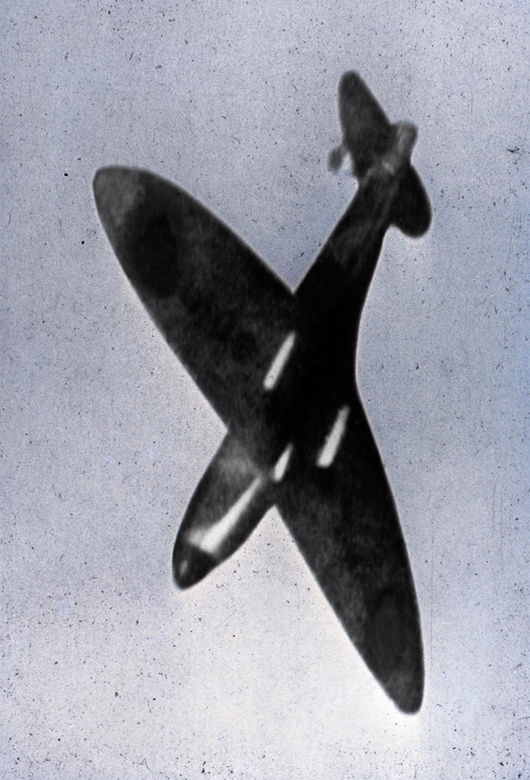
More planes, this time a series of work titled Vertical (2011). The series is now online on my website.

There are 22 images in the series formed as a sequence. Below is a selection of images from the series. I hope you like the work!

Marcus


Please click on the photographs for a larger version of the image.
Photographs are available from this series for purchase. As a guide, a digital colour 16″ x 20″ costs $1000 plus tracked and insured shipping. For more information please see my Store web page.


Marcus Bunyan (Australian, b. 1958) 'Untitled' from the series 'Vertical' 2011


Marcus Bunyan (Australian, b. 1958) 'Untitled' from the series 'Vertical' 2011


Marcus Bunyan (Australian, b. 1958) 'Untitled' from the series 'Vertical' 2011


Marcus Bunyan (Australian, b. 1958) 'Untitled' from the series 'Vertical' 2011


Marcus Bunyan (Australian, b. 1958) 'Untitled' from the series 'Vertical' 2011


Marcus Bunyan (Australian, b. 1958) 'Untitled' from the series 'Vertical' 2011


Marcus Bunyan (Australian, b. 1958) 'Untitled' from the series 'Vertical' 2011


Marcus Bunyan (Australian, b. 1958) 'Untitled' from the series 'Vertical' 2011


Marcus Bunyan (Australian, b. 1958)
Untitled
2011
From the series Vertical
Digital prints


Marcus Bunyan website

LIKE ART BLART ON FACEBOOK

Back to top

Marcus Bunyan black and white archive: ‘The Regent Theatre’ series 1991

May 2011


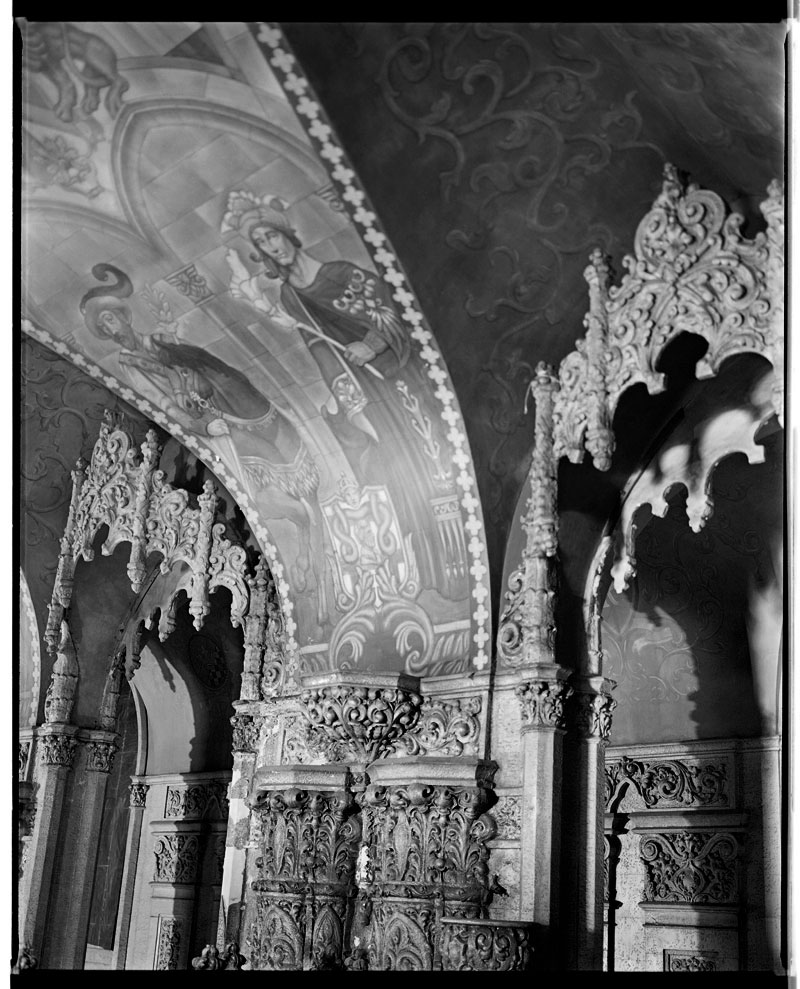
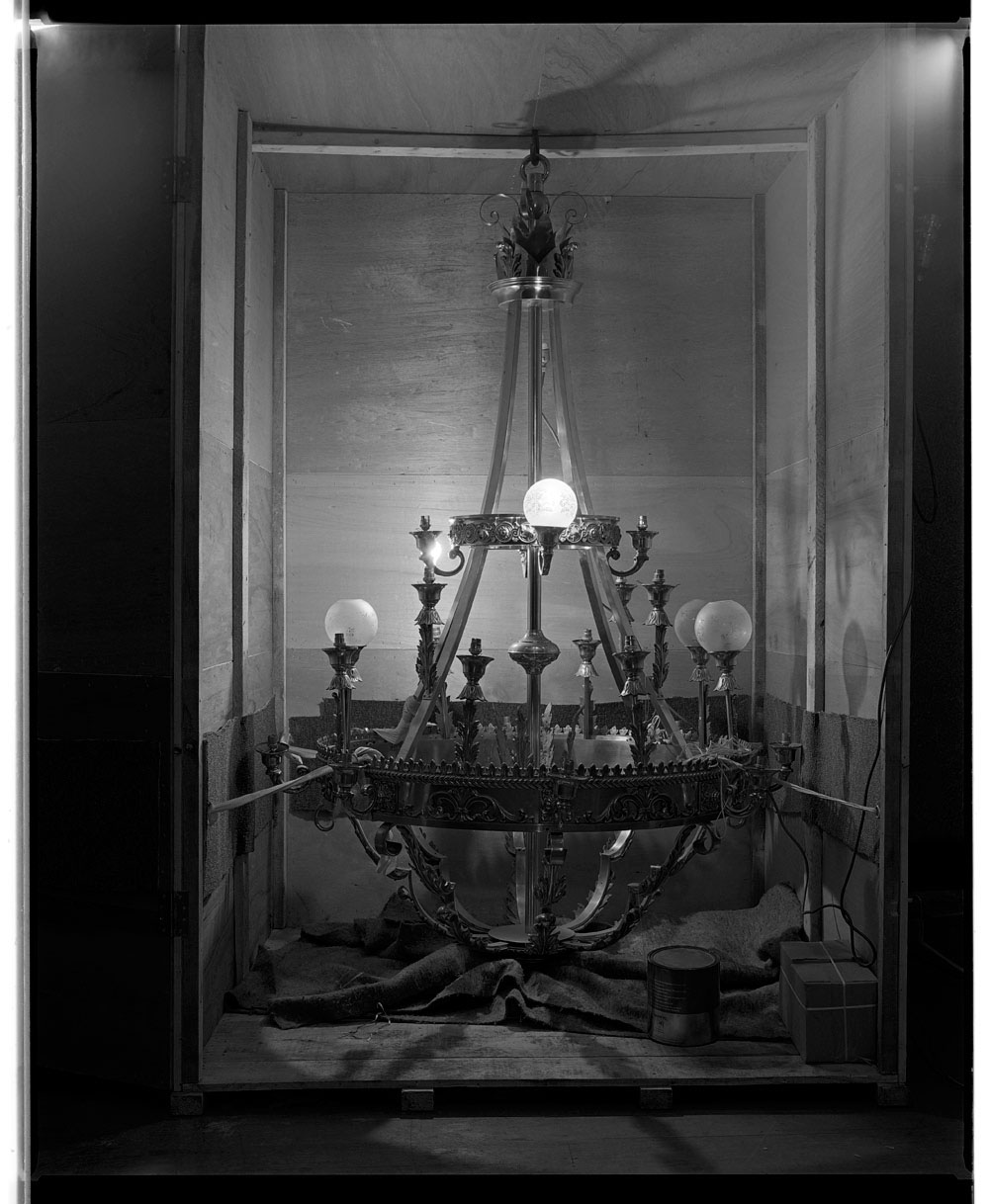
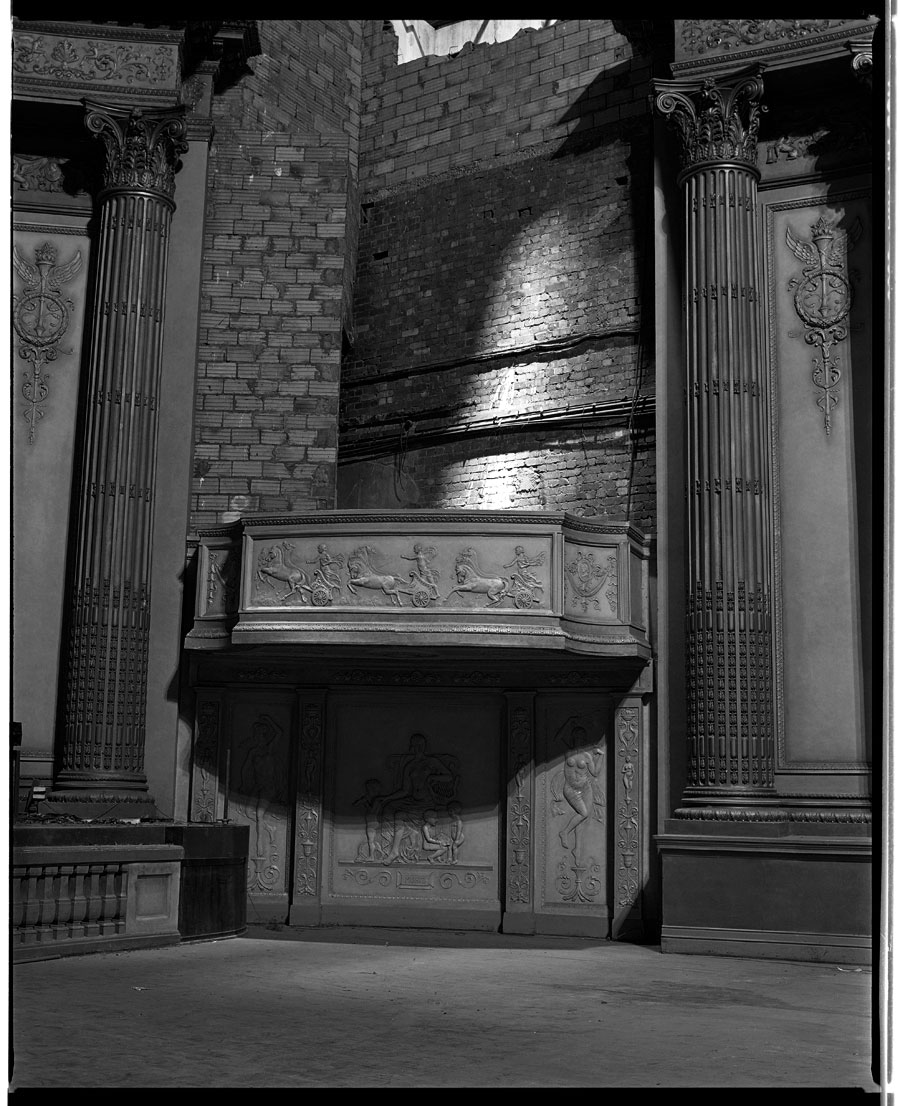
After undertaking an Issues in Art Conservation subject for my Master of Art Curatorship at the University of Melbourne I have become more aware of the fragility of my black and white fibre-based prints and negatives. I have therefore decided to scan my medium format negatives (taken on my trusty Mamiya RZ67) and made during the years 1991-1997, to preserve them in the form of an online archive as a process of active memory, so that the images are not lost forever.

These photographs were images of my life and imagination at the time of their making, the ideas I was thinking about and the people that surrounded me. As such they form part of life – of Melbourne, of Australia and of humanity in general. The preservation of such moments in time are vital to the continuing enrichment of culture. See more of my early black and white photographs on the Marcus Bunyan black and white archive 1991-1997 page.

All images © Marcus Bunyan. Please click on the photographs for a larger version of the image.

Photographs are available from this series for purchase. As a guide, a vintage 8″ x 10″ silver gelatin print costs $700 plus tracked and insured shipping. For more information please see my store web page.


1991

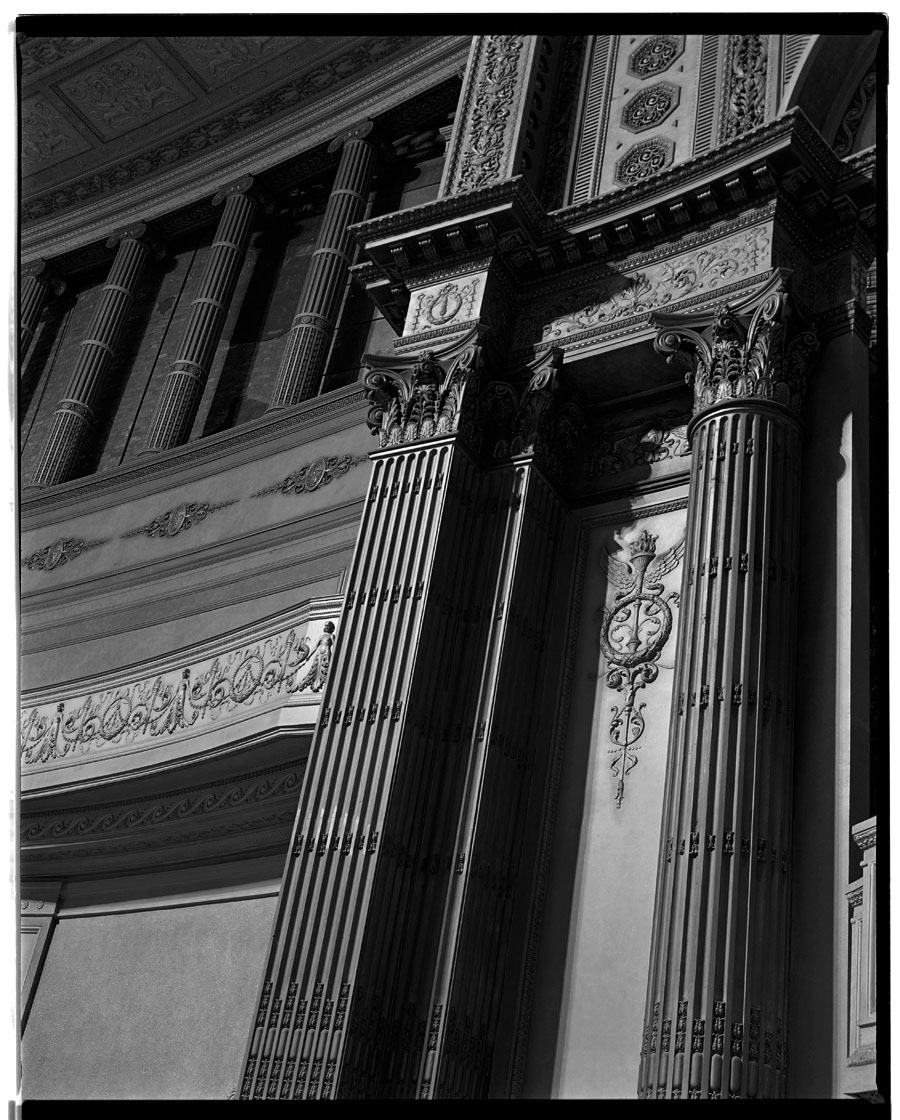
The Regent Theatre series

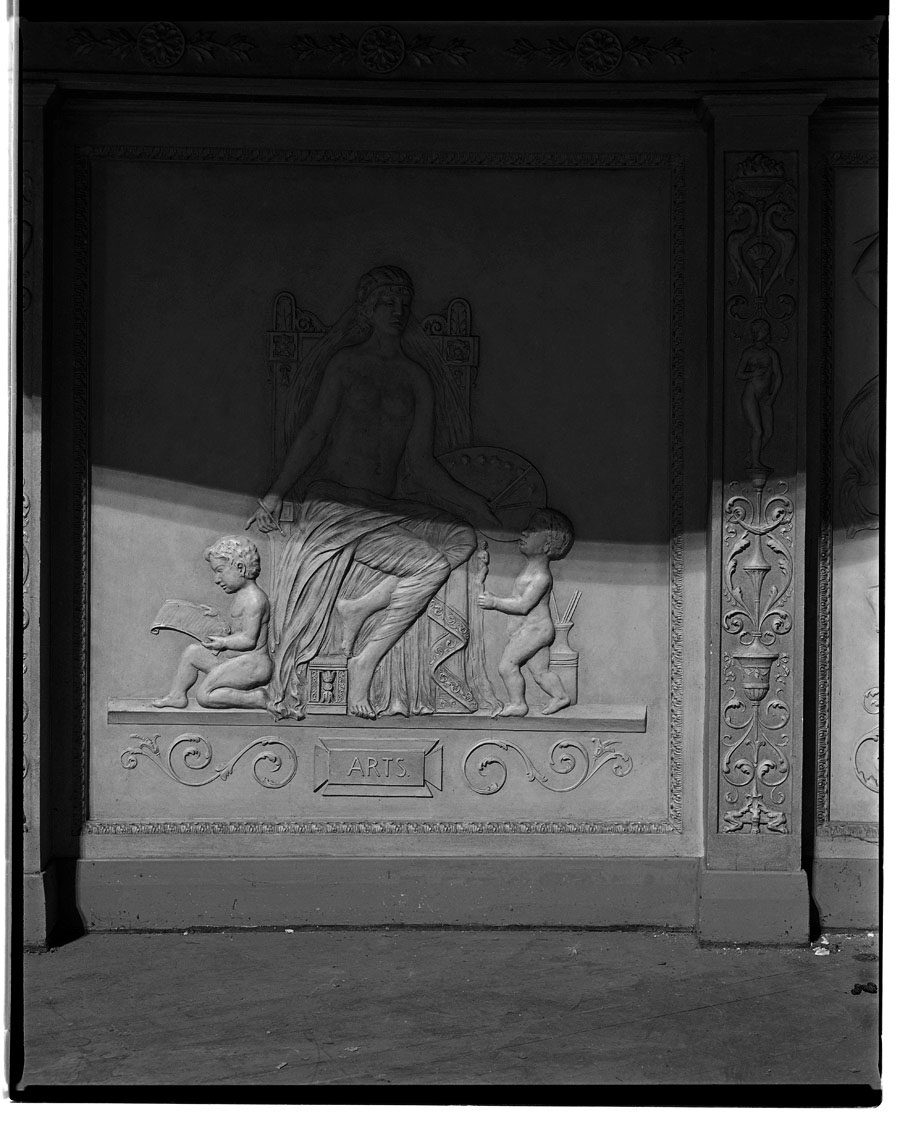
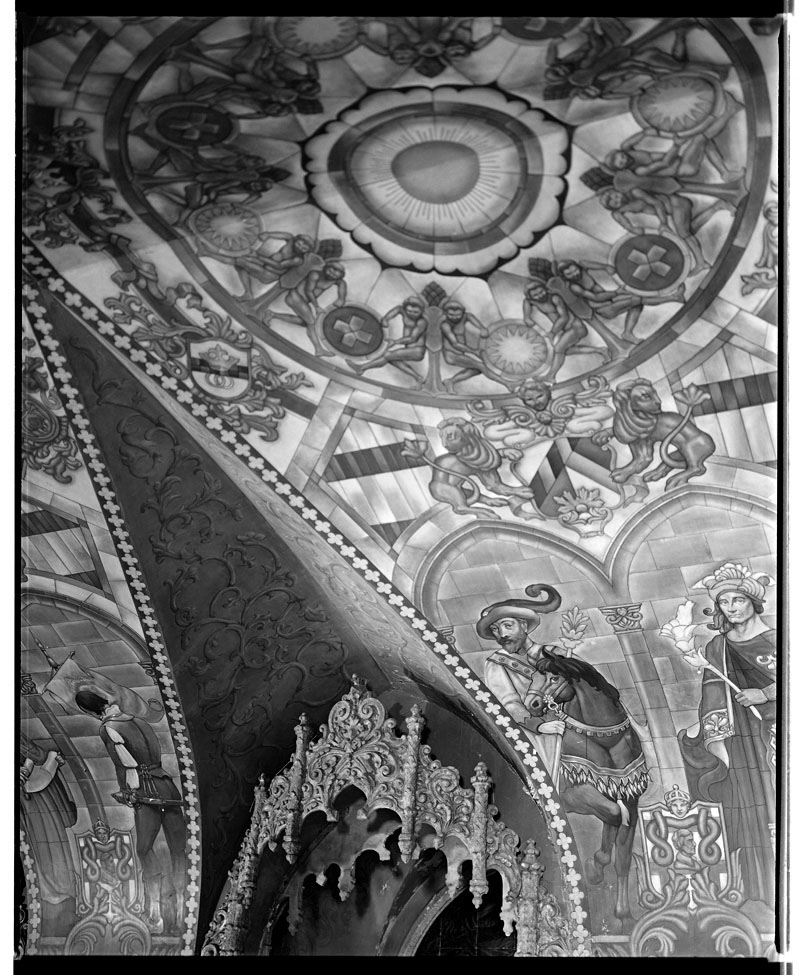
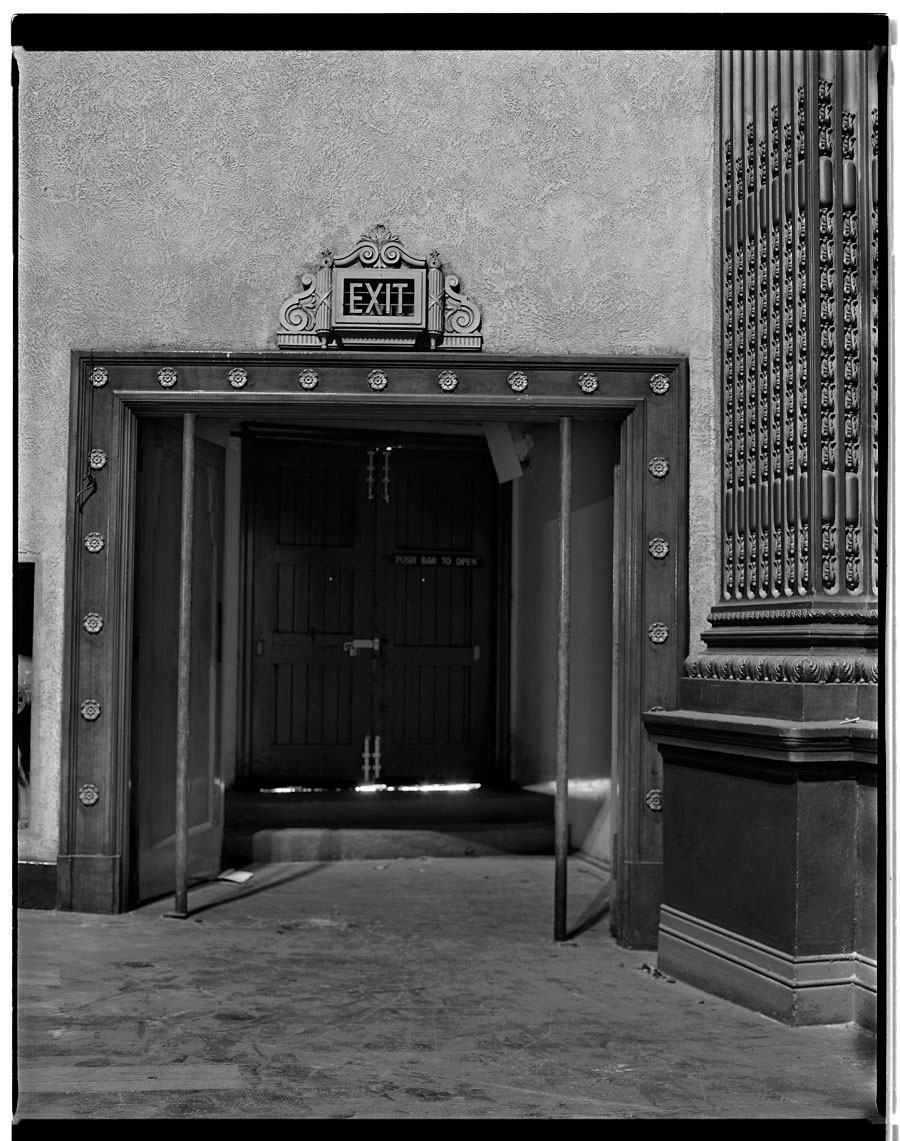
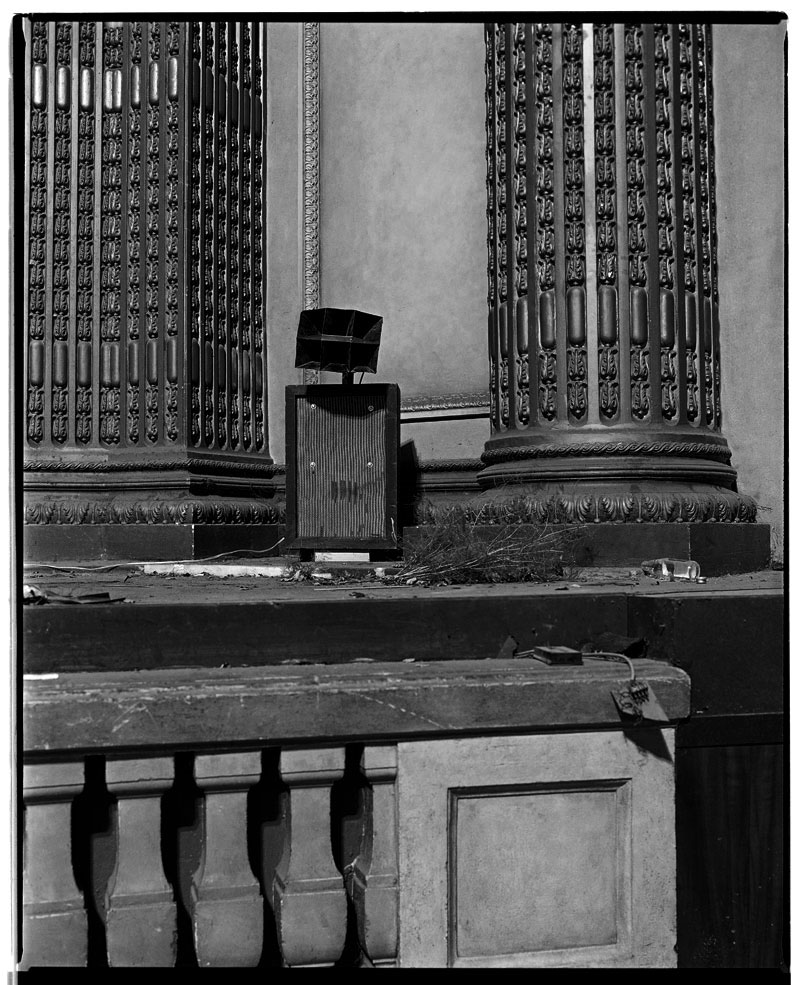
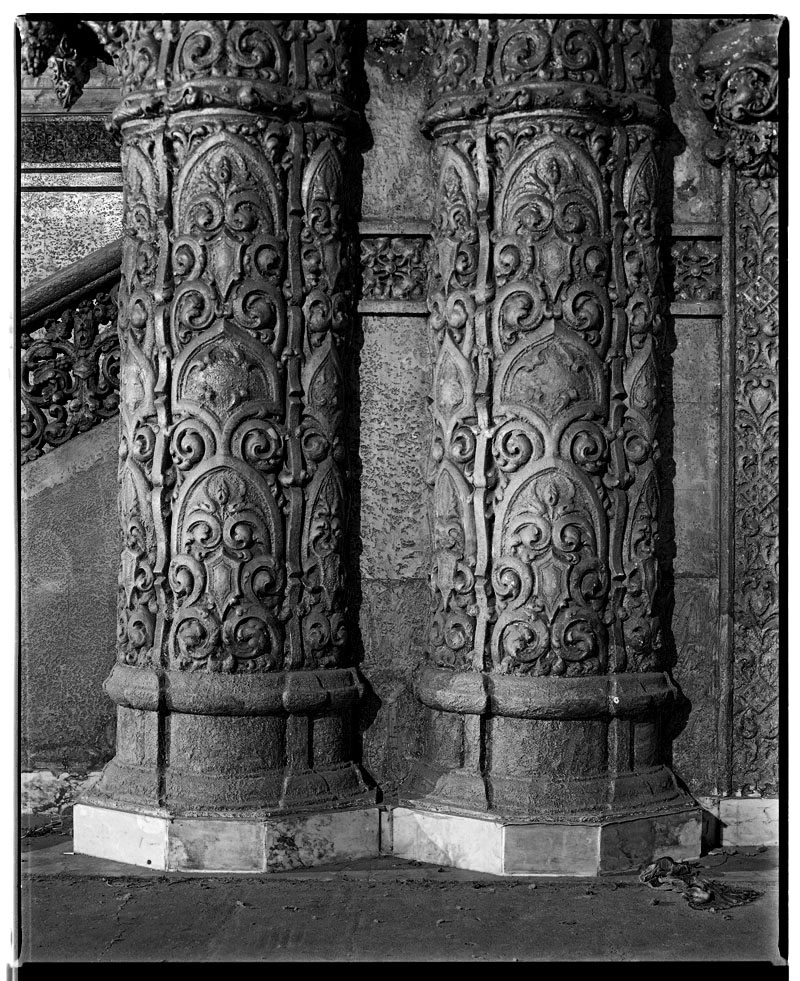
The photographs of the dilapidated Regent Theatre in Collins Street, Melbourne were taken with the permission of the National Trust after the theatre had been closed for 21 years on an open day when the theatre was open to the public. The series formed part of my first solo exhibition Of Magic, Music and Myth held in 1991 at a hairdressing salon in High Street, Prahran, Melbourne. All photographs © Marcus Bunyan.


Marcus Bunyan (Australian, b. 1958) 'Untitled' from 'The Regent Theatre' series 1991


Marcus Bunyan (Australian, b. 1958)
Untitled from The Regent Theatre series
1991
Vintage gelatin silver print
© Marcus Bunyan


Marcus Bunyan (Australian, b. 1958)
'Arts' from 'The Regent Theatre' series 1991


Marcus Bunyan (Australian, b. 1958)
Arts from The Regent Theatre series
1991
Vintage gelatin silver print
© Marcus Bunyan


Marcus Bunyan (Australian, b. 1958) 'Untitled' from 'The Regent Theatre' series 1991


Marcus Bunyan (Australian, b. 1958)
Untitled from The Regent Theatre series
1991
Vintage gelatin silver print
© Marcus Bunyan


Marcus Bunyan (Australian, b. 1958) 'Untitled' from 'The Regent Theatre' series 1991


Marcus Bunyan (Australian, b. 1958)
Untitled from The Regent Theatre series
1991
Vintage gelatin silver print
© Marcus Bunyan


Marcus Bunyan (Australian, b. 1958) 'Untitled' from 'The Regent Theatre' series 1991


Marcus Bunyan (Australian, b. 1958)
Untitled from The Regent Theatre series
1991
Vintage gelatin silver print
© Marcus Bunyan


Marcus Bunyan (Australian, b. 1958) 'Coronation' from 'The Regent Theatre' series 1991


Marcus Bunyan (Australian, b. 1958)
Coronation from The Regent Theatre series
1991
Vintage gelatin silver print
© Marcus Bunyan


Marcus Bunyan (Australian, b. 1958) 'Exit' from 'The Regent Theatre' series 1991


Marcus Bunyan (Australian, b. 1958)
Exit from The Regent Theatre series
1991
Vintage gelatin silver print
© Marcus Bunyan


Marcus Bunyan (Australian, b. 1958) 'Music and Light' from 'The Regent Theatre' series 1991


Marcus Bunyan (Australian, b. 1958)
Music and Light from The Regent Theatre series
1991
Vintage gelatin silver print
© Marcus Bunyan


Marcus Bunyan (Australian, b. 1958) 'Music' from 'The Regent Theatre' series 1991


Marcus Bunyan (Australian, b. 1958)
Music from The Regent Theatre series
1991
Vintage gelatin silver print
© Marcus Bunyan


Marcus Bunyan (Australian, b. 1958) 'Nocturne' from 'The Regent Theatre' series 1991


Marcus Bunyan (Australian, b. 1958)
Nocturne from The Regent Theatre series
1991
Vintage gelatin silver print
© Marcus Bunyan


Marcus Bunyan (Australian, b. 1958) 'Untitled' from 'The Regent Theatre' series 1991


Marcus Bunyan (Australian, b. 1958)
Untitled from The Regent Theatre series
1991
Vintage gelatin silver print
© Marcus Bunyan


Marcus Bunyan (Australian, b. 1958) 'Untitled' from 'The Regent Theatre' series 1991


Marcus Bunyan (Australian, b. 1958)
Untitled from The Regent Theatre series
1991
Vintage gelatin silver print
© Marcus Bunyan


Marcus Bunyan (Australian, b. 1958) 'Six-coned speaker with pillars' from 'The Regent Theatre' series 1991


Marcus Bunyan (Australian, b. 1958)
Six-coned speaker with pillars from The Regent Theatre series
1991
Vintage gelatin silver print
© Marcus Bunyan


Marcus Bunyan (Australian, b. 1958) 'Stairs, bannister, bowl and pillars' from 'The Regent Theatre' series 1991


Marcus Bunyan (Australian, b. 1958)
Stairs, bannister, bowl and pillars from The Regent Theatre series
1991
Vintage gelatin silver print
© Marcus Bunyan


Marcus Bunyan (Australian, b. 1958) 'Twin pillars' from 'The Regent Theatre' series 1991


Marcus Bunyan (Australian, b. 1958)
Twin pillars from The Regent Theatre series
1991
Vintage gelatin silver print
© Marcus Bunyan


Marcus Bunyan black and white archive 1991-1997

LIKE ART BLART ON FACEBOOK

Back to top

Photographs: Marcus Bunyan. ‘The Symbolic Order (cartes de visite)’ 2011

March 2011


Marcus Bunyan (Australian, b. 1958)
'Untitled' 2011 From the series 'The Symbolic Order (cartes de visite)'


Marcus Bunyan (Australian, b. 1958)
Untitled
2011
From the series The Symbolic Order (cartes de visite)
Digital photograph


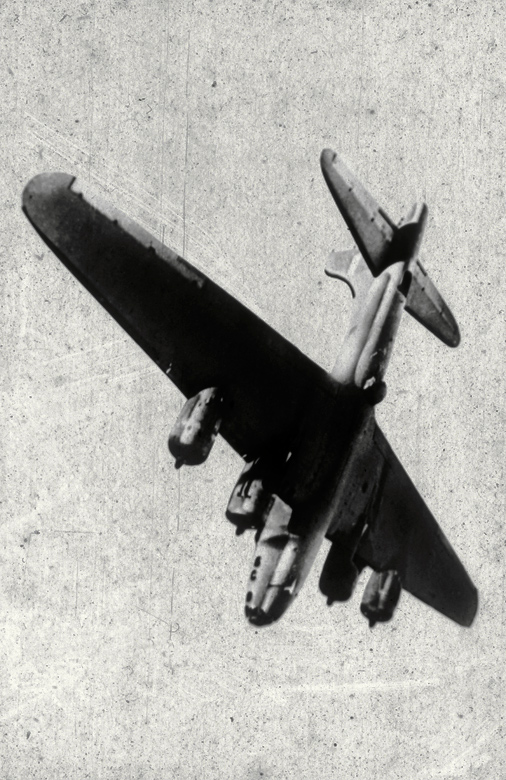
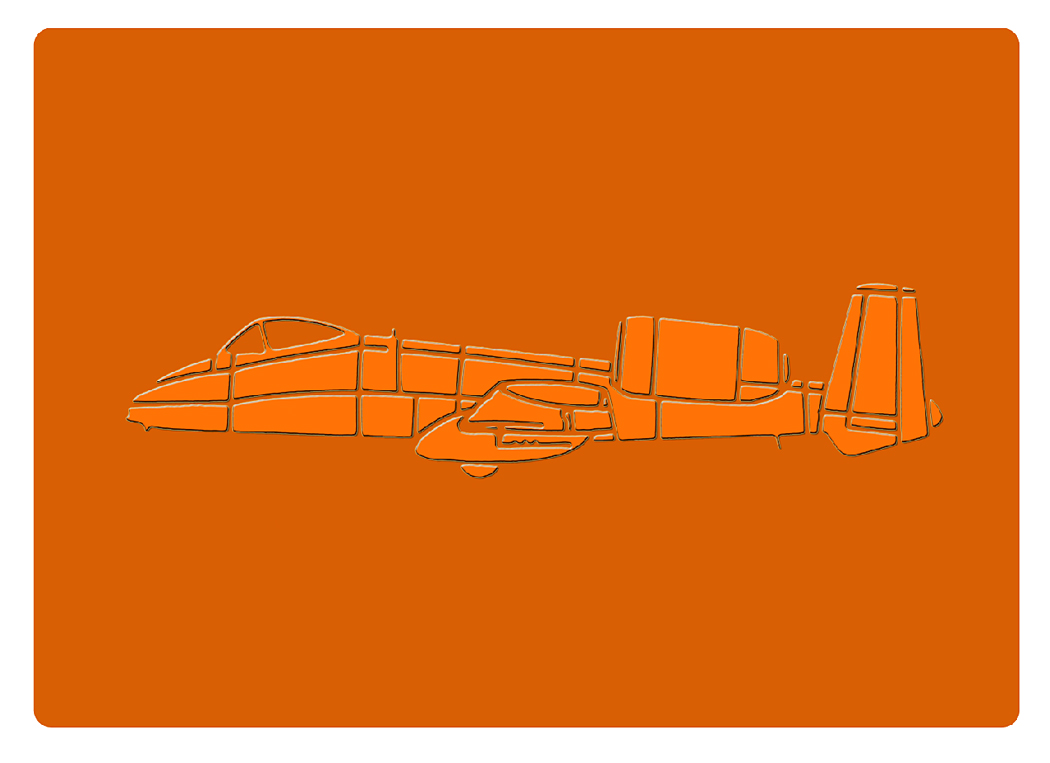
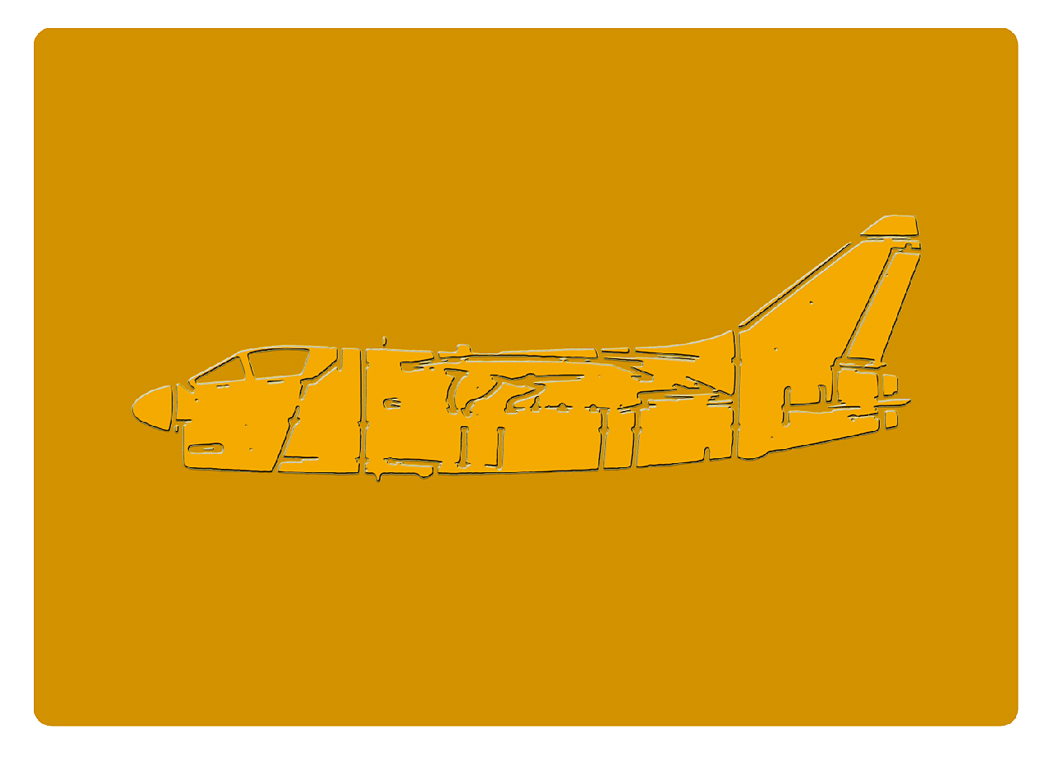
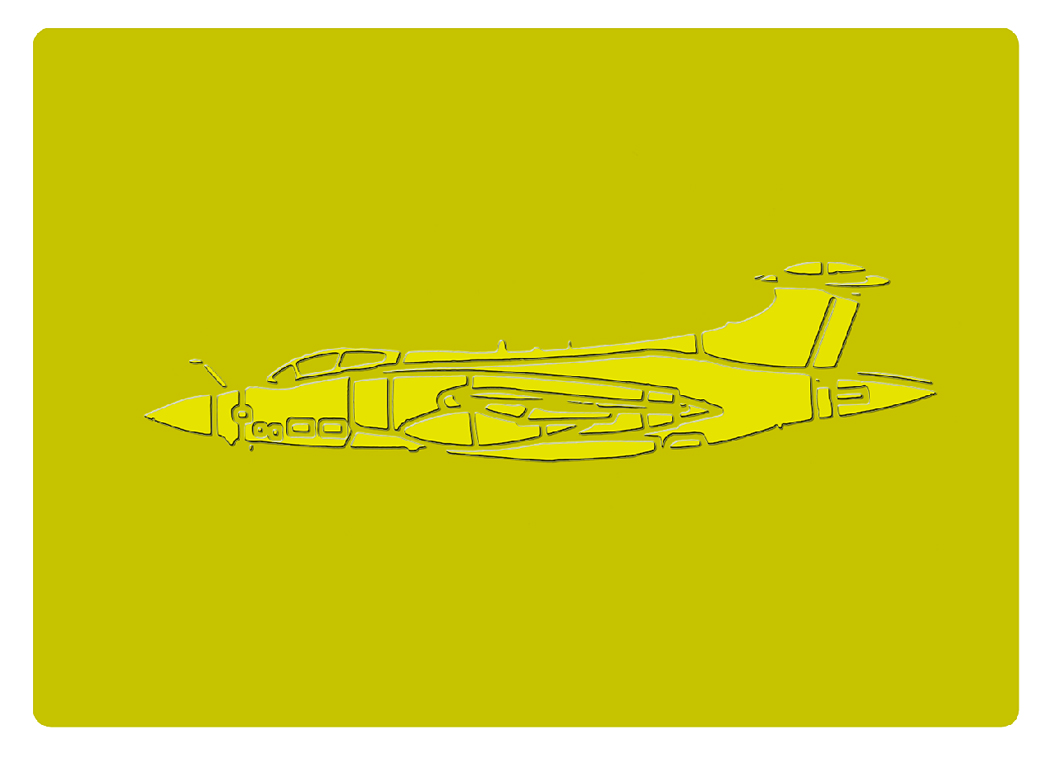
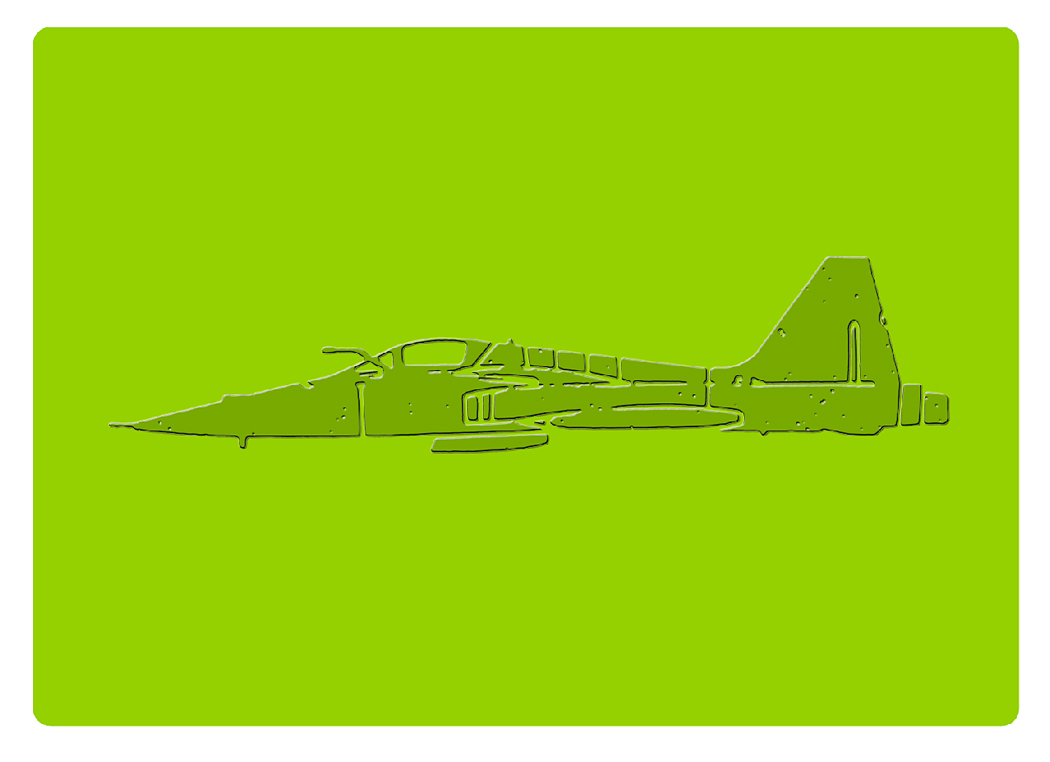
The body of work The Symbolic Order (cartes de visite) 2011 is now online on my website. There are 23 images in the series of modulated fighter aircraft recognition cards that cycle through the colour wheel. Below is a selection of images from the series.

I hope you like the work!

Marcus


Please click on the photographs for a larger version of the image.

Photographs are available from this series for purchase. As a guide, a digital colour 16″ x 20″ costs $1000 plus tracked and insured shipping. For more information please see my Store web page.


Marcus Bunyan (Australian, b. 1958)
'Untitled' 2011 From the series 'The Symbolic Order (cartes de visite)'


Marcus Bunyan (Australian, b. 1958) 'Untitled' 2011 From the series 'The Symbolic Order (cartes de visite)'


Marcus Bunyan (Australian, b. 1958) 'Untitled' 2011 From the series 'The Symbolic Order (cartes de visite)'


Marcus Bunyan (Australian, b. 1958) 'Untitled' 2011 From the series 'The Symbolic Order (cartes de visite)'


Marcus Bunyan (Australian, b. 1958) 'Untitled' 2011 From the series 'The Symbolic Order (cartes de visite)'


Marcus Bunyan (Australian, b. 1958) 'Untitled' 2011 From the series 'The Symbolic Order (cartes de visite)'


All photographs: Untitled from the series The Symbolic Order (cartes de visite) 2011 by Marcus Bunyan

See the whole series on my website.


Marcus Bunyan website

LIKE ART BLART ON FACEBOOK

Back to top

Vale Dr John Cato (1926-2011)

February 2011


It is with much sadness that I note the death of respected Australian photographer and teacher Dr John Cato (1926-2011). Son of Australian photographer Jack Cato, who wrote one of the first histories of Australian photography (The Story of the Camera in Australia (1955)), John was apprentice to his father before setting up a commercial studio with Athol Shmith that ran from 1950-1971. Dr Cato then joined Shmith at the fledgling Prahran College of Advanced Education photography course in 1974, becoming head of the course when Shmith retired in 1979, a position he held until John retired in 1991.

I was fortunate enough to get to know John and his vivacious wife Dawn. I worked with him and co-curatored his retrospective with William Heimerman, ‘…and his forms were without number’ at The Photographers’ Gallery, South Yarra, in 2002. My catalogue essay from this exhibition is reproduced below.

John was always generous with his time and advice. His photographs are sensitive, lyrical renditions of the Australian landscape. He had a wonderful ear for the land and for the word, a musical lyricism that was unusual in Australian photographers of the early 1970s. He understood how a person from European background could have connection to this land, this Australia, without being afraid to express this sense of belonging; he also imaged an Aboriginal philosophy (that all spirits have a physical presence and everything physical has a spiritual presence) tapping into one of the major themes of his personal work: the mirror held up to reveal an’other’ world – the language of ambiguity and ambivalence (the dichotomy of opposites e.g. black / white, masculine / feminine) speaking through the photographic print.

His contribution to the art of photography in Australia is outstanding. What are the precedents for a visual essay in Australian photography before John Cato? I ask the reader to consider this question.

It would be fantastic if the National Gallery of Victoria could organise a large exhibition and publication of his work, gathering photographs from collections across the land, much like the successful retrospective of the work of John Davis held in 2010. Cato’s work needs a greater appreciation throughout Australia because of it’s seminal nature, containing as it does the seeds of later development for Australian photographers. His educational contribution to the development of photography as an art form within Australia should also be acknowledged in separate essays for his influence was immense. His life, his teaching and his work deserves nothing less.

Dr Marcus Bunyan


‘… and his forms were without number’

John Cato: A Retrospective of the Photographic Work 1971-1991

This writing on the photographic work of Dr John Cato from 1971-1991 is the catalogue essay to a retrospective of his work held at The Photographers’ Gallery in Prahran, Melbourne in 2002. Dr Cato forged his voice as a photographic artist in the early 1970s when photography was just starting to be taken seriously as an art form in Australia. He was a pioneer in the field, and became an educator in art photography. He is respected as one of Australia’s preeminent photographers of the last century.


With the arrival of ‘The New Photography’1 from Europe in the early 1930’s, the formalist style of Modernism was increasingly adopted by photographers who sought to express through photography the new spirit of the age. In the formal construction of the images, the abstract geometry, the unusual camera angles and the use of strong lighting, the representation ‘of the thing in itself’2 was of prime importance. Subject matter often emphasised the monumentality of the factory, machine or body/landscape. The connection of the photographer with the object photographed was usually one of sensitivity and awareness to an external relationship that resulted in a formalist beauty.

Following the upheaval and devastation of the Second World War, photography in Australia was influenced by the ‘Documentary’ style. This “came to be understood as involved chiefly with creating aesthetic experiences … associated with investigation of the social and political environment.”3 This new movement of social realism, “… a human record intimately bound with a moment of perception,”4 was not dissimilar to Henri Cartier-Bresson’s ‘decisive moment’ (images a la sauvette) where existence and essence are in balance.5

The culmination of the ‘Documentary’ style of photography was The Family of Man exhibition curated by Edward Steichen that toured Australia in 1959.6 This exhibition, seen many times by John Cato,7 had a theme of optimism in the unity and dignity of man. The structure of the images in ‘Documentary’ photography echoed those of the earlier ‘New Photography’.

Max Dupain “stressed the objective, impersonal and scientific character of the camera; the photographer could reveal truth by his prerogative of selection.”8 This may have been an objective truth, an external vocalising of a vision that concerned itself more with exterior influences rather than an internal meditation upon the subject matter.


John Cato (Australian, 1926-2011) 'Untitled' from the series 'Essay I, Landscapes in a Figure' 1971-1979


John Cato (Australian, 1926-2011)
Untitled from the series Essay I, Landscapes in a Figure
1971-1979
Silver gelatin photograph


In 1971, John Cato’s personal photographic work was exhibited for the first time as part of the group show Frontiers at the National Gallery of Victoria, Melbourne.9 Earth Song emerged into an environment of social upheaval inflamed by Australian involvement in the Vietnam War. It provided a group of enthusiastic people who were beginning to be interested in photography as art, an opportunity to see the world, and photography, through a different lens. The 52 colour photographic prints in Earth Song, were shown in a sequence that used melodic line and symphonic form as its metaphoric basis, standing both as individual photographs and as part of a total concept.10

In the intensity of the holistic vision, in the connection to the subconscious, the images elucidate the photographers’ search for a perception of the world. This involved an attainment of a receptive state that allowed the cracks, creases and angles inherent in the blank slate of creation to become meaningful. The sequence contained images that can be seen as ‘acts of revelation’,11confirmed and expanded by supporting photographs, and they unearthed a new vocabulary for the discussion of spiritual and political issues by the viewer. They may be seen as a metaphor for life.

The use of sequence, internal meditation and ‘revelation’, although not revolutionary in world terms,12 were perhaps unique in the history of Australian photography at that time. During the production of Earth Song, John Cato was still running a commercial studio in partnership with the photographer Athol Shmith and much of his early personal work was undertaken during holidays and spare time away from the studio. Eventually he abandoned being a commercial photographer in favour of a new career as an educator, but found this left him with even less time to pursue his personal work.13

Earth Song (1970-1971) was followed by the black and white sequences:


 Tree – A Journey18 images1971-1973 
 Petroglyphs14 images1971-1973 
 Seawind14 images1971-1975 
 Proteus18 images1974-1977 
 Waterway16 images1974-1979 


Together they form the extensive series Essay I, Landscapes in a Figure, parts of which are held in the permanent photography collection of the National Gallery of Victoria.14


John Cato (Australian, 1926-2011) 'Untitled' from the series 'Essay I, Landscapes in a Figure' 1971-1979


John Cato (Australian, 1926-2011)
Untitled from the series Essay I, Landscapes in a Figure
1971-1979
Silver gelatin photograph


The inspiration for Essay I and later personal work came from many sources. An indebtedness to his father, the photographer Jack Cato, is gratefully acknowledged. Cato also acknowledges the influence of literature: William Shakespeare (especially the Sonnets, and As You Like It), William Blake, Walt Whitman (Leaves of Grass), Lewis Carroll (Through the Looking Glass), the Bible; and of music (symphonic form), the mythology of the Dreamtime and Aboriginal rock paintings.15 Each body of work in Essay I was based on an expression of nature, the elements and the Creation. They can be seen as Equivalents16 of his most profound life experiences, his life philosophy illuminated in physical form.

John Cato was able to develop the vocabulary of his own inner landscape while leaving the interpretation of this landscape open to the imagination of the viewer. Seeing himself as a photographer rather than an artist, he used the camera as a tool to mediate between what he saw in his mind’s eye, the subjects he photographed and the surface of the photographic negative.17 Photographing ‘in attention’, much as recommended by the teacher and philosopher Krishnamurti,18 he hoped for a circular connection between the photographer and the subject photographed. He then looked for verification of this connection in the negative and, eventually, in the final print.

Essay II, Figures in a Landscape, had already been started before the completion of Essay I and it consists of three black and white sequences:


 Alcheringa11 images1978-1981 
 Broken Spears11 images1978-1983 
 Mantracks22 images in pairs1978-1983 


The photographs in Essay II seem to express “the sublimation of Aboriginal culture by Europeans”19 and, as such, are of a more political nature. Although this is not obvious in the photographs of Alcheringa, the images in this sequence celebrating the duality of reality and reflection, substance and shadow, it is more insistent in the symbology of Broken Spears and Mantracks. Using the metaphor of the fence post (white man / black man in Broken Spears) and contrasting Aboriginal and European ‘sacred’ sites (in pairs of images in Mantracks), John Cato comments on the destruction of a culture and spirit that had existed for thousands of years living in harmony with the land.

In his imaging of an Aboriginal philosophy (that all spirits have a physical presence and everything physical has a spiritual presence) he again tapped one of the major themes of his personal work: the mirror held up to reveal an’other’ world. Cato saw that even as they are part of the whole, the duality of positive / negative, black / white, masculine / feminine are always in conflict.20 In the exploration of the conceptual richness buried within the dichotomy of opposites, Cato sought to enunciate the language of ambiguity and ambivalence,21 speaking through the photographic print.

The theme of duality was further expanded in his last main body of work, Double Concerto: An Essay in Fiction:


 Double Concerto (Pat Noone)30 images1984-1990 
 Double Concerto (Chris Noone)19 images1985-1991 


Double Concerto may be seen as a critique of the power of witness and John Cato created two ‘other’ personas, Pat Noone and Chris Noone, to visualise alternative conditions within himself. The Essay explored the idea that if you send two people to the same location they will take photographs that are completely different from each other, that tell a distinct story about the location and their self:

“For the truth of the matter is that people have mixed feelings and confused opinions and are subject to contradictory expectations and outcomes, in every sphere of experience.”22

This slightly schizophrenic confusion between the two witnesses is further highlighted by Pat Noone using single black and white images in sequence. Chris Noone, on the other hand, uses multiple colour images joined together to form panoramic landscapes that feature two opposing horizons. The use of colour imagery in Double Concerto, with its link to the colour work of Earth Song, can be seen to mark the closing of the circle in terms of John Cato’s personal work. In Another Way of Telling, John Berger states that …

“Photography, unlike drawing, does not possess a language. The photographic image is produced instantaneously by the reflection of light; its figuration is not impregnated by experience or consciousness.”23


But in the personal work of John Cato it is a reflection of the psyche, not of light, that allows a consciousness to be present in the figuration of the photographic prints. The personal work is an expression of his self, his experience, his story and t(his) language, is our language, if we allow our imagination to speak.

Dr Marcus Bunyan 2002


Footnotes

1/ Newton, Gael. Shades of Light: Photography and Australia 1839-1988. Sydney: Australian National Gallery, William Collins, 1988, p. 109

2/ Newton, Gael. Max Dupain. Sydney: David Ell Press,1980, p. 34

3/ Ibid., p. 32

4/ Greenough, Sarah (et al). On the Art of Fixing a Shadow: 150 Years of Photography. Boston: National Gallery of Art, Bullfinch Press, 1989, p. 256

5/ Ibid., p. 256

6/ Newton, Gael. Shades of Light: Photography and Australia 1839-1988. Sydney: Australian National Gallery, William Collins, 1988, p. 131

7/ Ibid., p. 131

8/ Newton, Gael. Max Dupain. Sydney: David Ell Press, 1980, p. 32

9/ Only the second exhibition by Australian photographers at the National Gallery of Victoria, Melbourne

10/ Shmith, Athol. Light Vision No.1. Melbourne: Jean-Marc Le Pechoux (editor and publisher), Sept 1977, p. 21

11/ Berger, John and Mohr, Jean. Another Way of Telling. New York: Pantheon Books, 1982, p. 118

12/ Hall, James Baker. Minor White: Rites and Passages. New York: Aperture, 1978

13/ Conversation with the photographer 29/01/1997, Melbourne, Victoria

14/ Newton, Gael. Shades of Light: Photography and Australia 1839-1988. Sydney: Australian National Gallery, William Collins, 1988, p. 135, Footnote 7; p. 149

15/ Conversation with the photographer 22/01/1997, Melbourne, Victoria

16/ Norman, Dorothy. Alfred Stieglitz. New York: Aperture, 1976, p. 5

17/ Ibid.,

18/ Krishnamurti. Beginnings of Learning. London: Penguin, 1975, p. 131

19/ Strong, Geoff. Review. The Age. Melbourne, 28/04/1982

20/ Conversation with the photographer 22/01/1997, Melbourne, Victoria

21/ The principal definition for ambiguity in Websters Third New International Dictionary is: “admitting of two or more meanings … referring to two or more things at the same time.”
That for ambivalence is “contradictory and oscillating subjective states.”
Quoted in Davis, Fred. Fashion, Culture and Identity. Chicago: University of Chicago Press, 1992, p. 21.

22/ Levine, Donald. The Flight From Ambiguity. Chicago: University of Chicago Press, 1985

23/ Berger, John and Mohr, Jean. Another Way of Telling. New York: Pantheon Books, 1982, p. 95


LIKE ART BLART ON FACEBOOK

Back to top

Photographs: Marcus Bunyan. ‘Missing in Action (red kenosis)’ 2010

October 2010


Marcus Bunyan (Australian, b. 1958) 'Missing in Action (red kenosis) No. 76' 2010


Marcus Bunyan (Australian, b. 1958)
Missing in Action (red kenosis) No. 76
2010
Digital colour photograph


“God doesn’t give them things he doesn’t want them to use.”


Anon


“There is no glory in battle worth the blood it costs.”


Dwight D. Eisenhower


Missing in Action (red kenosis)

A body of work Missing in Action (red kenosis) 2010 is now online on my website.

There are 100 images in the series which are like variations in music with small shifts in tone and colour. Below is a selection of images, one plane and its variations from the many different planes in the series. Please click on the photographs for a larger version of the image. I hope you like the work!

Dr Marcus Bunyan

Photographs are available from this series for purchase. As a guide, a digital colour 16″ x 20″ costs $1000 plus tracked and insured shipping. For more information please see my Store web page.


Marcus Bunyan (Australian, b. 1958) 'Missing in Action (red kenosis) No. 77' 2010


Marcus Bunyan (Australian, b. 1958) 'Missing in Action (red kenosis) No. 78' 2010


Marcus Bunyan (Australian, b. 1958) 'Missing in Action (red kenosis) No. 79' 2010


Marcus Bunyan (Australian, b. 1958) 'Missing in Action (red kenosis) No. 80' 2010


Marcus Bunyan (Australian, b. 1958) 'Missing in Action (red kenosis) No. 81' 2010


Marcus Bunyan (Australian, b. 1958) 'Missing in Action (red kenosis) No. 82' 2010


Marcus Bunyan (Australian, b. 1958) 'Missing in Action (red kenosis) No. 83' 2010


Marcus Bunyan (Australian, b. 1958) 'Missing in Action (red kenosis) No. 84' 2010


Marcus Bunyan (Australian, b. 1958) 'Missing in Action (red kenosis) No. 85' 2010


Marcus Bunyan (Australian, b. 1958) 'Missing in Action (red kenosis) No. 86' 2010


Marcus Bunyan (Australian, b. 1958) 'Missing in Action (red kenosis) No. 87' 2010


Marcus Bunyan (Australian, b. 1958) 'Missing in Action (red kenosis) No. 88' 2010


Marcus Bunyan (Australian, b. 1958)
Missing in Action (red kenosis) No’s. 77-88
2010
Digital colour photographs


Marcus Bunyan website

LIKE ART BLART ON FACEBOOK

Back to top

Work in progress: Marcus Bunyan. ‘Missing in Action (red kenosis)’ 2010

September 2010


Marcus Bunyan (Australian, b. 1958) 'Missing in Action (red kenosis)' 2010


Missing in Action (red kenosis)

A body of work is slowly taking shape. I have over 150 images at the moment (!!) and after I finish making them all the images will be culled to form the new series Missing in Action (red kenosis) (2010). Images from the new series are below. Please click on the photographs to see a larger version of the image. Enjoy!

Dr Marcus Bunyan


Photographs are available from this series for purchase. As a guide, a digital colour 16″ x 20″ costs $1000 plus tracked and insured shipping. For more information please see my Store web page.


Marcus Bunyan (Australian, b. 1958) 'Missing in Action (red kenosis)' 2010


Marcus Bunyan (Australian, b. 1958) 'Missing in Action (red kenosis)' 2010


Marcus Bunyan (Australian, b. 1958) 'Missing in Action (red kenosis)' 2010


Marcus Bunyan (Australian, b. 1958) 'Missing in Action (red kenosis)' 2010


Marcus Bunyan (Australian, b. 1958) 'Missing in Action (red kenosis)' 2010


All images from the series Missing in Action (red kenosis) 2010


Marcus Bunyan website

LIKE ART BLART ON FACEBOOK

Back to top