Art Blart has a readership of 1,500 a day. It has become a research tool for artists and photographers around the world. It is also an important form of cultural memory, with over 1,300 posts in its archive. The site is itself being archived by Pandora from the National Library of Australia.
What I find most important about the archive is that it gives me the opportunity to promote artists, to promote ideas and thoughts about art and life and, most importantly, to shine a light on different aspects of art, from the under recognised concepts to the disenfranchised and forgotten artists.
Reproduced below is the first ever post on Art Blart with the key tags, life and death. Not a lot has changed in 10 years. My concerns in that first post are still present – what we are doing to the planet and to our culture, how we construct our histories and memories, and how we can embrace diversity and equality the world over. Text and images and powerful tools for promoting such egalitarian ideals.
I must thank all the amazing galleries around the world for suppling text and media images. Your efforts are truly appreciated, for without you the archive would be nothing. Your enthusiasm and willingness to help has been incredible.
And to you, the readers, I must thank you for your for your attention and continued patronage. While the website is a personal form of expression there is also a good dose of altruism amongst its postings. I hope my musings have enlightened your ideas on art and life for the better. I hope you have all enjoyed the ride as much as I have enjoyed making and writing the website.
I will continue to write into history and memory as much as I can in the following years.
Dr Marcus Bunyan
First ever post
13th November 2008
“We are such spendthrifts with our lives,” Newman once told a reporter. “The trick of living is to slip on and off the planet with the least fuss you can muster.”
Marcus Bunyan (Australian, b. 1958) Self-portrait in Punk Jacket 1991-1992 Silver gelatin print
I am scanning my negatives made during the years 1991-1997 to preserve them in the form of an online archive as a process of active memory, so that the images are not lost forever. These photographs were images of my life and imagination at the time of their making, the ideas I was thinking about and the people and things that surrounded me.
Photographs are available from this series for purchase. As a guide, a vintage 8″ x 10″ silver gelatin print costs $700 plus tracked and insured shipping. For more information please see my Store web page.
Marcus Bunyan (Australian, b. 1958) Marcus Sucking His Thumb 1991-1992 Silver gelatin print
Marcus Bunyan (Australian, b. 1958) Marcus in his Punk Jacket, Punt Road, South Yarra 1991-1992 Silver gelatin print
Marcus Bunyan (Australian, b. 1958) Marcus as The Fool (posing for the sculptor Fredrick White) 1991-1992 Silver gelatin print
Marcus Bunyan (Australian, b. 1958) Nude, in the Flat, Rear of Derelict House, 455, Punt Road, South Yarra 1992 Silver gelatin print
Marcus Bunyan (Australian, b. 1958) Self-portrait, nude with the mural ‘Two boys on a car’ 1992 Silver gelatin print
Marcus Bunyan (Australian, b. 1958) Nude on Floor (with Clifford Last) 1992 Silver gelatin print
Marcus Bunyan (Australian, b. 1958) Nude on Couch, Punt Road, South Yarra 1992 Silver gelatin print
Marcus Bunyan (Australian, b. 1958) Nude on Couch, Punt Road, South Yarra 1992 Silver gelatin print
Many thankx to the Harry Ransom Center for allowing me to publish the photographs in the posting. Please click on the photographs for a larger version of the image.
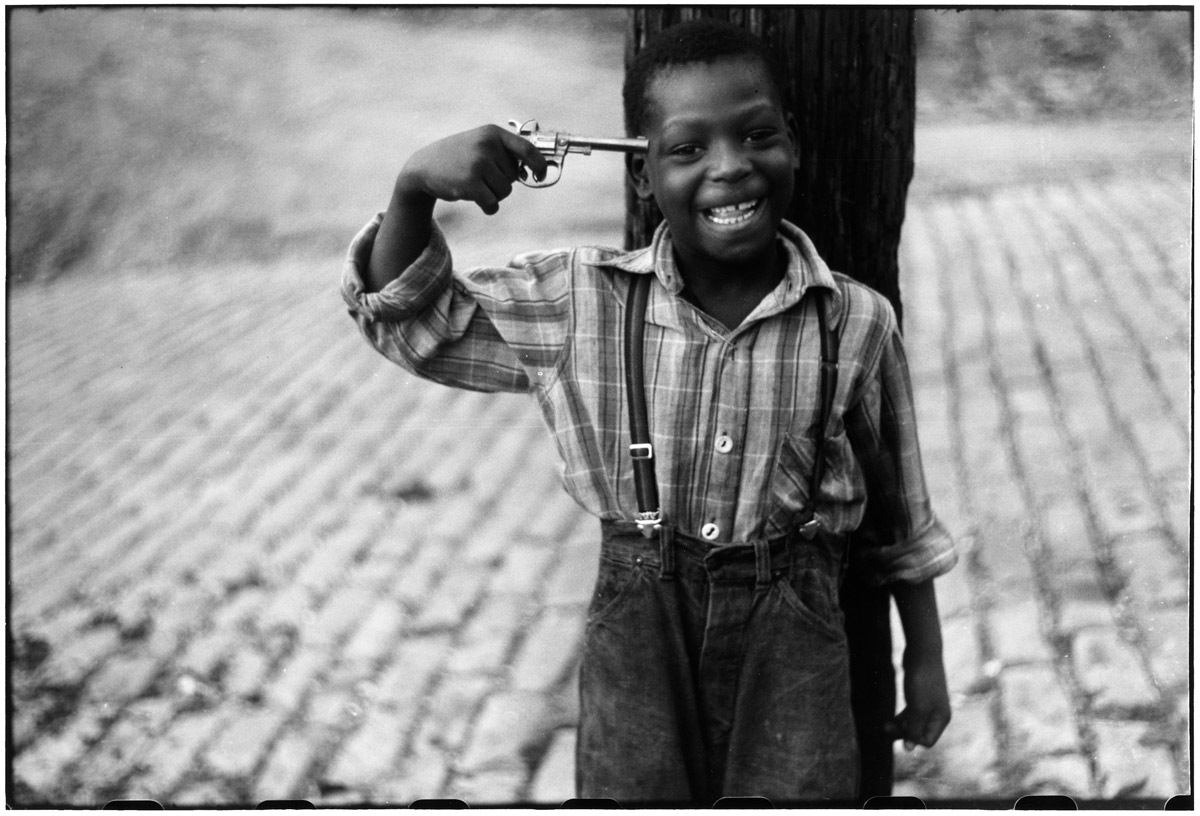
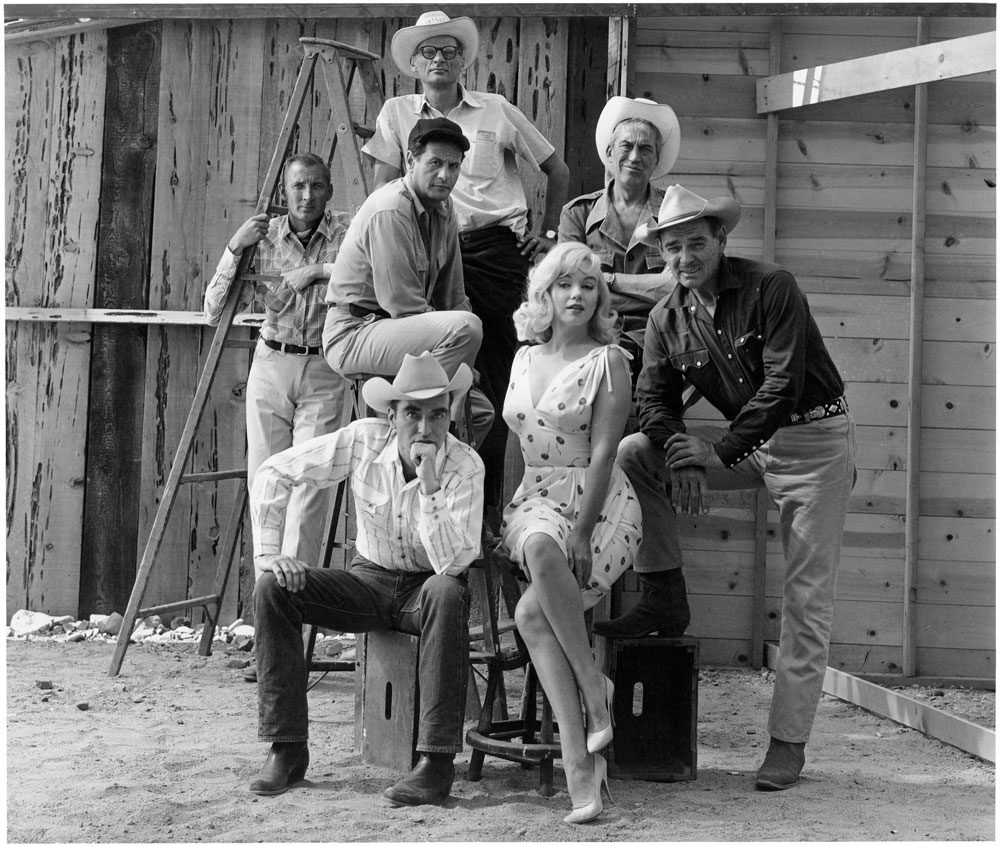
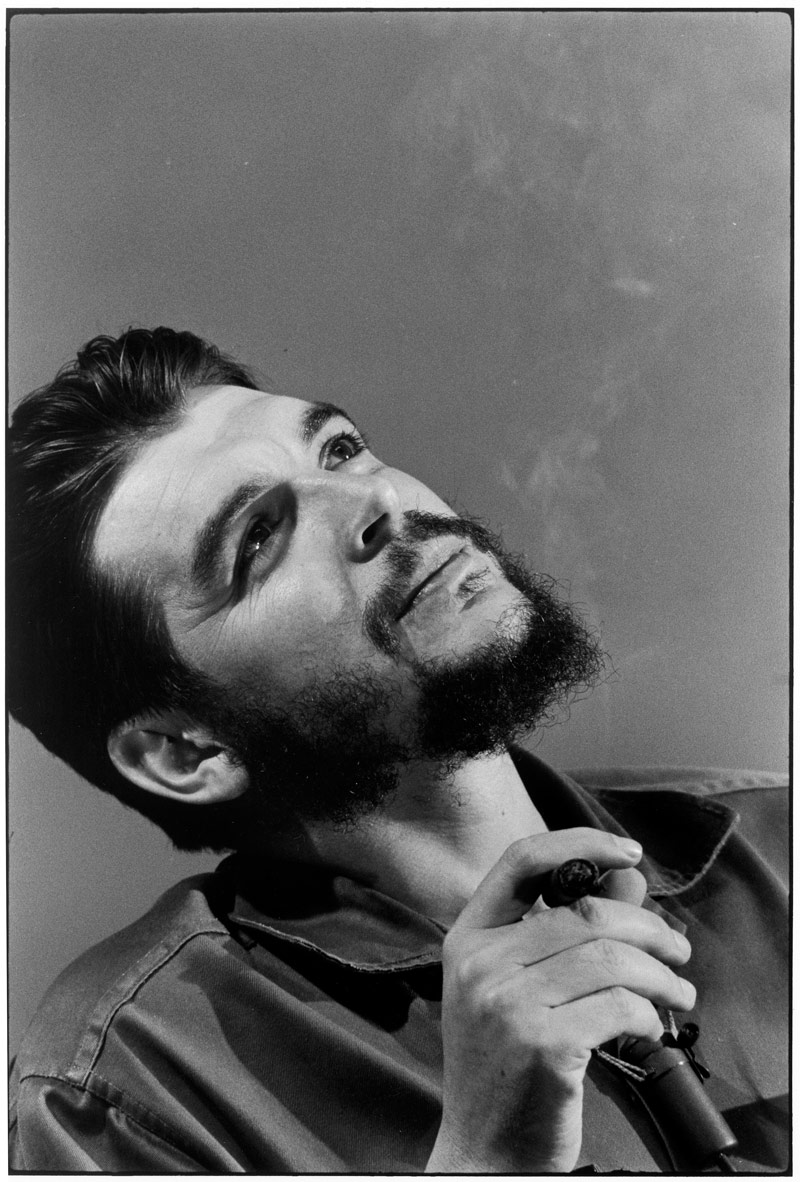
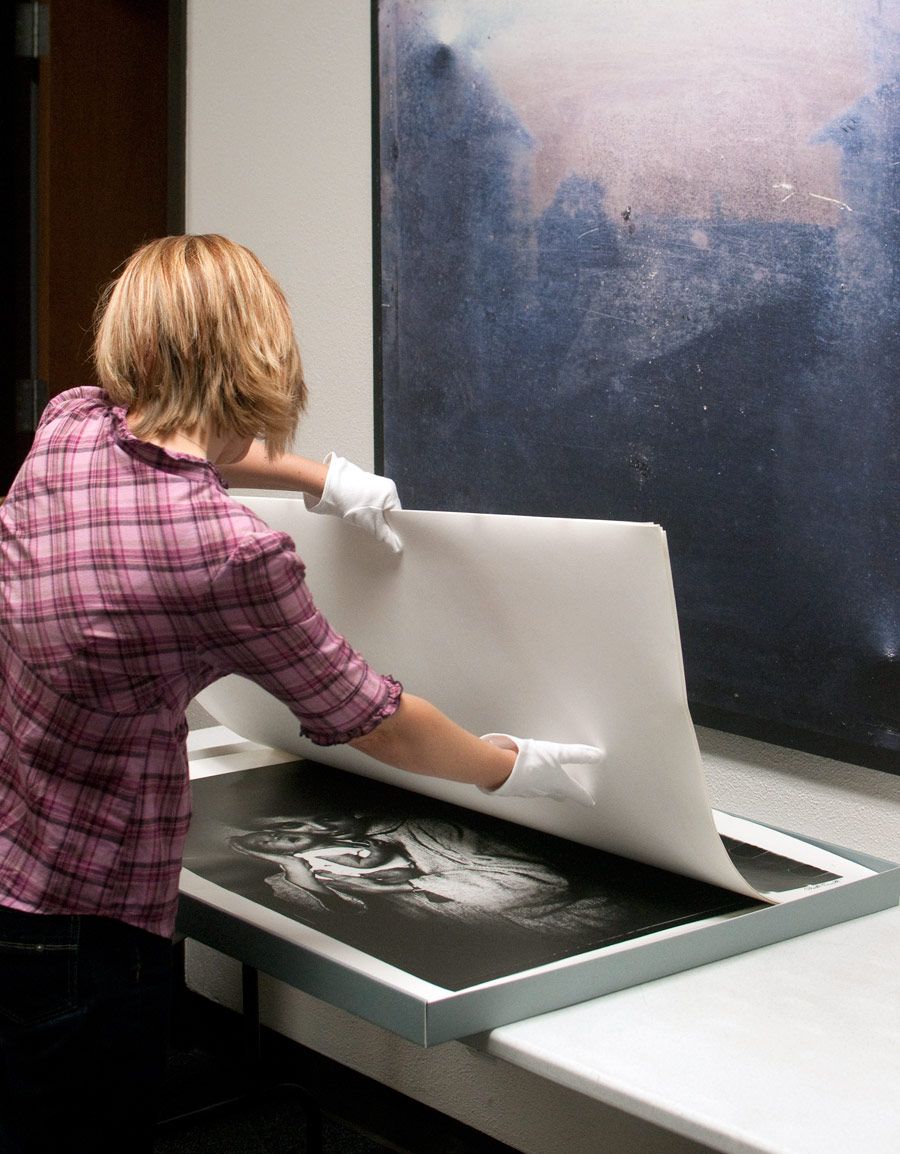
The archive of photographer Elliott Erwitt (b. 1928), which includes more than 50,000 signed photographic prints, will be housed at the Harry Ransom Center, a humanities research library and museum at The University of Texas at Austin. Spanning more than six decades of Erwitt’s career, the archive covers not only his work for magazine, industrial and advertising clients but also photographs that have emerged from personal interests. Collectors and philanthropists Caryl and Israel Englander have placed the archive at the Ransom Center for five years, making it accessible to researchers, scholars and students.
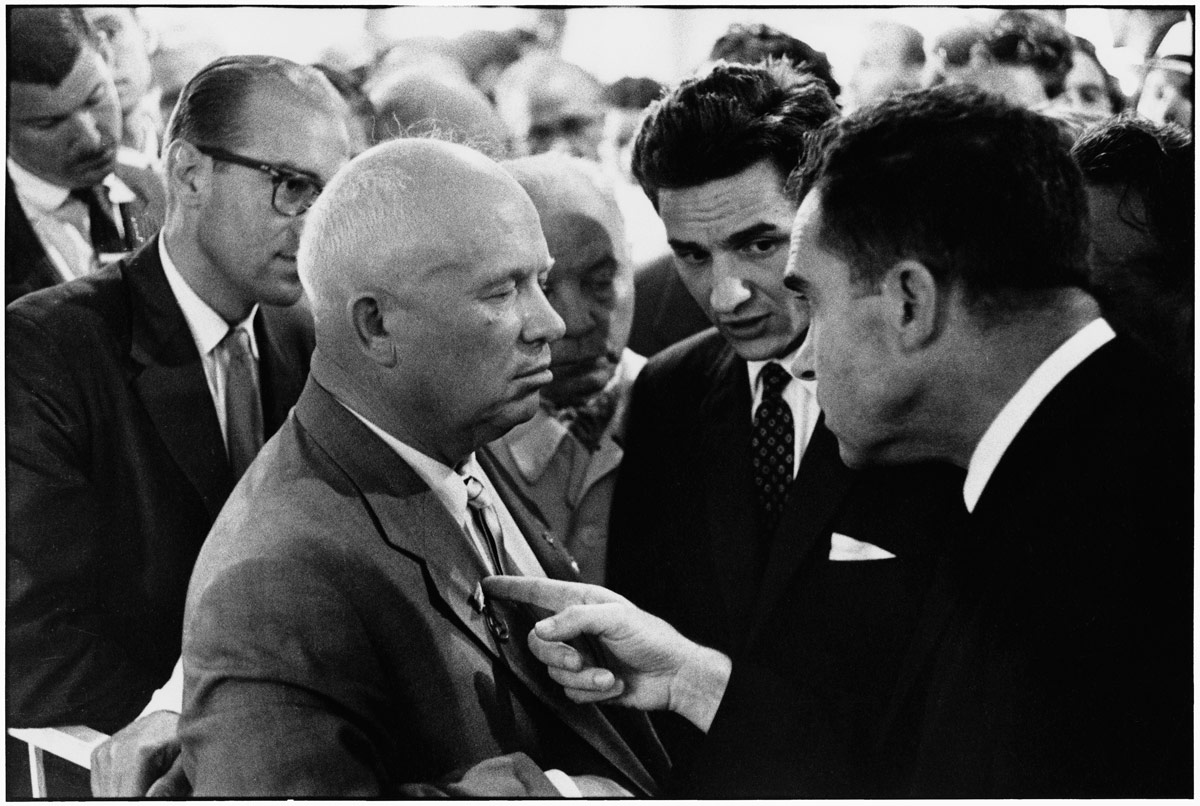
Born in Paris to Russian émigré parents, Erwitt spent his formative years in Milan and then immigrated to the United States, living in Los Angeles and ultimately New York. In 1948, Erwitt actively began his career and met photographers Robert Capa, Edward Steichen and Roy Stryker, all who would become mentors. In 1953, Erwitt was invited to join Magnum Photos by Capa, one of the founders of the photographic co-operative. Ten years later, Erwitt became president of the agency for three terms. A member of the Magnum organisation for more than 50 years, Erwitt’s archive will be held alongside the Magnum Photos collection at the Ransom Center. While many of Erwitt’s photographs capture the famous, from Richard Nixon arguing with Nikita Khrushchev in Moscow in 1959 to Jacqueline Kennedy at her husband’s funeral, other subjects include everyday people, places and even dogs, a longtime love of Erwitt’s.
“The work I care about is terribly simple,” said Erwitt in “Personal Exposures” (1988). “I observe, I try to entertain, but above all I want pictures that are emotion. Little else interests me in photography. Today, so much is being done by unemotional people, or at least it looks that way…I mean, work that’s fascinating and fun and clever and technically brilliant. But if it’s not personal, then it misses what interesting photography is about.”
Exhibitions of Erwitt’s work have been featured at institutions ranging from The Museum of Modern Art in New York to The Museum of Modern Art in Paris, and his work is represented in numerous major institutions.
“Whether capturing the everyday or the extraordinary, Erwitt’s work always has a wonderful element of accessibility,” said Ransom Center Director Thomas F. Staley. “Housing the collection here adds a new dimension to that access.”
In addition to providing access to the archive, the Ransom Center will promote interest in the collection through lectures, fellowships and exhibitions.”





 Art Blart _ art and cultural memory archive
You must be logged in to post a comment.