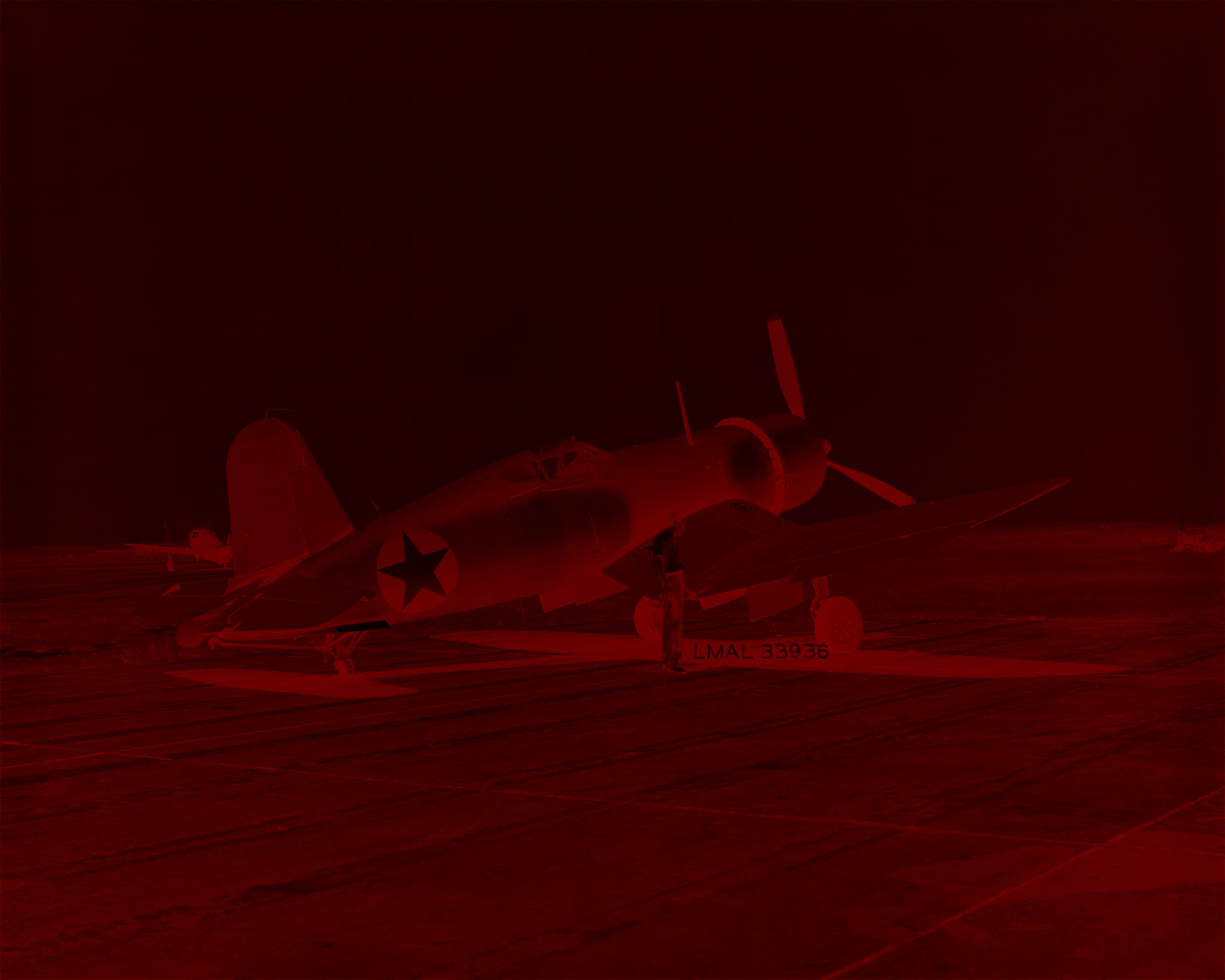
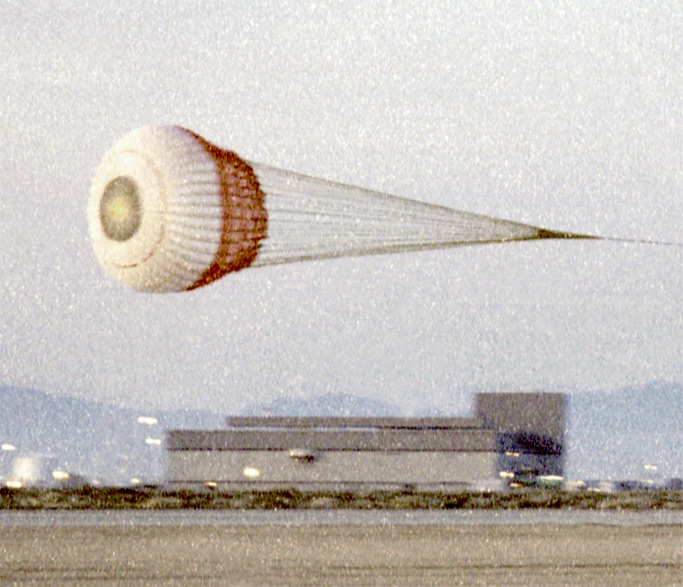
A body of work is slowly taking shape. I have over 150 images at the moment (!!) and after I finish making them all the images will be culled to form the new series Missing in Action (red kenosis) (2010). Images from the new series are below. Please click on the photographs to see a larger version of the image. Enjoy!
Dr Marcus Bunyan
Photographs are available from this series for purchase. As a guide, a digital colour 16″ x 20″ costs $1000 plus tracked and insured shipping. For more information please see my Store web page.
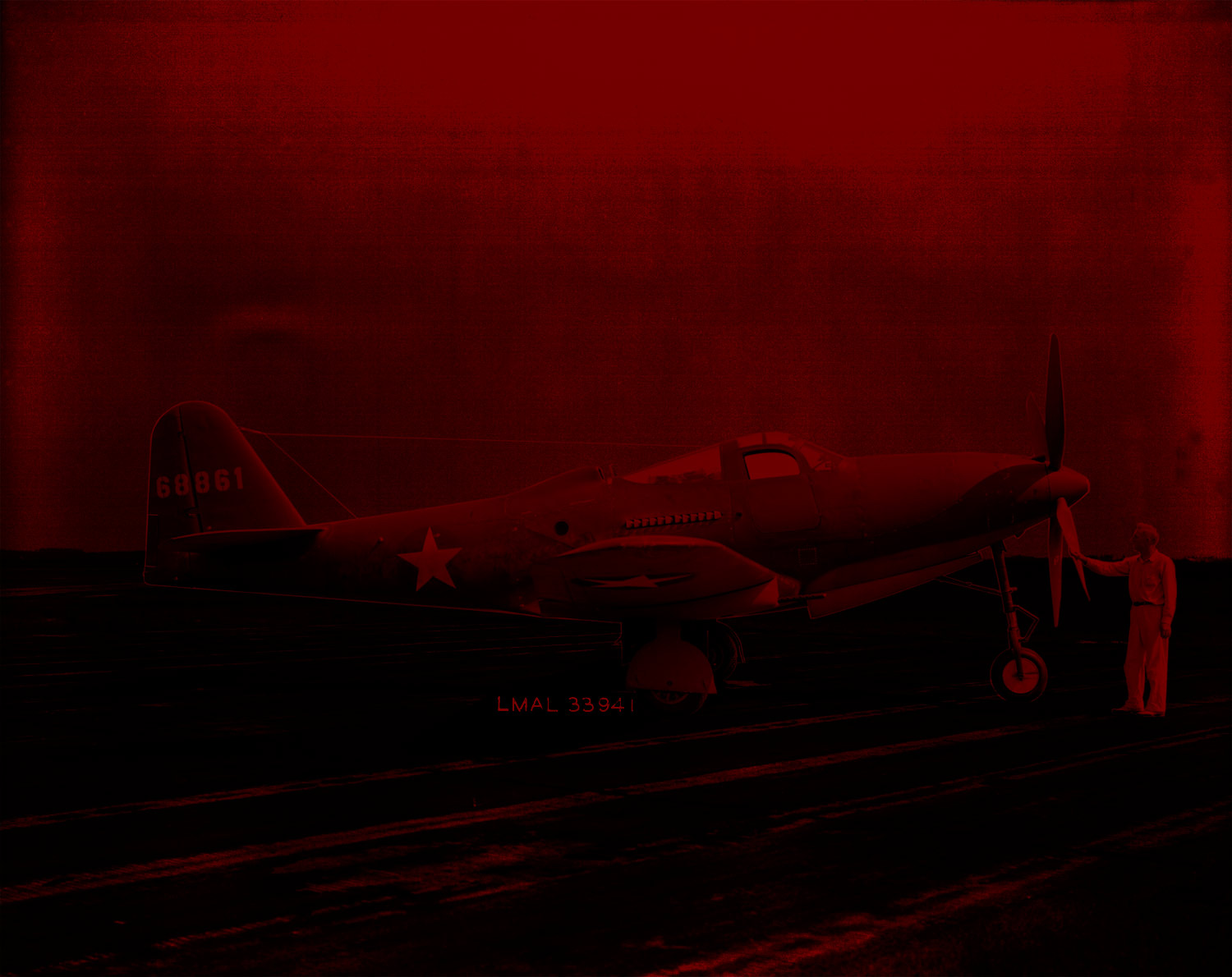
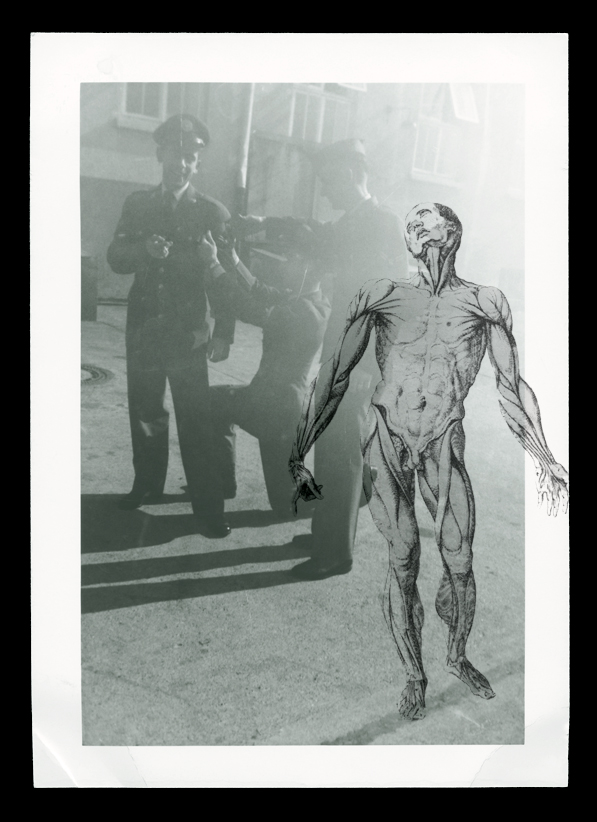
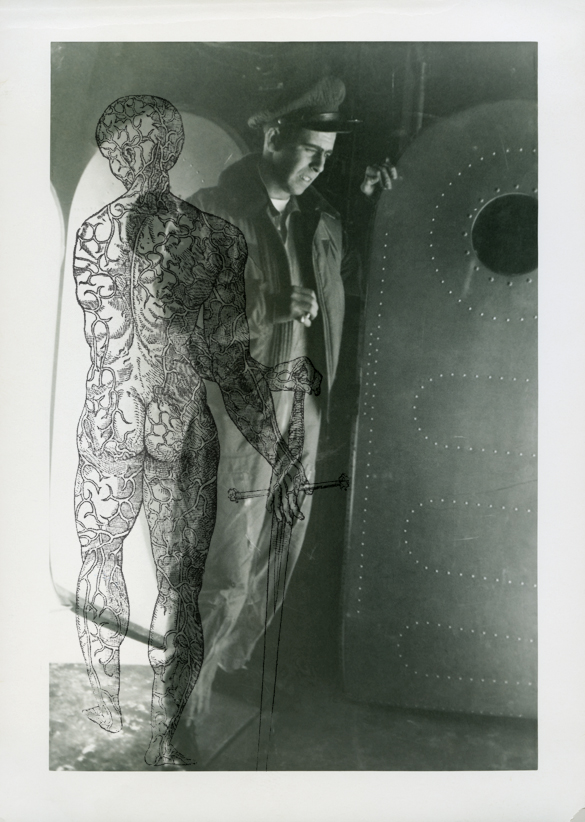
Marcus Bunyan (Australian, b. 1958) Missing in Action (dark kenosis) No.11 2010 Digital photograph
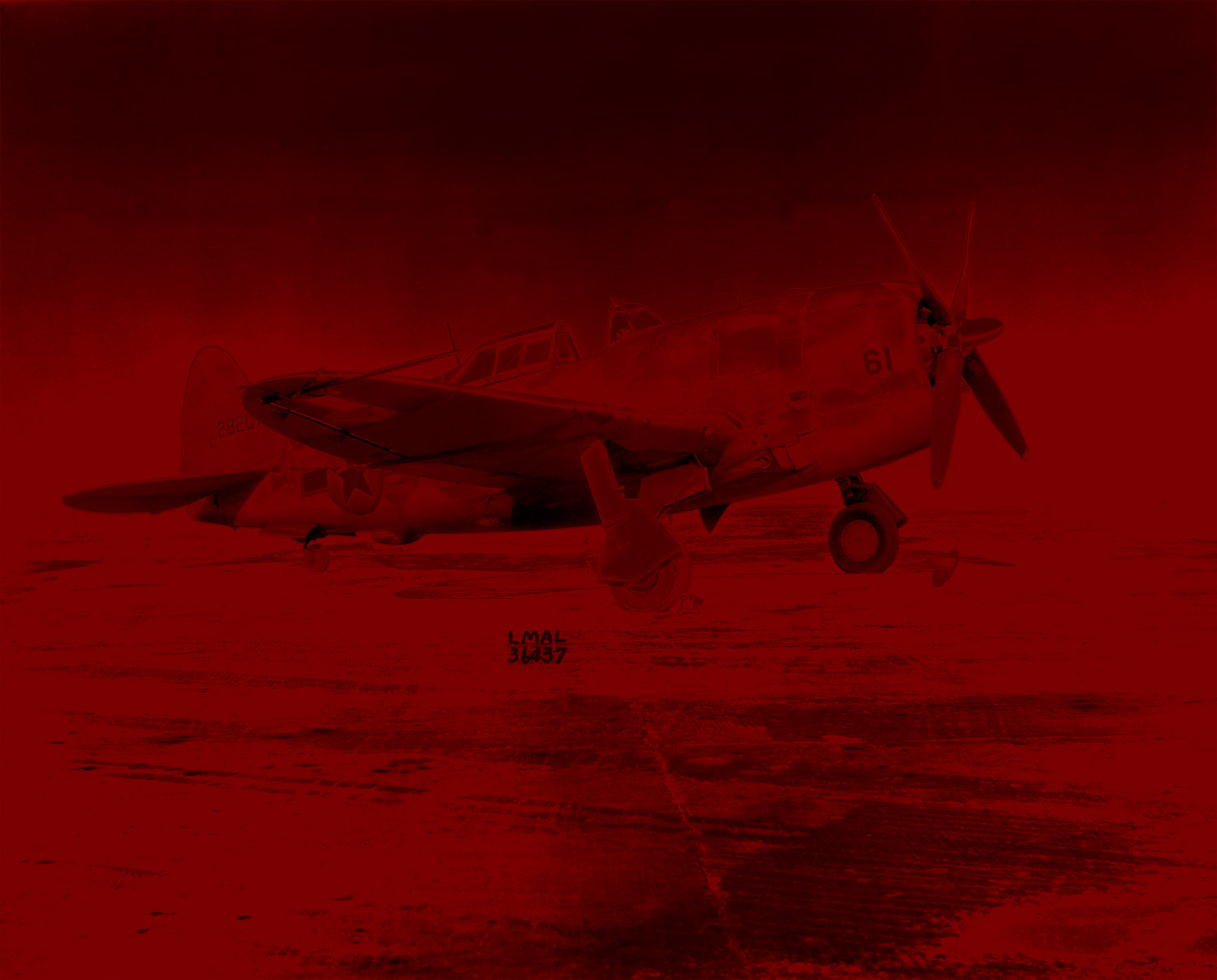
Missing in action (dark kenosis)
A new body of work Missing in Action (dark kenosis) 2010 is now online on my website.
There are eighty-two images in the series which are like a series of variations in music with small shifts in tone and colour. Below are a selection of images from the series. Please click on the photographs for a larger version of the image.
Many thankx to the people who have emailed me saying how much they like the new series of work.
Dr Marcus Bunyan
Photographs are available from this series for purchase. As a guide, a digital colour 16″ x 20″ costs $1000 plus tracked and insured shipping. For more information please see my Store web page.
Kenosis
“In Christian theology, Kenosis is the concept of the ‘self-emptying’ of one’s own will and becoming entirely receptive to God and his perfect will.”
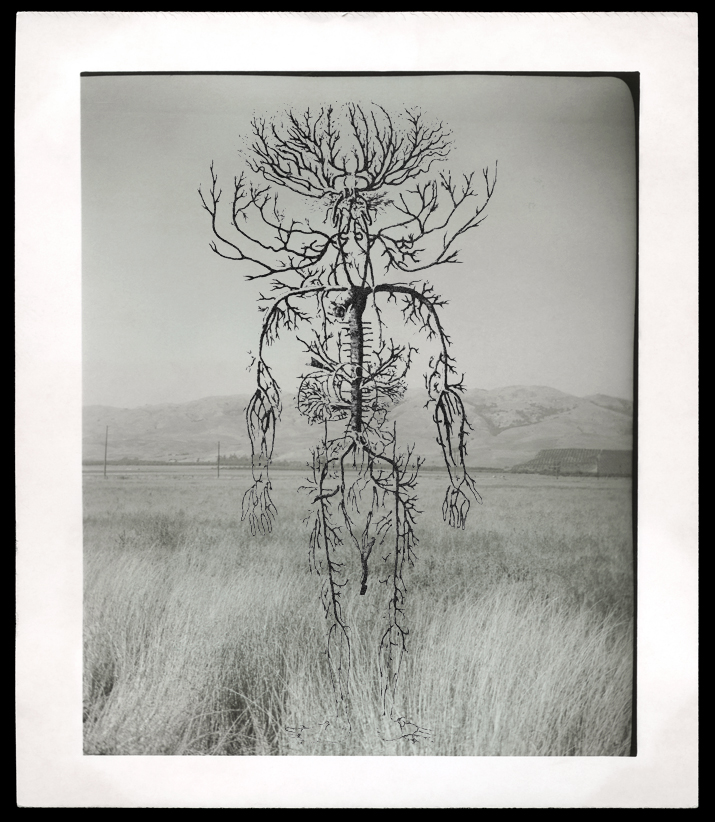
Marcus Bunyan (Australian, b. 1958) Missing in Action (dark kenosis) No.19 2010 Digital photograph
Marcus Bunyan (Australian, b. 1958) Missing in Action (dark kenosis) No.35 2010 Digital photograph
Marcus Bunyan (Australian, b. 1958) Missing in Action (dark kenosis) No.46 2010 Digital photograph
Marcus Bunyan (Australian, b. 1958) Missing in Action (dark kenosis) No.49 2010 Digital photograph
Marcus Bunyan (Australian, b. 1958) Missing in Action (dark kenosis) No.67 2010 Digital photograph
Marcus Bunyan (Australian, b. 1958) Missing in Action (dark kenosis) No.71 2010 Digital photograph
Marcus Bunyan (Australian, b. 1958) Missing in Action (dark kenosis) No.76 2010 Digital photograph
Marcus Bunyan (Australian born England, b. 1958) Missing in Action (horizontal kenosis) No.4 2010 Digital photograph
Missing in Action (horizontal kenosis)
A body of work, Missing in Action (horizontal kenosis) (2010) is now online on my website.
There are nineteen images in the series which can be viewed as a sequence, rising and falling like a piece of music.
Below are a selection of images from the series.
Marcus
Photographs are available from this series for purchase. As a guide, a digital colour 16″ x 20″ costs $1000 plus tracked and insured shipping. For more information please see my Store web page.
Kenosis
“In Christian theology, Kenosis is the concept of the ‘self-emptying’ of one’s own will and becoming entirely receptive to God and his perfect will.”
Marcus Bunyan (Australian born England, b. 1958) Missing in Action (horizontal kenosis) No.5 2010 Digital photograph
Marcus Bunyan (Australian born England, b. 1958) Missing in Action (horizontal kenosis) No.6 2010 Digital photograph
Marcus Bunyan (Australian born England, b. 1958) Missing in Action (horizontal kenosis) No.8 2010 Digital photograph
Marcus Bunyan (Australian born England, b. 1958) Missing in Action (horizontal kenosis) No.9 2010 Digital photograph
Marcus Bunyan (Australian born England, b. 1958) Missing in Action (horizontal kenosis) No.16 2010 Digital photograph
Marcus Bunyan (Australian born England, b. 1958) Missing in Action (horizontal kenosis) No.17 2010 Digital photograph
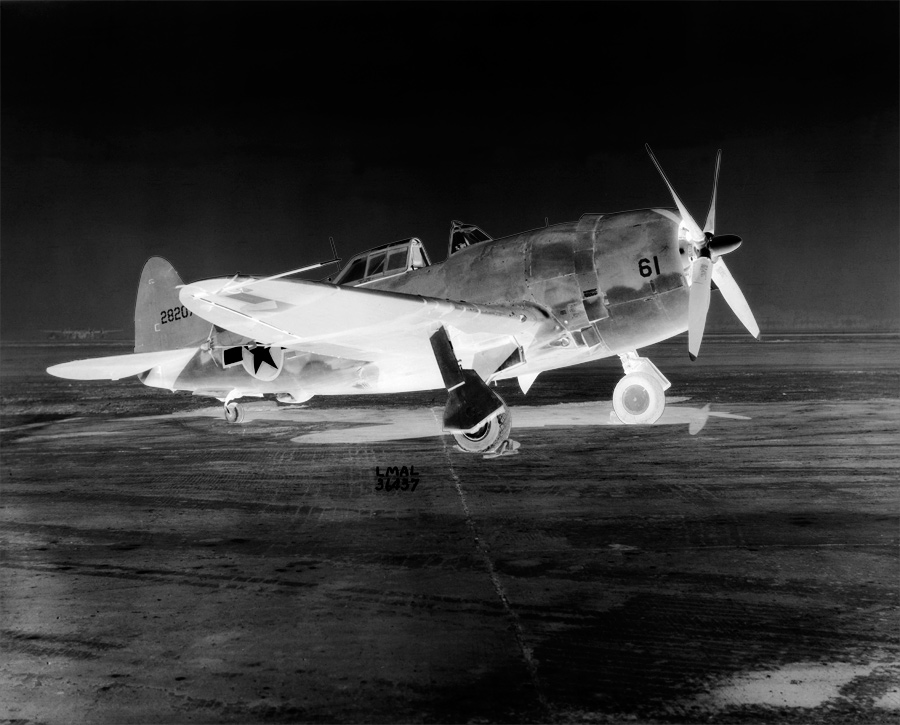
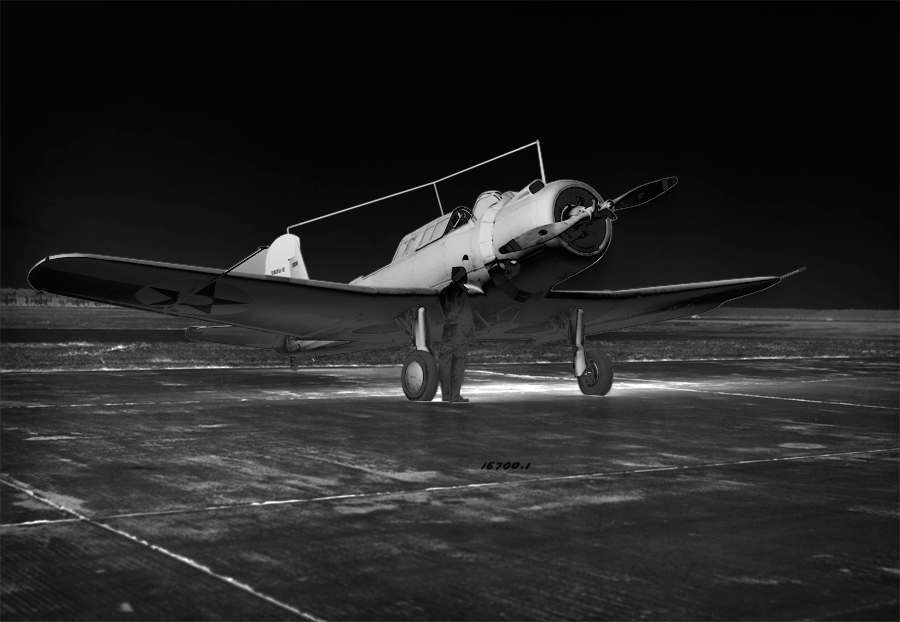
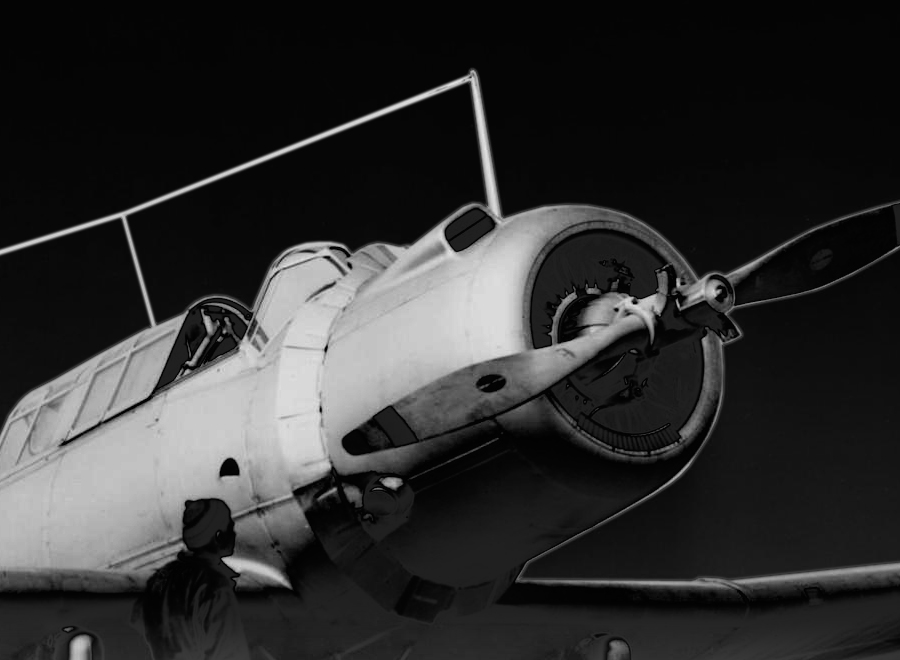
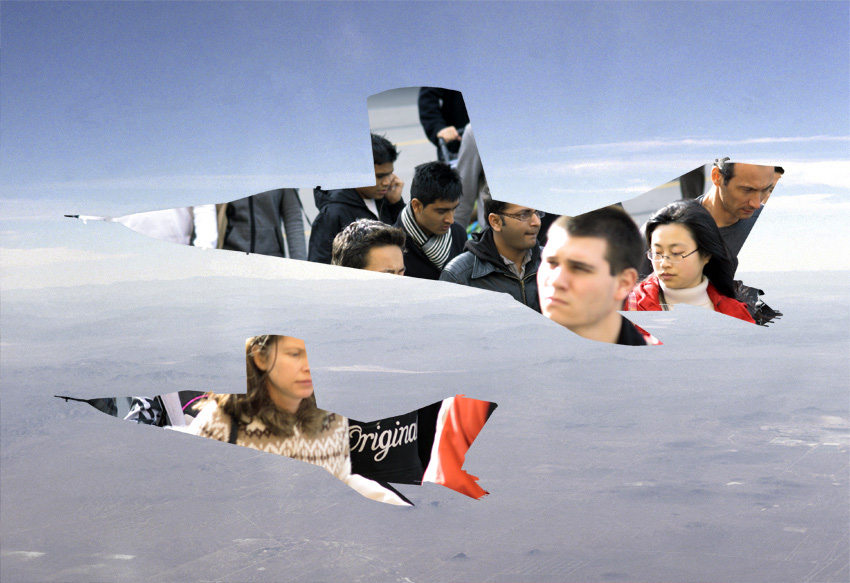
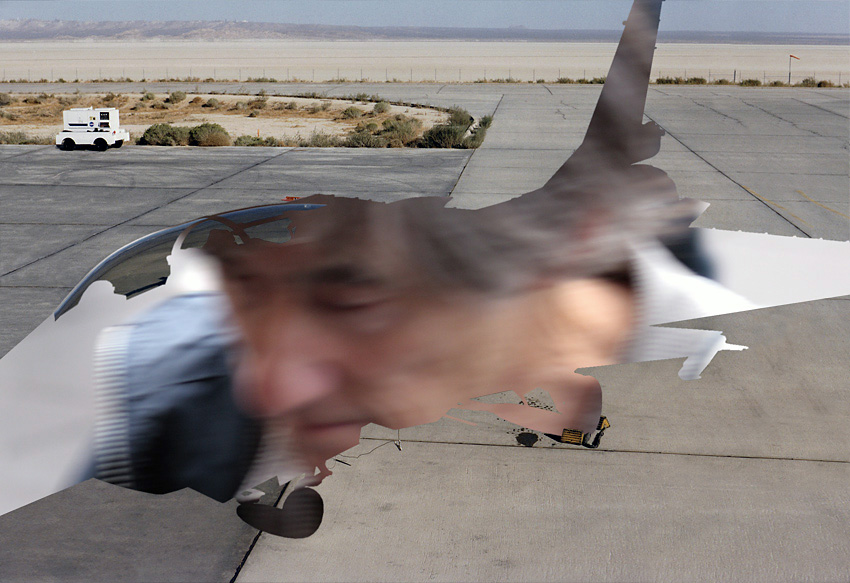
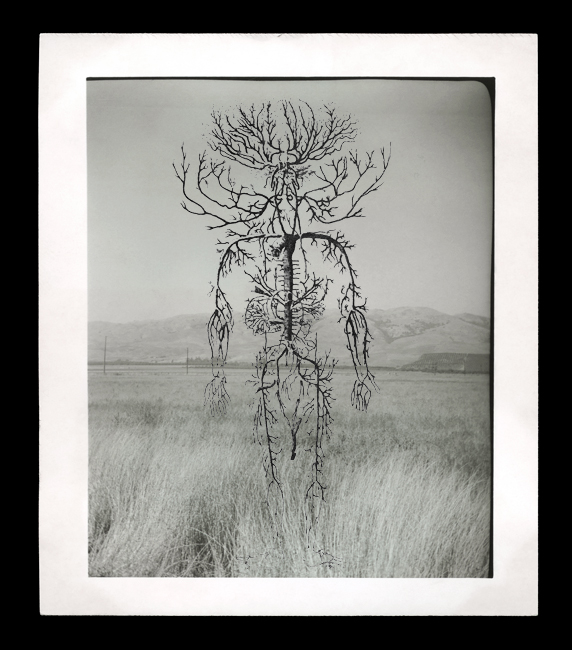
Marcus Bunyan (Australian, b. 1958) Untitled from the series There But For The Grace of You Go I 2009 Digital colour photograph
There But For The Grace of You Go I
A body of work, There But For The Grace of You Go I (2009) is now online on my website.
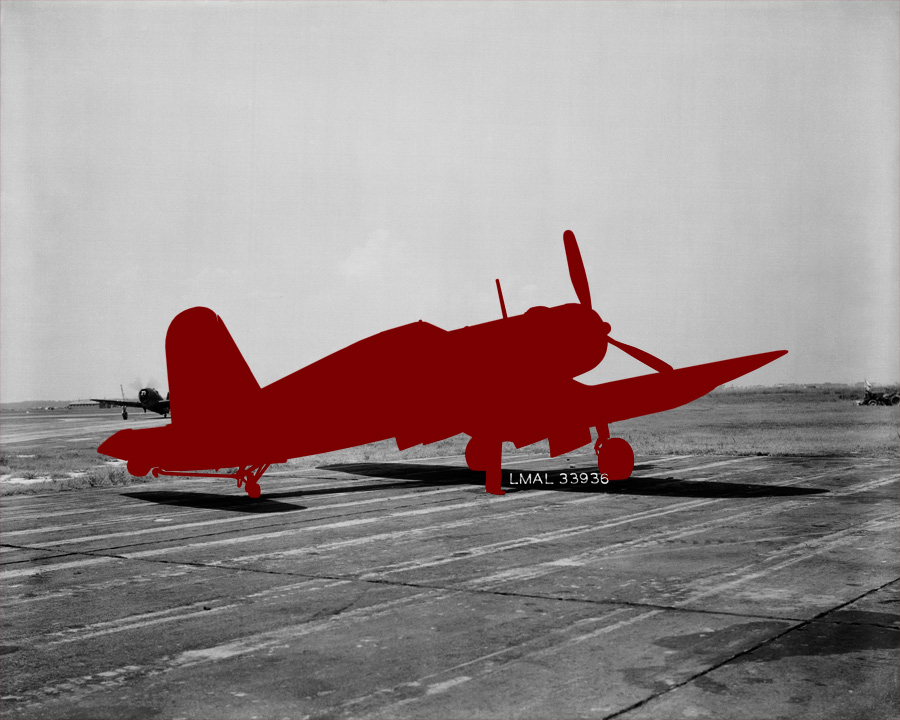
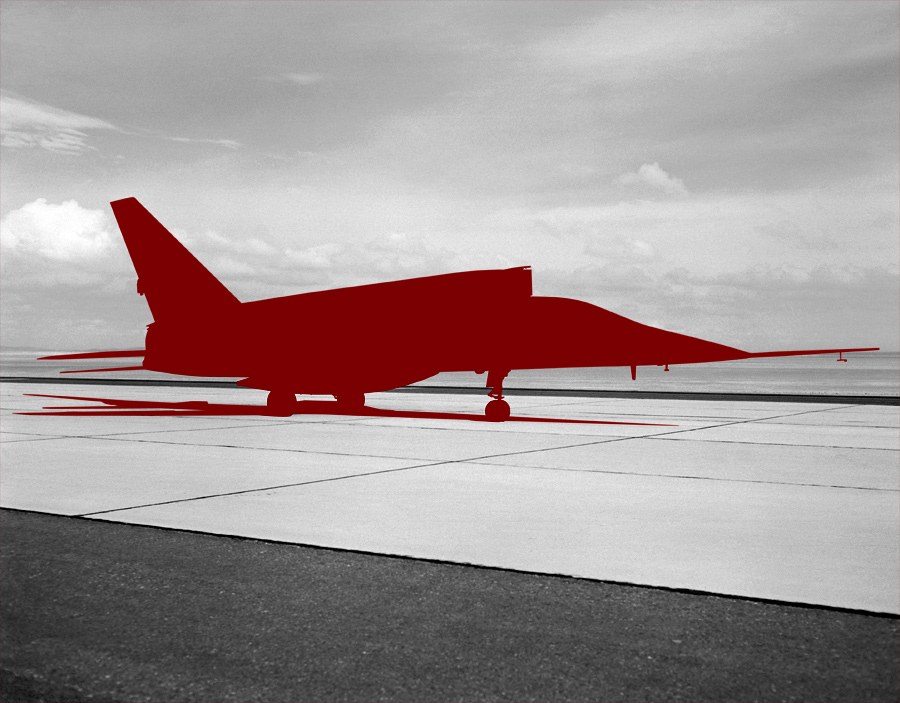
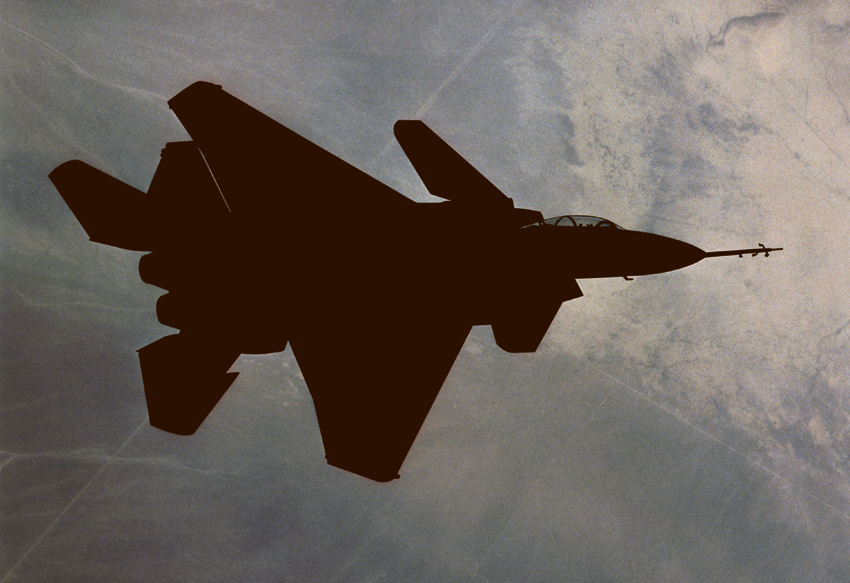
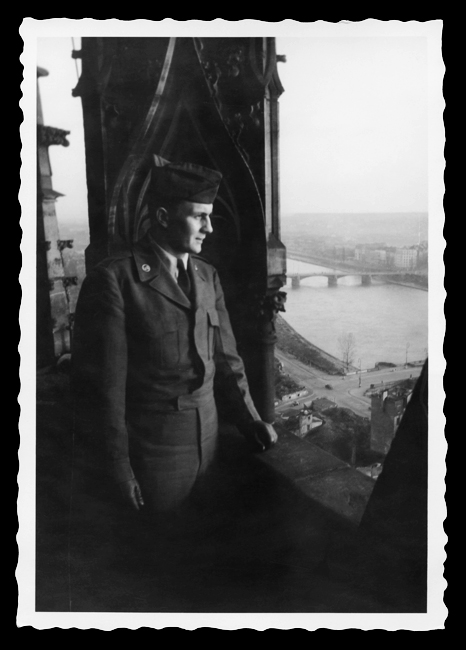
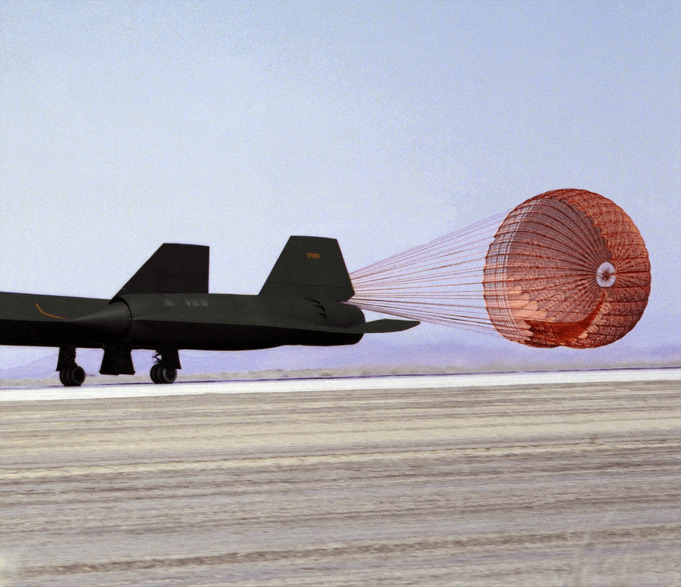
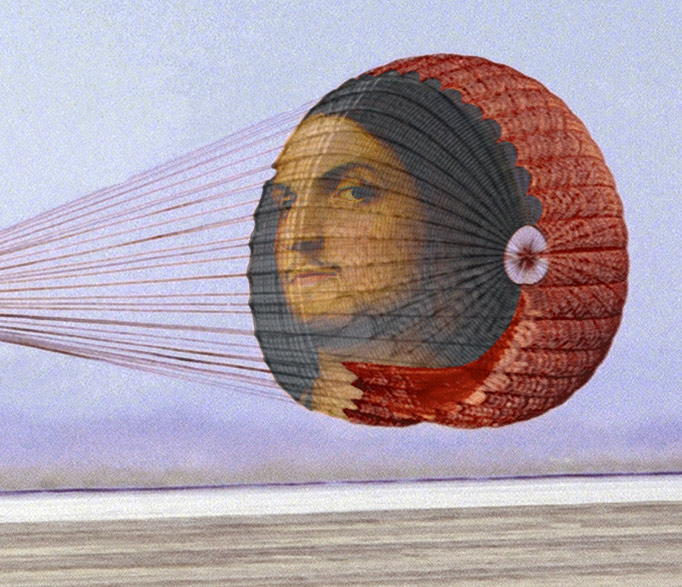
There are twenty images in the series which can be viewed as a sequence, rising and falling like a piece of music. Below are a selection of images from the series. The work continues an exploration into the choices human beings make. The silhouettes and landscapes of planes are taken from found copyright free images; the people from my photographs captured as they crossed the intersection outside Flinders Street Station, Melbourne. Other images are paintings from the Renaissance and POW’s during World War II.
I have always been creative from a very early age, starting as a child prodigy playing the piano at the age of five and going on to get my degree as a concert pianist at the Royal College of Music in London. I have always felt the music and being creative has helped me cope with life, living with bipolar.
These days as I reach my early 50’s ego is much less a concern – about being successful, about having exhibitions. I just make the work because I love making it and the process gives me happiness – in the thinking, in the making. I can loose myself in my work.
When Andrew Denton asked Clive James what brings him joy, James replies “The arts,“ and then qualified his answer. “What I mean is creativity. When I get lost in something that’s been made, it doesn’t matter who it is by. It could be Marvin Gaye singing ‘I Heard it Through the Grapevine’ or it could be the adagio of the Ninth Symphony …”
What a wise man.
Dr Marcus Bunyan
Please click on the photographs for a larger version of the image.
Photographs are available from this series for purchase. As a guide, a digital colour 16″ x 20″ costs $1000 plus tracked and insured shipping. For more information please see my Store web page.
Marcus Bunyan (Australian, b. 1958) Untitled from the series There But For The Grace of You Go I 2009 Digital colour photograph
Marcus Bunyan (Australian, b. 1958) Untitled from the series There But For The Grace of You Go I 2009 Digital colour photograph
Marcus Bunyan (Australian, b. 1958) Untitled from the series There But For The Grace of You Go I 2009 Digital colour photograph
Marcus Bunyan (Australian, b. 1958) Untitled from the series There But For The Grace of You Go I 2009 Digital colour photograph
Marcus Bunyan (Australian, b. 1958) Untitled from the series There But For The Grace of You Go I 2009 Digital colour photograph
Marcus Bunyan (Australian, b. 1958) Untitled from the series There But For The Grace of You Go I 2009 Digital colour photograph
Marcus Bunyan (Australian, b. 1958) Untitled from the series There But For The Grace of You Go I 2009 Digital colour photograph
Marcus Bunyan (Australian, b. 1958) Untitled from the series There But For The Grace of You Go I 2009 Digital colour photograph
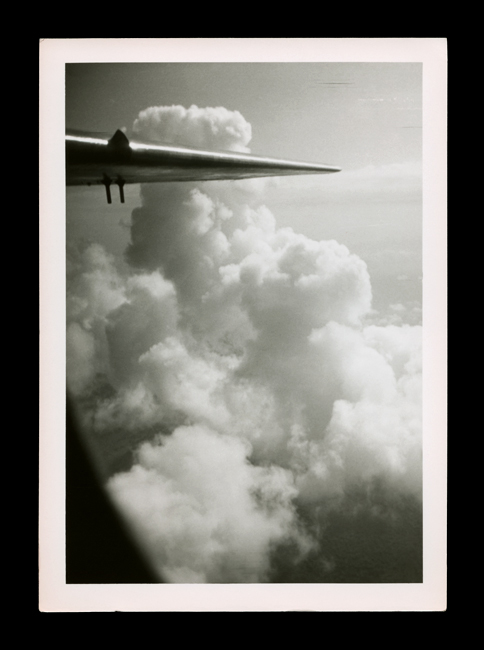
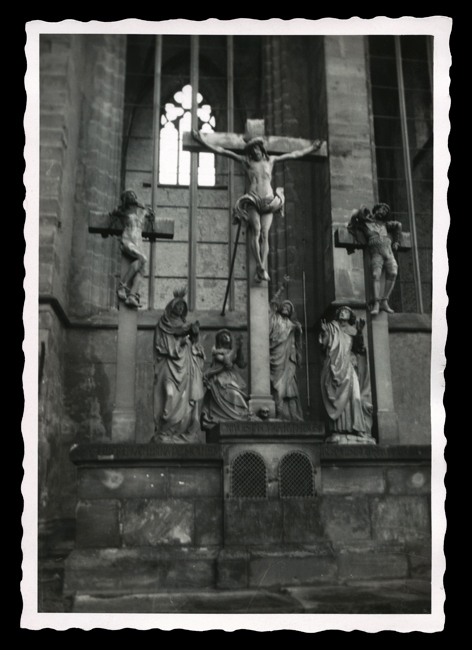
Marcus Bunyan (Australian, b. 1958) Spire of der Dom, 1 – 52 2009 From the series The Shape of Dreams Gelatin silver print
The Shape of Dreams
I am pleased to announce a body of work, the second for 2009, is now online on my website.
The photographs are a sequence: one tone follows another (much like a piece of music) until the final coda. With this in mind please view the work sequentially. Below are a selection of photographs from the whole work.
Dr Marcus Bunyan
Please click on the photographs for a larger version of the image.
Photographs are available from this series for purchase. As a guide, a digital colour 16″ x 20″ costs $1000 plus tracked and insured shipping. For more information please see my Store web page.
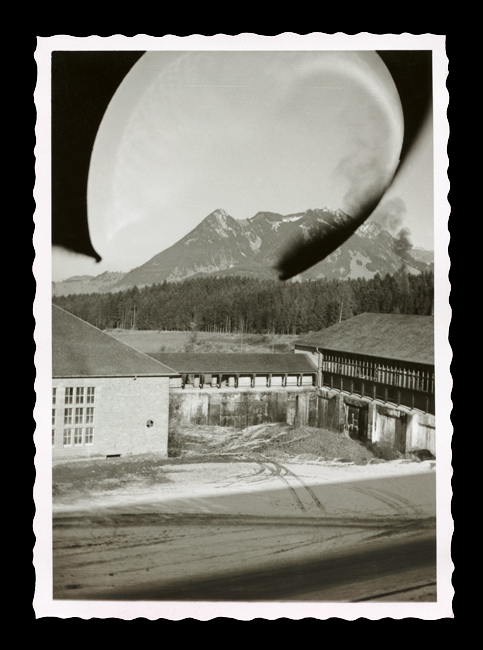
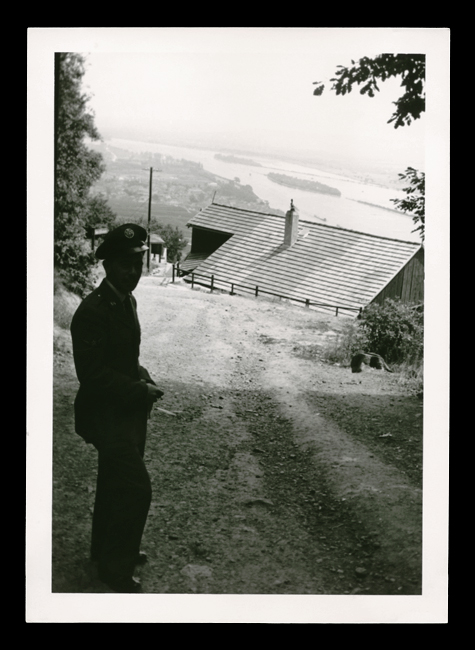
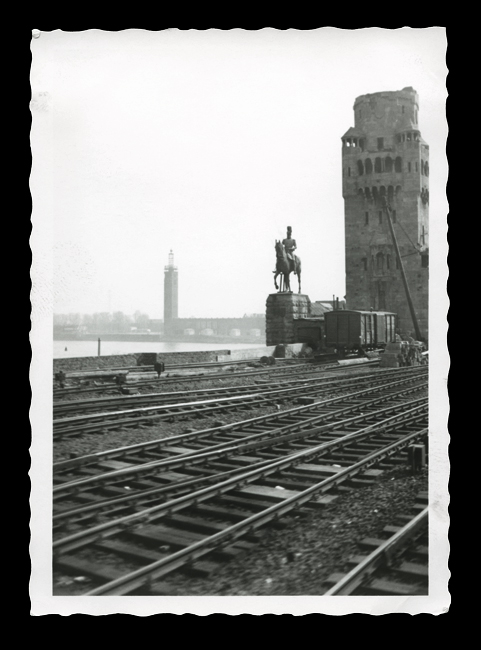
Photographs from the series The Shape of Dreams 2009
“the form of formlessness the shape of dreams”
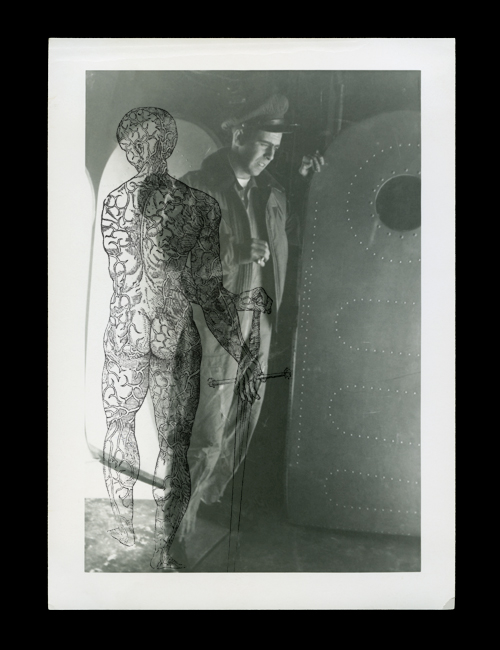
Marcus Bunyan (Australian, b. 1958) Untitled 2009 From the series The Shape of Dreams Gelatin silver print
Marcus Bunyan (Australian, b. 1958) Untitled 2009 From the series The Shape of Dreams Gelatin silver print
Marcus Bunyan (Australian, b. 1958) Untitled 2009 From the series The Shape of Dreams Gelatin silver print
Marcus Bunyan (Australian, b. 1958) 9/24/52 2009 From the series The Shape of Dreams Gelatin silver print
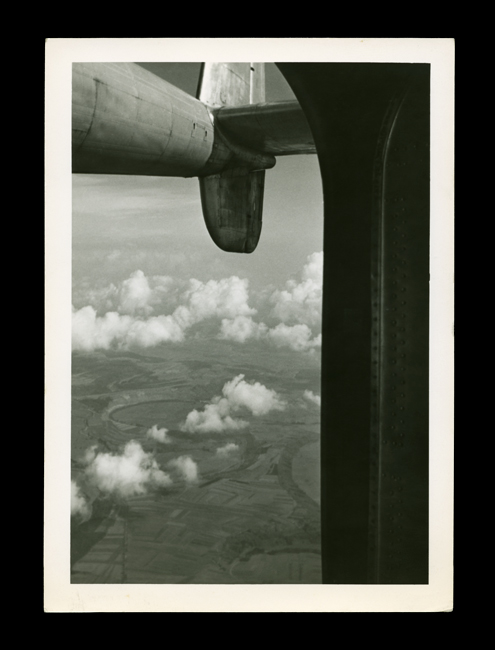
Marcus Bunyan (Australian, b. 1958) Untitled 2009 From the series The Shape of Dreams Gelatin silver print
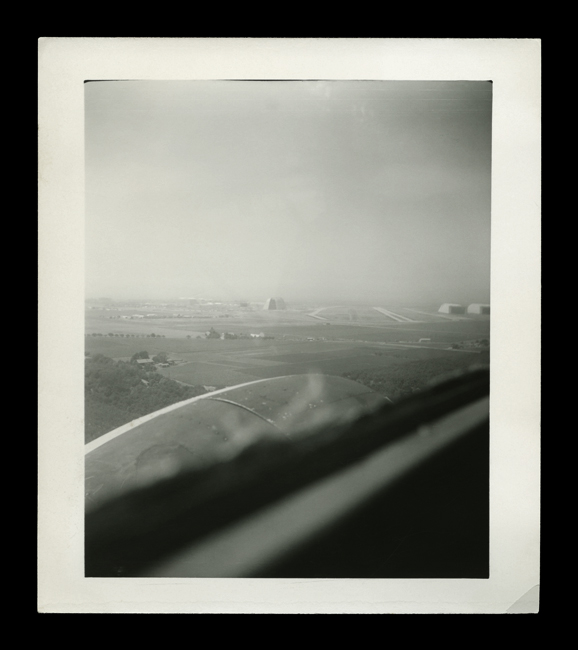
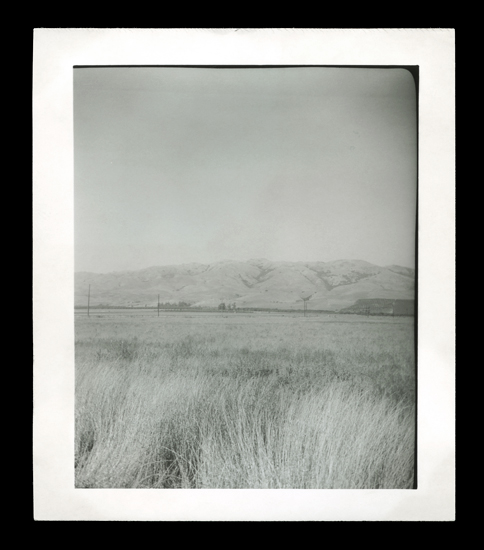
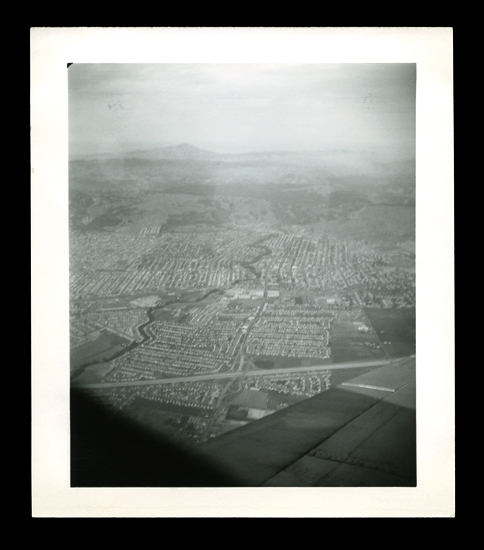
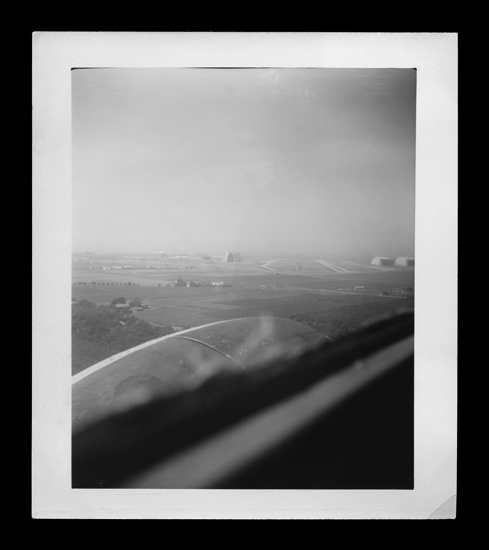
Marcus Bunyan (Australian, b. 1958) Navy Base, Unidentified 2009 From the series The Shape of Dreams Gelatin silver print
Marcus Bunyan (Australian, b. 1958) Untitled 2009 From the series The Shape of Dreams Gelatin silver print
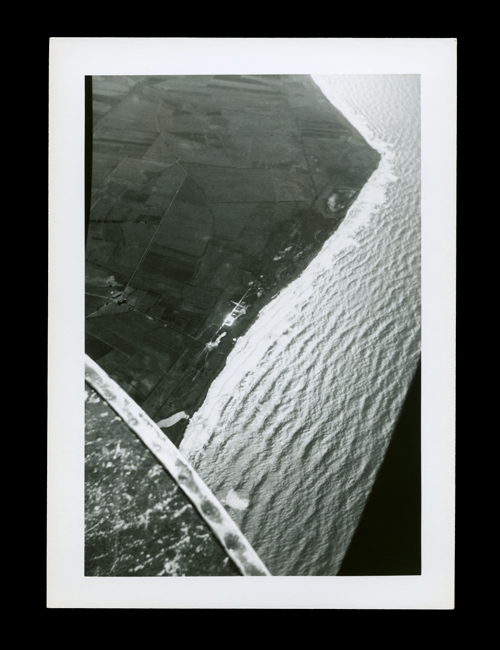
Marcus Bunyan (Australian, b. 1958) Part of the French Riviera taken while Whit held me at the door! 2009 From the series The Shape of Dreams Gelatin silver print
Marcus Bunyan (Australian, b. 1958) Untitled 2009 From the series The Shape of Dreams Gelatin silver print
Marcus Bunyan (Australian, b. 1958) Untitled 2009 From the series The Shape of Dreams Gelatin silver print
All the photographs from the series are now on my website.
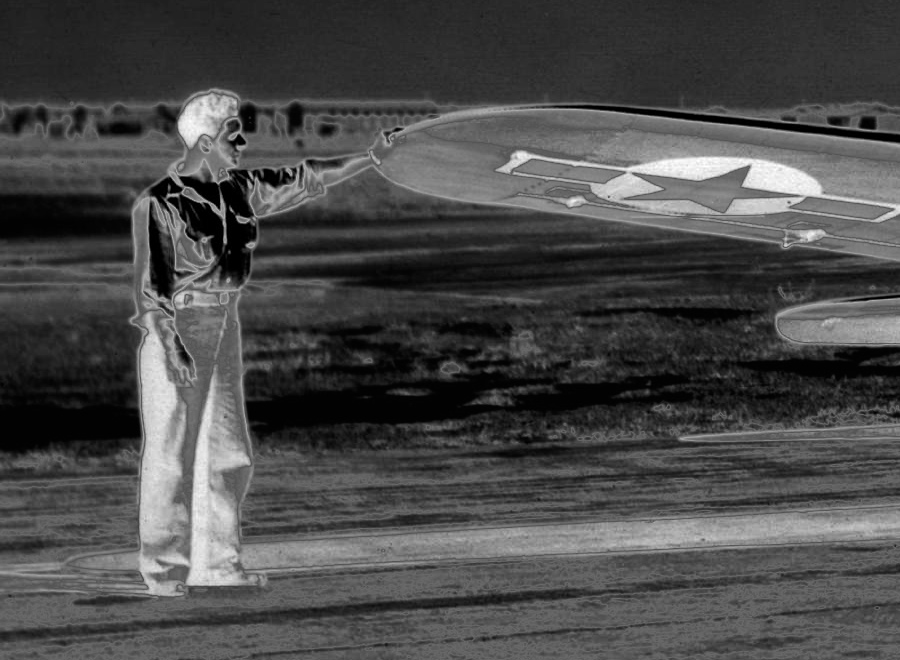
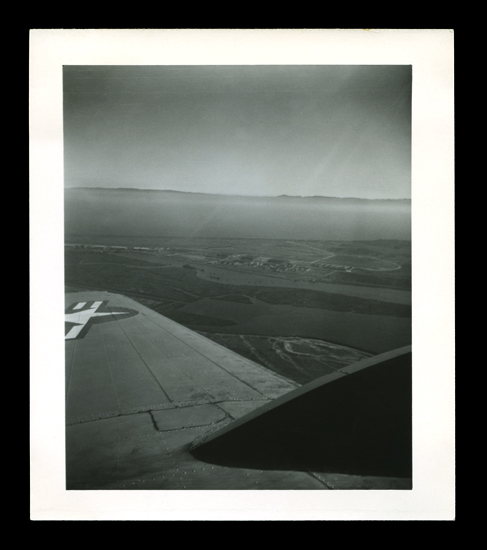
Marcus Bunyan (Australian born England, b. 1958) Oakland, 7-’51 from the series The Shape of Dreams (restored) 2009
“Fragments of harmonic lines assemble and collapse as the meaning of each interval must be continually revised in light of the unfolding precession of further terms in an ultimately unsustainable syntax. The mind’s ear tries to remember the sum of passing intervals, but without the ability to incorporate them into larger identifiable units each note inevitably lapses back into silence, surrendered to the presence of the currently sounding tone, itself soon to give way to another newly isolated note in its turn.”
Craig Dworkin1
The Passing of Memory
Thinking about this photograph
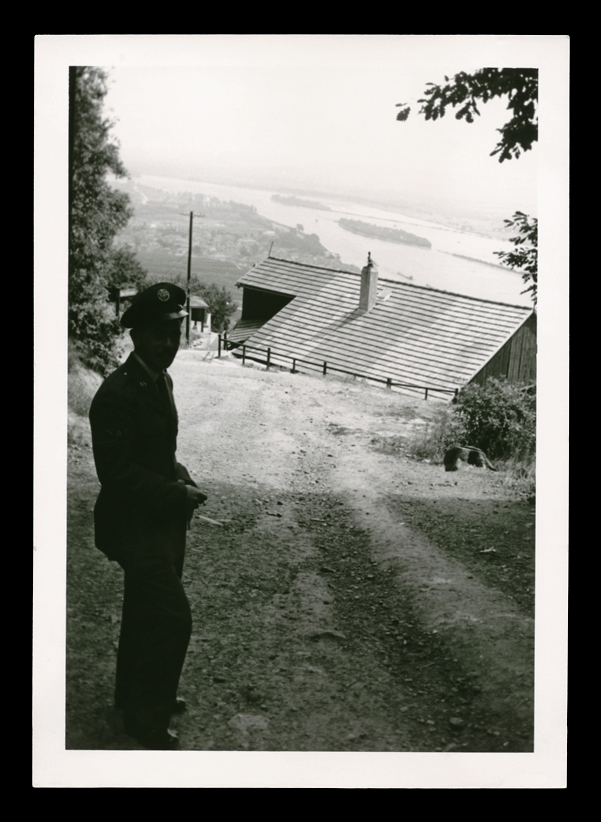
I bought an album on Ebay that contained an anonymous aviator with snapshots of his life: photographs of him in Oakland, California, Cologne in Germany and flying out of Italy – photos of his buddies and the work they did, the places they visited, the fun they had.
This one photograph has haunted me more than the rest.
Who was he? What was his life like? Do he get married and have children? Is he still alive?
When scanned the image was so dirty, so degraded, that I spent 7 weeks of my life cleaning and restoring the photograph working all hours of the day and night. I was obsessive almost to the point of obstinacy. Many times I nearly gave up as I thought the task impossible – thousands of dots and hairs inhabited the surface of the image and, surely, it was just another photograph one of millions that circle the world. Why expend so much energy just to resurrect this one particular image?
Some things that can be said about this photograph
It is small measuring only 9cm high by 7.5 cm wide
It is printed on cheap glossy photographic paper which now has a slight yellow tinge to it.
The image is creased at top left.
The back is annotated ‘Oakland, 7-’51’
The dark roundel with the wing on the side of the aircraft has faint text that spells out the words ‘AERO ACE’.
There is no engine in the aircraft and it looks from the parts lying on the ground that the aircraft is being broken up or used for spares.
The man is wearing work overalls with unidentifiable insignia on them, a worker on the aircraft being dismantled or just a fitter on the base.
Someone standing on the ground has obviously called out the man’s name and he has turned around in response to the call and lent forward and put out his hand in greeting – a beautiful spontaneous response – and the photograph has been taken.
Some other things that can be said about this photograph, in passing
The sun splashes the man’s face. He smiles at the camera.
His arm rests gently on the metal of the aircraft, shielded from the sun.
Perhaps he wears a ring on his fifth finger.
He is blind.
This photograph is an individual, isolated note in the fabric of time. It could easily pass into silence as memory and image fade from view. Memories of the individual form the basis for remembering and photographs act as an aide-memoire both for individual memory and the collective memory that flows from individual memory. Memory is always and only partial and fragmentary – who is remembering, what are they remembering, when do they remember, what prompts them to remember and how these memories are incorporated into the collective memory, an always mediated phenomenon that manifests itself in the actions and statements of individuals, are important questions.
Images are able to trigger memories and emotional responses to a particular time and place, but since this photograph has no personal significance what is going on here? Why did I cry when I was restoring it? What emotional association was happening inside me?
“To remember is always to give a reading of the past, a reading which requires linguistic skills derived from the traditions of explanation and story-telling within a culture and which [presents] issues in a narrative that owes its meaning ultimately to the interpretative practices of a community of speakers. This is true even when what is remembered is one’s own past experience… [The] mental image of the past … becomes a phenomenon of consciousness only when clothed with words, and these owe their meaning to social practices of communication.”2
His blindness stares at us while underneath his body walks away into his passing.
I have become the speaker for this man, for this image.
His brilliant face is our brilliant face.
In this speaking, the phenomenon of making the image conscious, the gap between image and presence, between the photo and its shadow has collapsed. There is no past and present but a collective resonance that has presence in images.
“Such reasoning questions the separation of past and present in a fundamental way. As a consequence it becomes fruitless to discuss whether or not a particular event or process remembered corresponds to the actual past: all that matters are the specific conditions under which such memory is constructed as well as the personal and social implications of memories held.”3
‘The personal and social implications of memories held’. Or not held, if images are lost in passing.
It is such a joyous image, the uplifted hand almost in supplication. I feel strong connection to this man. I bring his presence into consciousness in my life, and by my thinking into the collective memory. Perhaps the emotional response is that as I get older photographs of youth remind me of the passing of time more strongly. Perhaps the image reminds me of the smiling father I never had. These are not projections of my own feelings but resonances held in the collective memory.
As Susan Sontag has observed,
“Remembering is an ethical act, has ethical value in and of itself. Memory is, achingly, the only relation we can have with the dead. So the belief that remembering is an ethical act is deep in our natures as humans, who know we are going to die, and who mourn those who in the normal course of things die before us – grandparents, parents, teachers and older friends.”4
Remembering is an ethical act. It is also a voluntary act. We can choose not to remember. We can choose to forget. In this photograph I choose to remember, to not let pass into the dark night of the soul. My mind, eyes and heart are open.
This is not a simulacra of an original image but an adaptation, an adaptation that tries to find resonances between past and present, between image and shadow. As such this photograph is no longer an isolated tone that inevitably lapses back into silence but part of a bracketing of time that is convulsingly beautiful in it’s illumination, it’s presence. The individual as collective, collected memory present for all to see.
The form of formlessness, the shape of dreams.
Dr Marcus Bunyan
1/ Dworkin, Craig. “Grammar Degree Zero (Introduction to Re-Writing Freud)” (2005) [Online] Cited 23rd March, 2009 (no longer available online)
2/ Holtorf, Cornelius. “Social Memory,” part of a doctoral thesis Monumental Past: The Life-histories of Megalithic Monuments in Mecklenburg-Vorpommern (Germany) submitted 1998 [Online] Cited 23/03/2009
3/ Ibid.,
4/ Sontag, Susan. Regarding the Pain of Others. London: Hamish Hamilton, 2003, p. 103
Photographs are available from this series for purchase. As a guide, a digital colour 16″ x 20″ costs $1000 plus tracked and insured shipping. For more information please see my Store web page.
Marcus Bunyan (Australian, b. 1958) Untitled from the series Momentum 2009 Digital colour photograph
Marcus Bunyan (Australian, b. 1958) Untitled from the series Momentum 2009 Digital colour photograph
Marcus Bunyan (Australian, b. 1958) Untitled from the series Momentum 2009 Digital colour photograph
Marcus Bunyan (Australian, b. 1958) Untitled from the series Momentum 2009 Digital colour photograph
Marcus Bunyan (Australian, b. 1958) Untitled from the series Momentum 2009 Digital colour photograph
Marcus Bunyan (Australian, b. 1958) Untitled from the series Momentum 2009 Digital colour photograph
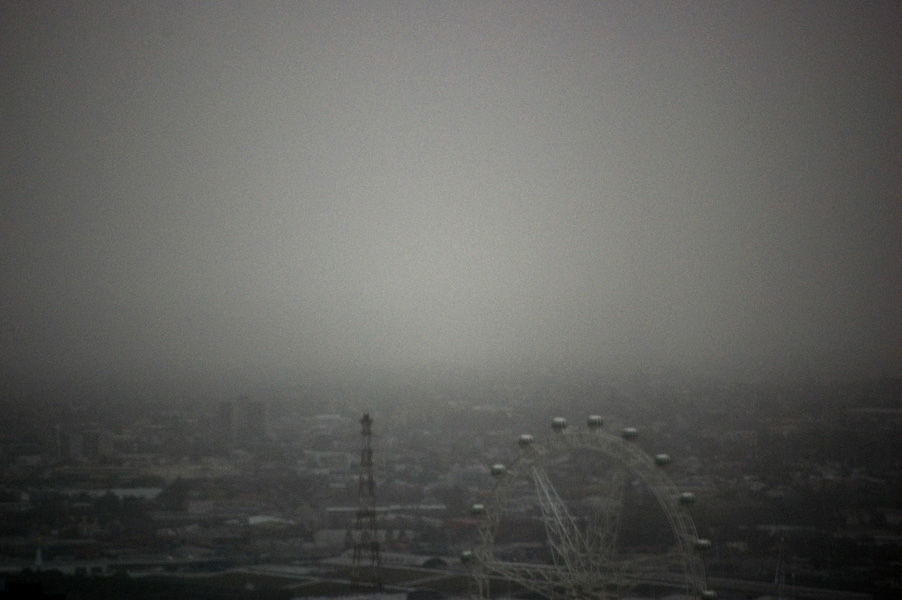
Marcus Bunyan (Australian, b. 1958) On Port Phillip Bay 2009
Port Phillip Bay in the morning from the 48th floor of a tower in Southbank, Melbourne
Melbourne’s hottest day ever 46.4 degrees. Firestorms to the north of the city, Port Phillip Bay completely obscured, very strange light seen from 48th floor. The day, 7th February 2009, is now known as the Black Saturday bushfires.
180 people died and 414 were injured as a result of the fires.
It was a very scary day. I cannot imagine what it would have been like to have been there, up close. My condolences to all those that lost loved ones.
Dr Marcus Bunyan
Please click on the photographs for a larger version of the image.
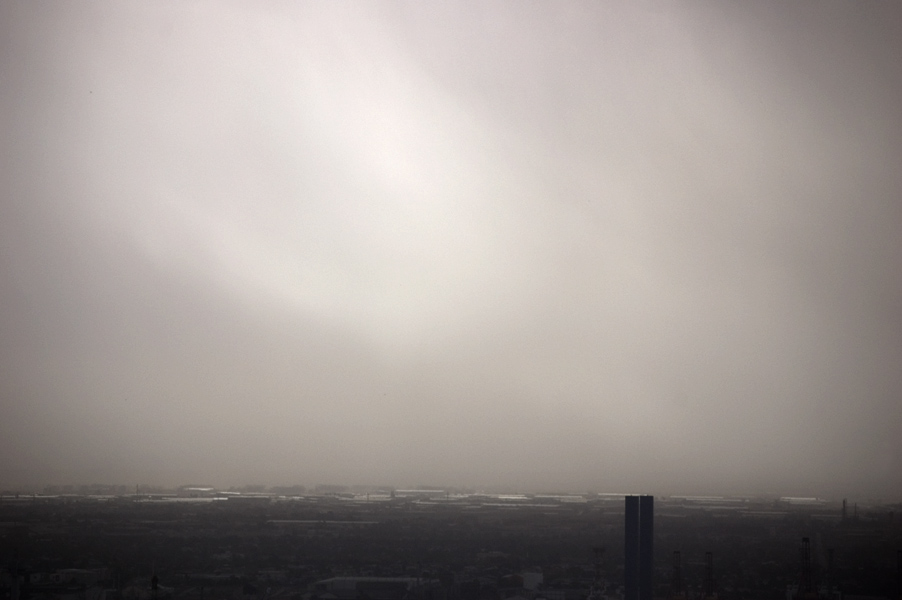
Marcus Bunyan (Australian, b. 1958) On Port Phillip Bay 2009
Port Phillip Bay during firestorm, in the afternoon from the 48th floor of a tower in Southbank, Melbourne
Marcus Bunyan (Australian, b. 1958) Looking towards the docks, Melbourne 2009
Looking towards the docks, Melbourne, during the firestorm
Marcus Bunyan (Australian, b. 1958) Looking across the city 2009
Looking across the city with the Melbourne Star Observation Wheel (at the time called the Southern Star) in the foreground
Black Saturday bushfires
The Black Saturday bushfires were a series of bushfires that ignited or were burning across the Australian state of Victoria on and around Saturday, 7 February 2009 and were Australia’s all-time worst bushfire disasters. The fires occurred during extreme bushfire-weather conditions and resulted in Australia’s highest ever loss of life from a bushfire; there were 180 fatalities, and 414 were injured as a result of the fires.
As many as 400 individual fires were recorded on 7 February. Following the events of 7 February 2009 and its aftermath, that day has become widely referred to in Australia as Black Saturday.
Background
A week before the fires, a significant heatwave affected southeastern Australia. From 28-30 January, Melbourne broke temperature records by experiencing three consecutive days above 43°C (109 °F), with the temperature peaking at 45.1°C (113.2°F) on 30 January, the third hottest day in the city’s history.
The wave of heat was caused by a slow moving high-pressure system that settled over the Tasman Sea, with a combination of an intense tropical low located off the North West Australian coast and a monsoon trough over northern Australia, which produced ideal conditions for hot tropical air to be directed down over southeastern Australia.
The February fires commenced on a day when several localities across the state, including Melbourne, recorded their highest temperatures since records began in 1859. On 6 February 2009 – the day before the fires started – the Premier of Victoria John Brumby issued a warning about the extreme weather conditions expected on 7 February: “It’s just as bad a day as you can imagine and on top of that the state is just tinder-dry. People need to exercise real common sense tomorrow”. The Premier went on to state that it was expected to be the “worst day [of fires conditions] in the history of the state”.
Events of 7 February 2009
A total of 358 firefighting personnel, mainly from the Country Fire Authority (CFA) and Department of Sustainability and Environment (DSE), were deployed across the state on Friday evening (6 February) in anticipation of the extreme conditions the following day. By mid-morning Saturday, hot northwesterly winds in excess of 100 kilometres per hour (62 mph) hit the state, accompanied by extremely high temperatures and extremely low humidity; a total fire ban was declared for the entire state of Victoria.
As the day progressed, all-time record temperatures were being reached. Melbourne hit 46.4°C (115.5°F), the hottest temperature ever recorded for the city and humidity levels dropped to as low as two percent. The McArthur Forest Fire Danger Index reached unprecedented levels, ranging from 160 to over 200. This was higher than the fire weather conditions experienced on Black Friday in 1939 and Ash Wednesday in 1983.
Around midday, as wind speeds were reaching their peak, an incorrectly-rigged SWER line was ripped down at Kilmore East. This sparked a bushfire that would become the deadliest and most intense firestorm ever experienced in Australia’s post-1788 history. The overwhelming majority of fire activity occurred between the afternoon of 7 February and 7:00 pm, when wind speed and temperature were at their highest, and humidity at its lowest.
Casualties
A total of 180 people were confirmed to have died as a result of the fires. The figure was originally estimated at 14 on the night of 7 February, and steadily increased over the following two weeks to 210. It was feared that it could rise as high as 240-280, but these figures were later revised down to 173 after further forensic examinations of remains, and after several people previously believed to be missing were located. This figure was later increased to 180 after several people succumbed to their injuries. …
Among the dead in the Kinglake West area were former Seven Network and Nine Network television personality Brian Naylor, and his wife Moiree. Actor Reg Evans and his partner, artist Angela Brunton, residing on a small farm in the St Andrews area, also died in the Kinglake area fire. Ornithologist Richard Zann perished in the Kinglake fire, together with his wife Eileen and daughter Eva.
Fatalities
General statistics
~ 164 people died in the fires themselves, 12 died later in hospital, and 4 died from other causes including car crashes
~ Out of the 180 deaths, 100 were male, 73 were female, and 7 were unidentified
~ There were 164 Australians, 9 foreign nationals, and 7 people of unidentified nationalities killed in the bushfires. The foreign nationals comprised citizens of:
~ Greece (2) ~ Indonesia (2) ~ Philippines (2) ~ Chile (1) ~ New Zealand (1) ~ United Kingdom (1)
~ 7 of the deaths occurred in bunkers of both fire-specific and non-fire-specific design
~ 1 firefighter, David Balfour, 47, from Gilmore, ACT, was killed near Cambarville on the night of 17 February, when a burnt-out tree fell on him as he attached a hose to a fire tanker
Location of deaths
~ Inside houses (113) ~ Outside houses (27) ~ In vehicles (11) ~ In garages (6) ~ Near vehicles (5) ~ On roadways (5) ~ Attributed to or associated with the fire but not within fire location (4) ~ On reserves (1) ~ In sheds (1) ~ Unknown locations (7)
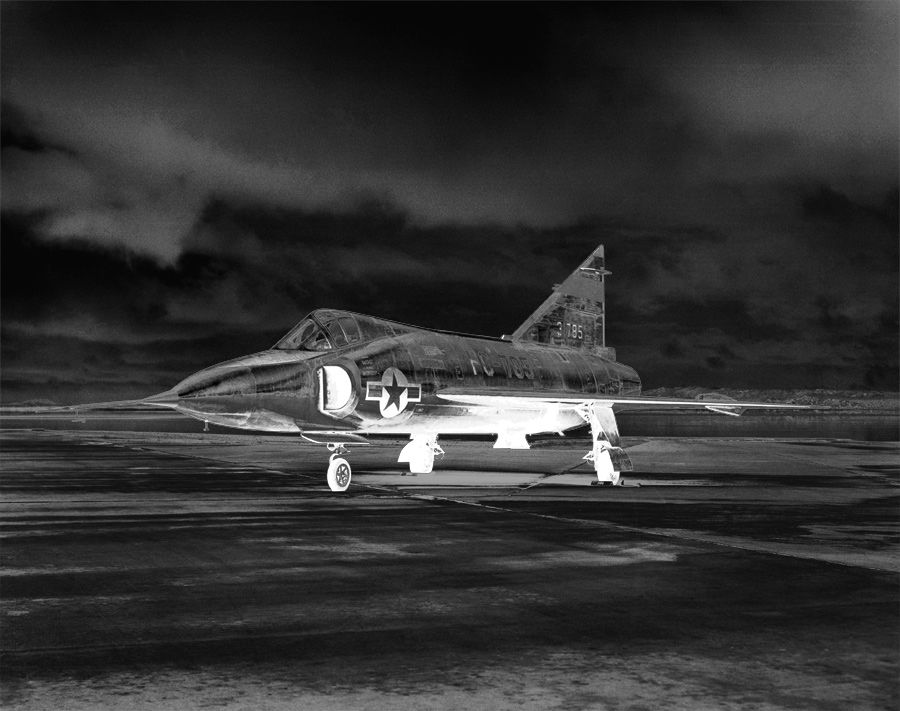
Please click on the photographs for a larger version of the image. Photographs are available from this series for purchase. As a guide, a digital black and white 16″ x 20″ print costs $1,000 plus tracked and insured shipping. For more information please see the Store web page.





















 Art Blart _ art and cultural memory archive
You must be logged in to post a comment.