Exhibition dates: 10th November, 2016 – 7th May, 2017
Curators: Shoair Mavlian with Simon Baker and Newell Harbin, Director of The Sir Elton John Photography Collection
Paul Strand (American, 1890-1976) Wall Street, New York 1915 Silver gelatin print The Sir Elton John Photographic Collection
Many thankx to Tate Modern for allowing me to publish the photographs in the posting. Please click on the photographs for a larger version of the image.
“This is a once-in-a-lifetime chance to see one of the world’s greatest private collections of photography, drawn from the classic modernist period of the 1920s-50s. An incredible group of Man Ray portraits are exhibited together for the first time, having been brought together by Sir Elton John over the past twenty-five years, including portraits of Matisse, Picasso, and Breton. With over 70 artists and nearly 150 rare vintage prints on show from seminal figures including Brassai, Imogen Cunningham, André Kertész, Dorothea Lange, Tina Modotti, and Aleksandr Rodchenko, this is a chance to take a peek inside Elton John’s home and delight in seeing such masterpieces of photography.”
Text from the Tate Modern website
Edward Weston (American, 1886-1958) White Door, Hornitos, California 1940 Silver gelatin print The Sir Elton John Photographic Collection
Tate Modern presents a major new exhibition, The Radical Eye: Modernist Photography from the Sir Elton John Collection, drawn from one of the world’s greatest private collections of photography. This unrivalled selection of classic modernist images from the 1920s to the 1950s features almost 200 works from more than 60 artists, including seminal figures such as Berenice Abbott, André Kertész, Man Ray, Alexandr Rodchenko and Edward Steichen among many others. The exhibition consists entirely of rare vintage prints, all created by the artists themselves, offering a unique opportunity to see remarkable works up close. The quality and depth of the collection allows the exhibition to tell the story of modernist photography in this way for the first time in the UK. It also marks the beginning of a long term relationship between Tate and The Sir Elton John Collection, as part of which Sir Elton and David Furnish have agreed to give important works to the nation.
The Radical Eye introduces a crucial moment in the history of photography – an exciting rupture often referred to as the ‘coming of age’ of the medium, when artists used photography as a tool through which they could redefine and transform visions of the modern world. Technological advancements gave artists the freedom to experiment and test the limits of the medium and present the world through a new, distinctly modern visual language. This exhibition reveals how the timeless genres of the portrait, nude and still life were reimagined through the camera during this period, also exploring photography’s unique ability to capture street life and architecture from a new perspective.
Featuring portraits of great cultural figures of the 20th century, including Georgia O’Keeffe by Alfred Stieglitz, Edward Weston by Tina Modotti, Jean Cocteau by Berenice Abbott and Igor Stravinsky by Edward Weston, the exhibition gives insight into the relationships and inner circles of the avant-garde. An incredible group of Man Ray portraits are exhibited together for the first time, having been brought together by Sir Elton John over the past twenty-five years, depicting key surrealist figures such as Andre Breton and Max Ernst alongside artists including Henri Matisse, Pablo Picasso and Dora Maar. Ground-breaking experimentation both in the darkroom and on the surface of the print, such as Herbert Bayer’s photomontage and Maurice Tabard’s solarisation, examine how artists pushed the accepted conventions of portraiture.
As life underwent rapid changes in the 20th century, photography offered a new means to communicate and represent the world. Alexandr Rodchenko, László Moholy-Nagy and Margaret Bourke-White employed the ‘worm’s eye’ and ‘bird’s eye’ views to create new perspectives of the modern metropolis – techniques associated with constructivism and the Bauhaus. The move towards abstraction is also explored, from isolated architectural elements to camera-less photography such as Man Ray’s rayographs and Harry Callahan’s light abstractions.
A dedicated section of the exhibition looks at the new approaches that emerged in capturing the human form, highlighted in rare masterpieces such as André Kertész’s Underwater Swimmer, Hungary 1917, while Imogen Cunningham’s Magnolia Blossom, Tower of Jewels 1925 and Tina Modotti’s Bandelier, Corn and Sickle 1927 feature in a large presentation dedicated to the Still Life. The important role of documentary photography as a tool of mass communication is demonstrated in Dorothea Lange’s Migrant Mother 1936 and Walker Evans’ Floyde Burroughs, Hale County, Alabama 1936, from the Farm Security Administration project.
The Radical Eye: Modernist Photography from the Sir Elton John Collection is at Tate Modern from 10 November 2016 until 7 May 2017. It is curated by Shoair Mavlian with Simon Baker and Newell Harbin, Director of The Sir Elton John Photography Collection. The exhibition is accompanied by an exclusive audio tour of the exhibition featuring commentary from Sir Elton John, and a major new catalogue from Tate Publishing including an interview with Sir Elton John by Jane Jackson.
Press release from Tate Modern
Max Dupain (Australian, 1911-1992) Sunbaker 1937 Silver gelatin print The Sir Elton John Photographic Collection
“We possess an extraordinary instrument for reproduction. But photography is much more than that. Today it is … bringing something entirely new into the world.”
László Moholy-Nagy, 1932
Artists in the modernist period explored what the camera could do that the human eye alone could not, and how this could be harnessed to present a new modern perspective on the world. Artist and theorist László Moholy-Nagy proclaimed that photography could radically change not just what, but how we see. He called this the ‘new vision’. Rather than emulating other art forms, photography began to embrace qualities unique to itself, from its ability to reproduce the world in sharp detail to its capacity to create new realities through the manipulation of light, chemicals and paper.
This re-evaluation of photography coincided with a period of upheaval. War, revolution and economic depression led to mass movements of people and great social change. The idea of the avant-garde took hold and dada and surrealism emerged, challenging both the art and social norms that had come before. At the same time, new art schools such as the Bauhaus in Germany and Vkhutemas in Russia fostered the role of the professional artist and challenged divisions between art and design.
The Radical Eye is arranged thematically and charts a changing emphasis from the subject of an image to the visual qualities of the photograph itself, irrespective of what it represents. The many vintage prints in this exhibition – made soon after the photographs were taken – give a rare insight into the artists’ processes and creative decisions, and foreground the photograph as a physical object. All works are shown in the frames in which they are displayed in the home of Sir Elton John and David Furnish.
Together, the works in this exhibition show how photography pushed the boundaries of the possible, changing the world through the ways in which it was seen and understood. ‘Knowledge of photography is just as important as that of the alphabet. The illiterates of the future will be ignorant of the use of camera and pen alike,’ wrote Moholy-Nagy in 1927, foreseeing the cultural dominance of the photographic image. This extraordinary period still impacts how we, the photo-literate future, read and create images today.
Alfred Stieglitz (American, 1864-1946) Georgia O’Keeffe 1922 Silver gelatin print The Sir Elton John Photographic Collection
“They collect themselves. Carefully, as if tying a cravat, they compose their features. Insolent, serious and conscious of their looks they turn around to face the world.”
From ‘Men before the Mirror’, published alongside portraits by Man Ray, 1934
Portraits
Modernist portraiture harnessed photography’s capacity to render an accurate likeness in clear, sharp focus and detail. But at the same time, artists and sitters pushed the conventions of portraiture with innovations in pose, composition and cropping.
Many of the portraits in this room are of artists, writers and musicians, giving a cross section of key cultural players of the time. Issues of control and collaboration arise particularly when the subject is an artist, raising the question of who is responsible for conveying the sitter’s persona. The modernist period also saw a boom of the illustrated press. Magazines reproduced photographic portraits of well-known figures which were instrumental in shaping their public images.
Man Ray (American, 1890-1976) Nusch Éluard 1928 Silver gelatin print The Sir Elton John Photography Collection Photograph: Man Ray Trust/ADAGP, Paris and DACS, London 2016
Nusch Éluard (born Maria Benz; June 21, 1906 – November 28, 1946) was a French performer, model and surrealist artist…
Nusch arrived in France as a stage performer, variously described as a small-time actress, a traveling acrobat, and a “hypnotist’s stooge”. She met Paul Éluard in 1930 working as a model, married him in 1934, produced surrealist photomontage and other work, and is the subject of “Facile,” a collection of Éluard’s poetry published as a photogravure book, illustrated with Man Ray’s nude photographs of her.
She was also the subject of several cubist portraits and sketches by Pablo Picasso in the late 1930s, and is said to have had an affair with him. Nusch worked for the French Resistance during the Nazi occupation of France during World War II. She died in 1946 in Paris, collapsing in the street due to a massive stroke.
Adolph de Meyer (European / American, 1868-1946) For Elizabeth Arden (The Wax Head) 1931 Silver gelatin print The Sir Elton John Photography Collection
Irving Penn (American, 1917-2009) Salvador Dali in New York 1947 Silver gelatin print The Sir Elton John Photography Collection Photograph: The Irving Penn Foundation
“The enemy of photography is convention, the fixed rules ‘how to do’. The salvation of photography comes from the experiment.”
László Moholy-Nagy, c. 1940
Experiments
This was not a period of discovery but of rediscovery. Artists were rewriting the preceding century’s rules of photographic technique, harnessing ‘mistakes’ such as distortions and double exposures, or physically manipulating the printed image, cutting, marking and recombining photographs. These interventions could occur at any point in the process, from taking the image to the final print.
Used in portraiture, such experiments allowed for more psychologically charged representations. However, the transformative power of a particular technique often becomes much more important than the particular subject of the image. Above all, the rich creative possibilities of the photographic process come to the fore. While artists were seriously investigating the medium, the results are often surprising and playful.
Josef Breitenbach (German, 1896-1984) Patricia, New York c. 1942 Silver gelatin print The Sir Elton John Photography Collection Photograph: Josef and Yaye Breitenbach Charitable Foundation, Courtesy Gitterman Gallery
“The camera should be used for a recording of life, for rendering the very substance and quintessence of the thing itself, whether it be polished steel or palpitating flesh.”
Edward Weston, 1924
Bodies
Experimental approaches to shooting, cropping and framing could transform the human body into something unfamiliar. Photographers started to focus on individual parts of the body, their unconventional crops drawing attention to shape and form, accentuating curves and angles. Fragmented limbs and flesh were depersonalised and could be treated like a landscape or still life, dissolving distinctions between different genres. Thanks to faster shutter speeds and new celluloid roll film, photographers could also freeze the body in motion outside of the studio for the first time, capturing dancers and swimmers with a clarity impossible for the naked eye.
Rudolph Koppitz (Austrian, 1884-1936) Movement Study 1925 Gelatin silver print The Sir Elton John Photography Collection Photograph: ADAGP, Paris and DACS London 2016
Man Ray (American, 1890-1976) Noire et Blanche 1926 Silver gelatin print The Sir Elton John Photography Collection Photograph: Man Ray Trust/ADAGP, Paris and DACS, London 2016
Edward Weston (American, 1886-1958) Nude 1936 Silver gelatin print The Sir Elton John Photography Collection Photograph: 1981 Center for Creative Photography, Arizona Board of Regents
Man Ray (American, 1890-1976) Dora Maar 1936 Silver gelatin print The Sir Elton John Photography Collection Photograph: Man Ray Trust/ADAGP, Paris and DACS, London 2016
Nino Migliori (Italian, b. 1926) Il Tuffatore (The Diver) 1951 Silver gelatin print The Sir Elton John Photography Collection
“The documentary photographer is trying to speak to you in terms of everyone’s experience.”
Dorothea Lange, 1934
Documents
During the 1930s, photographers refined the formula for what we now know as social documentary. To compel the public to look at less palatable aspects of contemporary society they married creative manipulation with an appeal to viewers’ trust in the photograph as an objective visual record. This combination proved itself uniquely capable of eliciting empathy but is fraught with artistic and ethical complexity. These works highlight the vexed position of documentary photographs: historical evidence, instruments of propaganda and, latterly, works of art.
The development of new technology – particularly the portable camera and roll film – allowed photographers to capture spontaneous moments unfolding in the everyday world. Taking viewers into neighbourhoods where they might never set foot, street photography and documentary opened up new perspectives socially as much as visually.
Dorothea Lange (American, 1895-1965) Migrant Mother 1936 Silver gelatin print The Sir Elton John Photographic Collection
Walker Evans (American, 1903-1975) Floyde Burroughs, a cotton sharecropper, Hale County, Alabama 1936 Silver gelatin print The Sir Elton John Photography Collection
Dorothea Lange (American, 1895-1965) A young girl living in a shack town near Oklahoma City, Oklahoma 1936 Silver gelatin print The Sir Elton John Photography Collection
Walker Evans (American, 1903-1975) Christ or Chaos? 1946 Gelatin silver print The Sir Elton John Photography Collection Photograph: Walker Evans Archives, The Metropolitan Museum of Art
“Contradictions of perspective. Contrasts of light. Contrasts of form. Points of view impossible to achieve in drawing and painting.”
Aleksandr Rodchenko, 1920s
Objects, Perspectives, Abstractions
The subjects and approaches of modernist photography vary widely, but are united by a fascination with the medium itself. Every image asks what photography is capable of and how it can be pushed further. This final room brings together three interlinked approaches. It shows the still life genre reimagined by photographers who used the technical capabilities of the camera to reveal the beauty of everyday things. Objects captured at unconventional angles or extreme close-up become strange, even unrecognisable.
A similar effect of defamiliarisation was accomplished by taking photographs from radically new perspectives, positioning a camera at the point of view of the ‘worm’s eye’ or ‘bird’s eye’. This created extreme foreshortening that transformed photographs from descriptive images of things into energetic compositions hovering between abstraction and representation.
Abstraction pushes against photography’s innate ability to record objectively. Radical techniques such as cameraless image-making simplified the medium to the point of capturing the play of light on photosensitive paper. By stripping it back to its most basic components, artists celebrated photography, not as a tool for reproduction, but as a creative medium capable of producing new imagery.
Edward Steichen (American, 1879-1973) A Bee on a Sunflower c. 1920 Gelatin silver print The Sir Elton John Photography Collection
Man Ray (American, 1890-1976) “Rayograph” 1923 Silver gelatin print The Sir Elton John Photography Collection Photograph: Man Ray Trust/ADAGP, Paris and DACS, London 2016
Curator: Joel Smith, “Richard L. Menschel Curator” and Director of the Department of Photography at the Morgan Library & Museum
Peter Hujar: Speed of Life has been organised by Fundación MAPFRE, Barcelona, and The Morgan Library & Museum, New York. The exhibition and its travelling schedule have been made possible by the Terra Foundation for American Art.
Many thankx to Fundación MAPFRE for allowing me to publish the photographs in the posting. Please click on the photographs for a larger version of the image.
I want you to talk about me in a low voice. When people talk about me, I want them to do it by whispering.
Peter Hujar
He was charismatic and complicated and, it turned out, deeply insecure, with a damaging family history he kept mostly to himself… Peter was, in a way, at his most moving when taking photographs. He was so absorbed by it. Peter was in many ways a very tortured man, and I felt like when he was taking photographs, he wasn’t. I had other friends who were photographers, but not like Peter. Peter was so profoundly absorbed and engaged by it. He was never not a photographer.
Vince Aletti
Installation views of Peter Hujar: Speed of Life at Fundación MAPFRE, Barcelona
Fundación MAPFRE is delighted to be presenting Peter Hujar: Speed of Life, a retrospective exhibition on the American photographer Peter Hujar. Offering the most detailed account of the artist’s work to date, from the 1950s to his death in New York in 1987, it will be on display between January 27 and April 30, 2017 at the Fundación MAPFRE’s Casa Garriga i Nogués exhibition space (Calle Diputació, 250) in Barcelona.
Hujar was a portraitist in everything he did. Regardless of the subject of the work – a lover, an underground theatre actor, a goose, the surface of the Hudson River, or the placid features of his own face – what moved and motivated him was the spark of encounter and exchange between artist and other. Hujar’s serene, meditative, square-format photographs confer gravity on the object of his attention, granting it an eternal moment’s pause within the rush of passing time.
Little recognised during his own lifetime, Hujar published only one book of photographs, Portraits in Life and Death, but his output is today recognised as distinctive. His portraits combine disclosure and secrecy, ferocity and peace. Hujar’s career involved both a quest for recognition in the world of fashion photography – the photographers he admired most were Irving Penn and Richard Avedon – and a more solitary, almost completely uncompensated body of work in which he depicted the creative and intellectual New York that he knew and admired.
The present exhibition follows Peter Hujar’s method of presenting his work. Rather than show his photographs in isolation or in an linear or chronological arrangements, he preferred to present them in dynamic, surprising and sometimes disconcerting juxtapositions.
Press release from Fundación MAPFRE
Four keys
Peter Hujar’s work falls within the photographic tradition of portraiture: he was a portraitist in everything he did. Whatever the subject – a lover, an actor, a horse, the surface of the Hudson River, or the gentle features of his own face – what moved and motivated Hujar was the spark in the encounter and the exchange between the artist and his subject, establishing a direct relationship with whatever he portrayed thereby revealing its true nature.
One of the themes reflected in Hujar’s work is homosexuality. These were the years of the first Gay Liberation movements and the famous Stonewall riots. Hujar lived close to the Stonewall Inn, and his partner at the time, Jim Fouratt, came onto the scene the night of the police raid and founded the Gay Liberation Front. Hujar was not an activist, though he attended the group’s first meeting and contributed his well-known photograph which would become the image for the Gay Liberation Front Poster, 1970.
The route followed by the exhibition reflects the preferences of the artist, who systematically chose to present his photographs in vibrant, surprising and sometimes disturbing Most of the photographs are grouped into sets, some of which reflect the artist’s recurrent concerns, while others exemplify his interest in emphasising diversity and the internal contradictions in his work.
A distinguishing feature of his art is the invisibility of technique in his photographs and yet simultaneously his preoccupation with and care over it. Hujar produced his own copies and was also considered a good printer.
Peter Hujar was born in Trenton, New Jersey, in 1934 and grew up in the countryside with his Polish immigrant grandparents. When he was eleven his mother, a waitress, brought him to live with her in Manhattan.
Interested in photography from childhood, after graduating from high school in 1953 Hujar worked as an assistant in the studios of magazine professionals and aspired to work in fashion like his idols Lisette Model, Irving Penn, and Richard Avedon.
Between 1958 and 1963 Hujar lived mainly in Italy with two successive partners, artists Joseph Raffael and Paul Thek. After studying for a year at a filmmaking school in Rome he returned to Manhattan, where he moved in the circles of writer Susan Sontag and Andy Warhol’s Factory. From 1968 to 1972 he pursued a freelance career in fashion photography, publishing over a dozen features in Harper’s Bazaar and GQ before concluding that the hustle of magazine work “wasn’t right for me.”
In 1973 Hujar definitively renounced his professional aspirations for a life of creative poverty in New York’s East Village. Living in a loft above a theatre at Twelfth Street and Second Avenue, he took paying jobs only when necessary in order to focus on the work that truly motivated him. He photographed the artists he knew and respected, animals, the nude body, and New York as he knew it, a city then in serious economic decline. In his book Portraits in Life and Death (1976) he combined intimate studies of his rarefied downtown coterie (painters, performers, choreographers, and writers such as Sontag and William S. Burroughs) with portraits of mummies in the Palermo Catacombs that he had made during a visit with Thek thirteen years earlier. His focus on mortality would intensify and find its purpose in the 1980s, when the AIDS epidemic ravaged gay populations in New York and worldwide.
Briefly a lover and subsequently a mentor to the young artist David Wojnarowicz, in his last seven years Hujar continued chronicling a creative downtown subculture that was fast becoming unsustainable in the context of the increasing power of money. His most frequent subject in these years was his neighbour and friend Ethyl Eichelberger, a drag performer whom he called “the greatest actor in America.” With Wojnarowicz, Hujar made expeditions to the depressed areas around New York, photographing industrial ruins in Queens, neighbourhoods of Newark, New Jersey, that had been destroyed in the riots of the late 1960s, and the abandoned Hudson River piers of lower Manhattan, sites of sexual exploits by night and guerilla art installations by day. Hujar died in New York on Thanksgiving Day, 1987, around eleven months after being diagnosed with AIDS.
Throughout his life Hujar stubbornly aligned himself with what he called the “All-In people”: artists committed to a creative course all their own, unconcerned with mass-market acclaim. At the same time he both disdained and bitterly wished for public recognition such as that achieved by his famous contemporaries Diane Arbus – eleven years his senior and respected by him – and Robert Mapplethorpe, who was twelve years younger and whom he considered a facile operator. During the thirty years since Hujar’s death the highly localised downtown public that knew his work has all but completely passed into history, while a vastly expanded photography audience around the world has become familiar with specific facets of his work, such as his indelible 1973 image Candy Darling on her Deathbed, and his soulful portraits of animals. In Peter Hujar: Speed of Life what comes to light is a broader assessment of his unique oeuvre, which was diverse and enduring. Many of the subjects populating this retrospective are familiar, even iconic faces of their era, but what can be seen more clearly today is the vision of the artist who unites them, himself a great and singular talent of the post-war decades in American art.
The exhibition includes 160 photographs that offer an exploration of the career of this American photographer, with works loaned from the collection of the Morgan Library & Museum and nine other collections. The result is the most detailed account of Peter Hujar’s work presented to date.
In its structure the exhibition takes account of Hujar’s preference for presenting his photographs in vivid, startling, and even puzzling juxtapositions. Although following a broadly chronological order, with formative work from the 1950s and 1960s concentrated in the first half and later photographs at the end, the visual and creative continuities that spanned the duration of Hujar’s artistic life are emphasised as the visitor follows the sequence of works.
Most of the photographs are presented in groups of three to eight images, some of which showcase enduring preoccupations of the artist while others exemplify his desire to stress the diversity and internal contradictions of his work.
Thus, for the final exhibition of his life, held at the Gracie Mansion Gallery in the East Village in January 1986, Hujar spent several days arranging seventy photographs into thirty-five tightly spaced vertical pairs, taking care not to let any single genre of image appear twice in a row. At the start of the present exhibition, a six-photograph grid pays homage to this method by presenting a checkerboard-format conversation between three images made in controlled indoor conditions and three exterior views. The subjects, in order, are: a man’s bare leg with the foot planted firmly on the studio floor; waves rolling in on an ocean beach; a portrait of an unidentified young man; the World Trade Center at sunset; Ethyl Eichelberger applying makeup before a performance; and a dark burned-out hallway in the ruins of the Canal Street pier.
The catalogue
The catalogue that accompanies the exhibition includes texts by its curator Joel Smith and by Philip Gefter and Steve Turtell, making it a reference work for a detailed knowledge of Peter Hujar’s work from the 1950s until his death in 1987.
Exhibition dates: 29th October, 2016 – 7th May, 2017
Curators: Quentin Bajac, the Joel and Anne Ehrenkranz Chief Curator of Photography, with Katerina Stathopoulou, Curatorial Assistant, Department of Photography, MoMA
Roger Fenton (British, 1819-1869) Greek Hero c. 1857 Salted-paper print from a wet-collodion glass negative 13 7/16 × 10 3/16″ (34.2 × 25.8cm) The Museum of Modern Art, New York Robert and Joyce Menschel Fund
Photography is … a language for asking questions about the world. The Shape of Things imbues this aphorism with a linear taxonomy in its written material (while the installation “occasionally diverges from a strict chronological progression”), no matter that each “moment” in the history of photography – historical, modern, contemporary – is never self contained or self sufficient, that each overlaps and informs one another, in a nexus of interweaving threads.
Charles Harry Jones’ Peapods (c. 1900) are as modern as Bernd and Hilla Becher’s Cooling Towers (1973); Margaret Watkins’ Design Angles (1919) are as directorial as Jan Groover’s Untitled (1983) or Charles Harry Jones’ Onions (c. 1900). And so it goes…
The ideation “the shape of things” is rather a bald fundamental statement in relation to how we imagine and encounter the marvellous. No matter the era, the country or the person who makes them; no matter the meanings readable in photographs or their specific use value in a particular context – the photograph is still the footprint of an idea and, as John Berger asks, a trace naturally left by something that has past? That flicker of imagination in the mind’s eye which has no time.
As Sartre says in Being and Nothingness, “Temporality is only a tool of vision.”
Dr Marcus Bunyan
Many thankx to MoMA for allowing me to publish the photographs in posting. Please click on the photographs for a larger version of the image.
The Shape of Things presents a compact and non-comprehensive history of photography, from its inception to the early twenty-first century, in one hundred images. The exhibition is drawn entirely from the 504 photographs that have entered The Museum of Modern Art’s collection with the support of Robert B. Menschel over the past forty years, including a notable selection of works from his personal collection that were given in 2016 and are being shown here for the first time.
“Photography is less and less a cognitive process, in the traditional sense of the term, or an affirmative one, offering answers, but rather a language for asking questions about the world,” wrote the Italian photographer and critic Luigi Ghirri in 1989. Echoing these words, the exhibition presents the history of the medium in three parts, emphasising the strengths of Menschel’s collection and mirroring his equal interest in historical, modern, and contemporary photography. Each section focuses on a moment in photography’s history and the conceptions of the medium that were dominant then: informational and documentary in the nineteenth and early twentieth centuries, more formal and subjective in the immediate postwar era, and questioning and self-referential from the 1970s onward. The installation occasionally diverges from a strict chronological progression, fuelled by the conviction that works from different periods, rather than being antagonistic, correspond with and enrich each other.
The exhibition The Shape of Things: Photographs from Robert B. Menschel presents a compact history of photography, from its inception to the early 21st century, in 100 images. On view from October 29, 2016, through May 7, 2017, the exhibition is drawn entirely from the 504 photographs that have entered The Museum of Modern Art’s collection over the past 40 years with the support of longtime Museum trustee Robert B. Menschel. It includes a notable selection of works from his personal collection that were given in 2016 and are being shown here for the first time. The Shape of Things is organised by Quentin Bajac, the Joel and Anne Ehrenkranz Chief Curator of Photography, with Katerina Stathopoulou, Curatorial Assistant, Department of Photography, MoMA.
Borrowing its title from the eponymous work by Carrie Mae Weems (American, b. 1953), the exhibition presents the history of the medium in three parts, emphasising the strengths of Menschel’s collection and mirroring his equal interest in historical, modern, and contemporary photography. Each section focuses on a moment in photography’s history and the conceptions of the medium that were dominant then: informational and documentary in the 19th and early 20th centuries, more formal and subjective in the immediate postwar era, and questioning and self-referential from the 1970s onward. The installation occasionally diverges from a strict chronological progression, fuelled by the conviction that works from different periods, rather than being antagonistic, correspond with and enrich each other.
Historical
From 1840 to 1900, in photography’s infancy as a medium, artists principally sought to depict truthful representations of their surrounding environments. This primal stage is distinguished by a debate on the artistic-versus-scientific nature of the invention. Photographers engaged with the aesthetic and technical qualities of the medium, experimenting with tone, texture, and printing processes. The exhibition begins with seminal photographs such as William Henry Talbot Fox’s (British, 1800-1877) 1843 picture Rue Basse des Remparts, Paris, taken from the windows of the Hôtel de Douvres. Also on view is the astronomer Jules Janssen’s (French, 1824-1907) masterpiece L’Atlas de photographies solaires (Atlas of solar photographs), published in 1903. Summing up a quarter-century of daily photography at Janssen’s observatory in Meudon, France, the volume on view contains 30 images of the photosphere, demonstrating photography’s instrumental role in advancing the study of science. Other artists included in this section are Louis-August and Auguste-Rosalie Bisson (Bisson brothers), Eugène Cuvelier, Roger Fenton, Hugh W. Diamond, Charles Marville, and Henri Le Secq.
Modern
As photographers grappled with war and its aftermath, they began to turn their focus away from documenting the world around them and toward capturing their own personal experiences in a more formal, subjective way. A selection of works from 1940 to 1960 explores this theme, including works by two artists whose images Menschel collected extensively: Harry Callahan (American, 1912-1999) and Aaron Siskind (American, 1903-1991). A selection from Callahan’s quintessential photographs of urban environments – from Chicago and New York to Aix-en Provence and Cuzco, Peru – double exposures of city views, and portraits of his wife Eleanor and daughter Barbara, underscore the breadth of his oeuvre. In the summer of 1951, while teaching alongside Callahan at Black Mountain College in North Carolina, Siskind began the series of pictures of the surfaces of walls for which he is best known. One of the early works in the series on view, North Carolina 30 (1951), shows the bare legs of a woman framed by the words “IN” and”AND” amid layers of peeling layers of posters. In their planarity and graphic quality, these pictures also have a kinship with paintings by the Abstract Expressionists, alongside whom Siskind began exhibiting in the late 1940s. Other artists in this section include Berenice Abbott, Robert Frank, Lee Friedlander, John Gossage, André Kertész, Clarence John Laughlin, and Dora Maar.
Contemporary
From the 1970s onward, photographers began working in what A. D. Coleman defined as “The Directorial Mode,” wherein the photographer consciously creates events for the sole purpose of making images. John Coplans (British, 1920-2003) took his own body, naked and with the head invisible, as the subject of his work – both carrying on and contradicting the tradition of the self-portrait centred on the face – as seen in Self-Portrait (Back with Arms Above) (1984). Joan Fontcuberta’s (Spanish, b. 1955) series Herbarium appears at first glance to be a collection of botanical studies, depicting plants with new and distinctive contours and rigorously scientific names. However, as revealed by his fictional character Dr Hortensio Verdeprado (“green pasture” in Spanish), the “plants” are actually carefully composed by the photographer using scrap picked up in industrial areas around Barcelona. Made of bits of paper and plastic, small animal bones, and other detritus, these forms are not only non-vegetal – there is almost nothing natural about them at all. Fontcuberta is interested in the way data assumes meaning through its presentation and in the acceptance of the photographic image as evidence of truth. Other artists in this section include Jan Groover, David Levinthal, An-My Lê, Michael Spano, JoAnn Verburg, and William Wegman.
Press release from the Museum of Modern Art
Hugh W. Diamond (British, 1809-1886) Untitled c. 1852-55 Albumen silver print from a glass negative 6 1/2 x 5 5/16″ (16.6 x 13.5cm) Horace W. Goldsmith Fund through Robert B. Menschel
William Henry Fox Talbot (British, 1800-1877) Rue Basse des Remparts, Paris May 1843 Salted paper print 6 11/16 × 6 3/4″ (17 × 17.2cm) Promised gift of Robert B. Menschel
Charles Marville (French, 1816-1879) Pont Neuf 1870s Albumen silver print 14 1/8 x 8 1/4″ (36 x 23.5cm) Horace W. Goldsmith Fund through Robert B. Menschel
Charles Marville (French, 1816-1879) Rue des Prêtres-Saint-Germain-l’Auxerrois c. 1866 Albumen silver print 11 13/16 × 10 1/2″ (30 × 26.6cm) Promised gift of Robert B. Menschel
Charles Marville (French, 1816-1879) Rue du Cygne c. 1865 Albumen silver print from a glass negative 11 3/4 x 10 9/16″ (29.9 x 26.9cm) Horace W. Goldsmith Fund through Robert B. Menschel
Alfred Stieglitz (American, 1864-1946) The Terminal 1893 Photogravure mounted to board 10 × 13 3/16″ (25.4 × 33.5cm) Promised gift of Robert B. Menschel
Truthful representations, 1840-1930
“One advantage of the discovery of the Photographic Art will be, that it will enable us to introduce into our pictures a multitude of minute details which add to the truth and reality of the representation, but which no artist would take the trouble to copy faithfully from nature.
Contenting himself with a general effect, he would probably deem it beneath his genius to copy every accident of light and shade; nor could he do so indeed, without a disproportionate expenditure of time and trouble, which might be otherwise much better employed.
Nevertheless, it is well to have the means at our disposal of introducing these minutiae without any additional trouble, for they will sometimes be found to give an air of variety beyond expectation to the scene represented.”
William Henry Fox Talbot, The Pencil of Nature, 1844-1846
“I was interested in a straightforward 19th-century way of photographing an object. To photograph things frontally creates the strongest presence and you can eliminate the possibilities of being too obviously subjective. If you photograph an octopus, you have to work out which approach will show the most typical character of the animal. But first you have to learn about the octopus. Does it have six legs or eight? You have to be able to understand the subject visually, through its visual appearance. You need clarity and not sentimentality.”
Hilla Becher, in “The Music of the Blast Furnaces: Bernhard and Hilla Becher in Conversation with James Lingwood,” Art Press, no. 209 (1996)
Charles Harry Jones (British, 1866-1959) Peapods c. 1900 Gelatin silver printing-out-paper print 6 5/16 x 8 1/4″ (16 x 20.9cm) Promised gift of Robert B. Menschel
Berenice Abbott (American, 1898-1991) Gunsmith, 6 Centre Market Place, Manhattan February 4, 1937 Gelatin silver print 9 5/8 x 7 9/16″ (24.4 x 19.1cm) Gift of the Robert and Joyce Menschel Foundation
Bernd Becher (German, 1931-2007), Hilla Becher (German, 1934-2015) Hannover Mine 1/2/5, Bochum-Hordel, Ruhr Region, Germany 1973 Gelatin silver print 18 7/16 x 22 11/16″ (46.9 x 57.6cm) Horace W. Goldsmith Fund through Robert B. Menschel
Bernd Becher (German, 1931-2007), Hilla Becher (German, 1934-2015) Duisburg-Bruckhausen, Ruhr Region, Germany 1999 Gelatin silver print 19 5/16 x 24″ (49.1 x 60.9cm) Horace W. Goldsmith Fund through Robert B. Menschel
Louis-Auguste Bisson (French, 1814-1876) Cathedral of Notre Dame, Paris (detail of facade) c. 1853 Albumen silver print from a glass negative 14 7/16 x 17 13/16″ (36.6 x 45.3cm) Acquired through the generosity of Robert B. Menschel
Germaine Krull (Dutch born Germany, 1897-1985) Rails c. 1927 Gelatin silver print 15 7/16 x 10 3/8″ (39.2 x 26.3cm) Horace W. Goldsmith Fund through Robert B. Menschel
Germaine Krull (Dutch born Germany, 1897-1985) Le Metal Inspirateur d’Art (Metal Inspiration of Art) 1930 Gelatin silver print 6 5/8 x 8 7/16″ (16.8 x 21.5cm) Promised gift of Robert B. Menschel
Personal experiences, 1940-1960
“As photographers, we must learn to relax our beliefs. Move on objects with your eye straight on, to the left, around on the right. Watch them grow large as you approach, group and regroup themselves as you shift your position. Relationships gradually emerge, and sometimes assert themselves with finality. And that’s your picture.
What I have just described is an emotional experience. It is utterly personal: no one else can ever see quite what you have seen, and the picture that emerges is unique, never made and never to be repeated. The picture – and this is fundamental – has the unity of an organism. Its elements were not put together, with whatever skill or taste or ingenuity. It came into being as an instant act of sight.”
Aaron Siskind, “The Drama of Objects,” Minicam Photography 8, no. 9 (1945)
“The business of making a photograph may be said in simple terms to consist of three elements: the objective world (whose permanent condition is change and disorder), the sheet of paper on which the picture will be realised, and the experience which brings them together. First, and emphatically, I accept the flat plane of the picture surface as the primary frame of reference of the picture. The experience itself may be described as one of total absorption in the object. But the object serves only a personal need and the requirements of the picture. Thus rocks are sculptured forms; a section of common decorated ironwork, springing rhythmic shapes; fragments of paper sticking to a wall, a conversation piece. And these forms, totems, masks, figures, shapes, images must finally take their place in the tonal field of the picture and strictly conform to their space environment. The object has entered the picture in a sense; it has been photographed directly. But it is often unrecognisable; for it has been removed from its usual context, disassociated from its customary neighbours and forced into new relationships.”
Aaron Siskind, “Credo,” Spectrum 6, No. 2 (1956)
Weegee (Arthur Fellig) (American born Austria, 1899-1968) The Gay Deceiver c. 1939 Gelatin silver print 13 x 10 1/4″ (33 x 26cm) Promised gift of Robert B. Menschel
Harry Callahan (American, 1912-1999) Chicago 1951 Dye transfer print 10 5/16 x 15 11/16″ (26.2 x 39.9cm) Promised gift of Robert B. Menschel
Clarence John Laughlin (American, 1905-1985) Spectre of Coca-Cola 1962 Gelatin silver print, printed 1981 13 1/4 x 10 3/8″ (33.6 x 26.4cm) Robert B. Menschel Fund
Harry Callahan (American, 1912-1999) Siena 1968 Gelatin silver print 9 × 8 7/8″ (22.9 × 22.5cm) Promised gift of Robert B. Menschel
Harry Callahan (American, 1912-1999) Chicago c. 1952 Dye transfer print 8 3/4 × 13 7/16″ (22.3 × 34.1cm) Promised gift of Robert B. Menschel
Harry Callahan (American, 1912-1999) Chicago c. 1949 Gelatin silver print 7 11/16 x 9 9/16″ (19.5 x 24.3cm) Gift of Robert and Joyce Menschel
Harry Callahan (American, 1912-1999) Eleanor and Barbara, Chicago 1953 Gelatin silver print 7 11/16 x 9 11/16″ (19.5 x 24.6cm) Gift of Robert and Joyce Menschel
Harry Callahan (American, 1912-1999) Providence 1974 Gelatin silver print 6 9/16 × 6 7/16″ (16.6 × 16.3cm) Promised gift of Robert B. Menschel
André Kertész (American born Hungary, 1894-1985) New York August 10, 1969 Gelatin silver print 13 11/16 x 9 3/4″ (34.7 x 24.7cm) Promised gift of Robert B. Menschel
Directorial modes, 1970s and beyond
“Here the photographer consciously and intentionally creates events for the express purpose of making images thereof. This may be achieved by intervening in ongoing ‘real’ events or by staging tableaux – in either case, by causing something to take place which would not have occurred had the photographer not made it happen.
Here the authenticity of the original event is not an issue, nor the photographer’s fidelity to it, and the viewer would be expected to raise those questions only ironically. Such images use photography’s overt veracity by evoking it for events and relationships generated by the photographer’s deliberate structuring of what takes place in front of the lens as well as of the resulting image. There is an inherent ambiguity at work in such images, for even though what they purport to describe as ‘slices of life’ would not have occurred except for the photographer’s instigation, nonetheless those events (or a reasonable facsimile thereof) did actually take place, as the photographs demonstrate.
… This mode I would define as the directorial.”
A. D. Coleman, “The Directorial Mode: Notes Towards a Definition,” Artforum 15, No. 1 (1976)
Aaron Siskind (American, 1903-1991) Chicago 30 1949 Gelatin silver print 14 x 17 13/16″ (35.6 x 45.3cm) Gift of Robert and Joyce Menschel
Aaron Siskind (American, 1903-1991) North Carolina 30 1951 Gelatin silver print 13 1/16 × 9 11/16″ (33.2 × 24.6cm) Promised gift of Robert B. Menschel
Lee Friedlander (American, born 1934) Glenwood Springs, Colorado 1981 Gelatin silver print 8 5/8 x 12 15/16″ (21.9 x 32.8cm) Horace W. Goldsmith Fund through Robert B. Menschel
Jan Groover (American, 1943-2012) Untitled 1983 Gelatin silver print 10 3/16 x 13 1/2″ (25.9 x 34.3cm) Promised gift of Robert B. Menschel
Margaret Watkins (Canadian, 1884-1969) Design Angles 1919 Gelatin silver print 8 5/16 x 6 3/8″ (21.1 x 16.2cm) Acquired through the generosity of Robert B. Menschel
Charles Harry Jones (British, 1866-1959) Onions c. 1900 Gelatin silver printing-out-paper print 5 7/8 x 8 1/4″ (15 x 21cm) Promised gift of Robert B. Menschel
Aaron Siskind (American, 1903-1991) Jalapa 30 (Homage to Franz Kline) 1973 Gelatin silver print 9 1/2 x 9 15/16″ (24.1 x 23.6cm) Gift of Robert and Joyce Menschel
Aaron Siskind (American, 1903-1991) Jalapa 38 (Homage to Franz Kline) 1973 Gelatin silver print 9 1/2 x 8 15/16″ (24.1 x 22.8cm) Gift of Robert and Joyce Menschel
Aaron Siskind (American, 1903-1991) Lima 89 (Homage to Franz Klein) 1975 Gelatin silver print 10 3/16 × 9 5/8″ (25.9 × 24.4cm) Promised gift of Robert B. Menschel
John Gossage (American, b. 1946) Monumentenbricke 1982 Gelatin silver print 12 3/16 x 9 11/16″ (30.9 x 24.6cm) Promised gift of Robert B. Menschel
Frederick Sommer (American born Italy, 1905-1999) I Adore You 1947 Gelatin silver print 7 9/16 × 9 1/2″ (19.2 × 24.1 cm) The Museum of Modern Art, New York Promised gift of Robert B. Menschel
John Coplans (British, 1920-2003) Self-Portrait (Back with Arms Above) 1984 Gelatin silver print 19 13/16 × 15″ (50.4 × 38.1cm) Promised gift of Robert B. Menschel
Joan Fontcuberta (Spanish, b. 1955) Giliandria Escoliforcia 1983 Gelatin silver print 10 9/16 x 8 1/2″ (26.8 x 21.5cm) Robert and Joyce Menschel Fund
Joan Fontcuberta (Spanish, b. 1955) Mullerpolis Plunfis 1983 Gelatin silver print 10 9/16 x 8 1/2″ (26.8 x 21.5cm) Robert and Joyce Menschel Fund
David Levinthal (American, b. 1949) Untitled from the series Hitler Moves East 1975 Gelatin silver print 10 9/16 x 13 7/16″ (26.8 x 34.1cm) The Fellows of Photography Fund and Horace W. Goldsmith Fund through Robert B. Menschel
William Wegman (American, b. 1943) Contemplating the Bust of Man Ray from the portfolio Man Ray 1976 Gelatin silver print 7 5/16 × 6 7/8″ (18.5 × 17.5cm) Promised gift of Robert B. Menschel
Michael Spano (American, b. 1949) Photogram-Michael Spano 1983 Gelatin silver print 57 7/8 x 23 15/16″ (145.2 x 60.8cm) (irregular) Robert B. Menschel Fund
Carrie Mae Weems (American, b. 1953) The Shape of Things 1993 Gelatin silver prints a) 26 7/8 x 26 15/16″ (68.2 x 68.4 cm) b) 26 15/16 x 26 7/8″ (68.5 x 68.3 cm) Gift of Robert B. Menschel
The Museum of Modern Art 11 West 53 Street New York, NY 10019 Phone: (212) 708-9400
Opening hours: 10.30am – 5.30pm Open seven days a week
NEARLY A WEEK SINCE MY LAST POSTING SO LET’S MAKE THIS A GOOD ONE…
A fabulous posting on the photocollages of that most excellent of artists, Josef Albers, where the selection of images and their pairings “take on questions of duality, time, and narrative…” – to which I might add, questions of perspective and context. These photocollages are a revelation to me.
The complex photo narratives move image across time and space. This can be seen in the photomontage Untitled (Bullfight, San Sebastian) (1930/1932, below) where the multitude of photographs of a bullfight in San Sebastien, “can be read as a short story or experimental film, where we as viewers recognise that we are being transported to a distant time and place…”
Here the visual plane is fragmented, the scale mixed, shape, direction and space / time continuity confused. Structures are repeated; time is overlaid; perspective is shifted; narrative is multiplied. This is complex, New Vision image making, not just the downwards or upward looking objectivity of Russian constructivism, but a more nuanced splicing of time and space. The bullfight is magnificent in its “in the round” picturing … the splitting of the arena in the central images confuses direction, scale and circularity.
There are further “in the round” elements (mimicking Renaissance triple portrait painting such as Triple Portrait of Cardinal de Richelieu (1642) in the National Gallery of Art, London), seen in the work Amédée Ozenfant, summer 1931 (below) which, while objectifying the human countenance, contains that nugget of truth: that portraiture is an expression of humanism. Other photocollages, for example Road, Paznauntal, July 1930; Hotel staircases, Geneva, 1929 (with its Escher-like construction);Flooded trees and forest; and Dessau, end of winter, 1931 (all below), challenge our orientation in the world both physically and spiritually.
These photocollages, 70 of which were made between 1928 and 1932, were never discovered until after Albers was dead. No one ever knew he took photographs, but it was obviously important to him that he did so. Would he be able to say whether he was being serious, or he was having fun? Probably both. What a shame that they are often mutually exclusive in the last 30 -40 years.
It’s all very well to be able to say you are having fun – but what about being in this state (i.e. Albers state when he was compositing the photographs) and not even knowing … not even thinking of the question. Perhaps his was a private form of meditation on the nature of vision.
Dr Marcus Bunyan
(Written using dictation software, the rest all cut and paste)
Many thankx to MoMA for allowing me to publish the photographs in the posting. Please click on the photographs for a larger version of the image.
“Beginning at the Bauhaus in 1928, Albers made hundreds, perhaps thousands, of photographs with his handheld Leica camera, and he made thousands more, mostly while traveling, in the decades following his emigration to the United States in 1933. But we concern ourselves here with a group of seventy photocollages mounted to A3 boards, established as a standard size in Germany in 1922 at 29.7 by 42 centimetres (11 3/4 by 16 1/2 inches). No record exists of Albers ever having exhibited these collages in his lifetime, nor does he appear to have spoken of them. Yet in their rigorous construction and allusive potential, they represent a singularly creative body of work. The images Albers used to make these collages fall rather neatly into four categories – portraits, mannequins, the natural world, and the built environment – and Albers attends to a remarkably narrow subsection within each of these: The portraits feature only people Albers knew well – fellow Bauhäusler, family, and friends. The primary urban motif is the mannequin, which was also featured in the photographs of contemporaries such as Eugène Atget, Bill Brandt, Manuel Álvarez Bravo, Horacio Coppola, and scores of others who were attentive to the figures’ Surrealist echoes. His images of nature consist of mostly waves, some trees, and a few mountains, and there are only a handful of man-made structures. Albers’s limited range of subjects achieves new significance in his collages, where their selection and pairings take on questions of duality, time, and narrative, topics that resist being infused into single images of similar subjects.”
Sarah Hermanson Meister. “Josef Albers: An Open Mind for the Newer and Nearer,” from One and One Is Four: The Bauhaus Photocollages of Josef Albers, Museum of Modern Art, New York, 2016, pp. 11-12.
“The abstract language that Albers adopted for the great majority of his oeuvre precludes temporal specificity, which makes the close study of a number of his photocollages all the more compelling, specifically in Albers’s attentiveness to the complexity engendered by incorporating multiple photographs – each captured in a fraction of a second, but inevitably across time – into a single work.”
Sarah Hermanson Meister. “Josef Albers: An Open Mind for the Newer and Nearer,” from One and One Is Four: The Bauhaus Photocollages of Josef Albers, Museum of Modern Art, New York, 2016, p. 15.
“The image on the left shows Lissitzky smiling warmly, almost conspiratorially, at Albers. The background divides neatly into three tones – black, white, and gray – each of which corresponds loosely to Lissitzky’s (black) tie, (white) shirt, and the middle shades of the photographic spectrum that echo Lissitzky’s tanned complexion and balding pate. The horizontal image on the right is the same width but half the height of the vertical image, and in it we see Lissitzky almost in profile, looking toward his other likeness. This time the asymmetry of his placement within the frame is even more pronounced: his nose is cropped by the left edge, his forehead by the top, but the right half of the image is virtually empty. While we feel confident that these photographs were captured at the same meeting, the darker background in the right-hand image and the differentiation between Lissitzky’s shirt and collar (which, on the left, seem identical) remind the viewer of the variability of photographic representation. Albers mounted these prints with their top edges roughly aligned and with nearly equivalent space between their outside edges and the sides of the board: there is no evident rhyme or reason in the interstitial spaces. This irregularity draws the viewer’s attention to the geometric forms within each image and to the prints themselves, which might be construed as Albers’s nod to the dynamic geometric vocabulary that Lissitzky employed in his own art and design.”
Sarah Hermanson Meister. “Josef Albers: An Open Mind for the Newer and Nearer,” from One and One Is Four: The Bauhaus Photocollages of Josef Albers, Museum of Modern Art, New York, 2016, pp. 13-14.
“Nowhere does Albers change the rules of the game more profoundly than in his collages that feature a multitude of photographs. His collage of a bullfight in San Sebastian can be read as a short story or experimental film, where we as viewers recognise that we are being transported to a distant time and place, no less enchanting for its impossibility.
At the centre we find the nominal subject: a procession of banderilleros, picadors, and matadors. Surrounding this are three views of the arena filled with crowds, whose choreographed disjunction evokes the rhythm of the event they are gathered to see. The sweep of the arcade is plainly elevated in the central view, with a nearly symmetrical relationship to those architectural forms on the left and right, whereas the cropped edge of the ring awkwardly intersects its corresponding form, an oblique allusion, perhaps, to the impossibility of predicting the outcome of this highly ritualised event. The two images that anchor the bottom of the collage show more dramatic vantage points. A plethora of boater hats, caps, and a scattering of bare heads, each precisely described, is juxtaposed against a mass of automobiles presumably parked outside. These horizonless seas of repeated forms were common motifs for avant-garde photographers of the period. It is the tightly woven – but not flawless – relationships between these individual components, akin to cuts in a film, that reward our reconsideration of these elements with respect to the whole.”
Sarah Hermanson Meister. “Josef Albers: An Open Mind for the Newer and Nearer,” from One and One Is Four: The Bauhaus Photocollages of Josef Albers, Museum of Modern Art, New York, 2016, pp. 14-15.
“Of the seventy photocollages Albers made at this time, more than half feature but two photographic prints: their placement reveals both formal innovation and a sensitivity to the unique characteristics of the individual photographs. Albers’s photographs of the Eiffel Tower, made during a summer break from teaching, suggest his attentiveness to the range of possibilities offered by his Leica, and the close relationship between his work and that of his contemporaries. Both images in his collage feature plunging perspectives; the sunlight and shadow in the image on the left draw our attention to the diminutive figures below. Albers was not a particularly fastidious printer, yet he was surely attuned to the fact that every tone in the photograph on the right exists on the continuum of tones between the highlights and shadows on the left.Lest the viewer suspect that these are purely mechanical byproducts of the process, Albers trims each image with a subtly but noticeably irregular hand, underscoring the artist’s creative agency. This marriage of industry and craft was a hallmark of the Bauhaus. To further emphasise the aesthetic, non-documentary function of these photographs, Albers anchors them at the top left of his board, pointedly shifting the viewer’s perspective.”
Sarah Hermanson Meister. “Josef Albers: An Open Mind for the Newer and Nearer,” from One and One Is Four: The Bauhaus Photocollages of Josef Albers, Museum of Modern Art, New York, 2016, p. 14.
Josef Albers (American, born Germany, 1888-1976) is a central figure in 20th-century art, both as a practitioner and as a teacher at the Bauhaus, Black Mountain College, and Yale University. Best known for his iconic series Homages to the Square, Albers made paintings, drawings, and prints and designed furniture and typography. The least familiar aspect of his extraordinary career is his inventive engagement with photography, which was only discovered after his death. The highlight of this work is undoubtedly the photocollages featuring photographs he made at the Bauhaus between 1928 and 1932. At once expansive and restrained, this remarkable body of work anticipates concerns that Albers would pursue throughout his career: seriality, perception, and the relationship between handcraft and mechanical production.
The first serious exploration of Albers’s photographic practice occurred in a modest exhibition at MoMA in 1988, The Photographs of Josef Albers. In 2015, the Museum acquired 10 photocollages by Albers – adding to the two donated by the Josef and Anni Albers Foundation almost three decades ago – making its collection the most significant anywhere outside the Foundation. This installation celebrates both this landmark acquisition and the publication of One and One Is Four: The Bauhaus Photocollages of Josef Albers, which focuses exclusively on this deeply personal and inventive aspect of Albers’s work and makes many of these photocollages available for the first time.
Book
The Museum of Modern Art announces the release of One and One Is Four: The Bauhaus Photocollages of Josef Albers, the first publication to reproduce all 70 photocollages created by Josef Albers at the Bauhaus using photographs he made between 1928 and 1932. Hailed in his own lifetime as among the most important figures of 20th-century art, both as a practitioner and as a teacher at the Bauhaus, Black Mountain College, and Yale University, Albers (1888-1976) achieved widespread acclaim across a range of mediums, from glassworks and furniture design to printmaking and painting. Yet Albers’s engagement with modernist photography remained largely hidden until after his death, and it is only now that the entire series of unique photocollages the artist produced at the famed art school – before he and his wife fled Nazi Germany for the US – has been published together, many for the first time. At once expansive and restrained, this remarkable body of work anticipates concerns that Albers would pursue throughout his career: seriality, perception, and the relationship between handcraft and mechanical production.
One and One Is Four reveals an Albers at once familiar and unexpected – playful yet disciplined, personal yet enigmatic – through a body of work whose genius becomes fully apparent when considered as a whole. “Albers’s photocollages stand as remarkable contributions to the medium in their own right,” explains Sarah Hermanson Meister, Curator in the Department of Photography and the author of the book, “while they anticipate in important ways key concerns that would animate the artist’s work throughout his career, including his iconic Homages to the Square.” An essay by art historian and Bauhaus scholar Elizabeth Otto underscores the originality of Albers’s achievement through a survey of photocollages by Albers’s fellow Bauhäusler, and a contribution by MoMA conservator Lee Ann Daffner examines the artist’s materials to suggest new insights into these works, the discovery of which has been celebrated as one of the great art finds of the past century. The publication also includes a transcription of a lecture delivered by Albers at Black Mountain College in February 1943 titled “Photos as Photography and Photos as Art” – Albers’s sole public statement about the medium – and a preface by Nicholas Fox Weber, Executive Director of The Josef and Anni Albers Foundation.
The first serious exploration of Albers’s photographic practice occurred in a modest exhibition of 38 photographs organised by John Szarkowski at MoMA in 1988, The Photographs of Josef Albers. At the time, the Josef and Anni Albers Foundation donated two photocollages to the Museum. In 2015, the Museum acquired 10 additional photocollages by Albers, making its collection the most significant anywhere outside the Foundation. A new installation featuring 16 photocollages, on view from November 23, 2016, through April 2, 2017, in the Museum’s fifth-floor galleries, celebrates both the publication and this landmark acquisition. The exhibition is organised by Sarah Meister with Kristen Gaylord, Beaumont and Nancy Newhall Curatorial Fellow, Department of Photography. The exhibition is supported by the Annual Exhibition Fund.
Edward Steichen (American, 1879-1973) Self-Portrait with Studio Camera 1917; printed 1982 Silver gelatin print 13 1/8 x 10 5/8 inches (image and paper) Gift of Stephen L. Singer and Linda G. Singer
Just for enjoyment.
Marcus
Many thankx to the deCordova Sculpture Park and Museum for allowing me to publish the photographs in the posting. Please click on the photographs for a larger version of the image.
Edward Steichen (American, 1879-1973) Self-Portrait with Studio Camera c. 1917 Gelatin silver print
Edward Steichen (American, 1879-1973) Self-Portrait with photographers paraphernalia 1929 Gelatin silver print
Installation view of Edward Steichen: Twentieth-Century Photographer at the deCordova Sculpture Park and Museum Courtesy Photo/Clements Photography and Design, Boston Creative Commons
DeCordova Sculpture Park and Museum is pleased to present the upcoming exhibition Edward Steichen: Twentieth-Century Photographer. Edward Steichen (1879-1973) is known for his role in expanding the breadth of twentieth-century photography through his memorable images and his work as a gallery director and museum curator. Steichen was a painter, horticulturalist, museum curator, graphic designer, publisher, and film director. He also served as a military photographer in both World Wars, and lived a life that embraced a century transformed by modernisation. On view in the James and Audrey Foster Galleries, the exhibition is drawn from deCordova’s permanent collection, and features important loans from private collectors and select institutions. The majority of photographs included in this show were made from Steichen’s original negatives and printed after his death in the 1980s by photographer George Tice. The exhibition also features a select number of vintage prints printed by Steichen in the 1910s and 1920s that reveal the lush interpretations he made with experimental printing techniques.
From his early Pictorialist images with their painterly quality, to his decades-long work as a commercial photographer for Condé Nast, Steichen explored the full range of the photographic medium. In his role as the Director of Photography at the Museum of Modern Art, New York, he often reproduced and integrated other photographers’ work into groundbreaking exhibitions that reflected his curatorial practice. The combined aspects of his career as a photographer and curator positioned Steichen to become a controversial yet prescient advocate for photography’s ability to record and amplify human observation, endeavour, and creativity.
The exhibition includes portraits of glamorous celebrities and socialites, still-life photographs of plants and flowers, dynamic cityscapes, and commercial advertisements. Also on view are Steichen’s portraits of fellow artists and writers that reveal his place among avant-garde cultural communities in New York and Europe. Edward Steichen also explores his work as the head of the Naval Aviation Photographic Unit in World War II, and traces his role at the Museum of Modern Art, NY where he curated over forty exhibitions. The aesthetic range of the images shows Steichen’s experimentation throughout his career with new techniques for lighting, composing, and printing photographs.
Edward Steichen continues deCordova’s longstanding commitment to the exhibition and collection of important photographic works. The exhibition opens to the public on October 7, 2016 and will be on view until March 26, 2017.
Press release from the deCordova Sculpture Park and Museum
Edward Steichen (American, 1879-1973) Auguste Rodin and the Monument to Victor Hugo 1902 Gum bichromate print
When Edward Steichen arrived in Paris in 1900, Auguste Rodin (1840-1917) was regarded not only as the finest living sculptor but also perhaps as the greatest artist of his time. Steichen visited him in his studio in Meudon in 1901 and Rodin, upon seeing the young photographer’s work, agreed to sit for his portrait. Steichen spent a year studying the sculptor among his works, finally choosing to show Rodin in front of the newly carved white marble of the “Monument to Victor Hugo,” facing the bronze of “The Thinker.” In his autobiography, Steichen describes the studio as being so crowded with marble blocks and works in clay, plaster, and bronze that he could not fit them together with the sculptor into a single negative. He therefore made two exposures, one of Rodin and the “Monument to Victor Hugo,” and another of “The Thinker.” Steichen first printed each image separately and, having mastered the difficulties of combining the two negatives, joined them later into a single picture, printing the negative showing Rodin in reverse.
Edward Steichen (American, 1879-1973) J. Pierpont Morgan, Esq. 1903 Gum bichromate over platinum print
Edward Steichen (American, 1879-1973) The Flatiron 1904 Gum bichromate over platinum print
While Steichen’s palette recalls Whistler’s Nocturne paintings and the foreground branch echoes those often found in the Japanese prints that were much in vogue in turn-of-the-century Paris, his subject is distinctly modern and American. The newly completed, twenty-two-story skyscraper soars so high above Madison Square in New York that it could not be contained within the photographer’s frame… Steichen’s three variant printings of The Flatiron, each in a different tonality, evoke successive moments of twilight and forcefully assert that photography can rival painting in scale, colour, individuality, and expressiveness.
Edward Steichen (American, 1879-1973) Lotus, Mount Kisco, New York 1915; printed 1982 Silver gelatin print 13 1/4 x 10 1/2 inches (image and paper) Gift of Diane Singer in honour of the marriage of Diane Singer to Eric Pearlman
Edward Steichen (American, 1879-1973) Alfred Stieglitz 1915; printed 1982 Silver gelatin print 9 5/8 x 7 3/4 inches (image and paper) Gift of Stephen L. Singer and Linda G. Singer
The most recognisable of these images involve celebrity. Artists – Constantin Brancusi, Eugene O’Neill – and actors Charlie Chaplin, Lillian Gish, Marlene Dietrich, the unforgettable Greta Garbo – all sat for Steichen, who strove for a discovery of the individual.
In black-and-white photography, composition, cast and shadow take prominence. Looming stage equipment behind a smiling Chaplin quietly recalls his movie roles. Garbo, clutching her “terrible hair,” wordlessly speaks volumes about her self- and public images. Carl Sandburg (Steichen’s brother-in-law) gazes poetically away from the camera. German author Gerhart Hauptmann stares directly into the camera under the starry firmament. The British dramaturge E. Gordon Craig poses foppishly in front of Notre-Dame cathedral in Paris.
Keith Powers. “DeCordova focuses on the varied career photographer Edward Steichen,” on The Metro West Daily News website [Online] Cited 21/03/2017. No longer available online
Edward Steichen (American, 1879-1973) Brancusi, Voulangis, France c. 1922; printed 1987 Silver gelatin print 13 x 10 1/2 inches (image and paper) Gift of Stephen L. Singer and Linda G. Singer
Edward Steichen (American, 1879-1973) Carl Sandburg, Umpawaug, Connecticut 1930 Gelatin silver print
Carl Sandburg (January 6, 1878 – July 22, 1967) was an American poet, writer, and editor who won three Pulitzer Prizes: two for his poetry and one for his biography of Abraham Lincoln. During his lifetime, Sandburg was widely regarded as “a major figure in contemporary literature”, especially for volumes of his collected verse, including Chicago Poems (1916), Cornhuskers (1918), and Smoke and Steel (1920). He enjoyed “unrivalled appeal as a poet in his day, perhaps because the breadth of his experiences connected him with so many strands of American life”, and at his death in 1967, President Lyndon B. Johnson observed that “Carl Sandburg was more than the voice of America, more than the poet of its strength and genius. He was America.”
Edward Steichen (American, 1879-1973) Greta Garbo 1929 Silver gelatin print
Edward Steichen (American, 1879-1973) E. Gordon Craig, Paris 1920, printed in 1987 Gelatin silver print
Edward Henry Gordon Craig (English, 1872-1966)
Edward Henry Gordon CraigCH OBE (16 January 1872 – 29 July 1966), sometimes known as Gordon Craig, was an English modernist theatre practitioner; he worked as an actor, director and scenic designer, as well as developing an influential body of theoretical writings…
Craig’s idea of using neutral, mobile, non-representational screens as a staging device is probably his most famous scenographic concept. In 1910 Craig filed a patent which described in considerable technical detail a system of hinged and fixed flats that could be quickly arranged to cater for both internal and external scenes. He presented a set to William Butler Yeats for use at the Abbey Theatre in Ireland, who shared his symbolist aesthetic.
Craig’s second innovation was in stage lighting. Doing away with traditional footlights, Craig lit the stage from above, placing lights in the ceiling of the theatre. Colour and light also became central to Craig’s stage conceptualisations…
The third remarkable aspect of Craig’s experiments in theatrical form were his attempts to integrate design elements with his work with actors. His mise en scène sought to articulate the relationships in space between movement, sound, line, and colour. Craig promoted a theatre focused on the craft of the director – a theatre where action, words, colour and rhythm combine in dynamic dramatic form.
All of his life, Craig sought to capture “pure emotion” or “arrested development” in the plays on which he worked. Even during the years when he was not producing plays, Craig continued to make models, to conceive stage designs and to work on directorial plans that were never to reach performance. He believed that a director should approach a play with no preconceptions and he embraced this in his fading up from the minimum or blank canvas approach.
Edward Steichen (American, 1879-1973) The Blue Sky, Long Island, New York 1923; printed 1987 Silver gelatin print 9 1/2 x 7 1/4 inches (image and paper) Gift of Stephen L. Singer and Linda G. Singer
DeCordova Sculpture Park and Museum 51 Sandy Pond Road in Lincoln, Massachusetts
Curator: Marja van der Loo, curatorial assistant at SJMA
Milton Rogovin (American, 1909-2011) Untitled from the series Lower West Side, Buffalo 1973 Gelatin silver print 8 x 10 inches Gift of Mr and Mrs Jon Vein
I will be limiting my postings to one every 5 days because I am resting my injured hands.
From the lineage of Jacob Riis and Lewis Hine, Walker Evans and Margaret Bourke-White merges the work of Milton Rogovin, an artist who I had never heard of before. It is a blessing in my life that I do now. His gift to us, his job of seeing, was to document the lives of blue collar workers, working class neighbourhoods and multi-ethnic communities.
“Rogovin shed light on important social issues of the time: the plight of miners; the decline of the once-robust steel industry in upstate New York; the everyday struggles of the poor and working class in Buffalo, New York, where he lived. He spent more than three decades creating naturalistic portraits of the working class in the Lower West Side of Buffalo, photographing people in their homes, at work, and on the street.” He produced, “compelling narratives of the people he photographed. He believed deeply in photography’s ability to be an agent of social change.” Yes!
He was a social-documentary photographer and proud of it.
His powerful, classical portraits, often grouped in diptychs and triptychs, expound narrative in a single image and over time. They compress time intimately… and by that I mean the viewer is engaged in a conversation with the subject, where we can imagine that we live those lives AS THEY DO (transcending time), the lives of what Rogovin called “the forgotten ones.” He makes their countenance, their physicality, the hardships they endure, and their narrative, directly and intimately compelling. We are made to feel their plight (unlike so much contemporary photography) in the now and the forever. For these photographs are as relevant, if not more so, now as then.
The world needs artists like Rogovin, gifted and attentive image makers who possess a social conscience. Image makers who live, and picture, their egalitarian ideals. Respect.
Dr Marcus Bunyan
Definition of egalitarianism 1: a belief in human equality especially with respect to social, political, and economic affairs. 2: a social philosophy advocating the removal of inequalities among people.
Many thankx to the San Jose Museum of Art for allowing me to publish the photographs in the posting. Please click on the photographs for a larger version of the image.
“The rich ones have their own photographers.”
Milton Rogovin
Milton Rogovin (American, 1909-2011) Untitled from the series Lower West Side, Buffalo, Felix & Wife 1974 Gelatin silver print 8 x 10 inches Gift of Mr and Mrs Jon Vein
Milton Rogovin (American, 1909-2011) Untitled from the series Lower West Side, Buffalo, Felix & Wife 1985 Gelatin silver print 8 x 10 inches Gift of Mr and Mrs Jon Vein
Milton Rogovin (American, 1909-2011) Untitled from the series Lower West Side, Buffalo, Felix & Wife 1992 Gelatin silver print 8 x 10 inches Gift of Mr and Mrs Jon Vein
In the early 1970s, Milton Rogovin set out to document the neighbourhood near his house. He made a series of portraits of working-class people in Buffalo’s Lower West Side. Then he returned to photograph the same people in the early 1980s and again in the 1990s. The result is this remarkable and moving portrait of time and place in America. Here are fifty of an acclaimed photographer’s engaging Triptychs – a visual chronicle of change, ageing, endurance, and finally survival. As Robert Coles writes in his foreword, “These photographs constitute a major contribution to the American documentary tradition. They represent the insistence of one careful, gifted, attentive photographer upon seeing through, as it were, his self-assigned job of seeing.” Here we see working people who, like most Americans, find partners, have children and grandchildren, sometimes separate, and sometimes die early. Some age considerably in the ten years between photographs, others almost not at all. Some lose children, change partners and houses, and some visibly change lifestyles. What remains constant is the passing of time and its effects upon his subjects, so evident in Rogovin’s work. These are among the themes observed and discussed in Stephen Jay Gould’s illuminating introduction.
Milton Rogovin (American, 1909-2011) Untitled from the series Lower West Side, Buffalo 1972 Gelatin silver print on paper 10 x 8 inches Gift of Mr and Mrs William Braunstein
Milton Rogovin (American, 1909-2011) Untitled from the series Lower West Side, Buffalo 1973 Gelatin silver print on paper 10 x 8 inches Gift of Mr and Mrs William Braunstein
Milton Rogovin (American, 1909-2011) Untitled from the series Lower West Side, Buffalo 1992 Gelatin silver print on paper 10 x 8 inches Gift of Mr and Mrs William Braunstein
Milton Rogovin (1909-2011) was proud to call himself a “social-documentary photographer.” For more than four decades, he photographed those whom he referred to as “the forgotten ones.” He was working as an optometrist in Manhattan in the early 1930s when he became increasingly involved in leftist causes. Distressed by the rampant social upheaval and widespread poverty caused by the Great Depression, Rogovin attended night classes sponsored by the New York Workers School and became an advocate for social equity. He read the Communist Party newspaper The Daily Worker and was introduced to the social-documentary photographs of Jacob Riis and Lewis Hine. In 1957, he was called before the House Un-American Activities Committee, whose hearings had led to the blacklisting and public persecution of many artists. A year later, he devoted himself full-time to photography: his art became the vehicle for his egalitarian ideals.
Drawn entirely from the permanent collection of the San Jose Museum of Art, this exhibition presents thirty-eight photographs from three series: “Lower West Side, Buffalo” (1972-1984), “Working People” (1976-1987), and “Family of Miners” (1988-1989). Rogovin shed light on important social issues of the time: the plight of miners; the decline of the once-robust steel industry in upstate New York; the everyday struggles of the poor and working class in Buffalo, New York, where he lived. He spent more than three decades creating naturalistic portraits of the working class in the Lower West Side of Buffalo, photographing people in their homes, at work, and on the street. He later photographed in places such as Appalachian towns in Alabama, Kentucky, and West Virginia; Isla Negra, Chile; and later in China, Cuba, Czechoslovakia, France, Germany, Greece, Mexico, Scotland, Spain, and Zimbabwe. He photographed miners in many of these places and created the series “Family of Miners.”
Life and Labor marks the public debut of these photographs, which were gifted to the Museum’s collection in 2011. Rogovin often grouped his pictures into diptychs and triptychs to produce compelling narratives of the people he photographed. He believed deeply in photography’s ability to be an agent of social change. In addition to their aesthetic value, Rogovin’s photographs serve as important records of the changing working class neighbourhoods and multi-ethnic communities he documented over the course of many decades, until well into his 90s. Rogovin’s powerful and provocative portraits raise questions that remain equally prescient today, amid current concerns over employment and income gaps.
“Rogovin believed deeply in photography’s ability to be an agent of social change,” said Marja van der Loo, curatorial assistant at SJMA and curator of the exhibition. “In addition to their aesthetic value, his photographs represent his egalitarian ideals and serve as important records of the changing neighbourhoods and communities he documented over the course of many decades.”
Press release from the San Jose Museum of Art
Milton Rogovin (American, 1909-2011) Untitled from the series Working People: Ford 1977-1978 Gelatin silver print on paper 10 × 8 inches Gift of Dr Philip Greider
Milton Rogovin (American, 1909-2011) Untitled from the series Working People: Shenango 1978-1981 8 x 10 inches Gelatin silver print on paper Gift of Dr Philip Greider
Milton Rogovin (American, 1909-2011) Untitled from the series Working People: Shenango 1978-1981 8 x 10 inches Gelatin silver print on paper Gift of Mr and Mrs Jon Vein
Milton Rogovin (American, 1909-2011) Untitled from the series Working People: Shenango 1978-1981 8 x 10 inches Gelatin silver print on paper Gift of Mr and Mrs Jon Vein
Milton Rogovin (American, 1909-2011) Untitled from the series Family of Miners: Cuba 1989 Gelatin silver print 8 x 10 inches Gift of Mr and Mrs Jon Vein
Milton Rogovin (American, 1909-2011) Untitled from the series Family of Miners: Cuba 1989 Gelatin silver print 8 x 10 inches Gift of Mr and Mrs Jon Vein
Milton Rogovin (American, 1909-2011) Untitled from the series Family of Miners: Mexico 1988 Gelatin silver print on paper 10 × 8 inches Gift of Mr and Mrs William Braunstein
Milton Rogovin (American, 1909-2011) Untitled from the series Working People: Amherst Foundry 1979 Gelatin silver print 8 x 10 inches Gift of Mr and Mrs Jon Vein
Milton Rogovin (American, 1909-2011) Untitled from the series Working People: Amherst Foundry 1979 Gelatin silver print 8 x 10 inches Gift of Mr and Mrs Jon Vein
Milton Rogovin (American, 1909-2011) Untitled from the series Working People: Atlas, Jose 1976 Gelatin silver print on paper 10 × 8 inches Gift of Mr. and Mrs. Jon Vein
Milton Rogovin (American, 1909-2011) Untitled from the series Working People: Atlas, Jose 1978-1979 Gelatin silver print on paper 10 × 8 inches Gift of Mr and Mrs Jon Vein
Milton Rogovin (American, 1909-2011) Untitled from the series Working People: Atlas, Jose 1978-1979 Gelatin silver print on paper 10 × 8 inches Gift of Mr and Mrs Jon Vein
Milton Rogovin (American, 1909-2011) Untitled from the series Working People: Atlas Steel, Frank Andrzewski 1978-1979 Gelatin silver print on paper 10 x 8 inches Gift of Dr Philip Greider
Milton Rogovin (American, 1909-2011) Untitled from the series Working People: Atlas Steel, Frank Andrzewski 1978-1979 Gelatin silver print on paper 10 x 8 inches Gift of Dr Philip Greider
Milton Rogovin (American, 1909-2011) Untitled from the series Working People: Atlas Steel, Frank Andrzewski 1978-1979 Gelatin silver print on paper 10 x 8 inches Gift of Dr Philip Greider
Milton Rogovin (American, 1909-2011) Untitled from the series Working People, Chevy 1977-1978 Gelatin silver print on paper 10 x 8 inches Gift of Mr and Mrs William Braunstein
Milton Rogovin (American, 1909-2011) Untitled from the series Working People, Chevy 1977-1978 Gelatin silver print on paper 10 x 8 inches Gift of Mr and Mrs William Braunstein
San Jose Museum of Art 110 South Market Street San Jose, CA 95113
Hand, clock, motel, scream, bird, body, river, stairs, hand.
Latent = (of a quality or state) existing but not yet developed or manifest; hidden or concealed.
Unresolved. Interchangeable.
Dr Marcus Bunyan
Many thankx to the J. Paul Getty Museum for allowing me to publish the photographs in the posting. Please click on the photographs for a larger version of the image.
“This exhibition features multipart photographic works by four contemporary artists: William Leavitt, Liza Ryan, Fazal Sheikh, and Whitney Hubbs. Juxtaposing images of people, places, and things, the works present fragmentary, enigmatic narratives that nonetheless establish a powerful, almost palpable atmosphere or mood. When sequenced by the artist in a specific order, the images recall storyboards used for motion pictures. When excerpted from a larger series, they suggest a stream-of-consciousness meditation on a theme.
By providing the visual cues or markers of stories still to be played out, these photographs encourage visitors to participate in completing the narratives. On view for the first time at the Getty, all the works in the exhibition are recent acquisitions drawn from the Museum’s permanent collection. Several were donated or purchased with funds provided by our donors, whom we would like to thank for their generosity.”
Based in Los Angeles, Leavitt is closely tied to West Coast Conceptualism, and frequently references L.A.’s entertainment industry and vernacular culture in his work, which includes performance, installation, sculpture, painting, and photography. Spectral Analysis (1977) is a triptych of photographs based on his one-act play of the same name, which featured a man and woman in conversation within a set furnished with a starburst light fixture, a sofa, a side table with a portable television, and a long beige curtain into which a rainbow of colour is projected. The four photographs of Innuendo (1995) depict the lobby of an apartment building, a painting of a fountain, a painting of a motel in East L.A., and a circular UFO-like construction made of PVC pipe. These images provide the loose structure of a narrative that moves unseen actors from one location to the next, suggesting the atmosphere of film noir.
Working primarily in photography and video, Ryan often incorporates references from literature, poetry, and film to introduce additional layers of meaning. By cutting, collaging, and grouping her photographs and installing them in a manner that borrows from sculpture, she establishes evocative associative relationships between multiple images. Measuring thirty feet in length, Spill (2009) is a running band of cinematic narrative that alternates images of the human body and nature. Ryan poured India ink onto the surface of the prints, coaxing the pigment into a continuous, organic line that links the 23 frames as it wends its way from a primal scream at far left to an intimate touch at right.
A painting of a motel in East Los Angeles. A primal scream. A funeral bier. A woman crouching in a bed of shrubs. These ambiguous images are each components within larger photographic works that juxtapose images of people, places, and things to present fragmentary, enigmatic narratives. Recent Acquisitions in Focus: Latent Narratives, on view September 13, 2016 – January 29, 2017 at the J. Paul Getty Museum, Getty Center, presents works by contemporary artists William Leavitt (American, born 1941), Liza Ryan (American, born 1965), Fazal Sheikh (American, born 1964), and Whitney Hubbs (American, born 1977). By providing the visual cues or markers of stories still to be played out, the works in the exhibition establish a powerful atmosphere and mood, and encourage viewers to take part in completing the narrative. On view at the Getty Museum for the first time since acquired, many of the works in the exhibition were donated or purchased with funds provided by donors.
“The Museum’s ‘In Focus’ gallery has generally been used to provide a thematic cross section of our photographs collection. This exhibition represents a slight departure in that it covers several recent acquisitions by artists of different generations, all of whom share an interest in telling stories with pictures,” explains Timothy Potts, director of the J. Paul Getty Museum. “These works are mostly non-linear narratives that require close attention to symbolism, mood, and seemingly insignificant details that create an overall story. In much the same way as pieces of a puzzle create a complete image, these multi-part works are reminiscent of storyboards used in motion pictures to provide an outline of a visual narrative that still needs to be played out.”
Fazal Sheikh is best-known for documenting displaced communities all over the world. Executed in black and white with a large-format camera, his photographs typically portray the victims of human rights violations and social injustices, serving as a call to action. For the series Ether (2008-2011), Sheikh traveled to Varanasi (also known as Benares, Banaras, or Kashi), a city located on the banks of the Ganges River in northern India. Hindu pilgrims bring their deceased to this holy site for cremation, believing that the soul will ascend to heaven and be freed from the eternal cycle of reincarnation. Rendered in luminous, jewel-like tones, these photographs (his first images in colour) highlight the vulnerability of subjects captured in the still of night or during early morning hours. Excerpted from the larger series, the four images presented – a sleeping man, sleeping dogs, a funeral bier, and burning embers – suggest the narrative progression of a pilgrimage. Collectively they can be seen as a meditation on the cyclical nature of life, as well as on the universal yet elusive experience of dreams.
Hubbs’s installations of richly detailed gelatin silver prints in various sizes create lyrical but ambiguous juxtapositions. Citing music as an important influence, Hubbs is more interested in establishing a mood than in conveying a clear-cut narrative. The five images in the exhibition – a rock formation, a building entry, a set of stairs, a woman crouching in a bed of shrubs, and a baby lying on a blanket – are taken from the series The Song Itself Is Already a Skip (2012). The title of the work was inspired by a passage of text by French philosopher Gilles Deleuze (1925-1995) that discusses the oscillation between order and chaos. The deep blacks of Hubbs’s meticulously printed photographs lend ominous overtones to her dreamlike imagery.
“The idea of a latent narrative is particularly pertinent to photographic images, which remain invisible to us between the moment of exposure and the moment of development,” says Virginia Heckert, head of the Getty Museum’s Department of Photographs and curator of the exhibition. “As much as we might want to know what the artist intended by bringing together diverse images, it is equally interesting to see how viewers interpret the relationship between images and bring to life their own narratives.”
Exhibition dates: 29th May, 2016 – 2nd January, 2017
Curators: Sarah Greenough, senior curator, department of photographs, and Philip Brookman, consulting curator, department of photographs, both National Gallery of Art, are the exhibition curators.
Louis Stettner (American, 1922-2016) Times Square, New York City 1952-1954 Gelatin silver print Sheet (trimmed to image): 42.1 x 27.5cm (16 9/16 x 10 13/16 in.) National Gallery of Art, Washington, Patrons’ Permanent Fund
The last posting of a fruitful year for Art Blart. I wish all the readers of Art Blart a happy and safe New Year!
The exhibition is organised around five themes – movement, sequence, narrative, studio, and identity – found in the work of Muybridge and Stieglitz, themes then developed in the work of other artists. While there is some interesting work in the posting, the conceptual rationale and stand alone nature of the themes and the work within them is a curatorial ordering of ideas that, in reality, cannot be contained within any one boundary, the single point of view.
Movement can be contained in sequences; narrative can be unfolded in a sequence (as in the work of Duane Michals); narrative and identity have a complex association which can also be told through studio work (eg. Gregory Crewdson), etc… What does Roger Mayne’s Goalie, Street Football, Brindley Road (1956, below) not have to do with identity, the young lad with his dirty hands, playing in his socks, in a poverty stricken area of London; why has Hiroshi Sugimoto’s Oscar Wilde (1999, below) been included in the studio section when it has much more to do with the construction of identity through photography – “Triply removing his portrait from reality – from Oscar Wilde himself to a portrait photograph to a wax sculpture and back to a photograph” – which confounds our expectations of the nature of photography. Photography is nefariously unstable in its depiction of an always, constructed reality, through representation(s) which reject simple causality.
To isolate and embolden the centre is to disclaim and disavow the periphery, work which crosses boundaries, is multifaceted and multitudinous; work which forms a nexus for networks of association beyond borders, beyond de/lineation – the line from here to there. The self-contained themes within this exhibition are purely illusory.
Dr Marcus Bunyan
Many thankx to the National Gallery of Art for allowing me to publish the photographs in the posting. Please click on the photographs for a larger version of the image.
“We can no longer accept that the identity of a man can be adequately established by preserving and fixing what he looks like from a single viewpoint in one place.”
John Berger. “No More Portraits,” in New Society August 1967
“Intersections: Photographs and Videos from the National Gallery of Art and the Corcoran Gallery of Art explores the connections between the two newly joined photography collections. On view from May 29, 2016, through January 2, 2017, the exhibition is organised around themes found in the work of the two pioneers of each collection: Eadweard Muybridge (1830-1904) and Alfred Stieglitz (1864-1946). Inspired by these two seminal artists, Intersections brings together more than 100 highlights of the recently merged collections by a range of artists from the 1840s to today.
Just as the nearly 700 photographs from Muybridge’s groundbreaking publication Animal Locomotion, acquired by the Corcoran Gallery of Art in 1887, became the foundation for the institution’s early interest in photography, the Key Set of more than 1,600 works by Stieglitz, donated by Georgia O’Keeffe and the Alfred Stieglitz Estate, launched the photography collection at the National Gallery of Art in 1949.”
Press release from the National Gallery of Art
Exhibition highlights
The exhibition is organised around five themes – movement, sequence, narrative, studio, and identity – found in the work of Muybridge and Stieglitz.
Movement
Works by Muybridge, who is best known for creating photographic technologies to stop and record motion, anchor the opening section devoted to movement. Photographs by Berenice Abbott and Harold Eugene Edgerton, which study how objects move through space, are included, as are works by Roger Mayne, Alexey Brodovitch, and other who employed the camera to isolate an instant from the flux of time.
Wall text
Eadweard Muybridge (English, 1830-1904) Horses. Running. Phyrne L. No. 40, from The Attitudes of Animals in Motion 1879 Albumen print Image: 16 x 22.4cm (6 5/16 x 8 13/16 in.) Sheet: 25.7 x 32.4cm (10 1/8 x 12 3/4 in.) National Gallery of Art, Washington, Gift of Mary and Dan Solomon
In order to analyse the movement of racehorses, farm animals, and acrobats, Muybridge pioneered new and innovative ways to stop motion with photography. In 1878, he started making pictures at railroad magnate Leland Stanford’s horse farm in Palo Alto, California, where he developed an electronic shutter that enabled exposures as fast as one-thousandth of a second. In this print from Muybridge’s 1881 album The Attitudes of Animals in Motion, Stanford’s prized racehorse Phryne L is shown running in a sequential grid of pictures made by 24 different cameras with electromagnetic shutters tripped by wires as the animal ran across the track. These pictures are now considered a critical step in the development of cinema.
Eadweard Muybridge (English, 1830-1904) Internegative for Horses. Trotting. Abe Edgington. No. 28, from The Attitudes of Animals in Motion 1878 Collodion negative Overall (glass plate): 15.3 x 25.4cm (6 x 10 in.) National Gallery of Art, Washington, Gift of Mary and Dan Solomon and Patrons’ Permanent Fund
This glass negative shows the sequence of Leland Stanford’s horse Abe Edgington trotting across a racetrack in Palo Alto, California – a revolutionary record of the changes in the horse’s gait in about one second. Muybridge composed the negative from photographs made by eight different cameras lined up to capture the horse’s movements. Used to print the whole sequence together onto albumen paper, this internegative served as an intermediary step in the production of Muybridge’s 1881 album The Attitudes of Animals in Motion.
Étienne Jules Marey (French, 1830-1904) Chronophotograph of a Man on a Bicycle c. 1885-1890 Glass lantern slide Image: 4 x 7.5cm (1 9/16 x 2 15/16 in.) Plate: 8.8 x 10.2cm (3 7/16 x 4 in.) National Gallery of Art, Washington, Gift of Mary and David Robinson
A scientist and physiologist, Marey became fascinated with movement in the 1870s. Unlike Muybridge, who had already made separate pictures of animals in motion, Marey developed in 1882 a means to record several phases of movement onto one photographic plate using a rotating shutter with slots cut into it. He called this process “chronophotography,” meaning photography of time. His photographs, which he published in books and showed in lantern slide presentations, influenced 20th-century cubist, futurist, and Dada artists who examined the interdependence of time and space.
William Henry Fox Talbot (English, 1800-1877) The Boulevards of Paris 1843 Salted paper print Image: 16.6 × 17.1cm (6 9/16 × 6 3/4 in.) Sheet: 19 × 23.2cm (7 1/2 × 9 1/8 in.) National Gallery of Art, Washington, New Century Fund
As soon as Talbot announced his invention of photography in 1839, he realised that its ability to freeze time enabled him to present the visual spectacle of the world in an entirely new way. By capturing something as mundane as a fleeting moment on a busy street, he could transform life into art, creating a picture that could be savoured long after the event had transpired.
David Octavius Hill (Scottish, 1802-1870) and Robert Adamson (Scottish, 1821-1848) Colinton Manse and weir, with part of the old mill on the right 1843-1847 Salted paper print Image: 20.7 x 14.6cm (8 1/8 x 5 3/4 in.) National Gallery of Art, Washington, Paul Mellon Fund
In 1843, only four years after Talbot announced his negative / positive process of photography, painter David Octavius Hill teamed up with engineer Robert Adamson. Working in Scotland, they created important early portraits of the local populace and photographed Scottish architecture, rustic landscapes, and city scenes. Today a suburb southwest of Edinburgh, 19th-century Colinton was a mill town beside a river known as the Water of Leith. Because of the long exposure time required to make this photograph, the water rushing over a small dam appears as a glassy blur.
Thomas Annan (Scottish, 1829-1887) Old Vennel, Off High Street 1868-1871 Carbon print Image: 26.9 x 22.3cm (10 9/16 x 8 3/4 in.) Sheet: 50.8 x 37.9cm (20 x 14 15/16 in.) National Gallery of Art, Washington, Patrons’ Permanent Fund
In 1868, Glasgow’s City Improvements Trust hired Annan to photograph the “old closes and streets of Glasgow” before the city’s tenements were demolished. Annan’s pictures constitute one of the first commissioned photographic records of living conditions in urban slums. The collodion process Annan used to make his large, glass negatives required a long exposure time. In the dim light of this narrow passage, it was impossible for the photographer to stop the motion of the restless children, who appear as ghostly blurs moving barefoot across the cobblestones.
Thomas Annan (Scottish, 1829-1887) Old Vennel, Off High Street (detail) 1868-1871 Carbon print Image: 26.9 x 22.3cm (10 9/16 x 8 3/4 in.) Sheet: 50.8 x 37.9cm (20 x 14 15/16 in.) National Gallery of Art, Washington, Patrons’ Permanent Fund
Alfred Stieglitz (American, 1864-1946) Going to the Post, Morris Park 1904 Photogravure Image: 30.8 x 26.4cm (12 1/8 x 10 3/8 in.) Sheet: 38.5 x 30.3cm (15 3/16 x 11 15/16 in.) National Gallery of Art, Washington, Alfred Stieglitz Collection
In the 1880s and 1890s, improvements in photographic processes enabled manufacturers to produce small, handheld cameras that did not need to be mounted on tripods. Faster film and shutter speeds also allowed practitioners to capture rapidly moving objects. Stieglitz was one of the first fine art photographers to exploit the aesthetic potential of these new cameras and films. Around the turn of the century, he made many photographs of rapidly moving trains, horse-drawn carriages, and racetracks that capture the pace of the increasingly modern city.
Harold Eugene Edgerton (American, 1903-1990) Wes Fesler Kicking a Football 1934 Gelatin silver print Image: 11 1/2 x 9 5/8 in. Sheet: 13 15/16 x 11 in. National Gallery of Art, Washington, Corcoran Collection (Museum Purchase with the aid of funds from the National Endowment for the Arts, Washington, D.C., a Federal Agency, and The Polaroid Corporation)
A professor of electrical engineering at the Massachusetts Institute of Technology, Edgerton in the early 1930s invited the stroboscope, a tube filled with gas that produced high-intensity bursts of light at regular and very brief intervals. He used it to illuminate objects in motion so that they could be captured by a camera. At first he was hired by industrial clients to reveal flaws in their production of materials, but by the mid-1930s he began to photography everyday events… Edgerton captured phenomena moving too fast for the naked eye to see, and revealed the beauty of people and objects in motion.
Alexey Brodovitch (American born Russia, 1898-1971) Untitled from “Ballet” series 1938 Gelatin silver print Overall: 20.4 x 27.5cm (8 1/16 x 10 13/16 in.) National Gallery of Art, Washington, Diana and Mallory Walker Fund
A graphic artist, Russian-born Brodovitch moved to the United States from Paris in 1930. Known for his innovative use of photographs, illustrations, and type on the printed page, he became art director for Harper’s Bazaar in 1934, and photographed the Ballets Russes de Monte Carlo during their American tours from 1935 to 1939. Using a small-format, 35 mm camera, Brodovitch worked in the backstage shadows and glaring light of the theatre to produce a series of rough, grainy pictures that convey the drama and action of the performance. This photograph employs figures in motion, a narrow field of focus, and high-contrast effects to express the stylised movements of Léonide Massine’s 1938 choreography for Beethoven’s Seventh Symphony.
Harry Callahan (American, 1912-1999) Detroit c. 1943 Dye imbibition print, printed c. 1980 Overall (image): 18 x 26.7cm (7 1/16 x 10 1/2 in.) Sheet: 27.31 x 36.83cm (10 3/4 x 14 1/2 in.) National Gallery of Art, Washington, Gift of the Callahan Family
Harry Callahan (American, 1912-1999) Camera Movement on Neon Lights at Night 1946 Dye imbibition print, printed 1979 Image: 8 3/4 x 13 5/8 in. Sheet: 10 3/8 x 13 15/16 in. National Gallery of Art, Washington, Corcoran Collection (Gift of Richard W. and Susan R. Gessner)
Frank Horvat (Italian, 1928-2020) Paris, Gare Saint-Lazare 1959 Gelatin silver print Overall: 39.3 x 26.2cm (15 1/2 x 10 5/16 in.) National Gallery of Art, Washington, Patrons’ Permanent Fund
Gare Saint-Lazare is one of the principal railway stations in Paris. Because of its industrial appearance, steaming locomotives, and teeming crowds, it was a frequent subject for 19th-century French painters – including Claude Monet, Édouard Manet, and Gustave Caillebotte – who used it to express the vitality of modern life. 20th-century artists such as Horvat also depicted it to address the pace and anonymity that defined their time. Using a telephoto lens and long exposure, he captured the rushing movement of travellers scattered beneath giant destination signs.
Roger Mayne (English, 1929-2014) Goalie, Street Football, Brindley Road 1956 Gelatin silver print Image: 34.7 × 29.1cm (13 11/16 × 11 7/16 in.) National Gallery of Art, Washington, Patrons’ Permanent Fund
From 1956 to 1961, Mayne photographed London’s North Kensington neighbourhood to record its emergence from the devastation and poverty caused by World War II. This dramatic photograph of a young goalie lunging for the ball during an after-school soccer game relies on the camera’s ability to freeze the fast-paced and unpredictable action. Because the boy’s daring lunge is forever suspended in time, we will never know its outcome.
Shōmei Tōmatsu (Japanese, 1930-2012) Rush Hour, Tokyo (detail) 1981 Gelatin silver print Sheet: 11 5/16 x 9 7/16 in. (28.73 x 23.97 cm) National Gallery of Art, Washington, Corcoran Collection (Gift of Michael D. Abrams)
Best known for his expressive documentation of World War II’s impact on Japanese culture, Tomatsu was one of Japan’s most creative and influential photographers. Starting in the early 1960s, he documented the country’s dramatic economic, political, and cultural transformation. This photograph – a long exposure made with his camera mounted on a tripod – conveys the chaotic rush of commuters on their way through downtown Tokyo. Tomatsu used this graphic description of movement, which distorts the faceless bodies of commuters dashing down a flight of stairs, to symbolise the dehumanising nature of work in the fast-paced city of the early 1980s.
Sequence
Muybridge set up banks of cameras and used electronic shutters triggered in sequence to analyse the motion of people and animals. Like a storyteller, he sometimes adjusted the order of images for visual and sequential impact. Other photographers have also investigated the medium’s capacity to record change over time, express variations on a theme, or connect seemingly disparate pictures. In the early 1920s, Stieglitz began to create poetic sequences of cloud photographs meant to evoke distinct emotional experiences. These works (later known as Equivalents) influenced Ansel Adams and Minor White – both artists created specific sequences to evoke the rhythms of nature or the poetry of time passing.
Wall text
Alfred Stieglitz (American, 1864-1946) From My Window at An American Place, Southwest March 1932 Gelatin silver print Sheet (trimmed to image): 23.8 x 18.4cm (9 3/8 x 7 1/4 in.) National Gallery of Art, Washington, Alfred Stieglitz Collection
Alfred Stieglitz (American, 1864-1946) From My Window at An American Place, Southwest April 1932 Gelatin silver print Sheet (trimmed to image): 23.8 x 18.8cm (9 3/8 x 7 3/8 in.) National Gallery of Art, Washington, Alfred Stieglitz Collection
Alfred Stieglitz (American, 1864-1946) Water Tower and Radio City, New York 1933 Gelatin silver print Sheet: 23.7 x 18.6cm (9 5/16 x 7 5/16 in.) National Gallery of Art, Washington, Alfred Stieglitz Collection
Whenever Stieglitz exhibited his photographs of New York City made in the late 1920s and early 1930s, he grouped them into series that record views from the windows of his gallery, An American Place, or his apartment at the Shelton Hotel, showing the gradual growth of the buildings under construction in the background. Although he delighted in the formal beauty of the visual spectacle, he lamented that these buildings, planned in the exuberance of the late 1920s, continued to be built in the depths of the Depression, while “artists starved,” as he said at the time, and museums were “threatened with closure.”
Ed Ruscha (American, b. 1937) Every Building on the Sunset Strip 1966 Offset lithography book: 7 x 5 3/4 in. (17.78 x 14.61cm) Unfolded (open flat): 7 x 276 in. National Gallery of Art, Washington, Corcoran Collection (Gift of Philip Brookman and Amy Brookman)
Vito Acconci (American, 1940-2017) Step Piece 1970 Five gelatin silver prints and four sheets of type-written paper, mounted on board with annotations in black ink Sheet: 76.2 x 101.6cm (30 x 40 in.) National Gallery of Art, Washington, Dorothy and Herbert Vogel Collection
Acconci’s Step Piece is made up of equal parts photography, drawing, performance, and quantitative analysis. It documents a test of endurance: stepping on and off a stool for as long as possible every day. This performance-based conceptual work is rooted in the idea that the body itself can be a medium for making art. To record his activity, Acconci made a series of five photographs spanning one complete action. Like the background grid in many of Muybridge’s motion studies, vertical panels in Acconci’s studio help delineate the space. His handwritten notes and sketches suggest the patterns of order and chaos associated with the performance, while typewritten sheets, which record his daily progress, were given to people who were invited to observe.
Narrative
The exhibition also explores the narrative possibilities of photography found in the interplay of image and text in the work of Robert Frank, Larry Sultan, and Jim Goldberg; the emotional drama of personal crisis in Nan Goldin’s image grids; or the expansion of photographic description into experimental video and film by Victor Burgin and Judy Fiskin.
Wall text
Alfred Stieglitz (American, 1864-1946) Judith Being Carted from Oaklawn to the Hill. The Way Art Moves 1920 Gelatin silver print Image: 24.1 x 18.8cm (9 1/2 x 7 3/8 in.) Sheet: 25.2 x 20.1cm (9 15/16 x 7 15/16 in.) National Gallery of Art, Washington, Alfred Stieglitz Collection
In 1920, Stieglitz’s family sold their Victorian summerhouse on the shore of Lake George, New York, and moved to a farmhouse on a hill above it. This photograph shows three sculptures his father had collected – two 19th-century replicas of ancient statues and a circa 1880 bust by Moses Ezekiel depicting the Old Testament heroine Judith – as they were being moved in a wooden cart from one house to another. Stieglitz titled it The Way Art Moves, wryly commenting on the low status of art in American society. With her masculine face and bared breast, Judith was much maligned by Georgia O’Keeffe and other younger family members. In a playful summer prank, they later buried her somewhere near the farmhouse, where she remained lost, despite many subsequent efforts by the perpetrators themselves to find her.
Dan Graham (American, 1942-2022) Homes for America 1966-1967 Two chromogenic prints Image (top): 23 x 34cm (9 1/16 x 13 3/8 in.) Image (bottom): 27.8 x 34cm (10 15/16 x 13 3/8 in.) Mount: 101 x 75cm (39 3/4 x 29 1/2 in.) Framed: 102 x 76.2 x 2.8cm (40 3/16 x 30 x 1 1/8 in.) National Gallery of Art, Washington, Glenstone in honour of Eileen and Michael Cohen
Beginning in the mid-1960s, conceptual artist Dan Graham created several works of art for magazine pages and slide shows. When Homes for America was designed for Arts magazine in 1966, his accompanying text critiqued the mass production of cookie-cutter homes, while his photographs – made with an inexpensive Kodak Instamatic camera – described a suburban world of offices, houses, restaurants, highways, and truck stops. With their haphazard composition and amateur technique, Graham’s pictures ironically scrutinised the aesthetics of America’s postwar housing and inspired other conceptual artists to incorporate photographs into their work. Together, these two photographs link a middle-class family at the opening of a Jersey City highway restaurant with the soulless industrial landscape seen through the window.
Larry Sultan (American, 1946-2009) Thanksgiving Turkey/Newspaper (detail) 1985-1992 Two plexiglass panels with screen printing Framed (Thanksgiving Turkey): 76 × 91cm (29 15/16 × 35 13/16 in.) Framed (Newspaper): 76 × 91cm (29 15/16 × 35 13/16 in.) Other (2 text panels): 50.8 × 76.2cm (20 × 30 in.) Overall: 30 x 117 in. National Gallery of Art, Washington, Corcoran Collection (Gift of the FRIENDS of the Corcoran Gallery of Art)
From 1983 to 1992, Sultan photographed his parents in retirement at their Southern California house. His innovative book, Pictures from Home, combines his photographs and text with family album snapshots and stills from home movies, mining the family’s memories and archives to create a universal narrative about the American dream of work, home, and family. Thanksgiving Turkey/Newspaper juxtaposes photographs of his mother and father, each with their face hidden and with adjacent texts where they complain about each other’s shortcomings. “I realise that beyond the rolls of film and the few good pictures … is the wish to take photography literally,” Sultan wrote. “To stop time. I want my parents to live forever.”
Shimon Attie (American, b. 1957) Mulackstrasse 32: Slide Projections of Former Jewish Residents and Hebrew Reading Room, 1932, Berlin 1992 Chromogenic print Unframed: 20 x 24 in. (50.8 x 60.96cm) National Gallery of Art, Washington, Corcoran Collection (Gift of Julia J. Norrell in honor of Hilary Allard and Lauren Harry)
Attie projected historical photographs made in 1932 onto the sides of a building at Mulackstrasse 32, the site of a Hebrew reading room in a Jewish neighbourhood in Berlin during the 1930s. Fusing pictures made before Jews were removed from their homes and killed during World War II with photographs of the same dark, empty street made in 1992, Attie has created a haunting picture of wartime loss.
Nan Goldin (American, b. 1953) Relapse/Detox Grid 1998-2000 Nine silver dye bleach prints Overall: 42 1/2 x 62 1/8 in. (107.95 x 157.8cm) National Gallery of Art, Washington, Corcoran Collection (Museum Purchase with funds donated by the FRIENDS of the Corcoran Gallery of Art)
Goldin has unsparingly chronicled her own community of friends by photographing their struggles, hopes, and dreams through years of camaraderie, abuse, addiction, illness, loss, and redemption. Relapse/Detox Grid presents nine colourful yet plaintive pictures in a slide show-like narrative, offering glimpses of a life rooted in struggle, along with Goldin’s own recovery at a detox center, seen in the bottom row.
Nan Goldin (American, b. 1953) Relapse/Detox Grid (detail) 1998-2000 Nine silver dye bleach prints Overall: 42 1/2 x 62 1/8 in. (107.95 x 157.8cm) National Gallery of Art, Washington, Corcoran Collection (Museum Purchase with funds donated by the FRIENDS of the Corcoran Gallery of Art)
Victor Burgin (British, b. 1941) Watergate 2000 Video with sound, 9:58 minutes National Gallery of Art, Washington, Corcoran Collection (Museum Purchase, with funds from the bequest of Betty Battle to the Women’s Committee of the Corcoran Gallery of Art)
An early advocate of conceptual art, Burgin is an artist and writer whose work spans photographs, text, and video. Watergate shows how the meaning of art can change depending on the context in which it is seen. Burgin animated digital, 160-degree panoramic photographs of nineteenth-century American art hanging in the Corcoran Gallery of Art and in a hotel room. While the camera circles the gallery, an actor reads from Jean-Paul Satre’s Being and Nothingness, which questions the relationship between presence and absence. Then a dreamlike pan around a hotel room overlooking the nearby Watergate complex mysteriously reveals Niagara, the Corcoran’s 1859 landscape by Frederic Church, having on the wall. In 1859, Niagara Falls was seen as a symbol of the glory and promise of the American nation, yet when Church’s painting is placed in the context of the Watergate, an icon of the scandal that led to Richard Nixon’s resignation, it assumes a different meaning and suggests an ominous sense of disillusionment.
Studio
Intersections also examines the studio as a locus of creativity, from Stieglitz’s photographs of his gallery, 291, and James Van Der Zee’s commercial studio portraits, to the manipulated images of Wallace Berman, Robert Heinecken, and Martha Rosler. Works by Laurie Simmons, David Levinthal, and Vik Muniz also highlight the postmodern strategy of staging images created in the studio.
Wall text
Nadar (Gaspard-Félix Tournachon) (French, 1820-1910) Self-Portrait with Wife Ernestine in a Balloon Gondola c. 1865 Gelatin silver print, printed c. 1890 8.6 × 7.7cm (3 3/8 × 3 1/16 in.) National Gallery of Art, Washington, Horace W. Goldsmith Foundation through Robert and Joyce Menschel
Nadar (a pseudonym for Gaspard-Félix Tournachon) was not only a celebrated portrait photographer, but also a journalist, caricaturist, and early proponent of manned flight. In 1863, he commissioned a prominent balloonist to build an enormous balloon 196 feet high, which he named The Giant. The ascents he made from 1863 to 1867 were widely covered in the press and celebrated by the cartoonist Honoré Daumier, who depicted Nadar soaring above Paris, its buildings festooned with signs for photography studios. Nadar made and sold small prints like this self-portrait to promote his ballooning ventures. The obviously artificial construction of this picture – Nadar and his wife sit in a basket far too small for a real ascent and are posed in front of a painted backdrop – and its untrimmed edges showing assistants at either side make it less of the self-aggrandising statement that Nadar wished and more of an amusing behind-the-scenes look at studio practice.
Alfred Stieglitz (American, 1864-1946) Self-Portrait probably 1911 Platinum print Image: 24.2 x 19.3cm (9 1/2 x 7 5/8 in.) Sheet: 25.3 x 20.3cm (9 15/16 x 8 in.) National Gallery of Art, Washington, Alfred Stieglitz Collection
Unlike many other photographers, Stieglitz made few self-portraits. He created this one shortly before he embarked on a series of portraits of the artists who frequented his New York gallery, 291. Focusing only on his face and leaving all else in shadow, he presents himself not as an artist at work or play, but as a charismatic leader who would guide American art and culture into the 20th century.
Alfred Stieglitz (American, 1864-1946) 291 – Picasso-Braque Exhibition 1915 Platinum print Image: 18.5 x 23.6 cm (7 5/16 x 9 5/16 in.) Sheet: 20.1 x 25.3 cm (7 15/16 x 9 15/16 in.) National Gallery of Art, Washington, Alfred Stieglitz Collection
291 was Stieglitz’s legendary gallery in New York City (its name derived from its address on Fifth Avenue), where he introduced modern European and American art and photography to the American public. He also used 291 as a studio, frequently photographing friends and colleagues there, as well as the views from its windows. This picture records what Stieglitz called a “demonstration” – a short display of no more than a few days designed to prompt a focused discussion. Including two works by Picasso, an African mask from the Kota people, a wasps’ nest, and 291’s signature brass bowl, the photograph calls into question the relationship between nature and culture, Western and African art.
James Van Der Zee (American, 1886-1983) Sisters 1926 Gelatin silver print Sheet (trimmed to image): 17.6 x 12.5cm (6 15/16 x 4 15/16 in.) National Gallery of Art, Washington, Horace W. Goldsmith Foundation through Robert and Joyce Menschel
James Van Der Zee was a prolific studio photographer in Harlem during a period known as the Harlem Renaissance, from the end of World War I to the middle of the 1930s. He photographed many of Harlem’s celebrities, middle-class residents, and community organisations, establishing a visual archive that remains one of the best records of the era. He stands out for his playful use of props and retouching, thereby personalising each picture and enhancing the sitter’s appearance. In this portrait of three sisters, clasped hands show the tender bond of the two youngest, one of whom holds a celebrity portrait, revealing her enthusiasm for popular culture.
Wallace Berman (American, 1926-1976) Silence Series #7 1965-1968 Verifax (wet process photocopy) collage Actual: 24 1/2 x 26 1/2 in. (62.23 x 67.31cm) National Gallery of Art, Washington, Corcoran Collection (Museum Purchase, William A. Clark Fund)
An influential artist of California’s Beat Generation during the 1950s and 1960s, Berman was a visionary thinker and publisher of the underground magazine Semina. His mysterious and playful juxtapositions of divers objects, images, and texts were often inspired by Dada and surrealist art. Silence Series #7 presents a cinematic sequence of his trademark transistor radios, each displaying military, religious, or mechanical images along with those of athletes and cultural icons, such as Andy Warhol. Appropriated from mass media, reversed in tone, and printed backward using an early version of a photocopy machine, these found images, pieced together and recopied as photomontages, replace then ew transmitted through the radios. Beat poet Robert Duncan once called Berman’s Verify collages a “series of magic ‘TV’ lantern shows.”
Doug and Mike Starn (American) Double Rembrandt (with steps) 1987-1991 Gelatin silver prints, ortho film, tape, wood, plexiglass, glue and silicone 2 interlocking parts: Part 1 overall: 26 1/2 x 13 7/8 in. Part 2 overall: 26 3/8 x 13 3/4 in. Overall: 26 1/2 x 27 3/4 in. National Gallery of Art, Washington, Gift of Susan and Peter MacGill
Doug and Mike Starn, identical twins who have worked collaboratively since they were thirteen, have a reputation for creating unorthodox works. Using take, wood, and glue, the brothers assembles sheets of photographic film and paper to create a dynamic composition that includes an appropriated image of Rembrandt van Rijn’s Old Man with a Gold Chain (1631). Double Rembrandt (with steps) challenges the authority of the austere fine art print, as well as the aura of the original painting, while playfully invoking the twins’ own double identity.
Martha Rosler (American, b. 1943) Cleaning the Drapes, from the series, House Beautiful: Bringing the War Home 1967-1972 Inkjet print, printed 2007 Framed: 53.5 × 63.3cm (21 1/16 × 24 15/16 in.) National Gallery of Art, Washington, Gift of the Collectors Committee and the Pepita Milmore Memorial Fund
A painter, photographer, video artist, feminist, activist writer, and teacher, Martha Rosler made this photomontage while she was a graduate student in the late 1960s and early 1970s. Frustrated by the portrayal of the Vietnam War on television and in other media, she wrote: “The images were always very far away and of a place we couldn’t imagine.” To bring “the war home,” as she announced in her title, she cut out images from Life magazine and House Beautiful to make powerfully layered collages that contrast American middle-class life with the realities of the war. She selected colour pictures of the idealised American life rich in the trappings of consumer society, and used black-and-white pictures of troops in Vietnam to heighten the contrast between here and there, while also calling attention to stereotypical views of men and women.
Sally Mann (American, b. 1951) Self-Portrait 1974 Gelatin silver print Image: 17 × 14.9cm (6 11/16 × 5 7/8 in.) Sheet: 35 × 27.2cm (13 3/4 × 10 11/16 in.) National Gallery of Art, Washington, Corcoran Collection (Gift of Olga Hirshhorn)
Sally Mann, who is best known for the pictures of her children she made in the 1980s and 1990s, began to photograph when she was a teenager. In this rare, early, and intimate self-portrait, the artist is reflected in a mirror, clasping her loose shirt as she stands in a friend’s bathroom. Her thoughtful, expectant expression, coupled with her finger pointing directly at the lens of the large view camera that towers above her, foreshadows the commanding presence photography would have in her life.
David Levinthal (American, b. 1949) Untitled (from the series Hitler Moves East) 1975 Gelatin silver print Sheet: 15 15/16 x 20 in. (40.48 x 50.8cm) Image: 10 9/16 x 13 7/16 in. (26.83 x 34.13cm) National Gallery of Art, Washington, Corcoran Collection (Gift of the artist)
Levinthal’s series of photographs Hitler Moves East was made not during World War II, but in 1975, when the news media was saturated with images of the end of America’s involvement in the Vietnam War. In this series, he appropriates the grainy look of photojournalism and uses toy soldiers and fabricated environments to stage scenes from Germany’s brutal campaign on the Eastern Front during World War II. His pictures are often based on scenes found in television and movies, further distancing them from the actual events. A small stick was used to prop up the falling soldier and the explosion was made with puffs of flour. Hitler Moves East casts doubt on the implied authenticity of photojournalism and calls attention to the power of the media to define public understanding of events.
Hiroshi Sugimoto (Japanese, b. 1948) Oscar Wilde 1999 Gelatin silver print Image: 148.59 × 119.6cm (58 1/2 × 47 1/16 in.) Framed: 182.25 × 152.4cm (71 3/4 × 60 in.) National Gallery of Art, Washington, Corcoran Collection (Gift of The Heather and Tony Podesta Collection)
Hiroshi Sugimoto (Japanese, b. 1948) Oscar Wilde (detail) 1999 Gelatin silver print Image: 148.59 × 119.6cm (58 1/2 × 47 1/16 in.) Framed: 182.25 × 152.4cm (71 3/4 × 60 in.) National Gallery of Art, Washington, Corcoran Collection (Gift of The Heather and Tony Podesta Collection)
While most traditional portrait photographers worked in studios, Sugimoto upended this practice in a series of pictures he made at Madame Tussaud’s wax museums in London and Amsterdam, where lifelike wax figures, based on paintings or photographs, as is the case with Oscar Wilde, are displayed in staged vignettes. By isolating the figure from its setting, posing it in a three-quarter-length view, illuminating it to convey the impression of a carefully lit studio portrait, and making his final print almost six feet tall, Sugimoto renders the artificial as real. Triply removing his portrait from reality – from Oscar Wilde himself to a portrait photograph to a wax sculpture and back to a photograph – Sugimoto collapses time and confounds our expectations of the nature of photography.
Vik Muniz (Brazilian, b. 1961) Alfred Stieglitz (from the series Pictures of Ink) 2000 Silver dye bleach print Image: 152.4 × 121.92cm (60 × 48 in.) Framed: 161.29 × 130.81 × 5.08cm (63 1/2 × 51 1/2 × 2 in.) National Gallery of Art, Washington, Corcoran Collection (Museum Purchase with funds provided by the FRIENDS of the Corcoran Gallery of Art)
Muniz has spent his career remaking works of art by artists as varied as Botticelli and Warhol using unusual materials – sugar, diamonds, and even junk. He has been especially interested in Stieglitz and has re-created his photographs using chocolate syrup and cotton. Here, he refashioned Stieglitz’s celebrated self-portrait using wet ink and mimicking the dot matrix of a halftone reproduction. He then photographed his drawing and greatly enlarged it so that the dot matrix itself becomes as important as the picture it replicates.
Identity
Historic and contemporary works by August Sander, Diane Arbus, Lorna Simpson, and Hank Willis Thomas, among others, make up the final section, which explores the role of photography in the construction of identity.”
Wall text
Witkacy (Stanislaw Ignacy Witkiewicz) (Polish, 1885-1939) Self-Portrait (Collapse by the Lamp/Kolaps przy lampie) c. 1913 Gelatin silver print 12.86 x 17.78cm (5 1/16 x 7 in.) National Gallery of Art, Washington, Foto Fund and Robert Menschel and the Vital Projects Fund
A writer, painter, and philosopher, Witkiewicz began to photograph while he was a teenager. From 1911 to 1914, while undergoing psychoanalysis and involved in two tumultuous relationships (one ending when his pregnant fiancée killed herself in 1914), he made a series of startling self-portraits. Close-up, confrontational, and searching, they are pictures in which the artist seems to seek understanding of himself by scrutinising his visage.
August Sander (German, 1876-1964) The Bricklayer 1929, printed c. 1950 Gelatin silver print Sheet (trimmed to image): 50.4 x 37.5cm (19 13/16 x 14 3/4 in.) National Gallery of Art, Washington, Gift of Gerhard and Christine Sander, in honour of the 50th Anniversary of the National Gallery of Art
In 1911, Sander began a massive project to document “people of the twentieth century.” Identifying them by their professions, not their names, he aimed to create a typological record of citizens of the Weimar Republic. He photographed people from all walks of life – from bakers, bankers, and businessmen to soldiers, students, and tradesmen, as well as gypsies, the unemployed, and the homeless. The Nazis banned his project in the 1930s because his pictures did not conform to the ideal Aryan type. Although he stopped working after World War II, he made this rare enlargement of a bricklayer for an exhibition of his photographs in the early 1950s.
Walker Evans (American, 1903-1975) Photographer’s Display Window, Birmingham, Alabama 1936 Gelatin silver print Image: 24.1 x 19.3cm (9 1/2 x 7 5/8 in.) Sheet: 25.2 x 20.3cm (9 15/16 x 8 in.) National Gallery of Art, Washington, Gift of Mr. and Mrs. Harry H. Lunn, Jr. in honor of Jacob Kainen and in Honor of the 50th Anniversary of the National Gallery of Art
Diane Arbus (American, 1923-1971) Triplets in their Bedroom, N.J., 1963 Gelatin silver print Image: 37.7 x 37.8cm (14 13/16 x 14 7/8 in.) Sheet: 50.4 x 40.4cm (19 13/16 x 15 7/8 in.) National Gallery of Art, Washington, R. K. Mellon Family Foundation
Celebrated for her portraits of people traditionally on the margins of society – dwarfs and giants – as well as those on the inside – society matrons and crying babies – Arbus was fascinated with the relationship between appearance and identity. Many of her subjects, such as these triplets, face the camera, tacitly aware of their collaboration in her art. Rendering the familiar strange and the strange familiar, her carefully composed pictures compel us to look at the world in new ways. “We’ve all got an identity,” she said. “You can’t avoid it. It’s what’s left when you take away everything else.”
Lorna Simpson (American, b. 1960) Untitled (Two Necklines) 1989 Two gelatin silver prints with 11 plastic plaques Overall: 101.6 x 254 cm (40 x 100 in.) National Gallery of Art, Washington, Gift of the Collectors Committee
From the mid-1980s to the present, Simpson has created provocative works that question stereotypes of gender, identity, history, and culture, often by combining photographs and words. Two Necklines shows two circular and identical photographs of an African American woman’s mouth, chin, neck, and collarbone, as well as the bodice of her simple shift. Set in between are black plaques, each inscribed with a single word: “ring, surround, lasso, noose, eye, areola, halo, cuffs, collar, loop.” The words connote things that bind and conjure a sense of menace, yet when placed between the two calm, elegant photographs, their meaning is at first uncertain. But when we read the red plaque inscribed “feel the ground sliding from under you” and note the location of the word “noose” adjacent to the two necklines, we realise that Simpson is quietly but chillingly referring to the act of lynching.
Hank Willis Thomas (American, b. 1976) And One 2011 Digital chromogenic print Framed: 248.29 × 125.73 × 6.35cm (97 3/4 × 49 1/2 × 2 1/2 in.) National Gallery of Art, Washington, Corcoran Collection (Gift of the artist and Jack Shainman Gallery, New York)
And One is from Thomas’s Strange Fruit series, which explores the concepts of spectacle and display as they relate to modern African American identity. Popularised by singer Billie Holiday, the series title Strange Fruit comes from a poem by Abel Meeropol, who wrote the infamous words “Black bodies swinging in the southern breeze; Strange fruit hanging from the poplar trees” after seeing a photograph of a lynching in 1936. In And One, a contemporary African American artist reflects on how black bodies have been represented in two different contexts: lynching and professional sports. Thomas ponders the connections between these disparate forms through his dramatic photograph of two basketball players frozen in midair, one dunking a ball through a hanging noose.
National Gallery of Art National Mall between 3rd and 7th Streets Constitution Avenue NW, Washington
PLEASE NOTE: SINCE THIS POSTING, I ACKNOWLEDGE THAT THE ALISON JACQUES GALLERY, LONDON HAS UPDATED THEIR WEBSITE TO INCLUDE A MORE REPRESENTATIVE SELECTION OF MAPPLETHORPE’S IMAGES – INCLUDING SOME OF MAPPLETHORPE’S PHOTOGRAPHIC INVESTIGATION INTO THE SEXUAL BODY AND MORE WORKS FROM THE EXHIBITION – IN ALL THEIR GLORY! PLEASE SEE THE IMAGES ON THEIR WEBSITE AND REMEMBER, IF YOU DON’T LIKE, DON’T LOOK.
According to a tartly written denigration of Mapplethorpe in particular and more generally of photography as art by Guardian critic Jonathan Jones, “Cocks abound. Huge ones. Right at the centre of the main room, just so you don’t miss this basic Mapplethorpian theme, is a giant blow up of a man whose penis would be impressive even in a much smaller print. “Hey, don’t you get it?” Teller in effect is yelling. “This guy was all about cocks!””
I’d really LOVE to refute this man’s drivel about Mapplethorpe’s work: “Teller succeeds brilliantly in making Mapplethorpe raw and immediate. Yet he also exposes him as very silly. For if Mapplethorpe was just wildly and naughtily picturing everything in life, willy nilly (but mostly willy), why the heavy monochrome aesthetic?”
But I can’t.
Why not?
Because of the
un/solicitous
(caring in a discriminatory way, as though to protect an image or reputation)
and
innocuous
set of press images that I can officially use to illustrate such a daring and radical rethinking of Mapplethorpe’s work by Juergen Teller.
Not the fault of the gallery at all, they have been marvellous sending me the images.
But they were authorised by The Robert Mapplethorpe Foundation for press sharing.
And there’s the rub.
LIKE RUBBING TWO COCKS TOGETHER.
The paradox of Mapplethorpe’s work: erect genitalia, orifices and violent sex acts teamed with corn, kittens and frogs can be seen in the flesh – but oh, NO!
We can’t have them being seen online
Cocks forbidden
How can you then judge, from a distance, what the effect of Teller’s pairings are; what delightful nuances of meaning are elicited, are illicit, in those very pairings, if we can’t see them? We can’t. Jones observes that, “Teller strips away that respectability and restores the shock to Robert Mapplethorpe … [revealing] hilarious double entendres in the way Mapplethorpe photographed nature.”
How can we understand the exhibition and the shock of these images … and then critique negative reviews like Jones’ if The Robert Mapplethorpe Foundation continues the sanitisation of his work online.
No comment is possible.
Dr Marcus Bunyan
Many thankx to Alison Jacques Gallery for allowing me to publish the photographs in the posting. Please click on the photographs for a larger version of the image.
“Every picture is so strongly composed, and you feel that he really wanted to make that photograph. Not everything is erotic, but he has an interest in life, people, animals and landscapes, and his interest always comes through. I think life is what life is. It has day and night, sunny and grey, and he sees similar characteristics in different things. He cared enormously about how things looked. It all has this same intensity. Within all of that there’s a lot of sensitivity and romanticism in his work too, and a lot of clarity.”
To coincide with what would have been the 70th birthday of the iconic American photographer Robert Mapplethorpe, Alison Jacques has invited acclaimed UK-based, German-born photographer Juergen Teller to curate an exhibition of Mapplethorpe’s work. Teller worked in collaboration with The Robert Mapplethorpe Foundation in New York to make his selection.
Considered one of the most important photographers of the 20th century, Robert Mapplethorpe is currently the subject of a major touring retrospective The Perfect Medium, which opened at the J. Paul Getty Museum and Los Angeles County Museum of Art (LACMA), Los Angeles in 2016. The exhibition is currently on view at the Montreal Museum of Fine Arts, Canada (until 22 January 2017) and will travel to the Art Gallery of New South Wales, Sydney, Australia (October 2017 – February 2018). Mapplethorpe is also the subject of a recently released, Emmy nominated, HBO documentary Look at the Pictures (2016).
Juergen Teller is one of a few artists who, since Mapplethorpe, has been able to operate successfully both in the art world and the world of commercial fashion photography. Alison Jacques, who has represented Robert Mapplethorpe in the UK since 1999, said: “Provocative and subversive, making images which are the antithesis of conventional fashion photography, Juergen Teller was the only choice to curate this special exhibition of Robert’s work. There are obvious parallels between these two artists and I believe Juergen’s eye will bring a new reading of Robert’s work.”
With the permission of The Robert Mapplethorpe Foundation, Teller has enlarged two images, each over 4 metres in scale, which, pasted directly onto the gallery’s walls will provide a backdrop to the entire show. One wall will show Mapplethorpe’s first partner David Croland wearing a gag and the other features the model Marty Gibson from Mapplethorpe’s later work posing nude on a beach. Teller’s selection of 48 images exposes works within Mapplethorpe’s archive that have rarely been exhibited before and span Mapplethorpe’s entire career, ranging from the unique Polaroids of the early 1970s to his iconic medium of silver gelatin photographs from the mid-70s through to the late 80s.
Still life features as a prominent theme with unusual subjects including a spoon full of coffee, a set of antique silverware, two coconuts, a television set, and prickly unopened seedpods on a plate. Teller has also chosen a number of images depicting animals, a subject matter that Mapplethorpe is not famously associated with, including a hanging bat, plate of frogs, reclining dog, kitten on a sofa, and horses. Human subjects include some of Mapplethorpe’s key female muses such as Lisa Lyon, but also lesser-known personalities including Cookie Mueller, Lisa Marie Smith and Susan Sarandon’s daughter, Eva Amurri, as a small child. Well-known people in Mapplethorpe’s life are represented including Patti Smith, David Croland and Sam Wagstaff. Teller has also responded to his own German heritage and selected lesser-known portraits of German figures of the time, such as Hans Gert and the photojournalist Gisele Freund. The image of Gert was the first that Tom Baril worked on for Mapplethorpe from his Bond Street Darkroom. Baril continued to be Mapplethorpe’s exclusive printer for over 15 years.
Sexually-explicit images also feature in the exhibition but by interrelating these to a more romantic view of Mapplethorpe’s work, Teller has brought out the essential mission of Mapplethorpe’s work: a life-long quest for perfection of form whatever the subject matter may be.
Short biographies
Robert Mapplethorpe (b. New York, USA, 1946; d. Boston, USA, 1989) mounted over 50 solo exhibitions during his lifetime, including numerous museum shows in the USA, Europe and Japan. Since his death he has continued to be the subject of major institutional exhibitions. In recent years the Tate, in conjunction with other UK museums, acquired 64 works by Mapplethorpe through the Artists Rooms Art Fund and The d’Offay Donation, which culminated in an exhibition at Tate Modern in 2014.
Juergen Teller (b. 1964, Erlangen, Germany) moved to London in 1986, two years after graduating from Munich’s Bayerische Staatslehranstalt für Photographie. Since the late 1980s, his photographic works have gained critical acclaim and been featured in an array of influential international publications such as Vogue, W Magazine, I-D and Purple. With his unique photographic sensibility, Teller manages to strike a rare balance between creativity and commercialism, blurring the boundaries of art and advertising, and creating world-class images for collaborators such as Marc Jacobs, Céline, Yves Saint Laurent and Vivienne Westwood. Teller’s solo exhibition Woo! at the ICA in London in 2013 was the most well-attended exhibition in the ICA’s history, and in 2016 he had a major solo museum exhibition in Germany, Enjoy Your Life at Kunsthalle Bonn.


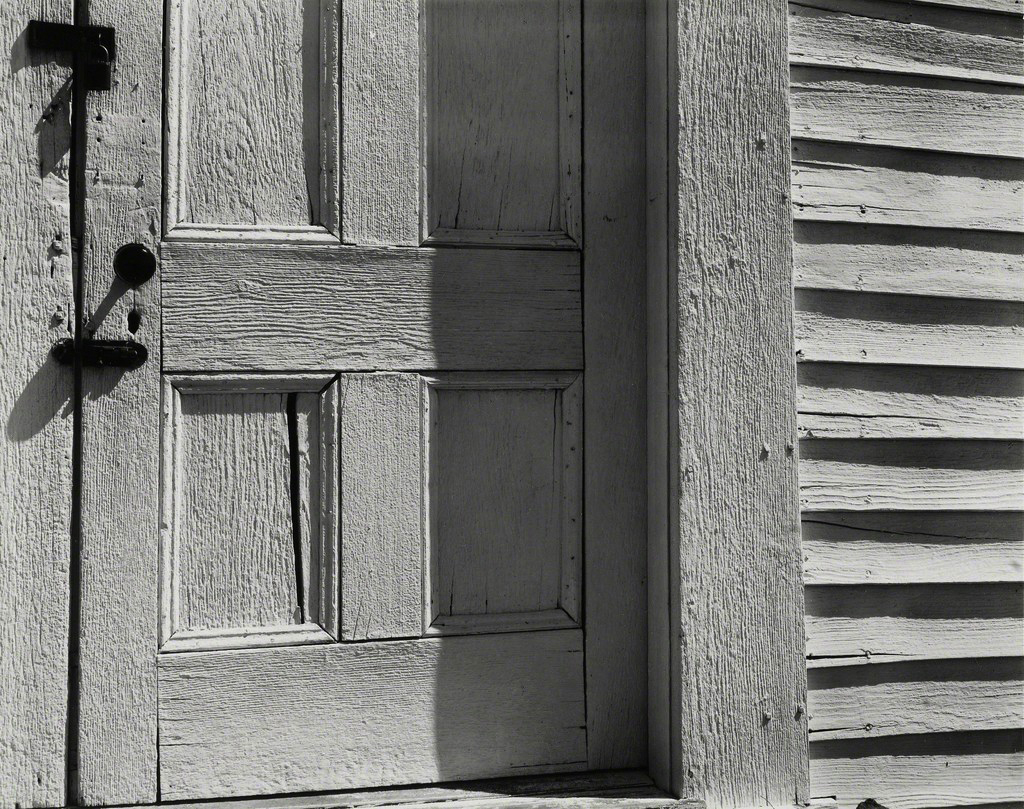
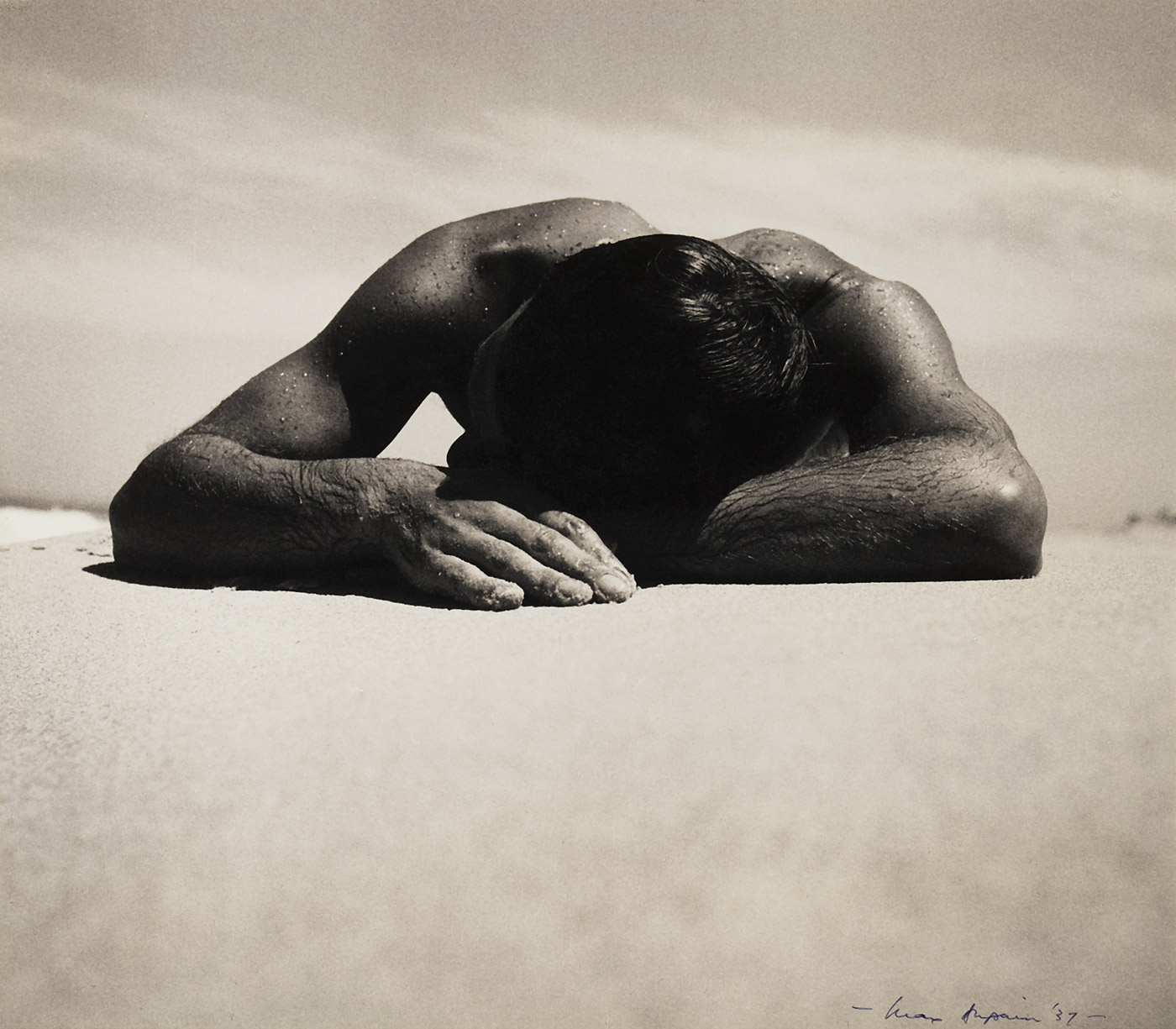


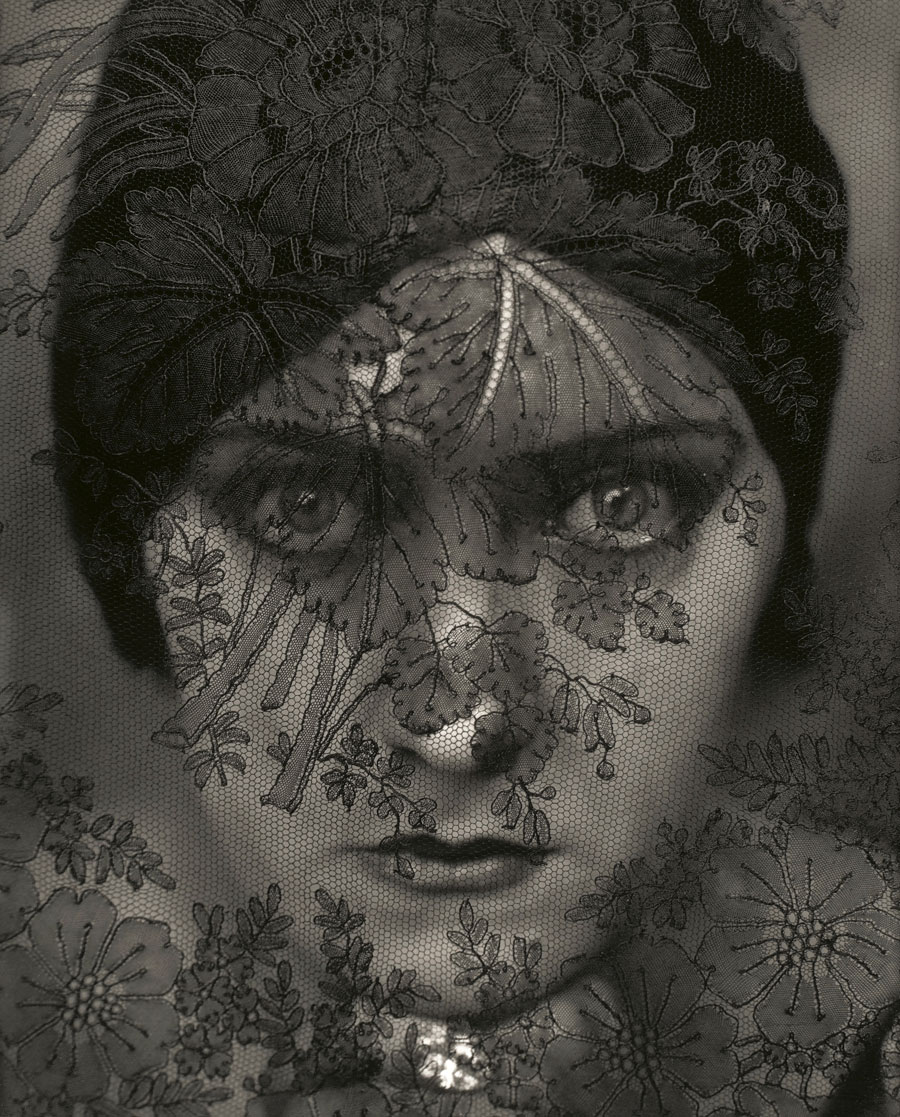
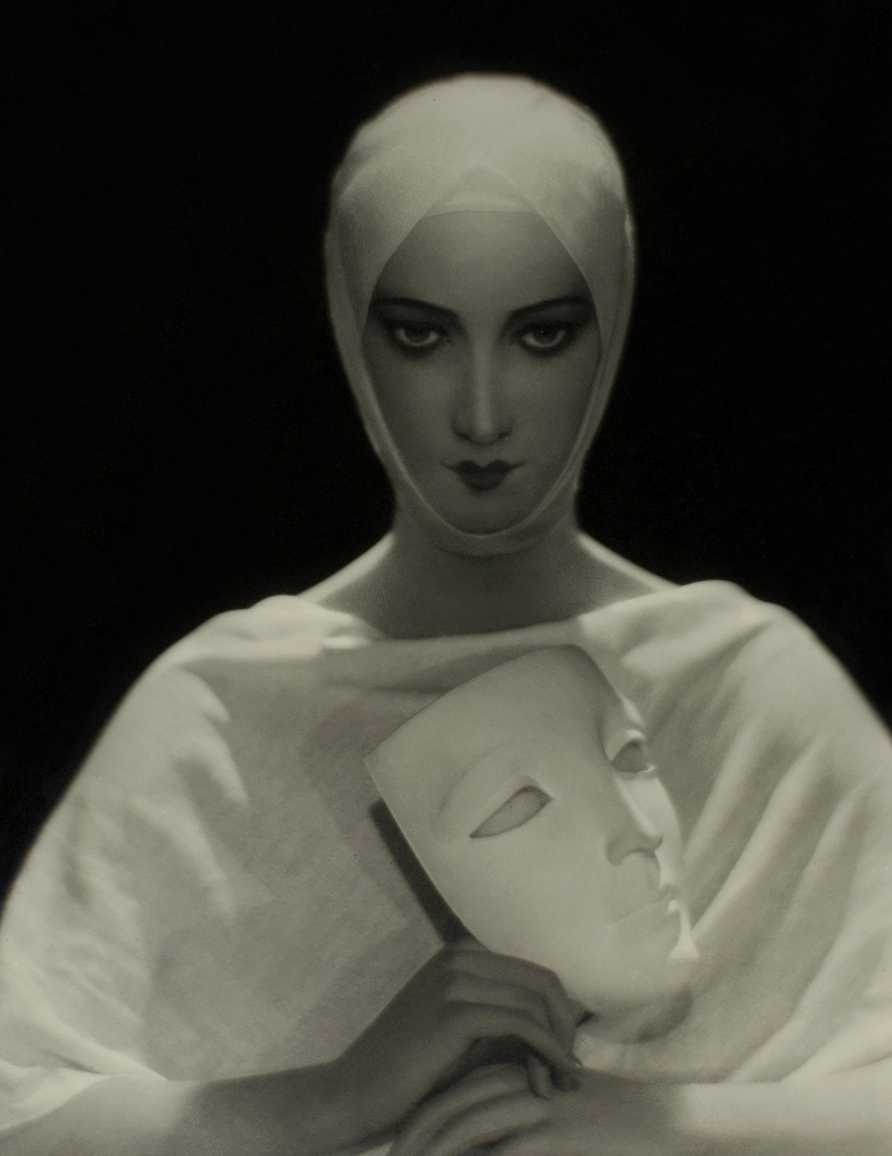
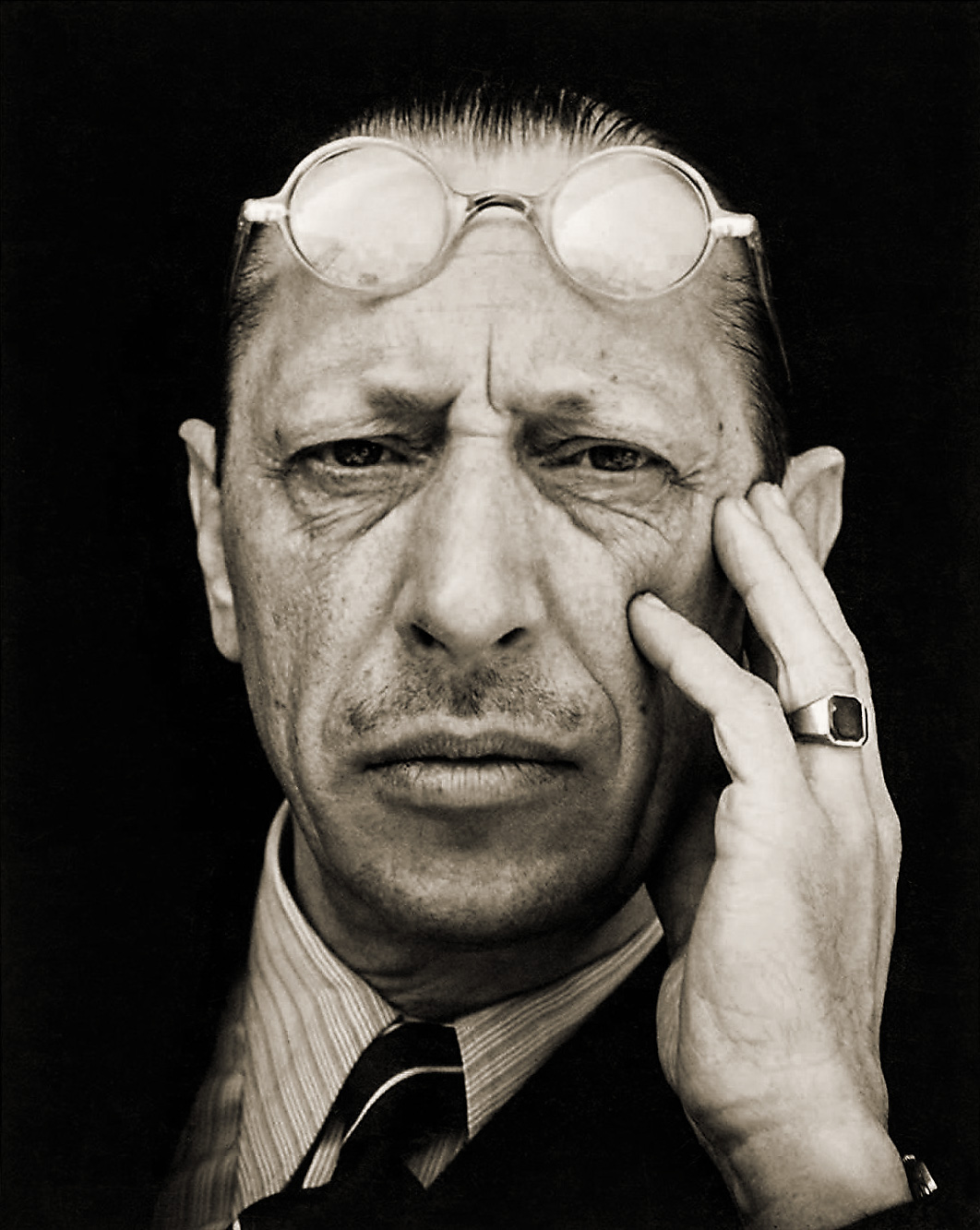


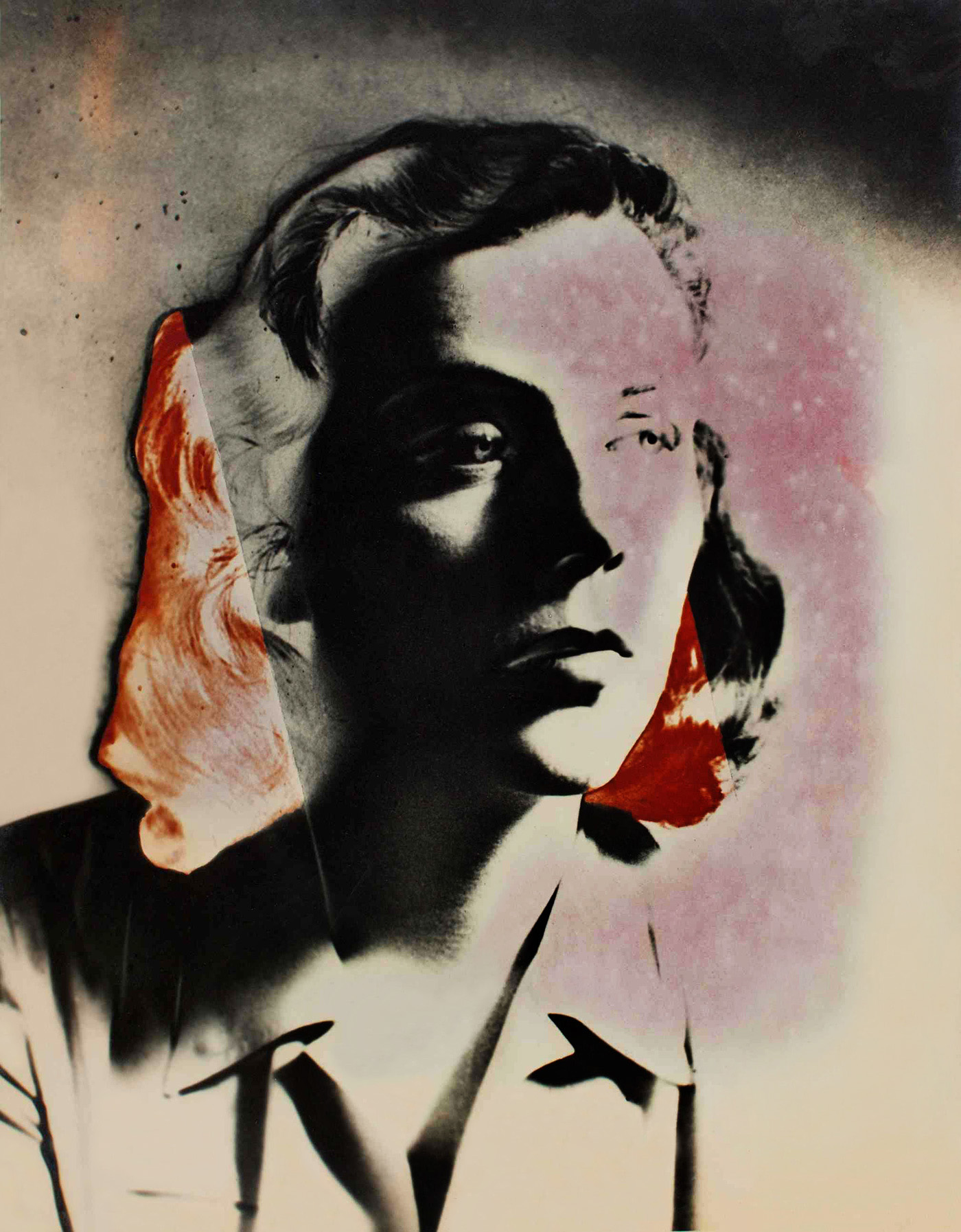


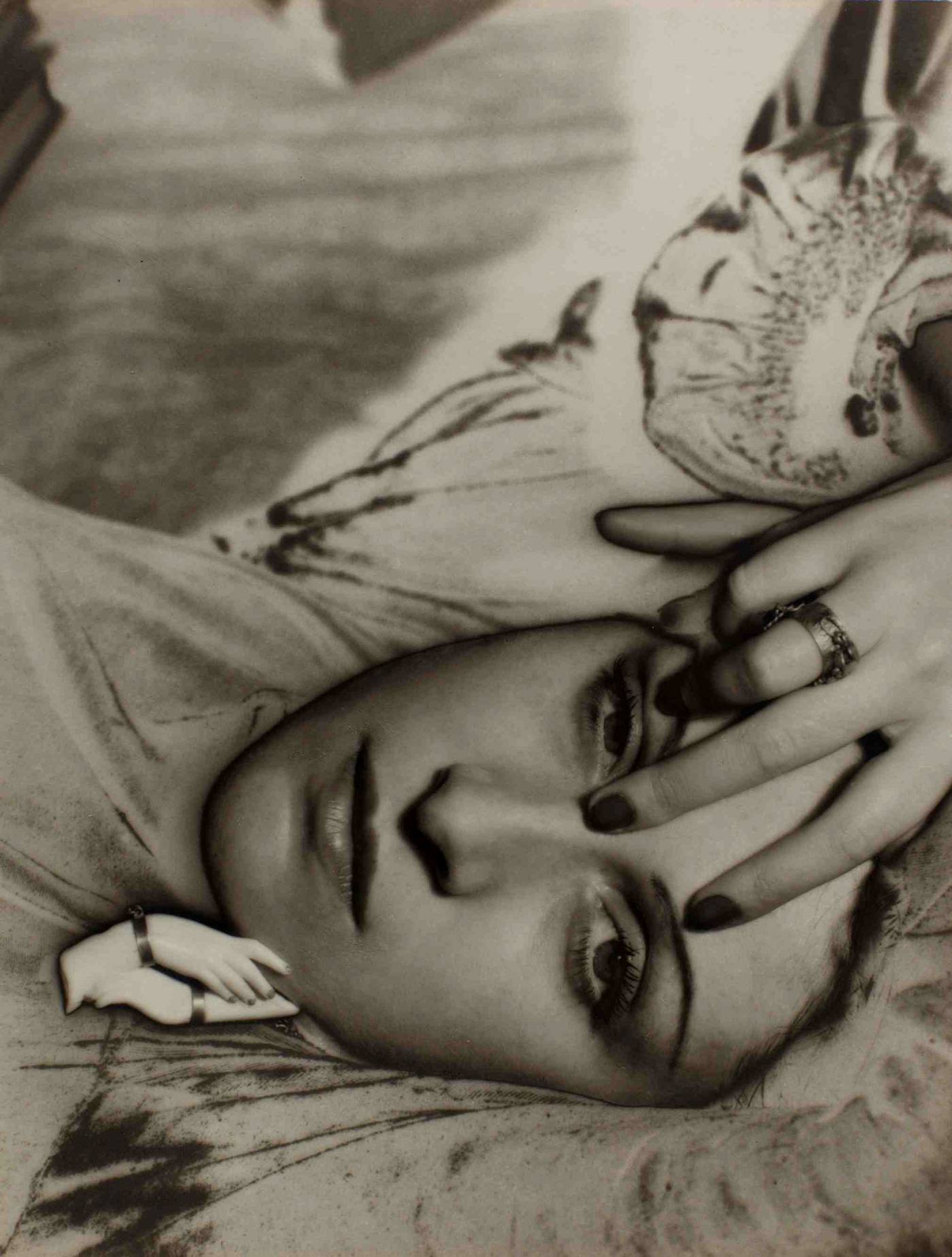

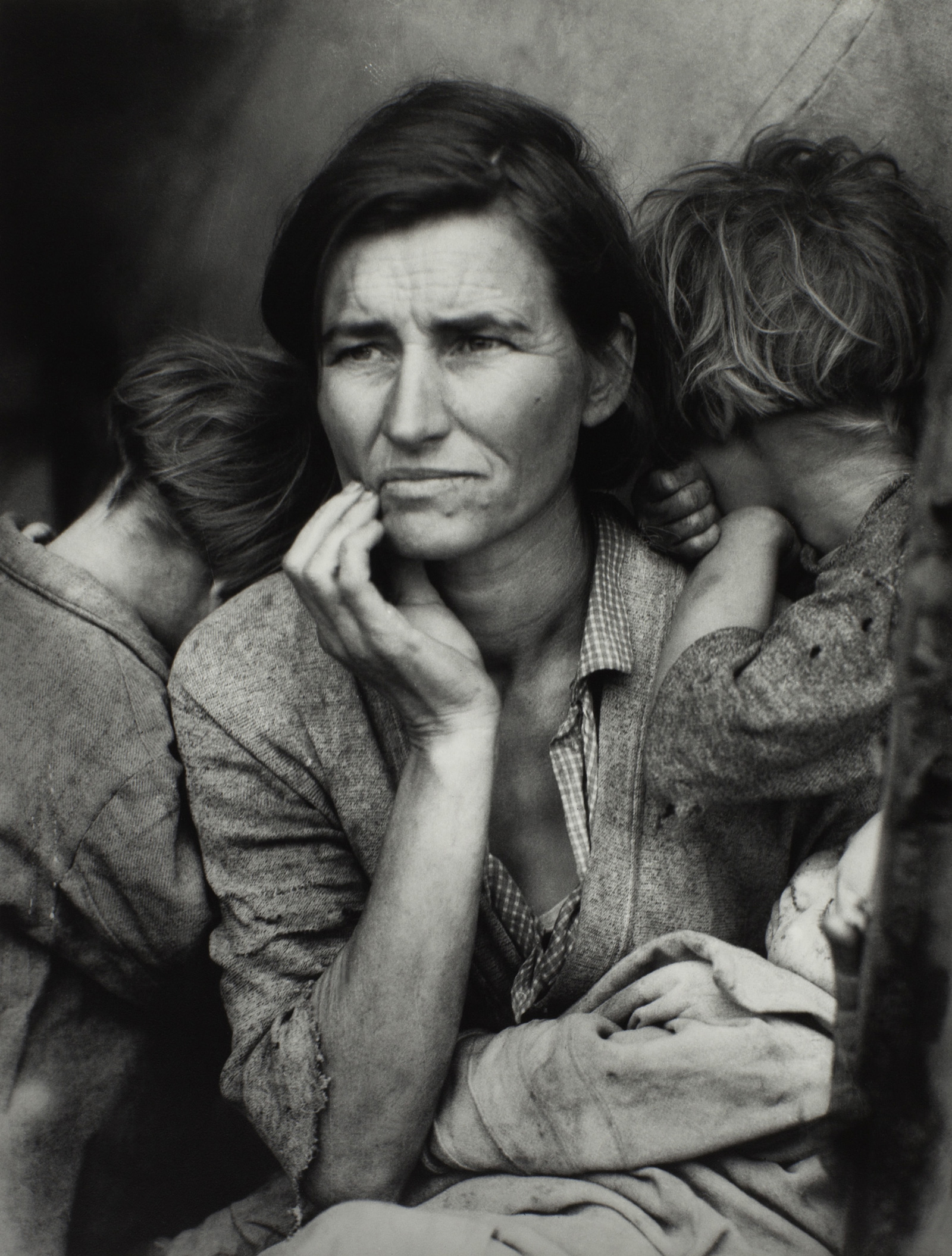
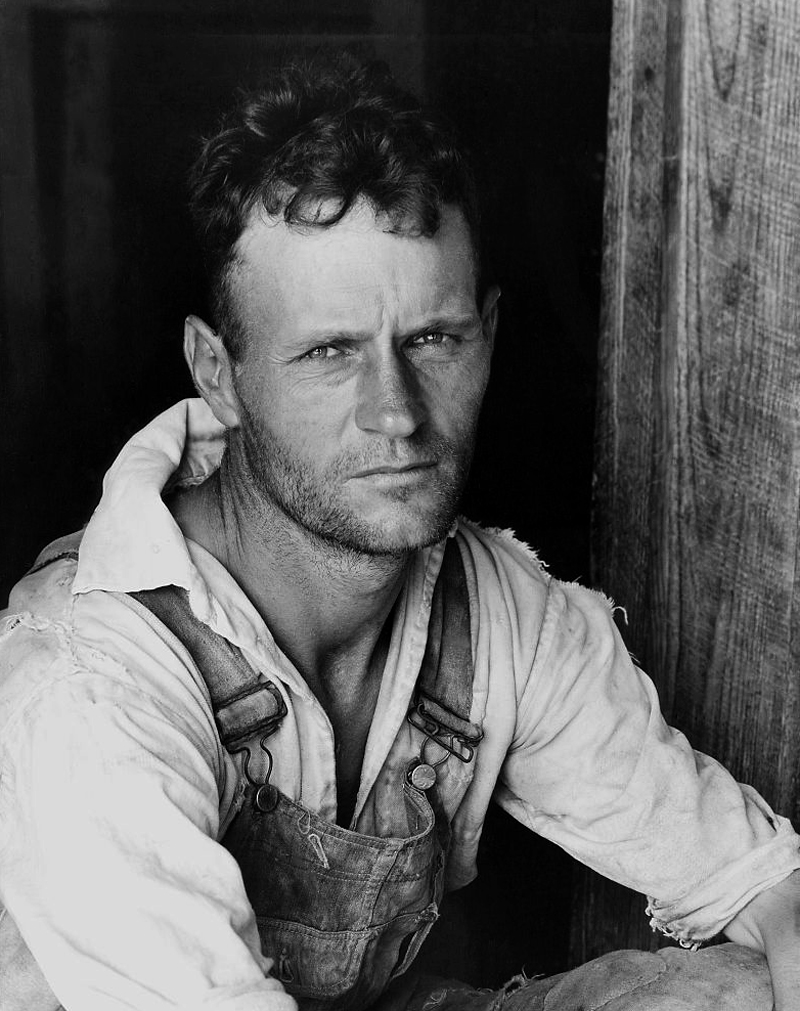


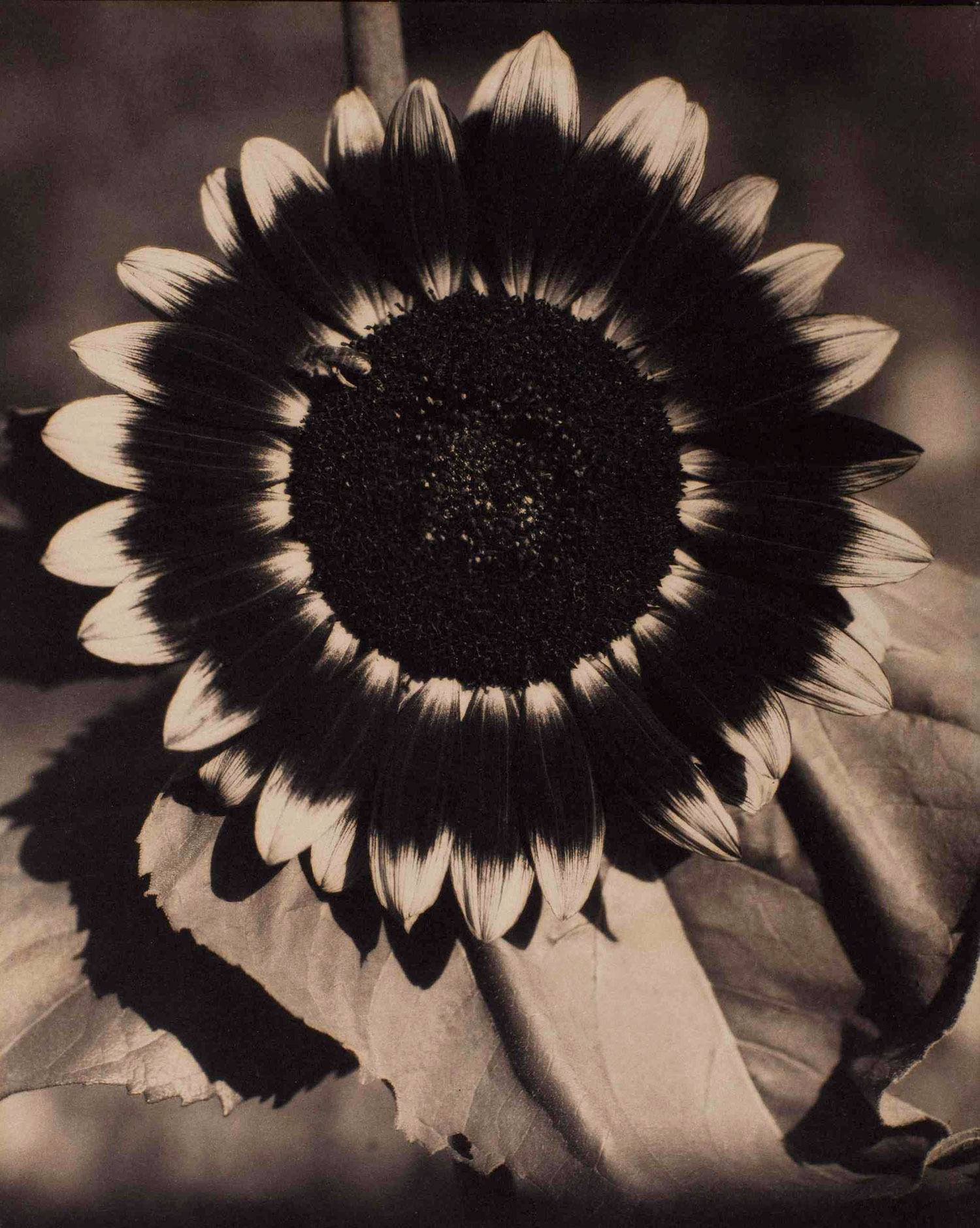


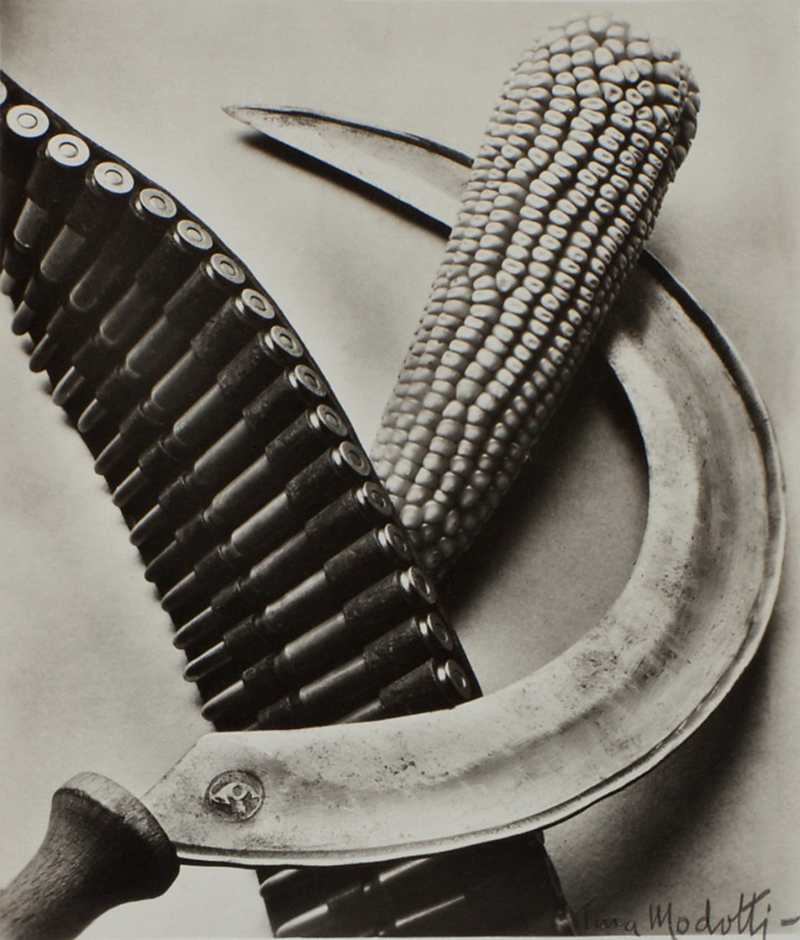


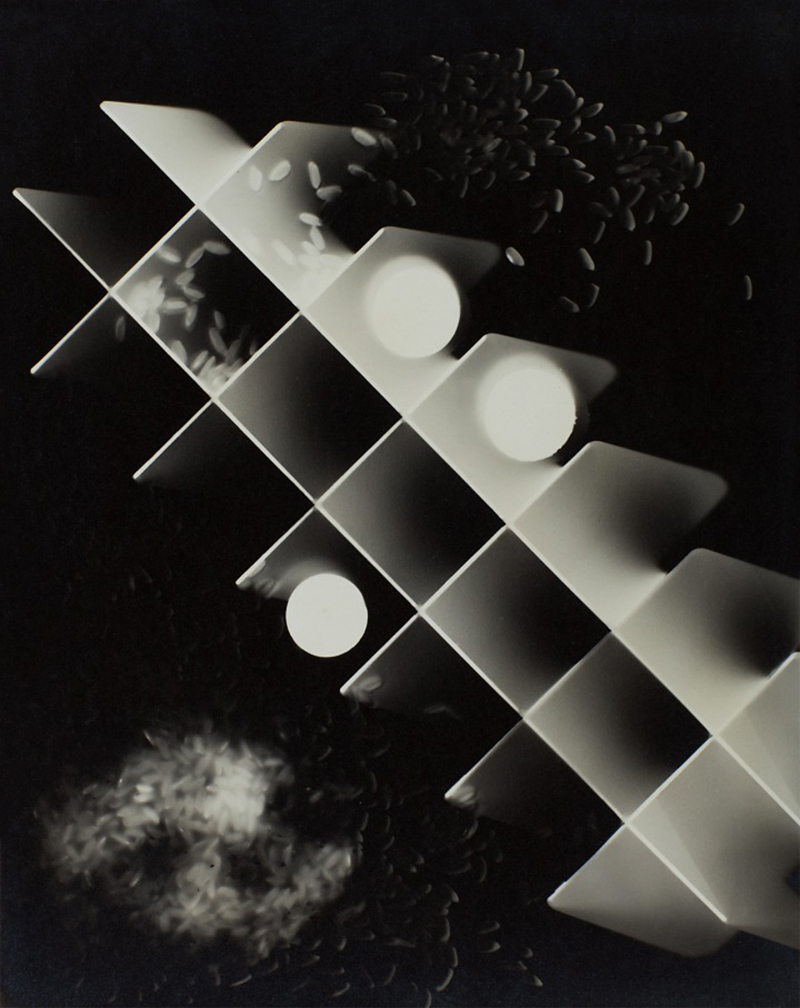


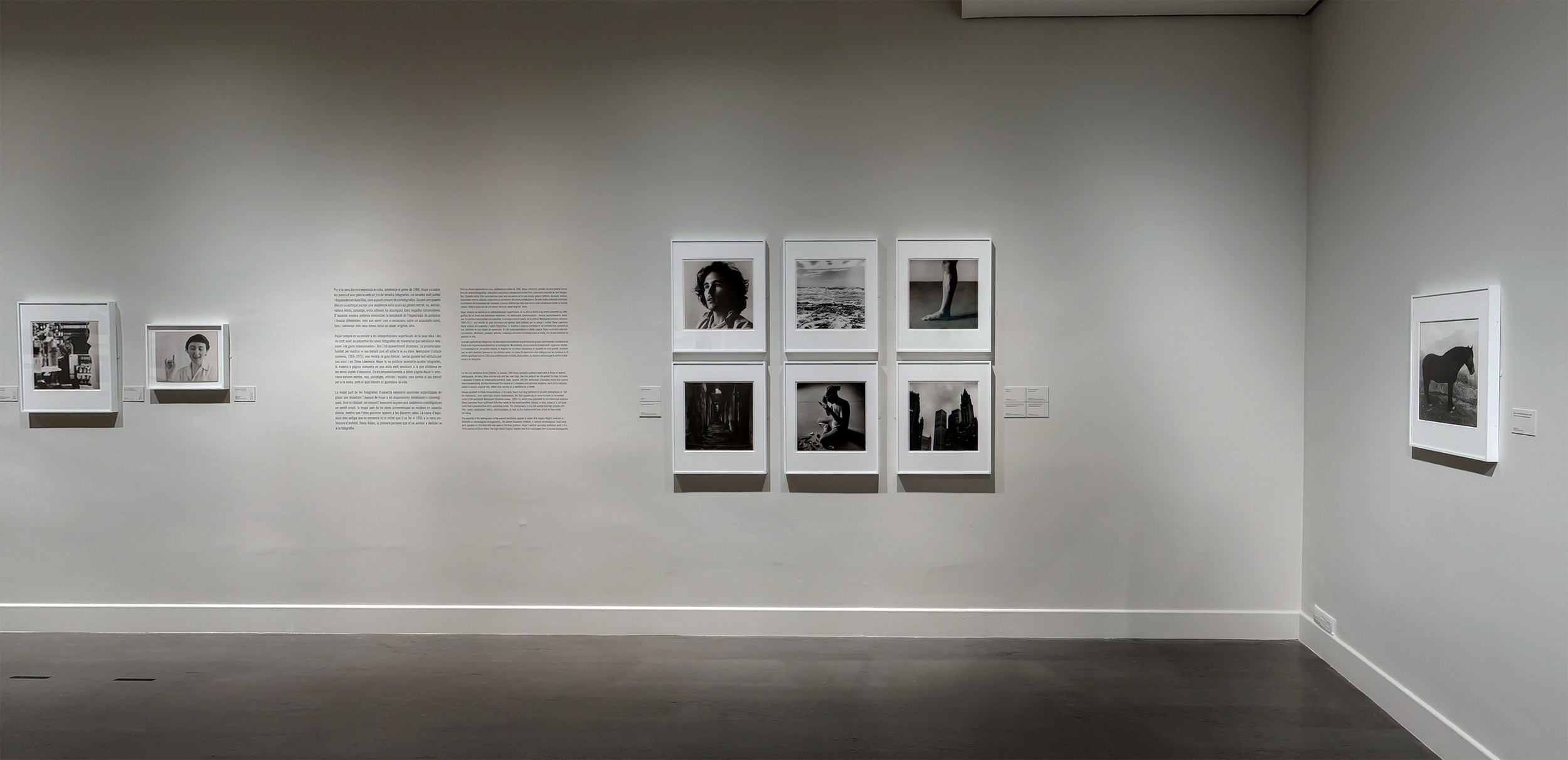
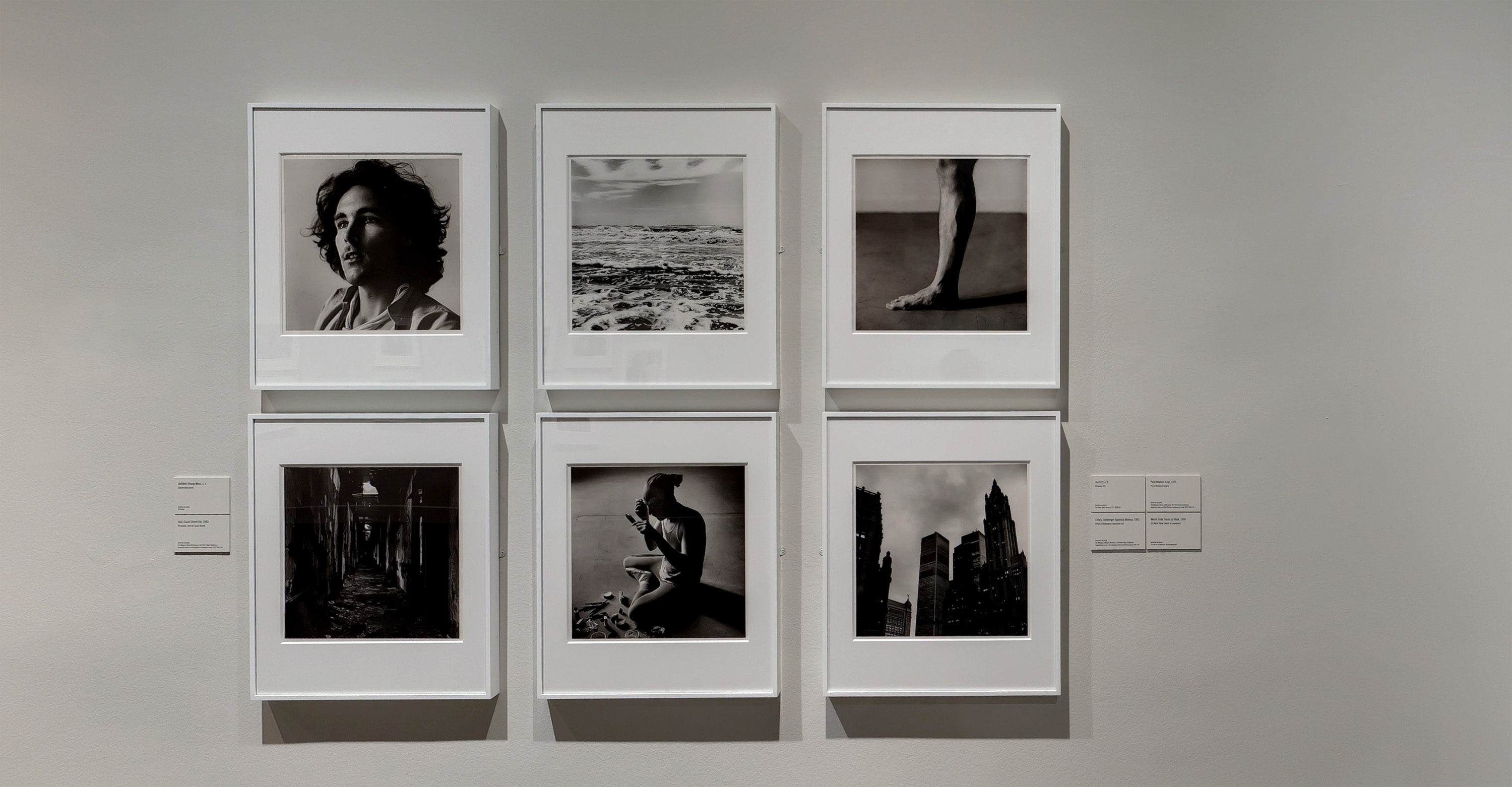


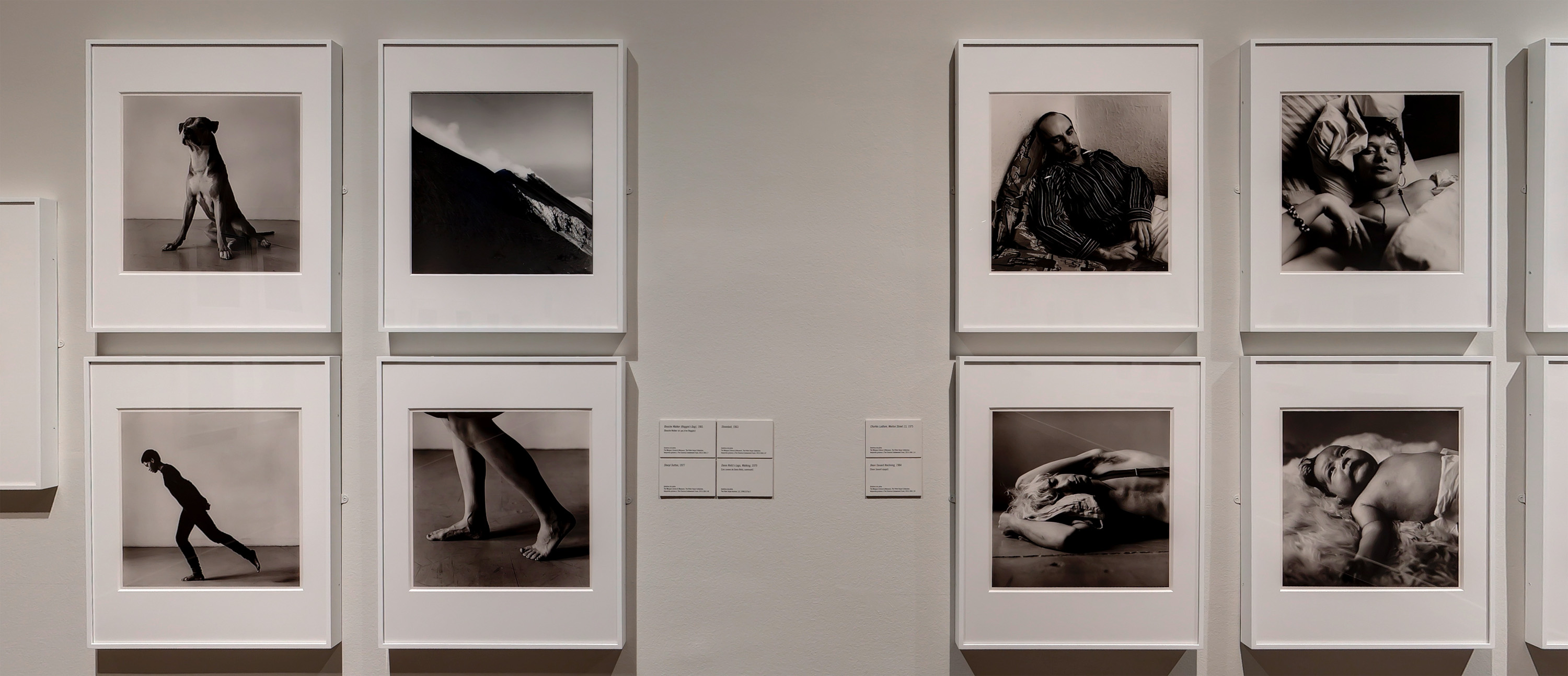
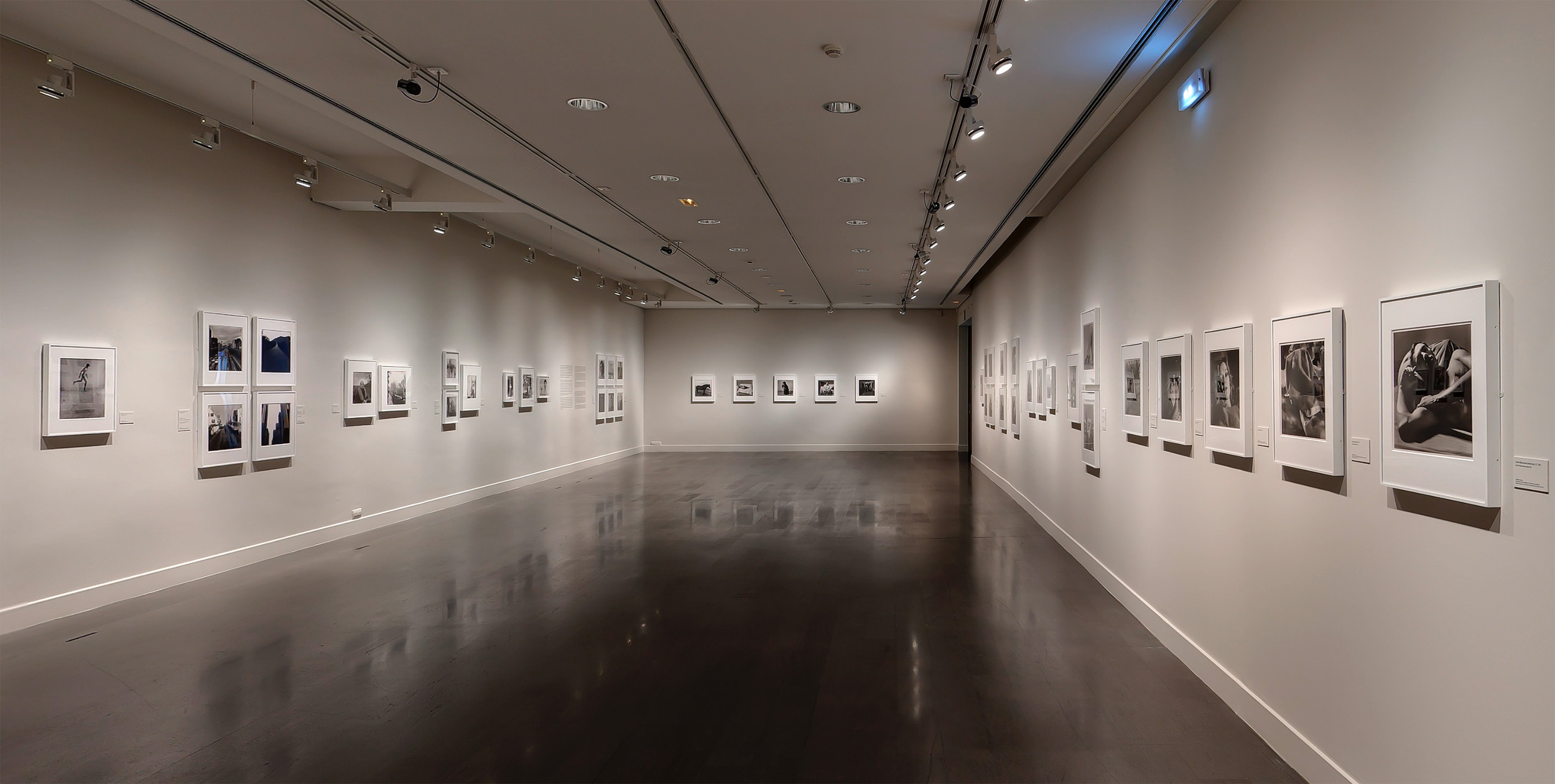


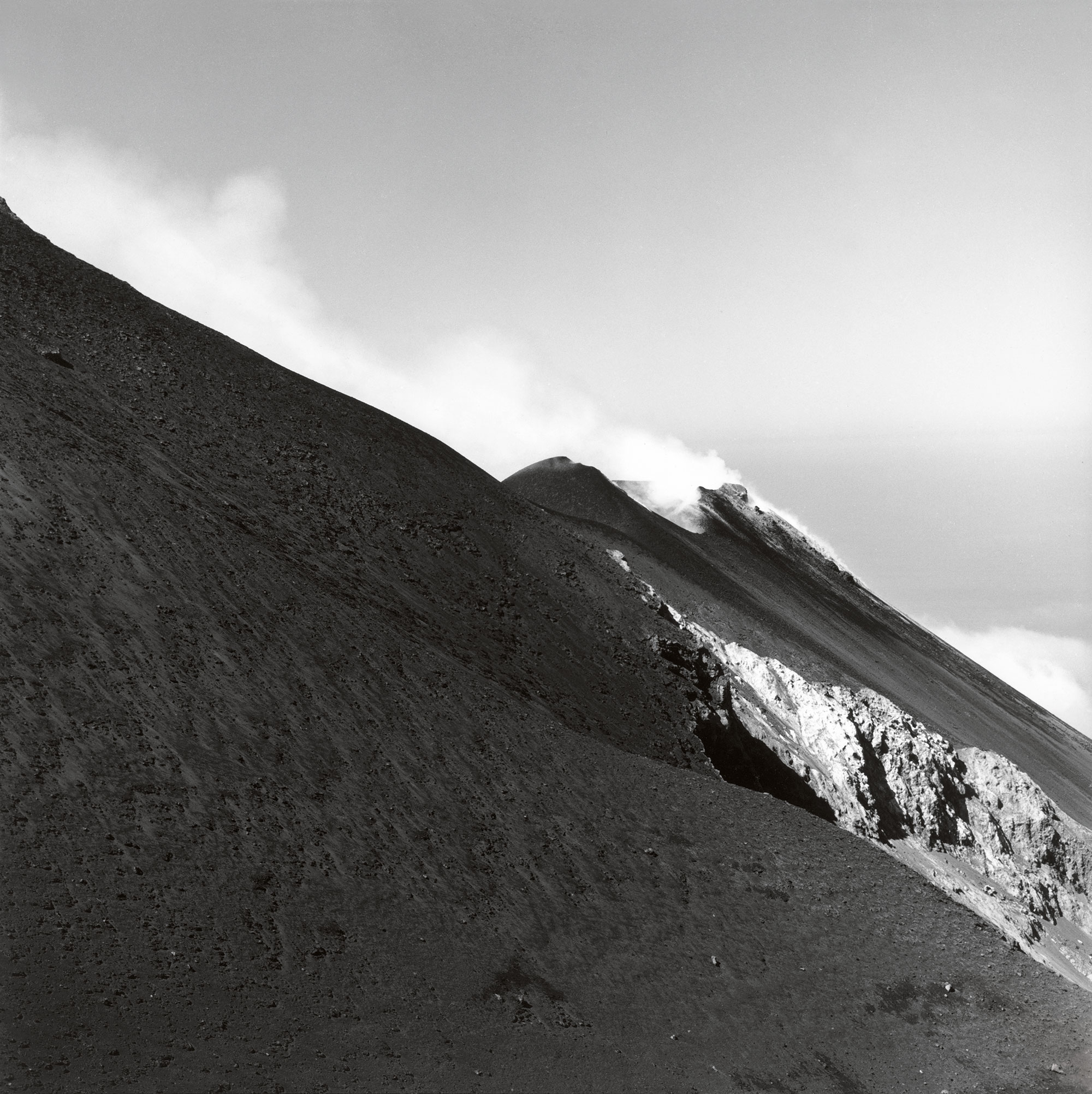
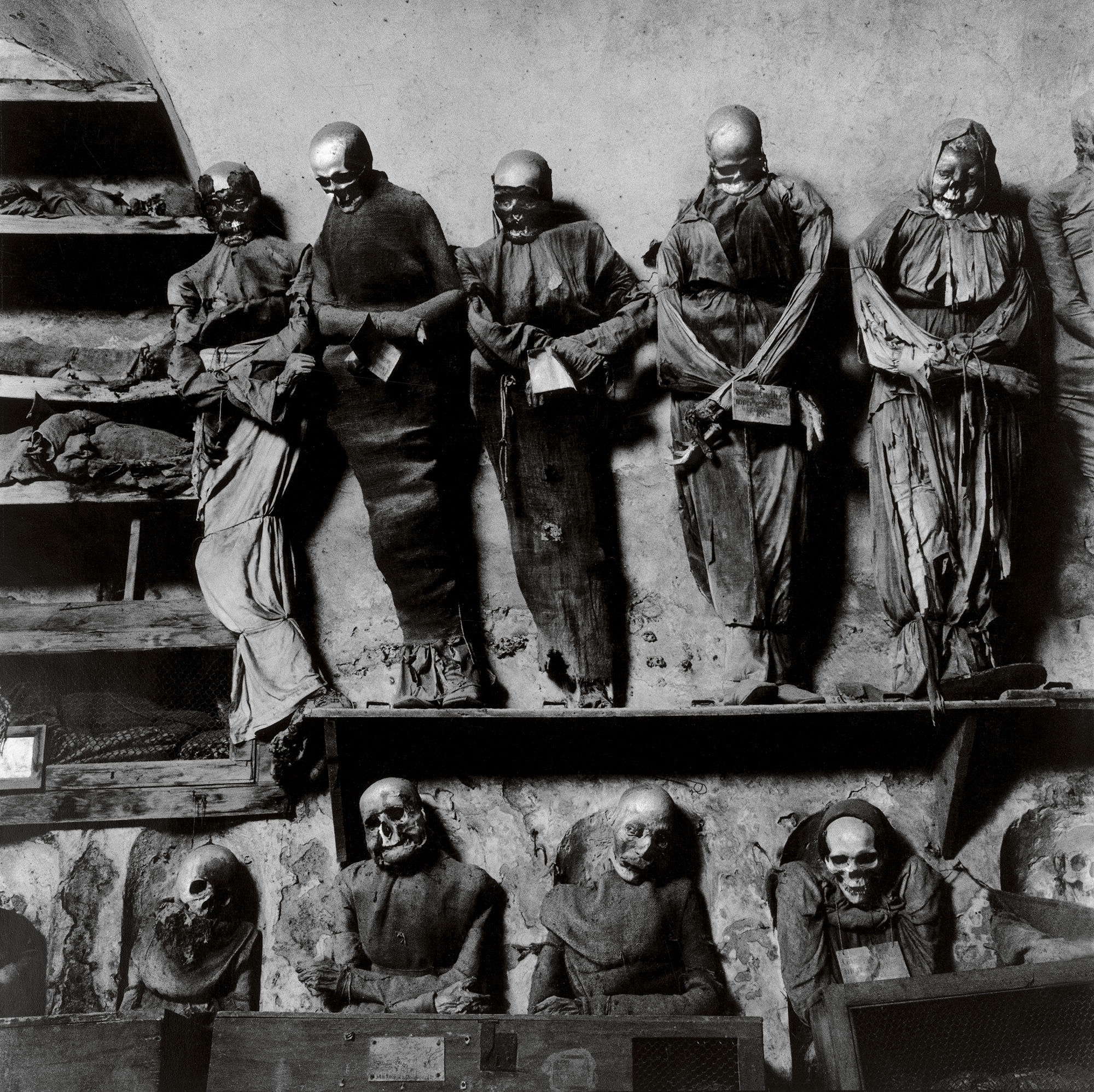

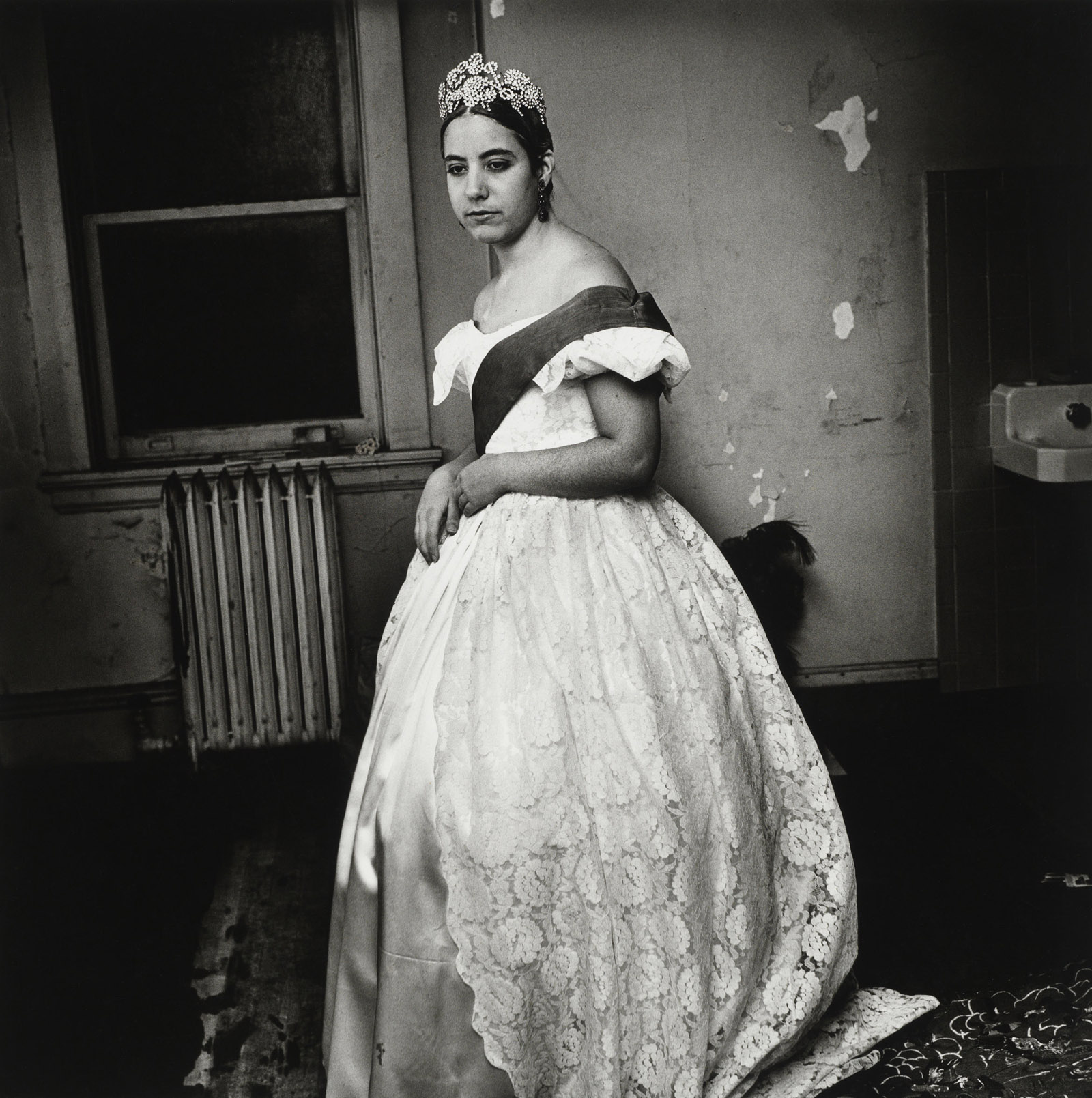

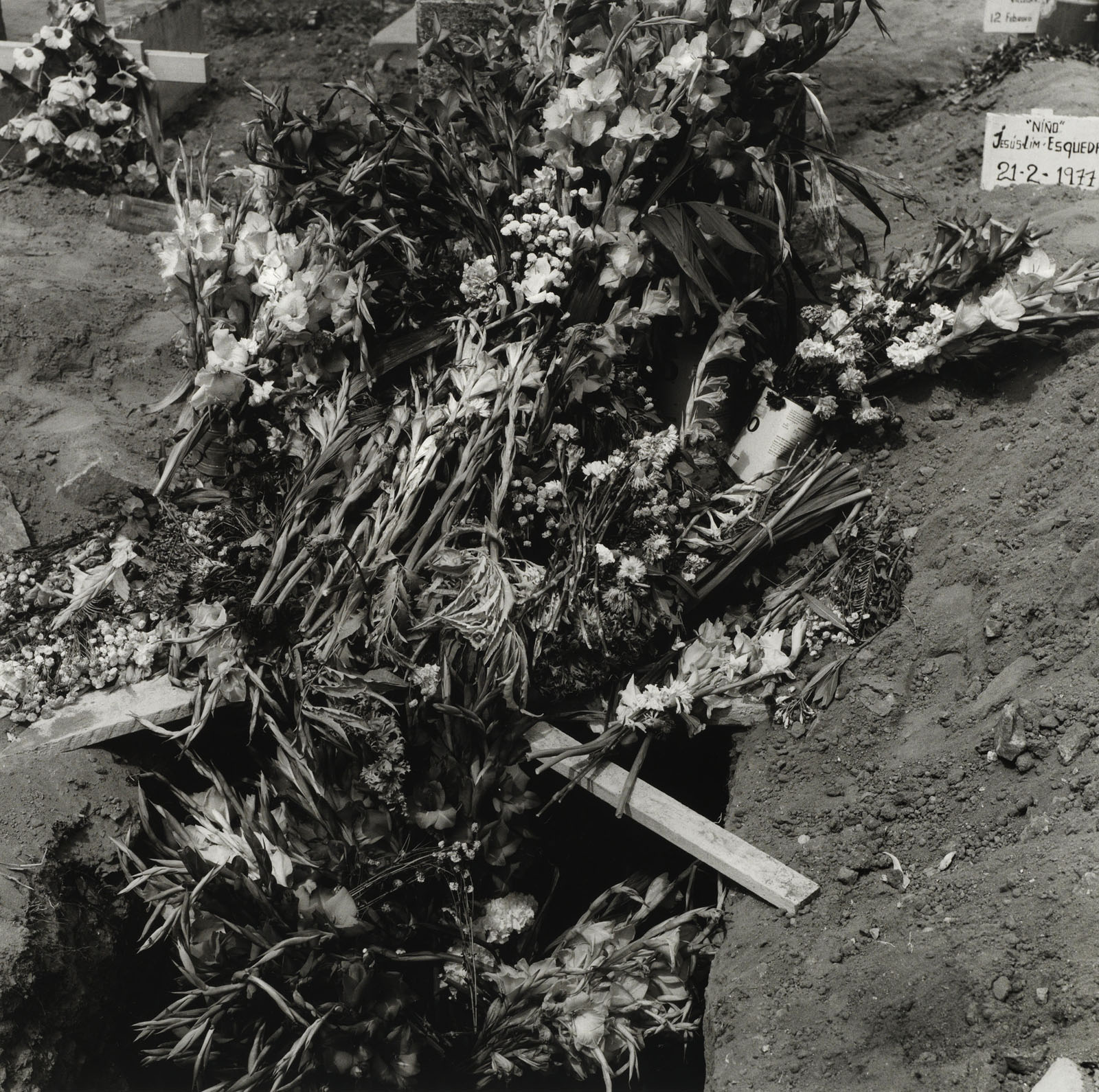

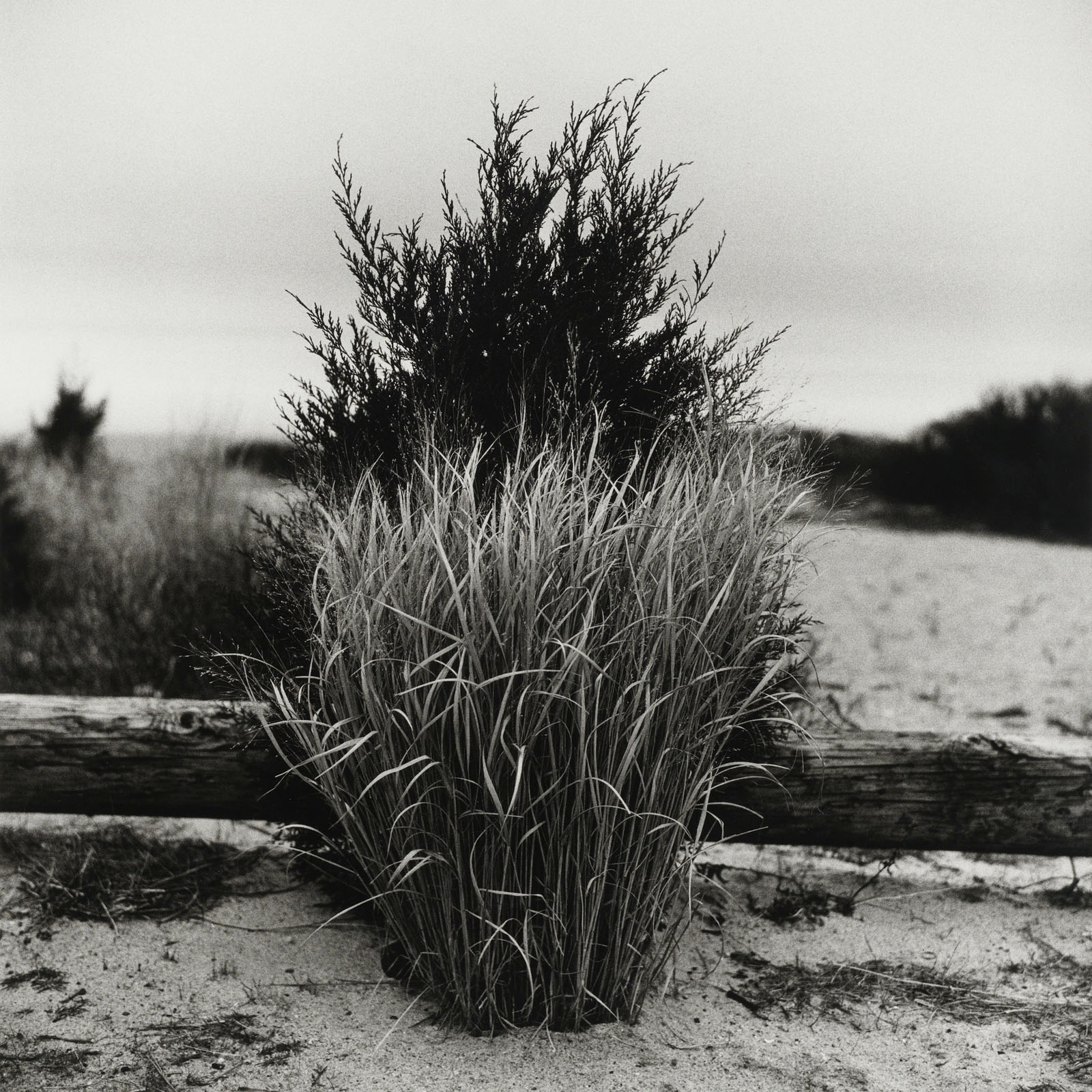


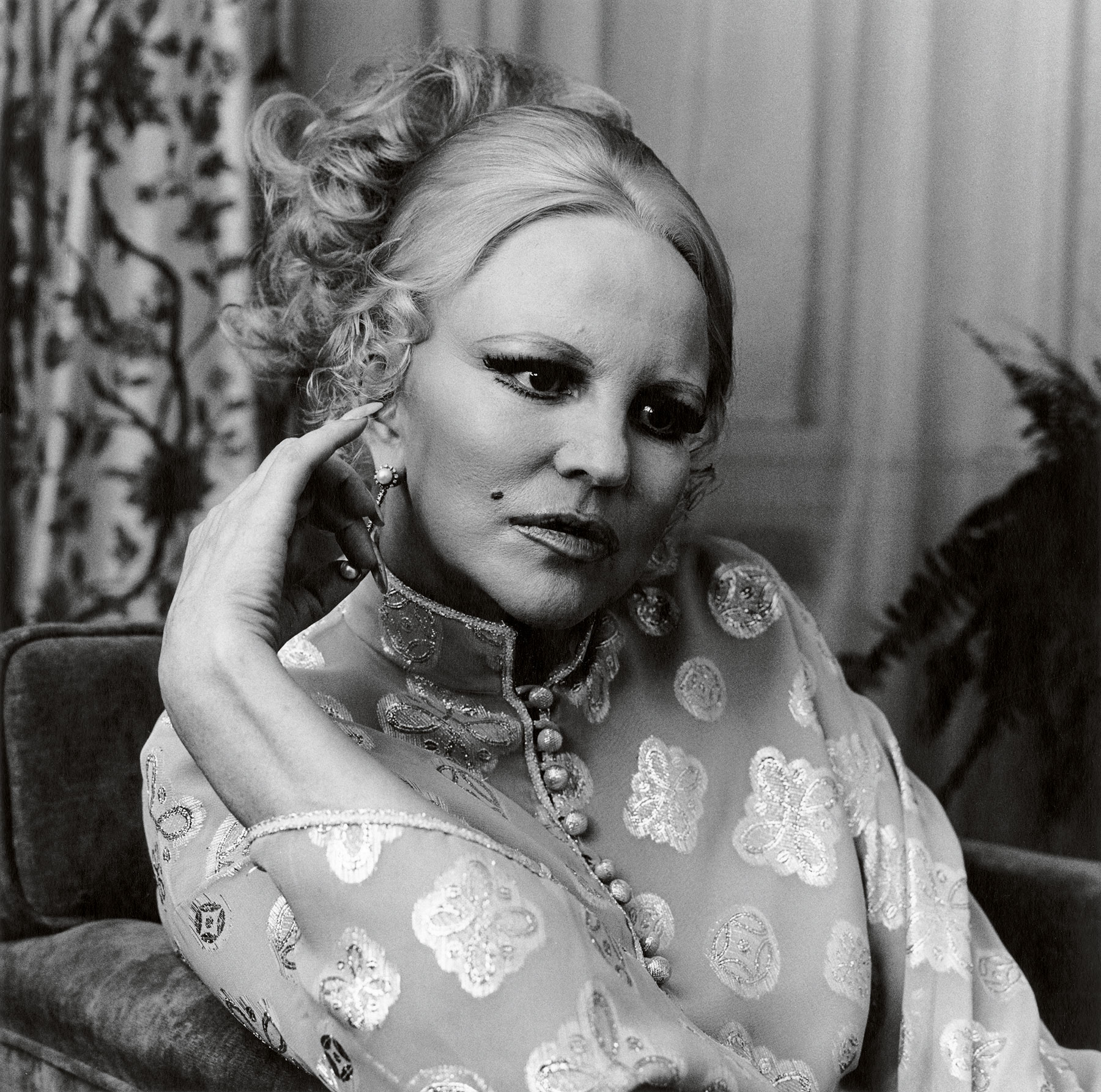


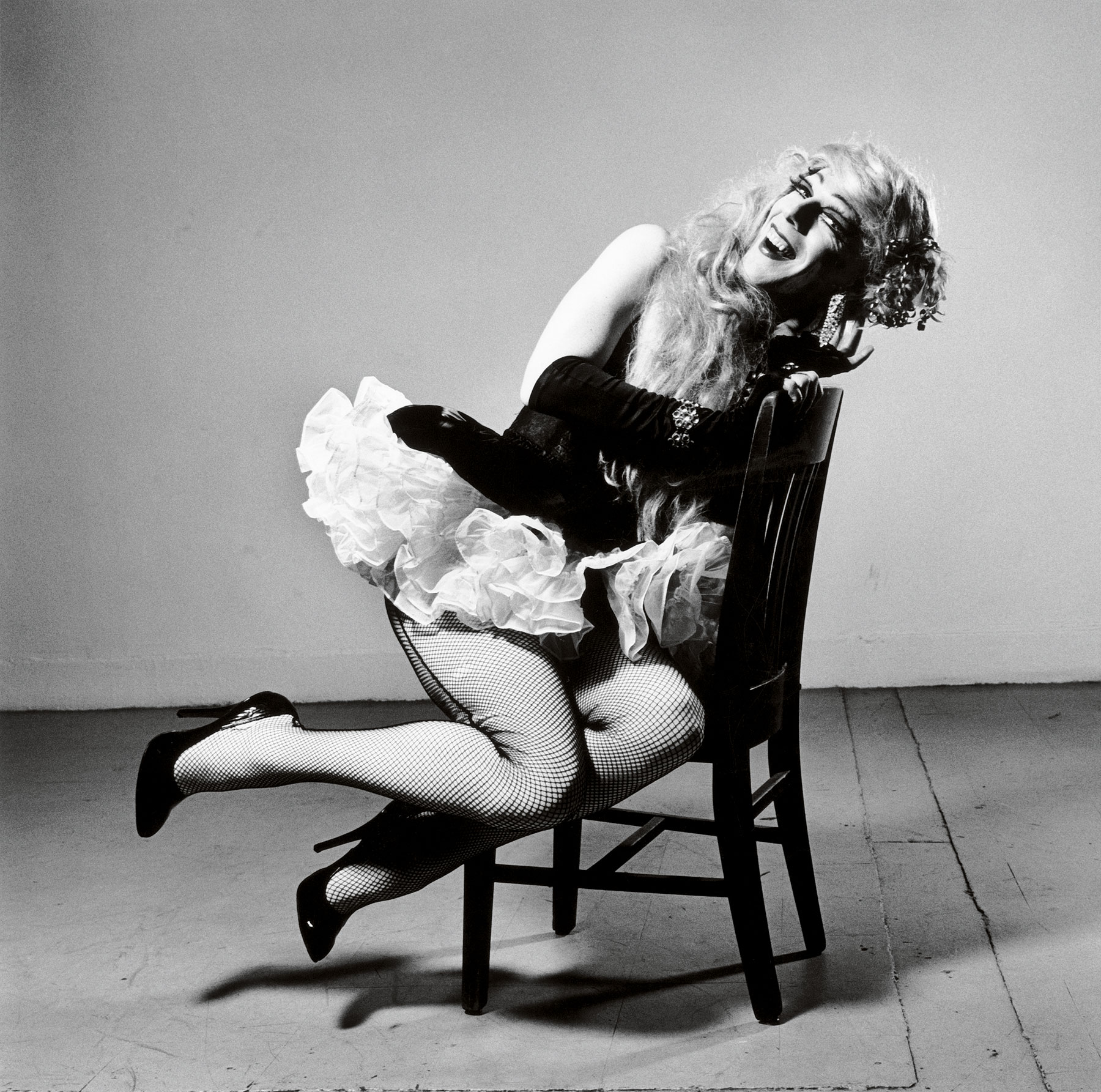
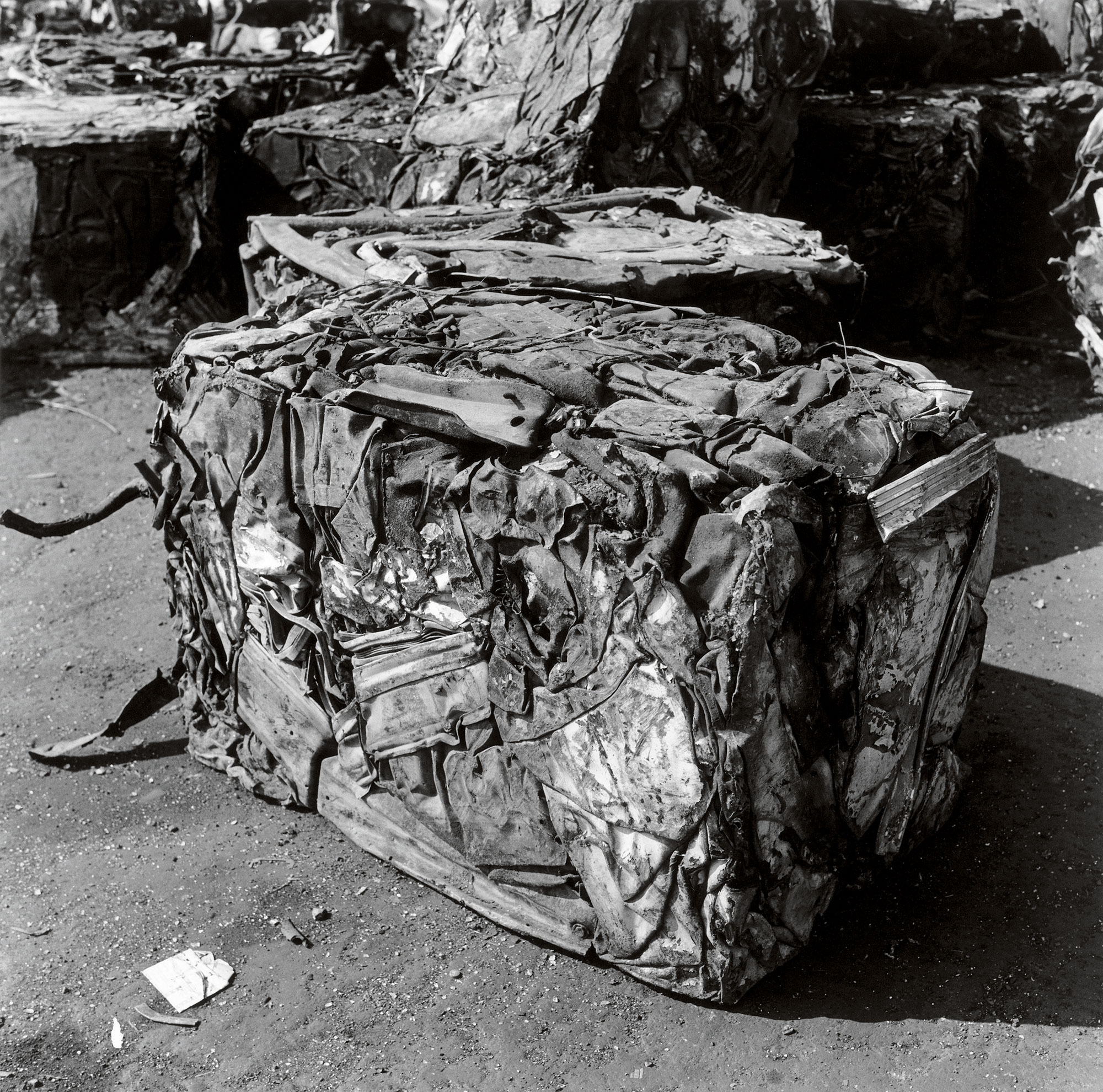


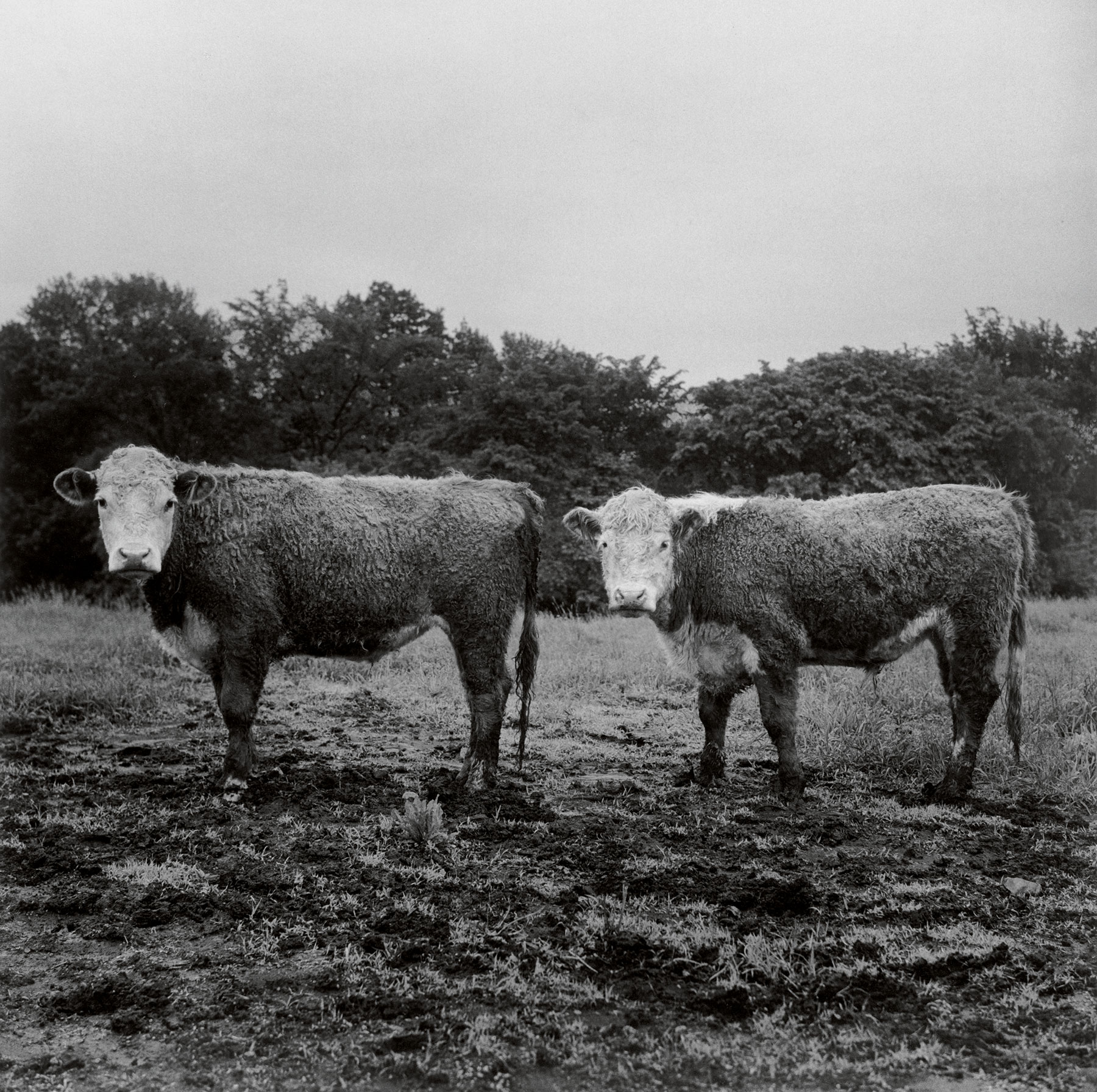
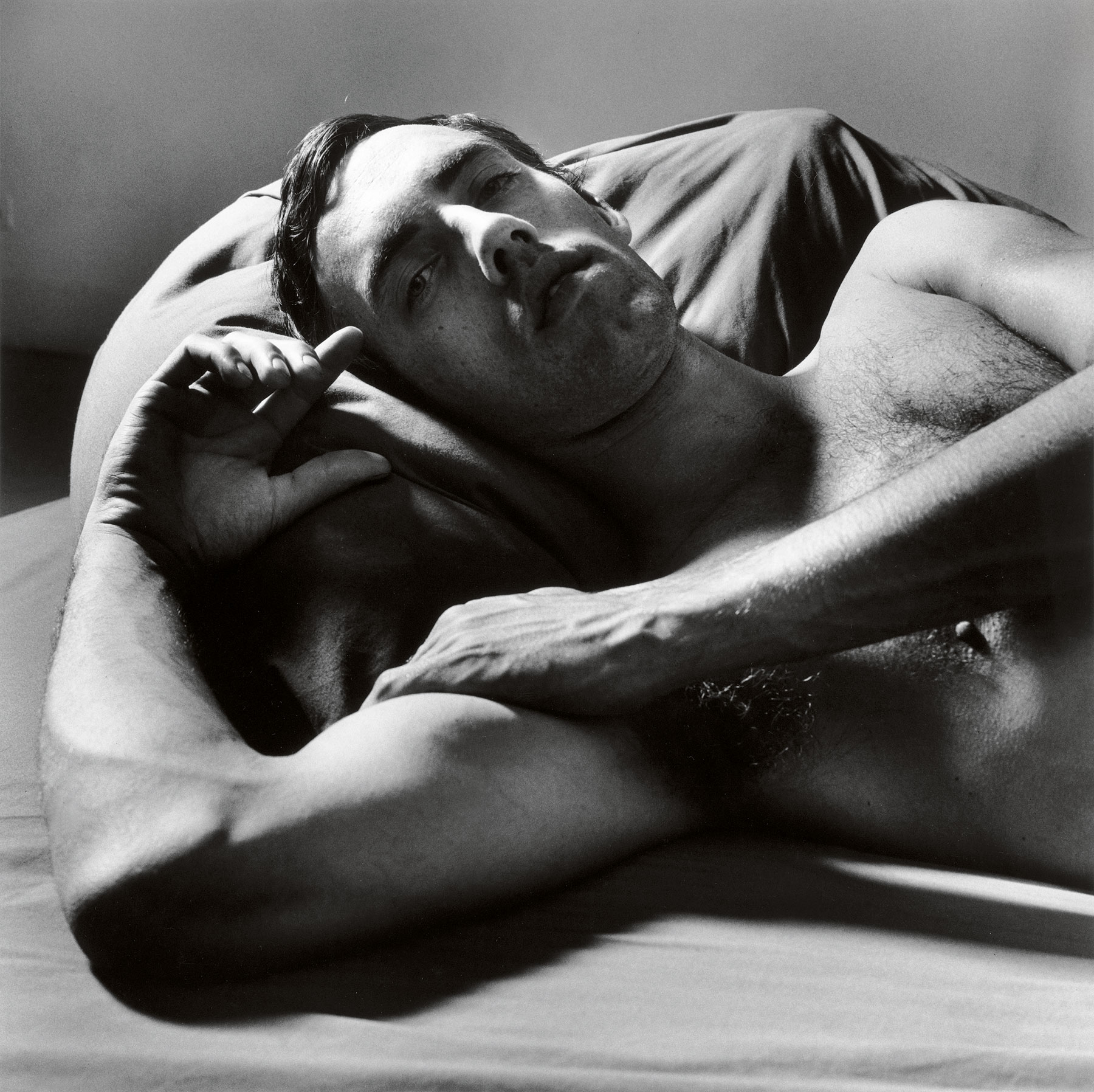
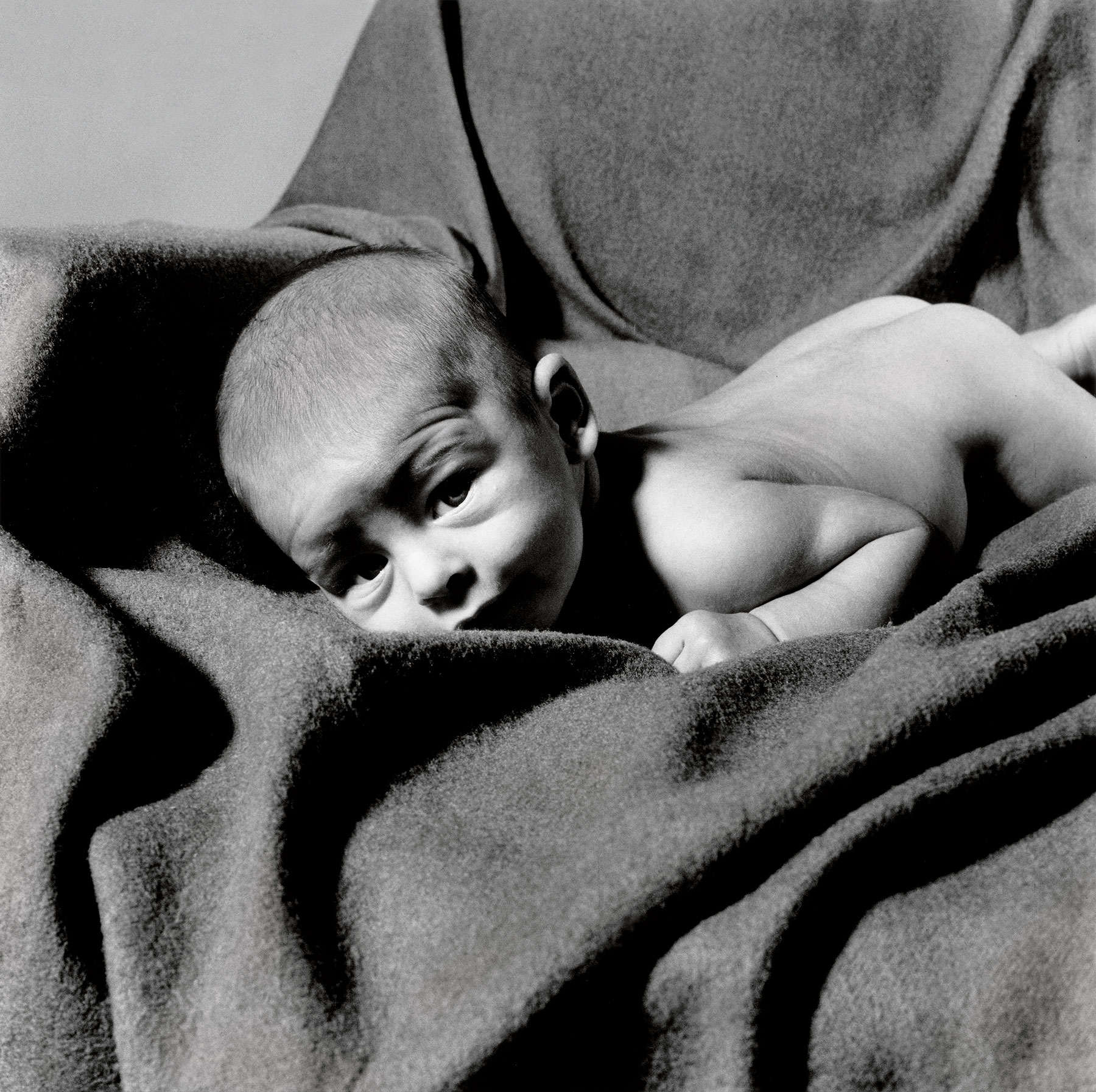

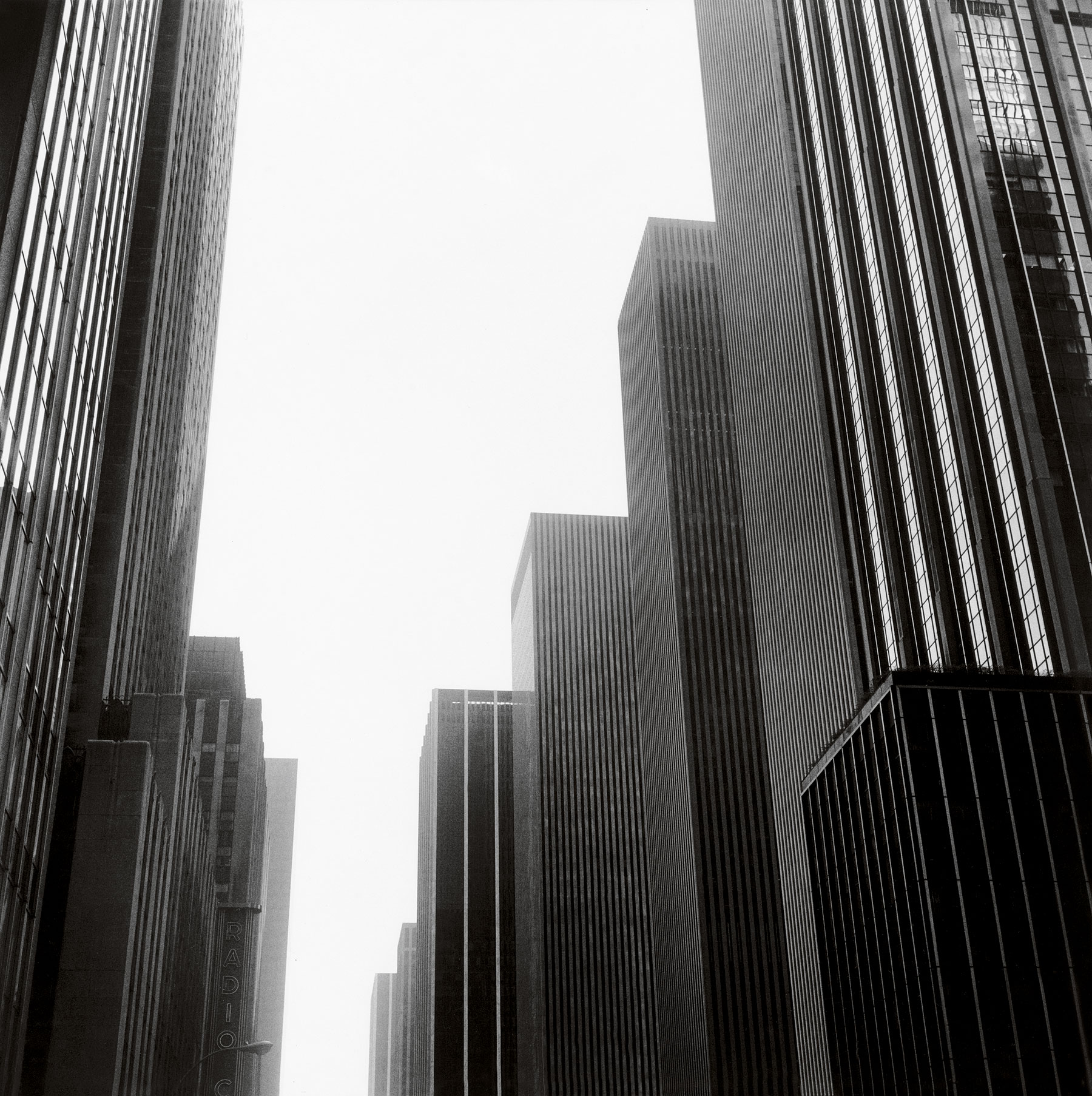
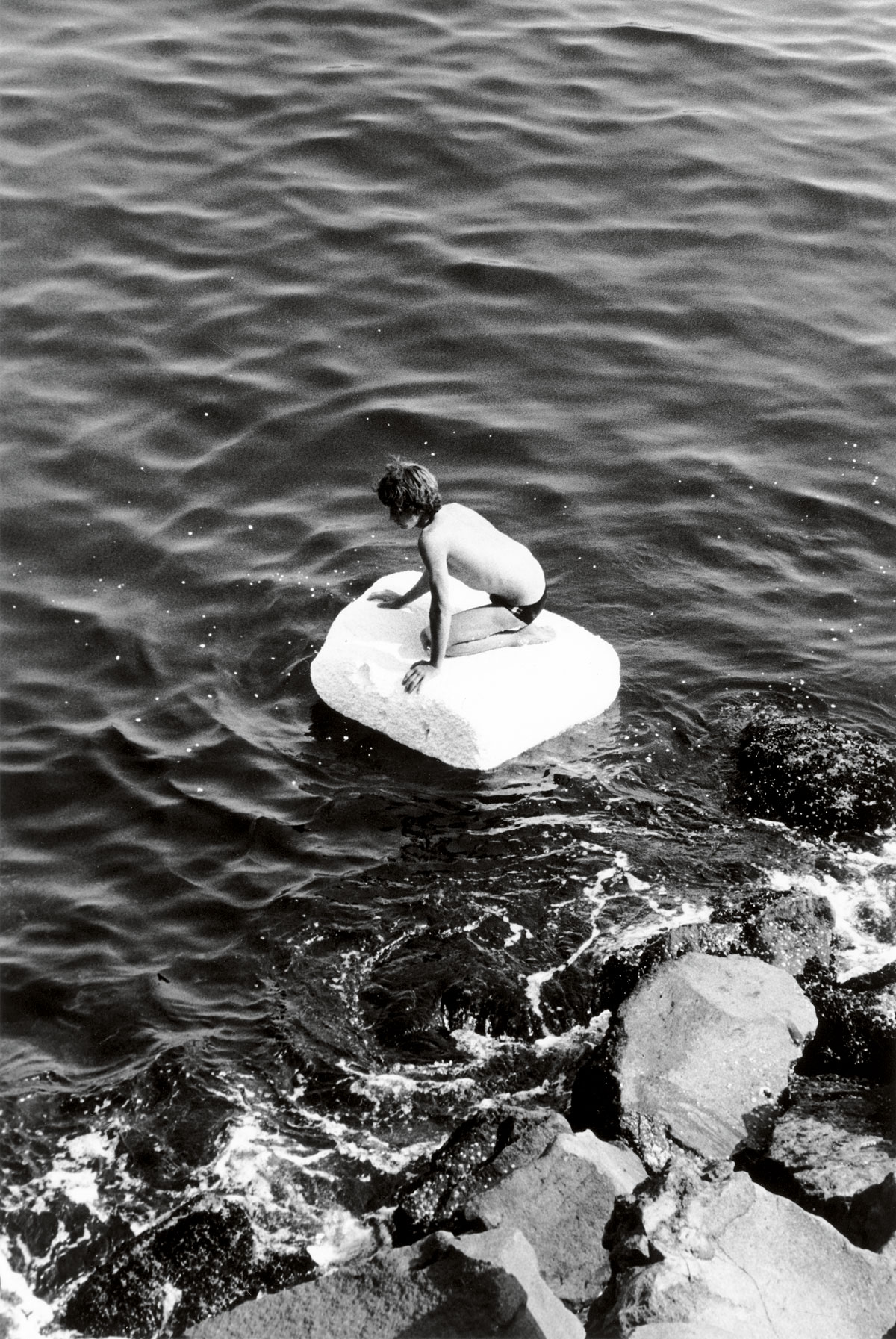
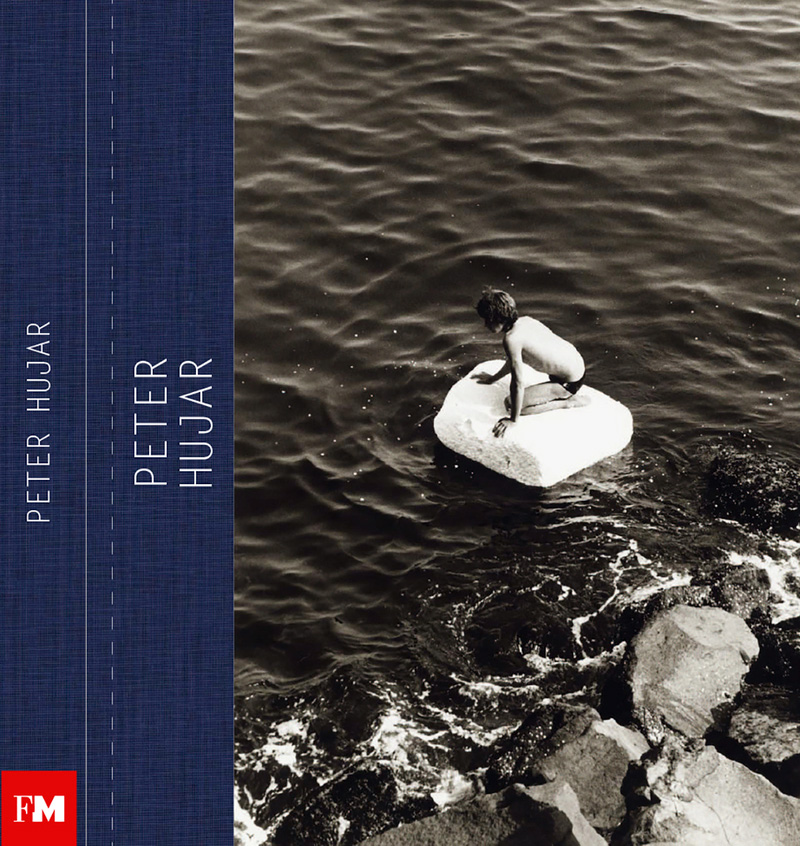


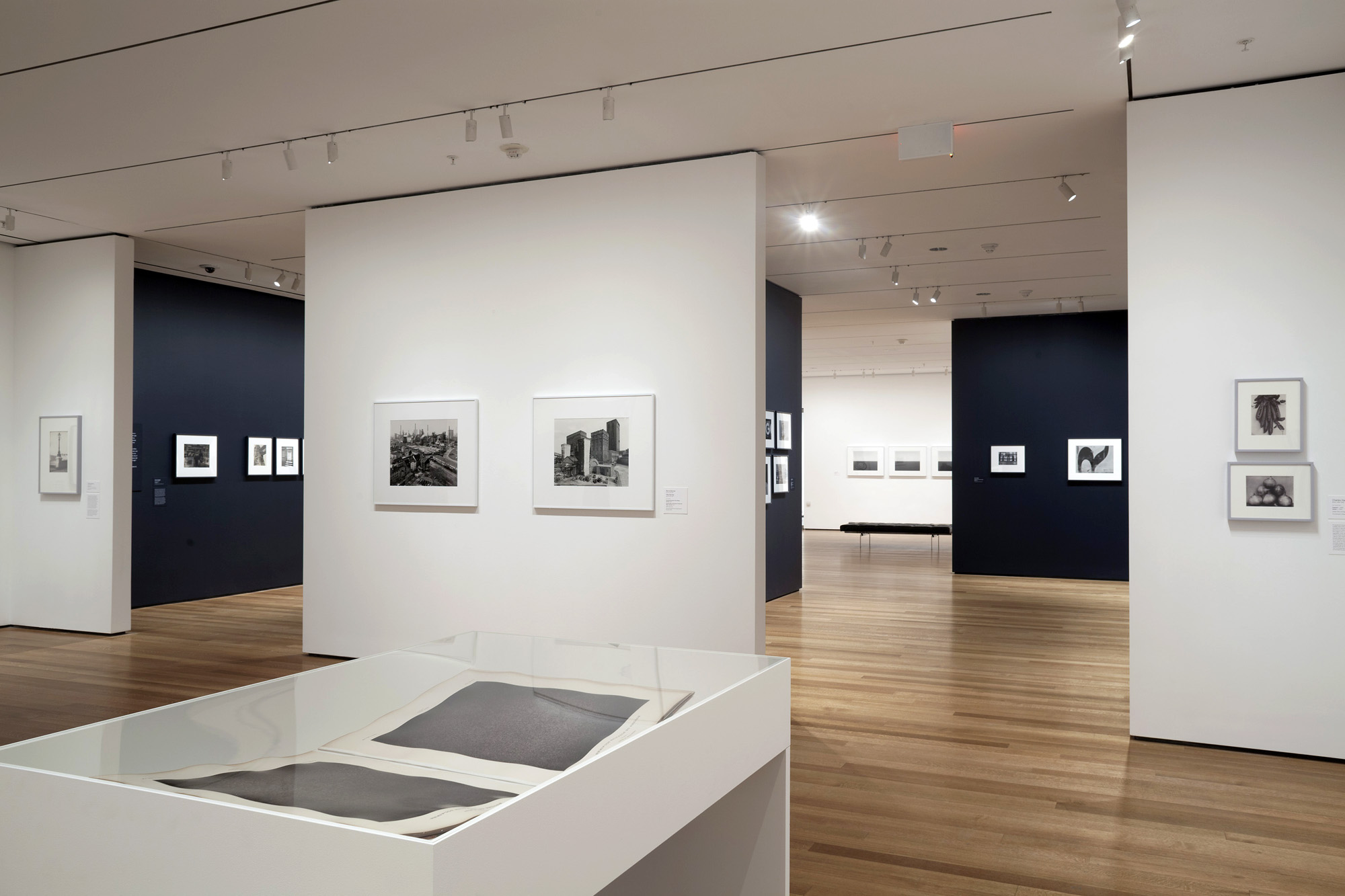


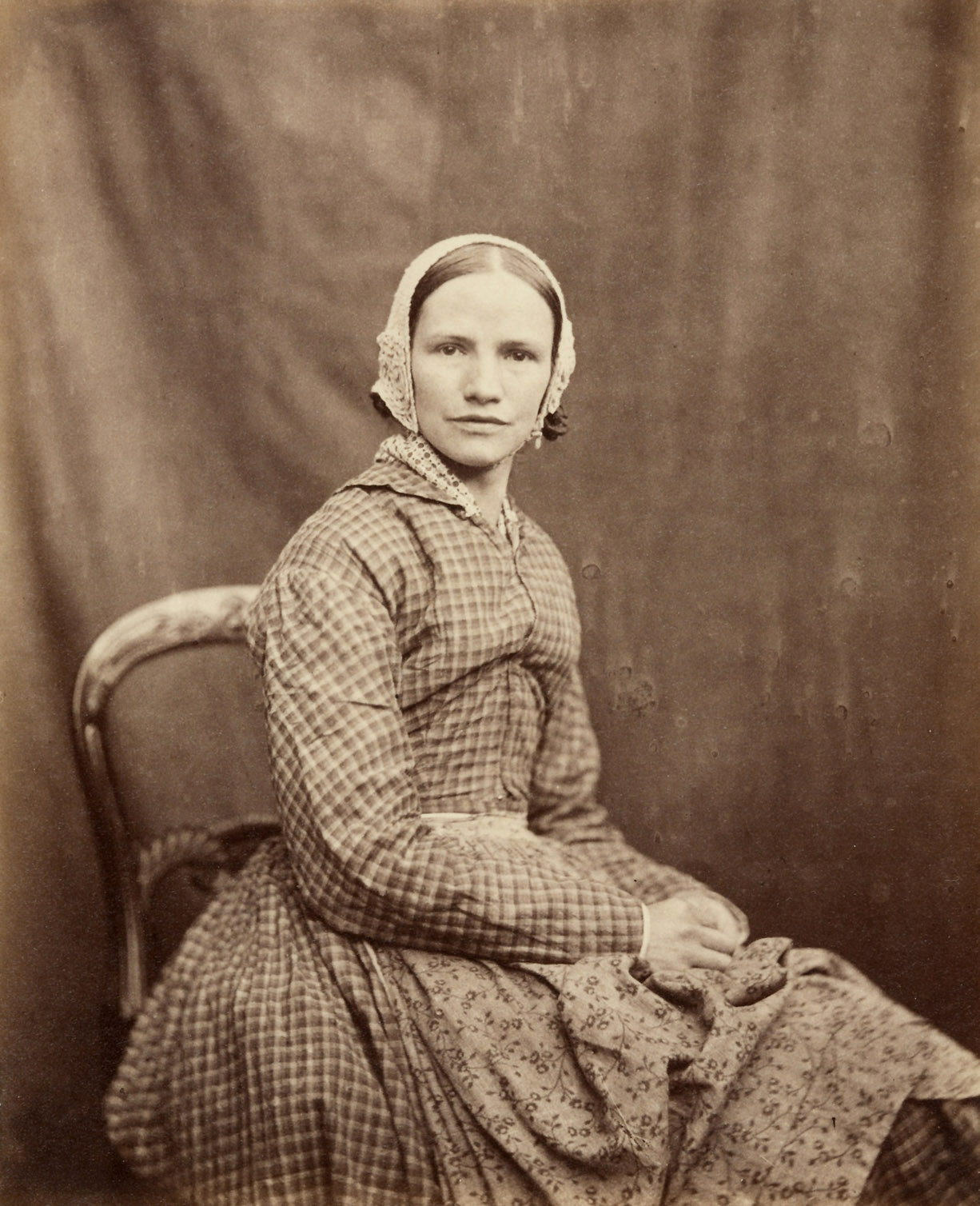
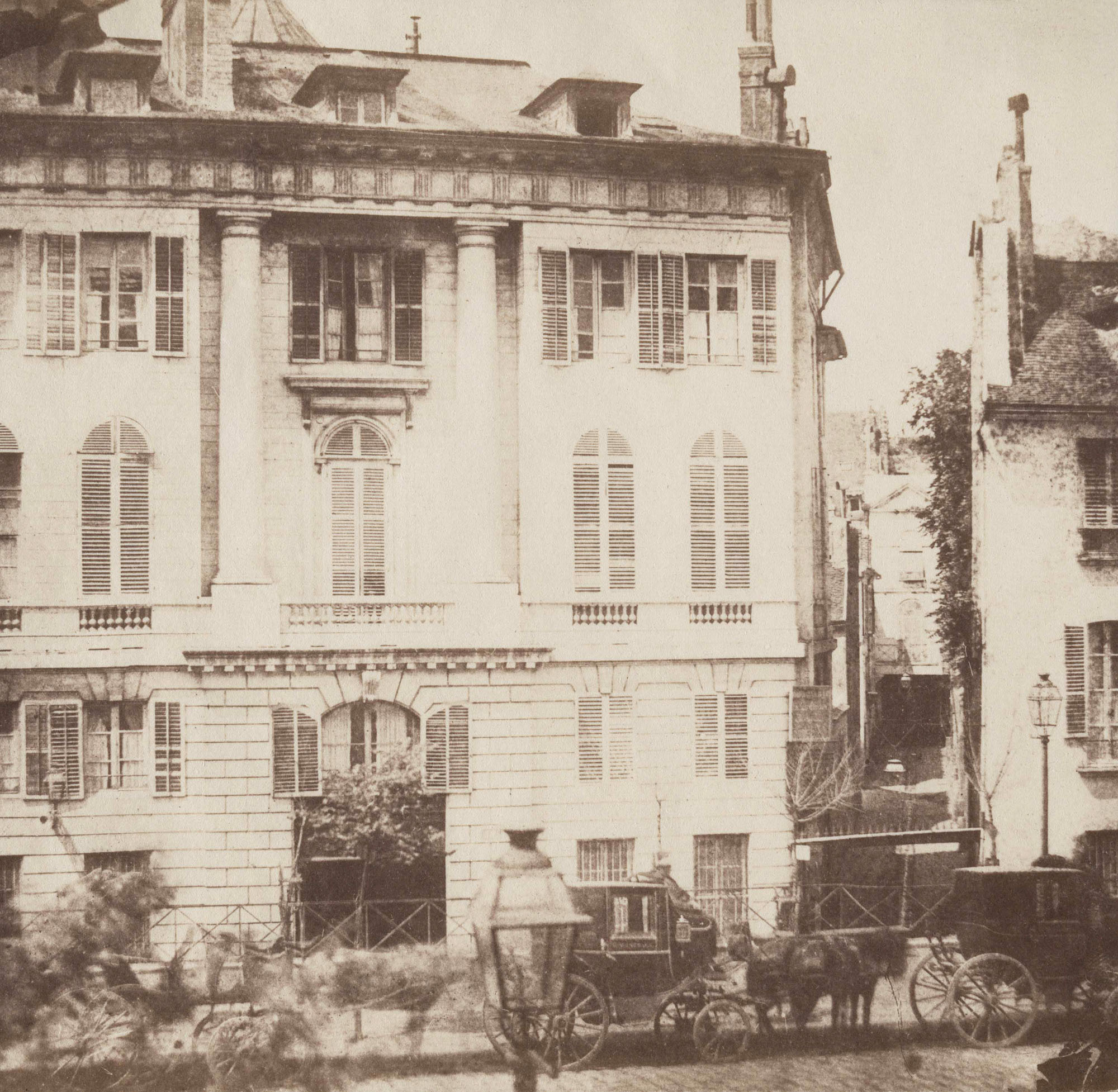


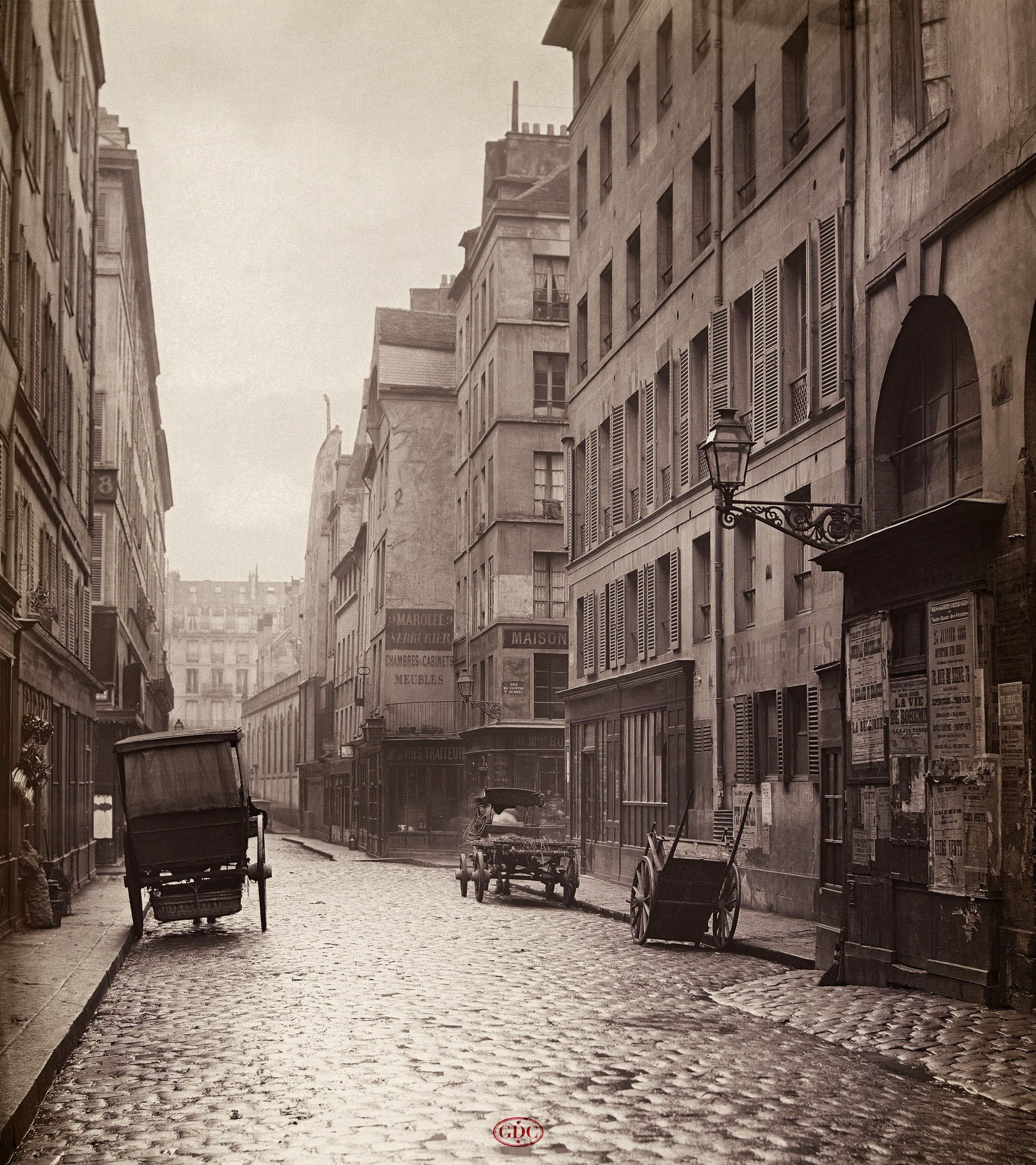


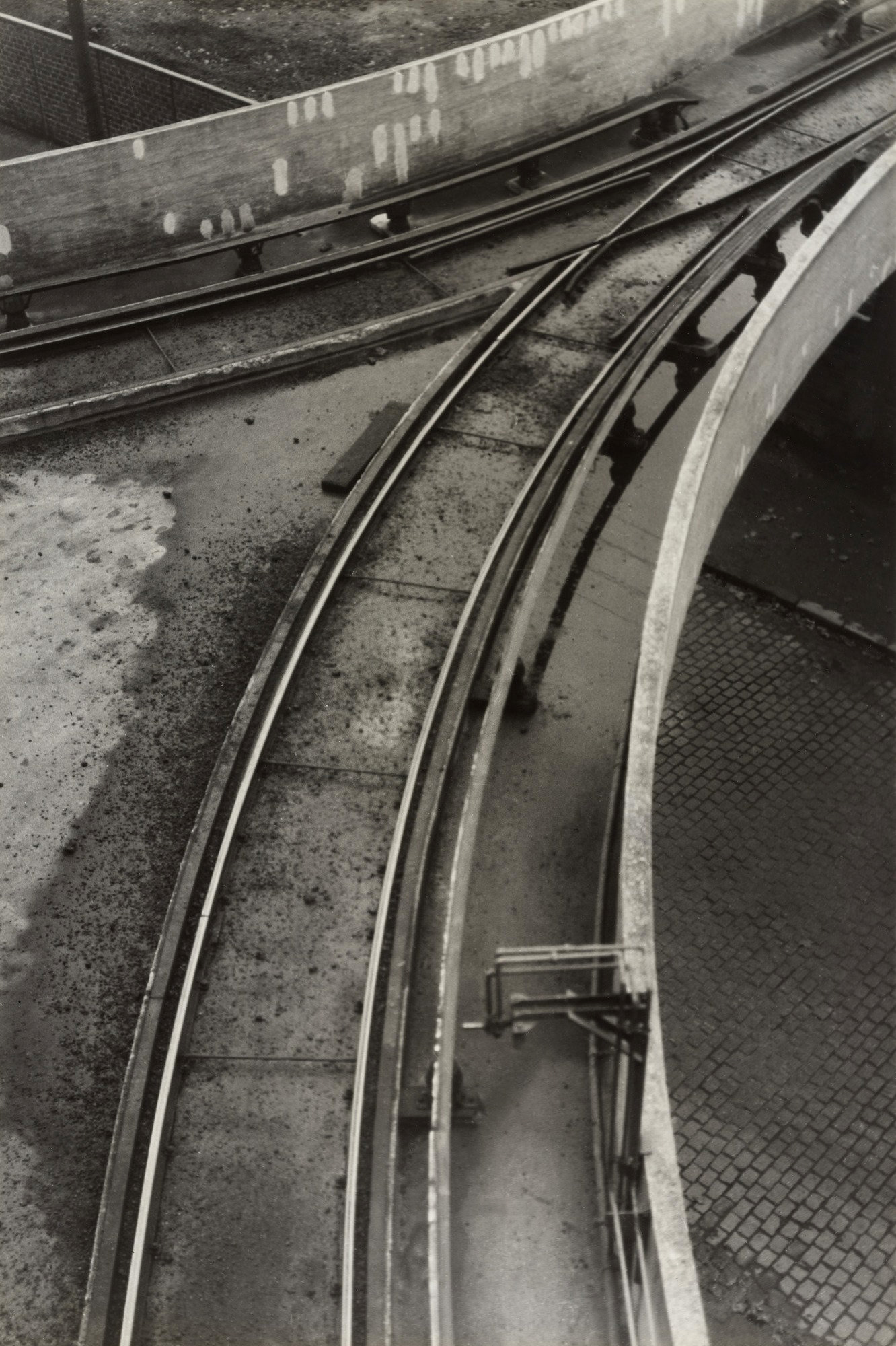


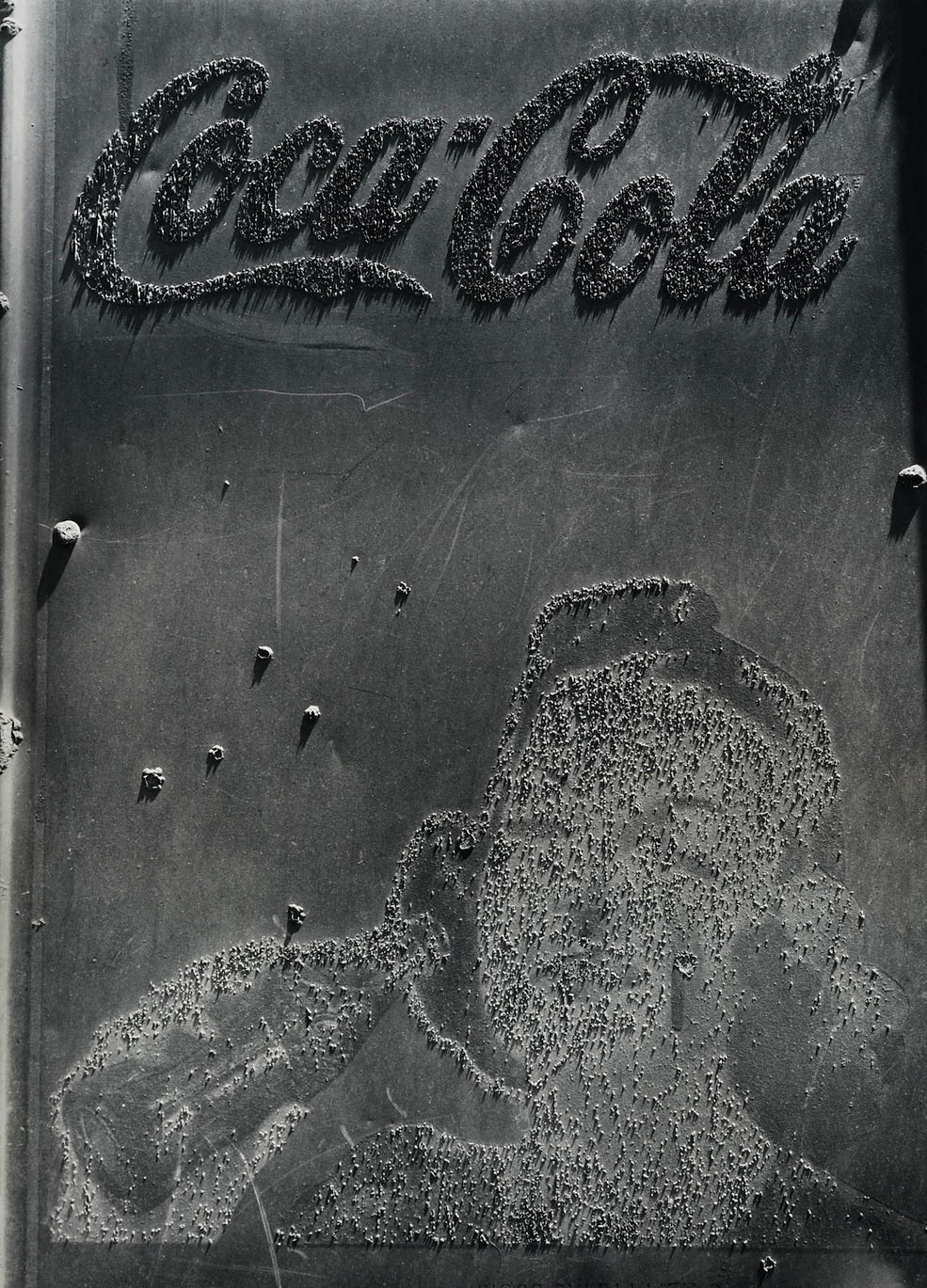


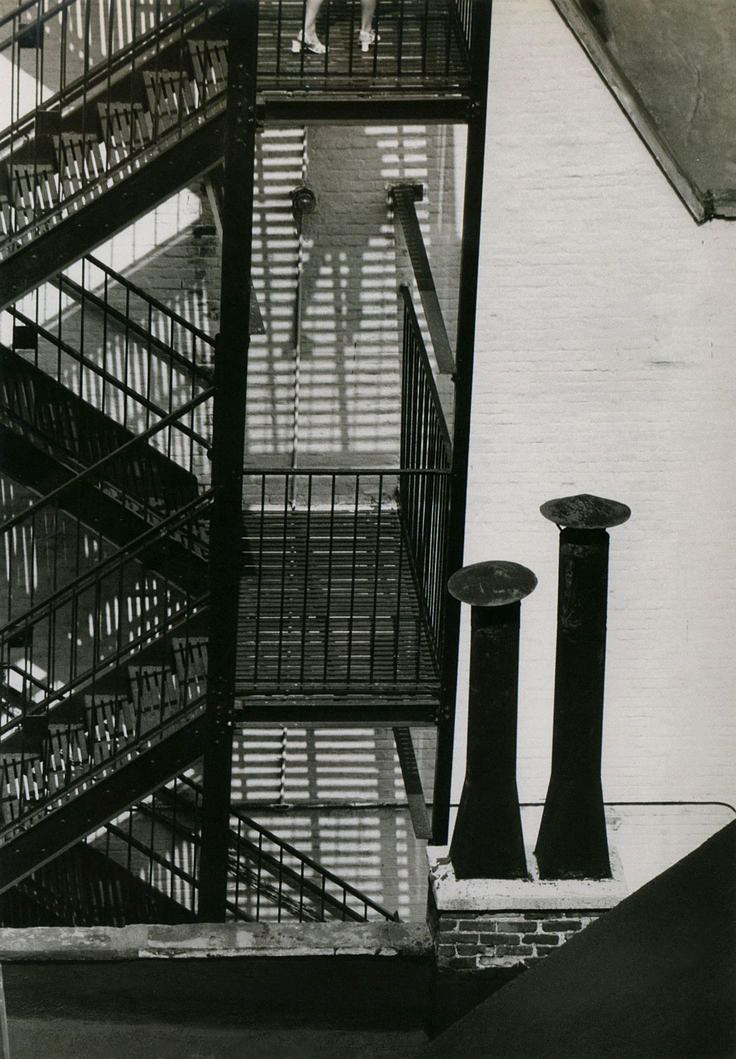
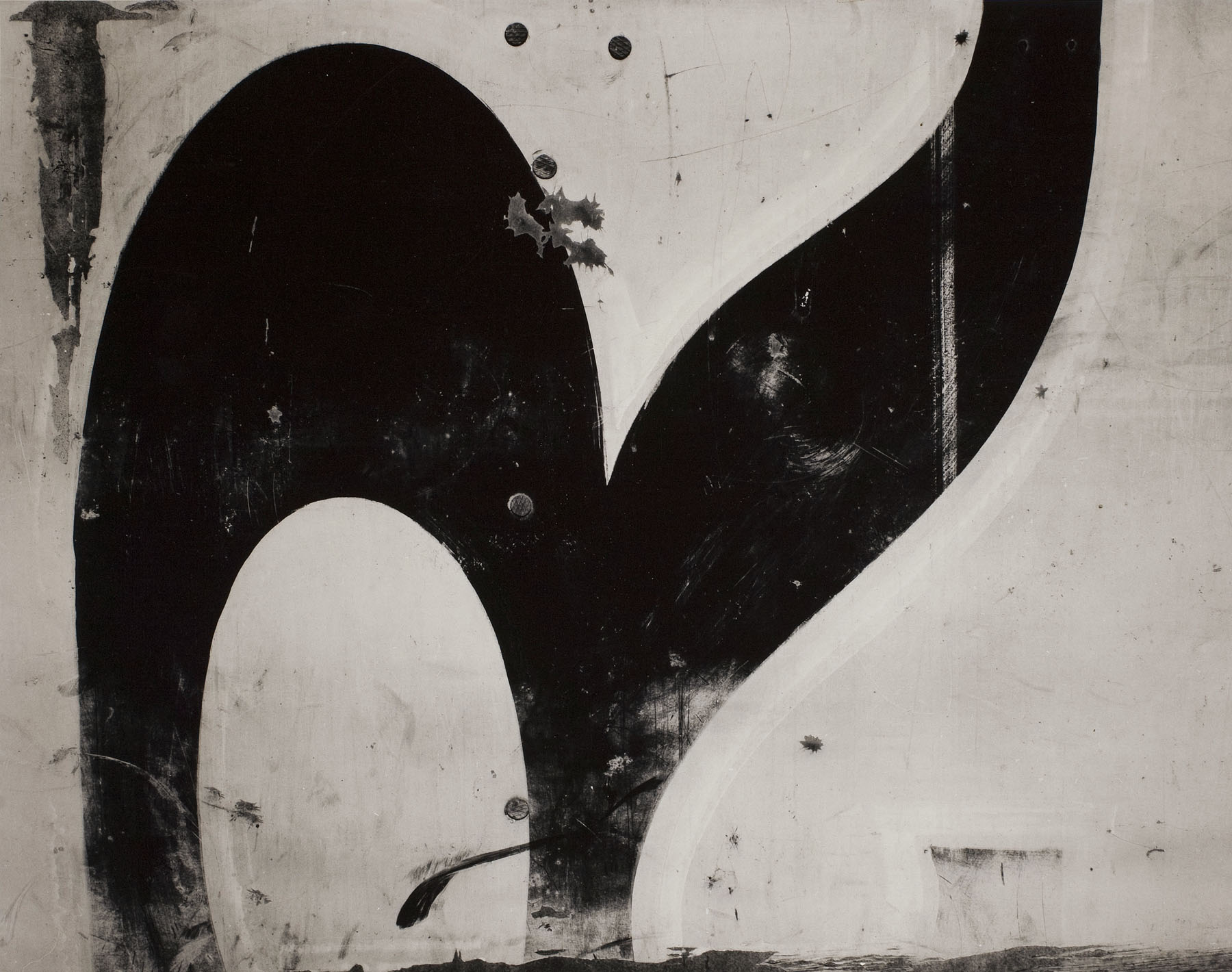
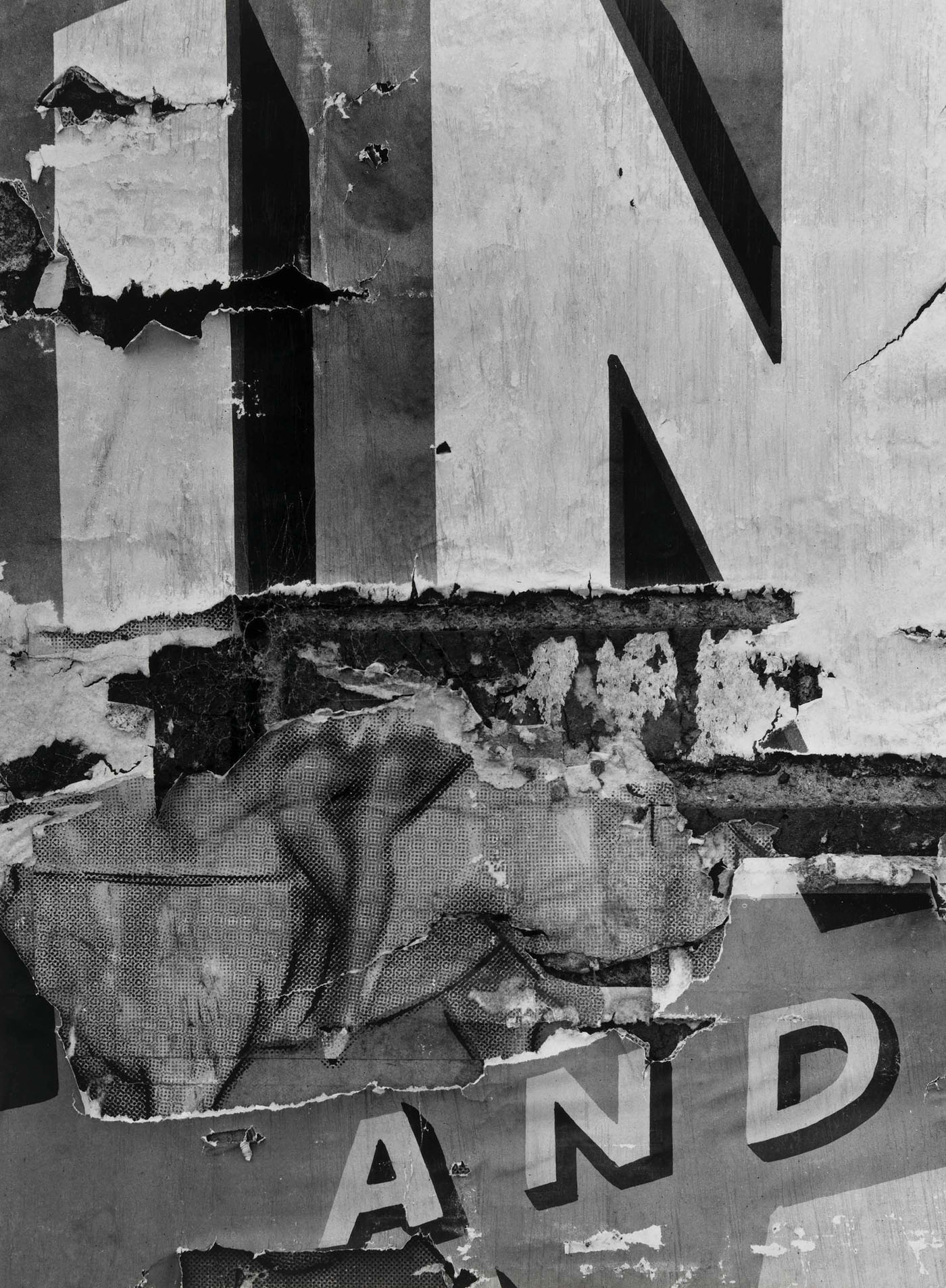


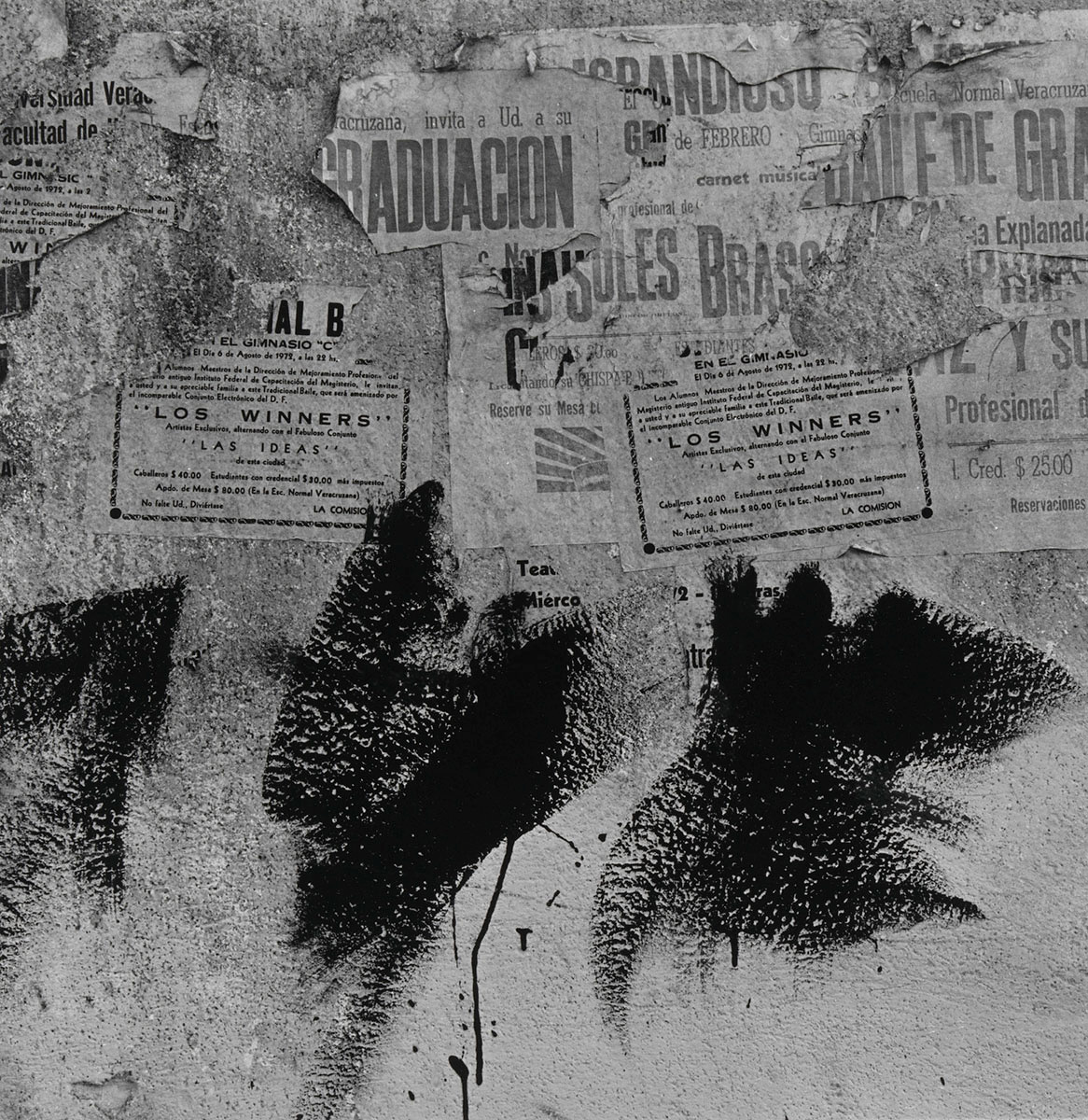
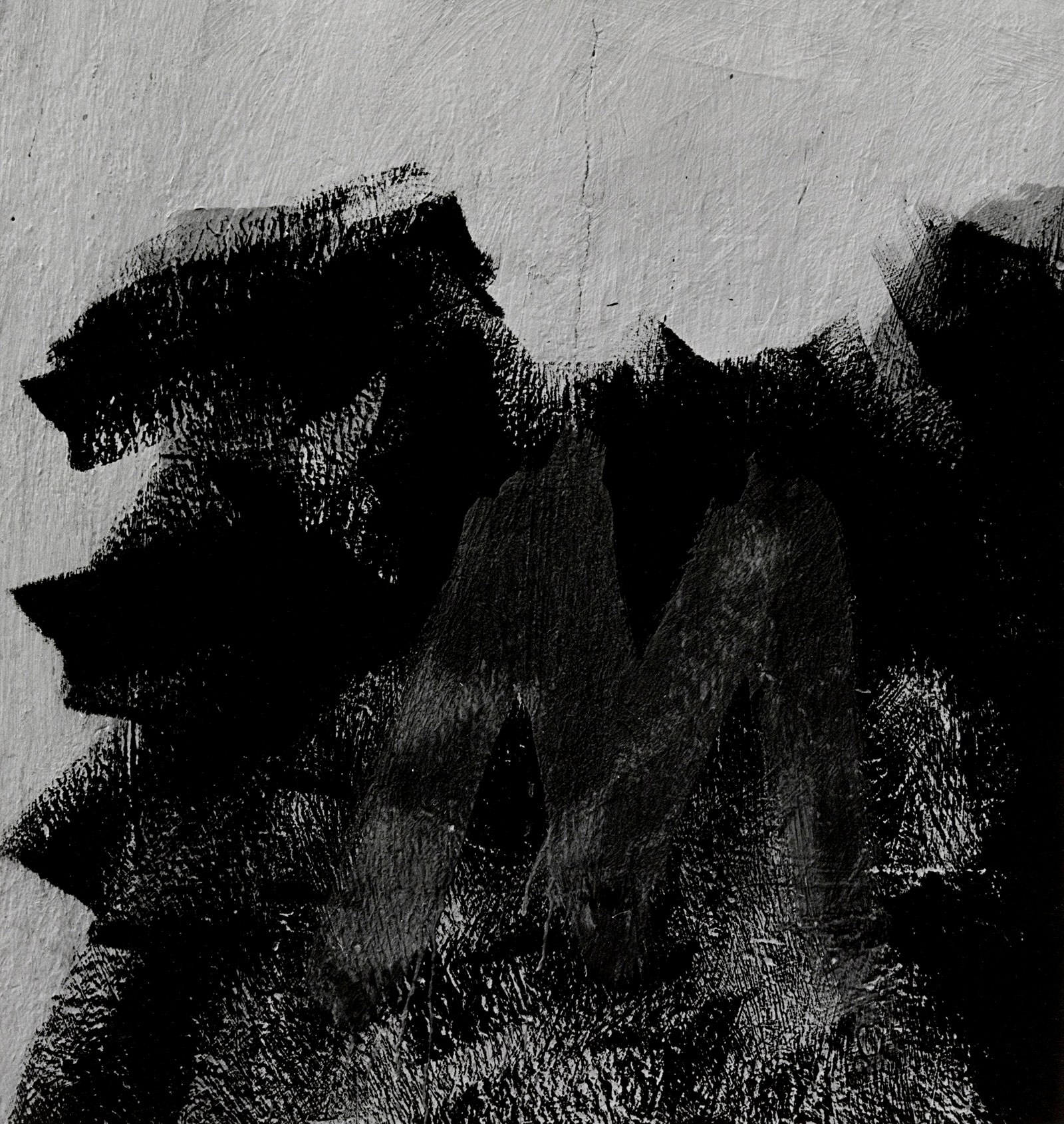


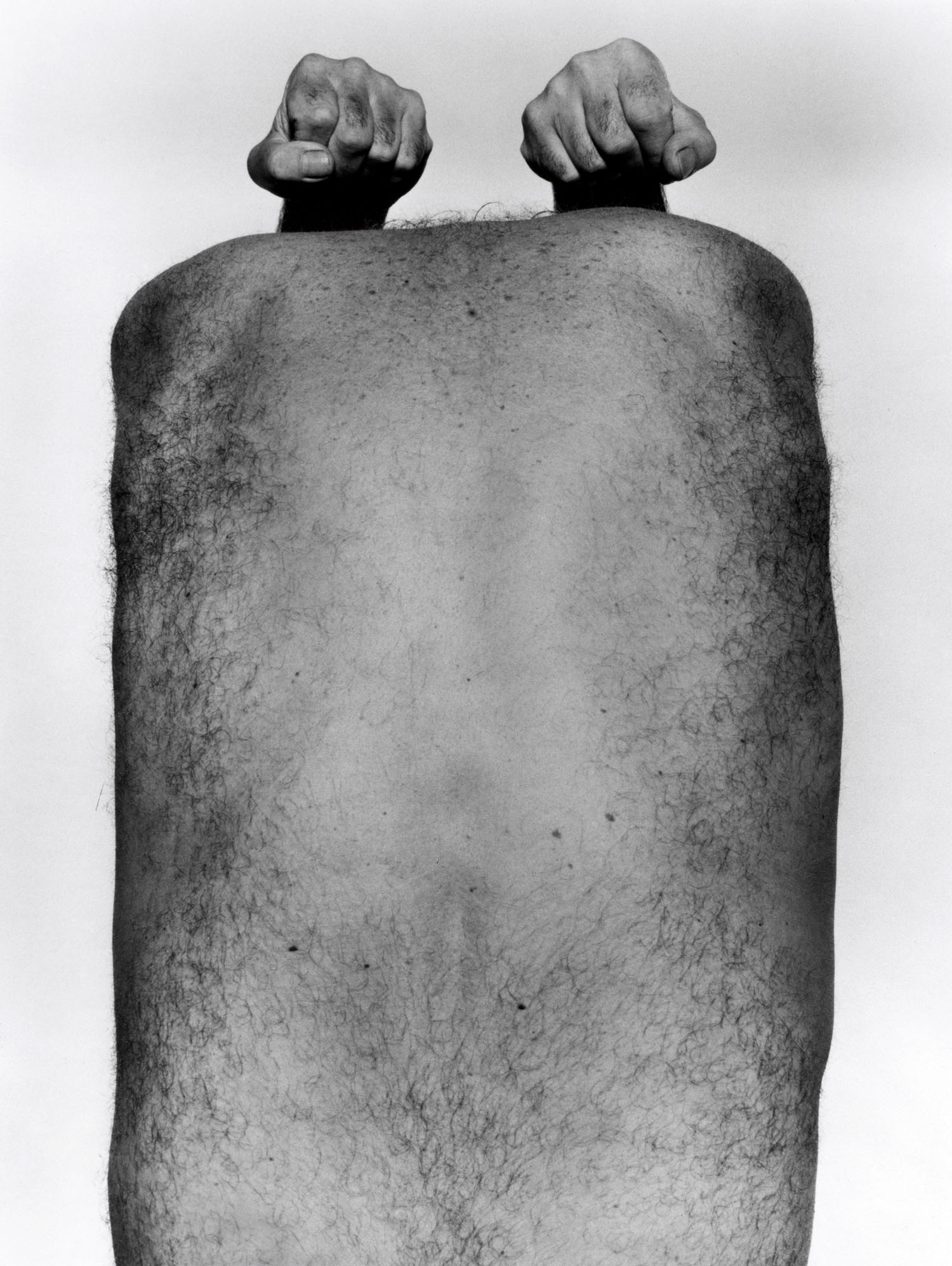
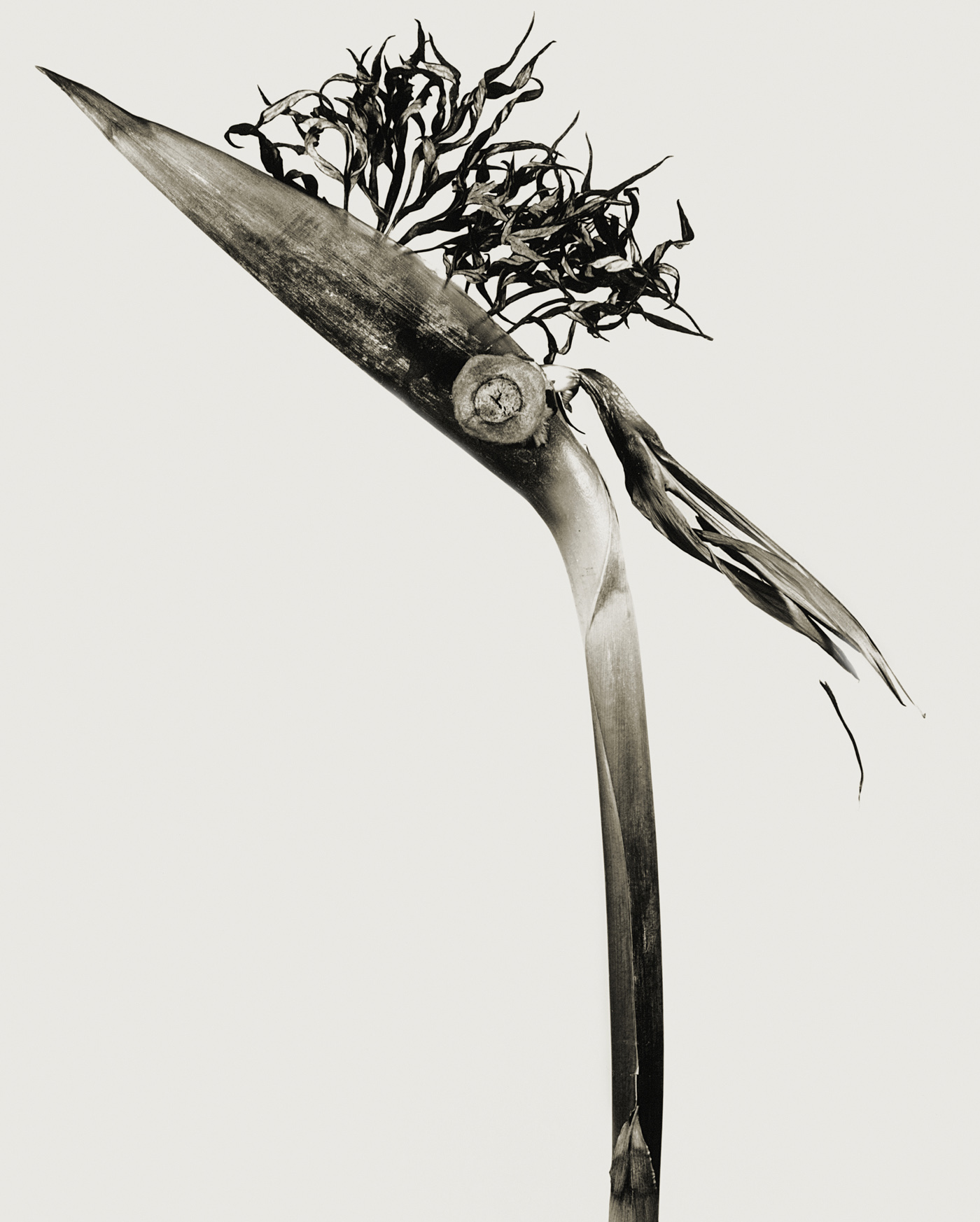
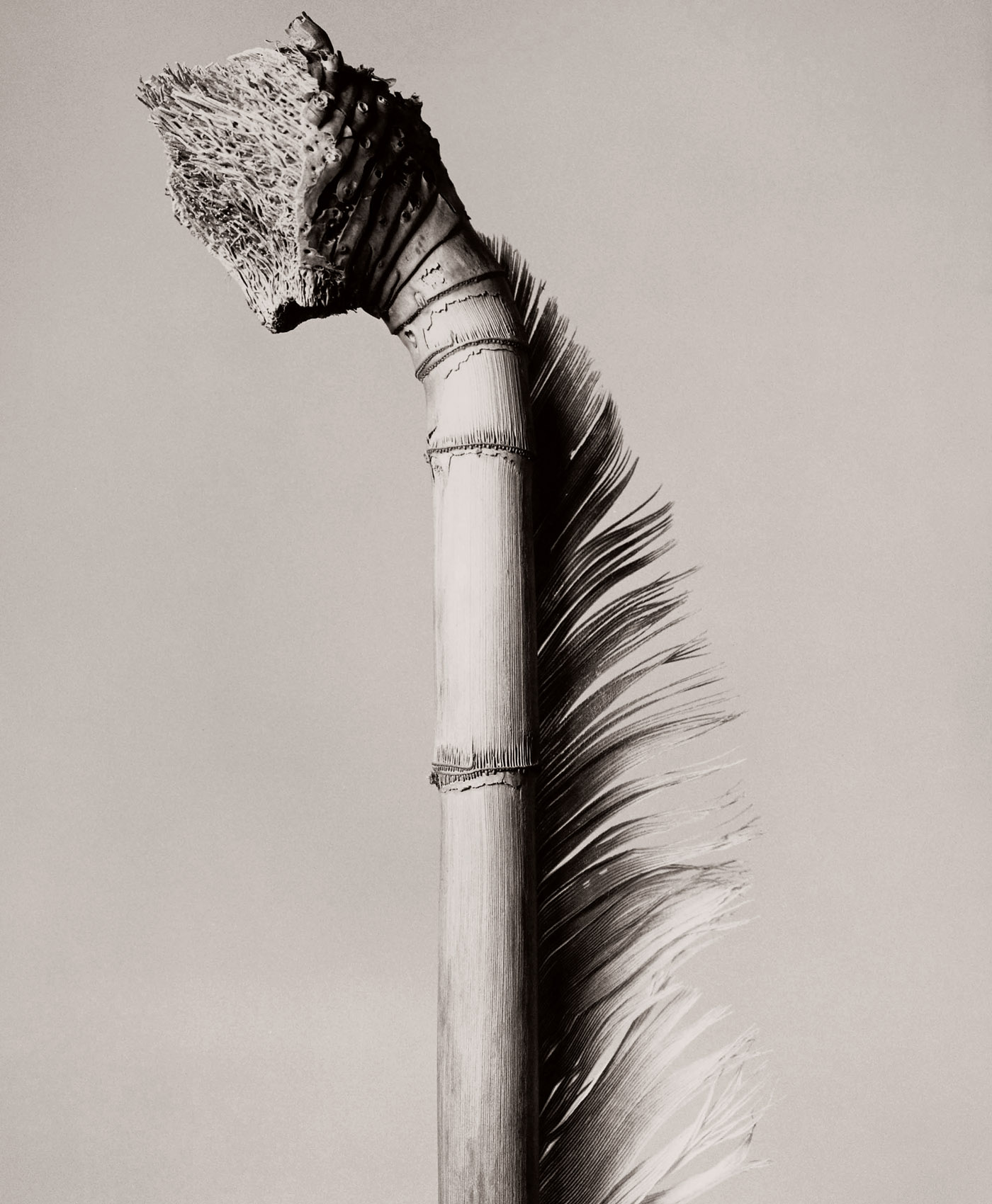
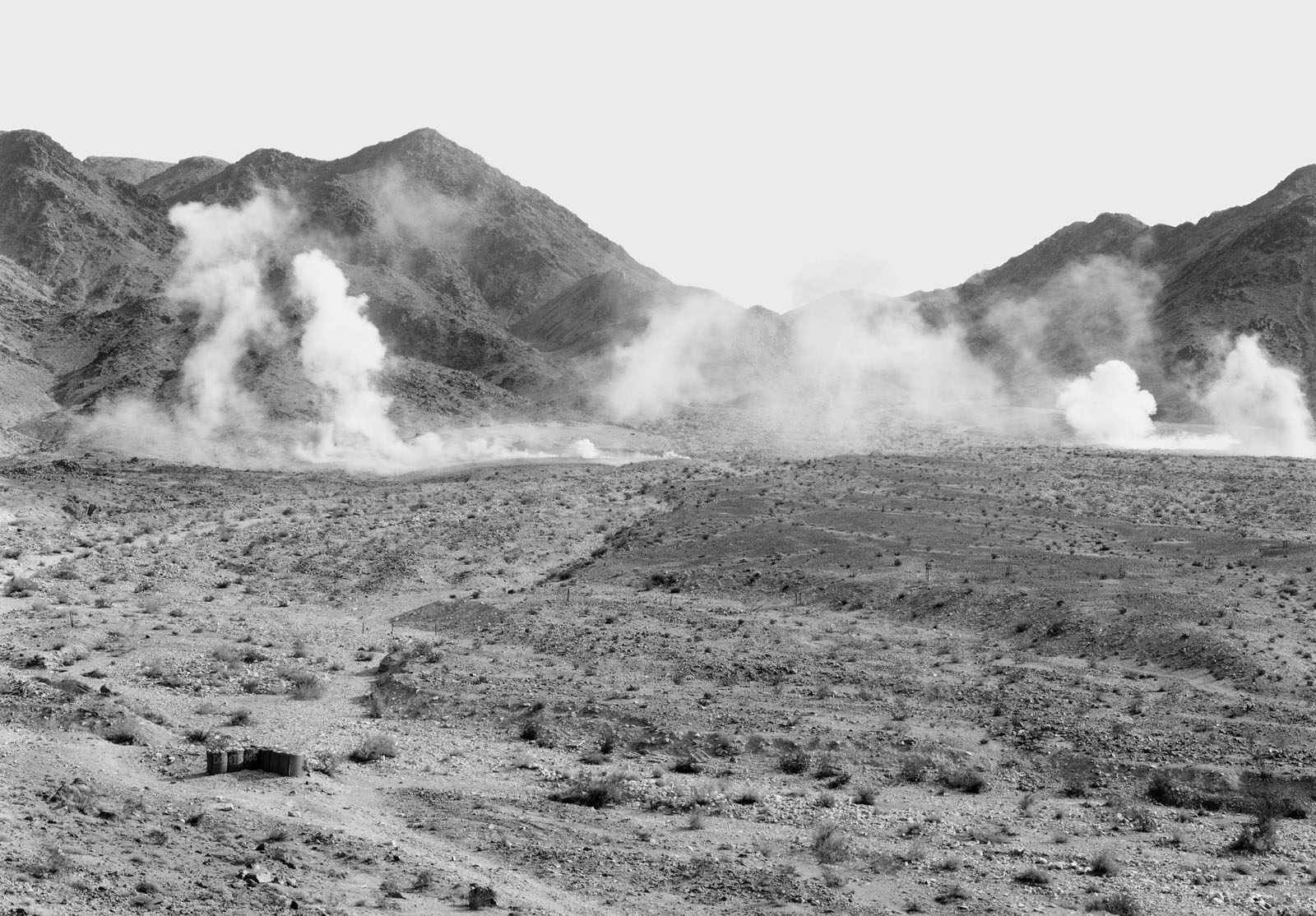

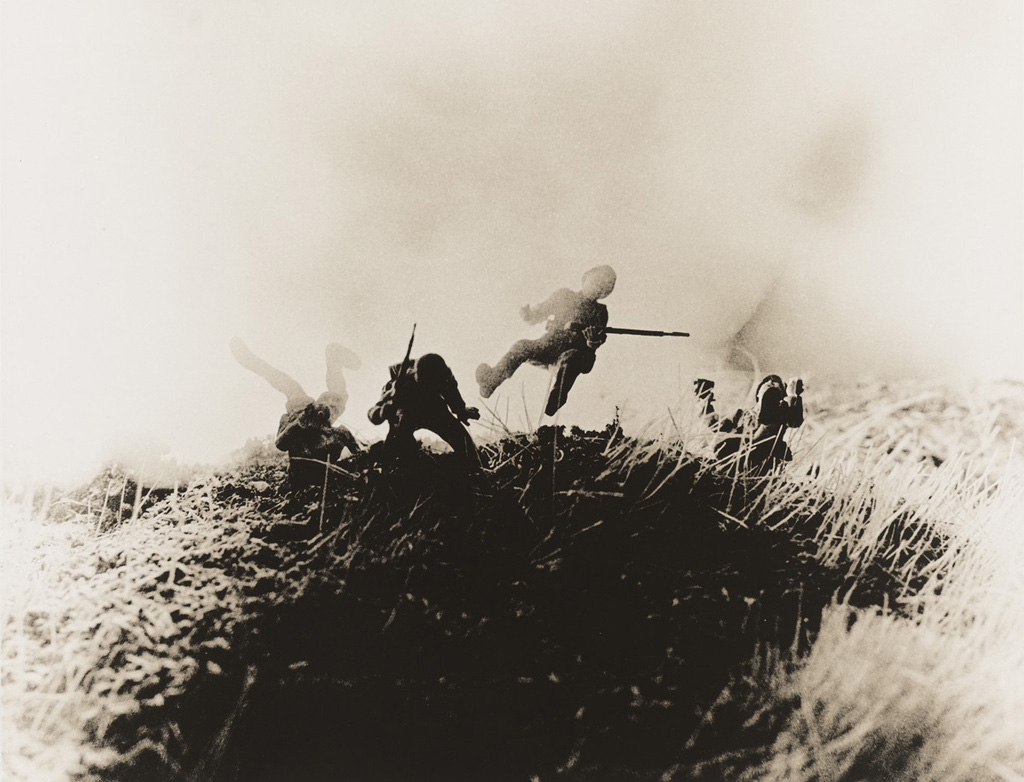


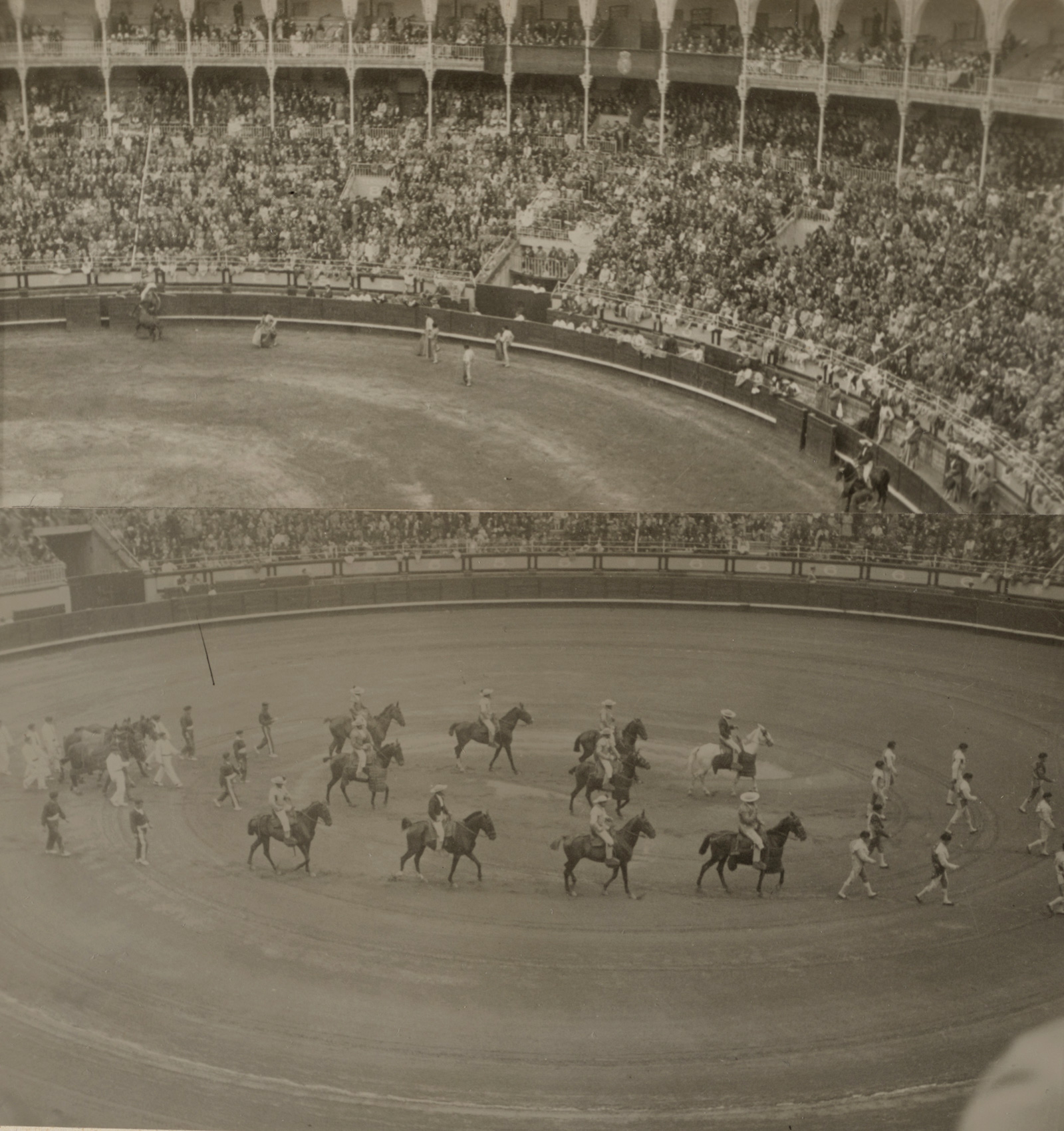


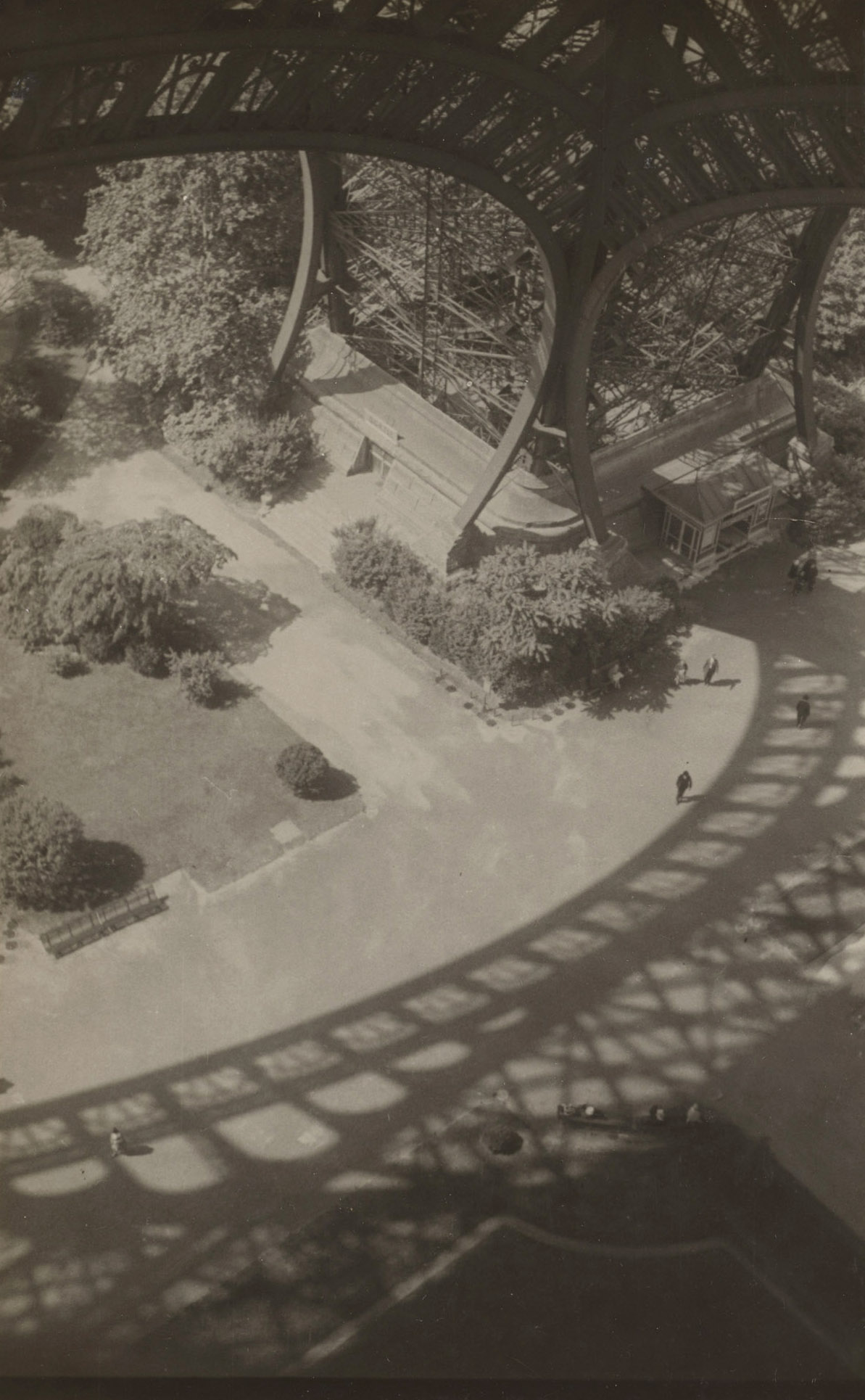
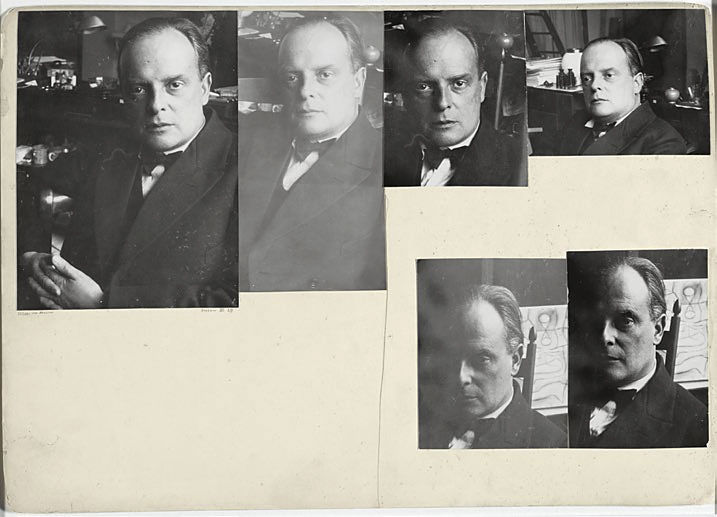

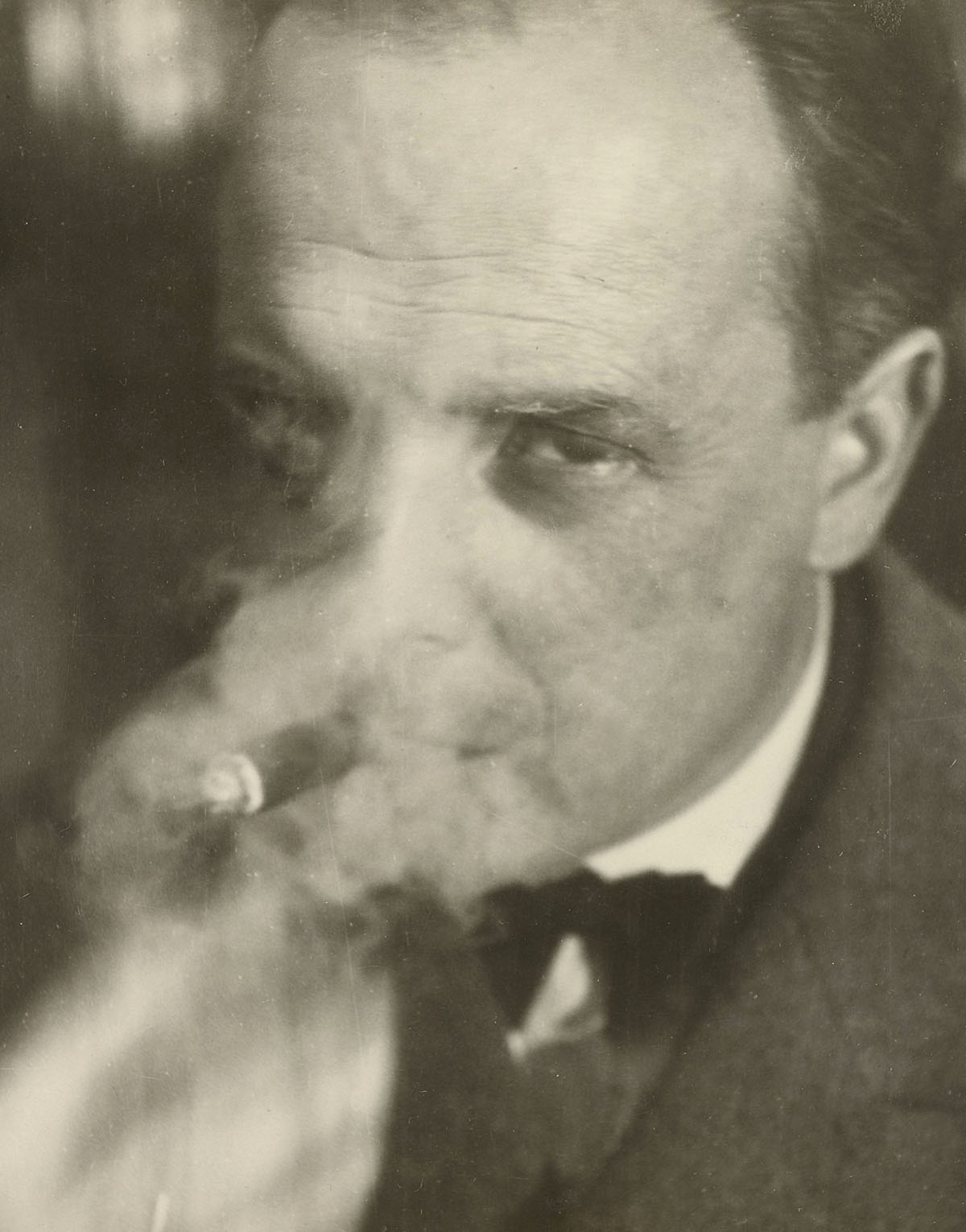


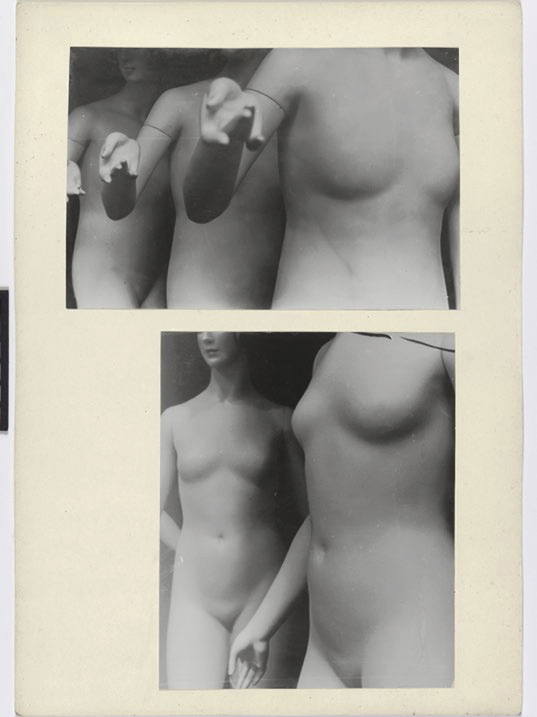
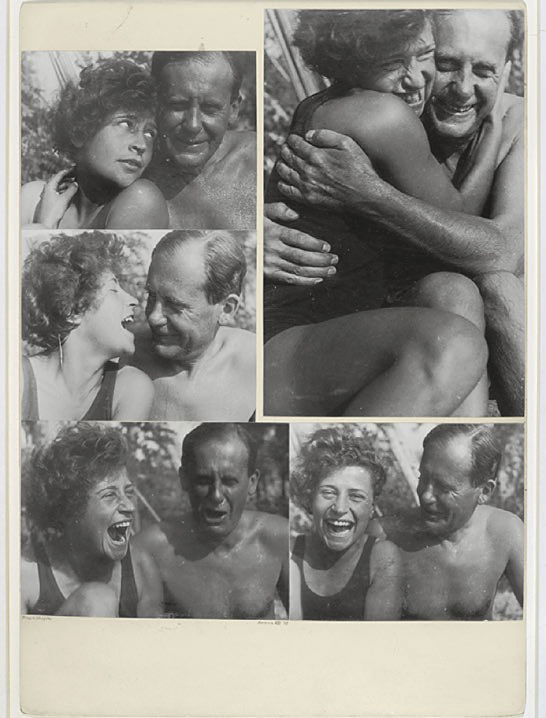
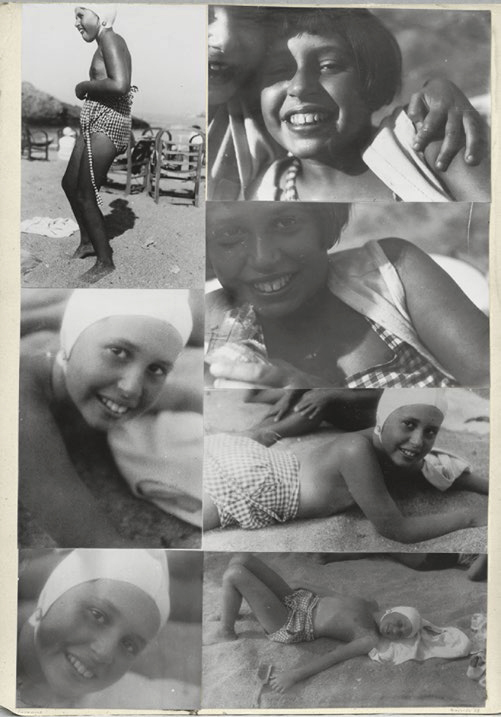

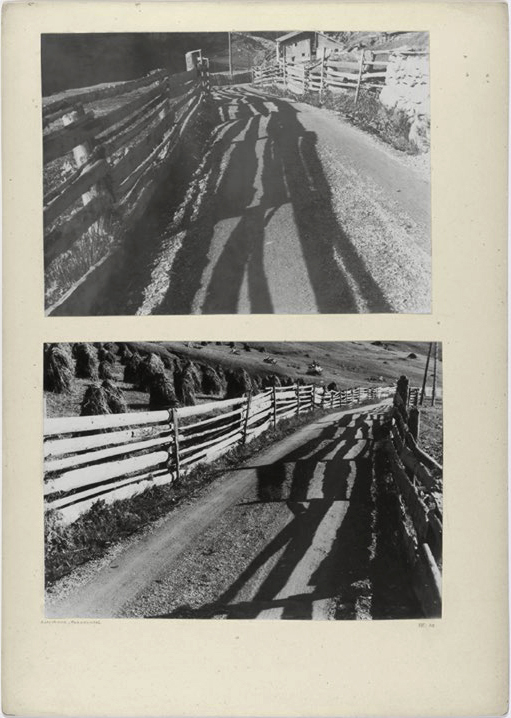

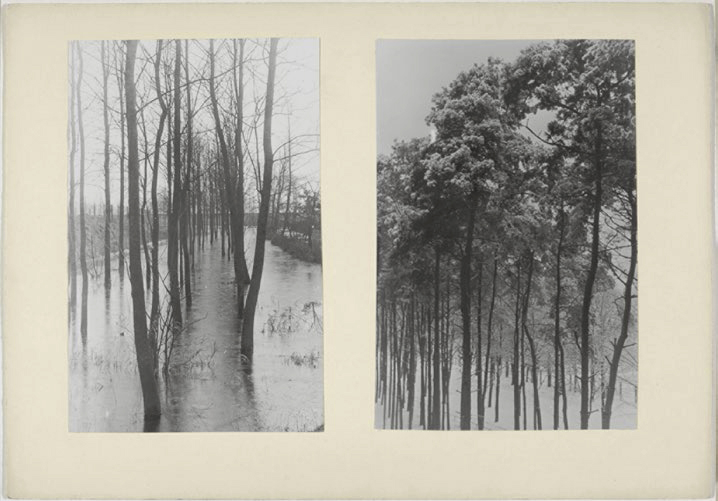


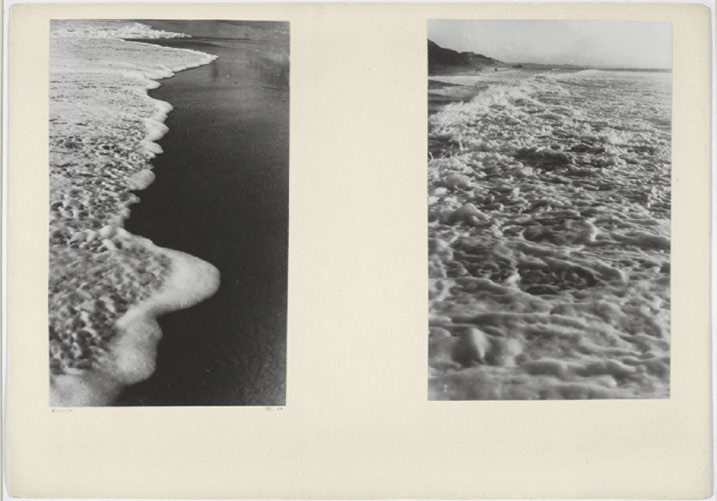


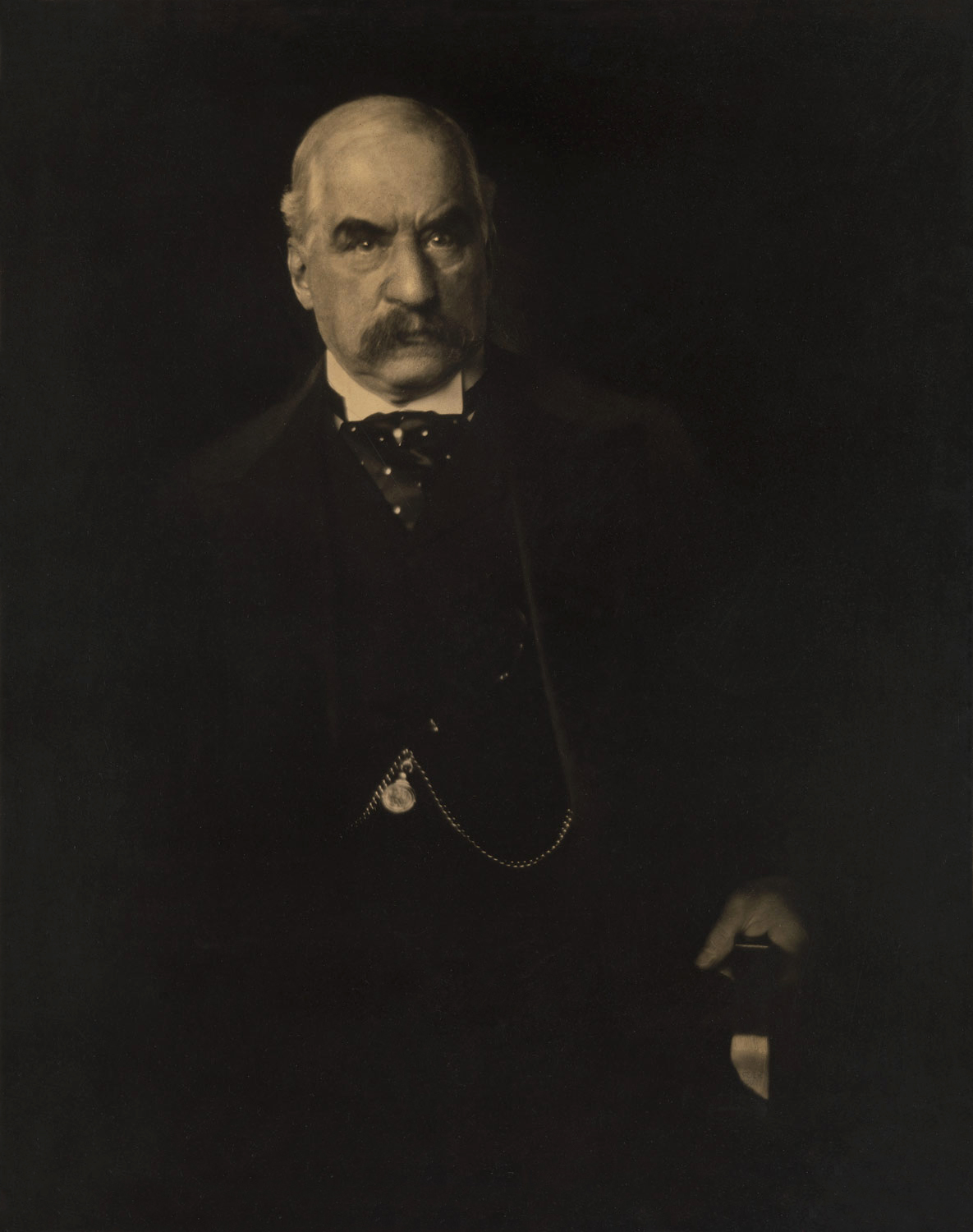
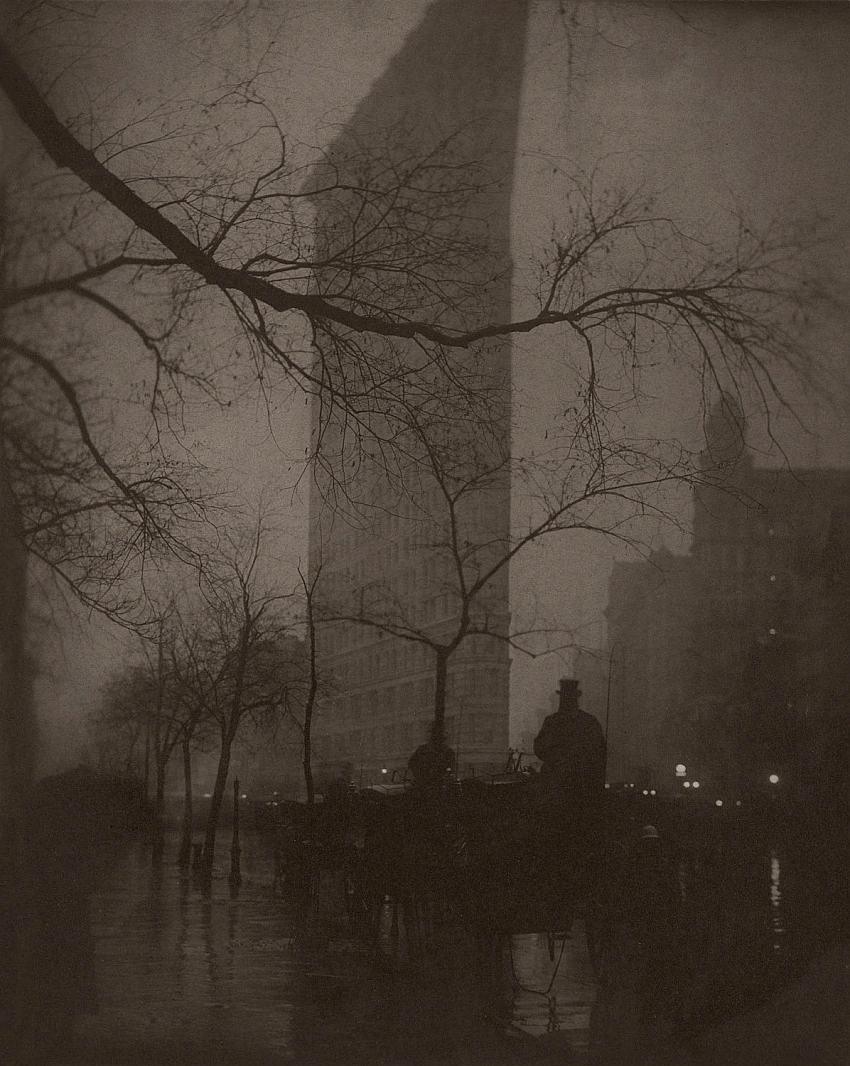
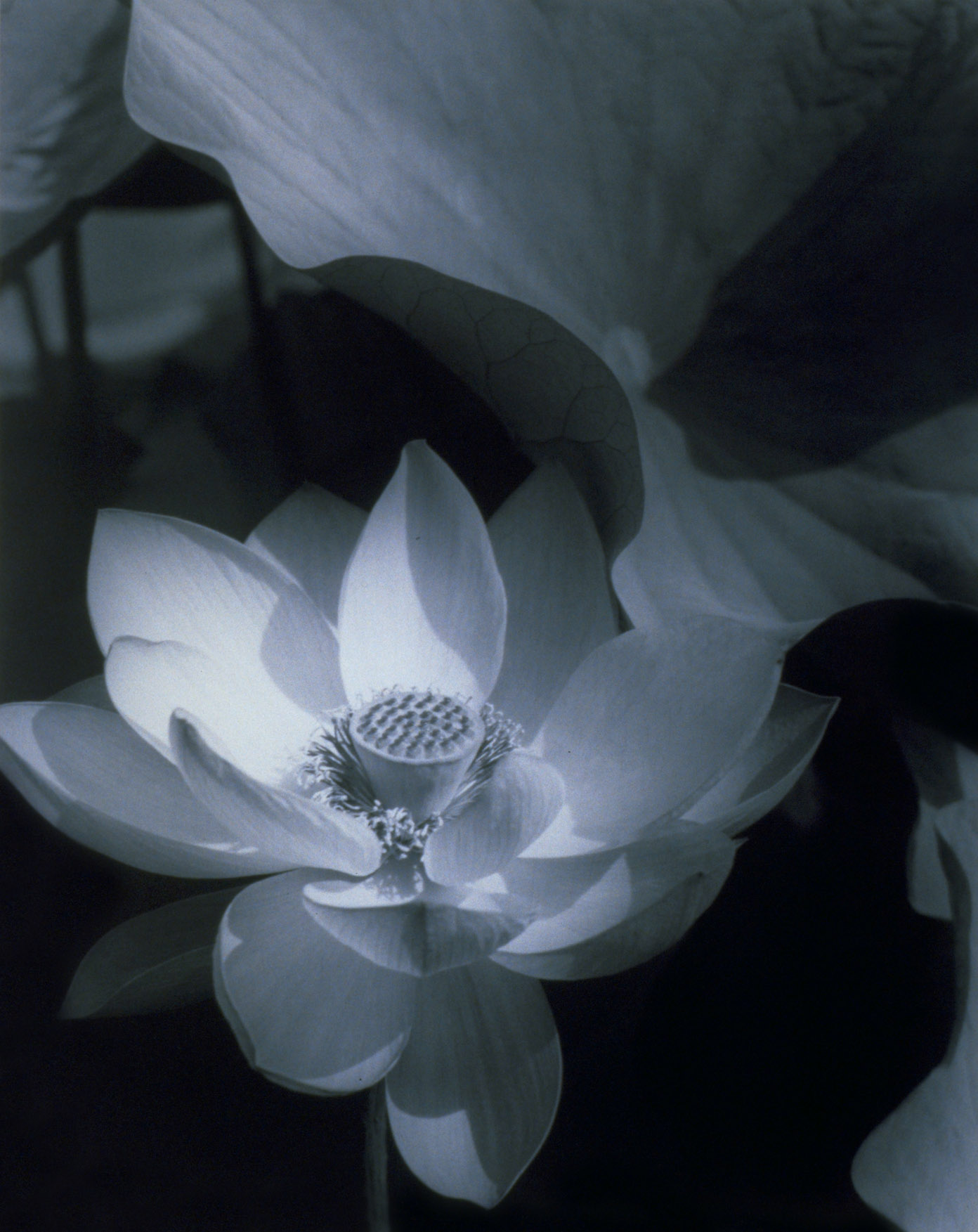
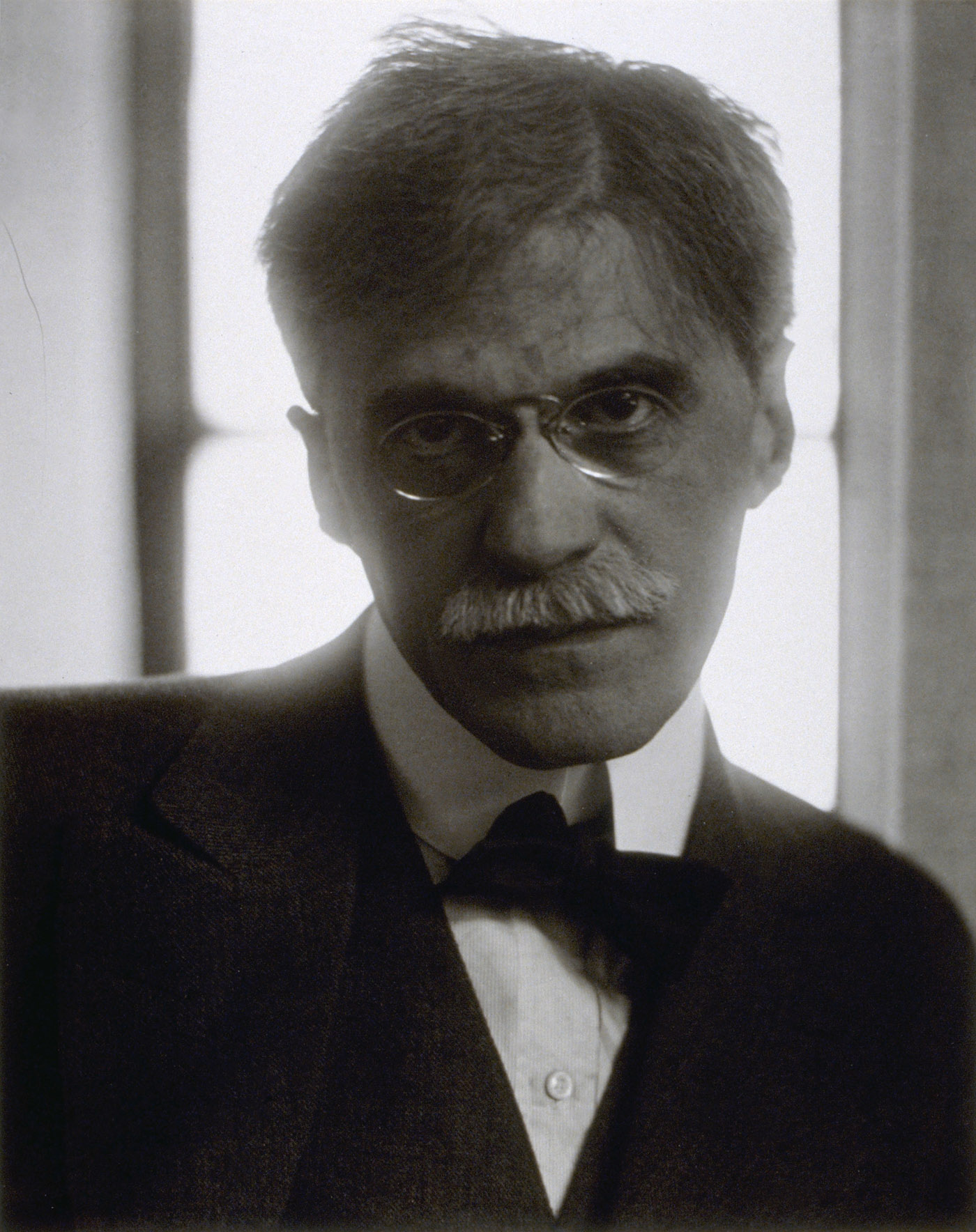

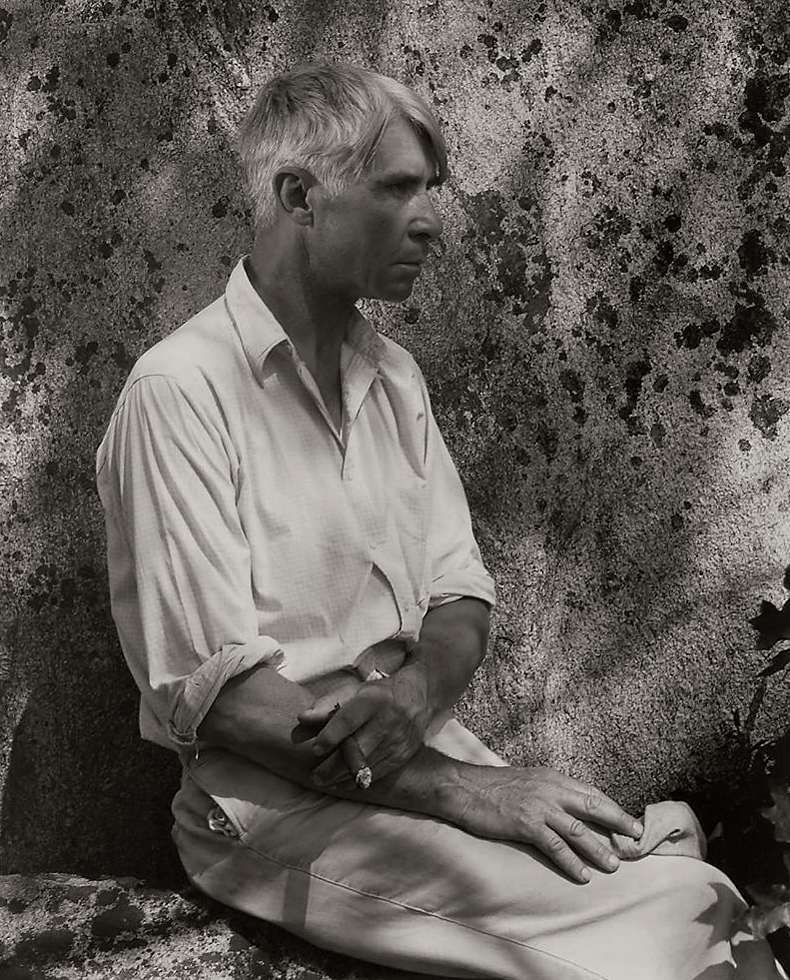

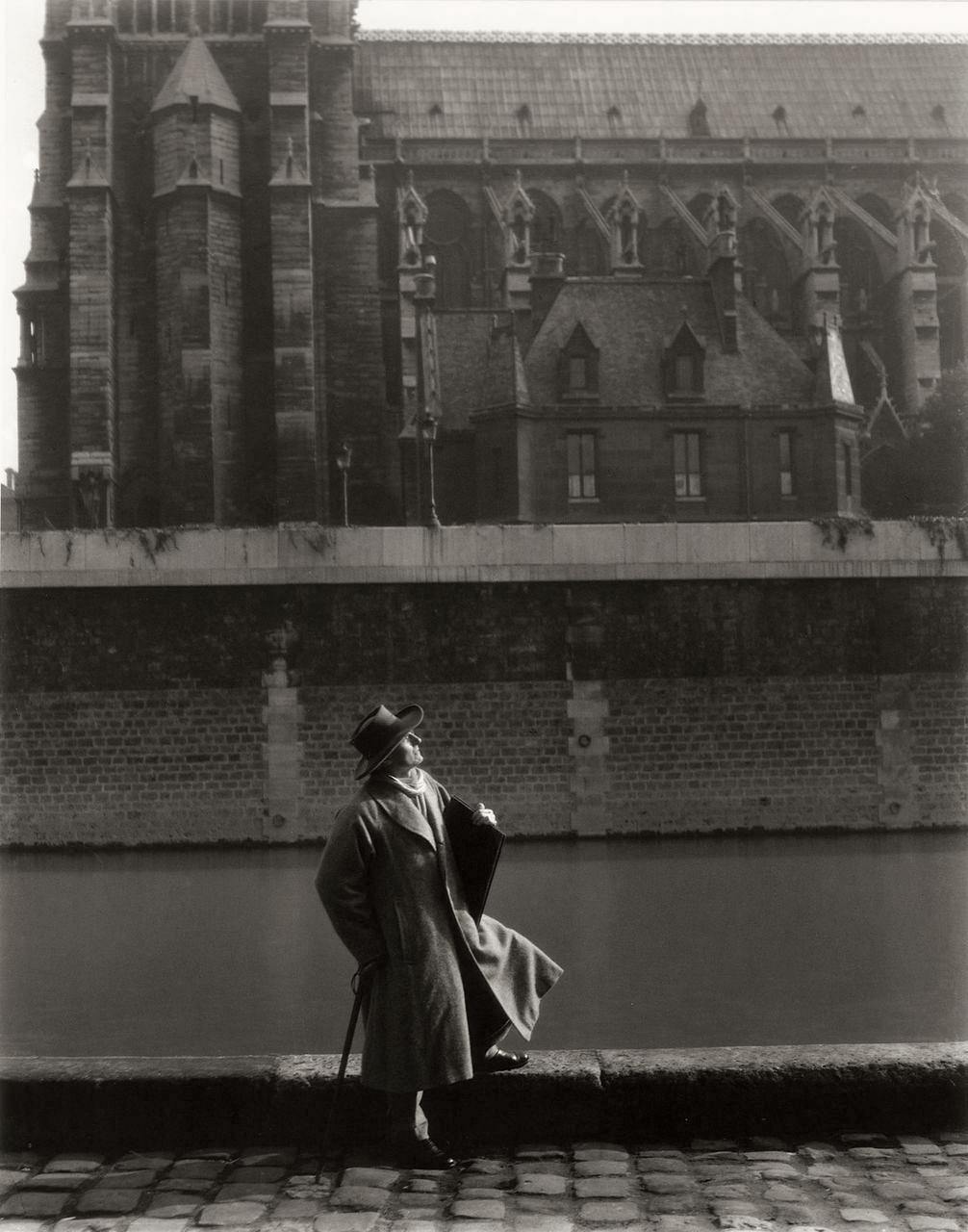
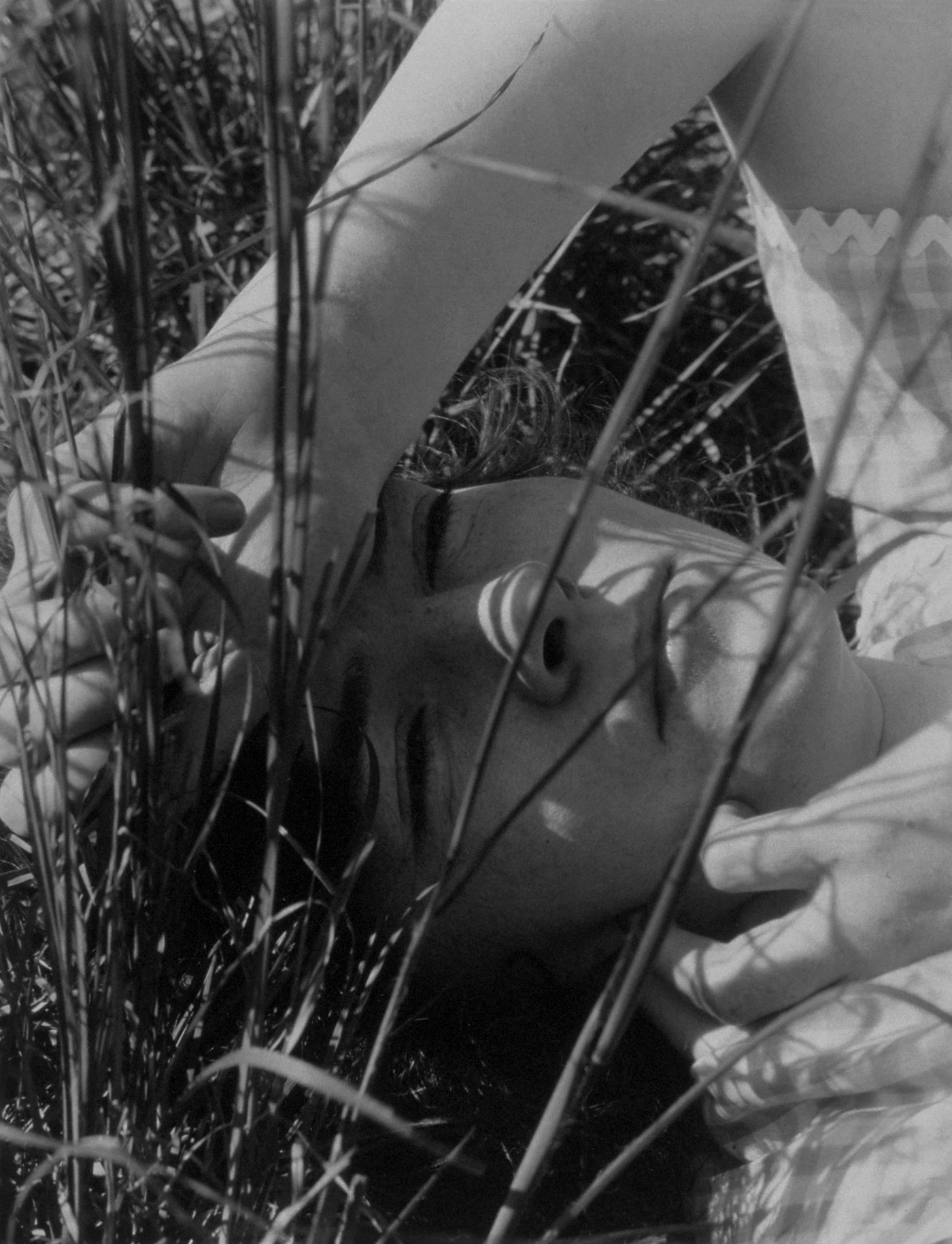
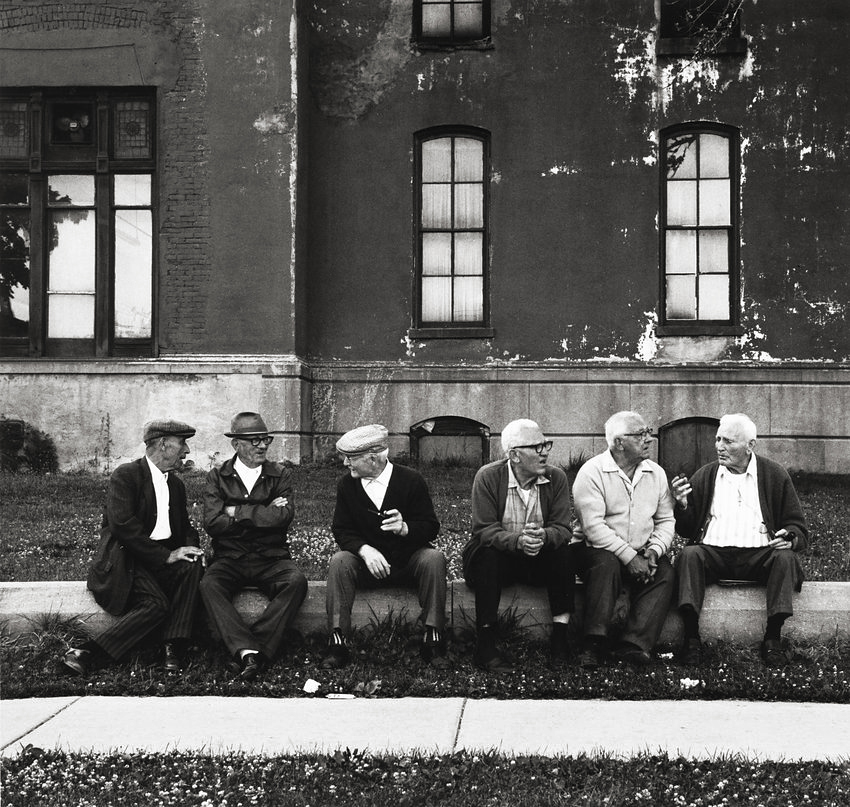

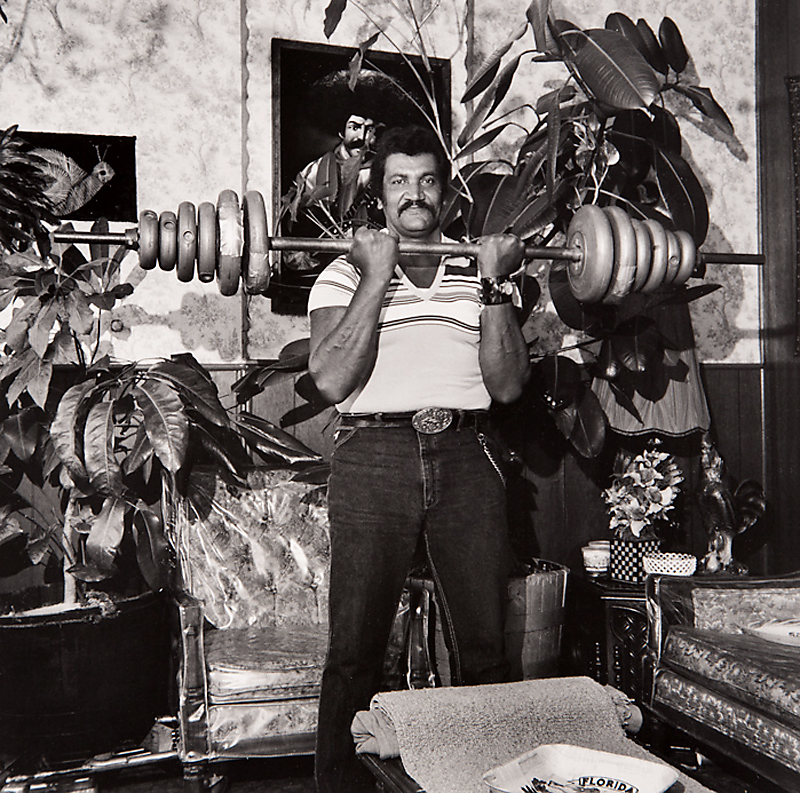
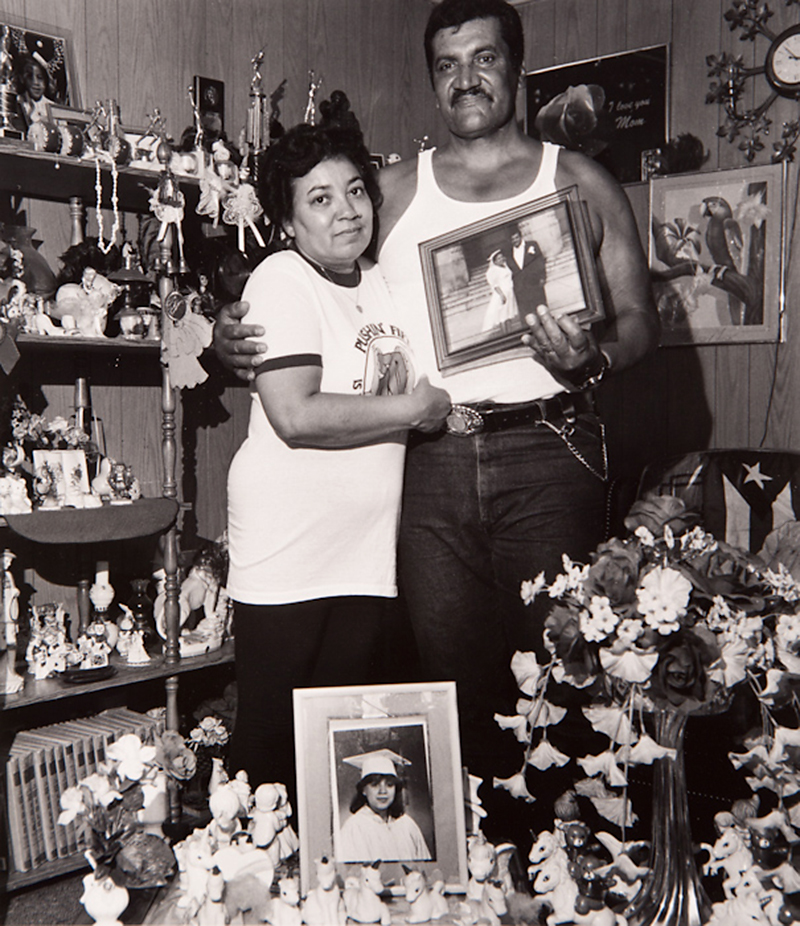
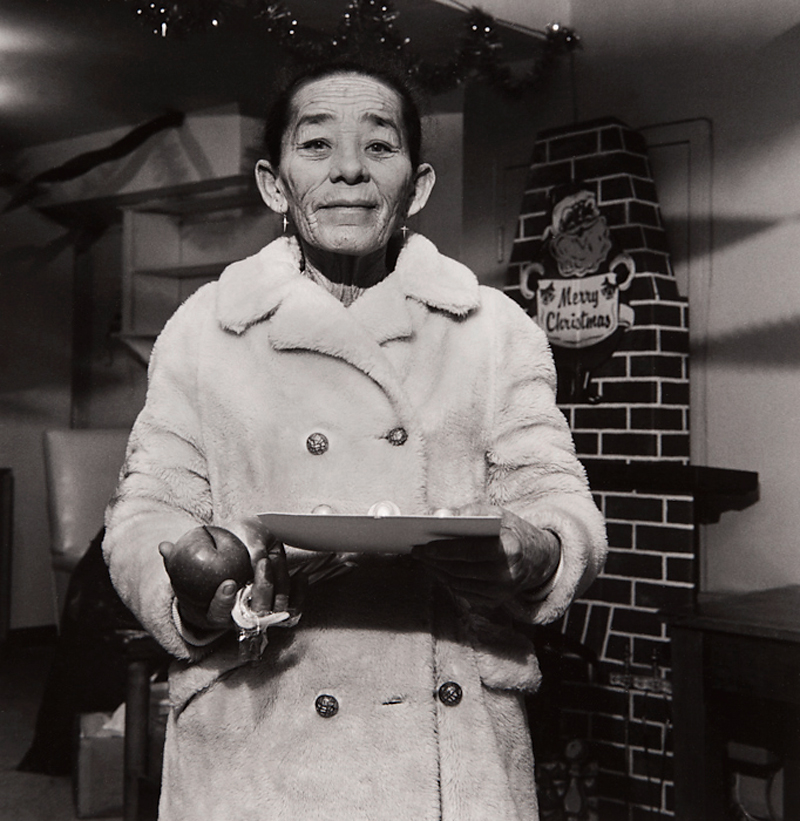
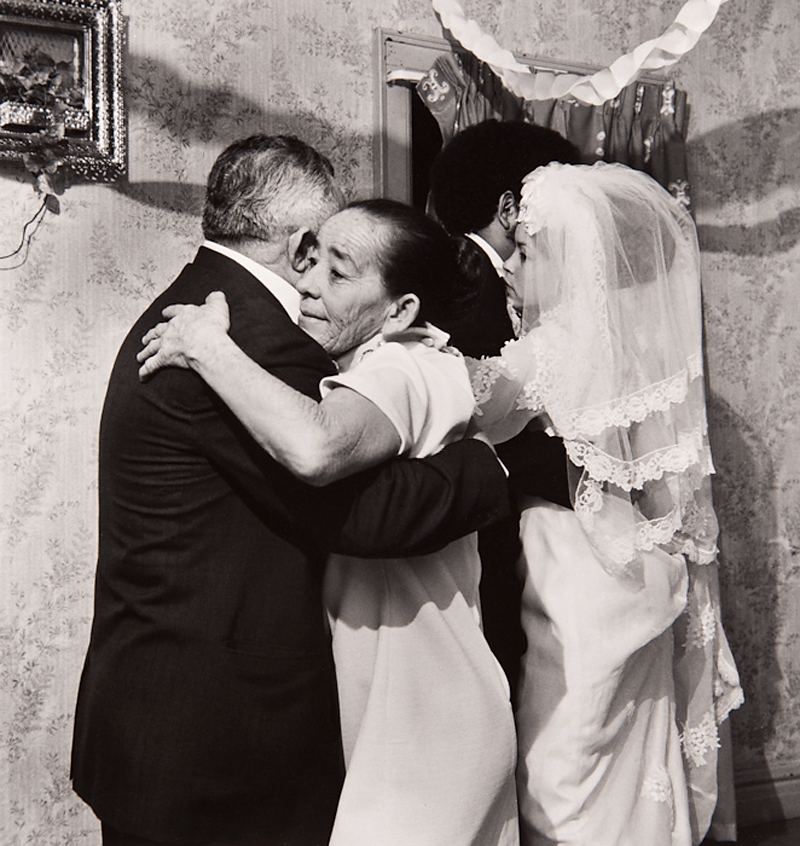
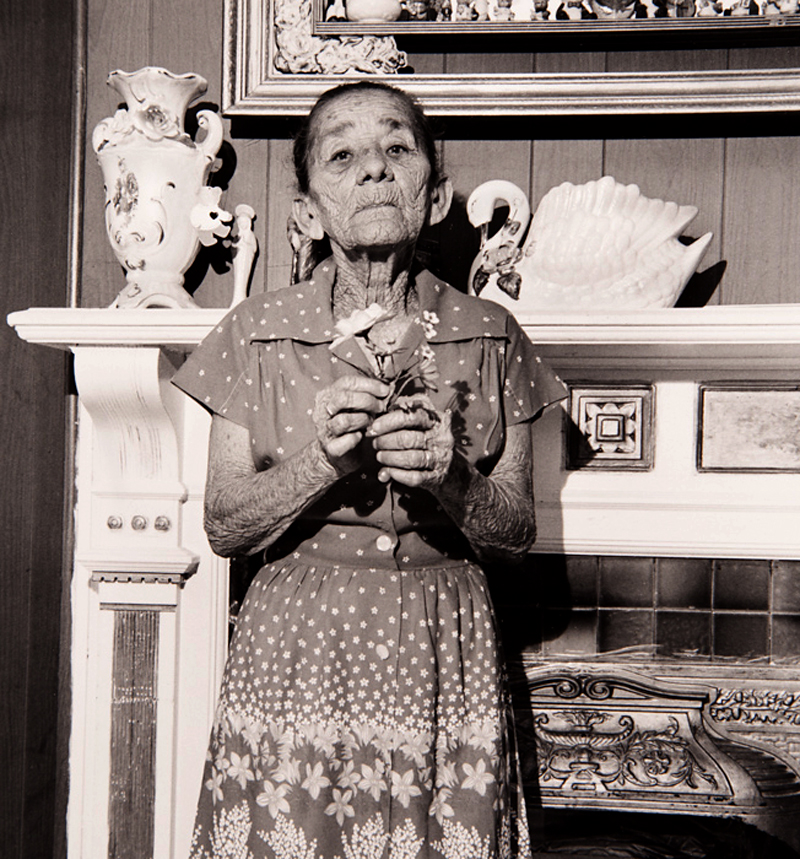
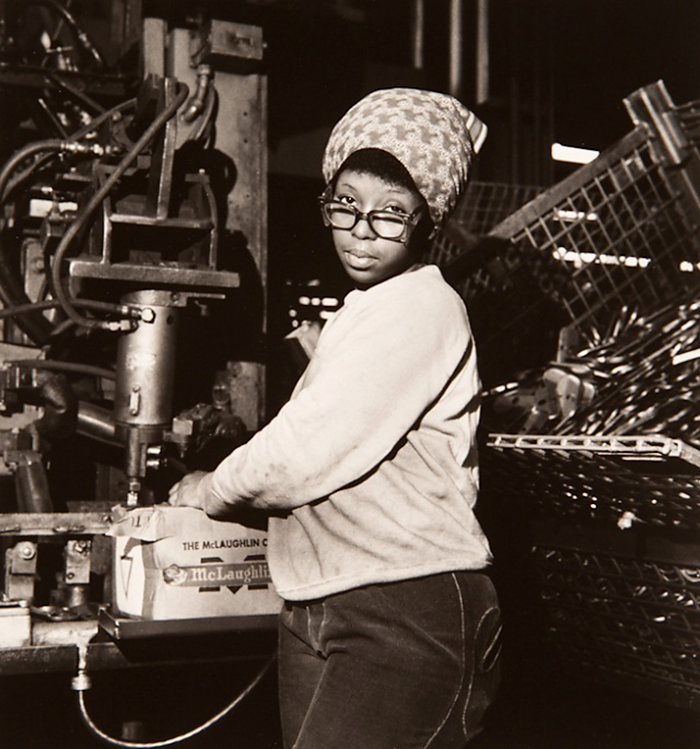
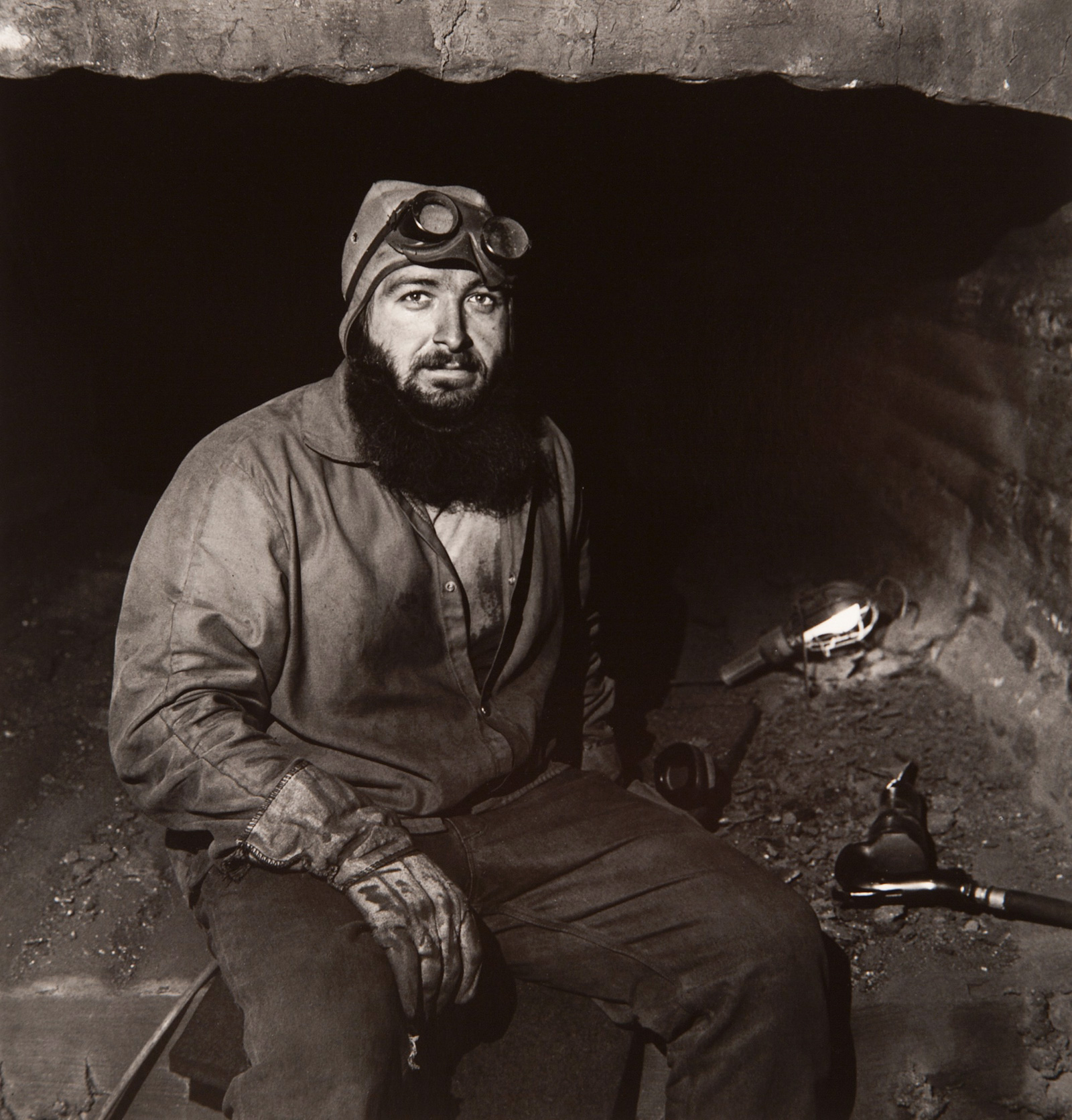
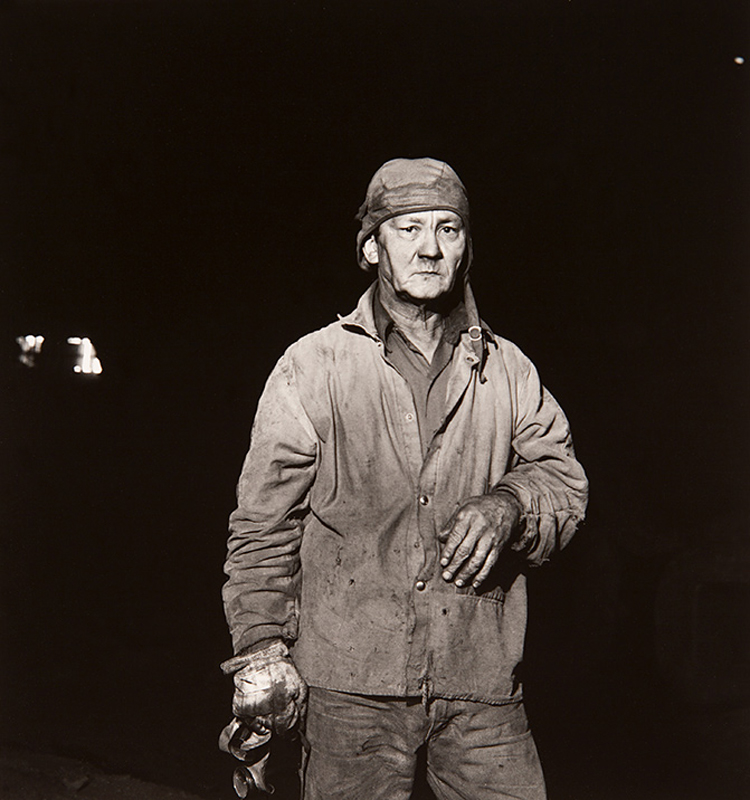
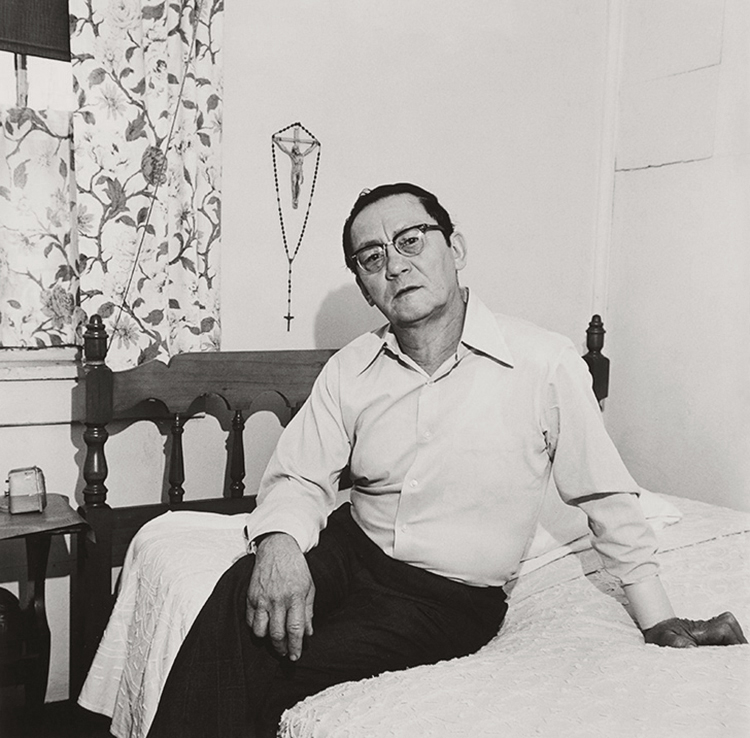
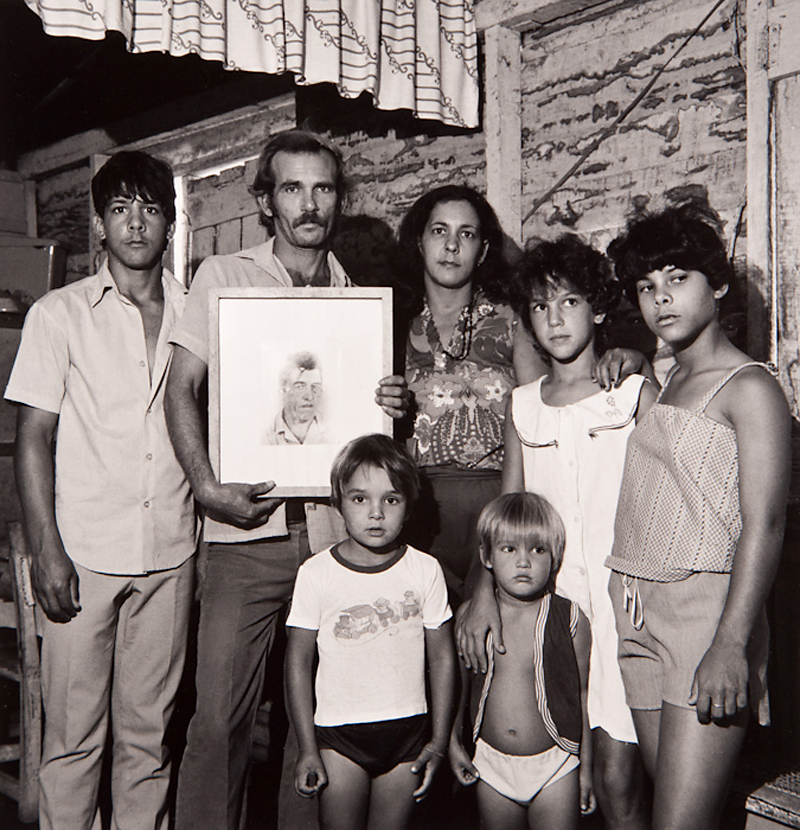
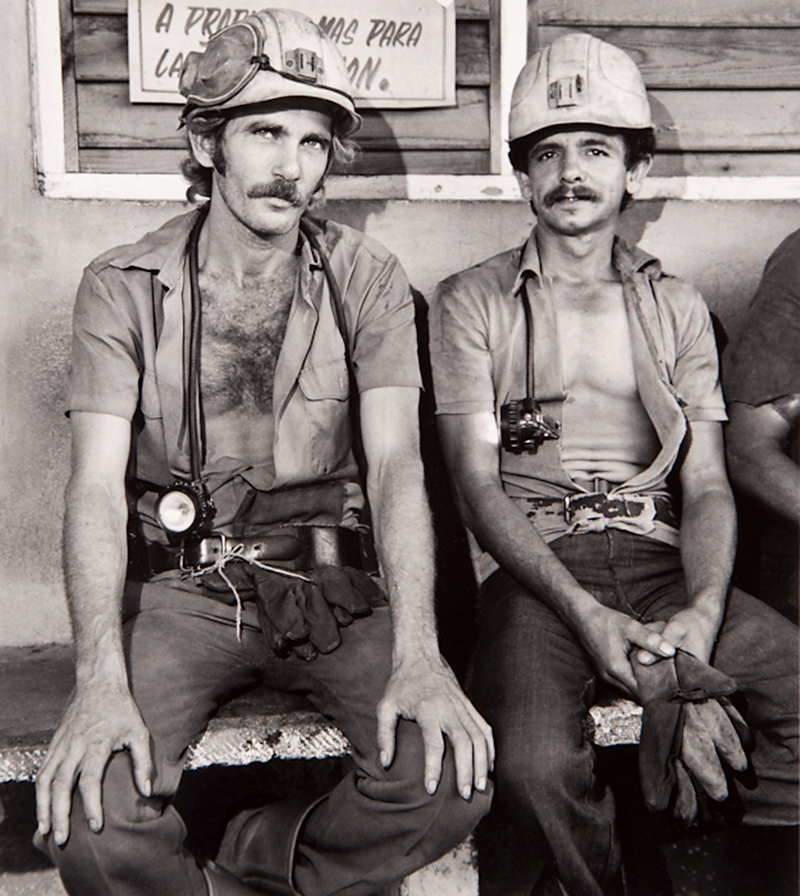
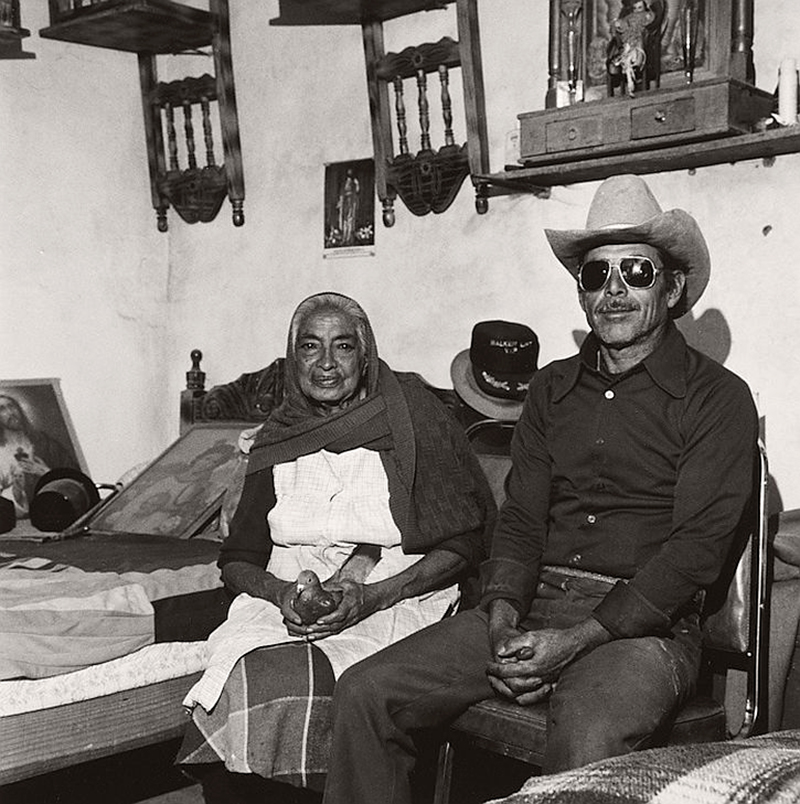
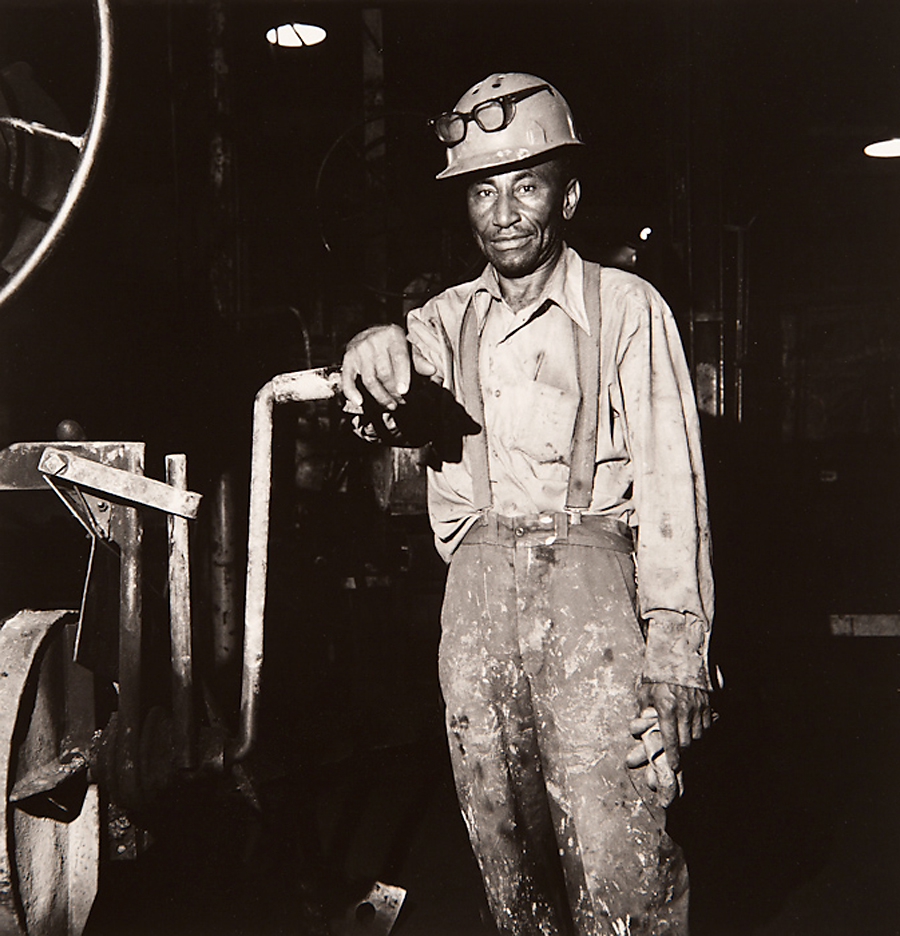
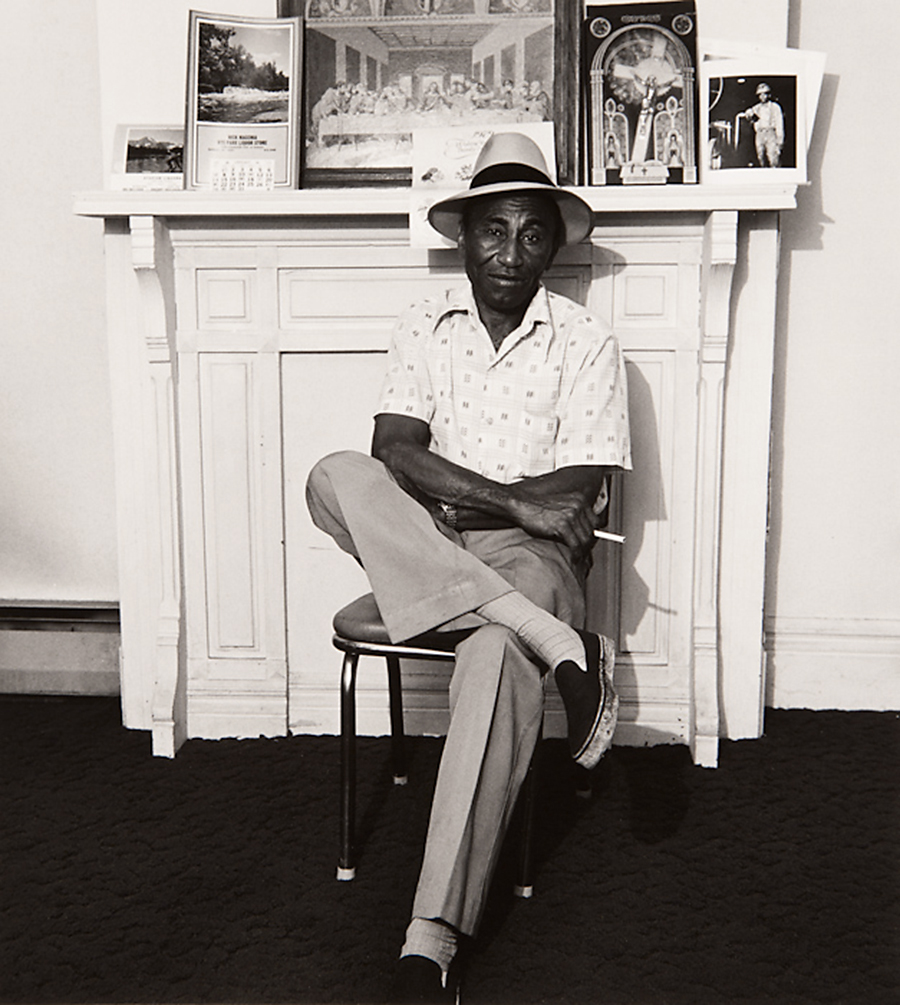
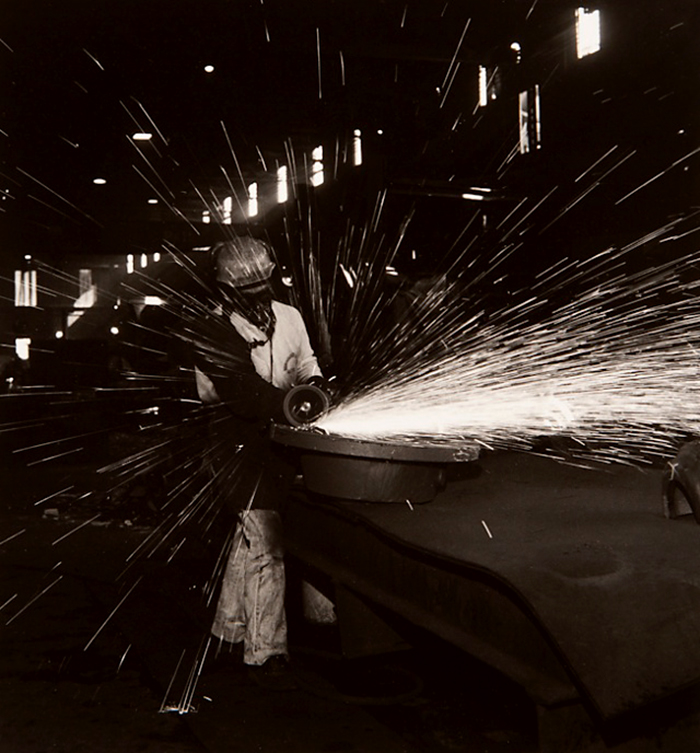
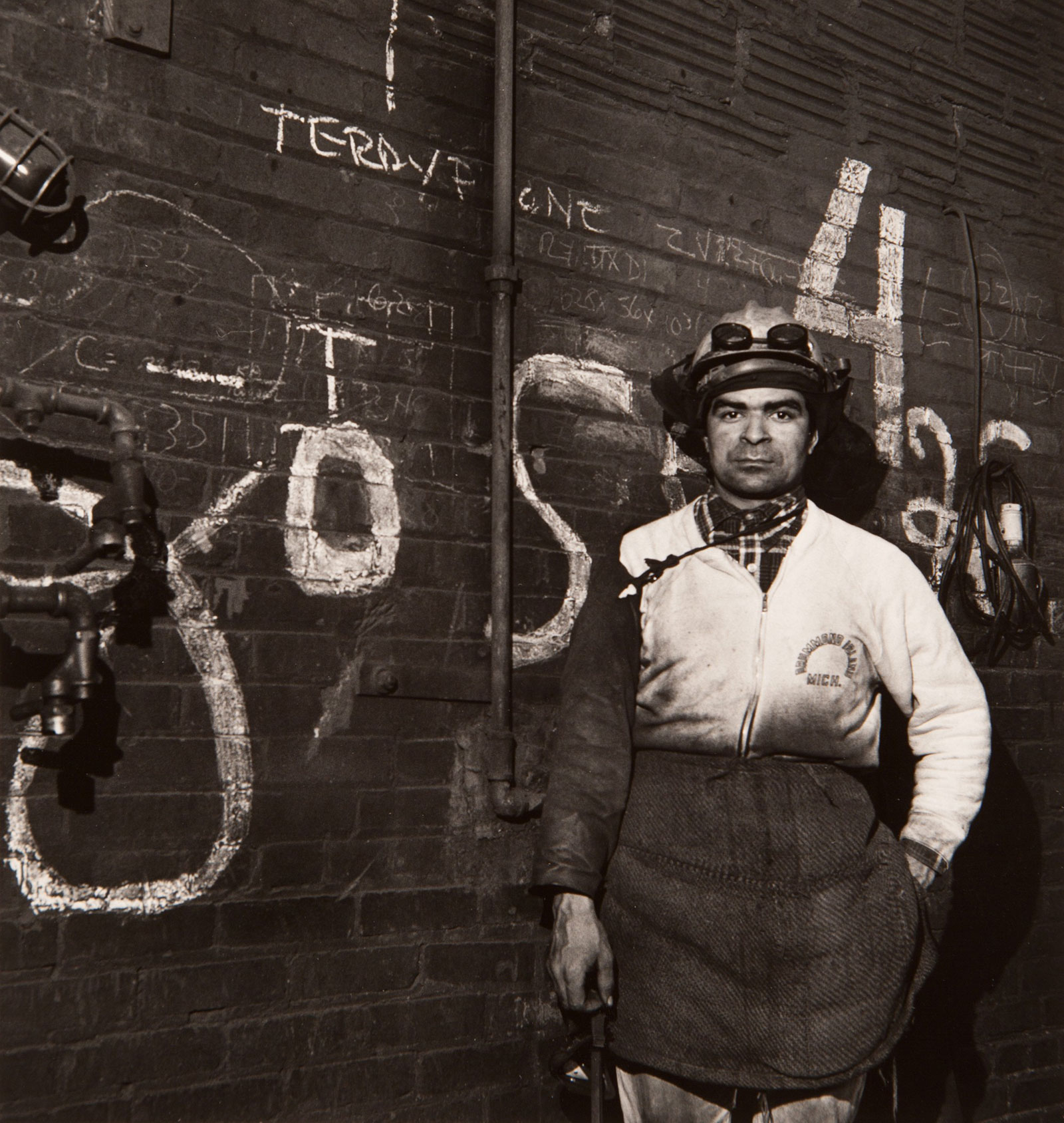
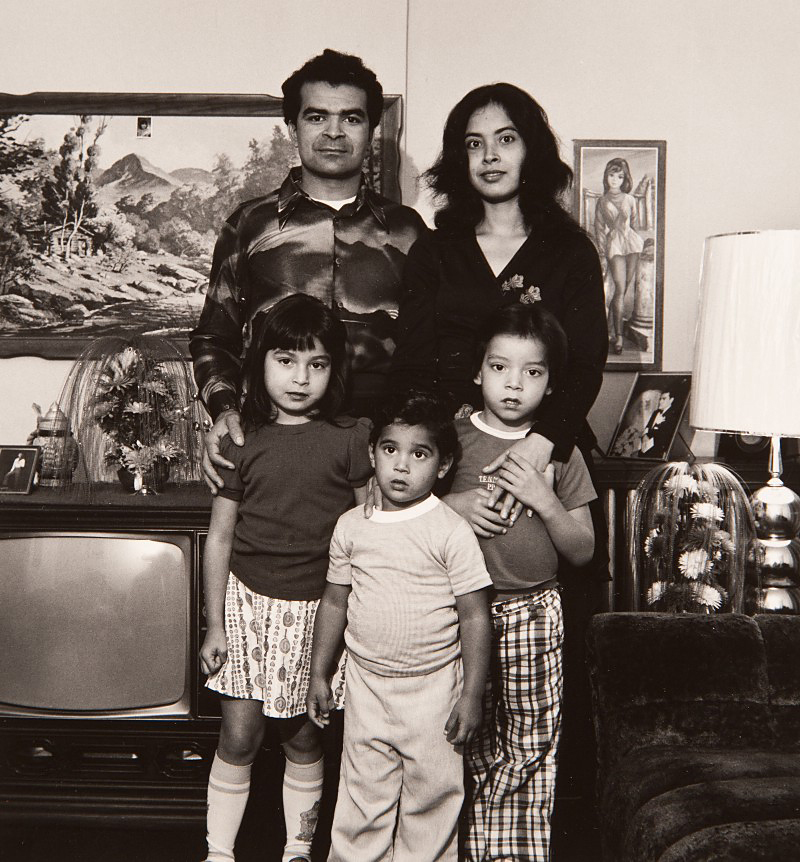
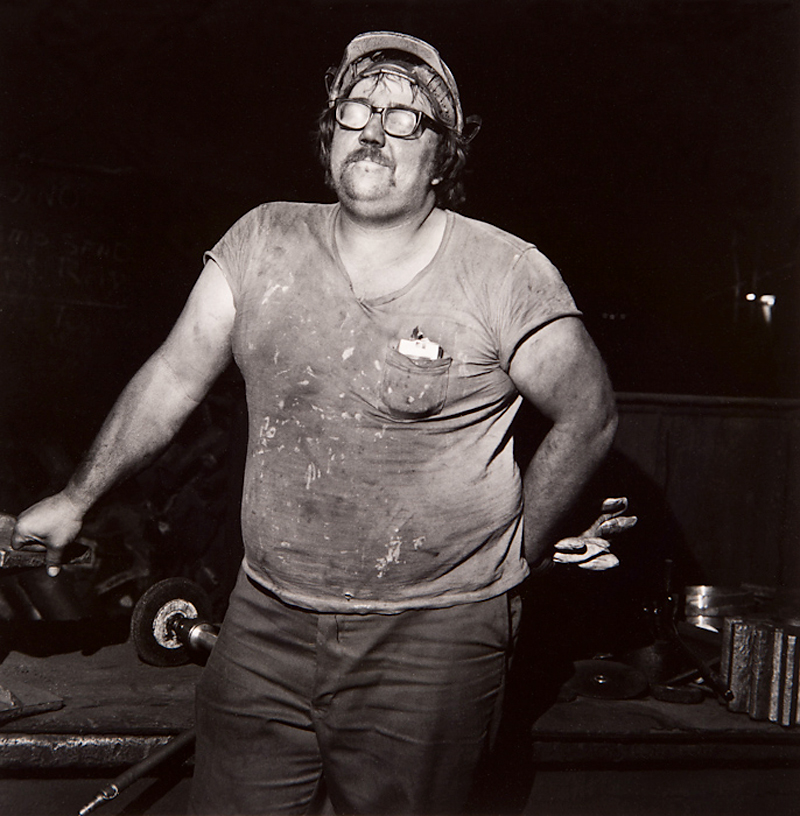
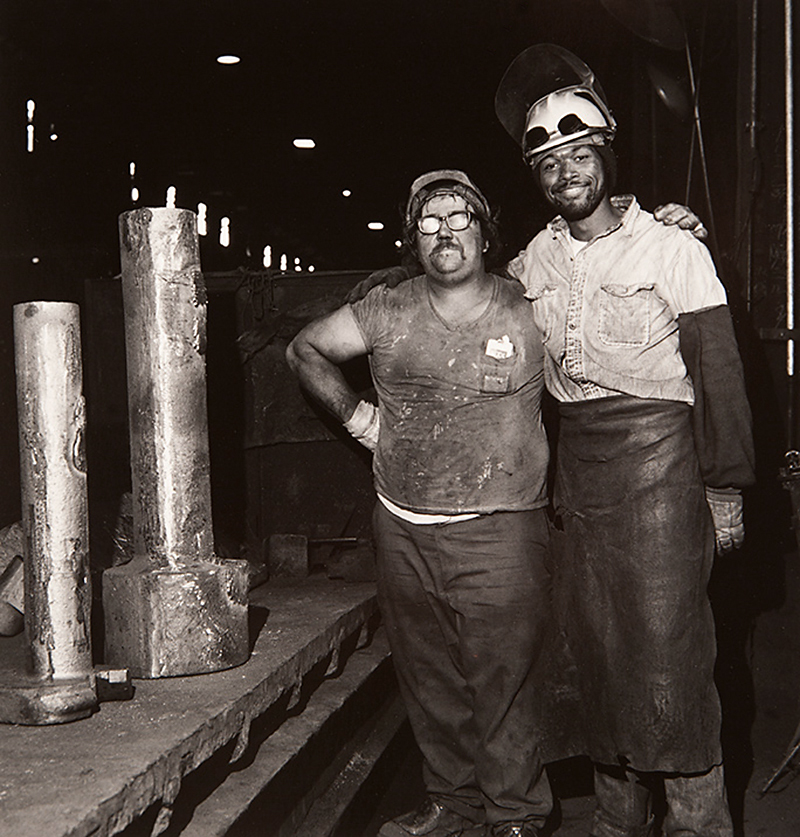
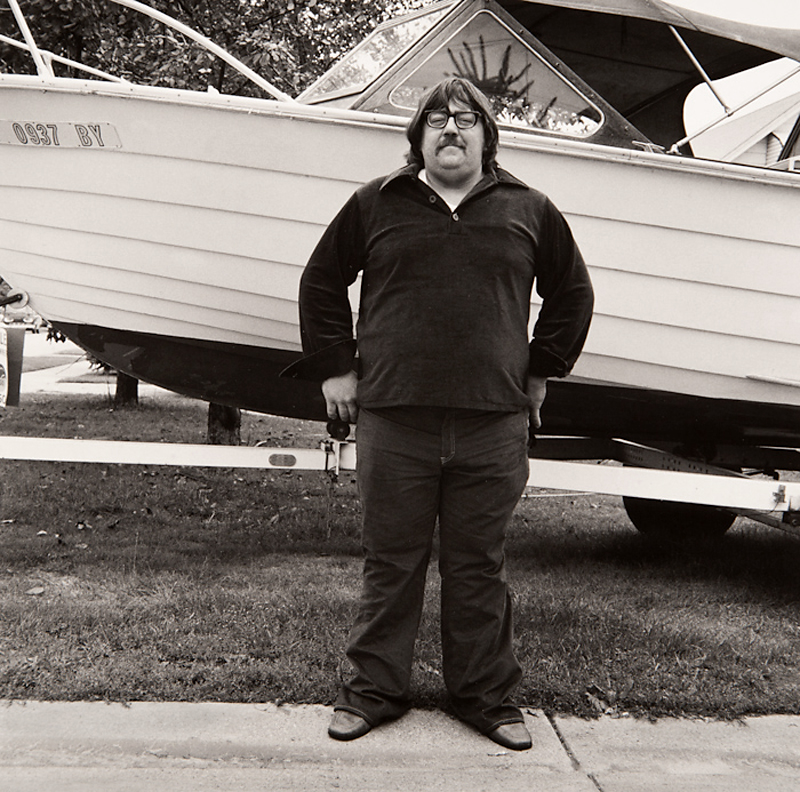
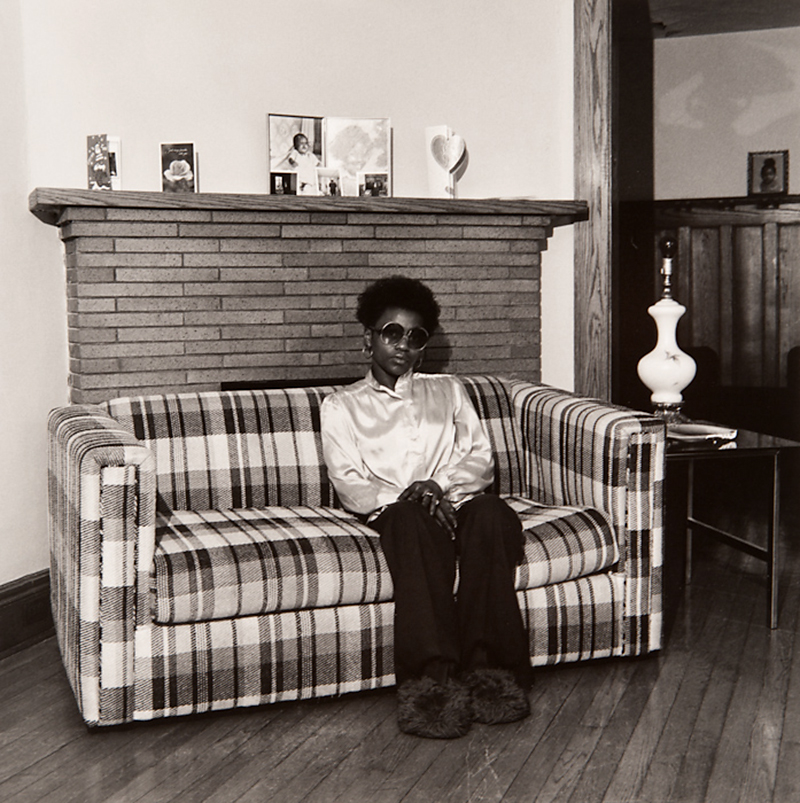
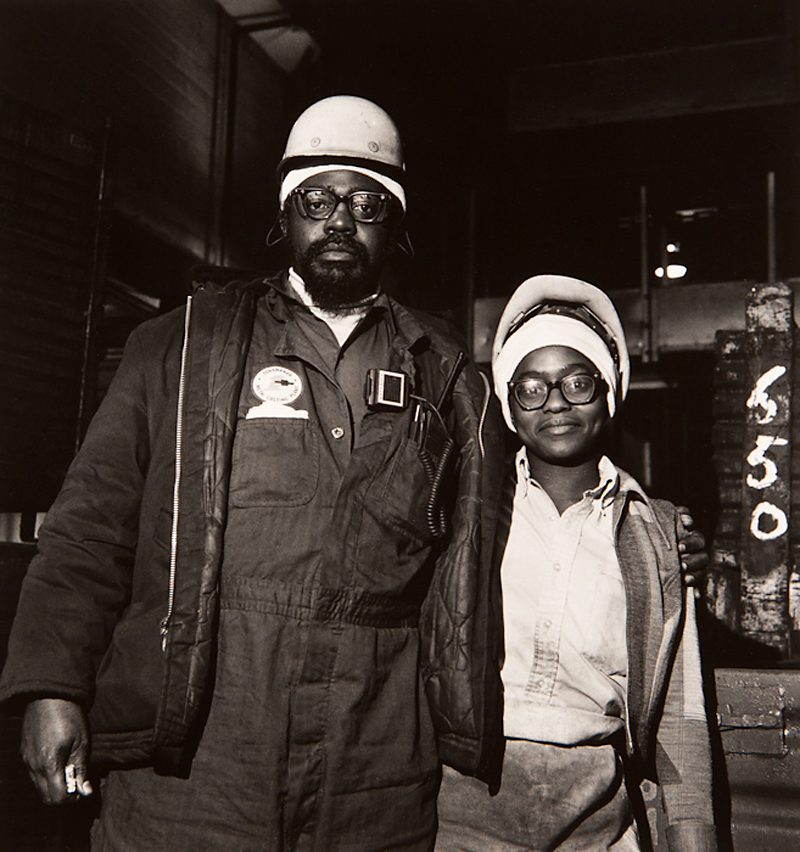




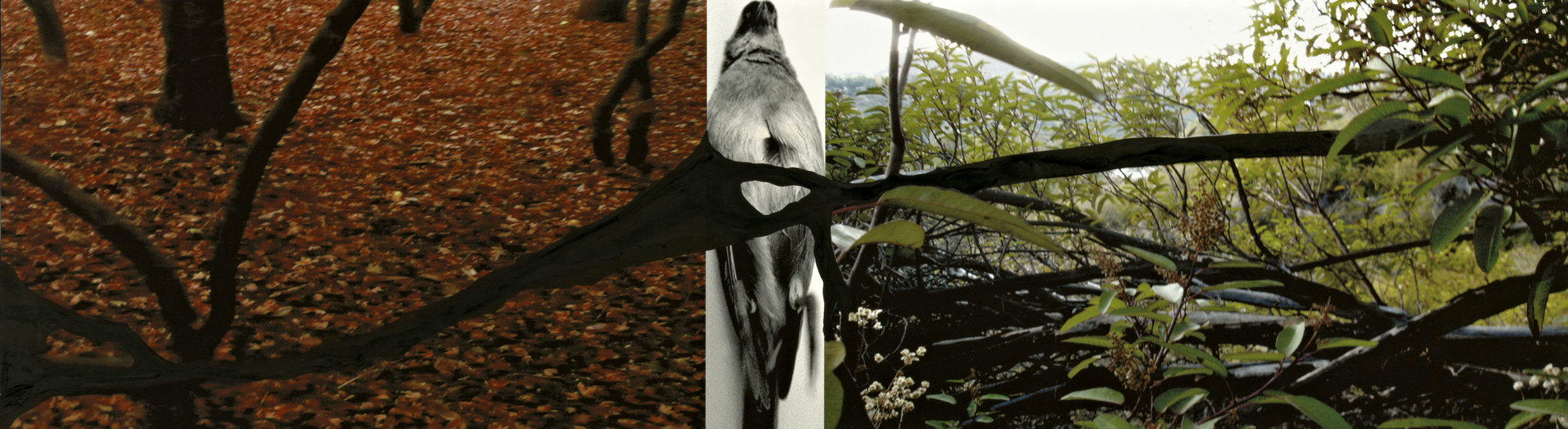


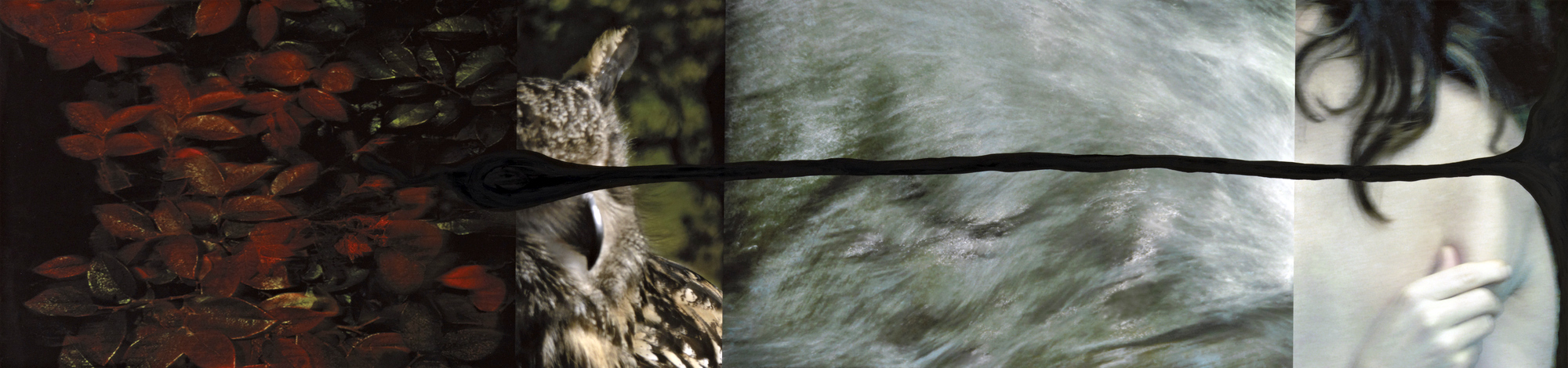
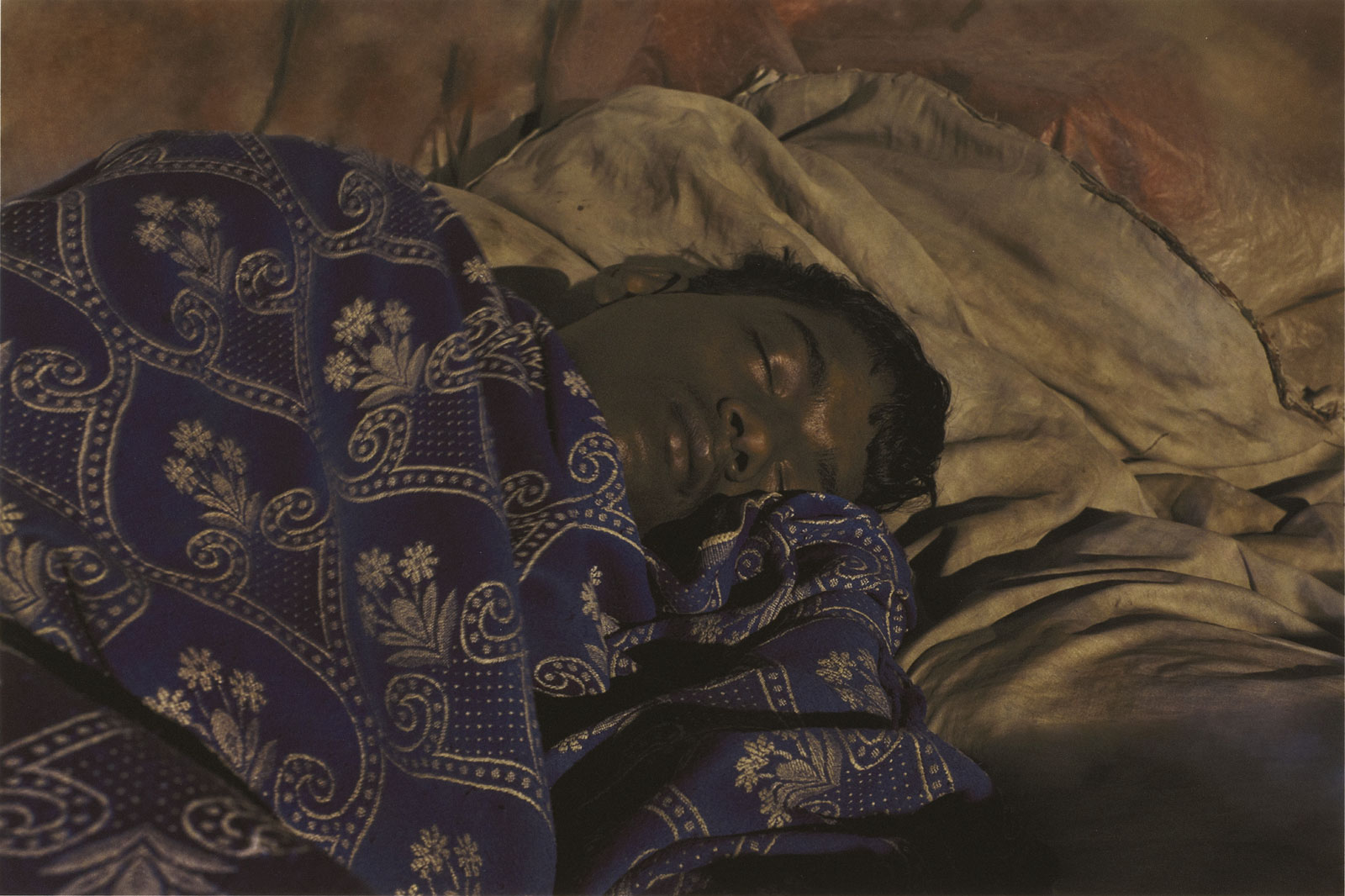


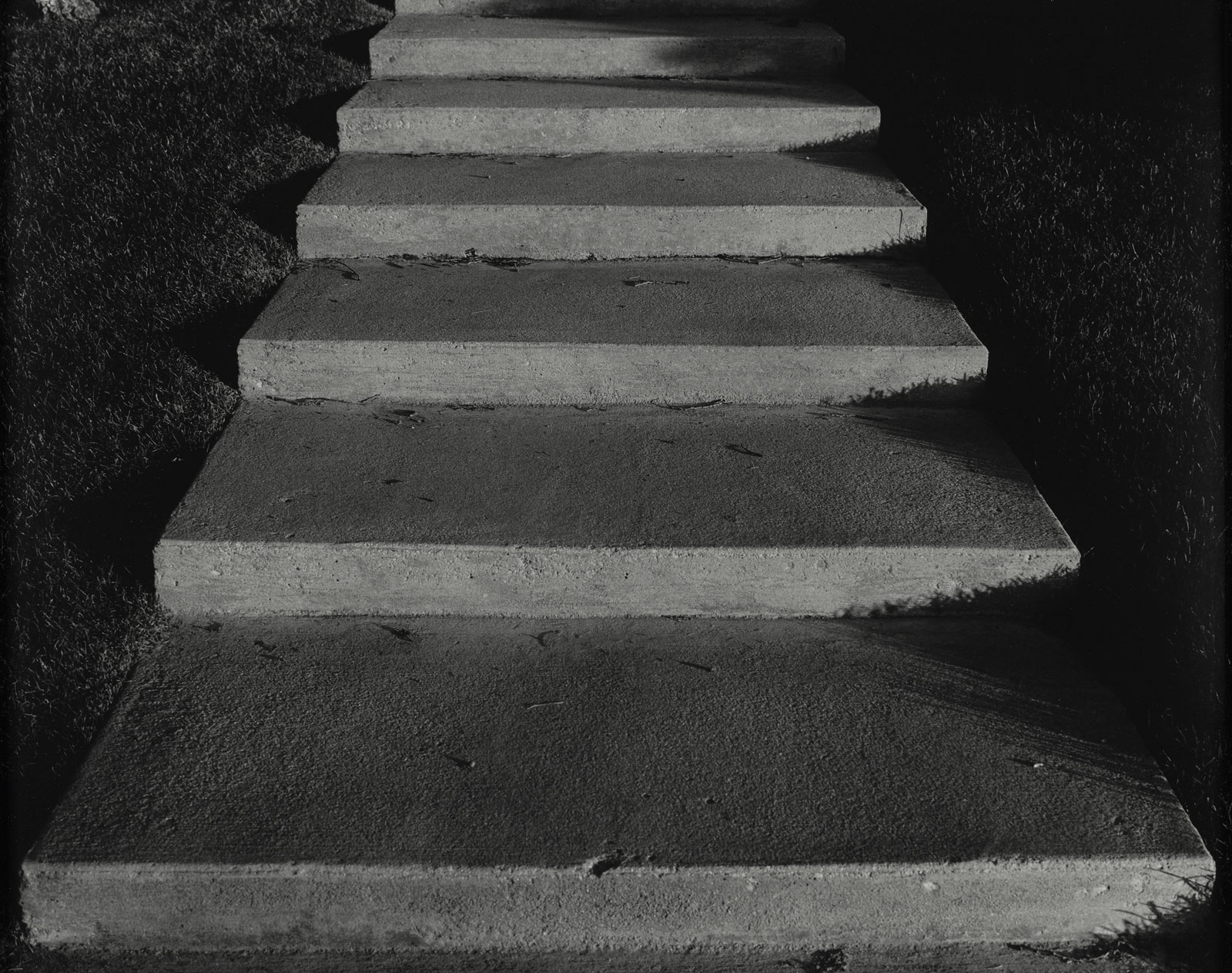
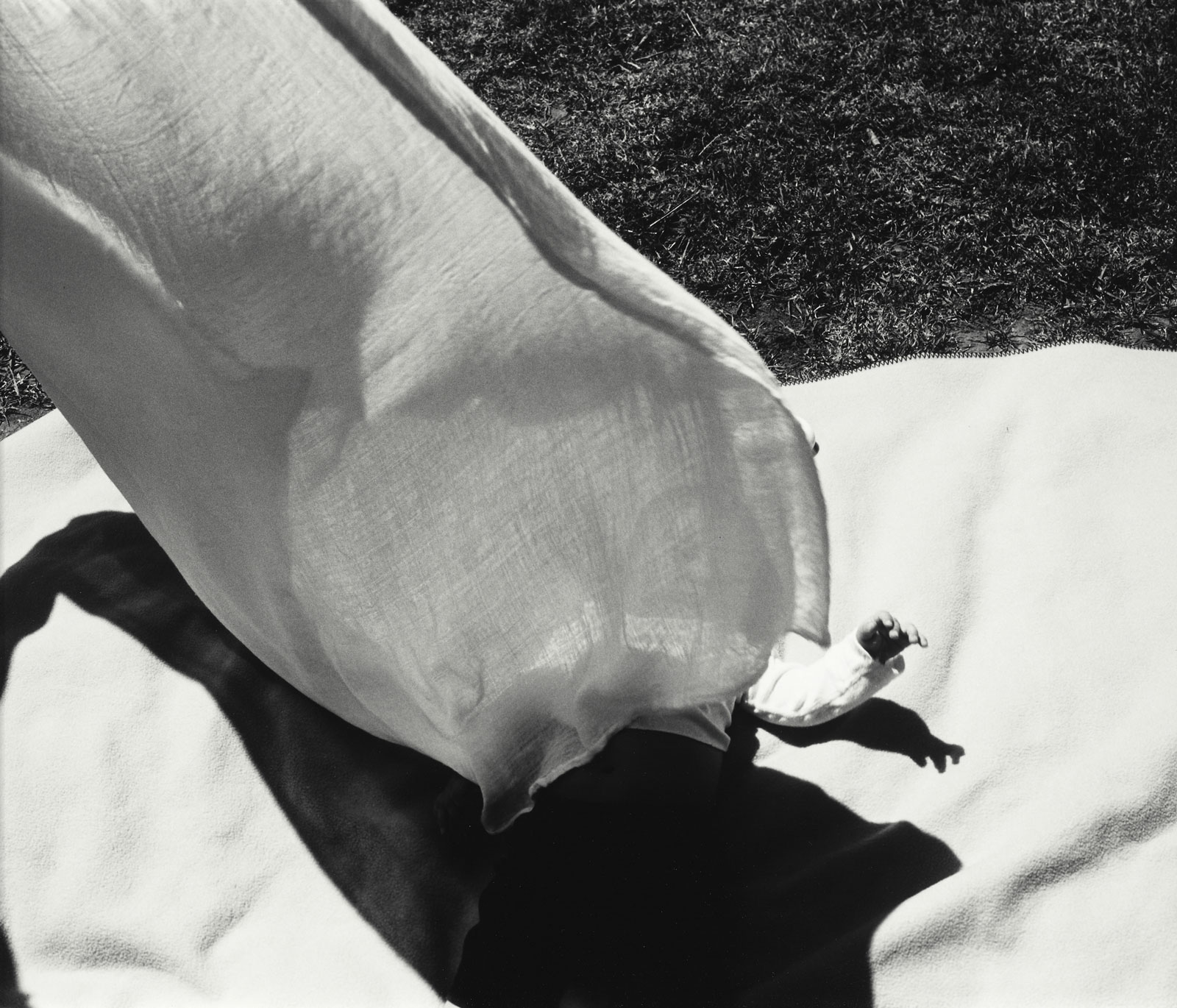
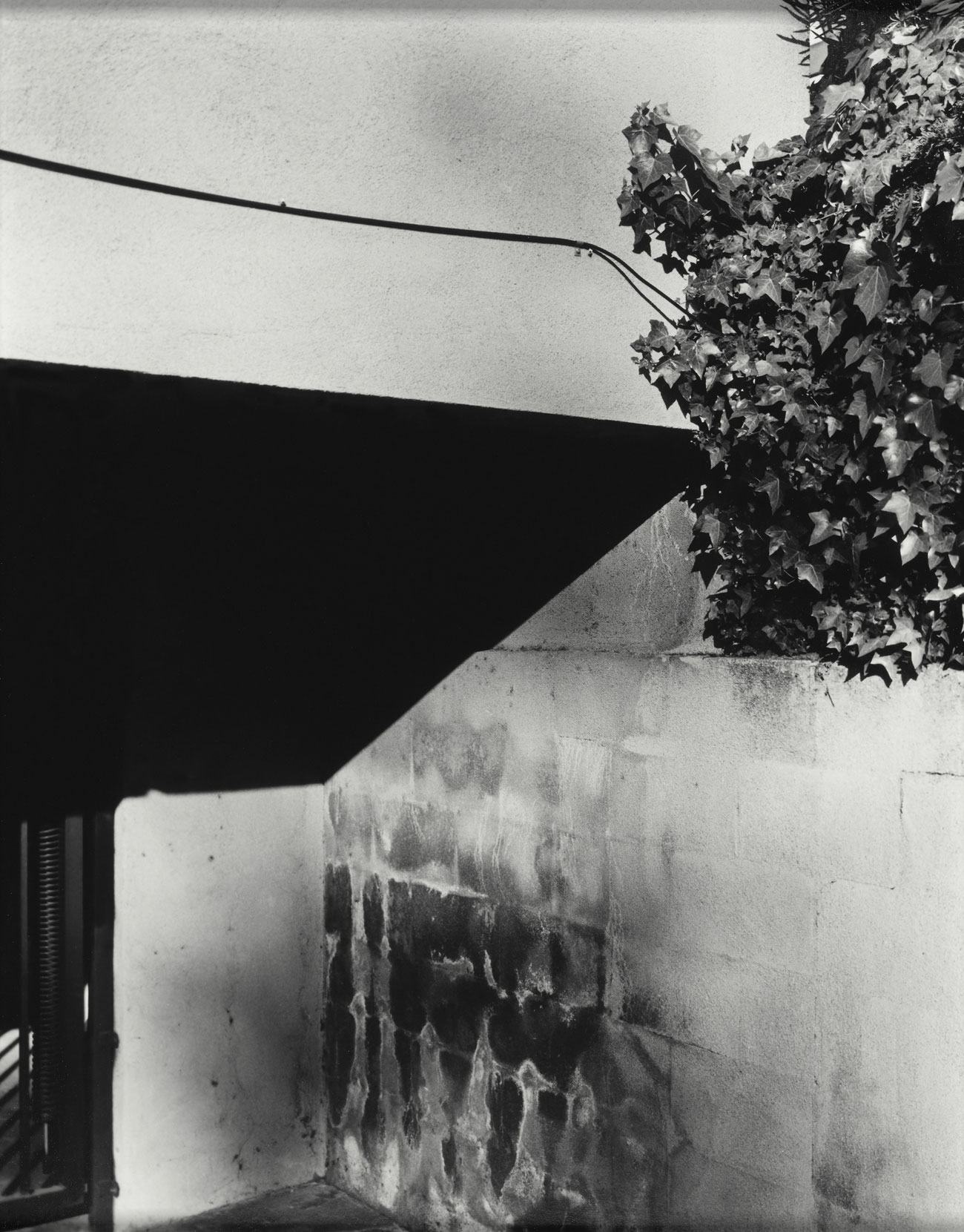


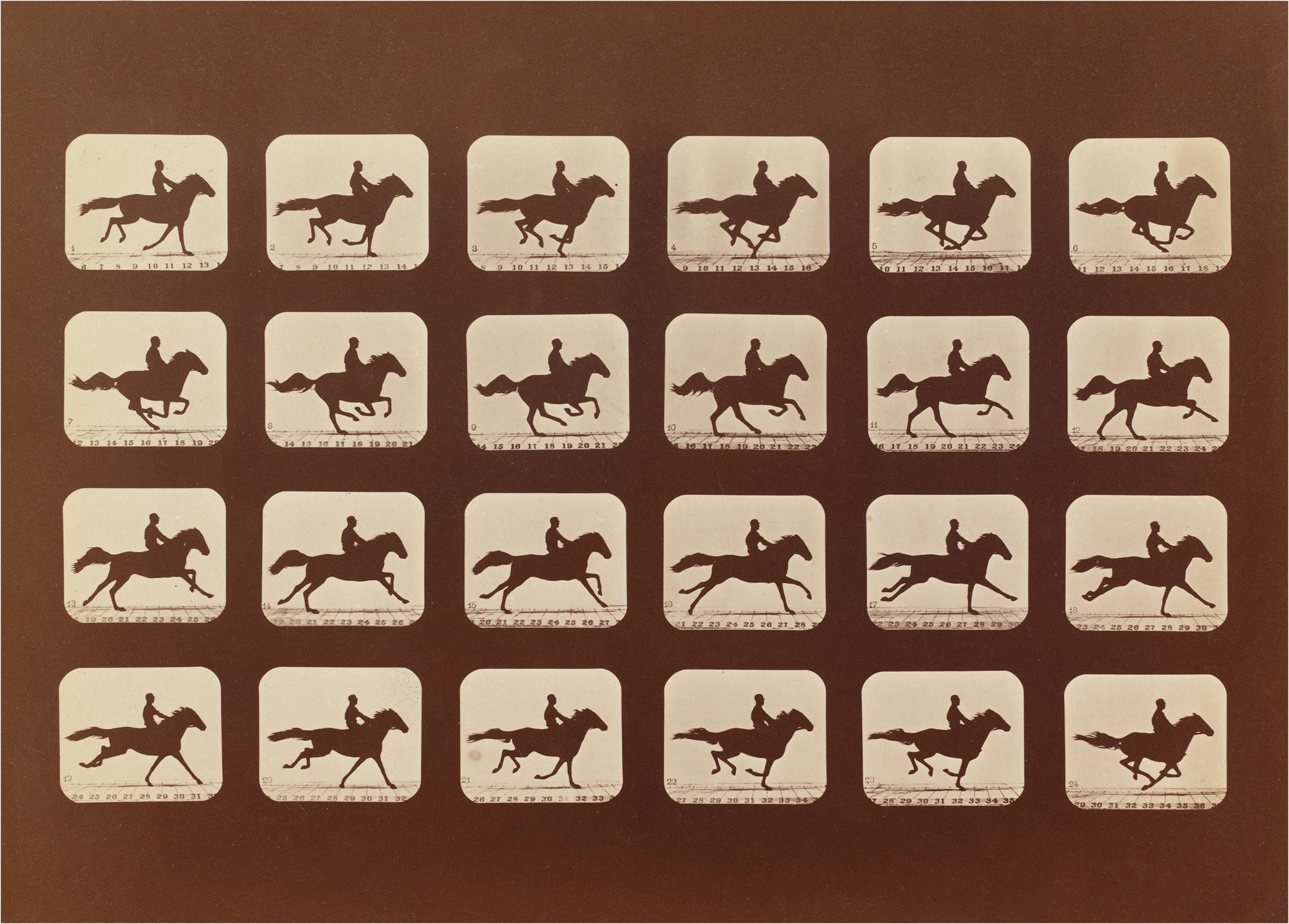
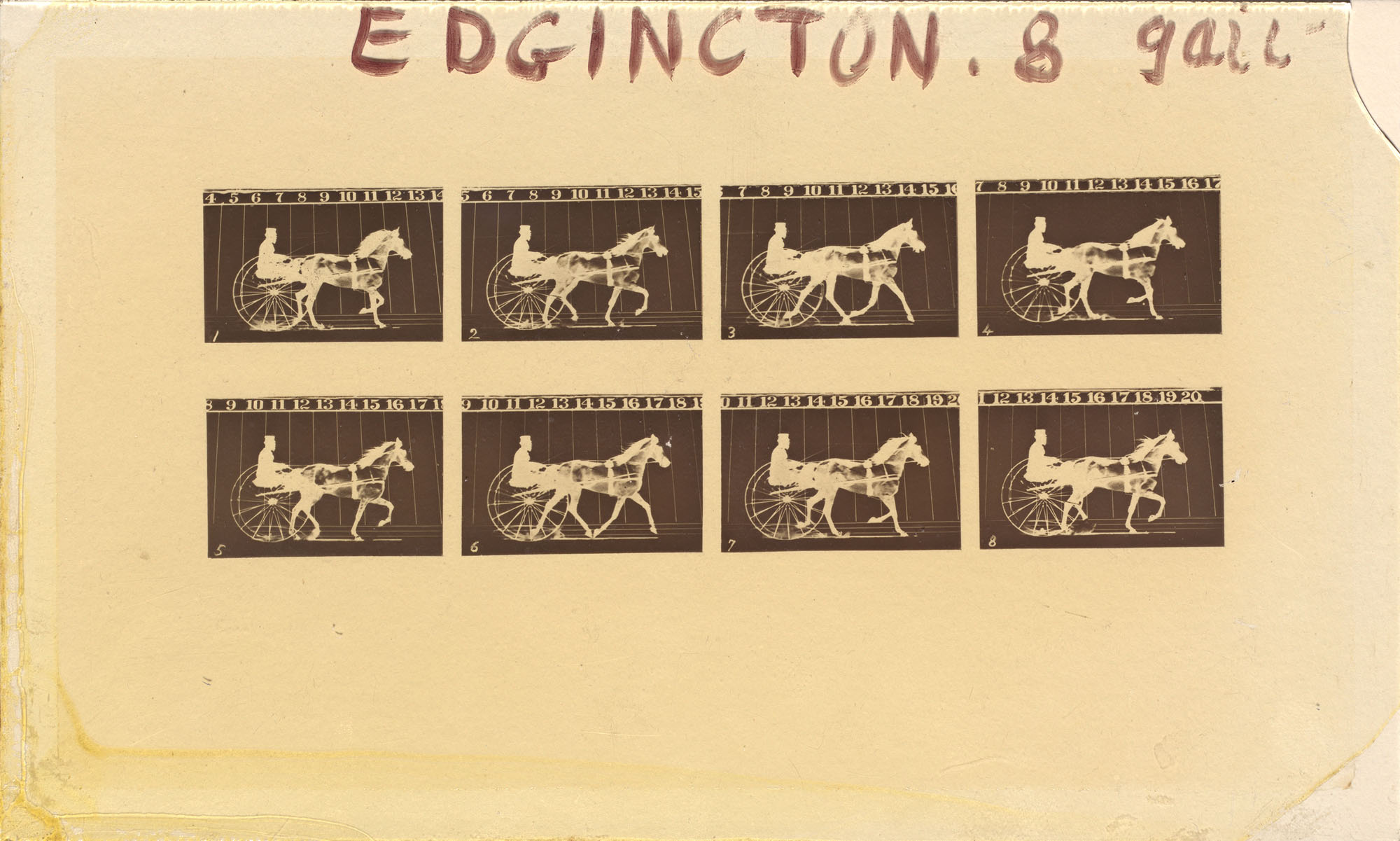
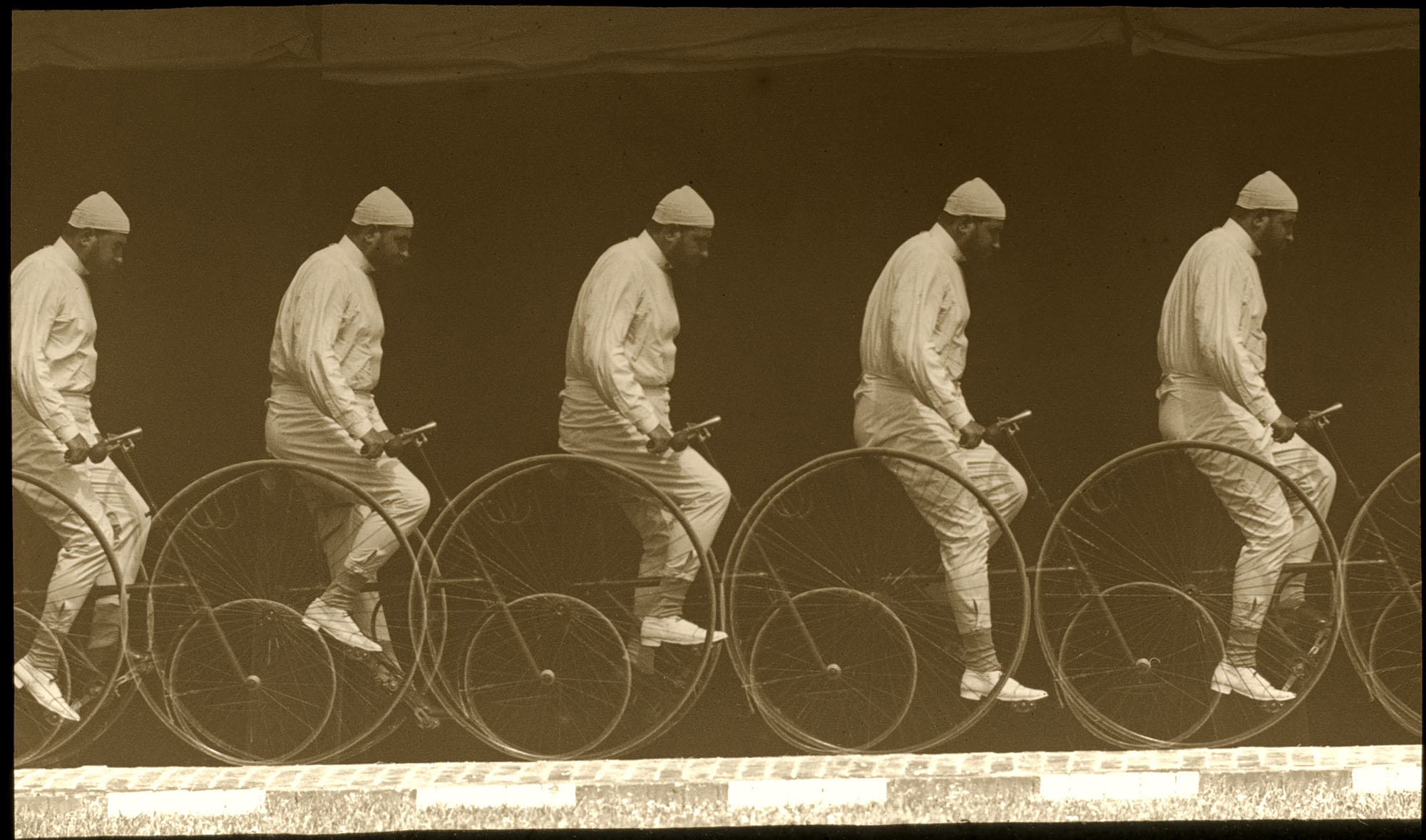
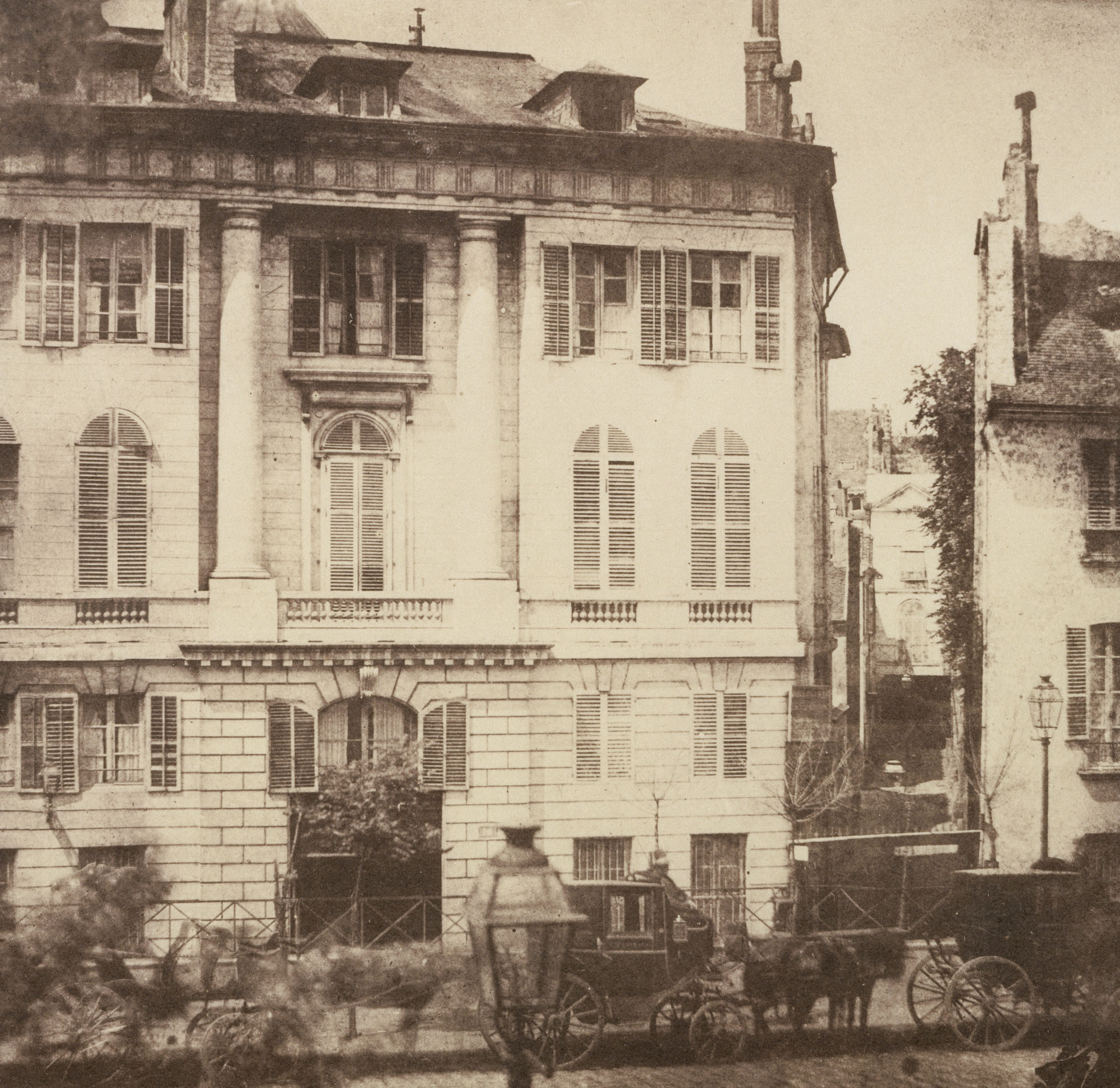


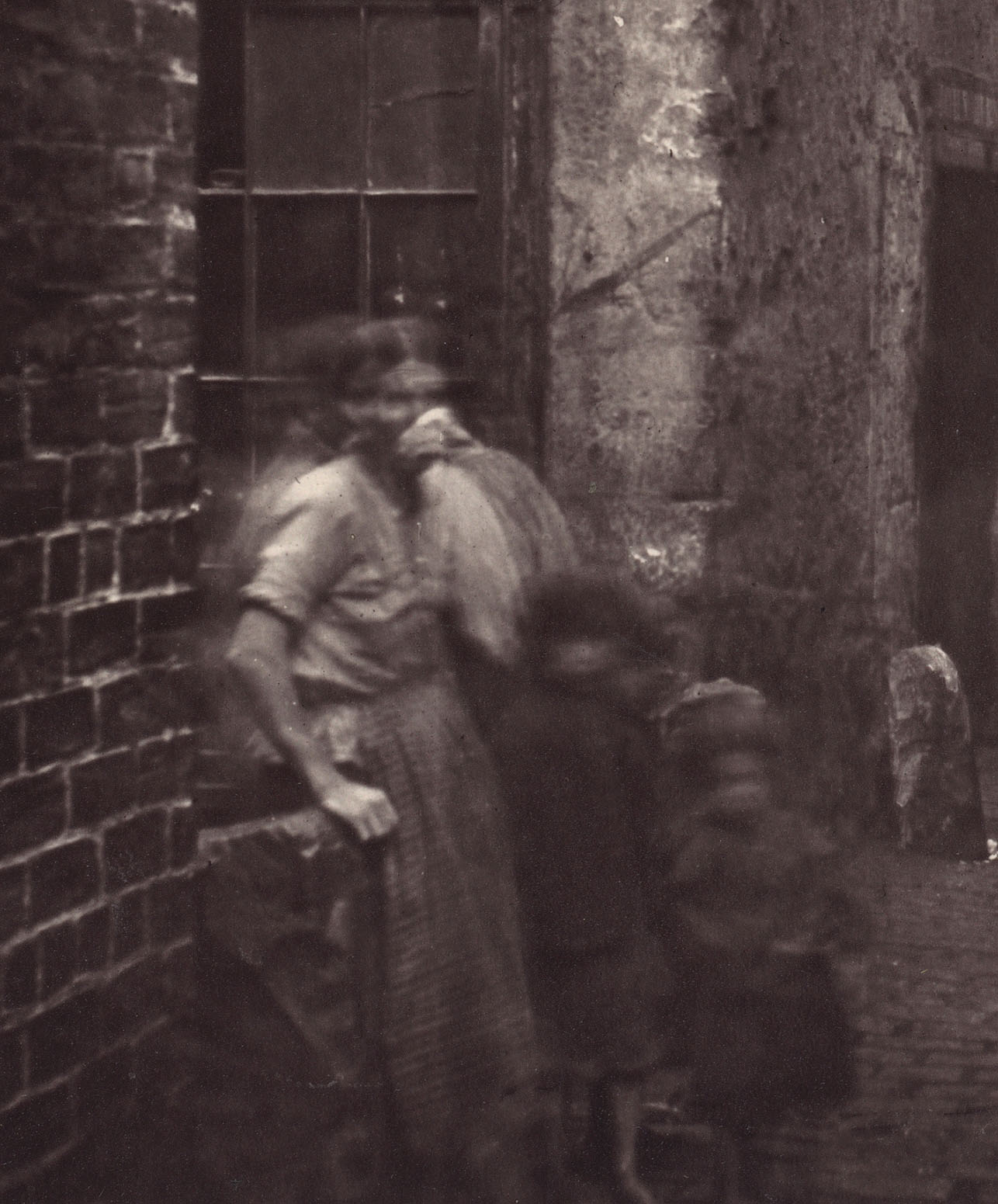
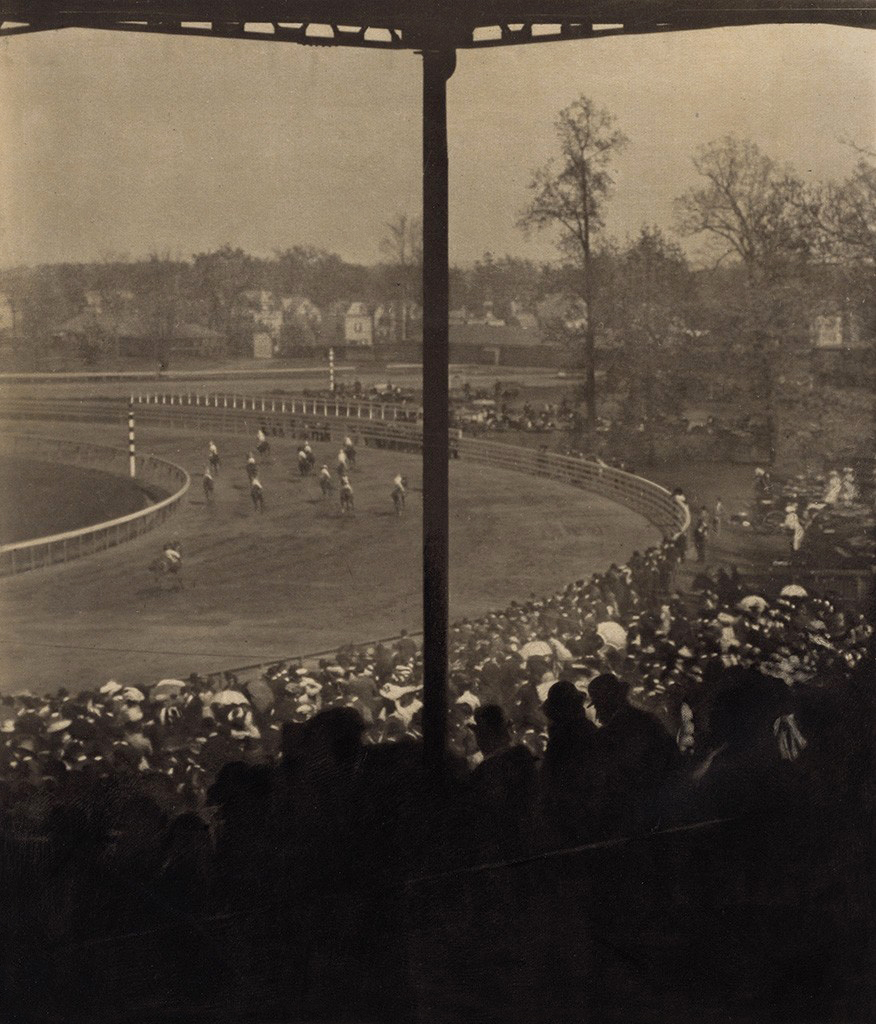

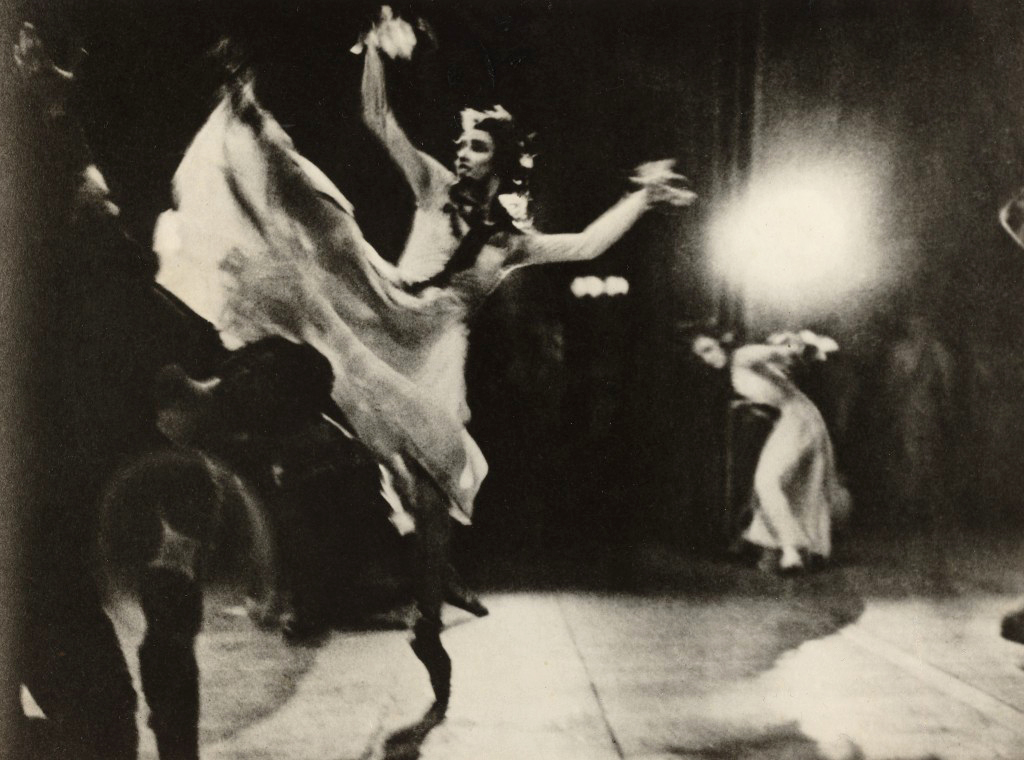
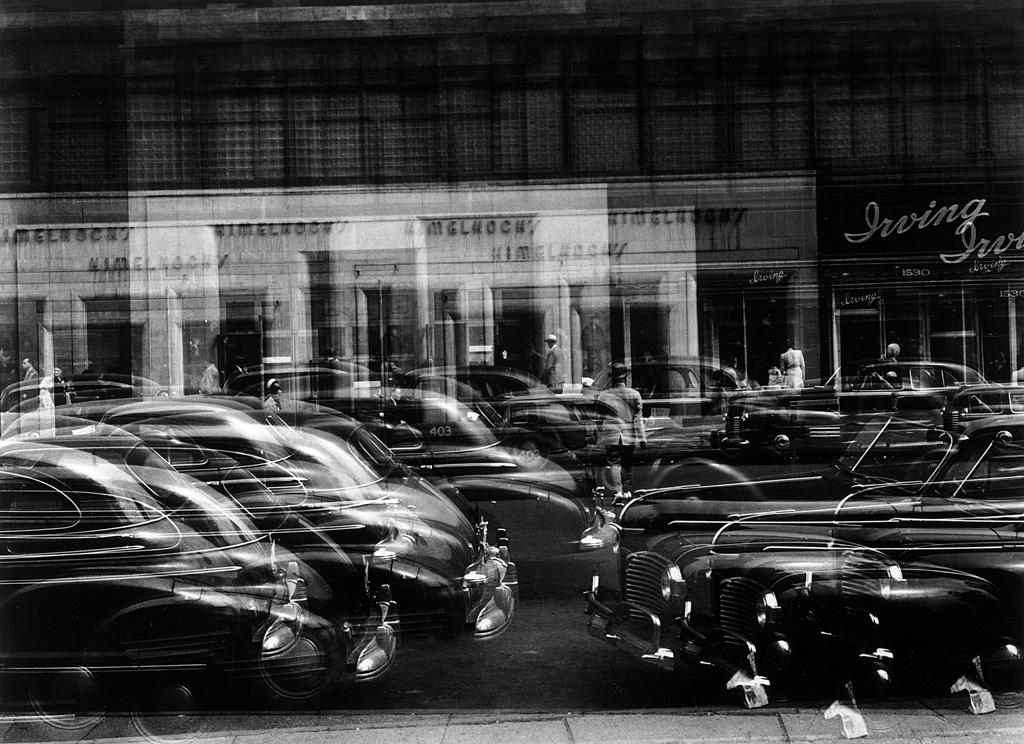
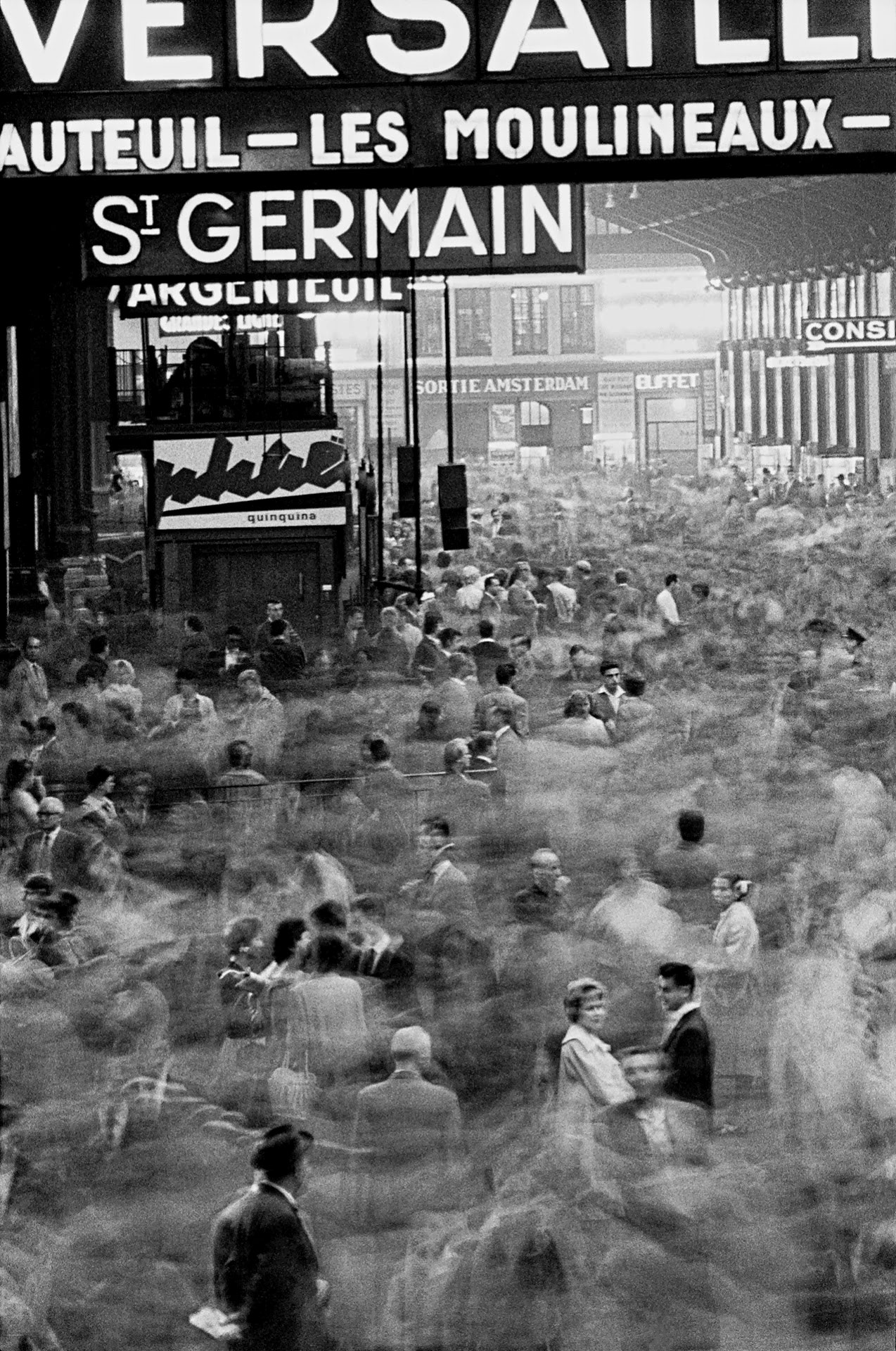
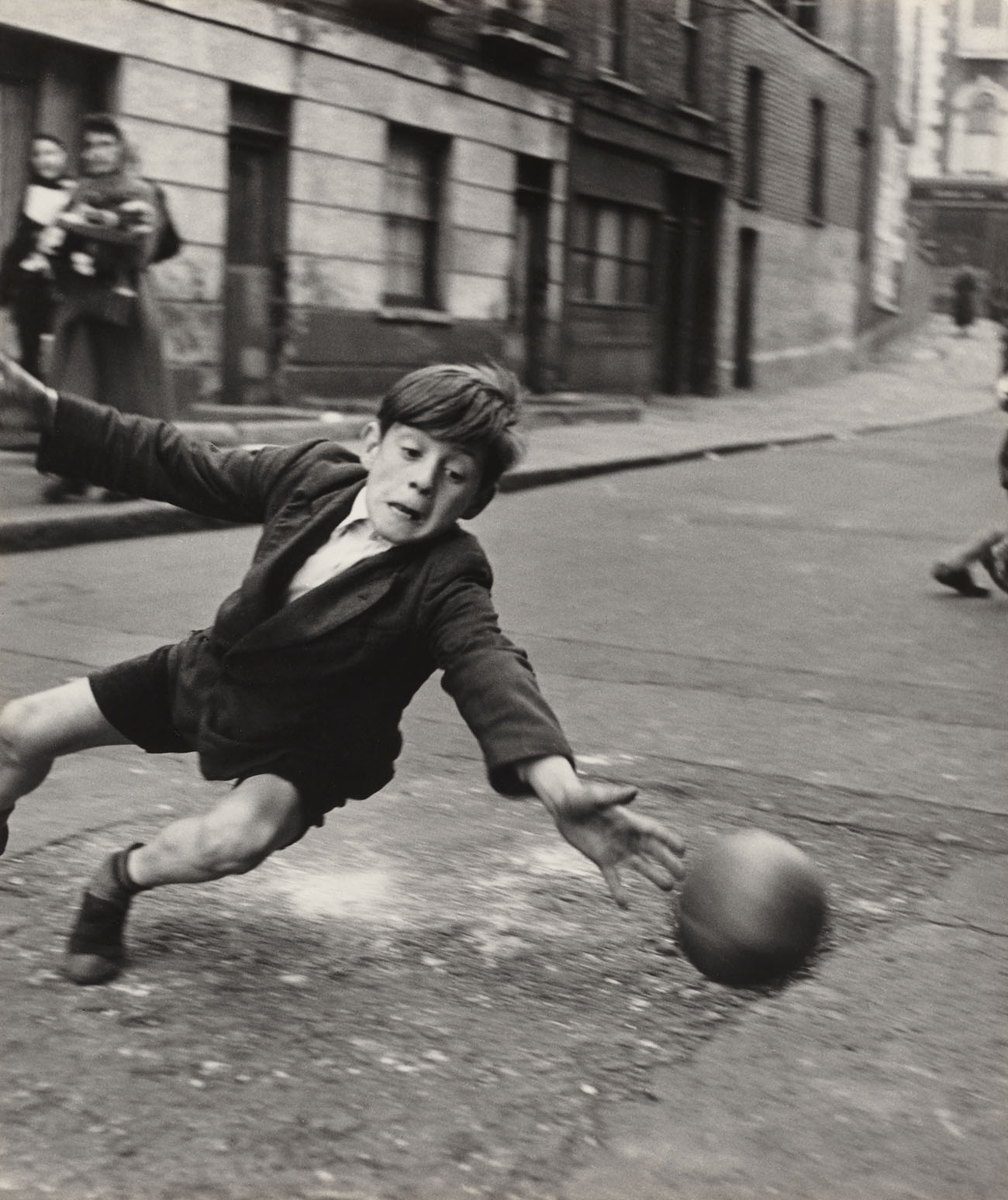


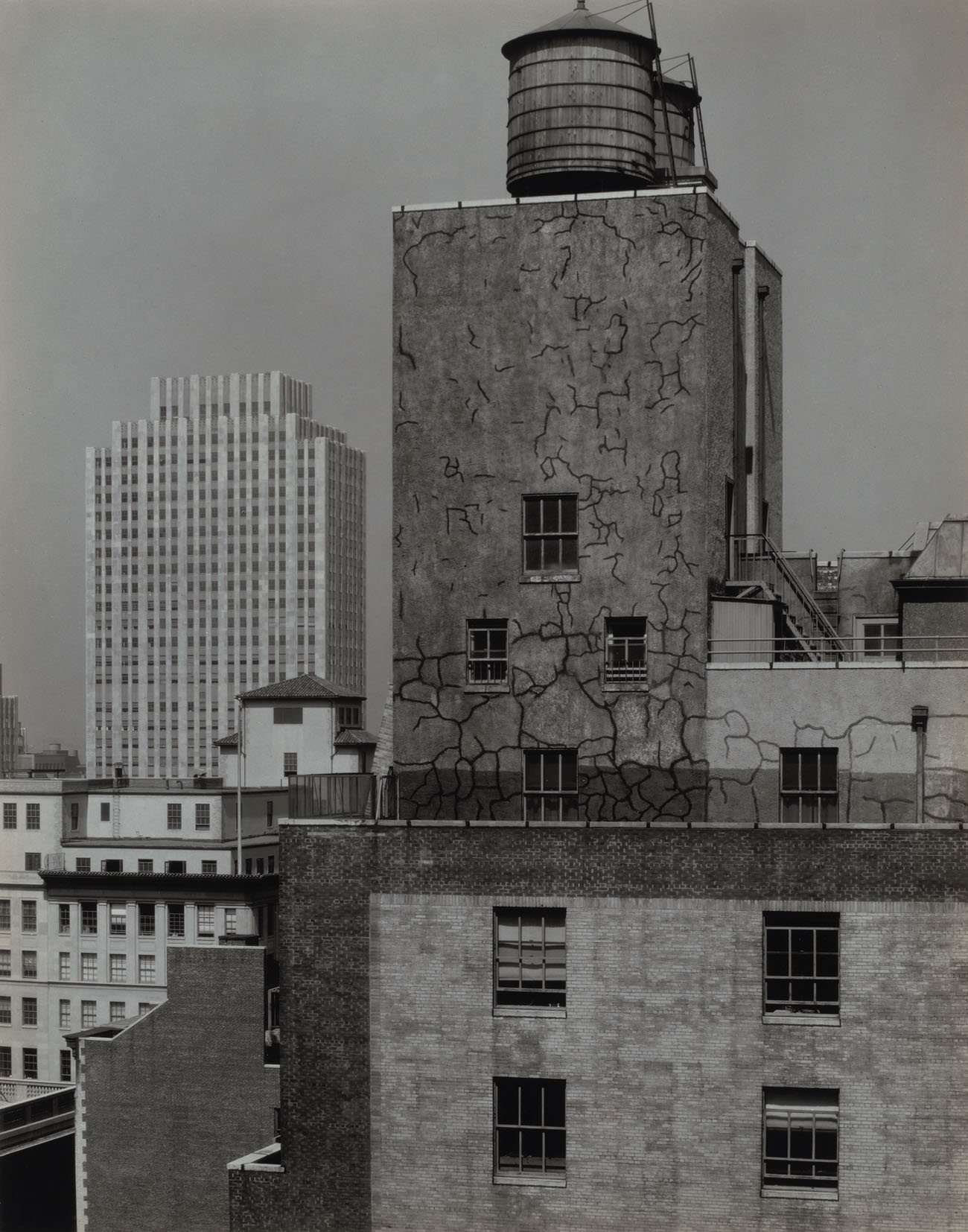
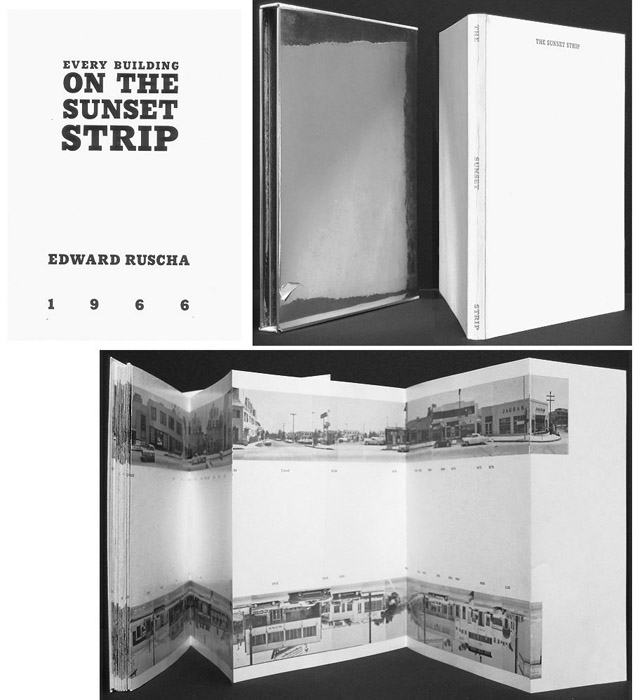
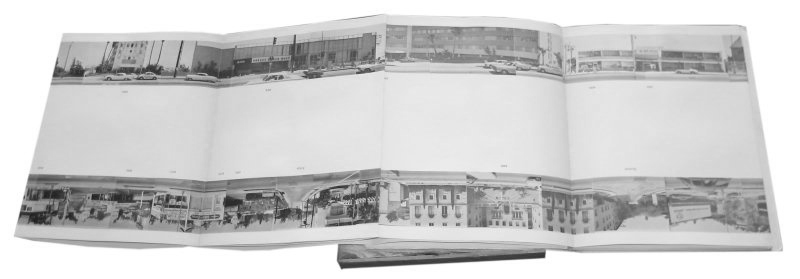

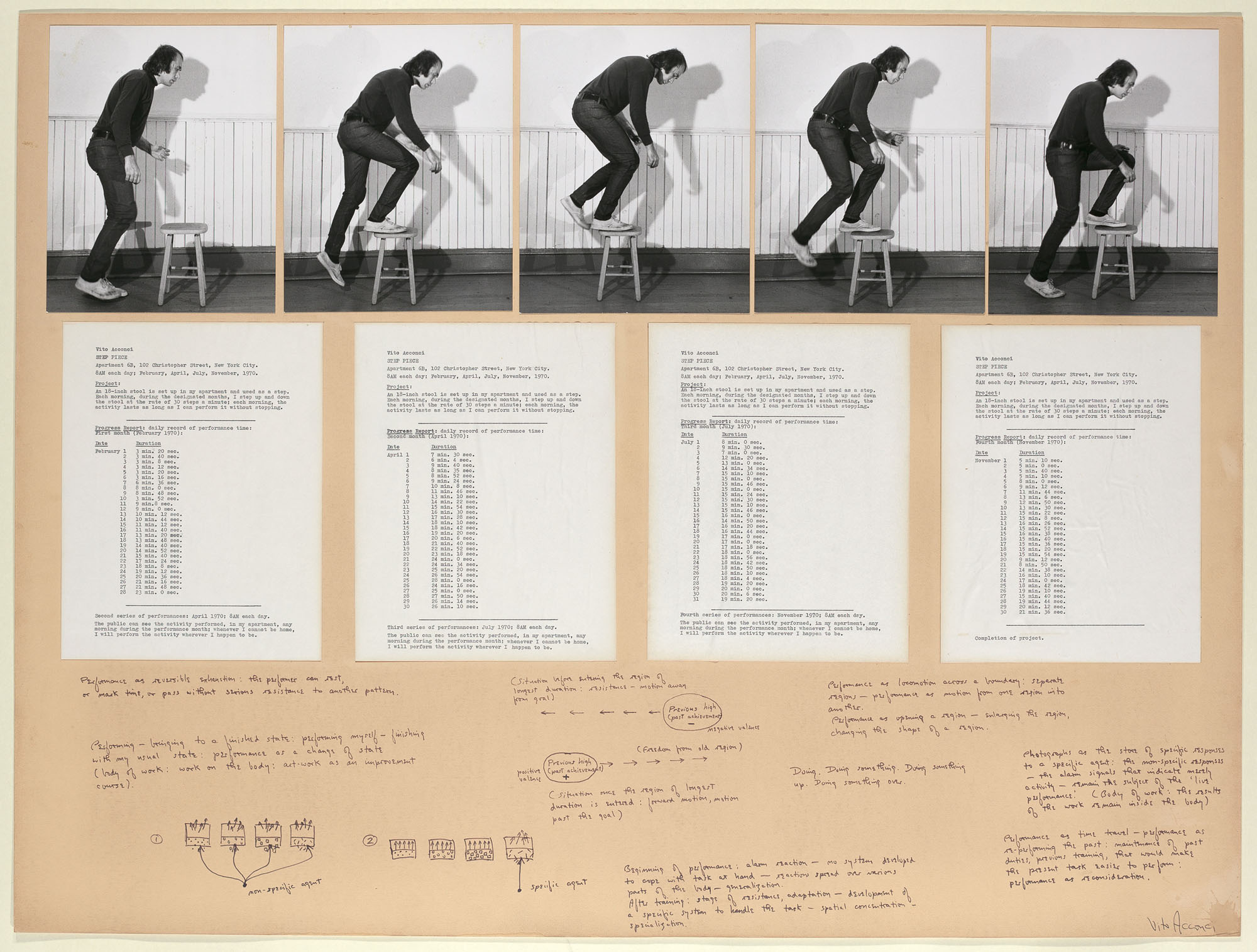

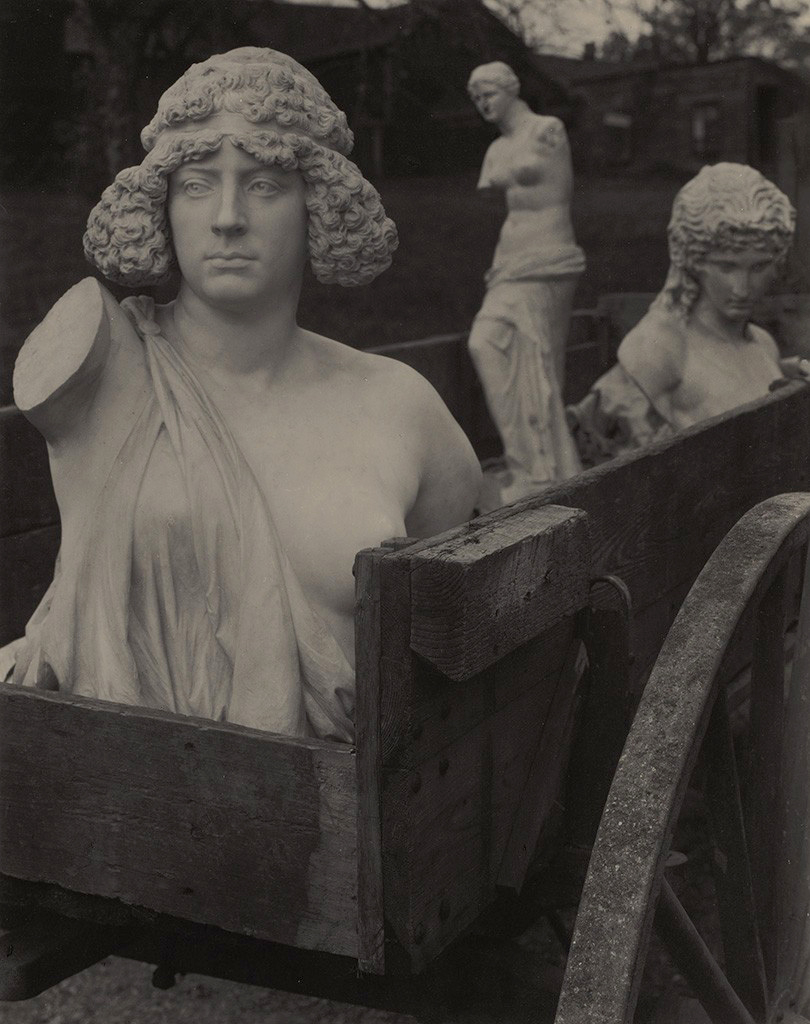
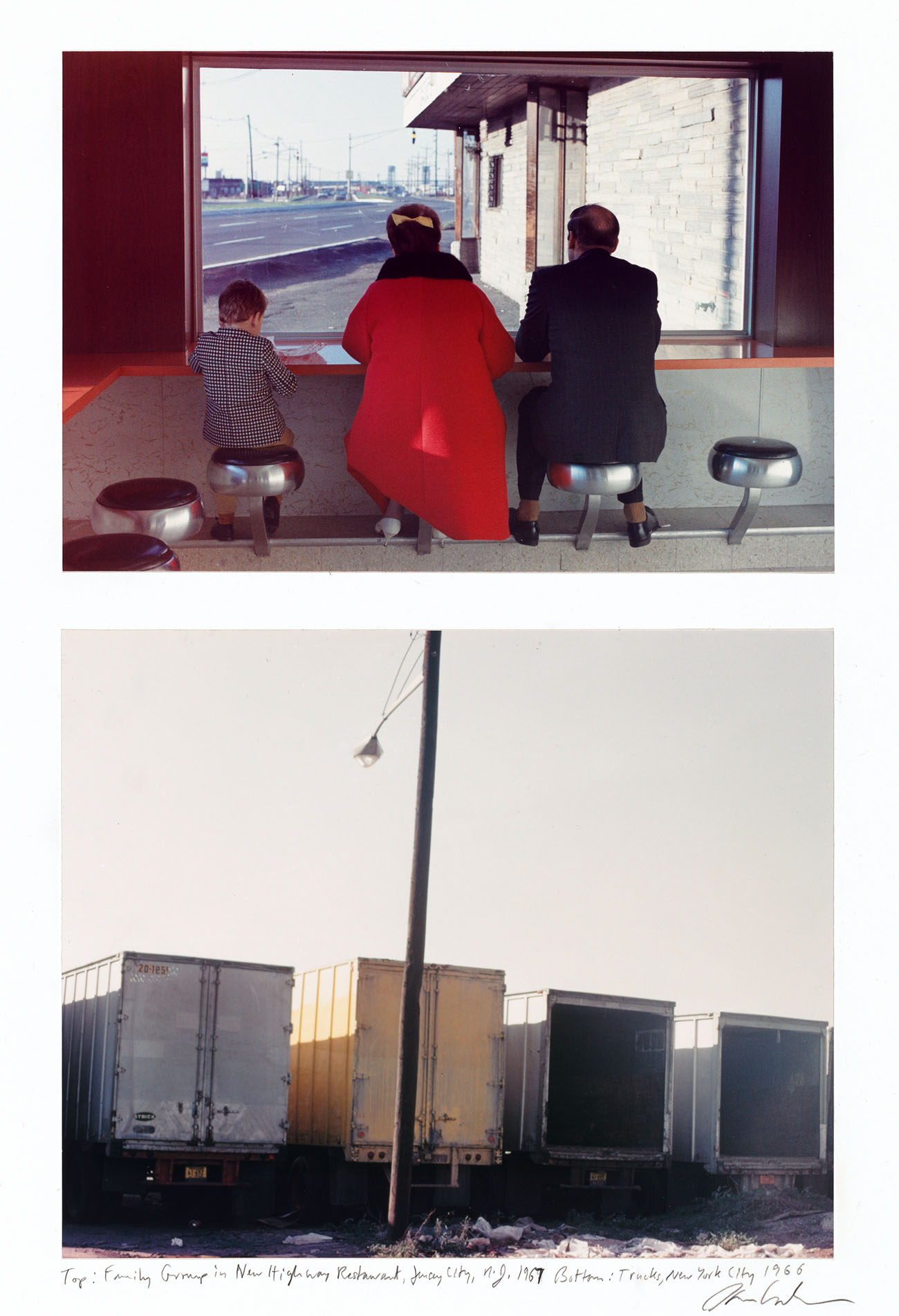
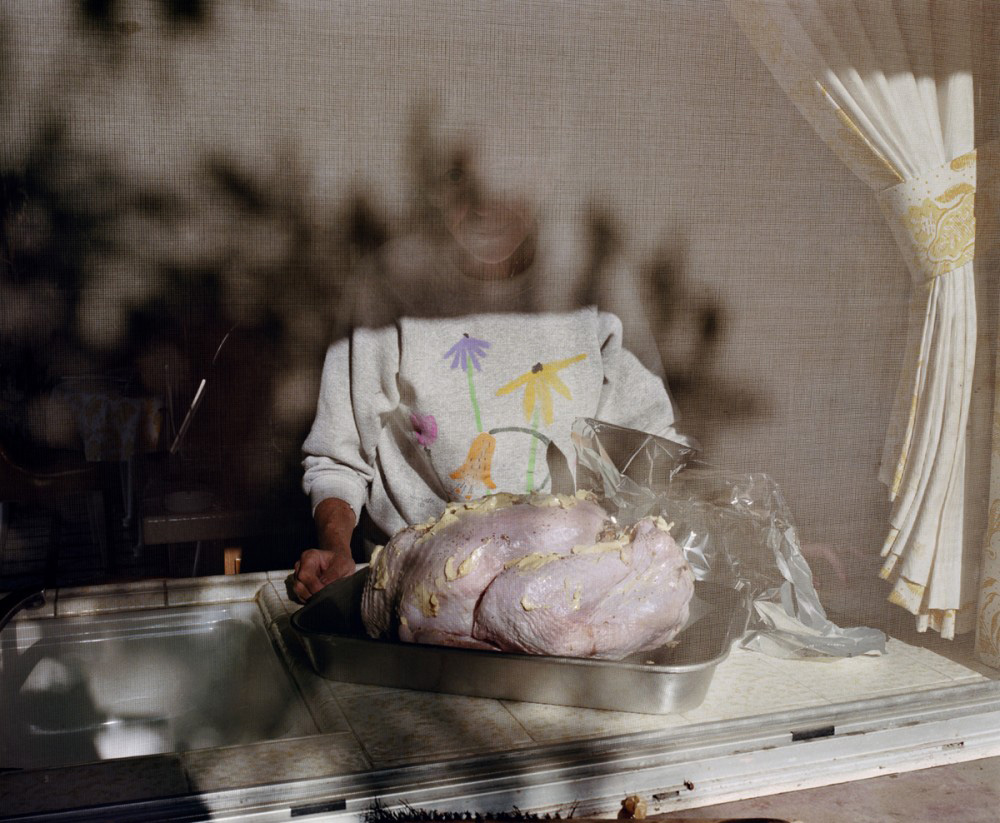
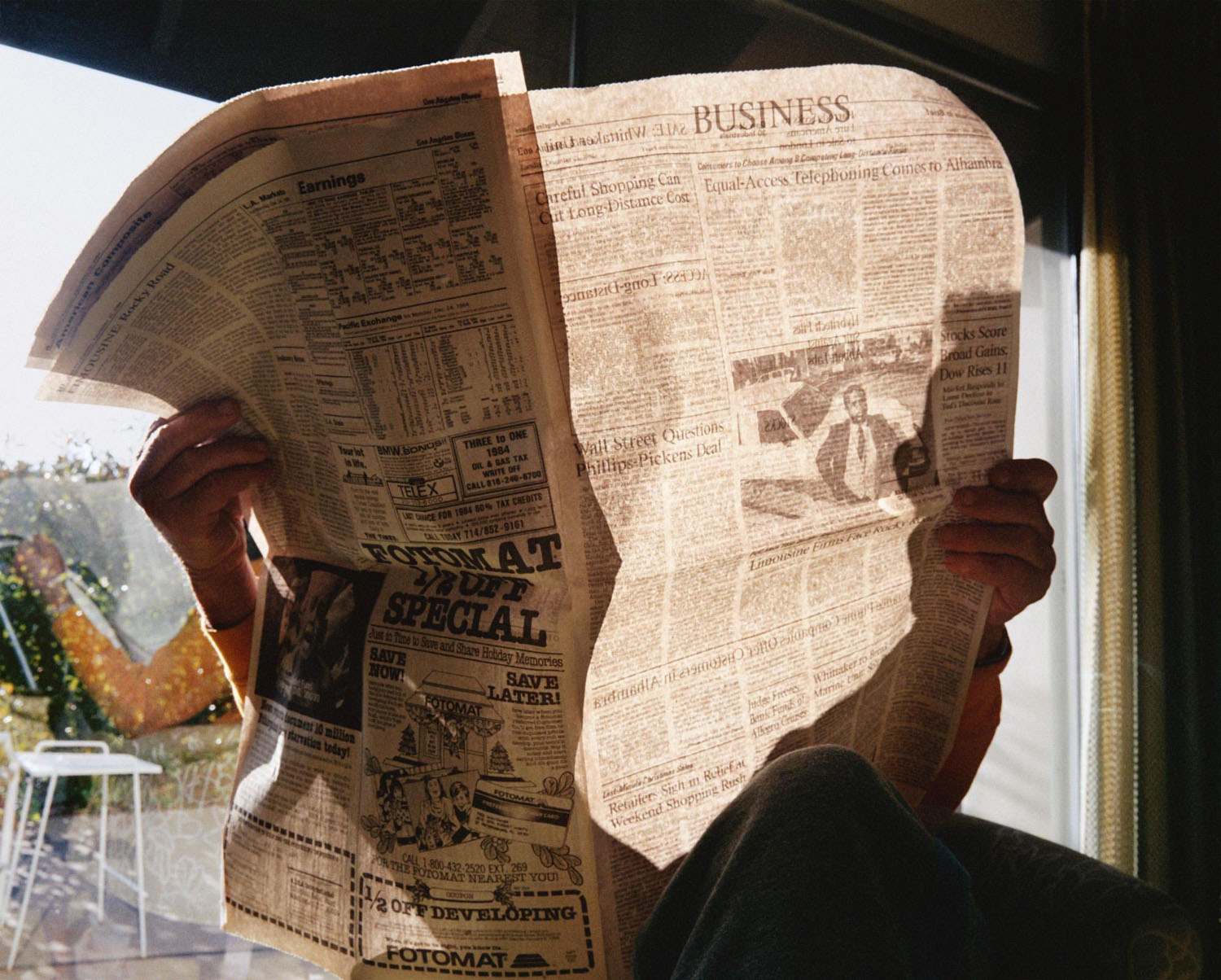
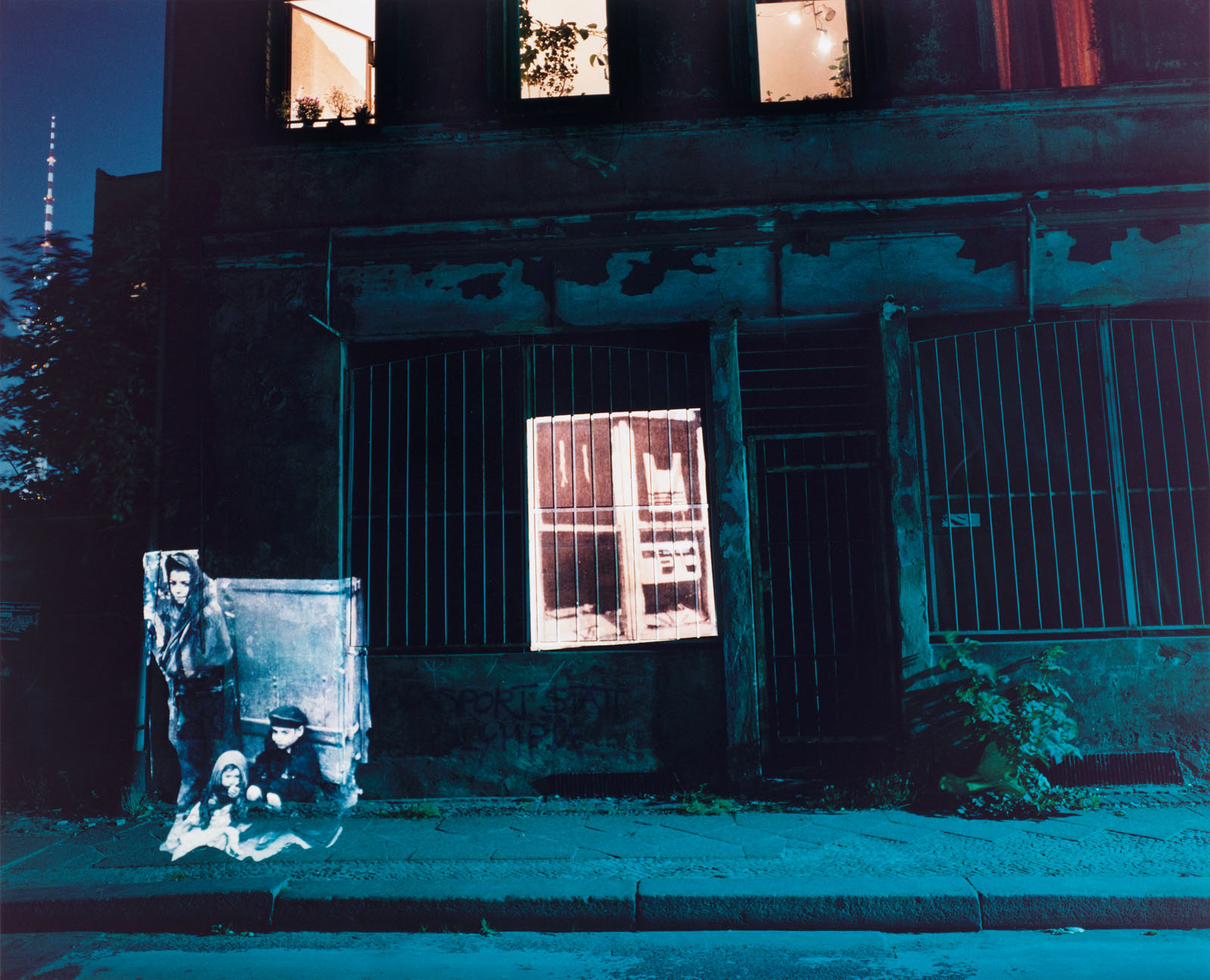
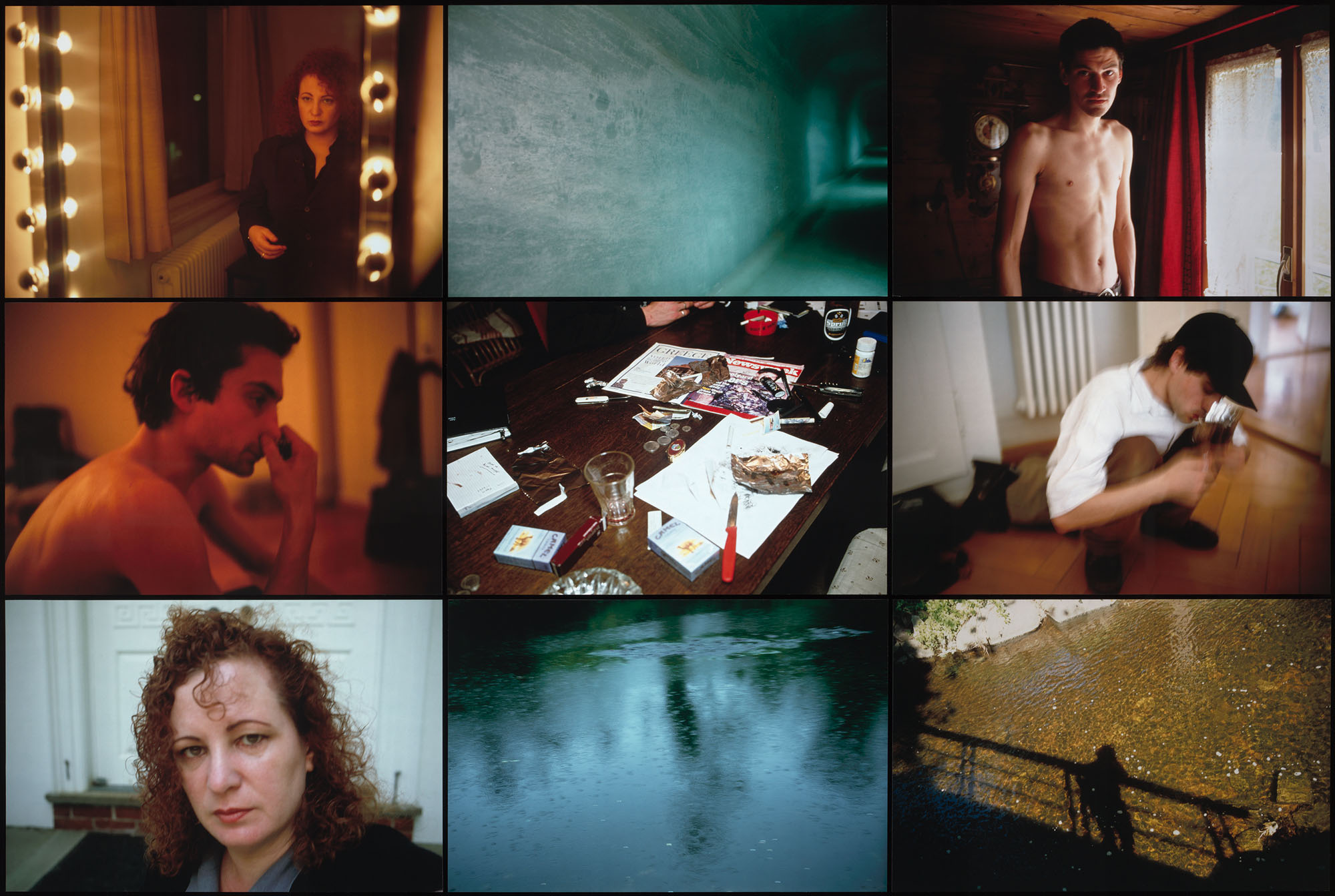
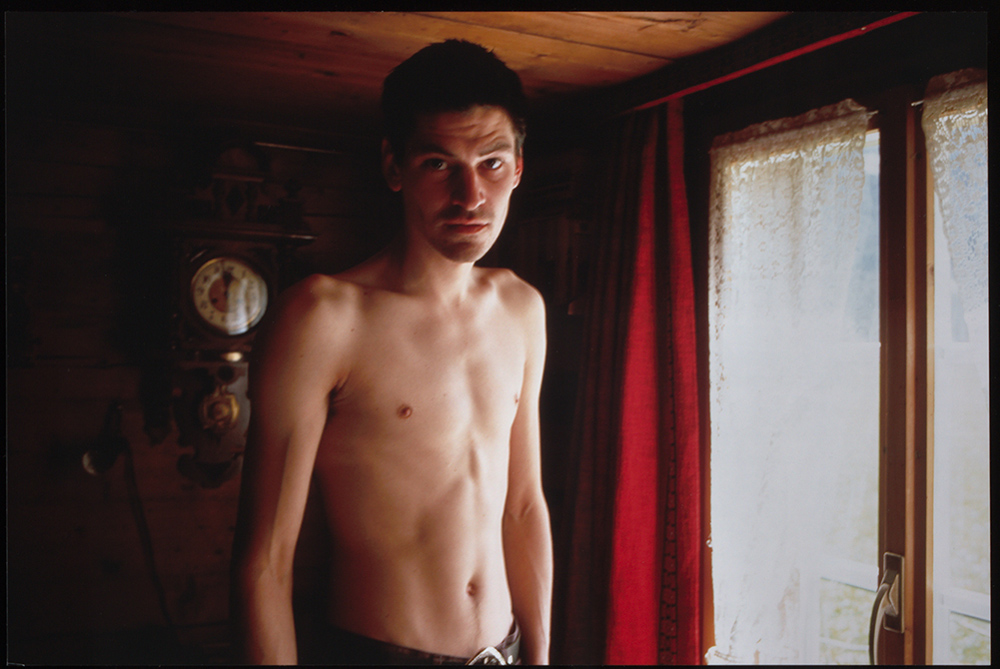
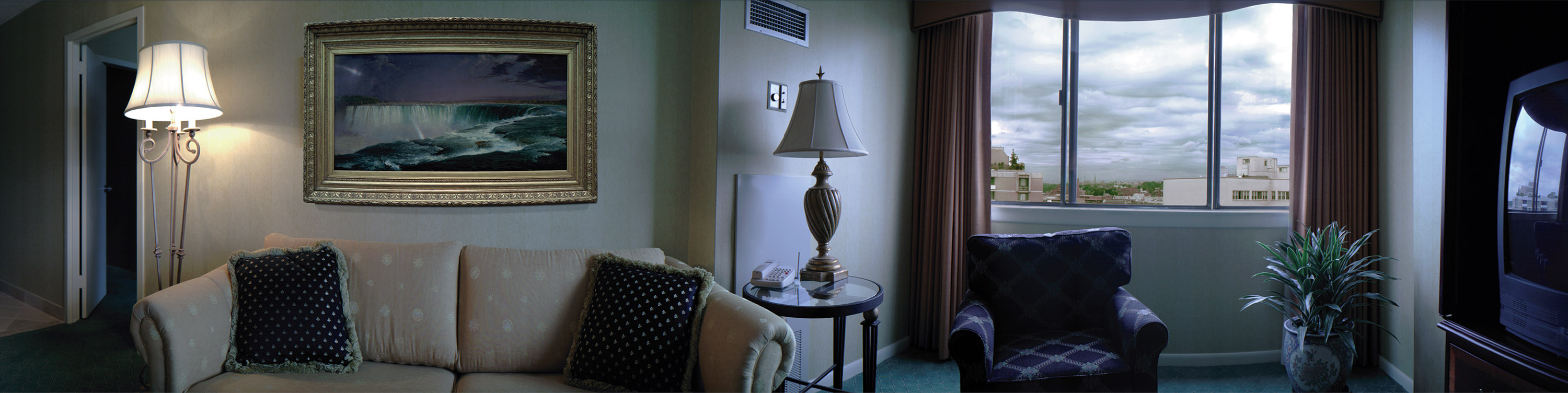
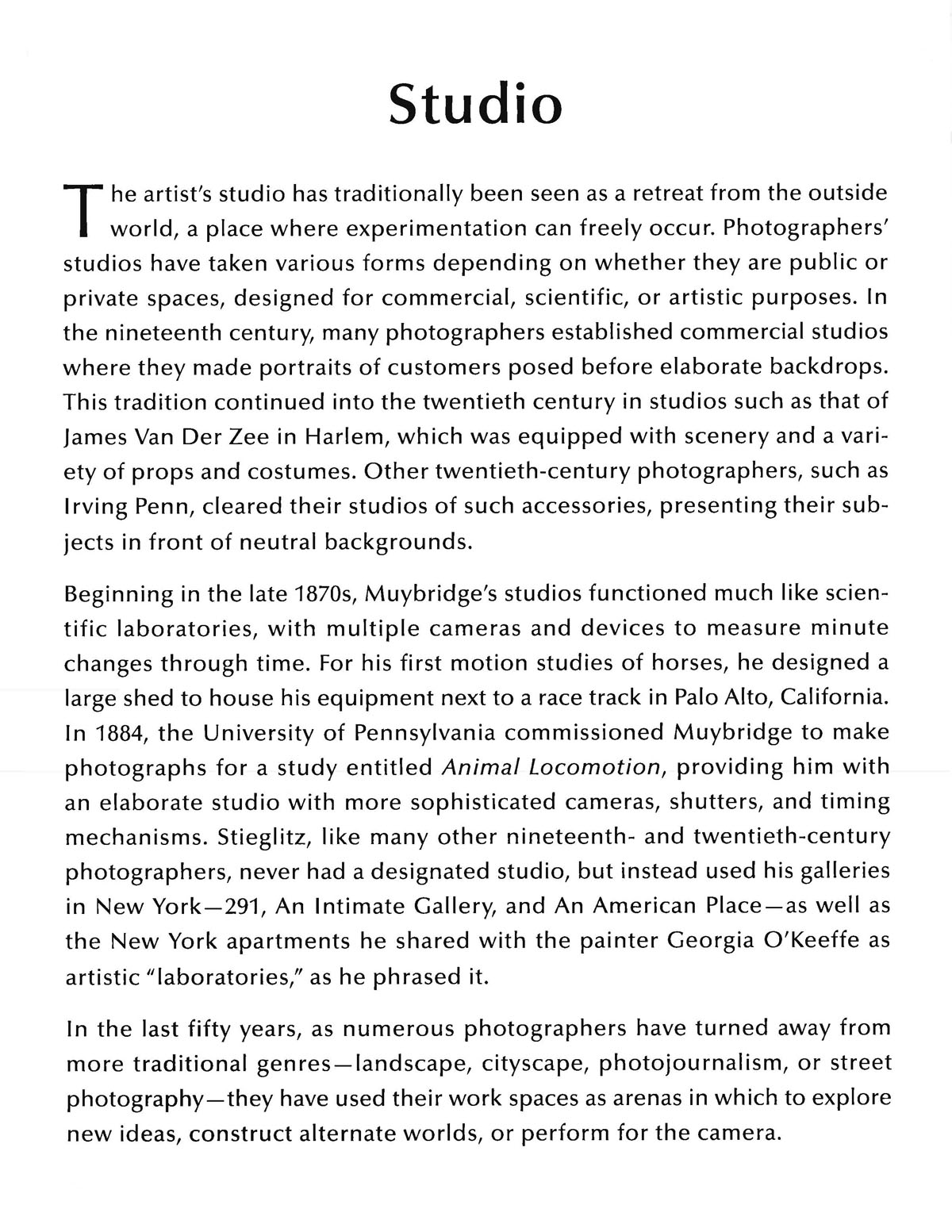
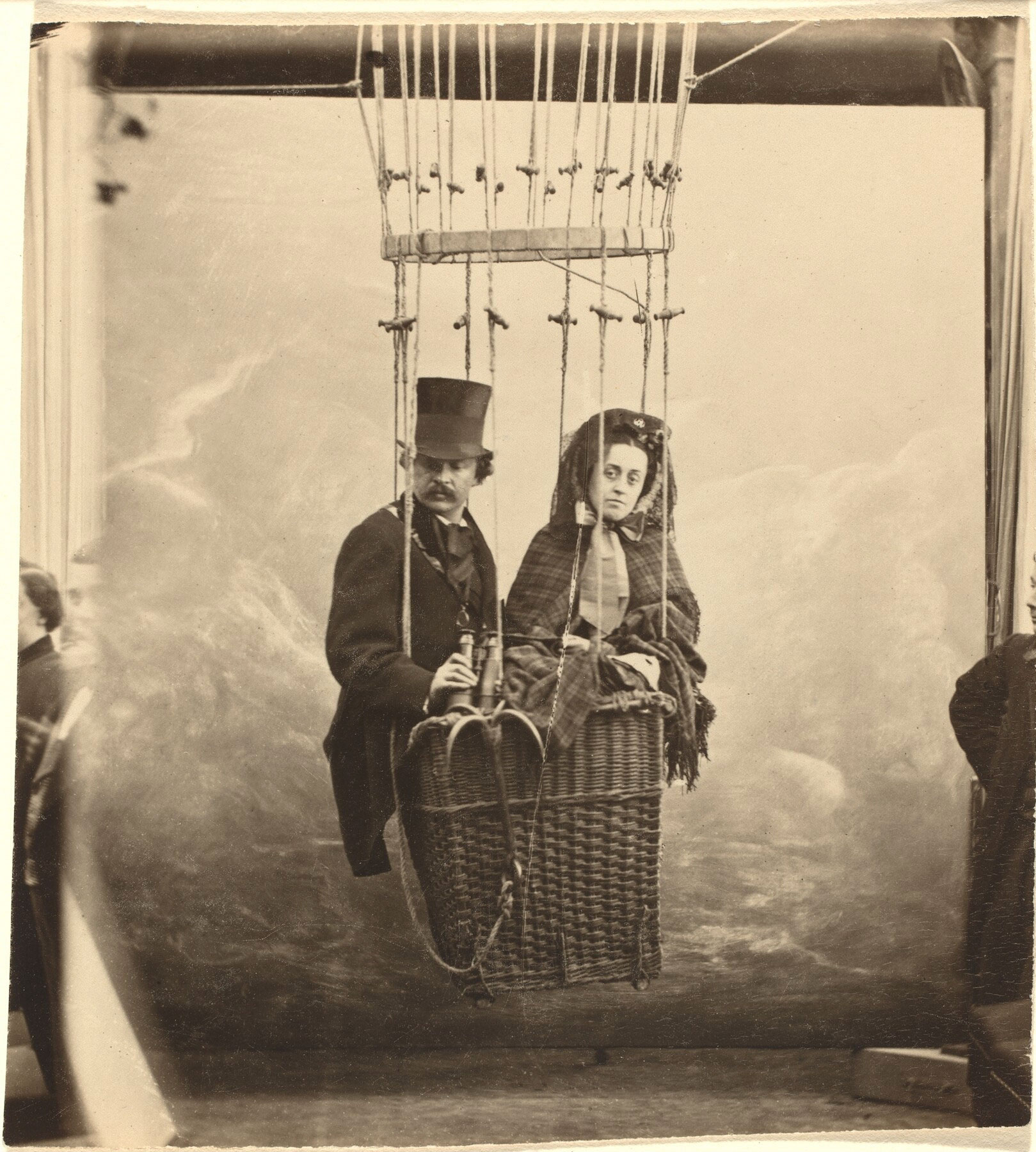

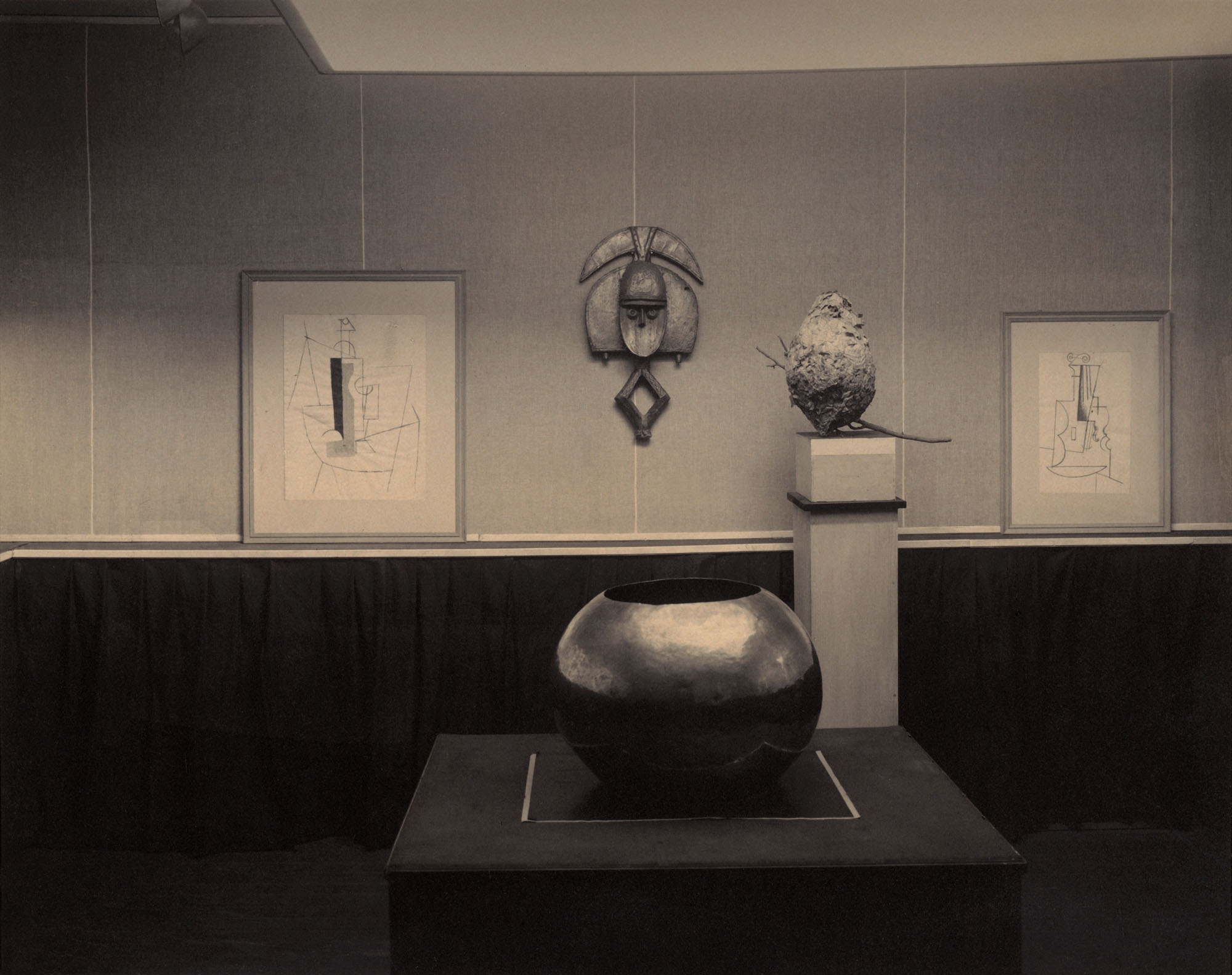
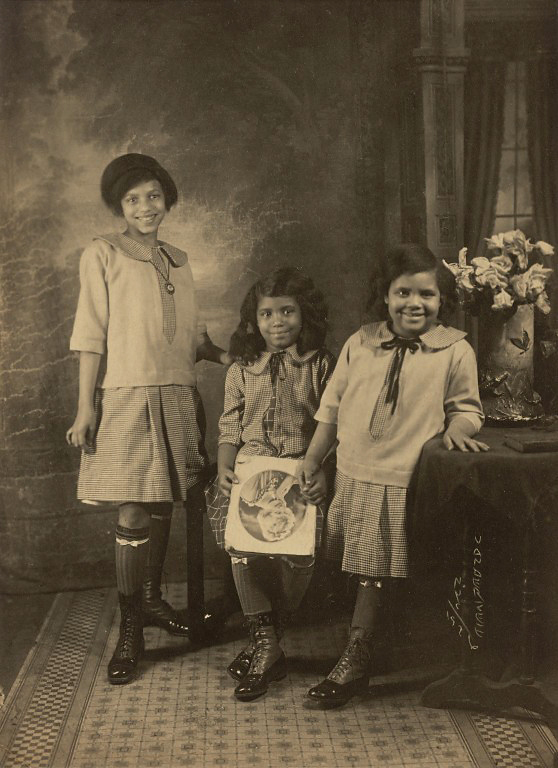



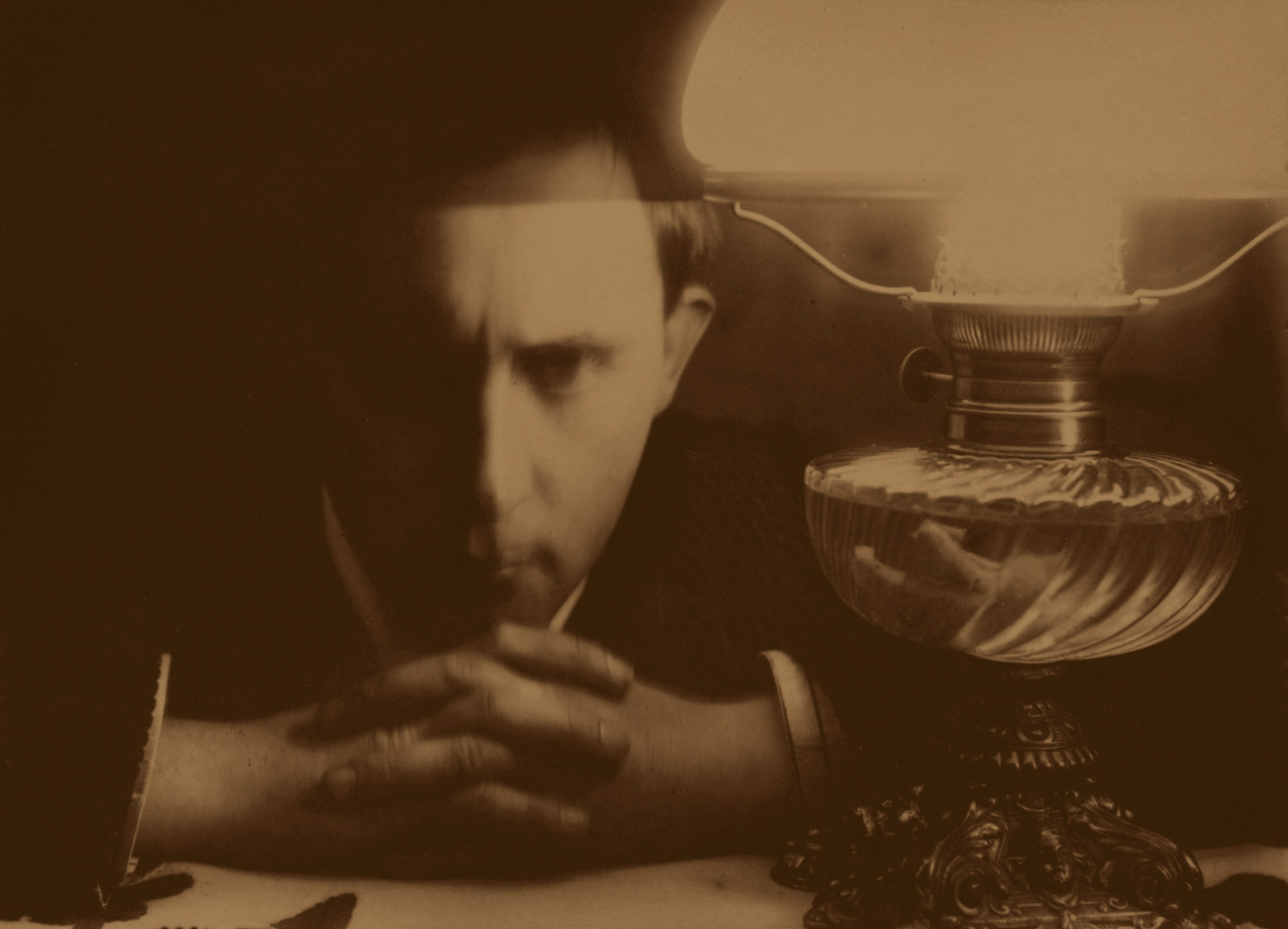


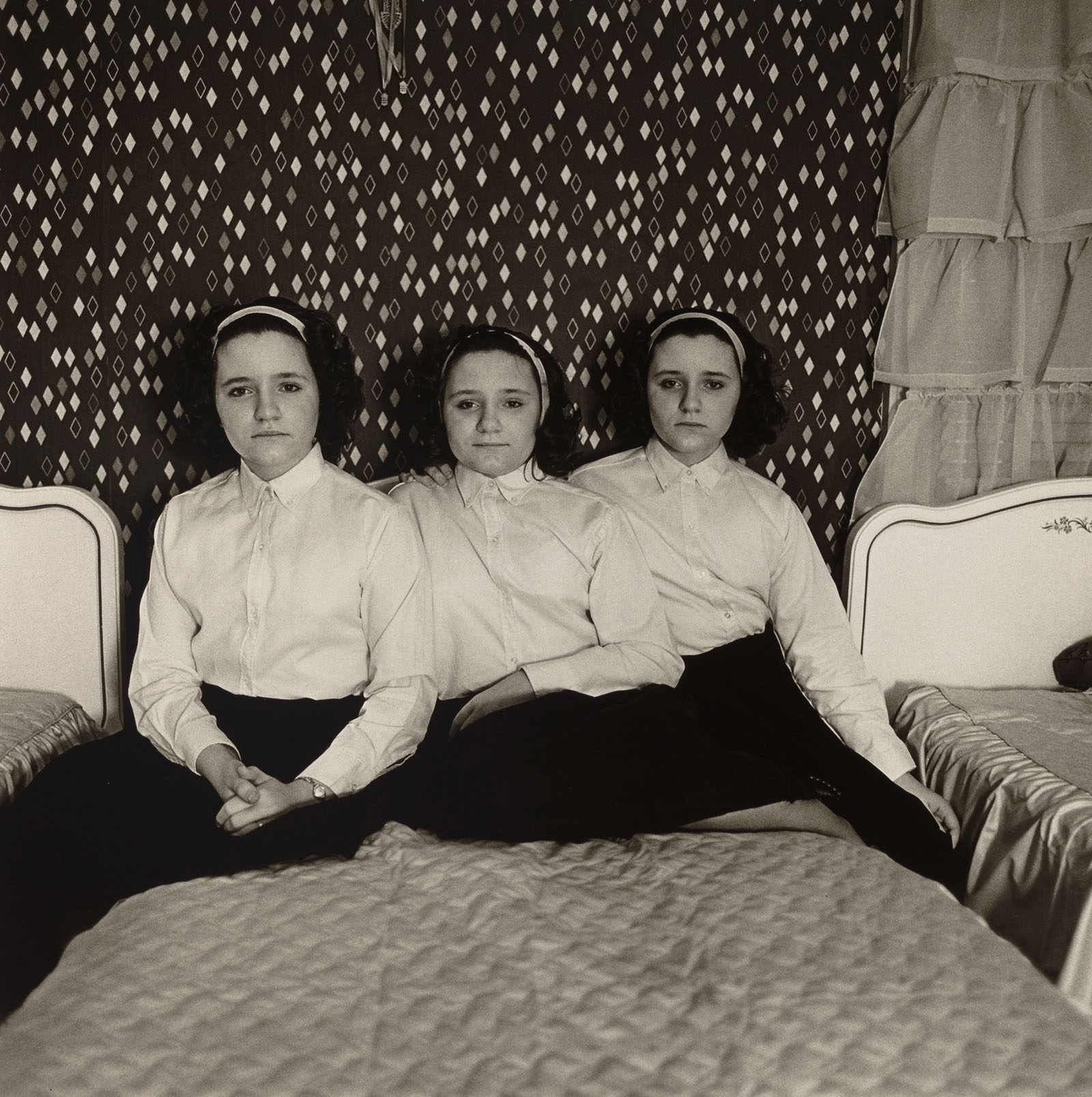
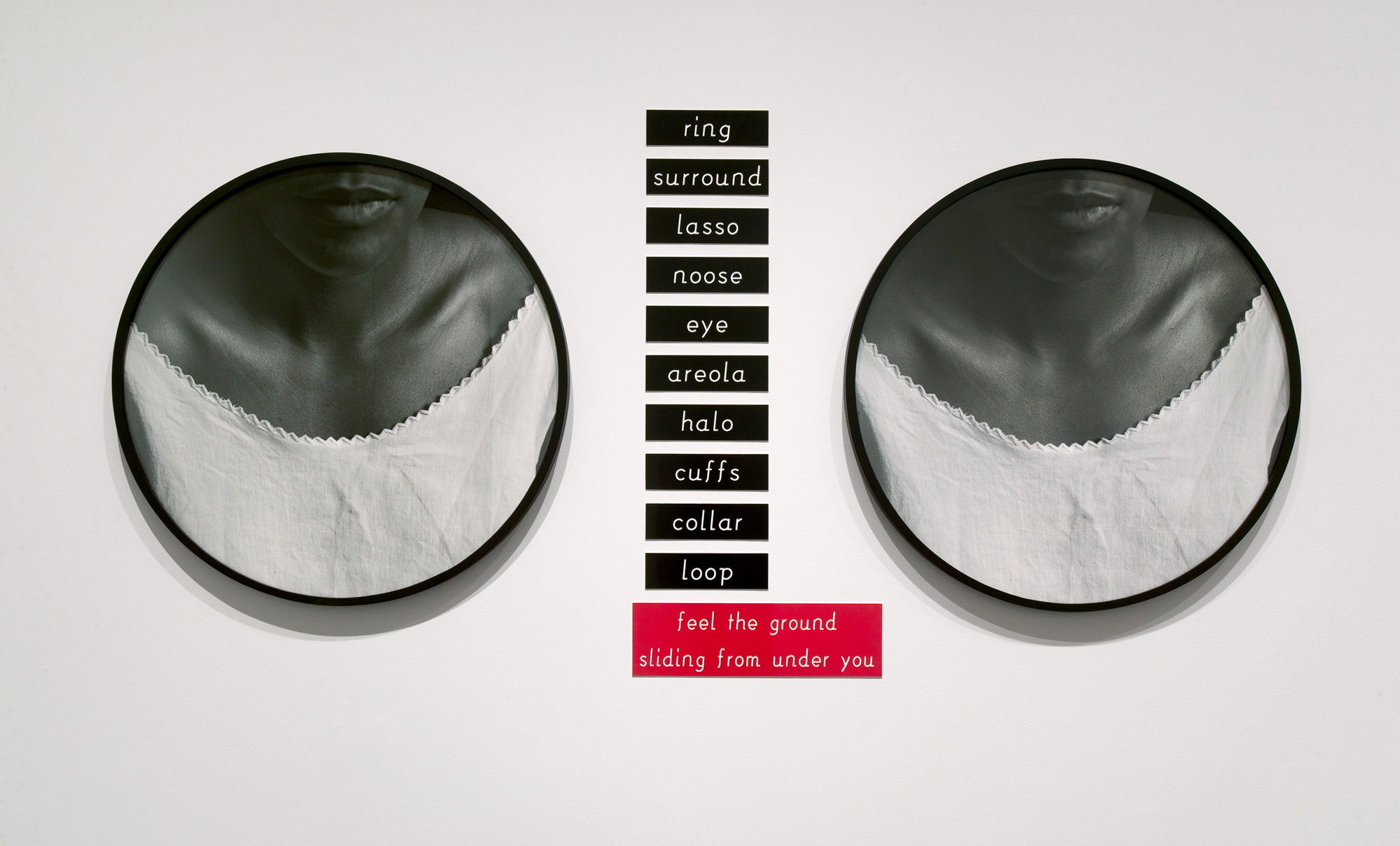
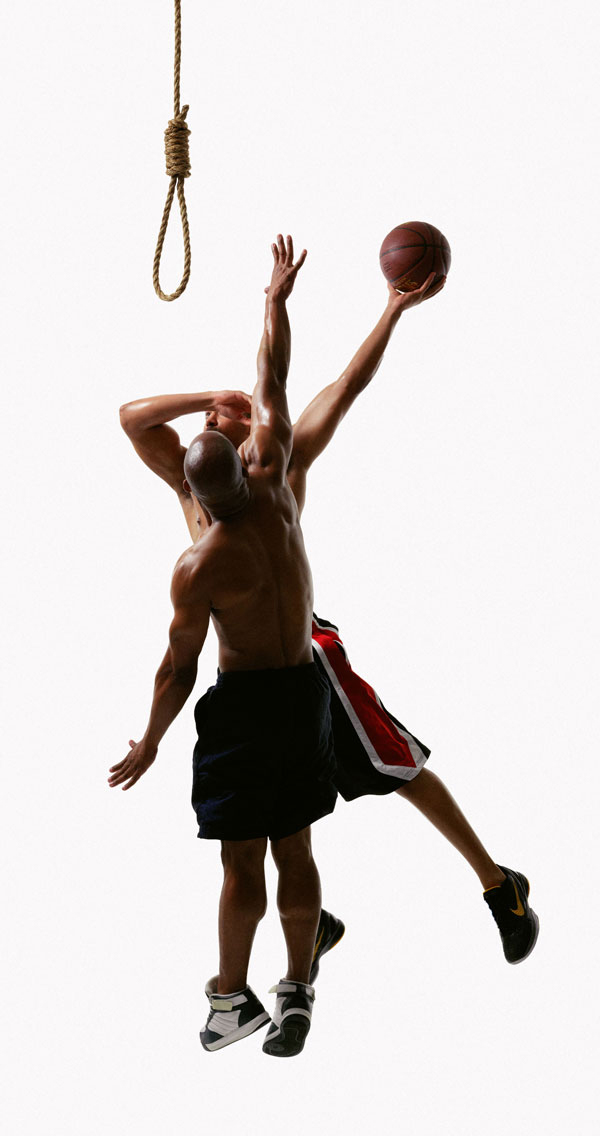
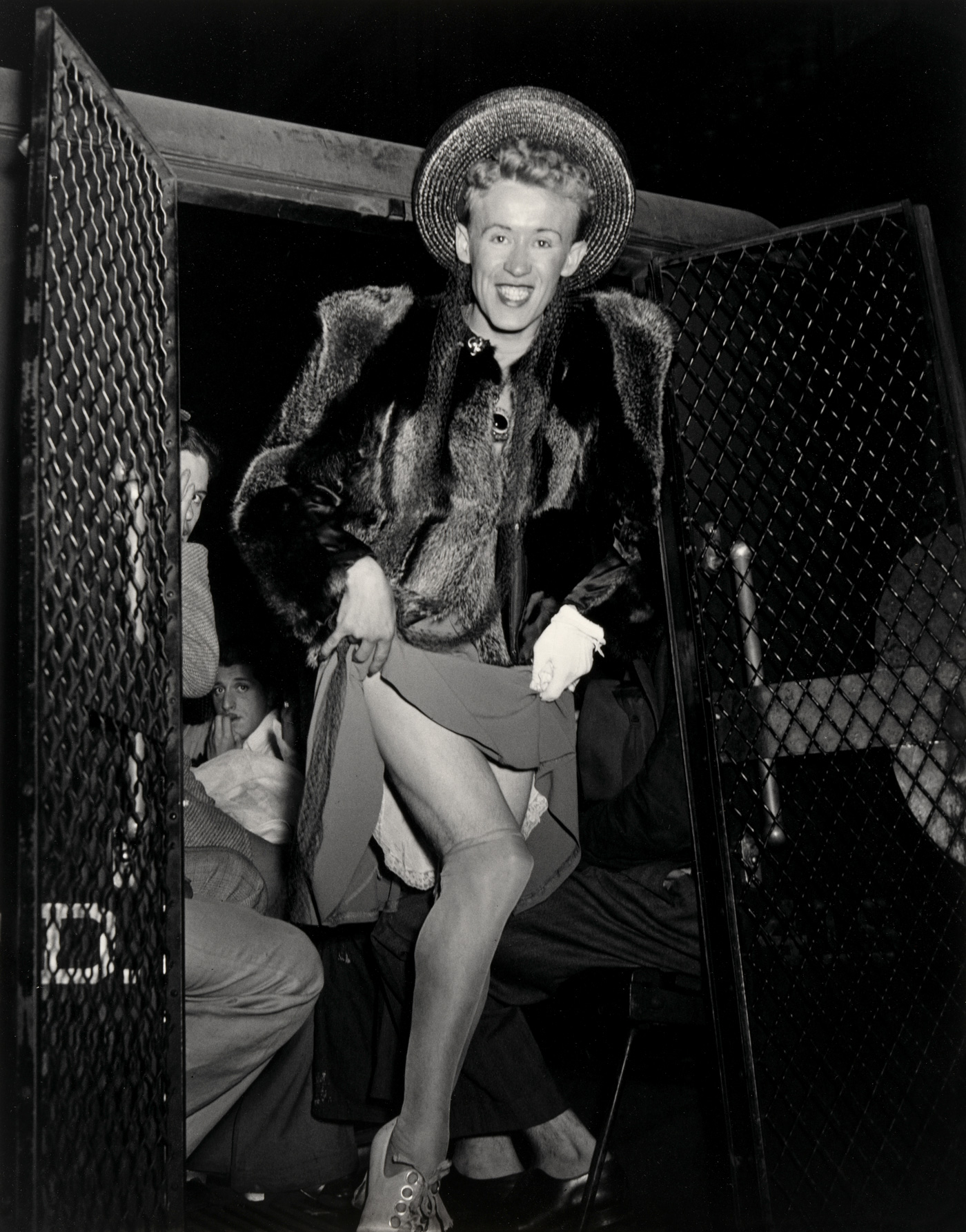
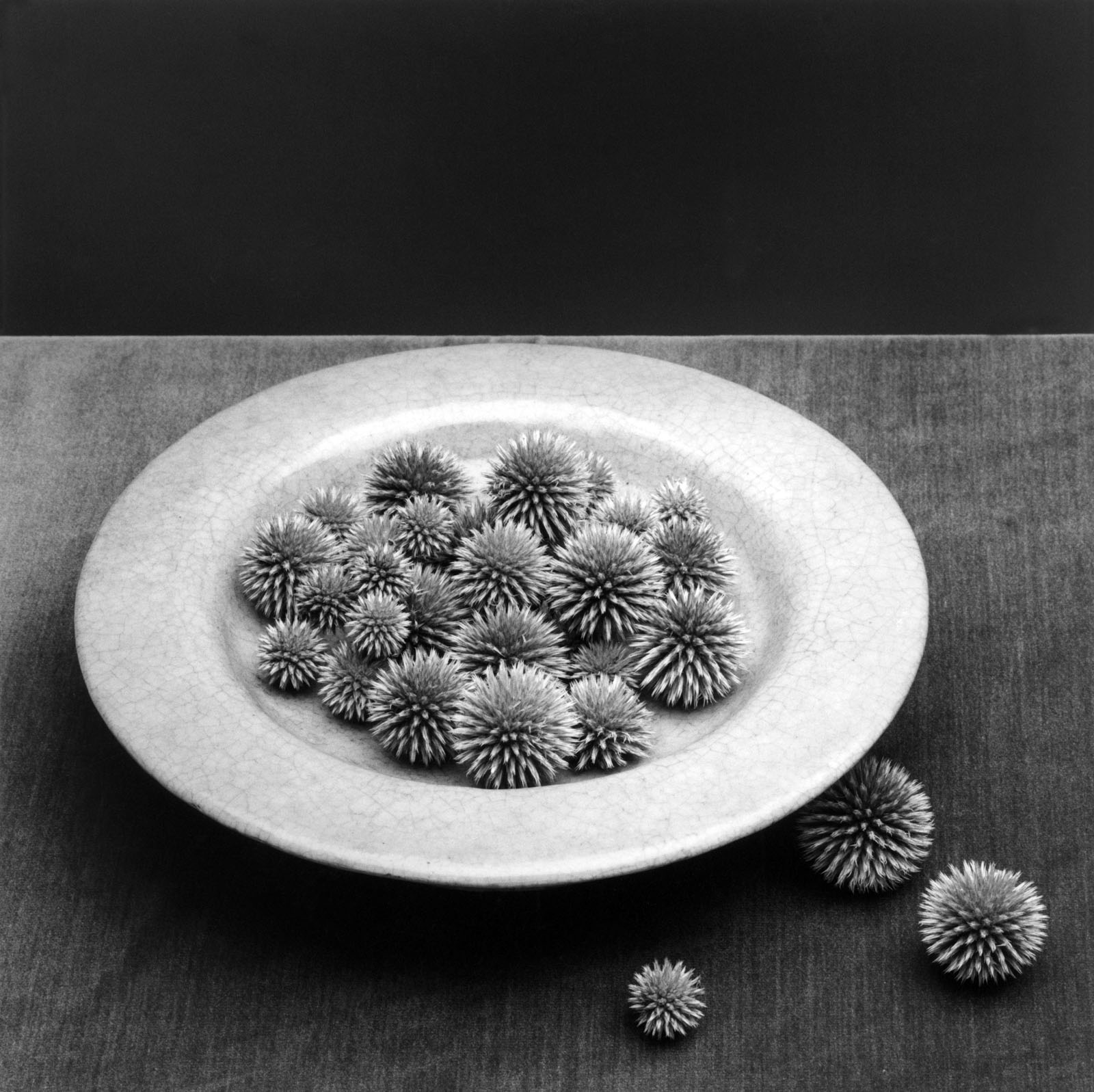
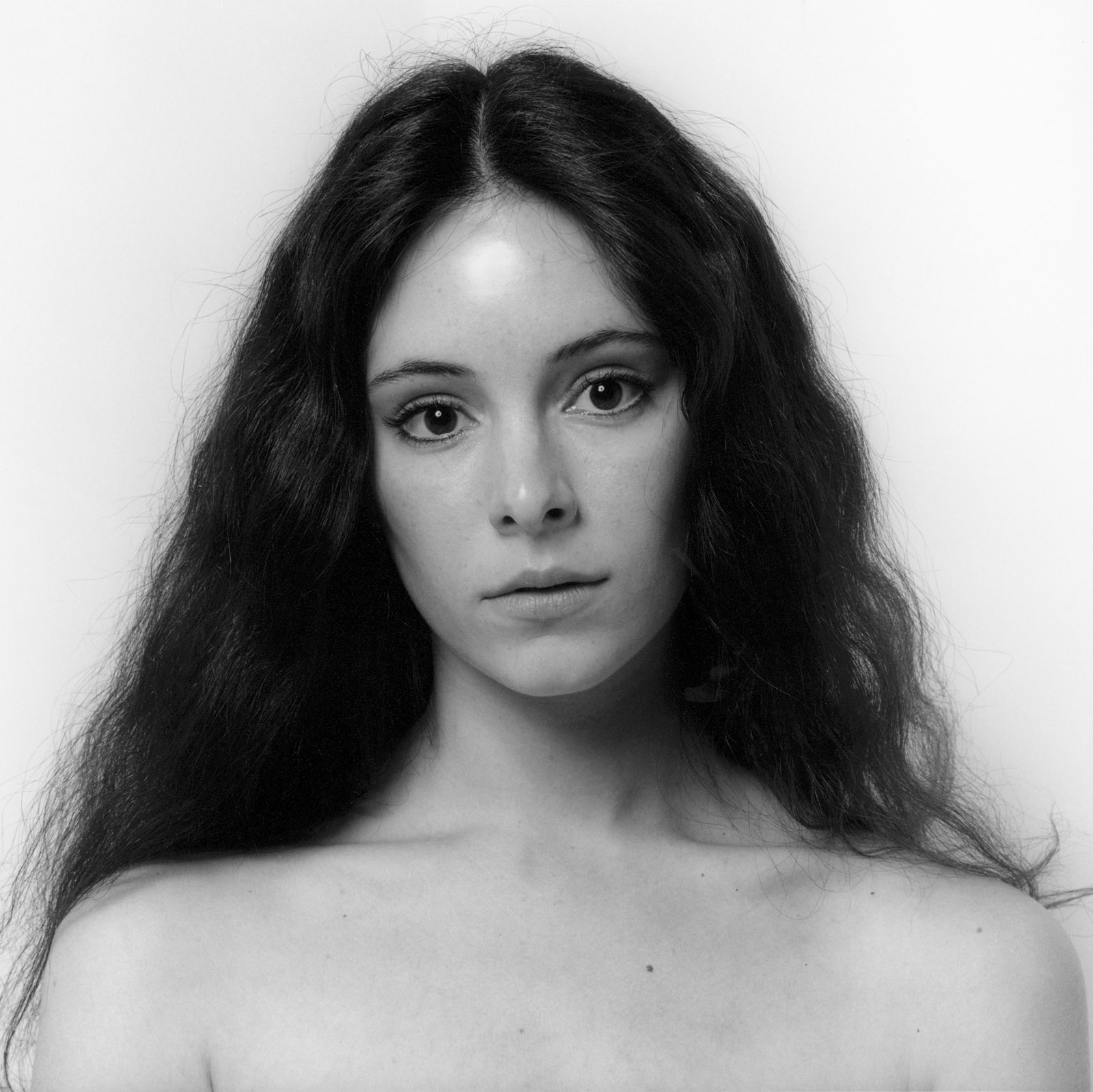
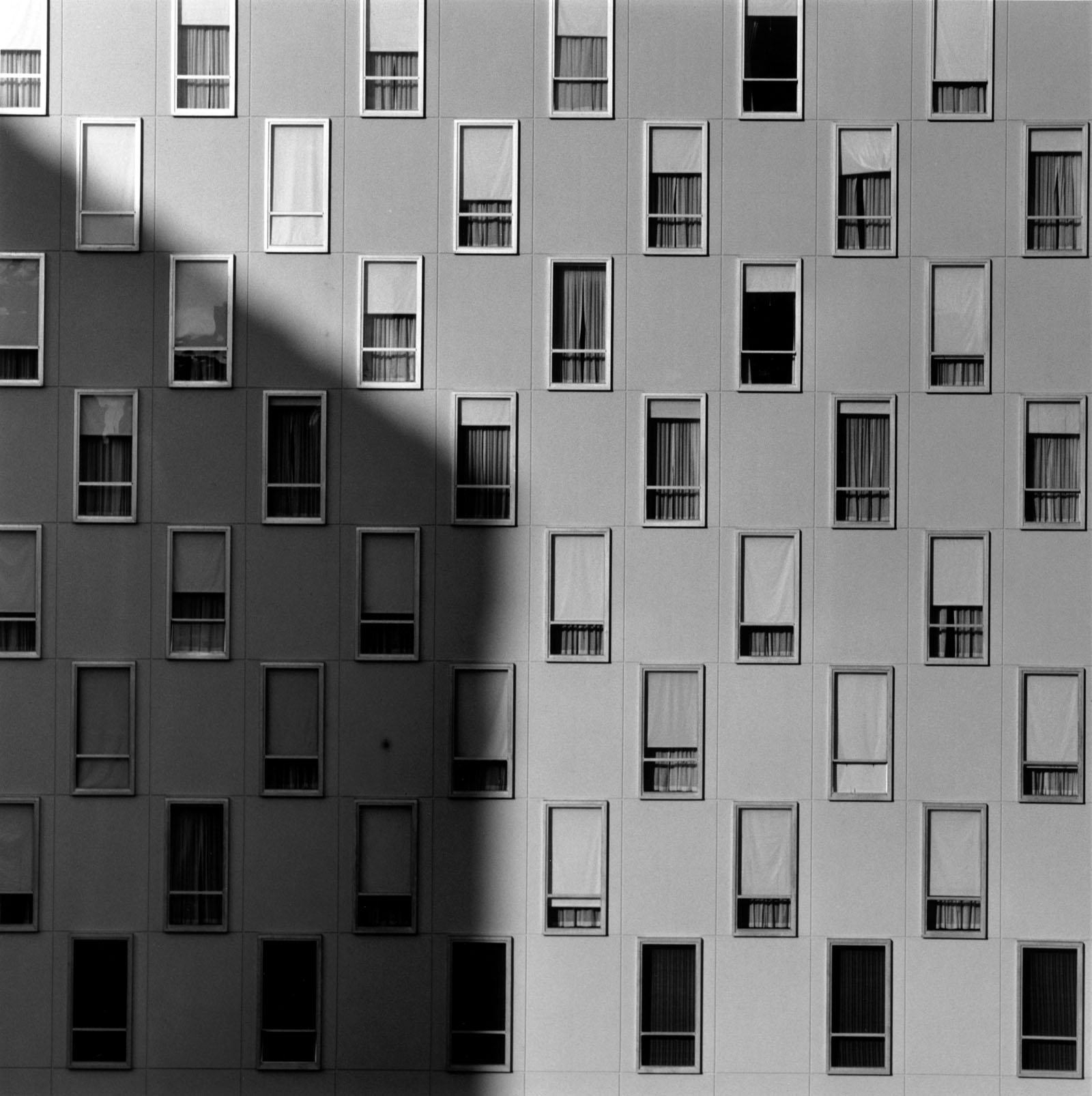
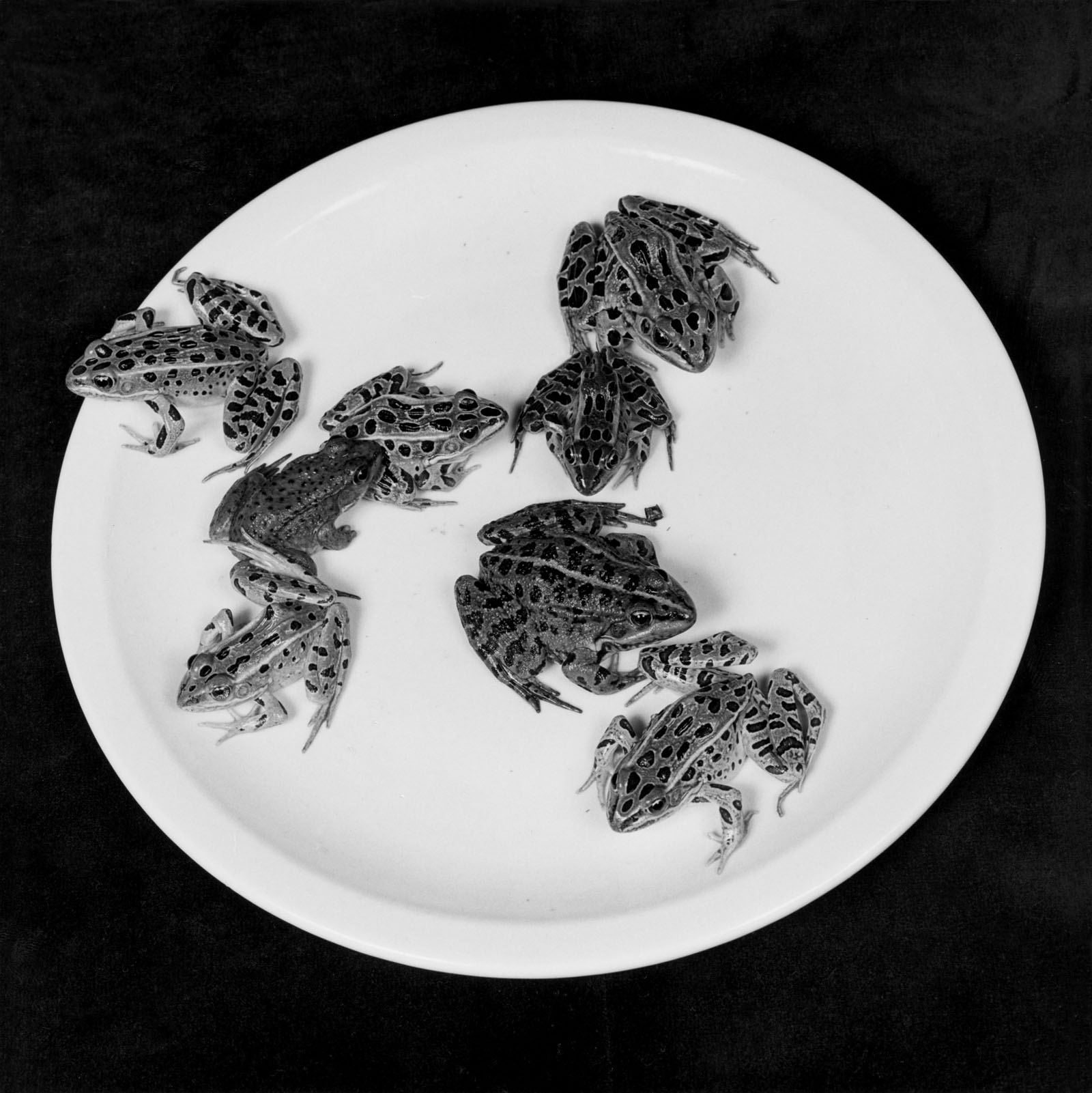
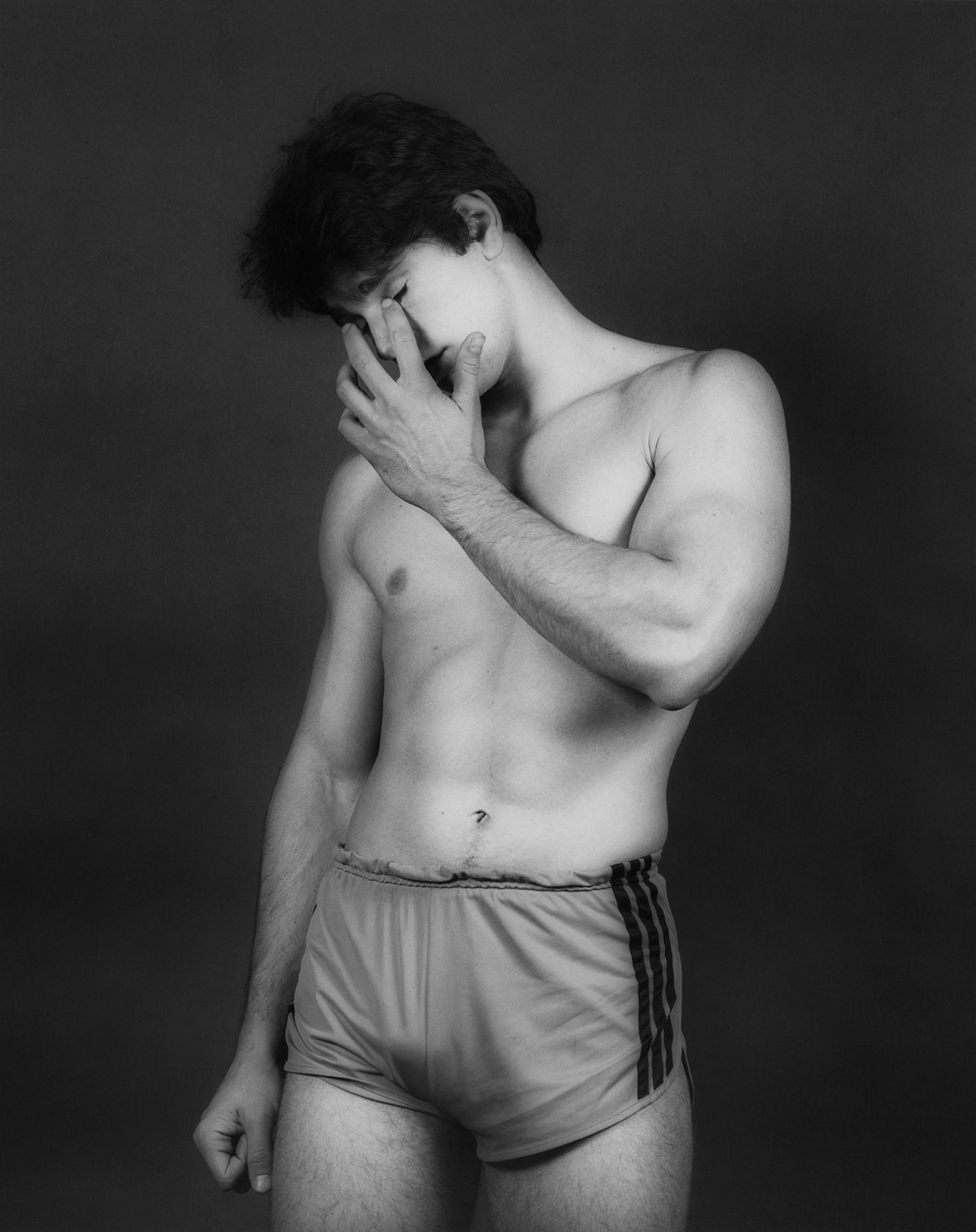
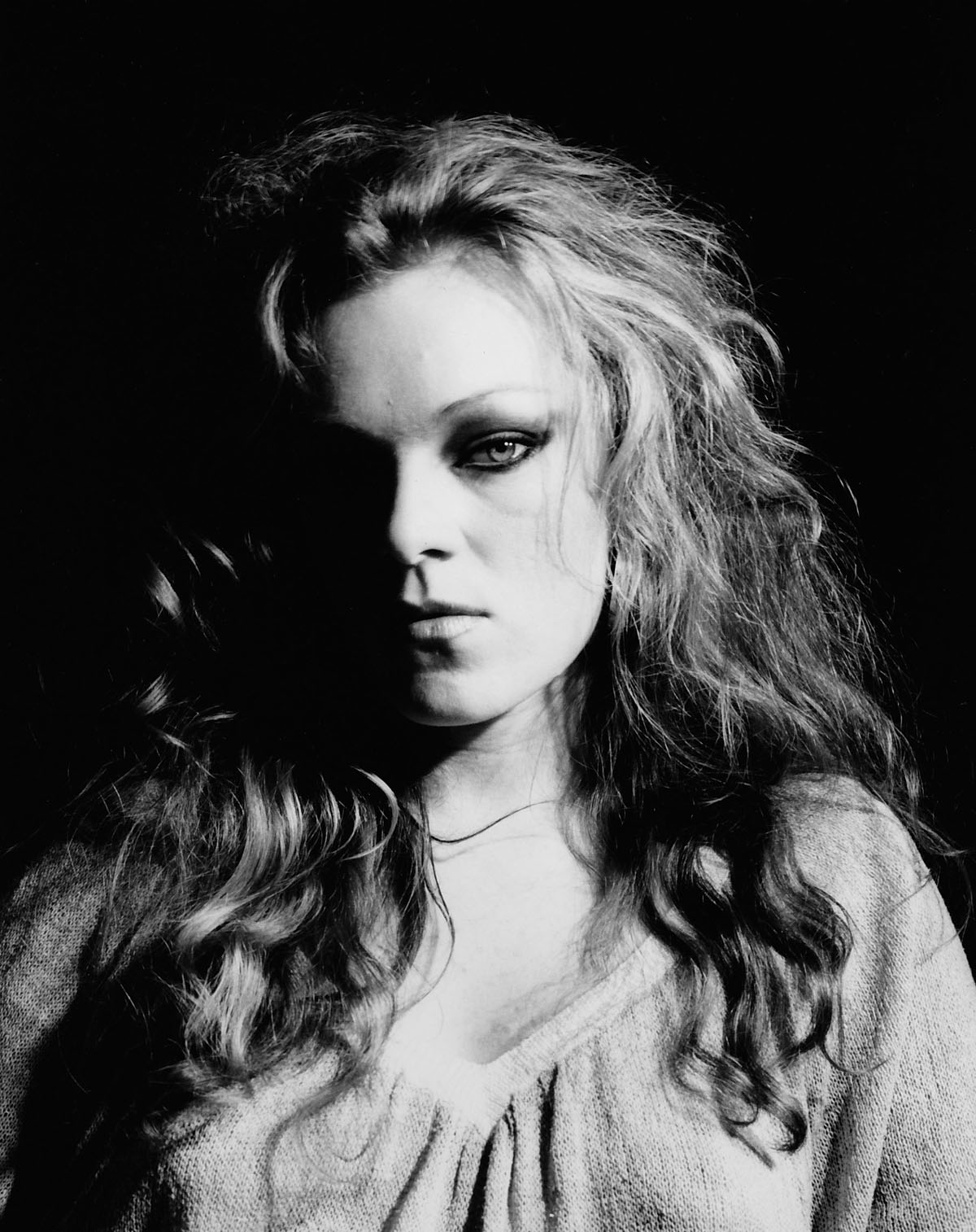
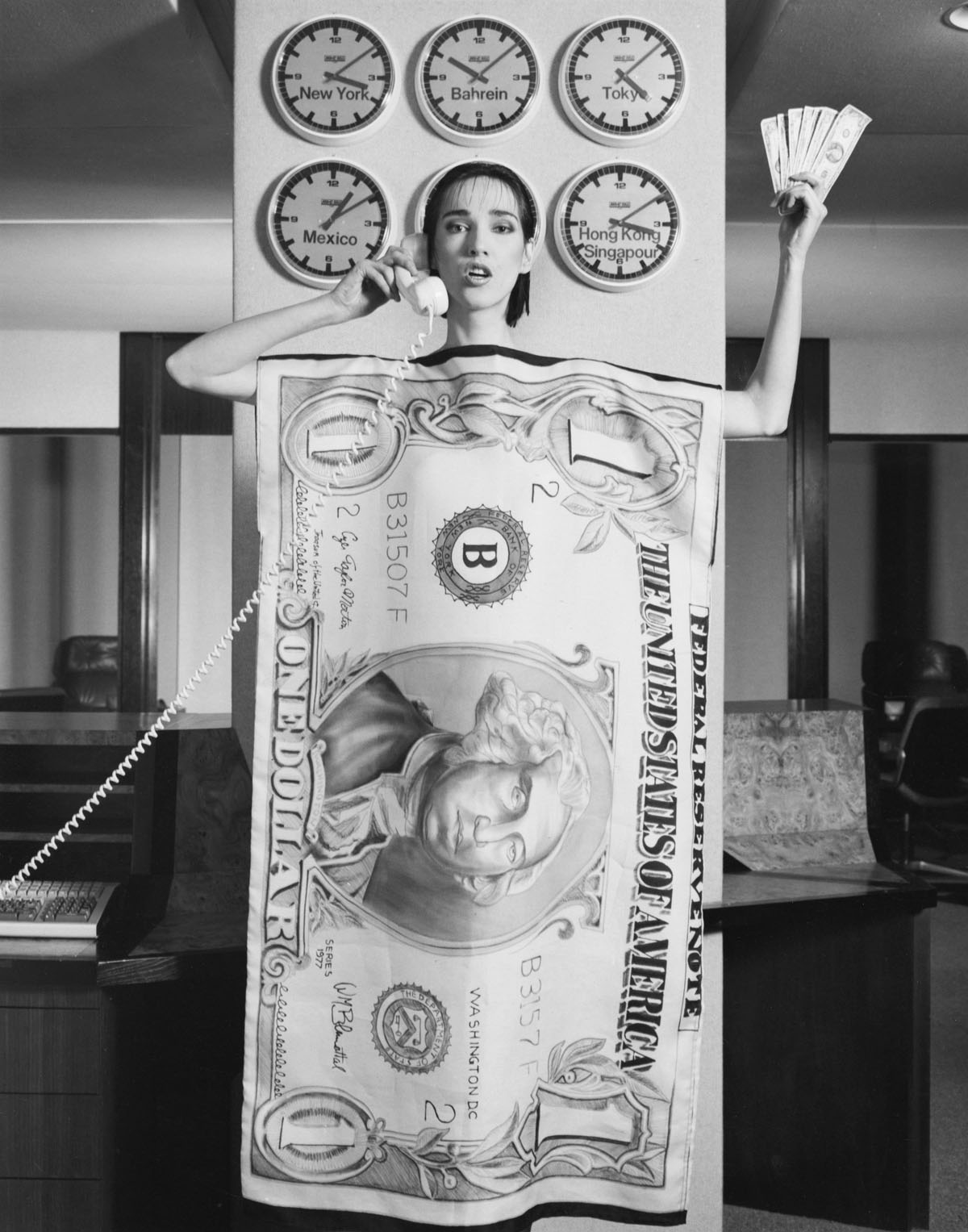
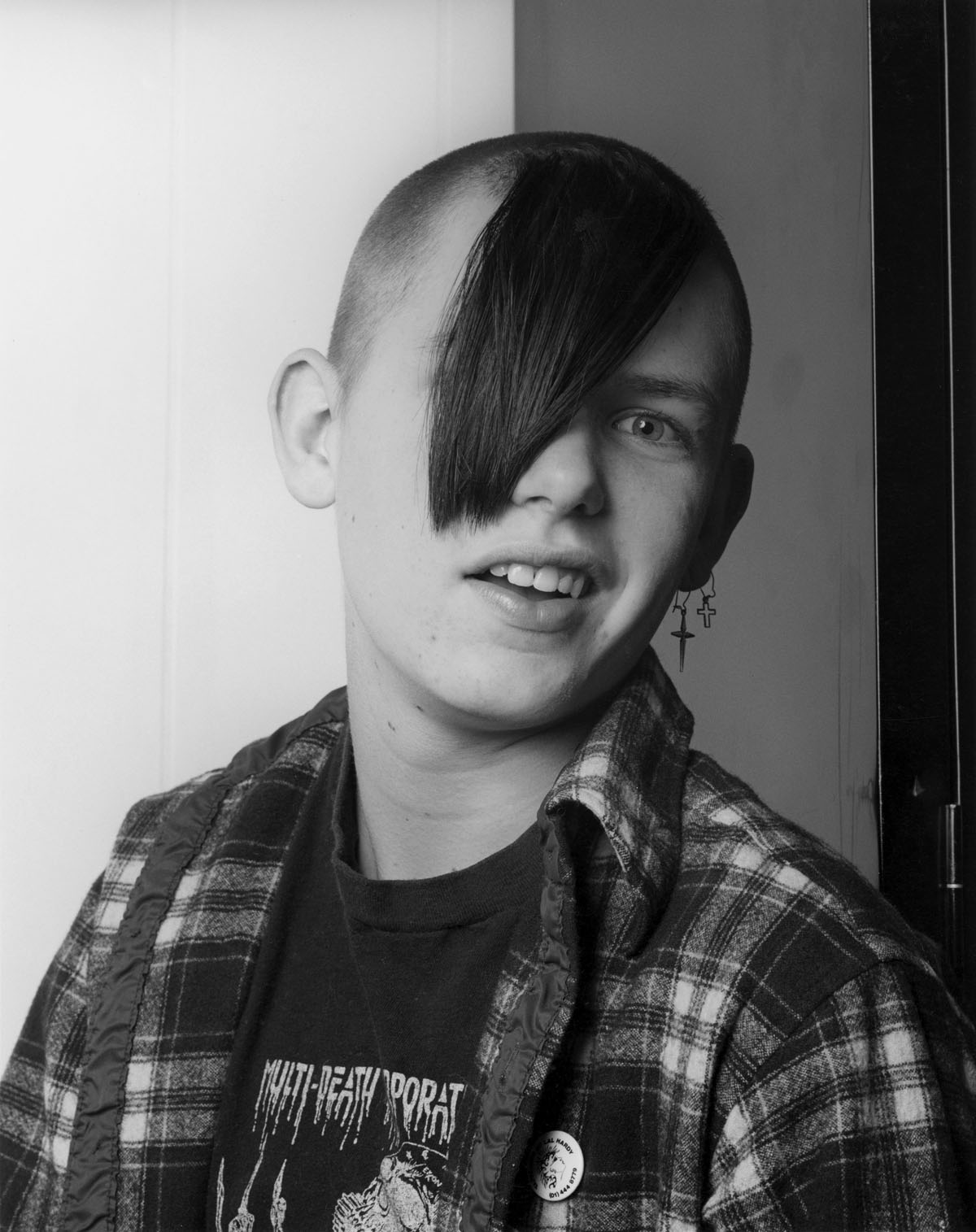
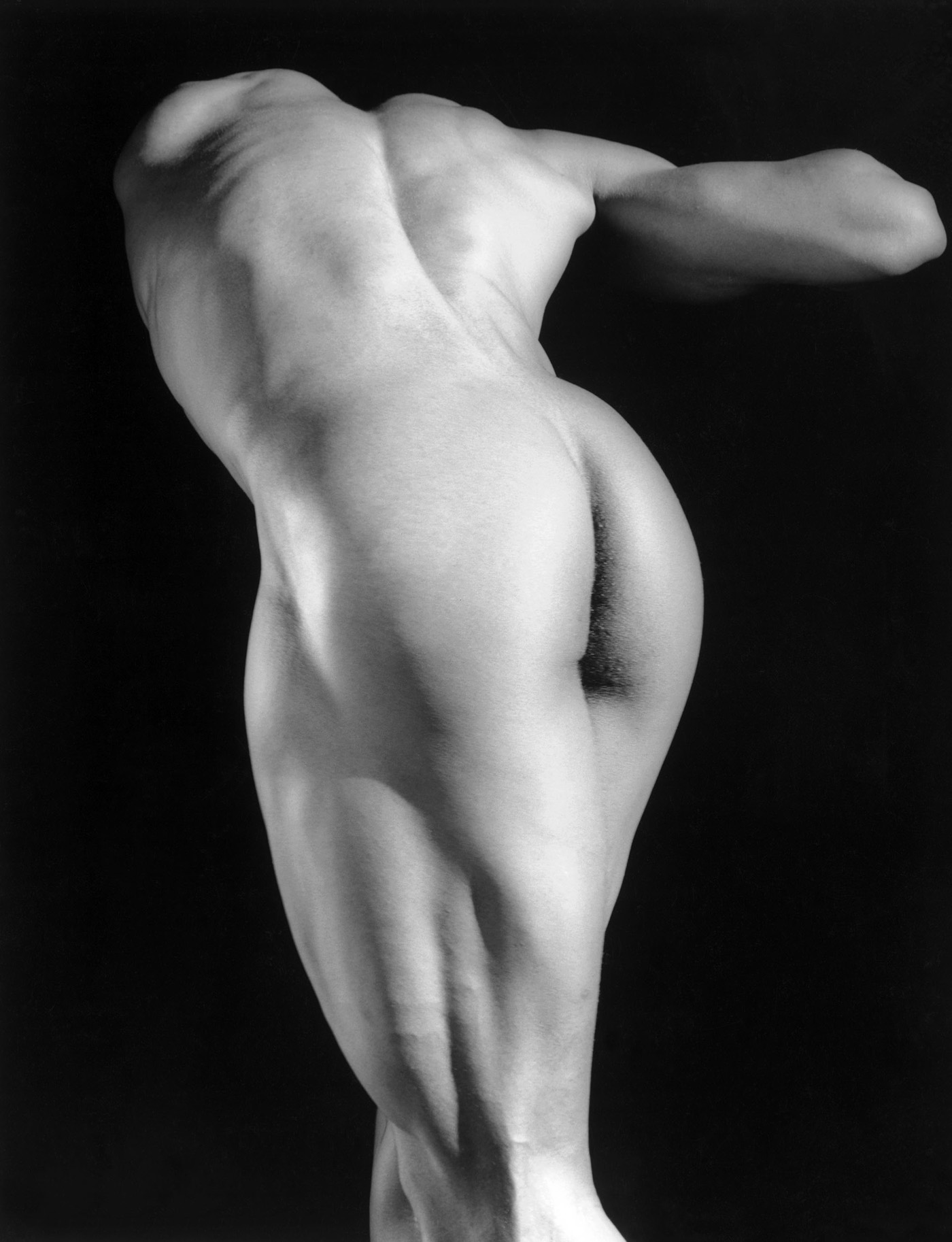
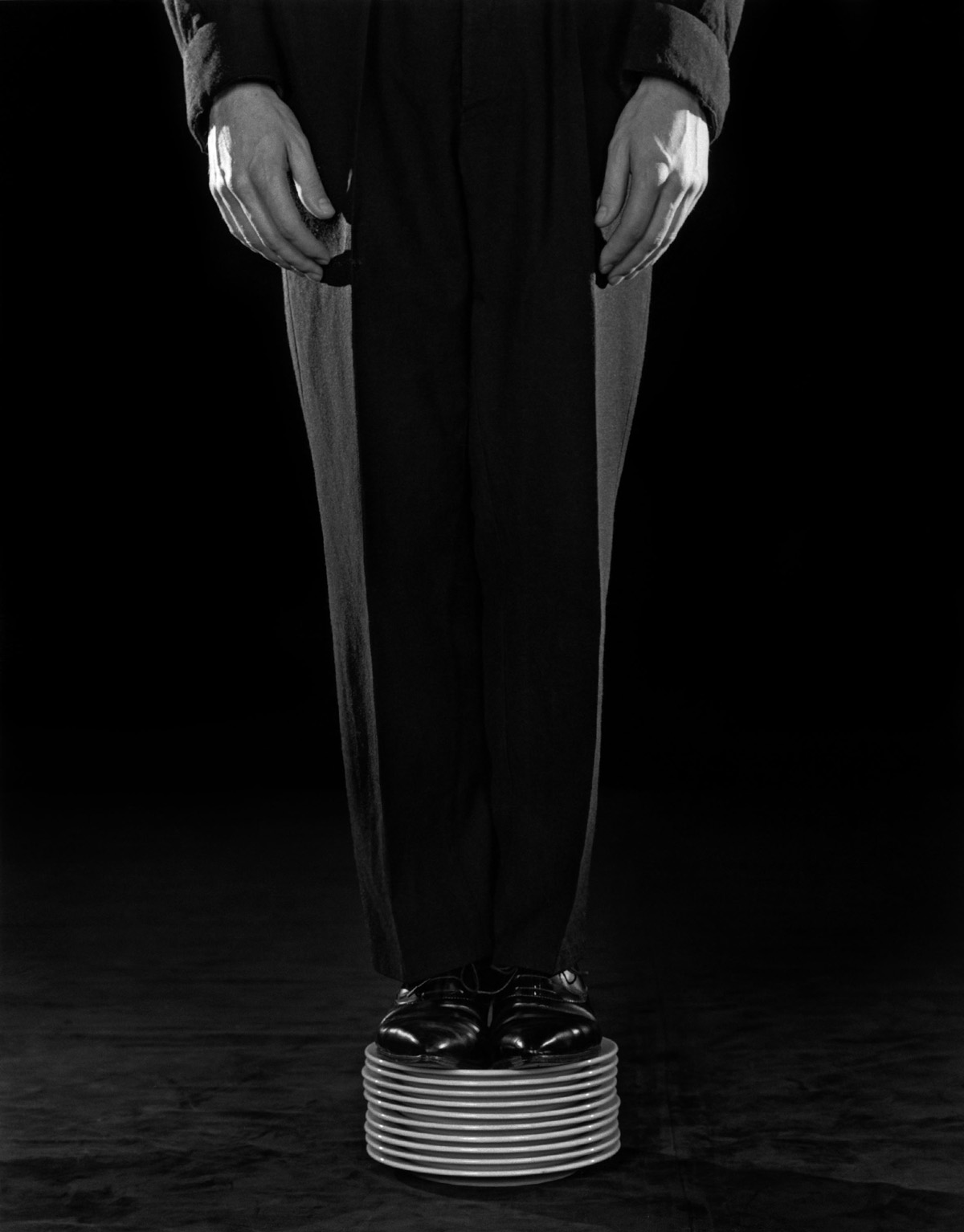
 Art Blart _ art and cultural memory archive
You must be logged in to post a comment.