Anonymous photographer Ambrotype of a washerwoman for the Union Army in Richmond c. 1865 Photo: Brian Ireley, Smithsonian
Many thankx to the Smithsonian Castle for allowing me to publish the photographs in the posting. Please click on the photographs for a larger version of the image.
“It is very strange that I, a boy brought up in the woods, seeing as it were but little of the world, should be drifted into the very apex of this great event.”
Abraham Lincoln, on the Civil War, July 1864
A box of gun cotton (cotton treated with nitric acid) carrying the brand name “Anthony’s Snowy Cotton,” a photo processing supply that a Civil War-era photographer might use in the field to create collodion photographs. Photo: Brian Ireley, Smithsonian
A sampling of photographic chemical bottles used for wet collodion photography during the Civil War Photo: Brian Ireley, Smithsonian
This Civil-war era photo album of American political and military figures was owned by Karl Schenk, president of Switzerland 1865 Photo: Brian Ireley, Smithsonian
Anonymous photographer A book of illustrated personal portraits from the Civil War era c. 1861-1865 Photo: Brian Ireley, Smithsonian
A photo exhibit to commemorate the 150th anniversary of the Civil War, Experience Civil War Photography: From the Home Front to the Battlefront, opens in the Smithsonian Castle August 1st 2012 and it continues for a year. Advancements in photography brought the conflict close to home for many Americans and the exhibit features a stereoview and a carte-de-visite album of Civil War generals.
During the Civil War the Castle served as a home for the Smithsonian Secretary’s family and a place of learning and collecting. The exhibit displays excerpts from the diary from the daughter of the Secretary Joseph Henry. Mary Henry recorded the comings and goings of soldiers to the Castle use of its towers to observe advancing soldiers and the state of Washington after Lincoln’s assassination.
Also featured are Smithsonian employee Solomon Brown (1829-1906) and the lecture hall that hosted a series of abolitionist speakers; it was destroyed by fire in 1865. Stereoviews, a form of 3-D photography that blossomed during that era, daguerreotypes, tintypes and ambrotypes – all emerging types of photography – are highlighted in the exhibit to explore the ways photography was used to depict the war, prompt discussion and retain memories.
The exhibit features a range of Civil War-era photographic materials from Smithsonian collections, including cameras, stereoviewers, albums and portraits, alongside photographs of soldiers and battlefields. Highlights include an ambrotype portrait of an African American washerwoman, carte-de-visite (a type of small photo) album of Civil War generals, an 11-by-4-inch-view camera and equipment and an examination of the emergence of battlefield photography and photojournalism.
Experience Civil War Photography: From the Home Front to the Battlefront is a joint exhibition produced by the Smithsonian and the Civil War Trust and is sponsored by the History channel.
Press release from the Smithsonian Castle website
Alexander Gardner (American born United Kingdom, 1821-1882) [Gettysburg, Pennsylvania. Dead Confederate sharpshooter in “The devil’s den”] July 1863
Alexander Gardner (American born United Kingdom, 1821-1882) [Antietam, Md. President Lincoln with Gen. George B. McClellan and group of officers] 3rd October 1862
Alexander Gardner (American born United Kingdom, 1821-1882) [Antietam, Md. President Lincoln with Gen. George B. McClellan and group of officers] (detail) 3rd October 1862
Abraham Lincoln’s presidential campaign was one of the first to use photography as a political tool 1860 Photo: Brian Ireley, Smithsonian
Timothy H. O’Sullivan (American born Ireland, 1840-1882) [Fort Pulaski, Ga. The “Beauregard” gun] April 1862 1 negative (2 plates) : glass, stereograph, wet collodion Two plates form left (LC-B811-0197A) and right (LC-B811-0197B) halves of a stereograph pair Photograph of the Federal Navy, and seaborne expeditions against the Atlantic Coast of the Confederacy – specifically of Fort Pulaski, Ga., April 1862
Alexander Gardner (American born United Kingdom, 1821-1882) [Richmond, Va. Grave of Gen. J. E. B. Stuart in Hollywood Cemetery, with temporary marker] Richmond, April-June 1865
James F. Gibson (American, 1828-1905) [James River, Va. Deck and turret of U.S.S. Monitor seen from the bow (ie. stern)] 9th July, 1862 1 negative (2 plates): glass, stereograph, wet collodion
James F. Gibson was probably the least known of the Civil War photographers. He, too, was born in New York City. He learned the art under Brady. Gibson eventually photographed Gen. McClellan’s Peninsula Campaign, Seven Days Battles, Battle of Gaines’ Mill, and Battle of Malvern Hill. He died in 1905.
A magnified view of a photo looking through a single lens viewfinder of a Civil War-era stereoviewer (featuring an image in the same series as the one above) Photo: Brian Ireley, Smithsonian
Alexander Gardner (American born United Kingdom, 1821-1882) [Washington Navy Yard, D.C. Lewis Payne, the conspirator who attacked Secretary Seward, standing in overcoat and hat] April 1865 Glass, wet plate colloidon
Matthew Brady & Co., Petroleum Nasby (David Ross Locke) 1865 Albumen photograph
An 1865 carte-de-visite portrait – a highly collectible albumen photograph on a small card – featuring American humorist Petroleum Nasby, pseudonym of David Ross Locke. Photo: Brian Ireley, Smithsonian
Smithsonian Castle 1000 Jefferson Dr SW Washington, DC 20004, United States
Ernest Cole: Journeys through photojournalism, social documentary photography and art
Dr Marcus Bunyan
Abstract
This text investigates the trajectory of the work of Ernest Cole in order to understand how it developed under the influence of the South African Apartheid system.
Keywords
Ernest Cole, photography, photojournalism, social documentary photography, South Africa, apartheid, The Family of Man, photo book, photo essay, Drum magazine, Life magazine, art, House of Bondage.
“For each individual photographer, there was the struggle to overcome the blind spots resulting from an internalised apartheid ideology. To see what had not hitherto been seen; to make visible what had been invisible; to find ways of articulating through the medium of photography, a reality obscured by government propaganda.”
Joyce Ozynski 1
“The Whites are more oppressed than the blacks in this country. Because they can’t feel. They have lost their humanity.”
Omar Badsha 2
For 43 years (1948-1991) the country of South Africa and its people lived under the racially discriminatory policy of apartheid (separateness), adopted when the National Party (NP) took power and enshrined segregation laws between black and whites into law. Under these laws the rights of the majority black inhabitants of South Africa were curtailed and white supremacy / Afrikaner minority rule was maintained. The population was split into four groups: “native”, “white”, “coloured”, and “Asian”, and residential areas were segregated, sometimes by means of forced removals.3 One man who grew up under this oppressive regime and whose photographic representation of its nature made him a world-renowned photographer was Ernest Cole.
The photographer that we know as Ernest Cole was born Ernest Levi Tsoloane Kole on the 21st March 1940 in humble circumstances, the fourth of sixth children, in Eersterust, an Eastern suburb of Pretoria. Cole suffered from malnutrition growing up, was slight of build (he was only 5′ tall as an adult) but was very intelligent. He took a series of menial jobs after leaving school at the age of 16, all he could find as an unskilled labourer. At the weekends during the 1950s, Cole began taking photographs on a black box camera and obtained a job as a dark room assistant to a Chinese photographer, later becoming photographer at Zonk magazine, a competitor to Drum magazine that he eventually joined as page layout designer and photographer in 1958.4
Drum magazine, founded as The African Drum in 1951, was the most influential magazine for black people during the anti-apartheid era, “A Magazine for Africa by Africa” that was loosely based on the template of the American Life magazine. Cole would have been exposed to international photojournalism through its pages; he also studied photography by correspondence course with the New York Institute of Photography and was always carrying around photography books that he avidly studied.5 Although few photographs by Cole were published to illustrate photo-essays in Drum (the photographs always appearing with accompanying text), he was exposed to the work of other photojournalists who appeared in its pages; he would also have seen the article that appeared in Drum in May 1958 on the international touring exhibition curated by Edward Steichen titled The Family of Man. This exhibitionopened in Johannesburg in September 1958, and Cole would have certainly have visited the “no colour bar” post-war humanist photography exhibition.6 Darren Newbury’s chapter on the history of Drum in his excellent book Defiant Images: Photography and Apartheid South Africa (2009) situates the magazine, “in the context of developments in international photojournalism and the rise of picture magazines in Europe and the US, while acknowledging the influence that urban black culture had on its style and content, with its concentration on US sportsmen and jazz music as well as stories on crime and poverty.”7
Here we observe the difference between photojournalism and social documentary photography. Photojournalism differs from social documentary photography in the primacy of text, the limited number of photographs, the more rigid conventions of framing, and the more direct form of highlighting injustice and inhumanity in resistance photojournalism.8
“Photojournalism is a particular form of journalism (the collecting, editing, and presenting of news material for publication or broadcast) that creates images in order to tell a news story… [and] is distinguished from other close branches of photography (eg. documentary photography, social documentary photography, or street photography) by complying with a rigid ethical framework which demands that the work is both honest and impartial whilst telling the story in strictly journalistic terms.”9 When compared to photojournalism, social documentary photography, “is the recording of humans in their natural condition with a camera. Often it also refers to a socially critical genre of photography dedicated to showing the life of underprivileged or disadvantaged people.”10
Cole, eventually unsettled by the piecemeal approach of taking single photographs to illustrate photo-essays in Drum – in other words being a photojournalist – moved towards being a social documentary photographer, inveigling himself of the history of this form of photography through the work of artists such as Jacob Riis, Lewis Hine, Dorothea Lange, Walker Evans and the photographers of the Farm Security Administration (FSA).11 With his two 35mm Nikon cameras slung over his shoulder, Cole accessed areas that were usually restricted to black people because he had been classified as “coloured.” Being a loner, he could move about the city and country more freely than most black people who required identity passes, or “dompas” (“stupid passes”), to enter white areas. The work was dangerous and fraught with difficulty for when photographing in hospitals, prisons and mines, fear of discovery and arrest was ever present: paranoia and adrenalin were always part of this mix. Cole was frequently arrested and had, on occasion, to bury his negatives to hide them from the Secret Police. “He seemed to be able to get in anywhere and shoot anything, short and neat, in sports coat and slacks, he was the invisible man.”12
In one sense Cole’s photographs can be seen to have a relationship to “scene of the crime” photographs (such as those by Weggee),13 for Cole “steals” his images from the continuum of time, whipping out his camera, framing the image, snatching its import and returning the camera to the dark before anyone has noticed. Unlike Weggee, who used flash to capture his nightmarish scenes (making the presence of the photographer part of the psychology of the picture), Cole eschewed the use of flash. He was also an insider photographing a subject matter that was of great importance to him, not an outsider looking in at the subject, like the French photographer Henri Cartier-Bresson whose book People of Moscow was a great influence on the construction of his own book (see footnote 15).
Cole had a vested interest in recording the injustices and violence perpetrated on his fellow human beings by the white minority, representing in forensic detail as chronicler the travails of his people, for he was working toward a book that would document the condition of black people under apartheid, ultimately to be titled House of Bondage (1967). “He believed passionately in his mission to tell the world in photographs what it was like and what it meant to be black under apartheid, and identified intimately with his own people in photographs. With imaginative daring, courage, and compassion, he portrayed the full range of experience of black people as they negotiated their lives through apartheid.”14
Cole was like a spy, unobtrusively capturing his images and through the subtleties of composition and framing, making them art. “Considered both compositionally and in terms of the moment that is captured on film, what is most remarkable about them… and it is true of much of Cole’s work – is how elusive Cole, as photographer, remains within the unfolding dramas he documents.”15 He gathered the pictures for his meta-narrative in fourteen parts, House of Bondage,16 by photographing in the midst of the subject, registering “that climate of fear and loathing – the bondage – that is the subject of his work at the deepest level, in the way he goes about making his pictures.”17 His images have a level of documentary detail and narrative point that give them an immediate presence and the spaces within have an inescapable discomfort about them. “The sense is of the specific image as just one moment within a continuum of discomfort, resignation and suffering, encircling the photographs from all sides.”18
You feel what he feels, in the midst of, from inside. For example, look at the photograph Penny baas… (1960-1966, below) and just feel the explosive slap on the face of the boy begging, his right leg raised by the force of the casual yet sadistic blow, the other lad at left still holding his hands out pleading for a few tossed coins, enough to buy a small amount of food to ward off starvation. The photograph makes all right minded people angry but it also makes you complicit as well. The distinction between viewer and the subject being photographed is elided, as the viewer is propelled into the maelstrom of oppression and survival that is the apartheid state (of being).
In 1966, Cole was forced to leave South Africa or face becoming an informer or doing prison time, after being arrested with a gang of petty criminals he was photographing. His work was smuggled out of the country by international photojournalists and friends and his book, House of Bondage, was eventually published in New York in 1967. It was immediately banned in South Africa and Cole was never to return, passing away of cancer, homeless, penniless after more than 23 years of painful exile, leaving few negatives and prints of his monumental work. House of Bondage would expose the daily humiliation of the regime and achieve considerable success in the West, despite being banned in South Africa. Darren Newbury notes in Defiant Images that, “the tone of Cole’s book… was distinct from the photographic humanism which dominated Drum. Despite moments of human intimacy and humour, there is a sense of bitterness and anger.”19
Newbury goes on to observe that in House of Bondage Cole moved away from the photographic humanism that took root in South Africa in the 1950s, and which provided the initial context for Cole’s photographs. “House of Bondage moved in the opposite direction, representing the refraction of these ideas through the lens of apartheid South Africa and their return to the West. Read in this way House of Bondage is an antidote to Steichen’s Family of Man.“20 In other words, Cole was a photographer who transformed one visual language into an artistic language all his own – one not abrogated on Western ideals – as an affirmation of his own existence and his ability to create a body of work in spite of persecution, arrest, harassment and the restrictions of apartheid. He then returned that vision to the West.
Working secretively from inside the system, constantly under surveillance but almost invisible to it, Cole’s art explores the cracks, weaknesses, ambivalences, aporias and hypocrisy of the apartheid system, insinuating himself into the inner duplicities of its rationalisms.21 As he moves deftly through the spaces of the city taking photographs, Cole’s art transcends the inhospitality of that setting.22 As Newbury observes, Cole eschewed the romantic image of Johannesburg focusing instead on apartheid’s distortion of African culture. He created a damning visual critique that can also be read as a commentary on international humanist photojournalism itself. His was no naïve record.23
F(r)ame of reference, point of view
“By repositioning [Roman] Vishniac’s iconic photographs of Eastern Europe within the broader tradition of social documentary photography, and introducing recently discovered and radically diverse bodies of work, this exhibition stakes Vishniac’s claim as a modern master.”
International Center of Photography Adjunct Curator Maya Benton 24
With the current global interest in South African photography (which includes Distance and Desire: Encounters with the African Archive Part 1-3, a major exhibition program focusing on late nineteenth / early twentieth century African photography from The Walther Collection; Rise and Fall of Apartheid: Photography and the Bureaucracy of Everyday Life at Haus der Kunst, Munich; and South Africa in Apartheid and After: David Goldblatt, Ernest Cole, Billy Monk at the San Francisco Museum of Modern Art all in 2012-13) – the viewing public has to be made aware of the curatorial interpretation of Ernest Cole’s photographs and seminal work, House of Bondage. As his fame spreads and becomes legendary, we must understand how his photographs can be interpreted across a range of frames of reference – from photojournalism, to social documentary photography and art.
Speaking to Nicholas Henderson, archivist at the Melbourne office of the National Archives of Australia,25 he made the point that the interpretation of Cole’s photographs becomes problematic depending on what frame of reference one applies to them and how their interpretation is negotiated between these multiple, fluid points of view. As can be seen in the quote above by Maya Benton, repositioning an artist’s work within a broader context changes the nature of the interpretation of the work and raises the pertinent question: who is repositioning the work and for what reason(s); who is pushing what agenda and curatorial barrow (in Benton’s case it is because she wants Vishniac’s work to be seen as that of a modern master, to make the import of the exhibition and the artist more than it possibly is).
Personally I believe that Cole’s work moves between all three frames of reference (fields of existence) – photojournalism, social documentary photography and art – with feeling (hence the quote by Omar Badsha at the beginning of this text). His work frames the historical discourse of apartheid in the past, present and future. What we must make ourselves fully aware of is the danger he placed himself in to make the work and the conditions for its initial reception – the era of mid-1960s global politics: the Cold War, civil rights movement in America, Vietnam War, gay liberation, era of free love, etc. “With imaginative daring, courage, and compassion, he portrayed the full range of experience of black people as they negotiated their lives through apartheid.”26
Speaking of the black American photographer Gordon Parks, Dr Henry Louis Gates has said, “Long after the events that he photographed have been forgotten, his images will remain with us, testaments to the genius of his art, transcending time, place and subject matter.”27
The same can be said of the art of Ernest Cole.
Dr Marcus Bunyan July 2013
Word count 2,316
Endnotes
1/ Ozynski, Joyce quoted in Oliphant, Andries and Vladislavic, Ivan. Ten Years of Staffrider. Johannesburg: Raven Press, 1988, p. 163
2/ Badsha, Omar. Transcript of a conversation between Chris Ledechowski and Omar Badsha, 11/1985, 1 on Anon. “Photography and the Liberation Struggle in South Africa,” (academic paper) on South African History Online website [Online] Cited 13/04/2013
4/ Robertson, Struan. “Ernest Cole in the House of Bondage,” in Knape. Gunilla (ed.,). Ernest Cole Photographer. Hasselblad Foundation/Steidl, 2010, p. 23
5/ Ibid., p. 24
6/ Newbury, Darren. “‘Johannesburg Lunch-hour’: Photographic Humanism and the Social Vision of Photography,” in Newbury, Darren. Defiant Images: Photography and Apartheid South Africa. Pretoria: Unisa Press, 2009, pp. 55-56
7/ Lowe, Paul. “Review of Defiant Images: Photography and Apartheid South Africa,” on Times Higher Education website, 22nd July 2010 [Online] Cited 13/04/2013
12/ Robertson, Struan. “Ernest Cole in the House of Bondage,” in Knape. Gunilla (ed.,). Ernest Cole Photographer. Hasselblad Foundation/Steidl, 2010, p. 35
13/ Powell, Ivor. “A Slight Small Youngster with an Enormous Rosary: Ernest Cole’s Documentation of Apartheid,” in Knape. Gunilla (ed.,). Ernest Cole Photographer. Hasselblad Foundation/Steidl, 2010, p. 41
16/ House of Bondage contains 183 photographs organised thematically into 14 sections, each beginning with between two and five pages of text. The section titles give a sense of the underlying political and sociological analysis: ‘The Mines’, ‘Police and Passes’, ‘Black Spots’, ‘Nightmare Rides’, ‘The Cheap Servant’, ‘For Whites Only’, ‘Below Subsistence’, ‘Education for Servitude’, ‘Hospital Care’, ‘Heirs of Property’, ‘Shebeens and Bantu Beer’, ‘The Consolation of Religion’, ‘African Middle Class’ and ‘Banishment’. How the final decision on the number and titles of sections was arrived at may be unknowable, but the idea for a thematic structure of this kind was undoubtedly Cole’s. This is clear not only from the New York Timespieces, but also reflects the book that Cole cited as one of the determining influences on his photography: Cartier-Bresson’s People of Moscow. Newbury, Darren. “An ‘Unalterable Blackness’: Ernest Cole’s House of Bondage,” in Newbury, Darren. Defiant Images: Photography and Apartheid South Africa. Pretoria: Unisa Press, 2009, pp. 187-188
17/ Powell., p. 41
18/ Ibid., p. 44
19/ Newbury, Darren. “An ‘Unalterable Blackness’: Ernest Cole’s House of Bondage,” in Newbury, Darren. Defiant Images: Photography and Apartheid South Africa. Pretoria: Unisa Press, 2009, p. 174
20/ Ibid., p. 175
21/ Ekpo, Denis. “Any European around to help me talk about myself? The white man’s burden of black Africa’s critical practices,” in Third Text 19(2), 2005, p. 17
22/ See Caldwell, Marc. “Look Again, What Do You See?” in Journal of Southern African Studies 38(1), 2012, pp. 241-243
23/ Newbury Op. cit., p. 207
24/ Press release from the exhibition Roman Vishniac Rediscovered at the International Center of Photography (ICP), New York, January 18, 2013 – May 5, 2013
25/ Conversation with the author, Sunday 7th April 2013
27/ Dr Henry Louis Gates quoted in the press release from the Gordon Parks: Centennial exhibition at the Jenkins Johnson Gallery, February 21 – April 27, 2013
Ernest Cole (1940-1990), one of South Africa’s first black photojournalists, passionately pursued his mission to tell the world what it was like to be black under apartheid. With imaginative daring, courage and compassion, he portrayed the lives of black people as they negotiated apartheid’s racist laws and oppression. Ernest Cole Photographer – on view at the Fowler Museum from April 7 – July 7, 2013 – brings 113 original, extremely rare black-and-white silver gelatin prints from Cole’s stunning archive to the United States for the first time.
Inspired by the photo-essays of French photographer Henri Cartier-Bresson, Cole documented scenes of life during apartheid from 1958–66. He captured everyday images such as lines of migrant mineworkers waiting to be discharged from labor, a schoolchild studying by candlelight, parks and benches for “Europeans Only,” young men arrested and handcuffed for entering cities without their passes, worshippers in their Sunday best, and crowds crammed into claustrophobic commuter trains. Together with Cole’s own incisive and illuminating captions, these striking photographs bear stark witness to a wide spectrum of experiences during the apartheid era. Ernest Cole Photographer is the first major public presentation of Cole’s work since the publication of his book, House of Bondage, in 1967. A large majority of the images are shown for the first time in the way Cole had originally intended – uncropped and accompanied only by his minimal remarks. These images of apartheid are astonishing not only for their content but also their formal beauty and narrative power.
About the artist
Ernest Cole was born March 21, 1940, in the black freehold township Eersterust, east of Pretoria. The son of a tailor and a laundry woman, Cole grew up in the countryside where he stayed with an aunt. For high school, he re-joined his parents in the township where he was born. He became interested in photography as a teen, and landed a position in Johannesburg as a darkroom assistant at DRUM magazine in 1958. There he began to mingle with other talented young black South Africans – journalists, photographers, jazz musicians, and political leaders in the burgeoning anti-apartheid movement – and became impassioned in his political views.
In the mid-1960s Cole set out at great personal risk to produce a book that would communicate to the rest of the world the corrosive effects of South Africa’s apartheid system. Working in areas continually patrolled by police forced Cole to become covert in his approach: he smuggled his camera into prisons and mines inside a lunch bag, used a long lens to photograph from a distance, and even fooled the apartheid bureaucracy into reclassifying his racial identity as “coloured,” or mixed race, thus providing more freedom to move around towns and cities.
In 1966 Cole was arrested along with a group of petty thieves whom he had befriended in order to document their lives and means of survival. The police discovered Cole’s fraudulent identity and offered him two options: join their ranks as an informer, or be punished for fraud. Cole quickly left South Africa for Europe and took with him little more than the layouts for his book. His photographs and negatives were separately smuggled out of the country shortly after.
Cole’s project was realised in 1967 when Random House in New York published House of Bondage, a graphic and hard-hitting exposé of the racism and economic inequalities that underpinned apartheid. Although House of Bondage was banned in South Africa, contraband copies circulated and played an important role in shaping South Africa’s tradition of activist photography that emerged in the succeeding decades.
Uprooted from his home and community and divorced from the circumstances that had fired his creative imagination, Cole never found his feet in Europe or America. He died homeless in New York in 1990 after more than twenty-three years of painful exile, never having returned to South Africa and leaving no known negatives and few photographic prints.
Tio fotografer, an association of Swedish photographers with whom Cole had worked when he lived for a short time in Stockholm, received a collection of Cole’s work that was later donated to the Hasselblad Foundation. In 2006 eminent South African artist David Goldblatt received a major award from the Hasselblad Foundation and urged them to make their Ernest Cole collection accessible through a book and an exhibition.
Press release from The Fowler Museum at UCLA website
Drum magazine Shadow over Johannesburg October 1951
Curator: Dr. Troy Ruffels alongside accompanying catalogue text written by arts writer and curator Marguerite Brown
Troy Ruffels (Australian, b. 1972) Cicada 2013 Archival solvent based inkjet print on composite aluminium 120 cm x 240cm Edition of 3
This scratching away at reality. Abstractness of becoming.
Tension. Music. Light. Undertow.
1/ A current below the surface of the sea moving in the opposite direction to the surface current.
2/ An implicit quality, emotion, or influence underlying the surface aspects of something and leaving a particular impression.
Imagined, chthonian (of or relating to the underworld, from Greek khthonios, of the earth) landscape.
(Dis)possession of the land, as though the land is rebelling against subjective gaze of the viewer.
Prosaic titles (Bracken, Cinder, Rift) with a poetic zest (remains of the day).
Spaces of isolation / human marking (thumbprints on work) / absence / presence.
Manifestations of the mind.
The landscape as Other.
Dr Marcus Bunyan
Many thankx to James Makin Gallery for allowing me to publish the photographs in the posting. Please click on the photographs for a larger version of the image.
Gustave Courbet (French, 1819-1877) The Wave c. 1869
Troy Ruffels (Australian, b. 1972) Sea #3 (remains of the day) 2013 Archival solvent based inkjet print on composite aluminium 107 cm x 107cm Edition of 12
Troy Ruffels (Australian, b. 1972) Bracken 2013 Archival solvent based inkjet print on composite aluminium 107 cm x 107cm Edition of 12
Troy Ruffels (Australian, b. 1972) Cinder 2013 Archival solvent based inkjet print on composite aluminium 107 cm x 107cm Edition of 12
Troy Ruffels (Australian, b. 1972) Sea #4 (Second Winter) 2013 Archival solvent based inkjet print on composite aluminium 107 cm x 107cm Edition of 12
This exhibition sees photo media artist Troy Ruffels employ innovative techniques to create his evocative imagery, which is heavily informed by the natural world. Ruffels has developed a unique process of drawing from multiple photographic source images to create each final work, which is subsequently printed using solvent based inks onto composite aluminium sheets, as opposed to standard archival papers. By utilising the reflective qualities of the aluminium Ruffels illuminates his intriguing landscape imagery with shifting light effects.
“Photo-media artist Troy Ruffels extends the boundaries of traditional photography towards a realm of limitless creative possibilities. Observing and recording sites within the Tasmanian wilderness and beyond, Ruffels draws from multiple source images to arrive at his final works. In doing so the artist weaves a highly personal and emotive response to various locations within the natural world that have remained lodged in his imagination. His process allows for a range of atmospheres and moods to be evoked, from a dreamlike softness, to a densely weighted gravity.
Overall the works in Cinder reflect a highly personal response to place, as in the process of revealing nature’s secrets the artist reveals a part of himself. Ruffels displays his impressive technical and creative prowess in transfiguring and reassembling the elements, blending fact with fiction to tell the understory of the night.” (Marguerite Brown, Cat. Essay JMG Journal, 2013)
Press release from the James Makin Gallery website
Installation views of Troy Ruffels: Cinder at James Makin Gallery Photos: Marcus Bunyan
Troy Ruffels (Australian, b. 1972) Etude No.9 2013 Archival solvent based inkjet print on composite aluminium 107 cm x 107cm Edition of 12
Troy Ruffels (Australian, b. 1972) Rift 2013 Archival solvent based inkjet print on composite aluminium 107 cm x 107cm Edition of 12
Troy Ruffels (Australian, b. 1972) Understory 2013 Archival solvent based inkjet print on composite aluminium 107 cm x 107cm Edition of 12
Troy Ruffels (Australian, b. 1972) Sea #1 (Arc) 2013 Archival solvent based inkjet print on composite aluminium 107 cm x 107cm Edition of 12
“Gilbert & George seem to have become a pastiche of themselves, cartoon cut-outs hovering in contextless backgrounds with staring eyes and gormless faces.” Dr Marcus Bunyan
I used to think that Gilbert & George’s work was inventive and relevant, that it had something important to say about contemporary culture. These days I am not so sure. It seems all to easy to rip headlines from the tabloid newspapers. Who cares about dog, death, money, school, cute kids, etc… as commented on by these pulp editions.
Gilbert & George seem to have become a pastiche of themselves, cartoon cut-outs hovering in contextless backgrounds with staring eyes and gormless faces. “I am contextless, unhappily spinning in the vacuum of my own indolence,” the work seems to be saying. We already know that we are becoming a society of shortened, fractured words and sentences on mobile phones and in newspaper headlines, of absence/presence where people absent themselves from their surroundings while on mobile devices, we know that already. I don’t think it takes average art to point that out.
I think Gilbert & George need a good boot up the bum to get them back to making work that takes the viewer somewhere, that actually challenges people’s belief systems, not some pulp driven comment on contemporary culture. Take a look at their early work (below) if you don’t believe what I am saying: look at how alive the pictures were, how much vitality and energy they had, and how challenging the work was!
Dr Marcus Bunyan
Many thankx to the Museum Küppersmühle für Moderne Kunst for allowing me to publish the photographs in the posting. Please click on the photographs for a larger version of the image.
Gilbert & George (Gilbert Prousch) (English born Italy, b. 1943) and (George Passmore) (English, b. 1943) Lick 1977
Gilbert & George (Gilbert Prousch) (English born Italy, b. 1943) and (George Passmore) (English, b. 1943) Queer 1977
Completed in 2011, “London Pictures” is the title of the cycle created by the London-based artists Gilbert & George, to which the eponymous exhibition in the MKM from March 20, 2013, is dedicated. Taking as their theme the countless newsagent posters collected by the artists themselves over a period of six years, the artists compile a detailed inventory of quotidian human behaviour, which they then submit to their hallmark humanistic gaze, and in so doing, furnish their own perspective on the psycho-social condition of our Western societies. What emerges is an extensive series of images from which the MKM is, for the first time, showcasing 70 individual pictures and affording visitors the opportunity to intensively explore this new phase from the oeuvre of Gilbert & George.
In their “London Pictures” Gilbert & George have collated the newspaper posters, which, not only in London, but across England, garnish the sales stands of the newspaper dealers. Their explicit allusions to the most titillating, violent and bizarre stories of the day are designed to entice potential customers to buy the newspapers. These simple statements of facts promise tales of love and sex, violence and death, wealth and power -themes, which have fascinated humanity since time immemorial, and which expose our endless appetite for sensation, disaster and excess. Gilbert & George have taken 3712 images of these advertising posters, processed the material, arranged it according to themes and fashioned it into 292 carefully-created pictures. Not only are the artists documenting a commonly-used device within the marketing strategies of the Western press, they are also exploring its impact on both the individual and society as a whole, and applying artistic means to articulate their own response to, and perception of, this social phenomenon. “The “London Pictures” should not in the first instance be read as a critique of the media, but perhaps as a critique of ourselves”, explains MKM Director Walter Smerling, adding that: “Gilbert & George borrow the language of the media, place it in a different context and in so doing transform these newspapers posters into a new entity vested with an entirely new content. The careful collation and arrangement of hundreds of headlines (…) forges a platform for reflection which casts the spotlight on to our own complicity, intrigues and problems of existence.”
“The artists of course feature in their pictures: in the background as a pair of quizzical, piercing eyes or as a ubiquitous, immaculately besuited presence, appearing” (…) “as though the artists were psychic manifestations of the city itself, its sense of place and history. The “London Pictures” comprise both a directory of quotidian urban human behaviour – revealing and shocking and violent, in all its sluggish or volatile momentum – and as such the city’s moral portrait: an unflinching audit of modern western society’s relationship to itself, stripped of rhetoric or intellectual disguise.” (Michael Bracewell, author of the catalogue). Yet beyond focussing on the city of London itself, Gilbert & George also cast themselves directly as integral constituents of our society’s media landscape and its psychic condition. Their unrelenting gaze interrogates not only the message of the posters, but is trained at the observer who also becomes an essential part of each and every picture.
Gilbert & George are seeking to portray the “grandeur, mystery and drama” of our Western world. From competitions to find the cutest child to gruesome tales of murder and mayhem – the whole gamut of human experience is represented here and exercises an equally ineluctable fascination on readers in Germany: For as the artists themselves remark, the “London Pictures” and “London Problems” could just as easily be “Duisburg Pictures” and “Duisburg Problems”.
Biography
Gilbert (born in 1943 in St. Martin in Thurn, Italy) studied at the Wolkenstein School of Art in South Tyrol, the Hallein School of Art in Austria, and the Munich Academy of Fine Arts, before attending St. Martin’s School of Art in London. There, in 1967, he met George (born in 1942 in Plymouth, UK), who had previously been a student at Dartington Hall College of Art and Oxford Art School. During the 1960s, Gilbert & George expanded the concept of sculpture by making themselves the materials for their art, as Living Sculptures. They declared everyday activities to be art, and provoked opposition by using faeces, urine and sperm as principal motifs in their picture series. They were awarded the 1986 Turner Prize, exhibited in the British Pavilion at the 2005 Venice Biennale, and has held exhibitions in venues ranging from the Stedelijk Museum in Amsterdam (1971 and 1996) to Guggenheim Museum, New York (1985), Musee d’Art Moderne de la Ville, Paris (1997) and London’s Tate Modern (2007). Other major public exhibitions have been mounted in Russia (1990) and China (1993).
Press release from the MKM Museum Küppersmühle für Moderne Kunst website
The British artists George Passmore (L) and Gilbert Prousch (R) pass in front of one of their art work ‘London Pictures’ as they arrive for a press conference at the museum Kueppersmuehle in Duisburg, western Germany, on March 14, 2013. AFP PHOTO / CAROLINE SEIDEL
MKM Museum Küppersmühle für Moderne Kunst Philosophenweg 55, 47051 Duisburg Germany Phone: +49 (0)203 30 19 48 -10/-11
Opening hours: Wed 2.00pm – 6.00pm Thurs – Sun 11.00am – 6.00pm Bank Holidays 11.00am – 6.00pm Closed Mondays and Tuesdays
Joan Ross (Australian, b. 1961) Mine 2013 Hand painted pigment print on cotton rag paper 40 x 60cm Edition of 3
The claiming of things The touching of things The digging of land The tagging of place The taking over of the world
Tag and capture. Tag and capture. Shop, dig, spray, destroy.
An ironic critique of the pastoral, neo/colonial world, tagged and captured in the 21st century.
Excellent work. The construction, sensibility and humour of the videos is outstanding. I also responded to the two works Tag and capture and Shopping for butterfly (both 2013, below).
Dr Marcus Bunyan
Many thankx to Bett Gallery for allowing me to publish the photographs and videos in the posting. Please click on the photographs for a larger version of the image.
Joan Ross (Australian, b. 1961) I dig your land 2013 Hand painted pigment print on cotton rag paper 31 x 50cm Edition of 3
Joan Ross (Australian, b. 1961) Lassie come home 2013 Hand painted pigment print on cotton rag paper 32 x 50cm Edition of 3
Joan Ross (Australian, b. 1961) Tagging 2013 Hand painted pigment print on cotton rag paper 33.5 x 60cm Edition of 3
Joan Ross (Australian, b. 1961) Shopping for butterfly 2013 Hand painted pigment print on cotton rag paper 51.5 x 50cm Edition of 3
Joan Ross (Australian, b. 1961) Tag and capture 2013 Hand painted pigment print on cotton rag paper 50 x 47cm Edition of 3
Joan Ross (Australian, b. 1961) The naming of things 2013 Hand painted pigment print on cotton rag paper 40 x 70cm Edition of 3
Joan Ross (Australian, b. 1961) Together we can take over the world 2012 found ceramic and fluorescent reflector tape 50 x 24 x 20cm
Bett Galllery 369 Elizabeth Street North Hobart Tasmania 7000 Australia Phone: +61 (0) 3 6231 6511
PLEASE NOTE: THIS POSTING CONTAINS ART PHOTOGRAPHS OF MALE NUDITY – IF YOU DO NOT LIKE PLEASE DO NOT LOOK, FAIR WARNING HAS BEEN GIVEN
Marcus Bunyan (Australian, b. 1958) Stained glass, cracked 1994 Silver gelatin photograph
I am scanning my negatives made during the years 1991-1997 to preserve them in the form of an online archive as a process of active memory, so that the images are not lost forever. These photographs were images of my life and imagination at the time of their making, the ideas I was thinking about and the people and things that surrounded me.
Photographs are available from this series for purchase. As a guide, a vintage 8″ x 10″ silver gelatin print costs $700 plus tracked and insured shipping. For more information please see my Store web page.
Marcus Bunyan (Australian, b. 1958) White door 1 1994 Silver gelatin photograph
Marcus Bunyan (Australian, b. 1958) Damien, 1994 1994 Silver gelatin photograph
Marcus Bunyan (Australian, b. 1958) Night repair 1994 Silver gelatin photograph
Marcus Bunyan (Australian, b. 1958) Jerry holding a brush, South Yarra 1994 Silver gelatin photograph
Marcus Bunyan (Australian, b. 1958) Jerry behind safety screen, Punt Road, South Yarra 1994 Silver gelatin photograph
Marcus Bunyan (Australian, b. 1958) Presence 1994 Silver gelatin photograph
Marcus Bunyan (Australian, b. 1958) Nautilus shell in cup 1994 Silver gelatin photograph
Marcus Bunyan (Australian, b. 1958) Jerry with shaved head 1994 Silver gelatin photograph
Marcus Bunyan (Australian, b. 1958) Undergrowth 1994 Silver gelatin photograph
Marcus Bunyan (Australian, b. 1958) White door 2 1994 Silver gelatin photograph
Marcus Bunyan (Australian, b. 1958) Damien sitting outside his flat, South Yarra, 1994 1994 Silver gelatin photograph
Marcus Bunyan (Australian, b. 1958) Trees, capstone, shadows 1994 Silver gelatin photograph
Marcus Bunyan (Australian, b. 1958) Damien with snake 1994 Silver gelatin photograph
Marcus Bunyan (Australian, b. 1958) Glass bird, Punt Road, South Yarra 1994 Silver gelatin photograph
Marcus Bunyan (Australian, b. 1958) Easter Sunday 1994 Silver gelatin photograph
Marcus Bunyan (Australian, b. 1958) Capstone, night, Windsor train station 1994 Silver gelatin photograph
Marcus Bunyan (Australian, b. 1958) Paul, cock on anvil 1994 Silver gelatin photograph
“Johsel photographs the world not to reveal a specific place but a particular state of mind.” Dr Marcus Bunyan
June 2013
Published by Cosgrove Editions, Johsel Namkung • A Retrospective is a collection of one hundred exquisite images selected from a remarkable career in photography spanning six decades.
Johsel Namkung (Korean American, 1919-2013) Big Meadow, Washington Pass, Washington September, 2000 2000
“I like to give my viewers questions, not answers. Let them find beauty in the most mundane things, like roadside wildflowers and tumbled weeds.”
Johsel Namkung
“When we can find the abstract in nature we find the deepest art.”
Mark Tobey
“Photographs give us information; it seems that they give us information that is very packaged and they give us the information that we are already prepared to recognise obviously. It’s as if the words don’t have the weight they should have, so that one of the statements being made by any photograph is: “This really exists.” The photograph is a kind of job for the imagination to do something that we should have been able to do if we were not so disturbed by so many different kinds of information that are not really absorbed. Photographs have this authority of being testimony, but almost as if you have some direct contact with the thing, or as if the photograph is a piece of the thing; even though it’s an image, it really is the thing.”
Susan Sontag. Excerpt from a speech, Wellesley College photographic symposium, April 21, 1975
This is a superlative book by Cosgrove Editions that celebrates the sixty-year life in photography of the now 94-year-old Johsel Namkung. Rather than a retrospective I see this book as testimony to Johsel Namkung’s vision as an artist and the photographs, as Susan Sontag observes above, as testaments that allow the viewer to have some direct contact with the things that Johsel photographed, to see and feel with him the places that he visited and the things that he saw.
Some of the photographs in this book take your breath away. Taken with a large format camera Johsel’s compositions are heavily influenced by music and are almost fugue-like in their structure. They vibrate and sing like few other landscape photographs that I have ever seen. There is the absence of a horizon, so that his photographs seem to agree with the picture-plane rather than with the world at large.1 Rather, Johsel lets his images flow and in that flow he creates patterning that distinctly creates layers of landscape. The juxtaposing of lines on the landscape is reinforced in the sequencing of the book, where binary opposites are paired on facing pages: feminine / masculine, yang / ying, macro / micro. For example Rainy Pass, Washington July, 1989 is printed opposite Picture Lake, Mount Baker, Washington July 1979 (feminine / masculine); Steptoe Butte, Washington January, 1989 is printed opposite Oak Creek, Washington March, 1991 (yang / ying); and the vast Denali National Park, Alaska September, 1987 is printed opposite the almost Japanese-like delicacy of Arrigetch, Alaska September, 1980 (macro / micro). Although there are links to Abstract Expressionist painters such as Jackson Pollock and Mark Toby and photographers Ansel Adams, Minor White and Eliot Porter this work is wholly Johsel’s in its compositional structure – the position that the photographer puts himself in, both physically and mentally, to obtain these most beautiful of images.
Johsel has a love of small triangular shapes within the pictorial frame. They act like small punctum or pizzicato in musical terms and these given details are intended as such by the photographer. The little punctum in Johsel’s individual works become an accumulation of small punctum that resonate throughout the whole testimony of his work – through the placement of rocks and twigs, the use of triangles and layers whose presence Johsel so loves within the photograph. In this sense (that the photograph is written by the photographer), these are photographs of the mind as much as they are of the landscape. Working in the manner of Minor White (photographing in meditation, creating a pathway from the self to the object, from the object through the camera and back to the self, forming a circle), harmonising all elements (visual, physical, elemental, spiritual), Johsel exposes himself as much as the landscape he is photographing. This is his spirit in relation to the land, to the cosmos, even. Like Monet’s paintings of water lilies these photographs are a “small dreaming” of his spirit with a section of the land not necessarily, as in Aboriginal art, a dreaming and connection to the whole land.
As Minor White observes of the “recognition” of such dreaming when working with the view camera,
“First, there is a store of images, experience, ego problems, ideals, fears, which the man brings to his seeing at the start. Second, during the activity of seeing they are matched against the images in the visual world, like matching colours. This is done with some conscious effort and a great deal of unconscious participation. At the moment of matching or “recognition” there is a feeling of important at least, and sometimes a merciless impact. This in turn is secured by exposure – like a sudden gust of wind drops a ripe apple. So we can say “recognition” is the trigger of exposure. In view camera work the lapse between recognition and exposure may be relatively long. There is time for analysis and criticism of image and idea, and exposure sums up the entire experience.”2
Like the sudden gust of wind drops the ripe apple.
Oh the joy Johsel must have found when he recognised such invocations, by being aware of his surroundings and his relationship to the earth. I know from my own experience that when you find such a place and recognise it for what it is, it is then an entirely different matter to capture it on film for the camera imparts its own perspective. It is almost as if Johsel and the camera are one, and that the camera itself has disappeared into the landscape (I like the way that you can nearly see his camera but it is actually hidden in the photograph at the bottom of the posting). I get the feeling that Johsel is quite consciously working within an adopted aesthetic – sort of like a tea ceremony – and just making things purposefully and having faith that it is some sort “of way” of doing things. At no point is there any sense of difficulty here – it has all been removed. Yet there was so much physical effort: climbing, walking, waiting, patience, no trace of it. What a heroic act this is!
Johsel approaches a metaphysics of the Real, creating authentic visualisations of the world – an idealised, abstracted Real tending towards a (mental) s(t)imulation. In other words, he photographs the world not to reveal a specific place but a particular state of mind. Is the link to indexicality broken? No, but there is no ultimate truth or origin here, for his is an art of transformation (theatricality) through structure (modernism) which is the essence of aesthetic arts.
“This strategy rejects the search for an origin or ultimate Truth and instead interprets reality as composed, contingent and intersubjective; reality is, therefore, theatrical… Theatricality is made of this endless play and of these continuous displacements of the position of desire, in other words, of the position of the subject in process with an imaginary constructive space.”3
In Johsel’s photographs desire is displaced, ego is removed and his photographs become images of the mind as much as they are of the landscape. This is Johsel at play recognising, becoming these imaginary, constructive spaces. He is in the zone, he becomes the zone, even. Finally we can say: his photographs and his life are transformational; his imagination is the representation of possibility; his work is testimony to that representation.
Dr Marcus Bunyan
1/ Adapted from Robert Nelson commenting on the painting of Monet. “Impressionist’s ode to beauty trips into light fantastic,” The Age newspaper, Wednesday May 22nd 2013, p. 42
2/ White, Minor. “Exploratory Camera,” 1949 in Bunnell, Peter C. (ed.,). Aperture Magazine Anthology – The Minor White Years 1952-1976. Aperture, 2013, p. 64
3/ Féral, Josette. “Performance and Theatricality: The Subject Demystified,” in Modern Drama 25 (March) 1982, p. 177
Many thankx to Johsel Namkung, Dick Busher and Cosgrove Editions for allowing me to publish the text and photographs in the posting. Dick Busher allowed me to pick the photographs that I wanted to illustrate this posting and for that I am most grateful. Please click on the photographs for a larger version of the image.
The book has recently taken top honours in two different award competitions among independent publishers for photography books: The Independent Book Publishers Association’s Benny Awards, and the Independent Publishers IPPY Awards.
Johsel Namkung (Korean American, 1919-2013) Cougar Lake, Oregon June 1991 1991
Johsel Namkung (Korean American, 1919-2013) Picture Lake, Mount Baker, Washington July 1979 1979
In his photography Johsel brings attention and importance to elements of nature that most people pass by on their way to the grand vistas. One of my favourite locations in Washington is the Palouse as seen from Steptoe Butte; Johsel’s interpretations of the undulating wheat fields just greening with new growth are sensuous and impressionistic. One feels the slope of the earth, the texture of the tilled fields rather than seeing it. The sophisticated simplicity of his vision is highlighted in a simple composition of a dark pond surface, afloat with delicate grasses; the fine lines flowing this way and that give a sense of constant movement, yet it is a still photograph. In a twig reaching out of the snow, the subtle reflection on a pond in late afternoon light, delicate frozen ripples of ice clinging to river rock, the geometric chaos of tree branches covered in snow, the rich patina of weather-beaten stone, Johsel celebrates the minute in a grand way; it becomes the symbol for the greater whole. Textures, rhythm of line and movement become the foremost elements in his work. Some of Johsel’s images are quiet and abstract, singing a single note, while others are full-out symphonies in a celebration of the rhythms. In particular I find his Korean landscapes extraordinary. In winter the alpine hillsides bare their architecture; ridge after ridge, speckled with leafless birch and pyramidal conifers, they overlap in a crescendo of natural beauty.
Art Wolfe, Introduction to Johsel Namkung • A Retrospective
Photography as a medium is still relatively young. Introduced publicly in 1839, its definition has remained complicated in discourse and practice, oscillating between practical application – whether scientific illustration, family record, or aid to commerce – and aesthetic or expressive concerns. Debates that arose shortly after its invention, contesting whether photography could be an artistic medium, remained heated a century later and beyond, resolving only after Photoshop and other types of photographic manipulation became commonplace. Questions about the role of the photographer, the relative merits of colour versus black-and-white, truth to the original shot versus darkroom manipulation, investigations about canon, hierarchy, and genre have continued to multiply, as have the social organisations – art schools, technical assistance and supplies, professional and amateur societies, regular shows and publications – that foster photographic work. Becoming a photographer in the middle of the twentieth century, Johsel Namkung emerged at the intersection of all these social and conceptual shifts. Taking advantage of this opening, he made several unconventional choices: deciding to work in colour although it was black and white that signified art photography until the 1970s or later; working abstractly, but hewing to the dictates of straight photography: available light, no darkroom manipulation, print the full negative.
From the acquisition of his first camera, Namkung developed high standards for his photographic practice, recalling to interviewer Alan Lau, “I always had a confidence in myself… I had a sort of a vision toward my photographic future. I knew I was going to be something.”1 Trained first as a musician, from the beginning Namkung defined photography in abstract terms, approaching his motifs in terms of rhythms, tonal relationships, pattern, and texture. Individual works reveal specific affinities. The calligraphic grasses in Lizzard Lake, Stampede Pass, WA, August 1976 suggests Harry Callahan’s images of reeds, which are associated with Abstract Expressionist photography. The lichen-covered stone in Blue Mountain, Olympic National Park, WA, September 1976 resembles Jackson Pollock or the famed White Paintings of Namkung’s friend Mark Tobey. The screen of regular tree trunks in Sherman Pass, WA, August 1993, recalls the hatched lines representing driving rain in modern Japanese printmaking. Like limpid watercolor strokes, the rolling hills of the Palouse – distinct in each version of Steptoe Butte, of 1976, 1977, and 1983 – allude to Morris Louis’s colour field paintings.
Namkung’s preface here recounts how successive unusual jobs supplied him with professional training as a photographer. Seattle in the postwar boom years also provided a rich and supportive context for his art. Skilled artists from the ranks of first- and second-generation immigrants, from Japan, China, Korea, and the Philippines, gathered in the International District but worked and showed farther afield. Art photography had a popular following and many innovative practitioners; Pictorialism – promoted by annual exhibitions like those organised by the Seattle Camera Club – encouraged aesthetic and technical exploration with cameras. The so-called Northwest Mystics represented only one of several artistic communities exploring abstraction, some emphasising its expressive potential, others seeking formal invention. Creativity was equally celebrated beyond fine art. Rarefied technical challenges were tackled and mastered at The Boeing Company as well as the scientific laboratories of the University of Washington. The richness of this cultural ecology fostered the unique development of Namkung’s career. In return, his thoughtful production has nourished local and international audiences for over four decades.
Elizabeth Brown, Former Chief Curator, Henry Art Gallery, Introduction to Johsel Namkung • A Retrospective
1/ Alan Chong Lau interview of Johsel Namkung conducted in Seattle, Washington, on October 5, 1989, for the Archives of American Art Northwest Asian American Project.
Johsel Namkung (Korean American, 1919-2013) Shi Shi Beach Buoy, Olympic National Park, Washington August, 1981 1981
Johsel Namkung (Korean American, 1919-2013) Bissell, Washington December, 1981 1981
Johsel Namkung (Korean American, 1919-2013) Alaska Lichens, Date Unknown Nd
Johsel Namkung (Korean American, 1919-2013) Blue Mountain, Olympic National Park, Washington September, 1976 1976
Johsel Namkung (Korean American, 1919-2013) Weston Beach, Point Lobos, California May, 1988 1988
Johsel Namkung (Korean American, 1919-2013) Frenchman Coulee, Washington May, 2002 2002
Johsel Namkung (Korean American, 1919-2013) Kalaloch Beach, Olympic National Park, Washington October, 1984 1984
Joshel Namkung on Hurricane Ridge, photographed by his friend Ken Levine
Cosgrove Editions is an independent publisher of books on photography. We also provide production and printing assistance for artists who self publish their work. Many of our projects have won some of the highest international awards for printing quality.
“Kill or be killed, boredom, nightmares, as if fighting and sleeping in a dream. Hetherington lays it all on the line for the viewer.” Dr Marcus Bunyan
Exhibition dates: 22nd May to 22nd June, 2013
In association with Yossi Milo Gallery and Head On Photo Festival
Tim Hetherington (British, 1970-2011) Alcantara, Korengal Valley, Kunar Province, Afghanistan
2008
from Sleeping Soldiers, 2008
Digital C-prints
76.2 x 114.3cm
Editions of 18 + 4AP
“Our generation is not attached to this myth of photography as objective reporting because we know it’s not. And so he and I had been kind of playing with the idea of, so where is that line? What does that mean? Are we, by definition, objective? Is there something else that can be reported about war that can be more about the experience? That touches on what it’s like to be there, on the individual conflict of what it means to be there? That’s what that particular work is about.”
Chris Anderson
The intimacy of war
Both of these series depict human bodies under surveillance. In one (Tim Hetherington) the subject is un/aware. Having given the photographer prior consent to be photographed while they were sleeping the American servicemen remain blissfully unaware of the result of the camera “snapping” them. Just as they seem to be on the very verge of snapping in the video Sleeping Soldiers_single screen (2009, below). The psychological scars of war don’t differentiate between awake and asleep, aware and unaware:
“The photographer wanted to reveal the soldiers how they must seem to their mothers: innocent, vulnerable. Still it is a portrait of the scars of war because, as Hetherington said, their sleep was often helped along by drugs… That a soldier allowed Hetherington to capture him while asleep illustrates the photographer’s dedication and connection to the platoon.” (Philip Brookman, Corcoran chief curator on the Washington Post website [Online] Cited 12/06/2013)
Hetherington spent 15 months in Afghanistan between 2007-2008 following the members of a 15-strong platoon of US paratroopers at one of the most remote and dangerous outposts in the war zone. He went on to make the award winning film Restrepo (2010) with the footage that he shot during his year-long engagement with the spaces of war. In repose, the US soldiers seem angelic, contemplative, or vulnerable: in the photographs posted here I see Adonis (Alcantara), foetal (Kelso), corpse (Lizama) and death mask (Richardson). As Michael Fried comments on the 1930s Walker Evans subway photographs were he took pictures of commuters with a hidden camera, “the notion that persons who are unaware of being photographed who at the limit are unaware of being beheld manifest the inner truth of their meaning on their faces.” This way of capturing an inner truth is rare in the history of art. While there are plenty of individual paintings that depict sleeping men in art I could find no body of work that depicts men sleeping in photography.
Although the exhibition is of the still photographs, what I find most chilling however is how Hetherington melds the sleeping bodies with action footage in the video. The overlaying of the sound of helicopters onto images of the sleeping soldiers, the blending of bodies and machines, the reverberation of voices with the rat tat tat of heavy weapons fire is particularly disturbing. The look in the soldier’s eyes as he freaks out when one of his compatriots is shot at 3.24 – 3.38 of the video is frightening. The grief, the fear, palpable – and then to end the video with the corpse-like body of Lizama… THIS is the horror of war. Kill or be killed, boredom, nightmares, as if fighting and sleeping in a dream. Hetherington lays it all on the line for the viewer.
“For me, it’s kind of the closest thing I’ve seen, in any form, that actually shows what it must feel like to be in combat. You’re right there with the soldiers, and they’re not heroic; they’re really just struggling to come to terms with what is going on around them. That’s really what this is. So instead of showing them just being honourable, he’s showing this stuff, the scenes of them being in combat, as a kind of dream.” (Philip Brookman, Corcoran chief curator)
Dr Marcus Bunyan
Many thankx to Stills Gallery for allowing me to publish the photographs in the posting. Please click on the photographs for a larger version of the image.
Tim Hetherington (British, 1970-2011) Donoho, Korengal Valley, Kunar Province, Afghanistan 2008 From Sleeping Soldiers, 2008 Digital C-prints 76.2 x 114.3cm Editions of 18 + 4AP
Tim Hetherington (British, 1970-2011) Kelso, Korengal Valley, Kunar Province, Afghanistan 2008 From Sleeping Soldiers, 2008 Digital C-prints 76.2 x 114.3cm Editions of 18 + 4AP
“The book and film are about the intimacy of war,” explains Hetherington. “And that’s what I see when I see the photographs of these guys sleeping. We are used to seeing soldiers as cardboard cut-outs. We dehumanise them, but war is a very intimate act. All of those soldiers would die for each other. We’re not talking about friendship. We’re talking about brotherhood.”
“You can get bored of taking pictures of fighting,” he says. “I got more interested in the relationship between the soldiers. That’s where the shots of them sleeping came from. If you go to these places you can sometimes get all your media oxygen sucked up by the fighting; we were lucky to have time to explore other things.”
“In America, soldiers are used by the right wing as a symbol of patriotic duty, but the truth is they are all individuals,” he concludes. “And the Left want a moral condemnation of the war. What I say is that if we have a full understanding of what the soldiers can and can’t do out there, it is a good starting point for peace-building. The heart of the war machine is in fact taking a group of young men and putting them on the side of a mountain. We need to understand that experience. Certainly if we have any hope of properly reintegrating them into society.”
Tim Hetherington (British, 1970-2011) Kelso, Korengal Valley, Kunar Province, Afghanistan 2008 From Sleeping Soldiers, 2008 Digital C-prints 76.2 x 114.3cm Editions of 18 + 4AP
Tim Hetherington (British, 1970-2011) Kim, Korengal Valley, Kunar Province, Afghanistan 2008 From Sleeping Soldiers, 2008 Digital C-prints 76.2 x 114.3cm Editions of 18 + 4AP
Tim Hetherington (British, 1970-2011) Lizama, Korengal Valley, Kunar Province, Afghanistan 2008 From Sleeping Soldiers, 2008 Digital C-prints 76.2 x 114.3cm Editions of 18 + 4AP
Tim Hetherington (British, 1970-2011) Nevalla, Korengal Valley, Kunar Province, Afghanistan 2008 From Sleeping Soldiers, 2008 Digital C-prints 76.2 x 114.3cm Editions of 18 + 4AP
Tim Hetherington (British, 1970-2011) Richardson, Korengal Valley, Kunar Province, Afghanistan 2008 From Sleeping Soldiers, 2008 Digital C-prints 76.2 x 114.3cm Editions of 18 + 4AP
In association with Head On Photo Festival, Stills Gallery is delighted to host compelling works by two internationally acclaimed artists, Tim Hetherington and Doug Rickard, brought to Australian audiences from Yossi Milo Gallery, New York.
Without the guns and artillery of war, or the armor of bravado and aggression, Tim Hetherington’s images of sleeping American soldiers are disarmingly peaceful and childlike in their vulnerability. Hetherington observed this active-duty battalion while they were stationed in Afghanistan’s Korengal Valley during 2007-08, capturing beneath the camouflage the most intimate of moments, which are seemingly at odds with common reportage images of adrenaline-fuelled and stony-faced soldiers. Through his photographs, writing and films, Tim Hetherington gave us new ways to look at and think about human suffering. Tim was tragically killed on April 20, 2011, while photographing and filming the conflict in Libya.
Doug Rickard’s A New American Picture depicts American street scenes, located using the internet platform Google Street View. Over a four-year period, Rickard virtually explored the roads of America looking for forgotten, economically devastated, and largely abandoned places. After locating and composing scenes of urban and rural decay, Rickard re-photographed the images on his computer screen, freeing the image from its technological origins and re-presenting them on a new documentary plane. Rickard’s work evokes a connection to the tradition of American street photography. He both follows and advances that tradition, with a documentary strategy that acknowledges an increasingly technological world. Collectively, these images present a photographic portrait of the socially disenfranchised and economically powerless, those living an inversion of the American Dream.
Both artists are highly regarded for their contributions to contemporary photographic and film practices. Before his untimely death Hetherington received numerous accolades for his documentation of conflict zones, including the 2007 World Press Photo of the Year, the Rory Peck Award for Features (2008), an Alfred I. duPont Award (2009), and an Academy Award nomination for Restrepo (2011). His work has posthumously become part of the Magnum Photo Archive. Doug Rickard is founder of American Suburb X and These Americans, and his work has been widely exhibited including in New Photography 2011 at MOMA, New York, Le Bal, Paris, and the 42nd edition of Les Rencontres d’Arles. A monograph of A New American Picture was first published in 2010 and was rereleased in 2012.This is the first opportunity for Australian audiences to see many of these works, and it is also a new collaboration with the prestigious Yossi Milo Gallery, established in 2000, and focused on the representation of artists specialising in photo-based art, video and works on paper.
Text from the Stills Gallery website
Doug Rickard (American, b. 1968) #32.700542, Dallas, TX (2009) 2011 From A New American Picture Archival pigment prints 66.04 x 105.41cm Editions of 5 + 3AP
.
Doug Rickard (American, b. 1968) #34.546147, Helena-West Helena, AR (2008) 2010 From A New American Picture Archival pigment prints 66.04 x 105.41cm Editions of 5 + 3AP
Doug Rickard (American, b. 1968) #40.700776, Jersey City, NJ (2007) 2011 From A New American Picture Archival pigment prints 66.04 x 105.41cm Editions of 5 + 3AP
Doug Rickard (American, b. 1968) #40.805716, Bronx, NY (2007) 2011 From A New American Picture Archival pigment prints 66.04 x 105.41cm Editions of 5 + 3AP
Doug Rickard (American, b. 1968) #82.948842, Detroit, MI (2009) 2010 From A New American Picture Archival pigment prints 101.6 x 162.56cm Edition of 5 + 3AP
Doug Rickard (American, b. 1968) #114.196622, Lennox, CA (2007) 2012 From A New American Picture Archival pigment prints 66.04 x 105.41cm Editions of 5 + 3AP
Lee Grant (Australian, b. 1973) Belco Pride
2008
Archival pigment print
60 x 60cm
Edition of 8 + 2 AP
In Belco Pride, the photographer Lee Grant comes as close as you are ever likely to come to an Australian version of the American photographer Alec Soth (Sleeping by the Mississippi, Niagara). That is a great compliment indeed.
This is an intelligent, cohesive exhibition which features 5 large colour photographs and a grid of 3 x 9 smaller colour photographs that form a topographical map of a suburb in Canberra called Belconnen. The body of work investigates how humans inhabit a specific place and how that place in turn influences the formation of identity and a sense of belonging and community. These themes are set in the context of a shifting, migratory, multicultural Australian suburb. The photographs are beautifully shot and individually well resolved; these square photographs then go on to form a holistic body that give the viewer a wonderful sense of the people and place being photographed.
Grant likes to shoot formally and frontally, but that does not mean that there is not subtly and humour present in these photographs. Technically she likes to vary depth of field to emphasise the context of place: in some images, for example Ashleigh in her Formal Dress (2008, below), depth of field is minimal in order to bring focus onto Ashleigh and the texture of her formal dress. The artist also likes to change light conditions from bright sunlight (Alisha and baby Saul, 2009 below), to overcast (Belco Pride, 2008 above) to gathering gloom (George with his model aeroplane, 2008 below); she also likes to push and pull figures and objects within the pictorial frame, from close up to mid-distance to infinity (the rendering of houses for example). This shading of space and tonality adds a beautiful luminosity to the series.
The humour and detail present is also fun: the suits of the sons two sizes too big in The Duot Family (2009, below); the barbed wire looming ominously above the white graffiti ‘Belco Pride’; the off kilter lamp post in Suburban Hedge (2008, below) being swallowed by the hedge; and the delicious way that the lead from Kiki travels down and trails along the ground to Chucky the dog. There is a real affection and affinity for this place and these people that is expressed in these photographs. They are unusually contemplative for this type of photography and that is perhaps a reflection on Grant’s Korean-Australian heritage.
Other work on her website is a mixed bag: the Sudanese Portraits are very successful, reminding me of the work of Mali photographer Malick Sidibé, while Window on the Orient is interesting but the photographs are a little ‘flat’ due to their subject matter. The Road to Kuvera and Welcome to Vietnam lack the same connection and insight into the human condition that Belco Pride possesses, and this body of work seems to be her strongest so far in terms of an enunciation of her inner vision. I await new work with interest.
Dr Marcus Bunyan
Many thankx to Edmund Pearce for allowing me to publish the photographs in the posting. Please click on the photographs for a larger version of the image.
Lee Grant (Australian, b. 1973) The Duot Family 2009 Archival pigment print 110 x 110cm Edition of 4 + 2 AP
Lee Grant (Australian, b. 1973) Cactus Garden 2012 Archival pigment print 110 x 110cm Edition of 4 + 2 AP
Lee Grant (Australian, b. 1973) Ashleigh in her Formal Dress 2008 Archival pigment print 110 x 110cm Edition of 4 + 2 AP
Lee Grant (Australian, b. 1973) Suburban Hedge 2008 Archival pigment print 110 x 110cm Edition of 4 + 2 AP
Lee Grant (Australian, b. 1973) Graffheads 2009 Archival pigment print 60 x 60cm Edition of 8 + 2 AP
Lee Grant (Australian, b. 1973) Roxy and Jess 2008 Archival pigment print 60 x 60cm Edition of 8 + 2 AP
Belco’s a hole… but it’s our hole.
I’ve been told that you never truly leave behind the place you grew up. That it remains deep within your experience of the world. Feeling conflicted about one’s place of origin is certainly not unique, but for me, the process of returning ‘home’ and reconciling my perception of place with its banal and vernacular reality was a surprising yet cathartic experience. The photographs in this series express the idea that belonging, connection and identity is deeply rooted in the specifics of one’s inhabited landscape. The landscape depicted here being the 25 northernmost suburbs of Canberra known as Belconnen, or to us locals, as ‘Belco’.
As a photographer, I am interested in the way migrant communities adapt to new environments, particularly in western cultures and much of my work explores themes of identity, belonging and community set often in the context of the Australian suburbs.
Lee Grant
“I always believed it was the things you don’t choose that makes you who you are. Your city, your neighbourhood, your family. People here take pride in these things, like it was something they’d accomplished. The bodies around their souls, the cities wrapped around those. I lived on this block my whole life; most of these people have.”
Dennis Lehane
Lee Grant’s latest exhibition at Edmund Pearce, Belco Pride, explores how belonging, connection and identity is deeply rooted in the specifics of one’s inhabited landscape. The landscape depicted here being the 25 northernmost suburbs of Canberra known as Belconnen, or to the locals, as ‘Belco’.
Lee is a documentary photographer who lives and works in Canberra. She holds a degree in Anthropology and in 2010 completed a Master of Philosophy at the ANU School of Art. Lee has exhibited at the Australian Centre for Photography, the Monash Gallery of Art and the National Portrait Gallery amongst others. She has been a finalist in the National Photographic Portrait Prize, the Head On Alternative Portrait Prize, the Josephine Ulrick and Win Schubert Prize and the Olive Cotton Award. Lee was also the winner of the prestigious Bowness Photography Prize in 2010. Her work is held in the National Library, the Canberra Museum and Art Gallery as well as numerous private collections.
Lee Grant (Australian, b. 1973) Kiki and Chucky 2008 Archival pigment print 60 x 60cm Edition of 8 + 2 AP
Lee Grant (Australian, b. 1973) Nathan & Mac, BMX bros 2009 Archival pigment print 60 x 60cm Edition of 8 + 2 AP
Lee Grant (Australian, b. 1973) A View of Suburbia 2009 Archival pigment print 60 x 60cm Edition of 8 + 2 AP
Lee Grant (Australian, b. 1973) Alisha and baby Saul 2009 Archival pigment print 60 x 60cm Edition of 8 + 2 AP
Lee Grant (Australian, b. 1973) George with his model aeroplane 2008 Archival pigment print 60 x 60cm Edition of 8 + 2 AP
Lee Grant (Australian, b. 1973) Ginninderra Creek on a Winter’s morning 2008 Archival pigment print 60 x 60cm Edition of 8 + 2 AP
Lee Grant (Australian, b. 1973) The Beehive 2008 Archival pigment print 60 x 60cm Edition of 8 + 2 AP
Lee Grant (Australian, b. 1973) Lee 2010 Archival pigment print 60 x 60cm Edition of 8 + 2 AP
Curators: Mason Klein, Curator of Fine Arts at The Jewish Museum and Catherine Evans, the William and Sarah Ross Soter Curator of Photography of the Columbus Museum of Art
Alexander Alland (Ukranian-American, 1902-1989, born Sevastopol, Ukraine) Untitled (Brooklyn Bridge) 1938 Gelatin silver print The Jewish Museum, New York Purchase: William and Jane Schloss Family Foundation Fund
Conscience of the brave
Bradley Manning.
A slight, bespectacled, intelligent gay man.
A man who has the courage of his convictions.
He revealed truth at the heart of the world’s largest “democracy.”
There is something insidious about the American nation. Not its citizens, not its place, but its government. This government has perpetrated evil in the name of its people. Think of Iraq and Afghanistan, invasions in the name of freedom, the support of puppet governments, the assassinations, the military advisors on the ground, the profits made.
The torture. The deaths.
Bradley Manning revealed all of this because he has a mighty moral compass. He knows right from wrong. He was not afraid to expose the hypocrisy that for many years has beaten, unfettered, in the breast of a nation. The home of the brave and the free is sadly under attack from within. In the name of its people.
And why is this text relevant to this posting?
So often in the history of America, dissension is shut down because of some imagined menace, from within or without. Here another group of people (photographers documenting American social conditions) were persecuted for standing up for social causes, for the freedom to expose injustice where it lives. The paranoia of patriotism.
As Harold Pinter has so pithily observed,
“The crimes of the United States have been systematic, constant, vicious, remorseless, but very few people have actually talked about them. You have to hand it to America. It has exercised a quite clinical manipulation of power worldwide while masquerading as a force for universal good. It’s a brilliant, even witty, highly successful act of hypnosis.”
Except the hypnotist is a deranged psychopath, a divided split personality arraigning god, greed and guns. Out of one, many sins.
Dr Marcus Bunyan
Many thankx to The Norton Museum of Art for allowing me to publish the photographs in the posting. Please click on the photographs for a larger version of the image.
“When the persecution of an individual who has exposed an evil is pursued so ruthlessly and yet the evil itself is studiedly ignored, all of us know that there is something very wrong with the way that our society is conducting itself. And if we do not protest in the strongest terms about what is being done in our name, then we become complicit.”
Alan Moore
“The US has shown remarkable energy in its pursuit of alleged whistleblowers. Has it investigated the deaths of those innocent civilians with the same vigour? With any vigour whatsoever? And which would you consider a crime? To conceal the deaths of innocent civilians, or to reveal them? I know what my answer would be.”
Les Barker
“To suggest that lives were put in danger by the release of the WikiLeaks documents is the most cynical of statements. Lives were put in danger the night we invaded the sovereign nation of Iraq, an act that had nothing to do with what the Bradley Mannings of this country signed up for: to defend our people from attack. It was a war based on a complete lie and lives were not only put in danger, hundreds of thousands of them were exterminated. For those who organised this massacre to point a finger at Bradley Manning is the ultimate example of Orwellian hypocrisy.”
Michael Moore
“Private Manning is the world’s pre-eminent prisoner of conscience, having remained true to the Nuremberg principle that every soldier has the right to ‘a moral choice.’ His suffering mocks the notion of the land of the free.”
John Pilger
Louis Stettner (American, 1922-2016) Coming to America c. 1951 Gelatin silver print The Jewish Museum, New York Purchase: Photography Acquisitions Committee Fund
Louis Stettner (American, 1922-2016)
Louis Stettner (November 7, 1922 – October 13, 2016) was an American photographer of the 20th century whose work included streetscapes, portraits and architectural images of New York and Paris. His work has been highly regarded because of its humanity and capturing the life and reality of the people and streets. Starting in 1947, Stettner photographed the changes in the people, culture, and architecture of both cities. He continued to photograph New York and Paris up until his death. …
Back from the war Stettner joined the Photo League in New York. Stettner visited Paris in 1946 and in 1947 moved there. From 1947 to 1949 he studied at the “Institut des Hautes Études Cinématographiques” in Paris and received a Bachelor of Arts in Photography & Cinema. He went back and forth between New York and Paris for almost two decades and finally settled permanently in Saint-Ouen, near Paris, in 1990. Stettner still frequently returned to New York.
Stettner’s professional work in Paris began with capturing life in the post-war recovery. He captured the everyday lives of his subjects. In the tradition of the Photo League, he wanted to investigate the bonds that connect people to one another. In 1947 he was asked by the same Photo League to organise an exhibition of French photographers in New York. He gathered the works of some of the greatest photographers of the era, including Doisneau, Brassaï, Boubat, Izis, and Ronis. The show was a big success and was largely reviewed in the annual issue of U.S. Camera. Stettner had begun a series of regular meetings with Brassaï who was a great mentor and had significant influence on his work. In 1949, Stettner had his first exhibition at the “Salon des Indépendants” at the Bibliothèque Nationale, Paris.
In 1951 his work was included in the famous Subjektive Fotografie exhibition in Germany. During the 1950s he free-lanced for Time, Life, Fortune, and Du (Germany). While in Paris he reconnected with Paul Strand, who had also left New York because of the political intolerance of the McCarthy era – Strand had been a founder of the Photo League that would be blacklisted and then banned during those years.
In the 1970s Stettner spent more time in New York City, where he taught at Brooklyn College, Queens College, and Cooper Union.
Erika Stone (German, b. 1924) Lower Eastside Facade 1947 Gelatin silver print Columbus Museum of Art, Ohio, Photo League Collection Museum purchase with funds provided by Elizabeth M. Ross, the Derby Fund, John S. and Catherine Chapin Kobacker, and the Friends of the Photo League
Stone’s adroit cropping of this image emphasises the coy upward gaze of the woman in the advertisement, away from the laundry line (emblem of poverty), and suggests the social mobility of the postwar era.
Erika Stone’s documentary photographs reflect her long, active career as a photo journalist and magazine photographer. In the 40’s, Stone was a member of the legendary Photo League, an organisation of photo documentarians which she feels most influenced her approach to her personal photographic work. It was during the years as a League member that she developed her interest in documenting people and at the age of seventeen, produced her Bowery series.
Although she considers herself mostly self-taught, she studied at the New School of Social Research with Bereniece Abbott and George Tice.
Stone was a stringer for both Time and Der Spiegel magazines and worked as a general photojournalist until 1960. After the birth of her two sons, she made photographing children and family her specialty. Her photographs have been and are widely published in magazines and textbooks around the world.
Anonymous. “Erika Stone,” on the American Photography Archives Group website Nd [Online] Cited 13/07/2024. Used under fair use conditions for the purposes of education and research
Marvin E. Newman (American, 1927-2023) Halloween, South Side 1951 Gelatin silver print The Jewish Museum, New York Purchase: Photography Acquisitions Committee Fund
Marvin Newman
Born in New York; Newman attended Brooklyn College, where he studied sculpture with Burgoyne Diller and photography with Walter Rosenblum. Following Rosenblum’s suggestion, he joined the Photo League in 1948, taking classes with John Ebstel. The Photo League, founded in 1936, blazed a trail for serious photographers for 15 years, providing a forum for ideas, cheap darkroom space, and the vision of using the art of picture taking to change the world. Newman then attended the Institute of Design, Chicago (1949-52), where, after studying with Harry Callahan and Aaron Siskind, he received one of the first MS degrees in photography (1952).
During this time, Newman won national contests, including one sponsored by American Photography (1950) and another by Time, Inc. (1951). His work appeared in the Always a Young Stranger exhibition at the Museum of Modern Art, New York, and in a one-man show at Roy De Carava’s A Photographer’s Gallery (1956). Well-known as a photojournalist, Newman has been a major contributor to Sports Illustrated since its inception (1953), as well as to Life, Look, Newsweek, and Smithsonian magazines. In addition, he has been the national president of the American Society of Magazine Photographers, authored or coauthored eight books on photography, and received the Art Director’s Gold Medal for Editorial Photography.
Ida Wyman (American, 1926-2019) Spaghetti 25 Cents, New York 1945 Gelatin silver print The Jewish Museum, New York Purchase: Photography Acquisitions Committee Fund
This Italian restaurant was near the offices of Acme Newspictures, where Wyman became the company’s first female photo printer in 1943. After the war she lost her job at the agency. The “Ladies Invited” sign on the window is a reminder of a time when unescorted women were not always welcome in public dining establishments.
Ida Wyman
When I began working in the 1940s, few women were doing magazine photography in a field that was almost exclusively male. As I progressed from box camera to Speed Graphic (my first professional camera), and then to a Rolleiflex, I stopped thinking about the mechanics of film speed, f-stops, shutter speed, and began focusing on subject matter that interested me. What interested me so much were ordinary people and their everyday activities. Early on, I had documented children’s games and unusual architectural details in my Bronx neighbourhood. I decided to expand, to go elsewhere, taking the subway to Harlem, Chinatown, and lower Manhattan, exploring those neighbourhoods and looking for photos.
I became a member of the Photo League in 1946. I considered myself a documentary photographer and the League’s philosophy of honest photography appealed to me. I also began to understand the power of photos to help improve the social order by showing the conditions under which many people lived and worked. Even after leaving the League the following year, I continued to emphasise visual and social realities in my straightforward photographs.
Beginning with my earliest photos seeing New York City with my feet, and in whatever part of the country I was in, I continued my own walkabout, learning the area, engaging my subject, listening, and respecting their dignity. This continued to be my approach when taking photos. My photographs depicted daily life in America’s modern metropolitan centres, including Chicago and Los Angeles as well as New York.
Aaron Siskind (American, 1903-1991) The Wishing Tree 1937, printed later From Harlem Document, 1936-40 Gelatin silver print The Jewish Museum, New York Purchase: Lillian Gordon Bequest
Harlem’s legendary Wishing Tree, bringer of good fortune, was once a tall elm that stood outside a theatre at 132nd Street and Seventh Avenue. When it was cut down in 1934 Bill “Bojangles” Robinson, the celebrated tap dancer, moved the stump to a nearby block and planted a new Tree of Hope beside it to assume wish granting duties. A piece of the original trunk is preserved in the Apollo Theatre on 125th Street, where performers still touch it for luck before going onstage.
Sonia Handelman Meyer (American, 1920-2022) Hebrew Immigration Aid Society c. 1946 Gelatin silver print The Jewish Museum, New York Purchase: Mimi and Barry J. Alperin in memory of Max Alperin
The efforts of the New York based Hebrew Immigration Aid Society (HIAS) to rescue European Jews during the war were severely hampered by US immigration laws. After the war it aided in the resettlement of some 150,000 displaced persons, including, presumably, these three, whom Handelman Meyer has chosen to photograph in close-up. She conveys both their common suffering and their individuality, emphasising differences in body language and dress.
Sonia Handelman Meyer
I first heard of the Photo League from Lou Stoumen in Puerto Rico in 1942. I was working for the U.S. Army Signal Corps and Lou was preparing to join Yank Magazine. When I returned to New York City, I walked up the rickety stairs to League Headquarters and took a beginners class with Johnny Ebstel. I bought a used Rolleicord for a precious $100, and dared to go out on the city streets to photograph the life around me. Soon the guys began to come back from the war and the heady life of Photo League workshops, exhibits, lectures, photo hunts, and committee assignments intensified. I took eye-heart-soul opening workshops with Sid Grossman, worked as the paid (!) secretary for a year or so, and worked on the Lewis Hine Committee under Marynn Ausubel.
I photographed in Spanish Harlem, Greenwich Village, midtown Manhattan, at the Hebrew Immigration Aid Society, at an anti-lynching rally in Madison Square Park, at a Jehovah’s Witness convention in Yankee Stadium, and on Coney Island. Mostly, I photographed children and reflections of my city – rough-edged, tender, and very beautiful in its diversity. Some of this work was shown in the major 1949 exhibition, This is the Photo League.
The heartbreaking end of the League coincided with a huge change in my personal life. I got married and my husband began to go to college and we were out of NY for a while. And then the biggest change: our own family arrived and the joys of our son, and later our daughter, absorbed my time. Prints and negatives were stashed away in boxes and I lost track of all the old friends at the League. After so many years of being in the shadows, you can imagine my pleasure, at 90+ years of age, to have my photographs out of their boxes and onto walls where they can be seen, thought about, and enjoyed – and perhaps again take their place in the history of the Photo League.
Arthur Leipzig (American, 1918-2014) Chalk Games, Prospect Place, Brooklyn 1950 Gelatin silver print The Jewish Museum, New York Purchase: Rictavia Schiff Bequest
Arnold Eagle (Hungarian-American, 1909-1992) Chatham Square Platform, New York City c. 1939 Silver gelatin print
Joe Schwartz (American, 1913-2013) Slums Must Go! May Day Parade, New York c. 1936 Gelatin silver print Columbus Museum of Art, Ohio, Photo League Collection Museum Purchase with funds provided by Elizabeth M. Ross, the Derby Fund, John S. and Catherine Chapin Kobacker, and the Friends of the Photo League
Morris Huberland (Polish-American, 1909-2003 born Warsaw, Poland) Union Square, New York c. 1942 Gelatin silver print The Jewish Museum, New York Purchase: Mimi and Barry J. Alperin Fund
The Norton Museum of Art’s newest special exhibition, The Radical Camera: New York’s Photo League, 1936-1951, is a formidable survey of the League’s history, and its artistic, cultural, social, and political significance. Opening March 14 and on view through June 16, 2013, this striking exhibition includes nearly 150 vintage photographs from Photo League collections at the Columbus Museum of Art, Ohio, and The Jewish Museum in New York City.
The exhibition is organised by Mason Klein, Curator of Fine Arts at The Jewish Museum and Catherine Evans, the William and Sarah Ross Soter Curator of Photography of the Columbus Museum of Art. It premiered in at The Jewish Museum in 2011 to rave reviews. The New York Times called The Radical Camera a “stirring show,” and the New York Photo Review hailed it as “nothing short of splendid.” The New Yorker named the exhibition one of the top 10 photography exhibitions of 2011. The Norton is the final venue on the exhibition’s tour.
The exhibition explores the fascinating blend of aesthetics and social activism at the heart of the Photo League. League members were known for capturing sharply revealing, compelling moments from everyday life. The League focused on New York City and its vibrant streets – a shoeshine boy, a brass band on a bustling corner, a crowded beach at Coney Island. Many of the images are beautiful, yet harbour strong social commentary on issues of class, race, and opportunity. The organisation’s members included some of the most noted photographers of the mid-20th century – W. Eugene Smith, Weegee (Arthur Fellig), Lisette Model, Berenice Abbott and Aaron Siskind, to name a few.
In 1936, a group of young, idealistic photographers, most of them Jewish, first-generation Americans, formed an organisation in Manhattan called the Photo League. Their solidarity centred on a belief in the expressive power of the documentary photograph, and on a progressive alliance in the 1930s of socialist ideas and art. (The Photo League also helped validate photography as a fine art, presenting student work and guest exhibitions by established photographers.) The Radical Camera presents the development of the documentary photograph during a tumultuous period that spanned the New Deal reforms of the Depression, World War II, and the Cold War. Offering classes, mounting exhibitions, and fostering community, members of the Photo League focused on social reform and the power of the photograph to motivate change. At the height of their influence, their membership included the most important photographers of their day including Berenice Abbot, Aaron Siskind, Barbara Morgan, Sid Grossman, Weegee (Arthur Fellig), and Lisette Model. Featuring more than 175 works by these artists as well as many more Photo League members, The Radical Camera traces the organisation’s interests, attitudes toward photography, and impact during its 15-year lifespan.
The innovative contributions of the Photo League during its 15-year existence (1936-1951) were significant. As it grew, the League mirrored monumental shifts in the world starting with the Depression, through World War II, and ending with the Red Scare. Born of the worker’s movement, the Photo League was an organisation of young, idealistic, first-generation American photographers, most of them Jewish, who believed in documentary photography as an expressive medium and powerful tool for exposing social problems. It was also a school with teachers such as Sid Grossman, who encouraged students to take their cameras to the streets and discover the meaning of their work as well as their relationship to it. The League had a darkroom for printing, published an acclaimed newsletter called Photo Notes, offered exhibition space, and was a place to socialise.
The Photo League helped validate photography as a fine art, presenting student work and guest exhibitions by established photographers such as Eugène Atget, Henri Cartier-Bresson, and Edward Weston, among others. These affecting black and white photographs show life as it was lived mostly on the streets, sidewalks and subways of New York. Joy and playfulness as well as poverty and hardship are in evidence. In addition to their urban focus, “Leaguers” photographed rural America, and during World War II, took their cameras to Latin America and Europe. The exhibition also addresses the active participation of women who found rare access and recognition at the League. The Radical Camera presents the League within a critical, historical context. Developments in photojournalism were catalysing a new information era in which photo essays were appearing for the first time in magazines such as Life and Look. As time went on, its social documentary roots evolved toward a more experimental approach, laying the foundation for the next generation of street photographers.
In 1947, the League came under the pall of McCarthyism and was blacklisted for its alleged involvement with the Communist Party. Ironically, the Photo League had just begun a national campaign to broaden its base as a “Center for American Photography.” Despite the support of Ansel Adams, Beaumont and Nancy Newhall, Paul Strand, and many other national figures, this vision of a national photography centre could not overcome the Red Scare. As paranoia and fear spread, the Photo League was forced to disband in 1951. The Radical Camera: New York’s Photo League, 1936-1951 has been organised by The Jewish Museum, New York, and the Columbus Museum of Art, Ohio. Major support was provided by the Phillip and Edith Leonian Foundation, the National Endowment for the Arts, and Limited Brands Foundation.”
Press release from The Norton Museum of Art website
Sy Kattelson (American, 1923-2018) Untitled (Subway Car) 1949 Gelatin silver print The Jewish Museum, New York Purchase: The Paul Strand Trust for the benefit of Virginia Stevens Gift
Lee Sievan (American, 1907-1990) Salvation Army Lassie in Front of a Woolworth Store c. 1940 Gelatin silver print The Jewish Museum, New York Purchase: Horace W. Goldsmith Foundation Fund
This is a classic photograph. Look at the triangle that forms the central part of the image, from the girl at left looking with disdain at the matriarch singing then down to the look on the organ players face. Notice the girl at right covering her ears so she cannot hear the racket. Imagine the legs of the organ player going up and down, pumping air into the organ; and finally observe the shadow of a man’s face captured by reflection in the shop window as he walks past the scene. Magic.
Rosalie Gwathmey (American, 1908-2001) Shout Freedom, Charlotte, North Carolina c. 1948 Gelatin silver print The Jewish Museum, New York Purchase: Gay Block and Malka Drucker Fund of the Houston Jewish Community Foundation
Weegee (Arthur Fellig) (American born Ukraine, 1899-1968) Max Is Rushing in the Bagels to a Restaurant on Second Avenue for the Morning Trade c. 1940 Gelatin silver print The Jewish Museum, New York Purchase: Joan B. and Richard L. Barovick Family Foundation and Bunny and Jim Weinberg Gifts
Bernard Cole (English, 1911-1992, born London, England) Shoemaker’s Lunch 1944 Gelatin silver print The Jewish Museum, New York, Purchase: The Paul Strand Trust for the benefit of Virginia Stevens Gift
Rebecca Lepkoff (American, 1916-2014) Broken Window on South Street, New York 1948 Gelatin silver print The Jewish Museum, New York Purchase: Esther Leah Ritz Bequest
Arthur Leipzig (American, 1918-2014) Ideal Laundry 1946 Gelatin silver print The Jewish Museum, New York Purchase: Esther Leah Ritz Bequest
Consuelo Kanaga (American, 1894-1978) Untitled (Tenements, New York) c. 1937 Gelatin silver print The Jewish Museum, New York Purchase: The Paul Strand Trust for the benefit of Virginia Stevens Gift
Leftist political activism was a strong element in Kanaga’s work, beginning with her photographs of a labor strike in San Francisco in 1934. She provided photographs for progressive publications such as New Masses, Labor Defender, and Sunday Worker. Underlying this formal study of tenement laundry lines (a common motif in League imagery) is Kanaga’s empathy for the living conditions of the working class.
Ruth Orkin (American, 1921-1985) Boy Jumping into Hudson River 1948 Gelatin silver print The Jewish Museum, New York Purchase: Horace W. Goldsmith Foundation Fund
Sol Prom (Solomon Fabricant) (American, 1906-1989) Untitled (Dancing School) 1938 From Harlem Document, 1936-40 Gelatin silver print The Jewish Museum, New York Purchase: Horace W. Goldsmith Foundation Fund
Mary Bruce opened a dancing school in Harlem in 1937. For fifty years she taught ballet and tap, giving free lessons to those who could not afford them. Her illustrious pupils included Katherine Dunham, Nat King Cole, Ruby Dee, and Marlon Brando.
The Norton Museum of Art 1451 S. Olive Avenue West Palm Beach, FL 33401 Phone: (561) 832-5196

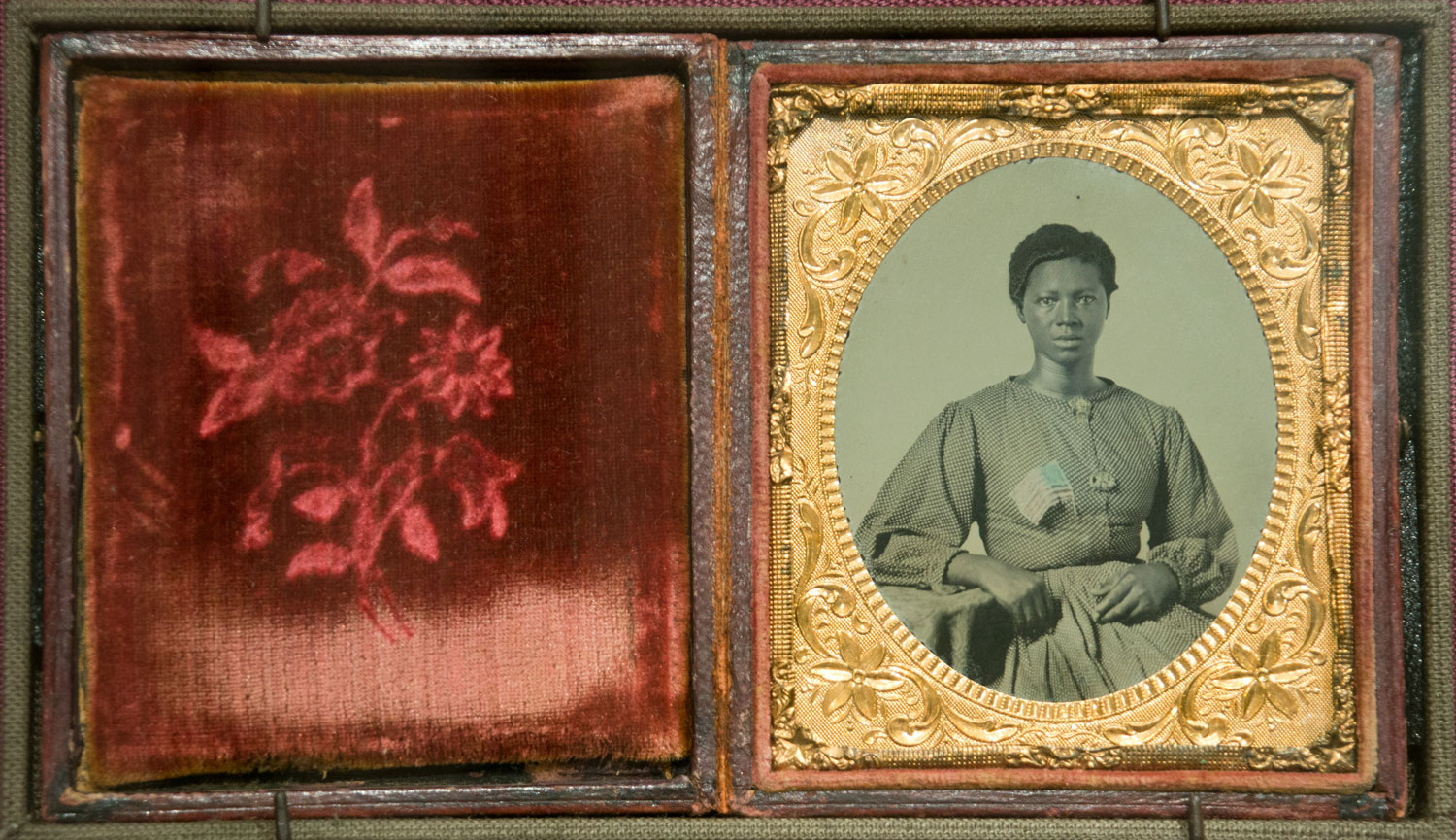
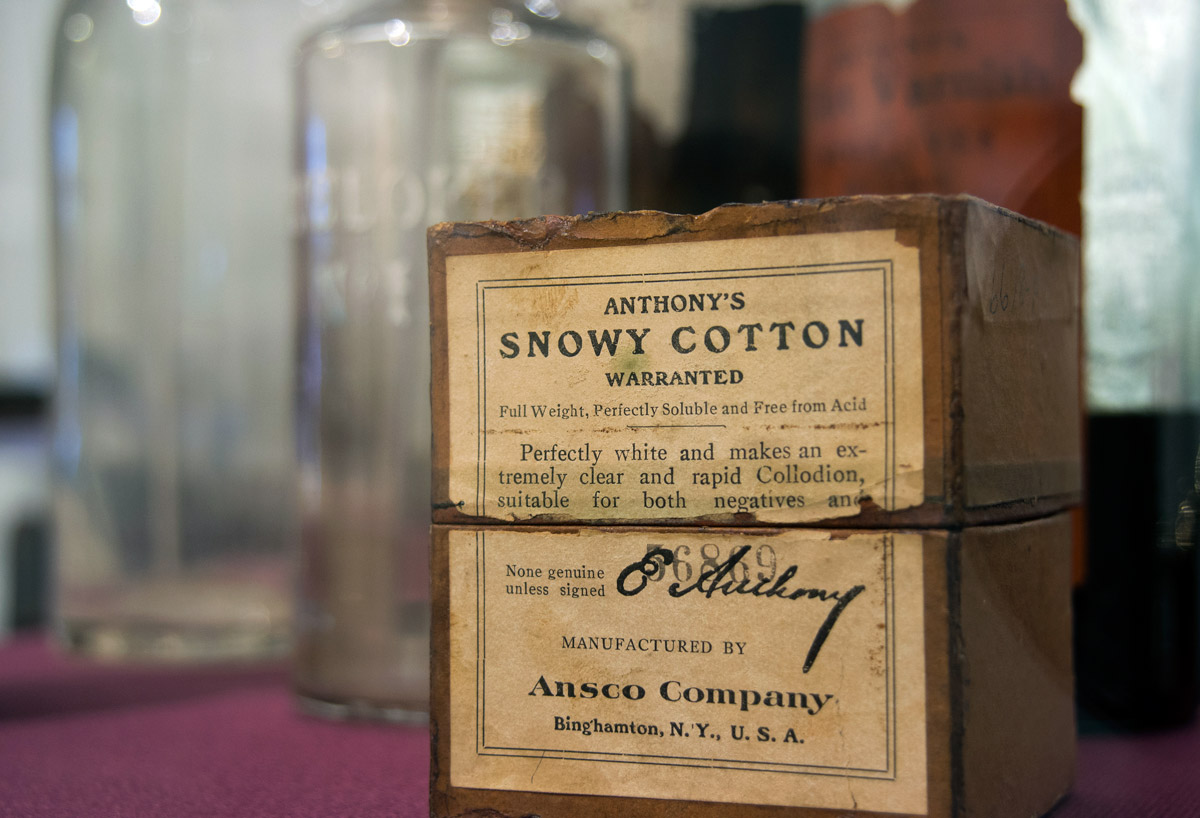
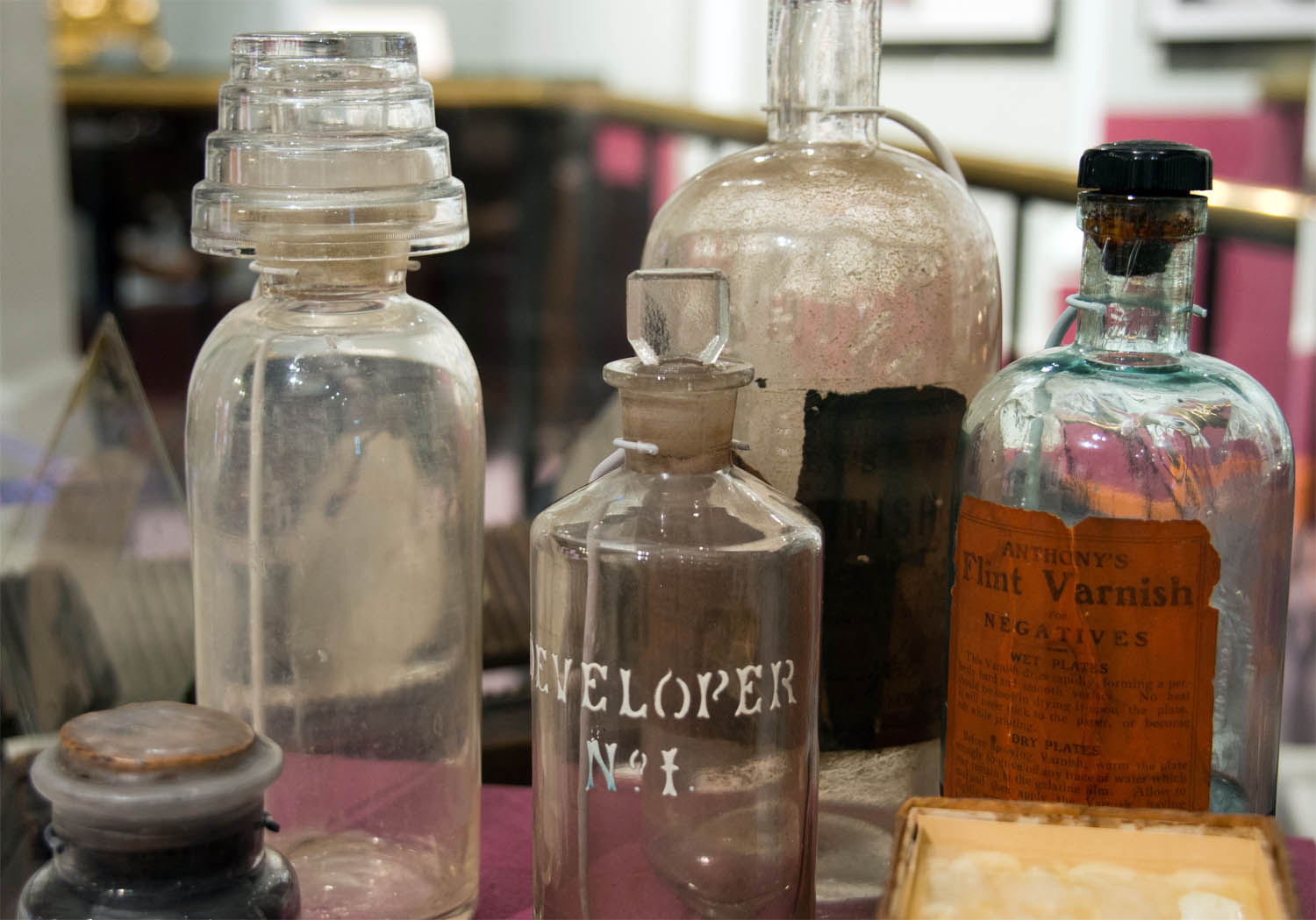
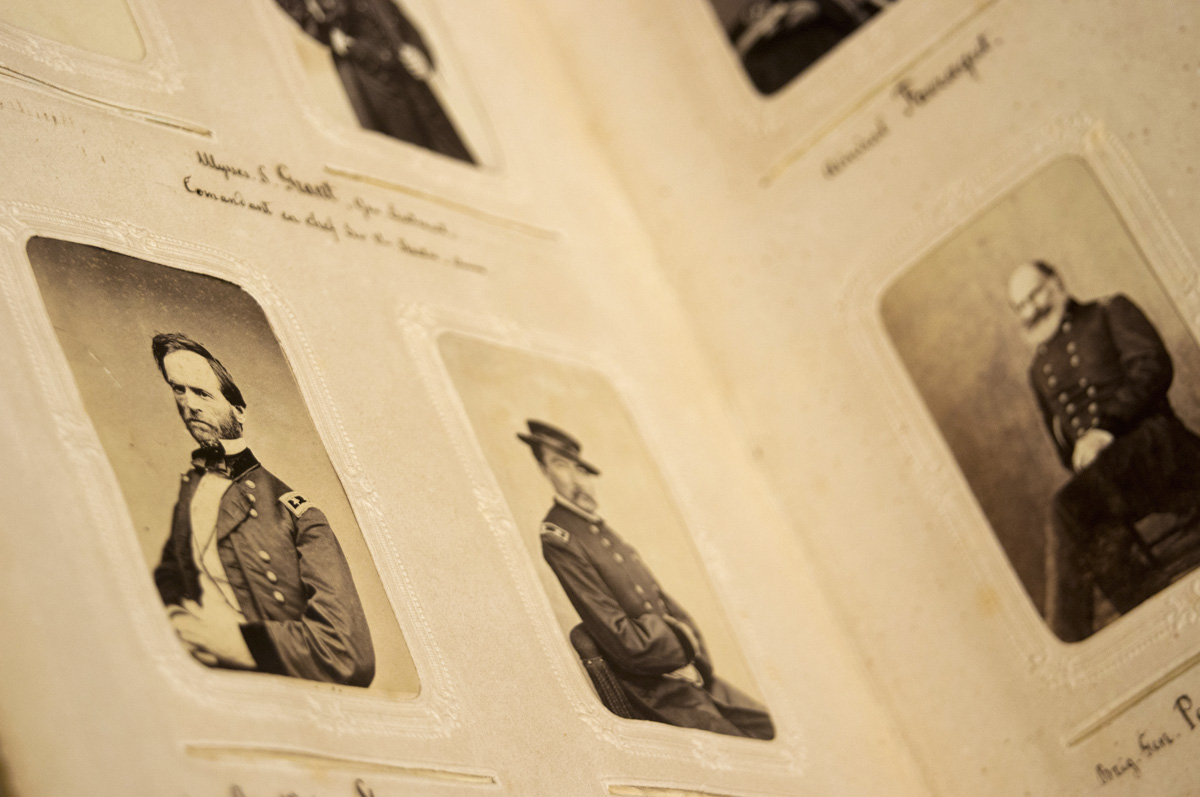
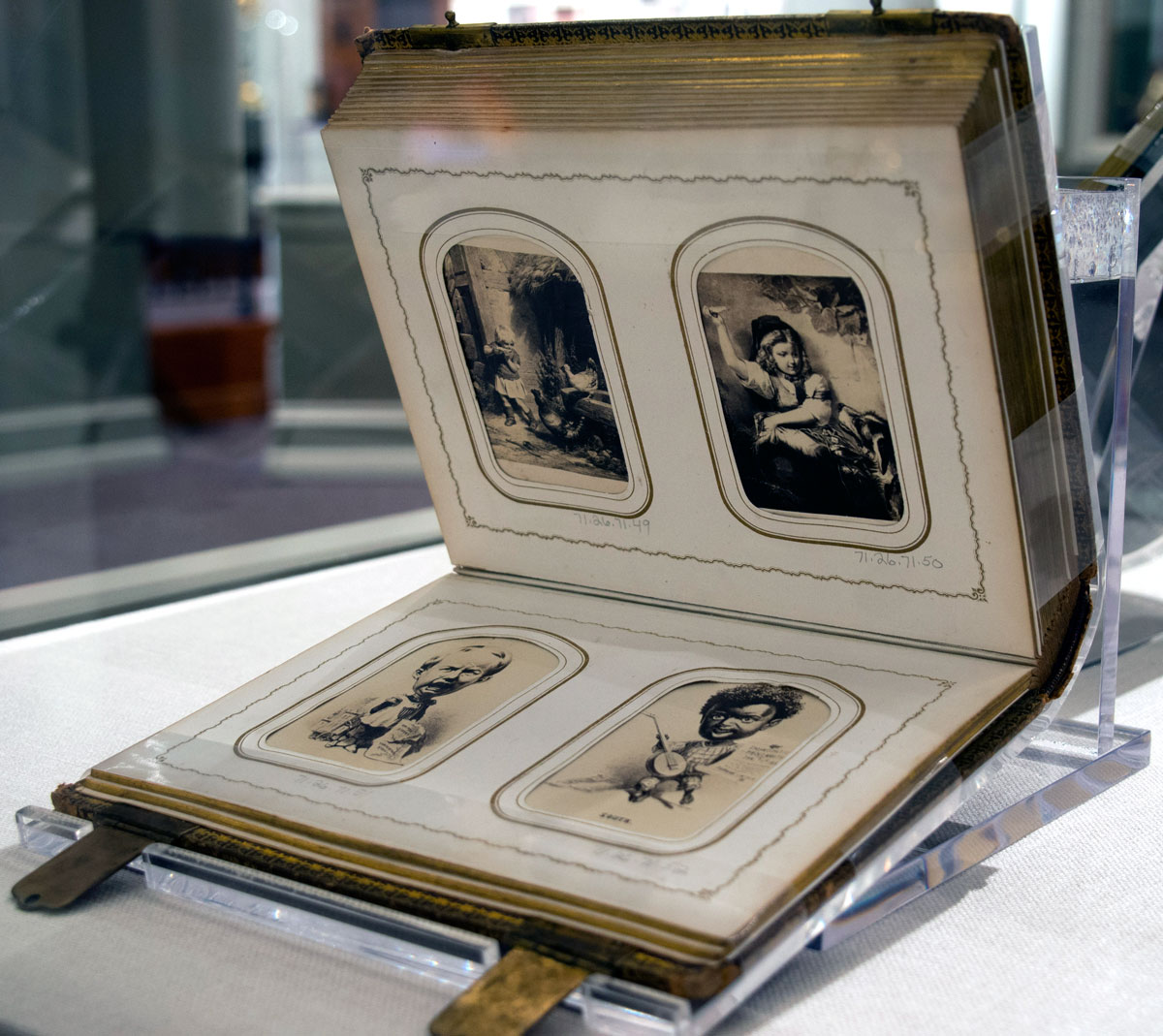
![Alexander Gardner (American born United Kingdom, 1821-1882) '[Gettysburg, Pennsylvania. Dead Confederate sharpshooter in "The devil's den."]' July 1863](https://artblart.com/wp-content/uploads/2013/04/gardner-sharpshooter-web.jpg "Alexander Gardner (American born United Kingdom, 1821-1882) '[Gettysburg, Pennsylvania. Dead Confederate sharpshooter in \"The devil's den.\"]' July 1863")
![Alexander Gardner (American born United Kingdom, 1821-1882) '[Antietam, Md. President Lincoln with Gen. George B. McClellan and group of officers]' 3rd October 1862](https://artblart.com/wp-content/uploads/2013/04/abraham-lincoln-and-generals-web.jpg "Alexander Gardner (American born United Kingdom, 1821-1882) '[Antietam, Md. President Lincoln with Gen. George B. McClellan and group of officers]' 3rd October 1862")
![Alexander Gardner (American born United Kingdom, 1821-1882) '[Antietam, Md. President Lincoln with Gen. George B. McClellan and group of officers]' (detail) 3rd October 1862](https://artblart.com/wp-content/uploads/2013/04/abraham-lincoln-and-generals-detail.jpg "Alexander Gardner (American born United Kingdom, 1821-1882) '[Antietam, Md. President Lincoln with Gen. George B. McClellan and group of officers]' (detail) 3rd October 1862")
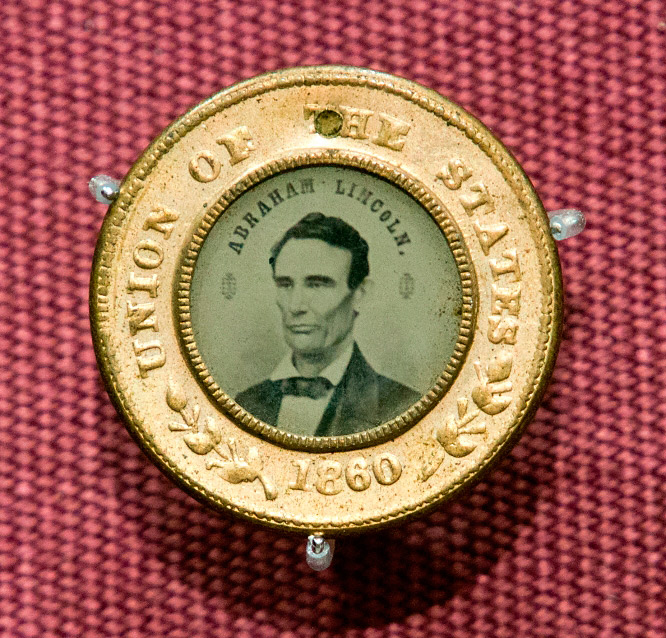
![Timothy H. O'Sullivan (American born Ireland, 1840-1882) '[Fort Pulaski, Ga. The "Beauregard" gun]' April 1862](https://artblart.com/wp-content/uploads/2013/04/big-gun-web.jpg "Timothy H. O'Sullivan (American born Ireland, 1840-1882) '[Fort Pulaski, Ga. The \"Beauregard\" gun]' April 1862")
![Alexander Gardner (American born United Kingdom, 1821-1882) '[Richmond, Va. Grave of Gen. J. E. B. Stuart in Hollywood Cemetery, with temporary marker]' Richmond, April-June 1865](https://artblart.com/wp-content/uploads/2013/04/general-stuart-web.jpg "Alexander Gardner (American born United Kingdom, 1821-1882) '[Richmond, Va. Grave of Gen. J. E. B. Stuart in Hollywood Cemetery, with temporary marker]' Richmond, April-June 1865")
![James F. Gibson (American, 1828-1905) '[James River, Va. Deck and turret of U.S.S. Monitor seen from the bow (ie. stern)]' 9th July, 1862](https://artblart.com/wp-content/uploads/2013/04/james-river-va-deck-and-turret-of-uss-monitor-seen-from-the-bow-web.jpg "James F. Gibson (American, 1828-1905) '[James River, Va. Deck and turret of U.S.S. Monitor seen from the bow (ie. stern)]' 9th July, 1862")
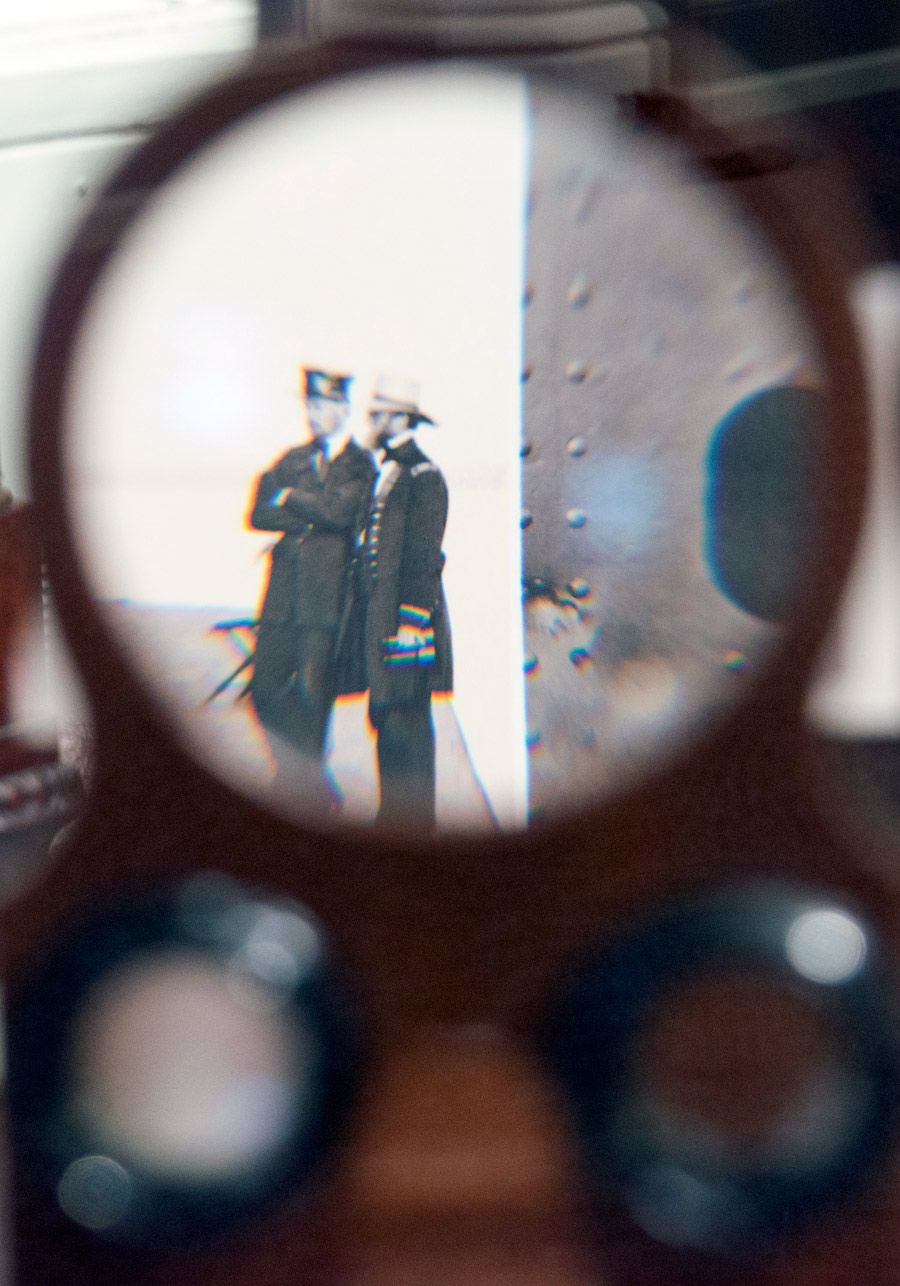
![Alexander Gardner (American born United Kingdom, 1821-1882) '[Washington Navy Yard, D.C. Lewis Payne, the conspirator who attacked Secretary Seward, standing in overcoat and hat]' April 1865](https://artblart.com/wp-content/uploads/2013/04/payne-a-web1.jpg "Alexander Gardner (American born United Kingdom, 1821-1882) '[Washington Navy Yard, D.C. Lewis Payne, the conspirator who attacked Secretary Seward, standing in overcoat and hat]' April 1865")
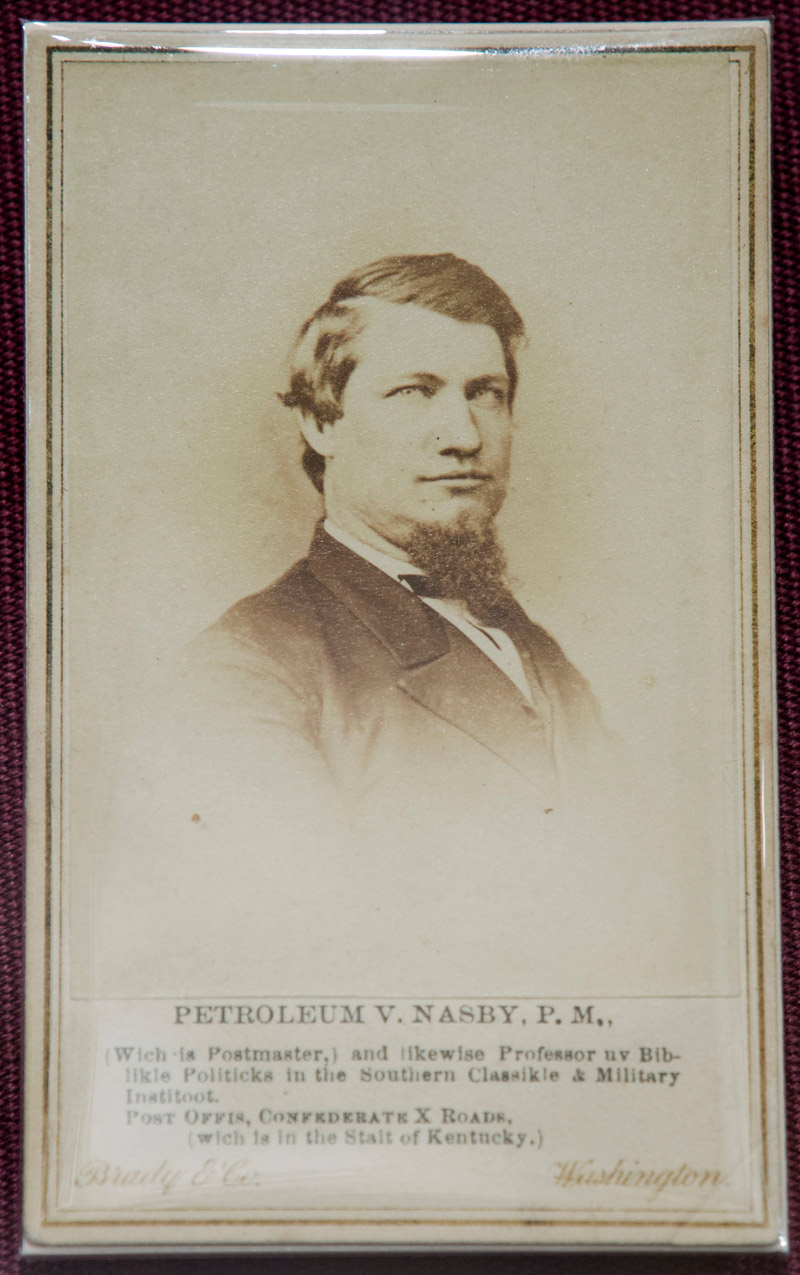


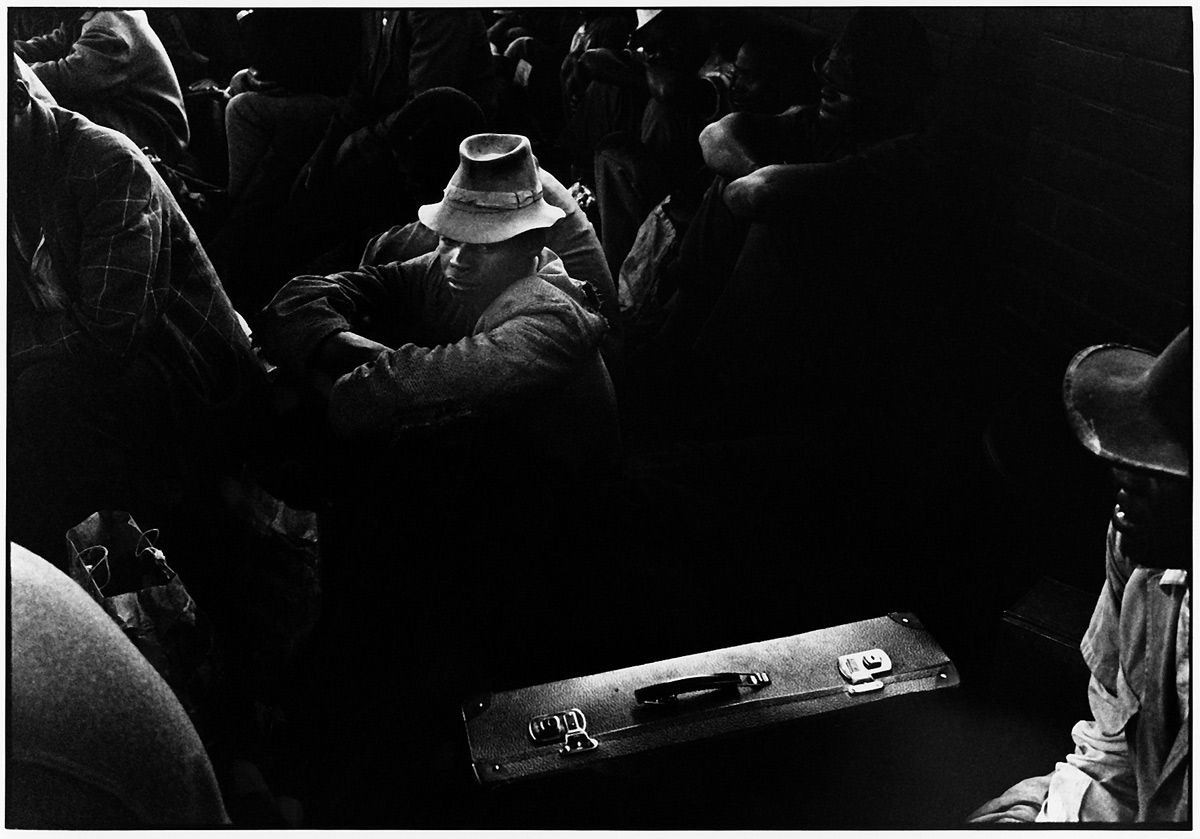

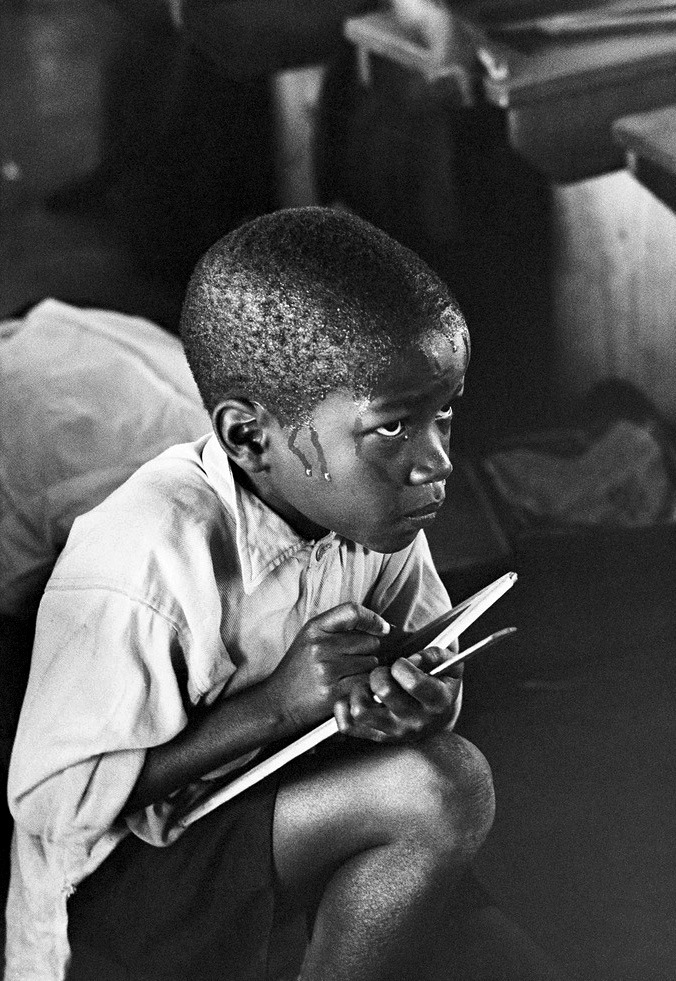
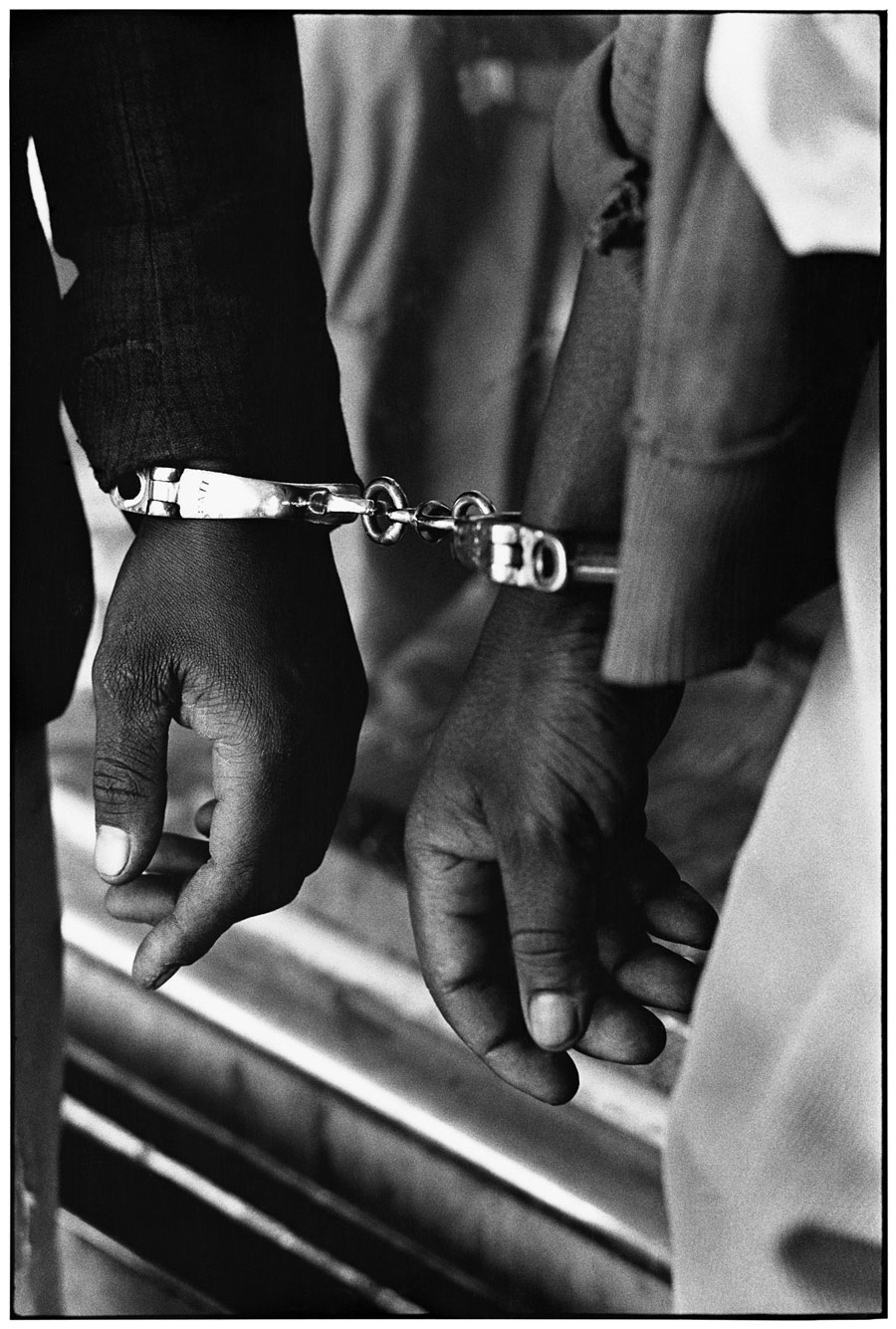


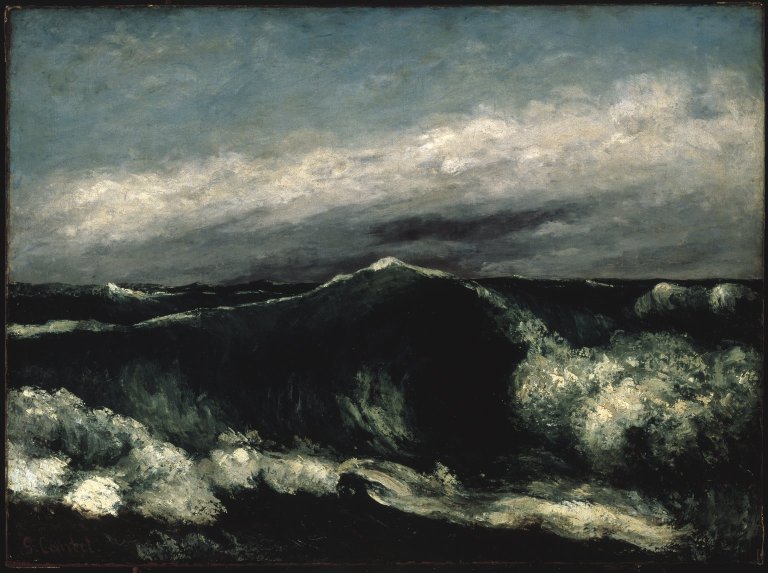


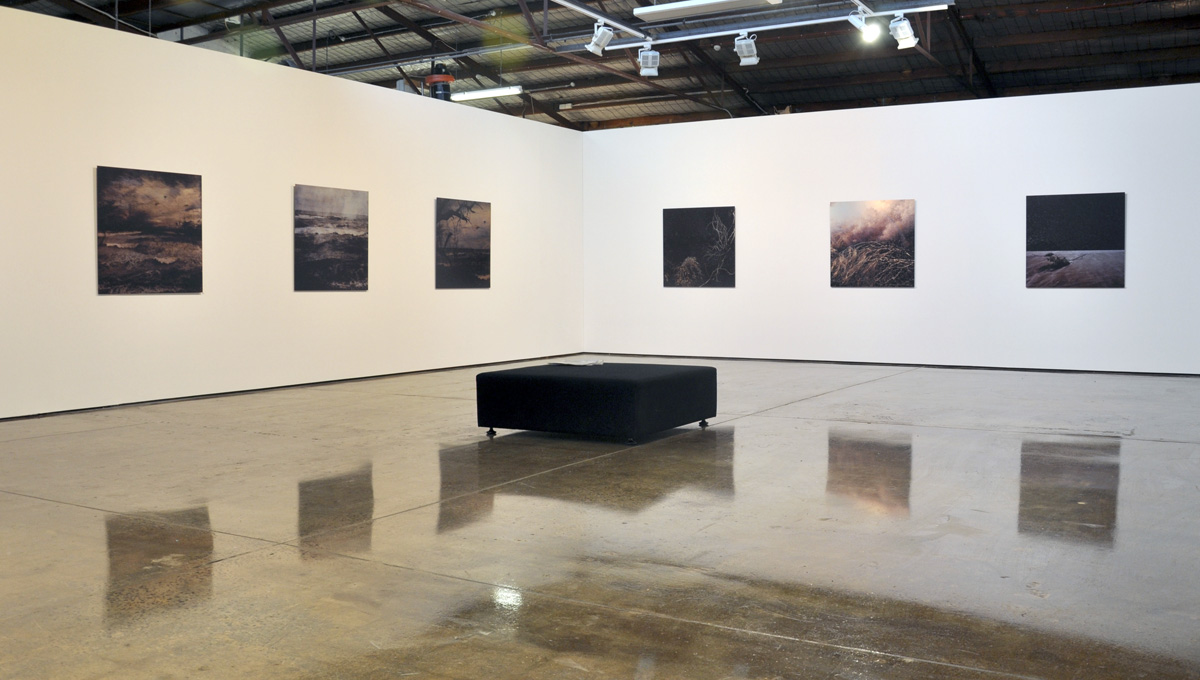

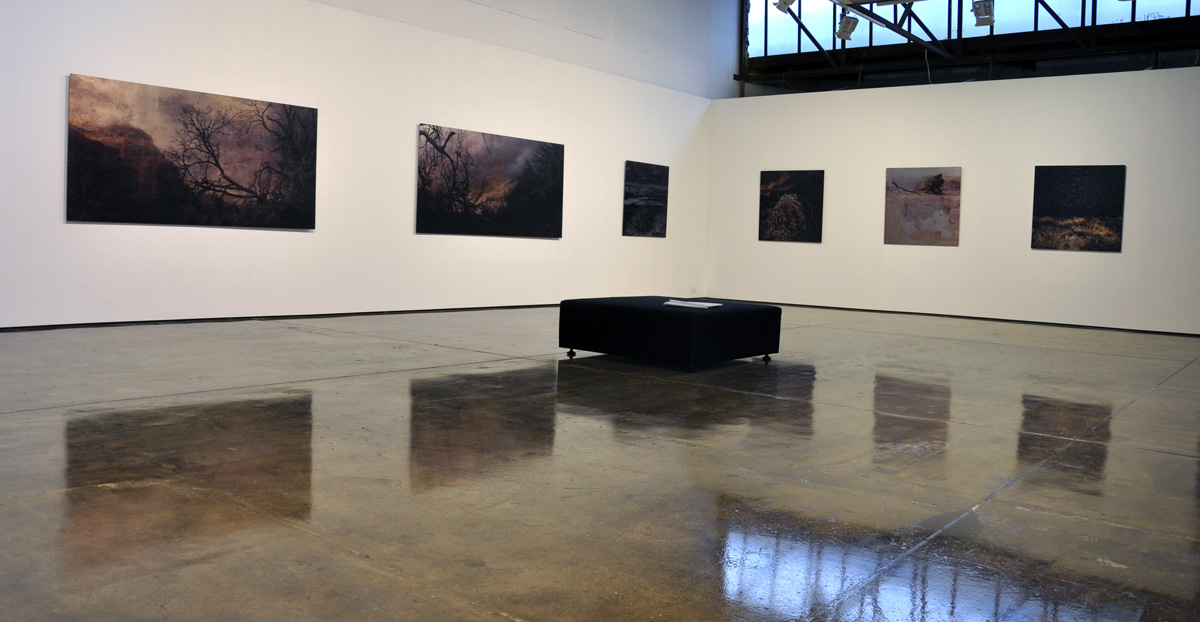
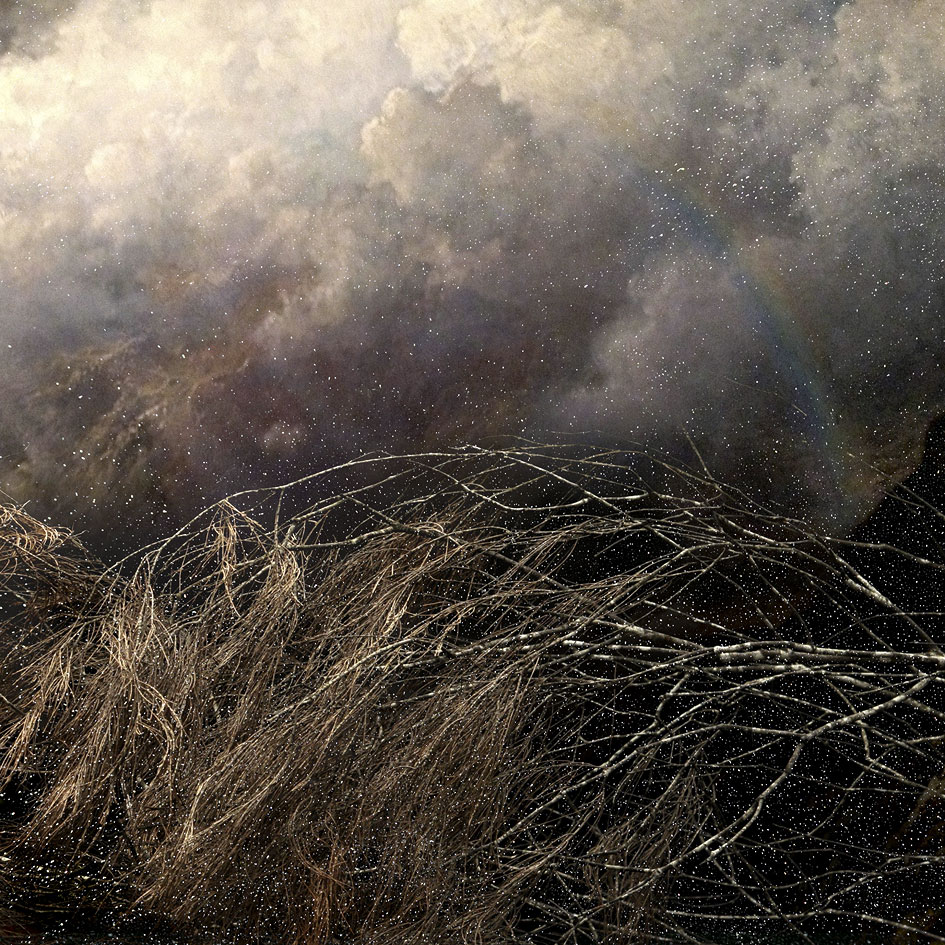
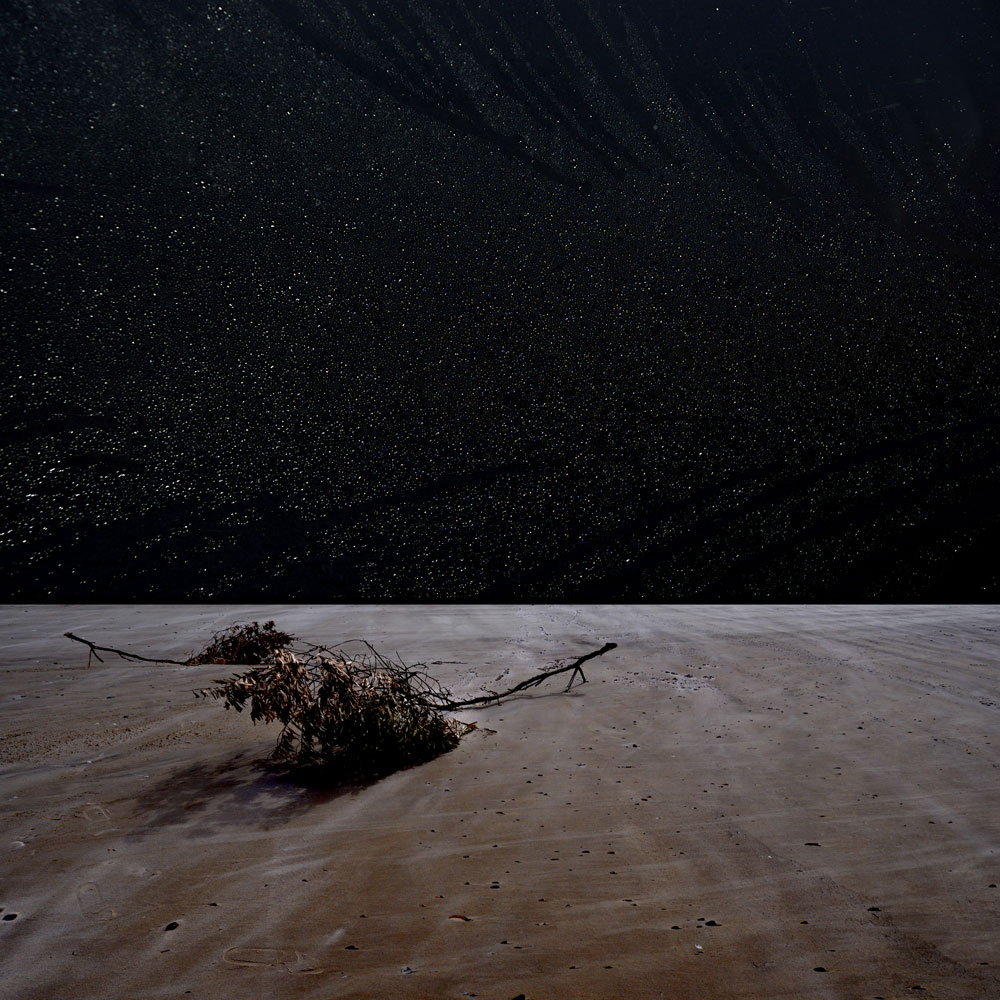

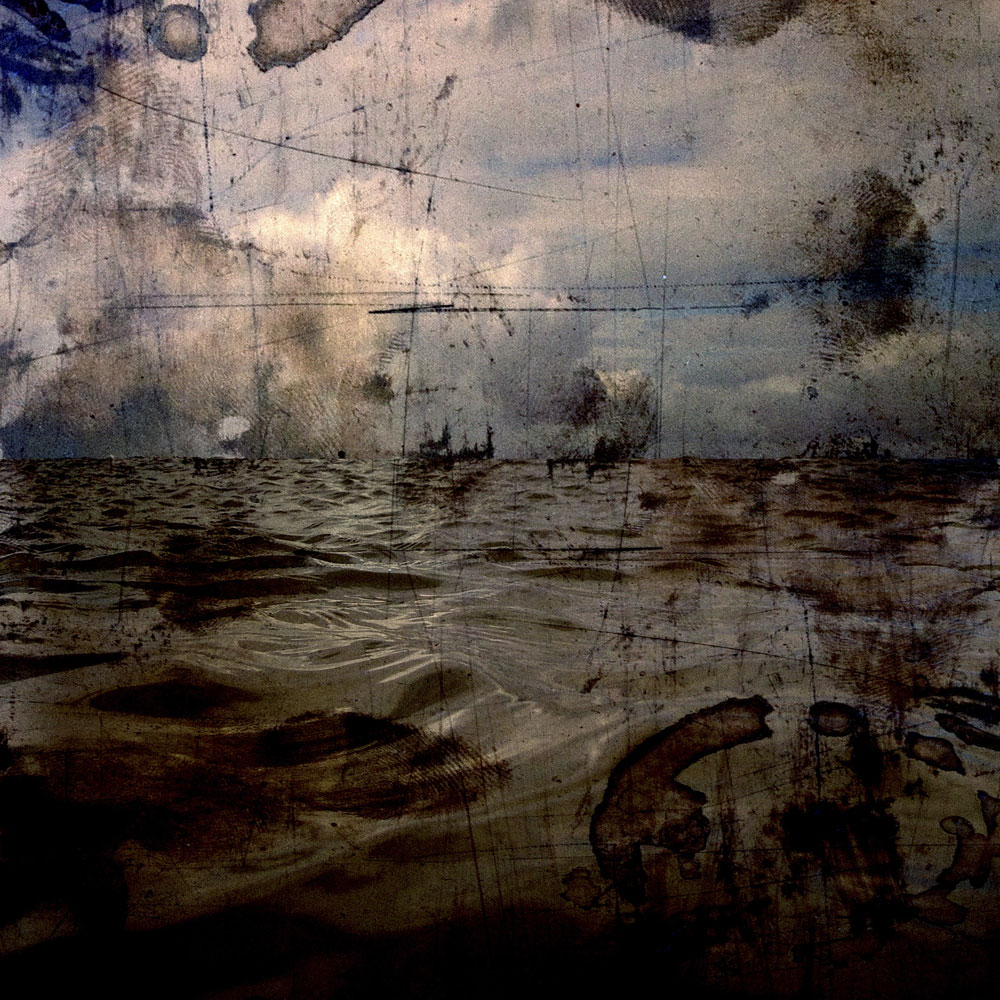
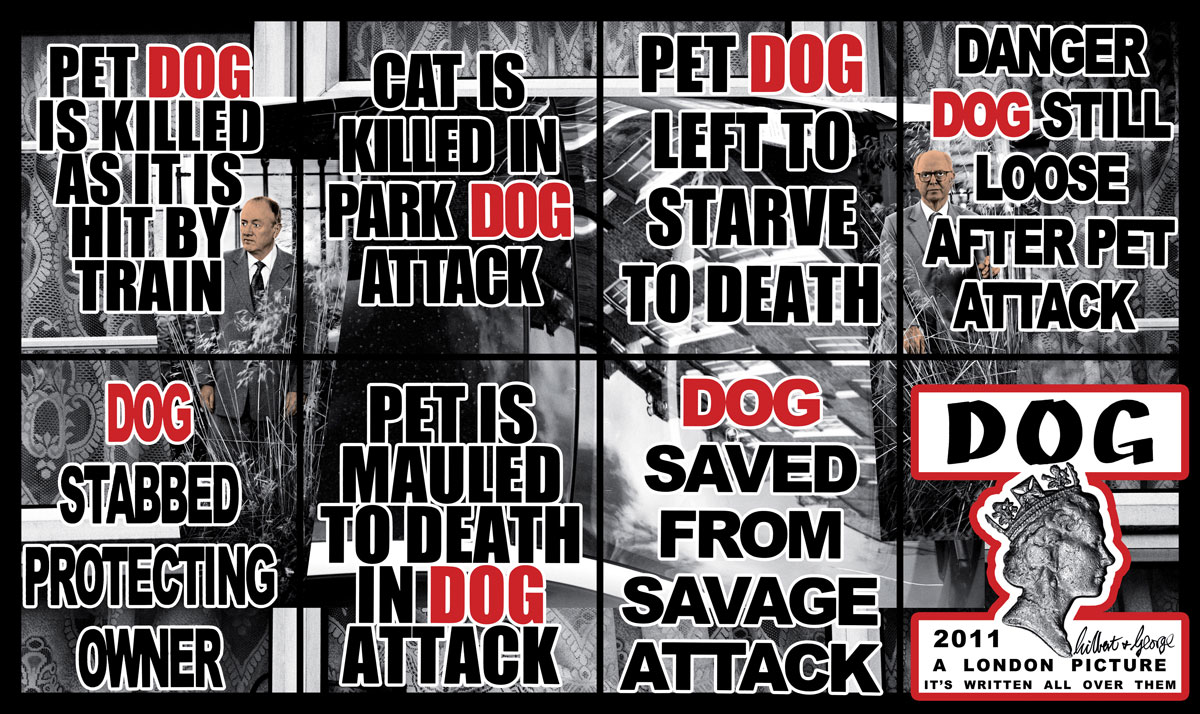
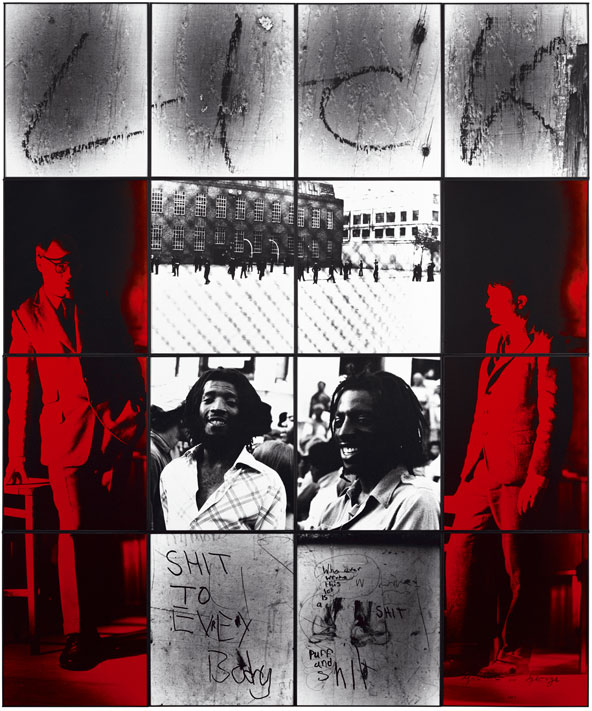
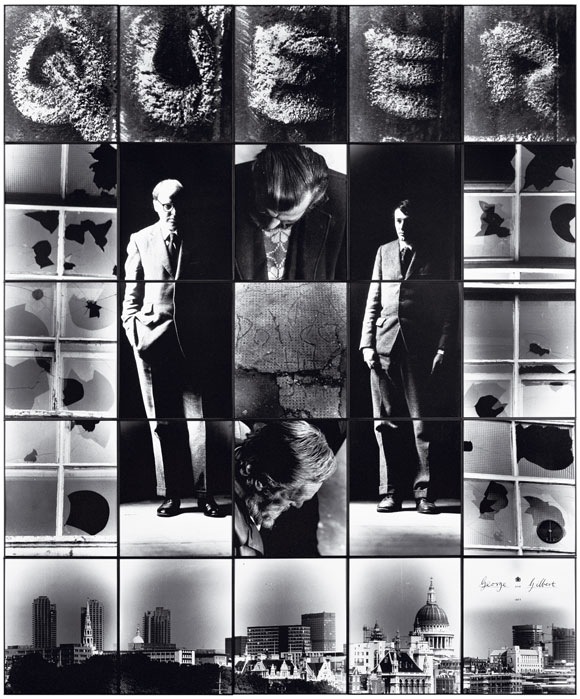


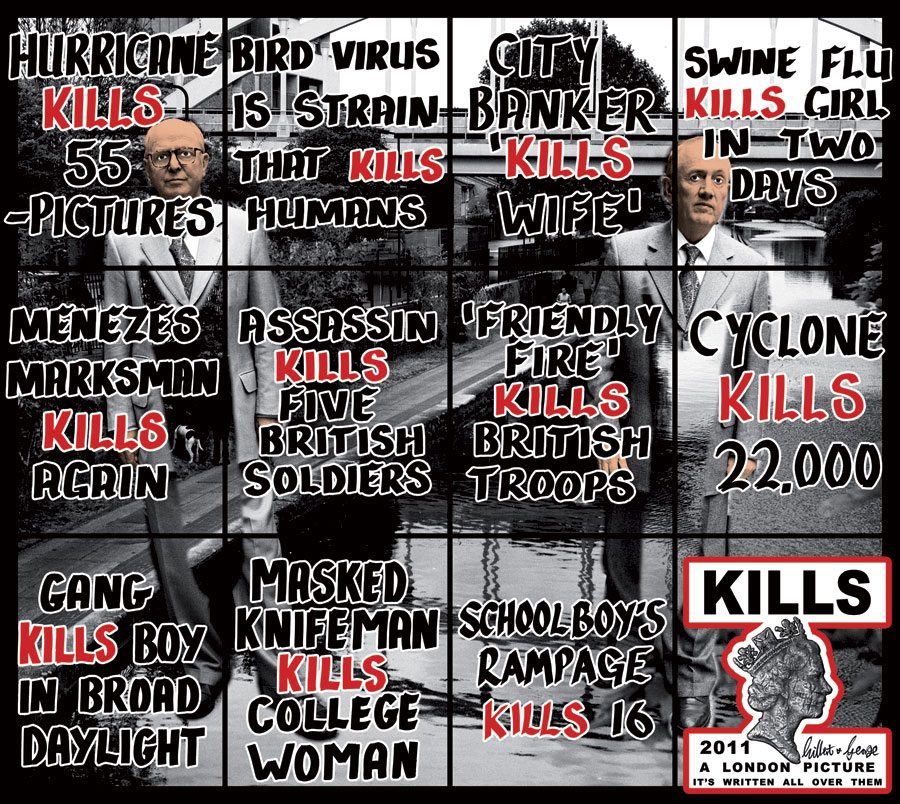

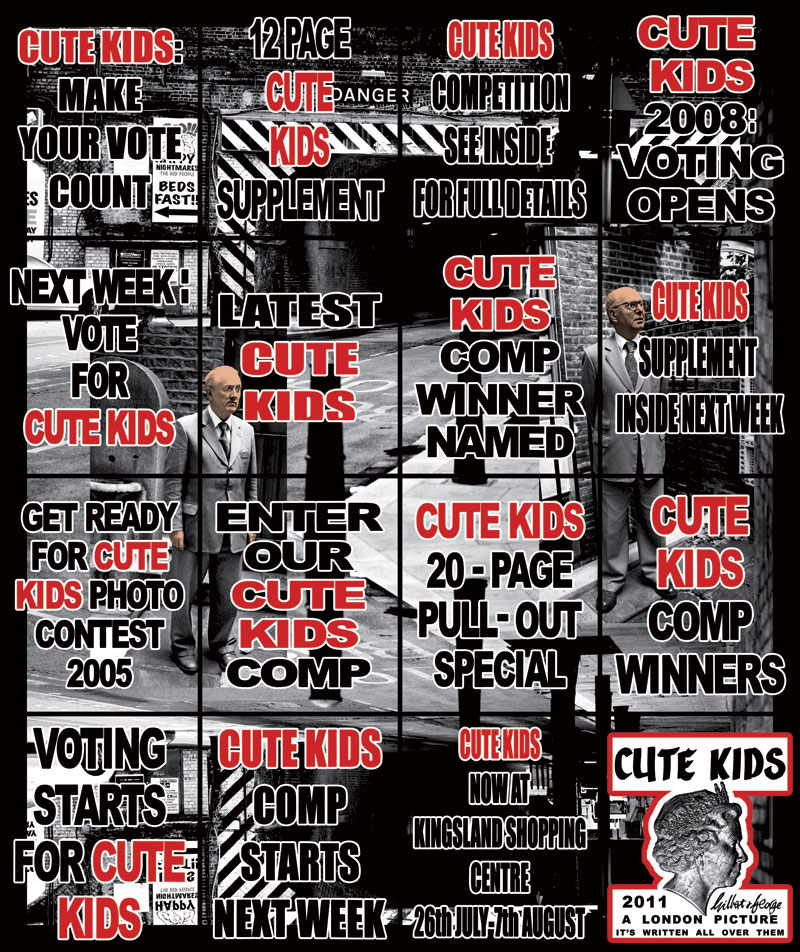
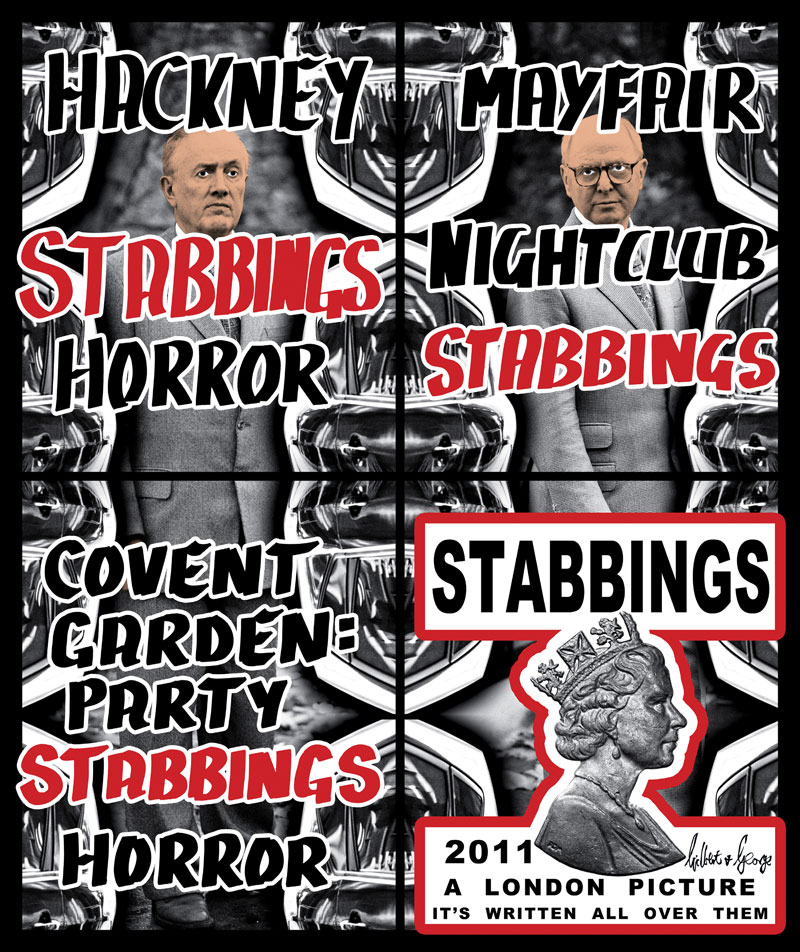
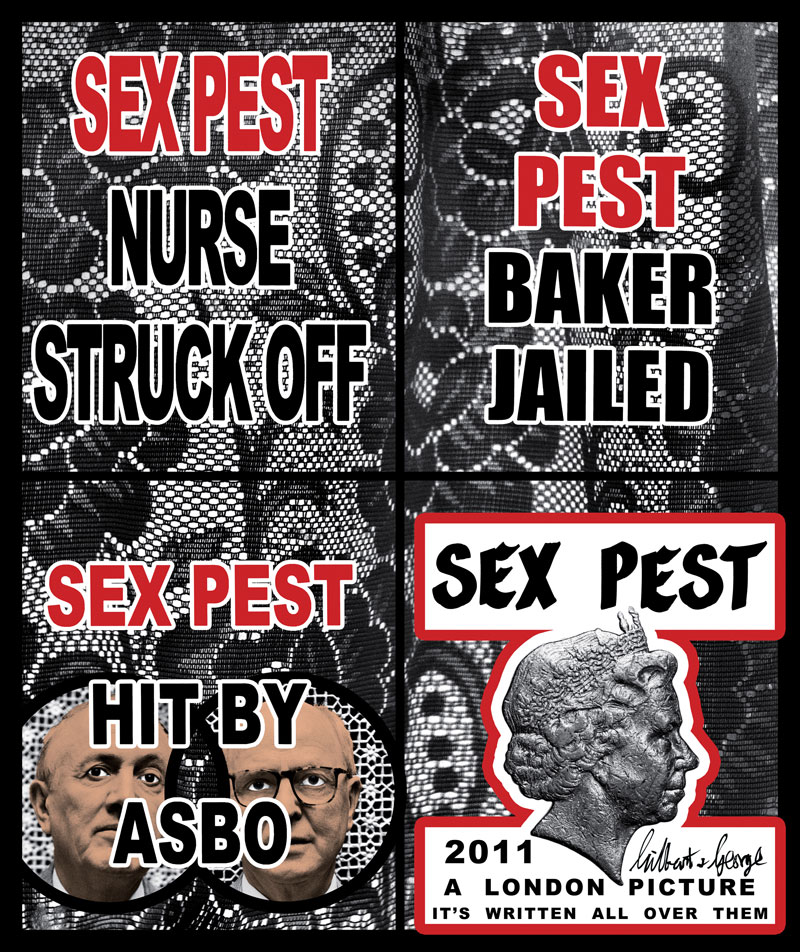
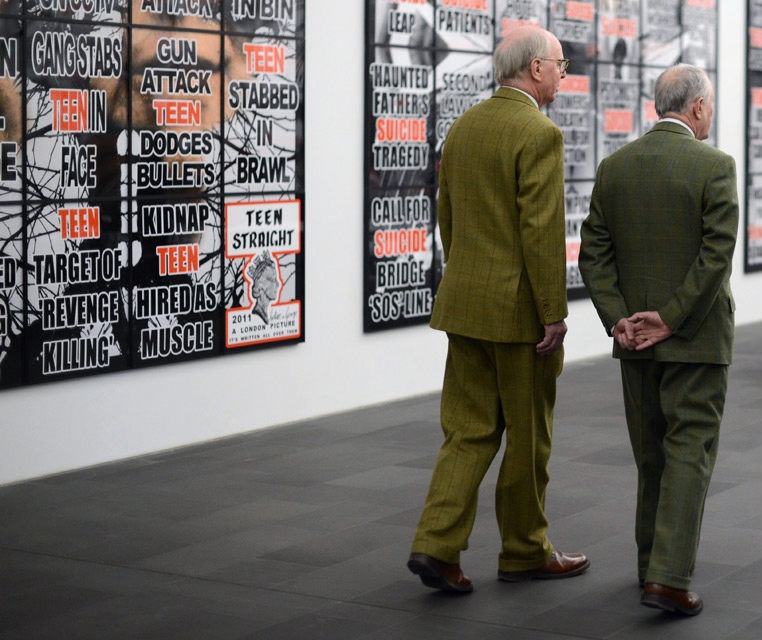
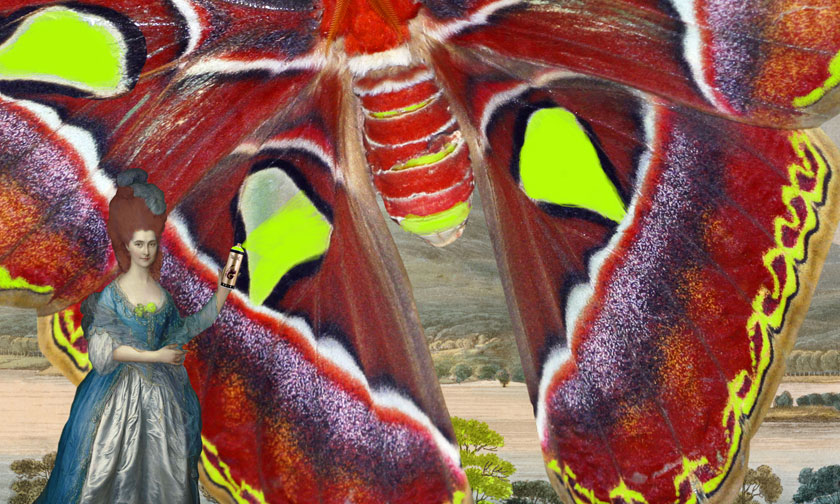
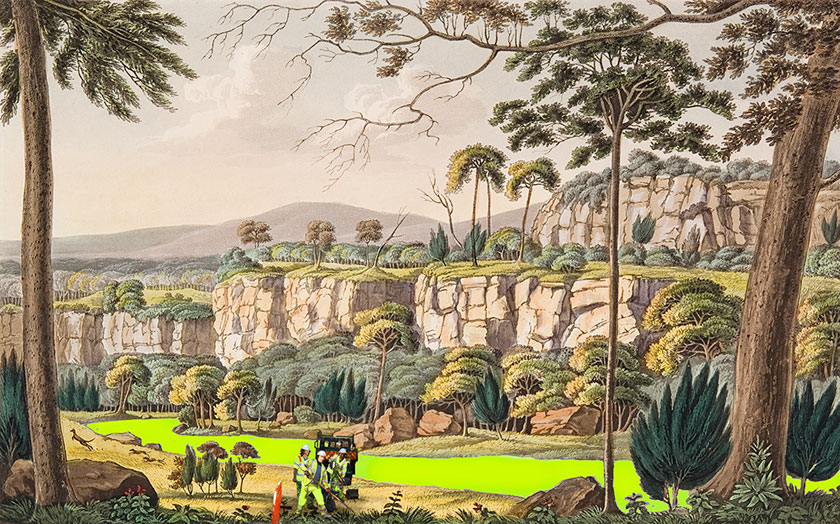
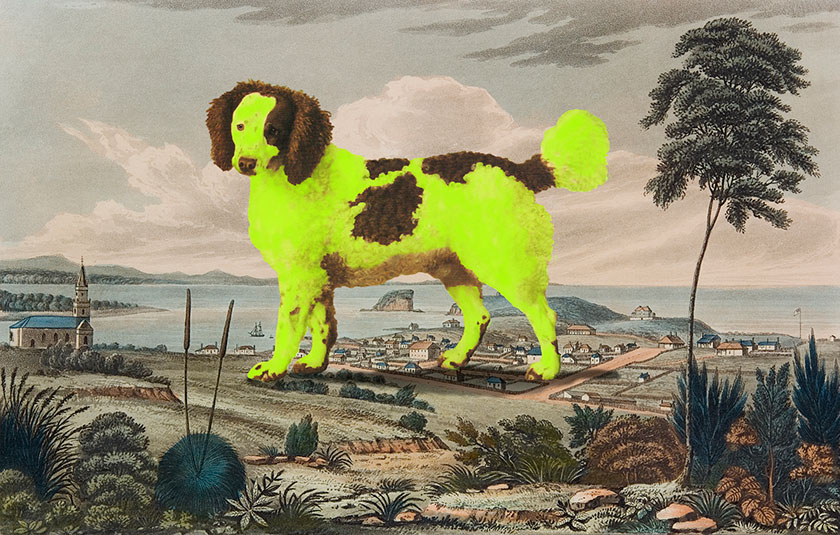
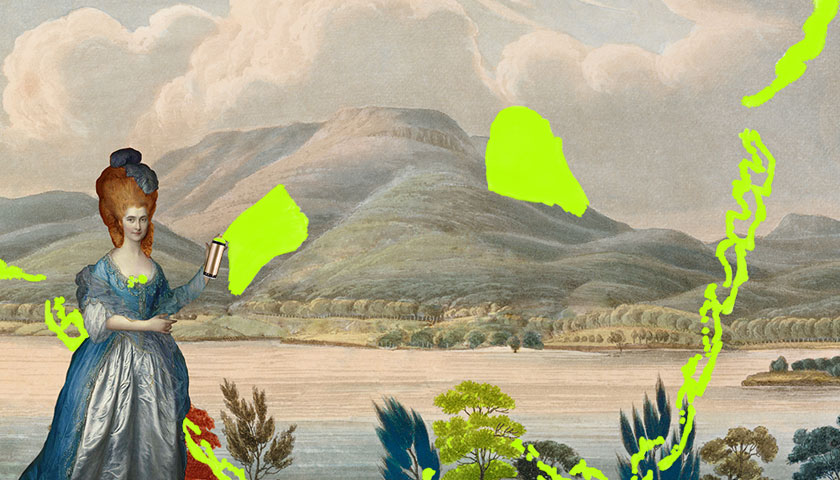


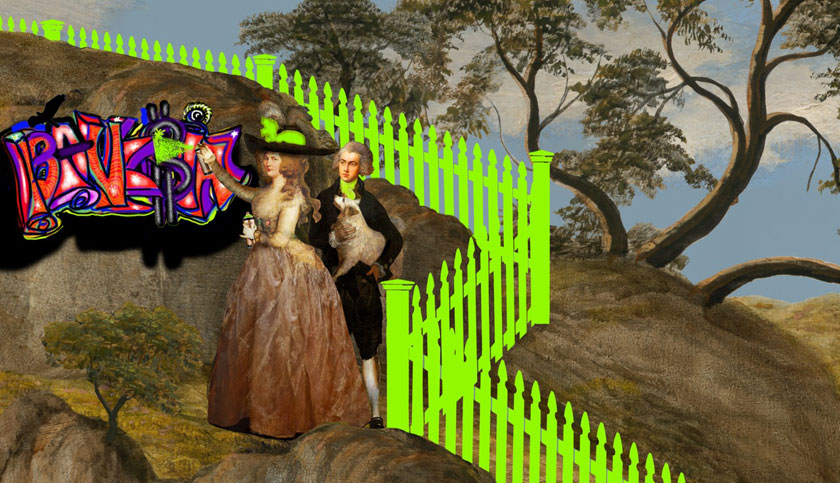
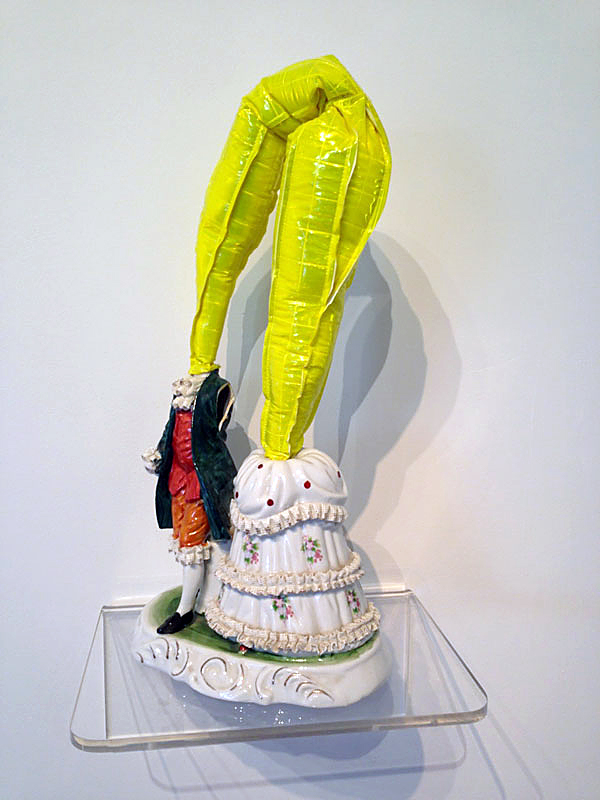
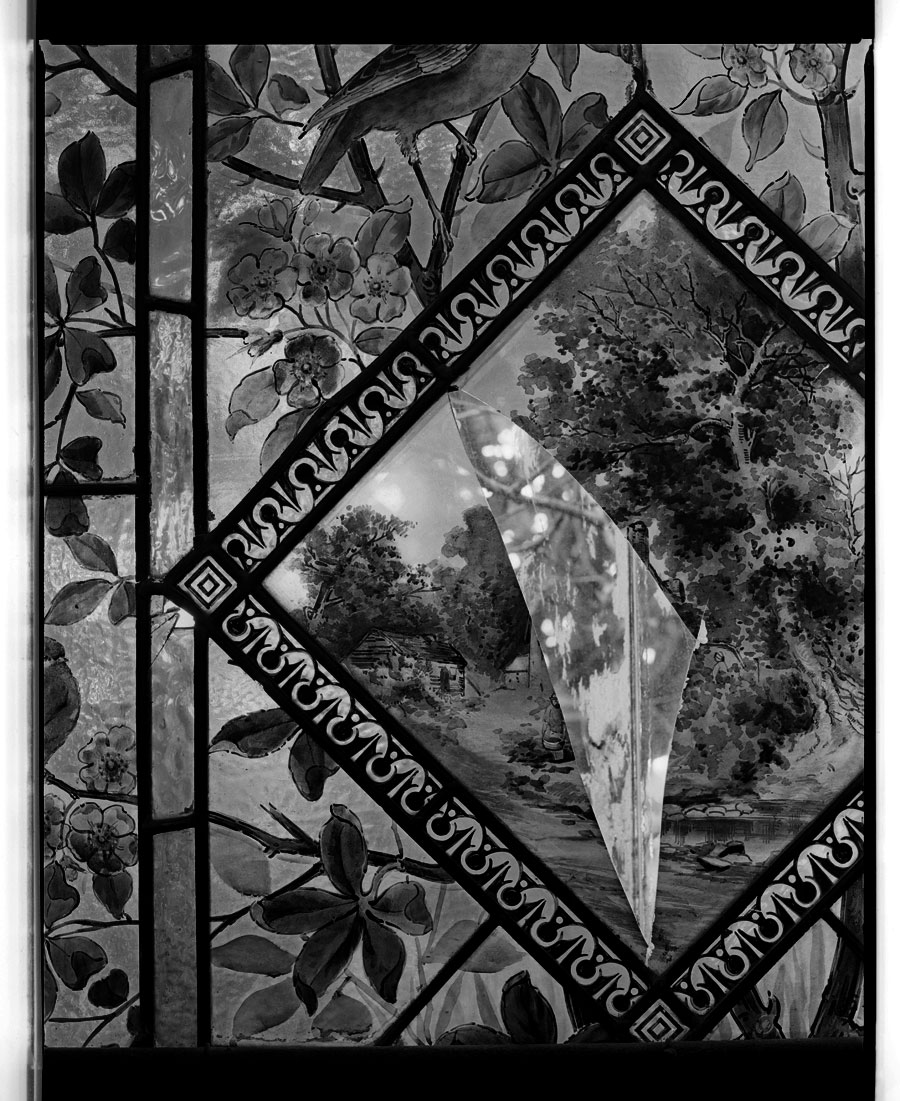
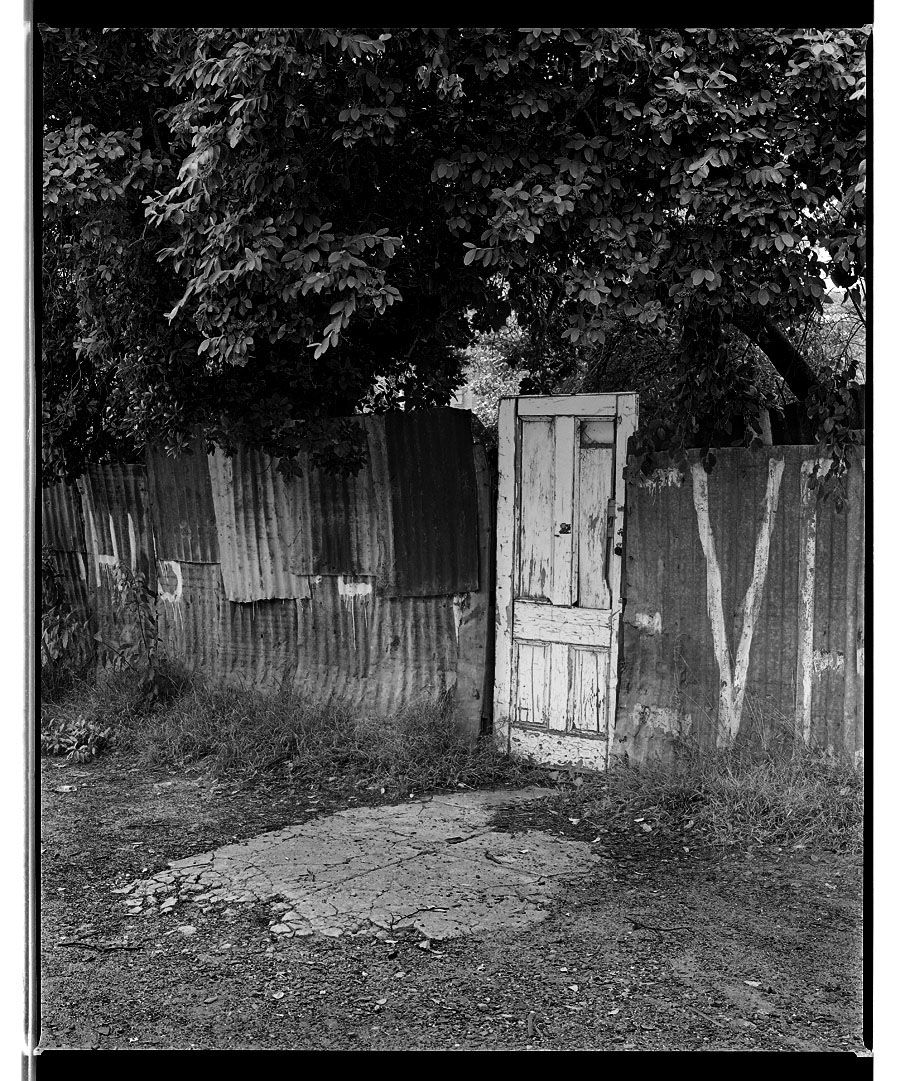
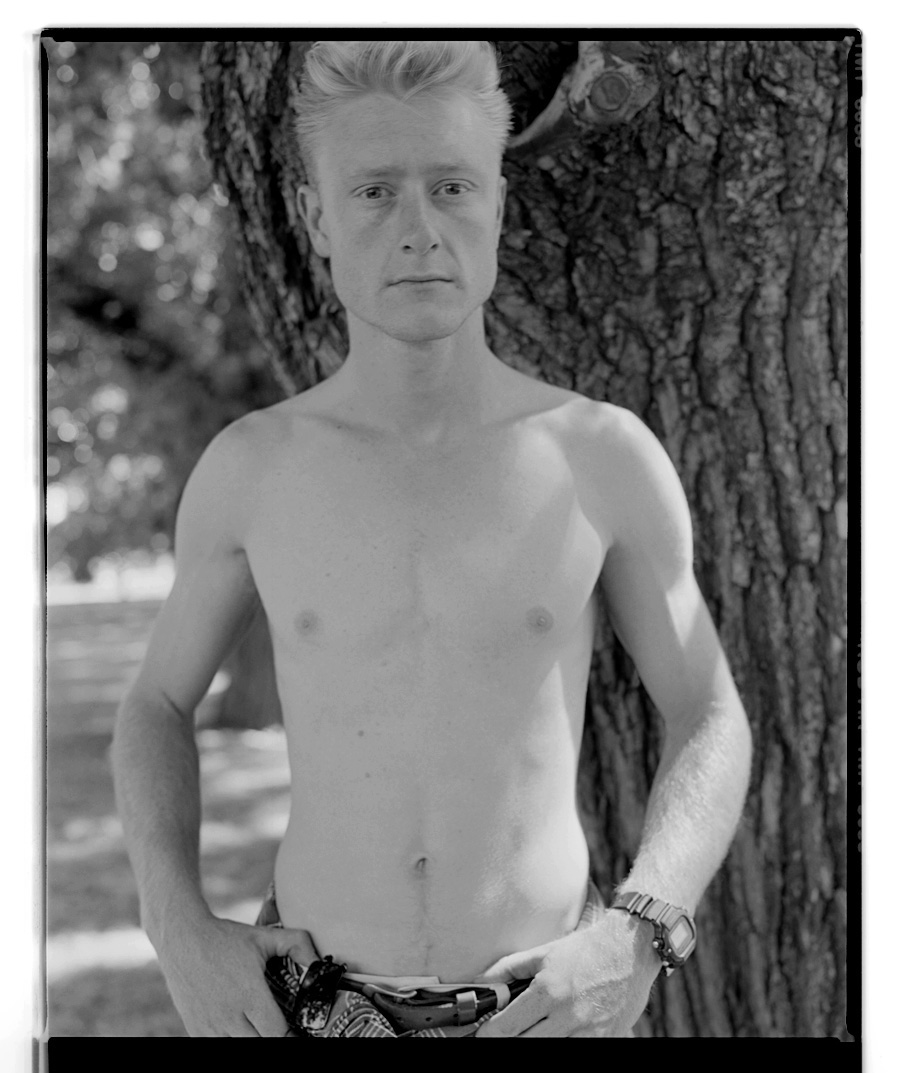
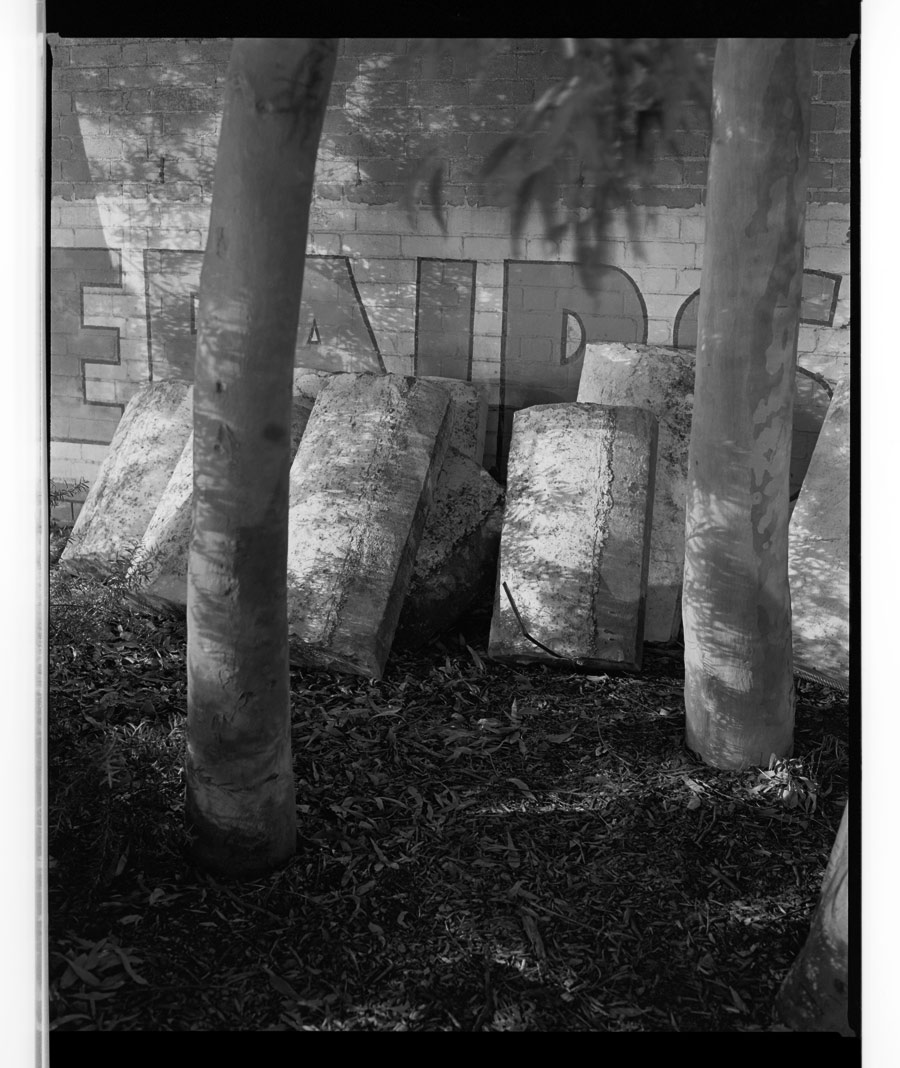
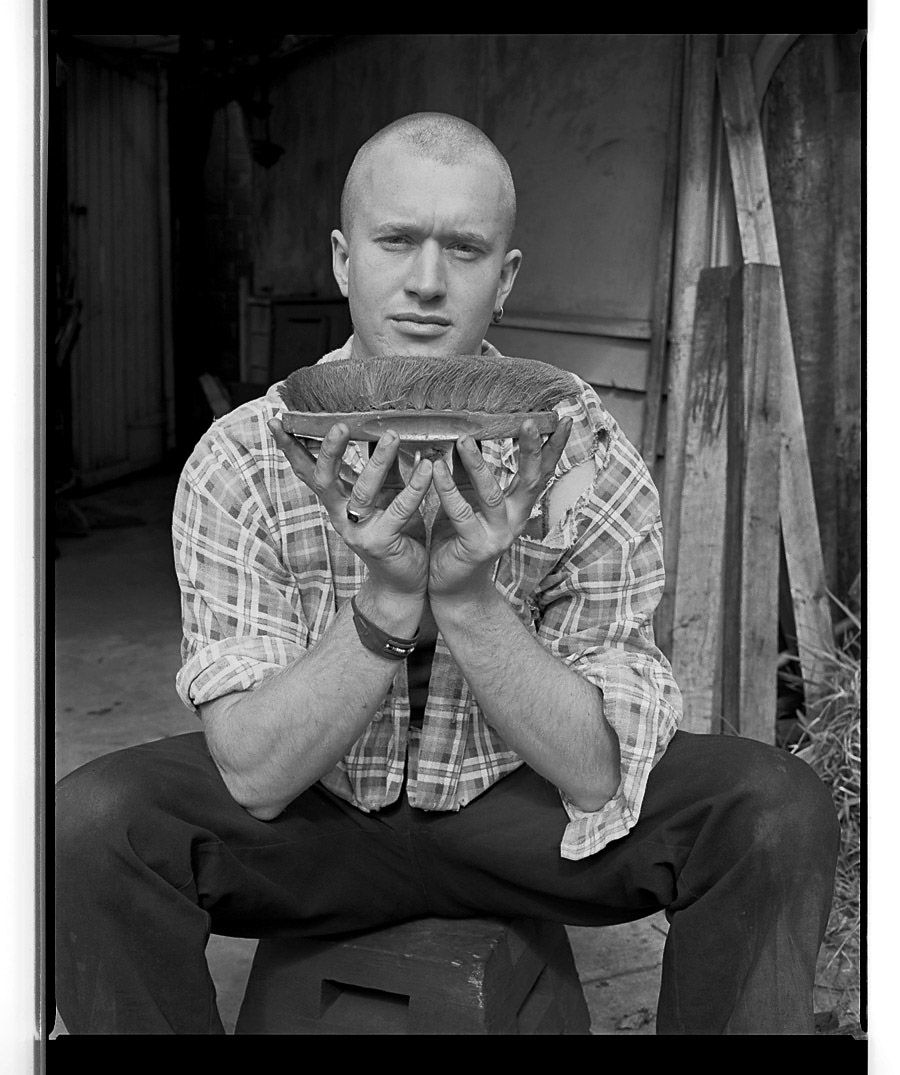
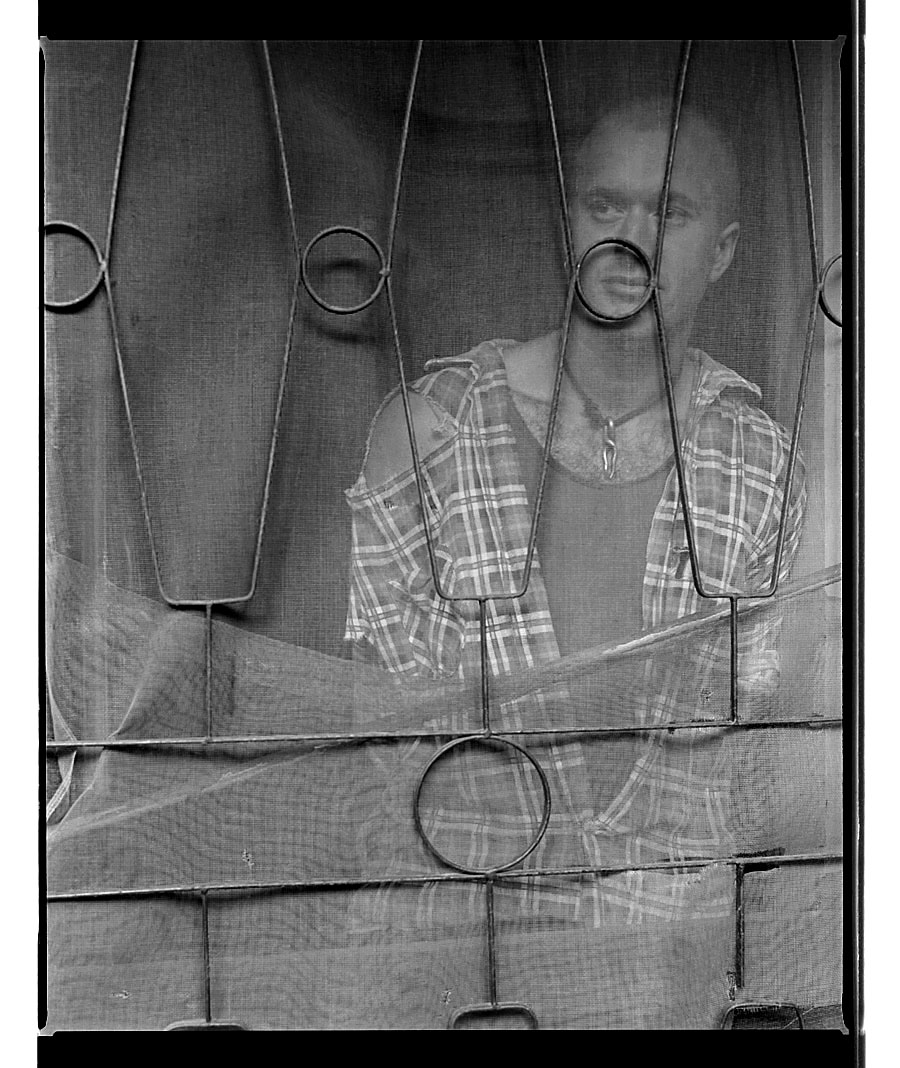
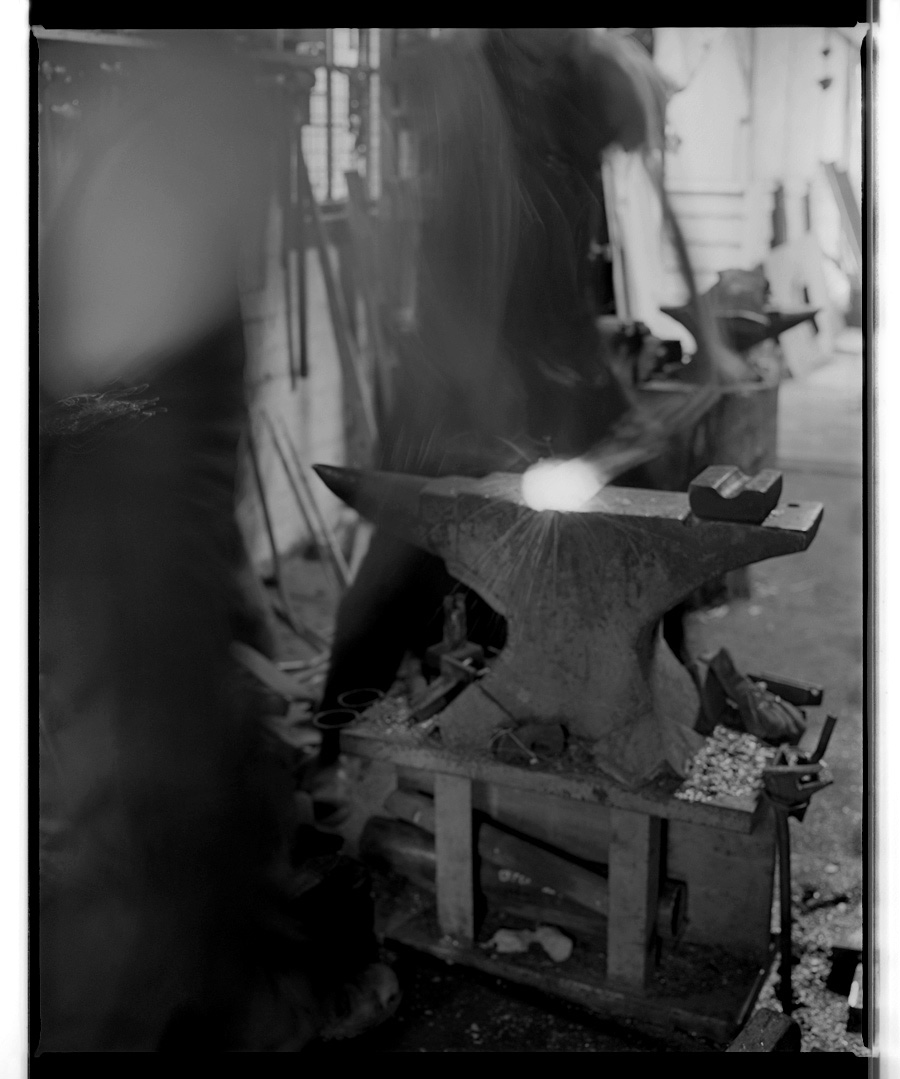
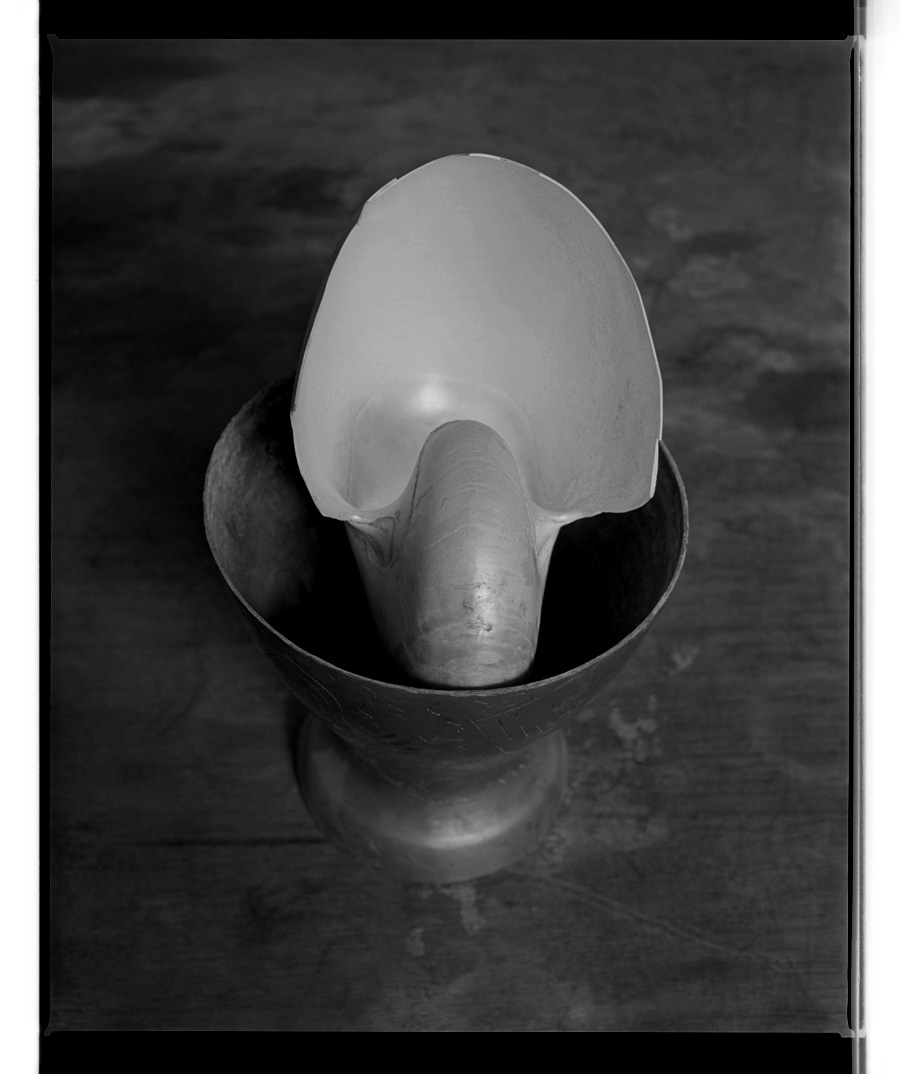
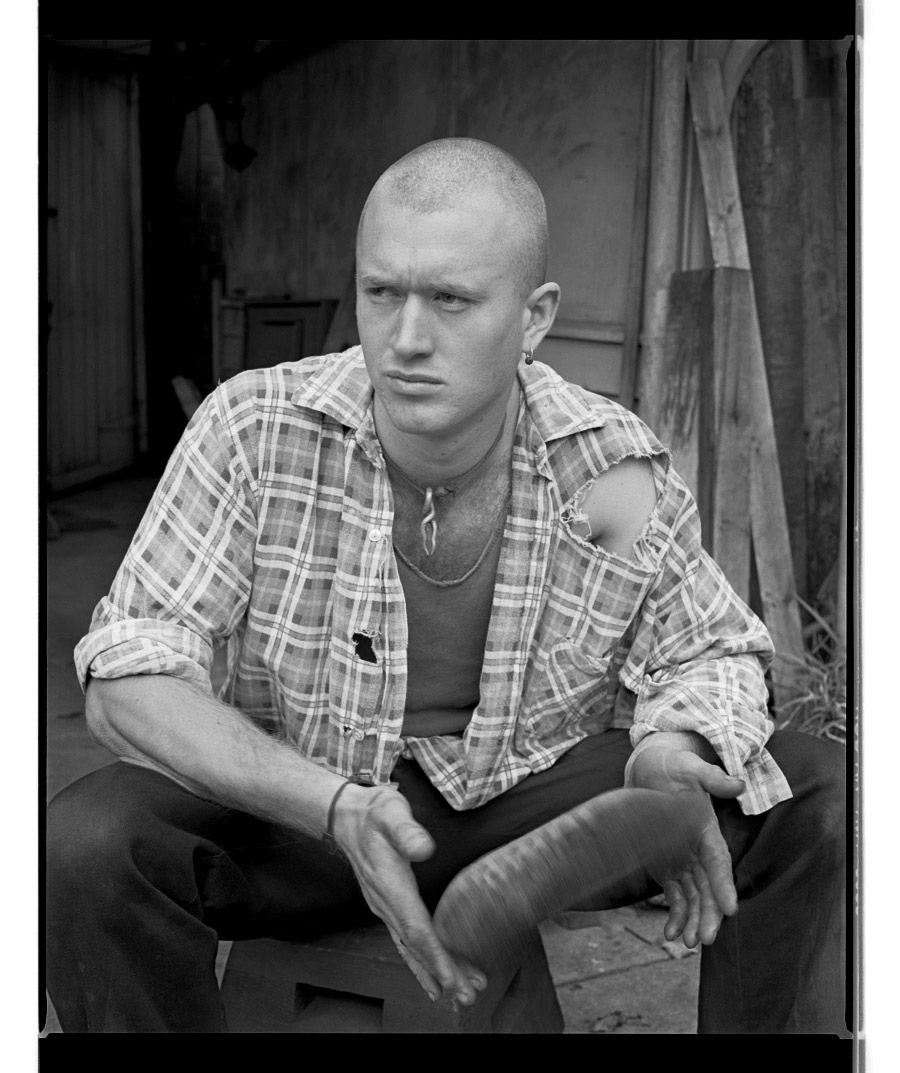
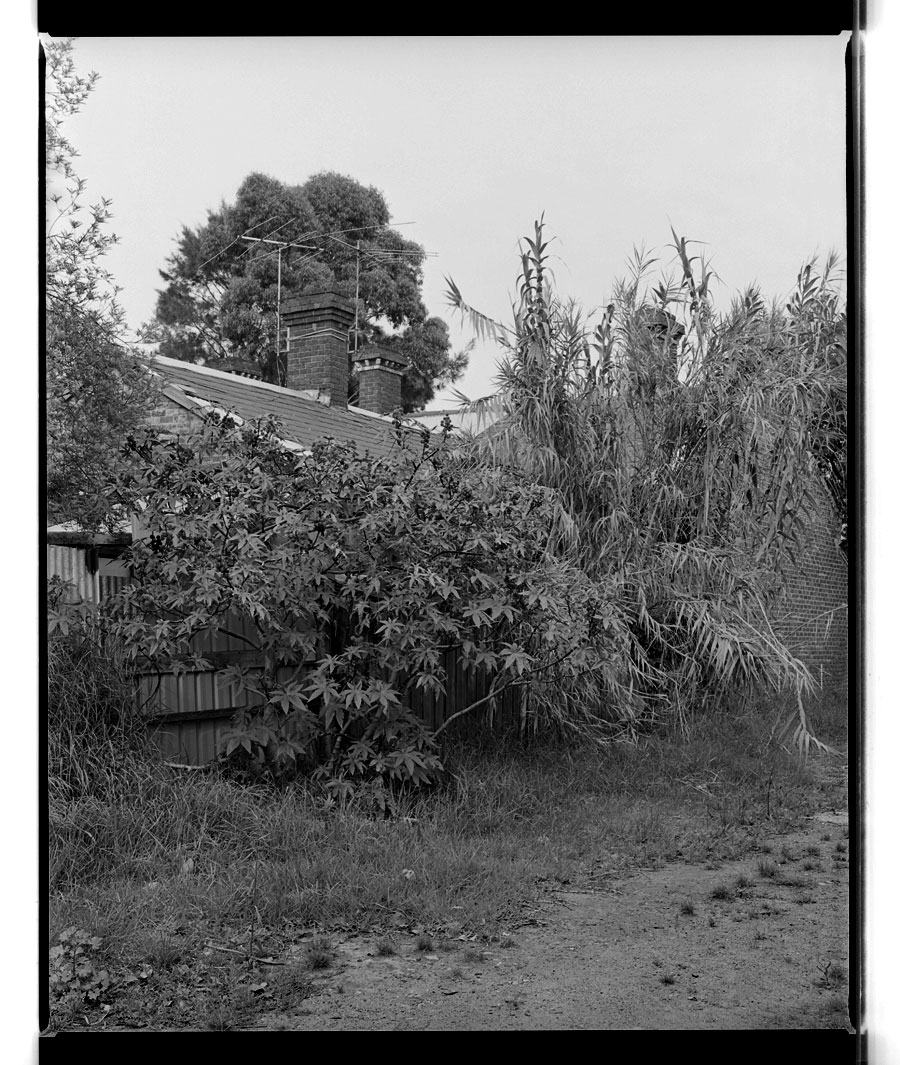
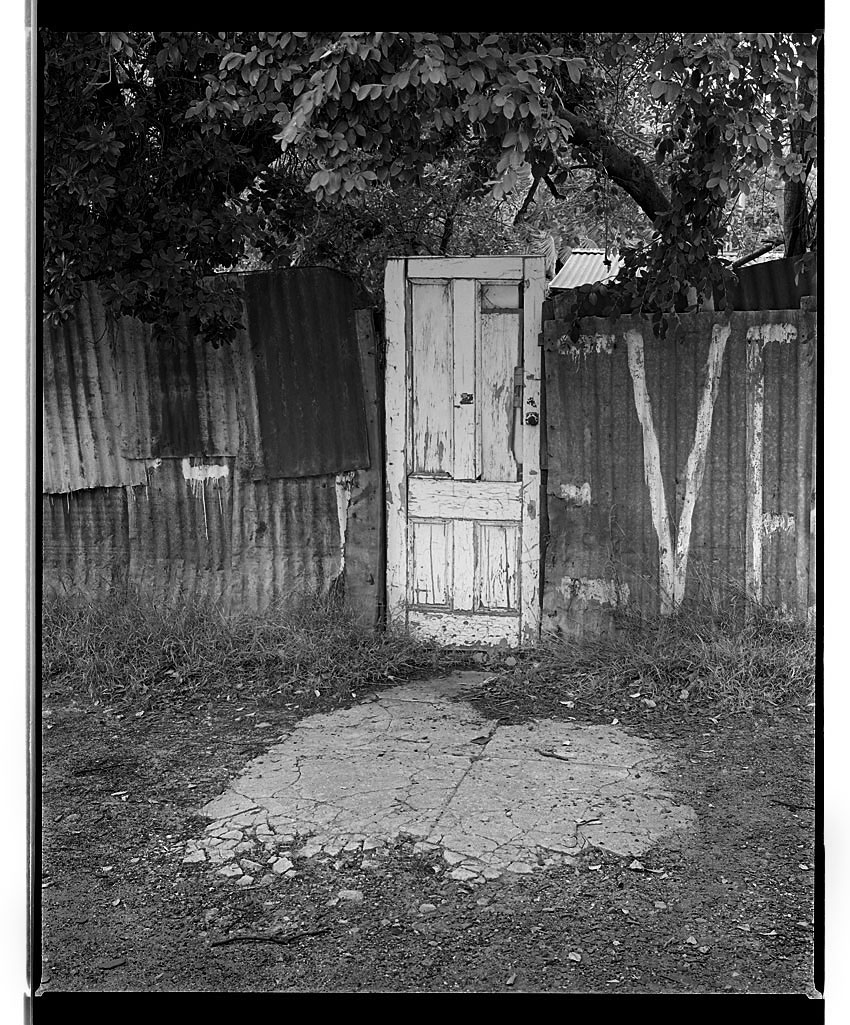
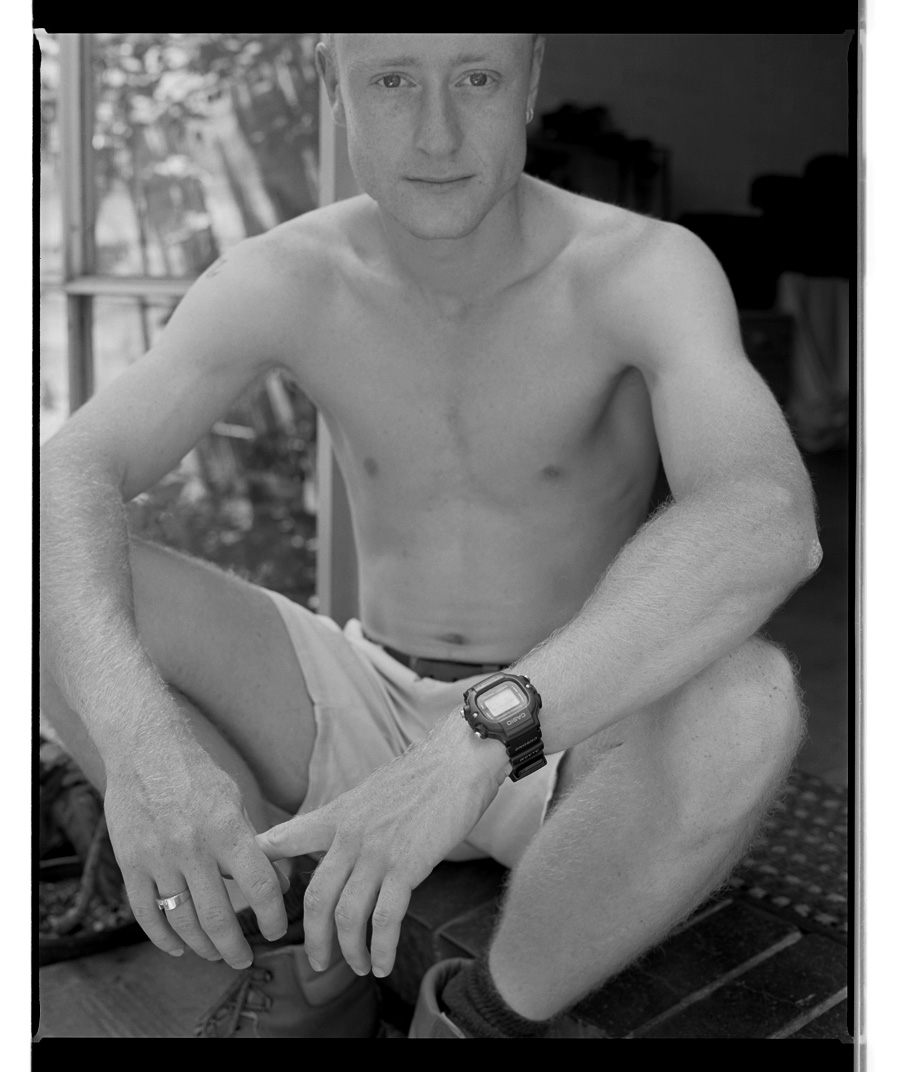
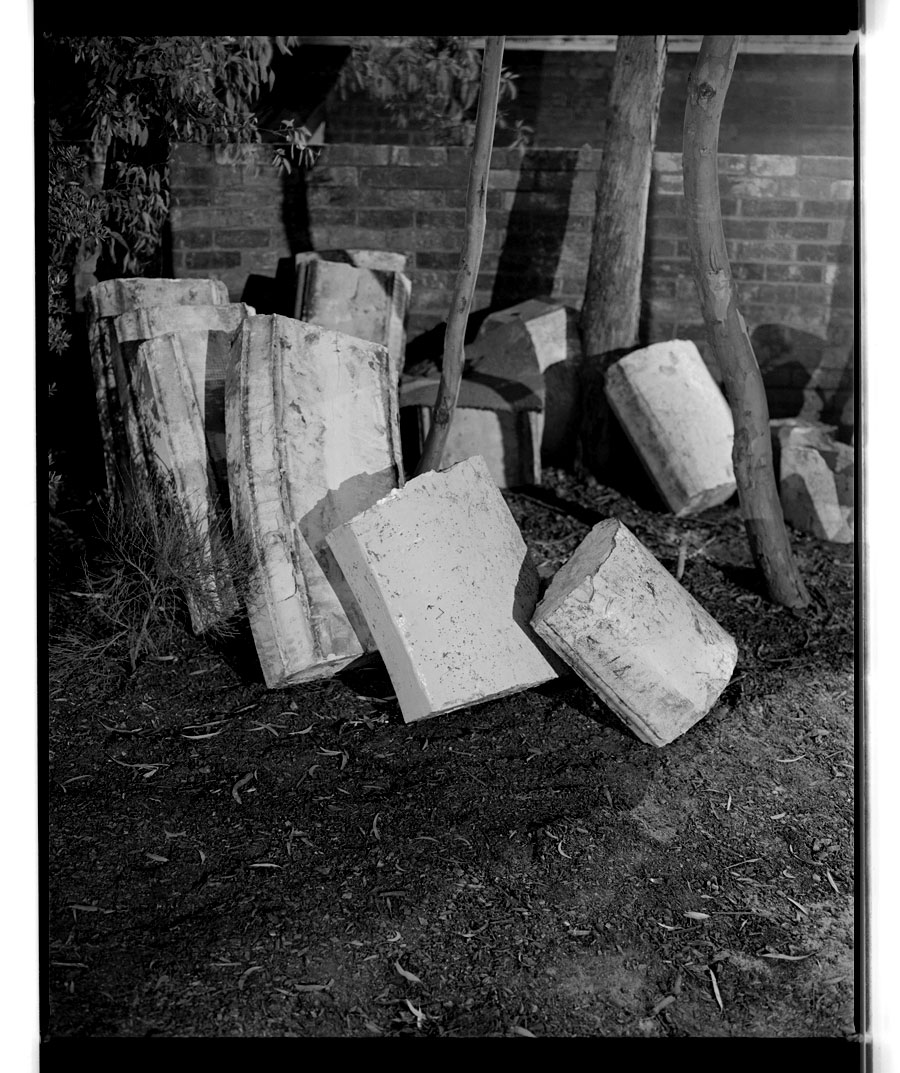
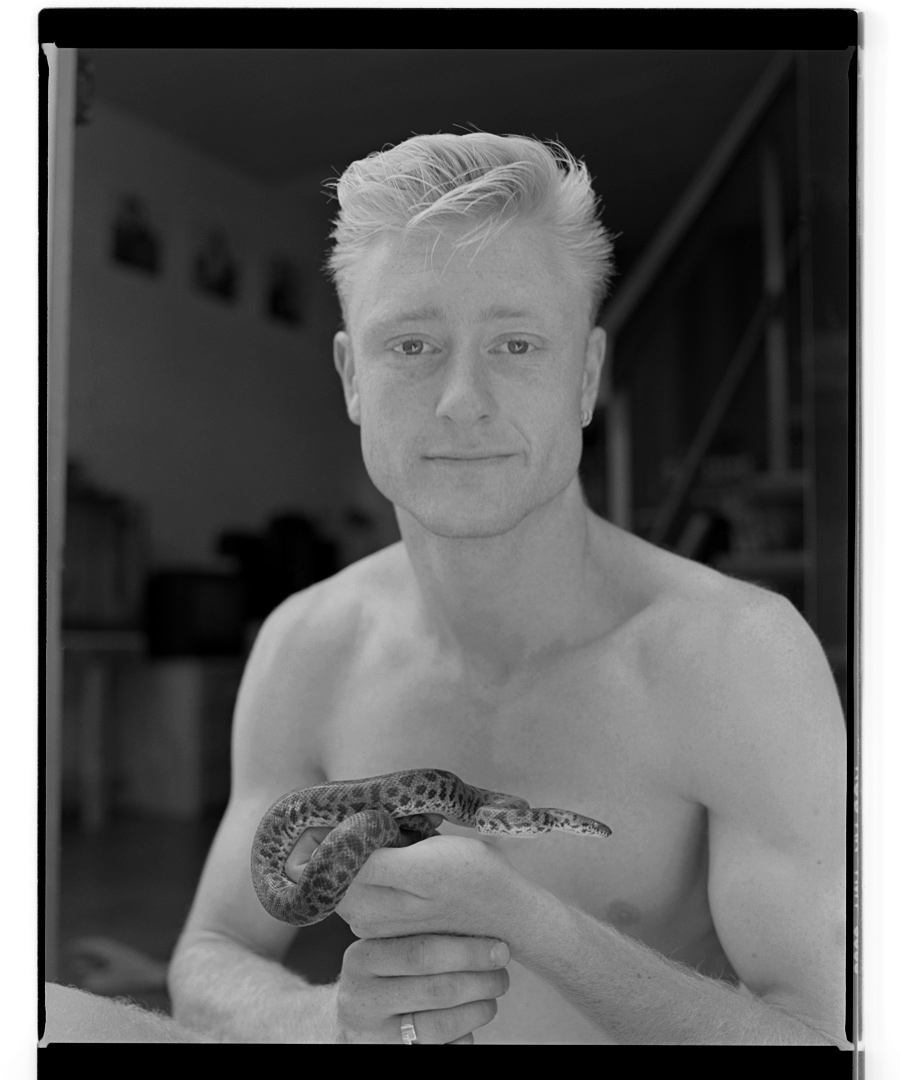
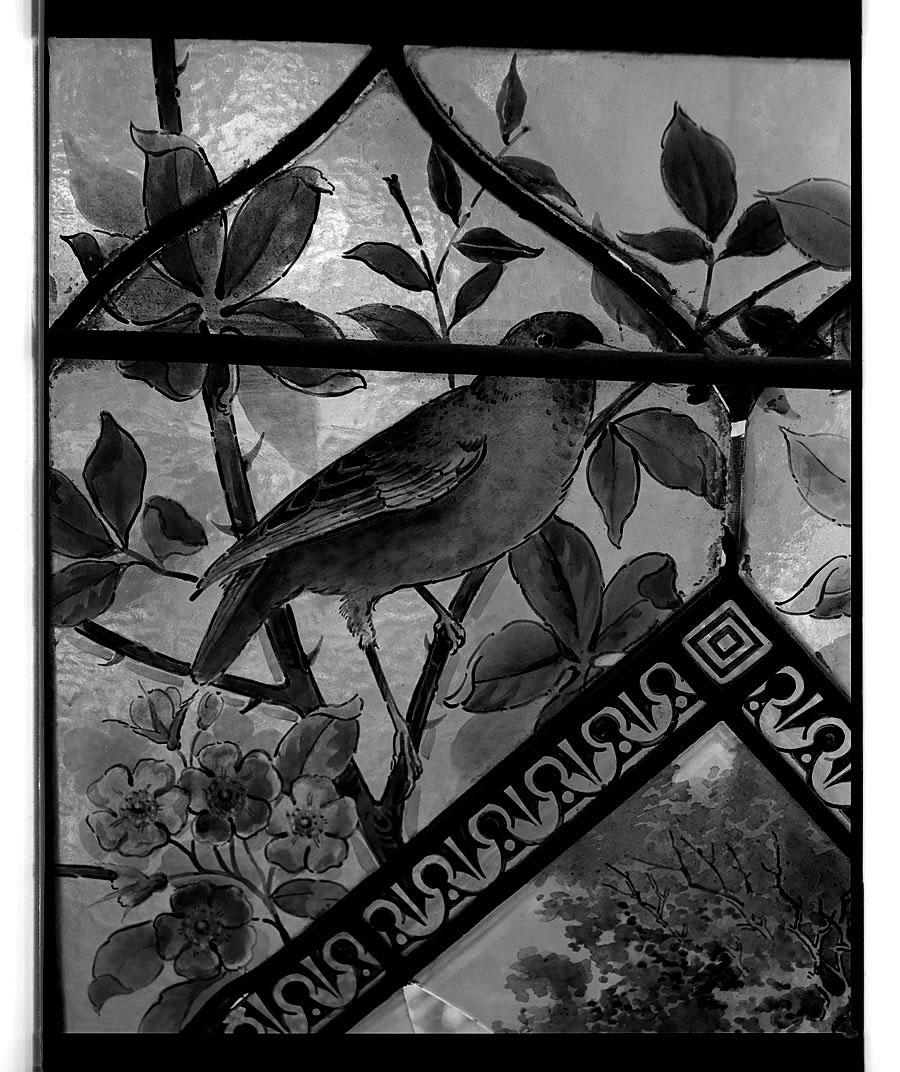
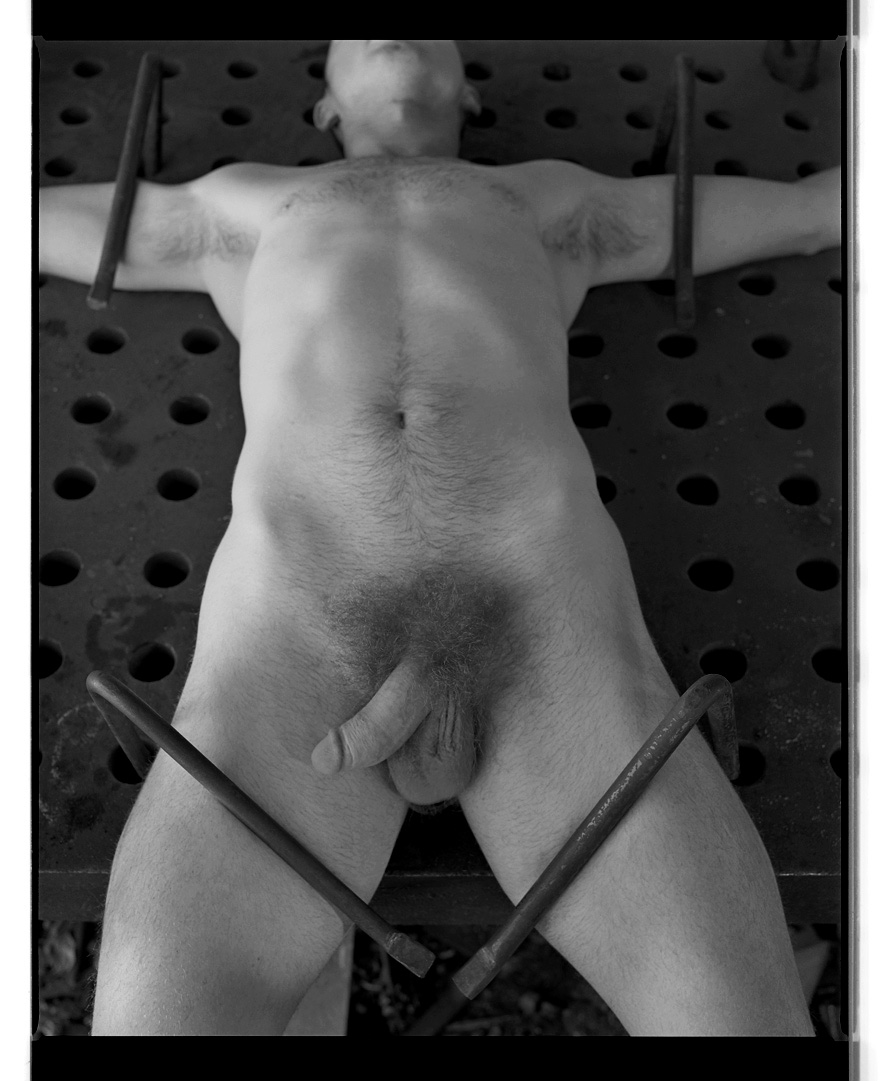
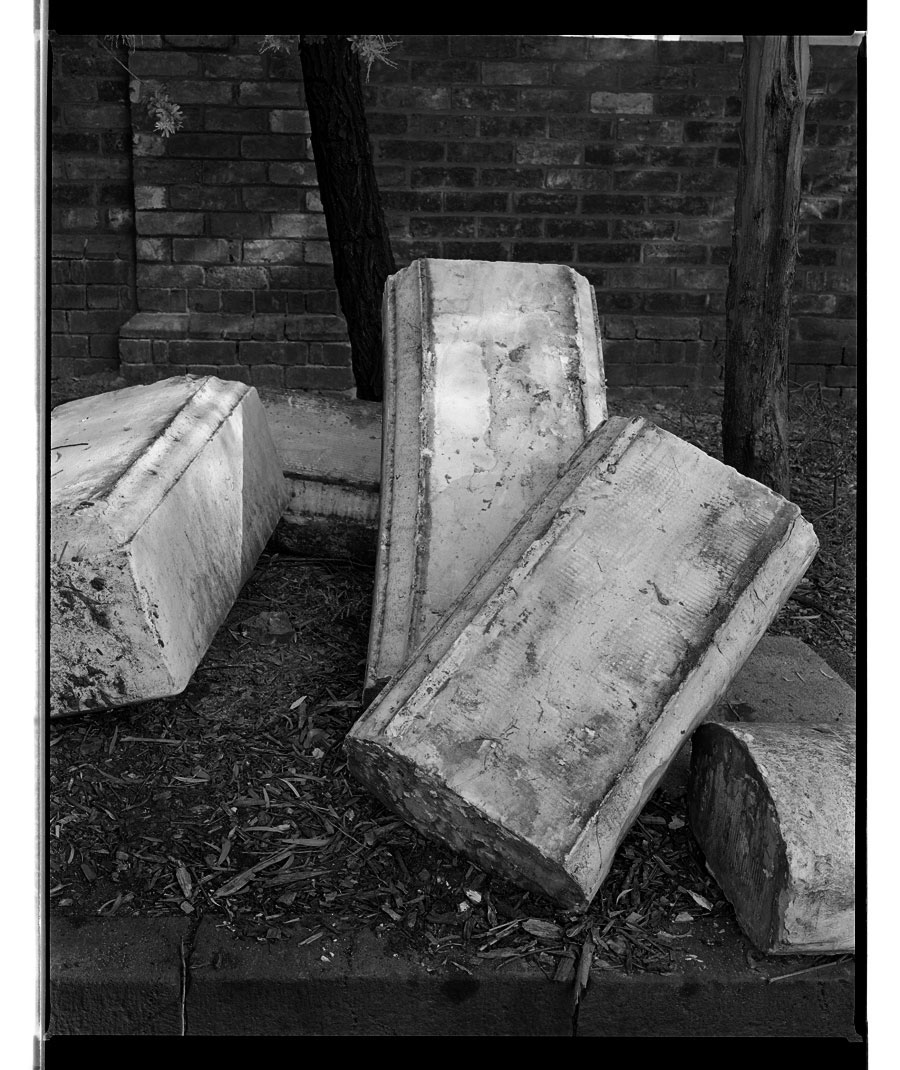
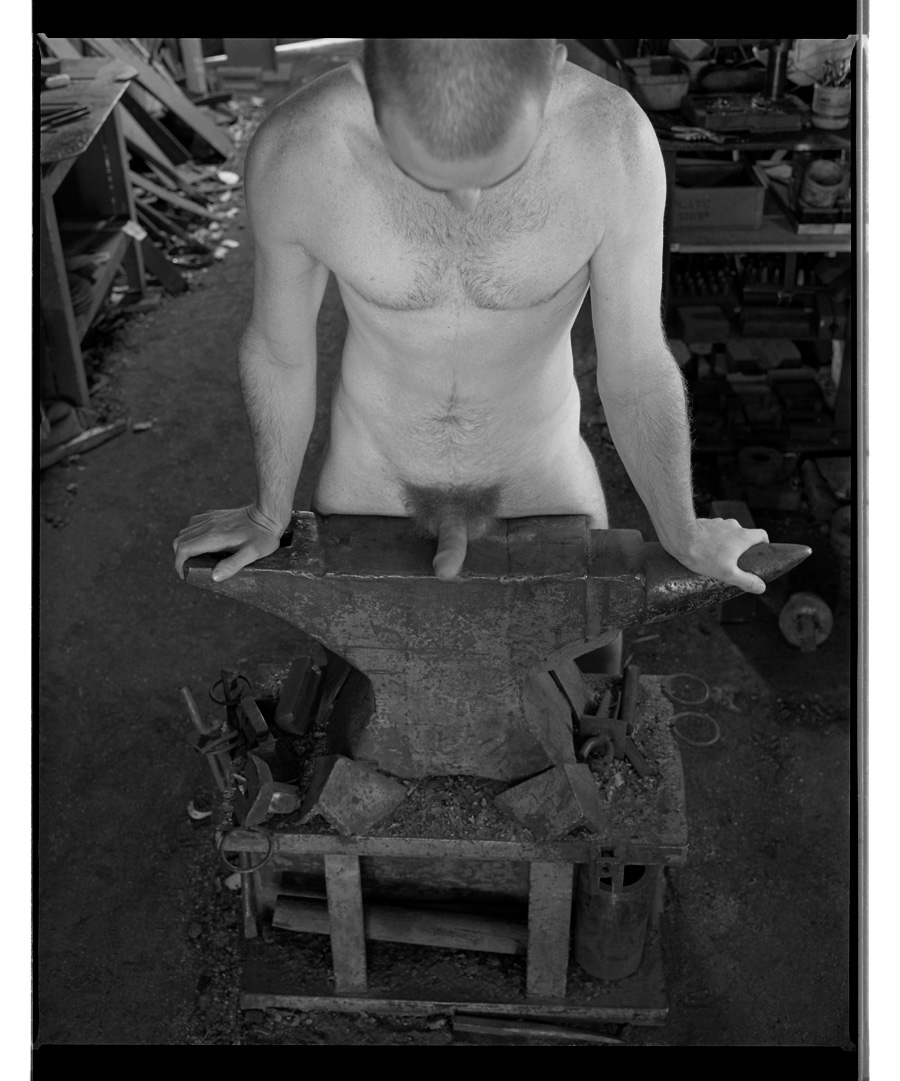
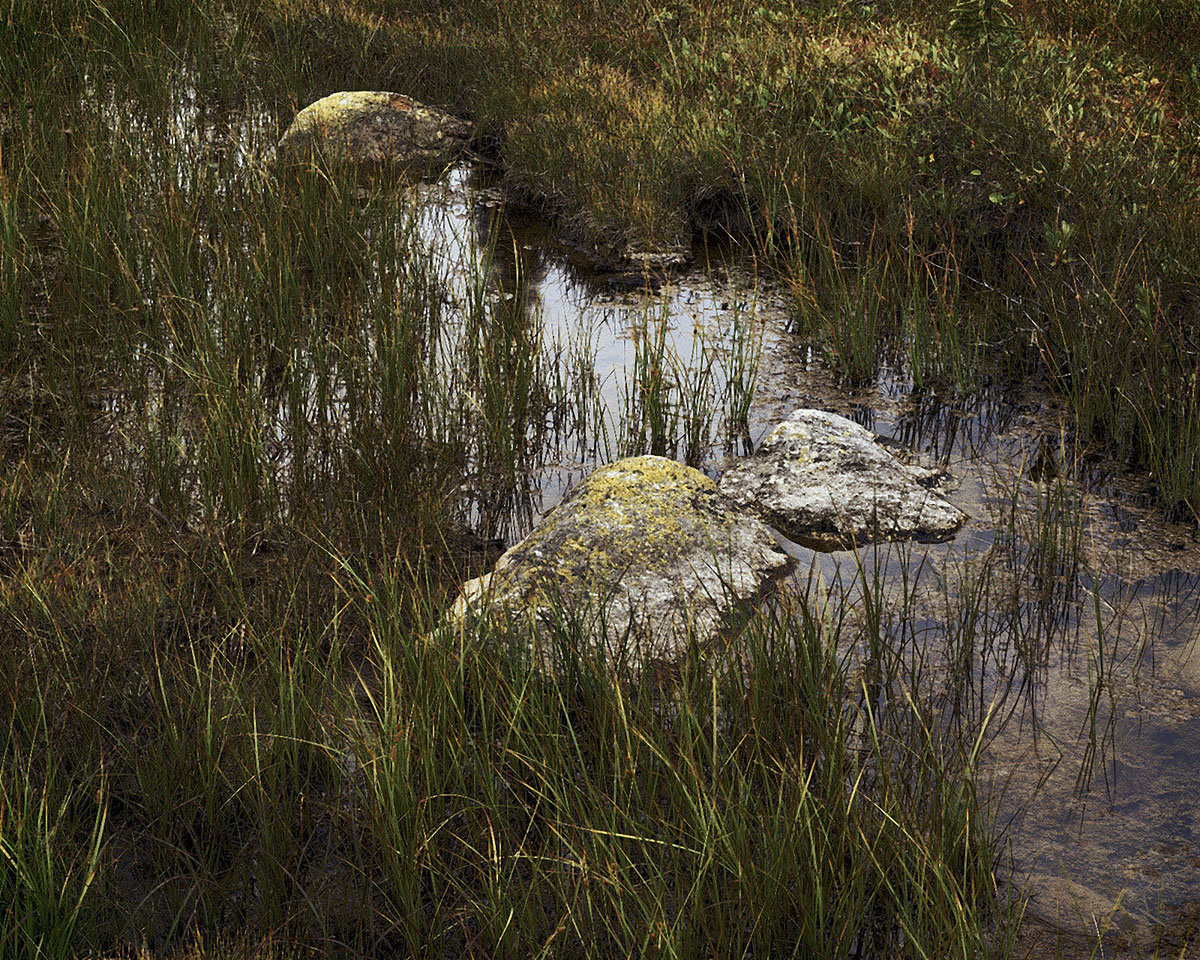
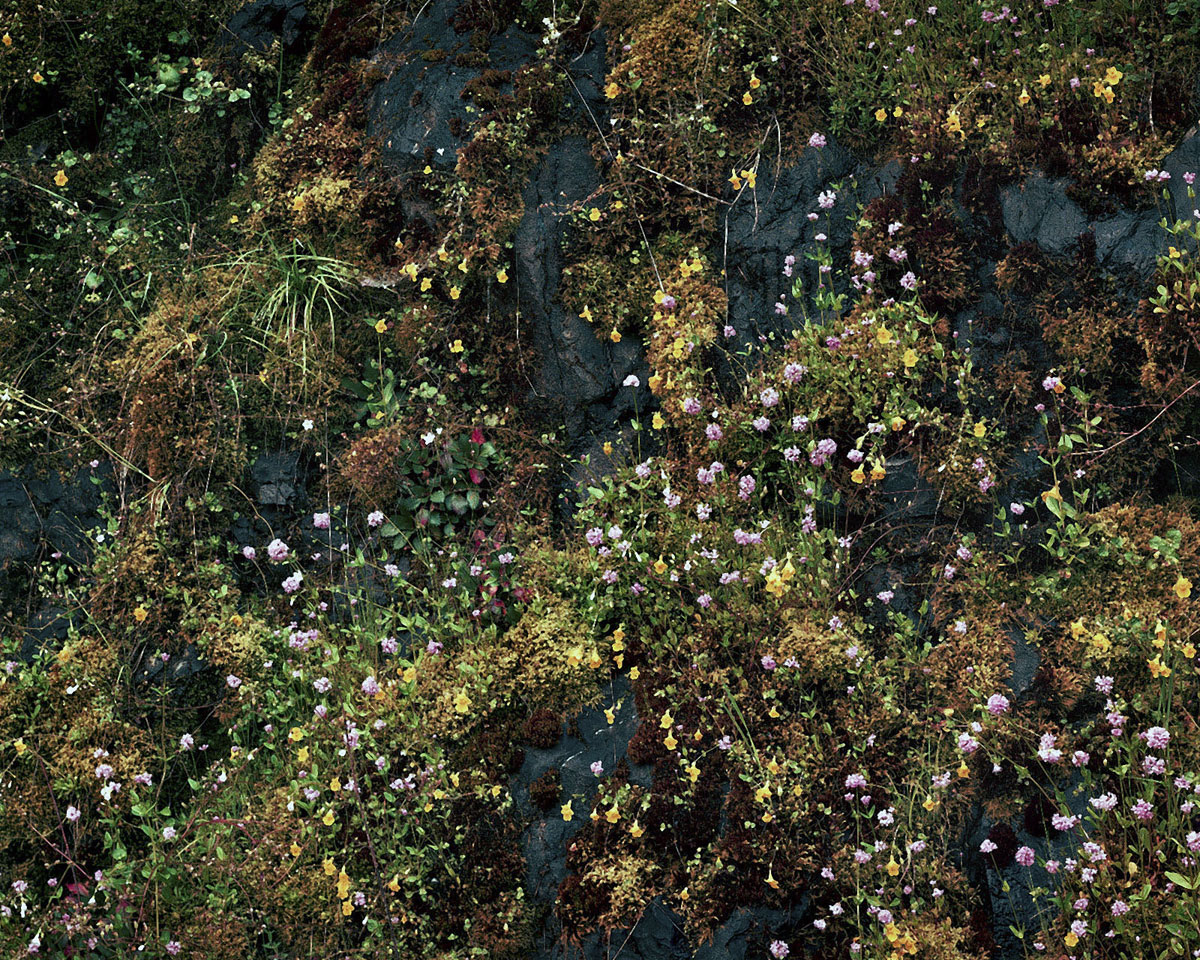
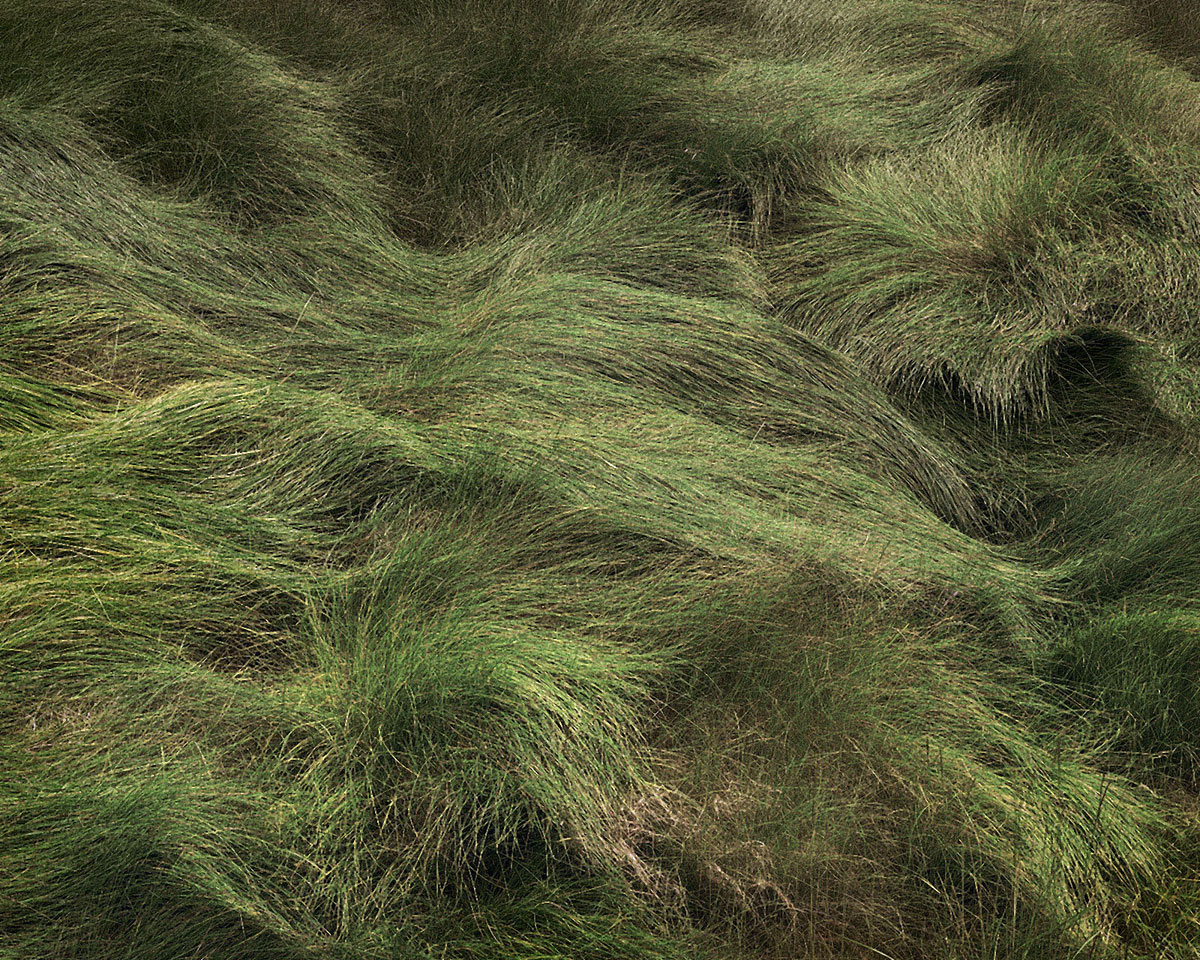

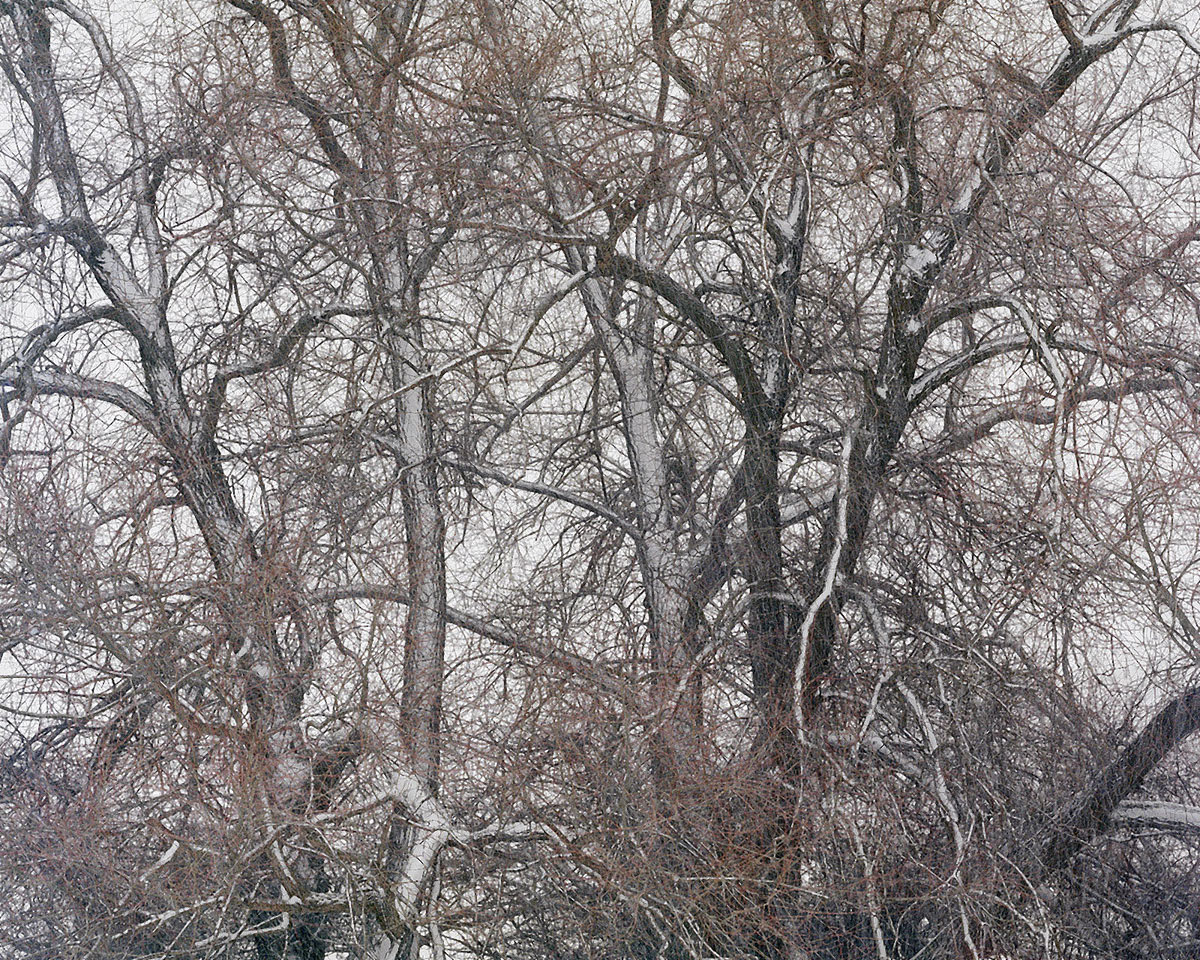
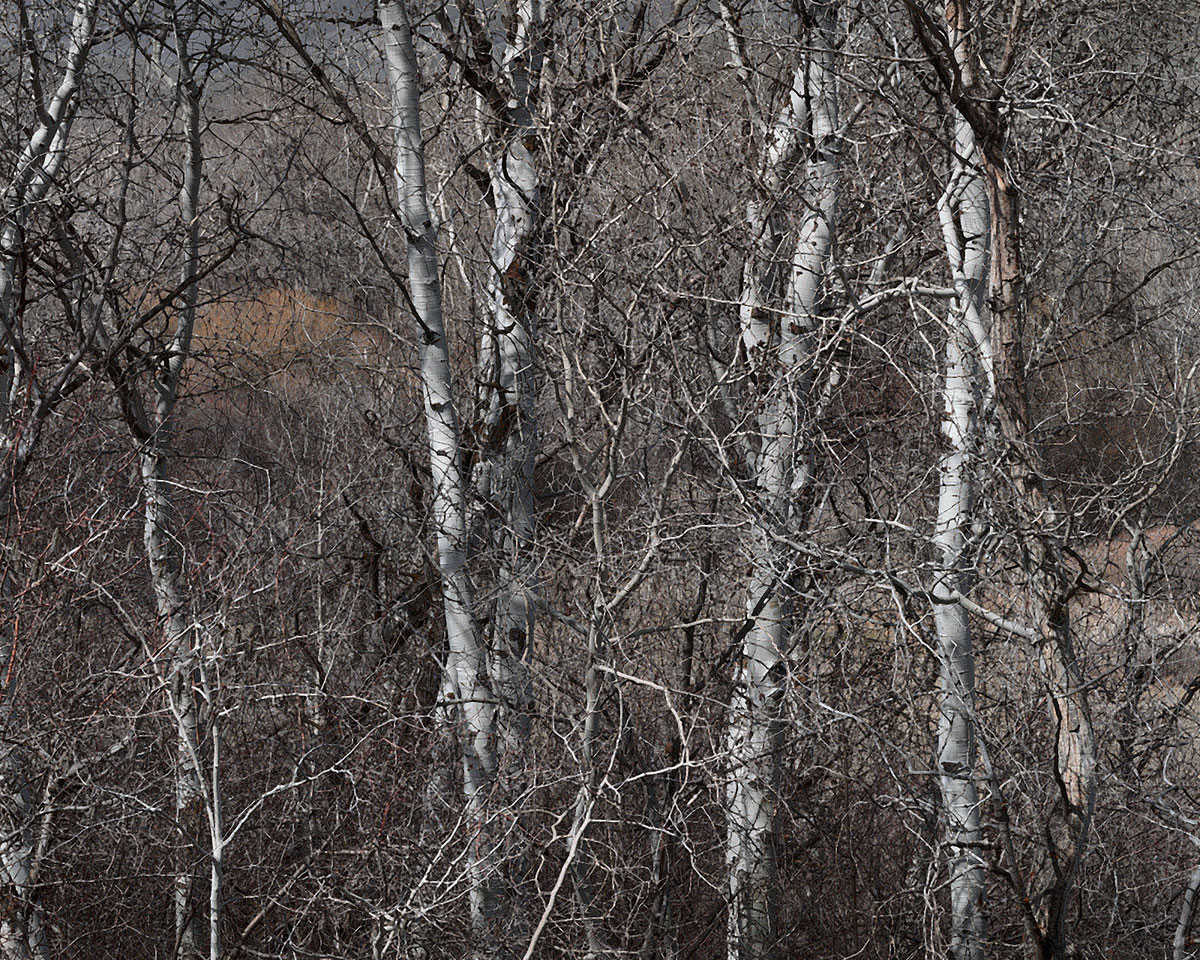
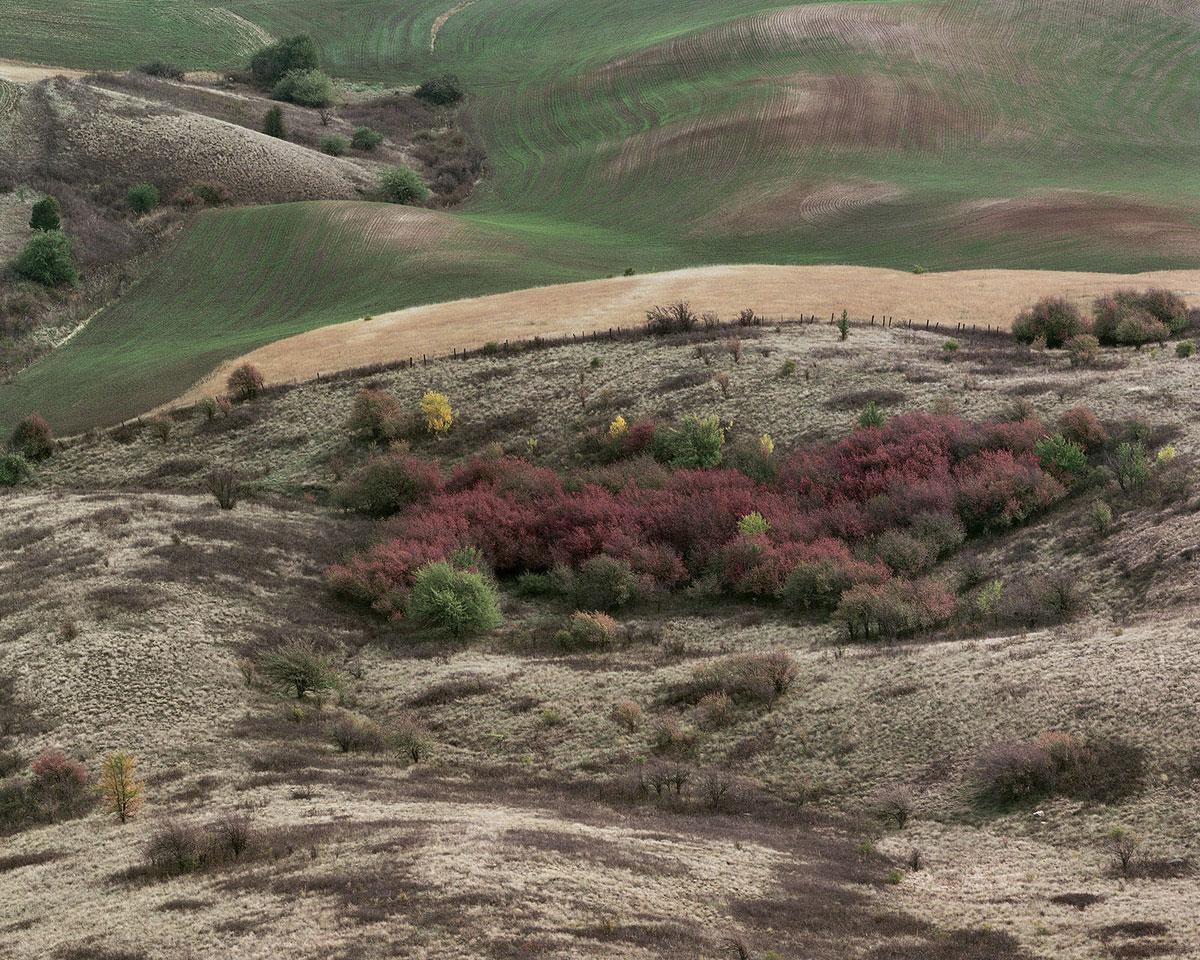
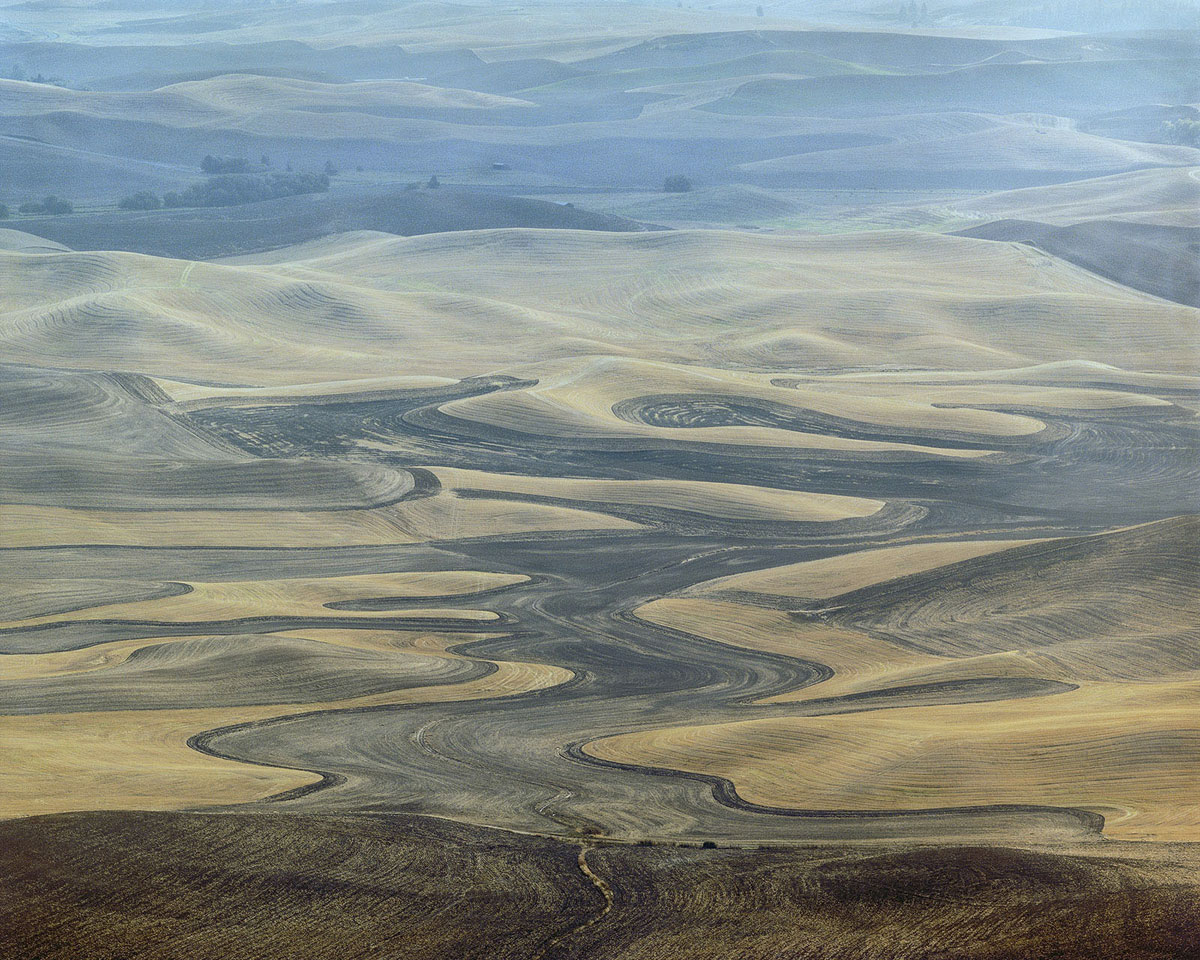



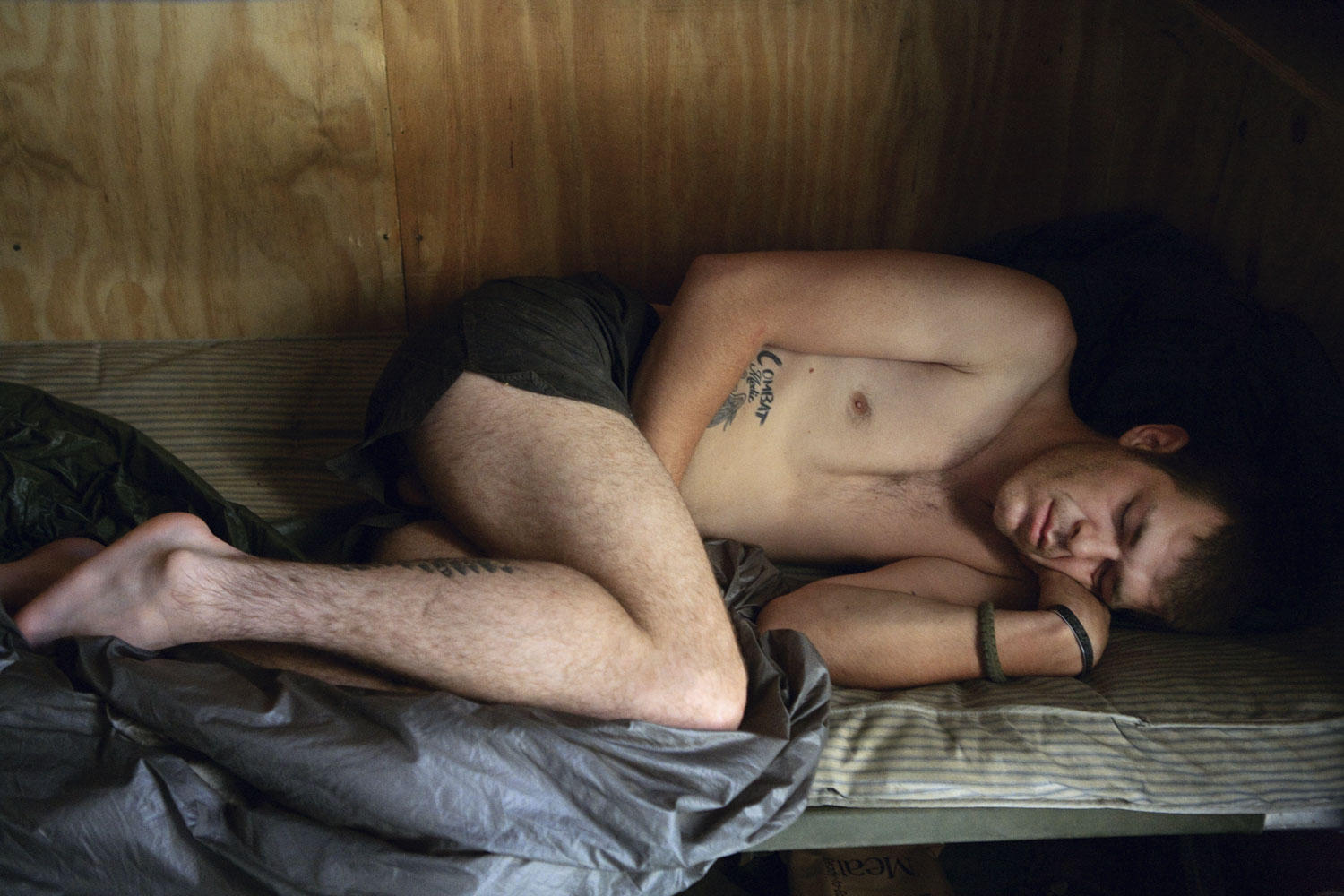


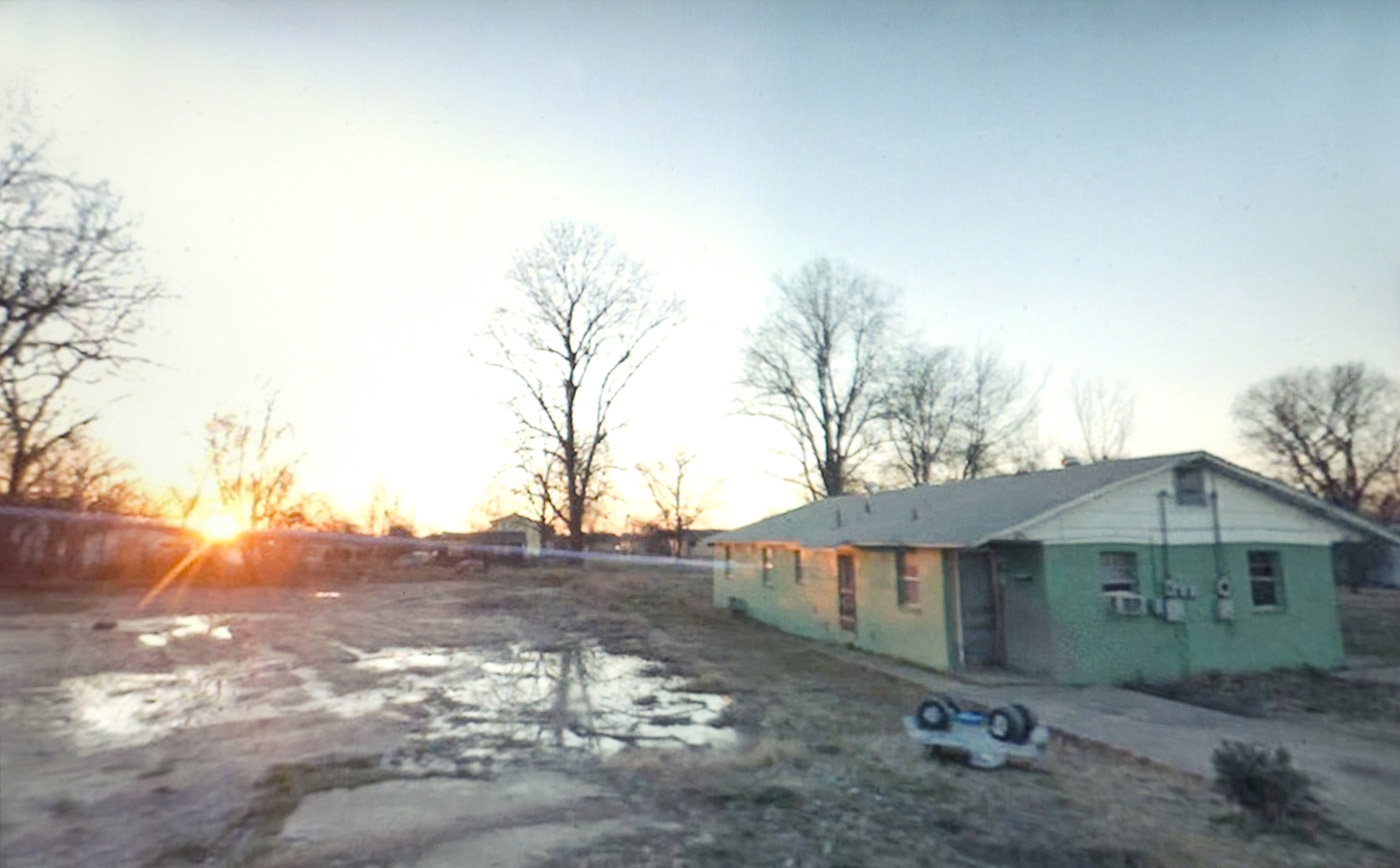

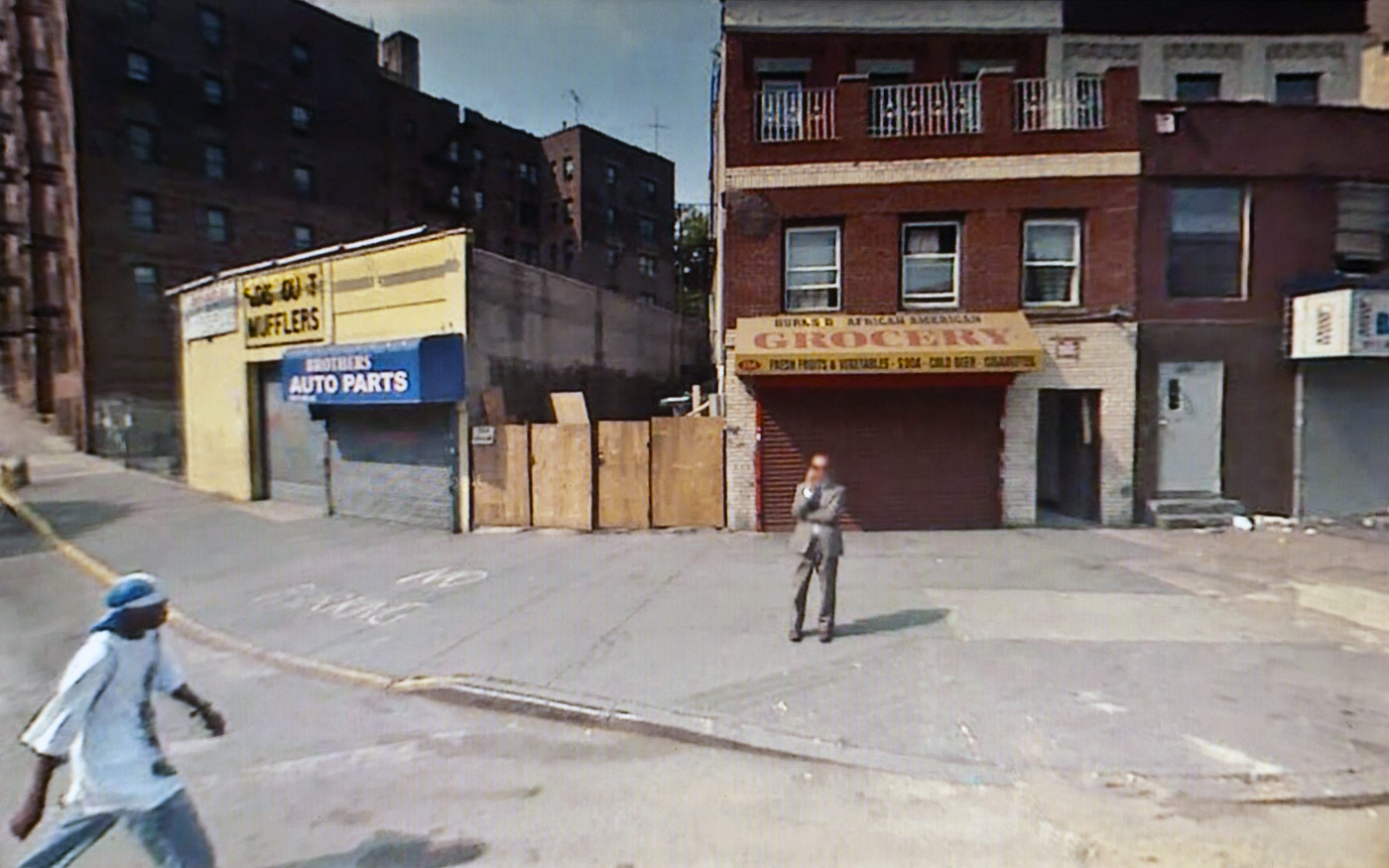


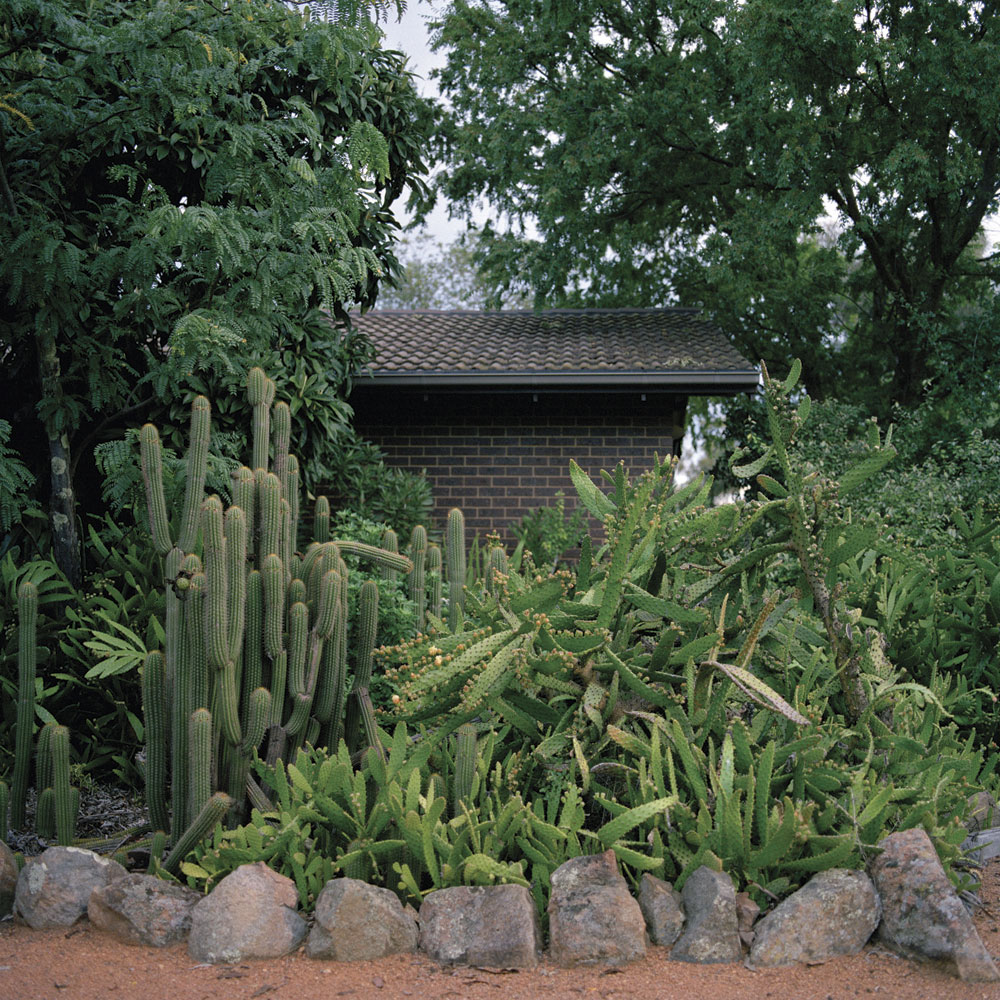

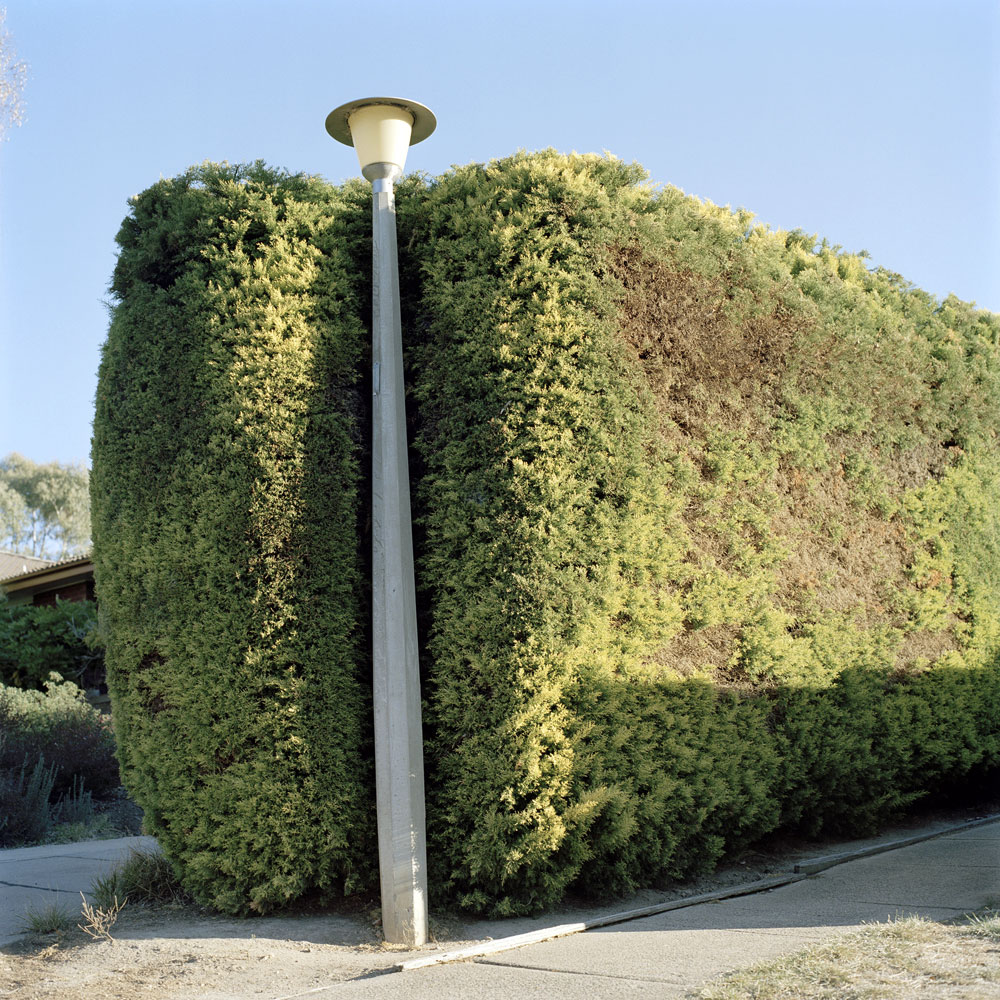


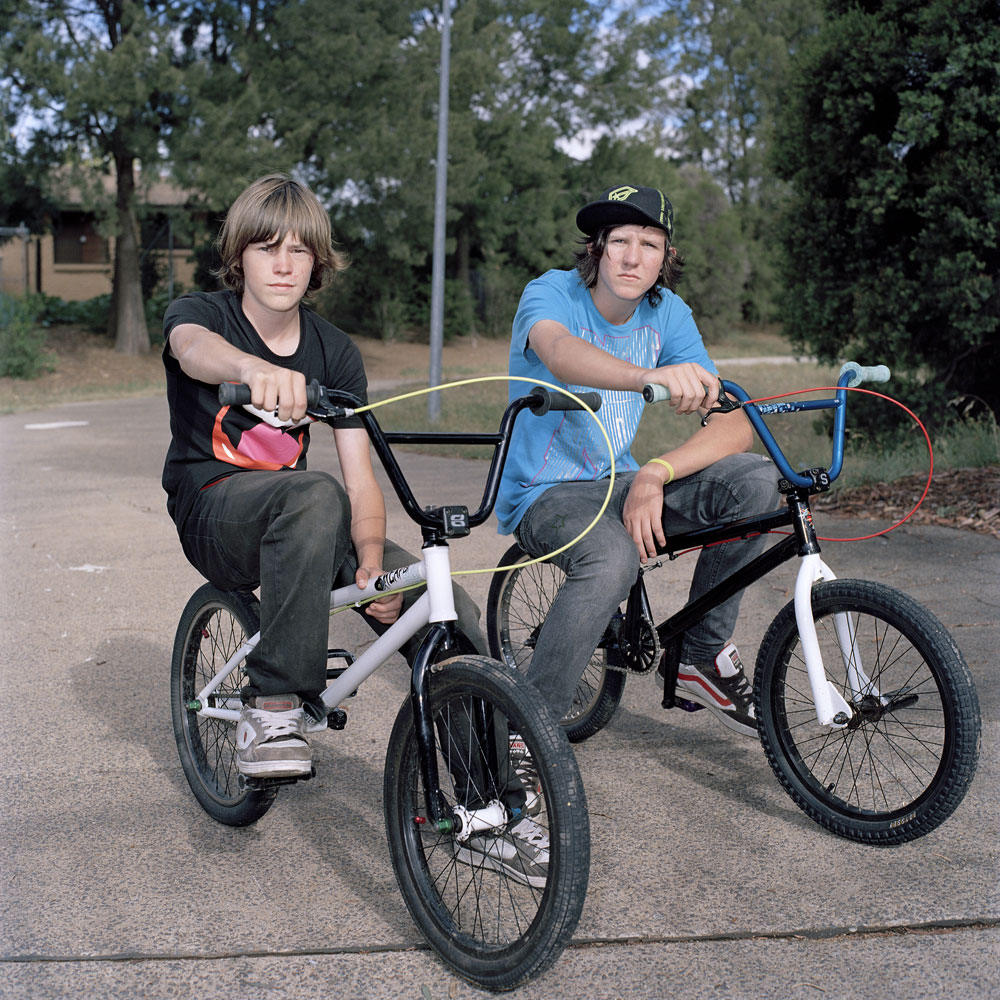

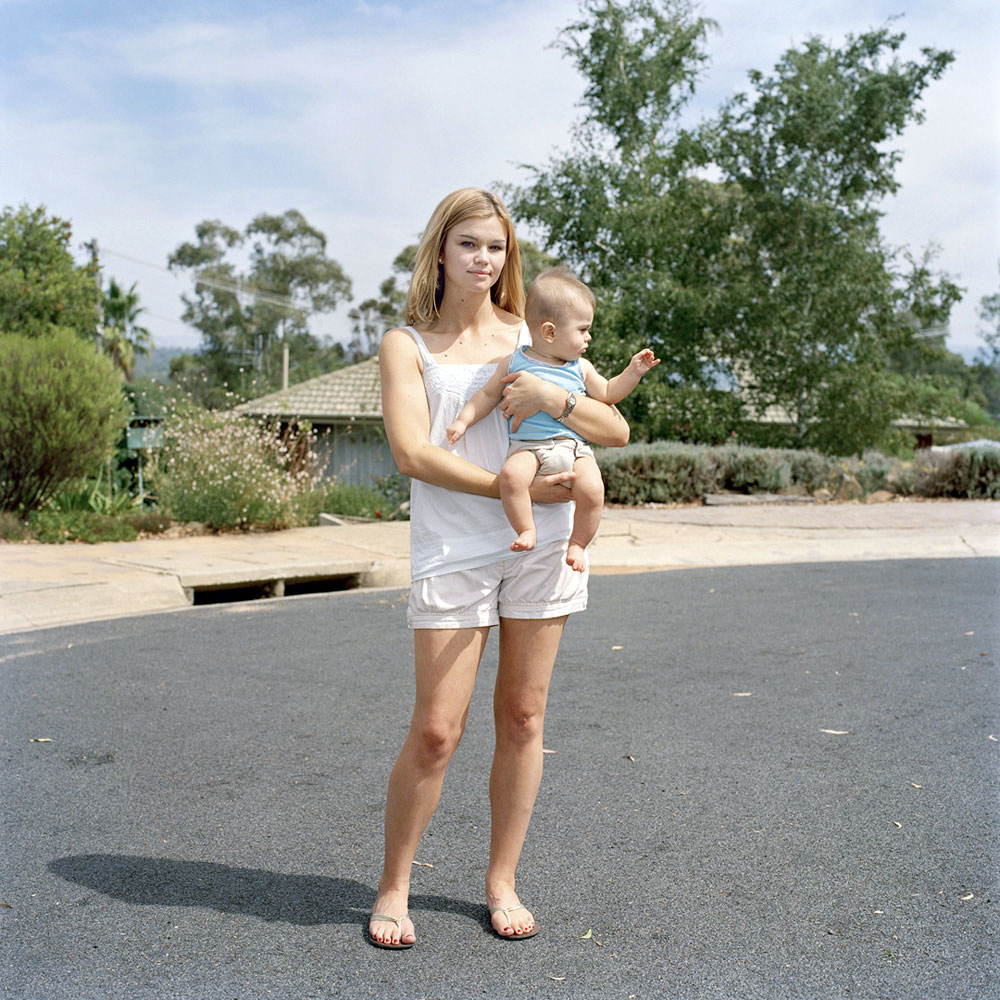

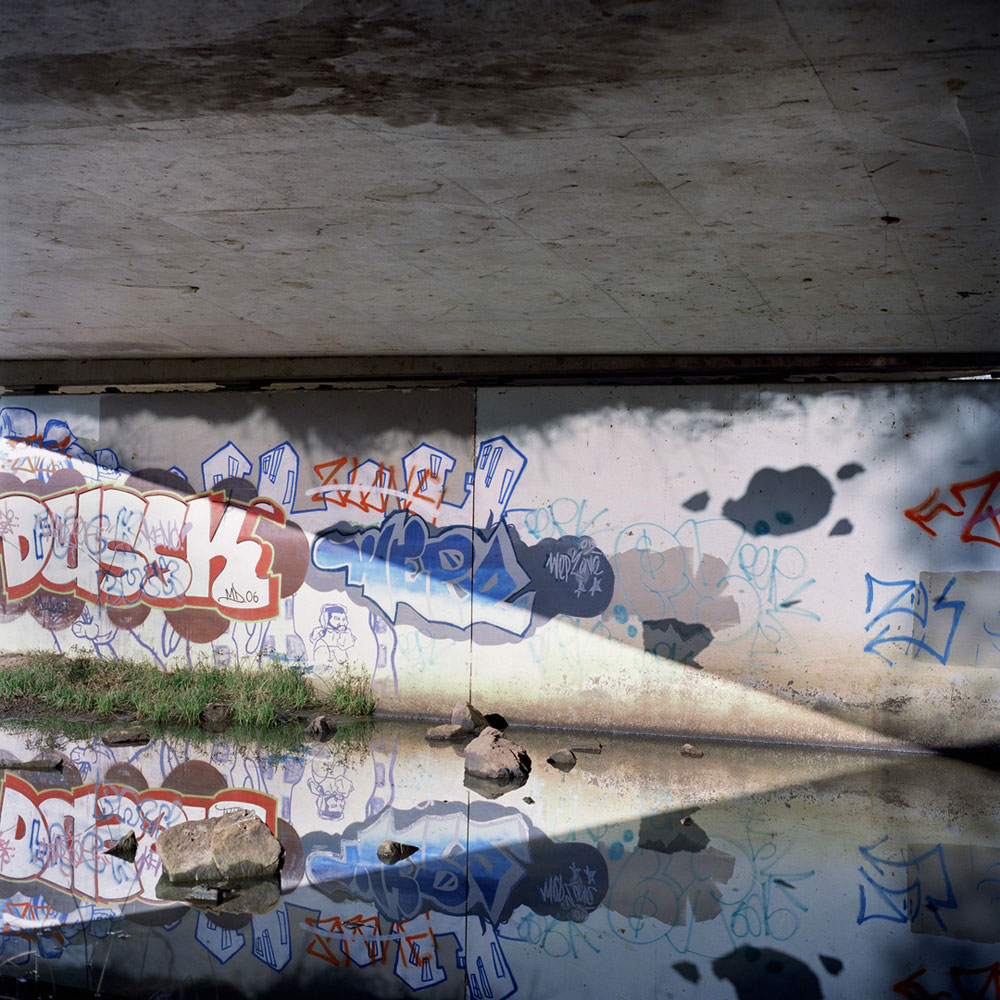


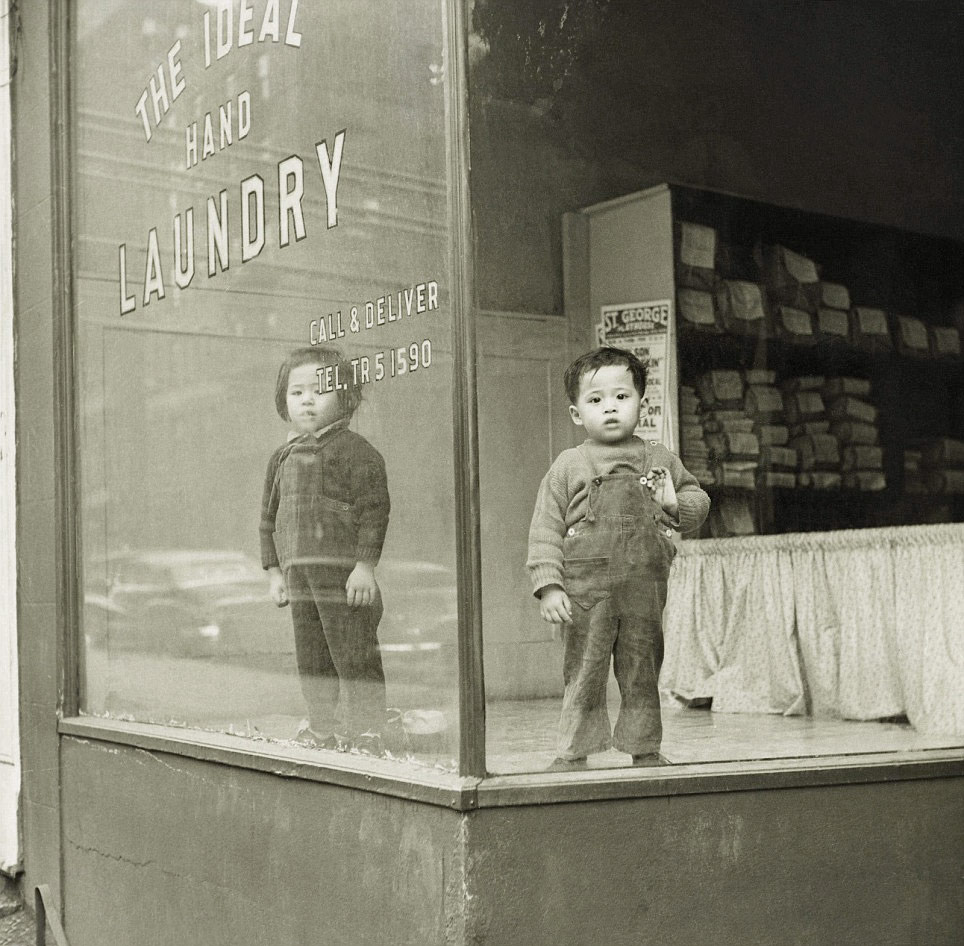


You must be logged in to post a comment.