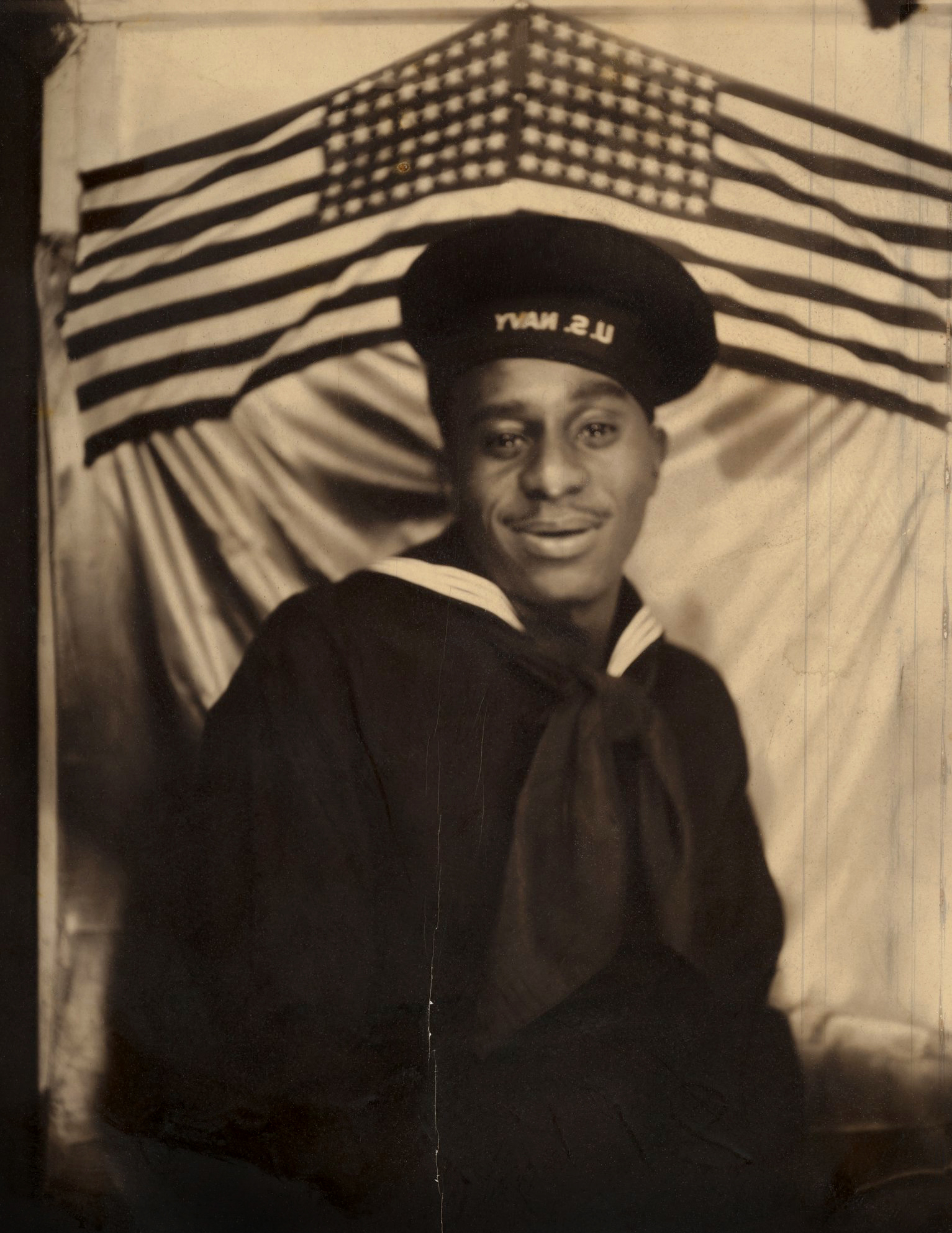
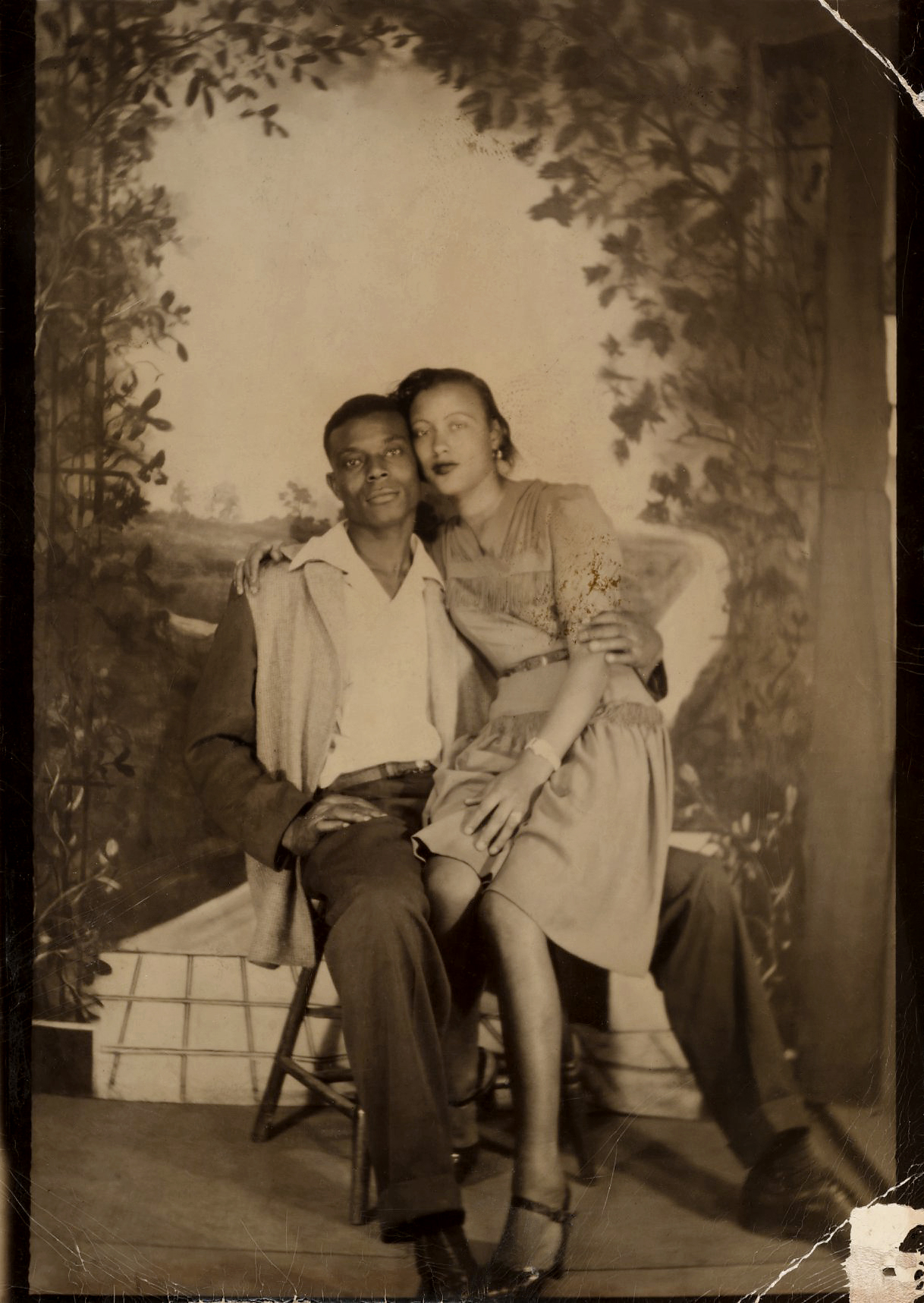
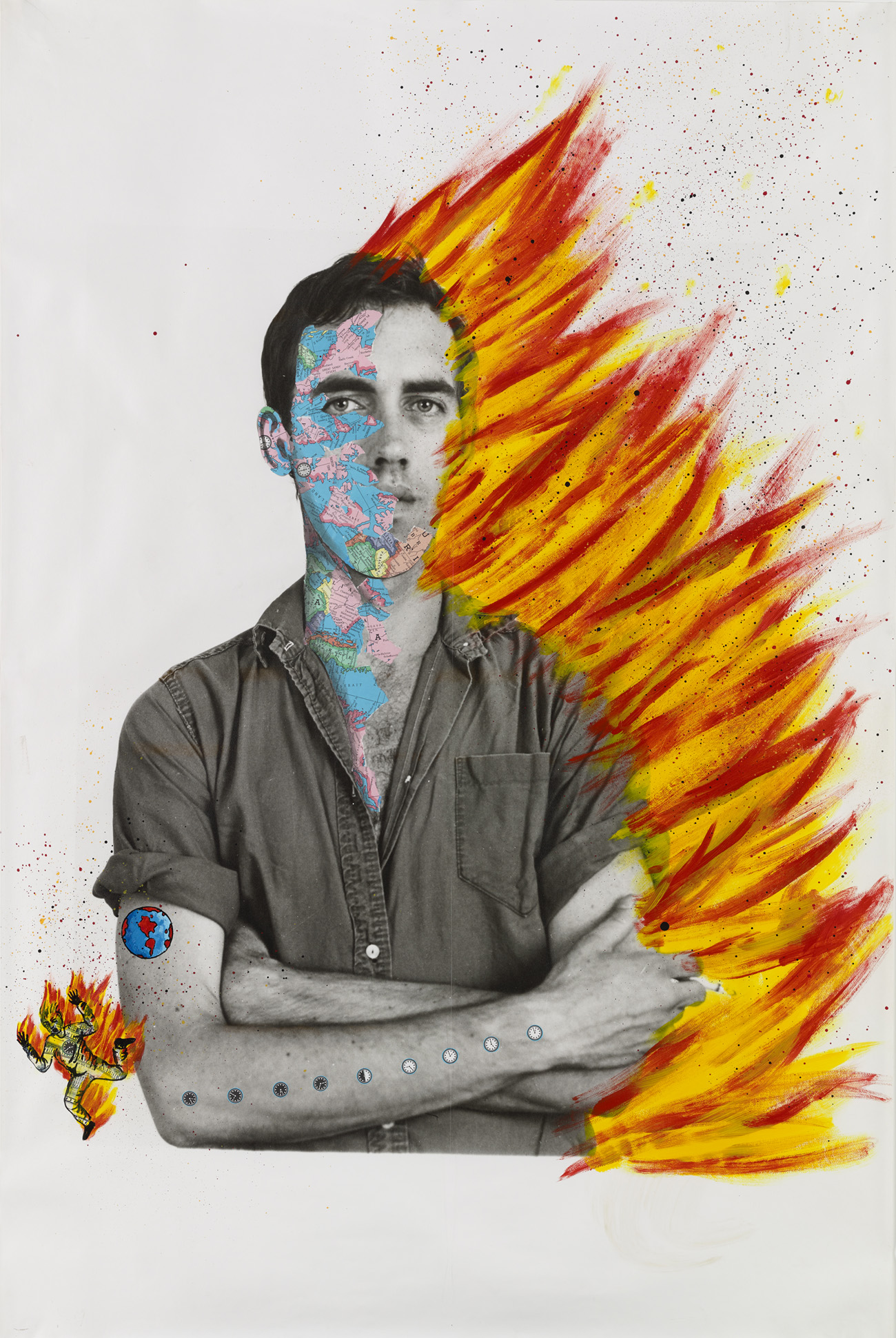
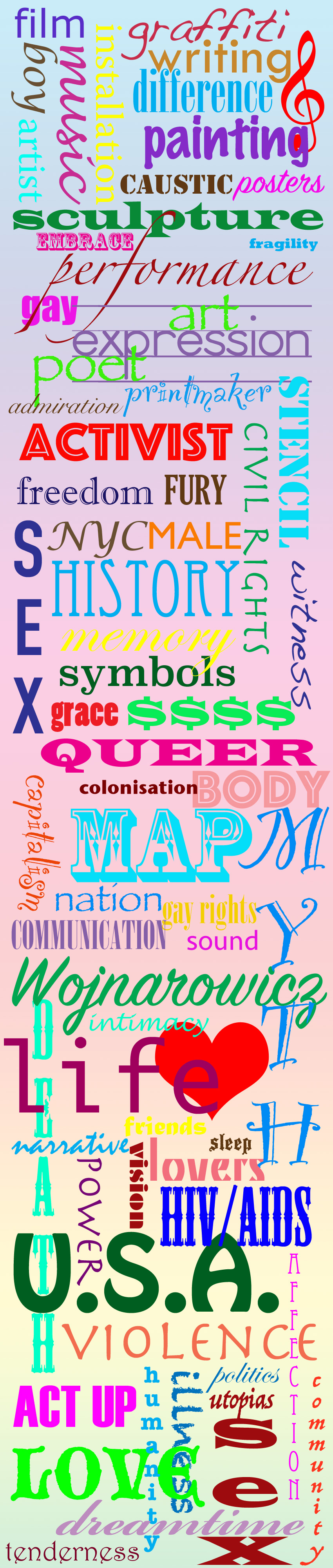
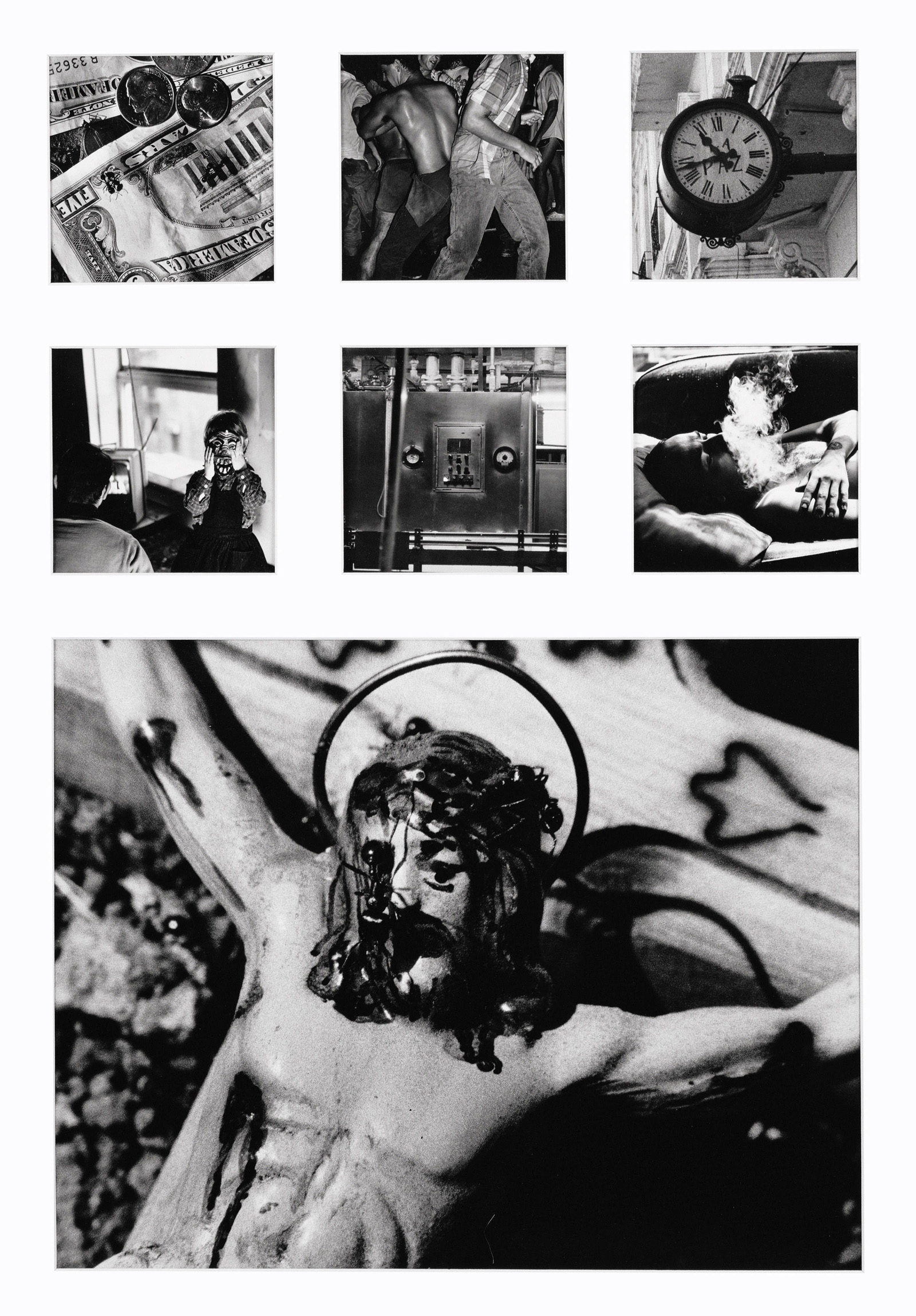
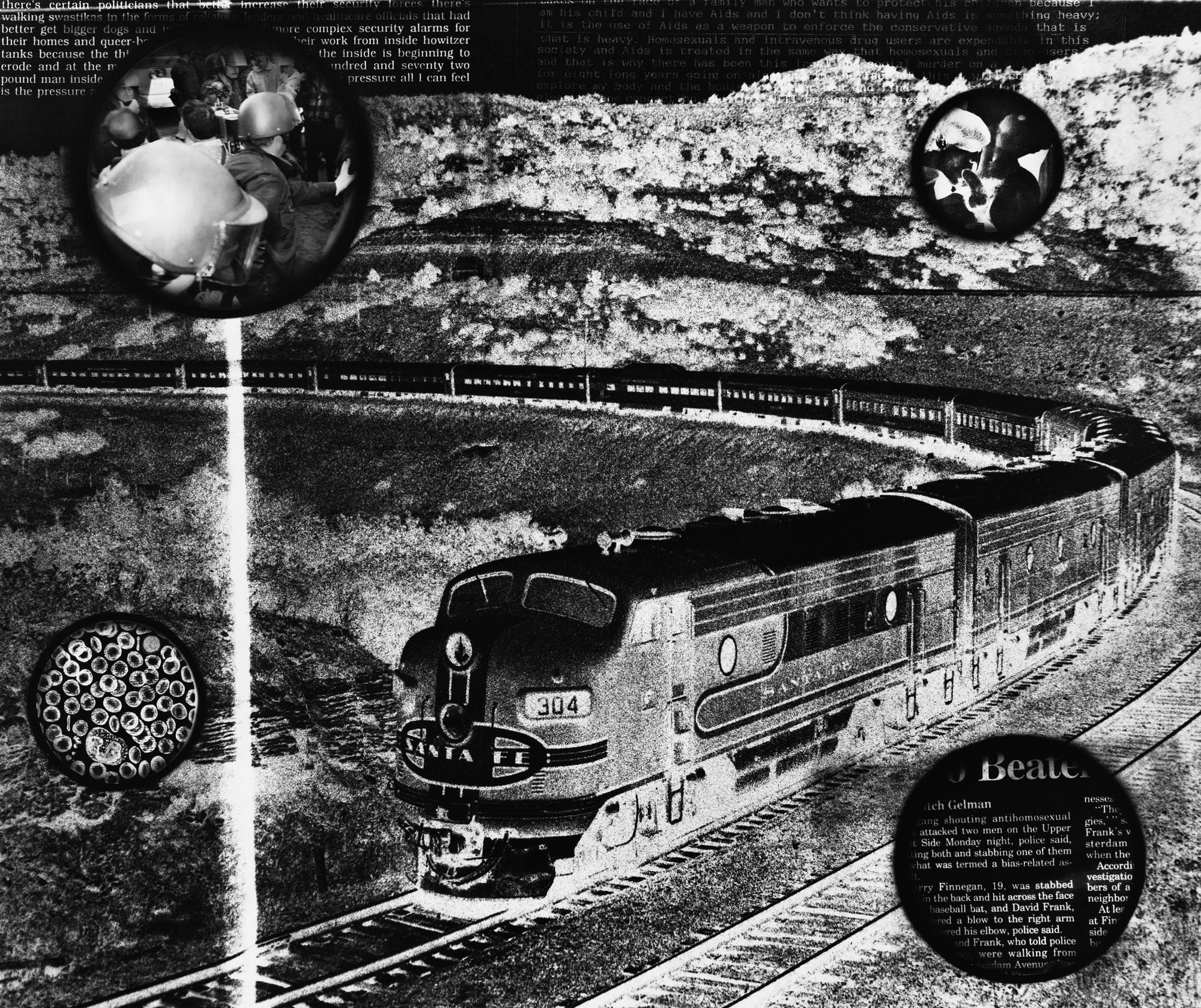
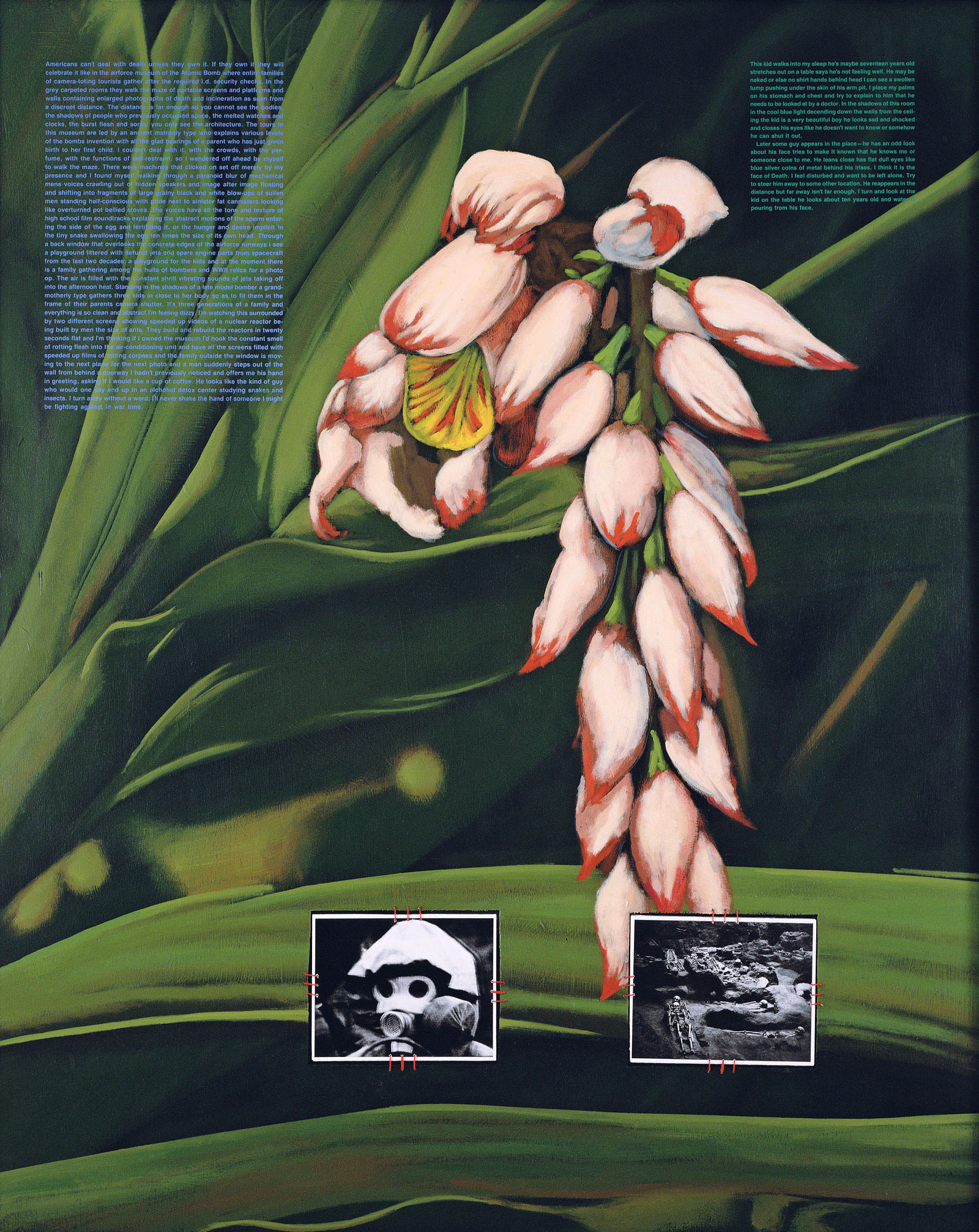
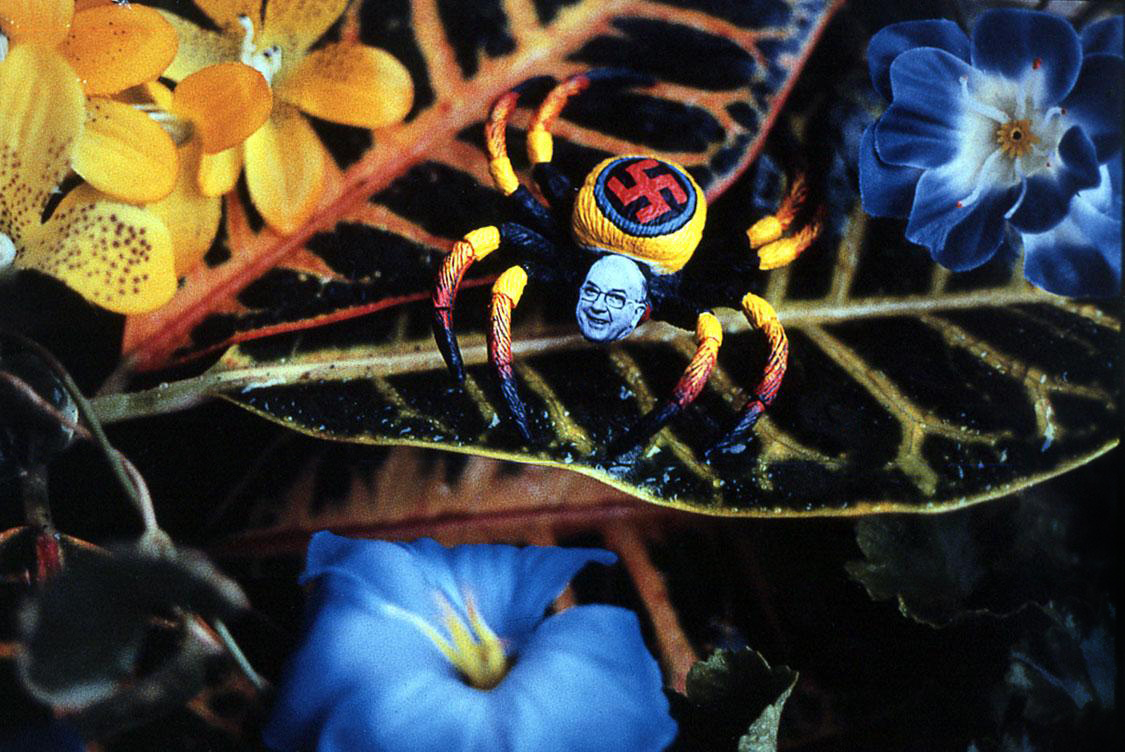
Bearing witness – in private, in public, through creative judgement, editing and the selection process
“Bearing witness is a term that, used in psychology, refers to sharing our experiences with others, most notably in the communication to others of traumatic experiences. Bearing witness is a valuable way to process an experience, to obtain empathy and support, to lighten our emotional load via sharing it with the witness, and to obtain catharsis. Most people bear witness daily, and not only in reaction to traumatic events. We bear witness to one another through our writing, through art, and by verbally simply sharing with others.
In legal terms, witness is derived from a root meaning “to bear in mind;” “to remember;” “to be careful.” A witness in this light can be defined as one who has knowledge of something by recollection and experience, and who can tell about it accurately. By this definition, we are all witnesses for one another, whether or not by choice. Some instances of bearing witness, whether legally or psychologically, do not require the permission of the witness. At other times, the witness is a willing and active participant.
Art is a wonderful avenue for us to bear witness…”
Many thankx to Museum für Kunst und Gewerbe Hamburg for allowing me to publish the photographs in the posting. Please click on the photographs for a larger version of the image.
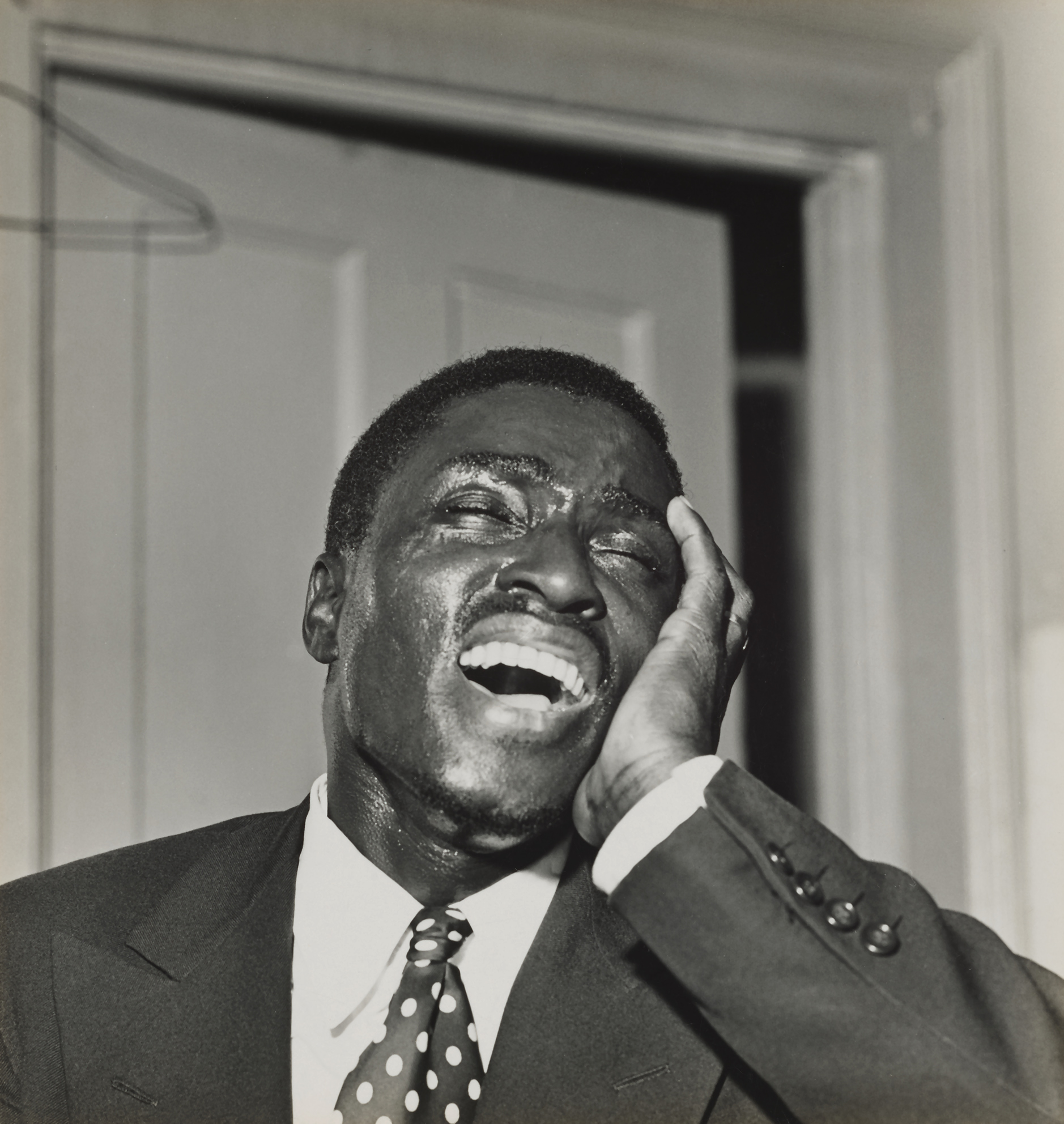
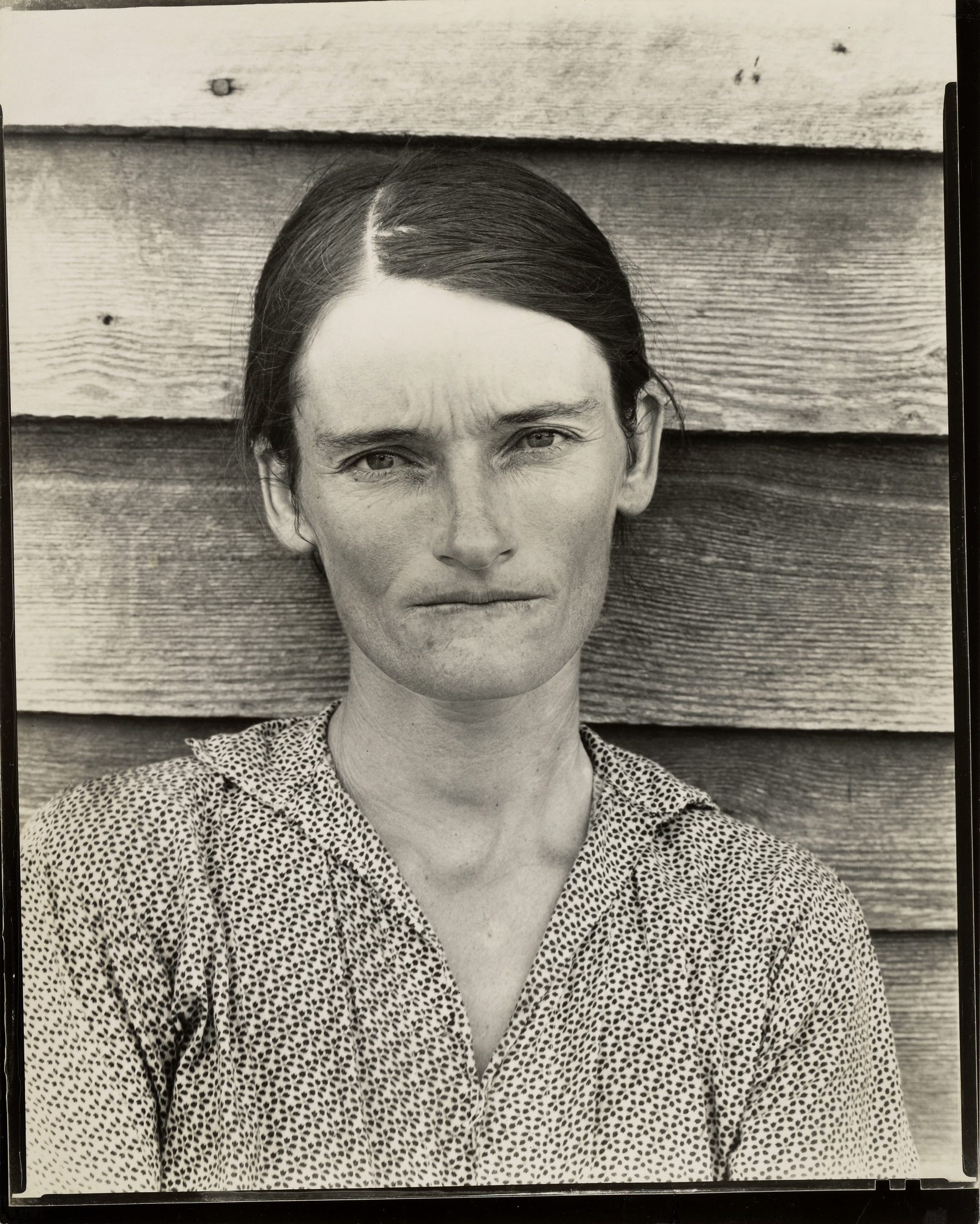
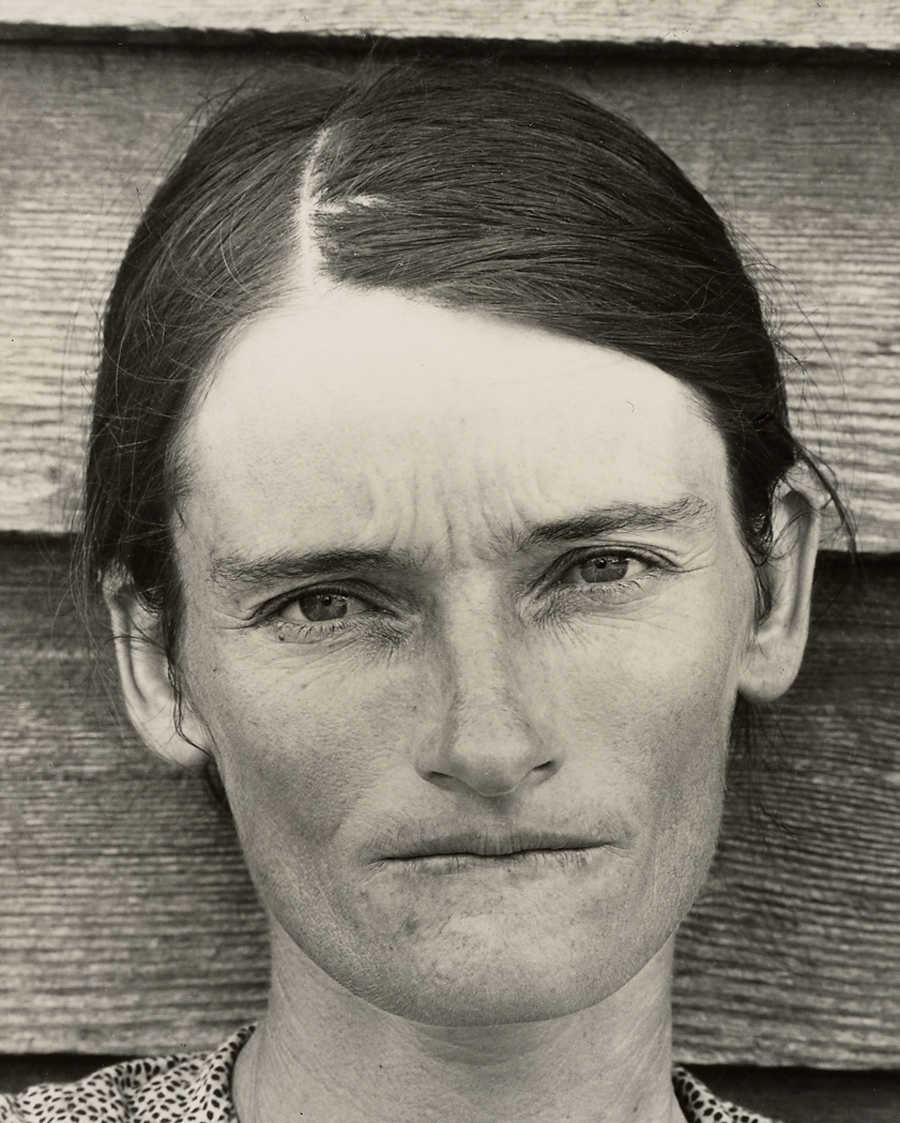
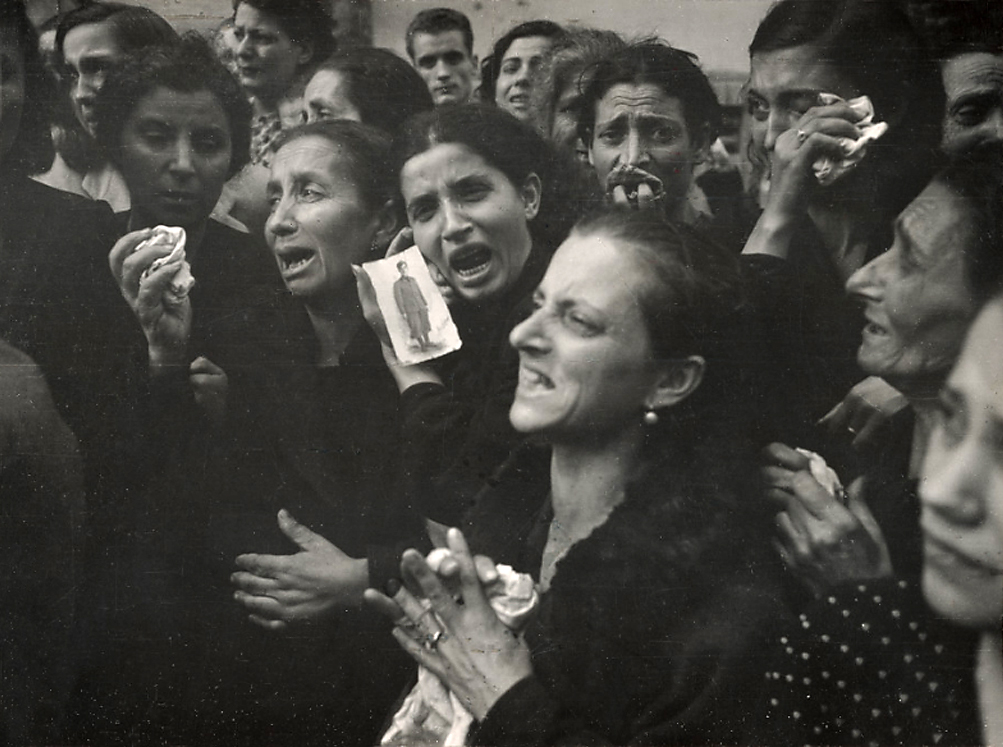
The exhibition DELETE at the Museum für Kunst und Gewerbe Hamburg (MKG) explores the production conditions under which photojournalists work and the selection processes their photographs go through before journals and magazines print them. How do publishers, editors, authors, and graphic designers influence the photographers’ work and the expressive force of their pictures? What requirements do the commissioned reports have to fulfil? What mechanisms determine which photos are shown and which never see the light of day? What then ends up being remembered, and what is forgotten? Guided by these questions, the MKG takes a look at four reportages from 1968 to 1983. On view are some 60 reportage photographs, four photo-spreads from the magazines, Stern, Playboy, Kristall, and Der Bote für die evangelische Frau, and four interview films which the photographers made for the exhibition. By comparing and contrasting the published photo-spreads with the original contact sheets as well as with the pictures selected by the photographers for the museum collection, and based on the photographers’ own accounts, viewers can discover the background behind the selection process, how journalists work, and what scope photographers are given to exercise their own creative judgement. The historical works by Thomas Hoepker, Ryūichi Hirokawa, Günter Hildenhagen, and Hanns-Jörg Anders are supplemented by a contemporary art film by Sirah Foighel Brutmann and Eitan Efrat that illuminates the selectivity of memory from an artistic perspective.
The exhibition DELETE is part of the 7th Triennial of Photography Hamburg, which is taking place from 8 June until 25 November 2018 under the motto Breaking Point.
Text from the Museum für Kunst und Gewerbe Hamburg website
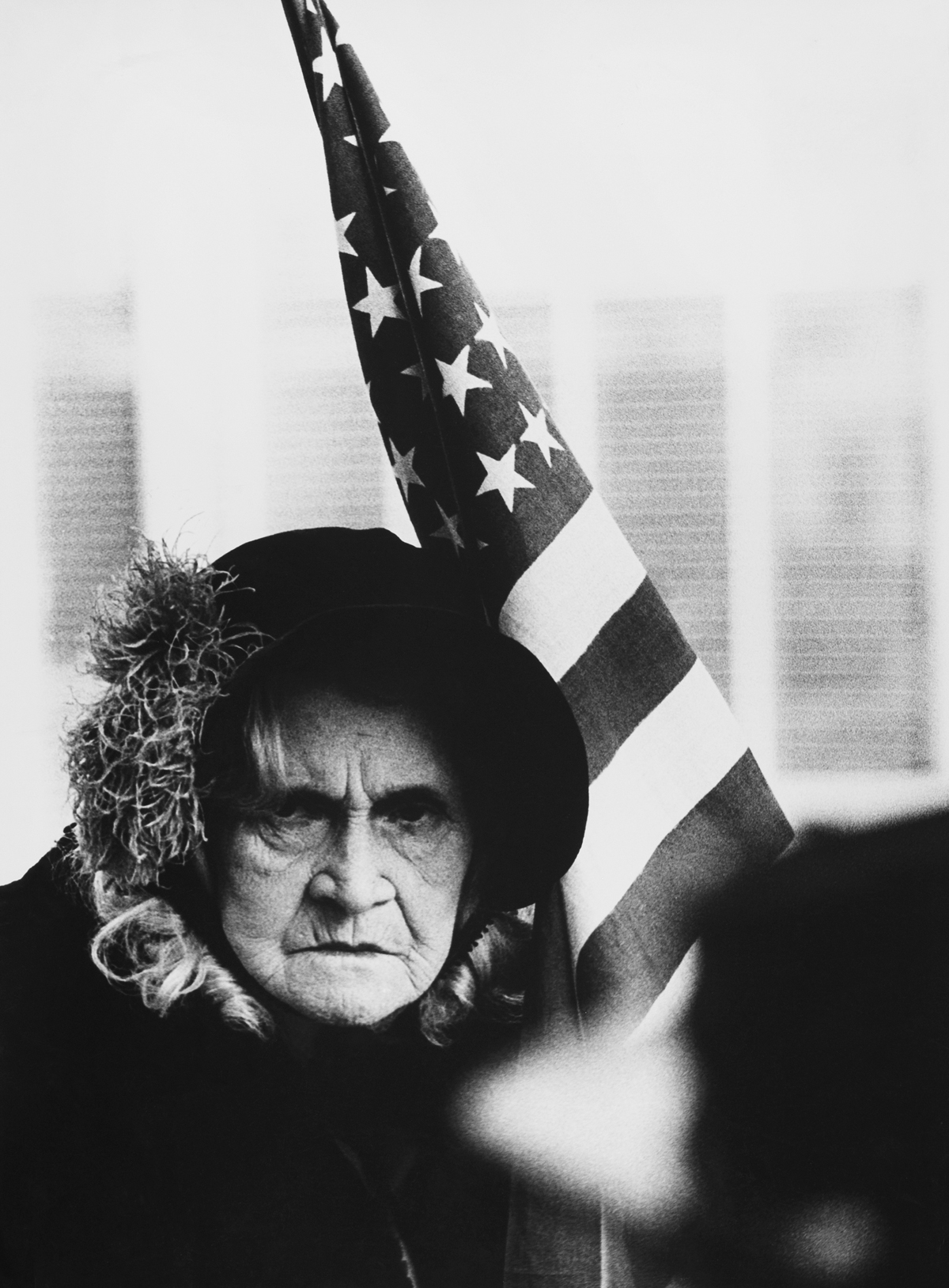
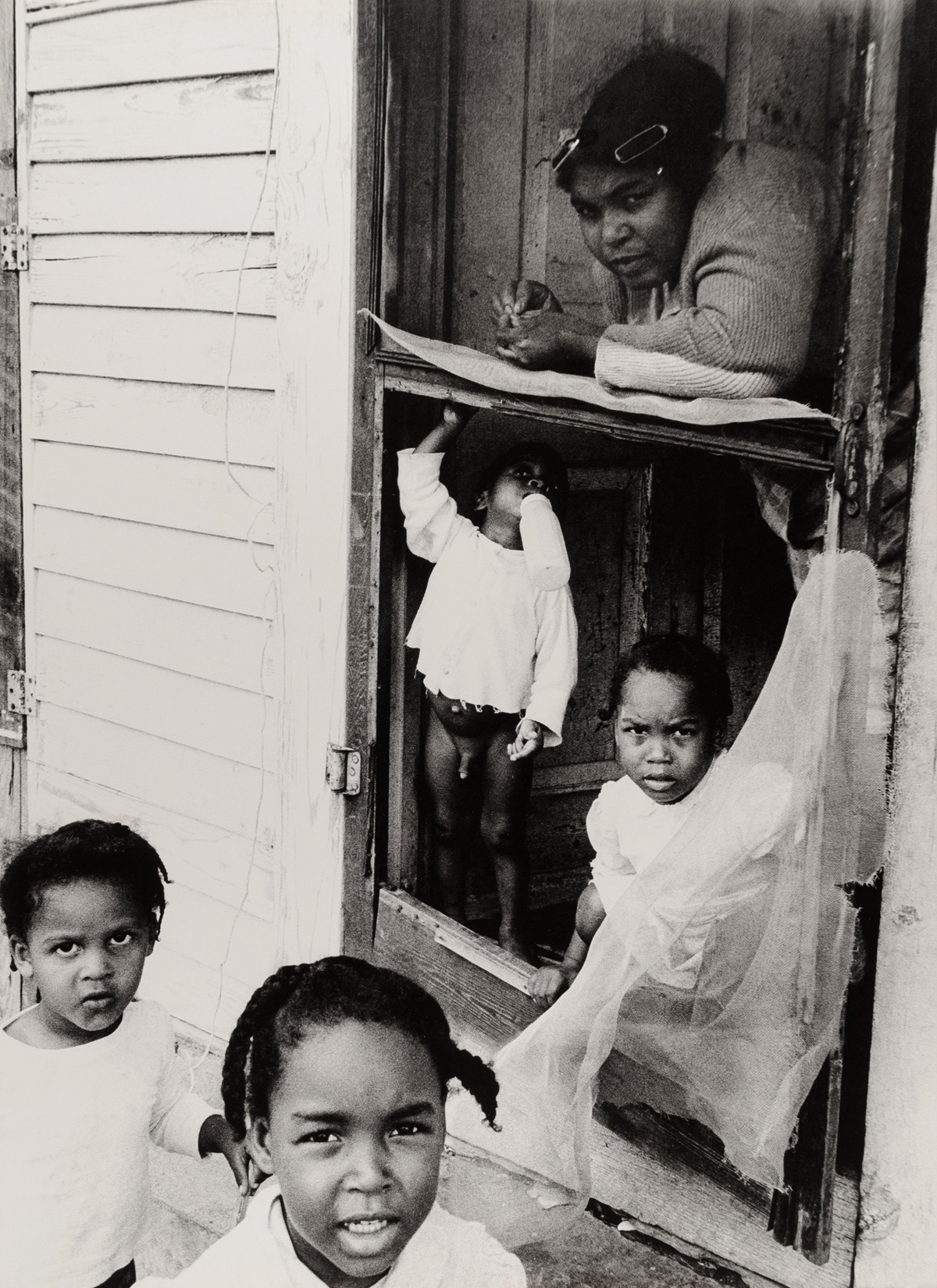
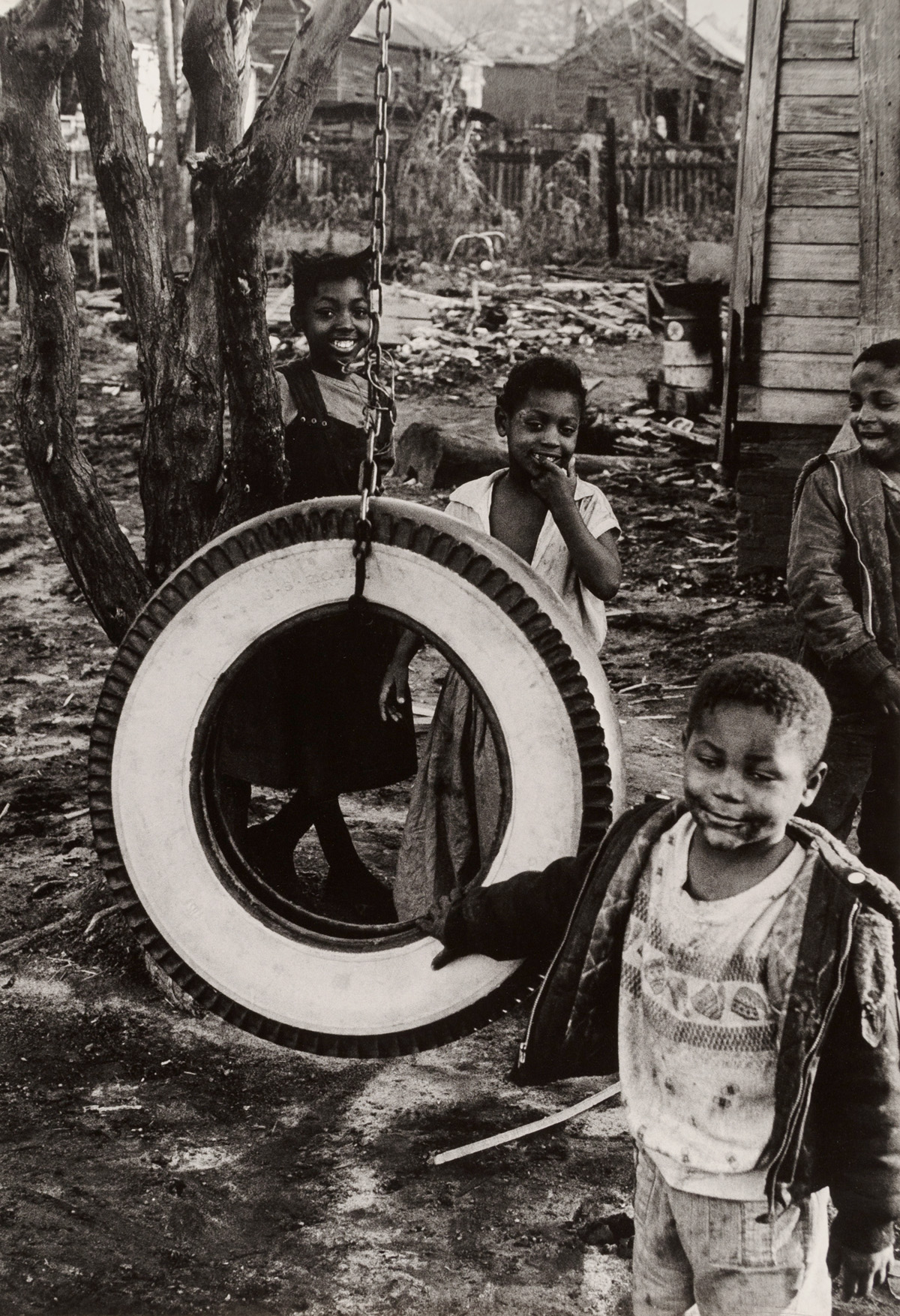
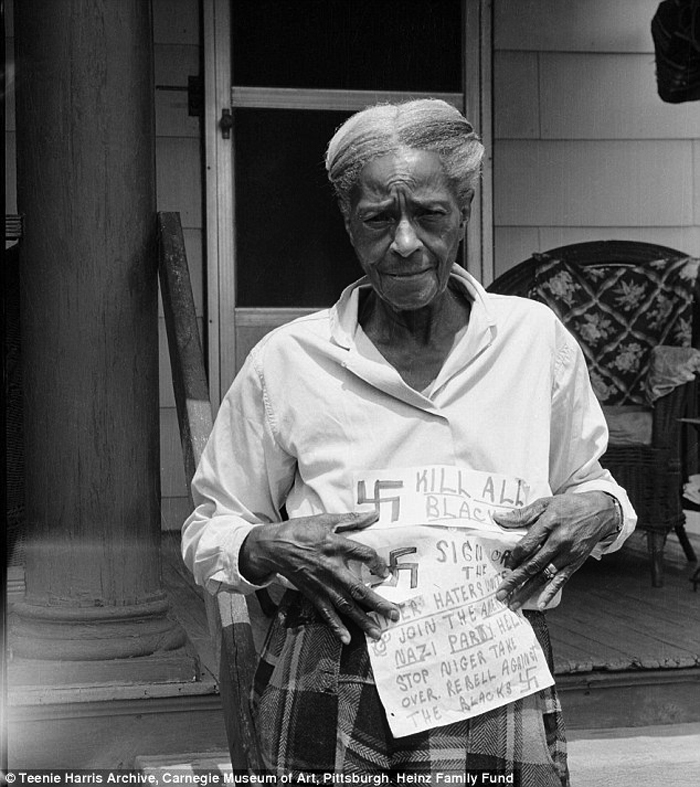
“It was 1963 and I was on the staff of Kristall magazine in Germany when the editor asked me if I would be interested in taking a road trip across America with a writer friend of mine. I said, “Of course, but what do you want us to report on?” He simply answered, “show us the United States outside of the big cities and the well-known tourist spots. Show us what it’s like to live there for ordinary people.”
“This was a typical assignment in that period. It was still post-war Germany; people had not traveled widely, television was in its infancy and the magazine’s readers simply wanted to see and read about foreign countries. So we rented a car and drove it from New York to Los Angeles and back, looking at Middle America. The trip took us three months. My pictures were later printed in Kristall, covering twenty-five pages in five consecutive issues.”
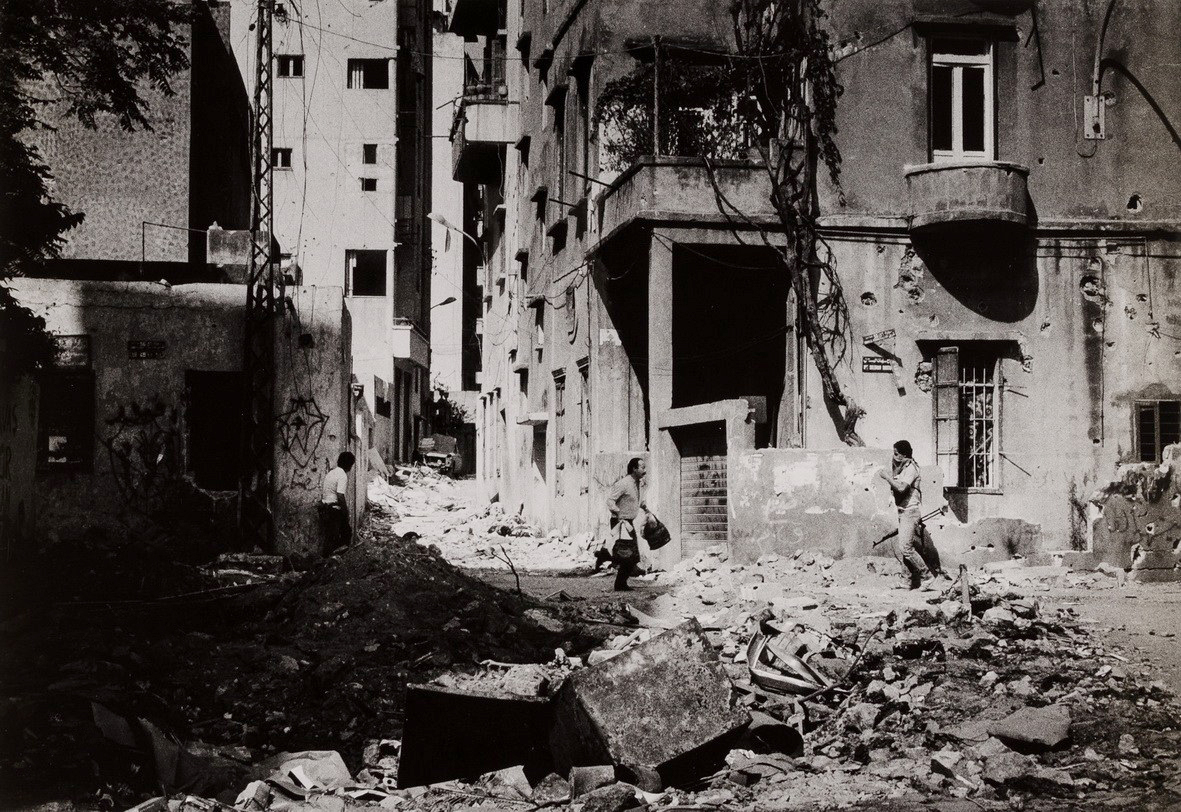
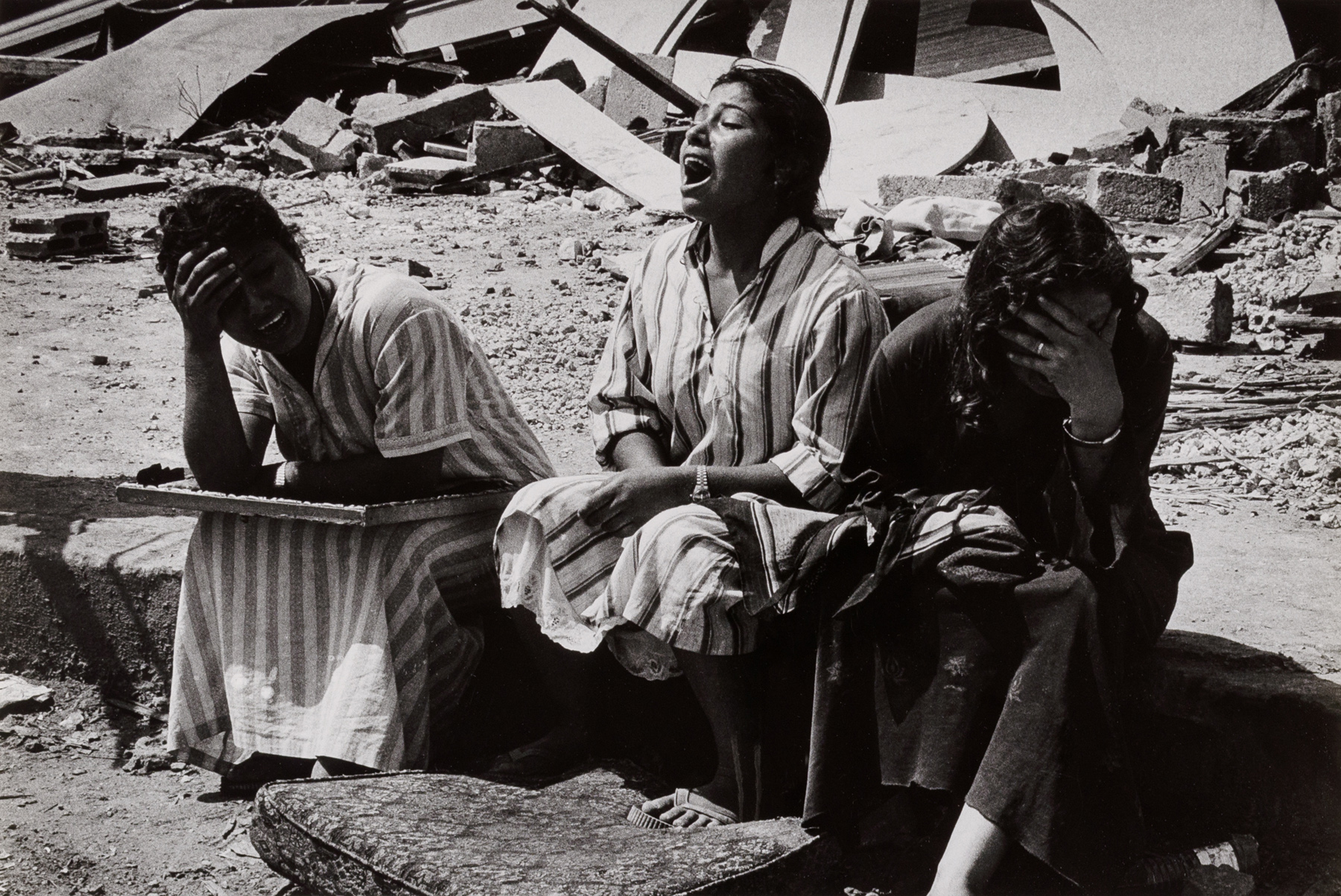
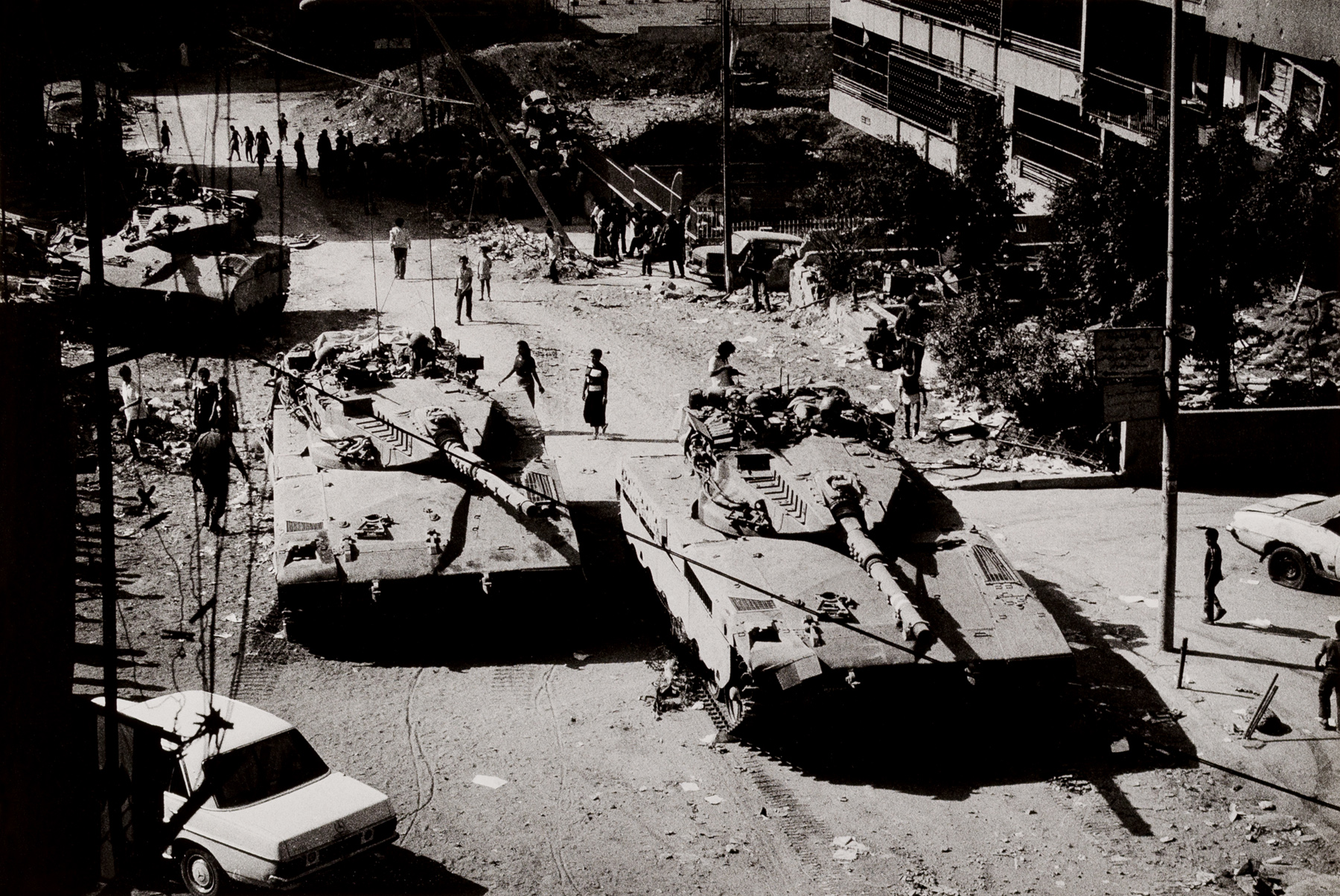
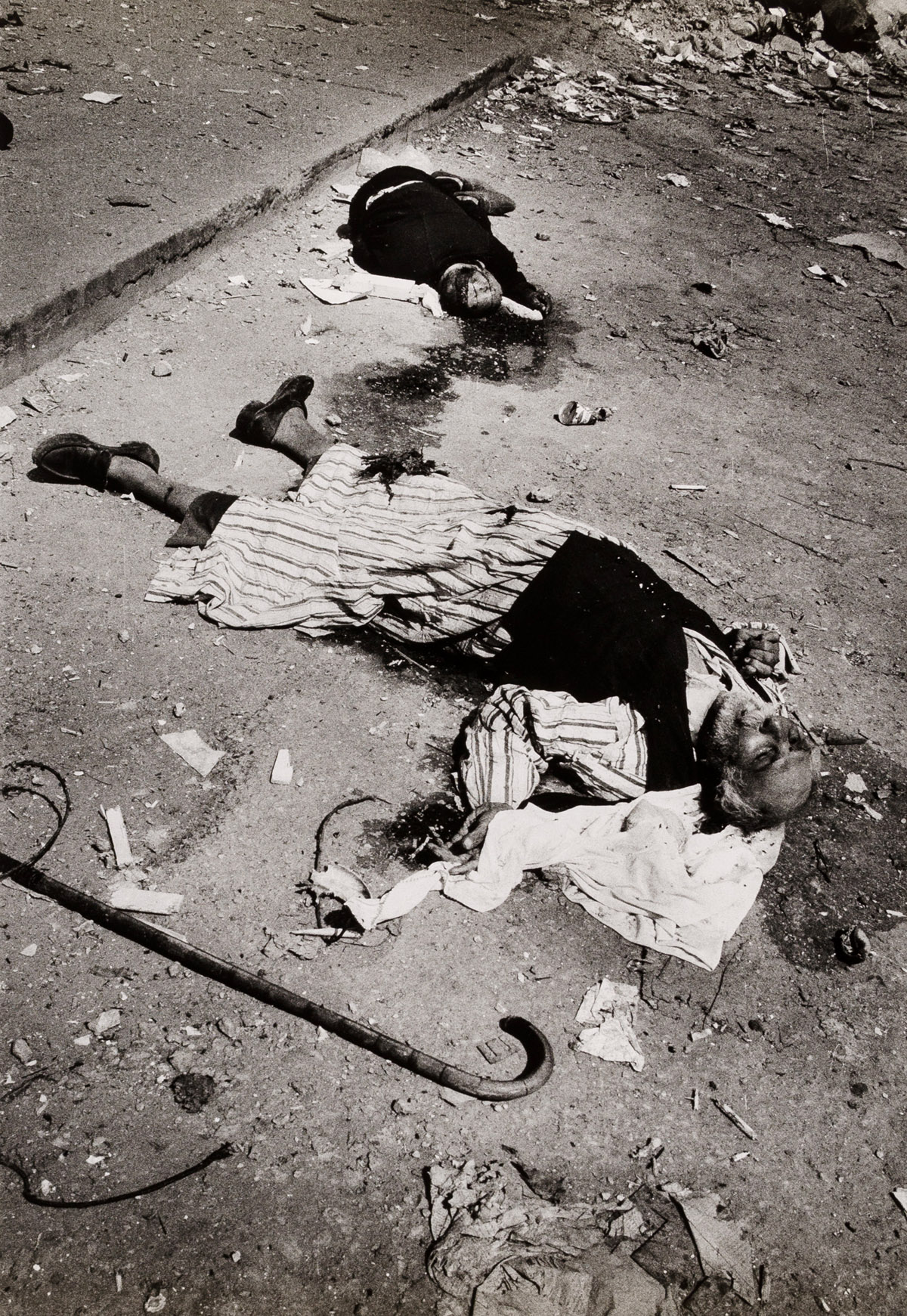
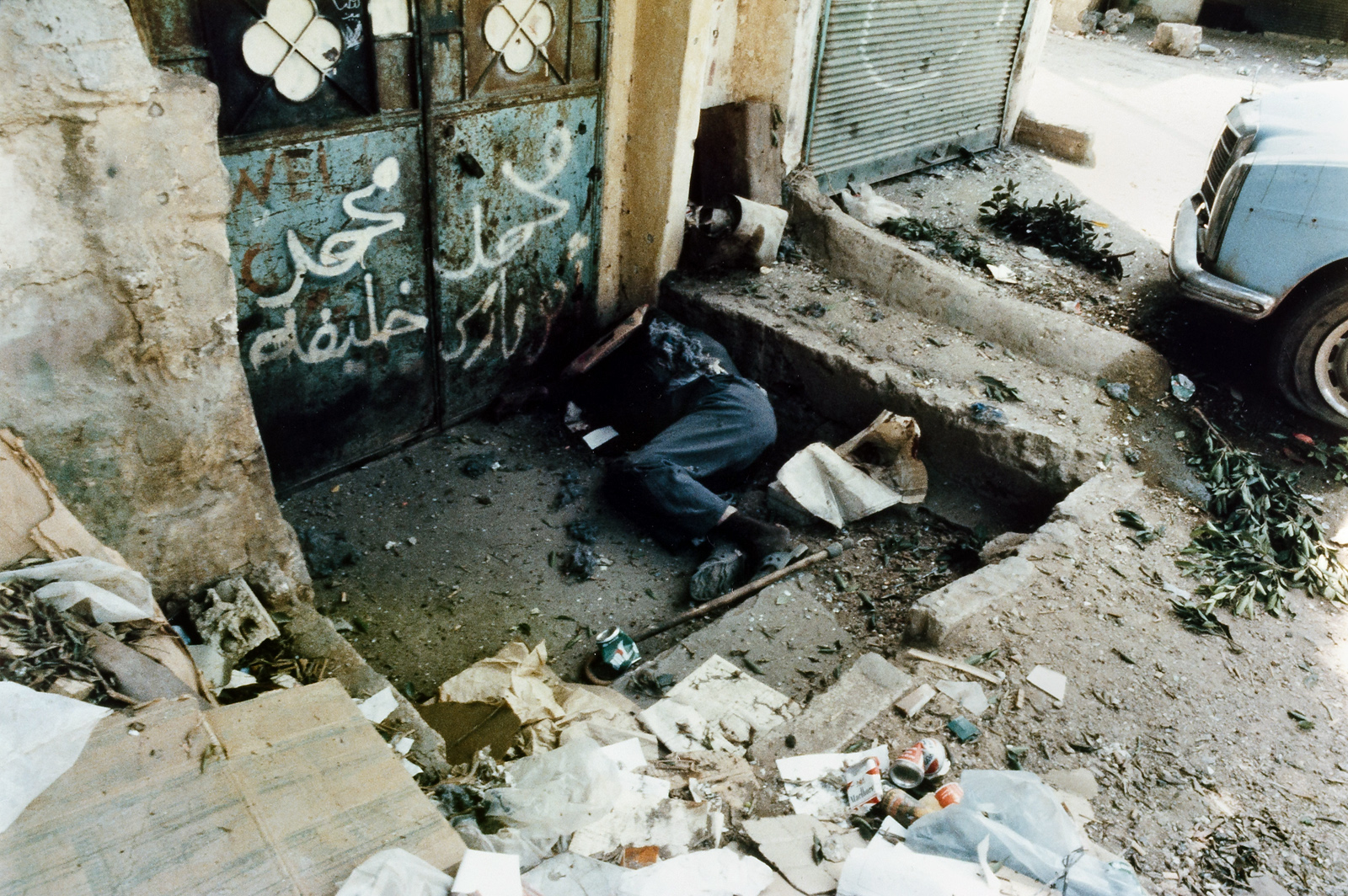
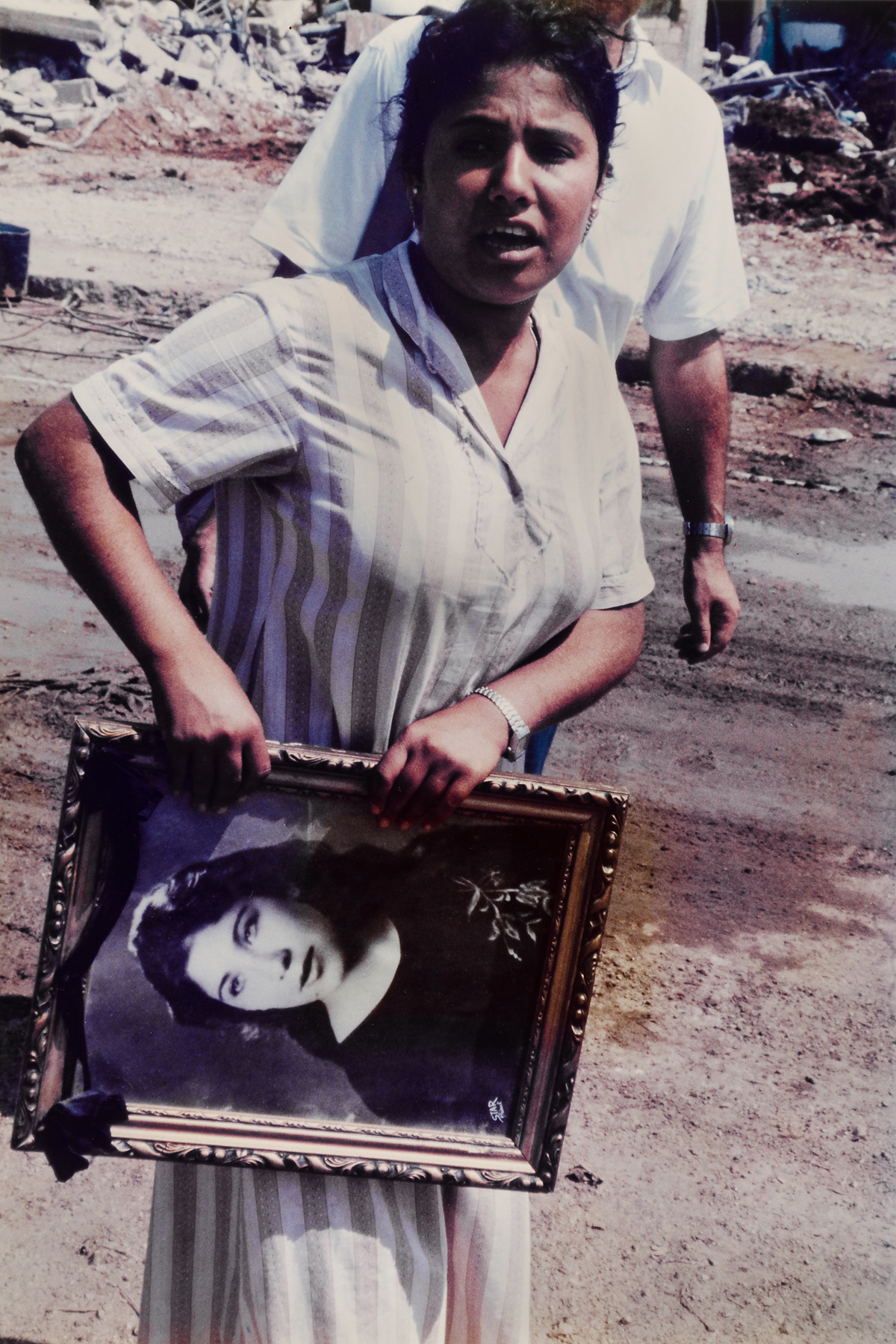
The Sabra and Shatila massacre (also known as the Sabra and Chatila massacre) was the killing of between 460 and 3,500 civilians, mostly Palestinians and Lebanese Shiites, by a militia close to the Kataeb Party, also called Phalange, a predominantly Christian Lebanese right-wing party in the Sabra neighbourhood and the adjacent Shatila refugee camp in Beirut, Lebanon. From approximately 18.00 on 16 September to 08.00 on 18 September 1982, a widespread massacre was carried out by the militia under the eyes of their Israeli allies. The Phalanges, allies to the Israeli Defence Forces (IDF), were ordered by the IDF to clear out Palestine Liberation Organization (PLO) fighters from Sabra and Shatila, as part of the IDF manoeuvring into West Beirut. The IDF received reports of some of the Phalanges atrocities in Sabra and Shatila but failed to stop them.
The massacre was presented as retaliation for the assassination of newly elected Lebanese president Bachir Gemayel, the leader of the Lebanese Kataeb Party. It was wrongly assumed by the Phalangists that Palestinian militants had carried out the assassination. In June 1982, the Israel Defense Forces had invaded Lebanon with the intention of rooting out the PLO. By mid-1982, under the supervision of the Multinational Force, the PLO withdrew from Lebanon following weeks of battles in West Beirut and shortly before the massacre took place. Various forces – Israeli, Phalangists and possibly also the South Lebanon Army (SLA) – were in the vicinity of Sabra and Shatila at the time of the slaughter, taking advantage of the fact that the Multinational Force had removed barracks and mines that had encircled Beirut’s predominantly Muslim neighbourhoods and kept the Israelis at bay during the Beirut siege. The Israeli advance over West Beirut in the wake of the PLO withdrawal, which enabled the Phalangist raid, was considered a violation of the ceasefire agreement between the various forces. The Israeli Army surrounded Sabra and Shatila and stationed troops at the exits of the area to prevent camp residents from leaving and, at the Phalangists’ request, fired illuminating flares at night.
According to Alain Menargues, the direct perpetrators of the killings were the “Young Men”, a gang recruited by Elie Hobeika, a prominent figure in the Phalanges, the Lebanese Forces intelligence chief and liaison officer with Mossad, from men who had been expelled from the Lebanese Forces for insubordination or criminal activities. The killings are widely believed to have taken place under Hobeika’s direct orders. Hobeika’s family and fiancée had been murdered by Palestinian militiamen, and their Lebanese allies, at the Damour massacre of 1976, itself a response to the 1976 Karantina massacre of Palestinians and Lebanese Muslims at the hands of Christian militants. Hobeika later became a long-serving Member of the Parliament of Lebanon and served in several ministerial roles. Other Phalangist commanders involved were Joseph Edde from South Lebanon, Dib Anasta, head of the Phalangist Military Police, Michael Zouein, and Maroun Mischalani from East Beirut. In all 300-400 militiamen were involved, including some from Sa’ad Haddad’s South Lebanon Army.
In 1983, a commission chaired by Seán MacBride, the assistant to the UN Secretary General and President of United Nations General Assembly at the time, concluded that Israel, as the camp’s occupying power, bore responsibility for the violence. The commission also concluded that the massacre was a form of genocide.
In 1983, the Israeli Kahan Commission, appointed to investigate the incident, found that Israeli military personnel, aware that a massacre was in progress, had failed to take serious steps to stop it. The commission deemed Israel indirectly responsible, and Ariel Sharon, then Defense Minister, bore personal responsibility “for ignoring the danger of bloodshed and revenge”, forcing him to resign.
The four historical reportages deal with such diverse themes as the situation of blacks in the USA around 1963, the escalation of the conflict in Northern Ireland in 1969, the Sabra and Shatila massacre in Beirut in 1982, and the relationship of a disabled homosexual couple in a care facility from 1976 to 1999. These topics have lost nothing of their pertinence today – we need only think of the continuing racial conflicts in the USA, the renewed concerns about Northern Ireland with the prospect of the Brexit, or the treatment of the physically and mentally disabled. The exhibition does not aim to delve in depth into the complex historical incidents pictured, however, but rather to shed light on the power structures that determine what we remember about them. According to Michel Foucault, it is the limitations of the speakable that establish and define the discourse on what a society remembers and what is forgotten. The focus of the exhibition is thus on the mechanisms and processes of image selection and exclusion, with the aim of sensitising viewers to just how selective the contents of media reporting really are.
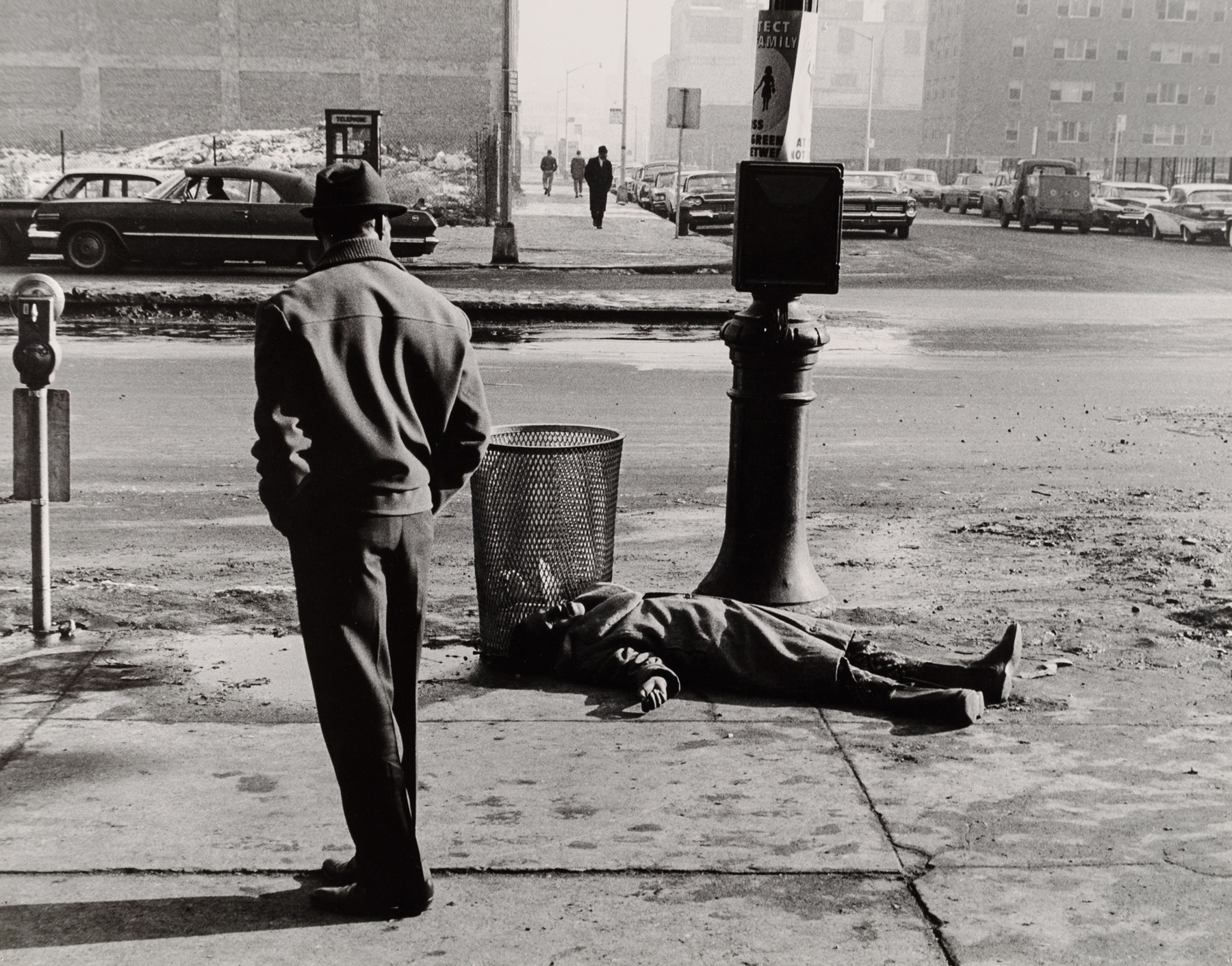
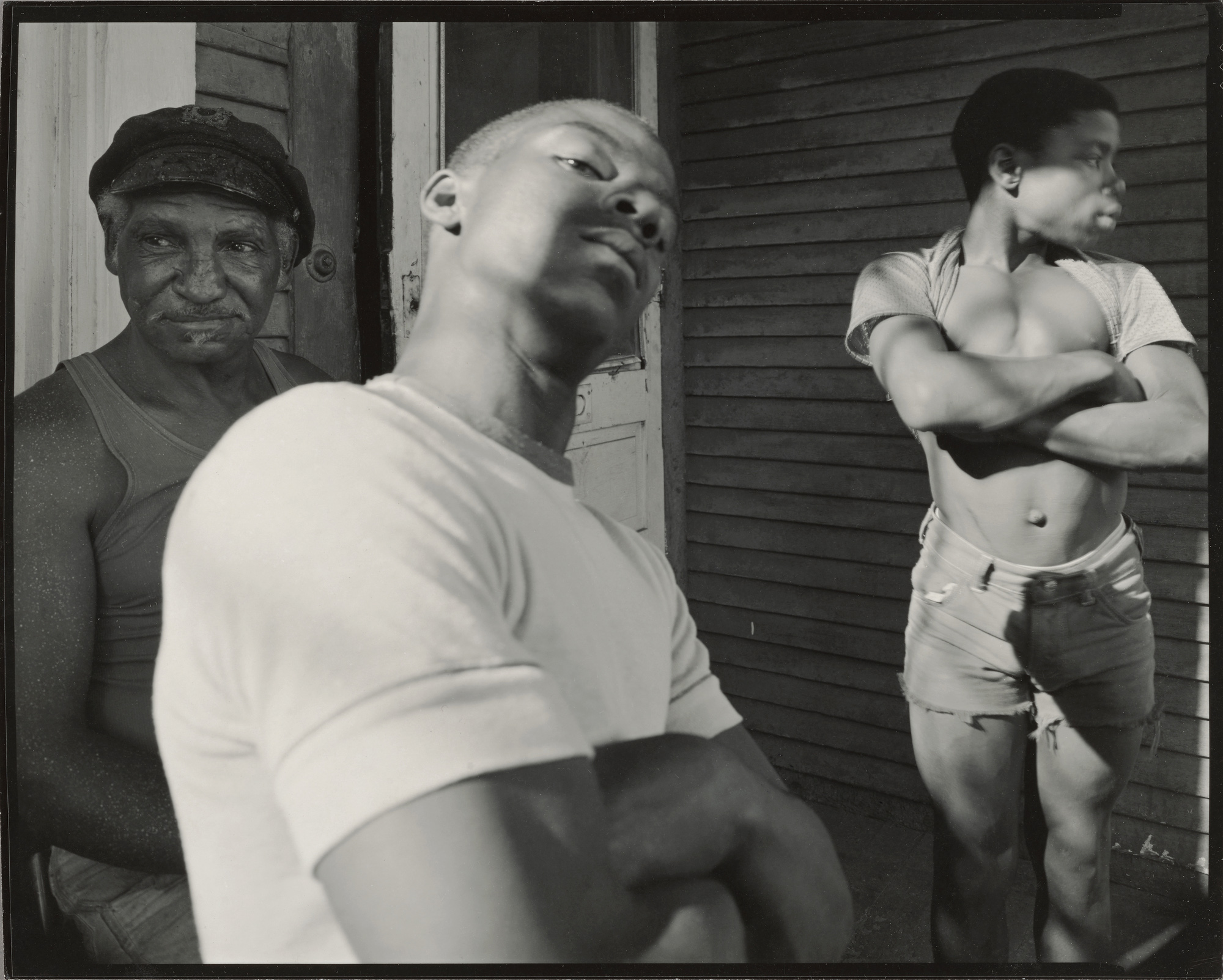
Thomas Hoepker (b. 1936) presents an epoch-making photo report on the USA, which he put together in the autumn of 1963 for the magazine Kristall. Several of his photos show black children growing up in poverty and desolation. Hoepker thus addresses racial segregation, one of the most pressing social problems facing the USA, and yet hardly any space was devoted to this issue in the photo-spreads printed across a total of 56 pages in six issues of Kristall during the year 1964. Although in the interview Hoepker describes selecting photos for the magazine as a collaborative effort between the author, photographer, and picture editors, the editor-in-chief always had the last word. The reportage photos that Hoepker handed over to MKG reflect his consuming interest in the situation of blacks in America. This discrepancy illustrates how events and situations may be evaluated very differently by photographers and editorial departments, and shows that photographers, although working on commission, view themselves as independent authors with their own agenda.
Thomas Hoepker taught himself photography and worked from 1960 alternately freelance and as a staff photographer for magazines, from 1962 for Kristall and from 1964 for Stern. He produced television documentaries in the 1970s. From 1978 to 1981, he was editor-in-chief of Geo magazine and from 1986 to 1989 art director at Stern. Hoepker has been a member of Magnum Photos since 1989.
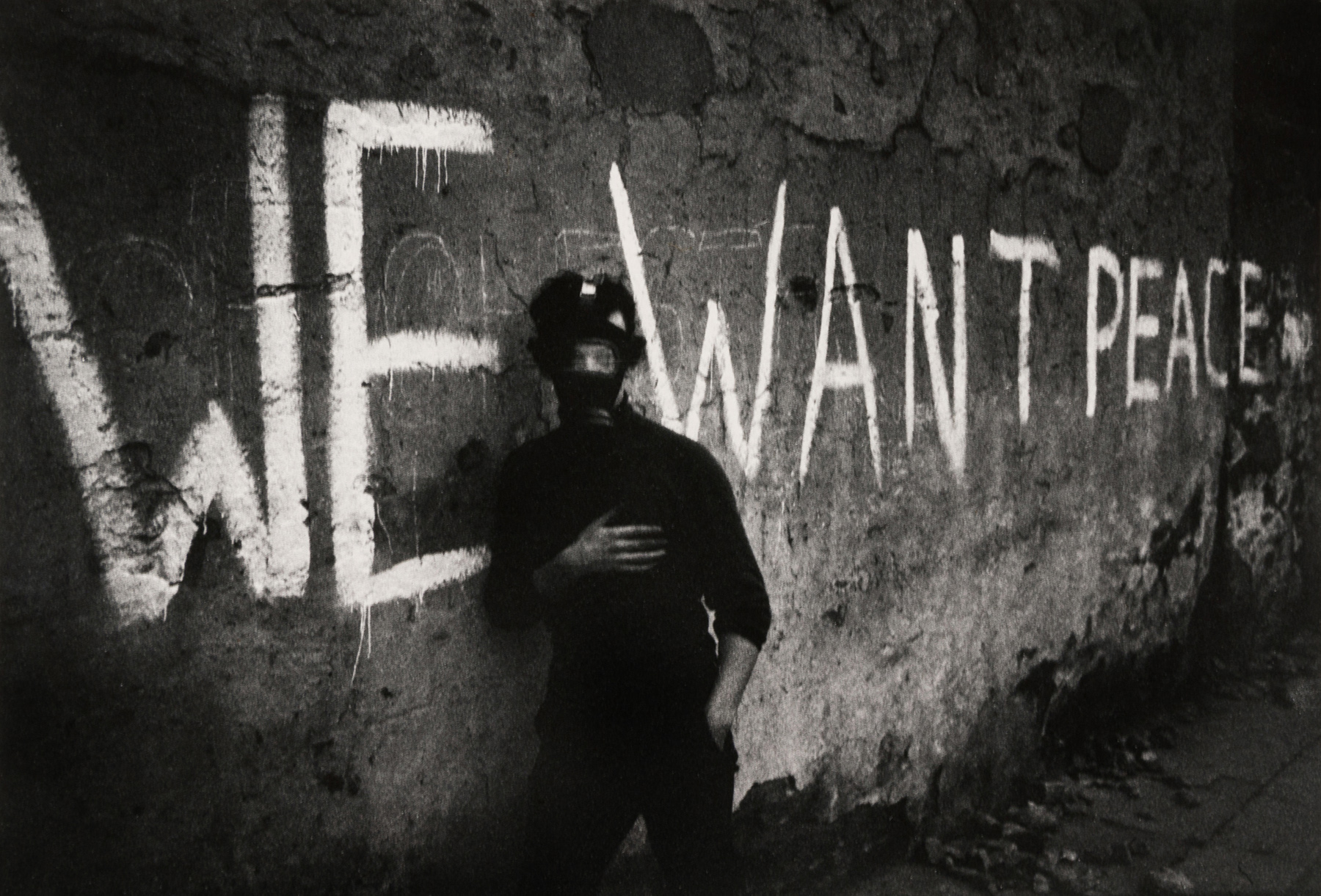
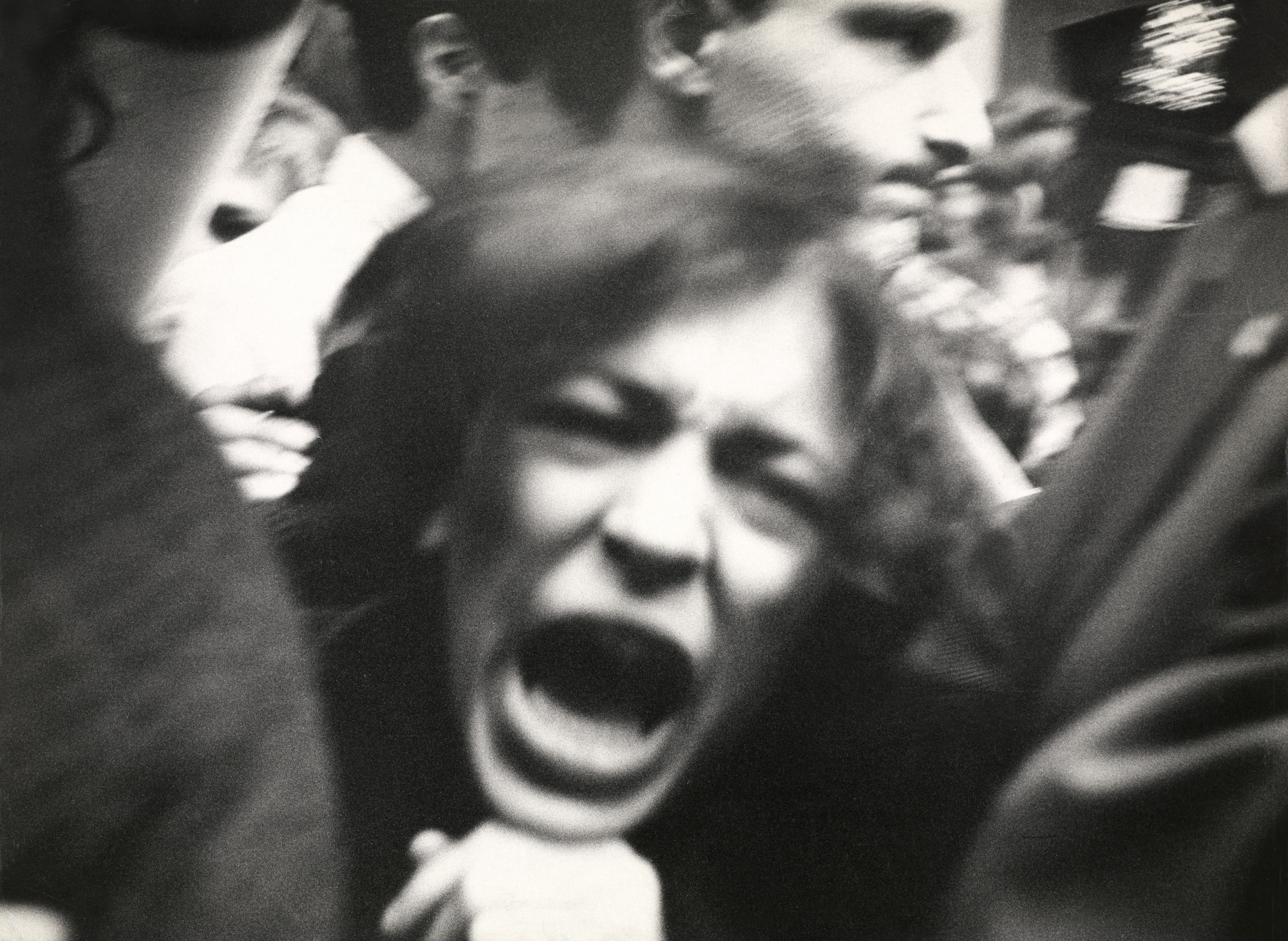
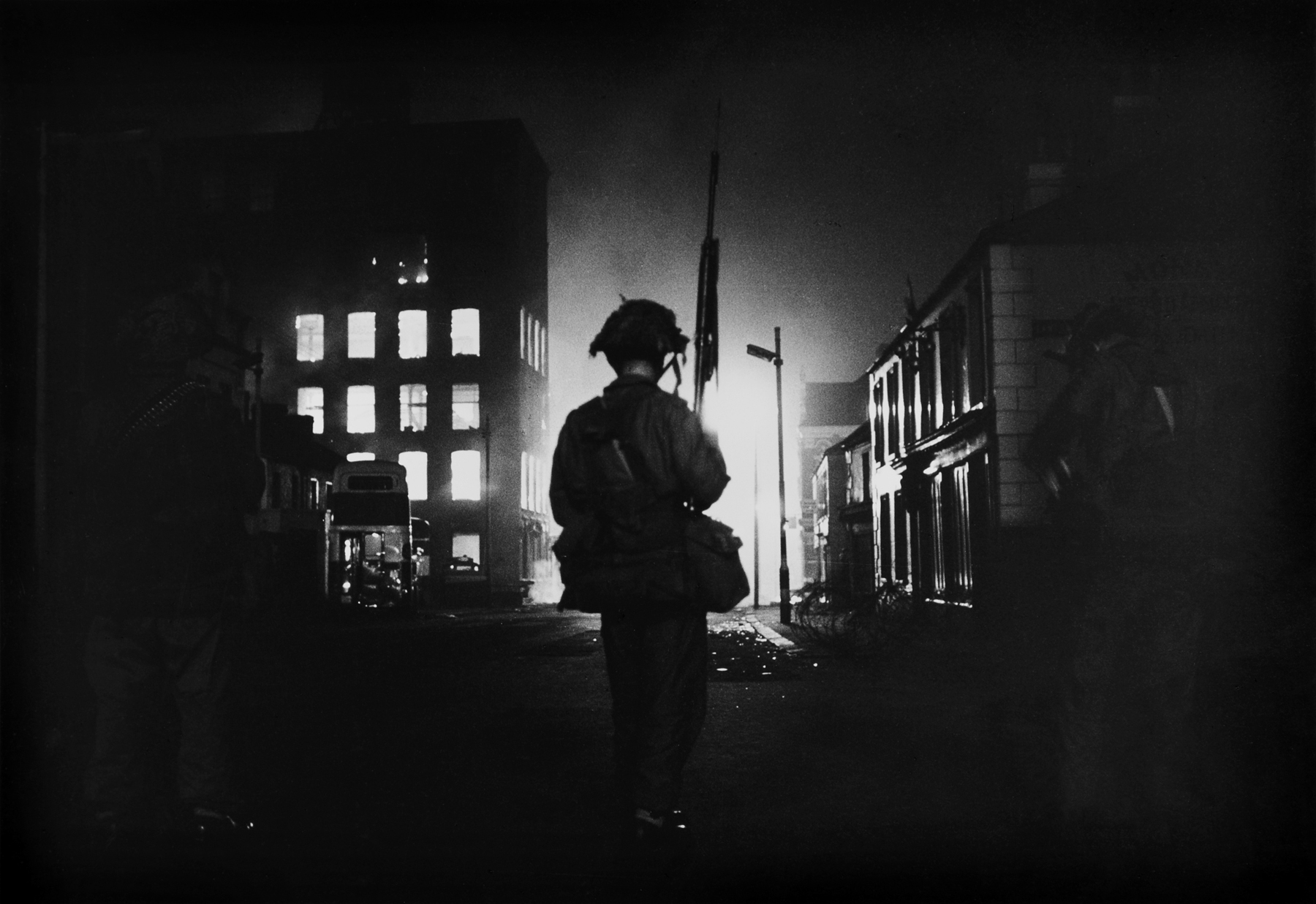
Hanns-Jörg Anders (b. 1942) documented for Stern magazine the escalation of violence between Catholics and Protestants in Northern Ireland in 1969. He was working as a staff photographer for the magazine and largely left the selection of images for the report up to the picture editors. Anders’s colleague Gilles Caron took the rolls of film he had shot to Paris and sent them from there to the magazine in Hamburg. By the time Anders returned from his trip, the picture editors at Stern had already selected three photos for publication. The report focused on the street fighting in Belfast and Londonderry, showing demonstrators throwing stones, smoke, and heavily armed policemen – visuals that have dominated media coverage from the Prague Spring to the G20 summit. The photos in which Anders documented the social consequences of the civil war were passed over. Among them was the image We Want Peace, which Anders only discovered while subsequently reviewing his contact sheets, submitting it that same year to the World Press Photo Award contest. The picture shows a man wearing a gas mask leaning against a dark wall which is emblazoned with large white letters spelling “We Want Peace.” The photo won the award and is today an iconic image expressing the despair of people caught up in civil wars. In the interview film, Anders looks back on photojournalists’ work process in the days of analogue photography and the pre-eminence of the picture editors. As the exposed film was often not developed until it reached the editorial departments, photographers had no way of reviewing their own shots on site and thus no say in the selection of motifs for publication.
Hanns-Jörg Anders did commercial training and began working as a self-taught photographer in 1967. He was hired by Stern in 1968 and traveled the world doing reports for the magazine until retiring in 2002.
The Japanese journalist Ryūichi Hirokawa (b. 1943) photographed the scenes of the 1982 Sabra and Shatila massacre in Beirut on his own initiative, bringing to light the murder of hundreds of Palestinian refugees during the Lebanese Civil War. Hirokawa portrayed desperate survivors but mainly focused his lens on the numerous corpses strewn across the streets. He confronts the viewer with shocking images of the maimed faces and bodies of the victims. His report thus raises a question that still remains unanswered today: What role should be given in media coverage to photos that are meant to shock, and what should or must one be willing to expose viewers to? Hirokawa attaches great importance to retaining control over his images. He therefore decided against selling these photos to the Associated Press agency so that he could choose for himself how they would be used and published. Hirokawa’s Israel-critical photos were published in Yomiuri Shimbun, one of the most widely read Japanese daily papers at the time, in the magazine Shagaku, and in the Japanese Playboy.
Ryūichi Hirokawa was active in the Japanese student movement and uses the camera to express his political convictions. In 1967, he worked in an Israeli kibbutz and conceived a book about destroyed Palestinian villages, which was published in Japan in 1970. After returning to Japan, Hirokawa was a staff member in the Japanese office of the Palestine Liberation Organization (PLO).
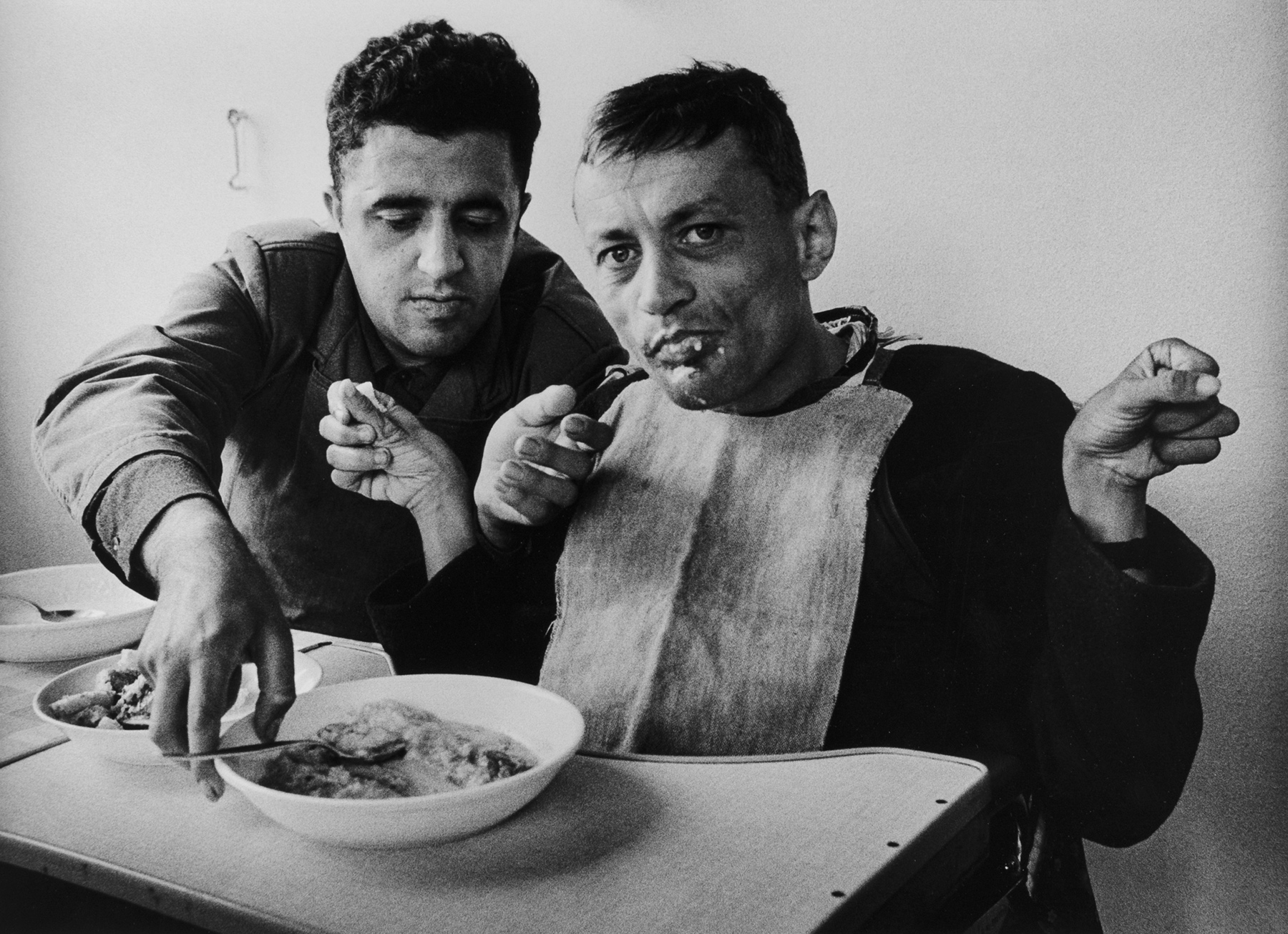
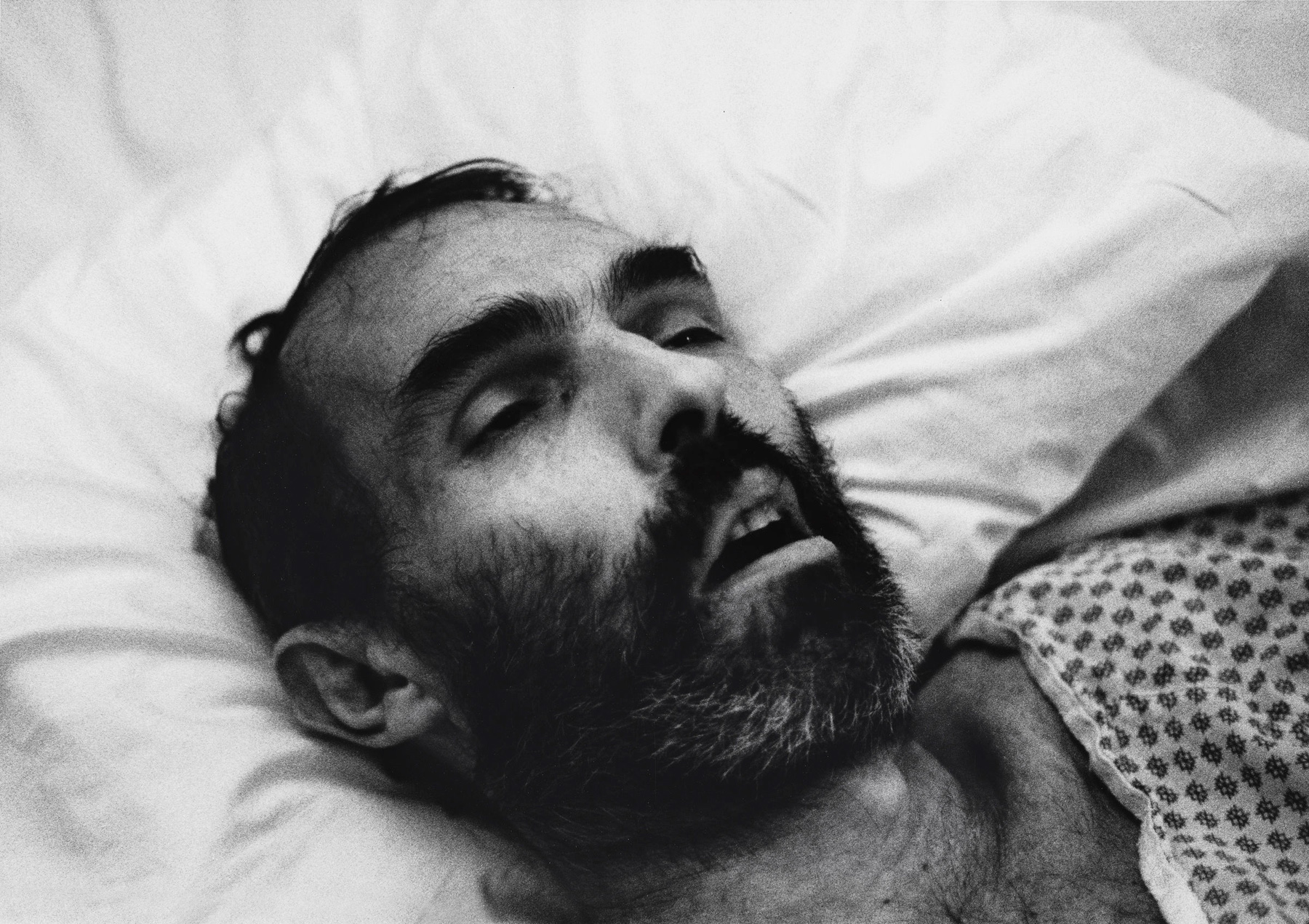
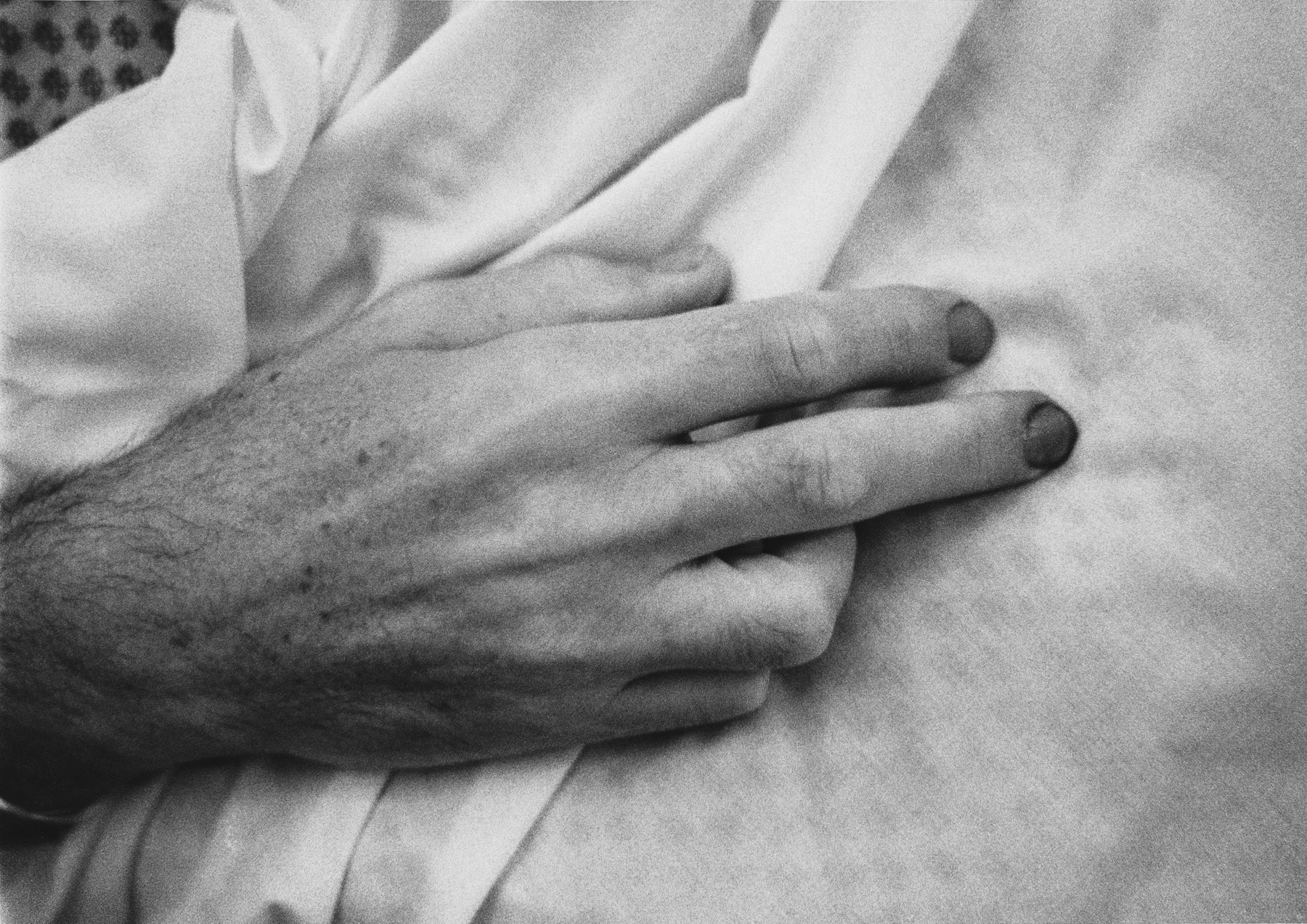
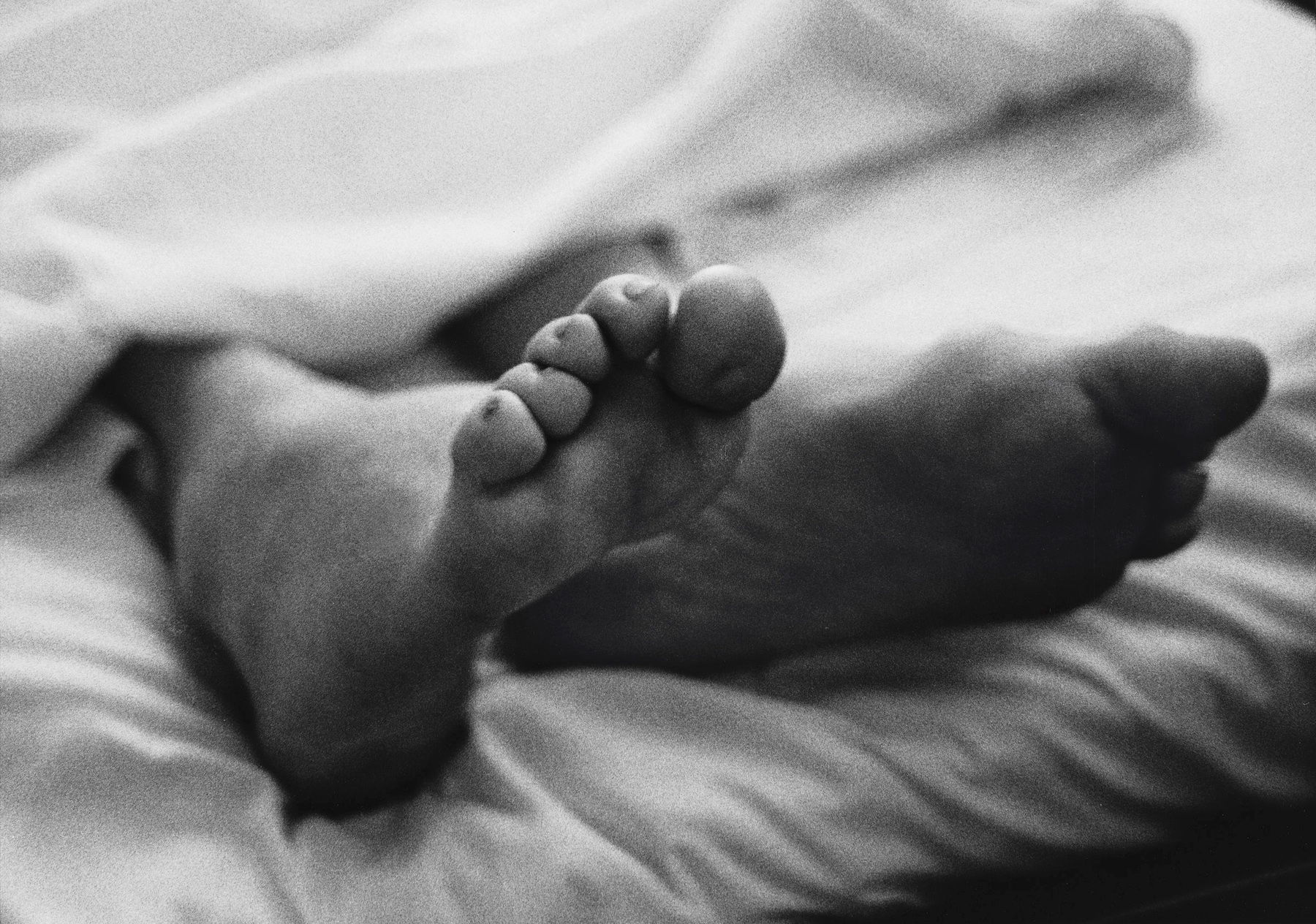
Günter Hildenhagen (b. 1935) has been active as a freelance photojournalist since the mid-1960s, taking photos at hospitals, care facilities, and charitable organisations. He concentrates on portraits of individuals and images showing people relating to one another on equal terms. In 1976, the Wittekindshof, a care facility for the physically and mentally disabled, hired Hildenhagen and the journalist Maria Urbanczyk to portray the institute. Among the residents of the home, the photographer’s attention was drawn especially to a deaf Iranian named Mehri and his partner Karlheinz, who suffered from spastic paralysis. The two men had been living at the Wittekindshof since their youth and had become friends in the late 1950s, and ultimately also lovers. Hildenhagen was fascinated by how the friends had found their own form of communication, which remained incomprehensible to outsiders. He put these strengths and the personal story of his subjects at the centre of his reportage, thus going far beyond what his contemporaries were generally willing to acknowledge about disabled people, their abilities, their needs, and their sexuality. Unable to find a magazine willing to publish his story, Hildenhagen chose the exhibition format as a way to present his pictorial account to the public.
Günter Hildenhagen apprenticed with Pan Walther and then studied photography with Otto Steinert. He has been working as a freelance photojournalist since 1965. Hildenhagen started specialising in social issues early on, working for charitable organisations such as Diakonie and the German Caritas association.
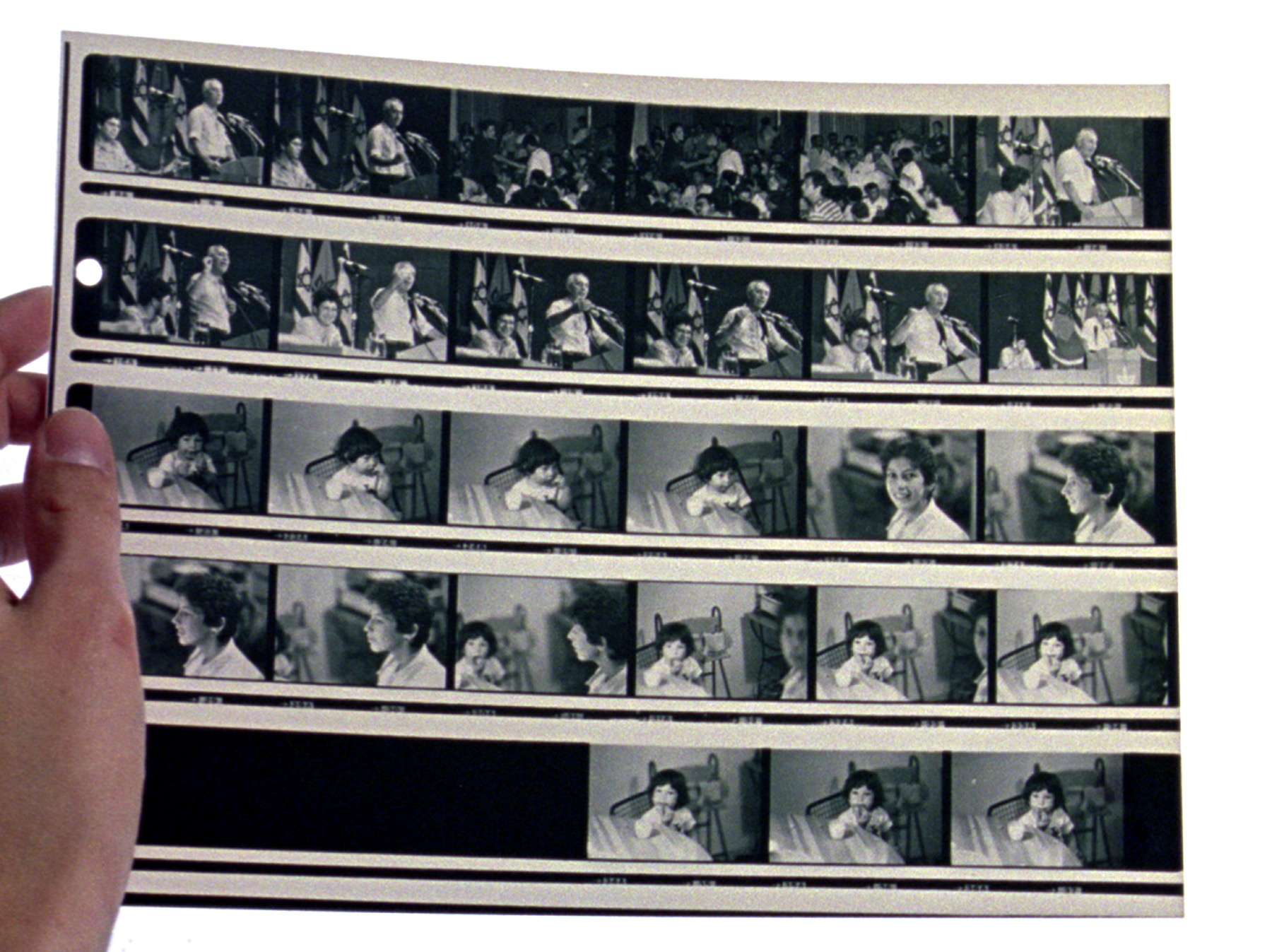
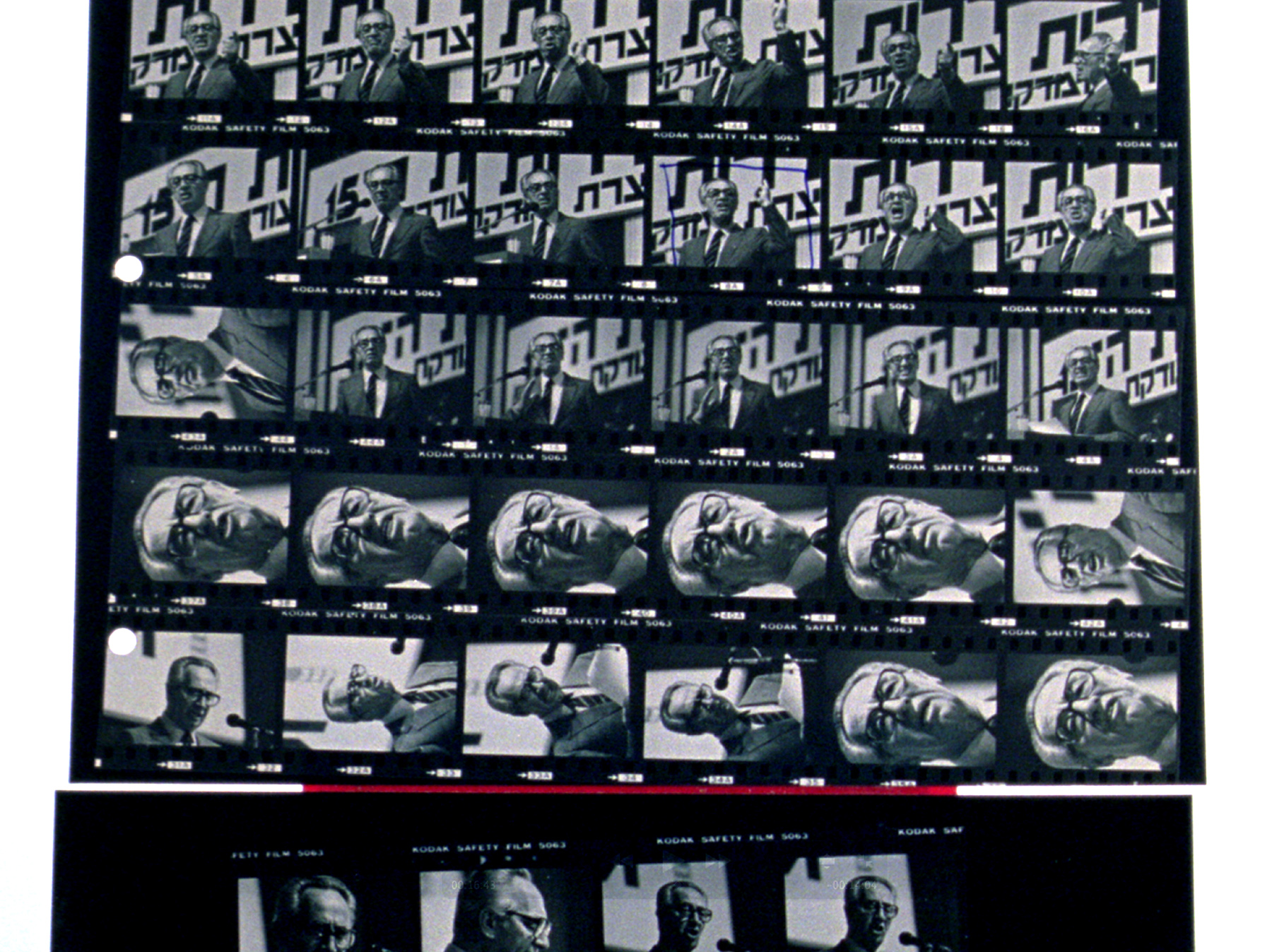
The artist duo Sirah Foighel Brutmann (b. 1983) and Eitan Efrat (b. 1983) explore in their film Printed Matter (2011) the archive of the press photographer André Brutmann (1947-2002), who worked in Israel and Palestine from the early 1980s until 2002. On the basis of contact sheets and negatives that are placed one after the other on a light table, the viewer learns in chronological order of the events of the years 1982 to 2002. The material gives us an in-depth look at the day-to-day work of a photojournalist. The documented events range from politicians’ speeches, to fashion shows, to the battles of the first and second Intifadas in Israel (1987-1993, 2000-2005) and the assassination of Israeli Prime Minister Yitzhak Rabin in 1995. In the film, André Brutmann’s partner Hanna Foighel comments on the contact sheets, which are repeatedly interrupted by pictures of family life. Political history is thus interwoven with the private realm. The film presents the photographer as a chronicler of the times but at the same time questions the notion of the photojournalist as a neutral observer, underlining how he is wrapped up in both his own private life and the events of the day.
Sirah Foighel Brutmann and Eitan Efrat collaborate on audiovisual projects. They deal in their works with the spatial and temporal aspects of reading images. Printed Matter, too, addresses in this way the relationship between spectators and history as well as the time-bound nature of narratives and memories.
Text from the Museum für Kunst und Gewerbe Hamburg website
La llum negra. Tradicions secretes en l’art des dels anys cinquanta
Exhibition dates: 16th May – 21st October, 2018
Curator: Enrique Juncosa
Artists: Carlos Amorales / Kenneth Anger / Antony Balch / Jordan Belson / Wallace Berman / Forrest Bess / Joseph Beuys / William S. Burroughs / Marjorie Cameron / Francesco Clemente / Bruce Conner / Aleister Crowley / René Daumal / Gino de Dominicis / Louise Despont / Nicolás Echevarría / Robert Frank / João Maria Gusmão + Pedro Paiva / Brion Gysin / Jonathan Hammer / Frieda Harris / Derek Jarman / Jess / Alejandro Jodorowsky / Joan Jonas / Carl Gustav Jung / Matías Krahn / Wolfgang Laib / LeonKa / Goshka Macuga / Agnes Martin / Chris Martin / Henri Michaux / Grant Morrison / Tania Mouraud / Barnett Newman / Joan Ponç / Genesis P-Orridge / Sun Ra / Harry Smith / Rudolf Steiner / Philip Taaffe / Antoni Tàpies / Fred Tomaselli / Suzanne Treister / Vaccaro – Brookner / Ulla von Brandenburg / Terry Winters / Zush
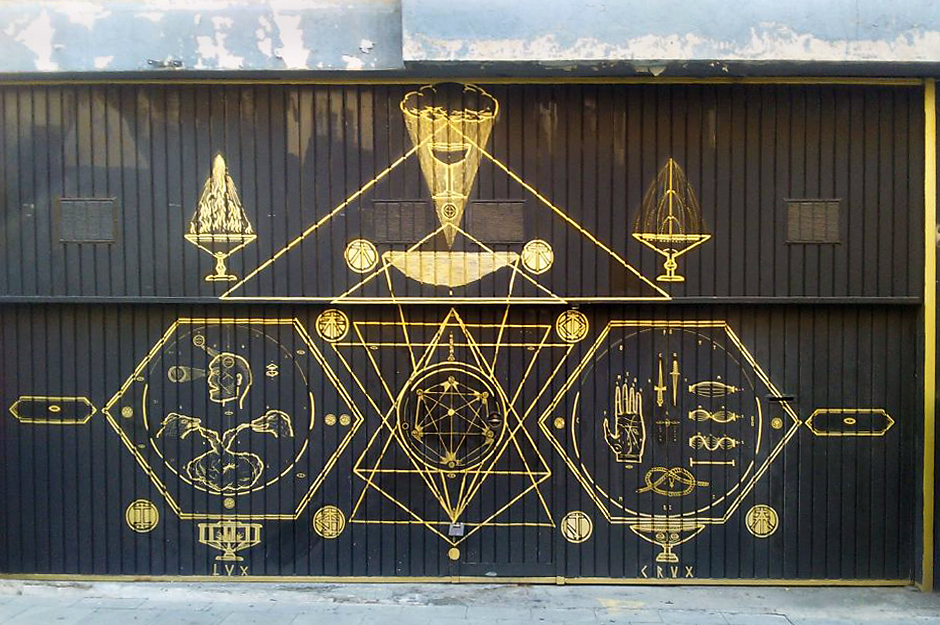
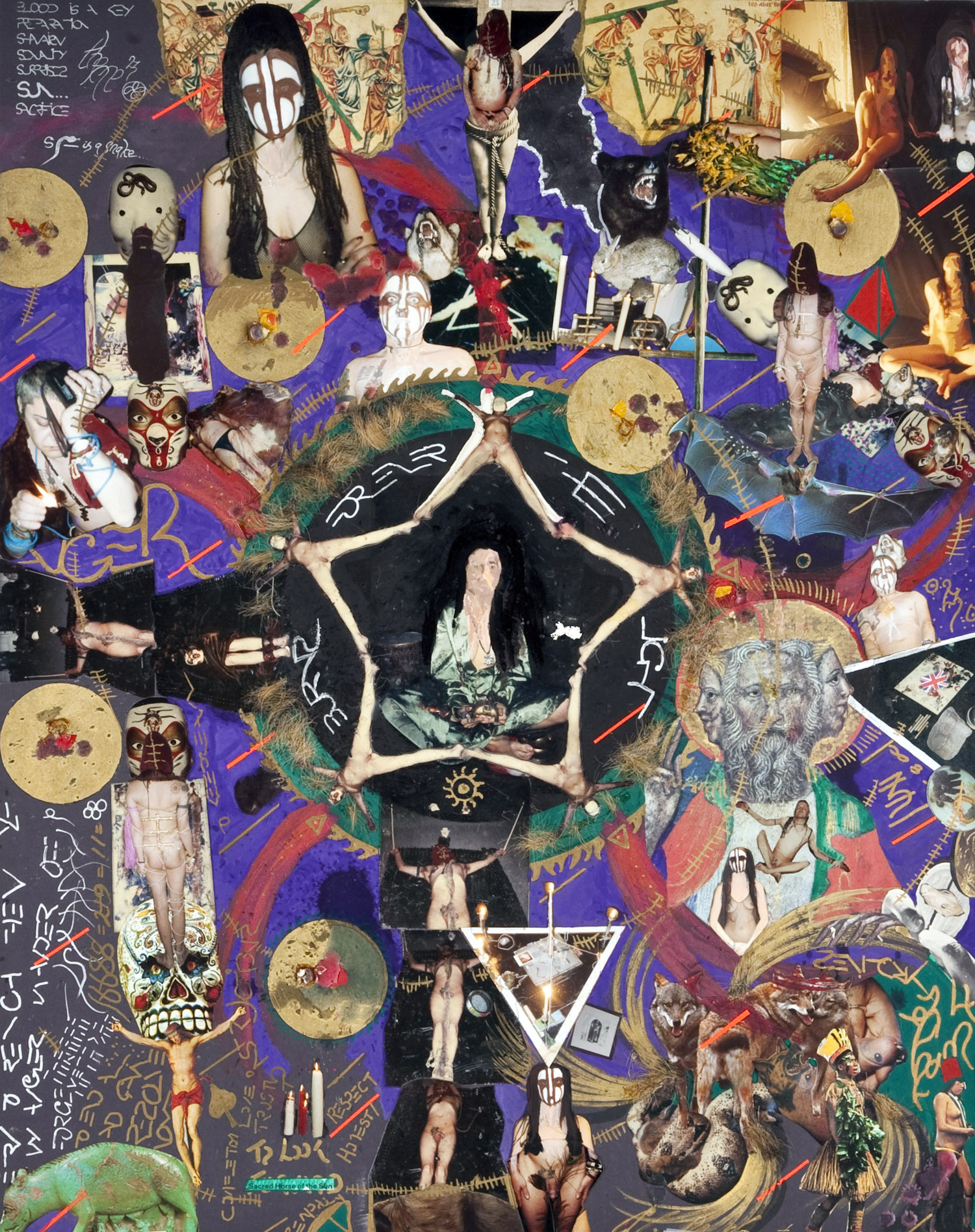
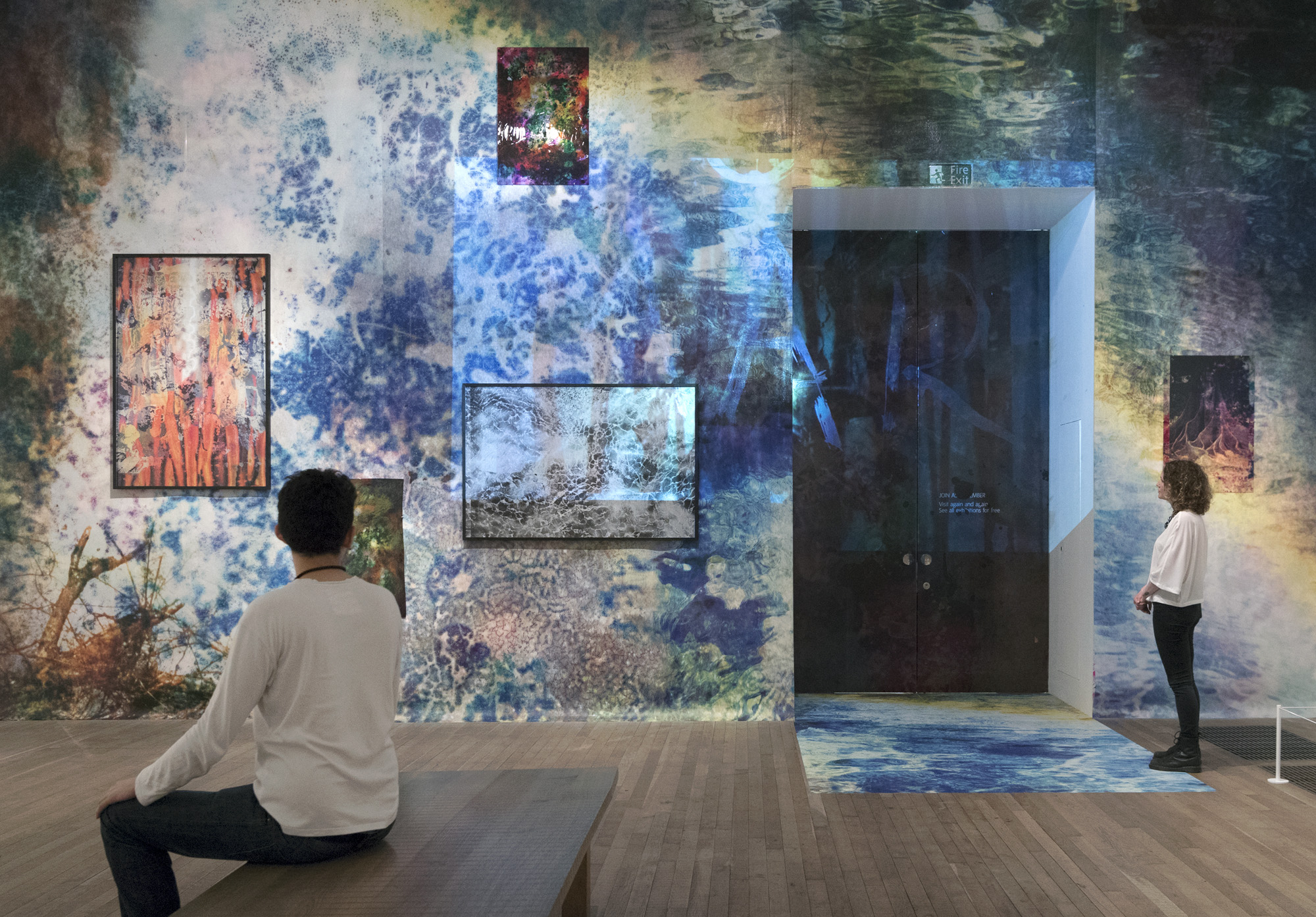
Leon Ka – La llum negra – Mural
The mural at the entrance of the exhibition Black Light created by the artist Leon Ka, represents some of the symbols of ocultism, magic, and the mysticism of spirituality.
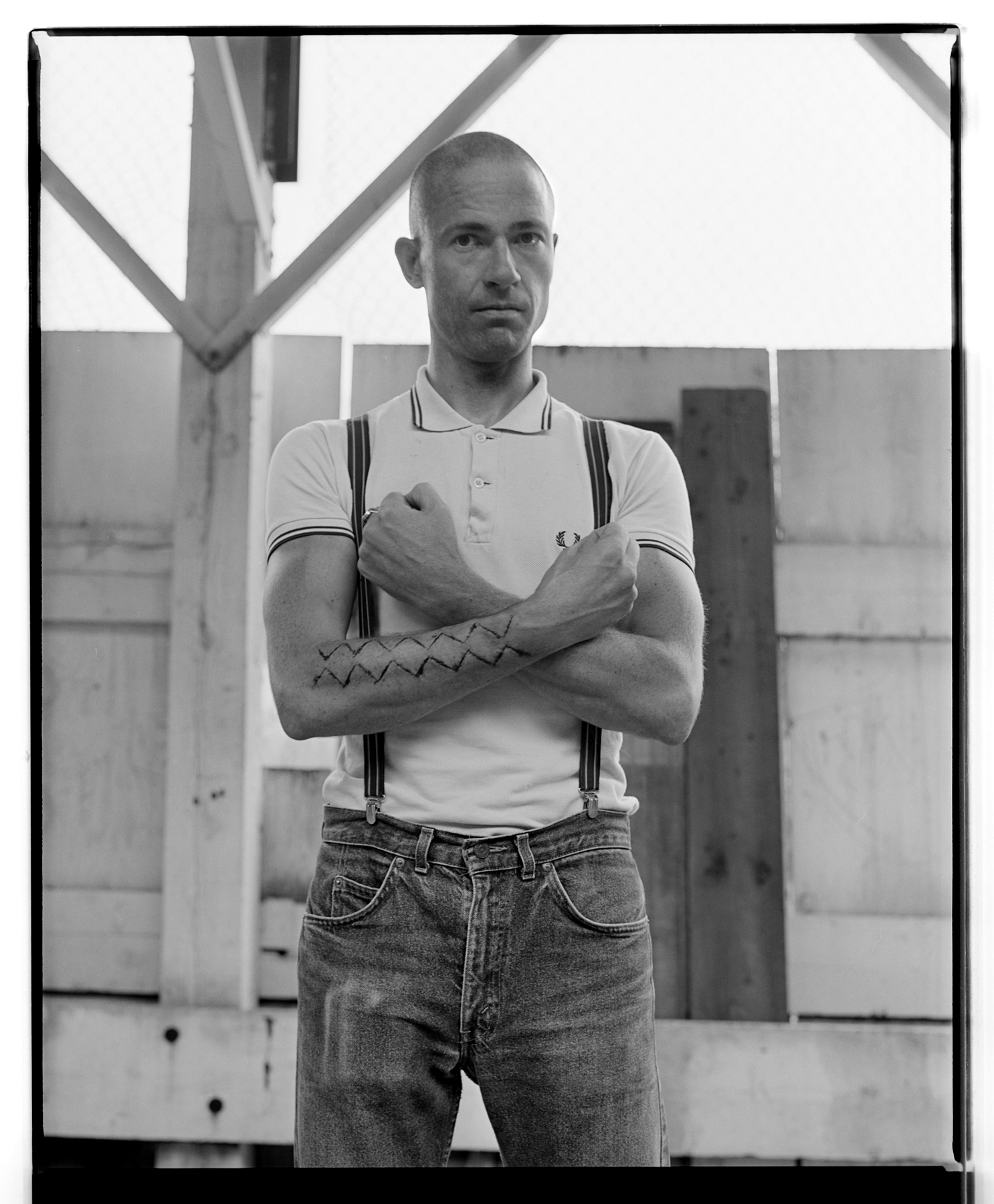
I love these eclectic exhibitions on unusual topics. Having studied a little Georges Gurdjieff, Carl Jung, Robert Johnson, Joseph Campbell and Carlos Castaneda to name just a few, I immersed myself in their spiritual, psychedelic and counterculture world. I had scarification done on my arm in 1992 which was one of the most spiritual rights of passage I have ever experienced in my life (see photograph below).
To be different, to explore that difference in art, is to violate the taboo of control – of adherence to the norm – that emotion which controls how we think, feel, act and create. As Georges Bataille observes,
“”The taboo is there in order to be violated.” This proposition is not the wager it looks like at first but an accurate statement of an inevitable connection between conflicting emotions. When a negative emotion has the upper hand we must obey the taboo. When a positive emotion is in the ascendant we violate it. Such a violation will not deny or suppress the contrary emotion, but justify it and arouse it.”1
An “understanding of the text (writing, art, music, etc.) as ‘social space’,” say Barthes, “activates a broad intertextuality and a productive plurality of meanings and signifying/interpretive gestures that escape the reduction of knowledge to fixed, monological re-presentations, or presences.” What he is saying here is that there is no singular unity… for unity is variable and relative. Further, according to Kurt Thumlert (citing Lentricchia, 1998), “a transgressive textuality can also become a mode of agential resistance capable of fragmenting and releasing the subject, and thereby producing a zone of invisibility where knowledge/power is no longer able ‘find its target’.”2
In other words, transgression of the taboo allows the artist (in this case) to release himself from the logic of control and where power cannot get its hooks into him. In order to do this during the production of art, the artist must understand that representations are presentations which entail,
“the use of the codes and conventions of the available cultural forms of presentation. Such forms restrict and shape what can be said by and/or about any aspect of reality in a given place in a given society at a given time, but if that seems like a limitation on saying, it is also what makes saying possible at all. Cultural forms set the wider terms of limitation and possibility for the (re)presentation of particularities and we have to understand how the latter are caught in the former in order to understand why such-and-such gets (re)presented in the way it does. Without understanding the way images function in terms of, say, narrative, genre or spectacle, we don’t really understand why they turn out the way they do.”3
The exhibition Black Light investigates how artists subvert these codes and conventions of representation and violate their taboo through emotions (whether positive or negative) present in the creative process. This transgressive spirit allows far seeing artists to become the seers of their day, playing with the dis/order of time, space and cultural (re)presentation. As a form of alchemy, all art partakes of this investigation into the past, present and future of life, our discontinuous existence as creatures who live and die, and the world that surrounds us, both physically and spiritually.
Dr Marcus Bunyan
1/ Bataille, Georges. Death and Sensuality: A Study of Eroticism and the Taboo. New York: Walker and Company, 1962, pp. 64-65.
2/ Thumlert, Kurt. Intervisuality, Visual Culture, and Education. [Online] Cited 10/08/2006 No longer available.
3/ Dyer, Richard. The Matter of Images: Essays on Representations. London: Routledge, 1993, pp. 2-3.
Many thankx to the Centre de Cultura Contemporania de Barcelona for allowing me to publish the photographs in the posting. Please click on the photographs for a larger version of the image.
Black Light. Discover the occult side of contemporary art
The occult, spirituality, psychedelia and esotericism come to the CCCB with the exhibition Black Light. An unusual look at the art of the past 50 years that has been strongly influenced by secret traditions.
Joan Jonas (American, b. 1936) Reanimation (extract)
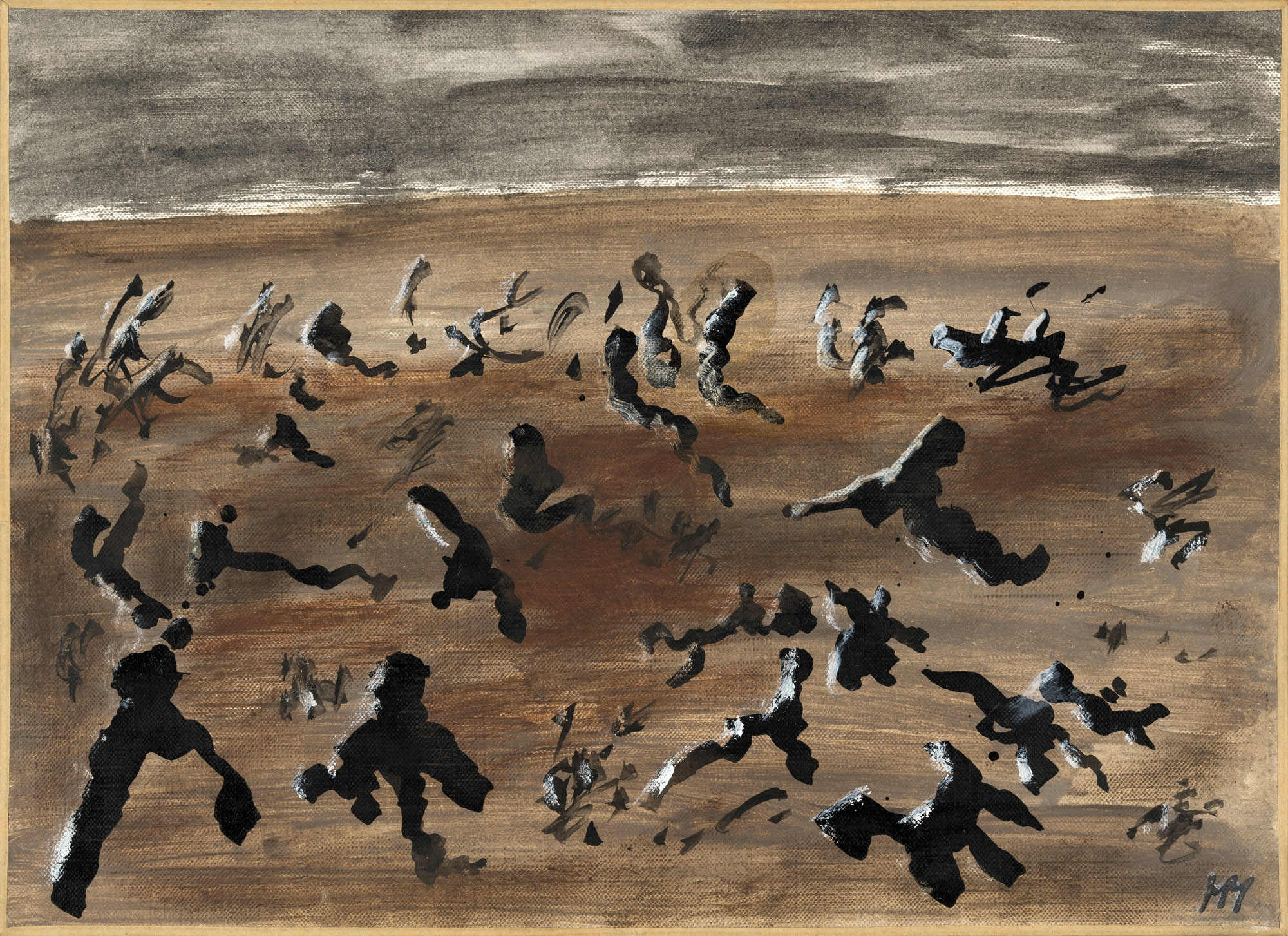
Henri Michaux (French born Belgium, 1899-1984)
Henri Michaux (French born Belgium, 1899-1984) was a highly idiosyncratic Belgian-born poet, writer, and painter who wrote in French. He later took French citizenship. Michaux is best known for his esoteric books written in a highly accessible style. His body of work includes poetry, travelogues, and art criticism. Michaux travelled widely, tried his hand at several careers, and experimented with psychedelic drugs, especially LSD and mescaline, which resulted in two of his most intriguing works, Miserable Miracle and The Major Ordeals of the Mind and the Countless Minor Ones.
Kenneth Anger (born Kenneth Wilbur Anglemyer; February 3, 1927) is an American underground experimental filmmaker, actor and author. Working exclusively in short films, he has produced almost forty works since 1937, nine of which have been grouped together as the “Magick Lantern Cycle”. His films variously merge surrealism with homoeroticism and the occult, and have been described as containing “elements of erotica, documentary, psychodrama, and spectacle”. Anger himself has been described as “one of America’s first openly gay filmmakers, and certainly the first whose work addressed homosexuality in an undisguised, self-implicating manner”, and his “role in rendering gay culture visible within American cinema, commercial or otherwise, is impossible to overestimate”, with several being released prior to the legalisation of homosexuality in the United States. He has also focused upon occult themes in many of his films, being fascinated by the English gnostic mage and poet Aleister Crowley, and is an adherent of Thelema, the religion Crowley founded.
Leon Ka (Spanish, b. 1980) Creatio: Lux, Crux 2015 Door of the cultural association Magia Roja, Barcelona
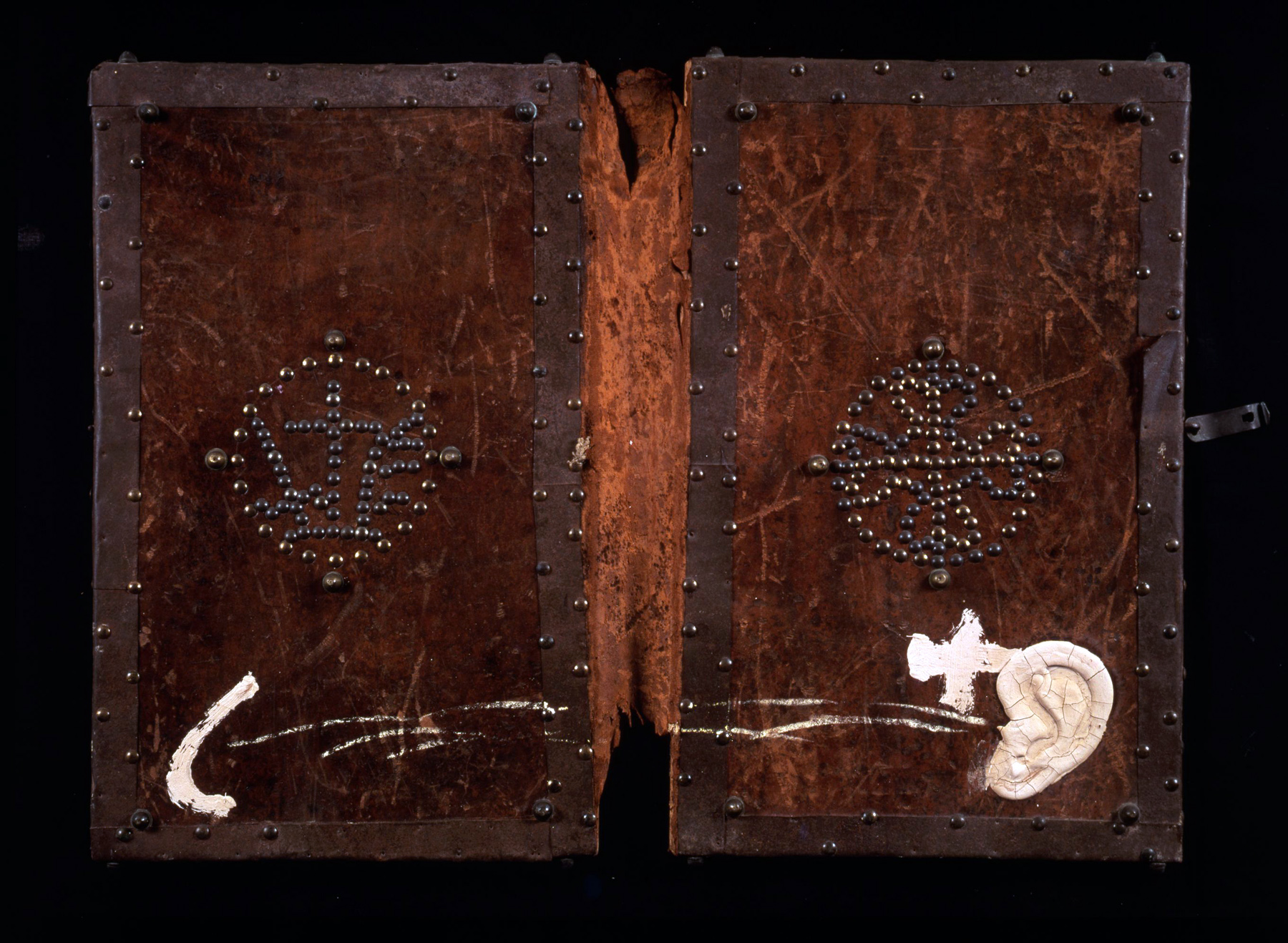
Black light is about the influence that various secret traditions have had on contemporary art from the nineteen-fifties to the present day. It presents some 350 works by such artists as Antoni Tàpies, Agnes Martin, Henri Michaux, Joseph Beuys, Ulla von Brandenburg, William S. Burroughs, Joan Jonas, Jordan Belson, Goshka Macuga, Kenneth Anger, Rudolf Steiner, Alejandro Jodorowsky, Francesco Clemente and Zush.
Black light brings together, in more or less chronological order, paintings, drawings, audiovisuals, sculptures, photographs, installations, books, music, engravings and documents by artists largely from North America, where secret traditions have historically enjoyed greater acceptance. There are works by creators who are considered fundamental to the history of art, such as Antoni Tàpies, Barnett Newman and Agnes Martin, alongside less-known figures of the counterculture of the sixties and seventies. The show also presents young artists to reflect the renewed interest in these traditions.
The work of all of them goes to show the relevance and continuity of these habitually overlooked trends, in many cases regarding art as a possible means to a higher cognitive level, as an instrument of connection with a more profound reality, or as a form of knowledge in itself. These ideas are contrary, for example, to a purely formalistic understanding of abstraction. Specifically, the exhibition also explores the influence of esoteric ideas on areas of popular culture, such as comics, jazz, cinema and alternative rock.
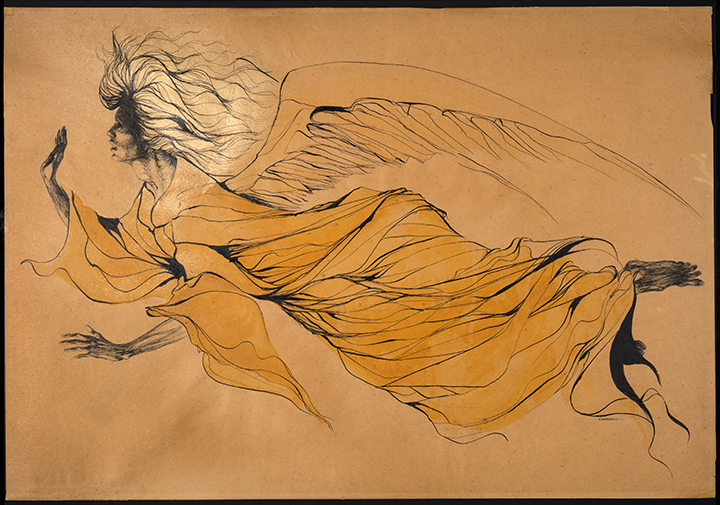
Marjorie Cameron Parsons Kimmel (American, 1922-1995), who professionally used the mononym Cameron, was an American artist, poet, actress, and occultist. A follower of Thelema, the new religious movement established by the English occultist Aleister Crowley, she was married to rocket pioneer and fellow Thelemite Jack Parsons.
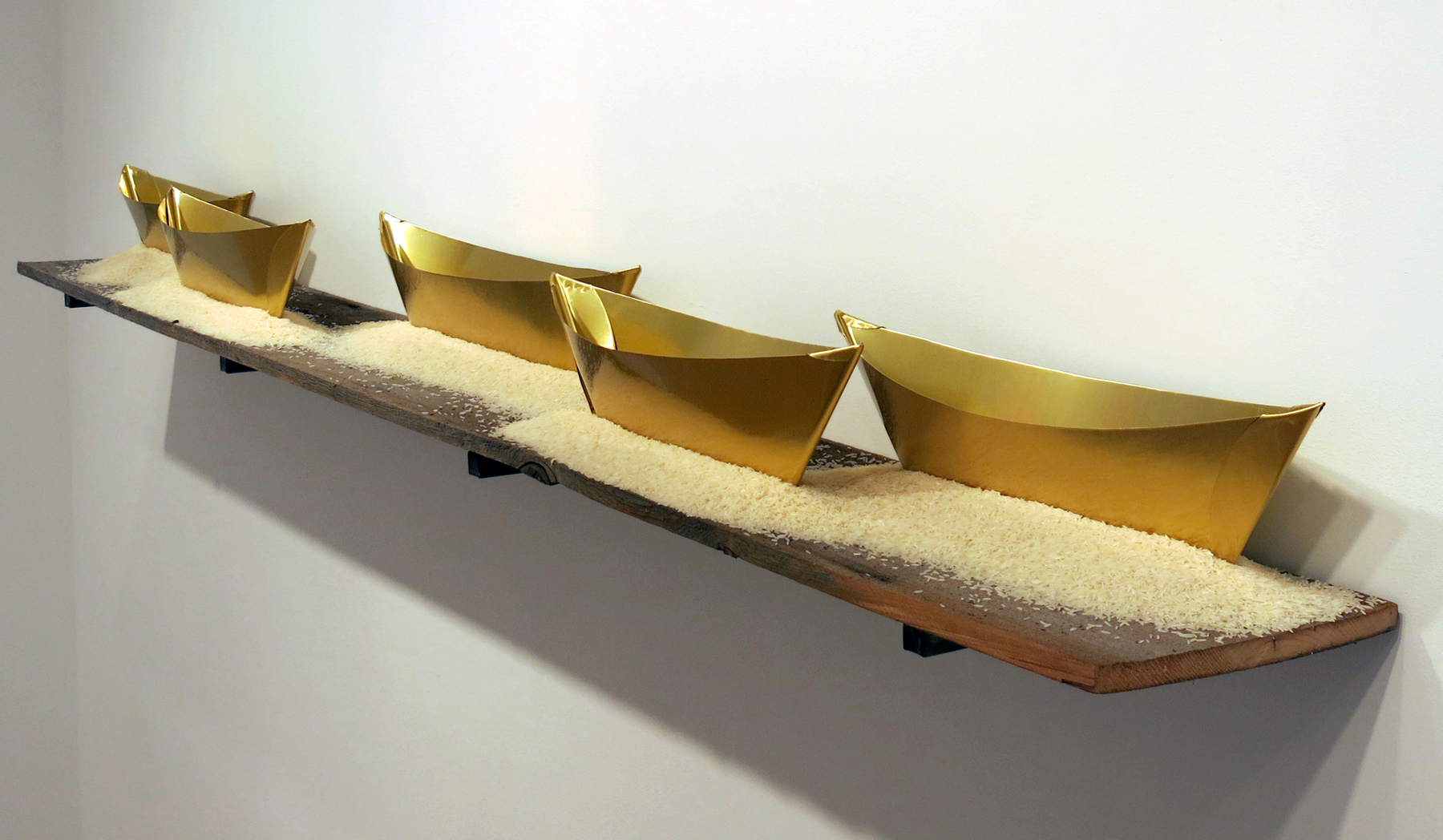
Wolfgang Laib (born 25 March 1950 in Metzingen) is a German artist, predominantly known as a sculptor. He lives and works in a small village in southern Germany, maintaining studios in New York and South India.
His work has been exhibited worldwide in many of the most important galleries and museums. He represented Germany in the 1982 Venice Biennale and was included with his works in the Documenta 7 in 1982 and then in the Documenta 8 in 1987. In 2015 he received the Praemium Imperiale for sculpture in Tokyo, Japan.
He became worldknown for his “Milkstones”, a pure geometry of white marble made complete with milk, as well as his vibrant installations of pollen. In 2013 The Museum of Modern Art in New York City presented his largest pollen piece – 7 m x 8 m – in the central atrium of the museum.
Brion Gysin (19 January 1916-13 July 1986) was a painter, writer, sound poet, and performance artist born in Taplow, Buckinghamshire.
He is best known for his discovery of the cut-up technique, used by his friend, the novelist William S. Burroughs. With the engineer Ian Sommerville he invented the Dreamachine, a flicker device designed as an art object to be viewed with the eyes closed. It was in painting and drawing, however, that Gysin devoted his greatest efforts, creating calligraphic works inspired by the cursive Japanese “grass” script and Arabic script. Burroughs later stated that “Brion Gysin was the only man I ever respected.” …
The Dreamachine (or Dream Machine) is a stroboscopic flicker device that produces visual stimuli. Artist Brion Gysin and William S. Burroughs’ “systems adviser” Ian Sommerville created the Dreamachine after reading William Grey Walter’ book, The Living Brain.
In its original form, a Dreamachine is made from a cylinder with slits cut in the sides. The cylinder is placed on a record turntable and rotated at 78 or 45 revolutions per minute. A light bulb is suspended in the centre of the cylinder and the rotation speed allows the light to come out from the holes at a constant frequency of between 8 and 13 pulses per second. This frequency range corresponds to alpha waves, electrical oscillations normally present in the human brain while relaxing. In 1996, the Los Angeles Times deemed the Dreamachine “the most interesting object” in Burroughs’ major visual retrospective Ports of Entry at LACMA. The Dreamachine is the subject of the National Film Board of Canada 2008 feature documentary film FLicKeR by Nik Sheehan.
A Dreamachine is “viewed” with the eyes closed: the pulsating light stimulates the optic nerve and thus alters the brain’s electrical oscillations. Users experience increasingly bright, complex patterns of colour behind their closed eyelids (a similar effect may be experienced when travelling as a passenger in a car or bus; close your eyes as the vehicle passes through flickering shadows cast by roadside trees, or under a close-set line of streetlights or tunnel striplights). The patterns become shapes and symbols, swirling around, until the user feels surrounded by colours. It is claimed that by using a Dreamachine one may enter a hypnagogic state. This experience may sometimes be quite intense, but to escape from it, one needs only to open one’s eyes. The Dreamachine may be dangerous for persons with photosensitive epilepsy or other nervous disorders. It is thought that one out of 10,000 adults will experience a seizure while viewing the device; about twice as many children will have a similar ill effect.
An approach without prejudice to art and esoteric beliefs
Esoteric traditions can be traced back to the very origins of civilisation, having served at different times to structure philosophical, linguistic, scientific or spiritual ideas. Despite their importance for the development of twentieth-century art, they tend to be ignored or disparaged these days due to the dominance of rationalistic thinking and the difficulty of talking about these subjects in clear, direct language.
In recent years, however, many artists have taken a renewed interest in subjects such as alchemy, secret societies, theosophy and anthroposophy, the esoteric strands in major religions, oriental philosophies, magic, psychedelia and drug-use, universal symbols and myths, the Fourth Way formulated by the Armenian mystic Georges Gurdjieff, etc., generating an interest in these fields that had not existed since the counterculture of the sixties and seventies.
According to the writer Enrique Juncosa, curator of this exhibition, this interest “may be due to the fact that we are, once again, living in a restless and unsatisfied world, worried about new colonial wars, fundamentalist terrorism, serious ecological crisis and nationalist populism, just as in the sixties and seventies people feared an imminent and devastating nuclear catastrophe. Furthermore, much of today’s mainstream art is actually rather boring due to its complete lack of mystery and negation of any kind of poetisation or interpretation of our experience of it.”
For the essayist Gary Lachman, author of the text “Occultism in Art. A Brief Introduction for the Uninitiated” in the exhibition catalogue, “in recent years, the art world seems to have become aware of the importance of occultism […]. Admitting the influence of Hermeticism on the Renaissance, or of theosophy on early abstract art, to mention just two examples, helps to re-situate occult forces as an undeniable part of human experience and rescue them from the marginal position to which they had been exiled for a few centuries.”
Terry Winters (born 1949, Brooklyn, NY) is an American painter, draughtsman, and printmaker whose nuanced approach to the process of painting has addressed evolving concepts of spatiality and expanded the concerns of abstract art. His attention to the process of painting and investigations into systems and spatial fields explores both non-narrative abstraction and the physicality of modernism. In Winters’ work, abstract processes give way to forms with real word agency that recall mathematical concepts and cybernetics, as well as natural and scientific worlds.
Fred Tomaselli (born in Santa Monica, California, in 1956) is an American artist. He is best known for his highly detailed paintings on wood panels, combining an array of unorthodox materials suspended in a thick layer of clear, epoxy resin.
Tomaselli’s paintings include medicinal herbs, prescription pills and hallucinogenic plants alongside images cut from books and magazines: flowers, birds, butterflies, arms, legs and noses, which are combined into dazzling patterns that spread over the surface of the painting like a beautiful virus or growth. He uses an explosion of colour and combines it with a basis in art history. His style usually involves collage, painting, and/or glazing. He seals the collages in resin after gluing them down and going over them with different varnishes.
“I want people to get lost in the work. I want to seduce people into it and I want people to escape inside the world of the work. In that way the work is pre-Modernist. I throw all of my obsessions and loves into the work, and I try not to be too embarrassed about any of it. I love nature, I love gardening, I love watching birds, and all of that gets into the work. I just try to be true to who I am and make the work I want to see. I don’t have a radical agenda.”
Tomaselli sees his paintings and their compendium of data as windows into a surreal, hallucinatory universe. “It is my ultimate aim”, he says, “to seduce and transport the viewer in to space of these pictures while simultaneously revealing the mechanics of that seduction.” Tomaselli has also incorporated allegorical figures into his work – in Untitled (Expulsion) (2000), for example, he borrows the Adam and Eve figures from Masaccio’s Expulsion from the Garden of Eden (1426-27), and in Field Guides (2003) he creates his own version of the grim reaper. His figures are described anatomically so that their organs and veins are exposed in the manner of a scientific drawing. He writes that his “inquiry into utopia/dystopia – framed by artifice but motivated by the desire for the real – has turned out to be the primary subject of my work”.
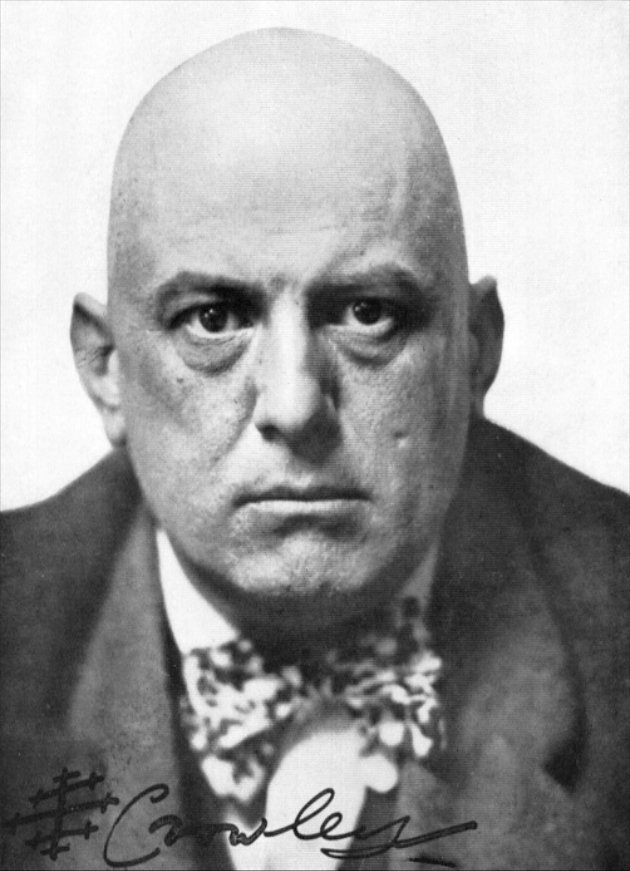
In the fifties, US filmmakers Harry Smith and Jordan Belson made animated films that were precursors of the psychedelia and counterculture of the following two decades. Also at this time, painters associated with abstract expressionism in the US (such as Barnett Newman, Ad Reinhardt and Agnes Martin) and European Informalists, such as the Catalans associated with Dau al Set (including Antoni Tàpies and Joan Ponç), became interested in the writings of Swiss psychologist Carl Gustav Jung, oriental philosophies, the great myths and primitive shamanic rites. The cult US filmmaker Kenneth Anger made films that are still considered radical, influenced by the ideas of the well-known English occultist Aleister Crowley, who was also influential in the world of rock. And Forrest Bess, a self-taught, isolated artist, an unusual figure in the American art of the last century, painted symbolic, visionary images of the universal collective subconscious.
In the sixties and seventies, the emergence of counterculture and the hippy movement was accompanied by an upsurge in interest in esoteric matters and alternative spirituality. US writer William S. Burroughs and French artist and writer Brion Gysin, both interested in occultism and mysticism, developed the cut-up method to write texts using collage, actions which, like the origin of art itself, they considered magic. The American musician Sun Ra, one of the jazz world’s most idiosyncratic figures (he claims he was born on Saturn), set up the secret society Thmei Research in Chicago, and was interested in the writings of Armenian philosopher and master mystic Georges Gurdjieff, and the Ukrainian Madame Blavatsky, creator of the esoteric current known as theosophy. Sun Ra’s compositions, with a big band that performed in strange colourful clothing, were highly radical, embracing improvisation and chaos. In Europe, the German artist Joseph Beuys was inspired by the writings and activities of Austrian philosopher Rudolf Steiner, the founder of anthroposophy, as a model to explain his ideas. Beuys called for a return to spirituality and defended art as a vehicle for healing and social change. The French artist Tania Mouraud, interested in introspection and philosophy, with a strong analytical vein, creates installations that are spaces for meditation, and the Catalan artist Zush, in Ibiza, discovers psychedelia and draws fantastic beings connected by vibrant energies.
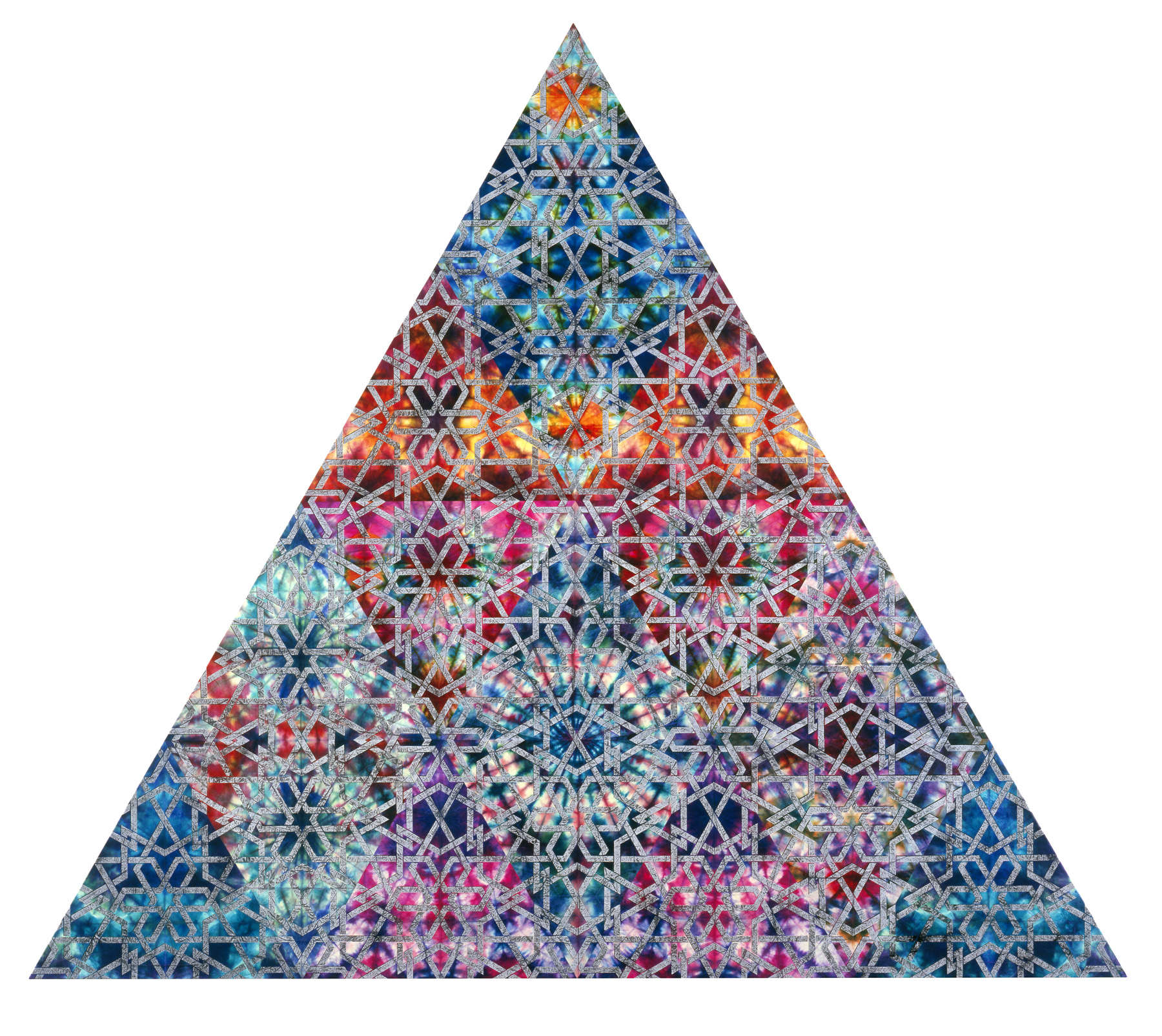
The eighties and nineties saw the consolidation of a large number of artists who saw artistic practice as something that can facilitate a higher cognitive level. Several American abstract painters, like Terry Winters, Philip Taaffe and Fred Tomaselli, became interested in spiritual themes. Winters, for example, who took scientific images as his inspiration, based a large series of paintings on knot theory, a mathematical concept that might be seen as an emblem of the hermetic. Taaffe, meanwhile, used ornamental forms from different cultures, combining them in complex configurations of an ecstatic nature, and Tomaselli produced compositions using all kinds of drugs in a reference to psychedelia. In Europe, the German sculptor Wolfgang Laib, interested in Zen Buddhism and Taoism, creates sculptures and installations with symbolic images, like stairs and boats, suggesting ascension, travel and inner transformation, while the Italian Gino de Dominicis, who claimed to believe in extra-terrestrials and was obsessed by Sumerian culture and mythology, creates invisible sculptures. The paintings by Italian Francesco Clemente, a representative of the Transavanguardia movement, feature images of an apparently hermetic nature, creating a singular narrative of spiritual symbolism. The Chilean-French artist Alejandro Jodorowsky explores esoteric ideas in his extraordinary films of great visual imagination and also creates highly celebrated comics. In the nineties, several alternative rock bands such as Psychic TV (led by the English musician, poet and artist Genesis P-Orridge) were also interested in occultism and magic.
The origin of the title “Black Light”
The title “Black light” refers to a concept of Sufism, the esoteric branch of Islam that teaches a path of connection with divinity leading via inner vision and mystic experience. Sufism, which regards reality as light in differing degrees of intensity, speaks of a whole system of inner visions of colours that mark the spiritual progress of initiates until they become “men and women of light”. The intention is to achieve a state of supra-consciousness that is announced symbolically by this black light.
Press release from the Centre de Cultura Contemporania de Barcelona website
Genesis Breyer P-Orridge (born Neil Andrew Megson; 22 February 1950) was an English singer-songwriter, musician, poet, performance artist, and occultist. After rising to notability as the founder of the COUM Transmissions artistic collective and then fronting the industrial band Throbbing Gristle, P-Orridge was a founding member of Thee Temple ov Psychick Youth occult group, and fronted the experimental band Psychic TV. P-Orridge identifies as third gender.
Born in Manchester, P-Orridge developed an early interest in art, occultism, and the avant-garde while at Solihull School. After dropping out of studies at the University of Hull, he moved into a counter-cultural commune in London and adopted Genesis P-Orridge as a nom-de-guerre. On returning to Hull, P-Orridge founded COUM Transmissions with Cosey Fanni Tutti, and in 1973 he relocated to London. COUM’s confrontational performance work, dealing with such subjects as sex work, pornography, serial killers, and occultism, represented a concerted attempt to challenge societal norms and attracted the attention of the national press. COUM’s 1976 Prostitution show at London’s Institute of Contemporary Arts was particularly vilified by tabloids, gaining them the moniker of the “wreckers of civilization.” P-Orridge’s band, Throbbing Gristle, grew out of COUM, and were active from 1975 to 1981 as pioneers in the industrial music genre. In 1981, P-Orridge co-founded Psychic TV, an experimental band that from 1988 onward came under the increasing influence of acid house.
In 1981, P-Orridge co-founded Thee Temple ov Psychick Youth, an informal occult order influenced by chaos magic and experimental music. P-Orridge was often seen as the group’s leader, but rejected that position, and left the group in 1991. Amid the Satanic ritual abuse hysteria, a 1992 Channel 4 documentary accused P-Orridge of sexually abusing children, resulting in a police investigation. P-Orridge was subsequently cleared and Channel 4 retracted their allegation. P-Orridge left the United Kingdom as a result of the incident and settled in New York City. There, P-Orridge married Jacqueline Mary Breyer, later known as Lady Jaye, in 1995, and together they embarked on the Pandrogeny Project, an attempt to unite as a “pandrogyne”, or single entity, through the use of surgical body modification to physically resemble one another. P-Orridge continued with this project of body modification after Lady Jaye’s 2007 death. Although involved in reunions of both Throbbing Gristle and Psychic TV in the 2000s, P-Orridge retired from music to focus on other artistic mediums in 2009. P-Orridge is credited on over 200 releases.
A controversial figure with an anti-establishment stance, P-Orridge has been heavily criticised by the British press and politicians. P-Orridge has been cited as an icon within the avant-garde art scene, accrued a cult following, and been given the moniker of the “Godperson of Industrial Music”.
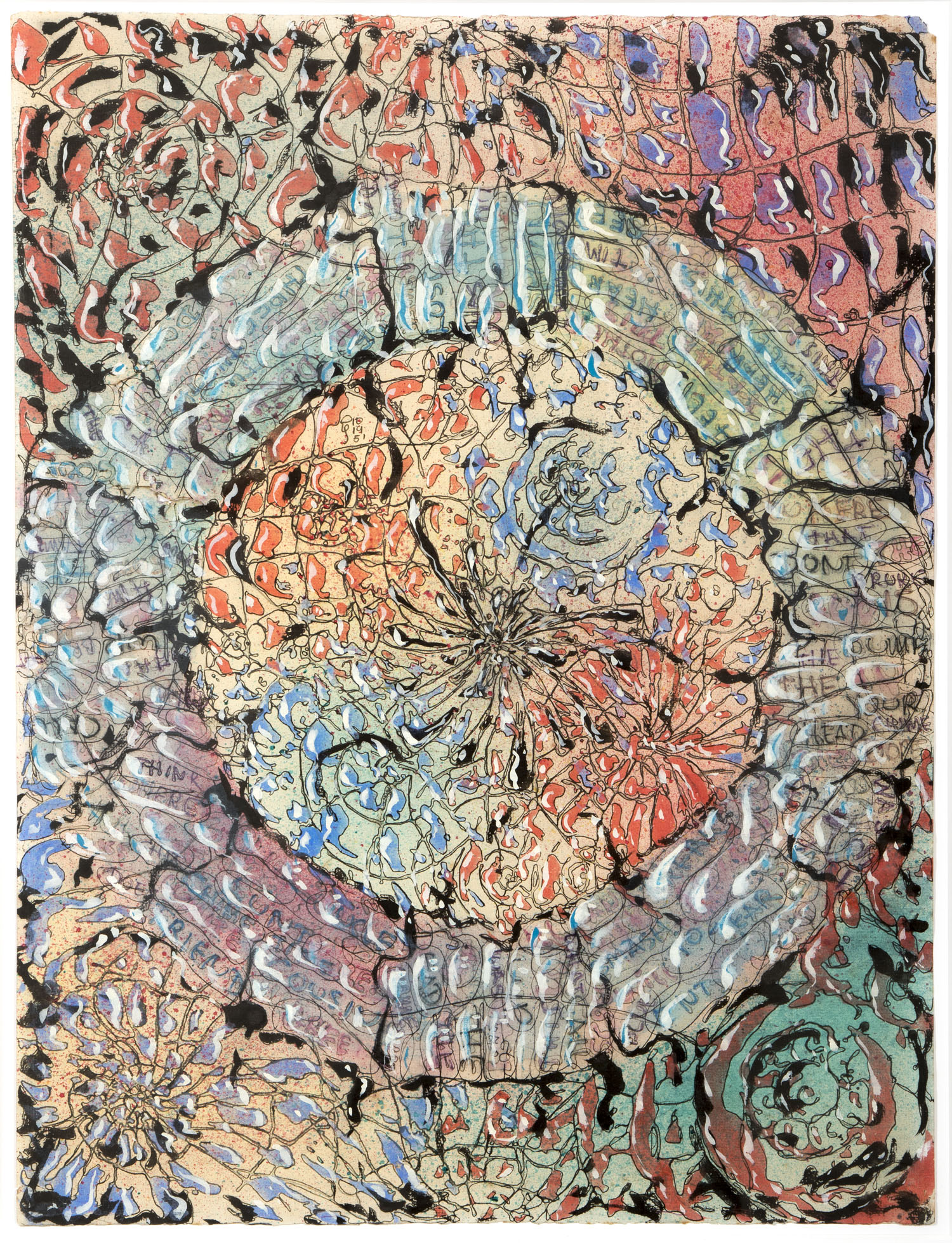
Harry Smith (American, 1923-1991) Untitled, October 19, 1951 1951 Ink, watercolour, and tempera on paper 86.36 x 69.85cm Collection Raymond Foye, New York
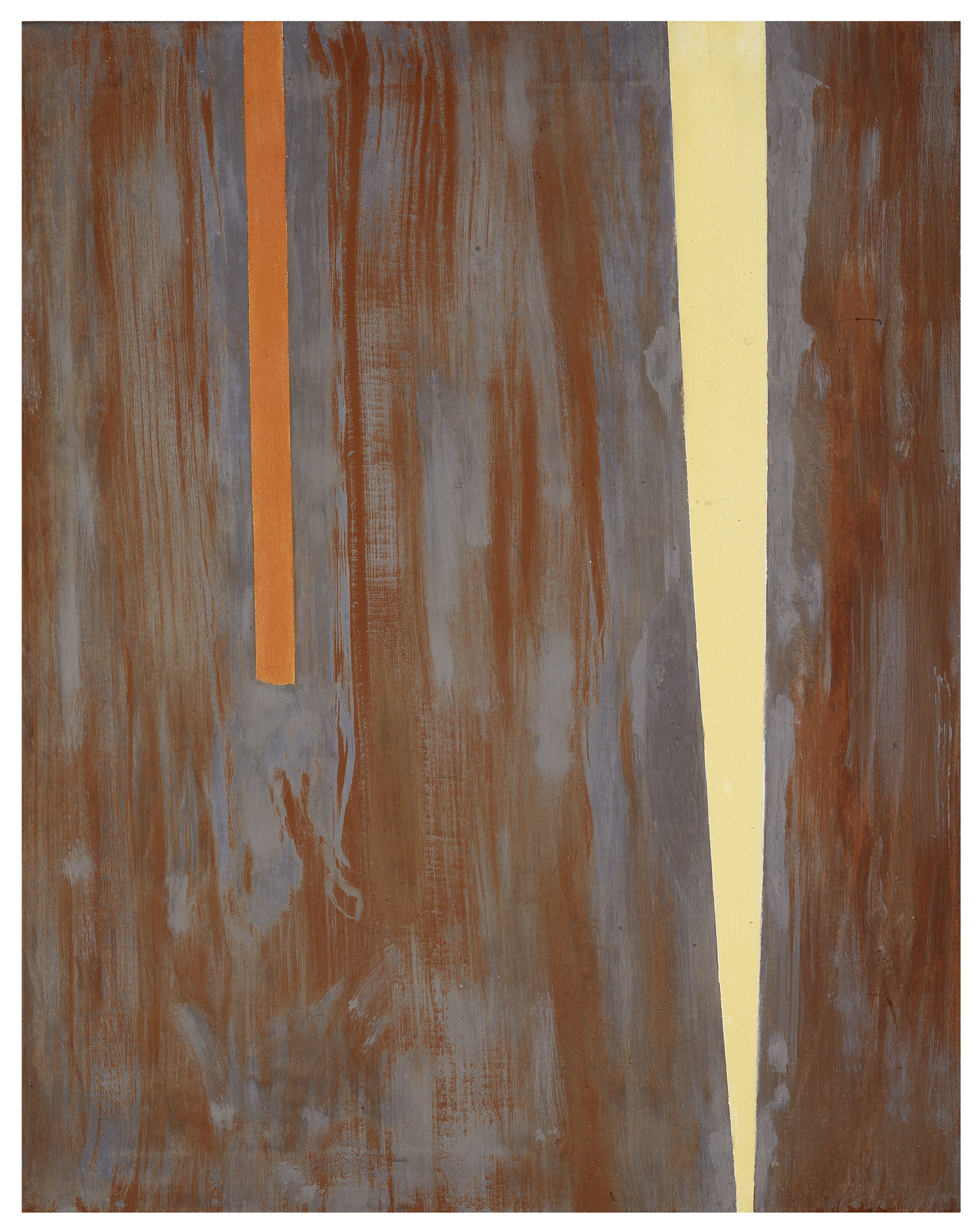
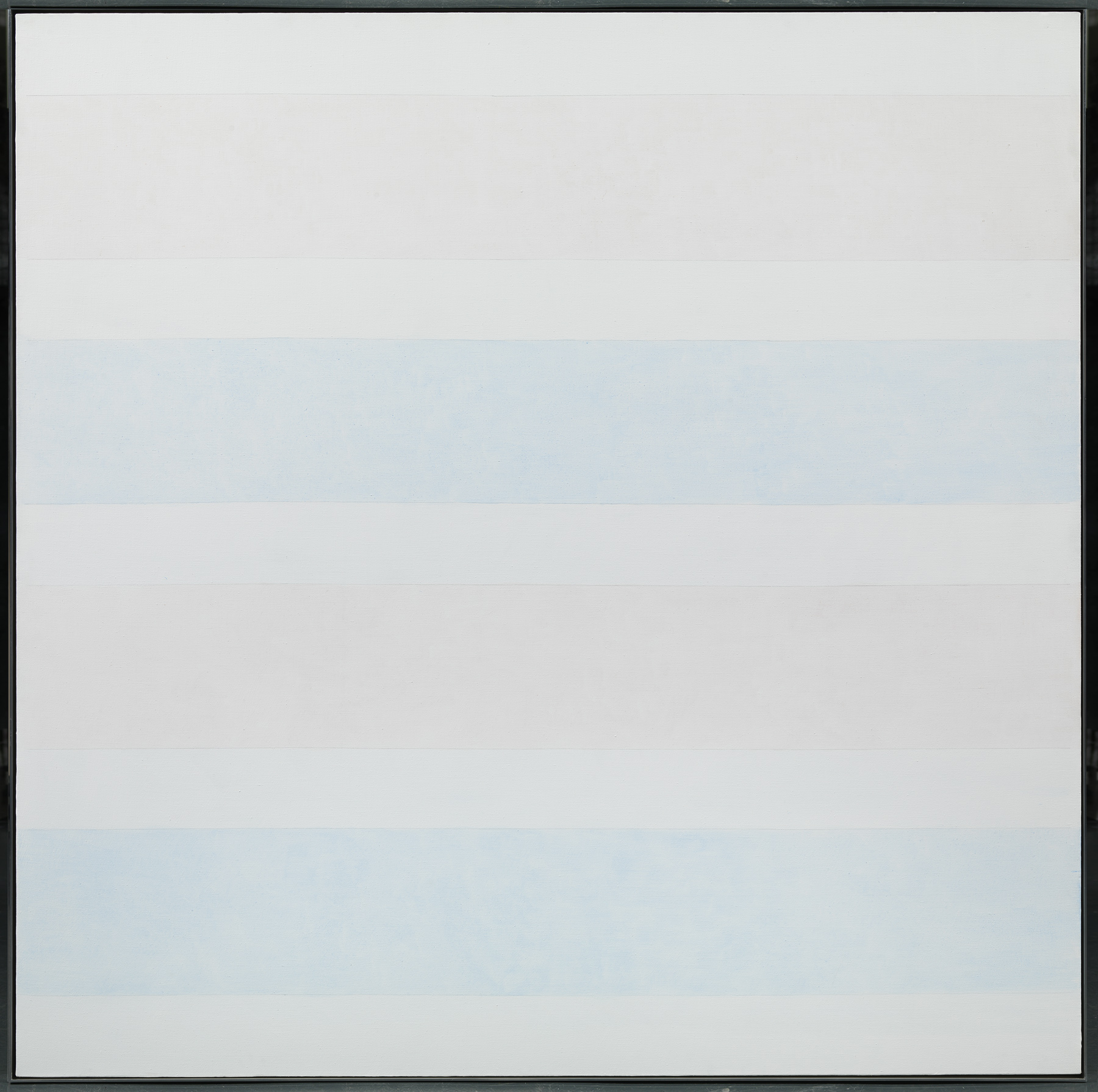
Agnes Bernice Martin (March 22, 1912 – December 16, 2004), born in Canada, was an American abstract painter. Her work has been defined as an “essay in discretion on inward-ness and silence”. Although she is often considered or referred to as a minimalist, Martin considered herself an abstract expressionist. She was awarded a National Medal of Arts from the National Endowment for the Arts in 1998. …
Martin praised Mark Rothko for having “reached zero so that nothing could stand in the way of truth”. Following his example Martin also pared down to the most reductive elements to encourage a perception of perfection and to emphasise transcendent reality. Her signature style was defined by an emphasis upon line, grids, and fields of extremely subtle colour. Particularly in her breakthrough years of the early 1960s, she created 6 × 6 foot square canvases that were covered in dense, minute and softly delineated graphite grids. In the 1966 exhibition Systemic Painting at the Solomon R. Guggenheim Museum, Martin’s grids were therefore celebrated as examples of Minimalist art and were hung among works by artists including Sol LeWitt, Robert Ryman, and Donald Judd. While minimalist in form, however, these paintings were quite different in spirit from those of her other minimalist counterparts, retaining small flaws and unmistakable traces of the artist’s hand; she shied away from intellectualism, favouring the personal and spiritual. Her paintings, statements, and influential writings often reflected an interest in Eastern philosophy, especially Taoist. Because of her work’s added spiritual dimension, which became more and more dominant after 1967, she preferred to be classified as an abstract expressionist.
Martin worked only in black, white, and brown before moving to New Mexico. The last painting before she abandoned her career, and left New York in 1967, Trumpet, marked a departure in that the single rectangle evolved into an overall grid of rectangles. In this painting the rectangles were drawn in pencil over uneven washes of gray translucent paint. In 1973, she returned to art making, and produced a portfolio of 30 serigraphs, On a Clear Day. During her time in Taos, she introduced light pastel washes to her grids, colours that shimmered in the changing light. Later, Martin reduced the scale of her signature 72 × 72 square paintings to 60 × 60 inches and shifted her work to use bands of ethereal colour. Another departure was a modification, if not a refinement, of the grid structure, which Martin has used since the late 1950s. In Untitled No. 4 (1994), for example, one viewed the gentle striations of pencil line and primary colour washes of diluted acrylic paint blended with gesso. The lines, which encompassed this painting, were not measured by a ruler, but rather intuitively marked by the artist. In the 1990s, symmetry would often give way to varying widths of horizontal bands.
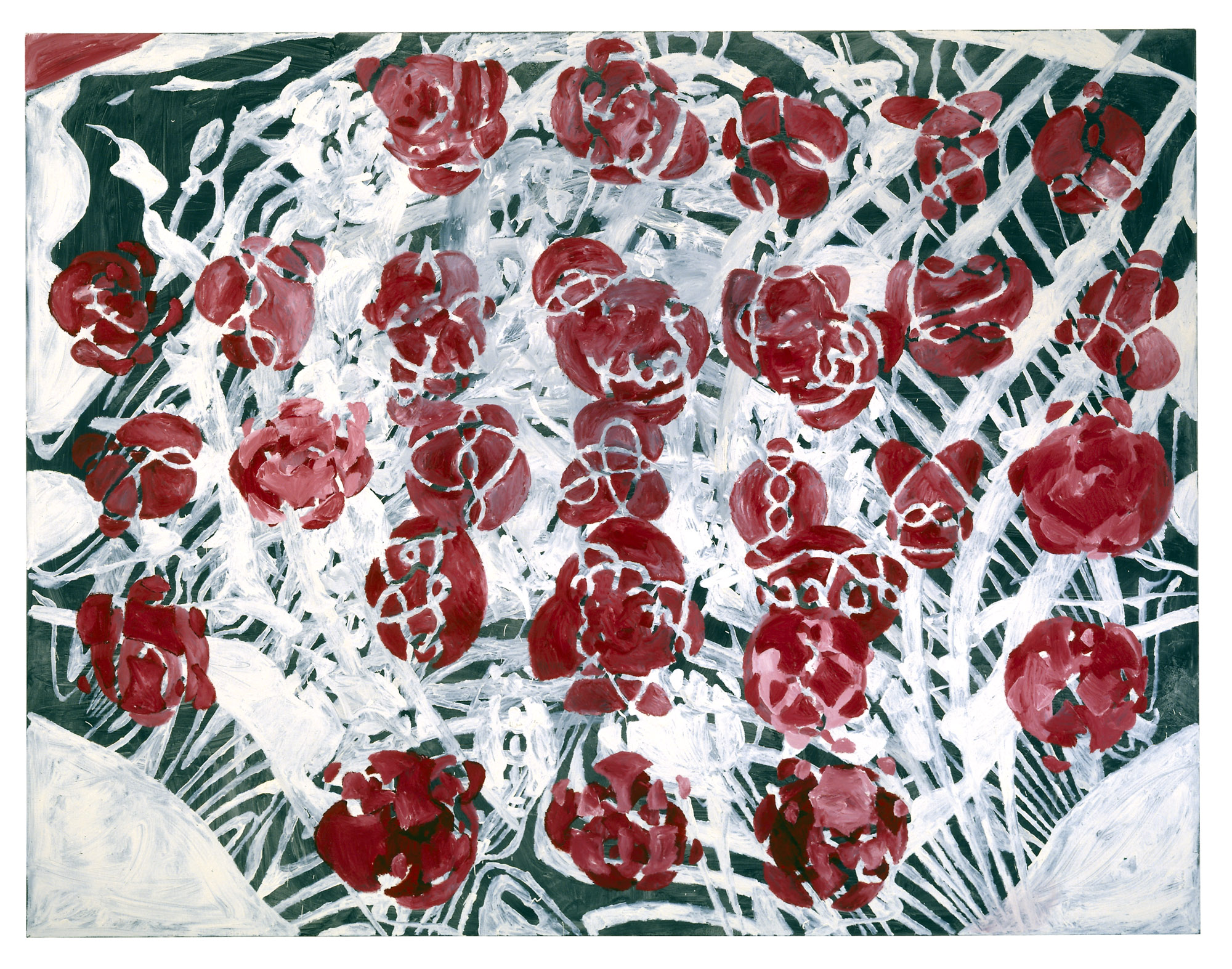
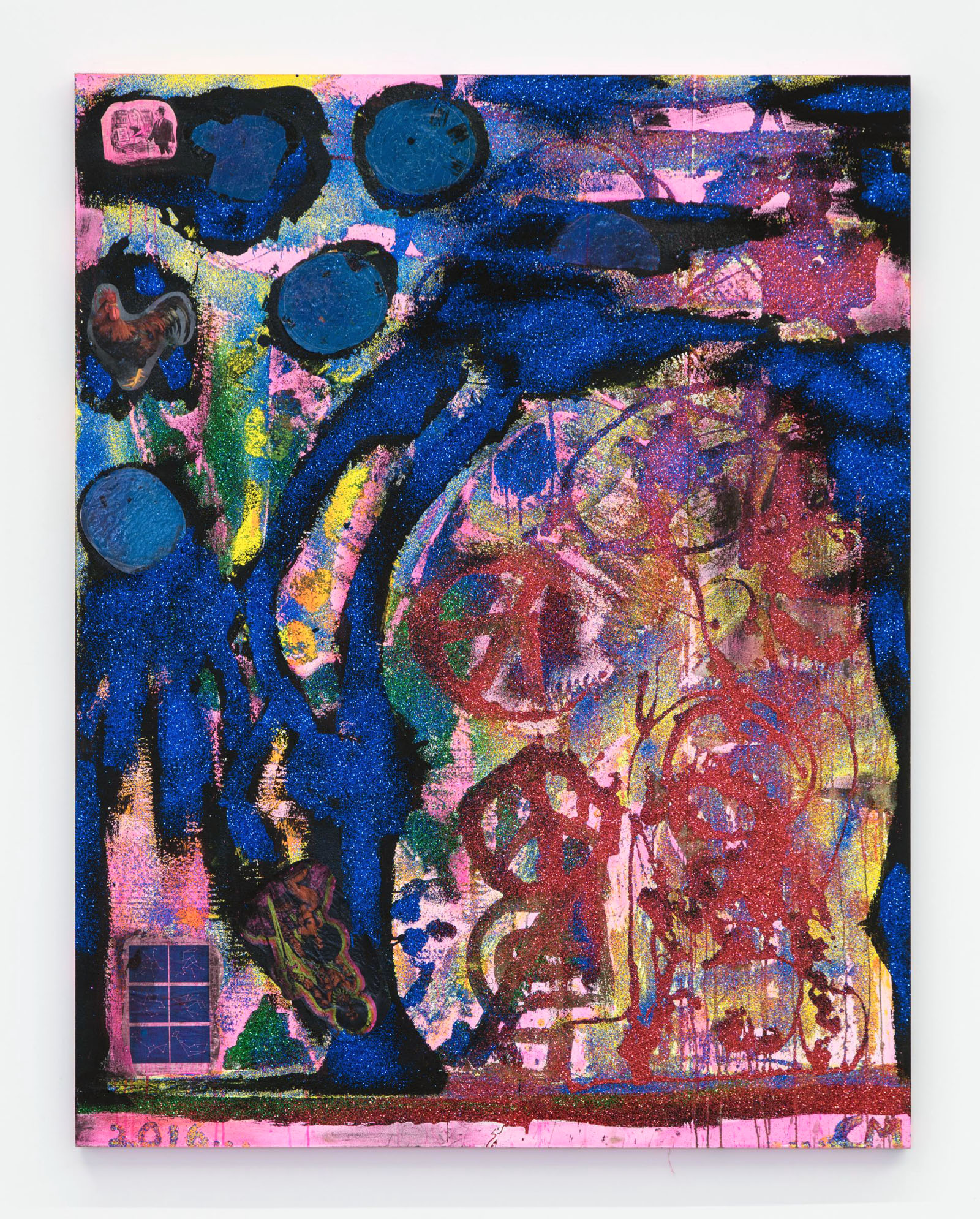
Matías Krahn (b. Santiago de Chile, 1972) Catalan painter born in Chile who lives and works in Barcelona.
His colourful works are a reflection of the world that surrounds him, of a concrete circumstance and environment, but also of the most intimate and subjective. Interested in the balance between the exterior and the interior, it orders the space and the figures it contains. His work, influenced by surrealism, is the mirror of the psyche and the unconscious that expresses itself in infinite forms and tonalities.
Francesco Clemente (born 23 March 1952) is an Italian contemporary artist. He has lived at various times in Italy, in India, and in New York City. Some of his work is influenced by the traditional art and culture of India. He has worked in various artistic media including drawing, fresco, graphics, mosaic, oils and sculpture. He was among the principal figures in the Italian Transavanguardia movement of the 1980s, which was characterised by a rejection of Formalism and conceptual art and a return to figurative art and Symbolism.
Black Light – Secret traditions in art since the 1950s: occultism, magic, esotericism and mysticism
This exhibition analyses the influence that different secret traditions have had on art since the 1950s and today. These are traditions that can be traced back to the very origins of civilisation and that have served at various times to structure philosophical, linguistic, scientific and spiritual ideas.
Despite the importance that these ideas had for the development of 20th century art – being fundamental in the work of key figures of modernity such as Piet Mondrian, Vasili Kandinski, Arnold Schönberg, William Butler Yeats and Fernando Pessoa – it is a tradition that has often been ignored in our time because of the dominant influence of rationalist orthodox thoughts, which are often ignored in our times.
Today, however, many contemporary artists re-explore these themes and are interested in issues as diverse as alchemy, secret societies, theosophy and anthroposophy; the esoteric currents of the great religions; oriental philosophies and magic; psychedelia and the ingestion of drugs; universal symbols and myths; the so-called fourth way of the Armenian mystic Georges Gurdjieff, etc., and, in so doing, generate a renewed interest in these issues that did not exist since the years of counterculture in the 1970s. Authors such as Mircea Eliade, historian of religions and novelist; Carl Gustav Jung, psychologist; Henry Corbin, specialist in Sufism, the esoteric current of Islam; Gershom Scholem, specialist in Kabbalah, the esoteric current of Judaism; and Rudolf Steiner, the founding philosopher of anthroposophy, have now found numerous new readers.
The exhibition will present, more or less chronologically, paintings, drawings, films, sculptures, photographs, installations, books, music and documents by artists as varied as Harry Smith, Jordan Belson, Barnett Newman, Agnes Martin, Ad Reinhardt, Antoni Tàpies, Joan Ponç, Henri Michaux, René Daumal, Forrest Bess, Kenneth Anger, Alejandro Jodor. The work of all of them demonstrates the relevance and continuity of these usually ignored traditions, and in many cases understands art as a possible way to reach a higher cognitive level or as a form of knowledge in itself.
The exhibition will be accompanied by a catalogue with texts by specialists such as Cristina Ricupero, Gary Lachman, Erik Davies and Enrique Juncosa. The proposal will also investigate and reveal occult traditions and their current context in the cultural production of our country.
Text from the Centre de Cultura Contemporania de Barcelona website
Irrationality from rationality
Vincenç Villatoro, director of the CCCB, has justified the presence of this exhibition in a centre that defends rational culture, alluding to the fact that much of the artistic production can not be understood without its connection to non-rationalistic traditions: mystical, esoteric, hermetic … and points out that although in the second half of the twentieth century the hegemonic thought was the scientist, there was a sensitive part of society that came to other traditions, especially to give meaning to its life. Villatoro warns the visitor that the exhibition La llum negra is not an encyclopedia on hidden traditions, but neither is it intended to be a defence, nor a refutation. But the exhibition points out that for many creators, art is a way to access a deeper reality, which is difficult to access in other ways. Thus, secret tradition and art are complemented.
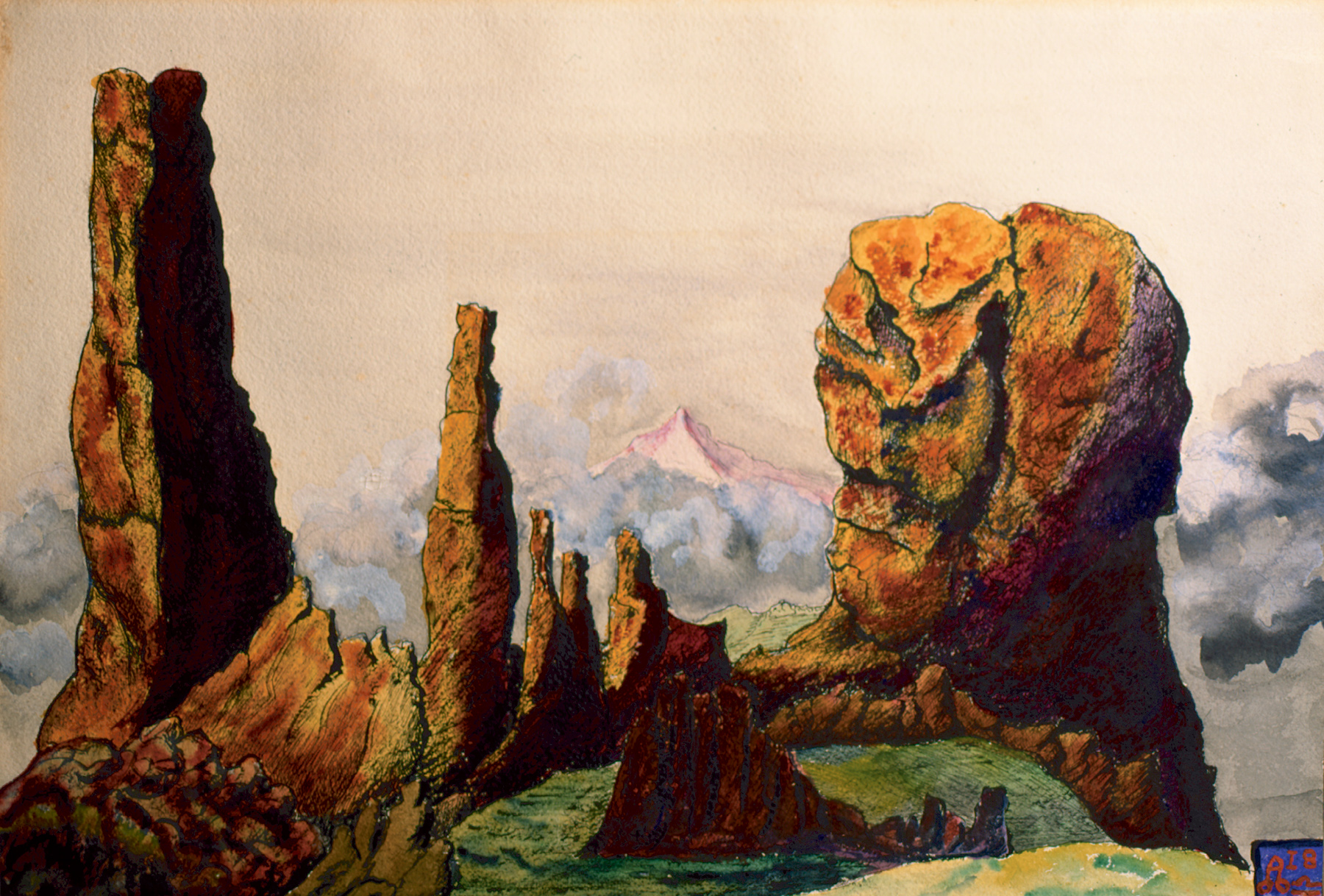
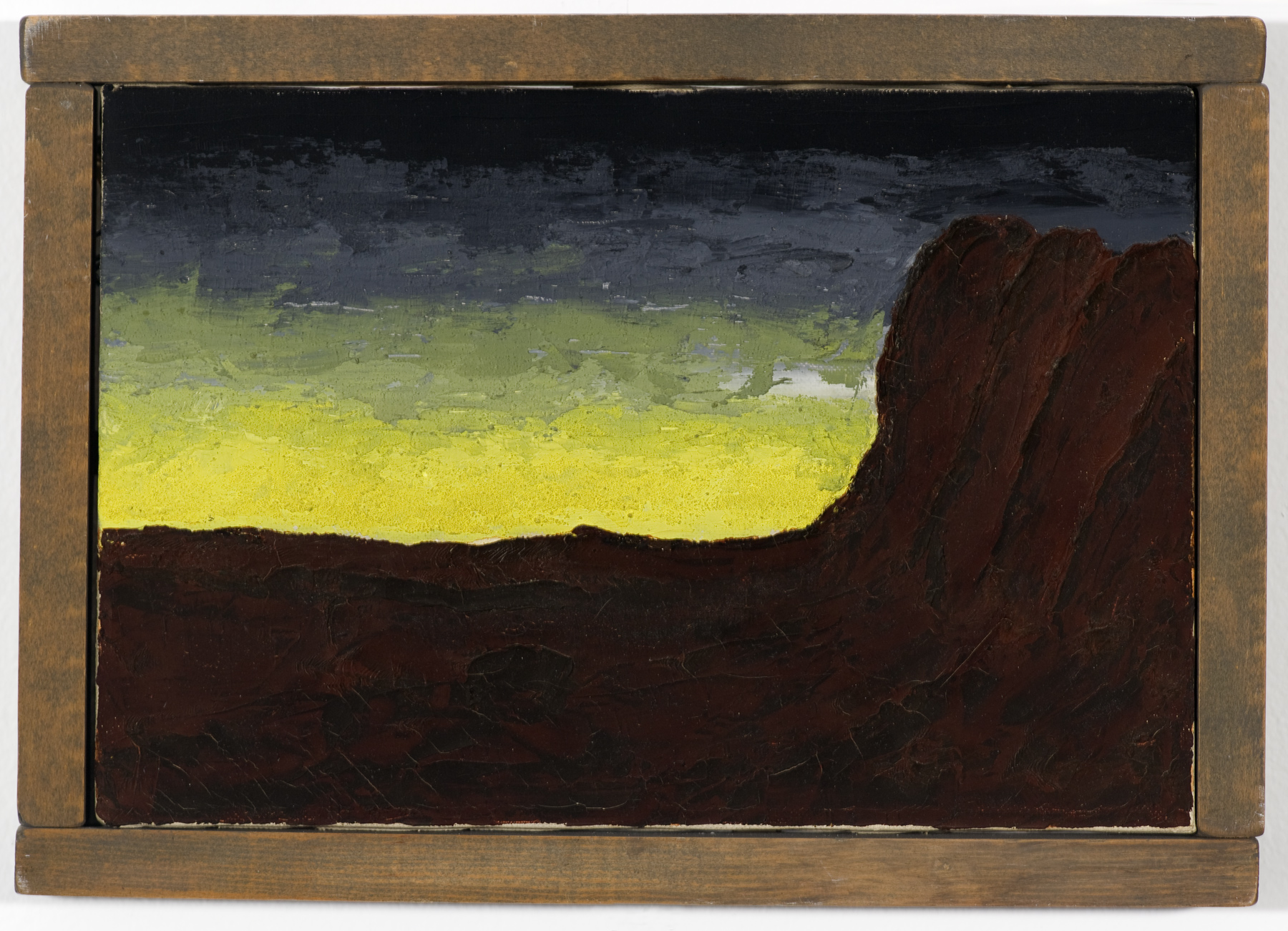
Forrest Bess (October 5, 1911-November 10, 1977) was an American painter and eccentric visionary. He was discovered and promoted by the art dealer Betty Parsons. Throughout his career, Bess admired the work of Albert Pinkham Ryder and Arthur Dove, but the best of his paintings stand alone as truly original works of art. …
He worked as a commercial fisherman, but painted in his spare time. He experienced visions or dreams, which he set down in his paintings. It was during this time he began to exhibit his works, earning one-person shows at museums in San Antonio and Houston. During his most creative period, 1949 through 1967, Betty Parsons arranged six solo exhibitions at her New York City gallery.
Bess was never comfortable for very long around other people, although he hosted frequent visitors to his home and studio at Chinquapin: artists, reporters, and some patrons made the trip to the spit of land on which Bess’s shack stood. He did forge lasting relationships with a few friends and neighbours, and maintained years-long friendships and correspondence with Meyer Schapiro and with Betty Parsons. But ultimately Bess preferred solitude, and his prolific activities as an artist, highlighted by limited notoriety and success, alternated with longs spells of loneliness, depression, and an ever-increasing obsession with his own anatomical manifesto.
In the 1950s, he also began a lifelong correspondence with art professor and author Meyer Schapiro and sexologist John Money. In these and other letters (which were donated to the Smithsonian Archives of American Art), Bess makes it clear that his paintings were only part of a grander theory, based on alchemy, the philosophy of Carl Jung, and the rituals of Australian aborigines, which proposed that becoming a hermaphrodite was the key to immortality. He was never able to win any converts to his theories or validation from the many doctors and psychologists with whom he corresponded. In his own home town of Bay City, he was considered something of a small-town eccentric.
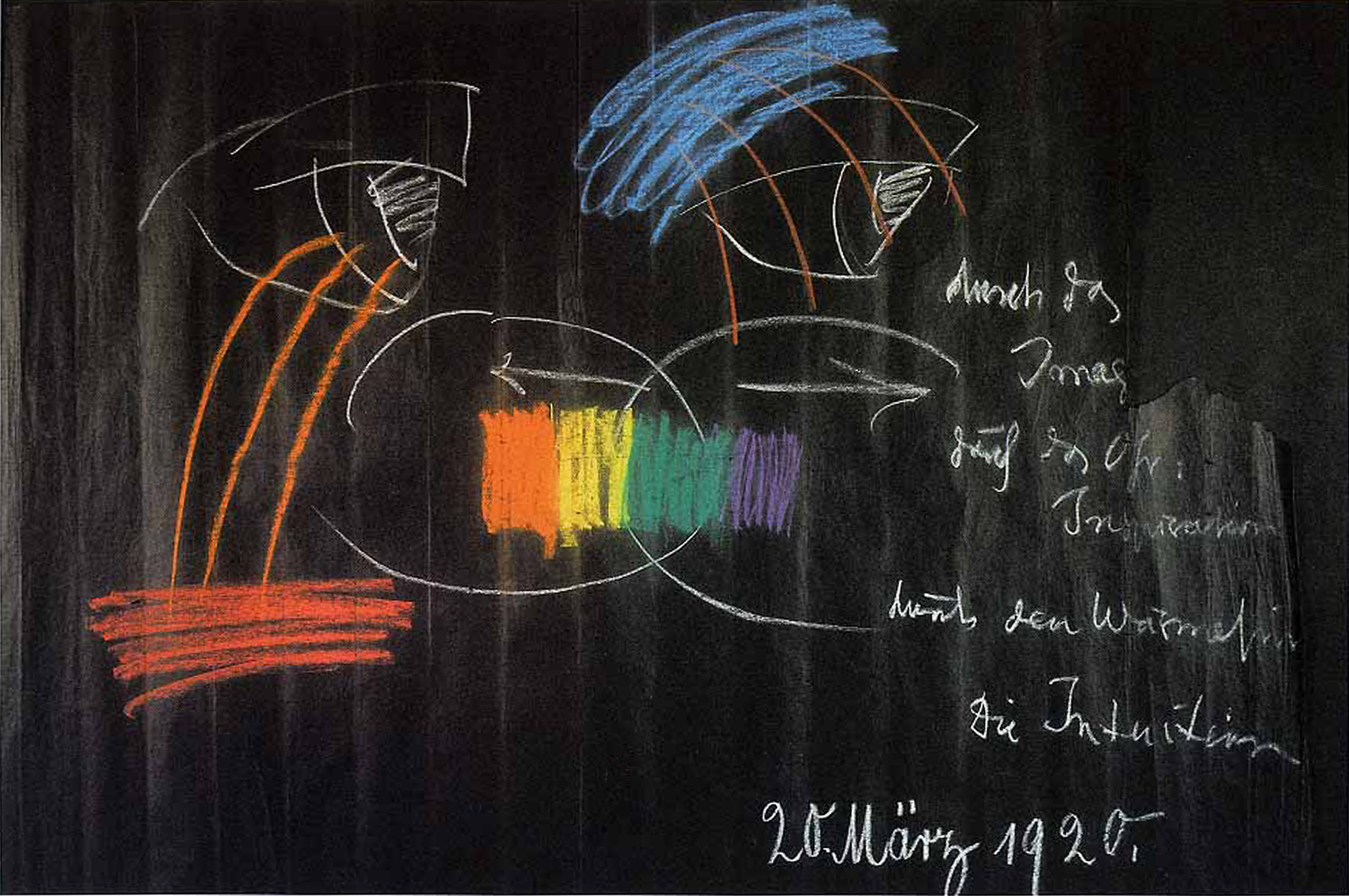
Rudolf Steiner (Austrian, 1861-1925) Untitled (Blackboard drawing from a lecture held by Rudolf Steiner on 20. 03. 1920) 1920 Chalk on paper 87 x 124cm Rudolf Steiner Archiv, Dornach
Rudolf Steiner (Austrian, 1861-1925)
Rudolf Joseph Lorenz Steiner (27 (or 25) February 1861-30 March 1925) was an Austrian philosopher, social reformer, architect and esotericist. Steiner gained initial recognition at the end of the nineteenth century as a literary critic and published philosophical works including The Philosophy of Freedom. At the beginning of the twentieth century he founded an esoteric spiritual movement, anthroposophy, with roots in German idealist philosophy and theosophy; other influences include Goethean science and Rosicrucianism.
In the first, more philosophically oriented phase of this movement, Steiner attempted to find a synthesis between science and spirituality. His philosophical work of these years, which he termed “spiritual science”, sought to apply the clarity of thinking characteristic of Western philosophy to spiritual questions, differentiating this approach from what he considered to be vaguer approaches to mysticism. In a second phase, beginning around 1907, he began working collaboratively in a variety of artistic media, including drama, the movement arts (developing a new artistic form, eurythmy) and architecture, culminating in the building of the Goetheanum, a cultural centre to house all the arts. In the third phase of his work, beginning after World War I, Steiner worked to establish various practical endeavours, including Waldorf education, biodynamic agriculture, and anthroposophical medicine.
Steiner advocated a form of ethical individualism, to which he later brought a more explicitly spiritual approach. He based his epistemology on Johann Wolfgang Goethe’s world view, in which “Thinking… is no more and no less an organ of perception than the eye or ear. Just as the eye perceives colours and the ear sounds, so thinking perceives ideas.” A consistent thread that runs from his earliest philosophical phase through his later spiritual orientation is the goal of demonstrating that there are no essential limits to human knowledge.
The blackboard drawings are the instructions of a new design language that the artist wants to develop. Steiner believes in the development of a supersensible consciousness, a big change for the future of humanity. He gives many lectures in which he details his research on the concept of transmission and its influence on the social. Whether true or not, artists such as Piet Mondrian, Wassily Kandinsky and others are interested in the complex graphics of Steiner and his research. Mondrian will even write: “Art is a way of development of mankind.”
Anonymous text from the Culture Box website translated from French [Online] Cited 17/10/2018. No longer available online
Adaptive images from the exhibition Black Light: Secret traditions in art since the 1950s at the Centre de Cultura Contemporania de Barcelona
Centre de Cultura Contemporania de Barcelona Montalegre, 5 – 08001 Barcelona Phone: 93 306 41 00
Curator: Peter Barberie, The Brodsky Curator of Photographs, Alfred Stieglitz Center
Arnold Newman (American, 1918-2006) Isamu Noguchi c. 1941-1945 Gelatin silver print Image: 7 7/16 × 9 1/2 inches Sheet: 7 15/16 × 10 inches Mount (primary): 9 × 11 inches Mount (secondary): 16 15/16 × 13 7/8 inches Philadelphia Museum of Art: Gift of R. Sturgis and Marion B. F. Ingersoll, 1945
Arnold Newman (American, 1918-2006)
Isamu Noguchi (野口 勇 Noguchi Isamu, November 17, 1904-December 30, 1988) was a Japanese American artist and landscape architect whose artistic career spanned six decades, from the 1920s onward. Known for his sculpture and public works, Noguchi also designed stage sets for various Martha Graham productions, and several mass-produced lamps and furniture pieces, some of which are still manufactured and sold.
In 1947, Noguchi began a collaboration with the Herman Miller company, when he joined with George Nelson, Paul László and Charles Eames to produce a catalog containing what is often considered to be the most influential body of modern furniture ever produced, including the iconic Noguchi table which remains in production today. His work lives on around the world and at the Noguchi Museum in New York City. …
Upon his return to New York, Noguchi took a new studio in Greenwich Village. Throughout the 1940s, Noguchi’s sculpture drew from the ongoing surrealist movement; these works include not only various mixed-media constructions and landscape reliefs, but lunars – self-illuminating reliefs – and a series of biomorphic sculptures made of interlocking slabs. The most famous of these assembled-slab works, Kouros, was first shown in a September 1946 exhibition, helping to cement his place in the New York art scene.
No much to see here. A couple of interesting images but other than that the images are stylised and static, offering little insight into the “public personas of their creative subjects.” I have added biographical information to the posting to add some context to the photographs.
Dr Marcus Bunyan
Many thankx to the Philadelphia Museum of Art for allowing me to publish the photographs in the posting. Please click on the photographs for a larger version of the image.
Billie Holiday with her pit bull. Jacob Lawrence in his Coast Guard uniform. Georgia O’Keeffe with her Model A Ford. See how photographers helped craft the public personas of their creative subjects in this stunning collection of rare photographs from the Museum’s collection. The exhibition features works by Dorothy Norman, Man Ray, Richard Avedon, Alice O’Malley, and many others who captured some of the most fascinating artists and performers of the past 150 years.
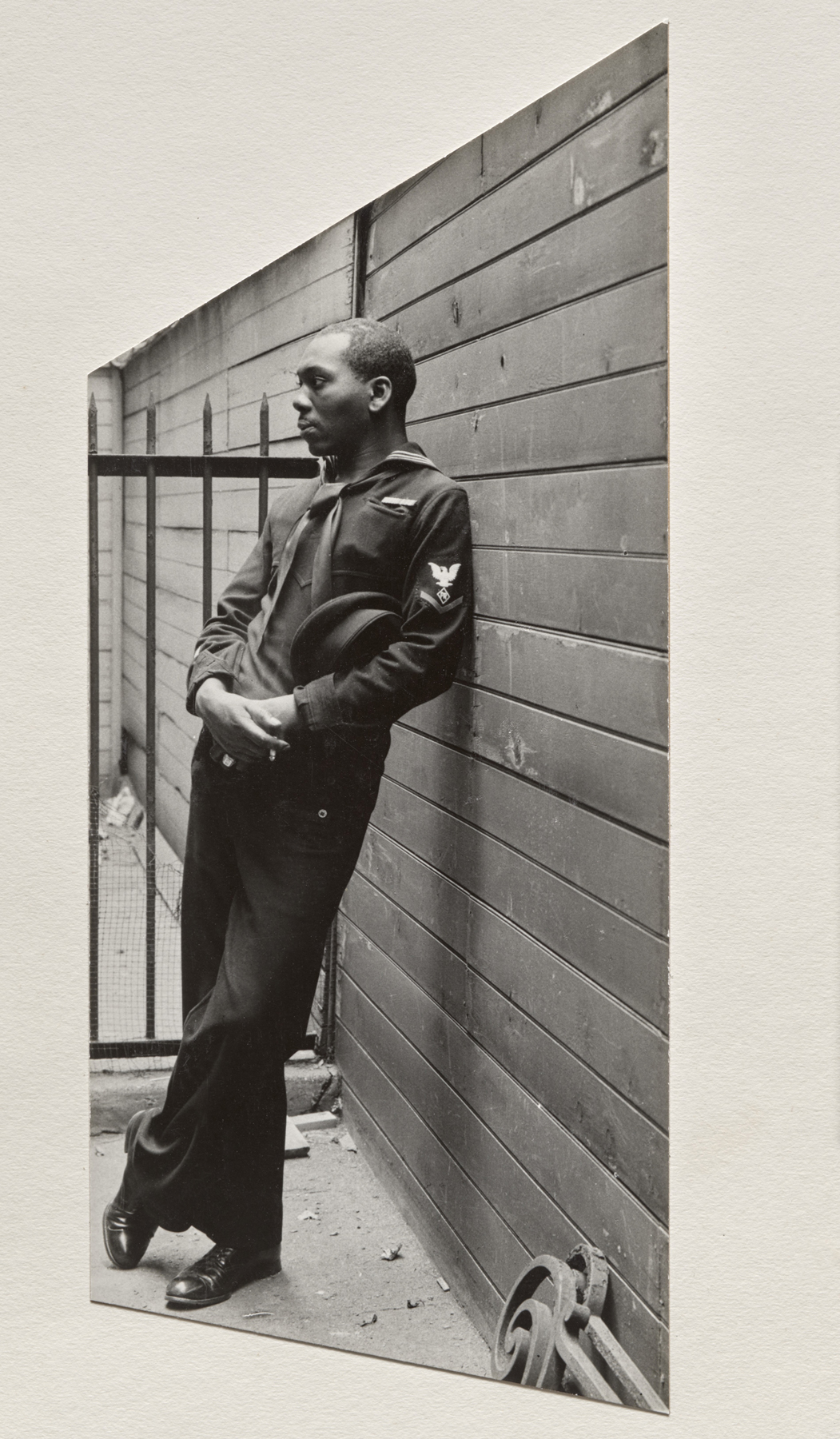
Arnold Newman (American, 1918-2006) Jacob Lawrence 1944 Gelatin silver print Image and sheet: 9 1/2 × 4 inches Sheet: 16 9/16 × 13 11/16 inches Philadelphia Museum of Art: Gift of R. Sturgis and Marion B. F. Ingersoll, 1945
Jacob Lawrence (American, 1917-2000)
Jacob Lawrence (September 7, 1917 – June 9, 2000) was an African-American painter known for his portrayal of African-American life. As well as a painter, storyteller, and interpreter, he was an educator. Lawrence referred to his style as “dynamic cubism”, though by his own account the primary influence was not so much French art as the shapes and colours of Harlem. He brought the African-American experience to life using blacks and browns juxtaposed with vivid colours. He also taught and spent 15 years as a professor at the University of Washington.
Lawrence is among the best-known 20th-century African-American painters. He was 25 years old when he gained national recognition with his 60-panel Migration Series, painted on cardboard. The series depicted the Great Migration of African-Americans from the rural South to the urban North. A part of this series was featured in a 1941 issue of Fortune. The collection is now held by two museums: the odd-numbered paintings are on exhibit in the Phillips Collection in Washington, D.C., and the even-numbered are on display at MoMA in New York. Lawrence’s works are in the permanent collections of numerous museums, including the Philadelphia Museum of Art, the Museum of Modern Art, the Whitney Museum, the Phillips Collection, Metropolitan Museum of Art, the Brooklyn Museum, and Reynolda House Museum of American Art. He is widely known for his modernist illustrations of everyday life as well as epic narratives of African American history and historical figures
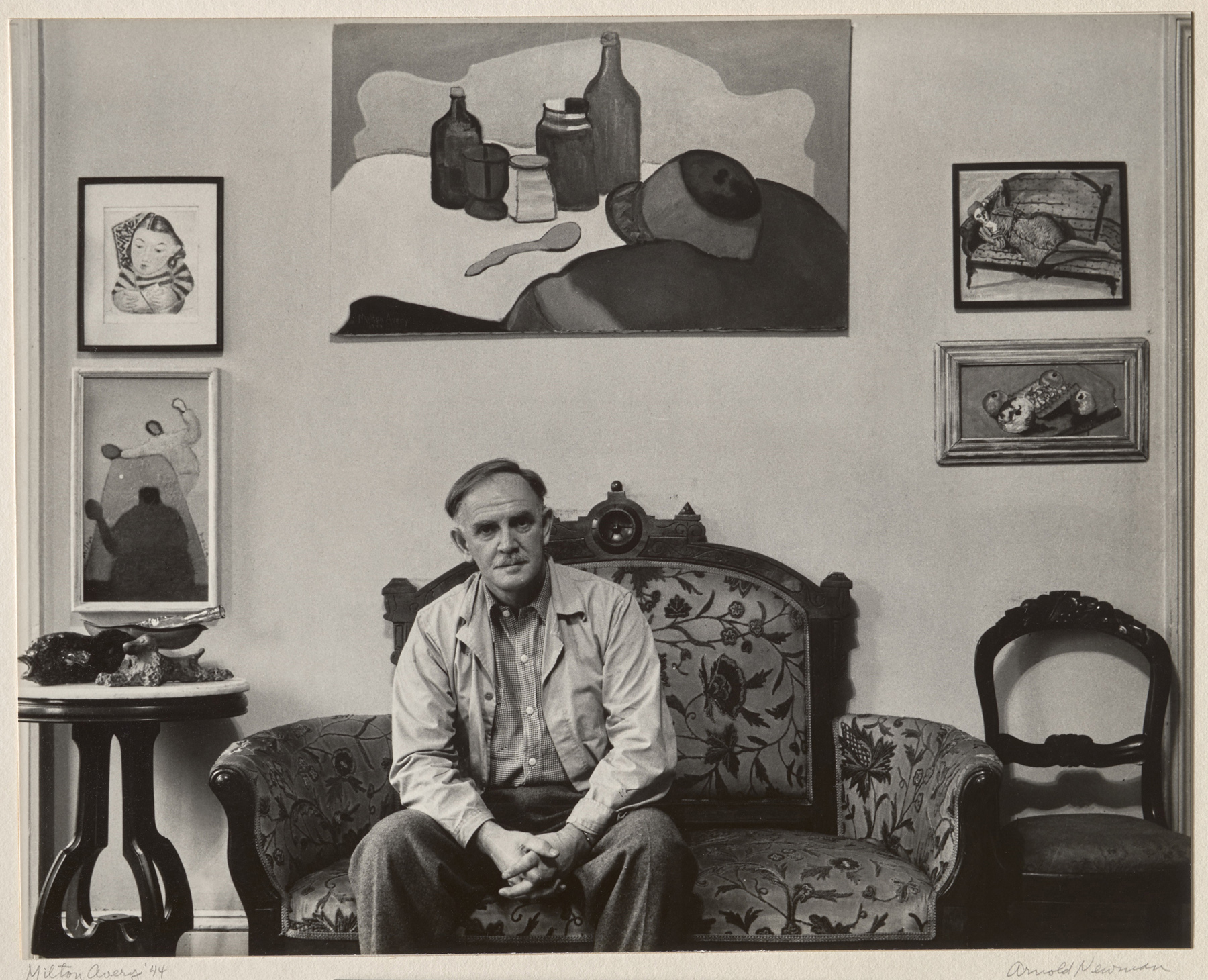
Arnold Newman (American, 1918-2006) Milton Avery 1944 Gelatin silver print Image and sheet: 7 11/16 × 9 11/16 inches Mount: 16 15/16 × 14 inches Philadelphia Museum of Art: Gift of R. Sturgis and Marion B. F. Ingersoll, 1945
Milton Avery (American, 1885-1865)
Milton Clark Avery (March 7, 1885 – January 3, 1965) was an American modern painter. Born in Altmar, New York, he moved to Connecticut in 1898 and later to New York City. According to painter Mark Rothko,
“What was Avery’s repertoire? His living room, Central Park, his wife Sally, his daughter March, the beaches and mountains where they summered; cows, fish heads, the flight of birds; his friends and whatever world strayed through his studio: a domestic, unheroic cast. But from these there have been fashioned great canvases, that far from the casual and transitory implications of the subjects, have always a gripping lyricism, and often achieve the permanence and monumentality of Egypt.”
Art critic Hilton Kramer said, “He was, without question, our greatest colourist… Among his European contemporaries, only Matisse – to whose art he owed much, of course – produced a greater achievement in this respect.”
Arnold Abner Newman (3 March 1918 – June 6, 2006) was an American photographer, noted for his “environmental portraits” of artists and politicians. He was also known for his carefully composed abstract still life images. …
Newman found his vision in the empathy he felt for artists and their work. Although he photographed many personalities – Marlene Dietrich, John F. Kennedy, Harry S. Truman, Piet Mondrian, Pablo Picasso, Arthur Miller, Marilyn Monroe, Ronald Reagan, Mickey Mantle, and Audrey Hepburn – he maintained that even if the subject is not known, or is already forgotten, the photograph itself must still excite and interest the viewer.
Newman is often credited with being the first photographer to use so-called environmental portraiture, in which the photographer places the subject in a carefully controlled setting to capture the essence of the individual’s life and work. Newman normally captured his subjects in their most familiar surroundings with representative visual elements showing their professions and personalities. A musician for instance might be photographed in their recording studio or on stage, a Senator or other politician in their office or a representative building. Using a large-format camera and tripod, he worked to record every detail of a scene.
“I didn’t just want to make a photograph with some things in the background,” Newman told American Photo magazine in an interview. “The surroundings had to add to the composition and the understanding of the person. No matter who the subject was, it had to be an interesting photograph. Just to simply do a portrait of a famous person doesn’t mean a thing.”
This summer, the Philadelphia Museum of Art presents a unique selection of photographic portraits of artists, from the French painter Henri Matisse to American writer Eudora Welty and the great jazz singer Ella Fitzgerald as well as many other figures in the world of the visual, literary, performing arts. Ranging in date from the late nineteenth century to the present, the compelling images in Face to Face reveal the expressive ways in which artists have used photography not only to portray their subjects but also to promote or shape their own celebrity. Many of the photographs in this exhibition represent artists whose work can be seen in Modern Times: American Art 1910-1950, on view concurrently at the Museum. Among these are portraits of Berenice Abbott, George Biddle, Arthur B. Carles, Jacob Lawrence, Georgia O’Keeffe, and Alfred Stieglitz.
Of special note are several groups of pictures of artists, such as Marcel Duchamp, Thomas Eakins, Frida Kahlo, O’Keeffe and Stieglitz, who skilfully crafted their public personae through photography. Stieglitz and O’Keeffe realised the power of photographs to shape their public reputation, and over time were the subjects of many portraits. By contrast, most of the images of Kahlo in the Museum’s collection are from a single session with her art dealer and friend Julien Levy, who produced what appears to be a collaborative and intimate exploration of her artistic identity. Another photograph from this same session, recently discovered, shows Levy’s future wife, Muriel Streeter, wearing some of Kahlo’s clothes, adding another dimension to this intriguing series.
Consisting of over one hundred works, the exhibition is centred around two groups of portraits by Arnold Newman and Carl Van Vechten that are foundational to the Museum’s photography collection. Newman’s portraits were featured in the Museum’s inaugural photography exhibition in 1945, titled Artists Look Like This. Among the subjects depicted are such well-known figures as cartoonist Saul Steinberg and painter Piet Mondrian, as well as illustrator Peggy Bacon and painter Robert Gwathmey. The sitters captured by Van Vechten – a novelist and artistic patron who photographed those he knew well – include Ella Fitzgerald and Zora Neale Hurston, Bessie Smith and Ethel Waters. Writer James Baldwin, sculptor Richmond Barthé and painter Aaron Douglas are also highlights of this group.
Peter Barberie, The Brodsky Curator of Photographs, Alfred Stieglitz Center, said: “We are delighted to share these portraits of some of the most creative people of the past century and to take this opportunity to explore an important aspect of our collection.”
Press release from the Philadelphia Museum of Art website
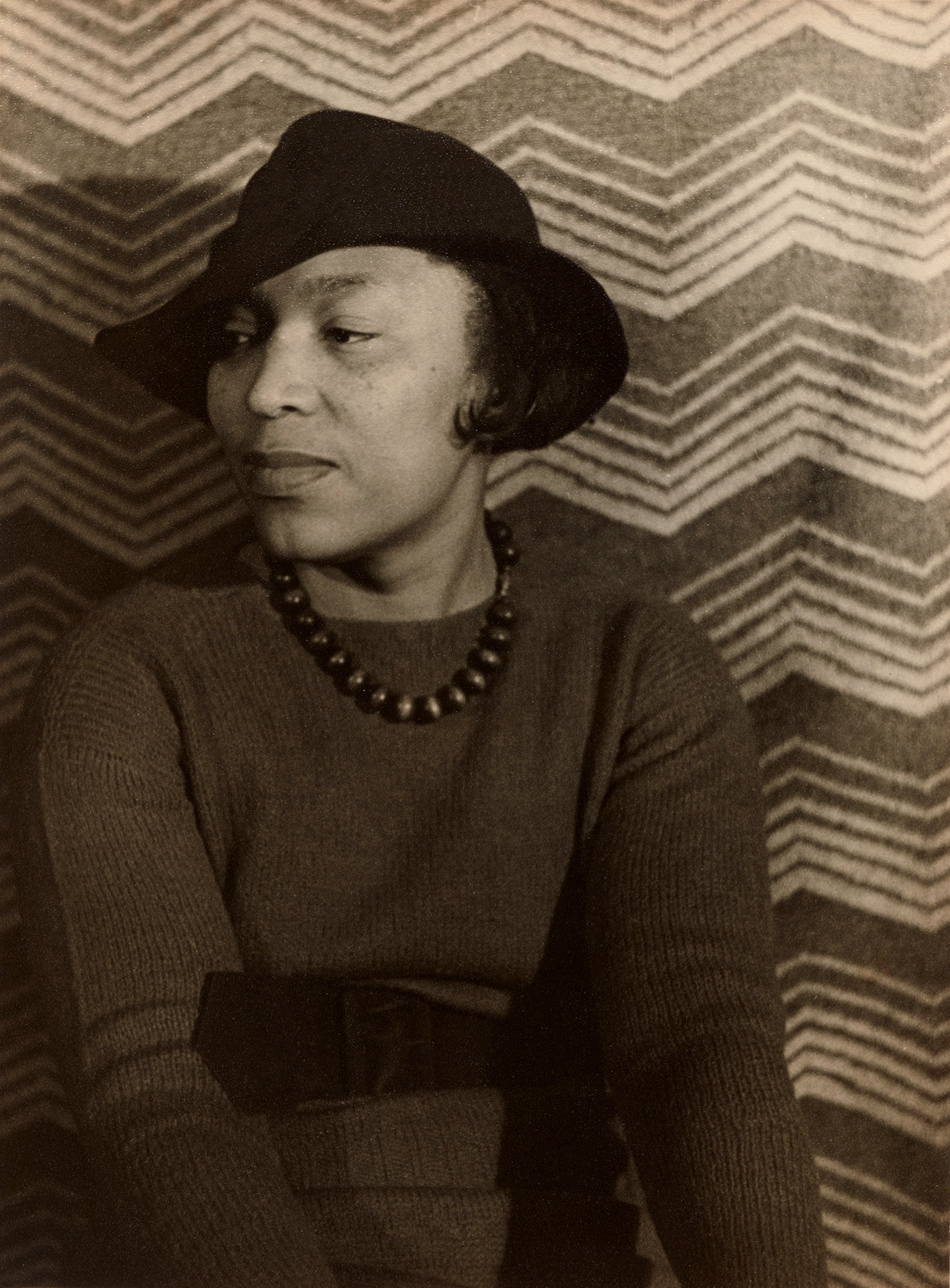
Carl Van Vechten (American, 1880-1964) Zora Neale Hurston April 3, 1935 Gelatin silver print Image and sheet: 9 5/8 × 7 1/8 inches Philadelphia Museum of Art: Gift of John Mark Lutz, 1965
Zora Neale Hurston (American, 1891-1960)
Zora Neale Hurston (January 7, 1891 – January 28, 1960) was an influential author of African-American literature and anthropologist, who portrayed racial struggles in the early 20th century American South, and published research on Haitian voodoo. Of Hurston’s four novels and more than 50 published short stories, plays, and essays, her most popular is the 1937 novel Their Eyes Were Watching God.
Hurston was born in Notasulga, Alabama, and moved to Eatonville, Florida, with her family in 1894. Eatonville would become the setting for many of her stories and is now the site of the Zora! Festival, held each year in Hurston’s honour. In her early career, Hurston conducted anthropological and ethnographic research while attending Barnard College. While in New York she became a central figure of the Harlem Renaissance. Her short satires, drawing from the African-American experience and racial division, were published in anthologies such as The New Negro and Fire!! After moving back to Florida, Hurston published her literary anthropology on African-American folklore in North Florida, Mules and Men (1935) and her first three novels: Jonah’s Gourd Vine (1934); Their Eyes Were Watching God (1937); and Moses, Man of the Mountain (1939). Also published during this time was Tell My Horse: Voodoo and Life in Haiti and Jamaica (1938), documenting her research on rituals in Jamaica and Haiti.
Hurston’s works touched on the African-American experience and her struggles as an African-American woman. Her novels went relatively unrecognised by the literary world for decades, but interest revived after author Alice Walker published “In Search of Zora Neale Hurston” in the March 1975 issue of Ms. Magazine. Hurston’s manuscript Every Tongue Got to Confess (2001), a collection of folktales gathered in the 1920s, was published posthumously after being discovered in the Smithsonian archives. Her nonfiction book Barracoon was published posthumously in 2018.
Carl Van Vechten (American, 1880-1964) Ella Fitzgerald January 19, 1940 Gelatin silver print Image and sheet: 9 15/16 × 7 15/16 inches Philadelphia Museum of Art: Gift of John Mark Lutz, 1965
Carl Van Vechten (American, 1880-1964)
Carl Van Vechten (June 17, 1880 – December 21, 1964) was an American writer and artistic photographer who was a patron of the Harlem Renaissance and the literary executor of Gertrude Stein. He gained fame as a writer, and notoriety as well, for his novel Nigger Heaven. In his later years, he took up photography and took many portraits of notable people. Although he was married to women for most of his adult life, Van Vechten engaged in numerous homosexual affairs over his lifetime.
By the start of the 1930s and at age 50, Van Vechten was finished with writing and took up photography, using his apartment at 150 West 55th Street as a studio, where he photographed many notable persons.
Alfred Stieglitz (American, 1864-1946) Georgia O’Keeffe – After Return from New Mexico 1929 Gelatin silver print Image/Sheet/Mount: 3 1/16 × 4 11/16 inches Mount (secondary): 13 1/2 × 10 11/16 inches 125th Anniversary Acquisition The Alfred Stieglitz Collection, purchased with the gift (by exchange) of Dr. and Mrs. Paul Todd Makler, the Lynne and Harold Honickman Fund for Photography, the Alice Newton Osborn Fund, and the Lola Downin Peck Fund, with funds contributed by Mr. and Mrs. John J. F. Sherrerd, Lynne and Harold Honickman, John J. Medveckis, and M. Todd Cooke, and gift of The Georgia O’Keeffe Foundation, 1997
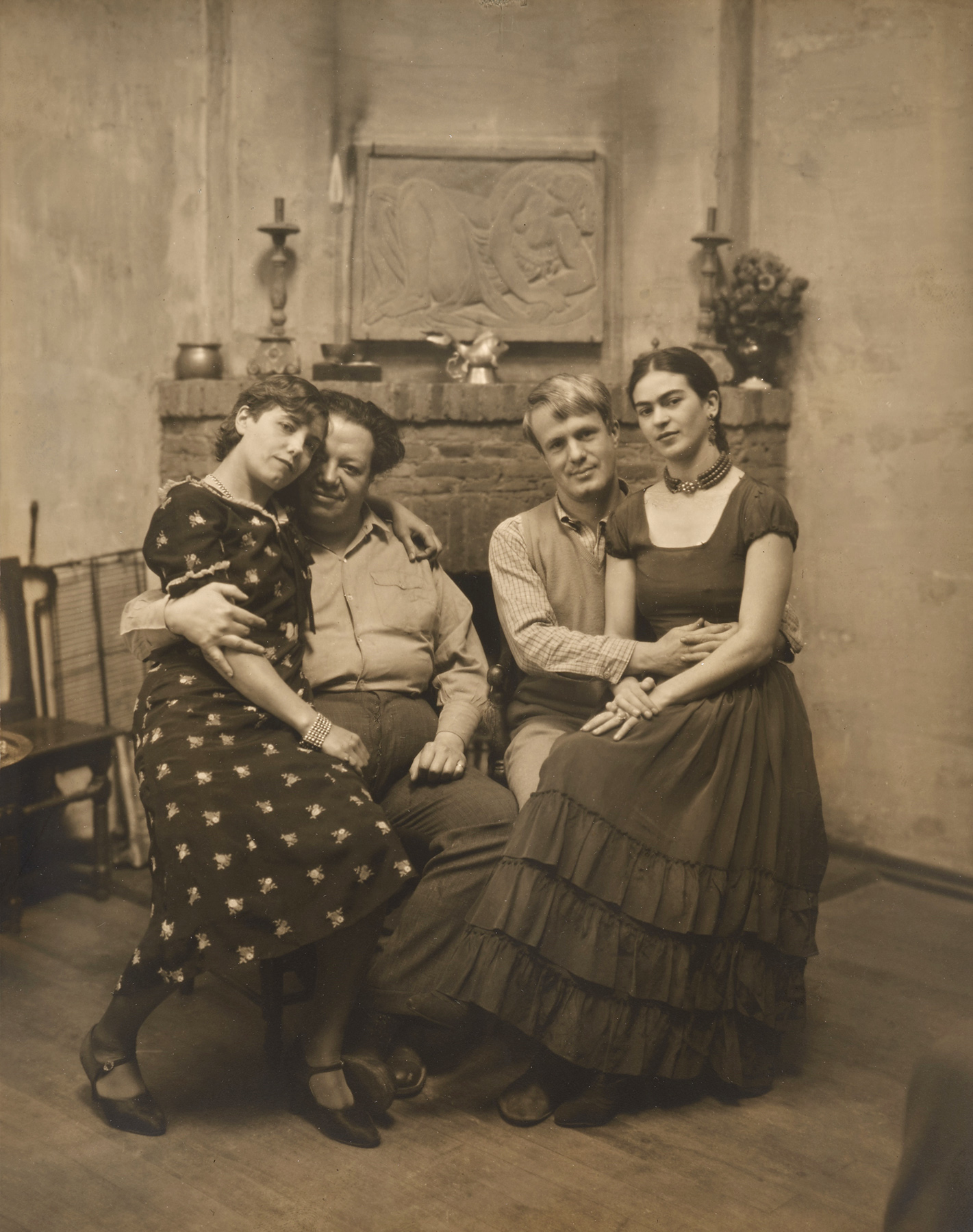
Peter A. Juley & Son (American) Diego Rivera and Frida Kahlo with Lucile and Arnold Blanch at Coyoacán c. 1930 Gelatin silver print Image and sheet: 9 1/2 x 7 1/2 inches Philadelphia Museum of Art: Gift of Carl Zigrosser, 1975
Peter A. Juley & Son collection at The Smithsonian
The Juleys photographed the work of turn-of-the-century painters such as Childe Hassam, Thomas Eakins, and Albert Pinkham Ryder; ash can school artists such as Robert Henri and John Sloan; the avant-garde group associated with Alfred Stieglitz; regionalists of the 1930 and 1940s such as Thomas Hart Benton and Grant Wood; abstract expressionists such as Hans Hoffman and Robert Motherwell; and sculptors such as Daniel Chester French and William Zorach.
The Juley collection also holds some 4,700 photographic portraits of artists. These images capture some of the best-known artists of the twentieth century, including Thomas Hart Benton, Alexander Calder, Stuart Davis, Edward Hopper, Frida Kahlo, Jacob Lawrence, Barnett Newman, Diego Rivera, and Grant Wood. Many of the portraits depict artists at work in their studios or at home with their families and offer glimpses into the artistic and social climate of the period.
Group photography by the Juley firm records the histories of the National Academy of Design and Art Students League and documents important summer art colonies at Provincetown, Massachusetts; Woodstock, New York; Old Lyme, Connecticut; and Ogunquit, Maine. In addition to the negatives produced by the Juley’s, the firm also acquired valuable negatives from other fine arts photographers, including Myra Albert, A. B. Bogart, George C. Cox, Walter Russell, A. E. Sproul, and De Witt Ward, to broaden its holdings.
George Biddle (January 24, 1885 – November 6, 1973) was an American painter, muralist and lithographer, best known for his social realism and combat art. A childhood friend of President Franklin D. Roosevelt, he played a major role in establishing the Federal Art Project (1935-1943), which employed artists under the Works Progress Administration. …
Some factors that contributed to Biddle’s artwork are the many art movements that he was involved in. Biddle was involved in “French Impressionism; the American Ashcan School; the School of Paris and Cubism during those early and exciting days when it first exploded on the world; Regionalism, the Mexican Mural Movement, and the New Deal Subsidy of Art”. He also was involved in the “post war currents of contemporary art”. Many of his works of art were contemporary. Another factor that contributed to Biddle’s artwork were his friendships with many great “painters, sculptors, and critics of the past generation and his life-long activity in behalf of fellow artists”. He borrowed many of the other artists’ styles and turned them into his own by using different techniques and images to get a different effect. Biddle believed that everyone’s life should be influenced by every “fact with which one comes in contact, until one ceases to grow or is, actually dead”. This is the reason why Biddle became such a successful American artist; he had his own style, and expressed real actual events.
Irving Penn (American, 1917-2009) Elsa Schiaparelli 1948 (negative), c. 1948 (print) Gelatin silver print Image and sheet: 10 1/8 × 8 1/8 inches Philadelphia Museum of Art: Gift of the artist, 2005
Elsa Schiaparelli (Italian, 1890-1873)
Elsa Schiaparelli (1890-1973) was an Italian fashion designer. Along with Coco Chanel, her greatest rival, she is regarded as one of the most prominent figures in fashion between the two World Wars. Starting with knitwear, Schiaparelli’s designs were heavily influenced by Surrealists like her collaborators Salvador Dalí and Jean Cocteau. Her clients included the heiress Daisy Fellowes and actress Mae West. Schiaparelli did not adapt to the changes in fashion following World War II and her couture house closed in 1954.
Sonia Katchian (American born Lebanon, b. 1947) Muhammed Ali 1974 Gelatin silver print Image: 11 7/8 x 8 inches Sheet: 13 15/16 x 11 inches Philadelphia Museum of Art: 125th Anniversary Acquisition. The Lynne and Harold Honickman Gift of the Julien Levy Collection, 2001
Sonia Katchian immigrated to the U.S. from Beirut, Lebanon, where she was born to Armenian parents. She is a Barnard College graduate. A New Yorker for 23 years, she was the first woman photographer hired by The N.Y. Post, was affiliated with Black Star photo agency, and was a founding member of the Soho Photo Gallery. She worked for W. Eugene Smith. In 1982 she established Photo Shuttle: Japan, moving her photo business to Tokyo, where she shuttled between NY and Tokyo for 12 years. She is currently based outside Chapel Hill, NC, where she produces fine-art portfolios, consults and shoots documentary and commercial projects – both still and video.
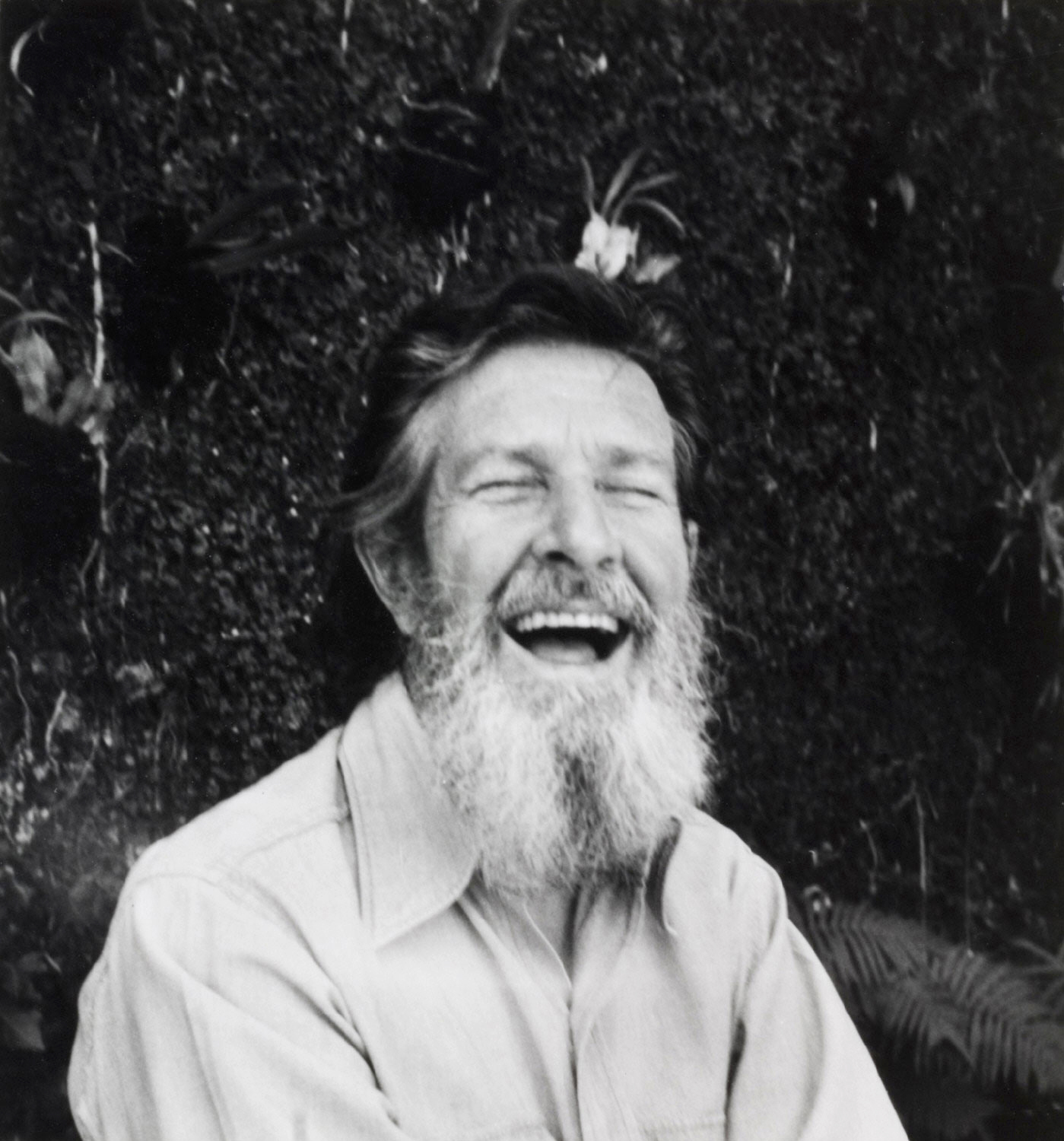
Dorothy Norman (American, 1905-1997) John Cage 1970s Gelatin silver print 2 15/16 × 2 3/4 inches (7.4 × 7cm) Philadelphia Museum of Art From the Collection of Dorothy Norman, 1984
Dorothy Norman (American, 1905-1997)
Dorothy Norman (28 March 1905 – 12 April 1997) was an American photographer, writer, editor, arts patron and advocate for social change. …
Norman never worked as a professional photographer, instead capturing images of friends, loved ones and prominent figures in the arts and in politics. People she photographed include Jawaharlal Nehru, Indira Gandhi, Thomas Mann (with his wife Katia, or Katy), John Cage, Marcel Duchamp, Bernard Berenson, Albert Einstein, Theodore Dreiser, Elia Kazan, Lewis Mumford and Sherwood Anderson. She also photographed special sites, special trees, special harbours, special churches and buildings. She detailed the interior of An American Place, Stieglitz’s last gallery. She created an extended portrait study of Stieglitz (he returned the favour by creating a similar study of Norman).
Norman’s photographic work is noted for its clarity of vision, masterful mix of light and shading, and professional-quality printing techniques. Norman chose provocative aphorisms by contemporary and historical writers, male and female, and from various cultures, to accompany the thematic groups of photographs in sections of MoMA’s world-touring exhibition The Family of Man for its curator Edward Steichen, a long-term associate of Alfred Stieglitz.
John Milton Cage Jr. (September 5, 1912 – August 12, 1992) was an American composer and music theorist. A pioneer of indeterminacy in music, electroacoustic music, and non-standard use of musical instruments, Cage was one of the leading figures of the post-war avant-garde. Critics have lauded him as one of the most influential composers of the 20th century. He was also instrumental in the development of modern dance, mostly through his association with choreographer Merce Cunningham, who was also Cage’s romantic partner for most of their lives.
Cage is perhaps best known for his 1952 composition 4’33”, which is performed in the absence of deliberate sound; musicians who present the work do nothing aside from being present for the duration specified by the title. The content of the composition is not “four minutes and 33 seconds of silence,” as is often assumed, but rather the sounds of the environment heard by the audience during performance. The work’s challenge to assumed definitions about musicianship and musical experience made it a popular and controversial topic both in musicology and the broader aesthetics of art and performance. Cage was also a pioneer of the prepared piano (a piano with its sound altered by objects placed between or on its strings or hammers), for which he wrote numerous dance-related works and a few concert pieces. The best known of these is Sonatas and Interludes (1946-1948).
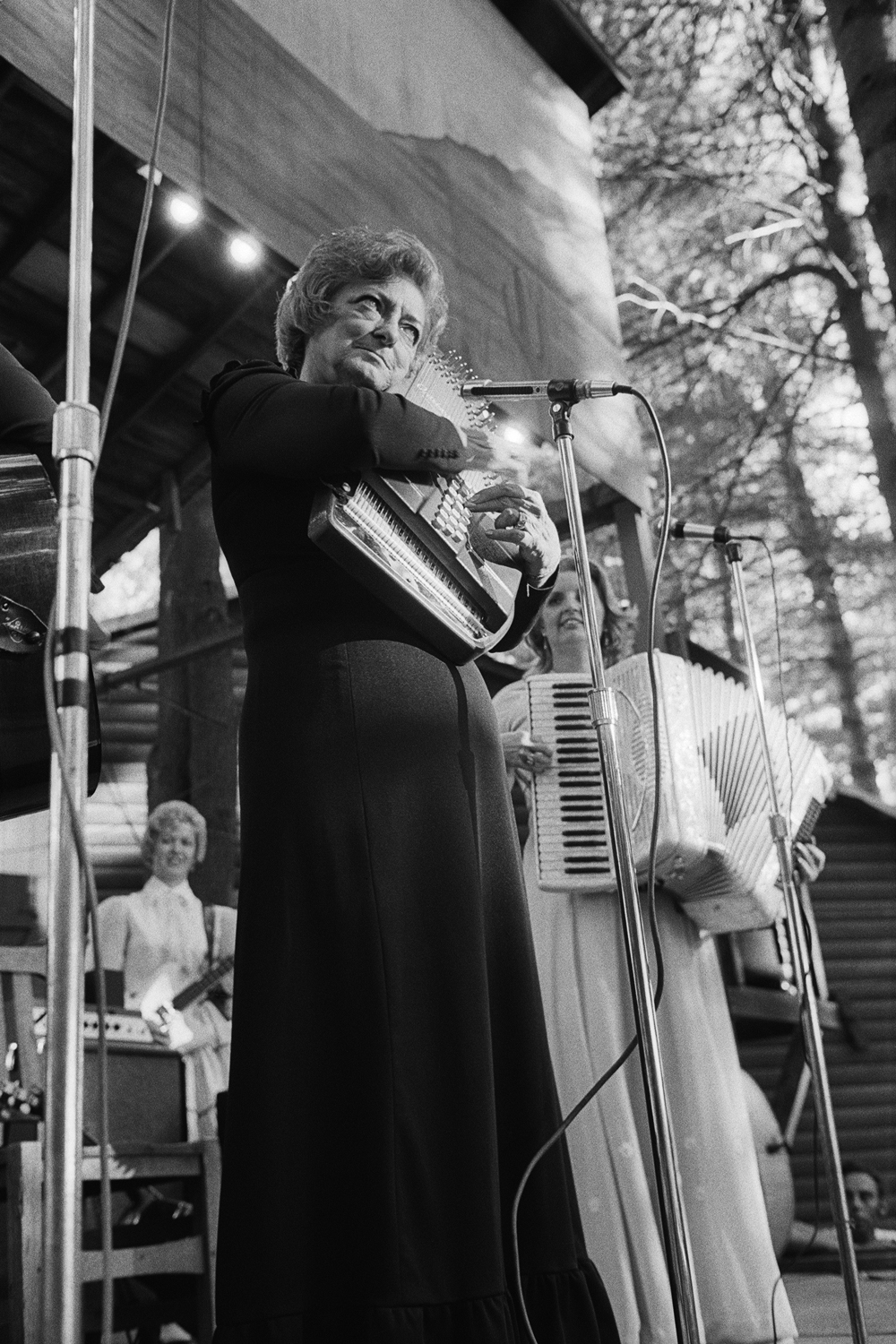
Henry Horenstein (American, b. 1947) Mother Maybelle Carter, Lone Star Ranch, Reeds Ferry, NH 1973 Gelatin silver print 9 × 5 15/16 inches (22.9 × 15.1cm) Philadelphia Museum of Art Purchased with funds contributed in memory of Judith Taylor, 2013
Henry Horenstein (born 1947, New Bedford, Massachusetts) is an American artist / photographer. He studied history at the University of Chicago and earned his BFA and MFA at Rhode Island School of Design (RISD), where he is now professor of photography. He has worked as a professional photographer, teacher, and author since the early 1970s. A student of photographers / teachers Harry Callahan, Aaron Siskind, and Minor White, Horenstein is the author of over 30 books, including a series of instructional textbooks that have been used by hundreds of thousands of photography students over the past 40 years.
“Mother” Maybelle Carter (born Maybelle Addington; May 10, 1909 – October 23, 1978) was an American country musician. She is best known as a member of the historic Carter Family act in the 1920s and 1930s and also as a member of Mother Maybelle and the Carter Sisters.
Texts from the Wikipedia website
Philadelphia Museum of Art 26th Street and the Benjamin Franklin Parkway Philadelphia, PA 19130
Curators: Simon Baker, Senior Curator, International Art (Photography) and Shoair Mavlian, Assistant Curator, Tate Modern, with Emmanuelle de l’Ecotais, Curator for Photographs
Pierre Dubreuil (French, 1872-1944) Interpretation Picasso, The Railway 1911 Gelatin silver print on paper 238 x 194mm Centre Pompidou, Paris Musée National d’Art Moderne / Centre de Création Industrielle Purchased, 1987
An interesting premise –
“a premise is an assumption that something is true. In logic, an argument requires a set of (at least) two declarative sentences (or “propositions”) known as the premises or premisses along with another declarative sentence (or “proposition”) known as the conclusion” (Wikipedia)
– that the stories (the declarative sentences) of abstract art and abstract photography are intertwined (the conclusion). The two premises and one conclusion forms the basic argumentative structure of the exhibition.
Unfortunately in this exhibition, the abstract art and abstract photographs (declarations), seem to add up to less than the sum of its parts (conclusion).
Why is this so?
The reason these two bedfellows sit so uncomfortably together is that they are of a completely different order, one to the other.
Take painting for example. There is that ultimate linkage between brain, eye and hand as the artist “reaches out” into the unknown, and conjures an abstract representation from his imagination. This has a quality beyond my recognition. The closest that photography gets to this intuition is the cameraless Photogram, as the artist paints with light, from his imagination, onto the paper surface, the physical presence of the print.
Conversely, we grapple with the dual nature of photography, its relation to reality, to the real, and its interpretation of that reality through a physical, mechanical process – light entering a camera (metal, glass, digital chips, plastic film) to be developed in chemicals or on the computer, stored as a physical piece of paper or in binary code – but then we LOOK and FEEL what else a photograph can be. What it is, and what else it can be.
Initially, to take a photograph is to recognise something physical in the world which can then be abstracted. Here is a tree, a Platonic ideal, now here is the bark of the tree, or cracks in dried mud, or Aaron Siskind’s Pleasures and Terrors of Levitation in which, in our imagination, the body is no longer human. This archaeology of photography is a learnt behaviour (from the world, from abstract paintings) where ones learns to turn over the truth to something else, a recognition of something else. Where one digs a clod of earth, inspects it, and then turns it over to see what else it can be.
We can look at something in the world just for what it is and take a photograph of it, but then we can look at the same object for what else it can be (for example, Man Ray’s image Dust Breeding (1920), which is actually dust motes on the top of Duchamp’s Large Glass). Photographers love these possibilities within the physicality of the medium, its processes and outcomes. Photographers love changing scale, perspective, distortion using their intuition to perhaps uncover spiritual truths. Here I are not talking about making doodles – whoopee look what I can make as a photographer! it’s important because I can do it and show it and I said it’s important because I am an artist! the problem with lots of contemporary photography – it is something entirely different. It is the integrity of the emotional and intellectual process.
Not a reaching out through the arm and hand, but an unearthing (a reaching in?) of the possibilities of what else photography can be (other than a recording process). As Stieglitz understood in his Equivalents, and so Minor White espoused through his art and in one of his three canons:
When the image mirrors the man And the man mirrors the subject Something might take over
And that revelation is something completely different from the revelation of abstract art.
Dr Marcus Bunyan
Many thankx to the Tate Modern for allowing me to publish the art work in the posting. Please click on the photographs for a larger version of the image.
“Despite its roll call of stellar names, the show’s adrenaline soon slumps. A rhythm sets in, as each gallery offers perhaps a single non photographic work and dozens of medium format black and white abstracts arranged on an allied theme: extreme close ups, engineered structures, worms’ and birds’ eye views, moving light, the human body, urban fabric.
Individually each photograph is quite wonderful, but they echo each other so closely in their authors’ attraction to diagonal arrangements, rich surface textures, dramatic shadows, odd perspectives and close cropping, that the same ‘point’ is being made a dozen times with little to distinguish between the variants. …
By the present day, abstract photography has given in to its already Ouroboros-like tendencies, and swallowed itself whole, offering abstract photographs about the process of photography, and the action of light on its materials. This is a gesture I relished in Wolfgang Tillmans’s show in the same space this time last year, when it was broken up by a plethora of other ideas and perspectives on photography. Here it feels like another level of earnest self-absorption with a century-long backstory.”
Hettie Judah. “By halfway round I actually felt faint,” on the iNews website May 5th 2018 [Online] Cited 14/07/2018. No longer available online
For the first time, Tate Modern tells the intertwined stories of photography and abstract art. The birth of abstract art and the invention of photography were both defining moments in modern visual culture, but these two stories are often told separately.
Shape of Light is the first major exhibition to explore the relationship between the two, spanning the century from the 1910s to the present day. It brings to life the innovation and originality of photographers over this period, and shows how they responded and contributed to the development of abstraction.
Key photographs are brought together from pioneers including Man Ray and Alfred Stieglitz, major contemporary artists such as Barbara Kasten and Thomas Ruff, right up to exciting new work by Antony Cairns, Maya Rochat and Daisuke Yokota, made especially for the exhibition.
Shape of Light | First Look
Tate Curator, Simon Baker, meets Caroline von Courten from leading photography Magazine, Foam. Together they explore the exhibition Shape of Light: 100 Years of Photography and Abstract Art at Tate Modern.
Exhibition Review – Shape of Light: 100 years of Photography and Abstract Art at Tate Modern
Percy Wyndham Lewis (18 November 1882 – 7 March 1957) was a British writer, painter, and critic. He was a co-founder of the Vorticist movement in art and edited BLAST, the literary magazine of the Vorticists.
His novels include Tarr (1918) and The Human Age trilogy, composed of The Childermass (1928), Monstre Gai (1955) and Malign Fiesta (1955). A fourth volume, titled The Trial of Man, was unfinished at the time of his death. He also wrote two autobiographical volumes: Blasting and Bombardiering (1937) and Rude Assignment: A Narrative of my Career Up-to-Date (1950).
László Moholy-Nagy (Hungarian, 1895-1946) K VII 1922 Oil paint and graphite on canvas Frame: 1308 x 1512 x 80mm Tate Purchased 1961
The ‘K’ in the title of K VII stands for the German word Konstruktion (‘construction’), and the painting’s ordered, geometrical forms are typical of Moholy-Nagy’s technocratic Utopianism. The year after it was painted, he was appointed to teach the one year-preliminary course at the recently founded Bauhaus in Weimar. Moholy-Nagy’s appointment signalled a major shift in the school’s philosophy away from its earlier crafts ethos towards a closer alignment with the demands of modern industry, and a programme of simple design and unadorned functionalism.
László Moholy-Nagy (Hungarian, 1895-1946) Photogram c. 1925 Gelatin silver print on paper Photo: Jack Kirkland Collection, Nottingham
Wassily Kandinsky (Russian, 1866-1944) Swinging 1925 Oil paint on board 705 x 502mm Tate
Edward Steichen (American, 1879-1973) Bird in Space (L’Oiseau dans l’espace) 1926 Gelatin silver print on paper 253 x 202mm Bequest of Constantin Brancusi, 1957 Centre Pompidou, Paris Musée National d’Art Moderne / Centre de Création Industrielle
Luigi Veronesi (Italian, 1908-1998) Construction 1938 Gelatin silver print on paper 286 x 388mm Tate Accepted under the Cultural Gifts Scheme by HM Government from Massimo Prelz Oltramonti and allocated to Tate 2015
Luigi Veronesi (Italian, 1908-1998) Photo n.145 1940, printed 1970s Gelatin silver print on paper 310 x 280mm Tate Accepted under the Cultural Gifts Scheme by HM Government from Massimo Prelz Oltramonti and allocated to Tate 2015
Luigi Veronesi (Italian, 1908-1998) Photo n.152 1940, printed 1970s Gelatin silver print on paper 320 x 298mm Tate Accepted under the Cultural Gifts Scheme by HM Government from Massimo Prelz Oltramonti and allocated to Tate 2015
A major new exhibition at Tate Modern will reveal the intertwined stories of photography and abstract art. Shape of Light: 100 Years of Photography and Abstract Art will be the first show of this scale to explore photography in relation to the development of abstraction, from the early experiments of the 1910s to the digital innovations of the 21st century. Featuring over 300 works by more than 100 artists, the exhibition will explore the history of abstract photography side-by-side with iconic paintings and sculptures.
Shape of Light will place moments of radical innovation in photography within the wider context of abstract art, such as Alvin Langdon Coburn’s pioneering ‘vortographs’ from 1917. This relationship between media will be explored through the juxtaposition of works by painters and photographers, such as cubist works by George Braque and Pierre Dubreuil or the abstract expressionism of Jackson Pollock and Otto Steinert’s ‘luminograms’. Abstractions from the human body associated with surrealism will include André Kertesz’s Distorsions, Imogen Cunningham’s Triangles and Bill Brandt’s Baie des Anges, Frances 1958, exhibited together with a major painting by Joan Miró. Elsewhere the focus will be on artists whose practice spans diverse media, such as László Moholy-Nagy and Man Ray.
The exhibition will also acknowledge the impact of MoMA’s landmark photography exhibition of 1960, The Sense of Abstraction. Installation photographs of this pioneering show will be displayed with some of the works originally featured in the exhibition, including important works by Edward Weston, Aaron Siskind and a series by Man Ray that has not been exhibited since the MoMA show, 58 years ago.
The connections between breakthroughs in photography and new techniques in painting will be examined, with rooms devoted to Op Art and Kinetic Art from the 1960s, featuring striking paintings by Bridget Riley and installations of key photographic works from the era by artists including Floris Neussis and Gottfried Jaeger. Rooms will also be dedicated to the minimal and conceptual practices of the 1970s and 80s. The exhibition will culminate in a series of new works by contemporary artists, Tony Cairns, Maya Rochat and Daisuke Yokota, exploring photography and abstraction today.
Shape of Light is curated by Simon Baker, Senior Curator, International Art (Photography) and Shoair Mavlian, Assistant Curator, Tate Modern, with Emmanuelle de l’Ecotais, Curator for Photographs, Musée d’Art Moderne de la Ville de Paris. The exhibition will be accompanied by a fully illustrated catalogue from Tate Publishing and a programme of talks and events in the gallery.
Press release from Tate Modern
Otto Steinert (German, 1915-1978) Composition of Forms 1949 Gelatin silver print on paper 290 x 227mm Jack Kirkland Collection, Nottingham
Untitled c.1950s is a black and white photograph by the French photographer Guy Bourdin. The entirety of the frame is taken up by a close-up of peeling paint. The paint sections fragment the image into uneven geometric shapes, which are interrupted by a strip of the dark surface beneath that winds from the top to the bottom of the frame. There is little sense of scale or contextual detail, resulting in a near-abstract composition.
Bourdin is best known for his experimental colour fashion photography produced while working for French Vogue between 1955 and 1977. This photograph belongs to an earlier period of experimentation, before he began to use colour and work in fashion. Taken outside the studio, it shows Bourdin’s sensitivity to the natural world and his attempt to transform the everyday into abstract compositions, bridging the gap between surrealism and subjective photography. Bourdin’s early work was heavily influenced by surrealism, as well as by pioneers of photography as a fine art such as Edward Weston, Paul Strand and Bill Brandt. His surrealist aesthetic can be attributed to his close relationship with Man Ray, who wrote the foreword to the catalogue for Bourdin’s first solo exhibition of black and white photographs at Galerie 29, Paris, in 1952.
This and other early works in Tate’s collection (such as Untitled (Sotteville, Normandy) c. 1950s, Tate P81205, and Solange 1957, Tate P81216) are typical of Subjektive Fotografie (‘subjective photography’), a tendency in the medium in the late 1940s and early 1950s. Led by the German photographer and teacher Otto Steinert, who organised three exhibitions under the title Subjektive Fotografie in 1951, 1954 and 1958, the movement advocated artistic self-expression – in the form of the artist’s creative approach to composition, processing and developing – above factual representation. Subjektive Fotografie’s emphasis on, and encouragement of, individual perspectives invited both the photographer and the viewer to interpret and reflect on the world through images. Bourdin’s interest in this can be seen in his early use of texture and abstraction, evident in close-up studies of cracked paint peeling off an external wall or a piece of torn fabric. These still lives were often dark in subject matter and tone, highlighting Bourdin’s interest in surrealist compositions and the intersection between death and sexuality. The works made use of the photographer’s urban environment, with deep black and high contrast printing techniques employed to create a sombre mood.
This approach was also important for Bourdin’s early portraiture, which anticipated his subsequent work in fashion. The subject of his portraits – often Solange Gèze, to whom the artist was married from 1961 until her death in 1971 – is usually framed subtly, rarely appearing in the centre or as the main focus of the image. In these works the figure is secondary, showing how Bourdin let the natural or urban environment frame the subject and integrate the body into its immediate surroundings. Bourdin was meticulous about the creative process from start to finish, sketching out images on paper and then recreating them in the landscape, using the natural environment as a stage set for his work.
The Jazzmen is a section of what Jacques Villeglé termed affiches lacérées, posters torn down from the walls of Paris. These particular ones were taken on 10 December 1961. Following his established practice, Villeglé removed the section from a billboard and, having mounted it on canvas, presented it as a work of art. In ‘Des Réalités collectives’ of 1958 (‘Collective Realities’, reprinted in 1960: Les Nouveaux Réalistes, pp. 259-60) he acknowledged that he occasionally tore the surface of the posters himself, although he subsequently restricted interventions to repairs during the mounting process. The large blue and green advertisements for Radinola (at the top right and lower left) provide the main visible surface for The Jazzmen. These establish a compositional unity for the accumulated layers. Overlaid are fragmentary music posters and fly-posters, some dated to September 1961, including the images of the red guitarists that lend the work its title. The artist’s records give the source as rue de Tolbiac, a thoroughfare in the 13th arrondissement in south-east Paris. Villeglé usually uses the street as his title, but has suggested (interview with the author, February 2000) that the title The Jazzmen may have been invented for the work’s inclusion in the exhibition L’Art du jazz (Musée Galliera, Paris 1967).
Villeglé worked together with Raymond Hains (b. 1926) in presenting torn posters as works of art. They collaborated on such works as Ach Alma Manetro, 1949 (Musée nationale d’art moderne, Centre Georges Pompidou, Paris), in which typography dominates the composition. They first showed their affiches lacérées in May 1957 at the Galerie Colette Allendy, Paris, in a joint exhibition named Loi du 29 juillet 1881 ou le lyrisme à la sauvette (The Law of 29 July 1881 or Lyricism through Salvage) in reference to the law forbidding fly-posting. Villeglé sees a social complexity in the developments in the style, typography and subject of the source posters. He also considers the processes of the overlaying and the pealing of the posters by passers-by to be a manifestation of a liberated art of the street. Both aspects are implicitly political. As Villeglé points out, anonymity differentiates the torn posters from the collages of the Cubists or of the German artist Kurt Schwitters. In ‘Des Réalités collectives’ Villeglé wrote: ‘To collages, which originate in the interplay of many possible attitudes, the affiches lacérées, as a spontaneous manifestation, oppose their immediate vivacity’. He saw the results as extending the conceptual basis of Marcel Duchamp’s readymades, whereby an object selected by an artist is declared as art. However, this reduction of the artist’s traditional role brought an end to Villeglé’s collaboration with Hains, who held more orthodox views of creative invention.
In 1960 Villeglé, Hains and François Dufrêne (1930-1982), who also used torn posters, joined the Nouveaux Réalistes group gathered by the critic Pierre Restany (b.1930). Distinguished by the use of very disparate materials and techniques, the Nouveaux Réalistes – who also included Arman (b.1928), Yves Klein (1928-1962) and Jean Tinguely (1925-1991) – were united by what Villeglé has called their ‘distance from the act of painting’ as characterised by the dominant abstraction of the period (interview February 2000). In this way, Klein’s monochrome paintings (see Tate T01513) and Villeglé’s affiches lacérées (lacerated posters) conform to the group’s joint declaration of 27 October 1960: ‘The Nouveaux Réalistes have become aware of their collective singularity. Nouveau Réalisme = new perceptual approaches to reality.’ The Jazzmen, of the following year, embodies Villeglé’s understanding of his ‘singularity’ as a conduit for anonymous public expression.
Process is at the core of Yokota’s photographs. For his black-and-white work, such as the series Linger or Site/Cloud, Yokota sifts through an archive of more than 10 years of photographs in his Tokyo apartment. When he finds something that speaks to him – a nude figure, a chair, a building, a grove of trees – he makes a digital image of it, develops it, and rephotographs the image up to 15 times, until it becomes increasingly degraded. He develops the film in ways that are intentionally “incorrect,” allowing light to leak in, or singeing the negatives, using boiling water, or acetic acid. The purported subject fades, and shadows, textures, spots and other sorts of visual noise emerge. For his recent colour work, trippy, sensual abstractions, the process is similar, except that it is cameraless; he doesn’t start with a preexisting image. “I wanted to focus on the emulsion, on the different textures, more than on a subject being photographed,” says Yokota.
IN THE STUDIO Daisuke Yokota By Jean Dykstra
November – December 2015. No longer available online
Curator: Jeff L. Rosenheim, Joyce Frank Menschel Curator in Charge of the Department of Photographs at The Met
Unknown American photographer Studio Portrait 1940s-1950s Gelatin silver print The Metropolitan Museum of Art, New York, Twentieth-Century Photography Fund, 2015, 2017 Image courtesy The Metropolitan Museum of Art
“To the eye and spirit, pictures are just what poetry and music are to the ear and heart.”
“With the clear perception of things as they are, must stand the faithful rendering of things as they seem. The dead fact is nothing without the living expression.”
Frederick Douglass. “Pictures and Progress”
“True art, when it happens to us, challenges the ‘I’ that we are.”
Jeanette Winterson. “Art Objects,” in Art Objects: Essays on Ecstasy and Effrontery, 1996
Without worry … here ‘I am’
Part 2 of this glorious posting: mainly 1940s, African American “studio” portrait photography. Lets see what we can garner about these “studio” spaces by looking at the photographs. View Part 1 of the posting.
Firstly, they are very small, usually with bare floorboards, carpet or linoleum on the floor. Some (such as the photography of the man holding his child) are literally just big enough to pose and light the subject. As can be seen in the photograph of the lady holding a large handbag, the painted backdrops can be changed in and out, in this instance the scrim placed in front of another painted background. Notice also the worn lino in this photograph, where so many people have walked in an posed in this studio, in this very spot. Historically, painted backdrops have been used since the earliest days of photography, appearing in ambrotypes and tintypes of American Civil War soldiers. It would not surprise me is some of the studios from that time were still going in the 1940s.
Secondly, we can observe the lighting and depth of field. The lighting seems to be either by one or two lights (probably not moved between clients) that sit on axis, meaning there is a horizontal line between the light, the camera and the subject – a nearly horizontal light source. The depth of field is low, the camera probably pre-focused on the table, chair or pedestal within the studio space. Because of the small studio space, the subject placed up tight against the painted backdrop, and the low depth of field… there is a consequent flattening of the subject within the image plane. The photographs are either full figure standing, sitting or cropped closer at the waist.
While the idyllic painted backdrops add context to these studio portraits, it is the pose of the sitters that is so mesmerising in the photographs. These people were living in anxious, dangerous times – the Second World War, the Cold War, and the ever present racism against African Americans were some of the issues that they had to deal with – and yet they pose quite confidently for the camera, seemingly with no hidden agenda or deception. They are choosing to pose for their own reasons. As Jeff Rosenheim, the Met’s photography curator observes, “In these pictures, we see them in reflection of where they are and what their conditions are.”
I think there are a few things happening at once here. These studios give the impression that they are really joyous places. Is it the staff, or the need to document an important occasion like the birth of a child, a marriage, a graduation, or sisters, or is it something more intangible? The studios seem a great place to be. There is this JOY that seems to radiate off of the sitters and then there is a pride that is not referencing being accepted in a white community, but has layers of self containment / their own self, their friends, and something else.
“You live the life you’ve got.” So says a character from one of my favourite British TV series Vera. And that is what these photographs picture – the life they are living, the life they have got. In these photographs there is a direct vision, direct seeing… and looking, which is what makes them so powerful and effective. Unlike contemporary popular portraits, blasted over the airwaves on Instagram, Snapchat, Facebook, etc. there is a direct connection to the lives of these people. While they lived in anxious times, their representation by the camera is clear and focused. Today our anxiety is more prescient, more at the forefront of out consciousness, our identity formation, the way we interact with the world. Who is looking and who is watching, and what is our image. Selfies on sticks or images in front of mirrors step to the front.
When looking at these photographs I have to ask, is there something here that is gone? Something we can remember yet has been sneakily stolen from us?
In contemporary portrait photography what has been stolen from us is the sense of joy, happiness, and intimacy in our own self, and how devolved we have become from the essence of our own being. The “dead pan” looks on people’s faces, the anxiety to get the right shot, the hands in the air with mobile phones to capture anything that is seen as worthwhile (just because you can) has become ubiquitous the world over. We have gone through a recent period of devolution and may need to regain lost ground, for what makes these photographs special – magical in the truest sense sense of the word – is that they just are. No ego from subject or photographer, no prejudice encroaching from the outside world, these people and their photographic trace just capture the essence of their being. Without worry… here ‘I am’.
Dr Marcus Bunyan
Many thankx to the Metropolitan Museum of Art for allowing me to publish the photographs in the posting. Please click on the photographs for a larger version of the image.
This exhibition will present more than one hundred and fifty studio portraits of African Americans from the mid-twentieth century, part of an important recent acquisition by The Met. Produced by mostly unidentified makers, the photographs are a poignant, collective self portrait of the African American experience during the 1940s and 1950s – a time of war, middle-class growth, and seismic cultural change.
Charles “Teenie” Harris (American, 1908-1998) John Davis after being beaten by police officer Dan McTague, in his home at 1303 Wylie Avenue, Hill District, August 1951 1951 Gelatin silver print
Charles “Teenie” Harris (American, 1908-1998) Mary Reid holding threatening notes with swastikas and American Nazi Party propaganda, in July 1964 1964 Gelatin silver print
Unknown American photographer Studio Portrait 1940s-1950s Gelatin silver print The Metropolitan Museum of Art, New York, Twentieth-Century Photography Fund, 2015, 2017 Image courtesy The Metropolitan Museum of Art
African American Portraits: Photographs from the 1940s and 1950s, on view June 26 through October 8, 2018,will present more than 150 studio portraits from the mid-20th century. The exhibition offers a seldom seen view of the African American experience in the United States during World War II and the following decade – a time of war, middle-class growth, and seismic cultural change. Part of an important acquisition made by The Met in 2015 and 2017, these photographs build on and expand the Museum’s strong holdings in portraiture from the beginning of photography in the 1840s to the present. The exhibition is made possible by the Alfred Stieglitz Society.
The portraits on view generally feature sitters in a frontal pose against a painted backdrop – soldiers and sailors model their uniforms, graduates wear their caps and gowns, lovers embrace, and new parents cradle their infants. Both photographers and subjects remain mostly unidentified.
In the wartime economy, photographic studios became hubs of activity for local and regional communities. Some studios were small and transient, others more established and identifiable, such as the Daisy Studio in Memphis, Tennessee. Using waterproof direct positive paper rather than film, the studios were able to offer their clientele high quality, inexpensive portraits in a matter of minutes. The poignancy of these small photographs lies in the essential respect the camera offers its subjects, who sit for their portraits as an act of self-expression.
African American Portraits: Photographs from the 1940s and 1950s is organised by Jeff L. Rosenheim, Joyce Frank Menschel Curator in Charge of the Department of Photographs at The Met.
Press release from the Metropolitan Museum of Art
SAME STUDIO AND PERSON
Unknown American photographer Studio Portrait 1940s-1950s Gelatin silver print The Metropolitan Museum of Art, New York, Twentieth-Century Photography Fund, 2015, 2017 Image courtesy The Metropolitan Museum of Art
SAME STUDIO, SAME AND DIFFERENT BACKDROPS
You can tell by the legs of the seat.
Unknown American photographer Studio Portrait 1940s-1950s Gelatin silver print The Metropolitan Museum of Art, New York, Twentieth-Century Photography Fund, 2015, 2017 Image courtesy The Metropolitan Museum of Art
SAME STUDIO DIFFERENT BACKDROP
You can tell by the curtain at right, and the pedestal.
Unknown American photographer Studio Portrait 1940s-1950s Gelatin silver print The Metropolitan Museum of Art, New York, Twentieth-Century Photography Fund, 2015, 2017 Image courtesy The Metropolitan Museum of Art
Unknown American photographer Studio Portrait 1940s-1950s Gelatin silver print with hand colouring The Metropolitan Museum of Art, New York, Twentieth-Century Photography Fund, 2015, 2017 Image courtesy The Metropolitan Museum of Art
SAME STUDIO DIFFERENT BACKDROP
You can tell by the style of the painting, the positioning of the flowers, and the decoration on the carpet of the stairs.
Unknown American photographer Studio Portrait 1940s-1950s Gelatin silver print The Metropolitan Museum of Art, New York, Twentieth-Century Photography Fund, 2015, 2017 Image courtesy The Metropolitan Museum of Art
Unknown American photographer Studio Portrait 1940s-1950s Gelatin silver print with hand colouring The Metropolitan Museum of Art, New York, Twentieth-Century Photography Fund, 2015, 2017 Image courtesy The Metropolitan Museum of Art
DAISY STUDIO
Daisy Studio (American, active 1940s) Studio Portrait 1940s-1950s Gelatin silver print The Metropolitan Museum of Art, New York, Twentieth-Century Photography Fund, 2015, 2017 Image courtesy The Metropolitan Museum of Art
The Metropolitan Museum of Art 1000 Fifth Avenue at 82nd Street New York, New York 10028-0198 Phone: 212-535-7710
Opening hours: Sunday – Tuesday and Thursday: 10am – 5pm Friday and Saturday: 10am – 9pm Closed Wednesday
Erich Salomon (German, 1886-1944) (Portrait of Madame Vacarescu, Romanian Author and Deputy to the League of Nations, Geneva) 1928 Gelatin silver print 29.7 × 39.7cm (11 11/16 × 15 5/8 in.) The J. Paul Getty Museum, Los Angeles
In 1928, pioneering photojournalist, Erich Salomon photographed global leaders and delegates to a conference at the League for the German picture magazine Berliner Illustrirte Zeitung. In a typically frank image, Salomon has shown Vacarescu with her head thrown back passionately pleading before the international assembly.
Elena Văcărescu or Hélène Vacaresco (September 21, 1864 in Bucharest – February 17, 1947 in Paris) was a Romanian-French aristocrat writer, twice a laureate of the Académie française. Văcărescu was the Substitute Delegate to the League of Nations from 1922 to 1924. She was a permanent delegate from 1925 to 1926. She was again a Substitute Delegate to the League of Nations from 1926 to 1938. She was the only woman to serve with the rank of ambassador (permanent delegate) in the history of the League of Nations.
For such an engaging subject, this presentation looks to be a bit of a lucky dip / ho hum / filler exhibition. You can’t make a definitive judgement from a few media images but looking at the exhibition checklist gives you a good idea of the overall organisation of the exhibition and its content. Even the press release seems unsure of itself, littered as it is with words like posits, probes, perhaps (3 times) and problematic.
Elements such as physiognomy are briefly mentioned (with no mention of its link to eugenics), as is the idea of the mask – but again no mention of how the pose is an affective mask, nor how the mask is linked to the carnivalesque. Or how photographs portray us as we would like to be seen (the ideal self) rather than the real self, and how this incongruence forms part of the formation of our identity as human beings.
The investigation could have been so deep in so many areas (for example the representation of women, children and others in a patriarchal social system through facial expression; the self-portrait as an expression of inner being; the photograph as evidence of the mirror stage of identity formation; and the photographs of “hysterical” women of the Pitié-Salpêtrière Hospital, Paris; and on and on…) but in 45 works, I think not. The subject deserved, even cried out for (as facial expressions go), a fuller, more in depth investigation.
For more reading please see my 2014 text Facile, Facies, Facticity which comments on the state of contemporary portrait photography and offers a possible way forward: a description of the states of the body and the air of the face through a subtle and constant art of the recovering of surfaces.
Dr Marcus Bunyan
Many thanks to the J. Paul Getty Museum for allowing me to publish the photographs in the posting. Please click on the photographs for a larger version of the image.
The human face has been the subject of fascination for photographers since the medium’s inception. This exhibition includes posed portraits, physiognomic studies, anonymous snapshots, and unsuspecting countenances caught by the camera’s eye, offering a close-up look at the range of human stories that facial expressions – and photographs – can tell.
Emmett Leo Kelly (December 9, 1898 – March 28, 1979) was an American circus performer, who created the memorable clown figure “Weary Willie”, based on the hobos of the Depression era.
Kelly began his career as a trapeze artist. By 1923, Emmett Kelly was working his trapeze act with John Robinson’s circus when he met and married Eva Moore, another circus trapeze artist. They later performed together as the “Aerial Kellys” with Emmett still performing occasionally as a whiteface clown.
He started working as a clown full-time in 1931, and it was only after years of attempting to persuade the management that he was able to switch from a white face clown to the hobo clown that he had sketched ten years earlier while working as a cartoonist.
“Weary Willie” was a tragic figure: a clown, who could usually be seen sweeping up the circus rings after the other performers. He tried but failed to sweep up the pool of light of a spotlight. His routine was revolutionary at the time: traditionally, clowns wore white face and performed slapstick stunts intended to make people laugh. Kelly did perform stunts too – one of his most famous acts was trying to crack a peanut with a sledgehammer – but as a tramp, he also appealed to the sympathy of his audience.
From 1942-1956 Kelly performed with the Ringling Brothers and Barnum & Bailey Circus, where he was a major attraction, though he took the 1956 season off to perform as the mascot for the Brooklyn Dodgers baseball team. He also landed a number of Broadway and film roles, including appearing as himself in his “Willie” persona in Cecil B. DeMille’s The Greatest Show on Earth (1952). He also appeared in the Bertram Mills Circus.
Hill & Adamson (David Octavius Hill, Scottish 1802-1870 and Robert Adamson, Scottish 1821-1848) (Scottish, active 1843-1848) Mrs Grace Ramsay and four unknown women 1843 Salter paper print from Calotype negative 15.2 x 20.3cm (6 x 8 in.) The J. Paul Getty Museum, Los Angeles
Lewis W. Hine (American, 1874-1940) Connecticut Newsgirls c. 1912-1913 Gelatin silver print 11.8 × 16.8cm (4 11/16 × 6 5/8 in.) The J. Paul Getty Museum, Los Angeles
Nadar (Gaspard Félix Tournachon) (French, 1820-1910) (Mme Ernestine Nadar) 1880-1883 Albumen silver print Image (irregular): 8.7 × 21cm (3 7/16 × 8 1/4 in.) The J. Paul Getty Museum, Los Angeles
Nadar (Gaspard Félix Tournachon) (French, 1820-1910) (Mme Ernestine Nadar) (detail) 1880-1883 Albumen silver print Image (irregular): 8.7 × 21cm (3 7/16 × 8 1/4 in.) The J. Paul Getty Museum, Los Angeles
Julia Margaret Cameron (British born India, 1815-1879) Ophelia Negative 1875; print, 1900 Carbon print 35.2 x 27.6cm (13 7/8 x 19 7/8 in.) The J. Paul Getty Museum, Los Angeles
Unknown maker (German) Close-up of Open Mouth of Male Student c. 1927 Gelatin silver print 5.7 x 8.4cm (2 1/4 x 3 5/16 in.) The J. Paul Getty Museum, Los Angeles
From Leonardo da Vinci’s Mona Lisa, to Edvard Munch’s The Scream, to Dorothea Lange’s Migrant Mother, the human face has been a crucial, if often enigmatic, element of portraiture. Featuring 45 works drawn from the Museum’s permanent collection, In Focus: Expressions, on view May 22 to October 7, 2018 at the J. Paul Getty Museum, addresses the enduring fascination with the human face and the range of countenances that photographers have captured from the birth of the medium to the present day.
The exhibition begins with the most universal and ubiquitous expression: the smile. Although today it is taken for granted that we should smile when posing for the camera, smiling was not the standard photographic expression until the 1880s with the availability of faster film and hand-held cameras. Smiling subjects began to appear more frequently as the advertising industry also reinforced the image of happy customers to an ever-widening audience who would purchase the products of a growing industrial economy. The smile became “the face of the brand,” gracing magazines, billboards, and today, digital and social platforms.
As is evident in the exhibition, the smile comes in all variations – the genuine, the smirk, the polite, the ironic – expressing a full spectrum of emotions that include benevolence, sarcasm, joy, malice, and sometimes even an intersection of two or more of these. In Milton Rogovin’s (American, 1909-2011) Storefront Churches, Buffalo (1958-1961), the expression of the preacher does not immediately register as a smile because the camera has captured a moment where his features – the opened mouth, exposed teeth, and raised face – could represent a number of activities: he could be in the middle of a song, preaching, or immersed in prayer. His corporeal gestures convey the message of his spirit, imbuing the black-and-white photograph with emotional colour. Like the other works included in this exhibition, this image posits the notion that facial expressions can elicit a myriad of sentiments and denote a range of inner emotions that transcend the capacity of words.
In Focus: Expressions also probes the role of the camera in capturing un-posed moments and expressions that would otherwise go unnoticed. In Alec Soth’s (American, born 1969) Mary, Milwaukee, WI (2014), a fleeting expression of laughter is materialised in such a way – head leaning back, mouth open – that could perhaps be misconstrued as a scream. The photograph provides a frank moment, one that confronts the viewer with its candidness and calls to mind today’s proliferation and brevity of memes, a contemporary, Internet-sustained visual phenomena in which images are deliberately parodied and altered at the same rate as they are spread.
Perhaps equally radical as the introduction of candid photography is the problematic association of photography with facial expression and its adoption of physiognomy, a concept that was introduced in the 19th century. Physiognomy, the study of the link between the face and human psyche, resulted in the belief that different types of people could be classified by their visage. The exhibition includes some of the earliest uses of photography to record facial expression, as in Duchenne de Boulogne’s (French, 1806-1875) Figure 44: The Muscle of Sadness (negative, 1850s). This also resonates in the 20th-century photographs by Walker Evans (American, 1903-1975) of Allie Mae Burroughs, Hale County Alabama (negative 1936) in that the subject’s expression could be deemed as suggestive of the current state of her mind. In this frame (in others she is viewed as smiling) she stares intently at the camera slightly biting her lip, perhaps alluding to uncertainty of what is to come for her and her family.
The subject of facial expression is also resonant with current developments in facial recognition technology. Nancy Burson (American, born 1948) created works such as Androgyny (6 Men + 6 Women) (1982), in which portraits of six men and six women were morphed together to convey the work’s title. Experimental and illustrative of the medium’s technological advancement, Burson’s photograph is pertinent to several features of today’s social media platforms, including the example in which a phone’s front camera scans a user’s face and facial filters are applied upon detection. Today, mobile phones and social media applications even support portrait mode options, offering an apprehension of the human face and highlighting its countenances with exceptional quality.
In addition to photography’s engagement with human expression, In Focus: Expressions examines the literal and figurative concept of the mask. Contrary to a candid photograph, the mask is the face we choose to present to the world. Weegee’s (Arthur Fellig’s) (American, born Austria, 1899-1968) Emmett Kelly, Ringling Brothers and Barnum & Bailey Circus (about 1950) demonstrates this concept, projecting the character of a sad clown in place of his real identity as Emmett Kelly.
The mask also suggests guises, obscurity, and the freedom to pick and create a separate identity. W. Canfield Ave., Detroit (1982) by Nicholas Nixon (American, born 1947) demonstrates this redirection. Aware that he is being photographed, the subject seizes the opportunity to create a hardened expression that conveys him as distant, challenging, and fortified, highlighted by the opposing sentiments of the men who flank him. In return, the audience could be led to believe that this devised pose is a façade behind which a concealed and genuine identity exists.
Press release from the J. Paul Getty Museum
Guillaume-Benjamin Duchenne (French, 1806-1875) Figure 44, The Muscle of Sadness Negative 1854-1856; print 1876 From the book Mecanisme de la Physionomie Humaine ou Analyse Electro-Physiologique de l’Expression des Passions Albumen silver print 11 x 9cm The J. Paul Getty Museum, Los Angeles
Duchenne de Boulogne (French, 1806-1875)
Guillaume-Benjamin-Amand Duchenne (de Boulogne) (September 17, 1806 in Boulogne-sur-Mer – September 15, 1875 in Paris) was a French neurologist who revived Galvani’s research and greatly advanced the science of electrophysiology. The era of modern neurology developed from Duchenne’s understanding of neural pathways and his diagnostic innovations including deep tissue biopsy, nerve conduction tests (NCS), and clinical photography. This extraordinary range of activities (mostly in the Salpêtrière) was achieved against the background of a troubled personal life and a generally indifferent medical and scientific establishment.
Neurology did not exist in France before Duchenne and although many medical historians regard Jean-Martin Charcot as the father of the discipline, Charcot owed much to Duchenne, often acknowledging him as “mon maître en neurologie” (my teacher in neurology). … Duchenne’s monograph, the Mécanisme de la physionomie humaine – also illustrated prominently by his photographs – was the first study on the physiology of emotion and was highly influential on Darwin’s work on human evolution and emotional expression.
In 1835, Duchenne began experimenting with therapeutic “électropuncture” (a technique recently invented by François Magendie and Jean-Baptiste Sarlandière by which electric shock was administered beneath the skin with sharp electrodes to stimulate the muscles). After a brief and unhappy second marriage, Duchenne returned to Paris in 1842 in order to continue his medical research. Here, he did not achieve a senior hospital appointment, but supported himself with a small private medical practice, while daily visiting a number of teaching hospitals, including the Salpêtrière psychiatric centre. He developed a non-invasive technique of muscle stimulation that used faradic shock on the surface of the skin, which he called “électrisation localisée” and he published these experiments in his work, On Localized Electrization and its Application to Pathology and Therapy, first published in 1855. A pictorial supplement to the second edition, Album of Pathological Photographs (Album de Photographies Pathologiques) was published in 1862. A few months later, the first edition of his now much-discussed work, The Mechanism of Human Physiognomy, was published. Were it not for this small, but remarkable, work, his next publication, the result of nearly 20 years of study, Duchenne’s Physiology of Movements, his most important contribution to medical science, might well have gone unnoticed.
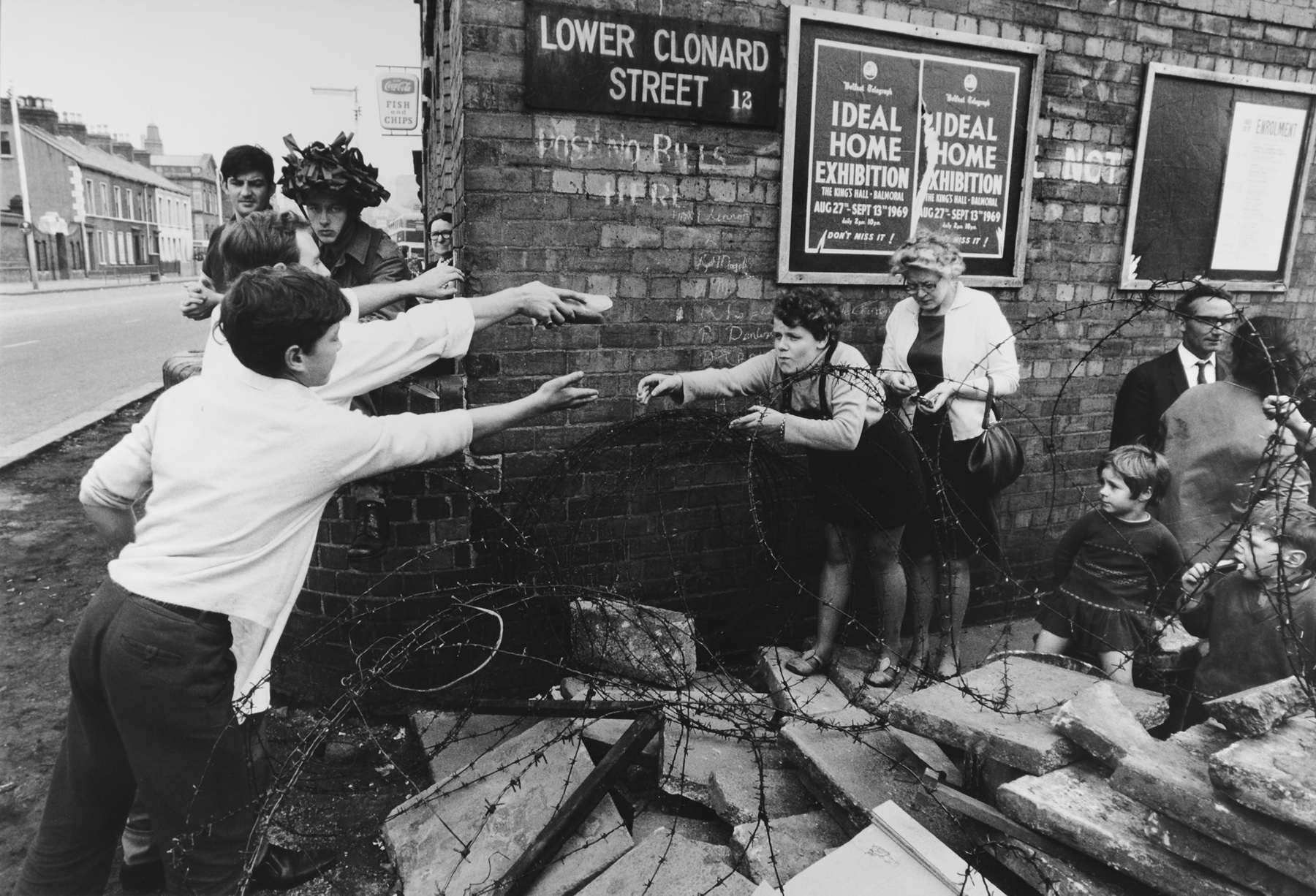
The Mechanism of Human Facial Expression
Influenced by the fashionable beliefs of physiognomy of the 19th century, Duchenne wanted to determine how the muscles in the human face produce facial expressions which he believed to be directly linked to the soul of man. He is known, in particular, for the way he triggered muscular contractions with electrical probes, recording the resulting distorted and often grotesque expressions with the recently invented camera. He published his findings in 1862, together with extraordinary photographs of the induced expressions, in the book Mecanisme de la physionomie Humaine (The Mechanism of Human Facial Expression, also known as The Mechanism of Human Physiognomy).
Duchenne believed that the human face was a kind of map, the features of which could be codified into universal taxonomies of mental states; he was convinced that the expressions of the human face were a gateway to the soul of man. Unlike Lavater and other physiognomists of the era, Duchenne was skeptical of the face’s ability to express moral character; rather he was convinced that it was through a reading of the expressions alone (known as pathognomy) which could reveal an “accurate rendering of the soul’s emotions”. He believed that he could observe and capture an “idealized naturalism” in a similar (and even improved) way to that observed in Greek art. It is these notions that he sought conclusively and scientifically to chart by his experiments and photography and it led to the publishing of The Mechanism of Human Physiognomy in 1862 (also entitled, The Electro-Physiological Analysis of the Expression of the Passions, Applicable to the Practice of the Plastic Arts. in French: Mécanisme de la physionomie humaine, ou Analyse électro-physiologique de l’expression des passions applicable à la pratique des arts plastiques), now generally rendered as The Mechanism of Human Facial Expression. The work compromises a volume of text divided into three parts:
1/ General Considerations, 2/ A Scientific Section, and 3/ An Aesthetic Section.
These sections were accompanied by an atlas of photographic plates. …
Duchenne defines the fundamental expressive gestures of the human face and associates each with a specific facial muscle or muscle group. He identifies thirteen primary emotions the expression of which is controlled by one or two muscles. He also isolates the precise contractions that result in each expression and separates them into two categories: partial and combined. To stimulate the facial muscles and capture these “idealized” expressions of his patients, Duchenne applied faradic shock through electrified metal probes pressed upon the surface of the various muscles of the face.
Duchenne was convinced that the “truth” of his pathognomic experiments could only be effectively rendered by photography, the subject’s expressions being too fleeting to be drawn or painted. “Only photography,” he writes, “as truthful as a mirror, could attain such desirable perfection.” He worked with a talented, young photographer, Adrien Tournachon, (the brother of Felix Nadar), and also taught himself the art in order to document his experiments. From an art-historical point of view, the Mechanism of Human Physiognomy was the first publication on the expression of human emotions to be illustrated with actual photographs. Photography had only recently been invented, and there was a widespread belief that this was a medium that could capture the “truth” of any situation in a way that other mediums were unable to do.
Duchenne used six living models in the scientific section, all but one of whom were his patients. His primary model, however, was an “old toothless man, with a thin face, whose features, without being absolutely ugly, approached ordinary triviality.” Through his experiments, Duchenne sought to capture the very “conditions that aesthetically constitute beauty.” He reiterated this in the aesthetic section of the book where he spoke of his desire to portray the “conditions of beauty: beauty of form associated with the exactness of the facial expression, pose and gesture.” Duchenne referred to these facial expressions as the “gymnastics of the soul”. He replied to criticisms of his use of the old man by arguing that “every face could become spiritually beautiful through the accurate rendering of his or her emotions”, and furthermore said that because the patient was suffering from an anesthetic condition of the face, he could experiment upon the muscles of his face without causing him pain.
Guillaume-Benjamin Duchenne (French, 1806-1875) Figure 44, The Muscle of Sadness (detail) Negative 1854-1856; print 1876 From the book Mecanisme de la Physionomie Humaine ou Analyse Electro-Physiologique de l’Expression des Passions Albumen silver print 11 x 9cm The J. Paul Getty Museum, Los Angeles
Duchenne and his patient, an “old toothless man, with a thin face, whose features, without being absolutely ugly, approached ordinary triviality.” Duchenne faradize’s the mimetic muscles of “The Old Man.” The farad (symbol: F) is the SI derived unit of electrical capacitance, the ability of a body to store an electrical charge. It is named after the English physicist Michael Faraday
Guillaume-Benjamin Duchenne (French, 1806-1875) Figure 27, The Muscle of Pain Negative 1854-1856; print 1876 From the book Mecanisme de la Physionomie Humaine ou Analyse Electro-Physiologique de l’Expression des Passions Albumen silver print 11 x 9cm The J. Paul Getty Museum, Los Angeles
Guillaume-Benjamin Duchenne (French, 1806-1875) Figure 27, The Muscle of Pain (detail) Negative 1854-1856; print 1876 From the book Mecanisme de la Physionomie Humaine ou Analyse Electro-Physiologique de l’Expression des Passions Albumen silver print 11 x 9cm The J. Paul Getty Museum, Los Angeles
Walker Evans (American, 1903-1975) Allie Mae Burroughs, Hale County, Alabama Negative 1936; print 1950s Gelatin silver print 24.3 × 19.2cm (9 9/16 × 7 9/16 in.) The J. Paul Getty Museum, Los Angeles
Walker Evans (American, 1903-1975) Allie Mae Burroughs, Hale County, Alabama (detail) Negative 1936; print 1950s Gelatin silver print 24.3 × 19.2cm (9 9/16 × 7 9/16 in.) The J. Paul Getty Museum, Los Angeles
Depression-era photography
In 1935, Evans spent two months at first on a fixed-term photographic campaign for the Resettlement Administration (RA) in West Virginia and Pennsylvania. From October on, he continued to do photographic work for the RA and later the Farm Security Administration (FSA), primarily in the Southern United States.
In the summer of 1936, while on leave from the FSA, he and writer James Agee were sent by Fortune magazine on assignment to Hale County, Alabama, for a story the magazine subsequently opted not to run. In 1941, Evans’s photographs and Agee’s text detailing the duo’s stay with three white tenant families in southern Alabama during the Great Depression were published as the groundbreaking book Let Us Now Praise Famous Men. Its detailed account of three farming families paints a deeply moving portrait of rural poverty. The critic Janet Malcolm notes that as in the earlier Beals’ book there was a contradiction between a kind of anguished dissonance in Agee’s prose and the quiet, magisterial beauty of Evans’s photographs of sharecroppers.
The three families headed by Bud Fields, Floyd Burroughs and Frank Tingle, lived in the Hale County town of Akron, Alabama, and the owners of the land on which the families worked told them that Evans and Agee were “Soviet agents,” although Allie Mae Burroughs, Floyd’s wife, recalled during later interviews her discounting that information. Evans’s photographs of the families made them icons of Depression-Era misery and poverty. In September 2005, Fortune revisited Hale County and the descendants of the three families for its 75th anniversary issue. Charles Burroughs, who was four years old when Evans and Agee visited the family, was “still angry” at them for not even sending the family a copy of the book; the son of Floyd Burroughs was also reportedly angry because the family was “cast in a light that they couldn’t do any better, that they were doomed, ignorant.”
View of a group of woman with pained expressions on their faces with several holding handkerchiefs and one holding a card photograph of a young man.
Unknown maker (American) (Smiling Man) 1860 Ambrotype 8.9 x 6.5cm The J. Paul Getty Museum, Los Angeles
Baron Adolf de Meyer (American born France, 1868-1946) (Ruth St. Denis) c. 1918 Platinum print 23.3 × 18.7cm (9 3/16 × 7 3/8 in.) The J. Paul Getty Museum, Los Angeles
Woodbury & Page (British, active 1857-1908) (Javanese woman seated with legs crossed, basket at side) c. 1870 Albumen silver print 8.9 × 6cm (3 1/2 × 2 3/8 in.) The J. Paul Getty Museum, Los Angeles
Photography in Australia, the Far East, Java and London
In 1851 Woodbury, who had already become a professional photographer, went to Australia and soon found work in the engineering department of the Melbourne waterworks. He photographed the construction of ducts and other waterworks as well as various buildings in Melbourne. He received a medal for his photography in 1854.
At some point in the mid-1850s Woodbury met expatriate British photographer James Page. In 1857 the two left Melbourne and moved to Batavia (now Jakarta), Dutch East Indies, arriving 18 May 1857, and established the partnership of Woodbury & Page that same year.
During most of 1858 Woodbury & Page photographed in Central and East Java, producing large views of the ruined temples near Surakarta, amongst other subjects, before 1 September of that year. After their tour of Java, by 8 December 1858 Woodbury and Page had returned to Batavia.
In 1859 Woodbury returned to England to arrange a regular supplier of photographic materials for his photographic studio and he contracted the London firm Negretti and Zambra to market Woodbury & Page photographs in England.
Woodbury returned to Java in 1860 and during most of that year travelled with Page through Central and West Java along with Walter’s brother, Henry James Woodbury (born 1836 – died 1873), who had arrived in Batavia in April 1859.
On 18 March 1861 Woodbury & Page moved to new premises, also in Batavia, and the studio was renamed Photographisch Atelier van Walter Woodbury, also known as Atelier Woodbury. The firm sold portraits, views of Java, stereographs, cameras, lenses, photographic chemicals and other photographic supplies. These premises continued to be used until 1908, when the firm was dissolved.
In his career Woodbury produced topographic, ethnographic and especially portrait photographs. He photographed in Australia, Java, Sumatra, Borneo and London. Although individual photographers were rarely identified on Woodbury & Page photographs, between 1861 and 1862 Walter B. Woodbury occasionally stamped the mounts of his photographs: “Photographed by Walter Woodbury, Java.”
Weegee (Arthur Fellig) (American, 1899-1968) The Critic November 1943 Gelatin silver print 25.7 x 32.9cm (10 1/8 x 12 15/16 in.) The J. Paul Getty Museum, Los Angeles
“I go around wearing rose-colored glasses. In other words, we have beauty. We have ugliness. Everybody likes beauty. But there is an ugliness…” ~ Weegee, in a July 11, 1945 interview for WEAF radio, New York City
While Weegee’s work appeared in many American newspapers and magazines, his methods would sometimes be considered ethically questionable by today’s journalistic standards. In this image, a drunk woman confronts two High Society women who are attending the opera. Mrs. George Washington Kavanaugh and Lady Decies appear nonplussed to be in close proximity to the disheveled woman. Weegee’s flash illuminates their fur wraps and tiaras, drawing them into the foreground. The drunk woman emerges from the shadows on the right side, her mouth tense and open as if she were saying something, hair tousled, her face considerably less sharp than those of her rich counterparts.
The Critic is the second name Weegee gave this photograph. He originally called it, The Fashionable People. In an interview, Weegee’s assistant, Louie Liotta later revealed that the picture was entirely set up. Weegee had asked Liotta to bring a regular from a bar in the Bowery section of Manhattan to the season’s opening of the Metropolitan Opera. Liotta complied. After getting the woman drunk, they positioned her near the red carpet, where Weegee readied his camera to capture the moment seen here.
Anonymous text. “The Critic,” on the J. Paul Getty Museum website [Online] Cited 24/02/2022
Dorothea Lange made this portrait study not as a social document but rather as a Pictorialist experiment in light and shadow, transforming a character-filled face into an art-for-art’s-sake abstraction. This image bridges the two distinct phases of Lange’s work: her early, soft-focus portraiture and her better-known documentary work of the 1930s.
Paul Strand (American, 1890-1976) Photograph – New York Negative 1916; print June 1917 Photogravure 22.4 × 16.7cm (8 13/16 × 6 9/16 in.) The J. Paul Getty Museum, Los Angeles
“I remember coming across Paul Strand’s ‘Blind Woman’ when I was very young, and that really bowled me over … It’s a very powerful picture. I saw it in the New York Public Library file of Camera Work, and I remember going out of there over stimulated: That’s the stuff, that’s the thing to do. It charged me up.” ~ Walker Evans
The impact of seeing this striking image for the first time is evident in Walker Evans’s vivid recollection. At the time, most photographers were choosing “pretty” subjects and creating fanciful atmospheric effects in the style of the Impressionists. Paul Strand’s unconventional subject and direct approach challenged assumptions about the medium.
At once depicting misery and endurance, struggle and degradation, Strand’s portrait of a blind woman sets up a complex confrontation. “The whole concept of blindness,” as one historian has noted, “is aimed like a weapon at those whose privilege of sight permits them to experience the picture. …”
Anonymous text. “New York [Blind Woman],” on the J. Paul Getty Museum website [Online] Cited 24/02/2022
Camille Silvy (French, 1834-1910) (Madame Camille Silvy) c. 1863 Albumen silver print 8.9 × 6cm (3 1/2 × 2 3/8 in.) Gift in memory of Madame Camille Silvy born Alice Monnier from the Monnier Family The J. Paul Getty Museum, Los Angeles
Curator: Jeff L. Rosenheim, Joyce Frank Menschel Curator in Charge of the Department of Photographs at The Met
Unknown American photographers and Daisy Studio (American, active 1940s) Studio Portraits 1940s-1950s Gelatin silver prints The Metropolitan Museum of Art, New York, Twentieth-Century Photography Fund, 2015, 2017
First of a two-part posting on these mostly 1940s living expressions of past but present people and the African American experience.
In one photograph, I just love the hearts on the pockets of the jeans of one of the young men. Wonderful style and a touching intimacy are evident in many of the images.
“The poignancy of these small photographs lies in the essential respect the camera offers its subjects, who sit for their portraits as an act of self-expression.”
Many thankx to the Metropolitan Museum of Art for allowing me to publish the photographs in the posting. Please click on the photographs for a larger version of the image.
“To the eye and spirit, pictures are just what poetry and music are to the ear and heart.”
“With the clear perception of things as they are, must stand the faithful rendering of things as they seem. The dead fact is nothing without the living expression.”
Frederick Douglass. “Pictures and Progress”
“True art, when it happens to us, challenges the ‘I’ that we are.”
Jeanette Winterson. “Art Objects,” in Art Objects: Essays on Ecstasy and Effrontery, 1996
This exhibition will present more than one hundred and fifty studio portraits of African Americans from the mid-twentieth century, part of an important recent acquisition by The Met. Produced by mostly unidentified makers, the photographs are a poignant, collective self portrait of the African American experience during the 1940s and 1950s – a time of war, middle-class growth, and seismic cultural change.
Unknown American photographer Studio Portrait 1940s-1950s Gelatin silver print with hand colouring The Metropolitan Museum of Art, New York, Twentieth-Century Photography Fund, 2015, 2017 Image courtesy The Metropolitan Museum of Art
Unknown American maker Studio Portrait 1940s-1950s Gelatin silver print The Metropolitan Museum of Art, New York, Twentieth-Century Photography Fund, 2015, 2017 Image courtesy The Metropolitan Museum of Art
Unknown American photographer Studio Portrait 1940s-1950s Gelatin silver print The Metropolitan Museum of Art, New York, Twentieth-Century Photography Fund, 2015, 2017 Image courtesy The Metropolitan Museum of Art
Unknown American photographer Studio Portrait 1940s-1950s Gelatin silver print with hand colouring The Metropolitan Museum of Art, New York, Twentieth-Century Photography Fund, 2015, 2017 Image courtesy The Metropolitan Museum of Art
Unknown American photographer Studio Portrait 1940s-1950s Gelatin silver print The Metropolitan Museum of Art, New York, Twentieth-Century Photography Fund, 2015, 2017 Image courtesy The Metropolitan Museum of Art
African American Portraits: Photographs from the 1940s and 1950s, on view June 26 through October 8, 2018,will present more than 150 studio portraits from the mid-20th century. The exhibition offers a seldom seen view of the African American experience in the United States during World War II and the following decade – a time of war, middle-class growth, and seismic cultural change. Part of an important acquisition made by The Met in 2015 and 2017, these photographs build on and expand the Museum’s strong holdings in portraiture from the beginning of photography in the 1840s to the present. The exhibition is made possible by the Alfred Stieglitz Society.
The portraits on view generally feature sitters in a frontal pose against a painted backdrop – soldiers and sailors model their uniforms, graduates wear their caps and gowns, lovers embrace, and new parents cradle their infants. Both photographers and subjects remain mostly unidentified.
In the wartime economy, photographic studios became hubs of activity for local and regional communities. Some studios were small and transient, others more established and identifiable, such as the Daisy Studio in Memphis, Tennessee. Using waterproof direct positive paper rather than film, the studios were able to offer their clientele high quality, inexpensive portraits in a matter of minutes. The poignancy of these small photographs lies in the essential respect the camera offers its subjects, who sit for their portraits as an act of self-expression.
African American Portraits: Photographs from the 1940s and 1950s is organised by Jeff L. Rosenheim, Joyce Frank Menschel Curator in Charge of the Department of Photographs at The Met.
Press release from the Metropolitan Museum of Art
The Billboard December 4 , 1948 p. 72
Popular Photography May 1948 p. 99
Direct positive paper is primarily suited for use in pinhole cameras where exposure and processing in conventional black and white photo chemistry achieves a unique positive print – without the need for a film negative or inter-negative. The paper can also be successfully used in other applications such as direct exposure in large format cameras or by cutting small sheets for exposure in LOMO type cameras.
Unknown American photographer Studio Portrait 1940s-1950s Gelatin silver print The Metropolitan Museum of Art, New York, Twentieth-Century Photography Fund, 2015, 2017 Image courtesy The Metropolitan Museum of Art
Unknown American photographer Studio Portrait 1940s-1950s Gelatin silver print with hand colouring The Metropolitan Museum of Art, New York, Twentieth-Century Photography Fund, 2015, 2017 Image courtesy The Metropolitan Museum of Art
Unknown American photographer Studio Portrait 1940s-1950s Gelatin silver print The Metropolitan Museum of Art, New York, Twentieth-Century Photography Fund, 2015, 2017 Image courtesy The Metropolitan Museum of Art
The Metropolitan Museum of Art 1000 Fifth Avenue at 82nd Street New York, New York 10028-0198 Phone: 212-535-7710
Opening hours: Sunday – Tuesday and Thursday: 10am – 5pm Friday and Saturday: 10am – 9pm Closed Wednesday
Exhibition dates: 13th July – 30th September, 2018
Curators: This exhibition is co-curated by David Kiehl, Curator Emeritus, and David Breslin, DeMartini Family Curator and Director of the Collection.
David Wojnarowicz (American, 1954-1992) with Tom Warren Self-Portrait of David Wojnarowicz 1983-1984 Acrylic and collaged paper on gelatin silver print 60 × 40 in. (152.4 × 101.6cm) Collection of Brooke Garber Neidich and Daniel Neidich Photo: Ron Amstutz
Man on fire
… and two important ones I forgot: earth and spirit!
What an unforgettable, socially aware artist.
His work, and the concepts it investigates, have lost none of their relevance. With the rise of the right, Trump, fake news, discrimination and the ongoing bigotry of religion his thoughts and ideas, his writing, and his imagination are as critical as ever to understanding the dynamics of power and oppression. As Olivia Laing observes, ” …the forces he spoke out against are as lively and malevolent as ever.”
Remember: silence is the voice of complicity.
Although in his lifetime he never achieved the grace he desired, through his art the grace of his spirit lives on. Love and respect.
Dr Marcus Bunyan
Many thankx to the Whitney Museum of American Art for allowing me to publish the photographs in the posting. Please click on the photographs for a larger version of the image.
“I want to throw up because we’re supposed to quietly and politely make house in this killing machine called America and pay taxes to support our own slow murder, and I’m amazed that we’re not running amok in the streets and that we can still be capable of gestures of loving after lifetimes of all this.”
“It is exhausting, living in a population where people don’t speak up if what they witness doesn’t directly threaten them…”
“When I was told that I’d contracted this virus it didn’t take me long to realise that I’d contracted a diseased society, as well.”
“I’ve always painted what I see, and what I experience, and what I perceive, so it naturally has a place in the work. I think not all the work I do is about AIDS or deals with AIDS, but I think the threads of it are in the other work as well.”
“I think what I really fear about death is the silencing of my voice… I feel this incredible pressure to leave something of myself behind.”
“To make the private into something public is an action that has terrific ramifications.”
“I’m beginning to believe that one of the last frontiers for radical gesture is the imagination…”
“Smell the flowers while you can.”
“All I want is some kind of grace.”
David Wojnarowicz
The image of Rimbaud as a loner bad boy – shooting up, masturbating, prowling Times Square – embodied Wojnarowicz’s early view of what an artist should be: a guerrilla infiltrator, disrupter of what he called the “pre-invented world” that we’re all told is normal, a world of fake borders, gated hierarchies and controlling insider laws. …
A salon-like central gallery is lined with large-scale pictures from the mid-1980s that are basically the equivalent of the history paintings produced by Nicolas Poussin and Thomas Cole, big-thinking panoramas that addressed contemporary politics in a classical language of mythology and landscape. …
Wojnarowicz unabashedly turned, as he said, “the private into something public.” He collapsed political, cultural and personal history in a way that he hadn’t before. He took his outsider citizenship as a subject and weaponized it. The move was strategically effective: It got a lot of attention, including a barrage of right-wing attacks that have persisted into the near-present.”
“Wojnarowicz, the writer, painter, photographer, poet, printmaker and activist, was gay himself, and in his work addressed same-sex desire, the Aids crisis, the persecution of sexual minorities and the Reagan administration’s refusal to acknowledge their existence. But his work is really about America, a place he had described in his 1991 essay collection ‘Close to the Knives’ as an “illusion”, a “killing machine”, a “tribal nation of zombies … slowly dying beyond our grasp”.
“Long before the word intersectionality was in common currency, Wojnarowicz was alert to people whose experience was erased by what he called “the pre‑invented world” or “the one-tribe nation”. Politicised by his own sexuality, by the violence and deprivation he had been subjected to, he developed a deep empathy with others, a passionate investment in diversity.”
“AIDS is not history. The AIDS crisis did not die with David Wojnarowicz,” reads a mission statement displayed by protesters at the museum. “We are here tonight to honor David’s art and activism by explicitly connecting them to the present day. When we talk about HIV/AIDS without acknowledging that there’s still an epidemic – including in the United States – the crisis goes quietly on and people continue to die… The danger is when you look right now at young people, they think AIDS is over with. They don’t think anyone is living with HIV. They go to the museum and they see it as art – they don’t see AIDS as an urgent problem…”
This exhibition will be the first major, monographic presentation of the work of David Wojnarowicz (1954-1992) in over a decade. Wojnarowicz came to prominence in the East Village art world of the 1980s, actively embracing all media and forging an expansive range of work both fiercely political and highly personal. Although largely self-taught, he worked as an artist and writer to meld a sophisticated combination of found and discarded materials with an uncanny understanding of literary influences. First displayed in raw storefront galleries, his work achieved national prominence at the same moment that the AIDS epidemic was cutting down a generation of artists, himself included. This presentation will draw upon recently-available scholarly resources and the Whitney’s extensive holdings of Wojnarowicz’s work.
David Wojnarowicz’s Untitled (Buffalo) is one of the artist’s best-known works and perhaps one of the most haunting artistic responses to the AIDS crisis of the 1980s. The work depicts a herd of buffalo falling off a cliff to their deaths. The artist provides very little context for why and how the creatures got there. The work is in reality, a photograph of a diorama from a museum in Washington, DC depicting an early Native American hunting technique. Through appropriation of this graphic image, the artist evokes feelings of doom and hopelessness, making the work extremely powerful and provocative. Made in the wake of the artist’s HIV-positive diagnosis, Wojnarowicz’s image draws a parallel between the AIDS crisis and the mass slaughter of buffalo in America in the nineteenth century, reminding viewers of the neglect and marginalisation that characterised the politics of HIV/AIDS at the time.
Anonymous text from the Paddle 8 website Nd [Online] Cited 26/09/2022. No longer available online
Beginning in the late 1970s, David Wojnarowicz (1954-1992) created a body of work that spanned photography, painting, music, film, sculpture, writing, and activism. Largely self-taught, he came to prominence in New York in the 1980s, a period marked by creative energy, financial precariousness, and profound cultural changes. Intersecting movements – graffiti, new and no wave music, conceptual photography, performance, and neo-expressionist painting – made New York a laboratory for innovation. Wojnarowicz refused a signature style, adopting a wide variety of techniques with an attitude of radical possibility. Distrustful of inherited structures – a feeling amplified by the resurgence of conservative politics – he varied his repertoire to better infiltrate the prevailing culture.
Wojnarowicz saw the outsider as his true subject. Queer and later diagnosed as HIV-positive, he became an impassioned advocate for people with AIDS when an inconceivable number of friends, lovers, and strangers were dying due to government inaction. Wojnarowicz’s work documents and illuminates a desperate period of American history: that of the AIDS crisis and culture wars of the late 1980s and early 1990s. But his rightful place is also among the raging and haunting iconoclastic voices, from Walt Whitman to William S. Burroughs, who explore American myths, their perpetuation, their repercussions, and their violence. Like theirs, his work deals directly with the timeless subjects of sex, spirituality, love, and loss. Wojnarowicz, who was thirty-seven when he died from AIDS-related complications, wrote: “To make the private into something public is an action that has terrific ramifications.”
Text from the Whitney Museum of American Art
David Wojnarowicz in 1988
David Wojnarowicz (History Keeps Me Awake at Night) Whitney Museum of American Art
Beginning in the late 1970s, David Wojnarowicz (1954-1992) created a body of work that spanned photography, painting, music, film, sculpture, writing, and activism. Largely self-taught, he came to prominence in New York in the 1980s, a period marked by creative energy, financial precariousness, and profound cultural changes. Intersecting movements – graffiti, new and no wave music, conceptual photography, performance, and neo-expressionist painting – made New York a laboratory for innovation. Wojnarowicz refused a signature style, adopting a wide variety of techniques with an attitude of radical possibility. He saw the outsider as his true subject. Queer and later diagnosed as HIV-positive, he became an impassioned advocate for people with AIDS when an inconceivable number of friends, lovers, and strangers were dying due to government inaction.
Whitney Museum of American Art
This summer, the most complete presentation to date of the work of artist, writer, and activist David Wojnarowicz will be on view in a full-scale retrospective organised by the Whitney Museum of American Art. David Wojnarowicz: History Keeps Me Awake at Night is the first major re-evaluation since 1999 of one of the most fervent and essential voices of his generation.
Beginning in the late 1970s, David Wojnarowicz (1954-1992) created a body of work that spanned photography, painting, music, film, sculpture, writing, performance, and activism. Joining a lineage of iconoclasts, Wojnarowicz (pronounced Voyna-ROW-vich) saw the outsider as his true subject. His mature period began with a series of photographs and collages that honoured – and placed himself among – consummate countercultural figures like Arthur Rimbaud, William Burroughs, and Jean Genet. Even as he became well-known in the East Village art scene for his mythological paintings, Wojnarowicz remained committed to writing personal essays. Queer and HIV-positive, Wojnarowicz became an impassioned advocate for people with AIDS at a time when an inconceivable number of friends, lovers, and strangers – disproportionately gay men – were dying from the disease and from government inaction.
Scott Rothkopf, Deputy Director for Programs and Nancy and Steve Crown Family Chief Curator, remarked, “Since his death more than twenty-five years ago, David Wojnarowicz has become an almost mythic figure, haunting, inspiring, and calling to arms subsequent generations through his inseparable artistic and political examples. This retrospective will enable so many to confront for the first time, or anew, the groundbreaking multidisciplinary body of work on which his legacy actually stands.”
David Breslin noted, “With rage and beauty, David Wojnarowicz made art that questioned power, particularly why some lives are visible and others are hidden. Wojnarowicz wrote, ‘To make the private into something public is an action that has terrific ramifications.’ Present throughout his work and this exhibition is the will to show the desires, dreams, and politics of outsiders – like him – queer, economically marginalised, sick, vulnerable, and vibrantly idiosyncratic.”
Largely self-taught, Wojnarowicz came to prominence in New York in the 1980s, a period marked by great creative energy and profound cultural changes. Intersecting movements – graffiti, new and no wave music, conceptual photography, performance, neo-expressionist painting – made New York a laboratory for innovation. Unlike many artists, Wojnarowicz refused a signature style, adopting a wide variety of techniques with an attitude of radical possibility. Distrustful of inherited structures, a feeling amplified by the resurgence of conservative politics, Wojnarowicz varied his repertoire to better infiltrate the culture.
Wojnarowicz was a poet before he was a visual artist. His mature period began with Rimbaud in New York (1978-1979), in which he photographed friends wearing a mask of the nineteenth-century French poet’s face and posing throughout New York City. He became, in the 1980s, a figure in the East Village art scene, showing his paintings, photographs, and installations at galleries like Civilian Warfare, Gracie Mansion, and P.P.O.W. During a time when AIDS was ravaging the artistic community of New York, Wojnarowicz emerged as a powerful activist and advocate for the rights of people with AIDS and the queer community, becoming deeply entangled in the culture wars.
His essay for the catalogue accompanying the exhibition Witnesses: Against Our Vanishing (curated by Nan Goldin at Artists Space in 1989-1990) came under fire for its vitriolic attack on politicians and leaders who were preventing AIDS treatment and awareness. The National Endowment for the Arts (NEA) threatened to defund the exhibition, and Wojnarowicz fought against this and for the first amendment rights of artists.
The Whitney retrospective will include an excerpt of footage shot by Phil Zwickler, a filmmaker, fellow activist, and friend of Wojnarowicz who also died of AIDS, in which Wojnarowicz is seen preparing to talk to the press in the wake of the NEA controversy. Important text-photo works from this period, which incorporated writings from Close to the Knives: A Memoir of Disintegration, a collection of essays published a year prior to Wojnarowicz’s death, will also be in the Whitney show, including When I Put My Hands on Your Body (1990), Untitled (One day this kid…) (1989), and the iconic photograph Untitled (Falling Buffalo) (1988-1989).
The Whitney exhibition begins with the artist’s early experiments in collage and photography that were contemporaneous with the Rimbaud in New York series and features three of Wojnarowicz’s original journals that he kept during the time he was living in Paris and conceiving the Rimbaud photographs. Also on view will be the original Rimbaud mask the artist had his friends wear to pose for the photographs.
Wojnarowicz’s early stencil works first appeared on the streets of downtown Manhattan. These show him developing an iconographic language that he also used on the walls of the abandoned piers on the Hudson River and would figure in the more complex studio paintings that characterise his art later in the decade. An important group of spray and collage paintings in 1982 focus on an image of the artist Peter Hujar, his great friend and mentor. A group of Hujar’s photographs of Wojnarowicz will be shown in conversation with these paintings. By the mid-1980s, Wojnarowicz’s paintings combined mythological subject matter with elements that explored urbanism, technology, religion, and industry.
His masterful suite of four paintings from 1987, each named for one of the four elements, will be shown in their own gallery both to emphasise the centrality of painting and image-making during this moment and to mark the beginning of a period of mourning, rage, and action (both aesthetic and activist) marked by the death of Hujar and others to AIDS-related complications. His never-completed film, Fire in My Belly, will be shown among other unfinished film work that later would become the source for much of his photographic work from 1988-89: the Ant Series, The Weight of the World, and Spirituality (for Paul Thek). A gallery will be devoted to a recording of Wojnarowicz reading from his own writings in 1992 at The Drawing Center in Soho.
Installation view of David Wojnarowicz: History Keeps Me Awake at Night (Whitney Museum of American Art, New York, July 13-September 30, 2018). Clockwise, from top left: Andreas Sterzing, Something Possible Everywhere: Pier 34, NYC, 1983-1984; David Wojnarowicz, Fuck You Faggot Fucker, 1984; Peter Hujar, Untitled (Pier), 1983; Peter Hujar, Canal Street Piers: Krazy Kat Comic on Wall (by David Wojnarowicz), 1983; David Wojnarowicz, Untitled, 1982; David Wojnarowicz, Untitled (Slam Click), 1983 Photograph by Ron Amstutz
Installation view of David Wojnarowicz: History Keeps Me Awake at Night (Whitney Museum of American Art, New York, July 13-September 30, 2018) Photograph by Ron Amstutz
Installation view of David Wojnarowicz: History Keeps Me Awake at Night (Whitney Museum of American Art, New York, July 13-September 30, 2018)
Installation view of David Wojnarowicz: History Keeps Me Awake at Night (Whitney Museum of American Art, New York, July 13-September 30, 2018). From left to right: He Kept Following Me, 1990; I Feel A Vague Nausea, 1990; Americans Can’t Deal with Death, 1990; We Are Born into a Preinvented Existence, 1990. Photograph by Ron Amstutz
About the Artist
After hitchhiking across the U.S. and living for several months in San Francisco, and then in Paris, David Wojnarowicz settled in New York in 1978 and soon after began to exhibit his work in East Village galleries. He was included in the 1985 and 1991 Whitney Biennials, and was shown in numerous museum and gallery exhibitions throughout the United States and Europe. Previous exhibitions to focus on Wojnarowicz include “Tongues of Flame” at the University Galleries of Illinois State University (1990) and “Fever: The Art of David Wojnarowicz” at the New Museum (1999). Wojnarowicz was the author of a number of books, including Close to the Knives: A Memoir of Disintegration (1991). His artwork is in numerous private and public collections including the Whitney Museum of American Art; the Metropolitan Museum of Art; The Museum of Modern Art, New York; The Art Institute of Chicago; the Broad Art Foundation, Los Angeles; and Museo Nacional Centro de Arte Reina Sofía, Madrid, Spain.
Press release from the Whitney Museum of American Art
Gallery 1
Wojnarowicz, who aspired to be a writer in the 1970s, immersed himself in the work of William S. Burroughs and Jean Genet – two collages here feature them – but he felt a particular kinship to the iconoclastic nineteenth-century French poet Arthur Rimbaud. In the summer of 1979, just back from a stay in Paris with his sister, the twenty-four-year-old Wojnarowicz photographed three of his friends roaming the streets of New York wearing life-size masks of Rimbaud. Using a borrowed camera, Wojnarowicz staged the images in places important to his own story: the subway, Times Square, Coney Island, all-night diners, the Hudson River piers, and the loading docks in the Meatpacking District, just steps away from the Whitney Museum. Born one hundred years, almost to the month, before Wojnarowicz, Rimbaud rejected established categories and wanted to create new and sensuous ways to participate in the world. He, like Wojnarowicz, was the forsaken son of a sailor father, made his queerness a subject of his work, and knowingly acknowledged his status as an outsider (“Je est un autre” – “I is an other” – is perhaps Rimbaud’s most famous formulation).
David Wojnarowicz (American, 1954-1992) Arthur Rimbaud in New York 1978-1979 (printed 1990) Gelatin silver print 8 × 10 in. (20.3 × 25.4cm) Collection of the Estate of David Wojnarowicz Courtesy P.P.O.W, New York
David Wojnarowicz (American, 1954-1992) Arthur Rimbaud in New York (On Subway) 1978-1979 (printed 1990) Gelatin silver print 8 × 10 in. (20.3 × 25.4cm) Collection of the Estate of David Wojnarowicz Courtesy P.P.O.W, New York
David Wojnarowicz (American, 1954-1992) Arthur Rimbaud in New York (Duchamp, Pier) 1978-1979 (printed 2004) Gelatin silver print 10 × 8 in. (25.4 × 20.3cm) Collection of Philip E. Aarons and Shelley Fox Aarons Image courtesy the Estate of David Wojnarowicz and P.P.O.W., New York
David Wojnarowicz (American, 1954-1992) Untitled (Genet after Brassaï) 1979 Collage of offset-lithographs and coloured pencil 12 × 15 in. (30.5 × 38.1cm) Private collection Photo: Carson Zullinger
At the same time as he conceived the Rimbaud series, Wojnarowicz created homages to other personal heroes, including Jean Genet (1910-1986), the French novelist, poet, and political activist. Genet resonated with Wojnarowicz for his erotic vision of the universe, his embrace of the outsider, and his frank writing on gay sex. For Untitled (Genet after Brassaï), Wojnarowicz transforms the iconoclast writer into a saint; in the background, a Christ figure appears to be shooting up with a syringe. When later criticised by religious conservatives, Wojnarowicz explained that he saw drug addiction as a contemporary struggle that an empathetic Christ would identify with and forgive.
Gallery 2
In the early 1980s Wojnarowicz had no real income. He scavenged materials like supermarket posters and trashcan lids as well as cheap printed materials available in his Lower East Side neighbourhood. Incorporating them in his art, Wojnarowicz found radical possibilities in these discarded, forgotten artefacts and in the city itself. He embraced the abandoned piers on the Hudson River, particularly Pier 34 just off Canal Street, for the freedom they offered. He cruised for sex there, and he also wrote and made art on site. He appreciated their proximity to nature and the solitude he could find there.
Wojnarowicz began using stencils out of necessity. He was a member of the band, 3 Teens Kill 4, whose album, No Motive, can be played on the website. He produced posters for their shows, and to prevent their removal started making templates to spray-paint his designs on buildings, walls, and sidewalks. These images – the burning house, a falling man, a map outline of the continental United States, a dive-bombing aircraft, a dancing figure – became signature elements in his visual vocabulary, creating an iconography of crisis and vulnerability. Wojnarowicz frequently railed against what he called the “pre-invented world”: a world colonised and corporatised to such an extent that it seems to foreclose any alternatives. For him, using found objects, working at the abandoned piers for an audience of friends and strangers, and creating a language of his own were ways to shatter the illusion of the pre-invented world and make his own reality.
David Wojnarowicz (American, 1954-1992) Diptych II 1982 Spray paint with acrylic on composition board 48 × 96 in. (121.9 × 243.8cm) Collection of Raymond J. Learsy Image courtesy Raymond J. Learsy Photo: Brian Wilcox
David Wojnarowicz (American, 1954-1992) Jean Genet Masturbating in Metteray Prison (London Broil) 1983 Screenprint on supermarket poster 34 × 25 in. (86.4 × 63.5cm) Whitney Museum of American Art, New York Purchase, with funds from the Print Committee Photo: Mark-Woods.com
David Wojnarowicz (American, 1954-1992) Fuck You Faggot Fucker 1984 Four black-and-white photographs, acrylic, and collaged paper on Masonite 48 × 48 in. (121.9 × 121.9cm) Collection of Barry Blinderman Image courtesy Barry Blinderman, Normal, Illinois Photo: Jason Judd
This work was one of Wojnarowicz’s first to directly tackle homophobia and gay bashing and to embrace same-sex love. Its title comes from a scrap of paper containing a homophobic slur that Wojnarowicz found and affixed below the central image of two men kissing. Made with one of his stencils, these anonymous men are archetypes, stand-ins for a multitude of personal stories. Using photographs taken at the piers and in an abandoned building on Avenue B, Wojnarowicz also includes himself and his friends John Hall and Brian Butterick in this constellation. Maps like those in the background here often appear in Wojnarowicz’s work; for him, they represented a version of reality that society deemed orderly and acceptable. He often cut and reconfigured the maps to gesture toward the groundlessness, chaos, and arbitrariness of both man-made borders and the divisions between “civilisation” and nature.
David Wojnarowicz (American, 1954-1992) Fuck You Faggot Fucker (details) 1984 Four black-and-white photographs, acrylic, and collaged paper on Masonite 48 × 48 in. (121.9 × 121.9cm) Collection of Barry Blinderman Image courtesy Barry Blinderman, Normal, Illinois
David Wojnarowicz (American, 1954-1992) Prison Rape 1984 Acrylic and spray paint on posters on composition board 48 × 48 in. (121.9 × 121.9cm) Private collection Image courtesy Ted Bonin Photo: Joerg Lohse
Andreas Sterzing Something Possible Everywhere: Pier 34, NYC [Wojnarowicz’s Gagging Cow at the Pier] 1983 Courtesy the artist and Hunter College Art Galleries, New York
“So simple, the appearance of night in a room full of strangers, the maze of hallways wandered as in films, the fracturing of bodies from darkness into light, sounds of plane engines easing into the distance.”
~ David Wojnarowicz
Peter Hujar (American, 1934-1992) Canal Street Piers: Krazy Kat Comic on Wall (by David Wojnarowicz) 1983 Gelatin silver print 8 x 8 inches (20.3 x 20.3cm) Peter Hujar Archive, courtesy Pace/MacGill Gallery, New York, and Fraenkel Gallery, San Francisco
David Wojnarowicz (American, 1954-1992) Untitled (Two Heads) 1984 Acrylic on commercial screenprint poster 41 × 47 1/2 in. (104.1 × 120.7cm) Collection of the Ford Foundation Image courtesy the Fales Library and Special Collections, New York University
David Wojnarowicz (American, 1954-1992) Incident #2 – Government Approved 1984 Acrylic and collaged paper on composition board 51 × 51 × 7/8 in. (129.5 × 129.5 × 2.2cm) framed Collection of Howard Bates Johnson
Gallery 3
For his exhibition at the East Village gallery Civilian Warfare in May 1984, Wojnarowicz created a group of cast-plaster heads that he individualised by applying torn maps and paint. He made twenty-three of them, a reference to the number of chromosome pairs in human DNA, and explained that the series was about “the evolution of consciousness.” At the gallery, he installed these “alien heads” on long shelves on a wall painted with a bull’s-eye. Suggesting a ring line, the installation evoked the conflicts then ravaging Central and South America, from the Contra War in Nicaragua to the Salvadoran Civil War to the Argentine Dirty War. The spectre of torture, disappearance, and human-rights abuses cast a shadow over all of the Americas.
David Wojnarowicz (American, 1954-1992) Untitled 1984 From the Metamorphosis series Collaged paper and acrylic on plaster 9 1/2 × 9 1/2 × 9 1/2 in. (24.1 × 24.1 × 24.1cm) Collection of Beth Rudin DeWoody Image courtesy Beth Rudin DeWoody Photo: Monica McGivern
Gallery 4
Wojnarowicz met Peter Hujar in 1980. They were briefly lovers, but the relationship soon transitioned and intensified into a friendship that defied categorisation. The two frequently made artworks using the other as subject. Twenty years Wojnarowicz’s senior, Hujar was a photographer and a known figure in the New York art world, esteemed for his achingly beautiful, technically flawless portraits. At the time of their meeting, Wojnarowicz was still finding his way. It was Hujar who convinced him that he was an artist and, specifically, encouraged him to paint – something Wojnarowicz had never done. After Hujar’s death in 1987 due to complications from AIDS, Wojnarowicz would claim him as “my brother, my father, my emotional link to the world.”
David Wojnarowicz (American, 1954-1992) Peter Hujar Dreaming/Yukio Mishima: Saint Sebastian 1982 Acrylic and spray paint on Masonite 48 × 48 in. (121.9 × 121.9cm) Collection of Matthijs Erdman Image courtesy the Estate of David Wojnarowicz and P.P.O.W, New York
In this painting from 1982, Wojnarowicz composes a meditation on male desire. His friend and mentor Peter Hujar stretches across the bottom, reclining with his eyes closed, apparently dreaming the scene above. An image of the Japanese author Yukio Mishima (1925-1970) masturbating dominates the centre of the composition; it is inspired by the writer’s description of his first masturbatory experience, initiated by a reproduction of a Renaissance painting of Saint Sebastian. The torso of the Christian martyr – young, statuesque, and pierced with arrows – rises above, a glowing aura linking him to the night sky and offering him up as an icon of queerness.
This photograph of Wojnarowicz with his head bowed appeared on the cover of the June 28, 1983, edition of The Village Voice. It accompanied the article “Heartsick: Fear and Loving in the Gay Community” by Richard Goldstein. At the time of publication, very little was known about HIV and AIDS, including how it spread. Goldstein wrote: “If one were to devise a course of action based on incontrovertible evidence alone, there would be no conclusion to draw. Should I screen out numbers who look like they’ve been around? Should I travel to have sex? Should I look for lesions before I leap? How do I know my partner doesn’t have the illness in its (apparently protracted) dormant stage?” By the end of 1983, there were 2,118 reported AIDS-related deaths in the United States.
Peter Hujar (American, 1934-1992) David Wojnarowicz with Hand Touching Eye 1981 Gelatin silver print 14 3/4 x 14 3/4″ (37.4 x 37.4cm) The Museum of Modern Art, New York The Fellows of Photography Fund
Peter Hujar (American, 1934-1992) David Wojnarowicz Reclining (II) 1981 Gelatin silver print 14 11/16 x 14 13/16 in. (37.3 x 37.6cm) Princeton University Art Museum, Princeton, NJ Gift of Stephen Koch
David Wojnarowicz (American, 1954-1992) Untitled (Green Head) 1982 Acrylic on composition board 48 × 96 in. (121.9 × 243.8cm) Collection of Hal Bromm and Doneley Meris
Gallery 5
In the mid-1980s Wojnarowicz began to incorporate his disparate signs and symbols into complex paintings. A fierce critic of a society he saw degrading the environment and ostracising the outsider, Wojnarowicz made compositions that were dense with markers of industrial and colonised life. These include railroad tracks and highways, sprawling cities and factory buildings, maps and currency, nuclear power diagrams and crumbling monuments. Interspersed among them are symbols that he connected to fragility, such as blood cells, animals and insects, and the natural world. Wojnarowicz used these depictions as metaphors for a culture that devalues the lives of those on the periphery of mainstream culture. He made these paintings at a time when AIDS was ravaging New York, particularly the gay community. Although AIDS was first identified in 1981, President Ronald Reagan did not mention it publicly until 1985. By the end of that year, in New York alone there already had been 3,766 AIDS-related deaths.
David Wojnarowicz (American, 1954-1992) History Keeps Me Awake at Night (For Rilo Chmielorz) 1986 Acrylic, spray paint, and collaged paper on composition board 72 x 84 in. (170.2 x 200cm) Collection of John P. Axelrod Photo: Ron Cowie
In History Keeps Me Awake at Night (for Rilo Chmielorz) Wojnarowicz presents a dystopic vision of American life. Presenting simulated American currency and bureaucratic emblems alongside symbols of crime, monstrosity, and chaos, the painting’s threatening imagery runs counter to the apparently placid sleep of the man below. If the painting is about fear, perhaps the fear of staring down AIDS, Wojnarowicz presents it as an endemic condition in which new fears are built upon historical ones.
A nightmarish allegory of violence and capitalism, Das Reingold: New York Schism makes reference to Richard Wagner’s opera Das Rheingold (1854), in which the holder of a magical ring will gain the power to rule the world should he renounce love. This narrative assumed particular power at a moment when artists were joining the group ACT UP (AIDS Coalition to Unleash Power) to protest the profiteering of pharmaceutical companies and government mismanagement of the AIDS crisis.
The Death of American Spirituality contains a number of Wojnarowicz’s recurring symbols and imagery densely layered in a single composition. With its radically juxtaposed motifs that suggest different temporalities – from geologic landforms to emblems of the American West and the Industrial Revolution – the mythical tableau depicts destruction proliferating alongside technological advancement and geographic conquest.
David Wojnarowicz (American, 1954-1992) I Use Maps Because I Don’t Know How to Paint 1984 Acrylic and collaged paper on composition board 48 x 48 in. (121.9 x 121.9cm) Rubell Family Collection, Miami
David Wojnarowicz (American, 1954-1992) The Birth of Language II 1986 Acrylic, spray paint, and collaged paper on wood 67 x 79 in. (170.2 x 200.7cm) Collection of Matthijs Erdman
David Wojnarowicz (American, 1954-1992) Earth, Wind, Fire, and Water 1986 Acrylic and spray paint on canvas 78 3/4 in. × 157 1/2 in. (200 × 400cm) Private collection Image courtesy Daniel Buchholz and Christopher Müller, Cologne Photo: Nick Ash
Gallery 6
Wojnarowicz filmed constantly during this period, bringing his Super 8 camera with him on his frequent travels. At the end of October 1986, he went to Mexico where he filmed the Day of the Dead festivities and other scenes at Teotihuacán. This footage includes fire ants climbing on objects such as clocks, currency, and a crucifix that Wojnarowicz brought with him. Wojnarowicz, who was raised Roman Catholic, would later speak of Jesus Christ as one who “took on the suffering of all people.” As the AIDS crisis intensified, he sought to find a symbolic language that encapsulated ideas of spirituality, mortality, vulnerability, and violence. He began to edit the Mexican footage into a film entitled A Fire in My Belly, but it was never finished. Ravenous for the world and its offerings, Wojnarowicz used film as form of second sight, a visual notebook, and a record for us to see the world – at least in ashes – as he did.
David Wojnarowicz (American, 1954-1992) Still from an unfinished film Super 8 film, black and white, silent, 3 minutes Courtesy the Fales Library and Special Collections, New York University
David Wojnarowicz (American, 1954-1992) Unfinished Film (A Fire in My Belly) 1986-1987 Super 8 film transferred to digital video, black-and-white and colour, silent; 20:56 min. Fales Library and Special Collections, New York University
Original Silent Version of “A Fire in My Belly” by the late David Wojnarowicz. This film was censored by The National Portrait Gallery in early December, 2010.
Gallery 7
On September 17, 1987, Gracie Mansion Gallery opened an exhibition of Wojnarowicz’s work called The Four Elements. These symbolically and technically dense paintings – allegorical representations of earth, water, fire, and wind – are Wojnarowicz’s take on a theme with a long history in European art. By linking his contemporary moment to a historical subject, he claims a lineage for his work as he suggests the particularity – and particular violence – of his time.
David Wojnarowicz (American, 1954-1992) Water 1987 Acrylic, ink, and collaged paper on composition board 72 × 96 in. (182.9 × 243.8cm) Second Ward Foundation Image courtesy the Estate of David Wojnarowicz and P.P.O.W, New York
David Wojnarowicz (American, 1954-1992) Water (details) 1987 Acrylic, ink, and collaged paper on composition board 72 × 96 in. (182.9 × 243.8cm) Second Ward Foundation Image courtesy the Estate of David Wojnarowicz and P.P.O.W, New York
David Wojnarowicz (American, 1954-1992) Earth 1987 Acrylic and collaged paper on wood, two panels 72 × 96 in. (182.9 × 243.8cm) The Museum of Modern Art, New York Gift of Agnes Gund
David Wojnarowicz (American, 1954-1992) Wind (For Peter Hujar) 1987 Acrylic and collaged paper on composition board, two panels 72 × 96 in. (182.9 × 243.8cm) Collection of the Second Ward Foundation
Wind (For Peter Hujar) is the most personal and self-referential of Wojnarowicz’s Four Elements paintings. A red line running through an open window connects a baby – based on a photograph of his brother Steven’s newborn – to a headless paratrooper. Wojnarowicz, in his only painted self-portrait, stands behind. The bird’s wing dominating the upper left quarter of the painting is a copy of one of Hujar’s favorite works – a 1512 drawing by the German artist Albrecht Dürer. Hujar would die less than two months after this painting was first exhibited and Wojnarowicz later had the wing carved into his friend’s tombstone. Three days after Hujar’s death, Wojnarowicz wrote in his journal after visiting his grave: “He sees me, I know he sees me. He’s in the wind in the air all around me.”
David Wojnarowicz (American, 1954-1992) Fire 1987 Acrylic and collaged paper on wood, two panels 72 x 96 in. (182.9 x 243.8cm) The Museum of Modern Art, New York Gift of Agnes Gund and Barbara Jakobson Fund
Gallery 8: Sound Gallery
Writing and engaging in readings was an important part of David Wojnarowicz’s practice. The transcript on the website is text from audio recordings of Wojnarowicz reading his own work in 1992 at the Drawing Center, New York, at a benefit for Needle Exchange. He read excerpts from his books Close to the Knives: A Memoir of Disintegration (1991) and Memories That Smell Like Gasoline (1992); a short work, “Spiral,” which appeared in Artforum in 1992; and another brief piece that begins with the phrase “When I put my hands on your body,” which also appears in one of his photo-based works.
Gallery 9
Wojnarowicz was in the hospital room when Peter Hujar died from complications related to AIDS. He asked the others who were there to leave so that he could film and photograph his friend for the last time. The three tender images of Hujar’s head, hands, and feet installed here come from this final encounter. While Wojnarowicz would continue to draw and paint after Hujar’s death, photography and writing would preoccupy him until the end of his life. He moved into Hujar’s loft, which had a darkroom, enabling him to reconsider – and experiment with – the vast number of negatives he had accumulated over the years.
Wojnarowicz found himself at the centre of political debates involving the National Endowment for the Arts (NEA). In a newsletter that the American Family Association distributed to criticise NEA funding of exhibitions with gay content, the religious lobby group excerpted Wojnarowicz’s work out of context. He sued for copyright infringement and won. Wojnarowicz’s hand-edited affdavit and related materials are included here. The searing essay he contributed to the catalogue for Witnesses: Against Our Vanishing, an exhibition curated by artist Nan Goldin in 1989, triggered the NEA to withdraw its funding. In it Wojnarowicz strenuously criticised – and personally demonised conservative policy-makers for failing to halt the spread of AIDS by discouraging education about safe sex practices. One of its most memorable passages is the pronouncement: “WHEN I WAS TOLD THAT I’D CONTRACTED THIS VIRUS IT DIDN’T TAKE ME LONG TO REALIZE THAT I’D CONTRACTED A DISEASED SOCIETY AS WELL.”
David Wojnarowicz (American, 1954-1992) Bad Moon Rising 1989 Four gelatin silver prints, acrylic, string, and collage on composition board 36 3/4 x 36 5/8 x 2 1/4 in. (93.3 x 93 x 5.7cm) Collection of Steven Johnson and Walter Sudol Courtesy Second Ward Foundation
Phil Zwickler (b. 1954; Alexandria, VA; d. 1991; New York, NY) Footage of Wojnarowicz speaking about the National Endowment for the Arts controversy (extract) 1989 Video transferred to digital video, color, sound; 7:23 min. Fales Library and Special Collections, New York University; courtesy the Estate of Phil Zwickler
Artist David Wojnarowicz discusses right-wing backlash against the NEA and arts funding (circa 1989).
This 1989 video by Phil Zwickler, a filmmaker, journalist, and AIDS activist, was shot in Wojnarowicz’s apartment days before the opening of Witnesses: Against Our Vanishing, an exhibition that presented artists’ responses to the AIDS crisis. John Frohnmayer, the chairman of the National Endowment for the Arts (NEA), withdrew the NEA’s $10,000 grant to the exhibition in response to the essay that Wojnarowicz wrote for the catalogue. The grant was later partially reinstated, but with the stipulation that no money was to be used to support the catalogue. Zwickler filmed Wojnarowicz while the controversy was unfolding.
David Wojnarowicz (American, 1954-1992) Untitled (Hujar Dead) 1988-1989 Black-and-white photograph, acrylic, screenprint, and collaged paper on Masonite 39 × 32 in. (99.1 × 81.3cm) Whitney Museum of American Art, New York Gift of Steven Johnson and Walter Sudol in memory of David Wojnarowicz Image courtesy the Estate of David Wojnarowicz and P.P.O.W, New York
This painting presents an urgent condemnation of systemic homophobia and government inattention to people with AIDS – including, by that point, Wojnarowicz himself – and expresses the artist’s extreme anger at being at the mercy of those in power. The nine photographs at the centre of the painting are of Peter Hujar, taken shortly after his death. The painting was included in Witnesses: Against Our Vanishing at New York’s Artists Space from November 16, 1989, to January 6, 1990. Curated by Nan Goldin, the exhibition also included work by other artists responding to the AIDS crisis: David Armstrong, Tom Chesley, Dorit Cypris, Jane Dickson, Philip-Lorca DiCorcia, Darrel Ellis, Allen Frame, Peter Hujar, Greer Lankton, Siobhan Liddel, James Nares, Perico Pastor, Margo Pelletier, Clarence Elie Rivera, Vittorio Scarpati, Jo Shane, Kiki Smith, Janet Stein, Stephen Tashjian, Shellburne Thurber, and Ken Tisa.
David Wojnarowicz (American, 1954-1992) Childhood 1988 Acrylic, watercolour, and collaged paper on canvas 42 × 47 1/2 in. (106.7 × 120.7cm) Collection of Eric Ceputis and David W. Williams Photo: Michael Tropea
David Wojnarowicz (American, 1954-1992) Something from Sleep III (For Tom Rauffenbart) 1989 Acrylic and spray paint on canvas 48 1/2 x 39 x 1 5/8 in. (123.2 x 99.1 x 4.1cm) Collection of Tom Rauffenbart
Installation view of David Wojnarowicz: History Keeps Me Awake at Night at the Whitney Museum of American Art, New York showing some of the Ant series
David Wojnarowicz (American, 1954-1992) Untitled (Time and Money) 1988-1989 From the Ant Series Gelatin silver print 16 × 20 in. (40.6 × 50.8cm) Collection of Steve Johnson and Walter Sudol Courtesy Second Ward Foundation Image courtesy the Estate of David Wojnarowicz and P.P.O.W, New York
David Wojnarowicz (American, 1954-1992) Untitled (Desire) 1988-1989 From the Ant Series Gelatin silver print 16 x 20 in. (40.6 x 50.8cm) Collection of Steven Johnson and Walter Sudol Courtesy Second Ward Foundation
David Wojnarowicz (American, 1954-1992) Untitled (Violence) 1988-1989 From the Ant Series Gelatin silver print 16 x 20 in. (40.6 x 50.8cm) Collection of Steven Johnson and Walter Sudol Courtesy Second Ward Foundation
David Wojnarowicz (American, 1954-1992) Spirituality (For Paul Thek) 1988-1989 Gelatin silver prints on museum board 41 × 32 1/2 in. (104.1 × 82.6cm) Collection of Steve Johnson and Walter Sudol Courtesy Second Ward Foundation Image courtesy the Estate of David Wojnarowicz and P.P.O.W, New York
Wojnarowicz often presented a series of photographs as a single composition, as he does with Spirituality (For Paul Thek). This method allows the images to retain their singularity as they merge into one entity, and to serve as potent metaphors for the role – and importance – of the individual in the larger society. The central image of the crucifix was taken while Wojnarwicz was in Teotihuacán, north of Mexico City. He wanted to stage an image that suggested the eternal conflict between nature and man-made culture. Wojnarowicz considered ants to be evolved beings, writing in a 1989 text that they “are the only insects to keep pets, use tools, make war, and capture slaves.” The photograph of the reclining man was taken in 1980 and depicts Wojnarowicz’s friend Iola Carew, then a coworker at the nightclub Danceteria. Carew was the first person Wojnarowicz knew to be diagnosed with AIDS. The work is dedicated to the artist Paul Thek, who died of AIDS-related complications in 1988.
David Wojnarowicz (American, 1954-1992) Spirituality (For Paul Thek) (details) 1988-1989 Gelatin silver prints on museum board 41 × 32 1/2 in. (104.1 × 82.6cm) Collection of Steve Johnson and Walter Sudol Courtesy Second Ward Foundation Image courtesy the Estate of David Wojnarowicz and P.P.O.W, New York
The works in Wojnarowicz’s Sex Series are punctuated with circular insets containing an array of cropped details, including pornographic imagery. For Wojnarowicz, these voyeuristic “peepholes” evoked surveillance photos or objects under a microscope. This was one of his first projects after Hujar’s death and Wojnarowicz’s own diagnosis with HIV. “It came out of loss,” he said. “I mean every time I opened a magazine there was the face of somebody else who died. It was so overwhelming and there was this huge backlash about sex, even within the activist community… And it essentially came out of wanting some sexy images on the wall – for me. To keep me company. To make me feel better.”
The sole survey of Wojnarowicz’s work during his lifetime, David Wojnarowicz: Tongues of Flame, was held in 1990 at Illinois State University in Normal. In the lead-up to the exhibition, he began work on the four large-scale paintings of exotic flowers. Equating the beauty of the body with its very fragility, Wojnarowicz uses the flower as an allusion to the AIDS crisis, his own illness, and a continuum of loss. Importantly, the flower also suggests the possibility and necessity of beauty. The artist Zoe Leonard recalls showing Wojnarowicz, at the height of the AIDS crisis, her small work prints of clouds. Leonard, also an activist, recalls: “I felt guilty and torn. I felt detached – my work was so subtle and abstract, so apolitical on the surface. I remember showing those pictures to David and talking things over with him and he said – I’m paraphrasing – Don’t ever give up beauty. We’re fighting so that we can have things like this, so that we can have beauty again.”
David Wojnarowicz (American, 1954-1992) Weight of the Earth I 1988 Fourteen gelatin silver prints and watercolour on paper on board 39 x 41 1/4 in. (99.1 x 104.8cm) The Museum of Modern Art, New York; The Family of Man Fund
David Wojnarowicz (American, 1954-1992) Weight of the Earth II 1988-1989 Fourteen gelatin silver prints and watercolor on paper on board 39 x 41 1/4 in. (99.1 x 104.8cm) Collection of Dunja Siegel
Through compositions like these Wojnarowicz sought to create a language out of images. To him, the combination of images described something painful but also mysterious about the experience of being alive – “about captivity in all that surrounds us,” in his words, and the “heaviness of the pre-invented experience we are thrust into.”
David Wojnarowicz (American, 1954-1992) Fever 1988-1989 Three gelatin silver prints on museum board 31 × 25 in. (78.7 × 63.5cm) Collection of Michael Hoeh Image courtesy the Estate of David Wojnarowicz and P.P.O.W, New York
David Wojnarowicz (American, 1954-1992) Something from Sleep IV (Dream) 1988-1989 Gelatin silver print, acrylic, and collaged paper on Masonite 16 × 20 1/2 in. (40.6 × 52.1cm) Collection of Luis Cruz Azaceta and Sharon Jacques Image courtesy Luis Cruz Azaceta and Sharon Jacques Photo: by Dylan Cruz Azaceta
David Wojnarowicz (American, 1954-1992) I Feel A Vague Nausea 1990 Five gelatin silver prints, acrylic, string, and screenprint on composition board 62 × 50 × 3 in. (157.5 × 127 × 7.6cm) Collection of Michael Hoeh Image courtesy the Estate of David Wojnarowicz and P.P.O.W, New York
David Wojnarowicz (American, 1954-1992) Americans Can’t Deal with Death 1990 Two black-and-white photographs, acrylic, string, and screenprint on Masonite 60 × 48 in. (152.4 × 121.9cm) Collection of Eric Ceputis and David W. Williams Image courtesy the Estate of David Wojnarowicz and P.P.O.W, New York
“Americans can’t deal with death unless they own it. If they own it they will celebrate it…”
Gallery 11
Wojnarowicz’s work concerns itself with the mechanisms, politics, and manipulations of power that make some lives visible and others not. The will to make bodies present – the compulsion to clear a space for queer representations not commonly seen through language and image – was threaded throughout his work, exacerbated by the AIDS crisis, and crystallised in his work. Untitled (One Day This Kid… ) (1990-1991) is perhaps Wojnarowicz’s best-known work. Black script shapes the boundary of a boy’s body – a boy whom we know, with his high forehead, prominent teeth, and electric eyes, is Wojnarowicz as a child. He sits for what we assume is a school picture, and he’s no older than eight. The text that surrounds him projects the child into a future scarred by abuse and homophobia. This artwork, like many by Wojnarowicz, has rightly come to embody the spirit of protest, struggle, and resistance. Wojnarowicz died on July 22, 1992. By the end of that year, 38,044 others in New York had died from AIDS-related complications. In his essay “Postcards from America: X Rays from Hell,” Wojnarowicz states what is equally true of art and protest: “With enough gestures we can deafen the satellites and lift the curtains surrounding the control room.”
David Wojnarowicz (American, 1954-1992) Sub-Species Helms Senatorius 1990 Silver dye bleach print (Cibachrome) 16 x 20 in. (40.6 x 50.8cm) Whitney Museum of American Art, New York Gift of Steven Johnson and Walter Sudol
In this work, Senator Jesse Helms of North Carolina appears as a spider with a swastika on his back. In 1989, in response to the controversy regarding his essay for the Witnesses: Against Our Vanishing catalogue, Wojnarowicz drafted a press release that included a description of Helms as one of seven particularly bad actors in the fight against AIDS. It read, in part:
‘One of the more dangerous homophobes in the continental United States… Has introduced legislation that denies federal funding for any program that mentions homosexuality… Cut out any and all AIDS education funding that relates to gays and lesbians. Introduced legislation that we must now live with that prevents any HIV-positive people or PWA’s [people with AIDS] from entering any border of the U.S.A. as well as deporting people with green cards forcibly tested and found to be HIV-positive.’
David Wojnarowicz (American, 1954-1992) Bread Sculpture 1988-1989 Bread, string, and needle with newspaper 11 1/2 × 14 1/8 in. × 6 in. (29.2 × 35.9 × 15.2cm) Collection of Gail and Tony Ganz Photo: Ed Glendinning
Wojnarowicz used red string as a material throughout his practice. From his early supermarket posters to the flower paintings, he stitched red string into the surface of his compositions to suggest the seams and irreconcilable breaks in culture. In his unfinished film A Fire in My Belly (1986-1987, see above), Wojnarowicz included footage of the stitching together of a broken loaf of bread. This sculpture is a physical manifestation of that earlier idea. The film also included footage of what appeared to be a man’s lips being sewn together. A version of that image by Andreas Sterzing – picturing Wojnarowicz himself – would become one of the most galvanising images to come out of the AIDS crisis.
David Wojnarowicz (American, 1954-1992) What Is This Little Guy’s Job in the World 1990 Gelatin silver print 13 3/4 × 19 1/8 in. (34.9 × 48.6cm) Collection of Penelope Pilkington Image courtesy the Estate of David Wojnarowicz and P.P.O.W, New York
David Wojnarowicz (American, 1954-1992) Untitled (When I Put My Hands on Your Body) 1990 Gelatin silver print and screenprint on board 26 x 38 in. (66 x 96.5cm) Collection of Eric Ceputis and David W. Williams Promised gift to the Art Institute of Chicago
Wojnarowicz visited Dickson Mounds, a museum on the site of an ancient Indigenous community in Lewistown, Illinois, around the time of his 1989 exhibition at Illinois State University. There, he photographed a burial site displaying skeletons and artefacts that had been excavated in 1927. Wojnarowicz, facing his own mortality and the deaths of many whom he loved, returned to the photograph a few years later and layered it with his own text about loss to create this work. The exhibit at Dickson Mounds closed in 1992 after years of protests by Native American activists and their supporters who objected to the public display of human remains. Activists also were fighting at the national level around this time for legislation affirming Indigenous peoples’ right to protect the graves and remains of their ancestors. Wojnarowicz, who frequently wrote and spoke out in support of those who had been forgotten and disenfranchised due to U.S. policies, including Native Americans, recorded the following in an audio journal from 1989: “If I’m making a painting about the American West and I want to talk about the railroad bringing culture – white culture – across the country and exploiting or destroying Indian culture… I see that there’s a certain amount of information that is totally ignored in this country. That all this is built on blood.”
David Wojnarowicz (American, 1954-1992) Untitled (Face in Dirt) 1991 (printed 1993) Gelatin silver print 19 × 23 in. (48.3 × 58.4cm) Collection of Ted and Maryanne Ellison Simmons Image courtesy the Estate of David Wojnarowicz and P.P.O.W, New York
This photograph was taken in late May 1991 at Chaco Canyon in New Mexico while Wojnarowicz and his friend Marion Scemama took a road trip around the American Southwest. Cynthia Carr, Wojnarowicz’s biographer, describes how the photograph came to be:
‘He had been there before and knew exactly where he wanted to stage this. “We’re going to dig a hole,” he told her, “and I’m going to lie down.” They began digging without saying a word, a hole for his upper body and a bit for the legs. They used their hands. The dirt was loose and dry. He lay down and closed his eyes. Marion put dirt around his face till it was halfway up his cheeks and then stood over him, photographing his half buried face first with his camera and then with hers.’
Whitney Museum of American Art 99 Gansevoort Street New York, NY 10014 Phone: (212) 570-3600
Robert B. Talfor (American born Britain) Nitroglycerine works at station between Raft Nos. 26 and 27. Plate B of the photographic album Photographic Views of Red River Raft (detail) 1873 Hand-coloured albumen print, mounted recto only to pages with a stylised U.S. Corps of Engineers printed border 7 x 9 1/4 inches (17.8 x 23.5cm)
“In May Lieutenant Woodruff’s careful plans for using “tri-nitro-glycerine” to hasten the removal process, were put into operation and proved quite successful. It continued to be used on a half dozen of the rafts the last of May and through the month of June as the main channel of the river was widened.”
Hubert Humphreys. “Photographic Views of the Red River Raft, 1873,” p. 107
One of the great privileges of writing and researching for this website is the ability to pull disparate sources together from all over the world, so that the some of the most valuable information can be stored in one place – a kind of meta-posting, with informed comment, upon the context of place, time, identity and image. This is one such posting.
I had never known of these photographs before, nor of their photographer R.B. Talfor of whom I can find little information. I never knew the story of the Great Raft of the Red River, nor the heroism of Lieutenant Eugene A. Woodruff, in charge of the clearing operations, who sacrificed his life to look after others in the yellow fever epidemic in Shreveport in 1873. These stories deserve to be told, deserve a wider audience, for it is all we have left of this time and place.
The 113 photographic views, hand coloured albumen prints “are remarkable for both their historical narrative and aesthetic integrity.” They document not only the landscape but the lives of the crews working on the river. As Woodruff notes in his report of July 1, 1873, “With the view is a photographic map of the raft region, with location and axis of the camera for each view marked upon it and numbered to correspond with the number on the view. This album full of photographs, affording a complete and truthful panorama of the raft, will give a better idea of the nature of the work performed and of the character of the country than could be obtained form the most elaborate description.”
In other words, the photographs and accompanying map are a scientific and objective ordering of life and nature, “affording a complete and truthful panorama of the raft”, the nature of the work performed and the character of the country. Truth, panorama, nature, character. And yet, when you look at the whole series of photographs, they become something much more than just objective rendition.
Firstly, while Talfor maps out his “points of view” he resists, but for a few occasions, the 19th century axiom of placing a man in the landscape… to give the landscape scale by including a human figure. In their aesthetic integrity he lets the landscape speak for itself. But if you look at the sequencing of the plates in the album you observe that he alternates between photographs of open stretches of river taken in overcast / end of day light, and plates filled with a dark, mysterious, chthonic atmosphere, as though we the viewer are inhabiting a nightmarish underworld. Into this dark romanticism, this American Gothic, he throws great tree stumps being hauled out of the water, wind whipping through the trees (seen in the length of exposure of the images) and men with cable and plunger standing stock still in front of a tent full of NITROGLYCERIN! DANGER! KEEP AWAY!
Secondly, Talfor’s hand colouring of the photographs seems to add to this almost William Blake-esque, melancholy romanticism. While the light of the setting sun and its reflection over water add to the sublime nature of the scene, the clouds, in particular in plates such as XCVL and XXVI (note the tiny man among the logs), seem to roil in the sky, like mysterious wraiths of a shadowy atmosphere. It is as though Talfor was illustrating a poem of extreme complexity, not just an objective, social documentary enterprise of time and place, but a rendition of the light and darkness of nature as seen through the eyes of God. A transcendent liminality inhabits these images, one in which we cross the threshold into a transitional state between one world and the next, where the photographs proffer a ‘releasement toward things’ which, as Heidegger observes, grant us the possibility of dwelling in the world in a totally different way.
Dr Marcus Bunyan
These images are published under fair use on a non-commercial basis for educational and research purposes only. Please click on the photographs for a larger version of the image.
“We stand at once within the realm of that which hides itself from us, and hides itself just in approaching us. That which shows itself and at the same time withdraws is the essential trait of what we call the mystery… Releasement towards things and openness to the mystery belong together. They grant us the possibility of dwelling in the world in a totally different way…”
MartinHeidegger. ‘Discourse on Thinking’. New York: Harper & Row, 1966, pp. 55-56
Photographic Views of the Red River Raft
U.S. Army Corps of Engineers operation to remove obstacles from the Red River in Louisiana, 1873
113 hand coloured photographic views of the Red River made in April and May 1873, under the direction of C. W. Howell, U. S. Capt.; Corps of Engineers, and E. A. Woodruff, 1st Lieut. U. S. Corps of Engineers; to accompany the annual report on operations for the removal of the Raft; during the year ending June 30, 1873. The photographer was Robert B. Talfor. The portion of the Red River affected reached from Natchitoches Parish through north Caddo Parish, Louisiana. Hand-coloured albumen prints, the images measuring 7 x 9 1/4 inches (17.8 x 23.5cm), mounted recto only to pages with a stylised U.S. Corps of Engineers printed border, some with Talfor’s credit and plate number in the negative, and each with his credit again, the series title, and a plate number (I-CVII and A-F) on mount recto.
Only three extant copies are known to exist, with one in the Louisiana State University Libraries (which also, apparently, houses Talfor’s “photographic outfit” and correspondence associated with the Talfor family) and the other at the Library of Congress, Washington, D.C.
An extraordinary photographic record by the British-born Robert B. Talfor, who founded a photography studio in Greenport, New York in 1867. The pictures, which were shot in April and May 1873, are remarkable for both their historical narrative and aesthetic integrity. The photographs depict crews improving waterway navigation. But while these labourers were removing organic matter from the Red River to facilitate riverboat transport, the railroad industry was dominating the commercial landscape, dynamically shrinking geographic distances and improving transportation of goods.
Talfor’s career as a photographer apparently began during the Civil War, when he was a topographic engineer responsible for mapping battlefields. The transition to the Louisiana project is unclear but his prints capture the haunting beauty of the landscape and the pride of labourers.
Text from the Swann Auction Galleries website [Online] Cited 19 September 2018. No longer available online
Cover the photographic album Photographic Views of Red River Raft 1873
Robert B. Talfor U.S. Steamer Aid at work, Raft No. 5, bow view. Plate A of the photographic album Photographic Views of Red River Raft 1873 Hand-coloured albumen print, mounted recto only to pages with a stylised U.S. Corps of Engineers printed border 7 x 9 1/4 inches (17.8 x 23.5cm)
Robert B. Talfor The snagboat U.S. Aid. Plate C of the photographic album Photographic Views of Red River Raft 1873 Hand-coloured albumen print, mounted recto only to pages with a stylised U.S. Corps of Engineers printed border 7 x 9 1/4 inches (17.8 x 23.5cm)
Robert B. Talfor Plate CI of the photographic album Photographic Views of Red River Raft 1873 Hand-coloured albumen print, mounted recto only to pages with a stylised U.S. Corps of Engineers printed border 7 x 9 1/4 inches (17.8 x 23.5cm)
Robert B. Talfor Plate CII of the photographic album Photographic Views of Red River Raft 1873 Hand-coloured albumen print, mounted recto only to pages with a stylised U.S. Corps of Engineers printed border 7 x 9 1/4 inches (17.8 x 23.5cm)
Robert B. Talfor Plate CVII of the photographic album Photographic Views of Red River Raft 1873 Hand-coloured albumen print, mounted recto only to pages with a stylised U.S. Corps of Engineers printed border 7 x 9 1/4 inches (17.8 x 23.5cm)
Plate CVII: Steamer Bryerly entering Red River through Sale & Murphy’s Canal (detail)
On May 16, 1873, R.B. Talfor photographed the R.T. Bryarly as she passed trough the channel opened by Lt. Eugene Woodruff’s crew. The R.T. Bryarly, on that day, became the first steamboat to enter the upper reaches of the Red River unhindered by the Great Raft at any point. For the next several months, until April 1874, the Corps of Engineers continued to work to ensure that the Raft would not re-form. The passage up the river by the the R.T. Bryarly, however, signalled that the work begun by Captain Shreve in 1833 had been successfully completed. The R.T. Bryarly sank at Pecan Point on the Red River on September 19, 1876.
Text from the book Red River Steamboats by Eric J. Brock, Gary Joiner. Charleston, SC: Arcadia Publishing, 1999, p. 22 [Online] Cited 17/09/2018
Robert B. Talfor Plate D of the photographic album Photographic Views of Red River Raft 1873 Hand-coloured albumen print, mounted recto only to pages with a stylised U.S. Corps of Engineers printed border 7 x 9 1/4 inches (17.8 x 23.5cm)
Robert B. Talfor I.N. Kalbaugh on the Red River. Plate E of the photographic album Photographic Views of Red River Raft 1873 Hand-coloured albumen print, mounted recto only to pages with a stylised U.S. Corps of Engineers printed border 7 x 9 1/4 inches (17.8 x 23.5cm)
Plate E: I.N. Kalbaugh on the Red River. Steamer Kalbaugh between Raft Nos. 47 and 48 (detail)
Robert B. Talfor Plate LIV of the photographic album Photographic Views of Red River Raft 1873 Hand-coloured albumen print, mounted recto only to pages with a stylised U.S. Corps of Engineers printed border 7 x 9 1/4 inches (17.8 x 23.5cm)
Robert B. Talfor Plate LXXXVII of the photographic album Photographic Views of Red River Raft 1873 Hand-coloured albumen print, mounted recto only to pages with a stylised U.S. Corps of Engineers printed border 7 x 9 1/4 inches (17.8 x 23.5cm)
Driftwood log jams obstructing the river in Louisiana before their elimination with the aid of nitroglycerine.
Robert B. Talfor Plate LXXXVIII of the photographic album Photographic Views of Red River Raft 1873 Hand-coloured albumen print, mounted recto only to pages with a stylised U.S. Corps of Engineers printed border 7 x 9 1/4 inches (17.8 x 23.5cm)
Robert B. Talfor Plate VII of the photographic album Photographic Views of Red River Raft 1873 Hand-coloured albumen print, mounted recto only to pages with a stylised U.S. Corps of Engineers printed border 7 x 9 1/4 inches (17.8 x 23.5cm)
Foot of Raft No. 2. One of the several shore work parties that were under the direction of the U.S. Corps of Army Engineers.
Robert B. Talfor Plate XCVL of the photographic album Photographic Views of Red River Raft 1873 Hand-coloured albumen print, mounted recto only to pages with a stylised U.S. Corps of Engineers printed border 7 x 9 1/4 inches (17.8 x 23.5cm)
Robert B. Talfor Plate XLV of the photographic album Photographic Views of Red River Raft 1873 Hand-coloured albumen print, mounted recto only to pages with a stylised U.S. Corps of Engineers printed border 7 x 9 1/4 inches (17.8 x 23.5cm)
Plate XLV of the photographic album Photographic Views of Red River Raft 1873 (detail)
Robert B. Talfor U.S. Aid, clearing logjam in the Red River, Louisiana. Plate XV of the photographic album Photographic Views of Red River Raft 1873 Hand-coloured albumen print, mounted recto only to pages with a stylised U.S. Corps of Engineers printed border 7 x 9 1/4 inches (17.8 x 23.5cm)
U.S. Steamer Aid at work. Raft No. 5, side view. Photograph showing the steam snag boat, US Aid, clearing logjam in the Red River, Louisiana
Robert B. Talfor Plate XXIII of the photographic album Photographic Views of Red River Raft 1873 Hand-coloured albumen print, mounted recto only to pages with a stylised U.S. Corps of Engineers printed border 7 x 9 1/4 inches (17.8 x 23.5cm)
Preparation for the work began in August, 1872. On November 25, “the small-pox infection being no longer feared,” the steamboat Aid, with two months provisions and two craneboats in tow, started up Red River. They had been outfitted and supplied in New Orleans. Shore parties had already been organized in Shreveport and work itself begun on December 1, a month before the arrival of the Aid. The details of this work, from the preparation in August to the opening of the upper river in May of the next year, are covered in the report dated July 1, 1873, from Lieutenant Woodruff to Captain Howell. The last page of this report included specific comments on the value of the previously discussed Photographic Views of Red River to Lieutenant Woodruff’s total report. The importance of these photographs in understand in the scope and nature of the raft removal is reflected in the following statement:
To accompany this I have prepared a series of photographic views showing every portion of the raft, parties at work, (etc). With the view is a photographic map of the raft region, with location and axis of the camera for each view marked upon it and numbered to correspond with the number on the view. This album full of photographs, affording a complete and truthful panorama of the raft, will give a better idea of the nature of the work performed and of the character of the country than could be obtained form the most elaborate description. [The map is in the Library of Congress]
Extract from Hubert Humphreys. “Photographic Views of the Red River Raft, 1873,” in Louisiana History: The Journal of the Louisiana Historical Association Vol. 12, No. 2 (Spring, 1971) pp. 101-108 (16 pages with photographs)
Robert B. Talfor Steam saws on flat, foot Raft No. 23. Plate L of the photographic album Photographic Views of Red River Raft (detail) 1873 Hand-coloured albumen print, mounted recto only to pages with a stylised U.S. Corps of Engineers printed border 7 x 9 1/4 inches (17.8 x 23.5cm)
Robert B. Talfor Plate VI of the photographic album Photographic Views of Red River Raft (detail) 1873 Hand-coloured albumen print, mounted recto only to pages with a stylised U.S. Corps of Engineers printed border 7 x 9 1/4 inches (17.8 x 23.5cm)
Robert B. Talfor Raft No. 4 partially removed. Plate X of the photographic album Photographic Views of Red River Raft(detail) 1873 Hand-coloured albumen print, mounted recto only to pages with a stylised U.S. Corps of Engineers printed border 7 x 9 1/4 inches (17.8 x 23.5cm)
Raft No. 4 partially removed. Crane boat at work (removing dead tree)
Robert B. Talfor Plate XVII of the photographic album Photographic Views of Red River Raft (detail) 1873 Hand-coloured albumen print, mounted recto only to pages with a stylised U.S. Corps of Engineers printed border 7 x 9 1/4 inches (17.8 x 23.5cm)
Crane boat at work
Robert B. Talfor Plate XXV of the photographic album Photographic Views of Red River Raft (detail) 1873 Hand-coloured albumen print, mounted recto only to pages with a stylised U.S. Corps of Engineers printed border 7 x 9 1/4 inches (17.8 x 23.5cm)
Robert B. Talfor Plate XXVI of the photographic album Photographic Views of Red River Raft (detail) 1873 Hand-coloured albumen print, mounted recto only to pages with a stylised U.S. Corps of Engineers printed border 7 x 9 1/4 inches (17.8 x 23.5cm)
Robert B. Talfor Plate XXII of the photographic album Photographic Views of Red River Raft (detail) 1873 Hand-coloured albumen print, mounted recto only to pages with a stylised U.S. Corps of Engineers printed border 7 x 9 1/4 inches (17.8 x 23.5cm)
Robert B. Talfor Plate XXVIII of the photographic album Photographic Views of Red River Raft(detail 1873 Hand-coloured albumen print, mounted recto only to pages with a stylised U.S. Corps of Engineers printed border 7 x 9 1/4 inches (17.8 x 23.5 cm)
Red River of the South
Schell and Hogan (illustration) U.S. Snagboat ‘Helliopolis’ Nd Engraving
The Heliopolis raised a one hundred and sixty foot tree in 1829, according to Captain Richard Delafield of the Corps of Engineers. By 1830 Shreve’s Snag Boats, or “Uncle Sam’s Tooth Pullers” as they were called, had improved navigation to the point that only one flatboat was lost on a snag during that year. During the 1830s Shreve set about cutting back trees on the banks of the Mississippi and Ohio Rivers to prevent the recurrence of snags.
“One of Uncle Sam’s Tooth Pullers”
The snag boats operated by the U.S. Army Corps of Engineers were sometimes called “Uncle Sam’s Tooth Pullers,” referring to how the vessels extracted whole trees and logs that hindered navigation. U.S. Snag Boat No. 2 is shown pulling stumps from the river bottom.
From Harper’s Weekly, Nov. 2, 1889
Plan for Henry Shreve’s snag boat. Patent No. 913, September 12, 1838
Shreveport, the Great Raft and Eugene Augustus Woodruff
Shreveport is located on the Red River in northwestern Louisiana, positioned on the first sustainable high ground in the river valley north of the old French settlement of Natchitoches. When the town as incorporated in 1839, it was, for a short period, the westernmost municipality in the United States. Four years prior to this, the settlement began as Shreve Town. Hugging a one-square-mile diamond-shaped bluff and plateau, Shreveport seemed an ideal place for a town. The northern edge of the plateau rested against Cross Bayou. The combined water frontage of the bayou and the Red River afforded the town ample room for commercial growth. However, a major obstacle stood in its way.
Captain Henry Miller Shreve, the man for whom Shreveport is named, received a contract from the U.S. Army to remove a gain logjam known as the “Great Raft.” Shrove was widely acclaimed as the most knowledgeable expert in raft removal… The upstream portion of the raft at times extended in Oklahoma. Since the Red River had many meandering curves, a straight-line mile might have as many as 3 river miles within it. At its largest, the raft closed over 400 miles of river. By the time Shreve examined it, in about 1830, the raft extended about 110 miles.
Shrove bought in large vessels that he modified for the job. Some of these ripped the jam apart with grappling hooks. Others rammed the raft to loosen individual trees. Some of the vessels were built by taking two steamboats and joining them side by side into a catamaran. The captain built a small sawmill on the common deck. The most famous of these hybrid snag boats, as they were called, were the Archimedes and the Heliopolis. His crews consisted of slave labor and Irish immigrants. The work was very difficult and extremely dangerous. …
Shreve’s efforts did not end the problem with the raft. Periodic work was needed to clear the river as the raft formed again. The Civil War interrupted this work, but by 1870, Congress had realised that the rived must be opened. Appropriations were again made, and the U.S. Army Corps of Engineers sent an engineering unit to deal with the issue. The team arrived in late 1871 under the command of First Lieutenant Eugene Augustus Woodruff. Woodruff, his brother, George, and their men set to work. They recorded their actions with maps and photographs. R.B. Talfor was the photographer assigned the duty of recording the work, and this may have been the first instance of an imbedded photographer assigned to a specific unit. Talfor and the Woodruff brothers took over one hundred images of the raft clearing. Today, their records remain the standard chronicle for a project of this type.
The unit’s primary snagboat was the U.S. Aid, a modern version of Henry Shreve’s Archimedes. This elegant stern-wheel vessel was the most advanced of its type in the late nineteenth century. Another technology used as a test bed for river clearing was the newly created explosive nitroglycerin. Because nitroglycerin was extremely dangerous to use and volatile to make, the nitroglycerin lab occasionally blew up – thankfully, with almost no casualties.
The Woodruffs found areas of clear water, appearing as a strong of lakes, and when the broke up the logs around them, the loosened trees and logs would sometimes form snags downstream. One of the unfortunate steamboats was the R.T. Bryarly, photographed by Talfor in 1873. Talker took his photograph from a recently cleared section of the rived. Piles of debris could clearly be seen on both banks as the steam picked its was up the river. The Bryarly plied the rived until September 19, 1876, when it hit a snag and was lost. The use of explosives and the improved snagboats finally conquered the river. …
… In mid-August 1873, an epidemic [of yellow fever] broke out it Shreveport. Everyone who could leave town did, and the population dwindled to about four thousand people before other towns sealed of the roads, railroads and streams to protect their residents. A quarter of the population who remained died within the first two weeks, and another 50 percent contracted yellow fever within the next six weeks. Most of the doctors and nurses died in the first month. …
In early September 1873, the army ordered its raft-clearing engineers out of the city, indicating that they should relocate farther south. Lieutenant Eugene Augustus Woodruff set his men, including his brother, George, to safety. He remained to help care for the residents of Shreveport. With most of the doctors dead or ill, Woodruff and six Roman Catholic priest ministered to the victims. By the end of September, all of these good men had died from yellow fever.
Lt. Eugene A. Woodruff (1843-1873), Red River Hero, died age 31
“He died because too brave to abandon his post even in the face of a fearful pestilence and too humane to let his fellow beings perish without giving all the aid in his power to save them,” wrote Capt. Charles W. Howell, responsible for Corps of Engineers works in Louisiana, in 1873. “His name should be cherished, not only by his many personal friends,” he continued, “but by the Army, as one who lived purely, labored faithfully, and died in the path of duty.”
Captain Howell penned that tribute to his deputy, Lt. Eugene A. Woodruff, a young officer whom Howell sent from New Orleans to the Red River of Louisiana as supervisor of the project to clear the great log raft, a formidable obstruction to navigation. Henry M. Shreve first cleared the Red River raft in the 1830s, but the raft formed again during years of inadequate channel maintenance resulting from meager congressional appropriations and neglect during the Civil War.
Lieutenant Woodruff left his workboats and crew on the Red River in September 1873 to visit Shreveport and recruit a survey party. When he arrived, he found Shreveport in the grip of a yellow-fever epidemic. Fearing he might carry the disease to his workmen if he returned to camp, he elected to stay in Shreveport and tend to the sick. He volunteered his services to the Howard Association, a Louisiana disaster-relief charity, and traveled from house to house in his carriage, delivering food, medicine, and good cheer to the sick and dying. He contracted the disease himself and died in late September, “a martyr,” reported the Shreveport newspaper, “to the blessed cause of charity.”
“His conduct of the great work on which he was engaged at the time of his death,” said the New Orleans District Engineer, “will be a model for all similar undertakings and the completion of the work a monument to his memory.” Captain Howell assigned responsibility for finishing the job on the Red River to Assistant Engineer George Woodruff, brother of the lieutenant.
Woodruff’s selfless actions not only eased the suffering of Shreveport residents, but his decision to remain in the town no doubt lessened the threat to his crew. Spared from the disease, the engineers successfully broke through the raft, clearing the river for navigation on 27 November 1873. An Ohio River snagboat built the following year received the name E. A. Woodruff in recognition of the lieutenant’s sacrifice. The vessel served until 1925. More than a century later the people of Shreveport continue to honor the memory of Lieutenant Woodruff.
Anonymous text and image from “Lt. Eugene A. Woodruff, Red River Hero,” on the U.S. Army Corps of Engineers website 2000 revised July 2021 [Online] Cited 22/02/2022
Unknown photographer Untitled [Members of a Cavalry unit at Fort Grant, A.T. in 1876 showing the variety of both clothing and headgear in use by the Army in the mid-1870s] 1876
Yellow fever
Yellow fever is a viral disease that is transmitted by mosquitoes. Yellow fever can lead to serious illness and even death. It is called ‘yellow fever’ because in serious cases, the skin turns yellow in colour. This is known as ‘jaundice’. Symptoms of yellow fever may take 3 to 6 days to appear. Some infections can be mild but most lead to serious illness characterised by two stages. In the first stage fever, muscle pain, nausea, vomiting, headache and weakness occur. About 15 to 25 per cent of those with yellow fever progress to the second stage also known as the ‘toxic’ stage, of which half die within 10 to 14 days after onset of illness. Visible bleeding, jaundice, kidney and liver failure can occur during the second stage.
Although yellow fever is most prevalent in tropical-like climates, the northern United States were not exempted from the fever. The first outbreak in English-speaking North America occurred in New York City in 1668, and a serious one afflicted Philadelphia in 1793. English colonists in Philadelphia and the French in the Mississippi River Valley recorded major outbreaks in 1669, as well as those occurring later in the 18th and 19th centuries. The southern city of New Orleans was plagued with major epidemics during the 19th century, most notably in 1833 and 1853. Its residents called the disease “yellow jack”…
The yellow fever epidemic of 1793 in Philadelphia, which was then the capital of the United States, resulted in the deaths of several thousand people, more than 9% of the population. The national government fled the city, including President George Washington. Additional yellow fever epidemics struck Philadelphia, Baltimore, and New York City in the 18th and 19th centuries, and traveled along steamboat routes from New Orleans. They caused some 100,000-150,000 deaths in total.
In 1853, Cloutierville, Louisiana, had a late-summer outbreak of yellow fever that quickly killed 68 of the 91 inhabitants. A local doctor concluded that some unspecified infectious agent had arrived in a package from New Orleans. 650 residents of Savannah, Georgia died from yellow fever in 1854. In 1858, St. Matthew’s German Evangelical Lutheran Church in Charleston, South Carolina, suffered 308 yellow fever deaths, reducing the congregation by half. A ship carrying persons infected with the virus arrived in Hampton Roads in southeastern Virginia in June 1855. The disease spread quickly through the community, eventually killing over 3,000 people, mostly residents of Norfolk and Portsmouth. In 1873, Shreveport, Louisiana, lost almost a quarter of its population to yellow fever. In 1878, about 20,000 people died in a widespread epidemic in the Mississippi River Valley. That year, Memphis had an unusually large amount of rain, which led to an increase in the mosquito population. The result was a huge epidemic of yellow fever. The steamship John D. Porter took people fleeing Memphis northward in hopes of escaping the disease, but passengers were not allowed to disembark due to concerns of spreading yellow fever. The ship roamed the Mississippi River for the next two months before unloading her passengers. The last major U.S. outbreak was in 1905 in New Orleans.
In forest ecology, a snag refers to a standing, dead or dying tree, often missing a top or most of the smaller branches. In freshwater ecology it refers to trees, branches, and other pieces of naturally occurring wood found sunken in rivers and streams; it is also known as coarse woody debris. …
Maritime hazard
Also known as deadheads, partially submerged snags posed hazards to early riverboat navigation and commerce. If hit, snags punctured the wooden hulls used in the 19th century and early 20th century. Snags were, in fact, the most commonly encountered hazard, especially in the early years of steamboat travel. In the United States, the U.S. Army Corps of Engineers operated “snagboats” such as the W. T. Preston in the Puget Sound of Washington State and the Montgomery in the rivers of Alabama to pull out and clear snags. Starting in 1824, there were successful efforts to remove snags from the Mississippi and its tributaries. By 1835, a lieutenant reported to the Chief of Engineers that steamboat travel had become much safer, but by the mid-1840s the appropriations for snag removal dried up and snags re-accumulated until after the Civil War.
S.T. (Samuel Tobias) Blessing (American, b. 1830-1897) New Orleans Levee c. 1866-1870 From a stereographic view, on wet or dry plate glass negative
Samuel Tobias Blessing (1830-1897) was a successful daguerreotypist, ambrotypist, photographer, daguerrean, and photographic stock dealer. He was active in La Grange, Texas in 1856, and Galveston, Texas 1856 c.-1861, and in New Orleans 1861-1890s. From 1856, Blessing partnered with Samuel Anderson, operating bi-state studios and stock depots in Trenton Street, Galverston, and at 120 Canal Street, New Orleans, moving to 137 Canal Street in 1856. Their partnership was dissolved in 1863. After the Civil War, Blessing turned his attention to making stereographs, publishing New Orleans in Stereoscope in 1866. Other stereographic series included Views of New Orleans & Vicinity, and Public Buildings in New Orleans.
Text and image from the Steamboat Times website
Unknown photographer New Orleans Levee c. 1867-1868 Wet plate negative on glass, or Tintype positive
Four boats in this New Orleans scene have been positively identified. They are from right to left, B.L. HODGE (No.2), MONSOON, ST. NICHOLAS, and CUBA. The remaining boats, also right to left, are not confirmed but may be the BART ABLE, GEORGE D. PALMER, and the FLICKER.
The B.L. HODGE No.2 was built in 1867, and the MONSOON was lost to a snag on the Red River on Dec. 21, 1868, heavily loaded with cotton. Therefore the photograph was taken sometime during 1867-1868. The PALMER was lost after hitting the Quincy bridge on Oct. 2, 1868, which would further narrow the timeframe for this scene.
Lewis Hine (American, 1874-1940) Jewel and Harold Walker, 6 and 5 years old, pick 20 to 25 pounds of cotton a day. Father said: “I promised em a little wagon if they’d pick steady, and now they have half a bagful in just a little while.” Oct. 1916. Comanche County (Geronimo), Oklahoma Gelatin silver print
Climbing into immortality
In this posting we have a small selection of digitally cleaned images from one of the most influential photographers of the 20th century, Lewis Hine.
Over roughly 30 years Hine, a trained sociologist, used his camera as an educational tool for social reform. He built an incredible body of work focusing mainly on photographs of the poor and underprivileged which captured the lives of immigrants, labourers and child workers in the early 1900’s. After an assignment photographing the building of the Empire State Building in 1930-1931 work dropped off.
“By the late 1930’s he was just about out of work. Roy Stryker, head of the Farm Security Administration, thought he was difficult and past his prime and would not hire him. Assignments were scarce. In Hine’s last couple of years he was so broke that he lost his house, stopped photographing and applied for welfare. He died as destitute as anyone who ever sat for his lens.”1
What a fate for one of the greatest photographers the world have ever known. To add insult to injury, “After his death, the Museum of Modern Art was offered his pictures but did not want them; George Eastman House in Rochester did.”1 More fool MoMa, for in Hine we have the quintessential social documentary modernist photographer, way ahead of his time, taking photographs of child labourers in the first decade of the 20th century. When you think that acknowledged pioneer of modernist photography, Alfred Stieglitz, was still taking Pictorialist photographs such as Excavating, New York (1911), The Ferry Boat (1910) and publishing The Terminal (1892) in Camera Work 36 in 1911… you begin to understand how revolutionary Hine’s stark, perfectly balanced, (sometimes flash) photographs really are, both in terms of their form and their function, that is, the advancement of social change.
In four words we might say: his work is faultless.
Hine’s work emerges out of the American romantic movement with its links to transcendentalism, literary realism and social reform, a movement which included the likes of essayist, lecturer, philosopher, and poet Ralph Waldo Emerson and poet and humanist Walt Whitman. “A core belief of transcendentalism is in the inherent goodness of people and nature, and the belief that society and its institutions have corrupted the purity of the individual, and they have faith that people are at their best when truly “self-reliant” and independent,”2 while “literary realism attempts to represent familiar things as they are. Realist authors chose to depict everyday and banal activities and experiences, instead of using a romanticised or similarly stylised presentation.”3
Hine pictures people and children just as they are, and believes in their innate goodness (as opposed to the hidden power of the body corporate, of industry and the machine). He incorporates both transcendentalism and realism in his works, in an attempt “to represent subject matter truthfully, without artificiality and avoiding artistic conventions…”3 Hine gets down to the subject level of his children. There is no looking down on these people, he gets down to their level, he photographs them as human beings at the level of their incarceration. Whether it be large groups of Breaker Boys or groups of four he photographs at their height, imbuing these portraits with pathos and poignancy. To look into Hine’s photographs is to see into the soul of these human beings, to feel their distress and hurt.
Covered in coal dust the boys rarely smile, and many die in industrial accidents or from Black lung. The image Breaker #9, Hughestown Borough Pa. Coal Co. One of these is James Leonard, another is Stanley Rasmus. Pittston, Pa. (below) subconsciously reminds me of that famous image by Henry Bowers of Scott and his party standing at the South Pole, the party knowing that Roald Amundsen had beaten them to the pole, and that now they had the long, arduous trip back to the Terra Nova pulling heavy sleds. There is a resignation on their faces of their lot, much as Hine’s children stare grimly into the camera knowing that after the photograph has been taken, it will be more of the same. Again and again…
But here in these photographs their spirit is also unbowed. It is almost as though Hine is picturing the relationship between the soul and the surrounding world. They live for eternity in these images which become, as Alexander Nemerov in “Soulmaker: The Times of Lewis Hine” on the Monovisions website (31 May 2016) observes, “A kind of capsule containing the full flow of all we will ever be, and have been. To most, that capsule is almost always invisible, but not to Lewis Hine.” He sees clearly the plight of his people and has left us with photographs which record that plight, photographs which are poignant and profound. They transcend the time in which they were taken and are as relevant today as when they were taken, for we are all still children.
When I think about what photographs represent the first decade of the 20th century, it is Hine’s photographs, amongst others, to which I turn. Personal, objective but sensitive and transcendent, they engage us on an emotional level, human being to human being. These are personal stories – “She had regrets about not getting the education she had desired. She only got as far as the sixth grade. At that point, she started working full time. But she wanted an education, and really valued it, and it was a priority for her that we got a good education – whatever it took to send us to college” – embedded amongst the vast corporations of industry and the might of the machine, the black maw of the industrial revolution. It has taken many years for Hine’s art to ascend to iconic status, a gradual climb into immortality that the destitute condition at the time of his death would have seemingly precluded.
I then think of what photographs represent the first decade of the 21st century and the main event is, of course, the photographs from 9/11. In a century, the personal stories have been subsumed by a universal, industrial ego – the numbers of the dead, the faceless numbers; the velocity of the planes and their thrusting trajectory; the monolithic, corporate, phallic towers with their hidden workers; the war of territory, consumption, oil, power and religion that consumes the world; and the instantaneous “nature” of the transmission of images around the world, where everybody is a photographer, everything is “shot” from as many angles as possible (hoping that one version is the truth? fake news…), where everything is a spectacle to be recorded. There is no slow burn of recognition of the power of individual images, no gradual climb into immortality of the work of artists such as Lewis Hine. You are either dead, or you’re not.
2/ Anonymous. “Transcendentalism,” on the Wikipedia website [Online] Cited 10/09/2018
3/ Anonymous. “Literary realism,” on the Wikipedia website [Oline] Cited 10/09/2018
Please click on the photographs for a larger version of the image.
I Sit and Look Out
I SIT and look out upon all the sorrows of the world, and upon all oppression and shame; I hear secret convulsive sobs from young men at anguish with themselves, remorseful after deeds done; I see in low life the mother misused by her children, dying, neglected, gaunt, desperate; I see the wife misused by her husband – I see the treacherous seducer of young women; I mark the ranklings of jealousy and unrequited love attempted to be hid – I see these sights on the earth; I see the workings of battle, pestilence, tyranny – I see martyrs and prisoners; I observe a famine at sea – I observe the sailors casting lots who shall be kill’d to preserve the lives of the rest; I observe the slights and degradations cast by arrogant persons upon laborers, the poor, and upon negroes, and the like; All these – all the meanness and agony without end I sitting look out upon, See, hear, and am silent.
Walt Whitman. “I Sit and Look Out,” from Leaves of Grass 1892
“What is so amazing about photographs like this one is the particular poignancy of the moment… Two people are encountering one another in this happenstance way, yet the moment is deeply meaningful in how he manages to imagine a subject’s soul. The moment becomes almost metaphysical. A kind of capsule containing the full flow of all we will ever be, and have been. To most, that capsule is almost always invisible, but not to Lewis Hine.”
In the 1930s Hine took on small freelance projects but worried his images had fallen out of fashion. His reputation for difficulty, too, scared off potential employers. One former boss praised his talent but noted he was a “true artist type” who “requires some ‘waiting upon’.” Hine applied multiple times for a Farm Security Administration project documenting the impact of the Great Depression, but the head of the project felt he was too uncompromising. When Hine died in 1940, he was destitute and his home was in foreclosure. The photographer who had made a career of capturing the devastation and majesty of American labor couldn’t find work.
Lewis Hine (American, 1874-1940) Noon hour in the Ewen Breaker, Pennsylvania Coal Co., South Pittston, Pennsylvania January 1911 Gelatin silver print Library of Congress
Lewis Hine (American, 1874-1940) View of the Ewen Breaker of the Pa. Coal Co. The dust was so dense at times as to obscure the view. This dust penetrated the utmost recesses of the boy’s lungs. A kind of slave-driver sometimes stands over the boys, prodding or kicking them into obedience. S. Pittston, Pa. 10 January 1911 Gelatin silver print U.S. National Archives
Lewis Hine (American, 1874-1940) Group of Breaker Boys in #9 Breaker, Hughestown Borough, Pennsylvania Coal Co. Smallest boy is Angelo Ross, Pittston, Pennsylvania January 1911 Gelatin silver print Library of Congress
Lewis Hine (American, 1874-1940) Breaker boys working in Ewen Breaker. S. Pittston, Pa. January 1911 Gelatin silver print U.S. National Archives
Lewis Hine (American, 1874-1940) Breaker #9, Hughestown Borough Pa. Coal Co. One of these is James Leonard, another is Stanley Rasmus. Pittston, Pa. 16 January 1911 Gelatin silver print U.S. National Archives
Lewis Hine (American, 1874-1940) Breaker boys. Smallest is Angelo Ross. Hughestown Borough Coal Co. Pittston, Pa. 16 January 1911 Gelatin silver print U.S. National Archives
Lewis Hine (American, 1874-1940) Group of breaker boys. Smallest is Sam Belloma. Pittston, Pa. 16 January 1911 Gelatin silver print U.S. National Archives
Lewis Hine (American, 1874-1940) Breaker boys of the Woodward Coal Mines, Kingston, Pa. c. 1911 Gelatin silver print
Breaker boy
A breaker boy was a coal-mining worker in the United States and United Kingdom whose job was to separate impurities from coal by hand in a coal breaker. Although breaker boys were primarily children, elderly coal miners who could no longer work in the mines because of age, disease, or accident were also sometimes employed as breaker boys. The use of breaker boys began in the mid-1860s. Although public disapproval of the employment of children as breaker boys existed by the mid-1880s, the practice did not end until the 1920s. …
Use of breaker boys
Until about 1900, nearly all coal breaking facilities in the United States were labour-intensive. The removal of impurities was done by hand, usually by breaker boys between the ages of eight and 12 years old. The use of breaker boys began around 1866. For 10 hours a day, six days a week, breaker boys would sit on wooden seats, perched over the chutes and conveyor belts, picking slate and other impurities out of the coal. Breaker boys working on top of chutes or conveyor belts would stop the coal by pushing their boots into the stream of fuel flowing beneath them, briefly pick out the impurities, and then let the coal pass on to the next breaker boy for further processing. Others would divert coal into a horizontal chute at which they sat, then pick the coal clean before allowing the fuel to flow into “clean” coal bins.
The work performed by breaker boys was hazardous. Breaker boys were forced to work without gloves so that they could better handle the slick coal. The slate, however, was sharp, and breaker boys would often leave work with their fingers cut and bleeding. Breaker boys sometimes also had their fingers amputated by the rapidly moving conveyor belts. Others lost feet, hands, arms, and legs as they moved among the machinery and became caught under conveyor belts or in gears. Many were crushed to death, their bodies retrieved from the gears of the machinery by supervisors only at the end of the working day. Others were caught in the rush of coal, and crushed to death or smothered. Dry coal would kick up so much dust that breaker boys sometimes wore lamps on their heads to see, and asthma and black lung disease were common. Coal was often washed to remove impurities, which created sulfuric acid. The acid burned the hands of the breaker boys.
Public condemnation
Public condemnation of the use of breaker boys was so widespread that in 1885 Pennsylvania enacted a law forbidding the employment of anyone under the age of 12 from working in a coal breaker, but the law was poorly enforced; many employers forged proof-of-age documentation, and many families forged birth certificates or other documents so their children could support the family. Estimates of the number of breaker boys at work in the anthracite coal fields of Pennsylvania vary widely, and official statistics are generally considered by historians to undercount the numbers significantly. One estimate had 20,000 breaker boys working in the state in 1880, 18,000 working in 1900, 13,133 working in 1902, and 24,000 working in 1907. Technological innovations in the 1890s and 1900s (such as mechanical and water separators designed to remove impurities from coal) dramatically lowered the need for breaker boys, but adoption of the new technology was slow.
By the 1910s, the use of breaker boys was dropping because of improvements in technology, stricter child labor laws, and the enactment of compulsory education laws. The practice of employing children in coal breakers largely ended by 1920 because of the efforts of the National Child Labor Committee, sociologist and photographer Lewis Hine, and the National Consumers League, all of whom educated the public about the practice and succeeded in obtaining passage of national child labor laws.
Coal workers’ pneumoconiosis (CWP), also known as black lung disease or black lung, is caused by long-term exposure to coal dust. It is common in coal miners and others who work with coal. It is similar to both silicosis from inhaling silica dust and to the long-term effects of tobacco smoking. Inhaled coal dust progressively builds up in the lungs and cannot be removed by the body; this leads to inflammation, fibrosis, and in worse cases, necrosis.
Coal workers’ pneumoconiosis, severe state, develops after the initial, milder form of the disease known as anthracosis (anthrac – coal, carbon). This is often asymptomatic and is found to at least some extent in all urban dwellers due to air pollution. Prolonged exposure to large amounts of coal dust can result in more serious forms of the disease, simple coal workers’ pneumoconiosis and complicated coal workers’ pneumoconiosis (or progressive massive fibrosis, or PMF). More commonly, workers exposed to coal dust develop industrial bronchitis, clinically defined as chronic bronchitis (i.e. productive cough for 3 months per year for at least 2 years) associated with workplace dust exposure. The incidence of industrial bronchitis varies with age, job, exposure, and smoking. In nonsmokers (who are less prone to develop bronchitis than smokers), studies of coal miners have shown a 16% to 17% incidence of industrial bronchitis. …
History
Black lung is actually a set of conditions and until the 1950s its dangers were not well understood. The prevailing view was that silicosis was very serious but it was solely caused by silica and not coal dust. The miners’ union, the United Mine Workers of America, realised that rapid mechanisation meant drills that produced much more dust, but under John L. Lewis they decided not to raise the black lung issue because it might impede the mechanisation that was producing higher productivity and higher wages. Union priorities were to maintain the viability of the long-fought-for welfare and retirement fund, which would be sustained by higher outputs of coal. After the death of Lewis, the union dropped its opposition to calling black lung a disease and realised the financial advantages of a fund for its disabled members.
Epidemiology
In 2013 CWP resulted in 25,000 deaths down from 29,000 deaths in 1990. Between 1970-1974, prevalence of CWP among US coal miners who had worked over 25 years was 32%; the same group saw a prevalence of 9% in 2005-2006. In Australia, CWP was considered to be eliminated in the 1970s due to strict hazard control measures. However, there has been a resurgence of CWP in Australia, with the first new cases being detected in May 2015.
Lewis Hine (American, 1874-1940) Sadie Pfeifer, 48 inches high, has worked half a year. One of the many small children at work in Lancaster Cotton Mills November 1908. Lancaster, South Carolina Gelatin silver print Library of Congress
Lewis Hine (American, 1874-1940) Cora Lee Griffin, spinner in cotton mill, 12 years old, Whitnel, North Carolina 1908 Gelatin silver print
“One of the spinners in Whitnel Cotton Mfg. Co. N.C. She was 51 inches high. Had been in mill 1 year. Some at night. Runs 4 sides, 48 cents a day. When asked how old, she hesitated, then said “I don’t remember.” Then confidentially, “I’m not old enough to work, but I do just the same.” Out of 50 employees, ten children about her size.” ~ Hine’s original caption
“She had regrets about not getting the education she had desired. She only got as far as the sixth grade. At that point, she started working full time. But she wanted an education, and really valued it, and it was a priority for her that we got a good education – whatever it took to send us to college.” ~ Daughter of Cora Lee Griffin
Lewis Hine (American, 1874-1940) Noon hour in East Side factory district 1912 Gelatin silver print
Lewis Hine (American, 1874-1940) Newsies, New York 1906 Gelatin silver print
Lewis Hine (American, 1874-1940) Nashville 1912 Gelatin silver print
Lewis Hine (American, 1874-1940) Tenement family, Chicago 1910 Gelatin silver print
Lewis Hine (American, 1874-1940) Artificial flowers, New York City 1912 Gelatin silver print
Lewis Hine (American, 1874-1940) Hot day on East Side, New York c. 1908 Gelatin silver print
Lewis Hine (American, 1874-1940) Hull house beneficiary 1910 Gelatin silver print
Hull House was a settlement house in the United States that was co-founded in 1889 by Jane Addams and Ellen Gates Starr. Located on the Near West Side of Chicago, Illinois, Hull House (named after the original house’s first owner Charles Jerald Hull) opened to recently arrived European immigrants. By 1911, Hull House had grown to 13 buildings. In 1912 the Hull House complex was completed with the addition of a summer camp, the Bowen Country Club. With its innovative social, educational, and artistic programs, Hull House became the standard bearer for the movement that had grown, by 1920, to almost 500 settlement houses nationally…
Most of the Hull House buildings were demolished for the construction of the University of Illinois-Circle Campus in the mid-1960s. The Hull mansion and several subsequent acquisitions were continuously renovated to accommodate the changing demands of the association. The original building and one additional building (which has been moved 200 yards (182.9 m)) survive today.
V.O. Hammon Publishing Co. (publisher) The Hull House, Chicago Early 20th century Postcard
Lewis Hine (American, 1874-1940) Italian steel-worker 1909 Gelatin silver print
Lewis Hine (American, 1874-1940) Printer Ethical Culture School 1905 Gelatin silver print
Ellis Island
Ellis Island, in Upper New York Bay, was the gateway for over 12 million immigrants to the U.S. as the United States’ busiest immigrant inspection station for over 60 years from 1892 until 1954. Ellis Island was opened January 1, 1892. The island was greatly expanded with land reclamation between 1892 and 1934. Before that, the much smaller original island was the site of Fort Gibson and later a naval magazine. The island was made part of the Statue of Liberty National Monument in 1965 and has hosted a museum of immigration since 1990.
Immigrant inspection station
In the 35 years before Ellis Island opened, more than eight million immigrants arriving in New York City had been processed by officials at Castle Garden Immigration Depot in Lower Manhattan, just across the bay. The federal government assumed control of immigration on April 18, 1890, and Congress appropriated $75,000 to construct America’s first federal immigration station on Ellis Island. Artesian wells were dug, and fill material was hauled in from incoming ships’ ballast and from construction of New York City’s subway tunnels, which doubled the size of Ellis Island to over six acres. While the building was under construction, the Barge Office nearby at the Battery was used for immigrant processing…
The present main structure was designed in French Renaissance Revival style and built of red brick with limestone trim. After it opened on December 17, 1900, the facilities proved barely able to handle the flood of immigrants that arrived in the years before World War I. In 1913, writer Louis Adamic came to America from Slovenia, then part of the Austro-Hungarian Empire, and described the night he and many other immigrants slept on bunk beds in a huge hall. Lacking a warm blanket, the young man “shivered, sleepless, all night, listening to snores” and dreams “in perhaps a dozen different languages”. The facility was so large that the dining room could seat 1,000 people. It is reported the island’s first immigrant to be processed through was a teenager named Annie Moore from County Cork in Ireland.
After its opening, Ellis Island was again expanded, and additional structures were built. By the time it closed on November 12, 1954, 12 million immigrants had been processed by the U.S. Bureau of Immigration. It is estimated that 10.5 million immigrants departed for points across the United States from the Central Railroad of New Jersey Terminal, just across a narrow strait. Others would have used one of the other terminals along the North River (Hudson River) at that time. At first, the majority of immigrants arriving through the station were Northern and Western Europeans (Germany, France, Switzerland, Belgium, The Netherlands, Great Britain, and the Scandinavian countries). Eventually, these groups of peoples slowed in the rates that they were coming in, and immigrants came in from Southern and Eastern Europe, including Jews. Many reasons these immigrants came to the United States included escaping political and economic oppression, as well as persecution, destitution, and violence. Other groups of peoples being processed through the station were Poles, Hungarians, Czechs, Serbs, Slovaks, Greeks, Syrians, Turks, and Armenians.
Primary inspection
Between 1905 and 1914, an average of one million immigrants per year arrived in the United States. Immigration officials reviewed about 5,000 immigrants per day during peak times at Ellis Island. Two-thirds of those individuals emigrated from eastern, southern and central Europe. The peak year for immigration at Ellis Island was 1907, with 1,004,756 immigrants processed. The all-time daily high occurred on April 17, 1907, when 11,747 immigrants arrived. After the Immigration Act of 1924 was passed, which greatly restricted immigration and allowed processing at overseas embassies, the only immigrants to pass through the station were those who had problems with their immigration paperwork, displaced persons, and war refugees. Today, over 100 million Americans – about one-third to 40% of the population of the United States – can trace their ancestry to immigrants who arrived in America at Ellis Island before dispersing to points all over the country.
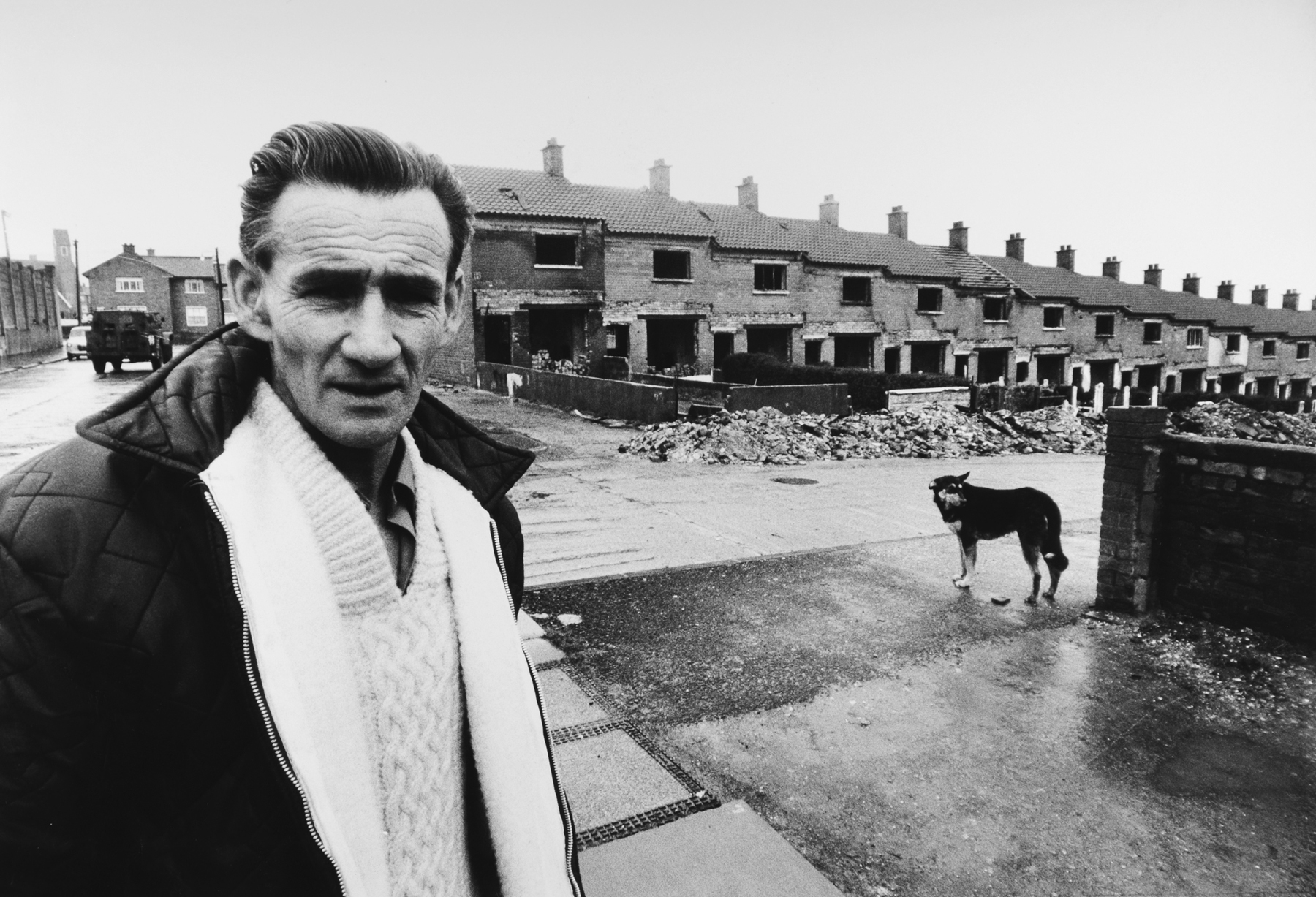
Generally, those immigrants who were approved spent from two to five hours at Ellis Island. Arrivals were asked 29 questions including name, occupation, and the amount of money carried. It was important to the American government the new arrivals could support themselves and have money to get started. The average the government wanted the immigrants to have was between 18 and 25 dollars ($600 in 2015 adjusted for inflation). Those with visible health problems or diseases were sent home or held in the island’s hospital facilities for long periods of time. More than 3,000 would-be immigrants died on Ellis Island while being held in the hospital facilities. Some unskilled workers were rejected because they were considered “likely to become a public charge.” About 2% were denied admission to the U.S. and sent back to their countries of origin for reasons such as having a chronic contagious disease, criminal background, or insanity. Ellis Island was sometimes known as “The Island of Tears” or “Heartbreak Island” because of those 2% who were not admitted after the long transatlantic voyage. The Kissing Post is a wooden column outside the Registry Room, where new arrivals were greeted by their relatives and friends, typically with tears, hugs, and kisses.
Lewis Hine (American, 1874-1940) Italian family on the ferry boat 1905 Gelatin silver print
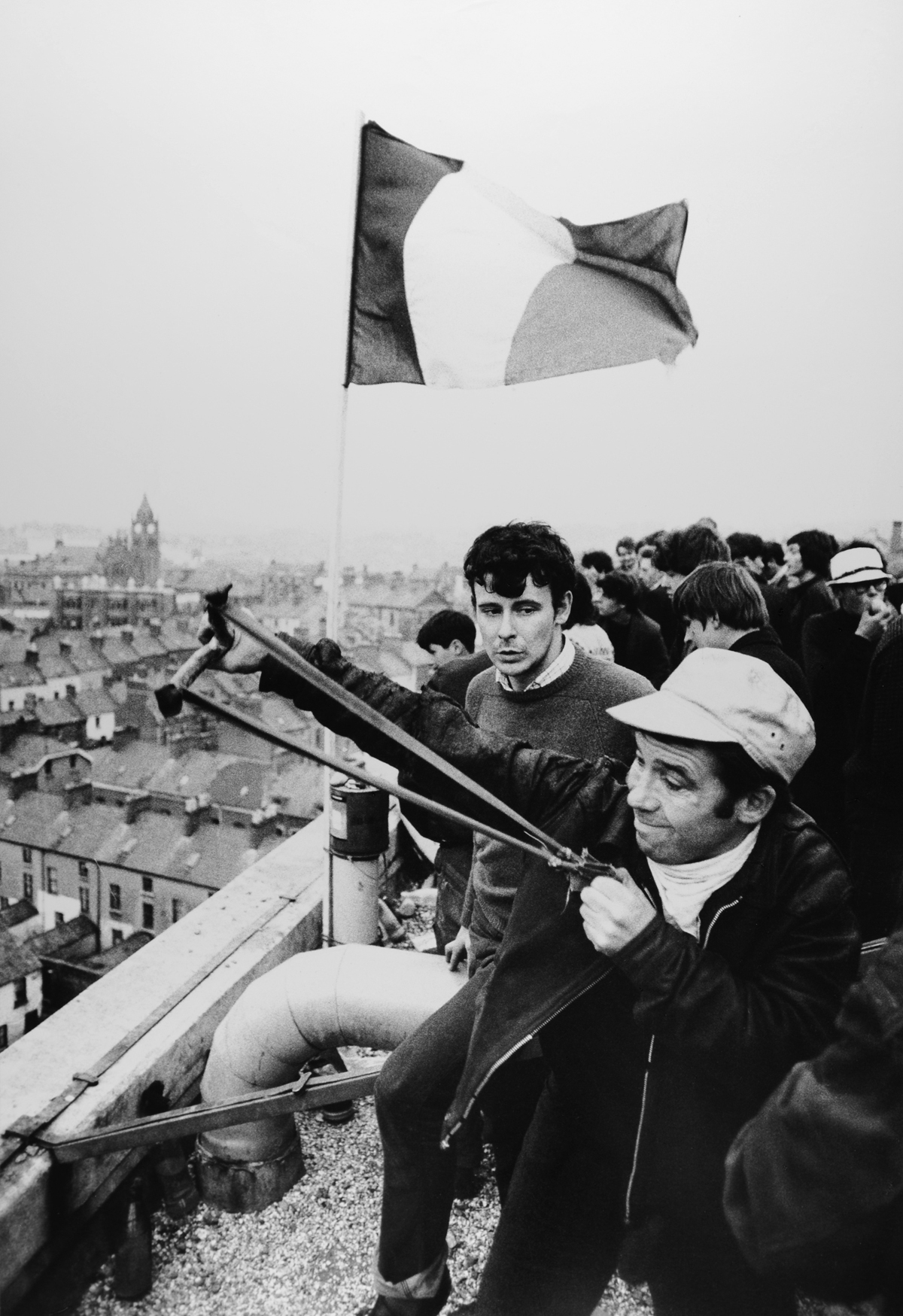
Lewis Hine (American, 1874-1940) Patriarch at Ellis Island 1905 Gelatin silver print
Lewis Hine (American, 1874-1940) Russian family at Ellis Island 1905 Gelatin silver print
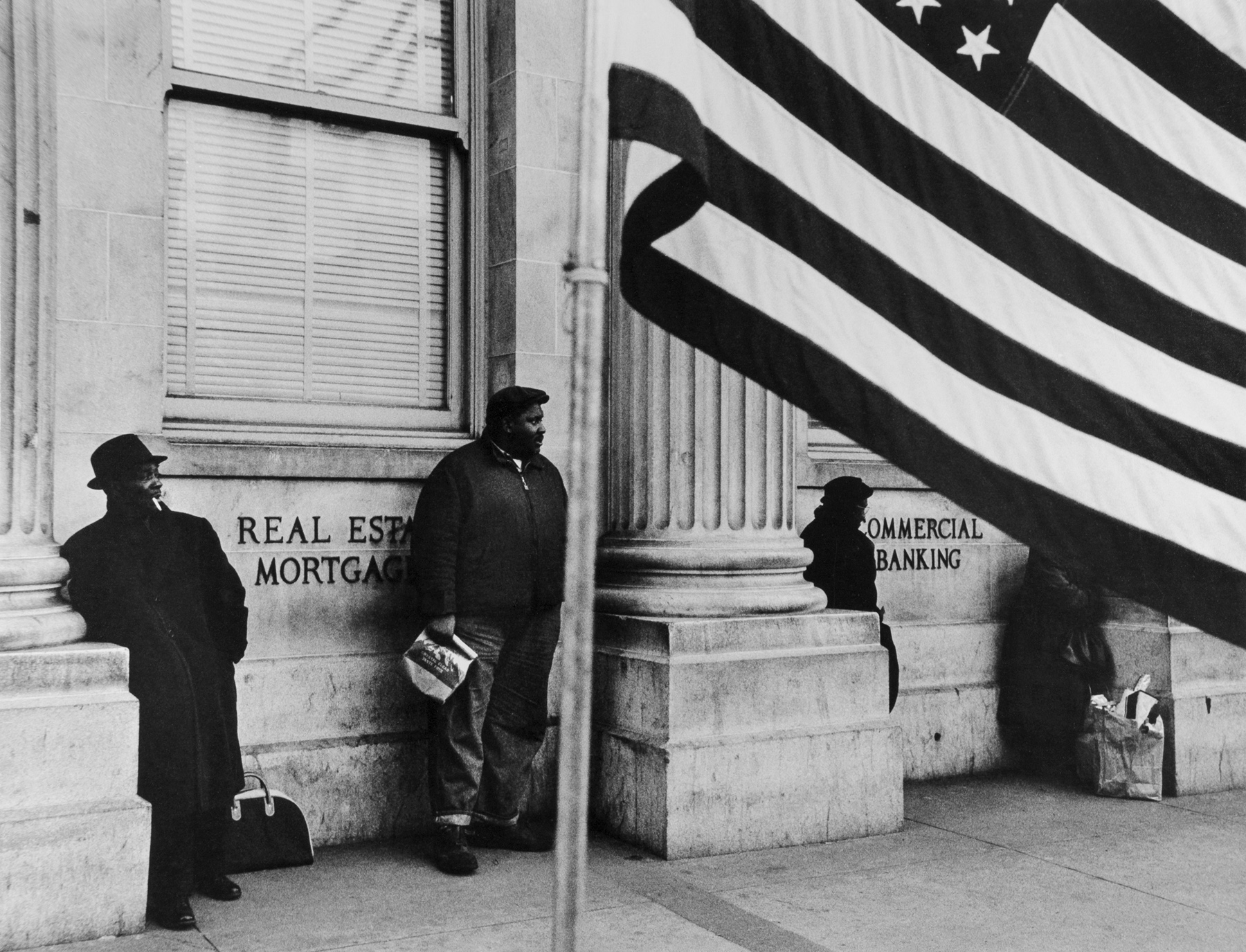
Lewis Hine (American, 1874-1940) Italian family in the baggage room 1905 Gelatin silver print
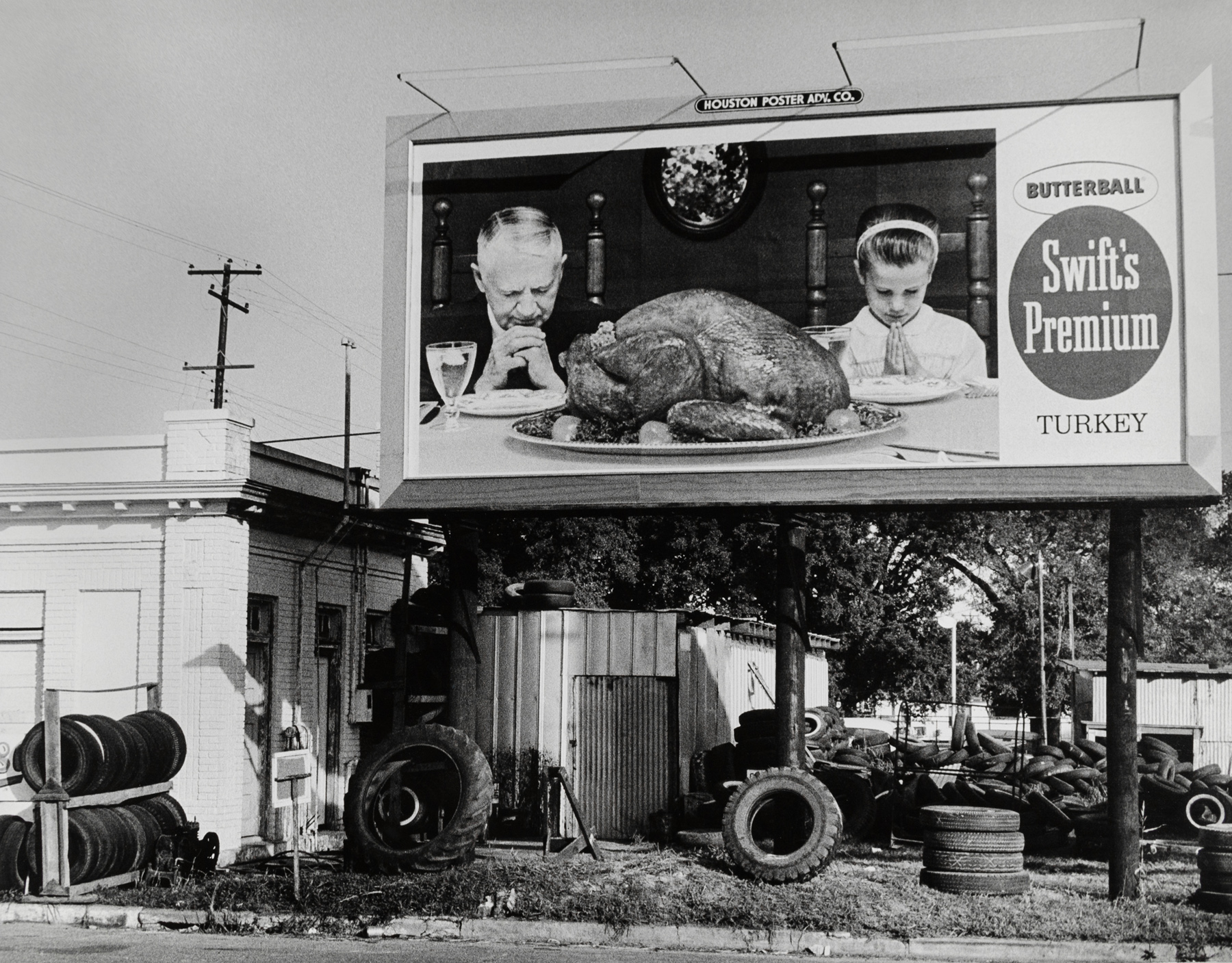
Lewis Hine (American, 1874-1940) Slavic immigrant at Ellis Island 1907 Gelatin silver print
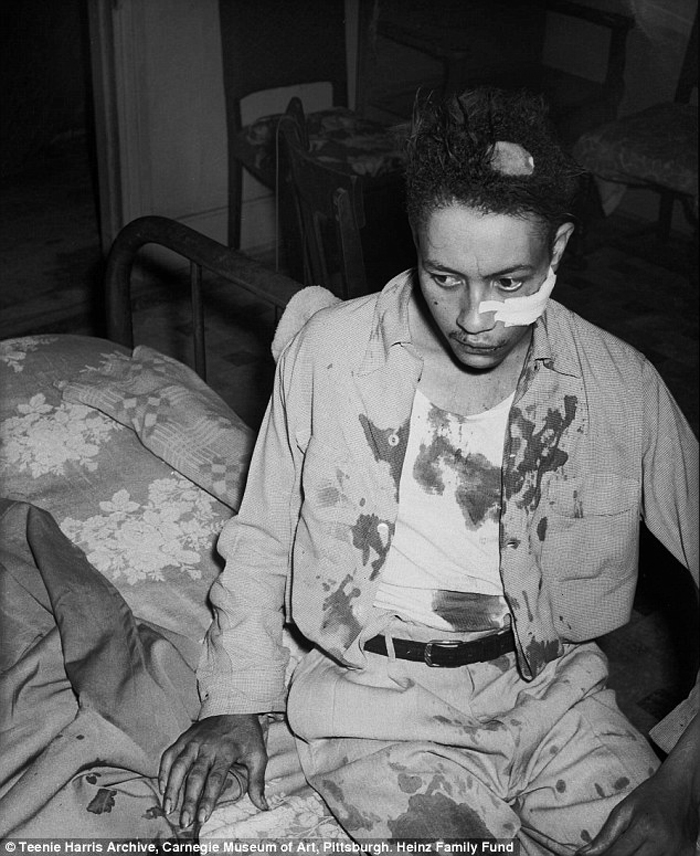
Lewis Hine (American, 1874-1940) Mother and child Ellis Island c. 1907 Gelatin silver print
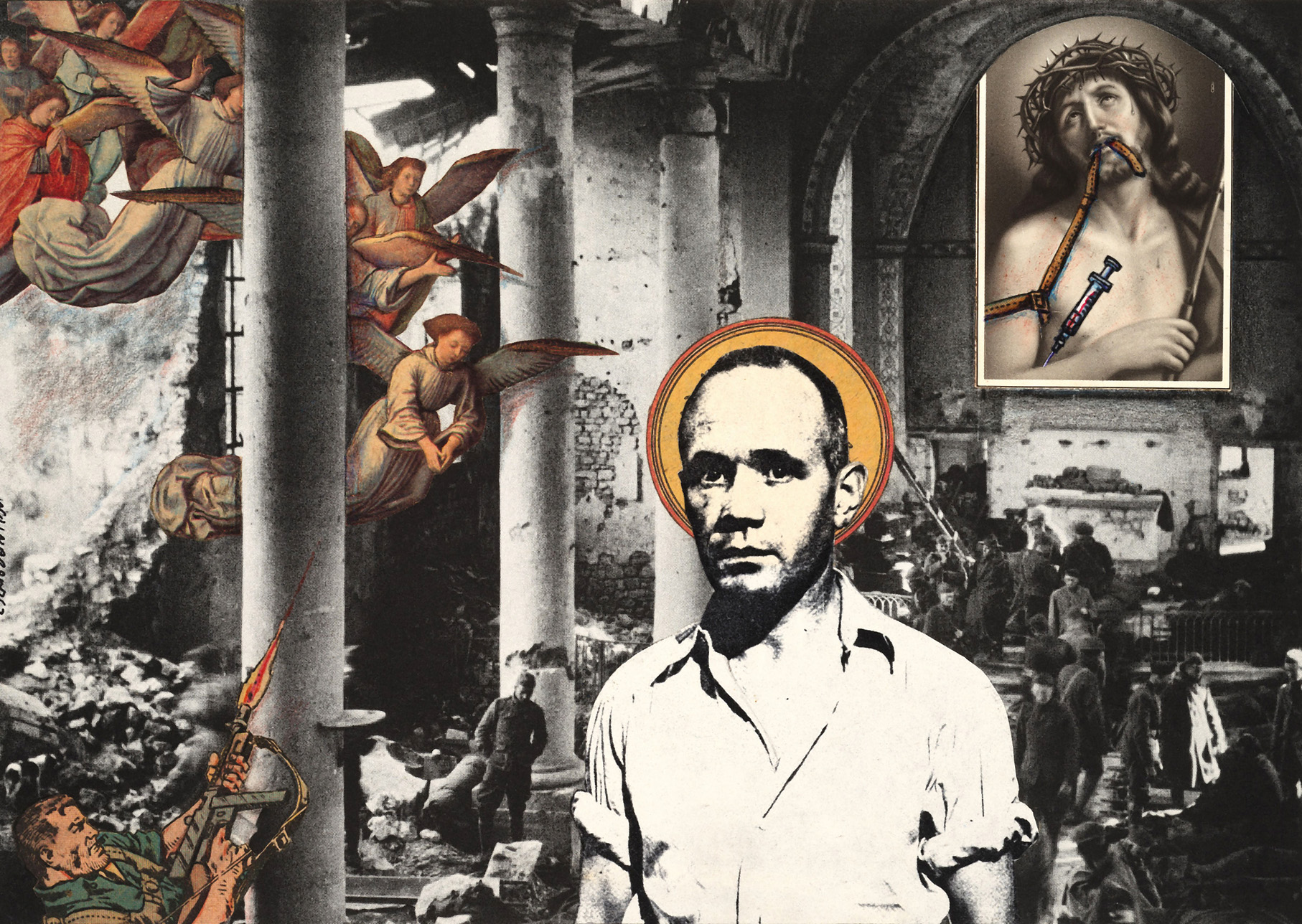
Lewis Hine (American, 1874-1940) Climbing into America 1908 Gelatin silver print
Lewis Hine (American, 1874-1940)
Documentary photography
In 1907, Hine became the staff photographer of the Russell Sage Foundation; he photographed life in the steel-making districts and people of Pittsburgh, Pennsylvania, for the influential sociological study called The Pittsburgh Survey.
In 1908 Hine became the photographer for the National Child Labor Committee (NCLC), leaving his teaching position. Over the next decade, Hine documented child labor, with focus on the use of child labor in the Carolina Piedmont, to aid the NCLC’s lobbying efforts to end the practice. In 1913, he documented child labourers among cotton mill workers with a series of Francis Galton’s composite portraits.
Hine’s work for the NCLC was often dangerous. As a photographer, he was frequently threatened with violence or even death by factory police and foremen. At the time, the immorality of child labor was meant to be hidden from the public. Photography was not only prohibited but also posed a serious threat to the industry. To gain entry to the mills, mines and factories, Hine was forced to assume many guises. At times he was a fire inspector, postcard vendor, bible salesman, or even an industrial photographer making a record of factory machinery.
During and after World War I, he photographed American Red Cross relief work in Europe. In the 1920s and early 1930s, Hine made a series of “work portraits,” which emphasised the human contribution to modern industry. In 1930, Hine was commissioned to document the construction of the Empire State Building. He photographed the workers in precarious positions while they secured the steel framework of the structure, taking many of the same risks that the workers endured. In order to obtain the best vantage points, Hine was swung out in a specially-designed basket 1,000 ft above Fifth Avenue.
During the Great Depression Hine again worked for the Red Cross, photographing drought relief in the American South, and for the Tennessee Valley Authority (TVA), documenting life in the mountains of eastern Tennessee. He also served as chief photographer for the Works Progress Administration’s National Research Project, which studied changes in industry and their effect on employment. Hine was also a faculty member of the Ethical Culture Fieldston School.
Later life
In 1936, Hine was selected as the photographer for the National Research Project of the Works Projects Administration, but his work there was not completed.
The last years of his life were filled with professional struggles by loss of government and corporate patronage. Few people were interested in his work, past or present, and Hine lost his house and applied for welfare. He died on November 3, 1940 at Dobbs Ferry Hospital in Dobbs Ferry, New York, after an operation. He was 66 years old.
Lewis Hine (American, 1874-1940) Worker on platform 1930-1931 Gelatin silver print
Lewis Hine (American, 1874-1940) Icarus, Empire State Building 1930-1931 Gelatin silver print
Of the many photographs Hine took of the Empire State Building, this one became the popular favourite. Suspended in graceful sangfroid, the steelworker symbolises daring technical innovation of the sort Daedalus embodied in Greek legend. While Daedulus flew the middle course between sea and sky safely, his son Icarus flew too close to the sun and perished. The optimism of this image suggests that it was not Icarus’s folly but his youth and his ability to fly that prompted Hine’s title.
Text from The Met website
Lewis Hine (American, 1874-1940) Empire State Building 1930-1931 Gelatin silver print
Lewis Hine (American, 1874-1940) Girders and Workers, Empire State Building 1930-1931 Gelatin silver print
Same man second left as in the image below.
Lewis Hine (American, 1874-1940) Laborer on connector 1930-1931 Gelatin silver print
Lewis Hine (American, 1874-1940) Workers on girder 1930-1931 Gelatin silver print
Lewis Hine (American, 1874-1940) Derrick and workers on girder 1930-1931 Gelatin silver print
The Empire State Building is a 102-story Art Deco skyscraper in Midtown Manhattan, New York City. Designed by Shreve, Lamb & Harmon and completed in 1931, the building has a roof height of 1,250 feet (380 m) and stands a total of 1,454 feet (443.2 m) tall, including its antenna. Its name is derived from “Empire State”, the nickname of New York. As of 2017 the building is the 5th-tallest completed skyscraper in the United States and the 28th-tallest in the world. It is also the 6th-tallest freestanding structure in the Americas.
The site of the Empire State Building, located on the west side of Fifth Avenue between West 33rd and 34th Streets, was originally part of an early 18th century farm. In the late 1820s, it came into the possession of the prominent Astor family, with John Jacob Astor’s descendants building the Waldorf-Astoria Hotel on the site in the 1890s. By the 1920s, the family had sold the outdated hotel and the site indirectly ended up under the ownership of Empire State Inc., a business venture that included businessman John J. Raskob and former New York governor Al Smith. The original design of the Empire State Building was for a 50-story office building. However, after fifteen revisions, the final design was for a 86-story 1,250-foot building, with an airship mast on top. This ensured it would be the world’s tallest building, beating the Chrysler Building and 40 Wall Street, two other Manhattan skyscrapers under construction at the time that were also vying for that distinction. …
The project involved more than 3,500 workers at its peak, including 3,439 on a single day, August 14, 1930. Many of the workers were Irish and Italian immigrants, with a sizeable minority of Mohawk ironworkers from the Kahnawake reserve near Montreal. According to official accounts, five workers died during the construction, although the New York Daily News gave reports of 14 deaths and a headline in the socialist magazine The New Masses spread unfounded rumours of up to 42 deaths. The Empire State Building cost $40,948,900 to build, including demolition of the Waldorf-Astoria (equivalent to $533,628,800 in 2016). This was lower than the $60 million budgeted for construction.
Lewis Hine captured many photographs of the construction, documenting not only the work itself but also providing insight into the daily life of workers in that era. Hine’s images were used extensively by the media to publish daily press releases. According to the writer Jim Rasenberger, Hine “climbed out onto the steel with the ironworkers and dangled from a derrick cable hundreds of feet above the city to capture, as no one ever had before (or has since), the dizzy work of building skyscrapers”. In Rasenberger’s words, Hine turned what might have been an assignment of “corporate flak” into “exhilarating art”. These images were later organised into their own collection. Onlookers were enraptured by the sheer height at which the steelworkers operated. New York magazine wrote of the steelworkers: “Like little spiders they toiled, spinning a fabric of steel against the sky”.
You must be logged in to post a comment.