“Seeing is a neglected enterprise,” Mr. Leiter often said.
“I am not immersed in self-admiration,” he said. “When I am listening to Vivaldi or Japanese music or making spaghetti at 3 in the morning and realise that I don’t have the proper sauce for it, fame is of no use.”
“He broke all the rules when it came to composing a photograph,” said Mr. Leiter’s assistant, Margit Erb, who confirmed his death, at his home. “He put things into the abstract, he paid attention to colour, he threw foregrounds out of focus, which made the photographs feel very voyeuristic. He applied a painterly mentality that the photography world had not seen.”
His art was enough.
Dr Marcus Bunyan
Saul Leiter (American, 1923-2013) Taxi 1956
“”In order to build a career and to be successful, one has to be determined,” Mr. Leiter said in an interview for a monograph published in Germany in 2008. “One has to be ambitious. I much prefer to drink coffee, listen to music and to paint when I feel like it.” …
Unplanned and unstaged, Mr. Leiter’s photographs are slices fleetingly glimpsed by a walker in the city. People are often in soft focus, shown only in part or absent altogether, though their presence is keenly implied. Sensitive to the city’s found geometry, he shot by design around the edges of things: vistas are often seen through rain, snow or misted windows.
“A window covered with raindrops interests me more than a photograph of a famous person,” Mr. Leiter says in [the film] “In No Great Hurry.””
Exhibition:‘Saul Leiter’ at Kunst Haus Wien, Vienna, January – May 2013 Exhibition:‘Saul Leiter Retrospective’ at The House of Photography at Deichtorhallen Hamburg, February – April 2012 Exhibition:‘Saul Leiter: New York Reflections’ at the Jewish Historical Museum, Amsterdam, October 2011 – March 2012
Key Curatorial and Leadership Figures: Max Delany: Lead Curator / Senior Curator of Contemporary Art; Simone LeAmon: Curator, Design Wall & Design in Everyday Life; Fleur Watson: Curator, Architecture; Ewan McEoin: Curator, Architecture / Design; Tony Ellwood: NGV Director, who initiated the project as a comprehensive survey of Melbourne’s creative scene, along with numerous guest curators to represent various creative fields.
This is the first of a two-part posting on the huge Melbourne Now exhibition at the National Gallery of Victoria, Melbourne. The photographs in this posting are from the NGV International venue in St Kilda Road. The second part of the posting features photographs of work at NGV Australia: The Ian Potter Centre at Federation Square. Melbourne Now celebrates the latest art, architecture, design, performance and cultural practice to reflect the complex cultural landscape of creative Melbourne.
Keywords
Place, memory, anxiety, democracy, death, cultural identity, spatial relationships.
The best
Daniel Crooks An embroidery of voids 2013 video.
Highlights
Patricia Piccinini The Carrier 2012 sculpture; Mark Hilton dontworry 2013 sculpture.
Honourable mentions
Stephen Benwell Statues various dates sculpture; Rick Amor mobile call 2012 painting; Destiny Deacon and Virginia Fraser Melbourne Noir 2013 installation.
Disappointing
The weakness of the photography. With a couple of notable exceptions, I can hardly recall a memorable photographic image. Some of it was Year 12 standard.
Low points
~ The lack of visually interesting and beautiful art work – it was mostly all so ho hum in terms of pleasure for the eye
~ The preponderance of installation / design / architectural projects that took up huge areas of space with innumerable objects
~ The balance between craft, form and concept
~ Too much low-fi art
~ Too much collective art
~ Little glass art
~ Weak third floor at NGV International
~ Two terrible installations on the ground floor of NGVA
Verdict
As with any group exhibition there are highs and lows, successes and failures. Totally over this fad for participatory art spread throughout the galleries. Too much deconstructed / performance / collective design art that takes the viewer nowhere. Good effort by the NGV but the curators were, in some cases, far too clever for their own (and the exhibitions), good. 7/10
Please note: All text below the images is from the guide book.
“Although the word “new” recurs like an incantation in the catalogue essays many exhibits are variations on well-worn themes. The trump cards of Melbourne Now are bulk and variety… It’s astonishing that curators still seem to assume that art which proclaims its own radicality must be intrinsically superior to more personal expressions. Yet mediocrity recognises no such distinctions. Most of this show’s avant-garde gestures are no better than clichés.”
John Macdonald. “Review of Melbourne Now,” in the Sydney Morning Herald, Saturday 11 January, 2014 [Online] Cited 03/10/2022
“A rich, inspiring critical context prevails within Melbourne’s contemporary art community, reflecting the complexity of multiple situations and the engaging reality of a culture that is always in the process of becoming. Local knowledge is of course specific and resists generalisation – communities are protean things, which elide neat definition and representation. Notwithstanding the inevitable sampling and partial account which large-scale survey exhibitions unavoidably present, we hope that Melbourne Now retains a sense of semantic density, sensory intensity and conceptual complexity, harnessing the vision and energy that lie within our midst. Perhaps most importantly, the contributors to Melbourne Now highlight the countless ways in which art is able to change, alter and invigorate the senses, adding new perspectives and modes of perceiving the world in which we live.”
Max Delany. “Metro-cosmo-polis: Melbourne now” 2013
With 10,000 paper planes – aftermath (1), 2011, Coulter encountered Melbourne’s intellectual heart, the State Library of Victoria (SLV). Being awarded the Georges Mora Foundation Fellowship in 2010 allowed Coulter to realise a concept he had been developing since he worked at the SLV in the late 1990s. The result is a playful intervention into what is usually a serious place of contemplation. Coulter’s paper planes, launched by 165 volunteers into the volume of the Latrobe Reading Room, give physical form to the notion of ideas flying through the building and the mind. This astute work investigates the striking contrast between the strict discipline of the library space and its categorisation system and the free flow of creativity that its holdings inspire in the visitor.
The drawings OK and KO, both 2013, which decorate the horizontal surfaces of two table-tennis tables and contain four large self-portraits portraying unease and concern, are more restrained. The hirsute beards of McGregor’s earlier works have evolved into all enveloping geometric grids, their hand-drawn asymmetry creating a subtle sense of distortion that contradicts the inherently flat surface of the tables.
Best known for his brooding urban landscapes, Amor’s work in Melbourne Now,Mobile call, 2012, stays true to this theme. The painting speaks to the heart of urban living in its depiction of a darkened city alleyway, with dim, foreboding lighting. A security camera on the wall surveys the scene, a lone, austere figure just within its watch. The camera represents the omnipresent surveillance of our modern lives, and an uneasy air of suspicion permeates the painting’s subdued, grey landscape. Amor’s reflections on the urban landscape are solemn, restrained and often melancholic. Quietly powerful, his work alludes to a mystery in the banality of daily existence. Mobile call is a realistic portrayal of a metropolitan landscape that opens our eyes to a strange and complex world.
Cloaked combat, 2013, is a visual exploration of the material and technological conflicts between cultures, and how these differences enable one culture to assert dominance over another. Five Aboriginal bark shields, customarily used in combat to deflect spears, repel psychedelic arrows shot from a foreign weapon. Fired by an unseen intruder cloaked in contemporary European camouflage, the psychedelic arrows rupture the bark shields and their diamond designs of identity and place, violating Aboriginal nationhood and traditional culture. The jarring clash of weapons not only illustrates a material conflict between these two cultures, but also suggests a deeper struggle between old and new. In its juxtaposition of prehistoric and modern technologies, Cloaked combat highlights an uneven match between Indigenous and European cultures and discloses the brutality of Australia’s colonisation.
Anchored around a dynamic tapestry of data by Melbourne data artist Greg More, this exhibit offers a window into the ‘system of systems’ that makes up the modern city, peeling back the layers to reveal a sea of information beneath us. Data ebbs and flows, creating patterns normally inaccessible to the naked eye. Set against this morphing data field, an analogue human survey asks the audience to guide the future design of Melbourne through choice and opinion. ZOOM proposes that every citizen influences the future of the city, and that the city in turn influences everyone within it. Accepting this co-dependent relationship empowers us all to imagine the city we want to create together.
For Melbourne Now Campbell presents DUNNO (T. Towels), 2012, a work that continues his fascination with the vernacular culture of suburban Australia. Comprising eighty-five tea towels, some in their original condition and others that Campbell has modified through the addition of ‘choice’ snippets of Australian slang and cultural signifiers, this seemingly quotidian assortment of kitsch ‘kitchenalia’ is transformed into a mock heroic frieze in which we can discover the values and dramas of our present age.
Initiation, 2013, a mural-scale, multi-panelled hoarding that subverts the negative stereotyping of Indigenous people living in contemporary Australian cities. This declarative, renegade installation work is a psychedelic farrago of street art, native flora and fauna, Kamilaroi patterns, X-ray images and text that addresses what it means to be an urban Aboriginal person. By yoking together contrary elements of graffiti, advertising, bling, street slogans and Kamilaroi diamond geometry, Rennie creates a monumental spectacle of resistance.
Installation view of Reko RennieInitiation, 2013 Photo: Marcus Bunyan
Shields from Papua New Guinea held in the National Gallery of Victoria’s collection provided an aesthetic catalyst for the artists to develop an open-ended series of their own ‘shields’. The Belief includes shields made by Burchill and McCamley between 2004 and 2013. In part, this installation meditates on the form and function of shields from the perspective of a type of reverse ethnography. As the artists explain:
“The shield is an emblematic form ghosted by the functions of attack and defence and characterised by the aggressive display of insignia … We treat the shield as a perverse type of modular unit. While working with repetition, each shield acts as a carrier or container for different types and registers of content, motifs, emblems and aesthetic strategies. The series as a whole, then, becomes a large sculptural collage which allows us to incorporate a wide range of responses to making art and being alive now.”
Melbourne Now is an exhibition unlike any other we have mounted at the National Gallery of Victoria. It takes as its premise the idea that a city is significantly shaped by the artists, designers, architects, choreographers, intellectuals and community groups that live and work in its midst. With this in mind, we have set out to explore how Melbourne’s visual artists and creative practitioners contribute to the dynamic cultural identity of this city. The result is an exhibition that celebrates what is unique about Melbourne’s art, design and architecture communities.
When we began the process of creating Melbourne Now we envisaged using several gallery spaces within The Ian Potter Centre: NGV Australia; soon, however, we recognised that the number of outstanding Melbourne practitioners required us to greatly expand our commitment. Now spreading over both The Ian Potter Centre: NGV Australia and NGV International, Melbourne Now encompasses more than 8000 square metres of exhibition space, making it the largest single show ever presented by the Gallery.
Melbourne Now represents a new way of working for the NGV. We have adopted a collaborative curatorial approach which has seen twenty of our curators work closely with both external design curators and many other members of the NGV team. Committing to this degree of research and development has provided a great opportunity to meet with artists in their studios and to engage with colleagues across the city as a platform not only for this exhibition, but also for long-term engagement.
A primary aim throughout the planning process has been to create an exhibition that offers dynamic engagement with our audiences. From the minute visitors enter NGV International they are invited to participate through the exhibition’s Community Hall project, which offers a diverse program of performances and displays that showcase a broad concept of creativity across all art forms, from egg decorating to choral performances. Entering the galleries, visitors discover that Melbourne Now includes ambitious and exciting contemporary art and design commissions in a wide range of media by emerging and established artists. We are especially proud of the design and architectural components of this exhibition which, for the first time, place these important areas of practice in the context of a wider survey of contemporary art. We have designed the exhibition in terms of a series of curated, interconnected installations and ‘exhibitions within the exhibition’ to offer an immersive, inclusive and sometimes participatory experience.
Viewers will find many new art commissions featured as keynote projects of Melbourne Now. One special element is a series of commissions developed specifically for children and young audiences – these works encourage participatory learning for kids and families. Artistic commissions extend from the visual arts to architecture, dance and choreography to reflect Melbourne’s diverse artistic expression. Many of the new visual arts and design commissions will be acquired for the Gallery’s permanent collections, leaving the people of Victoria a lasting legacy of Melbourne Now.
The intention of this exhibition is to encourage and inspire everyone to discover some of the best of Melbourne’s culture. To help achieve this, family-friendly activities, dance and music performances, inspiring talks from creative practitioners, city walks and ephemeral installations and events make up our public programs. Whatever your creative interests, there will be a lot to learn and enjoy in Melbourne Now. Melbourne Now is a major project for the NGV which we hope will have a profound and lasting impact on our audiences, our engagement with the art communities in our city and on the NGV collection. We invite you to join us in enjoying some of the best of Melbourne’s creative art, design and architecture in this landmark exhibition.
Tony Ellwood
Director, National Gallery of Victoria
Foreword from the Melbourne Now exhibition guide book
Adapting the quotidian formats of snapshot photography, home videos, community TV and performance modes drawn from vaudeville and minstrel shows, Deacon’s artistic practice is marked by a wicked yet melancholy comedic and satirical disposition. In decidedly lo-fi vignettes, friends, family and members of Melbourne’s Indigenous community appear in mischievous narratives that amplify and deconstruct stereotypes of Indigenous identity and national history. For Melbourne Now, Deacon and Fraser present a trailer for a film noir that does not exist, a suite of photographs and a carnivalesque diorama. The pair’s playful political critiques underscore a prevailing sense of postcolonial unease, while connecting their work to wider global discourses concerned with racial struggle and cultural identity.
For Melbourne Now Sylvester presents For you, 2013, an illuminated dance floor utilising the current palette of colours of an international make-up brand. By tapping into commonly felt fears of embarrassment and the desire to show off in front of others, For you provides a gentle push onto a dance floor flush in colours already proven by market research to appear flattering on the widest cross-section of people. It is a work that plays on viewers’ vanity while acting as their support. In Sylvester’s own words, this work ‘will make you look good whilst enjoying it. It is for you‘.
Assembling over 250 outstanding commissions, acquired and loaned works and installations, Melbourne Now explores the idea that a city is significantly shaped by the artists, designers and architects who live and work in its midst. It reflects the complexity of Melbourne and its unique and dynamic cultural identity, considering a diverse range of creative practice as well as the cross-disciplinary work occurring in Melbourne today.
Melbourne Now is an ambitious project that represents a new direction for the National Gallery of Victoria in terms of its scope and its relationship with audiences. Drawing on the talents of more than 400 artists and designers from across a wide variety of art forms, Melbourne Now will offer an experience unprecedented in this city; from video, sound and light installations, to interactive community exhibitions and artworks, to gallery spaces housing working design and architectural practices. The exhibition will be an immersive, inclusive and participatory exhibition experience, providing a rich and compelling insight into Melbourne’s art, design and cultural practice at this moment. Melbourne Now aims to engage and reflect the inspiring range of activities that drive contemporary art and creative practice in Melbourne, and is the first of many steps to activate new models of art and interdisciplinary exhibition practice and participatory modes of audience engagement at the NGV.
The collaborative curatorial structure of Melbourne Now has seen more than twenty NGV curators working across disciplinary and departmental areas in collaboration with exhibition designers, public programs and education departments, among others. The project also involves a number of guest curators contributing to specific contexts, including architecture and design, performance and sound, as well as artist-curators invited to create ‘exhibitions within the exhibition’, develop off-site projects and to work with the NGV’s collection. Examples of these include Sampling the City: Architecture in Melbourne Now, curated by Fleur Watson; Drawing Now, curated by artist John Nixon, bringing together the work of forty-two artists; ZOOM, an immersive data visualisation of cultural demographics related to the future of the city, convened by Ewan McEoin; Melbourne Design Now, which explores creative intelligence in the fields of industrial, product, furniture and object design, curated by Simone LeAmon; and un Retrospective, curated by un Magazine. Other special projects present recent developments in jewellery design, choreography and sound.
Numerous special projects have been developed by NGV curators, including Designer Thinking, focusing on the culture of bespoke fashion design studios in Melbourne, and a suite of new commissions and works by Indigenous artists from across Victoria which reflect upon the history and legacies of colonial and postcolonial Melbourne. The NGV collection is also the subject of artistic reflection, reinterpretation and repositioning, with artists Arlo Mountford, Patrick Pound and The Telepathy Project and design practice MaterialByProduct bringing new insights to it through a suite of exhibitions, videos and performative installations.
In our Community Hall we will be hosting 600 events over the four months of Melbourne Now offering a daily rotating program of free workshops, talks, catwalks and show’n’tells run by leaders in their fields. And over summer, the NGV will present a range of programs and events, including a Children’s Festival, dance program, late-night music events and unique food and beverage offerings.
The exhibition covers 8000 square metres of space, covering much of the two campuses of the National Gallery of Victoria, and moves into the streets of Melbourne with initiatives such as the Flags for Melbourne project, ALLOURWALLS at Hosier Lane, walking and bike tours, open studios and other programs that will help to connect the wider community with the creative riches that Melbourne has to offer.
A camera’s ability to act as an extension of our eyes and to capture and preserve images renders it a potent instrument. In the case of Constable, this power has particular resonance and added poignancy. The artist lives with profound vision impairment and his compelling, hand-modelled ceramic reinterpretations of the camera – itself sometimes referred to as the ‘invented eye’ – possess an altogether more moving presence. For Melbourne Now, Constable has created a special group of his very personal cameras.
Marrinon’s art lingers romantically somewhere between the past and present. Her figures engage with notions of formal classical sculpture, with references to Hellenistic and Roman periods, yet remain quietly contemporary in their poise, scale, adornments and subject matter. Each work has a sophisticated and nonchalant air of awareness, as if posing for the audience. Informed by feminism and a keen sense of humour, Marrinon’s work is anti-heroic and anti-monumental. The figures featured in Melbourne Now range from two young siblings, Twins with skipping rope, New York, 1973, 2013, and a young woman, Debutante, 2009, to a soldier, Patriot in uniform, 2013, presented as a pantheon of unlikely types.
Andrew’s Vox: Beyond Tasmania, 2013, renders palpable as contemporary art a central preoccupation of his humanist practice – the legacy of historical trauma on the present. Inspired by a rare volume of drawings of fifty-two Tasmanian Aboriginal crania, Andrew has created a vast wunderkammer containing a severed human skeleton, anthropological literature and artefacts. The focal point of this assemblage of decontextualised exotica is a skull, which lays bare the practice of desecrating sacred burial sites in order to snatch Aboriginal skeletal remains as scientific trophies, amassed as specimens to be studied in support of taxonomic theories of evolution and eugenics. Andrew’s profound and humbling memorial to genocide was supported in its first presentation by fifty-two portraits and a commissioned requiem by composer Stéphanie Kabanyana Kanyandekwe.
Commissioned for Melbourne Now, Crooks’s most recent video work focuses his ‘time-slice’ treatment on the city’s famous laneways. As the camera traces a direct, Hamiltonian pathway through these lanes, familiar surroundings are captured in seamless temporal shifts. Cobblestones, signs, concrete, street art, shadows and people gracefully pan, stretch and distort across our vision, swept up in what the artist describes as a ‘dance of energy’. Exposing the underlying kinetic rhythm of all we see, Crooks’s work highlights each moment once, gloriously, before moving on, always forward, transforming Melbourne’s gritty and often inhospitable laneways into hypnotic and alluring sites.
Senbergs’s significance as a contemporary artist and his understanding of the places he depicts and their meanings make his contribution to Melbourne Now essential. Drawing inspiration from Scottish poet Edwin Muir’s collection The labyrinth (1949), Senbergs’s Extended Melbourne labyrinth, 2013, takes us on a journey through the myriad streets and topography that make up our sprawling city. His characteristic graphic style and closely cropped rendering of the city’s urban thoroughfares is at once enthralling and unsettling. While the artist neither overtly celebrates nor condemns his subject, there is a strong sense of Muir’s ‘roads that run and run and never reach an end’.
For Melbourne Now Pound has created The gallery of air, 2013, a contemporary wunderkammer of works of art and objects from across the range of the NGV collection. There are Old Master paintings depicting the effect of the wind, and everything from an exquisite painted fan to an ancient flute and photographs of a woman sighing. When taken as a group these disparate objects hold the idea of air. Added to works from the Gallery’s collection is an intriguing array of objects and pictures from Pound’s personal collection. On entering his installation, visitors will be drawn into a game of thinking and rethinking about the significance of the objects and how they might be activated by air. Some are obvious, some are obscure, but all are interesting.
For Melbourne Now, Fusinato presents Aetheric plexus (Broken X), 2013, a dispersed sculpture comprising deconstructed stage equipment that is activated by the presence of the viewer, triggering a sensory onslaught with a resonating orphic haze. The work responds to the wider context of galleries, in the artist’s words, ‘changing from places of reflection to palaces of entertainment’ by turning the engulfed audience member into a spectacle.
In her most recent project, Jacobs fabricates a rudimentary version of the material Hemacite (also known as Bois Durci) – made from the blood of slaughtered animals and wood flour – which originated in the late nineteenth century and was moulded with hydraulic pressure and heat to form everyday objects, such as handles, buttons and small domestic and decorative items. The attempt to re-create this outmoded material highlights philosophical, economic and ethical implications of manufacturing and considers how elemental materials are reconstituted. Wood flour for pig iron (vessel for mixing metaphors), 2013, included in Melbourne Now, explores properties, physical forces and processes disparately linked across various periods of history.
dontworry, 2013, included in Melbourne Now, is the most ambitious and personal work Hilton has made to date. A dark representation of events the artist witnessed growing up in suburban Melbourne, this wall-based installation presents an unnerving picture of adolescent mayhem and bad behaviour. Extending across nine intricately detailed panels, each corresponding to a formative event in the artist’s life, dontworry can be understood as a deeply personal memoir that explores the transition from childhood to adulthood, and all the complications of this experience. Detailing moments of violence committed by groups or mobs of people, the installation revolves around Hilton’s continuing fascination with the often indistinguishable divide between truth and myth.
Installation view of the exhibition Manuel Álvarez Bravo at The Wittliff Collections, Texas State University
This photographer will always be in my top ten photographers of all time. His lyricism, sensitivity to subject matter and narrative is up there with the very best that the medium has to offer. He was a great influence on my photography when I started taking black and white photographs in 1990. In this posting, it is nice to see some of the less well known of his images.
Dr Marcus Bunyan
Many thankx to The Wittliff Collections for allowing me to publish the photographs in the posting. Please click on the photographs for a larger version of the image.
Manuel Álvarez Bravo (Mexican, 1902-2002) La señal / The Sign 1967 Gelatin silver print Gift of Patricia and Keith Carter
Manuel Álvarez Bravo (Mexican, 1902-2002) La buena fama durmiendo / The Good Reputation Sleeping 1938-1939 Gelatin silver print
Manuel Álvarez Bravo (Mexican, 1902-2002) Obrero en huelga, asesinado / Striking Worker, Assassinated 1934 Gelatin silver print
Manuel Álvarez Bravo (Mexican, 1902-2002) Caja de visiones / Box of Visions 1938 Gelatin silver print
One of the founders of modern photography, Manuel Álvarez Bravo (1902-2002) is Mexico’s most accomplished and renowned photographer. His images are masterpieces of post-revolutionary Mexico, composed with avant-garde and surreal aesthetics that resonate with stylised vision. Álvarez Bravo’s signature landscapes, portraits, and nudes translate reality into dream-like moments that have become iconic. “Don Manuel,” as he was called, taught photography at various schools in Mexico City and mentored generations of Mexico’s finest photographers. The Wittliff is proud to present its first-ever solo exhibition of works by this esteemed master – the result of more than 20 years of collecting – more than 50 of Álvarez Bravo’s signed prints. Included among the many famous images are: Bicicletas en domingo / Bicycles on Sunday; Caja de visiones / Box of Visions; El ensueño / The Day Dream; Obrero en huelga asesinado / Striking Worker Murdered; Parábola óptica / Optical Parable; and Retrato de lo eterno / Portrait of the Eternal.
Born in 1902 in Mexico City into a family that supported the arts, Manuel Álvarez Bravo learned photography largely on his own but was encouraged by other well-known photographers, including Hugo Brehme, Tina Modotti, and Edward Weston, as well as the French surrealist writer André Breton. Álvarez Bravo’s art – which matured into a transcendence of culture, time, and place – was inspired by the times, during post-Revolutionary Mexico when Mexico City flourished as one of the major creative and intellectual centers of the world. In 1955, Edward Steichen included his work in the landmark exhibition The Family of Man for the New York Museum of Modern Art (MoMA). Álvarez Bravo’s imagery has been featured in over 150 solo exhibitions, and he garnered many honours throughout his career.
The interests of “Don Manuel,” as he was called, went beyond his own photographic work, and his influence was far-reaching. He co-founded the Mexican Foundation for Publishing in the Plastic Arts devoted to books about Mexican art, planned the Mexican Museum of Photography in Mexico City, and mentored and befriended a great many younger, emerging photographers and artists in Mexico. He died at the age of 100 in October 2002. On view in addition to the Álvarez Bravo photographs are portraits of him by Graciela Iturbide, Rodrigo Moya, and Bill Wittliff. The poem Facing Time, an ode to Álvarez Bravo’s work by Nobel Laureate Octavio Paz, is featured among other supplementary materials. Paz, a collaborator and friend of Álvarez Bravo’s, describes the photographer’s vision as “the arrow of the eye / dead center / in the target of the moment.
Text from The Wittliff Collections website
Manuel Álvarez Bravo (Mexican, 1902-2002) Retrato de lo Eterno / Portrait of the Eternal 1977 Gelatin silver print
Manuel Álvarez Bravo (Mexican, 1902-2002) En el templo del tigre rojo / In the Temple of the Red Tiger 1949 Gelatin silver print
Manuel Álvarez Bravo (Mexican, 1902-2002) Calabaza y caracol / Squash and Snail 1928, printed 1980 Platinum print
“I’m not trying to do something to you, I’m trying to do something with you.”
American pianist and composer Keith Jarrett at a concert in Melbourne, 1970s
The eye of Lee Friedlander is incredible. His complex, classical photographs in books such as Letters from the People (1993),Flowers and Trees (1981),The American Monument (1976) and America by Car (2010) have redefined the (photographic) landscape. The artist is constantly reinventing himself, reinventing pictorial space – cutting, distorting, reflecting it back onto itself – to create layered images (after Eugène Atget and Walker Evans). These self-reflective spaces are as much about the artist and his nature as they are about the world in which he lives. They have become the basis of Friedlander’s visual language. Here is a love of the medium and of the world that is a reflection of Self.
I don’t see these cars (or photographs) as illusion factories. For me, this series of work is akin to a tri-view self-portrait. Instead of the artist painting the sitter (as in the triple portrait of Cardinal Richelieu, 1627 below), a vision, an energy of Self emanates outwards from behind the bulwark of the car steering wheel and dash. It is a Self and its relationship to the world split into multifaceted angles and views. He looks out the left window, the front window, the side window – and then he splits his views between side and front windows using the A pillar of the car as a dividing, framing tool. Sometimes he throws in the reflections of him / self with camera in the rear view mirror for good measure. There is wit, humour and irony in these photographs. There is cinematic panorama and moments of intimacy. There is greatness in these images.
Friedlander is not trying to do something to you, but something with you, for he is showing you something that you inherently know but may not be aware of. Like a Zen master, he asks you questions but also shows you the way. If you understand the path of life and the energy of the cosmos, you understand what a journey this is.
Dr Marcus Bunyan
Many thankx to Foam for allowing me to publish the photographs in the posting. Please click on the photographs for a larger version of the image.
Philippe de Champaigne (French, 1602-1674) Triple portrait of Cardinal Richelieu c. 1640 Oil on canvas 58cm (22.8 in) x 72cm (28.3 in) The National Gallery, London This reproduction is in the public domain
The automobile has come to symbolise the American dream and the associated urge for freedom. It is therefore no surprise that cars play a central role in the series America by Car and The New Cars 1964 by renowned American photographer Lee Friedlander (1934, US), now receiving their first showing in the Netherlands.
Road Trip
America by Car documents Friedlander’s countless wanderings around the United States over the past decade. In this he follows a trail laid down by numerous photographers, film makers and writers like Robert Frank, Stephen Shore and Jack Kerouac. Friedlander nevertheless succeeds in giving the theme of the American road trip his own very original twist, using the cars’ windscreens and dashboards to frame the familiar American landscape, as well as exploiting the reflections found in their wing and rear view mirrors. It is a simple starting point which results in complex and layered images that are typical for Friedlander’s visual language. He also has a sharp eye for the ironic detail. He makes free use of text on billboards and symbols on store signs to add further meaning to his work. His images are so layered that new information continues to surface with every glance, making America by Car a unique evocation of contemporary America.
Car portraits
The New Cars 1964 is a much older series. Friedlander had been commissioned by Harper’s Bazaar to photograph all the new models of automobile introduced in 1964. Rather than placing them centrally and showing them to best advantage, Friedlander decided to set the cars in the most banal of locations, in front of a furniture store or in a scrap yard for instance. Exploiting reflections, available light and unusual perspectives, his cars are almost completely absorbed into the street scene. Although they were rejected at the time by the magazine’s editorial board on the grounds that the images were not attractive enough, the pictures were put away in a drawer and since forgotten. Friedlander however recently rediscovered this series. The New Cars 1964 has since become a special historical and social document and has in its own right become part of Friedlander’s impressive oeuvre.
Fifty-year career
Lee Friedlander was born in the US in 1934. In a career extending across 5 decades Friedlander has maintained an obsessive focus on the portrayal of the American social landscape. His breakthrough in the eyes of the wider public came with the New Documents exhibition at the MoMA in 1967, where his work was presented alongside that of Diane Arbus and Garry Winogrand. Friedlander accumulated numerous awards during his career, including the MacArthur Foundation Award and three Guggenheim Fellowships. He also published more than twenty books. His work has been shown at many venues around the world, including the Whitney Museum of American Art and the MoMA in New York, San Francisco’s SFMOMA, the MAMM in Moscow and the National Museum of Photography in Copenhagen.
Mr. Friedlander took his black-and-white, square-format photographs entirely from the interior of standard rental cars – late-model Toyotas and Chevys, by the looks of them – on various road trips over the past 15 years. In these pictures our vast, diverse country is buffered by molded plastic dashboards and miniaturized in side-view mirrors…
Mr. Friedlander groups images by subject, not geography: monuments, churches, houses, factories, ice cream shops, plastic Santas, roadside memorials.
So “America by Car,”… is more of an exercise in typology, along the lines of Ed Ruscha’s “Twentysix Gasoline Stations.” But there’s nothing deadpan or straightforward about the way Mr. Friedlander composes his pictures. He knows that cars are essentially illusion factories – to wit: “Objects in the mirror are closer than they appear.”
Some of the illusions on view here exploit the technology of the camera Mr. Friedlander has been using since the 1990s, the square-format Hasselblad Superwide (so named for its extra-wide-angle lens). The Superwide produces crisp and detail-packed images that are slightly exaggerated in perspective, giving the foreground – the car – a heightened immediacy…
Some of the photographs are dizzyingly complex, like one taken in Pennsylvania in 2007. The camera looks out through the passenger-side window, at a man whose feet appear to be perched on the door frame. He is standing in front of a trompe l’oeil mural of a train, which seems to be heading right at the car. In the side-view mirror you can see a woman approaching. It’s a bizarre pileup of early cinematic trickery (as in the Lumière Brothers), amateur photography and surveillance technology.
Mr. Friedlander’s love of such layering can be traced to Walker Evans and Eugène Atget. He also shares, in this series, Evans’s wry eye for signs of all kinds: the matter-of-fact “Bar” advertising a Montana watering hole, or the slightly more cryptic “ME RY RISTMAS” outside a service station in Texas [see image below]. He strikes semiotic gold at Mop’s Reaching the Hurting Ministry in Mississippi: “LIVE IN RELATIONSHIP ARE LIKE RENTAL CARS NO COMMITMENT.”
Cars distance people from one another, this series reminds us over and over. When Mr. Friedlander photographs people he knows – the photographer Richard Benson, or the legendary MoMA curator John Szarkowski (to whom the book is dedicated) – he remains in his seat, shooting through an open window. In just a few instances the subjects poke their heads inside, a gesture that seems transgressive in its intimacy…
Did he ever get out of the vehicle? Just once in this series, for a self-portrait. It’s the last picture, and it shows him leaning into the driver’s-side window, elbow propped on the door, left hand reaching for the steering wheel.
Maybe he was thinking of the last image in “The Americans” – a shot of Mr. Frank’s used Ford taken from the roadside, showing his wife and son huddled in the back seat. In Mr. Frank’s photograph the car is a protective cocoon. Mr. Friedlander seems to see it that way too, but from the inside out.
Excerpts of an excellent review by Karen Rosenberg. “America by Car,” on The New York Times website, September 2, 2010 [Online] Cited 05/11/2013. Used under fair use conditions for the purposes of education and research
Alfred Palmer (American, 1906-1993) Large pipe elbows for the Army are formed at Tube Turns, Inc., by heating lengths of pipe with gas flames and forcing them around a die, in Louisville, Kentucky, in 1941 1941 4 x 5 Kodachrome transparency Alfred Palmer/OWI/LOC
Kodachrome sheets 1941-1943
This is the second of a two-part posting on the large format Kodachrome colour transparency photographs of the American photographer Alfred Palmer taken during 1941-1943.
This man was a true master of his craft. Look at the lighting in the first three photographs. Palmer really understood the theatre of the scene he was photographing. The first photograph, an inanimate object picturing an elemental force, brings me to tears when looking at it. Too sentimental, too emotional? I don’t think so… just an amazing experience from a magnificent photograph.
Please click on the photographs for a larger version of the image. Many thankx to the Library of Congress for allowing me to publish the photographs in the posting. No known copyright restrictions on any of the photographs.
Alfred Palmer (American, 1906-1993) Casting a billet from an electric furnace, Chase Brass and Copper Co., Euclid, Ohio. Modern electric furnaces have helped considerably in speeding the production of brass and other copper alloys for national defense. Here the molten metal is poured or cast from the tilted furnace into a mold to form a billet. The billet later is worked into rods, tubes, wires or special shapes for a variety of uses February 1942 4 x 5 Kodachrome transparency Alfred Palmer/OWI/LOC
Alfred Palmer (American, 1906-1993) Crane operator at Tennessee Valley Authority’s Douglas Dam June 1942 4 x 5 Kodachrome transparency Alfred Palmer/OWI
Alfred T. Palmer was an Office of War Information photographer from 1941 until 1943.
The United States Office of War Information (OWI) was a U.S. government agency created during World War II to consolidate government information services. It operated from June 1942 until September 1945. It coordinated the release of war news for domestic use, and, using posters and radio broadcasts, worked to promote patriotism, warned about foreign spies, and attempted to recruit women into war work. The office also established an overseas branch which launched a large scale information and propaganda campaign abroad.
Photographers working for the U.S. government’s Farm Security Administration (FSA) and later the Office of War Information (OWI) between 1939 and 1944 made approximately 1,600 color photographs that depict life in the United States, including Puerto Rico and the Virgin Islands. The pictures focus on rural areas and farm labor, as well as aspects of World War II mobilization, including factories, railroads, aviation training, and women working.
The original images are color transparencies ranging in size from 35 mm. to 4 x 5 inches. They complement the better-known black-and-white FSA / OWI photographs, made during the same period. Alfred T. Palmer was notable for his portraits of men and women at work in the industry. He used a crude lighting system which focused on the person rather than his environment, sometimes creating an extreme contrast in his images.
Alfred Palmer (American, 1906-1993) An employee in the drill-press section of North American’s huge machine shop runs mounting holes in a large dural casting, in Inglewood, California, in October of 1942 October 1942 4 x 5 Kodachrome transparency Alfred Palmer/OWI/LOC
Alfred Palmer (American, 1906-1993) North American Aviation drill operator in the control surface department assembling horizontal stabilizer section of an airplane. Inglewood, California October 1942 4 x 5 Kodachrome transparency Alfred Palmer/OWI
Alfred Palmer (American, 1906-1993) Here’s our mission. A combat crew receives final instructions just before taking off in a mighty YB-17 bomber from a bombardment squadron base at the field, in Langley Field, Virginia, in May of 1942 May 1942 4 x 5 Kodachrome transparency Alfred Palmer/OWI/LOC
Alfred Palmer (American, 1906-1993) Hitler would like this man to go home and forget about the war. A good American non-com at the side machine gun of a huge YB-17 bomber is a man who knows his business and works hard at it May 1942 4 x 5 Kodachrome transparency Alfred Palmer/OWI/LOC
Alfred Palmer (American, 1906-1993) Young woman employee of North American Aviation working over the landing gear mechanism of a P-51 fighter plane. Inglewood, California. October 1942 4 x 5 Kodachrome transparency Alfred Palmer/OWI
Alfred Palmer (American, 1906-1993) Working on the horizontal stabilizer of a “Vengeance” dive bomber at the Consolidated-Vultee plant in Nashville February 1943 4 x 5 Kodachrome transparency Alfred Palmer/OWI
Alfred Palmer (American, 1906-1993) Testing electric wiring at Douglas Aircraft Company. Long Beach, California October 1942 4 x 5 Kodachrome transparency Alfred Palmer/OWI
Alfred Palmer (American, 1906-1993) Truck driver at the Tennessee Valley Authority’s Douglas Dam June 1942 4 x 5 Kodachrome transparency Alfred Palmer/OWI
Alfred Palmer (American, 1906-1993) Experimental staff at the North American Aviation plant in Inglewood, Calif., observing wind tunnel tests on a model of the B-25 (“Billy Mitchell”) bomber October 1942 4 x 5 Kodachrome transparency Alfred Palmer/OWI
Alfred Palmer (American, 1906-1993) An experimental scale model of the B-25 plane is prepared for wind tunnel tests in the plant of the North American Aviation, Inc., Inglewood, California. The model maker holds an exact miniature reproduction of the type of bomb the plane will carry October 1942 4 x 5 Kodachrome transparency Alfred Palmer/OWI/LOC
Alfred Palmer (American, 1906-1993) Parris Island S.C., barrage balloon May 1942 4 x 5 Kodachrome transparency Alfred Palmer/OWI
Alfred Palmer (American, 1906-1993) Women are trained as engine mechanics in thorough Douglas training methods, at the Douglas Aircraft Company in Long Beach, California, in October of 1942 October 1942 4 x 5 Kodachrome transparency Alfred Palmer/OWI/LOC
Alfred Palmer (American, 1906-1993) Annette del Sur publicizes a salvage campaign in yard of Douglas Aircraft Company, in Long Beach, California, in October of 1942 October 1942 4 x 5 Kodachrome transparency Alfred Palmer/OWI/LOC
Alfred Palmer (American, 1906-1993) Annette del Sur publicizing salvage campaign in yard of Douglas Aircraft Company. Long Beach, California October 1942 4 x 5 Kodachrome transparency Alfred Palmer/OWI
Alfred Palmer (American, 1906-1993) Engine installers at Douglas Aircraft in Long Beach, California October 1942 4 x 5 Kodachrome transparency Alfred Palmer/OWI
“These are epic canvases of colour, light and form.” Dr Marcus Bunyan
October 2013
Alfred Palmer (American, 1906-1993) P-51 “Mustang” fighter plane in construction, at North American Aviation, Inc., in Los Angeles, California
c. 1942
4 x 5 Kodachrome transparency Alfred Palmer/OWI/LOC
Kodachrome sheets 1941-1943
This is the first of a two-part posting on the large format Kodachrome colour transparency photographs of the American photographer Alfred Palmer taken during 1941-1943. I absolutely adore these photographs. While today they might seem overly posed and almost surreal in their depiction of men and women at work in the factories of the home front during the Second World War, these are epic canvases of colour, light and form. While Eugène Atget’s photographs may well have been “Documents for artists”, I believe that Alfred Palmer’s photographs can be seen as “Documents for photographers.” They teach later generations the value of craft, of an understanding of the technical aspects of the medium (both camera and film) coupled with the imaginative use and capture of light, colour and pose. Look at the photograph Noontime rest for an assembly worker at the Long Beach (October 1942, below) – have you ever seen such use of colour in the 1940s: red socks, blue slacks, beige shirt, green lunch box and silver background. Like one of those old films in Technicolor, just so beautiful!
While these photographs are masterpieces of formalism, lighting, tone, texture and control, they also transcend their subject matter. Observe the image P-51 “Mustang” fighter plane in construction, at North American Aviation, Inc., in Los Angeles, California (c. 1942, above) for example, to comprehend how this master photographer saw this image, how he understood the potential of the subject matter to shine (on so many levels) and then was able to capture it and let it speak for itself. Considering the conditions under which he would have been working (in cramped factories) and the fact that he would have had to light everything himself, Palmer has recorded a remarkable body of work. All captured on the wonderful Kodachrome film in large format 4″ x 5″ sheets. What a loss to photography this film is.
These photographs deserve to be more widely known and appreciated than they are at present. Love em, love em, love them!
Many thankx to the Library of Congress for allowing me to publish the photographs in the posting. No known copyright restrictions on any of the photographs.
Alfred Palmer (American, 1906-1993) A view of the B-25 final assembly line at North American Aviation’s Inglewood, California, plant Photo published in 1942 4 x 5 Kodachrome transparency Alfred Palmer/OWI/LOC
Alfred Palmer (American, 1906-1993) B-25 bomber plane at North American Aviation being hauled along an outdoor assembly line. Kansas City, Kansas October 1942 4 x 5 Kodachrome transparency Alfred Palmer/OWI
Alfred Palmer (American, 1906-1993) Servicing an A-20 bomber, Langley Field, Va. July 1942 4 x 5 Kodachrome transparency Alfred Palmer/OWI
Alfred Palmer (American, 1906-1993) P-51 “Mustang” fighter in flight, Inglewood, California, The Mustang, built by North American Aviation, Incorporated, is the only American-built fighter used by the Royal Air Force of Great Britain October, 1942 4 x 5 Kodachrome transparency Alfred Palmer/OWI/LOC
Alfred Palmer (American, 1906-1993) Sunset silhouette of a flying fortress, at Langley Field, Virginia, in July, 1942 July 1942 4 x 5 Kodachrome transparency Alfred Palmer/OWI/LOC
Alfred Palmer (American, 1906-1993) Light tank going through water obstacle. Fort Knox, June 1942 June 1942 4 x 5 Kodachrome transparency Alfred Palmer/OWI
Alfred Palmer (American, 1906-1993) Tank crew standing in front of M-4 tank, Ft. Knox, Kentucky, June, 1942 June, 1942 4 x 5 Kodachrome transparency Alfred Palmer/OWI/LOC
Alfred Palmer (American, 1906-1993) Army tank driver at Fort Knox, Kentucky June 1942 4 x 5 Kodachrome transparency Alfred Palmer/OWI
Alfred Palmer (American, 1906-1993) Lieutenant “Mike” Hunter, Army pilot assigned to Douglas Aircraft Company, Long Beach, Calif. October 1942 4 x 5 Kodachrome transparency Alfred Palmer/LOC
Alfred Palmer (American, 1906-1993) Lieutenant ‘Mike’ Hunter, Army test pilot assigned to Douglas Aircraft Company, Long Beach, California October 1942 4 x 5 Kodachrome transparency Alfred Palmer/OWI
Alfred T. Palmer 1906-1993
Born in San Jose, California, Palmer was an avid photographer from an early age, meeting the young Ansel Adams in Yosemite in 1916. He was hired on as a cadet on the Dollar Lines President Monroe. He was 19 years old. This would be the first of his 23 trips around the world in the next 32 years. Palmer became the official photographer and worked aboard Dollar Line, Matson and Moore-McCormack Lines ships around the world shooting 100s of images with his Graflex camera. He would trade with other crew members for daytime shifts so he could go ashore and photograph everything he saw.
In 1938, he packed cameras and darkroom equipment into his car and set out across America documenting everything that captured his interest from cows and pigs and corn to towns, cities, people and industry. He would develop the film in the bathrooms of the tourist homes and auto courts every night. He sold the negatives for a dollar each for use in educational books. He made contact prints of each one which are included in his vast portfolio of work.
In 1939 when Hitler attacked Poland the United States ranked twentieth as a world military power. In June of 1940 President Roosevelt and Congress passed a bill for the building of a major two ocean navy. At that time Roosevelt formed the National Defense Advisory Commission of the Office of Emergency Management (OEM) and Palmer was chosen to head the photography department. To rally and inform citizens about the use of their tax dollars and resources, Palmer was sent out to photograph Americans building what Roosevelt termed the Arsenal of Democracy. Aware of the power of mass media, the OEM wanted to provide images which would vividly convey their story in high contrast photos for magazines and newspapers. At the OEM, Palmer’s boss, Robert Horton, would brainstorm assignments, sending him into restricted industrial and military facilities. Once in the field, Palmer worked independently. He developed a style of quickly seeing the picture and catching the essence. Through this style he was able to convey the gritty texture and geometry of industrial form combined with the strong emotion of men and women attentive to their work. His dramatic tonal ranges and sharp focus approach reflect the early influence of his mentor, Ansel Adams.
In 1941, after the bombing of Pearl Harbor, Palmer became official photographer for the newly formed Office of War Information (OWI). He also served as technical expert with final say on photographic equipment and processes. Now his images had to illustrate all aspects of the war effort, from industrial workers to conservation of resources and citizen participation. Palmer’s emphasis was on the typical American hard at work on the home front. His photographs were also an integral part of the “women power” campaign to change the public attitude toward women joining the work force. He showed women as patriotic, glamorous and capable, working on fighter planes as well as assembly lines. Palmer also focused on the dedication and dignity of the black labor force and worked with the chief of the News Bureau Negro Press.
In 1942, the Farm Security Administration (FSA) was added as a joint agency with the OWI. Palmer and Roy Stryker shared creativity and conflict during those years in the dissident approaches to portraying America to herself. While Stryker’s unit showed a national self scrutiny of post depression America, Palmer sought to emphasise a moral building role through his photography. Palmer’s deep belief in promoting the spiritual strength of people permeates his entire career as photographer and filmmaker.
During his years with OWI Palmer worked with a number of significant photographers such as Esther Bubbly, Howard Leiberman, Gordon Parks, Dorothea Lang and Edward Steichen. Palmer’s artistic style was recognised by Steichen, who featured his photographs in the historic traveling exhibit “Road to Victory”, which opened at the Museum of Modern Art in 1942. Alfred Palmer generated thousands of photographs that were widely published in the major magazines and newspapers in the United States and abroad. His works were praised for their exceptional symbolic power and striking use of intense contrasts conveying the courage and determination that Roosevelt sought to arouse in the nation. Much of the vast collection of Palmer’s photographs (including rare colour transparencies) is housed in the National Archives and the Library of Congress.
Alfred Palmer passed away in 1993, leaving a legacy of life work that is unique in its very essence. This extensive collection of photographs and 16mm colour film encompassing five decades of world cultures, World War II history and America’s maritime heritage becomes increasingly significant as a testimony to our humanity.
Text from the Alfred T. Palmer website [Online] Cited 13/10/2013. No longer available online. Used under fair use conditions for the purposes of education and research
A Kodachrome sheet film box that held 2 x half a dozen sheets of film in 2 sheet packages, from around the time Alfred Palmer would have been using the same film. Notice the ISO/ASA rating of 10. Expiry date of October 1944.
Alfred Palmer (American, 1906-1993) American mothers and sisters, like these women at the Douglas Aircraft Company plant in Long Beach, California, give important help in producing dependable planes for their men at the front October 1942 4 x 5 Kodachrome transparency Alfred Palmer/OWI
Alfred Palmer (American, 1906-1993) Assembling switchboxes on the firewalls of B-25 bombers at North American Aviation’s Inglewood, California, factory October 1942 4 x 5 Kodachrome transparency Alfred Palmer/OWI
Alfred Palmer (American, 1906-1993) Workers installing fixtures and assemblies in the tail section of a B-17F bomber at the Douglas Aircraft Company plant in Long Beach, California October 1942 4 x 5 Kodachrome transparency Alfred Palmer/OWI
Alfred Palmer (American, 1906-1993) Engine inspector for North American Aviation at Long Beach, California June 1942 4 x 5 Kodachrome transparency Alfred Palmer/OWI
Alfred Palmer (American, 1906-1993) Punching rivet holes in a frame member for a B-25 bomber at North American Aviation. Inglewood, California June 1942 4 x 5 Kodachrome transparency Alfred Palmer/OWI
Alfred Palmer (American, 1906-1993) Inglewood, California. Riveting team working on the cockpit shell of a C-47 heavy transport at North American Aviation. “The versatile C-47 performs many important tasks for the Army. It ferries men and cargo across the oceans and mountains, tows gliders and brings paratroopers and their equipment to scenes of action.” 1942 4 x 5 Kodachrome transparency Alfred Palmer/OWI
Alfred Palmer (American, 1906-1993) Noontime rest for an assembly worker at the Long Beach, Calif., plant of Douglas Aircraft Company. Nacelle parts for a heavy bomber form the background October 1942 4 x 5 Kodachrome transparency Alfred Palmer/OWI
Alfred Palmer (American, 1906-1993) Two assembly line workers at the Long Beach, Calif., plant of Douglas Aircraft Company enjoy a well-earned lunch period, Long Beach, Calif. Nacelle parts of a heavy bomber form the background October 1942 4 x 5 Kodachrome transparency LOC
Curators: Dr. Alison Nordström (senior curator of photographs) and Jessica Johnston (assistant curator of photographs), with additional selections by the museum’s director, Dr. Bruce Barnes
I am so sick of museums and art galleries not allowing me to publish photographs that I collect freely available elsewhere on the web to illustrate their exhibitions.
1/ I am promoting the exhibition free for them to over 9,000 people over 3 days
2/ The images are freely available elsewhere on the web
3/ I am promoting artists so that the work is more widely known, and that can only be a positive for the artist (and the price of their art through greater recognition)
4/ The images are 72dpi jpg – what do they think, that people are going to rip them off. They are such low quality anyway who cares!
If artist’s are so precious about their work, even when someone is trying to promote it, then perhaps they should stop making art. Or perhaps it’s the archives and institutions, the patriarchies, that are just too protective of their precious mother-load.
This exhibition seems to have a finger in every gender pie without going hard core or in depth at anything. There seems to be no rhyme or reason, no catalogue to the exhibition (as far as I can ascertain), and no indication on how the exhibition is structured, even in the press release. How you would hope to cover such a broad topic in one exhibition is beyond me. That given, there are some fascinating photographs from the exhibition in this posting. My personal favourites in the posting are:
~ Donald York, Jr. standing beside his father’s wrecker, Millerton, New York by Mark Goodman (1974, below). Ah, the jouissance of youth (jouissance means enjoyment, in terms both of rights and property, and of sexual orgasm). Here “junior” is possessing the masculinity of his father’s truck while at the same time emphasising his youthful sexuality with short shorts, naked body, tilt of the hips, pose of the arm and slight cock of the head replete with hair falling over the eyes. There is a certain prepossession about this Donald York, a sexual knowing as he flirts with the camera.
Beautiful image
~ Greta Garbo by Edward Steichen (1928, below). My god, how would you be as a photographer looking in the ground glass to see this visage staring back at you. Strength of character, vulnerability and eyes that seem to bore right through you. Face framed with black surmounted by pensive hands.
A masterpiece
~ Ophelia Study No. 2 by Julia Margaret Cameron (1867, below). What an impression. Wistful, delicate, a ghostly slightly mad presence with hardly an existence but oh so memorable (Ophelia is a fictional character in the play Hamlet by William Shakespeare that suffers from “erotomania, a malady conceived in biological and emotional terms which is a type of delusion in which the affected person believes that another person, usually a stranger, high-status or famous person, is in love with him or her.”(Wikipedia))
Madness and sexuality. The divine Miss Julia does it again…
Dr Marcus Bunyan
Please click on the photographs for a larger version of the image.
Elias Goldensky (American born Russia, 1867-1943) Head and shoulders study c. 1920 Gelatin silver print Gift of 3M Company Ex-collection of Louis Walton Sipley
Lewis W. Hine (American, 1874-1940) Greek Wrestling Club c. 1910 From the series Hull House, Chicago Gelatin silver print Transfer from Photo League Lewis Hine Memorial Committee; ex-collection of Corydon Hine
Victor Keppler (American, 1904-1987) First Hair Cut 1943 Gelatin silver print Gift of the photographer
Unidentified Photographer Two women fencing June 16, 1891 Tintype Museum Collection
Lewis W. Hine (American, 1874-1940) The boys learn to cook c. 1935 From the series The Ethical Culture Schools NYC Gelatin silver print Transfer from Photo League Lewis Hine Memorial Committee Ex-collection of Corydon Hine
In common use, the word gender may refer to biological sex, self-identity, perceived identity, or imposed identity. Gender can be both fluid and ambiguous. Many of the ways we express and identify gender are based on visual clues. George Eastman House is proud to present The Gender Show, an exhibition that explores ways gender has been presented in photographs, ranging from archetypal to non-traditional to subversive representations, with a special emphasis on the performances that photography can encourage or capture.
With a collection that spans over 170 years of photography, Eastman House is uniquely able to thoughtfully examine our changing cultural and social landscape, in which evolving ideas of gender are framed as photographic images. The Gender Show offers the opportunity to see important photographs from our collection in a new context. The Gender Show sets the stage for a lively discussion of both photographic and cultural conventions and can be enjoyed by a variety of audiences for both its subject matter and content. Those interested in material, visual, and popular culture; gender, identity, and equality; and photographic history will find this exhibition captivating.
George Eastman House’s exhibition The Gender Show will explore how photographs, from the mid-19th century to today, have portrayed gender – from archetypal to non-traditional to subversive representations – with a special emphasis on the performances that the act of photographing or being photographed can encourage or capture. The Gender Show, presenting over 200 works, draws primarily from the Eastman House collection, which spans more than 170 years, and also features contemporary art photographs and videos on loan from artists and private collectors. The exhibition will be on view from June 15 through October 13, 2013.
The Gender Show is the first major Eastman House exhibition organised under the direction of Dr. Bruce Barnes, who assumed the role of Ron and Donna Fielding Director last October. “This exhibition is an extraordinary survey of how photographers and their subjects have presented gender over the course of more than 150 years,” said Barnes. “George Eastman House is uniquely able to review the ever-changing cultural and social landscape through depictions of gender ranging from innocent assertion to elaborate masquerade.”
From the Eastman House collection are photographs by many of the biggest names in the history of the medium – including Julia Margaret Cameron, August Sander, Edward Steichen, Nickolas Muray, Brassaï, Robert Frank, Andy Warhol, Barbara Norfleet, Mary Ellen Mark, Cindy Sherman, and Chuck Samuels – as well as rarely seen vernacular photographs, in the form of cabinet cards depicting early vaudeville and music-hall stars. The exhibition will also present works by contemporary artists, including photographs by Janine Antoni, Rineke Dijkstra, Debbie Grossman, Catherine Opie, and Gillian Wearing, and videos by artists Jen DeNike, Kalup Linzy, and Martha Rosler.
“Since before Duchamp photographed Rrose Sélavy, his female alter-ego, artists have used photography to explore issues of identity, sex and gender,” said Barnes. “In recent decades, the artist’s identity and gender have been an increasingly prominent theme within photography. This exhibition offers a unique opportunity to see works by leading contemporary artists in the context of photographs from our world-class collection.”
Included in The Gender Show are tintypes and daguerreotypes by unknown artists; advertising images; self-portraits by artists, sometimes in disguise; and portraits of celebrities who in their time were a paragon of their own gender or of androgyny. Subjects include Sarah Bernhardt, Joan Crawford and Douglas Fairbanks Jr., Marlene Dietrich, Greta Garbo, Marilyn Monroe, Paul Newman, and Arnold Schwarzenegger. Additional famous subjects presented in the show include Frida Kahlo, Auguste Rodin, Franklin Roosevelt with Winston Churchill and Joseph Stalin, and Andy Warhol.
Press release from the George Eastman House website
B. J. Falk (American, 1853-1925) Verona Jarbeau c. 1885 Albumen print Museum Collection
Cabinet card of 19th century burlesque artist Verona Jarbeau. Comedienne Verona Jarbeau dressed in masculine costume, and carrying a big stick.
Lewis W. Hine (American, 1874-1940) Guiding a beam From the series Empire State building c. 1931 Gelatin silver print Transfer from Photo League Lewis Hine Memorial Committee Ex-collection of Corydon Hine
Debbie Grossman’s series My Pie Town reworks and re-imagines a body of images of Pie Town, New Mexico, originally photographed by Russell Lee for the United States Farm Security Administration in 1940. Using Photoshop to modify Lee’s pictures, Debbie Grossman has created an imaginary, parallel world – a Pie Town populated exclusively by women.
Many thankx to the Delaware Art Museum for allowing me to publish the photographs in the posting. Please click on the photographs for a larger version of the image.
In the early 20th century, between the two world wars, Paris saw a fervour of change. From 1910 to 1940, the city became a creative epicentre for artistic exploration, attracting international avant-garde artists – including photographers experimenting with Surrealism, Modernism, and the new reportage. French Twist: Masterworks of Photography from Atget to Man Ray, on view at the Delaware Art Museum from June 29, 2013 through September 15, 2013, features 100 vintage prints from this golden age of French photography and explores the variety and inventiveness of native and immigrant photographers working in France in the early 20th century.
This exhibition presents a number of themes that capture the flavour and nightlife of Paris at this exciting moment. “Life of the Streets,” “Diversions,” and “Paris by Night” are just some of the topics that these masterful photographs explore. Visitors will experience Eugène Atget‘s lyrical views of Paris streets and gardens, Man Ray‘s surrealist experiments, and Henri Cartier-Bresson‘s pioneering photojournalism, as well as works by Ilse Bing, Brassaï, Jacques-Henri Lartigue, André Kertész, and Dora Maar. Many of these artists settled in France for life, while others, fleeing the Nazis, brought their Paris‐trained sensibilities and influences to America.
Eugène Atget
The exhibition opens with one of the most significant figures in the history of photography, Eugène Atget, whose work influenced a range of artists from Surrealists to documentary photographers. This selection encompasses pictures of city streets, architectural details, and the gardens at Versailles and includes one of his most famous photographs, Boulevard de Strasbourg, Corsets (1912).
La vie de la rue (Life of the Street)
This section includes images of the streets and buildings of Paris – of the bustling Champ-de-Mars and the deserted Avenue du Maine – and features a large selection of photographs by Ilse Bing. In her modernist views of urban architecture, Bing provides a modern take on the old city through unexpected angles and dramatic cropping.
Divertissement (Diversions)
Divertissement focuses on the myriad amusements available in the City of Lights. Lartigue provides an insider’s view of upper-class life in the Belle Epoque, while Bing and Brassaï chronicle the attractions of the dance hall, the theatre, and the street.
Henri Cartier-Bresson
The master of the “decisive moment” and one of the most significant photojournalists of the 20th century, Henri Cartier-Bresson is featured along with 17 famous photographs from his travels around the world. This section includes his stellar images of the Spanish Second Republic and his iconic view of the coronation of George VI in London.
Les basses classes (The Lower Classes)
Between the wars, photographers from Ilse Bing to Andre Kertész to Brassaï chronicled lives of poor Parisians, often bringing a Modernist sensibility, rather than a reformer’s eye, to scenes of urban poverty.
Paris de nuit (Paris by Night)
In 1933 Brassaï released his photo book Paris by Night, which chronicled the city’s streets and amusements after dark. The book became an immediate success and Brassaï became famous as the foremost photographer of the city’s bars and brothels, performers, and prostitutes.
L’art pour l’art (Art for Art’s Sake)
This section focuses on the technical experimentation and virtuoso technique of photographers including Pierre Dubreuil, Edward Steichen, and Pal Funk Angelo. It features examples of unusual techniques like cliché-verre, solarisation, and oil printing.
Cliché verre is a combination of art and photography. In brief, it is a method of either etching, painting or drawing on a transparent surface, such as glass, thin paper or film and printing the resulting image on a light sensitive paper in a photographic darkroom. It is a process first practiced by a number of French painters during the early 19th century. The French landscape painter Jean-Baptiste-Camille Corot was the best known of these. Some contemporary artists have developed techniques for achieving a variety of line, tone, texture and colour by experimenting with film, frosted Mylar, paint and inks and a wide assortment of tools for painting, etching, scratching, rubbing and daubing.
Andre Kertész, Dora Maar, Man Ray
These three important photographers – all immigrants to Paris between the Wars and all involved in Surrealist movement – are featured in individual sections that highlight their most famous works. Kertész is represented by his photographs of the painter Piet Mondrian’s studio. Maar’s Surrealist street photographs capture her dark humor, and a full complement of Man Ray’s experimental and psychologically charged images summarize his photographic interests.
La figure (Portraits and Nudes)
La Figure showcases experimental approaches to the classic subject of the female nude, including a cameraless photograph and a solarisation by Man Ray and a distortion created with fun-house-type mirrors by Kertész.
Ilse Bing (German, 1899-1998), nicknamed the “Queen of the Leica” after her camera of choice, moved to Paris in 1930 and immersed herself in its cultural milieu, interacting with painters like Pavel Tchelitchev and fashionistas Elsa Schiaparelli and Carmel Snow. The decade she spent in France is considered the high point of her artistic career.
Dora Maar (French, 1907-1997) created startlingly imaginative Surrealist photographs under the tutelage of Man Ray. However, she is best known as Picasso’s lover, muse, and “Weeping Woman” from 1936 to 1943. Her photographs documenting Picasso’s creation of Guernicahang alongside the painting in the Reina Sofía museum in Madrid.
Jacques‐Henri Lartigue (French, 1894-1986), considered by many to be a child prodigy, received his first camera as a gift when he was six years old and immediately set to work documenting the activities of his energetic family and circle of friends. Lartigue’s light‐hearted snapshots capture the essence of France’s Belle Époque, the halcyon period before World War I when it seemed that modernity would bring nothing but progress and delight.
Text from the Delaware Art Museum
Eugène Atget (French, 1857-1927) Boulevard de Strasbourg Corsets 1912 Printing-out paper 8 3/4 x 7 inches Collection of Michael Mattis and Judith Hochberg
Eugène Atget (French, 1857-1927) Rue Egynard 1901 Albumen print 8 1/4 × 7 in. (21 × 17.8cm) Collection of Michael Mattis and Judith Hochberg
Edward Steichen (American, 1879-1973) Three Pears and an Apple, Voulangis, France 1921 Gelatin silver print 14 x 11 inches Collection of Michael Mattis and Judith Hochberg
This work is innately Freudian just in name, let alone in content. The Oedipus complex is one of the most well recognised components of Freudian theory and it is seen in this work names after it in many ways. The first is through the process of condensation. This can be seen as the bird headed man, which shows up in many of Ernst’s images: the association in this image between the man and the bird is the desire of man to be free from the inhibitions imposed upon him by society, and despite the fact that these two still retain their separate identities, they are consistent with Freud’s ideas. In the case of this work, the head is removed from the body, showing a detachment from true feeling and true understanding of life. Another Freudian idea is the use of the joke, which is seen in the treatment of several of the objects in this work. Such as the contrast and juxtaposition of the wall, the over-sized fingers, upside down eyes on the birds, and the balloon in the aft of the painted collage. Several other associations relating this work to Freud can be drawn as well.
This work has intense sexual undercurrents. The nut represents the female and the crack in the nut is a symbol for the vulva. The cracking of the nut by the hands of a male is a metaphor for sexual intercourse and also gender roles in traditional patriarchal cultures. The idea of the treatment of woman and of her place within society is also visible in another piece by Ernst, The Tottering Woman. In this piece, he addresses the constraints in which woman are held in the world and the patriarchy that she must deal with on a daily basis. It also touches upon the objectification of woman as well. Hoffman also theorises that the squeezing of the nut has implications of sadomasochistic roles as the nut is being dominated and crushed, the spike is punishing the hand equally and finally, once forced open, the “nut” could always snap back shut, injuring the index finger and thereby is a signifier of neurotic sexual attachment. The bird head towards the back of the picture plane is tethered by some sort of rope, which could be seen as societal restrictions on deviant sexuality and possibly is a reaction to the taboo associated with incest. Additionally, the arrow as it pierces the shell of the nut could be seen as a phallic signifier or also as a representation for the idea of love and then a refutation of the existence of love within the constraints of sexual desire and sexuality. The imagery in this piece by Ernst is intensely psychosexual in nature and content and can be seen mostly in those terms.
In defence of picking Oedipus Rex to write about in the context of collage, it is true that it is an oil painting, but its imagery was taken from print sources and then was transposed into the work by the act of painting them. The nut squeezing image was taken from an article entitled “Experience sur l’elasticite, faite avec une noix,” from the popular 19th century French Magazine La Nature.
Anonymous. “Ernst: Chance, Collage and the Study of Freud,” on the Center for Biological Computing, Indiana State University Department of Life Sciences website [Online] Cited 12/12/2020. No longer available online. Used under fair use conditions for the purposes of education and research
This is one of the rare pictures by Max Ernst which refer directly to a political incident. He commented on this: “The Fireside Angel is a picture I painted after the defeat of the Republicans in Spain. This is, of course, an ironical title for a kind of clumsy oaf which destroys everything that gets in the way. That was my impression in those days of the things that might happen in the world. And I was right.” The Fireside Angel is depicted as an avenging character from the Bible. Its destructive potential is stressed by its aggressive colouring. In the figure of the angel, blind traumatising force is expressed, against which mankind is defenceless. Since there is no hope for negotiations with an inhuman force, the blind aggressor seems even more frightening.
With the exhibition of over 160 of his works at the Fondation Beyeler in cooperation with the Albertina, Vienna, the “artist of the century” Max Ernst (1891-1976) will be given the first comprehensive retrospective in Switzerland since his death as well as the first held in a German-speaking country since 1999.
Max Ernst is one of Modernism’s most versatile artists. After his beginnings as a rebellious Dadaist in Cologne, he moved to Paris in 1922, where he soon became one of the pioneers of Surrealism. He was interned twice as an enemy alien during the Second World but was released thanks to the intervention of the poet Paul Éluard, who was his friend. In 1941 Max Ernst fled to the USA, where he found new stimuli for his work as well as providing new impulses for the generation of young American artists. A decade later he returned to a Europe that had been devastated by the war and where the once highly esteemed Max Ernst seemed to have been forgotten, only to be rediscovered as one of the 20th century’s most multifaceted artists. In 1958, having renounced his German nationality in 1948 in order to take US citizenship, Max Ernst eventually became a French citizen.
Ernst was indeed one of the “artists of the century” – not only because of the high quality and wide range of his oeuvre but also because of the length of his creative career, which lasted around 60 years from 1915 to 1975. Active at a time of tremendous artistic, social, political and technical upheaval, he knew how to integrate these changes into his oeuvre, which therefore reflects key characteristics of the 20th century. The pleasure Max Ernst took in experimenting with different techniques made him a pioneer of multimedia expression. With no apparent effort, he combined in his work the themes, styles and techniques that were important to successive generations. His ceaseless quest for new forms of expression, questions and subjects is emblematic of modern man. Max Ernst appears to us as the artist who never wanted to find himself, as he once said: “A painter is lost when he finds himself”.
With his early Dadaist experience, his key position among the Surrealists and his prelude to action painting, Max Ernst travelled between worlds and cultures, moving to Paris from Cologne and from New York back to France. At a time of political unrest, he maintained his critical, creative gaze, seeking refuge in a country, the USA, which he scarcely knew but to which he nonetheless responded with curiosity and which provided him with important impulses for his late work. With exhibitions in New York, projects in Arizona and Touraine, participation in the Venice Biennale and Documenta, Max Ernst was an early 20th century example of the kind of “cultural and artistic nomad” who only later became a customary figure.
Collage
As early as 1919, Max Ernst started working with the technique of collage, which he used to design or simulate new pictorial realities. He created his collages from illustrations taken from various novels, textbook catalogues, natural science journals and 19th century sales catalogues. He excised the fragments from wood engravings, using a scalpel in order to achieve cut edges that were perfectly exact and smooth. In around 1929 / 1930 Max Ernst created his most famous collage novels La femme 100 têtes (Hundred-Headed Woman / Headless Woman) and Rêve d’une petite fille qui voulut entrer au Carmel (A little Girl dreams of taking the Veil), which are among Surrealism’s most fascinating, enigmatic works.
Frottage
In around 1925, Max Ernst began his Natural History series, in which he used the technique of frottage for the first time (the French word frotter means “to rub”) as a semi-automatic procedure. He placed objets trouvés he found outdoors, such as leaves and wood, under a sheet of paper and rubbed over them with a pencil. Then he took the structures that emerged and transformed them into fantastic pictures. In his frottages, Ernst breathes new life into lifeless objects, giving them another, to some extent uncustomary, significance. Max Ernst developed frottage while he was staying in Brittany. In his essay Beyond Painting he describes a kind of visionary revelation that caused him to use the wooden floor and other objects in his guest-house room as objects for his frottages.
Grattage
Grattage is an artistic technique used by Max Ernst in painting that he developed in around 1927 as an extension of frottage. In a first phase, he applied several superimposed layers of paint to a canvas. Underneath the painting ground that he prepared in that way, he placed objects such as metal grids, wooden boards and string, the relief of which could be seen through the canvas. In order to transfer those structures to the picture, he scratched away the top layers of paint (gratteris the French word for “to scratch”). In a subsequent phase, he reworked the patterns that had become visible, transforming them into forests, shellflowers, birds and petrified cities.
Decalcomania
Decalcomania is a transfer technique in which the damp pigment on a piece of glass or a sheet of paper is pressed against a canvas, leaving behind fine streaks, bubbles or marbled traces of paint when they are removed. In a subsequent phase, the artist reworks the complex surface structure. This artistic technique had already been developed in the 18th century and was used by other Surrealist artists too. Max Ernst adopted the technique in the late 1930s, using it to represent mysterious landscapes peopled by eery faces, figures and animals hiding in the thickets of nature.
Oscillation
In around 1942, while an exile in the USA, Max Ernst started developing the technique of oscillation. He let paint drip out of a tin perforated with a number of holes, which he attached to a long string and swung to and fro over the canvas. This largely uncontrollable and, once again, semi-automatic procedure created reticulated compositions of circles, lines and points on the surface that were reminiscent of planets’ orbits. Oscillation was an innovative technique that not only extended the range of Surrealism’s artistic repertoire but also heralded Jackson Pollock’s Drip Painting.
At the First Limpid Word is one such puzzle. A monumental work, it formed part of the decoration of the house that Max Ernst shared with Paul Éluard and his wife Gala (who later became Dalí’s muse). It was only in the 1960s that the wall painting, which had been painted over, was rediscovered. This painting, “an allegory of seduction,” is such a simple composition but is filled with symbolism in colour and subject.
Like many of Ernst’s paintings during his Paris period (1922-1941), Ubu Imperator resembles a collage in painted form. The artist’s knowledge of Freudian theories, familiarity with myth and extreme wit are reflected in this early painting, which is now considered proto-Surrealist due to its strange juxtapositions.
In Ubu Imperator (1923), an anthropomorphic top dances in a vast, empty landscape. Such works captured early on the surrealist notion of estrangement and commitment to the subconscious, but also they seem surprisingly contemporary. The red Ubu Imperator marked the entry of Ernst in the articulated stage of surrealism by his use of a literary narrative that was sometimes personal, sometimes political. In this seminal work a spinning top, a red carcass with iron reinforcement, and human hands express an astonishing image of the Ubu Father, a grotesque symbol of authority invented by Alfred Jarry. Other paintings suggest Ernst’s impressions of ancient Buddhist temples (à la Angkor Wat) as inspired from his trip to Asia following the breakup of his famous ménage à trois with Gala and Paul Eluard. This structure and thickly overgrown plants appear in many of his engravings and grattage [Grattage is a surrealist painting technique that involves laying a canvas prepared with a layer of oil paint over a textured object and then scraping the paint off to create an interesting and unexpected surface (Tate)] oil paintings, such as The Entire City (1935-1936) and The Petrified City (1935).
Valery Oisteanu. “Max Ernst: A Retrospective,” on the The Brooklyn Rail website, May 2005 [Online] Cited 12/12/2020. Used under fair use conditions for the purposes of education and research
The Pleiades, companions of Artemis, were the seven daughters of the titan Atlas and the sea-nymph Pleione born on Mount Cyllene. They are the sisters of Calypso, Hyas, the Hyades, and the Hesperides. The Pleiades were nymphs in the train of Artemis, and together with the seven Hyades were called the Atlantides, Dodonides, or Nysiades, nursemaids and teachers to the infant Bacchus. There is some debate as to the origin of the name Pleiades. Previously, it was accepted the name is derived from the name of their mother, Pleione. However, the name Pleiades may derive from πλεῖν(to sail) because of their importance in delimiting the sailing season in the Mediterranean Sea. (Wikipedia)
For Ernst eroticism was another way of entering the unconscious, of escaping from convention, and possibly of tweaking bourgeois taste. But he was aware that adult sexuality had its limits, as is apparent in the exquisite Approaching Puberty… (1921). A photograph of a nude, faceless girl floats in a blue space stratified by horizontal lines, suggesting water or the sky. A few strangely disparate forms surround the girl, and the short text at the bottom ends, “The gravitation of the undulations does not yet exist.” The title, this line, and the fact that the girl floats in space rather than standing on the ground – as most of Ernst’s figures do – suggests that he sees in pubescence a kind of weightless freedom. In a related but nonsexual image, an Untitled c. 1921 collage, four schoolboys peer out of their classroom (from which a wall is missing) at a vast blue sky in which a hot-air balloon floats. A schoolmaster stands alone and ignored at his desk; next to him one of the boys balances a giant pencil on a pointer. What’s learned in school, Ernst seems to say, is far less important than visions of the sky.
Fred Camper. “Max Ernst’s Theater of Reveries,” on the Chicago Reader website, November 1993 [Online] Cited 12/12/2020. Used under fair use conditions for the purposes of education and research
In Max Ernst’s painting Napoleon in the Wilderness (1941), a strange whimsical trumpet appears in the hand of a female figure that seems to have sprung from the sinister rock and coral formations of a world in ruin. This painting formed part of suite of decalcomania [A transfer technique, developed in the 18th century, in which ink, paint, or another medium is spread onto a surface and, while still wet, covered with material such as paper, glass, or aluminium foil, which, when removed, transfers a pattern that may be further embellished upon. The technique was adopted by the Surrealists to create imagery by chance rather than through conscious control (MoMA)] works, in which Carrington’s semi-naked figure haunts a series of eerie landscapes, richly textured and abundant with mythological hybrid forms. Between periods of internment during the war, Ernst had managed to continue painting, producing haunting images of his abandoned lover in works that evoke his own sense of loss and grief in macabre scenes that promise both decay and renewal.
Text from Natalya Lusty, Surrealism, Feminism, Psychoanalysis. Ashgate Publishing, 2007.
The exhibition is a chronological presentation of all the major creative phases and groups of themes in Max Ernst’s work, opening with Capricorn, his most important sculpture. Max Ernst, who was born on 2 April 1891 in Brühl (Germany), first learnt about painting from his father. He had a conservative, middle-class upbringing, against which he soon rebelled. Starting in 1910, he studied art history as well as psychology, Romance languages and philosophy. Initially influenced by Expressionism and Futurism, he soon came in contact with other artists and art movements.
His early work City with Animals demonstrates this unique combination of different styles, displaying both Cubist and Futurist features. His encounter with Hans Arp (also represented in the Beyeler Collection along with the Surrealists Dalí, Giacometti and Miró) came at a time full of turmoil. Dada is born; the years after the First World War are a time of radical change, protest and experimentation.
Dada brings Max Ernst into contact with Surrealist artists. He ceases to be just a German artist and becomes a leading figure in the Surrealist art movement in Paris. There his works begin to acquire enigmatic qualities, for the unconscious and dreams are important elements of Surrealism, which it took over from psychoanalysis. Max Ernst remains an innovator, experimenting with frottage from the mid-1920s onwards. Hybrid creatures are created from different natural species; his interest in the natural sciences finds expression in his works.
At the First Limpid Word is one such puzzle. A monumental work, it formed part of the decoration of the house that Max Ernst shared with Paul Éluard and his wife Gala (who later became Dalí’s muse). It was only in the 1960s that the wall painting, which had been painted over, was rediscovered. The Blessed Virgin Chastising the Infant Jesus is an equally spectacular work, a scandal-provoking painting with blasphemous elements that deconstructs the traditional sacred image of the Madonna, representing a radical liberation from Ernst’s middle class roots. One whole room in the exhibition is developed to the theme of the forest, with a number of masterpieces from that series. Considerable importance is also attached to the series of Horde paintings from the late 1920s; the metamorphosed figures convey the theme of transformation. With the Flowers and Cities series (which focus on the antitheses of nature and culture), other important groups of themes are also presented.
Room 11 will contain a number of key works with the jungle paintings from the second half of the 1930s including Nature at Dawnwith its dark, sinister character. Different traditions are echoed here, ranging from borrowings from Henri Rousseau to the Romanticism of a painter like Caspar David Friedrich. With The Robing of the Bride there is not only an obvious reference to Renaissance art but also a more differentiated context. The transformation of a woman into an animal and vice versa is an erotic motif that the painting conveys through a number of details. The Fireside Angel, on the other hand, thematises the Spanish Civil War of the late 1930s, with which many artists and intellectuals concerned themselves. With the brightly coloured, mask-like, terrifying dimension of its figure, which seems to fly towards the viewer as an unstoppable whirlwind between aggression and mockery, Max Ernst prefigures the political catastrophe that was to befall Europe.
Ernst’s late work displays thematic caesura – on the one hand, a poetical and sensuous contemplation using over-painting in the refined, technically innovative work The Garden of France and, on the other, Birth of a Galaxy, a splendid late work in which air, water, earth and light all rise into a starry firmament. As a free spirit – ironical, elegant and rebellious – and a man of many different facets, Max Ernst today remains an artist whose work is both accessible and complex. His works speak to us, evoking uncharted depths and hidden mysteries, as well as prompting reflection. Like mercury – which continuously changes shape in a fascinating way, hence being impossible to grasp – Max Ernst is still an exceptional artist almost forty years after his death, exemplary in his artistic independence and possessing an urge for freedom and a bold readiness for innovation in his work and life that preserve his oeuvre from stylistic opportunism and conventionality.
Max Ernst’s creativity in handling sources of imagery and inspiration, the breaks between his many phases and types of subject matter, are still capable of astonishing viewers today. Like a revolutionary of vision, he rearranged images and elements, and as a Surrealist established links between pictures and the viewer’s unconscious mind. What remained a constant was the persistence of Ernst’s rebellion. Like his life, he once said, his work was “not harmonious in the sense of classical composers.” A master of metamorphosis, Ernst was a searcher and discoverer, an honorary doctor of philosophy who increasingly expanded his range of investigation to include astronomy, ethnology, ornithology, mathematics and psychoanalysis, following up his love of the natural sciences and creative chance.
The Robing of the Bride (1939-1941; Venice, Guggenheim) employs Renaissance perspective devices and Cranach-like figures to represent a pagan marriage.
Dorothea Margaret Tanning (August 25, 1910 – January 31, 2012) was an American painter, printmaker, sculptor and writer. She created ballet sets and costumes for George Balanchine’s Night Shadow, at the Metropolitan Opera House and others. She also appeared in Hans Richter’s avant-garde films. As an artist she was influenced by Dada and Surrealism and married fellow Surrealist Max Ernst.
As she recounts in her memoirs, Birthday and Between Lives, when Ernst visited her studio in 1942, they played chess, fell in love, and embarked on a life together that soon took them to Sedona, Arizona, and later to France. They met at a party in 1942 and after he would drop by Dorothea’s studio where she painted for a Surrealist movement exhibition of art by women for Peggy Guggenheim’s Art of This Century. In that exhibition, Tanning’s work showed along with the work of Louise Nevelson and Gypsy Rose Lee. Soon after this encounter Ernst moved in with her.
They married in 1946, in a double wedding with Man Ray and Juliet Browner in Hollywood, after Ernst’s divorce from Peggy Guggenheim. They remained married for 30 years until his death. In 1949, Tanning and Ernst moved to France, where they divided their time between Paris, Touraine and later Provence. They would often host guest such as Balanchine, Henri Cartier-Bresson, Marcel Duchamp, Pavel Tchelitchew and Dylan Thomas. In 1957 Tanning and Ernst moved to France again because Max Ernst was denied citizenship as a German during the McCarthy era. When speaking on her relationship with Ernst in an interview, Tanning said: “I was a loner, am a loner, good Lord, it’s the only way I can imagine working. And then when I hooked up with Max Ernst, he was clearly the only person I needed and, I assure you, we never, never talked art. Never.”
After Max Ernst died in 1979 Dorothea Tanning returned to the United States.
Text from the Wikipedia website
Max Ernst with rocking horse, Paris 1938 2013, ProLitteris, Zurich Photo: Max Ernst Museum Brühl des LVR, Stiftung Max Ernst
Fondation Beyeler Beyeler Museum AG Baselstrasse 77, CH-4125 Riehen, Switzerland
Opening hours: 10 am – 6 pm daily, Wednesdays until 8 pm
Otto Wols (Alfred Otto Wolfgang Schulze) (German, 1913-1951) Nicole Bouban, Autumn 1932 – October 1933 / january 1935-1937 1937, vintage print 1937 Gelatin silver print 300 x 240mm Cabinet of Prints, Dresden State Art Collections
Another little known photographer (to me at least) that this archive likes promoting. Unfortunately the gallery did not supply many media images and there are few available online.
Dr Marcus Bunyan
Many thankx to the Staatliche Kunstsammlungen for allowing me to publish the photographs in the posting. Please click on the photographs for a larger version of the image.
Otto Wols (Alfred Otto Wolfgang Schulze) (German, 1913-1951) Untitled (Still life – wicker and birds) 1938 – August 1939, modern print 1970s Gelatin silver paper (Agfa paper) 200 x 137 / 239 x 178mm Cabinet of Prints, Dresden State Art Collections
Otto Wols (Alfred Otto Wolfgang Schulze) (German, 1913-1951) Untitled (Still life – Grapefruit) 1938 – August 1939, early modern print without year Gelatin silver paper (Agfa Brovira paper) 174 x 120 / 180 x 131mm Cabinet of Prints, Dresden State Art Collections
Otto Wols (Alfred Otto Wolfgang Schulze) (German, 1913-1951) Untitled (The Swiss Pavilion – Drahtfigurine) 1937, vintage print 1936-1937 Gelatin silver paper (Agfa Brovira paper) 242 x 180mm Cabinet of Prints Dresden State Art Collections
Otto Wols (Alfred Otto Wolfgang Schulze) (German, 1913-1951) Untitled (Paris – Eiffel Tower) 1937, modern printed 1970s Gelatin silver print 205 x 139 / 240 x 178mm Cabinet of Prints, Dresden State Art Collections
On the Occasion of the 100th Birthday of the Epochal Photographer, Painter and Graphic Artist. An exhibition by the Kupferstich-Kabinett, Staatliche Kunstsammlungen Dresden 17 May to 26 August 2013
Wols (1913-1951) is a key figure of post-war modernism. However, as this exhibition of his photography demonstrates, there are still aspects of his work which can come as a surprise and which amount to a remarkable discovery. Wols’ Photography: Images Regained, a retrospective marking the centenary of his birth, is the first exhibition to be devoted to a comprehensive exploration of his photographic work. It runs from 17 May to 26 August in the Dresden Kupferstich-Kabinett, and presents around 740 works, including modern prints from original negatives, contact prints and rare vintage prints made by Wols himself. The exhibition and its accompanying catalogue look beyond the myths surrounding Wols to focus on his artistic achievements, providing new insights based on recent art-historical reappraisal of works held in the Dresden collection.
In 1932 the artistically ambitious young nonconformist Wolfgang Schulze, alias Wols, left Dresden for Paris, where in 1951, at the age of 38, he was to die. Paris, at that time the undisputed metropolis of modernity and the avant-garde, held a magical attraction for young artists from all over the world intent on establishing themselves as photographers. In the brief period between 1932 and 1939 Wols created an impressive body of photographic work, a medium that he abandoned after 1945, when his attention turned to drawing and painting; after his death, this important aspect of his oeuvre was largely forgotten.
This presentation of Wols’ photography in the Dresden Kupferstich-Kabinett will later also be shown in Berlin, at the Martin-Gropius-Bau (15 March to 22 June 2014), a venue renowned for important photographic exhibitions, and a further showing in Paris is planned for autumn 2014. This means that this previously little-known, but central, body of work can be explored to an unprecedented extent in places which were of great significance at various stages in the artist’s life. Wols was born in Berlin, and briefly returned there as a young man, drawn to the creative force field of the Bauhaus, by then already in the process of dissolution; it was here that he received what was to be artistically crucial advice to move to Paris. In Dresden, in the intellectual circle of Ida Bienert, he had already become acquainted while still in his teens with facets of international modernism. Paris was where he ultimately achieved artistic fulfilment and recognition.
The exhibition draws on the important resources preserved in the estate of the artist’s sister, Elfriede Schulze-Battmann, now held in the Kupferstich-Kabinett. In addition to correspondence, this archive contains more than 1,000 works, most of which are modern prints made in the 1960s and 1970s, and is the world’s most extensive collection of Wols’ photographic work. The importance of Wols as a major figure of post-war modernism is underlined in two further exhibitions marking the 100th anniversary of his birth: Kunsthalle Bremen: Wols: Die Retrospektive (Wols. The Retrospective) (13 April – 11 August 2013); Museum Wiesbaden: Wols: Das große Mysterium (Wols. The Great Mystery) (17 October 2013 – 26 January 2014).
As a photographer (1913-1951) Wols continues to this day to be a discovery. The young, artistically ambitious, non-conformist left Dresden for Paris in 1932, where he began his artistic career as a portrait photographer. At that time, Paris, undisputedly the metropolis of the avant-garde and modern life, attracted free spirits from all over the world to seek their fortune. From 1932 to 1939 Wols created his impressive photographic oeuvre, which after 1945 he abandoned as a result of adverse circumstances and a shift in his interest to drawing and painting. In the years following his early death, the few preserved photos and negatives were nearly forgotten.
Today the Dresdener Kupferstich-Kabinett (Collection of Prints, Drawings and Photographs) holds the internationally most important collection of his photographic oeuvre, which was preserved in the estate of his sister, Elfriede Schulze-Battmann. It contains rare modern prints, produced from the original negatives in the 1960s and 1970s, and a small number of valuable vintage prints made by Wols himself.
Press release from the Staatliche Kunstsammlungen Dresden website
Otto Wols (Alfred Otto Wolfgang Schulze) (German, 1913-1951) Doll with Robe 1937 From the series of studies Exposition Internationale de Paris. Pavillon de l’Elegance Gelatin silver print on photo paper 26.3 x 17.8cm
Otto Wols (Alfred Otto Wolfgang Schulze) (German, 1913-1951) Jean Sendy (Abelson) with monocle c. 1930 Gelatin silver photograph 23.8 x 17.4cm (irreg.)
Jean Sendy (French, 1910-1978)
Jean Sendy (French, 1910-1978) is a French writer and translator, author of works on esoterica and UFO phenomena. He was also an early proponent of the ancient astronaut hypothesis.
He wrote the 1968 book The moon: The key to the Bible in which he claimed the God mentioned in Genesis of the Bible should be translated in plural as “Gods”, and that the “Gods” were actually space travellers (an alien race of humanoids). Sendy believed that Genesis was factual history of ancient astronauts colonising earth who became “angels in human memory”. The book contains similar ideas to that of the UFO religion Raëlism.
In his 1969 book Those Gods who made Heaven and Earth, Sendy claimed that space travellers 23,500 years ago arrived in the solar system in a large hollow sphere and seeded humanity.
Text from the Wikipedia website
Otto Wols (Alfred Otto Wolfgang Schulze) (German, 1913-1951) Po Pol 1935 Gelatin silver print on photo paper 23 x 17.2cm
Otto Wols (Alfred Otto Wolfgang Schulze) (German, 1913-1951) Untitled (Paris – Palisade) Fall 1932 – October 1933 / January 1935 – August 1939 1930, vintage print (Contact), 1930 Gelatin silver print 77 x 46mm Cabinet of Prints, Dresden State Art Collections

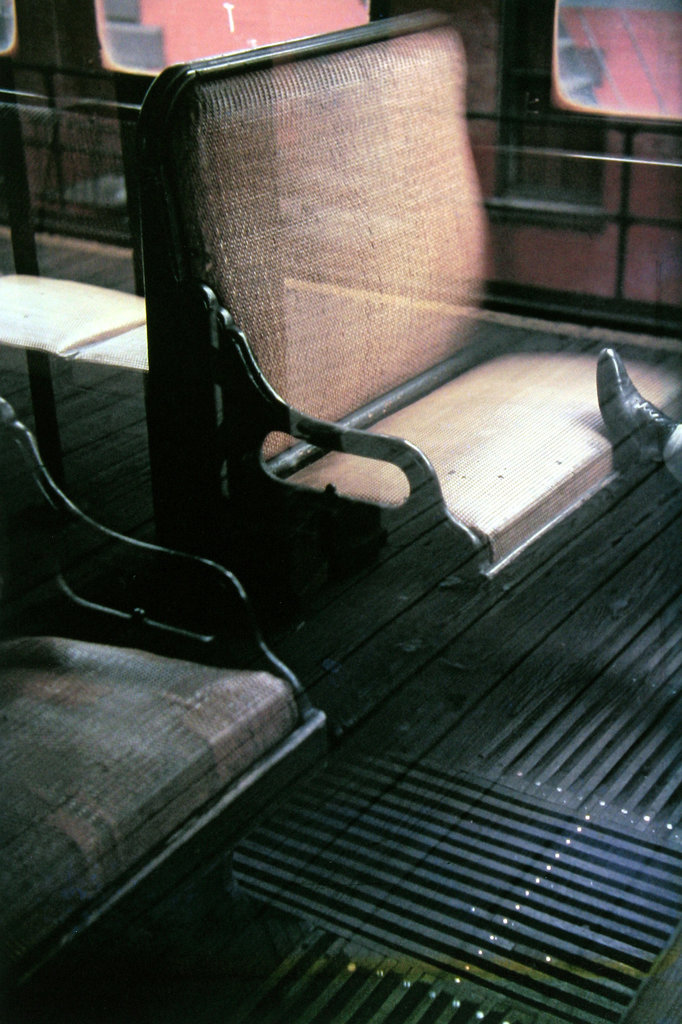
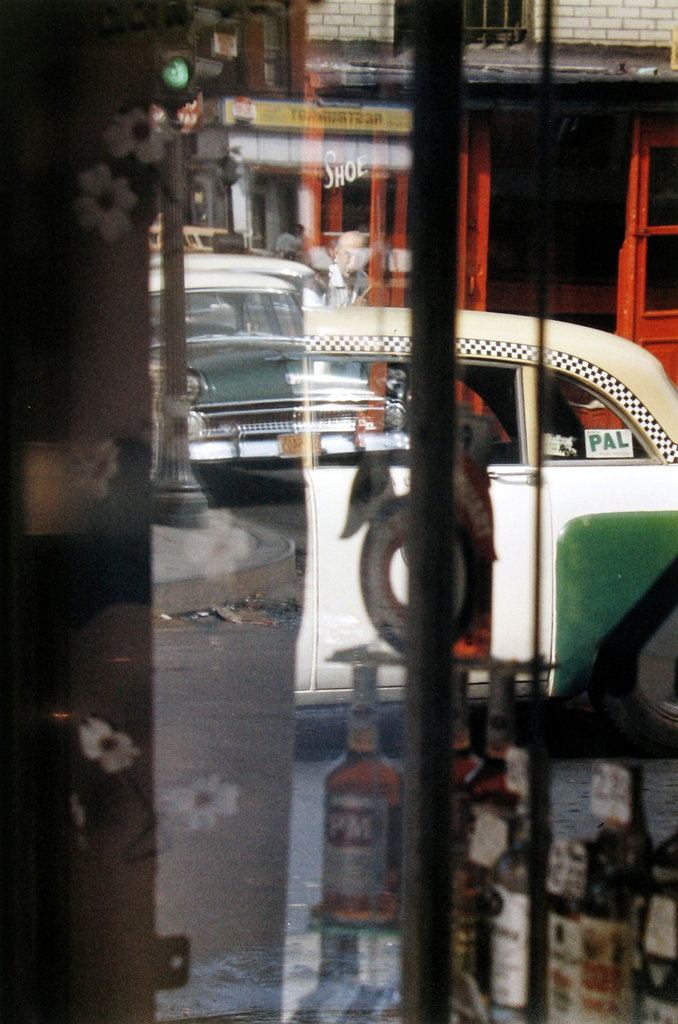
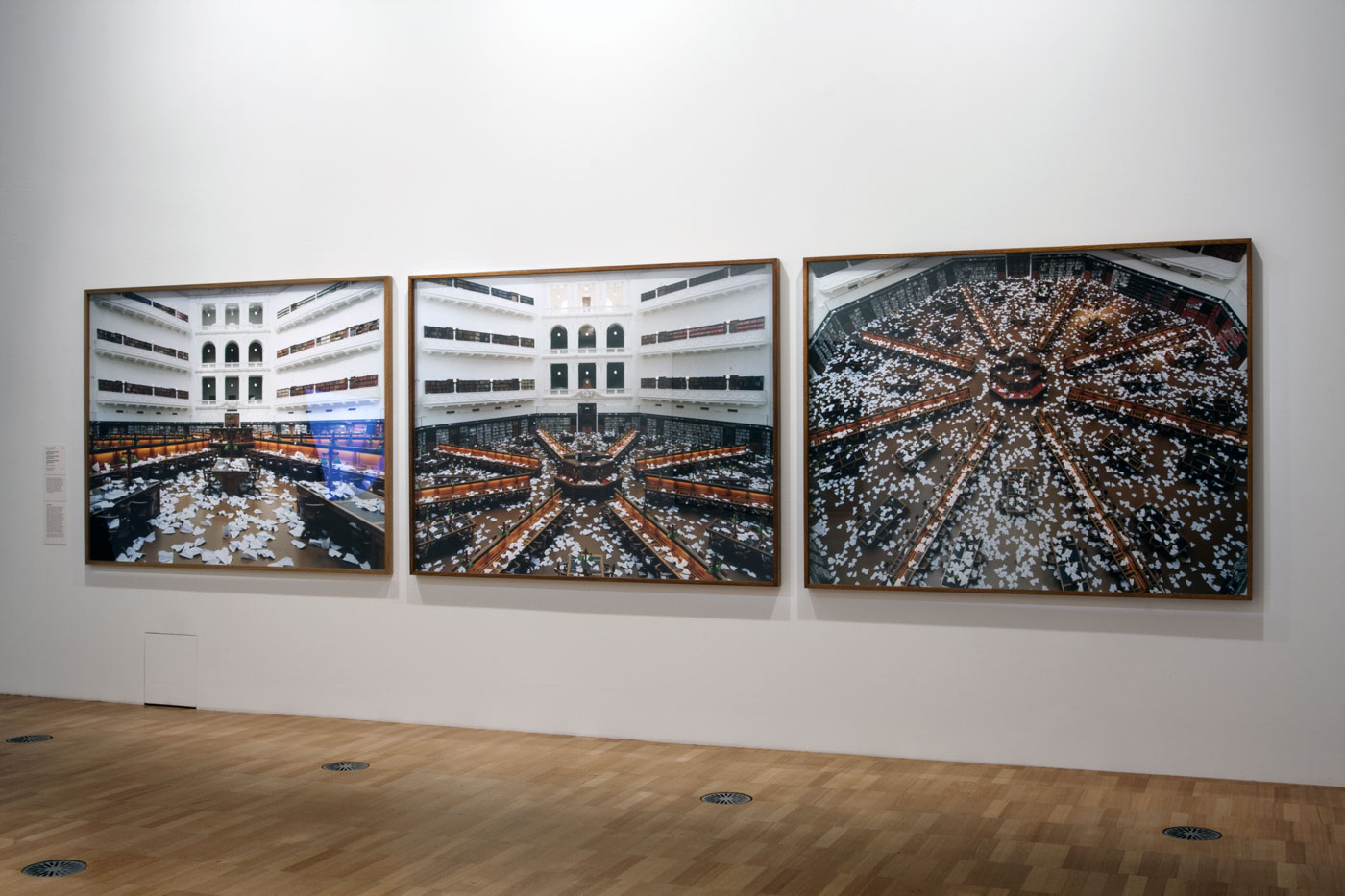
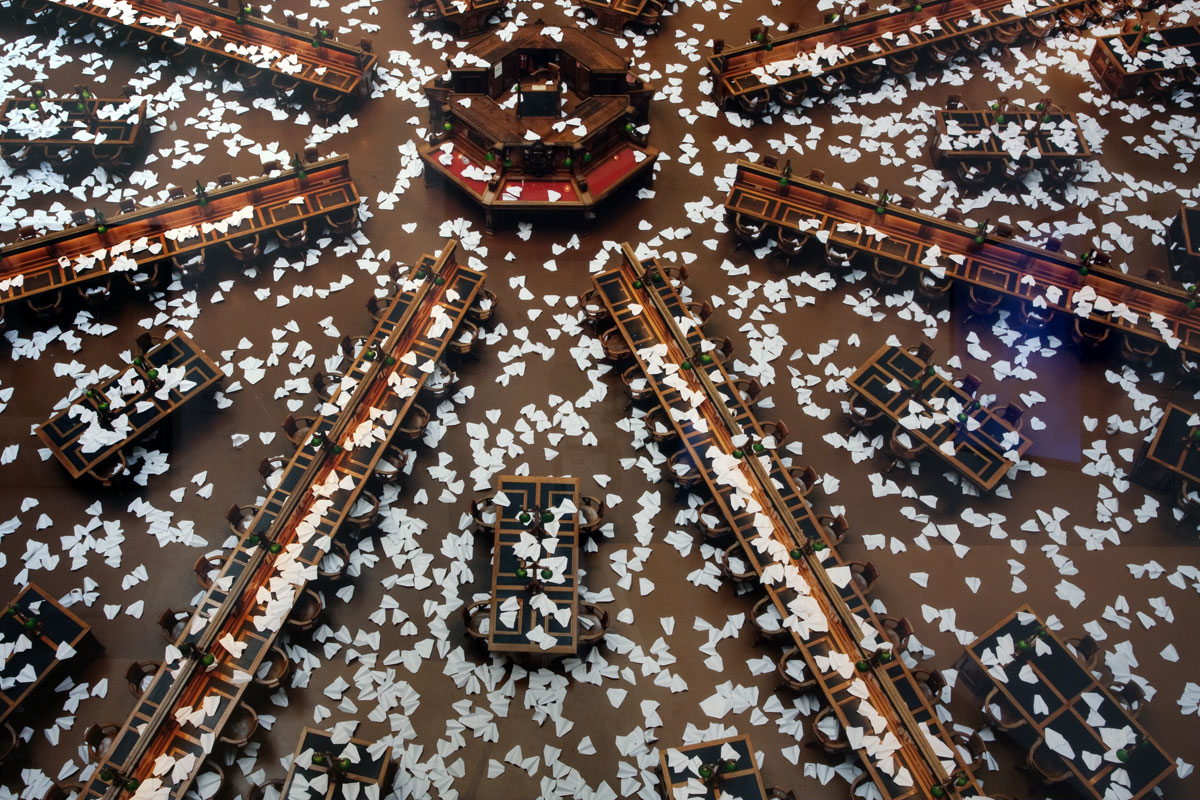
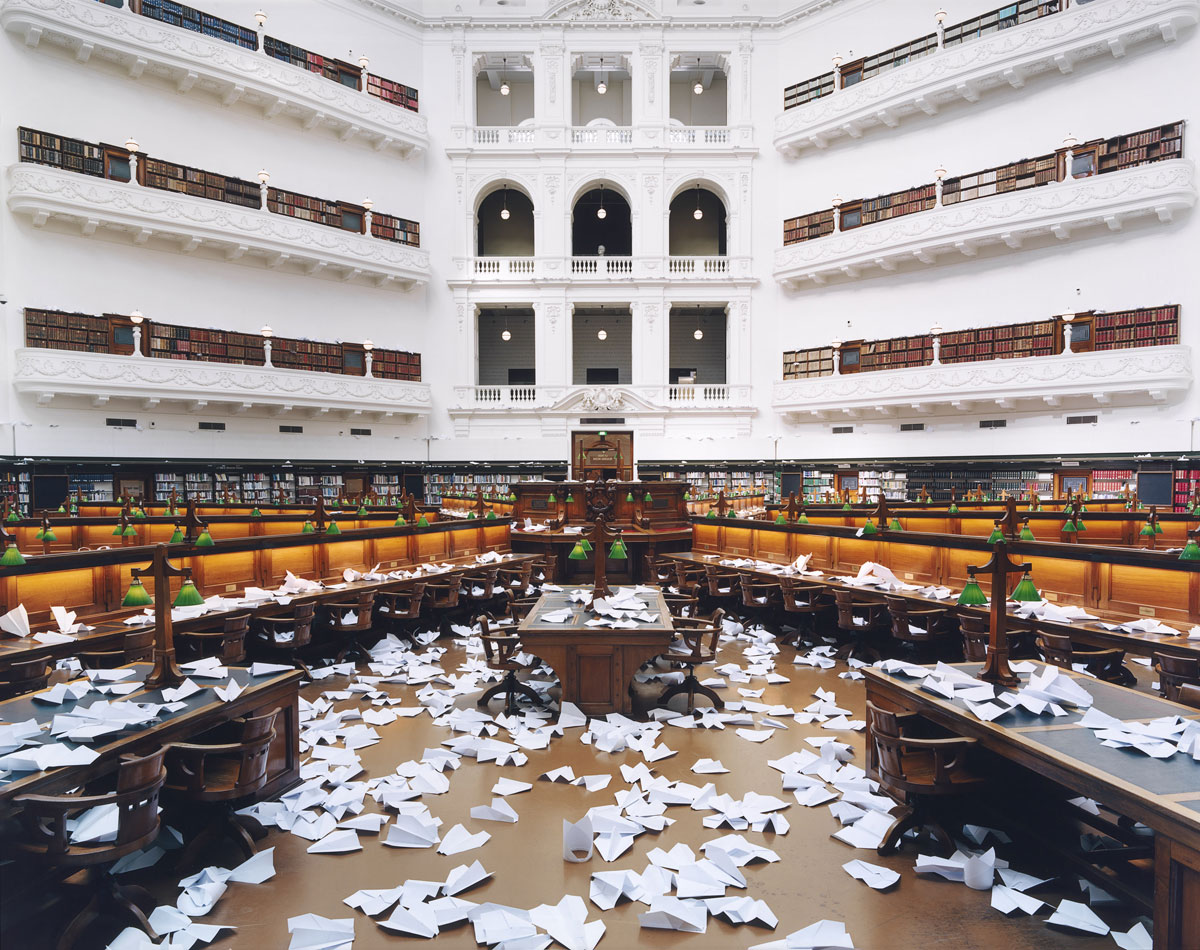


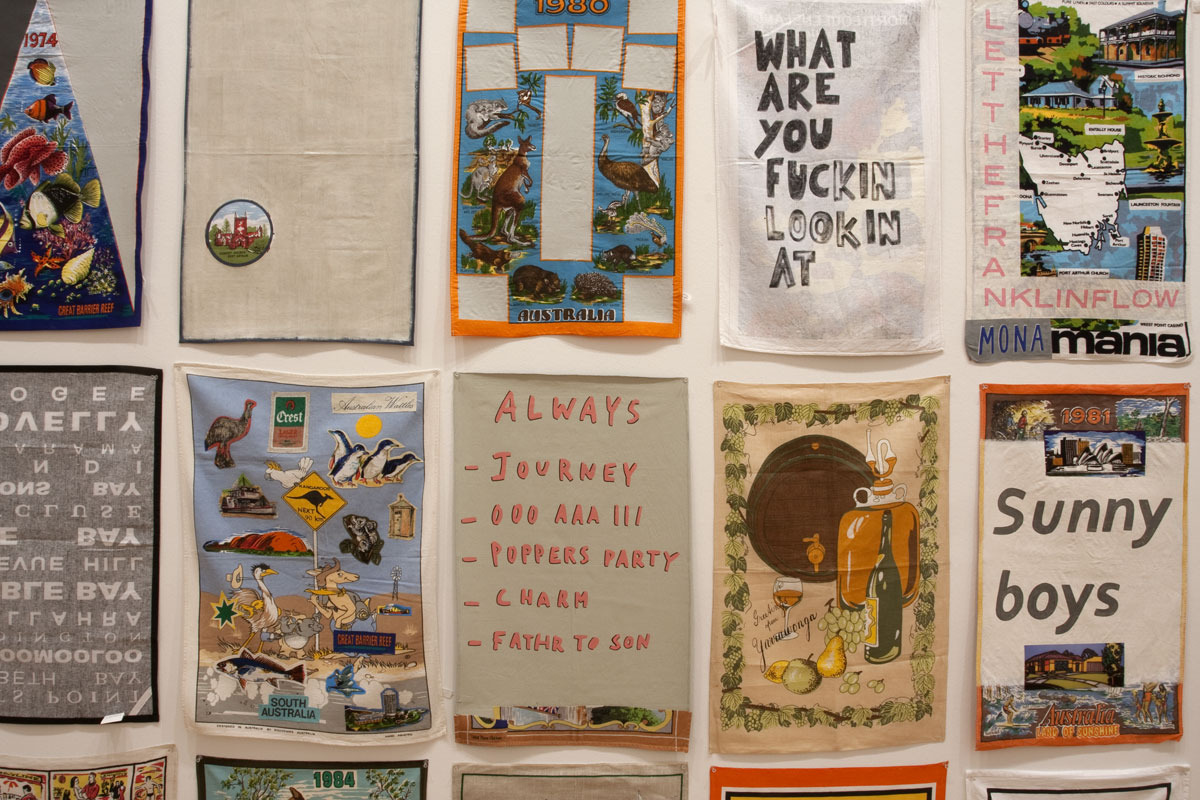


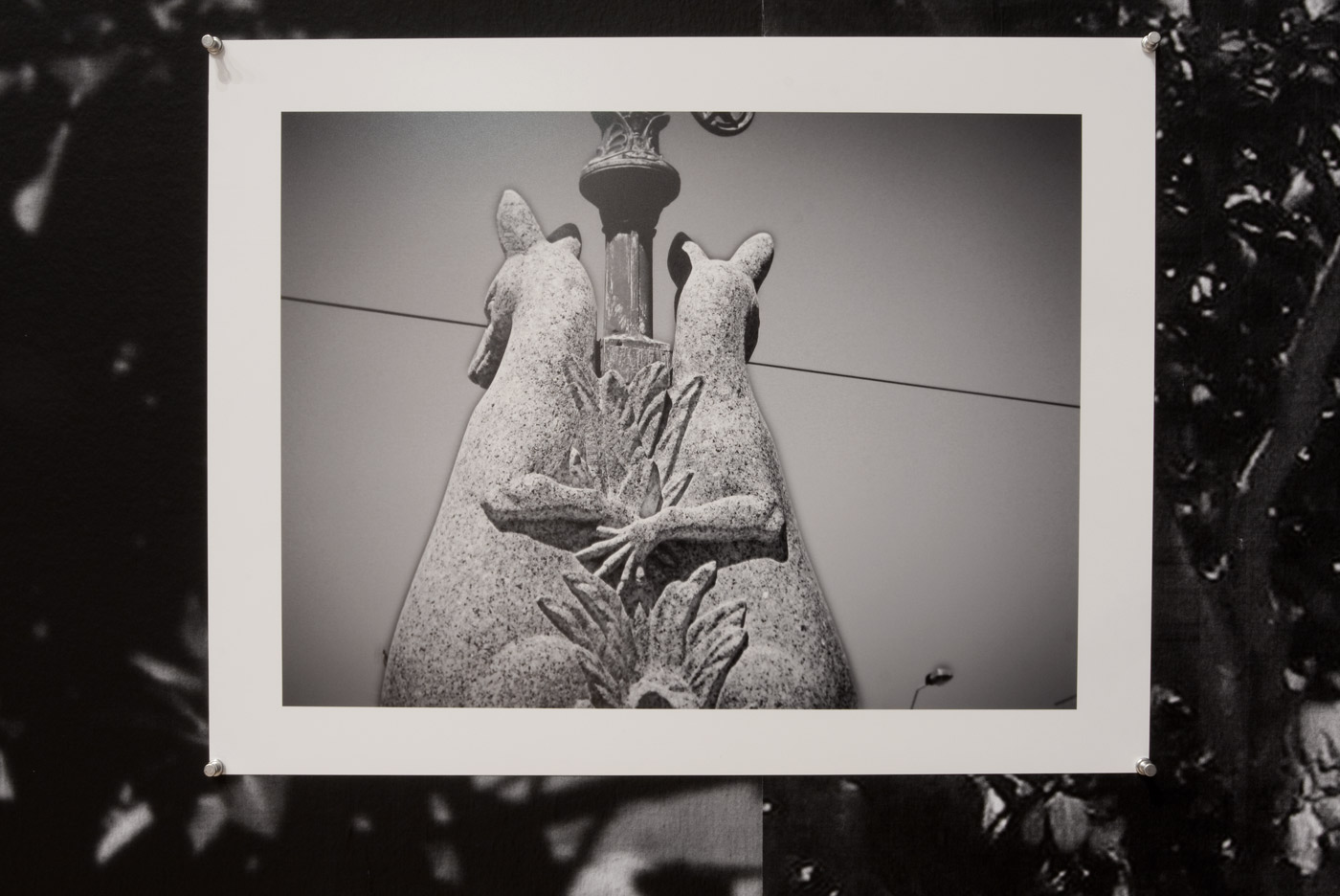


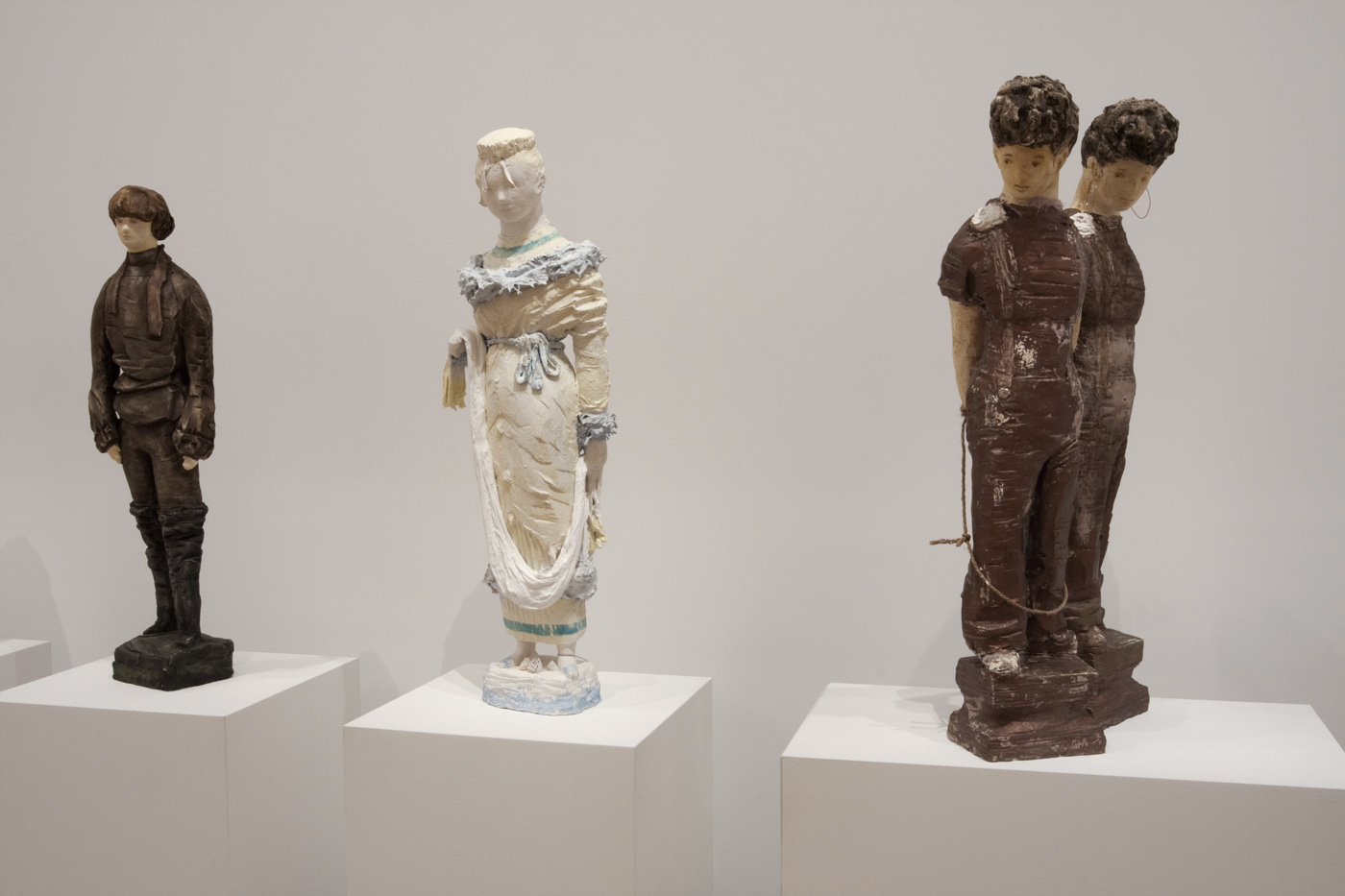

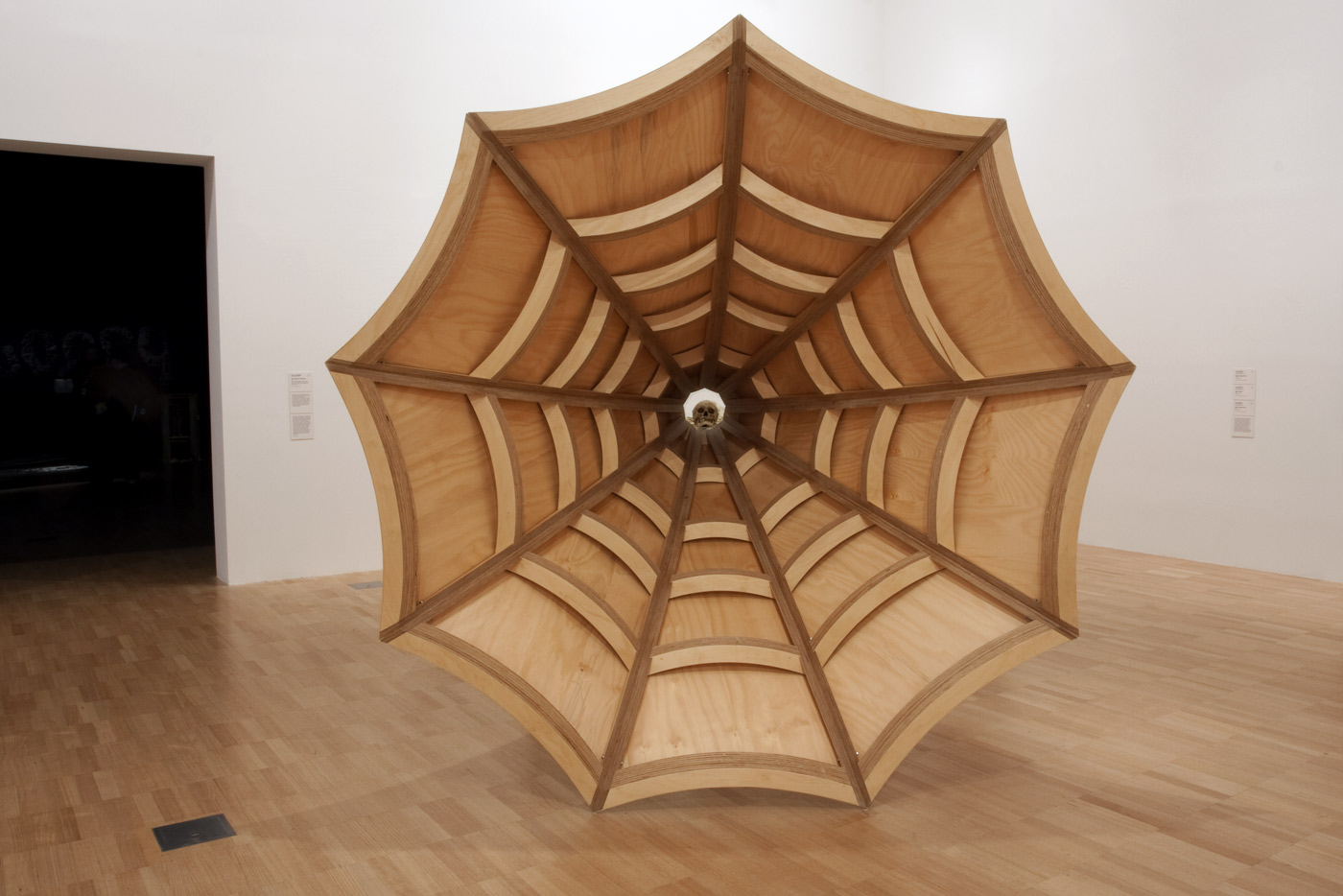


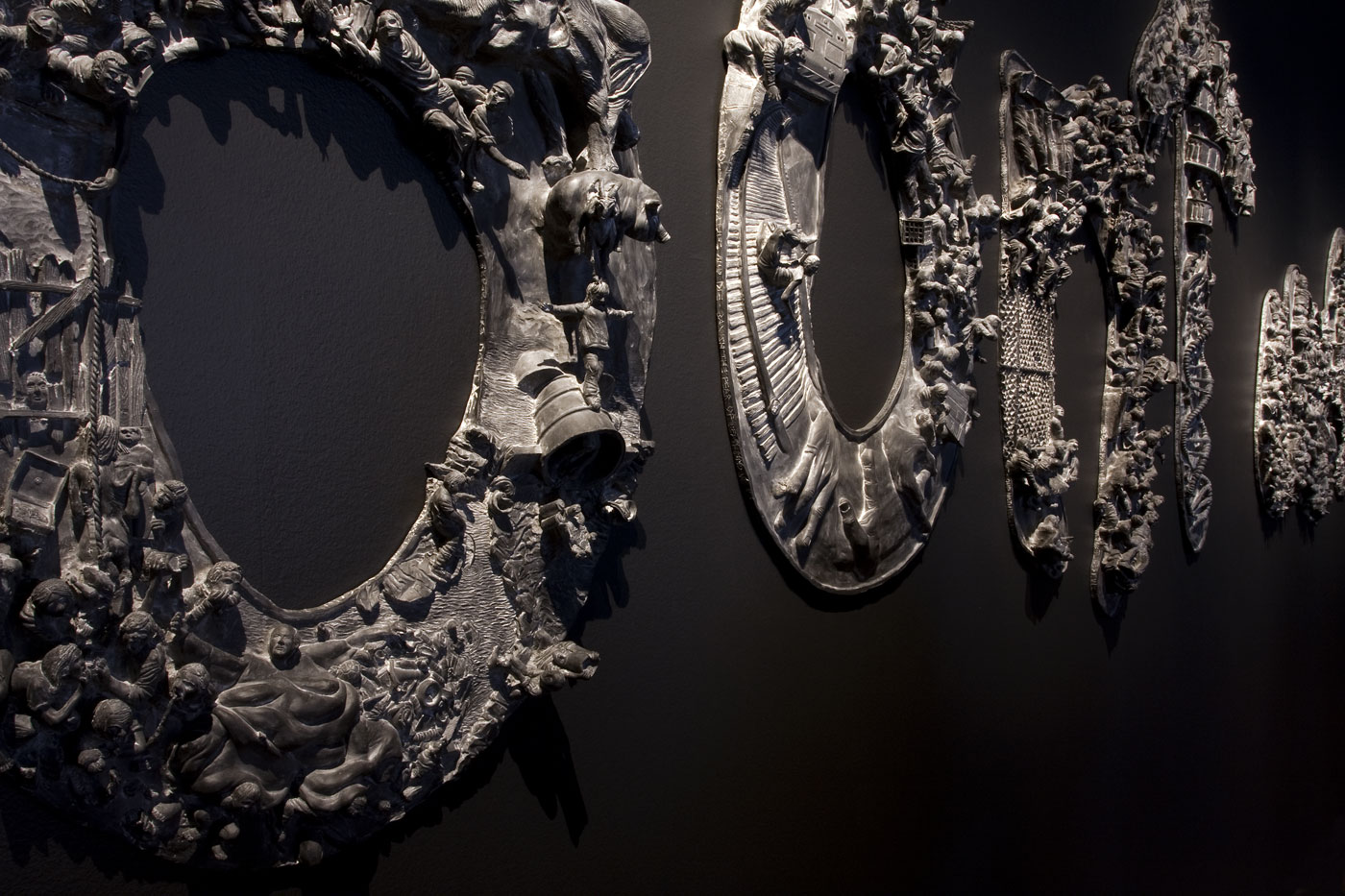

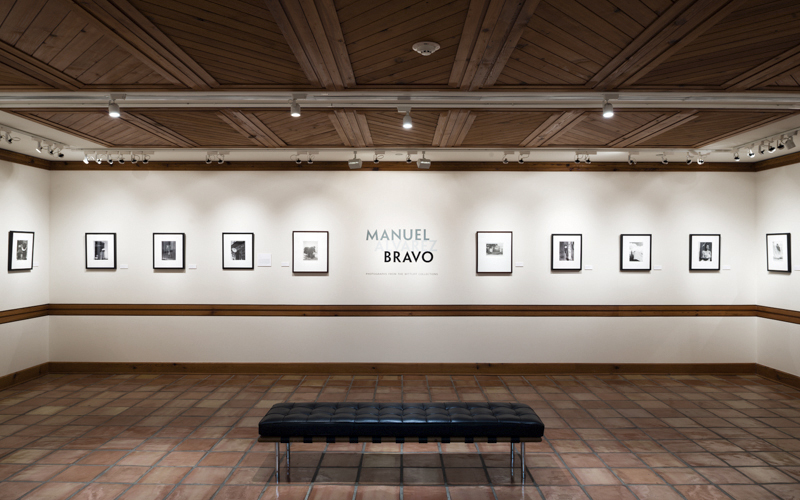
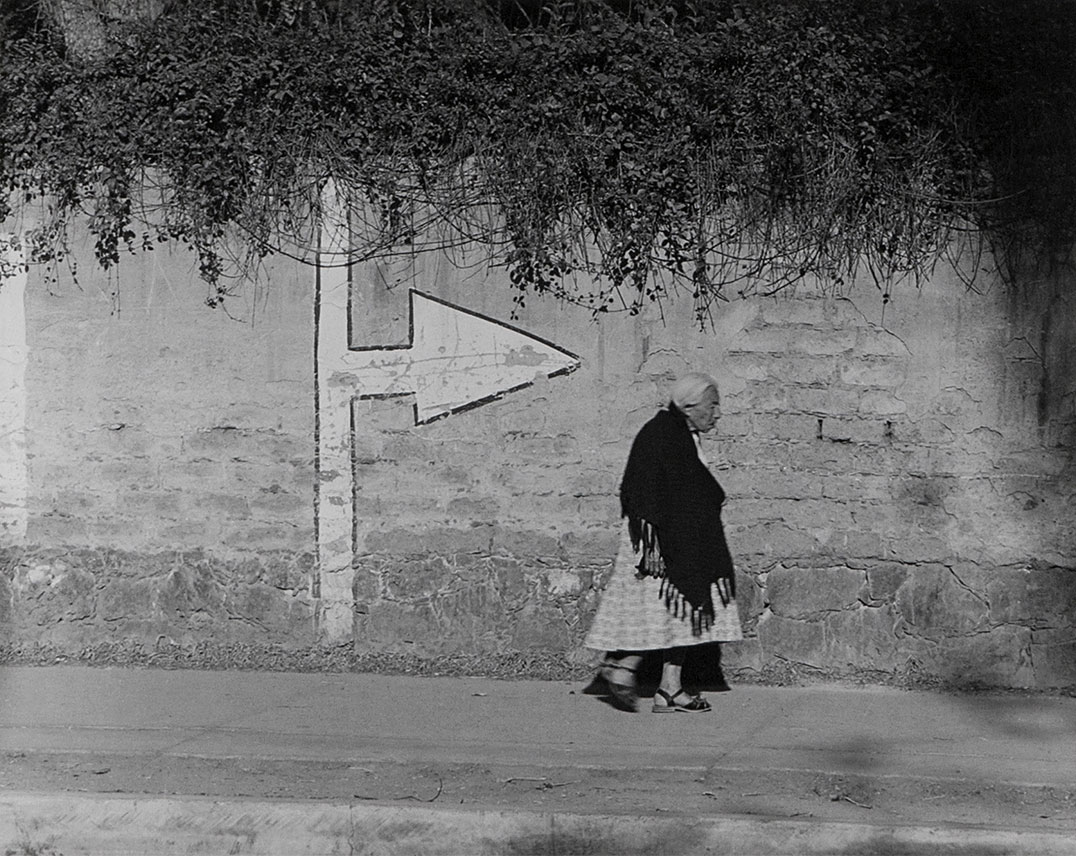
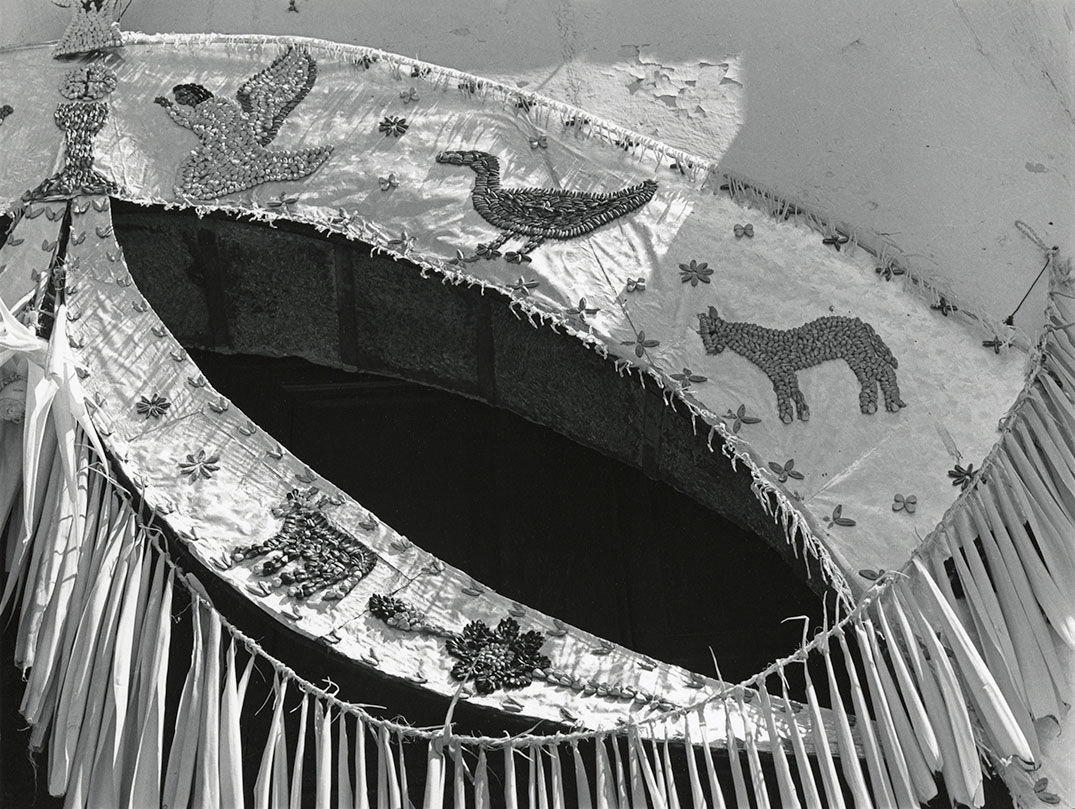
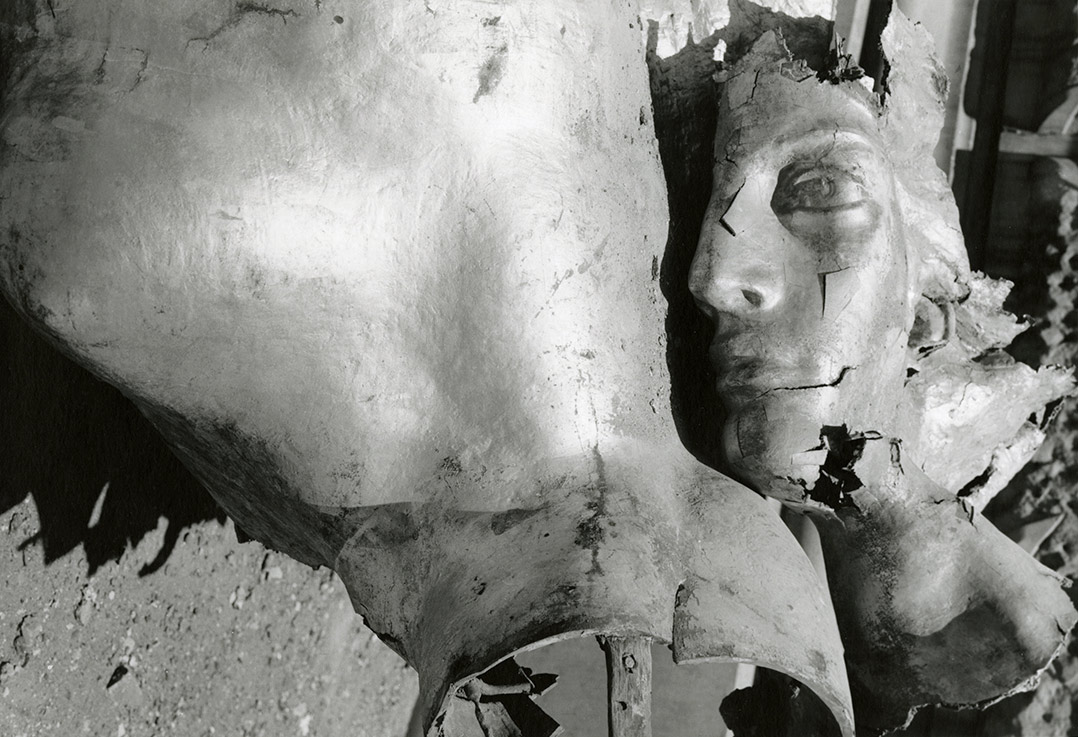
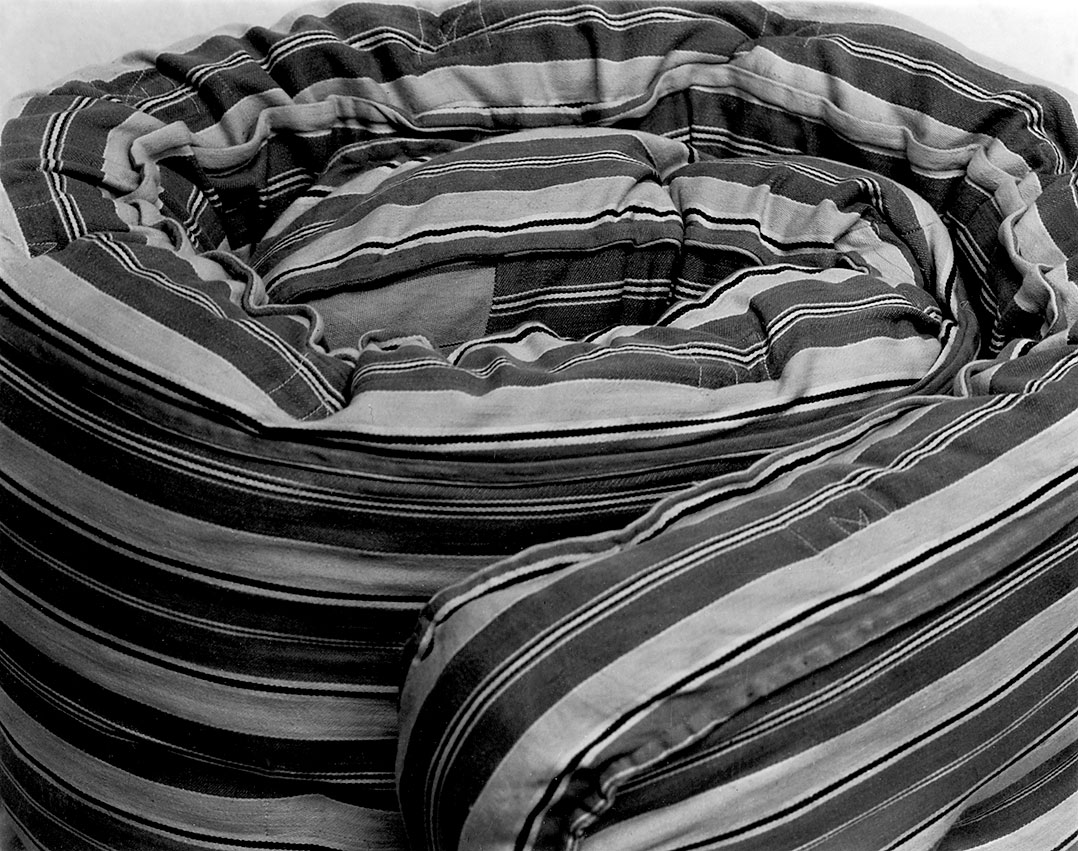
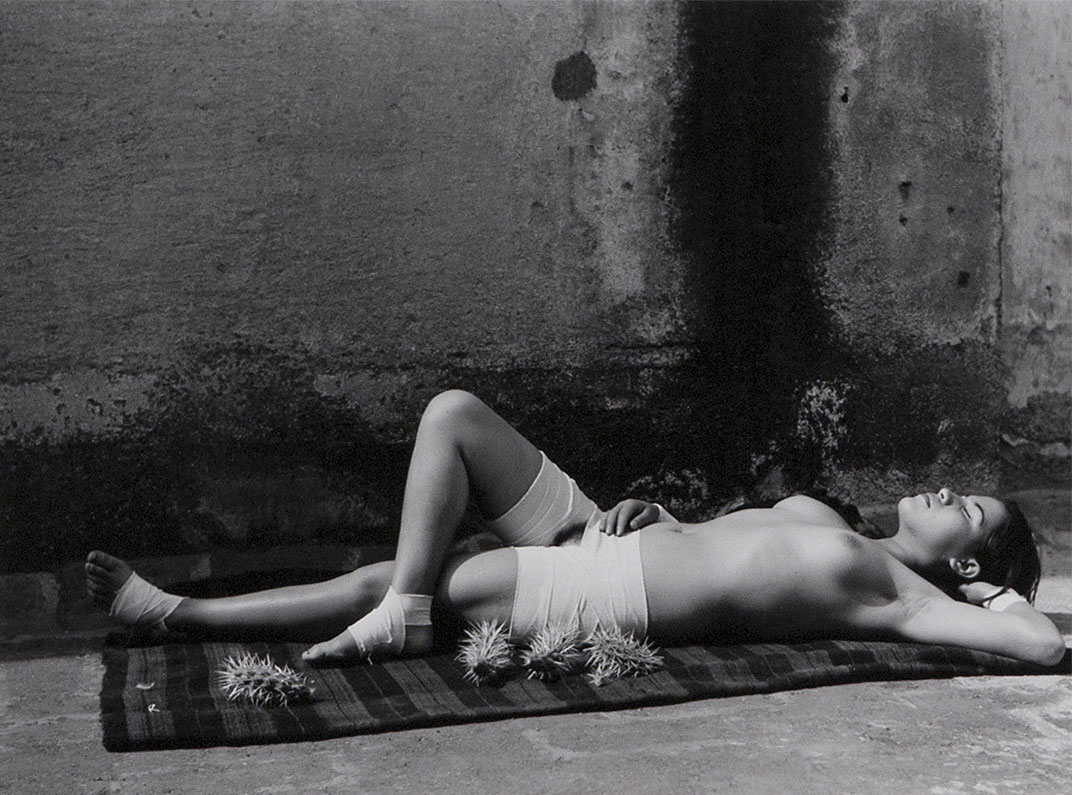
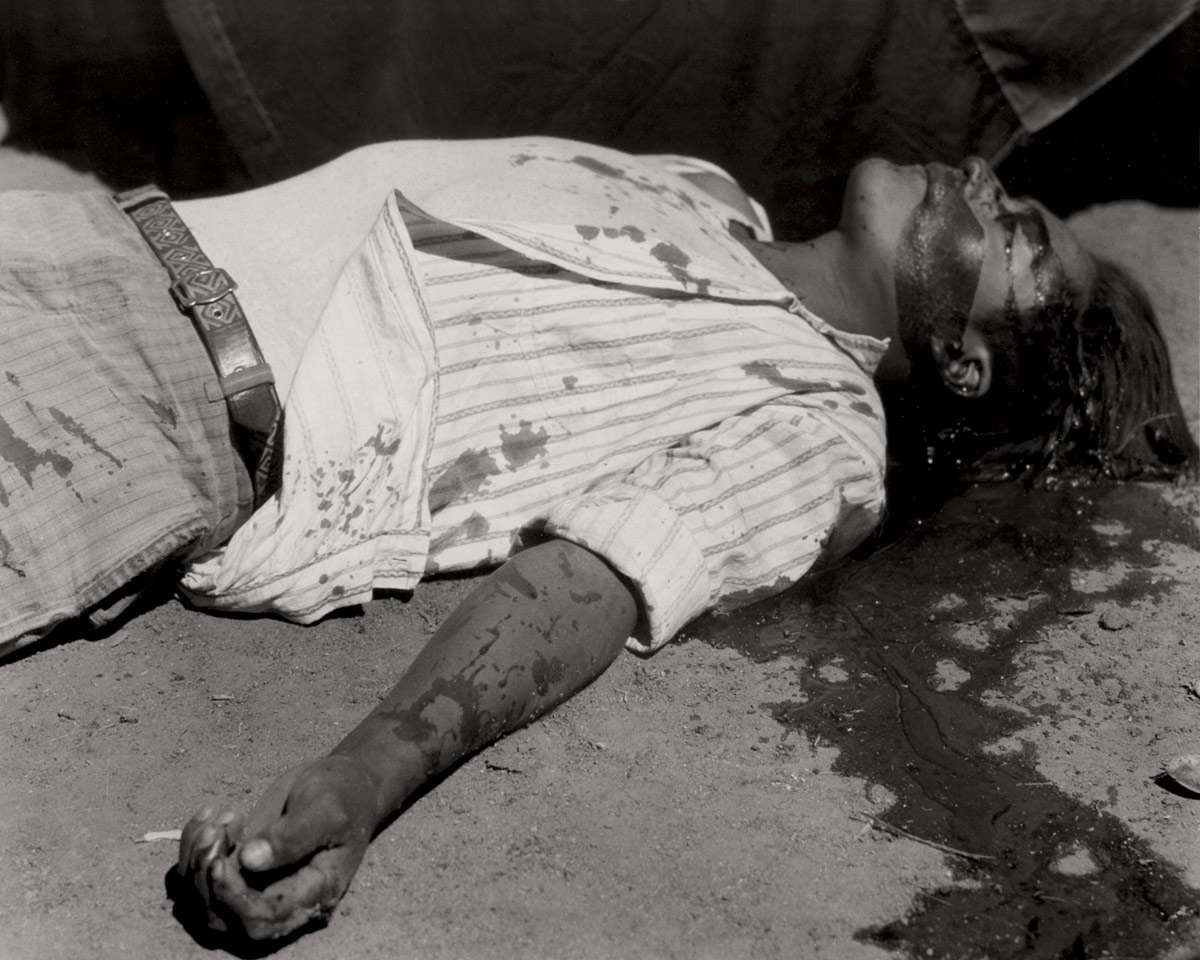
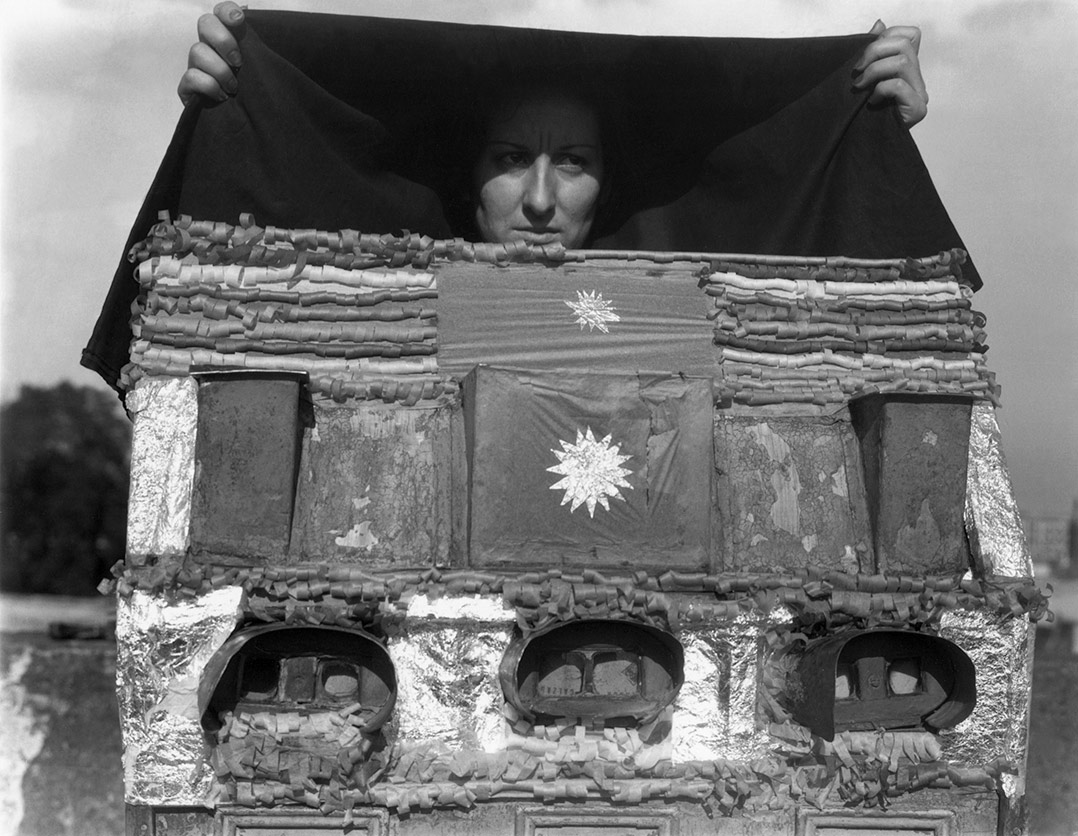
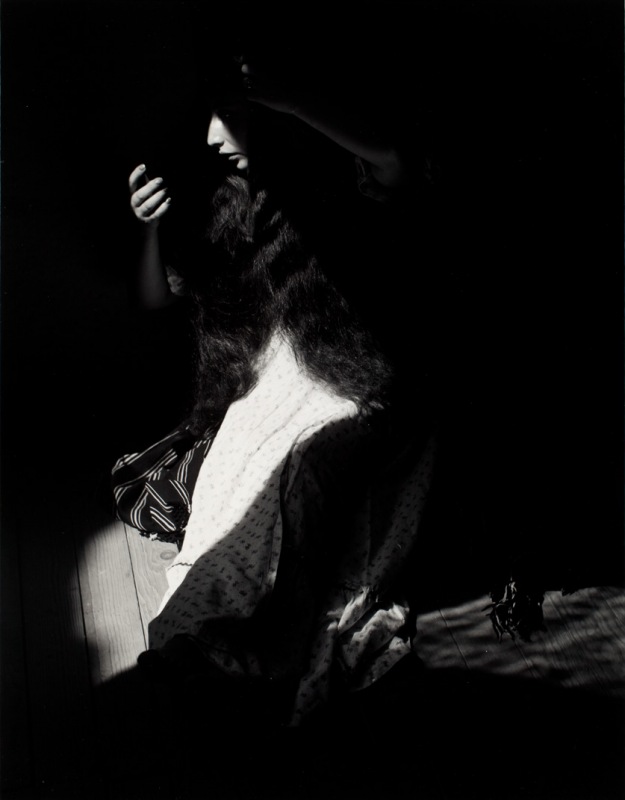
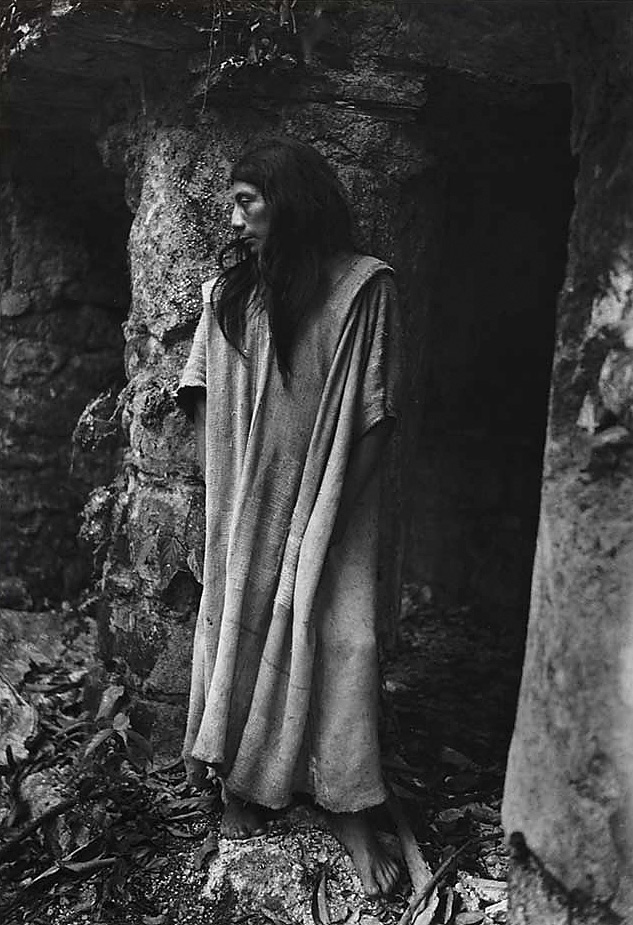
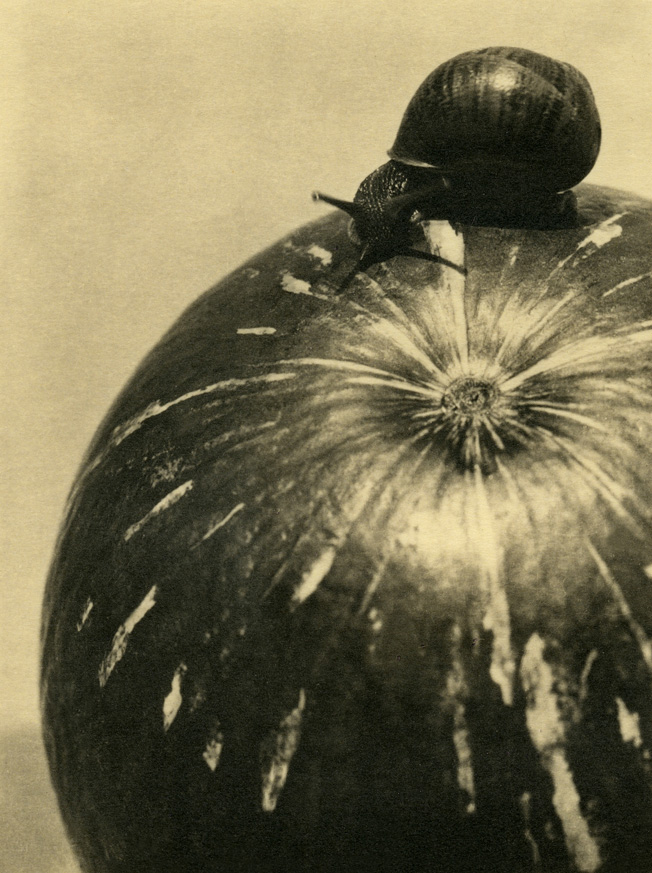
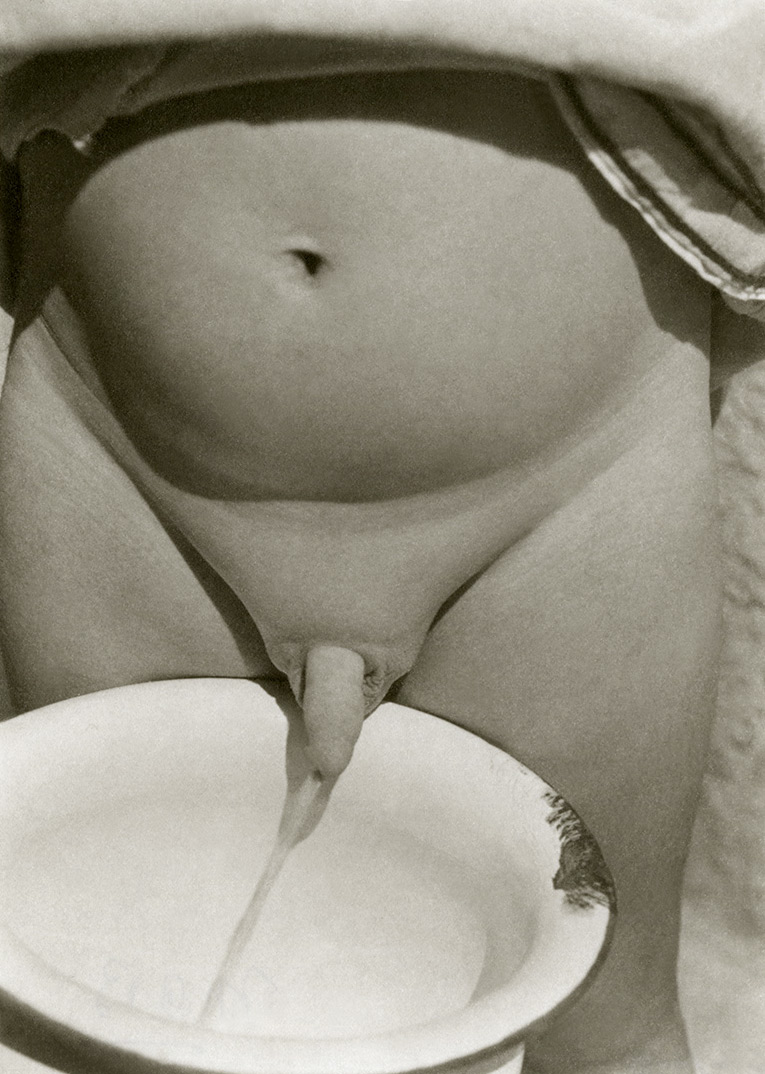
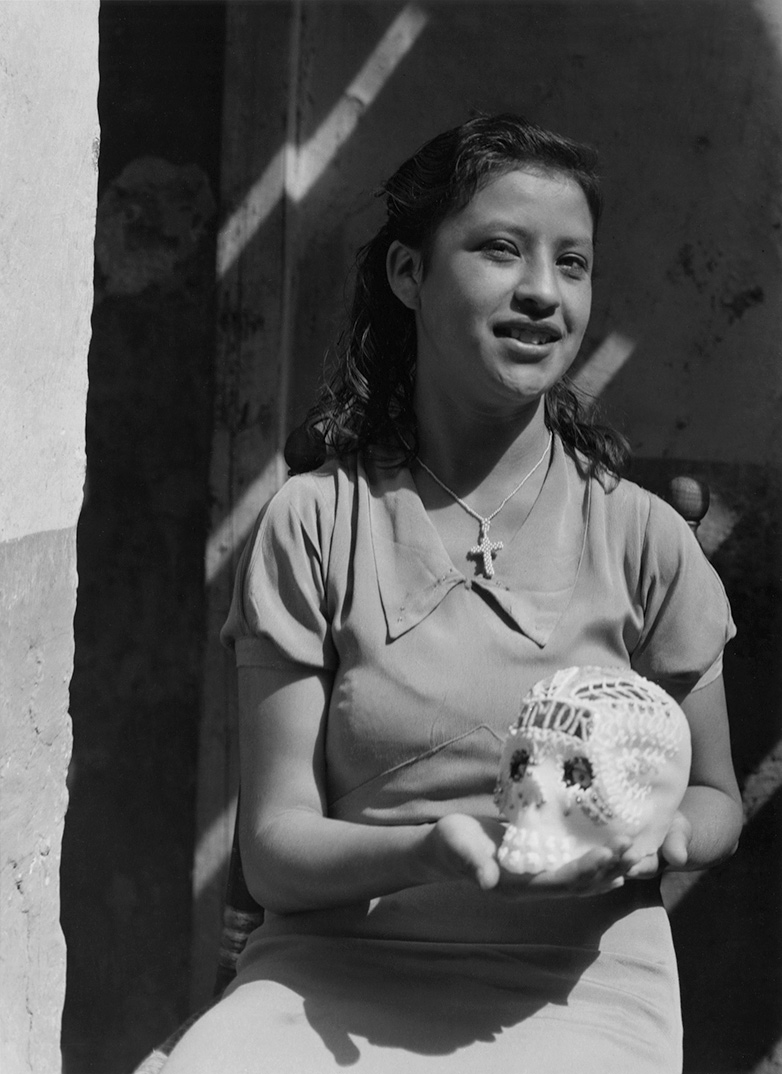

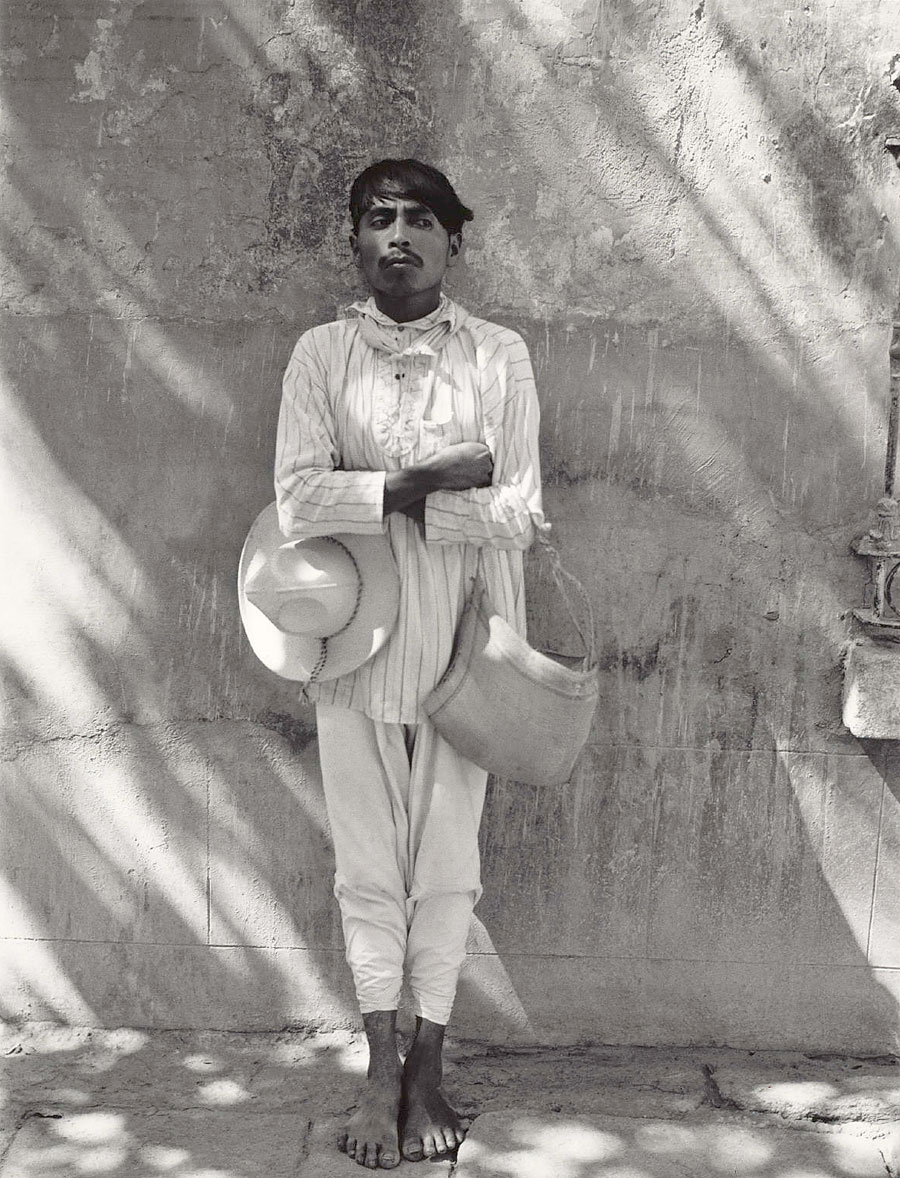
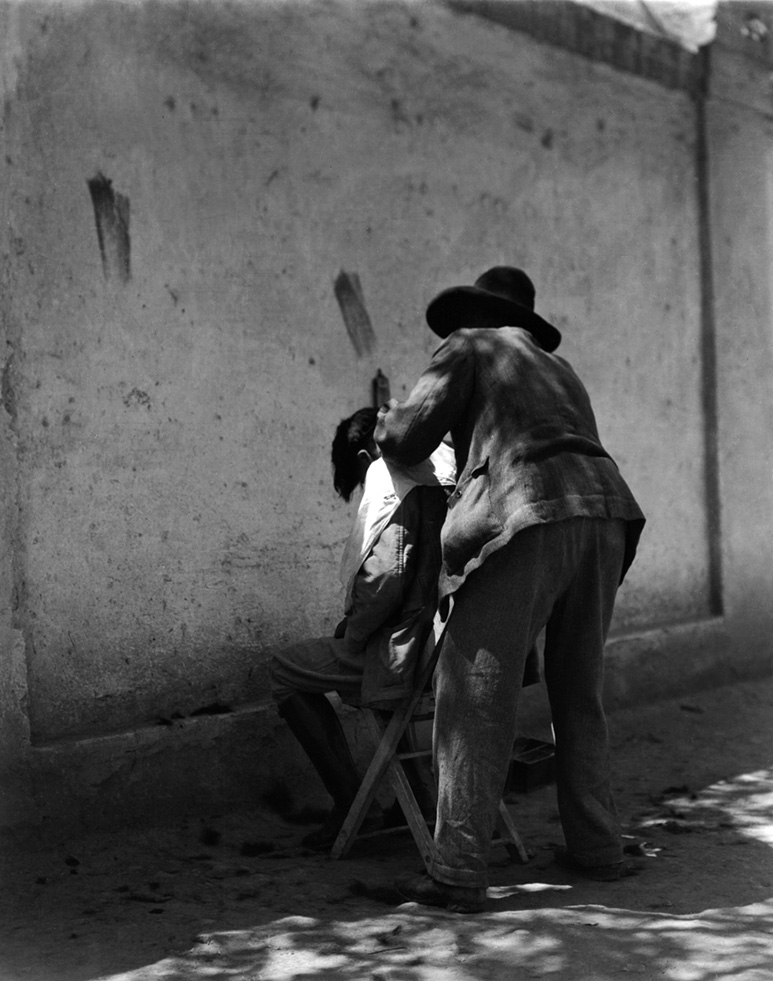

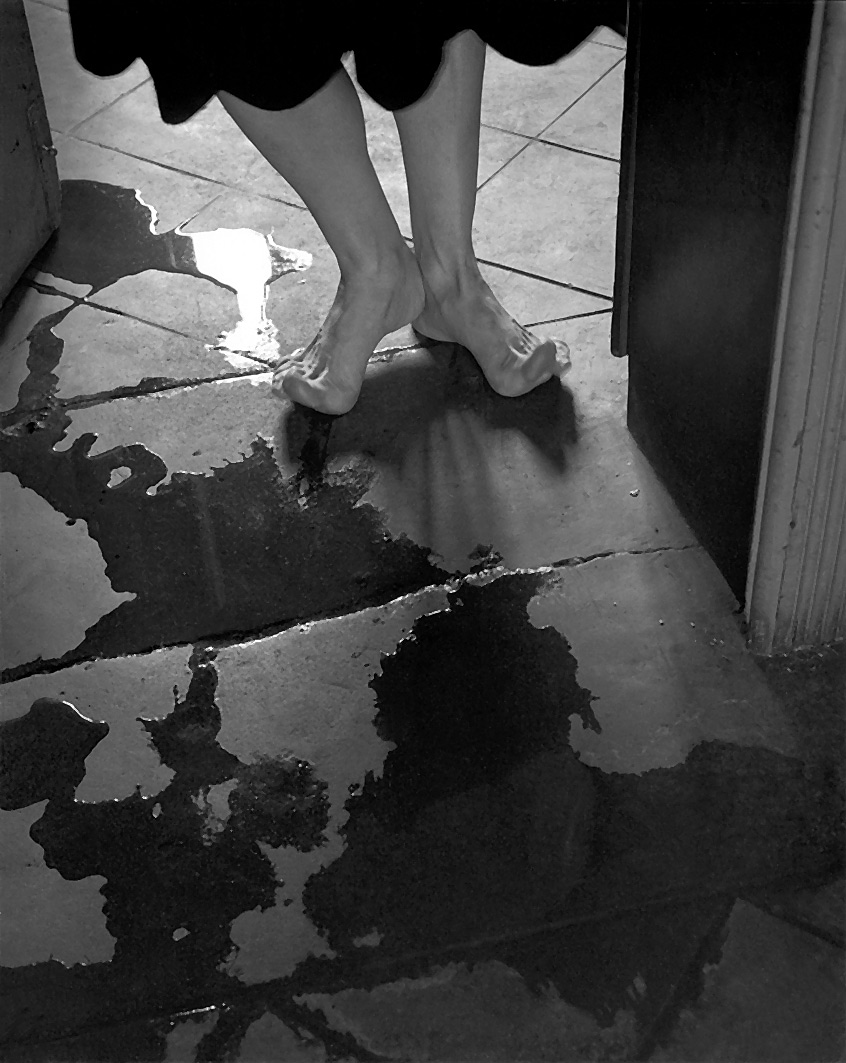
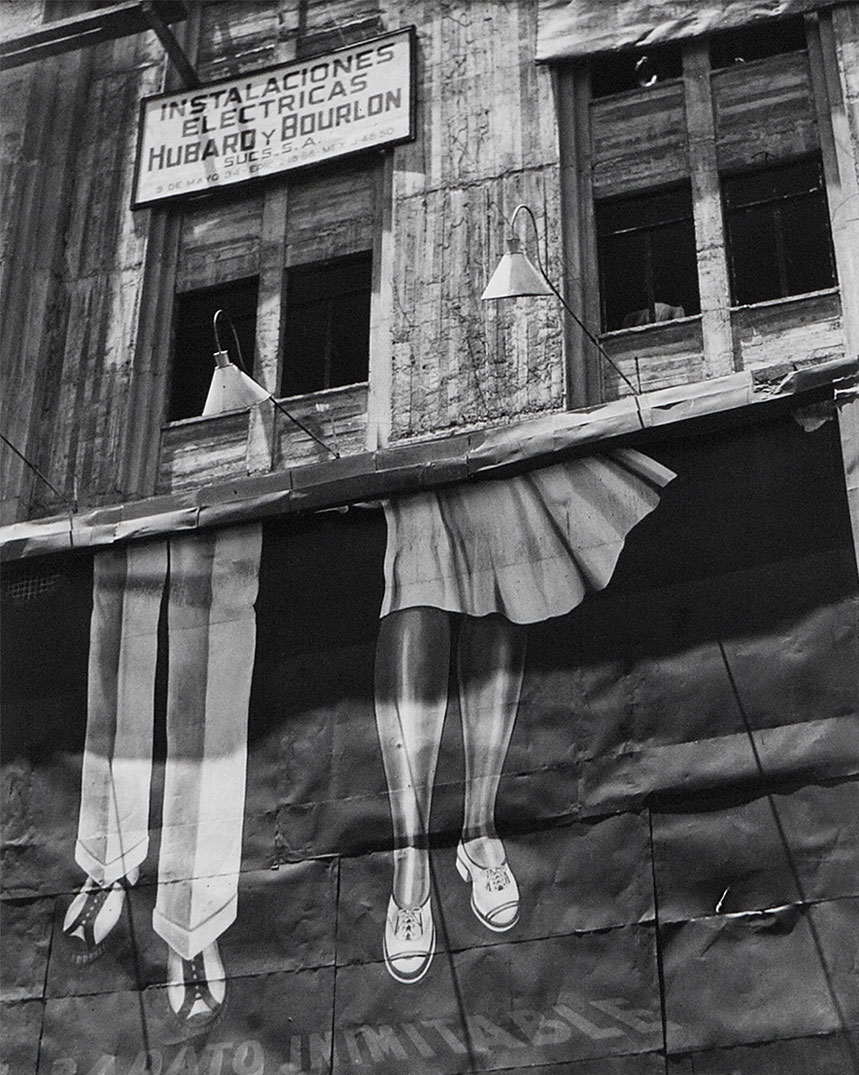
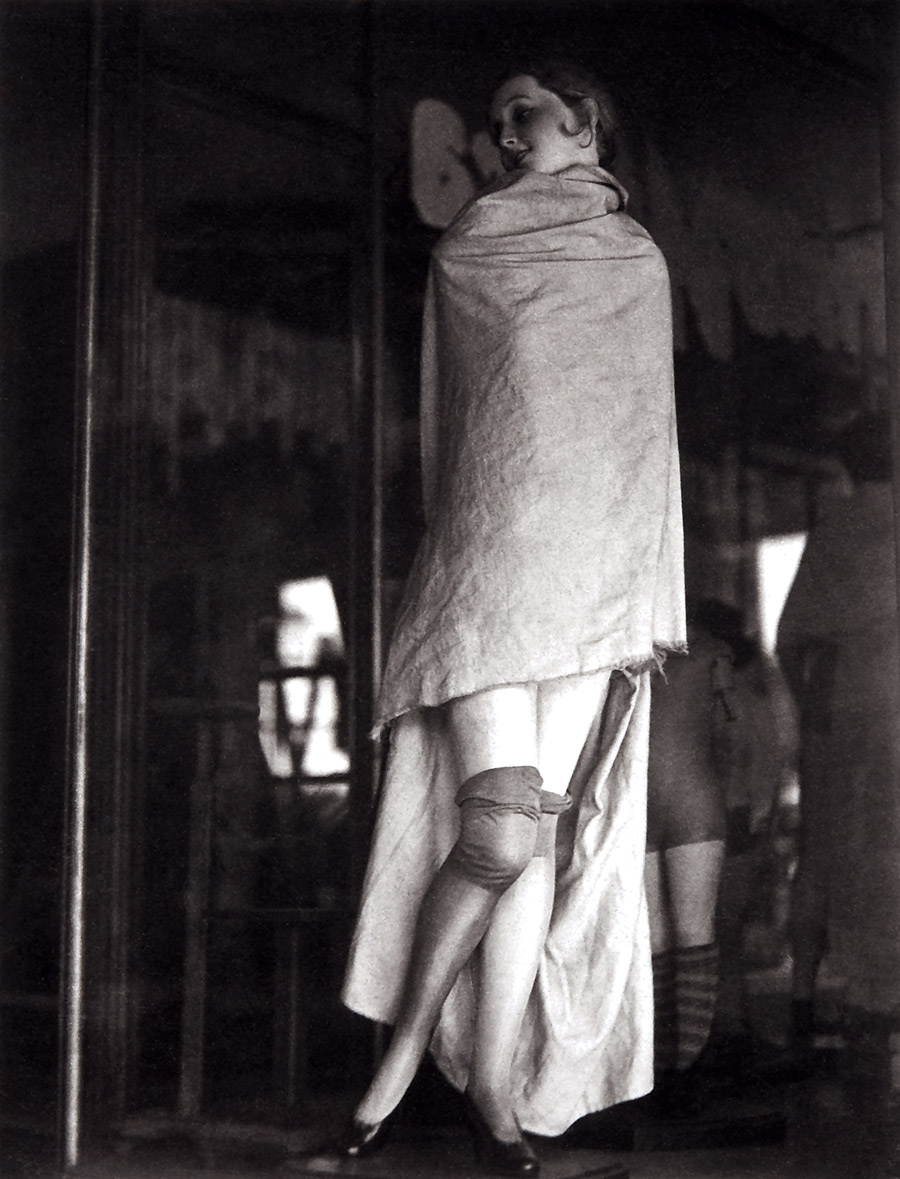
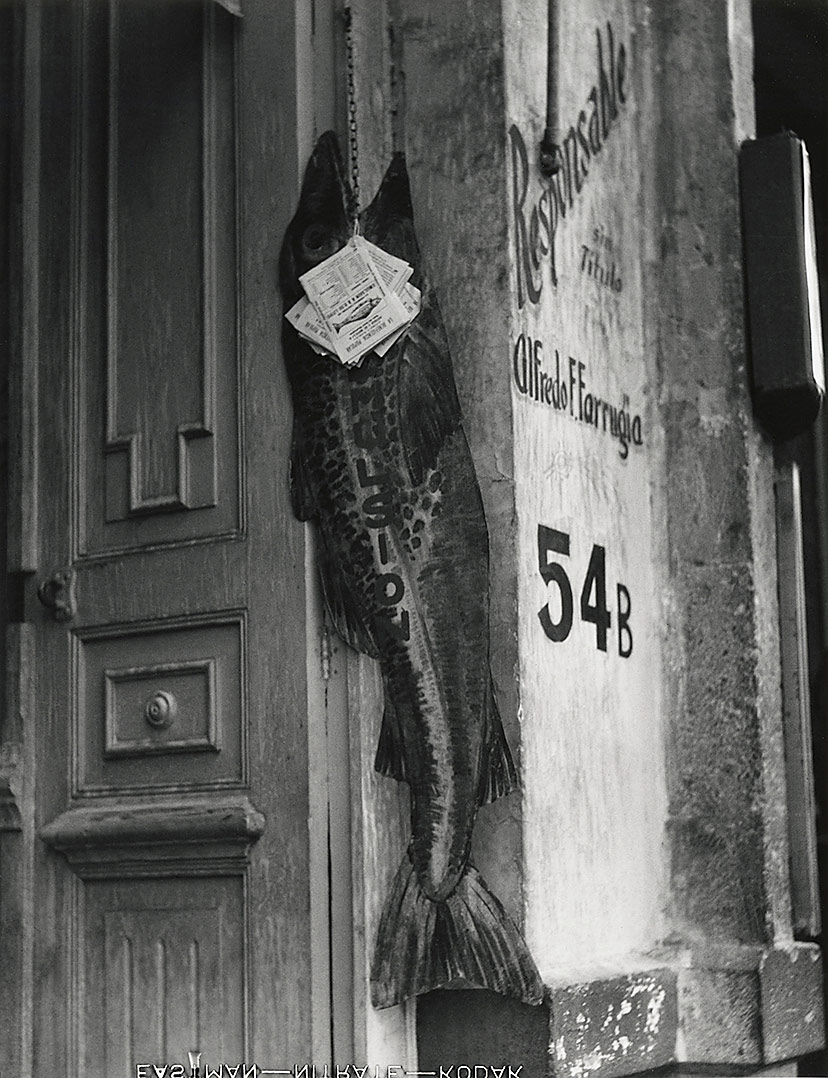


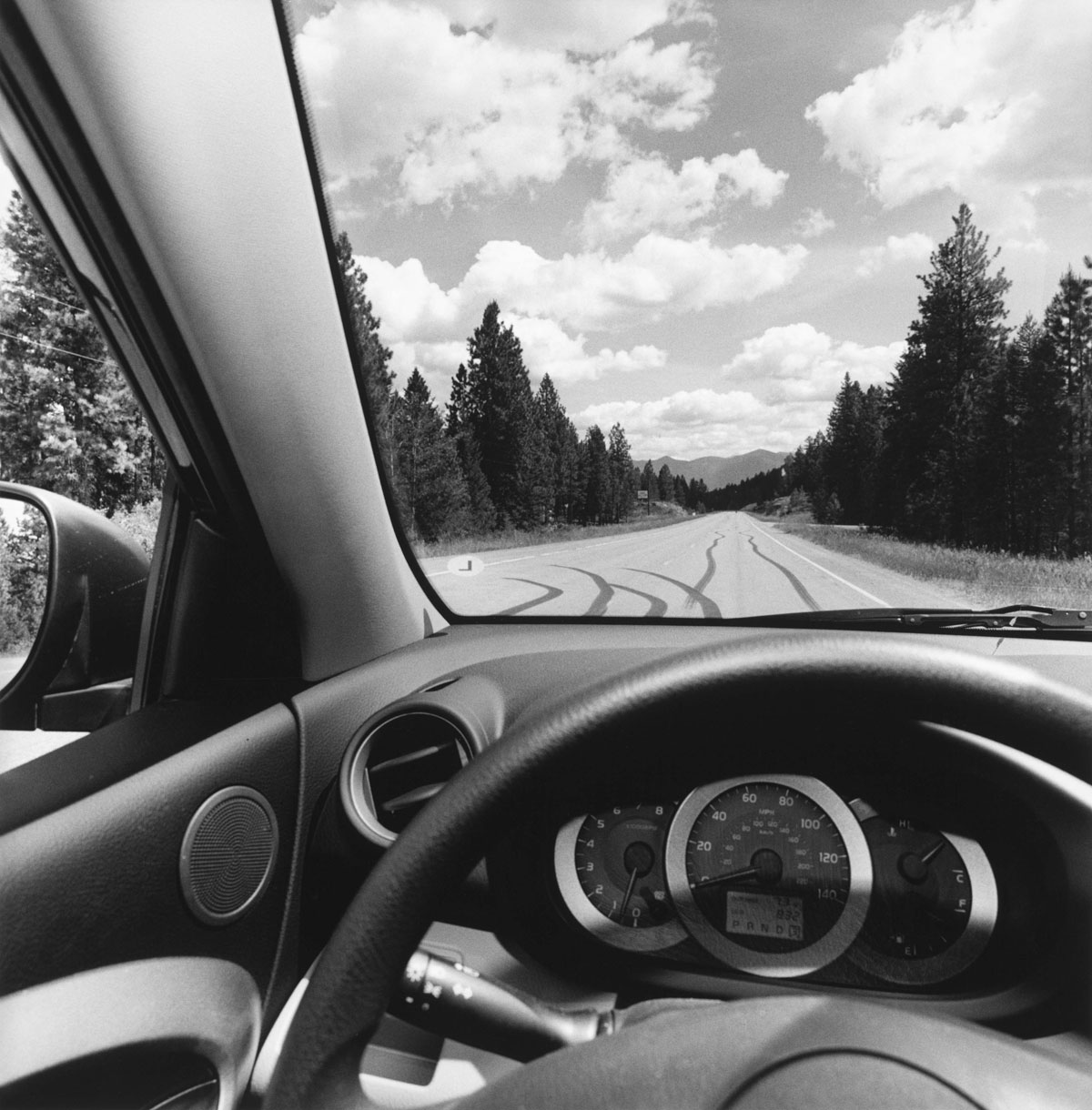


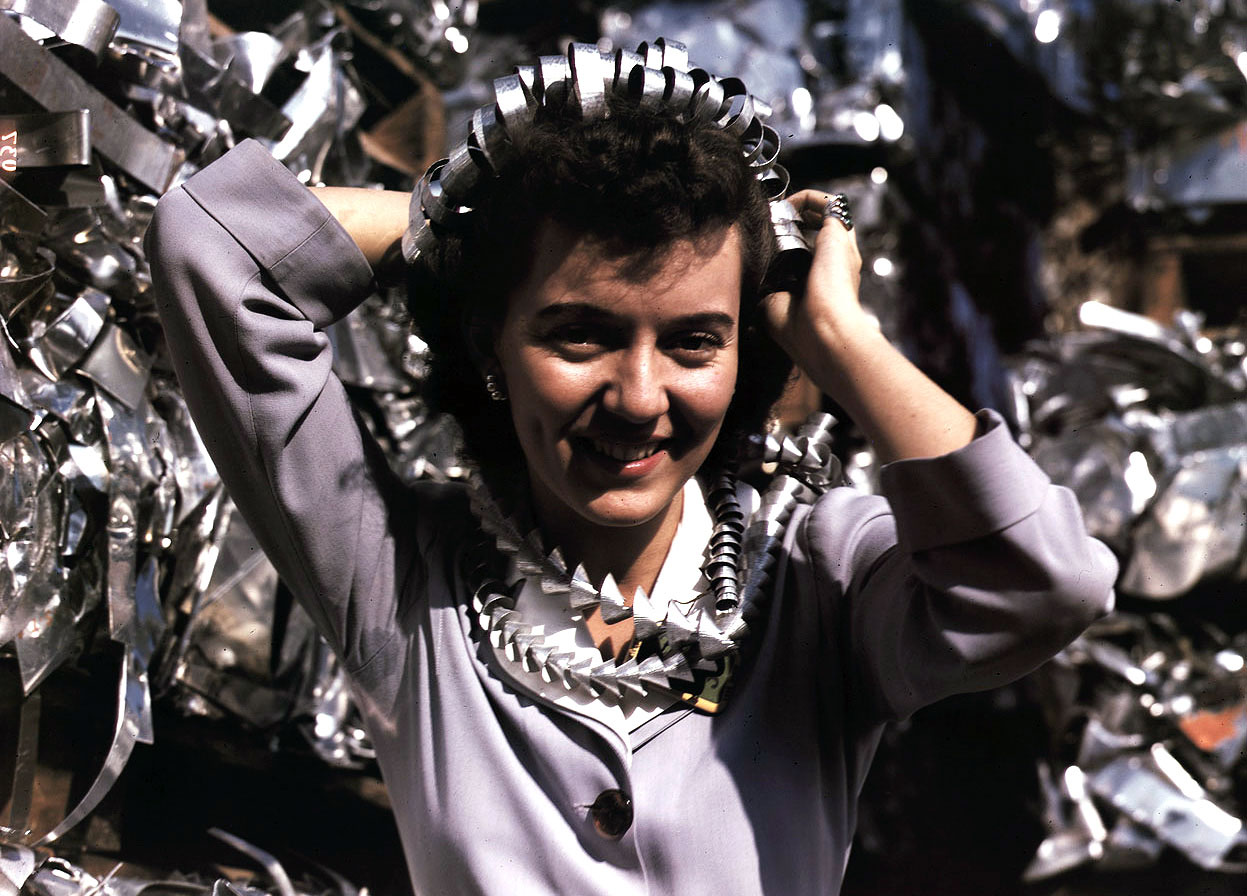
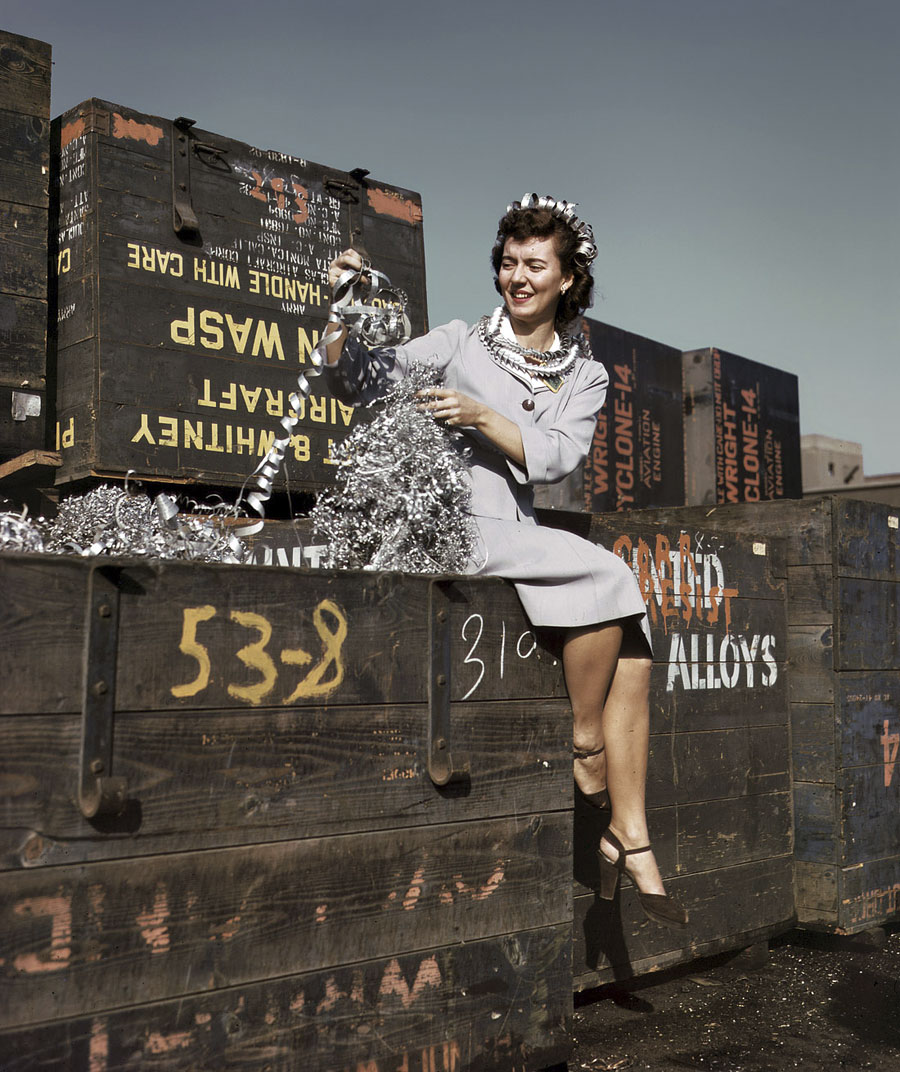


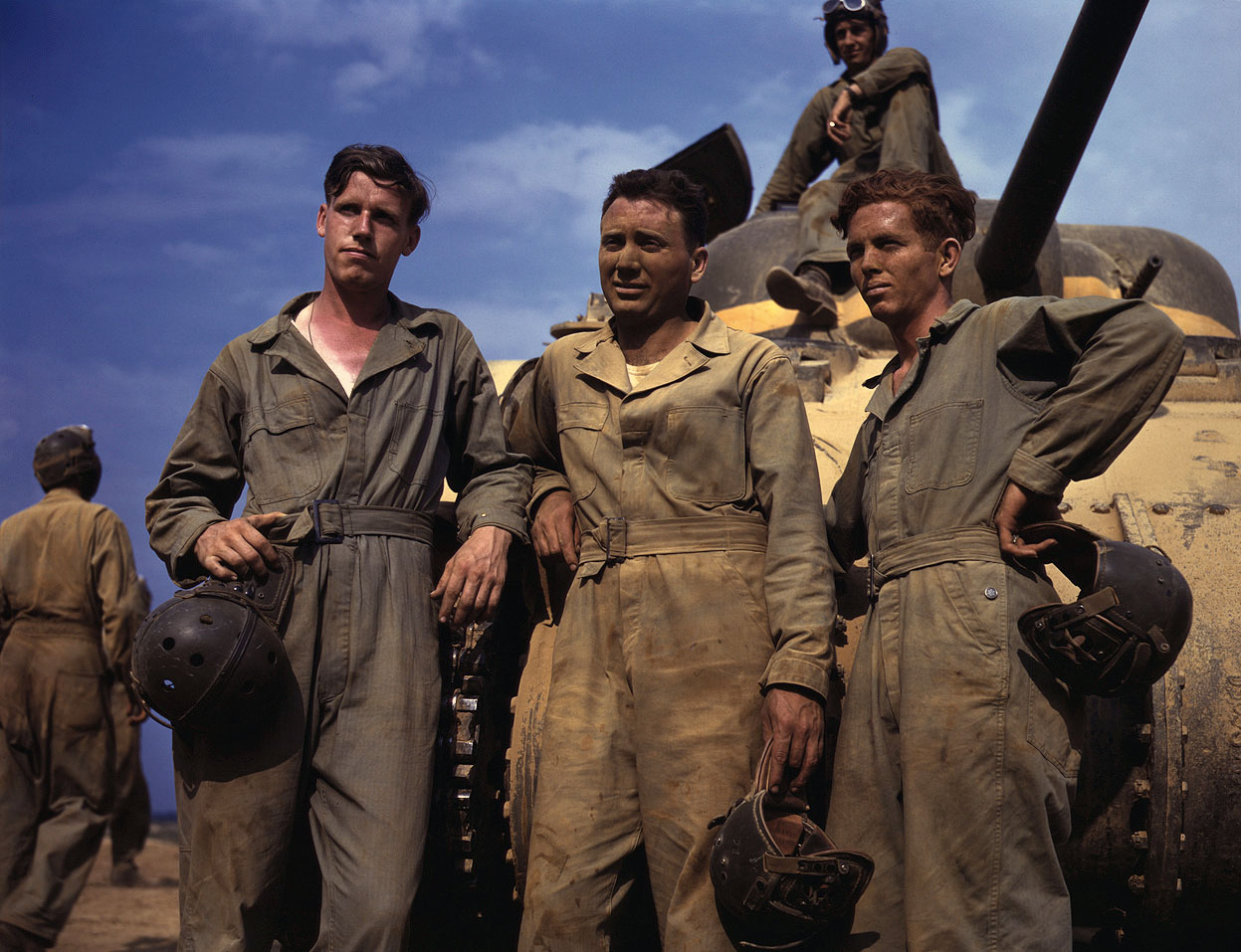


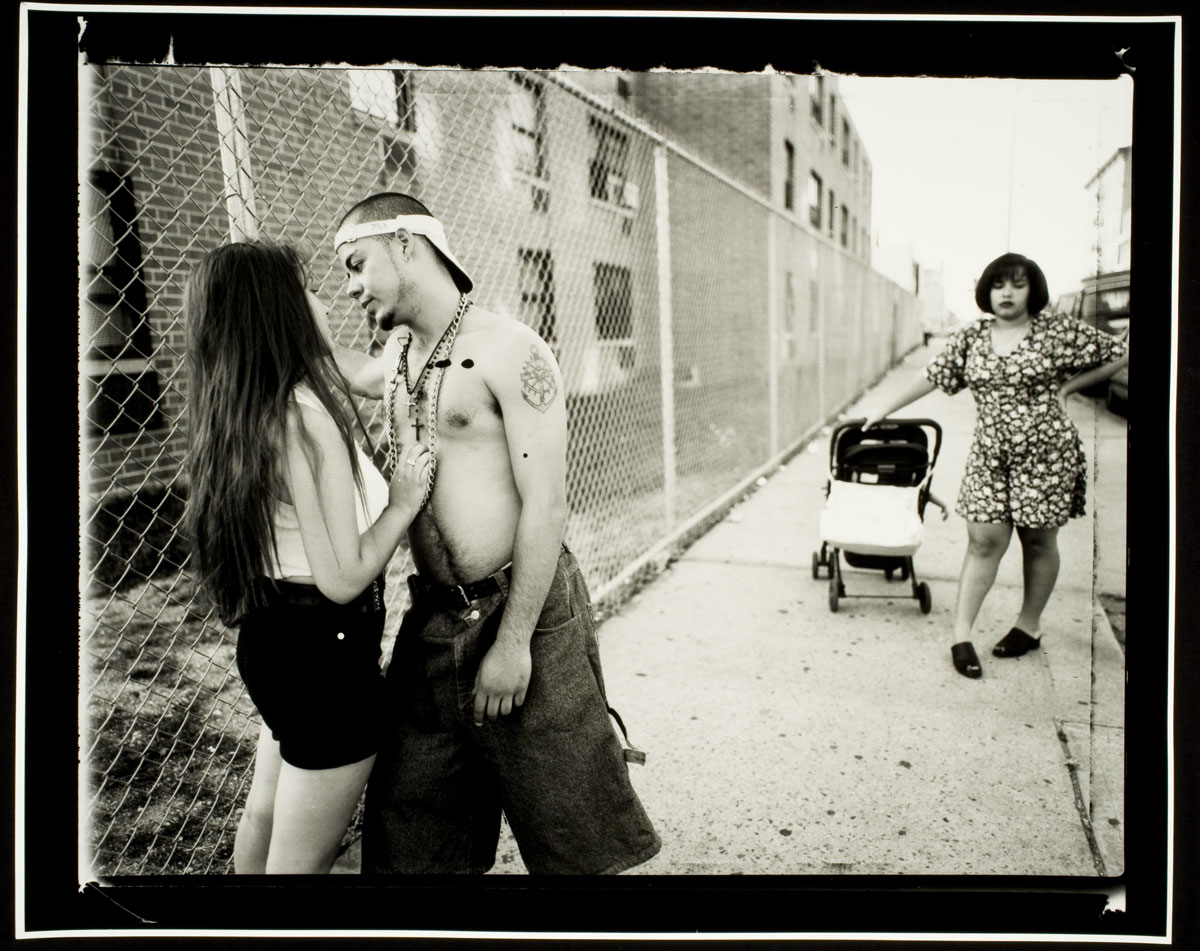

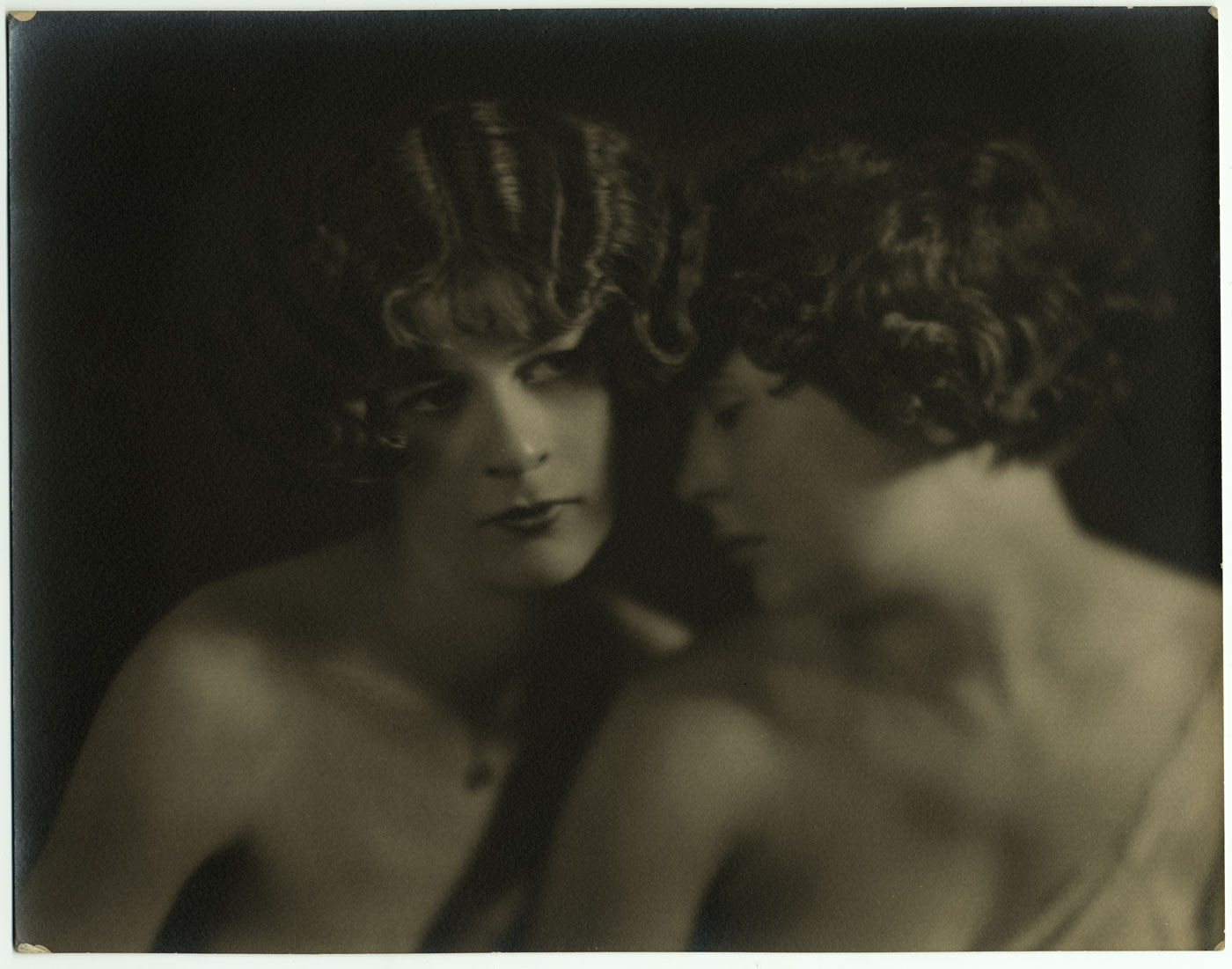


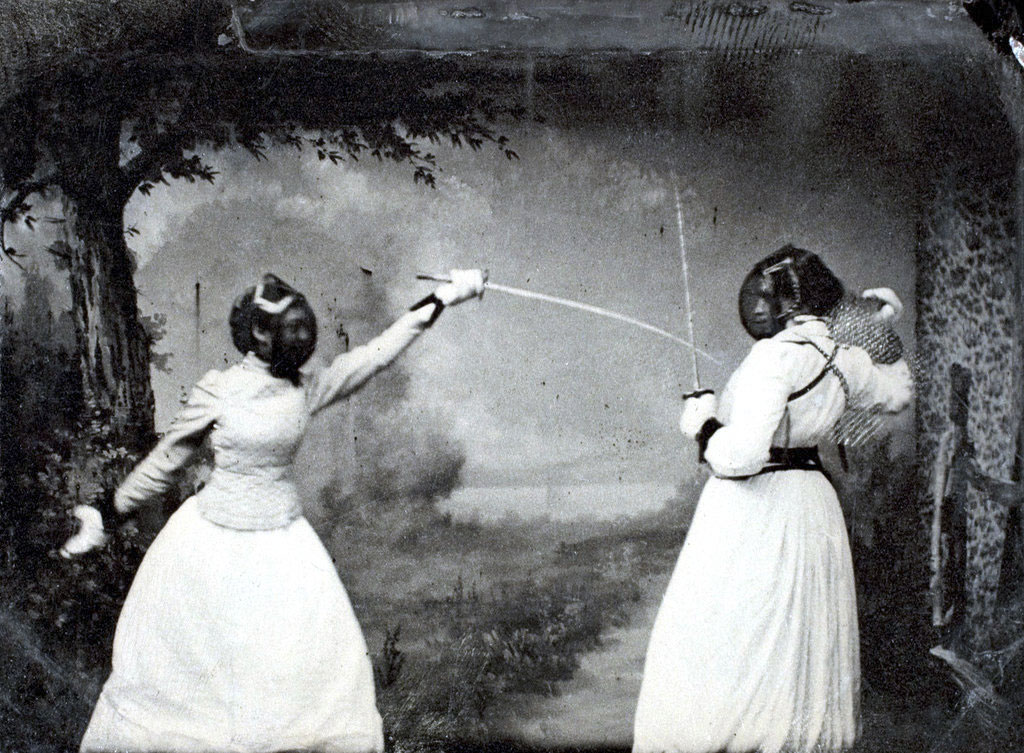


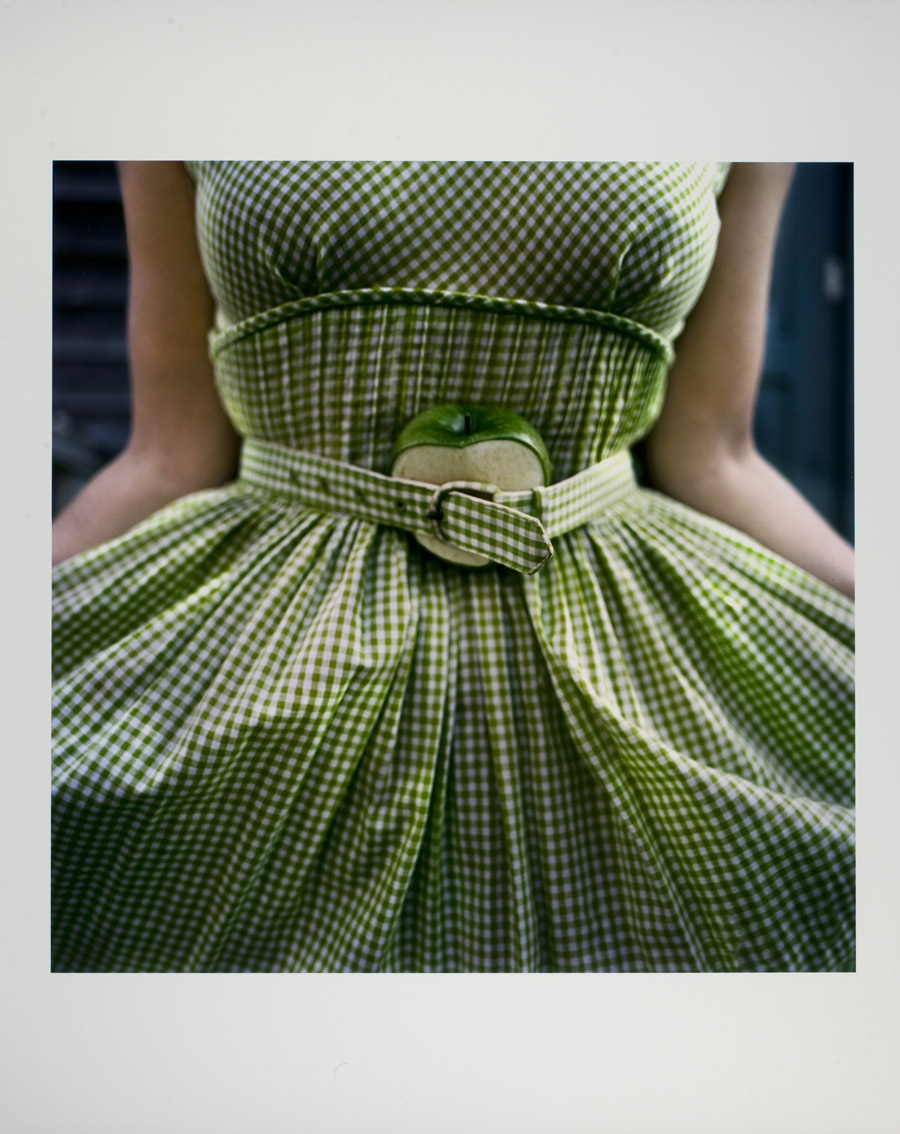
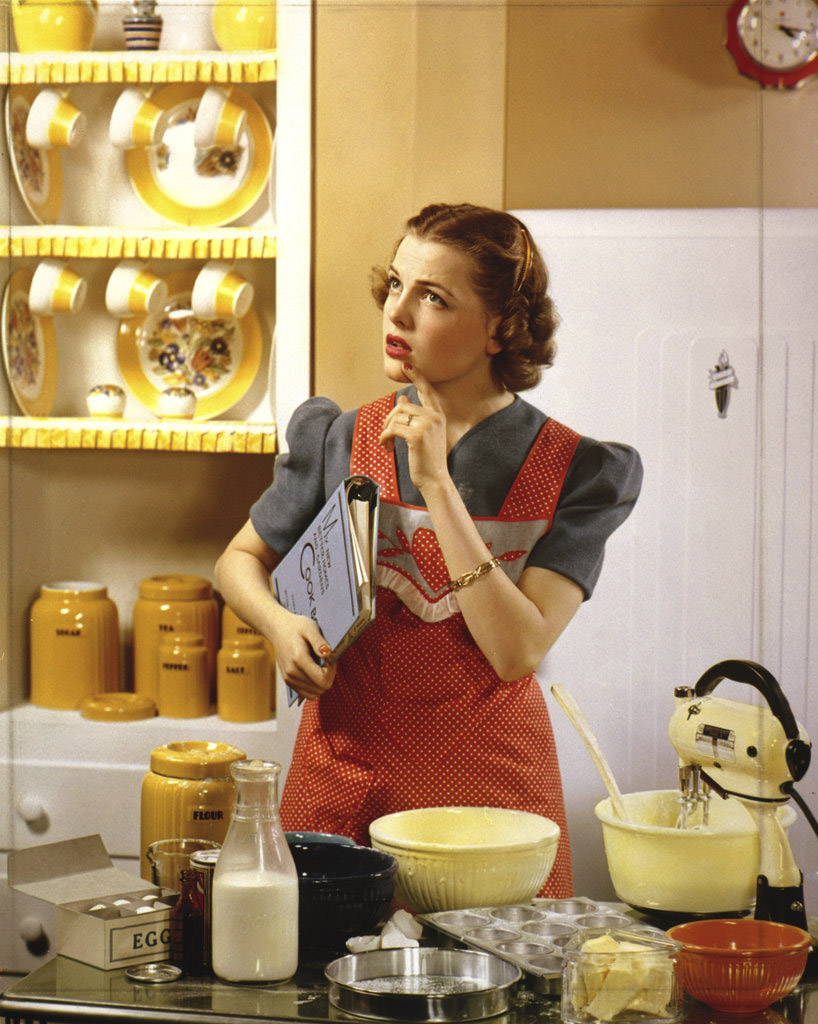


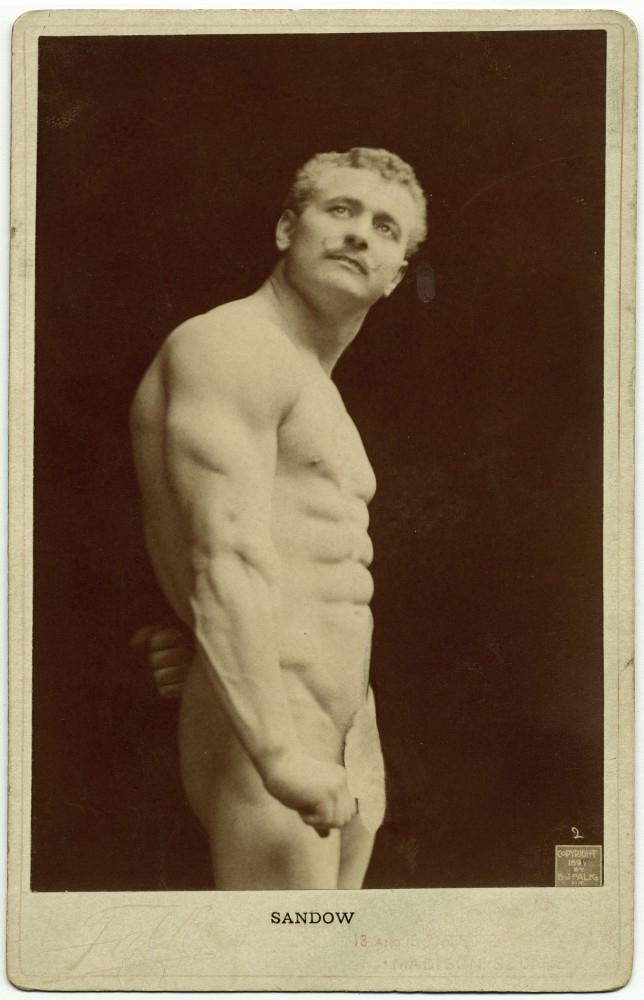

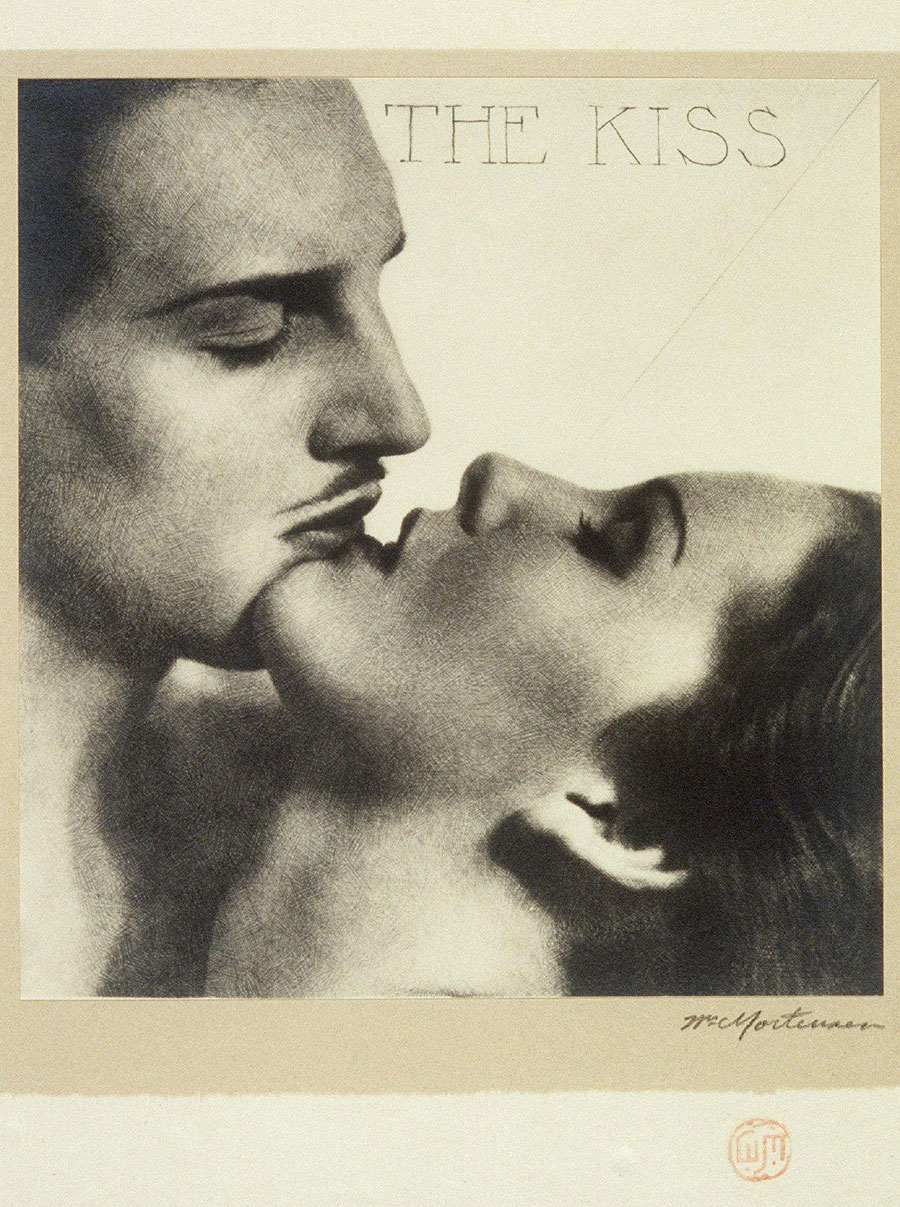


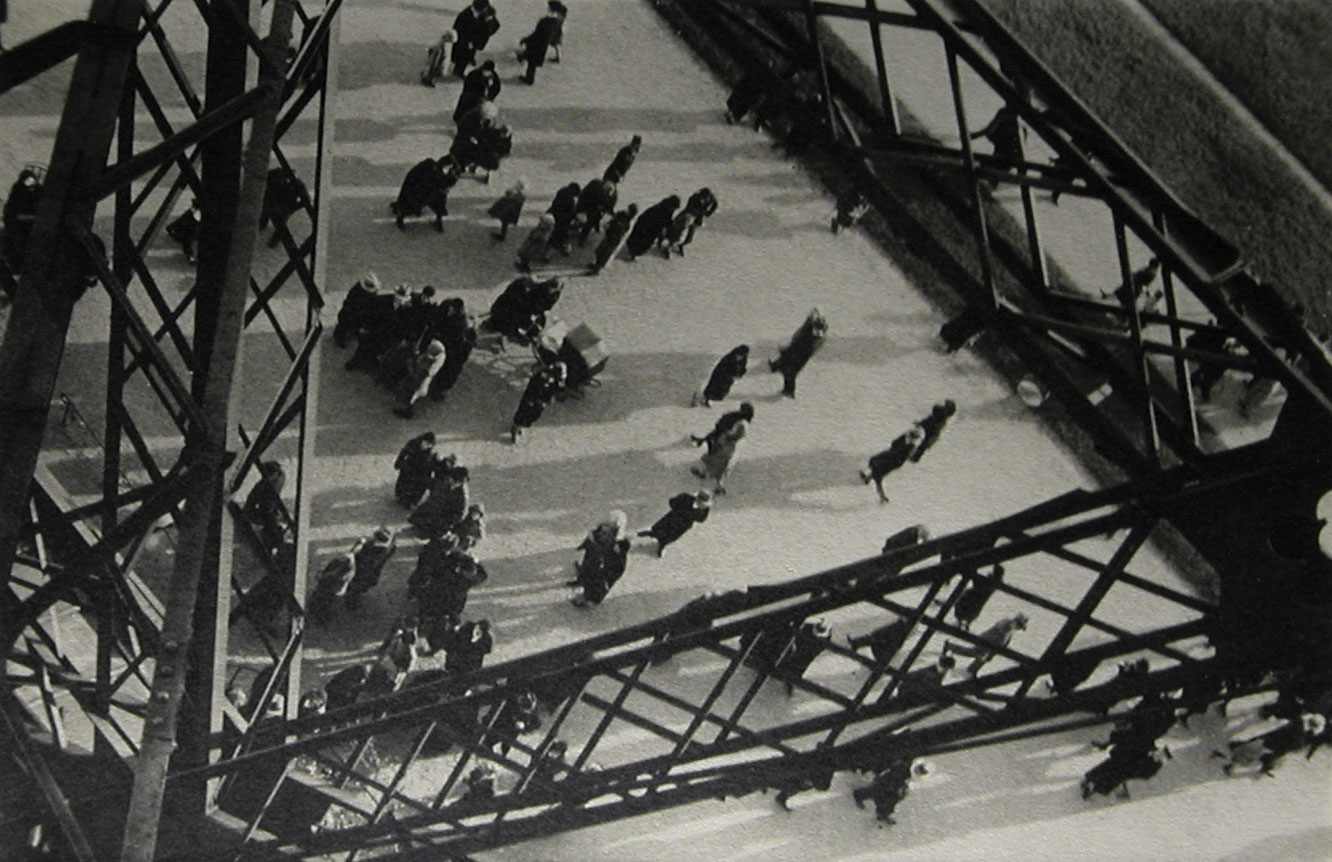
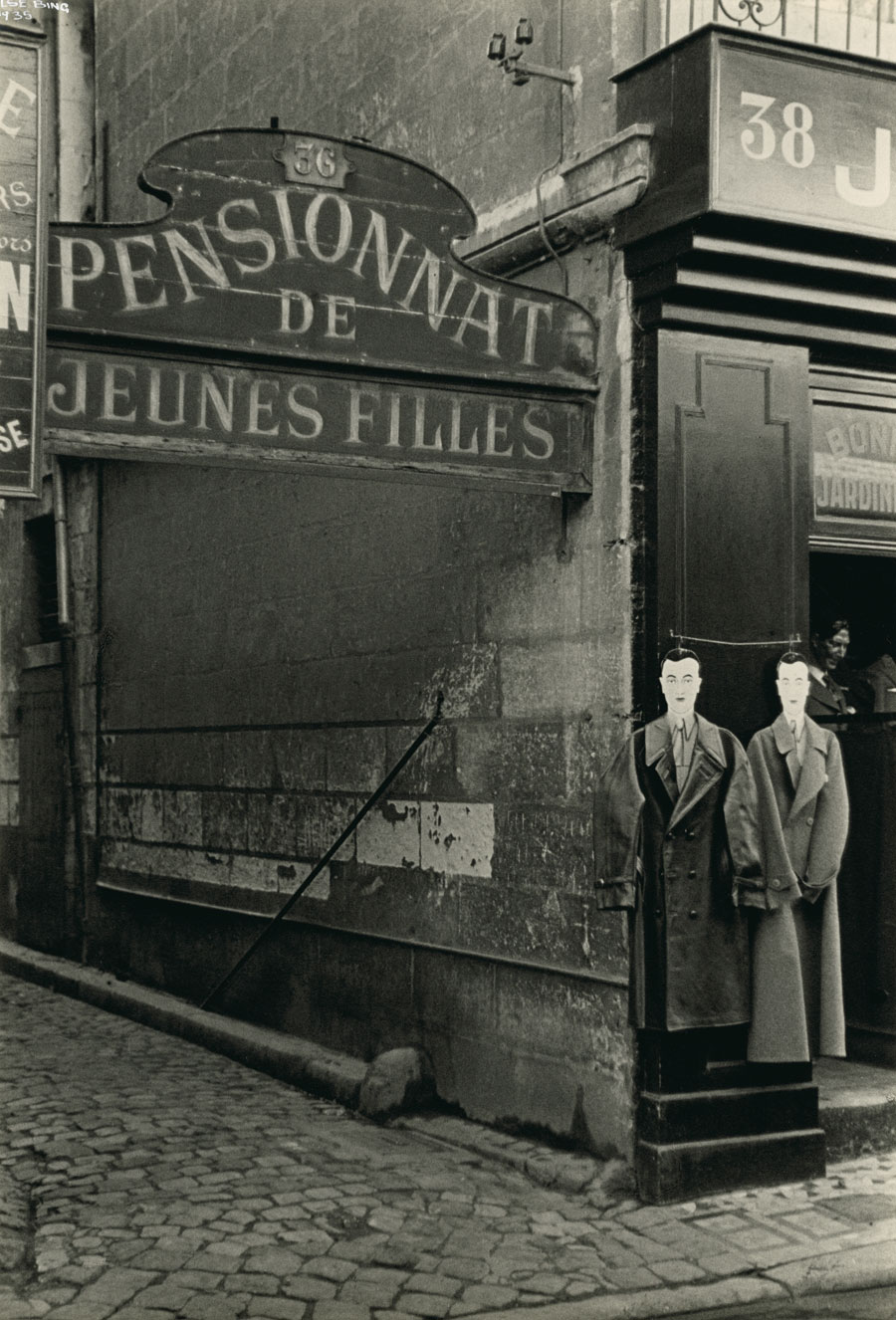
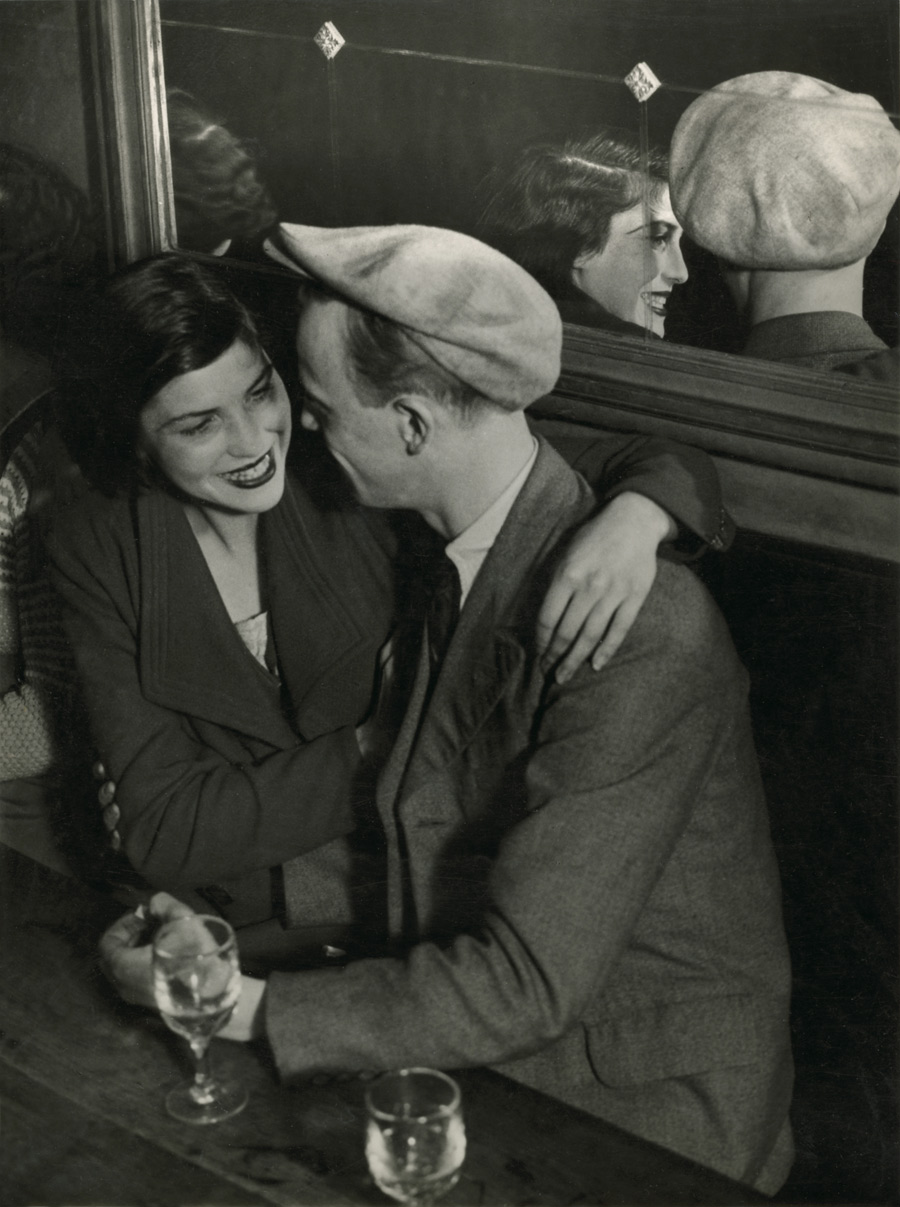
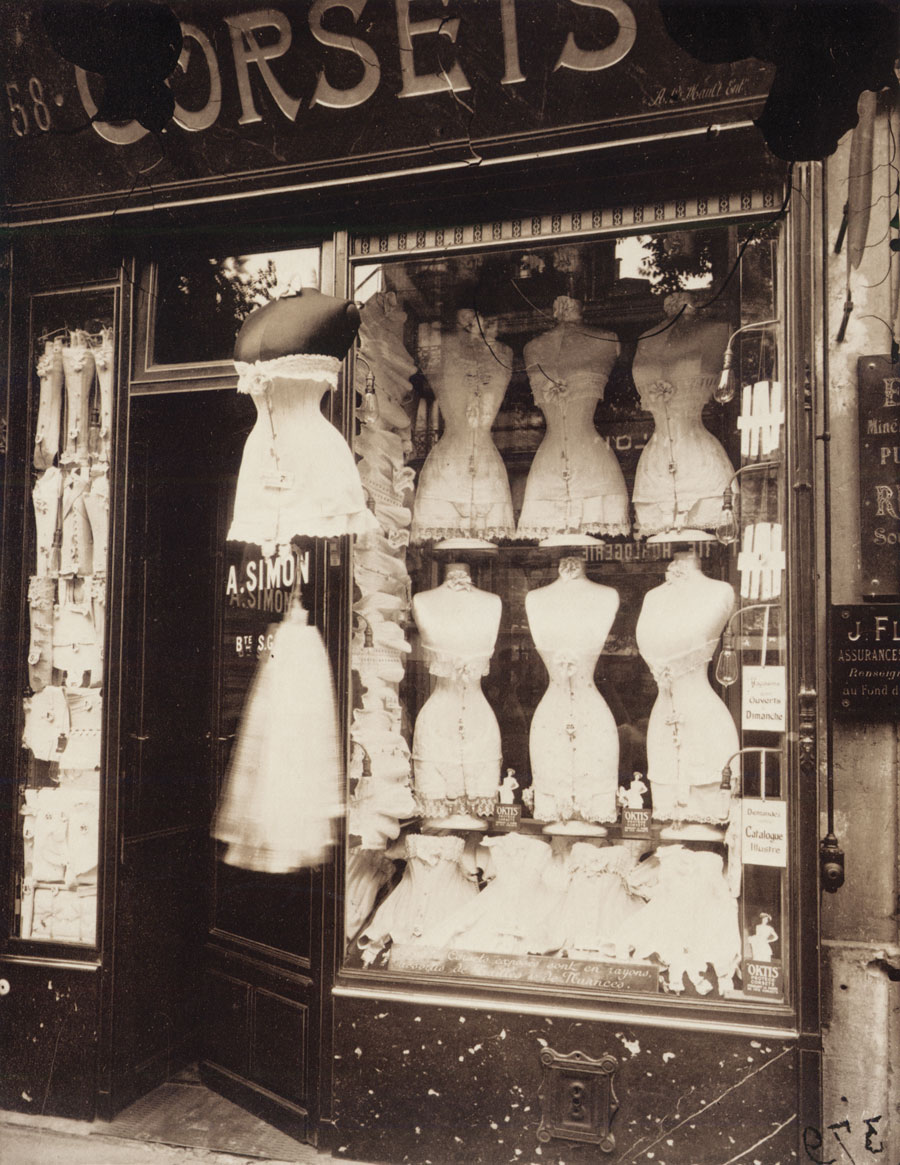
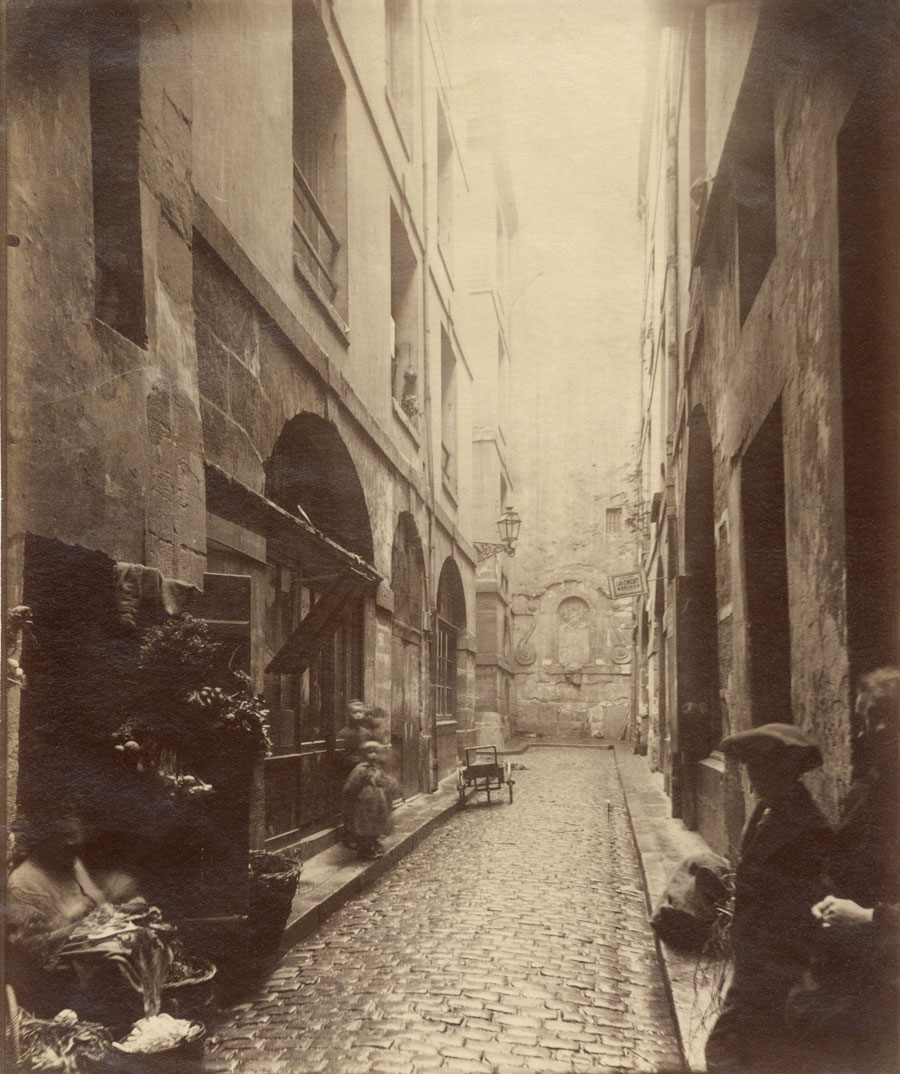


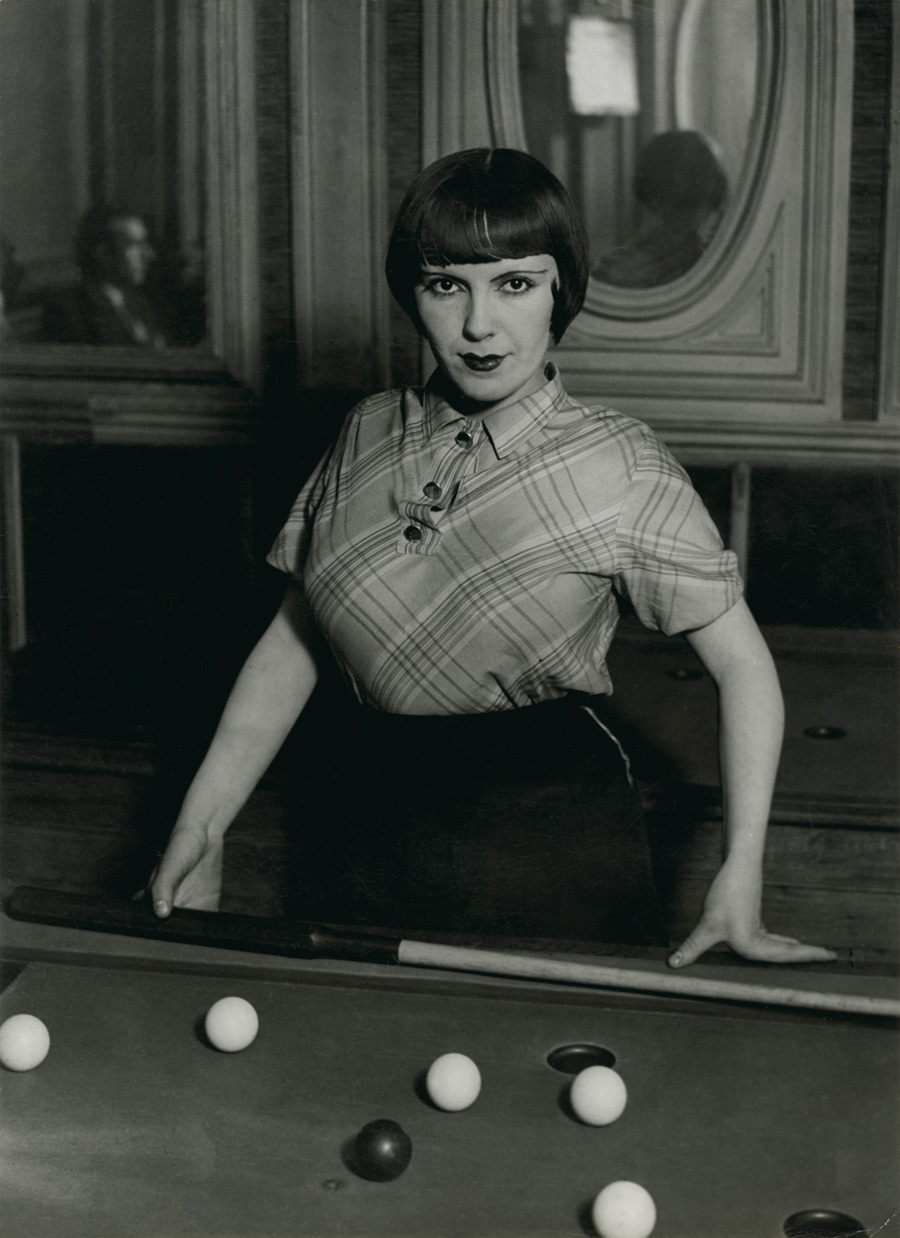


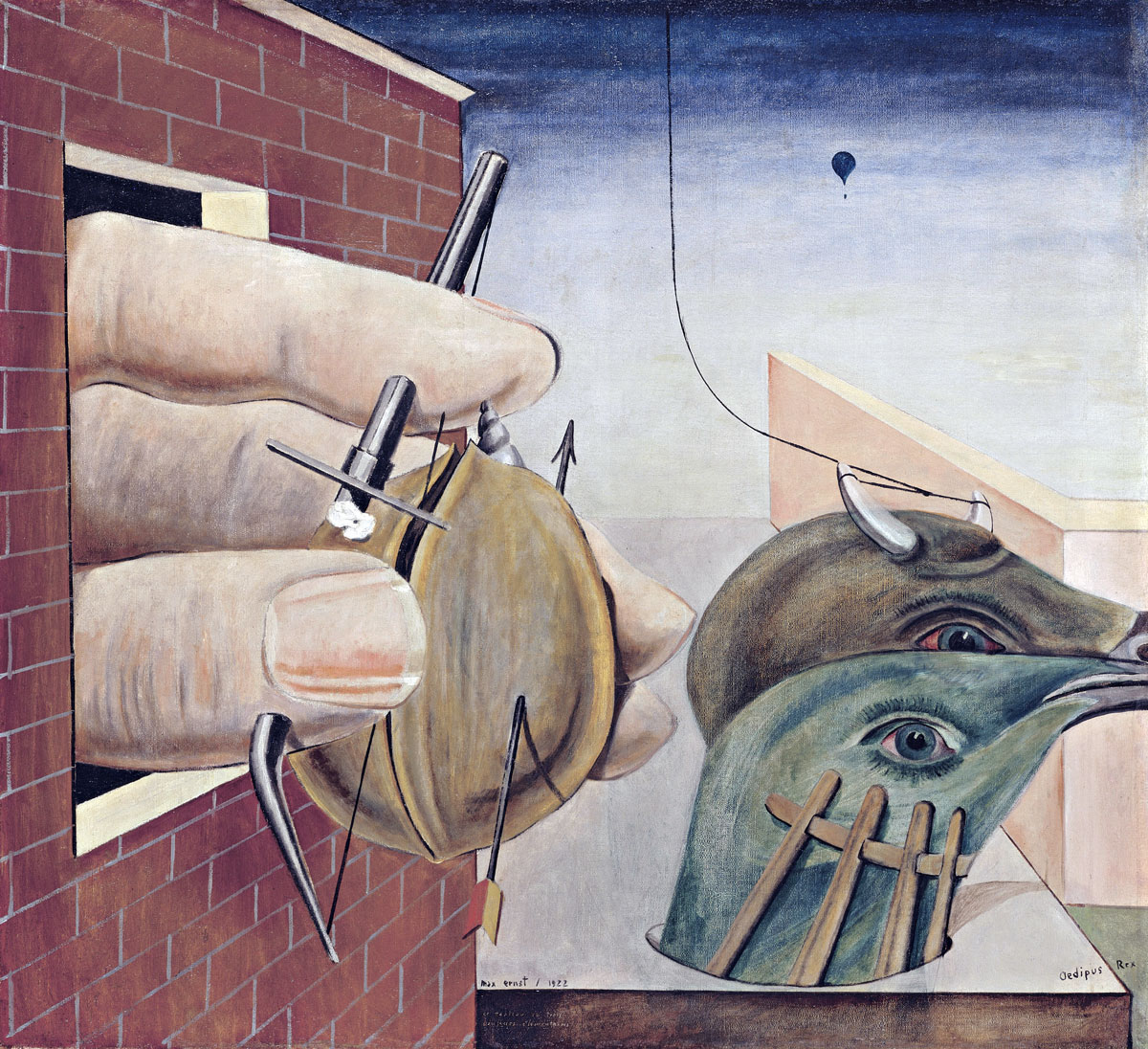


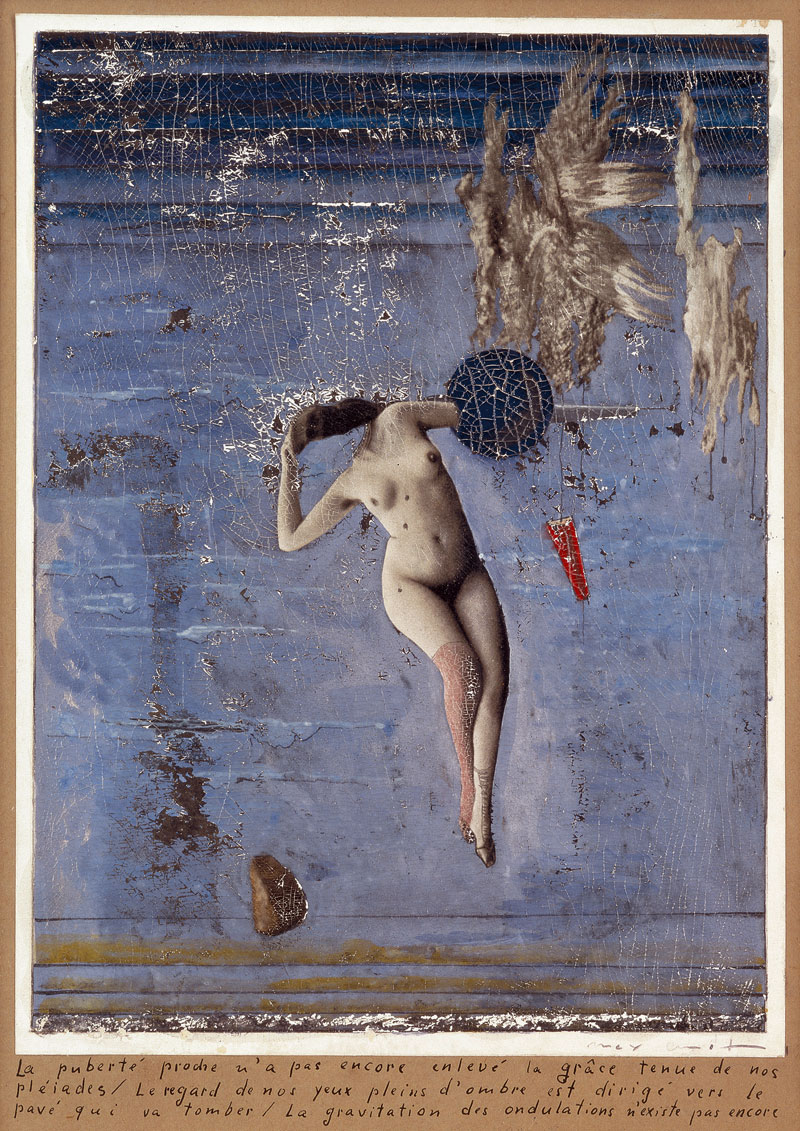


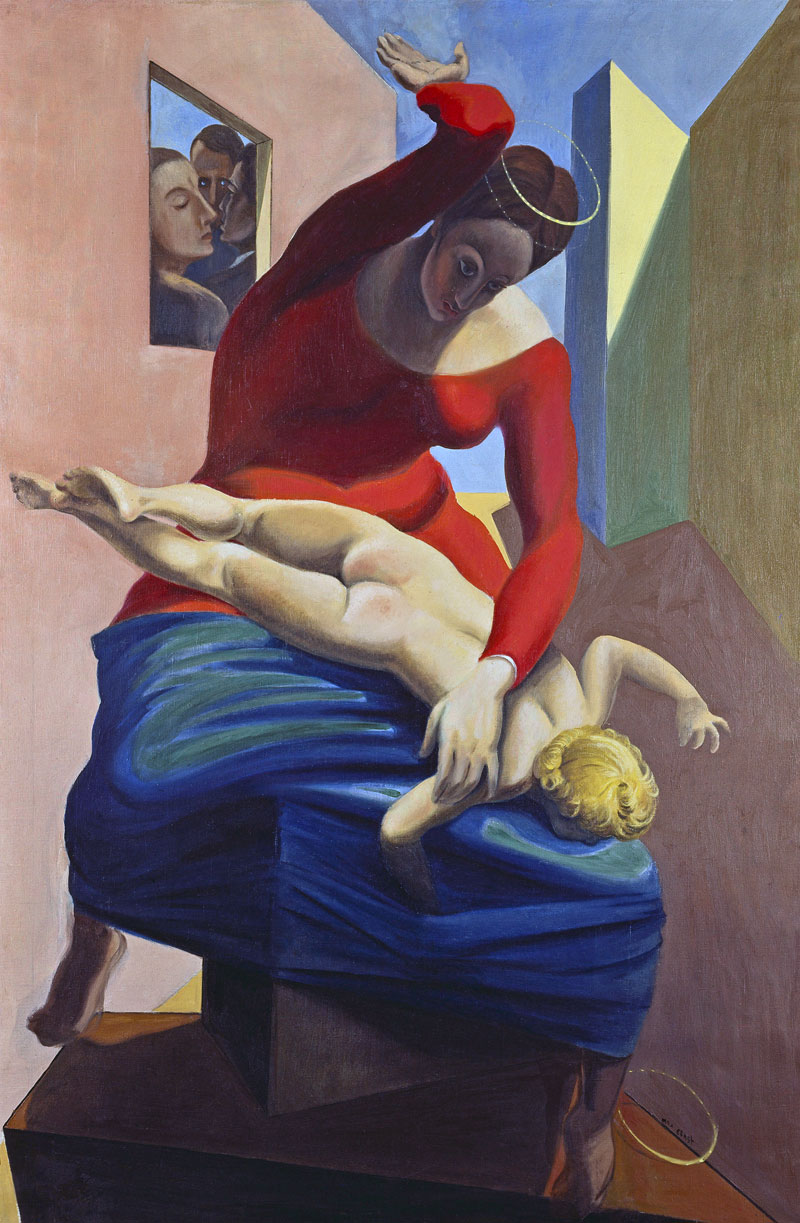


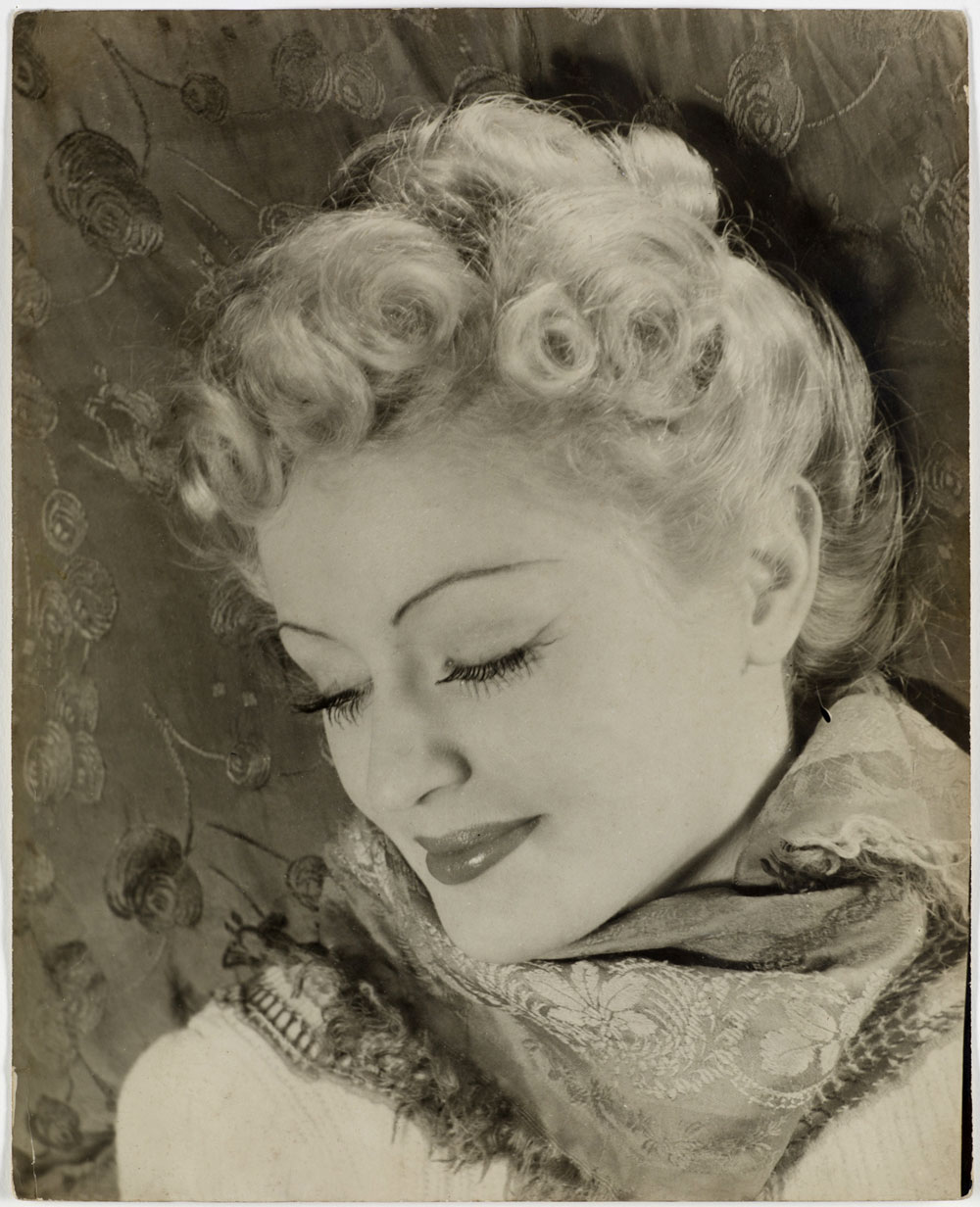


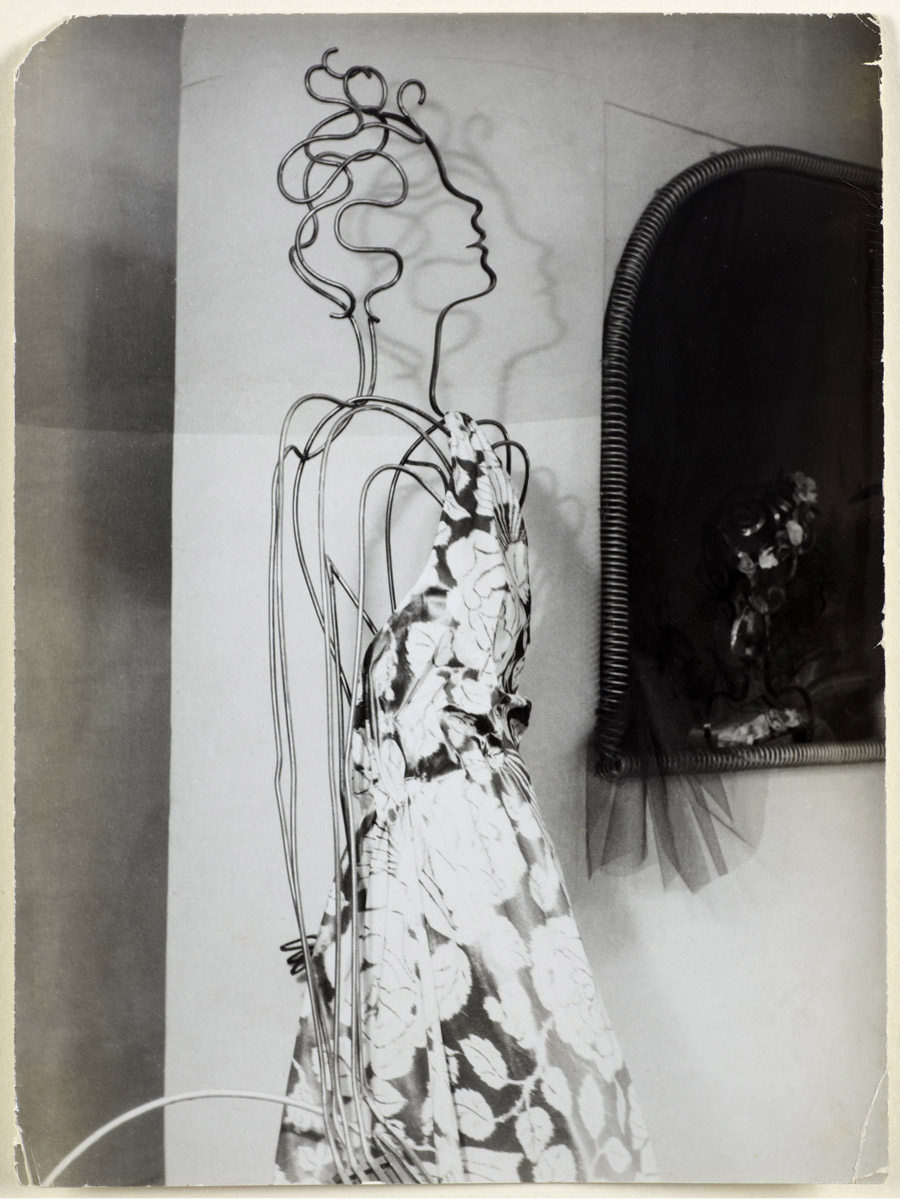

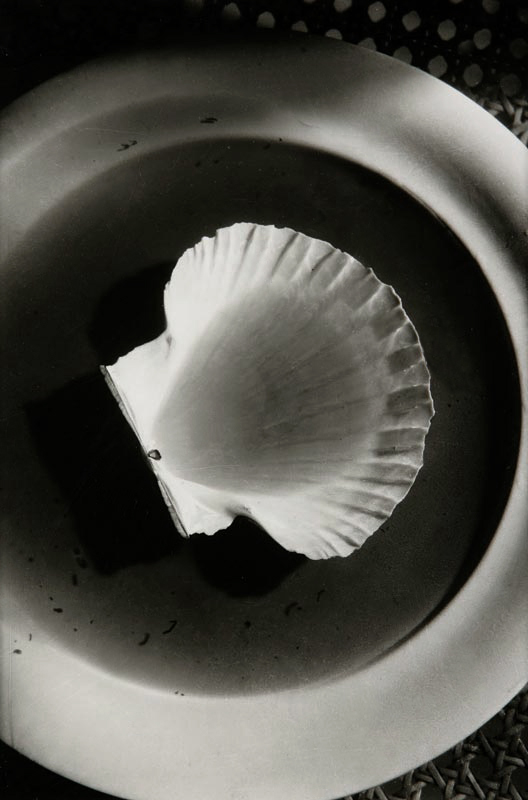
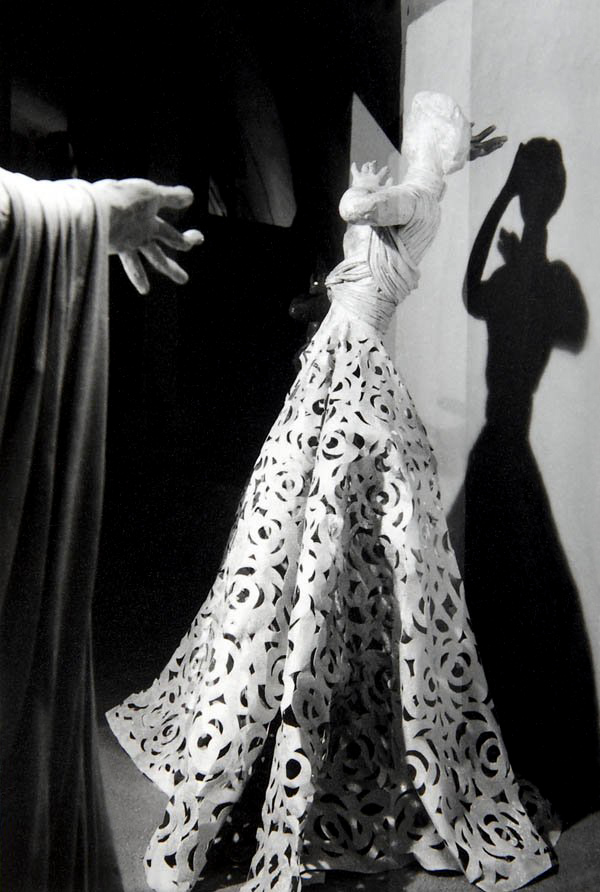
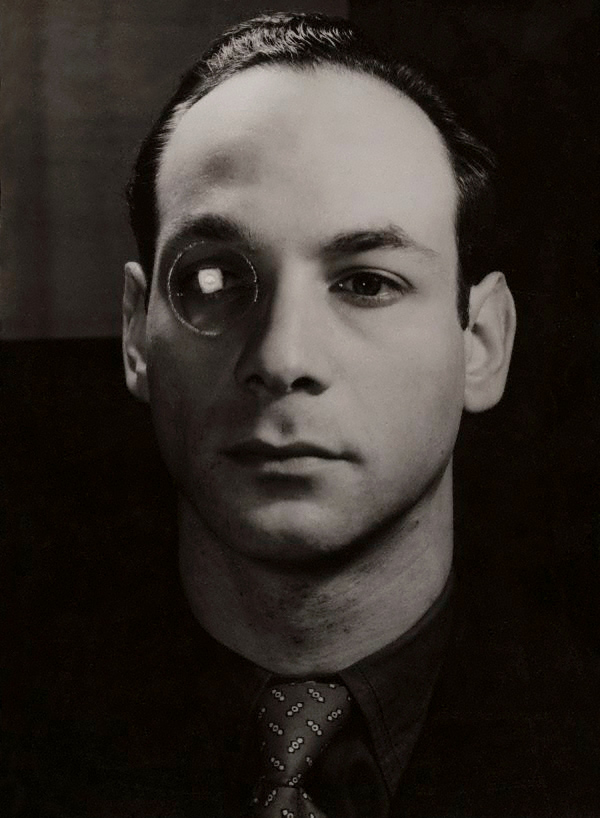


You must be logged in to post a comment.