Curator: Sarah Howgate, Senior Curator of Contemporary Portraits at the National Portrait Gallery, London
Claude Cahun (French, 1894-1954) Self-portrait (reflected image in mirror with chequered jacket) 1927 Silver gelatin print
“… the life of spirit is not the life that shrinks from death and keeps itself untouched by devastation, but rather the life that endures it and maintains itself in it. It wins its truth only when, in utter dismemberment, it finds itself. It is this power, not as something positive, which closes its eyes to the negative as when we say of something that it is nothing or is false, and then having done with it, turn away and pass on to something else; on the contrary, spirit is this power only by looking the negative in the face, and tarrying with it. This tarrying with the negative is the magical power that converts it into being.”
George Wilhelm Frederich Hegel, 1807. Phenomenology of Spirit, Preface (trans. A. V. Miller 1977), Oxford: Oxford University Press, p. 10
This is an interesting pairing for an exhibition but the connection between the artists is unconvincing. This is because Wearing and Cahun are talking to different aspects of the self.
Wearing’s self-portraits, her mask-querades, her shielded multiple personalities, talk to a “postmodern meditation on the slipperiness of the self” in which there is little evidence of the existence of any “real” person. Wearing wears her identities in a series of dress-ups, performances where only the eyes of the original protagonist are visible. These identities evidence Jung’s shadow aspect, “an unconscious aspect of the personality which the conscious ego does not identify in itself.” Rather than an assimilation of the shadow aspect into the self followed by an ascent (enantiodromia), Wearing’s images seem to be mired in a state of melancholia, a “confrontation with the shadow which produces at first a dead balance, a stand-still that hampers moral decisions and makes convictions ineffective… tenebrositas, chaos, melancholia.” This is not a confrontation that leads anywhere interesting, by looking the negative in the face and tarrying with it. These split personalities rise little above caricature, an imitation of a person in which certain striking characteristics are over emphasised, such as in Wearing’s portraits of her as Andy Warhol or Robert Mapplethorpe. To me, the photograph of Wearing as Mapplethorpe is a travesty of the pain that artist was feeling as he neared the end of his life, dying from HIV/AIDS.
Cahun’s self-portraits contain all the depth of feeling and emotion that Wearing’s can never contain. Here, identity and gender is played out through performance and masquerade in a constructive way, a deep, probing interrogation of the self in front of the camera. While Cahun engages with Surrealist ideas – wearing masks and costumes and changing her appearance, often challenging traditional notions of gender representation – she does so in a direct and powerful way. As Laura Cumming observes, “She is not trying to become someone else, not trying to escape [as Wearing is]. Cahun is always and emphatically herself. Dressed as a man, she never appears masculine, nor like a woman in drag. Dressed as a woman, she never looks feminine. She is what we refer to as non-binary* these days, though Cahun called it something else: “Neuter is the only gender that always suits me.””
*Those with non–binary genders can feel that they: Have an androgynous (both masculine and feminine) gender identity, such as androgyne. Have an identity between male and female, such as intergender. Have a neutral or unrecognised gender identity, such as agender, neutrois, or most xenogenders.*
Cahun had a gift for the indelible image but more than that, she possesses the propensity for humility and openness in these portraits, as though she is opening her soul for interrogation, even as she explores what it is to be Cahun, what it is to be human. This is a human being in full control of the balance between the ego and the self, of dream-state and reality. The photographs, little shown in Cahun’s lifetime, are her process of coming to terms with the external world, on the one hand, and with one’s own unique psychological characteristics on the other. They are her adaption** to the world.
**“The constant flow of life again and again demands fresh adaptation. Adaptation is never achieved once and for all.” (Carl Jung. “The Transcendent Function,” CW 8, par. 143.)**
Claude Cahun is person I would have really liked to have met. Affiliated with the French Surrealist movement, living with her partner the artist and stage designer Marcel Moore, the two women left Paris for the Isles of Scilly and were then imprisoned in Nazi-occupied Jersey during the Second World War as a result of their roles in the French Resistance.
“Fervently against war, the two worked extensively in producing anti-German fliers. Many were snippets from English-to-German translations of BBC reports on the Nazis’ crimes and insolence, which were pasted together to create rhythmic poems and harsh criticism. The couple then dressed up and attended many German military events in Jersey, strategically placing them in soldier’s pockets, on their chairs, etc. Also, they inconspicuously crumpled up and threw their fliers into cars and windows. In many ways, Cahun and Malherbe’s [Marcel Moore] resistance efforts were not only political but artistic actions, using their creative talents to manipulate and undermine the authority which they despised. In many ways, Cahun’s life’s work was focused on undermining a certain authority, however her specific resistance fighting targeted a physically dangerous threat. In 1944 she was arrested and sentenced to death, but the sentence was never carried out. However, Cahun’s health never recovered from her treatment in jail, and she died in 1954.” (Wikipedia)
Undermining a certain authority … while ennobling her own identity and being. Love and respect.
Dr Marcus Bunyan
Many thankx to the National Portrait Gallery, London for allowing me to publish the photographs in the posting. Please click on the photographs for a larger version of the image. For more information please see the blog entry by Louise Downie. “Claude Cahun: Freedom Fighter” on the National Portrait Gallery Blog 09 May 2017.
“Under this mask, another mask. I will never finish removing all these faces.”
Claude Cahun, 1930
This exhibition brings together for the first time the work of French artist Claude Cahun and British contemporary artist Gillian Wearing. Although they were born almost seventy years apart and came from different backgrounds, remarkable parallels can be drawn between the two artists. Both of them share a fascination with the self-portrait and use the self-image, through the medium of photography, to explore themes around identity and gender, which is often played out through masquerade and performance.
“Once seen, never forgotten: Cahun had a gift for the indelible image. Even when the signals are jammed, and the meaning deliberately baffled, her vision always holds strong. This is partly convenienced by the artist’s exceptional looks. Her long, thin face, with its shaved eyebrows, large eyes and linear nose, takes paint like a canvas. She converts herself into a harpy, a lunatic or a doll with equal ease. In one self-portrait, she even holds her own bare face like a mask…
Peering into these monochrome images, so delicate and small, the viewer might inevitably wonder which is the real Cahun: the woman in the aviator goggles, the pensive Buddhist, the young man in a white silk scarf? But this is not the right question. She is not trying to become someone else, not trying to escape. Cahun is always and emphatically herself.
Dressed as a man, she never appears masculine, nor like a woman in drag. Dressed as a woman, she never looks feminine. She is what we refer to as non-binary these days, though Cahun called it something else: “Neuter is the only gender that always suits me.” …
There is little evidence that she ever displayed these photographs, which were forgotten for decades after her death. It seems that her partner was generally behind the lens, but we know almost nothing about how they were made. Of her lifelong project, Cahun wrote: “Under this mask, another mask. I will never finish removing all these faces.”
Commentators have taken this to mean that she thought of herself as a series of multiple personalities, and the double exposures, shadows and reflections in her work all seem to undermine the idea of a singular self. Yet Cahun is formidably and unmistakably Cahun, her force of personality registering every time in that utterly penetrating look. Far from some postmodern meditation on the slipperiness of the self, her images are completely direct. They acknowledge the sufferings of a double life and are deepened by them every time; and yet they rejoice in that life too.”
Gillian Wearing and Claude Cahun: Behind the mask, another mask
This exhibition brings together for the first time the work of French artist Claude Cahun and British contemporary artist Gillian Wearing. Although they were born almost seventy years apart and came from different backgrounds, remarkable parallels can be drawn between the two artists. Both of them share a fascination with the self-portrait and use the self-image, through the medium of photography, to explore themes around identity and gender, which is often played out through masquerade and performance.
“Cahun appears in enigmatic guises, playing out different personas using masks and mirrors, and featuring androgynous shaven or close-cropped hair – as can be seen in the multiple views of her in the lower left-hand side of this collage. The image also includes symbols made up by the women to represent themselves – the eye for Moore, the artist, and the mouth for Cahun, the writer and actor. Whereas the majority of Surrealists were men, in whose images women appear as eroticised objects, Cahun’s androgynous self-portraits explore female identity as constructed, multifaceted, and ultimately as having a nihilistic absence at the core.”
Ron Radford (ed), Collection highlights: National Gallery of Australia, National Gallery of Australia, Canberra, 2008
Claude Cahun (French, 1894-1954) Self-portrait (as a dandy, head and shoulders) 1921-1922 Silver gelatin print The Museum of Modern Art, New York Thomas Walther Collection Digital image, The Museum of Modern Art, New York / Scala, Florence
Totor (progenitor of Tintin) and Popol are two comic characters by the Belgian cartoonist Hergé. Castor and Pollux are the twin stars; Pollux and Helen were the children of Zeus and Leda, while Castor and Clytemnestra were the children of Leda and Tyndareus.
Gillian Wearing and Claude Cahun: Behind the mask, another mask (9 March – 29 May 2017) draws together over 100 works by French artist Claude Cahun (1894-1954) and British contemporary artist Gillian Wearing (b.1963). While they were born 70 years apart, they share similar themes of gender, identity, masquerade and performance.
Cahun, along with her contemporaries André Breton and Man Ray, was affiliated with the French Surrealist movement although her work was rarely exhibited during her lifetime. Together with her partner, the artist and stage designer Marcel Moore, the two women left Paris and were then imprisoned in Nazi-occupied Jersey during the Second World War as a result of their roles in the French Resistance. In her photographs she is depicted wearing masks and costumes and engaging with Surrealist ideas. She also changes her appearance by shaving her hair and wearing wigs, often challenging traditional notions of gender representation.
Gillian Wearing studied at Goldsmiths University, winning the Turner Prize in 1997. She has exhibited extensively in the United Kingdom and internationally, including solo exhibitions at the Whitechapel Gallery and Serpentine Gallery, whilst overseas, recent retrospectives include IVAM Valencia and K20 Dusseldorf. Wearing’s photographic self-portraits incorporate painstaking recreations of her as others in an intriguing and sometimes unsettling range of guises such as where she becomes her immediate family members using prosthetic masks.
Despite their different backgrounds, obvious and remarkable parallels can be drawn between the artists whose fascination with identity and gender is played out through performance and masquerade. Wearing has referenced Cahun overtly in the past: Me as Cahun holding a mask of my face is a reconstruction of Cahun’s self-portrait Don’t kiss me I’m in training of 1927, and forms the starting point of this exhibition, the title of which (Behind the mask, another mask) adapts a quotation from Claude Cahun’s Surrealist writings.
Dr Nicholas Cullinan, Director, National Portrait Gallery, London, says: ‘This inspired, timely and poignant exhibition pairs the works of Gillian Wearing and Claude Cahun. These pioneering artists, although separated by several decades, address similarly compelling themes around gender, identity, masquerade, performance and the idea of the self, issues that are ever more relevant to the present day.’
Sarah Howgate, Curator, Gillian Wearing and Claude Cahun: Behind the mask, another mask, says: ‘It seems particularly fitting that at the National Portrait Gallery on International Women’s Day we are bringing together for the first time Claude Cahun’s intriguing and complex explorations of identity with the equally challenging and provocative self-images of Gillian Wearing.’
Gillian Wearing and Claude Cahun: Behind the mask, another mask is curated by Sarah Howgate, Senior Curator of Contemporary Portraits at the National Portrait Gallery, London.
Claude Cahun (French, 1894-1954) Self-portrait (shaved head, material draped across body) 1920 Silver gelatin print 115 x 89mm
Claude Cahun (French, 1894-1954) Autoportrait 1927 Silver gelatin print
Claude Cahun (French, 1894-1954) Self-Portrait 1927 Silver gelatin print
Claude Cahun (French, 1894-1954) Que me veux tu? (What do you want from me?) 1929 Gelatin silver print 18 x 23cm (7 1/16 x 9 1/16 ins) Musée d’Art Moderne de la Ville de Paris
Claude Cahun (French, 1894-1954) Self-portrait 1929 Gelatin silver print
Claude Cahun (French, 1894-1954) Self-portrait (with Nazi badge between her teeth) 1945 Photograph – Courtesy of the artist
Ten things you need to know about this extraordinary artist
1. Her real name was Lucy Schwob. She was born 25 October 1894 in Nantes, daughter of newspaper owner Maurice Schwob and Victorine Marie Courbebaisse; her uncle was the Symbolist writer Marcel Schwob. Subjected to anti-Semitic acts following the Dreyfus Affair, she was removed to a boarding school in Surrey, where she studied for two years.
2. Cahun’s lover was also her stepsister. In 1909, she met her lifelong partner and collaborator Suzanne Malherbe while studying in Nantes, in what she described as a ‘thunderbolt encounter’. Eight years later, Cahun’s father married Suzanne’s widowed mother.
3. The couple adopted gender-neutral names. Schwob first used the name Claude Cahun in the semi-biographical text ‘Les Jeux uraniens’, Cahun being a surname from her father’s side. Malherbe changed her name to Marcel Moore and the pair moved to Paris in 1914, where they began their artistic collaborations and Cahun studied literature and philosophy at the Sorbonne.
4. Cahun was one of the few female Surrealists. In 1932 she was introduced to André Breton, who called her ‘one of the most curious spirits of our time’. Four years later, Cahun participated in the Surrealist exhibition at the Galerie Charles Ratton, Paris, and visited the International Surrealist Exhibition at the New Burlington Galleries, London. Whereas in the works of male Surrealists women often appear as eroticised objects, Cahun’s self-portraits explore female identity as constructed and multifaceted.
5. She was first and foremost a writer. Now best known for her striking self-portraits, Cahun saw herself primarily as a writer. In 1930 she published Aveux non avenus (translated into English as Disavowals or Cancelled Confessions), an ‘anti-memoir’ including ten photomontages created in collaboration with Moore.
6. In 1937 the couple swapped Paris for Jersey. Cahun and Moore moved to La Rocquaise, a house in St Brelade’s Bay, Jersey, where they led a secluded life. The couple reverted to their given names, Lucy Schwob and Suzanne Malherbe, and were known by the islanders as ‘les mesdames’.
7. They were actively involved in the resistance against Nazi Occupation. When the Germans invaded Jersey in 1940 they decided to stay and produced counter-propaganda tracts. In July 1944 they were found out, arrested, stood trial, and were, briefly, sentenced to death (though these sentences were commuted). The couple were imprisoned in separate cells for almost a year before Liberation in May 1945.
8. In 1951 Cahun received the Medal of French Gratitude for her acts of resistance during the Second World War. Suffering increasingly from ill health, she died in 1954 at the age of sixty. Moore died eighteen years later, in 1972.
9. She remained forgotten for half a century Following her move to Jersey, Cahun slipped from critical attention. After the death of Marcel Moore, much of Cahun’s work was put up for auction and acquired by collector John Wakeham, who then sold it to the Jersey Heritage Trust in 1995. The publication in 1992 of the definitive biography by Francois Leperlier, Claude Cahun: l’ecart et la metamorphose, and subsequent exhibition, Claude Cahun: Photographe, at the Musee d’Art Moderne de la Ville de Paris in 1995 encouraged a growing interest in the artist’s work. It was during this time that Gillian Wearing discovered Claude Cahun.
10. She was an artist ahead of her time Wearing speaks of a ‘camaraderie’ between her and Cahun but she is not the only contemporary artist to have been influenced by her work. Cahun has a dedicated following among artists and art historians working from postmodern, feminist and queer theoretical perspectives; the American art critic Hal Foster described Cahun as ‘a Cindy Sherman avant la lettre’.
Melati Suryodarmo (Surakarta, Central Java, Indonesia, b. 1969) Sweet Dreams Sweet 2013 Courtesy the artist
Just a quick comment on this exhibition as I’m not feeling very well with my ongoing hand issues.
This is one of the best exhibitions I have seen this year in Melbourne.
All of the works, whether video or photographic, are conceptually engaging, intellectually stimulating and visually powerful. I spent a couple of hours over two visits soaking in the narratives and mise-en-scène of every performance. I was totally immersed in the stories the artists were telling. As with all good art, the works engage the viewer and challenge our point of view in the most profound and complex ways.
While the works may be “political” “acts” the performances act on the viewer at a deeper existential level: what are we doing to the world, our only planet, and the people that live on it. What is the cost of rampant capitalism and consumerism in social, political and environmental terms. Every single work in this exhibition is grounded in these concerns. Unlike a lot of contemporary art which is all about surface and as deep as a peanut, this conceptual art is based on the fundamental building blocks of humanity – our connection to earth and to one another – often expressed through aesthetically beautiful images manifested in the physical body.
Favourites are the mesmerising 12-hour performance of Melati Suryodarmo I’m a Ghost in My Own House (2012) where the artist’s “methodical grinding of charcoal briquettes to dust can be seen as a metaphor for the crushing of the human spirit by the pressures of life”; the powerful dancing and mechanical digger in Khvay Samnang’sWhere is my Land? (2014); and the beautiful face pictures in Moe Satt’s F ‘n’ F (Face and Fingers) (2009). I could watch the latter over and over again, so archetypal and elemental does the androgynous face of the artist become.
But really, every piece in this exhibition is worthy of contemplation. Not to be missed.
Dr Marcus Bunyan
Please click on the photographs for a larger version of the image.
Performance art is one of the driving forces in contemporary art across Southeast Asia. It is an art form that acknowledges the cultural traditions of performance within the region, while also providing avant-garde artists with a creative means to critically explore social, political and environmental issues.
The exhibition Political Acts will present a selection of artists’ films, photographs and installations by some of the innovative pioneers of performance art in Southeast Asia.
Artists represented are Dadang Christanto (Indonesia/Australia), Lee Wen (Singapore), Liew Teck Leong (Malaysia), Khvay Samnang (Cambodia), Moe Satt (Myanmar), Melati Suryodarmo (Indonesia) and Tran Luong (Vietnam).
Melati Suryodarmo (Born 1969, Surakarta, Central Java, Indonesia) I’m a Ghost in My Own House (extract) 2012 Single channel video installation Duration: 30.30 mins
12-hour performance at Lawangwangi Foundation, Bandung, Indonesia, in 2012
Melati Suryodarmo‘s practice encompasses live art performances which are then presented through films, photography and installations. A film of her renowned 12-hour durational work of I’m a Ghost in My Own House (2012), is shown in this exhibition. In this work the artist’s methodical grinding of charcoal briquettes to dust can be seen as a metaphor for the crushing of the human spirit by the pressures of life.
The artist says that “talking about politics, society or psychology is meaningless unless it can be manifested in the physical body.” This is exemplified by Sweet Dreams Sweet, a group performance choreographed by Suryodarmo in Jakarta in 2013. It involved a group of 30 young female performers, all identically dressed to conceal their individuality. This work questions the impact of the political and cultural hegemony in Indonesian society.
Khvay Samnang (Cambodian, b. 1982) Rubber Man #3 2014 Courtesy the artist and SA SA BASSAC, Phnom Penh
Since 2011 Khvay Samnang has used sand as a material for social and political commentary. In Where is my Land? (2014)he critiques the unstoppable momentum of urban development around Phnom Penh, which has resulted in the infilling of traditional lakes and the forced removal of local residents.
In his recent and widely celebrated Rubber Man series from 2014, Khvay poured pristine white rubber over his naked and partially obscured body. He draws attention to the devastating environmental impact of large-scale, foreign-owned rubber plantations on the once remote and previously pristine rainforests of northeast Cambodia.
Khvay Samnang (Cambodian, b. 1982) Where is my Land? (extract) 2014 Single channel video installation Duration: 13.30 mins
Lee Wen (Singapore, 1957-2019) Splash! #7 2003 Courtesy the artist and iPreciation, Singapore
A driving force in contemporary art across Southeast Asia, performance art will be the focus of a new free exhibition at Arts Centre Melbourne in Political Acts: Pioneers of Performance Art in Southeast Asia, presented as part of the inaugural Asia TOPA: Asia-Pacific Triennial of Performing Arts in Gallery 1 from 11 February 2017…
“In the last decade performance art and performative practices have taken centre stage within the global contemporary art world,” says Curator, Dr Steven Tonkin. “The seven artists in Political Acts are ground-breaking practitioners of performance art. As individuals, they offer personal viewpoints on their respective national and regional cultures. As a collective, they illustrate interesting commonalities in artistic strategies and approaches.”
“Most importantly, these provocative contemporary artists highlight the major political, social, economic and environmental issues confronted and critiqued through performance art in Southeast Asia today.”
Dadang Christanto is an internationally acclaimed artist. Born in central Java in 1957, Christanto moved to Australia in 1999. He exhibits and performs regularly in both Australia and Indonesia and has spent his artistic life commemorating the victims of political violence and crimes against humanity.
Singaporean performance artist Lee Wen explores social identity and is best known for his Yellow Man performances. Painting his own body with bright yellow poster paint, he expresses an exaggerated symbol of his ethnic identity. He received the prestigious Cultural Medallion for his contribution to visual art in Singapore.
Born in Kuala Lumpur in 1970, Liew Teck Leong studied Fine Art at the Malaysian Institute of Art in the early 1990s, initially becoming an expressionist painter. In the 2000s his practice changed direction to incorporate installation, photography and public art performances, when he became an active member of the artists’ collective Rumah Air Panas / RAP Art Society.
Born in 1982, Khvay Samnang studied painting and graduated from the Royal University of Fine Arts, Phnom Penh, in 2006. He now works across performance, photography, video and installation. Khvay was one of the co-founders of the artists’ collective known as Stiev Selepak (or Art Rebels), and was involved in establishing the artist-run space Sa Sa Art Projects in Phnom Penh’s historic White Building. He is one of the leading Cambodian artists to have come to international attention over the last decade.
Born in Yangon in 1983, Moe Satt is one of the cohort of young artists who have begun to transform the contemporary art scene in Myanmar. Principally self taught, Moe Satt uses his body as the primary vehicle for his art, although his practice now also encompasses photography, film and installations. His artistic career mirrors the wider socio-political changes that have occurred in Myanmar over the last decade, from isolation under military rule to the current democratic reforms.
Born in 1969 in Surakarta (or Solo), Central Java, Indonesia, Melati Suryodarmo grew up in the creative environment provided by her father Suprapto, founder of Amerta – an exploratory free-form dance movement. Suryodarmo sees her art practice as opening the door to new perceptions, traversing traditional cultural and political boundaries ‘in an effort to find [one’s] identity’.
Born in Hanoi in 1960, Tran Luong trained as a painter at the Hanoi University of Fine Arts. He achieved recognition as a member of the ‘Gang of Five’, a group of artists whose works were a catalyst for contemporary art in Vietnam from the late 1980s. A widely respected multidisciplinary artist, curator and mentor for the next generation of contemporary Vietnamese artists, his collaborative approach to art-making involves local communities.
“The inaugural Asia TOPA: Asia-Pacific Triennial of Performing Arts is an artistic celebration of our relationship with contemporary Asia,” says Arts Centre Melbourne CEO, Claire Spencer. “Vital, fresh and always unpredictable, Asia TOPA offers a city-wide window onto the creative imaginations fuelling the many cultures of our region.”
“Cultural engagement is key to expressing who we are, where we have come from, and how we connect with each other across the Asia-Pacific region. The dazzling array of artists featured in Asia TOPA will provide new ways of understanding the deep connections that run between us all.”
Press release from the Arts Centre Melbourne
Dadang Christanto (Central Java, Indonesia, b. 1957) Tooth Brushing 1979-2015-2017 Courtesy the artist, Gallerysmith, and 4A Centre for Contemporary Asian Art
Dadang Christanto (Central Java, Indonesia, b. 1957) Tooth Brushing (extract) 2017 Single channel video installation Duration: 6.00 mins
Performance in Political Acts: Pioneers of Performance Art in Southeast Asia at the Arts Centre Melbourne on 10 February 2017
Moe Satt (Yangon, Myanmar, b. 1983) F ‘n’ F (Face and Fingers) (extract) 2009 Single channel video Duration: 12.00 mins
Moe Satt‘s early performance piece, F ‘n’ F (Face and Fingers) from 2008-2009, is simple in conception but complex in the multiple meanings that can be read into the choreographed combinations of hand and facial gestures. Among the artist’s favourites are a universal ‘Thumbs Up’ and the potent symbol of a ‘Gun’ pressed to his temples.
In his The Bicycle-Tyre-Rolling Event from Yangon the artist re-enacts a childhood game of racing discarded rubber bicycle tyres with friends. In this series of photographs the public places and monuments he rolls the tyre past present a performative narrative of his country’s history. For example, the beautiful vistas of Yangon’s two large man-made lakes belie their entwined histories of demonstrations and death.
Installation view of Moe Satt’s The Bicycle-Tyre-Rolling Event from Yangon (2013) Photo: Marcus Bunyan
Tran Luong (Hanoi, Vietnam, b. 1960) Steam Rice Man (extract) 2001 Single channel video Duration: 5.00 mins
Performance at the Mao Khe Coal Mine, Quang Ninh Province, Vietnam in 2001
Tran Luong (Hanoi, Vietnam, b. 1960) Lap Lòe (extract) 2012 Three channel video and sound installation Duration: 5.00 mins
Tran Luong‘s collaborative approach to art-making often involves working with local communities, such as rural coal miners in northern Vietnam in 2001. During that time he created his early performance art work Steam Rice Man.
Tran Luong weaves his personal experiences with concerns for the wider socio-political situation in Vietnam. One influential moment was seeing his son arrive home from school wearing a red scarf around his neck. It reminded the artist of the communist red scarf he had to wear as a boy.
In Lap Lòe (or ‘flicker’), the three channel video installation in this exhibition, a red scarf has become aesthetically abstracted for the screen – blowing like a flag in the wind, snapping hypnotically and painfully across the artist’s body, and falling gracefully through the area. The red scarf is a powerful symbol for personal and collective memory.
Tran Luong (Hanoi, Vietnam, b. 1960) Coc Cach 2013-2016 Courtesy the artist
Liew Teck Leong (Kuala Lumpur, Malaysia, b. 1970) Body+Dots+Politics (Yellow) 2016 Courtesy the artist
Arts Centre Melbourne Gallery 1, Theatres Building 100 St Kilda Road, Melbourne VIC 3004
Edward J. Steichen (American born Luxembourg, 1879-1973) Moonrise, Mamaroneck, New York 1904, printed 1981 Photogravure Oklahoma City Museum of Art Museum purchase with funds provided by Ms. Frances Kerr
Not a great selection of media images… I would have liked to have seen more photographs from what is an interesting premise for an exhibition: the idea of the uncanny as a sense of displacement, as a difficulty in reconciling the familiar with the unknown.
The three haunting – to haunt, to be persistently and disturbingly present in (the mind) – images by Wyn Bullock are my favourites in the posting.
Dr Marcus Bunyan
Many thankx to the Oklahoma City Museum of Art for allowing me to publish the the photographs in the posting. Please click on the photographs for a larger version of the image.
The Unsettled Lens
William A. Garnett (American, 1916-2006) Sand Bars, Colorado River, Near Needles, California 1954 Silver gelatin print Oklahoma City Museum of Art
Since the early twentieth-century, photographers have crafted images that hinge on the idea of the uncanny, a psychological phenomenon existing, according to psychoanalysis, at the intersection between the reassuring and the threatening, the familiar and the new. The photographs in this exhibition build subtle tensions based on the idea of the uncanny as a sense of displacement, as a difficulty in reconciling the familiar with the unknown. By converting nature into unrecognisable abstract impressions of reality, by intruding on moments of intimacy, by weaving enigmatic narratives, and by challenging notions of time and memory, these images elicit unsettling sensations and challenge our intellectual mastery of the new. This exhibition showcases new acquisitions in photography and photographs from the permanent collection, stretching from the early twentieth-century to the year 2000.
Text from the Oklahoma City Museum of Art website
Elliott Erwitt (American, 1928-2023) Cracked Glass with Boy, Colorado 1955, printed 1980 Gelatin silver print Oklahoma City Museum of Art Gift of Raymond W. Merritt
Wynn Bullock (American, 1902-1975) Navigation Without Numbers 1957 Gelatin silver print Collection of Mr. and Mrs. Nicholas V. Duncan
In “Navigation Without Numbers,” photographer Wynn Bullock comments on life’s dualities and contradictions through imagery and textures: the soft, inviting bed and the rough, rugged walls; the bond of mother and child, and the exhaustion and isolation of motherhood; and the illuminated bodies set against the surrounding darkness. The book on the right shelf is a 1956 guide on how to pilot a ship without using mathematics. Its title, Navigation Without Numbers, recalls the hardship and confusion of navigating through the dark, disorienting waters of early motherhood.
Wynn Bullock (American, 1902-1975) Child in Forest 1951 Gelatin silver print Collection of Mr. and Mrs. Nicholas V. Duncan
Wynn Bullock (American, 1902-1975) Child on Forest Road 1958, printed 1973 Gelatin silver print Oklahoma City Museum of Art Lent by Mr. and Mrs. Nicholas V. Duncan
“Child on Forest Road,” which features the artist’s daughter, brings together a series of dualities or oppositions in a single image: ancient forest and young child, soft flesh and rough wood, darkness and light, safe haven and vulnerability, communion with nature and seclusion. In so doing, Bullock reflects on his own attempt to relate to nature and to the strange world implied by Einstein’s newly theorised structure of the universe.
Ruth Bernhard (American born Germany, 1905-2006) In the Box – Horizontal 1962 Gelatin silver print Oklahoma City Museum of Art Museum purchase
Brett Weston (American, 1911-1993) Untitled (dead bird and sand) 1967 Gelatin silver print Oklahoma City Museum of Art Gift of the Christian Keesee Collection
Edward J. Steichen (American born Luxembourg, 1879-1973) Balzac, The Open Sky – 11 P.M. 1908 Photogravure Oklahoma City Museum of Art Museum purchase with funds provided by Ms. Frances Kerr
Edward Steichen, who shared similar artistic ambitions with Symbolist sculptor, Auguste Rodin, presented Rodin’s Balzac as barely decipherable and as an ominous silhouette in the shadows. In Steichen’s photograph, Balzac is a pensive man contemplating human nature and tragedy, a “Christ walking in the desert,” as Rodin himself admiringly described it. Both Rodin and Steichen chose Balzac as their subject due to the French writer’s similar interest in psychological introspection.
Ralph Gibson (American, b. 1939) Untitled (Woman with statue) 1974, printed 1981 Gelatin silver print Oklahoma City Museum of Art Gift of Carol and Ray Merritt
William A. Garnett (American, 1916-2006) Two Trees on Hill with Shadow, Paso Robles, CA 1974 Silver gelatin print Oklahoma City Museum of Art
Thomas Harding (American, 1911-2002) Barbed Wire and Tree 1987 Platinum print Oklahoma City Museum of Art Museum purchase with funds provided by Mr. Jack Coleman
Zeke Berman (American, b. 1951) Untitled (Web 2) 1988 Gelatin silver print Oklahoma City Museum of Art Museum purchase
In “Untitled,” New York sculptor and photographer Zeke Berman sets up a still life in the Dutch tradition – the artist presents a plane in foreshortened perspective, sumptuous fabric, and carefully balanced objects – only to dismantle it, and reduce it to a semi-abandoned stage. Spider webs act as memento mori (visual reminders of the finitude of life), while the objects, seemingly unrelated to each other and peculiarly positioned, function as deliberately enigmatic signs.
Stan Douglas (Canadian, b. 1960) Roof of the Ruskin Plant 1992 Chromogenic print Oklahoma City Museum of Art Gift of the Christian Keesee Collection
Oklahoma City Museum of Art 415 Couch Drive Oklahoma City, OK 73102
Exhibition dates: 29th October, 2016 – 7th May, 2017
Curators: Quentin Bajac, the Joel and Anne Ehrenkranz Chief Curator of Photography, with Katerina Stathopoulou, Curatorial Assistant, Department of Photography, MoMA
Roger Fenton (British, 1819-1869) Greek Hero c. 1857 Salted-paper print from a wet-collodion glass negative 13 7/16 × 10 3/16″ (34.2 × 25.8cm) The Museum of Modern Art, New York Robert and Joyce Menschel Fund
Photography is … a language for asking questions about the world. The Shape of Things imbues this aphorism with a linear taxonomy in its written material (while the installation “occasionally diverges from a strict chronological progression”), no matter that each “moment” in the history of photography – historical, modern, contemporary – is never self contained or self sufficient, that each overlaps and informs one another, in a nexus of interweaving threads.
Charles Harry Jones’ Peapods (c. 1900) are as modern as Bernd and Hilla Becher’s Cooling Towers (1973); Margaret Watkins’ Design Angles (1919) are as directorial as Jan Groover’s Untitled (1983) or Charles Harry Jones’ Onions (c. 1900). And so it goes…
The ideation “the shape of things” is rather a bald fundamental statement in relation to how we imagine and encounter the marvellous. No matter the era, the country or the person who makes them; no matter the meanings readable in photographs or their specific use value in a particular context – the photograph is still the footprint of an idea and, as John Berger asks, a trace naturally left by something that has past? That flicker of imagination in the mind’s eye which has no time.
As Sartre says in Being and Nothingness, “Temporality is only a tool of vision.”
Dr Marcus Bunyan
Many thankx to MoMA for allowing me to publish the photographs in posting. Please click on the photographs for a larger version of the image.
The Shape of Things presents a compact and non-comprehensive history of photography, from its inception to the early twenty-first century, in one hundred images. The exhibition is drawn entirely from the 504 photographs that have entered The Museum of Modern Art’s collection with the support of Robert B. Menschel over the past forty years, including a notable selection of works from his personal collection that were given in 2016 and are being shown here for the first time.
“Photography is less and less a cognitive process, in the traditional sense of the term, or an affirmative one, offering answers, but rather a language for asking questions about the world,” wrote the Italian photographer and critic Luigi Ghirri in 1989. Echoing these words, the exhibition presents the history of the medium in three parts, emphasising the strengths of Menschel’s collection and mirroring his equal interest in historical, modern, and contemporary photography. Each section focuses on a moment in photography’s history and the conceptions of the medium that were dominant then: informational and documentary in the nineteenth and early twentieth centuries, more formal and subjective in the immediate postwar era, and questioning and self-referential from the 1970s onward. The installation occasionally diverges from a strict chronological progression, fuelled by the conviction that works from different periods, rather than being antagonistic, correspond with and enrich each other.
The exhibition The Shape of Things: Photographs from Robert B. Menschel presents a compact history of photography, from its inception to the early 21st century, in 100 images. On view from October 29, 2016, through May 7, 2017, the exhibition is drawn entirely from the 504 photographs that have entered The Museum of Modern Art’s collection over the past 40 years with the support of longtime Museum trustee Robert B. Menschel. It includes a notable selection of works from his personal collection that were given in 2016 and are being shown here for the first time. The Shape of Things is organised by Quentin Bajac, the Joel and Anne Ehrenkranz Chief Curator of Photography, with Katerina Stathopoulou, Curatorial Assistant, Department of Photography, MoMA.
Borrowing its title from the eponymous work by Carrie Mae Weems (American, b. 1953), the exhibition presents the history of the medium in three parts, emphasising the strengths of Menschel’s collection and mirroring his equal interest in historical, modern, and contemporary photography. Each section focuses on a moment in photography’s history and the conceptions of the medium that were dominant then: informational and documentary in the 19th and early 20th centuries, more formal and subjective in the immediate postwar era, and questioning and self-referential from the 1970s onward. The installation occasionally diverges from a strict chronological progression, fuelled by the conviction that works from different periods, rather than being antagonistic, correspond with and enrich each other.
Historical
From 1840 to 1900, in photography’s infancy as a medium, artists principally sought to depict truthful representations of their surrounding environments. This primal stage is distinguished by a debate on the artistic-versus-scientific nature of the invention. Photographers engaged with the aesthetic and technical qualities of the medium, experimenting with tone, texture, and printing processes. The exhibition begins with seminal photographs such as William Henry Talbot Fox’s (British, 1800-1877) 1843 picture Rue Basse des Remparts, Paris, taken from the windows of the Hôtel de Douvres. Also on view is the astronomer Jules Janssen’s (French, 1824-1907) masterpiece L’Atlas de photographies solaires (Atlas of solar photographs), published in 1903. Summing up a quarter-century of daily photography at Janssen’s observatory in Meudon, France, the volume on view contains 30 images of the photosphere, demonstrating photography’s instrumental role in advancing the study of science. Other artists included in this section are Louis-August and Auguste-Rosalie Bisson (Bisson brothers), Eugène Cuvelier, Roger Fenton, Hugh W. Diamond, Charles Marville, and Henri Le Secq.
Modern
As photographers grappled with war and its aftermath, they began to turn their focus away from documenting the world around them and toward capturing their own personal experiences in a more formal, subjective way. A selection of works from 1940 to 1960 explores this theme, including works by two artists whose images Menschel collected extensively: Harry Callahan (American, 1912-1999) and Aaron Siskind (American, 1903-1991). A selection from Callahan’s quintessential photographs of urban environments – from Chicago and New York to Aix-en Provence and Cuzco, Peru – double exposures of city views, and portraits of his wife Eleanor and daughter Barbara, underscore the breadth of his oeuvre. In the summer of 1951, while teaching alongside Callahan at Black Mountain College in North Carolina, Siskind began the series of pictures of the surfaces of walls for which he is best known. One of the early works in the series on view, North Carolina 30 (1951), shows the bare legs of a woman framed by the words “IN” and”AND” amid layers of peeling layers of posters. In their planarity and graphic quality, these pictures also have a kinship with paintings by the Abstract Expressionists, alongside whom Siskind began exhibiting in the late 1940s. Other artists in this section include Berenice Abbott, Robert Frank, Lee Friedlander, John Gossage, André Kertész, Clarence John Laughlin, and Dora Maar.
Contemporary
From the 1970s onward, photographers began working in what A. D. Coleman defined as “The Directorial Mode,” wherein the photographer consciously creates events for the sole purpose of making images. John Coplans (British, 1920-2003) took his own body, naked and with the head invisible, as the subject of his work – both carrying on and contradicting the tradition of the self-portrait centred on the face – as seen in Self-Portrait (Back with Arms Above) (1984). Joan Fontcuberta’s (Spanish, b. 1955) series Herbarium appears at first glance to be a collection of botanical studies, depicting plants with new and distinctive contours and rigorously scientific names. However, as revealed by his fictional character Dr Hortensio Verdeprado (“green pasture” in Spanish), the “plants” are actually carefully composed by the photographer using scrap picked up in industrial areas around Barcelona. Made of bits of paper and plastic, small animal bones, and other detritus, these forms are not only non-vegetal – there is almost nothing natural about them at all. Fontcuberta is interested in the way data assumes meaning through its presentation and in the acceptance of the photographic image as evidence of truth. Other artists in this section include Jan Groover, David Levinthal, An-My Lê, Michael Spano, JoAnn Verburg, and William Wegman.
Press release from the Museum of Modern Art
Hugh W. Diamond (British, 1809-1886) Untitled c. 1852-55 Albumen silver print from a glass negative 6 1/2 x 5 5/16″ (16.6 x 13.5cm) Horace W. Goldsmith Fund through Robert B. Menschel
William Henry Fox Talbot (British, 1800-1877) Rue Basse des Remparts, Paris May 1843 Salted paper print 6 11/16 × 6 3/4″ (17 × 17.2cm) Promised gift of Robert B. Menschel
Charles Marville (French, 1816-1879) Pont Neuf 1870s Albumen silver print 14 1/8 x 8 1/4″ (36 x 23.5cm) Horace W. Goldsmith Fund through Robert B. Menschel
Charles Marville (French, 1816-1879) Rue des Prêtres-Saint-Germain-l’Auxerrois c. 1866 Albumen silver print 11 13/16 × 10 1/2″ (30 × 26.6cm) Promised gift of Robert B. Menschel
Charles Marville (French, 1816-1879) Rue du Cygne c. 1865 Albumen silver print from a glass negative 11 3/4 x 10 9/16″ (29.9 x 26.9cm) Horace W. Goldsmith Fund through Robert B. Menschel
Alfred Stieglitz (American, 1864-1946) The Terminal 1893 Photogravure mounted to board 10 × 13 3/16″ (25.4 × 33.5cm) Promised gift of Robert B. Menschel
Truthful representations, 1840-1930
“One advantage of the discovery of the Photographic Art will be, that it will enable us to introduce into our pictures a multitude of minute details which add to the truth and reality of the representation, but which no artist would take the trouble to copy faithfully from nature.
Contenting himself with a general effect, he would probably deem it beneath his genius to copy every accident of light and shade; nor could he do so indeed, without a disproportionate expenditure of time and trouble, which might be otherwise much better employed.
Nevertheless, it is well to have the means at our disposal of introducing these minutiae without any additional trouble, for they will sometimes be found to give an air of variety beyond expectation to the scene represented.”
William Henry Fox Talbot, The Pencil of Nature, 1844-1846
“I was interested in a straightforward 19th-century way of photographing an object. To photograph things frontally creates the strongest presence and you can eliminate the possibilities of being too obviously subjective. If you photograph an octopus, you have to work out which approach will show the most typical character of the animal. But first you have to learn about the octopus. Does it have six legs or eight? You have to be able to understand the subject visually, through its visual appearance. You need clarity and not sentimentality.”
Hilla Becher, in “The Music of the Blast Furnaces: Bernhard and Hilla Becher in Conversation with James Lingwood,” Art Press, no. 209 (1996)
Charles Harry Jones (British, 1866-1959) Peapods c. 1900 Gelatin silver printing-out-paper print 6 5/16 x 8 1/4″ (16 x 20.9cm) Promised gift of Robert B. Menschel
Berenice Abbott (American, 1898-1991) Gunsmith, 6 Centre Market Place, Manhattan February 4, 1937 Gelatin silver print 9 5/8 x 7 9/16″ (24.4 x 19.1cm) Gift of the Robert and Joyce Menschel Foundation
Bernd Becher (German, 1931-2007), Hilla Becher (German, 1934-2015) Hannover Mine 1/2/5, Bochum-Hordel, Ruhr Region, Germany 1973 Gelatin silver print 18 7/16 x 22 11/16″ (46.9 x 57.6cm) Horace W. Goldsmith Fund through Robert B. Menschel
Bernd Becher (German, 1931-2007), Hilla Becher (German, 1934-2015) Duisburg-Bruckhausen, Ruhr Region, Germany 1999 Gelatin silver print 19 5/16 x 24″ (49.1 x 60.9cm) Horace W. Goldsmith Fund through Robert B. Menschel
Louis-Auguste Bisson (French, 1814-1876) Cathedral of Notre Dame, Paris (detail of facade) c. 1853 Albumen silver print from a glass negative 14 7/16 x 17 13/16″ (36.6 x 45.3cm) Acquired through the generosity of Robert B. Menschel
Germaine Krull (Dutch born Germany, 1897-1985) Rails c. 1927 Gelatin silver print 15 7/16 x 10 3/8″ (39.2 x 26.3cm) Horace W. Goldsmith Fund through Robert B. Menschel
Germaine Krull (Dutch born Germany, 1897-1985) Le Metal Inspirateur d’Art (Metal Inspiration of Art) 1930 Gelatin silver print 6 5/8 x 8 7/16″ (16.8 x 21.5cm) Promised gift of Robert B. Menschel
Personal experiences, 1940-1960
“As photographers, we must learn to relax our beliefs. Move on objects with your eye straight on, to the left, around on the right. Watch them grow large as you approach, group and regroup themselves as you shift your position. Relationships gradually emerge, and sometimes assert themselves with finality. And that’s your picture.
What I have just described is an emotional experience. It is utterly personal: no one else can ever see quite what you have seen, and the picture that emerges is unique, never made and never to be repeated. The picture – and this is fundamental – has the unity of an organism. Its elements were not put together, with whatever skill or taste or ingenuity. It came into being as an instant act of sight.”
Aaron Siskind, “The Drama of Objects,” Minicam Photography 8, no. 9 (1945)
“The business of making a photograph may be said in simple terms to consist of three elements: the objective world (whose permanent condition is change and disorder), the sheet of paper on which the picture will be realised, and the experience which brings them together. First, and emphatically, I accept the flat plane of the picture surface as the primary frame of reference of the picture. The experience itself may be described as one of total absorption in the object. But the object serves only a personal need and the requirements of the picture. Thus rocks are sculptured forms; a section of common decorated ironwork, springing rhythmic shapes; fragments of paper sticking to a wall, a conversation piece. And these forms, totems, masks, figures, shapes, images must finally take their place in the tonal field of the picture and strictly conform to their space environment. The object has entered the picture in a sense; it has been photographed directly. But it is often unrecognisable; for it has been removed from its usual context, disassociated from its customary neighbours and forced into new relationships.”
Aaron Siskind, “Credo,” Spectrum 6, No. 2 (1956)
Weegee (Arthur Fellig) (American born Austria, 1899-1968) The Gay Deceiver c. 1939 Gelatin silver print 13 x 10 1/4″ (33 x 26cm) Promised gift of Robert B. Menschel
Harry Callahan (American, 1912-1999) Chicago 1951 Dye transfer print 10 5/16 x 15 11/16″ (26.2 x 39.9cm) Promised gift of Robert B. Menschel
Clarence John Laughlin (American, 1905-1985) Spectre of Coca-Cola 1962 Gelatin silver print, printed 1981 13 1/4 x 10 3/8″ (33.6 x 26.4cm) Robert B. Menschel Fund
Harry Callahan (American, 1912-1999) Siena 1968 Gelatin silver print 9 × 8 7/8″ (22.9 × 22.5cm) Promised gift of Robert B. Menschel
Harry Callahan (American, 1912-1999) Chicago c. 1952 Dye transfer print 8 3/4 × 13 7/16″ (22.3 × 34.1cm) Promised gift of Robert B. Menschel
Harry Callahan (American, 1912-1999) Chicago c. 1949 Gelatin silver print 7 11/16 x 9 9/16″ (19.5 x 24.3cm) Gift of Robert and Joyce Menschel
Harry Callahan (American, 1912-1999) Eleanor and Barbara, Chicago 1953 Gelatin silver print 7 11/16 x 9 11/16″ (19.5 x 24.6cm) Gift of Robert and Joyce Menschel
Harry Callahan (American, 1912-1999) Providence 1974 Gelatin silver print 6 9/16 × 6 7/16″ (16.6 × 16.3cm) Promised gift of Robert B. Menschel
André Kertész (American born Hungary, 1894-1985) New York August 10, 1969 Gelatin silver print 13 11/16 x 9 3/4″ (34.7 x 24.7cm) Promised gift of Robert B. Menschel
Directorial modes, 1970s and beyond
“Here the photographer consciously and intentionally creates events for the express purpose of making images thereof. This may be achieved by intervening in ongoing ‘real’ events or by staging tableaux – in either case, by causing something to take place which would not have occurred had the photographer not made it happen.
Here the authenticity of the original event is not an issue, nor the photographer’s fidelity to it, and the viewer would be expected to raise those questions only ironically. Such images use photography’s overt veracity by evoking it for events and relationships generated by the photographer’s deliberate structuring of what takes place in front of the lens as well as of the resulting image. There is an inherent ambiguity at work in such images, for even though what they purport to describe as ‘slices of life’ would not have occurred except for the photographer’s instigation, nonetheless those events (or a reasonable facsimile thereof) did actually take place, as the photographs demonstrate.
… This mode I would define as the directorial.”
A. D. Coleman, “The Directorial Mode: Notes Towards a Definition,” Artforum 15, No. 1 (1976)
Aaron Siskind (American, 1903-1991) Chicago 30 1949 Gelatin silver print 14 x 17 13/16″ (35.6 x 45.3cm) Gift of Robert and Joyce Menschel
Aaron Siskind (American, 1903-1991) North Carolina 30 1951 Gelatin silver print 13 1/16 × 9 11/16″ (33.2 × 24.6cm) Promised gift of Robert B. Menschel
Lee Friedlander (American, born 1934) Glenwood Springs, Colorado 1981 Gelatin silver print 8 5/8 x 12 15/16″ (21.9 x 32.8cm) Horace W. Goldsmith Fund through Robert B. Menschel
Jan Groover (American, 1943-2012) Untitled 1983 Gelatin silver print 10 3/16 x 13 1/2″ (25.9 x 34.3cm) Promised gift of Robert B. Menschel
Margaret Watkins (Canadian, 1884-1969) Design Angles 1919 Gelatin silver print 8 5/16 x 6 3/8″ (21.1 x 16.2cm) Acquired through the generosity of Robert B. Menschel
Charles Harry Jones (British, 1866-1959) Onions c. 1900 Gelatin silver printing-out-paper print 5 7/8 x 8 1/4″ (15 x 21cm) Promised gift of Robert B. Menschel
Aaron Siskind (American, 1903-1991) Jalapa 30 (Homage to Franz Kline) 1973 Gelatin silver print 9 1/2 x 9 15/16″ (24.1 x 23.6cm) Gift of Robert and Joyce Menschel
Aaron Siskind (American, 1903-1991) Jalapa 38 (Homage to Franz Kline) 1973 Gelatin silver print 9 1/2 x 8 15/16″ (24.1 x 22.8cm) Gift of Robert and Joyce Menschel
Aaron Siskind (American, 1903-1991) Lima 89 (Homage to Franz Klein) 1975 Gelatin silver print 10 3/16 × 9 5/8″ (25.9 × 24.4cm) Promised gift of Robert B. Menschel
John Gossage (American, b. 1946) Monumentenbricke 1982 Gelatin silver print 12 3/16 x 9 11/16″ (30.9 x 24.6cm) Promised gift of Robert B. Menschel
Frederick Sommer (American born Italy, 1905-1999) I Adore You 1947 Gelatin silver print 7 9/16 × 9 1/2″ (19.2 × 24.1 cm) The Museum of Modern Art, New York Promised gift of Robert B. Menschel
John Coplans (British, 1920-2003) Self-Portrait (Back with Arms Above) 1984 Gelatin silver print 19 13/16 × 15″ (50.4 × 38.1cm) Promised gift of Robert B. Menschel
Joan Fontcuberta (Spanish, b. 1955) Giliandria Escoliforcia 1983 Gelatin silver print 10 9/16 x 8 1/2″ (26.8 x 21.5cm) Robert and Joyce Menschel Fund
Joan Fontcuberta (Spanish, b. 1955) Mullerpolis Plunfis 1983 Gelatin silver print 10 9/16 x 8 1/2″ (26.8 x 21.5cm) Robert and Joyce Menschel Fund
David Levinthal (American, b. 1949) Untitled from the series Hitler Moves East 1975 Gelatin silver print 10 9/16 x 13 7/16″ (26.8 x 34.1cm) The Fellows of Photography Fund and Horace W. Goldsmith Fund through Robert B. Menschel
William Wegman (American, b. 1943) Contemplating the Bust of Man Ray from the portfolio Man Ray 1976 Gelatin silver print 7 5/16 × 6 7/8″ (18.5 × 17.5cm) Promised gift of Robert B. Menschel
Michael Spano (American, b. 1949) Photogram-Michael Spano 1983 Gelatin silver print 57 7/8 x 23 15/16″ (145.2 x 60.8cm) (irregular) Robert B. Menschel Fund
Carrie Mae Weems (American, b. 1953) The Shape of Things 1993 Gelatin silver prints a) 26 7/8 x 26 15/16″ (68.2 x 68.4 cm) b) 26 15/16 x 26 7/8″ (68.5 x 68.3 cm) Gift of Robert B. Menschel
The Museum of Modern Art 11 West 53 Street New York, NY 10019 Phone: (212) 708-9400
Opening hours: 10.30am – 5.30pm Open seven days a week
This posting is for my friend Ian Lobb who is a great Twombly fan.
Of the installation photograph of the series Nine Discourses on Commodus (1963, below) he observes:
“Quite an amazing installation… who would have thought #6 being placed there. The text(?) which replaces the position of the “main” elements in #4, #5 sets the position of #6 – what a choice! And it all had to be on one wall apparently – it looks tight, yet it is a success.”
The exhibition text states, “Roland Barthes famously wrote of Twombly: ‘His work is based not upon concept (the trace) but rather upon an activity (tracing)’. In Twombly’s graphic art, the trace is the record of a gesture. Barthes again: ‘line is action become visible’. Like Olson, Twombly connects heart to line via the body.”
It would take years to understand the intricacies of Twombly’s work, but the main archetypes that we can all interpret are there: themes such as love, war, death and night.
This is a visceral art of smudges, smears, and inscriptions. It is art that tells a story, an art that emotes? evokes deep inward feelings while challenging the intellect.
Dr Marcus Bunyan
Many thankx to the Centre Pompidou for allowing me to publish the artwork in the posting. Please click on the art work for a larger version of the image.
“To explore Twombly’s work with the eyes and the lips is therefore to continuously dash the expectations inspired by ‘what it looks like’.”
Roland Barthes in Yvon Lambert, ed., Cy Twombly: Catalogue raisonné des oeuvres sur papier (Multhipla Edizioni, Milan, 1979) Éditions du Seuil, 1995
“My line is childlike but not childish. It is very difficult to fake… to get that quality you need to project yourself into the child’s line. It has to be felt.”
Cy Twombly
“Each line now is the actual experience with its own innate history. It does not illustrate – it is the sensation of its own realisation. The imagery is one of the private or separate indulgences rather than an abstract totality of visual perception.”
The Centre Pompidou is presenting a major retrospective of the work of American artist Cy Twombly. A key event of the fall 2016, this exceptionally vast exhibition will only be shown in Paris, and will feature remarkable loans from private and public collections from all over the world.
Organised around three major cycles – Nine Discourses on Commodus (1963), Fifty Days at Iliam (1978) and Coronation of Sesostris (2000) – this retrospective covers the artist’s entire career in a chronological circuit of some 140 paintings, sculptures, drawings and photographs, providing a clear picture of an extraordinarily rich body of work which is both intellectual and sensual. The selection includes many of Twombly’s iconic works, several of them never previously exhibited in France.
Born in 1928 in Lexington, Virginia, Cy Twombly died in 2011 at the age of 83 in Rome, where he spent a large part of his life. Unanimously acclaimed as one of the greatest painters of the second half of the 20th century, Twombly, who began dividing his life between Italy and America in the late Fifties, merged the legacy of American abstract expressionism with the origins of Mediterranean culture. From his first works in the early Fifties (marked by the so-called primitive arts, graffiti and writing) to his last paintings with their exuberant colour schemes, by way of the highly carnal compositions of the early Sixties and his response to minimalist and conceptual art during the Seventies, this retrospective emphasises the importance of cycles and series for Twombly, in which he reinvented great history painting. The exhibition is also the occasion to highlight the artist’s close relationship with Paris. The Centre Pompidou had devoted a first substantial retrospective to him as early as 1988.
Press release from the Centre Pompidou
“The exhibition is deployed around three Cycles: Nine Discourses on Commodus, 1963, Fifty Days at Iliam, 1978, and Coronation of Sesostris, 2000. Each of them reinterprets an antique tradition by addressing themes such as love, war, death and night. Next to these exceptional series are exhibited magnificent works in which the artist confronts abstraction and figuration while exploring psychoanalysis, primitivism, writing and painting. The works incorporate names of gods, lyric heroes of Homer and Virgil and confirms his fascination for Classical authors, cosmogony, Greece, Rome and Egypt. Mysterious, obscene, crude, this exhibition confirms that Twombly was one the most original and unexpected of artists of the twentieth century.”
“Resisting the term ‘graffiti’ (‘naughty or aggressive’ protest) that is often applied to his work, Twombly says that, ‘it’s more lyrical … in the totality of the painting, feeling and content are more complicated, or more elaborate than say just graffiti.’ Barthes suggests that Twombly’s impossible calligraphy invokes ‘what one might call writing’s field of allusions’ – a cultural field as well as feeling and content; a long way from a fine hand. His writing is also epigraphic, in the double sense of alluding to the object or surface on which it is written, and requiring to be deciphered like an ancient inscription. Twombly’s illegible scrawls and polyglot, non-standardised capitals, his interweaving of phrases from high modernist European poets and names from the Graeco-Roman tradition, evoke the longue durée of a commemorative culture that reaches back to Egypt and beyond: cult as well as culture.”
Mary Jacobus. “Time-Lines: Rilke and Twombly on the Nile,” in Tate Papers no. 10 [Online] Cited 09/12/2021. No longer available online
The 1950s saw Twombly evidence a precocious maturity. After leaving Black Mountain College – the experimental liberal arts college in North Carolina where he encountered the crème de la crème of the US avant-garde – the 24-year-old painter from Lexington, Virginia, set off on a trip to Europe and North Africa in the company of Robert Rauschenberg. On returning to New York in late spring 1953, he produced his first major works, the sounds of their titles recalling villages and archaeological sites of Morocco. These were followed by white canvases covered in script – Twombly disliked the term “graffiti” employed by many of the critics – and its suggestion of triviality. The masterpiece of the decade is undoubtedly the series of white paintings done at Lexington in 1959, which Leo Castelli however refused to show. The austerity of their pictorial language makes outstanding works, economy of means being pushed to an extreme in the combination of white house paint and pencil.
ROOM 2
In the summer of 1957, Cy Twombly returned to Italy to visit his friend Betty Stokes, who was married to Venetian aristocrat Alvise Di Robilant and had just given birth to their first child. The Robilants were then living at Grottaferrata, where Twombly took several photographs of Betty. During his stay, he also made a series of eight wax crayons drawings, which he presented to her. One of these has since been separated from the group, leaving only seven, outstanding in their vigorous hand and lively colour.
Roland Barthes famously wrote of Twombly: ‘His work is based not upon concept (the trace) but rather upon an activity (tracing)’. In Twombly’s graphic art, the trace is the record of a gesture. Barthes again: ‘line is action become visible’. Like Olson, Twombly connects heart to line via the body.
After Twombly’s marriage to Italian aristocrat Luisa Tatiana Franchetti, celebrated in New York on 20 April 1959, the couple settled in Rome, living in a palazzo on the Via di Monserrato, in a quarter known for its intellectual life. Twombly had just given up using his fluid and viscous house paint for oil paint in tubes with precisely the opposite properties. Between 1960 and 1962 he produced some of his most sexual paintings, Empire of Flora being an evocative example. Partial glimpses of body parts, male and female, are scattered over canvases that seem to preserve the sensual memory of hot Roman nights.
ROOM 5
In late 1963, when John F. Kennedy was assassinated in Dallas, Cy Twombly devoted a cycle of nine paintings to the Roman emperor Commodus (161-192), son of Marcus Aurelius and remembered as a cruel and bloodthirsty ruler. In these he conveys the climate of violence that prevailed during his reign, marked by executions and terror. Shown at Leo Castelli’s in New York in the spring of 1964, the paintings were roundly condemned by the critics. Won to the newly emergent Minimalism, the New York public was unable to grasp Twombly’s painterly gifts and his ability to render on canvas the complex psychological phases informing the life and death of the emperor. At the close of the exhibition, Twombly recovered the paintings, which would be sold to an Italian industrialist before being acquired in 2007 by the Guggenheim Museum, Bilbao.
ROOM6
Having painted a series under the sign of Eros in the very early part of the decade, in 1962 Twombly turned to Thanatos, death, a theme that finds paroxysmal expression in his first two meditations on the Trojan War, Achilles Mourning the Death of Patroclus and Vengeance of Achilles. In these two paintings, brought together for this exhibition, Twombly gives form to Achilles’ sorrow and fury on the death of his friend. The Ilium triptych, for its part, was broken up at an unknown date, the first panel joining the Eli and Edythe Broad collection in Los Angeles. In the early 2000s, Twombly painted a new version of that panel to recreate the triptych, then owned by collector François Pinault.
Walter Benjamin’s 1917 essay, ‘Painting, or Signs and Marks’, argues that, ‘The graphic line is defined by its contrast to area’ as opposed to the mark (‘Mal’) and painting (‘Malerei’): ‘the realm of the mark is a medium.’ His distinction between line and mark, drawing and painting, is especially hard to maintain in relation to Cy Twombly: the scribbled pencilling, the smudges and smears, are the marks of an affective body used as a writing instrument. Where Benjamin speaks proleptically to Twombly is in the decisive role he gives to writing, inscription, and naming, along with the spatial marks on monuments and gravestones. ‘[T]he linguistic word’, he writes, ‘lodges in the medium of the language of painting.’ With its collage of quotations, inscriptions, and names, Twombly’s entire oeuvre could be read as a retrospective commentary on this early Benjamin essay.
Walter Benjamin: Selected Writings, Vol.1, 1913–1926, ed. Marcus Bullock and Michael W. Jennings, Cambridge, MA: Harvard University Press, 1996, pp. 84-85 quoted in Mary Jacobus. “Time-Lines: Rilke and Twombly on the Nile,” in Tate Papers no. 10 [Online] Cited 09/12/2021
Reacting to the Minimalism and Conceptualism that emerged in the United States in the 1960s, in 1966 Twombly, then living in Rome, embarked on a new series of remarkably austere paintings, with backgrounds of grey or black inscribed with simple forms or script-like loops in white wax crayon. He showed these at the Galleria Notizie, Turin, in early 1967. In the autumn, Leo Castelli in New York exhibited a second series, painted in January in a Canal Street loft made available to the painter by curator and collector David Whitney. Among the works shown was Untitled (New York City) (1967, cat. No. 75), which Twombly would later exchange with Andy Warhol for one of his Tuna Fish Disasters.
ROOM 11
Twombly’s sculptures might be described as “assemblages” or “hybridisations”, in that they consist of disparate elements. These combinations of found materials (pieces of wood, electrical plugs, cardboard boxes, scraps of metal, dried or artificial flowers) are unified by a thin coat of plaster. The white in which they are roughly painted catches the light, bringing out subtle nuances in the surface and giving them a spectral appearance. As Twombly explained in an interview with art critic David Sylvester, “White paint is my marble”. Sometimes later cast in bronze, these sculptures suggest myths, symbolic objects, archaeological finds, as in Winter’s Passage Luxor (Porto Ercole) (1985). “Cy Twombly’s sculpture,” wrote Edmund de Waal, “seems more archaic than archaizing, as if the impulse behind its creation were ancient itself.”
ROOM 12
In 1975, Cy Twombly bought a 16th-century house at Bassano in Teverina, north of Rome, and after basic renovations he established his summer studio there. Inspired by Homer’s Iliad, read in Alexander Pope’s 18th-century English translation, he embarked in 1977 on the major cycle “Fifty Days at Iliam,” whose ten paintings were completed over two successive summers. In the word “Ilium”, one of the ancient names for Troy, Twombly replaced the U with an A, preferring the sound. For him, the letter A evoked Achilles, the Greek hero to whom he had devoted two paintings in 1962. After being shown in 1978 at the Lone Star Foundation (now Dia Art Foundation) in New York, the work remained boxed up for 10 years, to be seen again only upon its purchase in 1989 by the Philadelphia Museum of Art, where it is on permanent exhibition in a room devoted to Cy Twombly. This exhibition marks the first time it has been shown in Europe.
“Coronation of Sesostris” is one of the major painting cycles that punctuate Cy Twombly’s career, differing from the purely abstract series in their incorporation of narrative elements. Inspired by the example of the god Râ, whose sun-boat traverses the heavens from dawn to dusk to the end of night, Twombly opens the series with luminous canvasses dominated by sunny yellow and red to close it in black and white with an evocation of Eros from a poem of Sappho’s: “Eros weaver of Myth / Eros, sweet and bitter / Eros, bringer of pain.” Twombly combines fragmentary references to Sesostris I, to ancient Greek poets Sappho and Alcman, and to the contemporary poet Patricia Waters. Begun at Twombly’s house in Bassano, this cycle was completed after the canvases were shipped to Lexington. Sally Mann’s photographs show canvases of different sizes tacked to the walls of the little studio, showing that they were stretched only when finished.
ROOM 17
For the Bacchus series, painted at Twombly’s Gaeta studio in early 2005, in the midst of the Iraq War, the artist remembered again Homer’s Iliad and returned to the very characteristic writing he had explored in the “Black Paintings” of the late 1960s. Here, however, he replaced the white wax crayon with red paint evocative of both blood and wine, allowed to run freely across the vast beige canvases. The first series consisted of eight monumental paintings that were shown in late 2005 at the Gagosian Gallery on Madison Avenue in New York. Between 2006 and 2008, Twombly produced another series on the theme of Bacchus, some of these paintings being even larger in format. The two works here are from the first series.
Twombly took up photography at Black Mountain College in North Carolina and never afterwards gave it up. Studying under American photographer Hazel-Frieda Larsen, in 1951 he produced a series of still lifes with bottles and other glass vessels that recall the memory of the work of the Italian painter Giorgio Morandi. In Morocco in 1953, on his first trans-Atlantic travels, he attentively studied the chairs and draped tablecloths of a Tetouan restaurant. But it was only later, on discovering the square format of the Polaroid, that he discovered his own photographic identity. Reflecting his taste for the blurred, for colours sometimes pastel and sometimes stridently saturated, the dry-printed enlargements evoke a world of contemplation. The photographs evoke the places he lived and his interest in sculpture, flowers and plants. When a friend brought him citrons, Buddha’s hands and other citrus fruits, he captured their sculptural and sensual aspect in a series of Polaroids. Distant from the photographic conventions of the time, Twombly’s images are “succinct and discreet poems.”
Cy Twombly’s remark that ‘lines have a great effect on painting’ resonates not only with his graphic practice but with his relation to poetry. The importance of the modern German poet Rainer Maria Rilke to Twombly includes the figure of the Orphic poet and their shared interest in the ancient River Nile. Twombly’s Egyptian series, Coronation of Sesostris, 2000, represents a late flowering of his remarkable graphic inventiveness…
Twombly’s ten-part Coronation of Sesostris, 2000, is the culminating synthesis of his ship ideographs and whirling expeditionary chariots: a blazing, triumphal departure that burns itself out on the far side of the Nile. Begun in Gaeta and completed in Virginia, it combines deceptive simplicity with painterly sophistication and poetic adaptation. Twombly calls this multi-media series (drawn, written, painted) one of his favourite sets and ‘very personal’. It incorporates a poem of 1996 by the Southern poet Patricia Waters, not a translation this time, although its title (‘Now is the Drinking’) translates Nunc est bibendum. With a few strokes and deletions, Twombly ‘interprets’ the poem to create his own reticent version:
When they leave, Do you think they hesitate, Turn and make a farewell sign, Some gesture of regret?
When they leave, the music is loudest, the sun high,
and you, dizzy with wine befuddled with well-being, sink into your body as though it were real, as if yours to keep.
You neither see their going, nor hear their silence.
Either side of this ambiguous celebration of bodily oblivion, Twombly’s sequence tracks the energetic course of the Pharaonic conquerer, Sesostris II.
Mary Jacobus. “Time-Lines: Rilke and Twombly on the Nile,” in Tate Papers no. 10 [Online] Cited 09/12/2021. No longer available online
Rich and complex, the work of Cy Twombly, who passed away in 2011, spans a period of some sixty years without ever losing any of its force, even in the very last years of the artist’s life. One of the most productive in recent history, Twombly’s career links the culture of post-war America, dominated artistically by Abstract Expressionism, and the Classical Mediterranean culture that he discovered as a young man and made his own. The artist would remain very close to the world of his birth, that of the Southern United States, better known in Europe for its literature, with William Faulkner, Carson McCullers, Flannery O’Connor, Truman Capote and more.
From his childhood and youth in Lexington, Virginia, where he grew up under the attentive eye of his African-American nanny, Lula Bell Watts, he retained the characteristic and sometimes difficult-to-understand accent of the South. The boy’s family environment seems to have stimulated his intellectual curiosity, cultivated his sensibility and encouraged an interest in painting. When in 1952, at the age of 24, he applied for a grant to travel to Europe, he said he wanted “to study the prehistoric cave drawings of Lascaux.” He also planned to view French, Italian and Dutch museums, Gothic and Baroque architecture, and Roman ruins. He also declared himself to be “drawn to the primitive, the ritual and fetishistic elements, to the symmetrical visual order.” Once he had his grant, he invited the artist Robert Rauschenberg, whom he met in New York two years earlier, to accompany him. They took a ship for Naples on 20 August 1952. The rich and original culture that he acquired would nourish his work. His readings were also voyages – Goethe, Homer, Horace, Herodotus, Keats, Mallarmé, Ovid, Rilke, Sappho, Virgil – on which he would draw for his creation. He found inspiration too in less well-known authors, among them Lesley Blanch, Robert Burton, George Gissing and 13th-century Persian poet and mystic Jalāl ad-Dīn Muhammad Rūmī. This uncommonly refined sensibility found an expressive outlet in his painting.
Yet while Twombly was indeed a highly cultivated and well-read painter, this was only one aspect of his complex personality. The sophistication of his work is accompanied by a constant attention to vernacular realities, visible to varying degrees but always present. Endowed with a rare wit and humour, Twombly could be deliciously irreverent and even dirty-minded when he wanted. In front of his painting Apollo (1963), he remarked laconically to Paul Winkler, who used to be director of the Menil Collection in Houston: “Rachel and I used to love to go dancing at the Apollo Theater in Harlem”. And in a whole series of drawings from 1981-1982, he wrote the phrase “Private Ejaculations”, in the knowledge that in the 17th century it referred to short, intense prayer at regular intervals.
We know today, too, that photography played an important role in Twombly’s work and life. A private, even secretive man, he nonetheless regularly allowed himself to be photographed. Some of the most famous pictures of the artist were taken by Horst P. Horst for Vogue magazine, illustrating an article by Valentine Lawford entitled “Roman Classic Surprise” published in the November 1966 issue. Taken in Twombly’s apartment in the Via Monserrato in Rome, the photographs reveal a dandy living in palatial accommodations. This appearance in Vogue did little to improve his relationship with the United States, at a low ebb since the controversy of the Nine Discourses on Commodus shown at Leo Castelli’s in New York. It was considered too smart and sophisticated: too distant, in brief, from the American idea of an American artist.
Twelve years later, in 1978, Heiner Bastian published the first monograph on Twombly’s painting, for which the artist took care to present himself differently. The cover picture shows him dressed in jeans and pull-over, boots on his feet, sitting on the ground beneath a tree, with sheep close by – an image intended to communicate an idea of an artist close to the earth, living a healthy and simple life. Twombly indeed was probably both, dandy and Roman shepherd.
Sally Mann, a friend from Lexington, often photographed Twombly and his studio toward the end of his life. Thanks to her we have photos that document the development of the Coronation of Sesostris series, which he finished in the city of his birth. Among the most beautiful of the images are those of the studio, empty of work, with just traces of paint on the walls. From some of these ghostly images of a whole phase of Twombly’s work, of his place of work and creation, Mann assembled an album, recently published as Remembered Light.
The Centre Pompidou is staging the first comprehensive retrospective of Cy Twombly’s work in Europe. Unprecedented in scope, bringing together works from public and private collections the whole world over, the exhibition will be shown only in Paris. Organised around three great series – Nine Discourses on Commodus (1963), Fifty Days at Iliam (1978) and Coronation of Sesostris (2000) – it offers a chronological survey of the whole of the artist’s career, the 140 paintings, drawings and photographs affording an insight into the complexity of his work as a whole, simultaneously scholarly and sensual. Among the works shown are some of his best-known ones, many never exhibited in France before. Polyphonic in conception, the accompanying catalogue proposes a multiplicity of approaches, with essays on different aspects and periods of Twombly’s career. It also includes reflections and personal impressions by other artists, and accounts of the formation of the two great collections of Twombly’s work – the Brandhorsts’ and Yvon Lambert’s – as well as recollections by his son Alessandro Twombly. The catalogue closes on a lively and joyful portrait of Twombly from the pen of Nicola Del Roscio. Through this varied testimony, readers will discover not only the artist, but also the man, seemingly returned to life before our eyes.”
Jonas Storsve in Code Couleur, no. 26, September – December 2016, pp. 18-23.
Curator: Keith F. Davis, Senior Curator, Photograph
Dave Heath (Canadian born United States, 1931-2016) Carl Dean Kipper, Korea 1953-1954 Gelatin silver print 6 3/4 x 9 3/4 inches The Nelson-Atkins Museum of Art, Kansas City, Missouri Gift of Hallmark Cards, Inc.
Triumph of the spirit
Abandoned by both parents at age 4, he grew up in foster homes and an orphanage in Philadelphia.
High contrast images – burnt in backgrounds and then bleached back faces.
Raw, loneliness, love, sadness, homesick, Christ figure (Carl Dean Kipper) bringing out emotion.
Establishment of relationships contrasted with isolation and loneliness.
Sense of inner self – faces and forms. Sensitivity. Unpretentious.
A deeply humane approach to being witness to the human condition.
The condition of becoming.
Dr Marcus Bunyan
Many thankx to the The Nelson-Atkins Museum of Art for allowing me to publish the photographs in the posting. Please click on the photographs for a larger version of the image.
Heath has always, and instinctively, understood the power of sympathetic vision. His photographs of people are infused with a special emotional directness and power. They reflect a fundamental, and almost tactile, need to connect.
Keith F. Davis, Senior Curator, Photography at The Nelson-Atkins Museum of Art
Dave Heath (Canadian born United States, 1931-2016) Central Park, New York City 1957 Gelatin silver print 6 3/8 x 9 1/2 inches The Nelson-Atkins Museum of Art, Kansas City, Missouri Gift of the Hall Family Foundation
Dave Heath (Canadian born United States, 1931-2016) Rochester, New York 1958 Gelatin silver print 6 1/2 x 9 3/4 inches The Nelson-Atkins Museum of Art, Kansas City, Missouri Gift of Hallmark Cards, Inc.
Dave Heath (Canadian born United States, 1931-2016) Washington Square, New York City 1958 Gelatin silver print 12 1/2 x 8 3/8 inches The Nelson-Atkins Museum of Art, Kansas City, Missouri Gift of Hallmark Cards, Inc.
Dave Heath (Canadian born United States, 1931-2016) Seven Arts Coffee Gallery, New York City 1958 Gelatin silver print 9 3/4 x 6 5/8 inches The Nelson-Atkins Museum of Art, Kansas City, Missouri Gift of Hallmark Cards, Inc.
Dave Heath (Canadian born United States, 1931-2016) New York City c. 1960 Gelatin silver print 9 1/4 x 7 3/8 inches The Nelson-Atkins Museum of Art, Kansas City, Missouri Gift of the Hall Family Foundation
Dave Heath (Canadian born United States, 1931-2016) New York City 1962 Gelatin silver print 11 1/16 x 8 1/2 inches The Nelson-Atkins Museum of Art, Kansas City, Missouri Gift of the Hall Family Foundation
Dave Heath (Canadian born United States, 1931-2016) Erin Freed, New York City 1963 Gelatin silver print 7 1/4 x 8 3/4 inches The Nelson-Atkins Museum of Art, Kansas City, Missouri Gift of the Hall Family Foundation
A major exhibition showcasing the work of Dave Heath, one of the most original photographers of the last half of the 20th century, opened at The Nelson-Atkins Museum of Art in Kansas City on Nov. 19. Multitude, Solitude: The Photographs of Dave Heath is curated by Keith F. Davis, Senior Curator, Photography, who wrote a widely acclaimed catalogue of the same title to accompany the exhibition. The Nelson-Atkins has the largest holding of Heath’s work in the United States, and the exhibition was entirely assembled from the museum’s collection. A smaller version of the show opened at the Philadelphia Museum of Art in September 2015 to critical praise.
“Dave Heath has had one of the most important careers in modern photography,” said Julián Zugazagoitia, Menefee D. and Mary Louise Blackwell CEO and Director of the Nelson-Atkins. “With little formal training, he applied his determination and curiosity to learning about photography and the history of art. And we see the result in this exhibition: the flowering of one of the greatest talents of his generation.”
The exhibition spans the full breadth of Heath’s creative career, from the late 1940s into the 21st-century. It begins with his earliest pictures, his first book prototypes, his first audio-visual artistic work (“Beyond the Gates of Eden,” 1969), and concludes with his colour street pictures of 2001-2007. The exhibition centres on Heath’s 1965 photo-book A Dialogue with Solitude, a sequence of 82 photographs widely considered his defining achievement.
Heath’s photographs are a powerful expression of his emotional life, his concern for interpersonal contact and communion. Abandoned by both parents at age 4, he grew up in foster homes and an orphanage in Philadelphia. This experience shaped his creative vision, an expression of a profound sense of pain, loneliness, alienation, longing, joy, and hope. Guided by an entirely personal expressive need, Heath used the camera to understand himself and the society around him.
“Heath has always, and instinctively, understood the power of sympathetic vision,” said Davis. “His photographs of people are infused with a special emotional directness and power. They reflect a fundamental, and almost tactile, need to connect.”
Heath’s interest in photography was sparked in 1947, when he saw Ralph Crane’s photo-essay “Bad Boy’s Story”, about an alienated boy in an orphanage, in Life magazine. He identified with Crane’s subject and grasped the power of the photograph to transcend simple reportage. Largely self-taught, Heath studied for a year at the Philadelphia College of Art before working for a commercial photo studio in Chicago. He came to national attention after his move to New York City in 1957. He was awarded a Guggenheim Fellowship in 1963 and his work was included in major exhibits at the Museum of Modern Art, the Art Institute of Chicago, and elsewhere. He taught from 1965 to 1996, with 36 of those years spent at Ryerson University, Toronto, Ontario.
Heath died on his 85th birthday, June 27, 2016, knowing that his work had reached wider audiences and recognised for his individual and powerful voice.
Press release from The Nelson-Atkins Museum of Art
Dave Heath (Canadian born United States, 1931-2016) Vengeful Sister, Chicago 1956 Gelatin silver print 7 3/16 x 8 7/8 inches The Nelson-Atkins Museum of Art, Kansas City, Missouri Gift of the Hall Family Foundation
Dave Heath (Canadian born United States, 1931-2016) Chicago 1956 Gelatin silver print 12 1/2 x 8 1/2 inches The Nelson-Atkins Museum of Art, Kansas City, Missouri Gift of the Hall Family Foundation
Dave Heath, (Canadian born United States, 1931-2016) Greenwich Village, New York City 1957 Gelatin silver print 12 1/2 x 9 1/2 inches The Nelson-Atkins Museum of Art, Kansas City, Missouri Gift of the Hall Family Foundation
Dave Heath, (Canadian, born United States, 1931-2016) Santa Barbara, California 1964 Gelatin silver print 5 x 7 9/16 inches The Nelson-Atkins Museum of Art, Kansas City, Missouri Gift of the Hall Family Foundation
Dave Heath, (Canadian born United States, 1931-2016) Berkeley, California 1964 Gelatin silver print 4 5/8 x 6 13/16 inches The Nelson-Atkins Museum of Art, Kansas City, Missouri Gift of Elizabeth and Jeffrey Klotz and family
Dave Heath, (Canadian born United States, 1931-2016) Kansas City, Kansas 1967 Gelatin silver print 7 3/8 x 10 3/4 inches The Nelson-Atkins Museum of Art, Kansas City, Missouri Gift of the Hall Family Foundation
Dave Heath, (Canadian born United States, 1931-2016) New York City September 19, 2004 (printed January 25, 2008) Inkjet print 11 7/8 × 18 1/16 inches Gift of the Hall Family Foundation
Dave Heath, (Canadian born United States, 1931-2016) New York City October 5, 2005 (printed January 25, 2008) Inkjet print 11 7/8 × 18 1/16 inches Gift of the Hall Family Foundation
Dave Heath, (Canadian born United States, 1931-2016) Toronto October 20, 2007 Inkjet print (printed December 18, 2007) 11 7/8 × 18 1/16 inches Gift of the Hall Family Foundation
The Nelson-Atkins Museum of Art 4525 Oak Street Kansas City, MO 64111
I have waited nearly ten years to do a posting on this artist and his “humanist photography” (he was part of Steichen’s Family of Man exhibition). Of itself, that says enough, that there are so few exhibitions of his work.
I admit that he is not one of my favourites. His photographs, while containing a good dose of humour and occasional irony, seem to lack panache; his simply crafted ‘imperfect of the objective’ never really cuts it against Cartier-Bresson’s ‘imagination, from life’, or the wonder of artists like Walker Evans (from an earlier era) and the incomparable Helen Levitt.
His juggling act – “juggler, tightrope walker, illusionist to achieve even more realism” – leaves most of the work feeling brittle, over controlled with a salutary sense of stage fright.
Dr Marcus Bunyan
Many thankx to Martin-Gropius-Bau for allowing me to publish some of the photographs in the posting. Please click on the photograph for a larger version of the image.
“People like my photos because they see in them what they would see if they stopped rushing about and took the time to enjoy the city…”
Robert Doisneau
“Doisneau always approached his work with a little self mockery, perhaps it was his antidote to the anguish of not being a jester, a tight-rope walker, a magician as he was too much of a realist: and here lies the paradox of one who wished to carry out his work like a street artist, with the chaste joy and fun of an artist malgré lui [in spite of himself] ….
There was a real bond between him and Henri Cartier-Bresson; if they were equally childlike in their joking, they were just as ready to consult each other on professional questions. ‘Our friendship is lost in the darkness of time’, wrote Cartier-Bresson in 1995. ‘We will no longer have his laugh, full of compassion, nor his hard-hitting retorts, so funny and profound. Never told twice: each time a surprise. But his deep kindness, his love for all beings and for a simple life will always exist in his work’. They did not have the same conception of photography, given the difficulty of ‘conjugating’ Doisneau’s ‘imperfect of the objective’ (imparfait de l’objectif) with the ‘imagination, from life’ (imaginaire d’après nature) of Cartier-Bresson, who was more inclined to rigour, influenced by painting and drawing and averse to reframing…
Doisneau always took an ironic approach to his work, which for him was only an antidote to the anxiety of not being. Juggler, tightrope walker, illusionist to achieve even more realism: such is the deceptive paradox of someone who wanted to ‘carry off his tricks like the sidewalk artists’, with the modest lucidity of an artist in spite of himself.”
Very few photographers have become famous through a single picture. “Le Baiser de l’Hôtel de Ville” (The Kiss by the Hôtel de Ville) is such a picture, which Robert Doisneau (1912-1994) took in March 1950 in front of a Parisian street café in the Rue de Rivoli. The image of the couple kissing was a work commissioned by LIFE magazine. Although it was staged, it contains an entire story: It became the symbol of Paris as the “city of love”. It is one of the iconic photographs of the 20th century.
However, Doisneau’s oeuvre is much deeper and more complex. It is comprised of approximately 350,000 photographs, including professionally crafted shots and others which have the force and charisma of an artistic solitaire. He worked as a photojournalist for the major magazines such as Vogue, Paris Match, Le Point and LIFE. His most famous photographs were shot while wandering through the French metropolis. The exhibition provides an inside view of Doisneau’s work with around 100 selected photographs most of them taken during the 1940s and 50s. It shows his fascination for the normal, for the petit bourgeois and for the melancholic and fragile.
During the first half of the 20th century, Paris was one of the leading art metropolises of the world. The French capital attracts artists from all nations as it is multi-faceted and an ideal environment to capture in snapshots. Artists such as Henri Cartier-Bresson, Brassaï, André Kertész, Martin Munkácsi, Germaine Krull, Robert Doisneau, use the new technical features of a camera with short exposure time and cultivate a photography of the moment. They focus on people and on a parallel trend, illustrating the increasing invasion of public life into the private sphere and making the private, intimate and personal visually public. Achieving this moment requires new aesthetic value measures. The relegation of the remaining is no longer the focal point of attention but rather the beauty of spontaneity becomes more and more noticeable.
Doisneau’s clients were photo agencies, fashion magazines and revues. They looked for photojournalists whose photographs can convey a momentary event comprehensively and with their own impressions. Doisneau delivered.
He prowled around the centre and outskirts of Paris with his Rolleiflex in his spare time. He was concerned with securing evidence. He did this less systematically than his great role model Eugène Atget (1857-1927), who catalogued street by street with his unwieldy large-format camera. Doisneau, however, was concerned with the atmosphere itself. He photographed building facades, interior rooms, quays, children playing, passers-by, wedding couples and moments that are often condensed into a sentimental story. He befriended intellectuals, journalists and poets like Robert Giraud (1921-1997), Jacques Prévert (1900-1977) and Blaise Cendrars (1887-1961). They took him with them to bars and music halls. In 1949, he published the book “La Banlieue de Paris” (The Suburbs of Paris) with Blaise Cendrars.
Doisneau was born in the suburb in the small village of Gentilly southwest of Paris in 1912. He finished his studies at the École Estienne in Paris in 1928 with a diploma in lithography and engraving. He first worked as an assistant to the “Encyclopédie photographique de l’art” photographer and publisher André Vigneau (1892-1968) in 1931 and then as a factory photographer for the car manufacturer Renault between 1934 and 1939. He stopped working for Renault to become a freelance photojournalist at the renowned Rapho Agency. During the Second World War, he documented daily life in occupied and later liberated Paris. He wanted his work to be understood as an encouragement to life.
To this day, Robert Doisneau stands for what is called “humanist photography”: a photography, which turns to people in their everyday life. The surprising moments of everyday life in the big city of Paris made him one of the most important chroniclers of the 20th century.
Text from the Martin-Gropius-Bau
Robert Doisneau (French, 1912-1994) Palm Springs 1960
Robert Doisneau (French, 1912-1994) Palm Springs 1960
Robert Doisneau (French, 1912-1994) Palm Springs 1960
Robert Doisneau (French, 1912-1994) Palm Springs 1960
Robert Doisneau (French, 1912-1994) Palm Springs 1960
Robert Doisneau (French, 1912-1994) Palm Springs 1960
Martin-Gropius-Bau Berlin Niederkirchnerstraße 7 Corner Stresemannstr. 110 10963 Berlin Phone: +49 (0)30 254 86-0
There’s not much to say about this exhibition from afar, except to observe it seems pretty standard fare, with no outstanding revelations or insights into the conditions of the camera’s “becoming” in photographic images or an exploration of the limits of the lens’ seeing. As the Centre for Contemporary Photography notes in their current exhibition, An elegy to apertures, “The camera receives and frames the world through the lens. This aperture is a threshold that demarcates the distinction between the scene and its photographic echo. It is both an entrance and a point of departure.”
So what happens to this threshold when we fuse the photographer’s eye with the “oculus artificialis” of the camera? When we examine the way apertures, shadows and ghosts haunt photographic images long after the shutter has closed? If, as the text for this exhibition states, “Voyeurism is a recurring motif in photography, as the practice often involves observing and recording others,” what does this voyeurism say about the recording of the self as subject and the camera together – the self actualised, self-reflexive selfie?
An insightful text on the Based on truth (and lies) website (December 17, 2011) observes of a 1925 self-portrait by photographer Germaine Krull (1897-1985) (below):
“In 1925, Germaine Krull photographed herself in a mirror with a hand-held camera which half-covered her face. The camera is focused on the foreground of the image, such that the lens and the two hands holding the camera are sharp, while the face behind the camera is blurred. This self-portrait has given rise to many a feminist or professionally critical interpretation, ranging from the female domestication “of the masculinity of technical apparatus” through to the analogy of the camera with a weapon used by the photographer to “reduce the person opposite her […] to an impotent object”. However, if we attempt to interpret the photograph not so much in a figurative sense as in a concrete, phenomenal sense, we arrive at a completely opposite conclusion. By selecting the depth of field in such a way that only the camera and the hands are sharp, Germaine Krull has isolated her act of photographing from her subjectivity and individuality as the photographer. It is the technical apparatus, the camera, which is the focal point of the image and behind which the photographer’s face is blurred beyond recognition. We may assume that this physiognomical retreat behind the camera is less a typical feminine gesture of shyness and reticence than the characteristically ideological approach of a modernist photographer. There is one critical point in Krull’s portrait of herself as a photographer which gives us good reason to make this assumption, namely the fusion of the photographer’s eye with the “oculus artificialis” of the camera. The notion that the camera lens could not only replace the human eye as a means of capturing the world visually but also improve upon its ability to penetrate reality to its invisible depths was paradigmatic of the new, basically positivist photographic aesthetic of the 1920s. It is an aesthetic defined by the Bauhaus theorist László Moholy-Nagy in his manifesto “Painting Photography Film” in 1925 and visualised by countless collages, posters and book covers of the 1920s and 1930s depicting the camera lens as a substitute for the human eye. Germaine Krull’s self-portrait wholly identifies with this new photographic aesthetic, too. Indeed, her influential work “Métal”, a photographic eulogy of modern technology published in 1928, is its embodiment.”1
The highlight for me is that always transcendent image by Judy Dater, Imogen and Twinka at Yosemite (1974, below). I would hope in the exhibition there would be images by Diane Arbus, Edward Weston, Vivian Maier, Man Ray, Rodchenko and others. But you never know.
This photograph is not in the exhibition. It is used under “fair use” conditions for the purposes of education and research.
In the age of the mobile phone, the camera as a stand-alone device is disappearing from sight. Yet generations of photographers have captured the tools of their trade, sometimes inadvertently as reflections or shadows, and sometimes as objects in their own right.
Throughout the history of photography the camera has often made an appearance in its own image, from the glint of Eugène Atget’s camera in a Parisian shop window from the 1900s, to the camera that serves as an eye in Calum Colvin’s 1980s photograph of a painted assemblage of objects.
Many images of cameras exploit the instrument’s anthropomorphic qualities. Held up to the face, as in Richard Sadler’s portrait of Weegee, it becomes a mask, the lens a mechanical eye. It conceals the photographer’s features yet reinforces his or her identity. Set on a tripod, it can take on human form, appearing like a body supported by legs, and can stand in for the photographer.
Photographs that include cameras often draw attention to the inherent voyeurism of the medium by turning the instrument towards the viewer. Such images confront the viewer’s gaze, returning it with the cool, mechanical look of the lens. The viewer cannot help but be aware not only of seeing, but of being seen.
Anonymous text. “The camera as star,” on the V&A website Nd [Online] Cited 24/11/2021
Lady Clementina Hawarden, a noted amateur photographer of the 1860s, frequently photographed her children. Here, her second-eldest daughter Clementina Maude poses next to a mirror, in which a bulky camera is reflected. The camera seems to stand in for the photographer, making this a mother-daughter portrait of sorts.
This photograph gives a good idea of Lady Hawarden’s studio and the way she used it. It was situated on the second floor of her house at 5 Princes Gardens in the South Kensington area of London. Here her daughter Clementina poses beside a mirror. A movable screen has been placed behind it, across the opening into the next room. A side table at the left balances a desk at the right. The figure of the young girl is partially balanced and echoed by the camera reflected in the mirror and the embroidery resting on the table beside it.
Hawarden appears to have worked with seven different cameras. The one seen in the mirror is the largest. Possibly there is a slight suggestion of a hand in the act of removing and/or replacing the lens cap to begin and end the exposure.
Laelia Goehr (1908-2002), learned photography from Bill Brandt, who poses for this portrait with his newly-acquired Wide-Angle Kodak. This model was originally used by police to photograph crime scenes – the lens provides 110 degrees angle of view, equating approximately to a 14/15mm lens on a 35mm camera. Brandt experimented with it to produce his series Perspectives on Nudes, the same year as this portrait was taken. Brandt’s camera, which was made of mahogany and brass with removable bellows, was sold by Christie’s in 1997 for £3450.
French often left the actual release of the shutter to his assistants. On this occasion however, he inserted himself into the picture, kneeling behind a tripod-mounted Rolleiflex with the shutter release cable in his hand. His crouched, slightly rumpled presence gives a sense of behind-the scenes studio work and contrasts playfully with the polished elegance of the model beside him.
Coventry-based portrait photographer Richard Sadler (b. 1927)photographed the self-proclaimed ‘Weegee the Famous’ in 1963. Weegee was a New York press photographer who gained his nickname – a phonetic spelling of Ouija, the fortune-telling board game – for his reputation for arriving at crime scenes before the police. His fame was international by the time this portrait was taken. Weegee’s visit to Coventry coincided with ‘Russian Camera Week’ at the city’s Owen Owen department store. The camera Weegee holds up to his eye here is the Zenit 3M, a newly-introduced Russian model made by the Krasnogorsk Mechanic Factory between 1962 and 1970.
A few years later Weegee made a comparable self-portrait in which the camera (this time a recent Nikon model) obscures his right eye.
The camera pictured here is a Super Ikonta C 521/2 camera, produced by the German company Zeiss Ikon from about 1936 to 1960. It has been carefully lit and arranged on a velvet cloth as if it were a still-life subject, by an unknown photographer.
British fashion photographer Tim Walker (born 1970) has collaborated with the art director and set designer Simon Costin for over a decade, and Costin’s oversized props feature in many of Walker’s sparkling, magical scenes. Costin based the giant camera on Walker’s 35mm Pentax K1000. Walker found inspiration for this shoot in a 1924 fashion illustration by Vogue artist Benito. Benito depicted girls reading a magazine from which the models appear to be coming alive.
Every photograph in this display features at least one camera. From formal portraits to casual snapshots, still-lifes to collages, they appear as reflections or shadows, and sometimes as objects in their own right. This summer the V&A displays of over 120 photographs that explore the camera as subject. People are taking more photographs today than ever before, but as they increasingly rely on smartphones, the traditional device is disappearing from sight.
The Camera Exposed showcases works by over 57 known artists as well as many unidentified amateur photographers. From formal portraits to casual snapshots, and from still-lifes to cityscapes, each work features at least one camera. Portraits of photographers such as Bill Brandt, Paul Strand and Weegee, posed with their cameras, are on display alongside self-portraits by Eve Arnold, Lee Friedlander and André Kertész, in which the camera appears as a reflection or a shadow. Other works depict cameras without their operators. In the earliest photograph included in the display, from 1853, Charles Thurston Thompson captures himself and his camera reflected in a Venetian mirror. The most recent works are a pair of 2014 photomontages by Simon Moretti, created by placing fragments of images on a scanner.
The display showcases several new acquisitions, including a recent gift of nine 20th-century photographs. Amongst these are a Christmas card by portrait photographer Philippe Halsman, an image of photojournalist W. Eugene Smith testing cameras and a self-portrait in the mirror by the French photojournalist Pierre Jahan. On display also is a recently donated collection of 50 20th-century snapshots of people holding cameras or in the act of taking photographs. These anonymous photographs attest to the broad social appeal of the camera.
Many of the photographs in the display highlight the anthropomorphic qualities of the camera. Held up to the face like a mask, as in Richard Sadler’s Weegee the Famous, the lens becomes an artificial eye. In Lady Hawarden’s portrait of her daughter, a mirror reflection of the camera on a tripod takes on a human form, a body supported by legs.
Cameras in photographs can also emphasise the inherent voyeurism of the medium. Judy Dater explores this theme in her well-known image of the fully clothed photographer Imogen Cunningham posed as if about to snap nude model Twinka Thiebaud. In other photographs on display, the camera confronts the viewer with its mechanical gaze, drawing attention to the experience not only of seeing, but of being seen.
As early as 1853, Charles Thurston Thompson (1816-1868), the first official photographer to the South Kensington Museum (as the V&A was then called), recorded his reflection, along with that of his camera, in the glass of an ornate Venetian mirror. Loan objects such as the mirror were photographed so that photographic copies could be sold to designers, craftsmen and students, and also filed in the Museum’s library for study. By recording not only the frame’s intricate carvings but also his reflection and that of his box form camera and tripod, Thompson showed the very process by which he made the image. It gives us a vivid glimpse of a photographer at work outdoors in the early days of the Museum and the profession of Museum Photography.
The reflection of Eugène Atget’s (1857-1927) camera is an appealing detail in this photographic record of Parisian architecture from the turn of the century. Atget’s photographs had a primarily documentary role – this image was purchased by the V&A in 1903 as an illustration of Parisian ironwork. Yet it carries a strangeness which has fascinated 20th-century photographers. His photographs acquired artistic status in the mid-1920s when they were ‘discovered’ by artists associated with Surrealism.
This photograph is an albumen print, contact printed by Atget from a 24 x 18 glass negative. The dark shapes of two clips which held the negative in place on the right edge of the image are visible. This image was one of many photographs bought by the V&A directly from Atget, in this case, in 1903. This photograph would have been bought as simply an illustration of ironwork in Paris.
The albumen process was almost never used by the early 1900s, so the image can be dated to the 19th century. The use of this developing process also supports the non-art status intended for the photograph. There is, however, an ambiguity in the reading of this image and most strongly in the reflection in the door of the street and Atget with his camera. This is one of a number of Atget images where it is possible to see why his photographs have fascinated 20th-century photographers; it carries, whether intended or not, a strangeness which invests the image with potential meaning beyond its primarily documentary role.
Here, Jahan seems to have paused while cycling through the streets of Paris to snap himself in a mirror. His dangling cigarette and precarious perch on the bicycle suggest spontaneity, but the design of his camera demanded a deliberate approach. A Reflex-Korelle, manufactured in Dresden, it usually required the operator to hold it at waist level and look down into the viewfinder.
Pierre Jahan(French, 1909-2003)
Pierre Jahan (9 September 1909 – 21 February 2003) was a French photographer who often worked in a Surrealist style.
Born in Amboise and introduced to photography by his family at a very early age, Jahan received his first professional commission when he moved to Paris in 1933, through a meeting with ad-man Raymond Gid. In 1936 he joined the Rectangle group of photographers. This group, founded by Emmanuel Sougez, among others, encouraged him in his career as a photographer.
During the Occupation, he worked for the magazine Images de France, making portraits of celebrity figures such as Colette, and he produced large series of pictures such as “La mort et les statues,” published in 1946 with a text by Jean Cocteau. They also co-published a book in which Cocteau’s poem “Plain Chant” is illustrated by photographed nudes (1947).
A passionate experimenter with a strong interest in Surrealism, Jahan produced many collages and photomontages, which he used freely for the many advertising commissions that came his way after the end of World War II.
A committed activist for photographers’ rights, he helped to found the French federation of art photographers (FAPC), of which he became vice-chairman. In 1949 he joined the professional photographers’ association Le Groupe des XV alongside Robert Doisneau, Willy Ronis, and others, to lobby for the conservation of France’s photographic heritage. He took part in their exhibitions and in those held by the Salon National de la Photographie.
Vernacular portrait photograph of a woman in front of a fence, using a camera held at chest height. Photographer unknown, c. 1940s. Gelatin silver print, from the collection of Peter Cohen, given as part of a group of 50 photographs featuring cameras.
Elsbeth Juda (1911-2014) was a British fashion photographer who worked for more than 20 years as photographer and editor on The Ambassador magazine. This image was shot at an archaeological site in Cyprus for a story on British fashion abroad. The model appears to pose for a local tintype photographer with a homemade looking camera. Tintype, also called ferrotype, was an early photographic process which produced an underexposed negative using a thin metal plate. Tintype photography was around 100 years old when Juda took this shot.
Elsbeth Ruth Juda (née Goldstein) and known professionally as Jay (2 May 1911 – 5 July 2014), was a British photographer most notable for her pioneering fashion photographs and work as associate editor and photographer for The Ambassador magazine between 1940 and 1965.
The Ambassador
Hans and Elsbeth Juda originally opened a London satellite office for the Dutch trade magazine International Textiles. After 1940, however, when Amsterdam came under control of the Germany army, the magazine proved too difficult to continue. In March 1946 the Judas changed the name of the publication to The Ambassador and changed its focus to British industry, trade and exports. The magazine was influential from its inception and encouraged by the British Government, who helped by ensuring a continual supply of paper during the war. Indeed, The Ambassador, The British Export Magazine became the voice of British manufacturing for export when the nation’s trade was struggling to emerge after 1945. It was published monthly in four languages (English, German, French and Portuguese), had subscribers in over ninety countries, and a circulation of 23,000 copies.
Juda’s husband, Hans, coined the official motto “Export or Die” for The Ambassador. Later, as the magazine became an essential marketing and press journal for a Britain desperate to reestablish itself as a global exporter in the post-war era, the phrase would become a mantra for the national manufacturing industry. Throughout their work during the 1940s, 1950s and 1960s, Juda and her husband became two of the United Kingdom’s greatest champions for export, constantly promoting every facet of British manufacturing, culture and the arts and, in the process, coming into close contact with a host of distinguished artists, writers, designers and photographers. The critic Robert Melville described Ambassador as “the most daring and enterprising trade journal ever conceived… no other magazine… has so consistently and brilliantly demonstrated the relevance of works of art to the problems of industrial design.”
Juda’s shoots for The Ambassador combined elements of fashion, modernism and trade. Her series of photos of the famed British model Barbara Goalen modelling Scottish textiles among the heavy machinery of working textile factory are especially representative of her unique visual aesthetics. Together they built a considerable art collection from the many artists that they came in contact with at The Ambassador. It is a much wider circle of friends, however, which would allow Jay to capture every facet of a reemerging post-war Britain through the lens of her camera. The magazine was bought by Thomson Publications in 1961 and continued to be published until 1972.
Armet Francis was born in Jamaica in 1945 and moved to London at the age of ten. His photographic career began in his mid-teens when he worked as an assistant for a West End photographic studio. His early photographs show him experimenting with the camera as a technical device and a tool for self-representation. The camera in this self-portrait is a Yashica-Mat LM twin lens reflex, an all-mechanical model introduced in 1958, with an inbuilt light meter. It records his identity as a professional photographer, while the surrounding scene offers an intimate glimpse into his personal life.
Armet Francis is a Jamaican-born photographer and publisher who has lived in London since the 1950s. He has been documenting and chronicling the lives of people of the African diaspora for more than 40 years and his assignments have included work for The Times Magazine, The Sunday Times Supplement, BBC and Channel 4.
He has exhibited worldwide and his work is in collections including those of the Victoria & Albert Museum and the Museum of London. One of his best known photographs is 1964’s “Self Portrait in Mirror”.
Cameras in photographs can also emphasise the inherent voyeurism of the medium. Judy Dater explores this theme in her well-known image of the fully clothed photographer Imogen Cunningham posed as if about to snap nude model Twinka Thiebaud.
Dater met Imogen Cunningham, a prominent American photographer, in 1964. Cunningham acted as a mentor to Dater, and the two became close friends. This image is from Dater’s larger series addressing the theme of voyeurism, in particular the idea of someone clothed watching someone nude. Voyeurism is a recurring motif in photography, as the practice often involves observing and recording others.
Judy Dater(American, b. 1941)
Judith Rose Dater (née Lichtenfeld; June 21, 1941) is an American photographer and feminist. She is perhaps best known for her 1974 photograph, Imogen and Twinka at Yosemite, featuring an elderly Imogen Cunningham, one of America’s first woman photographers, encountering a nymph in the woods of Yosemite. The nymph is the model Twinka Thiebaud. The photo was published in Life magazine in its 1976 issue about the first 200 years of American women. Her photographs, such as her Self-Portraiture sequence, were also exhibited in the Getty Museum. …
Photography
Judy Dater uses photography as an instrument for challenging traditional conceptions of the female body. Her early work paralleled the emergence of the feminist movement and her work became strongly associated with it. At a time when female frontal nudity was considered risqué Dater pushed the boundaries by taking pictures of the naked female body. However, she did so in a way which did not objectify her subject which was in many cases, herself. Dater began taking photographs in the 1960s and she is still taking photographs today. Mark Johnstone, an Idaho resident whom Dater photographed in the early 80’s remarked that “During this time, she never got swayed by or indulged in trends, but moved with her own vision. She’s one of the few successful women in the art world, especially photography, who never depended on ongoing academic support to fuel and expand her artistic exploration.”
While her subject and message remained relatively constant throughout her career, Dater experimented with a variety of compositions as her career developed. Her photographs, and in particular, her portraits (which she specialises in) are taken in both black and white, and in colour. She has taken portraits in the Southwestern desert and also posed as female stereotypes in a more obvious display of activism. Her 1982 portrait “Ms. Clingfree” demonstrated the latter as Dater posed with an assortment of cleaning supplies.
She was influenced by the vital cultural intersection of photography and feminism, and the second wave of feminism which started in the 1960s and lasted up till the 1980s. In the 1980s, much has changed and the country as a whole became more conservative in areas of political life. The gains of the women’s movement began to slow, and many feminists became discouraged with the continuation of sexist attitudes and behaviour. Through her powerful photography and personal sense of style, Dater was able to surpass these conservative values and was able to effectively convey her views to her audience.
One of her famous photograph sequences taken in the 1980s, known as the Self-Portraiture sequence, exploited themes such as identity, feminism, and the human connection with nature. She effectively conveyed these themes and delivered, through her photography, the stories of women’s lives, relationships, and personal emotions. For example, in her photograph titled, My Hands, Death Valley, Dater presents the theme of feminism through the placement of the artist’s hands on the car’s glass window; her hands are crinkled, which is a sign of ageing. The theme of personal identity is explored in connection with the theme of feminism. The background is of the hazy Death Valley, the grounds are dry, her hands are weathered, and she’s trying to force open a car window. The theme of human’s connection with nature is exploited by taking the photograph in a natural landscape setting, and putting herself out there.
I seem to have a bit of a thing for film and photography at the moment!
More delicious film fascination, this time for the still camera. German Expressionism, film noir, science-fiction, horror, murder and mayhem – photographers using all manner of artistic techniques to get their message across. Now often found in fine art auction houses.
I love the heading “Intermediality and Self-Reflexivity” … “intermediate images” that unite aspects of both media (film and photography) and self-reflexive images that take on a life of their own, developing “a filmic work further in an independent manner, thereby allowing it to be regarded from new perspectives. Such stills often contain self-reflexive commentary on the work’s specifically “filmic” aspects.”
Sensitive, sensual, snapshot; stars and auteurism; murder and mayhem; avant-garde, beauty and sex – it has it all. Great stuff.
Dr Marcus Bunyan
PS. Look at the amazing colours in Horst von Harbou’s stills for Metropolis (1927) which were produced as transparent foils and elaborately coloured by hand. Never heard of such a thing before, coloured transparent foils.
Many thankx to the Albertina for allowing me to publish the photographs in the posting. Please click on the photographs for a larger version of the image.
Anonymous photographer La Passion de Jeanne d’Arc 1927 Karl Theodor Dreyer (Danish, 1889-1968) (director)
Carl Theodor Dreyer (3 February 1889 – 20 March 1968), commonly known as Carl Th. Dreyer, was a Danish film director. He is regarded by many critics and filmmakers as one of the greatest directors in cinema. His best known films include The Passion of Joan of Arc (1928), Vampyr (1932), Day of Wrath (1943), Ordet (1955), and Gertrud (1964) …
As a young man, Dreyer worked as a journalist, but he eventually joined the film industry as a writer of title cards for silent films and subsequently of screenplays. He was initially hired by Nordisk Film in 1913.
His first attempts at film direction had limited success, and he left Denmark to work in the French film industry. While living in France he met Jean Cocteau, Jean Hugo and other members of the French artistic scene and in 1928 he made his first classic film, The Passion of Joan of Arc. Working from the transcripts of Joan’s trial, he created a masterpiece of emotion that drew equally on realism and expressionism.
Who doesn’t know them: that picture from The Seven-Year Itch of a smiling Marilyn Monroe with her white dress blown upward by the air from a subway grate, or the photo of a conspiratorial James Stewart in Rear Window? Regardless of whether one has seen the actual movies, such images are familiar. It’s film stills like these that have burnt themselves into the collective memory and had a major impact on how their films are perceived.
Film stills embody visual traces of films as well as independent photographic images. Taken on set during production, they are based on an elaborate process in which film photographers re-stage film scenes for the still camera.
In the first-ever major exhibition devoted to this hybrid genre, the Albertina is showing 130 film stills taken between 1902 and 1975 in cooperation with the Austrian Film Museum. That was the period during which black-and-white film stills reached their highest level of technical and aesthetic quality, simultaneously covering a sweeping cross-section of various artistic movements from photographic and cinematic history such as Pictorialism and Expressionism. Employing pictures by Deborah Imogen Beer, Horst von Harbou, Pierluigi Praturlon, Karl Struss, and others, three aspects of this genre’s intermedial relationships are highlighted: the functions performed by film stills, the interfaces between photography and film with their breaks and couplings, and the additional artistic value of still photographs as such.
For the Media and the Press
The purpose of film stills is clearly defined: as material for the press and various types of advertising, they help to market films. And alongside their use in trailers, film journalism, and other marketing tools such as posters, film stills also represent a key ingredient of audience expectations pertaining to a film upon its release. Even so, it is the production of visually appealing images – rather than authentic reproduction of the film itself – that is important, here. In display windows and the media, still images visualise different aspects of a production ranging from key scenes to the actual filming work. This motivic variety corresponds to various film still categories: portrait photos of the actors and actresses taken by in-house studio photographers, as well as scene photos and making-of photos, are used in these contexts. And fed into numerous distribution processes, such photos also serve as models for posters, lobby cards, photo books, and press materials.
Intermediality and Self-Reflexivity
Film stills unite functional requirements with photographic and filmic intentions. And in fact, still photography is the only way in which to show visual traces of a production outside of the filmic event – the screening – itself. The challenges that photographers face in taking such shots lie in the difference between the media of moving (projected) film images and static (material) photography. In a complex and laborious process, they work on set to restage film scenes specifically for the still camera, thus transforming the film from a moving to a static medium.
The employment of various photographic strategies makes possible film stills’ “filmic” reception, with momentary photos that evoke a film’s dynamics being just as exemplary here as panoramic shots that require a longer look. Still photos thus repeat a film’s constituent elements, inscribing them onto a photographic medium in various ways and thus functioning as “intermediate images” that unite aspects of both media. They can be read not only as static views of a filmic reality, but also as independent types of photographic image. This quality is reinforced by the fact that stills frequently develop a filmic work further in an independent manner, thereby allowing it to be regarded from new perspectives. Such stills often contain self-reflexive commentary on the work’s specifically “filmic” aspects.
Film Stills at the Interface to Fine Art
Being situated between film and photography, many film stills also possess artistic qualities that are clearly photographic in nature. Here, composition plays a major role as it bears witness to a pictorial conception that differs from that of a filmic image. For while moving images are designed as horizontal arrangements, with the pictorial elements sequenced one after the other to effect their visual continuation, still photographers stage still photos according to the (static) central perspective governed by the camera’s vanishing point. This positions observers at that place which has been assigned them since the Renaissance – that is, looking straight down the picture’s central axis. Correspondingly, many stills exhibit reminiscences of the proscenium stage from traditional live theatre, favouring views that render scenes more immediate and thus more easily legible.
Photographers, in composing their images, often borrow iconographic and stylistic elements from various artistic movements: Expressionism, Art Nouveau, and Pictorialism are examples of these.
And in this way, still photographers depart from the original filmic work and realise their own pictorial ideas. Their photos thus refrain from “authentic” reproduction of a film’s various aspects, instead using these aspects to realise subjective artistic practices, thereby implying a reversal of the classic hierarchy between photography and film.
8½ (Italian title: Otto e mezzo) is a 1963 comedy-drama film directed by Federico Fellini. Co-scripted by Fellini, Tullio Pinelli, Ennio Flaiano, and Brunello Rondi, it stars Marcello Mastroianni as Guido Anselmi, a famous Italian film director. Shot in black-and-white by cinematographer Gianni di Venanzo, the film features a soundtrack by Nino Rota with costume and set designs by Piero Gherardi.
M (German: M – Eine Stadt sucht einen Mörder – “M – A city looks for a murderer”) is a 1931 German drama-thriller film directed by Fritz Lang and starring Peter Lorre. It was written by Lang and his wife Thea von Harbou and was the director’s first sound film. It concerns the manhunt for a serial killer of children, conducted by both the police and the criminal underworld. Now considered a classic, the film was deemed by Fritz Lang as his finest work.
Little Elsie Beckmann leaves school, bouncing a ball on her way home. She is approached by Hans Beckert, who is whistling “In the Hall of the Mountain King” by Edvard Grieg. He offers to buy her a balloon from a blind street-vendor [above] and walks and talks with her. Elsie’s place at the dinner table remains empty, her ball is shown rolling away across a patch of grass and her balloon is lost in the telephone lines overhead.
M – A City Searches for a Murderer (M – Eine Stadt sucht einen Mörder) 1931 – Public Domain Movies
M (German: M – Eine Stadt sucht einen Mörder, lit. M – A City Searches for a Murderer) is a 1931 German thriller film directed by Fritz Lang and starring Peter Lorre in his breakthrough role as Hans Beckert, a serial killer of children. An early example of a procedural drama, the film centers on the manhunt for Lorre’s character, conducted by both the police and the criminal underworld.
The film’s screenplay was written by Lang and his wife Thea von Harbou and was the director’s first sound film. It features many cinematic innovations, including the use of long, fluid tracking shots, and a musical leitmotif in the form of “In the Hall of the Mountain King” whistled by Lorre’s character. Now considered a timeless classic, the film was deemed by Lang to be his magnum opus. It is widely considered one of the greatest films of all time, and an indispensable influence on modern crime and thriller fiction.
Anonymous text from the YouTube website [Online] Cited 20/02/2017. No longer available online.
Unknown artist Poster for “M” 1931 Director: Fritz Lang (Austria, 1890-1976) Collection of La Cinémathèque française
Wall texts
Advertising pictures
Aimed at inviting the public to buy a ticket, film stills were used as advertising photographs in cinema lobbies and as press material for the media. Directors and production companies depended on them for promoting their movies, because the film as a projected moving image is immaterial and does not exist beyond the screen. Stills comprise various types of pictures that show different aspects of a movie’s production: scenes, portraits of its actresses and actors, as well as production photographs capturing its shooting.
The production of stills was based on a division of labor. In major production companies like those of Hollywood, still photographers were assigned to the companies’ advertising or publicity departments. Sometimes involving the director, these departments selected the photographs intended for publication. The promotion photographs for the movie palaces’ lobbies were published in sets of twenty to forty pictures each, which visualised characteristic aspects of the film. A wider selection of stills was used for the press. Picture editors adapted the photographs according to their purposes. We find instructions for the material’s reproduction and cropping marks indicating new image areas; retouches deleted undesired elements and changed the motif in line with the planned layout.
Anonymous photographer Still from The Night of the Hunter 1954 Silver gelatin print
The Night of the Hunter is a 1955 American film noir directed by Charles Laughton and starring Robert Mitchum, Shelley Winters and Lillian Gish. The screenplay by James Agee was based on the 1953 novel of the same name by Davis Grubb. The plot focuses on a corrupt reverend-turned-serial killer who attempts to charm an unsuspecting widow and steal $10,000 hidden by her executed husband.
The novel and film draw on the true story of Harry Powers, hanged in 1932 for the murder of two widows and three children in Clarksburg, West Virginia. The film’s lyrical and expressionistic style with its leaning on the silent era sets it apart from other Hollywood films of the 1940s and 1950s, and it has influenced later directors such as David Lynch, Martin Scorsese, Terrence Malick, Jim Jarmusch, Spike Lee, and the Coen brothers.
In 1992, The Night of the Hunter was deemed “culturally, historically, or aesthetically significant” by the United States Library of Congress and was selected for preservation in the National Film Registry. The influential film magazine Cahiers du cinéma selected The Night of the Hunter in 2008 as the second-best film of all time, behind Citizen Kane.
Anonymous photographer Still from the film Vertigo, Judy behind Madeleine 1957/1958 Director: Alfred Hitchcock (English, 1899-1980) Silver gelatin print
Regarded as the supreme discipline of still photography, the portraiture of stars was an integral part of the film industry’s elaborate promotion campaigns. Productions could be effectively marketed by using actresses and actors to project their image. With the emergence of the studio system, Hollywood perfected this business strategy from the 1920s on by employing specialised portrait photographers. These photographers worked in company-owned studios and – unlike set photographers who mostly remained anonymous – were known by name. Relying on sophisticated lighting and drastic retouching, they created the aesthetic of the glamour portrait. Don English perfectly translated the lighting as it had been exactly planned by Josef von Sternberg, the director, for his film in his portrait of Marlene Dietrich for Shanghai Express (1932). Generally, domestic production companies could not afford to run their own portrait studios and were thus unable to exercise any influence on photographic products from outside. This offered both the stars and the studios a certain degree of freedom when it came to the representation and interpretation of a certain look. The photograph taken of Hedy Kiesler (later Lamarr) in her role in Gustav Machatý’s Ecstasy (1933) by the renowned studio Manassé in Vienna is one of the rare portrait stills taken on the set at that time.
Don English (American, 1901-1964) Marlene Dietrich in Shanghai Express 1932 Director: Josef von Sternberg (American born Austria, 1894-1969) Silver gelatin print
Raymond Cauchetier(French, 1920-2021) Jean Paul Belmondo & Jean Seberg, Paris, 1959 1959 Still from the film Breathless Director: Jean-Luc Godard (French-Swiss, 1930-2022) Gelatin silver print
Breathless film poster 1960
Anonymous photographer Still from the film Breathless 1959 Director: Jean-Luc Godard (French-Swiss, 1930-2022) Gelatin silver print
Delphine Claire Beltiane Seyrig (10 April 1932 – 15 October 1990) was a Lebanese-born French stage and film actress, a film director and a feminist.
As a young woman, Seyrig studied acting at the Comédie de Saint-Étienne, training under Jean Dasté, and at Centre Dramatique de l’Est. She appeared briefly in small roles in the 1954 TV series Sherlock Holmes. In 1956, she returned to New York and studied at the Actors Studio. In 1958 she appeared in her first film, Pull My Daisy. In New York she met director Alain Resnais, who asked her to star in his film Last Year at Marienbad. Her performance brought her international recognition and she moved to Paris. Among her roles of this period is the older married woman in François Truffaut’s Baisers volés (1968).
During the 1960s and 1970s, Seyrig worked with directors including Truffaut, Luis Buñuel, Marguerite Duras, and Fred Zinnemann, as well as Resnais. She achieved recognition for both her stage and film work, and was named best actress at the Venice Film Festival for her role in Resnais’ Muriel ou Le temps d’un retour (1963). She played many diverse roles, and because she was fluent in French, English and German, she appeared in films in all three languages, including a number of Hollywood productions.
L’Année dernière à Marienbad (released in the US as Last Year at Marienbad and in the UK as Last Year in Marienbad) is a 1961 French-Italian film directed by Alain Resnais from a screenplay by Alain Robbe-Grillet.
Last Year at Marienbad is famous for its enigmatic narrative structure, in which truth and fiction are difficult to distinguish, and the temporal and spatial relationship of the events is open to question, even if it never quite ventures into surrealism. The film’s dreamlike nature has both fascinated and baffled viewers; many have hailed the work as a masterpiece, while others consider it incomprehensible.
At a social gathering at a château or baroque hotel, a man approaches a woman. He claims they met the year before at Marienbad and is convinced that she is waiting there for him. The woman insists they have never met. A second man, who may be the woman’s husband, repeatedly asserts his dominance over the first man, including beating him several times at a mathematical game (a version of Nim). Through ambiguous flashbacks and disorienting shifts of time and location, the film explores the relationships among the characters. Conversations and events are repeated in several places in the château and grounds, and there are numerous tracking shots of the château’s corridors, with ambiguous voiceovers. The characters are unnamed in the film; in the published screenplay, the woman is referred to as “A”, the first man is “X”, and the man who may be her husband is “M”.
L’Année dernière à Marienbad Japanese film poster 1961
Artistic pictures
Until the 1950s still photographers used large-format plate cameras, which projected an inverted image onto the focusing screen at the back of the body. These cameras produced technically brilliant pictures, yet were complicated to handle because of their size and comparatively long exposure times. The staging of stills had to be meticulously planned and was fundamentally different from the shooting of a film. While the film camera is geared to the story in motion and its visual continuation in the pictures to follow, actresses and actors posed for the photographer in tableaux-vivants-like arrangements using additional light. The resultant static and apparently artificial compositions mirroring the performative staging process are typical of this kind of photographs. Still photographers drew inspiration from works of art for their mise-en-scène. The anonymous photographer in charge of the stills for Henrik Galeen’s The Student of Prague (1926) quotes the Romantic painter Caspar David Friedrich’s works in his theatrical presentation of an atmospheric landscape. Horst von Harbou, who frequently worked with the director Fritz Lang, drew on Carl Otto Czeschka’s Jugendstil [Art Noveau] illustrations from 1908 for his stills accompanying the first part of Die Nibelungen (1924). Harbou translated ornamental motifs into two-dimensional pictures, as Czeschka had done before him. Presenting their pictures in exhibitions and providing fine-art prints, still photographers positioned their works as artistically independent achievements.
Anonymous photographer Werner Krauss in The Student of Prague 1926 Gelatin silver print Austrian Theatre Museum
Anonymous photographer Werner Krauss in The Student of Prague (detail) 1926 Gelatin silver print Austrian Theatre Museum
Intermediate pictures
The difficulty in capturing the scene of a movie in a still lies in the difference between the two media of (moving) film and (static) photograph. Still photographers employ intermedia strategies which facilitate a reading of the still in analogy to the experience of the film. Snapshots evoking the dynamics of the movie are as exemplary of this approach as are series of pictures rendering a sequence in the form of the movement’s individual phases captured at short intervals. Panorama pictures are also related to the film’s spatial and temporal dimensions, since a series of motifs resembling the chronological order of films successively “unwinds” in reading them. Informed by the interwar avant-garde, the photo montages for Walter Ruttmann’s experimental film Berlin – Symphony of a Great City (1927) show an extraordinary solution. They congenially transform the subjective modern filmic point of view by relating the motifs of the film to each other through illogical perspectives and proportions. Some of Horst von Harbou’s stills for Metropolis (1927) were produced as transparent foils and elaborately coloured by hand. Presented in backlight illumination, they established a self-reflexive reference to the cinema as films also reveal their ephemeral quality in their projection.
Berlin: Symphony of a Metropolis (German: Berlin: Die Sinfonie der Großstadt) is a 1927 German film directed by Walter Ruttmann, co-written by Carl Mayer and Karl Freund.
The film is an example of the city symphony film genre. A musical score for an orchestra to accompany the silent film was written by Edmund Meisel. As a “city symphony” film, it portrays the life of a city, mainly through visual impressions in a semi-documentary style, without the narrative content of more mainstream films, though the sequencing of events can imply a kind of loose theme or impression of the city’s daily life…
The film displays the filmmaker’s knowledge of Soviet montage theory. Some socialist political sympathies, or identification with the underclass can be inferred from a few of the edits in the film, though critics have suggested that either Ruttmann avoided a strong position, or else he pursued his aesthetic interests to the extent that they diminished the potential for political content. Ruttmann’s own description of the film suggests that his motives were predominantly aesthetic: “Since I began in the cinema, I had the idea of making something out of life, of creating a symphonic film out of the millions of energies that comprise the life of a big city.”
Some directors supported the production of stills that put characteristic aspects of their films into a new perspective. In his masterpiece Persona (1966) Ingmar Bergman reflects the support material of film by showing the film strip crack and burn up during the projection. This self-referentiality of the medium was visualised by adding perforations to the photographs so that they resembled film frames. The perforations only served to quote the film as a medium; the motifs were actually mounted in black frames afterwards. Elaborate montages not to be seen in the film were also produced for Alfred Hitchcock’s movies. Rear Window (1954) confronts us with a photographer who watches a man whom he suspects of having committed a murder with binoculars and through a long-focus lens. By mounting pictures of the persons in the lens whom Stewart watches from his window in the film, the still photographer emphasised the issue of voyeurism as a central subject of the movie. The Austrian silent movie director Erich von Stroheim used film stills for visualising contents of his films that were regarded as problematic. Because of their length and supposedly questionable sexual passages Stroheim’s movies were regularly cut down by censorship authorities and production companies. This is why stills continuing the movie were planned in advance. The sexual allusions in a scene of Foolish Wives (1922) in which Stroheim embodies a Don Juan figure about to indecently assault a sleeping woman, for example, manifested themselves in a still in which we see him kissing the sleeping woman’s foot.
Anonymous photographer Liv Ullman in Persona (detail) 1966 Director: Ingmar Bergman Silver gelatin print
Persona is a 1966 Swedish psychological drama film written and directed by Ingmar Bergman and starring Bibi Andersson and Liv Ullmann. Persona’s story revolves around a young nurse named Alma (Andersson) and her patient, a well-known stage actress named Elisabet Vogler (Ullmann), who has suddenly ceased to speak. The two move to a cottage, where Alma cares for and talks to Elisabet about intimate secrets, and becomes troubled distinguishing herself from her.
Bergman wrote the film with Ullmann and Andersson in mind for the lead parts, and some idea of exploring their identities, and shot the film in Stockholm and Fårö. Often categorised as a psychological horror, Persona deals with themes of duality, insanity, and personal identity…
Persona has lent itself to a variety of interpretations, with Professor Thomas Elsaesser remarking it “has been for film critics and scholars what climbing Everest is for mountaineers: the ultimate professional challenge. Besides Citizen Kane, it is probably the most written-about film in the canon.” Much of the focus has been on the resemblance of the characters, demonstrated in shots of overlapping faces, and the possibility that the two characters are one. If they are one person, there is a question if Alma is fantasising about the actress she admires, or if Elisabet is examining her psyche, or if the boy is trying to understand who his mother is. In a question of duality, Alma represents soul while Elisabet represents a stern goddess. Susan Sontag suggests that Persona is constructed as a series of variations on a theme of “doubling”. The subject of the film, Sontag proposes, is “violence of the spirit”.
Anonymous photographer Bibi Andersson and Liv Ullman in Persona (detail) 1966 Director: Ingmar Bergman (Swedish, 1918-2007) Silver gelatin print
Key pictures
Stills precede the presentation of a film, decisively informing the expectations held by the public at the time of its release. What is important for a movie’s later success (or failure) is presenting visually enticing pictures rather than conveying an authentic picture of the movie. The most famous example in this regard is Sam Shaw’s still showing a scene of Billy Wilder’s The Seven Year Itch (1955). Shaw highlighted the moment in which Marilyn Monroe stands on a subway grating far more pointedly than Wilder in the film, which neither shows the actress’s whole figure nor the dress billowing so clearly above her waist. The production company did its best for the promotion of the scene in the media: launching an elaborate publicity campaign, it fixed a special date for reporters and journalists to capture the sequence themselves. Such key images become characteristic signatures of a film with their dissemination by the media, sometimes inscribing themselves more deeply into the collective memory than the actual film scenes because of their iconic recognition value.
Anonymous photographer Werner Krauss, Conrad Veidt and Lil Dagover in The Cabinet of Dr. Caligari 1919 Director: Robert Wiene (German, 1873-1938) Gelatin silver print Austrian Theatre Museum
Anonymous photographer Werner Krauss, Conrad Veidt and Lil Dagover in The Cabinet of Dr. Caligari (detail) 1919 Director: Robert Wiene (German, 1873-1938) Gelatin silver print Austrian Theatre Museum
The Cabinet of Dr. Caligari (German: Das Cabinet des Dr. Caligari) is a 1920 German silent horror film, directed by Robert Wiene and written by Hans Janowitz and Carl Mayer. Considered the quintessential work of German Expressionist cinema, it tells the story of an insane hypnotist (Werner Krauss) who uses a somnambulist (Conrad Veidt) to commit murders. The film features a dark and twisted visual style, with sharp-pointed forms, oblique and curving lines, structures and landscapes that lean and twist in unusual angles, and shadows and streaks of light painted directly onto the sets…
The film presents themes on brutal and irrational authority; Dr. Caligari represents the German war government, and Cesare is symbolic of the common man conditioned, like soldiers, to kill. In his influential book From Caligari to Hitler, Siegfried Kracauer says the film reflects a subconscious need in German society for a tyrant, and it is an example of Germany’s obedience to authority and unwillingness to rebel against deranged authority. He says the film is a premonition of the rise of Adolf Hitler and the Nazi Party, and says the addition of the frame story turns an otherwise “revolutionary” film into a “conformist” one. Other themes of the film include the destabilised contrast between insanity and sanity, the subjective perception of reality, and the duality of human nature.
The European auteur cinema of the 1950s and 1960s produced films outside the rigid studio system that had been the rule until then. Formal means such as editing and montage were used in an experimental way, and handy cameras made the shooting process more spontaneous. The changes in the production of films went hand in hand with new conditions for still photographers. As the photographers did not belong to the staff of the companies’ promotion departments like their US colleagues, most of their names are known. Whereas Hollywood photographers relied on large-format plate cameras, small-format cameras were used in Europe during the shooting of the film or directly before or after it. This resulted in spontaneous snapshots alongside traditional tableau-like stills. In the wake of Henri Cartier-Bresson’s decisive moment, the constitutive act lay in the choice of the right moment. Still photographers such as Raymond Cauchetier and Angelo Novi had already tested this approach as photojournalists in reportages and documentaries before they started working on the set.
Pierluigi Praturlon (Italian, 1924-1999) Anita Ekberg as Sylvia in La Dolce Vita (The Sweet Life) 1959 Director: Federico Fellini (Italian, 1920-1993) Gelatin silver print Private Collection
La Dolce Vita (Italian for “the sweet life” or “the good life”) is a 1960 Italian comedy-drama film directed and co-written by Federico Fellini. The film follows Marcello Rubini, a journalist writing for gossip magazines, over seven days and nights on his journey through the “sweet life” of Rome in a fruitless search for love and happiness. La Dolce Vita won the Palme d’Or (Golden Palm) at the 1960 Cannes Film Festival and the Oscar for Best Costumes, and remains one of the most critically acclaimed films of all time.
Based on the most common interpretation of the storyline, the film can be divided into a prologue, seven major episodes interrupted by an intermezzo, and an epilogue. If the evenings of each episode were joined with the morning of the respective preceding episode together as a day, they would form seven consecutive days, which may not necessarily be the case.
Born in Berlin, Hans Natge began his career as a theatre photographer. In the 1920s, he turned to still photography. Taking pictures of Friedrich Wilhelm Murnau’s Faust (1926), he came to test a new photographic approach which he called “snapshot photography,” which was to revolutionise the tradition of static and artificial film stills. Using small-format cameras and doing without additional light, Natge photographed during the shooting of the film right next to the cameraman, which permitted him to produce spontaneous and dynamic pictures. As this form of still photography still resulted in blurred pictures and sometimes captured the actors to their disadvantage at that time, Natge also took conventional stills in the case of Faust.
Hans Natge (Germany, b. 1893) Still from the film Faust 1926 Director: Friedrich Wilhelm Murnau (German, 1888-1931) Gelatin silver print
An exhibition showcasing Lesbian, Gay, Bisexual, Transgender, and Queer artistic life in New York City through the social networks of Leonard Bernstein, Mercedes de Acosta, Harmony Hammond, Bill T. Jones, Lincoln Kirstein, Greer Lankton, George Platt Lynes, Robert Mapplethorpe, Richard Bruce Nugent, and Andy Warhol.
Curators: Donald Albrecht, MCNY curator of architecture and design, and Stephen Vider, MCNY Mellon Postdoctoral Fellow.
The Young Physique October/November 1964 Collection of Kelly McKaig
Part two of this monster posting on the exhibition Gay Gotham: Art and Underground Culture in New York at the Museum of the City of New York.
Highlights include photographs by Carl Van Vechten; art work by and of Andy Warhol; a video of the “Panzy Craze” of the the 1920s and 1930s; a photograph of a very young and skinny Robert Mapplethorpe and some of his early art work; some wonderful subversiveness from Greer Lankton; two glorious photographs from one of my favourite artists, Peter Hujar; and a great selection of book covers and posters, including the ever so sensual, German Expressionist inspired Nocturnes for the King of Naples cover art by Mel Odom.
Many thank to the Museum of the City of New York for allowing me to publish the art work in the posting. Please click on the photographs for a larger version of the image.
Themes ~
Printing
Foujita (Japanese-French, 1886-1968) “Helen Morgan Jr. And Jean Malin at the Smart Club Abbey” Vanity Fair February 1931 Private collection
Léonard Tsuguharu Foujita (藤田 嗣治 Fujita Tsuguharu, November 27, 1886 – January 29, 1968) was a Japanese-French painter and printmaker born in Tokyo, Japan, who applied Japanese ink techniques to Western style paintings. He has been called “the most important Japanese artist working in the West during the 20th century”. His Book of Cats, published in New York by Covici Friede, 1930, with 20 etched plate drawings by Foujita, is one of the top 500 (in price) rare books ever sold, and is ranked by rare book dealers as “the most popular and desirable book on cats ever published”.
André Tellier (French, b. 1902) Twilight Men (Greenberg, New York) 1931 Fales Library and Special Collections, New York University
First published in 1931, this is an extremely uncommon early novel set in New York City of homosexuality and a young man whose gay tendencies infuriates his father, who attempts to set him upon the “path of normality” by hiring a mistress to seduce him.
“Like many early gay novels, the book does not have a happy ending: the main character becomes addicted to drugs, murders his father, and kills himself. This theme (the gay monster or the gay degenerate) occurs very frequently before the 1960’s. Originally, this was the only way that a book with any kind of gay themes could even be published; that is, it was only palatable – or even legal – to feature a gay protagonist if that person “gets what’s coming to him” in the end.
The February 1934 issue of Chanticleer, a gay literary “magazine,” includes reviews by Henry Gerber of several novels, including Twilight Men. He wrote: “TWILIGHT MEN, by Andre Tellier, deals with a young Frenchman, who comes to America, is introduced into homosexual society in New York, becomes a drug addict for no obvious reason, finally kills his father and commits suicide. It is again excellent anti-homosexual propaganda, although the plot is too silly to convince anyone who has known homosexual people at all.”
Little has been written about the author, Andre Tellier, himself. He wrote other books, including A Woman of Paris, The Magnificent Sin, Vagabond April, and Witchfire; but nothing else is really known about him.”
Blair Niles (American, 1880-1959) Strange Brother (Horace Liveright, New York) 1931 Fales Library and Special Collections, New York University
Strange Brother is a gay novel written by Blair Niles published in 1931. The story is about a platonic relationship between a heterosexual woman and a gay man and takes place in New York City in the late 1920s and early 1930s. Strange Brother provides an early and objective documentation of homosexual issues during the Harlem Renaissance.
Mark Thornton, the story’s protagonist, moves to New York City in hopes of feeling like less of an outsider. At a nightclub in Harlem he meets and befriends June Westbrook. One night they witness a man named Nelly being arrested. June encourages Mark to investigate. This leads Mark to attend Nelly’s trial, where he is found guilty and sentenced to six months’ imprisonment on Welfare Island for his feminine affections and gestures. Next Mark researches the crimes against nature sections of the penal code. Shaken up by his findings and the events, Mark confesses his own homosexuality to June.
Mark and June’s friendship continues to grow, and June introduces Mark to a number of friends in her social circle. Various social interactions ensue including a dinner party for a departing professor, a trip to a nightspot featuring a singer called Glory who sings Creole Love Call and attending a drag ball. Despite reading Walt Whitman’s poetry collection Leaves of Grass, Edward Carpenter’s series of papers Love’s Coming of Age, and Countee Cullen’s poetry, Mark is afraid to come out. Subsequently, Mark is threatened with being outed at work. In response to this threat, Mark commits suicide by shooting himself.
Ann Bannon (American, b. 1932) I Am a Woman (Gold Medal Books, New York) 1959 Private collection
The classic 1950s novel from the Queen of Lesbian Pulp. “For contemporary readers the books offer a valuable record of gay and lesbian life in the 1950s. Most are set in Greenwich Village, and Ms. Bannon’s descriptions of bars, clubs and apartment parties vividly evoke a vanished community. Her characters also have historical value. Whereas most lesbians in pulp are stereotypes who get punished for their desires, Beebo and her friends are accessibly human. Their struggles with love and relationships are engrossing today, and half a century ago they were revolutionary.” ~ New York Times “Sex. Sleaze. Depravity. Oh, the twisted passions of the twilight world of lesbian pulp fiction.” ~ Chicago Free Press “Little did Bannon know that her stories would become legends, inspiring countless fledgling dykes to flock to the Village, dog-eared copies of her books in hand, to find their own Beebos and Lauras and others who shared the love they dared not name.” ~ San Francisco Bay Guardian “Ann Bannon is a pioneer of dyke drama.” ~ On Our Backs “When I was young, Bannon’s books let me imagine myself into her New York City neighbourhoods of short-haired, dark-eyed butch women and stubborn, tight-lipped secretaries with hearts ready to be broken. I would have dated Beebo, no question.” ~ Dorothy Allison “Bannon’s books grab you and don’t let go.” ~ Village Voice
Muscleboy March/April 1965 Collection of Kelly McKaig
Design by Gran Fury for Art Against AIDS/On The Road and Creative Time, Inc. Kissing Doesn’t Kill: Greed and Indifference Do 1989 Bus poster Gran Fury, Courtesy The New York Public Library Manuscripts and Archives Division
Placemaking: Cruising
Anonymous photographer New York City street photograph 1960s Collection of Philip Aarons and Shelley Fox Aarons, New York
Leonard Fink (American, 1930-1993) Charley Inside Ramrod c. 1976 Courtesy LGBT Community Center National History Archive
THE RAMROD, 394 West Street, (between Charles and West 10th Streets). Constructed in the 1850’s this building (actually two, that were attached) housed S. J. Seely & Co., a lime dealer, and C. August, (on the corner) a porter house, and private residence. In the late 70’s it was one of the most popular leather bars in New York. Attracting a large motorcycle clientele, West Street always had a plethora of bikes parked out front. The doorman, Rico, had a long black bushy beard, and an ever present black cowboy hat, also he wore on his hand a glove with sharp stainless steel blades attached to it, (sort of a precursor to Freddie Kruger). The bar, and Rico could be very intimidating, if you were new, or “Brown” as the uninitiated were called… referring to the brown leather they wore.
Anonymous text. “Greenwich Village: A Gay History,” on the Huzzbears website [Online] Cited 15/02/2021. No longer available online
In June 1993, the Estate of Leonard Fink donated a photographic collection to The Center in New York City through its executor, Steven E. Bing. The materials in the Fink Estate was willed to four AIDS related organisations who gave all of the rights to the photos to the Center Archive. Some of these were signed “Len Elliot,” which might have ben a pseudonym of Fink’s. The collection consists of over 25,000 negatives and images capturing Greenwich Village and much of the spirit of the late 60s and 70s. Some of the most well known images in the collection are Fink’s work at “The Piers” along the Hudson River. Fink documented over 25 years of gay life in New York City but his photography was never exhibited or published in his lifetime. He was self taught and used an old 35mm camera while working out of a homemade darkroom in his West 92nd Street apartment.
Leonard Fink was an amateur photographer who documented over 25 years of gay life in New York including parades, bars, and especially the west side piers. He worked in complete obscurity and was apparently very reclusive. His photographs were seen by only a few close friends and were never exhibited or published in his lifetime. He seems to have taught himself photography using an old 35mm camera and a homemade darkroom in his small apartment on West 92nd street. He lived frugally, spending much of his income on photographic supplies which he bought in bulk and stored in his darkroom and his bedroom. He stored the prints and negatives in a file cabinet. By the time of his death, the photos in the file cabinet covered a period from 1954 to 1992. His photographs of gay life begin with groups of gay men photographed in Greenwich Village in 1967. His photographs of Gay Pride parades begin with the first parade in 1970. His earlier photographs are of friends, trips to Europe, and scenes in New York. Leonard Fink was a colourful and ubiquitous character in the Village and at Pride parades, usually appearing on roller skates in short cut-offs, and a tight t-shirt with cameras always around his neck. He sometimes arrived on a bicycle or a motorcycle. He was born in 1930. His father and older brother were both physicians. He worked for many years as an attorney for the New York Transit Authority. He died of AIDS in 1993.
James VanDerZee (American, 1886-1983) Beau of the Ball 1926 Gelatin silver print Donna Mussenden VanDerZee
James VanDerZee(American, 1886-1983)
James Van Der Zee (June 29, 1886 – May 15, 1983) was an African-American photographer best known for his portraits of black New Yorkers. He was a leading figure in the Harlem Renaissance. Aside from the artistic merits of his work, Van Der Zee produced the most comprehensive documentation of the period. Among his most famous subjects during this time were Marcus Garvey, Bill “Bojangles” Robinson and Countee Cullen…
Van Der Zee worked predominantly in the studio and used a variety of props, including architectural elements, backdrops, and costumes, to achieve stylised tableaux vivant in keeping with late Victorian and Edwardian visual traditions. Sitters often copied celebrities of the 1920s and 1930s in their poses and expressions, and he retouched negatives and prints heavily to achieve an aura of glamour…
Works by Van Der Zee are artistic as well as technically proficient. His work was in high demand, in part due to his experimentation and skill in double exposures and in retouching negatives of children. One theme that recurs in his photographs was the emergent black middle class, which he captured using traditional techniques in often idealistic images. Negatives were retouched to show glamor and an aura of perfection. This affected the likeness of the person photographed, but he felt each photo should transcend the subject. His carefully posed family portraits reveal that the family unit was an important aspect of Van Der Zee’s life. “I tried to see that every picture was better-looking than the person.” “I had one woman come to me and say ‘Mr.Van Der Zee my friends tell thats a nice picture, But it doesn’t look like you.’ That was my style.” Said Van Der Zee.
Carl Van Vechten (American, 1880-1964) Anna May Wong 1932 Gelatin silver print Museum of the City of New York, Gift of Carl Van Vechten
Carl Van Vechten(American, 1880-1964)
Little known today, Carl Van Vechten was a prolific novelist, critic, photographer, and promoter of all things modern, most actively engaged in the city’s cultural life during the 1920s and ’30s. The City Museum is rich in Van Vechten materials; its collections include about 2,200 photographs taken by him and 3,000 Christmas cards sent to him and his wife, film and theatre actress Fania Marinoff. Taken together, they chronicle Van Vechten’s influential circles of friends and colleagues – a hybrid mash-up that defines the modern America at the heart of White’s new book. Images and correspondence in the City Museum’s collection range from Harlem Renaissance poet Langston Hughes to writer Zelda Fitzgerald (wife of F. Scott), and playwright Eugene O’Neill.
Around 1920 Van Vechten gave up journalism for fiction and over the next decade wrote hotly debated novels about Jazz Age Manhattan. His 1923 book The Blind Bow-Boy, for example, is a classic of gay camp and a public expression of Van Vechten’s sexual orientation; while he and Marinoff were married from 1914 until Van Vechten’s death in 1964, he had numerous homosexual relationships… Van Vechten’s role in the Harlem Renaissance remains a controversial topic. To some he’s a valuable bridge between white and black New Yorkers, to others he’s an outsider who patronised and exploited his African-American subjects…
Carl Van Vechten abandoned writing altogether in the early 1930s and embraced photography, a field he would pursue until his death. All told, it is estimated that Van Vechten took some 15,000 photographs. Because his inherited wealth offered him financial independence, Van Vechten took pictures for his own pleasure, usually inviting local and visiting celebrities to a studio he set up in his own apartment. While Van Vechten was aware of the stylistic artifice of such contemporary commercial photographers as Edward Steichen and Cecil Beaton, he stood apart from them. He used a small-format camera, and his aesthetic, which included deep and dramatic shadows that sometimes obscured his subjects’ faces, resulted in picture-making that was far more immediate and spontaneous than that of his contemporaries. Using this technique, Van Vechten photographed musicians Billie Holiday and George Gershwin, Hollywood actors Laurence Olivier and Anna May Wong, and writers Sinclair Lewis and Clifford Odets, to name only a few. The sum of Van Vechten’s work, according to photography historian Keith F. Davis, “constitutes the single most integrated vision of American arts and letters produced in his era.”
Anna May Wong (January 3, 1905 – February 3, 1961) was an American actress. She is considered to be the first Chinese American movie star, and also the first Asian American actress to gain international recognition. Her long and varied career spanned silent film, sound film, television, stage and radio…
Wong’s image and career have left a legacy. Through her films, public appearances and prominent magazine features, she helped to humanise Asian Americans to white audiences during a period of overt racism and discrimination. Asian Americans, especially the Chinese, had been viewed as perpetually foreign in U.S. society but Wong’s films and public image established her as an Asian-American citizen at a time when laws discriminated against Asian immigration and citizenship. Wong’s hybrid image dispelled contemporary notions that the East and West were inherently different.
Carl Van Vechten (American, 1880-1964) Hugh Laing 1941 Gelatin silver print Museum of the City of New York, Gift of Carl Van Vechten
Hugh Laing (American, 1911-1988)
Hugh Laing (6 June 1911 – 10 May 1988) was one of the most significant dramatic ballet dancers of the 20th-century. He was the partner of choreographer Antony Tudor. Known for his good looks and the intensity of his stage presence, Laing was never considered a great technician, yet his powers of characterisation and his sense of theatrical timing were considered remarkable. His profile as a significant dancer of his era was almost certainly enhanced by Tudor’s choreographing to his undoubted strengths and Laing is generally regarded as one of the finest dramatic dancers of 20th-century ballet. He remained Tudor’s artistic collaborator and companion until the choreographer’s death in 1987.
Carl Van Vechten (American, 1880-1964) Alvin Ailey 1955 Gelatin silver print Museum of the City of New York, Gift of Carl Van Vechten
Alvin Ailey (American, 1931-1989)
Alvin Ailey (January 5, 1931 – December 1, 1989) was an African-American choreographer and activist who founded the Alvin Ailey American Dance Theater in New York City. He is credited with popularising modern dance and revolutionising African-American participation in 20th-century concert dance. His company gained the nickname “Cultural Ambassador to the World” because of its extensive international touring. Ailey’s choreographic masterpiece Revelations is believed to be the best known and most often seen modern dance performance…
Ailey made use of any combination of dance techniques that best suited the theatrical moment. Valuing eclecticism, he created more a dance style than a technique. He said that what he wanted from a dancer was a long, unbroken leg line and deftly articulated legs and feet (“a ballet bottom”) combined with a dramatically expressive upper torso (“a modern top”). “What I like is the line and technical range that classical ballet gives to the body. But I still want to project to the audience the expressiveness that only modern dance offers, especially for the inner kinds of things.”
Ailey’s dancers came to his company with training from a variety of other schools, from ballet to modern and jazz and later hip-hop. He was unique in that he did not train his dancers in a specific technique before they performed his choreography. He approached his dancers more in the manner of a jazz conductor, requiring them to infuse his choreography with a personal style that best suited their individual talents. This openness to input from dancers heralded a paradigm shift that brought concert dance into harmony with other forms of African-American expression, including big band jazz.
Larry Rivers (American, 1923-2002) O’Hara Nude With Boots 1954 Oil on canvas Collection of the Larry Rivers Foundation
“Among Rivers’ portraits of the mid-1950s, the most notable and controversial work for a discussion of the relationship among autobiography, sexuality, and art is O’Hara, which he painted during January 1954 as he re-entered an emotional relationship with the sitter. According to [poet Frank] O’Hara’s biographer, Brad Gooch, Rivers and O’Hara had a relatively short, turbulent romance that began in 1952m but during 1953 the two men became involved in other romantic relationships… Beginning in 1954, however, Rivers and O’Hara resumed their intimate relationship, which then lasted less than a year…
A nude of a contemporary figure on such a huge scale as O’Hara appeared unusual and even controversial in the 1950s New York art world. Rivers recalled that when the painting was first shown at the Whitney Annual in 1955, a guard often stood in front of it to ensure that the painting would not be defaced or damaged: “There was something about the male nude that seemed to be more of a problem than the female nude.” Some contemporary viewers where shocked by O’Hara, given its depiction of a naked male body with meticulous attention to the genitals.”
Beauford Delaney (American, 1901-1979) James Baldwin c. 1957 Oil on canvas board Halley K. Harrisburg and Michael Rosenfeld, New York
Beauford Delaney(American, 1901-1979)
Beauford Delaney (December 30, 1901 – March 26, 1979) was an American modernist painter. He is remembered for his work with the Harlem Renaissance in the 1930s and 1940s, as well as his later works in abstract expressionism following his move to Paris in the 1950s.
In his Introduction to the Exhibition of Beauford Delaney opening December 4, 1964 at the Gallery Lambert, James Baldwin wrote, “the darkness of Beauford’s beginnings, in Tennessee, many years ago, was a black-blue midnight indeed, opaque and full of sorrow. And I do not know, nor will any of us ever really know, what kind of strength it was that enabled him to make so dogged and splendid a journey.”
James Arthur Baldwin (American, 1924-1987)
James Arthur Baldwin (August 2, 1924 – December 1, 1987) was an American novelist, essayist, playwright, poet, and social critic. His essays, as collected in Notes of a Native Son (1955), explore palpable yet unspoken intricacies of racial, sexual, and class distinctions in Western societies, most notably in mid-20th-century America, and their inevitable if unnameable tensions. Some Baldwin essays are book-length, for instance The Fire Next Time (1963), No Name in the Street (1972), and The Devil Finds Work (1976).
Baldwin’s novels and plays fictionalise fundamental personal questions and dilemmas amid complex social and psychological pressures thwarting the equitable integration not only of black people, but also of gay and bisexual men, while depicting some internalised obstacles to such individuals’ quests for acceptance. Such dynamics are prominent in Baldwin’s second novel, Giovanni’s Room, written in 1956, well before the gay liberation movement.
New York’s queer cultures gained remarkable visibility on the city’s stages in the 1920 and 1930s. Broadway producers and nightclub owners put on plays and acts exploring gay and lesbian themes. They launched a popular “Panzy Craze,” where minorities where accepted. This period lasted until the mid-1930s when morals and ethics changed because of right-wing pressure. The film code was then in full force to protect society’s “morals” and there was, once more, open hostility towards minorities that latest into the 1970s.
With permission of the Museum of the City of New York for Art Blart
The Museum of the City of New York Film compiliation Produced by Cramersound
Max Ewing (American, 1903-1934) Gallery of Extraordinary Portraits 1928 Courtesy Yale University, Beinecke Rare Books and Manuscripts Library
Max Ewing’s Gallery of Extraordinary Portraits encapsulates the exhibition’s wider exploration of queer communities in 20th-century New York. Ewing was a novelist, composer, pianist, and sculptor who created this gallery in the walk-in closet of his Manhattan studio apartment on West 31st Street. His semi-public closet exhibition paid homage to interracial, gay, and artistic communities with images of friends and celebrities plastered floor to ceiling, corner to corner.
Sterling Paige Gladys Bentley at the Ubangi Club in Harlem early 1930s Gelatin silver print Courtesy of the Visual Studies Workshop, Rochester, NY
1960-1995
Portraits Andy Warhol
Andy Warhol (American, 1928-1987) Studies for a Boy Book exhibition announcement for Bodley Gallery c. 1956 Offset lithograph Susan Sheehan Gallery, New York
Andy Warhol (American, 1928-1987) Gee, Merrie Shoes 1956 Hand coloured offset lithograph Susan Sheehan Gallery, New York
Andy Warhol (American, 1928-1987) Cecil Beaton’s Feet 1961 Black ink on buff wove paper Philadephia Museum of Art The Henry P. Mcllhenny Collection in memory of Frances P. Mcllhenny, 1986
Candy Darling (November 24, 1944 – March 21, 1974) was an American transgender actress, best known as a Warhol Superstar. She starred in Andy Warhol’s films Flesh (1968) and Women in Revolt (1971), and was a muse of the protopunk band The Velvet Underground.
Edie Sedgwick Screen Test
Andy Warhol’s silent screen test for his future “super star.”
Harmony Hammond
Liberation News Service #624, featuring Harmony Hammond, right, with daughter, Tanya, at the Christopher Street Liberation Day Gay Pride March, photograph by Cidne Hart for Liberation News Service, July 3, 1974 Private collection
Harmony Hammond (American, b. 1944) An Oval Braid 1972 Charcoal on paper Courtesy the artist and Alexander Gray Associates, New York
Harmony Hammond (American, b. 1944) Fan Lady meets Cactus Lady 1981 Lithograph Courtesy the artist and Alexander Gray Associates, New York
Robert Mapplethorpe
Judy Linn (American, b. 1947) Robert Gets Dressed at the Chelsea, #3 1970 Modern digital print Courtesy the Artist and Susanne Hilberry Gallery
Gay Power, Volume 1, No 16, April 15, 1970 Alternative Press Collection, Archives & Special Collections at the Thomas J. Dodd Research Center, University of Connecticut Libraries
Robert Mapplethorpe (American, 1946-1989) Light Gallery invitation 1973 Getty Research Institute, Los Angeles California
Ultra Violet modeling Mapplethorpe-designed jewelry c. 1975 Gift of the Robert Mapplethorpe Foundation to The J. Paul Getty Trust and the Los Angeles County Museum of Art
Isabelle Collin Dufresne (stage name Ultra Violet; 6 September 1935 – 14 June 2014) was a French-American artist, author, and both a colleague of Andy Warhol and one of the pop artist’s so-called superstars. Earlier in her career, she worked for and studied with surrealist artist Salvador Dalí. Dufresne lived and worked in New York City, and also had a studio in Nice, France…
In 1954, after a meeting with Salvador Dalí, she became his “muse”, pupil, studio assistant, and lover in both Port Lligat, Spain, and in New York City. Later, she would recall, “I realised that I was ‘surreal’, which I never knew until I met Dalí”. In the 1960s, Dufresne began to follow the progressive American Pop Art scene including Jasper Johns, Robert Rauschenberg and James Rosenquist.
In 1963, Dalí introduced Dufresne to Andy Warhol, and soon she moved into the orbit of his unorthodox studio, “The Factory”. In 1964 she selected the stage name “Ultra Violet” at Warhol’s suggestion, because it was her preferred fashion – her hair colour at the time was often violet or lilac. She became one of many “superstars” in Warhol’s Factory, and played multiple roles in over a dozen films between 1965 and 1974…
In the 1980s, she gradually drifted away from the Factory scene, taking a lower profile and working independently on her own art. In her autobiography, published the year after Warhol’s unexpected demise in 1987, she chronicled the activities of many Warhol superstars, including several untimely deaths during and after the Factory years…
In 1990 she opened a studio in Nice and wrote another book detailing her own ideas about art, L’Ultratique. She lived and worked as an artist in New York City, and also maintained a studio in Nice for the rest of her life.
Valerie Santagto (American, b. 1947) Robert Mapplethorpe, front, and Jay Johnson in Mapplethorpe designed jewellery c. 1970-75 Gift of the Robert Mapplethorpe Foundation to The J. Paul Getty Trust and the Los Angeles County Museum of Art
Robert Mapplethorpe (American, 1946-1989) X Portfolio with Jim, Sausalito 1978 Black silk clamshell case with gelatin silver print photographs mounted on pure rag board Designed by John Cheim Courtesy Yoshi Gallery, New York and Cheim & Read, New York
Greer Lankton
Einsteins installation designed by Paul Monroe for Gay Gotham, 2016 Courtesy of Greer Lankton Archives Museum
Greer Lankton (American, 1958-1996) (dolls and photo) Einsteins “Circus” window display by Greer Lankton and Paul Monroe 1986 Courtesy Paul Monroe for Greer Lankton Archives Museum
Greer Lankton (American, 1958-1996)
Greer Lankton (1958 – November 18, 1996) was an American artist known for creating lifelike, sewn dolls that were often modelled on friends and celebrities and posed in elaborate theatrical settings. She was a key figure in the East Village art scene of the 1980s in New York.
Gender and sexuality are recurring themes in Lankton’s art. Her dolls are created in the likeness of those society calls “freaks”, and have often been compared to the surrealist works of Hans Bellmer, who made surreal dolls with interchangeable limbs. She created figures that were simultaneously distressing and glamorous, as if they were both victim and perpetrator of their existence.
In 1981 Lankton was featured in the seminal “New York/New Wave” exhibition at P.S.1 in Long Island City, and began to show her work in the East Village at Civilian Warfare. She gained an almost cult following among East Village residents from her highly theatrical window displays she designed for Einstein’s, the boutique that was run by her husband, Paul Monroe, at 96 East Seventh Street. Besides her more emotionally charged dolls, Lankton also created commissioned portrait dolls. These include a 1989 doll of Diana Vreeland that was commissioned for a window display at Barney’s as well as shrines to her icons, such as Candy Darling.
Critic Roberta Smith described her works in the New York Times as: “Beautifully sewn, with extravagant clothes, make-up and hairstyles, they were at once glamorous and grotesque and exuded intense, Expressionistic personalities that reminded some observers of Egon Schiele. They presaged many of the concerns of 90’s art, including the emphasis on the body, sexuality, fashion and, in their resemblance to puppets, performance.”
Photographer Nan Goldin said of her work, “Greer was one of the pioneers who blurred the line between folk art and fine art.” She had spots in the prestigious Whitney Biennial and the Venice Biennale, both in 1995, where her busts of Candy Darling, circus fat ladies, and dismembered heads gained her notoriety…
Greer was friends with photographer Nan Goldin, and lived in her apartment in the early 80’s, often posing for her. She also played muse to photographers like David Wojnarowicz and Peter Hujar.
“Writing about the wax dolls of German artist Lotte Pritzel (to whom Lankton’s own work bears a strong family resemblance), Rainer Maria Rilke noted: “With the doll we had to assert ourselves, because if we surrendered to it there was nobody there. It made no response, so we got into the habit of doing things for it, splitting our own slowly expanding nature into opposing parts and to some extent using the doll to establish distance between ourselves and the amorphous world pouring into us” [“Dolls: On the Wax Dolls of Lotte Pritzel,” tr. Idris Parry]. This relationship imbues the doll with its “soul,” Rilke writes, arguing that it is the extremity of this attachment that leads us to both desire and reject the doll. Unalterable strangeness: Lankton’s own work is plotted along the rejection-desire axis, granting the work a peculiar levity that hovers between fearsome and friendly…
Lankton’s art is both realistic and unrealistic, a difficult balance that is not unlike Candy Darling’s work as an actor, which often operated at the juncture between self-conscious play and unanticipated reality to evoke, again, unalterable strangeness. Following Douglas Crimp’s description of the superstar as someone whose “self … recognises otherness already there in itself [and] performs its own self-alienation” [Our Kind of Movie: The Films of Andy Warhol, Cambridge: MIT Press, 2012], Lankton likewise performs the double work of representing bodies (hers and others) while asserting their alienation. Darling rehearsed and played herself in order to be someone else. It might be said that Lankton rehearsed and played others in order to be herself.”
Extract from “Unalterable Strangeness: Andrew Durbin and Paul Monroe on Greer Lankton,” on the Flash Art website, March – April 2015. No longer available online
Paul Monroe Chanel No. 5 earrings 1985 Glass (actual miniature Chanel products filled with No. 5), 14k gold wire and glass pearls
Candelabra ring 1986 Metal, chain, glass jewels and wax
Paul Monroe and Greer Lankton (American, 1958-1996) Teri Toye necklace 1985 Clay, acrylic paint, gold metal chain and rhinestones
Einsteins promotional cards 1986-1992 Einsteins business card, 1985
Nan Goldin (American, b. 1953) Greer Lankton and Paul Monroe wedding 1987 Greer Lankton Archives Museum
Bill T. Jones
Lois Greenfield (American, b. 1949) Bill T. Jones and Arnie Zane 1982 Modern print Courtesy Lois Greenfield Studio
Robert Mapplethorpe (American, 1946-1989) Studio Portrait (Bill T. Jones and Arnie Zane) 1986 Private Collection of Bill T. Jones
Huck Snyder (American, b. 1993) Small mask from Last Supper at Uncle Tom’s Cabin 1990 Painted cardboard and fabric New York Live Arts
Huck Snyder(American, b. 1993)
Huck Snyder was a visual artist and a designer of vivid stage settings for dancers and performance artists. He created sets and stage furniture that were surrealistic yet extremely simple and almost childlike at times. Imaginative and free in their execution and unmistakably his work, his sets often seemed inseparable from the vision of the performers with whom he worked. Huck had designed stage sets for the performance artist John Kelly beginning with sets for Diary of a Somnambulist in 1985…
Mr. Snyder also created sets for dances by Bill T. Jones and Bart Cook, and for theater pieces by Ishmael Houston-Jones. He conceived, directed and designed his own work “Circus,” a performance-art piece presented in 1987 at La Mama E.T.C. Mr. Snyder’s work has been displayed at the Lincoln Center for the Performing Arts, the Brooklyn Academy of Music and the Dance Theater Workshop in New York. His paintings and installations have been exhibited at galleries throughout the United States and in solo and group shows in Europe and Japan.
Anonymous text. “Huck Snyder,” on the Visual AIDS website Nd [Online] Cited 22/11/2021
Themes ~
Downtown
Downtown invitations Shazork! invitation, Danceteria Late 1980s Museum of the City of New York, Gift of Carrie Goteiner and Miriam Montaug Ashkenazy in memory of Haoui Montaug
Quentin Crisp was born Denis Charles Pratt in Surrey, England, on December 25, 1908. A self-described flamboyant homosexual, Crisp changed his name in his early 20s as part of his process of reinvention. Teased mercilessly at school as a boy, Crisp left school in 1926. He studied journalism at King’s College London, but failed to graduate. He then moved on to take art classes at Regent Street Polytechnic. Crisp began visiting the cafés of Soho, London, and even worked as a prostitute for six months. Crisp was always true to himself and expressed himself by dying his long hair lavender, polishing his fingernails and toenails, and dressing in an often androgynous style. Despite the ridicule and violence often directed toward him, Crisp carried on. He tried to join the army with the outbreak of World War II, but was rejected by the medical board, who determined that he was suffering from sexual perversion. Instead, Crisp remained in London during the Blitz, entertaining American GIs, whose friendliness inculcated a love for Americans.
Crisp held a number of jobs, including engineer’s tracer, life model, and author. His most famous work, The Naked Civil Servant, detailed his life in a homophobic British society. When the book was adapted for television, Crisp began a new career as a performer and lecturer. He moved to Manhattan in 1981, when he was 72 years old; settling in a studio apartment in the Bowery. Upon meeting and spending time with Crisp, Sting was inspired to pen his hit song, “An Englishman in New York.”
Crisp continued to tour, write, and lecture; including instructions on how to live life with style and the importance of manners. Crisp landed a few roles on American television and the 1990s became his busiest decade as an actor. In 1992, Crisp took on the role of Elizabeth I in the film Orlando.
Quentin Crisp died in November 1999, just shy of his 91st birthday, while touring his one-man show.
Anonymous text. “Quentin Crisp,” on the Biography website Nd [Online] Cited 15/02/2017. No longer available online
Peter Hujar (born 1934) died of AIDS in 1987, leaving behind a complex and profound body of photographs. Hujar was a leading figure in the group of artists, musicians, writers, and performers at the forefront of the cultural scene in downtown New York in the 1970s and early 80s, and he was enormously admired for his completely uncompromising attitude towards work and life. He was a consummate technician, and his portraits of people, animals, and landscapes, with their exquisite black-and-white tonalities, were extremely influential. Highly emotional yet stripped of excess, Hujar’s photographs are always beautiful, although rarely in a conventional way. His extraordinary first book, Portraits in Life and Death, with an introduction by Susan Sontag, was published in 1976, but his “difficult” personality and refusal to pander to the marketplace insured that it was his last publication during his lifetime.
Anonymous text. “About Peter Hujar” on the Peter Hujar Archive website [Online] Cited 22/11/2021
Susan Sontag (American, 1933-2004)
Susan Sontag (January 16, 1933 – December 28, 2004) was an American writer, filmmaker, teacher, and political activist. She published her first major work, the essay “Notes on ‘Camp'”, in 1964. Her best-known works include On Photography, Against Interpretation, Styles of Radical Will, The Way We Live Now, Illness as Metaphor, Regarding the Pain of Others, The Volcano Lover, and In America.
Sontag was active in writing and speaking about, or travelling to, areas of conflict, including during the Vietnam War and the Siege of Sarajevo. She wrote extensively about photography, culture and media, AIDS and illness, human rights, and communism and leftist ideology. Although her essays and speeches sometimes drew controversy, she has been described as “one of the most influential critics of her generation.” …
It was through her essays that Sontag gained early fame and notoriety. Sontag wrote frequently about the intersection of high and low art and expanded the dichotomy concept of form and art in every medium. She elevated camp to the status of recognition with her widely read 1964 essay “Notes on ‘Camp’,” which accepted art as including common, absurd and burlesque themes.
In 1977, Sontag published the series of essays On Photography. These essays are an exploration of photographs as a collection of the world, mainly by travellers or tourists, and the way we experience it… She became a role-model for many feminists and aspiring female writers during the 1960s and 1970s.
Liza Cowan (American) (designer) DYKE, A Quarterly c. 1974 Flyer Courtesy Liza Cowan and Penny House
DYKE, A Quarterly Call for poster design flyer 1976 Illustration by Liza Cowan Penny House
Christopher Street September 1977 Private collection
Christopher Street June 1978 Private collection
Edmund White (American, 1940-2025) Nocturnes for the King of Naples Paperback edition with cover art by Mel Odom, 1980 (originally published 1978) Private collection
Edmund White(American, 1940-2025)
Edmund Valentine White III (1940-2025) is an American novelist, memoirist, playwright, biographer and an essayist on literary and social topics. Since 1999 he has been a professor at Princeton University. France made him Chevalier (and later Officier) de l’Ordre des Arts et des Lettres in 1993.
White’s books include The Joy of Gay Sex, written with Charles Silverstein (1977); his trilogy of semi-autobiographic novels, A Boy’s Own Story (1982), The Beautiful Room Is Empty (1988) and The Farewell Symphony (1997); and his biography of Jean Genet. Much of his writing is on the theme of same-sex love.
White has also written biographies of three French writers: Jean Genet, Marcel Proust and Arthur Rimbaud. He is the namesake of the Edmund White Award for Debut Fiction, awarded annually by Publishing Triangle.
New York Magazine June 20, 1994 1994 Courtesy New York Magazine
Posing
Eva Weiss (American born Hong Kong, b. 1950) From left, Lois Weaver, Peggy Shaw, and Deb Margolin performing as Split Britches in ‘Upwardly Mobile Home’ 1984 Contemporary archival print Courtesy Eva Weiss Photography
Alice O’Malley (American, b. 1962) Melanie Hope, Clit Club c. 1992 Vintage gelatin silver print Alice O’Malley Photography
Tseng Kwong Chi (American born Hong Kong, 1950-1990) New York, NY (Statue of Liberty) 1979 Gelatin silver print Muna Tseng Dance Projects Inc.
Tseng Kwong Chi(American born Hong Kong, 1950-1990)
Tseng Kwong Chi, known as Joseph Tseng prior to his professional career (Chinese: 曾廣智; c. 1950 – March 10, 1990), was a Hong Kong-born American photographer who was active in the East Village art scene in the 1980s.
Tseng was part of an circle of artists in the 1980s New York art scene including Keith Haring, Kenny Scharf, and Cindy Sherman. Tseng’s most famous body of work is his self-portrait series, East Meets West, also called the “Expeditionary Series”. In the series, Tseng dressed in what he called his “Mao suit” and sunglasses (dubbed a “wickedly surrealistic persona” by the New York Times), and photographed himself situated, often emotionlessly, in front of iconic tourist sites. These included the Statue of Liberty, Cape Canaveral, Disney Land, Notre Dame de Paris, and the World Trade Center. Tseng also took tens of thousands of photographs of New York graffiti artist Keith Haring throughout the 1980s working on murals, installations and the subway. In 1984, his photographs were shown with Haring’s work at the opening of the Semaphore Gallery’s East Village location in a show titled “Art in Transit”. Tseng photographed the first Concorde landing at Kennedy International Airport, from the tarmac. According to his sister, Tseng drew artistic influence from Brassai and Cartier-Bresson.



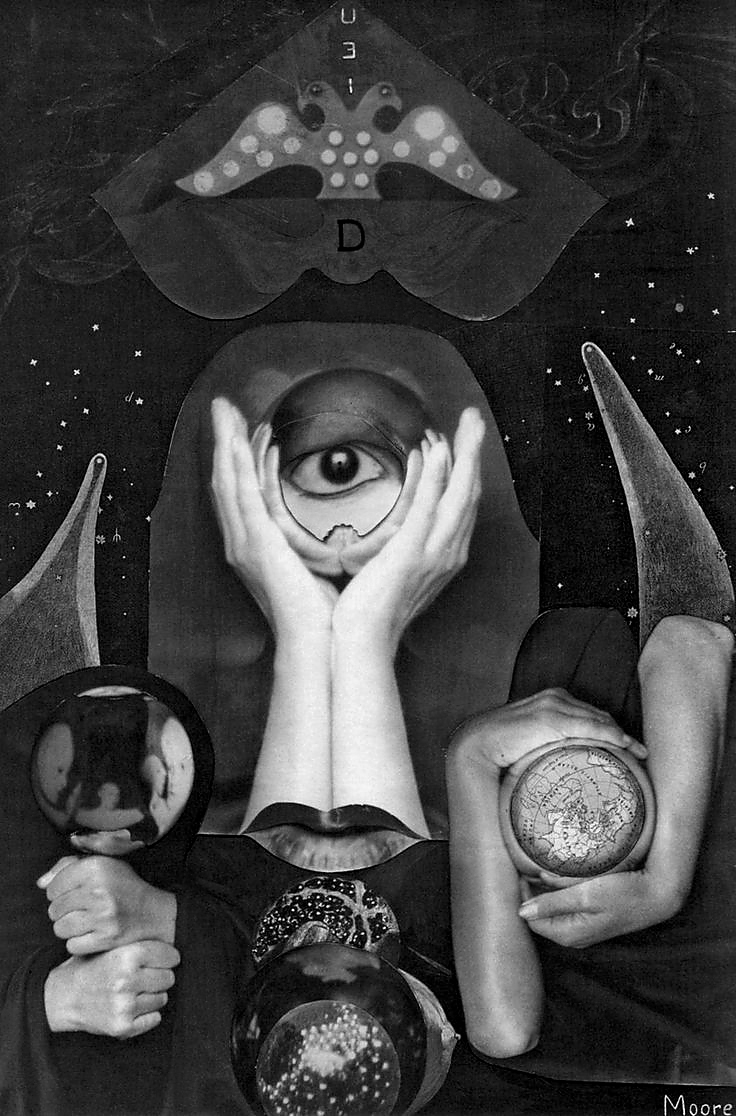


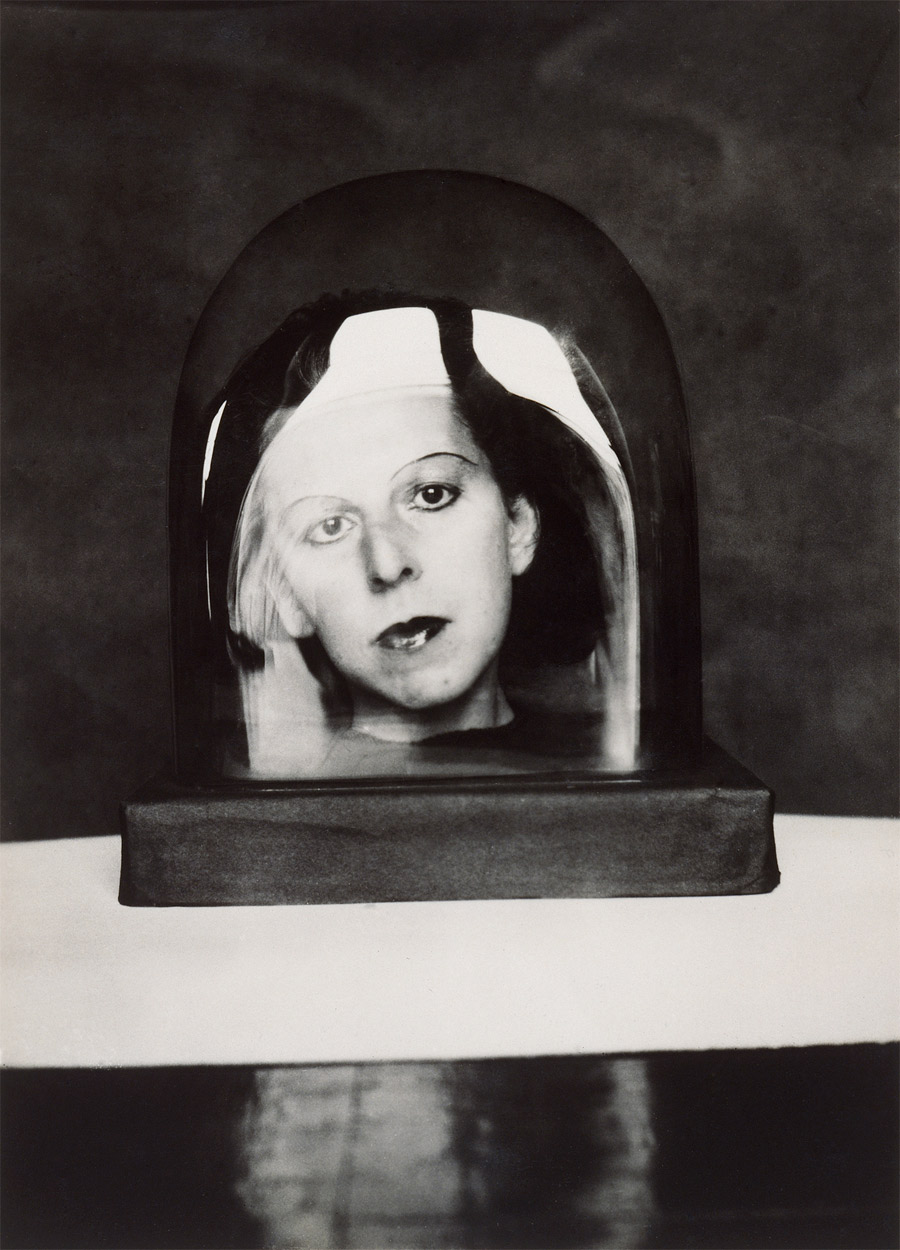


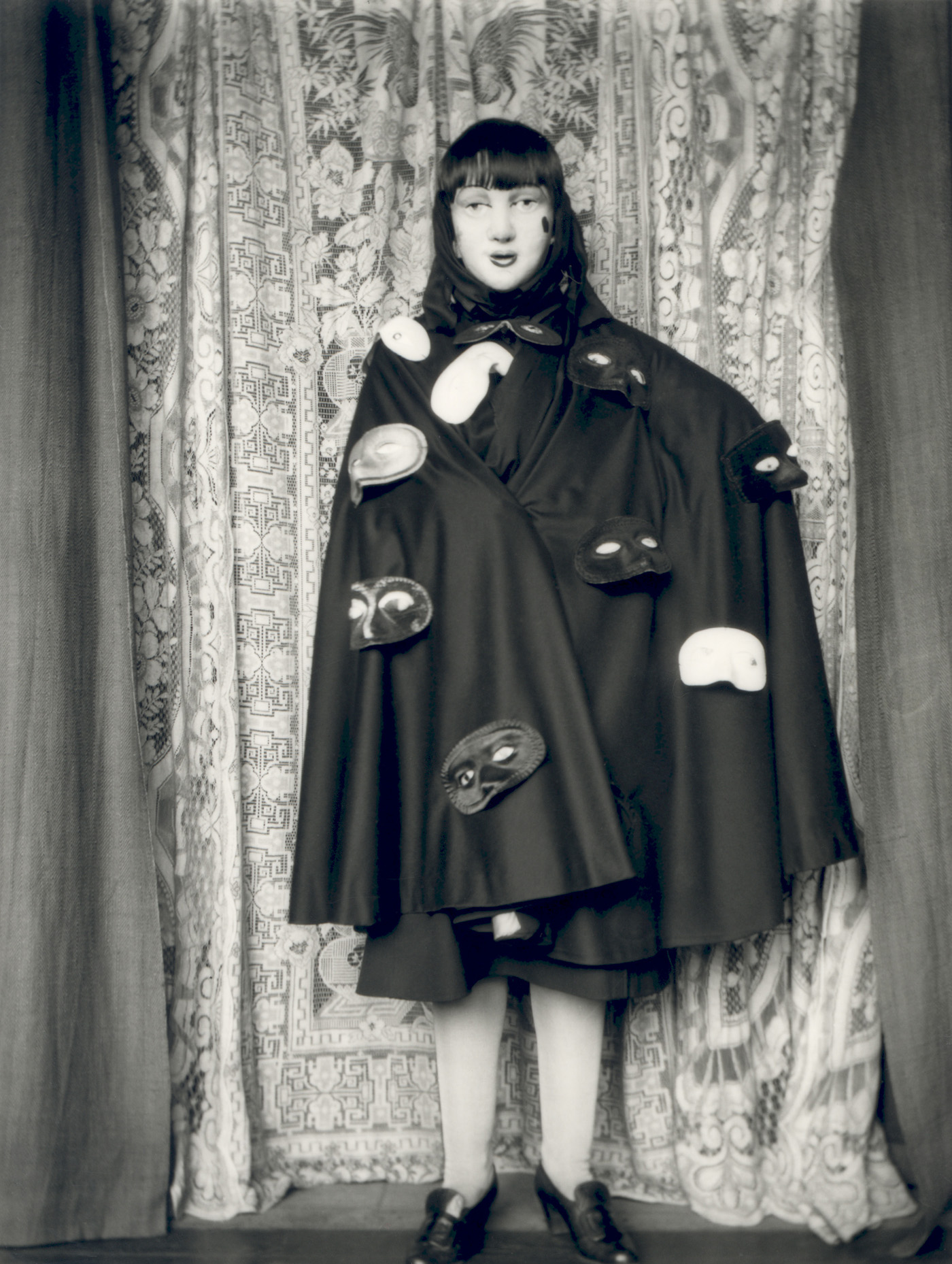

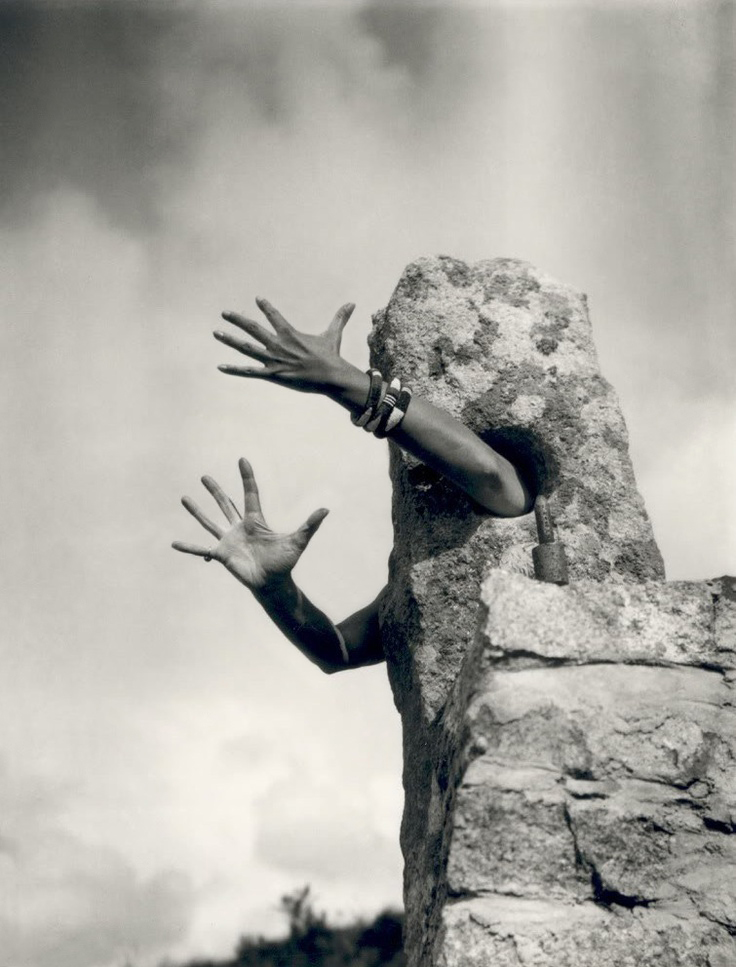

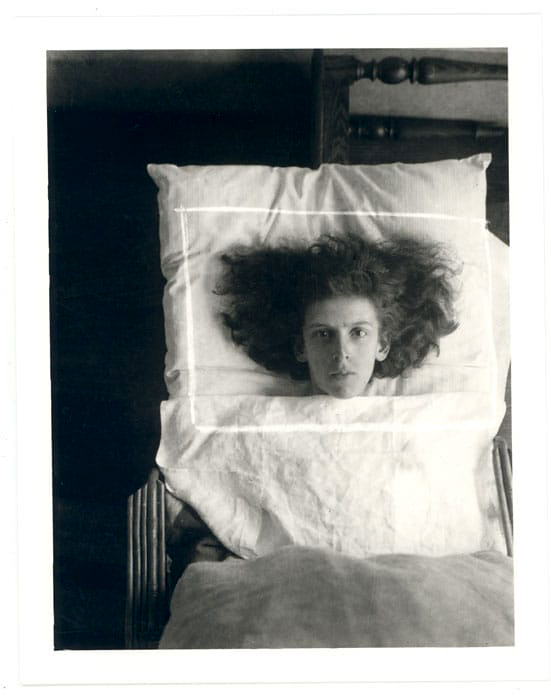


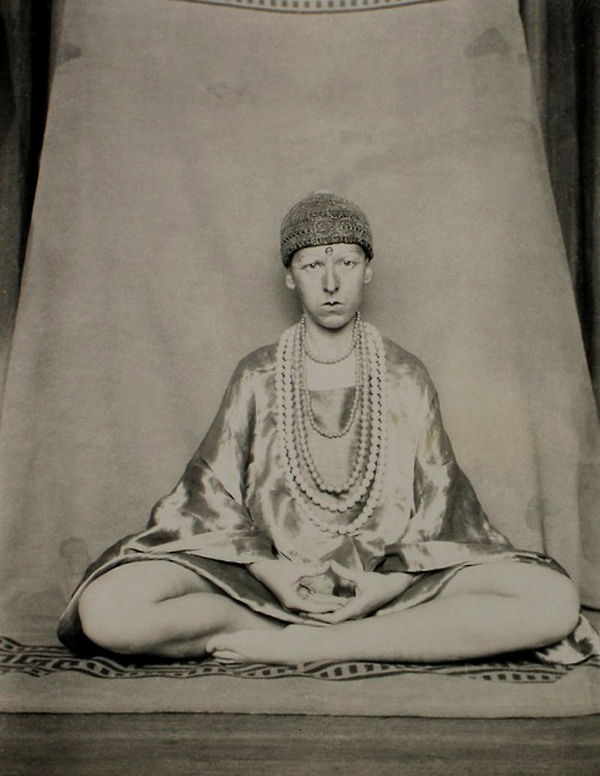
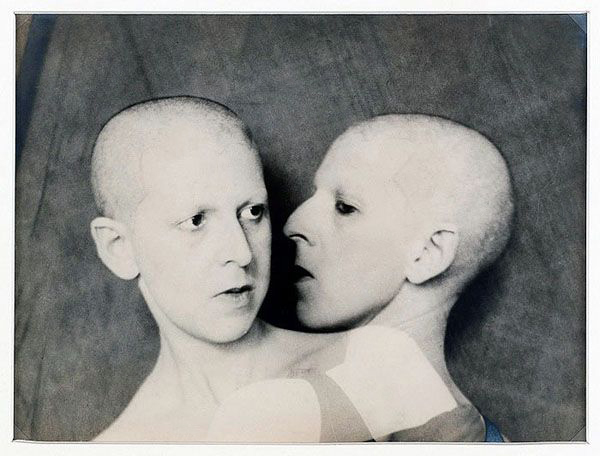


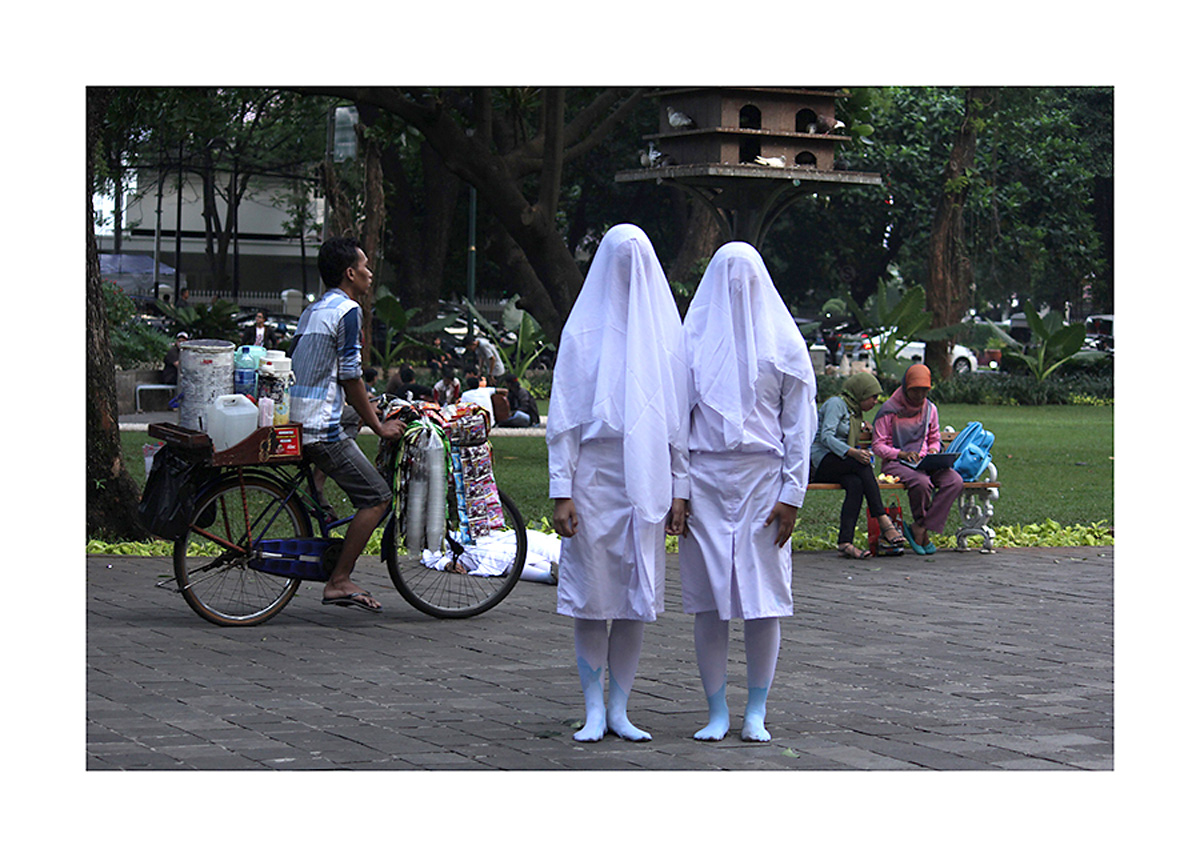
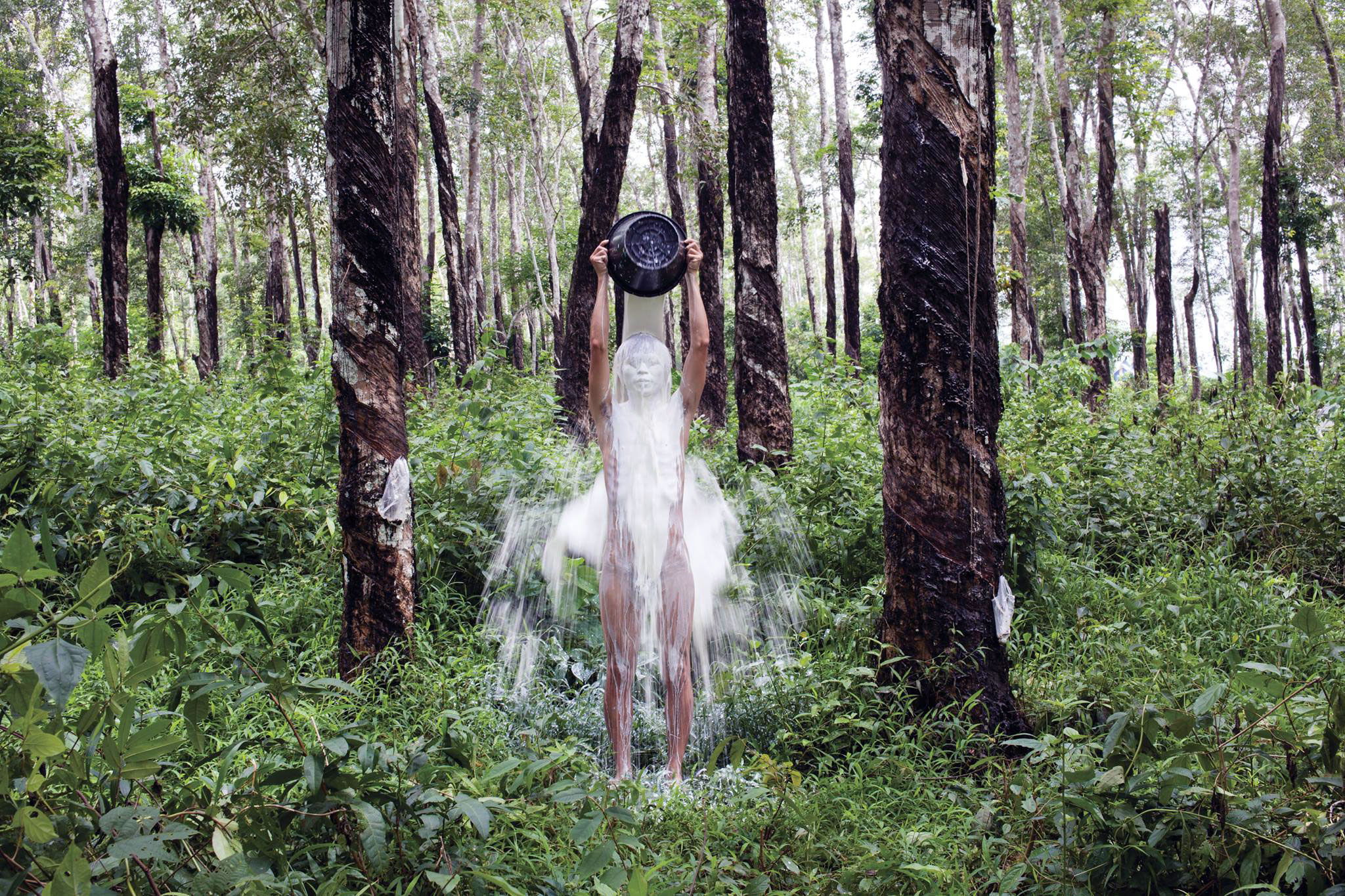
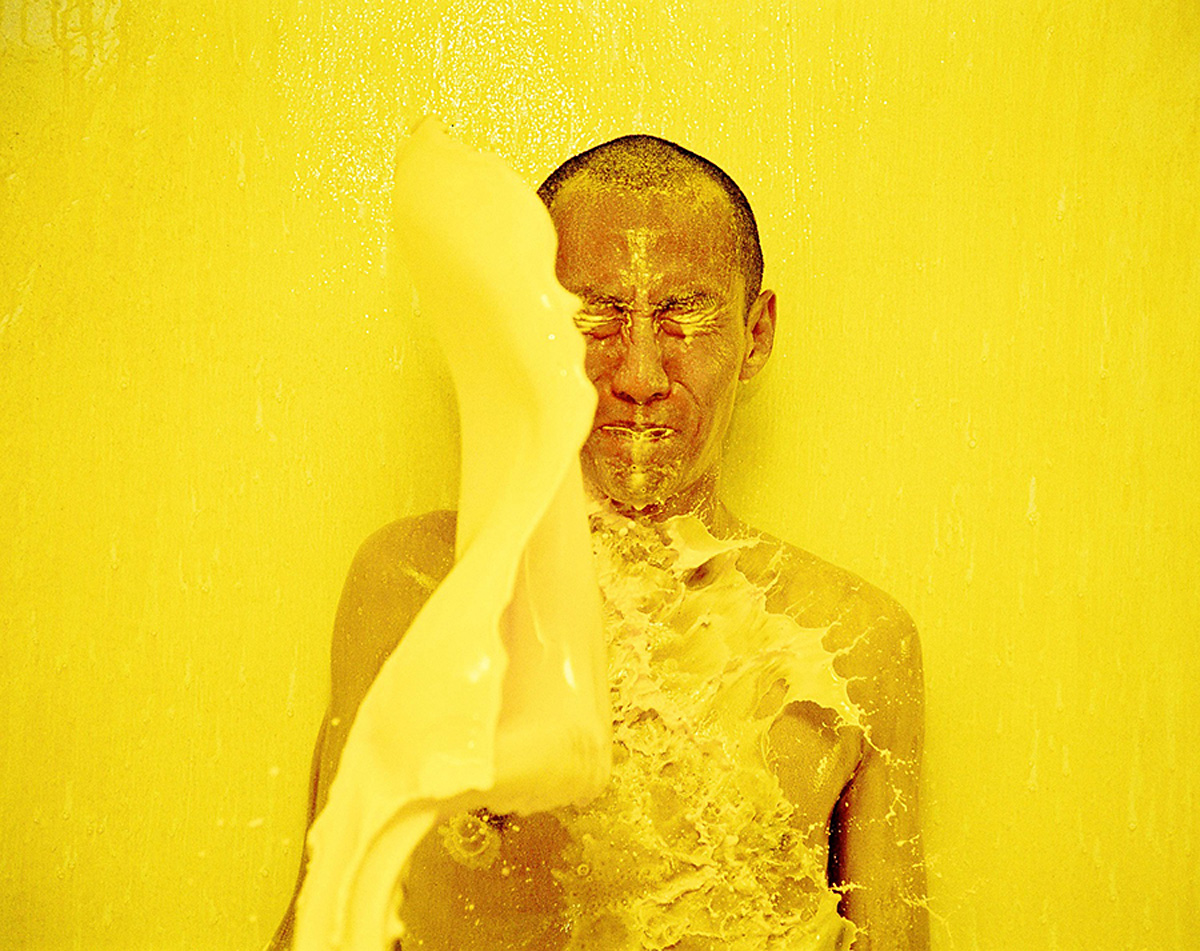
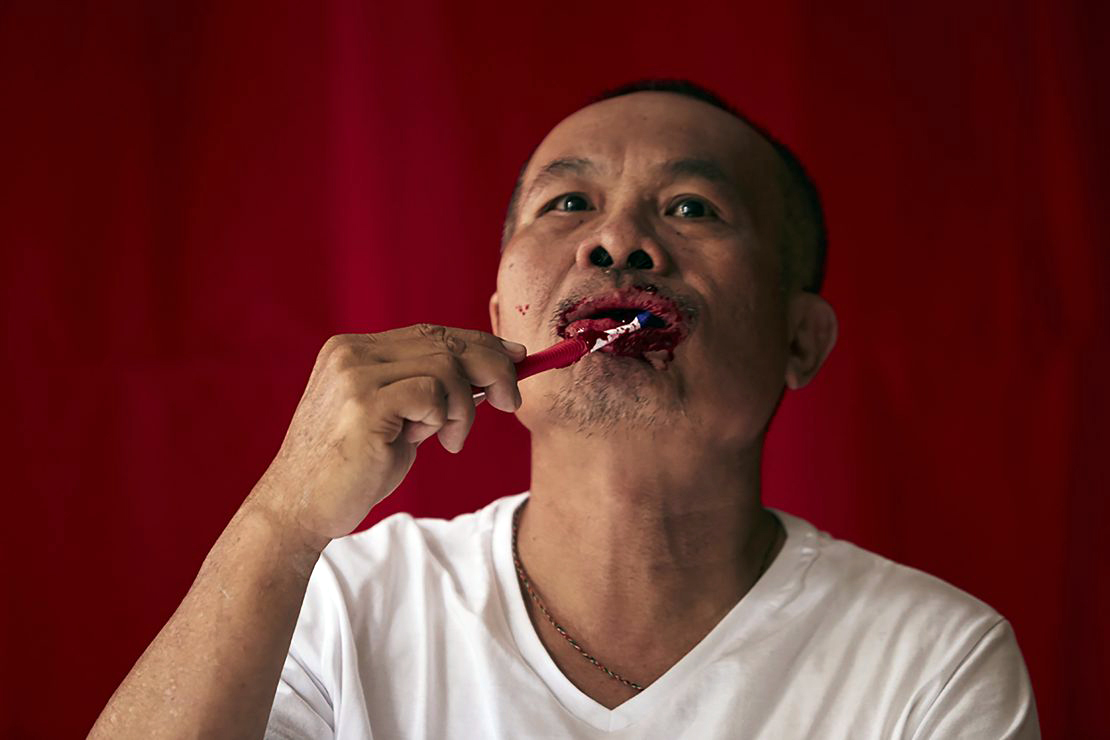
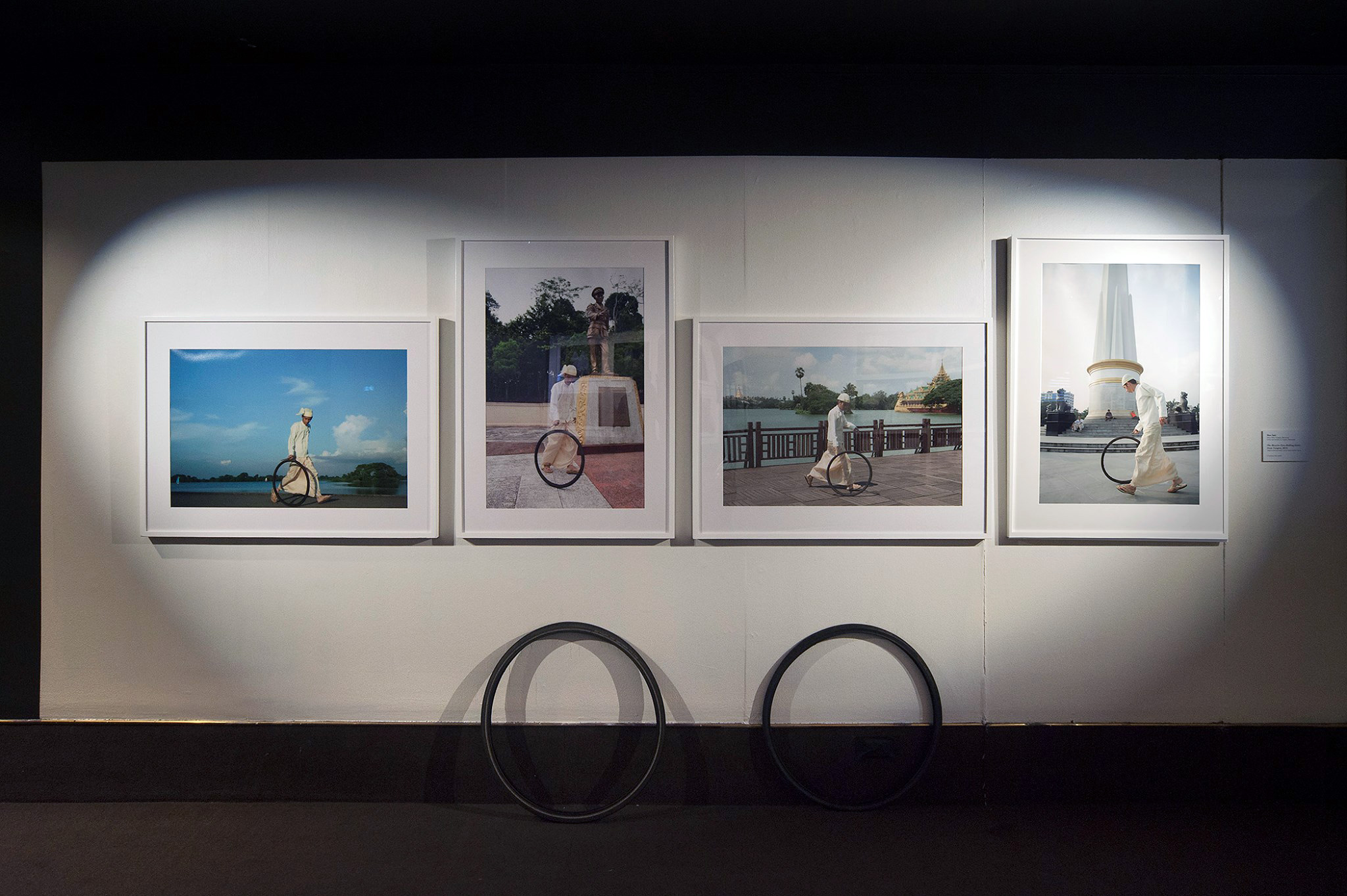
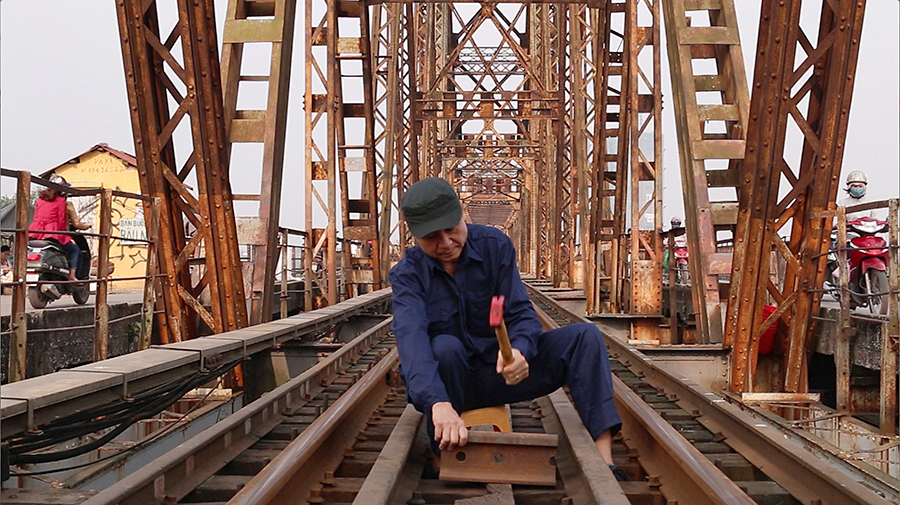
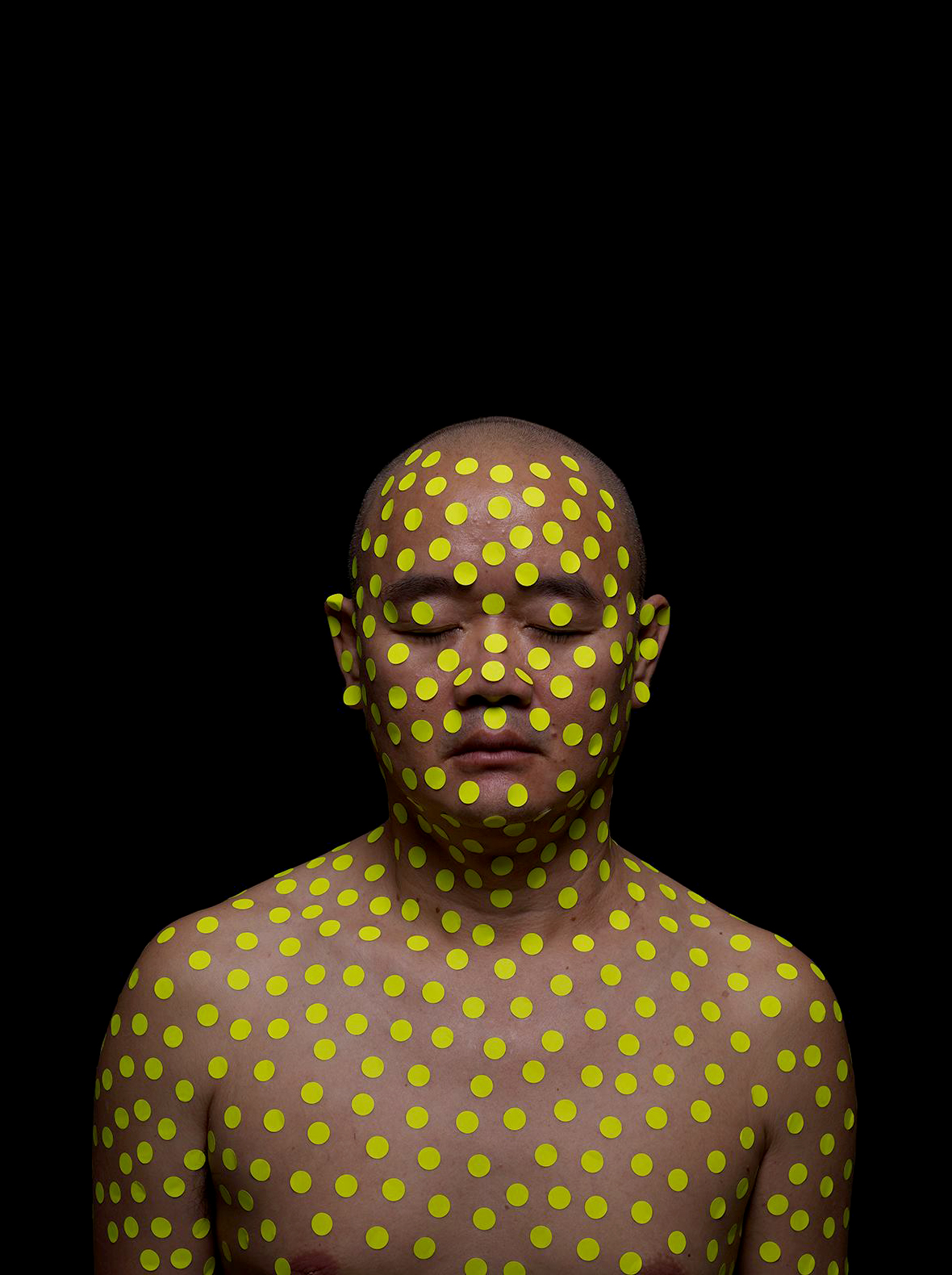


![Brett Weston (American, 1911-1993) 'Untitled [dead bird and sand]' 1967](https://artblart.com/wp-content/uploads/2017/04/okcmoa_2012-020_001-web.jpg "Brett Weston (American, 1911-1993) 'Untitled [dead bird and sand]' 1967")
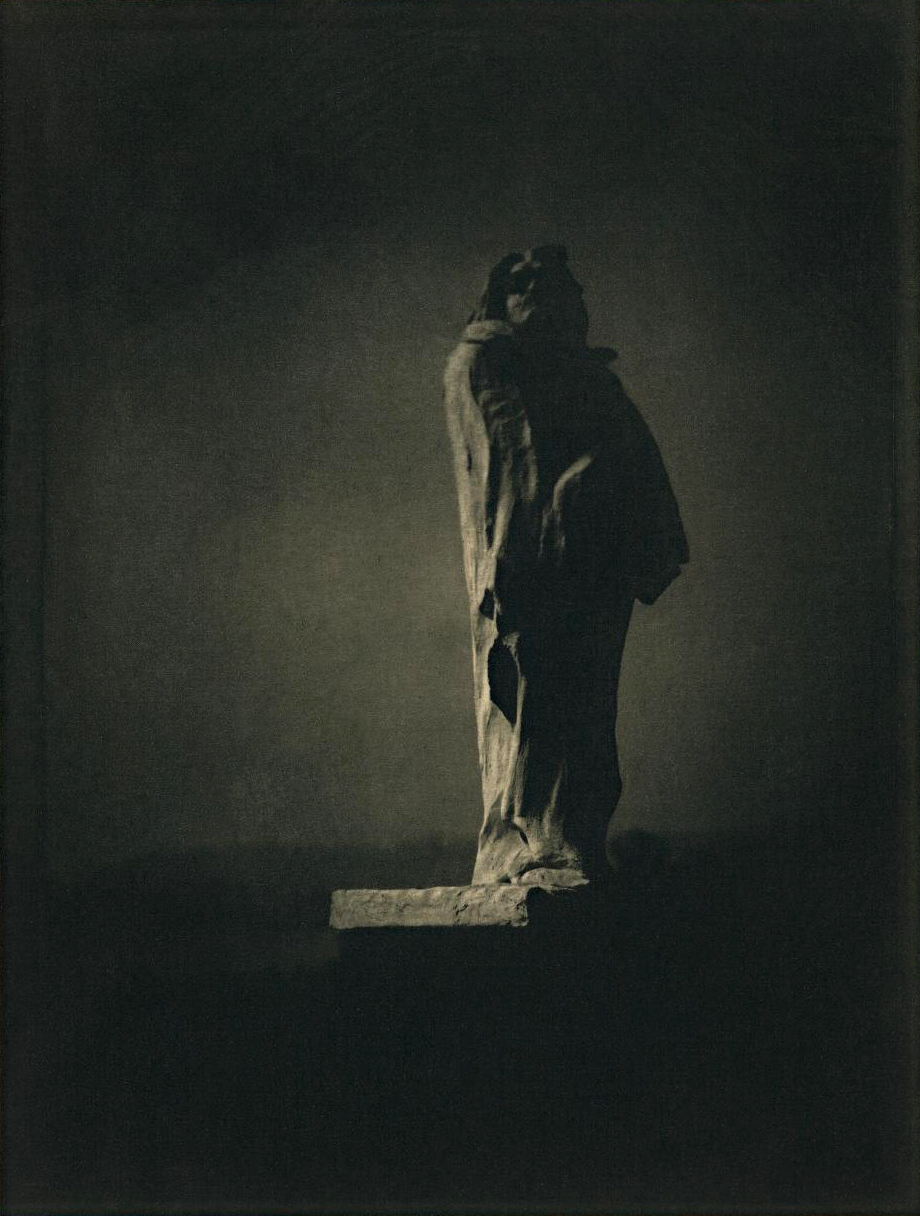

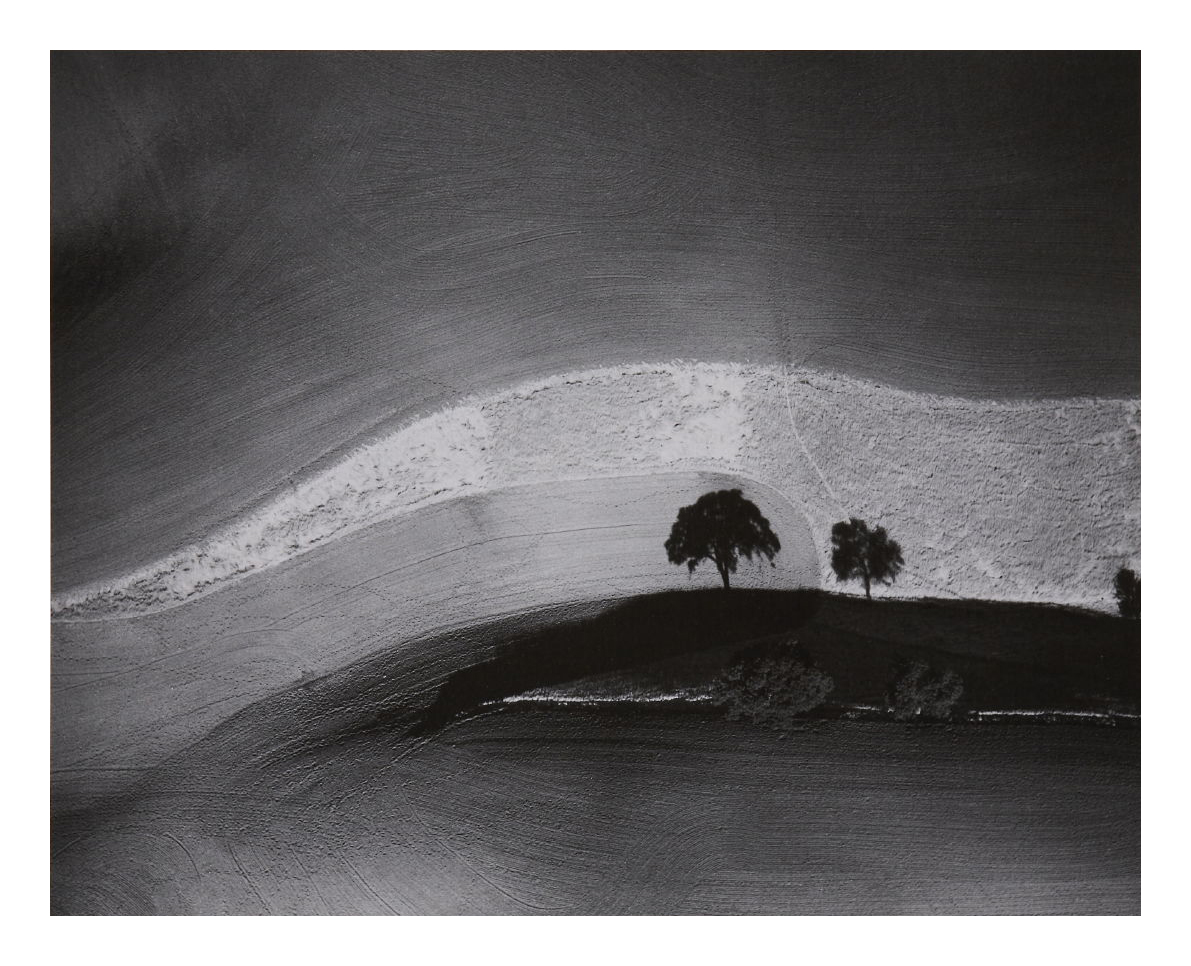
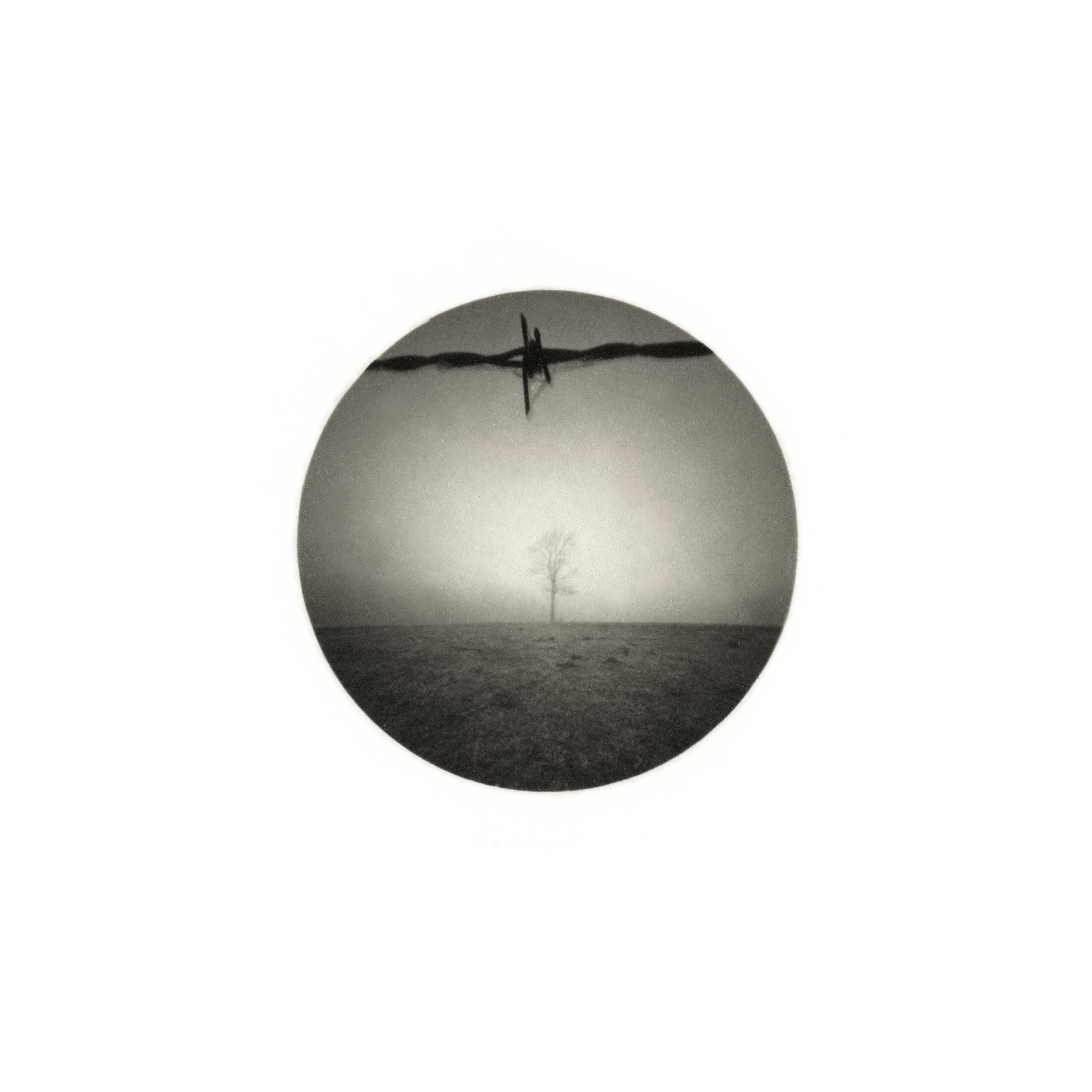

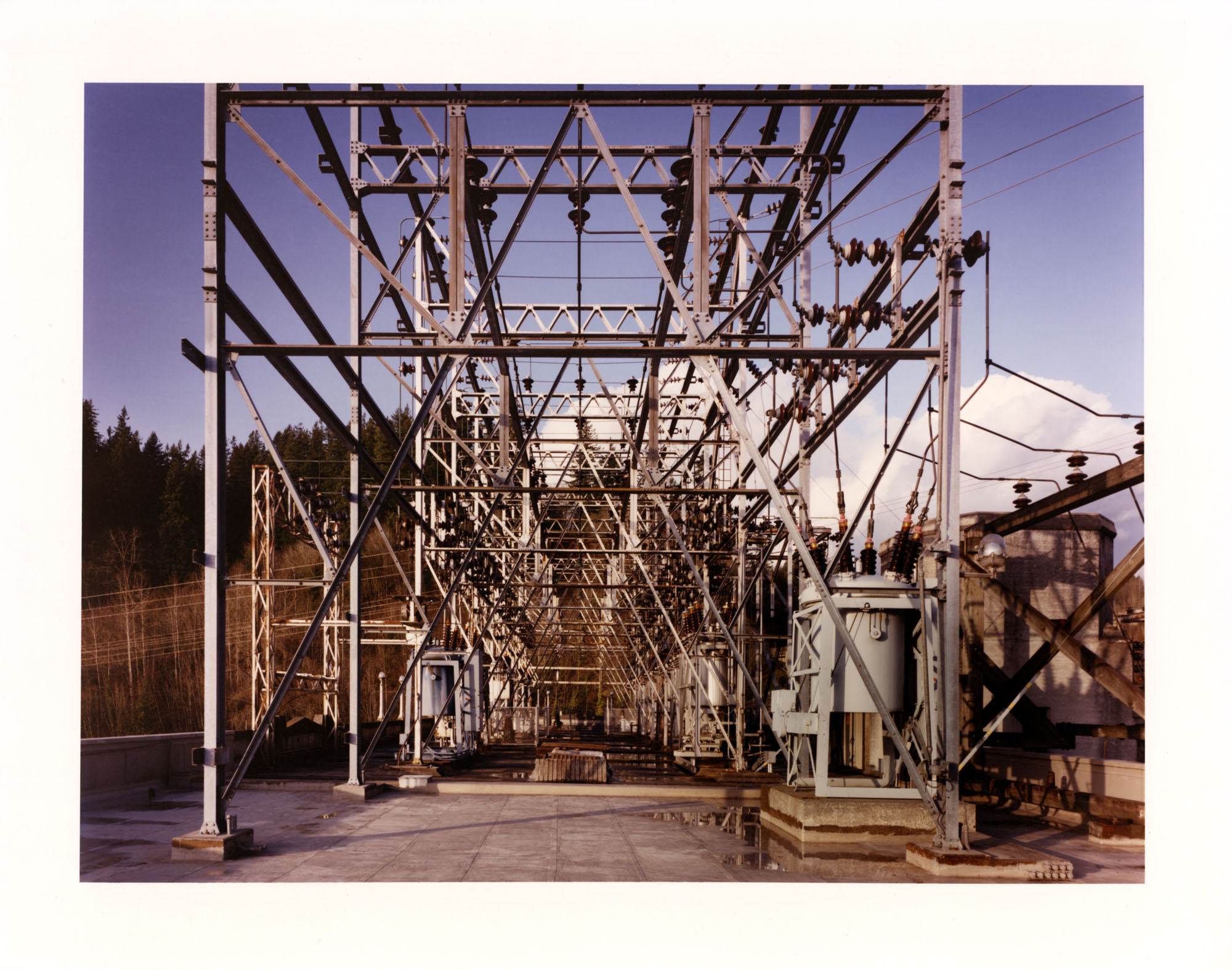


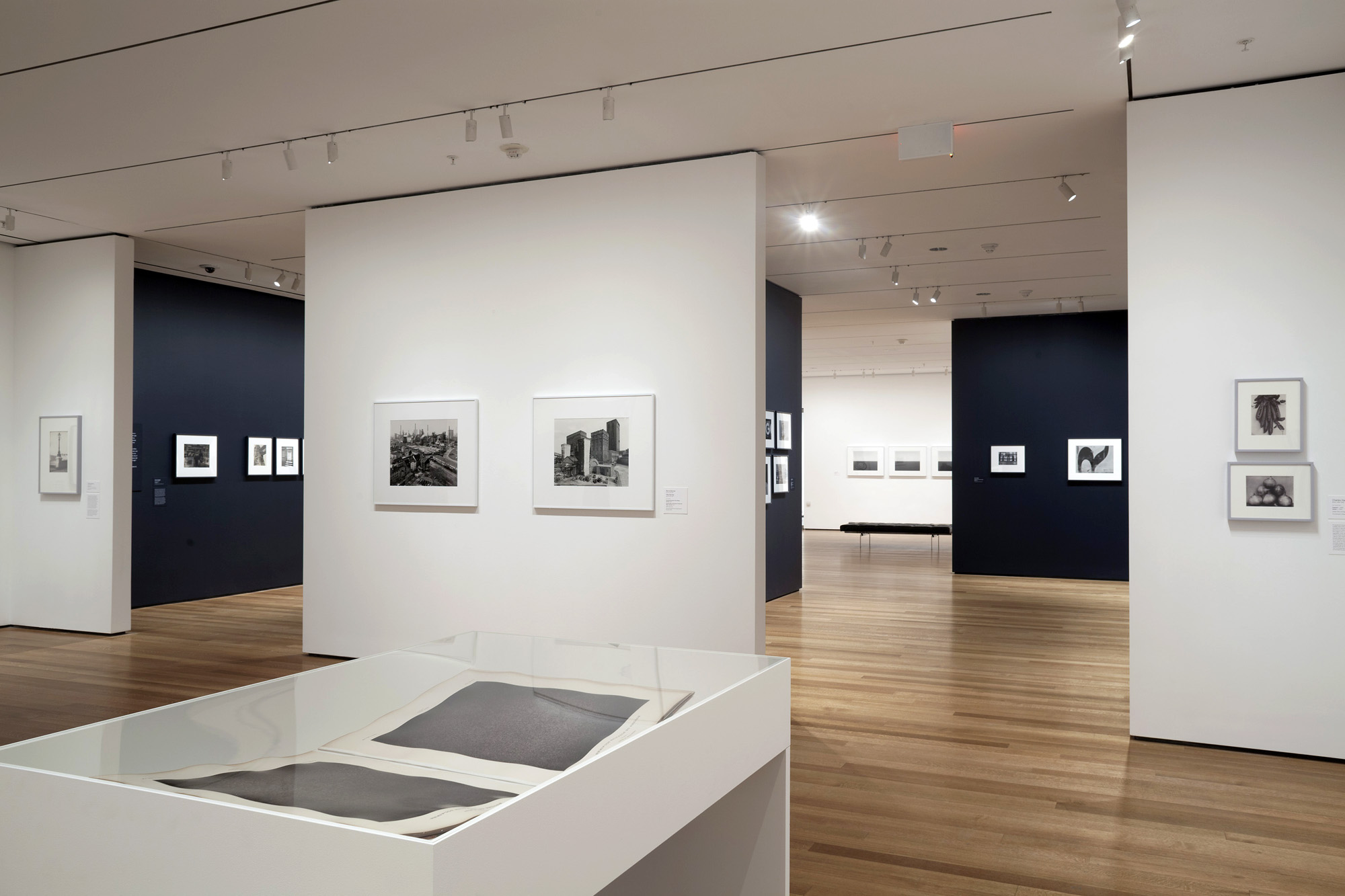


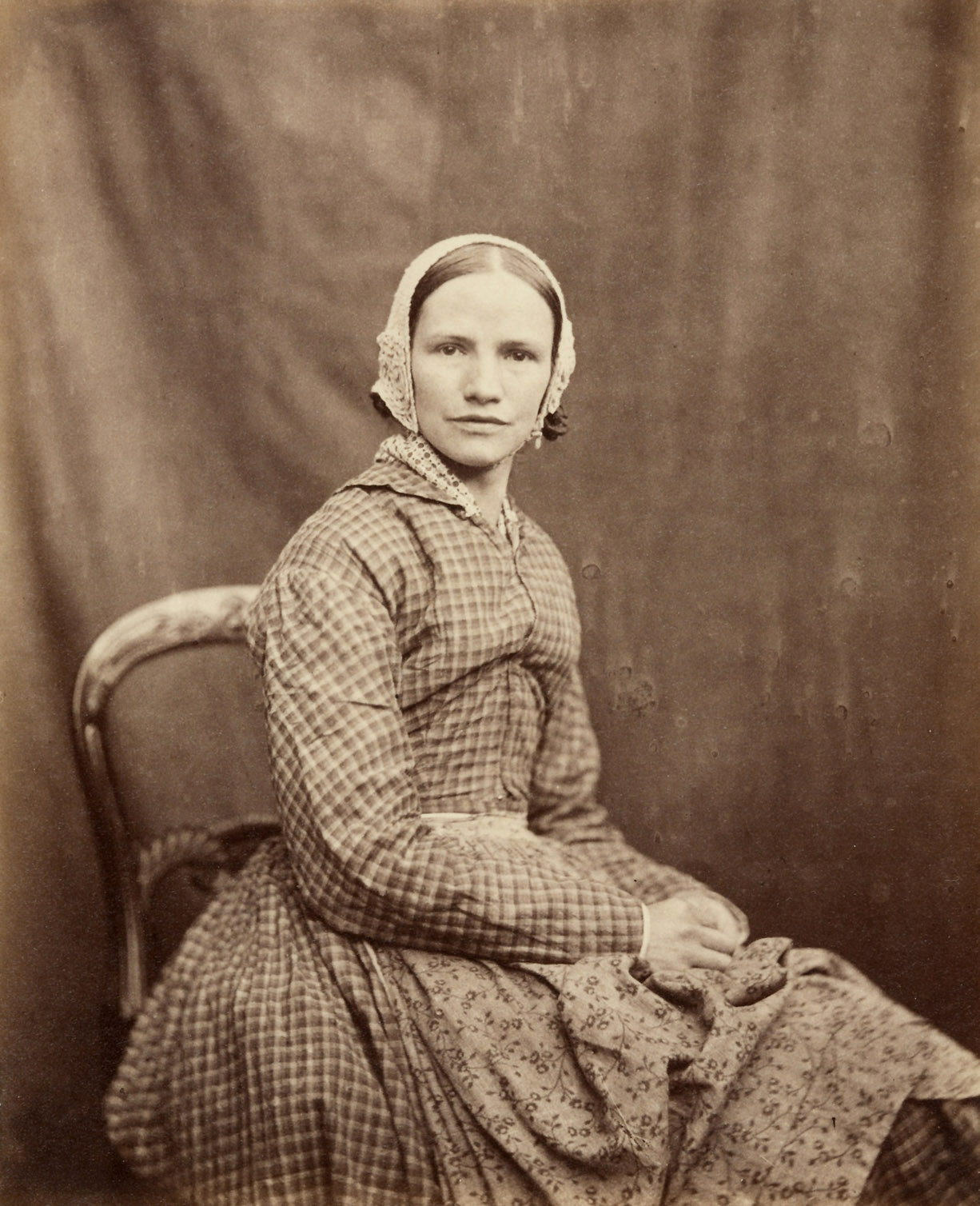
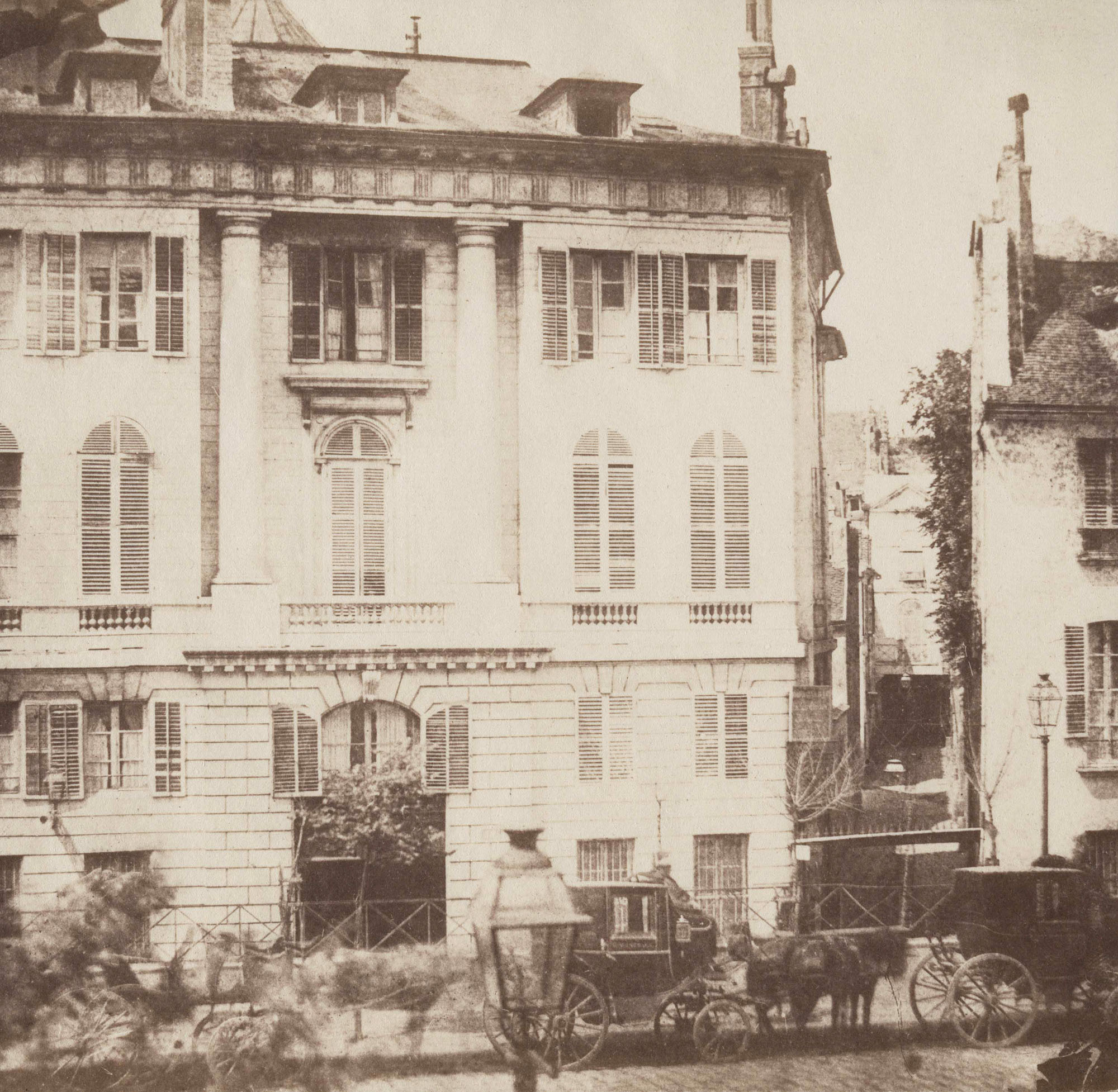


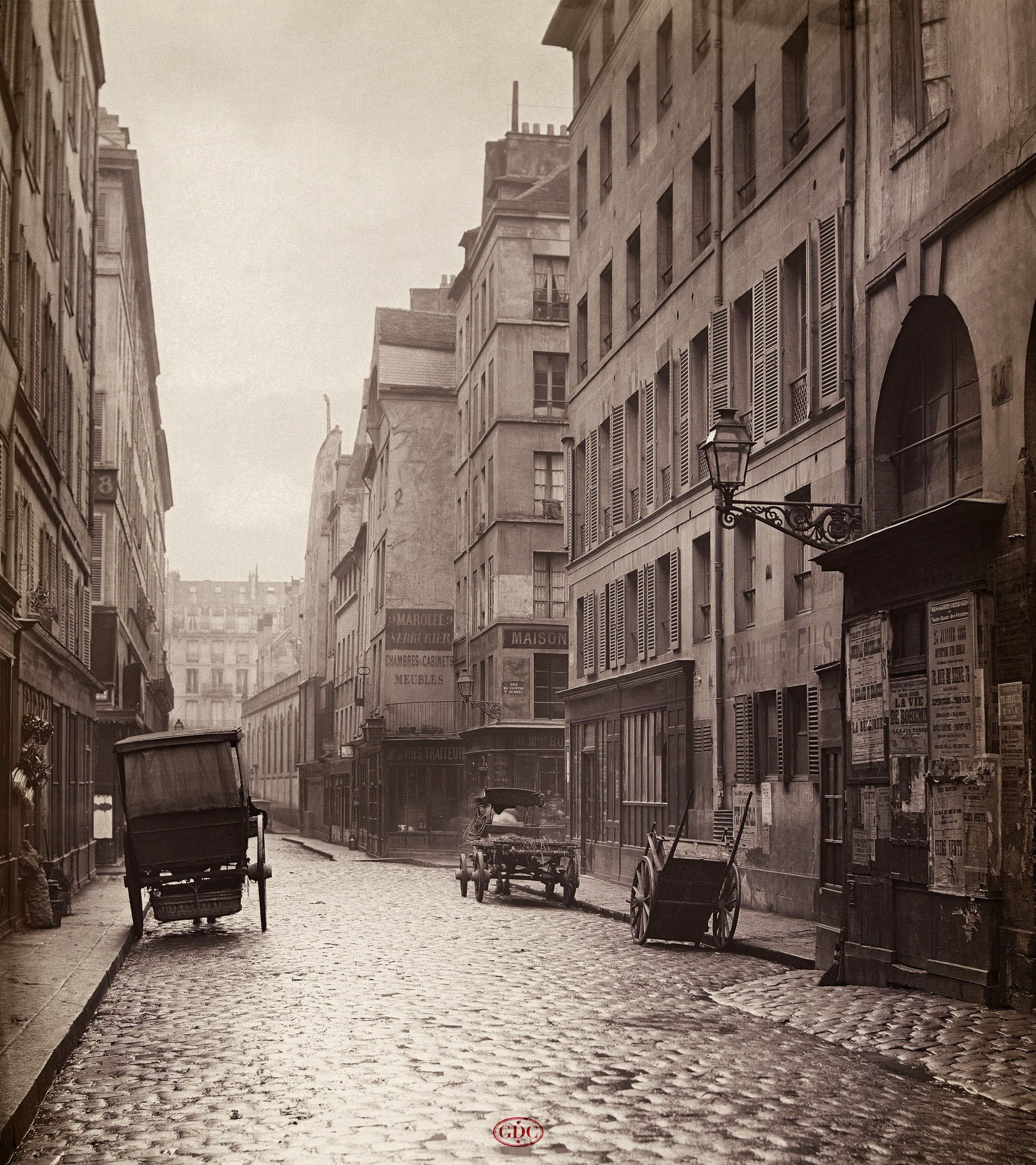


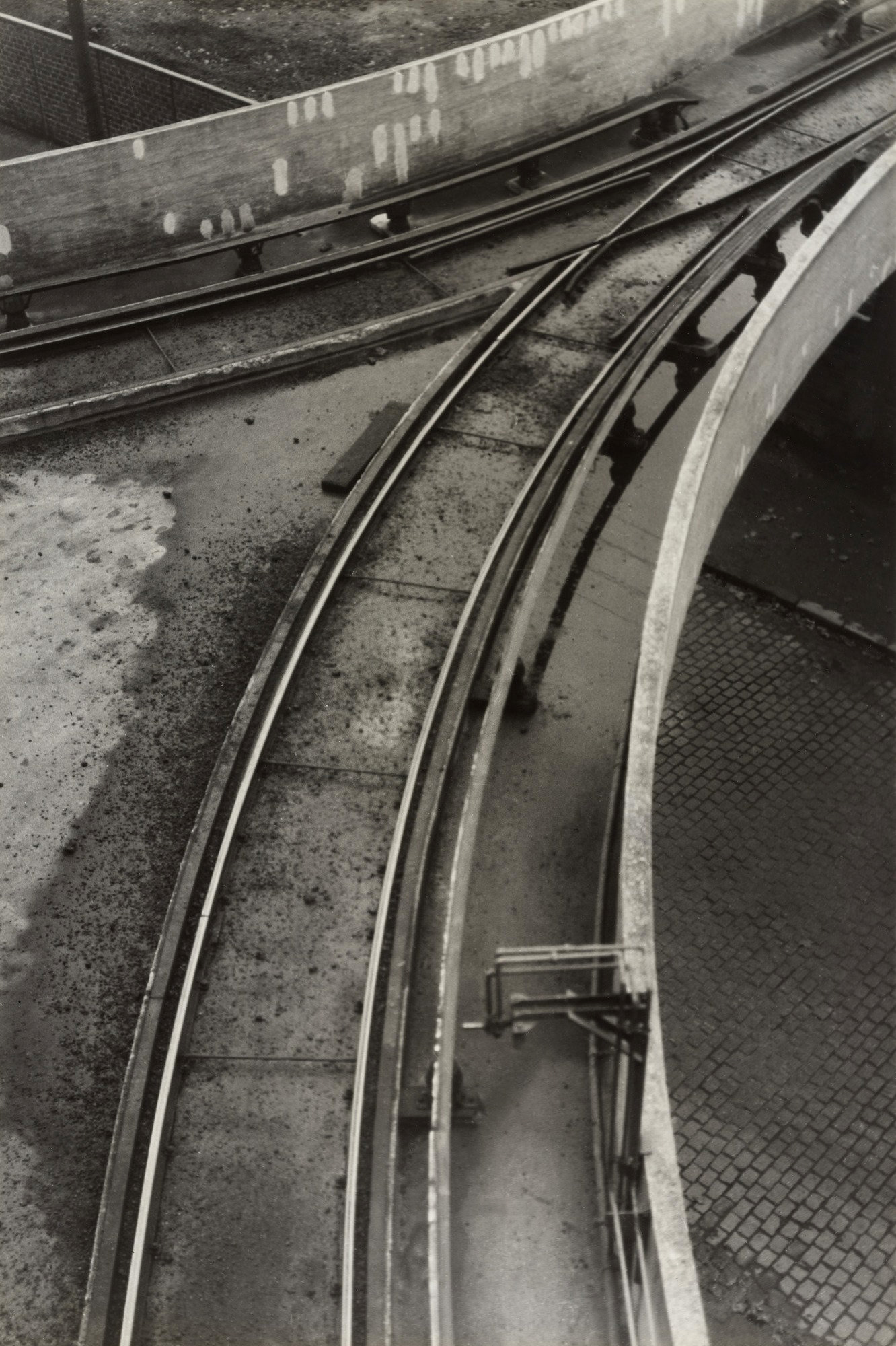


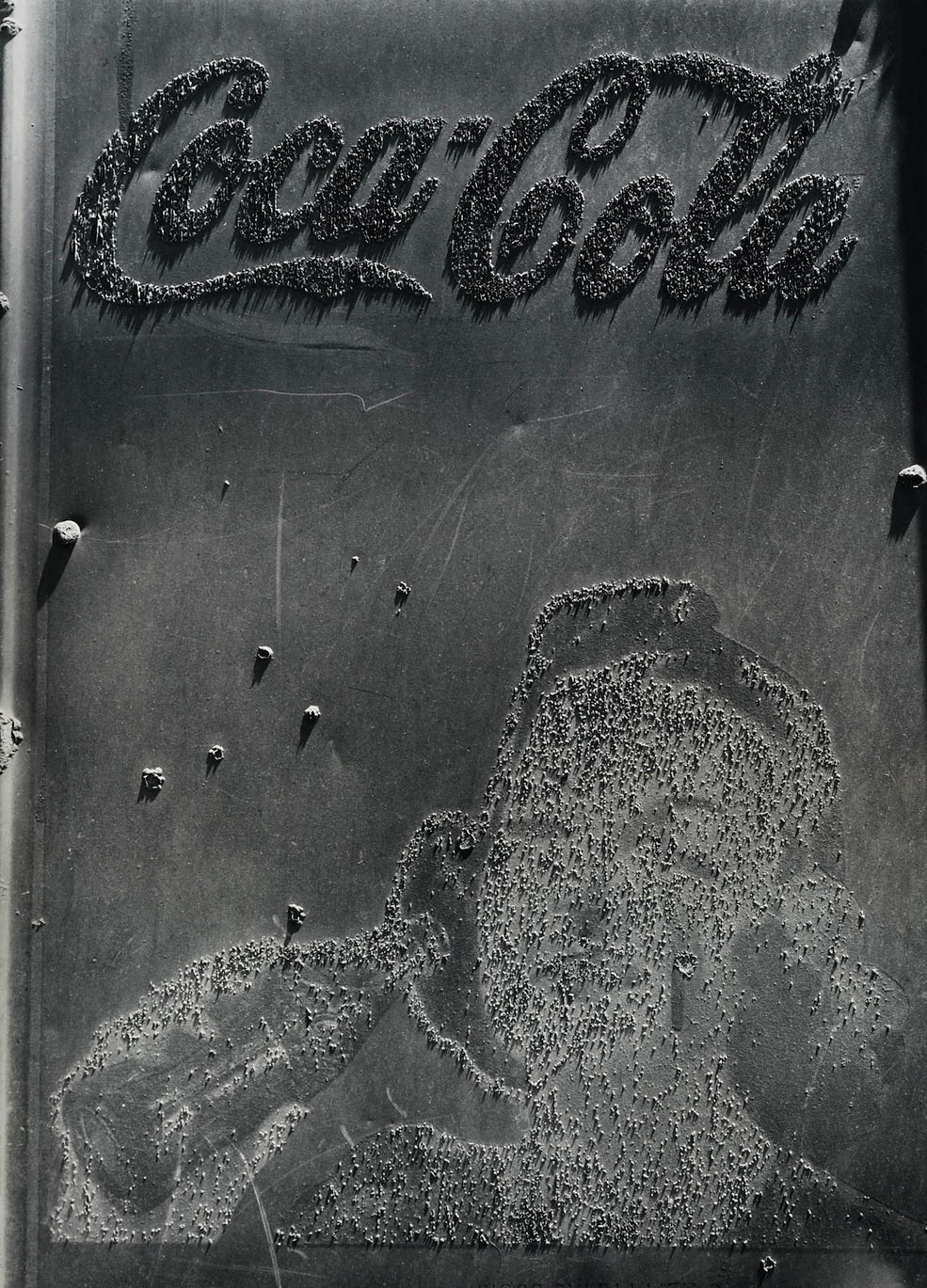


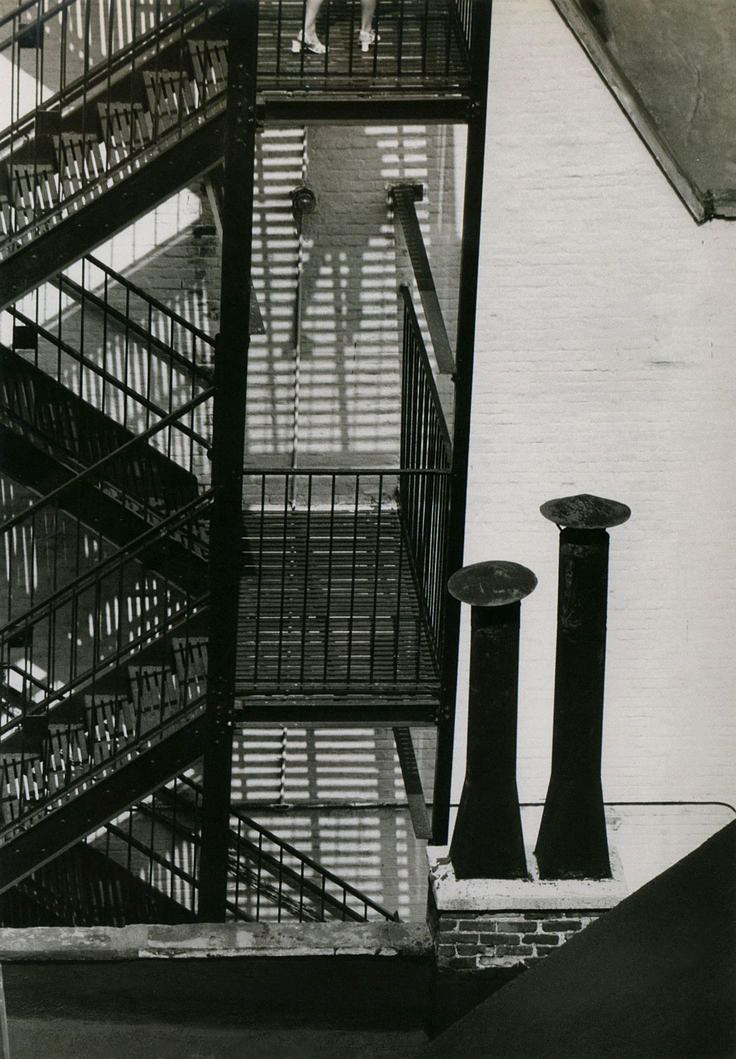
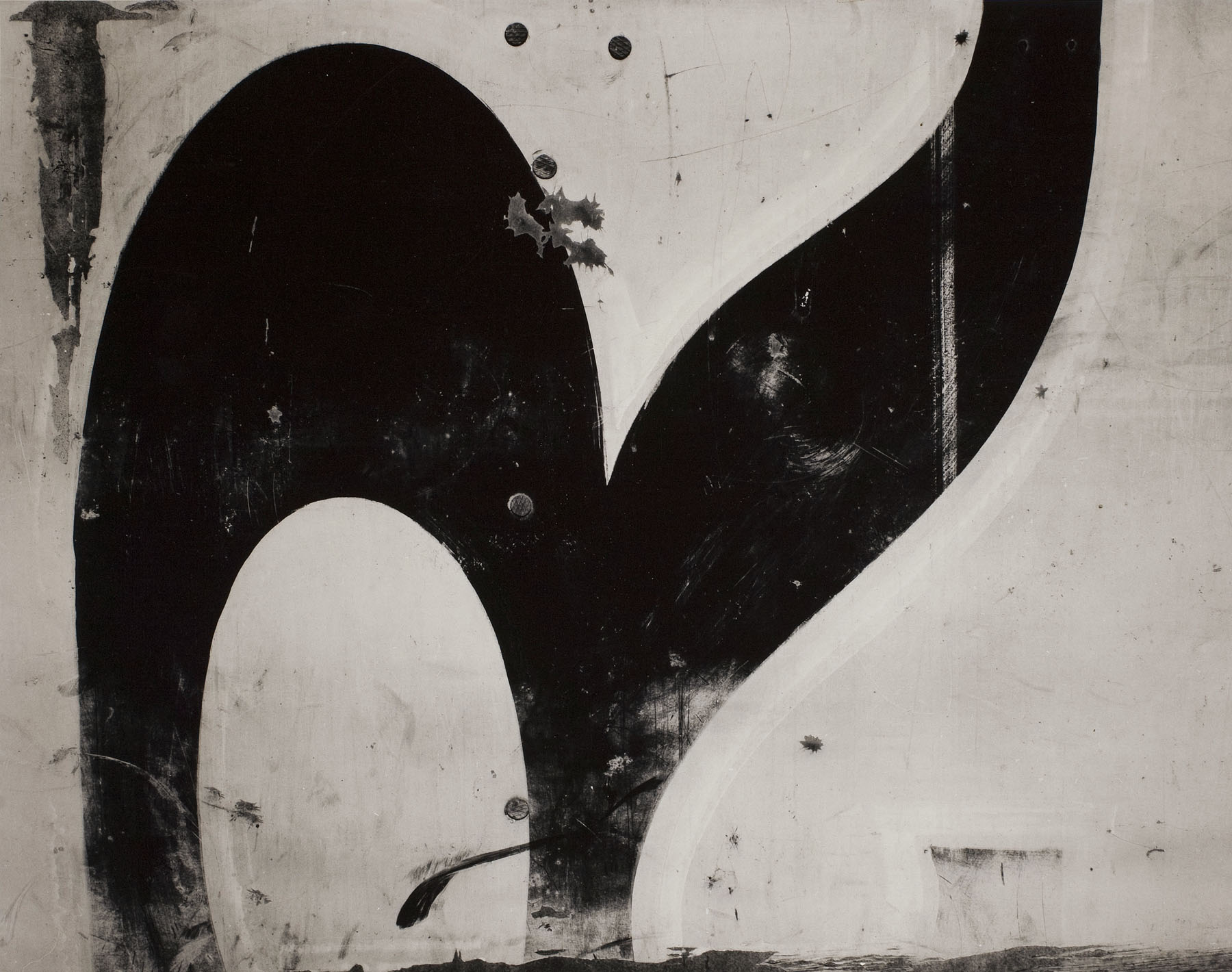
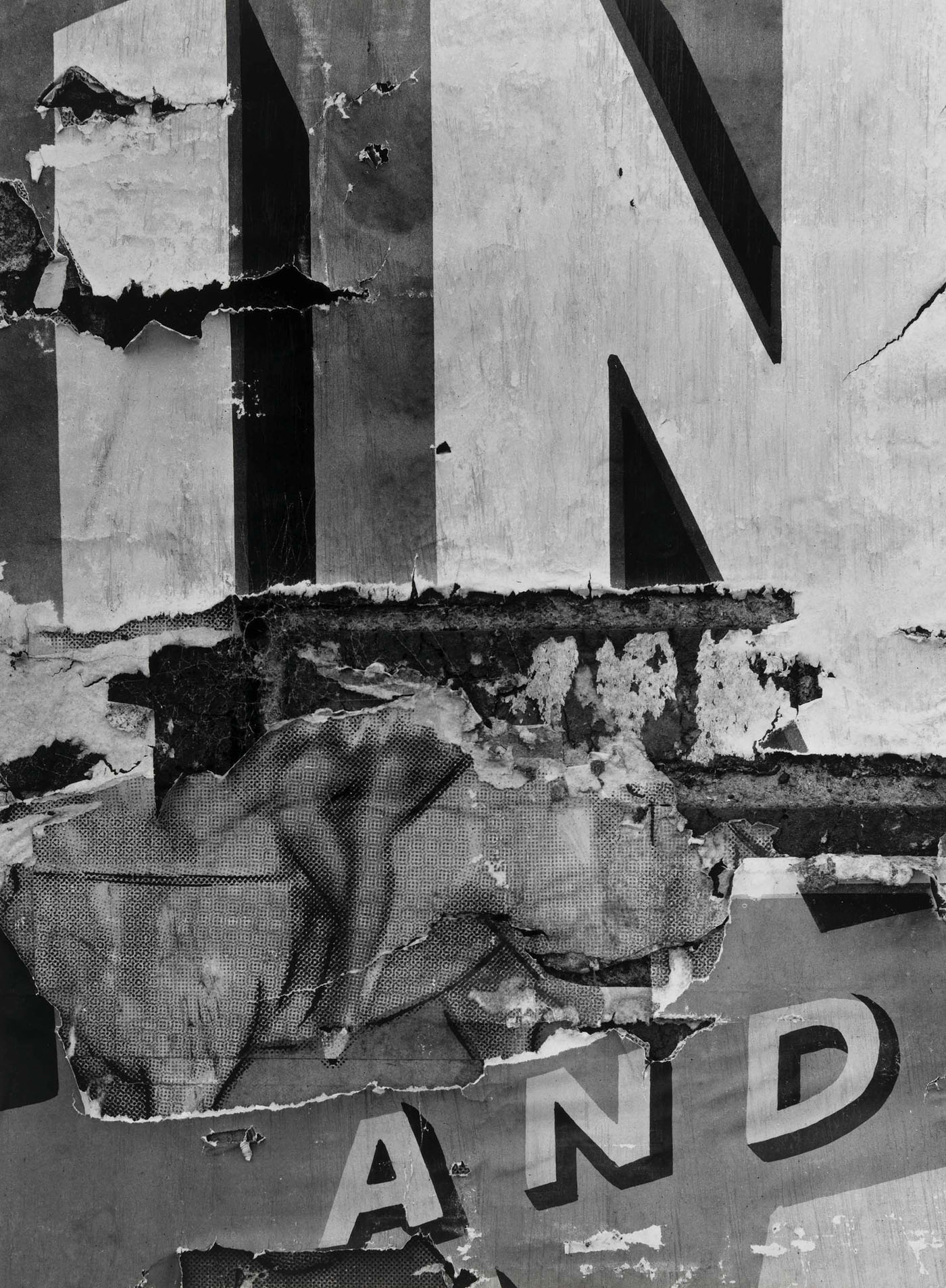


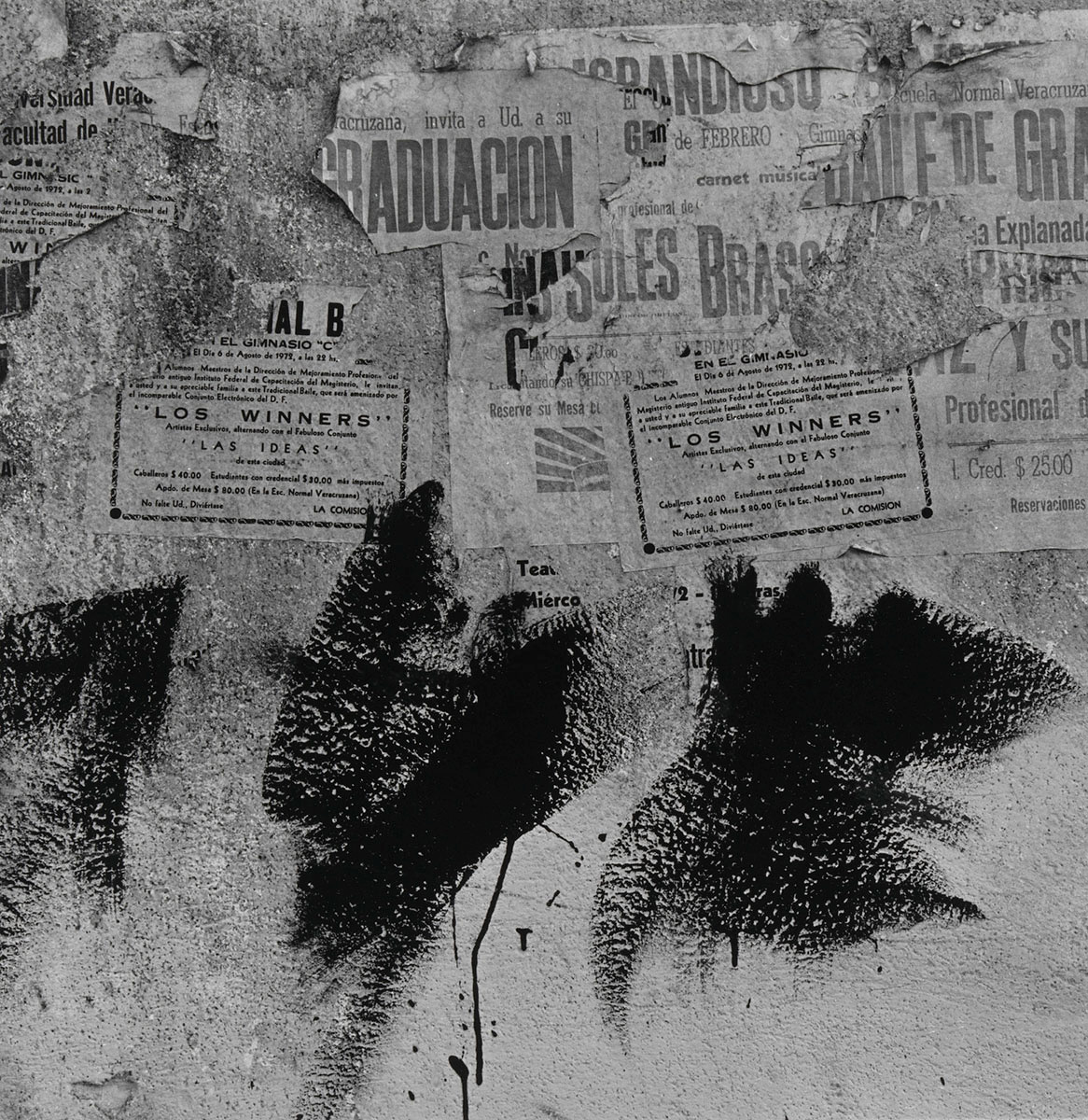
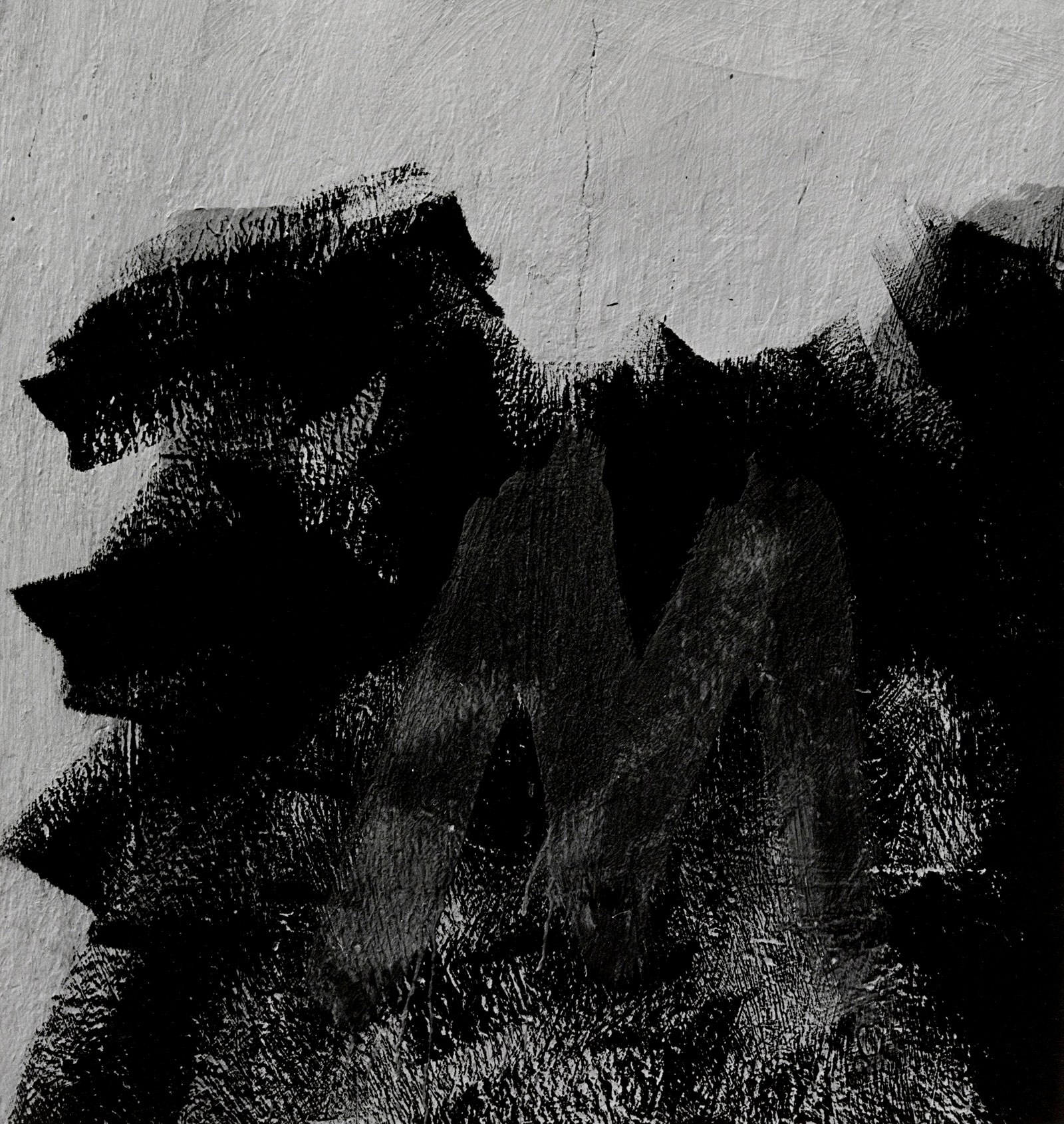


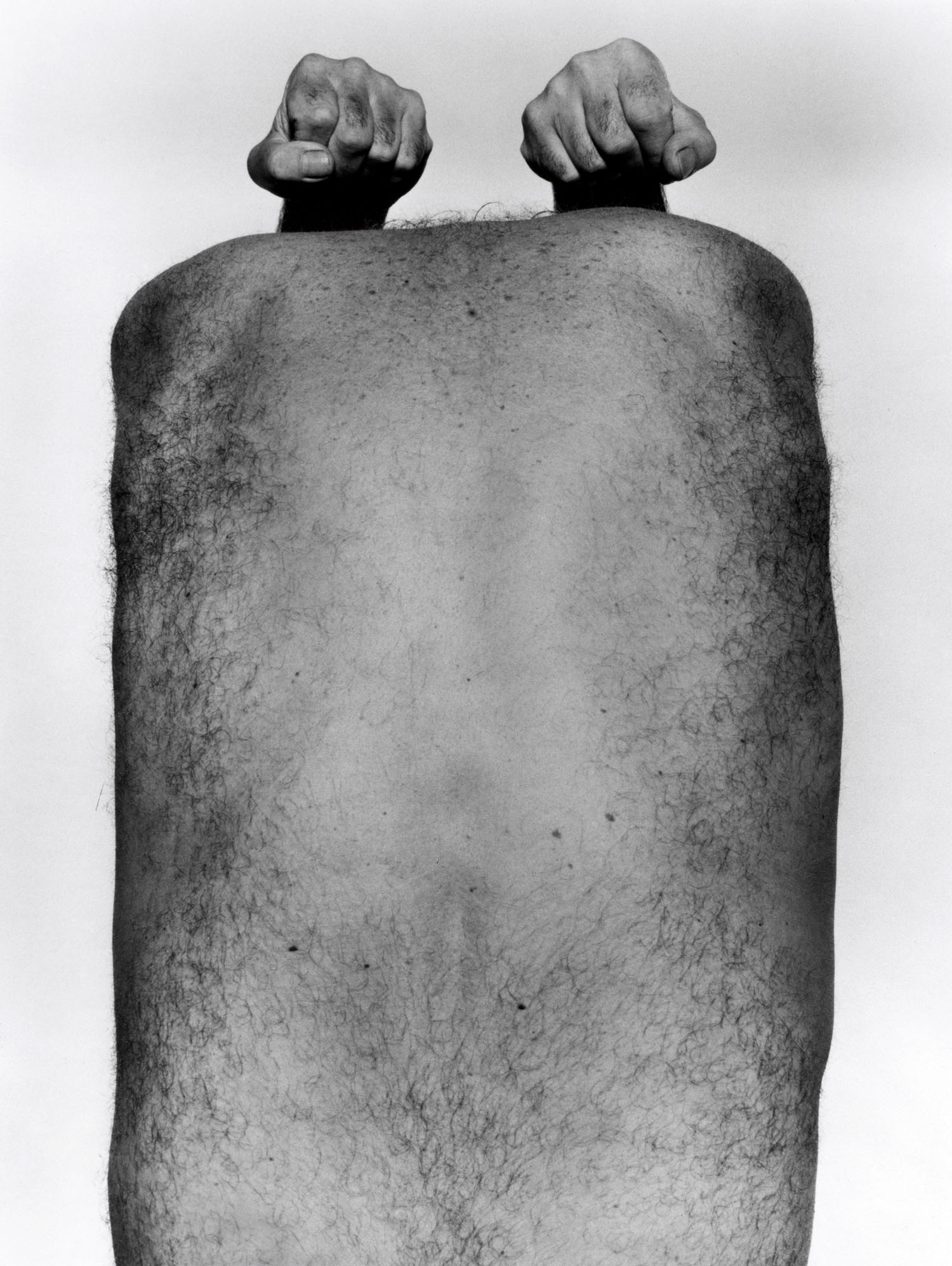
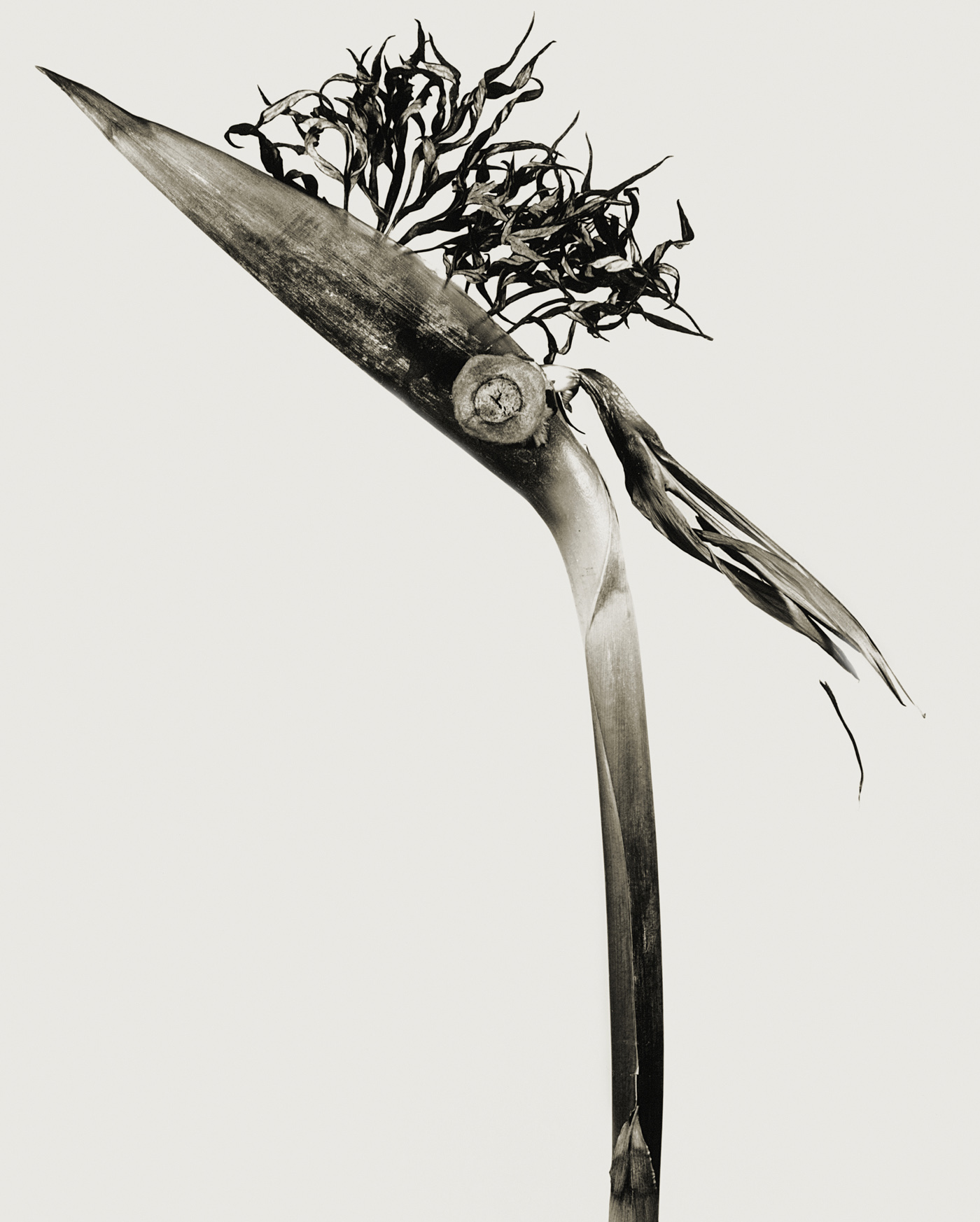
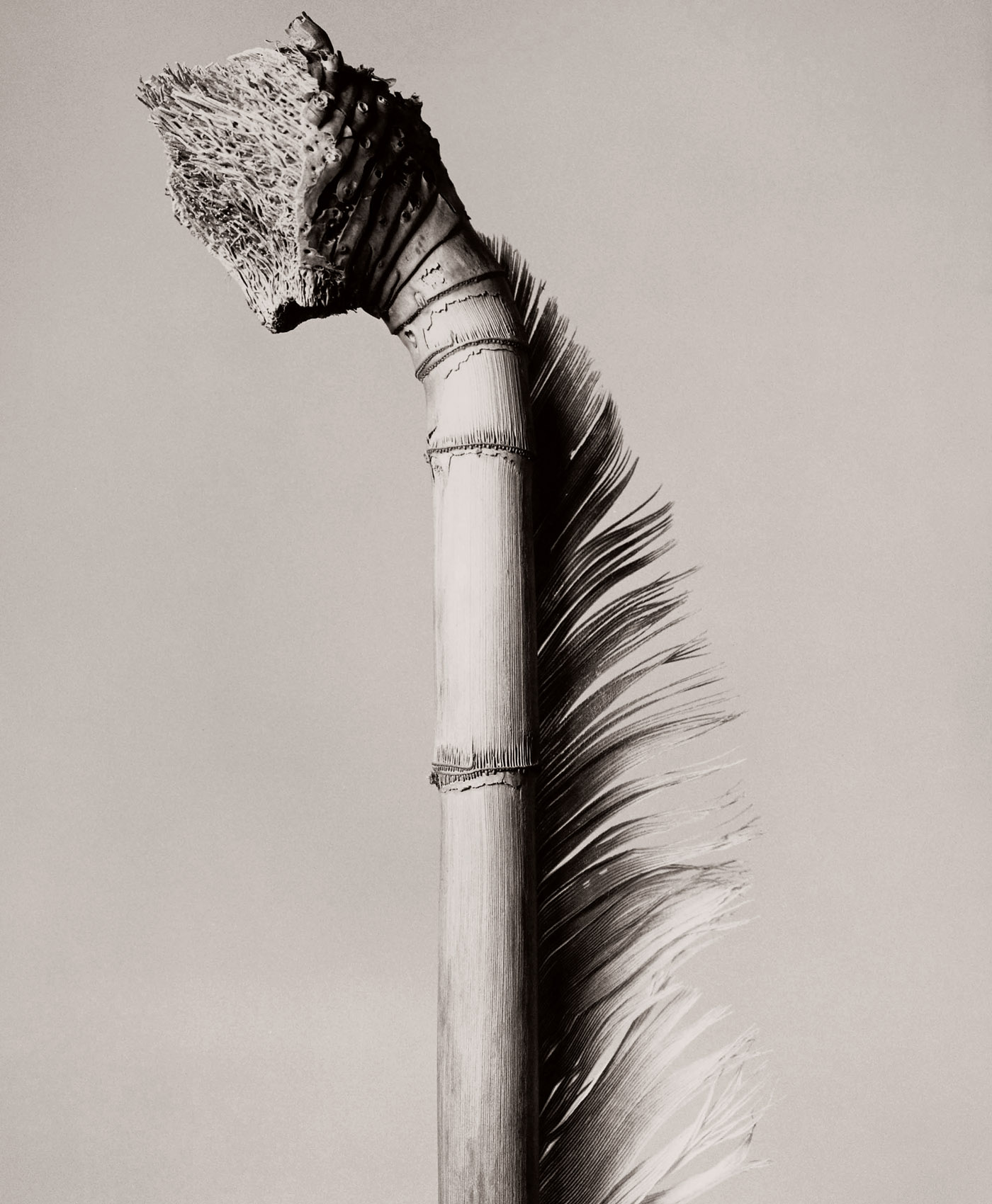
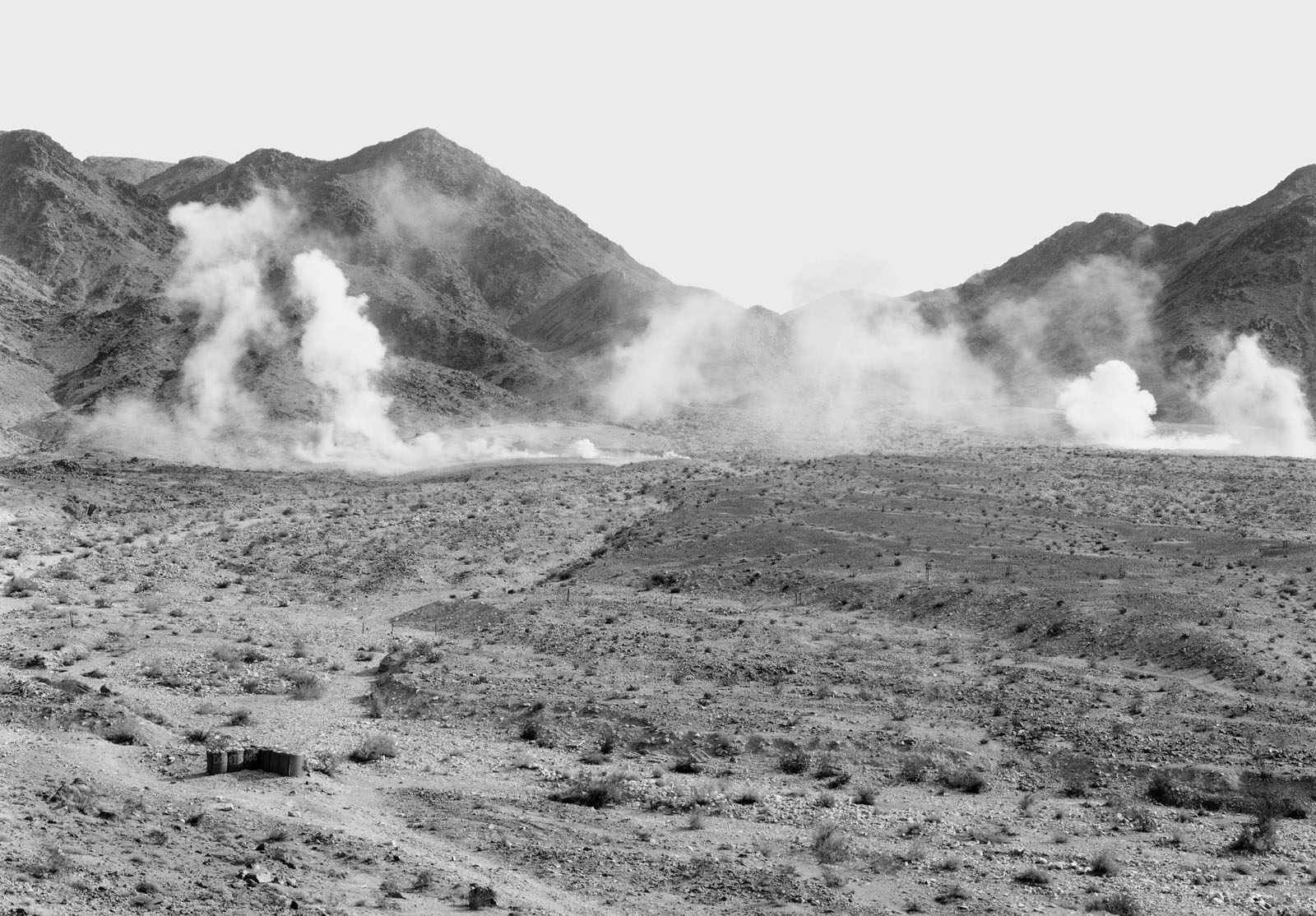

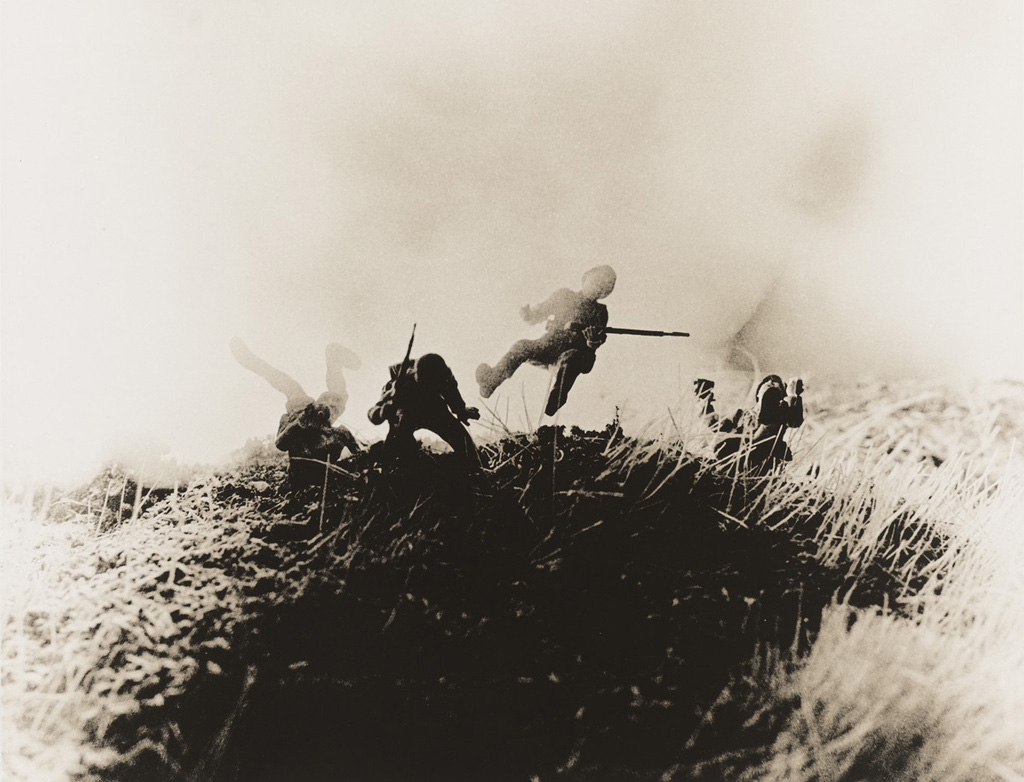


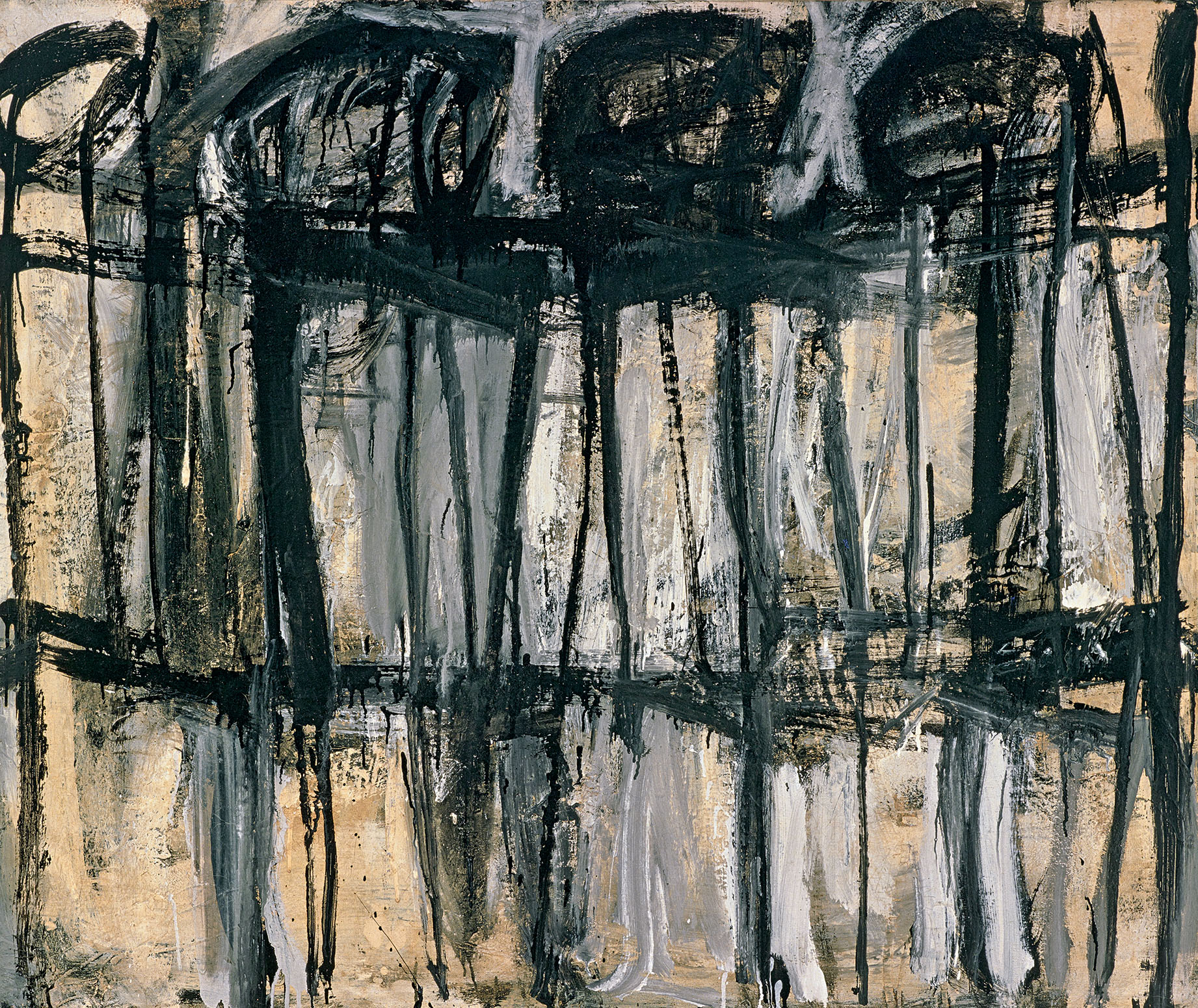
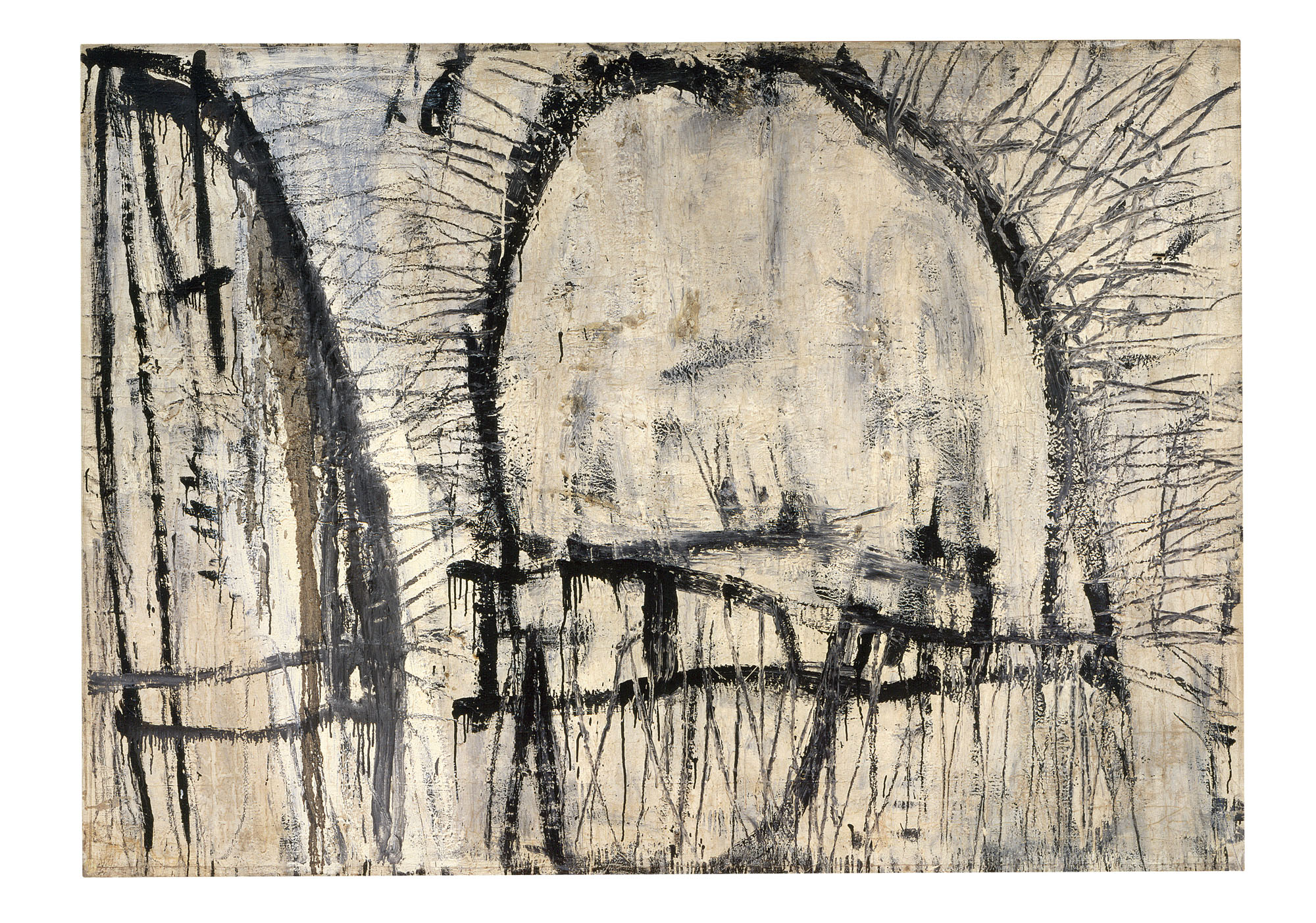
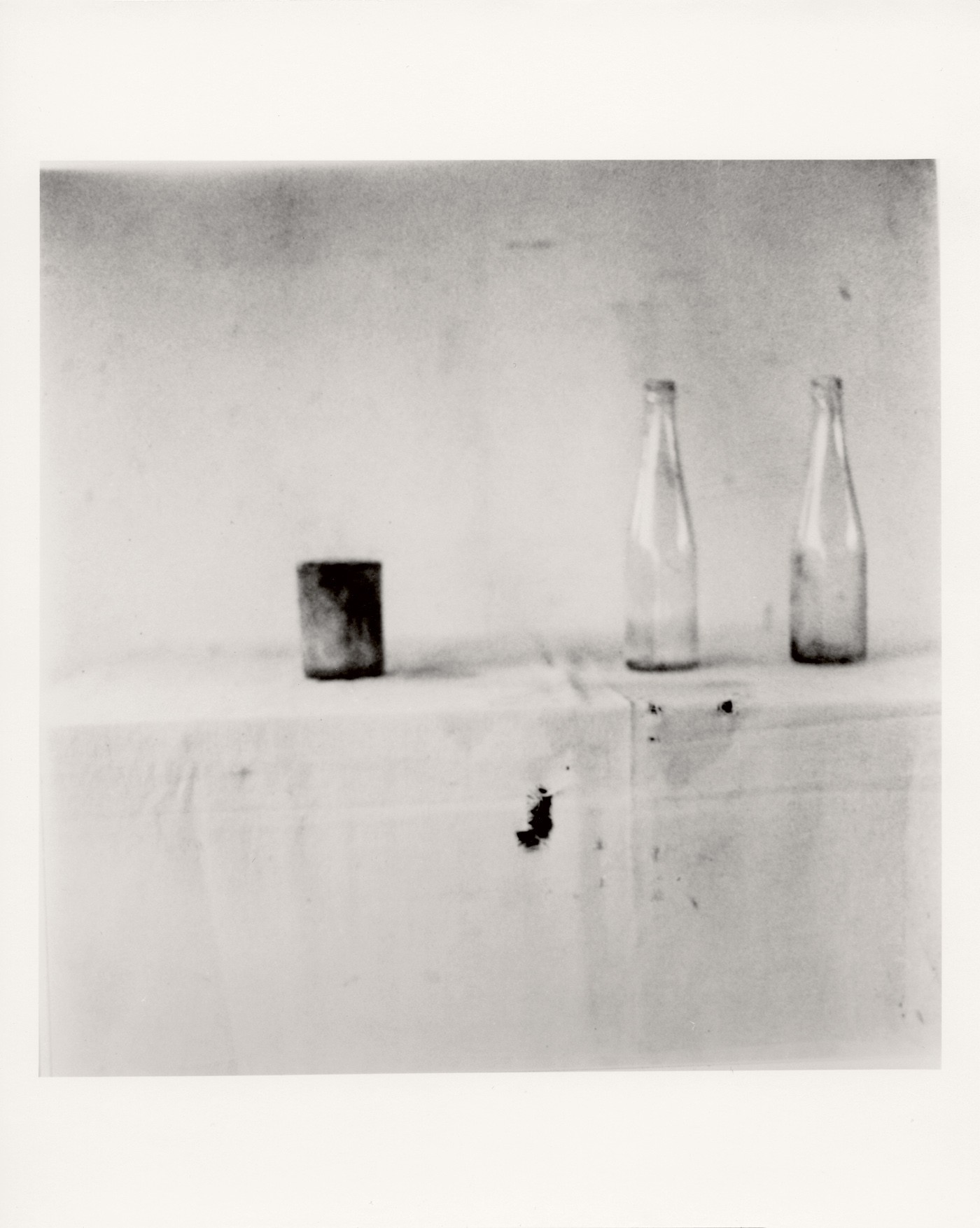
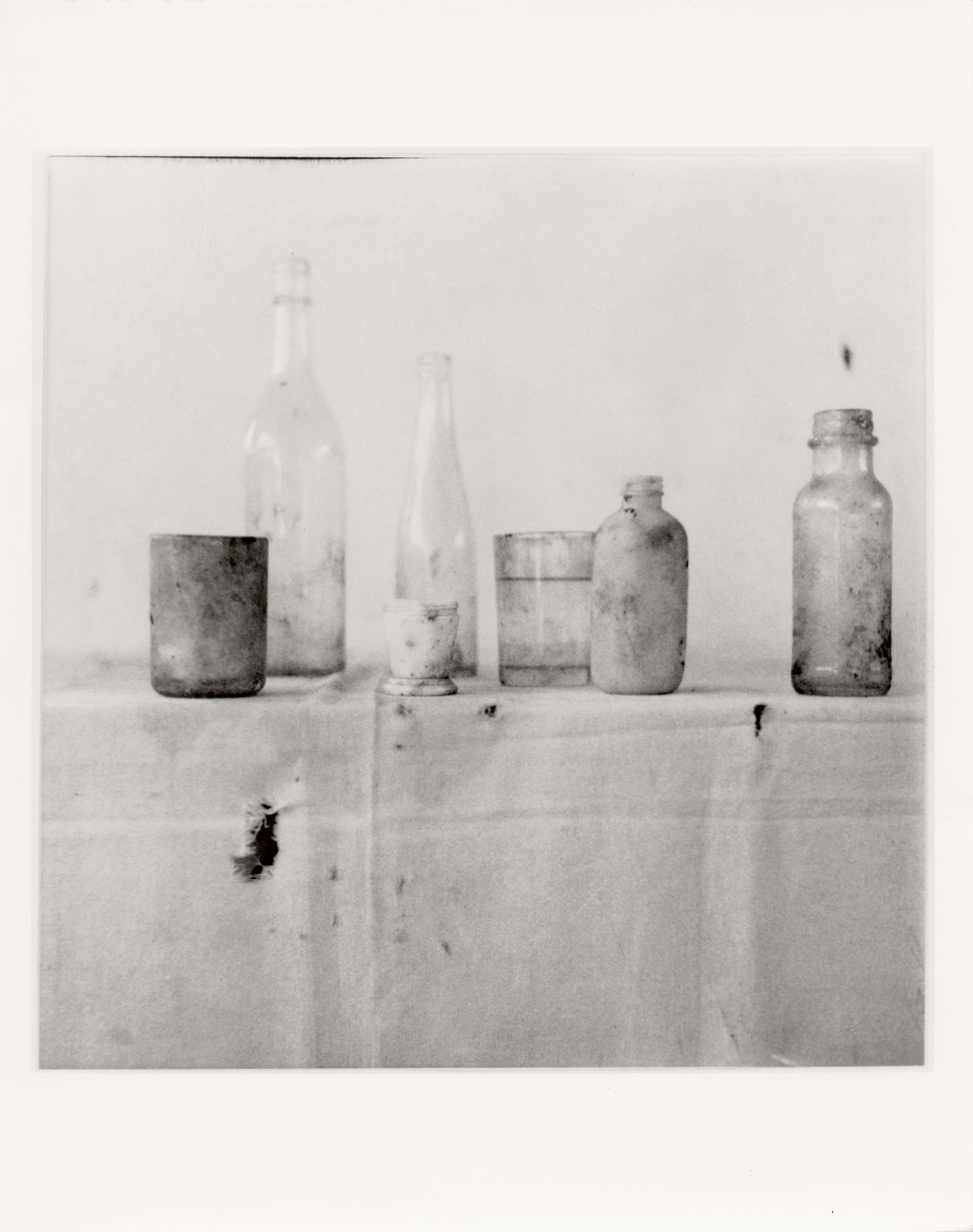
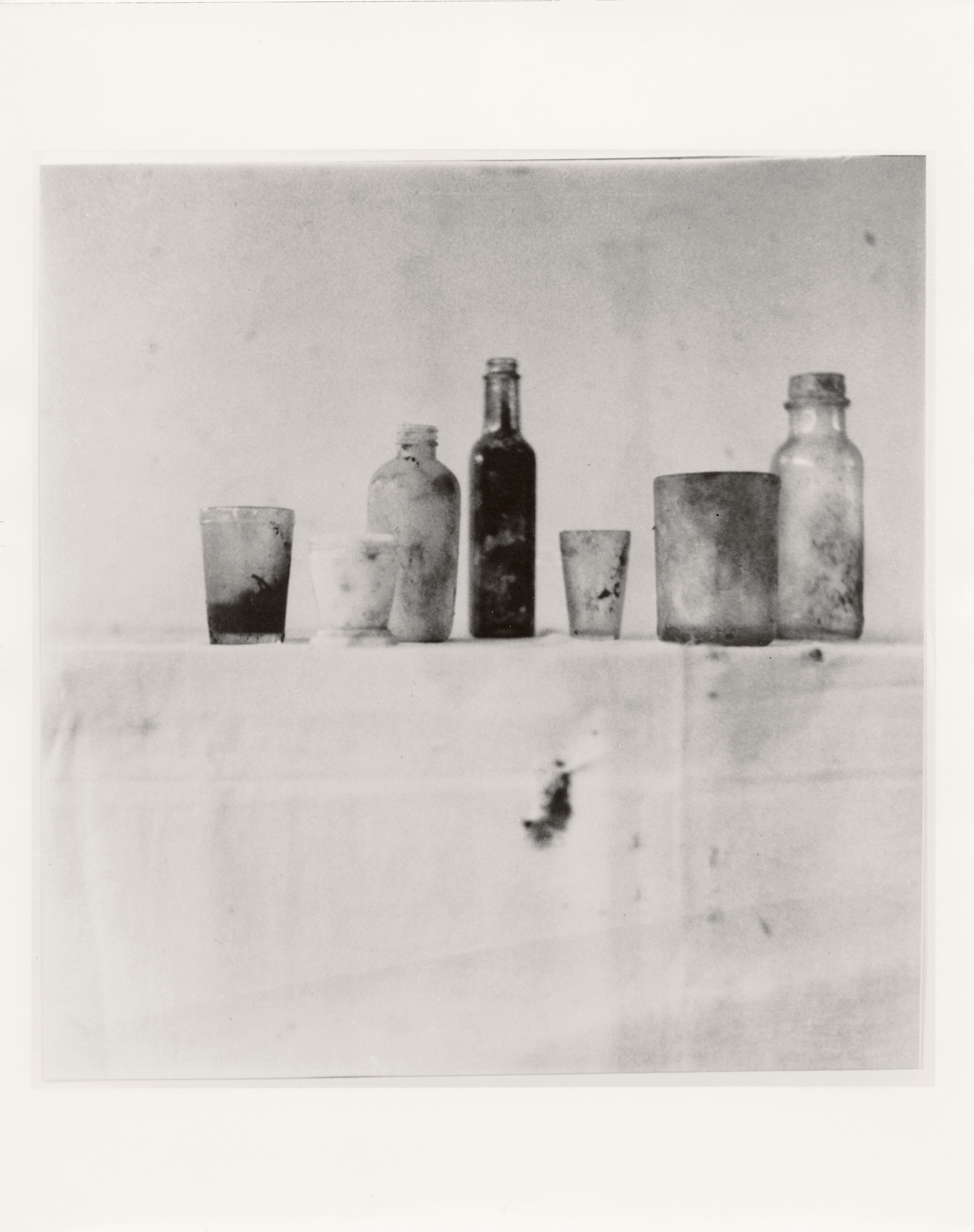
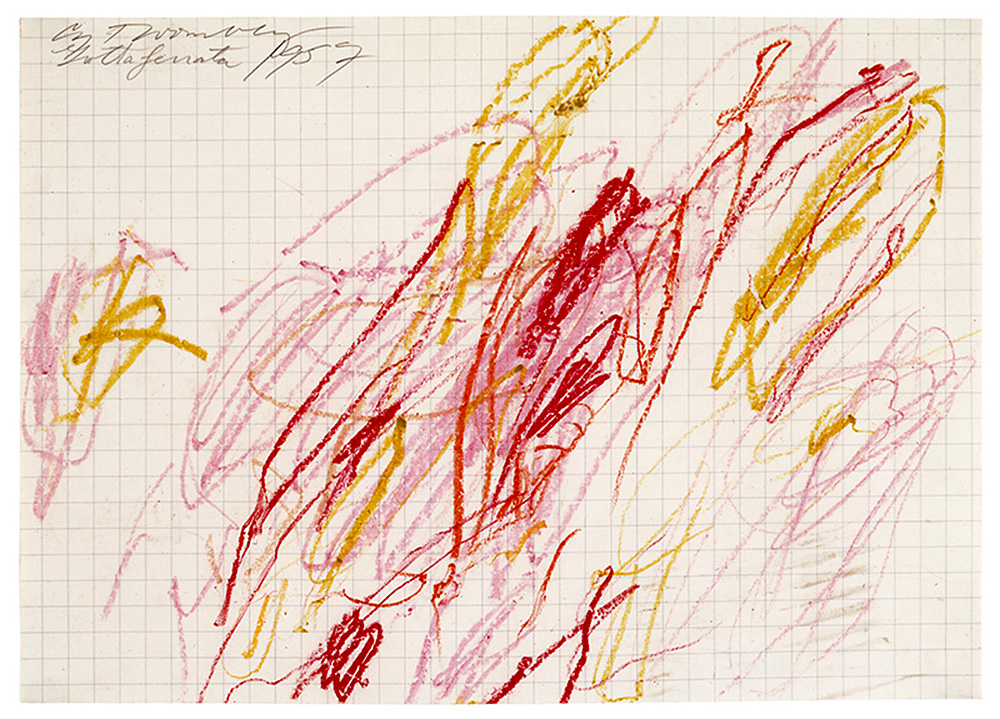
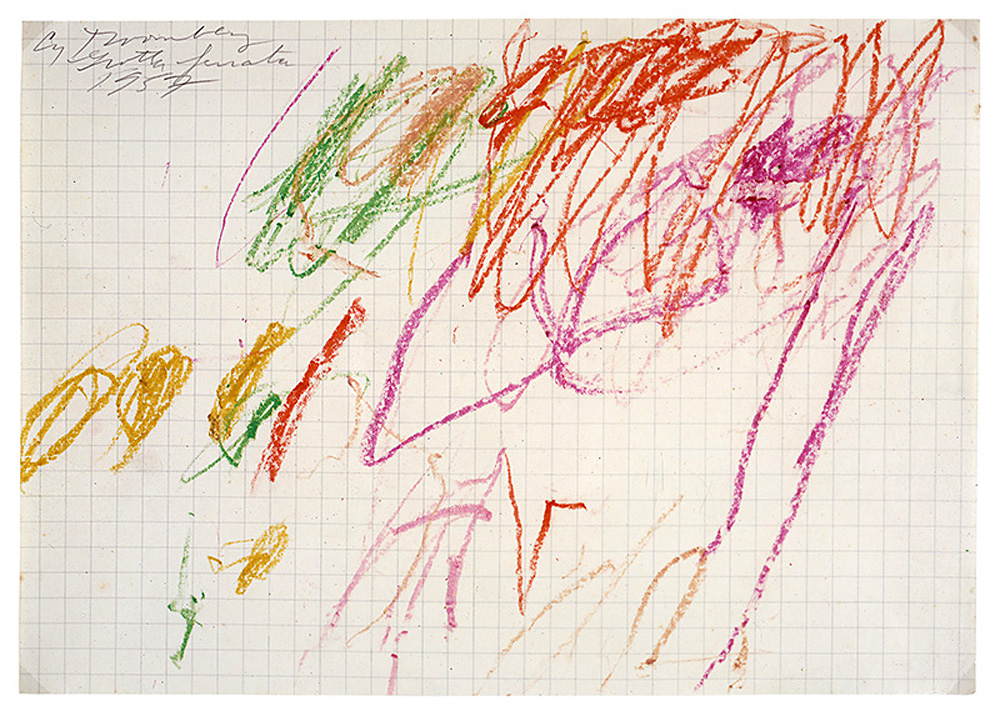
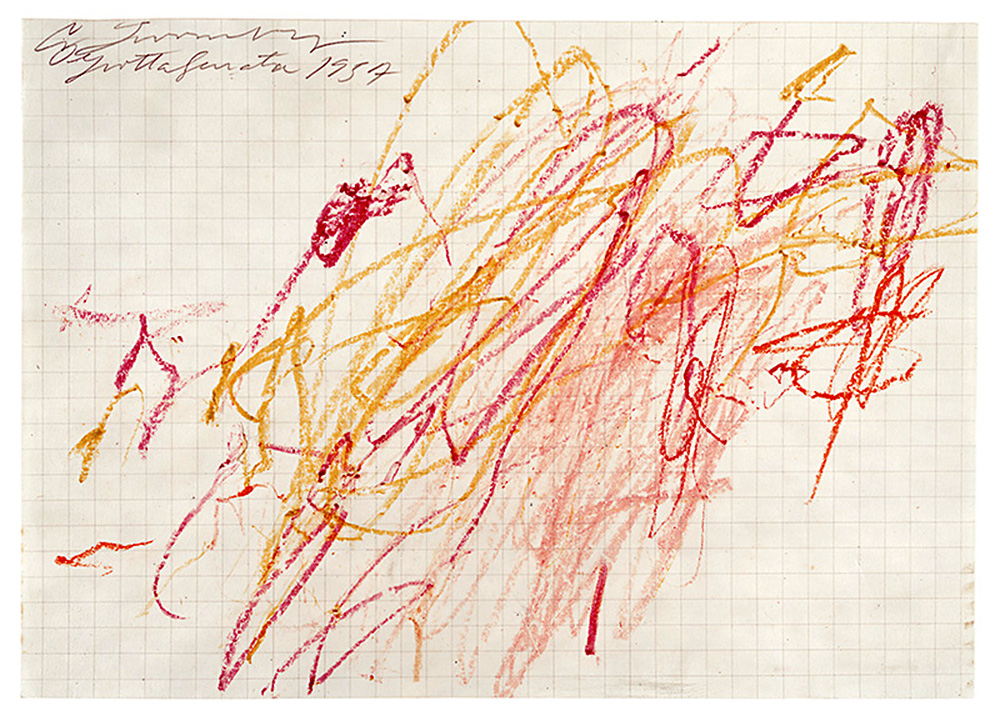
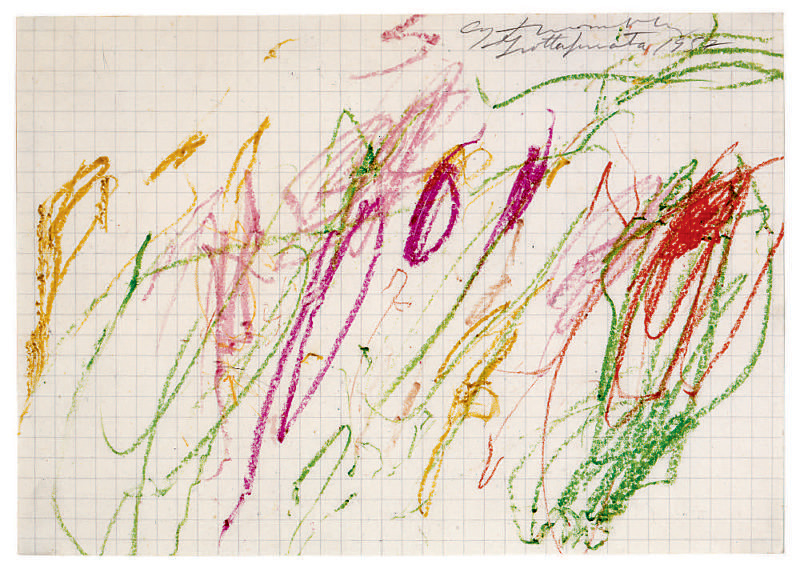
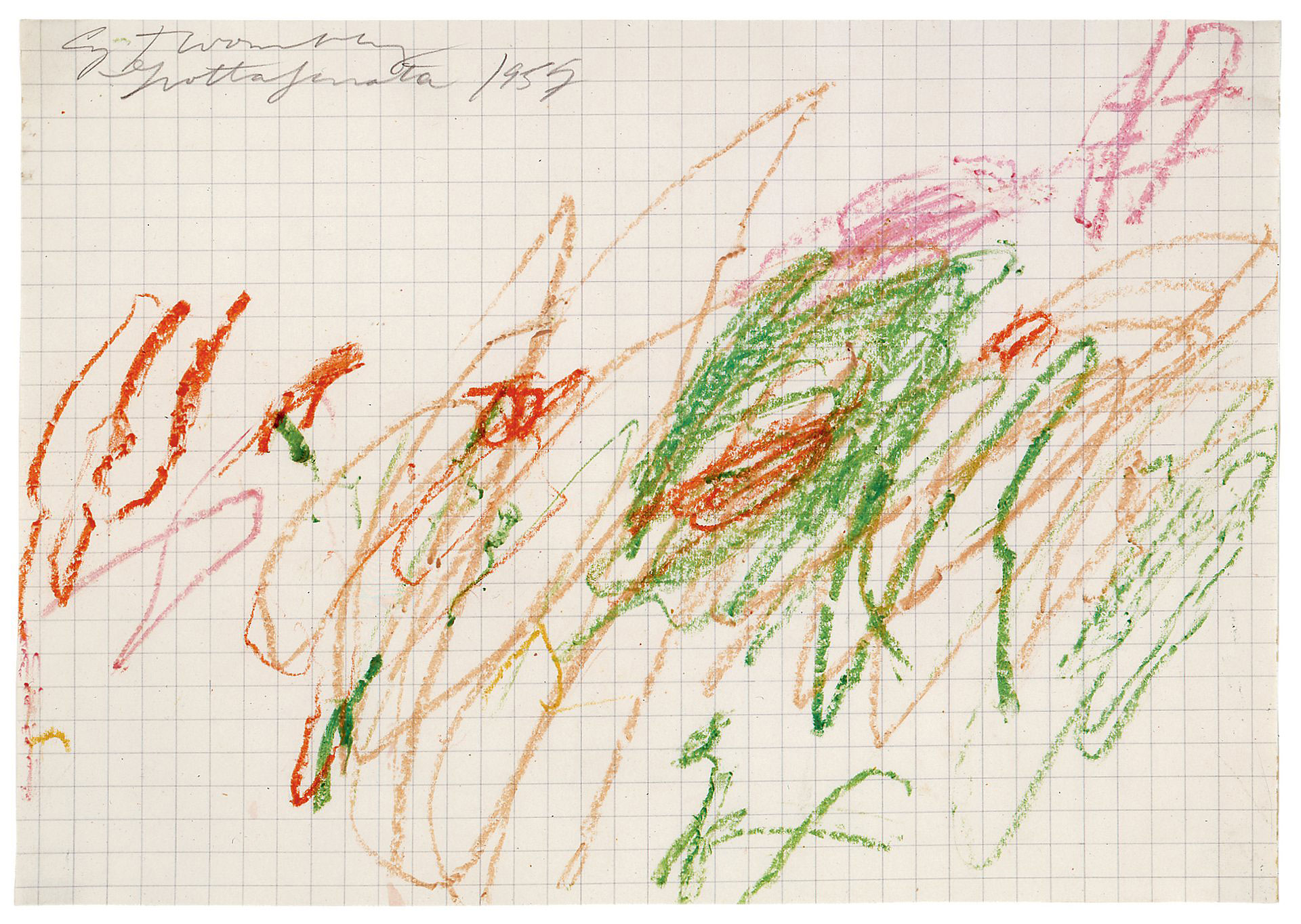
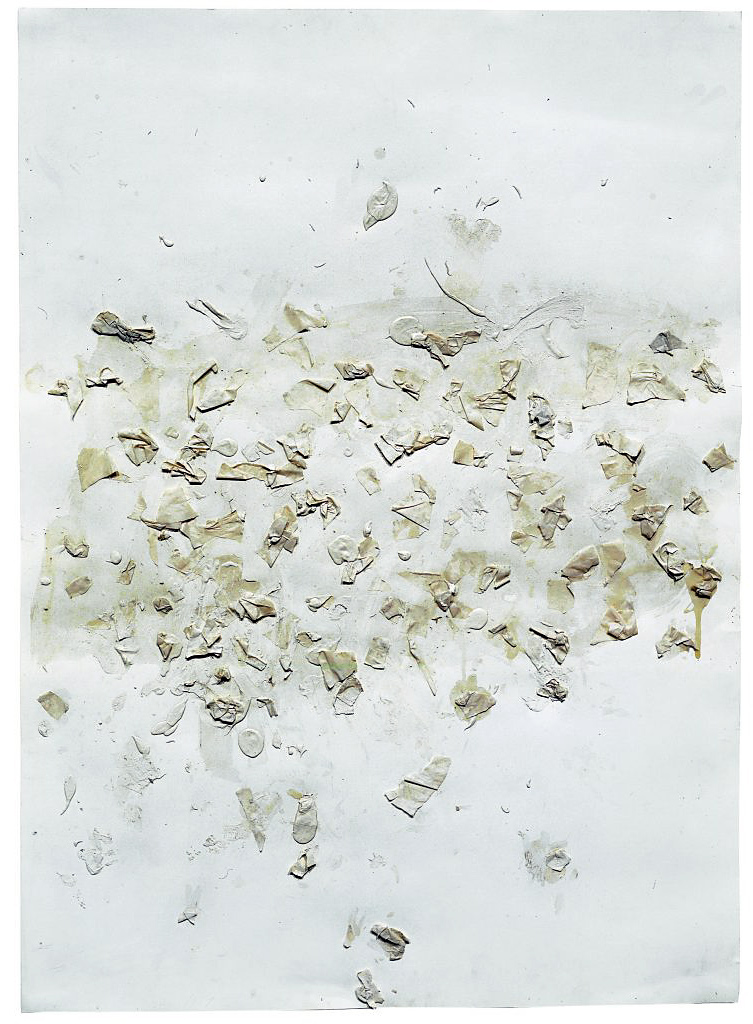
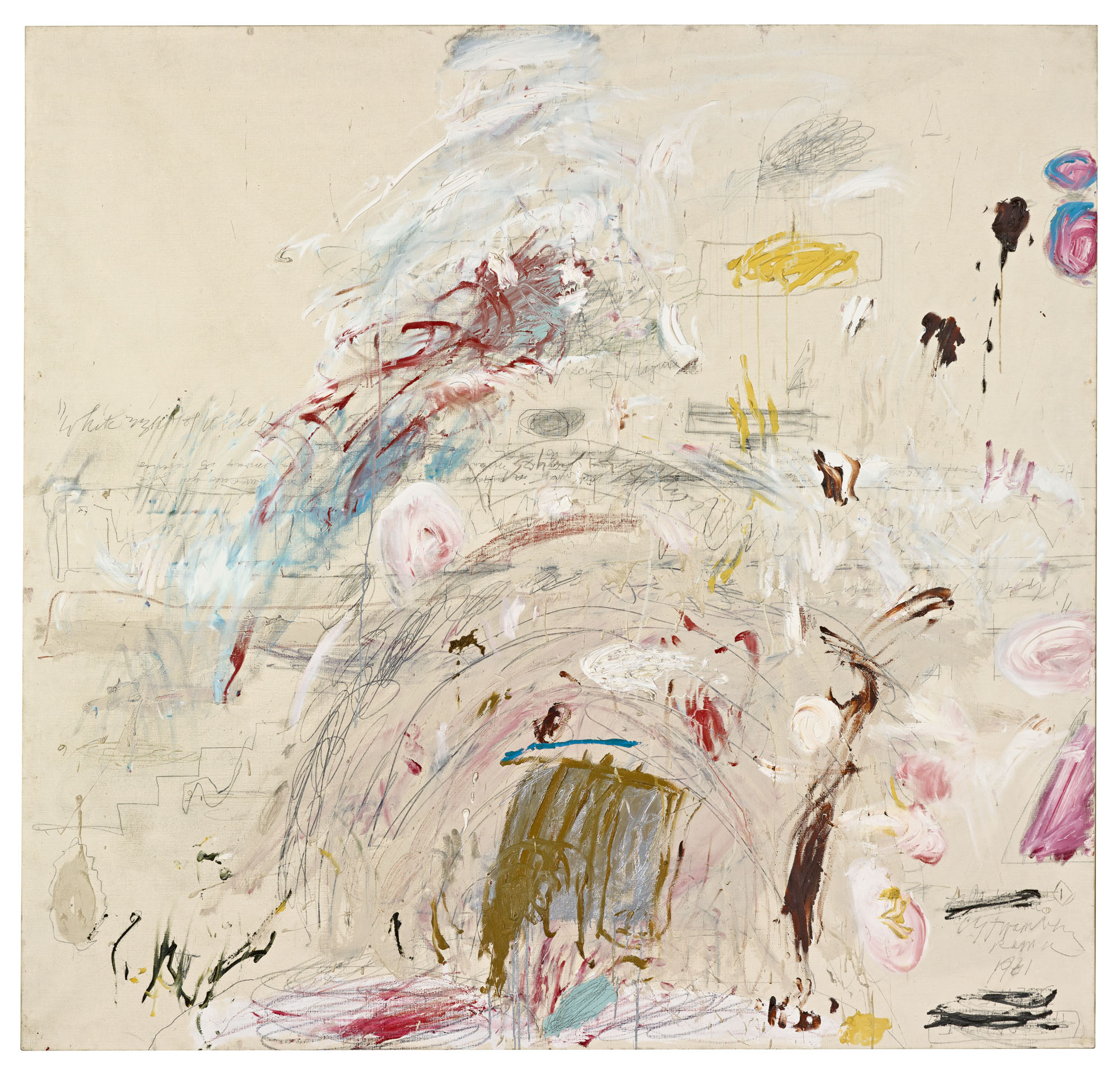
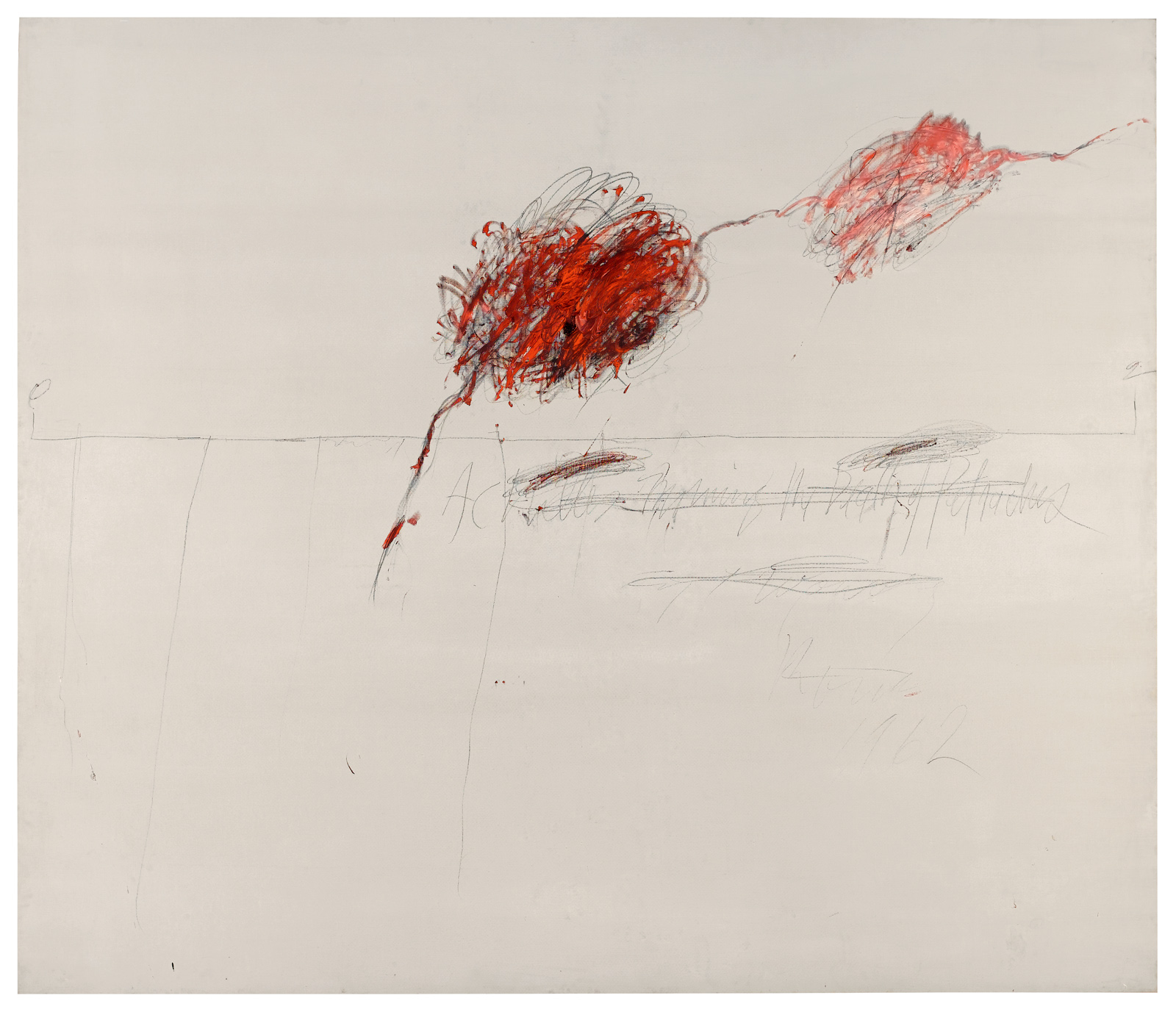
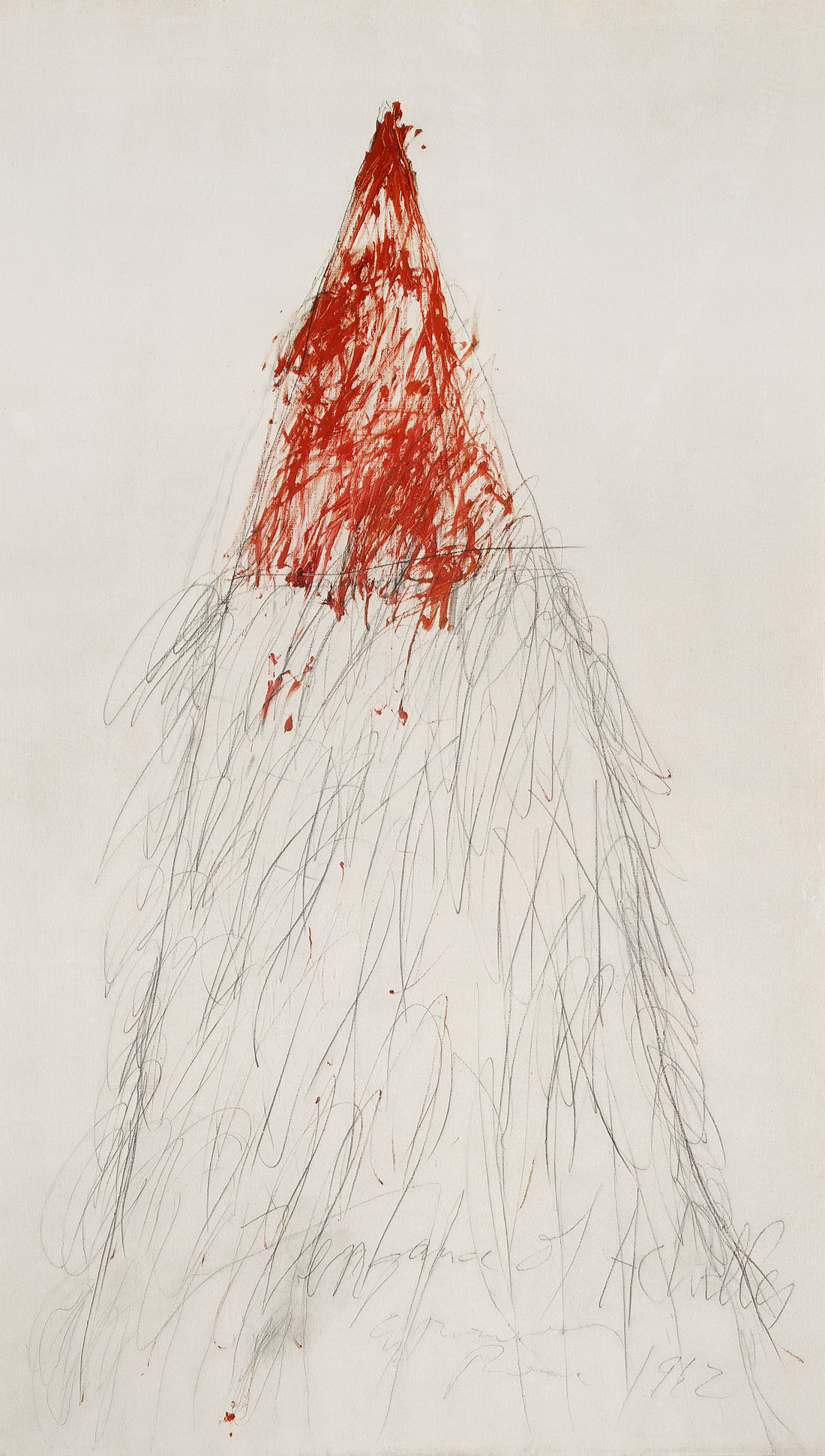
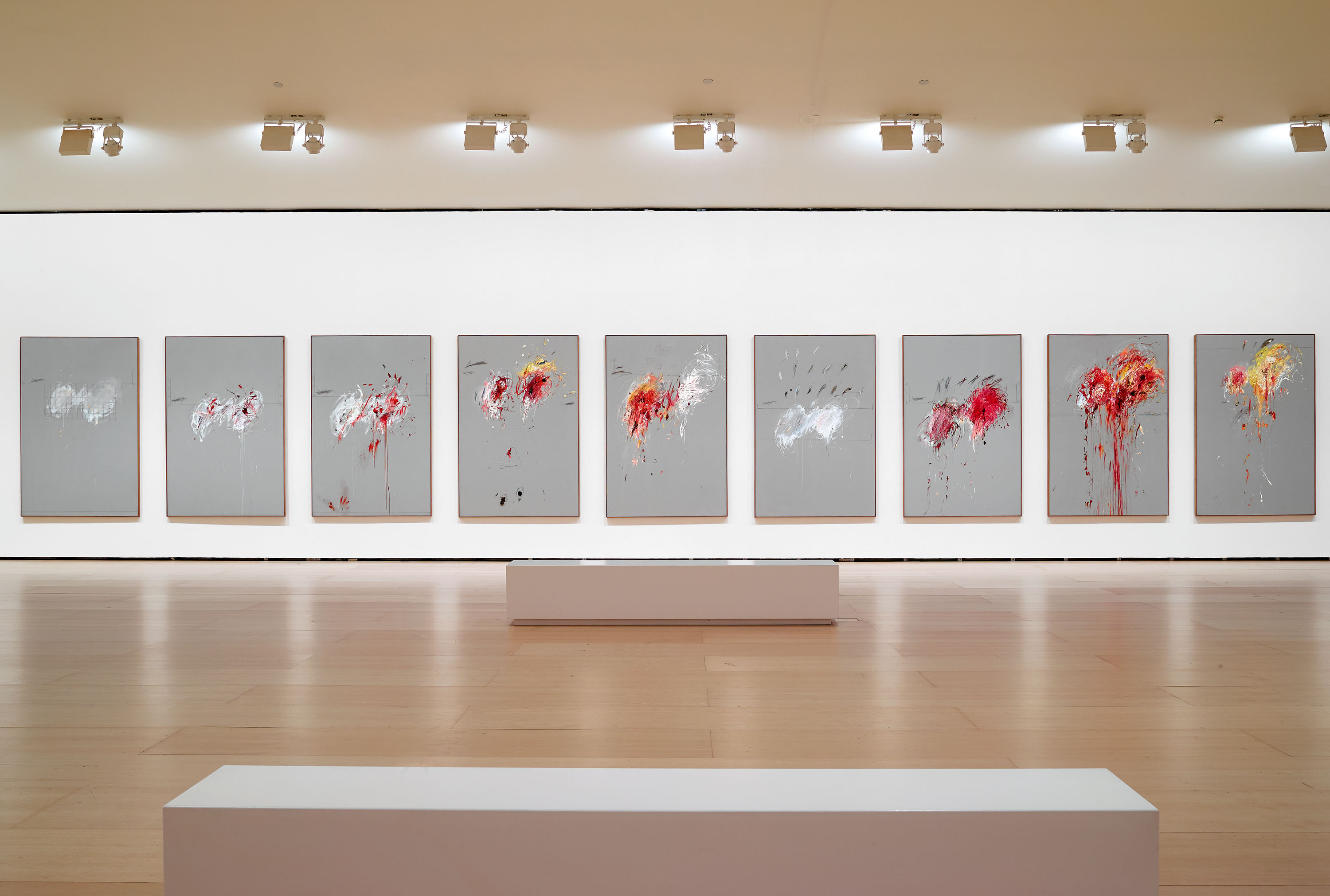
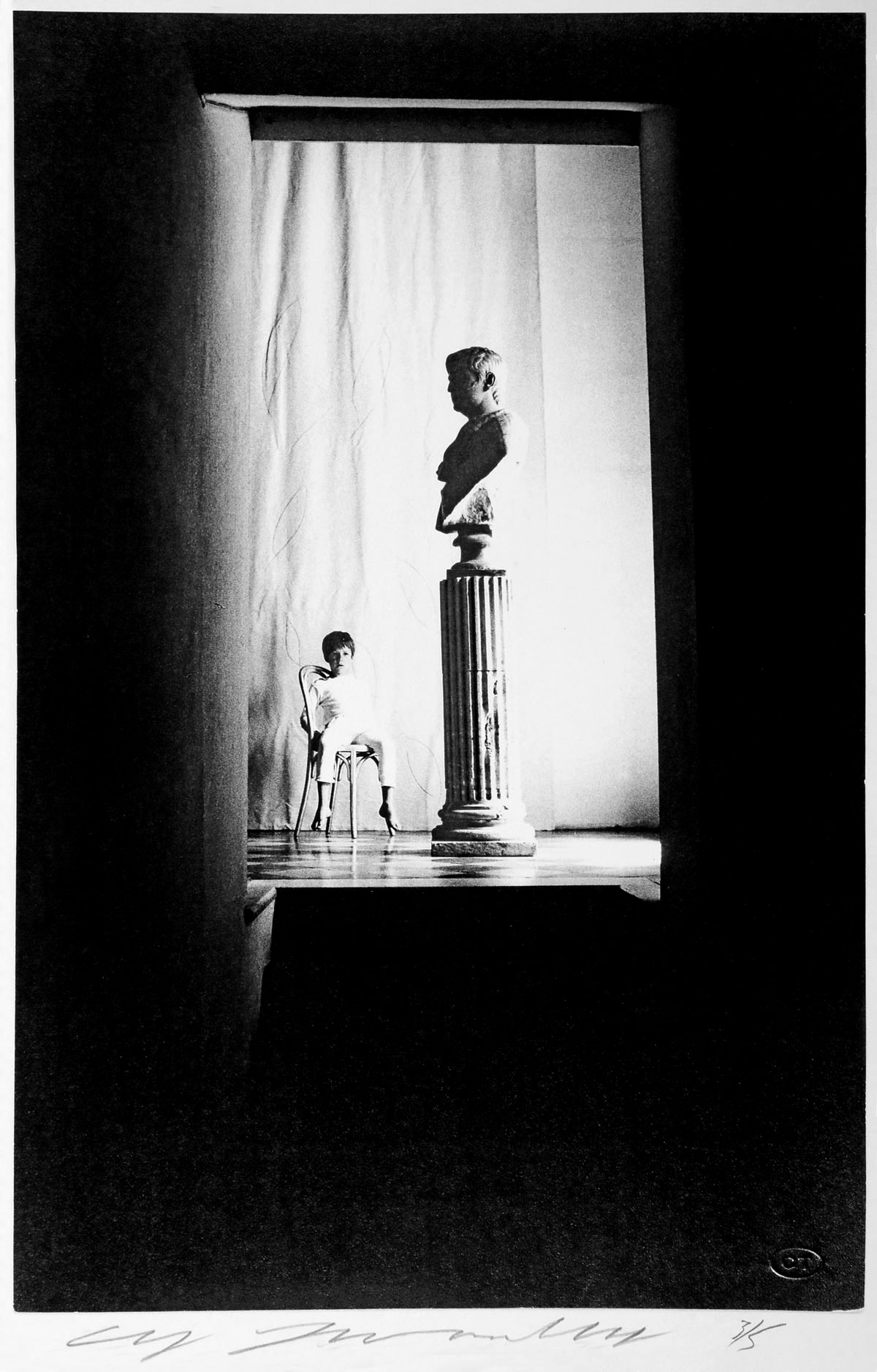

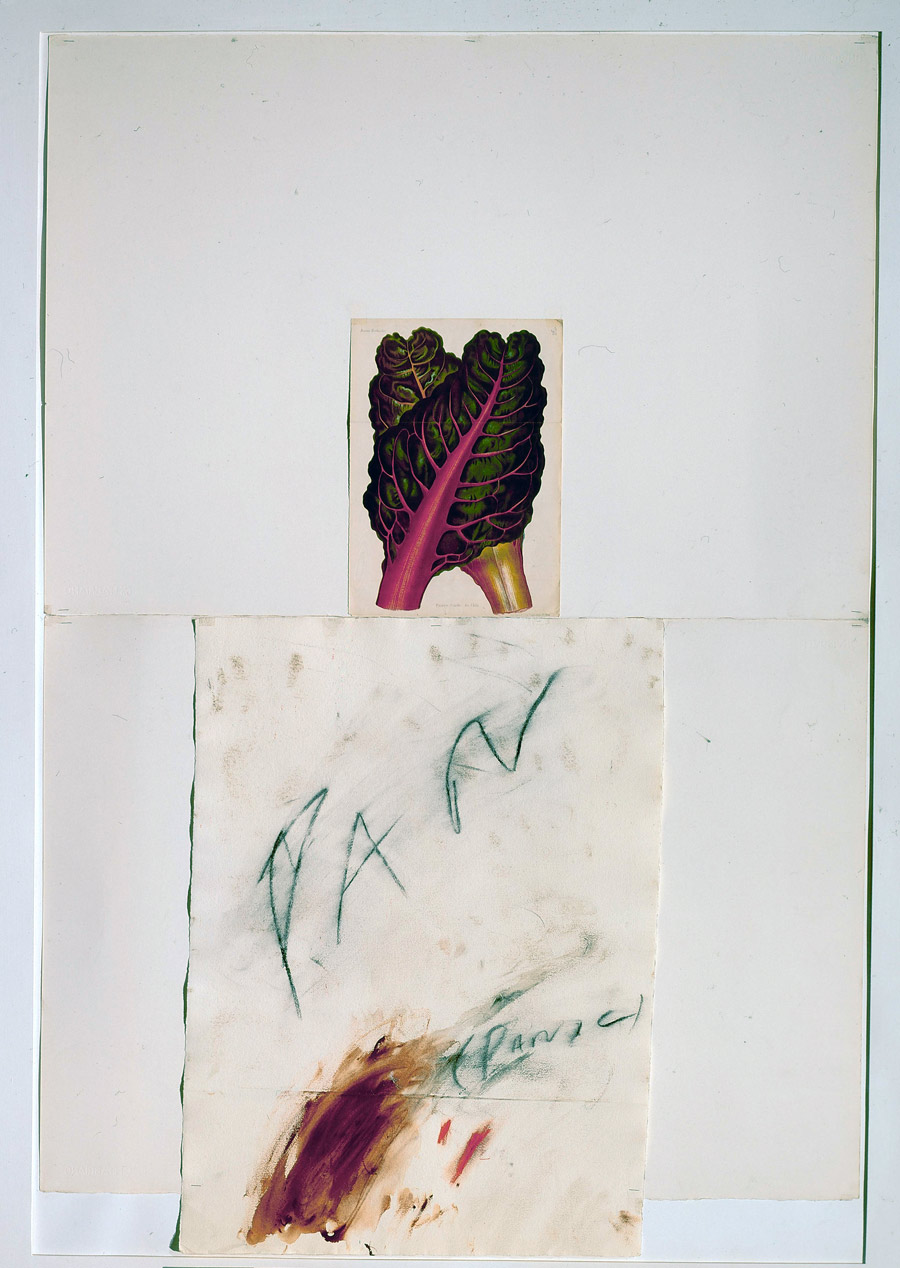


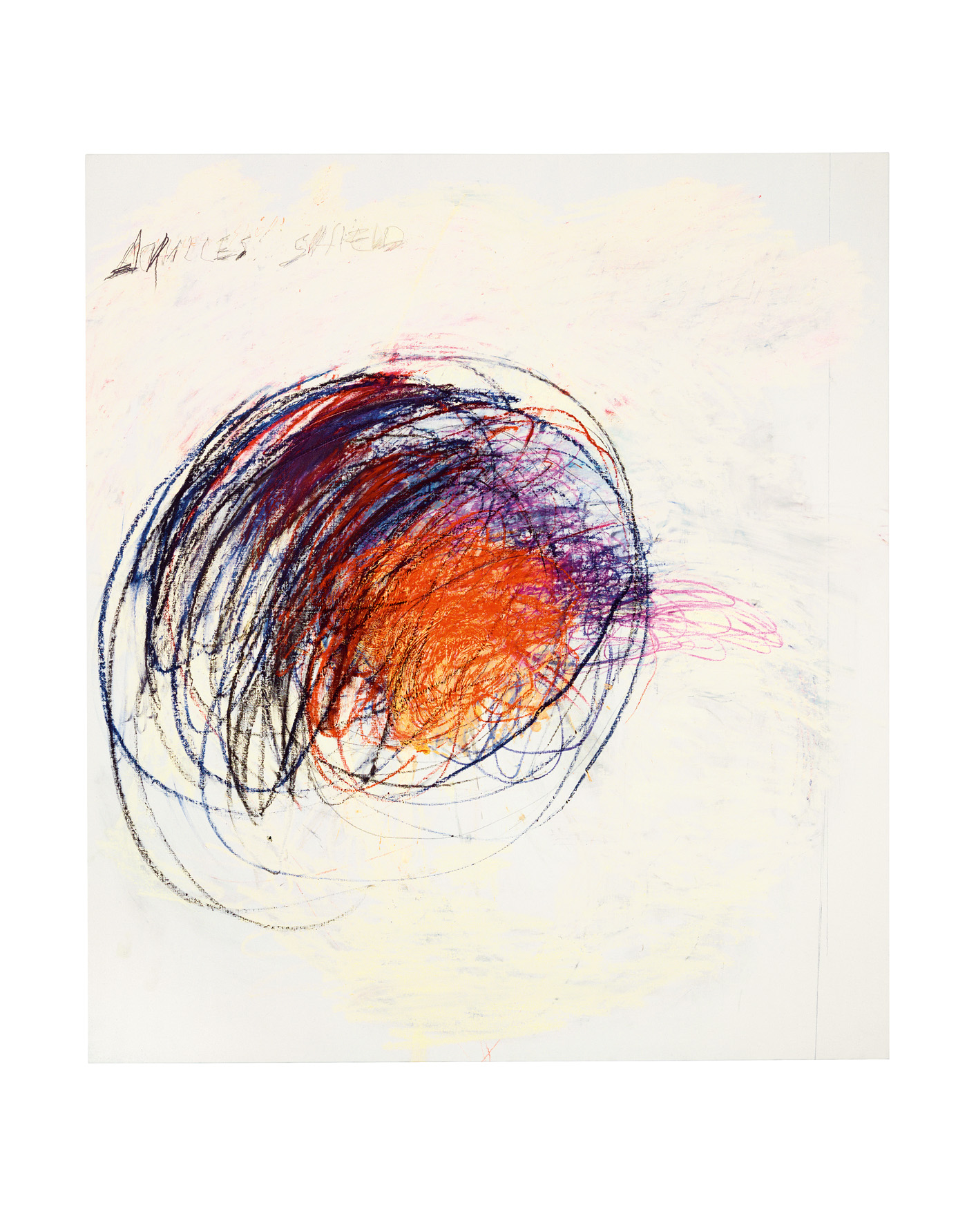
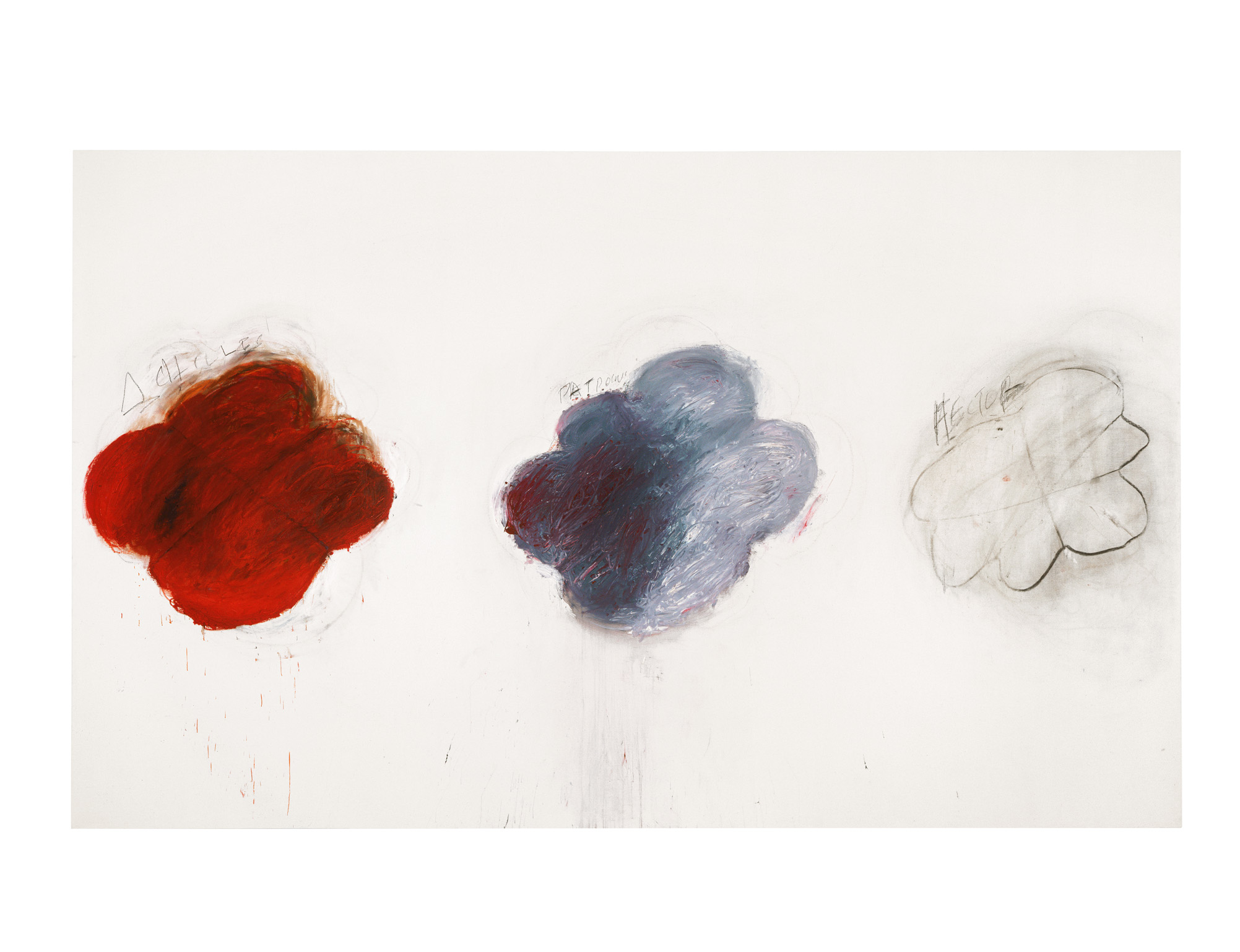

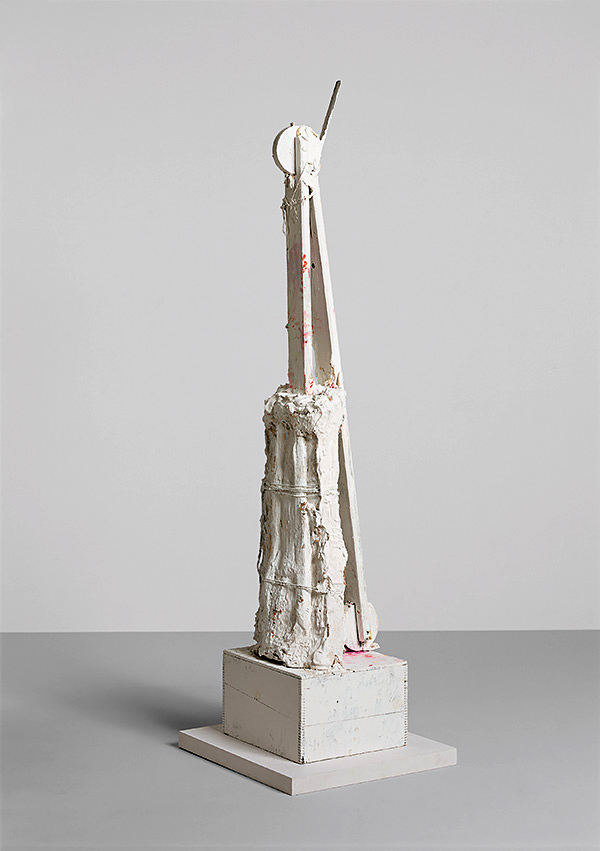
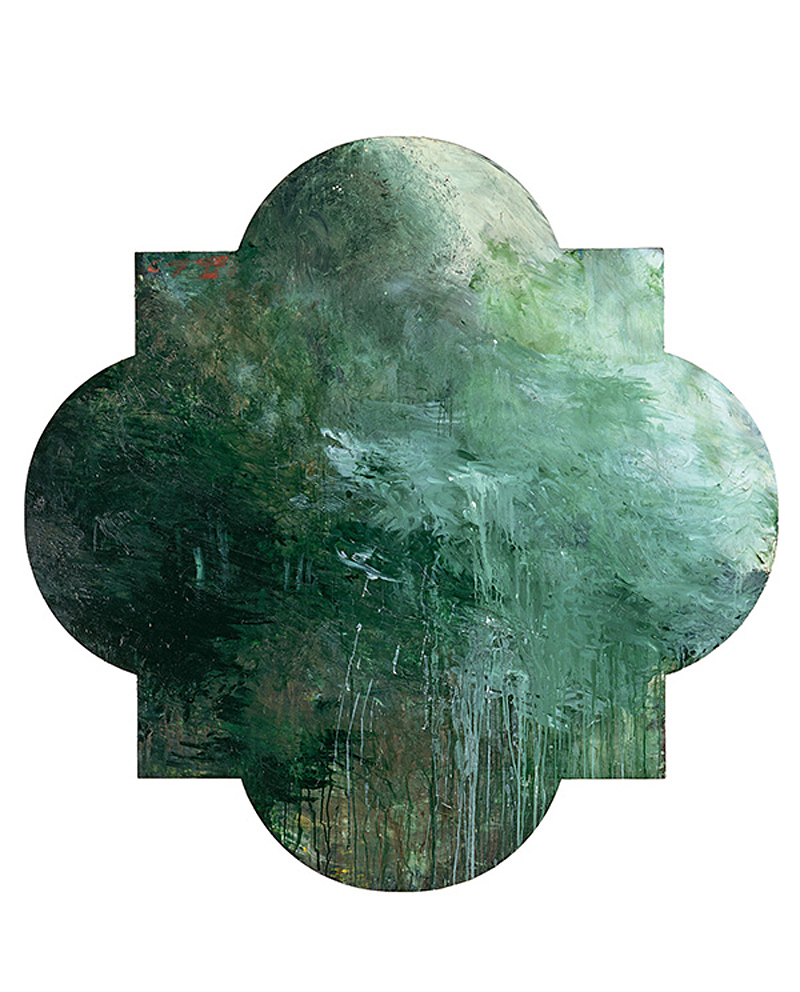

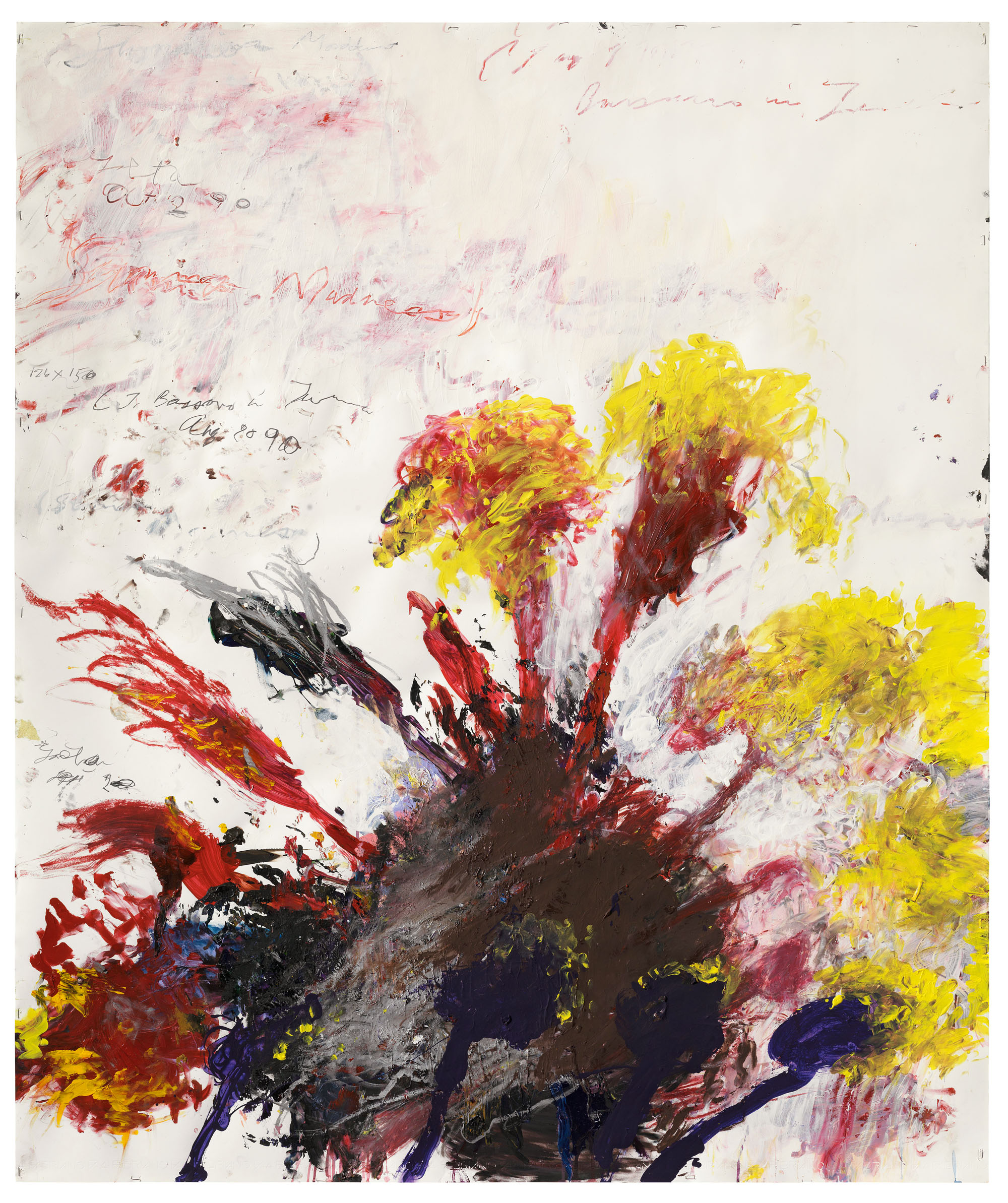
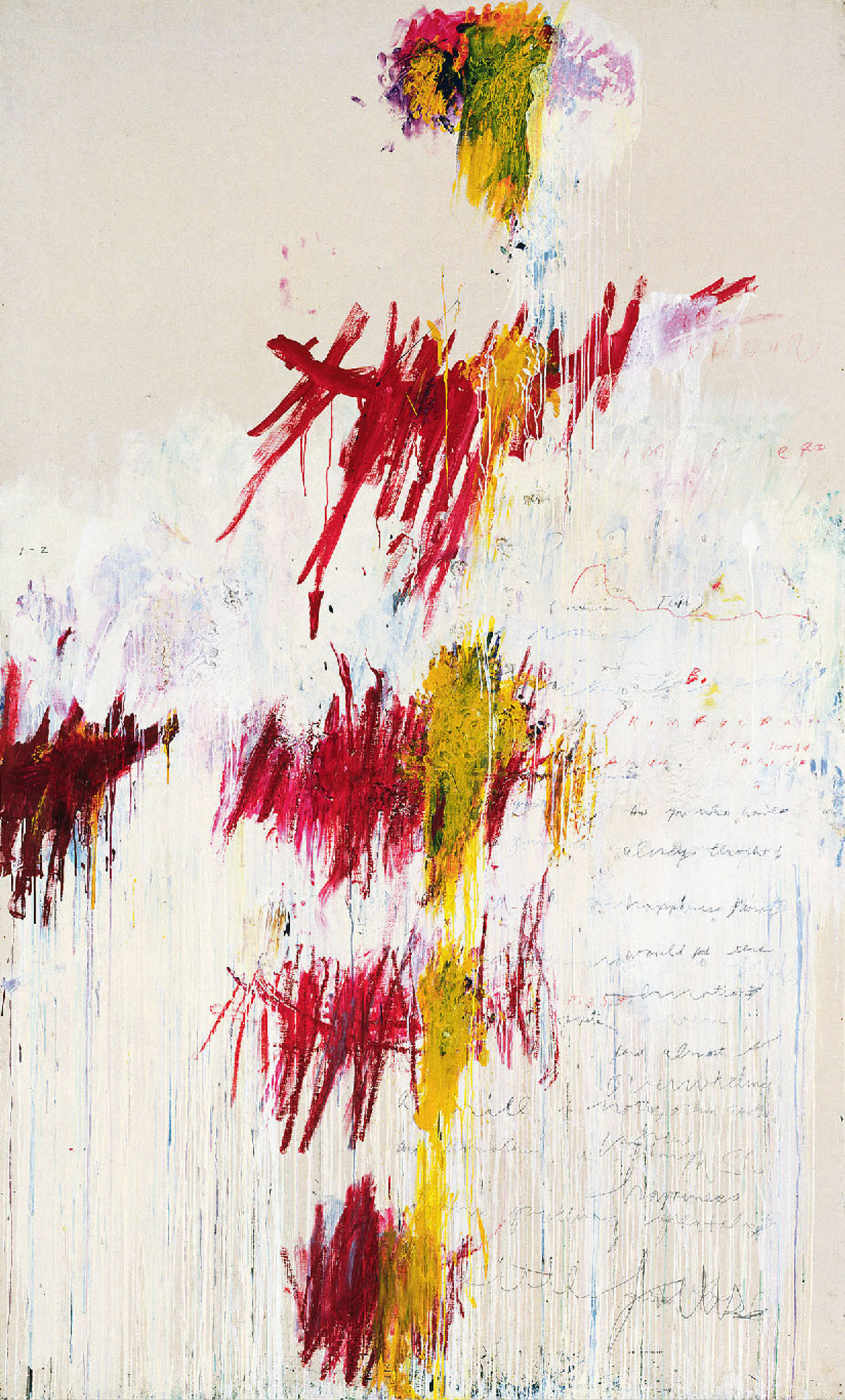


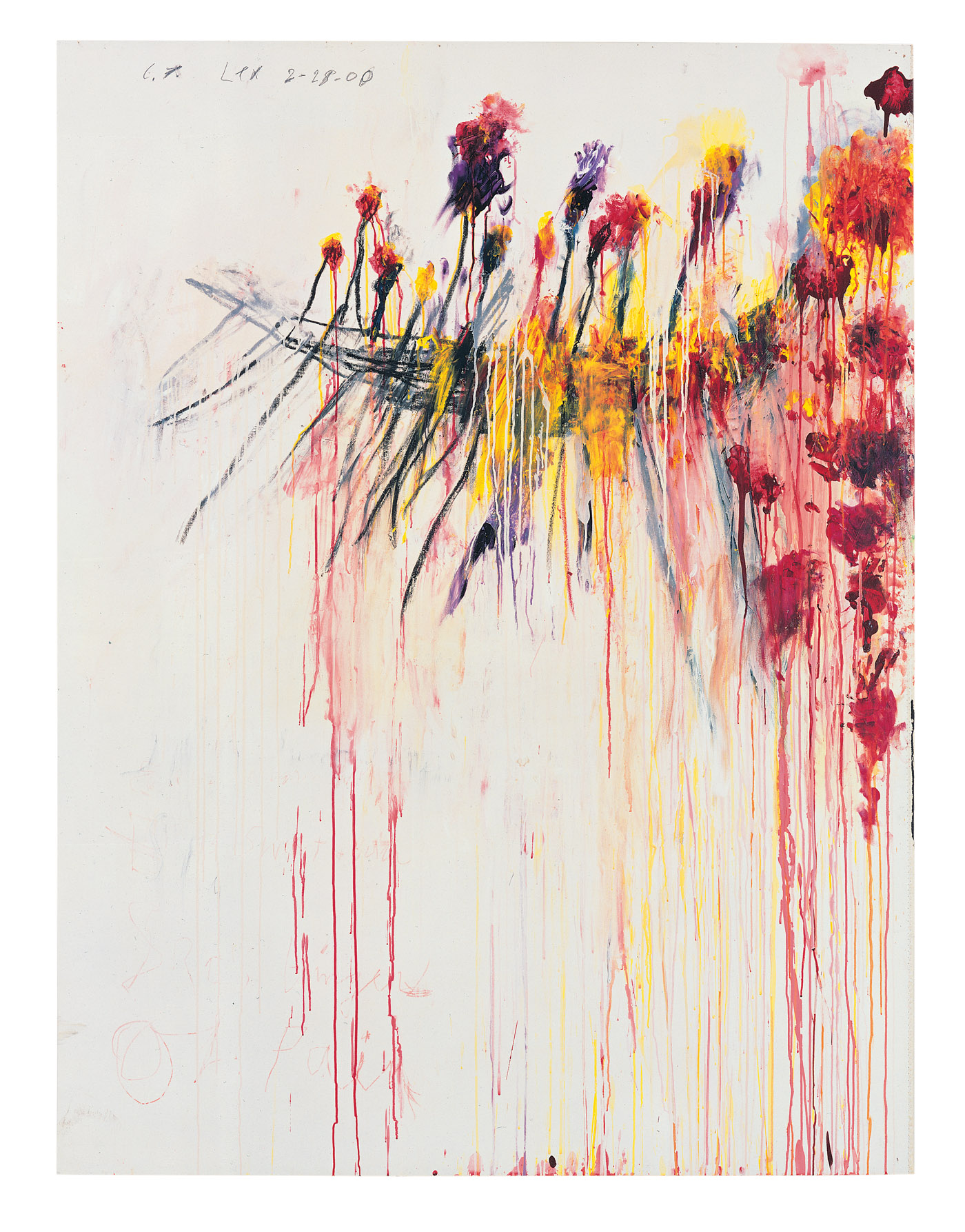
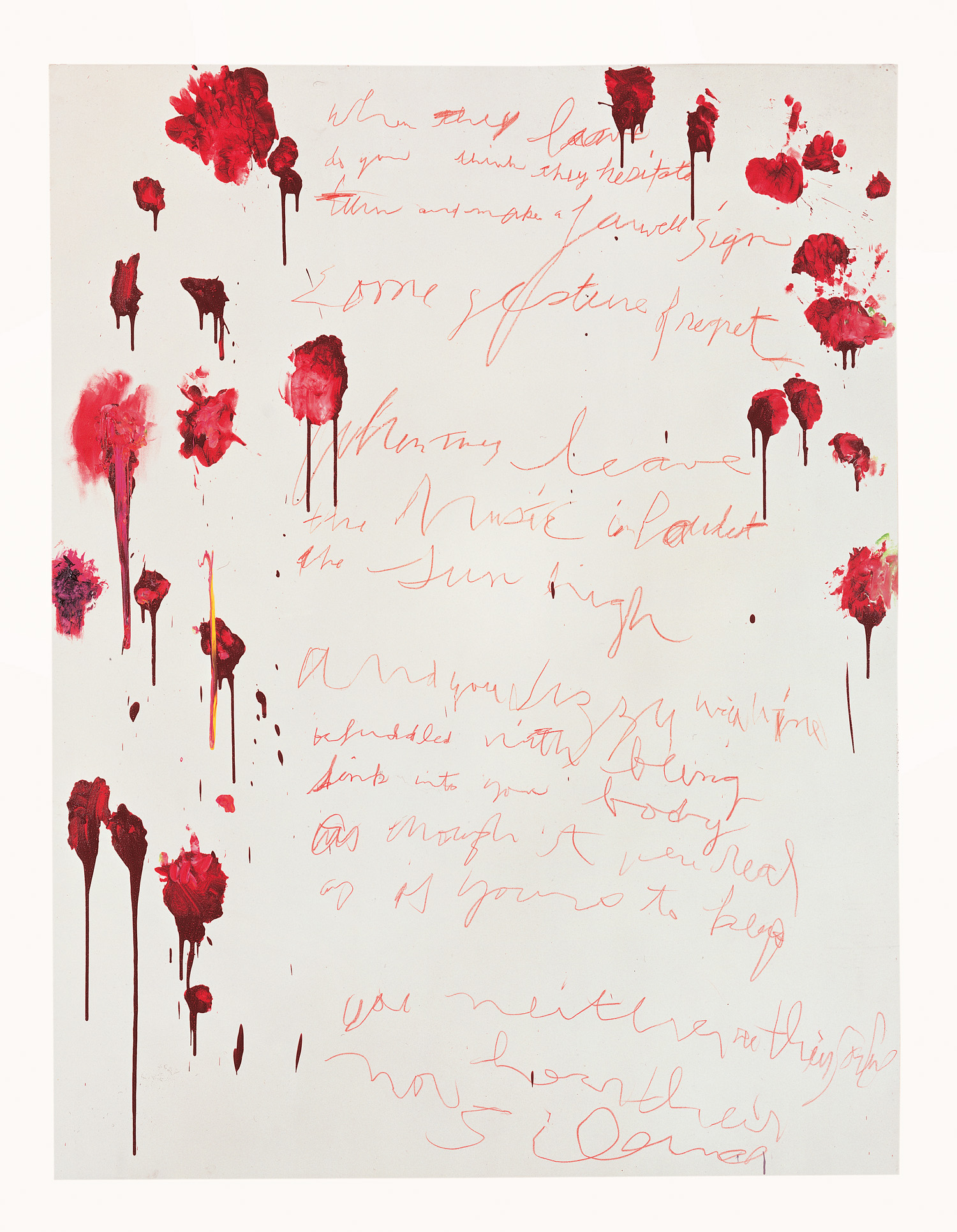
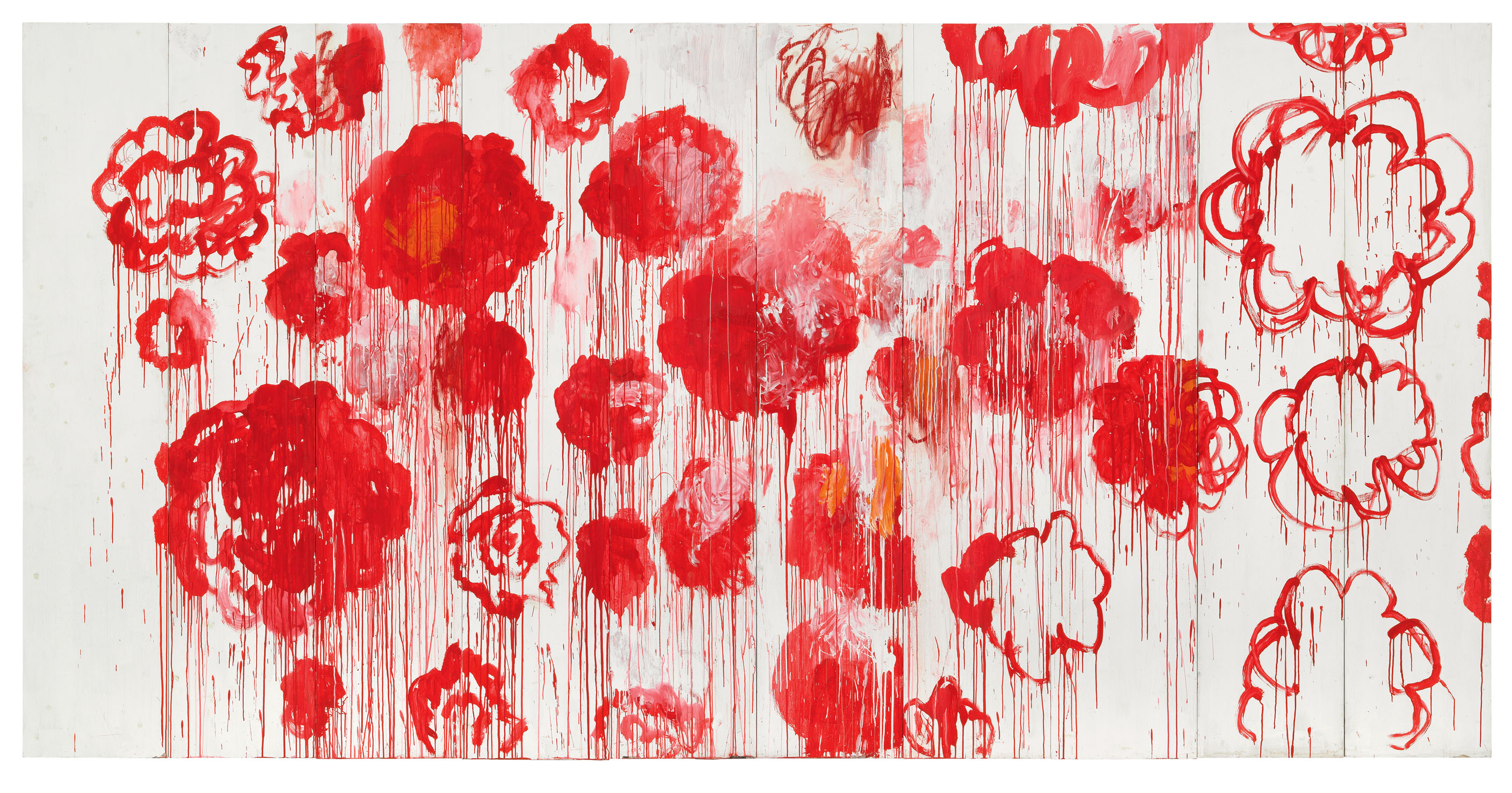
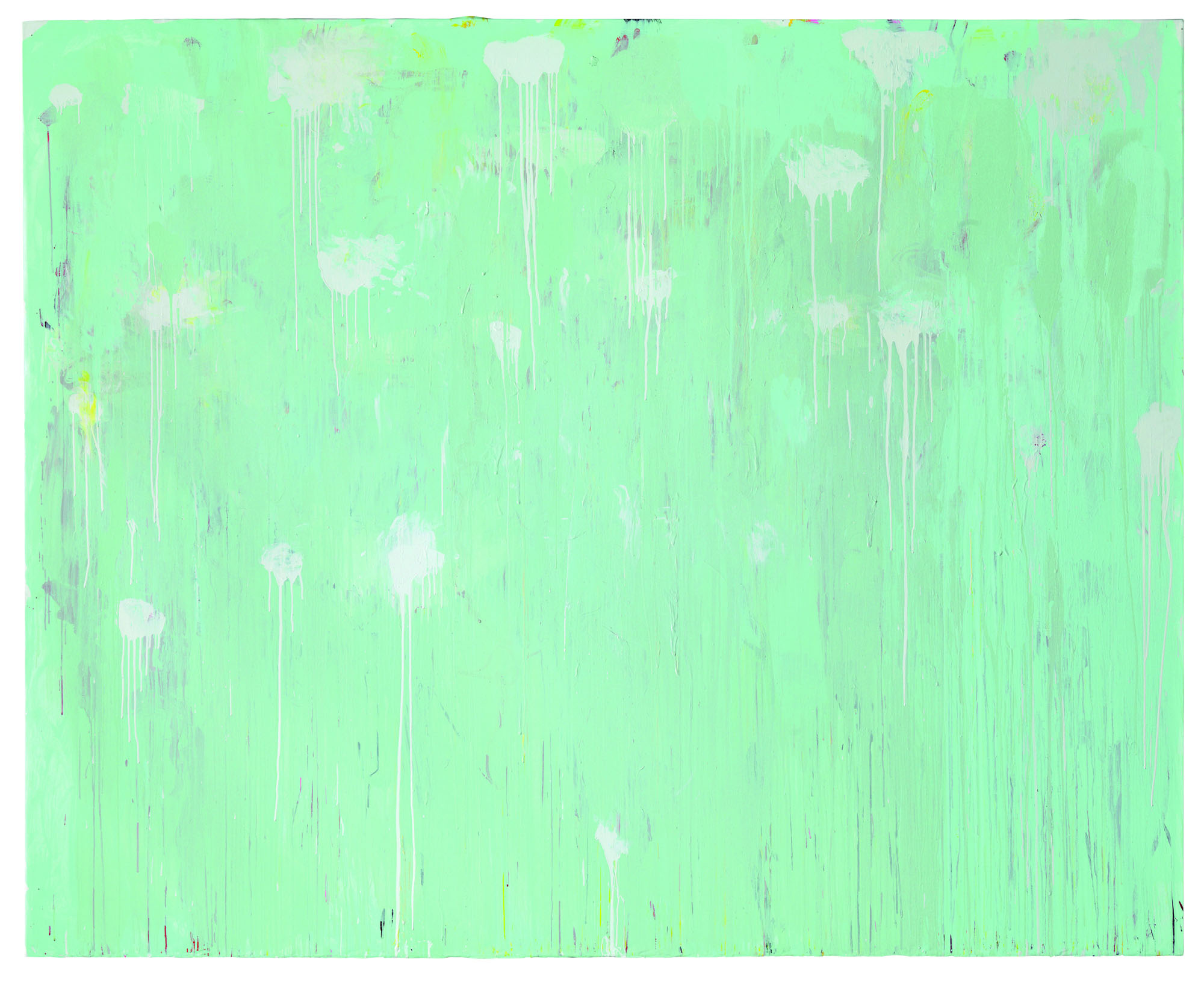
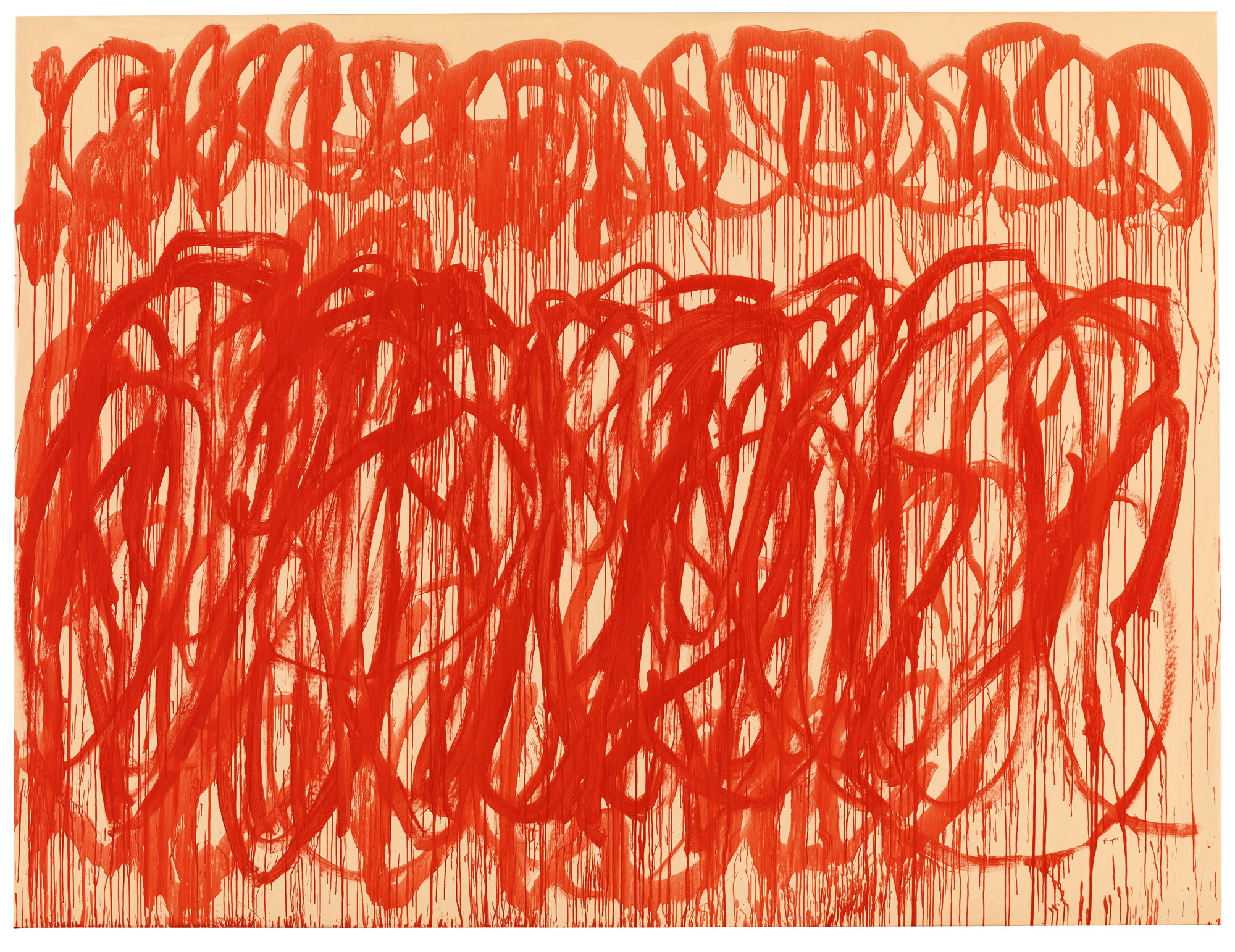
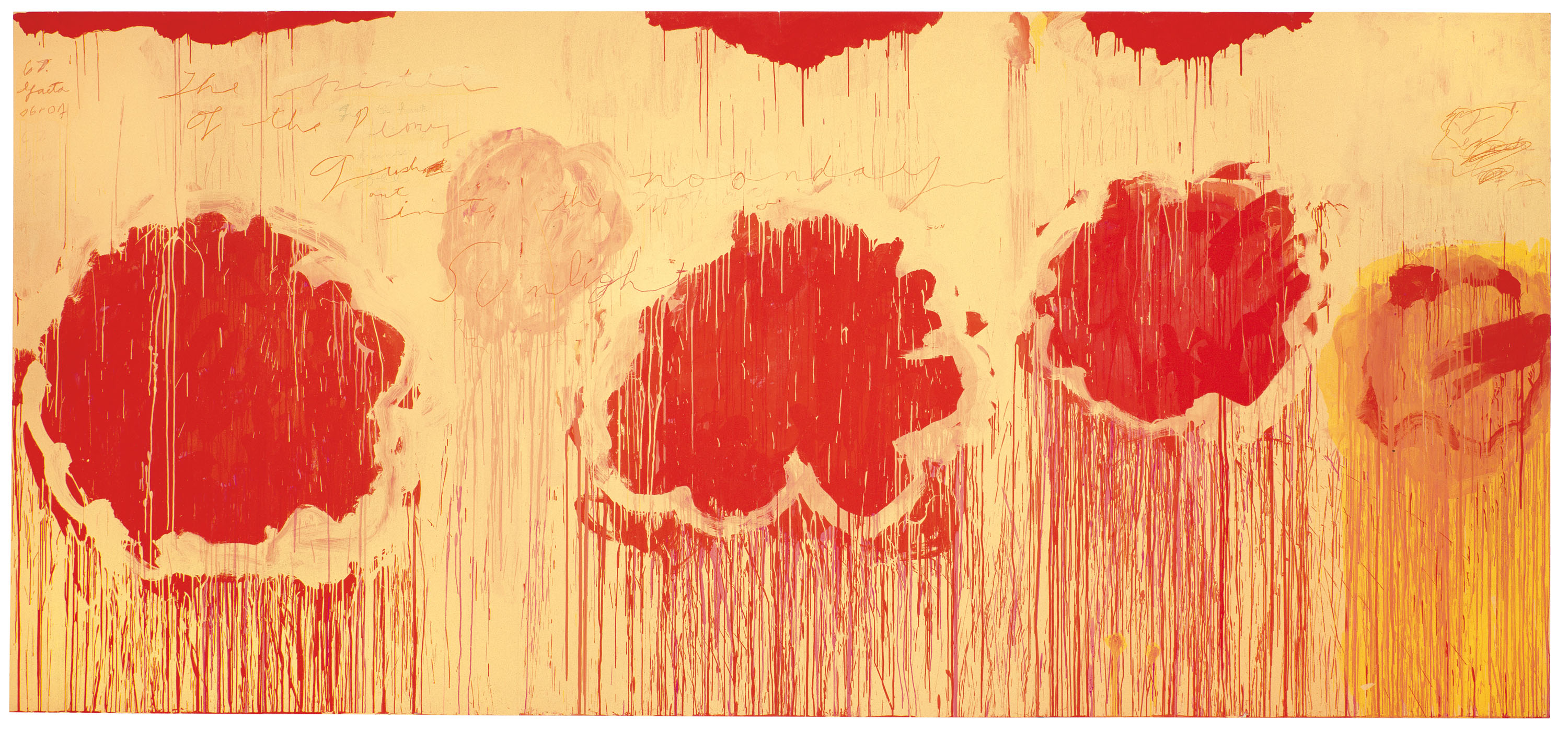

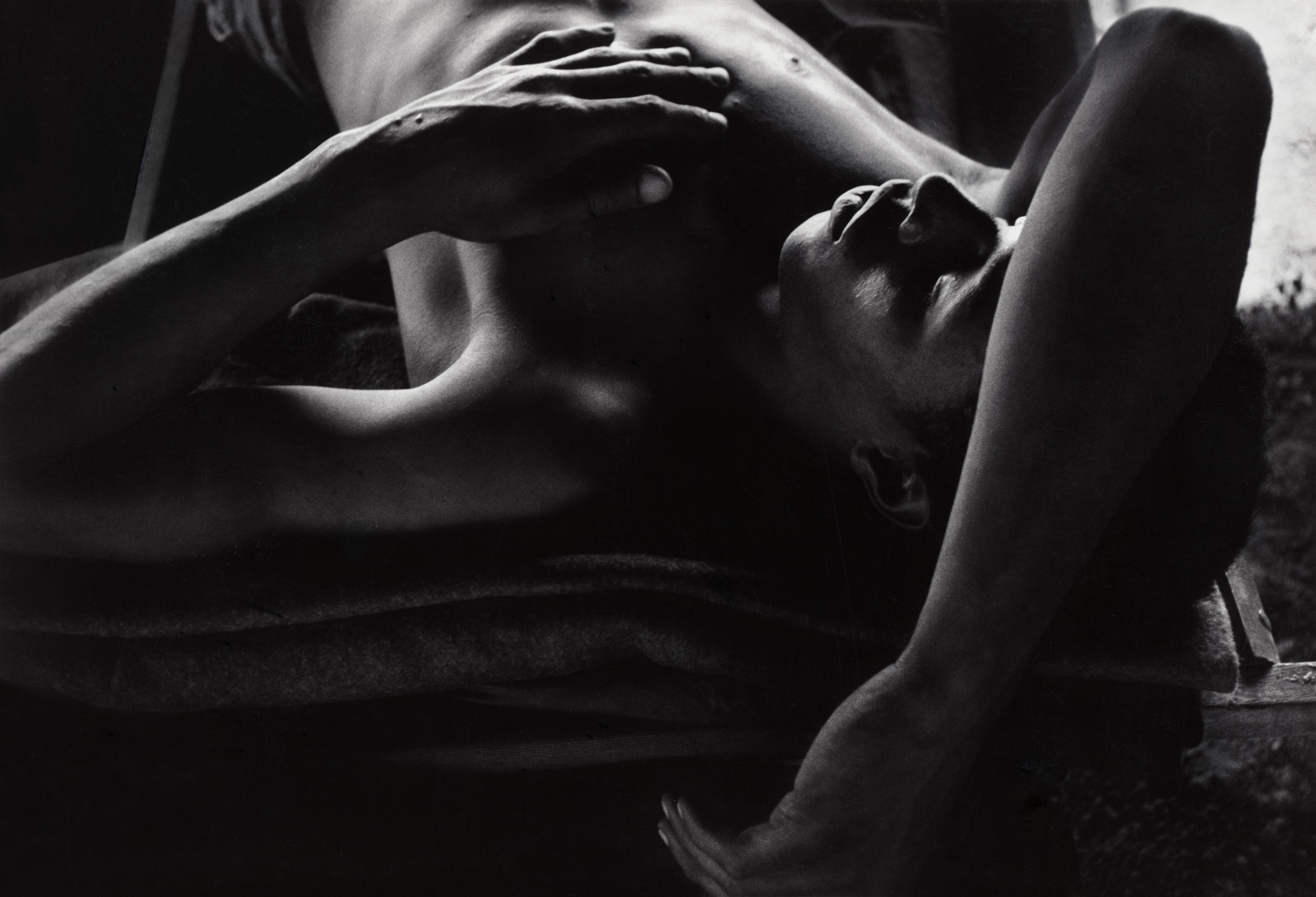
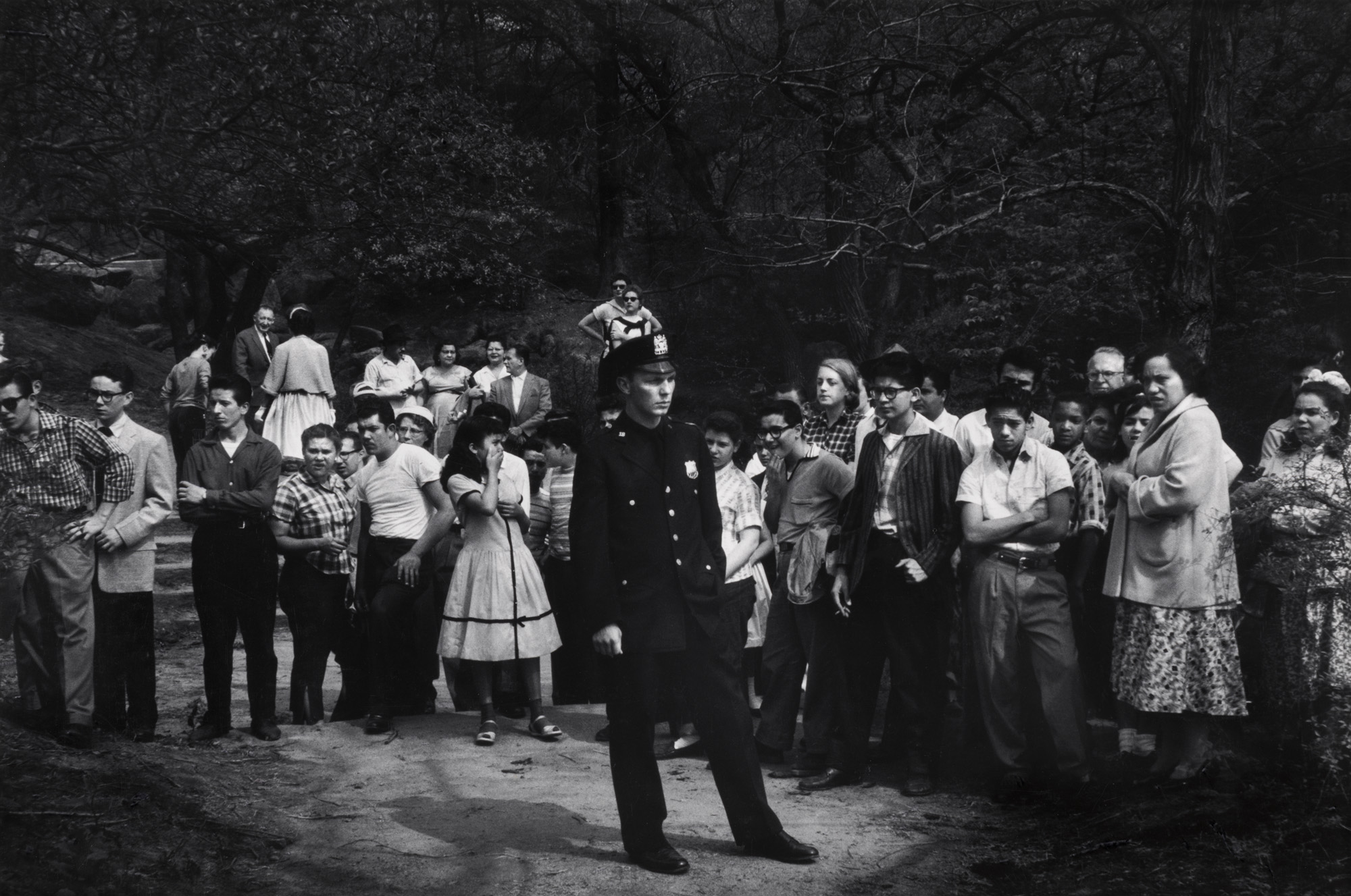
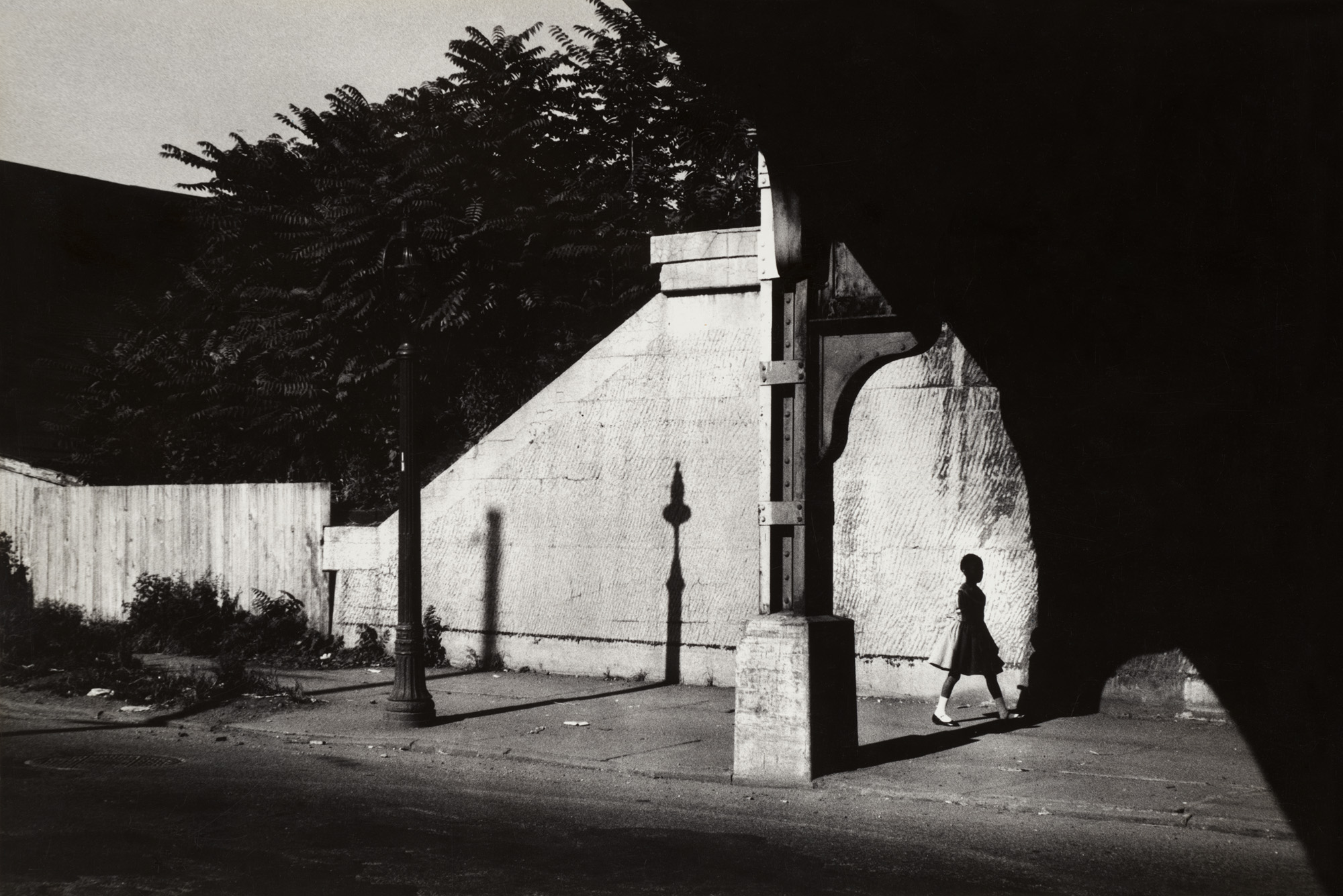
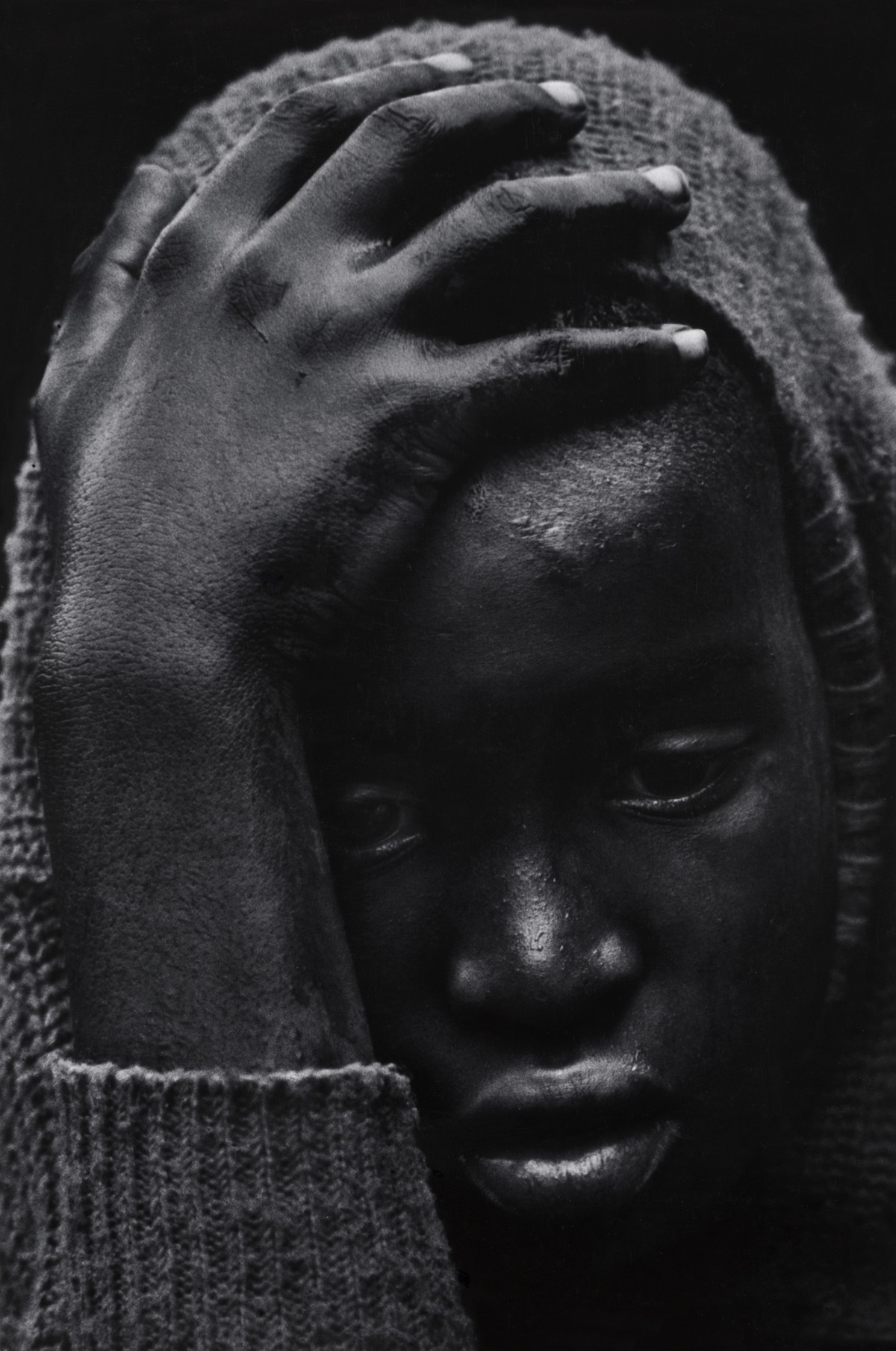
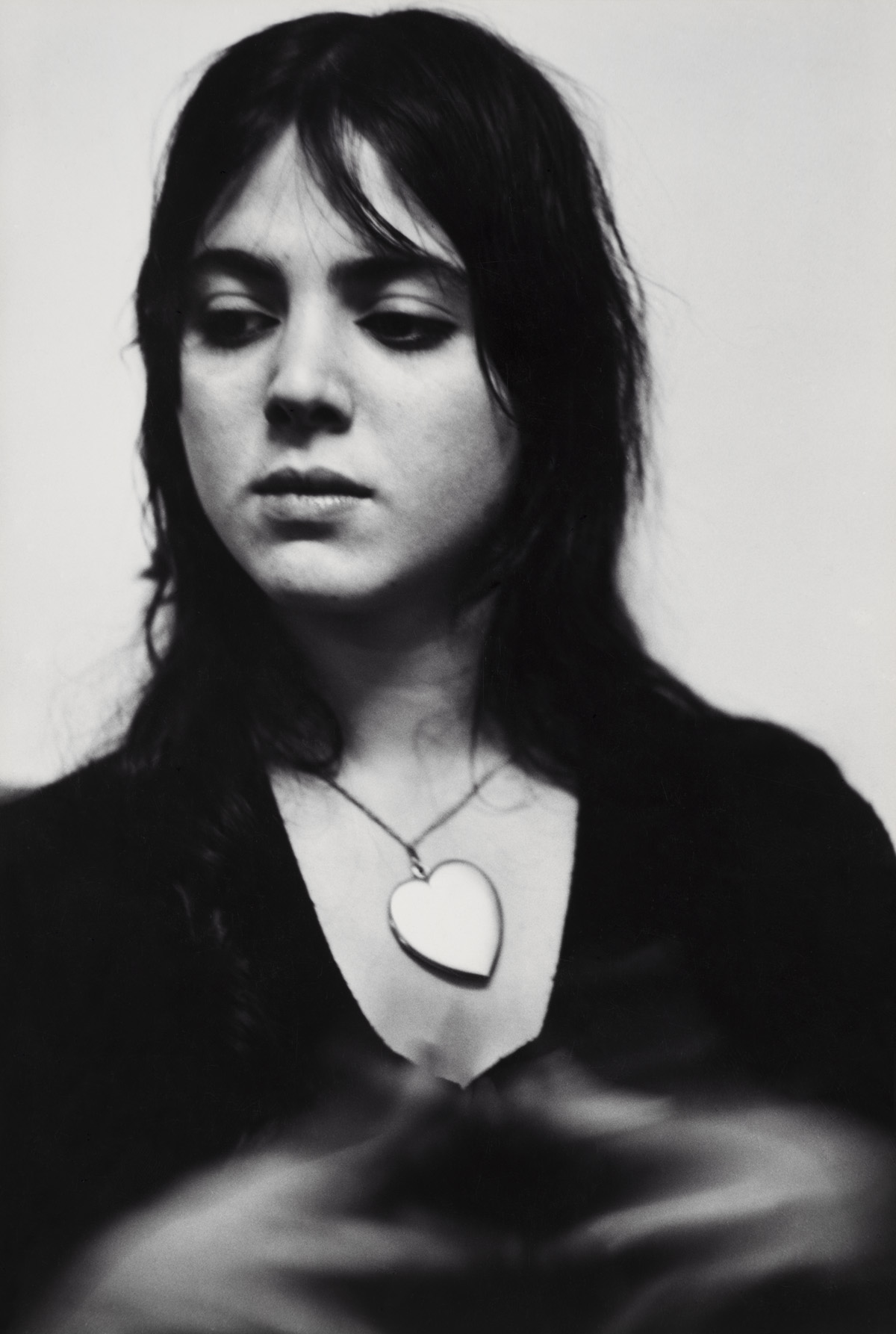








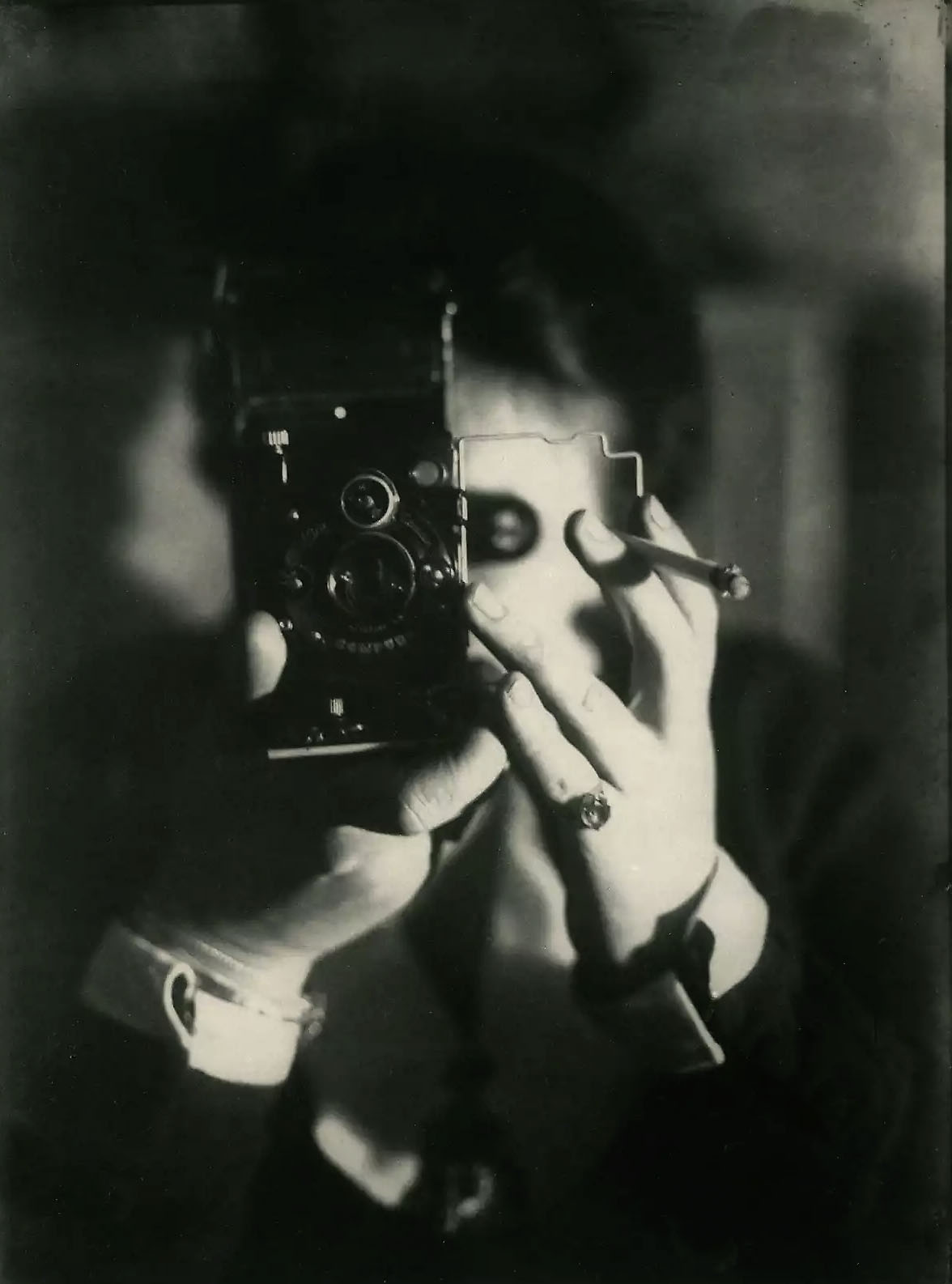
































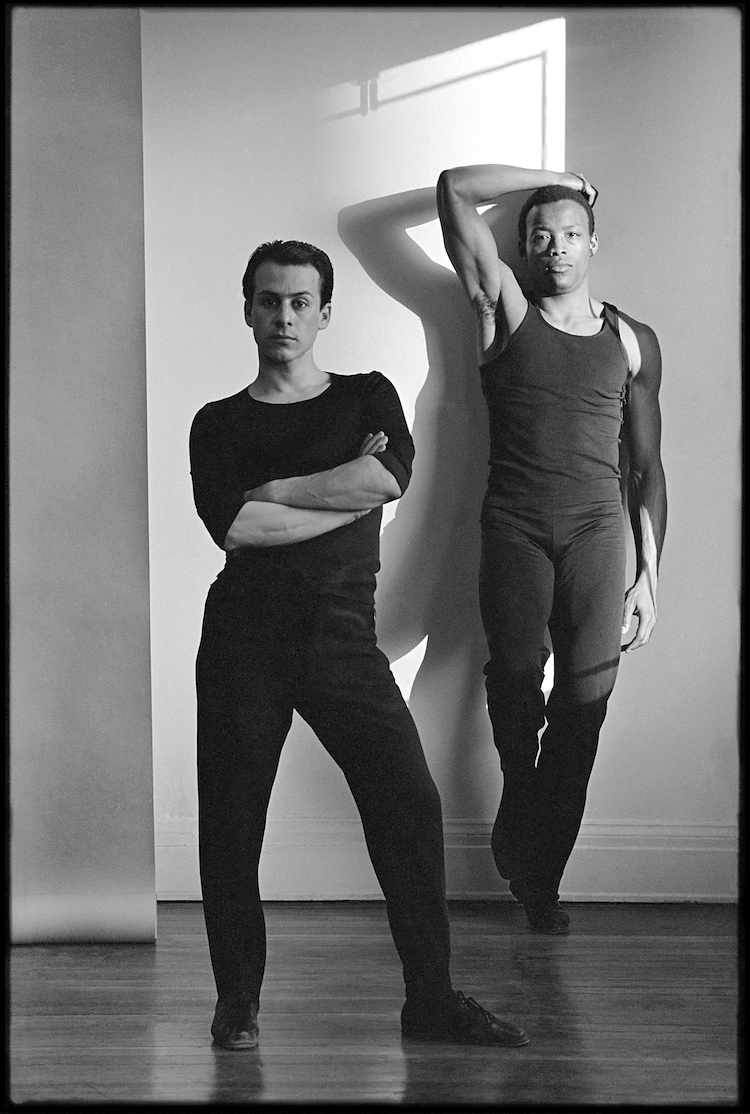

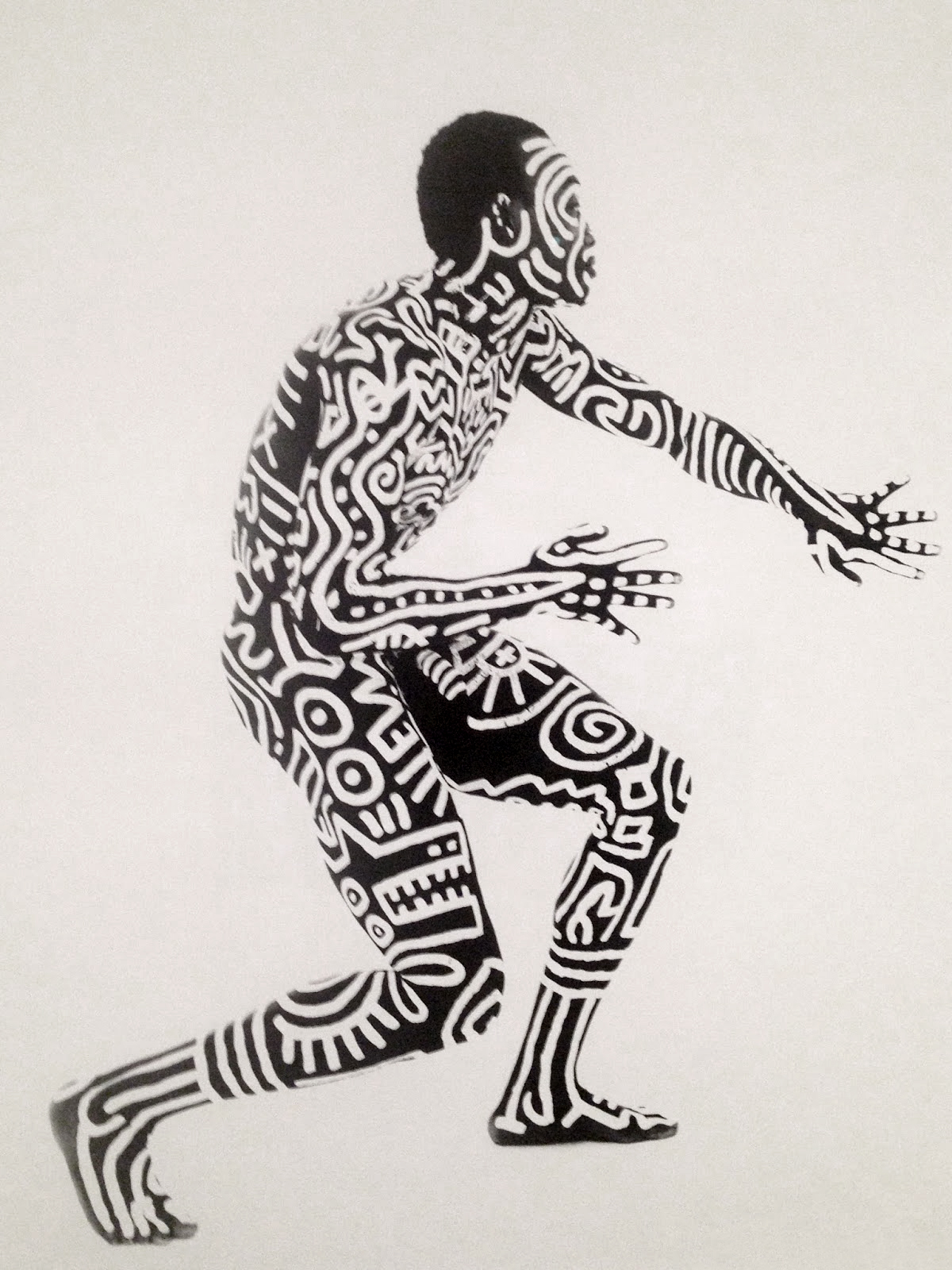
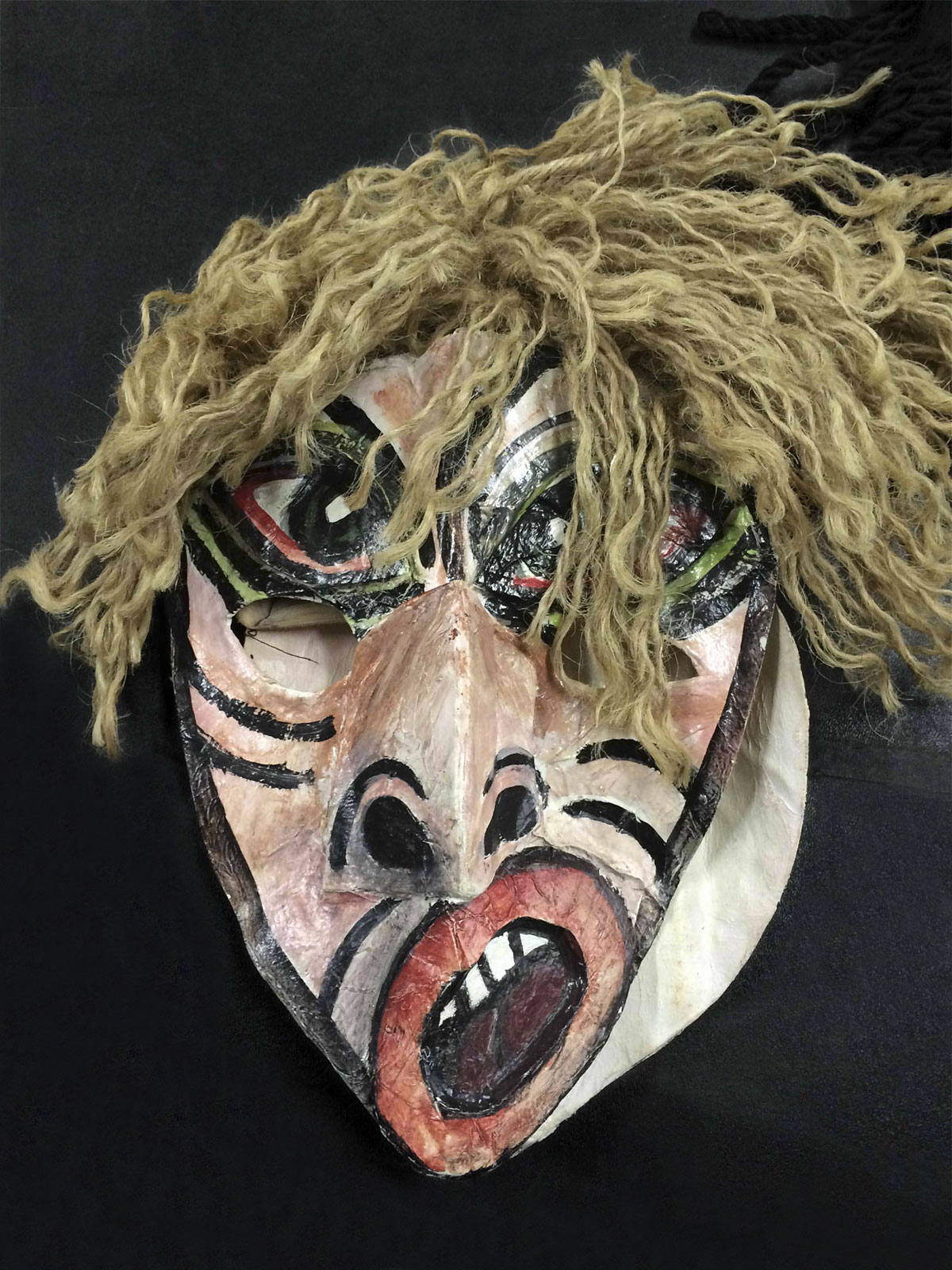






You must be logged in to post a comment.