PLEASE NOTE: SINCE THIS POSTING, I ACKNOWLEDGE THAT THE ALISON JACQUES GALLERY, LONDON HAS UPDATED THEIR WEBSITE TO INCLUDE A MORE REPRESENTATIVE SELECTION OF MAPPLETHORPE’S IMAGES – INCLUDING SOME OF MAPPLETHORPE’S PHOTOGRAPHIC INVESTIGATION INTO THE SEXUAL BODY AND MORE WORKS FROM THE EXHIBITION – IN ALL THEIR GLORY! PLEASE SEE THE IMAGES ON THEIR WEBSITE AND REMEMBER, IF YOU DON’T LIKE, DON’T LOOK.
According to a tartly written denigration of Mapplethorpe in particular and more generally of photography as art by Guardian critic Jonathan Jones, “Cocks abound. Huge ones. Right at the centre of the main room, just so you don’t miss this basic Mapplethorpian theme, is a giant blow up of a man whose penis would be impressive even in a much smaller print. “Hey, don’t you get it?” Teller in effect is yelling. “This guy was all about cocks!””
I’d really LOVE to refute this man’s drivel about Mapplethorpe’s work: “Teller succeeds brilliantly in making Mapplethorpe raw and immediate. Yet he also exposes him as very silly. For if Mapplethorpe was just wildly and naughtily picturing everything in life, willy nilly (but mostly willy), why the heavy monochrome aesthetic?”
But I can’t.
Why not?
Because of the
un/solicitous
(caring in a discriminatory way, as though to protect an image or reputation)
and
innocuous
set of press images that I can officially use to illustrate such a daring and radical rethinking of Mapplethorpe’s work by Juergen Teller.
Not the fault of the gallery at all, they have been marvellous sending me the images.
But they were authorised by The Robert Mapplethorpe Foundation for press sharing.
And there’s the rub.
LIKE RUBBING TWO COCKS TOGETHER.
The paradox of Mapplethorpe’s work: erect genitalia, orifices and violent sex acts teamed with corn, kittens and frogs can be seen in the flesh – but oh, NO!
We can’t have them being seen online
Cocks forbidden
How can you then judge, from a distance, what the effect of Teller’s pairings are; what delightful nuances of meaning are elicited, are illicit, in those very pairings, if we can’t see them? We can’t. Jones observes that, “Teller strips away that respectability and restores the shock to Robert Mapplethorpe … [revealing] hilarious double entendres in the way Mapplethorpe photographed nature.”
How can we understand the exhibition and the shock of these images … and then critique negative reviews like Jones’ if The Robert Mapplethorpe Foundation continues the sanitisation of his work online.
No comment is possible.
Dr Marcus Bunyan
Many thankx to Alison Jacques Gallery for allowing me to publish the photographs in the posting. Please click on the photographs for a larger version of the image.
“Every picture is so strongly composed, and you feel that he really wanted to make that photograph. Not everything is erotic, but he has an interest in life, people, animals and landscapes, and his interest always comes through. I think life is what life is. It has day and night, sunny and grey, and he sees similar characteristics in different things. He cared enormously about how things looked. It all has this same intensity. Within all of that there’s a lot of sensitivity and romanticism in his work too, and a lot of clarity.”
To coincide with what would have been the 70th birthday of the iconic American photographer Robert Mapplethorpe, Alison Jacques has invited acclaimed UK-based, German-born photographer Juergen Teller to curate an exhibition of Mapplethorpe’s work. Teller worked in collaboration with The Robert Mapplethorpe Foundation in New York to make his selection.
Considered one of the most important photographers of the 20th century, Robert Mapplethorpe is currently the subject of a major touring retrospective The Perfect Medium, which opened at the J. Paul Getty Museum and Los Angeles County Museum of Art (LACMA), Los Angeles in 2016. The exhibition is currently on view at the Montreal Museum of Fine Arts, Canada (until 22 January 2017) and will travel to the Art Gallery of New South Wales, Sydney, Australia (October 2017 – February 2018). Mapplethorpe is also the subject of a recently released, Emmy nominated, HBO documentary Look at the Pictures (2016).
Juergen Teller is one of a few artists who, since Mapplethorpe, has been able to operate successfully both in the art world and the world of commercial fashion photography. Alison Jacques, who has represented Robert Mapplethorpe in the UK since 1999, said: “Provocative and subversive, making images which are the antithesis of conventional fashion photography, Juergen Teller was the only choice to curate this special exhibition of Robert’s work. There are obvious parallels between these two artists and I believe Juergen’s eye will bring a new reading of Robert’s work.”
With the permission of The Robert Mapplethorpe Foundation, Teller has enlarged two images, each over 4 metres in scale, which, pasted directly onto the gallery’s walls will provide a backdrop to the entire show. One wall will show Mapplethorpe’s first partner David Croland wearing a gag and the other features the model Marty Gibson from Mapplethorpe’s later work posing nude on a beach. Teller’s selection of 48 images exposes works within Mapplethorpe’s archive that have rarely been exhibited before and span Mapplethorpe’s entire career, ranging from the unique Polaroids of the early 1970s to his iconic medium of silver gelatin photographs from the mid-70s through to the late 80s.
Still life features as a prominent theme with unusual subjects including a spoon full of coffee, a set of antique silverware, two coconuts, a television set, and prickly unopened seedpods on a plate. Teller has also chosen a number of images depicting animals, a subject matter that Mapplethorpe is not famously associated with, including a hanging bat, plate of frogs, reclining dog, kitten on a sofa, and horses. Human subjects include some of Mapplethorpe’s key female muses such as Lisa Lyon, but also lesser-known personalities including Cookie Mueller, Lisa Marie Smith and Susan Sarandon’s daughter, Eva Amurri, as a small child. Well-known people in Mapplethorpe’s life are represented including Patti Smith, David Croland and Sam Wagstaff. Teller has also responded to his own German heritage and selected lesser-known portraits of German figures of the time, such as Hans Gert and the photojournalist Gisele Freund. The image of Gert was the first that Tom Baril worked on for Mapplethorpe from his Bond Street Darkroom. Baril continued to be Mapplethorpe’s exclusive printer for over 15 years.
Sexually-explicit images also feature in the exhibition but by interrelating these to a more romantic view of Mapplethorpe’s work, Teller has brought out the essential mission of Mapplethorpe’s work: a life-long quest for perfection of form whatever the subject matter may be.
Short biographies
Robert Mapplethorpe (b. New York, USA, 1946; d. Boston, USA, 1989) mounted over 50 solo exhibitions during his lifetime, including numerous museum shows in the USA, Europe and Japan. Since his death he has continued to be the subject of major institutional exhibitions. In recent years the Tate, in conjunction with other UK museums, acquired 64 works by Mapplethorpe through the Artists Rooms Art Fund and The d’Offay Donation, which culminated in an exhibition at Tate Modern in 2014.
Juergen Teller (b. 1964, Erlangen, Germany) moved to London in 1986, two years after graduating from Munich’s Bayerische Staatslehranstalt für Photographie. Since the late 1980s, his photographic works have gained critical acclaim and been featured in an array of influential international publications such as Vogue, W Magazine, I-D and Purple. With his unique photographic sensibility, Teller manages to strike a rare balance between creativity and commercialism, blurring the boundaries of art and advertising, and creating world-class images for collaborators such as Marc Jacobs, Céline, Yves Saint Laurent and Vivienne Westwood. Teller’s solo exhibition Woo! at the ICA in London in 2013 was the most well-attended exhibition in the ICA’s history, and in 2016 he had a major solo museum exhibition in Germany, Enjoy Your Life at Kunsthalle Bonn.
Exhibition dates: 15th November – 30th December, 2016
Lewis Baltz (American, 1945-2014) Reno Sparks, Looking South (1) 1977 Silver gelatin print
I love this man’s work. Elegant, formalist, classical photographs of man altered landscapes and their environs.
New Topographics.
From the lineage of Carleton E. Watkins, Timothy O’Sullivan and Eadweard Muybridge in the 19th century through until today, these “modern and postmodern photographic landscapes mark a progressively disquieting understanding of humanity’s relationship to the natural universe.” First there was exploration and documentation, now there is the glare of blown-out skies, broken fluorescent tubes and soulless, tract homes.
The brooding mountain behind Model Home; the evanescent light of Night Construction falling into imperishable darkness; and the twinkling, star studded wall of New Construction, Shadow Mountain. Light-filled space traced onto film producing timeless, twisted dioramas. Landscape as conceptual performance.
Dr Marcus Bunyan
Many thankx to the Mike and Joseph Bellows Gallery for allowing me to publish the photographs in the posting. Please click on the photographs for a larger version of the image.
“In Nevada, Lewis Baltz alternates unbuilt views with home construction, trailer parks, and roads in a documentation of a rapidly changing landscape in the desert valleys surrounding Reno, an area he once described as “landscape-as-real-estate.” Baltz, like Joe Deal and Harold Jones, whose works are on view in this gallery, developed projects as portfolios, believing that a single photograph cannot capture a complete portrait of a place. In Baltz’s series, a multifaceted, occasionally contradictory image of Nevada emerges through the accumulation of photographs.”
“Once continental expansion had reached its limits, however, and no existential threats to white settlement remained, American landscape images began to reflect a new criticality – at turns romantic and realistic – that persists to this day. Indeed, for the last century, landscape photography has consistently mirrored Americans’ anxieties about nature, or rather its imminent loss, whether due to industrialization, pollution, population growth, real estate profiteering, or bioengineering. Alternately portraying nature as a balm for the alienated modern soul or a dystopian fait accompli, modern and postmodern photographic landscapes mark a progressively disquieting understanding of humanity’s relationship to the natural universe.”
Deborah Bright. Photographing Nature, Seeing Ourselves 2012 in America in View: Landscape Photography 1865 to Now catalogue, p.32
Lewis Baltz (American, 1945-2014) Hidden Valley, Looking South (2) 1977 Silver gelatin print
Lewis Baltz (American, 1945-2014) Hidden Valley, Looking Southeast (3) 1977 Silver gelatin print
Lewis Baltz (American, 1945-2014) US 50, East of Carson City (5) 1977 Silver gelatin print
Lewis Baltz (American, 1945-2014) New Construction, Shadow Mountain (6) 1977 Silver gelatin print
Lewis Baltz (American, 1945-2014) Night Construction (7) 1977 Silver gelatin print
Joseph Bellows Gallery is pleased to announce its upcoming exhibition, NEVADA by the late American photographer, Lewis Baltz (1945-2014). NEVADA will present the entire portfolio of 15 black and white photographs created by Baltz in 1977. The exhibition will open on November 15th and continue through December 30th, 2016.
Nevada is a central work of Baltz’s continued interest in the American West and its changing landscape. The photographs describe the development of the desert region of Nevada, near Reno: construction sites and their artefacts, vistas of newly built tract communities, and the desert environments that surround their imprint are traced with the high-key light of the western sun or glow of artificial light illuminating the darkness of night.
Biography
Lewis Baltz was born in Newport Beach, California in 1945. He received his BFA from the San Francisco Art Institute in 1969 and his MFA from Claremont Graduate School in 1971. That same year he was included in The Crowed Vacancy: Three Los Angeles Photographers, an exhibition that also included Anthony Hernandez and Terry Wild.
Baltz’s photographs of the transforming American landscape defined a central role in 1970’s landscape photography and influenced forthcoming generations of photographic practice. He, along with other notable photographers including Frank Gohkle, Robert Adams, Stephen Shore and John Schott came to prominence through their inclusion in the groundbreaking and influential exhibition, New Topographics: Photographs of a Man-altered Landscape, an exhibition organised at the George Eastman House in 1975.
Baltz’s serial work often took the form of published portfolios relating to a particular landscape theme or geographic location. Portfolios include: The New Industrial Parks Near Irvine, California (1974), Nevada (1978), Park City (1980), San Quentin Point (1985) and Candlestick Point (1989). Baltz received two National Endowment for the Arts grants in 1973 and 1977 and a Guggenheim Fellowship in 1977. His photographs have been the subject of over 50 one-person exhibitions and seventeen monographs.
Press release from the Joseph Bellows Gallery
Lewis Baltz (American, 1945-2014) Model Home, Shadow Mountain (8) 1977 Silver gelatin print
Lewis Baltz (American, 1945-2014) B Street, Sparks (9) 1977 Silver gelatin print
Lewis Baltz (American, 1945-2014) Lemmon Valley, Looking North (11) 1977 Silver gelatin print
Lewis Baltz (American, 1945-2014) Lemmon Valley, Looking Northeast (12) 1977 Silver gelatin print
Lewis Baltz (American, 1945-2014) Lemmon Valley, Looking Northwest, Toward Stead (13) 1977 Silver gelatin print
Lewis Baltz (American, 1945-2014) Nevada 33, Looking West (14) 1977 Silver gelatin print
Some of the earlier photographs in this posting from the 19th and early 20th century are bold and striking. They also make me feel incredibly sad.
Human beings subjugated, brought to Britain, displayed, exoticised and exhibited for the delectation of royalty and the white masses. Exiled to Britain never to see their homeland again except for a few brief, controlled visits; presented to Queen Victoria, as if a gift, from King Gezo of Dahomey; or made a servant of an explorer. And the fate of most of these people is disease, dis-ease, and an early death.
As documentary evidence, the photographs attest to the lives of the disenfranchised. They mark the lives of individual people as that most valuable thing, a human life. In this sense they are important. But I find this photographic documentation of Britain’s imperial history of empire and expansion quite repugnant, both morally and spiritually. Where the “Sir Johns” and “Sir Roberts” are named, but the pygmies are displayed anonymously all dressed up in Western attire: “Pygmies of Central Africa.”
As Caroline Molloy observes, while standing as testament to cultural diversity in the late 19th/early 20th century, “the historical colonial connotations of the photographic exhibition strategies used in the Expansion and Empire gallery cannot be ignored.” The taxonomic ordering of individual sitters identified by name, status, biography, by group portraits of racial type and status. Basically a white patriarchy in which a standard of male supremacism is enforced through a variety of cultural, political, and interpersonal strategies. Super/racism.
“Colonialism is the establishment of a colony in one territory by a political power from another territory, and the subsequent maintenance, expansion, and exploitation of that colony. The term is also used to describe a set of unequal relationships between the colonial power and the colony and often between the colonists and the indigenous peoples.” (Wikipedia)
Unequal relationships; exploitation; and the probing gaze of the camera to document it all.
Dr Marcus Bunyan
PS George Hurrell’s photographs are a knockout!
Many thankx to the National Portrait Gallery for allowing me to publish the photographs in the posting. Please click on the photographs for a larger version of the image.
‘There is an umbilical connection. There is no understanding Englishness without understanding its imperial and colonial dimensions.’
Portraits of black Britons unearthed after 125 years in new exhibition
Photographs uncovering Britain’s black history before the Windrush Generation have been unveiled in a new exhibition at the National Portrait Gallery. Curator Renée Mussai explains the history behind the Black Chronicles collection.
Sir (John) Benjamin Stone (British, 1838-1914) Four Hausa Gun Carriers of the South Nigerian Regiment 1902 Platinum print, 1902 6 1/8 in. x 8 in. (157mm x 203mm) Given by House of Commons Library, 1974
The Southern Nigeria Regiment was a British colonial regiment which operated in Nigeria in the early part of the 20th century. The Regiment was formed out of the Niger Coast Protectorate Force and part of the Royal Niger Constabulary. The Lagos Battalion or Hausa Force was absorbed into the Regiment in May 1906 and became the Regiment’s second battalion. On 1 January 1914 the Southern Nigeria Regiment’s two battalions were merged with those of the Northern Nigeria Regiment to become simply the Nigeria Regiment.
Sir (John) Benjamin Stone (British, 1838-1914) Sergeant and three Privates of the King’s African Rifles 1902 Platinum print, 1902 6 1/8 in. x 8 in. (156mm x 203mm) Given by House of Commons Library, 1974
The King’s African Rifles (KAR) was a multi-battalion British colonial regiment raised from Britain’s various possessions in British East Africa in the present-day African Great Lakes region from 1902 until independence in the 1960s. It performed both military and internal security functions within the colonial territory, and later served outside these territories during the World Wars. The rank and file (askaris) were drawn from native inhabitants, while most of the officers were seconded from the British Army. When the KAR was first raised there were some Sudanese officers in the battalions raised in Uganda, and native officers were commissioned towards the end of British colonial rule.
Sir (John) Benjamin Stone (British, 1838-1914) Pygmies of Central Africa 1905 Platinum print, 1905 6 1/8 in. x 8 in. (157mm x 203mm) Given by House of Commons Library, 1974
Sir John Benjamin Stone (9 February 1838 – 2 July 1914), known as Benjamin, was a British Conservative politician, and noted photographer. …
He was a prolific amateur documentary photographer who travelled widely in pursuit of his hobby. He made 26,000 photographs and wrote books as he travelled to Spain, Norway, Japan and Brazil. Amongst his published works were A Summer Holiday in Spain (1873), Children of Norway (1882), and a fairy tale called The Traveller’s Joy. He also made an invaluable record of the folk customs and traditions of the British Isles, which influenced later photographers of note, including Homer Sykes, Daniel Meadows, Anna Fox and Tony Ray-Jones. Stone wrote of his purpose as being “to portray for the benefit of future generations the manners and customs, the festivals and pageants, the historic places and places of our times.”
Stone travelled with a scientific expedition to northern Brazil to see the 1893 total solar eclipse. Notable images taken by Stone include those of the deposition of governor José Clarindo de Queirós of the then province of Ceará in Brazil, in which he prevented the rebels from firing at the governor’s palace until he had taken photographs of them beside their guns.
The Benjamin Stone Photographic Collection housed in the Library of Birmingham contains many thousands of examples of his work. In 1897 he founded the National Photographic Record Association, of which he became president. The National Portrait Gallery holds 62 of his portraits and many photographs of people and places in and around Westminster. His amateur career culminated in 1911 with his appointment as official photographer to the coronation of King George V. He became president of the Birmingham Photographic Society, a Justice of the Peace, and a member of the Society of Antiquaries and of the Geological Society.
Sir (John) Benjamin Stone (British, 1838-1914) African Pygmies in London (including William Hoffman) 1905 Platinum print, 9 August 1905 8 in. x 6 1/8 in. (203mm x 156mm) Given by House of Commons Library, 1974
“There’s nothing like a photograph for reminding you about difference. There it is. It stares you ineradicably in the face”
~ Professor Stuart Hall, 2008
Black Chronicles showcases over forty photographs that present a unique snapshot of black lives and experiences in nineteenth and early twentieth-century Britain. Developed in collaboration with Autograph ABP, this intervention in three gallery spaces includes some of the earliest photographs in the Gallery’s Collection alongside recently rediscovered photographs from the Hulton Archive, a division of Getty Images.
These portraits of individuals of African and Asian heritage bear witness to Britain’s imperial history of empire and expansion. They highlight an important and complex black presence in Britain before 1948, a watershed moment when the Empire Windrush brought the first large group of Caribbean immigrants to Britain. Research is ongoing and new information emerges continuously.
This display is part of Autograph ABP’s The Missing Chapter, an ongoing archive research programme supported by the Heritage Lottery Fund. Autograph ABP is a London-based arts charity that works internationally in photography and film, race, representation, cultural identity and human rights.
The portrait of the younger members of the choir, Albert Jonas and John Xiniwe, is a playful take on the photographic process, as they pose for each other while posing for us. The large camera is as much a subject as the aspiring photographer. It also shows the natural exuberance and curiosity of young people towards new technology. The photographer has sought to create the appearance of a snapshot, despite the image being as carefully staged as the portraits of the adult subjects.
Krysia Kitch. “Back In Black,” on the National Portrait Gallery website 6 March 2017 [Online] Cited 31/03/2024
The African Choir were a group of young South African singers that toured Britain between 1891 and 1893. They were formed to raise funds for a Christian school in their home country and performed for Queen Victoria at Osborne House, a royal residence on the Isle of Wight. At some point during their stay, they visited the studio of the London Stereoscopic Company to have group and individual portraits made on plate-glass negatives.
Eleanor Xiniwe, a member of the African Choir who toured London from 1891 to 1893.
On his return to South Africa, choir member Paul Xiniwe (1857-1902) became a leader in Imbumba Yama Nyama (South African Aborigines Association), an organisation that sought to unite African people in their struggle for political rights. He and his wife Eleanor were members of a small group of educated African elite that were involved in national politics, working towards social change and self-government.
Krysia Kitch. “Back In Black,” on the National Portrait Gallery website 6 March 2017 [Online] Cited 31/03/2024
Peter Jackson, 2 December 1889, London. Born in 1860 in St Croix, then the Danish West Indies, Jackson was a boxing champion who spent long periods of time touring Europe. In England, he staged the famous fight against Jem Smith at the Pelican Club in 1889. In 1888 he claimed the title of Australian heavyweight champion.
Musa Bhai travelled to England in 1888 as part of the Booth family, who founded the Salvation Army.
The National Portrait Gallery in partnership with Autograph ABP presents a unique ‘snapshot’ of black lives and experiences in Britain. An important display of photographs, which will reveal some of the stories of Black and Asian lives in Britain from the 1860s through to the 1940s, opens in May at the National Portrait Gallery. Black Chronicles: Photographic Portraits 1862-1948 will bring together some of the earliest photographs of Black and Asian sitters in the National Portrait Gallery’s Collection.
These will be exhibited alongside recently discovered images from the Hulton Archive, a division of Getty Images. The display of over 40 photographs will highlight an important and complex black presence in Britain before 1948, a watershed moment when the Empire Windrush brought the first group of Caribbean migrants to Great Britain. In addition, Black Chronicles: Photographic Portraits 1862-1948 will highlight new acquisitions including a series of portraits by Angus McBean, of Les Ballets Nègres, Britain’s first all-black ballet company and a selection of photographs of the pioneer of classical Indian dance in Britain, Pandit Ram Gopal, by George Hurrell.
Individuals with extraordinary stories, from performers to dignitaries, politicians and musicians, alongside unidentified sitters, will collectively reveal the diversity of representation within 19th and 20th century photography and British society, often absent from historical narratives of the period. They will include the celebrated portraits by Camille Silvy of Sarah Forbes Bonetta, one of the earliest photographic portraits of a black sitter in the Gallery’s Collection. Born in West Africa of Yoruba descent, Sarah was captured at the age of five during the Okeadon War. She was thought to be of royal lineage and was presented to Queen Victoria, as if a gift, from King Gezo of Dahomy. As Queen Victoria’s protégée, Sarah was raised among the British upper class and educated in both England and Sierra Leone. In 1862, she married the merchant and philanthropist James Pinson Labulo Davies.
Black Chronicles: Photographic Portraits 1862-1948 will also feature Samuel Coleridge-Taylor, a celebrated British composer of English and Sierra Leonean descent who was once called the ‘African Mahler’; Dadabhai Naoroji, the first British Indian MP for Finsbury in 1892; members of the African Choir, a troupe of entertainers from South Africa who performed for Queen Victoria in 1891; international boxing champion Peter Jackson a.k.a ‘The Black Prince’ from the island of St Croix; and Ndugu M’Hali (Kalulu), the ‘servant’ of British explorer Sir Henry Morton Stanley, who inspired Stanley’s 1873 book My Kalulu, Prince, King and Slave: A Story of Central Africa.
Black Chronicles: Photographic Portraits 1862-1948 will include original albumen cartes-de-visite and cabinet cards from the Gallery’s permanent Collection, presented alongside a series of large-scale modern prints from 19th century glass plates in the Hulton Archive’s London Stereoscopic Company collection, which were recently unearthed by Autograph ABP for the first time in 135 years and first shown in the critically acclaimed exhibition ‘Black Chronicles II’ at Rivington Place in 2014.
Dr Nicholas Cullinan, Director, National Portrait Gallery, London says: “We are delighted to have the opportunity to collaborate with Autograph ABP and present this important display – bringing together some of the earliest photographs from our Collection alongside new acquisitions and striking images from Hulton Archive’s London Stereoscopic Company collection.”
Renée Mussai, Curator and Head of Archive at Autograph ABP, says: “We are very pleased to share our ongoing research with new audiences at the National Portrait Gallery. The aim of the Black Chronicles series is to open up critical inquiry into the archive to locate new knowledge and support our mission to continuously expand and enrich photography’s cultural histories. Not only does the sitters’ visual presence in Britain bear direct witness to the complexities of colonial history, they also offer a fascinating array of personal narratives that defy pre-conceived notions of cultural diversity prior to the Second World War.
McPhail Hall’s reference to the cause and effect of colonialism resonates with all of the life stories represented in the exhibition, but perhaps none more poignantly than that of Ndugu M’Hali (c. 1865-1877). M’Hali was only about seven years old when he was given as a slave to the journalist Sir Henry Morton Stanley, who was in Africa in search of the legendary Dr David Livingston. Stanley renamed the young boy ‘Kalulu’, and he became Stanley’s personal servant, accompanying him in his travels across the globe. M’hali died with four others when their canoe overturned navigating rapids in the Lualaba River in the Congo. Stanley named them ‘Kalulu Falls’ in his honour. There were several photographs of M’hali in the exhibition – two from the series with Stanley ‘recreating’ scenes from the search for Livingstone, with painted backdrop and rocks and vegetation strategically placed in the foreground. M’hali is clearly depicted as servant to his master, serving him tea in one image and carrying his second gun in another. In the solo portrait he is standing, leaning lightly on a heavy chair, his sombre face a sharp contrast to his casual stance. His slightly crumpled three-piece suit adds to the relaxed style of the portrait, yet it still feels staged – M’hali conveys a sense of caution rather than ease.
Krysia Kitch. “Back In Black,” on the National Portrait Gallery website 6 March 2017 [Online] Cited 31/03/2024
Ndugu M’Hali (c. 1865-1877) was the personal servant to explorer and journalist Sir Henry Morton Stanley. As a slave he was given to Stanley by an Arab merchant in present day Tanzania during the explorer’s quest to find the missing Dr David Livingstone. Named ‘Kalulu’ by Stanley, he was educated in London and accompanied Stanley on his travels to Europe, America and the Seychelles. He died during an expedition in 1877 in the Lualaba River, the headstream of the River Congo, Stanley named these rapids ‘Kalulu Falls’ in his memory.
Samuel A. Walker (British, 1841-1922) Farina’s Friendly Zulus 1879 Albumen carte-de-visite Courtesy of Michael Graham Stewart collection
This man was brought to Britain with a Zulu troupe during the Anglo-Zulu War of 1879 and was part of explorer Guillermo Antonio Farini’s exhibition of ‘Friendly Zulus’ in London, 1879.
Advert for the Lion Troupe of Ashante Warriors, the Wonders of the World c. 1890 Courtesy of Michael Graham Stewart collection
In the centre of the gallery is an original cartes-de-visite day book from the Camille Silvy archive, open on a page with portraits of a finely dressed Sarah Forbes Bonetta (1862). Bonetta, goddaughter to Queen Victoria, was born of royal Yoruba blood, captured and enslaved as a child. She was gifted to Queen Victoria, who arranged for her fostering and education. The Bonetta photographs exemplify the strength of the research, and succeed in complicating colonial narratives.
The additional intervention into the National Portrait archive to compliment the Hulton Archive studio portrait photographs are exhibited in galleries 23 and 31. They are more complex responses to Black Chronicles. Drawing from existing NPG archive material, the photographs and paintings selected use different registers to evidence historical Black and Asian contributions to British history. The inclusion of Angus McBean’s distinct black and white photographs of the Ballets Negres in gallery 31 are notable in their historical context. McBean’s photographs document the first black ballet company. The cartes-de-viste photographs in gallery 23 are displayed as original photographs in a glass cabinet in the centre of the Expansion and Empire room. The individual sitters are identified by name, status and biography, the group portraits by racial type, status and having visited the House of Commons. Whilst these images stand testament to cultural diversity in the late 19th / early 20th century, the historical colonial connotations of the photographic exhibition strategies used in the Expansion and Empire gallery cannot be ignored.
Sarah Forbes Bonetta (1843-1880) was a Yoruba woman, thought to be of royal lineage, captured during a slave raid when she was only five. King Gezo of Dahomey (in present-day Benin) sent her as a gift to Queen Victoria, who arranged for her education. The Queen maintained an interest in the young woman, and was particularly impressed by her academic and musical abilities. Sarah became a regular visitor to Windsor Castle and an admired member of the royal court. Shortly after she married the businessman and philanthropist James Pinson Labulo Davies (1829-1906), they moved to Sierra Leone. Queen Victoria was godmother to their first child Victoria.
Krysia Kitch. “Back In Black,” on the National Portrait Gallery website 6 March 2017 [Online] Cited 31/03/2024
Camille Silvy, considered one of the greatest French photographers of the nineteenth century, established many of the conventions of early portrait photography. Under the patronage of Queen Victoria, he photographed members of the upper echelons of society, as well as the aspiring middle classes, from his studio in Bayswater. The National Portrait Gallery London has twelve of Silvy’s Daybooks in its collection, examples of every studio session set out chronologically, and all sitters documented by number and name. Sarah Davies (formerly Forbes Bonetta) and James Pinson Labulo Davies appear in Daybook volume nine, photographed separately and together on the occasion of their marriage in 1862.
Krysia Kitch. “Back In Black,” on the National Portrait Gallery website 6 March 2017 [Online] Cited 31/03/2024
Born in west Africa of Yoruba descent, Sarah Forbes Bonetta (1843-1880) was captured at the age of five during the Okeadon War. She was thought to be of royal lineage and was presented to Queen Victoria, as if a gift, from King Gezo of Dahomey. She was named after Captain Frederick E. Forbes of the Royal Navy, who brought her to England, onboard his ship HMS Bonetta. As Queen Victoria’s protégée, Sarah was raised among the British upper class, and educated in both England and Sierra Leone. She became an accomplished pianist and linguist.
In 1862 at St Nicholas’s Church in Brighton she married the merchant and philanthropist James Pinson Labulo Davies (1829-1906). These photographs were taken to mark their marriage. James was born in Sierra Leone to Nigerian parents, and enlisted with the British Navy. He is credited with pioneering cocoa farming in West Africa. The couple returned to Africa soon after their wedding. Queen Victoria was godmother to their first child, Victoria who later attended Cheltenham Ladies College. The photographs are pasted into one of the daybooks that record the work of Camille Silvy, one of the most successful portrait photographers in London at the time.
Album 1-12: Camille Silvy Daybooks
A collection of twelve albums representing the output of Camille Silvy’s (1834-1910) photographic portrait studio based at 38 Porchester Terrace, Bayswater, London. Compiled by the studio, each album is arranged almost entirely chronologically and in sitter number order. Each page is divided into a grid of four sections with each section featuring one cartes-de-visite sized albumen print from the sittings, pasted beneath the sitter number and a handwritten identification of the photograph’s subject.
Sitters range from royalty, peers and the landed gentry to London’s thriving migrant merchant community, and as a result, the Daybooks paint a unique view of London society and its visitors during the 1860s. In addition to studio portraits, there are a number of equestrian and post-mortem portraits. Non-portrait material includes copies of various paintings, such as the ‘Windsor Beauties’ by Sir Peter Lely, and other works of art, such as Marochetti’s sculptures, and reproductions from the Marquis d’Azeglio’s ‘Manuscrit Sforza’ and the ‘Manuscript d’Avalos’. There are also several views of the exterior of Silvy’s photographic establishment, as well as many portraits of Silvy himself, his family, and his business partner Auguste Renoult.
Camille Silvy (French, 1834-1910) Sarah Forbes Bonetta Brighton, 1862 Albumen print Courtesy of Paul Frecker collection/The Library of Nineteenth-Century Photography
Samuel Ajayi Crowther (c. 1809 – 31 December 1891) was a linguist and the first African Anglican bishop in Nigeria. Born in Osogun (in what is now Iseyin Local Government, Oyo State, Nigeria), Crowther was a Yoruba who also identified with Sierra Leone’s ascendant Creole ethnic group…
Crowther was also a close associate and friend of Captain James Pinson Labulo Davies [husband of Sarah Forbes Bonetta featured above], an influential politician, mariner, philanthropist and industrialist in colonial Lagos. Both men collaborated on a couple of Lagos social initiatives such as the opening of The Academy (a social and cultural center for public enlightenment) on October 24, 1866 with Crowther as the 1st patron and Captain J.P.L Davies as 1st president.
Crowther was selected to accompany the missionary James Schön on the Niger expedition of 1841.Together with Schön, he was expected to learn Hausa for use on the expedition. The goal of the expedition was to spread commerce, teach agricultural techniques, spread Christianity, and help end the slave trade. Following the expedition, Crowther was recalled to England, where he was trained as a minister and ordained by the Bishop of London. This after Schön had written to the Church Missionary Society noting Crowther’s usefulness and ability on the expedition, recommending them to prepare him for ordination.He returned to Africa in 1843 and with Henry Townsend, opened a mission in Abeokuta, in today’s Ogun State, Nigeria.
Crowther began translating the Bible into the Yoruba language and compiling a Yoruba dictionary. In 1843, a grammar book which he started working on during the Niger expedition was published; and a Yoruba version of the Anglican Book of Common Prayer followed later. Crowther also compiled A vocabulary of the Yoruba language,including a large number of local proverbs, published in London in 1852. He also began codifying other languages. Following the British Niger Expeditions of 1854 and 1857, Crowther produced a primer for the Igbo language in 1857, another for the Nupe language in 1860, and a full grammar and vocabulary of Nupe in 1864.
In 1864, Crowther was ordained as the first African bishop of the Anglican Church; he was consecrated a bishop on St Peter’s day 1864, by Charles Longley, Archbishop of Canterbury at Canterbury Cathedral.He later received the degree of Doctor of Divinity from the University of Oxford.
Martha Ann Erskine Ricks (1816-1901) began life as a slave in Tennessee, until her father bought the whole family’s freedom in 1830, whereupon they moved to Liberia. She was an industrious woman and prospered in her new country. Later in her life, Ricks designed and made an intricate cotton silk quilt depicting a Liberian coffee tree with over three hundred pointed green leaves with bright red coffee berries, all hand appliquéd onto white fabric. It is thought that the material is a combination of Liberian cotton silk and cotton, interwoven as if representing two strands of her life experience. The quilt took her over twenty-five years to make, and, in 1892, she travelled to Britain hoping to present it to Queen Victoria. Through the efforts of the Liberian ambassador she was granted an audience with the queen at Windsor Castle, thus achieving her long-standing desire. In her portrait, Ricks is very smartly and fashionably dressed – it would be fascinating to know whether her outfit was her own creation.
Krysia Kitch. “Back In Black,” on the National Portrait Gallery website 6 March 2017 [Online] Cited 31/03/2024
Martha Ann Erskine Ricks (1816-1901) had been enslaved on a Tennessee plantation. She settled in Liberia in 1830, as did many freed American slaves, after her father bought the family’s freedom. In 1892, Ricks travelled to Britain to fulfil her dream of presenting Queen Victoria with a quilt depicting a Liberian coffee tree in bloom, which took twenty-five years to make. With the help of the Liberian ambassador, Edward Blyden, she gained an audience with the queen at Windsor Castle. During her time in London, Ricks met John Archer, the first black mayor of a London borough.
Antoine Claudet (French, 1797-1867) Maharajah Duleep Singh 1860s Albumen carte-de-visite 3 1/2 in. x 2 1/4 in. (89mm x 57mm) acquired Clive Holland, 1959
Maharaja Duleep Singh, GCSI (6 September 1838 – 22 October 1893), also known as Dalip Singhand later in life nicknamed the Black Prince of Perthshire, was the last Maharaja of the Sikh Empire. He was Maharaja Ranjit Singh’s youngest son, the only child of Maharani Jind Kaur.
After the assassinations of four of his predecessors, he came to power in September 1843, at the age of five. For a while, his mother ruled as Regent, but in December 1846, after the First Anglo-Sikh War, she was replaced by a British Resident and imprisoned. Mother and son were not allowed to meet again for thirteen and a half years. In April 1849 ten-year-old Duleep was put in the care of Dr John Login.
He was exiled to Britain at age 15 and was befriended and much admired by Queen Victoria, who is reported to have written of the Punjabi Maharaja: “Those eyes and those teeth are too beautiful”.The Queen was godmother to several of his children. In 1856, he tried to contact his mother, but his letter and emissaries were intercepted by the British in India, and did not reach her. However, he persisted and, with help from Login, was allowed to meet her on 16 January 1861 at Spence’s Hotel in Calcutta and return with her to the United Kingdom.During the last two years of her life, his mother told the Maharaja about his Sikh heritage and the Empire which once had been his to rule. …
Duleep Singh died in Paris in 1893 at the age of 55, having seen India after the age of fifteen during only two brief, tightly-controlled visits in 1860 (to bring his mother to England) and in 1863 (to scatter his mother’s ashes). Duleep Singh’s wish for his body to be returned to India was not honoured, in fear of unrest, given the symbolic value the funeral of the son of the Lion of the Punjab might have caused, given growing resentment of British rule. His body was brought back to be buried according to Christian rites, under the supervision of the India Office in Elveden Church beside the grave of his wife Maharani Bamba, and his son Prince Edward Albert Duleep Singh. The graves are located on the west side of the Church.
A life-size bronze statue of the Maharaja showing him on a horse was unveiled by HRH the Prince of Wales in 1999 at Butten Island in Thetford, a town which benefited from his and his sons’ generosity.
Antoine François Jean Claudet (August 18, 1797 – December 27, 1867), was a French photographer and artist who produced daguerreotypes. He was born in La Croix-Rousse son of Claude Claudet, a cloth merchant and Etiennette Julie Montagnat, was active in Great Britain and died in London. He was a student of Louis Daguerre.
Having acquired a share in L. J. M. Daguerre’s invention, he was one of the first to practice daguerreotype portraiture in England, and he improved the sensitising process by using chlorine (instead of bromine) in addition to iodine, thus gaining greater rapidity of action. He also invented the red (safe) dark-room light, and it was he who suggested the idea of using a series of photographs to create the illusion of movement. The idea of using painted backdrops is also attributed to him.
From 1841 to 1851 he operated a studio on the roof of the Adelaide Gallery (now the Nuffield Centre), behind St. Martin’s in the Fields church, London. He opened subsequent studios at the Colosseum in Regent’s Park (1847-1851) and at 107 Regent Street (1851-1867).
Antoine Claudet (French, 1797-1867) Maharani Duleep Singh 1860s Albumen carte-de-visite 3 1/2 in. x 2 1/4 in. (88mm x 57mm) acquired Clive Holland, 1959
Maharani Bamba Duleep Singh (born Bamba Müller; July 6, 1848 – September 18, 1887) was the wife of Maharaja Duleep Singh. Brought up by Christian missionaries, she married Duleep Singh and became Maharani Bamba, wife of the last Maharaja of Lahore.Her transformation from illegitimate girl living in a Cairo mission to a Maharani living a life of luxury with the “Black Prince of Perthshire” has been compared to the “Cinderella” story.
On his return from Bombay Duleep passed through Cairo and visited the missionaries there on 10 February 1864. He visited again a few days later and was taken around the girls’ school, where he first met Bamba Müller, who was an instructor. She was the only girl there who had committed herself to a Christian life. On each visit Duleep made presents to the mission of several hundreds of pounds.
Duleep Singh wrote to the teachers at the missionary school at the end of the month in the hope that they would recommend a wife for him as he was to live in Britain and he wanted a Christian wife of Eastern origin. Queen Victoria had told Duleep that he should marry an Indian princess who had been educated in England, but he desired a girl with less sophistication. The final proposal had to be done via an intermediary as Duleep did not speak Arabic, Müller’s only language. The missionaries discussed this proposal with Müller. She was unsure whether to accept the proposal offered via the missionaries. Her first ambition was to rise to teach children in a missionary school. Her father was consulted but he left the choice to his daughter. Müller eventually made her decision after praying for guidance. She decided that the marriage was God’s call for her to widen her ambitions. Singh made a substantial contribution of one thousand pounds to the school and married Müller on 7 June 1864 in the British Consulate in Alexandria, Egypt. …
The couple had three sons and three daughters whom they brought up at Elveden Hall in Suffolk, England. Her six children were: Victor Albert Jay (1866-1918), Frederick Victor (1868-1926), Bamba Sophia Jindan (1869-1957), Catherina Hilda(1871-1942), Sophia Alexandra (1876-1948), and Albert Edward Alexander (1879-1893) … In 1886 her husband resolved to return to India. On his way there he was arrested in Aden and forced to return to Europe. Bamba died on September 18, 1887 and was buried at Elveden. Her husband went on to marry again in 1889 to Ada Douglas Wetherill and had two more children. Her son Albert Edward Alexander Duleep Singh died aged thirteen in Hastings on May 1, 1893 and was buried next to his mother. When Bamba’s husband died, his body has brought back to England and buried with his wife and son at Elveden.
Henry Joseph Whitlock (British, 1835-1918) Photographer; son of Joseph Whitlock and older brother of Frederick Whitlock
Henry’s father Joseph Whitlock was the first person to establish a permanent photographic studio in Birmingham, in 1843. In 1852 Henry Whitlock joined the family firm, and three years later he left Birmingham to set up his own studio in Worcester. He returned to Birmingham in 1862, after the death of both his parents, and founded the firm H.J. Whitlock & Sons of Birmingham and Wolverhampton.
Keshab Chandra Sen (Bengali: কেশবচন্দ্র সেন, Keshob Chôndro Shen) (19 November 1838 – 8 January 1884) was an Indian Bengali Hindu philosopher and social reformer who attempted to incorporate Christian theology within the framework of Hindu thought. Born a Hindu, he became a member of the Brahmo Samaj in 1856but founded his own breakaway “Brahmo Samaj of India” in 1866while the Brahmo Samaj remained under the leadership of Maharshi Debendranath Tagore (who headed the Brahmo Samaj till his death in 1905).In 1878 his followers abandoned him after the underage child marriage of his daughter which exposed his campaign against child marriage as hollow.Later in his life he came under the influence of Ramakrishna and founded a syncretic “New Dispensation” or Nôbobidhan inspired by Christianity, and Vaishnavbhakti, and Hindu practices.
Dadabhai Naoroji (1825-1917) was an educator, social reformer and political leader active in India and Britain. He was the first Indian elected to the House of Commons, and was a Liberal MP from 1892 to 1895. The portrait was made in the year that he was elected, and depicts him with relaxed yet pensive countenance. Despite humble beginnings, Naoroji achieved outstanding academic results and became the first Indian professor at the prestigious Elphinstone College in Mumbai, teaching mathematics and natural philosophy. Naoroji moved to London in 1855, taught Gujurati at University College London, and founded the London Zoroastrian Association in 1861. He played a leading role in establishing the Indian National Congress and was president three times. The organisation was a precursor to the Indian Nationalist Movement.
Krysia Kitch. “Back In Black,” on the National Portrait Gallery website 6 March 2017 [Online] Cited 31/03/2024
Dadabhai Naoroji (1825-1917) was the first Indian MP to be elected to the House of Commons. Born near Mumbai, the son of a Parsi priest, he was educated at Elphinstone College where he became the first Indian professor of mathematics and natural philosophy. He travelled to London in 1855, becoming professor of Gujurati at University College London and founding the London Zoroastrian Association (1861). He campaigned to open the Indian Civil Service to Indians and formulated the ‘drain theory’, outlining how British rule drained the financial resources of India. He was elected Liberal MP for Finsbury in 1892 and financially supported the Pan-African Conference in 1900.
Julia Margaret Cameron (British, 1815-1879) Dejazmatch Alamayou Tewodros on the Isle of Wight 1868 Albumen print Courtesy of Jenny Allsworth collection
Dejazmatch Alemayehu Tewodros, often referred to as HIH Prince Alemayehu or Alamayou of Ethiopia (23 April 1861 – 14 November 1879) was the son of Emperor Tewodros II of Ethiopia. Emperor Tewodros II committed suicide after his defeat by the British, led by Sir Robert Napier, at the Battle of Magdala in 1868. Alemayehu’s mother was Empress Tiruwork Wube.
The young prince was taken to Britain, under the care of Captain Tristram Speedy. The Empress Tiruwork had intended to travel to Britain with her son following the death of her husband, but died on the way to the coast leaving Alemayehu an orphan. Initially, Empress Tiruwork had resisted Captain Speedy’s efforts to be named the child’s guardian, and had even asked the commander of the British forces, Lord Napier, to keep Speedy away from her child and herself. After the death of the Empress however, Napier allowed Speedy to assume the role of caretaker. Upon the arrival of the little Prince’s party in Alexandria however, Speedy dismissed the entire Ethiopian entourage of the Prince much to their distress and they returned to Ethiopia.
While staying at Speedy’s home on the Isle of Wight he was introduced to Queen Victoria at her home at Osborne House. She took a great interest in his life and education. Alamayehu spent some time in India with Speedy and his wife, but the government decided he should be educated in England and he was sent to Cheltenham to be educated under the care of Thomas Jex-Blake, principal of Cheltenham College. He moved to Rugby School with Jex-Blake in 1875, where one of his tutors was Cyril Ransome (the future father of Arthur Ransome). In 1878 he joined the officers’ training school at the Royal Military College, Sandhurst, but he was not happy there and the following year went to Far Headingley, Leeds, West Yorkshire, to stay with his old tutor Cyril Ransome. Within a week he had contracted pleurisy and died after six weeks of illness, despite the attentions of Dr Clifford Allbutt of Leeds and other respected consultants.
Queen Victoria mentioned the death of the young prince in her diary, saying what a good and kind boy he had been and how sad it was that he should die so far from his family. She also mentioned how very unhappy the prince had been, and how conscious he was of people staring at him because of his colour.
Queen Victoria arranged for Alamayehu to be buried at Windsor Castle. The funeral took place on 21 November 1879, in the presence of Cyril Ransome, Chancellor of the Exchequer Stafford Northcote, General Napier, and Captain Speedy. A brass plaque in the nave of St George’s chapel commemorates him and bears the words “I was a stranger and ye took me in”, but Alamayehu’s body is buried in a brick vault outside the chapel.Emperor Haile Selassie of Ethiopia arranged for second plaque commemorating the Prince to be placed in the chapel as well.
Angus McBean (8 June 1904 – 9 June 1990) was a Welsh photographer, set designer and cult figure associated with surrealism.
… [Ivor] Novello was so impressed with McBean’s romantic photographs that he commissioned him to take a set of production photographs as well, including young actress Vivien Leigh. The results, taken on stage with McBean’s idiosyncratic lighting, instantly replaced the set already made by the long-established but stolid Stage Photo Company. McBean had a new career and a photographic leading lady: he was to photograph Vivien Leigh on stage and in the studio for almost every performance she gave until her death thirty years later.
McBean resultantly became one of the most significant portrait photographers of the 20th century, and was known as a photographer of celebrities. In the Spring of 1942 his career was temporarily ruined when he was arrested in Bath for criminal acts of homosexuality. He was sentenced to four years in prison and was released in the autumn of 1944. After the Second World War, McBean was able to successfully resume his career.
In 1945, not sure whether he would find work again, McBean set up a new studio in a bomb-damaged building in Endell Street, Covent Garden.He sold his Soho camera for £35, and bought a new half-plate Kodak View monorail camera to which he attached his trusted Zeiss lenses. McBean was commissioned first by the Stratford Memorial Theatre to photograph a production of Anthony and Cleopatra, and all his former clients quickly returned. Through the late 1940s and 50s he was the official photographer at Stratford, the Royal Opera House, Sadler’s Wells, Glyndebourne, the Old Vic and at all the productions of H. M. Tennent, servicing the theatrical, musical and ballet star system. (An example of his work in this genre from 1951 can be seen on the page about Anne Sharp, whom he photographed in a role in one of Benjamin Britten’s operas.) Magazines such as The Sketch and Tatler and Bystander vied to commission McBean’s new series of surreal portraits. In 1952 he photographed Pamela Green as Botticelli’s Venus, with David Ball his boyfriend as Zephyrus.
Despite the decline in demand for theatre and production art during the 1950’s, McBean’s creative and striking ideas provided him with work in the emergent record cover business with companies such as EMI, when he was commissioned to create Cliff Richard’s first four album sleeves. McBean’s later works included being the photographer for the cover of The Beatles’ first album Please Please Me, as well as commissions by a number of other performers. In 1969 he returned with the Beatles to the same location to shoot the cover for their album Get Back. This later came out as Let It Be with a different cover, but McBean’s photo was used (together with an outtake from the Please Please Me cover shoot) for the cover of the Beatles’ 1962-1966 and 1967-1970 compilations in 1973.In his later years he became more selective of the work he undertook, and continued to explore surrealism whilst taking portrait photographs of individuals such as Agatha Christie, Audrey Hepburn, Laurence Olivier and Noël Coward. Both periods of his work (pre and post war) are now eagerly sought by collectors and his work sits in many major collections around the world.
Berto Pasuka(1911-1963), Jamaican dancer and choreographer. The co-founder of ground-breaking dance troupe Les Ballets Negre.
Born Wilbert Passerley in Jamaica, Pasuka ignored his family’s wishes for him to become a dentist, instead following his own passion to dance. He studied classical ballet in Kingston, where he first saw a group of descendants of runaway slaves dancing to the rhythmic beat of a drum. Feeling inspired to take black dance to new audiences, he moved to London in 1939, enrolling at the Astafieva dance school to polish off his choreography skills. Following his work on the movie Men of Two Worlds he and fellow Jamaican dancer Richie Riley, decided to create their own dance company. Les Ballet Negres was born in the 1940’s bringing traditional and contemporary black dance to the UK and Europe with sell-out tours.
Pandit Ram Gopal (1912-2003), Dancer, choreographer and teacher
Dancer, choreographer and teacher. The pioneer of classical Indian dance in this country, Ram Gopal was born in Bangalore, and initially trained in the classical Indian dance style of Kathakali. After the War he starred in a number of Hollywood epics made on location, such as The Purple Plain (1954), and William Dieterle’s Elephant Walk (1954), for which he had also choreographed the dance sequences. After a series of successful world tours he settled in this country in 1954 in London. In the 1960s Gopal was a partner of Alicia Markova, having appeared with her at the Prince’s Theatre in 1960, in a duet – Radha-Krishna – choreographed by him, which transferred to the Edinburgh Festival later that year.
“I love to move, to leap, to float … well, just let the spirit seize me at the sound of drums or music.”
~ Ram Gopal, Rhythm in the Heavens, 1957
Ram Gopal was an international pioneer of Indian classical dance. Gopal’s skill in Bharata Natyam and Kathakali learnt from leading teachers was recognised early. Born in Bangalore, he defied the wishes of his father, a Rajput lawyer and his Burmese mother, to take up dance. He was supported by the Yuvaraja of Mysore and in the 1930s began touring extensively overseas, first with American dancer La Meri.
Gopal made his celebrated London debut in 1939, performing to a full house at the Aldwych Theatre. His performances received glowing reviews from dancers and critics alike. During the Second World War, Gopal returned to India to help the British war effort by dancing for the Entertainments National Service Association (ENSA). He settled in London in the 1950s but continued to tour internationally. The dance historian Cyril Beaumont wrote, “I should doubt if any male dancer has travelled more than he, and always with success and a request to return.” Widely recognised for his work as a dancer and choreographer, Gopal also enjoyed a successful career in America, directing dance sequences for Hollywood epics and appearing in films such as Elephant Walk (1954). His best-known creations are the Legend of the Taj Mahal, Dance of the Setting Sun and Dances of India of which he wrote, “I feel I have justified the past while keeping in touch with the present.”
In 1960 the English ballerina Dame Alicia Markova collaborated with Gopal to create the duet Radha-Krishna. Gopal spoke frequently of the ways ballet and Indian dance could complement each other, bringing together diverse cultural experiences. He hoped that through dance “the highest cultures of the East and the West will be drawn together and will work towards a true culture which is above all distinctions of race, nation, and faith.” In 1990 Gopal was given the honorific Indian title of Pandit and was appointed OBE in 1999. Five vintage photographs by Carl Van Vechten, Madame D’Ora and George Hurrell show Gopal in various costumes and dances.
Anonymous text. “Black Chronicles: Photographic Portraits 1862-1948,” on the National Portrait Gallery website [Online] Cited 30/10/2021. No longer available online
National Portrait Gallery St Martin’s Place London, WC2H 0HE
Exhibition dates: 9th September – 18th December, 2016
Curator: The exhibition has been curated and organised by Agnès Sire, director of the Fondation Henri Cartier-Bresson in association with the Estate of Louis Faurer in New York, Howard Greenberg Gallery in New York and Deborah Bell Photographs.
Home of the brave, land of the fractured and destitute.
Unemployed and Looking.
Both * eyes * removed Wounded
I AM TOTALLY BLIND.
Dr Marcus Bunyan
Many thankx to the Fondation Henri Cartier-Bresson for allowing me to publish the photographs in the posting. Please click on the photographs for a larger version of the image.
“However, with shocking suddenness in 1976 I came to believe that American photography of the moment of mid-century belonged to Louis Faurer.”
Walter Hopps
“I have an intense desire to record life as I see it, as I feel it. As long as I’m amazed and astonished, as long as I feel that events, messages, expressions and movements are all shot through with the miraculous, I’ll feel filled with the certainty I need to keep going. When that day comes, my doubts will vanish.”
From September 9 to December 18, 2016, The Fondation Henri Cartier-Bresson dedicates an exhibition to the American photographer, Louis Faurer. This show is the occasion to discover this artist who has not been the subject of an exhibition in France since 1992. A native of Philadelphia, Louis Faurer moved to New York after the War, as if irresistibly pulled into the life of Times Square, where he homed in, objectively and pitilessly, on loneliness in the crowd. Reporting held little interest for him, and journalism even less; he was drawn – as the captions to his photographs sometimes indicate – to the poetic side: the fragility of things and the unconscious revelation. He carried out much-admired commissions for leading magazines including Flair, Junior Bazaar, Glamour and Mademoiselle. This gave rise to an unfeigned self-contempt and a paradoxical inner division only humour could counter. These assignments earned a living and helped him pursue a more personal work in New York streets.
Profoundly honest, he refused the excessiveness (or obscenity) of violent scenes that might humiliate his subjects, and deliberately projected himself into the people he photographed; and if he often recognised himself in them, this was the whole point. Sometimes he encountered his double, or even appeared in shot as a reflection. Each of his images was “a challenge to silence and indifference” – theirs and his own.
After studying drawing and being noticed by the Disney Studios at the age of thirteen, Louis Faurer started his professional path by creating advertising posters and sketching caricatures in the seaside of Atlantic City. At the age of 21, he bought his first camera and won first prize for “Photo of the Week” in a contest sponsored by the Philadelphia Evening Public Ledger. Market Street would then be the scene of his first shots. In 1947, he left for New York, as Lilian Bassman, art director for Junior Bazaar, hired him as a photographer. He met Robert Frank who was to become a close friend and with who he would share a studio for a while.
In 1968, he abandoned New York, the scene of his most successful work, for personal and financial reasons. Faurer worked briefly in England, and then in Paris where he struggled doing fashion work, with occasional assignments from Elle and French Vogue. Shortly after Faurer returned to New York in 1974 at the age of 58, he found that photography was being embraced by the art world and was soon to become a commodity in the international art market. The art dealer, Harry Lunn brought his work to public attention through an exhibition at Marlborough Gallery in 1997 and resurrected his career, his contribution then began to be acknowledged. In 1984, a car in New York streets hit Faurer, his wounds prevented him to pursue his career as a photographer. He passed away in Manhattan on March 2, 2001.
Deeply concerned with what he saw, he shares his doubts with us as he chooses anonymous figures spotted amid the ordinariness of the sidewalk: figures pulled out of the ambient melancholy, the film noir, the pervasive distress that seem to have been his personal lot. A remarkably gifted printer, Faurer experimented with blur, overlaid negatives and the marked graininess resulting from his fondness for the nocturnal. His touchiness meant frequent problems with clients and people like the numerous photographers who tried to lend a helping hand; among the latter was William Eggleston, who had discerned the unique depth of Faurer’s work. The issue the elegant Japanese photography quarterly déjà vu devoted to him in 1994 speaks of a rediscovery and a style ahead of its time, and quotes Nan Goldin: “Some people believe again that photography can be honest”.
In 1948, Edward Steichen, Head of the Department of Photography of the MoMA, supported Faurer and included him in In and Out of Focus. Steichen wrote: “Louis Faurer, a new comer in the field of documentary reporting, is a lyricist with a camera, a seeker and finder of magic in some of the highways and byways of life.” Afterwards, Steichen presented Faurer photographs in a few other exhibitions and in particular The Family of Man, in 1955. During his lifetime, Faurer did not have the wherewithal to edit his photographs into a book.
Press release from Fondation Henri Cartier-Bresson
My earliest experience in art occurred at the Benjamin Rush Public school in Phila., Penna. Miss Duncan, who seemed to float on a rose petal scent, having requested that numbers be written on paper with lead pencil, was shocked when my sheet yielded a drawing of a locomotive. My next surprise, at the age of 13 arrived in the mail. I had submitted my drawings to Walt Disney and he proposed considering me for a position, although he couldn’t guarantee it, if I travelled to California. It seemed unreachable and so I didn’t go.
After graduating the South Phila. High School for Boys, I enrolled in a Commercial Lettering School. After months of hand trembling, I looked at my first sign, it read “FRESH FISH”. From 1934 to 1937 I sketched caricatures on the beach at Atlantic City, N.J. My interest in photography began in 1937. It was greatly intensified when I was awarded first prize in the Philadelphia Evening Public Ledger for the photo of the week contest. Soon, the Farm Security Administration’s early books became my bible. I was especially taken by Walker Evans’ photography. The world of Harper’s Bazaar also fascinated me.
Later, in New York, I was to meet Robert Frank at the Bazaar Studio. Since I was a commuter, he invited me to stay at his loft together with nine cats. He had recently arrived from Switzerland and was alone. New York enchanted and amazed me. Everywhere a new discovery awaited me. Rejection slips from U.S. Camera were transformed into reproduced pages. My work was being accepted, often it seemed unreal. I showed my photographs to Walker Evans. A handsome brass tea kettle in his tiny room in the offices at FORTUNE projected his stability and eloquence. “You wouldn’t photograph fat women, would you?” he asked me. Later he warned me, “don’t become contaminated.” My need to continue photographing was solved by photography for commerce. I worked for periodicals which included Harper’s Bazaar.
1946 to 1951 were important years. I photographed almost daily and the hypnotic dusk light led me to Times Square. Several nights of photographing in that area and developing and printing in Robert Frank’s dark room became a way of life. He would say, “whatta town”, “whatta town”. I was represented in Edward Steichen’s IN AND OUT OF FOCUS exhibit. Then, work, work, and more work. “Boy,” he boomed, “go out and photograph and put the prints on my desk.” This command was synchronised with a pound of his fist on the glass top desk. I thought it miraculous, that the glass did not shatter.
I tasted and accepted the offerings of the 50s and 60s. LIFE, COWLES PUBLICATIONS, HEARST and CONDE NAST, enabled me to continue with my personal photography efforts. Often I would carry a 16mm motion picture camera as I would a Leica and photograph in the New York streets. The results were never shown commercially. The negative has been stored.
In 1968, I needed new places, new faces and change. I tried Europe. I returned in the mid-seventies and was overwhelmed by the change that had occurred here. I took to photographing the new New York with an enthusiasm almost equal to the beginning. After the Lunn purchase, the gallery world. I was brought again to the drawing I first experienced, and as an unexpected bonus, the photographer had become an artist! 1978 found me the recipient of the National Endowment for the Arts Grant and the Creative Public Service Grant for photography. The latter is known as (CAPS). My eyes search for people who are grateful for life, people who forgive and whose doubts have been removed, who understand the truth, whose enduring spirit is bathed by such piercing white light as to provide their present and future hope.*
Louis Faurer
* Reproduced, with editorial revisions, from the artist’s original text. Text published at the occasion of the exhibition Louis Faurer – Photographs from Philadelphia and New York 1937-1973 presented from March 10 to April 23, 1981 at the Art Gallery of University of Maryland. Extracts from the book Louis Faurer published by Steidl, September 2016
Foreword: Agnès Sire. Essay: Susan Kismaric Original texts: Louis Faurer and Walter Hopps
208 pages 24 x 17.6cm 100 illustrations ISBN: 978-3-95829-241-3 September 2016
Extracts from the book
New York City has been the major center of the Faurer’s work, and that city’s life at mid-century, his great subject. The city is totally Faurer’s natural habitat. He can be at home, at one, with people on its streets, in its rooms. However serene or edgy his encounters, one senses Faurer (if at all) as being the same as the people in his photographs. And since these people are extremely varied, it is a transcendent vision that allows the photographer to be so many “others.” Faurer’s at-oneness with his subjects contrasts with both the mode of working and the results of Evans and Frank. They have proved to be great and wide-ranging explorers and finders of their images. Faurer made only one important trip: from Philadelphia (where he made his first, early brilliant photographs) to New York, where he stayed, and where in the course of things his vision consumed, whether ordinary or odd, the all of it.
Walter Hopps
Louis Faurer was a “photographer’s photographer”, one whose work was not known to a broad audience, or appreciated by the art world, but was loved by photographers. They saw in his pictures a purity of seeing, akin to what Faurer saw in the work of Walker Evans, the “poetic use of facts”. Faurer distinguished himself within this way of working through his instinct and his uncanny eye for people who radiate a rare and convincing sense of privacy, an inner life. They are people who would be true in any time and place,who are emblematic of human struggle.
For whatever reasons, Faurer did not have the wherewithal to edit his photographs into a book, the most visible and long-lasting expression of a photographer’s work. Yet his pictures are indelible. Their content presages a major shift in subject matter within the rubric of “documentary” American photography that was to come to fruition almost two decades later. In 1967 John Szarkowski identified this radical change when he wrote in his wall text for New Documents, an exhibition at the Museum of Modern Art, about the work of Diane Arbus, Lee Friedlander, and Garry Winogrand: “… In the past decade, a new generation of photographers has directed the documentary approach toward more personal ends. Their aim has been not to reform life, but to know it”.
This looks to be a fascinating exhibition, presenting as it does images from the first seven years of Arbus’ career as an independent artist. I wish I could see it.
What strikes one when viewing the 35mm photographs is how loose they are in terms of the framing and composition. Most of them could do with a good crop to tighten the image frame. Stripper with Bare Breasts Sitting in Her Dressing Room, Atlantic City, N.J. 1961 would have worked better if the focus had been tightened on the central figure. Similarly, Lady on a Bus, N.Y.C. 1957 works much better as a square image as seen in the feature image for the exhibition (below). Gone is the extraneous frontal detritus which adds nothing to the image. But just feel the intensity of the withering look of the women being projected out of the photograph – it’s as if she could bit your head off at any moment. She’s not a happy camper at being photographed.
This is Arbus experimenting, feeling out the medium and trying to find her signature voice as an artist. All the later, well known elements are there: keen observation; wonderful timing; a love of intimacy and a formal, visual relationship with the subject; strong central characters; a respect for outsiders; an understanding of the pain of others; and “the poignancy of a direct personal encounter … [and] a passionate interest in the individual.”
My favourite photographs in this posting are the two images Boy stepping off the curb, N.Y.C. 1957-58 and Girl with schoolbooks stepping onto the curb, N.Y.C., 1957. There is a marvellous insouciance about these photographs, “the divineness in ordinary things” embedded in the innocence of youth. We could be these people caught half-stride in their young lives, lightly stepping onto the pavement of the future. The reciprocal gaze makes us stare, and stare again… for even as those photographs are glimpses, glances of a life they become so much more, long lasting archetypes to which we can all relate. As Arthur Lubow observes citing John Szarkowski, a longtime director of photography at the Museum of Modern Art, “The reciprocal gaze that marks her early photographs would be furthered and intensified in the collaborative form of portraiture in her mature work, done with a medium-format camera. Szarkowski, for one, believed that the sharpness that larger film offered was in keeping with her aim to be both particular and mythic.”
Particular and mythic. How magical.
Not only did her work need the sharpness that medium format film offered, what a lot of people forget is that using a medium format camera like a Rollei is a totally different way of seeing the world. This is something that hardly anybody mentions. With a 35mm camera you bring the camera to your face and look through the viewfinder; with a medium format camera such as Arbus’ Rolleiflex or her Mamiya C330 (seen around her neck in a portrait of her in Central Park, below), the camera is held at waist level and you look down into the viewing prism of the camera… and everything is seen in reverse. I remember travelling around the world in 2000 and using a Mamiya C220 and thinking to myself, this is the most amazing experience staring down at the world, moving the camera left and right and the image moving the opposite way to what you think it will move, and then having to account for for parallax in the framing (where the image seen in the viewfinder is not framed the same as the image seen through the lens, because the viewfinder is in a slightly different position to the lens). Even with the one medium format image featured in this posting, I can just feel the different relationship of the camera and photographer to the world – in the format, in the cropping and in the previsualisation of the image. Looking down, back up to the subject, back down into the camera – instead of a horizontal perspective, both a horizontal, vertical and square perspective on the world. It’s all about feeling (in) her work. And you couldn’t really miss her if she wanted to take your photograph… look at all the equipment slung around her neck in her portrait in Central Park: twin lens hoods to stop glare, boom and large flash. She wanted you to know that she was there, to acknowledge her presence.
Arbus intuitively knew what she wanted – the presence of the person and the presence of the photographer acknowledged through a circular, two-way relationship. And we, the viewer, understand that process and acknowledge it. Hence, these photographs are not “apparently artless”, they are the very antithesis of that. They are both a thinking and feeling person’s photography. All of her photographs are intelligent investigations of the human condition which produce an empathic response in the viewer. They are a form of empathic vision in which the viewer is drawn into that magical and transcendent relationship. In my opinion, there has never been anyone like her, before or since: no devotees, followers or disciples (except, perhaps, Mary Ellen Mark). Arbus is one of a kind. She will always be my #1.
Dr Marcus Bunyan
Many thankx to the Metropolitan Museum of Art for allowing me to publish the photographs in the posting. Please click on the photographs for a larger version of the image.
The photographs from her early career reveal that the salient characteristics of her work – its centrality, boldness, intimacy and apparent artlessness – were present in her pictures since the very beginning. Arbus’s creative life in photography after 1962 is well documented and already the stuff of legend; now, for the first time, we can properly examine its origins.
“The camera is cruel, so I try to be as good as I can to make things even.”
“I do feel I have some slight corner on something about the quality of things. I mean it’s very subtle and a little embarrassing to me but I really believe there are things which nobody would see unless I photographed them.”
“One thing that struck me early is that you don’t put into a photograph what’s going to come out. Or, vice versa, what comes out is not what you put in.”
“…I would never choose a subject for what it means to me. I choose a subject and then what I feel about it, what it means, begins to unfold.”
Diane Arbus
“I think Arbus was suggesting that just as people are looking at us and we’re looking at them every day, the pictures made us introspective as viewers. They forced us to confront our own identity. And that’s a really beautiful switch, that switcheroo. We’re looking at somebody else but we’re mindful of our voyeurism, and we’re mindful of how we ourselves are presenting. ‘How am I different? How did I become the person I am?’ That’s one of the qualifying elements of an Arbus photograph: that you feel something about you, often something that might not be comfortable.”
“Arbus’s early photographs are wonderfully rich in achievement and perhaps as quietly riveting and ultimately controversial as the iconic images for which she is so widely known. She brings us face-to-face with what she had first glimpsed at the age of 16 – “the divineness in ordinary things” – and through her photographs we begin to see it too.”
Exhibition curator Jeff L. Rosenheim
Installation views of the exhibition diane arbus: in the beginning at the Metropolitan Museum of Art, New York
This landmark exhibition features more than 100 photographs that together redefine Diane Arbus (American, 1923-1971), one of the most influential and provocative artists of the 20th century. It focuses on the first seven years of her career, from 1956 to 1962, the period in which she developed the idiosyncratic style and approach for which she has been recognised praised, criticised, and copied the world over.
Arbus made most of her photographs in New York City, where she lived and died, and where she worked in locations such as Times Square, the Lower East Side, and Coney Island. Her photographs of children and eccentrics, couples and circus performers, female impersonators and Fifth Avenue pedestrians are among the most intimate and surprising images of the era.
The majority of the photographs in the exhibition have never before been seen and are part of the Museum’s Diane Arbus Archive, acquired in 2007 by gift and promised gift from the artist’s daughters, Doon Arbus and Amy Arbus. It was only when the archive came to The Met that this remarkable early work came to be fully explored. Arbus’s creative life in photography after 1962 is well documented and already the stuff of legend; now, for the first time, we can properly examine its origins.
“This is a shot inside a theater, of a movie called ‘Horrors of the Black Museum.’ The woman is using binoculars and when she focuses, daggers come out and blind her.”
As part of the inaugural season at The Met Breuer, diane arbus: in the beginning will open on July 12, featuring more than 100 photographs that together will redefine one of the most influential and provocative artists of the 20th century. This landmark exhibition will highlight never-before-seen early work of Diane Arbus (1923-1971), focusing on the first seven years of her career, from 1956 to 1962 – the period in which she developed the idiosyncratic style and approach for which she has been recognised, praised, criticised, and copied the world over. The exhibition is made possible by the Alfred Stieglitz Society. Additional support is provided by The Horace W. Goldsmith Foundation and the Art Mentor Foundation Lucerne.
“It is a rare privilege to present an exhibition this revelatory, on an artist of Arbus’s stature. More than two-thirds of these works have never before been exhibited or published,” said Thomas P. Campbell, Director and CEO of The Met. “We sincerely thank the Estate of Diane Arbus for entrusting us to show an unknown aspect of this remarkable artist’s legacy with the camera.”
Jeff Rosenheim, Curator in Charge of the Department of Photographs, added, “Arbus’s early photographs are wonderfully rich in achievement and perhaps as quietly riveting and ultimately controversial as the iconic images for which she is so widely known. She brings us face-to-face with what she had first glimpsed at the age of 16 – ‘the divineness in ordinary things’ – and through her photographs we begin to see it too.”
diane arbus: in the beginning focuses on seven key years that represent a crucial period of the artist’s genesis, showing Arbus as she developed her style and honed her practice. Arbus was fascinated by photography even before she received a camera in 1941 at the age of 18 as a present from her husband, Allan, and made photographs intermittently for the next 15 years while working with him as a stylist in their fashion photography business. But in 1956 she numbered a roll of 35mm film #1, as if to claim to herself that this moment would be her definitive beginning. Through the course of the next seven years (the period in which she primarily used a 35mm camera), an evolution took place – from pictures of individuals that sprang out of fortuitous chance encounters to portraits in which the chosen subjects became engaged participants, with as much stake in the outcome as the photographer. This greatly distinguishes Arbus’s practice from that of her peers, from Walker Evans and Helen Levitt to Garry Winogrand and Lee Friedlander, who believed that the only legitimate record was one in which they, themselves, appear to play little or no role. In almost complete opposition, Arbus sought the poignancy of a direct personal encounter.
Arbus made most of her photographs in New York City, where she was born and died, and where she worked in locations such as Times Square, the Lower East Side, Coney Island, and other areas. Her photographs of children and eccentrics, couples and circus performers, female impersonators and Fifth Avenue pedestrians are among the most intimate and surprising images of the era. From the beginning, Arbus believed fully that she had something special to offer the world, a glimpse of its many secrets: “I do feel I have some slight corner on something about the quality of things. I mean it’s very subtle and a little embarrassing to me but I really believe there are things which nobody would see unless I photographed them.”
Nearly half of the photographs that Arbus printed during her lifetime were made between 1956 and 1962, the period covered by this exhibition. At the time of her death in 1971, much of this work was stored in boxes in an inaccessible corner of her basement darkroom at 29 Charles Street in Greenwich Village. These prints remained undiscovered for several years thereafter and were not even inventoried until a decade after her death. The majority of the photographs included in the exhibition are part of the Museum’s vast Diane Arbus Archive, acquired in 2007 by gift and promised gift from the artist’s daughters, Doon Arbus and Amy Arbus. It was only when the archive – a treasury of photographs, negatives, notebooks, appointment books, correspondence, and collections – came to The Metropolitan Museum of Art in 2007 that this seminal early work began to be fully explored.
Among the highlights in the exhibition are lesser-known published works such as Lady on a bus, N.Y.C. 1957, Boy stepping off the curb, N.Y.C. 1957-58, The Backwards Man in his hotel room, N.Y.C. 1961, and Jack Dracula at a bar, New London, Conn. 1961, as well as completely unknown additions to her oeuvre, such as Taxicab driver at the wheel with two passengers, N.Y.C. 1956,Woman with white gloves and a pocket book, N.Y.C. 1956,Female impersonator holding long gloves, Hempstead, L.I. 1959, and Man in hat, trunks, socks and shoes, Coney Island, N.Y. 1960. Included among the selection of six square-format photographs from 1962 is the iconic Child with a toy hand grenade in Central Park, N.Y.C. 1962, a photograph that signals the moment when Arbus turned away from the 35mm camera and started working with the 2 1/4 inch square format Rolleiflex camera, a format that remained a distinctive attribute of her work for the rest of her life. The photographs from her early career reveal that the salient characteristics of her work – its centrality, boldness, intimacy, and apparent artlessness – were present in her pictures since the very beginning. Arbus’s creative life in photography after 1962 is well documented and already the stuff of legend; now, for the first time, we can properly examine its origins.
diane arbus: in the beginning is curated by Jeff L. Rosenheim, Curator in Charge of the Department of Photographs at The Met.
“We’re in the isolationist ’50s, and here’s a glamorous woman on Fifth Avenue, wearing gloves, with her pocketbook, but with this anxiety on her face.”
Jeff L. Rosenheim curator: There are many pictures from her first 50 rolls of film in the show. And you can see for yourself that she is already isolating individuals, pedestrians on Fifth Avenue. She is approaching people, and in almost every instance, it’s one image and the subject is addressing the camera. Arbus did not want to do what almost every one of her peers was doing, which she was highly aware of – she was well versed in the history of the medium; she was taking classes from Lisette Model and she had studied with Berenice Abbott and Alexey Brodovitch. What she took away from that training was this feeling that she could find her subject and they could find her in equal measure. She allowed herself to be vulnerable enough. Helen Levitt used a right-angle viewfinder so her subjects couldn’t see what she was doing. Walker Evans used the folds of his coat to hide his camera on the subway. The style of documentary photography was that you wanted to see but you didn’t want to be seen, and Arbus had a completely different method. It was to use the camera as an expressive device that allows the viewer of the photograph to be implicated by the subject looking directly at the artist.
“Arbus is not without her critics and, where some people praise her ability to celebrate the marginalized and glorify the unusual, others see her work as cruel and exploitative. Lubow, however, claims that both stances oversimplify the real complexity of her work, which is perhaps where both he and Jeff Rosenheim, the curator in charge of photography at the Met, take a stab at redefining Arbus, because if we define her solely by the people she photographed, we’re missing the point.
“I think both Jeff and I realized that from the beginning she wanted to capture a moment where she was seeing and being seen, she wanted a reciprocal look,” Lubow says. “Jeff is doing that formally, and showing you that she needed it as an artist, and I’ve tried to show that she needed it as a person. She was motivated to feel and to record the response of her subject to her. That was how she felt real, this was how she felt alive.””
“From the very beginning of her career, she was taking photographs to obtain a vital proof – a corroboration of her own existence. The pattern was set early. When she was 15, she described to a friend how she would undress at night in her lit bathroom and watch an old man across the courtyard watch her (until his wife complained). She not only wanted to see, she needed to be seen. As a street photographer, she dressed at times in something attention-grabbing, like a fake leopard-skin coat. She didn’t blend into the background, she jumped out of it. And she fascinated her subjects. “People were interested in Diane, just as interested in her as she was in them,” John Szarkowski, a longtime director of photography at the Museum of Modern Art, once told me…
Diane had a talent for friendship, and she maintained long-term connections with all sorts of people – eccentrics in rooming houses, freaks in sideshows, socialites on Park Avenue. She needed those relationships. But she also relied on filmed verification of her impact on others. The reciprocal gaze that marks her early photographs would be furthered and intensified in the collaborative form of portraiture in her mature work, done with a medium-format camera. Szarkowski, for one, believed that the sharpness that larger film offered was in keeping with her aim to be both particular and mythic.”
I think Arbus was suggesting that just as people are looking at us and we’re looking at them every day, the pictures made us introspective as viewers. They forced us to confront our own identity. And that’s a really beautiful switch, that switcheroo. We’re looking at somebody else but we’re mindful of our voyeurism, and we’re mindful of how we ourselves are presenting. ‘How am I different? How did I become the person I am?’ That’s one of the qualifying elements of an Arbus photograph: that you feel something about you, often something that might not be comfortable.
“This is the transition year, when she changed to square format. The receptionist is in a kind of diorama, not one made by the woman but by the culture.”
Diane Arbus in Central Park with her Mamiya Camera (330?) in 1967
Diane Arbus (American, 1923-1971) Child with a toy hand grenade in Central Park, N.Y.C. 1962 1962 Silver gelatin print
The Metropolitan Museum of Art 1000 Fifth Avenue at 82nd Street New York, New York 10028-0198 Phone: 212-535-7710
Opening hours: Sunday – Tuesday and Thursday: 10am – 5pm Friday and Saturday: 10am – 9pm Closed Wednesday
Their Royal Highnesses, the Duke and Duchess of Cornwall and York, May 1901 National Library of Australia
Souvenir card of the Duke and Duchess of Cornwall and York with moveable ribbon with printed numbers
I have spent hours digitally cleaning these stereocards that I borrowed from my friend Ellie Young and undertaking the research for this posting. And the hours were well worth it. These 3D photographs really give you a feeling of what it would have been like to live in Australia in the first decade of the 20th century, the spectacle of the country. I also love the colour postcards, with their depictions of kangaroos and Australia surrounded by the red of China and the United States – vulnerable and all on her own!
George Rose (1861-1942), was a Melbourne photographer started his photographic career around 1880 producing three-dimensional images. He called his business ‘The Rose Stereograph Company’. He toured the world with his 3-D camera, producing stereographs for the home and overseas markets. Most notable in this posting are the stereocards of the visit of the American Fleet, also known as the Great White Fleet, to Australia in 1908. The visit included the U.S.S. Ohio, U.S.S. Wisconsin, U.S.S. Louisiana, U.S.S. Kansas, U.S.S. Vermont, U.S.S. Kearsarge and U.S.S. Kentucky amongst others. The sixteen warships were painted white to denote peace. The flagship of the fleet was the U.S.S. Connecticut. As detailed below, the visit caused quite a stir in the relationship between nascent Australian nationalism and the mother country Great Britain, as no British battleship, let alone a modern fleet, had ever entered Australasian waters.
In these stereocards it is interesting to observe:
1/ How few Australian flags are flying (the Australian flag was only created following Federation in 1901), the British flag in prominence at the reviews in Centennial Park, Sydney and Flemington Racecourse, Melbourne. An Australian flag can be observed at the very bottom of the Children’s Flag Drill, Public Schools’ Demonstration, Sydney, 1908 photograph and flying alternatively between the American flag in the review at Flemington Racecourse.
2/ How militarised the society seems to be, with huge turn out of spectators to the parades and reviews – just look at the crowds in Marines Marching through Martin Place, Sydney, 1908 and packing the stands at Flemington in Military Review, Flemington. The Admiral, the Governor, the Prime Minister, &c., (1908). It comes as a surprise, then, that just eight and nine years later, at the height of the First World War, two referendums were held in which compulsory conscription was defeated by popular vote.
3/ How many people – men, women and children – are all wearing hats. Royal Visit to Melbourne, May 1901 (detail below) is almost a bourgeois Dickensian scene of merriment, with all the men and women wearing de rigueur hats. The four women at the front are especially impressive. The crowd is pressed up against the barrier and stacked high behind to get the best view, causing a flattening of the picture plane, the bodies and attitudes of “the people” almost becoming a picture puzzle.
Other points of interest include:
~ A comparison between the horizontal point of view of 2nd Victorian Contingent. Horses Going Aboard (1900, below) replete with geometric shapes and forms; and the structure of Steigltiz’s The Steerage, 1907 with its closer cropping, stronger geometric elements and split horizontal and downward gaze.
~ Also notice the photographer in cap up a very narrow ladder at left in Jack Tars at the Military Review, on the Flemington Racecourse, Melbourne (1908, detail), just about to be passed a dark slide for his plate camera that is mounted on top of the ladder.
~ The Jack Tars make an interesting group of men, marching along with their rifles. I wonder what they thought of Australia at the turn of the century?
Please make sure you enlarge the photographs to see all of the details.
Dr Marcus Bunyan
Many thankx to Ellie Young for lending me the stereocards in this posting. Please click on the photographs for a larger version of the image.
Rose’s Stereoscopic Views George Rose (Publisher), Windsor, Melbourne 2nd Victorian Contingent. Horses Going Aboard Melbourne, Boer War embarkation, 1900 Stereocard Silver gelatin photograph
1900-01-13. ONLOOKERS WATCH THE HORSES OF THE 2ND VICTORIAN CONTINGENT TO THE BOER WAR BEING PUT ABOARD THE STEAMSHIP “EURYALUS”, BOUND FOR SOUTH AFRICA. THE SECOND VICTORIAN CONTINGENT CONSISTED ENTIRELY OF MOUNTED RIFLES.
Departed Melbourne: SS Euryalus 13 January 1900.
Raised predominantly on the Mounted Rifle Regiment, formed by Lt-Col Tom Price in 1885, and Victorian Rangers, Militia including the battalions of the Infantry Brigade and some from the Royal Australian Artillery. Colonel Price was initially made CO of the Hanover Road Field Force, including one battalion of Lancashire Militia, two companies of Prince Albert’s Guards and Tasmanians. Price was the only Australian Colonial Officer placed in command of British units during the Boer War.
A seminal moment in the Boer War was the capture of Pretoria in 1900 by British commander, Lord Roberts. The Victorian 2nd (Mounted Rifles) Contingent was the first unit to enter the city. A large number of this unit were invalided back to Victoria, having experienced starvation and extreme exhaustion on some treks.
Strength: 265 Service period: Feb 1900 – Dec 1900.
Text from the Defending Victoria website. No longer available online
As part of the British Empire, the Australian colonies offered troops for the war in South Africa. Australians served in contingents raised by the six colonies or, from 1901, by the new Australian Commonwealth. For a variety of reasons many Australians also joined British or South African colonial units in South Africa: some were already in South Africa when the war broke out; others either made their own way to the Cape or joined local units after their enlistment in an Australian contingent ended. Recruiting was also done in Australia for units which already existed in South Africa, such as the Scottish Horse.
Australians served mostly in mounted units formed in each colony before despatch, or in South Africa itself. The Australian contribution took the form of five “waves”. The first were the contingents raised by the Australian colonies in response to the outbreak of war in 1899, which often drew heavily on the men in the militia of the colonial forces. The second were the “bushmen” contingents, which were recruited from more diverse sources and paid for by public subscription or the military philanthropy of wealthy individuals. The third were the “imperial bushmen” contingents, which were raised in ways similar to the preceding contingents, but paid for by the imperial government in London. Then were then the “draft contingents”, which were raised by the state governments after Federation on behalf of the new Commonwealth government, which was as yet unable to do so. Finally, after Federation, and close to the end of the war, the Australian Commonwealth Horse contingents were raised by the new Federal government. These contingents fought in both the British counter-offensive of 1900, which resulted in the capture of the Boer capitals, and in the long, weary guerrilla phases of the war which lasted until 1902. Colonial troops were valued for their ability to “shoot and ride”, and in many ways performed well in the open war on the veldt. There were significant problems, however, with the relatively poor training of Australian officers, with contingents generally arriving without having undergone much training and being sent on campaign immediately. These and other problems faced many of the hastily raised contingents sent from around the empire, however, and were by no means restricted to those from Australia…
The Australians at home initially supported the war, but became disenchanted as the conflict dragged on, especially as the effects on Boer civilians became known…
Conditions for both soldiers and horses were harsh. Without time to acclimatise to the severe environment and in an army with a greatly over-strained logistic system, the horses fared badly. Many died, not just in battle but of disease, while others succumbed to exhaustion and starvation on the long treks across the veld. Quarantine regulations in Australia ensured that even those which did survive could not return home. In the early stages of the war Australian soldier losses were so high through illness that components of the first and second contingents ceased to exist as viable units after a few months of service.
Rose’s Stereoscopic Views George Ross (Publisher), Windsor, Melbourne 2nd Victorian Contingent. Horses Going Aboard (detail) Melbourne, Boer War embarkation, 1899-1900 Stereocard Silver gelatin photograph
Columbia Stereoscopic Company Royal Visit to Melbourne, May 1901 1901 Stereocard Silver gelatin photograph
Columbia Stereoscopic Company Royal Visit to Melbourne, May 1901 (detail) 1901 Stereocard Silver gelatin photograph
Columbia Stereoscopic Company Royal Visit to Melbourne, May 1901 (detail) 1901 Stereocard Silver gelatin photograph
The visit to Australia by the Duke of York in 1901 was the first by a British heir-apparent, and it was the occasion of a frenzy of social activity, in which the Duke and Duchess were feted in parades, reviews, balls, dinners, concerts and a range of ceremonies. The royal visit became, in the minds of many, a much larger event than that which was the purpose of the visit; namely, the opening of the first Commonwealth Parliament.
Members of the royal party travelled to Australia on the royal yacht Ophir, which departed from Portsmouth on 16 March. They formally arrived in Melbourne on St Kilda pier at 2.00pm on 6 May, and immediately afterwards took part in a grand procession which travelled along St Kilda Road to the centre of Melbourne, past the front of Parliament House, and to Government House. Mounted troops from all Australian states and New Zealand participated in the procession, which was almost two kilometres long and took two hours to pass some points of the seven kilometre route.
The streets of Melbourne were lined with half a million spectators, many of whom had bought tickets to sit in wooden stands erected two or three stories high. People spilled from every window, step and vantage-point, waving flags and cheering. Thirty-five thousand school children waved union jacks and sang ‘God save the King’ and ‘God Bless the Prince of Wales’ from the slopes of the Domain.
The Rose Stereographs In Sydney Harbour. A view from the heights overlooking Neutral Bay 1908 From the series The American Fleet in Australia Stereocard Silver gelatin photograph
The fleet was given a tremendous welcome. Thursday 20 August 1908 was a public holiday and a week long celebration followed. Fleet Week celebrations and entertainments included the Official Landing and Public Reception, a review at Centennial Park, parades, luncheons, dinners, balls, concerts, theatre parties, sporting events such as boxing, football and baseball matches, a gymkhana including a tug-of-war and a regatta. Buildings and streets were decorated and illuminated at night. There were daylight and night time fireworks displays. Excursions were arranged for the Americans to visit Manly, Parramatta, Newcastle, The National Park, the Illawarra and the Blue Mountains. The fleet stayed in Sydney until its departure for Melbourne on 27 August 1908.
The Rose Stereographs In Sydney Harbour. A view from the heights overlooking Neutral Bay (detail) 1908 From the series The American Fleet in Australia Stereocard Silver gelatin photograph
The Rose Stereographs Three fine U.S. battleships in Sydney Harbour, viewed from Cremorne Heights 1908 From the series The American Fleet in Australia Stereocard Silver gelatin photograph
“Hail Columbia” Australia Greets her American Cousins In God We Trust 1908 Postcard
Harry T. Weston (publisher) Souvenir of the American Fleet’s Visit to the Commonwealth of Australia. 1908 1908 Postcard
The Rose Stereographs The U.S.S. Georgia at anchor off Bradley’s Head, Sydney Harbour 1908 From the series The American Fleet in Australia Stereocard Silver gelatin photograph
The Rose Stereographs The U.S.S. Georgia at anchor off Bradley’s Head, Sydney Harbour (detail) 1908 From the series The American Fleet in Australia Stereocard Silver gelatin photograph
On 20 August 1908 well over half a million Sydneysiders turned out to watch the arrival of the United States (US) Navy’s ‘Great White Fleet’. For a city population of around 600,000 this was no mean achievement. The largest gathering yet seen in Australia, it far exceeded the numbers that had celebrated the foundation of the Commonwealth just seven years before. Indeed, the warm reception accorded the crews of the 16 white-painted battleships during ‘Fleet Week’, was generally regarded as the most overwhelming of any of the ports visited during the 14 month and 45,000 mile global circumnavigation. The NSW Government declared two public holidays, business came to a standstill and the unbroken succession of civic events and all pervading carnival spirit encountered in Sydney (followed by Melbourne and Albany) severely tested the endurance of the American sailors…
One man undoubtedly well pleased with the visit’s success was Australia’s then Prime Minister, Alfred Deakin, who had not only initiated the invitation to US President Theodore Roosevelt, but had persisted in the face of resistance from both the British Admiralty and the Foreign Office. By making his initial request directly to American diplomats rather than through imperial authorities Deakin had defied protocol, but he was also taking one of the first steps in asserting Australia’s post-colonial independence. His motives for doing so were complex. He was, after all, a strong advocate for the British Empire and Australia’s place within it, but he also wished to send a clear message to Whitehall that Australians were unhappy with Britain’s apparent strategic neglect.
The security of the nascent Commonwealth might still ultimately depend on the Royal Navy’s global reach, but the ships of the small, rarely seen and somewhat obsolescent Imperial Squadron based in Sydney did not inspire confidence. As an officer in the US flagship, observed during the visit: ‘These vessels were, with the exception of the Powerful [the British flagship], small and unimportant … Among British Officers this is known as the Society Station and by tacit consent little work is done’…
Feeling both isolated and vulnerable, it was easy for the small Australian population to believe that Britain was ignoring its antipodean responsibilities. The 1902 Anglo-Japanese Alliance (renewed in 1905), which had allowed the Royal Navy to reduce its Pacific presence, did little to alleviate these fears. Remote from the British Empire’s European centre, Australians had no confidence that their interests, and in particular their determination to prevent Asiatic settlement, would be accommodated in imperial foreign policy. Japan’s evident desire for territorial expansion, its decisive naval victory over the Russians at Tsushima in 1905, and its natural expectation of equal treatment for its citizens all seemed to reinforce the need for Australia to explore alternative security strategies.
Staunchly Anglophile, Deakin was not necessarily seeking to establish direct defence ties with the United States, but more than a few elements in Australian society were prepared to see in America the obvious replacement for Britain’s waning regional power. A new and evidently growing presence in the Pacific, the United States possessed a similar cultural heritage and traditions, and as even Deakin took care to note in his letter of invitation: ‘No other Federation in the world possesses so many features [in common with] the United States as does the Commonwealth of Australia’…
No British battleship, let alone a modern fleet, had ever entered Australasian waters. So with the arrival of the American vessels locals were treated to the greatest display of sea power they had even seen. While the public admired the spectacle’s grandeur, for those interested in defence and naval affairs it was an inspiration. This too was a part of Deakin’s plan, for although he was a firm believer in Australia’s maritime destiny, where defence was concerned national priorities still tended towards the completion of land rather than maritime protection. The Prime Minister’s own scheme for an effective local navy was making slow progress, and like Roosevelt he recognised the need to rouse popular support.
In this, the visit of the Great White Fleet played a crucial role, for it necessarily brought broader issues of naval defence to the fore, and made very plain the links between sea power and national development. Americans clearly had a real sense of patriotism and national mission. Having been tested and hardened in a long and bitter civil war they were confident that the United States was predestined to play a great part in the world. Australians, on the other hand, still saw Federation as a novelty and their first allegiance as state-based. One English traveller captured well the prevailing mood. ‘Australia’, he wrote, ‘presents a paradox. There is a breezy buoyant Imperial spirit. But the national spirit, as it is understood elsewhere, is practically non-existent’.
Extracts from Dr David Stevens. “The Great White Fleet’s 1908 Visit To Australia,” on the Royal Australian Navy website [Online] Cited 11/11/2106. No longer available online
Sydney, Australia
20 August 1908
28 August 1908
Melbourne, Australia
29 August 1908
5 September 1908
Albany, Australia
11 September 1908
18 September 1908
The Fleet, First Squadron, and First Division were commanded by Rear Admiral Charles S. Sperry. First Division consisted of Connecticut, the Fleet’s flagship, Captain Hugo Osterhaus, Kansas, Captain Charles E. Vreeland, Minnesota, Captain John Hubbard, and Vermont, Captain William P. Potter.
Second Division consisted of Georgia, the Division flagship, Captain Edward F. Qualtrough, Nebraska, Captain Reginald F. Nicholson, New Jersey, Captain William H.H. Southerland, and Rhode Island, Captain Joseph B. Murdock.
The Second Squadron and Third Division were commanded by Rear Admiral William H. Emory. Third Division consisted of Louisiana, the Squadron flagship, Captain Kossuth Niles, Virginia, Captain Alexander Sharp, Missouri, Captain Robert M. Doyle, and Ohio, Captain Thomas B. Howard.
Fourth Division was commanded by Rear Admiral Seaton Schroeder. Fourth Division consisted of Wisconsin, the Division flagship, Captain Frank E. Beatty, Illinois, Captain John M. Bowyer, Kearsarge, Captain Hamilton Hutchins, and Kentucky, Captain Walter C. Cowles.”
F.H. Boone & Co Untitled [Wicker chair supplied to the American Fleet during their visit] 1908 NRS 905, Chief Secretary, Letters Received, 1908 [5/6990]
Note the Union Jack and the Stars and Stripes on the back of the chair.
The Rose Stereographs A magnificent view of the fine battleship U.S.S. Ohio 1908 From the series The American Fleet in Australia Stereocard Silver gelatin photograph
The Rose Stereographs A magnificent view of the fine battleship U.S.S. Ohio (detail) 1908 From the series The American Fleet in Australia Stereocard Silver gelatin photograph
Semco Series American Fleet Souvenir Post Card (front and verso) 1908 Postcard
C.B & Co. S Australia Welcomes The American Fleet 1908 Postcard
The Rose Stereographs The March Past of the Navy at the Review, Centennial Park, Sydney 1908 From the series The American Fleet in Australia Stereocard Silver gelatin photograph
The Rose Stereographs The March Past of the Navy at the Review, Centennial Park, Sydney (detail) 1908 From the series The American Fleet in Australia Stereocard Silver gelatin photograph
The Rose Stereographs New South Wales mounted infantry at the review, Centennial Park, Sydney 1908 From the series The American Fleet in Australia Stereocard Silver gelatin photograph
The Rose Stereographs New South Wales mounted infantry at the review, Centennial Park, Sydney (detail) 1908 From the series The American Fleet in Australia Stereocard Silver gelatin photograph
The Rose Stereographs Procession of Metropolitan and Country Fire Brigades, Sydney 1908 From the series The American Fleet in Australia Stereocard Silver gelatin photograph
The Rose Stereographs Procession of Metropolitan and Country Fire Brigades, Sydney (detail) 1908 From the series The American Fleet in Australia Stereocard Silver gelatin photograph
The Rose Stereographs Marines Marching through Martin Place, Sydney 1908 From the series The American Fleet in Australia Stereocard Silver gelatin photograph
The Rose Stereographs Marines Marching through Martin Place, Sydney (detail) 1908 From the series The American Fleet in Australia Stereocard Silver gelatin photograph
The Great Naval Parade of American Sailors at Sydney, Australia, August 23, 1908 1908 Postcard
The Rose Stereographs Procession in Sydney. The Admiral’s Carriage turning out of Martin Place 1908 From the series The American Fleet in Australia Stereocard Silver gelatin photograph
The Rose Stereographs Procession in Sydney. The Admiral’s Carriage turning out of Martin Place (detail) 1908 From the series The American Fleet in Australia Stereocard Silver gelatin photograph
The Rose Stereographs Children’s Flag Drill, Public Schools’ Demonstration, Sydney 1908 From the series The American Fleet in Australia Stereocard Silver gelatin photograph
The Rose Stereographs Children’s Flag Drill, Public Schools’ Demonstration, Sydney (detail) 1908 From the series The American Fleet in Australia Stereocard Silver gelatin photograph
The Rose Stereographs Inside Port Phillip Heads, en route to Hobson’s Bay, Victoria 1908 From the series The American Fleet in Australia Stereocard Silver gelatin photograph
Victoria pulled out all the stops for ‘Fleet Week’, and records held at Public Record Office Victoria (PROV) show the scale and scope of the welcome: newspaper reporters waxing lyrical about the ‘Turner-esque’ picture of the ships steaming past Dromana; sixteen thousand copies of maps, guide books, railway schedules and souvenir programs printed and distributed to the ships’ crews to guide them around Australia’s biggest city; hundreds of thousands of extra train travellers swarming into Williamstown to see the Fleet, and into Melbourne to meet the sailors; young cadets marching five days from Ballarat to take part in the welcome parade; and of course sailors ‘with a girl on each arm’.
Melburnians laid out the red, white and blue welcome mat for the new Pacific sea power. The records describe months of preparations by state and city officials to celebrate the visit. Suppliers of bunting and decorations rushed to offer their wares, and scores of Victorian town councils, as well as public and private clubs and societies, wrote to beg the State Cabinet American Fleet Reception Committee to consider them when scheduling the official program of events. The Victorian Railways offered cheap excursion trains from country centres, and free travel to the sailors, and carried record numbers of passengers during Fleet Week. Victorians and Americans mingled, as thousands visited the Royal Agricultural Show, where they saw dumbbell and wand exercises by state school students, and flocked to the racing at Flemington, where the Washington Steeplechase and Fleet Trotting Cup were run. The Zoo, the Aquarium and ‘Glacarium’ all offered free entry to visiting sailors.
While country Victoria travelled into the city to meet the sailors, the sailors journeyed out to see the country. At the invitation of a local American citizen, some sailors made the long trip to Mirboo North in East Gippsland, where they saw wood chopping and ‘Aboriginal boomerang throwing’ and took part in foot races (a handsome silver-mounted emu-egg trophy was carried home by the victor) and a tug-of-war. Others travelled to Bendigo and to Ballarat, watching Australian Rules Football and visiting the mines.
In such a flurry of welcome and activity, there were problems, both comic and tragic. The failure of an American officer to pass on an invitation meant that only seven sailors turned up to a reception and dinner at the Exhibition Buildings, where catering had been laid on for 2,800. Two sailors died in train-related accidents, with newspapers quoting a comrade as saying ‘we lose a few in every port’. Spruiking of the state’s liveability was also in evidence. Visitors were proudly told that, in Victoria, ‘All railways … and supplies of water are state-owned’ and that we had ‘Factories Acts and Wage Boards, Pure Food Laws, Compulsory Vaccinations’ and ‘Manhood Suffrage’ – the Fleet had arrived just three months shy of Victoria awarding the vote to women.
This combination of attractions no doubt contributed to the sailors’ view that Melbourne was the ‘best port of call’ in their 14-month, 20-port call, round-the-world voyage. So convinced were the visitors of Victoria’s, and Australia’s, attractions that 221 deserters jumped ship in Melbourne. The USS Kansas stayed on for a number of days after the rest of the Fleet departed for Albany, Western Australia, in part to wait for a mail steamer, but also to collect stragglers. A reward of $10 was advertised for the successful return of each deserter to his ship, but the conditions of the reward were so difficult to meet that no money was ever paid. By the time the Kansas finally weighed anchor and bade farewell to Melbourne, more than half the deserters had been recovered, but about a hundred men remained behind to start a new life.
Anonymous text. “Great White Fleet – 105 years on,” on the Public Records of Victoria website [Online] Cited 11/11/2016. No longer available online
The Rose Stereographs Inside Port Phillip Heads, en route to Hobson’s Bay, Victoria (detail) 1908 From the series The American Fleet in Australia Stereocard Silver gelatin photograph
The Rose Stereographs Steaming up Port Phillip Bay, in the direction of Port Melbourne 1908 From the series The American Fleet in Australia Stereocard Silver gelatin photograph
The Rose Stereographs Steaming up Port Phillip Bay, in the direction of Port Melbourne (detail) 1908 From the series The American Fleet in Australia Stereocard Silver gelatin photograph
Wellman & Co., St Kilda (Publisher) The People of the Southern Cross Offer Greetings to their Kinsmen of the Stars & Stripes 1908 Postcard
Visit of the United States Fleet To Melbourne Australia, Sep 1908 1908 Postcard
The Rose Stereographs The two 12-inch guns, ‘Ben’ and ‘Jim,’ on the U.S. battleship Louisiana 1908 From the series The American Fleet in Australia Stereocard Silver gelatin photograph
The Rose Stereographs The two 12-inch guns, ‘Ben’ and ‘Jim,’ on the U.S. battleship Louisiana 1908 From the series The American Fleet in Australia Stereocard Silver gelatin photograph
The Rose Stereographs Rear-Admiral Sperry at St. Kilda Pier. Inspection of Naval Brigade 1908 From the series The American Fleet in Australia Stereocard Silver gelatin photograph
The Rose Stereographs Rear-Admiral Sperry at St. Kilda Pier. Inspection of Naval Brigade (detail) 1908 From the series The American Fleet in Australia Stereocard Silver gelatin photograph
The Rose Stereographs Military Review, Flemington. The Admiral, the Governor, the Prime Minister, &c. 1908 From the series The American Fleet in Australia Stereocard Silver gelatin photograph
The Rose Stereographs Military Review, Flemington. The Admiral, the Governor, the Prime Minister, &c. (detail) 1908 From the series The American Fleet in Australia Stereocard Silver gelatin photograph
Proprietors of “Punch”, Melbourne Australia (publishers) Souvenir and Official Programme, American Fleet Reception, Victoria 1908 1908
The Rose Stereographs Jack Tars at the Military Review, on the Flemington Racecourse, Melbourne 1908 From the series The American Fleet in Australia Stereocard Silver gelatin photograph
The Rose Stereographs Jack Tars at the Military Review, on the Flemington Racecourse, Melbourne (detail) 1908 From the series The American Fleet in Australia Stereocard Silver gelatin photograph
Jack Tar
Jack Tar (also Jacktar, Jack-tar or Tar) was a common English term originally used to refer to seamen of the Merchant or Royal Navy, particularly during the period of the British Empire. By World War I the term was used as a nickname for those in the U.S. Navy.Both members of the public, and seafarers themselves, made use of the name in identifying those who went to sea. It was not used as a pejorative and sailors were happy to use the term to label themselves.
The Rose Stereographs Jack Tars at the Military Review, on the Flemington Racecourse, Melbourne (detail) 1908 From the series The American Fleet in Australia Stereocard Silver gelatin photograph
Exhibition dates: 30th August – 27th November, 2016
Curator: Karen Hellman, assistant curator of photographs at the J. Paul Getty Museum
Gustave Le Gray (French, 1820-1884) Pavillon Mollien Pavilion, the Louvre, Paris 1859 Albumen silver print from a glass negative 36.7 x 47.9cm (14 7/16 x 18 7/8 in.) The J. Paul Getty Museum, Los Angeles
The best fun I had was putting together Nadar’s Self-Portrait (c. 1855, below) with Henri Le Secq’s North Transept, Chartres Cathedral (Negative 1852; print 1870s, below). The relationship of the hands between the two prints is just delicious. I also love the waxed paper negative and salted paper prints: such a feeling of ephemerality can be obtained in the final image even though the photographs are rendering solid objects. According to my friend Ellie Young of Gold Street Studios who is an expert in early photographic processes, salted paper prints (and their relative, the Calotype) can be as light as a feather or as strong and solid as an albumen print. “Salt prints from Calotype negatives exhibit an expressive softness of tone much prized by early photographers.” With their use of chiaroscuro (from chiaro ‘clear, bright’ – from Latin clarus + oscuro ‘dark, obscure’ – from Latin obscurus), Gustave Le Gray’s seascapes, for which he is widely known and admired, are masterful.
Dr Marcus Bunyan
Many thankx to the J. Paul Getty Museum for allowing me to publish the photographs in the posting. Please click on the photographs for a larger version of the image.
Édouard Baldus (French born Germany, 1813-1889) Amphitheater, Nîmes 1850s Albumen silver print from a paper negative 33.3 x 43.3cm (13 1/8 x 17 1/16 in.) The J. Paul Getty Museum, Los Angeles
Calotypes and Waxed Paper Negatives
“The Calotype proper is a negative image (along with its offshoot the waxed paper negative), although its positive counterpart, the salted paper print, is the more common form in which it is encountered. Calotypes are made by brushing the best quality drawing or writing paper with a solution of silver nitrate, drying the paper, and then immersing it in a solution of potassium iodide to form a light-sensitive layer of silver iodide. Immediately before use the surface it treated with ‘gallo-nitrate of silver’ (a mixture of silver nitrate solution and gallic acid) to act as an accelerator. Exposure in a camera, where the paper must be held in a dark slide, produces a latent (invisible) image which is developed by washing in gallo-nitrate of silver, fixed in hypo and thoroughly washed. The translucency of Calotypes can be improved by waxing, and a positive can be made by repeating the original process or by ‘printing out’ the image in much the same way as making a Photogenic Drawing. When toned, in, for instance, gold chloride solution (to give it a purpleish tone), a positive produced in this way is known as a ‘salted paper print’.
With the exception perhaps of the waxed paper process, which was invented in 1851 by Gustave Le Gray (1820-1882) and extended the life of paper negatives into the 1870s, the first generation processes – the Daguerreotype, Photogenic Drawing and Calotype – were all extinct by the end of the 1850s, having given way to their own offspring: the wet collodion glass negative and the albumen print.”
Anonymous. “Calotypes,” on the University of Oxford Museum of the History of Science website [Online] Cited 11/11/2016. No longer available online
Salted Paper Print
Once a paper negative had been secured, any number of positive prints could be created by contact printing. Preparation involved soaking good quality paper in a sodium chloride solution (table salt) and then brushing it with a solution of silver nitrate to produce light-sensitive silver chloride. Exposure of the sensitised paper to sunlight, in contact with a negative held in a frame, resulted in the emergence of a visible image without subsequent development. This ‘printed-out’ image was then fixed and toned. Salt prints, unless subsequently coated, have a characteristically matt appearance, with the image embedded in the paper. Although lacking the sharpness of detail associated with the daguerreotype, salt prints from Calotype negatives exhibit an expressive softness of tone much prized by early photographers. This portrait of the Rev. Julius Wood is one of a large series taken by Hill and Adamson to serve as references for a group portrait of the founders of the Free Church of Scotland that Hill had been commissioned to paint. These portraits, with other scenes and views, were later issued in a small ‘edition’ of 12 known copies, entitled One Hundred Calotype Sketches.
Wet collodion negative
Frederick Scott Archer’s wet collodion process, announced in 1851, became the standard photographic negative process for both amateurs and professionals from the mid-1850s until the early 1880s. The glass negative, with its structureless film, fine grain and clear whites proved immediately popular and within a decade had superseded both the daguerreotype and the calotype processes. To prepare the negative for exposure, a sheet of glass was coated with a solution of iodised collodion (a syrupy liquid composed of soluble gun-cotton, ether and alcohol) and then made light-sensitive by immersion in a bath of silver nitrate. Known as a wet process because the glass negative required sensitising, exposing and processing while the chemicals were still damp, it required considerable manipulative skill, but produced a negative of unsurpassed sharpness and a broad tonal range. This view, on a 10 x 12 inch glass plate, is one of a large collection of photographs of architectural subjects commissioned from Lyon by the Madras and Bombay Governments in the late 1860s.
Albumen Print
The albumen print, announced by the French photographer and publisher Louis-Désiré Blanquard-Évrard in 1850, was the most widespread print medium in use between the mid-1850s and the 1890s. While the printing process was chemically similar to the salt print, the albumen print is generally distinguishable by the glossy sheen imparted by a preliminary sizing of the paper with albumen (egg white) and salt. This sealing of the paper created a surface layer on which the silver image was formed, and made possible much greater density, contrast and sharpness in the final image than had been possible with the plain salted paper print. After the albumen coating had been applied, the paper was made light sensitive by the addition of silver nitrate, and printed in contact with the negative. The fixed print could then be toned to create a wide variety of colours, ranging from purple-black to a rich chocolate brown. Although it continued to be used well into the twentieth century, its popularity declined after the mid-1890s, in favour of a variety of manufactured papers. This print is one of a series of studies of objects in the Royal Armoury at Madrid made around 1866 and is notable for its finely-controlled lighting and rich toning. The blacking-out of the background in this image isolates and increases the dramatic impact of the objects.
Anonymous. “Historic Photographs: Historic Processes,” on the British Library website [Online] Cited 11/11/2016
Henri Le Secq (French, 1818-1882) Tower of the Kings at Reims Cathedral Negative, 1851-1853; print, 1853 Salted paper print from a paper negative 35.1 x 25.9cm (13 13/16 x 10 3/16 in.) The J. Paul Getty Museum, Los Angeles
Édouard Baldus (French born Germany, 1813-1889) Tour Saint-Jacques, Paris 1852-1853 Salted paper print from a paper negative 42.9 x 34cm (16 7/8 x 13 3/8 in.) The J. Paul Getty Museum, Los Angeles
Henri Le Secq (French, 1818-1882) Small Dwelling in Mushroom Cave 1851 Salted paper print from a paper negative 35.1 x 22.7cm (13 13/16 x 8 15/16 in.) The J. Paul Getty Museum, Los Angeles
Charles Nègre (French, 1820-1880) Notre-Dame, Paris c. 1853 Waxed paper negative 33.6 x 24cm (13 1/4 x 9 7/16 in.) The J. Paul Getty Museum, Los Angeles
Charles Nègre (French, 1820-1880) Tarascon 1852 Waxed paper negative with selectively applied pigment 23.7 x 33.2cm (9 5/16 x 13 1/16 in.) The J. Paul Getty Museum, Los Angeles
Charles Nègre (French, 1820-1880) Tarascon c. 1852 Albumen silver print from paper negative
In the shadow of the political revolutions of 1848, an artistic revolution was also brewing in France within the young medium of photography. An unprecedented period of creativity and discovery among photographers emerged between the first French announcement of a paper negative process in 1847 and more mechanical processes for photographs in the 1860s, sparking debates about photography’s prospects in the divergent fields of art and science.
Organised around the Getty Museum’s rich holdings of early French photography and supplemented with important international loans, Real/Ideal: Photography in France, 1847-1860, on view August 30-November 27, 2016 at the J. Paul Getty Museum, Getty Center, highlights the work of four pioneering French photographers – Édouard Baldus (1813-1889), Gustave Le Gray (1820-1884), Henri Le Secq (1818-1882), and Charles Nègre (1820-1880) – alongside other artists who championed the paper and glass negative and contended with photography’s unprecedented “realism.”
“This exhibition tells a pivotal story about a short period – some 12 years – in the early history of photography; one that the Getty is uniquely positioned to tell given our extensive holdings of nineteenth-century French photographs,” explains Timothy Potts, director of the J. Paul Getty Museum. “It is also an opportunity to showcase – for the first time – an important, recent acquisition of paper negatives from the collection of Jay McDonald. The exhibition sheds light on the freedom that early photographers enjoyed as they explored new means for developing images, and as they balanced the ‘real’ recording of the world as it is with the ‘ideal’, creative possibilities of the medium.”
The Paper Negative and Possibilities
The first paper negatives, created by William Henry Fox Talbot in England in the 1830s, first inspired French photographers in the early 1840s. In 1847, a cloth manufacturer named Louis Désiré Blanquart-Evrard (1802-1872) published a method of improving the paper negative, a process which created a more refined positive image. Due to the political turmoil of 1848, his discovery went unnoticed by the French government, which had long favoured the hyper-real quality of the silver-plated daguerreotype invented by Louis Daguerre (French, 1787-1851) in 1839.
Without a national mandate or commercial viability, French photographers using the paper negative enjoyed a brief period of freedom and experimentation between 1847 and 1860. Gustave Le Gray’s innovation of the “waxed paper negative,” which involved the addition of a layer of wax before the negative was sensitised with photo chemistry, was particularly vital, rendering the negative more translucent and portable. Rare waxed paper negatives by these photographers from the Getty Museum’s collection and from the Médiathèque de l’architecture et du patrimoine and the Musée D’Orsay in Paris will be on view. The exhibition will also include a view of Montmartre from “barrière de Clichy,” a photographic school and studio that Le Gray founded in 1849, as well as other early prints from paper negatives by Hippolyte Bayard, Henri-Victor Regnault, and Humbert de Molard.
The Rise of Realism
Originally trained as painters, Baldus, Le Gray, Le Secq, and Nègre saw the creative potential of photography and became its greatest champions. They were founding members of the Société héliographique, the first professional group devoted to photography, which published an important journal, La lumière. Experimentation in photography coincided with an increasing interest in “realism” – a word first used by critics in reference to paintings exhibited by Gustave Courbet (French, 1819-1877) at the 1849 Salon des Beaux-Arts. Artists and writers were increasingly rejecting academic, idealist subjects for everyday ones, and vanguard photographers similarly turned their attention towards the common individual, the worker, and the everyday scene. Nègre’s staged genre scenes of figures posed on the streets of Paris demonstrate how photography could interweave the “real” and “ideal.” Additionally, in Baldus’s documentation of the southern French seaside town of Bandol the idealised landscape is abandoned for a more realistic view, including the rugged foreground and industrial elements that lead back to a recently-constructed railroad bridge far in the distance.
Commissions, Demolitions, and Renovations
The new photographers of the period increased their profile through commissioned work for the French government. The Mission héliographique, which formed in 1851, hired five photographers (Baldus, Le Gray, Le Secq, Auguste Mestral, and Hippolyte Bayard) to travel across France and record hundreds of significant historical monuments before they were transformed through restoration under the government of Napoléon III. Nègre also pursued a six-month project to document the Midi region of France. The exhibition features examples from these projects, including images of Reims Cathedral, Chateau of Chenonceaux, and St. Gabriel près Arles.
Upon returning from their respective photographic missions, Baldus, Le Secq, Le Gray, and Nègre turned their attention to documenting the transformations – through demolition and restoration – of Parisian monuments, including the Cathedral of Notre Dame, the Hotel de Ville, the Louvre Museum, the Place du Carrousel, and the Tour Saint-Jacques, images of which are also on view in the exhibition.
“Baldus and Nègre, who were friends as well as competitors, took a subject like the same cloister of Saint-Trophime in Arles and photographed it in different ways,” says Karen Hellman assistant curator of photographs at the J. Paul Getty Museum and curator of the exhibition. “Nègre captured a narrow, vertical section of the colonnade, while Baldus carefully joined ten negatives to create a more all-encompassing view of the space.”
The Rise of Commercial Photography
The administration of Napoléon III and its free-market policies led to an explosion of commercial activity in photography, which was becoming increasingly industrialised and commonplace. The use of the paper negative fell out of favour and was gradually replaced by the sharper and more sensitive glass plate negative. The Getty’s exhibition thus presents a rare insight into a brief yet important moment in the history of photography that was shaped by these four pioneering photographers.
Real/Ideal: Photography in France 1847-1860 is on view August 30-November 27, 2016 at the J. Paul Getty Museum, Getty Center. The exhibition is curated by Karen Hellman, assistant curator of photographs at the J. Paul Getty Museum. An accompanying publication, Real/Ideal: Photography in Mid-Nineteenth-Century France will be available, with essays by Sylvie Aubenas, Anne de Mondenard, Paul-Louis Roubert, Sarah Freeman and Karen Hellman. Also on view in the Center for Photographs will be Richard Learoyd: In the Studio, curated by Arpad Kovacs, assistant curator of photographs at the J. Paul Getty Museum.
Press release from the J. Paul Getty Museum
Gustave Le Gray (French, 1820-1884) Seascape with a Ship Leaving Port 1857 Albumen silver print from a glass negative 31.3 x 40.3cm (12 5/16 x 15 7/8 in.) The J. Paul Getty Museum, Los Angeles
Édouard Baldus (French born Germany, 1813-1889) Cloister of Saint-Trophime, Arles c. 1861 Albumen silver print from a glass negative 33.7 x 42.9cm (13 1/4 x 16 7/8 in.) The J. Paul Getty Museum, Los Angeles
Henri Le Secq (French, 1818-1882) Statue of Christ at Reims Cathedral Negative 1851; print 1870s Photolithograph 35 x 24.8cm (13 3/4 x 9 3/4 in.) The J. Paul Getty Museum, Los Angeles
Charles Nègre (French, 1820-1880) Organ Grinder at 21, Quai de Bourbon, Paris c. 1853 Salted paper print from a paper negative 10 x 8.3cm (3 15/16 x 3 1/4 in.) The J. Paul Getty Museum, Los Angeles
Charles Nègre (French, 1820-1880) Aisle of the Cloister of Saint-Trophime, Arles c. 1852 Salted paper print from a paper negative 32.4 x 23.2cm (12 3/4 x 9 1/8 in.) The J. Paul Getty Museum, Los Angeles
Henri Le Secq (French, 1818-1882) South Porch, Central Portal, Chartres Cathedral 1852 Waxed paper negative 34 x 24cm (13 3/8 x 9 7/16 in.) The J. Paul Getty Museum, Los Angeles
Édouard Baldus (French born Germany, 1813-1889) Viaduct, La Voulte-sur-Rhône c. 1861 Albumen silver print from a glass negative, from the album Chemins de Fer de Paris à Lyon et à la Méditerranée 31 x 42.7cm (12 3/16 x 16 13/16 in.) The J. Paul Getty Museum, Los Angeles
Nadar (Gaspard Félix Tournachon) (French, 1820-1910) Self-Portrait c. 1855 Salted paper print from a glass negative 20.5 x 17cm (8 1/16 x 6 11/16 in.) The J. Paul Getty Museum, Los Angeles
Henri Le Secq (French, 1818-1882) North Transept, Chartres Cathedral Negative 1852; print 1870s Photolithograph 33.3 x 22.9cm (13 1/8 x 9 in.) The J. Paul Getty Museum, Los Angeles
Nadar (Gaspard Félix Tournachon) (French, 1820-1910) Jean-François Philibert Berthelier, Actor 1856-1859 Salted paper print from a glass negative 24.2 x 18.9cm (9 1/2 x 7 7/16 in.) The J. Paul Getty Museum, Los Angeles
Nadar (Gaspard Félix Tournachon) (French, 1820-1910) George Sand (Amandine-Aurore-Lucile Dupin), Writer c. 1865 Albumen silver print from a glass negative 24.1 x 18.3 cm (9 1/2 x 7 1/4 in.) The J. Paul Getty Museum, Los Angeles
Jean-Louis-Marie-Eugène Durieu (French, 1800-1874) Possibly with Eugène Delacroix (French, 1798-1863) Draped Model c. 1854 Albumen silver print 18.6 x 13cm (7 5/16 x 5 1/8 in.) The J. Paul Getty Museum, Los Angeles
Gustave Le Gray (French, 1820-1884) The Sun at Its Zenith, Normandy 1856 Albumen silver print from a glass negative 32.5 x 41.6cm (12 13/16 x 16 3/8 in.) The J. Paul Getty Museum, Los Angeles
The J. Paul Getty Museum 1200 Getty Center Drive Los Angeles, California 90049
Marcus Bunyan (Australian, b. 1958) Untitled 1994 from the series Études Silver gelatin print
Studies taken at Newport railway workshops, Melbourne in 1994 with my Mamiya RZ67.
I am scanning my negatives made during the years 1991-1997 to preserve them in the form of an online archive as a process of active memory, so that the images are not lost forever. These photographs were images of my life and imagination at the time of their making, the ideas I was thinking about and the people and things that surrounded me.
Please remember these are just straight scans of the prints, all full frame, no cropping!
Photographs are available from this series for purchase. As a guide, a vintage 8″ x 10″ silver gelatin print costs $700 plus tracked and insured shipping. For more information please see my Store web page.
Marcus Bunyan (Australian, b. 1958) Untitled 1994 from the series Études Silver gelatin print
Marcus Bunyan (Australian, b. 1958) Untitled 1994 from the series Études Silver gelatin print
Marcus Bunyan (Australian, b. 1958) Untitled 1994 from the series Études Silver gelatin print
Marcus Bunyan (Australian, b. 1958) Untitled 1994 from the series Études Silver gelatin print
Marcus Bunyan (Australian, b. 1958) Untitled 1994 from the series Études Silver gelatin print
Marcus Bunyan (Australian, b. 1958) Untitled 1994 from the series Études Silver gelatin print
Marcus Bunyan (Australian, b. 1958) Untitled 1994 from the series Études Silver gelatin print
Marcus Bunyan (Australian, b. 1958) Untitled 1994 from the series Études Silver gelatin print
Marcus Bunyan (Australian, b. 1958) Untitled 1994 from the series Études Silver gelatin print
Marcus Bunyan (Australian, b. 1958) Untitled 1994 from the series Études Silver gelatin print
Marcus Bunyan (Australian, b. 1958) Untitled 1994 from the series Études Silver gelatin print
Marcus Bunyan (Australian, b. 1958) Untitled 1994 from the series Études Silver gelatin print
Marcus Bunyan (Australian, b. 1958) Untitled 1994 from the series Études Silver gelatin print
Marcus Bunyan (Australian, b. 1958) Untitled 1994 from the series Études Silver gelatin print
Marcus Bunyan (Australian, b. 1958) Untitled 1994 from the series Études Silver gelatin print
Marcus Bunyan (Australian, b. 1958) Jim Black, artist 1994 from the series Études Silver gelatin print
Curators: Tanya Barson, Curator, Tate Modern with Hannah Johnston, Assistant Curator, Tate Modern
Alfred Stieglitz (American, 1864-1946) Untitled (O’Keeffe with sketchpad and watercolors) 1918 Silver gelatin print
A beautiful world
Briefly I can comment on the influence of photography, calligraphy and Japanese printmaking on the artistic practice of Georgia O’Keeffe.
With their flattened perspective, manipulation of scale, and forms shaped by light, her paintings are a synthesis, a synesthesia of interior and exterior e/motions linked to music and the modern. As Louisa Buck notes, “Texture and painterly qualities were not what was important in the depiction of her smoothed, abstracted forms… Tellingly, she once declared that “art must be a unity of expression so complete that the medium becomes unimportant.””
Important in that unity of expression is the flow of energy in time and space. Throughout a career that spanned many years O’Keeffe never lost that bravura rendition of energy that was present in her early watercolours. The concerns that were present in the first work, developed throughout her career, were still present at the very end in different form. O’Keeffe wasn’t obsessed with the power of the image but rather with insight into the condition of the image, and how it resolved and portrayed the world in its many forms. Texture was not necessary to this clear seeing… of beauty in the intricacy of nature, of Black Place / White Space, and of the faraway – “that memory or dream thing”. Far Away.
Dr Marcus Bunyan
Many thankx to Tate for allowing me to publish the art work in the posting. Please click on the artwork for a larger version of the image.
“When I started painting the pelvis bones I was most interested in the holes in the bones – what I saw through them – particularly the blue from holding them up against the sky… They were the most beautiful thing against the Blue – that Blue that will always be there as it is now after all man’s destruction is finished.”
“Whether you succeed or not is irrelevant, there is no such thing. Making your unknown known is the important thing – and keeping the unknown always beyond you.”
“Someone else’s vision will never be as good as your own vision of yourself. Live and die with it ’cause in the end it’s all you have. Lose it and you lose yourself and everything else. I should have listened to myself.”
Georgia O’Keeffe
“The radical cropping, and the use of fore- and background, but less so of a middle-ground, is clearly influenced by photography – in particular the work of her friend Paul Strand (1890-1976) – but it is disingenuous to suggest that her painting is just like photography, or that photography captures the scenery better (as has been said about some of the works in this exhibition) – since her painterly quality, despite the flatness of the surface, creates a vast sense of space in the composition, reflecting the monumentality of the landscape and a true sense of the expansive horizon. Her landscapes pulsate and, unlike photography, which captures one decisive moment, they are living and breathing. The colours she chooses reflect the atmosphere of the place – particularly the heat of the New Mexico desert – and it is this affinity to a place, this experience of a landscape, that O’Keeffe paints best…
Is it therefore correct that the first major exhibition of O’Keeffe’s work in the UK in 20 years – marking the centenary of her 1916 debut exhibition at 291 – should portray her as half of a co-dependent artistic duo? Of the 221 works in the show, from 71 lenders, only 115 are major O’Keeffes. The rest comprise works by Stieglitz, Strand, Ansel Adams (1902-84), and others – all men – from the sphere in which she was working. What male artist of this calibre would have nearly half the items in his major retrospective made up of works by women who had been working around him? …
Her initial representational painting would be done from life, out in the open air, then she would take the canvas home to her studio and work over it so that it took on an emotional resonance – something she described as: “that memory or dream thing I do that for me comes nearer reality than my objective kind of work”. She painted on canvas with a very fine weave and coated it with a special primer to make the surface extremely smooth, blending one colour into the next, making sure that the brushstrokes were invisible. Her colours remain rich and bright to this day – O’Keeffe was a painter who knew what she was doing on every level.”
Anna McNay, “Georgia O’Keeffe,” on the Studio International website 15 August 2016 [Online] Cited 17/02/2023
“The Texas country that I know is the plains. It was land like the ocean all the way around. Hardly anybody liked it, but I loved it. The wind blew too hard, the dust flew, and we had heavy dust storms. I’ve come in many times when I’d be the colour of the road. At night you could drive away from the town, right out into space. You didn’t have to drive on the road, and when the sunset was gone, you turned around and went back, lighted by the light of the town.”
Georgia O’Keeffe in the film Georgia O’Keeffe, produced and directed by Perry Miller Adato; a WNET/THIRTEEN production for Women in Art, 1977. Portrait of an Artist, no.1; series distributed by Films, Inc./Home Vision, New York.
“I was busy in the daytime and I made most of these drawings at night. I sat on the floor and worked against the closet door. Eyes can see shapes. It’s as if my mind creates shapes that I don’t know about. I get this shape in my head and sometimes I know what it comes from and sometimes I don’t. And I think with myself that there are a few shapes that I have repeated a number of times during my life and I haven’t known I was repeating them until after I had done it.”
Georgia O’Keeffe in the film Georgia O’Keeffe, produced and directed by Perry Miller Adato; a WNET/THIRTEEN production for Women in Art, 1977. Portrait of an Artist, no.1; series distributed by Films, Inc./Home Vision, New York.
Georgia O’Keeffe (American, 1887-1986) Untitled (Abstraction/Portrait of Paul Strand) 1917 Watercolour on paper
O’Keeffe was inspired by the European modernist movement and Kandinsky’s theories on how visual art can or should be pure patterns of form, colour and line as opposed to representing the material world. Blue and Green Music incorporates these ideas with O’Keeffe’s love of landscapes and the natural world.
Throughout her early work, O’Keeffe was influenced by the European modernist movement and how visual art could be pure patterns of form, colour and line as opposed to representing the material world. From the Lake No.1 clearly demonstrates these ideas, coupled with her enthusiasm for nature and her fascination with bodies of water.
O’Keeffe made many paintings during her regular trips to Lake George, New York, especially of the vibrant colours of the leaves and trees during autumn. Throughout her life she was deeply inspired by nature and was famous for painting natural objects such as flowers, shells and landscapes from areas she lived in throughout her life, or made painting trips to.
Tate Modern presents the largest retrospective of modernist painter Georgia O’Keeffe (1887-1986) ever to be shown outside of America. Marking a century since O’Keeffe’s debut in New York in 1916, it is the first UK exhibition of her work for over twenty years. This ambitious and wide-ranging survey reassesses the artist’s place in the canon of twentieth-century art and reveals her profound importance. With no works by O’Keeffe in UK public collections, the exhibition is a once-in-a-generation opportunity for European audiences to view her oeuvre in such depth.
Widely recognised as a founding figure of American modernism, O’Keeffe gained a central position in leading art circles between the 1910s and the 1970s. She was also claimed as an important pioneer by feminist artists of the 1970s. Spanning the six decades in which O’Keeffe was at her most productive and featuring over 100 major works, the exhibition charts the progression of her practice from her early abstract experiments to her late works, aiming to dispel the clichés that persist about the artist and her painting.
Opening with the moment of her first showings at ‘291’ gallery in New York in 1916 and 1917, the exhibition features O’Keeffe’s earliest mature works made while she was working as a teacher in Virginia and Texas. Charcoals such as Special No.9 1915 and Early No. 2 1915 are shown alongside a select group of highly coloured watercolours and oils, such as Sunrise 1916 and Blue and Green Music 1919. These works investigate the relationship of form to landscape, music, colour and composition, and reveal O’Keeffe’s developing understanding of synaesthesia.
A room in the exhibition considers O’Keeffe’s professional and personal relationship with Alfred Stieglitz (1864-1946); photographer, modern art promoter and the artist’s husband. While Stieglitz increased O’Keeffe’s access to the most current developments in avant-garde art, she employed these influences and opportunities to her own objectives. Her keen intellect and resolute character created a fruitful relationship that was, though sometimes conflictive, one of reciprocal influence and exchange. A selection of photography by Stieglitz is shown, including portraits and nudes of O’Keeffe as well as key figures from the avant-garde circle of the time, such as Marsden Hartley (1877-1943) and John Marin (1870-1953).
Still life formed an important investigation within O’Keeffe’s work, most notably her representations and abstractions of flowers. The exhibition explores how these works reflect the influence she took from modernist photography, such as the play with distortion in Calla Lily in Tall Glass – No. 2 1923 and close cropping in Oriental Poppies 1927. A highlight is Jimson Weed / White Flower No. 1 1932, one of O’Keeffe’s most iconic flower paintings.
O’Keeffe’s most persistent source of inspiration however was nature and the landscape; she painted both figurative works and abstractions drawn from landscape subjects. Black Mesa Landscape, New Mexico / Out of Black Marie’s II 1930 and Red and Yellow Cliffs 1940 chart O’Keeffe’s progressive immersion in New Mexico’s distinctive geography, while works such as Taos Pueblo 1929/34 indicate her complex response to the area and its layered cultures. Stylised paintings of the location she called the ‘Black Place’ are at the heart of the exhibition.
Georgia O’Keeffe is curated by Tanya Barson, Curator, Tate Modern with Hannah Johnston, Assistant Curator, Tate Modern. The exhibition is organised by Tate Modern in collaboration with Bank Austria Kunstforum, Vienna and the Art Gallery of Ontario, Toronto. It is accompanied by a catalogue from Tate Publishing and a programme of talks and events in the gallery.
While living in New York in the 1920s and 1930s O’Keefe made many paintings of the city inspired by the architecture and lifestyle. In Radiator Building – Night, New York O’Keeffe displays her keen eye for composition and uses colour sparingly, but expertly, to convey the atmosphere of the city at night.
O’Keeffe lived in New York during the 1920s and 30s and made many paintings of the city despite being told to ‘leave New York to the men’. She lived in The Shelton Hotel in Manhattan, for 11 years and this piece is a beautiful example of the studies she created of the city from above in her 30th floor apartment.
Georgia O’Keeffe (American, 1887-1986) Lake George 1922 Oil on canvas 16 1/4 in. x 22 in. Collection SFMOMA Gift of Charlotte Mack
Georgia O’Keeffe (American, 1887-1986) Black Iris 1926 Oil on canvas 91.4 x 75.9cm The Metropolitan Museum of Art, New York. Alfred Stieglitz Collection, 1969 Photo: Malcom Varon ? 2015 Image copyright The Metropolitan Museum of Art/ Art Resource/ Scala, Florence
O’Keeffe’s large close-up paintings of flowers were intended to ‘make even busy New Yorkers take time to see what I see of flowers’ who often didn’t take the time to engage with nature as she did. This detail of a black iris uses a subtle colour pallet to explore the intricacies of the flower petals and their contrasting tones.
Georgia O’Keeffe (American, 1887-1986) Abstraction Blue 1927 Oil on canvas 102.1 x 76cm The Museum of Modern Art, New York. Acquired through the Helen Acheson Bequest, 1979 ? 2015 Digital image, The Museum of Modern Art, New York / Scala, Florence
O’Keeffe experimented with abstraction in her early work, saying ‘it is only by selection, by elimination, by emphasis, that we get at the real meaning of things’. Her love of nature is evident in Abstraction Blue, which hints at flower petals, clouds, the sky and the streams, rivers and seashores she enjoyed making studies of.
O’Keeffe was fascinated with nature, and collected natural objects such as flowers, bones, shells and leaves to use as subjects in her paintings. Shell No.2 is unusual in the way O’Keeffe has arranged a collection of objects related to the sea, as her paintings typically show objects in isolation to their natural environment.
O’Keeffe was constantly inspired by nature and hoped that her paintings of enlarged flowers would draw the attention of busy New Yorkers and encourage them to appreciate the beauty in intricacy of nature that might otherwise pass them by. This piece depicts a close up of two lilies, a regularly repeated subject that earned O’Keeffe the nickname ‘The Lady of the Lily’, first coined by caricaturist Miguel Covarrubias in the New Yorker.
Georgia O’Keeffe (American, 1887-1986) Grey, Blue & Black – Pink Circle 1929 Oil on canvas 91.4 x 122cm Dallas Museum of Art, gift of The Georgia O’Keeffe Foundation
Originally painted in 1929, Grey Blue & Black – Pink Circle demonstrates O’Keeffe’s interest in the European modernist movement that concentrated on the idea that visual art could or should be purely patterns of form, colour and line. Using vivid colour palettes inspired by nature, she often abstracted natural objects such as flowers, trees and shells.
Georgia O’Keeffe (1887-1986) is widely recognised as a foundational figure within the history of modernism in the United States, and during her lifetime became an American icon. Her career spanned more than seven decades and this exhibition encompasses her most productive years, from the 1910s to the 1960s. It aims to dispel the clichés that persist about O’Keeffe’s painting, emphasising instead the pioneering nature and breadth of her career.
O’Keeffe was born in Sun Prairie, Wisconsin, the daughter of Irish and Dutch-Hungarian immigrants, and died in Santa Fe, New Mexico, at the age of 98. She decided to be an artist before she was 12 years old. She was the most prominent female artist in the avant-garde circle around the photographer and gallerist Alfred Stieglitz (1864-1946), later O’Keeffe’s husband. The first showing of her work was at Stieglitz’s New York gallery ‘291’ in 1916, now 100 years ago. Tate Modern’s exhibition therefore marks a century of O’Keeffe
The early years and ‘291’
“I have things in my head that are not like what anyone has taught me – shapes and ideas so near to me … I decided to start anew – to strip away what I had been taught… I began with charcoal and paper and decided not to use any other colour until it was impossible to do what I wanted to do in black and white.”
O’Keeffe’s earliest mature works were abstractions in charcoal, made while she was working as an art teacher in Virginia and Texas. These drawings, made on a comparatively large scale, were exhibited by Alfred Stieglitz at ‘291’ (evoked by this room) in O’Keeffe’s debut in 1916 and in her first solo exhibition in 1917. O’Keeffe had sent her drawings to Anita Pollitzer, a friend from her student days, who first showed them to Stieglitz. He exclaimed: ‘finally a woman on paper’.
This early period also reveals O’Keeffe to be a gifted colourist, skilled in watercolour. Strikingly vivid paintings of the mountain landscapes of Virginia and plains of Texas demonstrate her skilful handling of colour. Her early oil paintings also took their inspiration from the landscape and show an interest in synaesthesia, the stimulation of one sense by another, for example translating sounds such as cattle lowing into abstract forms
Abstraction and the senses
“I paint because colour is a significant language to me.”
After moving from Texas to New York in 1918, O’Keeffe turned with greater assurance to abstraction and to oil paint as a medium. Focusing on paintings from 1918 until 1930, this room shows the importance of abstraction in O’Keeffe’s work and how she took inspiration from sensory stimulation. Here, her paintings investigate the relationship of form to music, colour and composition, showing her understanding of synaesthesia and chromothesia, or as she said ‘the idea that music could be translated into something for the eye’. We also see her early flower-abstractions.
The critical response emphasised O’Keeffe’s identity as a woman artist and attributed essential feminine qualities to her work, often hinting heavily at erotic content. Stieglitz was a major source for such attitudes and supported them by introducing psychoanalytic interpretations of her paintings. Frustrated with this limited view, O’Keeffe began to transform her style and this room includes several less widely-known hard-edged or cubist-inspired abstractions.
“When people read erotic symbols into my paintings, they’re really talking about their own affairs.
O’Keeffe, Stieglitz and their circle
“I have been much photographed… I am at present prejudiced in favour of photography.”
This room takes a closer look at O’Keeffe’s creative and personal partnership with Alfred Stieglitz and the circle of artists, writers and cultural figures that congregated around him and the couple. Many of their personal acquaintances are pictured in Stieglitz’s photographs, figures who impacted on their professional and private lives. This was the generation of the ‘Progressive Era’, men and women who came of age in the late nineteenth and early twentieth century and who embodied an optimistic cultural nationalism, wanting to create a modern America.
Two major series of Stieglitz’s work are displayed here: his extended portrait of O’Keeffe, in which we can see her as both muse and collaborator, and his sky photographs titled Equivalents, several of which were also made as portraits of Georgia, linking the two series. Their personal and aesthetic exchange is continued in the painting A Celebration 1924, an image of clouds made by O’Keeffe the year they married. Other works by O’Keeffe can also be considered indirect portraits of Stieglitz.
New York cityscapes
When O’Keeffe first expressed an intention to paint New York, she said, ‘Of course, I was told it was an impossible idea – even the men hadn’t done too well with it’. She made her first painting of the city in 1925, continuing with the same subject for the rest of the decade. O’Keeffe’s paintings show views from street level, the tall buildings providing an urban parallel to her early depictions of canyons in Texas and later in New Mexico. O’Keeffe and Stieglitz lived on the 30th floor of a skyscraper, and she delighted in the vantage point it afforded of the city beneath.
“I know it is unusual for an artist to want to work way up near the roof of a big hotel, in the heart of a roaring city, but I think that’s just what the artist of today needs for stimulus… Today the city is something bigger, grander, more complex than ever before in history.”
O’Keeffe stopped painting New York not long after the Wall Street Crash of 1929, the year she made her first prolonged visit to New Mexico. With the onset of the Great Depression, the city’s utopian spirit vanished, and it no longer held her attention.
Lake George
“I wish you could see the place here – there is something so perfect about the mountains and the lake and the trees – sometimes I want to tear it all to pieces – it seems so perfect – but it is really lovely.”
The rural Northeast, through Lake George in upstate New York, as well as coastal Maine and Canada, contrasts both with New York City and, later, O’Keeffe’s travels to the Southwest. Lake George in particular, where the Stieglitz family had a summer home, enabled O’Keeffe to continue her investigation of abstraction from nature. O’Keeffe first visited Lake George as a student in 1908, but during her three-decade relationship with Stieglitz, she spent summer and autumn there. ‘Here I feel smothered with green’, she remarked, revealing her ambivalence towards the location. Nevertheless, the years she spent summering there were some of the most prolific of her career.
Lake George and the Northeast suggested a different palette to O’Keeffe. Her works made there range from soft blue and green to the red and purple of maple trees and the warm red of apples and autumn leaves. Like the images of New York, there are correlations between her works and Stieglitz’s photography – key motifs include the lake itself, trees, turbulent clouds, barns and still lifes of apples or leaves.
Flowers and still lifes
“Nobody sees a flower – really – it is so small – we haven’t time – and to see takes time… So I said to myself – I’ll paint what I see – what the flower is to me, but I’ll paint it big and they will be surprised into taking time to look at it – I will make even busy New Yorkers take time to see what I see of flowers… Well – I made you take time to look … and when you took time … you hung all your own associations with flowers on my flower and you write about my flower as if I think and see what you think and see of the flower – and I don’t.”
O’Keeffe is renowned for her flower paintings, which she made from the 1920s until the 1950s. At first her work tended towards imaginative, semi-abstract compositions inspired by flowers, or showing the entire form of the flower, as in her delicate calla lilies of the 1920s. They progressed to works with a greater photographic realism, focusing in close-up on the blooms themselves. This move to realism was partly motivated by her aim to dispel the sexual or bodily interpretations of her work made by critics, and O’Keeffe lamented that this view continued.
Black Cross with Stars and Blue demonstrates O’Keeffe’s passion for the New Mexico landscape with her talent for creating strong compositions and using a limited colour palette effectively. This early painting of New Mexico echoes her city paintings of the era, using the cross as a towering foreground for the even more monumental mountains behind.
This is one of O’Keeffe’s earliest paintings of the New Mexico landscape after she first visited the area in the summer of 1929. It’s a beautiful example of her early style of painting, with a focus on colour and contour, simplifying and refining the dessert terrain that truly inspired her.
“When I got to New Mexico, that was mine. As soon as I saw it, that was my country. I’d never seen anything like it before, but it fitted to me exactly. It’s something that’s in the air, it’s just different. The sky is different, the stars are different, the wind is different.”
Georgia O’Keeffe in the film Georgia O’Keeffe, produced and directed by Perry Miller Adato; a WNET/THIRTEEN production for Women in Art, 1977. Portrait of an Artist, no.1; series distributed by Films, Inc./Home Vision, New York.
Having made the first of many trips to New Mexico the previous year, O’Keeffe was constantly inspired by the distinctive red hills of the area, and made it her permanent home in later life. In Rust Red Hills, O’Keeffe uses a range of rich colours, exploring the natural form of the local landscape and the variation of colour within the rock formations.
Sangre de Cristo Mountains in Taos County, New Mexico, with Arroyo Hondo in the front
The arid desert terrain of New Mexico, where O’Keeffe spent many months in her Ghost Ranch house, was littered with animal bones which she often collected and painted. She frequently positioned these bones alongside flowers in her pieces to express how she felt about the desert she enjoyed so much.
The mountain Pedernal was visible from the front door of O’Keeffe’s Ghost Ranch house in New Mexico and is present in a vast amount of her paintings of the New Mexico landscape. O’Keeffe felt a deep connection with the area and described the flat top mountain as ‘my private mountain. It belongs to me’. She picked up animal skulls from the desert terrain and often used them as subjects for her paintings, which became some of her most iconic works.
“The first year I was out here I began picking up bones because there were no flowers. I wanted to take something home, something to work on… When it was time to go home I felt as if I hadn’t even started on the country and I wondered what I could take home that I could continue what I felt about the country and I couldn’t think of anything to take home but a barrel of bones. So when I got home with my barrel of bones to Lake George I stayed up there quite a while that fall and painted them. That’s where I painted my first skulls, from this barrel of bones.”
Georgia O’Keeffe in the film Georgia O’Keeffe, produced and directed by Perry Miller Adato; a WNET/THIRTEEN production for Women in Art, 1977. Portrait of an Artist, no.1; series distributed by Films, Inc./Home Vision, New York.
Georgia O’Keeffe (American, 1887-1986) From the Faraway, Nearby 1937 Oil in canvas Photograph: Georgia O’Keeffe/The Metropolitan Museum of Art/Art Resource/Scala, Florence
New Mexico: Taos and Alcalde
“When I got to New Mexico that was mine. As soon as I saw it that was my country. I’d never seen anything like it before, but it fitted to me exactly. It’s something that’s in the air – it’s different. The sky is different, the wind is different. I shouldn’t say too much about it because other people may be interested and I don’t want them interested.”
In 1929 O’Keeffe made her first prolonged visit to New Mexico in the Southwestern United States, a dry and arid high altitude desert region. Initially she was invited to stay with the socialite, art patron and writer Mabel Dodge Luhan in her house in Taos, a town already home to an established artistic community.
Over the next few years, O’Keeffe made repeated visits to New Mexico. Here she had found a landscape that was a contrast to the East coast but whose rural and expansive qualities felt familiar. O’Keeffe explored the specifics of the region, the adobe or earth-built architecture, the crosses, as well as views of the wide mesas or flat mountain plateaus, revealing its cultural complexity – the layering of Native American and Spanish colonial influences on the landscape
From the faraway, nearby: Skull Paintings
“When I found the beautiful white bones on the desert I picked them up and took them home… I have used these things to say what is to me the wideness and wonder of the world as I live in it.”
O’Keeffe began painting animal bones, principally skulls, around 1931, but had collected them since 1929. As she explained, “that first summer I spent in New Mexico I was a little surprised that there were so few flowers. There was no rain so the flowers didn’t come. Bones were easy to find so I began collecting bones.” Wanting to take something back with her she decided “the best thing I could do was to take with me a barrel of bones.”
Writers and painters at this time were searching for a specifically American iconography, or in O’Keeffe’s words ‘the Great American Thing’. In O’Keeffe’s paintings the bones, particularly when juxtaposed with the desert landscape of the Southwest, summarise the essence of America which she felt was not in New York but was the country west of the Hudson River, which symbolised what she called ‘the Faraway’
Ghost Ranch
“I wish you could see what I see out the windows – the earth pink and yellow cliffs to the north – the full pale moon about to go down in an early morning lavender sky behind a very long beautiful tree-covered mesa to the west – pink and purple hills in front and the scrubby fine dull green cedars – and a feeling of much space – It is a very beautiful world.”
O’Keeffe first discovered Ghost Ranch in 1934 – a ‘dude ranch’ for wealthy tourists to gain an experience of the ‘wild west’. Though O’Keeffe wanted nothing to do with the ranch’s patrons she stayed in an adobe house on the property from 1937, purchasing the house in 1940, her first home in New Mexico. During the later 1930s and 1940s O’Keeffe deepened her exploration of the distinctive landscape of the Southwest – the intense reds and pinks of the earth and cliffs, the desiccated trees, the Chama River and the Cerro Pedernal (‘flint hill’), which is the Spanish name for the flat-topped mesa viewed in the distance from Ghost Ranch. ‘It’s my private mountain. It belongs to me’, she said, half-jokingly. ‘God told me if I painted it enough, I could have it’.
The distinctive landscape of the New Mexico desert was a constant source of inspiration for O’Keeffe, from her first visit to the area in 1929. She discovered Ghost Ranch in 1934 where she made many painting trips and purchased a house there in 1940. O’Keeffe’s paintings of New Mexico terrain and the natural objects she found there became some of her best known works.
O’Keeffe was deeply inspired by the New Mexico landscape that she visited on painting trips from 1929 onwards. She bought a house at Ghost Ranch 1940 before moving there permanently in 1949 and never tired of the desert landscape that she made countless studies of. ‘It’s my private mountain. It belongs to me’, she said, half-jokingly ‘God told me if I painted it enough, I could have it’
The arid desert landscape of New Mexico, where O’Keeffe had a house at Ghost Ranch, was a constant inspiration for her paintings. Red Hills and Bones depicts the distinctive red hills of the local area, exaggerating their colours in contrast to the white animal bones, which in turn mirror the ridges of the landscape in the background.
“The Black Place is about one hundred and fifty miles from Ghost Ranch and as you come to it over a hill, it looks like a mile of elephants – grey hills all about the same size with almost white sand at their feet. When you get into the hills you find that all the surfaces are evenly crackled so walking and climbing are easy…
I don’t remember what I painted on my first trip over there. I have gone so many times. I always went prepared to camp. There was a fine little spot quite far off the road with thick old cedar trees with handsome trunks – not very tall but making good spots of shade…
Such a beautiful, untouched lonely-feeling place – part of what I call the Far Away.”
Georgia O’Keeffe in Georgia O’Keeffe (A Studio Book), published by Viking Press, New York, 1976
“I must have seen the Black Place first driving past on a trip into the Navajo country and, having seen it, I had to go back to paint – even in the heat of mid-summer. It became one of my favourite places to work … as you come to it over a hill, it looks like a mile of elephants – grey hills all about the same size.”
Two very specific locations recur frequently in O’Keeffe’s work. Their repetition allowed her to explore the various conditions of landscape through changing light and seasons, and its representation through degrees of abstraction. In one location, the ‘White Place’ – a site of grey-white cliffs in the Chama River valley – she explored the differing variations of light on the white limestone cliffs and contrasted this with vivid blue sky. In the more distant ‘Black Place’ – which is 150 miles west of Ghost Ranch – she progressively abstracted from observed, perceptual reality towards more intensely-coloured, non-naturalistic compositions, painted from memory.
In the ‘White Place’ and ‘Black Place’ paintings O’Keeffe also became more clearly engaged with seriality, obsessively returning to the same motif and working through it in its different permutations.
Georgia O’Keeffe (American, 1887-1986) In the Patio No IV 1948 Illustration: 2016 Georgia O’Keeffe Museum/ DACS, London
“Those little squares in the door paintings are tiles in front of the door; they’re really there, so you see the painting is not abstract. It’s quite realistic. I’m always trying to paint that door – I never quite get it… It’s a curse – the way I feel I must continually go on with that door. Once I had the idea of making the door larger and the picture smaller, but then the wall, the whole surface of that wonderful wall, would have been lost.”
Georgia O’Keeffe in Katherine Kuh, The Artist’s Voice: Talks with Seventeen Artists, published by Harper & Row, New York, 1961; quoted in Georgia O’Keeffe and Her Houses, 2012.
During her long stays in her Ghost Ranch house in New Mexico, O’Keeffe picked up bones from the desert floor and began to paint them. This piece is part of a series of paintings she made to show the sky as seen through the various holes in a pelvis bone she found.
“When I started painting the pelvis bones I was most interested in the holes in the bones – what I saw through them – particularly the blue from holding them up against the sky… They were the most beautiful thing against the Blue – that Blue that will always be there as it is now after all man’s destruction is finished.”
The series: Abiquiú Patios, pelvis bones and cottonwood trees
“When I started painting the pelvis bones I was most interested in the holes in the bones – what I saw through them – particularly the blue from holding them up in the sun against the sky… They were most beautiful against the Blue – that Blue that will always be there as it is now after all man’s destruction is finished.”
Working in series became an increasingly evident approach for O’Keeffe in the 1940s and 1950s. She developed three series simultaneously during this period, each one exploring a path towards abstraction, in parallel to developments in abstract painting in New York. They were also made against the backdrop of the Second World War (referred to in the quotation above), and of Stieglitz’s death in 1946. At the same time O’Keeffe’s work was becoming increasingly prominent, with major solo exhibitions at The Art Institute of Chicago and the Museum of Modern Art in New York.
O’Keeffe continued her investigation of bones, using pelvis bones rather than skulls, held up against the sky, or viewing a distant landscape through an aperture in the bone. Another motif was the patio of O’Keeffe’s house at Abiquiú, her second New Mexico home, with its distinctive door presented in varying degrees of naturalism and abstraction. Lastly the series of cottonwood trees reveals a more painterly approach to the serialised motif.
Tony Vaccaro (American, 1922-2022) Georgia O’Keeffe, Taos Pueblo, New Mexico 1960 1960 Gelatin silver print on paper 16.7 x 23.5cm Chrysler Museum of Art, Norfolk, VA; photo courtesy Michael A. Vaccaro Studios
“Where I was born and where and how I have lived is unimportant. It is what I have done with where I have been that should be of interest.”
O’Keeffe’s engagement with the Southwest was deep and enduring. This room includes drawings and sketches that reveal aspects of her working method as she immersed herself within the landscape or worked back in one of her two houses and their respective studios. It also includes photographs of O’Keeffe taken by Stieglitz in New York State, but with attributes that place her in the Southwest such as Native American blankets and her car – a sign of her independence. Other photographs are by her close friend Ansel Adams who shared her fascination with the Southwest, its landscape and cultures.
From her arrival in New Mexico and spanning the 1930s and 1940s, O’Keeffe also made a number of paintings of Native American ‘kachinas’ – figures of spirit beings carved in wood or modelled in clay and painted. These works make clear O’Keeffe’s awareness of the indigenous Native American cultures of the region and show her fascination with their ritual life. Painting the objects was for her a way of painting the country
Late abstracts and skyscapes
“One day when I was flying back to New Mexico, the sky below was a most beautiful solid white. It looked so secure that I thought I could walk right out on it to the horizon if the door opened. It was so wonderful I couldn’t wait to be home to paint it.”
This final room shows O’Keeffe’s late paintings of the 1950s and 1960s, focusing on two series that are inspired by aeroplane journeys she took in her later years. One series of the late 1950s takes its cue primarily from aerial views of rivers, which O’Keeffe transformed to create lyrical abstractions that hark back to her earliest works in oil, watercolour and charcoal from the 1910s. A second series of stylised near-abstractions represents the view from a plane over the clouds. Both reveal her awareness of contemporary abstract painting, particularly colour field painting, then dominating American art. O’Keeffe’s works were always rooted in a direct experience of the landscape and her emotional connection to it, and continued to be so until the end of her career.
“It is breathtaking as one rises up over the world one has been living in… It is very handsome way off into the level distance … like some marvellous rug patterns of maybe “Abstract Paintings”.”
Text from the Tate Modern website
Georgia O’Keeffe (American, 1887-1986) From the River – Pale 1959 Oil on canvas Photograph: 2016 Georgia O’Keeffe Museum/ DACS, London
A photographer I knew very little about before assembling this posting. The undoubted influence of Henri Cartier-Bresson can be seen in many images (such as Vendeurs de pain, Athènes 1958 and Village moderne de pêcheurs 1954, both below), while other images are redolent of Josef Koudelka (Marriage gitan, 1953) and Paul Strand (Jeune mineur, 1955).
Weiss strikes one as a solid photographer in the humanist, Family of Man tradition who doesn’t push the boundaries of the medium or the genre, nor generate a recognisable signature style.
Dr Marcus Bunyan
Many thankx to Jeu de Paume for allowing me to publish the photographs in the posting. Please click on the photographs for a larger version of the image.
Sabine Weiss – Jeu de Paume Château de Tours
“Sabine Weiss”: exhibition at Jeu de Paume Château de Tours from 18 June 2016 until 30 October 2016.
Sabine Weiss is the last representative of the French humanist school of photography, which includes photographers like Robert Doisneau, Willy Ronis, Édouard Boubat, Brassaï and Izis.
Still active at over 90 years of age, she has accepted for the first time to present her personal archives, thereby providing a privileged insight into her life and career as a photographer. The exhibition at the Château de Tours will showcase just a few milestones from her long career.
Through almost 130 prints, as well as numerous period documents – many of which are being shown for the first time – this exhibition provides visitors with an overview of the multiple facets of this prolific artist, for whom photography was first and foremost, a fascinating occupation.
Sabine Weiss is the last representative of the French humanist school of photography, which includes photographers like Robert Doisneau, Willy Ronis, Édouard Boubat, Brassaï and Izis.
Still active at over 90 years of age, she has accepted for the first time to present her personal archives, thereby providing a privileged insight into her life and career as a photographer. The exhibition at the Château de Tours will showcase just a few milestones from her long career. Through almost 130 prints, as well as numerous period documents – many of which are being shown for the first time – this exhibition provides visitors with an overview of the multiple facets of this prolific artist, for whom photography was first and foremost, a fascinating occupation.
Sabine Weiss is the last representative of the French humanist school of photography, which includes photographers like Robert Doisneau, Willy Ronis, Édouard Boubat, Brassaï and Izis.
Still active at over 90 years of age, she has accepted for the first time to present her personal archives, thereby providing a privileged insight into her life and career as a photographer. The exhibition at the Château de Tours will showcase just a few milestones from her long career. Through almost 130 prints, as well as numerous period documents – many of which are being shown for the first time – this exhibition provides visitors with an overview of the multiple facets of this prolific artist, for whom photography was first and foremost, a fascinating occupation.
Née Weber in Switzerland in 1924, Sabine Weiss was drawn to photography from a very early age and did her apprenticeship at Paul Boissonnas’ studio, a dynasty of photographers practising in Geneva since the late nineteenth century. In 1946, she left Geneva for Paris and became the assistant of Willy Maywald, a German photographer living in the French capital, specialising in fashion photography and portraits. She married the American painter Hugh Weiss in 1950, and at this time embarked upon a career as an independent photographer. She moved into a small Parisian studio with her husband – where she continues to live today – and socialised in the artistic circles of the post-war period. This allowed her to photograph Georges Braque, Joan Miró, Alberto Giacometti, André Breton and Ossip Zadkine, and later numerous musicians, writers and actors.
Circa 1952, Sabine Weiss joined the Rapho Agency thanks to Robert Doisneau’s recommendation. Her personal work met with immediate critical acclaim in the United States with exhibitions at the Museum of Modern Art in New York, the Art Institute of Chicago, the Walker Art Institute in Minneapolis and the Limelight Gallery, New York. Three of her photographs were shown as part of the famous exhibition “The Family of Man”, organised by Edward Steichen in 1955, and Sabine obtained long-lasting contracts with The New York Times Magazine, Life, Newsweek, Vogue, Point de vue-Images du monde, Paris Match, Esquire, and Holiday. From that time and up until the 2000s, Sabine Weiss continued to work for the international illustrated press, as well as for numerous institutions and brands, seamlessly passing from reportage to fashion features, and from advertising to portraits of celebrities or social issues.
In the late 1970s, her work returned to the spotlight thanks to a growing revival of interest in so-called humanist photography on behalf of festivals and institutions. This interest encouraged Sabine to return to black and white photography. At over sixty years of age, she began a new body of personal work, punctuated by her travels in France, Egypt, India, Reunion Island, Bulgaria and Burma, and in which a more sentimental melody may be heard, centred on the pensive and solitary moments of human existence. At the same time, Sabine became the focus of a growing number of tributes, all of which has contributed to her reputation as an independent and dynamic photographer, with a great humanist sensibility and an eye for the detail of everyday life.

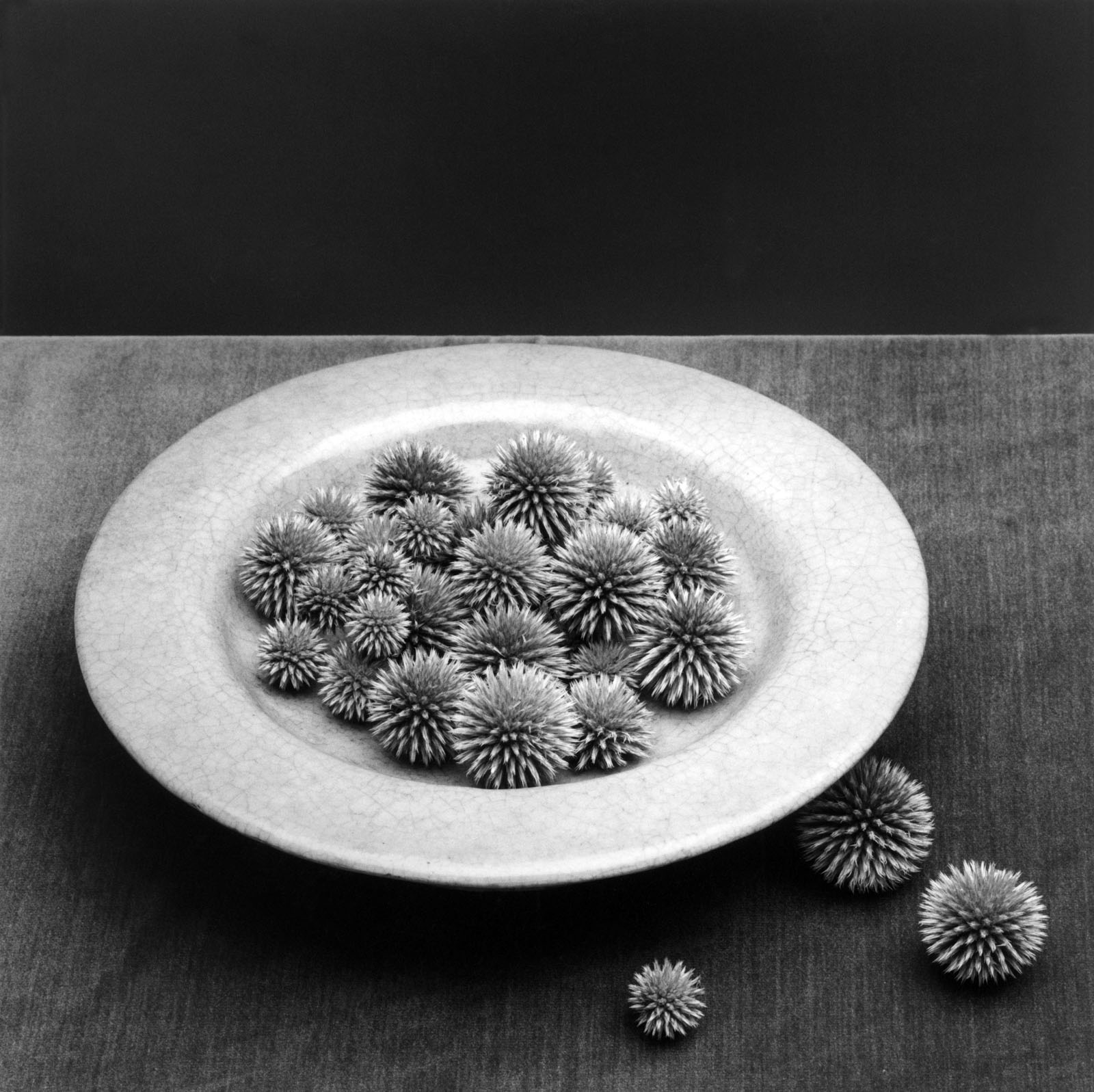
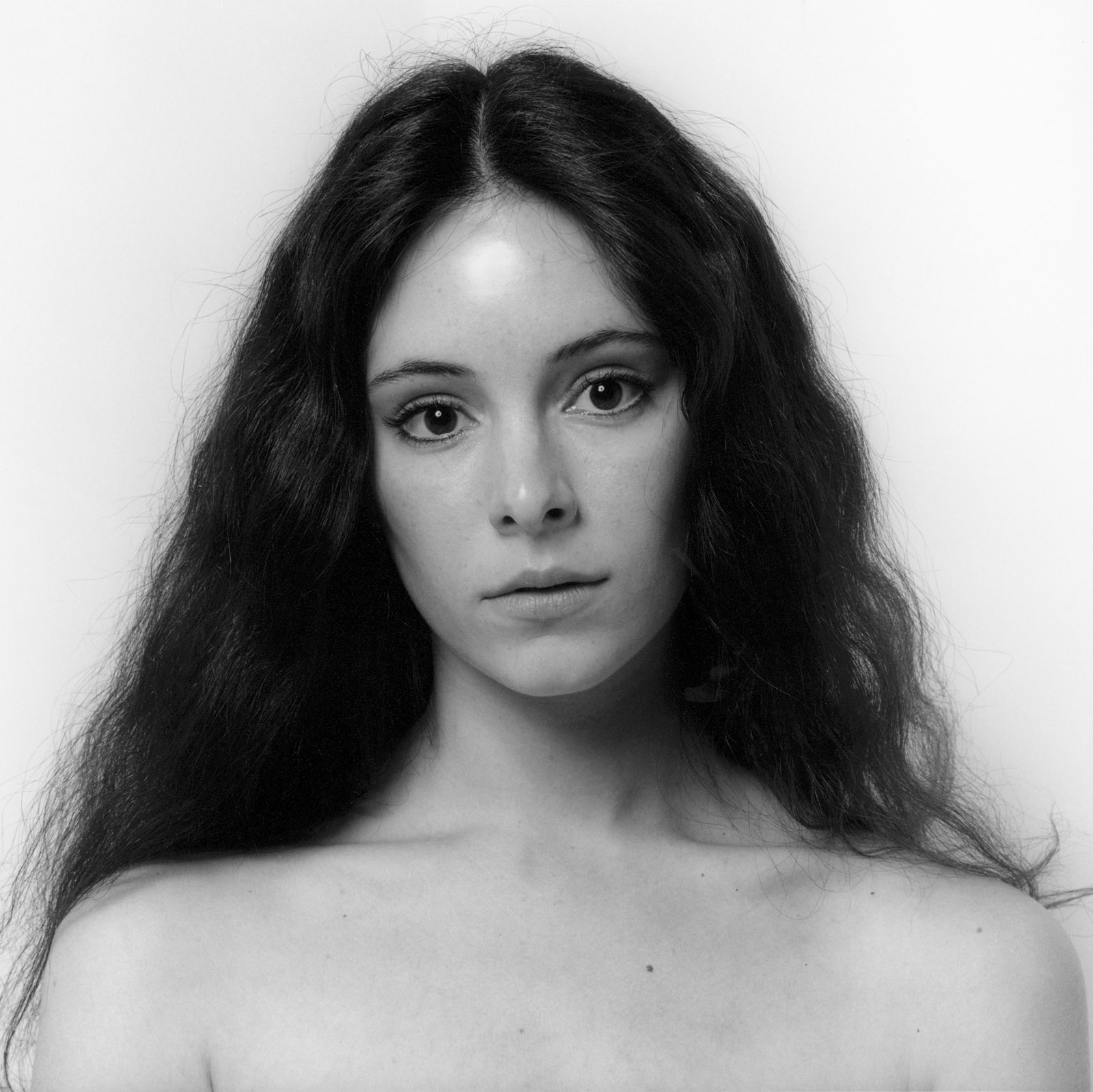
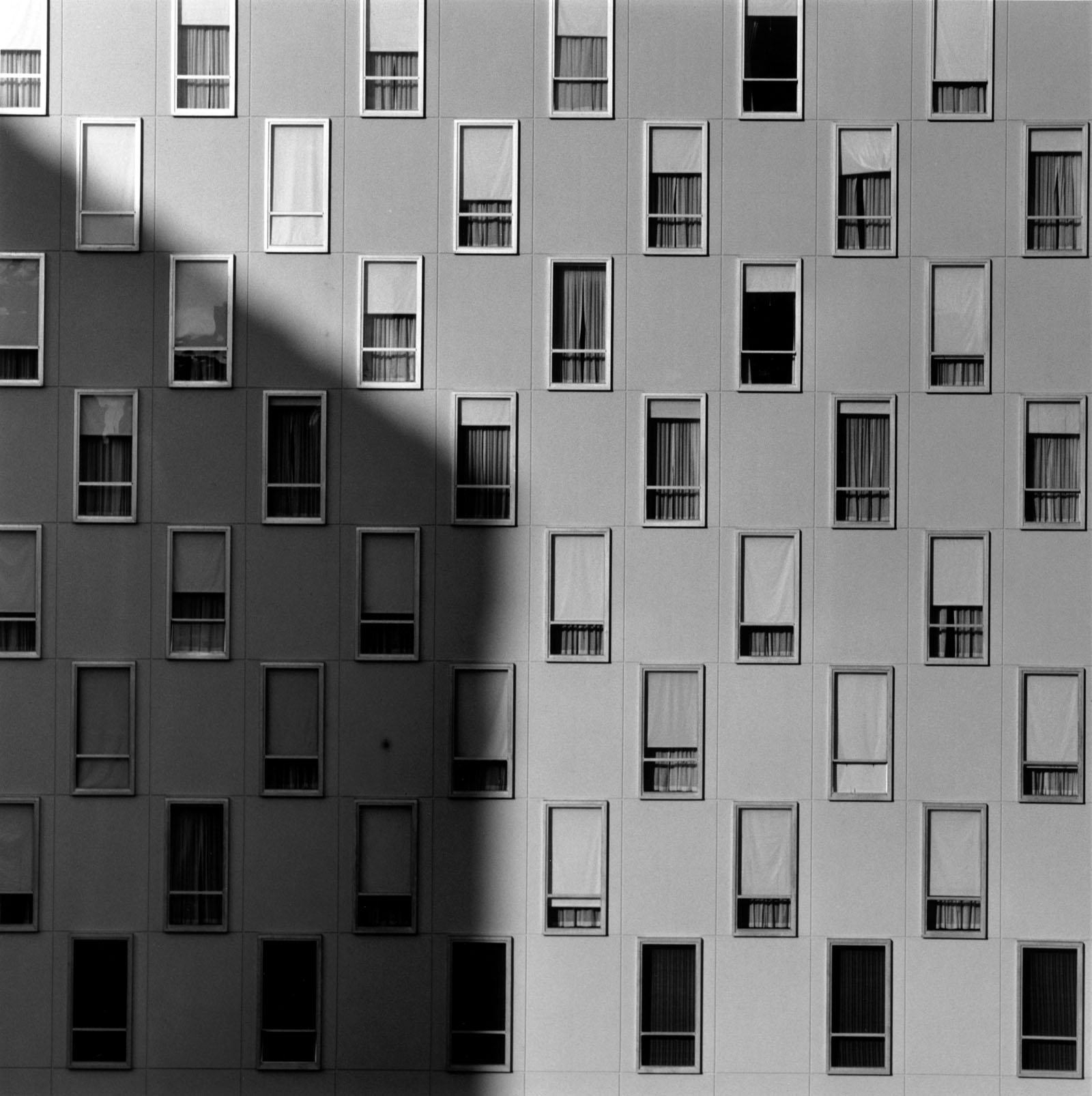
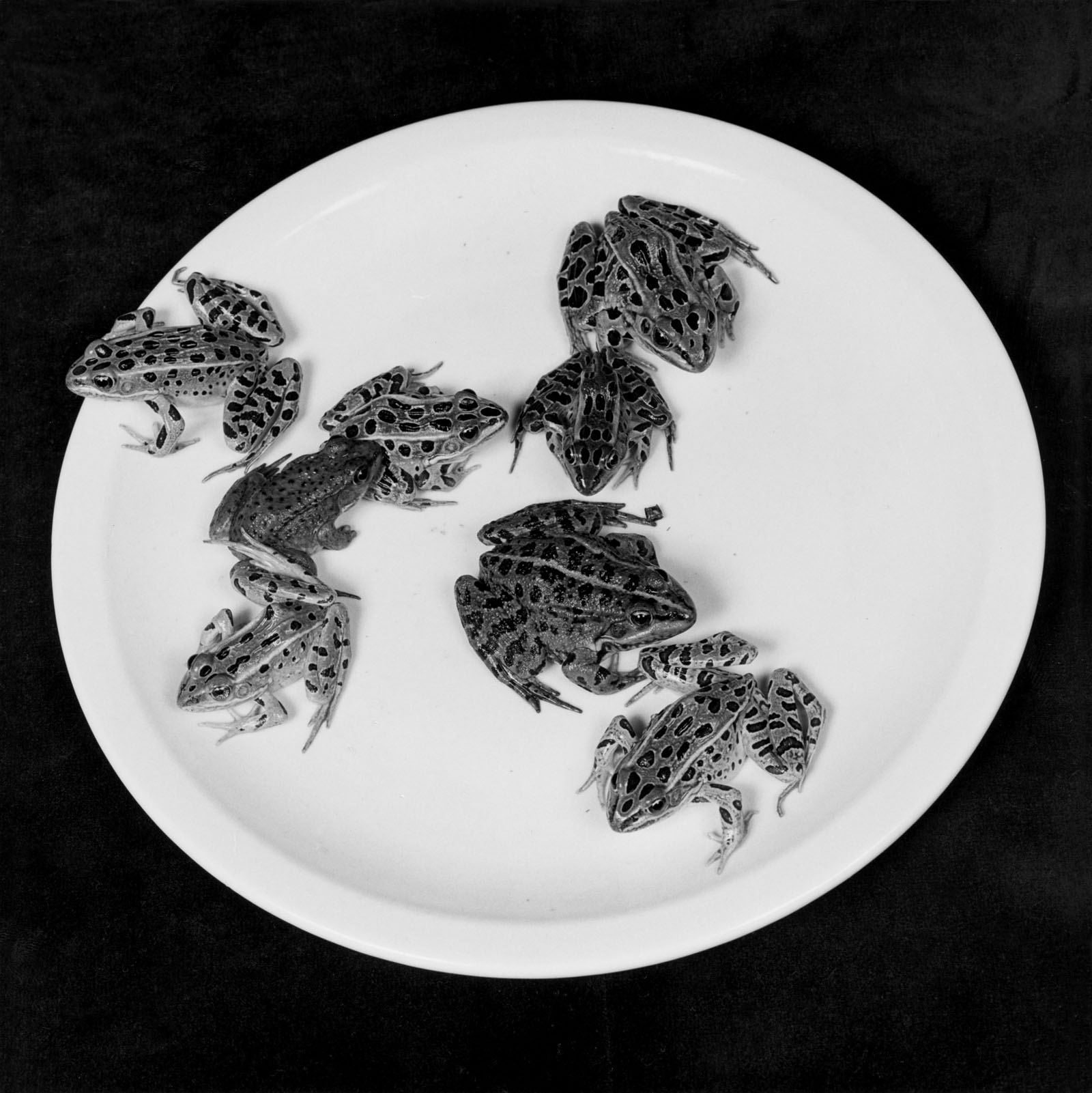
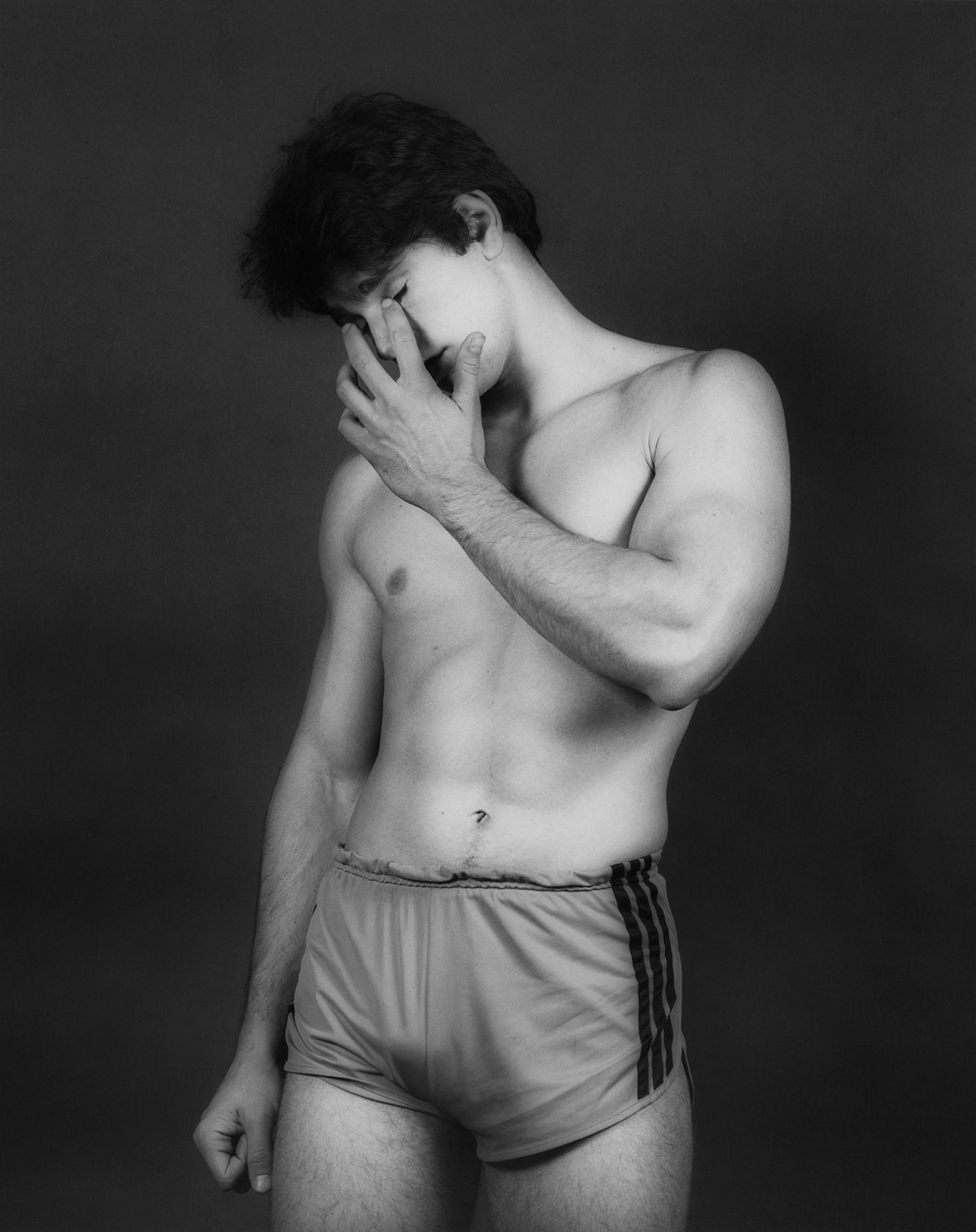
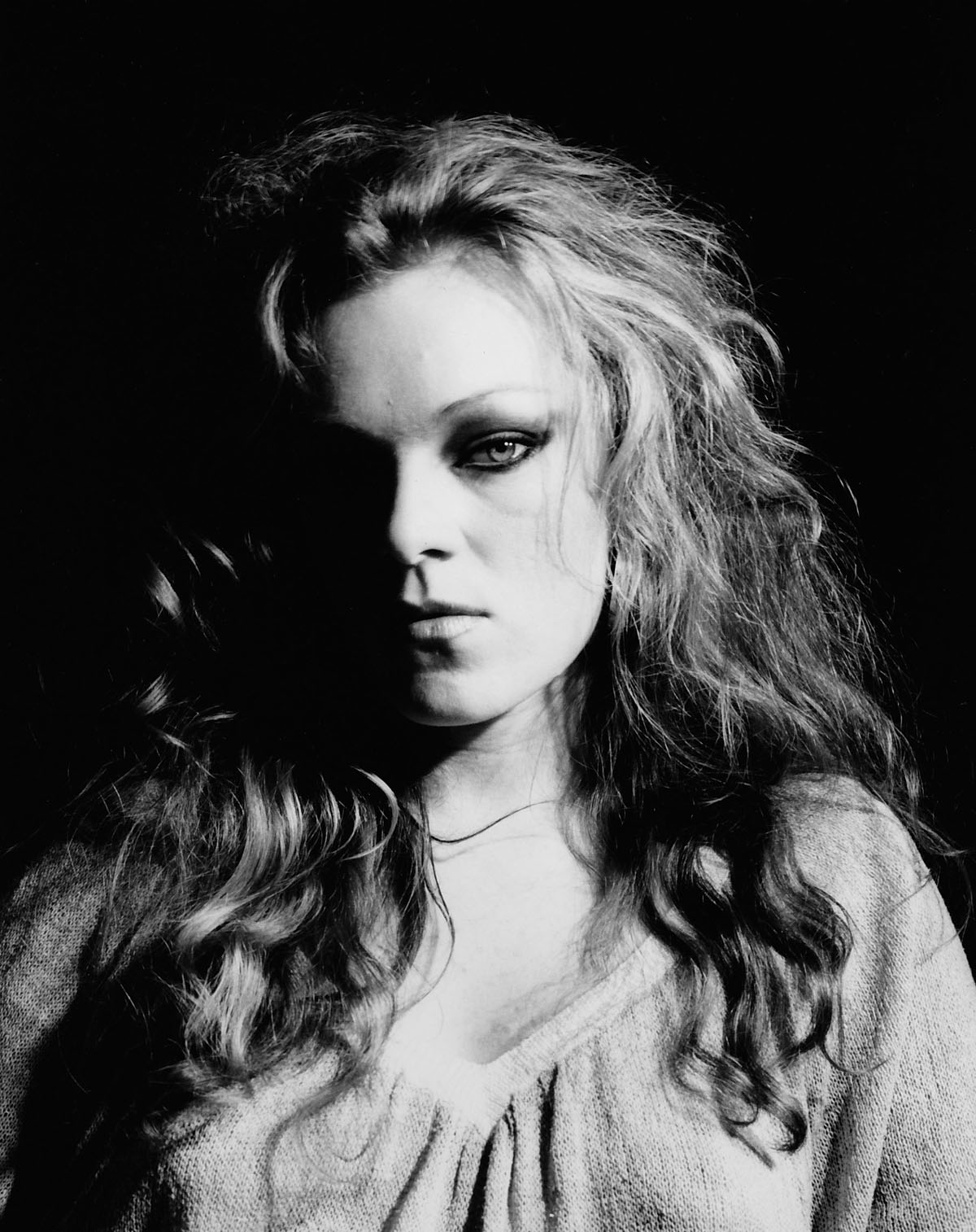
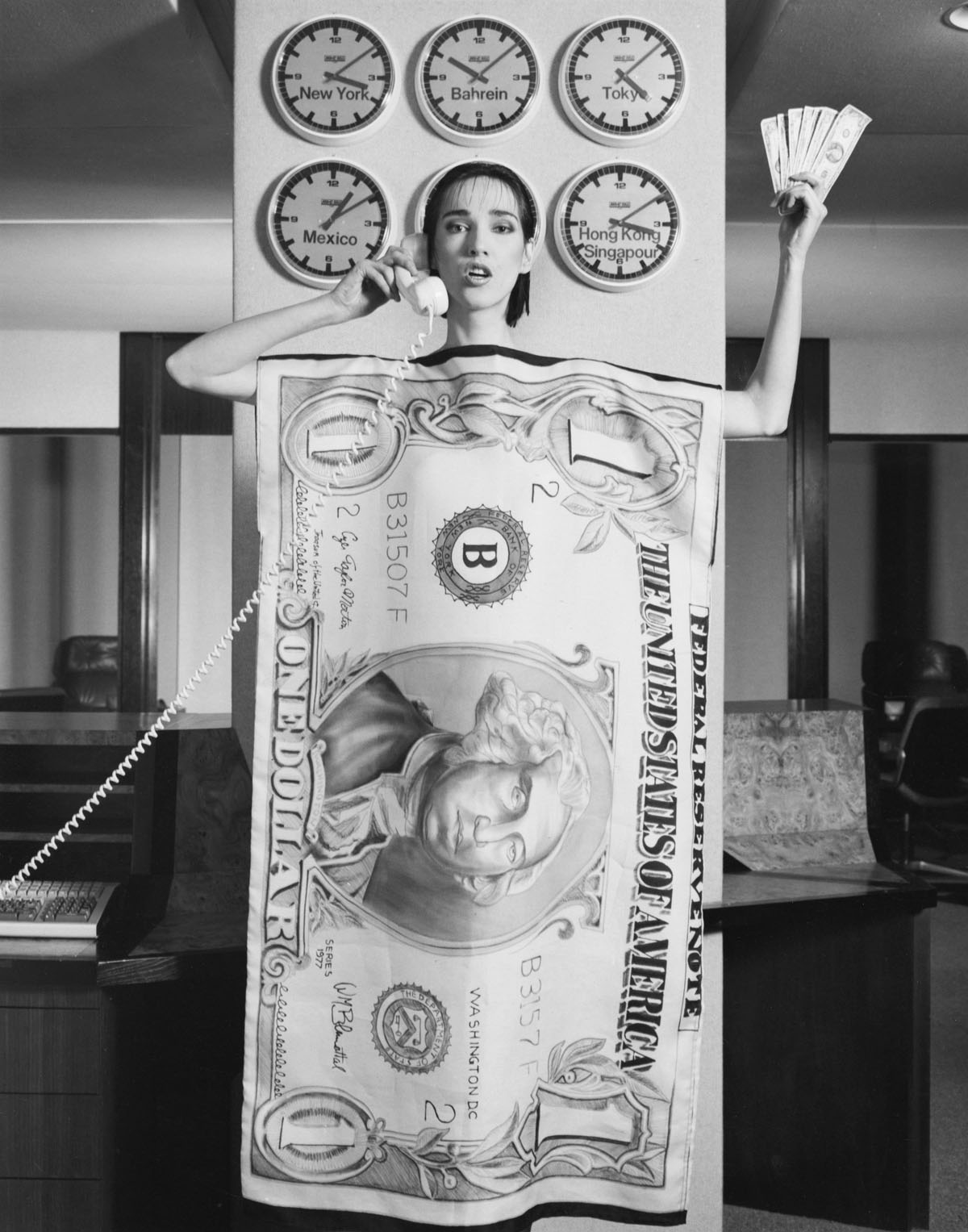

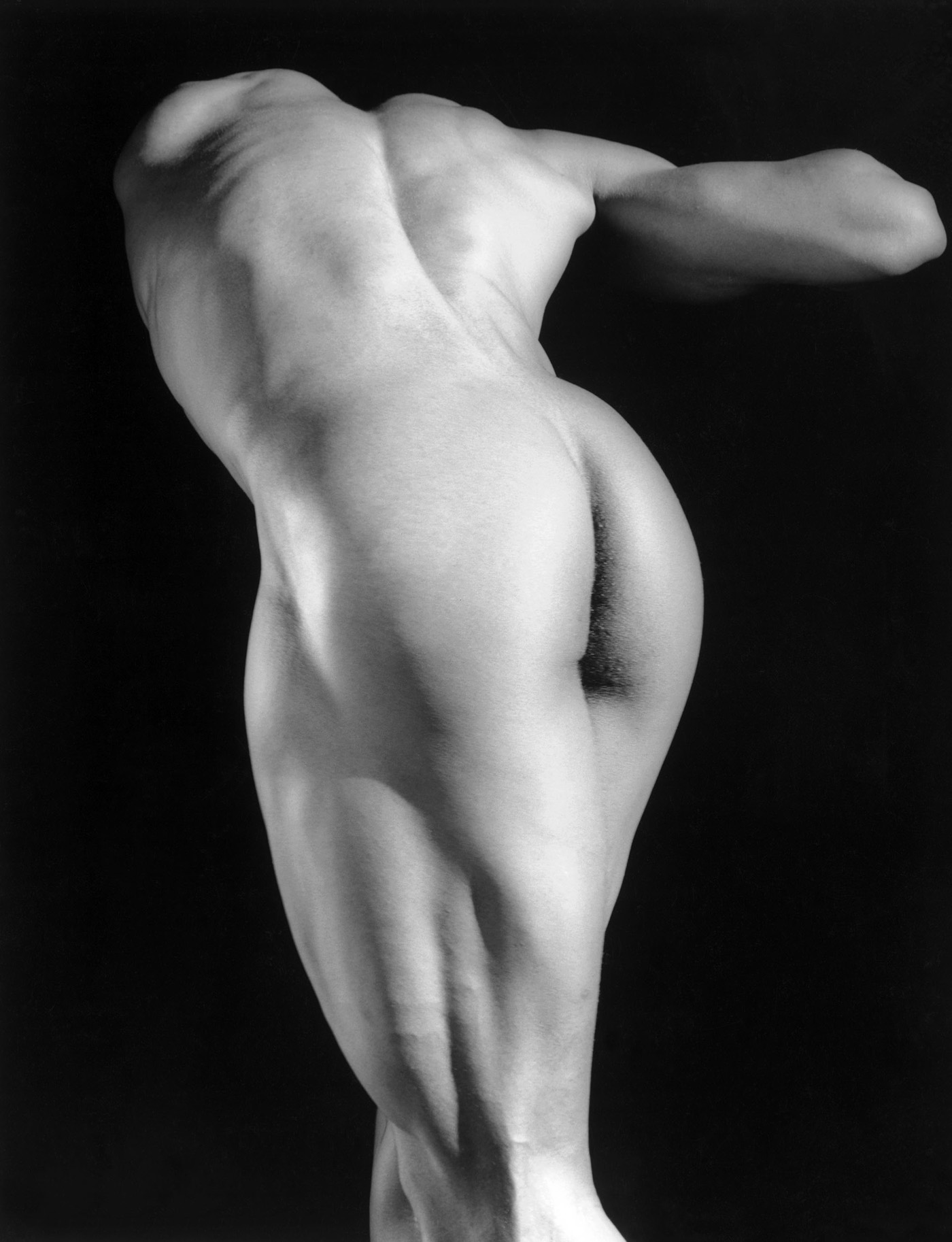
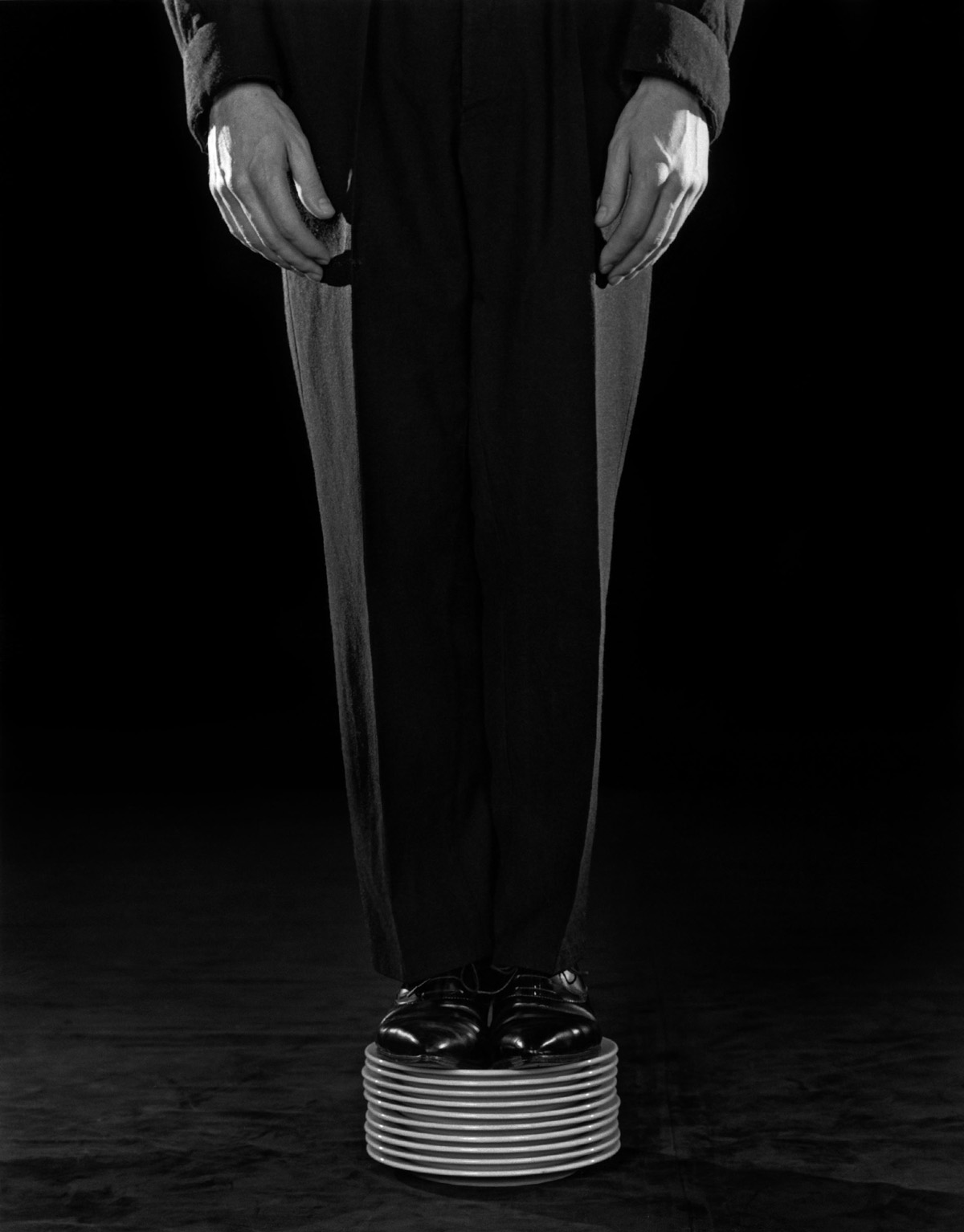
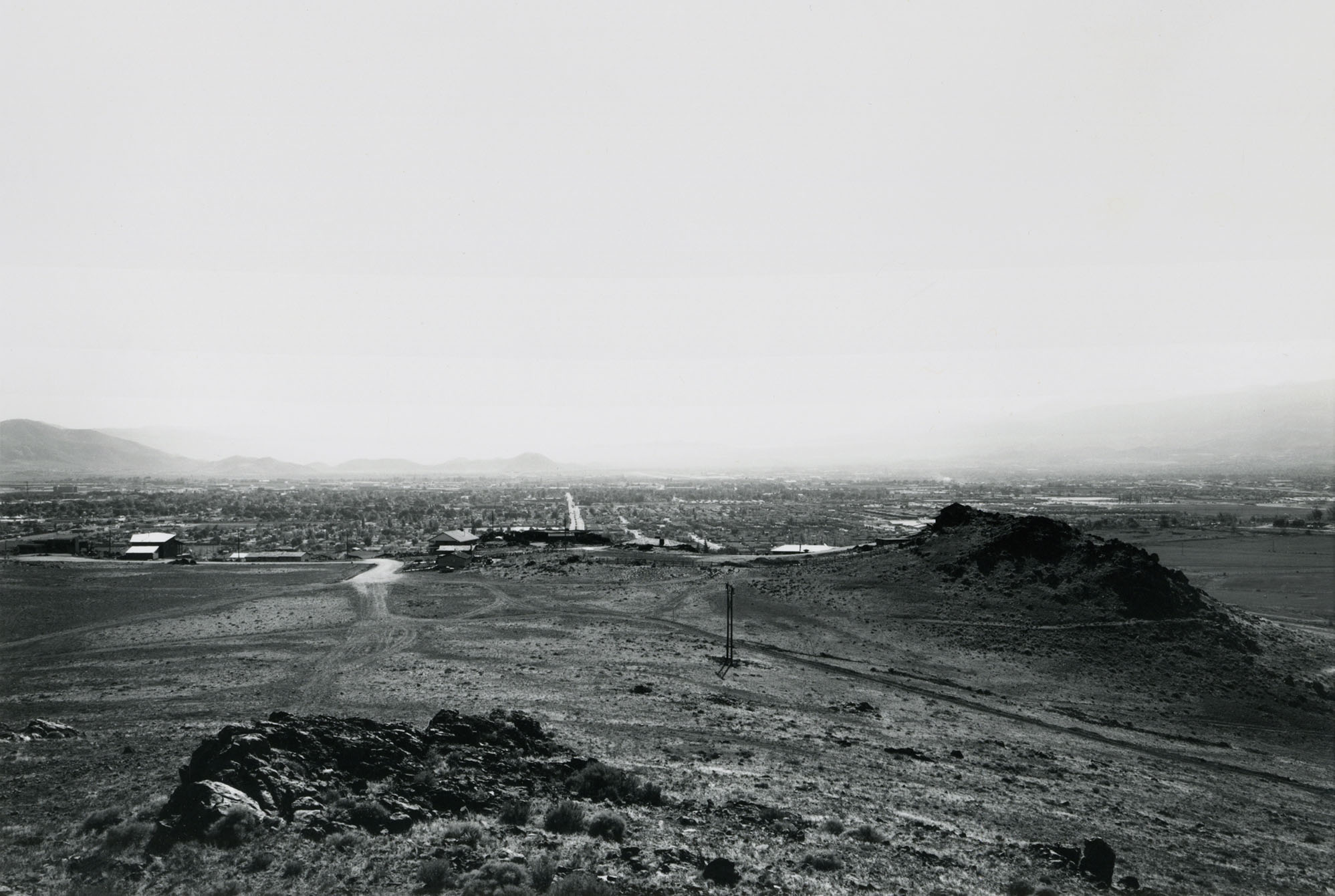

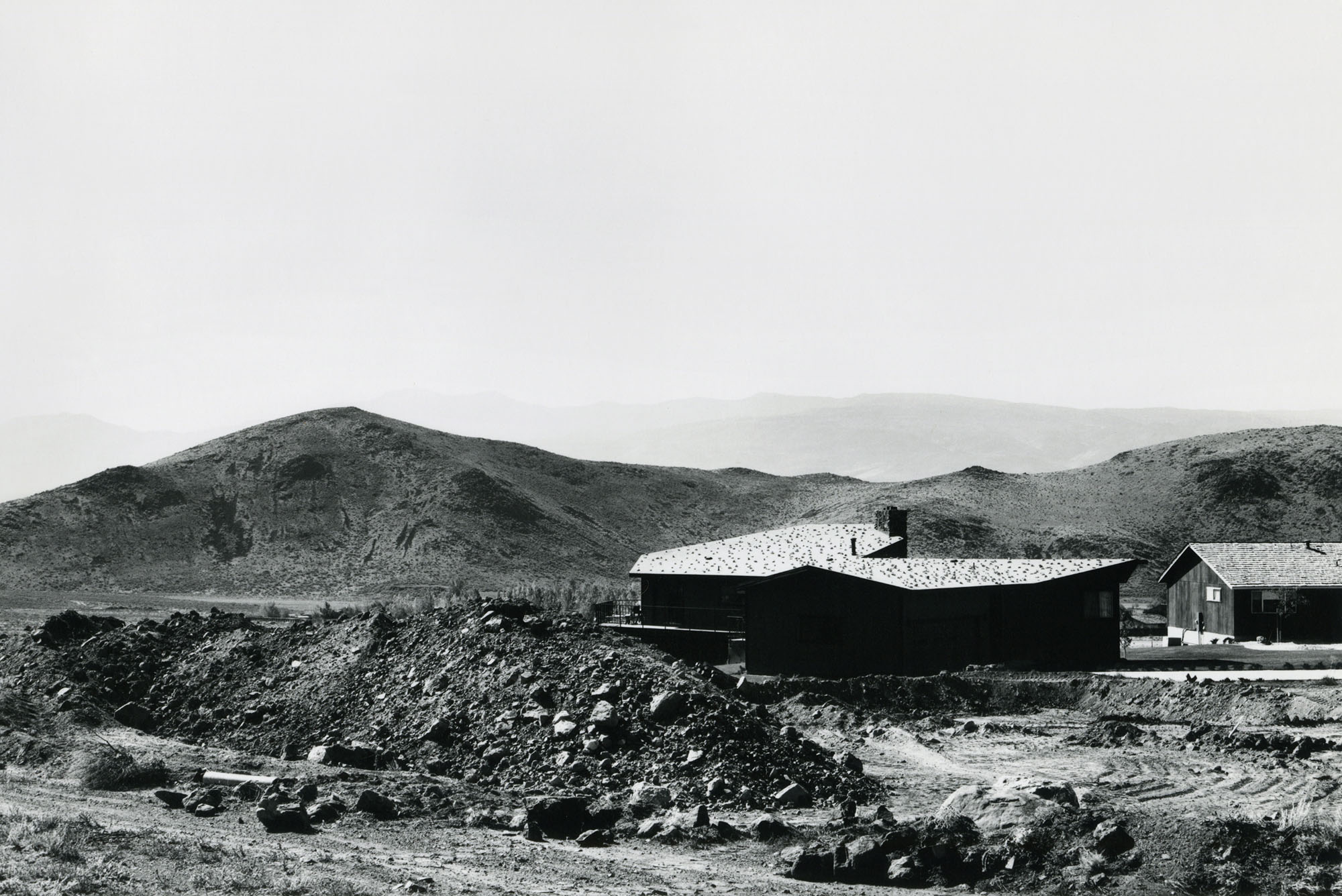

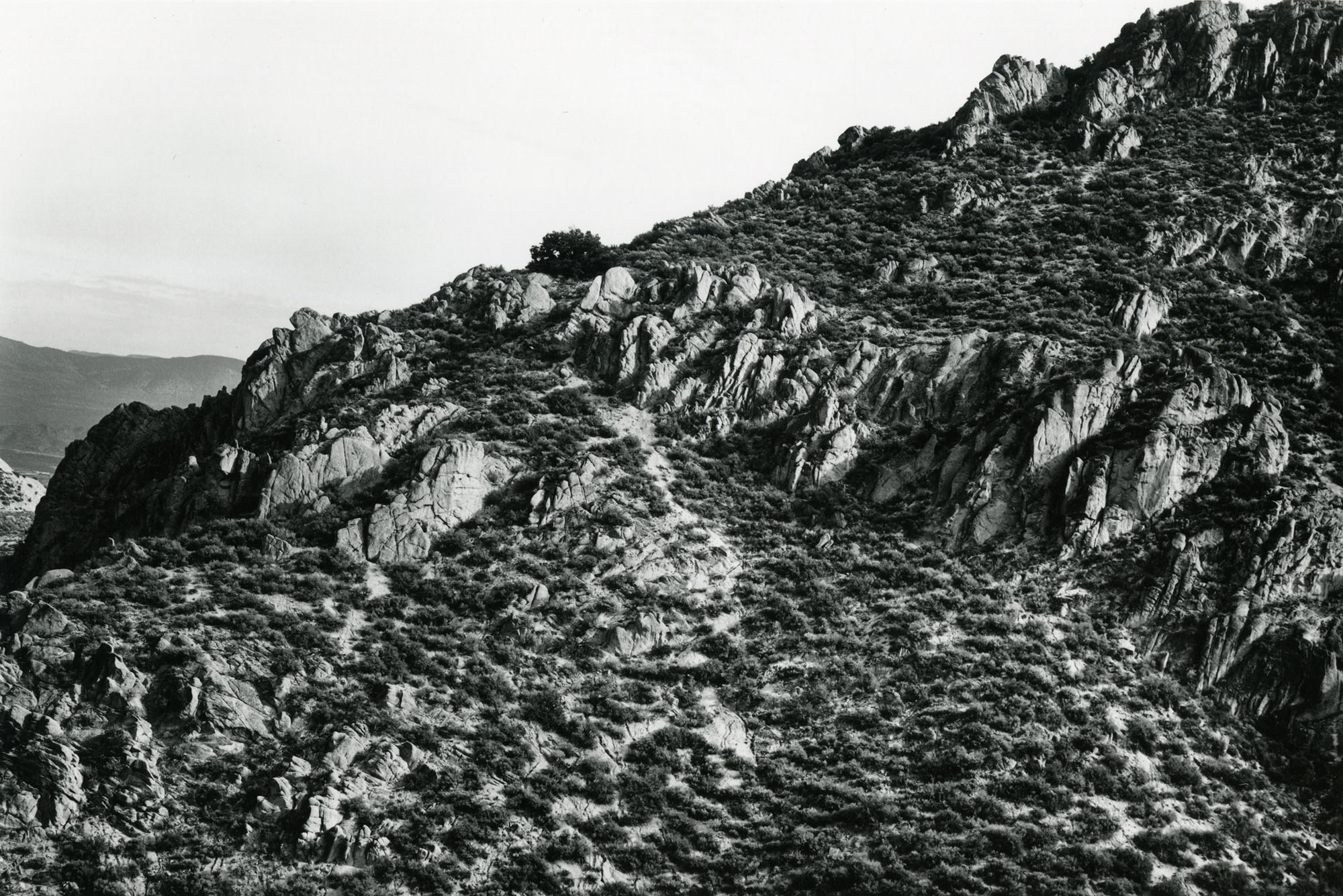


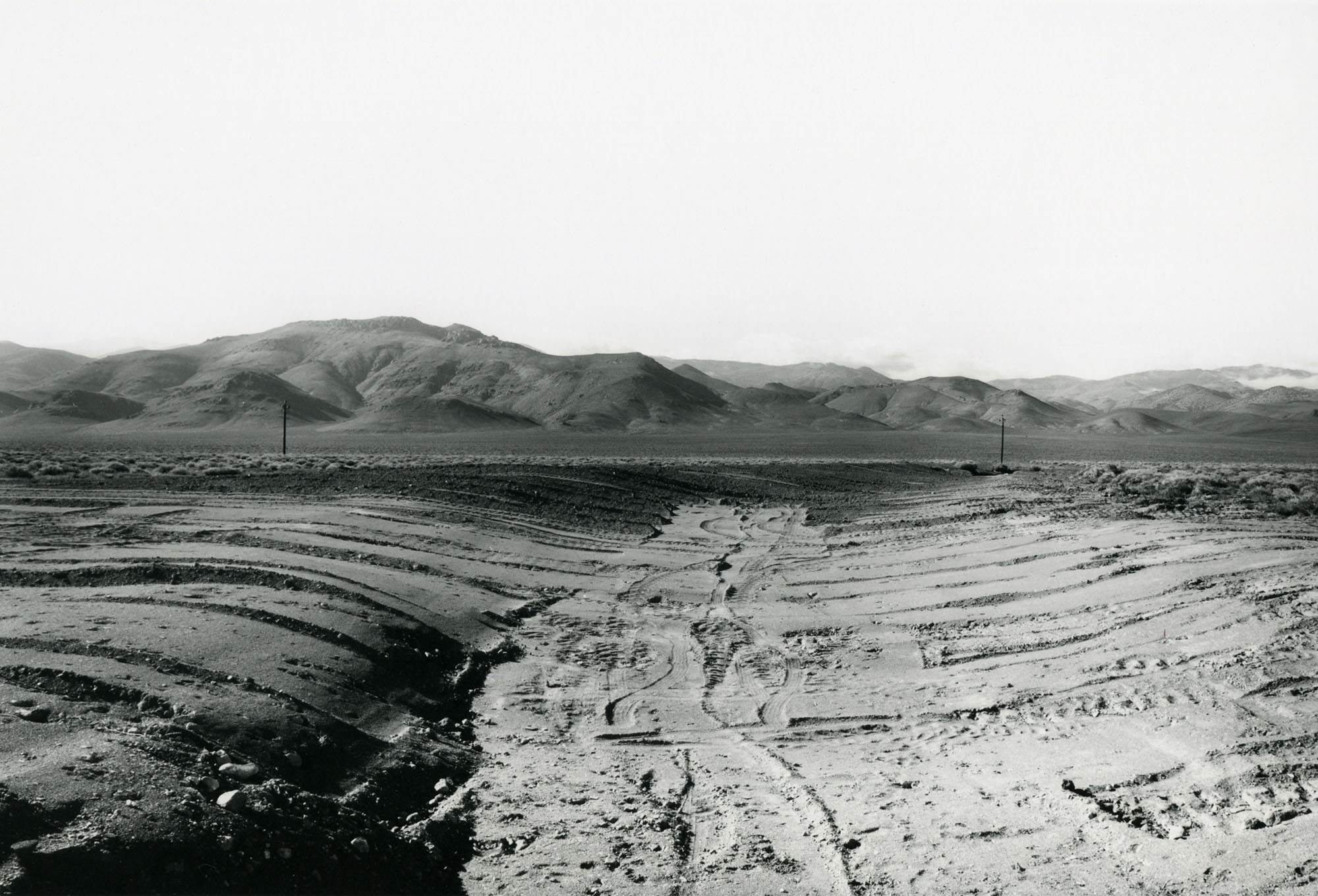


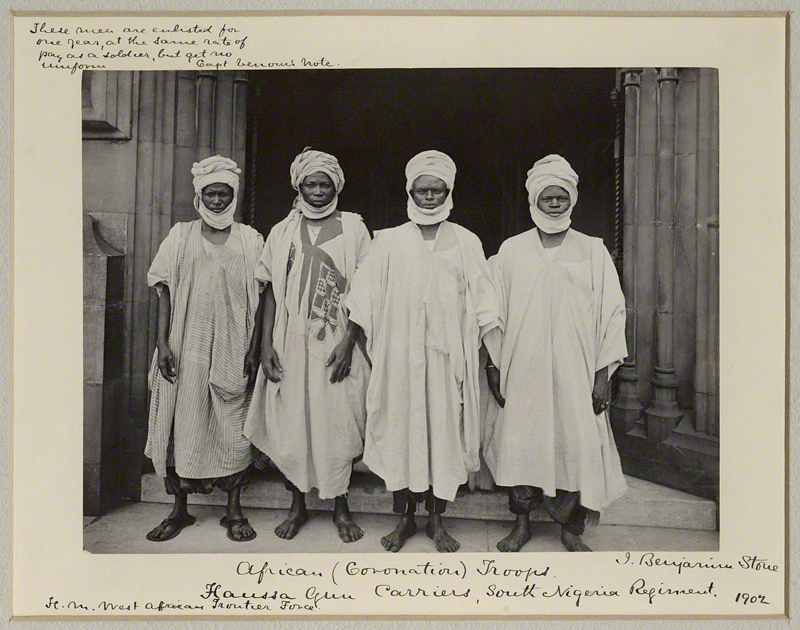
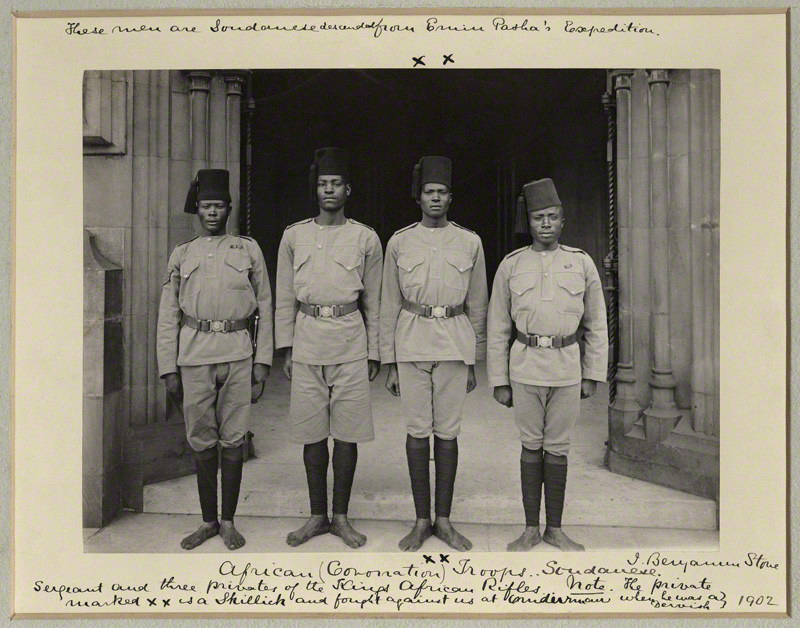


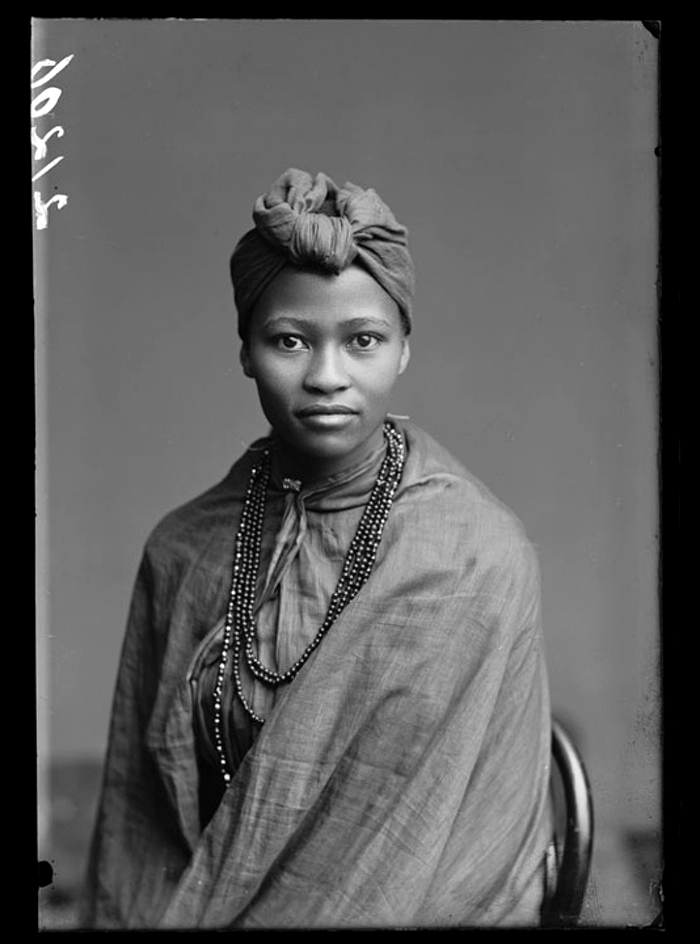


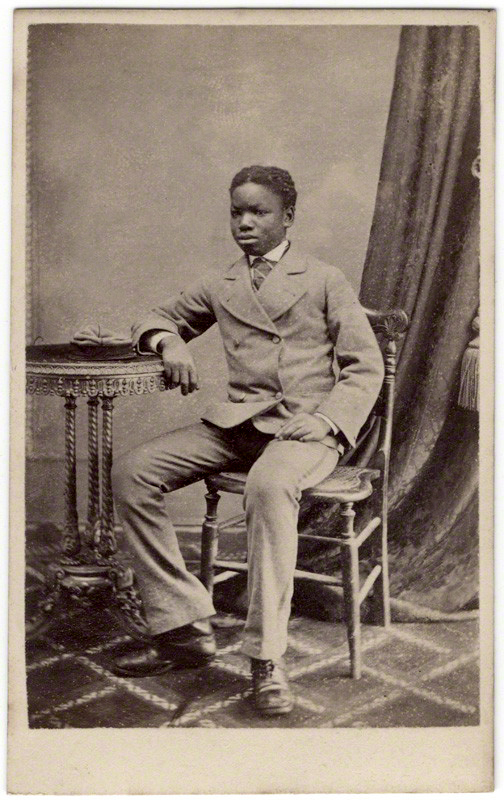

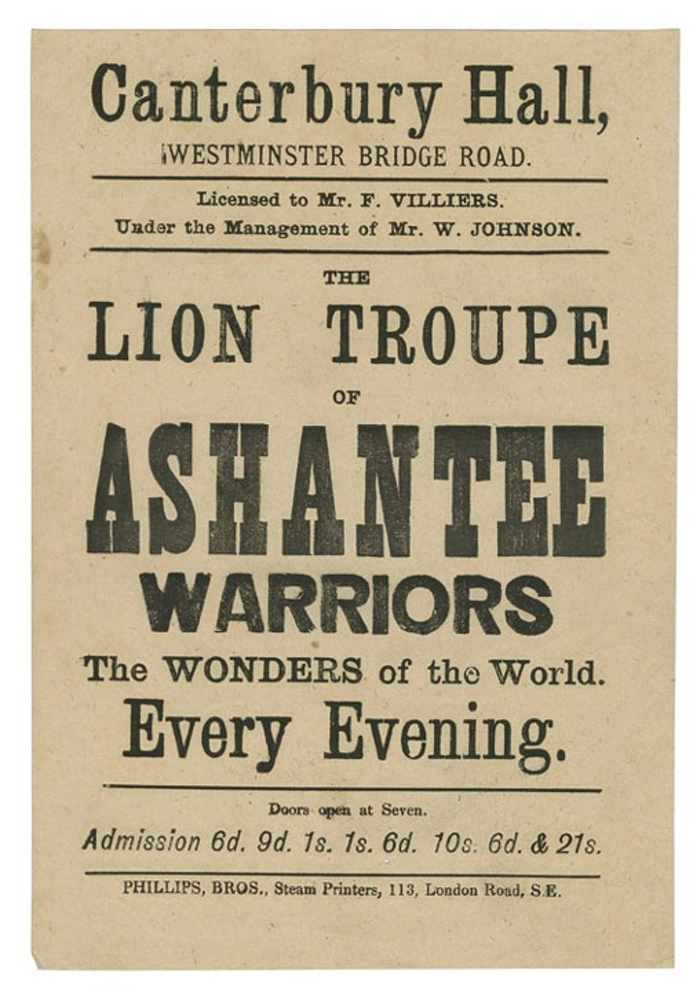

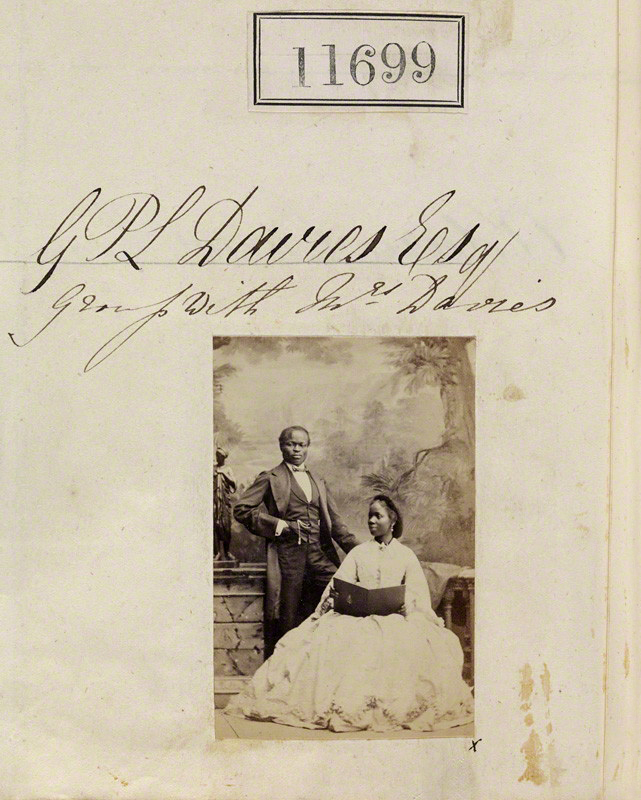
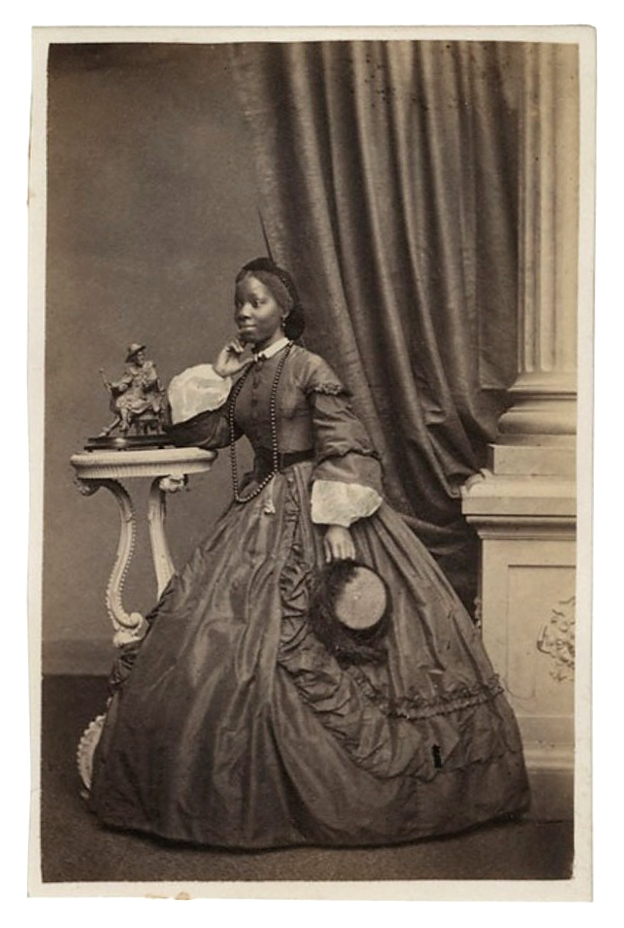

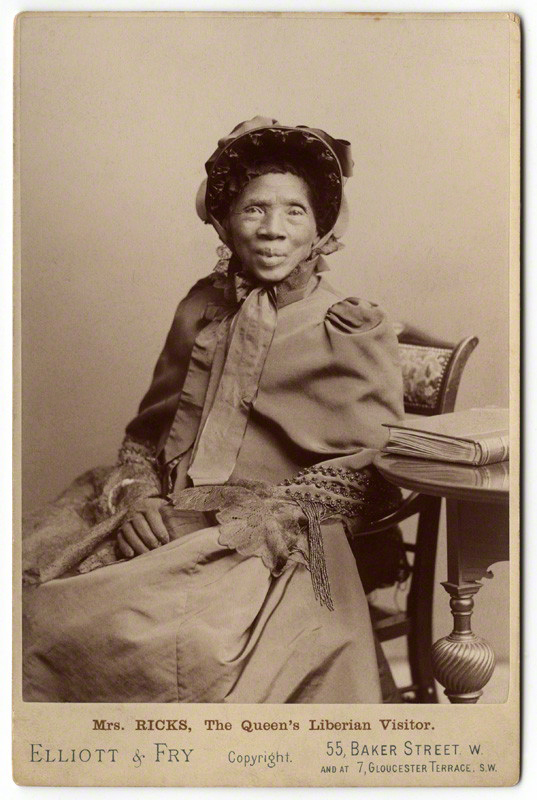

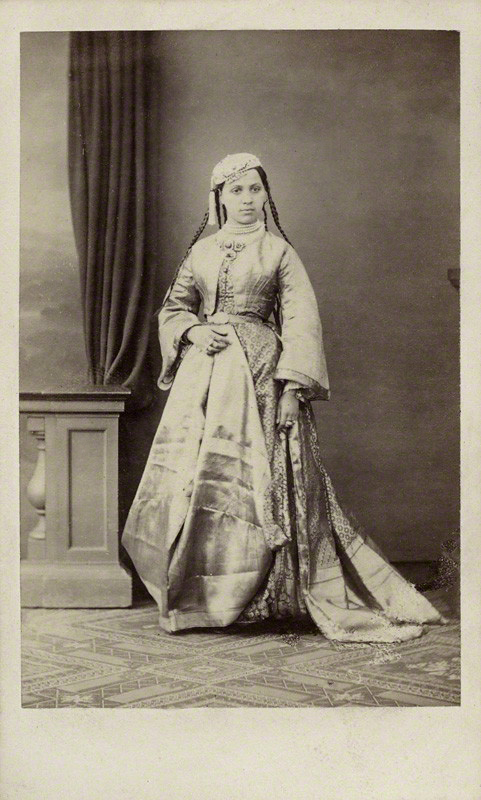
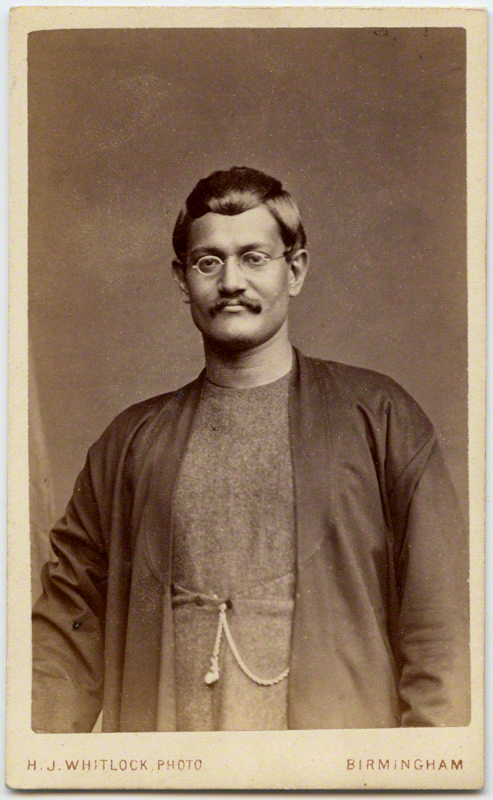
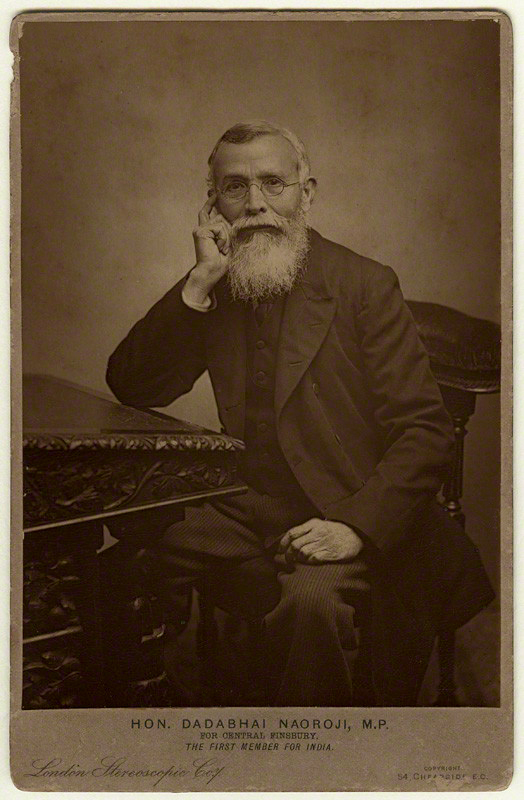


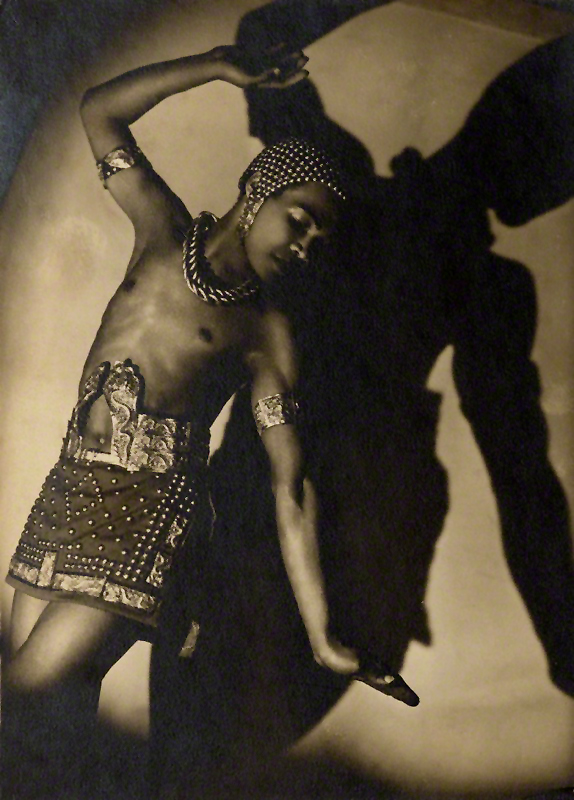
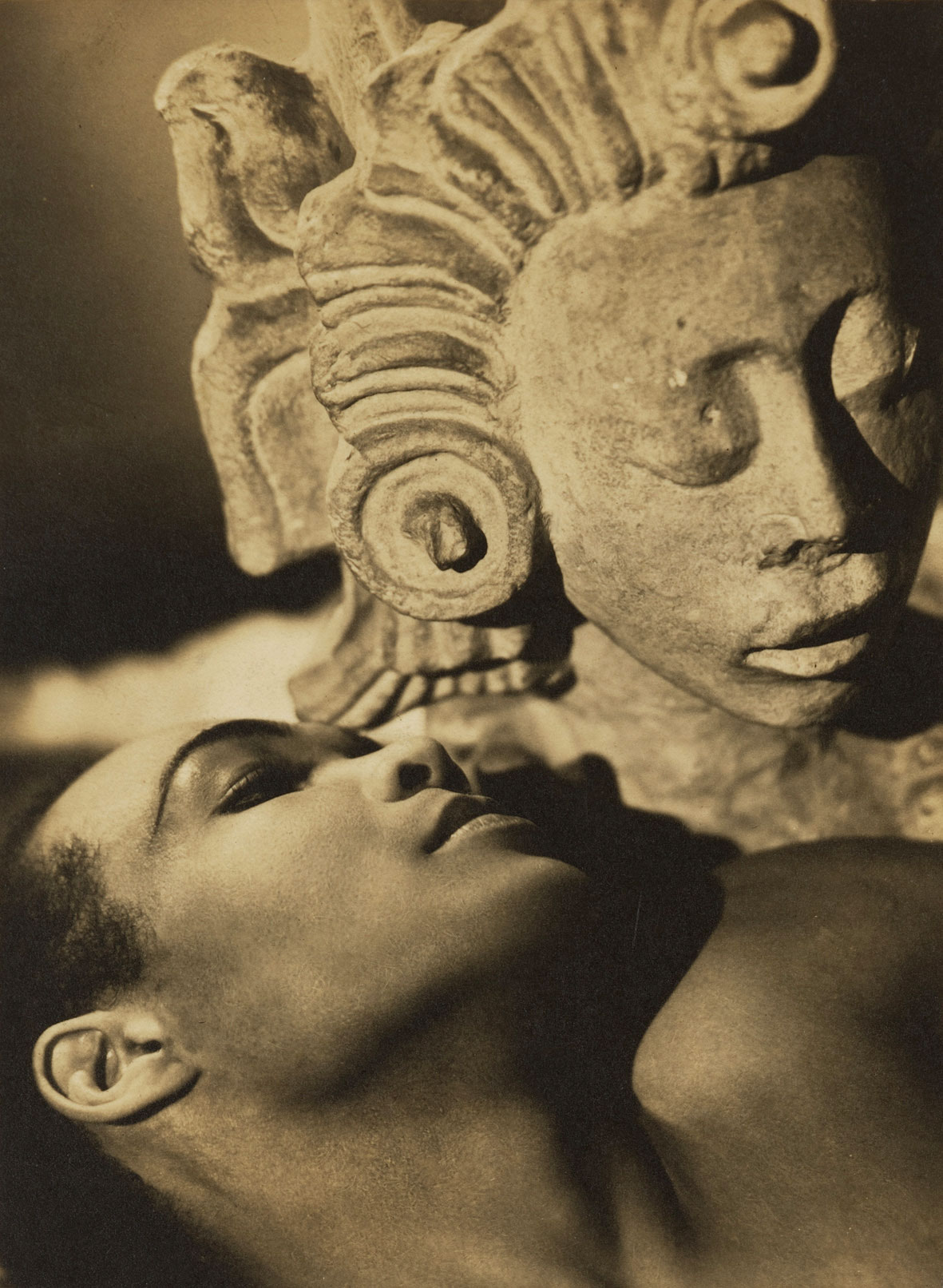


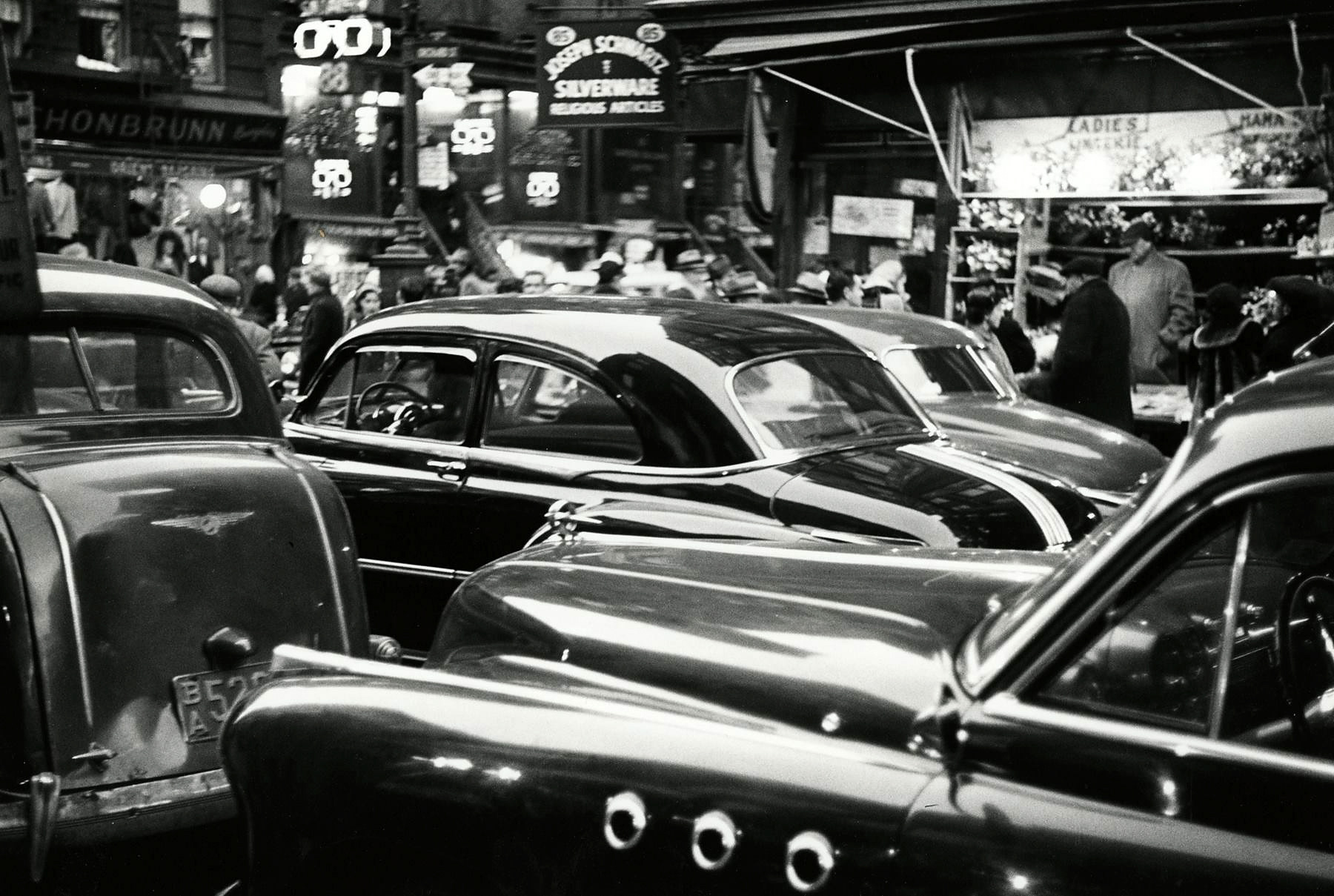


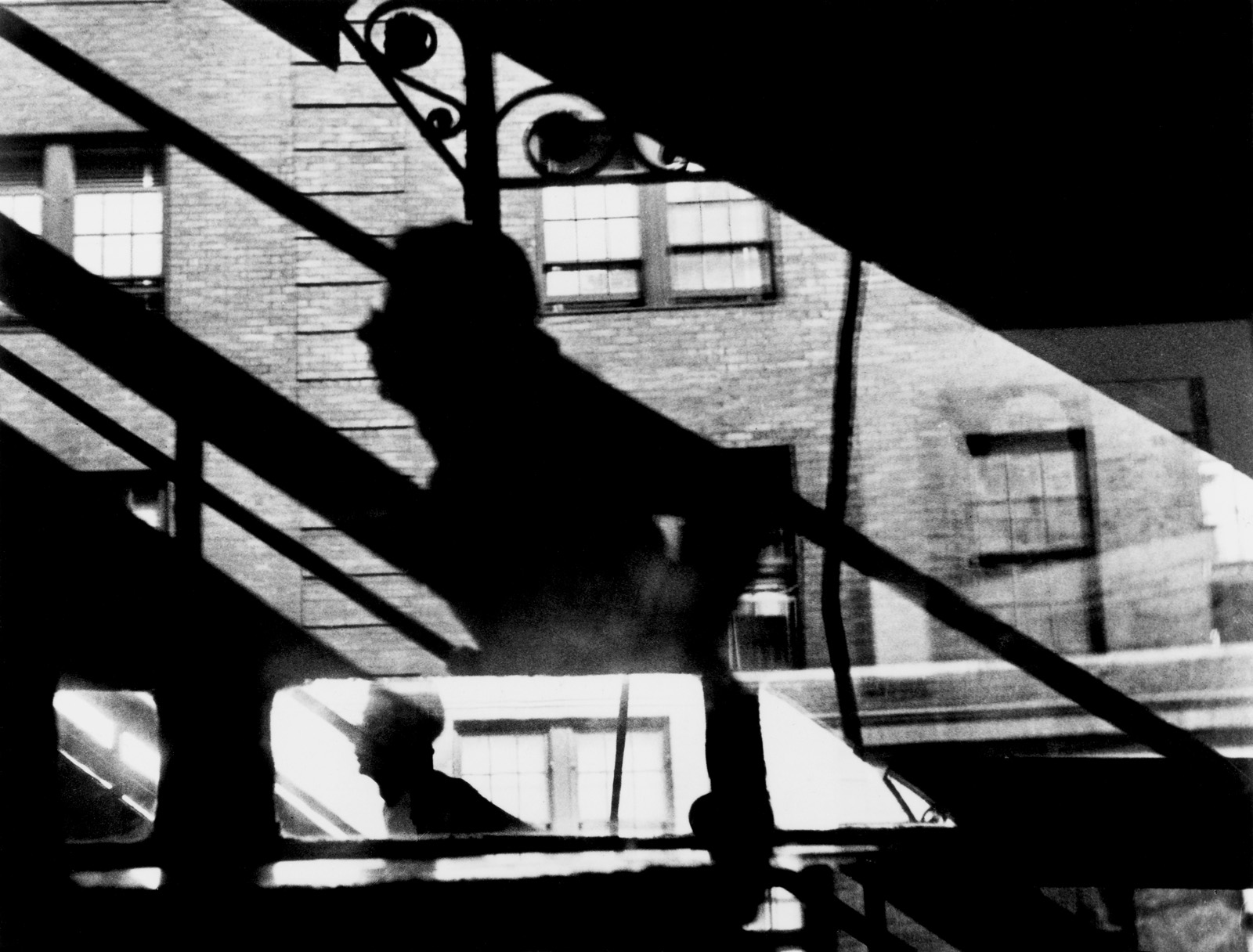


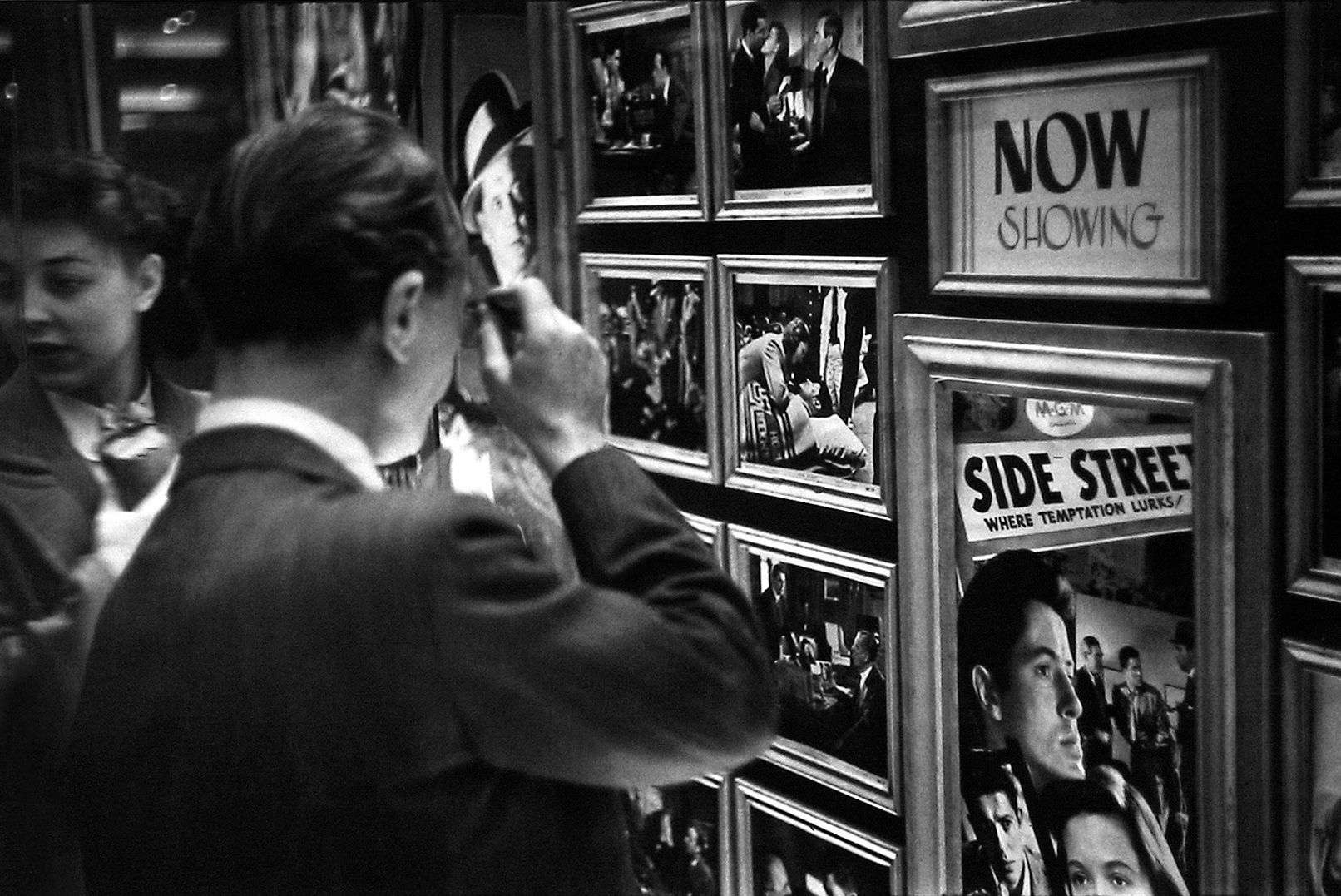


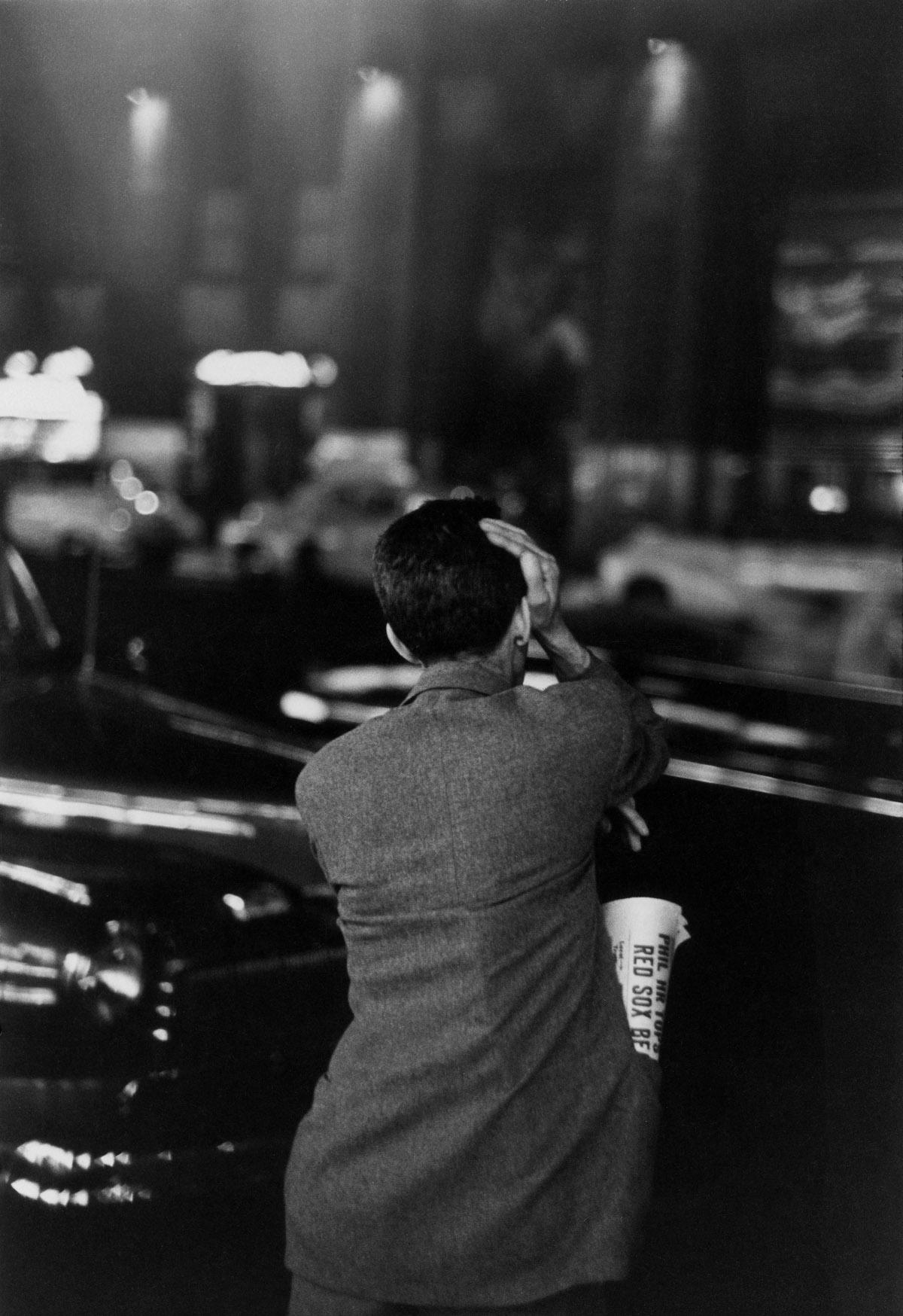

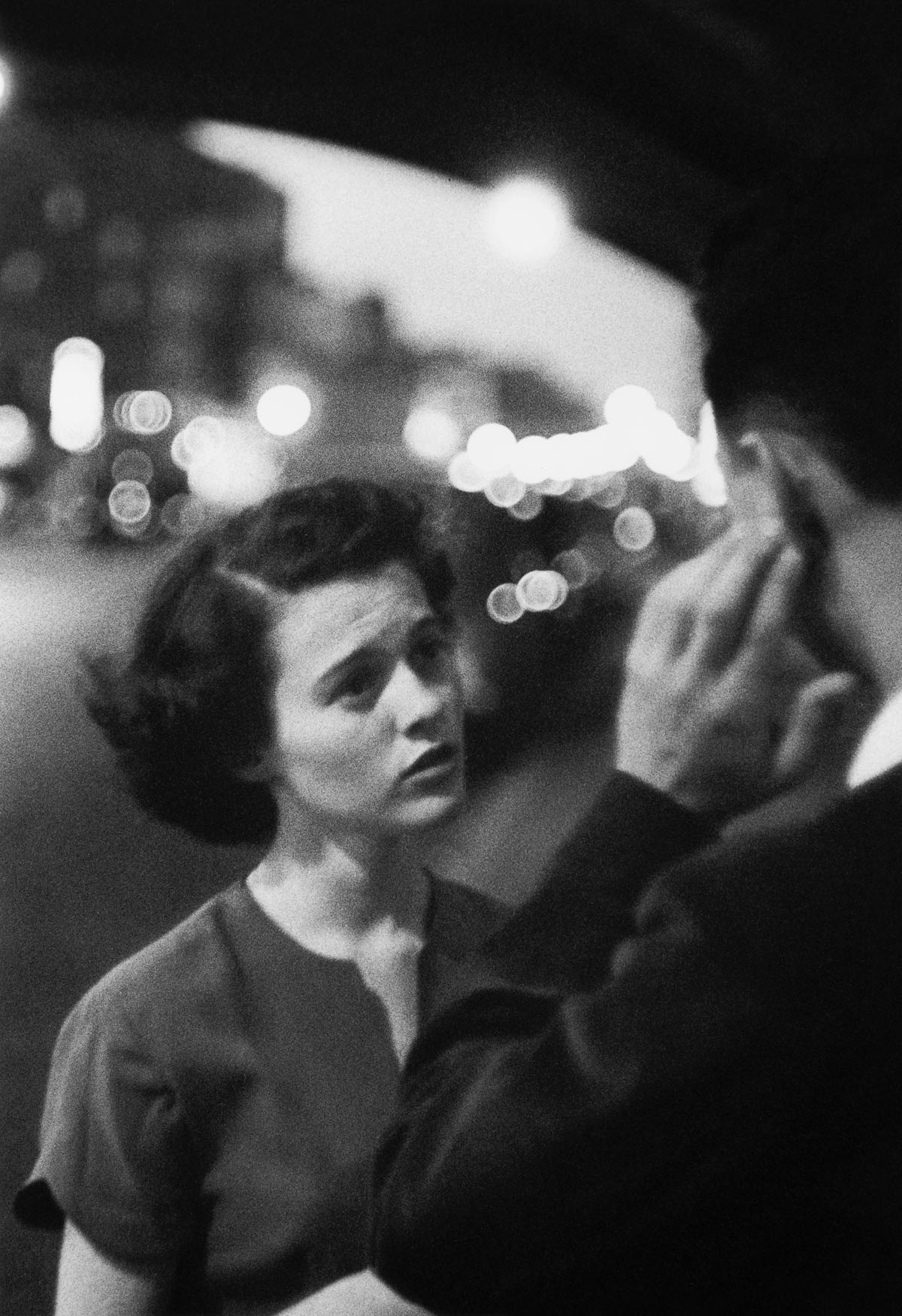
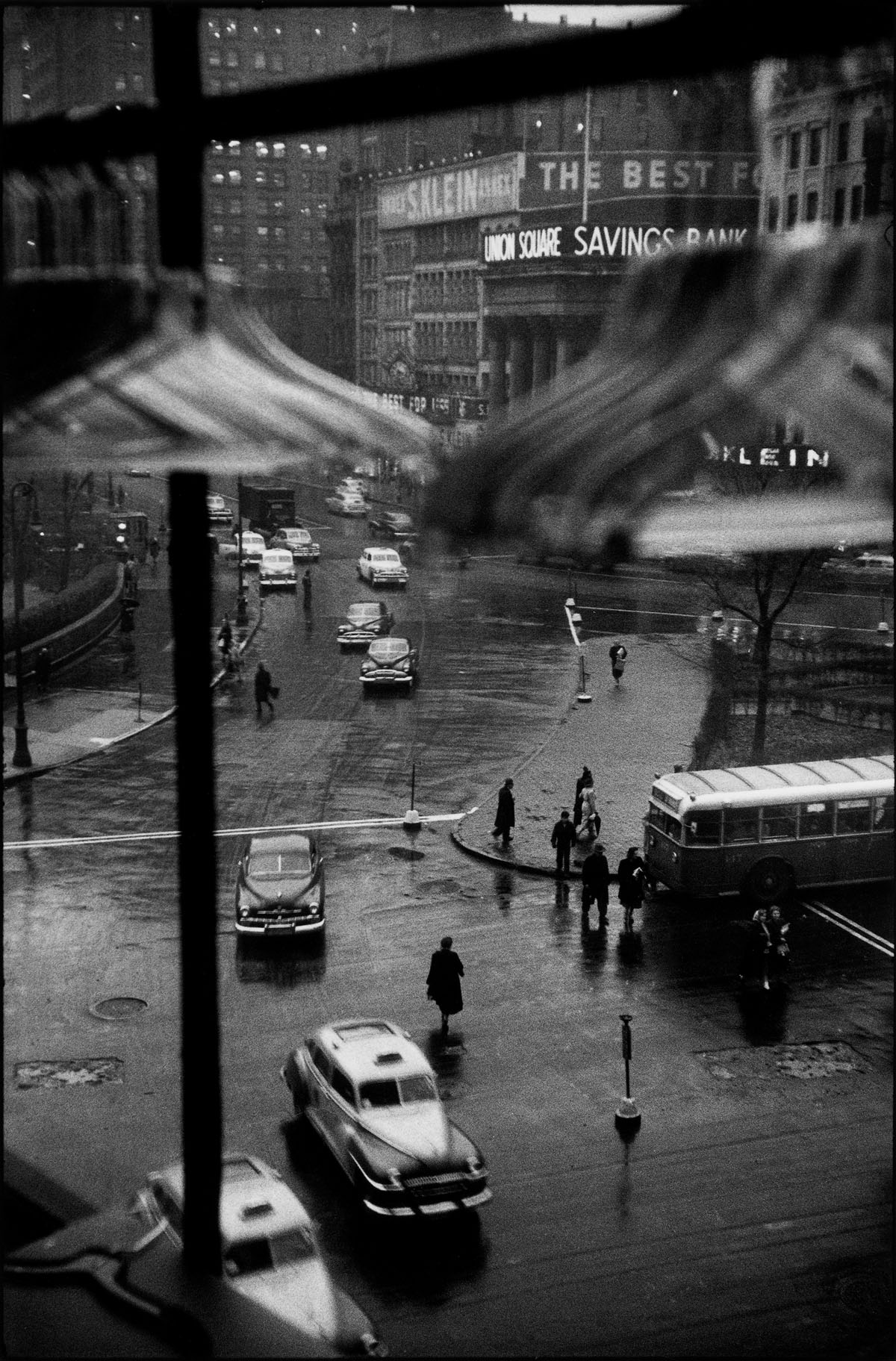
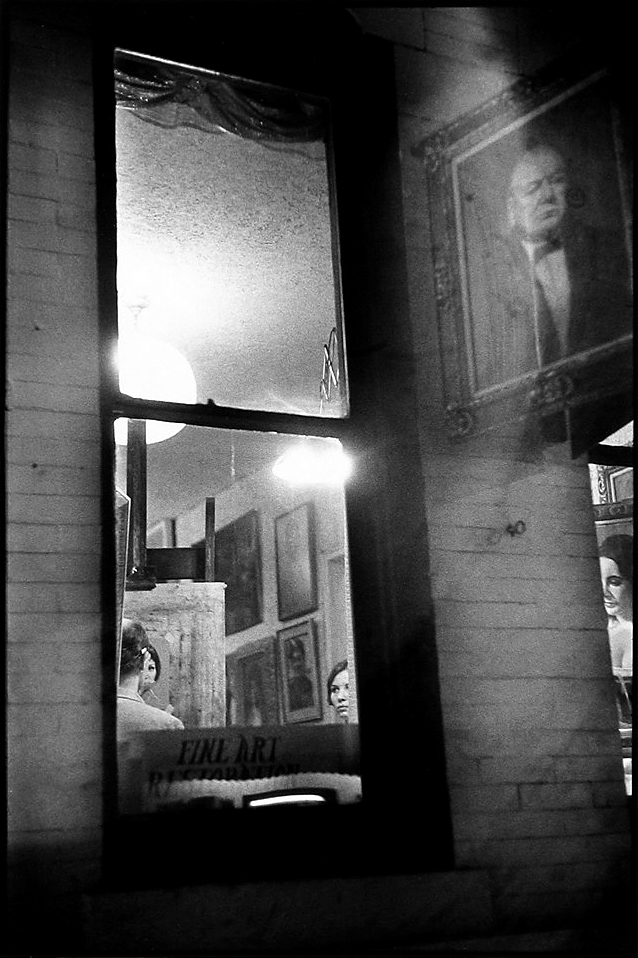

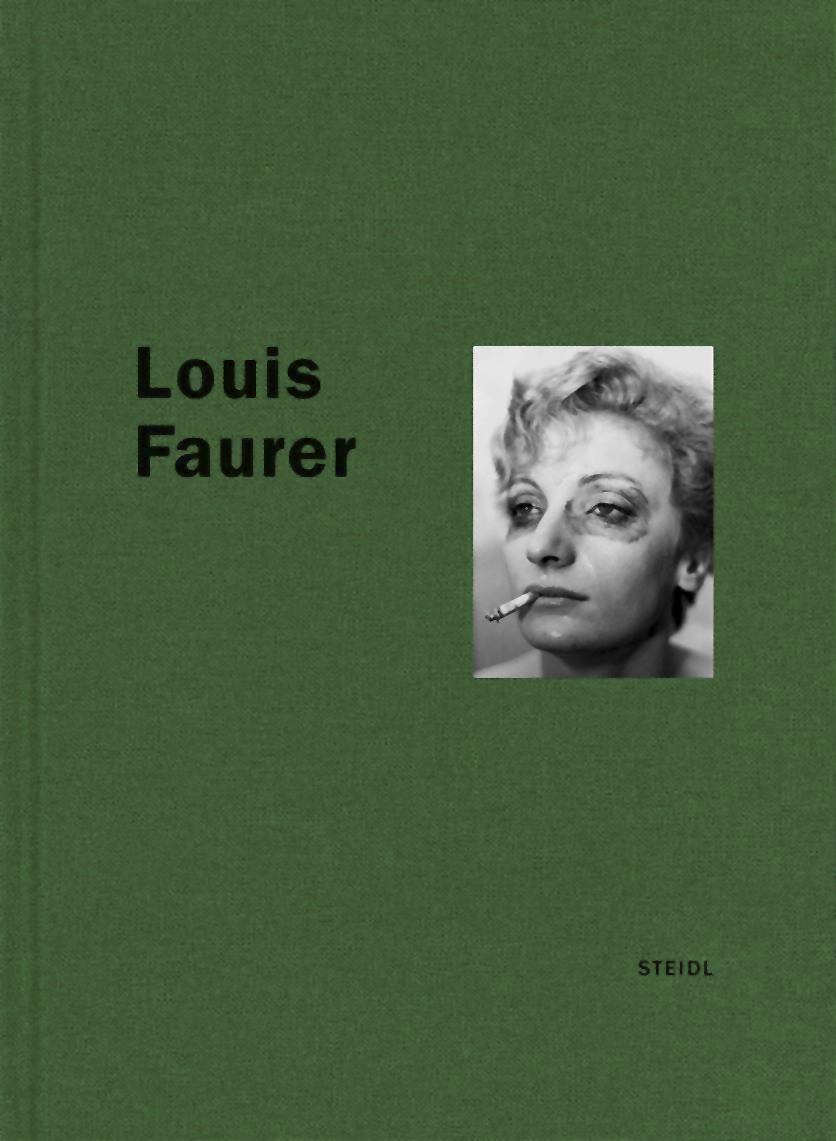

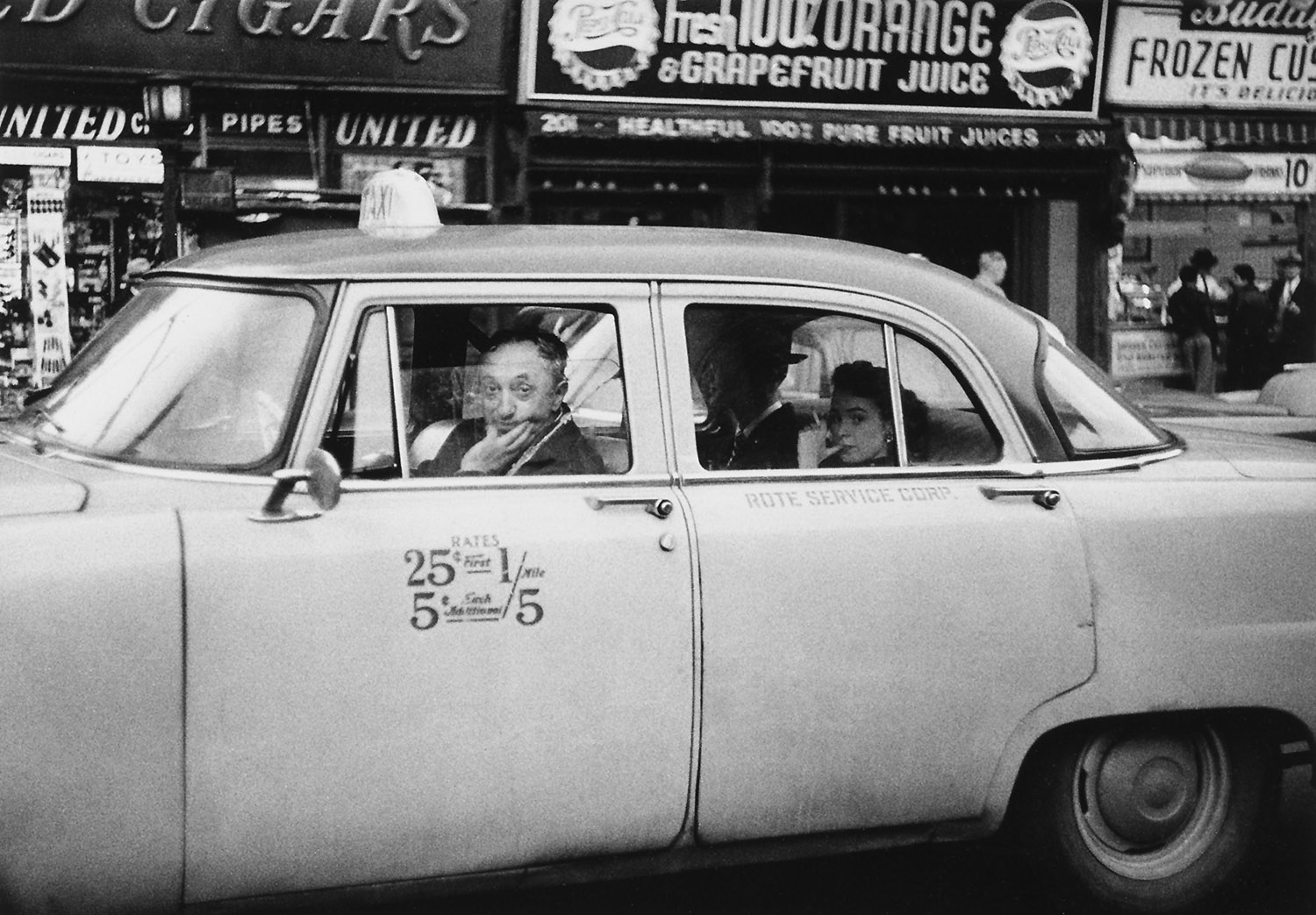
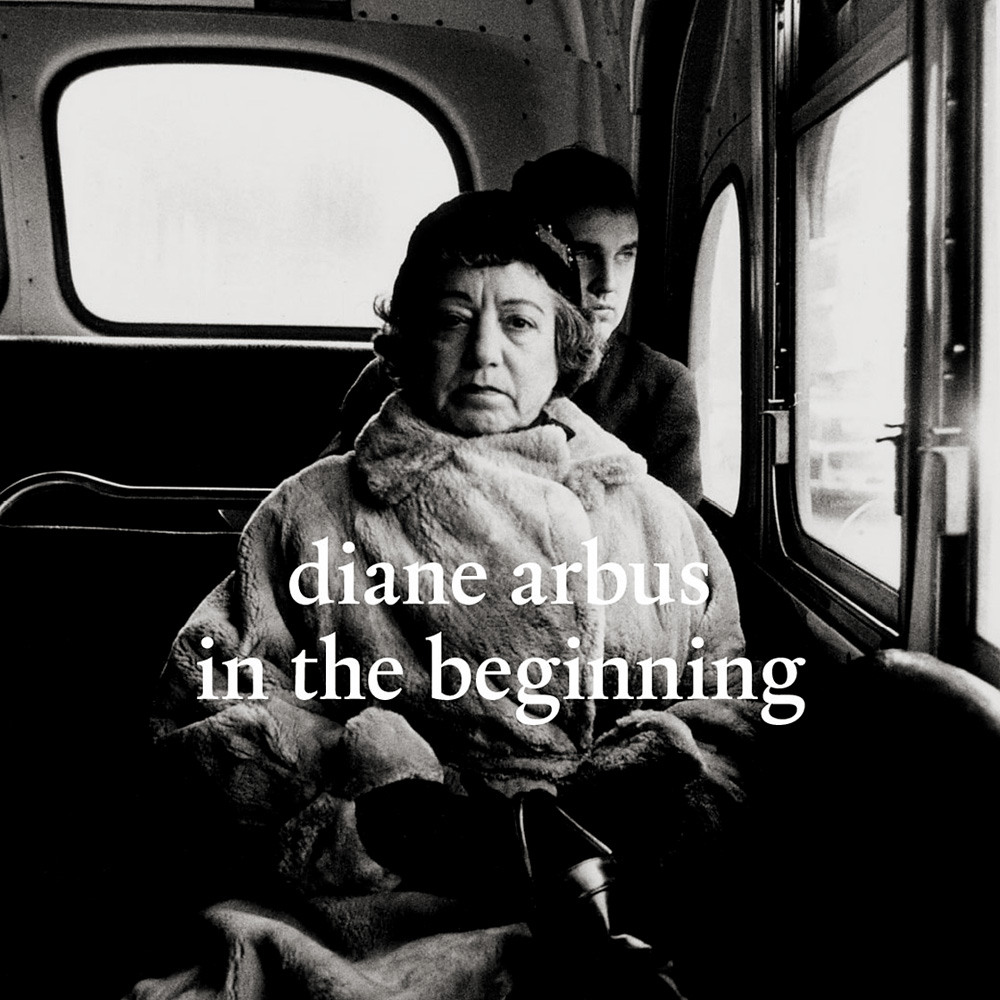
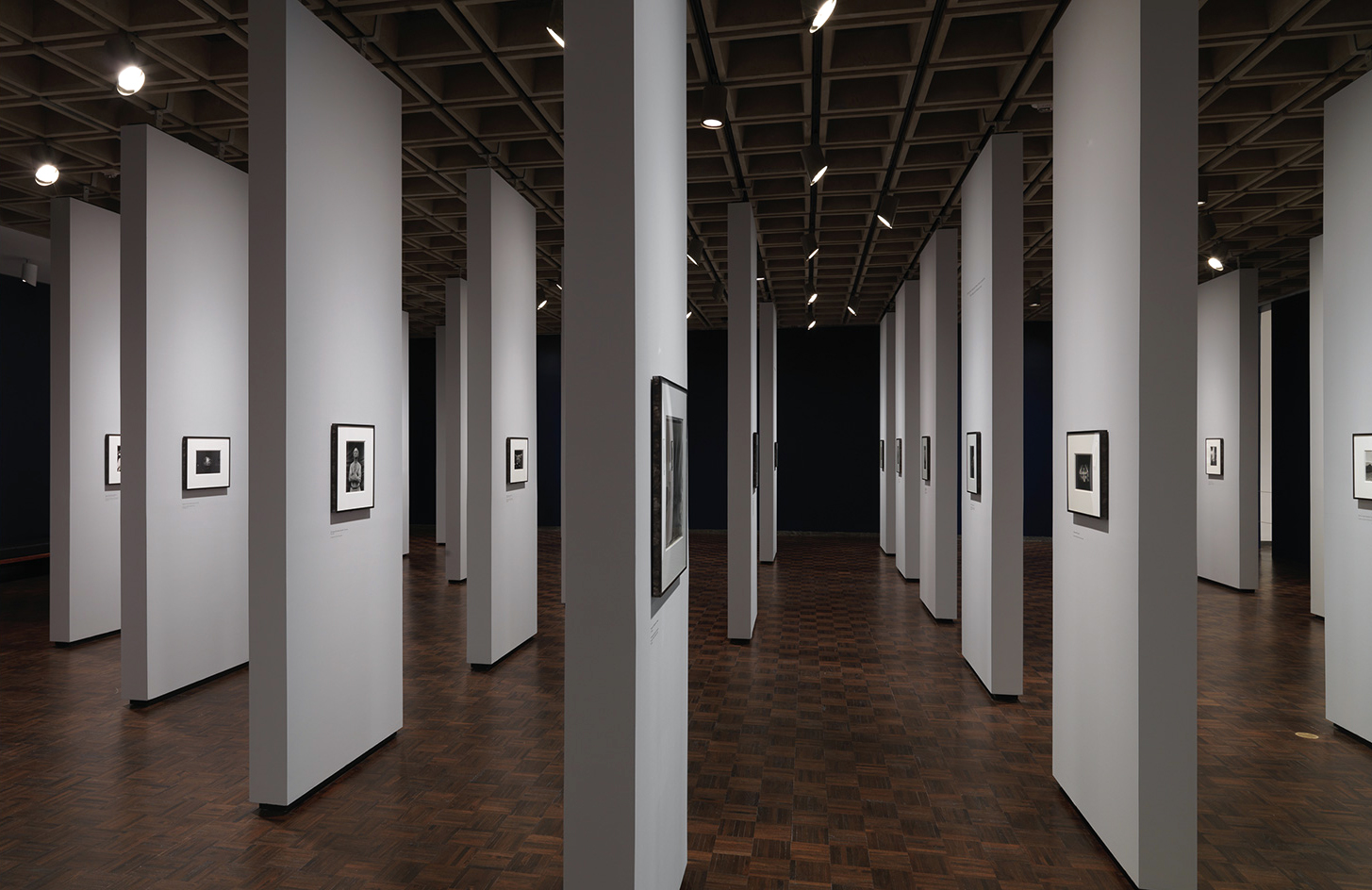
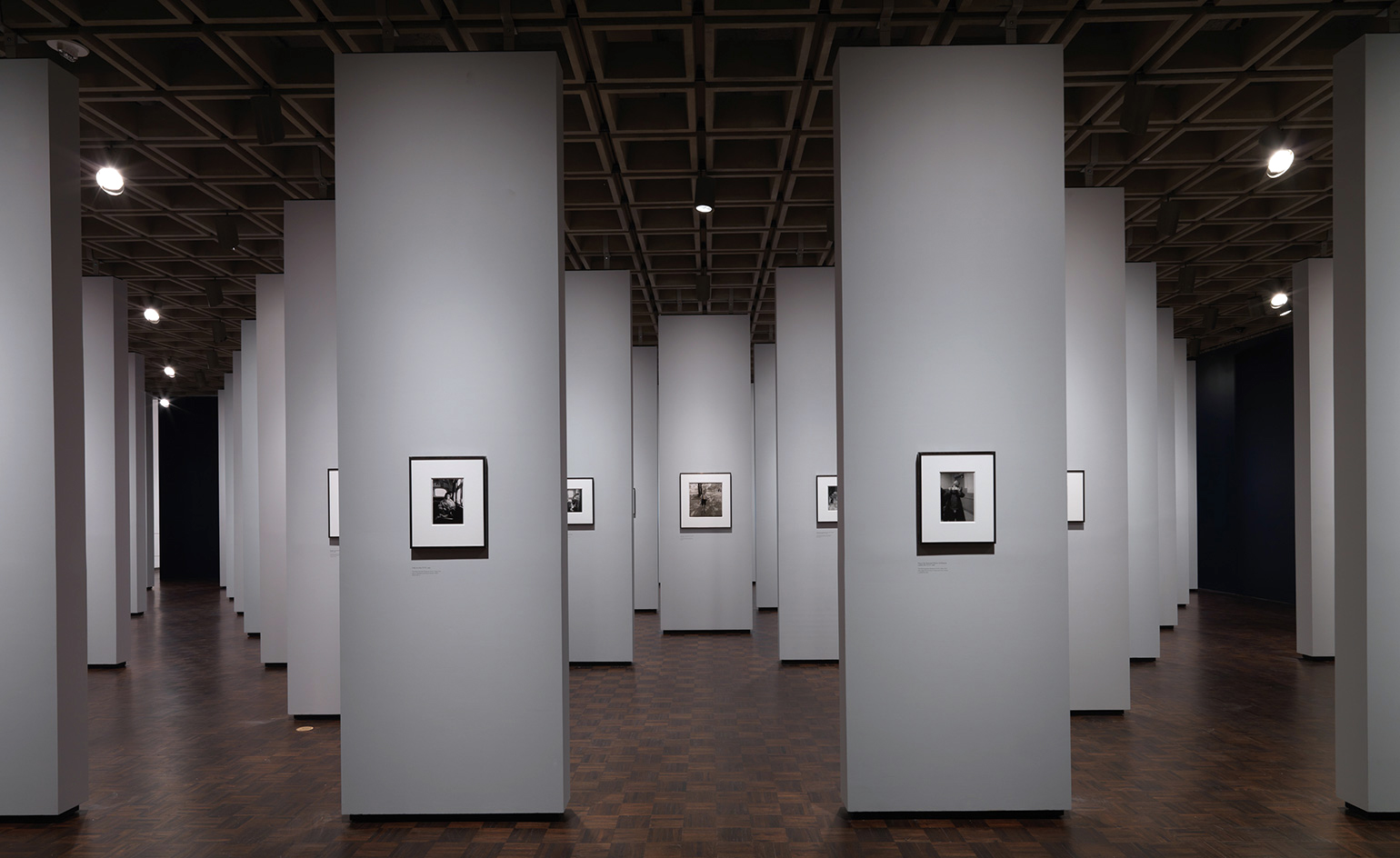

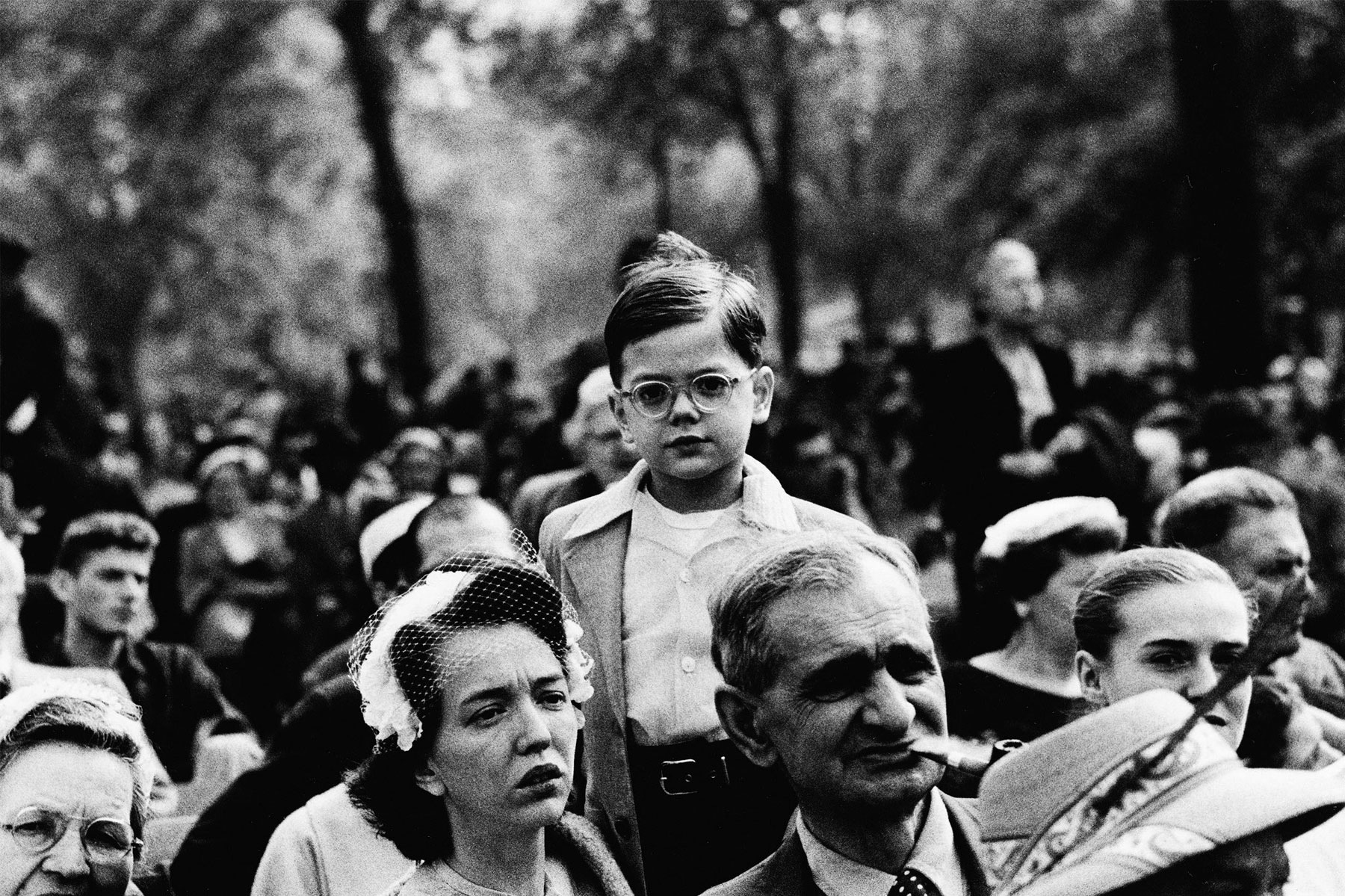
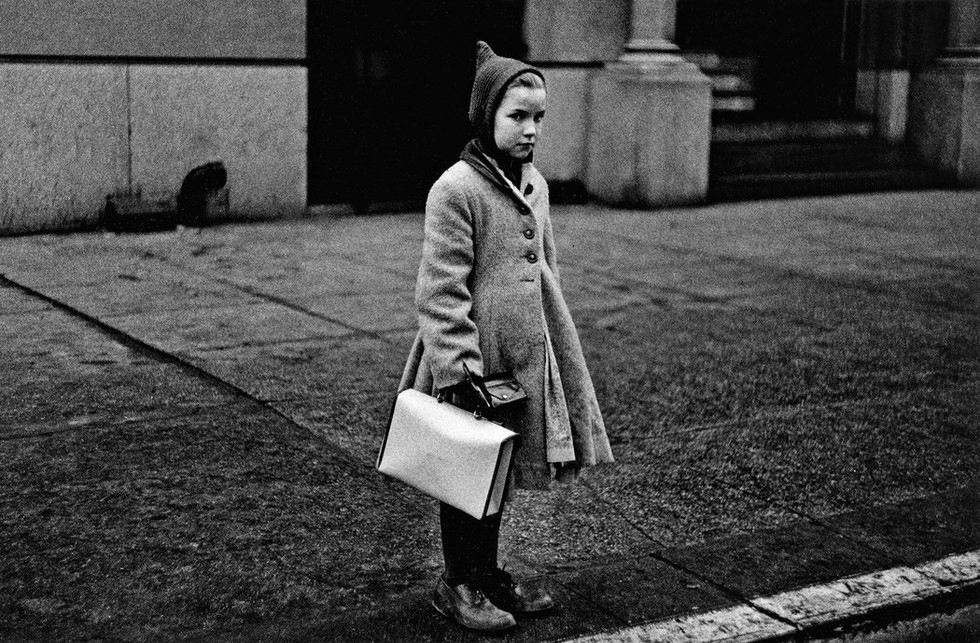

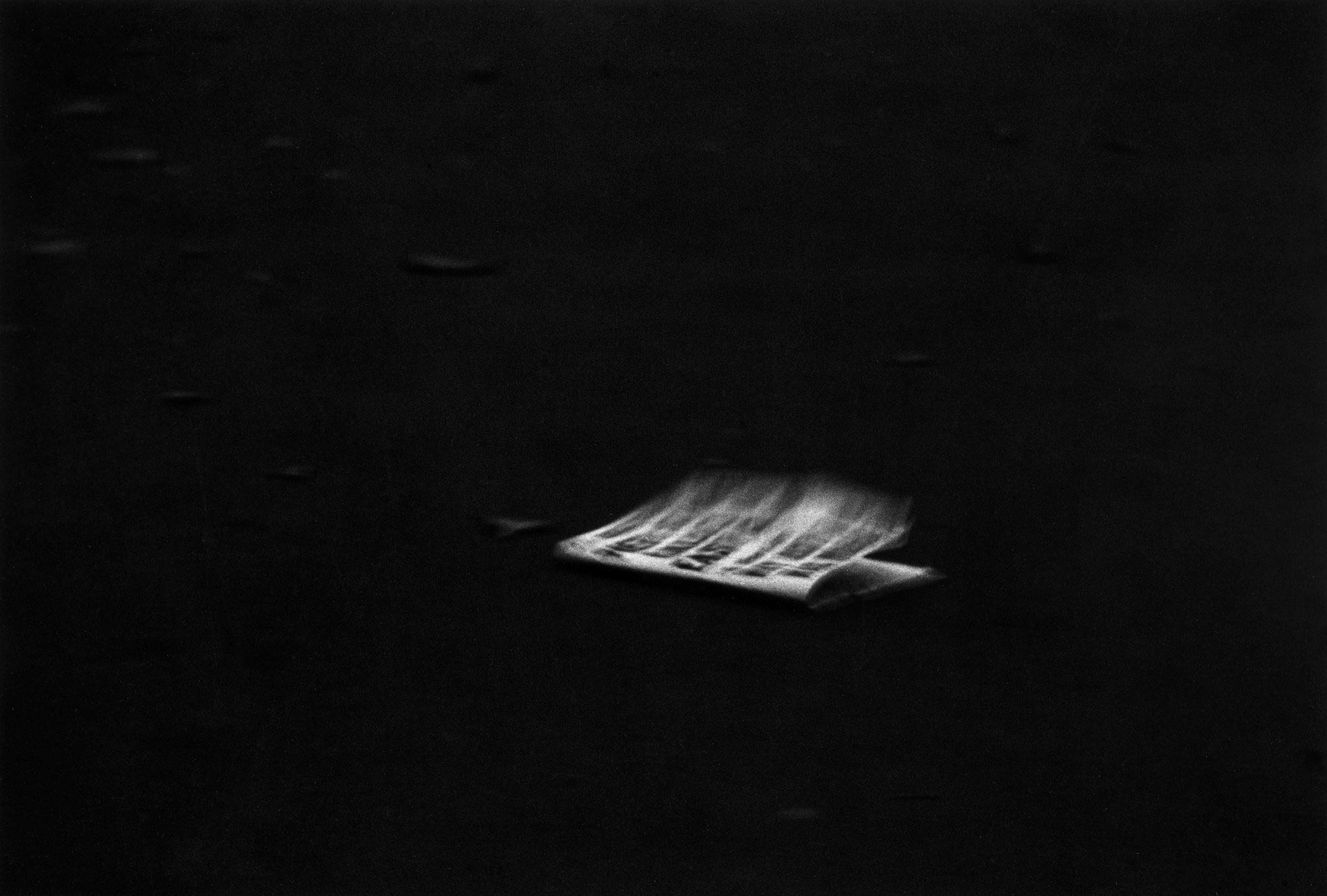
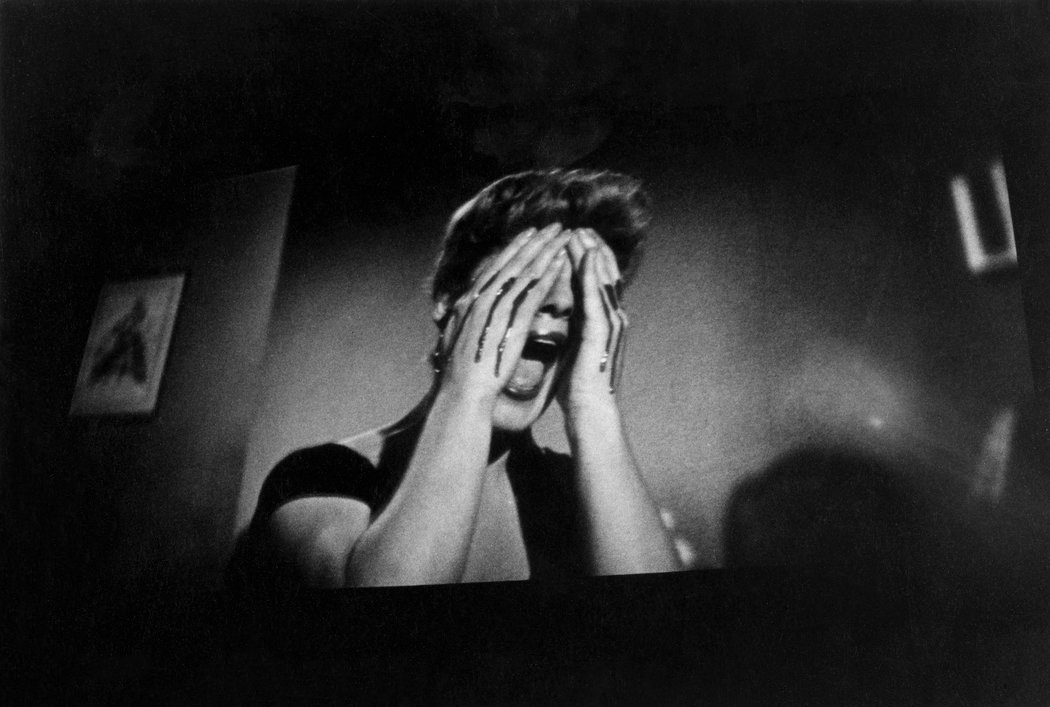
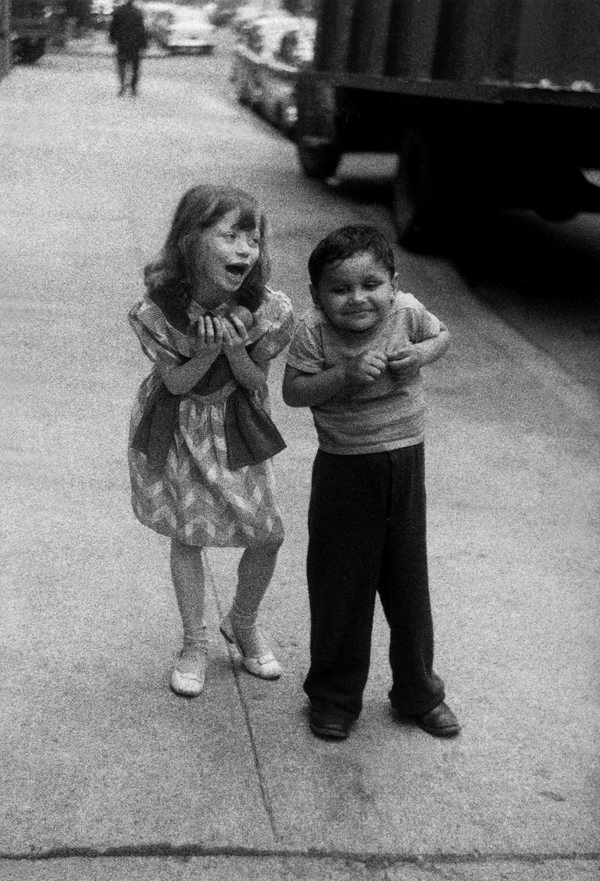
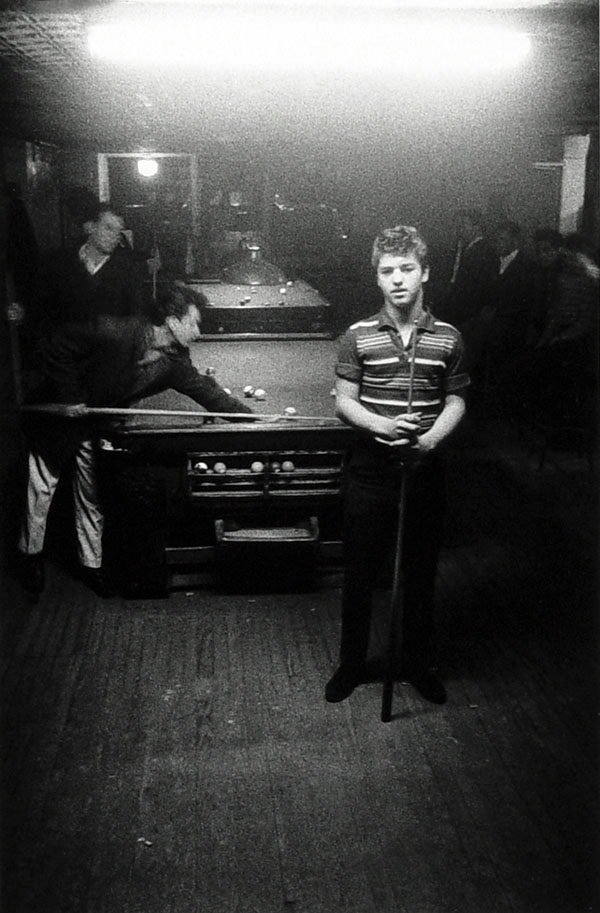
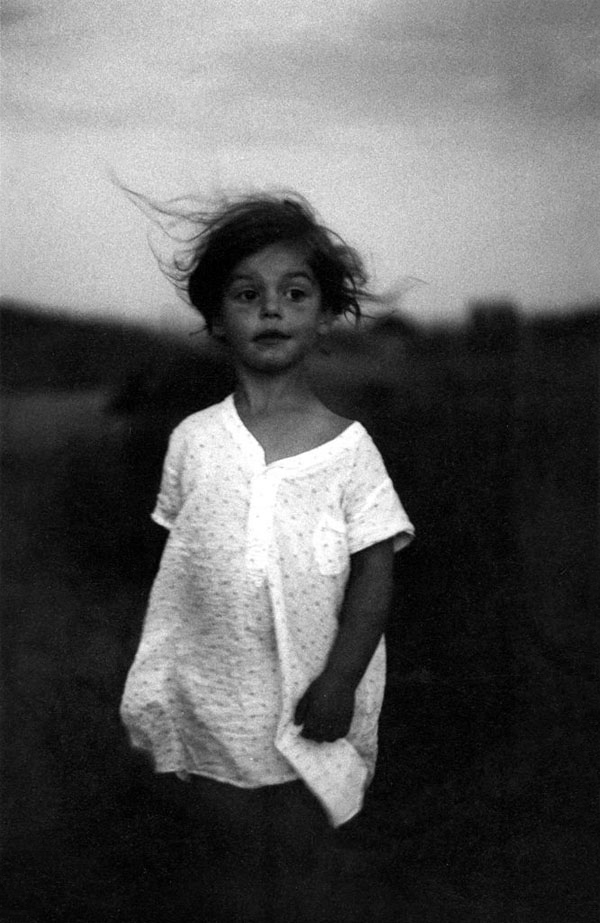
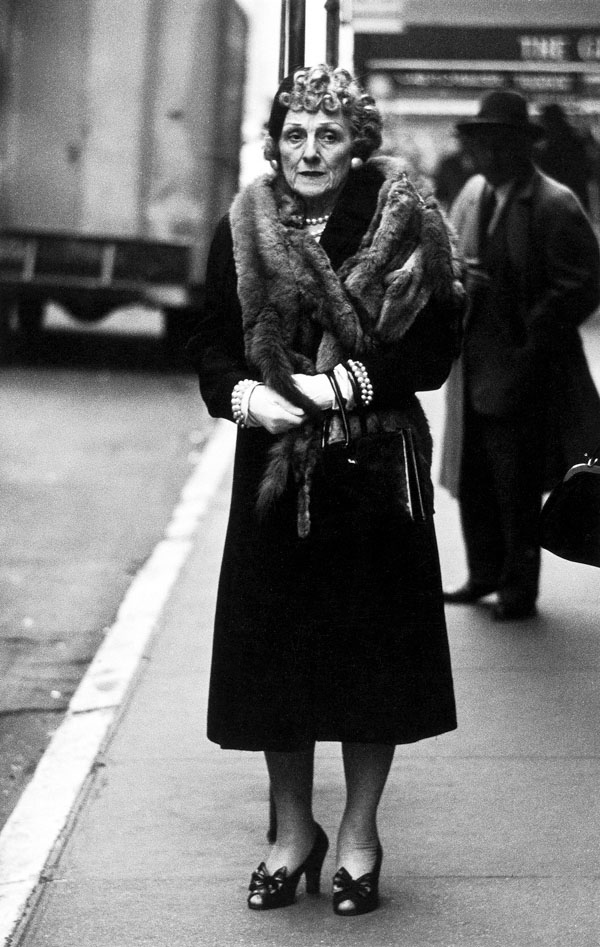
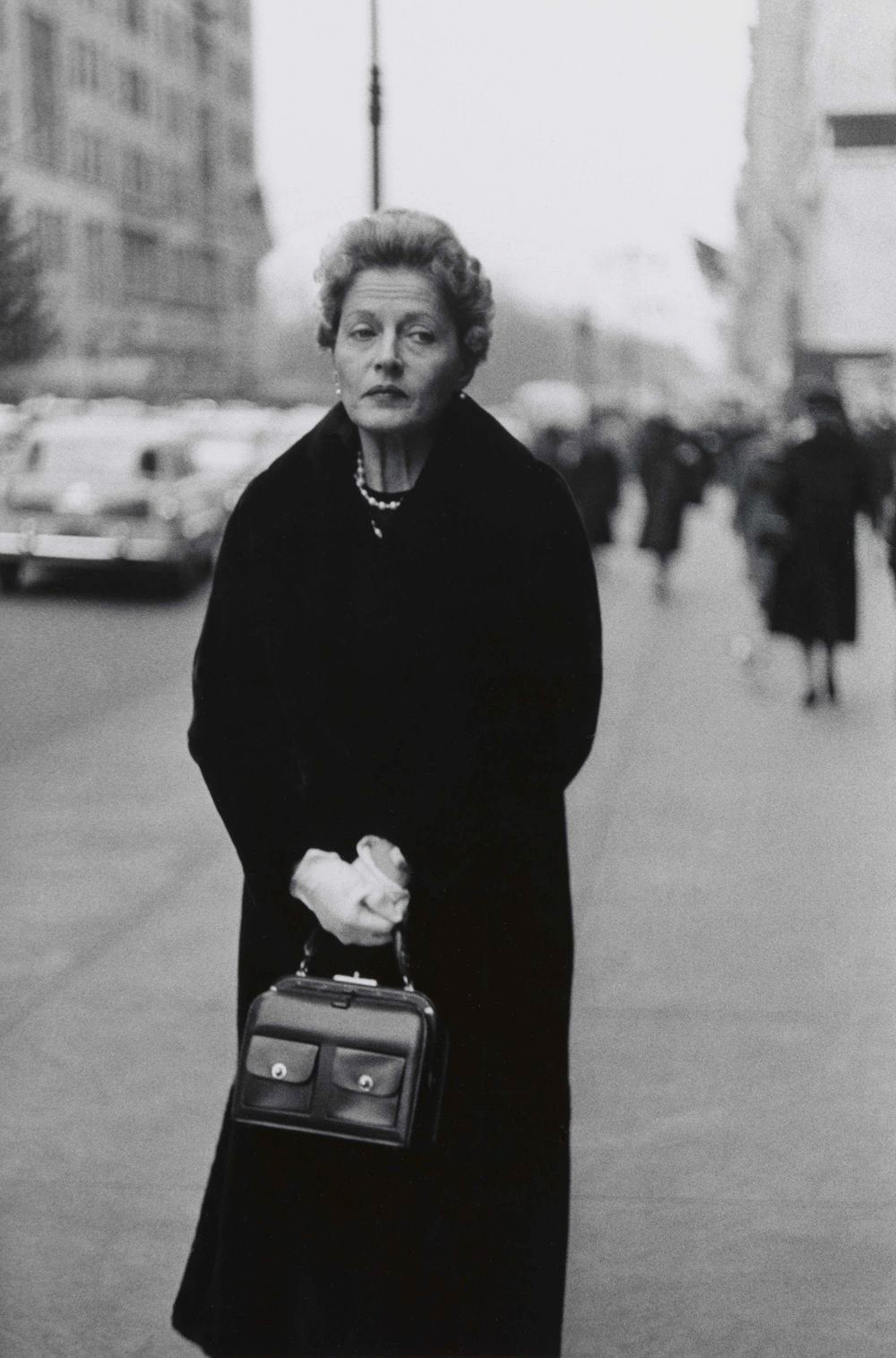
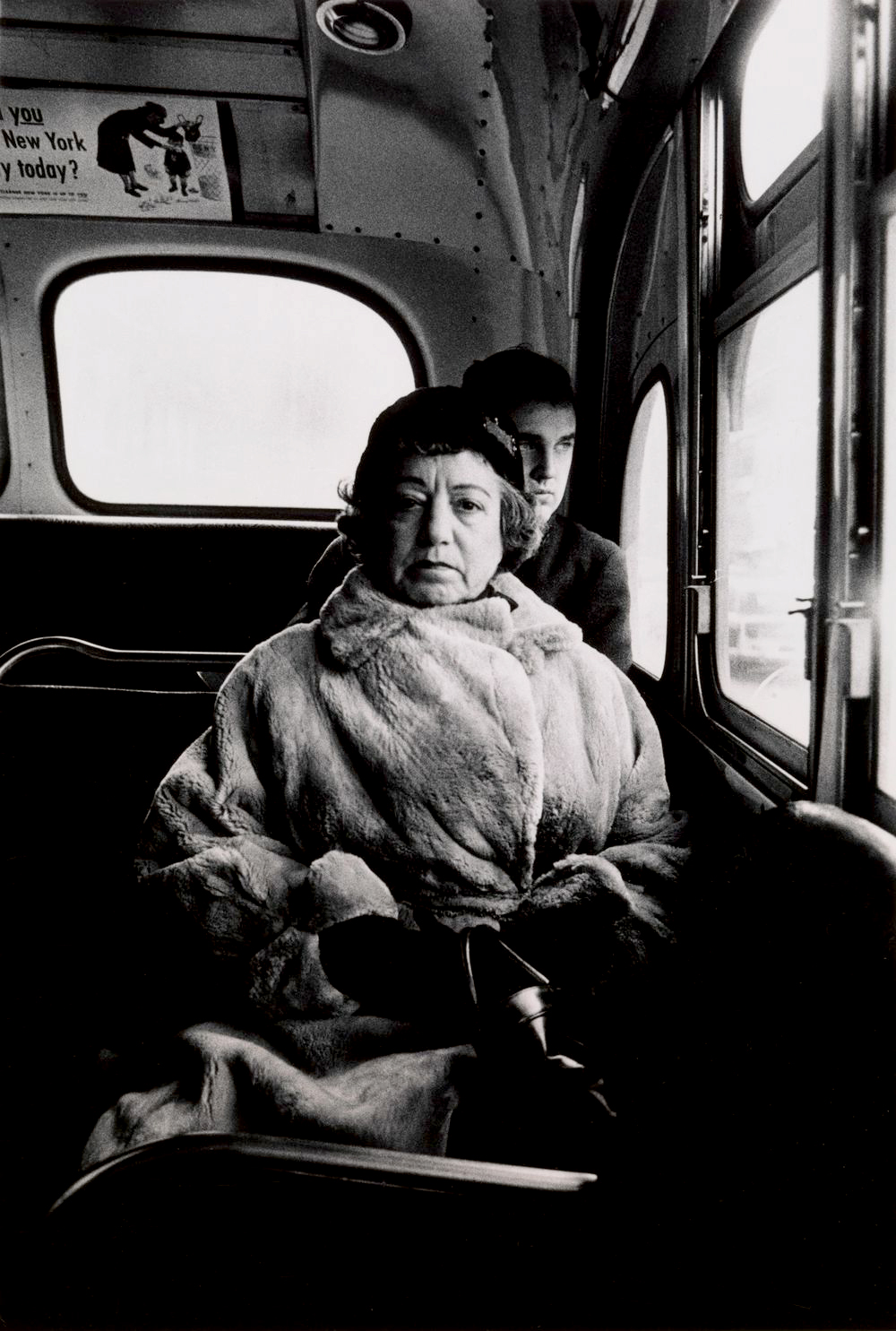
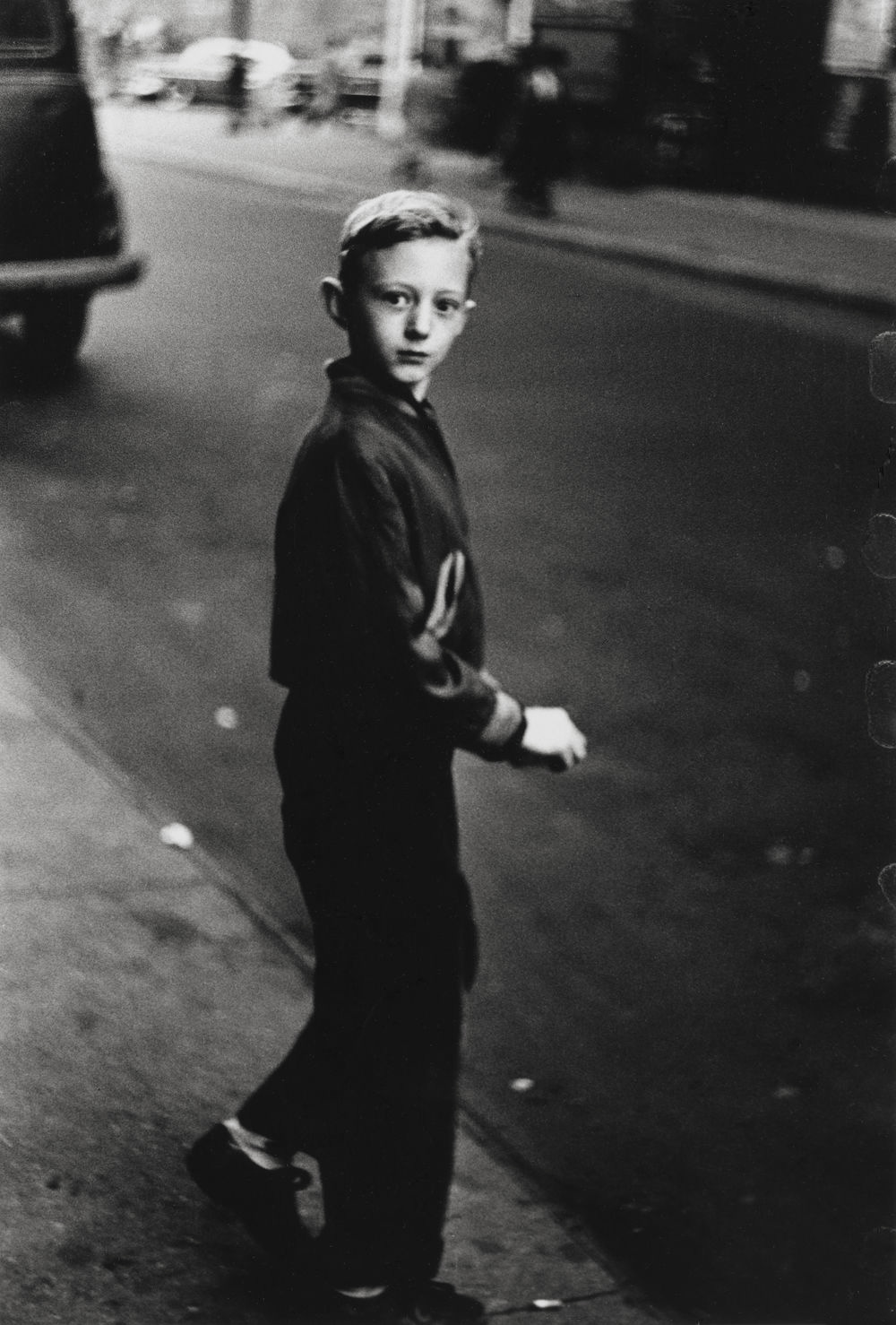
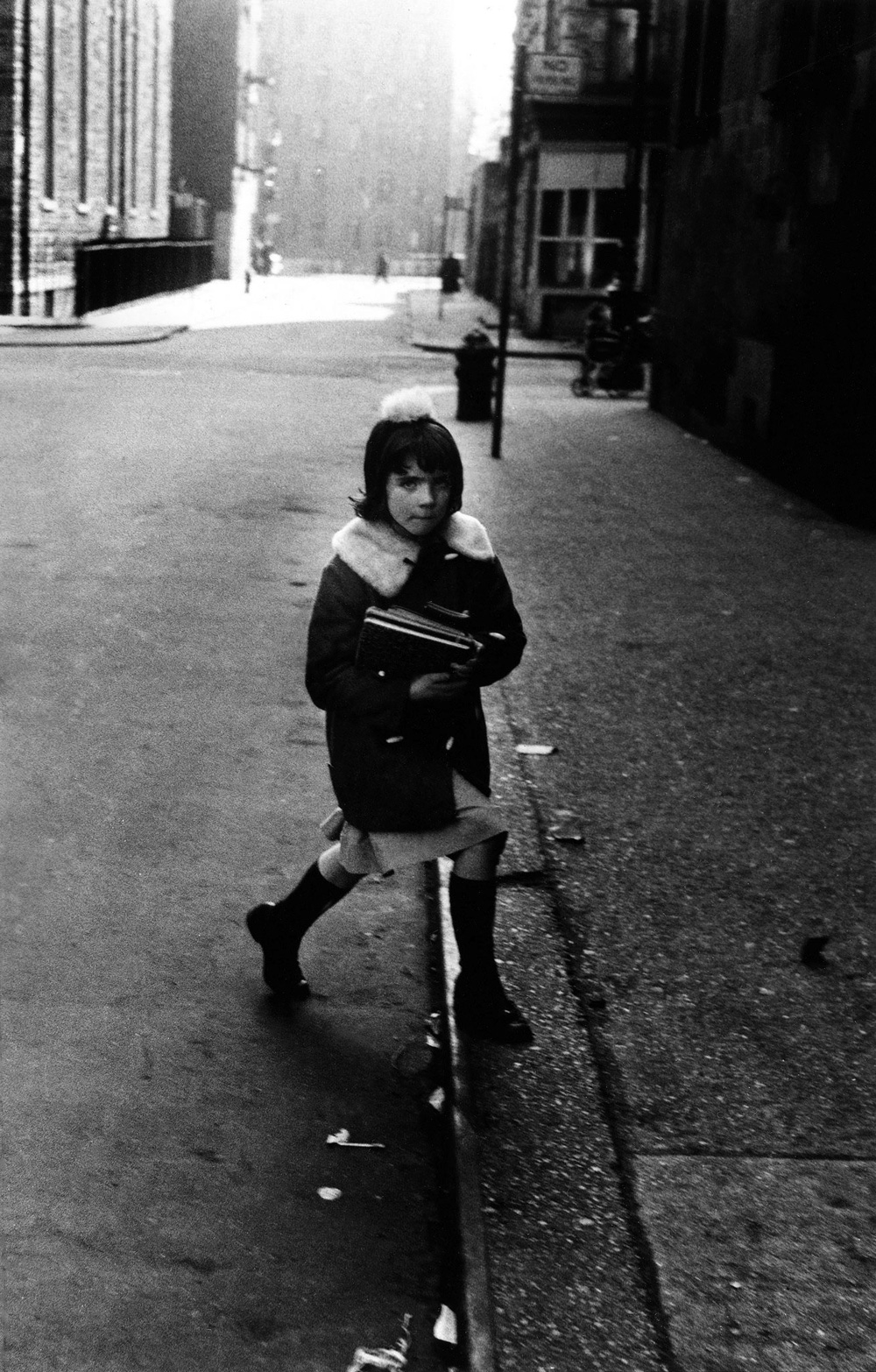
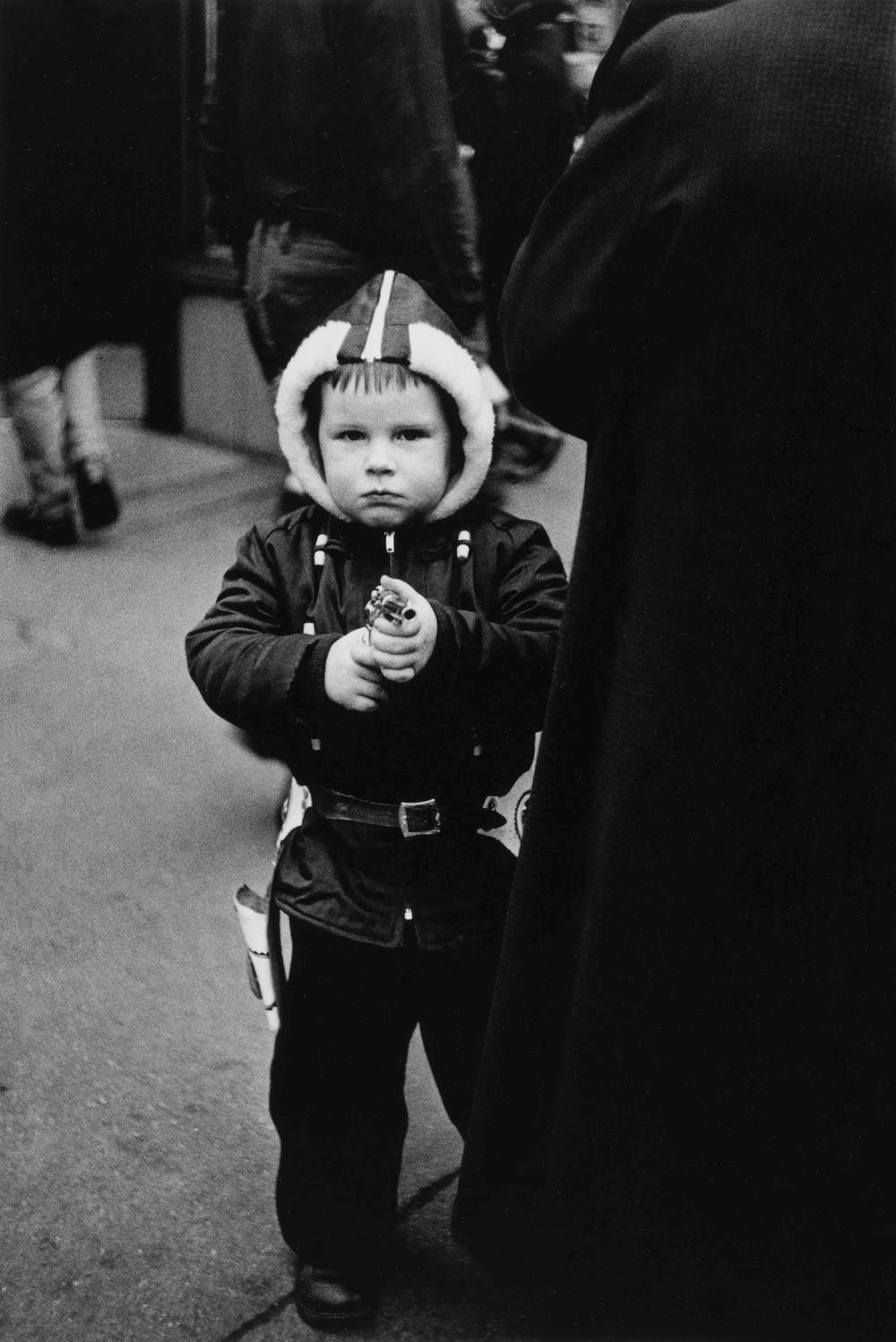
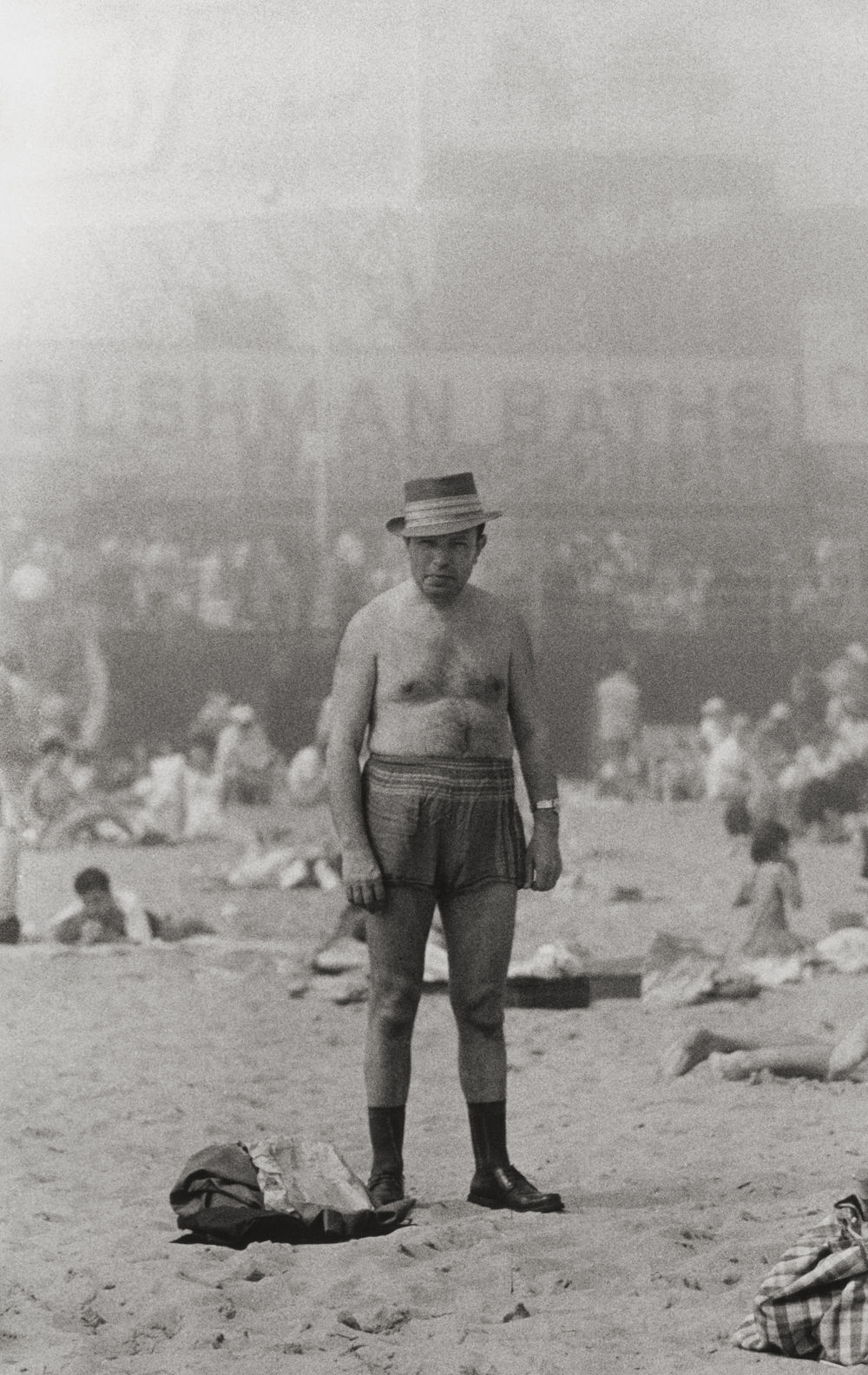
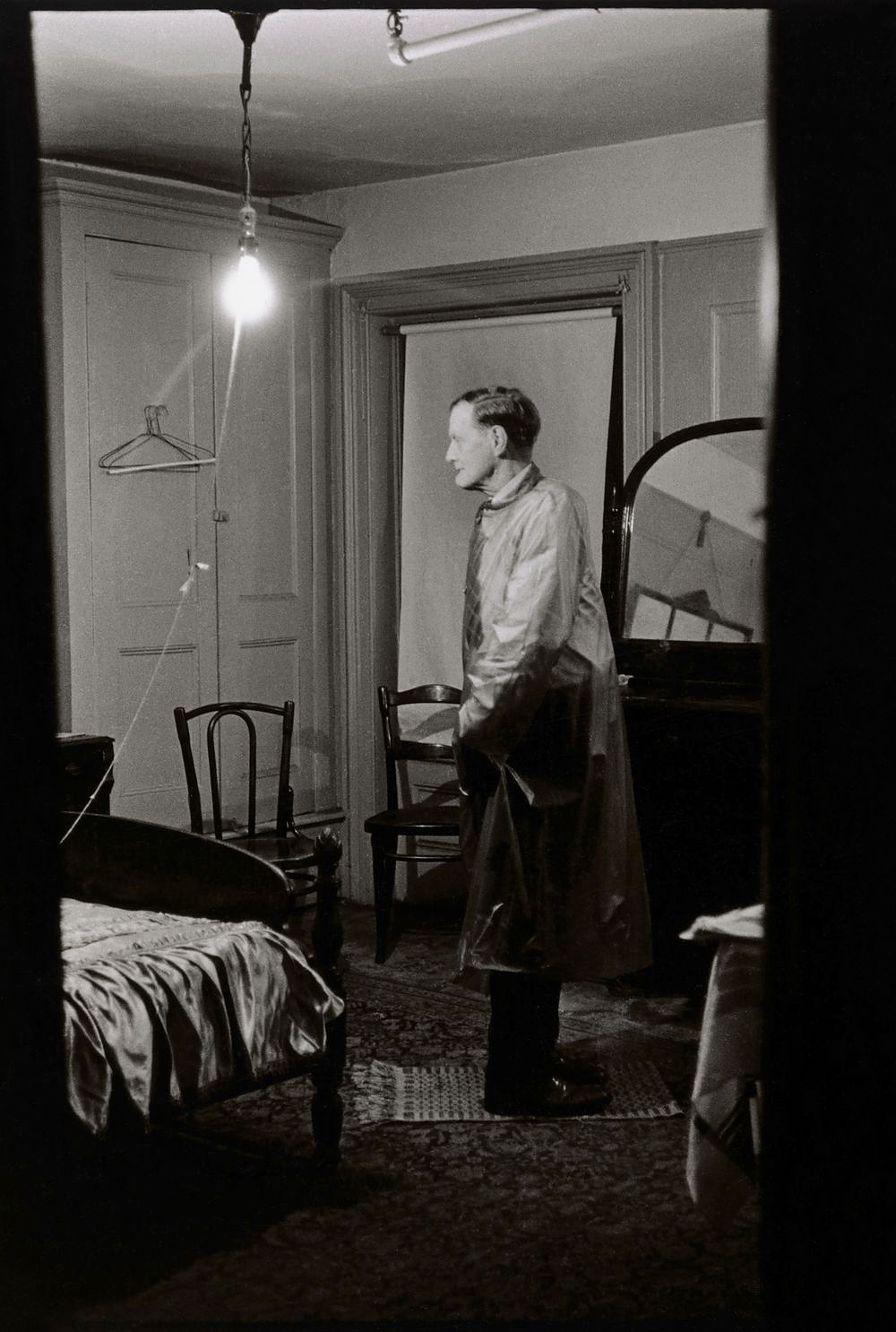
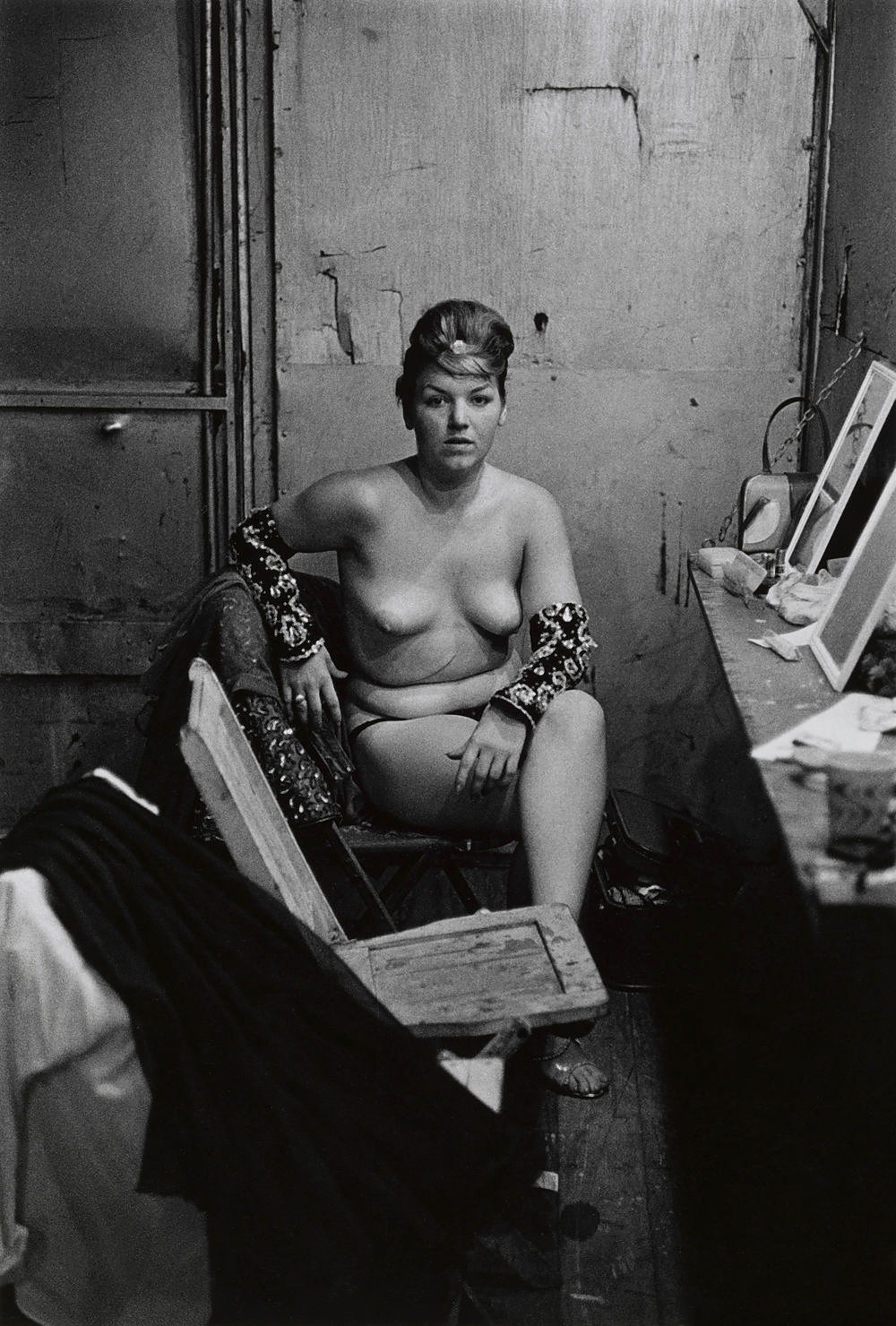
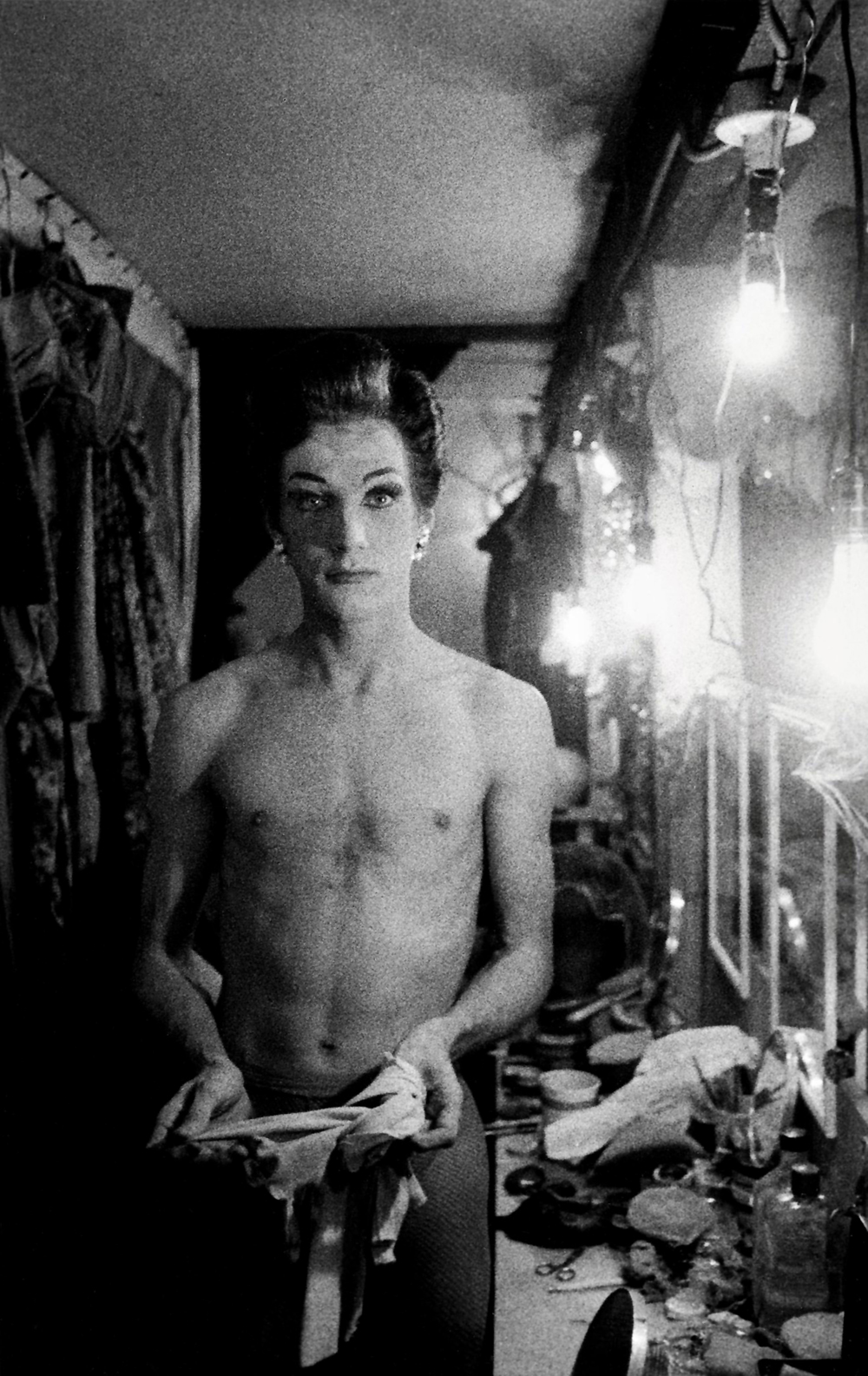
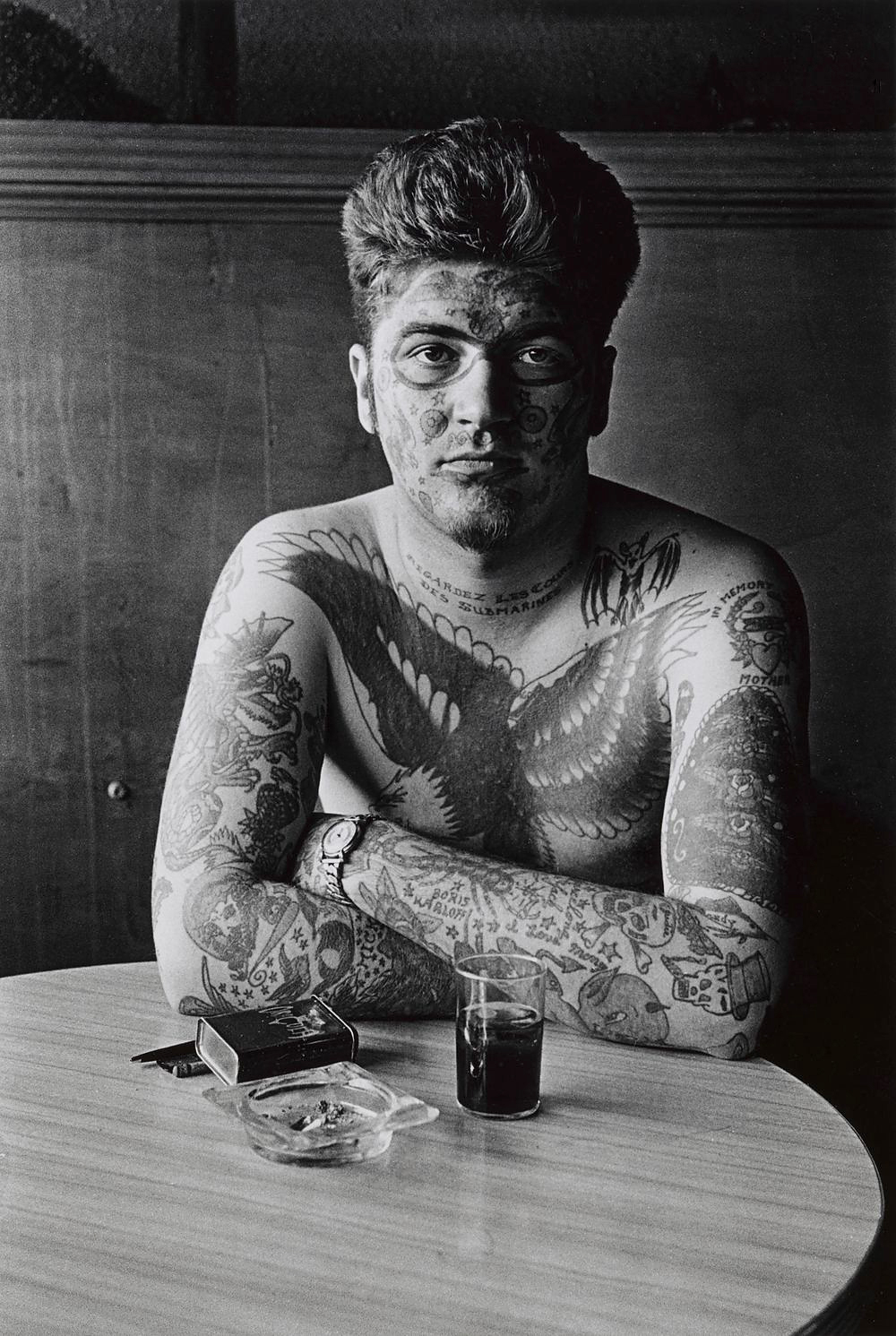
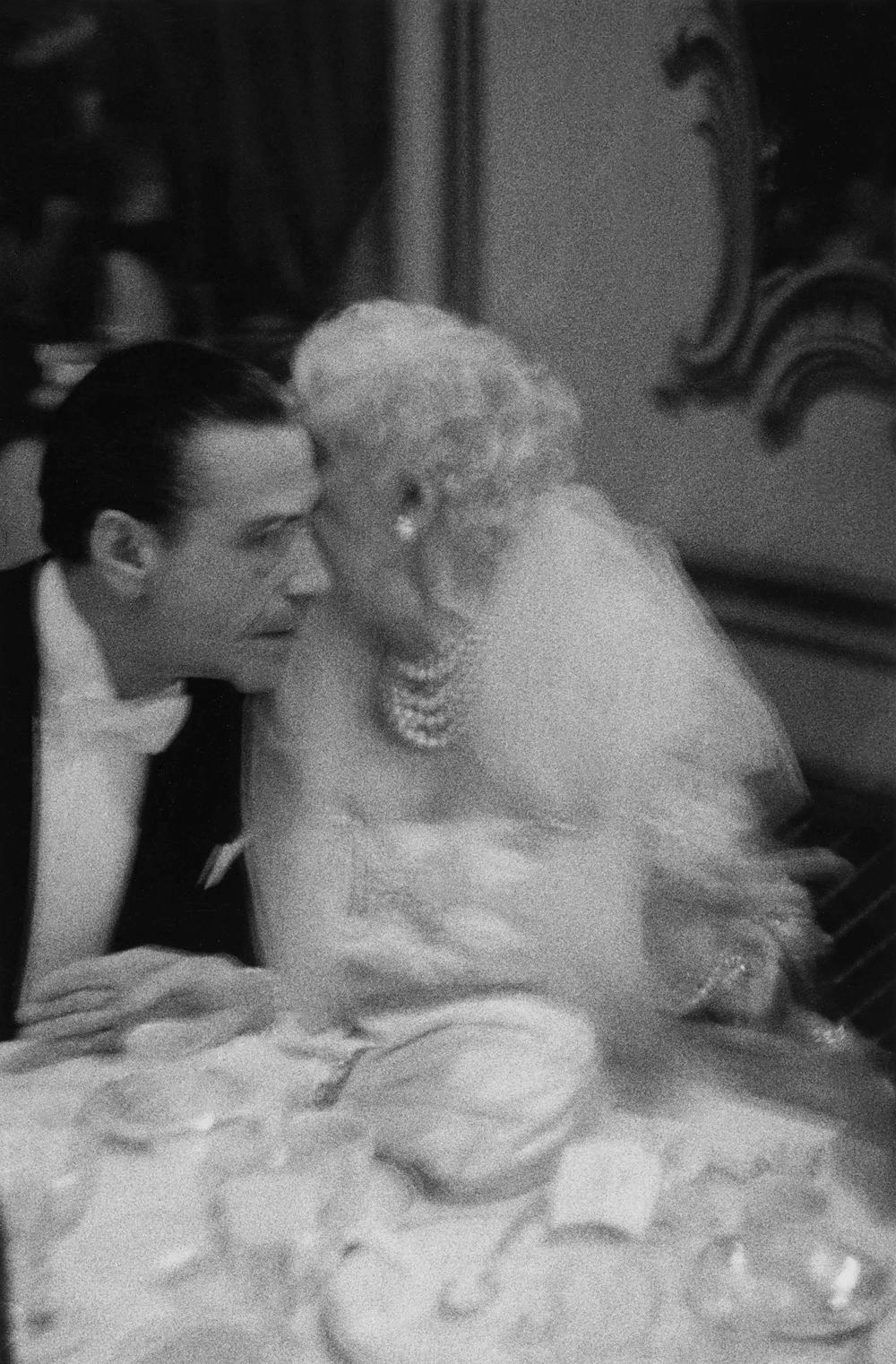
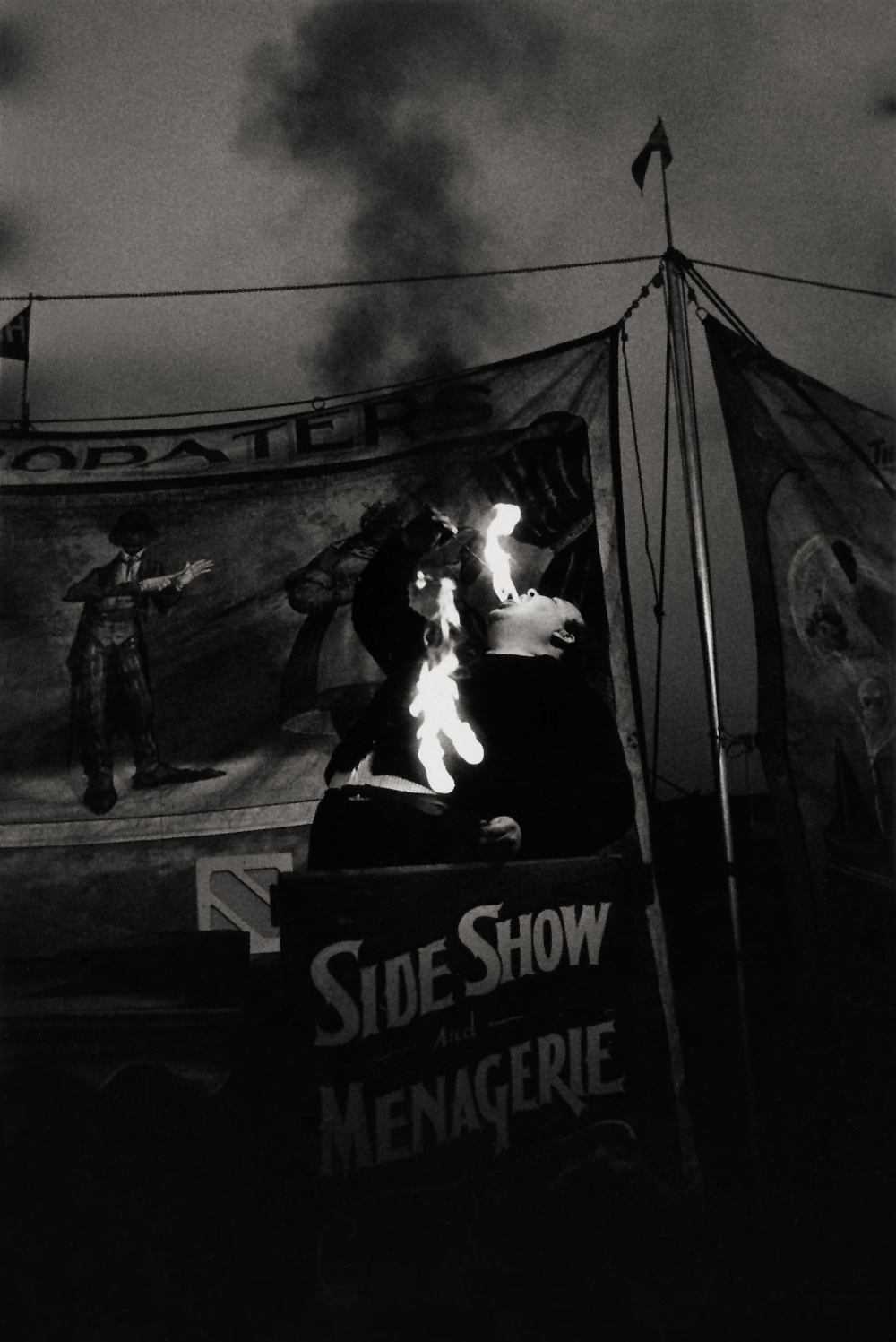

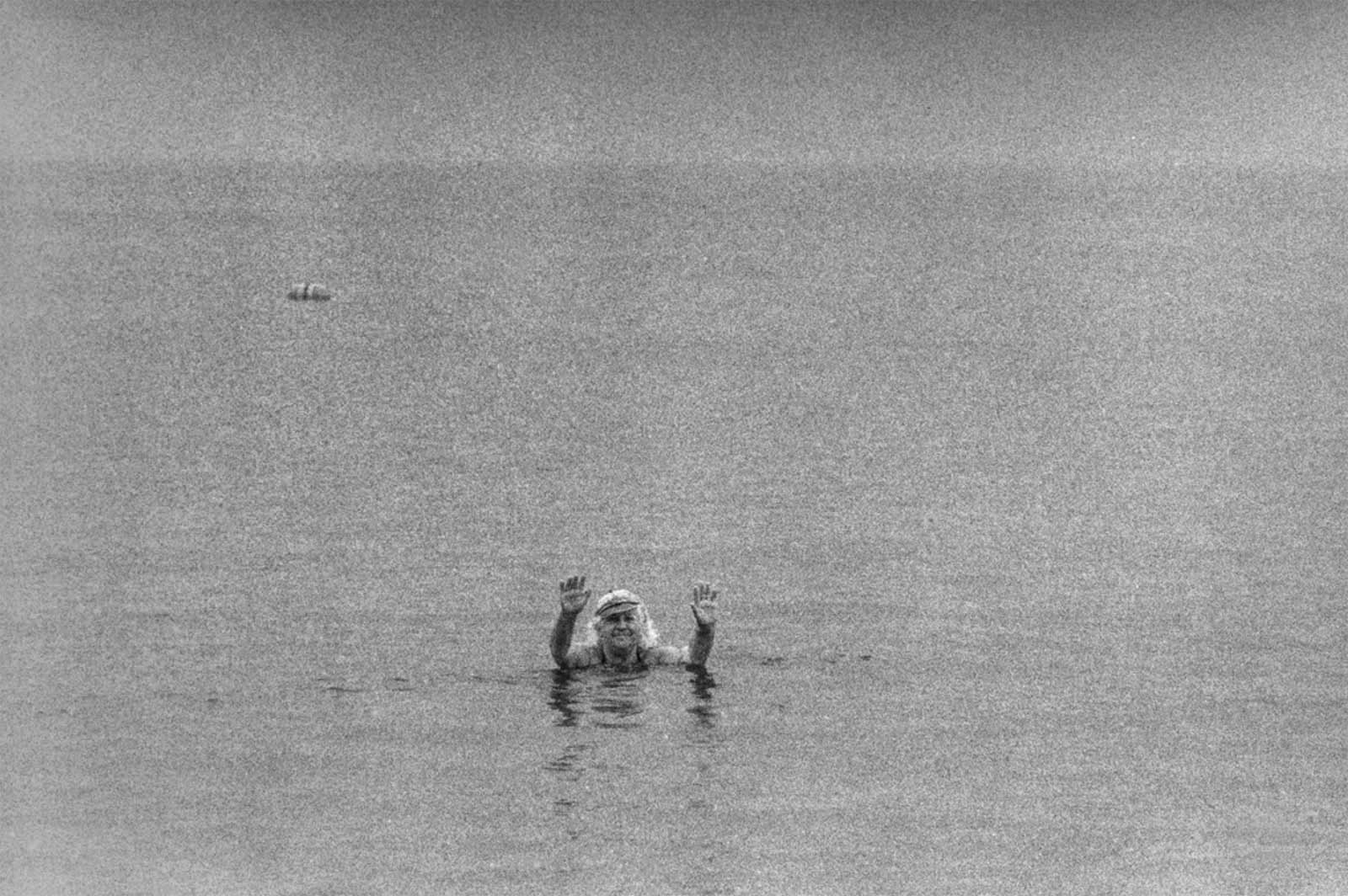

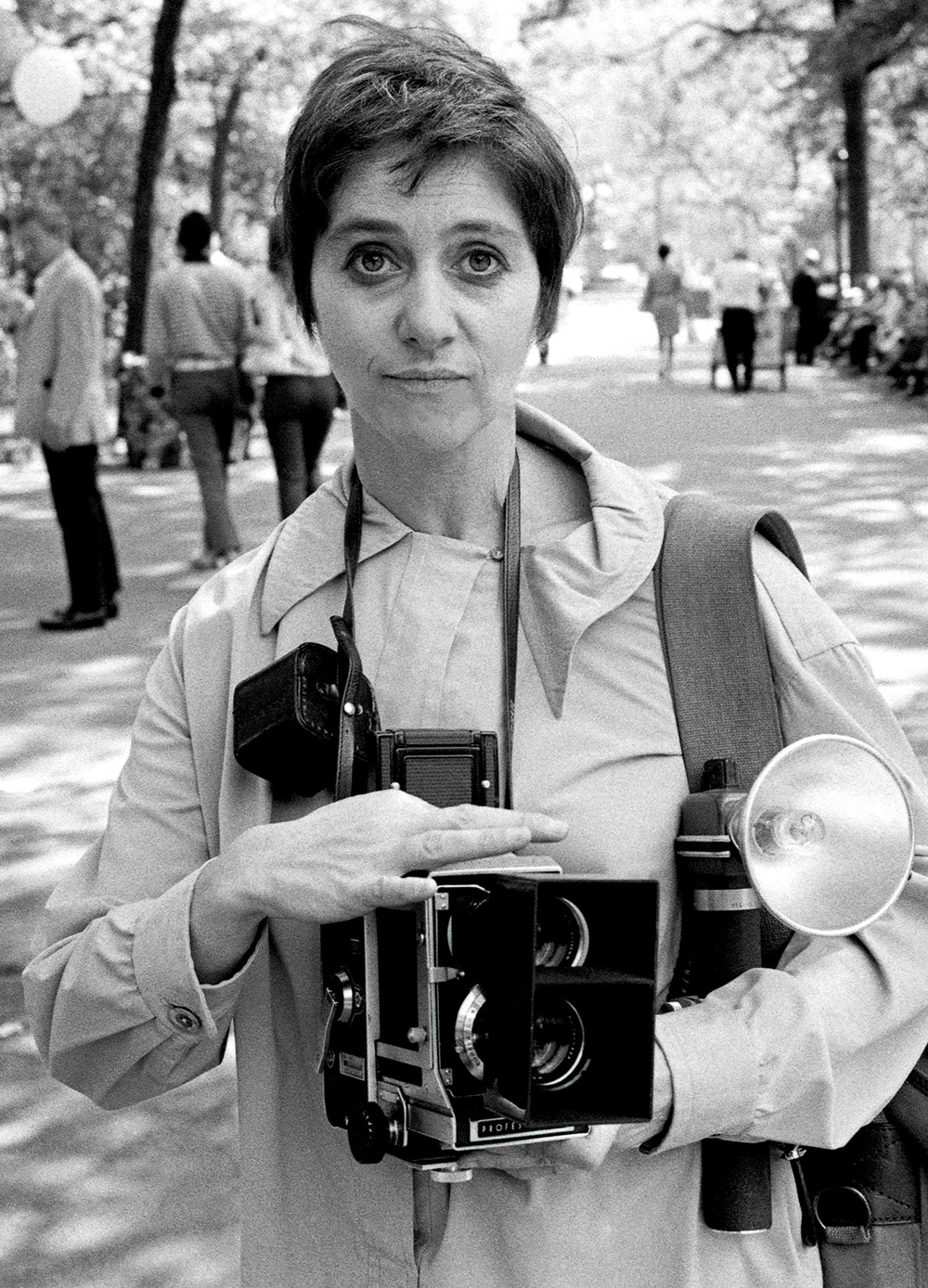






![F.H. Boone & Co., 'Untitled [Wicker chair supplied to the American Fleet during their visit]' 1908](https://artblart.com/wp-content/uploads/2016/11/photo-of-one-of-the-wicker-chairs-web.jpg "F.H. Boone & Co., 'Untitled [Wicker chair supplied to the American Fleet during their visit]' 1908")








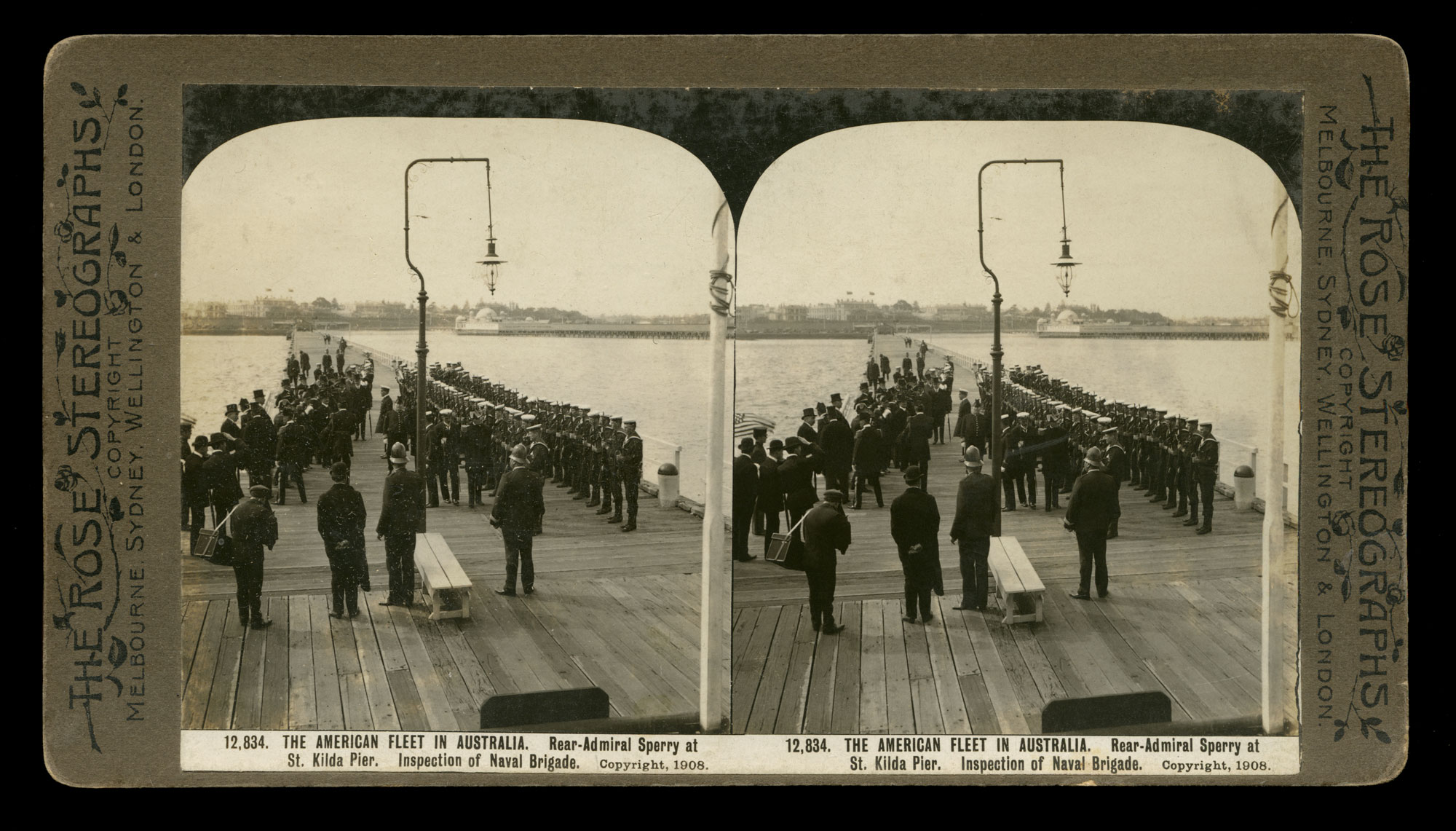


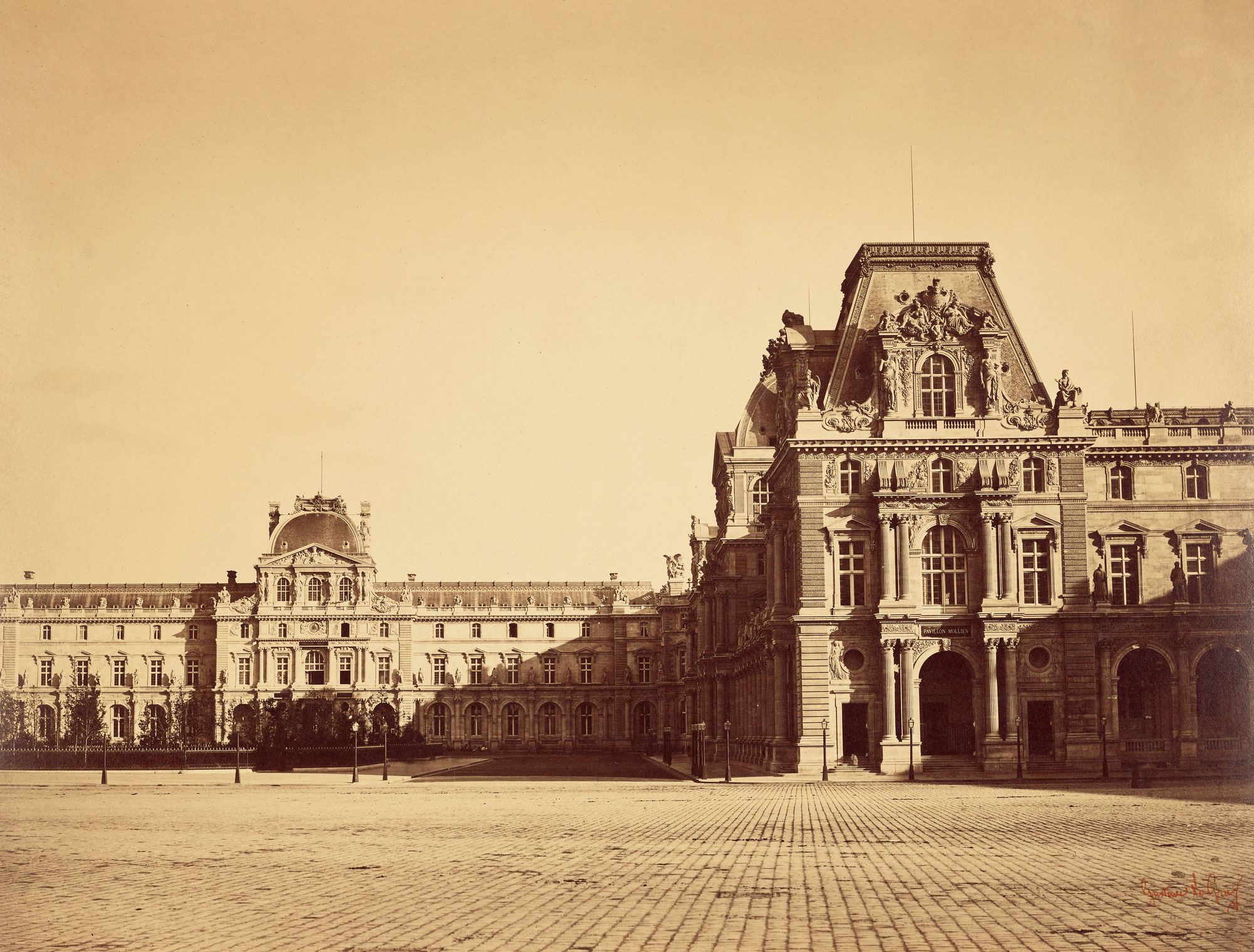
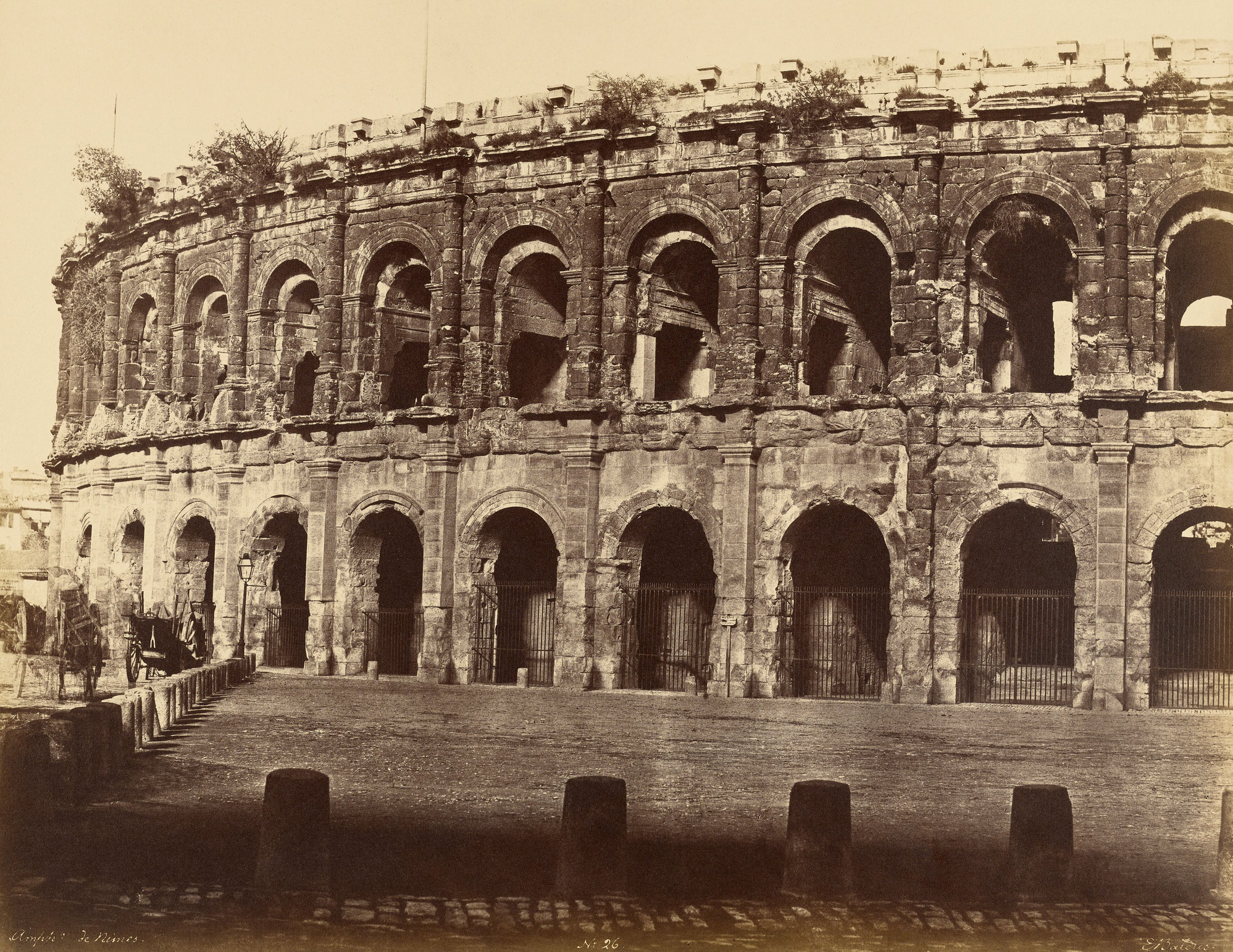
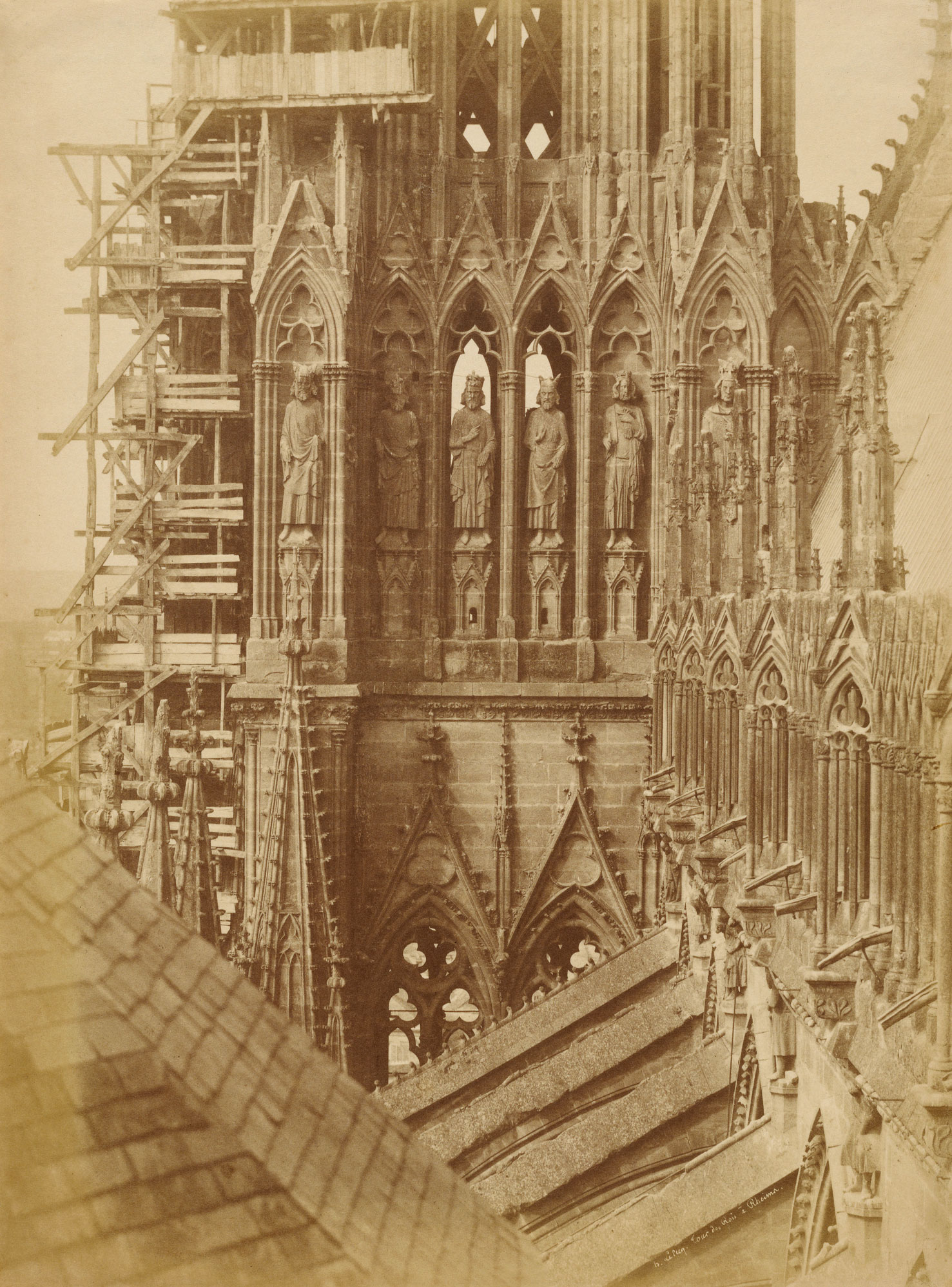





![Nadar [Gaspard Félix Tournachon] (French, 1820-1910) 'Self-Portrait' c. 1855](https://artblart.com/wp-content/uploads/2016/10/realideal12-web.jpg "Nadar [Gaspard Félix Tournachon] (French, 1820-1910) 'Self-Portrait' c. 1855")
![Nadar [Gaspard Félix Tournachon] (French, 1820-1910) 'Jean-François Philibert Berthelier, Actor' 1856-1859](https://artblart.com/wp-content/uploads/2016/10/realideal21-web.jpg "Nadar [Gaspard Félix Tournachon] (French, 1820-1910) 'Jean-François Philibert Berthelier, Actor' 1856-1859")
![Nadar [Gaspard Félix Tournachon] (French, 1820-1910) 'George Sand (Amandine-Aurore-Lucile Dupin), Writer' c. 1865](https://artblart.com/wp-content/uploads/2016/10/realideal5-web.jpg "Nadar [Gaspard Félix Tournachon] (French, 1820-1910) 'George Sand (Amandine-Aurore-Lucile Dupin), Writer' c. 1865")
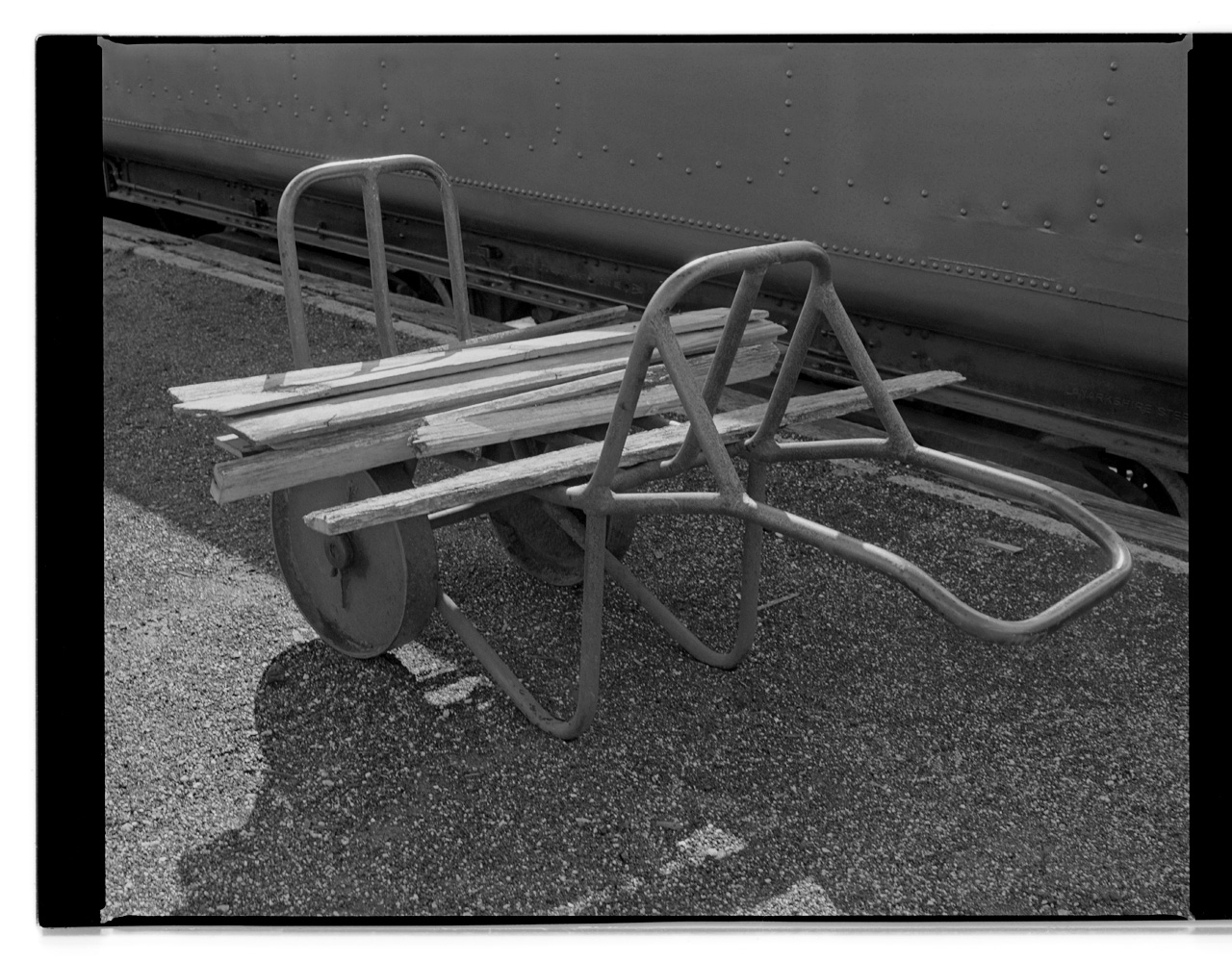
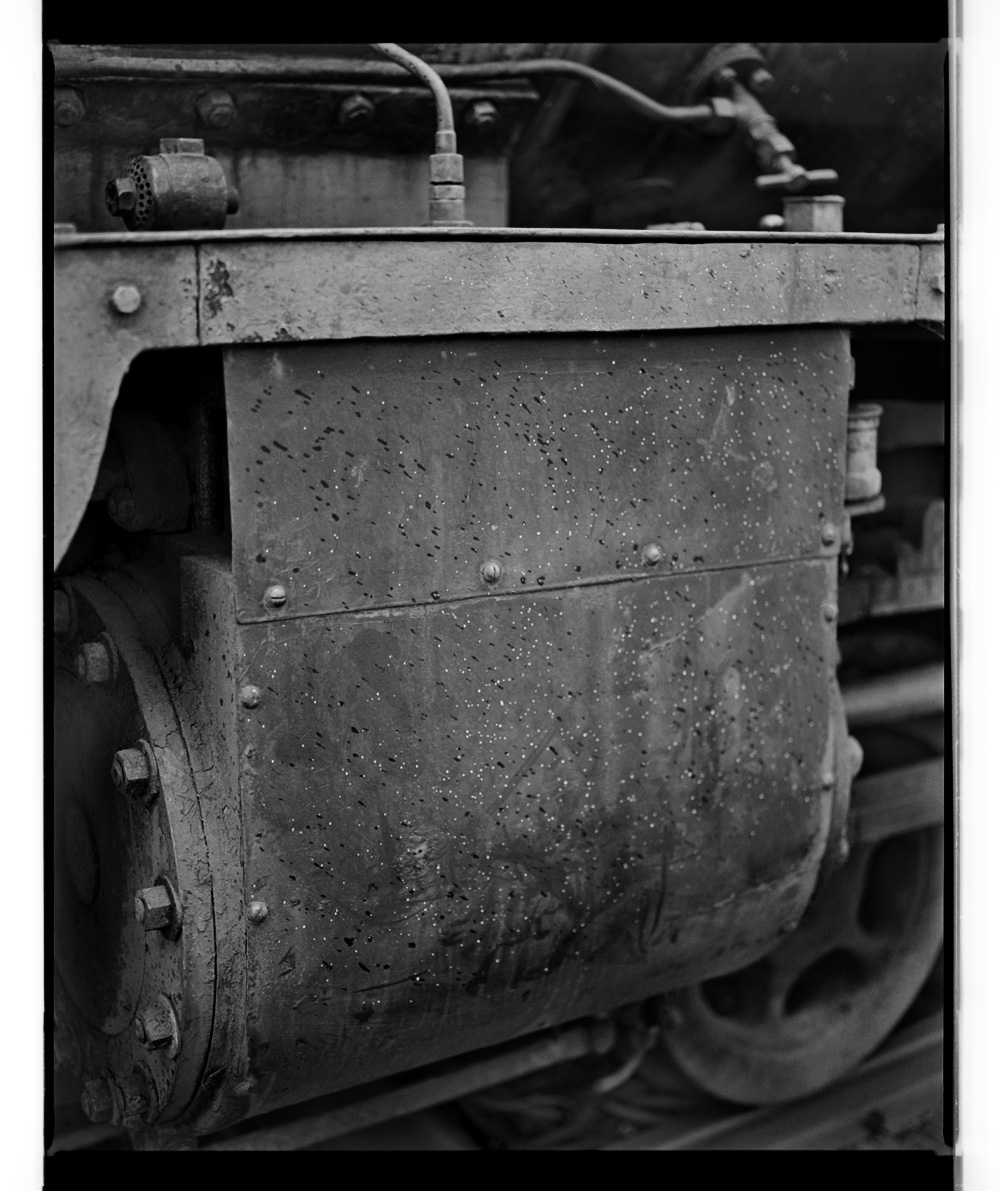
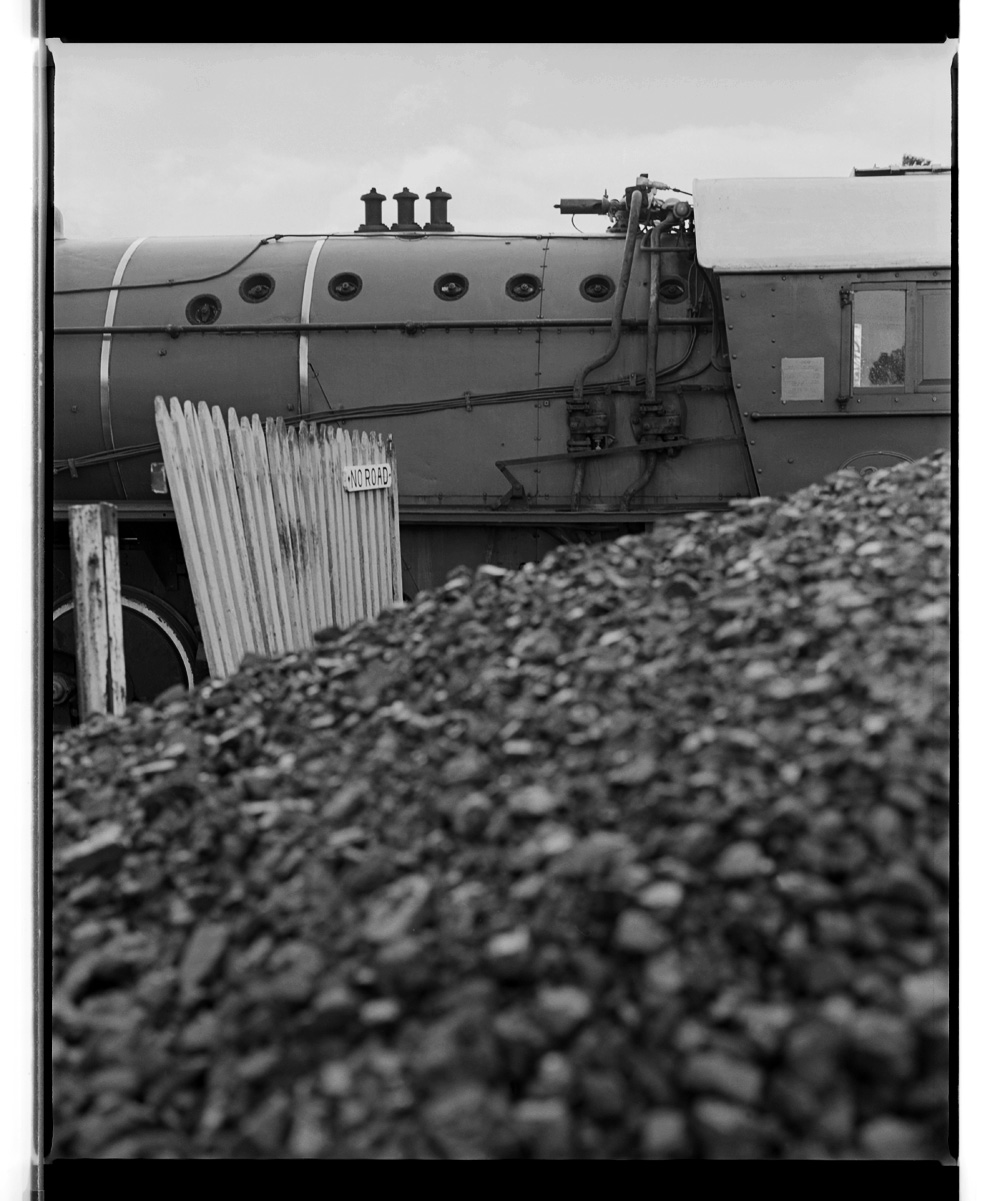
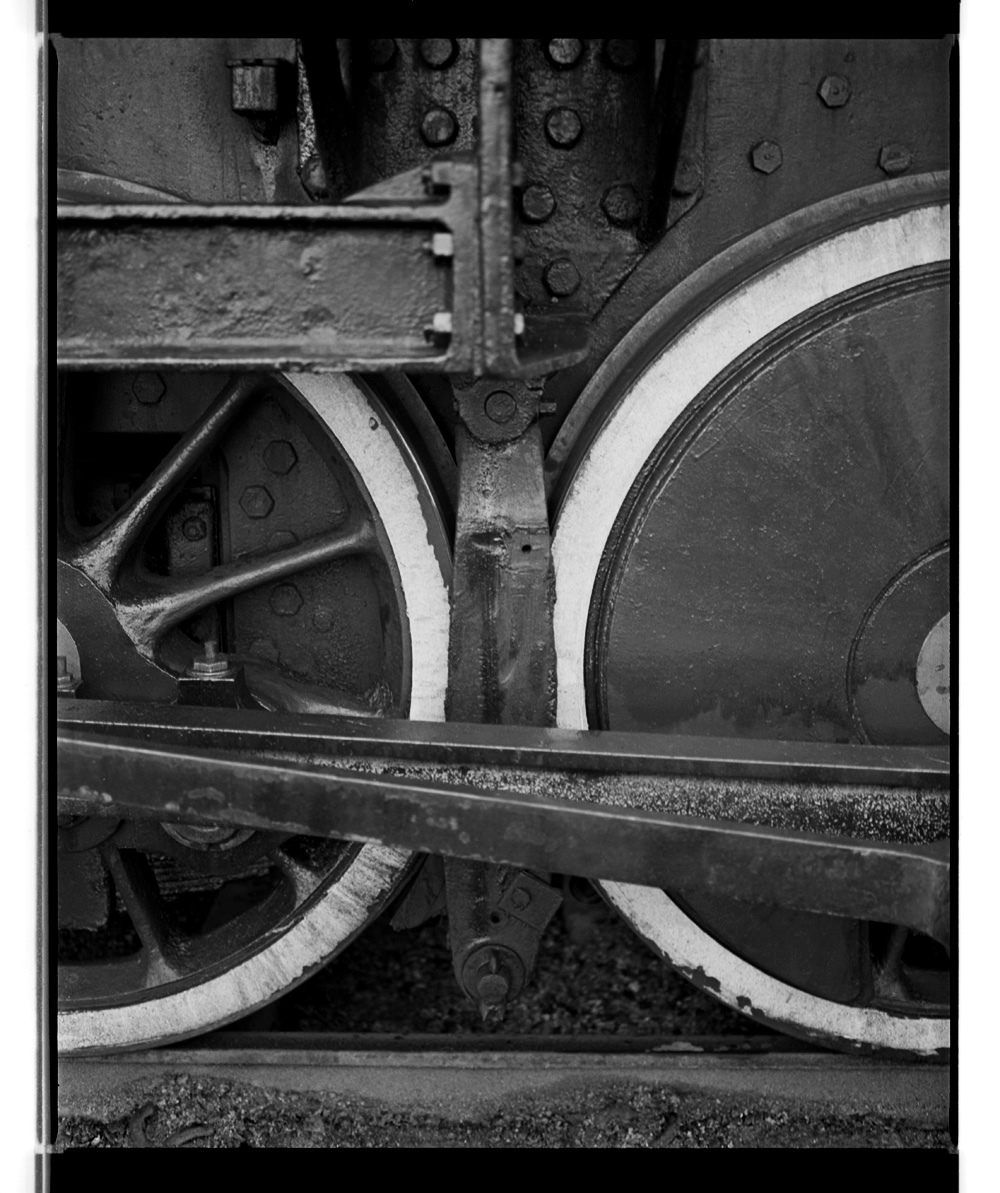
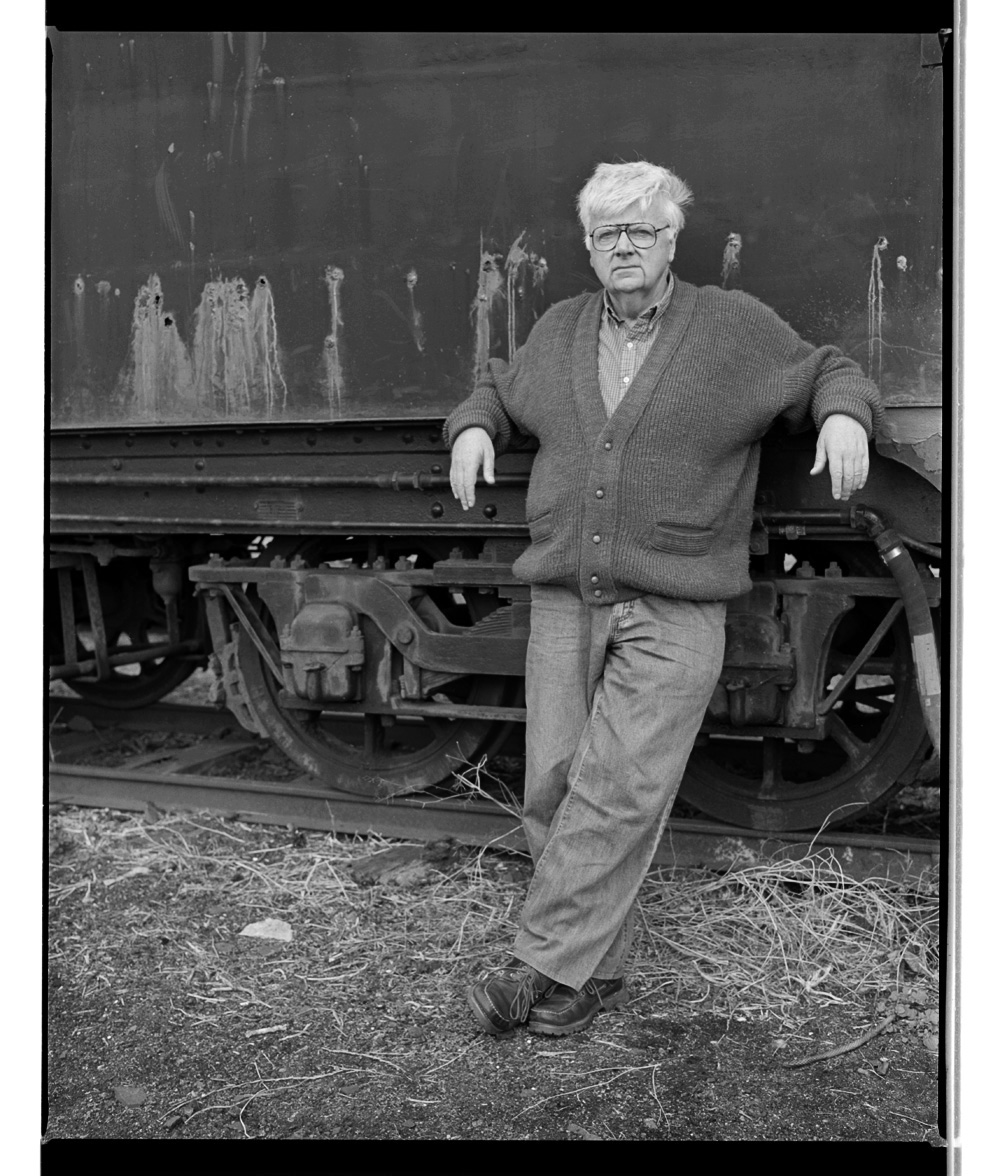
![Alfred Stieglitz (American, 1864-1946) 'Untitled [O'Keeffe with sketchpad and watercolors]' 1918 from the exhibition 'Georgia O'Keeffe' at Tate Modern, London, July - Oct, 2016](https://artblart.com/wp-content/uploads/2016/10/georgia_okeeffe_by_stieglitz_1918-web.jpg "Alfred Stieglitz (American, 1864-1946) 'Untitled [O'Keeffe with sketchpad and watercolors]' 1918 from the exhibition 'Georgia O'Keeffe' at Tate Modern, London, July - Oct, 2016")
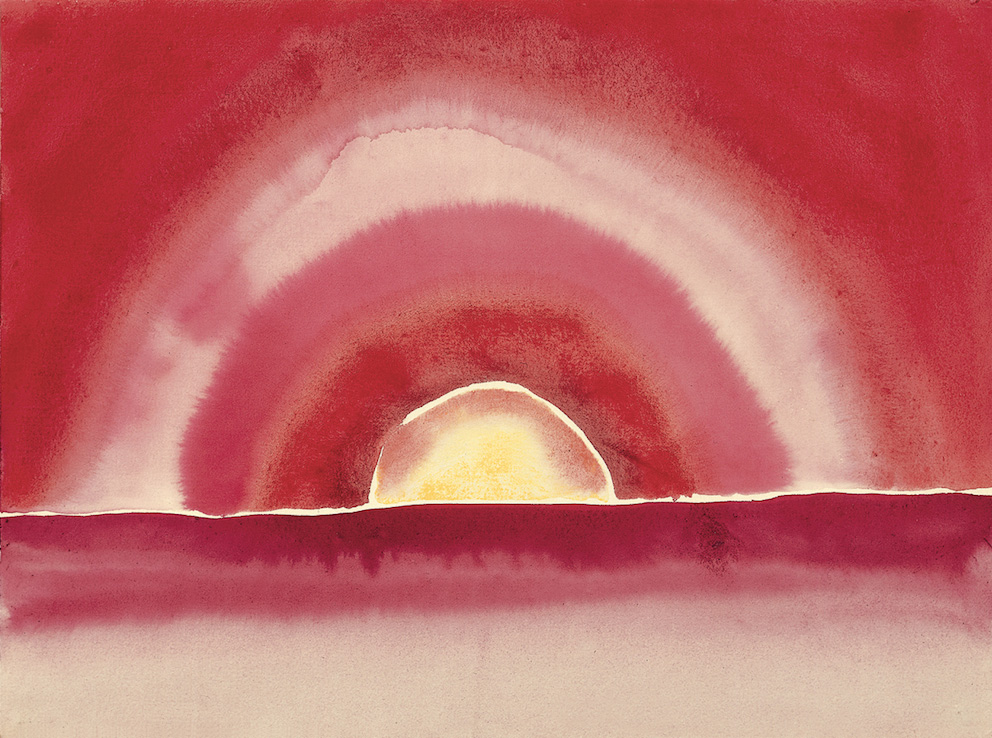

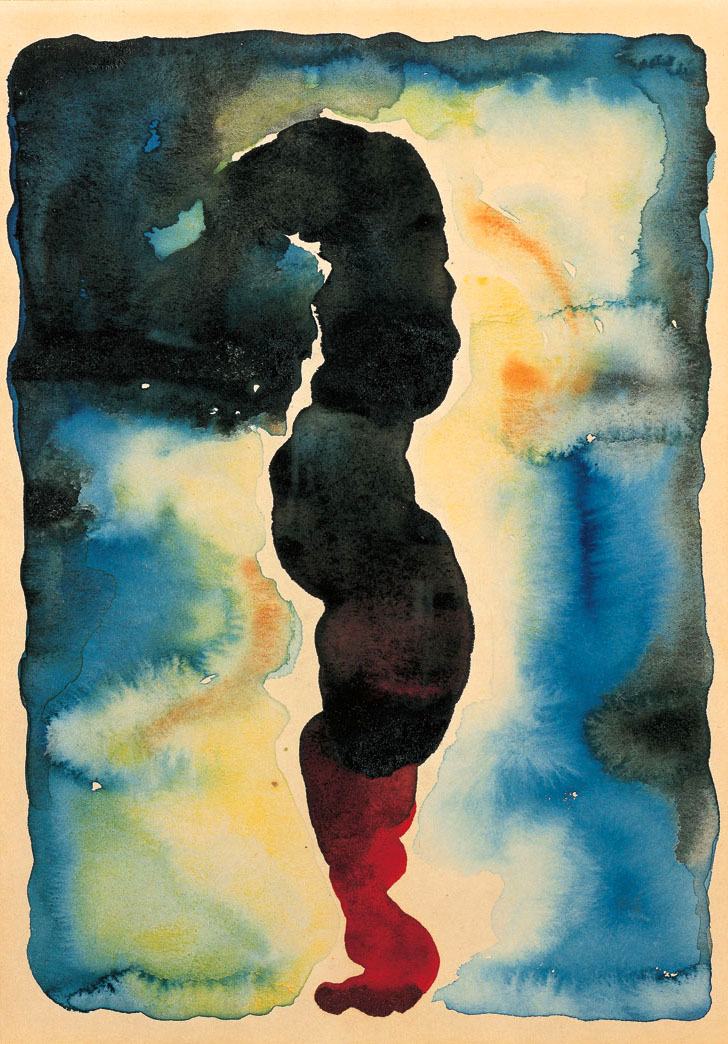
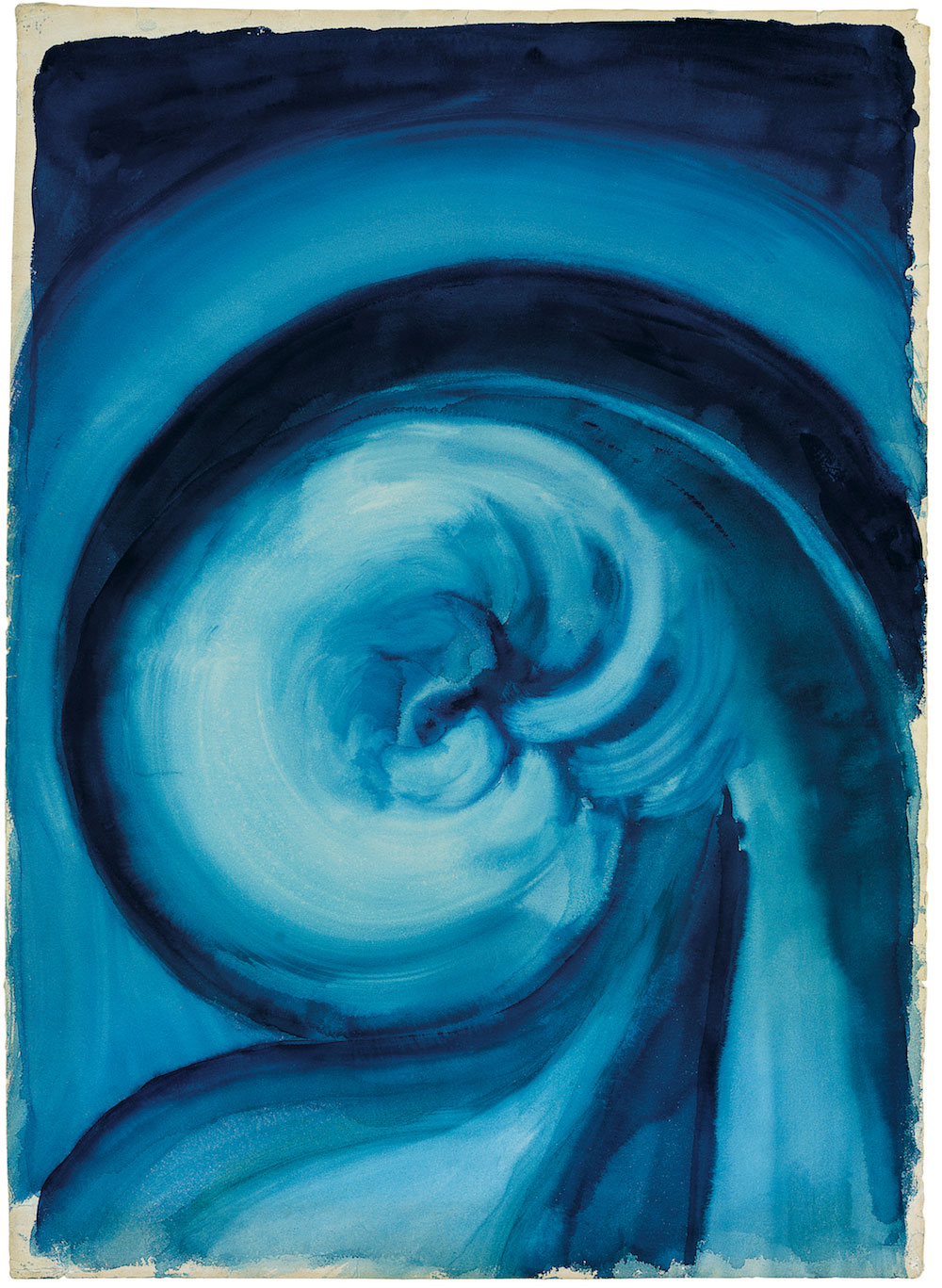











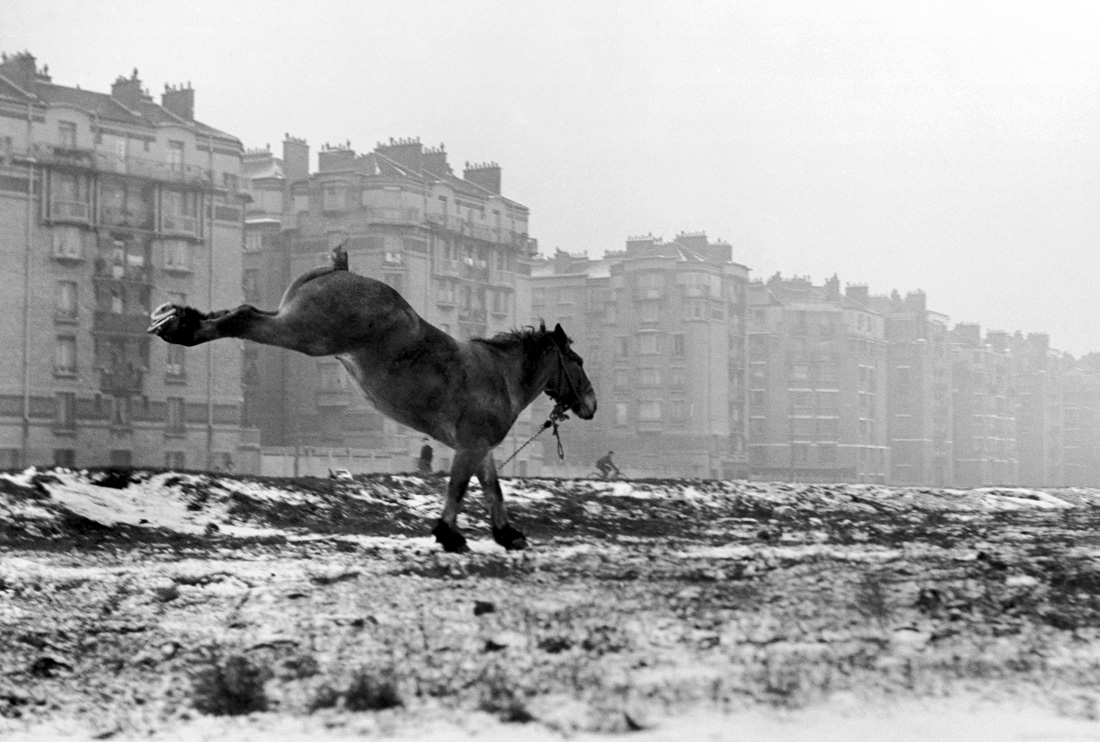

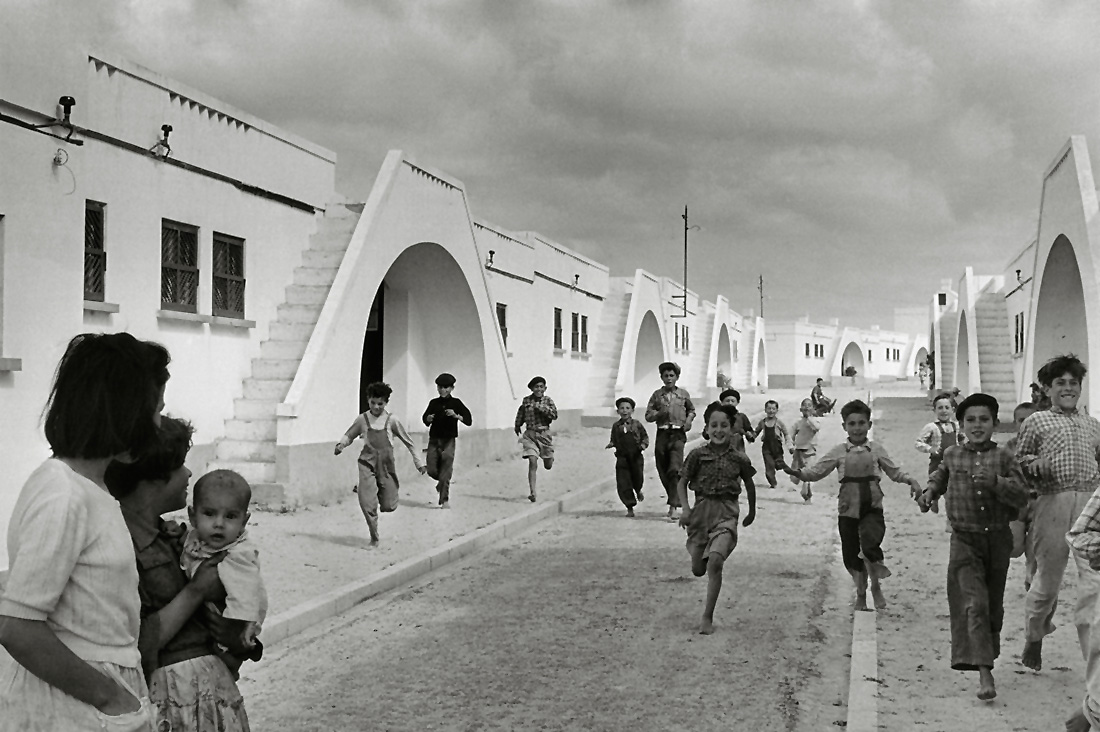
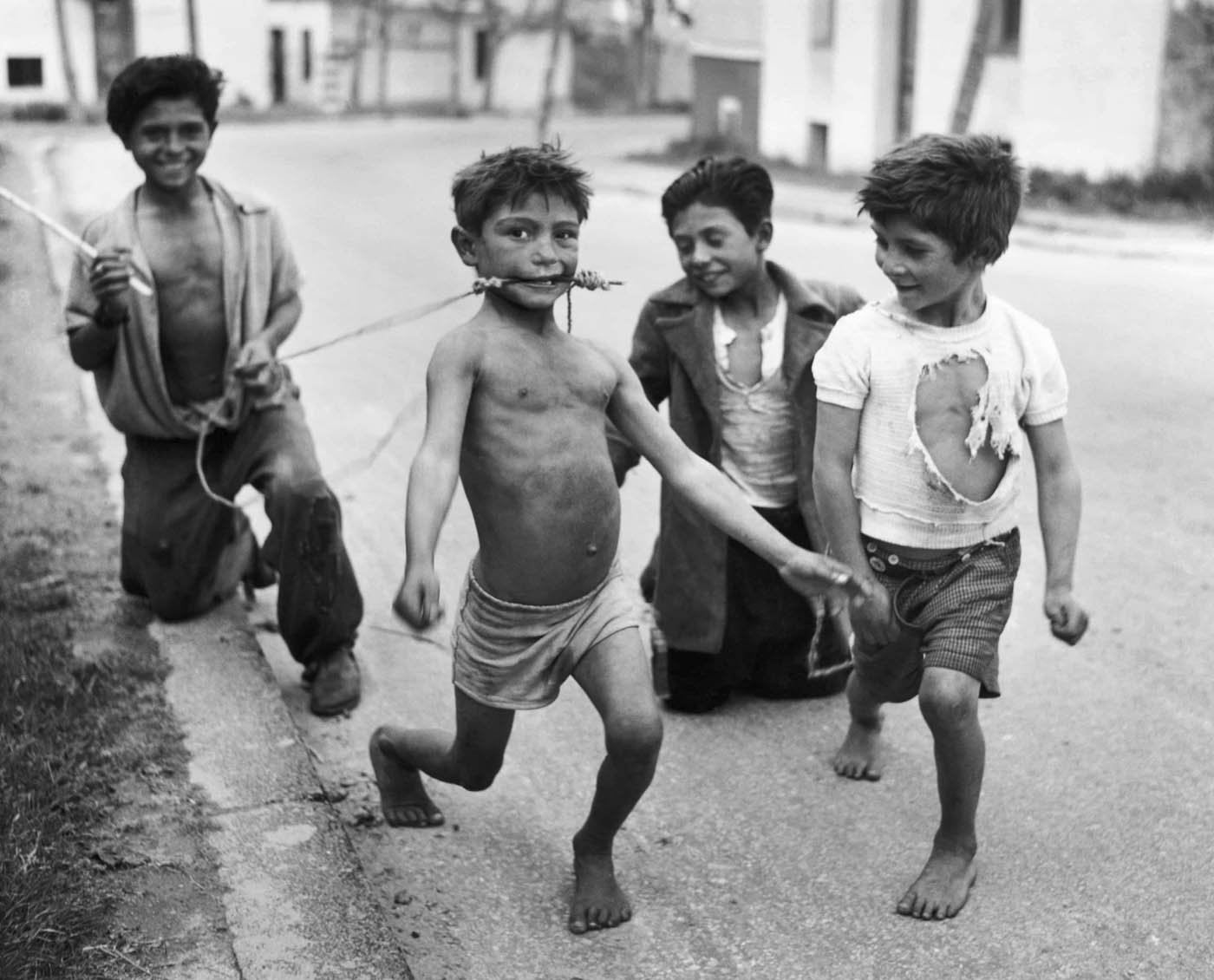
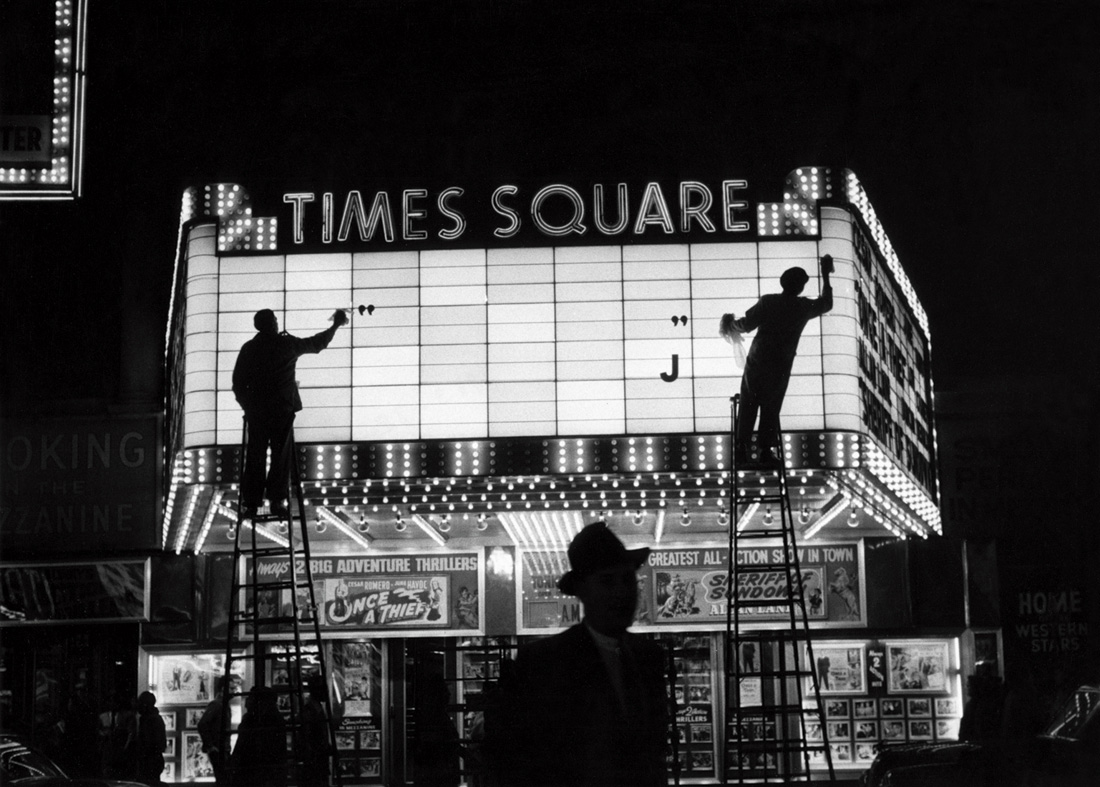


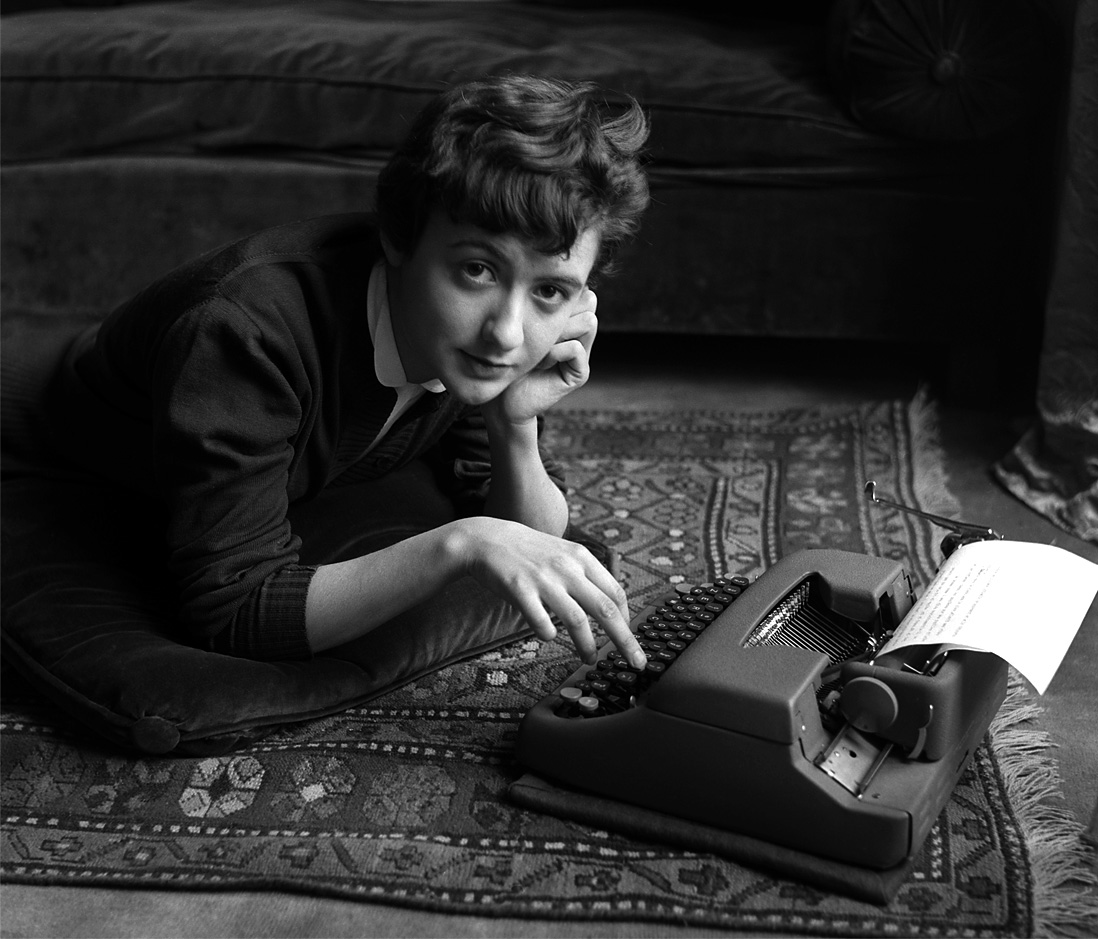


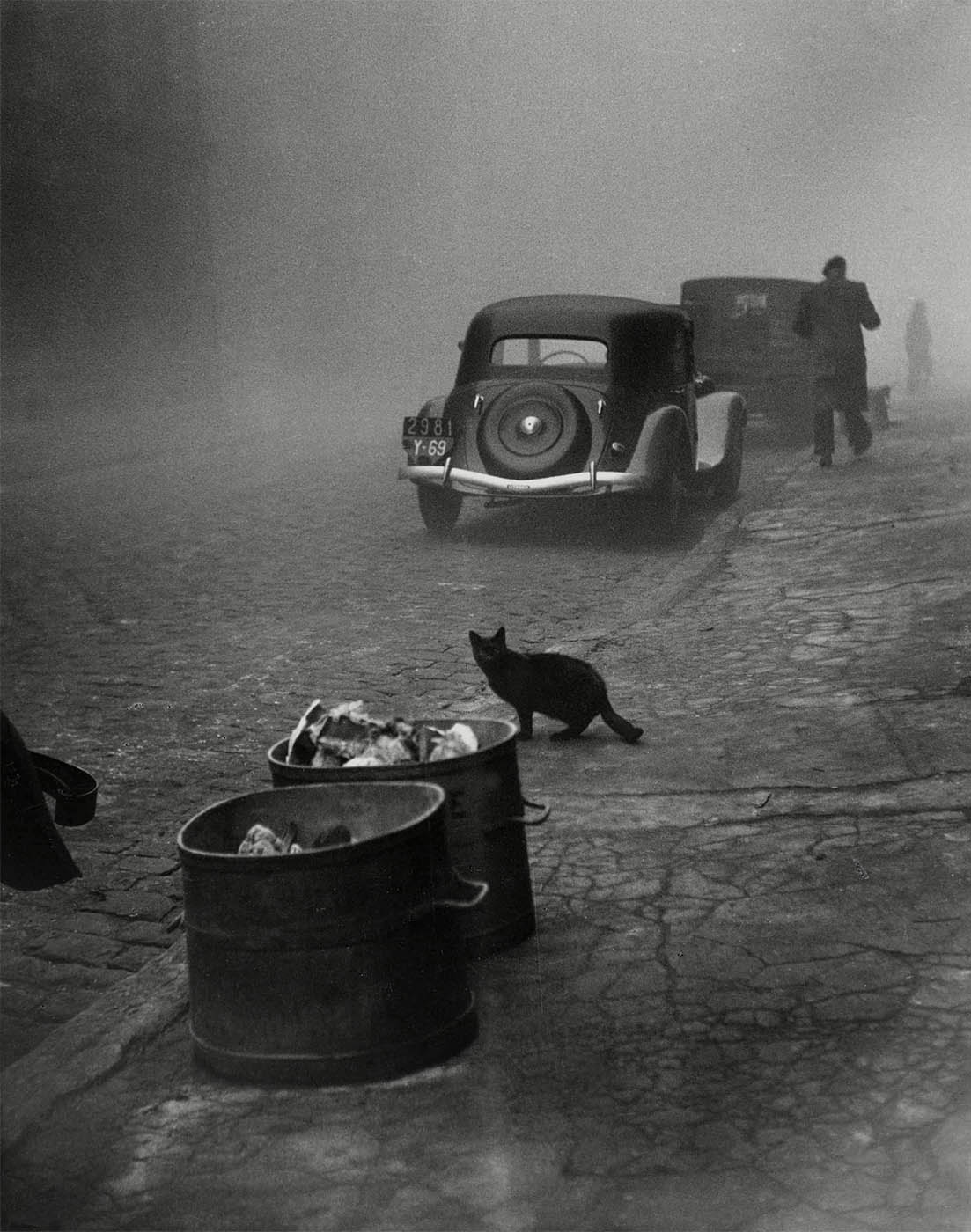
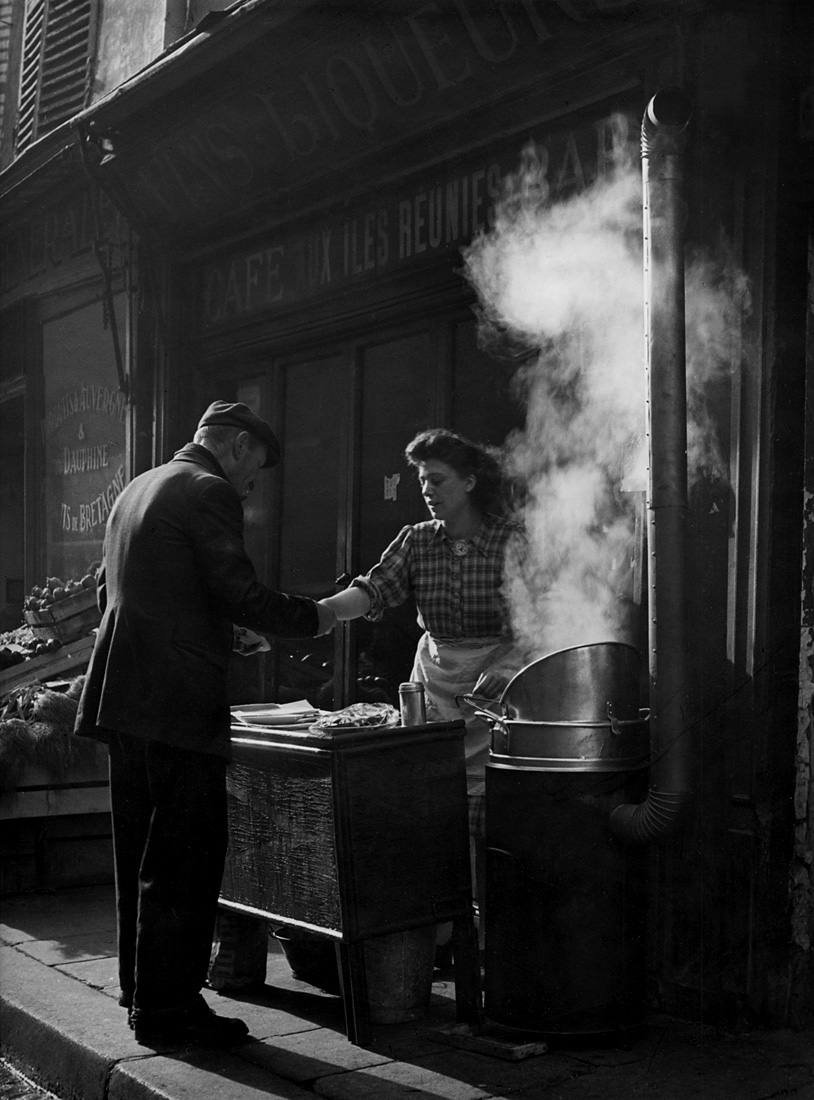
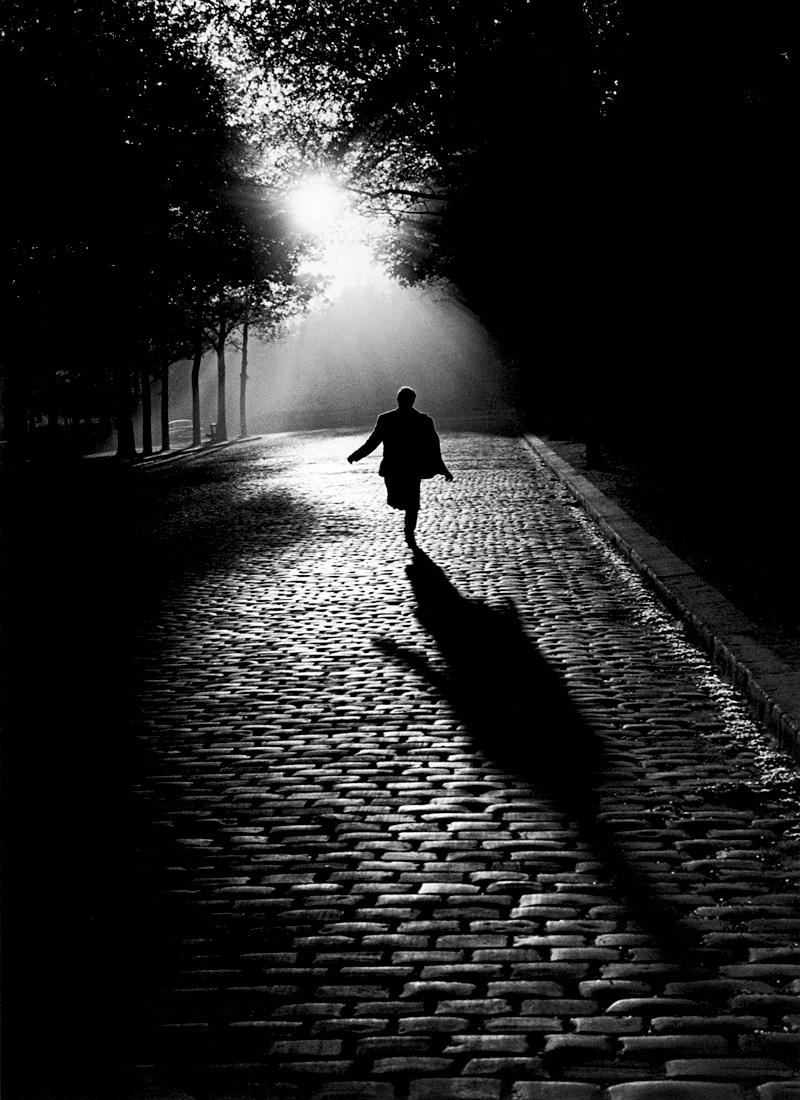
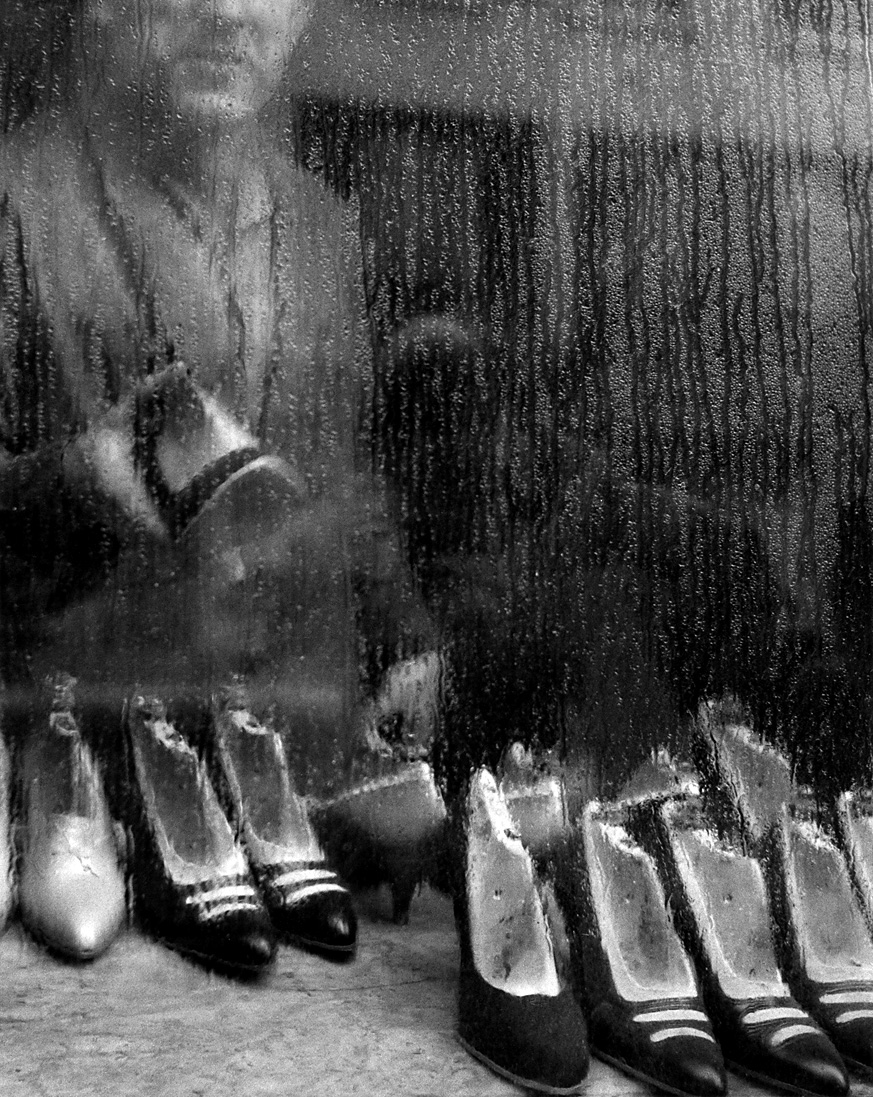
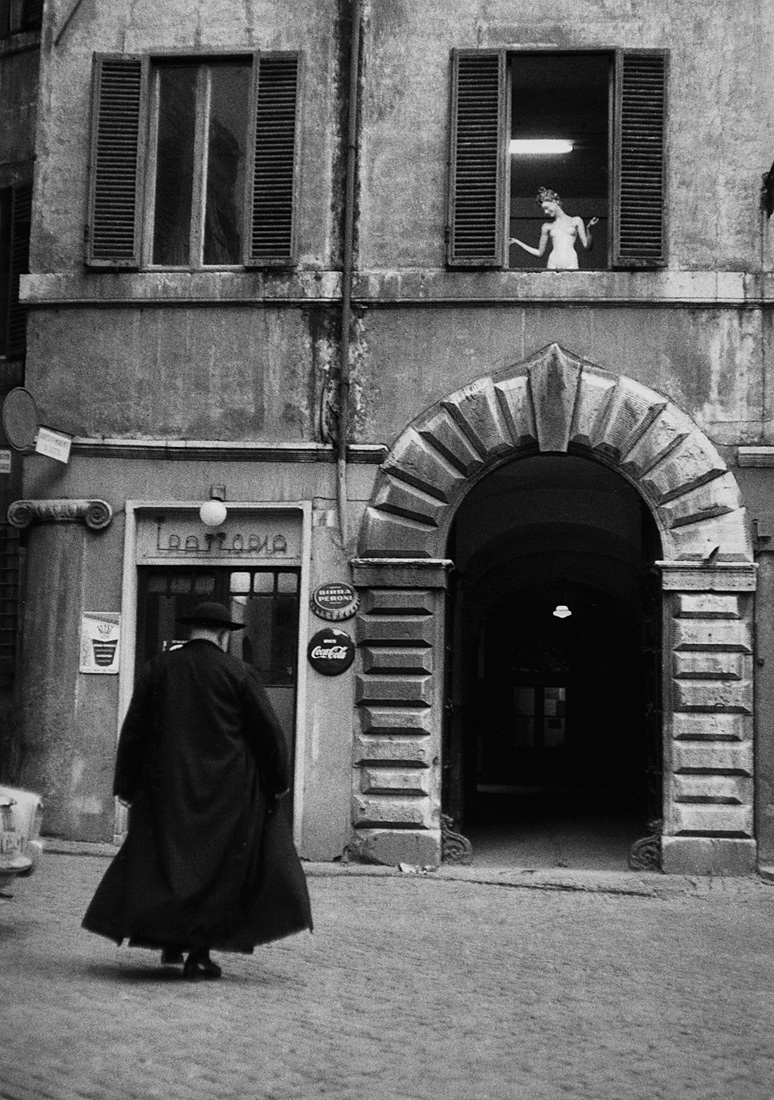
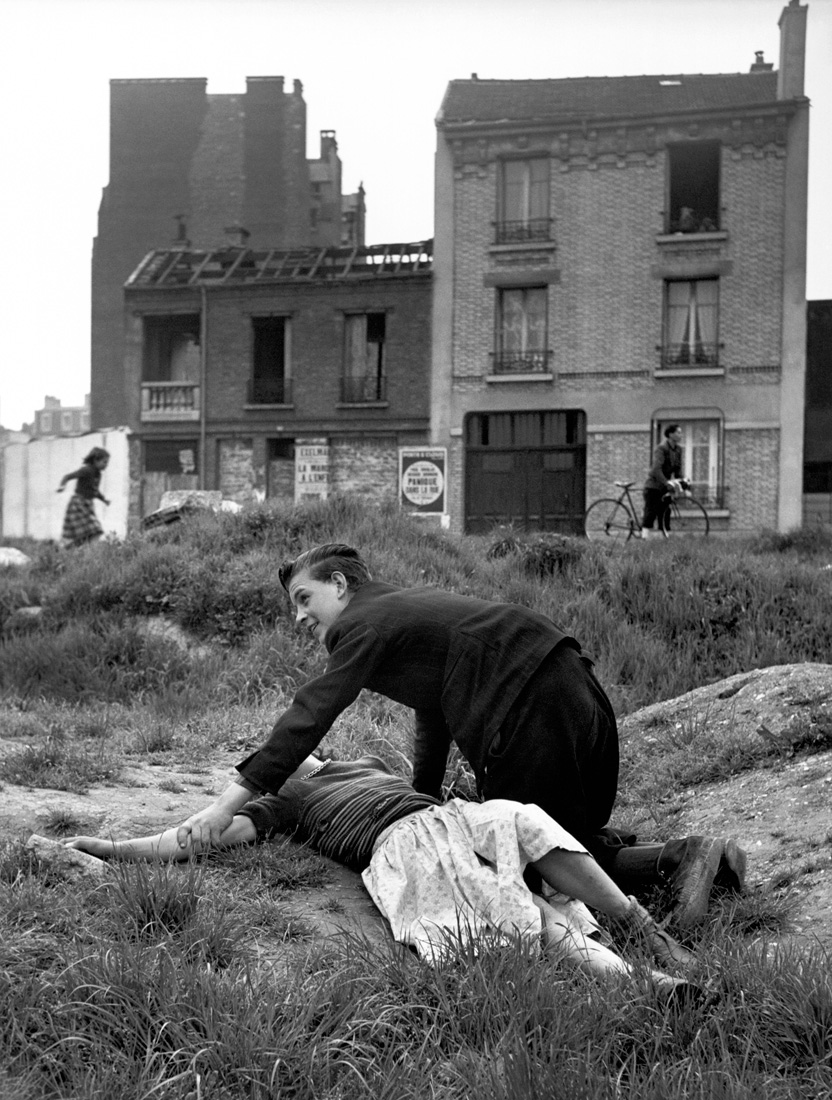
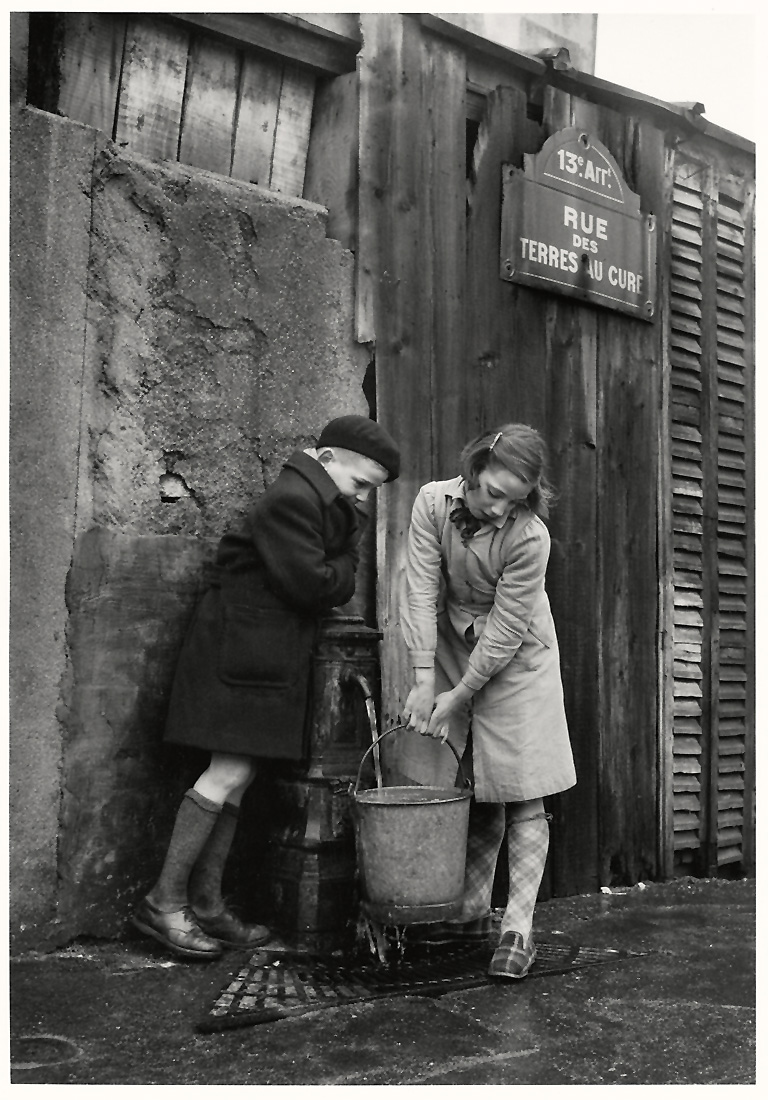
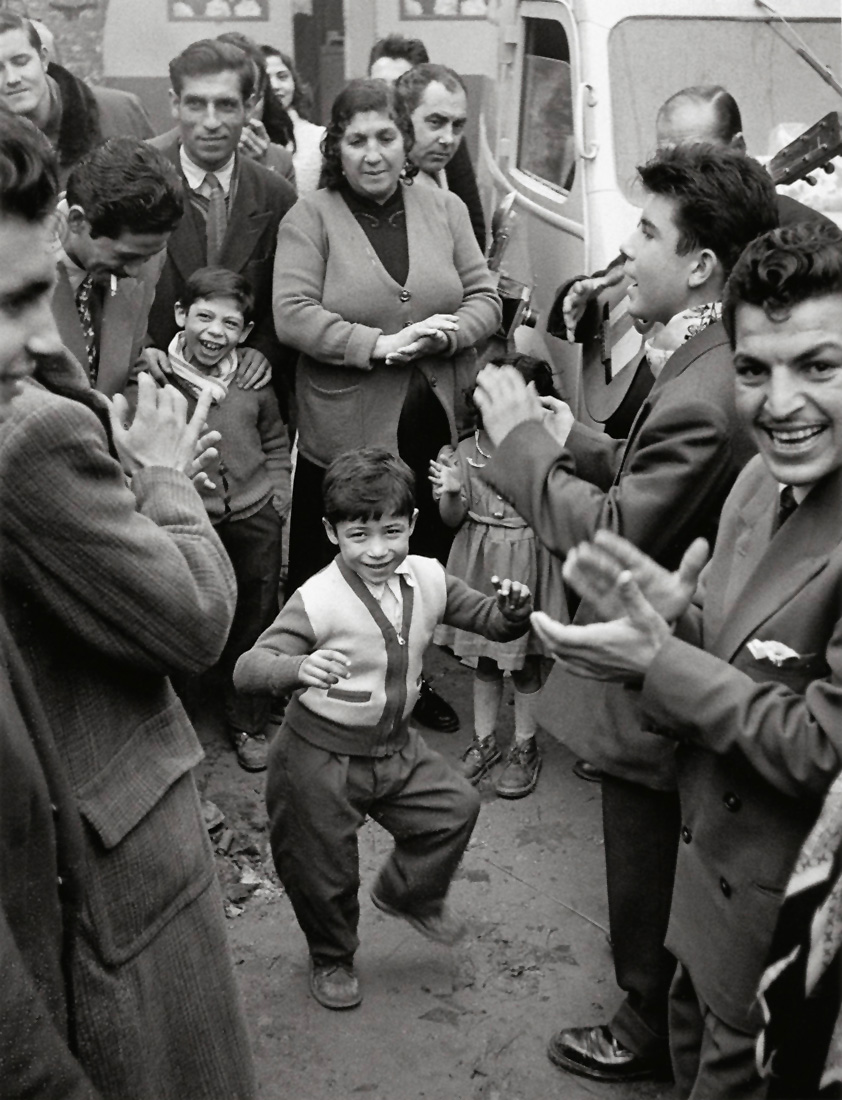
![Sabine Weiss (Swiss-French, 1924-2021) 'Enfants jouant, rue Edmond-Flamand' [Children playing, rue Edmond-Flamand] Paris, 1952](https://artblart.com/wp-content/uploads/2016/10/weiss-children-playing-web.jpg "Sabine Weiss (Swiss-French, 1924-2021) 'Enfants jouant, rue Edmond-Flamand' [Children playing, rue Edmond-Flamand] Paris, 1952")
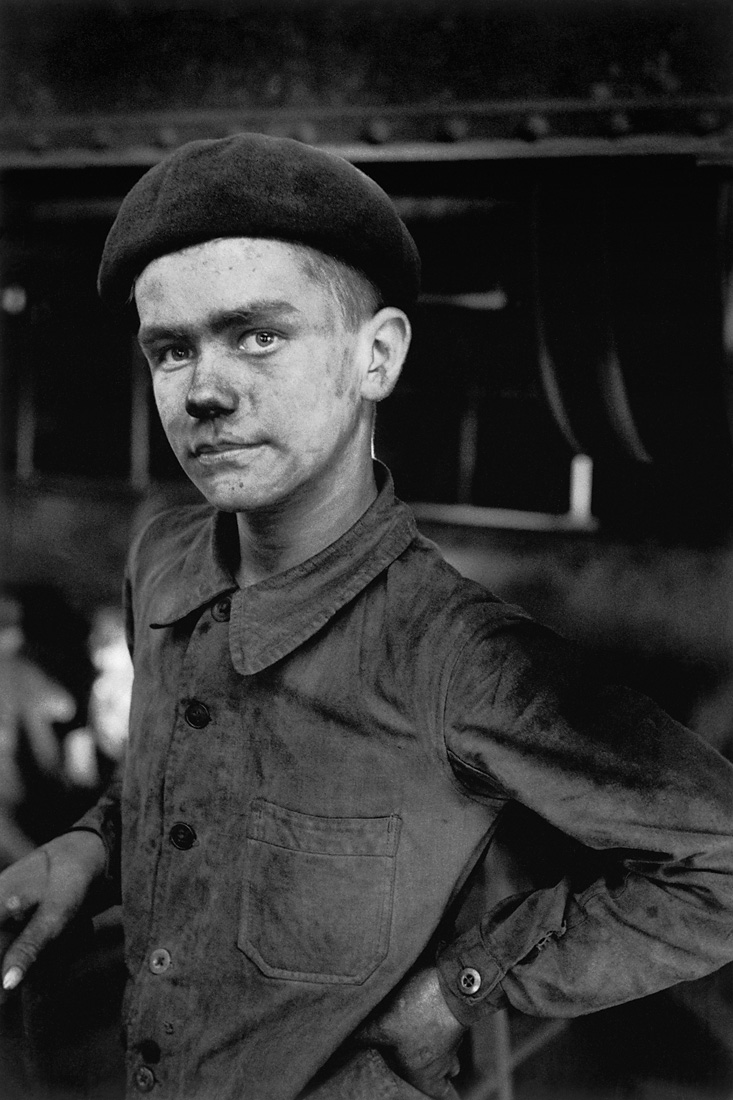
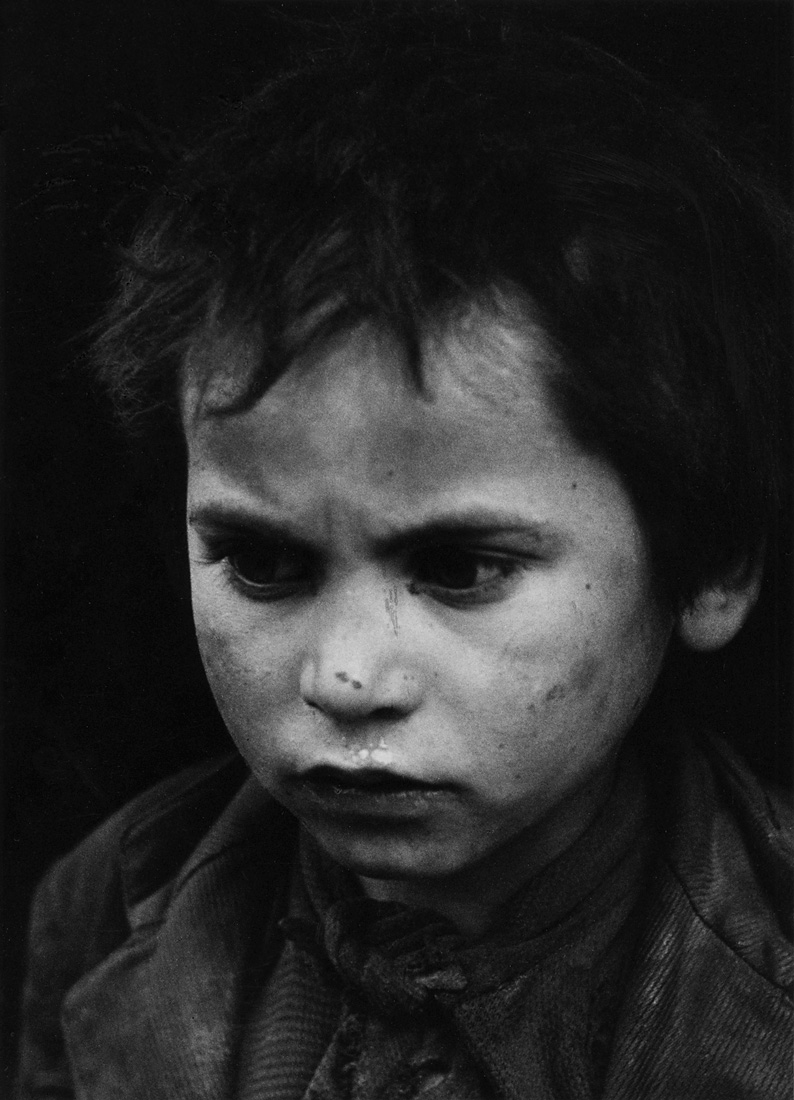
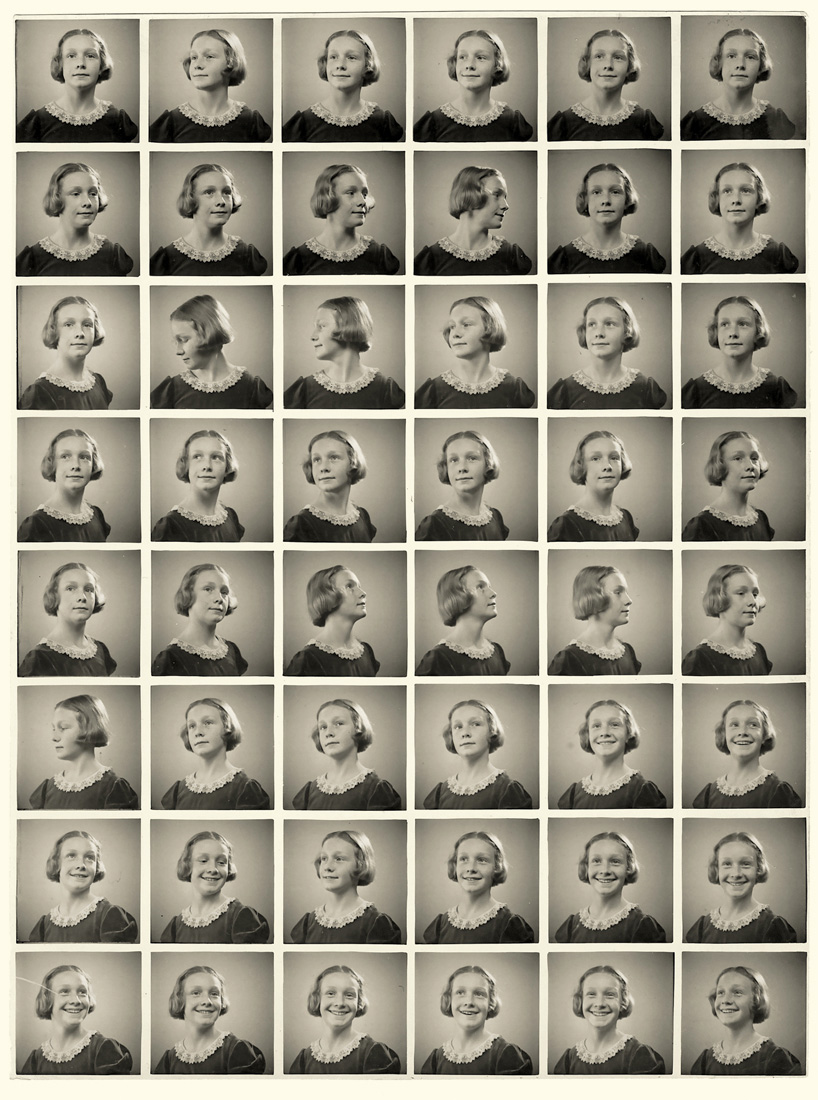
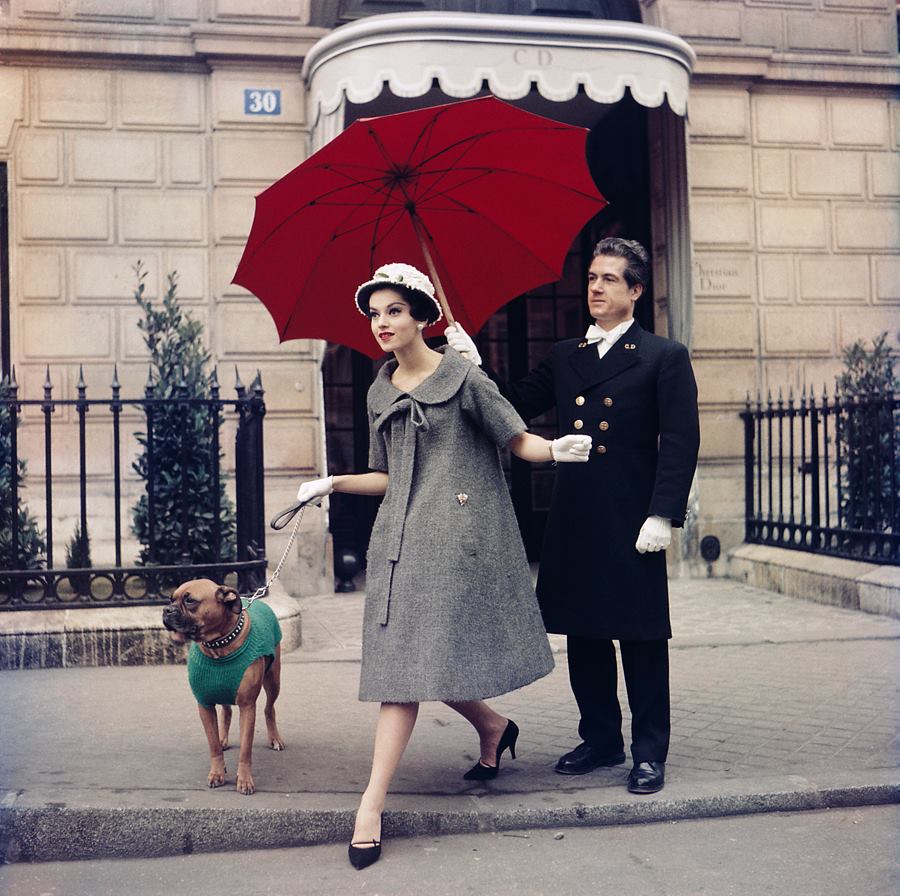
![Sabine Weiss (Swiss-French, 1924-2021) 'Anna Karina pour la marque Korrigan' [Anna Karina for the brand Korrigan] 1958](https://artblart.com/wp-content/uploads/2016/10/weiss-karina-web.jpg "Sabine Weiss (Swiss-French, 1924-2021) 'Anna Karina pour la marque Korrigan' [Anna Karina for the brand Korrigan] 1958")
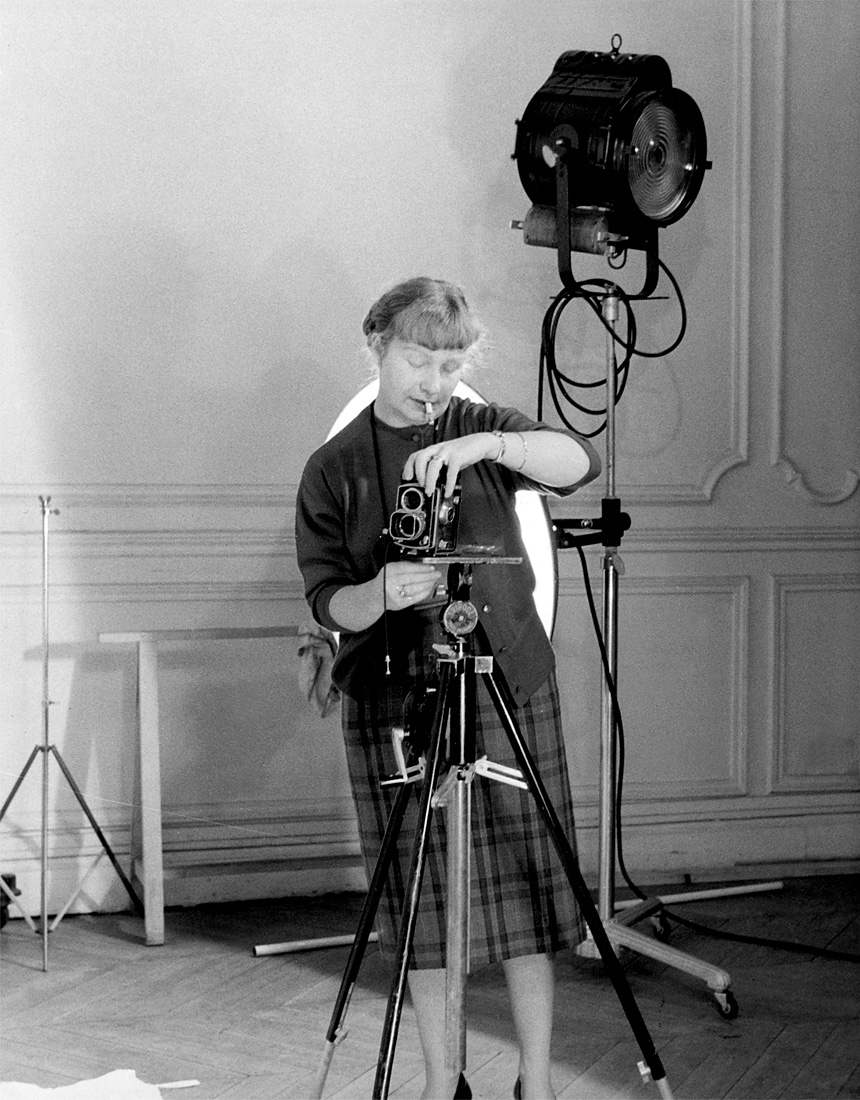


You must be logged in to post a comment.