“An exquisite edifice and living machine. Hard chambers of bone to guard soft organs, protected conduits and channels. Smooth working mechanism of jaws and teeth.”
~ Irving Penn, December 12, 1988
Irving Penn’s platinum photographs fetch tens of thousands of dollars at auction. I could think of better things to spend my money on.
I have never been a fan – of his cigarette butts, fruit dishes, vanitas as well as animal skulls and ethnographic photos. There are just too clinically cold and dead for me, like his invented word “photographism” which really says it all about his photo/graphs.
Other people may love them for their elegance and minimalism, but for work that supposedly investigates the ephemerality and brevity of human existence Penn tightens his essentially reductive approach until the conceptual (and formal) noose strangles the subject.
Irving Penn’s Worlds in a Small Room (where he set up baffles and stood “mudpeople” and other tribespeople), his masks, and his platinum prints of cigarette butts are his claim to fame. They were championed by the US East Coast and commercial interests. They are not terrible, but I don’t believe they are deserving of their fame. The work was deliberately made to attract the limelight, at least in the vibe I get from them.
Dr Marcus Bunyan
Many thankx to the Palazzo Grassi for allowing me to publish the photographs in the posting. Please click on the photographs for a larger version of the image.
Irving Penn: The Enduring Power of Formal Simplicity
“Irving Penn was one of the most significant and prolific photographers of the 20th century whose signature blend of classical elegance, cool minimalism and monumentality still command our attention… Penn’s visual innovations, compositional originality and intensity, his diversity and range, his meticulous perfectionism and his technical precision and insistence on clean spare elegant compositions are his trademarks… A remarkable sixty-year career was filled with amazing commissioned images which could not have been sustained without a relentless sense of precision and unyielding attention to details as well as a restless sense of curiosity… Penn’s approach from the beginning was essentially reductive – he described it as a ‘tightening process – the plastic search.’ He preferred the simple studio backdrop in order to concentrate on preserving the ‘sanctity of the document’… Penn’s legacy is his prodigious insatiable breadth of work blurring the worlds of commerce and fine art. He was constantly questioning the meaning of time, of life and its fragility.“
Diana Edkins. “Irving Penn: The Enduring Power of Formal Simplicity,” on The Eye of Photography website April 2014 [Online] Cited 21/11/2022
The exhibition Irving Penn, Resonance, curated by Pierre Apraxine and Matthieu Humery, brings together on the second floor of Palazzo Grassi 130 photographs, taken between the end of the 1940s and the mid-1980s. The exhibition is a collection of 90 platinum prints, 30 gelatin silver prints, 4 colourful dye transfer prints and 17 internegatives, which will be shown to the public for the first time.
It tackles the themes dear to Irving Penn and which, beyond their apparent diversity, all capture every facet of ephemerality. This is true of the selection of photographs from the series small trades, taken in France, England and the United States in the 1950s. It is also the case for the portraits taken between the 1950s and the 1970s of celebrities from the world of art, cinema, and literature. Exhibited alongside ethnographic photographs of the people of Dahomey and of tribesmen from New Guinea and Morocco, they strongly underline the brevity of human existence, whether affluent or resourceless, famous or unknown.
The exhibition path, which encourages dialogue and connections between works that differ in subject matter and period of time, gives prominence to still life photography from the late 1970s and the beginning of the 1980s: they are composed of cigarette ends, fruit dishes, vanitas as well as animal skulls photographed at the Narodni National Museum in Prague in 1986 for the series Cranium Architecture.
This broad overview of Irving Penn’s work puts relatively unknown images side-by-side with the most iconic ones, thereby revealing the particular ability to synthesise that characterises this photographer: in his work, modernity is not necessarily in opposition with the past and the way he exerts control over every step of the process, from the studio to the printing (to which he dedicates a lot of attention and unprecedented care), enables one to come nearer to the truth of things and people, through a constant questioning of the meaning of time, of life and of its fragility.
Irving Penn
Irving Penn was born in 1917 in Plainfield, New Jersey. In 1934 he enrolled at the Philadelphia Museum School of Industrial Art where he studied design with Alexey Brodovitch. In 1938 he began a career in New York as a graphic artist – then, after a year painting in Mexico, he returned to New York City and began work at Vogue magazine where Alexander Liberman was art director.
Liberman encouraged Penn to take his first colour photograph, a still life which became the October 1, 1943 cover of Vogue, beginning a fruitful collaboration with the magazine that lasted until his death in 2009. In addition to his editorial and fashion work for Vogue, Penn also worked for other magazines and for numerous commercial clients in America and abroad.
He published many books of his photographs including: Moments Preserved (1960); Worlds in a Small Room (1974); Inventive Paris Clothes (1977); Flowers (1980); Passage (1991); Irving Penn Regards The Work of Issey Miyake (1999); Still Life (2001); Dancer (2001); Earthly Bodies (2002); A Notebook At Random (2004); Dahomey (2004); Irving Penn: Platinum Prints (2005); Small Trades (2009); and two books of drawings and paintings.
Penn’s photographs are in the collections of major museums in America and abroad, including the Metropolitan Museum of Art, Moderna Museet in Stockholm, The National Gallery of Art in Washington, D.C., Smithsonian American Art Museum in Washington, D.C., The J. Paul Getty Museum in Los Angeles, and the Museum of Modern Art in New York, which honoured him with a retrospective exhibition in 1984. This exhibition was circulated to museums in twelve countries. Irving Penn made a donation, in 1997, to the Art Institute of Chicago of prints and archival material. In November of that year, the Art Institute mounted a retrospective that also toured to 5 museums around the world beginning at The State Hermitage in St. Petersburg, Russia.
Exhibition dates: 8th February – 2nd November, 2014
The Edward Steichen Photography Galleries, third floor
Curators: Organised by Quentin Bajac, The Joel and Anne Ehrenkranz Chief Curator, with Lucy Gallun, Assistant Curator, Department of Photography
Bruce Nauman (American, b. 1941) Composite Photo of Two Messes on the Studio Floor 1967 Gelatin silver print 40 1/2″ x 10′ 3″ (102.9 x 312.4cm) Gift of Philip Johnson Museum of Modern Art Collection
A bumper two part posting on this fascinating, multi-dimensional subject: photographic practices in the studio, which may be a stage, a laboratory, or a playground. The exhibition occupies all MoMA’s six photography galleries, each gallery with its own sub theme, namely, Surveying the Studio, The Studio as Stage, The Studio as Set, A Neutral Space, Virtual Spaces and The Studio, from Laboratory to Playground. See Part 2 of the posting.
The review of this exhibition “When a Form Is Given Its Room to Play” by Roberta Smith on the New York Times website (6th February 2014) damns with faint praise. The show is a “fabulous yet irritating survey” which “dazzles but often seems slow and repetitive.” Smith then goes on to list the usual suspects: “And so we get professional portraitists, commercial photographers, lovers of still life, darkroom experimenters, artists documenting performances and a few generations of postmodernists, dead and alive, known and not so, exploring the ways and means of the medium. This adds up to plenty to see: around 180 images from the 1850s to the present by some 90 photographers and artists. The usual suspects here range from Julia Margaret Cameron to Thomas Ruff, with Laszlo Moholy-Nagy, Lucas Samaras, John Divola and Barbara Kasten in between.” There are a few less familiar and postmodern artists thrown in for good measure, but all is “dominated by black-and-white images in an age when colour reigns.”
The reviewer then rightly notes the paucity of “postmodern photography of the 1980s, much of it made by women, that did a lot to reorient contemporary photo artists to the studio. It is a little startling for an exhibition that includes so many younger artists dealing with the artifice of the photograph (Ms. Belin, for example) to represent the Pictures Generation artists with only Cindy Sherman, James Casebere and (in collaboration with Allan McCollum) Laurie Simmons” before finishing on a positive note (I think!), noting that the curators “had aimed for a satisfying viewing experience, which, these days, is something to be grateful for.”
SOMETHING TO BE GRATEFUL FOR… OH, TO BE SO LUCKY IN AUSTRALIA!
Just to have the opportunity to view an exhibition of this quality, depth and breadth of concept would be an amazing thing. Even a third of the number of photographs (say 60 works) that address this subject at any one of the major institutions around Australia would be fantastic but, of that, there is not a hope in hell.
Think Marcus, think… when was the last major exhibition, I mean LARGE exhibition, at a public institution in Australia that actually addressed specific ISSUES and CONCEPTS in photography (such as this), not just putting on monocular exhibitions about an artists work or exhibitions about a regions photographs?
Ah, well… you know, I can’t really remember.
Perhaps the American Dreams exhibition at Bendigo Art Gallery, but that was a GENERAL exhibition about 20th century photography with no strong investigative conceptual theme and it was imported from George Eastman House.
Here in Australia, all we can do is look from afar, purchase the catalogue and wonder wistfully what the exhibition actually looks like and what we are missing out on. MoMA sent me just 10 images media images. I have spent hours scouring the Internet for other images to fill the void of knowledge and vision (and then cleaning those sometimes degraded images), so that those of us not privileged enough to be able to visit New York may gain a more comprehensive understanding of what this exhibition, and this multi-faceted dimension of photography, is all about.
It’s a pity that our venerable Australian institutions and the photography curators in them seem to have had a paucity of ideas when it comes to expounding interesting critiques of the medium over the last twenty years or so. What a missed opportunity.
Dr Marcus Bunyan
Many thankx to MoMA for allowing me to publish six of the photographs in the posting. The rest of the images were sourced from the Internet. Please click on the photographs for a larger version of the image.
Installation view of the exhibition A World of Its Own: Photographic Practices in the Studio at the Museum of Modern Art (MoMA), New York, February – November, 2014
Installation view of the exhibition A World of Its Own: Photographic Practices in the Studio at the Museum of Modern Art (MoMA), New York, February – November, 2014
Installation view of the exhibition A World of Its Own: Photographic Practices in the Studio at the Museum of Modern Art (MoMA), New York, February – November, 2014 showing at right, Seydou Keïta’s Untitled 1959
Installation view of the exhibition A World of Its Own: Photographic Practices in the Studio at the Museum of Modern Art (MoMA), New York, February – November, 2014 showing at left and centre the work of Richard Avedon including Carl Hoefert, unemployed blackjack dealer, Reno, Nevada, from the series In the American West August 30, 1983; and at right, the work of Peter Hujar including at second and third right, David Wojnarowicz both 1981, and at right, Pascal (Paris) 1980
Installation view of the exhibition A World of Its Own: Photographic Practices in the Studio at the Museum of Modern Art (MoMA), New York, February – November, 2014
Surveying the Studio
Uta Barth (American, b. 1958) Sundial (07.13) 2007
Chromogenic colour prints
each 30 x 28 1/4″ (76.2 x 71.8cm)
The Photography Council Fund
Museum of Modern Art Collection
Geta Brâtescu (Romanian, 1926-2018) The Studio. Invocation of the Drawing (L’Atelier. Invocarea desenului)
1979
Gelatin silver prints with tempera on paper
33 1/16 x 27 9/16″ (84 x 70cm)
Modern Women’s Fund
Museum of Modern Art Collection
Geta Brătescu was a Romanian visual artist with works in drawing, collage, photography, performance, illustration and film. In 2008, Brătescu received an honorary doctorate from the Bucharest National University of Arts for “her outstanding contributions to the development of contemporary Romanian art”. Brătescu was artistic director of literature and art magazine Secolul 21. A major retrospective of her work was held at the National Museum of Art of Romania in December 1999. In 2015 Brătescu’s first UK solo exhibition was held at the Tate Liverpool. In 2017, she was selected to represent Romania at the 57th Venice Biennale.
Man Ray (American, 1890-1976) Laboratory of the Future 1935
Gelatin silver print
9 1/16 x 7″ (23.1 x 17.8cm)
Gift of James Johnson Sweeney
Museum of Modern Art Collection
Charles Sheeler (American, 1883-1965) Cactus and Photographer’s Lamp, New York 1931
Gelatin silver print
9 1/2 x 6 5/8″ (23.5 x 16.6cm)
Gift of Samuel M. Kootz
Museum of Modern Art Collection
Bringing together photographs, films, videos, and works in other mediums, A World of Its Own: Photographic Practices in the Studio examines the ways in which photographers and artists using photography have worked and experimented within the four walls of the studio space, from photography’s inception to today. Featuring both new acquisitions and works from the Museum’s collection that have not been on view in recent years, A World of Its Own includes approximately 180 works, by approximately 90 artists, such as Berenice Abbott, Uta Barth, Zeke Berman, Karl Blossfeldt, Constantin Brancusi, Geta Brătescu, Harry Callahan, Robert Frank, Jan Groover, Barbara Kasten, Man Ray, Bruce Nauman, Paul Outerbridge, Irving Penn, Adrian Piper, Edward Steichen, William Wegman, and Edward Weston.
The exhibition considers the various roles played by the photographer’s studio as an autonomous space; depending on the time period, context, and the individual motivations (commercial, artistic, scientific) and sensibilities of the photographer, the studio may be a stage, a laboratory, or a playground. Organised thematically, the display unfolds in multiple chapters. Throughout the 20th century, artists have explored their studio spaces using photography, from the use of composed theatrical tableaux (in photographs by Julia Margaret Cameron or Cindy Sherman) to neutral, blank backdrops (Richard Avedon, Robert Mapplethorpe); from the construction of architectural sets within the studio space (Francis Bruguière, Thomas Demand) to chemical procedures conducted within the darkroom (Walead Beshty, Christian Marclay); and from precise recordings of time and motion (Eadweard Muybridge, Dr. Harold E. Edgerton) to amateurish or playful experimentation (Roman Signer, Peter Fischli / David Weiss). A World of Its Own offers another history of photography, a photography created within the walls of the studio, and yet as groundbreaking and inventive as its seemingly more extroverted counterpart, street photography.”
Text from the MoMA website
The exhibition is divided into 6 themes each with its own gallery space:
1/ Surveying the Studio 2/ The Studio as Stage 3/ The Studio as Set 4/ A Neutral Space 5/ Virtual Spaces 6/ The Studio, from Laboratory to Playground
The Studio as Stage
Unidentified photographer (French?) Untitled c. 1855 Albumen silver print from a wet-collodion glass negative 9 3/16 × 6 1/8″ (23.4 × 15.5cm) Gift of Paul F. Walter Museum of Modern Art Collection
George Platt Lynes (American, 1907-1955) Untitled 1941 Gelatin silver print 7 5/8 x 9 5/8″ (19.2 x 24.4cm) Anonymous gift Museum of Modern Art Collection
Lucas Samaras (American born Greece, 1936-2024) Auto Polaroid 1969-1971 Eighteen black-and-white instant prints (Polapan), with hand-applied ink Each 3 3/4 x 2 15/16″ (9.5 x 7.4cm) Overall 14 5/8 x 24″ (37.2 x 61cm) Gift of Robert and Gayle Greenhill Museum of Modern Art Collection
Working in the digital realm long before it was associated with fine art, Samaras pioneered radical new modes of image making throughout his storied career, pushing and redefining the boundaries of portraiture and self-portraiture over the course of seven decades. Centering on the body and the psyche, Samaras’s autobiographical work across photography, painting, installation, assemblage, drawing, textile, and sculpture often meditates on the malleable, shapeshifting nature of selfhood. “I like remaking myself in photography,” the artist once said. …
In the late 1960s, Samaras began working with a Polaroid 360 camera, creating his iconic Auto Polaroids by altering hundreds of images, mostly self-portraits, with applications of ink by his own hand. In 1973, using a Polaroid SX-70, he took this collagist approach further by manipulating the wet emulsion of the film with a stylus or his fingertip before the chemicals set. The resulting distortions in his Photo-Transformations series took on abstract, otherworldly effects, which he would continue exploring amid the rise of other image making technologies in the following decades.
Lucas Samaras (American, 1936-2024) Auto Polaroid (details) 1969-1971 Eighteen black-and-white instant prints (Polapan), with hand-applied ink Each 3 3/4 x 2 15/16″ (9.5 x 7.4cm) Overall 14 5/8 x 24″ (37.2 x 61cm) Gift of Robert and Gayle Greenhill Museum of Modern Art Collection
Julia Margaret Cameron (British, 1815-1879) Madonna with Children 1864 Albumen silver print 10 1/2 x 8 5/8″ (26.7 x 21.9cm) Gift of Shirley C. Burden Museum of Modern Art Collection
Julia Margaret Cameron (British, 1815-1879) Untitled (Mary Ryan?) c. 1867 Albumen silver print 13 3/16 x 11″ (33.5 x 27.9cm) Gift of Shirley C. Burden Museum of Modern Art Collection
Nadar (Gaspard-Félix Tournachon) (French, 1820-1910) Adrien Tournachon (French, 1825-1903) Pierrot Surprised 1854-1855 Albumen silver print 11 1/4 x 8 3/16″ (28.6 x 20.8cm) Suzanne Winsberg Collection. Gift of Suzanne Winsberg Museum of Modern Art Collection
Maurice Tabard (French, 1897-1984) Untitled 1929 Gelatin silver print 6 9/16 x 6 1/2″ (16.7 x 16.5cm) Gift of Robert Shapazian Museum of Modern Art Collection
Edward Steichen (American born Luxembourg, 1879-1973) Anna May Wong 1930 Gelatin silver print 16 9/16 x 13 7/16″ (42.1 x 34.1cm) Gift of the artist Museum of Modern Art Collection
“Taking people away from their natural circumstances and putting them into the studio in front of a camera did not simply isolate them, it transformed them. Sometimes the change was subtle; sometimes it was great enough to be almost shocking. But always there was transformation.”
~ Irving Penn 1974
Cindy Sherman (American, b. 1954) Untitled #131 1983 Chromogenic colour print 35 x 16 1/2″ (89 x 41.9cm) Joel and Anne Ehrenkranz Fund Museum of Modern Art Collection
The Studio as Set
Barbara Kasten (American, b. 1936) Construct I-F 1979 Colour instant print (Polaroid Polacolor) 9 1/2 x 7 1/2″ (24.0 x 19.0cm) Acquired through the generosity of Wendy Larsen Museum of Modern Art Collection
Barbara Kasten (American, b. 1936) Construct NYC 17 1984 Silver dye bleach print 29 3/8 x 37 1/16″ (74.7 x 94.1cm) Gift of Foster Goldstrom Museum of Modern Art Collection
James Casebere (American, b. 1953) Subdivision with Spotlight 1982 Gelatin silver print 14 13/16 x 18 15/16″ (37.6 x 48.1cm) Purchase Museum of Modern Art Collection
Francis Bruguière (American, 1879-1945) Light Abstraction c. 1925 Gelatin silver print 9 15/16 x 7 15/16″ (25.2 x 20.2cm) Gift of Arnold Newman Museum of Modern Art Collection
Francis Joseph Bruguière (15 October 1879 – 8 May 1945) was an American photographer.
Francis Bruguière was born in San Francisco, California, to Emile Antoine Bruguière (1849-1900) and Josephine Frederikke (Sather) Bruguière (1845-1915). He was the youngest of four sons born into a wealthy banking family and was privately educated. His brothers were painter and physician Peder Sather Bruguière (1874-1967), Emile Antoine Bruguiere Jr. (1877-1935), and Louis Sather Bruguière (1882-1954), who married wealthy heiress Margaret Post Van Alen. He was also a grandson of banker Peder Sather. His mother died in the 1915 sinking of the British ocean liner SS Arabic by a German submarine.
In 1905, having studied painting in Europe, Bruguière became acquainted with photographer and modern art promoter Alfred Stieglitz (who accepted him as a Fellow of the Photo-secession), and set up a studio in San Francisco, recording in a Pictorialist style images of the city after the earthquake and fire; some of them were reproduced in a book called San Francisco in 1918. He co-curated the photographic exhibition at the 1915 Panama-California Exposition in San Diego, and nine of his photographs were included in The Evanescent City (1916) by George Sterling.
In 1918, following the decline of the family fortune, he moved to New York City where he made his living by photographing for Vanity Fair, Vogue, and Harper’s Bazaar. Soon he was appointed the official photographer of the New York Theatre Guild. In this role he photographed the British stage actress Rosalinde Fuller, who was debuting in What’s in a Name? (1920), and she partnered him for the rest of his life.
Throughout his life, Bruguière experimented with multiple-exposure, solarization (years ahead of Man Ray), original processes, abstracts, photograms, and the response of commercially available film to light of various wavelengths. Until his one-man show at the Art Centre of New York in 1927, he showed this work only to friends. In the mid-1920s, he planned to make a film called The Way, depicting stages in a man’s life, to be played by Sebastian Droste with Rosalinde doing all the female parts. To obtain funding, Bruguière took photographs of projected scenes, but Droste died before filming started; so we are left with only the still pictures.
In 1927 they moved to London, where Bruguière co-created the first British abstract film, Light Rhythms, with Oswell Blakeston. Long thought to have been lost, it has now been recovered. During World War II, he returned to painting.
Jaromír Funke (1 August 1896 – 22 March 1945) was a leading Czech photographer during the 1920s and 1930s.
Funke was recognised for his “photographic games” using mirrors, lights, and insignificant objects, such as plates, bottles, or glasses, to create unique works. In his still life imagery he created abstracts of forms and shadows reminiscent of photograms. His work was regarded as logical, original and expressive in nature. A typical feature of Funke’s work would be the “dynamic diagonal.”
Paul Outerbridge (American, 1896-1958) Images de Deauville 1936 Tri-colour carbro print 15 3/4 x 12 1/4″ (40 x 31.1cm) Gift of Mrs. Ralph Seward Allen Museum of Modern Art Collection
Elad Lassry (Israeli, b. 1977) Nailpolish 2009 Chromogenic colour print 14 1/2 x 11 1/2″ (36.8 x 29.2cm) Fund for the Twenty-First Century Museum of Modern Art Collection
The Museum of Modern Art 11 West 53 Street New York, NY 10019 Phone: (212) 708-9400
Opening hours: 10.30am – 5.30pm Open seven days a week
Exhibition dates: 29th November, 2013 – 21st April, 2014
Curator: Dr. Ulrich Pohlmann, head of the museum’s photography collection, in collaboration with the publisher Andreas Landshoff
Hermann Landshoff (American-German, 1905-1986) The Bicyclers Published in Junior Bazaar August 1946
Another artist who was lucky to escape Europe in the first years of the Second World War.
I would like to see the whole exhibition.
At the moment I can’t make a judgement on his work for I have not seen enough of it, but on the evidence of the images presented in this posting, I am not entirely convinced.
However, the photograph of Lauren Bacall in 1945 is ravishing…
Dr Marcus Bunyan
Many thankx to the Münchner Stadtmuseum for allowing me to publish the photographs in the posting. Please click on the photographs for a larger version of the image.
Hermann Landshoff (American-German, 1905-1986) Model Cora Hemmet on the Grand Versailles Staircase 1934-1938 Gelatin silver print Münchner Stadtmuseum Photography Collection
Hermann Landshoff (American-German, 1905-1986) Max Ernst at Peggy Guggenheim’s home, New York, fall 1942 1942 Gelatin silver print Münchner Stadtmuseum Photography Collection
Hermann Landshoff (American-German, 1905-1986) Max Ernst at Peggy Guggenheim’s home, New York, fall 1942 1942 Gelatin silver print Münchner Stadtmuseum Photography Collection
Hermann Landshoff (American-German, 1905-1986) Photographer Irving Penn 1948 Gelatin silver print Münchner Stadtmuseum Photography Collection
Hermann Landshoff (American-German, 1905-1986) Albert Einstein c. 1950 Gelatin silver print Münchner Stadtmuseum Photography Collection
Hermann Landshoff (American-German, 1905-1986) Robert Frank with his wife Mary and his daughter Andrea, New York 1956 Gelatin silver print Münchner Stadtmuseum Photography Collection
Hermann Landshoff (American-German, 1905-1986) The striped parasol, model Jan Rylander 1957 Gelatin silver print Münchner Stadtmuseum Photography Collection Archiv Hermann Landshoff
Hermann Landshoff (American-German, 1905-1986) Children in a Spanish village 1957 Gelatin silver print Münchner Stadtmuseum Photography Collection
In the spring of 2012, the Münchner Stadtmuseum’s Photography Collection received a sensational addition to its archives. The complete artistic estate of German-American photographer Hermann Landshoff (1905-1986), featuring 3,600 original prints from between 1927 to 1970, were generously donated to the museum on behalf of the family by Andreas Landshoff.
Landshoff grew up in Munich-Solln as the son of a well-to-do Jewish family that was very much involved in the city’s art, literature and music scenes. His father, Ludwig Landshoff, was an internationally acclaimed musicologist and composer who was director and head of Munich’s Bach Society from 1917 to 1928. His mother, Philippine Wiesengrund, was a singer with the Royal Court Opera, while his sister Ruth Landshoff, better known by her married name of Vollmer, would become one of the founders of the conceptual art movement in the United States. In addition, writers such as Thomas Mann, Christian Morgenstern, Joachim Ringelnatz, Rainer Maria Rilke, Karl Wolfskehl and Franziska zu Reventlow were frequent visitors to his parents’ home. Another family member, the author Ruth Landshoff-Yorck, was the muse of Otto Umbehr and Paul Citroen and ran an art salon in Berlin that had a reputation as one of the most exciting meeting places for avant-garde artists in the whole of the Weimar Republic.
Other more distant relations of the family included important figures from the world of publishing such as Samuel Fischer, the founder of the S. Fischer Verlag publishing house, and Fritz H. Landshoff, who, from 1933, ran the Querido publishing house in Amsterdam which would become the most important forum for German exile literature, publishing novels by authors including Heinrich Mann, Klaus Mann, Hermann Kesten, Joseph Roth, Alfred Döblin, Lion Feuchtwanger, Anna Seghers, Ernst Toller and Arnold Zweig.
Even in his early years, Hermann Landshoff attracted attention with his cartoons and a photo reportage on Albert Einstein that was published in the Münchner Illustrierte Zeitung magazine. After training at Munich’s Kunstgewerbeschule (School of Arts and Crafts), he became a member of the circle of well-known typographer and book illustrator Fritz Helmuth Ehmcke. It was here that Landshoff met the Nuremberg illustrator Richard Lindner alongside whom he would subsequently work as part of the creative team at the Knorr & Hirth publishing house. When the Nazis seized power in 1933, Landshoff was forced to emigrate, initially settling in Paris where he worked as a fashion photographer. Between 1936 and 1939, his images were published in the popular Femina magazine and in the French edition of Vogue. He was then forced to flee France and, after an eventful journey spanning 1940 and 1941, he eventually pitched up in New York. Landshoff soon became one of the most fascinating fashion photographers to collaborate with legendary art director Alexey Brodovitch for fashion magazines such as Harper’s Bazaar, Junior Bazaar and latterly also Mademoiselle. He developed his own style as a fashion photographer, portraying the models in life-like everyday situations. American fashion photographer Richard Avedon considered himself to have been profoundly inspired by Landshoff, even being moved to claim that ‘I owe everything to Landshoff’.
There is little doubt that Hermann Landshoff is one of the last great unsung heroes in (the history of) 20th century photography. Having been quite wrongly consigned to oblivion for all these years, the time has now come for him to be rediscovered. His multi-layered works show us various sides to the age in which he lived and the lives of artists who had settled in the United States having been exiled from Europe. The exhibition offers the first chance to see Landshoff’s portraits of European artists such as Max Ernst, Richard Lindner, Leonora Carrington or Frederick Kiessler who found a new artistic home in New York under the auspices of art collector Peggy Guggenheim. It also features a number of stunning group and individual portraits of members of the New York surrealist community centred around André Breton and Marcel Duchamp.
Finally, we also have Hermann Landshoff to thank for a unique cycle of around 70 portraits of different photographers that he created between 1942 and 1960. These striking images feature old masters like Walker Evans, Paul Strand, Alfred Stieglitz, Ansel Adams, Berenice Abbott, Margaret Bourke-White, Alfred Eisenstaedt, Andreas Feininger or WeeGee alongside young, up-and-coming photographers still at the start of their careers, such as Robert Frank, Irving Penn and Richard Avedon. This pantheon of eminent photographers occupies a unique place in the history of the medium.
Other collections of images tackle the urban architecture and people of New York, focusing particularly on those on the fringes of society. The exhibition also includes several portraits of prominent physicists such as Albert Einstein as well as some of the Los Alamos scientists such as Robert Oppenheimer and his cousin Rolf Landshoff involved in building the world’s first nuclear bomb. The exhibition will show a selection of more than 250 of Landshoff’s fascinating photographs for the first time, with subjects drawn from across the entire spectrum of his work, from fashion to portraits and architecture.
Press release from the Münchner Stadtmuseum website
Hermann Landshoff (American-German, 1905-1986) Tennis balls with models Wanda Delafield and Peggy Lloyd c. 1945 Gelatin silver print Münchner Stadtmuseum Photography Collection
Hermann Landshoff (American-German, 1905-1986) Model Beth Wilson at Rip Van Winkle Bridge spanning the Hudson River, New York 1946 1946 Gelatin silver print Münchner Stadtmuseum Photography Collection
Hermann Landshoff (American-German, 1905-1986) Self-portrait, New York c. 1942 Gelatin silver print Münchner Stadtmuseum Photography Collection
Hermann Landshoff (American-German, 1905-1986) Actress Lauren Bacall, New York, 1945 1945 Gelatin silver print Münchner Stadtmuseum Photography Collection
Hermann Landshoff (American-German, 1905-1986) On the roof of Saks Fifth Avenue Building, New York, 1942 1942 Gelatin silver print Münchner Stadtmuseum Photography Collection
Hermann Landshoff (American-German, 1905-1986) Walker Evans, New York 1948 Gelatin silver print Münchner Stadtmuseum Photography Collection
Hermann Landshoff (American-German, 1905-1986) Horst P. Horst, New York 1948 Gelatin silver print Münchner Stadtmuseum Photography Collection
Hermann Landshoff (American-German, 1905-1986) Model in front of “The Large Glass” by Marcel Duchamp, Philadelphia Museum of Art 1954 Gelatin silver print Münchner Stadtmuseum Photography Collection
Münchner Stadtmuseum St. Jakobs Platz 1 80331 München Phone: +49-(0)89-233-22370
Unidentified artist [Bird in Basin with Thread Spool and Patterned Cloth] c. 1855 Daguerreotype Plate: 2 3/4 x 3 1/4 in. (6.9 x 8.2cm) Smithsonian American Art Museum Museum purchase from the Charles Isaacs Collection made possible in part by the Luisita L. and Franz H. Denghausen Endowment
The next two weeks sees a lot of exhibitions finish their run on the 5th January 2014.
Here is a bumper posting which contains one of my favourite photographs of all time: Danny Lyon’s Crossing the Ohio River, Louisville (1966, below). From a distance, this looks to be a very interesting exhibition on a large topic, delineated for the viewer into four main sections. The task of the curator cannot have been easy, picking 113 images to represent a “democracy” of images out of a collection of over 7,000 images. Of course there can never be a true “democracy” of images as some will always be more valued within our culture than others. There is a meritocracy in this exhibition which features images by masters of the medium but this is balanced by the inclusion of images by anonymous photographers, little known photographers and vernacular and street photography.
What is most impressive is the specially developed website which includes many images from the different sections of the exhibition. These images are of good quality and, along with relevant text, help the viewer place the images in context. Related content is also suggested from the full photographic collection at The Smithsonian which has been placed online with good image quality. This is a far cry from many exhibitions at state galleries in Australia where there are hardly any dedicated exhibition websites. Most of the photographic collection from these galleries is not available online and if it has been scanned, the image quality is generally poor. How many times have I searched a state gallery or library collection and come up with the answer: “Image not available” ?
Dr Marcus Bunyan
Many thankx to the Smithsonian American Art Museum for allowing me to publish the photographs and text in the posting. Please click on the photographs for a larger version of the image.
“More often, though, the moments, places, people and views that have been collected here feel offhand and stumbled upon, telling a fragmentary, incomplete tale. Sometimes it’s literally a glance, as in “Girl Holding Popsicle,” a 1972 image by Mark Cohen, who rarely even looked through his viewfinder. Other times, it’s more like a long stare, as in William Christenberry’s 1979 “China Grove Church – Hale County, Alabama,” a locale that the Washington-based artist and Alabama native returned to again and again. These 113 pictures are, at the same time, quietly telling, revealing bits of America in oblique, prismatic ways.”
Part of Michael O’Sullivan’s review of the exhibition in The Washington Post.
American Characters
Photographers have captured the texture of everyday life since the medium’s arrival in the United States in 1839. Photographic portraits have made both the iconic and the commonplace serve as stand-ins for all of us, forging a shared language of political and social understanding. In charting the passing parade of history – the faces of the anonymous and the famous; evolving stories of immigration, disenfranchisement, and assimilation; as well as emblematic objects and celebrated landmarks lodged within our collective memory – photographs reveal the complexities of America.
In Portrait of My Father with Newspaper, Irving Sultan reads the Los Angeles Times as light pours in behind him. This carefully composed portrait reveals the artist’s father almost entirely through reflections and shadows. Thin newsprint shields his body from the camera, while only a vague profile of his face is discernible on the right half of the spread. Prompted by the discovery of a box of home movies, Larry Sultan embarked on an eight-year enquiry into his parents’ lives. He stayed in their home for weeks at a time, interviewing them about their marriage and photographing their domestic activities.
In Girl Holding Popsicle a young girl twists shyly as she poses before a graffiti-inscribed brick wall. Mark Cohen took this photograph spontaneously as he passed through a back alley. Cohen does not hesitate to get assertively close to the strangers he meets in his hometown of Wilkes-Barre, Pennsylvania. Many of his photographs are made without looking through a viewfinder, and so remain a mystery even to Cohen until they are developed.
Unidentified artist [Gold Nugget] c. 1860s Albumen silver print Image: 2 1/8 x 3 5/8 in. (5.4 x 9.2cm) Sheet: 2 3/8 x 3 7/8 in. (6.1 x 9.8cm) irregular Smithsonian American Art Museum Gift of Charles Isaacs and Carol Nigro
Mathew B. Brady (American, 1823-1896) Reviewing Stand in Front of the Executive Mansion, Washington, D.C., May, 1865 1865, printed early 1880s Albumen silver print Sheet and image: 6 1/2 x 9 in. (16.5 x 22.9cm) Smithsonian American Art Museum Museum purchase through the Julia D. Strong Endowment
In the weeks and months following the World Trade Center attacks on September 11, 2001, Kevin Bubriski photographed people who gathered at Ground Zero. Frozen in awe, struck with disbelief, and overcome with loss, people stood before the destroyed building site to confront the horrible tragedy. More than ten years later, Bubriski’s photographs preserve the emotional impact of this infamous day through images of those who witnessed its aftermath first-hand.
This photograph, from a series that documents contemporary and historical homicide sites in New Orleans, presents Deborah Luster’s interpretation of the last view of the crime victim lying face up on the ground. The title is the entry from the New Orleans Police blotter, but the photograph is Luster’s meditation on looking, seeing, and the power of images to haunt our imagination.
Unidentified artist [Two Workmen Polishing a Stove] c. 1865 Albumen silver print Sheet and image: 14 1/8 x 11 in. (35.9 x 28cm) Smithsonian American Art Museum Museum purchase from the Charles Isaacs Collection made possible in part by the Luisita L. and Franz H. Denghausen Endowment
Edward S. Curtis (American, 1868-1952) Girl and Jar – San Ildefonso 1905 Photogravure 16 5/8 x 12 1/4 in. (12.3 x 31.1cm) Smithsonian American Art Museum Transfer from the United States Marshal Service of the U.S. Department of Justice
Between 1900 and 1930, Edward S. Curtis traveled across the continent photographing more than seventy Native American tribes. The photographs, compiled into twenty volumes, presented daily activities, customs, and religions of a people he called “a vanishing race.” Curtis hoped to preserve the legacy of Native peoples in lasting images. To this end, Curtis often costumed his subjects and set up scenes, mixing tribal artefacts and traditions to match his romantic vision of the people he studied. In this intimate portrait, a young Tewa woman named Povi-Tamu (“Flower Morning”) balances a large jug with help from a hidden fiber ring. She is from the San Ildefonso Pueblo of New Mexico, which is famed for its rich tradition of fine pottery. Curtis associated the serpentine design of the vessel with the serpent cult, which he noted was central to Tewa life.
Oliver H. Willard (American, active 1850s-1870s, died 1875) Portrait of a Young Woman c. 1857 Salted paper print 8 7/8 x 6 3/4 in. (22.5 x 17.1cm) Smithsonian American Art Museum Museum purchase through the Horace W. Goldsmith Foundation, 1999.29.1
Spiritual Frontier
The earliest photographs made in America describe an awesome land blessed with such an abundance of natural beauty that it seemed heaven sent. Images of waterfalls, mountains, and vast open spaces conveyed the beauty, the grandeur, the sublimity, and dynamics of a great spiritual endeavour. In the nineteenth century photographers pictured wilderness landscapes that symbolised American greatness. More recently, photographers have described a landscape no less romantic, but now recalibrated to account for the interaction of nature and culture.
Eadweard Muybridge (English, 1830-1904) Valley of the Yosemite from Union Point 1872 Albumen silver print Sheet: 17 x 21 1/2 in. (43.2 x 54.6cm) Smithsonian American Art Museum Gift of Dr. and Mrs. Charles T. Isaacs
Eadweard Muybridge went to great lengths to photograph the best possible views of the West. He chopped down trees if they obstructed his camera, and ventured to “points where his packers refused to follow him.” Muybridge was determined to produce the most comprehensive photographs ever made of Yosemite and the surrounding region. His views were sold widely in both large-format prints and stereograph cards, which are viewed through a device that creates the illusion of three-dimensional space. This allowed Muybridge to transport his audience, if just for a moment, to a faraway place caught on film.
Robert Frank (Swiss, 1924-2019) Butte, Montana 1956, printed 1973 Gelatin silver print Image: 8 3/4 x 13 in. (22.2 x 33cm) Smithsonian American Art Museum Museum purchase
As both a photographer and writer, Robert Adams is committed to describing the western American landscape as both awe-inspiring and scarred by man. In New Housing, Longmont Colorado, Adams contrasted the vast space of the distant landscape view with a foreground image of the wall of a newly constructed suburban tract house. Adams invites a consideration of the balance between myth and reality and the land as home as well as scenic backdrop.
Charles L. Weed (American, 1824-1903) Mirror Lake and Reflections, Yosemite Valley, Mariposa County, California 1865 Albumen silver print Sheet and image: 15 1/2 x 20 1/4 in. (39.4 x 51.4cm) Smithsonian American Art Museum Gift of Dr. and Mrs. Charles T. Isaacs
Like Carleton Watkins, his better-known competitor, Charles Weed recognised the pictorial dividend to be gained by showing Yosemite’s glorious geological features in duplicate, using the valley’s lakes as reflecting ponds. Weed first traveled to what was then known as “Yo-Semite,” in 1859, but with a relatively small camera; he returned in 1865 with a larger model capable of using what were called mammoth plates. Like Watkins, he sold his prints to buyers eager to own a photograph of majestic natural beauty.
At just over 4,700 feet above the valley, Half Dome is the most iconic rock formation in Yosemite National Park. Adams squeezed the monolith into the frame to emphasise the majesty of its scale and the drama of its cliff. As it thrusts out of the brilliant white snow, Half Dome stands as a symbol of the unspoiled western landscape. Ansel Adams made his first trip to the Sierra Nevada mountain range when he was fourteen years old, and he returned every year until the end of his life, often for month-long stretches. Throughout his career Adams traveled widely – from Hawaii to Maine – to photograph the most picturesque vistas in America. After his death in 1984, a section of the Sierra Nevada was named the Ansel Adams Wilderness in his honour.
John Pfahl’s photographs embody the conflict between progress and preservation. Throughout the 1980s he focused on oil refineries and power plants. He chose the sites strategically based on their location in picturesque landscapes, where he observed a “transcendental” connection between industry and nature. In Goodyear #5 a nuclear power plant occupies the horizon. The setting sun provides a romantic colour palette as light filters through clouds of billowing steam. The landscape is reduced to an abstract composition that celebrates colour and texture. Pfahl’s intention with this series, titled Smoke, was to “make photographs whose very ambiguity provokes thought.” This photograph complicates popular notions of power plants by revealing an uncommonly beautiful view of a controversial structure.
A Democracy of Images: Photographs from the Smithsonian American Art Museum celebrates the numerous ways in which photography, from early daguerreotypes to contemporary digital works, has captured the American experience. The photographs presented here are selected from the approximately 7,000 images collected since the museum’s photography program began thirty years ago, in 1983. Ranging from daguerreotype to digital, they depict the American experience and are loosely grouped around four ideas: American Characters, Spiritual Frontier, America Inhabited, and Imagination at Work.
The exhibition’s title is inspired by American poet Walt Whitman’s belief that photography provided America with a new, democratic art form that matched the spirit of the young country and his belief that photography was a quintessentially American activity, rooted in everyday people and ordinary things and presented in a straightforward way. Known as the “poet of democracy,” Whitman wrote after visiting a daguerreotype studio in 1846: “You will see more life there – more variety, more human nature, more artistic beauty… than in any spot we know.” At the time of Whitman’s death, in 1892, George Eastman had just introduced mass market photography when he put an affordable box camera into the hands of thousands of Americans. The ability to capture an instant of lasting importance and fundamental truth mesmerised Americans then and continues to inspire photographers working today. Marking the thirtieth anniversary of the establishment of the museum’s pioneering photography collection, the exhibition examines photography’s evolution in the United States from a documentary medium to a full-fledged artistic genre and showcases the numerous ways in which it has distilled our evolving idea of “America.”
The exhibition features 113 photographs selected from the museum’s permanent collection, including works by Edward S. Curtis, Timothy H. O’Sullivan, Berenice Abbott, Diane Arbus, Roy DeCarava, Walker Evans,Irving Penn, Trevor Paglen, among others, as well as vernacular works by unknown artists. A number of recent acquisitions are featured, including works by Ellen Carey, Mitch Epstein, Muriel Hasbun, Alfredo Jaar, Annie Leibovitz, Deborah Luster, and Sally Mann. Landscapes, portraits, documentary-style works from the New York Photo League and images from surveying expeditions sent westward after the Civil War are among the images on display, and explore how photographs have been used to record and catalogue, to impart knowledge, to project social commentary, and as instruments of self-expression.
Photography’s arrival in the United States in 1840 allowed ordinary people to make and own images in a way that had not been previously possible. Photographers immediately became engaged with the life of the emerging nation, the activity of new urban centers, and the possibilities of unprecedented access to the vast western frontier. From the nineteenth to the twentieth century, photography not only captured the country’s changing cultural and physical landscape, but also developed its own language and layers of meaning.
A Democracy of Images: Photographs from the Smithsonian American Art Museum is organised around four major themes that defined American photography. “American Characters” examines the ways in which photographs of individuals, places, and objects become a catalogue of our collective memory and have contributed to the ever-evolving idea of the American character. “Spiritual Frontier” investigates early ideas of a vast, inexhaustible wilderness that symbolised American greatness. “America Inhabited” traces the nation’s rapid industrialisation and urbanisation through images of speed, change, progress, immigration, and contemporary rural, urban, and suburban landscapes. “Imagination at Work” demonstrates how photography’s role of spontaneous witness gradually gave way to contrived arrangement and artistic invention. The exhibition is organised by Merry Foresta, guest curator and independent consultant for the arts. She was the museum’s curator of photography from 1983 to 1999.
Connecting online
A complementary website designed for viewing on tablets includes photographs on view in the exhibition, an expanded selection of works from the museum’s collection and a timeline of American photography. It is available through tablet stations in the exhibition galleries, online, and on mobile devices.”
Press release from the Smithsonian American Art Museum website
America Inhabited
Photography’s early presence in America coincided with the rise of an industrial economy, the growth of major urban population centers, and the fulfilling of what some saw as the Manifest Destiny of spanning the continent from sea to sea. Images of progress and industry, as well as of city and suburbs, quickly added themselves to photography’s catalogue of places and people. Some of these images reflect idealistically, and at times nostalgically, on the beauty and humanity of our own backyards. Others stand as social documents that can be seen as critical and ironic, inviting outrage as well as compassion about the way we now live our lives.
Caught before they run off into the streets, three masked youngsters pause on their front stoop. Expressive postures and mysterious disguises give this trio a theatrical quality. Helen Levitt, who found poetry in the uninhibited gestures of children, used a right-angle viewfinder to capture boys and girls roaming freely and playing with found objects. Working in New York City during the years surrounding World War II, her photographs show the drama of life that unfolded on the sidewalks of poor and working-class neighbourhoods.
Danny Lyon (American, b. 1942) Crossing the Ohio River, Louisville 1966, printed 1985 Gelatin silver print Image: 8 3/4 x 12 7/8 in. (22.2 x 32.7cm) Smithsonian American Art Museum Museum purchase made possible by Mrs. Marshall Langhorne Photo courtesy Edwynn Houk Gallery
William Eggleston (American, b. 1939) Tricycle (Memphis) About 1975, printed 1980 Dye transfer print Smithsonian American Art Museum, Gift of Amy Loeserman Klein
An ordinary tricycle is made monumental in this playful colour photograph. Taken from below, it suggests a child’s perspective – elevating this rusty tricycle to a symbol of innocence and freedom. The quiet Memphis suburb in the background typifies the safe neighbourhoods where children could spend hours playing after school. This print was made with the expensive and exacting dye imbibition process, which was typically used for fashion and advertising at the time. Eggleston began experimenting with colour photography in the mid-1960s. Inspired by trips to a commercial photography lab, he developed an approach that imitates the random, imperfect style of amateur snapshots to describe his immediate surroundings combined with a keen interest in the effects of colour.
In this untitled photograph Aaron Siskind focused on the regular grid of boarded-up windows on a derelict tenement building. Once portals into intimate domestic spaces, the windows represent loss in a community plagued by poverty, unemployment, and racial discrimination. Building upon the traditions of social documentary photographers before him, Siskind used his camera to raise public awareness of Harlem’s struggle, even as he created a modernist work of art.
Walker Evans (American, 1903-1975) Kitchen Wall, Alabama Farmstead 1936, printed 1974 Gelatin silver print Sheet and image: 9 3/8 x 12 in. (23.9 x 30.5cm) Smithsonian American Art Museum Gift of Lee and Maria Friedlander
During the summer of 1936, Walker Evans joined writer James Agee in rural Alabama to work on a magazine assignment on cotton farming. Evans and Agee met with three tenant farm families and documented every detail of their experiences. The result, which the magazine declined to publish, was released as the book Let Us Now Praise Famous Men in 1941. It contains some of the most iconic and contentious photographs to document the Great Depression. Kitchen Wall, Alabama Farmstead reads like a modern novel. Every crack in the wood, every speck of paint tells part of the story. Evans drew special attention to the scarcity of cooking tools at the family’s disposal. These everyday utensils illustrate a metaphor for the struggle to meet basic needs.
For this series, sponsored by the National Endowment of the Art’s Long Beach Documentary Survey Project, Judy Fiskin focused on the Long Beach Pike, an amusement park that was demolished soon after she made the photographs. By printing in high contrast and restricting the scale of her prints, Fiskin reduced form to its bare essentials. Devoid of superfluous detail, these photographs appear more like conjured images than documents of reality. Judy Fiskin systematically catalogues the world of architecture and design in order to study variations of historical styles. Her series carefully investigate esoteric subjects such as military base architecture, “dingbat” style houses in southern California, and the art of flower arranging.
Berenice Abbott (American, 1898-1991) Brooklyn Bridge, Water and Dock Streets, Brooklyn 1936 Gelatin silver print Sheet: 18 x 14 3/8 in. (45.7 x 36.6cm) Smithsonian American Art Museum Transfer from the Evander Childs High School, Bronx, New York through the General Services Administration
Berenice Abbott returned home in 1929 after nearly eight years abroad and found herself fascinated by the rapid growth of New York City. She saw the city as bristling with new buildings and structures which seemed to her as solid and as permanent as a mountain range. Aiming to capture “the past jostling the present,” Abbott spent the next five years on a project she called Changing New York. In Brooklyn Bridge, Water and Dock Streets, Brooklyn, Abbott presented a century of history in a single image. The Brooklyn Bridge, once a marvel of modern engineering, seems dark and heavy compared with the skeletal structure beneath it. The construction site at center suggests the never-ending cycle of death and regeneration. And the Manhattan skyline, veiled and weightless, hangs just out of reach, its shape accommodating the ambitious spirit of American modernism.
Nineteenth-century French commentator Alexis de Tocqueville observed that in America, nothing is ever quite what it seems. Yet the idea that “seeing is believing” is deeply ingrained in the American character. By yoking together style and subject under the guise of the real, today’s photographers borrow from photography’s rich past while embracing the conceptual framework of contemporary art. They read reality as something on the surface of a picture or, more complexly, as something located in the mind of its beholder.
Sonya Noskowiak (American born Germany, 1900-1975) Calla Lily c. 1930s Gelatin silver print Sheet: 7 3/8 x 9 3/4 in. (18.8 x 24.7cm) Smithsonian American Art Museum Museum purchase made possible through Deaccession Funds
Ray Metzker’s Composites series, begun in 1964, connected in a dramatic fashion his interests in contrasts of light and shadow, his strong sense of design, and his earlier explorations of the multiple image. Metzker studied at Chicago’s Institute of Design, where a rigorously formal, problem-solving approach to photography was taught. For this series he assembled grids of individual photographs to create complex image-fields. When viewed from a distance, this work reads as an abstract, rhythmic pattern of light and dark. On closer inspection, however, many crisply descriptive images are revealed. The Composites function somewhat like short filmstrips. The mystery of these brief narratives is exaggerated by the repetitive design and provides a unique opportunity, in Metzker’s words, “to deal with complexity of succession and simultaneity, of collected and related moments.”
Irving Penn (American, 1917-2009) Mud Glove – New York 1975, printed 1976 Platinum-palladium print Sheet and image: 29 3/4 x 22 1/4 in. (75.5 x 56.5cm) Smithsonian American Art Museum Gift of the artist
Irving Penn was one of the most important and influential photographers of the twentieth century. In a career that spanned almost seventy years, Penn worked across multiple genres, from celebrity portraits to fashion, from still lives to images of native cultures in remote places of the world. Throughout his career Penn also worked on a series of photographs of discarded objects: things that had been lost, neglected, or misused. Printed in platinum, these detailed photographs of objects such as a lost glove found in the gutter, are Penn’s photographic memento mori, offering beauty compromised by age or disuse.
Edward Weston (American, 1886-1958) Pepper no. 30 1930 Gelatin silver print Sheet: 9 1/2 x 7 1/2 in. (24.3 x 19.2cm) Smithsonian American Art Museum Museum purchase
Imogen Cunningham (American, 1883-1976) Auragia 1953, printed c. 1960s Gelatin silver print Sheet and image: 11 1/8 x 8 3/4 in. (28.3 x 22.2cm) Smithsonian American Art Museum Gift of Charles Isaacs and Carol Nigro
Ellen Carey created the series she calls Dings and Shadows by exposing photosensitive paper to light projected through primary and complementary colour filters. The artist first folds and crushes paper; then after exposing the paper to light from a colour enlarger, flattens it out again for processing. In doing so, Carey dissects the process of developing film, and evokes the hand-crafted nature of early photographic techniques.
Some images from the Timeline on the website
1843
Daguerreotypists Albert S. Southworth and Josiah Johnson Hawes begin a partnership, establishing Southworth & Hawes as the most highly regarded portrait studio in Boston, Mass. The studio caters to the city’s elite, and is visited by Charles Dickens, Ralph Waldo Emerson, and Oliver Wendell Holmes, among many other influential people of the time.
Albert Sands Southworth (American, 1811-1894) and Josiah Johnson Hawes (American, 1808-1901) A Bride and Her Bridesmaids 1851 Daguerreotype Smithsonian American Art Museum Museum purchase made possible by Walter Beck
1853
The New York Daily Tribune estimates that in the United States, three million daguerreotypes are being produced annually.
Unidentified artist Mother and Son c. 1855 Daguerreotype with applied colour Smithsonian American Art Museum Museum purchase from the Charles Isaacs Collection made possible in part by the Luisita L. and Franz H. Denghausen Endowment
1857
Julian Vannerson and Samuel Cohner make the first systematic photographs of Native American delegations to visit Washington, D.C. They photograph ninety delegates representing thirteen tribes who conduct treaty and other negotiations with government officials.
Julian Vannerson (American, 1827-1875) Shining Metal 1858 Salted paper print Smithsonian American Art Museum Museum purchase from the Charles Isaacs Collection made possible in part by the Luisita L. and Franz H. Denghausen Endowment
1861
American Civil War begins with shots fired on Fort Sumter by Confederate troops. Portrait photographer Mathew Brady is given permission by President Abraham Lincoln to photograph the First Battle of Bull Run, but comes so close to the battle that he narrowly avoids capture. Using paid assistants Alexander Gardner, Timothy O’Sullivan, George N. Barnard, and others, Brady’s studio makes thousands of photos of the sites, material, and people of the war. Civilian free-lance photographer Egbert Guy Fowx sells numerous negatives to Brady’s studio, which publishes and copyrights many of them. Many other images are credited to Fowx, including this group of Union officers.
Egbert Guy Fowx (American, 1821-1889) New York 7th Regiment Officers c. 1863 Salted paper print Smithsonian American Art Museum Museum purchase from the Charles Isaacs Collection made possible in part by the Luisita L. and Franz H. Denghausen Endowment
1867
Eadweard Muybridge begins trip to photograph in Yosemite Valley. He publishes his photographs under the name “Helios,” which is also the name of his San Francisco studio. An exhibition of more than 300 photographic portraits of Native American delegates to Washington, D.C., opens in the Smithsonian Castle. Clarence R. King begins direction of the U.S. Geological Expedition of the Fortieth Parallel, appointing Timothy O’Sullivan as the official photographer. Photographer Carleton Watkins joins the survey in 1871.
Timothy H. O’Sullivan (American born Ireland, 1840-1882) Tufa Domes, Pyramid Lake, Nevada 1867 Albumen silver print Smithsonian American Art Museum Museum purchase from the Charles Isaacs Collection made possible in part by the Luisita L. and Franz H. Denghausen Endowment
1869
Andrew J. Russell’s album, The Great West Illustrated in a Series of Photographic Views across the Continent; Taken along the Line of the Union Pacific Railroad from Omaha, Nebraska, Volume I, is published. George M. Wheeler begins direction of the United States Geological Surveys West of the 100th Meridian for the U.S. Army Corps of Engineers. Wheeler makes fourteen trips to the West over the next eight years. Photographer Timothy O’Sullivan accompanies him in 1871, 1873, and 1874.
Andrew Joseph Russell (American, 1829-1902) Sphinx of the Valley 1869 Albumen silver print Smithsonian American Art Museum Museum purchase from the Charles Isaacs Collection made possible in part by the Luisita L. and Franz H. Denghausen Endowment
1967
The Friends of Photography is founded in Carmel, California, by Ansel Adams, Beaumont and Nancy Newhall, Brett Weston, and others, with the aim of promoting creative photography and supporting its practitioners. It remains in existence until 2001.
New Topographics: Photographs of a Man-Altered Landscape opens at the International Museum of Photography in Rochester, N.Y. It includes photographs by Robert Adams, Lewis Baltz, Bernd and Hilla Becher, Joe Deal, Frank Gohlke, Nicholas Nixon, John Schott, Stephen Shore, and Henry Wessel Jr.
Co-curators: Andreas Nilsson and John Peter Nilsson
Many thankx to the Moderna Museet Malmö for allowing me to publish the photographs in the posting. Please click on the photographs for a larger version of the image.
“A good photograph is one that communicates a fact, touches the heart, and leaves the viewer a changed person for having seen it; it is in one word, effective.”
Irving Penn
For the first time in the Öresund region, a rich selection of Irving Penn’s photographs from some of his most famous serial photography are being presented. His innovative fashion features, portraits and still-lifes made Irving Penn one of the leading photographers of our time. Spanning more than 60 years, his career is characterised by a cool, minimalist approach to the medium. With a selection of nearly 90 works and samples from his assignments for numerous publications, the exhibition at Moderna Museet Malmö covers a broad spectrum of Irving Penn’s oeuvre.
Irving Penn (1917-2009) is regarded as one of the leading photographers of our time. He was active in both the commercial and artistic fields. In 1985, he won the prestigious Hasselblad Award. In his terse serial works, Irving Penn developed a style that is distinguished by its sharpness, detail, meticulousness and minimalist imagery. The exhibition Diverse Worlds presents photographs from his most famous series and spans more than half a century. Most of these works were donated to Moderna Museet in 1995 by Penn himself, in memory of his wife, Swedish-born Lisa Fonssagrives-Penn.
Diverse Worlds is a broad resumé of Irving Penn’s oeuvre, revealing clearly the consistent style that is characteristic of his photographs. His output is typically imbued with an inquisitive eye and attention to detail, whatever the subject matter. A discussion of the commercial-artistic dichotomy seems rather pointless in the case of Irving Penn, who balanced constantly between the two, allowing one to benefit the other. His experience and background as a painter, for instance, came in handy when he was commissioned by established fashion houses to create their advertisements for publications such as Vogue – a magazine Penn worked for throughout most of his career.
In post-war New York, many cultural celebrities visited Irving Penn’s studio. The turmoil that prevailed after the Second World War was illustrated by portraying these ostensibly immortal icons trapped in a narrow corner. Penn has also related how this corner was created in his studio to counteract his own feelings of inferiority in relation to the celebs he portrayed. The less famed were also captured by Irving Penn’s camera, including small tradesmen in London and Paris, and members of Hell’s Angels in San Francisco. Life’s transience is distinctly visualised in many of the still-lifes Penn made in his career – often commissioned by fashion houses but also as part of his own projects.
Despite the variation in these pictorial series, Irving Penn’s oeuvre, and the presentation in Diverse Worlds, reveals a consistent curiosity and desire, and a wish to depict the divergent subjects in the same sensitive and detailed way. He achieved this by placing them all in the same setting. Different image worlds meet and are literally constructed in the same neutral space – Irving Penn’s studio.
Press release from the Moderna Museet Malmö website
Moderna Museet Malmö is located in the city centre of Malmö. Ten minutes walk from the Central station, five minutes walk from Gustav Adolfs torg and Stortorget.
Exhibition dates: 27th March – 9th September, 2012
Curator: Malcolm Daniel, Curator in Charge of the Department of Photography at the Metropolitan Museum of Art, New York
WARNING: this posting contains photographs of nudity. If you do not like please do not look.
Many thankx to the Metropolitan Museum of Art for allowing me to publish the photographs in the posting. Please click on the photographs for a larger version of the image.
Franck-François-Genès Chauvassaignes (French, 1831 – after 1900) Untitled [Female Nude in Studio] 1856-1859 Salted paper print from glass negative 19.1 x 15.2cm (7.5 x 6 in.) Metropolitan Museum of Art Purchase, The Horace W. Goldsmith Foundation Gift, through Joyce and Robert Menschel, 1998 Public domain
This corner of a painter’s atelier somewhere in France in the middle of the nineteenth century is scarcely tethered to time or place; it could as easily be a loft in New York today or, had photography existed four centuries earlier, a studio in the Italian Renaissance. What is surprising here is the absence of even the thinnest disguise – no swags of drapery, elaborate coiffure, or skeins of beads as are commonly found in the work of other purveyors of “studies for artists.” Here, the model is utterly naked. With her intelligent head and dirty feet, this young woman helped found the matter-of-fact modelling sorority joined a decade later by Édouard Manet’s Olympia.
Text from the Metropolitan Museum of Art website
Félix-Jacques-Antoine Moulin (French, 1800 – after 1875) Untitled [Two Standing Female Nudes] c. 1850 Daguerreotype Visible: 14.5 x 11.1cm (5 11/16 x 4 3/8 in.) Metropolitan Museum of Art The Rubel Collection, Purchase, Anonymous Gift and Lila Acheson Wallace Gift, 1997 Public domain
Although Moulin was sentenced in 1851 to a month in jail for producing images that, according to court papers, were “so obscene that even to pronounce the titles… would be to commit an indecency,” this daguerreotype seems more allied to art than to erotica. Instead of the boudoir props and provocative poses typical of hand-coloured pornographic daguerreotypes, Moulin depicted these two young women utterly at ease, as unselfconscious in their nudity as Botticelli’s Venus.
Text from the Metropolitan Museum of Art website
Unknown photographer (French) [Seated Female Nude] c. 1850 Daguerreotype 9.1 x 6.9cm (3 9/16 x 2 11/16 in.) Metropolitan Museum of Art Gilman Collection, Gift of The Howard Gilman Foundation, 2005 Public domain
This daguerreotype was surely intended to serve artistic purposes, but the odd twist of the body and the strange relationship of the three visible limbs seem to render it inappropriate for artistic emulation. Such tension between an artistic ideal and realistic means – between the classicism of an academic pose and the awkwardness of the camera’s rendering of human movement – seems emblematic of the dilemma faced by the nascent medium striving to be an art.
Text from the Metropolitan Museum of Art website
Julien Vallou de Villeneuve (French, 1795-1866) [Standing Female Nude] c. 1853 Salted paper print from paper negative 12 x 16cm (4 3/4 x 6 5/16 in.) Metropolitan Museum of Art Purchase, Lila Acheson Wallace Gift, 1993 Public domain
A student of the painter Jean François Millet (1814-1875) and a lithographer of scenes of daily life, costume, and erotica in the 1820s and 1830s, Vallou reportedly took up photography in the early 1840s. Because his early photographs have not been identified, it has been assumed that they depicted naked women, a subject for which it was to improper to acknowledge authorship.
Between 1851 and 1855, Vallou made a series of small-scale paper photographs of female nudes that he marketed (and legally registered) as models for artists. Vallou’s nudes have long been associated with those of Gustave Courbet (1819-1877), who is known to have used photographs in his painting process. Though no absolute one-to-one correspondence can be pointed to, there are some striking similarities in pose, and the heavy, soporific quality of Vallou’s models is very close to Courbet’s concept of the nude.
Text from the Metropolitan Muesum of Art website
Eugène Durieu (French, 1800-1874) Untitled [Seated Female Nude] 1853-1854 Albumen silver print from glass negative 6 13/16 × 4 11/16 in. (17.3 × 11.9cm) Metropolitan Museum of Art Gilman Collection, Purchase, Mr. and Mrs. Henry R. Kravis Gift, 2005 Public domain
Durieu was a lawyer and early advocate and practitioner of photography in France who, in 1853-1854, made a series of photographic studies of nude and costumed figures as models for artists. The French Romantic painter Eugène Delacroix helped him pose the figures and later praised the prints, from which he sketched, as “palpable demonstrations of the free design of nature.” While the painter saw the accurate transcription of reality as a virtue of photography, Durieu knew that a good photograph was not simply the result of the correct use of the medium but, more significantly, an expression of the photographer’s temperament and vision. In an important article he emphasised the interpretative nature of the complex manipulations in photography and explained that the photographer must previsualise his results so as to make a “picture,” not just a “copy.”
This photograph proves Durieu’s point: through the elegant contours of the drapery, the smooth modelling of the flesh, and the grace and restraint of the pose, the picture attains an artistic poise that combines Delacroix’s sensuality with Ingres’s classicism, and rivals both.
Text from the Metropolitan Museum of Art website
Charles Alphonse Marlé (French, 1821 – after 1867) Untitled [Standing Male Nude] c. 1855 Salted paper print from paper negative 25.7 x 17.6cm (10 1/8 x 6 15/16 in.) Metropolitan Museum of Art Purchase, Ezra Mack Gift and The Horace W. Goldsmith Foundation Gift through Joyce and Robert Menschel, 1991
Marlé’s photograph was probably intended as an aid for painters and sculptors. The jury-rigged arrangement of podium, books, and potted tree, as well as the painting held in the background by a studio assistant, may strike the modern viewer as an incongruous contrast to the heroic gesture of the model. Marlé and those who bought his photograph, however, would have been absorbed by the grand academic pose and likely would have thought the awkward accoutrements of little consequence.
Text from the Metropolitan Museum of Art website
Nadar (French, Paris 1820 – 1910 Paris) [Standing Female Nude] 1860-1861 20.2 x 13.3cm (7 15/16 x 5 1/4 in.) Metropolitan Museum of Art Purchase, The Horace W. Goldsmith Foundation Gift, through Joyce and Robert Menschel, 1991 Public Domain
Famed for his portraits of writers, artists, and left-wing politicians, Nadar is known to have photographed only three female nudes. This one was made at the behest of the painter Jean-Léon Gérôme to assist in the process of painting Phryné before the Areopagus, displayed at the Salon of 1861. Gérôme’s painting depicts the moment when the famous courtesan Phryné, on trial for impiety, is suddenly unveiled by her lawyer; persuaded by Phryné’s divine beauty, the jurors acquit her.
Like Phryné, who is said to have modelled for the ancient Greek painter Apelles and other artists of antiquity, Nadar’s model, Marie-Christine Leroux (1820-1863), was widely sought by artists of her time and was the basis for the character Musette in Henri Murger’s Scènes de la vie de bohème.
Text from the Metropolitan Museum of Art website
Depicting the human body has been among the greatest challenges, preoccupations, and supreme achievements of artists for centuries. The nude – even in generalised or idealised renderings – has triggered impassioned discussions about sin, sexuality, cultural identity, and canons of beauty, especially when the chosen medium is photography, with its inherent accuracy and specificity. Through September 9, 2012, Naked before the Camera, an exhibition of more than 60 photographs selected from the renowned holdings of The Metropolitan Museum of Art, surveys the history of this subject and explores some of the motivations and meanings that underlie photographers’ fascination with the nude.
“In every culture and across time, artists have been captivated by the human figure,” commented Thomas P. Campbell, Director of the Metropolitan. “In Naked before the Camera, we see how photographers have used their medium to explore this age-old subject and create compelling new images.”
The exhibition begins in the 19th century, when photographs often served artists as substitutes for live models. Such “studies for artists” were known to have been used by the French painter Gustave Courbet, whose Woman with a Parrot (1866), for instance, is strikingly similar to photographer Julien Vallou de Villeneuve’s Female Nude of 1853. Even when their stated purpose was to aid artists, however, the best of these 19th-century photographs of the nude were also intended as works of art in their own right. Two recently acquired photographs, made in the mid-1850s by an unknown French artist, are striking examples. Not only are they larger than all other photographic nudes from the time, they stand out due to an extraordinary surface pattern that interrupts the images and suggests a view through gossamer or a photograph printed on finely pleated silk rather than paper. The elegant Female Nude harkens back to an Eve or Venus and is vignetted by the camera lens as if seen through a peephole, while her male counterpart is shown in strict profile in a pose that recalls precedents from antiquity. Each figure draws from the past while being presented in a strikingly modern way, without any equivalent among other 19th-century studies for artists.
Not all photographers of the nude were motivated by artistic desire. The second section of Naked before the Camera includes photographs made for medical and forensic purposes, as ethnographic studies, as tools to analyse anatomy and movement, and – not surprisingly – as erotica. The lines between such categories were not always clearly drawn; some photographers called their images “studies for artists” merely to evade the censors, while viewers of the G. W. Wilson Studio’s Zulu Girls (1892-93) or Paul Wirz’s ethnographic photographs of scantily clad Indonesians from the 1910s and 1920s were undoubtedly titillated by the blending of exoticism and eroticism.
Beginning in the fertile period of modernist experimentation that followed on the heels of World War I, photographers such as Brassaï, Man Ray, Hans Bellmer, André Kertész, and Bill Brandt found in the human body a perfect vehicle for both visual play and psycho-sexual exploration. In Distortion #6 (1932) by André Kertész, a woman’s body is stretched and pulled in the reflections of a fun-house mirror – a figure from a Surrealist dream that stands in stark contrast to the images of perfect feminine beauty by earlier photographers.
In mid-20th-century America, photographers more often communicated an intimate connection with their subjects. Following the example of Alfred Stieglitz’s famed portraits of Georgia O’Keeffe, photographers such as Edward Weston, Harry Callahan, and Emmet Gowin made many nude studies of their wives. Callahan’s photograph of his wife and daughter, Eleanor and Barbara, Chicago (1954), for instance, gives the viewer access to a private, tender moment of intimacy.
In the wake of the sexual revolution of the 1960s and the AIDS crisis that began in the 1980s, artists began to think of the body as a politicised terrain and explored issues of identity, sexuality, and gender. Diane Arbus’s Retired man and his wife at home in a nudist camp one morning, N.J. (1963) and A naked man being a woman, N.Y.C. (1968), Larry Clark’s untitled image (1972-1973) from the series Teenage Lust, and Hannah Wilke’s Snatch Shot with Ray Gun (1978) are among the works featured in the concluding section of the exhibition.
Press release from the Metropolitan Museum of Art website
Unknown photographer (French) [Nude with Mirror] c. 1850 Daguerreotype Dimensions: visible: 7 x 5.7cm (2 3/4 x 2 1/4 in.) Metropolitan Museum of Art The Rubel Collection, Purchase, Lila Acheson Wallace Gift, 1997 Public domain
Julien Vallou de Villeneuve (French, 1795-1866) [Reclining Female Nude] c. 1853 Salted paper print from paper negative 11.8 x 16.0cm (4 5/8 x 6 5/16 in.) Metropolitan Museum of Art Purchase, Lila Acheson Wallace Gift, 1993 Public domain
A student of the painter Jean François Millet and a lithographer of scenes of daily life, costume, and erotica in the 1820s and 1830s, Vallou reportedly took up photography in the early 1840s, but his early photographs have not been identified. Perhaps they depicted naked women, a subject for which it was improper to acknowledge authorship.
Between 1851 and 1855, however, Vallou made a series of photographs of female nudes that he marketed (and legally registered) as models for artists. Vallou’s nudes have long been associated with those of Gustave Courbet, who is known to have used photographs in his painting process. Although no absolute one-to-one correspondence can be pointed to, the heavy soporific quality of Vallou’s models is very close to Courbet’s concept of the nude, and the reclining figure displayed here is strikingly similar in pose to the painter’s Woman with a Parrot (1866), on view in the galleries for nineteenth-century painting.
Text from the Metropolitan Museum of Art website
Gustave Le Gray (French, 1820-1884) Nu féminin allongé sur un canapé Récamier (Female nude lying on a Recamier sofa) c. 1856 Albumen silver print from glass negative 21.7 x 32.9cm (8 9/16 x 12 15/16 in.) Metropolitan Museum of Art Gilman Collection, Purchase, The Horace W. Goldsmith Foundation Gift, through Joyce and Robert Menschel, 2005 Public domain
The central figure in French photography of the 1850s, Le Gray was a master of many genres including landscape and seascape, architectural photography, and portraiture. Only four nude studies by Le Gray are known, however, each in a single example. In this striking image, the photographer departed from the usual academic treatment of the nude, such as he might have learned from his years in the painting studio of Paul Delaroche, in favor of a more psychologically charged spirit. The daybed’s velvet upholstery, the tassels on the pillow, and the heavy curtain fabric have a reassuring and familiar presence, but the serpentine locks of hair evoke Medusa and hint at strangulation, while the legs and feet cross and tense in the manner of a crucifixion. Withdrawn in sleep – or is it death? – the beautiful young woman reminds one of a drowning victim, an Ophelia freshly recovered from the Seine, a theme favoured by the painters and poets of Paris.
Text from the Metropolitan Museum of Art website
Unknown photographer (French) [Standing Female Nude] c. 1856 Salted paper print from collodion glass negative 43.4 x 28.3cm (17 1/16 x 11 1/8 in.) Metropolitan Museum of Art Purchase, Louis V. Bell, Harris Brisbane Dick, Fletcher, and Rogers Funds and Joseph Pulitzer Bequest; Edwynn Houk and Hans P. Kraus Jr., Alfred Stieglitz Society, Robert Mapplethorpe Foundation, Anonymous, Adam R. Rose and Peter R. McQuillan, Joseph M. Cohen, Susan and Thomas Dunn, Kurtz Family Foundation, W. Bruce and Delaney H. Lundberg, Christian Keesee Charitable Trust, and Robert A. Taub Gifts; and Funds from various donors, 2012 Public domain
The original impulse behind these boldly ambitious figure studies may have been to aid a painter or sculptor, but they are nonetheless without parallel in the early history of photography. Enlarged to the size of drawn académies – drawings of the live model that were a standard part of art instruction in France – their scale alone sets them apart from the more modest productions of Vallou de Villeneuve, Durieu, and other artists of the 1850s. More unusually, the images are interrupted by a surface pattern that gives the impression that the photographs are printed on finely pleated silk rather than paper – likely the result of a technical error. Instead of wiping clean his glass-plate negatives and starting over as virtually all other photographers would have done, this artist recognised that the pattern created a veil that, like time or memory, removed the images from their merely utilitarian purpose and elevated them from the mundane to the realm of art.
Just as the eye and mind may be pleasantly torn between bravura brushwork and the ostensible subject of a painting, there is a tension here between the beauty of the subject – the elegant female draped in gossamer; the strict profile and geometric setting of the male – and the visible traces of their creation, such as the flowing surface pattern and the strong vignetting of the female, which suggests a view spied through a peephole.
Text from the Metropolitan Museum of Art website
Unknown photographer (French) [Standing Male Nude] c. 1856 Salted paper print from collodion glass negative 43.4 x 28.4cm (17 1/16 x 11 3/16 in.) Metropolitan Museum of Art Purchase, Louis V. Bell, Harris Brisbane Dick, Fletcher, and Rogers Funds and Joseph Pulitzer Bequest; Edwynn Houk and Hans P. Kraus Jr., Alfred Stieglitz Society, Robert Mapplethorpe Foundation, Anonymous, Adam R. Rose and Peter R. McQuillan, Joseph M. Cohen, Susan and Thomas Dunn, Kurtz Family Foundation, W. Bruce and Delaney H. Lundberg, Christian Keesee Charitable Trust, and Robert A. Taub Gifts; and funds from various donors, 2012 Public domain
Oscar Gustav Rejlander (British born Sweden, 1813-1875) Ariadne 1857 Albumen silver print from glass negative Mount: 16 1/16 in. x 13 1/16 in. (40.8 x 33.2cm) Image: 8 1/4 x 6 1/2 in. (21 x 16.5cm); oval Metropolitan Museum of Art Gilman Collection, Purchase, The Horace W. Goldsmith Foundation Gift, through Joyce and Robert Menschel, 2005 Public domain
Working in a place – Victorian England – where any photographic nude was considered offensive because the process implied not only the “nastiness” of the artist and vendor, but also “the degradation of the person who serves as model on the occasion,” Rejlander sought to ally his work with that of noted painters. This nude study is one of a series based on figures in the work of Raphael, Titian, Correggio, Rubens, Murillo, and Gainsborough; the precedent here is Titian’s Venus and Adonis, and Rejlander’s intention was to show how the painter adhered to or strayed from the ways a real body can twist and turn. Critic A. H. Wall defended the propriety of Rejlander’s Studies from the Nude, saying, “Refined and ennobled by art, real beauty, palpable flesh and blood, speaks of nothing but its own inherent loveliness.”
Such references to painting did not always afford adequate protection, however. Writing of Rejlander’s famous Two Ways of Life, photographer and critic Thomas Sutton wrote, “There is no impropriety in exhibiting such works of art as Etty’s Bathers Surprised by a Swan or the Judgment of Paris but there is impropriety in allowing the public to see photographs of nude prostitutes, in flesh-and-blood truthfulness and minuteness of detail.”
Text from the Metropolitan Museum of Art website
Unknown photographer (French) [Female Nude with Mask] c. 1870 Albumen silver print from glass negative 26 x 19.1cm (10 1/4 x 7 1/2 in.) Metropolitan Museum of Art Gilman Collection, Gift of The Howard Gilman Foundation, 2005 Public domain
Even as she seems to part her tresses to expose her naked body, the model here masks her face in an effort to conceal her identity. While drawing, painting, and sculpture of the human figure commonly involve elements of transformation, idealisation, or the combination of features from various models, photography usually presents a recognisable image of its subject. It was not uncommon, therefore, for models who routinely posed nude for artists in other media to hide their faces when standing naked before the camera. For the viewer – not always an artist looking for help in figure drawing – the mask added an element of erotic frisson.
Text from the Metropolitan Museum of Art website
Louis Igout (French, 1837-1881)(Photographer) A. Calavas (French)(Editor) Plate from Album d’Études – Poses c. 1880 Albumen silver prints from glass negatives Metropolitan Museum of Art Purchase, The Horace W. Goldsmith Foundation Gift, through Joyce and Robert Menschel, 1993 Public domain
This album is an excellent example of the type of photography produced in the nineteenth century as an aid to artists in the study of contour, modelling, and proportion, and as a vocabulary of expression, gesture, and pose sanctioned by the art of antiquity and the Old Masters. Groupings representing Cain and Abel, the Drunken Silenus, Hercules and Antaeus, the Dying Gaul, the Cnidian Aphrodite, and others are recognisable among the photographs. Single prints showing sixteen small images, such as the page shown here, served as a type of stock catalogue, allowing clients to survey a broad range of possible poses and order larger prints of those which best served their needs.
Text from the Metropolitan Museum of Art website
Louis Igout (French, 1837-1881)(Photographer) A. Calavas (French)(Editor) Plate from Album d’Études – Poses (details) c. 1880 Albumen silver prints from glass negatives Metropolitan Museum of Art Purchase, The Horace W. Goldsmith Foundation Gift, through Joyce and Robert Menschel, 1993 Public domain
Thomas Eakins (American, Philadelphia, Pennsylvania 1844–1916 Philadelphia, Pennsylvania) [Thomas Eakins and John Laurie Wallace on a Beach] c. 1883 Platinum print 25.5 x 20.4cm (10 1/16 x 8 1/16 in.), irregular Metropolitan Museum of Art David Hunter McAlpin Fund, 1943 Public domain
The great American painter and photographer Thomas Eakins was devoted to the scientific study of the human form and committed to its truthful representation. While he and his students at the Pennsylvania Academy of the Fine Arts were surrounded by casts of classical sculpture, Eakins declared that he did not like “a long study of casts. … At best they are only imitations, and an imitation of imitations cannot have so much life as an imitation of life itself.” Photography provided an obvious solution.
This photograph, in which Eakins and a student affected the elegant contrapposto stances of classical sculpture, was probably taken during an excursion with students to Manasquan Inlet at Point Pleasant, New Jersey, during the summer of 1883. Valuing his photographs not only as studies for paintings but also for their own sake, Eakins carefully printed the best images on platinum paper. In this case, he went to the additional trouble of enlarging the original, horizontally formatted image and cropping it vertically to better contain the perfectly balanced figures.
Text from the Metropolitan Museum of Art website
Albert Londe (French, 1858-1917) Paul Marie Louis Pierre Richer (French, 1849-1933) [Male Musculature Study] c. 1890 Albumen silver print Image: 14.9 x 9.6cm (5 7/8 x 3 3/4 in.) Mount: 14.9 x 9.9cm (5 7/8 x 3 7/8 in.) Metropolitan Museum of Art Gift of Charles Isaacs and Carol Nigro, 2012
Author of a treatise on the importance of the camera in medical practice, Albert Londe declared, “the photographic plate is the scientist’s true retina.” In collaboration with a laboratory director and professor of anatomy at the École des Beaux-Arts, Londe found that photographs intended for physiological analysis could also serve artistic applications. Their careful portraits of athletes – whether taken with stop-action cameras specially designed by Londe or in static poses such as the example here – were used in scientific texts on musculature and became templates for illustrations to aid artists in rendering ideally proportioned figures.
Text from the Metropolitan Museum of Art website
Guglielmo Plüshow (Italian born Germany, 1852–1930) [Young Male Nude Seated on Leopard Skin] 1890s-1900s Albumen silver print from glass negative 22.2 x 16.2cm (8 3/4 x 6 3/8 in.) Metropolitan Museum of Art Museum Accession Creative Commons CC0 1.0 Universal Public Domain Dedication
Censors have long struggled to keep pace with evolving technology and expanding distribution networks of photographic erotica. In nineteenth-century France, government officials regularly seized thousands of photographs similar to the daguerreotype displayed here, which were deemed lewd.
Male nudity has frequently been subject to stricter control than pornography featuring women. The Arcadian photographs of Plüshow and his cousin and student Wilhelm von Gloeden were avidly collected in the late nineteenth century, but in the 1930s many of their prints and negatives, considered deviant by the Italian Fascist government, were destroyed. For much of the twentieth century, it was illegal in the United States to mail photographs that might be judged prurient, forcing photographers to mask genitalia and pubic hair with strategic props or with overpainting that could be easily removed by purchasers. Sale of erotic male physique magazines and bodybuilder pin-ups, ostensibly circulated to promote fitness, was legalised in a 1962 Supreme Court ruling, which concluded that “portrayals of the male nude cannot fairly be regarded as more objectionable than many portrayals of the female nude that society tolerates.”
Text from the Metropolitan Museum of Art website
Attributed to Alphonse Bertillon (French, 1853–1914) Assasination of C. Lecomte 711 Rue des Martyrs 1901-1908 From Album of Paris Crime Scenes Gelatin silver print Overall: 24.3 x 31cm (9 9/16 x 12 3/16in.) Page: 23 x 29cm (9 1/16 x 11 7/16 in.) Metropolitan Museum of Art Gilman Collection, Purchase, The Howard Gilman Foundation Gift, 2001 Public domain
Alphonse Bertillon, the chief of criminal identification for the Paris police department, developed the mug shot format and other photographic procedures used by police to register criminals. Although the images in this extraordinary album of forensic photographs were made by or under the direction of Bertillon, it was probably assembled by a private investigator or secretary who worked at the Paris prefecture. Photographs of the pale bodies of murder victims are assembled with views of the rooms where the murders took place, close-ups of objects that served as clues, and mug shots of criminals and suspects. Made as part of an archive rather than as art, these postmortem portraits, recorded in the deadpan style of a police report, nonetheless retain an unsettling potency.
Text from the Metropolitan Museum of Art website
Attributed to Alphonse Bertillon (French, 1853–1914) Untitled 1901-1908 From Album of Paris Crime Scenes Gelatin silver print Overall: 24.3 x 31cm (9 9/16 x 12 3/16in.) Page: 23 x 29cm (9 1/16 x 11 7/16 in.) Metropolitan Museum of Art Gilman Collection, Purchase, The Howard Gilman Foundation Gift, 2001 Public domain
Attributed to Alphonse Bertillon (French, 1853–1914) Untitled 1901-1908 From Album of Paris Crime Scenes Gelatin silver print Overall: 24.3 x 31cm (9 9/16 x 12 3/16in.) Page: 23 x 29cm (9 1/16 x 11 7/16 in.) Metropolitan Museum of Art Gilman Collection, Purchase, The Howard Gilman Foundation Gift, 2001 Public domain
Lady Ottoline Violet Anne Cavendish-Bentinck Morrell (British, 1873-1938) [Cavorting by the Pool at Garsington] c. 1916 Gelatin silver print 8.8 x 6.3cm (3 7/16 x 2 7/16 in.) Metropolitan Museum of Art Gilman Collection, Purchase, The Horace W. Goldsmith Foundation Gift, through Joyce and Robert Menschel, 2005 Creative Commons CC0 1.0 Universal Public Domain Dedication
Rebelling against the narrow values of upper-class Edwardian society, Lady Ottoline Morrell, an eccentric hostess to Bloomsbury, surrounded herself in London and on her estate at Garsington with a large circle of friends including Bertrand Russell, W. B. Yeats, D. H. Lawrence, T. S. Eliot, Virginia Woolf, Aldous Huxley, and E. M. Forster. These images of an improvised dance show Lady Ottoline’s ten-year-old daughter, Julian, and her slightly older companions embroiled in a naked whirl, pagan in its exuberance, that reflects the emancipated attitudes of the photographer’s circle.
Text from the Metropolitan Museum of Art website
Lady Ottoline Violet Anne Cavendish-Bentinck Morrell (British, 1873-1938) [Cavorting by the Pool at Garsington] c. 1916 Gelatin silver print 8.8 x 6.2cm (3 7/16 x 2 7/16 in.) Metropolitan Museum of Art Gilman Collection, Purchase, The Horace W. Goldsmith Foundation Gift, through Joyce and Robert Menschel, 2005 Creative Commons CC0 1.0 Universal Public Domain Dedication
In his early attempts to merge the realism of photography with the expressive effect of abstract art, Weston honed in on close-up details of his subjects. That the faces of his models were often cropped or averted served practical as well as aesthetic purposes, enabling the photographs to be read as figure studies rather than as individual portraits while also protecting the privacy of the friends and lovers who served as models.
One of the most radically abstract of Brassaï’s nudes, this image was published in 1933 in the inaugural issue of the avant-garde magazine Minotaure. With the figure’s head and legs cut off by the picture’s edges, the twisting, truncated torso seems to float in space like an apparition – an ambiguous, organic form with an uncanny resemblance to a phallus. This transformation of the female figure into a fetish object is a hallmark of Surrealism that reflects the important influence of Freud’s psychoanalytic theory on European art of the early twentieth century.
Brassaï made his name as a chronicler of the night, with images that ranged from reflections on wet cobblestones to the denizens of bars and brothels. Like so many of his photographs, Introductions at Suzy’s was not an impromptu scene caught by an undetected observer but rather a carefully constructed tableau meant to highlight the dynamic between buttoned-up bourgeois clients and Suzy’s bevy of prostitutes, naked but for their bracelets and high heels. The “client” was actually Brassaï’s friend and bodyguard; the “girls,” however, were not stand-ins.
A keen observer of Parisian nightlife in the 1930s, Brassaï was drawn to the visual conundrums and optical innuendos of everyday life. The play of reflections and absences in this image, made in a Paris brothel, suggests the materialization of subconscious impulses. Evoking Freud’s definition of desire as the sensation arising from a perceived absence of remembered pleasure, this blatantly sexual scene suggests but withholds a specific narrative.
Although Kertesz had long been interested in mirrors, reflections, and the idea of distorting the human figure, he did not seriously investigate their photographic possibilities until 1933, when the risqué French magazine Le Sourire commissioned him to make a series of figure studies. Using a funhouse mirror from a Parisian amusement park, Kertesz, who had never photographed nudes before, spent four weeks making about two hundred negatives.
Kertész accentuated the narrow ribcage and long waist of the ideal contemporary woman by photographing his model in a carnival mirror. If the top half of this beautiful nude resembles those Modigliani painted, the swell of the haunch recalls Mannerist nudes and their nineteenth-century revivals, especially Ingres’ grande odalisque.
Man Ray’s photograph of an arm is cropped so abstractly that it seems to metamorphose into other body parts – a knee, a calf, a thigh – or into some utterly unidentifiable yet heroic form. This image appeared on the cover of Formes Nues (1935), which also included the work of Brassaï, László Moholy-Nagy, Franz Roh, and George Platt Lynes, among others.
In the magazine’s introduction, Man Ray wrote, “were it not for the fact that photography permits me to seize and to possess the human body and face in more than a temporary manner, I should quickly have tired of this medium.”
Text from the Metropolitan Museum of Art website
Paul Outerbridge Jr. (American, New York 1896 – 1959 Laguna Beach, California) Nude with Mask and Hat c. 1936 Carbro print 43.3 x 30.0cm (17 1/16 x 11 13/16 in.) Metropolitan Museum of Art Warner Communications Inc. Purchase Fund, 1977
Outerbridge was a successful commercial photographer, but although he found such work stimulating, he also made photographs as a means of personal expression throughout his career. Photographing nude models in colour in the 1930s was challenging – not only in the difficulty of correctly capturing skin tones using complicated new processes, but also because finding a venue to publish or exhibit the work was unlikely. Although he began by posing his models in the manner of painted masterpieces, Outerbridge’s compositions became increasingly provocative in the late 1930s. The sexualised charge and commercial palette of works such as this were not in keeping with attitudes of the period and were not shown during the artist’s lifetime.
In his nightmarish tableaux of mutilated and reassembled dolls posed in domestic interiors, Bellmer grappled with the base condition of the human body and with the bodily fragment as fetish object. Mannequins and dolls – simultaneously familiar and strange – supplied the material for his primal expressions of terror and awe, which often evoked the innocent violence and latent sexuality of childhood games. Whether they are read as Freudian emblems of the uncanny or as ominous harbingers of Nazi atrocities, Bellmer’s images exemplify the Surrealist view of the female body as the source of simultaneous fascination and revulsion.
Charis Wilson, the model for this series, admitted to being shocked upon seeing Weston’s nudes for the first time, as she had previously known only the romantically retouched photographs of depilated bodies then popular. In studying Weston’s work she found, “I couldn’t get past the simple amazement at how real they were. Then I began to see the rhythmic patterns, the intensely perceived sculptural forms, the subtle modulations of tone, of which these small, perfect images were composed. And I began to appreciate the originality of the viewpoint that had selected just these transitory moments and made them fast against the current of time.”
By 1950, Penn was a well-known Vogue portrait and fashion photographer but had already made, privately, a major series of nudes – a personal but lesser-known body of work. During the week, he photographed models wearing fashionable clothes for the magazine, but weekends and evenings he made studies of female nudes. The women were full-bodied and the photographs unorthodox, recalling the form and spirit of archaic fertility idols.
Muses throughout his career, Callahan’s wife and daughter played, posed, and aged before his lens. With their attention to the physicality of light, however, Callahan’s photographs transcend mere family portraiture by calling attention to the simple beauty of life’s fleeting moments. “He just liked to take the pictures of me,” Eleanor recalled in her nineties. “In every pose. Rain or shine. And whatever I was doing. If I was doing the dishes or if I was half asleep. And he knew that I never, never said no. I was always there for him. Because I knew that Harry would only do the right thing.”
Eleanor Callahan died in February 2012 at the age of ninety-five.
Arbus’s interest in the tension between revelation and concealment comes into starkest focus in the portraits she made at Sunshine Park, a family nudist camp in New Jersey. While nudism might be considered the ultimate form of exposure, it often required a different kind of cover-up. As the artist remarked in an unpublished article written for Esquire magazine in 1966: “For many of these people, their presence here is the darkest secret of their lives, unsuspected by relatives, friends, and employers in the outside world, the disclosure of which might bring disgrace.”
Sexuality and mortality – which many would say are central preoccupations of humankind – are key to Morrisroe’s biography and art. The son of a drug-addicted mother, a teenage hustler, and a precocious punk queer, Morrisroe carried a bullet (shot by a disgruntled john) in his chest from the age of eighteen and consequently walked with a limp that added one more element to his outsider self-image. Sex and death were persistent themes in his work, with pronounced poignancy after his 1986 AIDS diagnosis. In this work, Morrisroe has taken a page from a gay S&M magazine, cut out the shapes of two naked men, and used the sheet as a negative to print a unique image in which the figures – literally absent – appear as dark silhouettes against a netherworld of sexual activity.
Text from the Metropolitan Museum of Art website
The Metropolitan Museum of Art 1000 Fifth Avenue at 82nd Street New York, New York 10028-0198 Phone: 212-535-7710
Installation view of the exhibition Another Story at Moderna Museet, Stockholm Photo: Albin Dahlström/Moderna Museet
A posting from an exhibition highlighting a collection of over 100,000 photographs – how lucky are they!
Dr Marcus Bunyan
Many thankx to the Moderna Museet for allowing me to publish the photographs in the posting. Please click on the photographs for a larger version of the image.
In 2011, all the galleries will be successively rehung exclusively with photographic art. The chronology will be the same, but the 20th century will be presented from a partly new perspective. Moderna Museet will take a radical step, with Another Story – Photography from the Moderna Museet Collection. …
There is a growing interest in photography today, as proven by the panoply of exhibitions, fairs and festivals throughout the world. And this is hardly surprising. Nowadays, practically everyone is a photographer, at the very least snapping pictures with the camera built into most mobiles.
Moderna Museet’s collection of photography, ranging from 1840 to the present day, is one of the finest in Europe, featuring many of the most prominent names in photo history and comprising more than 100,000 photographs. The collection provides a historic background to the art of photography, and now we are sharing this with all our visitors. Moreover, several magnificent private donations have recently enriched the collection with works by famous artists practising in the field of photography.
Text from the Moderna Museet website
Another Story: Possessed by the Camera
1970-2010
Another Story: Possessed by the Camera highlighting contemporary photo-based art 1970-2010
From the 1970s, people have challenged the notion that the purpose of art is to show authentic identities. Instead, the camera is used to emphasise the potential of role-play and how identity can be constructed.
The reproduction of reality in the mass media has radically changed the conditions for our lives. The camera became an especially useful artistic tool in exploring the role-play of existence. The veracity of photography was called into question. By manipulating images and presenting them as authentic depictions, artists warned viewers to be critical and on their guard against how images are used in general.
These changes generated a broad range of photographic practices. Traditionally oriented photographers refined their aesthetic methods towards exquisitely artificial images. Robert Mapplethorpe, for instance, revived classical notions of beauty to undermine social prejudices against homosexuality.
Others experimented with digital manipulations and created new realities out of existing worlds. In the 1980s, the artistic use of photography went even further, in veritably philosophical studies of the many levels of meaning in representation. Since the late 1970s, Cindy Sherman has portrayed herself in stereotypical female disguises as a means of exploring the complexity of specific identities.
As a consequence of the dramatic innovations of the digital era, information and entertainment from far and wide are intermingled. Our formerly distinct notions of time and space have become fuzzier.
Annika von Hausswolff’s I Am the Runway of Your Thoughts from 2008 captures the feeling of trying to grasp and control something that is perceived as a vague threat. The concept of identity is no longer only linked to ethnicity, gender and class. Instead, it can be constructed out of surprising mixtures of given conditions and chosen ideals.
In 2011, Moderna Museet’s new directors, Daniel Birnbaum and Ann-Sofi Noring, will launch a new presentation of the collection. Another Story gives a fresh angle on art history, based on works from the Moderna Museet collection. We will start by focusing on photography, which will gradually be given a more prominent position, only to fill the entire exhibition of the permanent collection this autumn.
If you want an art collection to develop and stay alive, it can’t remain static. You need to present it in new ways and look at it from new angles. That may sound obvious, but it is not that common. In 2011, Moderna Museet will take a radical step, with Another Story. Photography from the Moderna Museet Collection. This is possibly the most extreme re-hanging of the collection undertaken in the history of the museum.
There is a growing interest in photography today, as proven by the panoply of exhibitions, fairs and festivals throughout the world. And this is hardly surprising. Nowadays, practically everyone is a photographer, at the very least snapping pictures with the camera built into most mobiles.
Moderna Museet’s collection of photography, ranging from 1840 to the present day, is one of the finest in Europe, featuring many of the most prominent names in photo history and comprising more than 100,000 photographs. The collection provides a historic background to the art of photography, and now we are sharing this with all our visitors. Moreover, several magnificent private donations have recently enriched the collection with works by famous artists practising in the field of photography.
Moderna Museet has one of Europe’s finest collections of photography, ranging from 1840 to the present day. Many of the most famous names in photographic history are represented, and the collection comprises more than 100,000 works. The re-hanging of the permanent collection exhibition will be done in three stages. In February, we will open the first part, Another Story: Possessed by the Camera, which presents contemporary photography-based art. Just before summer, we open Another Story: See the World!, presenting the period 1920-1980. This autumn, finally, we look at the early days of photography. Another Story: Written in Light presents the pioneers of photography from 1840 to the first three decades of the 20th century. In autumn 2011 and for the rest of the year, the entire permanent collection exhibition will consist of photography and photo-based art.
Text from the Moderna Museet website [Online] Cited 22/07/2011 no longer available online
Another Story: See the World! focuses on the period 1920-1980.
Many documentary photographers are driven by a strong urge to portray events, places and people in their everyday surroundings. For some, it has been a life-long commitment to uncover and reveal social injustices. For others, it has represented a way of sharing experiences and developing documentary photography in a more personal and artistic direction.
The camera give photographers opportunities to approach vulnerable, sometimes hidden or forgotten, groups and environments. This presentation includes Larry Clark’s intimate and controversial photographs of his drugabusing friends in their hometown, Tulsa. The same theme is found in Nan Goldin’s raw colour portraits.
Amalias Street 5a is on the outskirts of old Riga, a wooden house with 37 inhabitants, documented by the photographer Inta Ruka since 2004. Together with Antanas Sutkus, she is a prominent figure on the Baltic photography scene that commented on and adapted itself to the Soviet Union in the 1980s and 90s, and then documented the changes in the post-Soviet era.
Christer Strömholm and his students also worked in the documentary tradition. Anders Petersen is perhaps the photographer who has most distinctly followed in Strömholm’s footsteps, as in his legendary series from Café Lehmitz in Hamburg (1967-70). Other photographers who have developed individual perspectives in their portrayals of Swedish society are JH Engström, Catharina Gotby and Lars Tunbjörk.
Throughout the history of photography, photographers have ventured for long periods into other people’s worlds and lives. To do that, however, and to earn their living while doing it, many photographers have worked simultaneously on independent projects, and on various commercial assignments. This has led to interesting links and shifts between socially oriented reportage, documentary projects, portrait photography and photographic art.
Julia Margaret Cameron (British born India, 1815-1879) The Mountain Nymph, Sweet Liberty
1866
Albumen print
Moderna Museet
Another Story: Written in Light
1840-1930
Another Story: Written in Light focuses on the pioneers from 1840 and up to the first three decades of the 20th century
The third part of Another Story. Photography from the Moderna Museet Collection has the subtitle Written in Light. It delineates the infancy of photography, from the moment when the Frenchman Louis Jacques Mandé Daguerre developed the photographic process of the daguerreotype in 1839, to August Sander’s fascinating project People of the Twentieth Century, black-and-white portraits of German citizens from the first half of the 20th century.
In six rooms we present several pioneering feats of photography, unique works that contribute to Moderna Museet’s exceptional position among photography-collecting institutions. The section includes Julia Margaret Cameron, who portrayed famous Brits in the 1860s, revealing both their inner and outer character.
Guillaume Berggren’s photographs from 1880s Constantinople are legendary, as are Carleton E. Watkins’ documentation of the American West a few decades earlier. In addition to portraits, landscapes, nature and architecture were typical subjects for the early photographers. A few examples of present-day photography are interspersed, for instance Tom Hunter’s series in which he explored the urban landscape in the wake of industrialism around the turn of the millennium.
What does pictorialism stand for? In one of the larger rooms, we show photographs from the late 1800s up to the outbreak of the First World War, by photographers who were primarily fascinated by optical and visual issues. A seminal figure in the field of art photography is Henry B. Goodwin, famous for his striking artist portraits, painterly nudes and softly hazy Stockholm views.
Photography literally means “written in light”. The various experiments and remarkable documentations shown here encompass Nils Strindberg’s photographs from a disastrous balloon expedition to the North Pole in 1897. Three decades later, his negatives were developed, and the resulting prints are now in the Moderna Museet collection of photography.
Text from the Moderna Museet website
Carleton Watkins (American, 1829-1916) The Three Brothers
1861
Moderna Museet
Albumen print
Julia Margaret Cameron (British born India, 1815-1879) Henry Taylor
October 10, 1867
Albumen print
Moderna Museet
G Félix T Nadar (France, 1820-1910) and Paul Nadar (France, 1856-1939) Sarah Bernhardt in Pierrot, Murder of His Wife (Sarah Bernhardt dans Pierrot, assassin de sa femme)
1883/1938
Gelatin silver photograph from wet collodion negative mounted on cardboard
29.8 × 18.1cm
Moderna Museet
Purchase 1965
Nils Strindberg (Swedish, 1872-1897) Örnen efter landningen. Ur serien Ingenjör Andrées luftfärd, 14/7 1897 The Eagle after landing. From the series Engineer Andrée’s flight, 14/7 1897
1897/1930
Moderna Museet
Gelatin silver print
Nils Strindberg (4 September 1872 – October 1897) was a Swedish photographer and scientist. He was one of the three members of S. A. Andrée’s ill-fated Arctic balloon expedition of 1897. …
Strindberg was invited to the Arctic balloon expedition of 1897 to create a photographic aerial record of the arctic. Before perishing on Kvitøya (White Island) with Andrée and Knut Frænkel, Strindberg recorded on film their long-doomed struggle on foot to reach populated areas. When the remains of the expedition were discovered by the Norwegian Bratvaag Expedition in 1930, five exposed rolls of film were found, one of them still in the camera. Docent John Hertzberg of the Royal Institute of Technology in Stockholm managed to save 93 of the theoretically 240 frames. A selection of these photos were published along with the diaries of the expedition as Med Örnen mot Polen (Stockholm: Bonnier (1930); British edition The Andrée diaries (1931); American edition Andrée’s Story (1932). The book credited the three explorers as its authors. In an article from 2004, Tyrone Martinsson published some digitally enhanced versions of Strindberg’s photos of the expedition, while lamenting the lack of care with which the original negatives were stored from 1944.
Henry B. Goodwin (Swedish, 1878-1971) Katarina Lift (Katarinahissen), Slussen, Stockholm, Sweden
1918
Moderna Museet
Public domain
Moderna Museet, Stockholm
Moderna Museet is ten minutes away from Kungsträdgården, and twenty minutes from T-Centralen or Gamla Stan. Walk past Grand Hotel and Nationalmuseum on Blasieholmen, opposite the Royal Palace. After crossing the bridge to Skeppsholmen, continue up the hill. The entrance to Moderna Museet and Arkitekturmuseet is on the left-hand side.
Exhibition dates: 14th September 2010 – 23rd January, 2011
Many thankx to The J. Paul Getty Museum for allowing me to publish the photographs in the posting. Please click on the photographs for a larger version of the image.
Thomas Richard Williams (English, 1824-1871) The Sands of Time 1850-1852 Stereo-daguerreotype The J. Paul Getty Museum, Los Angeles
This daguerreotype stereograph image by Thomas Richard Williams is a still life memento mori composition. An assemblage of a human skull, an hourglass with the sand running out, an extended compass, and a book abandoned mid-read with eyeglasses placed upside down on the page, the image evokes the temporary nature of mortal life and the inevitability of death. The objects also refer to intellectual pursuits and to the inevitable triumph of the soul over the mind.
Armand-Pierre Séguier (French, 1803-1876) Still Life with Plaster Casts 1839-1842 Daguerreotype 8 x 6 in. The J. Paul Getty Museum, Los Angeles
Baron Séguier was part of a small circle of amateurs that surrounded Jacques-Louis-Mandé Daguerre. Daguerre invented the daguerreotype, the process announced to the world in 1839 that produces highly detailed positive images on silver-coated copper plates. Some of the first successful daguerreotypes depicted arrangements of small-scale plaster copies of sculpture. The exceptionally long exposure times precluded the use of living models, a problem that would not be resolved until about 1841.
Louis-Rémy Robert (French, 1811-1882) [Still Life with Statuette and Vases] Negative 1855; print 1870s Carbon print 32.4 × 26.2cm (12 3/4 × 10 5/16 in.) The J. Paul Getty Museum, Los Angeles
Roger Fenton (English, 1819-1869) [Still Life with Game and Gun] About 1859 Albumen silver print 19.8 × 17.6cm (7 13/16 × 6 15/16 in) The J. Paul Getty Museum, Los Angeles
Charles Aubry (French, 1811-1877) [An Arrangement of Tobacco Leaves and Grass] about 1864 Albumen silver print Image: 47 x 37.3cm (18 1/2 x 14 11/16 in.) The J. Paul Getty Museum, Los Angeles
After working as a designer of patterns for carpets, fabrics, and wallpapers, Aubry formed a company to manufacture plaster casts and make photographs of plants and flowers. His detailed prints of natural forms were intended to replace the lithographs traditionally used by students of industrial design. This close-up of a delicate arrangement of leaves and grasses on a lace-covered background appears as if a slight movement of air could disturb it.
Eadweard J. Muybridge (American born England, 1830-1904) The Attitudes of Animals in Motion Negative 1878-1879; print 1881 Iron salt process Closed: 19.5 × 24.7 × 3.1cm (7 11/16 × 9 3/4 × 1 1/4 in.) The J. Paul Getty Museum, Los Angeles
“… A photograph is made by one of the 24 cameras at every 12 inches of progress, made by the animal during a single stride. The length of each stride may be calculated by the line of consecutive numbers arranged parallel with the track, a number being placed every 12 inches of distance.”
~ Eadweard J. Muybridge
The possibility for moving pictures originated from a rich man’s bet: whether or not a galloping horse ever had all four feet off the ground at any time during its stride. Because the unaided eye cannot see such an instantaneous event, Leland Stanford hired Eadweard Muybridge to photograph his racehorse, Occidental. After Muybridge produced the proof to win the bet, he continued his motion experiments and documented them in this album. He wrote the above passage on the album’s first page, describing his methodical approach of rigging twenty-four cameras with electromagnetic shutters – tripped by wires as an animal ran across a track.
Photographs of the cameras show how wires were attached to modified lens shutters; others depict the racetrack, where a long shed with the battery of cameras faced a track with a wall behind to silhouette subjects. Most pages depict animals and humans walking, running, and jumping before the cameras. Muybridge later devised the zoopraxiscope, a rotating device that animated sequences of images.
Frederick H. Hollyer (English, 1837-1933) Lilies About 1885 Platinum print 33.7 × 19.1cm (13 1/4 × 7 1/2 in) The J. Paul Getty Museum, Los Angeles
Baron Adolf De Meyer (American, 1868-1949) Glass and Shadows 1905 Photogravure Image: 8 3/4 x 6 9/16 in The J. Paul Getty Museum, Los Angeles
During the first decade of the 20th century, photographers such as De Meyer and Heinrich Kühn helped advance the idea that photography should emulate other forms of art. Here De Meyer photographed several glass objects through a scrim. The thin woven fabric softens the backlit objects, replicating the subtle tonal effects prized in etchings by artists from Rembrandt Harmensz van Rijn to James McNeill Whistler.
Heinrich Kühn (Austrian born Germany, 1866-1944) [Tea Still-life, Version III] 1907 Platinum print 27.5 × 37.8cm (10 13/16 × 14 7/8 in.) The J. Paul Getty Museum, Los Angeles
The J. Paul Getty Museum presents In Focus: Still Life, a survey of some of the innovative ways photographers have explored and refreshed this traditional genre, on view at the Getty Center in the Center for Photographs from September 14, 2010 – January 23, 2011.
“Still life photography has served as both a conventional and an experimental form during periods of significant aesthetic and technological change,” said Paul Martineau, assistant curator, Department of Photographs, the J. Paul Getty Museum, and curator of the exhibition. “One of our goals for the exhibition was to show how still life photographs can be both traditional and surprising.”
With its roots in antiquity, the term “still life” is derived from the Dutch word stilleven, coined during the 17th century, when painted examples enjoyed immense popularity throughout Europe. The impetus for a new term came as artists created compositions of increasing complexity, bringing together a greater variety of objects to communicate allegorical meanings. Still life featured prominently in the early experiments of the pioneers of the photographic medium and, more than 170 years later, it continues to be a significant motif for contemporary photographers.
Drawn exclusively from the Museum’s collection, the exhibition includes photographs by Charles Aubry, Henry Bailey, Hans Bellmer, Jo Ann Callis, Sharon Core, Baron Adolf De Meyer, Walker Evans, Roger Fenton, Frederick H. Hollyer, Heinrich Kühn, Sigmar Polke, Man Ray, Albert Renger-Patzsch, Paul Outerbridge, Louis-Rémy Robert, Baron Armand-Pierre Séguier, Paul Strand, Josef Sudek, and Thomas R. Williams.
The exhibition is arranged chronologically and includes a broad range of photographic processes, from daguerreotypes and albumen silver prints made in the 19th century to gelatin silver prints, and cibachrome prints made in the 20th century, to digital prints from the 21st century.
Newly acquired works will be on display for the first time: Still Life with Triangle and Red Eraser (1985) by American Irving Penn, Lorikeet with Green Cloth (2006) by Australian Marian Drew, and Blow Up: Untitled 15 (2007) by Israeli Ori Gersht (Gersht loosely based his Blow Up series on traditional floral still life paintings. His arrangements of flowers are frozen and then detonated. The explosion is captured using synchronised digital cameras, with the fragmentary detritus caught in remarkable detail. This diptych (pair) belies the notion of still life as something motionless as it explores the relationships among painting and photography, art and science, and creation and destruction.)
For Bowl with Sugar Cubes, photographer André Kertész created a still life out of a simple bowl, spoon, and sugar cubes, demonstrating the photographer’s interest in the compositional possibilities of layering basic geometric forms on top of one another – three rectangles in a circle (sugar cubes and bowl) and a circle in a square (bowl and the cropped printing paper). A visual sophistication is achieved through his adroit use of simple objects and dramatic lighting.
Other selections from In Focus: Still Life include Edward Weston’s Bananas and Orange, which depicts a symmetrical fan of bananas punctuated by one oddly shaped orange, and Frederick Sommer’s The Anatomy of a Chicken, which uses the discarded parts of a chicken to create a visual commentary. Influenced by Surrealism, Sommer embraced unexpected juxtapositions and literary allusions to express his intellectual and philosophical ideas. In Anatomy of a Chicken, a severed head, three sunken eyes, and eviscerated organs glisten on a white board. Evoking biblical imagery, medieval grotesques, and heraldic emblems, Sommer calls on the viewer to consider the endless cycle of birth and death, the cruel reality of the food chain, and man’s role in this violence.
In Focus: Still Life will be the seventh installation of the ongoing In Focus series of exhibitions, thematic presentations of photographs from the Getty’s permanent collection. Previous exhibitions focused on The Nude, The Landscape, The Portrait, Making a Scene (staged photographs), The Worker, and most recently, Tasteful Pictures.“
Press release from The J. Paul Getty Museum website
“The photographer’s problem is to see clearly the limitations and at the same time the potential qualities of his medium, for it is precisely here that honesty no less than intensity of vision is the prerequisite of a living expression. This means a real respect for the thing in front of him expressed in terms of chiaroscuro… “
So wrote Paul Strand two years before he made this negative of a black bottle sitting in a white sink. Through the manipulation of light and dark tones, Strand transformed this ordinary subject matter. The four overflow drain holes become graphic markings in the upper left, while the muted grey shadow cast by the bottle assumes an almost-human form against the porcelain. The diagonals of light that illuminate the scene appear like radiant beams.
“We still don’t sufficiently appreciate the opportunity to capture the magic of material things. The structure of wood, stone, and metal can be shown with a perfection beyond the means of painting… To do justice to modern technology’s rigid linear structure… only photography is capable of that.”
So wrote Albert Renger-Patzsch in 1927 about the camera’s innate ability to depict the Industrial Age. Here he studied the materials of identically shaped, finished wooden handles and industrially produced steel heads, while also representing the flatirons as an army of tools standing at attention like bowling pins. Renger-Patzsch’s photograph celebrates the beauty of the commonplace object.
Remarkable for its starkness, this photograph of a brittle castor bean leaf appeared with four others by Man Ray in the October 1943 issue of Minicam Photography. In his caption for the image, Man Ray wrote with uncharacteristic poignancy of the knowledge that “the dying leaf would be completely gone tomorrow.” It is tempting to interpret the melancholy sentiment of the work in terms of the artist’s growing discontent concerning his lack of recognition and financial success in Los Angeles and his fear that the work he left behind in France might be destroyed during the war.
Here, Man Ray applies an avant garde sensibility to the tradition of memento mori.
Cosindas was among the first photographers to embrace the potential of Polaroid colour film during the early 1960s. She varied her use of camera filters, exposure times, lighting temperature, and development times to achieve portraits and still lifes that resemble paintings in their vibrant use of colour.
For Asparagus Still Life I, Cosindas created an elaborate assemblage of fruits, vegetables, flowers, and vessels to evoke the luxurious bounty of 17th-century Dutch banquet paintings.
Irving Penn (American, 1917-2009) Still Life with Triangle and Red Eraser, New York, 1985 1985 Dye-bleach print Image: 22 3/4 x 18 1/8 in (57.8 x 46cm) The J. Paul Getty Museum, Los Angeles
Still life derives from the Dutch word stilleven, coined in the 17th century when paintings of objects enjoyed immense popularity throughout Europe. The impetus for this term came as artists created compositions of greater complexity, bringing together a wider variety of objects to communicate allegorical meanings.
Still life has come to serve, like landscape or portraiture, as a category within art. Although it typically refers to depictions of inanimate things, because it incorporates a vast array of influences from different cultures and periods in history, it has always resisted precise definition.
This exhibition presents some of the innovative ways photographers have explored and refreshed this traditional genre. During the 19th century, still life photographs tended to resemble still life paintings, with similar subjects and arrangements. Beginning in the 20th century, still life photographs have mirrored the subjects and styles that have more broadly concerned photographers in their time.
A New Medium
Still life featured prominently in the experiments of photography inventors Jacques-Louis-Mandé Daguerre and William Henry Fox Talbot. They did this in part, for practical reasons: the exceptionally long exposure times of their processes precluded the use of living models.
In the late 1830s, Baron Armand-Pierre Séguier, a close associate of Daguerre, created this elegant daguerreotype that features small-scale copies of famous sculptures in the Louvre and Uffizi museum collections.
In the mid-1800s, Charles Aubry was an accomplished practitioner of still-life photography who came to the medium by way of his professional interest in applied arts and industrial design. After working as a pattern designer for carpets, fabrics, and wallpapers, he formed a company to manufacture plaster casts and make photographs of plants and flowers.
Aubrey’s detailed prints of natural forms – like this close-up of plants on a lace-covered background – were intended to replace lithographs traditionally used by students of industrial design.
Photography as Art
By the first decade of the 20th century, art photographers like Baron Adolf de Meyer employed soft-focus lenses and painterly darkroom techniques to make photographs that resembled drawings and prints. The vogue at the time was to produce images that reflected a handcrafted approach, while asserting photography as an art medium in its own right.
Here, De Meyer photographed an arrangement of objects through a scrim. The pattern of thin, woven fabric softens the backlit objects and helps replicate the subtle tonal effects prized in etchings and aquatints.
Modernism
Several decades into the twentieth-century, the American artist Man Ray emerged as a pioneer of two European art movements, Dada and Surrealism, in which the element of surprise figured prominently. This image seems both unusual for Man Ray in its apparent straight-forward approach, but also typical in its somewhat dark emotional tone.
By selecting a dead leaf with a claw-like appearance and photographing it against a wood-grain board, Man Ray updated the concept of memento mori (“remember that you must die”), a motif popular in centuries-old still-life paintings.
New Directions
In that same vein, the best contemporary still-life photographs recall past styles of art while containing a paradox relevant to today. Contemporary photographer Sharon Core became known for re-creations of painter Wayne Thiebaud’s pop-art dessert tableaux. Her series of still-life compositions, inspired by the 18th-century American painter Raphaelle Peale, followed.
For this series, entitled Early American, Core studied the compositional structure of his paintings, replicated the mood of the lighting, and when she couldn’t find the right vegetables and flowers, grew her own from heirloom seeds.
The stilled lives of objects have served so well as both experimental and conventional forms in the past, that still life may well be the anchor that allows photographers to explore new and yet unimagined depths.
Anonymous. “In Focus: Still Life,” from the J. Paul Getty Museum website [Online] Cited 02/01/2020
Simultaneous with his work on shells and nudes, Edward Weston began photographing bananas, gourds, and other still-life subjects. He was staying close to his studio in 1927, partly because he found his growing Los Angeles surroundings unappealing and partly to be available for portrait commissions. But he also realised during this time that art could be modern without depicting industrial themes. As he wrote in his daybook, “Are not shells, bodies, clouds as much of today as machines? Does it make any difference what subject matter is used to express a feeling toward life!.”
In 1928 Weston moved to San Francisco and opened a portrait studio with his son Brett (1911-1993), who had chosen to become a photographer himself. In December of that year the two packed up and moved to Carmel, a small town along the coast with a significant population of artists. It was there that Weston began focusing attention on peppers, which he typically ate after photographing them. Those who followed his output commonly saw sexual content in his still-life compositions, although he repeatedly denied having directly intended such allusions. He resented those who pigeonholed his work in this way, calling them “the sexually unemployed belching gaseous irrelevancies from an undigested Freudian ferment!” He wrote in his daybook that he photographed peppers because “of the endless variety in form manifestations, because of their extraordinary surface texture, because of the power, the force suggested in their amazing convolutions!” At the same time, however, Weston was aware that the simplified, heightened reality of his presentations, whether they be of nudes, vegetables, fruits, or his later dunes, could conjure up other associations. He was keenly interested in the idea that “all basic forms are so closely related as to be visually equivalent!”
Weston’s work during the late 1920s and early 1930s was well received. Arthur Millier, an avant-garde critic, reviewed it frequently in the Los Angeles Times, and it was exhibited in modern art galleries in Los Angeles, San Francisco, and Carmel.
While living in Paris as a young photographer during the 1920s, Kertész became intrigued by still life, a motif that he continually returned to throughout his long career. Bowl with Sugar Cubes demonstrates his interest in the compositional possibilities of layering basic geometric forms on top of one another – three rectangles in a circle (sugar cubes and a bowl) and a circle in a square (the bowl and the cropped printing paper). Visual sophistication is achieved through his adroit use of simple objects and dramatic lighting.
Drew’s tabletop still life compositions feature fruits, vegetables, and dead animals and birds presented as game. While the unusual angles and lustrous colours bring to mind paintings by Paul Cézanne, the richness of the fabrics and dramatic lighting look back to 17th-century examples. Road kill gives Drew’s photographs a dynamic twist that calls into question mankind’s stewardship of the earth and its creatures.
Core studied the compositional structure and lighting of still life paintings by Raphaelle Peale for a series of photographs she titled Early American. When she found it difficult to find vegetables that looked like the examples in Peale’s paintings, she grew her own from heirloom seeds. Core’s methodical approach yields compositions that hover between past and present.
The J. Paul Getty Museum 1200 Getty Center Drive Los Angeles, California 90049

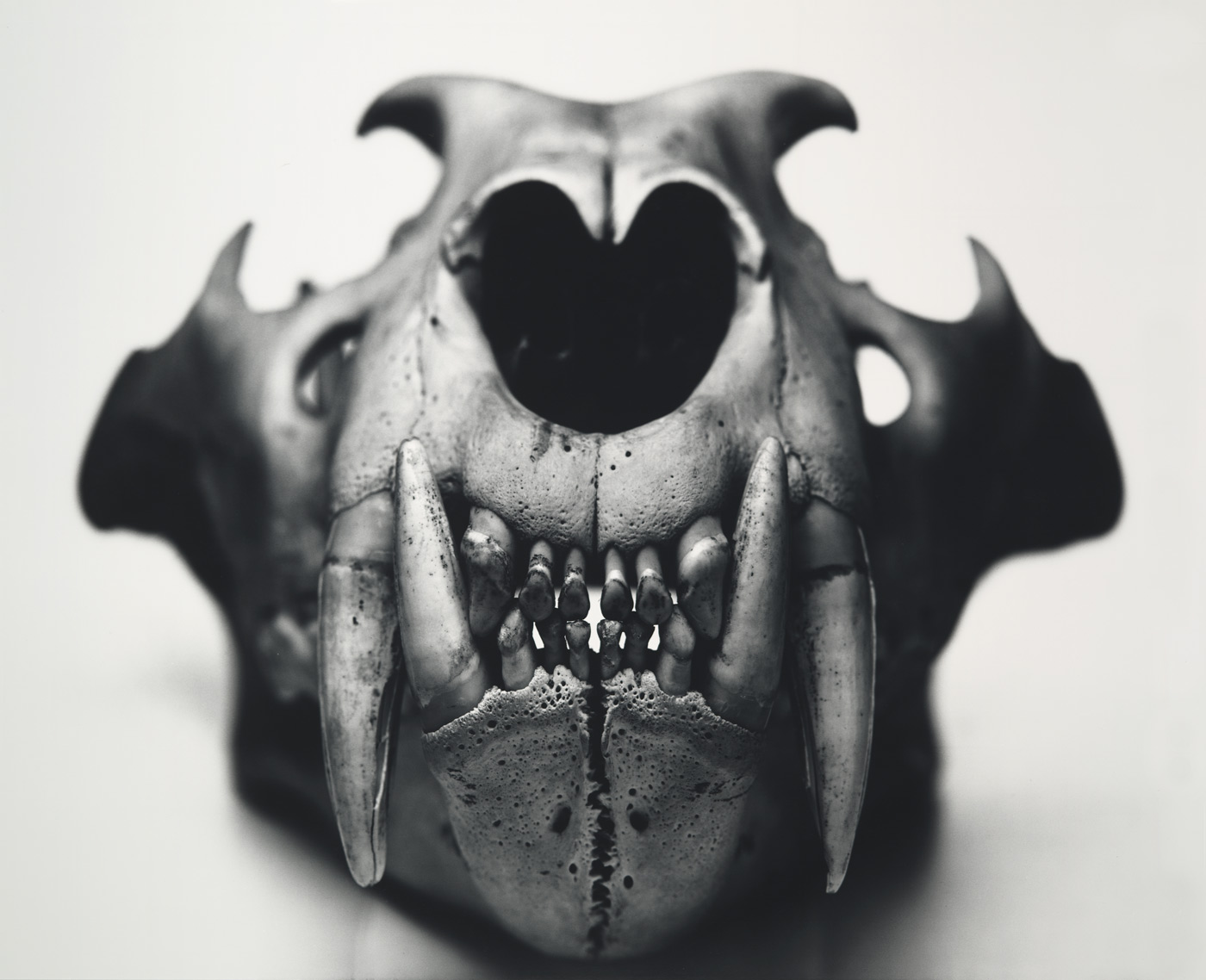
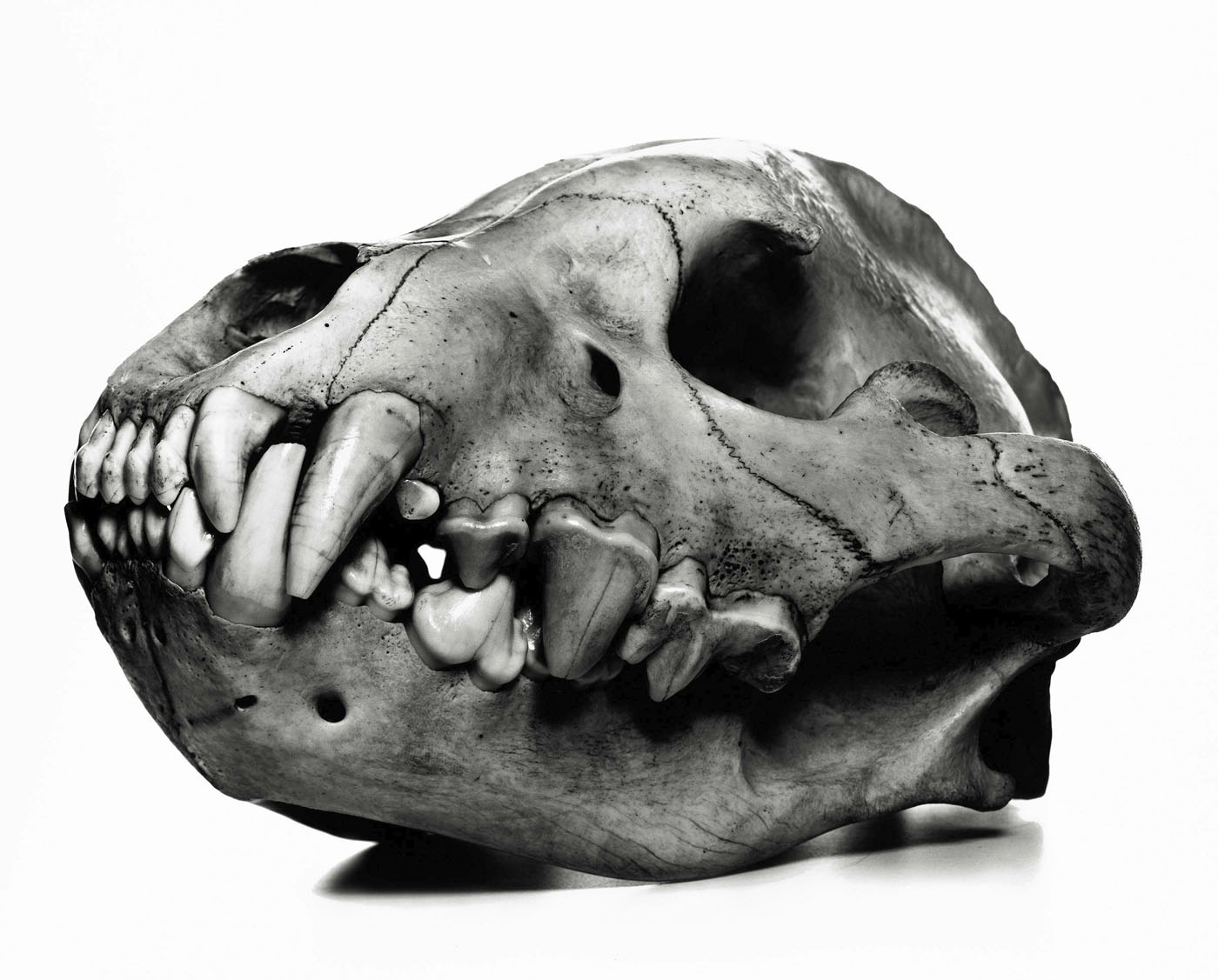
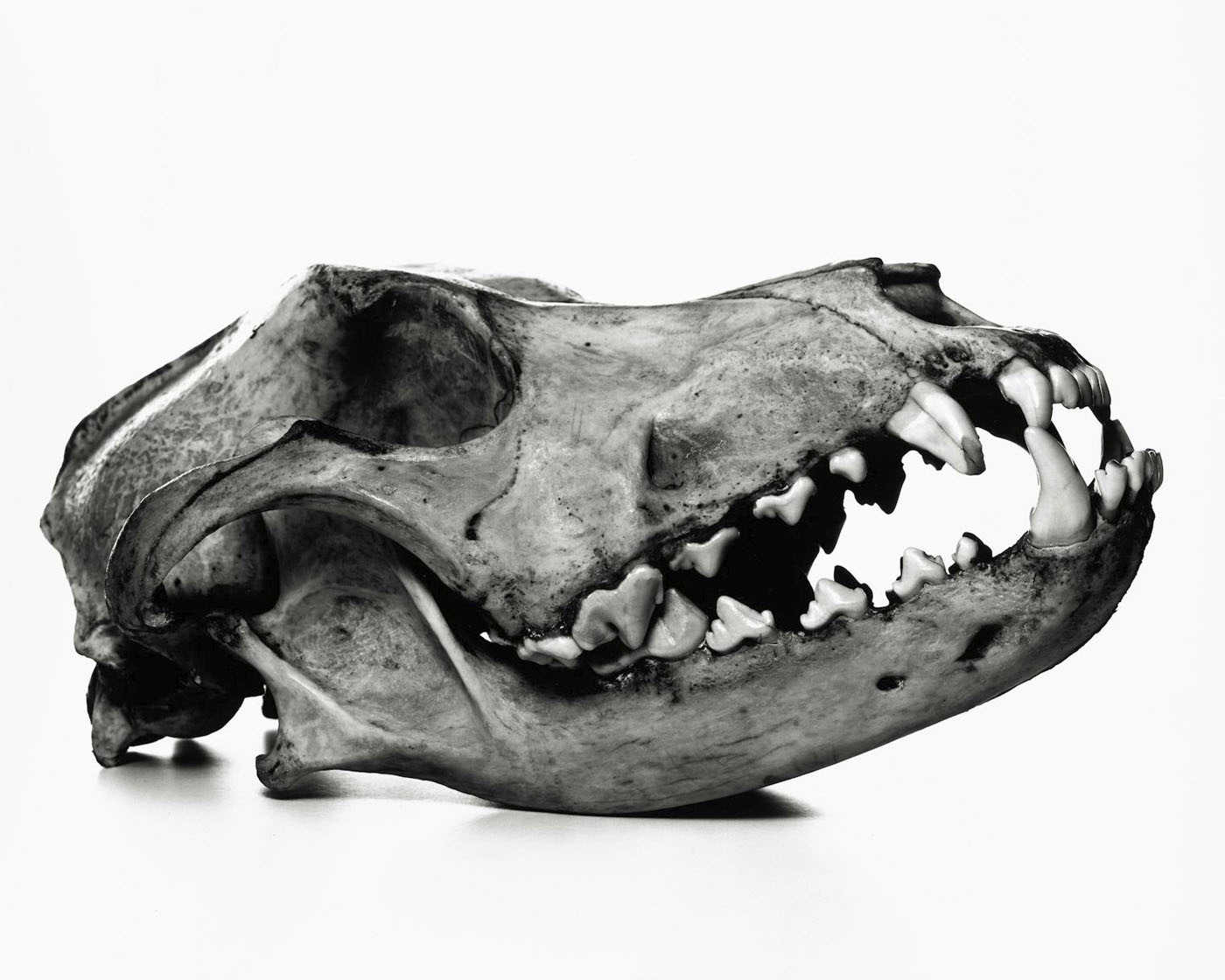

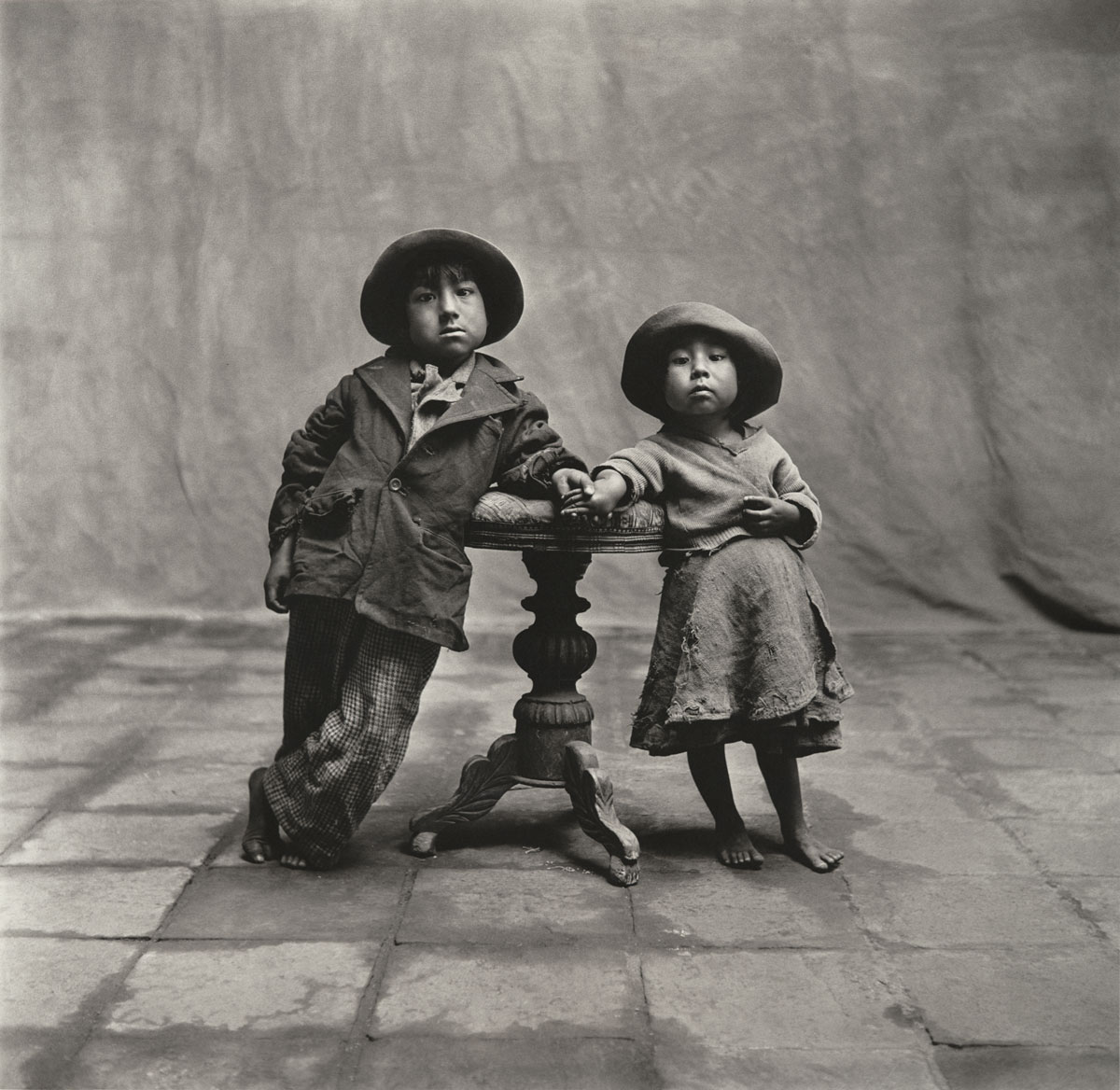

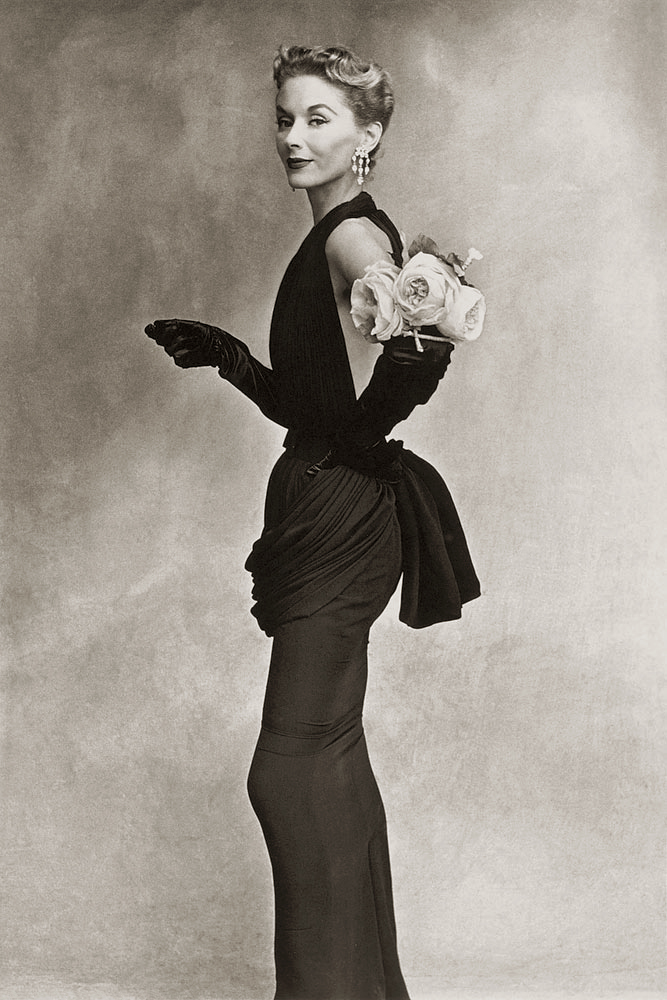
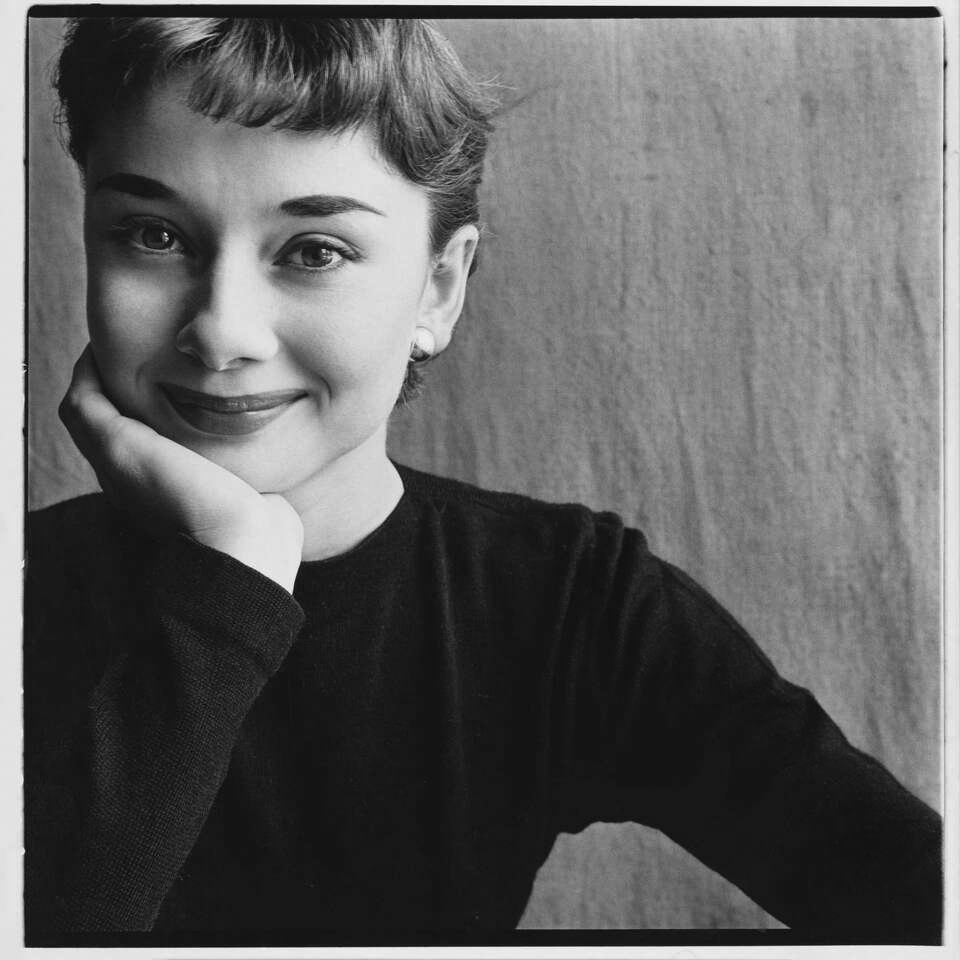
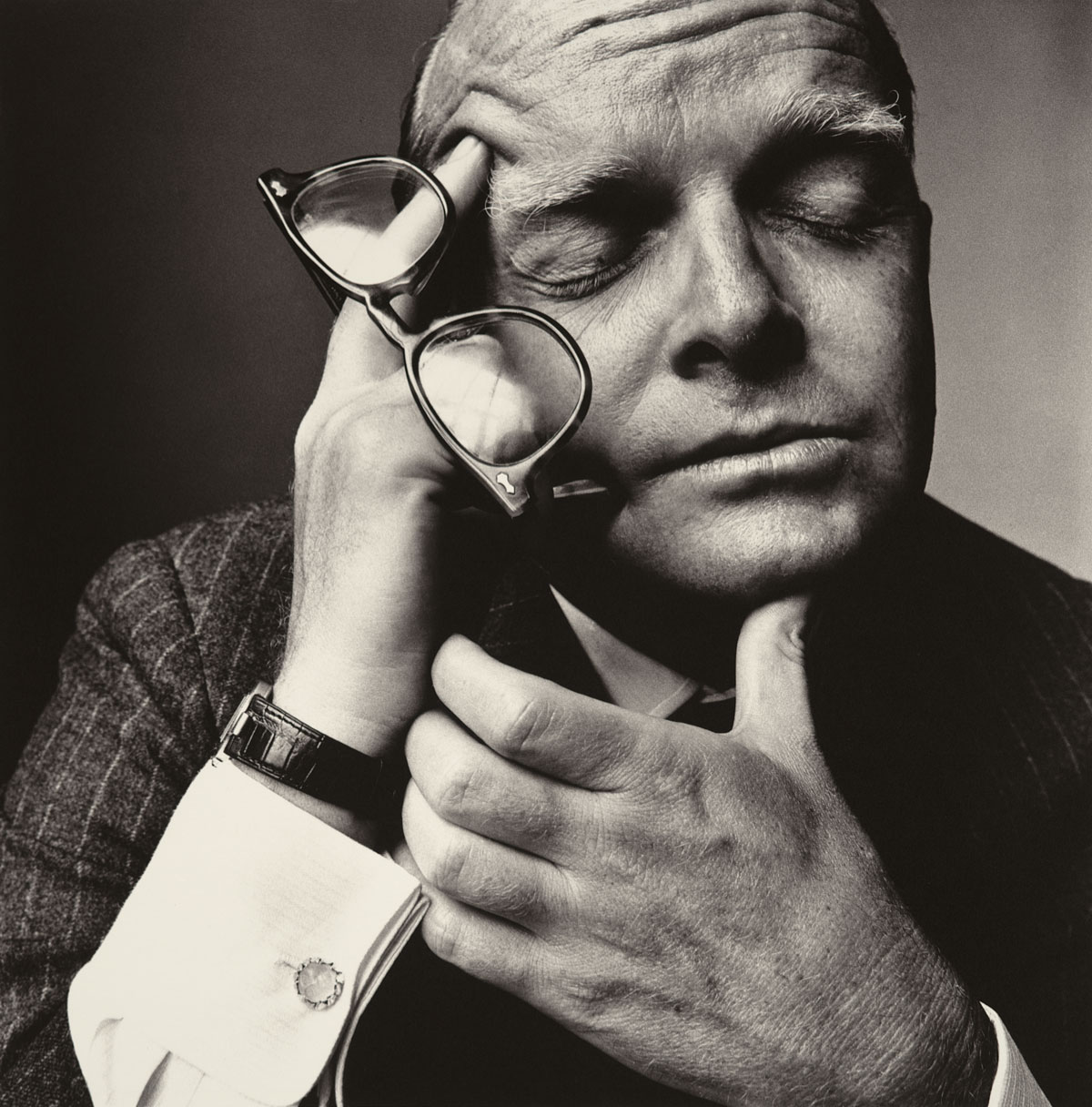
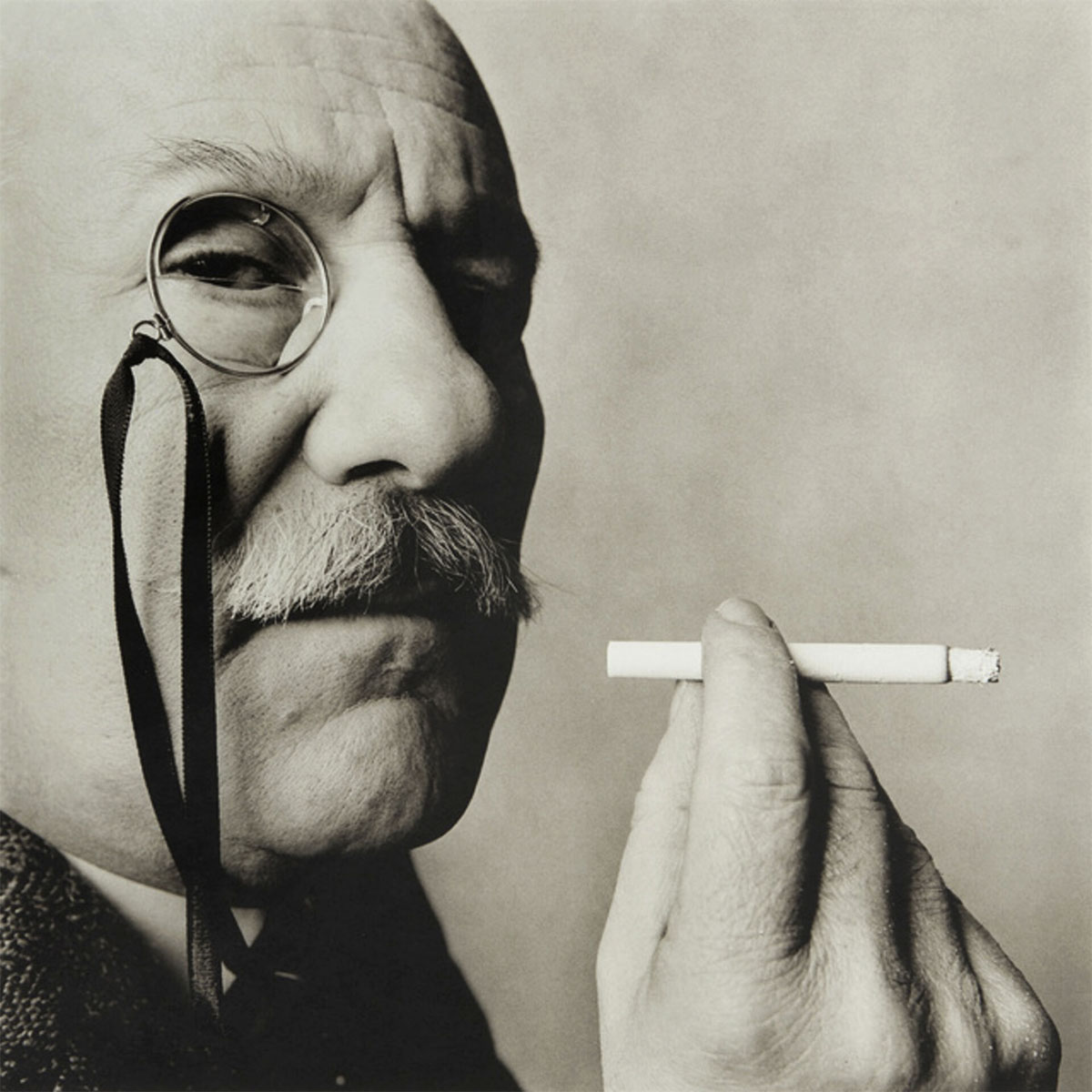

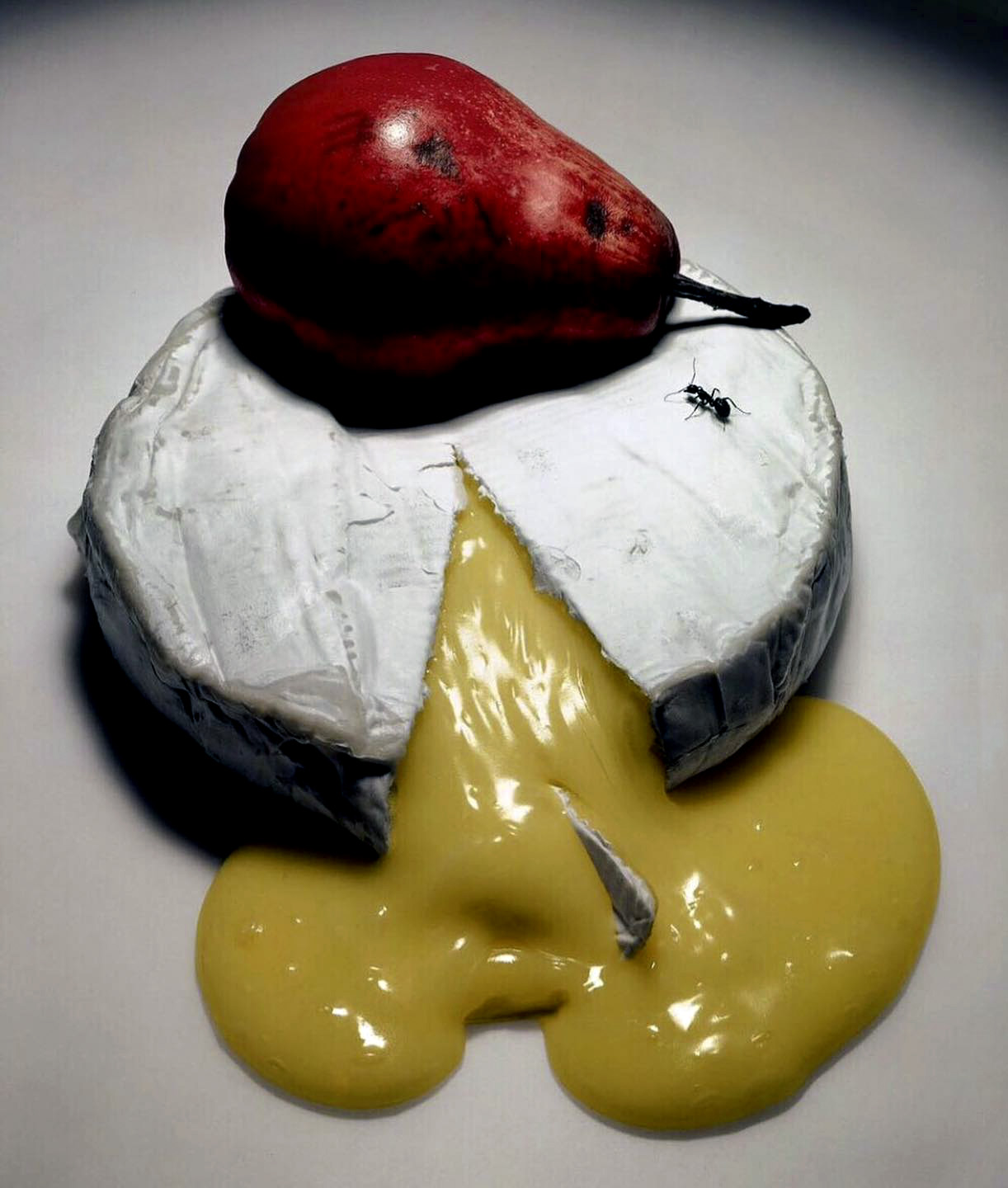
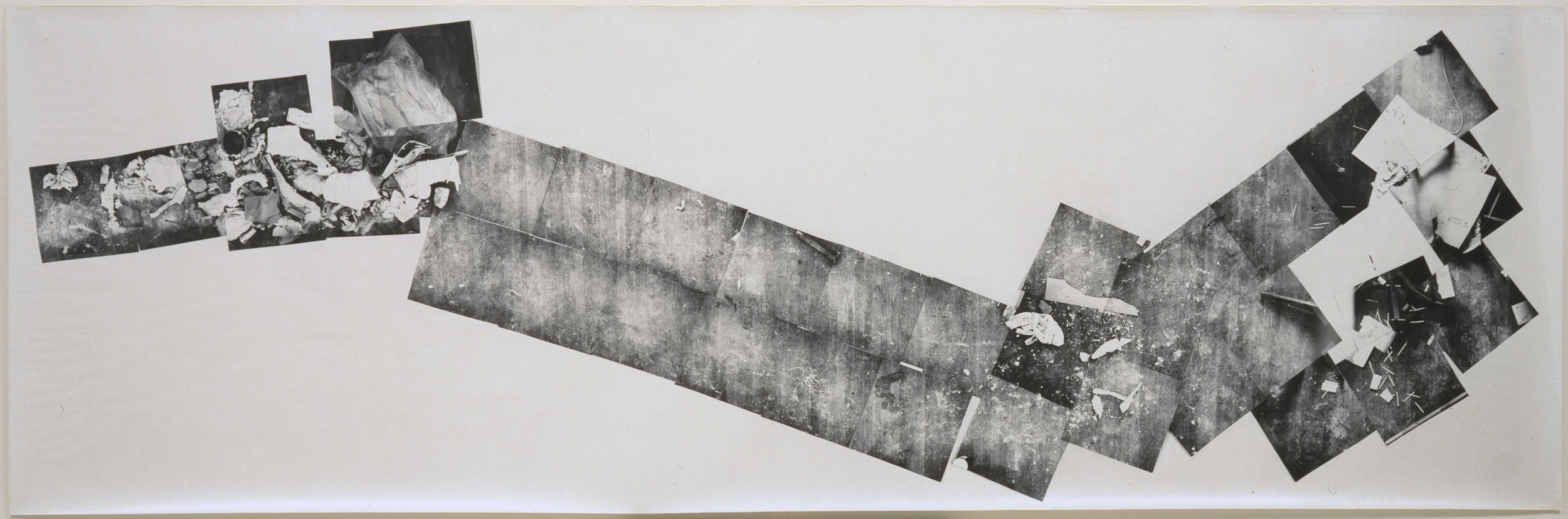
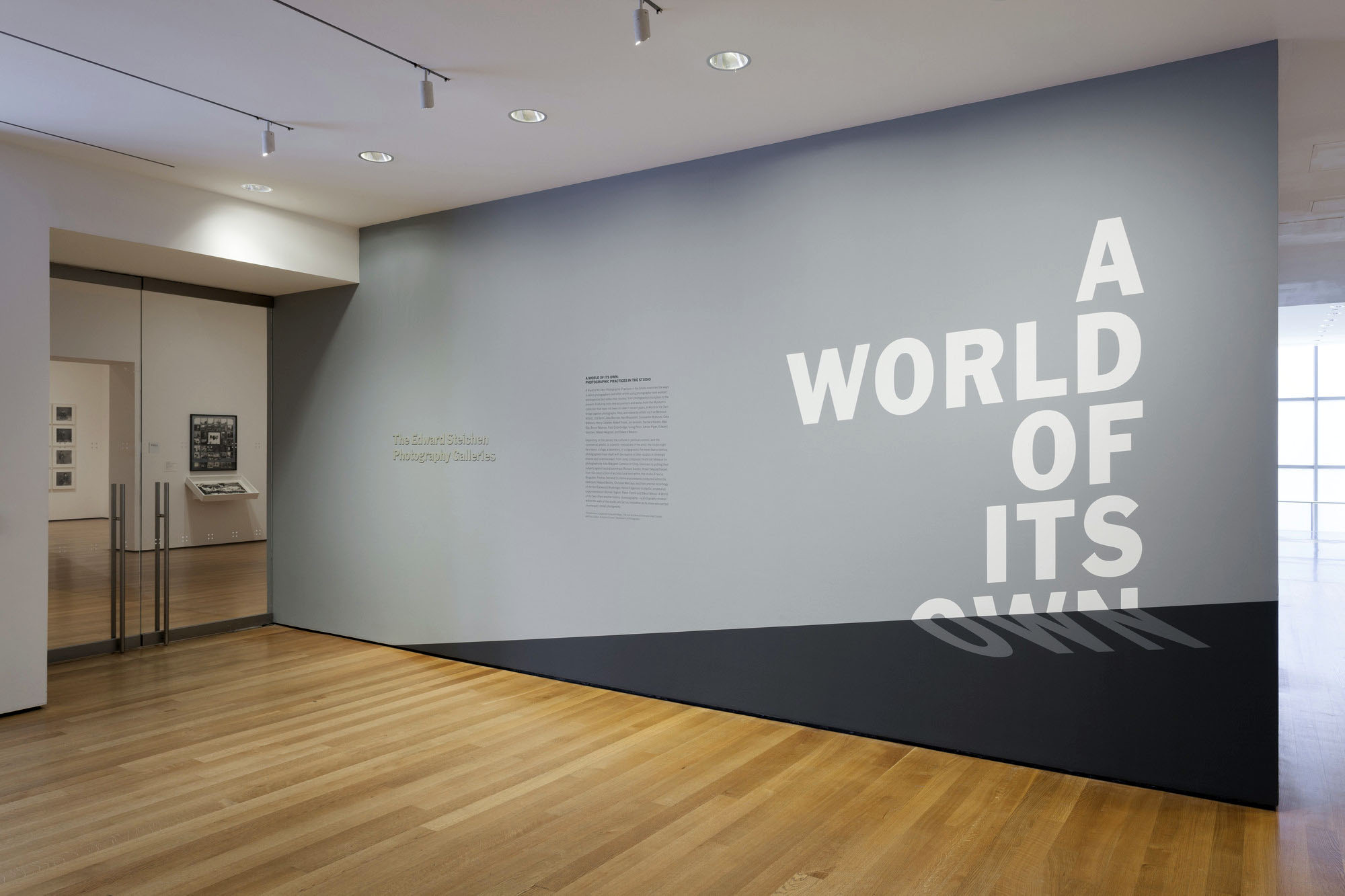
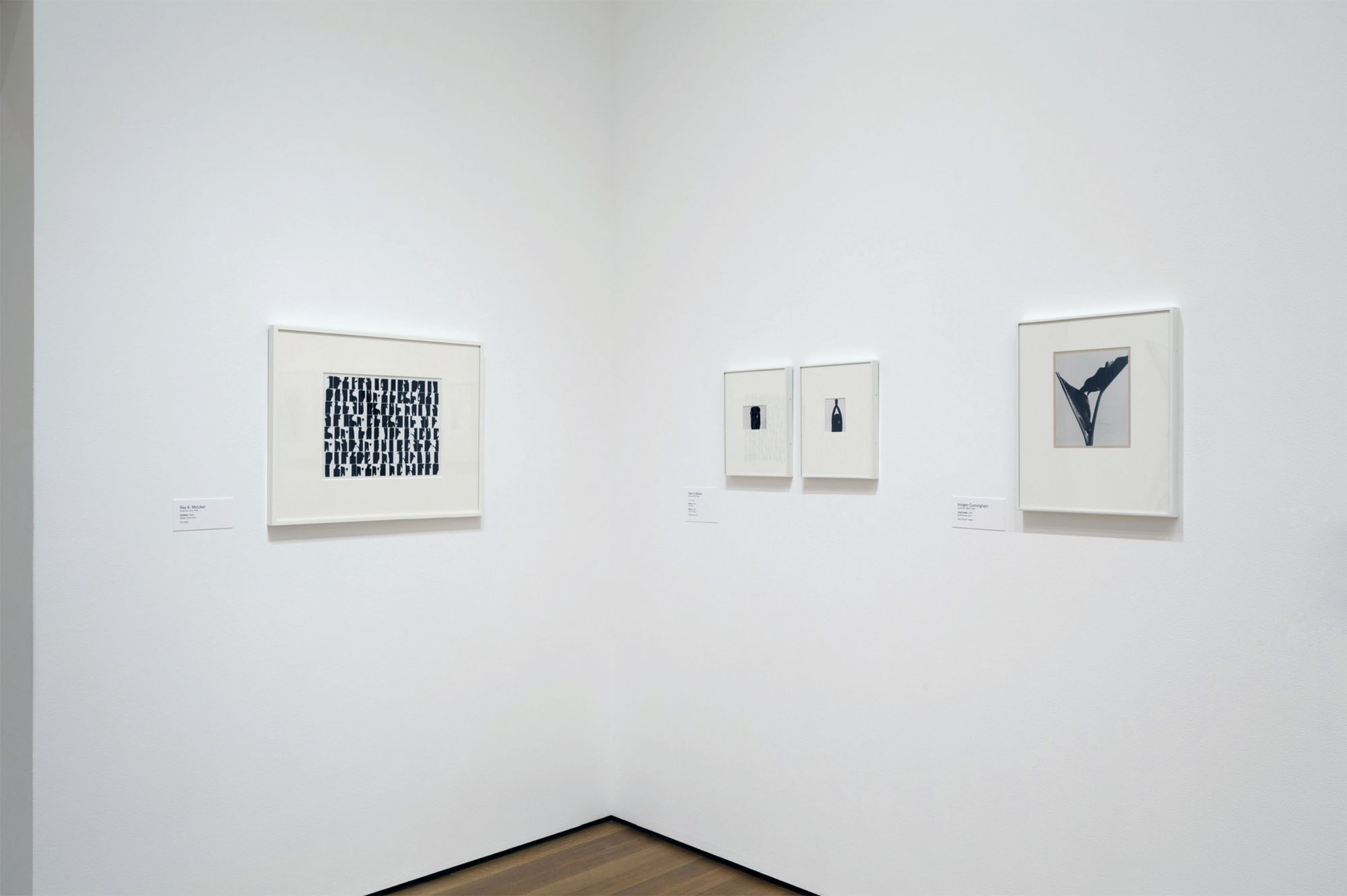
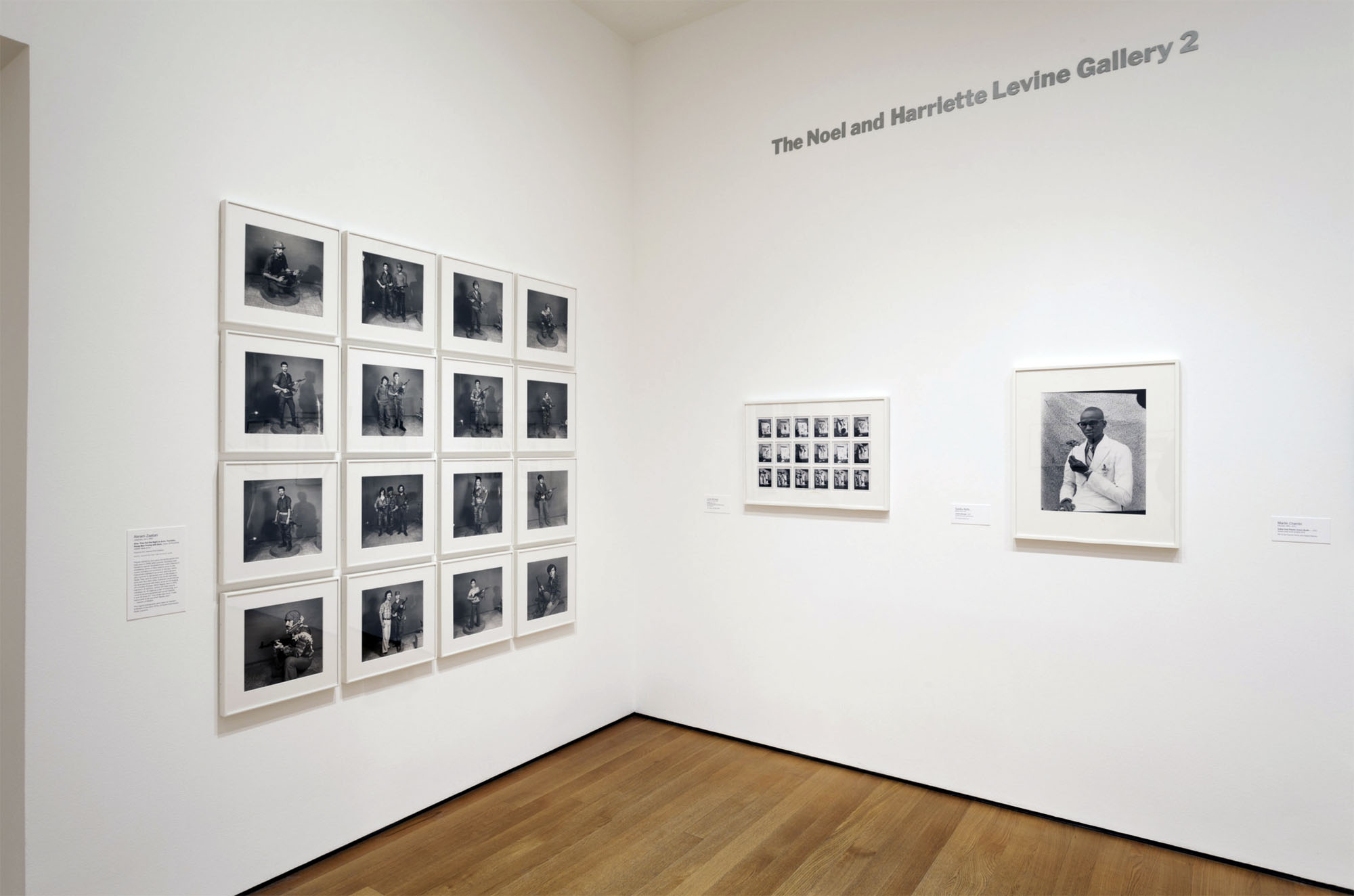
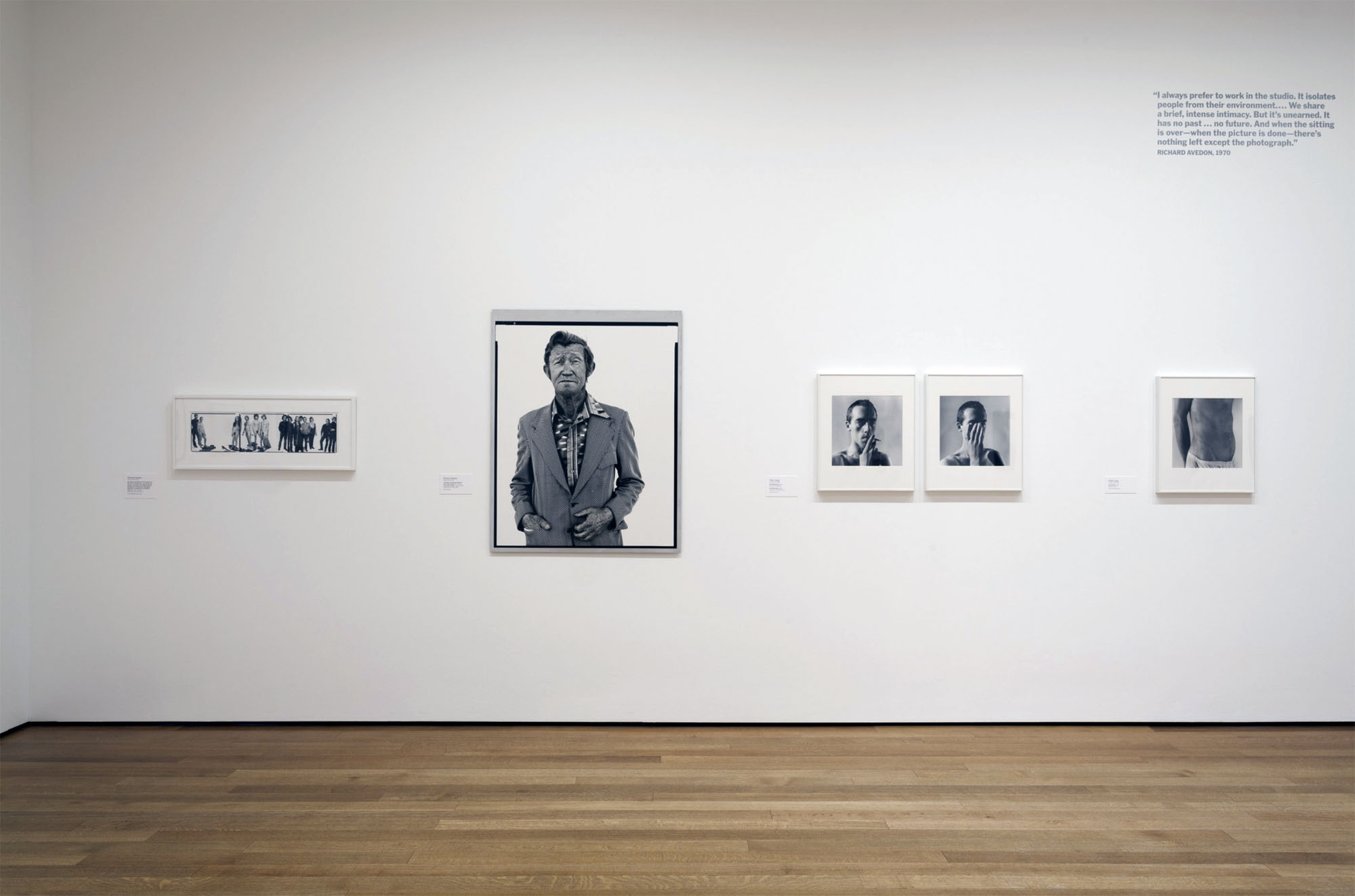
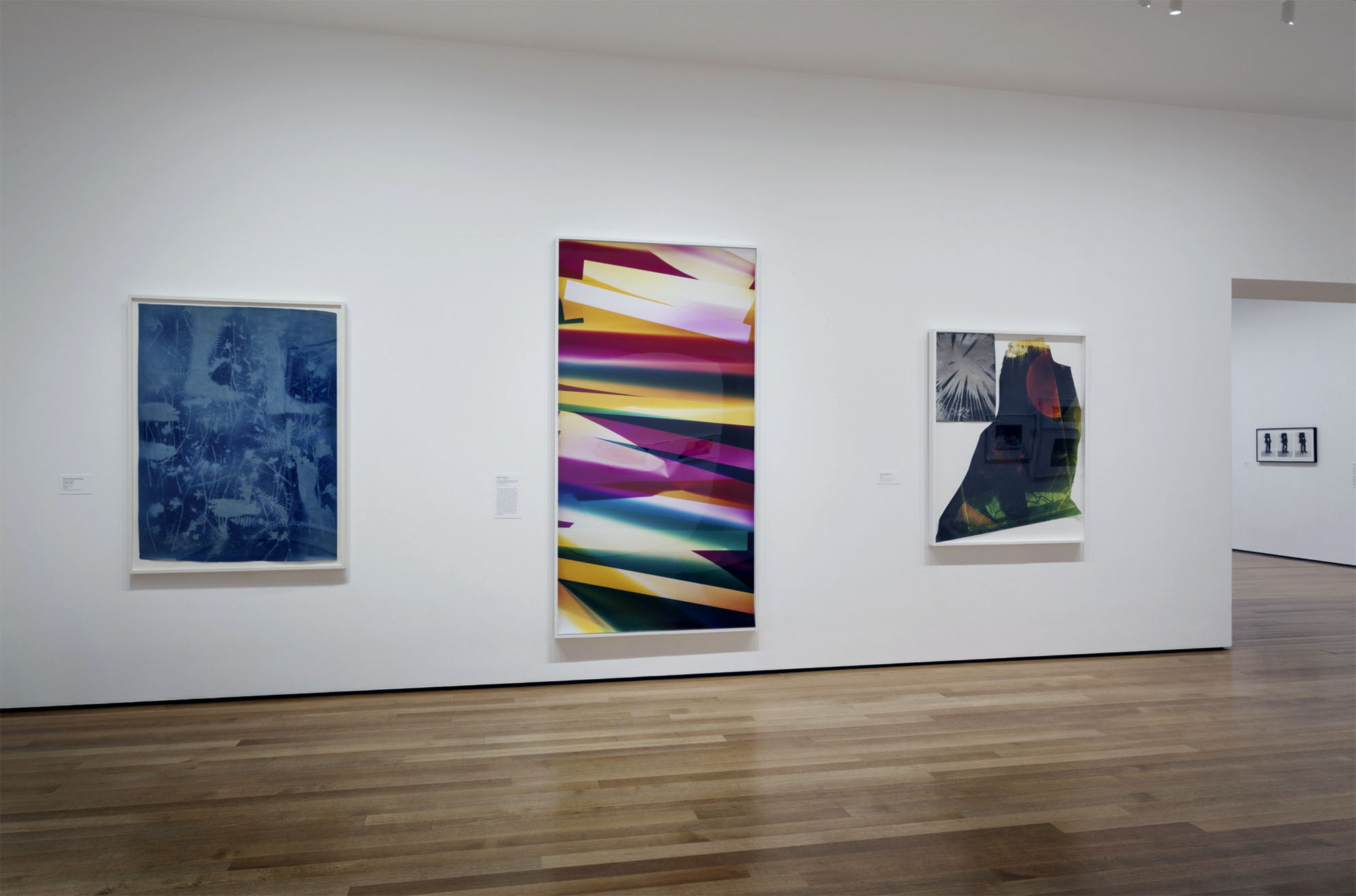
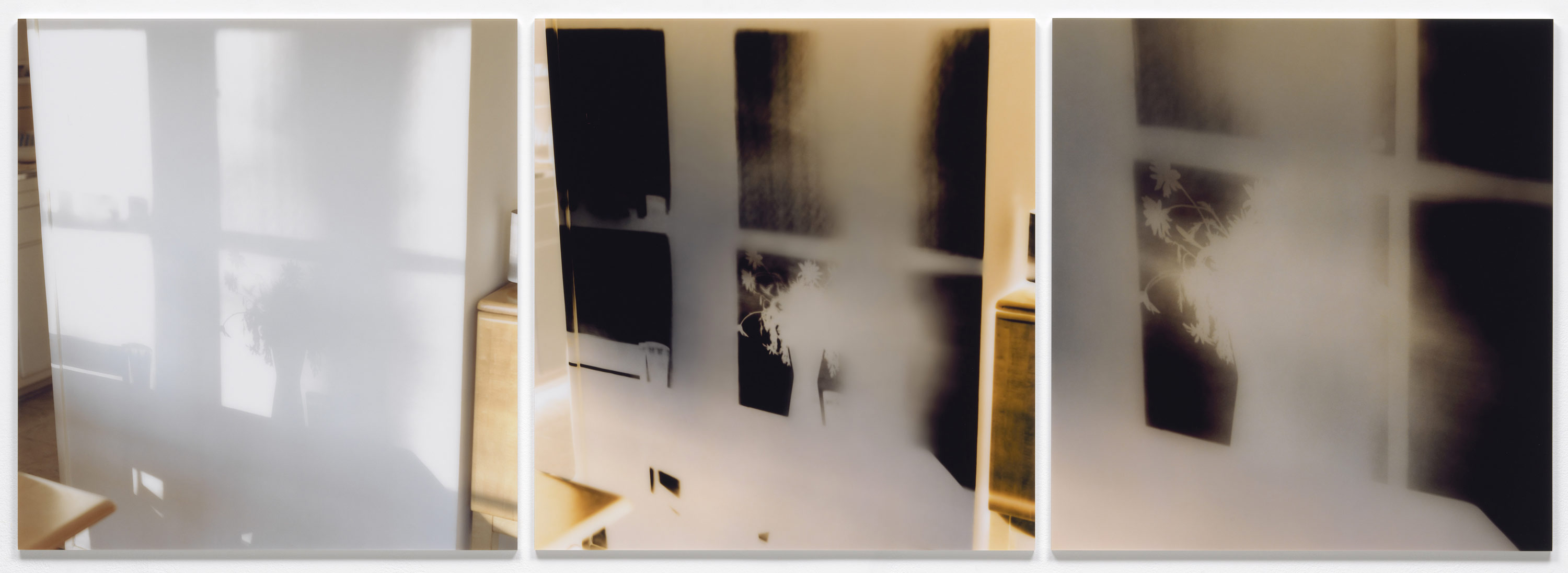
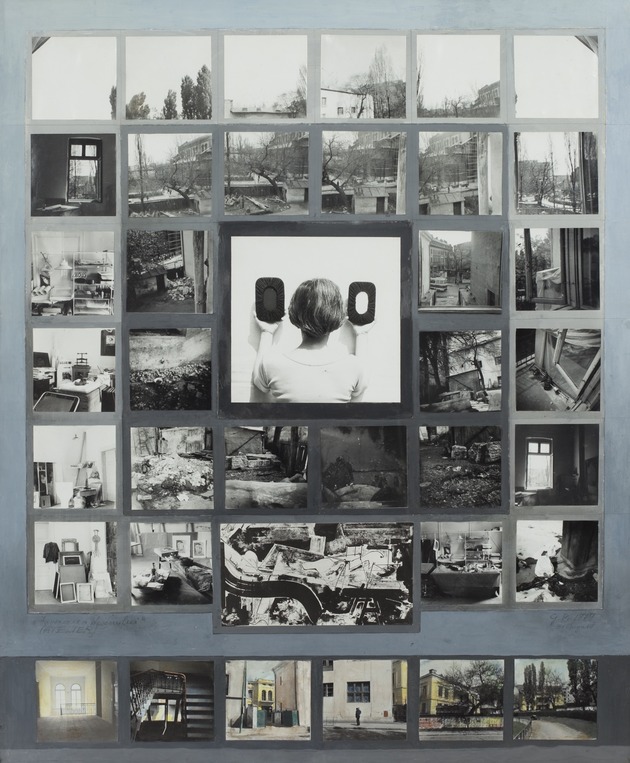

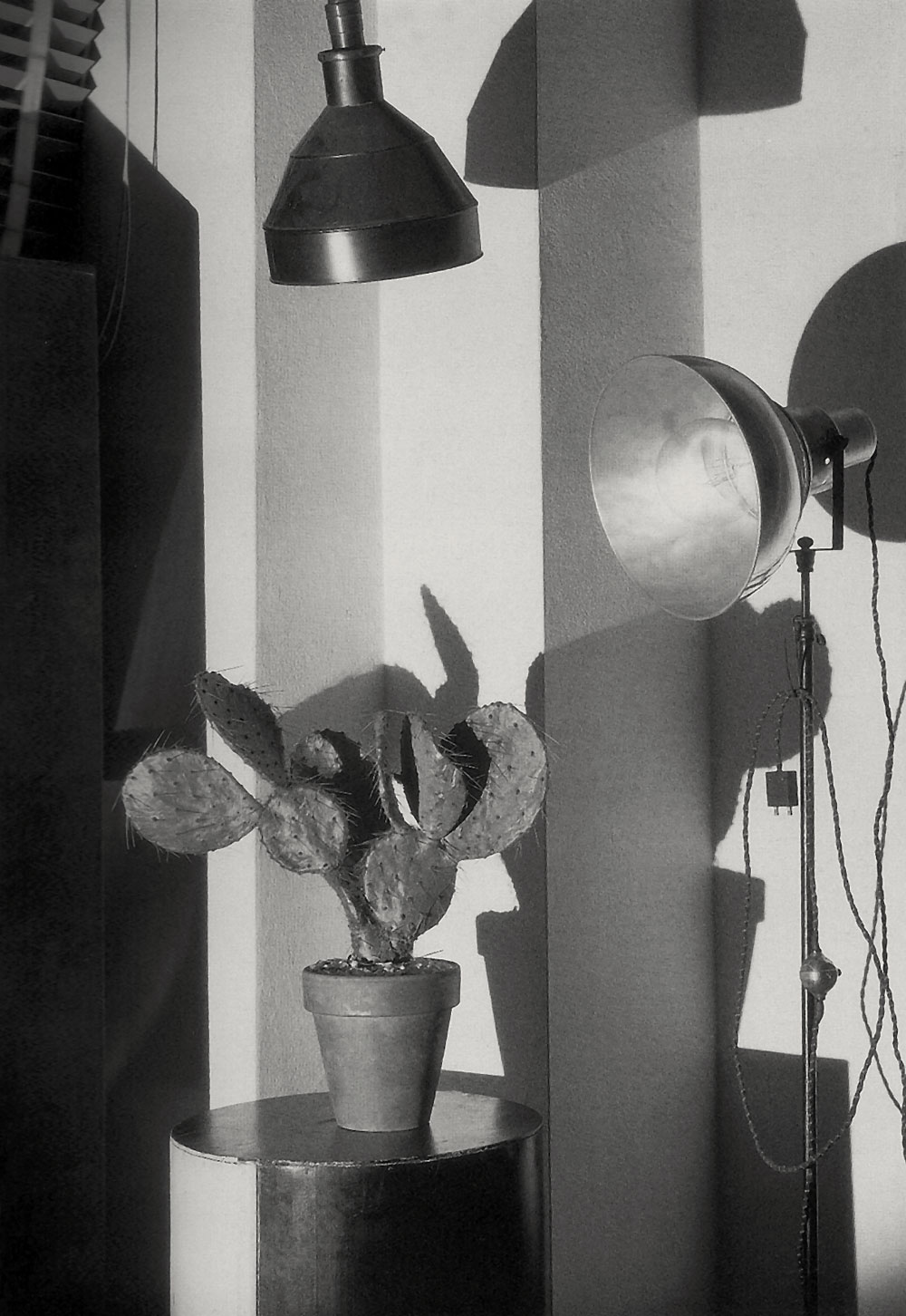
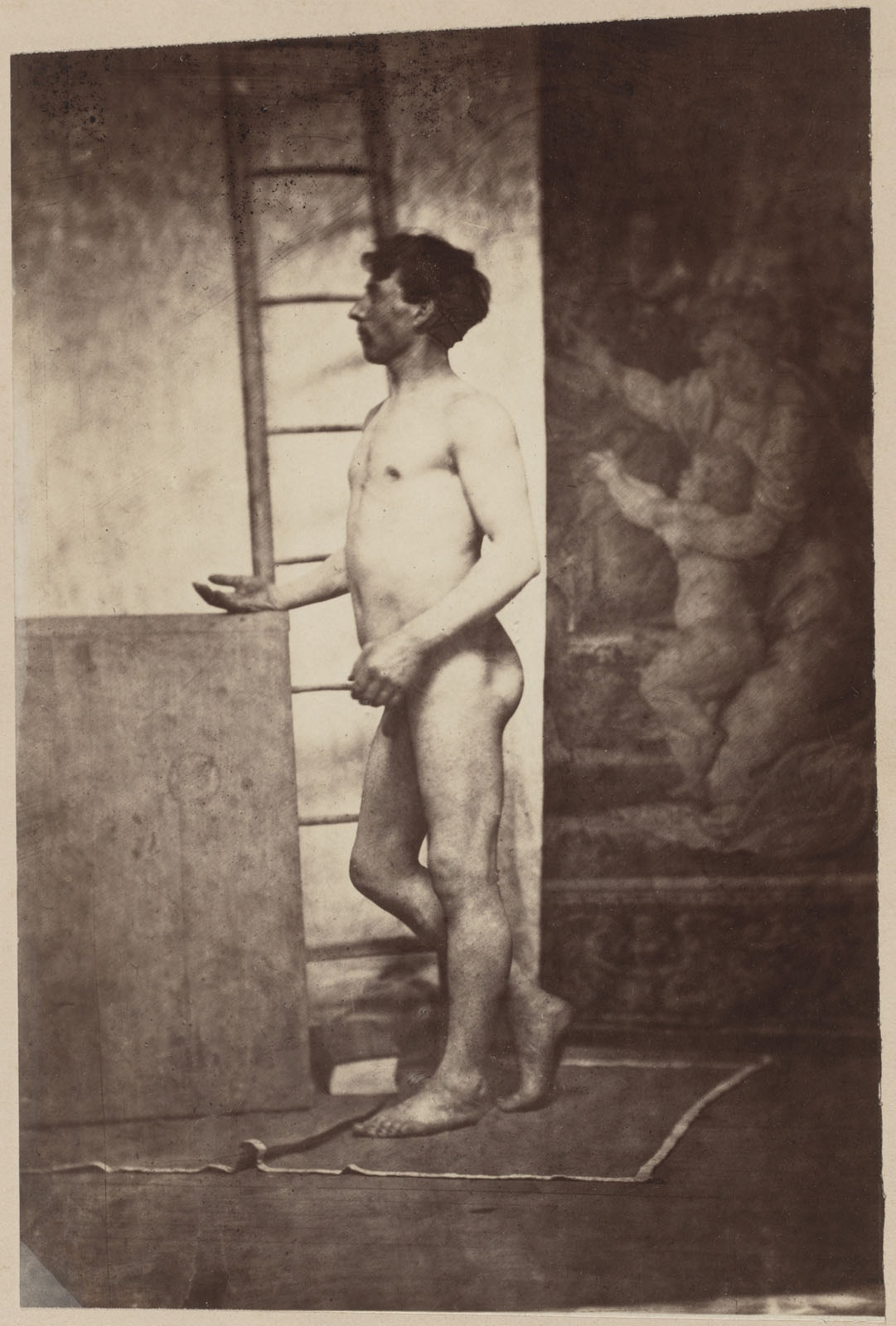

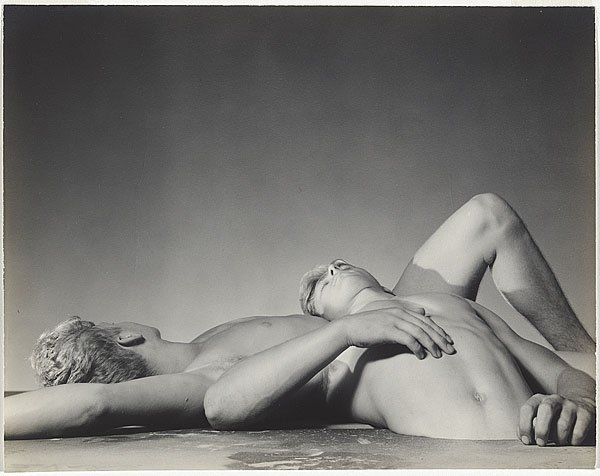

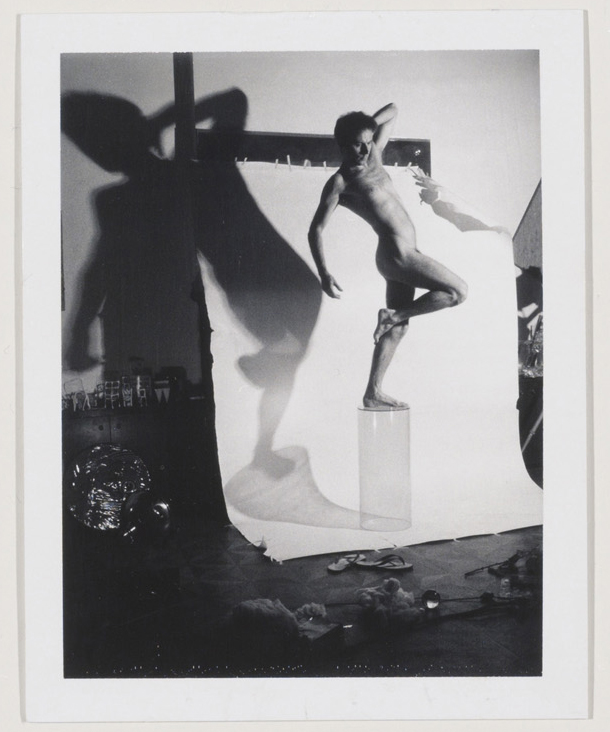
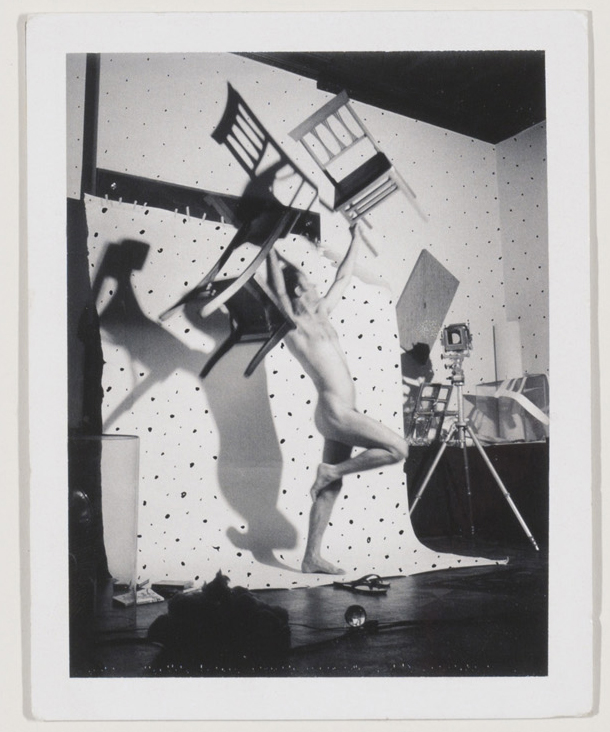
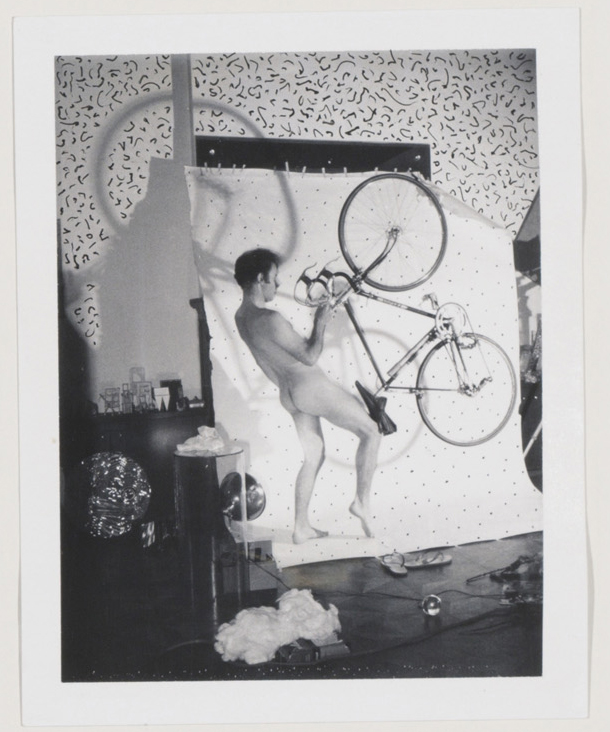


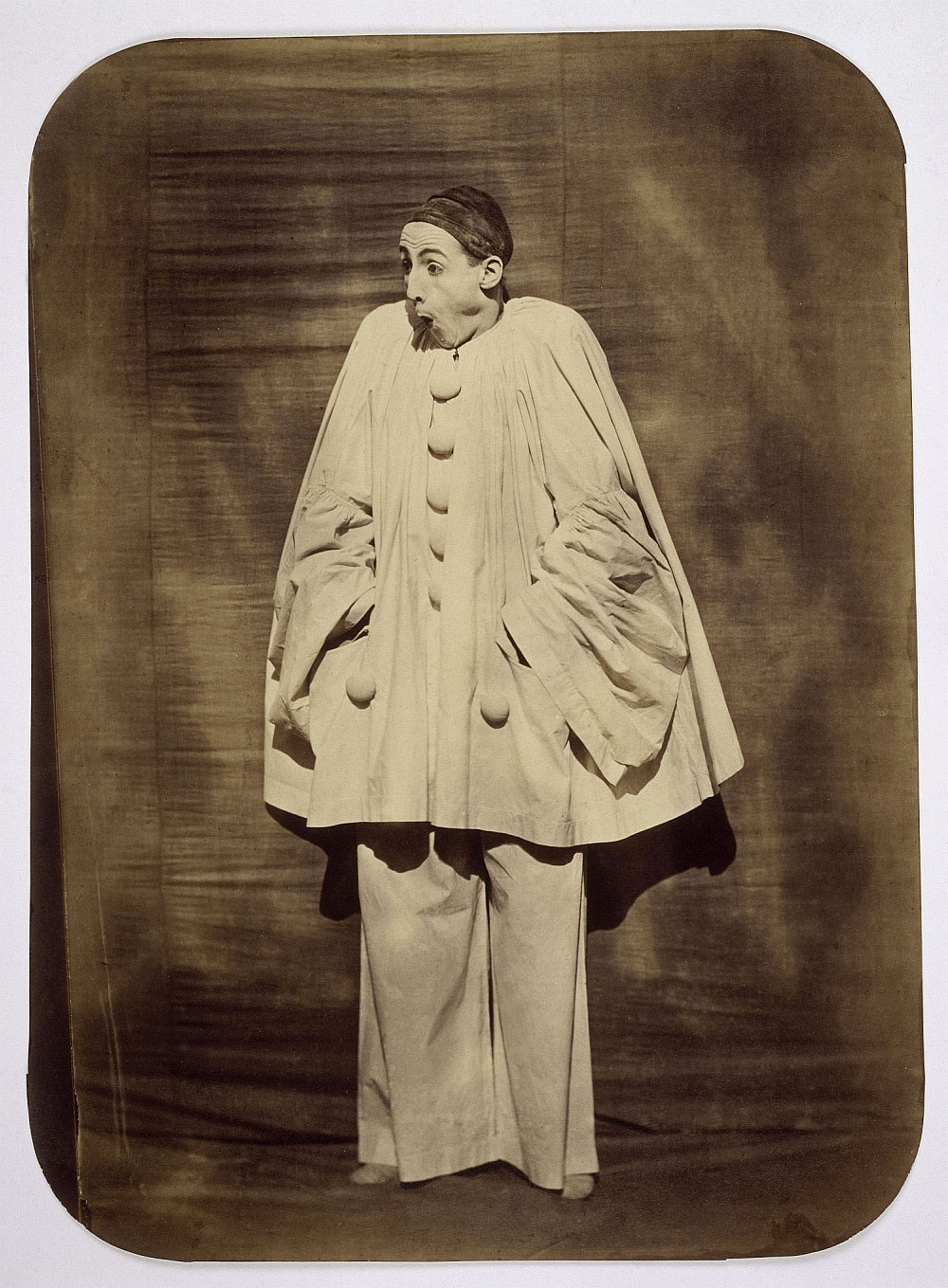
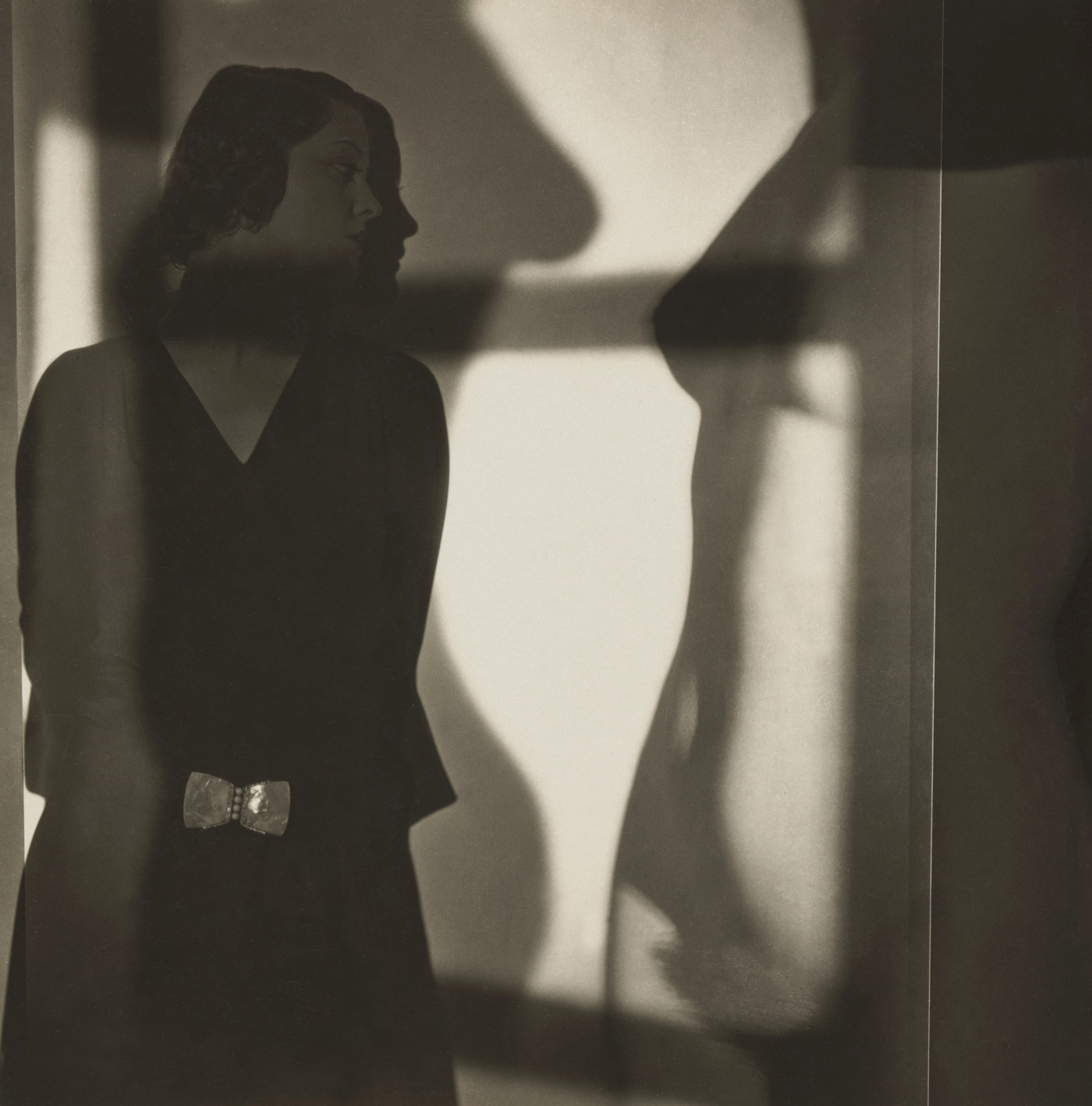
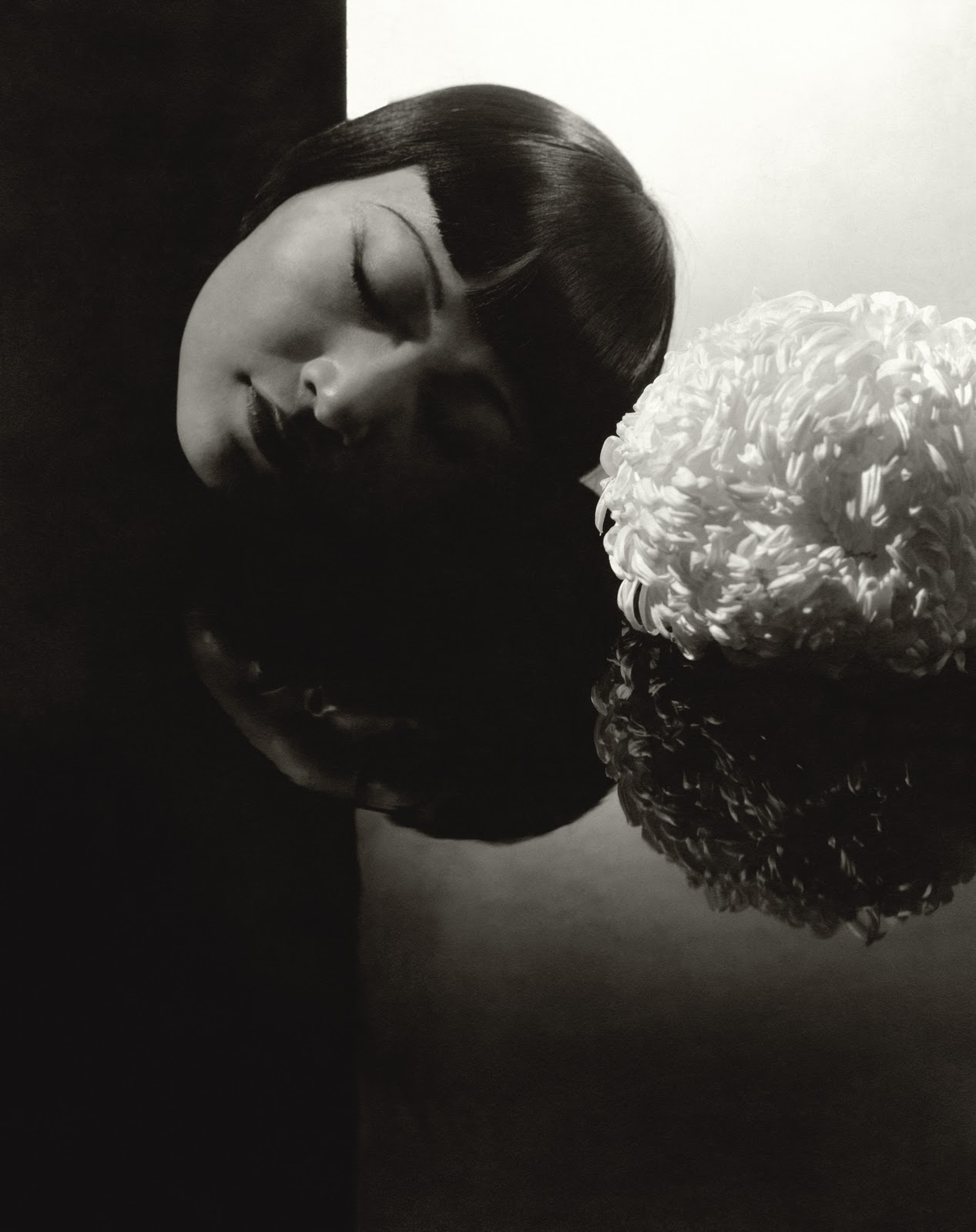
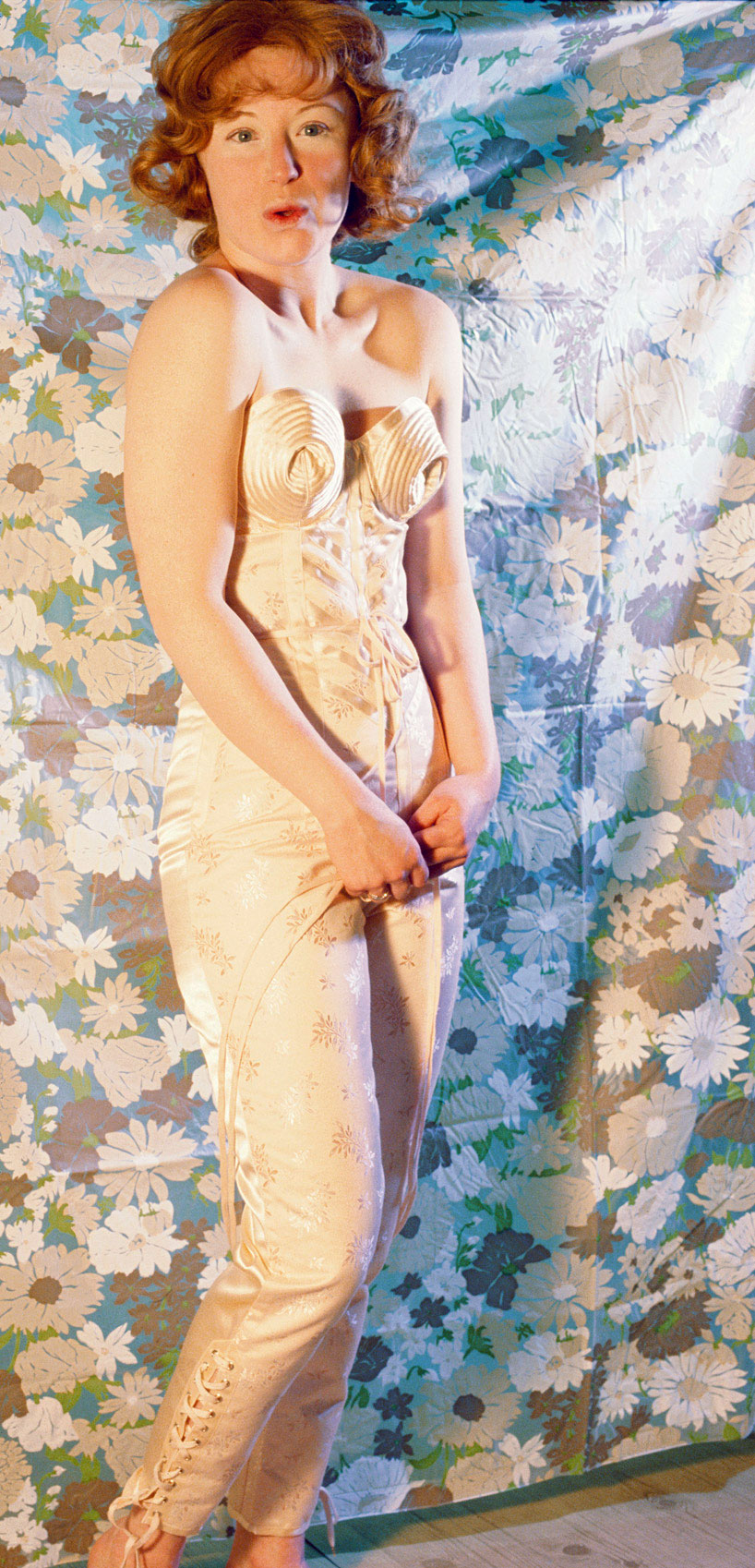

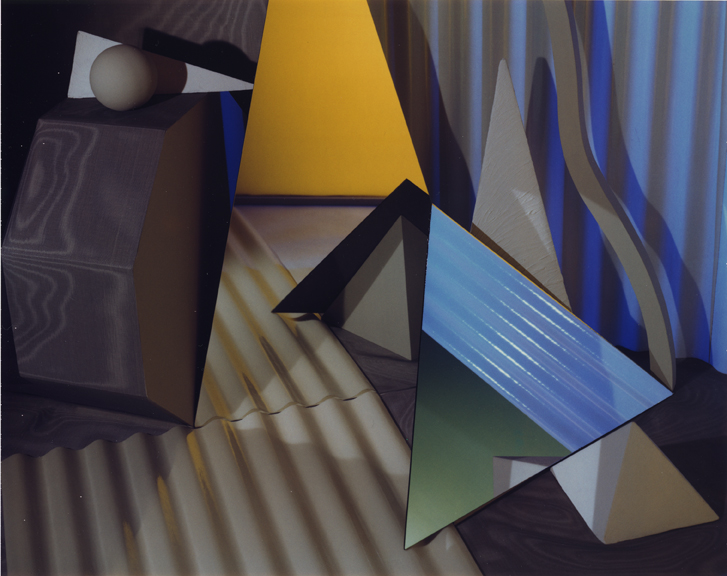

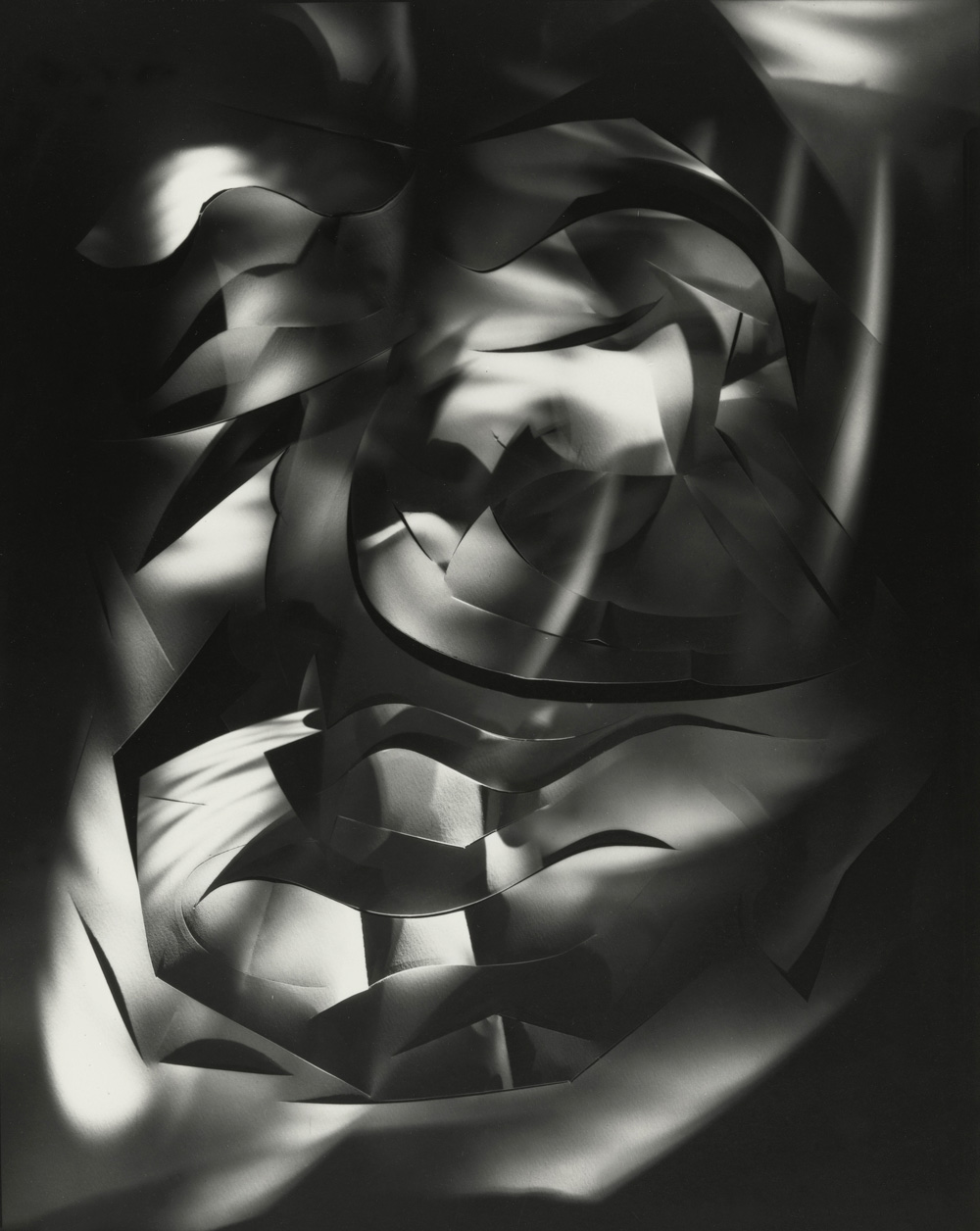

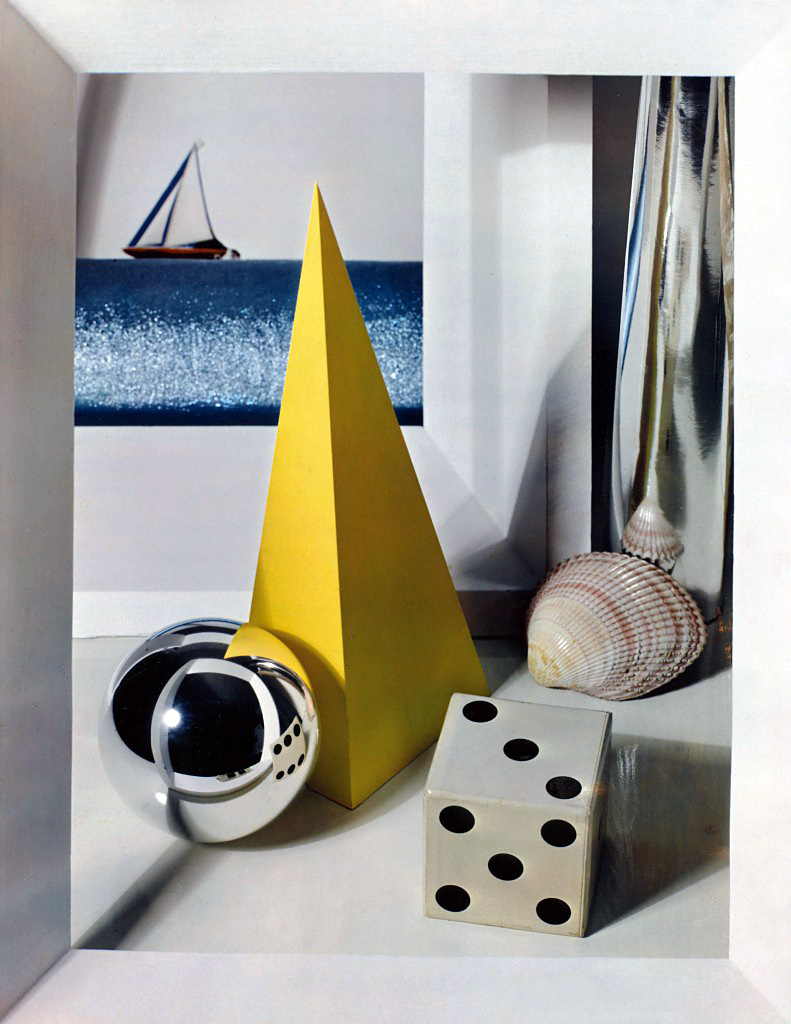
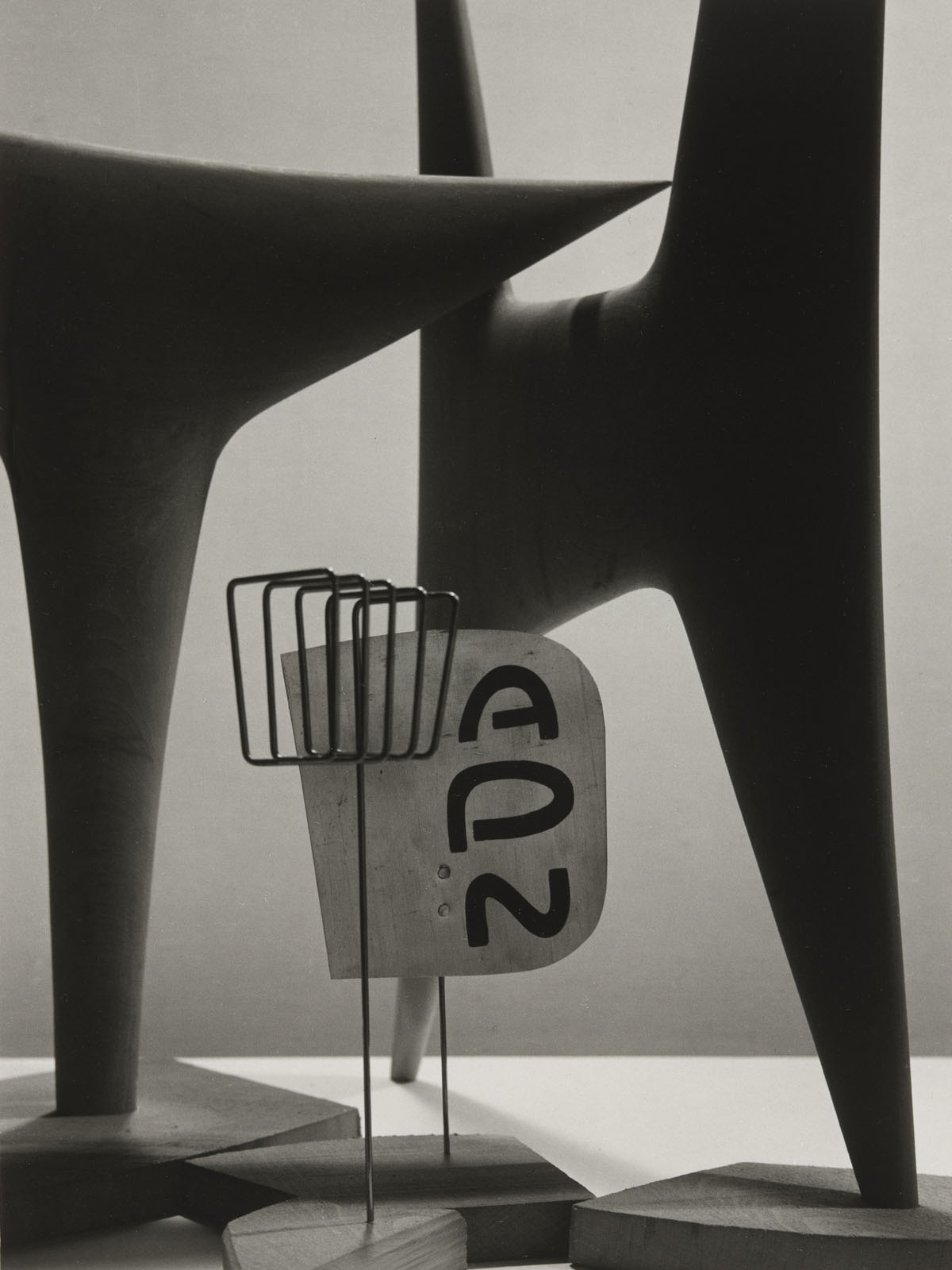
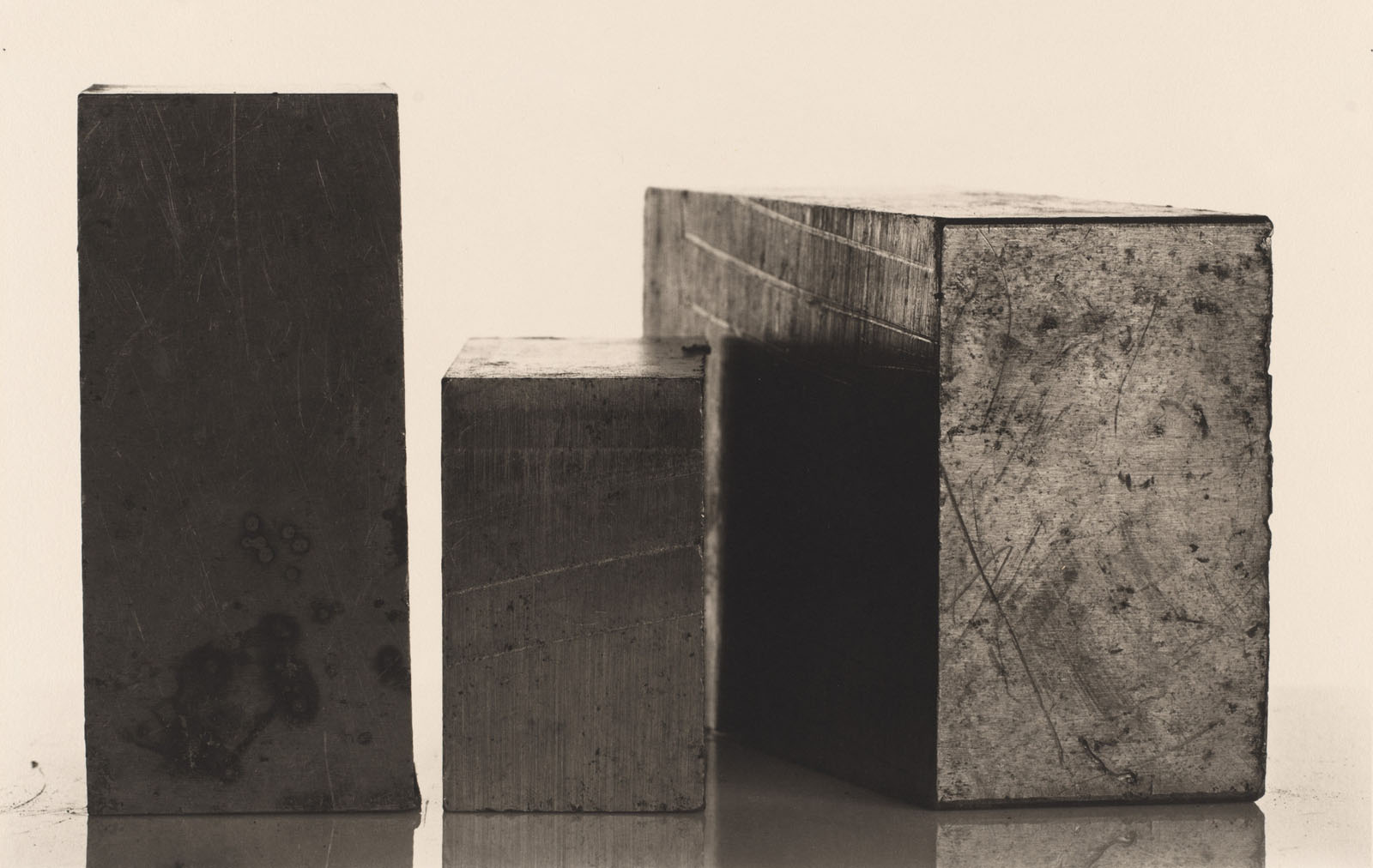
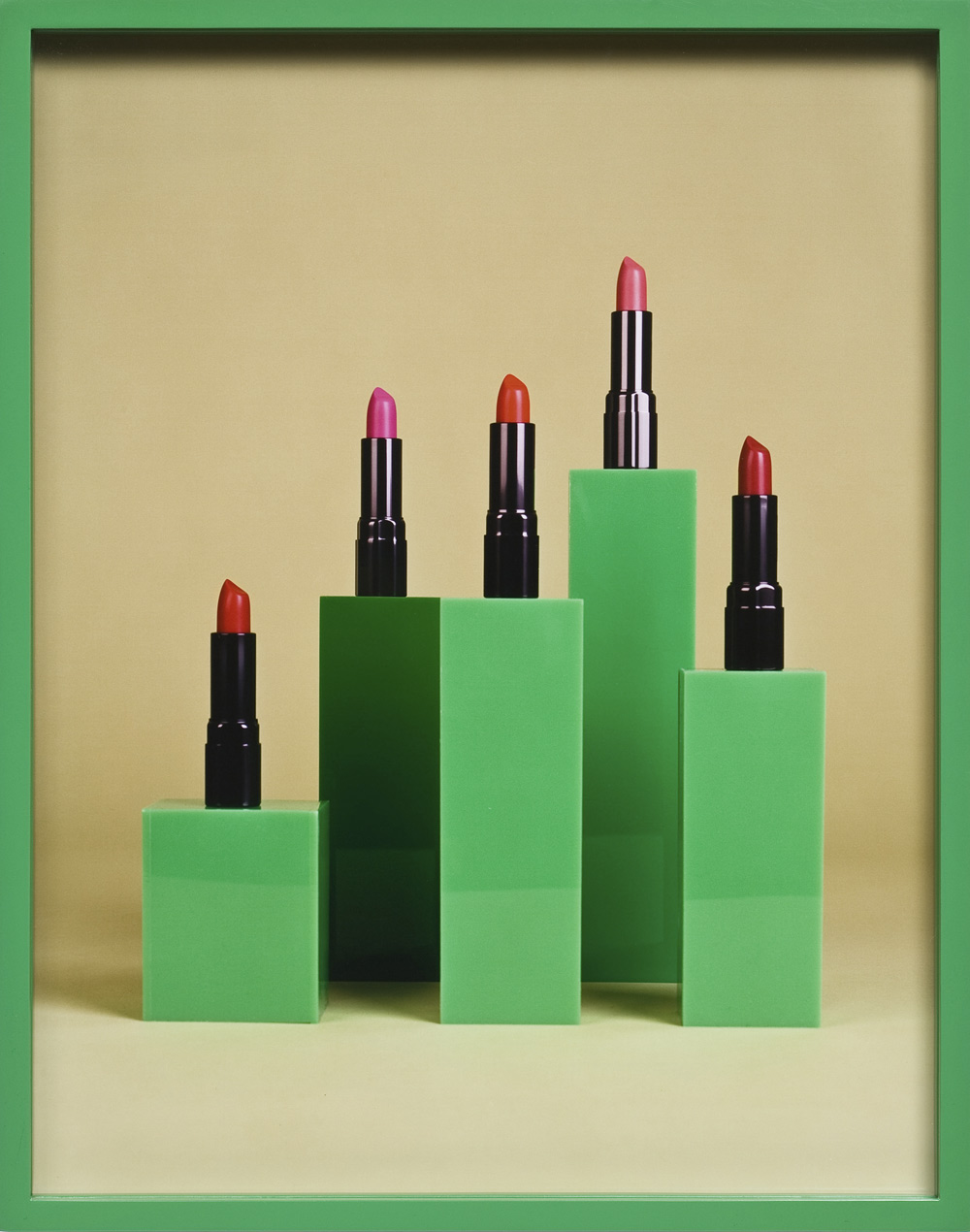
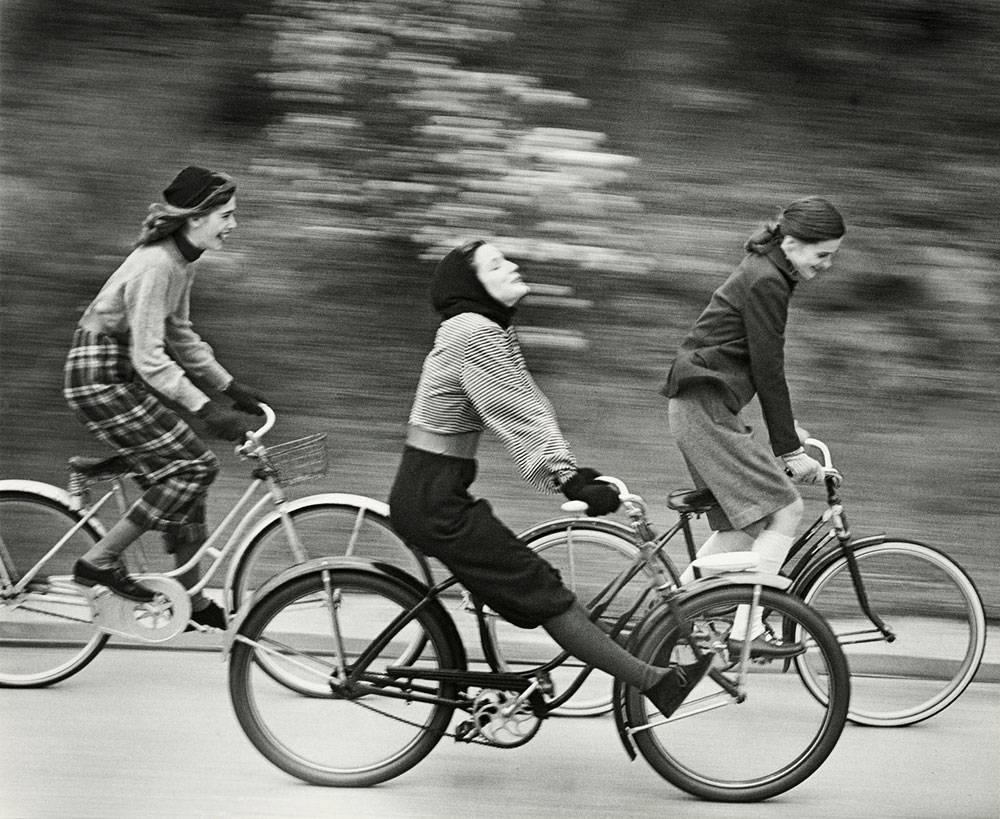
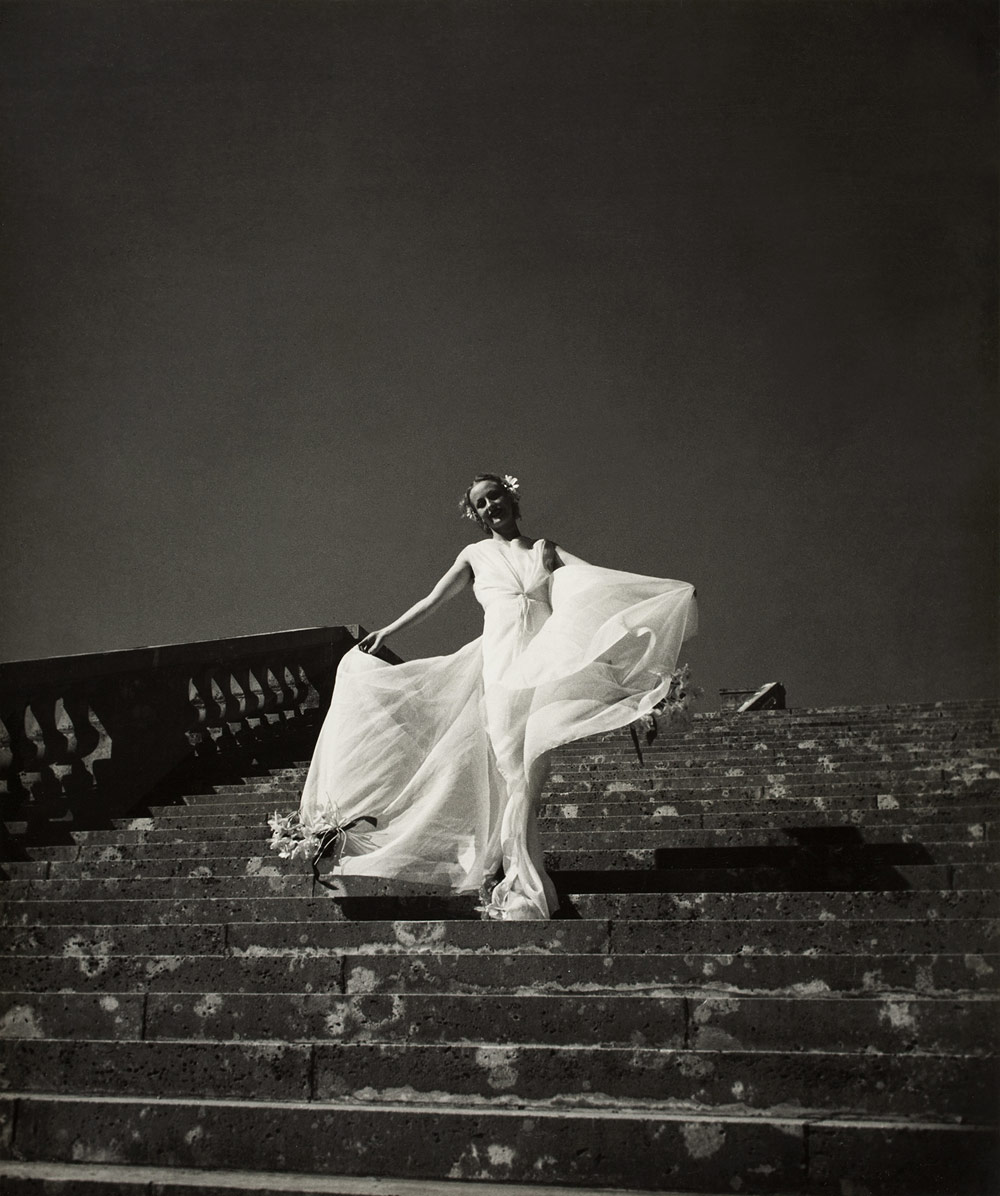
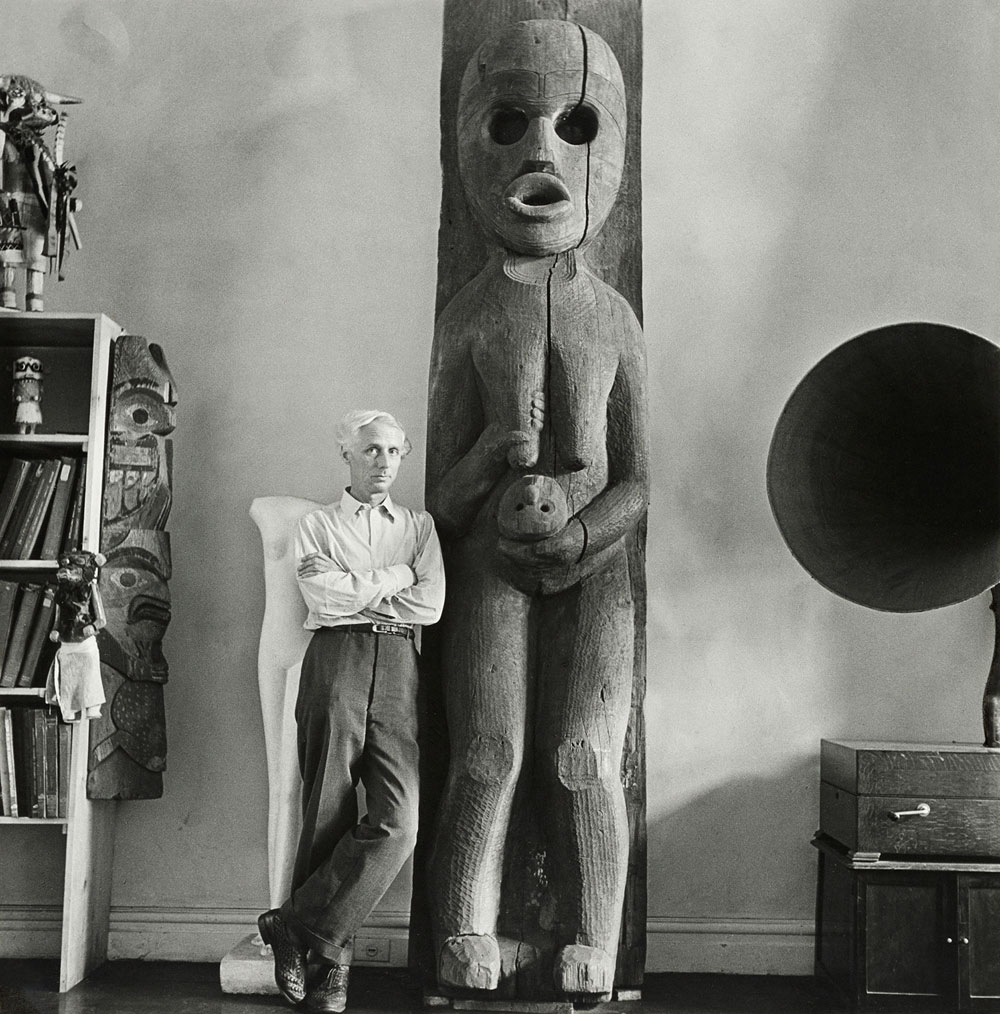
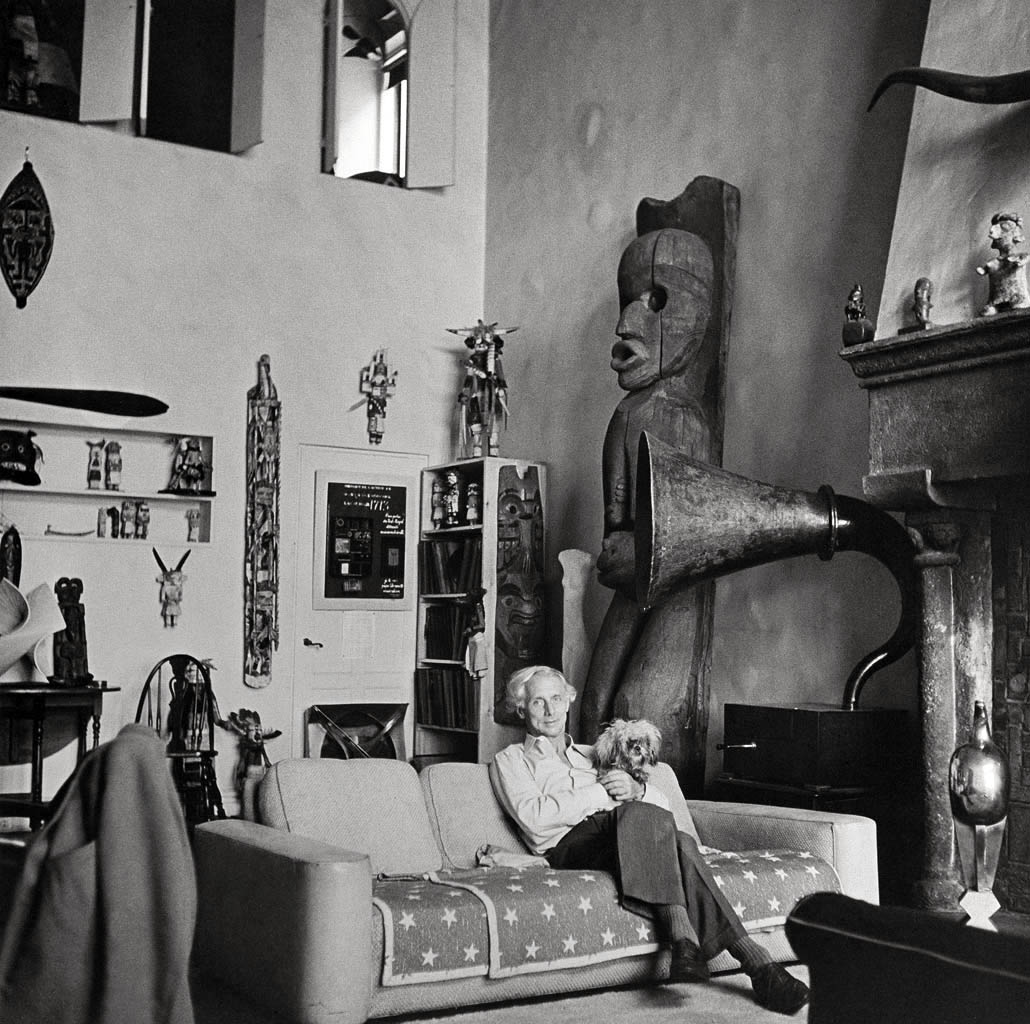
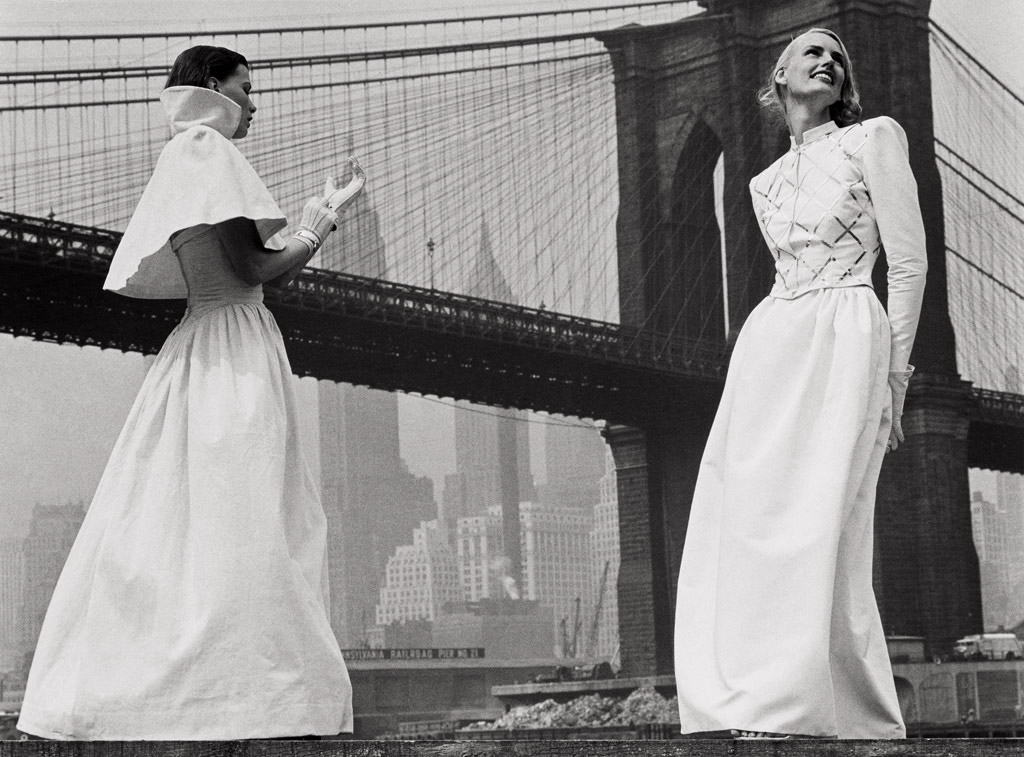
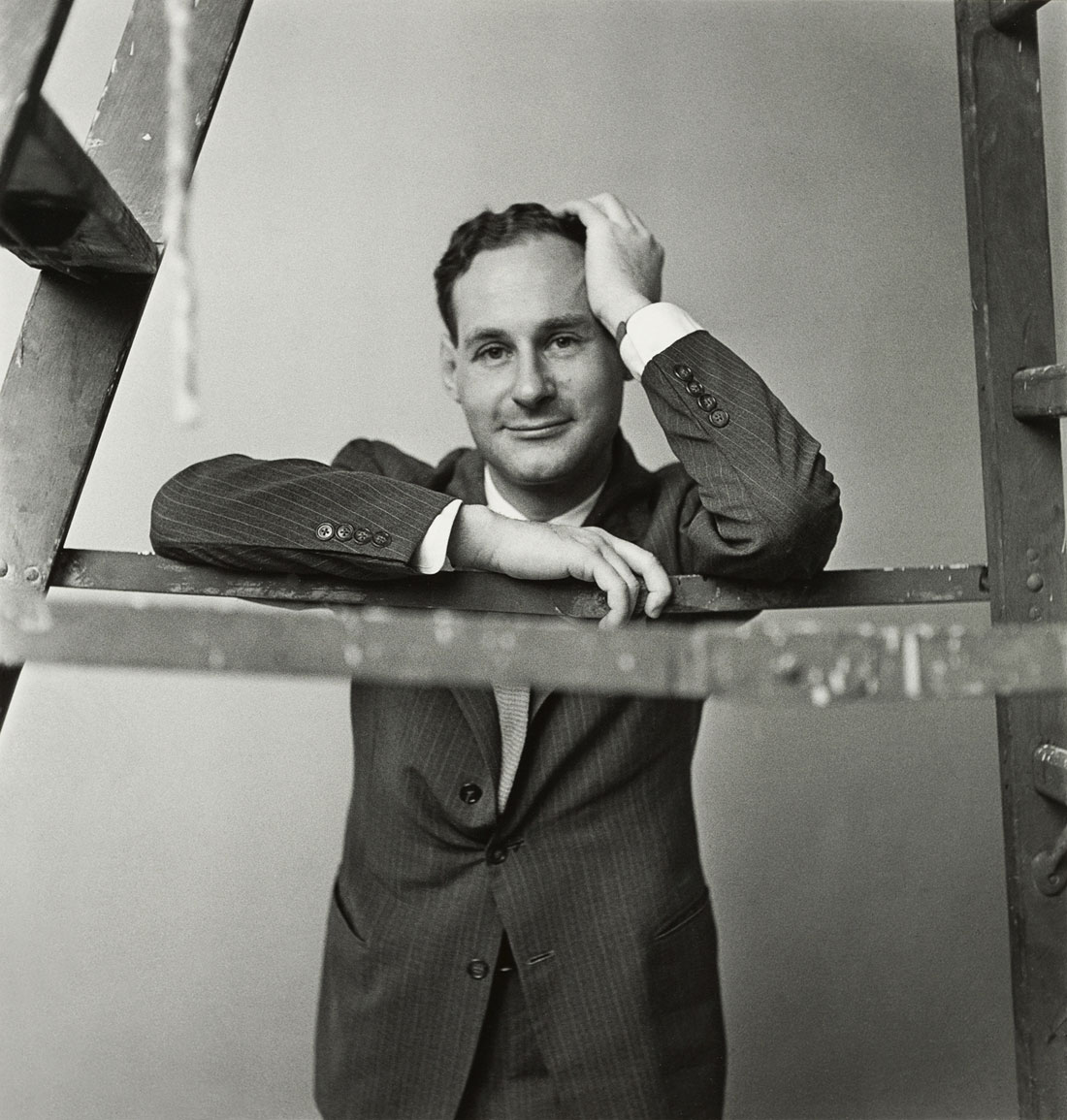
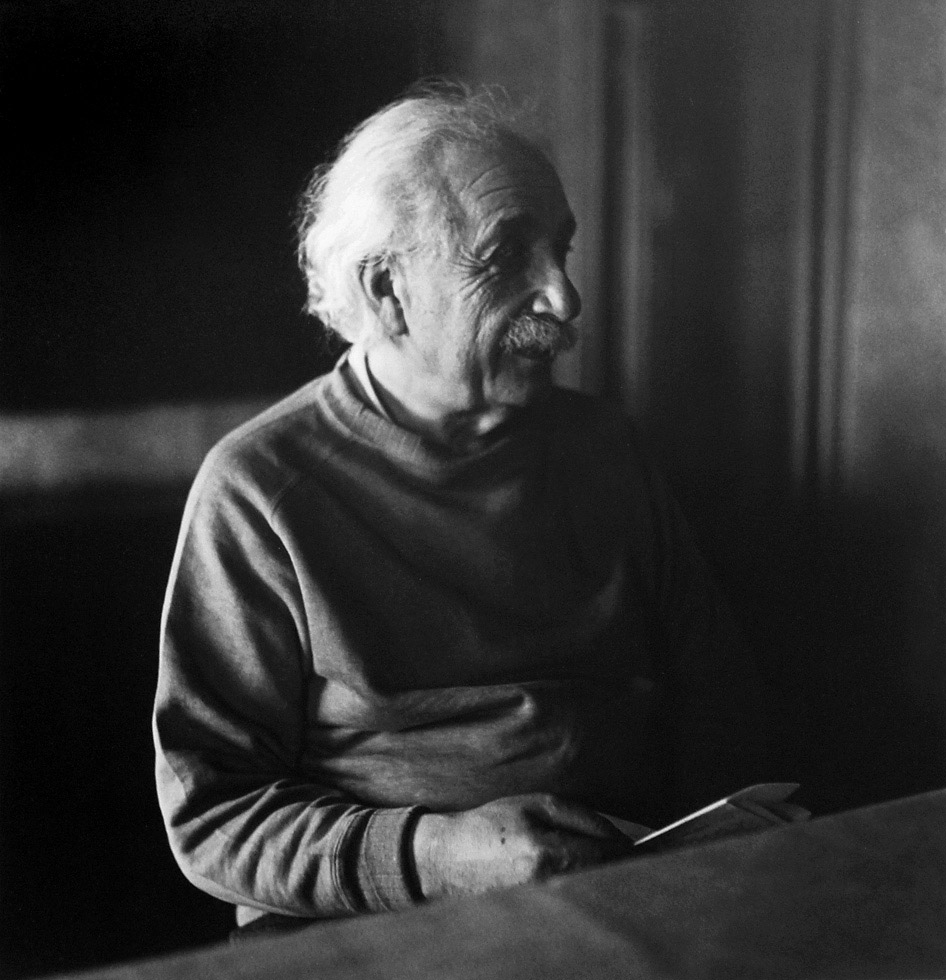
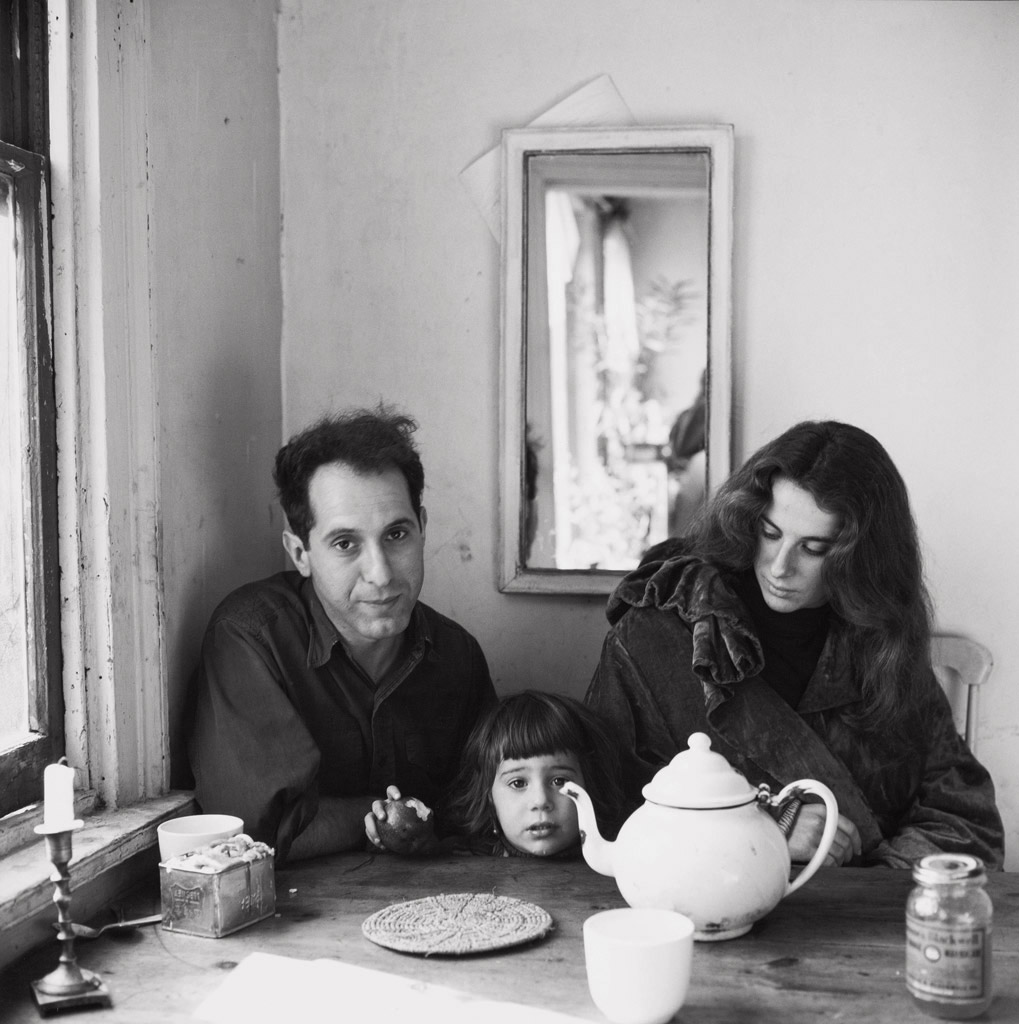
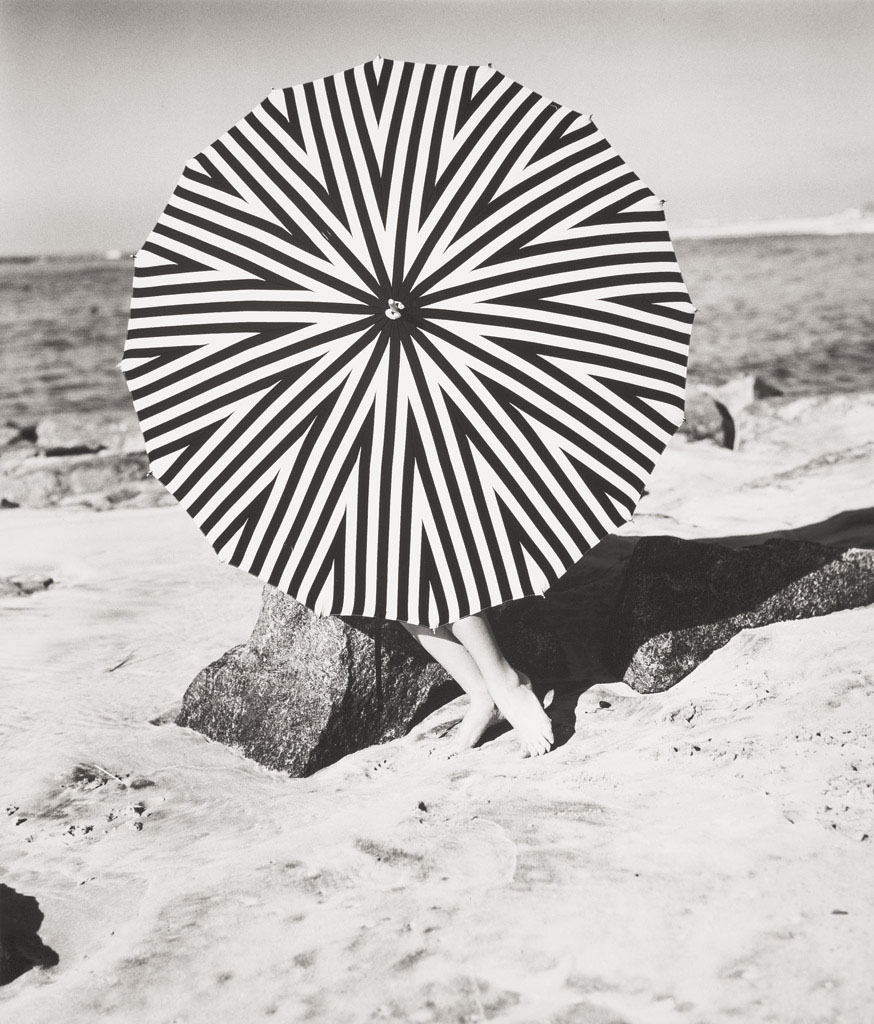
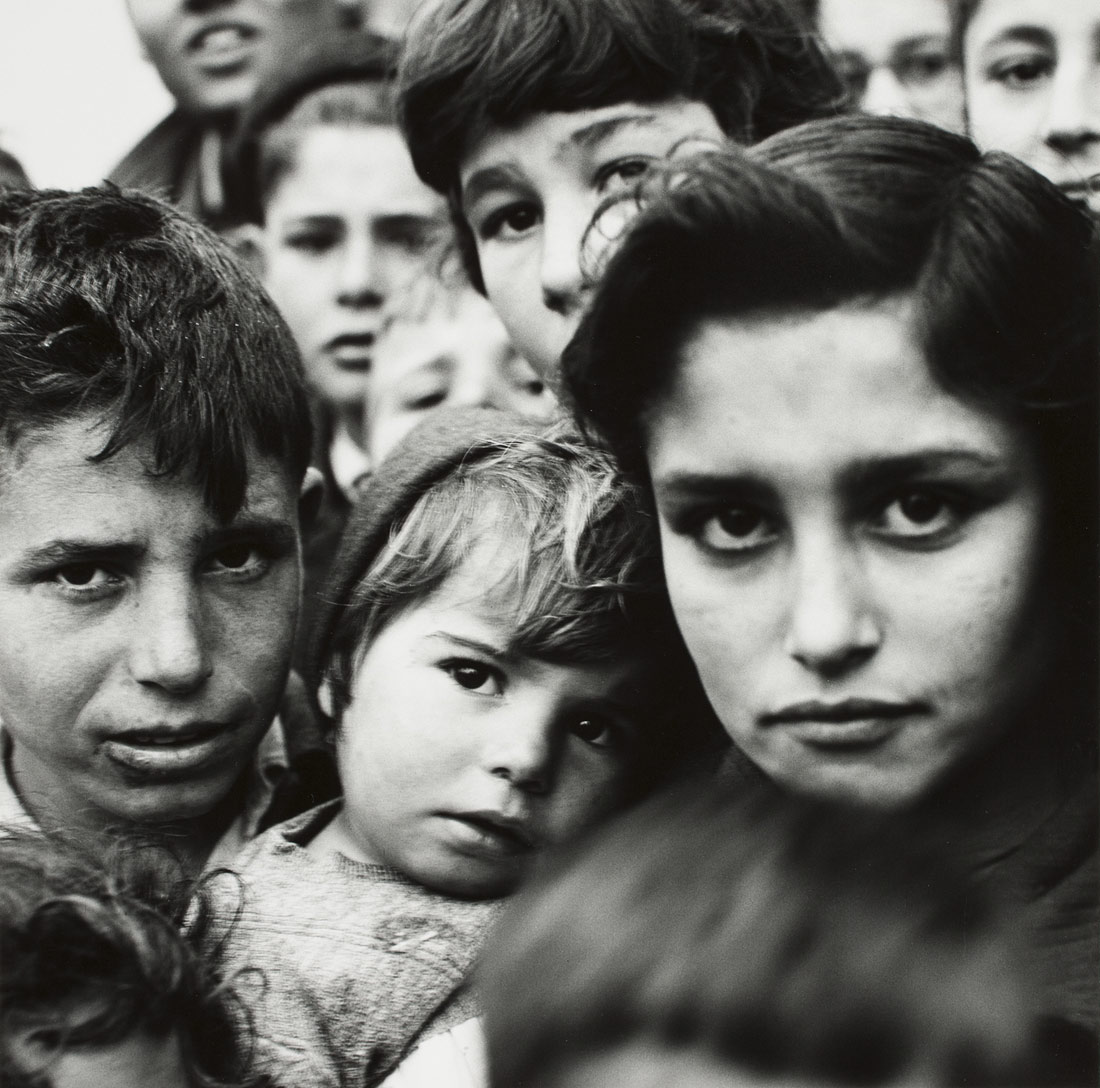
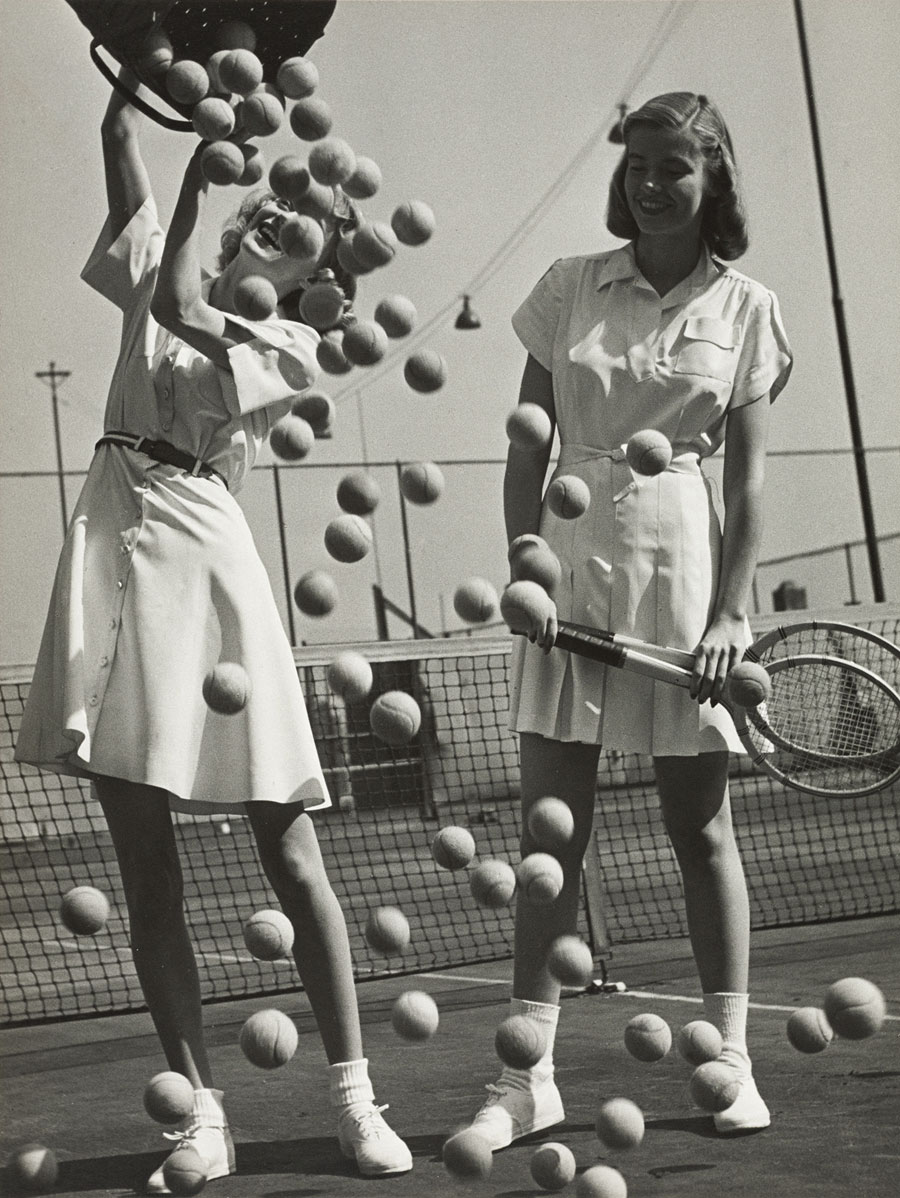
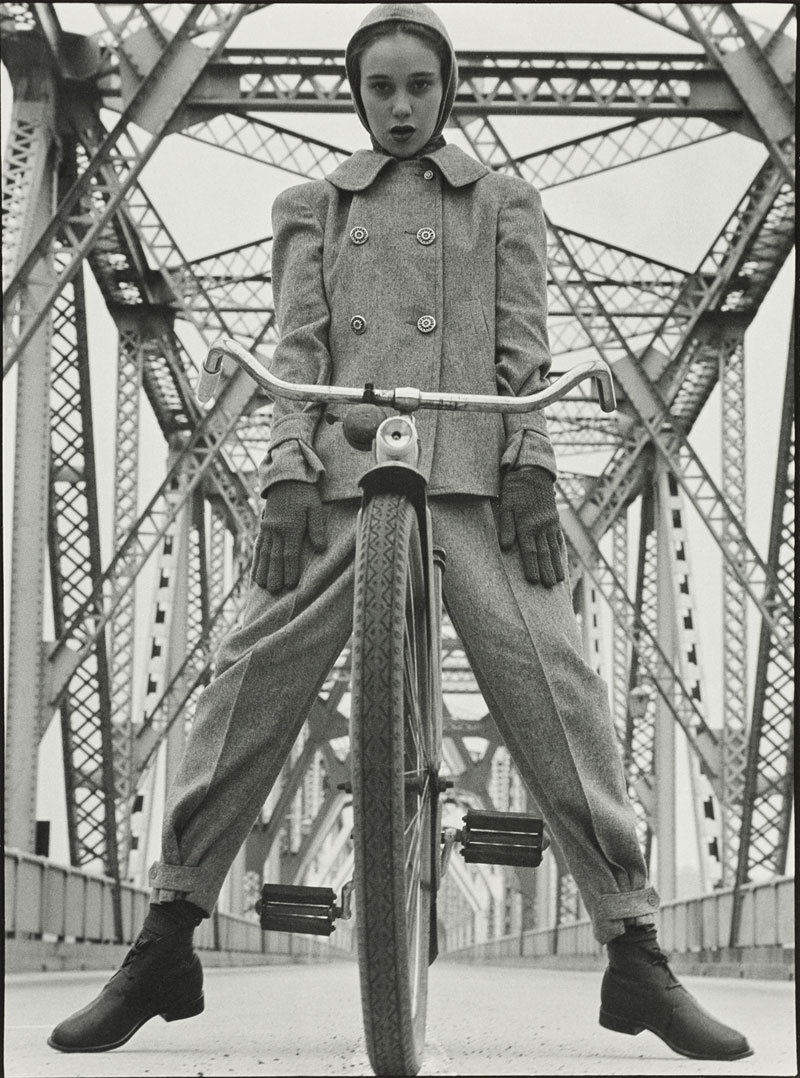
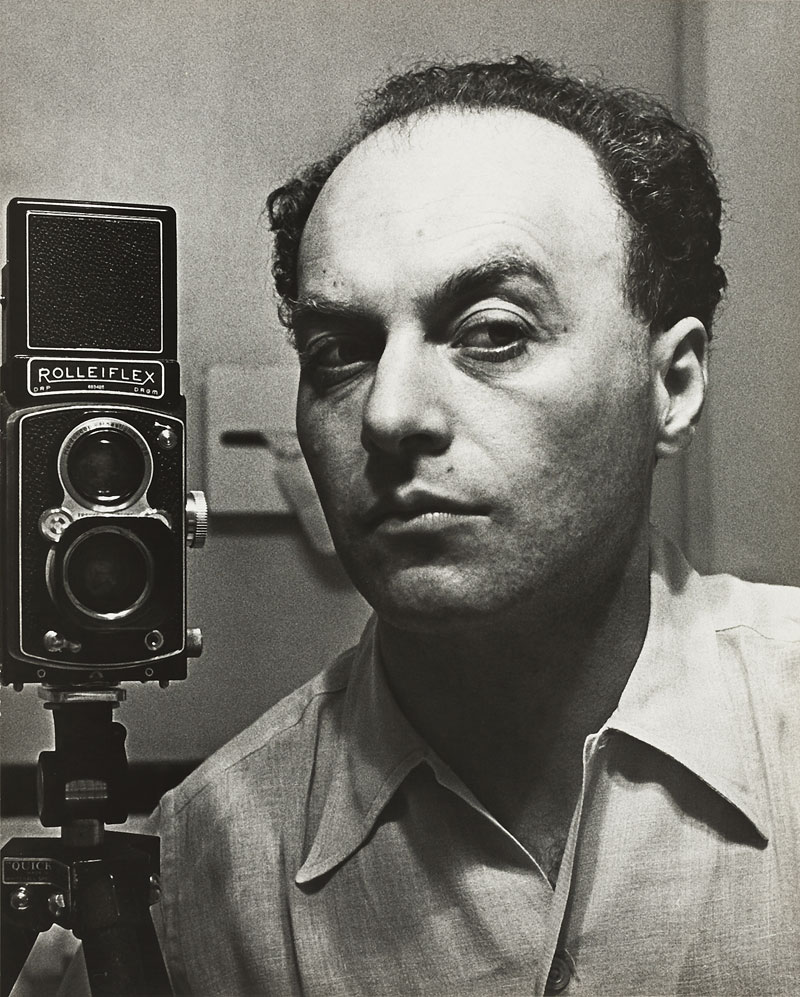
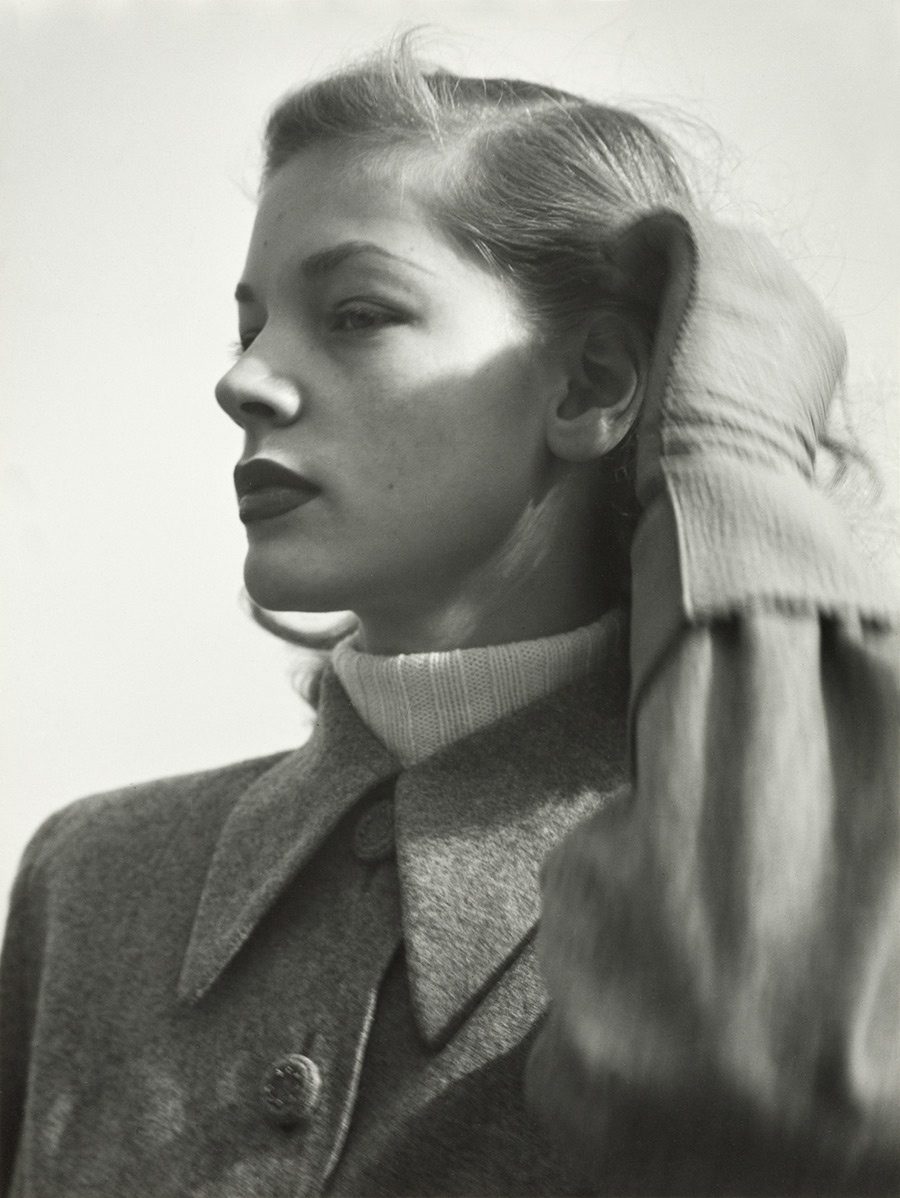
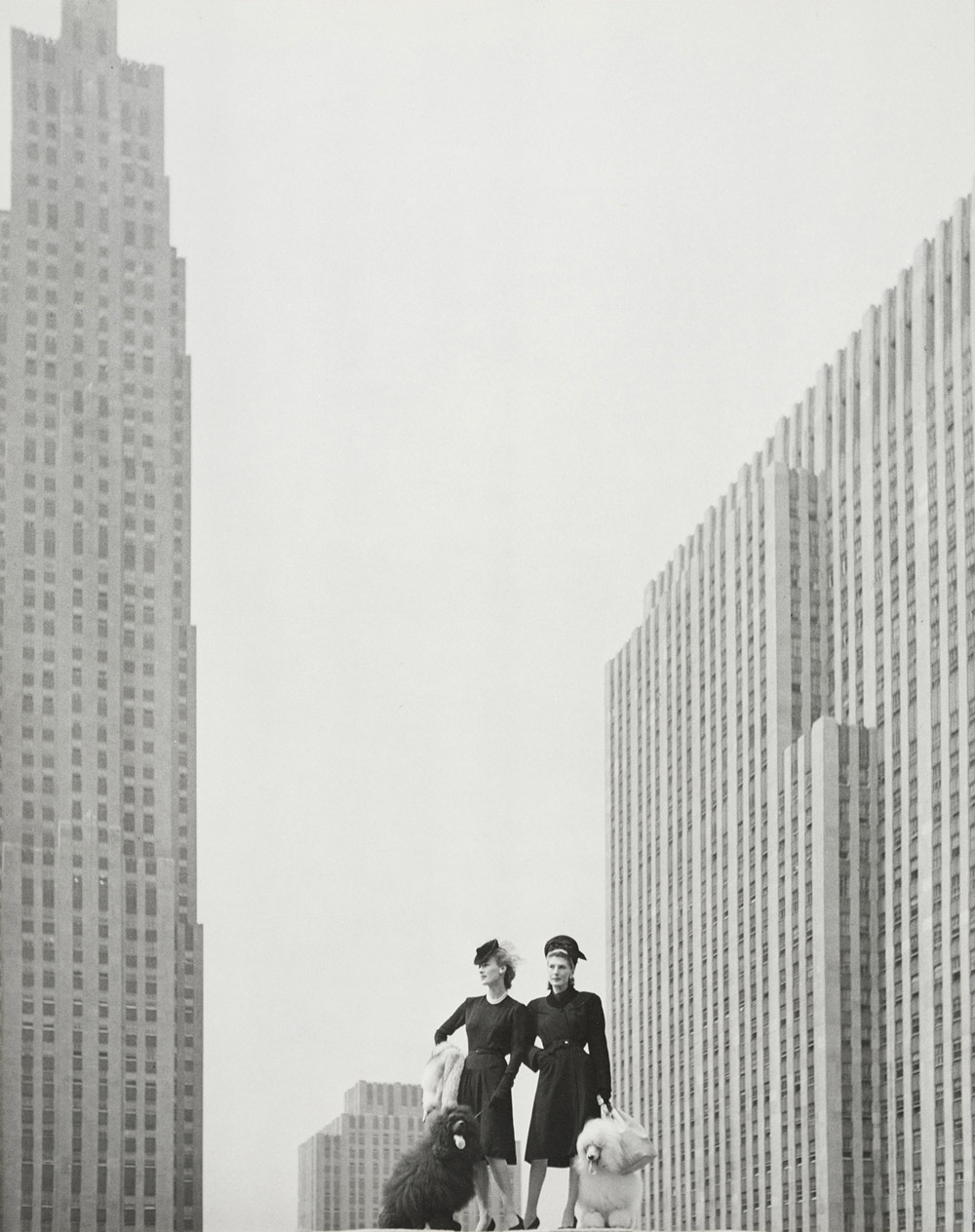
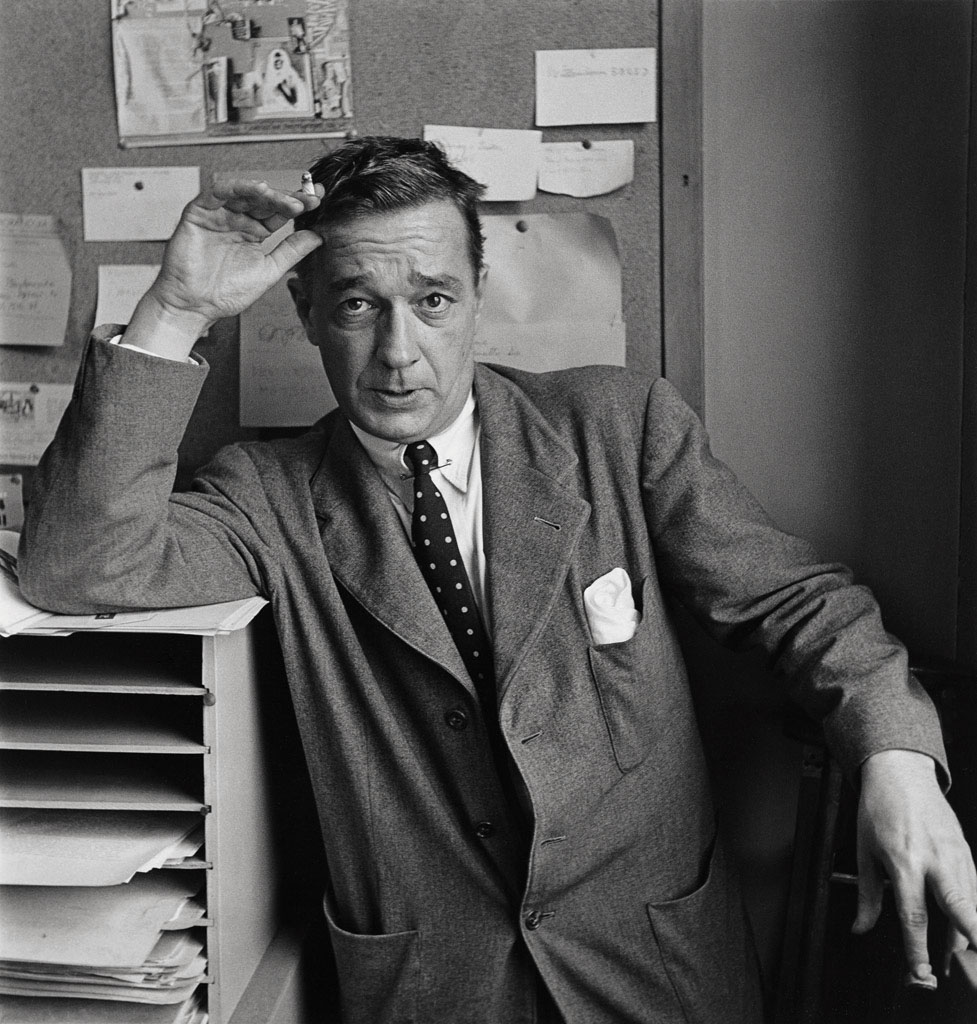
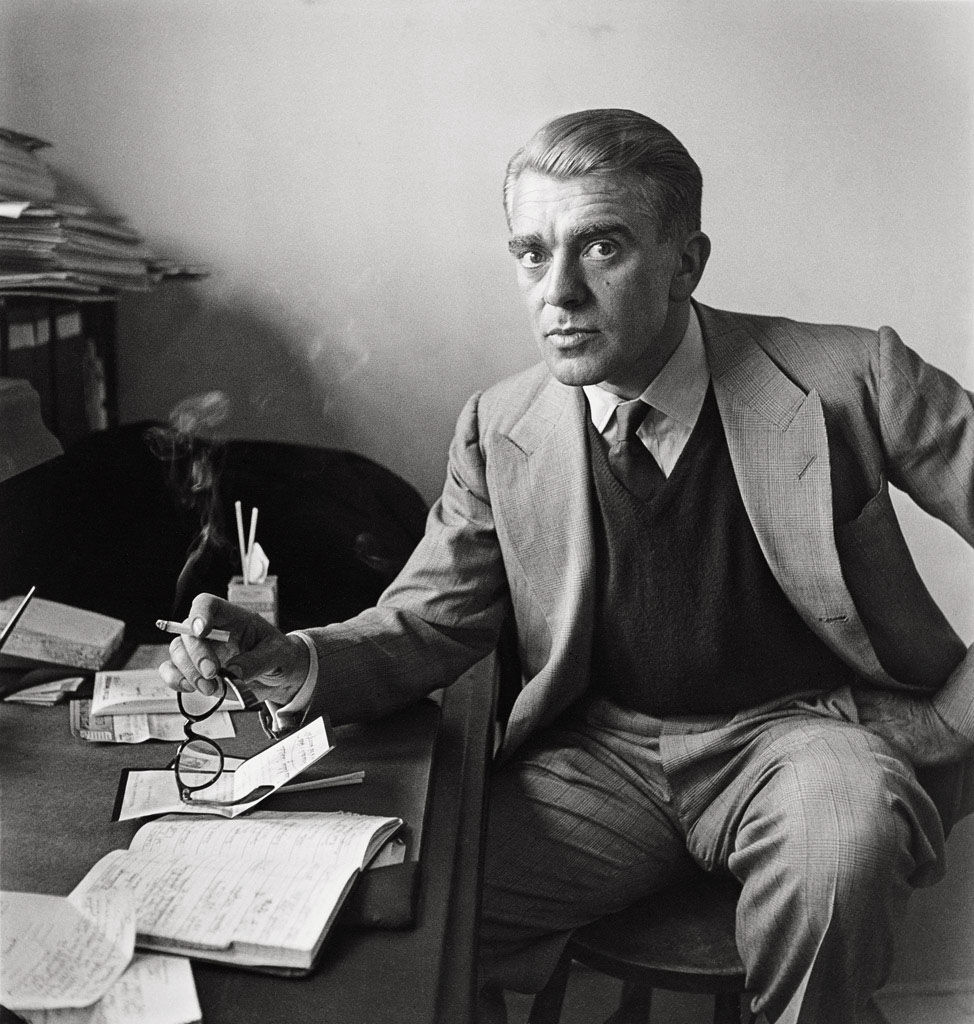
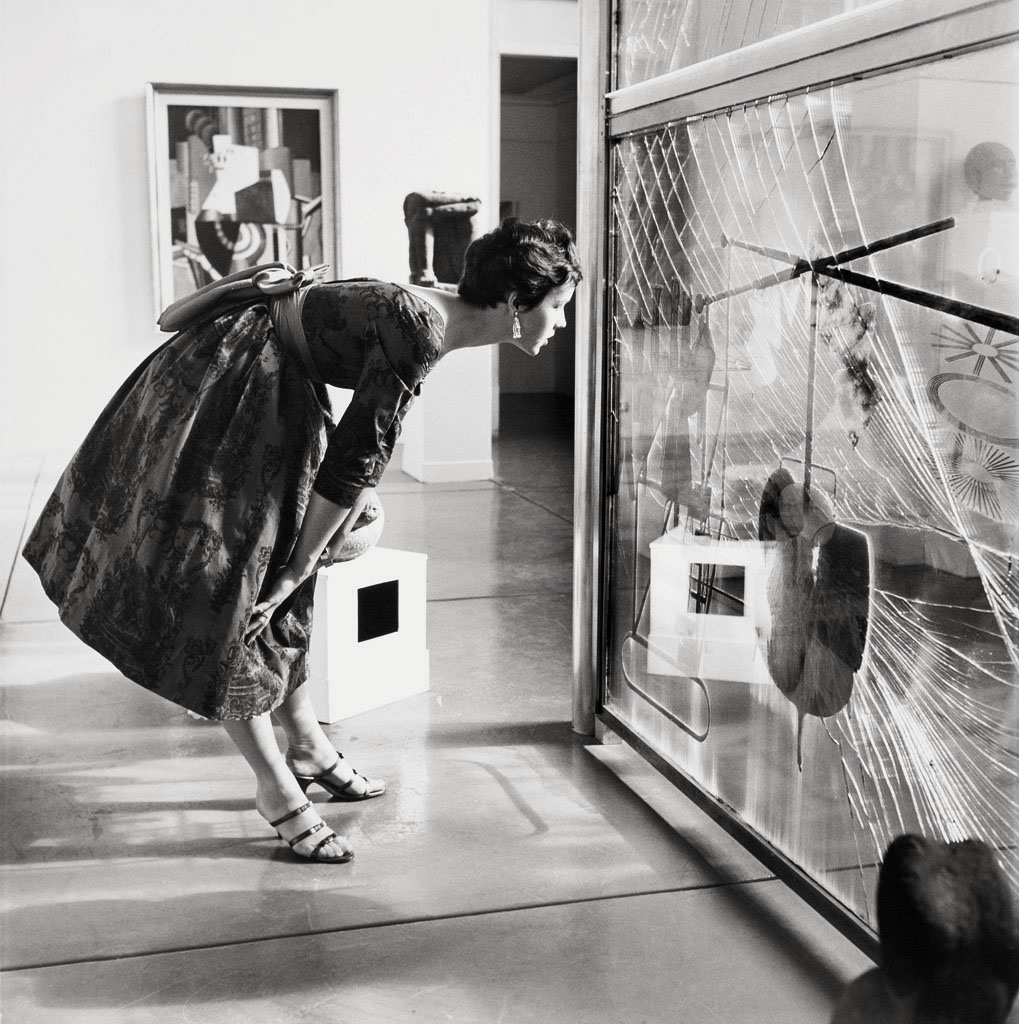
![Unidentified artist. '[Bird in Basin with Thread Spool and Patterned Cloth]' c. 1855 from the exhibition 'A Democracy of Images: Photographs from the Smithsonian American Art Museum' at the Smithsonian American Art Museum, Washington DC, June 2013 - January 2014](https://artblart.com/wp-content/uploads/2013/12/bird-in-basin-web.jpg "Unidentified artist. '[Bird in Basin with Thread Spool and Patterned Cloth]' c. 1855 from the exhibition 'A Democracy of Images: Photographs from the Smithsonian American Art Museum' at the Smithsonian American Art Museum, Washington DC, June 2013 - January 2014")


![Unidentified artist. '[Gold Nugget]' c. 1860s](https://artblart.com/wp-content/uploads/2013/12/gold-nugget-web.jpg "Unidentified artist. '[Gold Nugget]' c. 1860s")


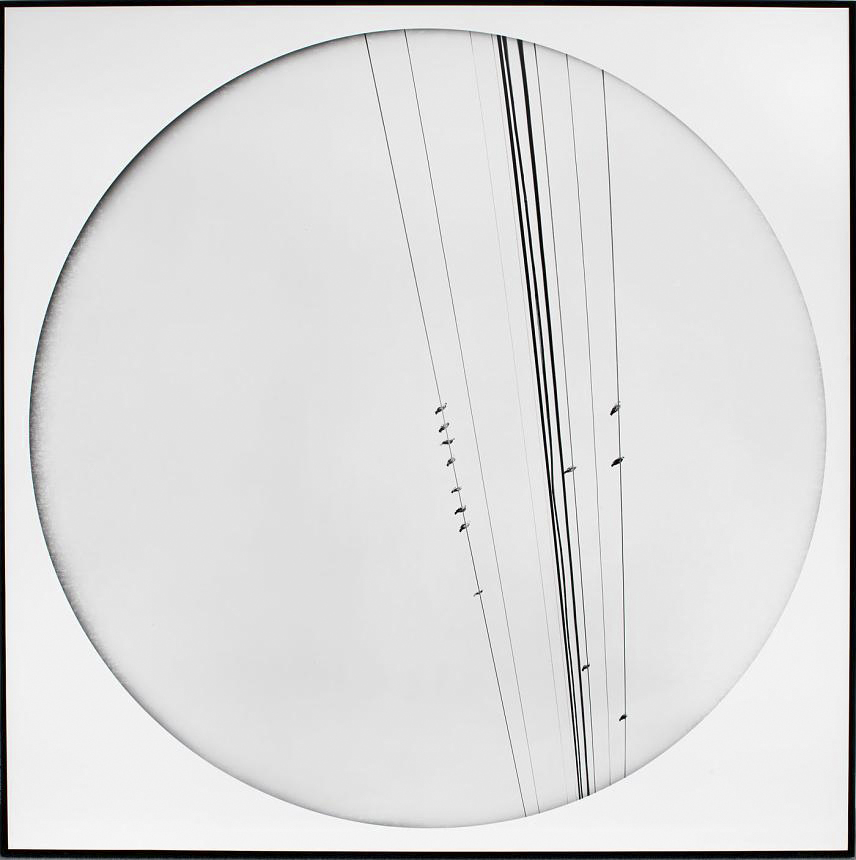
![Unidentified artist. '[Two Workmen Polishing a Stove]' c. 1865](https://artblart.com/wp-content/uploads/2013/12/two-workmen-polishing-a-stove-web.jpg "Unidentified artist. '[Two Workmen Polishing a Stove]' c. 1865")


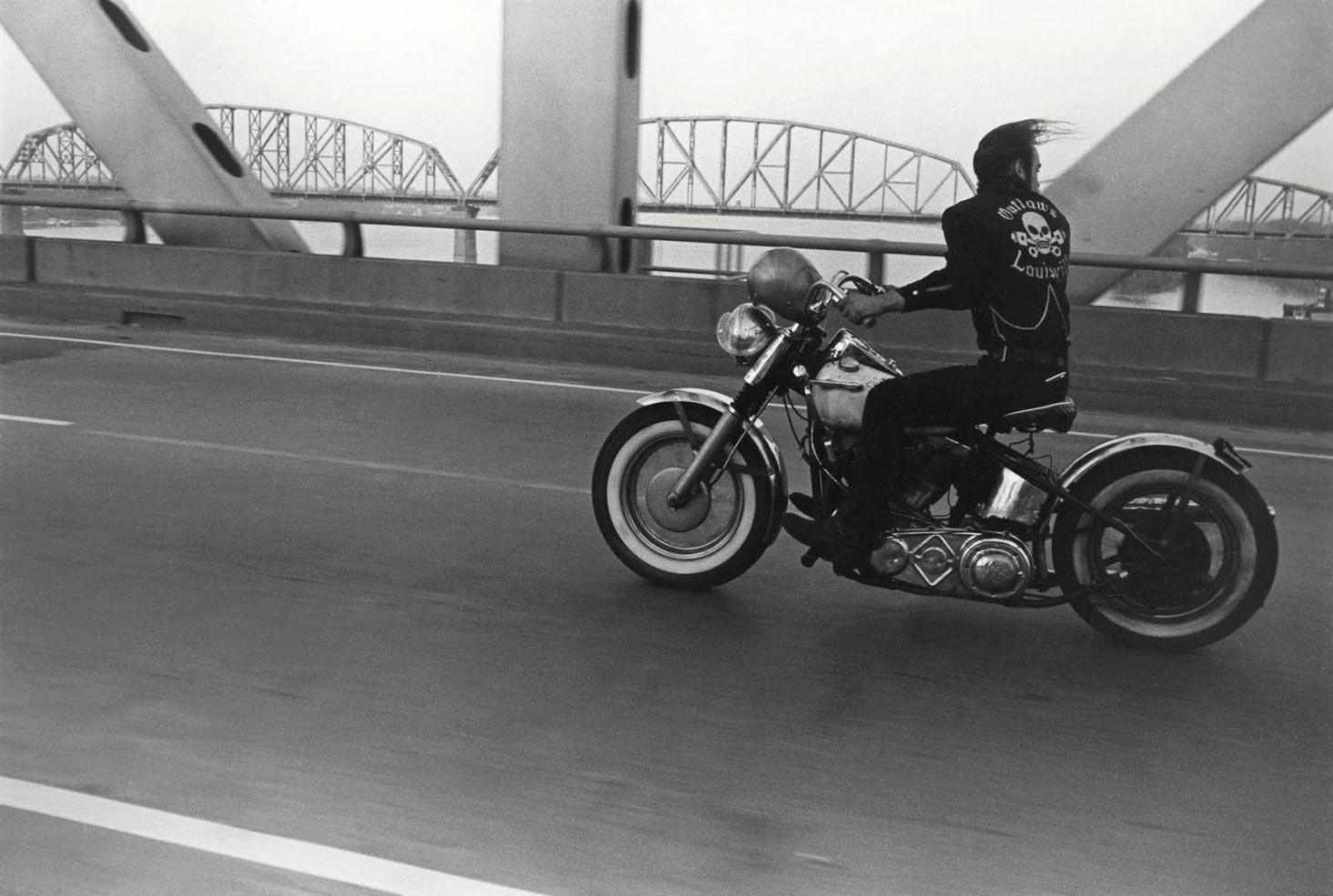


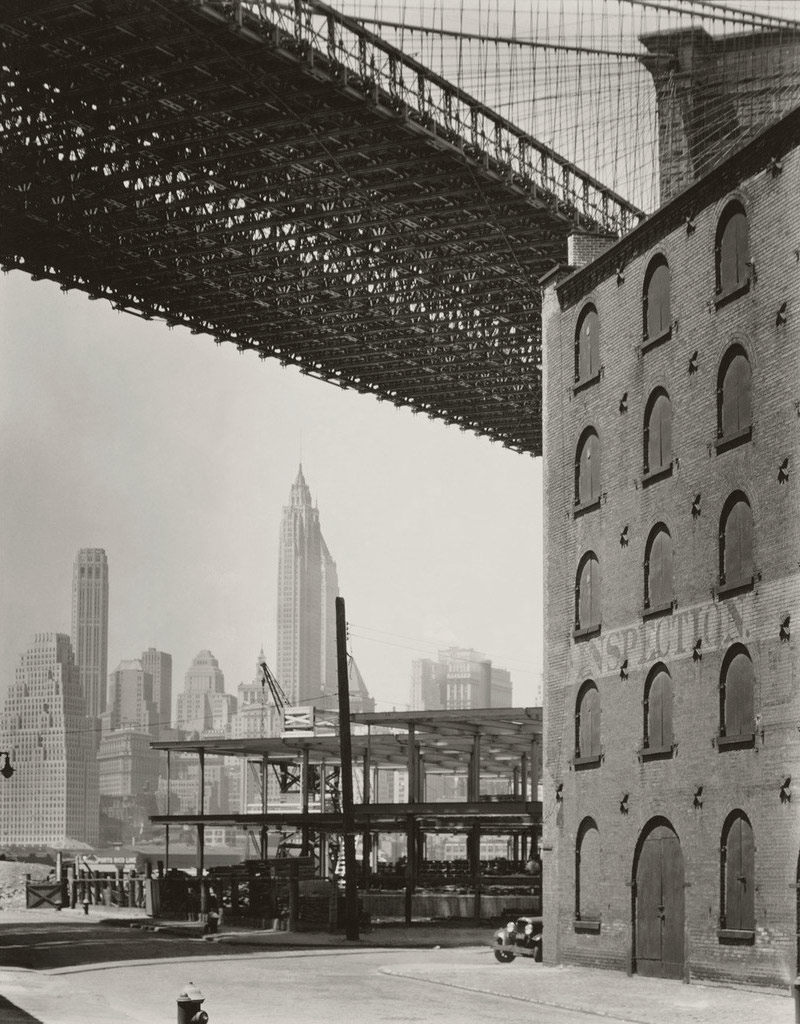


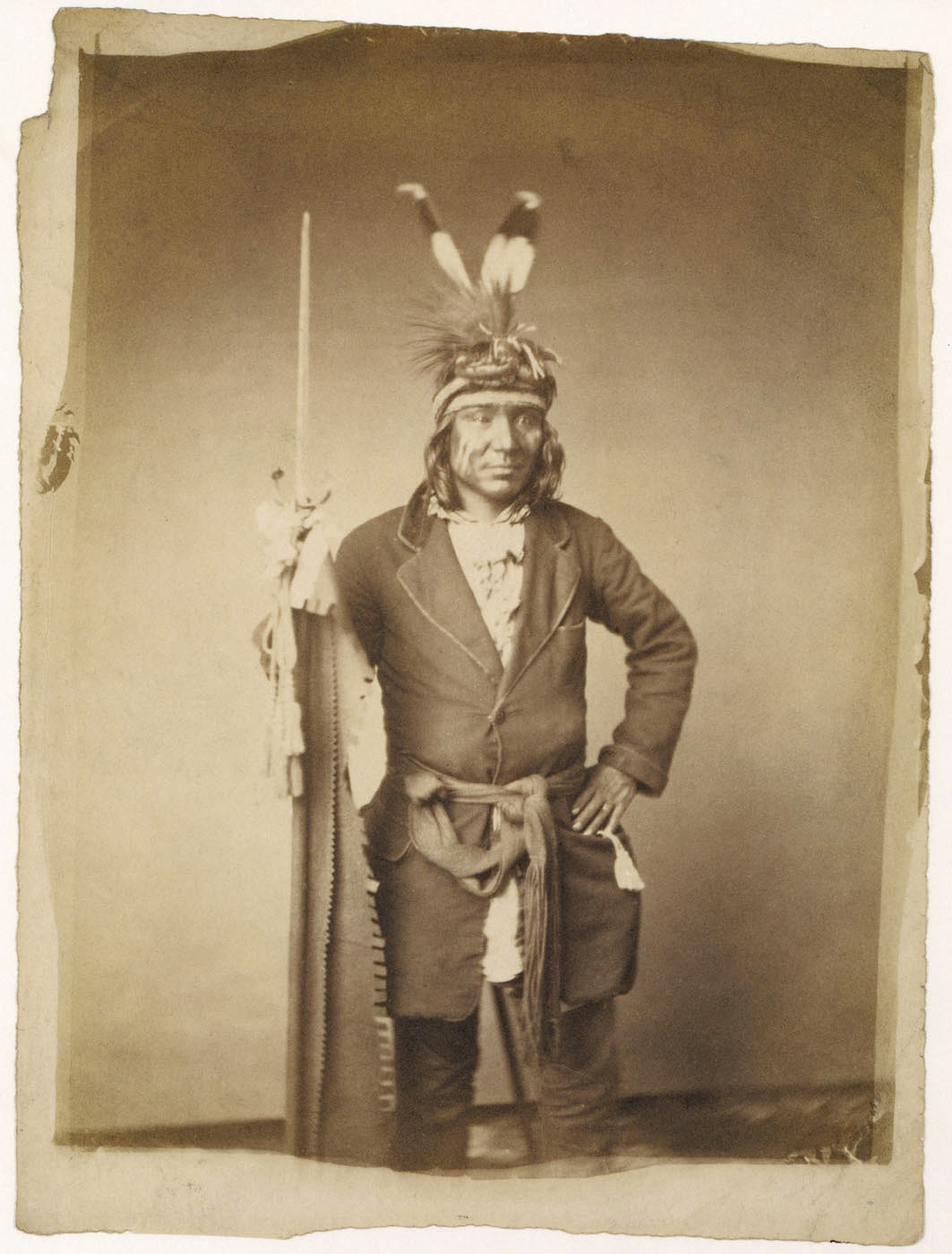


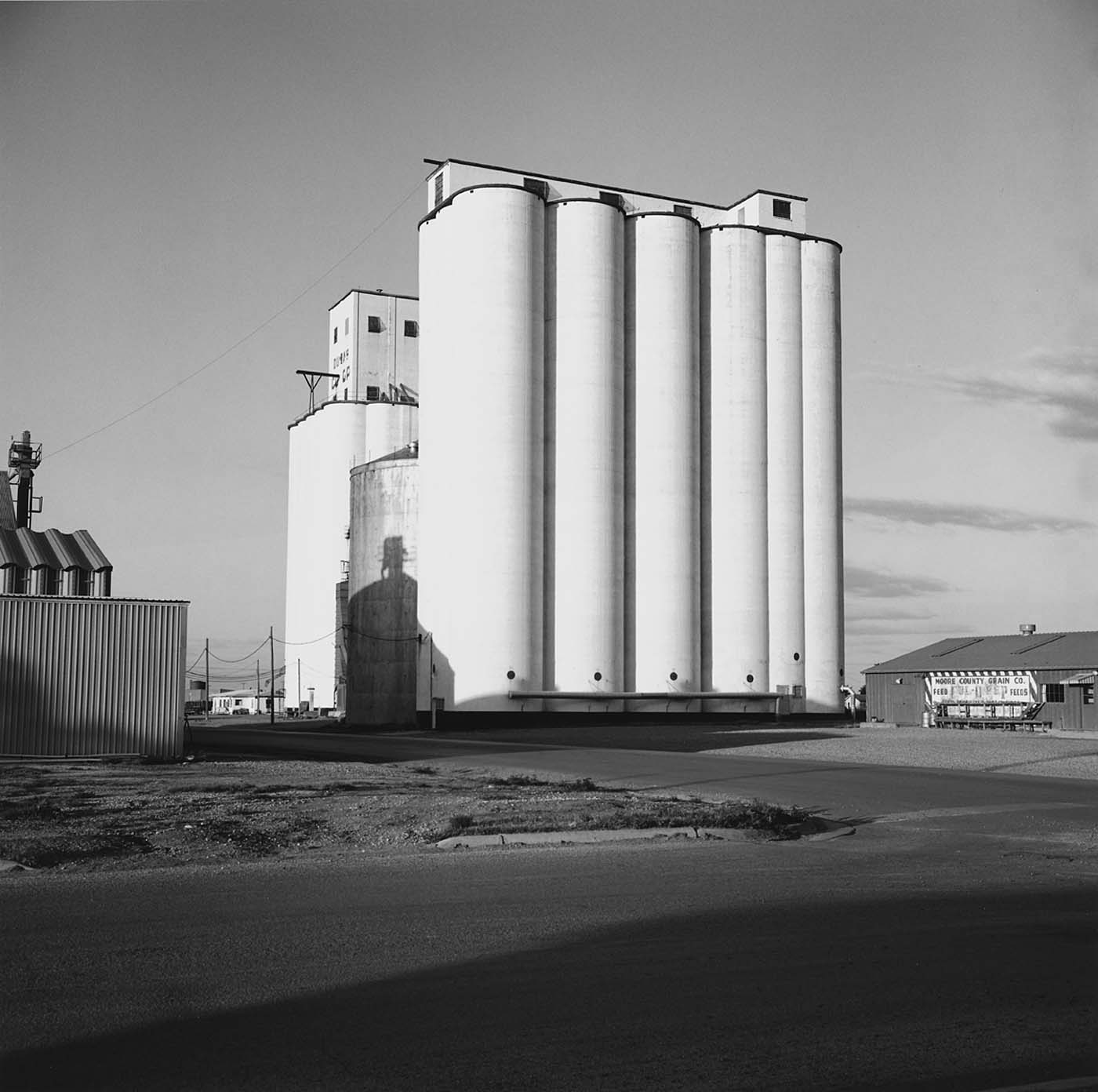

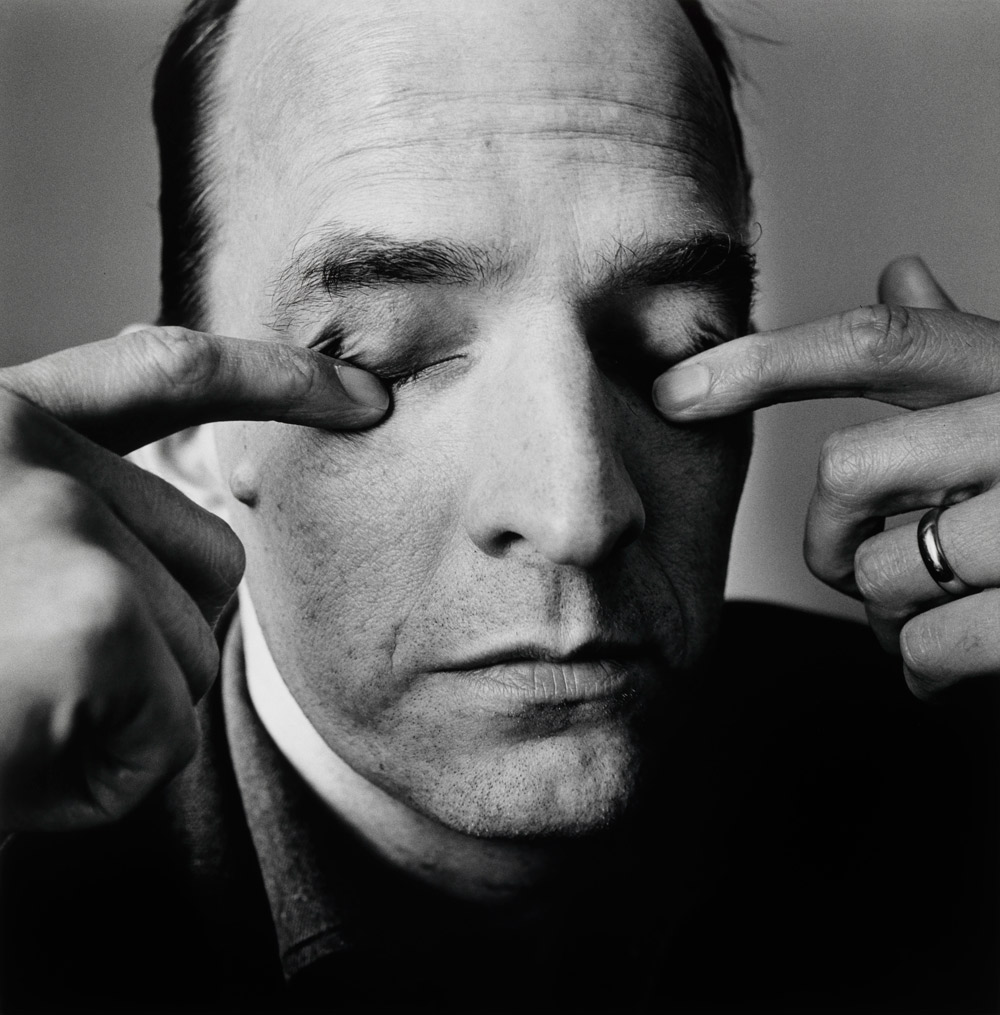


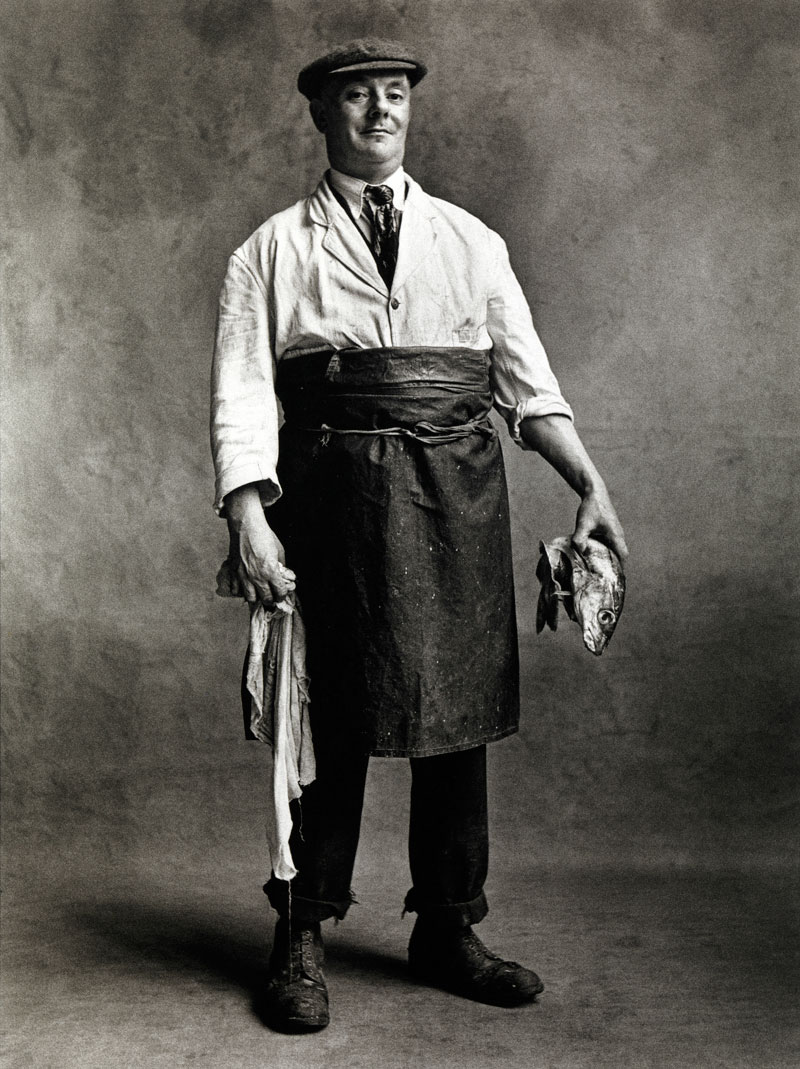
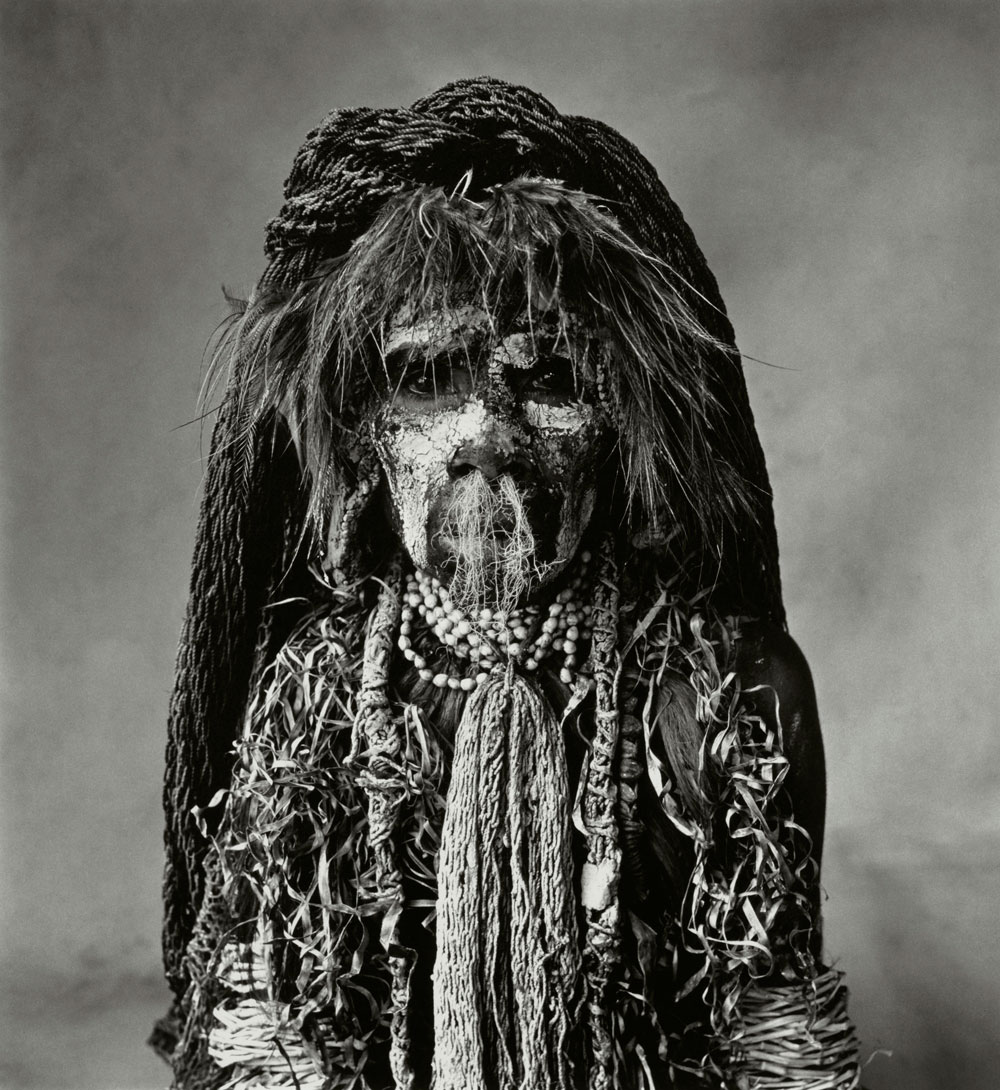
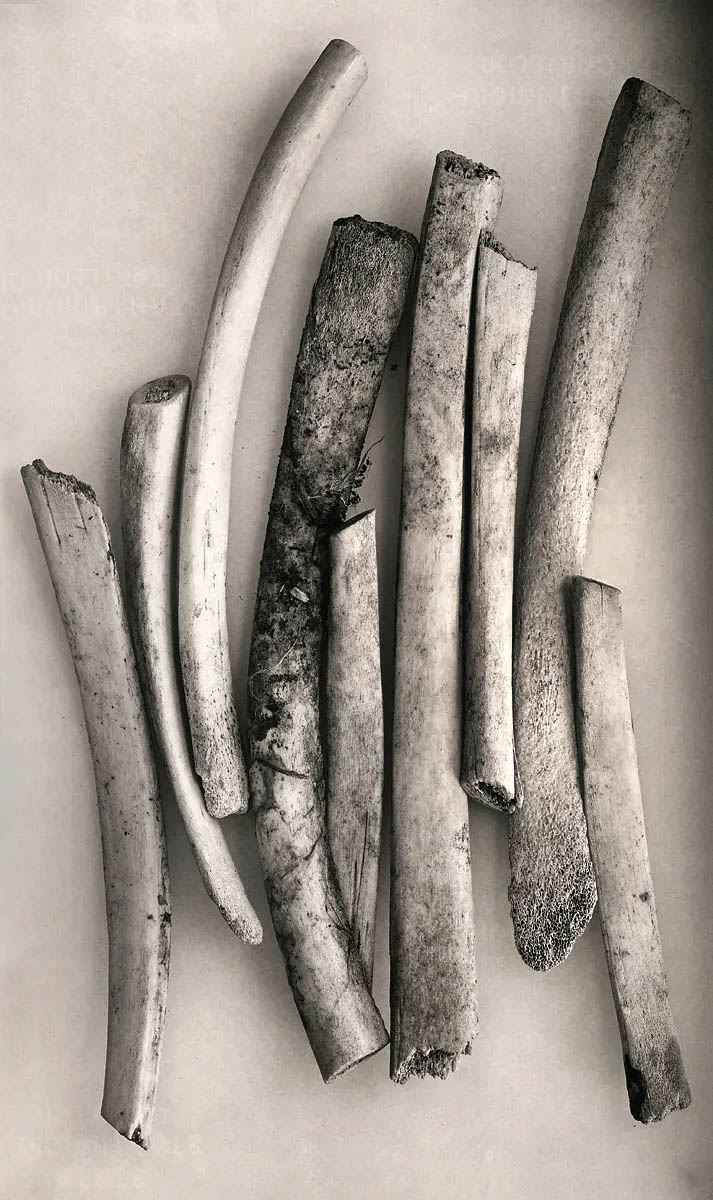
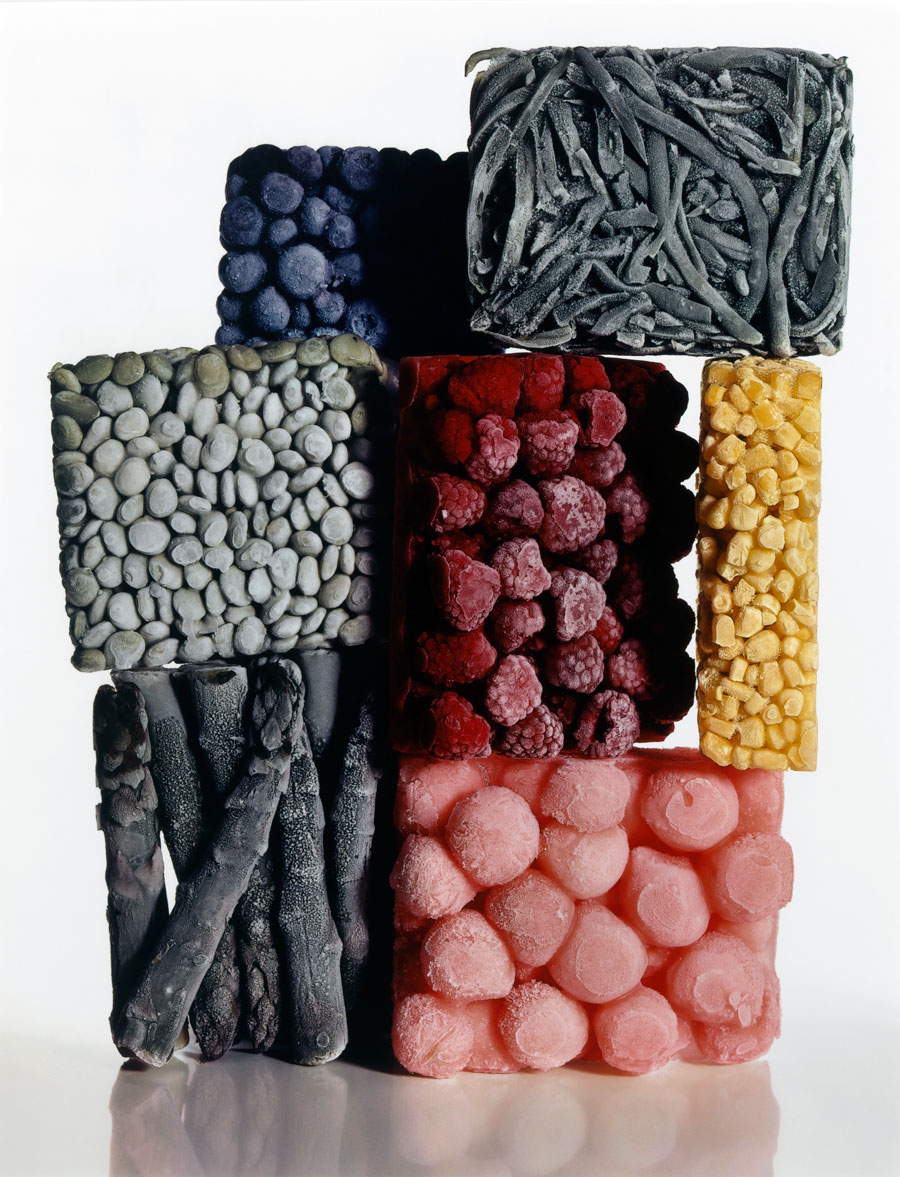

![Franck-François-Genès Chauvassaignes (French, 1831 - after 1900) 'Untitled [Female Nude in Studio]' 1856-1859 from the exhibition 'Naked Before the Camera' at the Metropolitan Museum of Art, New York, March - September, 2012](https://artblart.com/wp-content/uploads/2012/08/chauvassaignes_seated-nude-web.jpg "Franck-François-Genès Chauvassaignes (French, 1831 - after 1900) 'Untitled [Female Nude in Studio]' 1856-1859 from the exhibition 'Naked Before the Camera' at the Metropolitan Museum of Art, New York, March - September, 2012")
![Félix-Jacques-Antoine Moulin (French, 1800 - after 1875) 'Untitled [Two Standing Female Nudes]' c. 1850 from the exhibition 'Naked Before the Camera' at the Metropolitan Museum of Art, New York, March - September, 2012](https://artblart.com/wp-content/uploads/2012/08/moulin_two-nudes-standing-web.jpg "Félix-Jacques-Antoine Moulin (French, 1800 - after 1875) 'Untitled [Two Standing Female Nudes]' c. 1850 from the exhibition 'Naked Before the Camera' at the Metropolitan Museum of Art, New York, March - September, 2012")
![Unknown photographer (French) '[Seated Female Nude]' c. 1850](https://artblart.com/wp-content/uploads/2012/09/seated-female-nude.jpg "Unknown photographer (French) '[Seated Female Nude]' c. 1850")
![Julien Vallou de Villeneuve (French, 1795-1866) '[Standing Female Nude]' c. 1853](https://artblart.com/wp-content/uploads/2012/09/julien-vallou-de-villeneuve-standing-female-nude.jpg "Julien Vallou de Villeneuve (French, 1795-1866) '[Standing Female Nude]' c. 1853")
![Eugène Durieu (French, 1800-1874) 'Untitled [Seated Female Nude]' 1853-1854](https://artblart.com/wp-content/uploads/2012/08/durieu_nude_ph8976-web.jpg "Eugène Durieu (French, 1800-1874) 'Untitled [Seated Female Nude]' 1853-1854")
![Charles Alphonse Marlé (French, 1821 - after 1867) 'Untitled [Standing Male Nude]' c. 1855](https://artblart.com/wp-content/uploads/2012/08/marle_standing-male-nude-web.jpg "Charles Alphonse Marlé (French, 1821 - after 1867) 'Untitled [Standing Male Nude]' c. 1855")
![Nadar (French, Paris 1820 - 1910 Paris) '[Standing Female Nude]' 1860-1861](https://artblart.com/wp-content/uploads/2012/09/nadar-standing-female-nude.jpg "Nadar (French, Paris 1820 - 1910 Paris) '[Standing Female Nude]' 1860-1861")
![Unknown photographer (French) '[Nude with Mirror]' c. 1850](https://artblart.com/wp-content/uploads/2012/09/nude-with-mirror.jpg "Unknown photographer (French) '[Nude with Mirror]' c. 1850")
![Julien Vallou de Villeneuve (French, 1795-1866) '[Reclining Female Nude]' c. 1853](https://artblart.com/wp-content/uploads/2012/09/julien-vallou-de-villeneuve-reclining-female-nude.jpg "Julien Vallou de Villeneuve (French, 1795-1866) '[Reclining Female Nude]' c. 1853")

![Unknown photographer (French) '[Standing Female Nude]' c. 1856](https://artblart.com/wp-content/uploads/2012/09/standing-female-nude.jpg "Unknown photographer (French) '[Standing Female Nude]' c. 1856")
![Unknown photographer (French) '[Standing Male Nude]' c. 1856](https://artblart.com/wp-content/uploads/2012/09/standing-male-nude.jpg "Unknown photographer (French) '[Standing Male Nude]' c. 1856")
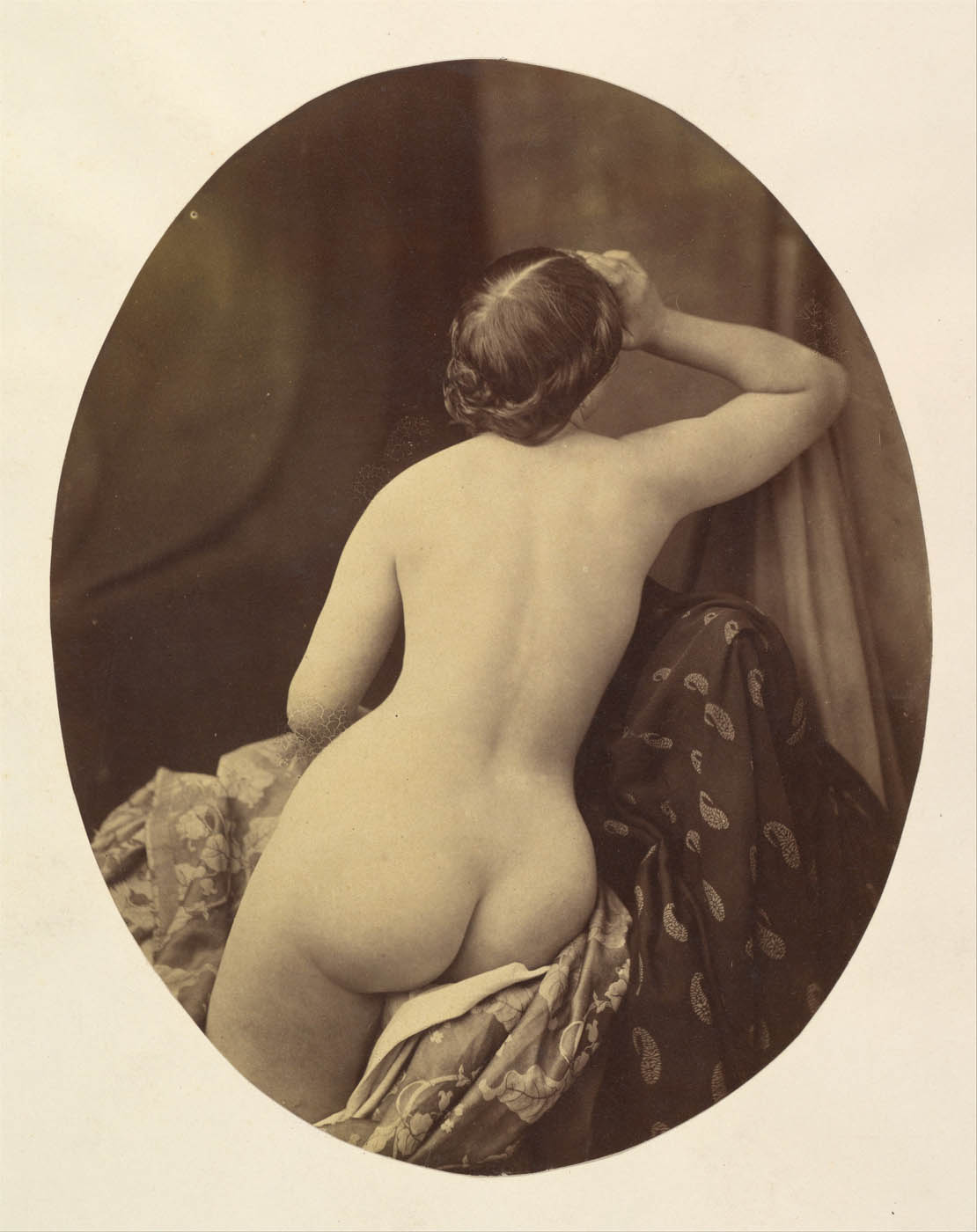
![Unknown photographer (French) '[Female Nude with Mask]' c. 1870](https://artblart.com/wp-content/uploads/2012/09/female-nude-with-mask.jpg "Unknown photographer (French) '[Female Nude with Mask]' c. 1870")
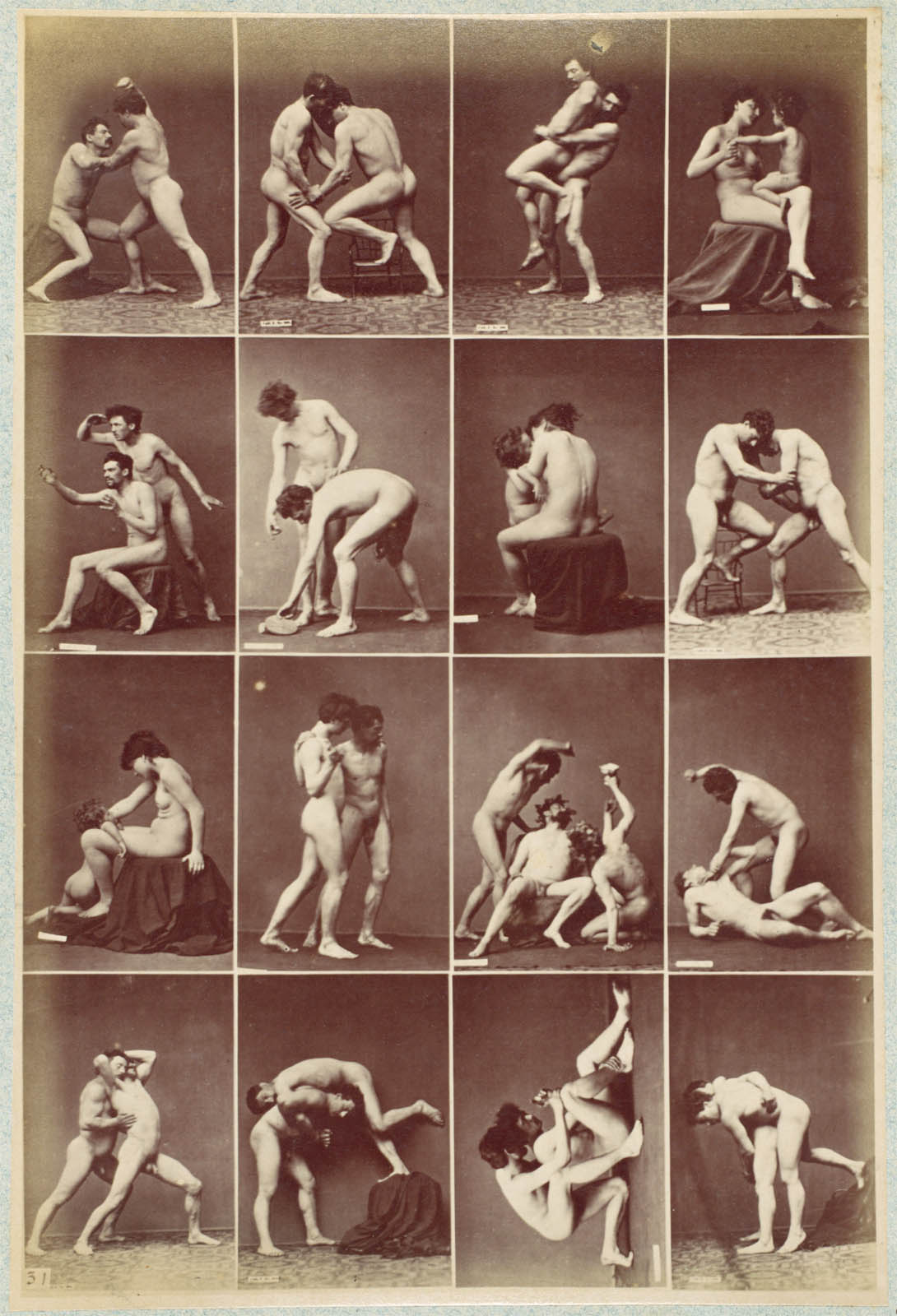
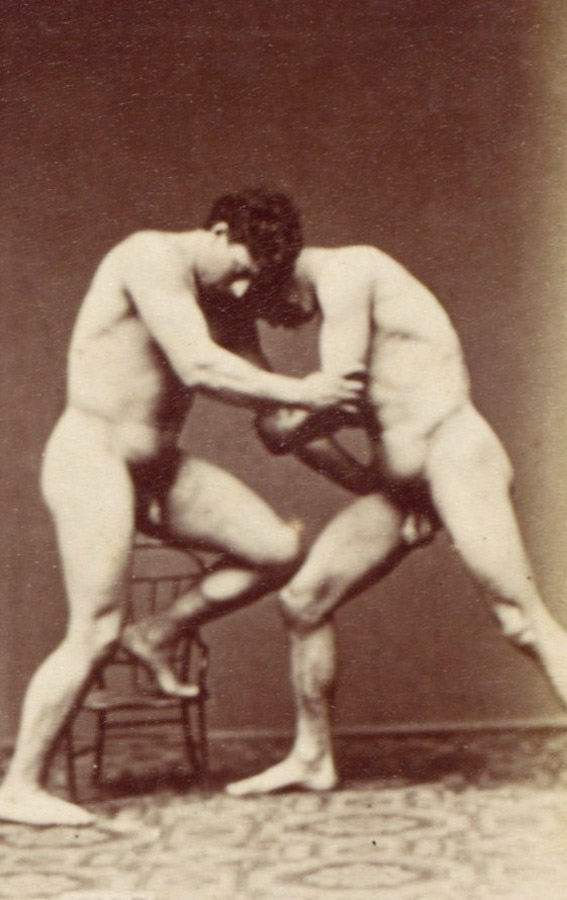
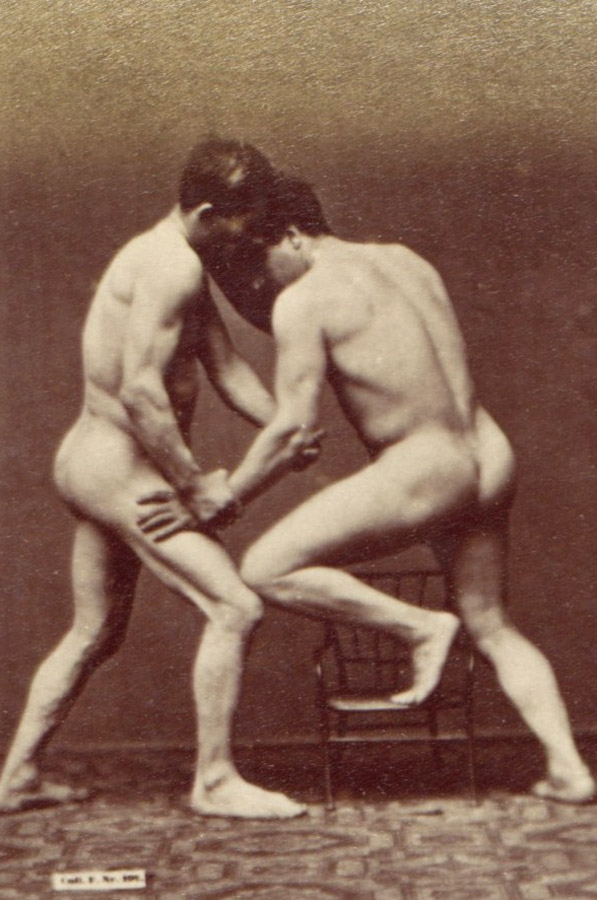
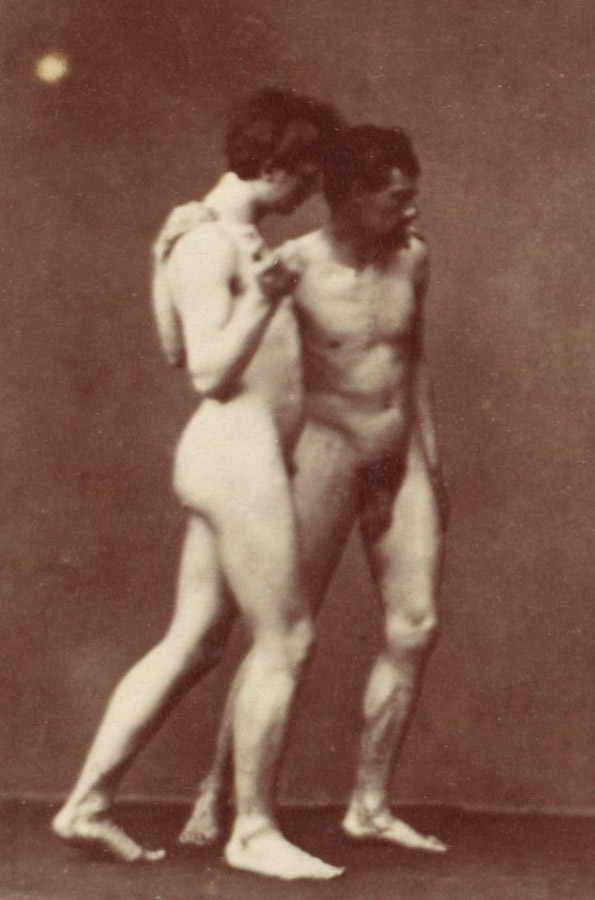
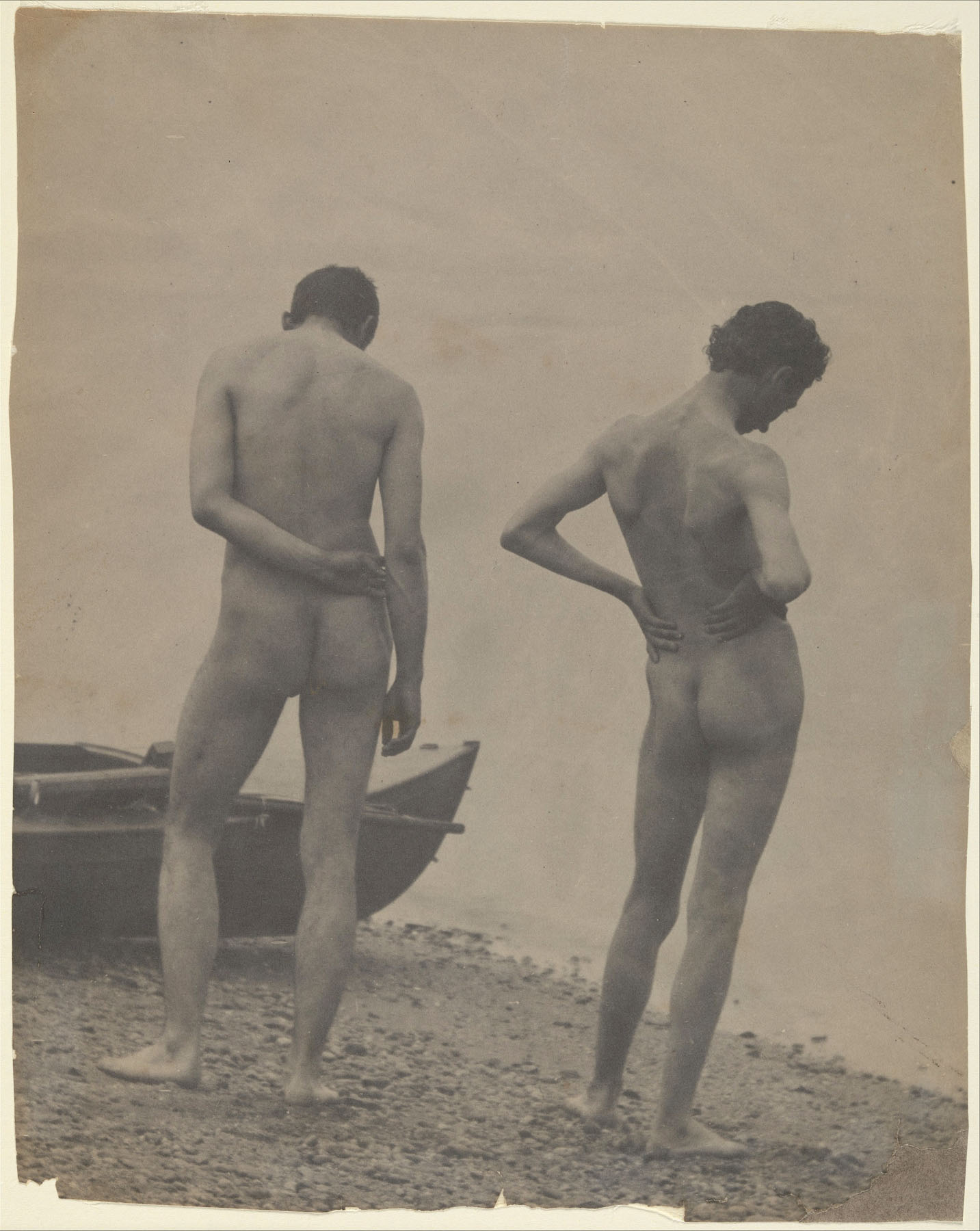
![Albert Londe (French, 1858-1917) Paul Marie Louis Pierre Richer (French, 1849-1933) '[Male Musculature Study]' c. 1890](https://artblart.com/wp-content/uploads/2012/09/male-study.jpg "Albert Londe (French, 1858-1917) Paul Marie Louis Pierre Richer (French, 1849-1933) '[Male Musculature Study]' c. 1890")
![Guglielmo Plüshow (Italian born Germany, 1852–1930) '[Young Male Nude Seated on Leopard Skin]' 1890s-1900s](https://artblart.com/wp-content/uploads/2012/09/plushow-young-male-nude-seated-on-leopard-skin.jpg "Guglielmo Plüshow (Italian born Germany, 1852–1930) '[Young Male Nude Seated on Leopard Skin]' 1890s-1900s")
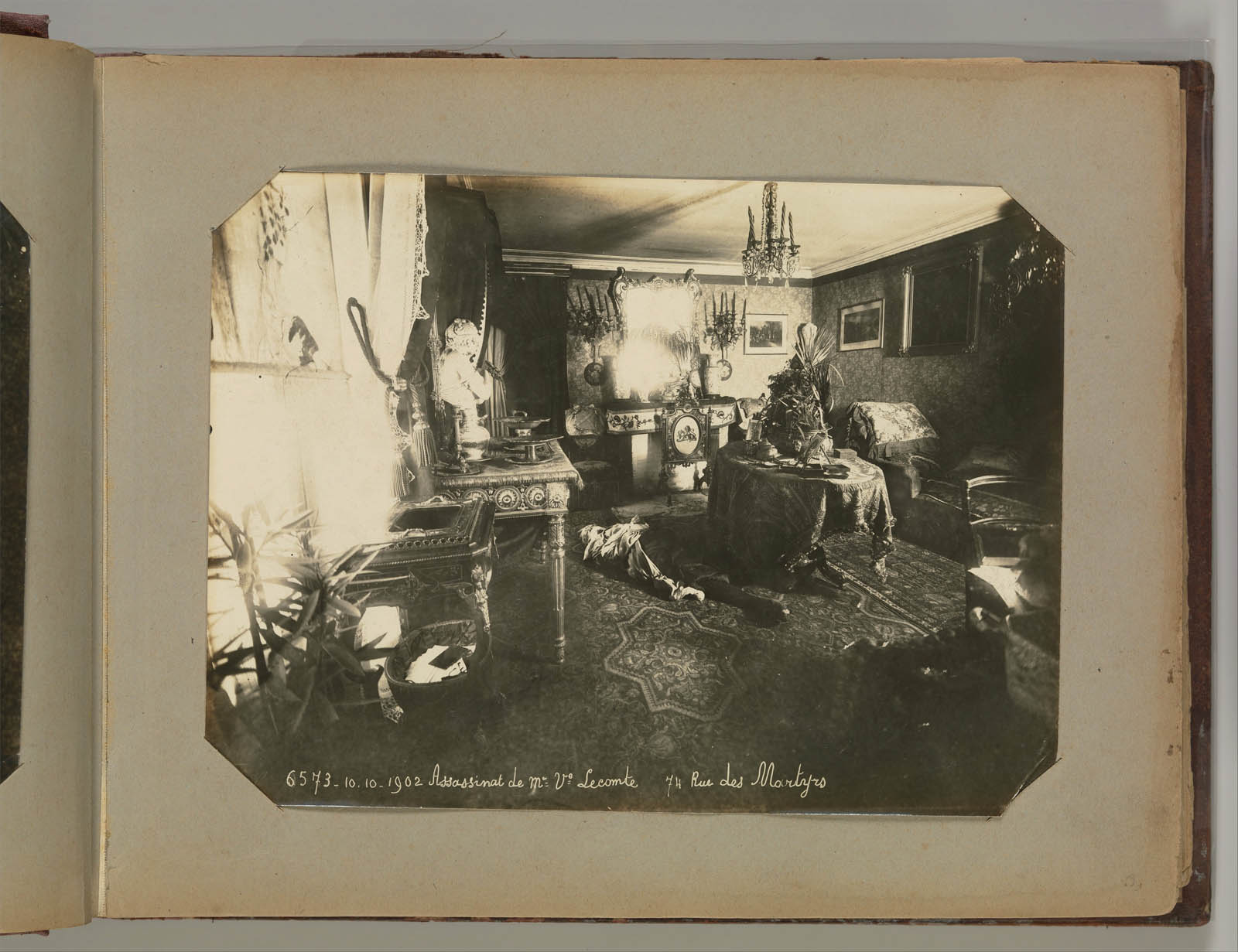
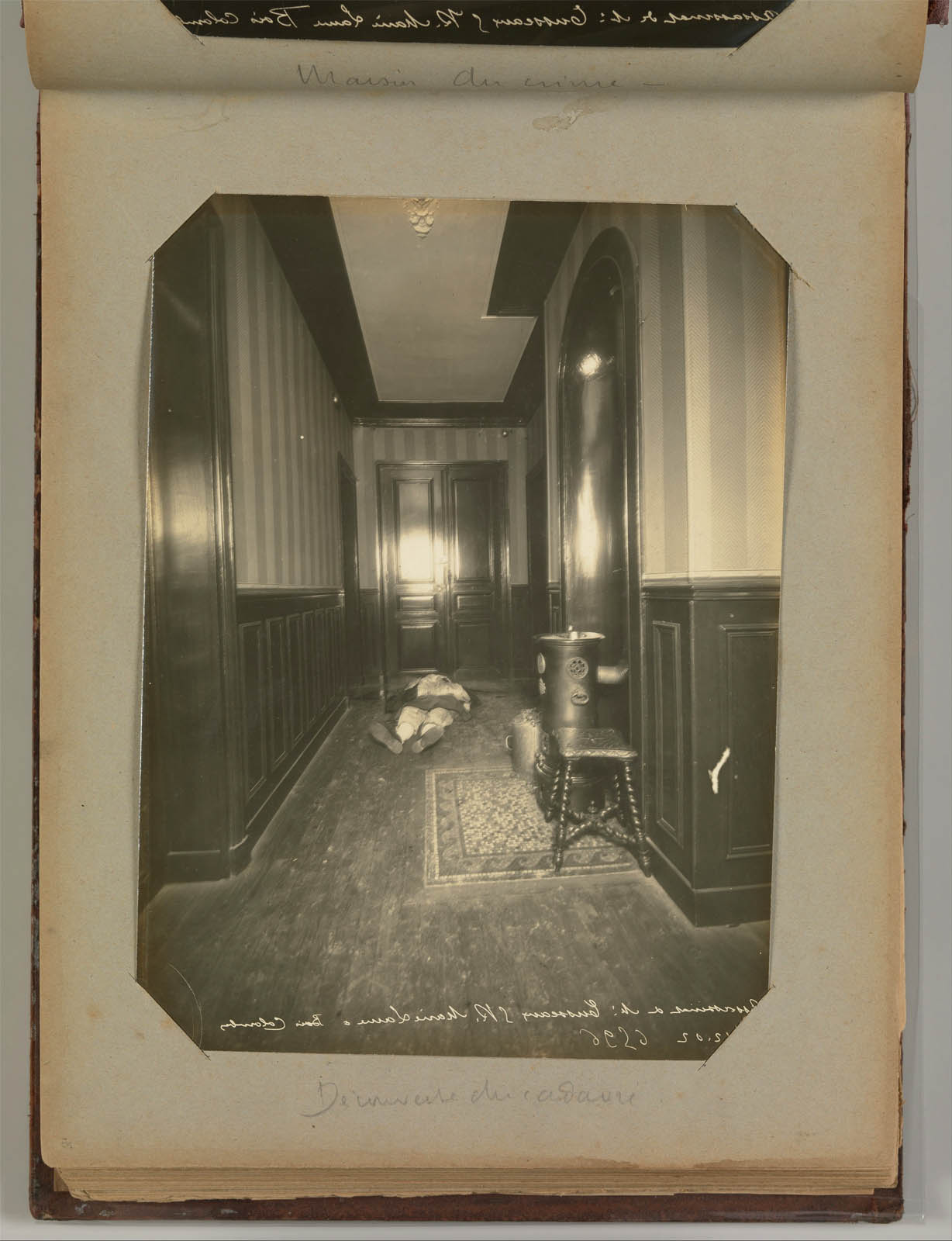
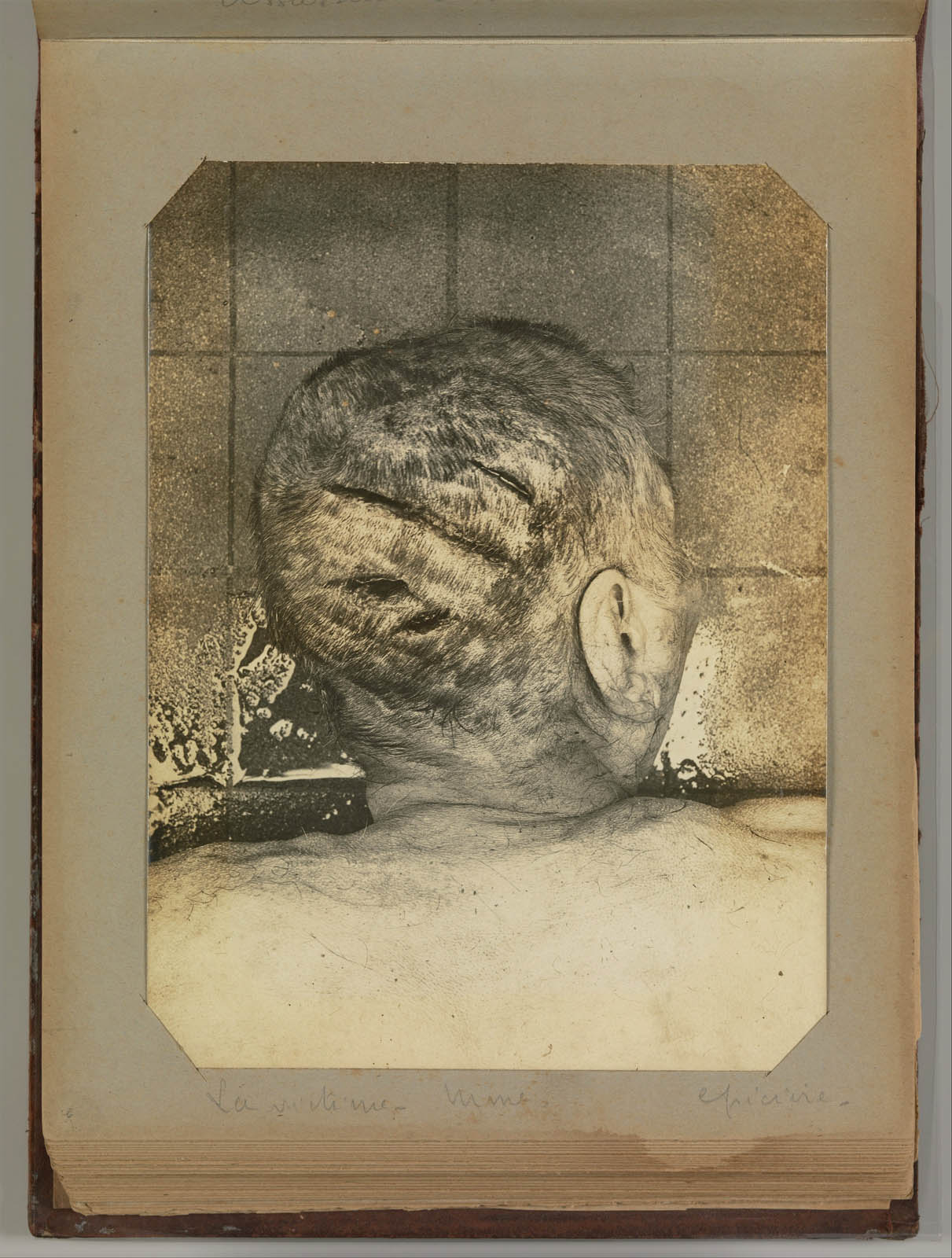
![Lady Ottoline Violet Anne Cavendish-Bentinck Morrell (British, 1873-1938) '[Cavorting by the Pool at Garsington]' c. 1916](https://artblart.com/wp-content/uploads/2012/09/cavendish-bentinck-morrell-cavorting-by-the-pool-at-garsington.jpg "Lady Ottoline Violet Anne Cavendish-Bentinck Morrell (British, 1873-1938) '[Cavorting by the Pool at Garsington]' c. 1916")
![Lady Ottoline Violet Anne Cavendish-Bentinck Morrell (British, 1873-1938) '[Cavorting by the Pool at Garsington]' c. 1916](https://artblart.com/wp-content/uploads/2012/09/cavendish-bentinck-morrell-cavorting-by-the-pool-at-garsington-a.jpg "Lady Ottoline Violet Anne Cavendish-Bentinck Morrell (British, 1873-1938) '[Cavorting by the Pool at Garsington]' c. 1916")
![Edward Weston (American, Highland Park, Illinois 1886 - 1958 Carmel, California) '[Nude]' 1925](https://artblart.com/wp-content/uploads/2012/09/weston-nude.jpg "Edward Weston (American, Highland Park, Illinois 1886 - 1958 Carmel, California) '[Nude]' 1925")
![George Platt Lynes (American, East Orange, New Jersey 1907–1955 New York) '[Male Nude]' 1930s](https://artblart.com/wp-content/uploads/2012/09/lynes-male-nude-1.jpg)
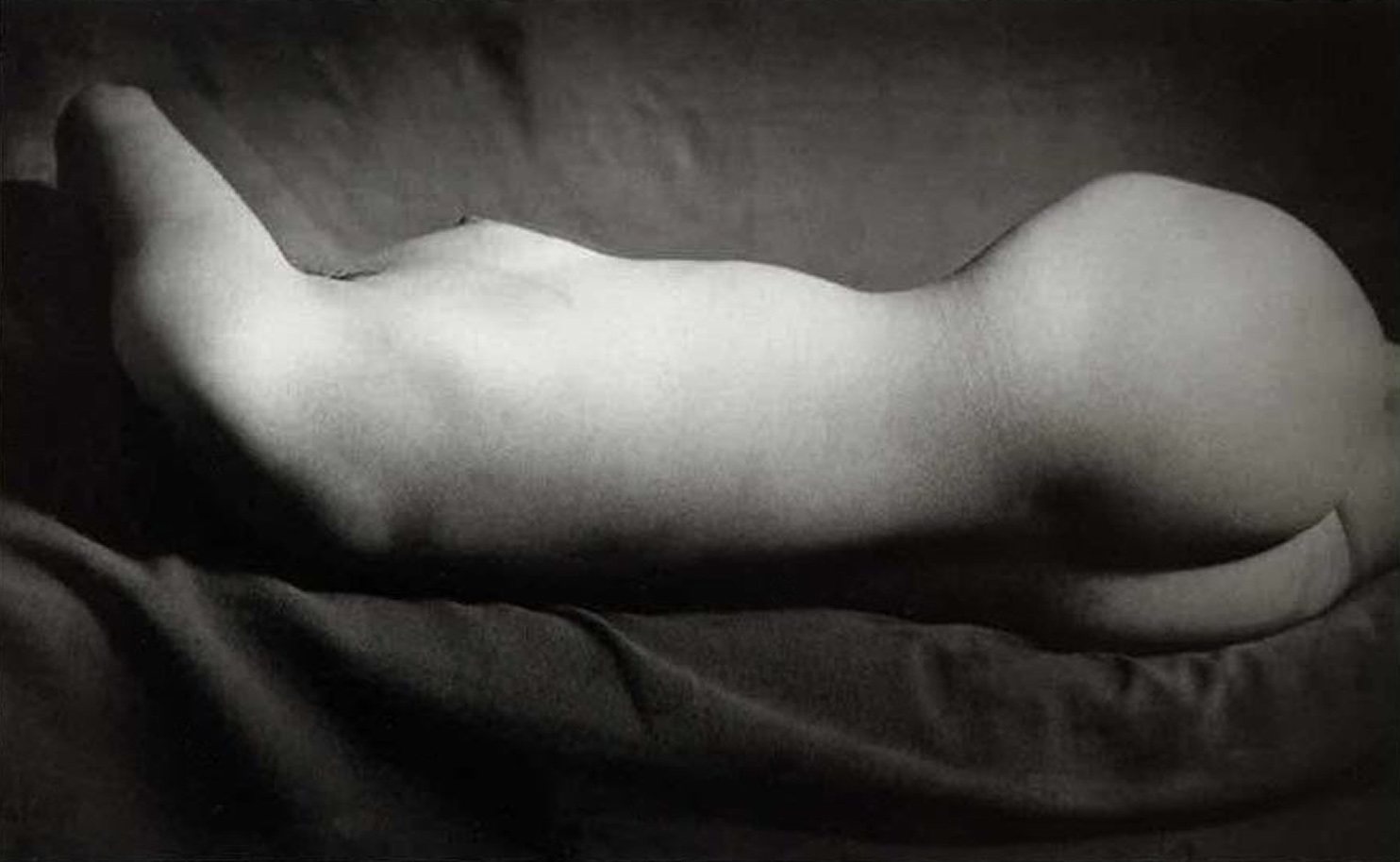
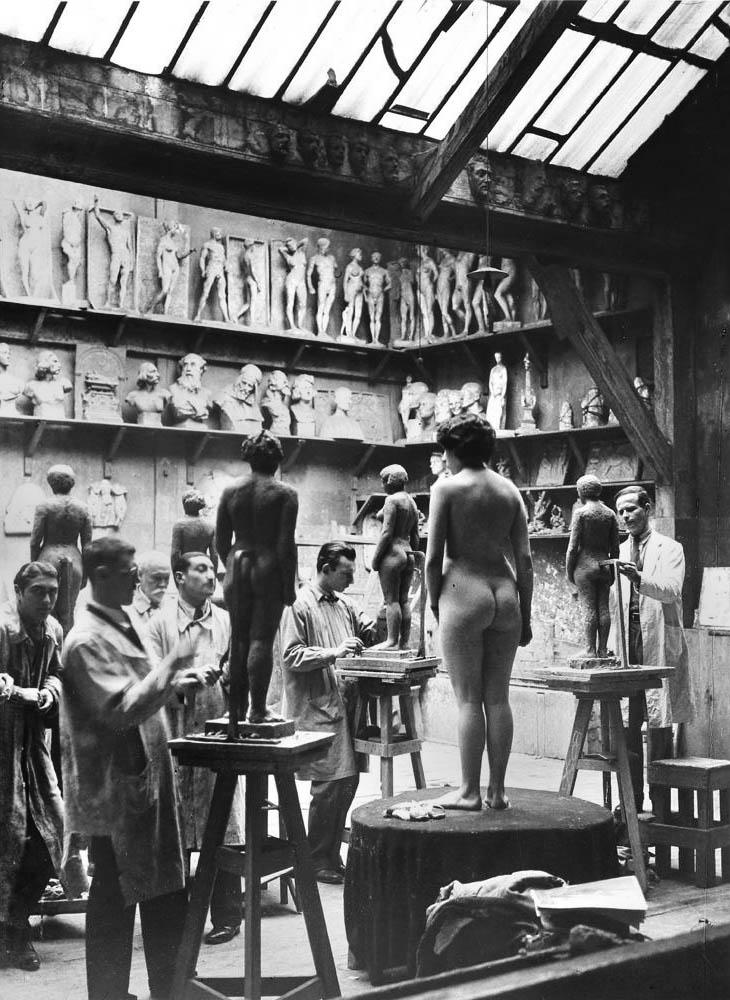
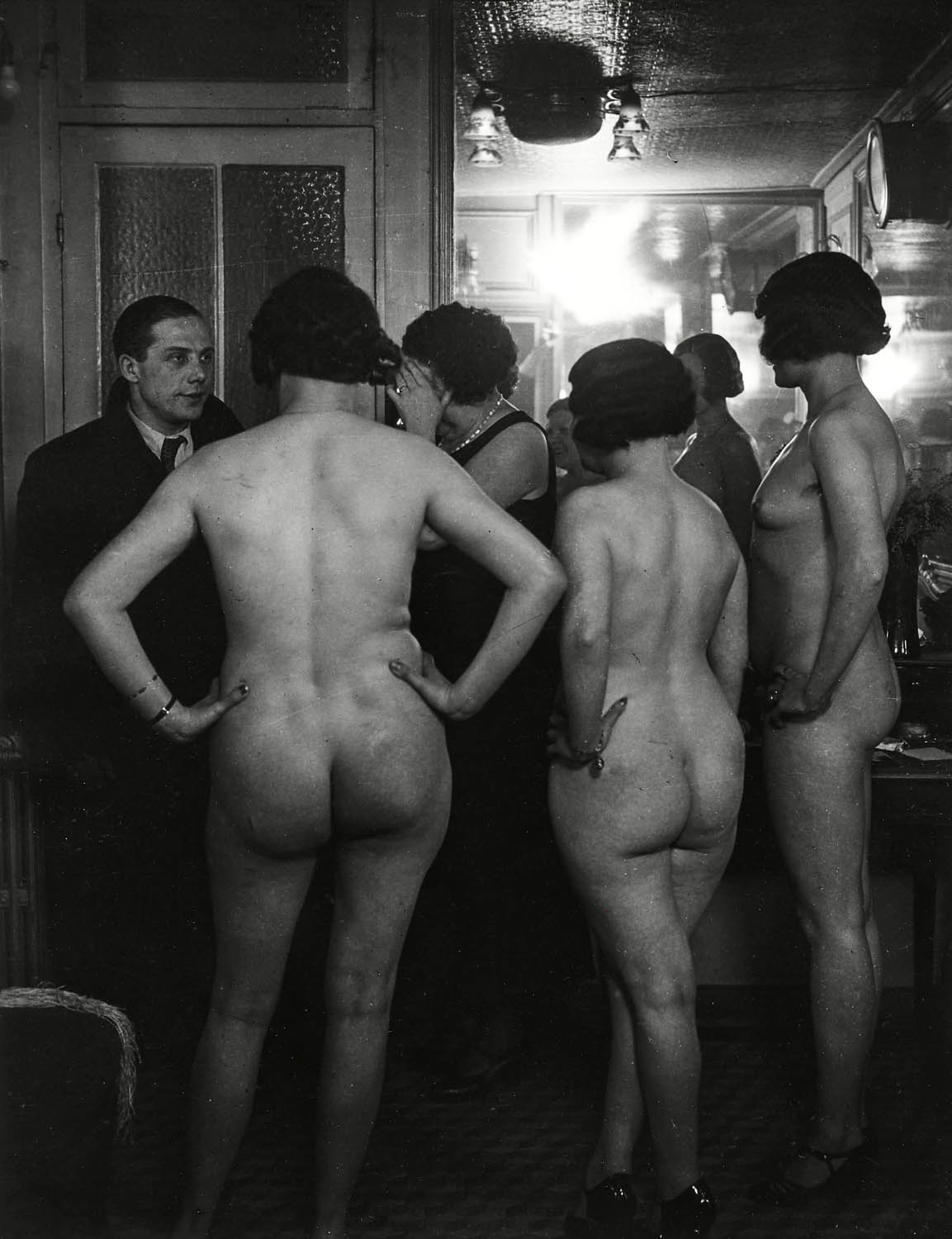


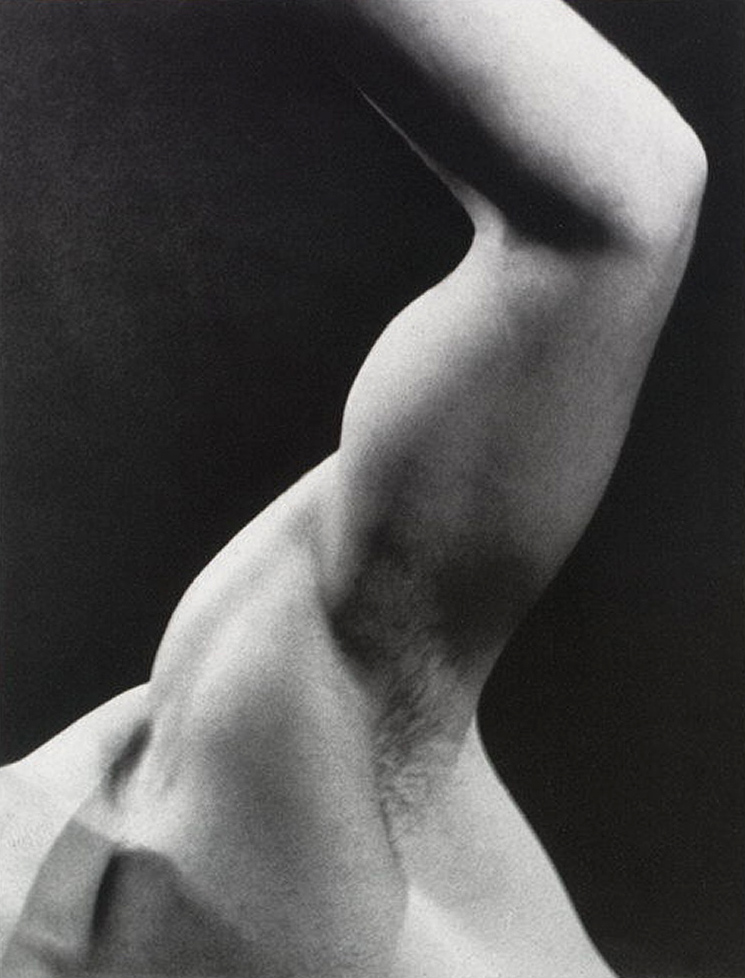


![Mark Morrisroe (American, 1959-1989) 'Untitled [Two Men in Silhouette]' c. 1987](https://artblart.com/wp-content/uploads/2012/08/16_morrisroe_untitled-web.jpg "Mark Morrisroe (American, 1959-1989) 'Untitled [Two Men in Silhouette]' c. 1987")
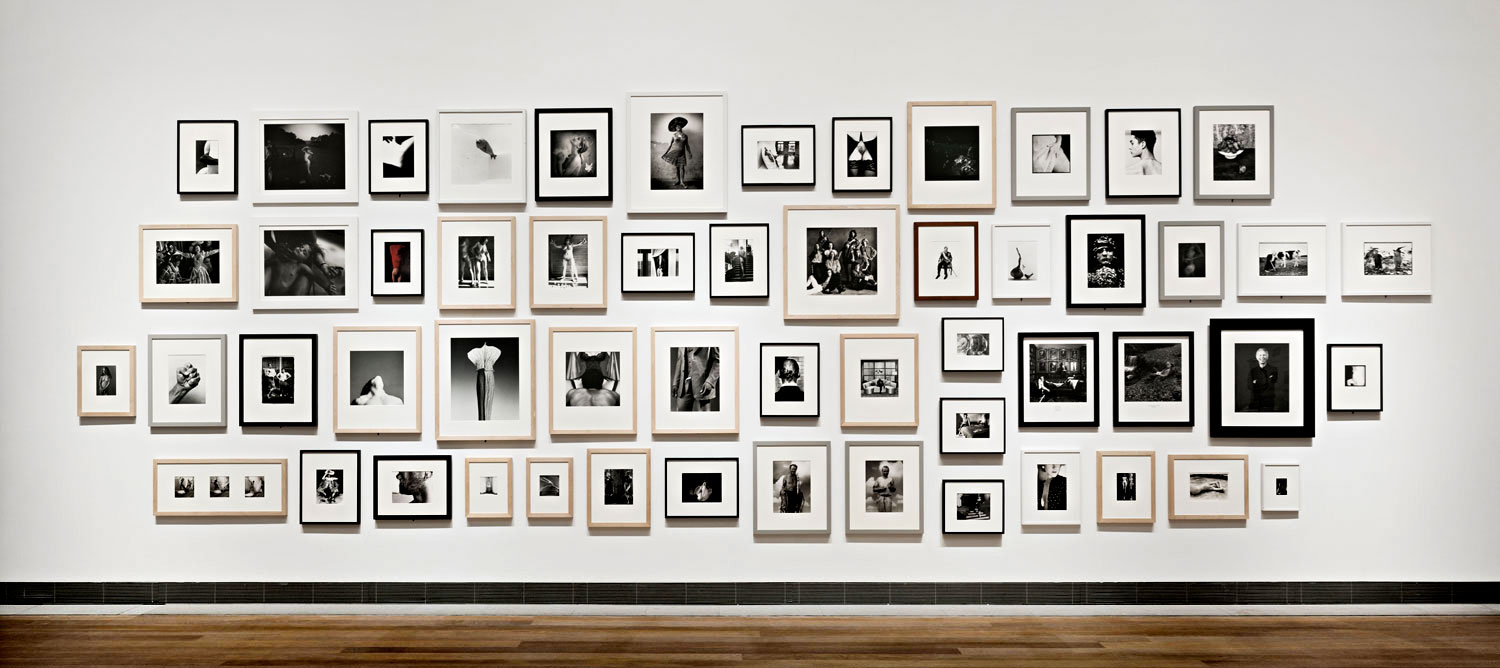


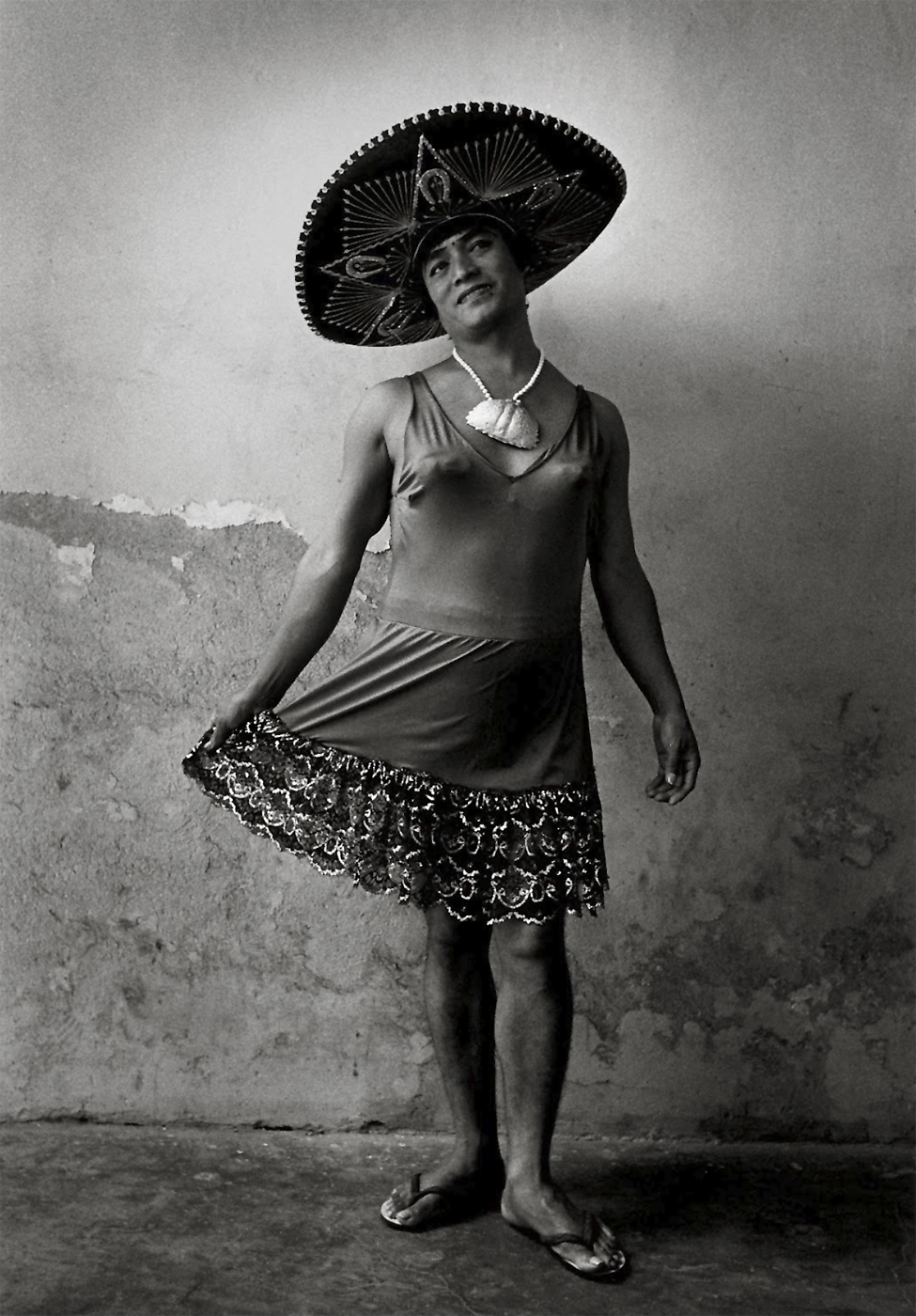
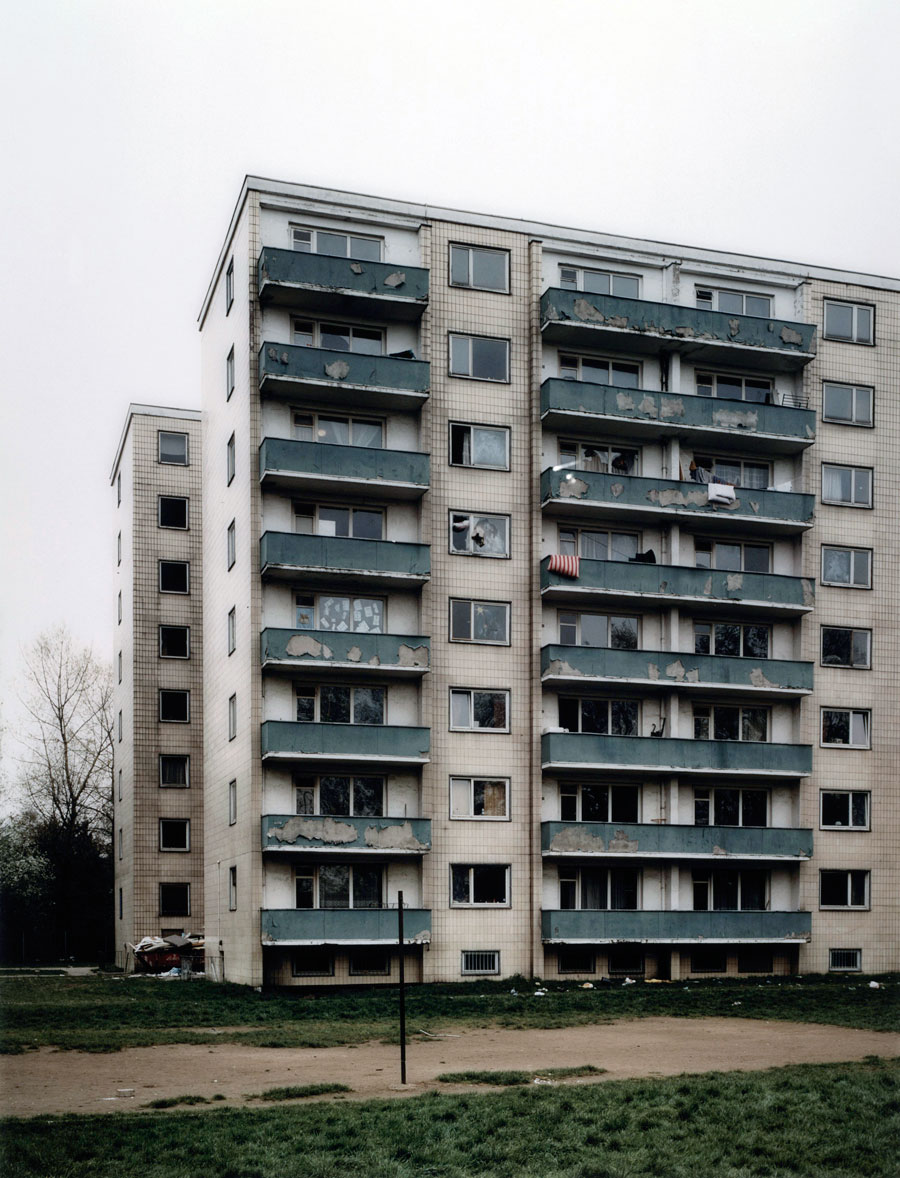


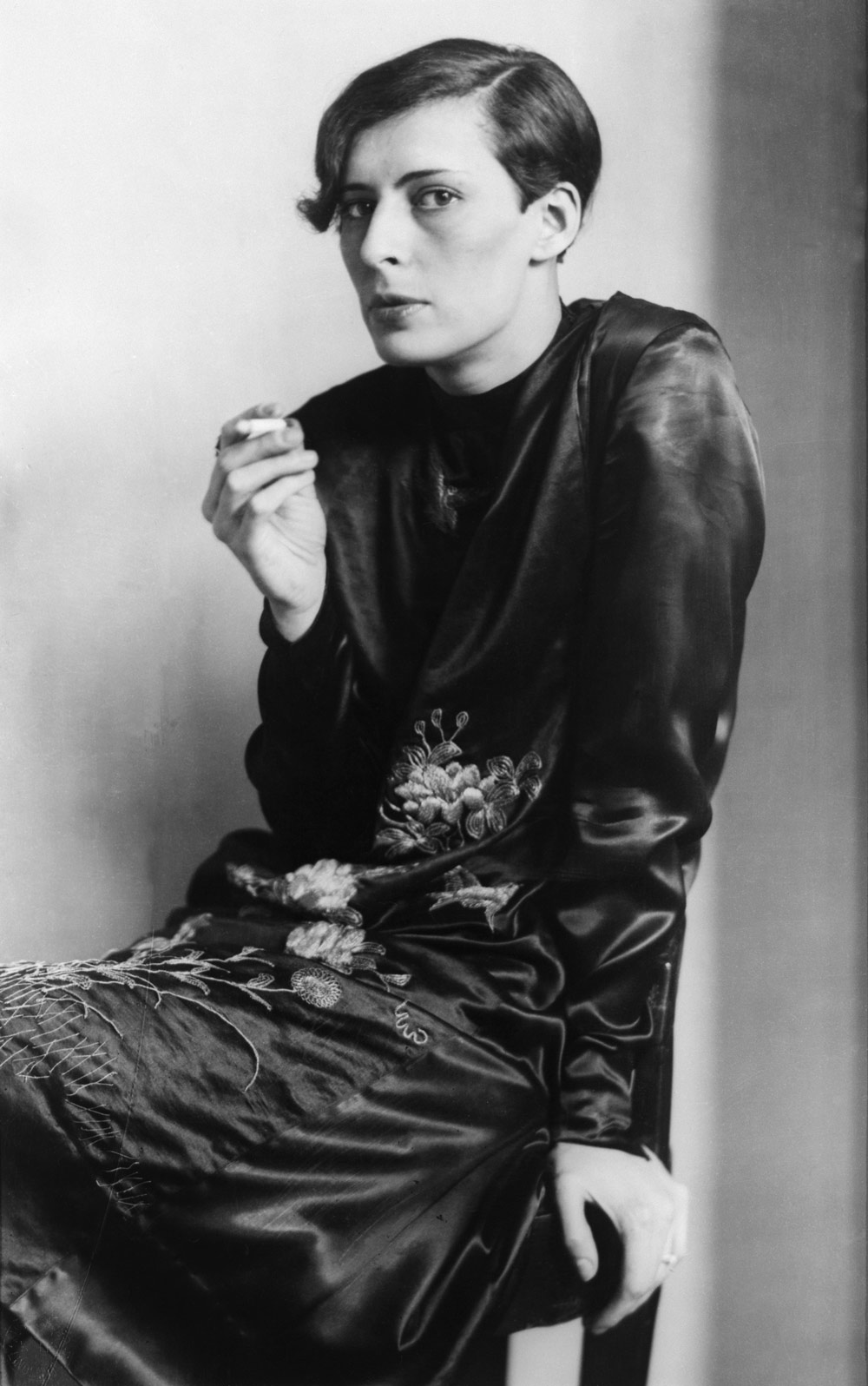
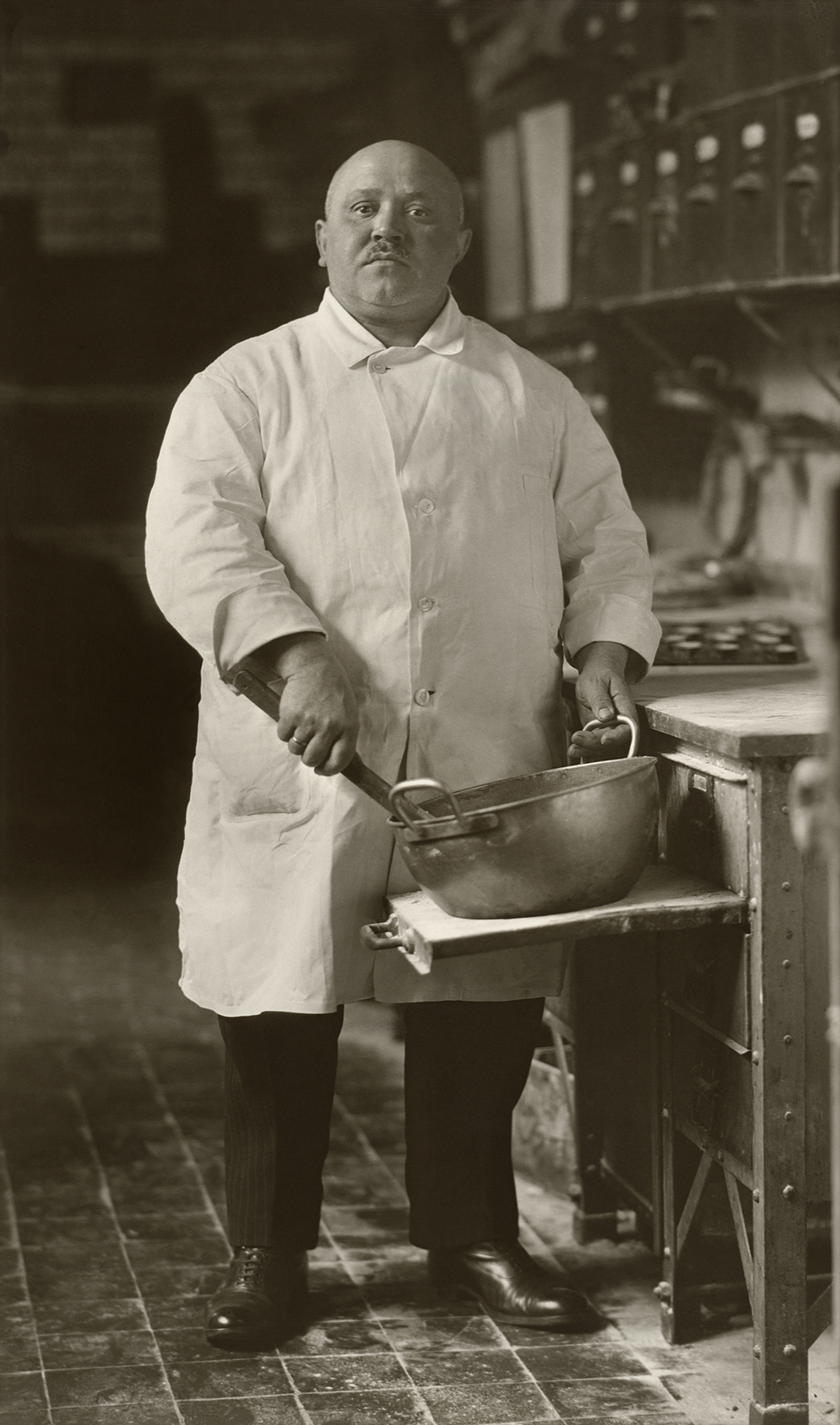
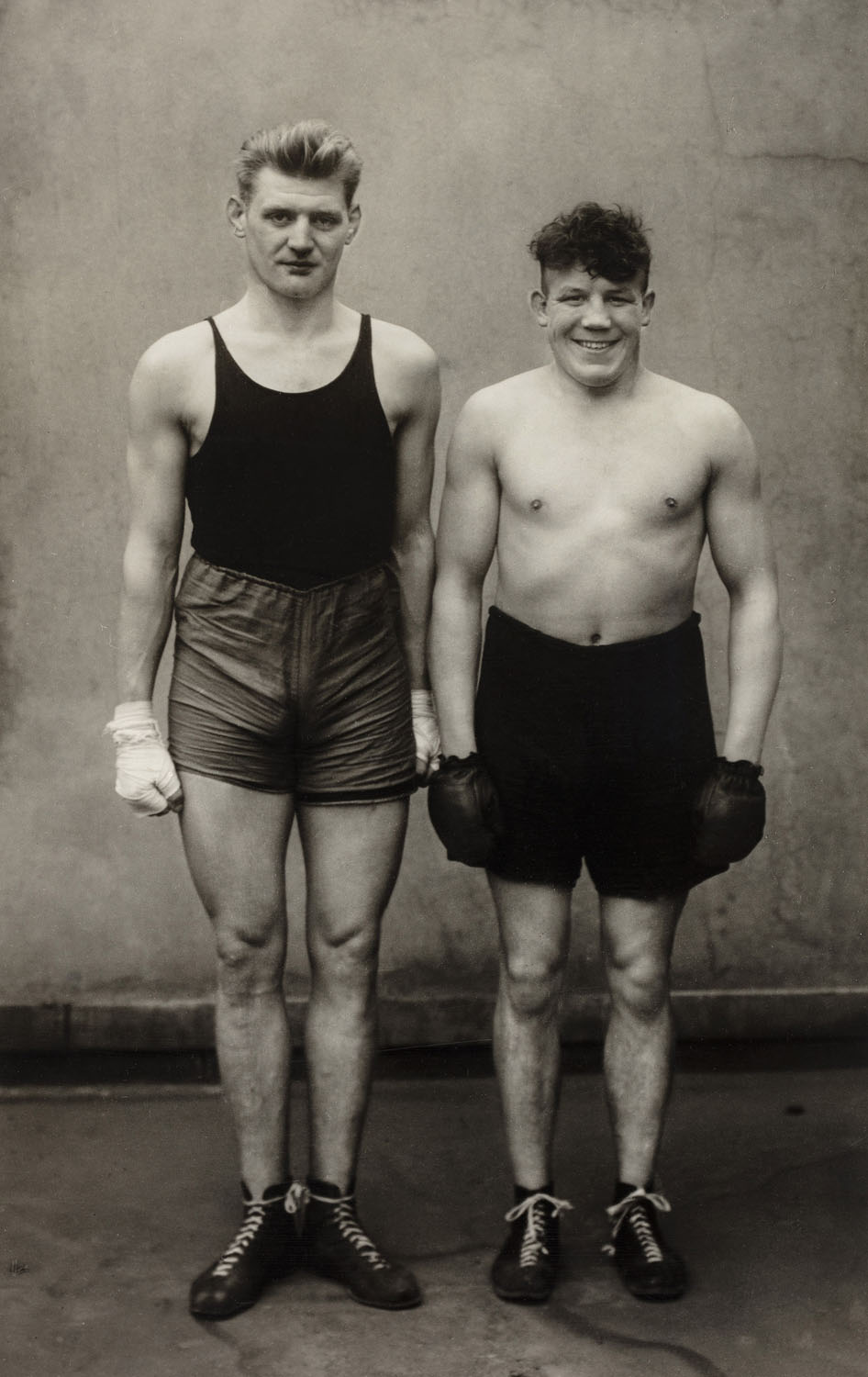

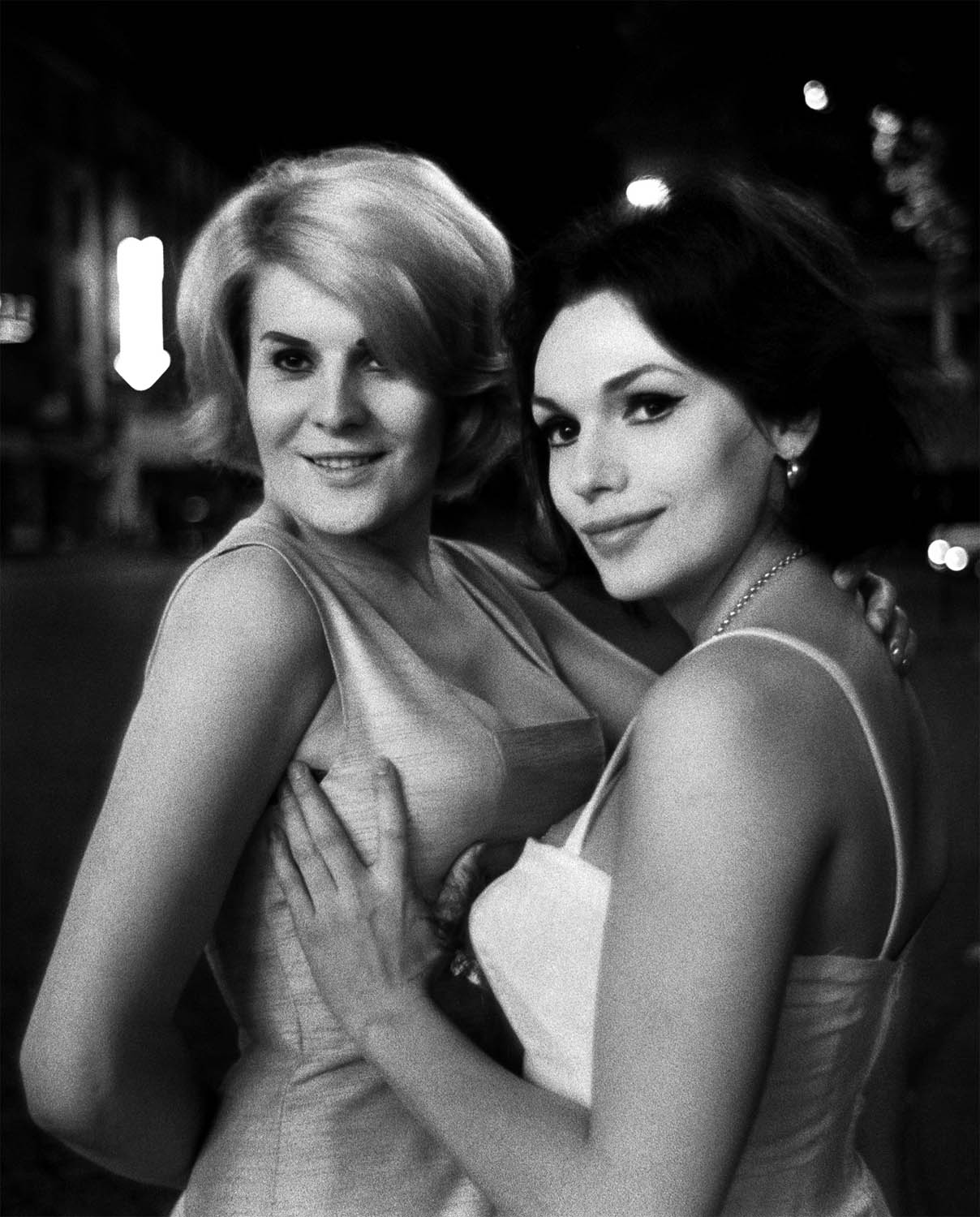

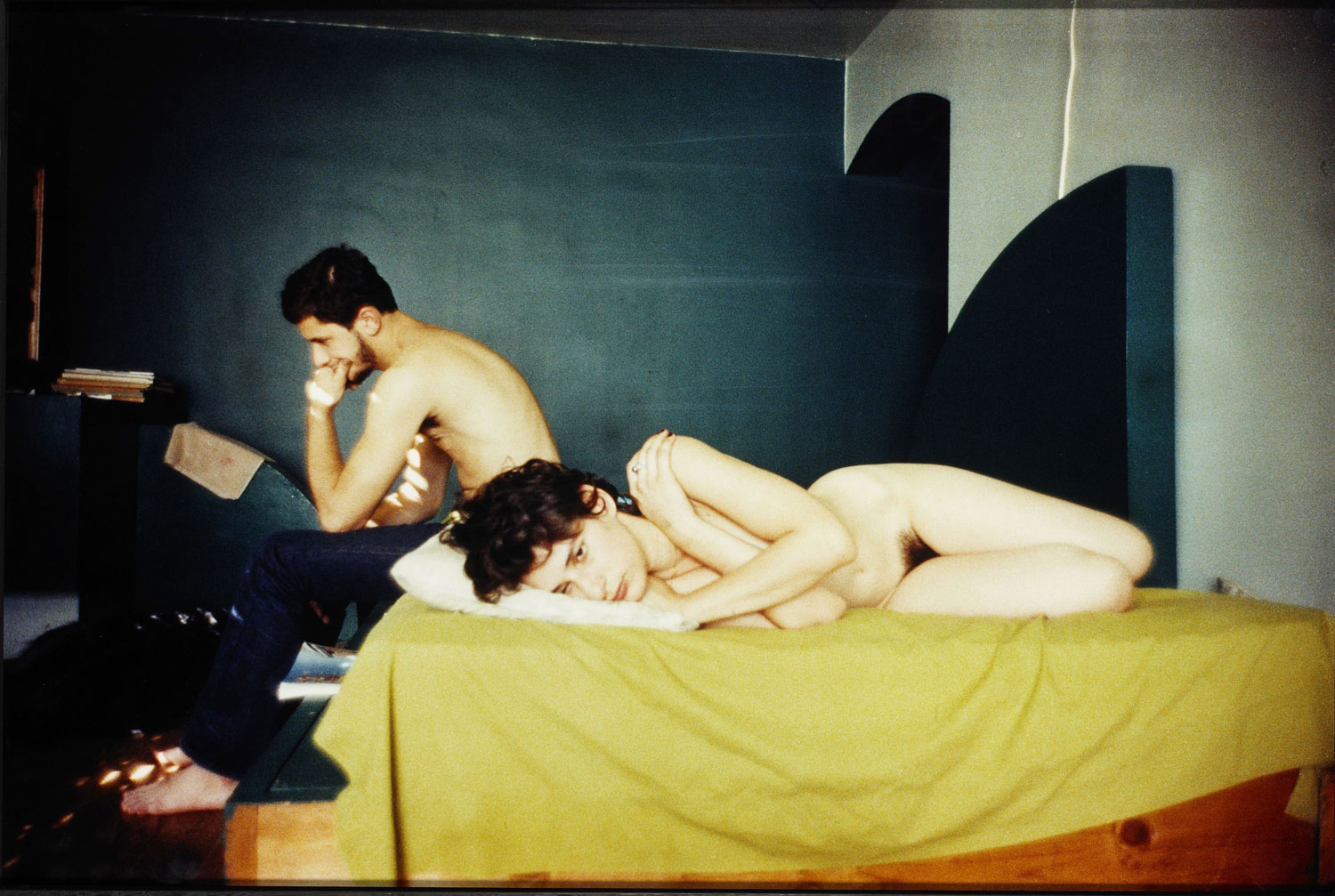

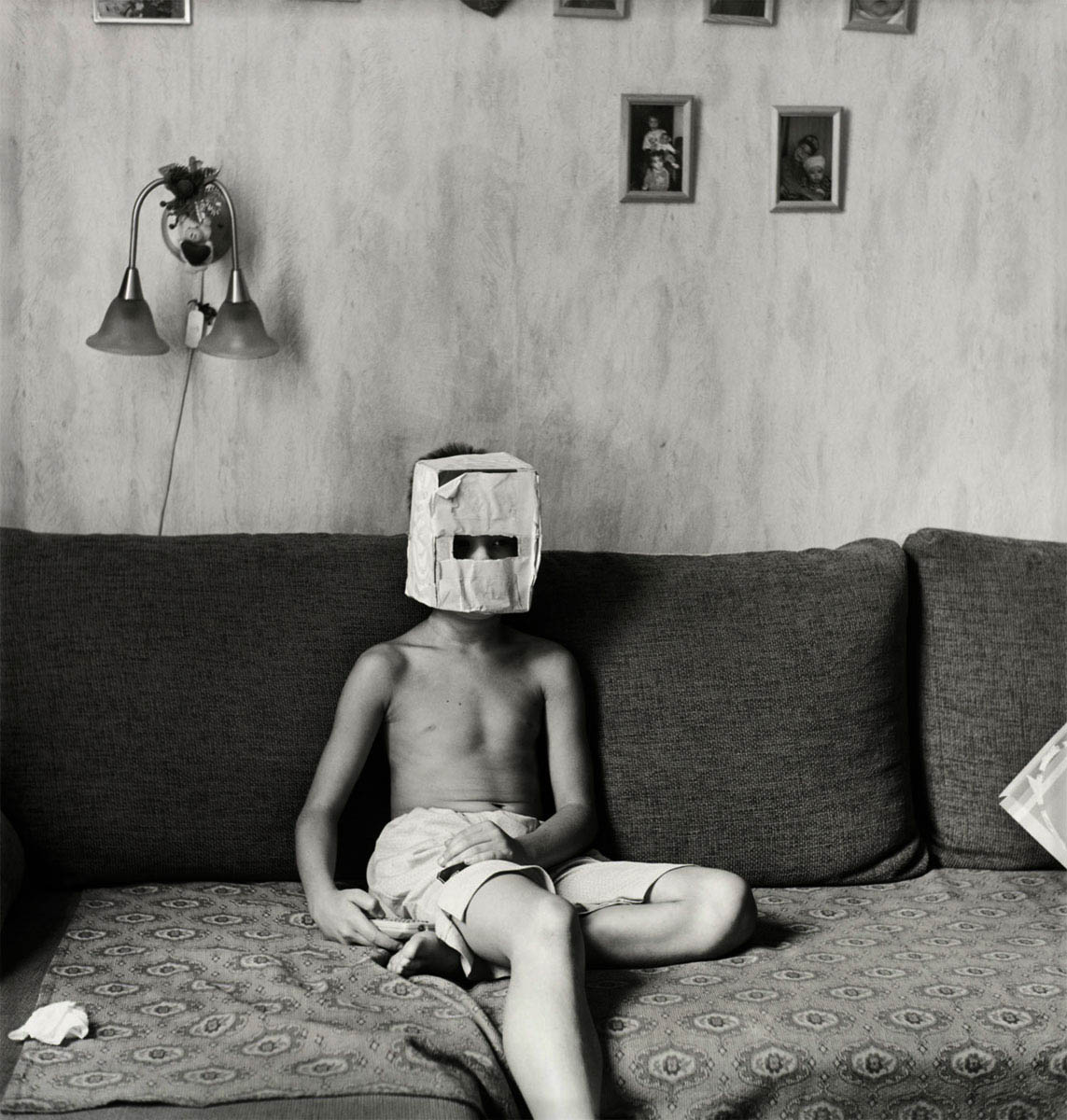

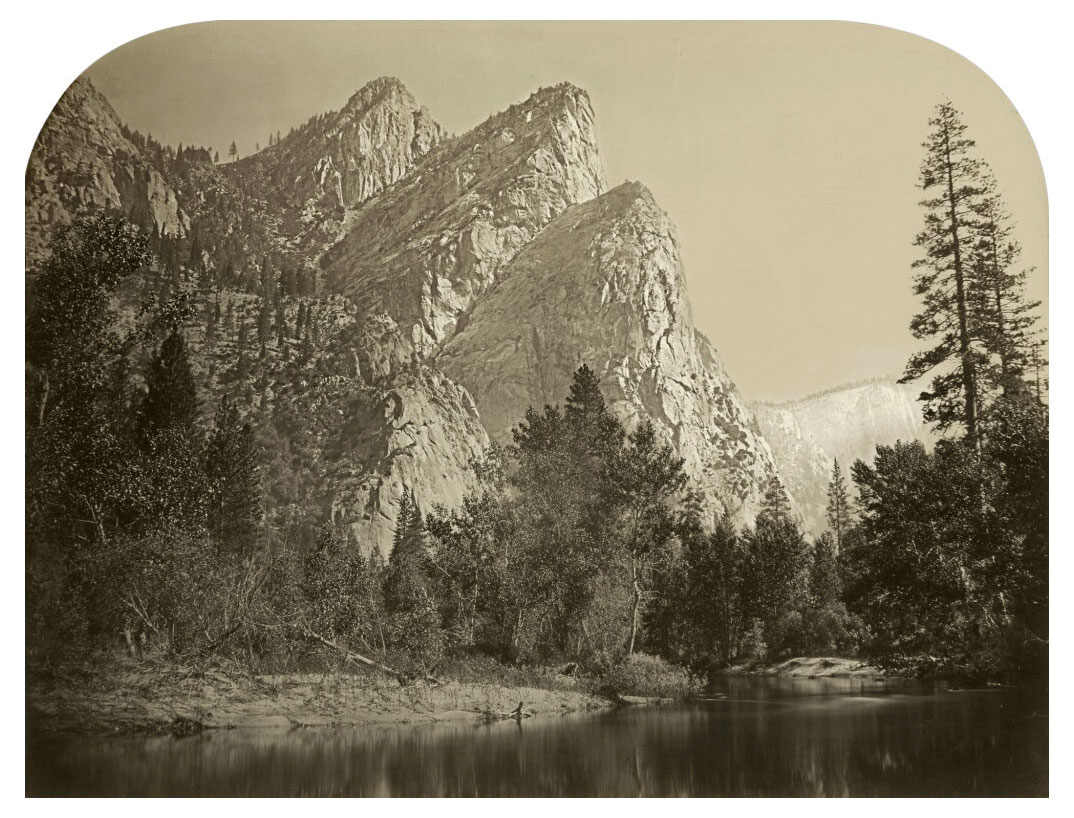
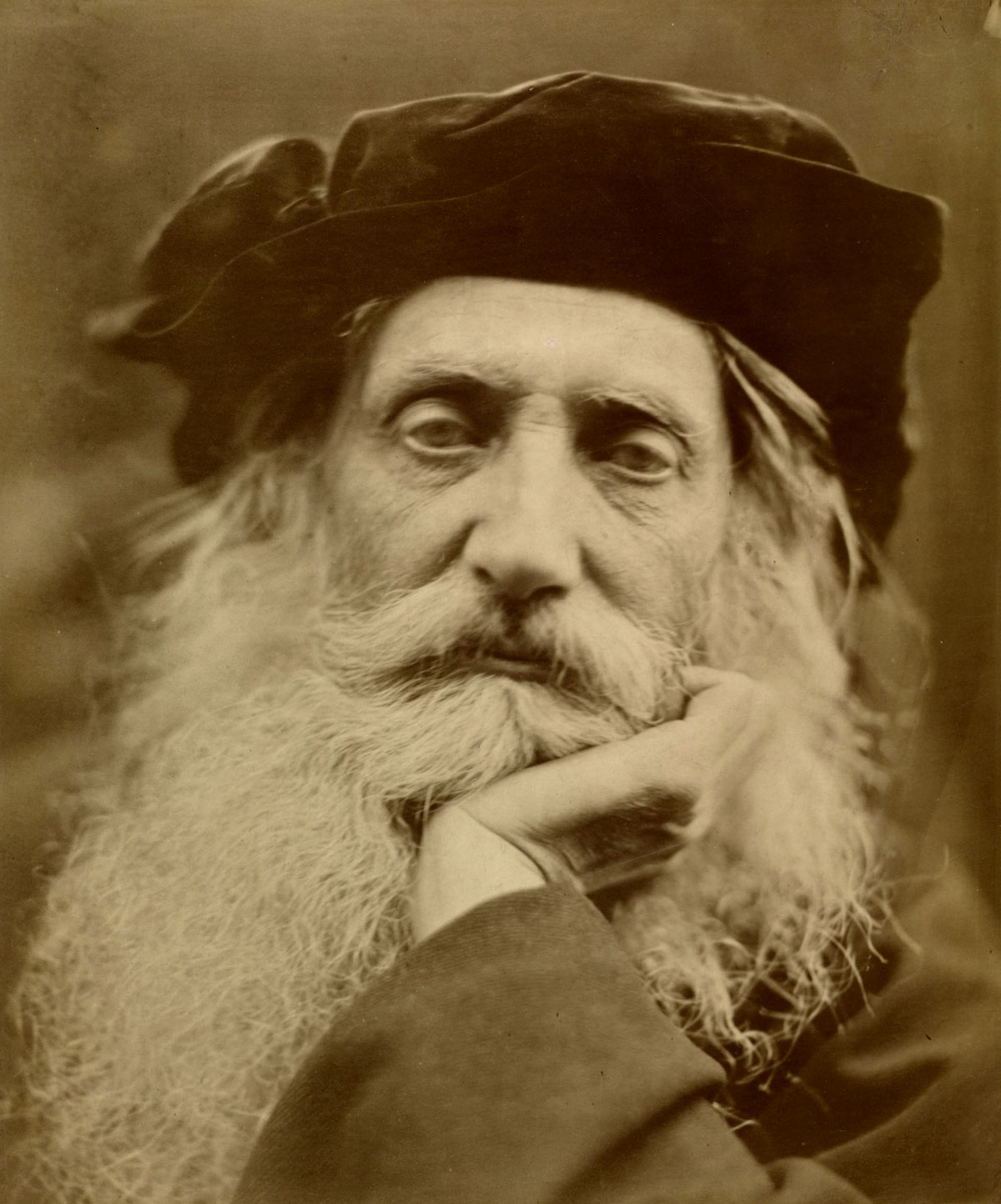
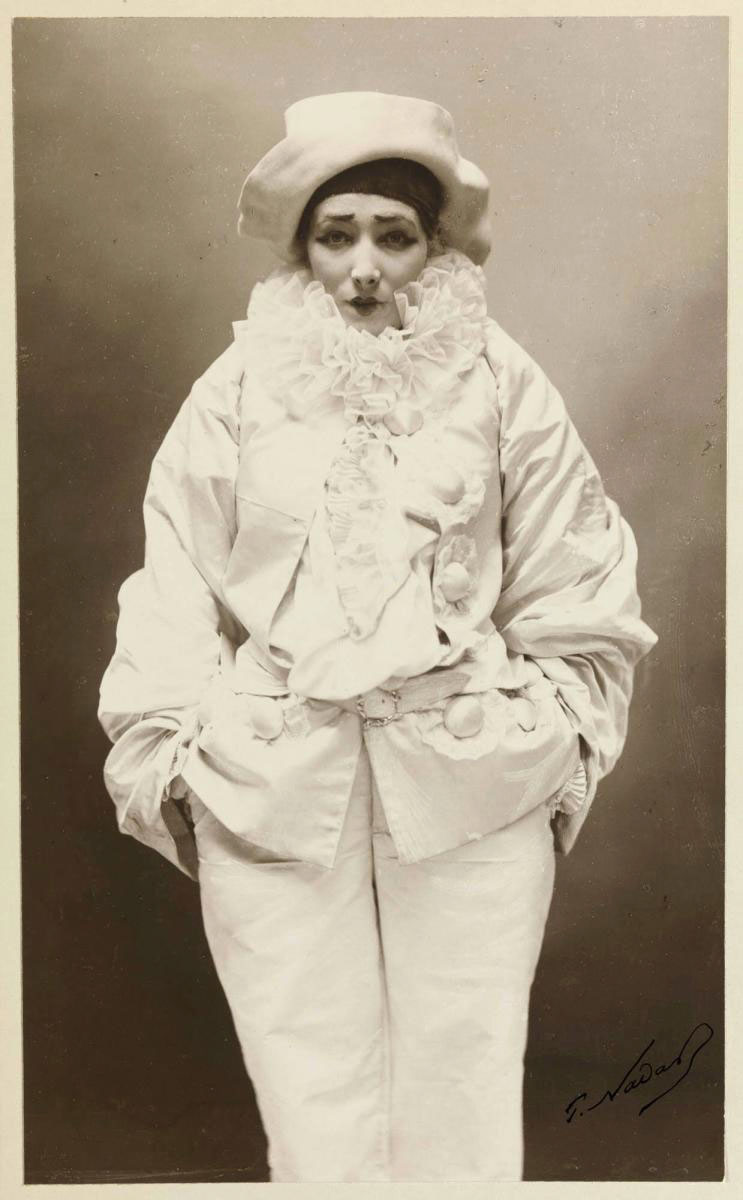

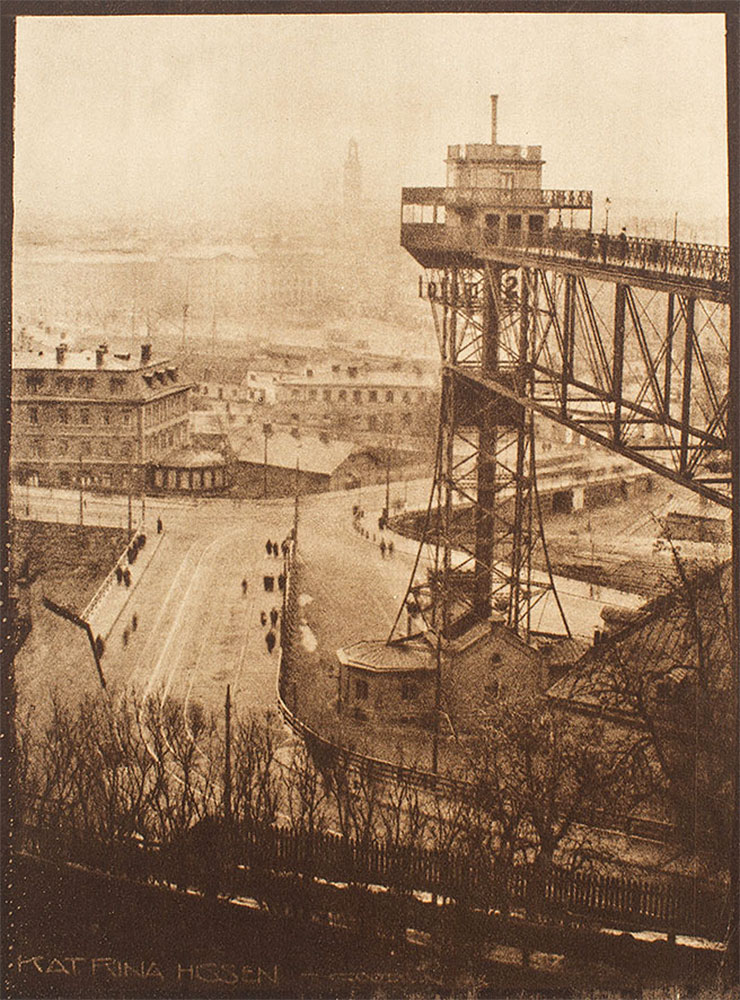
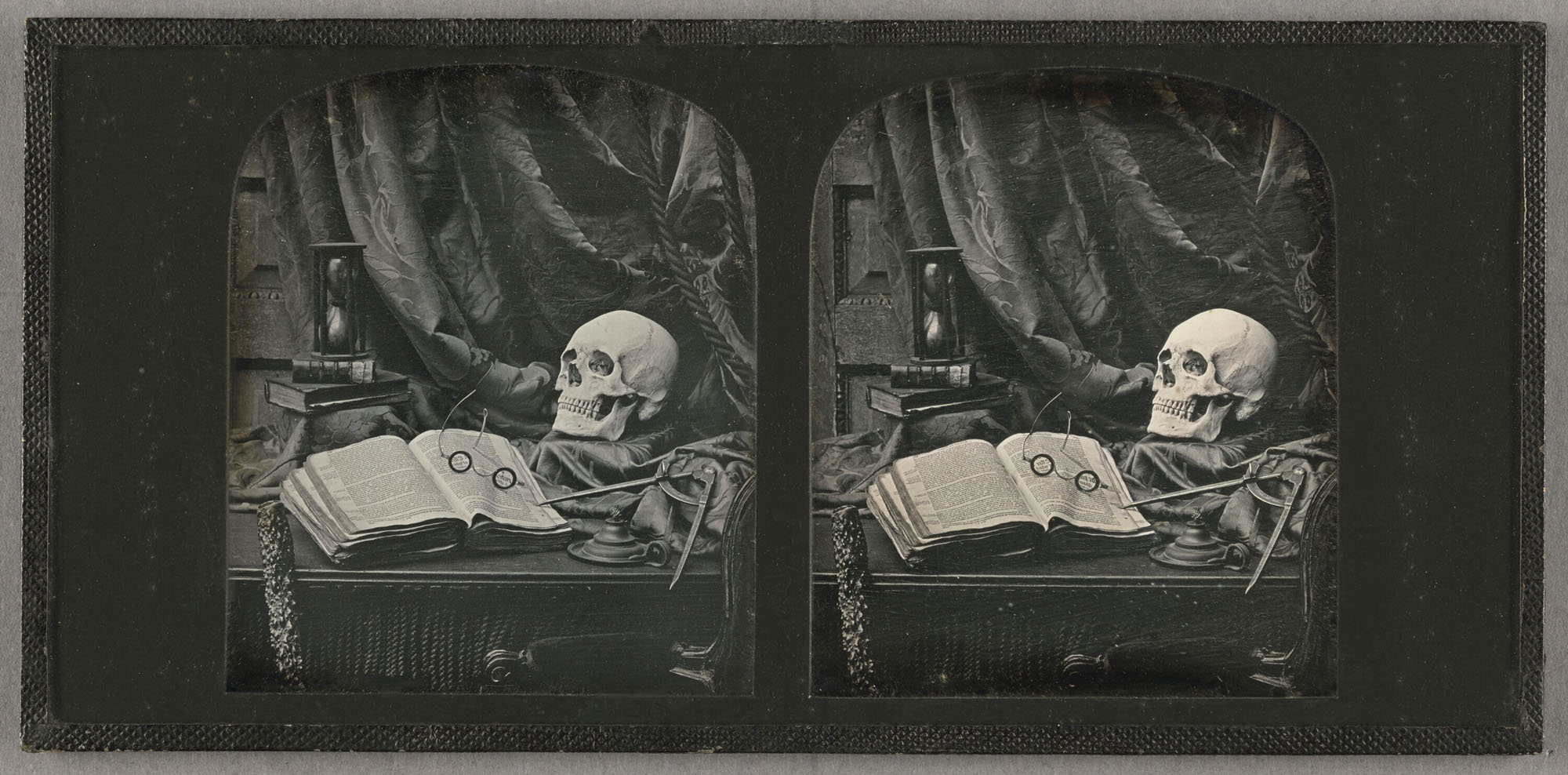
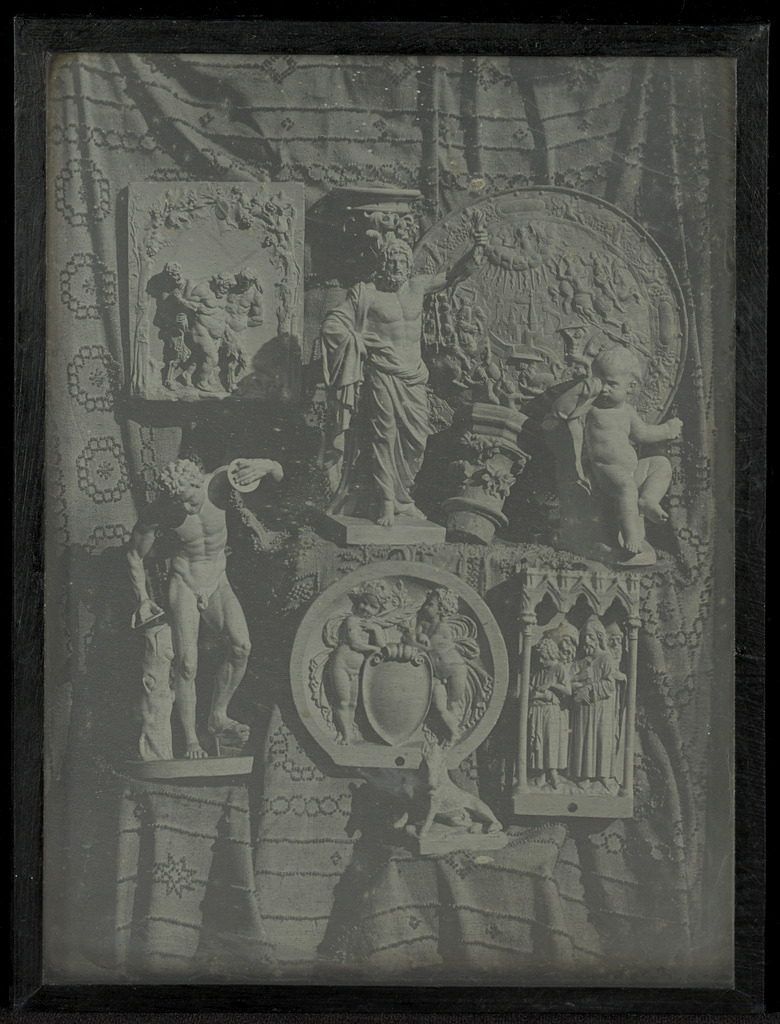
![Louis-Rémy Robert (French, 1811-1882) '[Still Life with Statuette and Vases]' Negative 1855; print 1870s from the exhibition 'In Focus: Still Life' at The J. Paul Getty Museum](https://artblart.com/wp-content/uploads/2011/01/robert-still-life-with-statuette-and-vases.jpg "Louis-Rémy Robert (French, 1811-1882) '[Still Life with Statuette and Vases]' Negative 1855; print 1870s from the exhibition 'In Focus: Still Life' at The J. Paul Getty Museum")
![Roger Fenton (English, 1819-1869) '[Still Life with Game and Gun]' about 1859 from the exhibition 'In Focus: Still Life' at The J. Paul Getty Museum](https://artblart.com/wp-content/uploads/2011/01/fenton-still-life-with-game-and-gun.jpg "Roger Fenton (English, 1819-1869) '[Still Life with Game and Gun]' about 1859 from the exhibition 'In Focus: Still Life' at The J. Paul Getty Museum")
![Charles Aubry (French, 1811-1877) '[An Arrangement of Tobacco Leaves and Grass]' about 1864 from the exhibition 'In Focus: Still Life' at The J. Paul Getty Museum](https://artblart.com/wp-content/uploads/2011/01/aubry-tobacco.jpg "Charles Aubry (French, 1811-1877) '[An Arrangement of Tobacco Leaves and Grass]' about 1864 from the exhibition 'In Focus: Still Life' at The J. Paul Getty Museum")
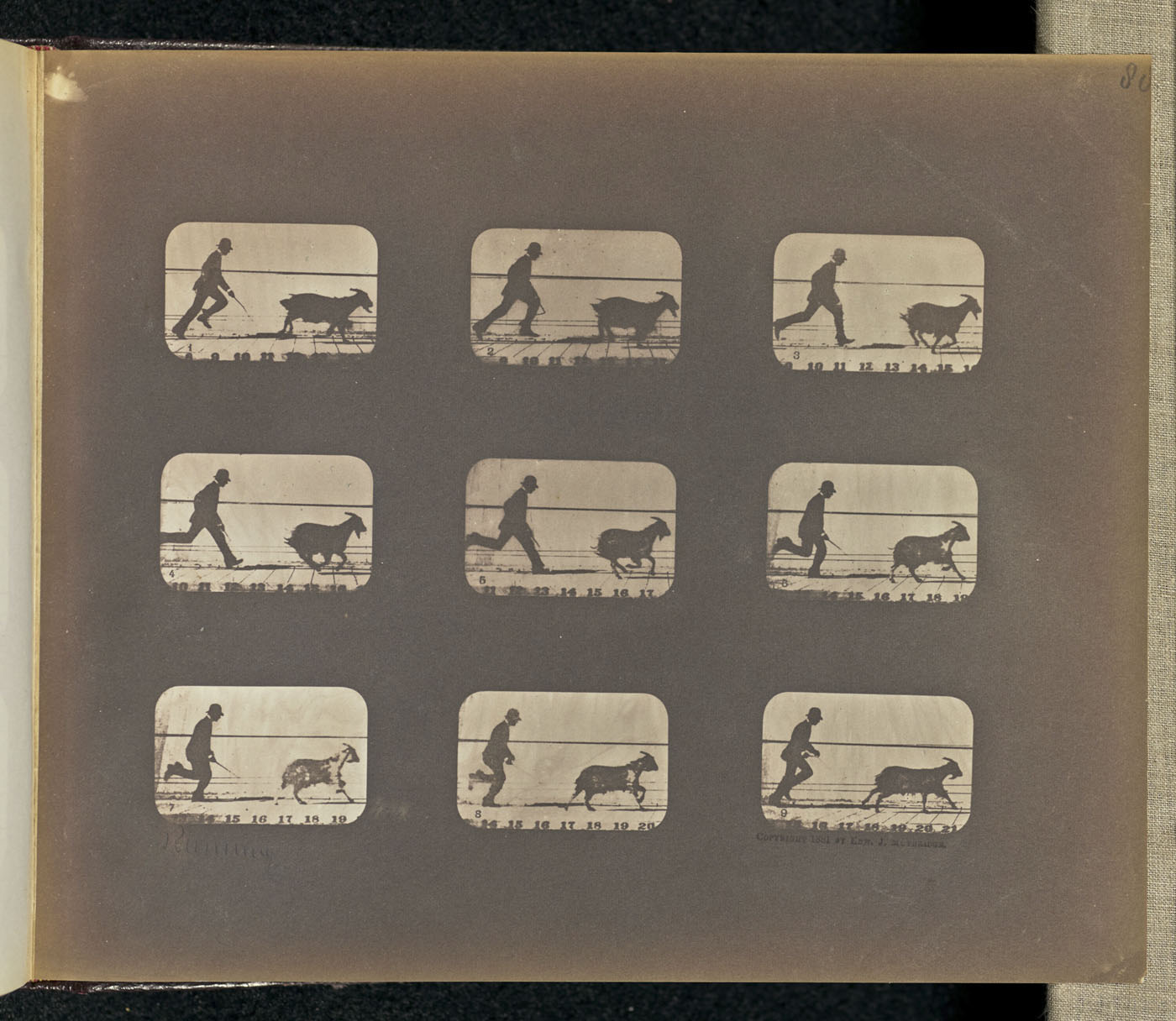
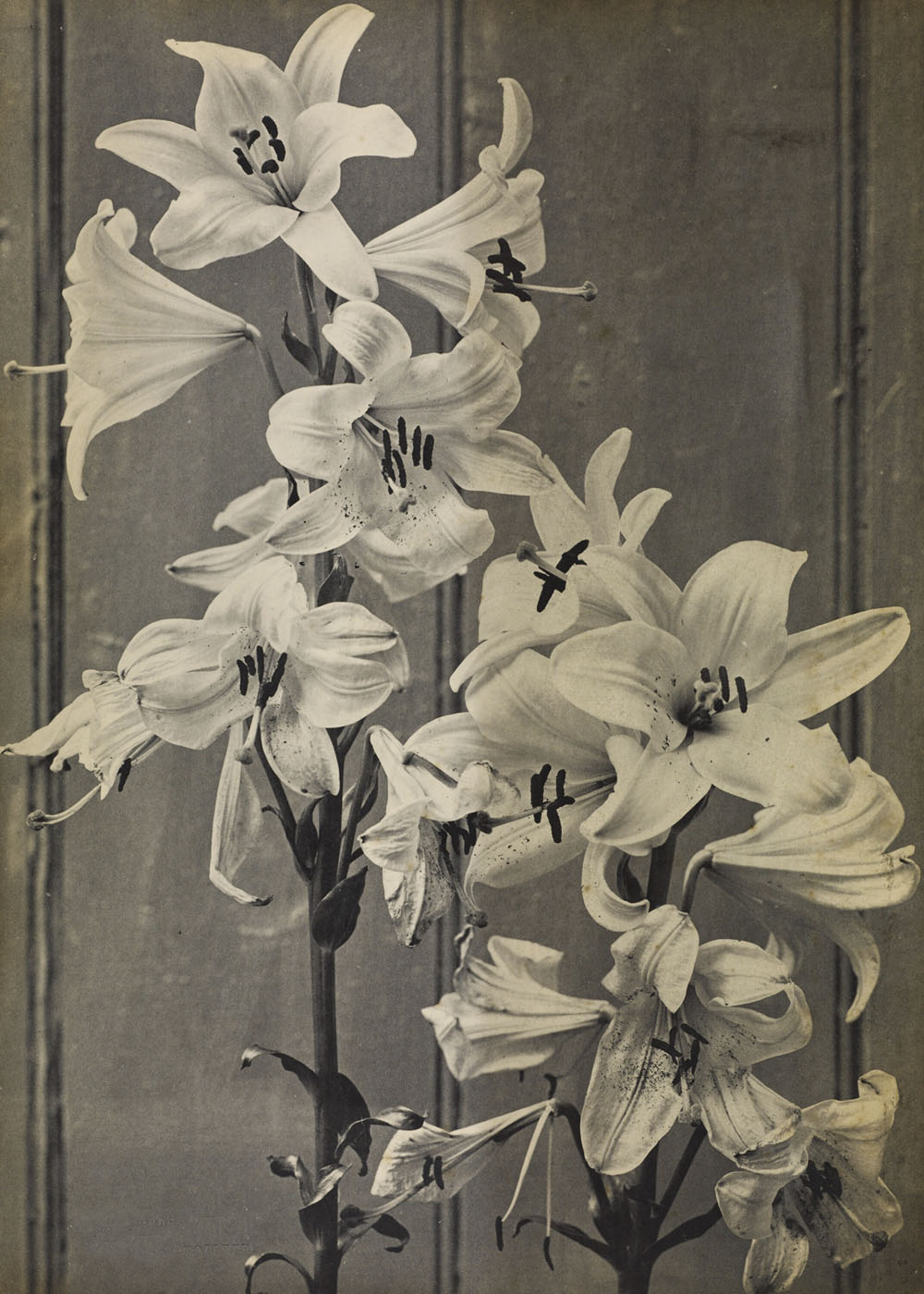
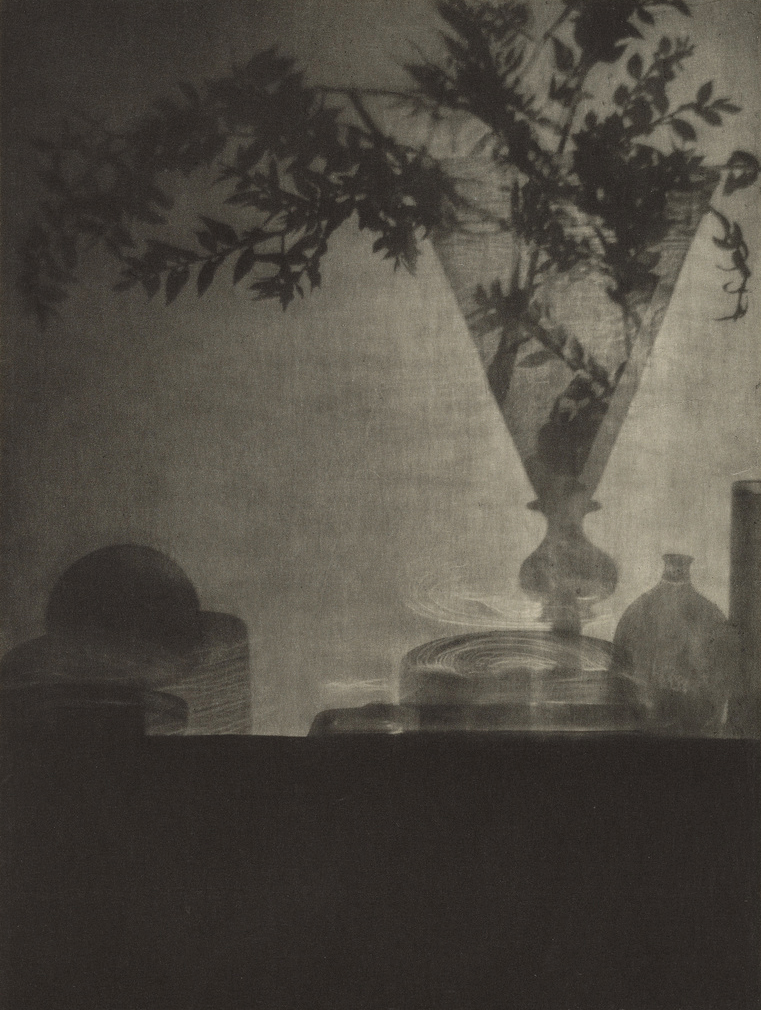
![Heinrich Kühn (Austrian born Germany, 1866-1944) '[Tea Still-life, Version III]' 1907 from the exhibition 'In Focus: Still Life' at The J. Paul Getty Museum](https://artblart.com/wp-content/uploads/2011/01/heinrich-kucc88hn-tea-sea-life.jpg "Heinrich Kühn (Austrian born Germany, 1866-1944) '[Tea Still-life, Version III]' 1907 from the exhibition 'In Focus: Still Life' at The J. Paul Getty Museum")
![Paul Strand (American, 1890-1976) '[Black Bottle]' negative about 1919; print 1923-1939 from the exhibition 'In Focus: Still Life' at The J. Paul Getty Museum](https://artblart.com/wp-content/uploads/2011/01/strand-black-bottle.jpg "Paul Strand (American, 1890-1976) '[Black Bottle]' negative about 1919; print 1923-1939 from the exhibition 'In Focus: Still Life' at The J. Paul Getty Museum")

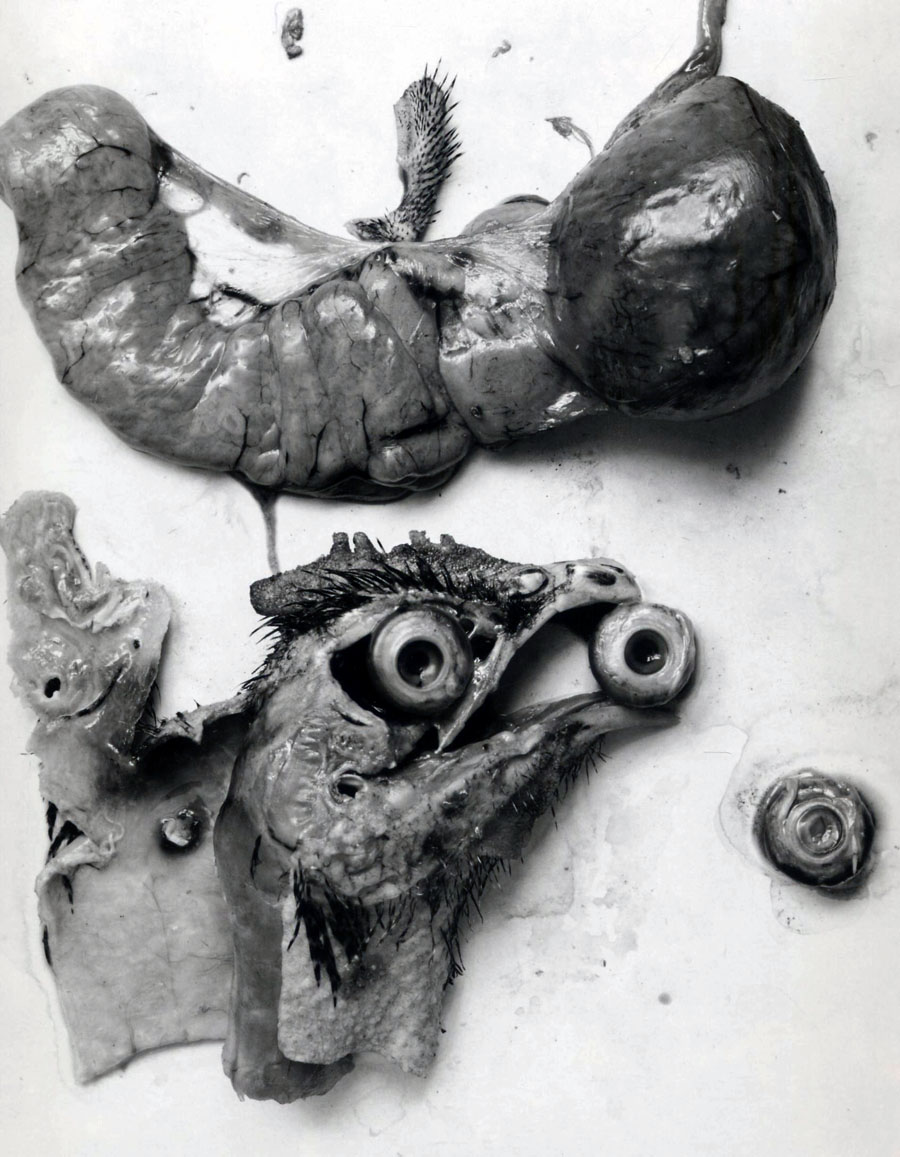
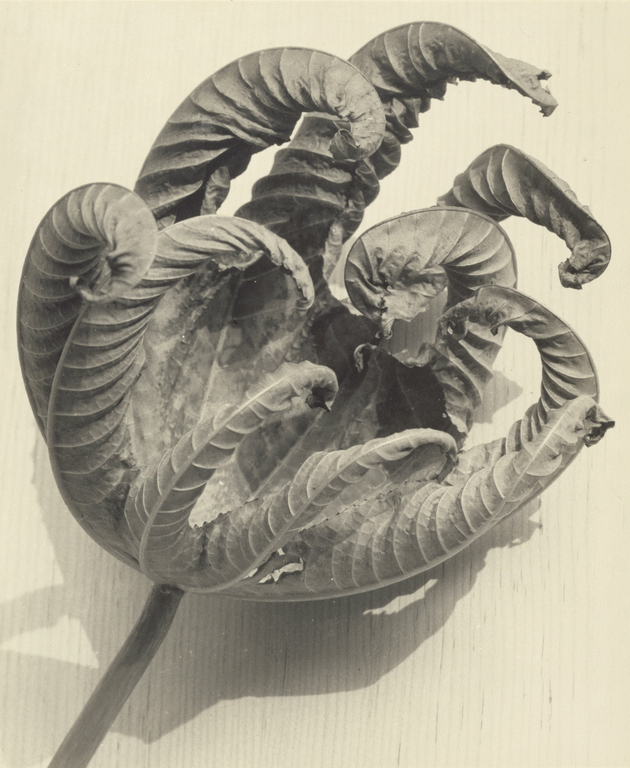
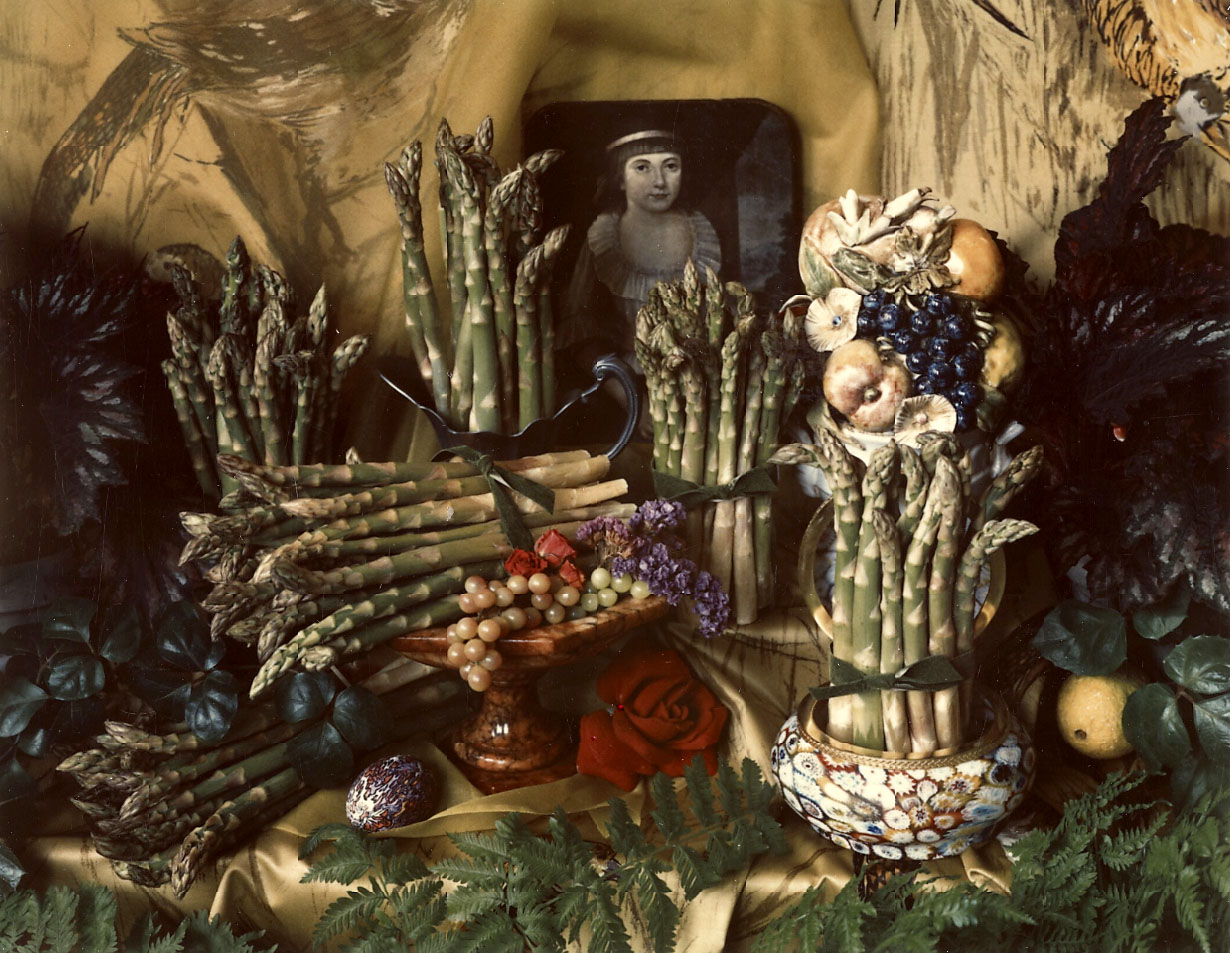
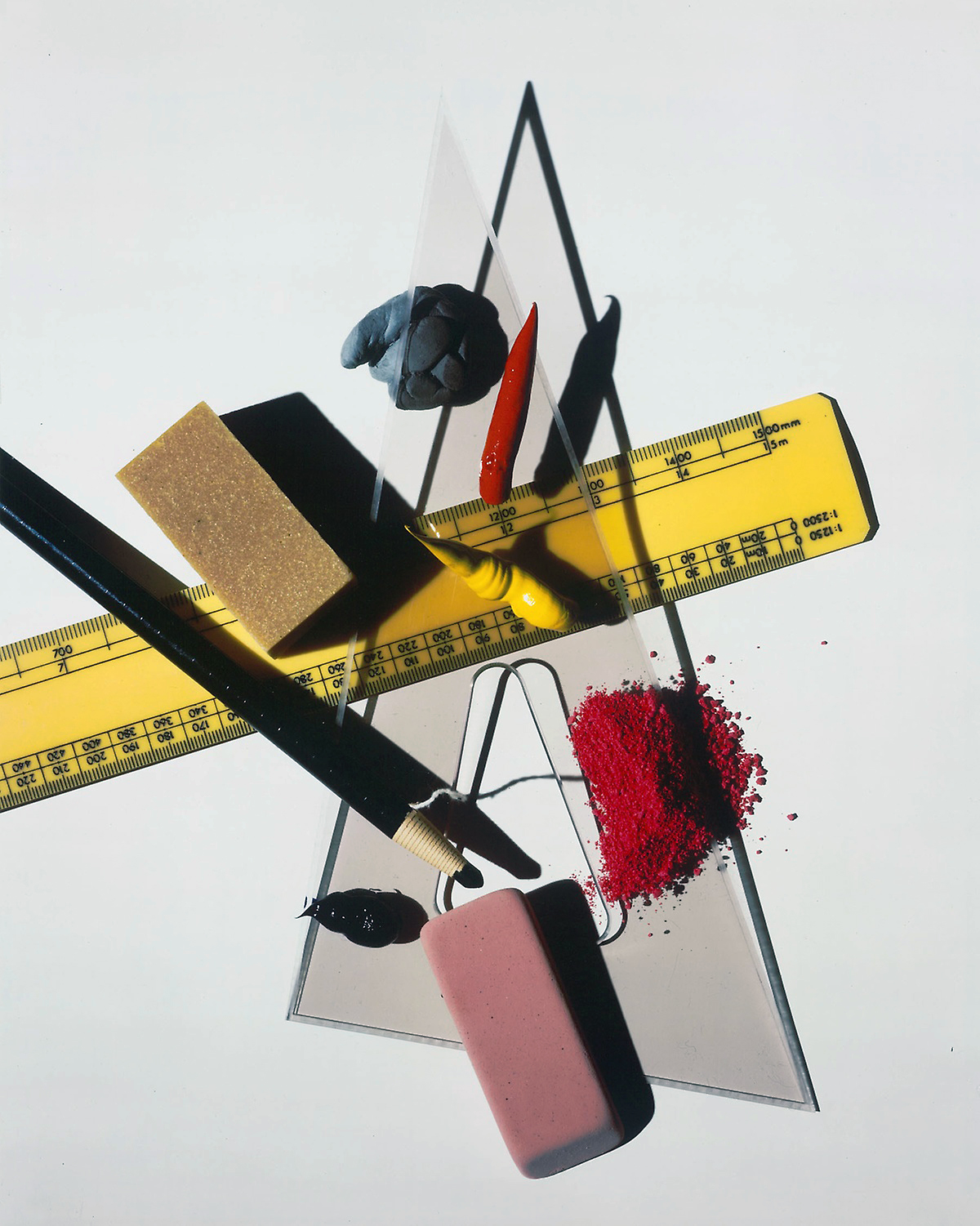
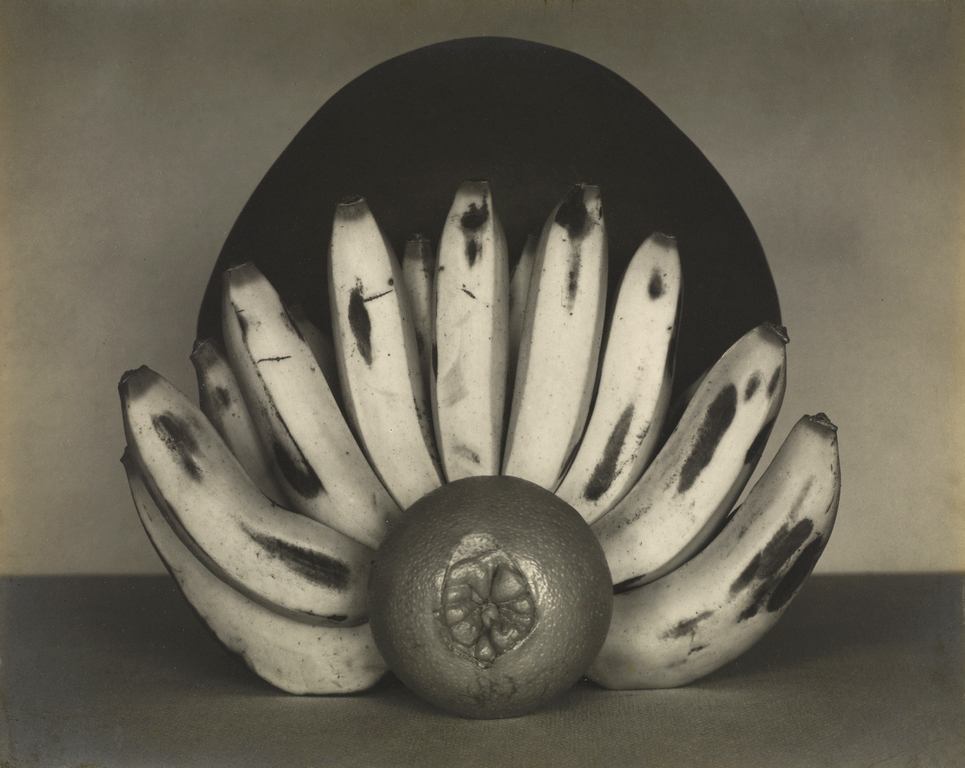
![André Kertész (American born Hungary, 1894-1985) '[Bowl with Sugar Cubes]' 1928 from the exhibition 'In Focus: Still Life' at The J. Paul Getty Museum](https://artblart.com/wp-content/uploads/2011/01/kertesz-sugar.jpg "André Kertész (American born Hungary, 1894-1985) '[Bowl with Sugar Cubes]' 1928 from the exhibition 'In Focus: Still Life' at The J. Paul Getty Museum")
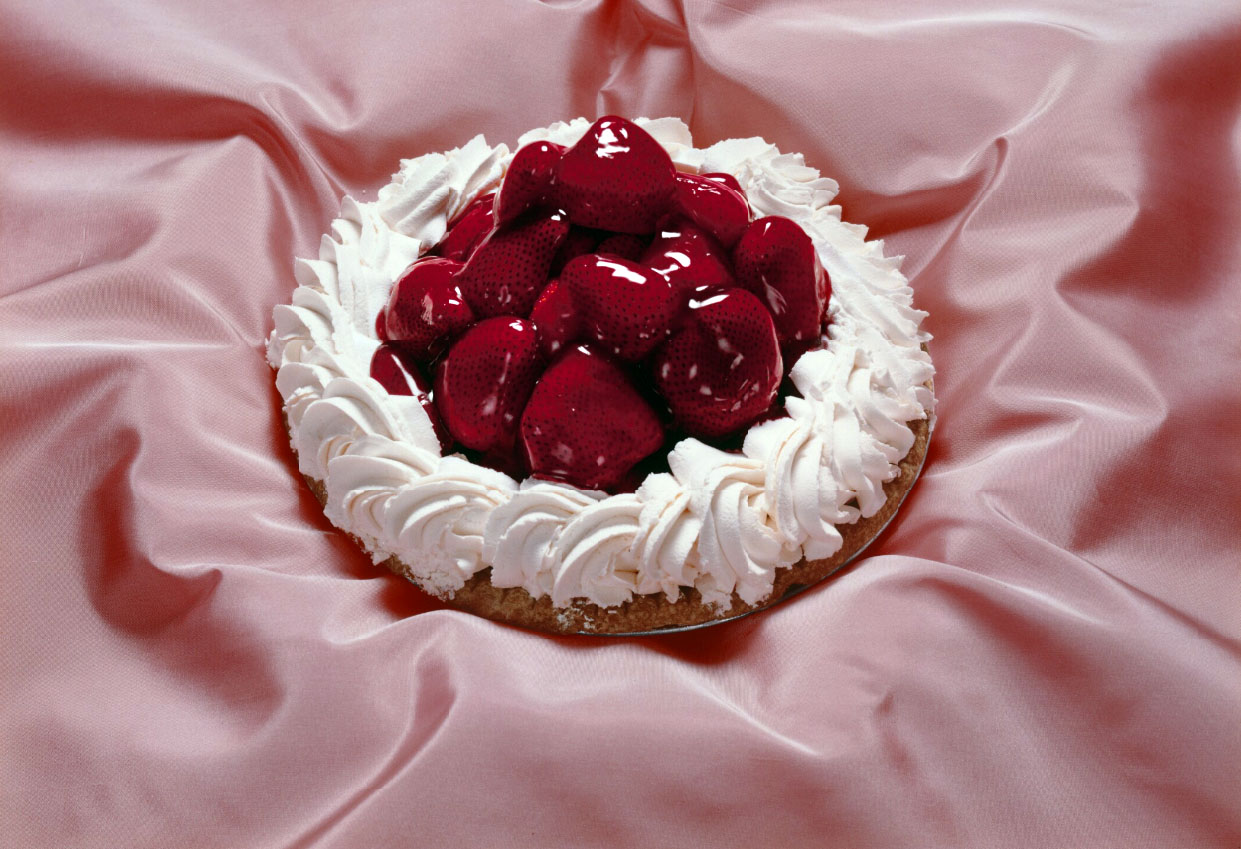
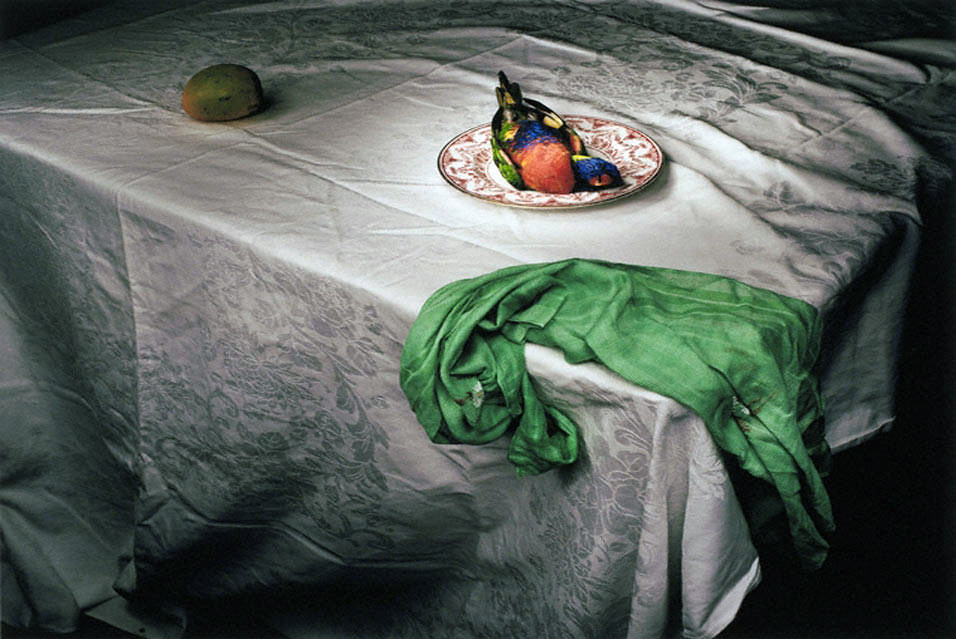
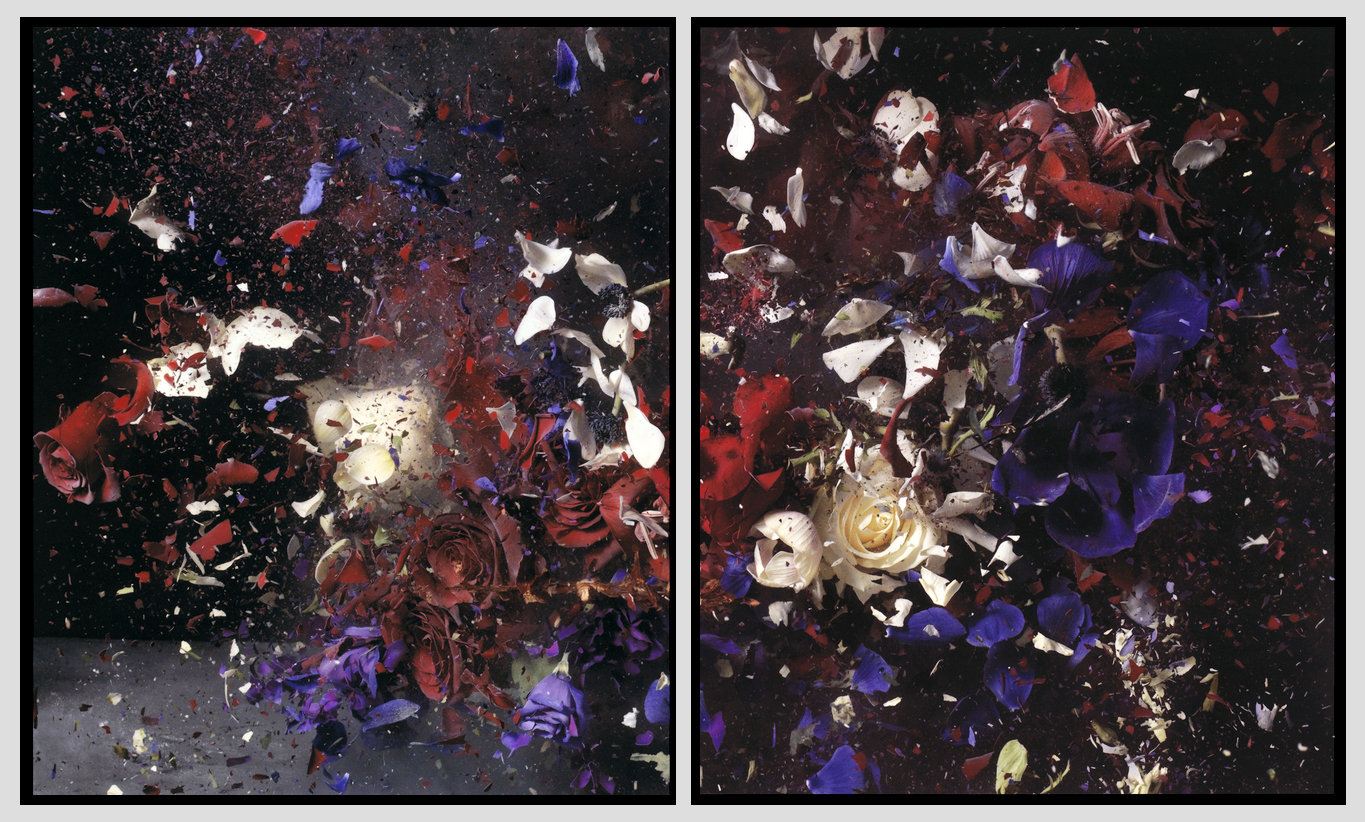
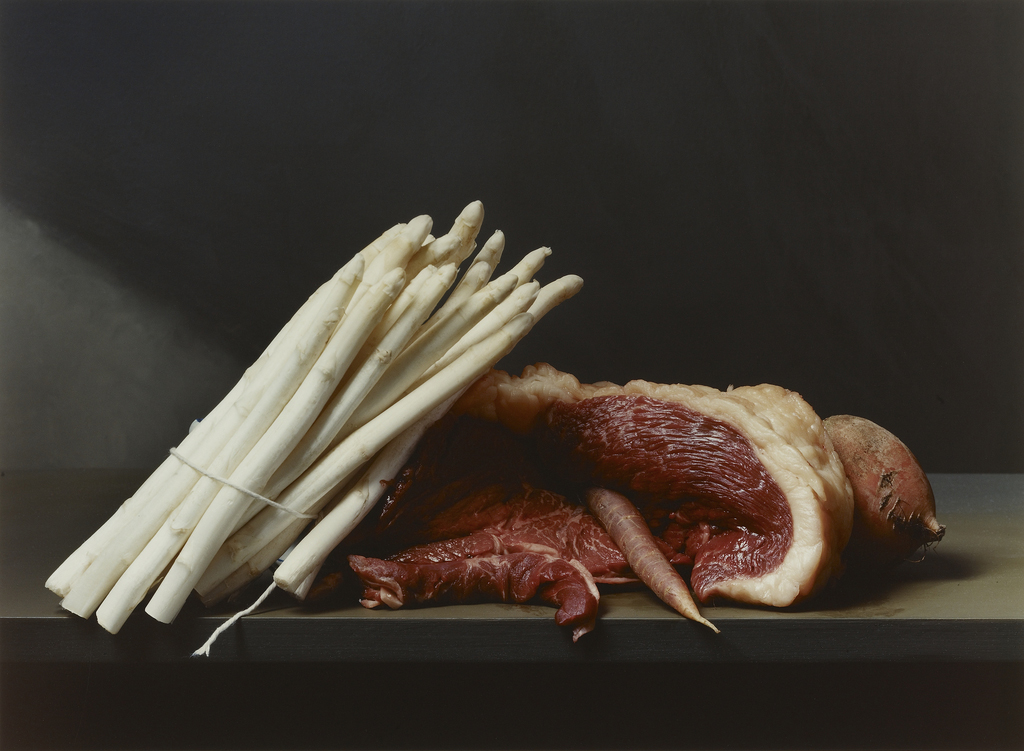


You must be logged in to post a comment.