Exhibition dates: 13th September – 4th December 2019 Visited September 2019 posted July 2020
Installation view of the exhibition Brassaï at Foam, Amsterdam Photo: Marcus Bunyan
These are my thoughts at the time of my seeing the exhibition.
I have been blessed this trip by seeing an amazing selection of master photographers… Brassaï being no exception.
Every print in this exhibition is a vintage print. They were made by Brassaï before 1968. If larger than 30 x 40cm they were made after 1945 when he started printing with an enlarger.
As usual, the iPhone camera makes all the images too light and adds too much contrast. Think darker, less contrast in these vintage prints.
Brassaï’s prints are – just like those of Josef Sudek and August Sander that I have seen on this trip – much softer and with a more limited tonal range than I imagined. They are all the more atmospheric and magical because of it.
To walk around the exhibition and then arrive at an alcove (see walk through below)… to stand in front of Le Môme Bijou, the old lady with the jewellery and Billiard Player, is such a privilege. I am surrounded by the presence of these famous images. I peer intently at each of them, observing the details, feeling their eyes stare back at me. No deflection of intent, just these human beings and their spirit presented in a photograph. Brassaï captured their essence before they drifted away, just in that moment.
In the latter print the dark billiard ball was almost indistinguishable from the baize; in the former, the circular light in the woman’s eyes means that Brassaï must have set up a light, or that there was a light source, above and behind the camera. Specular highlights twinkle off jewellery and pearls. Even as she is draped in her bourgeois, bohemian ornamentation this dame of the night possesses a resilient, composed, determined air.
Personally, I think Brassaï’s Graffiti series are far stronger than Lee Friedlander’s series of the same name.
The juxtaposition of the photographs in Paris at Night is something I will always remember.
The more scrupulously [the photographer] has respected the independence and autonomy of his subject, and the closer he has gone toward it instead of bringing it nearer to himself, the more completely his own personality has become incorporated into his pictures.
Brassaï
Foam is proud to present the first retrospective of Brassaï in the Netherlands. The French photographer of Hungarian descent is considered a key figure of 20th-century photography.
Brassaï (1899-1984) created countless iconic images of 1930s Parisian life. He was famous for capturing the grittier aspects of the city, but also documented high society, including the ballet, opera, and intellectuals – among them his friends and contemporaries like Pablo Picasso, Salvador Dalí and Henri Matisse. The exhibition at Foam traces his career with over 170 vintage prints, plus a selection of drawings, a sculpture and documentary material.
Brassaï gathers many of the artistic facets of the photographer, from photos to drawings of female nudes. It is organised in twelve thematic sections: Paris by Day, and by Night, Minotaure, Graffiti, Society, Places and Things, Personages, Sleep, Pleasures, Body of a Woman, Portraits – Artists, Writers, Friends and TheStreet. Each is very different from the next – reflecting the diversity of Brassaï’s photographic work.
Digital walk through of the exhibition Brassaï at Foam, Amsterdam in September 2019
Installation views of the exhibition Brassaï at Foam, Amsterdam showing at second right in the bottom image, Brassaï’s Paris 1937, and at right Paris c. 1932 Photo: Marcus Bunyan
Brassaï (French, 1899-1984) Paris (installation view) c. 1932 Gelatin silver print Photo: Marcus Bunyan
Brassaï (French, 1899-1984) Paris (installation view) 1937 Gelatin silver print Photo: Marcus Bunyan
Brassaï (French, 1899-1984) Paris (installation view) 1937 Gelatin silver print Photo: Marcus Bunyan
Installation views of the exhibition Brassaï at Foam, Amsterdam Photos: Marcus Bunyan
Foam is proud to announce the first retrospective of Brassaï in the Netherlands. This French photographer of Hungarian descent is considered as one of the key figures of 20th-century photography. Brassaï (1899-1984) created countless iconic images of 1930s Parisian life. He was famous for capturing the grittier aspects of the city, but also documented high society, including the ballet, opera, and intellectuals – among them his friends and contemporaries like Pablo Picasso, Salvador Dalí and Henri Matisse. The exhibition at Foam traces his career with over 170 vintage prints, plus a selection of drawings, a sculpture and documentary material.
Gyula Halász, Brassaï’s original name, was born in 1899 in Brassó, Transylvania (then part of the Austro-Hungarian empire, nowadays Brasov, Romania). He studied at the University of Arts in Berlin before finally settling in Paris in 1924, a city that was to become the main subject of his work. He started as a painter but soon discovered that his strongest and most original talent lay in photography. To keep his real name for his paintings, he signed journalistic work, caricatures and photographs with ‘Brassaï’ (from Brassó). His photos would make this pseudonym more famous than his real name. Brassaï’s work of the 1930s would become a cornerstone of a new tradition as photography was discovered as a medium with aesthetic potential. A generation earlier photographers had merely emulated the established arts. Now photography became an art in itself and the perfect medium to capture modern life.
The nocturnal scenes collected in his book Paris by Night (1933) are complemented by his work that reveals the everyday life of the city by day. The monuments, picturesque spots, scenes from daily life and architectural details are present in his work as a reflection of the irresistible fascination the artist felt for the French capital. In his quest to cover all of the facets of Paris, he also immersed himself in the city’s darker side. For Brassaï the gang members, outcasts, prostitutes and drug addicts all represented the least cosmopolitan aspect of Paris, an aspect that was more alive and more authentic. He compiled a huge collection of images of entertainment venues, ranging from night clubs to popular festivals and featuring the people who frequented them. Brassaï was deeply immersed in a wide circle of friends among the writers and artists of Montparnasse, who also became the subjects for some of his portraits. Most of the portraits taken by Brassaï were of well-known people, putting him into a very comfortable position. He collaborated with the luxury art magazine Minotaure right from its very first issue and enjoyed a prominent role for the publication over the years. After the war, he also travelled regularly on commissioned shoots for the American magazine Harper’s Bazaar.
The exhibition at Foam gathers many of the artistic facets of the photographer, from photos to drawings of female nudes. It is organised in twelve thematic sections: Paris by Day, and by Night, Minotaure, Graffiti, Society, Places and Things, Personages, Sleep, Pleasures, Body of a Woman, Portraits – Artists, Writers, Friends and TheStreet. Each is very different from the next – reflecting the diversity of Brassaï’s photographic work.
Brassaï (French, 1899-1984) Les Escaliers de Montmartre, Paris 1936 Gelatin silver print
Brassaï (French, 1899-1984) La rue Quincampoix (installation view) c. 1932 Gelatin silver print Photo: Marcus Bunyan
Brassaï (French, 1899-1984) La rue Quincampoix (installation view) c. 1932 Gelatin silver print Photo: Marcus Bunyan
Brassaï (French, 1899-1984) Pillar of the Elevated, Metro Glacière (installation view) 1932 Gelatin silver print Photo: Marcus Bunyan
Brassaï (French, 1899-1984) Near the rue Mouffetard (installation view) c. 1945 Gelatin silver print Photo: Marcus Bunyan
Installation views of the exhibition Brassaï at Foam, Amsterdam showing in the lower image at centre, Brassaï’s Concierge’s Lodge, Paris, 1933 Photos: Marcus Bunyan
Brassaï (French, 1899-1984) Concierge’s Lodge, Paris (installation view) 1933 Gelatin silver print Photo: Marcus Bunyan
Brassaï (French, 1899-1984) Concierge’s Lodge, Paris (installation view) 1933 Gelatin silver print Photo: Marcus Bunyan
Brassaï (French, 1899-1984) Concierge’s Lodge, Paris 1933 Gelatin silver print Photo: Marcus Bunyan
Brassaï (French, 1899-1984) Lovers at the gare Saint Lazare (installation view) c. 1937 Gelatin silver print Photo: Marcus Bunyan
Brassaï (French, 1899-1984) Sunday Painter, avenue du Général Leclerc (installation view) 1946 Gelatin silver print Photo: Marcus Bunyan
Brassaï (French, 1899-1984) Sunday Painter, avenue du Général Leclerc (installation view) 1946 Gelatin silver print Photo: Marcus Bunyan
Brassaï (French, 1899-1984) Hôtel de la Belle Étoile (installation view) 1945 Gelatin silver print Photo: Marcus Bunyan
Brassaï (French, 1899-1984) A Corpse on the Banks on the Seine (installation view) 1931 Gelatin silver print Photo: Marcus Bunyan
Brassaï (French, 1899-1984) Les Fétes de Paris: La Nuit Féerique de Longhamp 1937 In L’illustration, no. 4, 923 (July 10, 1937) 13. Rue Saint-Georges, Paris (9°) Photo: Marcus Bunyan
Regards, no. 155 (December 31, 1936) Back cover Photo: Marcus Bunyan
Installation view of the exhibition Brassaï at Foam, Amsterdam showing at at left, Brassaï’s Meat Porters, Les Halles c. 1935 and at second left, Au Cochon Limousin 1935 Photo: Marcus Bunyan
Brassaï (French, 1899-1984) Meat Porters, Les Halles (installation view) c. 1935 Gelatin silver print Photo: Marcus Bunyan
Brassaï (French, 1899-1984) Au Cochon Limousin (installation view) 1935 Gelatin silver print Photo: Marcus Bunyan
Brassaï (French, 1899-1984) Les Halles (installation view) 1930-1932 Gelatin silver print Photo: Marcus Bunyan
Brassaï (French, 1899-1984) Cesspool cleaners (installation view) c. 1931 Gelatin silver print Photo: Marcus Bunyan
Paris de nuit / Paris at night
Brassaï had been making photographs for barely two years when luck and ambition brought him a contract for a book on nocturnal Paris. When Paris de nuit (Paris at Night) was published to acclaim in December 1932, “Brassaï” became a familiar name in the world of photography. The book’s rich photogravures, marginalises pages, and bold design made it an icon of modernity. Many of Brassaï’s best night picture were made after Paris de nuit appeared, however, and many of his greatest images of Parisian nightlife were not published until 1976.
In the self-portrait here we see Brassaï’s first camera, a Voigtländer Bergheil that used 6.5 x 9 cm glass plates one at a time. The long exposures of night photography – often five minutes or more – required a tripod, which Brassaï frequently used for other pictures as well. While much of the adventurous European photography of the 1920s and 1930s celebrated mobility and speed, spontaneity was alien to Brassaï’s sensibility. He favoured images that are sharp, deliberate, and stable.
Installation views of the exhibition Brassaï at Foam, Amsterdam showing a modern enlargement of Brassaï’s Morris Column, avenue de l’Observatoire 1934 Photos: Marcus Bunyan
Brassaï (French, 1899-1984) Morris Column, avenue de l’Observatoire (installation view) 1934 Gelatin silver print Photo: Marcus Bunyan
Installation view of the exhibition Brassaï at Foam, Amsterdam showing at right, Brassaï’s Self portrait, On the boulevard Saint-Jacques 1930-1932 Photo: Marcus Bunyan
Brassaï (French, 1899-1984) Self portrait, On the boulevard Saint-Jacques 1930-1932 Gelatin silver print
Voigtländer Bergheil Built in 1932 6.5 x 9cm negative Green
Installation view of the exhibition Brassaï at Foam, Amsterdam showing in the bottom image at left, Brassaï’s The Tour Saint-Jacques 1932-1933, and at third right View through the pont Royal toward the pont Solférino c. 1933 Photos: Marcus Bunyan
Brassaï (French, 1899-1984) The Tour Saint-Jacques (installation view) 1932-1933 Gelatin silver print Photo: Marcus Bunyan
Brassaï (French, 1899-1984) View through the pont Royal toward the pont Solférino c. 1933 Gelatin silver print
Installation view of the exhibition Brassaï at Foam, Amsterdam showing at right, Brassaï’s Avenue de l’Observatoire in the Fog c. 1937 Photo: Marcus Bunyan
Brassaï (French, 1899-1984) Avenue de l’Observatoire in the Fog (installation view) c. 1937 Gelatin silver print Photo: Marcus Bunyan
Brassaï (French, 1899-1984) Avenue de l’Observatoire in the Fog c. 1937 Gelatin silver print
Brassaï (French, 1899-1984) Paris de Nuit (Paris at Night) pp. 9-10 1932 Book
Brassaï (French, 1899-1984) Paris de Nuit (Paris at Night) pp. 13-14 1932 Book
Digital flick through of Brassaï’s Paris de Nuit (Paris at Night) book 1932 Video: Marcus Bunyan
Brassaï (French, 1899-1984) Paris de Nuit (Paris at Night) pp. 19-20 (installation view) 1932 Book Photo: Marcus Bunyan
Minotaure, no. 7 (June 1935) Pages 24-25: Photographs by Brassaï, “Nuits parisiennes” (Parisian Nights) Pages 26-29: Photographs by Brassaï Photo: Marcus Bunyan
Portraits – artists, writers and friends
In Brassaï’s era, portraits and nudes were bread-and-butter genres for any professional photographer. As a portraitist Brassaï made a speciality of artists and writers, who often were his friends, and in 1982 he collected many of the best pictures in Les artistes de ma vie (The Artists of My Life), for which he also wrote the lively text. He excelled at two distinct types of portraiture: In one, the artist is framed by his environment – the studio. In the other, the subjects confronts the photographer frankly, and the setting hardly matters. In an undated note, Brassaï summed up his approach to the second type: “To oblige the model to behave as if the photographer isn’t there really is to stage a comic performance. What’s natural is precisely not to dodge the photographer’s presence. The natural thing in that situation is for the model to pose honestly.”
Installation views of the exhibition Brassaï at Foam, Amsterdam showing in the top photograph at right, Oskar Kokoschka in his Studio, Paris 1931-1932 (below) and in the bottom photograph at third right, Brassaï’s Kiki de Montparnasse and her Friends, Thérèse Treize and Lily c. 1932 (below) Photos: Marcus Bunyan
Brassaï (French, 1899-1984) Oskar Kokoschka in his Studio, Paris (installation view) 1931-1932 Gelatin silver print Photo: Marcus Bunyan
Brassaï (French, 1899-1984) Kiki de Montparnasse and her Friends, Thérèse Treize and Lily (installation view) c. 1932 Gelatin silver print Photo: Marcus Bunyan
Installation views of the exhibition Brassaï at Foam, Amsterdam showing in the bottom photograph at left, Brassaï’s Jean Genet 1948 (below) Photos: Marcus Bunyan
Brassaï (French, 1899-1984) Jean Genet 1948 Gelatin silver print
Graffiti
The appreciation of graffiti as a powerful if anonymous art form began to blossom in the twentieth century. Like African tribal objects and the art of children, graffiti was admired as more expressive and vital than the refined forms of traditional Western art. Brassaï was among the first to embrace it. He was an inveterate magpie who collected all manner of neglected artefacts and natural specimens throughout his life. Virtually as soon as he began making photographs, he used the medium to collect the graffiti that appeared abundantly on the walls of Paris – predominantly images that had been scratched or gouged rather than drawn or painted and, as he pointed out, in which irregularities of the wall itself played a role. He compiled hundreds of these pictures, a small sample of which is presented here.
Minotaure
Between arriving in Paris in early 1924 and taking up photography six years later, Brassaï developed a wide circle of friends among the international community of artists and writers in Montparnasse. Among them were Les deux aveugles (The Two Blind Men), as the art critics Maurice Raynal and E. Tériade called themselves. In December 1932 – the same month Brassaï’s book Paris de unit (Paris at Night) appeared – Tériade invited Brassaï to photograph Pablo Picasso and his studios in and near Paris for the first issue of Minotaure, a lavish art magazine launched in June 1933 by the Swiss published Albert Skira. Thus began one of the key friendships of Brassaï’s life. Over the next few years he played prominent role in Minotaure, notable as a collaborator of Salvador Dalí, as an illustrator of texts by André Breton, and, on a few occasions, as an artist in his own right.
Installation views of the exhibition Brassaï at Foam, Amsterdam showing to the right, photographs from Brassaï’s series Graffiti Photo: Marcus Bunyan
Minotaure, nos. 3-4 (December 1933) Pages 6-7: Photographs and text by Brassaï, “Du mur des cavernes au mur d’usine” (From the Wall of the Caves to the Wall of the Factory). Photos: Marcus Bunyan
This was the first appearance in print of Brassaï’s series Graffiti.
Brassaï (French, 1899-1984) The Sun King (installation view) 1945-1950 From the series Graffiti Gelatin silver print Photo: Marcus Bunyan
Brassaï (French, 1899-1984) Untitled (installation view) 1950 From the series Graffiti Gelatin silver print Photo: Marcus Bunyan
Brassaï (French, 1899-1984) Untitled (installation view) 1945-1955 From the series Graffiti Gelatin silver print Photo: Marcus Bunyan
Brassaï (French, 1899-1984) Untitled (installation view) 1945-1955 From the series Graffiti Gelatin silver print Photo: Marcus Bunyan
Installation view of the exhibition Brassaï at Foam, Amsterdam showing photographs from the section Personages including at left La Môme Bijou, Bar de la Lune, Montmartre 1932; and in the centre, Billiard Player, boulevard Rochechouart 1932-1933 and Market Porter, Les Halles 1939 Photo: Marcus Bunyan
Personages
In the introduction to a book of his photographs that was published in 1949, Brassaï linked the modern arts of photography and film to the work of artists of the past who had depicted everyday life, among them Rembrandt van Rijn, Honoré Daumier, Edgar Degas, and Henri de Toulouse-Lautrec. He praised them for the “desire to get beyond the anecdotal and to promote [their] subjects to the dignity of types.” Brassaï himself had a talent for rendering at the same time a generic social role and a particular individual who inhabited it, as if his attentiveness to the person would elevate him or her into a distinctive personage.
Installation view of the exhibition Brassaï at Foam, Amsterdam showing photographs from the section Personages including at left, Festival in Seville 1951; and at right, La Môme Bijou, Bar de la Lune, Montmartre 1932 Photo: Marcus Bunyan
Installation view of the exhibition Brassaï at Foam, Amsterdam showing photographs from the section Personages including at left, Festival in Seville 1951; at centre, La Môme Bijou, Bar de la Lune, Montmartre 1932; and at right, Billiard Player, boulevard Rochechouart 1932-1933 Photo: Marcus Bunyan
Installation view of the exhibition Brassaï at Foam, Amsterdam showing a photograph from the section Personages, La Môme Bijou, Bar de la Lune, Montmartre 1932 Photo: Marcus Bunyan
Brassaï (French, 1899-1984) La Môme Bijou, Bar de la Lune, Montmartre (installation view) 1932 Gelatin silver print Photo: Marcus Bunyan
Brassaï (French, 1899-1984) La Môme Bijou, Bar de la Lune, Montmartre 1932 Gelatin silver print
Installation view of the exhibition Brassaï at Foam, Amsterdam showing photographs from the section Personages including at left La Môme Bijou, Bar de la Lune, Montmartre 1932; and at right, Billiard Player, boulevard Rochechouart 1932-1933 Photo: Marcus Bunyan
Installation view of the exhibition Brassaï at Foam, Amsterdam showing photographs from the section Personages including at left Billiard Player, boulevard Rochechouart 1932-1933; and at right, Market Porter, Les Halles 1939 Photo: Marcus Bunyan
Brassaï (French, 1899-1984) Market Porter, Les Halles (installation view) 1939 Gelatin silver print Photo: Marcus Bunyan
Brassaï (French, 1899-1984) Bal des Quatre Saisons, rue de Lappe c. 1932 Gelatin silver print
Brassaï (French, 1899-1984) Chez Suzy 1931-1932 Gelatin silver print
Brassaï (French, 1899-1984) At the Hôtel des Terrasses (installation view) c. 1932 Gelatin silver print Photo: Marcus Bunyan
Installation view of the exhibition Brassaï at Foam, Amsterdam showing photographs from Brassaï’s series Sleep Photo: Marcus Bunyan
Sleep
In 1945 Brassaï wrote a brief essay to accompany some of his pictures of sleepers. It reads in part “All things that stand against their inclination – a tree, a column, a tower, a rock – are regarded with a malign eye by gravity … She especially has a grudge against man, that foolhardy being who, in open collusion with the sunlight, alone among his brothers under the spell of gravitation, dares to stand up. For sunlight and gravity fight over living beings, the one turning over what the other has put up. Alas! Sunlight lives a long way away and can never be found when she is needed the most. Thus gravity is suited to have the last word.”
Installation view of the exhibition Brassaï at Foam, Amsterdam showing photographs from Brassaï’s series Sleep with at left, Paris c. 1934; and at centre, Sleeping c. 1935 Photo: Marcus Bunyan
Brassaï (French, 1899-1984) Paris (installation view) c. 1934 Gelatin silver print Photo: Marcus Bunyan
Brassaï (French, 1899-1984) Sleeping (installation view) c. 1935 Gelatin silver print Photo: Marcus Bunyan
Unknown photographer Photograph of Allied War exhibition, Serbian Section, V&A (installation view) 1917 Gelatin silver print The Royal Photographic Society Collection at the V&A Museum Photo: Marcus Bunyan
The older I grow, the more exponentially I appreciate and love these early photographs. Imagine having a collection like this!
Wonderful to see Edward Steichen’s Portrait – Lady H (1908, below) as I have a copy of Camera Work 22 in my collection.
The V&A has been collecting photographs since 1856, the year the Museum was founded, and it was one of the first museums to present photography exhibitions. Since then the collection has grown to be one of the largest and most important in the world, comprising around 500,000 images. The V&A is now honoured to have added the Royal Photographic Society (RPS) collection to its holdings, which contains around 270,000 photographs, an extensive library, and 6,000 cameras and pieces of equipment associated with leading artists and photographic pioneers.
Take a behind-the-scenes look at our world class photography collection following the transfer of the Royal Photographic Society (RPS) Collection, which has enabled a dramatic reimagining of the way photography is presented at the V&A. The photographs curators introduce a series of five highlights that are on display in the new Photography Centre, which opened on 12th October 2018. The first phase of the centre will more than double the space dedicated to photography at the Museum.
Text from the V&A and YouTube websites
Unknown photographer Photograph of Allied War exhibition, Serbian Section, V&A (installation view) 1917 Gelatin silver print The Royal Photographic Society Collection at the V&A Museum Photo: Marcus Bunyan
The V&A has been collecting and exhibiting photographs since the 1850s. This image shows part o a photographic exhibition held over 100 years ago in the same galleries you are standing in today. The exhibition presented a densely packed display of images depicting the Allied Powers during the First World War.
Installation views of the V&A Photography Centre, London Photos: Marcus Bunyan
Joseph Nicéphore Niépce (French, 1765-1833) Christ Carrying his Cross (installation views) 1827 Heliograph on pewter plate The Royal Photographic Society Collection at the V&A Museum Photos: Marcus Bunyan
The French inventor Niépce made the earliest surviving photographic images, which he called ‘heliographs’ or ‘sun-writing’. Only 16 are thought to still exist. Although Niépce experimented with light-sensitive plates inside a camera, he made most of his images, including this one, by placing engravings of works by other artists directly onto a metal plate. He would probably have had the resulting heliographs coated in ink and printed.
Joseph Nicéphore Niépce (French, 1765-1833) Christ Carrying his Cross (installation view) 1827 Heliograph on pewter plate The Royal Photographic Society Collection at the V&A Museum Photo: Marcus Bunyan
David Octavius Hill (Scottish, 1802-1870) and Robert Adamson (Scottish, 1821-1848) The Adamson Family (installation view) 1843-1845 Salted paper print The Royal Photographic Society Collection at the V&A Museum Photo: Marcus Bunyan
The partnership between Scottish painter Hill and chemist Adamson merged the art and science of photography. The pair initially intended to create preliminary studies for Hill’s paintings, but soon recognised photography’s artistic potential. With Hill’s knowledge of composition and lighting, and Adamson’s considerable sensitivity and dexterity in handling the camera, together they produced some of the most accomplished photographic portraits of their time.
William Henry Fox Talbot (British, 1800-1877) The Haystack 1844 From The Pencil of Nature Salted paper print The Royal Photographic Society Collection at the V&A Museum
Benjamin Brecknell Turner (British, 1815-1894) Hedgerow Trees, Clerkenleap (installation views) 1852-1854 Albumen print; Calotype negative The Royal Photographic Society Collection at the V&A Museum Photos: Marcus Bunyan
Turner took out a licence to practice ‘calotype’ photography from Talbot in 1848. He contact-printed positive images from paper negatives. The negative (below) and its corresponding positive (above) are reunited here to illustrate this process, but the pairing as you see them would not have been the photographer’s original intention for display. Although unique negatives were sometimes exhibited in their own right, only showing positive prints was the norm.
Benjamin Brecknell Turner (British, 1815-1894) Hedgerow Trees, Clerkenleap (installation view) 1852-1854 Albumen print; Calotype negative The Royal Photographic Society Collection at the V&A Museum Photo: Marcus Bunyan
Gustave Le Gray (French, 1820-1884) The Road to Chailly, Forest of Fontainebleau (installation view) 1852 Albumen print from a collodion glass negative Bequeathed to the V&A by Chauncey Hare Townshend Photo: Marcus Bunyan
Installation views of the V&A Photography Centre, London Photos: Marcus Bunyan
Gustave Le Gray (French, 1820-1884) The Marseillaise (The Departure of the Volunteers of 1792), by Francois Rude, 1833-35, Arc de Triomphe de l’Etoile, Paris (installation view) 1852 Albumen print Bequeathed to the V&A by Chauncey Hare Townshend Photo: Marcus Bunyan
Gustave Le Gray (French, 1820-1884) The Marseillaise (The Departure of the Volunteers of 1792), by Francois Rude, 1833-35, Arc de Triomphe de l’Etoile, Paris (installation view) 1852 Albumen print Bequeathed to the V&A by Chauncey Hare Townshend Photo: Marcus Bunyan
Roger Fenton (British, 1819-1869) Parian Vase, Grapes and Silver Cup (installation view) 1860 Albumen print The Royal Photographic Society Collection at the V&A Museum Photo: Marcus Bunyan
Fenton was one of the most versatile and technically brilliant photographers of the 19th century. He excelled at many subjects, including war photography, portraiture, architecture and landscape. He also made a series of lush still lives. Here, grapes, plums and peaches are rendered in exquisite detail, and the silver cup on the right reflects a camera tripod.
Roger Fenton (British, 1819-1869) Parian Vase, Grapes and Silver Cup (installation view) 1860 Albumen print The Royal Photographic Society Collection at the V&A Museum Photo: Marcus Bunyan
Roger Fenton (British, 1819-1869) Parian Vase, Grapes and Silver Cup (installation view) 1860 Albumen print The Royal Photographic Society Collection at the V&A Museum Photo: Marcus Bunyan
Roger Fenton (British, 1819-1869) Parian Vase, Grapes and Silver Cup (installation view detail) 1860 Albumen print The Royal Photographic Society Collection at the V&A Museum Photo: Marcus Bunyan
Roger Fenton (British, 1819-1869) Still Life with Fruit and Decanter 1860 Albumen print The Royal Photographic Society Collection at the V&A Museum
Oscar Gustaf Rejlander (British born Sweden, 1813-1875) Head of St John the Baptist on a Charger(installation view) c. 1856 Albumen print The Royal Photographic Society Collection at the V&A Museum Photo: Marcus Bunyan
Rejlander probably intended this photograph to be part of a larger composition telling the biblical story of Salome, in which the severed head of John the Baptist was presented to her on a plate. Rejlander never made the full picture, however, and instead produced multiple prints of the head alone.
Oscar Gustaf Rejlander (British born Sweden, 1813-1875) Head of St John the Baptist on a Charger (installation view) c. 1856 Albumen print The Royal Photographic Society Collection at the V&A Museum
Francis Frith (British, 1822-1898) The Pyramids of Dahshoor [Dahshur], from the East, from Egypt, Sinai, and Jerusalem: A Series of Twenty Photographic Views by Francis Frith (installation view) 1858 (published 1860 or 1862) Albumen print The Royal Photographic Society Collection at the V&A Museum Photo: Marcus Bunyan
Frith’s photographs were popular and circulated widely, both because of their architectural interest and because they often featured sites mentioned in the Bible. Photographs of places described in biblical stories brought a new level of realism to a Christian Victorian audience, previously only available through the interpretations of a painter or illustrator.
Francis Frith (British, 1822-1898) The Pyramids of Dahshoor [Dahshur], from the East, from Egypt, Sinai, and Jerusalem: A Series of Twenty Photographic Views by Francis Frith (installation view) 1858 (published 1860 or 1862) Albumen print The Royal Photographic Society Collection at the V&A Museum Photo: Marcus Bunyan
Francis Frith (British, 1822-1898) The Pyramids of Dahshoor [Dahshur], from the East, from Egypt, Sinai, and Jerusalem: A Series of Twenty Photographic Views by Francis Frith 1858 (published 1860 or 1862) Albumen print The Royal Photographic Society Collection at the V&A Museum Photo: Marcus Bunyan
Installation view of the V&A Photography Centre, London Photo: Marcus Bunyan
Gustave Le Gray (French, 1820-1884) Solar Effect in the Clouds – Ocean(installation view) 1856-1859 Albumen Print Bequeathed to the V&A by Chauncey Hare Townshend Photo: Marcus Bunyan
Gustave Le Gray (French, 1820-1884) Solar Effect in the Clouds – Ocean 1856-1859 Albumen Print Art Institute of Chicago Creative Commons Zero (CC0)
Gustave Le Gray (French, 1820-1884) The Imperial Yacht, La Reine Hortense, Le Havre (installation view) 1856-1857 Albumen print Bequeathed to the V&A by Chauncey Hare Townshend Photo: Marcus Bunyan
Gustave Le Gray (French, 1820-1884) The Imperial Yacht, La Reine Hortense, Le Havre (installation view) 1856-1857 Albumen print Bequeathed to the V&A by Chauncey Hare Townshend Photo: Marcus Bunyan
Gustave Le Gray (French, 1820-1884) The Imperial Yacht, La Reine Hortense, Le Havre 1856-1857 Albumen print The Metropolitan Museum of Art Public domain
Gustave Le Gray (French, 1820-1884) Pavilion Richelieu, Louvre, Paris (installation view) 1857-1859 Albumen print Bequeathed to the V&A by Chauncey Hare Townshend Photo: Marcus Bunyan
Gustave Le Gray (French, 1820-1884) Pavilion Richelieu, Louvre, Paris (installation view) 1857-1859 Albumen print Bequeathed to the V&A by Chauncey Hare Townshend Photo: Marcus Bunyan
Roger Fenton (British, 1819-1869) Balaclava from Guard’s Hill, the Crimea (installation view) 1855 Albumen print Bequeathed to the V&A by Chauncey Hare Townshend Photo: Marcus Bunyan
Roger Fenton (British, 1819-69) Balaclava from Guard’s Hill, the Crimea (installation view) 1855 Albumen print Bequeathed to the V&A by Chauncey Hare Townshend Photo: Marcus Bunyan
Julia Margaret Cameron (British, born India, 1815-1879) Lucia (installation view) 1864-1865 Albumen print The Royal Photographic Society Collection at the V&A Museum Photo: Marcus Bunyan
Charles Lutwide Dodgson (also known as Lewis Carroll)(British, 1832-1898) Tea Merchant (On Duty) and Tea Merchant (Off Duty) (installation view) 1873 Albumen prints The Royal Photographic Society Collection at the V&A Museum Photo: Marcus Bunyan
Lewis Carroll is best known as the author of Alice’s Adventures in Wonderland, but he was also an accomplished amateur photographer. Approximately half of his photographs are portraits of children, sometimes wearing foreign costumes or acting out scenes. Here, Alexandra ‘Xie’ Kitchen, his most frequent child sitter, poses in Chinese dress on a stack of tea chests.
Charles Lutwide Dodgson (also known as Lewis Carroll)(British, 1832-1898) Tea Merchant (On Duty) (installation view) 1873 Albumen prints The Royal Photographic Society Collection at the V&A Museum Photo: Marcus Bunyan
Charles Lutwide Dodgson (also known as Lewis Carroll)(British, 1832-1898) Tea Merchant (Off Duty) (installation view) 1873 Albumen prints The Royal Photographic Society Collection at the V&A Museum Photo: Marcus Bunyan
Julia Margaret Cameron (British, born India, 1815-1879) Pomona (installation view) 1887 Albumen print The Royal Photographic Society Collection at the V&A Museum Photo: Marcus Bunyan
The South Kensington museum (now the V&A) was the only museum to collect and exhibit Julia Margaret Cameron’s during her lifetime. This is one of several studies she made of Alice Liddell, who as a child had modelled for the author and photographer Lewis Carroll and inspired his novel Alice’s Adventures in Wonderland. Cameron, Carroll and Liddell moved in overlapping artistic and intellectual circles. Here, surrounded by foliage, a grown-up Alice poses as the Roman goddess of orchards and gardens.
Julia Margaret Cameron (British, born India, 1815-1879) Pomona (installation view) 1887 Albumen print The Royal Photographic Society Collection at the V&A Museum Photo: Marcus Bunyan
Installation view of the V&A Photography Centre, London Photo: Marcus Bunyan
Alvin Langdon Coburn (American 1882-1966) Frederick Holland Day (installation view) 1900 Gum platinum print The Royal Photographic Society Collection at the V&A Museum Photo: Marcus Bunyan
The British-American photographer Alvin Langdon Coburn enjoyed success on both sides of the Atlantic. Active in the early 20th century, he gained recognition from a young age as a talented photographer. His style ranged from the painterly softness of Pictorialism to the unusual vantage points and abstraction of Modernism. As well as being a practising photographer, Coburn was an avid collector. In 1930 he donated over 600 photographs to the Royal Photographic Society. The gift included examples of Coburn’s own work alongside that of his contemporaries, many of whom are now considered to be the most influential of their generation. Coburn also collected historic photographs, and was among the first in his time to rediscover and appreciate the work of 19th-century masters like Julia Margaret Cameron and Hill and Adamson.
Fredrick Holland Day (American, 1864-1933) Head of a Girl, Hampton, Virginia (installation view) 1905 Gum platinum print The Royal Photographic Society Collection at the V&A Museum Photo: Marcus Bunyan
Day made this portrait when he visited the Hampton Institute in Virginia, which was founded after the American Civil War as a teacher-training school for freed slaves. The institute’s camera club invited Day to visit the school and critique the work of its students. Day’s friend and fellow photographer, Frederick Evans, donated this strikingly modern composition to the Royal Photographic Society in 1937.
Fredrick Holland Day (American, 1864-1933) Head of a Girl, Hampton, Virginia (installation view) 1905 Gum platinum print The Royal Photographic Society Collection at the V&A Museum Photo: Marcus Bunyan
Fredrick Holland Day (American, 1864-1933) Head of a Girl, Hampton, Virginia (installation view) 1905 Gum platinum print The Royal Photographic Society Collection at the V&A Museum Photo: Marcus Bunyan
Fredrick Holland Day (American, 1864-1933) Head of a Girl, Hampton, Virginia 1905 Gum platinum print The Royal Photographic Society Collection at the V&A Museum
Gertrude Käsebier (American, 1852-1934) The Letter 1906 Platinum print The Royal Photographic Society Collection at the V&A Museum
Käsebier studied painting before opening a photography studio in New York. Her Pictorialist photographs often combine soft focus with experimental printing techniques. These sisters were dressed in historic costume for a ball, but their pose transforms a society portrait into a narrative picture. In a variant image, they turn to look at the framed silhouette on the wall.
Installation views of the V&A Photography Centre, London Photo: Marcus Bunyan
Francis James Mortimer (British, 1874-1944) Alvin Langdon Coburn at the Opening of His One-Man Exhibition the Royal Photographic Society, London (installation view) 1906 Carbon print The Royal Photographic Society Collection at the V&A Museum Photo: Marcus Bunyan
Annie Wardrope Brigman (American, 1869-1950) The Spirit of Photography c. 1908 Platinum print The Royal Photographic Society Collection at the V&A Museum
Alvin Langdon Coburn (American 1882-1966) Kensington Gardens (installation view) 1910 Platinum print The Royal Photographic Society Collection at the V&A Museum Photo: Marcus Bunyan
Cover of Camera Work Number XXVI(installation view) Photo: Marcus Bunyan
Edward Steichen (American, 1879-1973) Portrait – Lady H(installation view) 1908 Camera Work 22 1908 Photogravure The Royal Photographic Society Collection at the V&A Museum Photo: Marcus Bunyan
Edward Steichen (American, 1879-1973) Portrait – Lady H 1908 Camera Work 22 1908 Photogravure The Royal Photographic Society Collection at the V&A Museum
Paul Strand (American, 1890-1976) New York (installation view) 1916 Camera Work 48 1916 Photogravure The Royal Photographic Society Collection at the V&A Museum Photo: Marcus Bunyan
Alfred Stieglitz (American, 1864-1946) was an American photographer, publisher, writer and gallery owner. From 1903-1917, he published the quarterly journal Camera Work, which featured portfolios of exquisitely printed photogravures (a type of photograph printed in ink), alongside essays and reviews. Camera Work promoted photography as an art form, publishing the work of Pictorialist photographers who drew inspiration from painting, and reproducing 19th-century photographs. It also helped to introduce modern art to American audiences, including works by radical European painters such as Matisse and Picasso.
Alvin Langdon Coburn (American 1882-1966) Vortograph (installation view) 1917 Bromide print The Royal Photographic Society Collection at the V&A Museum Photo: Marcus Bunyan
Rudolph Koppitz (American, 1884-1936) Bewegungsstudie (Movement Study) 1926 Carbon print The Royal Photographic Society Collection at the V&A Museum
Koppitz was a leading art photographer in Vienna between the two World Wars, as well as a master of complex printing processes, including the pigment, gum and broccoli process of transfer printing. Tis dynamic and sensual composition captures dancers from the Vienna State Opera Ballet frozen mid-movement.
Herbert Bayer (Austrian American, 1900-85) Shortly Before Dawn (installation view) 1932-39 Gelatin silver print The Royal Photographic Society Collection at the V&A Museum Photo: Marcus Bunyan
Bayer had a varied and influential career as a designer, painter, photographer, sculptor, art director and architect. He taught at the Bauhaus school in Dessau, Germany, and later began to use photomontage, both in his artistic and advertising work. Using this process, he combined his photographs with found imagery, producing surreal or dreamlike pictures.
Herbert Bayer (Austrian American, 1900-85) Shortly Before Dawn (installation view) 1932-39 Gelatin silver print The Royal Photographic Society Collection at the V&A Museum Photo: Marcus Bunyan
Bernard Eilers (Dutch, 1878-1951) Reguliersbreestraat, Amsterdam (installation view) 1934 Foto-choma Eilers Given by Joan Luckhurst Eilers Photo: Marcus Bunyan
In the 1930s, the Dutch photographer Bernard Eilers developed an experimental new photographic colour separation process known as ‘Foto-chroma Eilers’. Although the process was short-lived, Eilers successfully used this technique to produce prints like this of great intensity and depth of colour. Here, the misty reflections and neon lights create an atmospheric but modern view of a rain-soaked Amsterdam at night.
Bernard Eilers (Dutch, 1878-1951) Reguliersbreestraat, Amsterdam (installation view) 1934 Foto-choma Eilers Given by Joan Luckhurst Eilers Photo: Marcus Bunyan
Edward Weston (American, 1886-1958) Valentine to Charis(installation view) 1935 Gelatin silver print The Royal Photographic Society Collection at the V&A Museum Photo: Marcus Bunyan
When Weston met the model and writer Charis Wilson in 1934, he was immediately besotted. This valentine to her contains a cluster of objects arranged as a still life, including the photographer’s camera lens and spectacles. Some of the objects seem to hold a special significance that only the lovers could understand. The numbers on the right possibly refer to their ages – there were almost thirty years between them.
Horst P. Horst (German-American, 1906-1999) Portrait of Gabrielle (‘Coco’) Chanel 1937 Gelatin silver print The Royal Photographic Society Collection at the V&A Museum
Variant, American Vogue, 1 December 1937, p. 86: ‘Fashion: Mid-Season Prophecies’
Caption reads: Chanel in her fitted, three-quarters coat / Mademoiselle Chanel, in one of her new coats that are making the news – a three quarters coat buttoned tightly and trimmed with astrakham like her cap. 01/12/1937
Nickolas Muray (American, 1892-1965) Women with headscarf, McCall’s Cover, July 1938(installation view) 1938 Tricolour carbro print The Royal Photographic Society Collection at the V&A Museum
Berenice Abbott (American, 1898-1991) Hardware Store(installation view) 1938 Gelatin silver print The Royal Photographic Society Collection at the V&A Museum Photo: Marcus Bunyan
Between 1935 and 1939, the Federal Art Project emptied Abbott to make a series of photographs entitled Changing New York, documenting the rapid development and urban transformation of the city. This picture shows the facade of a downtown hardware store, its wares arranged in a densely-packed window display with extend onto the pavement.
Berenice Abbott (American, 1898-1991) Hardware Store(installation view) 1938 Gelatin silver print The Royal Photographic Society Collection at the V&A Museum Photo: Marcus Bunyan
Berenice Abbott (American, 1898-1991) Hardware Store 1938 Gelatin silver print The Royal Photographic Society Collection at the V&A Museum
Walker Evans (American, 1903-75) Photographs of African masks, from an exhibition entitled African Negro Art at the Museum of Modern Art, New York (installation view) 1935 Gelatin silver prints The Royal Photographic Society Collection at the V&A Museum Photo: Marcus Bunyan
In 1935, the Museum of Modern Art commissioned Evans to photograph objects in its major exhibition of African art. Using his 8 x 10 inch view camera, he highlighted the artistry and detail of the objects, alternating between front, side and rear views. In total, Evans produced 477 images, and 17 complete sets of them were printed. Several of these sets were donated to colleges and libraries in America, and the V&A bought one set in 1936 to better represent African art in its collection.
The term ‘negro’ is given here in its original historical context.
Walker Evans (American, 1903-75) Photograph of African mask, from an exhibition entitled African Negro Art at the Museum of Modern Art, New York (installation view) 1935 Gelatin silver prints The Royal Photographic Society Collection at the V&A Museum Photo: Marcus Bunyan
Walker Evans (American, 1903-75) Photograph of African mask, from an exhibition entitled African Negro Art at the Museum of Modern Art, New York (installation view) 1935 Gelatin silver prints The Royal Photographic Society Collection at the V&A Museum Photo: Marcus Bunyan
Walker Evans (American, 1903-75) Photograph of African mask, from an exhibition entitled African Negro Art at the Museum of Modern Art, New York (installation view) 1935 Gelatin silver prints The Royal Photographic Society Collection at the V&A Museum Photo: Marcus Bunyan
Bill Brandt (British, 1904-1983) Dubuffet’s Right Eye Alberto Giacometti’s Left Eye Louise Nevelson’s Eye Max Ernst’s Left Eye (installation view) 1960-1963 Gelatin silver print The Royal Photographic Society Collection at the V&A Museum Photo: Marcus Bunyan
Bill Brandt (British, 1904-83) Dubuffet’s Right Eye (installation view) 1960-1963 Gelatin silver print The Royal Photographic Society Collection at the V&A Museum Photo: Marcus Bunyan
German-born Brandt moved to London in the 1930s. In his long and varied career, he made many compelling portraits of people including Ezra Pound, Dylan Thomas, the Sitwell family, Robert Graves and E.M. Forster. For this series he photographed the eyes of well-known artists over several years, creating a substantial collection of intense and unique portraits. The pictures play upon ideas of artistic vision and the camera lens, which acts as a photographer’s ‘mechanical eye’.
Josef Sudek (Czech, 1896-1976) Simple Still Life, Egg (installation view) 1950 Gelatin silver print The Royal Photographic Society Collection at the V&A Museum Photo: Marcus Bunyan
Throughout his career, Sudek used various photographic styles but always conveyed an intensely lyrical vision of the world. Here, his formal approach to a simple still life presents a poetic statement, and evokes an atmosphere of contemplation. Sudek’s motto and advice to his students – ‘hurry slowly’ – encapsulates his legendary patience and the sense of meditative stillness in his photographs.
Otto Steiner (German, 1915-1978) Luminogram (installation view) 1952 Gelatin silver print The Royal Photographic Society Collection at the V&A Museum Photo: Marcus Bunyan
Otto Steiner (German, 1915-1978) Luminogram (installation view) 1952 Gelatin silver print The Royal Photographic Society Collection at the V&A Museum Photo: Marcus Bunyan
Mark Cohen (American, b. 1943) True Color (installation views) 1974-1987 Portfolio of thirty dye transfer prints, printed in 2007 American Friends of the V&A through the generosity of The Michael G. and C. Jane Wilson 2007 Trust Photos: Marcus Bunyan
Known for his dynamic street photography, Cohen’s work presents a fragmented, sensory image of his hometown of Wiles-Barre, Pennsylvania. This set of pictures was taken at a time when colour photography was just beginning to be recognised as a fine art. Until the 1970s, colour had largely been associated with other advertising or family snapshots, and was not thought of as a legitimate medium for artists. Cohen and other photographers like William Eggleston transferred this perception using the dye-transfer printing process. Although complicated and time-consuming, the technique results in vibrant and high quality colour prints.
Mark Cohen (American, b. 1943) True Color (installation view detail) 1974-1987 Portfolio of thirty dye transfer prints, printed in 2007 American Friends of the V&A through the generosity of The Michael G. and C. Jane Wilson 2007 Trust Photo: Marcus Bunyan
Mark Cohen (American, b. 1943) True Color (installation view detail) 1974-1987 Portfolio of thirty dye transfer prints, printed in 2007 American Friends of the V&A through the generosity of The Michael G. and C. Jane Wilson 2007 Trust Photo: Marcus Bunyan
Graham Smith (British, b. 1947) What she wanted & who she got (installation view) 1982 Gelatin silver print The Royal Photographic Society Collection at the V&A Museum Photo: Marcus Bunyan
Since the 1980s, Graham Smith has been photographing his hometown of South Bank near Middlesbrough. His images convey his deep sensitivity towards the effects of changing working conditions on the former industrial north-east. In this photograph, despite the suggested humour of the title, we are left wondering who the couple are and what the nature of their relationship might be.
Jan Kempenaers (Belgian, b. 1968) Spomenik #3 2006 C-type print
The Kosmaj monument in Serbia is dedicated to soldiers of the Kosmaj Partisan detachment from World War II.
Jan Kempenaers (Belgian, b. 1968) Spomenik #4 2007 C-type print
This monument, authored by sculptor Miodrag Živković, commemorates the Battle of Sutjeska, one of the bloodiest battles of World War II in the former Yugoslavia.
Kempenaers toured the balkans photographing ‘Spomeniks’ – monuments built in former Yugoslavia in the 1960s and ’70s on the sites of Second World War battles and concentration camps. Some have been vandalised in outpourings of anger against the former regime, while others are well maintained. In Kempenaers’ photographs, the monuments appear otherworldly, as if dropped from outer space into a pristine landscape.
Installation view of the V&A Photography Centre, London Photo: Marcus Bunyan
Victoria and Albert Museum Cromwell Road London SW7 2RL Phone: +44 (0)20 7942 2000
“Moments even of beauty. “Well I speak of ‘the lust of the eye’ – a biblical phrase – because much of the appeal of battle is simply this attraction of the outlandish, the strange… but, there is of course an element of beauty in this. And I must say that this, is, surely from ancient times one of the most enduring appeals of battle.””
Anonymous. From Episode 26 of ‘The World At War’, 1973-1974
The lust of the eye
While “there has been a long tradition of female photographers working in crisis zones”, and this exhibition “explodes the commonly held notion that war photography is a professional world entirely populated by men,” how do war photographs taken by women differ from their male counterparts? What does being a woman bring to the table of war photography that is different, in terms of engagement with people, feeling, context, and time and place? Do they have to differ?
The press release states that, “Even though the staging and narrative strategies of female photographers do not differ in any fundamental way from those of their male colleagues, women have had to repeatedly carve out their position on the front line and operate outside the structures envisaged for them.” In other words they defy the patriarchal structures that define contemporary society, because they operate outside what is expected of them. But does that make their photographs any different to that of men? Or, while defying hegemonic structures, do they still buy into a systematic photographic representation of war that has existed for decades?
While the press release offers a sop to difference – positing that, “in some regions and cultural milieus, their gender has also given them privileges denied to their male colleagues granting them access to families and to people affected by the conflict. This has enabled them to paint a nuanced picture of the effects of war on the civilian population” – this nuancing is not greatly evident in the photographs in this posting.
Personally what I am looking for is a more empathetic way photography can portray the effects of war through storytelling, not just the physical evidence – I was there, I captured this – but the feelings that war evokes. I, for one, never get this from the war photography of the photojournalists. The images they make are made for the fast-moving world of news reportage, and they are always working to find the one image, the one instance, that bears “witness to unimaginable realities, to move viewers.” Rarely does this strategy work.
Much of the display of the appeal of battle in the history of war photography “is simply this attraction of the outlandish, the strange…” With much war photography, “there is of course an element of beauty in this.” Consider Carolyn Cole’s ethereally beautiful photograph Dozens of bodies are laid in a mass grave on the outskirts of Monrovia, Liberia (2003, below). Who could not agree with the artist that there is not an element of beauty in this – held in opposition to its being “other” than reportage.
But if you read the poem Vergissmeinnicht (Forget Me Not) by the British war poet Keith Douglas (below), dead at 24 on the battlefield of Normandy, this poem has more engagement, more heartfelt feeling about war, death, love and loss in its prophetic lines than a thousand images I will never remember.
Dr Marcus Bunyan
Many thankx to Fotomuseum Winterthur for allowing me to publish the photographs in the posting. Please click on the photographs for a larger version of the image.
Vergissmeinnicht (Forget Me Not) (1943)
Keith Douglas
Three weeks gone and the combatants gone, returning over the nightmare ground we found the place again, and found the soldier sprawling in the sun.
The frowning barrel of his gun overshadowing. As we came on that day, he hit my tank with one like the entry of a demon.
Look. Here in the gunpit spoil the dishonoured picture of his girl who has put: Steffi. Vergissmeinnicht. in a copybook gothic script.
We see him almost with content, abased, and seeming to have paid and mocked at by his own equipment that’s hard and good when he’s decayed.
But she would weep to see today how on his skin the swart flies move; the dust upon the paper eye and the burst stomach like a cave.
For here the lover and killer are mingled who had one body and one heart. And death who had the soldier singled has done the lover mortal hurt.
Remember the war poet Keith Douglas (English, 1920-1944) killed in the Invasion of Normandy on June 9, 1944 at the age of 24.
Lee Miller wrote: ‘Prisoners were prowling these heaps, some of which were burning, in the hope of finding something more presentable than what they were wearing already’
Catherine Leroy (French, 1944-2006) Vietnam. US Navy officer Vernon Wike with a dying US Marine at the Battle of Hill 881, near Khe Sanh April 1967 Gelatin silver print
Catherine Leroy (French, 1944-2006) Vietnam. US bombs pummel Binh Dinh province September 1966 Gelatin silver print
The exhibition Women War Photographers – From Lee Miller to Anja Niedringhaus is devoted to photojournalistic coverage of international wars and conflicts. On display are some 140 images shot between 1936 and 2011 by a number of women photojournalists and documentary photographers: Carolyn Cole (b. 1961), Françoise Demulder (1947-2008), Catherine Leroy (1944-2006), Susan Meiselas (b. 1948), Lee Miller (1907-1977), Anja Niedringhaus (1965-2014), Christine Spengler (b. 1945) and Gerda Taro (1910-1937). Their pictures provide a fragmentary insight into the complex reality of war, taking in a range of military theatres from the Spanish Civil War, World War II and the Vietnam War to more recent international conflicts in the Balkans, Afghanistan, Iraq and Libya.
The positions of the eight photographers present different ways of engaging with war and its effects – from traditional war reporting and embedded photojournalism to innovative approaches to social documentary photography. The particular perspectives chosen for the exhibition shift between objective distance and personal emotional involvement.
Curated by Anne-Marie Beckmann and Felicity Korn and adapted by Nadine Wietlisbach for Fotomuseum Winterthur, the exhibition focuses on women’s positions, making clear the long tradition of female photographers working in crisis zones. In the process, it explodes the commonly held notion that war photography is a professional world entirely populated by men. Even though the staging and narrative strategies of female photographers do not differ in any fundamental way from those of their male colleagues, women have had to repeatedly carve out their position on the front line and operate outside the structures envisaged for them. On the other hand, in some regions and cultural milieus, their gender has also given them privileges denied to their male colleagues granting them access to families and to people affected by the conflict. This has enabled them to paint a nuanced picture of the effects of war on the civilian population.
The pictures shown in the exhibition were primarily intended for the fast-moving world of news reportage. Their distribution via mass media has made them a significant force, influencing the discourses being conducted around war and discussions about the controversial impact of images of war. Shot over a period of almost a century, these pictures also bear witness to the evolution of photojournalism as a professional field – especially when seen in the context of a constantly changing media landscape that is once again undergoing radical upheaval as the digital revolution takes its course.
The photographers’ choice of visual and narrative strategies is the product of an ongoing quest, as they seek to bear witness to unimaginable realities, to move viewers, to sensitise them to the complex geo- and sociopolitical circumstances in the combat zones, and ultimately to have an effect on people’s attitudes and actions by making these situations visible. In an age when global conflict is a constant, these strategies continue to express the belief that engaging with images of violence can help us to take responsibility and bring about change.
The Women behind the Camera
In her pictures of the Spanish Civil War, German Jewish photographer Gerda Taro (1910-1937) sided with the political agenda of the Republicans. With the genre of photo essays still in its infancy, her pictures found their way into magazines like Vu and Regards. Taro was the first woman war photographer to be killed in the field: her tragic death in 1937 at the age of only twenty-six garnered international attention. However, she faded into oblivion soon afterwards, as picture agencies increasingly accredited her photographs to her partner Robert Capa.
In 1944, as a correspondent for the fashion magazine Vogue, American photographer Lee Miller (1907-1977) began documenting the Allied push against the German Reich. Initially commissioned to take pictures in a military hospital, Miller found herself on the front line owing to an internal error in military communications. She accompanied the Allied troops as they advanced from Normandy into southern Germany. Miller was one of the group of photojournalists who witnessed the Dachau and Buchenwald concentration camps at firsthand directly after their liberation.
One of the best-known photojournalists of the Vietnam War is French photographer Catherine Leroy (1944-2006). Her pictures give a clear indication of the freedom of movement she enjoyed on the front lines, where she took photographs of the conflict both from the air and on the ground, often creating short sequences of images showing a particular chain of events. Magazines like Paris Match and Life made use of the narrative potential of these pictures and printed full-page spreads of her work.
Françoise Demulder (1947-2008) likewise began her career in Vietnam, where in 1975, after most foreign journalists had already left the country, she took exclusive pictures of North Vietnamese troops invading Saigon. While working for the Gamma and Sipa Press photo agencies, Demulder also turned her attention to military actions and their impact on the civilian population.
Christine Spengler (b. 1945), who was born in Alsace, took her first photographs of an armed conflict in Chad. Later, in the 1970s, she began documenting a range of conflicts and crises in different parts of the world, including Vietnam as well as Cambodia, Iran, Western Sahara and Lebanon. A particular focus of her photographs are the local women and children and the lives they lead behind the front lines.
As an independent photographer, American Susan Meiselas (b. 1948) documented the Sandinista uprising against the Somoza regime in Nicaragua in the late 1970s. Her photo of the “Molotov Man” went on to become a cult image and is still in circulation today as a symbol of protest used in a wide range of contexts. Meiselas, who would become a Magnum photographer, chose colour as a medium for her documentary work at a time when its use was mainly limited to commercial projects. Her book Nicaragua is one of the earliest colour publications documenting war.
American Carolyn Cole (b. 1961), who has worked for the Los Angeles Times since 1994, also takes pictures in colour. She has worked as a photojournalist in the Kosovo War, Afghanistan, Liberia and Iraq. Her photographs, which are still used today in both print and online media, reveal a contemporary approach to war photography that is a reflection as much as anything of technical changes within the profession.
In the 1990s German photographer Anja Niedringhaus (1965-2014) began working in war and crisis zones ranging from the Balkans to Iraq, Afghanistan and Libya. Niedringhaus felt a special sense of connection to the civilian population, whose living conditions she documented. As an “embedded journalist”, she would accompany soldiers on operations, reporting up-close on their deployment in the different combat zones. On 4 April 2014, Niedringhaus was shot and killed inside a base used by security forces in Khost Province during her coverage of the elections in Afghanistan.
Press release from the Fotomuseum Winterthur website [Online] Cited 11/03/2020
Women War Photographers – From Lee Miller to Anja Niedringhaus book cover
Discover eight remarkable women war photographers who have documented harrowing and unforgettable crises and combat around the world for the past eighty years.
Women have been on the front lines of war photography for more than a century. With access to places men cannot go and with startling empathy in the face of danger, the women who photograph war lend a unique perspective to the consequences of conflict. From intimate glimpses of daily life to the atrocities of conflict, this powerful book reveals the range and depth of eight women photographers’ contributions to wartime photojournalism.
Each photographer is introduced by a brief, informative essay followed by reproductions of a selection of their works. Included here are images by Lee Miller, who documented the liberation of Dachau and Buchenwald. The first woman to parachute into Vietnam, Catherine Leroy was on the ground during the Tet Offensive and was captured by the North Vietnamese Army at the age of 22. Susan Meiselas raised international awareness around the Somoza regime’s catastrophic effects in Nicaragua.
German reporter Anja Niedringhaus worked on assignment in nearly every major conflict of the 1990s, from the Balkans to Libya, Iraq to Afghanistan. The work of Carolyn Cole, Francoise Demulder, Christine Spengler, and Gerda Taro round out this collective profile of courage under pressure and of humanity in the face of war.
163 colour photographs
About the Authors
Anne-Marie Beckmann is an art historian and curator. She is Director of the Deutsche Borse Photography Foundation in Frankfurt, Germany. She has published several books on photography. Felicity Korn is an art historian, curator, and an advisor to the Director General at the Museum Kunstpalast in Dusseldorf, Germany. She was previously a curator at the Stadel Museum in Frankfurt.
Women War Photographers – From Lee Miller to Anja Niedringhaus book pages
Exhibition dates: 7th June – 1st September, 2019 Visited September 2019 posted November, 2019
Curators: Martine Ravache and Gabriella Csizek
Installation view of the exhibition Lartigue: Life in Color at the Robert Capa Contemporary Photography Center, Budapest Photo: Marcus Bunyan
A posting on this exhibition with some iPhone images I took in Budapest. I was lucky enough to see the exhibition the day before it closed.
What struck me most was Lartigue’s restrained use of colour. Mainly family portraits and landscapes, these photographs integrate a reduced colour palette with the line and form of the image. Subtle yet dynamic, the whimsical and poetic Ektachrome photographs were a revelation. You could say that there is seemingly nothing unusual about any of these photographs but just look – look at the light that radiates across Florette in Venice, the donkey and the washing, the green umbrella and tree laden with snow or the boys looking around to stare at the camera – and there is, indeed, something uncanny in the everyday. Just to see those two birds flying towards you in The Appian Way, Rome, Italy, January 1960 and to raise your camera to capture them mid-flight perfectly framed between the trees – what a moment!
While the original transparencies have faded, digital technology and restoration allows us to see them in all their glory: sometimes low depth of field, but always with a strong visual structure, these photographs form a holistic feeling as a body of images, a portrait of life in colour. Lartigue’s sense of fun is also evident in many images. There is no sense of the ego of the photographer in any of these images… they are, just so. Considered, concise and in colour (which is unusual for this time period) they possess an inimitable joie de vivre. This posting also features Lartigue’s early Autochromes which were interesting but nowhere as important as his later Ektachromes.
With a careful eye for composition, colour, and geometry, Lartigue’s background (in which he saw everything with his painter’s eye) is clearly translated in the pictorial construction of these sublime photographs.
Jacques Henri Lartigue (1894-1986) was the best-known “amateur” in the history of photography, famously discovered by the art world and given an exhibition at MoMA in New York when he was in his late sixties. He began by recording the pastimes and customs of his wealthy Parisian milieu, indulging his fascination with sports and aviation, and throughout his long life he was never without his camera. His friendships extended to the superstars of French culture, but he also made thousands of photographs of his family, wives, and lovers. His work was irresistibly warm and engaging.
Although known for his black-and-white work, Lartigue loved colour film, experimenting with the Autochrome process in the teens and twenties and embracing Ektachrome in the late 1940s. His colour work, reproduced here for the first time, is astonishingly fresh: the French countryside, the women in his life, famous friends (Picasso, Fellini), and glimpses from his travels all come alive in this delightful book.
Installation views of the exhibition Lartigue: Life in Color at the Robert Capa Contemporary Photography Center, Budapest Photos: Marcus Bunyan
Jacques Henri Lartigue (French, 1894-1986) Around Pau (installation view) France, December 1912 Autochrome 6 x 13cm Photo: Marcus Bunyan
Jacques Henri Lartigue (French, 1894-1986) Mrs Folletête, Rico, me, Sim, Manik and Mummy (installation view) Rouzat, France, September 16, 1913 Automchrome, triggered 6 x 13cm Photo: Marcus Bunyan
Jacques Henri Lartigue (French, 1894-1986) M. Folletête and Henry Lartigue (installation view) La Baule, France, May 1915 Autochrome 6 x 13cm Photo: Marcus Bunyan
Jacques Henri Lartigue (French, 1894-1986) Bibi at the Château de la Garoupe (installation view) Cap d’Antibes, France, 1920 Autochrome 6 x 13cm Photo: Marcus Bunyan
Jacques Henri Lartigue (French, 1894-1986) Bibi (installation view) Cap d’Antibes, France, May 1920 Autochrome 6 x 13cm Photo: Marcus Bunyan
Jacques Henri Lartigue (French, 1894-1986) Bibi (installation view) Rouzat, France, 1920 Autochrome 6 x 13cm Photo: Marcus Bunyan
Jacques Henri Lartigue (French, 1894-1986) Bibi and Germaine Chalom (installation view) Cannes, France, 1927 Autochrome 6 x 13cm Photo: Marcus Bunyan
Lartigue’s autochromes comprise a colourful reunion with all our favourite characters. We recognise Lartigue’s older brother Zissou with his glider (1914), and his beloved cousin Simone in her (blue!) bobsled wearing a stylish green ensemble (1913). But the plane is no longer airborne. And Simone is keeping still not to ruin the picture, instead of crashing down a gravel road with her tongue out, like she would in sepia. Due to the long exposure time dictated by the autochrome, Lartigue’s relatives are stalled in their playful banter to accommodate the sluggishness of the early color process.
“Is this still Lartigue? Are we disfiguring an artist?” curator Martine Ravache asks in the accompanying exhibition catalogue Lartigue: Life in Color, recently published by Abrams. Apart from the occasional leaping dog or bobsled, the subject matter is often quaint, even sentimental. The colour prints display exactly the pictorial quality for which Lartigue’s black-and-white work had been deemed antithetical. This realisation, which is as fascinating as it is uncomfortable, is downplayed by presenting Lartigue as a painter at heart who proclaimed to “see everything with my painter’s eye.”
Yet the picturesque subject matter is not enough to undermine his status as the lovechild of modernity – on the contrary. From the pink pastel of Bibi’s dainty hands (1921) to the fiery red nails of Florette and her glossy magazine (1961), the prints testify to Lartigue’s eagerness to experiment with any new photographic process he could get his hands on. The colour work constitutes more than the diaristic musings of a man in love. Marcelle “Coco” Paolucci is conspicuous by her absence, a hiatus that speaks more to the stalled development of colour photography than disaffection for his second wife. Discouraged by the sluggishness of the autochrome process, Lartigue stopped photographing in colour in 1927. He did not start again until 1949, after two world wars and the development of Ektachrome film. …
Tracing the incremental disclosure of Lartigue’s albums since Szarkowski reveals the making of an artist through careful curation. And so the exhibition texts about Lartigue’s love for the seasons or his relationship with God sidestep the more uneasy subtext: the jerky trajectory of Lartigue’s colour photographs from the amateur album to the museum wall.
Hinde Haest is a photography curator based in Amsterdam.
Hinde Haest. “Lartigue: Life in Color,” on the Aperture website February 3rd, 2016 [Online] Cited 08/11/2019
Installation view of the exhibition Lartigue: Life in Color at the Robert Capa Contemporary Photography Center, Budapest showing original Ektachrome transparencies Photo: Marcus Bunyan
Jacques Henri Lartigue (French, 1894-1986) Cycling race between Nice-La Turbie (installation view) France, March 1954 Ektachrome 6 x 6cm Photo: Marcus Bunyan
Jacques Henri Lartigue (French, 1894-1986) Florette, Venice, May 1954 Ektachrome 6 x 6cm
Jacques Henri Lartigue (French, 1894-1986) Havanna, Cuba, 1957 Ektachrome 6 x 6cm
Jacques Henri Lartigue (French, 1894-1986) Cádiz, Spain, 1957 (during his trip to Cuba) (installation view) Ektachrome 6 x 6cm Photo: Marcus Bunyan
Jacques Henri Lartigue (French, 1894-1986) Saint-Dalmas de Tende, France, 1958 (installation view) Ektachrome 6 x 6cm Photo: Marcus Bunyan
Jacques Henri Lartigue (French, 1894-1986) Manfredonia, Italy, February 1958 (installation view) Ektachrome 6 x 6cm Photo: Marcus Bunyan
Jacques Henri Lartigue (French, 1894-1986) Via del Mandrione, Rome, Italy 1958 (installation view) Ektachrome 6 x 6cm Photo: Marcus Bunyan
Jacques Henri Lartigue (French, 1894-1986) Ascoli Piceno, Italy 1958 (installation view) Ektachrome 6 x 6cm Photo: Marcus Bunyan
Jacques Henri Lartigue (French, 1894-1986) Ascoli Piceno, Italy 1958 Ektachrome 6 x 6cm
Jacques Henri Lartigue (French, 1894-1986) Vendeé, France 1958 (installation view) Ektachrome 6 x 6cm Photo: Marcus Bunyan
Jacques Henri Lartigue (French, 1894-1986) San Sebastian, Spain, 1958 (installation view) Ektachrome 6 x 6cm Photo: Marcus Bunyan
One of the surprise-oeuvres of photography is that of the French painter Jacques Henri Lartigue (1894-1986), who was born 125 years ago. He became a world-renowned photographer at the age of 69, following his extremely successful solo exhibition showcased at the Museum of Modern Art (MoMA) in New York, immediately becoming unavoidable in the history of photography.
He was documenting his life from the age of 6, keeping an “optical notebook.” He is interested in everything, his curiosity knows no limits. He is mesmerised by the possibility of capturing the one-time, unreproducible experiences, situations, and the observed visual interrelations in his photographs. He is not only seized by the joy of seeing, or the creation of images, but also by using the technical device itself, the camera, and the vast repository of possibilities it offers.
His main subjects were the achievements of technical innovation, flying, car races, speed, social life, women, beauty, and traveling. He magically turned the small miracles of everyday life, the enchanting conjunctions of objects and lights into a common memory for all of us. He disregarded photographic conventions; he followed his heart when taking photographs, he enjoyed observation, photography, and life itself.
Lartigue is a photographer of the bright side of life, whose visual diary reveals a history of the 20th century filled with beauty and joyful moments.
His full photographic oeuvre consists of 120,000 negatives, glass plates, slides, moving pictures, and 126 photo albums with the accompanying texts.
The Life in Color exhibition showcases a selection of the colour images making up about one-third of the oeuvre, providing an overview of not only the most determining relationships he had, his journeys and his everyday life, but also his experimentation with the various techniques of colour photography.
Gabriella Csizek, curator
Text from the Robert Capa Contemporary Photography Center website [Online] Cited 09/11/2019
Jacques Henri Lartigue (French, 1894-1986) The Appian Way, Rome, Italy, January 1960 (installation view) Ektachrome 6 x 6cm Photo: Marcus Bunyan
Jacques Henri Lartigue (French, 1894-1986) Florette (installation view) Piozzo, Italy, 1960 Ektachrome 6 x 6cm Photo: Marcus Bunyan
Jacques Henri Lartigue (French, 1894-1986) Park Bagatelle, Paris, France, June 1960 (installation view) Ektachrome 6 x 6cm Photo: Marcus Bunyan
Jacques Henri Lartigue (French, 1894-1986) Étretat, France, June 1960 (installation view) Ektachrome 6 x 6cm Photo: Marcus Bunyan
Jacques Henri Lartigue (French, 1894-1986) Sylvana Empain, Juan-les-Pins France, 1960 Ektachrome 6 x 6cm
Jacques Henri Lartigue (French, 1894-1986) Brittany, 1960 Ektachrome 6 x 6cm
Driven by his curiosity and his perpetual search for innovation, Lartigue adopts colour processes shortly after their commercialisation. The Kodachromes (24 x 36) and the Ektachromes (6 x 6) followed the autochromes of its beginnings (dated 1912), which delighted 20th century photographers, both amateurs and professionals. Colour therefore adds a new dimension to the speed and immediacy that are at the heart of Lartigue’s work. His painter’s eye finds in this practice, which allows him to take visual “notes” to rework afterwards, a formidable transcription of his pictorial research.
His predilection goes to the subjects of his immediate environment: his life within his family, his games at the castle of Rouzat, sports of all kinds. Fascinated by nature as a whole, and particularly by flowers, the artist continually fixes its changing nuances, both on canvas and on film. This obsession is also found in the repetition of the views from his window in Opio (Alpes-Maritimes), and in the many images of Florette, his wife for forty years.
Little by little, Lartigue opens himself to other subjects, applying himself to testify to the daily life of the privileged and the more popular classes. This coincided with a period of openness to the world: from 1955, Lartigue multiplied his travels, discovering new landscapes and confronting the unknown. Leaving the seaside resorts where he used to spend his holidays (Basque Country, French Riviera or Normandy), it is Italy, Venezuela, Mexico and Cuba which are photographed in turn in black and white and in colors by Jacques Henri Lartigue.
Extract from the press release from the Musée de l’Elysée
Jacques Henri Lartigue (French, 1894-1986) Florette’s hands, Brie-le-Néflier France, June 1961 Ektachrome 6 x 6cm
Jacques Henri Lartigue (French, 1894-1986) Puerto Cabello, Venezuela, February 1962 (installation view) Ektachrome 6 x 6cm Photo: Marcus Bunyan
Jacques Henri Lartigue (French, 1894-1986) On board the Christoforo Colombo during the New York-Cannes trip (installation view) May 1962 Ektachrome 6 x 6cm Photo: Marcus Bunyan
Jacques Henri Lartigue (French, 1894-1986) Opio, France, 1963 (installation view) Ektachrome 6 x 6cm Photo: Marcus Bunyan
Jacques Henri Lartigue (French, 1894-1986) Florette (installation view) 1964 Ektachrome 6 x 6cm Photo: Marcus Bunyan
Jacques Henri Lartigue (French, 1894-1986) Parma, Italy 1965 (installation view) Ektachrome 6 x 6cm Photo: Marcus Bunyan
Jacques Henri Lartigue (French, 1894-1986) Bretagne, France, 1965 (installation view) Ektachrome 6 x 6cm Photo: Marcus Bunyan
Jacques Henri Lartigue (French, 1894-1986) Florette and Stéphanie (installation view) Opio, France, Spring 1964 Ektachrome 6 x 6cm Photo: Marcus Bunyan
Jacques Henri Lartigue (French, 1894-1986) Florette, Megève, March 1965 Ektachrome 6 x 6cm
Jacques Henri Lartigue (French, 1894-1986) Brittany, 1965 Ektachrome 6 x 6cm
Jacques Henri Lartigue (French, 1894-1986) Brittany, 1970 Ektachrome 6 x 6cm
Robert Capa Contemporary Photography Center, Budapest 8 Nagymező Street, 1065 Budapest, Hungary Phone: +36 1 413 1310
Not everyone can see. It takes a great eye and a great mind, and the liberation of that mind, to be able to transform the mundane, the everyday, the vernacular – into art. Brassaï’s folklore, his mythology of life, suggests that the life of others (those living on the edge) is as valuable and essential to the formation of culture as any other part of existence.
Brassaï’s work comes alive at night and, as Alejandra Uribe Ríos observes, “The night was undoubtedly the great muse of his work, his inspiration.” While he got some of his friends to stage scenes for his book Paris by night – acting as prostitutes and customers hanging around in back alleys – it matters not one bit. The artist was embedded in this world and represents what he knows, what he has seen in his mind’s eye.
The density of his photographs is incredible – their atmosphere thick and heavy; revealing and beautiful. “In certain photographs, objects take on a particular light, a fascinating presence. Vision has fixed them “as they are in themselves” […]. It confers a density that is entirely foreign to their real existence. They are there, one might say, for the first time, but at the same time for the last.” The first and last, a circular compaction of time and space into the eternal present, objects as they are in themselves and will always be.
That fascinating presence can be felt even today, for that is what the time freeze of photography does: it “look backwards and forwards in the same instance.”
Brassaï saw something clearly, so that we might see it now. Look at the seemingly mundane space portrayed in Concierge’s Lodge, Paris (1933, below) from his book Paris de jour / Paris by Day. The photograph could be taken at night, but it is day! The small amount of sunlight falls on the tied-back curtain in the doorway; the crumpled mat lies outside the door; the two doors compete for our visual attention – one the solid presence that holds up the left hand side of the image, the other the vanishing point in the distance; and the eye is led down to this door by the pavement and the gutter with a band of water emphasising the form. The verticality of the worn and ancient stone work is emphasised by the modern metal box in front of it, leading the eye up to the Concierge sign only, mind you, for numbers 5 & 7. But then the mystery… what is going on above the ancient door at the rear – the sky, a ceiling, another wall lit by the last rays of the sun? Such a dense, complex image that requires an intimate knowledge of the mystery of place, in both the artist and the viewer.
Here we see Brassaï in Self-portrait, Boulevard Saint-Jacques, Paris 14ème, standing in the snow at night, heavy overcoat, hat, cigarette hanging out of his mouth, squinting through his camera to previsualise not just the photograph he is taking, but it’s final, physical embodiment, the print. In our world today of Insta-photos, millions and millions of photographs that mean basically nothing, and where anyone without training can pick up a camera and think of themselves a photographer, there is something to be said for taking the time to train and educate your eye and your mind. Only then might you reveal something about the world and, possibly, yourself as well.
Dr Marcus Bunyan
@mapfrefcultura #expo_brassai
Many thankx to Fundación MAPFRE for allowing me to publish the photographs in the posting. Please click on the photographs for a larger version of the image.
“I was eager to penetrate this other world, this fringe world, the secret, sinister world of mobsters, outcasts, toughs, pimps, whores, addicts, inverts. Rightly or wrongly, I felt at the time that this underground world represented Paris at its least cosmopolitan, its most alive, its most authentic, that in these colourful faces of its underworld there had been preserved from age to age, almost without alteration, the folklore of its most remote past.”
Brassaï, 1976
“In certain photographs, objects take on a particular light, a fascinating presence. Vision has fixed them “as they are in themselves” […]. It confers a density that is entirely foreign to their real existence. They are there, one might say, for the first time, but at the same time for the last.”
Brassaï, undated note
“To oblige the model to behave as if the photographer isn’t there really is to stage a comic performance. What’s natural is precisely not to dodge the photographer’s presence. The natural thing in that situation is for the model to pose honestly.”
Brassaï, undated note
“The night suggests, he does not teach. The night finds us and surprises us by its strangeness; it liberates in us the forces that, during the day, are dominated by reason.”
“Night does not show things, it suggests them. It disturbes and surprises us with its strangeness. It liberates forces within us which are dominated by our reason during the daytime.”
Brassaï
“The night was undoubtedly the great muse of his work, his inspiration. The train tracks, the lovers, the fog, the posters, the ballet and the cabarets. Everything is worthy of portraying for those who know how to look and that is undoubtedly one of Brassai’s merits: embodying the everyday, rescuing the magical, the lyrical, the mystery of common life, and doing it with elegance, converting the seemingly trivial into a artwork.”
Fundación MAPFRE is launching its 2018 exhibition programme in Barcelona with the exhibition Brassaï, a comprehensive survey of the career of this celebrated Hungarian-born French photographer whose work helped to define the spirit of Paris in the 1930s. Brassaï was one of the most important of the group of European and American photographers whose work in the inter-war years greatly enriched photography’s potential as a form of artistic expression.
The artist began to take photographs in 1929 or 1930, maintaining an intense level of activity throughout the 1930s. Brassaï’s principal subject was Paris, where he settled in 1924, intending to become a painter. Around the end of World War I the artistic centre of the city had shifted from Montmartre to Montparnasse where most of the artists, constituting a major international community, lived like a large family. Brassï was fascinated by the French capital and later said that he started to take photographs in order to express his passion for the city at night. Soon, however, he also began to take portraits, nudes, still life, images of everyday life and depictions of picturesque corners of the city and moments captured during the day.
Brassaï’s confidence in the power of blunt, straightforward photography to transform what it describes, as well as his talent for extracting from ordinary life iconic images of lasting force, won him an important place among the pioneers of modern photography.
This exhibition offers a survey of the artist’s career through more than 200 works (vintage photographs, a number of drawings, a sculpture and documentary material) grouped into twelve thematic sections, of which the two devoted to Paris in the 1930s are the most important. Produced by Fundación MAPFRE and curated by Peter Galassi, chief curator of the Department of Photography at the MoMA, New York, from 1991 to 2011, this is the first retrospective exhibition on Brassaï to be organised since 2000 (Centre Pompidou) and the first to be held in Spain since 1993.
The exhibition benefits from the exceptional loan of the Estate Brassaï Succession (Paris) and other loans from some of the most important institutions and private collections in Europe and the United States, including: The Art Institute of Chicago, The Museum of Fine Arts (Houston), The Metropolitan Museum of Art (New York), The Museum of Modern Art (New York), the Musée National d’Art Moderne, Centre Pompidou (París), The Philadelphia Museum of Art, The San Francisco Museum of Modern Art, David Dechman and Michel Mercure, ISelf Collection (London) and Nicholas and Susan Pritzker.
The Photographer – Brassaï (Gyulá Halász, 1899-1984)
Brassaï (the pseudonym of Gyulá Halász) was born in 1899 in Brassó, Transylvania (present-day Braşov in Rumania), from where he subsequently took his name for signing his photographs (Brassaï means “from Brassó”).
After studying art in Budapest and Berlin, he moved to Paris and very soon began to earn occasional money and establish a reputation by selling articles and caricatures to German and Hungarian magazines. Photographs were rapidly replacing traditional magazine illustrations and Brassaï also functioned as a one-man photo-agency. Eventually he started making photographs himself, abandoning painting and sculpting, disciplines for which he nevertheless retained great interest and to which he returned during his career. Around 1900, an aesthetic movement had justified its claim that photography was as a fine art by imitating the appearance of the traditional arts. It was not until the 1920s and 1930s that a new generation rejected that approach and began exploring the artistic potential of plain, ordinary photographs. When the tradition that they launched began to achieve widespread recognition in the 1970s, Brassaï would be recognised as one of its leading figures.
During the German occupation of Paris, Brassaï was obliged to stop taking photographs and he thus returned to drawing and writing. In 1949 he obtained French nationality. After the war he once again devoted part of his time to photography and traveled regularly to undertake commissions for the American magazine Harper’s Bazaar. He died in Beaulieu-sur-Mer (France) in 1984 without ever returning to his native Brassó.
The sections of the exhibition
Paris by Night
Paris by Night was in fact the result of a commission which the publisher Charles Peignot gave to the young and still unknown Brassaï. The book, of which a copy is presented in the exhibition, was published in December 1932 and was extremely successful thanks in part to its modern design, pages without margins and richly toned photogravures. Brassaï continued to explore nocturnal Paris throughout the 1930s, developing a personal vision that is embodied in numerous prints in the exhibition.
They evoke the city’s dynamic, vibrant mood: the close-up image of a gargoyle on Notre Dame Cathedral rather than a conventional view of that building, or the Pont Royal seen from the water rather than from above. These are almost always silent images in which time seems to stand still.
Pleasures
When Brassaï reorganised his archive just after World War II, gathered under the rubric Plaisirs he included his pictures of small-time criminals and prostitutes and other figures of Parisian low life together with images of Parisian entertainments, including cheap dance halls to local street fairs to the annual entertainments designed to flout bourgeois conventions. Brassaï obtained permission to work backstage at the famous Folies Bergère, which allowed him to observe everything that was happening from a high viewpoint. His images of Parisian low life transpose to the vivid new medium of photography a vital mythology that had been elaborated in literature and the traditional visual arts.
No one photographed Paris by night as skilfully as Brassaï but he also built up a considerable collection of images of the city by day. Its famous monuments, picturesque corners and details of everyday life are the subject of many of these photographs. Some of his images of the early 1930s reveal his interest in daring geometrical forms and abrupt truncation, for example his famous images of the city’s cobblestones. But even his boldest graphic experiments reflect his abiding fascination with the continuities of an enduring human civilisation.
Paris by day
Nobody photographed Paris at night as accurately as Brassaï, but also accumulated a considerable collection of images of the city in daylight. Monuments, picturesque corners or details of everyday life play a large part in these scenes.
Some of his photographs from the thirties also reflect his interest in geometric styles or abrupt cuts, as shown by the famous cobblestone images of city streets. But even these bolder graphic experiments reflect, like the rest of his images of the city, his permanent fascination with what for him was presented as a remote and inexhaustible tradition, in constant development.
Graffiti
The notion of graffiti as a powerful art form first emerged in the 20th century. Like African tribal objects, children’s art or that of the mentally ill, graffiti was considered more expressive and vital than the refined forms of traditional western art.
Brassaï was in fact one of the first to focus on this subject matter. He was an inveterate hoarder who throughout his life collected all types of cast-off objects and from almost the moment he began to take photographs he used the medium to record the graffiti he saw on the walls of Paris. He preferred examples of graffiti that had been incised or scratched to drawn or painted ones, as well as those in which the irregularity of the wall itself played an important role in aesthetic terms. He took hundreds of images of this type of which only a small selection is on display here.
Minotaure
Between the time of his arrival in Paris in early 1924 and his first steps in photography taken six years later, Brassaï built up a large circle of friends within the international community of artists and writers in Montparnasse. They included Les deux aveugles [The two blind men], as the art critics Maurice Raynal and the Greek-born E. Tériade referred to themselves. In December 1932, the same month that Paris de nuit was published, Tériade invited Brassaï to photograph Picasso and his studios to illustrate the first issue of Minotaure, the deluxe art magazine that would be published in 1933 by the Swiss publisher Albert Skira. Copies of various different issues are on display in this section. This collaboration marked the starting point of Brassaï’s friendship with Picasso, one of the most important of his entire life. Over the following years Brassaï would play an important role in the life of the magazine, particularly with the projects for which he collaborated with Salvador Dalí and as an illustrator to texts by André Breton, although in some cases as an artist in his own right. The first number of the magazine included a series of nudes by Brassaï and his growing graffiti series, while number 7 devoted several pages to Brassaï’s nocturnal visions. All these evoke the artist’s modernity and his relationship with the most important circles of the Parisian avant-garde.
Personages / Characters
In 1949 in his prologue to Camera in Paris, a monograph on contemporary photographers, Brassaï paraphrased Baudelaire in The Painter of modern Life and established a line of continuity between the art of the photographer and that of some of the great artists of the past such as Rembrandt, Goya and Toulouse-Lautrec. In this sense he explained how, like them, photography could elevate ordinary subjects to the level of the universal. The people depicted in this gallery reflect that idea as not only do we see a worker at Les Halles market, a transvestite or a penitent in Seville, but through the dignity given to them by the image all of them exceed their individuality and come to represent a collective.
Places and things
One of Brassaï’s earliest projects, which was never produced, was a book of photographs of cacti. Many years later, in 1957, he made a short film on animals. Most of his photographs of objects or places, however, focus on human creations, reflecting his boundless curiosity about the people that made them, used them or lived in them.
During his trips Brassaï took numerous photographs of which a small selection are on display here: a view of Gaudí’s Sagrada Familia from a high viewpoint, a painted wall in Sacromonte, Granada, and a shop window in New Orleans. In some of these images, such as Vineyard, Château Mouton-Rothschild (June 1953), the viewpoint jumps sharply from the foreground to the background, splitting the image in half along its horizontal axis – a pictorial device invented by Brassaï.
Society
During the mid-1930s and just after World War II, Brassaï photographed at more than two dozen gatherings of Parisian high society – costume balls, fancy soirées, and other events both at private homes and such elegant venues as the Ritz – as well as the famous Nuit de Longchamp (the race course just outside of Paris) every summer from 1936 to 1939. At these events he had much less opportunity to intervene in the action than in Parisian dance halls and bars, but he nonetheless was able to create lasting images of a distinct social reality. Perhaps the most extraordinary of them is his photograph of the celebration of the fiftieth anniversary of the Art Nouveau interior of the swank restaurant Maxim’s (completed just a few years before the Casa Garriga Nogués). Although that image has been famous since it was made in 1949, Brassaï’s series on Parisian high society is poorly known, and several of the photographs are presented for the first time in this exhibition.
Body of a woman
During the occupation of Paris (1940-1944), Brassaï declined to work for the Germans and so was unable to photograph openly. His only income seems to have come from a clandestine commission from Picasso to photograph the master’s sculptures. Partly at Picasso’s urging, Brassaï returned to drawing. Most of the drawings that he made in 1943-1945, like most of the drawings that survive from his time as an art student in Berlin in 1921-1922, are female nudes. The same is the case with many of the sculptures that he started to produce after the war, often made from stones worn by the effect of water.
It would be foolish to attempt to disguise the intensity of Brassaï’s male gaze behind the curtain of a purely aesthetic pursuit of “form.” What is distinctive and powerful in his images of the female body is their unembarrassed carnal urgency.
Portraits: artists, writers, friends
Pablo Picasso, Salvador Dalí, Henry Miller (who gave Brassaï the sobriquet “The eye of Paris”), Pierre Reverdy, Jacques Prévert, Henri Matisse and Léon-Paul Fargue are just a few of the subjects of the portraits on display in this section of the exhibition.
Most of Brassaï’s portraits are of people that he knew and perhaps as a result of that closeness they convey a powerful spirit of frankness, unencumbered by posturing. It is also true; however, that Brassaï regularly achieved that spirit even when he did not know the subject.
Sleep
Broadly speaking, the hallmark of advance European photography in the 1920s and 1930s was a new sense of mobility and spontaneity. But spontaneity was alien to Brassaï’s sensibility, which instead sought clarity and stability. Instead of the popular, hand-held camera, a 35mm Leica, Brassaï chose a camera that used glass plates and often stood on a tripod. As if to declare his independence from the aesthetic of mobility, he chose sleeping in public as a recurrent motif.
The street
Brassaï’s work for Harper’s Bazaar led him to travel in France and in numerous other places, from Spain to Sweden, the United States and Brazil. While the roots of his talent lay in Paris he thus produced an extensive body of photographs taken in places that were unfamiliar to him. The exhibition includes a number of these works, three of them depicting Spain.
Following the relatively unknown photocollages of Josef Albers, a posting on one of the most famous artist books in the world, Images à la Sauvette (Images on the fly, Images on the run) – the American publishers Simon and Schuster choosing the punchier The Decisive Moment as the title of the American version.
While individual images are interesting, it is “the unique narrative form and the emphasis on the photographer’s text” in terms of the image layout and composition of the book that is so groundbreaking an aspect of the work. Cartier-Bresson sought not to capture one reality – the “decisive moment” – but a poetic reality based on the “impulsiveness of a desire, the personal anxiety in face of a moment to preserve.” It was his almost uncanny ability to pre-visualise the desire for a poetic moment (to visualise its emergence), and then translate that desire into images, that makes him such a great artist.
Agnès Sire observes in her text “De l’errance de l’oeil au moment qui s’impose, quelques pistes pour mieux voir,” (From the wandering of the eye to the right moment, a few ways to see better):
“In 1974, Cartier-Bresson would admit: “For me, the Leica is a sketchbook, a psychoanalyst’s couch, a machine gun, a big, hot kiss, an electromagnet, a memory, the mirror of memory.” There is no trace here of any supposed record of a reality, but rather, of memory (and thus the past), the psychoanalyst’s couch (to make the past re-emerge) and the mirror of memory (the image of the past). Clearly, this poetic accident does not lie within everyone’s reach but, through the camera, it presents itself to some, provided they are good at passing it on. And this is something which, according to Walker Evans, left no room for doubt in Cartier-Bresson’s case: “Cartier has always been a kind of spirit medium: poetry sometimes speaks through his camera.””
Thus the past, the image of the past and the transcendence of the past merge in the photography of Cartier-Bresson. In one image, and in the combination of images (much like the photocollages of Josef Albers), he lays out before us, “the significance of an event as well as of a precise organisation of forms which give that event its proper expression.” Instructive to this aim are the page layouts of the book at the bottom of the posting. Pages are divided into three or fours spaces. In the first layout you look down, you are drawn into, you move horizontally across; human figures are isolated, silhouetted with shadow, in shadow, against form.
In the second layout the shapes and emotions form a complex relationship: movement across with thick vibration of energy behind the ecstatic child (top left); a child’s eye view of the world with a constellation of stars behind (top right); a picture frame on a fragmented world (Seville, 1933, bottom left); and the tethered beasts and stick-like children (bottom right). Now squint your eyes and move them from one quadrant to another.
This is complex and thoughtful image making, on both a human and poetic scale. If the photographic lens let Cartier-Bresson “look into the rubble of the unconscious and of chance,” then it took an informed and intelligent mind to understand what the lens was seeing, even before the images were made evident, and to then give those events proper expression.
Dr Marcus Bunyan
Many thankx to the Fondation HCB for allowing me to publish the photographs in the posting. Please click on the photographs for a larger version of the image.
Magazines end up wrapping french fries, while books remain.
Henri Cartier-Bresson
André Breton taught me to let the photographic lens look into the rubble of the unconscious and of chance.
Henri Cartier-Bresson, 1995
“To me, photography is the simultaneous recognition, in a fraction of a second, of the significance of an event as well as of a precise organisation of forms which give that event its proper expression.”
Extract from the text by Henri Cartier-Bresson, The Decisive Moment, Simon and Schuster, 1952
Installation views of the exhibition Images à la Sauvette at the Fondation Henri Cartier-Bresson, Paris
From January 11 to April 23, 2017, the Foundation devotes an exhibition to Cartier-Bresson’s famous publication Images à la Sauvette. Initated by the French publisher Tériade, the project is finally achieved on October 1952 as a French-American co-edition, with the contribution of Matisse and the American publishers Simon and Schuster. The latter chose “The Decisive Moment” as the title of the American version, and unintentionally imposed the motto which would define Cartier-Bresson’s work. Since its publication in 1952, Images à la Sauvette has received an overwhelming success. It is considered as “a Bible for photographers” according to Robert Capa’s words. The innovative design of the publication struck the art world with its refined format, the heliogravure quality and the strength of the image sequences. The publication reveals the inherent duality of Cartier-Bresson’s work; between the photographer’s intimate interpretation and his documentary approach.
Images à la Sauvette is the fruit of joined efforts of a famous art publisher, Tériade, a talented photographer, a painter at the peak of his career, Matisse, and two American publishers, Simon and Schuster. From his beginnings, Cartier‑Bresson considers the book as the outcome of his work. In the thirties, he met the publisher of Verve, Tériade, who he would later likely acknowledge to be his mentor. They plan, at the time, to carry out a book project on large cities rough areas together with Eli Lotar, Bill Brandt and Brassaï, but this ambitious project will never see the light of day.
Twenty years later and after a trip of three years in Asia, the Images à la Sauvette project finally began to materialise. The French title has been thoroughly thought out with his brother-in-law and cinema historian Georges Sadoul and evokes the snatchers or street peddlers.
Cartier‑Bresson attested that the meaning of this idiomatic expression, the street vendors ready to run at the first request for a license, is very akin to his way of capturing images. Tériade would then prompt the Cardinal de Retz quote, the epigraph to Henri Cartier‑Bresson’s introductory text: “There is nothing in this world which does not have its decisive moment”. The American publisher hesitated to use a translation of the original French title and opted for something punchier, The Decisive Moment.
Images à la Sauvette established itself as an extremely pioneering work by its wish to claim the images strength as the unique narrative form and the emphasis on the photographer’s text. It proposes a daring purity, allowing the 24 x 36 to spread out on its very large format pages. A model of its kind with the heliogravure printing by the best craftsmen of the era, the Draeger brothers, and the splendid Matisse cover has been called “a Bible for photographers” by Robert Capa. In Spring 1951, Cartier-Bresson explains, “While our prints are beautiful and perfectly composed (as they should be), they are not photographs for salons […] In the end, our final image is the printed one.” This affirmation definitely proclaims Images à la Sauvette as an artist’s book.
Yet paradoxically, the book confirms a turning point in the life of the photographer who has co-founded Magnum Photos a few years earlier, in 1947, and which has contributed to guarantee the photographers authorship. The choice to separated the image portfolio before and after 1947 certifies this shift to the documentary. The significant size of the Reportage chapter in his introduction, as well as the recurrence of the plural pronoun evoking the cooperative, demonstrate this important change. The book structure in two definite parts reveals the inherent duality in Cartier‑Bresson’s work. Images à la Sauvette brings to light the photographer’s vision, which we thought to be torn between a very intimate interpretation of the inner world and, since the creation of Magnum, a more observational approach of the external world. Cartier-Bresson was fully aware of this coexistence and advocated a balance: “there is a reciprocal reaction between both these worlds which in the long run form only one. It would be a most dangerous over-simplification to stress the importance of one at the cost of the other in that constant dialogue.”
The exhibition presents a selection of vintage prints as well as numerous archival documents to recount the history of this publication, until its facsimile reprint by Steidl Verlag, in 2014. This edition comes with an additional booklet containing an essay by Clément Chéroux.
The great Henri Cartier-Bresson perfectly captured this decisive moment of petulant ingenue, Truman Capote. This photo was taken almost a year before Truman would publish his first novel, Other Voices, Other Rooms to great acclaim – a beautifully written story which is also partly autobiographical. He is about 22 years of age in this photo.
The unlikely couple met when contracted by Fortune Magazine to embark on a road trip together to the Deep South. Capote remembers Cartier-Bresson as… “dancing along the pavement like an agitated dragonfly, three Leicas winging from straps around his neck, a fourth one hugged to his eye … clicking away with a joyous intensity, a religious absorption.”
CHINA. Shanghai. December 1948-January 1949. As the value of the paper money sank, the Kuomintang decided to distribute 40 grams of gold per person. With the gold rush, in December, thousands came out and waited in line for hours. The police, equipped with the remnants of the armies of the International Concession, made only a gesture toward maintaining order. Ten people were crushed to death.
Extract from The Decisive Moment
I, like many another boy, burst into the world of photography with a Box Brownie, which I used for taking holiday snapshots. Even as a child, I had a passion for painting, which I “did” on Thursdays and Sundays, the days when French school children don’t have to go to school. Gradually, I set myself to try to discover the various ways in which I could play with a camera. From the moment that I began to use the camera and to think about it, however, there was an end to holiday snaps and silly pictures of my friends. I became serious. I was on the scent of something, and I was busy smelling it out.
Then there were the movies. From some of the great films, I learned to look, and to see. “Mysteries of New York, with Pearl White; the great films of D. W. Griffith – “Broken Blossoms”; the first films of Stroheim – “Greed”, Eisenstein’s “Potemkin”; and Dreyer’s “Jeanne d’Arc” – there were some of the things that impressed me deeply. Later I met photographers who had some of Atget’s prints. These I considered remarkable and, accordingly, I bought myself a tripod, a black cloth and a polished walnut camera three by four inches. The camera was fitted with – instead of a shutter – a lens-cap, which one took off and then put on to make the exposure. This last detail, of course, confined my challenge to the static world. Other photographic subjects seemed to me to be too complicated, or else to be “amateur stuff.” And by this time I fancied that by disregarding them, I was dedicating myself to Art with a capital “A.” Next I took to developing this Art of mine in my washbasin. I found the business of being a photographic Jack-of-All-Trades quite entertaining. […]
I had just discovered the Leica. It became the extension of my eye, and I have never been separated from it since I found it. I prowled the streets all day, feeling very strung-up and ready to pounce, determined to “trap” life – we preserve life in the act of living. Above all, I craved to seize the whole essence, in the confines of one single photograph, of some situation that was in the process of unrolling itself before my eyes. The idea of making a photographic reportage, that is to say, of telling a story in a sequence of pictures, was something which never entered my head at that time. I began to understand more about it later, as a result of looking at the work of my colleagues and at the illustrated magazines. In fact, it was only in the process of working for them that I eventually learned – bit by bit – how to make a reportage with a camera, how we make a picture-story.
I have travelled a good deal, though I don’t really know how to travel. I like to take my time about it, leaving between one country and the next an interval in which to digest what I’ve seen. Once I have arrived in a new country, I have an almost desire to settle down there, so as to live on proper terms with the country. I could never be a globe-trotter. […]
To me, photography is the simultaneous recognition, in a fraction of a second, of the significance of an event as well as of a precise organization of forms which give that event its proper expression.
I believe that, through the act of living, the discovery of oneself is made concurrently with the discovery of the world around us which can mould us, but which can also be affected by us. A balance must be established between these two worlds – the one inside us and the one outside us. As the result of a constant reciprocal process, both these worlds come to form a single one. And it is this world that we must communicate.
But this takes care only of the content of the picture. For me, content cannot be separated from form. By form, I mean a rigorous organization of the interplay of surfaces, lines, and values. It is in this organization alone that our conceptions and emotions become concrete and communicable. In photography, visual organization can stem only from a developed instinct.
Extract from the text by Henri Cartier-Bresson, in The Decisive Moment, Simon and Schuster, 1952.
FRANCE. The Val de Marne ‘departement’. Joinville-le-Pont, near Paris. 1938. “A newly-wed bride and groom at an outdoor café on the Marne. The couple were here for the entire afternoon with a full wedding party which included uncles, aunts and small children of the family.”
FRANCE. Nice. Cimiez district. February 1944. French painter Henri Matisse, with his model Micaela Avogadro.
The Decisive Moment: Trap or acme?
“There is nothing in this world which does not have its decisive moment.” This phrase, which comes from the memoirs of Cardinal de Retz first published in 1717, appears as the epigraph to Henri Cartier-Bresson’s introductory text for his first major book of photographs, Images à la Sauvette. It was his publisher, Tériade, the creator of the legendary Verve collection, who suggested using the quotation in 1952. At the time, Cartier-Bresson had no idea how important it would become. In fact, the book’s co-publisher in the United States, Richard Simon, from Simon & Schuster, hesitated to use a translation of the original French title – although this would have been quite possible – and sought something more impactful. In the end, Cartier-Bresson accepted The Decisive Moment, which would thus be handwritten by Matisse at the bottom of the paper cut-out the artist had created for the cover.
And so it is why, since that time, the concept of the “decisive moment” has practically always been associated with the name of Henri Cartier-Bresson. The expression gained such a following that it became a kind of definition of the photographic act for certain photographers, and one which would absolutely have to be overthrown afterwards. In the 1980s, the concept of the ‘decisive moment’ was contrasted with that of the “slack time” (temps faible), as brilliantly developed by French critic Alain Bergala in his essay accompanying Raymond Depardon’s Correspondance New-Yorkaise.
The error, the misunderstanding concerning this ‘decisive moment’ attached to the name of Henri Cartier-Bresson is that it has become a kind of standard, as if there were only one right moment, the one where everything falls into place in a geometric way. Many photographers have gone astray by attempting to imitate that balance; what often gets lost is the impulsiveness of a desire, the personal anxiety in face of a moment to preserve. The “decisive moment” has imposed itself and somewhat distorted, or in any case simplified, the way Cartier-Bresson’s work is seen, like a tree hiding the forest.
In 1974, Cartier-Bresson would admit: “For me, the Leica is a sketchbook, a psychoanalyst’s couch, a machine gun, a big, hot kiss, an electromagnet, a memory, the mirror of memory.” There is no trace here of any supposed record of a reality, but rather, of memory (and thus the past), the psychoanalyst’s couch (to make the past re-emerge) and the mirror of memory (the image of the past). Clearly, this poetic accident does not lie within everyone’s reach but, through the camera, it presents itself to some, provided they are good at passing it on. And this is something which, according to Walker Evans, left no room for doubt in Cartier-Bresson’s case: “Cartier has always been a kind of spirit medium: poetry sometimes speaks through his camera.”
Wouldn’t the ‘decisive moment’ be rather an ‘art of poetic accident’, knowing how to capture it in order to avoid the eternally ‘lost moment’: a mirror of memory, a moment saved by the artifice of the film’s light-sensitive surface?”
Extract from “De l’errance de l’oeil au moment qui s’impose, quelques pistes pour mieux voir,” (From the wandering of the eye to the right moment, a few ways to see better) Agnès Sire, Revoir Henri Cartier-Bresson, Textuel, 2009
I have waited nearly ten years to do a posting on this artist and his “humanist photography” (he was part of Steichen’s Family of Man exhibition). Of itself, that says enough, that there are so few exhibitions of his work.
I admit that he is not one of my favourites. His photographs, while containing a good dose of humour and occasional irony, seem to lack panache; his simply crafted ‘imperfect of the objective’ never really cuts it against Cartier-Bresson’s ‘imagination, from life’, or the wonder of artists like Walker Evans (from an earlier era) and the incomparable Helen Levitt.
His juggling act – “juggler, tightrope walker, illusionist to achieve even more realism” – leaves most of the work feeling brittle, over controlled with a salutary sense of stage fright.
Dr Marcus Bunyan
Many thankx to Martin-Gropius-Bau for allowing me to publish some of the photographs in the posting. Please click on the photograph for a larger version of the image.
“People like my photos because they see in them what they would see if they stopped rushing about and took the time to enjoy the city…”
Robert Doisneau
“Doisneau always approached his work with a little self mockery, perhaps it was his antidote to the anguish of not being a jester, a tight-rope walker, a magician as he was too much of a realist: and here lies the paradox of one who wished to carry out his work like a street artist, with the chaste joy and fun of an artist malgré lui [in spite of himself] ….
There was a real bond between him and Henri Cartier-Bresson; if they were equally childlike in their joking, they were just as ready to consult each other on professional questions. ‘Our friendship is lost in the darkness of time’, wrote Cartier-Bresson in 1995. ‘We will no longer have his laugh, full of compassion, nor his hard-hitting retorts, so funny and profound. Never told twice: each time a surprise. But his deep kindness, his love for all beings and for a simple life will always exist in his work’. They did not have the same conception of photography, given the difficulty of ‘conjugating’ Doisneau’s ‘imperfect of the objective’ (imparfait de l’objectif) with the ‘imagination, from life’ (imaginaire d’après nature) of Cartier-Bresson, who was more inclined to rigour, influenced by painting and drawing and averse to reframing…
Doisneau always took an ironic approach to his work, which for him was only an antidote to the anxiety of not being. Juggler, tightrope walker, illusionist to achieve even more realism: such is the deceptive paradox of someone who wanted to ‘carry off his tricks like the sidewalk artists’, with the modest lucidity of an artist in spite of himself.”
Very few photographers have become famous through a single picture. “Le Baiser de l’Hôtel de Ville” (The Kiss by the Hôtel de Ville) is such a picture, which Robert Doisneau (1912-1994) took in March 1950 in front of a Parisian street café in the Rue de Rivoli. The image of the couple kissing was a work commissioned by LIFE magazine. Although it was staged, it contains an entire story: It became the symbol of Paris as the “city of love”. It is one of the iconic photographs of the 20th century.
However, Doisneau’s oeuvre is much deeper and more complex. It is comprised of approximately 350,000 photographs, including professionally crafted shots and others which have the force and charisma of an artistic solitaire. He worked as a photojournalist for the major magazines such as Vogue, Paris Match, Le Point and LIFE. His most famous photographs were shot while wandering through the French metropolis. The exhibition provides an inside view of Doisneau’s work with around 100 selected photographs most of them taken during the 1940s and 50s. It shows his fascination for the normal, for the petit bourgeois and for the melancholic and fragile.
During the first half of the 20th century, Paris was one of the leading art metropolises of the world. The French capital attracts artists from all nations as it is multi-faceted and an ideal environment to capture in snapshots. Artists such as Henri Cartier-Bresson, Brassaï, André Kertész, Martin Munkácsi, Germaine Krull, Robert Doisneau, use the new technical features of a camera with short exposure time and cultivate a photography of the moment. They focus on people and on a parallel trend, illustrating the increasing invasion of public life into the private sphere and making the private, intimate and personal visually public. Achieving this moment requires new aesthetic value measures. The relegation of the remaining is no longer the focal point of attention but rather the beauty of spontaneity becomes more and more noticeable.
Doisneau’s clients were photo agencies, fashion magazines and revues. They looked for photojournalists whose photographs can convey a momentary event comprehensively and with their own impressions. Doisneau delivered.
He prowled around the centre and outskirts of Paris with his Rolleiflex in his spare time. He was concerned with securing evidence. He did this less systematically than his great role model Eugène Atget (1857-1927), who catalogued street by street with his unwieldy large-format camera. Doisneau, however, was concerned with the atmosphere itself. He photographed building facades, interior rooms, quays, children playing, passers-by, wedding couples and moments that are often condensed into a sentimental story. He befriended intellectuals, journalists and poets like Robert Giraud (1921-1997), Jacques Prévert (1900-1977) and Blaise Cendrars (1887-1961). They took him with them to bars and music halls. In 1949, he published the book “La Banlieue de Paris” (The Suburbs of Paris) with Blaise Cendrars.
Doisneau was born in the suburb in the small village of Gentilly southwest of Paris in 1912. He finished his studies at the École Estienne in Paris in 1928 with a diploma in lithography and engraving. He first worked as an assistant to the “Encyclopédie photographique de l’art” photographer and publisher André Vigneau (1892-1968) in 1931 and then as a factory photographer for the car manufacturer Renault between 1934 and 1939. He stopped working for Renault to become a freelance photojournalist at the renowned Rapho Agency. During the Second World War, he documented daily life in occupied and later liberated Paris. He wanted his work to be understood as an encouragement to life.
To this day, Robert Doisneau stands for what is called “humanist photography”: a photography, which turns to people in their everyday life. The surprising moments of everyday life in the big city of Paris made him one of the most important chroniclers of the 20th century.
Text from the Martin-Gropius-Bau
Robert Doisneau (French, 1912-1994) Palm Springs 1960
Robert Doisneau (French, 1912-1994) Palm Springs 1960
Robert Doisneau (French, 1912-1994) Palm Springs 1960
Robert Doisneau (French, 1912-1994) Palm Springs 1960
Robert Doisneau (French, 1912-1994) Palm Springs 1960
Robert Doisneau (French, 1912-1994) Palm Springs 1960
Martin-Gropius-Bau Berlin Niederkirchnerstraße 7 Corner Stresemannstr. 110 10963 Berlin Phone: +49 (0)30 254 86-0
Curator: Jane L. Aspinwall, Associate Curator, Photography
Unknown maker (American) Rochester, New York 1886 Albumen print 5 5/8 x 5 5/16 inches The Nelson-Atkins Museum of Art, Kansas City, Missouri Gift of Hallmark Cards, Inc.,
This looks to be a fascinating exhibition on a very interesting subject. It’s such a pity I cannot comment on the exhibition itself due to the small number of media images, and having no idea how the images I do have fit into the themes of the exhibition, although one can make guesses: Henri Cartier-Bresson’s Brussels (1932, below) surveys the watchers; his Hyeres, France (1932, below)is taken by an unseen camera; while Professor Lowe’s balloon Intrepid was used by the Union in the American Civil War to spy on Confederate troop movements. Others I have absolutely no idea.
“Dating from 1864-2014, the works in Surveillance fall under these categories: spying or hidden cameras, photography of the forbidden, military surveillance, areas of heavy surveillance and mapping satellites and drones. There are also examples of counter-surveillance that either prevent watching or surveille the watchers.”
My favourite images in this posting of surreptitious photography are those of Tomas van Houtryve from his series Blue Sky Days. I love the titles play on the ideas of blue sky thinking (original or creative thinking, unfettered by convention and not grounded in reality) and blue skies research (scientific research in domains where “real-world” applications are not immediately apparent) – views of the world that are quantifiable but not grounded in reality, and where the “reality” of the world is not immediately apparent. Such a clever and insightful “point of view” which engages with “the changing nature of surveillance, personal privacy, and war”, a projection on a vertical plane.
More intriguing images from this series can be seen on his website.
Dr Marcus Bunyan
Many thankx to the the Nelson-Atkins Museum of Art for allowing me to publish the photographs in the posting. Please click on the photograph for a larger version of the image.
Tomas van Houtryve (Belgian, b. 1975) Schoolyard 2013-2014 From the series Blue Sky Days Gelatin silver print 150 x 100cm
Tomas van Houtryve (Belgian, b. 1975) Domestic gathering 2013-2014 From the series Blue Sky Days Gelatin silver print
“The images captured from the drone’s perspective engage with the changing nature of surveillance, personal privacy, and war.”
~ Tomas van Houtryve
“In October 2012, a drone strike in northeast Pakistan killed a 67-year-old woman picking okra outside her house. At a briefing held in 2013 in Washington, the woman’s 13-year-old grandson, Zubair Rehman, spoke to a group of five lawmakers. “I no longer love blue skies,” said Rehman, who was injured by shrapnel in the attack. “In fact, I now prefer grey skies. The drones do not fly when the skies are grey.”
Over the past decade, drones have become the weapon of the United States military and the CIA for strikes overseas. Their use for surveillance and commercial purposes is also rapidly expanding both at home and abroad.
Tomas van Houtryve attached his camera to a small drone and traveled across America to photograph the very sorts of gatherings that have become habitual targets for foreign air strikes – weddings, funerals, groups of people praying or exercising. He also flew his camera over settings in which drones are used to less lethal effect, such as prisons, oil fields, industrial feedlots, and stretches of the U.S.-Mexico border.”
Mishka Henner (Belgian, b. 1976) Staphorst Ammunition Depot 2011 Inkjet print 31 1/4 x 35 1/8 inches The Nelson-Atkins Museum of Art, Kansas City, Missouri Gift of the Hall Family Foundation
British photographer Mishka Henner, in his series Dutch Landscapes, uses Google satellite views of locations that have been censored by the Dutch government because of concerns about the visibility of political, economic and military locations. Many countries blur, pixilate or whiten sensitive sites. The Dutch method, however, employs bold, multi-coloured polygons. The resulting photograph is an artistic, visual contrast between secret sites and the surrounding rural environment, providing an unsettling reflection on surveillance and the contemporary landscape.
Surveillance cameras in the 21st century are practically everywhere – on street corners, in shops, in public buildings, silently recording our every movement. Yet this is not a construct of modern times. As soon as cameras were introduced in the 1880s, anyone could be unknowingly photographed at any time. It was an unfortunate fact of life. The exhibition Surveillance opened at The Nelson-Atkins Museum of Art in Kansas City September 16, examining the role of surreptitious photography from the mid-19th century to the present day.
“This body of work represents a sign of our times,” said Julián Zugazagoitia, Menefee D. and Mary Louise Blackwell CEO and Director of the Nelson-Atkins. “Cameras have been recording our movements, many times secretly, since photography began. But it was the tragedy of 9/11 that increased our awareness of this constant presence and brought a new and chilling meaning to the art, and the intention, of surveillance.”
Dating from 1864-2014, the works in Surveillance fall under these categories: spying or hidden cameras, photography of the forbidden, military surveillance, areas of heavy surveillance and mapping satellites and drones. There are also examples of counter-surveillance that either prevent watching or surveille the watchers.
“Twenty-first century technology – like Google Earth View and drone photography – have provided photographers with a treasure trove of surveillance images,” said Jane L. Aspinwall, Associate Curator, Photography. “This work provokes uneasy questions about who is looking at whom and the limits of artistic expression.”
Photographer Roger Schall, formerly a French news reporter, secretly recorded the Nazi occupation of Paris beginning in June 1940. His photographs document his daily routine and illustrate how completely the Nazis permeated every facet of Parisian life.
British photographer Mishka Henner, in his series Dutch Landscapes, uses Google satellite views of locations that have been censored by the Dutch government because of concerns about the visibility of political, economic and military locations. Many countries blur, pixilate or whiten sensitive sites. The Dutch method, however, employs bold, multi-coloured polygons. The resulting photograph is an artistic, visual contrast between secret sites and the surrounding rural environment, providing an unsettling reflection on surveillance and the contemporary landscape.
Other photographers employ techniques to circumvent surveillance. Adam Harvey creates “looks” that block online facial recognition software [CV Dazzle]. The contours of the face are manipulated in such a way that a computer is not able to identify a person, which can be a useful tool for social media sites like Facebook, in which users can search an entire archive for one particular face.”
Press release from the Nelson-Atkins Museum of Art
Brady Studio (American, active c. 1843-1885) Professor Lowe inflating balloon Intrepid 1862 Albumen print 3 1/4 x 2 3/16 inches The Nelson-Atkins Museum of Art, Kansas City, Missouri Gift of Hallmark Cards, Inc.,
Intrepid being cross-inflated from Constitution in a spur-of-the-moment attempt to get the larger balloon in the air to overlook the imminent Battle of Seven Pines. The balloon Intrepid, one of six to eventually be constructed by Thaddeus Lowe and the Union Army Balloon Corps.
Peninsula Campaign
The battlefront turned toward Richmond in the Peninsula Campaign. The heavy forestation inhibited the use of balloons, so Lowe and his Balloon Corps, with the use of three of his balloons, the Constitution, the Washington, and the larger Intrepid, used the waterways to make its way inland. In mid May 1862, Lowe arrived at the White House on the Pamunkey River. This is the first home of George and Martha Washington, after which the Washington presidential residence is named. At this time, it was the home of the son of Robert E. Lee, whose family fled at the arrival of Lowe. Lowe was met by McClellan’s Army a few days later, and by 18 May, he had set up a balloon camp at Gaines’ Farm across the Chickahominy River north of Richmond, and another at Mechanicsville. From these vantage points, Lowe, his assistant James Allen, and his father Clovis were able to overlook the Battle of Seven Pines.
A small contingent from Gen. Samuel P. Heintzelman’s corps crossed the river toward Richmond and was slowly being surrounded by elements of the Confederate Army. McClellan felt that the Confederates were simply feigning an attack. Lowe could see, from his better vantage point, that they were converging on Heintzelman’s position. Heintzelman was cut off from the main body because the swollen river had taken out all the bridges. Lowe sent urgent word of Heintzelman’s predicament and recommended immediate repair of New Bridge and reinforcements for him.
At the same time, he sent over an order for the inflation of the Intrepid, a larger balloon that could take him higher with telegraph equipment, in order to oversee the imminent battle. When Lowe arrived from Mechanicsville to the site of the Intrepid at Gaines’ Mill, he saw that the aerostat’s envelope was an hour away from being fully inflated. He then called for a camp kettle to have the bottom cut out of it, and he hooked the valve ends of the Intrepid and the Constitution together. He had the gas of the Constitution transferred to the Intrepid and was up in the air in 15 minutes. From this new vantage point, Lowe was able to report on all the Confederate movements. McClellan took Lowe’s advice, repaired the bridge, and had reinforcements sent to Heintzelman’s aid. An account of the battle was being witnessed by the visiting Count de Joinville who at day’s end addressed Lowe with: “You, sir, have saved the day!”
Paul Strand (American, 1890-1976) Blind woman, New York 1916 Photogravure 8 13/16 x 6 9/16 inches The Nelson-Atkins Museum of Art, Kansas City, Missouri Gift of Hallmark Cards, Inc.,
Roger Schall (French, 1904-1985) Taking the subway c. 1941 Gelatin silver print 7 7/16 x 7 1/16 inches The Nelson-Atkins Museum of Art, Kansas City, Missouri Gift of Jeffrey and Polly Kramer
Born in 1904, Roger Schall was one of the most renowned photographers of the 1930s and 1940s. He worked in all photographic disciplines from fashion, portraits, nudes, still lives and reporting. He began working with his father, a portrait photographer in 1918. 10 years later he would be one of the first reporters to work with a Leica or Rolleiflex. In 1939, he closed the studio-agency he had opened with his brother. From June 1940 to August 1944 he photographed German occupied Paris – hiding the negatives so they would not be seen by the censors. When the occupation was over his brother, Raymond Schall, published a book: A Paris sous la botte des Nazis (Paris under the heel of the Nazis) that was illustrated with the photographs of Roger Schall, Parry, Doisneau, the Seeberger brothers and many others. He then continued working in fashion, doing commercial and publicity work instead of news reporting. From 1970 until his death in 1995, he would manage his archive of some 80,000 images.
His work covered a number of topics, especially Parisian everyday life, his favourite subject, which he photographed before, during and after the German occupation. Formed in 1931, Le Studio in Montmartre was the first agency to publish his work in leading international magazines, such as Vu, Vogue, L’Illustration, Life, and Paris-Match. 150 covers and 10,000 shots were published in his lifetime.
Text from the Yellow Korner website [Online] Cited 23/01/2017. No longer available online
Raphaël Dallaporta (French b. 1980) Kafir Qala Citadel, Balkh Province, Afghanistan, from the Achaemenid period (6th-4th century BC) to the Ghorid period (12th-13th century AD) 2010 Inkjet print 59 x 47 1/4 x 1 5/8 inches The Nelson-Atkins Museum of Art, Kansas City, Missouri Gift of the Hall Family Foundation
The Nelson-Atkins Museum of Art 4525 Oak Street Kansas City, MO 64111
Some of the earlier photographs in this posting from the 19th and early 20th century are bold and striking. They also make me feel incredibly sad.
Human beings subjugated, brought to Britain, displayed, exoticised and exhibited for the delectation of royalty and the white masses. Exiled to Britain never to see their homeland again except for a few brief, controlled visits; presented to Queen Victoria, as if a gift, from King Gezo of Dahomey; or made a servant of an explorer. And the fate of most of these people is disease, dis-ease, and an early death.
As documentary evidence, the photographs attest to the lives of the disenfranchised. They mark the lives of individual people as that most valuable thing, a human life. In this sense they are important. But I find this photographic documentation of Britain’s imperial history of empire and expansion quite repugnant, both morally and spiritually. Where the “Sir Johns” and “Sir Roberts” are named, but the pygmies are displayed anonymously all dressed up in Western attire: “Pygmies of Central Africa.”
As Caroline Molloy observes, while standing as testament to cultural diversity in the late 19th/early 20th century, “the historical colonial connotations of the photographic exhibition strategies used in the Expansion and Empire gallery cannot be ignored.” The taxonomic ordering of individual sitters identified by name, status, biography, by group portraits of racial type and status. Basically a white patriarchy in which a standard of male supremacism is enforced through a variety of cultural, political, and interpersonal strategies. Super/racism.
“Colonialism is the establishment of a colony in one territory by a political power from another territory, and the subsequent maintenance, expansion, and exploitation of that colony. The term is also used to describe a set of unequal relationships between the colonial power and the colony and often between the colonists and the indigenous peoples.” (Wikipedia)
Unequal relationships; exploitation; and the probing gaze of the camera to document it all.
Dr Marcus Bunyan
PS George Hurrell’s photographs are a knockout!
Many thankx to the National Portrait Gallery for allowing me to publish the photographs in the posting. Please click on the photographs for a larger version of the image.
‘There is an umbilical connection. There is no understanding Englishness without understanding its imperial and colonial dimensions.’
Portraits of black Britons unearthed after 125 years in new exhibition
Photographs uncovering Britain’s black history before the Windrush Generation have been unveiled in a new exhibition at the National Portrait Gallery. Curator Renée Mussai explains the history behind the Black Chronicles collection.
Sir (John) Benjamin Stone (British, 1838-1914) Four Hausa Gun Carriers of the South Nigerian Regiment 1902 Platinum print, 1902 6 1/8 in. x 8 in. (157mm x 203mm) Given by House of Commons Library, 1974
The Southern Nigeria Regiment was a British colonial regiment which operated in Nigeria in the early part of the 20th century. The Regiment was formed out of the Niger Coast Protectorate Force and part of the Royal Niger Constabulary. The Lagos Battalion or Hausa Force was absorbed into the Regiment in May 1906 and became the Regiment’s second battalion. On 1 January 1914 the Southern Nigeria Regiment’s two battalions were merged with those of the Northern Nigeria Regiment to become simply the Nigeria Regiment.
Sir (John) Benjamin Stone (British, 1838-1914) Sergeant and three Privates of the King’s African Rifles 1902 Platinum print, 1902 6 1/8 in. x 8 in. (156mm x 203mm) Given by House of Commons Library, 1974
The King’s African Rifles (KAR) was a multi-battalion British colonial regiment raised from Britain’s various possessions in British East Africa in the present-day African Great Lakes region from 1902 until independence in the 1960s. It performed both military and internal security functions within the colonial territory, and later served outside these territories during the World Wars. The rank and file (askaris) were drawn from native inhabitants, while most of the officers were seconded from the British Army. When the KAR was first raised there were some Sudanese officers in the battalions raised in Uganda, and native officers were commissioned towards the end of British colonial rule.
Sir (John) Benjamin Stone (British, 1838-1914) Pygmies of Central Africa 1905 Platinum print, 1905 6 1/8 in. x 8 in. (157mm x 203mm) Given by House of Commons Library, 1974
Sir John Benjamin Stone (9 February 1838 – 2 July 1914), known as Benjamin, was a British Conservative politician, and noted photographer. …
He was a prolific amateur documentary photographer who travelled widely in pursuit of his hobby. He made 26,000 photographs and wrote books as he travelled to Spain, Norway, Japan and Brazil. Amongst his published works were A Summer Holiday in Spain (1873), Children of Norway (1882), and a fairy tale called The Traveller’s Joy. He also made an invaluable record of the folk customs and traditions of the British Isles, which influenced later photographers of note, including Homer Sykes, Daniel Meadows, Anna Fox and Tony Ray-Jones. Stone wrote of his purpose as being “to portray for the benefit of future generations the manners and customs, the festivals and pageants, the historic places and places of our times.”
Stone travelled with a scientific expedition to northern Brazil to see the 1893 total solar eclipse. Notable images taken by Stone include those of the deposition of governor José Clarindo de Queirós of the then province of Ceará in Brazil, in which he prevented the rebels from firing at the governor’s palace until he had taken photographs of them beside their guns.
The Benjamin Stone Photographic Collection housed in the Library of Birmingham contains many thousands of examples of his work. In 1897 he founded the National Photographic Record Association, of which he became president. The National Portrait Gallery holds 62 of his portraits and many photographs of people and places in and around Westminster. His amateur career culminated in 1911 with his appointment as official photographer to the coronation of King George V. He became president of the Birmingham Photographic Society, a Justice of the Peace, and a member of the Society of Antiquaries and of the Geological Society.
Sir (John) Benjamin Stone (British, 1838-1914) African Pygmies in London (including William Hoffman) 1905 Platinum print, 9 August 1905 8 in. x 6 1/8 in. (203mm x 156mm) Given by House of Commons Library, 1974
“There’s nothing like a photograph for reminding you about difference. There it is. It stares you ineradicably in the face”
~ Professor Stuart Hall, 2008
Black Chronicles showcases over forty photographs that present a unique snapshot of black lives and experiences in nineteenth and early twentieth-century Britain. Developed in collaboration with Autograph ABP, this intervention in three gallery spaces includes some of the earliest photographs in the Gallery’s Collection alongside recently rediscovered photographs from the Hulton Archive, a division of Getty Images.
These portraits of individuals of African and Asian heritage bear witness to Britain’s imperial history of empire and expansion. They highlight an important and complex black presence in Britain before 1948, a watershed moment when the Empire Windrush brought the first large group of Caribbean immigrants to Britain. Research is ongoing and new information emerges continuously.
This display is part of Autograph ABP’s The Missing Chapter, an ongoing archive research programme supported by the Heritage Lottery Fund. Autograph ABP is a London-based arts charity that works internationally in photography and film, race, representation, cultural identity and human rights.
The portrait of the younger members of the choir, Albert Jonas and John Xiniwe, is a playful take on the photographic process, as they pose for each other while posing for us. The large camera is as much a subject as the aspiring photographer. It also shows the natural exuberance and curiosity of young people towards new technology. The photographer has sought to create the appearance of a snapshot, despite the image being as carefully staged as the portraits of the adult subjects.
Krysia Kitch. “Back In Black,” on the National Portrait Gallery website 6 March 2017 [Online] Cited 31/03/2024
The African Choir were a group of young South African singers that toured Britain between 1891 and 1893. They were formed to raise funds for a Christian school in their home country and performed for Queen Victoria at Osborne House, a royal residence on the Isle of Wight. At some point during their stay, they visited the studio of the London Stereoscopic Company to have group and individual portraits made on plate-glass negatives.
Eleanor Xiniwe, a member of the African Choir who toured London from 1891 to 1893.
On his return to South Africa, choir member Paul Xiniwe (1857-1902) became a leader in Imbumba Yama Nyama (South African Aborigines Association), an organisation that sought to unite African people in their struggle for political rights. He and his wife Eleanor were members of a small group of educated African elite that were involved in national politics, working towards social change and self-government.
Krysia Kitch. “Back In Black,” on the National Portrait Gallery website 6 March 2017 [Online] Cited 31/03/2024
Peter Jackson, 2 December 1889, London. Born in 1860 in St Croix, then the Danish West Indies, Jackson was a boxing champion who spent long periods of time touring Europe. In England, he staged the famous fight against Jem Smith at the Pelican Club in 1889. In 1888 he claimed the title of Australian heavyweight champion.
Musa Bhai travelled to England in 1888 as part of the Booth family, who founded the Salvation Army.
The National Portrait Gallery in partnership with Autograph ABP presents a unique ‘snapshot’ of black lives and experiences in Britain. An important display of photographs, which will reveal some of the stories of Black and Asian lives in Britain from the 1860s through to the 1940s, opens in May at the National Portrait Gallery. Black Chronicles: Photographic Portraits 1862-1948 will bring together some of the earliest photographs of Black and Asian sitters in the National Portrait Gallery’s Collection.
These will be exhibited alongside recently discovered images from the Hulton Archive, a division of Getty Images. The display of over 40 photographs will highlight an important and complex black presence in Britain before 1948, a watershed moment when the Empire Windrush brought the first group of Caribbean migrants to Great Britain. In addition, Black Chronicles: Photographic Portraits 1862-1948 will highlight new acquisitions including a series of portraits by Angus McBean, of Les Ballets Nègres, Britain’s first all-black ballet company and a selection of photographs of the pioneer of classical Indian dance in Britain, Pandit Ram Gopal, by George Hurrell.
Individuals with extraordinary stories, from performers to dignitaries, politicians and musicians, alongside unidentified sitters, will collectively reveal the diversity of representation within 19th and 20th century photography and British society, often absent from historical narratives of the period. They will include the celebrated portraits by Camille Silvy of Sarah Forbes Bonetta, one of the earliest photographic portraits of a black sitter in the Gallery’s Collection. Born in West Africa of Yoruba descent, Sarah was captured at the age of five during the Okeadon War. She was thought to be of royal lineage and was presented to Queen Victoria, as if a gift, from King Gezo of Dahomy. As Queen Victoria’s protégée, Sarah was raised among the British upper class and educated in both England and Sierra Leone. In 1862, she married the merchant and philanthropist James Pinson Labulo Davies.
Black Chronicles: Photographic Portraits 1862-1948 will also feature Samuel Coleridge-Taylor, a celebrated British composer of English and Sierra Leonean descent who was once called the ‘African Mahler’; Dadabhai Naoroji, the first British Indian MP for Finsbury in 1892; members of the African Choir, a troupe of entertainers from South Africa who performed for Queen Victoria in 1891; international boxing champion Peter Jackson a.k.a ‘The Black Prince’ from the island of St Croix; and Ndugu M’Hali (Kalulu), the ‘servant’ of British explorer Sir Henry Morton Stanley, who inspired Stanley’s 1873 book My Kalulu, Prince, King and Slave: A Story of Central Africa.
Black Chronicles: Photographic Portraits 1862-1948 will include original albumen cartes-de-visite and cabinet cards from the Gallery’s permanent Collection, presented alongside a series of large-scale modern prints from 19th century glass plates in the Hulton Archive’s London Stereoscopic Company collection, which were recently unearthed by Autograph ABP for the first time in 135 years and first shown in the critically acclaimed exhibition ‘Black Chronicles II’ at Rivington Place in 2014.
Dr Nicholas Cullinan, Director, National Portrait Gallery, London says: “We are delighted to have the opportunity to collaborate with Autograph ABP and present this important display – bringing together some of the earliest photographs from our Collection alongside new acquisitions and striking images from Hulton Archive’s London Stereoscopic Company collection.”
Renée Mussai, Curator and Head of Archive at Autograph ABP, says: “We are very pleased to share our ongoing research with new audiences at the National Portrait Gallery. The aim of the Black Chronicles series is to open up critical inquiry into the archive to locate new knowledge and support our mission to continuously expand and enrich photography’s cultural histories. Not only does the sitters’ visual presence in Britain bear direct witness to the complexities of colonial history, they also offer a fascinating array of personal narratives that defy pre-conceived notions of cultural diversity prior to the Second World War.
McPhail Hall’s reference to the cause and effect of colonialism resonates with all of the life stories represented in the exhibition, but perhaps none more poignantly than that of Ndugu M’Hali (c. 1865-1877). M’Hali was only about seven years old when he was given as a slave to the journalist Sir Henry Morton Stanley, who was in Africa in search of the legendary Dr David Livingston. Stanley renamed the young boy ‘Kalulu’, and he became Stanley’s personal servant, accompanying him in his travels across the globe. M’hali died with four others when their canoe overturned navigating rapids in the Lualaba River in the Congo. Stanley named them ‘Kalulu Falls’ in his honour. There were several photographs of M’hali in the exhibition – two from the series with Stanley ‘recreating’ scenes from the search for Livingstone, with painted backdrop and rocks and vegetation strategically placed in the foreground. M’hali is clearly depicted as servant to his master, serving him tea in one image and carrying his second gun in another. In the solo portrait he is standing, leaning lightly on a heavy chair, his sombre face a sharp contrast to his casual stance. His slightly crumpled three-piece suit adds to the relaxed style of the portrait, yet it still feels staged – M’hali conveys a sense of caution rather than ease.
Krysia Kitch. “Back In Black,” on the National Portrait Gallery website 6 March 2017 [Online] Cited 31/03/2024
Ndugu M’Hali (c. 1865-1877) was the personal servant to explorer and journalist Sir Henry Morton Stanley. As a slave he was given to Stanley by an Arab merchant in present day Tanzania during the explorer’s quest to find the missing Dr David Livingstone. Named ‘Kalulu’ by Stanley, he was educated in London and accompanied Stanley on his travels to Europe, America and the Seychelles. He died during an expedition in 1877 in the Lualaba River, the headstream of the River Congo, Stanley named these rapids ‘Kalulu Falls’ in his memory.
Samuel A. Walker (British, 1841-1922) Farina’s Friendly Zulus 1879 Albumen carte-de-visite Courtesy of Michael Graham Stewart collection
This man was brought to Britain with a Zulu troupe during the Anglo-Zulu War of 1879 and was part of explorer Guillermo Antonio Farini’s exhibition of ‘Friendly Zulus’ in London, 1879.
Advert for the Lion Troupe of Ashante Warriors, the Wonders of the World c. 1890 Courtesy of Michael Graham Stewart collection
In the centre of the gallery is an original cartes-de-visite day book from the Camille Silvy archive, open on a page with portraits of a finely dressed Sarah Forbes Bonetta (1862). Bonetta, goddaughter to Queen Victoria, was born of royal Yoruba blood, captured and enslaved as a child. She was gifted to Queen Victoria, who arranged for her fostering and education. The Bonetta photographs exemplify the strength of the research, and succeed in complicating colonial narratives.
The additional intervention into the National Portrait archive to compliment the Hulton Archive studio portrait photographs are exhibited in galleries 23 and 31. They are more complex responses to Black Chronicles. Drawing from existing NPG archive material, the photographs and paintings selected use different registers to evidence historical Black and Asian contributions to British history. The inclusion of Angus McBean’s distinct black and white photographs of the Ballets Negres in gallery 31 are notable in their historical context. McBean’s photographs document the first black ballet company. The cartes-de-viste photographs in gallery 23 are displayed as original photographs in a glass cabinet in the centre of the Expansion and Empire room. The individual sitters are identified by name, status and biography, the group portraits by racial type, status and having visited the House of Commons. Whilst these images stand testament to cultural diversity in the late 19th / early 20th century, the historical colonial connotations of the photographic exhibition strategies used in the Expansion and Empire gallery cannot be ignored.
Sarah Forbes Bonetta (1843-1880) was a Yoruba woman, thought to be of royal lineage, captured during a slave raid when she was only five. King Gezo of Dahomey (in present-day Benin) sent her as a gift to Queen Victoria, who arranged for her education. The Queen maintained an interest in the young woman, and was particularly impressed by her academic and musical abilities. Sarah became a regular visitor to Windsor Castle and an admired member of the royal court. Shortly after she married the businessman and philanthropist James Pinson Labulo Davies (1829-1906), they moved to Sierra Leone. Queen Victoria was godmother to their first child Victoria.
Krysia Kitch. “Back In Black,” on the National Portrait Gallery website 6 March 2017 [Online] Cited 31/03/2024
Camille Silvy, considered one of the greatest French photographers of the nineteenth century, established many of the conventions of early portrait photography. Under the patronage of Queen Victoria, he photographed members of the upper echelons of society, as well as the aspiring middle classes, from his studio in Bayswater. The National Portrait Gallery London has twelve of Silvy’s Daybooks in its collection, examples of every studio session set out chronologically, and all sitters documented by number and name. Sarah Davies (formerly Forbes Bonetta) and James Pinson Labulo Davies appear in Daybook volume nine, photographed separately and together on the occasion of their marriage in 1862.
Krysia Kitch. “Back In Black,” on the National Portrait Gallery website 6 March 2017 [Online] Cited 31/03/2024
Born in west Africa of Yoruba descent, Sarah Forbes Bonetta (1843-1880) was captured at the age of five during the Okeadon War. She was thought to be of royal lineage and was presented to Queen Victoria, as if a gift, from King Gezo of Dahomey. She was named after Captain Frederick E. Forbes of the Royal Navy, who brought her to England, onboard his ship HMS Bonetta. As Queen Victoria’s protégée, Sarah was raised among the British upper class, and educated in both England and Sierra Leone. She became an accomplished pianist and linguist.
In 1862 at St Nicholas’s Church in Brighton she married the merchant and philanthropist James Pinson Labulo Davies (1829-1906). These photographs were taken to mark their marriage. James was born in Sierra Leone to Nigerian parents, and enlisted with the British Navy. He is credited with pioneering cocoa farming in West Africa. The couple returned to Africa soon after their wedding. Queen Victoria was godmother to their first child, Victoria who later attended Cheltenham Ladies College. The photographs are pasted into one of the daybooks that record the work of Camille Silvy, one of the most successful portrait photographers in London at the time.
Album 1-12: Camille Silvy Daybooks
A collection of twelve albums representing the output of Camille Silvy’s (1834-1910) photographic portrait studio based at 38 Porchester Terrace, Bayswater, London. Compiled by the studio, each album is arranged almost entirely chronologically and in sitter number order. Each page is divided into a grid of four sections with each section featuring one cartes-de-visite sized albumen print from the sittings, pasted beneath the sitter number and a handwritten identification of the photograph’s subject.
Sitters range from royalty, peers and the landed gentry to London’s thriving migrant merchant community, and as a result, the Daybooks paint a unique view of London society and its visitors during the 1860s. In addition to studio portraits, there are a number of equestrian and post-mortem portraits. Non-portrait material includes copies of various paintings, such as the ‘Windsor Beauties’ by Sir Peter Lely, and other works of art, such as Marochetti’s sculptures, and reproductions from the Marquis d’Azeglio’s ‘Manuscrit Sforza’ and the ‘Manuscript d’Avalos’. There are also several views of the exterior of Silvy’s photographic establishment, as well as many portraits of Silvy himself, his family, and his business partner Auguste Renoult.
Camille Silvy (French, 1834-1910) Sarah Forbes Bonetta Brighton, 1862 Albumen print Courtesy of Paul Frecker collection/The Library of Nineteenth-Century Photography
Samuel Ajayi Crowther (c. 1809 – 31 December 1891) was a linguist and the first African Anglican bishop in Nigeria. Born in Osogun (in what is now Iseyin Local Government, Oyo State, Nigeria), Crowther was a Yoruba who also identified with Sierra Leone’s ascendant Creole ethnic group…
Crowther was also a close associate and friend of Captain James Pinson Labulo Davies [husband of Sarah Forbes Bonetta featured above], an influential politician, mariner, philanthropist and industrialist in colonial Lagos. Both men collaborated on a couple of Lagos social initiatives such as the opening of The Academy (a social and cultural center for public enlightenment) on October 24, 1866 with Crowther as the 1st patron and Captain J.P.L Davies as 1st president.
Crowther was selected to accompany the missionary James Schön on the Niger expedition of 1841.Together with Schön, he was expected to learn Hausa for use on the expedition. The goal of the expedition was to spread commerce, teach agricultural techniques, spread Christianity, and help end the slave trade. Following the expedition, Crowther was recalled to England, where he was trained as a minister and ordained by the Bishop of London. This after Schön had written to the Church Missionary Society noting Crowther’s usefulness and ability on the expedition, recommending them to prepare him for ordination.He returned to Africa in 1843 and with Henry Townsend, opened a mission in Abeokuta, in today’s Ogun State, Nigeria.
Crowther began translating the Bible into the Yoruba language and compiling a Yoruba dictionary. In 1843, a grammar book which he started working on during the Niger expedition was published; and a Yoruba version of the Anglican Book of Common Prayer followed later. Crowther also compiled A vocabulary of the Yoruba language,including a large number of local proverbs, published in London in 1852. He also began codifying other languages. Following the British Niger Expeditions of 1854 and 1857, Crowther produced a primer for the Igbo language in 1857, another for the Nupe language in 1860, and a full grammar and vocabulary of Nupe in 1864.
In 1864, Crowther was ordained as the first African bishop of the Anglican Church; he was consecrated a bishop on St Peter’s day 1864, by Charles Longley, Archbishop of Canterbury at Canterbury Cathedral.He later received the degree of Doctor of Divinity from the University of Oxford.
Martha Ann Erskine Ricks (1816-1901) began life as a slave in Tennessee, until her father bought the whole family’s freedom in 1830, whereupon they moved to Liberia. She was an industrious woman and prospered in her new country. Later in her life, Ricks designed and made an intricate cotton silk quilt depicting a Liberian coffee tree with over three hundred pointed green leaves with bright red coffee berries, all hand appliquéd onto white fabric. It is thought that the material is a combination of Liberian cotton silk and cotton, interwoven as if representing two strands of her life experience. The quilt took her over twenty-five years to make, and, in 1892, she travelled to Britain hoping to present it to Queen Victoria. Through the efforts of the Liberian ambassador she was granted an audience with the queen at Windsor Castle, thus achieving her long-standing desire. In her portrait, Ricks is very smartly and fashionably dressed – it would be fascinating to know whether her outfit was her own creation.
Krysia Kitch. “Back In Black,” on the National Portrait Gallery website 6 March 2017 [Online] Cited 31/03/2024
Martha Ann Erskine Ricks (1816-1901) had been enslaved on a Tennessee plantation. She settled in Liberia in 1830, as did many freed American slaves, after her father bought the family’s freedom. In 1892, Ricks travelled to Britain to fulfil her dream of presenting Queen Victoria with a quilt depicting a Liberian coffee tree in bloom, which took twenty-five years to make. With the help of the Liberian ambassador, Edward Blyden, she gained an audience with the queen at Windsor Castle. During her time in London, Ricks met John Archer, the first black mayor of a London borough.
Antoine Claudet (French, 1797-1867) Maharajah Duleep Singh 1860s Albumen carte-de-visite 3 1/2 in. x 2 1/4 in. (89mm x 57mm) acquired Clive Holland, 1959
Maharaja Duleep Singh, GCSI (6 September 1838 – 22 October 1893), also known as Dalip Singhand later in life nicknamed the Black Prince of Perthshire, was the last Maharaja of the Sikh Empire. He was Maharaja Ranjit Singh’s youngest son, the only child of Maharani Jind Kaur.
After the assassinations of four of his predecessors, he came to power in September 1843, at the age of five. For a while, his mother ruled as Regent, but in December 1846, after the First Anglo-Sikh War, she was replaced by a British Resident and imprisoned. Mother and son were not allowed to meet again for thirteen and a half years. In April 1849 ten-year-old Duleep was put in the care of Dr John Login.
He was exiled to Britain at age 15 and was befriended and much admired by Queen Victoria, who is reported to have written of the Punjabi Maharaja: “Those eyes and those teeth are too beautiful”.The Queen was godmother to several of his children. In 1856, he tried to contact his mother, but his letter and emissaries were intercepted by the British in India, and did not reach her. However, he persisted and, with help from Login, was allowed to meet her on 16 January 1861 at Spence’s Hotel in Calcutta and return with her to the United Kingdom.During the last two years of her life, his mother told the Maharaja about his Sikh heritage and the Empire which once had been his to rule. …
Duleep Singh died in Paris in 1893 at the age of 55, having seen India after the age of fifteen during only two brief, tightly-controlled visits in 1860 (to bring his mother to England) and in 1863 (to scatter his mother’s ashes). Duleep Singh’s wish for his body to be returned to India was not honoured, in fear of unrest, given the symbolic value the funeral of the son of the Lion of the Punjab might have caused, given growing resentment of British rule. His body was brought back to be buried according to Christian rites, under the supervision of the India Office in Elveden Church beside the grave of his wife Maharani Bamba, and his son Prince Edward Albert Duleep Singh. The graves are located on the west side of the Church.
A life-size bronze statue of the Maharaja showing him on a horse was unveiled by HRH the Prince of Wales in 1999 at Butten Island in Thetford, a town which benefited from his and his sons’ generosity.
Antoine François Jean Claudet (August 18, 1797 – December 27, 1867), was a French photographer and artist who produced daguerreotypes. He was born in La Croix-Rousse son of Claude Claudet, a cloth merchant and Etiennette Julie Montagnat, was active in Great Britain and died in London. He was a student of Louis Daguerre.
Having acquired a share in L. J. M. Daguerre’s invention, he was one of the first to practice daguerreotype portraiture in England, and he improved the sensitising process by using chlorine (instead of bromine) in addition to iodine, thus gaining greater rapidity of action. He also invented the red (safe) dark-room light, and it was he who suggested the idea of using a series of photographs to create the illusion of movement. The idea of using painted backdrops is also attributed to him.
From 1841 to 1851 he operated a studio on the roof of the Adelaide Gallery (now the Nuffield Centre), behind St. Martin’s in the Fields church, London. He opened subsequent studios at the Colosseum in Regent’s Park (1847-1851) and at 107 Regent Street (1851-1867).
Antoine Claudet (French, 1797-1867) Maharani Duleep Singh 1860s Albumen carte-de-visite 3 1/2 in. x 2 1/4 in. (88mm x 57mm) acquired Clive Holland, 1959
Maharani Bamba Duleep Singh (born Bamba Müller; July 6, 1848 – September 18, 1887) was the wife of Maharaja Duleep Singh. Brought up by Christian missionaries, she married Duleep Singh and became Maharani Bamba, wife of the last Maharaja of Lahore.Her transformation from illegitimate girl living in a Cairo mission to a Maharani living a life of luxury with the “Black Prince of Perthshire” has been compared to the “Cinderella” story.
On his return from Bombay Duleep passed through Cairo and visited the missionaries there on 10 February 1864. He visited again a few days later and was taken around the girls’ school, where he first met Bamba Müller, who was an instructor. She was the only girl there who had committed herself to a Christian life. On each visit Duleep made presents to the mission of several hundreds of pounds.
Duleep Singh wrote to the teachers at the missionary school at the end of the month in the hope that they would recommend a wife for him as he was to live in Britain and he wanted a Christian wife of Eastern origin. Queen Victoria had told Duleep that he should marry an Indian princess who had been educated in England, but he desired a girl with less sophistication. The final proposal had to be done via an intermediary as Duleep did not speak Arabic, Müller’s only language. The missionaries discussed this proposal with Müller. She was unsure whether to accept the proposal offered via the missionaries. Her first ambition was to rise to teach children in a missionary school. Her father was consulted but he left the choice to his daughter. Müller eventually made her decision after praying for guidance. She decided that the marriage was God’s call for her to widen her ambitions. Singh made a substantial contribution of one thousand pounds to the school and married Müller on 7 June 1864 in the British Consulate in Alexandria, Egypt. …
The couple had three sons and three daughters whom they brought up at Elveden Hall in Suffolk, England. Her six children were: Victor Albert Jay (1866-1918), Frederick Victor (1868-1926), Bamba Sophia Jindan (1869-1957), Catherina Hilda(1871-1942), Sophia Alexandra (1876-1948), and Albert Edward Alexander (1879-1893) … In 1886 her husband resolved to return to India. On his way there he was arrested in Aden and forced to return to Europe. Bamba died on September 18, 1887 and was buried at Elveden. Her husband went on to marry again in 1889 to Ada Douglas Wetherill and had two more children. Her son Albert Edward Alexander Duleep Singh died aged thirteen in Hastings on May 1, 1893 and was buried next to his mother. When Bamba’s husband died, his body has brought back to England and buried with his wife and son at Elveden.
Henry Joseph Whitlock (British, 1835-1918) Photographer; son of Joseph Whitlock and older brother of Frederick Whitlock
Henry’s father Joseph Whitlock was the first person to establish a permanent photographic studio in Birmingham, in 1843. In 1852 Henry Whitlock joined the family firm, and three years later he left Birmingham to set up his own studio in Worcester. He returned to Birmingham in 1862, after the death of both his parents, and founded the firm H.J. Whitlock & Sons of Birmingham and Wolverhampton.
Keshab Chandra Sen (Bengali: কেশবচন্দ্র সেন, Keshob Chôndro Shen) (19 November 1838 – 8 January 1884) was an Indian Bengali Hindu philosopher and social reformer who attempted to incorporate Christian theology within the framework of Hindu thought. Born a Hindu, he became a member of the Brahmo Samaj in 1856but founded his own breakaway “Brahmo Samaj of India” in 1866while the Brahmo Samaj remained under the leadership of Maharshi Debendranath Tagore (who headed the Brahmo Samaj till his death in 1905).In 1878 his followers abandoned him after the underage child marriage of his daughter which exposed his campaign against child marriage as hollow.Later in his life he came under the influence of Ramakrishna and founded a syncretic “New Dispensation” or Nôbobidhan inspired by Christianity, and Vaishnavbhakti, and Hindu practices.
Dadabhai Naoroji (1825-1917) was an educator, social reformer and political leader active in India and Britain. He was the first Indian elected to the House of Commons, and was a Liberal MP from 1892 to 1895. The portrait was made in the year that he was elected, and depicts him with relaxed yet pensive countenance. Despite humble beginnings, Naoroji achieved outstanding academic results and became the first Indian professor at the prestigious Elphinstone College in Mumbai, teaching mathematics and natural philosophy. Naoroji moved to London in 1855, taught Gujurati at University College London, and founded the London Zoroastrian Association in 1861. He played a leading role in establishing the Indian National Congress and was president three times. The organisation was a precursor to the Indian Nationalist Movement.
Krysia Kitch. “Back In Black,” on the National Portrait Gallery website 6 March 2017 [Online] Cited 31/03/2024
Dadabhai Naoroji (1825-1917) was the first Indian MP to be elected to the House of Commons. Born near Mumbai, the son of a Parsi priest, he was educated at Elphinstone College where he became the first Indian professor of mathematics and natural philosophy. He travelled to London in 1855, becoming professor of Gujurati at University College London and founding the London Zoroastrian Association (1861). He campaigned to open the Indian Civil Service to Indians and formulated the ‘drain theory’, outlining how British rule drained the financial resources of India. He was elected Liberal MP for Finsbury in 1892 and financially supported the Pan-African Conference in 1900.
Julia Margaret Cameron (British, 1815-1879) Dejazmatch Alamayou Tewodros on the Isle of Wight 1868 Albumen print Courtesy of Jenny Allsworth collection
Dejazmatch Alemayehu Tewodros, often referred to as HIH Prince Alemayehu or Alamayou of Ethiopia (23 April 1861 – 14 November 1879) was the son of Emperor Tewodros II of Ethiopia. Emperor Tewodros II committed suicide after his defeat by the British, led by Sir Robert Napier, at the Battle of Magdala in 1868. Alemayehu’s mother was Empress Tiruwork Wube.
The young prince was taken to Britain, under the care of Captain Tristram Speedy. The Empress Tiruwork had intended to travel to Britain with her son following the death of her husband, but died on the way to the coast leaving Alemayehu an orphan. Initially, Empress Tiruwork had resisted Captain Speedy’s efforts to be named the child’s guardian, and had even asked the commander of the British forces, Lord Napier, to keep Speedy away from her child and herself. After the death of the Empress however, Napier allowed Speedy to assume the role of caretaker. Upon the arrival of the little Prince’s party in Alexandria however, Speedy dismissed the entire Ethiopian entourage of the Prince much to their distress and they returned to Ethiopia.
While staying at Speedy’s home on the Isle of Wight he was introduced to Queen Victoria at her home at Osborne House. She took a great interest in his life and education. Alamayehu spent some time in India with Speedy and his wife, but the government decided he should be educated in England and he was sent to Cheltenham to be educated under the care of Thomas Jex-Blake, principal of Cheltenham College. He moved to Rugby School with Jex-Blake in 1875, where one of his tutors was Cyril Ransome (the future father of Arthur Ransome). In 1878 he joined the officers’ training school at the Royal Military College, Sandhurst, but he was not happy there and the following year went to Far Headingley, Leeds, West Yorkshire, to stay with his old tutor Cyril Ransome. Within a week he had contracted pleurisy and died after six weeks of illness, despite the attentions of Dr Clifford Allbutt of Leeds and other respected consultants.
Queen Victoria mentioned the death of the young prince in her diary, saying what a good and kind boy he had been and how sad it was that he should die so far from his family. She also mentioned how very unhappy the prince had been, and how conscious he was of people staring at him because of his colour.
Queen Victoria arranged for Alamayehu to be buried at Windsor Castle. The funeral took place on 21 November 1879, in the presence of Cyril Ransome, Chancellor of the Exchequer Stafford Northcote, General Napier, and Captain Speedy. A brass plaque in the nave of St George’s chapel commemorates him and bears the words “I was a stranger and ye took me in”, but Alamayehu’s body is buried in a brick vault outside the chapel.Emperor Haile Selassie of Ethiopia arranged for second plaque commemorating the Prince to be placed in the chapel as well.
Angus McBean (8 June 1904 – 9 June 1990) was a Welsh photographer, set designer and cult figure associated with surrealism.
… [Ivor] Novello was so impressed with McBean’s romantic photographs that he commissioned him to take a set of production photographs as well, including young actress Vivien Leigh. The results, taken on stage with McBean’s idiosyncratic lighting, instantly replaced the set already made by the long-established but stolid Stage Photo Company. McBean had a new career and a photographic leading lady: he was to photograph Vivien Leigh on stage and in the studio for almost every performance she gave until her death thirty years later.
McBean resultantly became one of the most significant portrait photographers of the 20th century, and was known as a photographer of celebrities. In the Spring of 1942 his career was temporarily ruined when he was arrested in Bath for criminal acts of homosexuality. He was sentenced to four years in prison and was released in the autumn of 1944. After the Second World War, McBean was able to successfully resume his career.
In 1945, not sure whether he would find work again, McBean set up a new studio in a bomb-damaged building in Endell Street, Covent Garden.He sold his Soho camera for £35, and bought a new half-plate Kodak View monorail camera to which he attached his trusted Zeiss lenses. McBean was commissioned first by the Stratford Memorial Theatre to photograph a production of Anthony and Cleopatra, and all his former clients quickly returned. Through the late 1940s and 50s he was the official photographer at Stratford, the Royal Opera House, Sadler’s Wells, Glyndebourne, the Old Vic and at all the productions of H. M. Tennent, servicing the theatrical, musical and ballet star system. (An example of his work in this genre from 1951 can be seen on the page about Anne Sharp, whom he photographed in a role in one of Benjamin Britten’s operas.) Magazines such as The Sketch and Tatler and Bystander vied to commission McBean’s new series of surreal portraits. In 1952 he photographed Pamela Green as Botticelli’s Venus, with David Ball his boyfriend as Zephyrus.
Despite the decline in demand for theatre and production art during the 1950’s, McBean’s creative and striking ideas provided him with work in the emergent record cover business with companies such as EMI, when he was commissioned to create Cliff Richard’s first four album sleeves. McBean’s later works included being the photographer for the cover of The Beatles’ first album Please Please Me, as well as commissions by a number of other performers. In 1969 he returned with the Beatles to the same location to shoot the cover for their album Get Back. This later came out as Let It Be with a different cover, but McBean’s photo was used (together with an outtake from the Please Please Me cover shoot) for the cover of the Beatles’ 1962-1966 and 1967-1970 compilations in 1973.In his later years he became more selective of the work he undertook, and continued to explore surrealism whilst taking portrait photographs of individuals such as Agatha Christie, Audrey Hepburn, Laurence Olivier and Noël Coward. Both periods of his work (pre and post war) are now eagerly sought by collectors and his work sits in many major collections around the world.
Berto Pasuka(1911-1963), Jamaican dancer and choreographer. The co-founder of ground-breaking dance troupe Les Ballets Negre.
Born Wilbert Passerley in Jamaica, Pasuka ignored his family’s wishes for him to become a dentist, instead following his own passion to dance. He studied classical ballet in Kingston, where he first saw a group of descendants of runaway slaves dancing to the rhythmic beat of a drum. Feeling inspired to take black dance to new audiences, he moved to London in 1939, enrolling at the Astafieva dance school to polish off his choreography skills. Following his work on the movie Men of Two Worlds he and fellow Jamaican dancer Richie Riley, decided to create their own dance company. Les Ballet Negres was born in the 1940’s bringing traditional and contemporary black dance to the UK and Europe with sell-out tours.
Pandit Ram Gopal (1912-2003), Dancer, choreographer and teacher
Dancer, choreographer and teacher. The pioneer of classical Indian dance in this country, Ram Gopal was born in Bangalore, and initially trained in the classical Indian dance style of Kathakali. After the War he starred in a number of Hollywood epics made on location, such as The Purple Plain (1954), and William Dieterle’s Elephant Walk (1954), for which he had also choreographed the dance sequences. After a series of successful world tours he settled in this country in 1954 in London. In the 1960s Gopal was a partner of Alicia Markova, having appeared with her at the Prince’s Theatre in 1960, in a duet – Radha-Krishna – choreographed by him, which transferred to the Edinburgh Festival later that year.
“I love to move, to leap, to float … well, just let the spirit seize me at the sound of drums or music.”
~ Ram Gopal, Rhythm in the Heavens, 1957
Ram Gopal was an international pioneer of Indian classical dance. Gopal’s skill in Bharata Natyam and Kathakali learnt from leading teachers was recognised early. Born in Bangalore, he defied the wishes of his father, a Rajput lawyer and his Burmese mother, to take up dance. He was supported by the Yuvaraja of Mysore and in the 1930s began touring extensively overseas, first with American dancer La Meri.
Gopal made his celebrated London debut in 1939, performing to a full house at the Aldwych Theatre. His performances received glowing reviews from dancers and critics alike. During the Second World War, Gopal returned to India to help the British war effort by dancing for the Entertainments National Service Association (ENSA). He settled in London in the 1950s but continued to tour internationally. The dance historian Cyril Beaumont wrote, “I should doubt if any male dancer has travelled more than he, and always with success and a request to return.” Widely recognised for his work as a dancer and choreographer, Gopal also enjoyed a successful career in America, directing dance sequences for Hollywood epics and appearing in films such as Elephant Walk (1954). His best-known creations are the Legend of the Taj Mahal, Dance of the Setting Sun and Dances of India of which he wrote, “I feel I have justified the past while keeping in touch with the present.”
In 1960 the English ballerina Dame Alicia Markova collaborated with Gopal to create the duet Radha-Krishna. Gopal spoke frequently of the ways ballet and Indian dance could complement each other, bringing together diverse cultural experiences. He hoped that through dance “the highest cultures of the East and the West will be drawn together and will work towards a true culture which is above all distinctions of race, nation, and faith.” In 1990 Gopal was given the honorific Indian title of Pandit and was appointed OBE in 1999. Five vintage photographs by Carl Van Vechten, Madame D’Ora and George Hurrell show Gopal in various costumes and dances.
Anonymous text. “Black Chronicles: Photographic Portraits 1862-1948,” on the National Portrait Gallery website [Online] Cited 30/10/2021. No longer available online
National Portrait Gallery St Martin’s Place London, WC2H 0HE
A photographer I knew very little about before assembling this posting. The undoubted influence of Henri Cartier-Bresson can be seen in many images (such as Vendeurs de pain, Athènes 1958 and Village moderne de pêcheurs 1954, both below), while other images are redolent of Josef Koudelka (Marriage gitan, 1953) and Paul Strand (Jeune mineur, 1955).
Weiss strikes one as a solid photographer in the humanist, Family of Man tradition who doesn’t push the boundaries of the medium or the genre, nor generate a recognisable signature style.
Dr Marcus Bunyan
Many thankx to Jeu de Paume for allowing me to publish the photographs in the posting. Please click on the photographs for a larger version of the image.
Sabine Weiss – Jeu de Paume Château de Tours
“Sabine Weiss”: exhibition at Jeu de Paume Château de Tours from 18 June 2016 until 30 October 2016.
Sabine Weiss is the last representative of the French humanist school of photography, which includes photographers like Robert Doisneau, Willy Ronis, Édouard Boubat, Brassaï and Izis.
Still active at over 90 years of age, she has accepted for the first time to present her personal archives, thereby providing a privileged insight into her life and career as a photographer. The exhibition at the Château de Tours will showcase just a few milestones from her long career.
Through almost 130 prints, as well as numerous period documents – many of which are being shown for the first time – this exhibition provides visitors with an overview of the multiple facets of this prolific artist, for whom photography was first and foremost, a fascinating occupation.
Sabine Weiss is the last representative of the French humanist school of photography, which includes photographers like Robert Doisneau, Willy Ronis, Édouard Boubat, Brassaï and Izis.
Still active at over 90 years of age, she has accepted for the first time to present her personal archives, thereby providing a privileged insight into her life and career as a photographer. The exhibition at the Château de Tours will showcase just a few milestones from her long career. Through almost 130 prints, as well as numerous period documents – many of which are being shown for the first time – this exhibition provides visitors with an overview of the multiple facets of this prolific artist, for whom photography was first and foremost, a fascinating occupation.
Née Weber in Switzerland in 1924, Sabine Weiss was drawn to photography from a very early age and did her apprenticeship at Paul Boissonnas’ studio, a dynasty of photographers practising in Geneva since the late nineteenth century. In 1946, she left Geneva for Paris and became the assistant of Willy Maywald, a German photographer living in the French capital, specialising in fashion photography and portraits. She married the American painter Hugh Weiss in 1950, and at this time embarked upon a career as an independent photographer. She moved into a small Parisian studio with her husband – where she continues to live today – and socialised in the artistic circles of the post-war period. This allowed her to photograph Georges Braque, Joan Miró, Alberto Giacometti, André Breton and Ossip Zadkine, and later numerous musicians, writers and actors.
Circa 1952, Sabine Weiss joined the Rapho Agency thanks to Robert Doisneau’s recommendation. Her personal work met with immediate critical acclaim in the United States with exhibitions at the Museum of Modern Art in New York, the Art Institute of Chicago, the Walker Art Institute in Minneapolis and the Limelight Gallery, New York. Three of her photographs were shown as part of the famous exhibition “The Family of Man”, organised by Edward Steichen in 1955, and Sabine obtained long-lasting contracts with The New York Times Magazine, Life, Newsweek, Vogue, Point de vue-Images du monde, Paris Match, Esquire, and Holiday. From that time and up until the 2000s, Sabine Weiss continued to work for the international illustrated press, as well as for numerous institutions and brands, seamlessly passing from reportage to fashion features, and from advertising to portraits of celebrities or social issues.
In the late 1970s, her work returned to the spotlight thanks to a growing revival of interest in so-called humanist photography on behalf of festivals and institutions. This interest encouraged Sabine to return to black and white photography. At over sixty years of age, she began a new body of personal work, punctuated by her travels in France, Egypt, India, Reunion Island, Bulgaria and Burma, and in which a more sentimental melody may be heard, centred on the pensive and solitary moments of human existence. At the same time, Sabine became the focus of a growing number of tributes, all of which has contributed to her reputation as an independent and dynamic photographer, with a great humanist sensibility and an eye for the detail of everyday life.


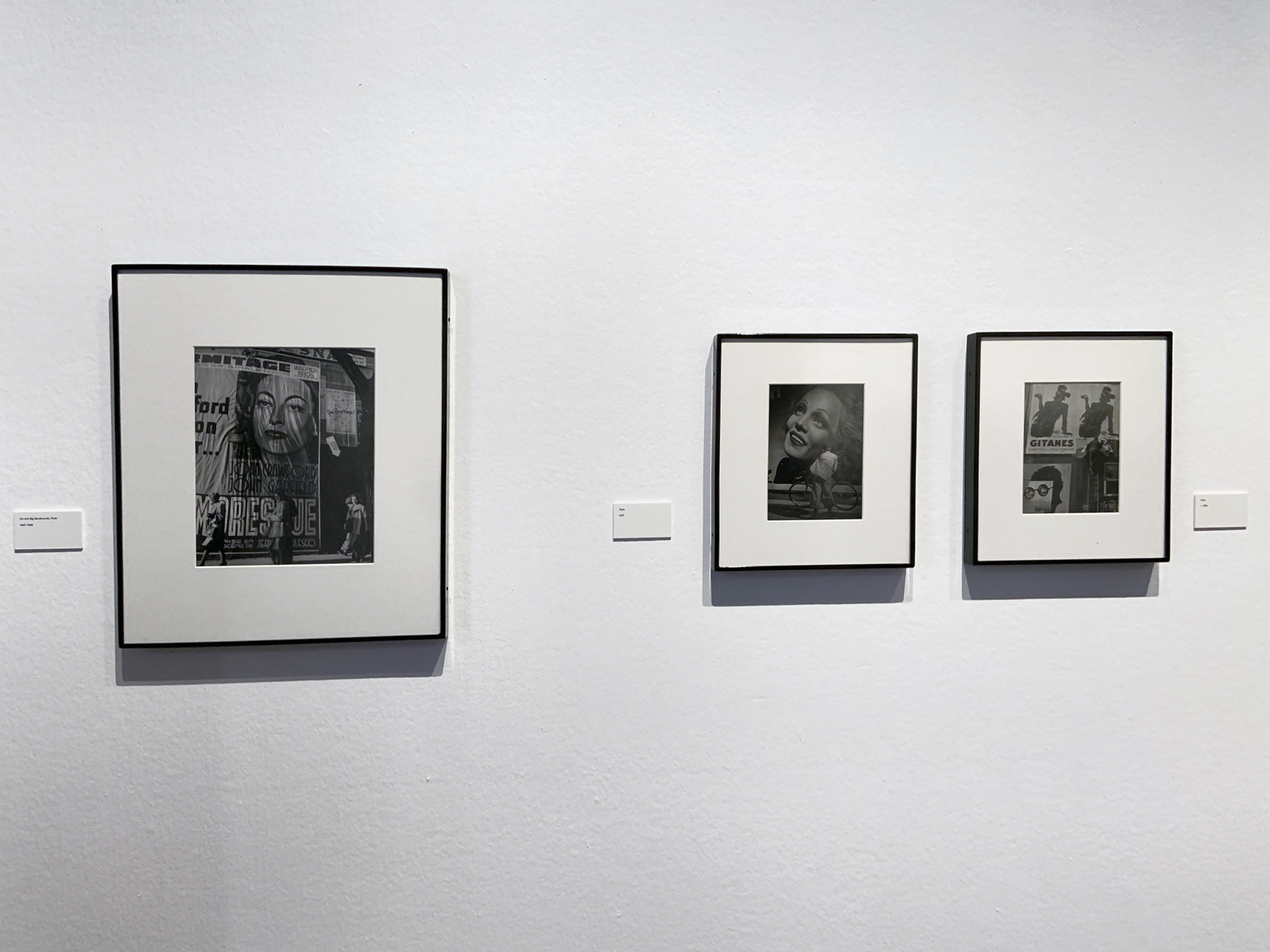

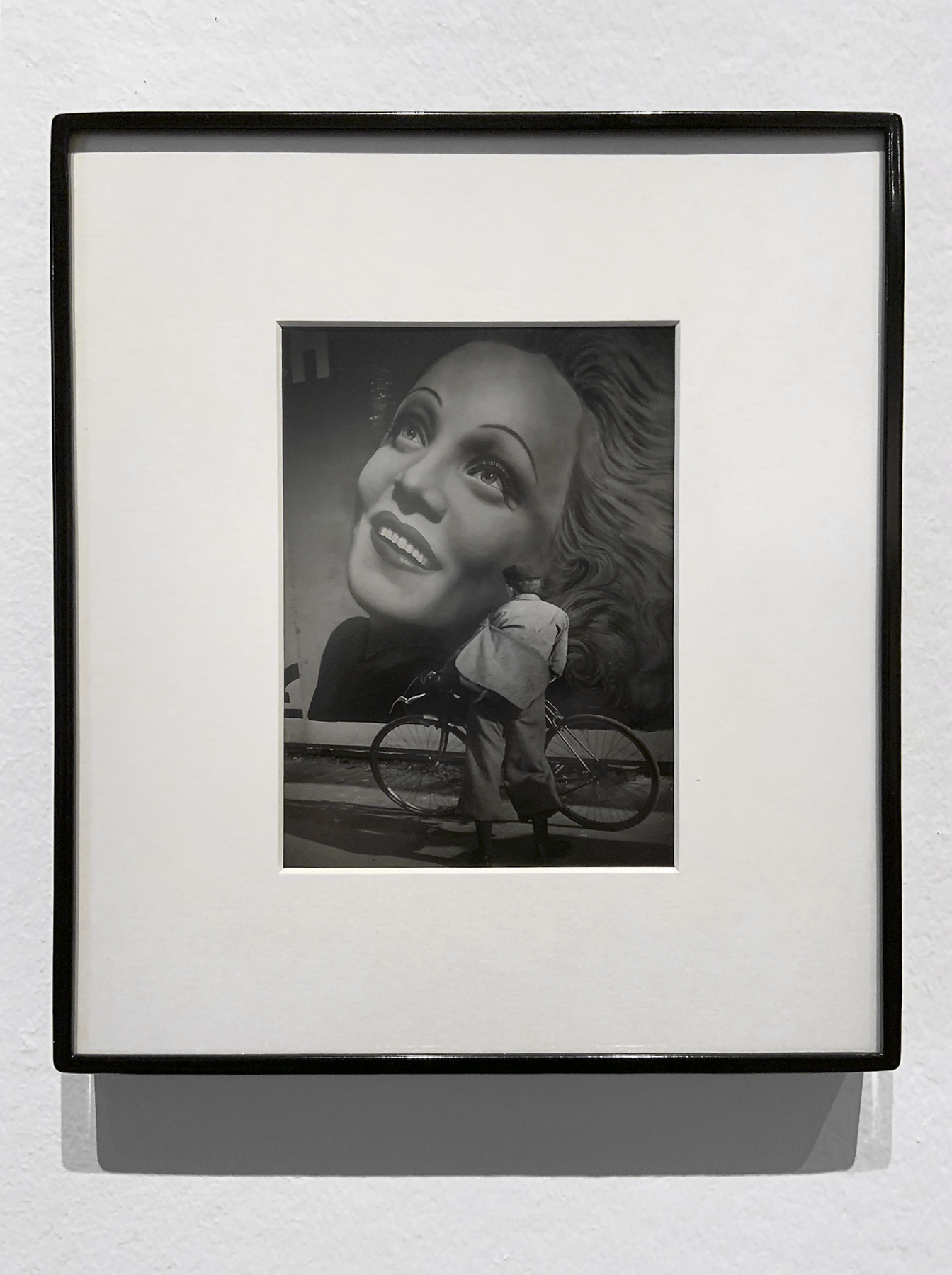
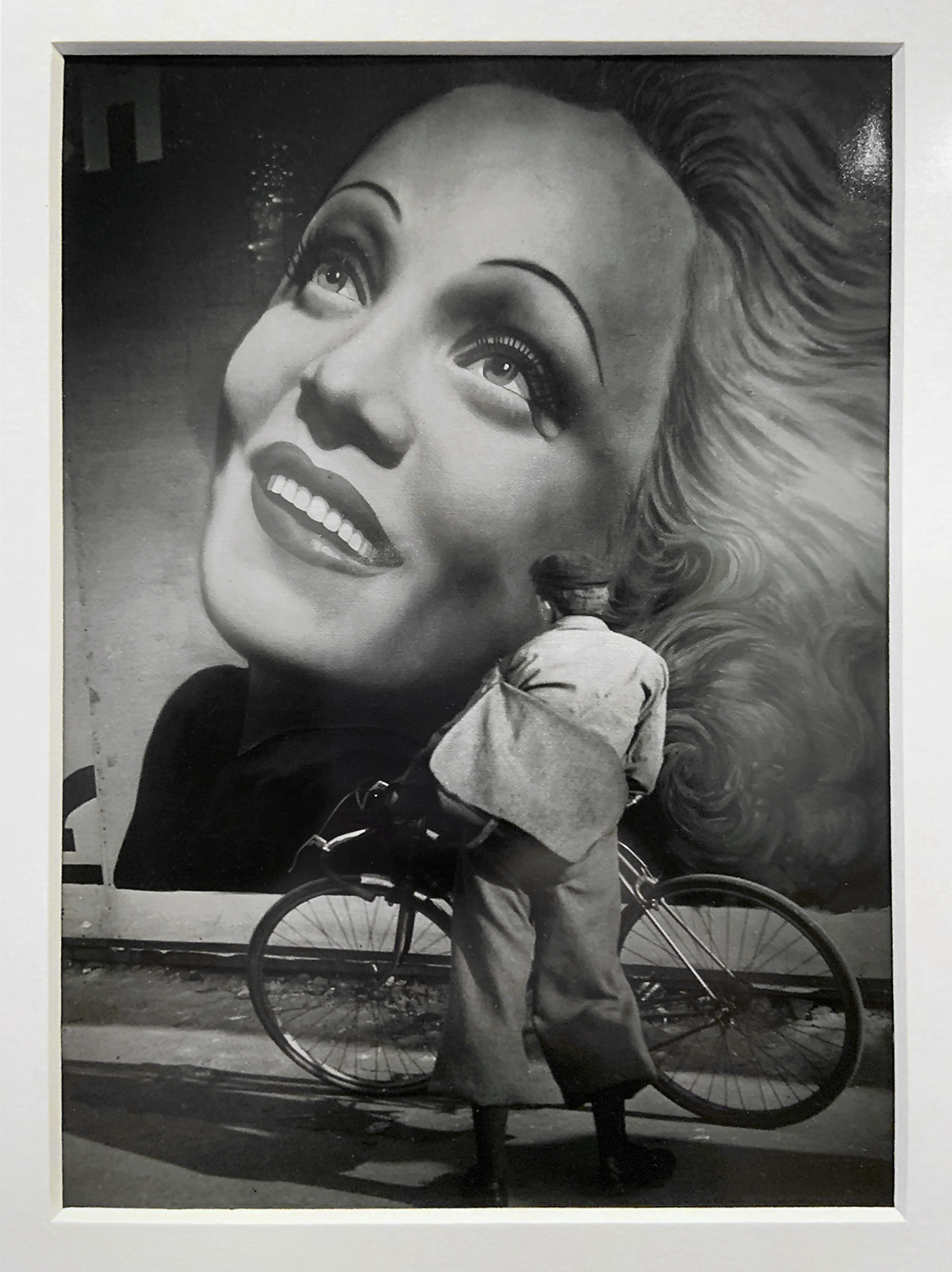


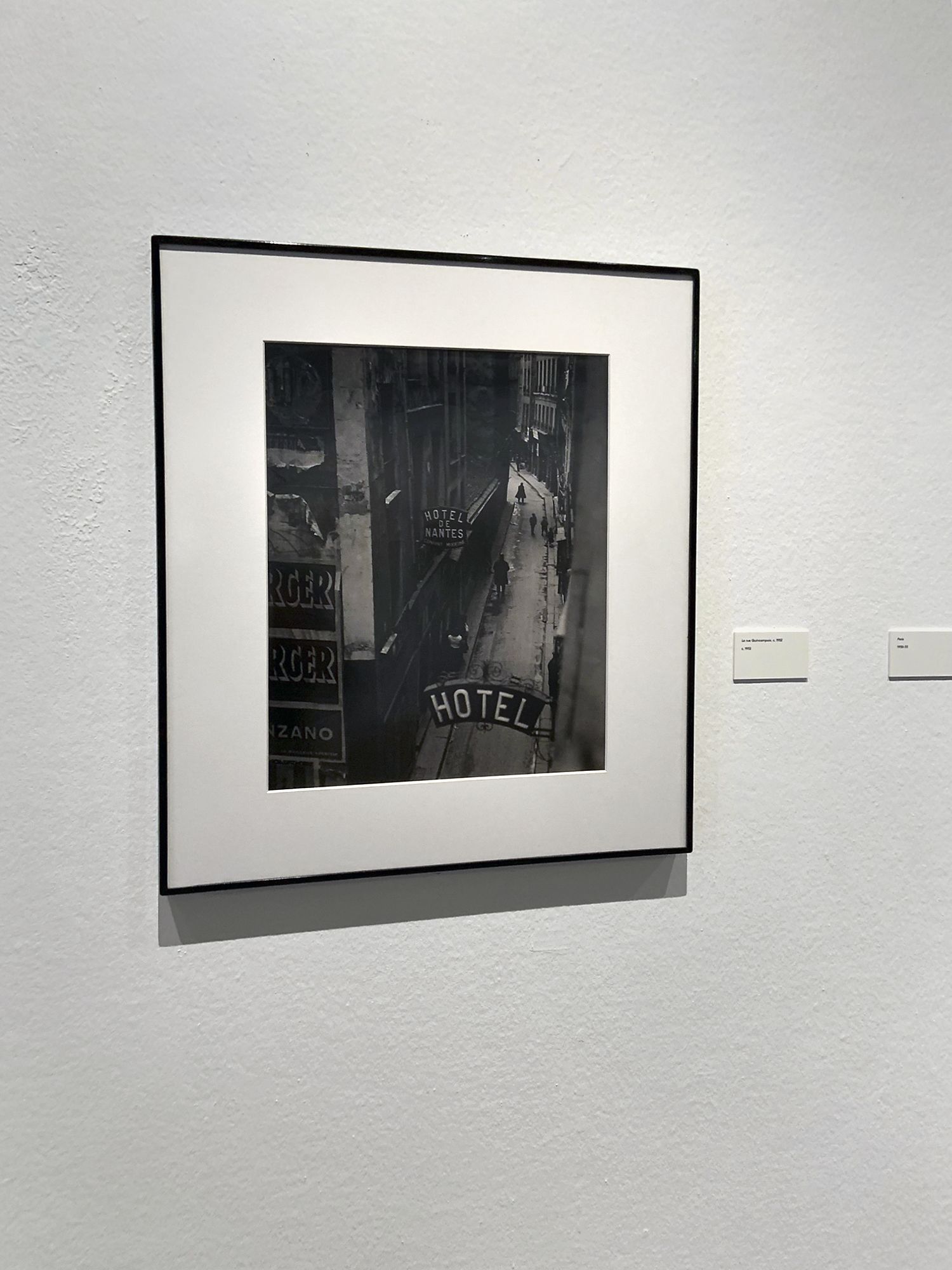
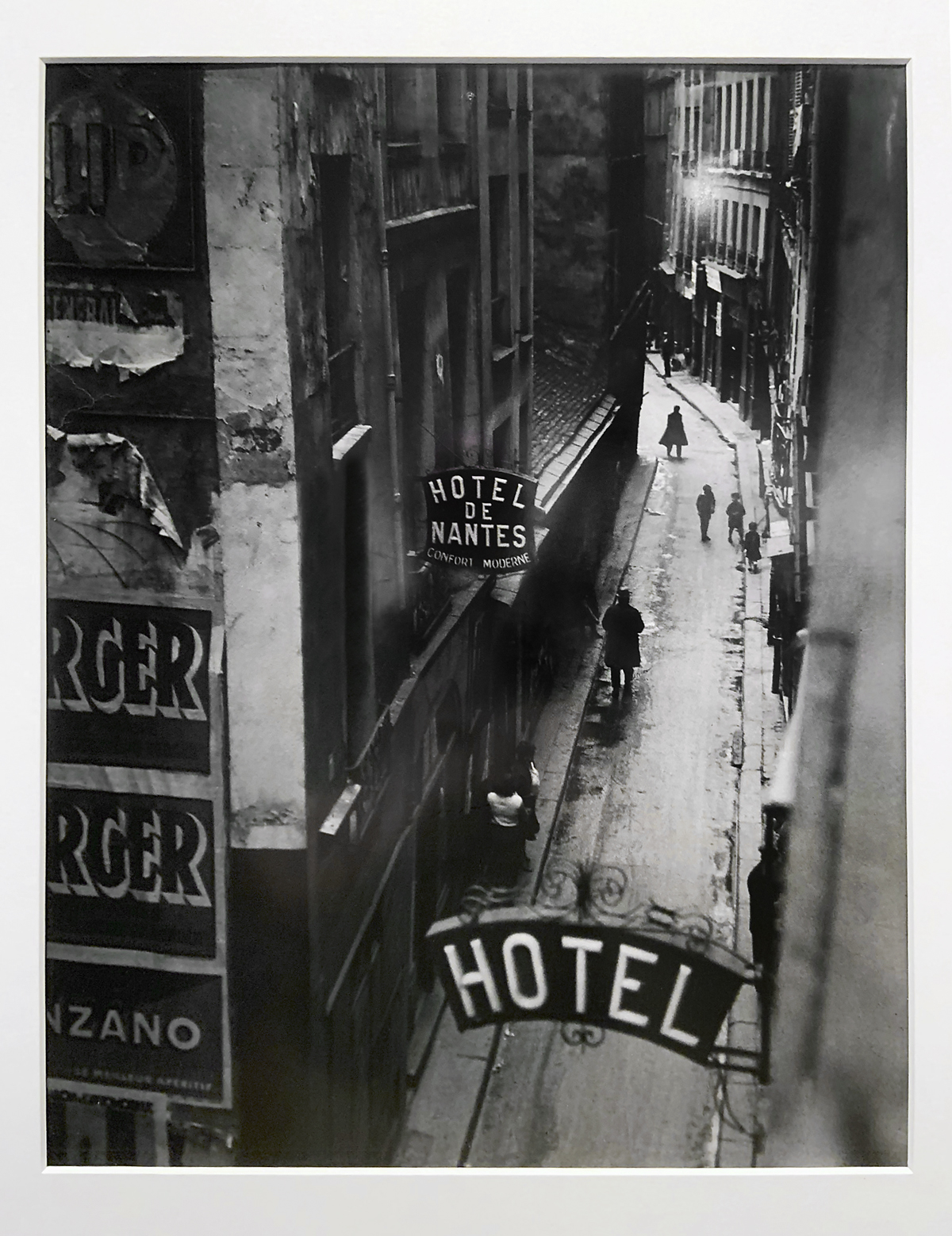
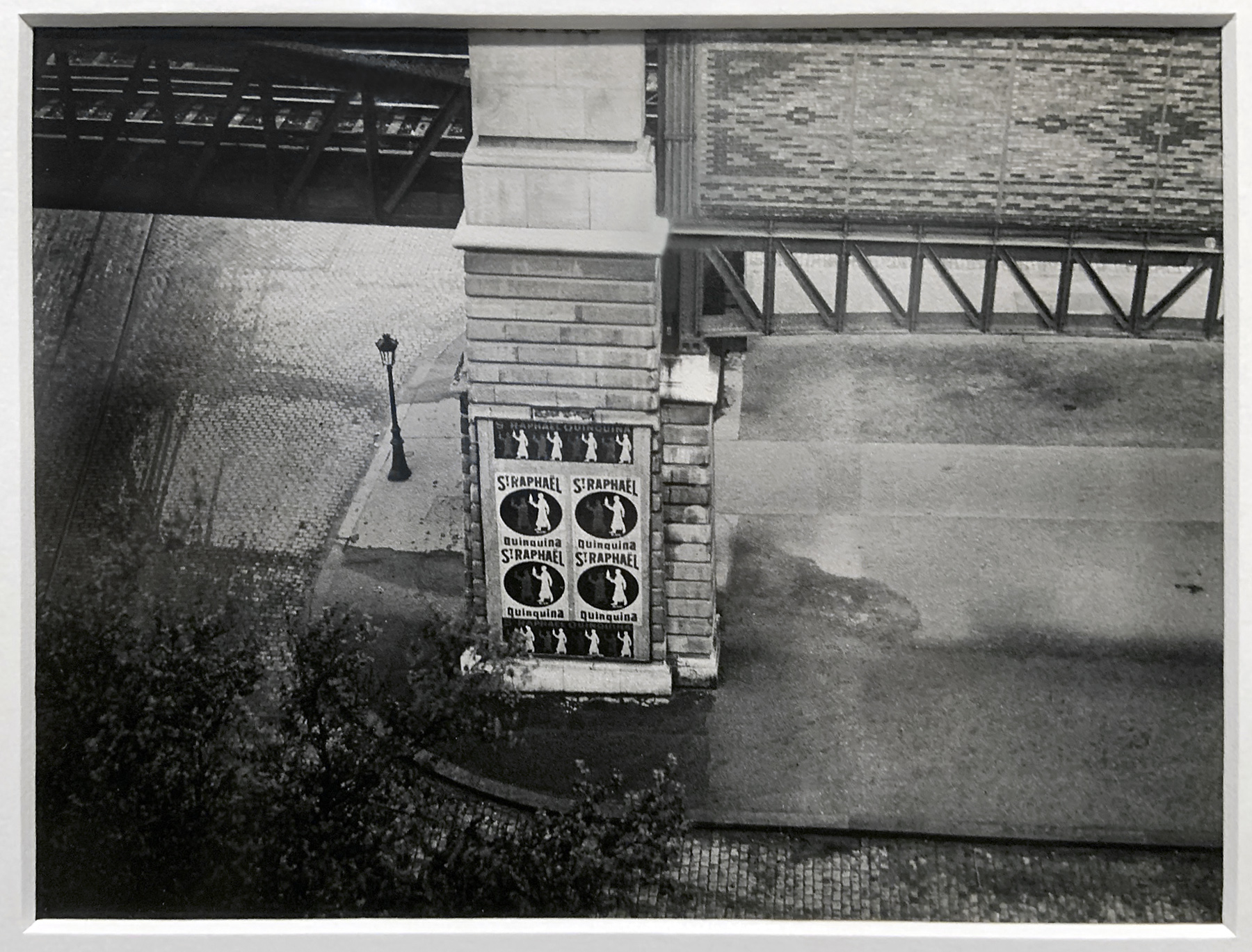

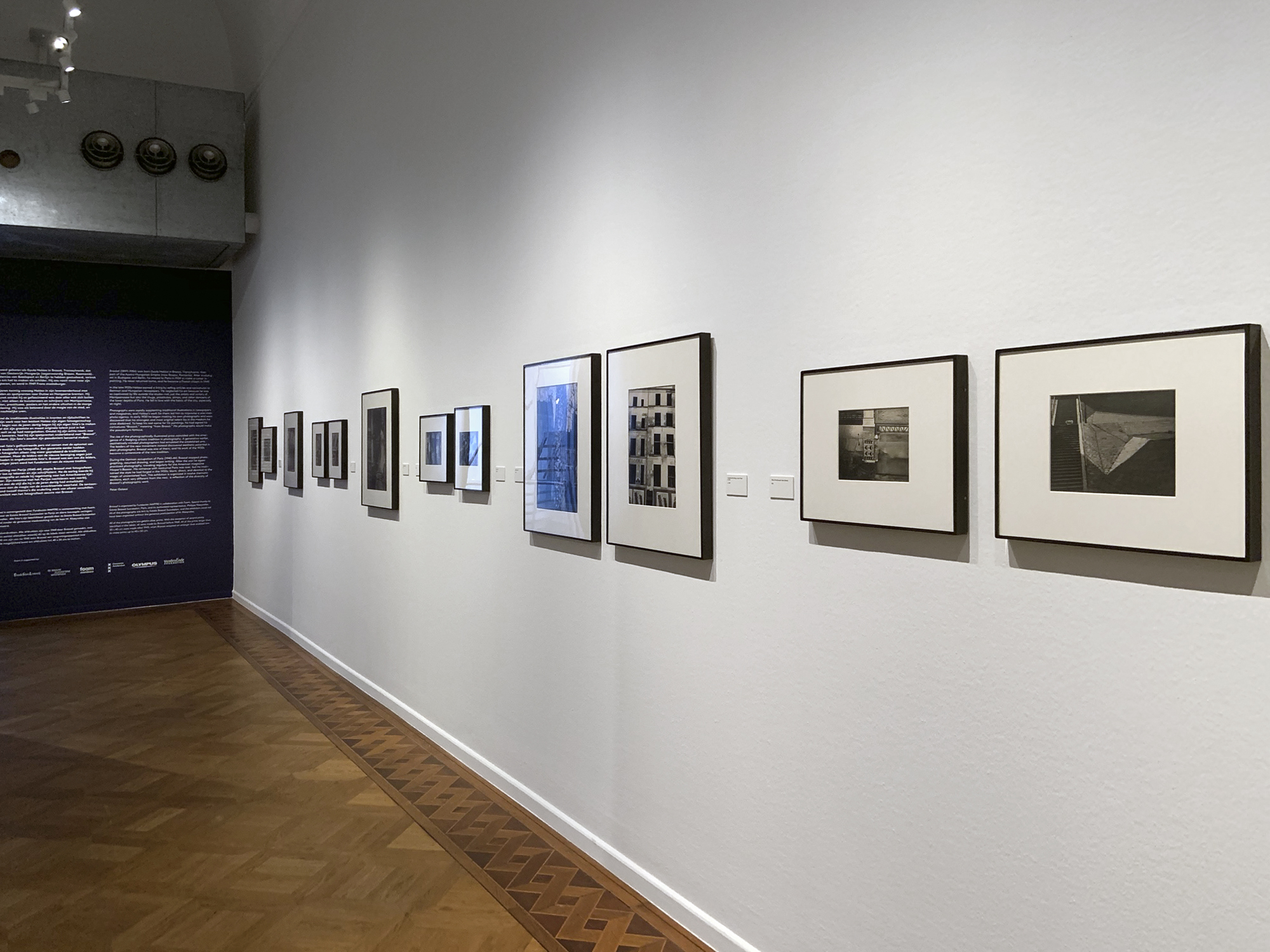
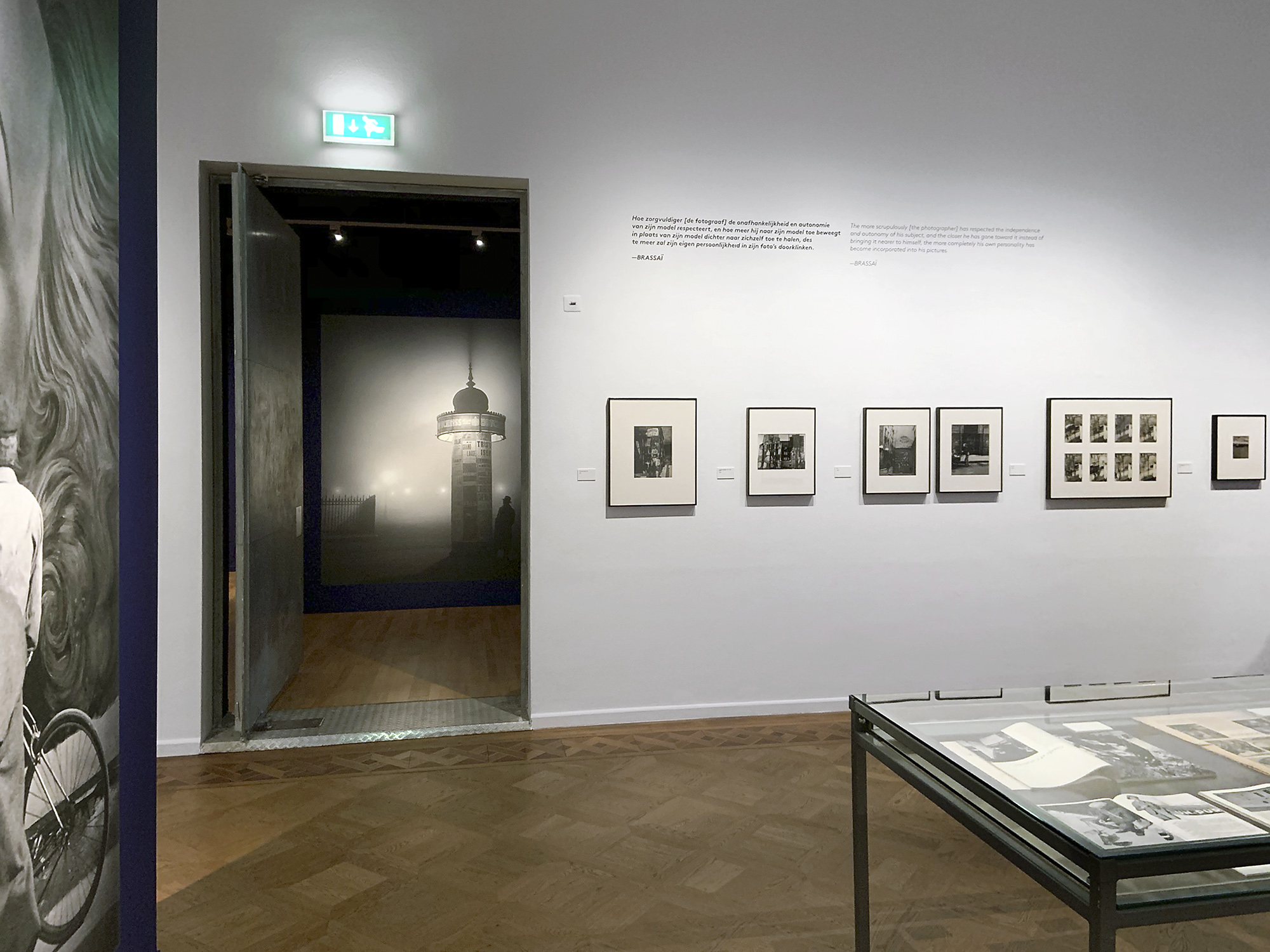
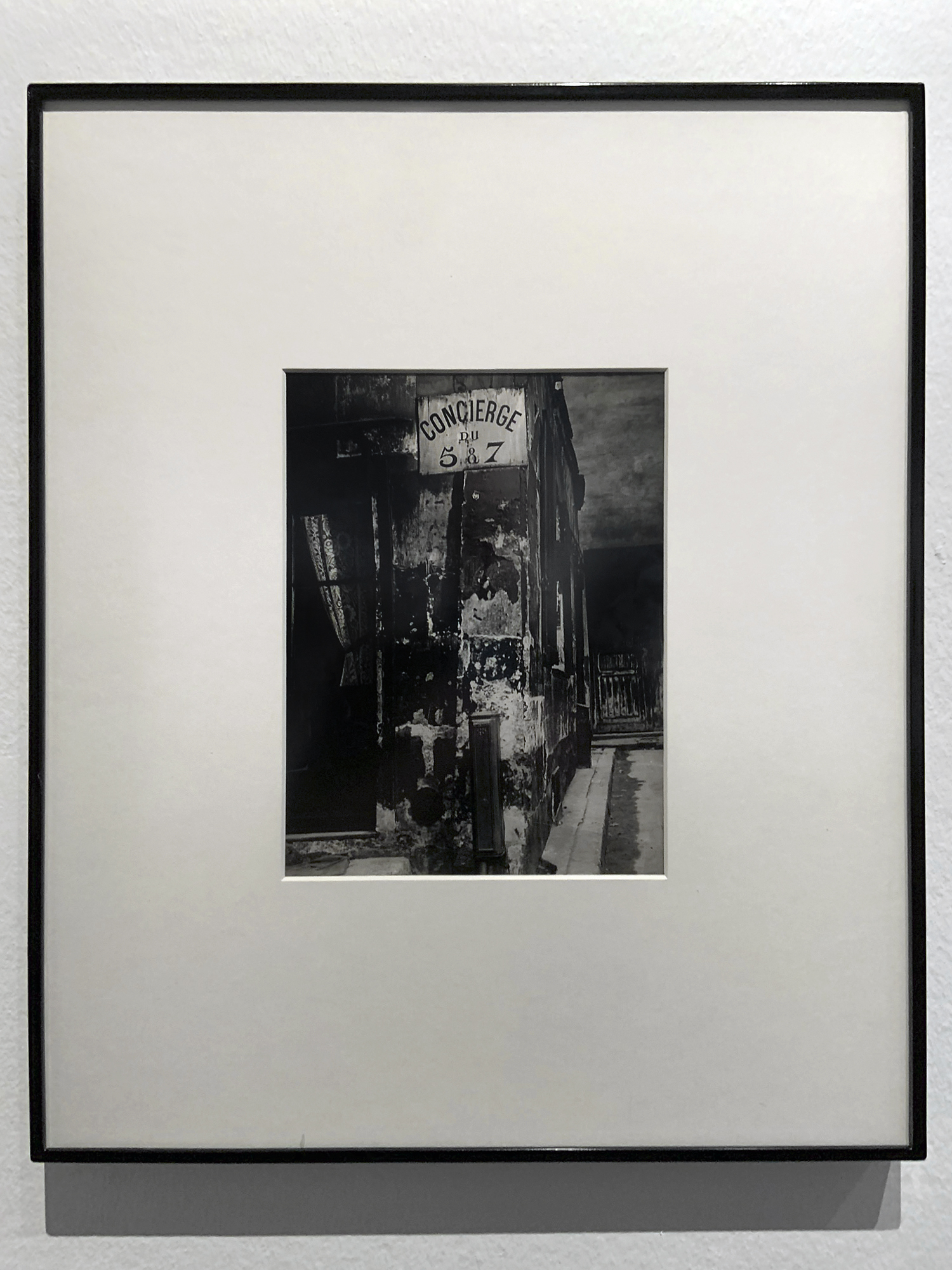


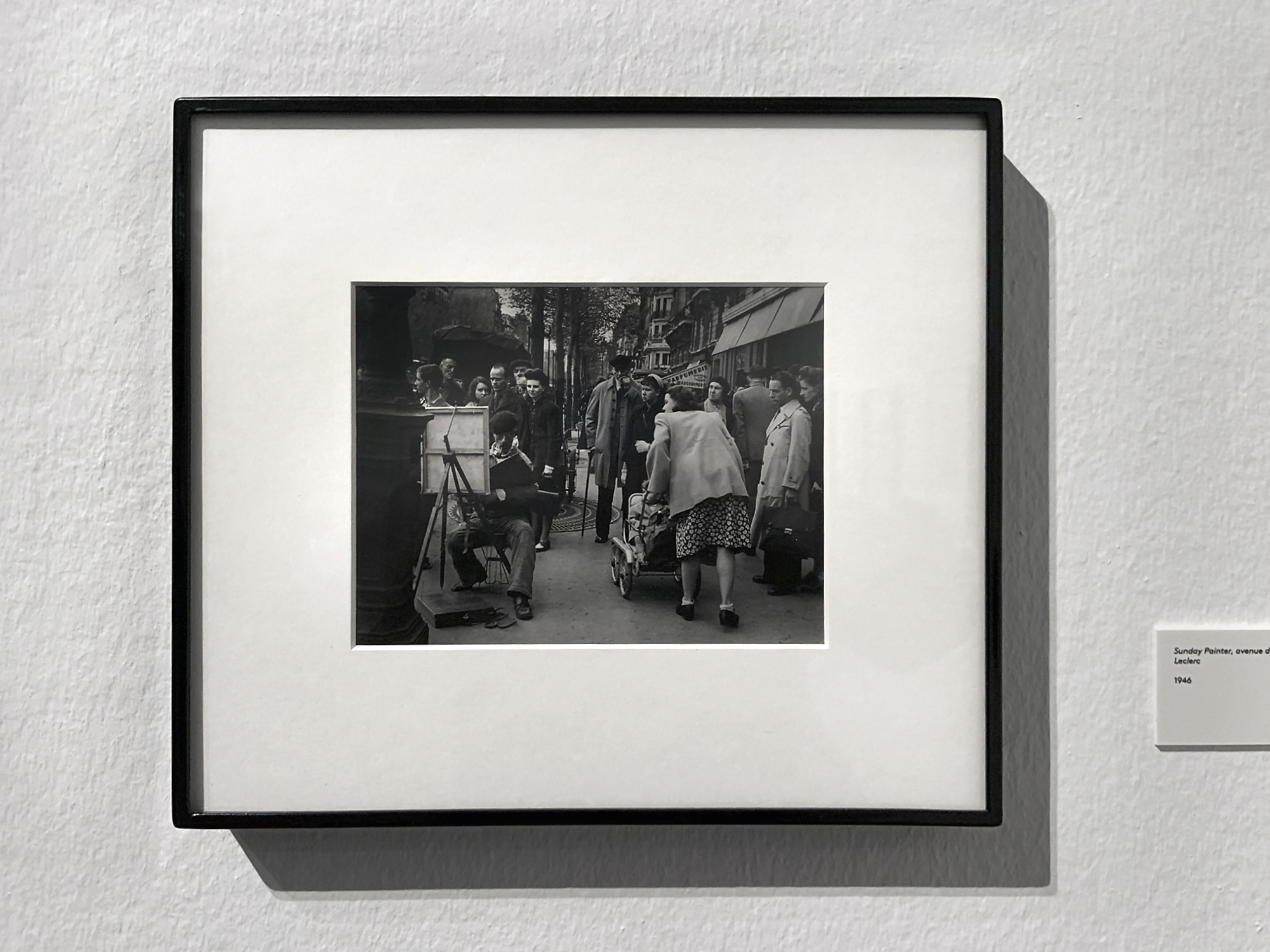
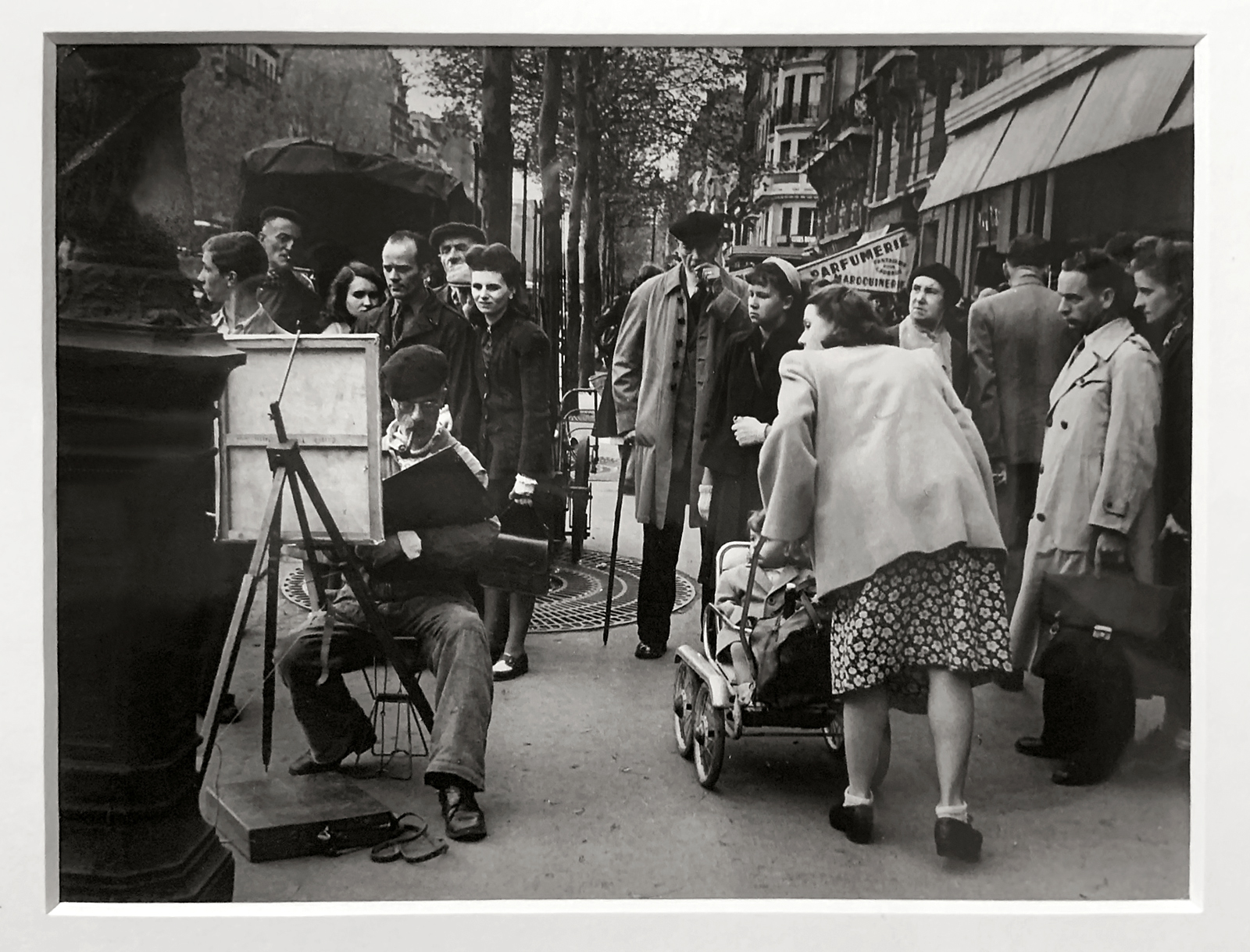

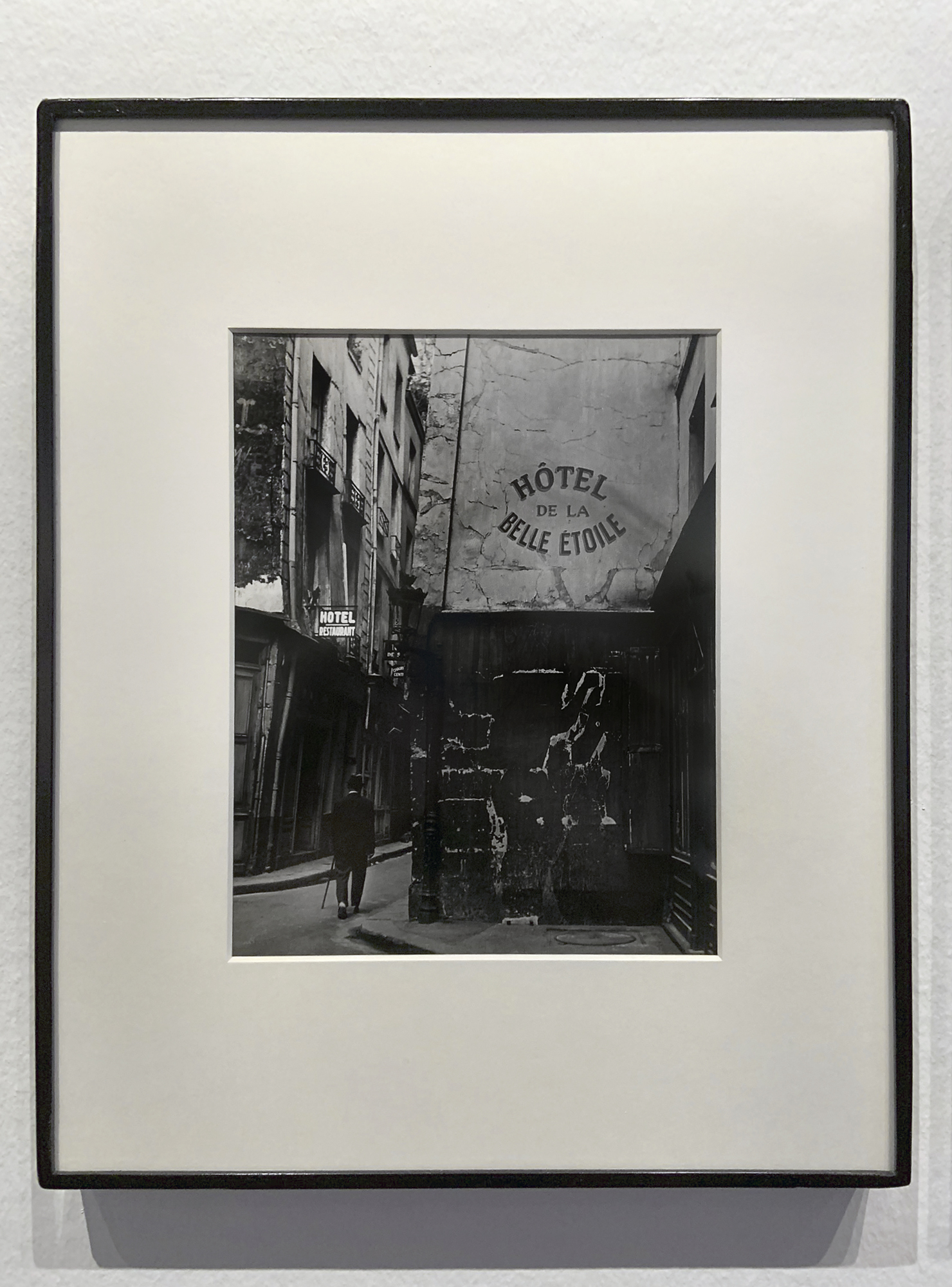

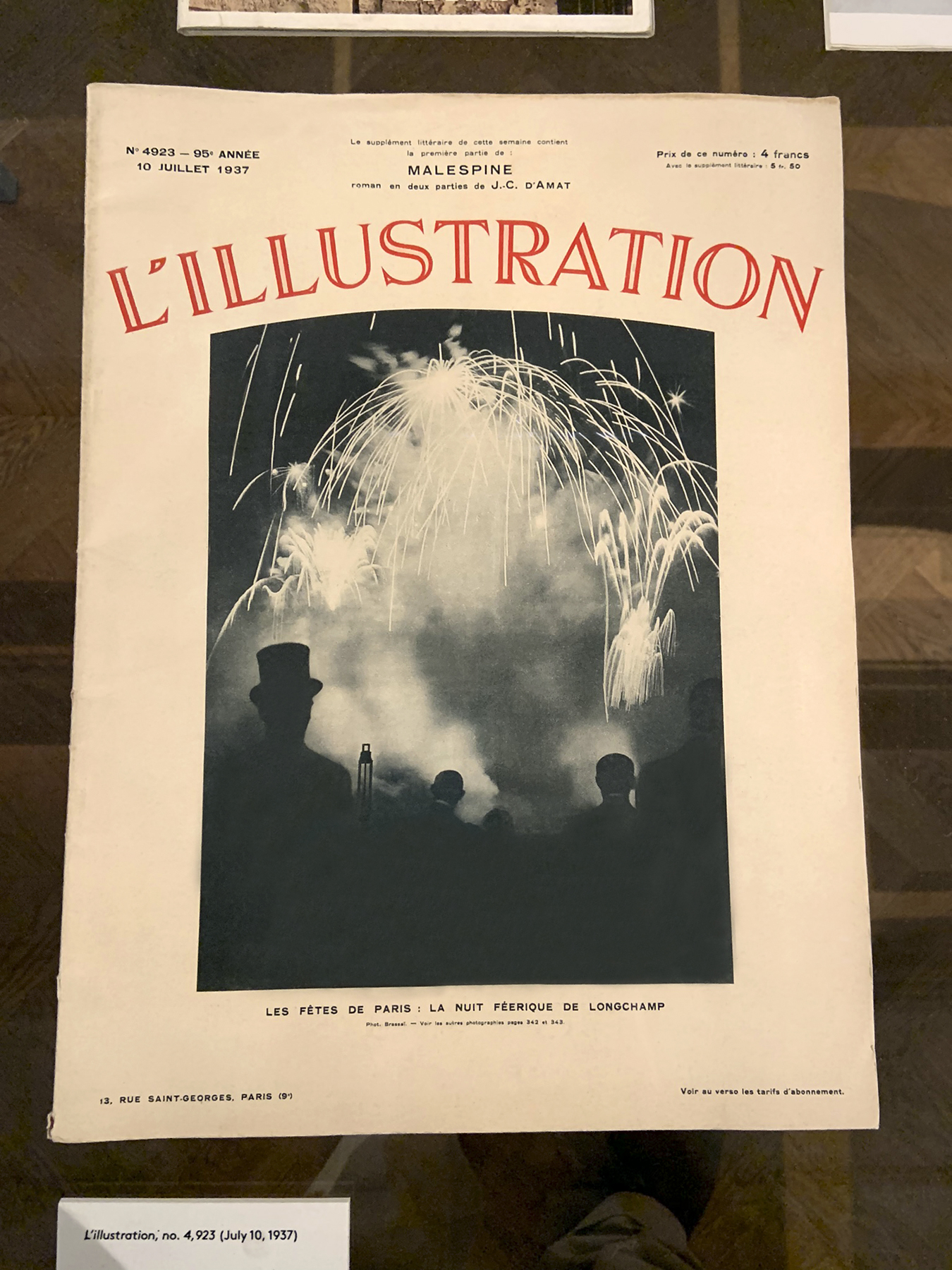

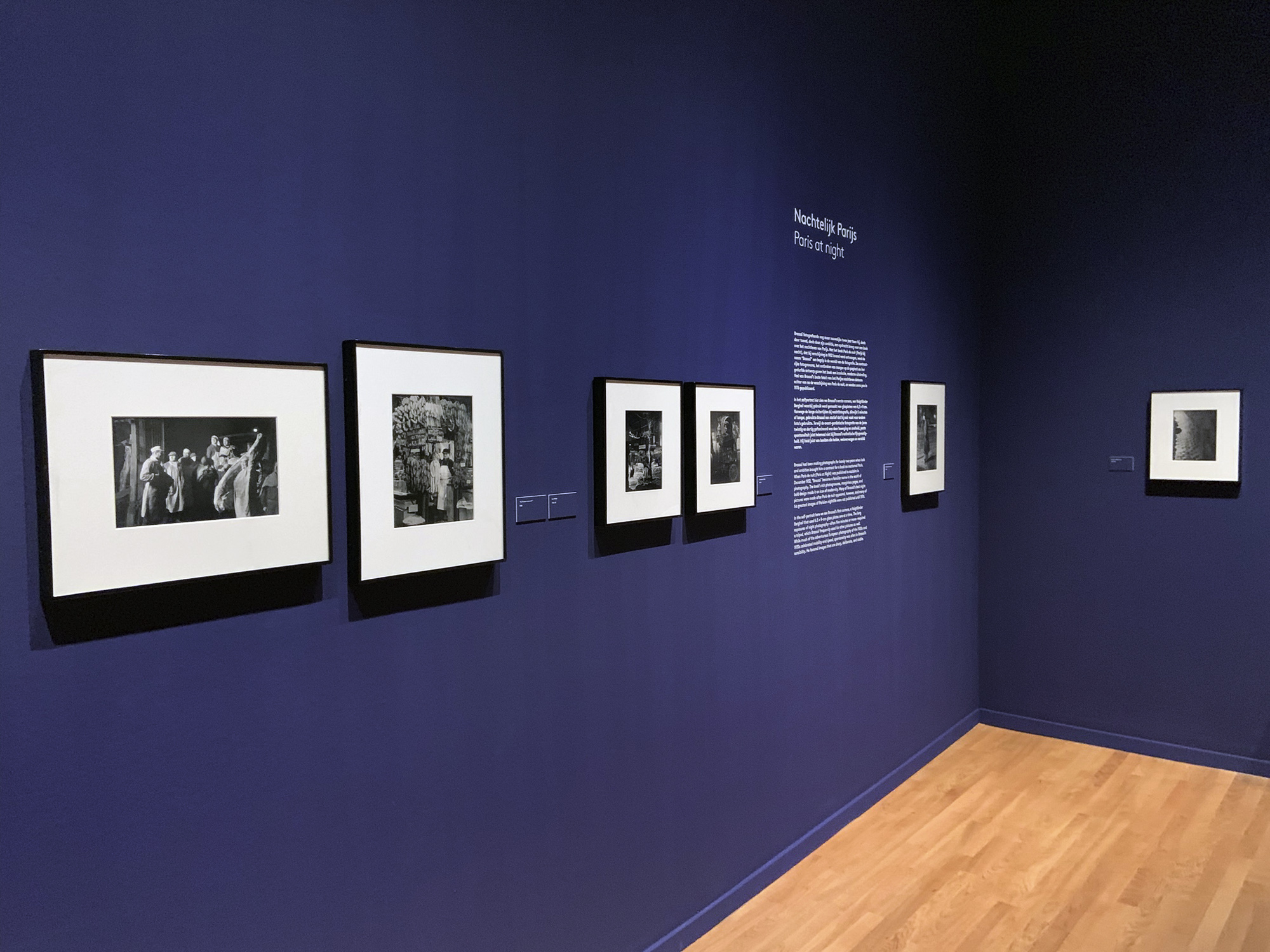
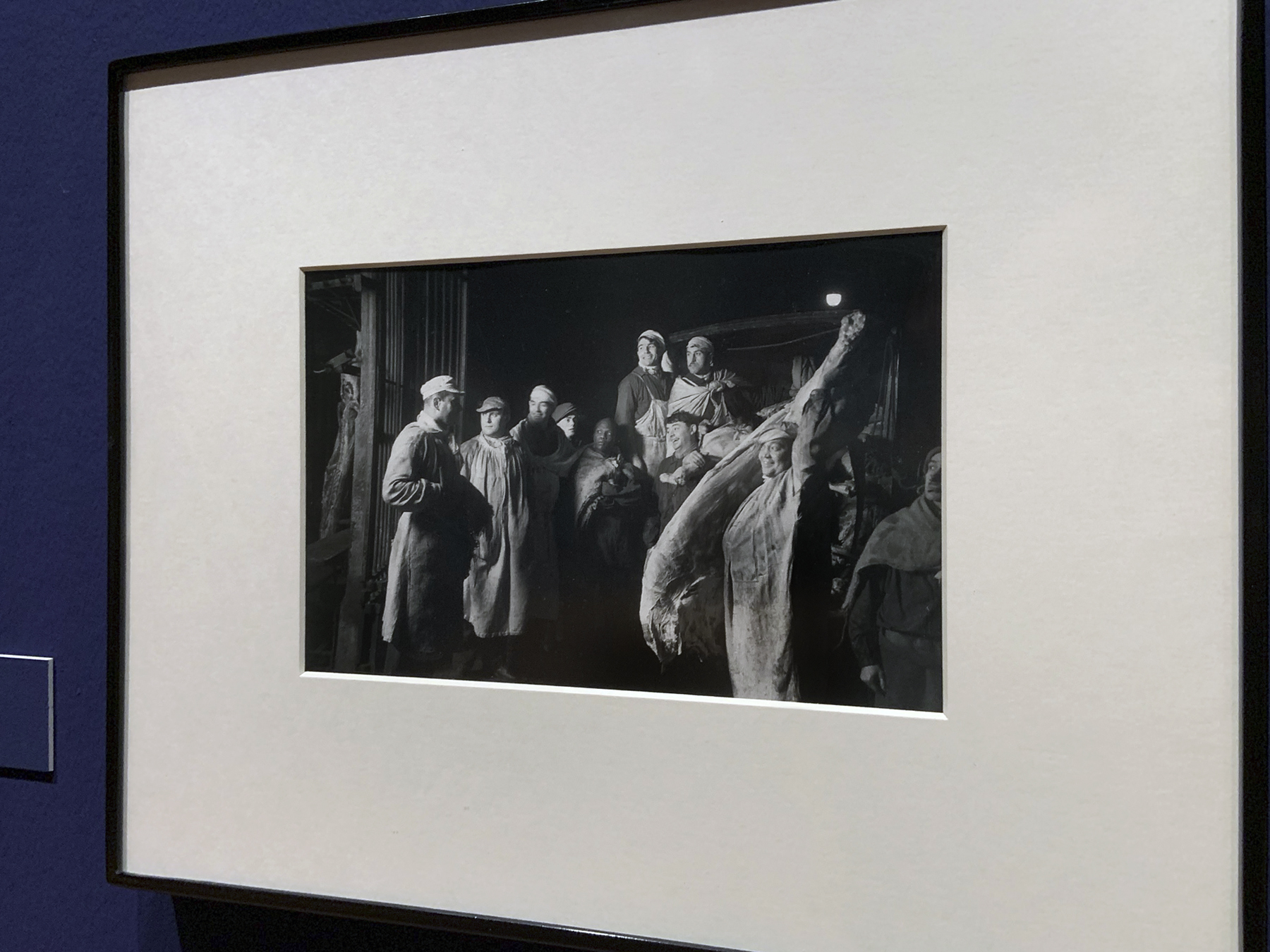


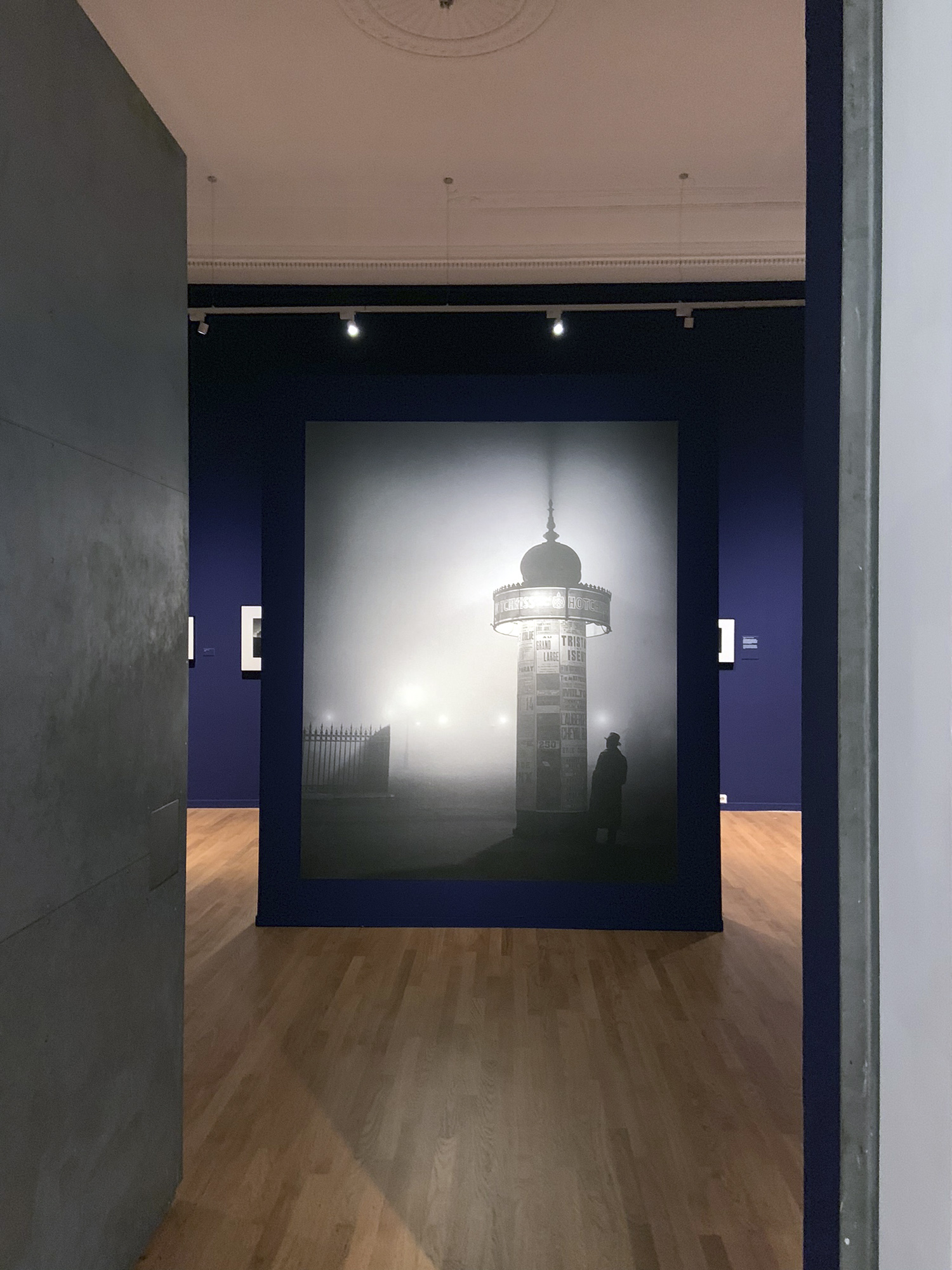
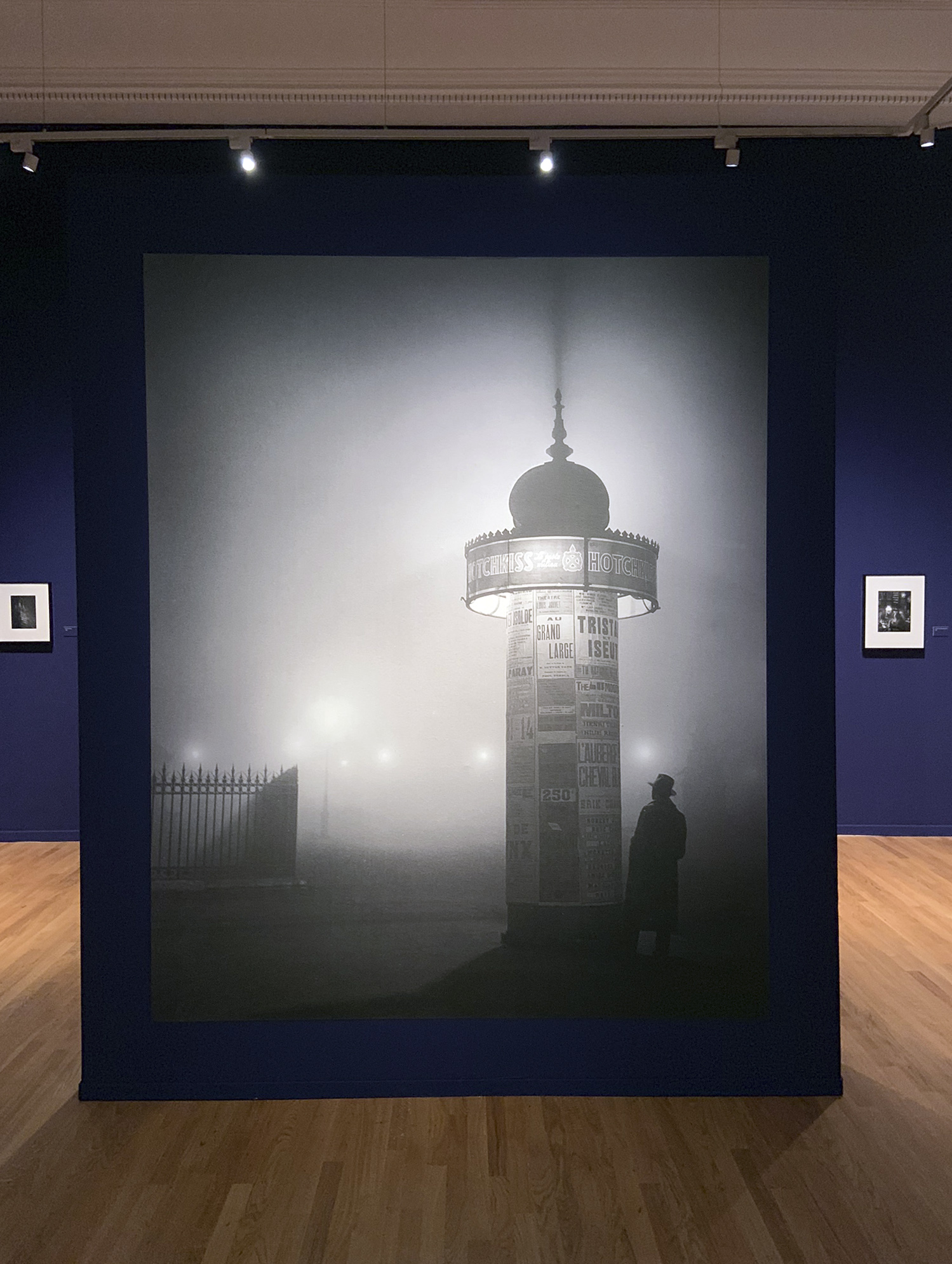
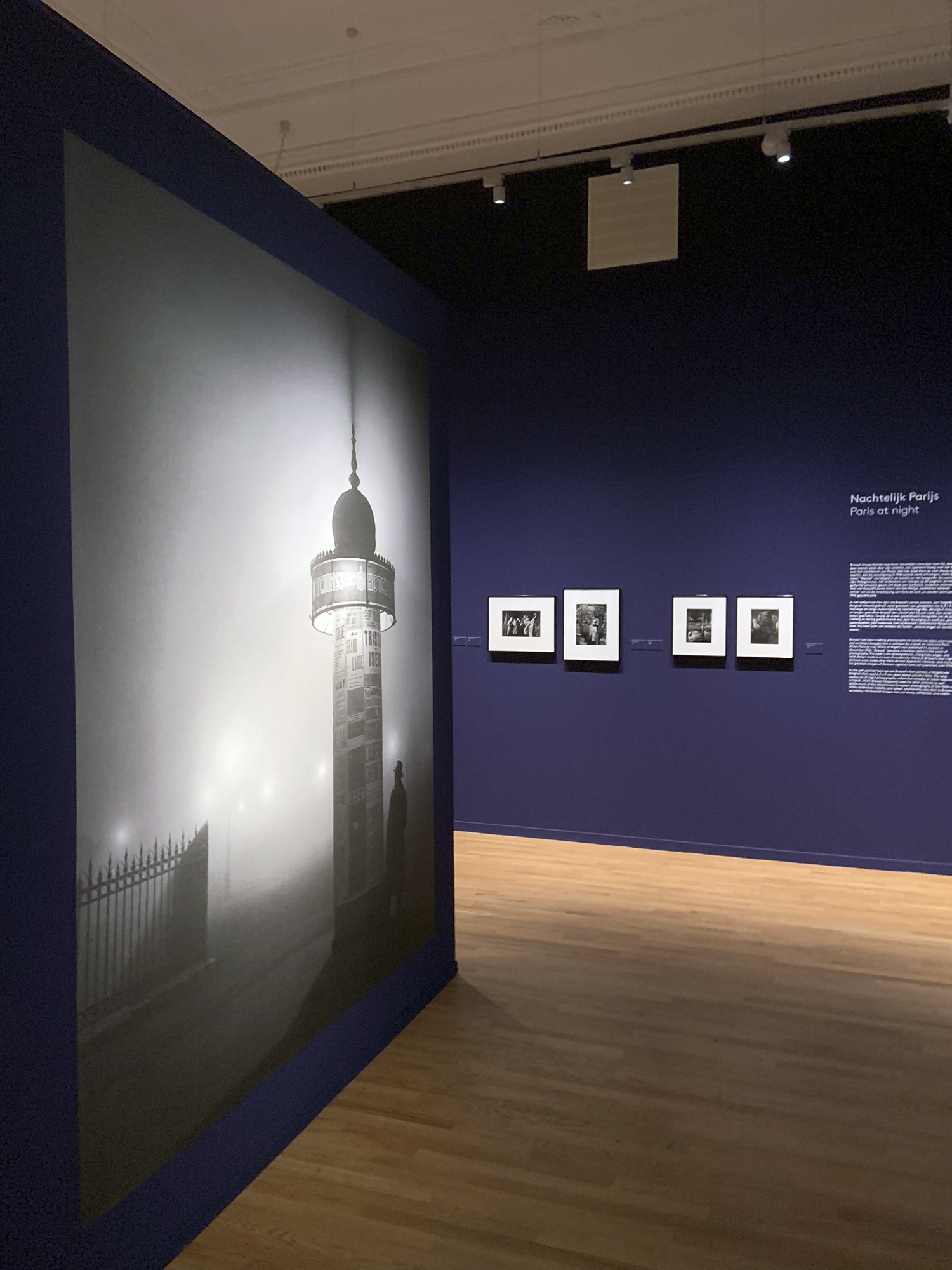

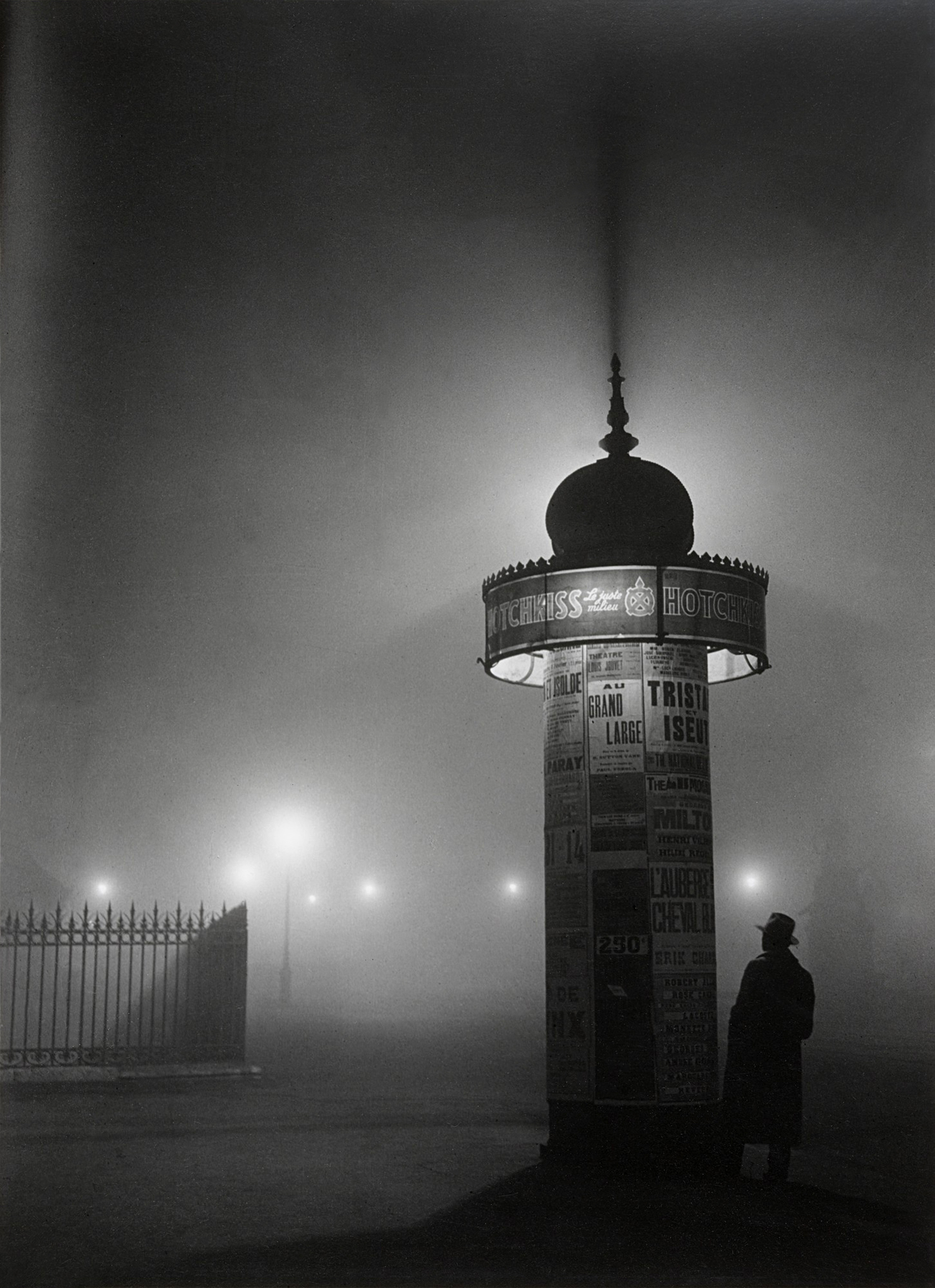

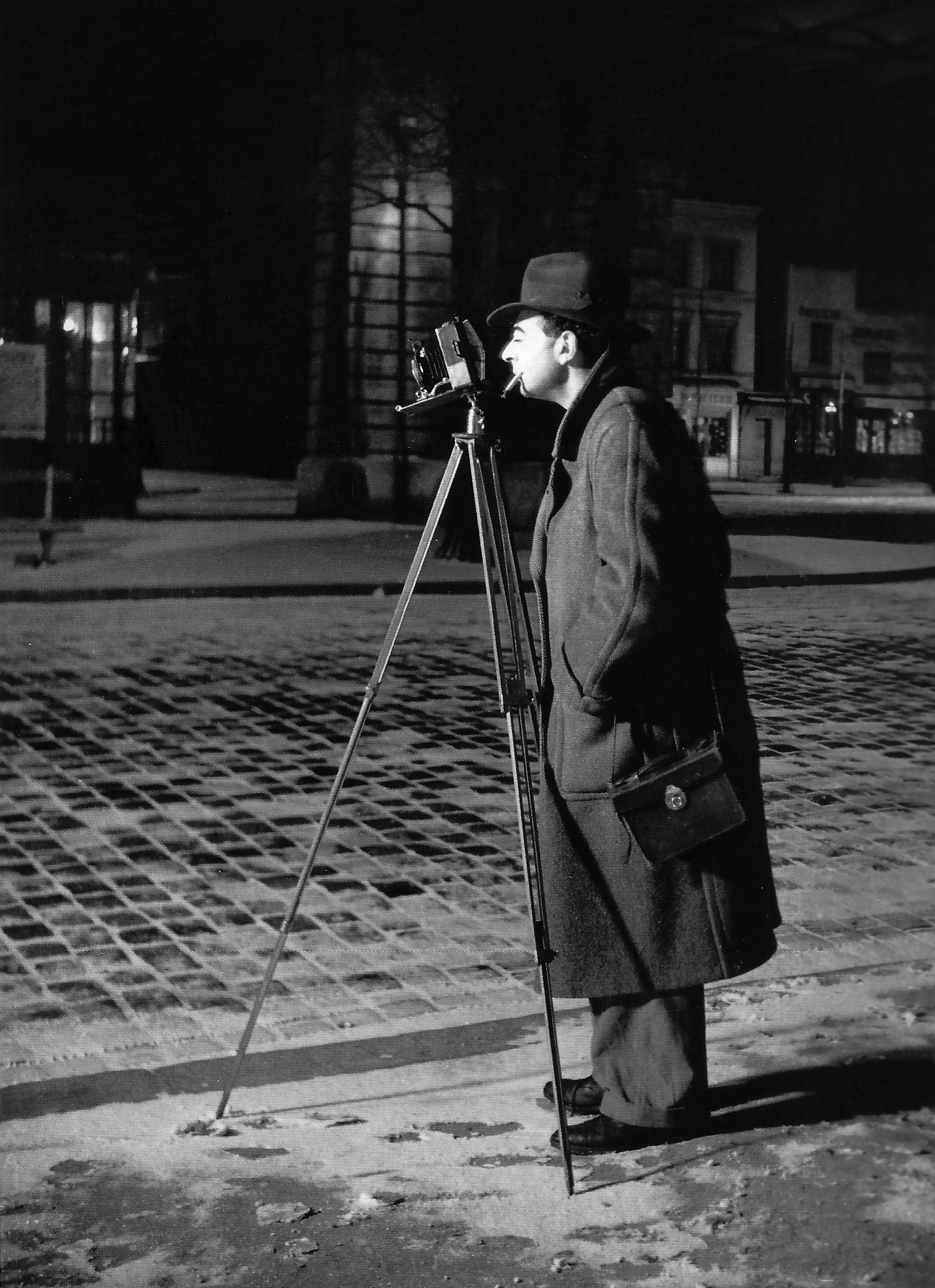


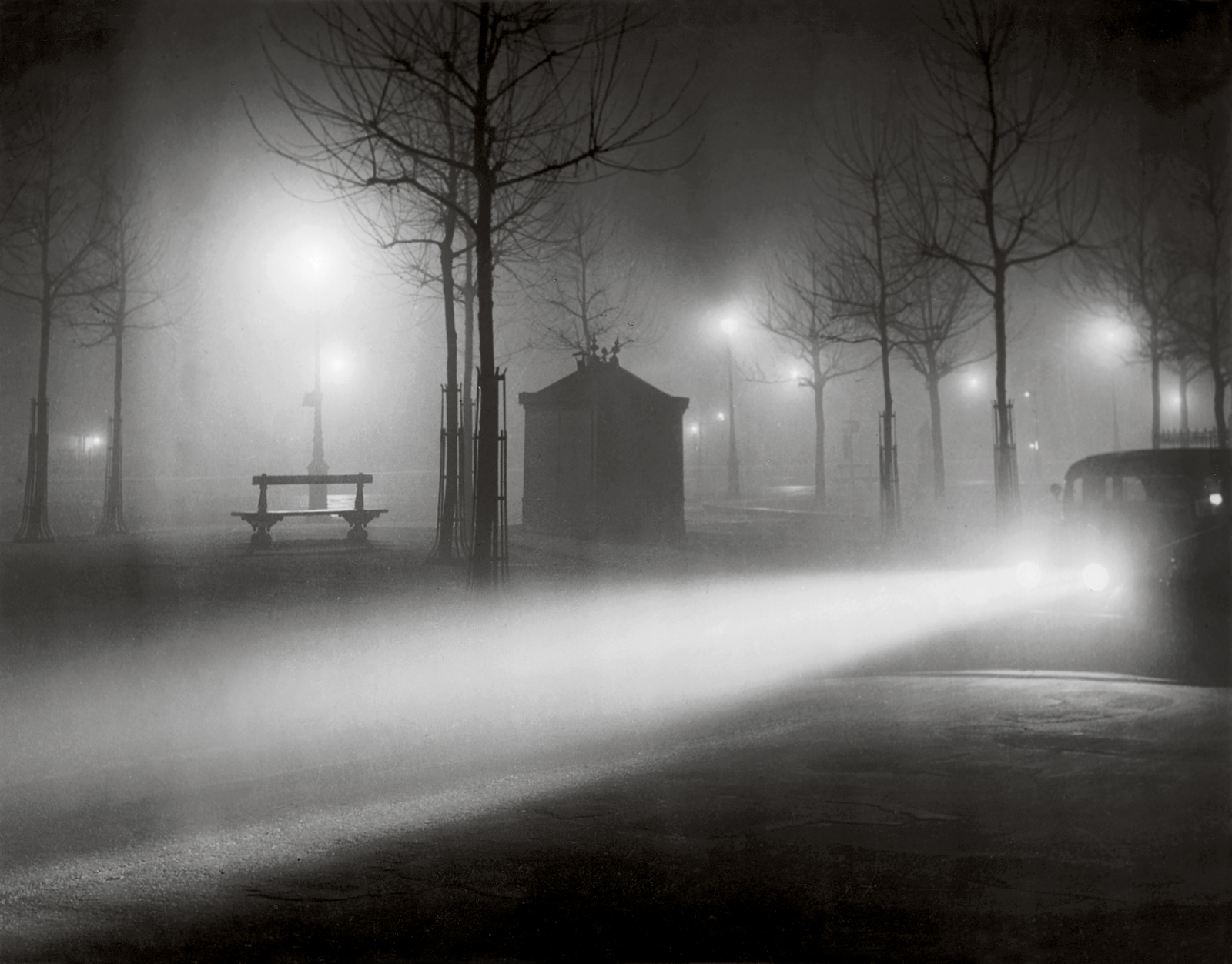


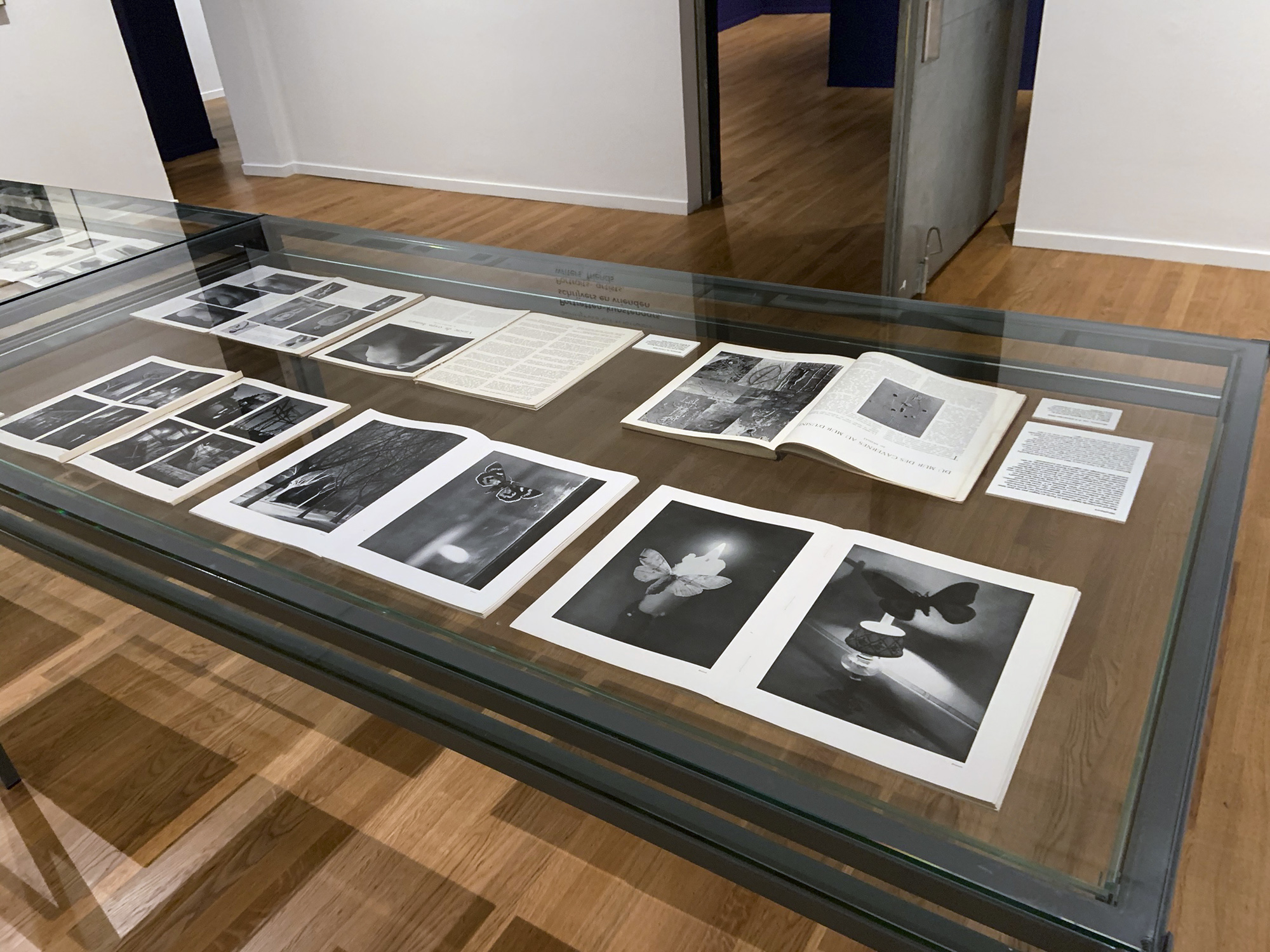


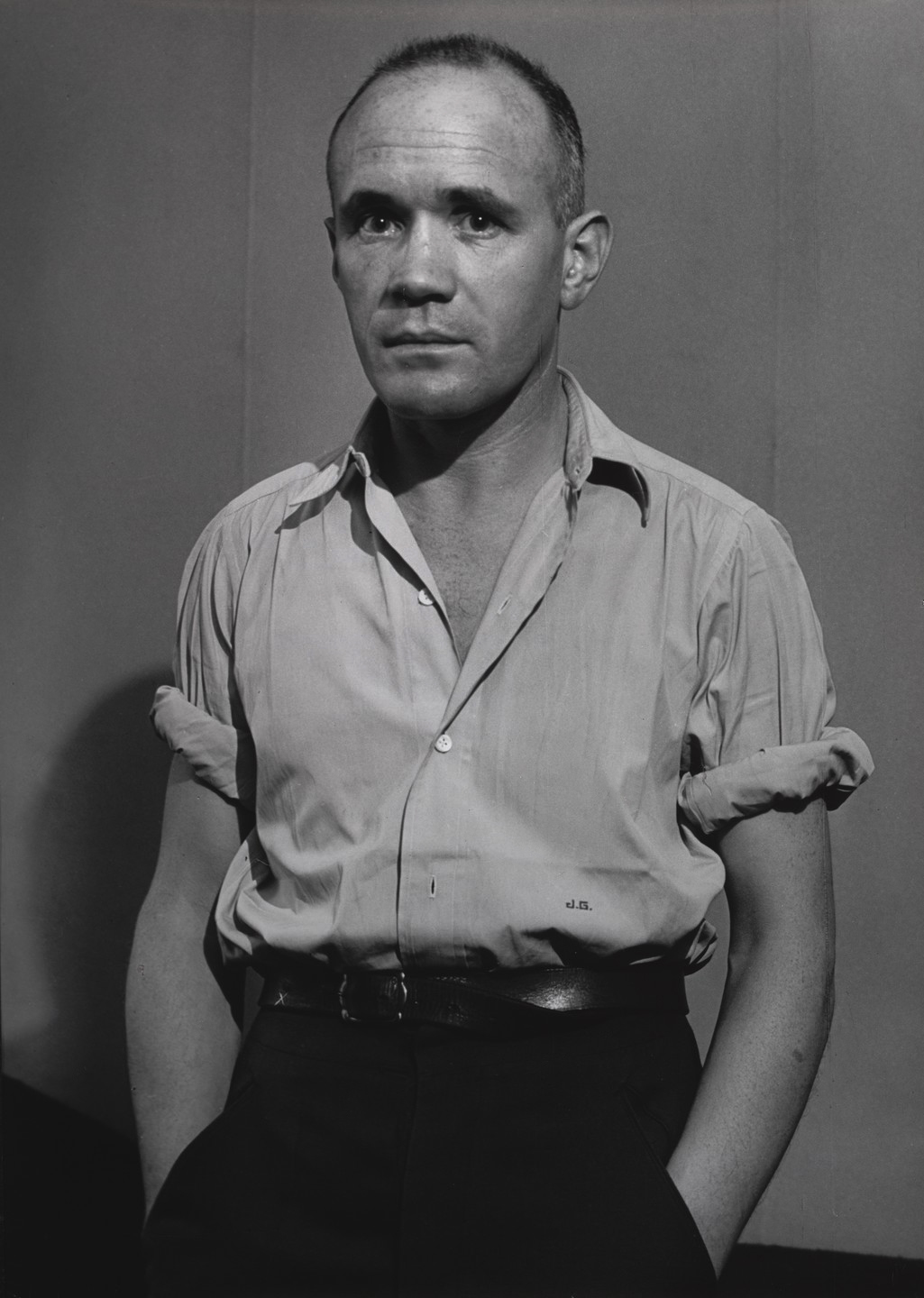
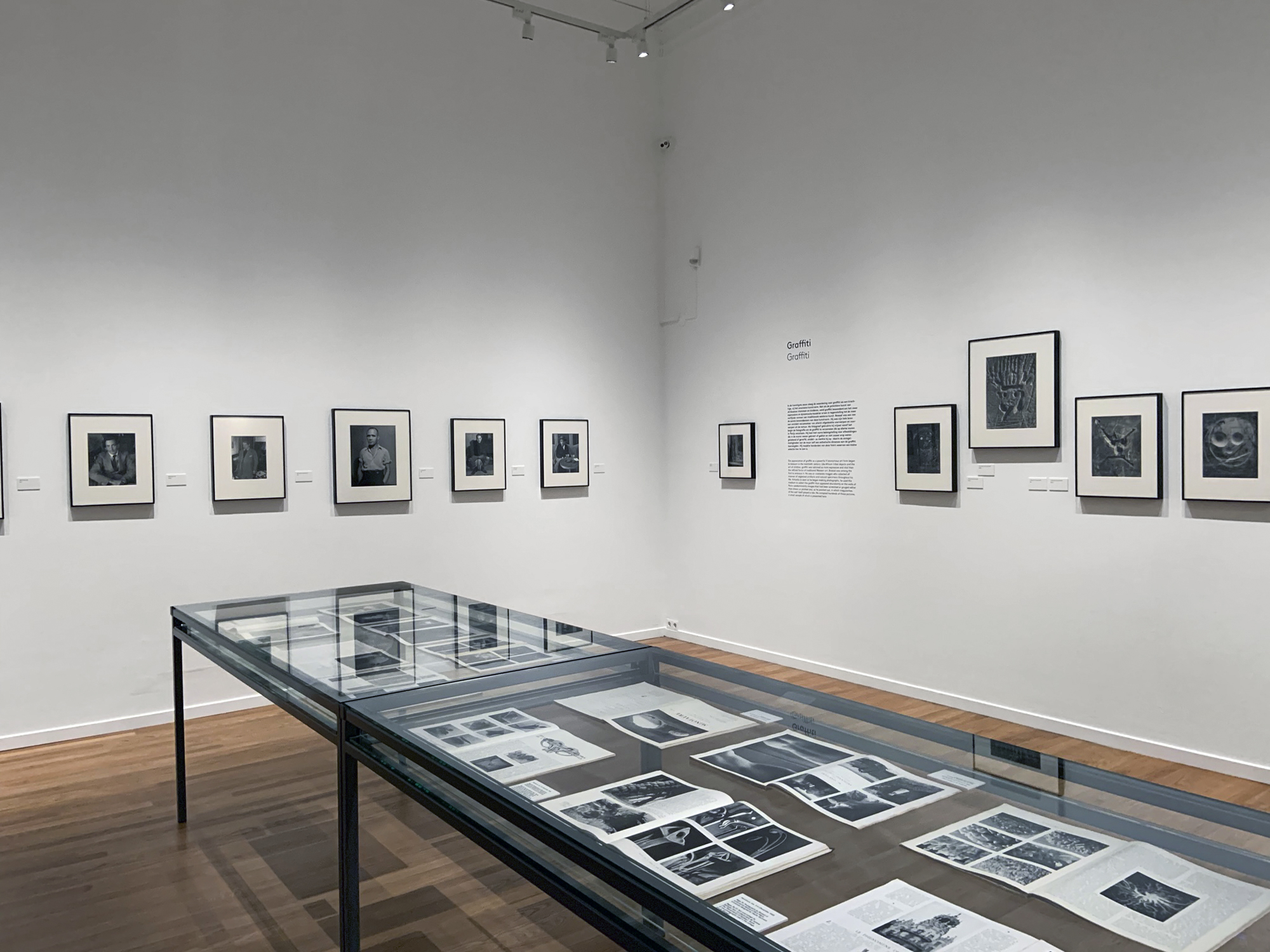


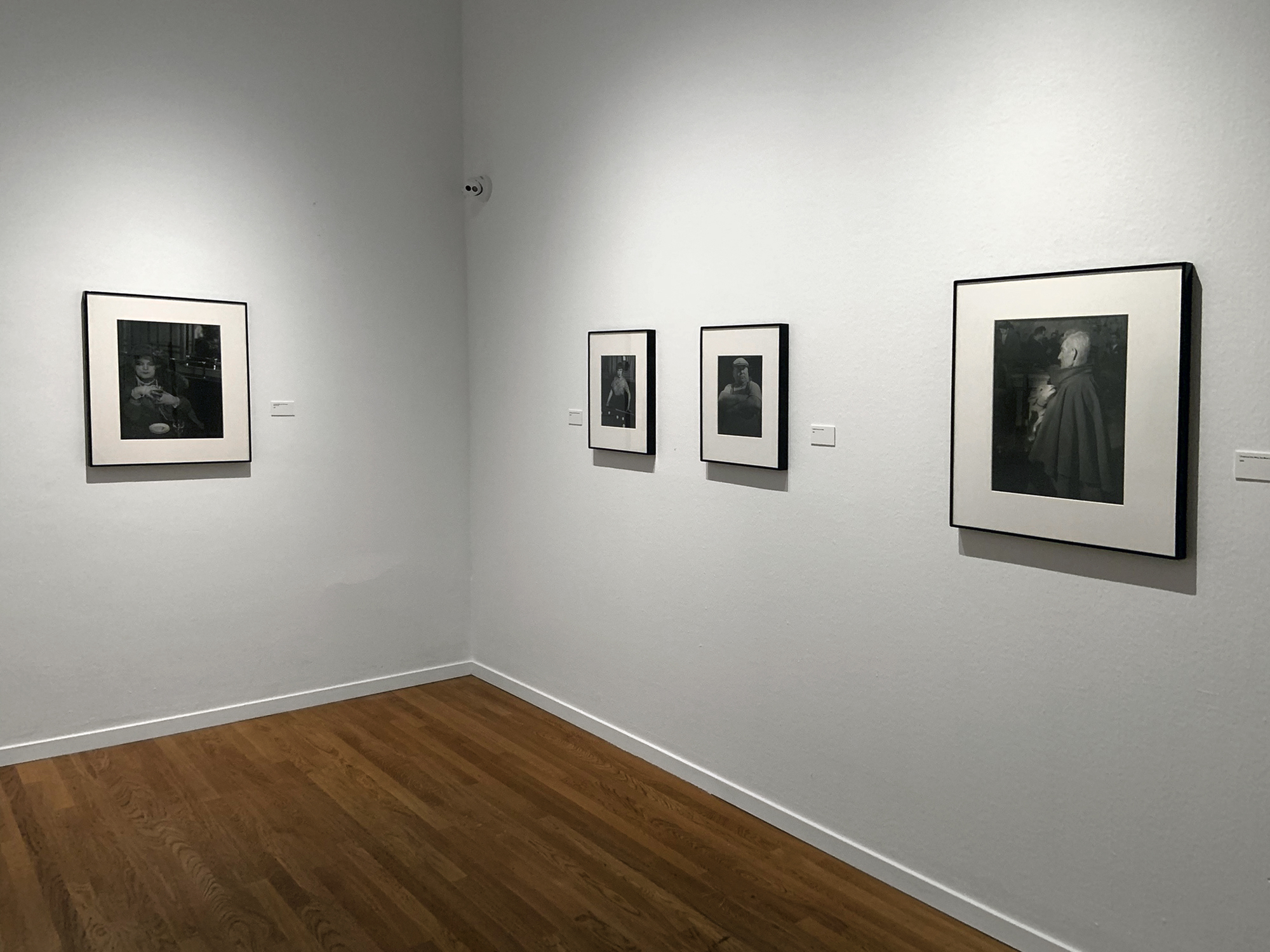

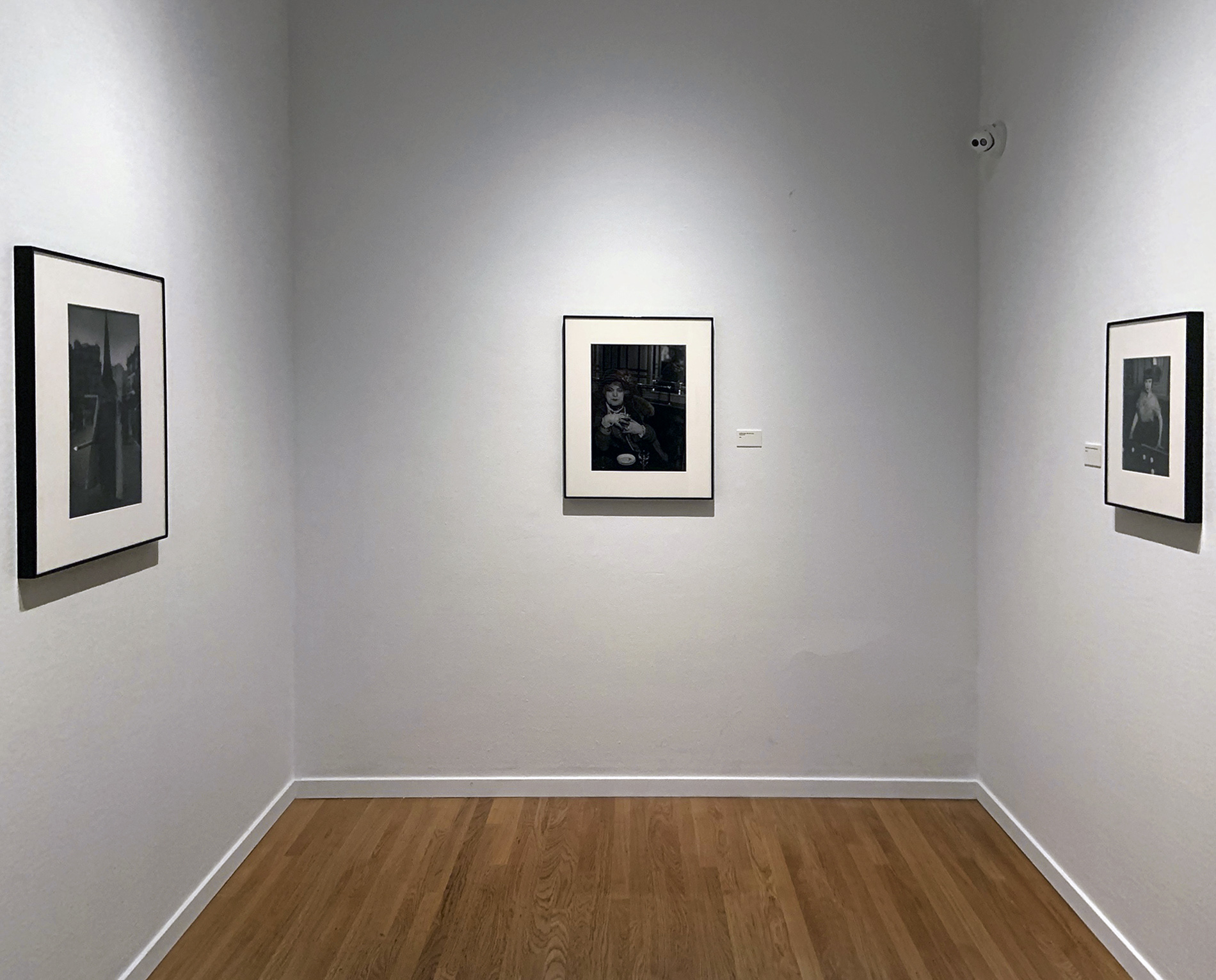


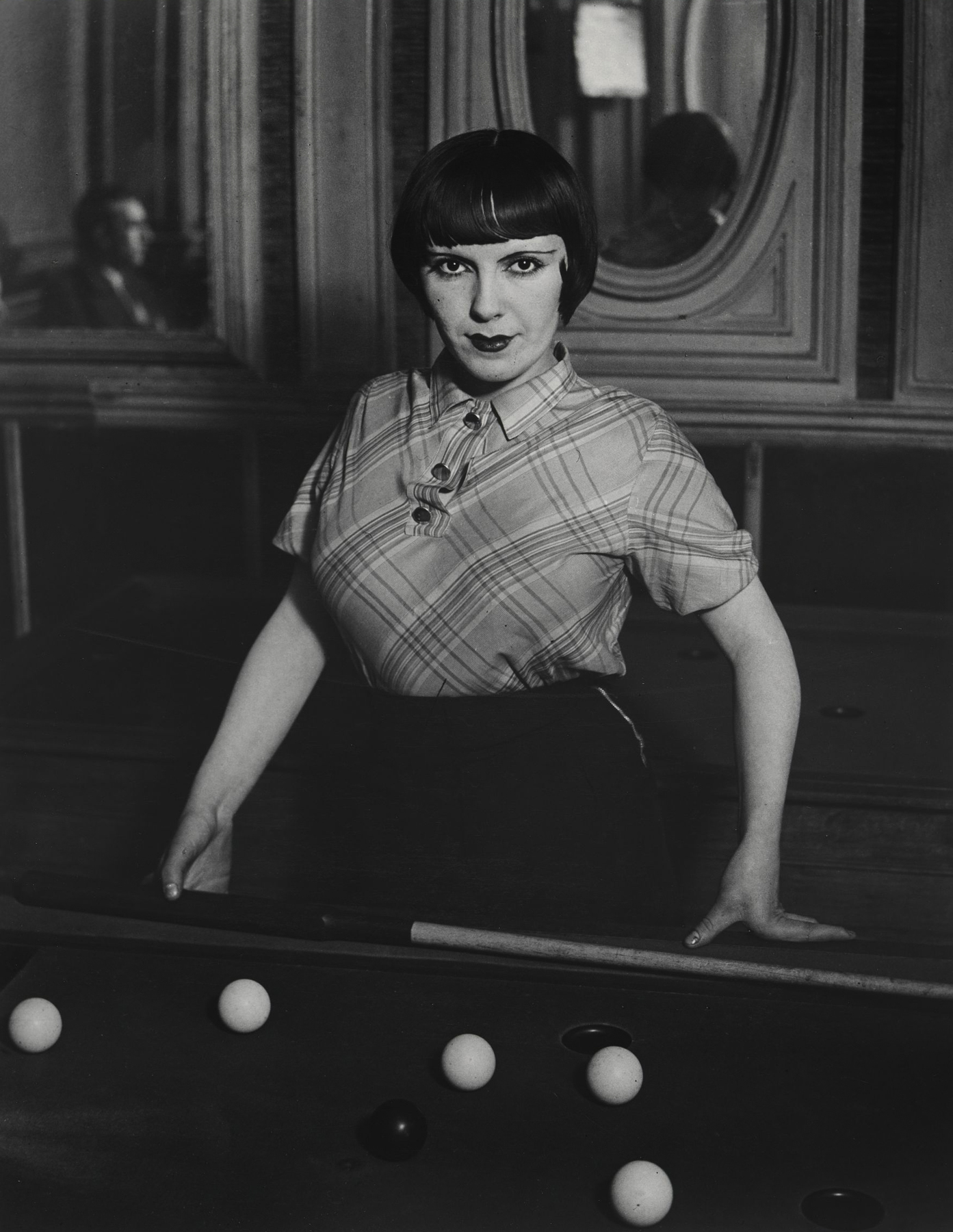

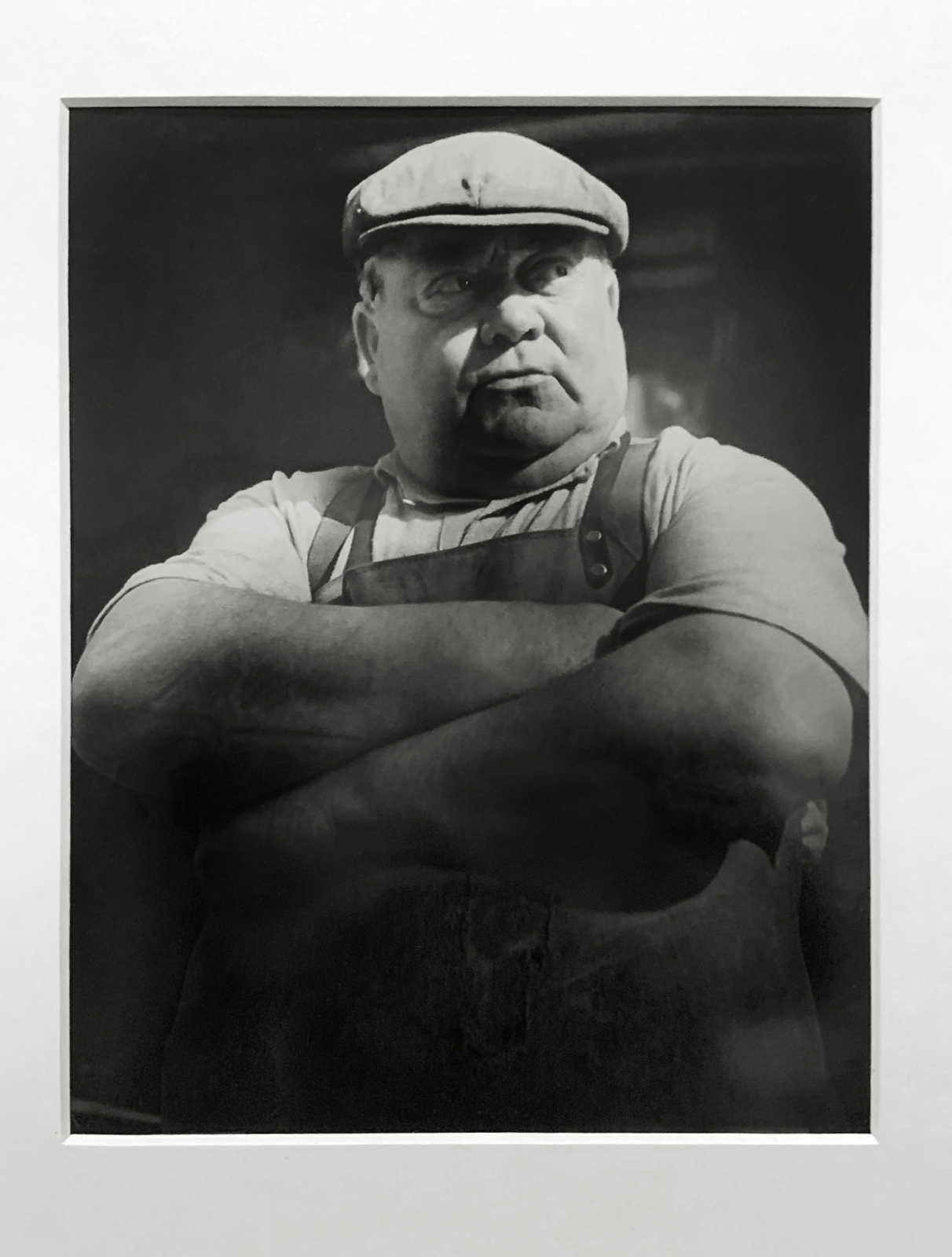


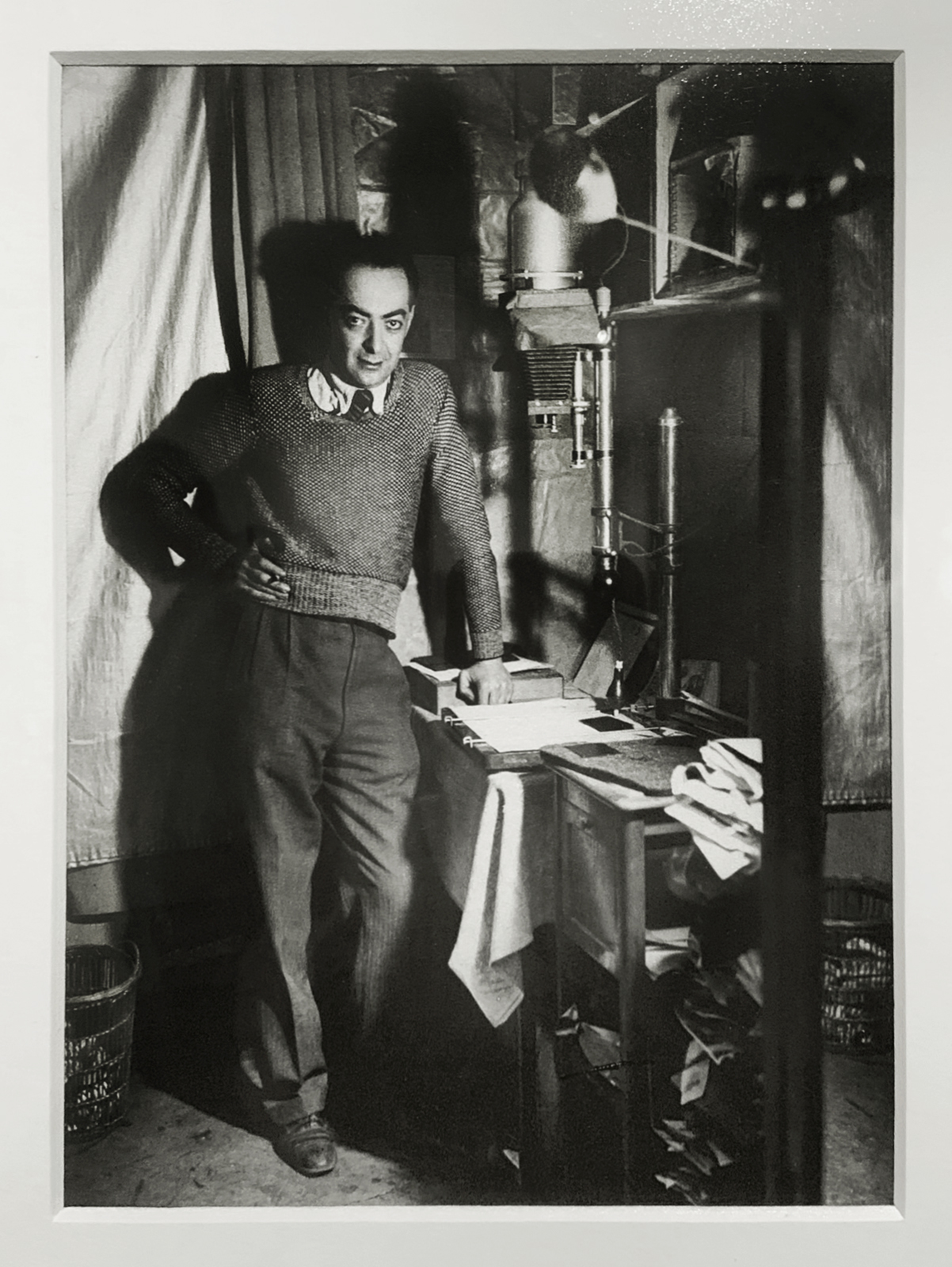
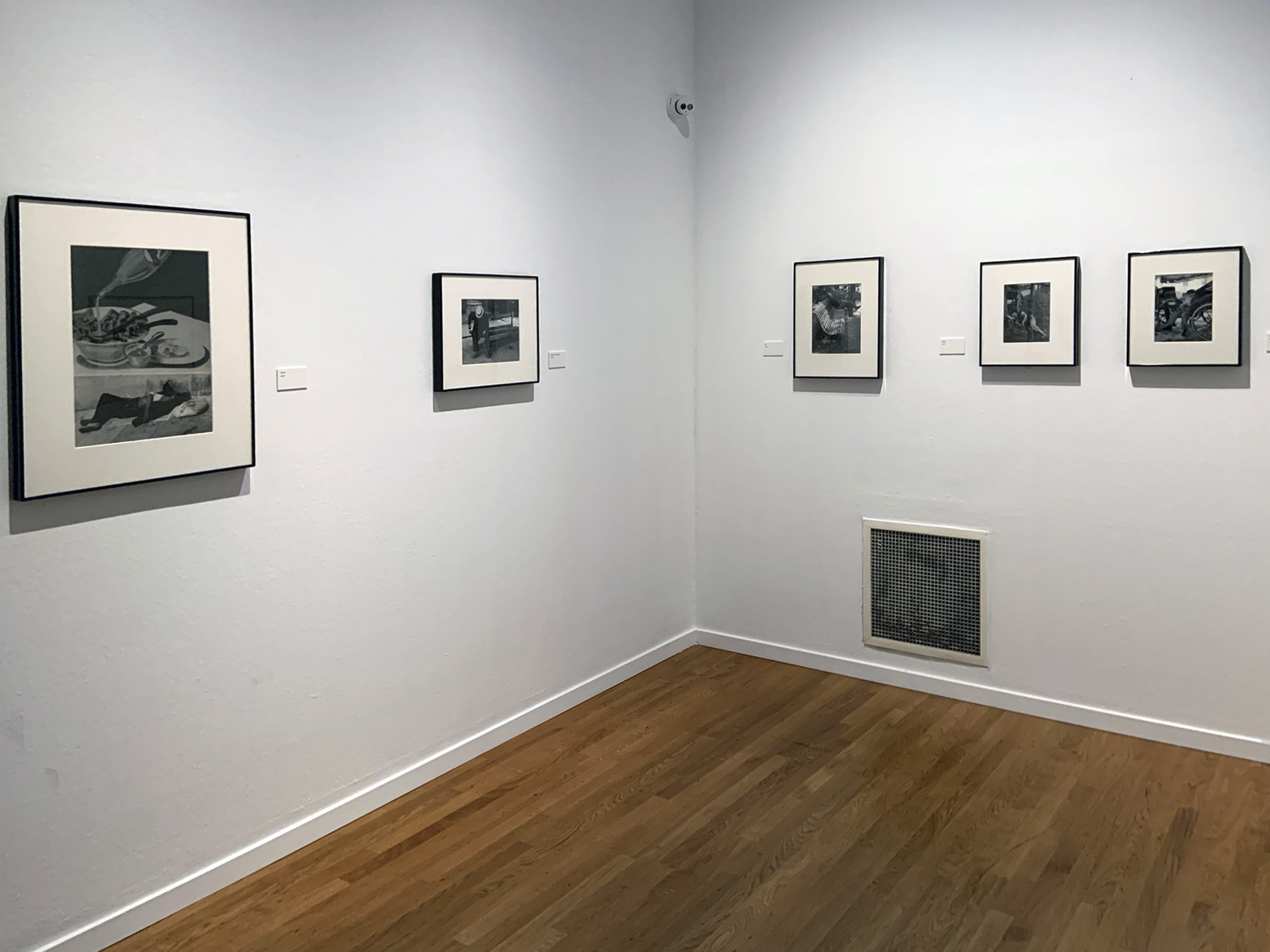


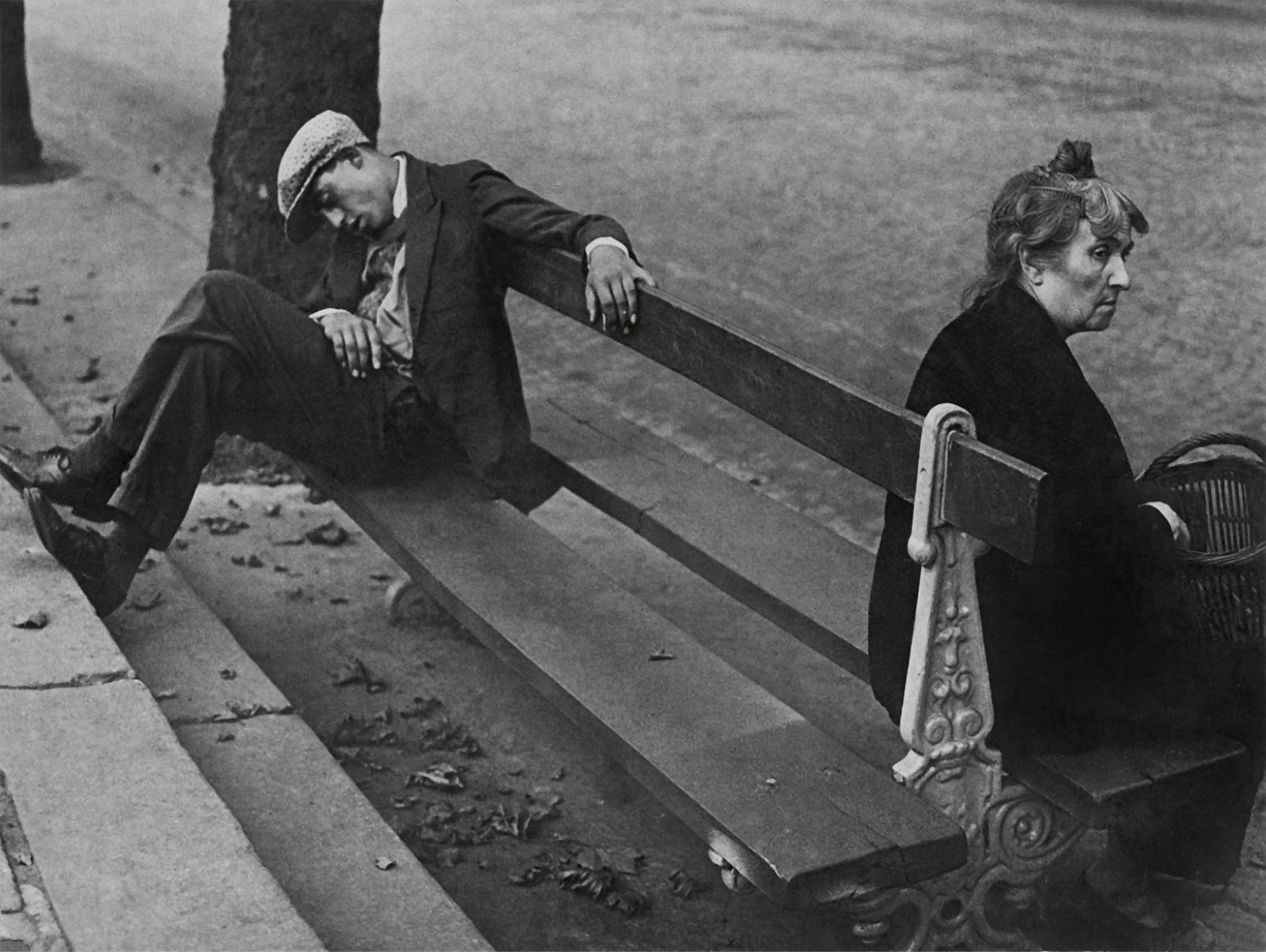


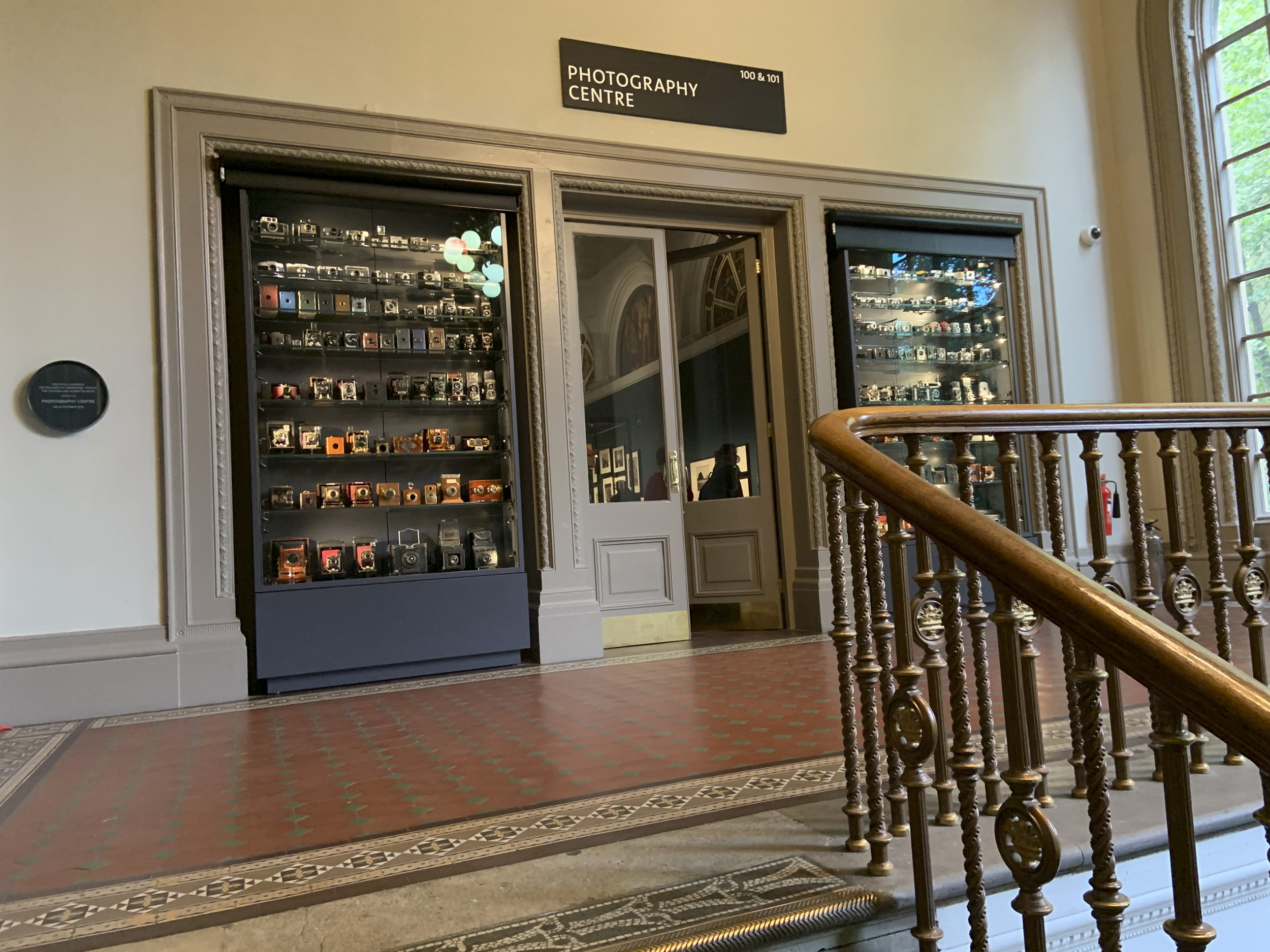

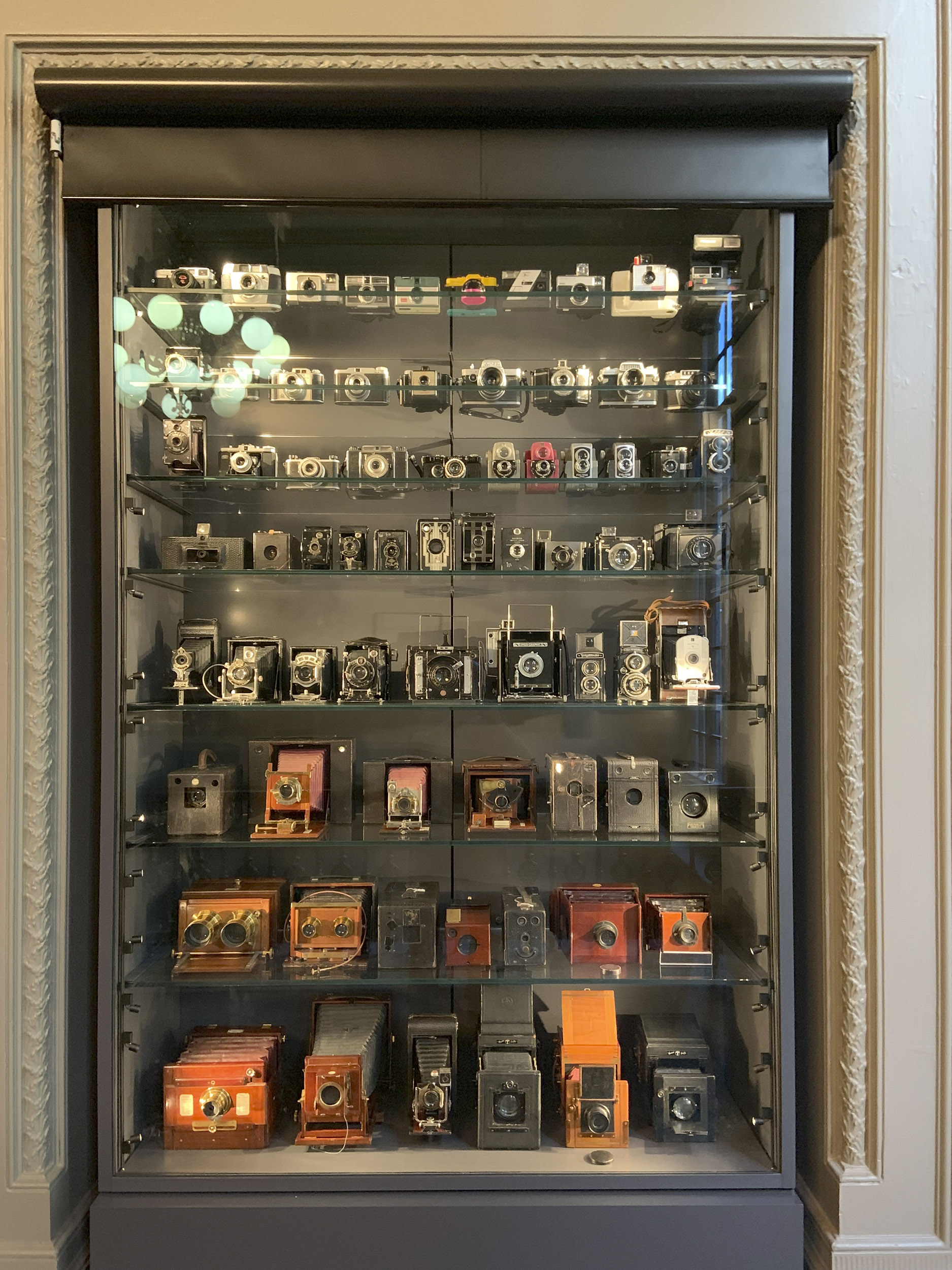
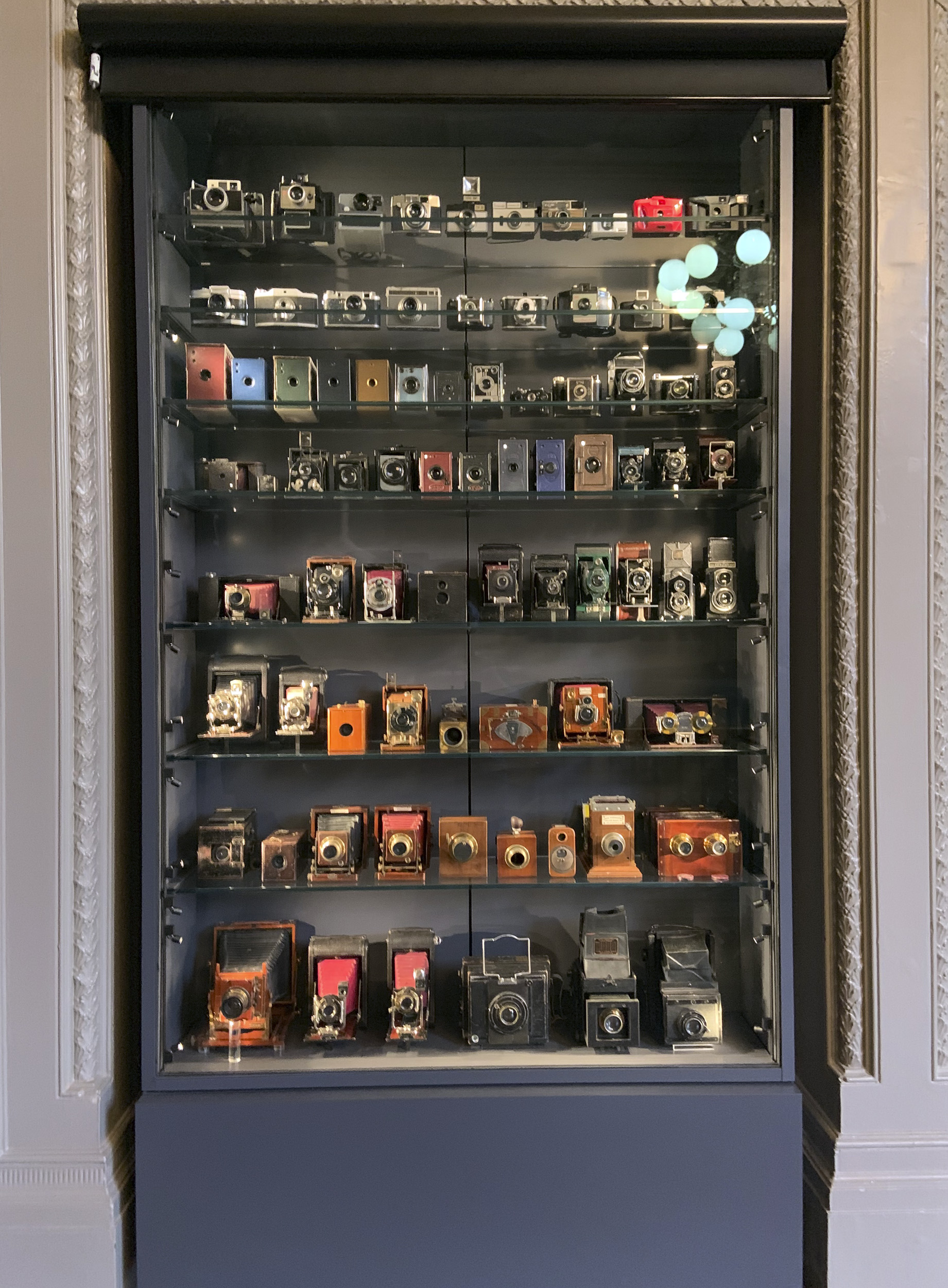

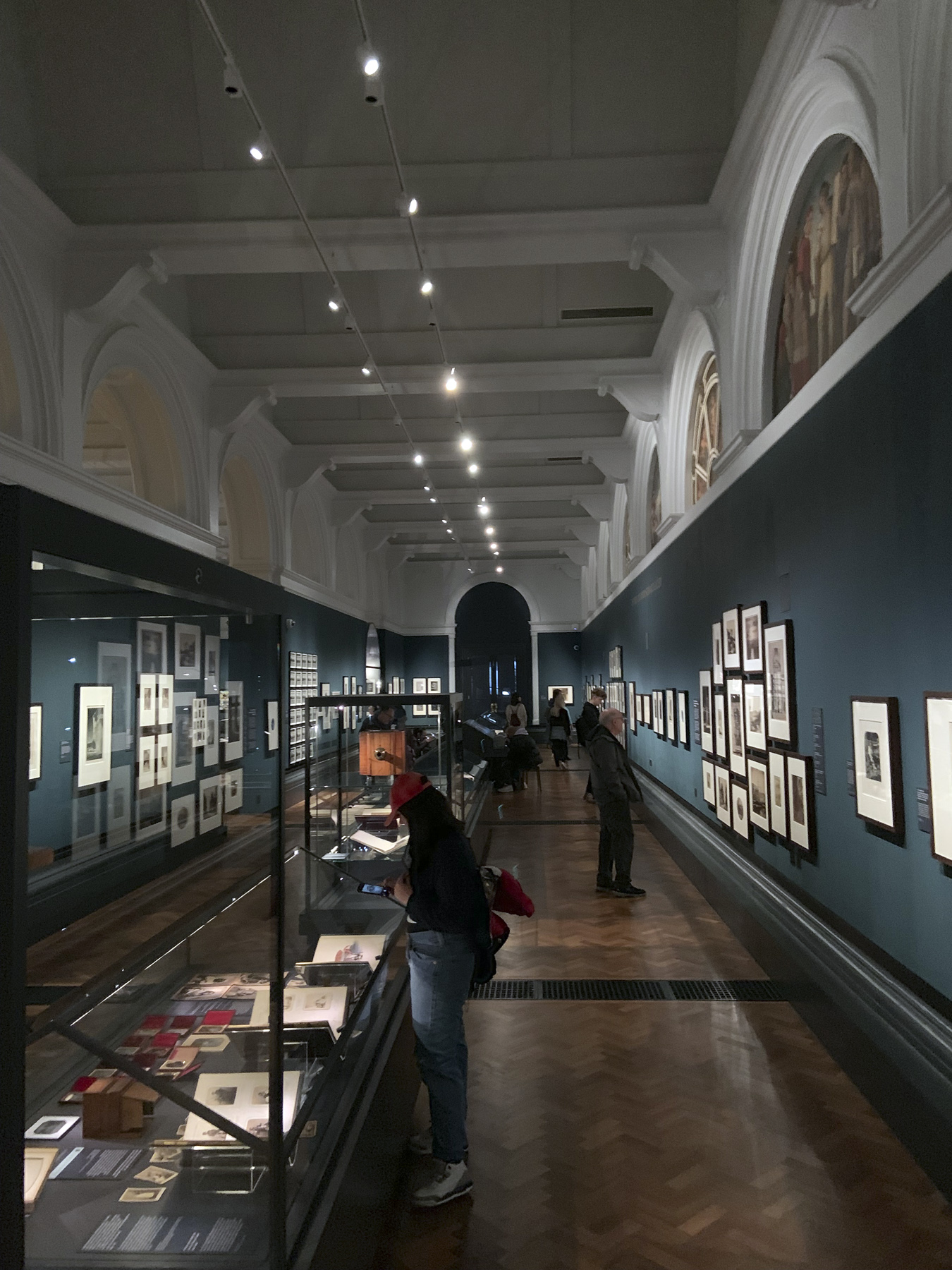


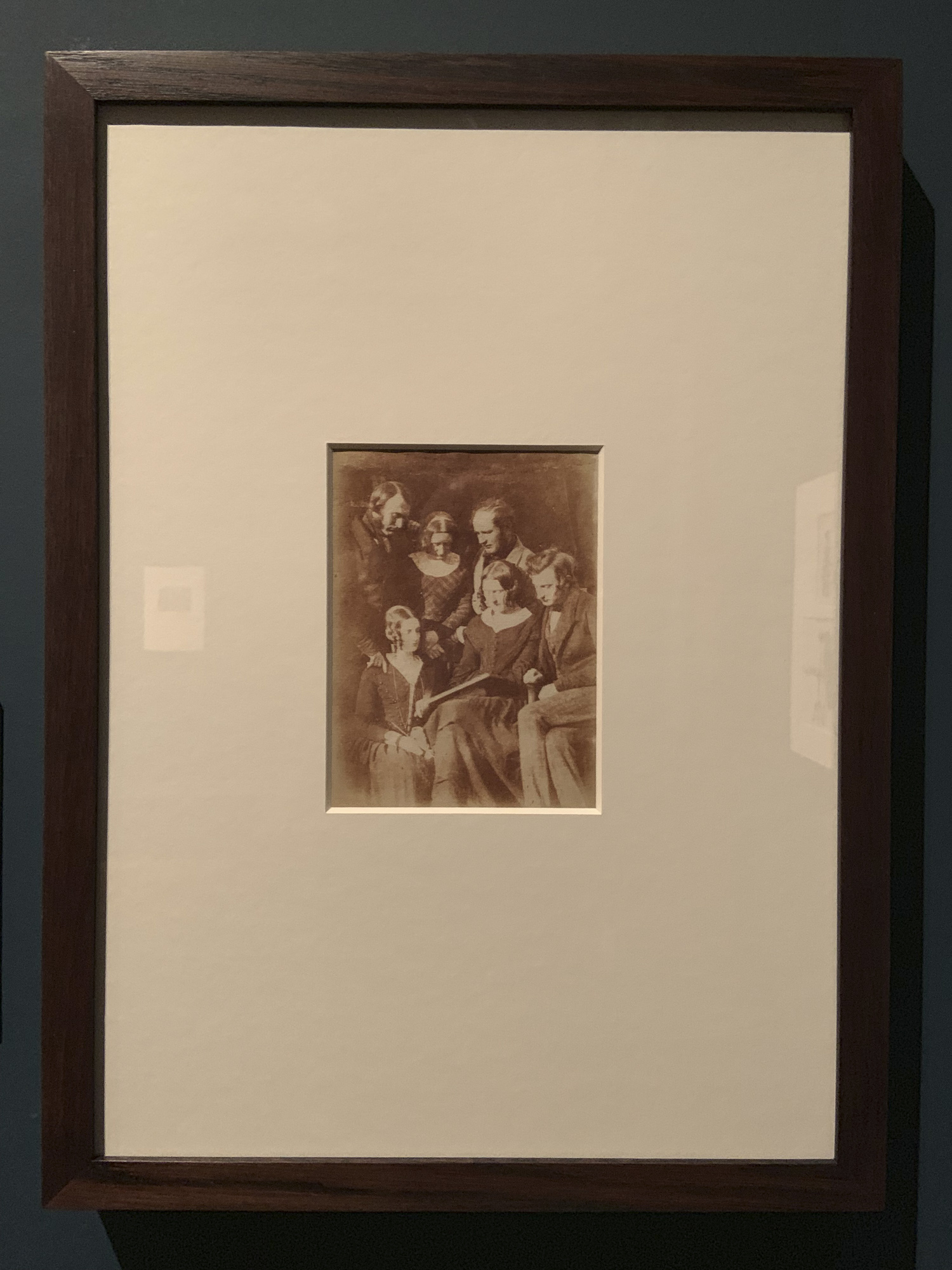

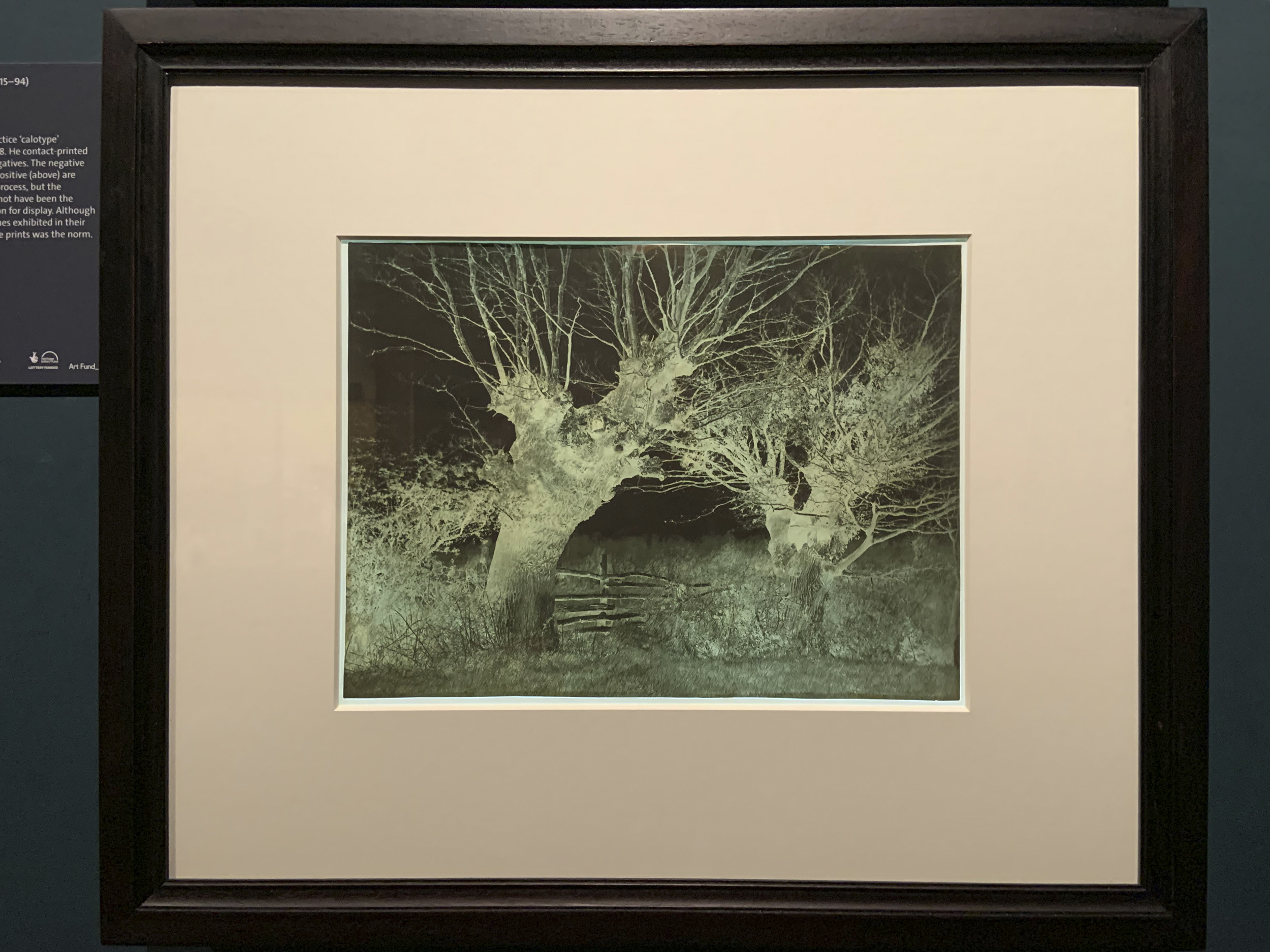
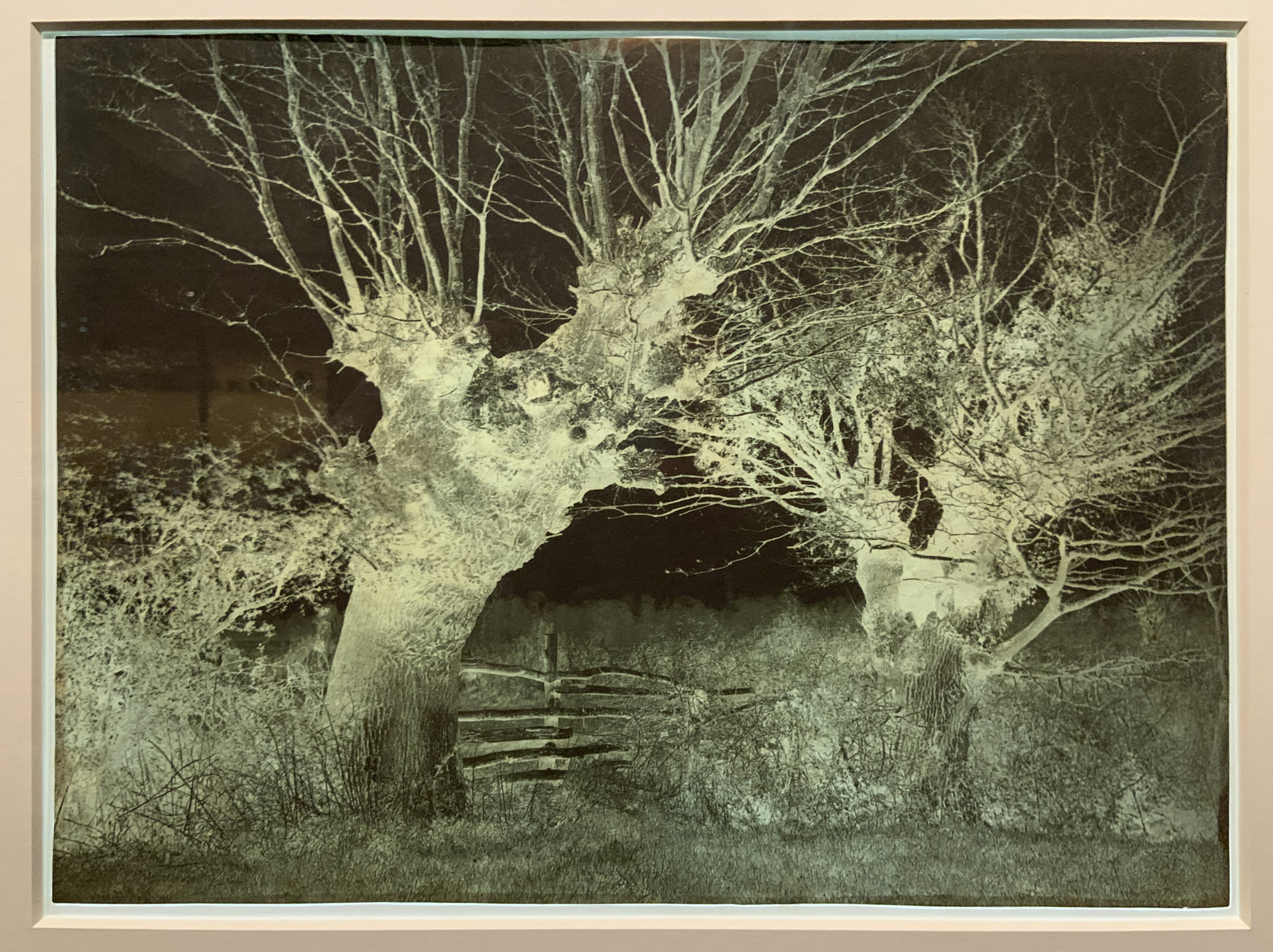
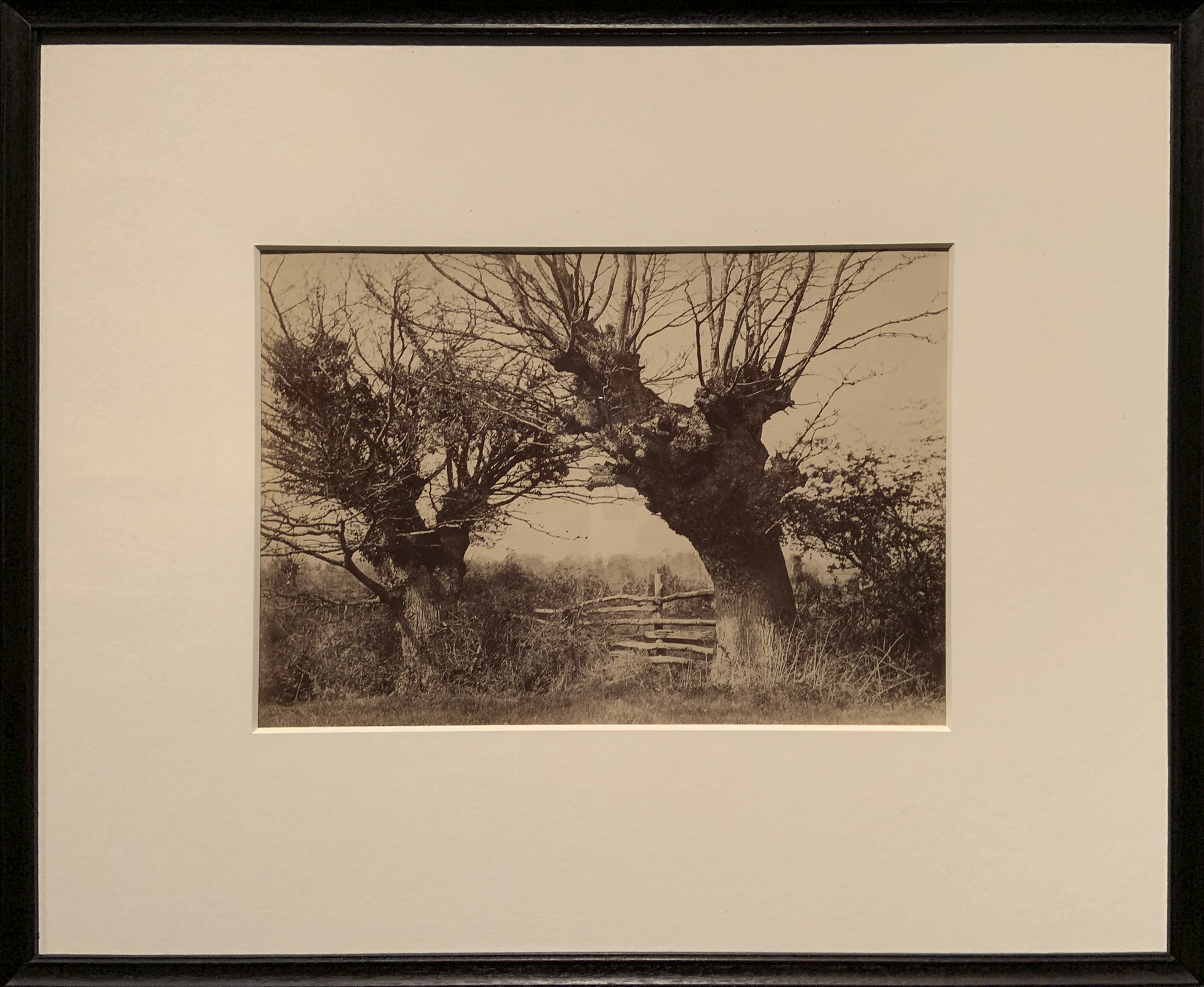
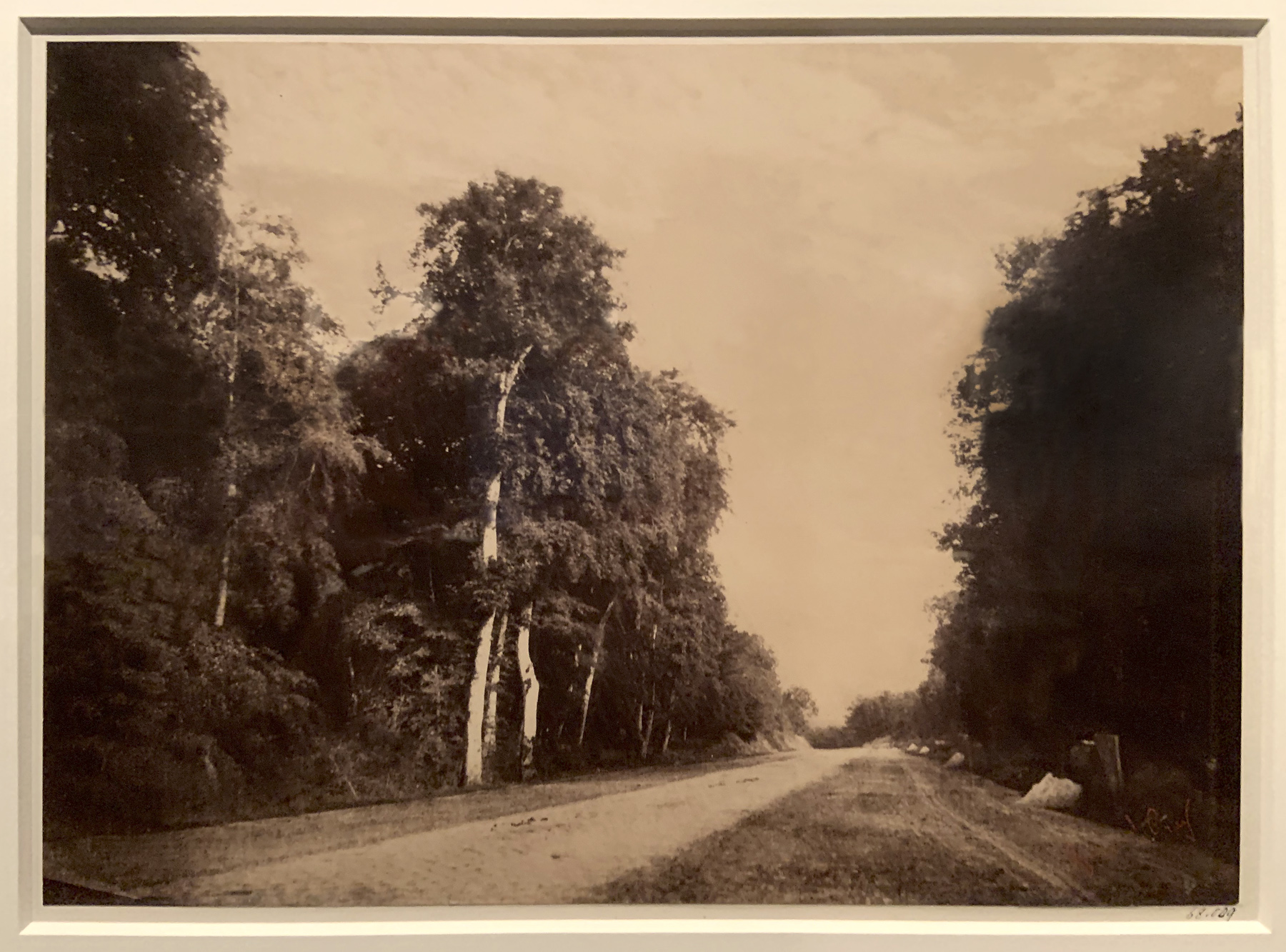
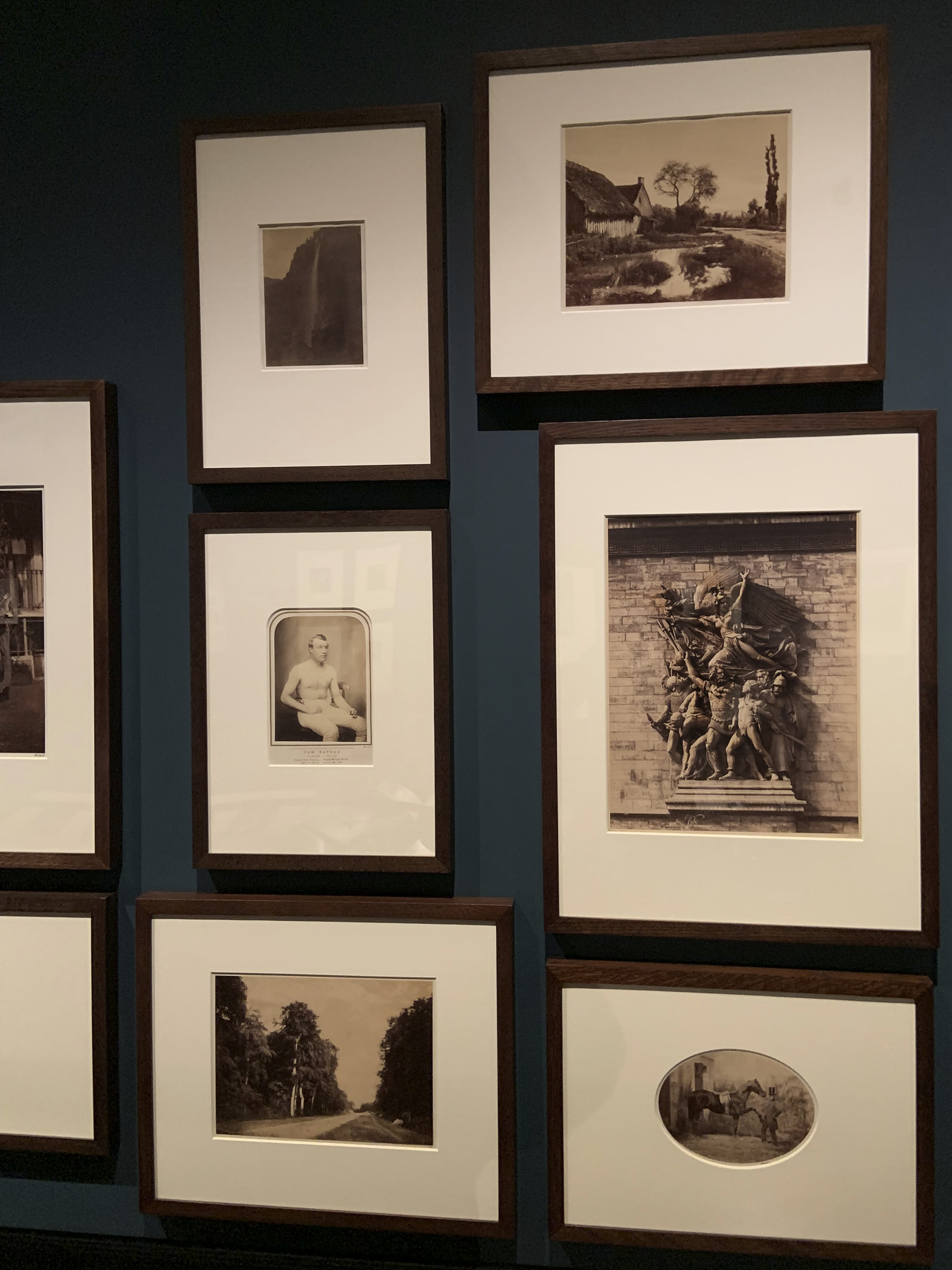
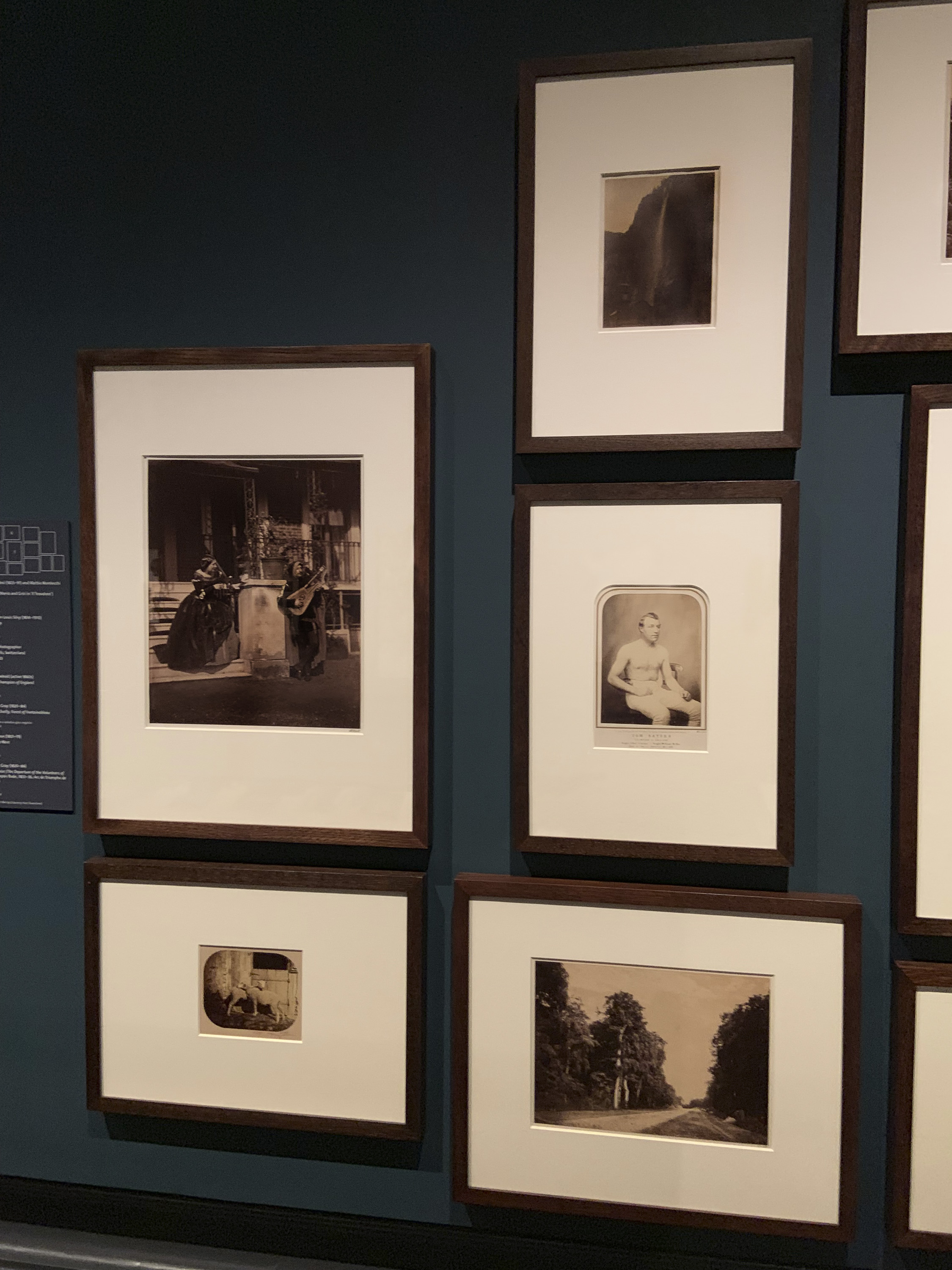


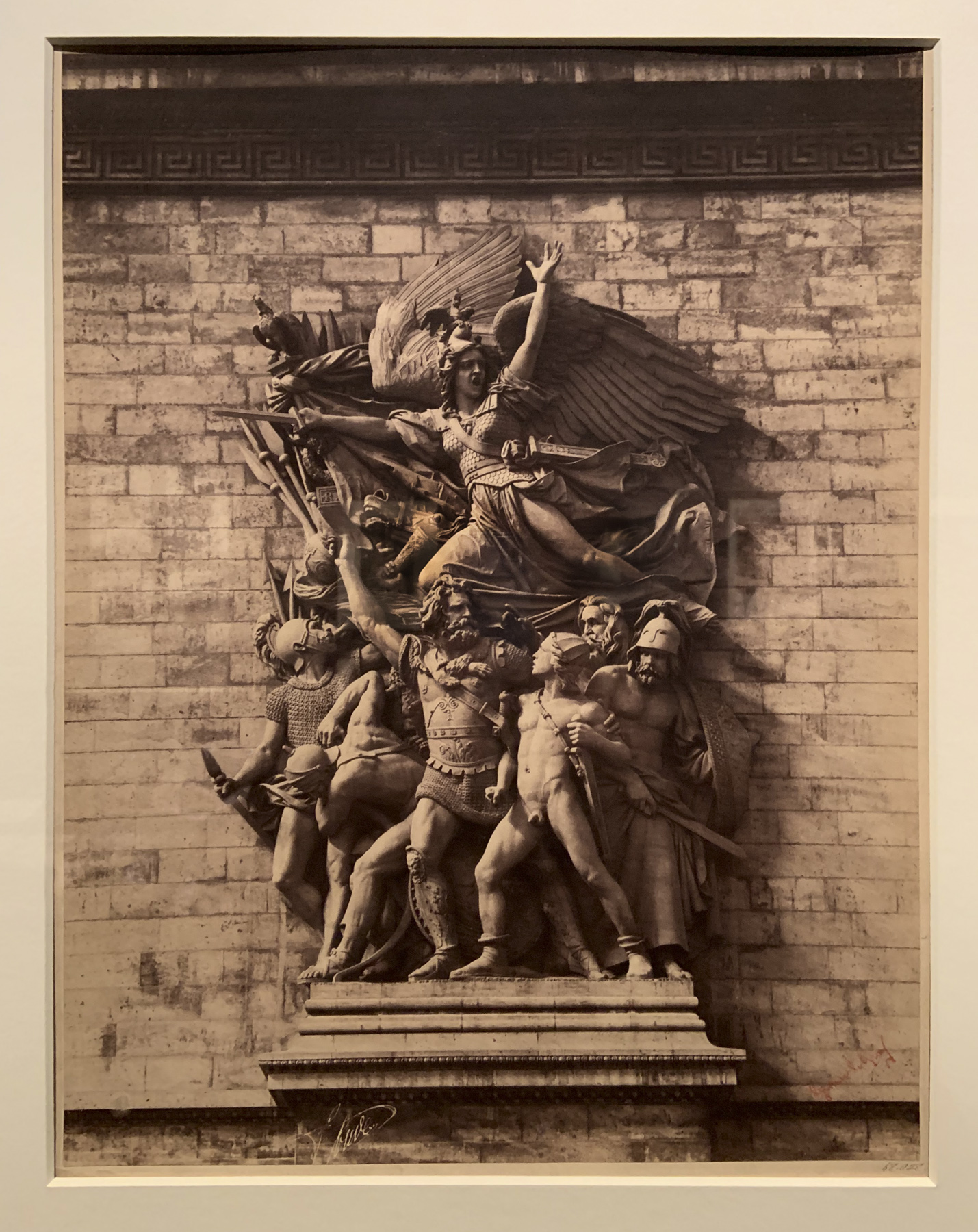
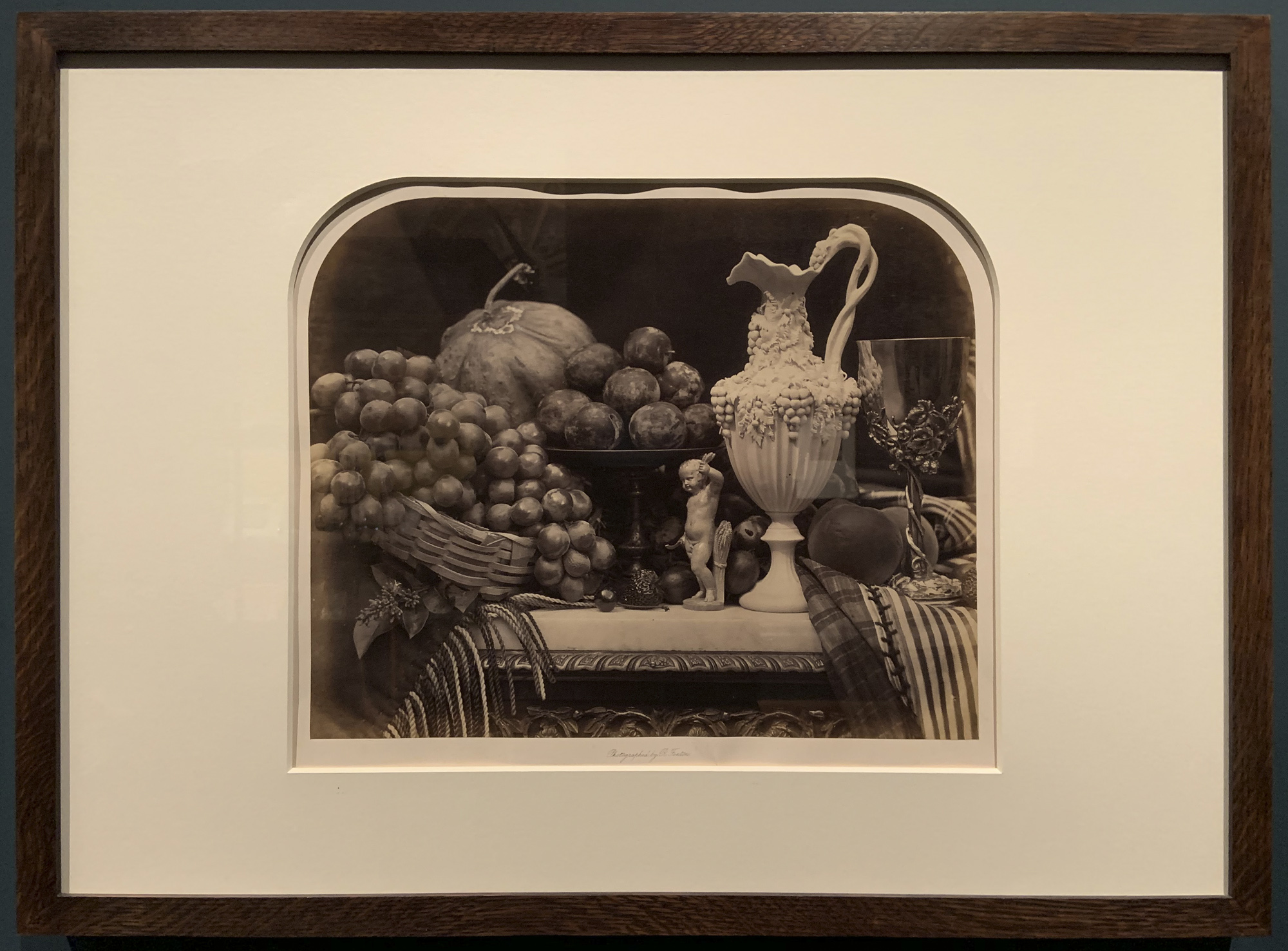
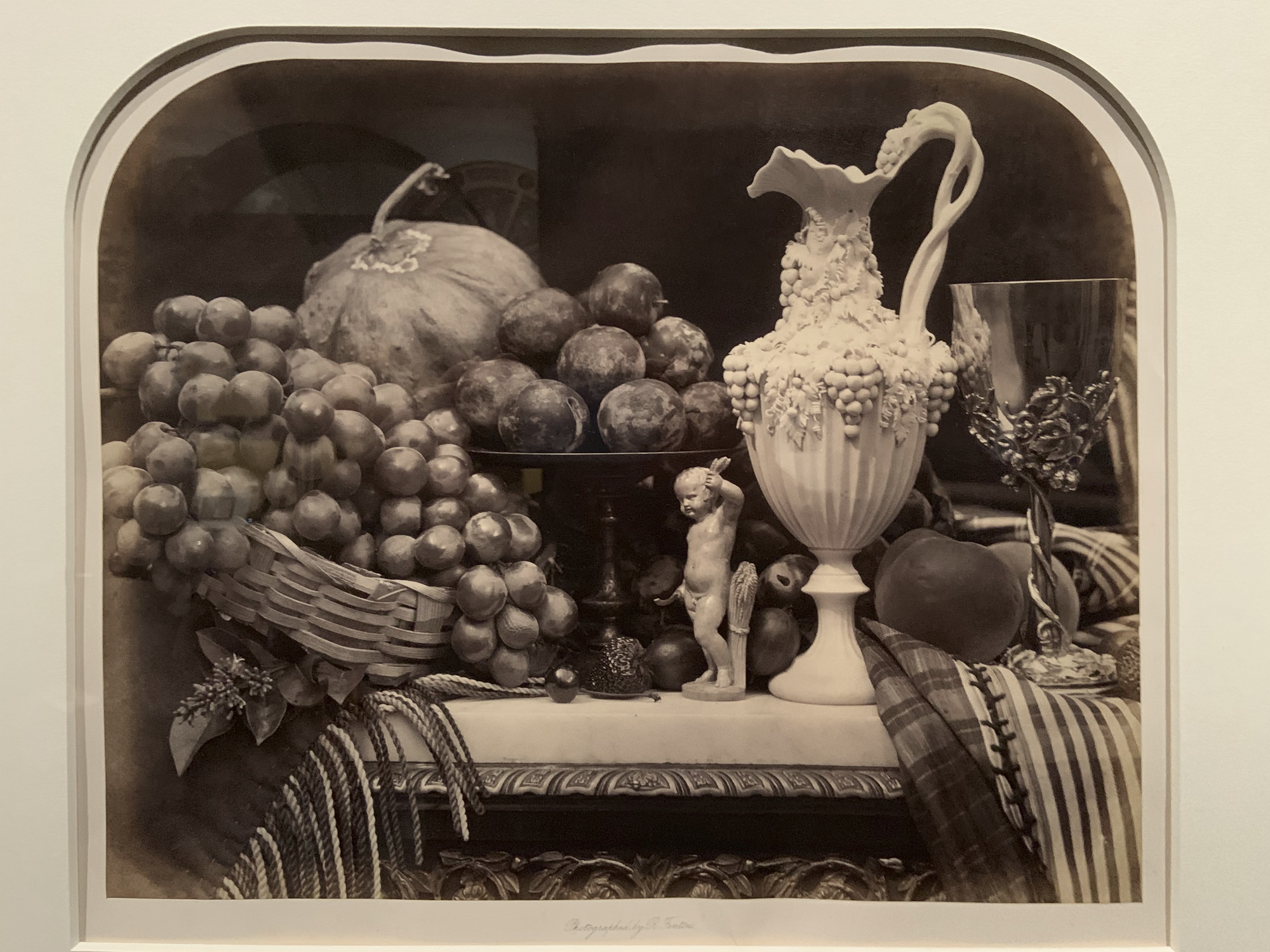
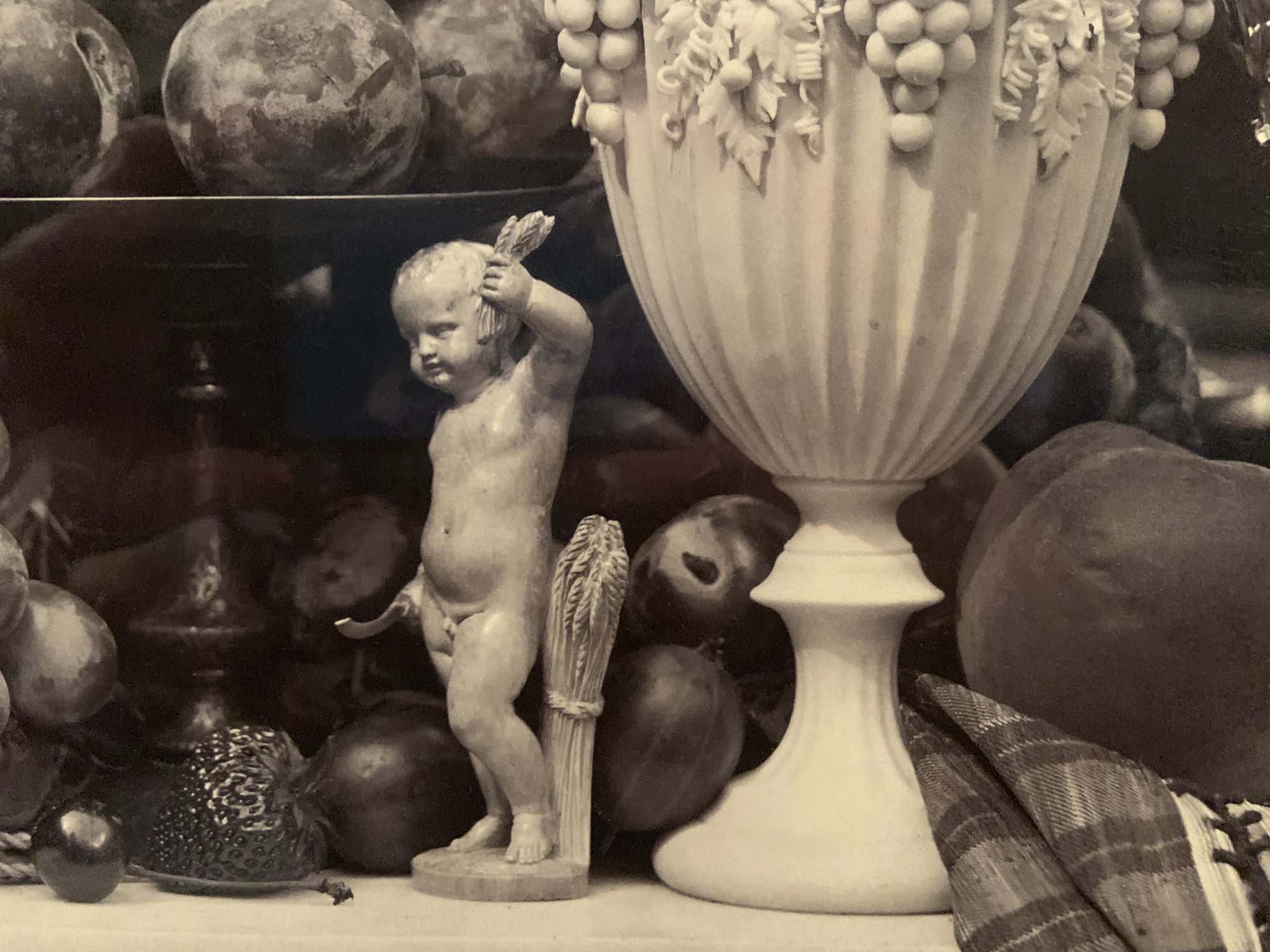


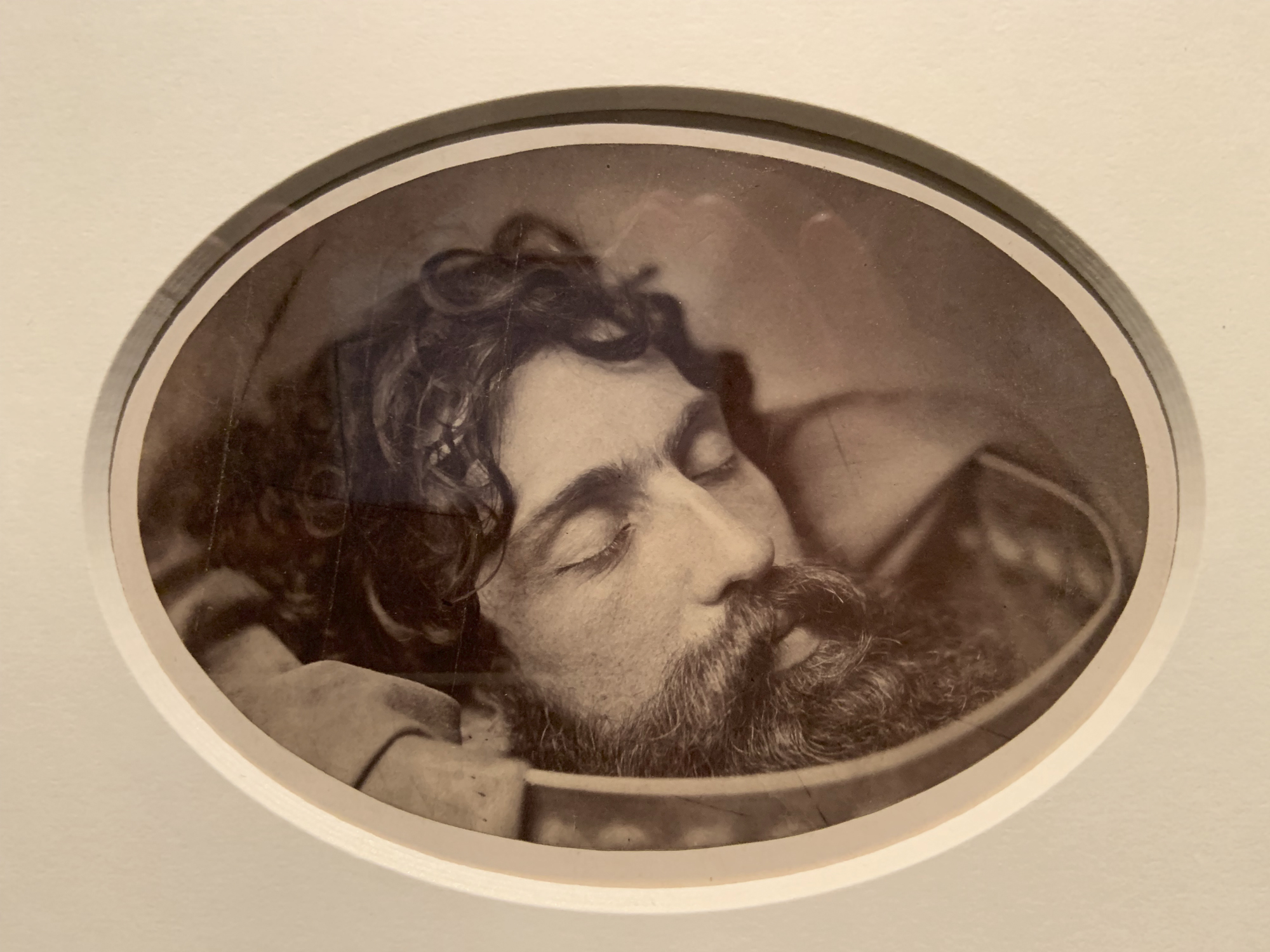
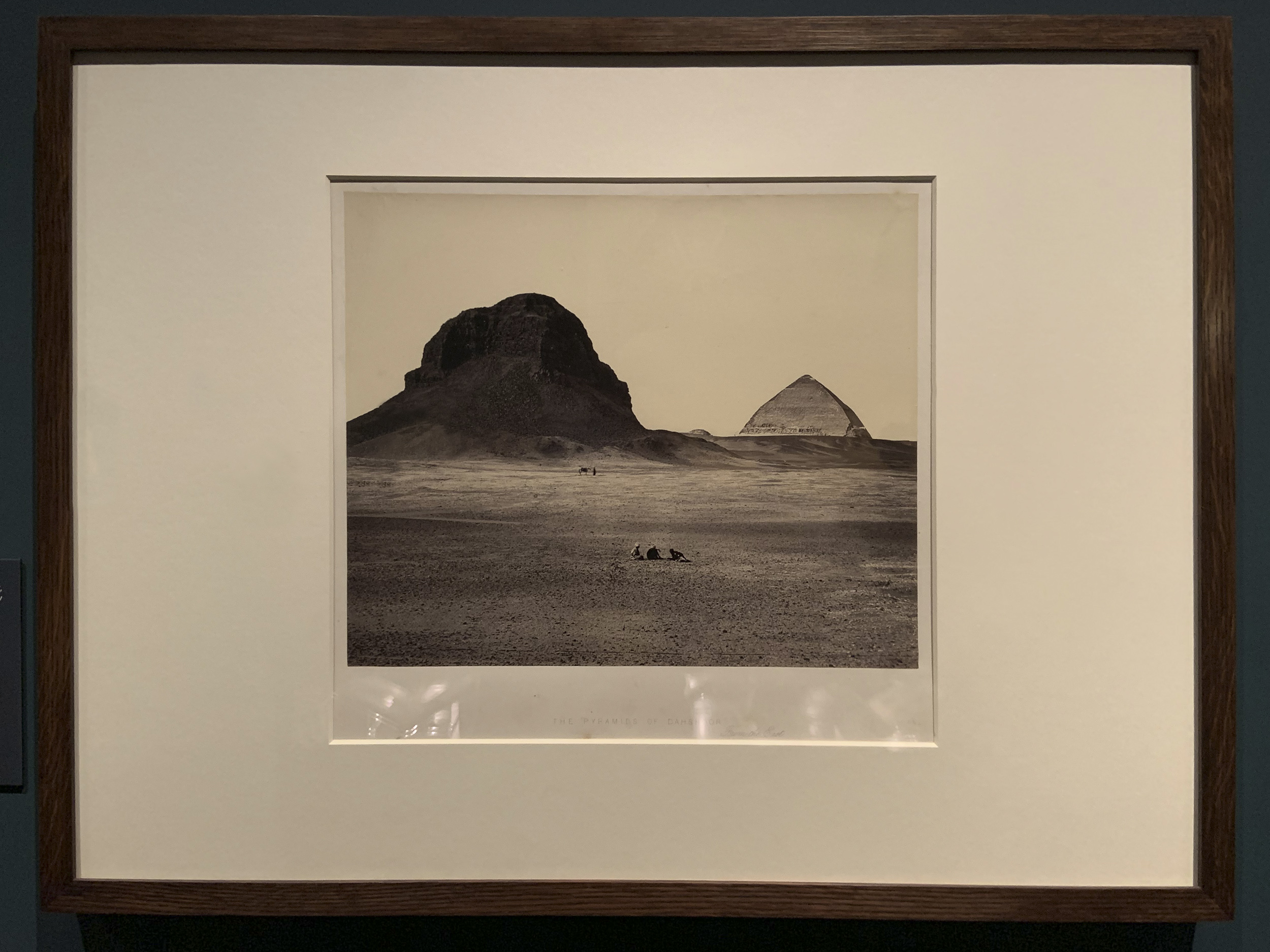


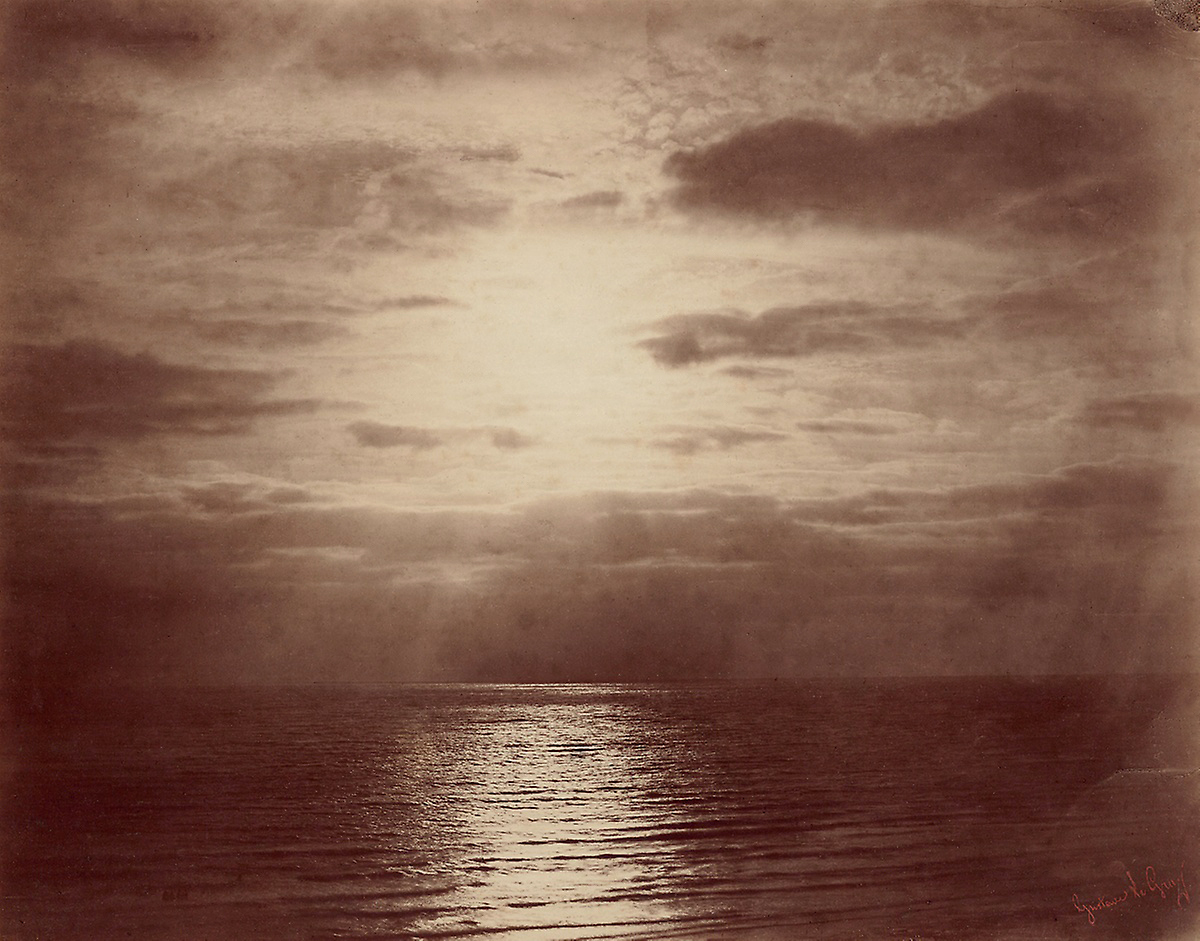
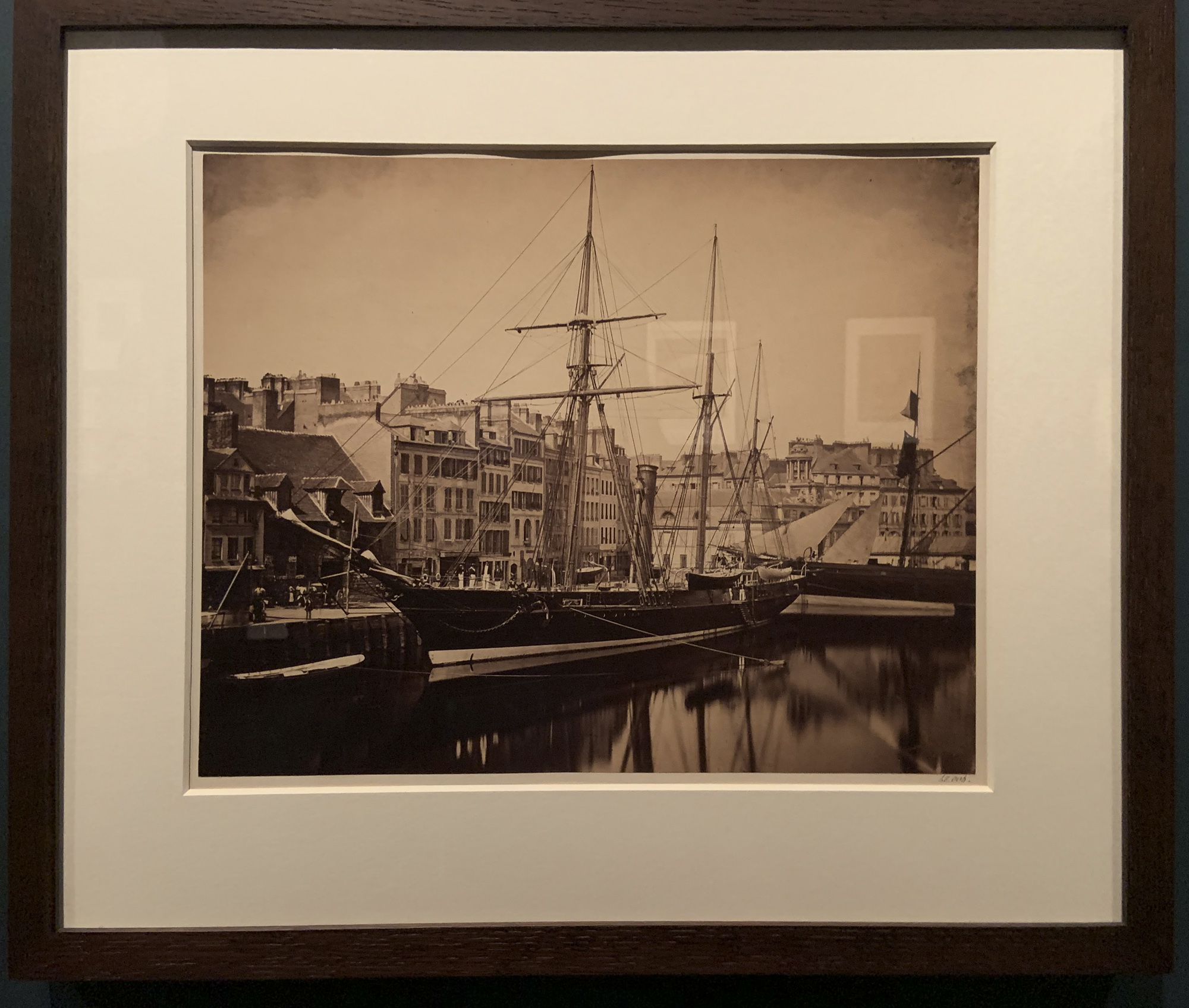

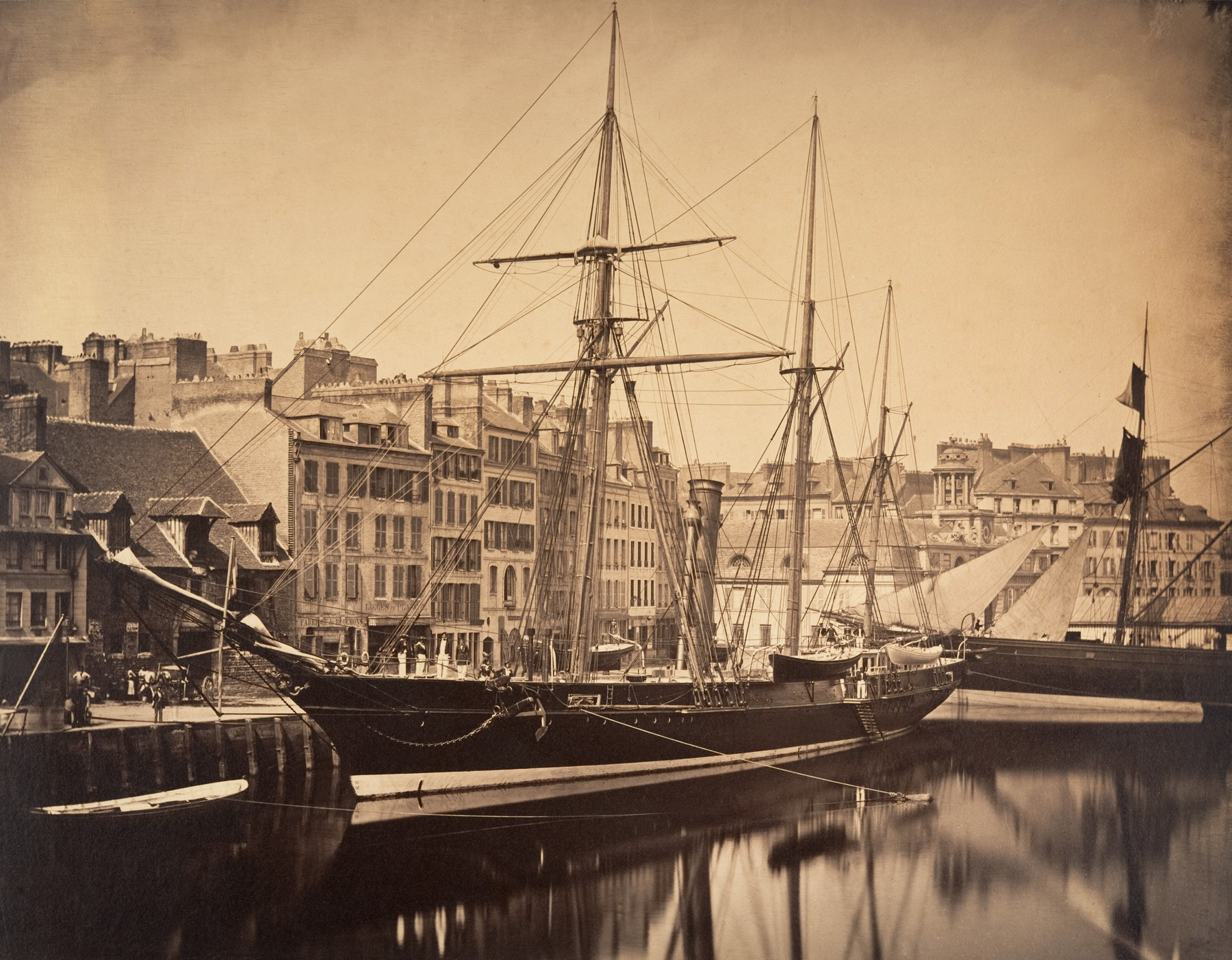

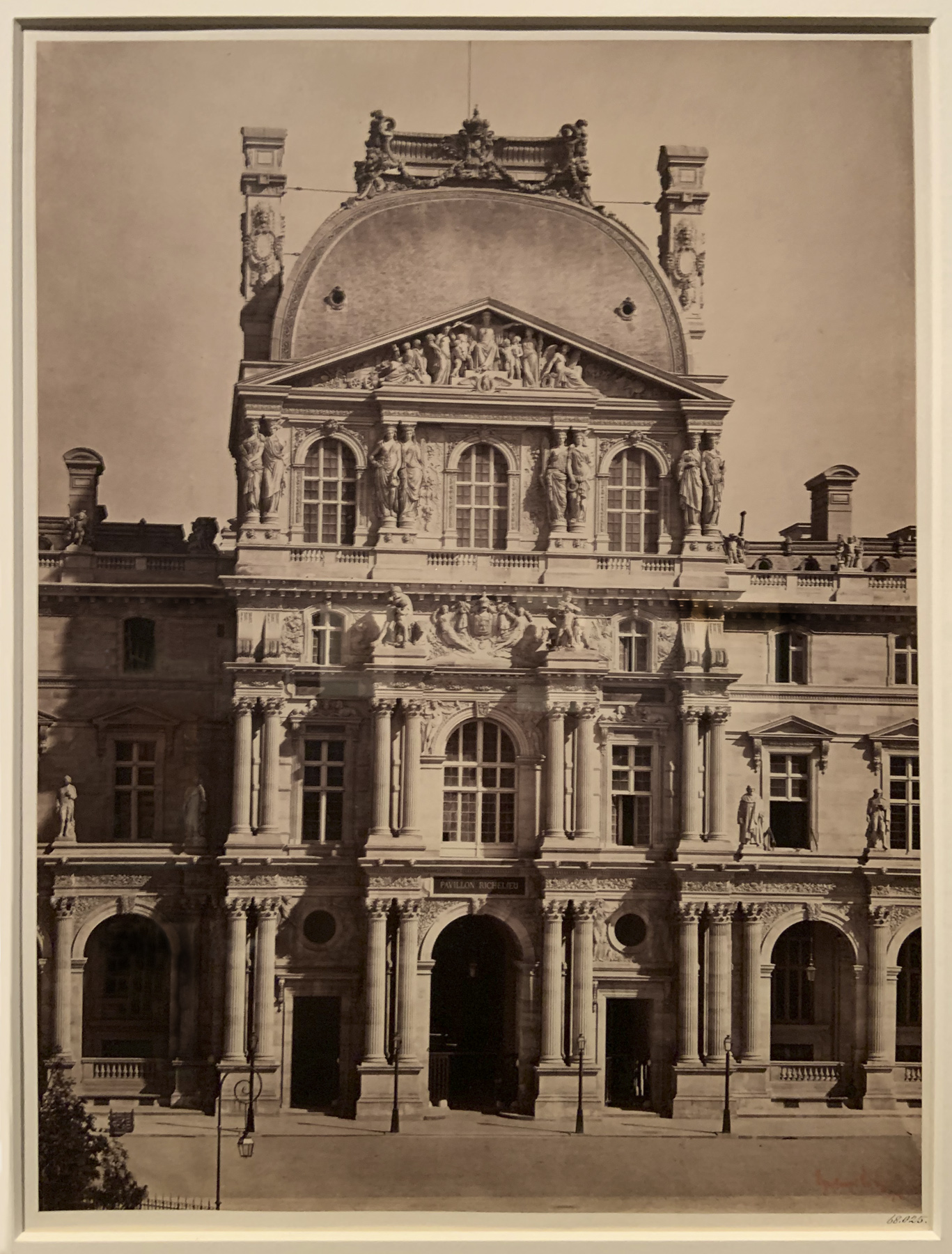


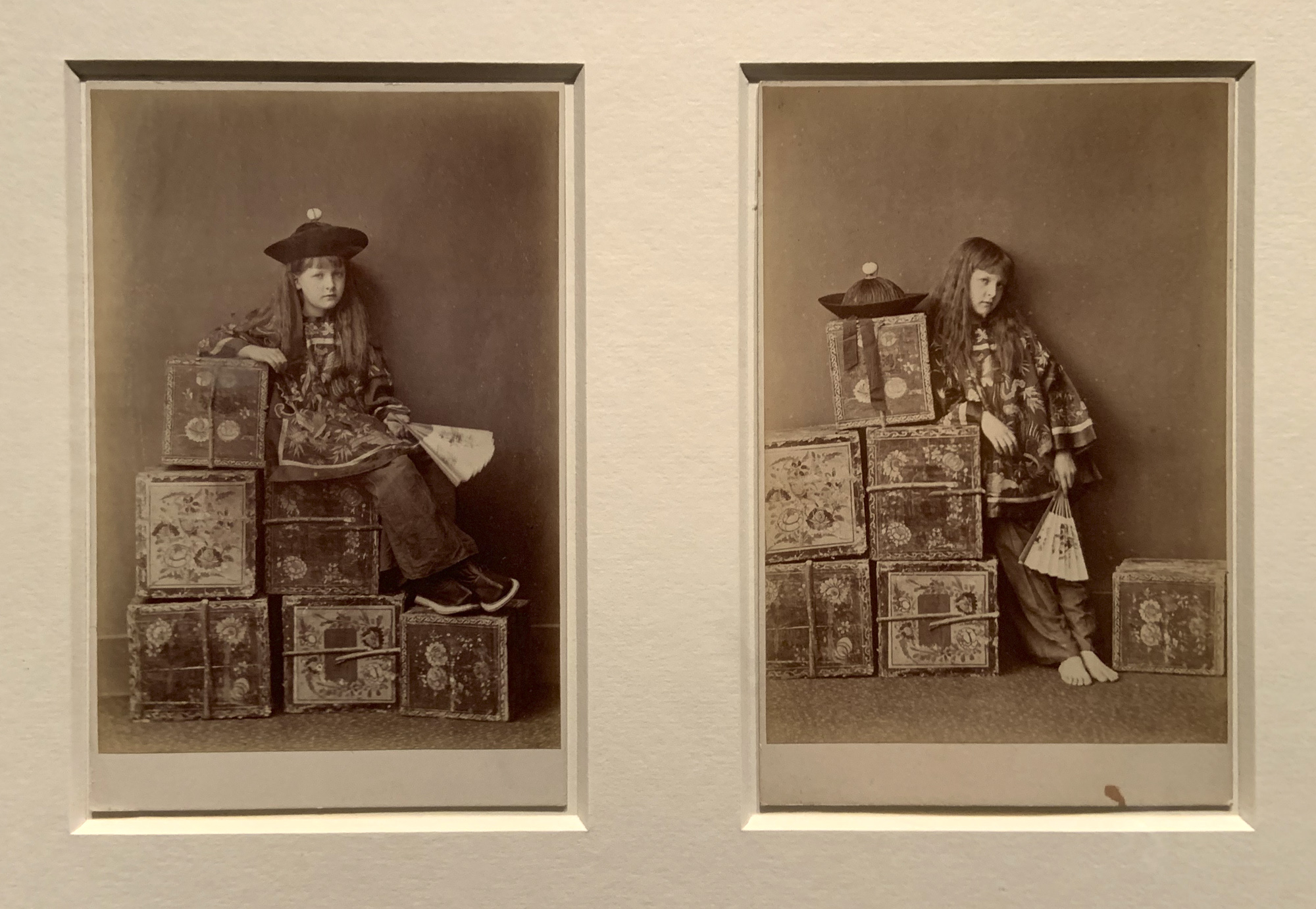
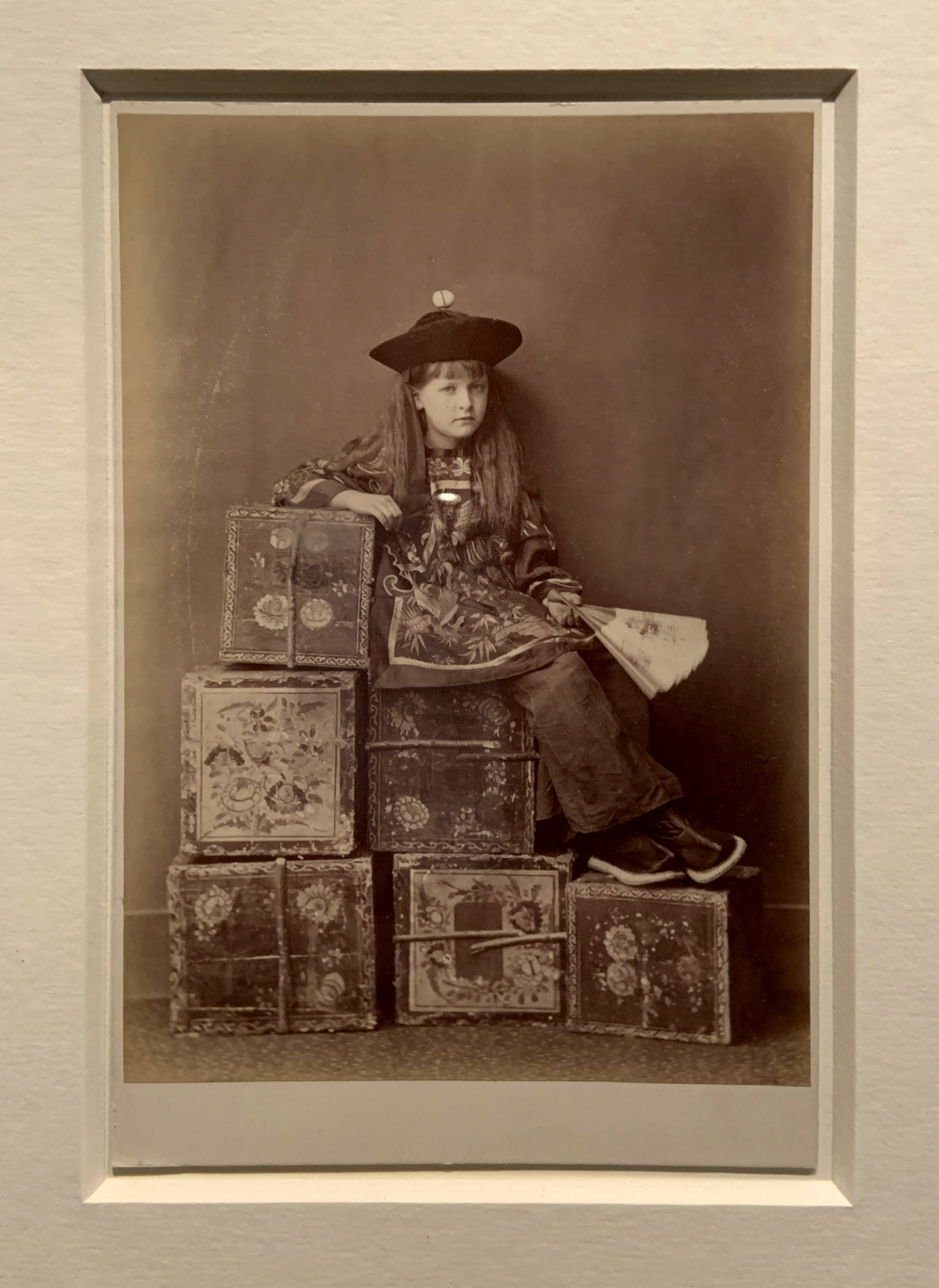


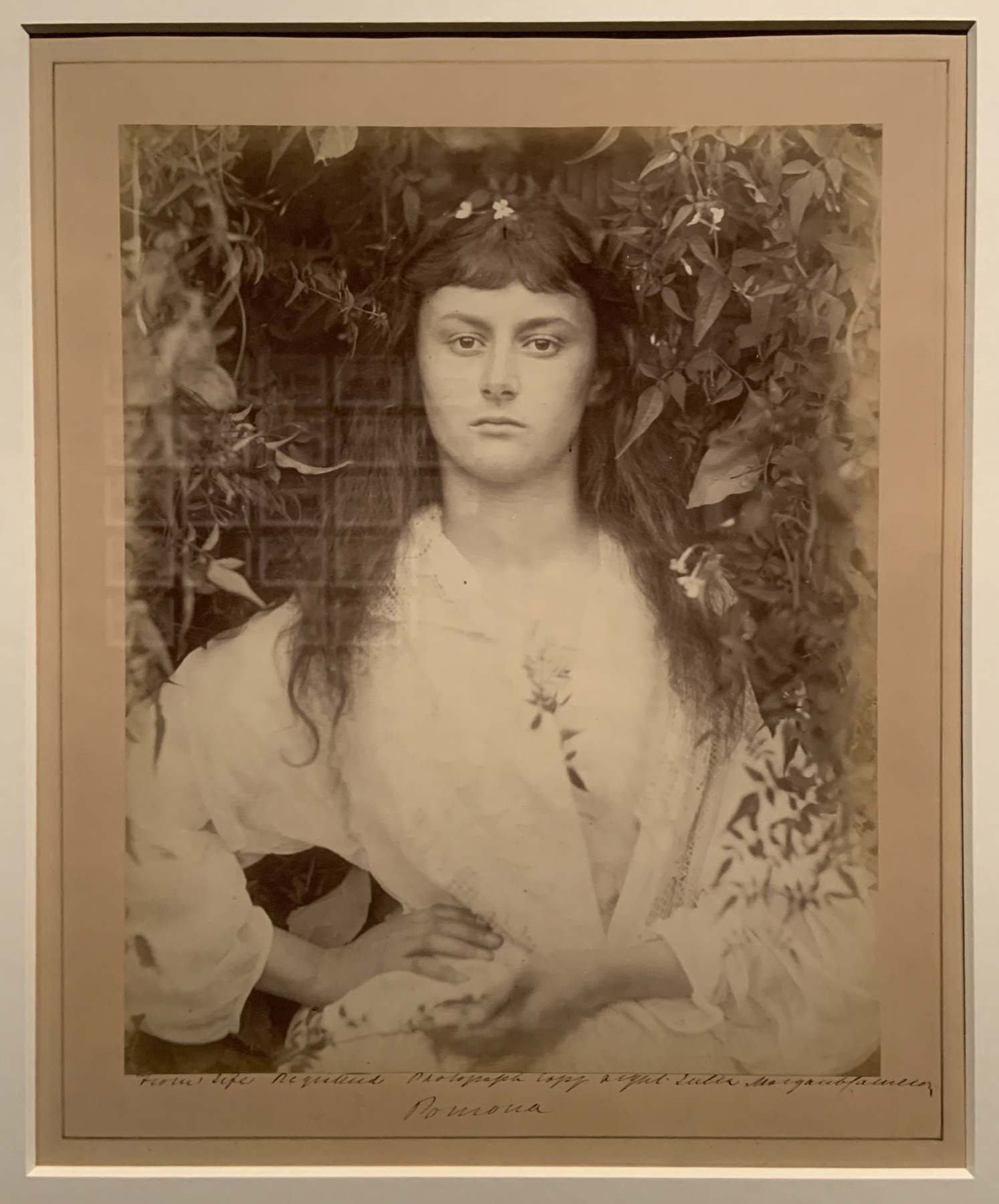
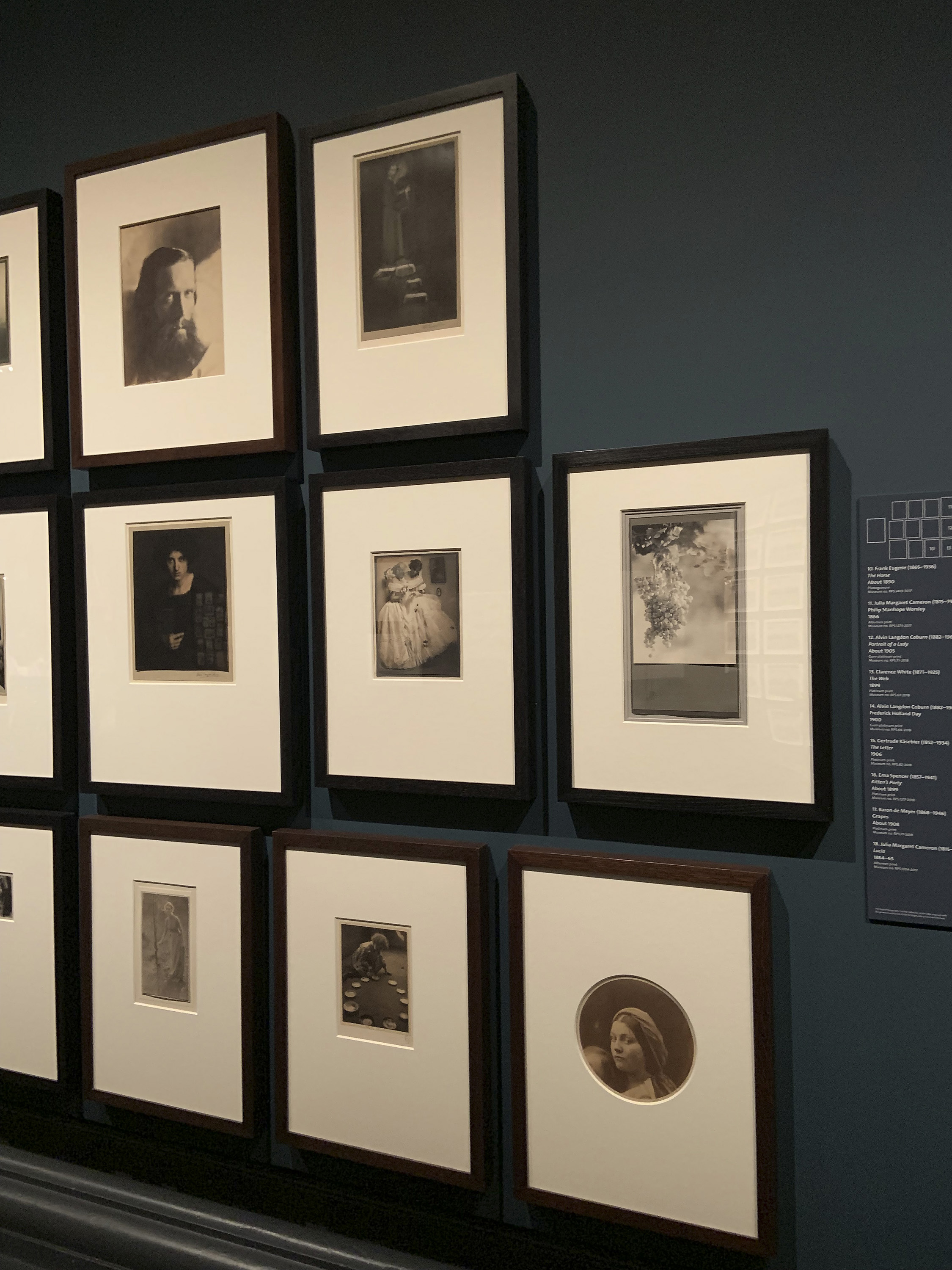

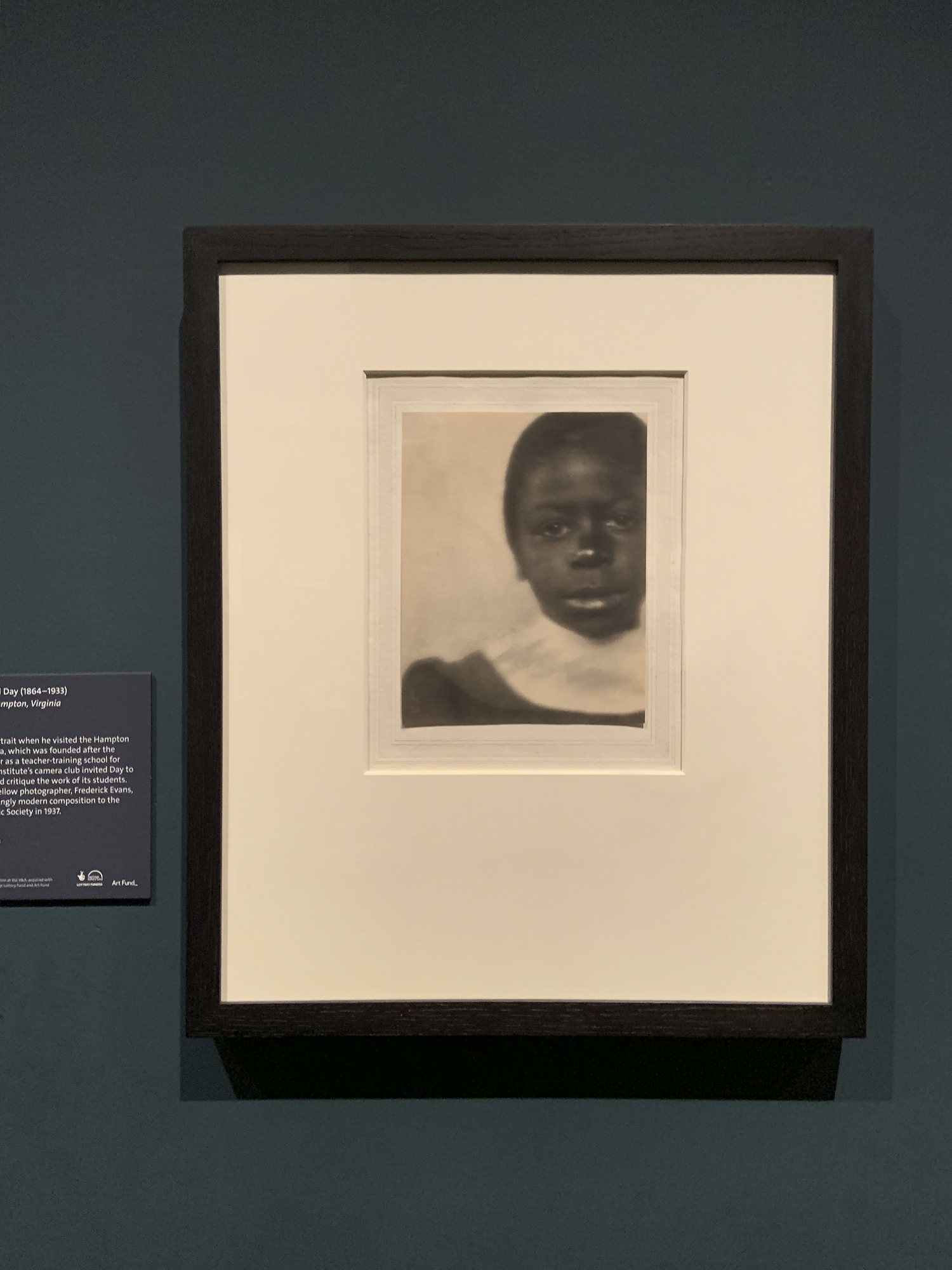
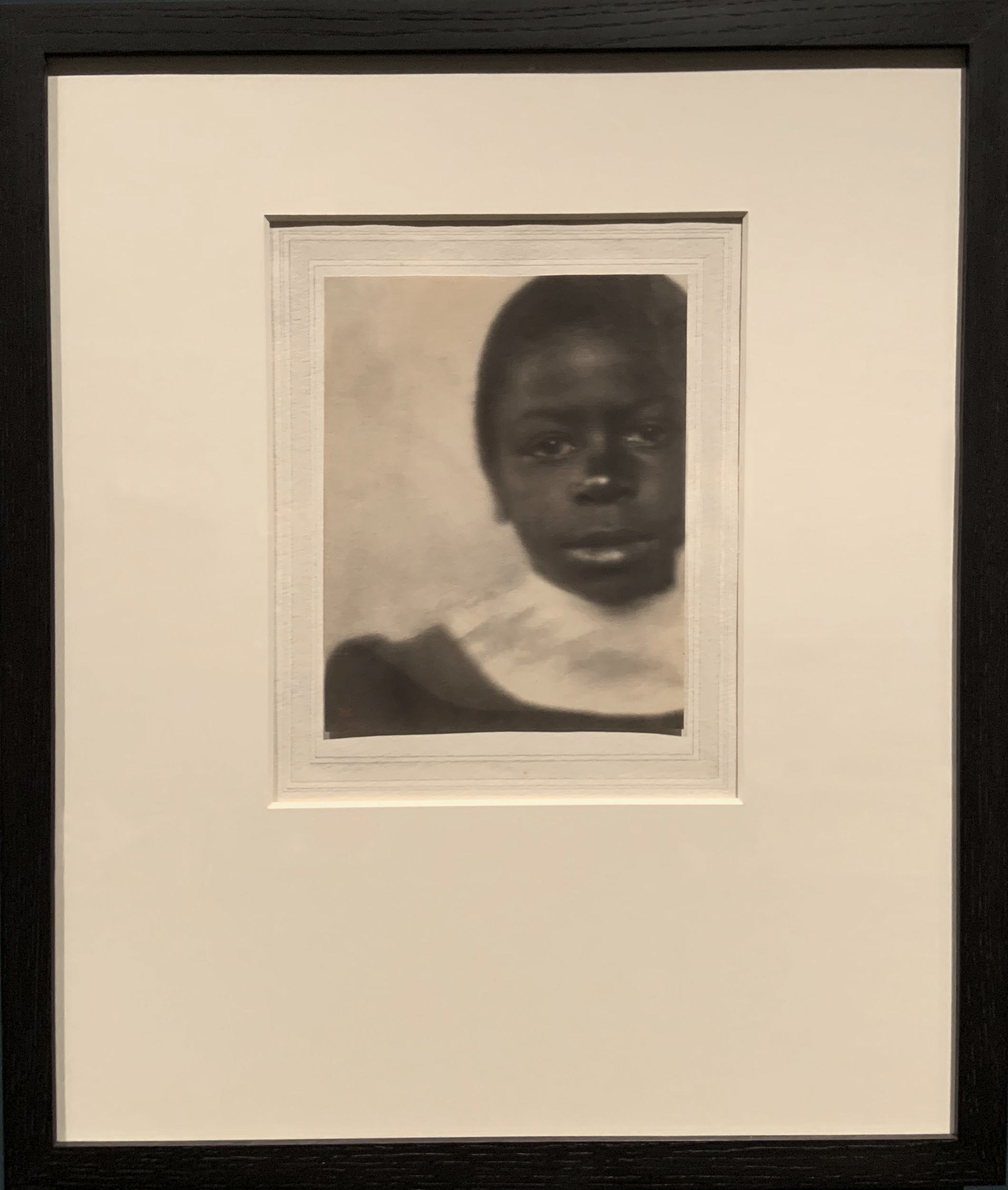


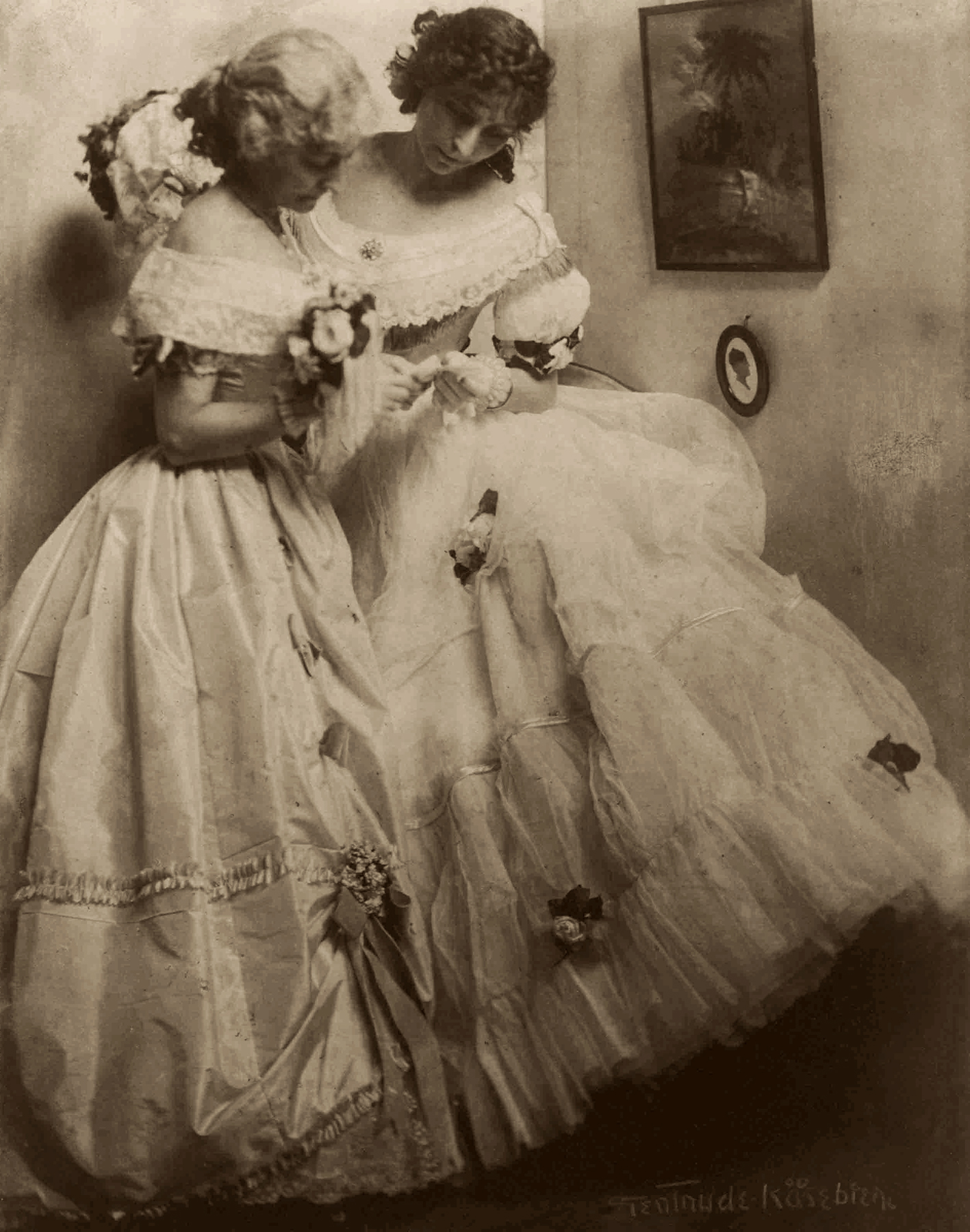
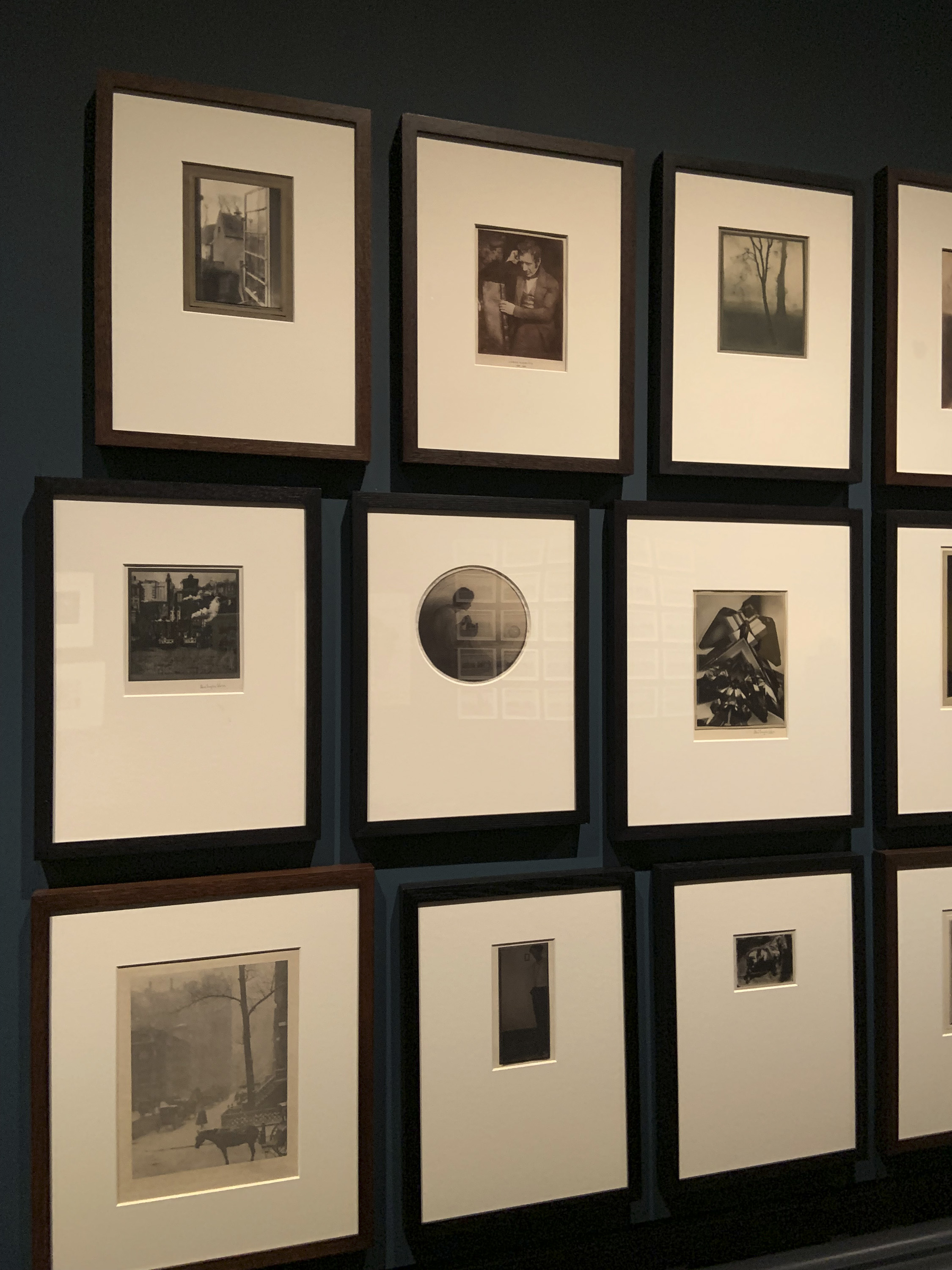
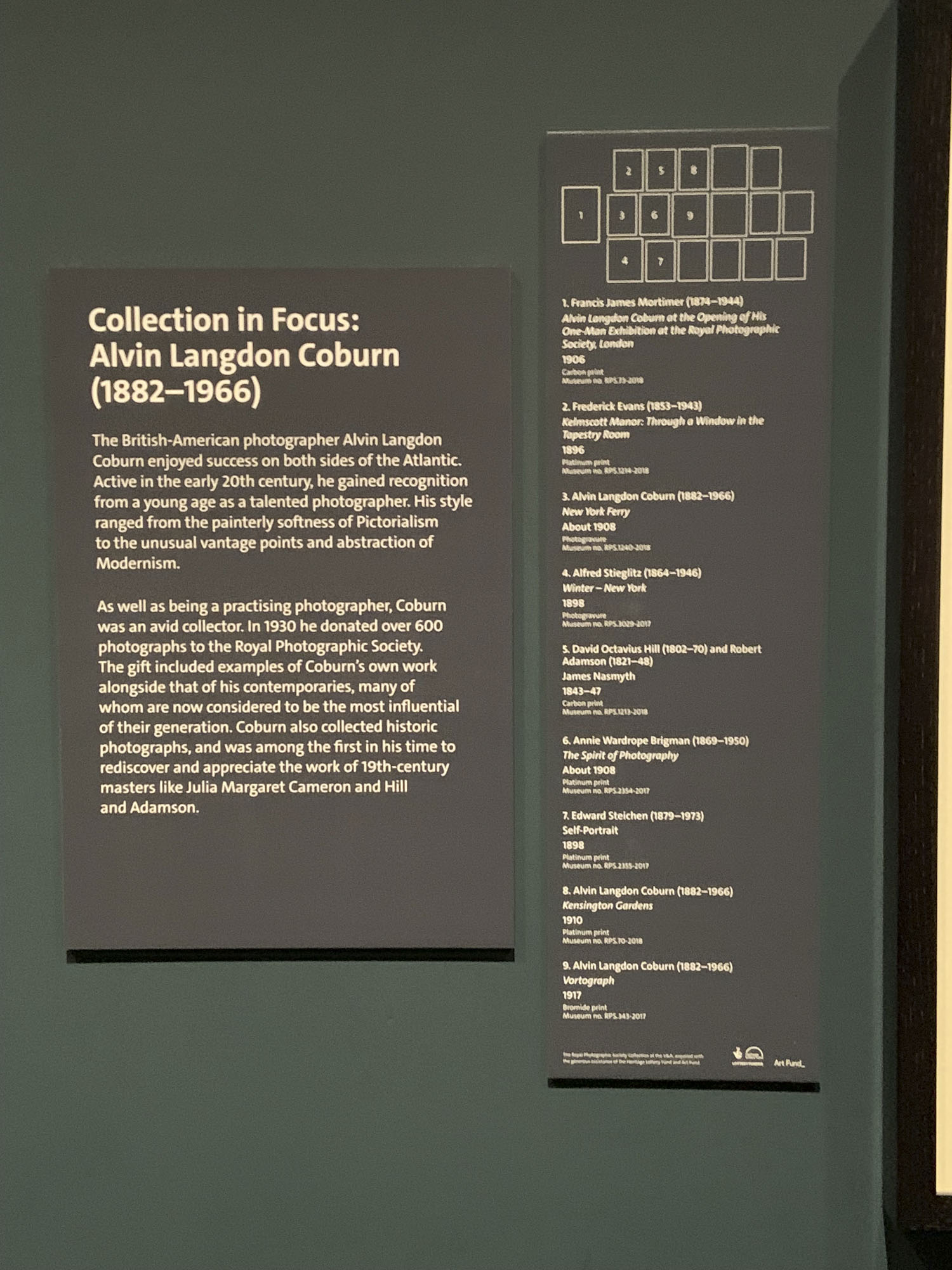

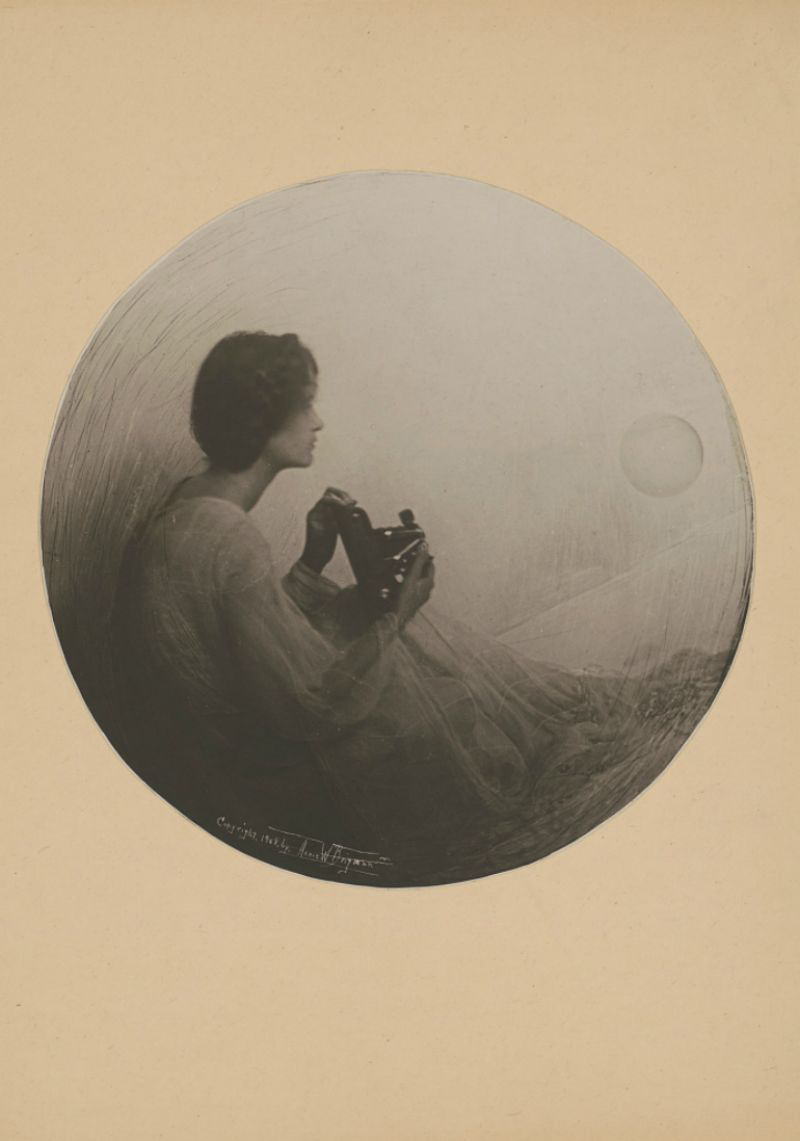

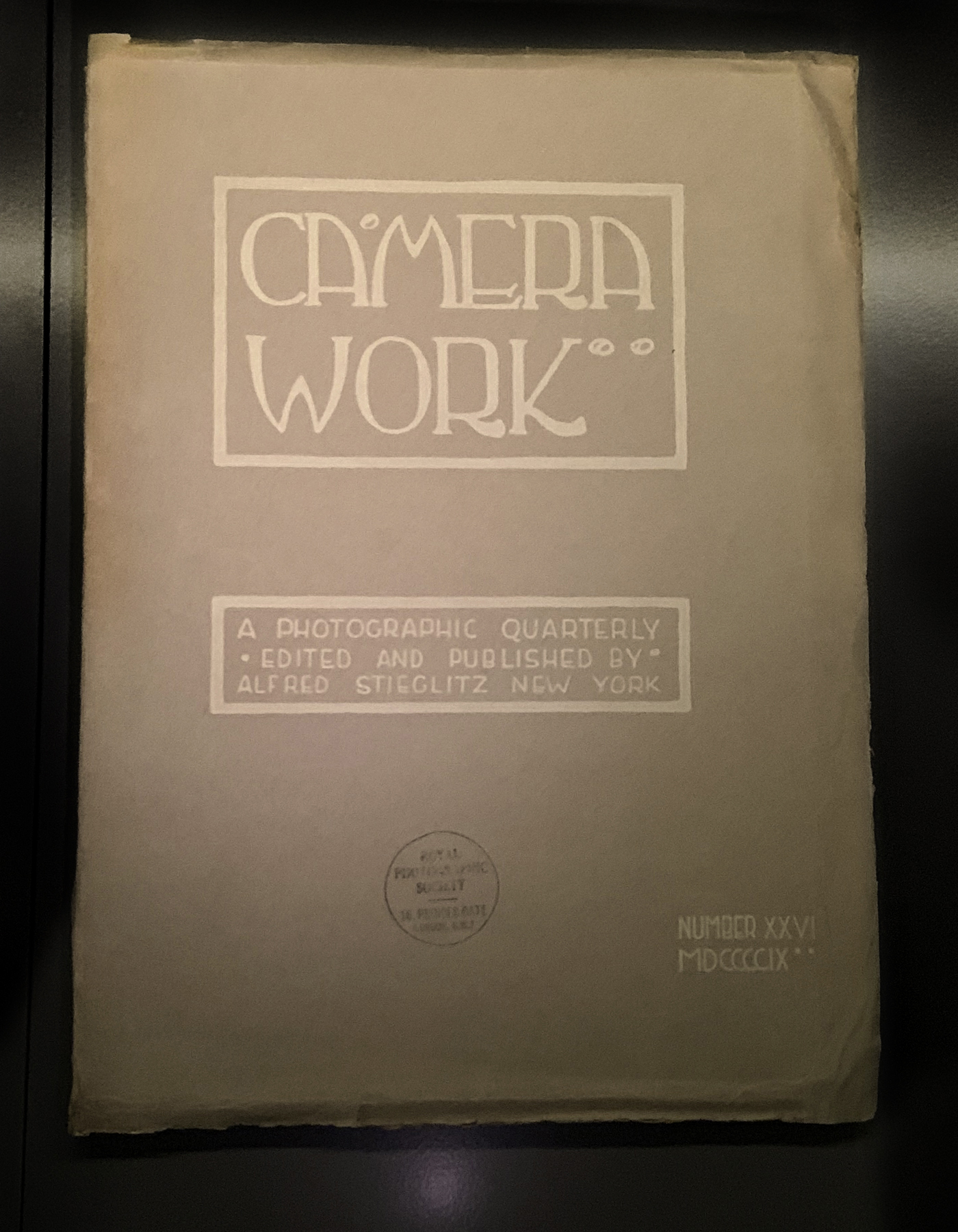
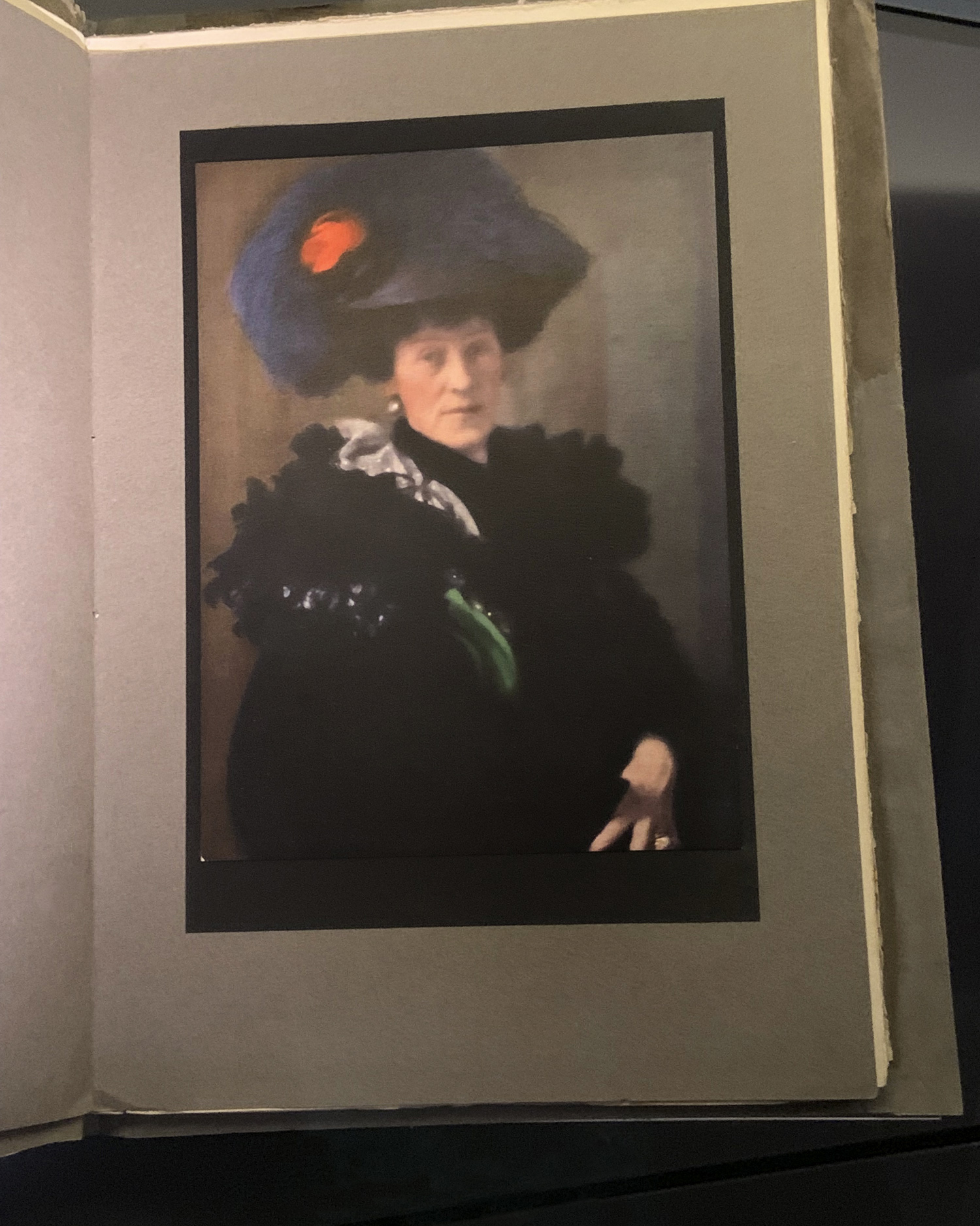
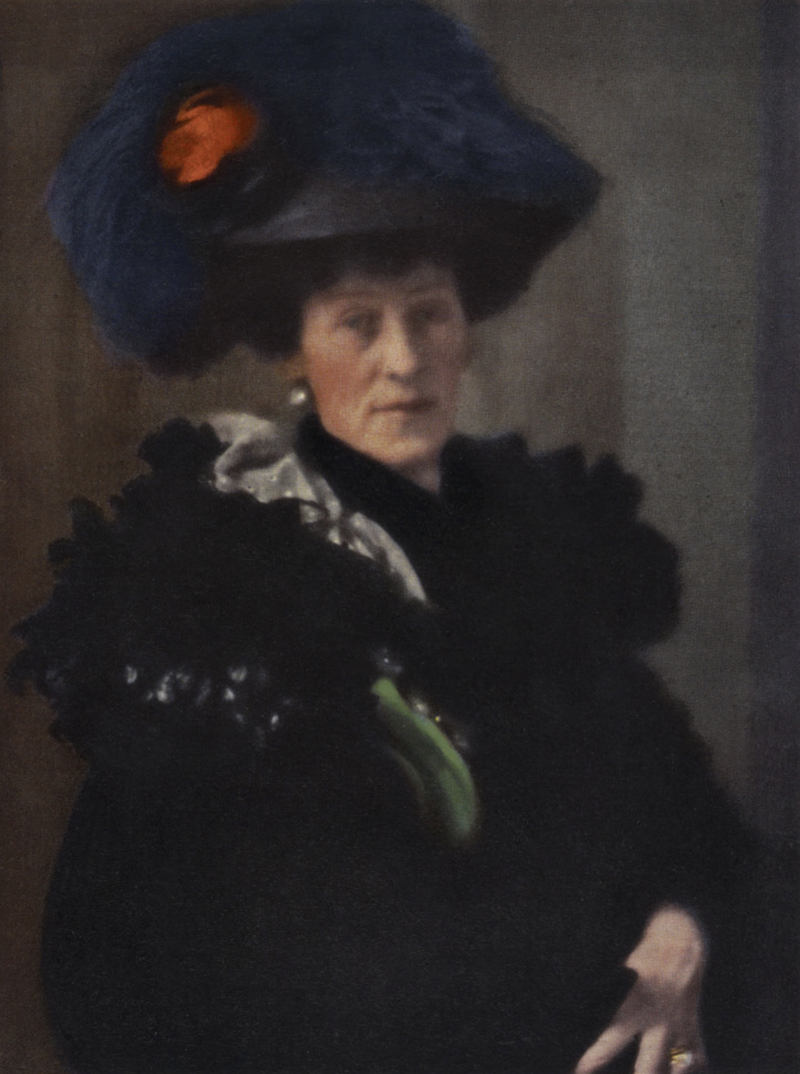

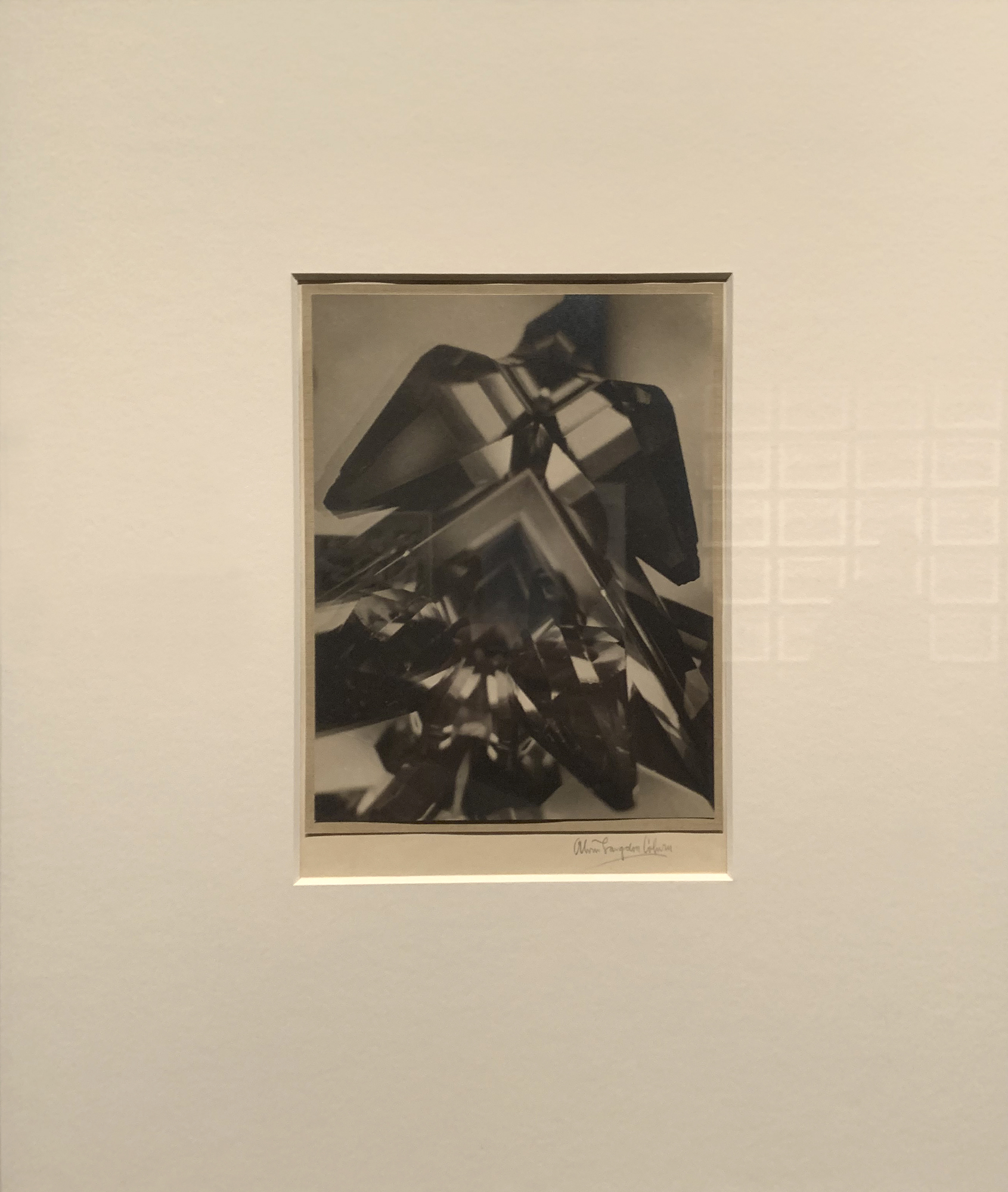

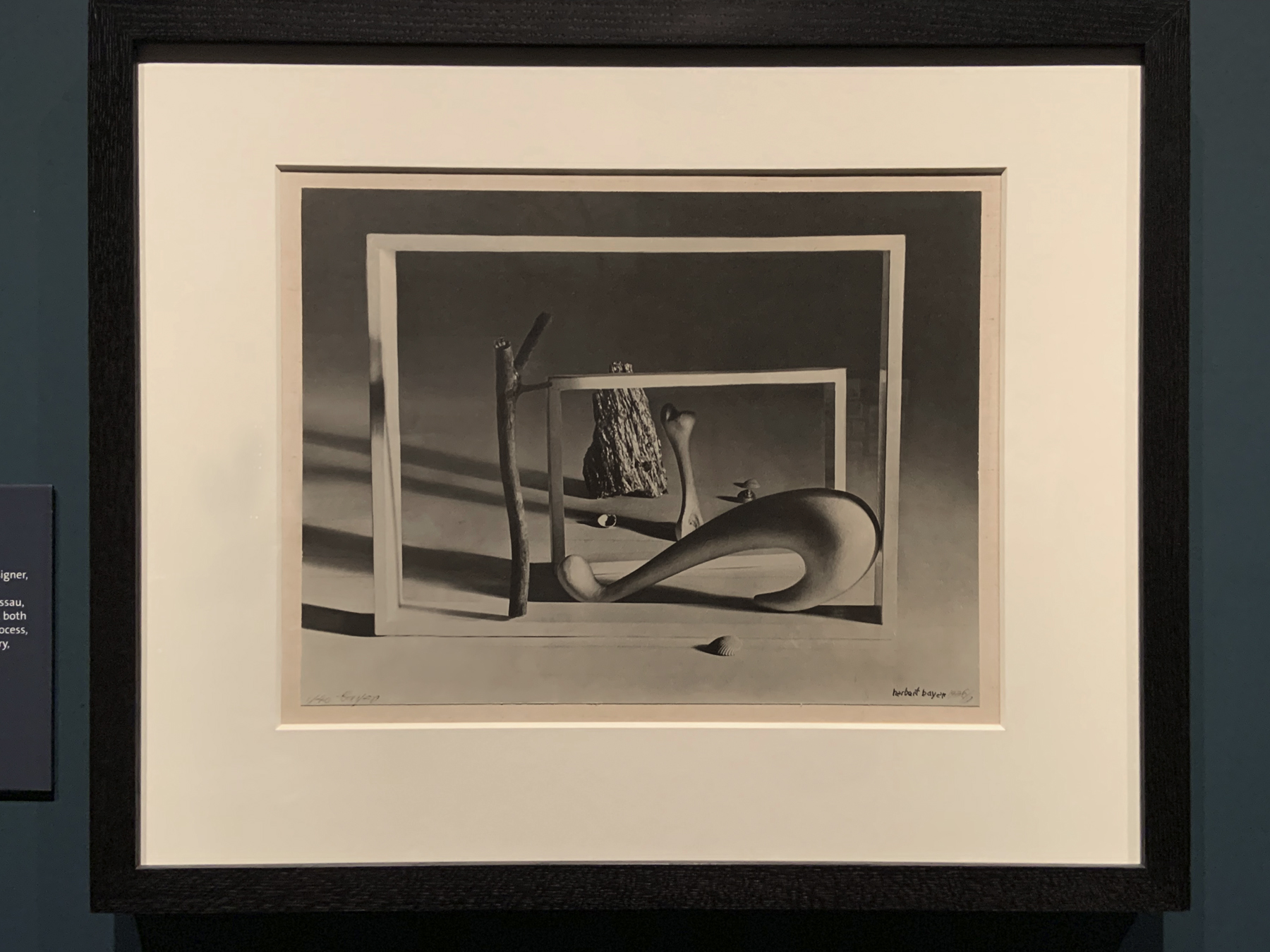

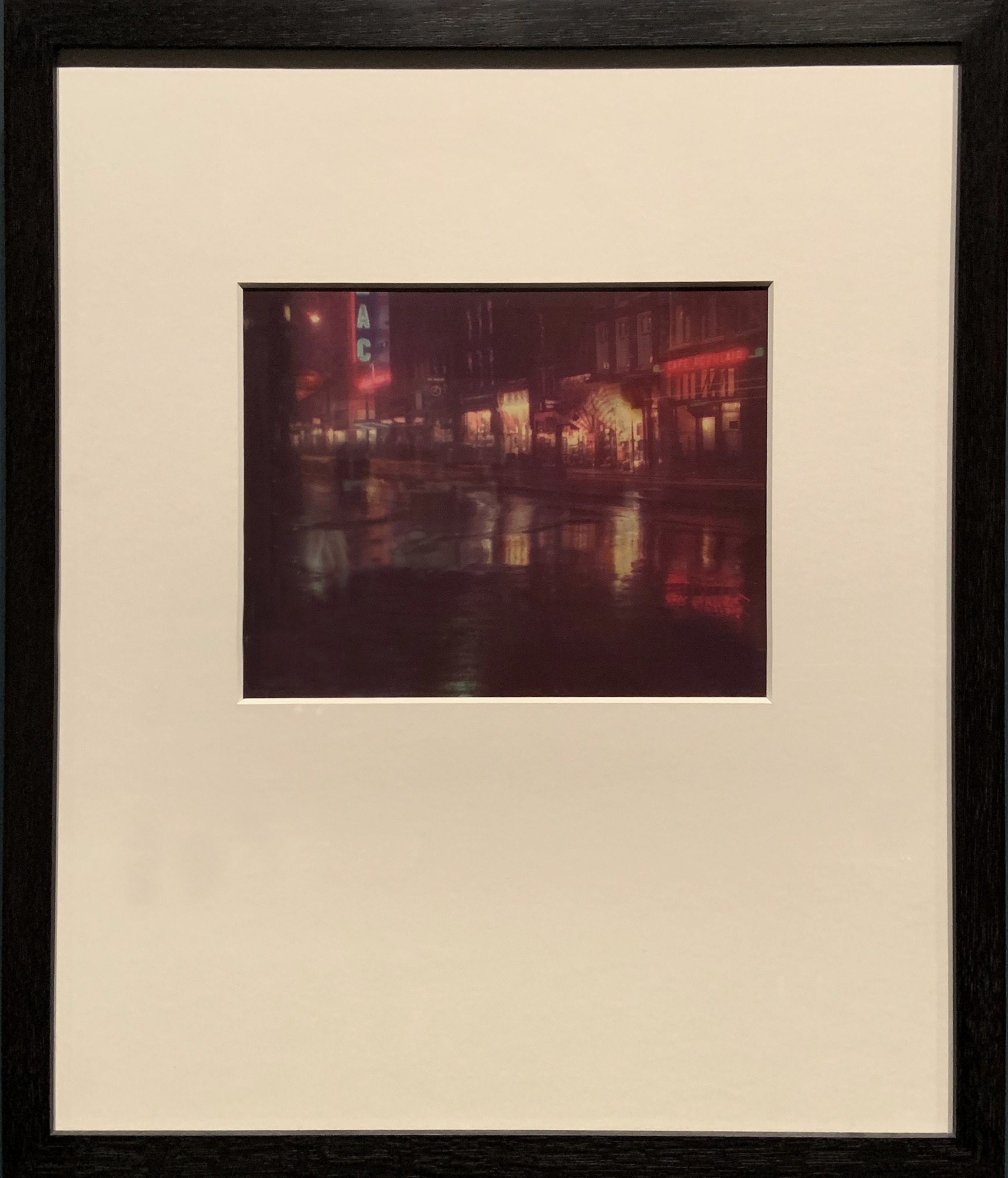

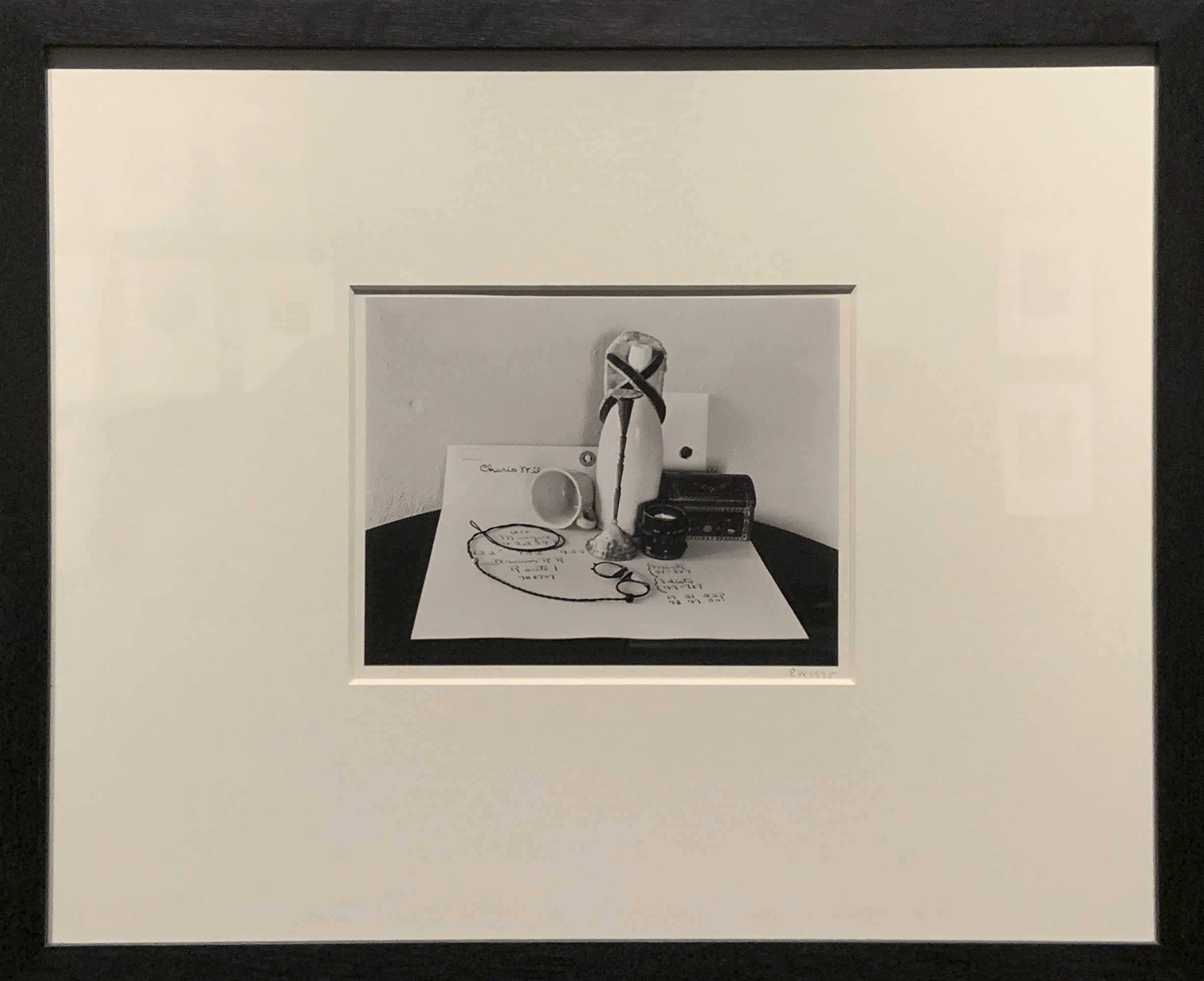

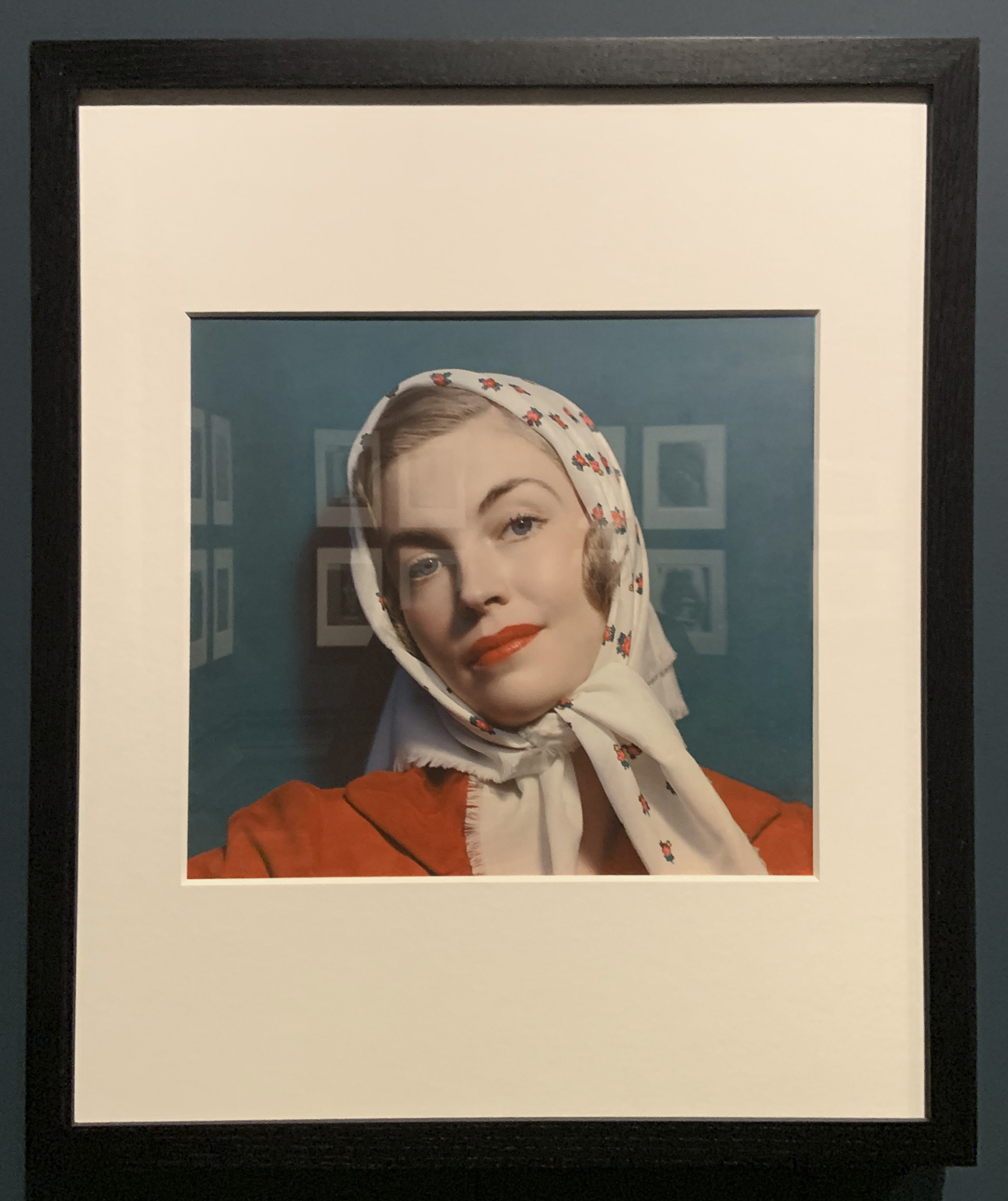
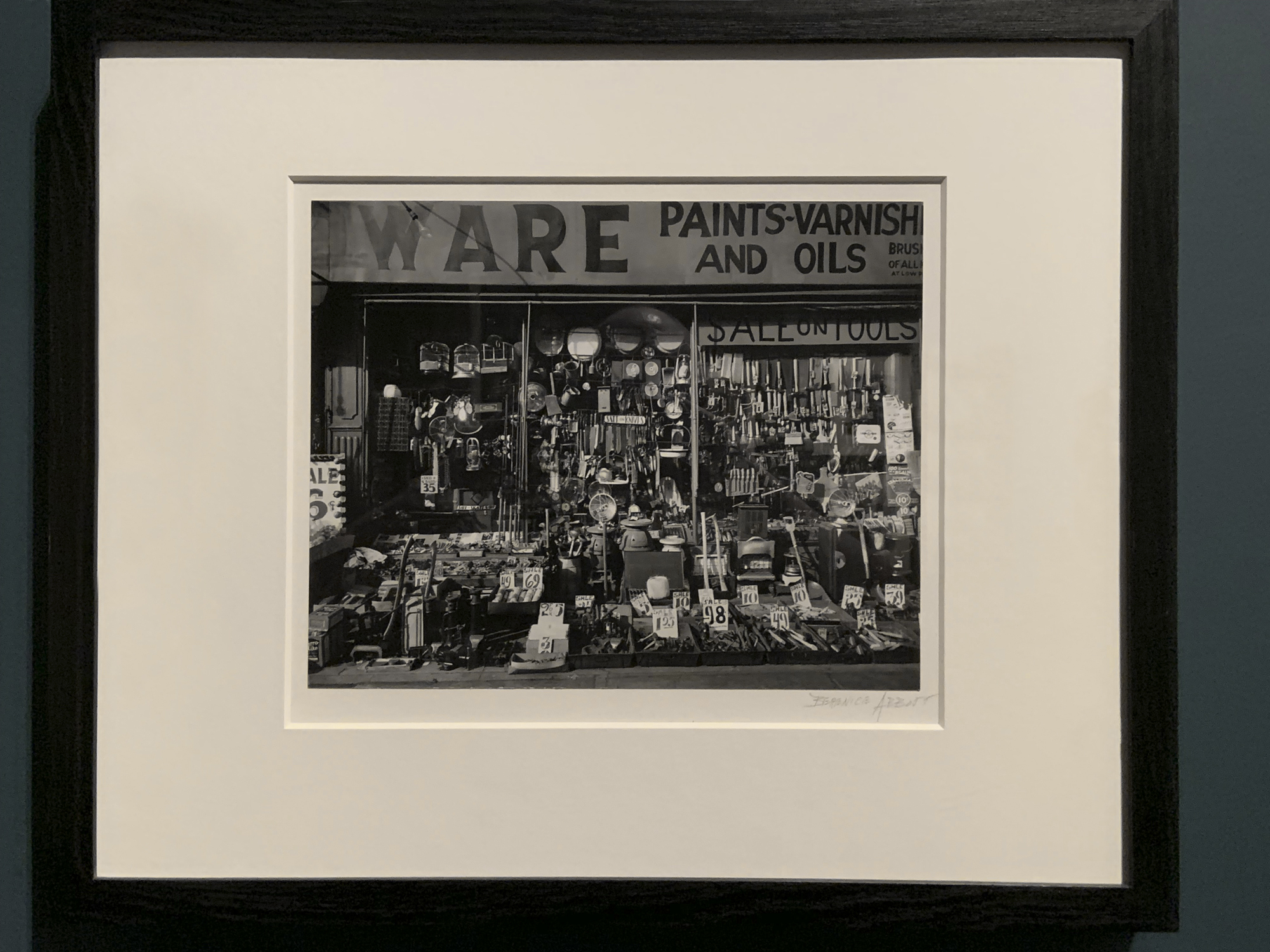
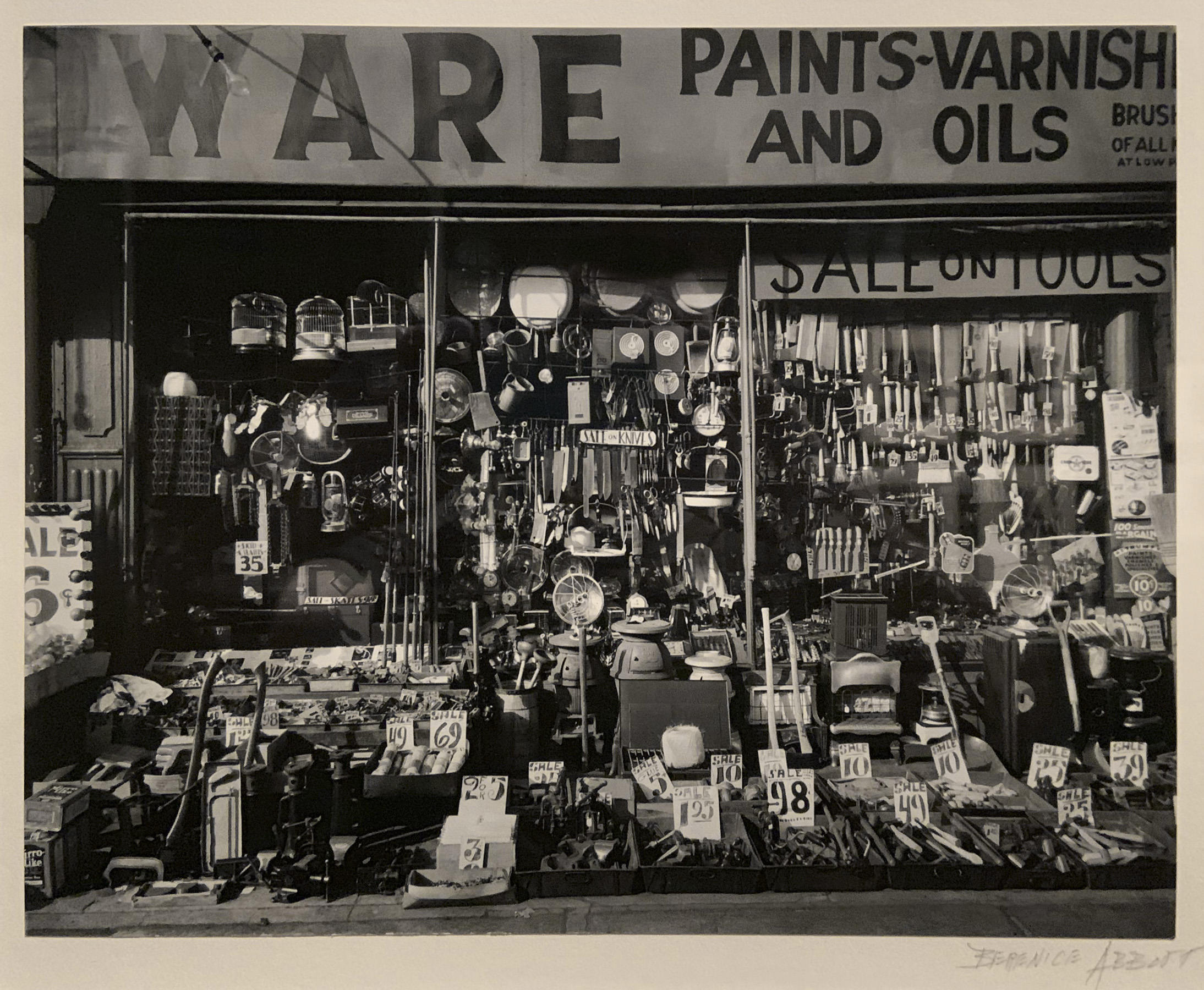
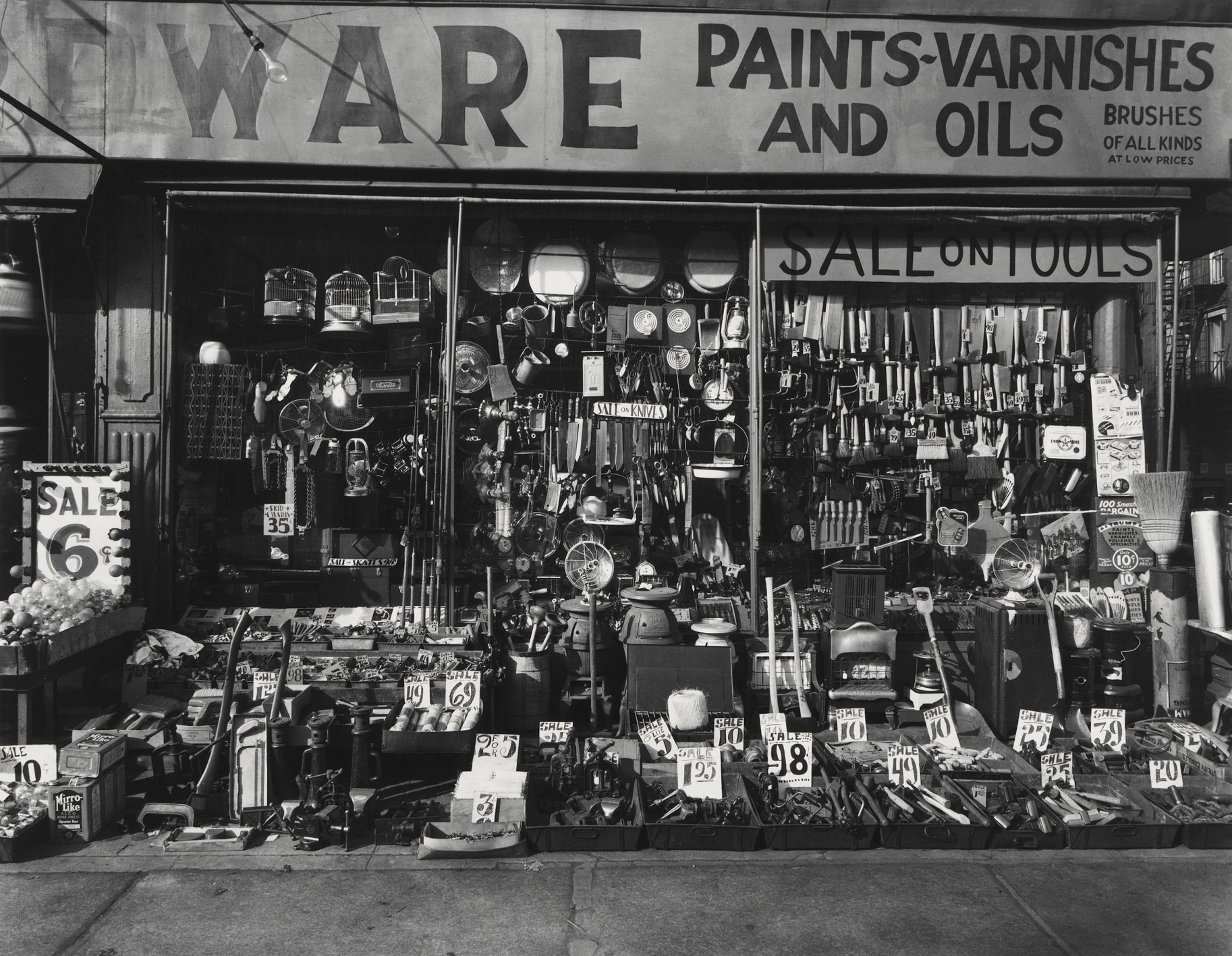
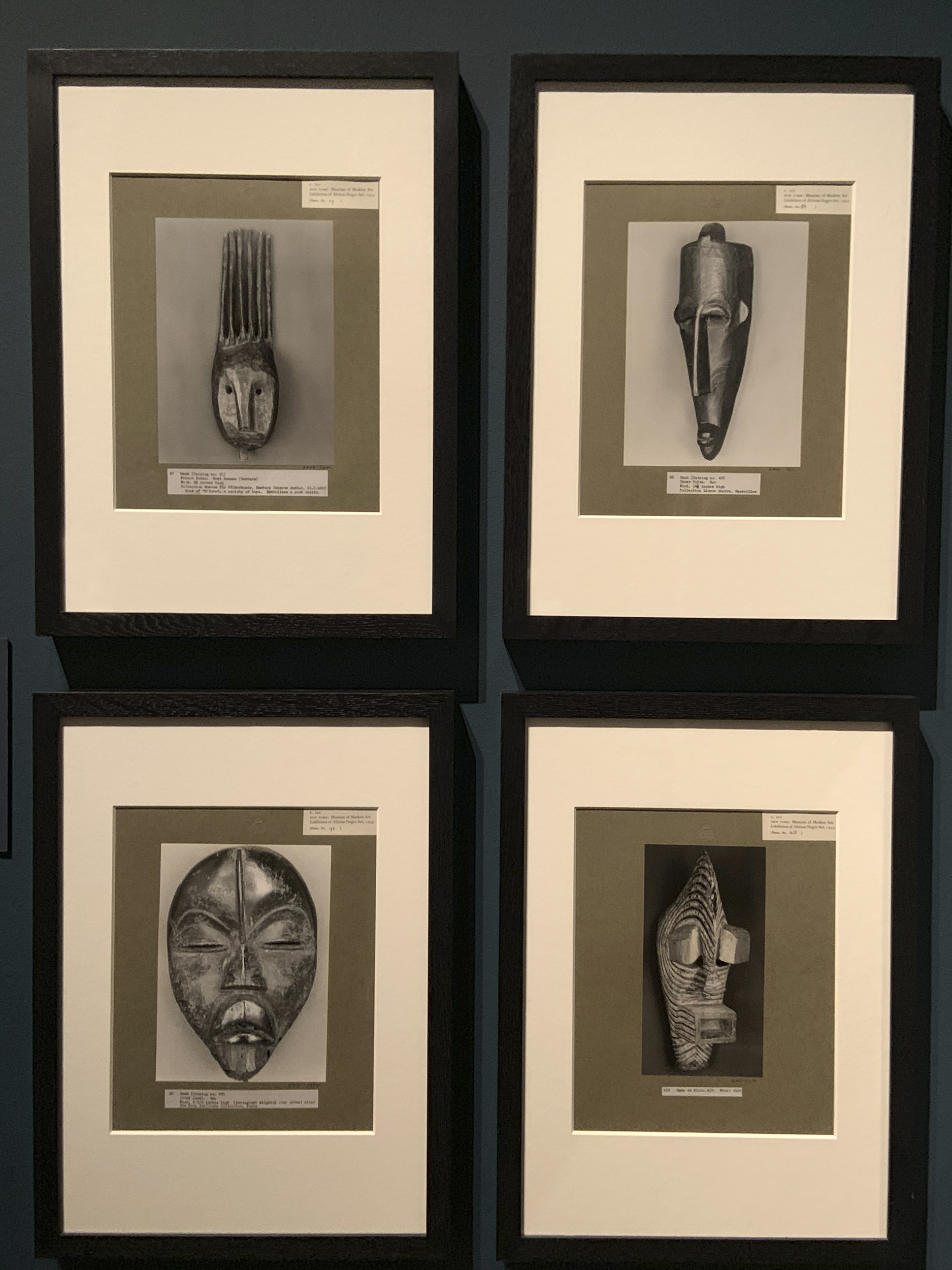
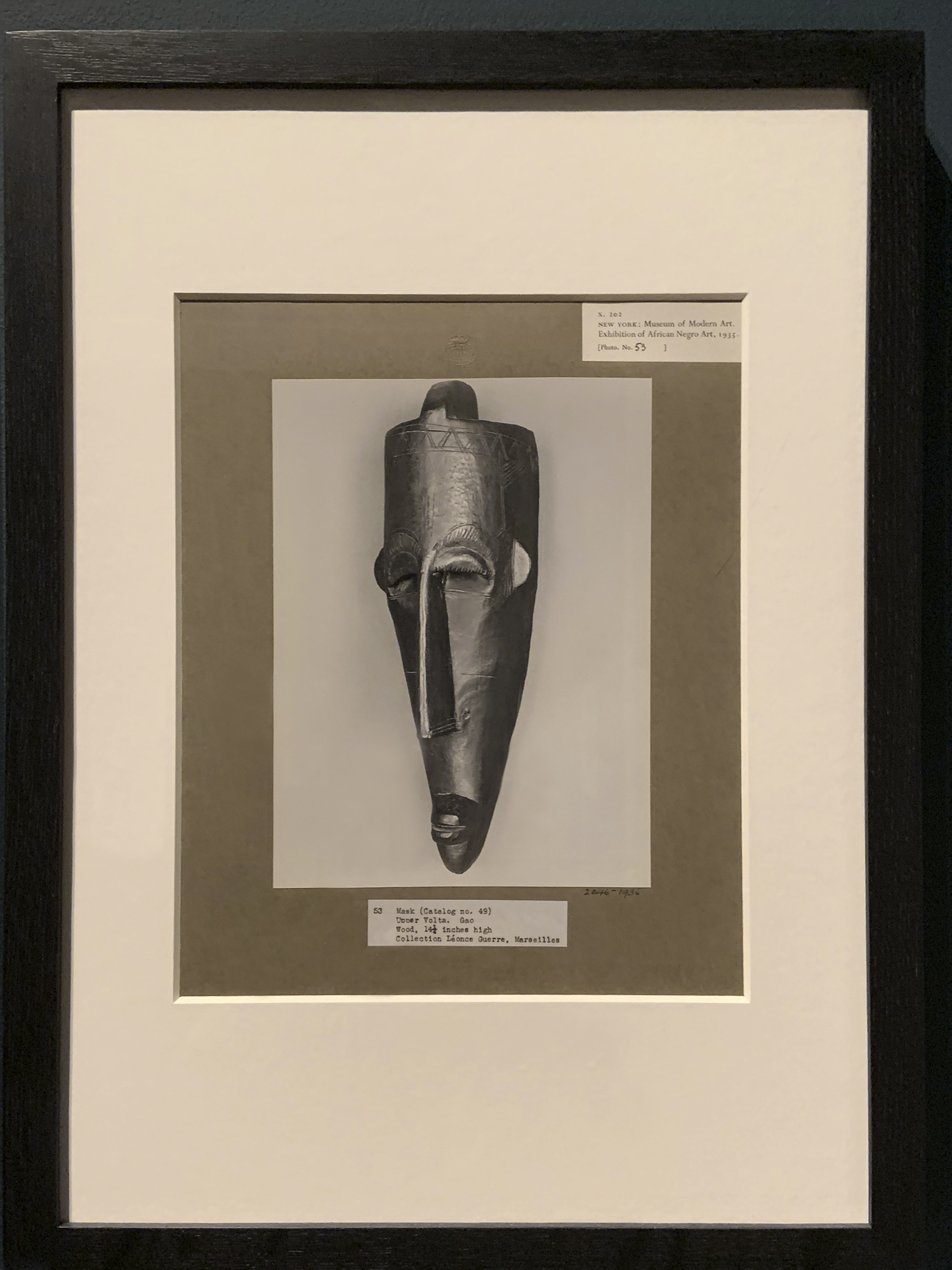
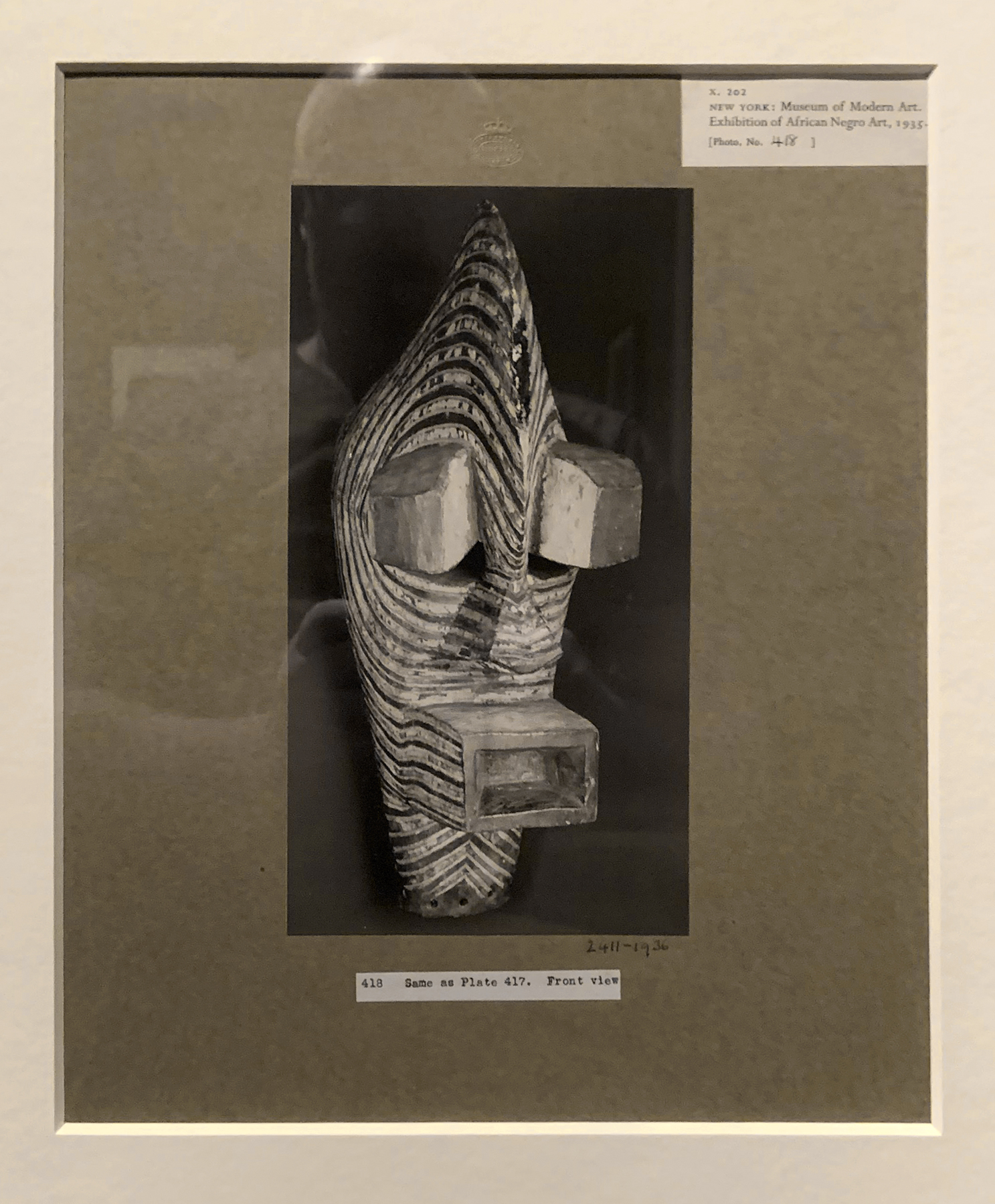
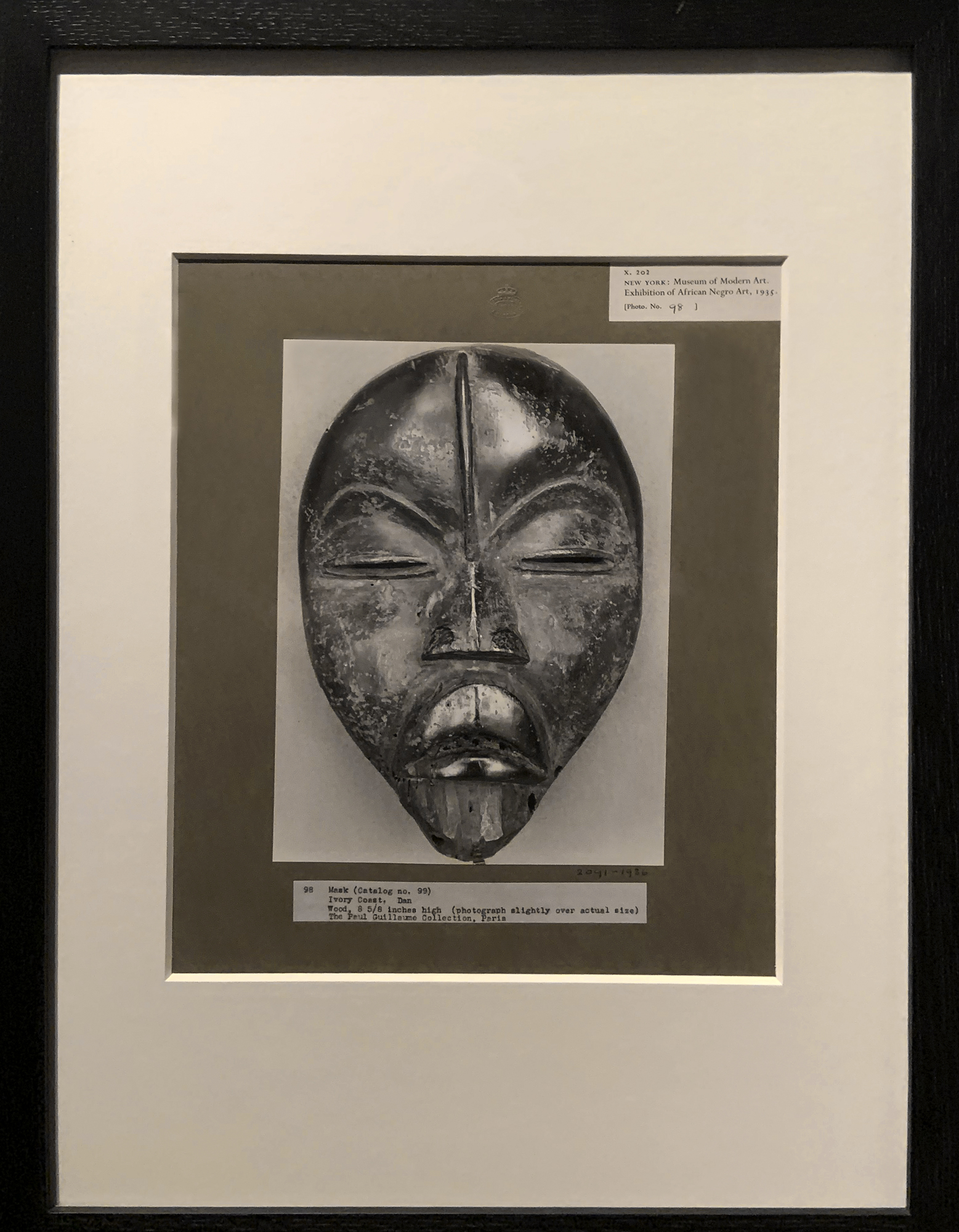

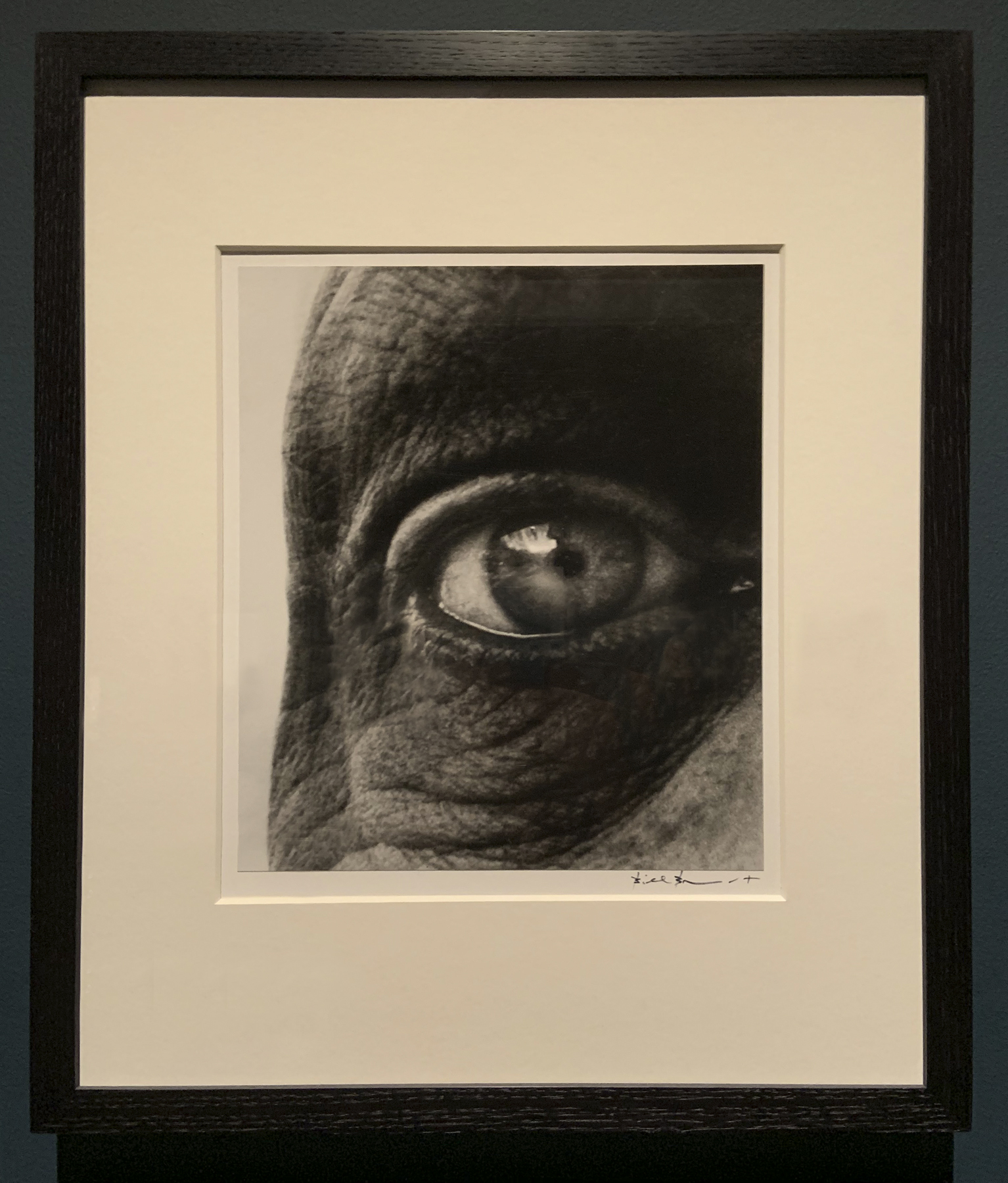
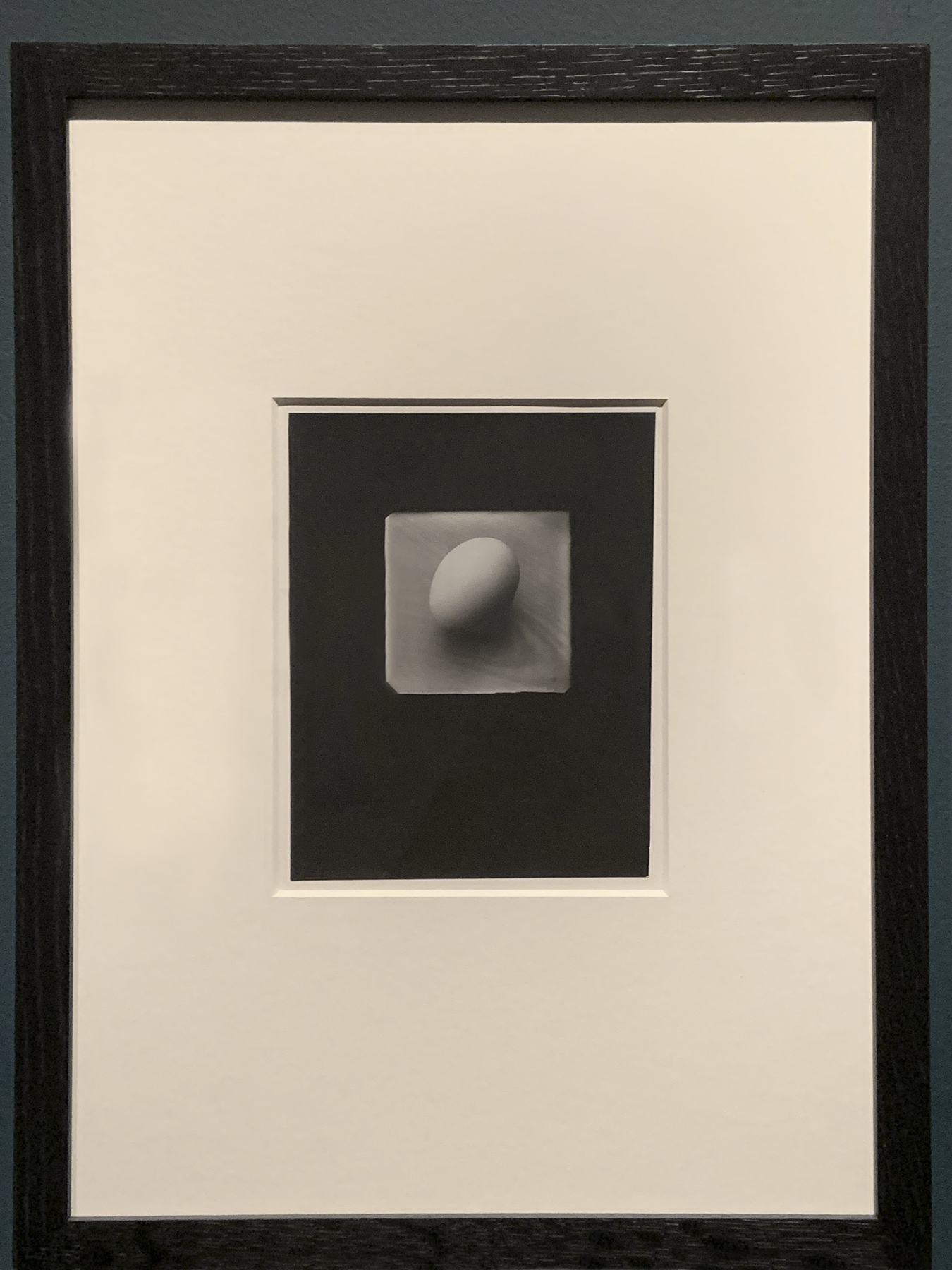


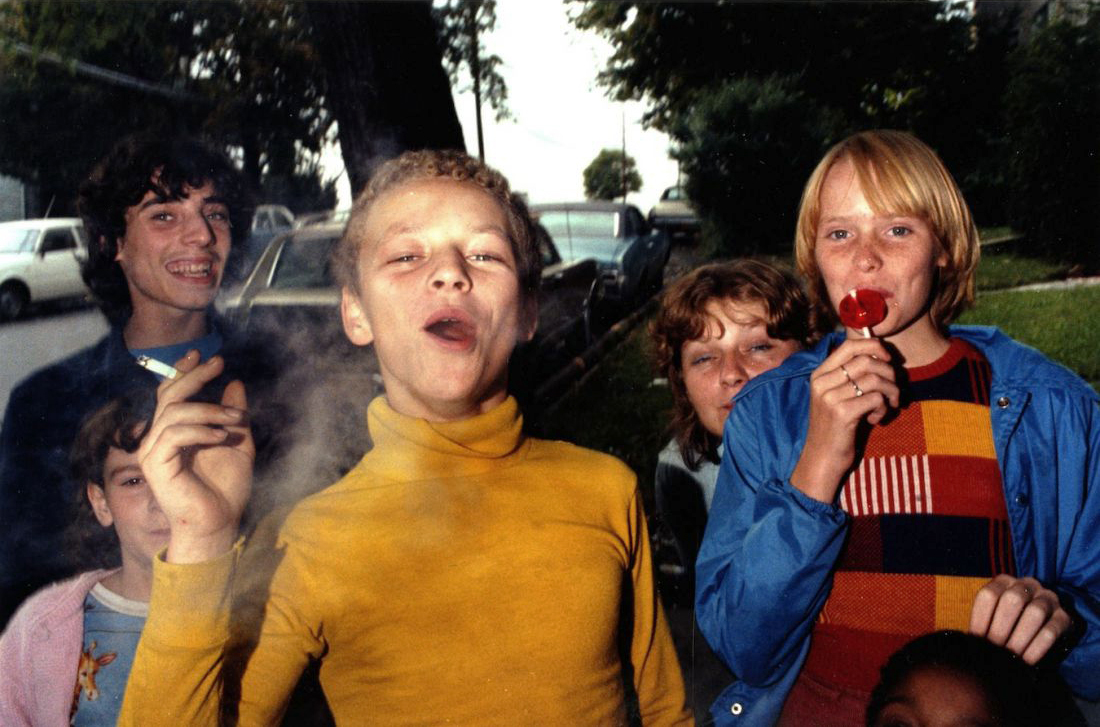


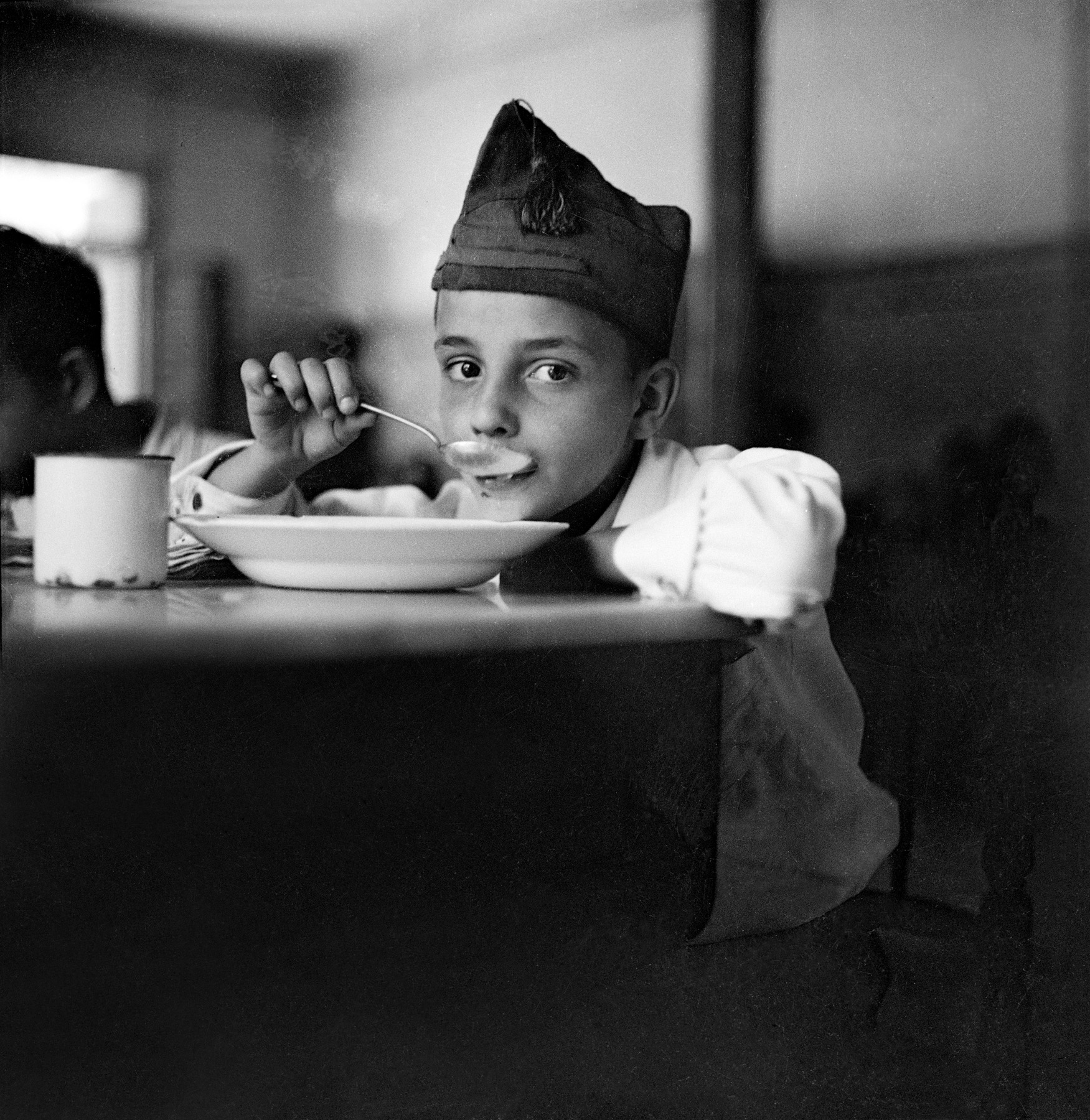

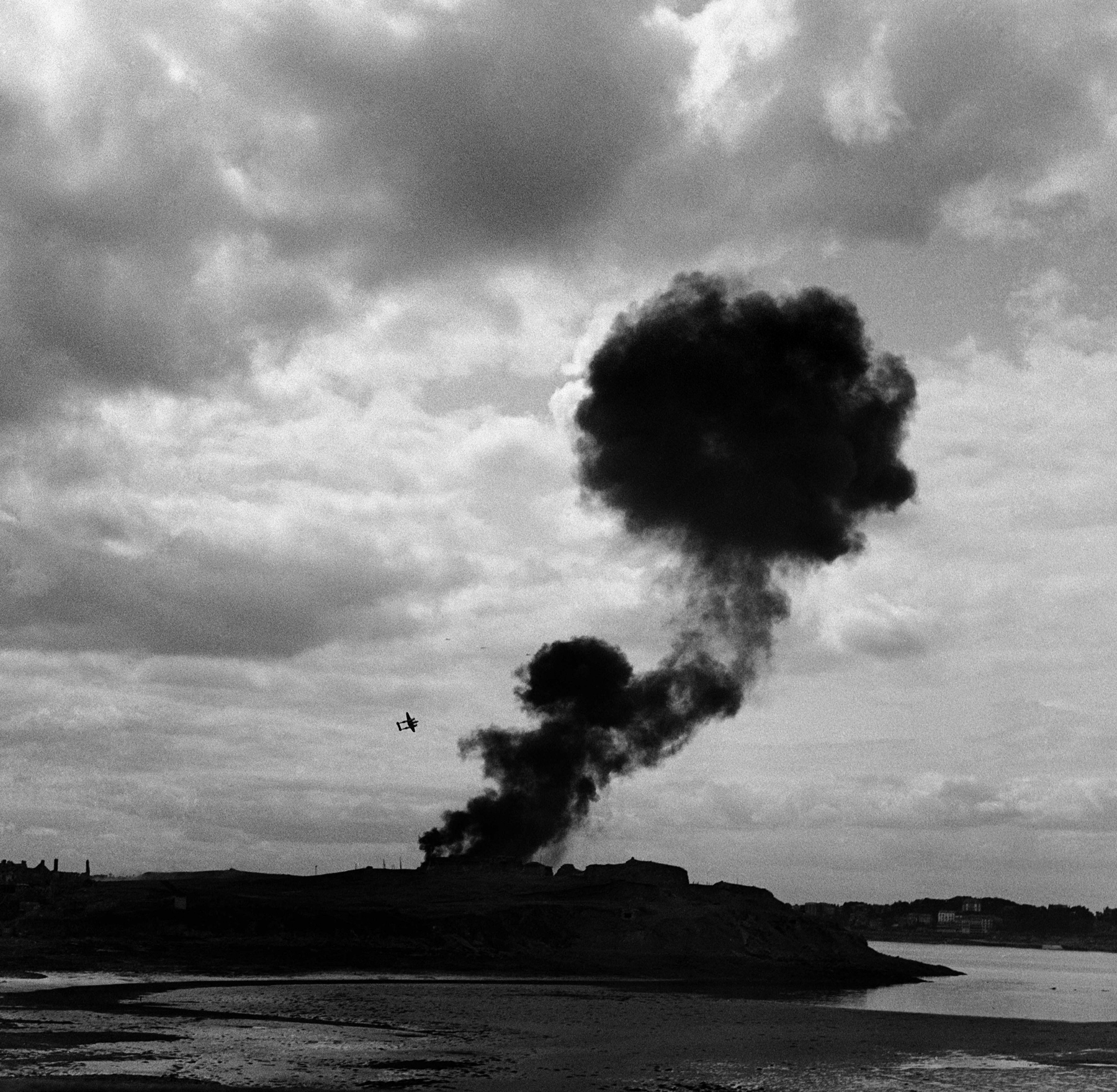


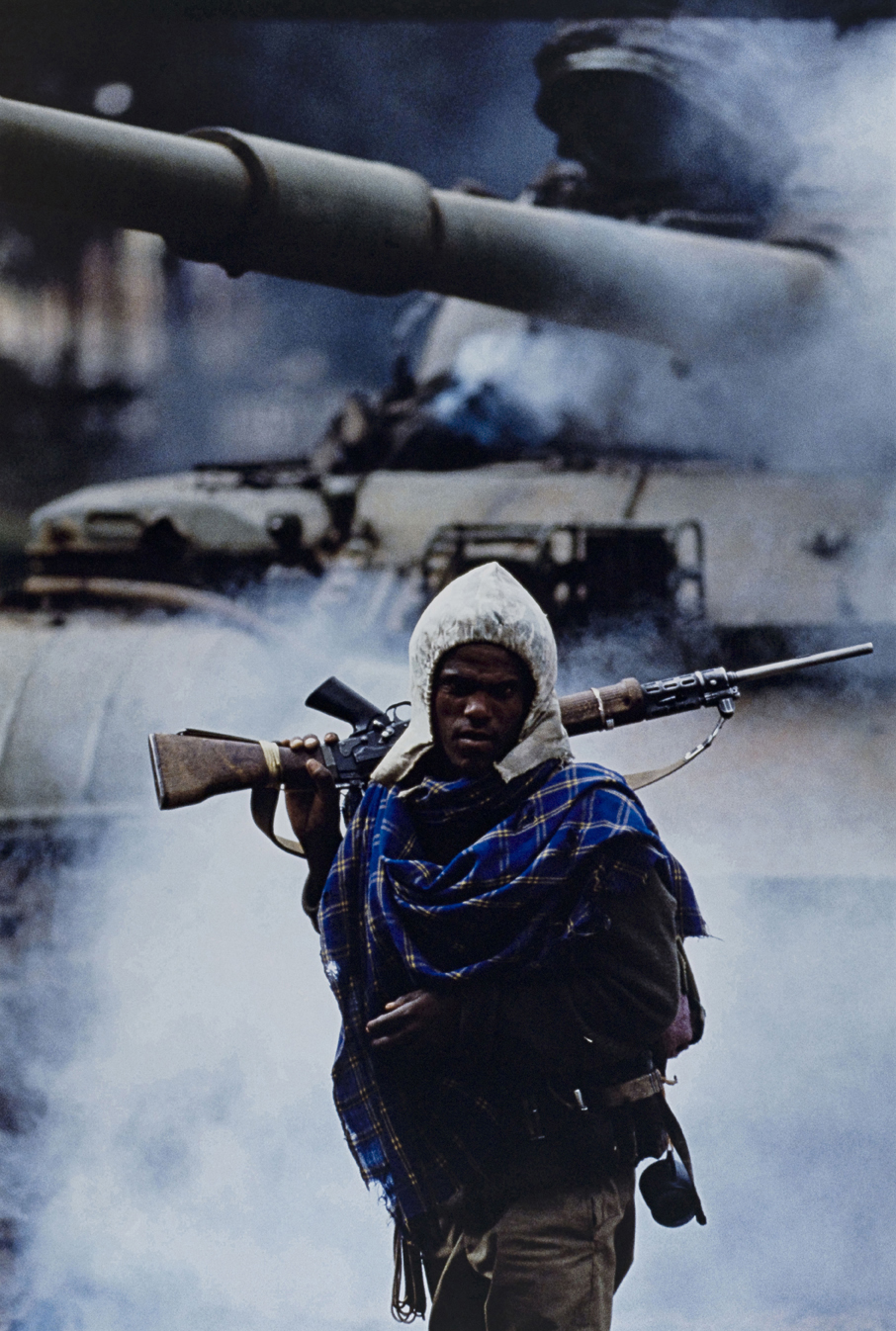

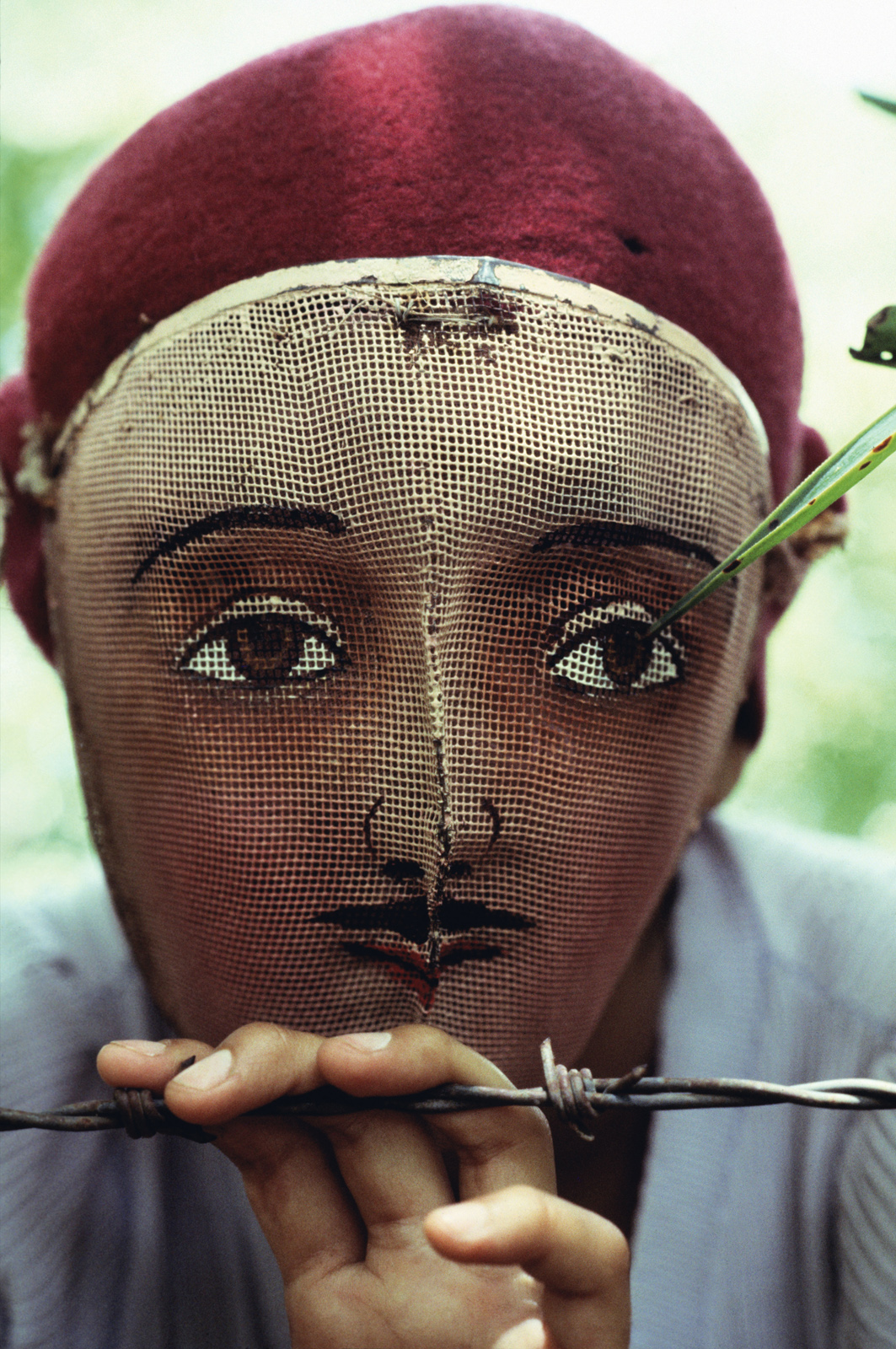
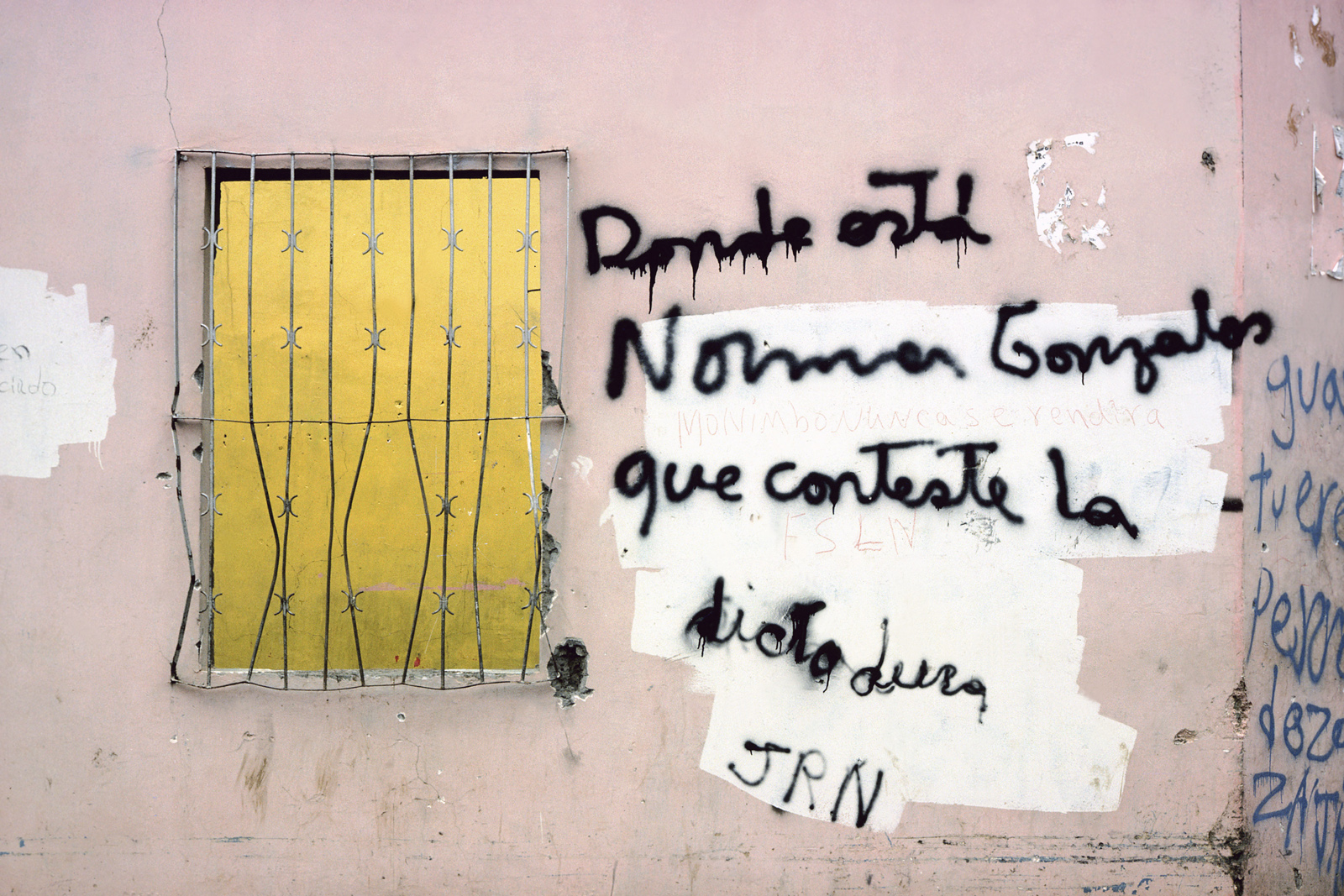


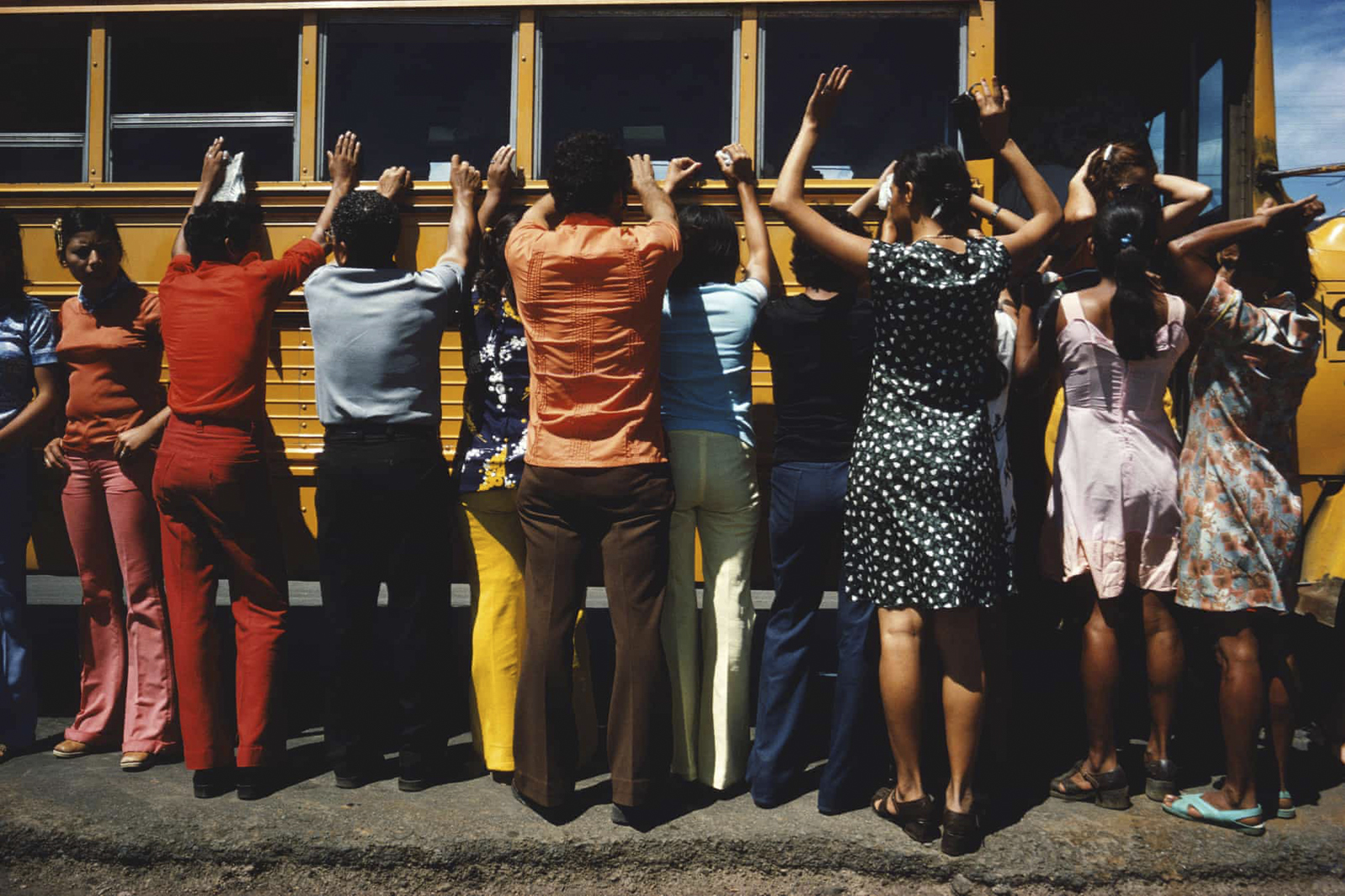
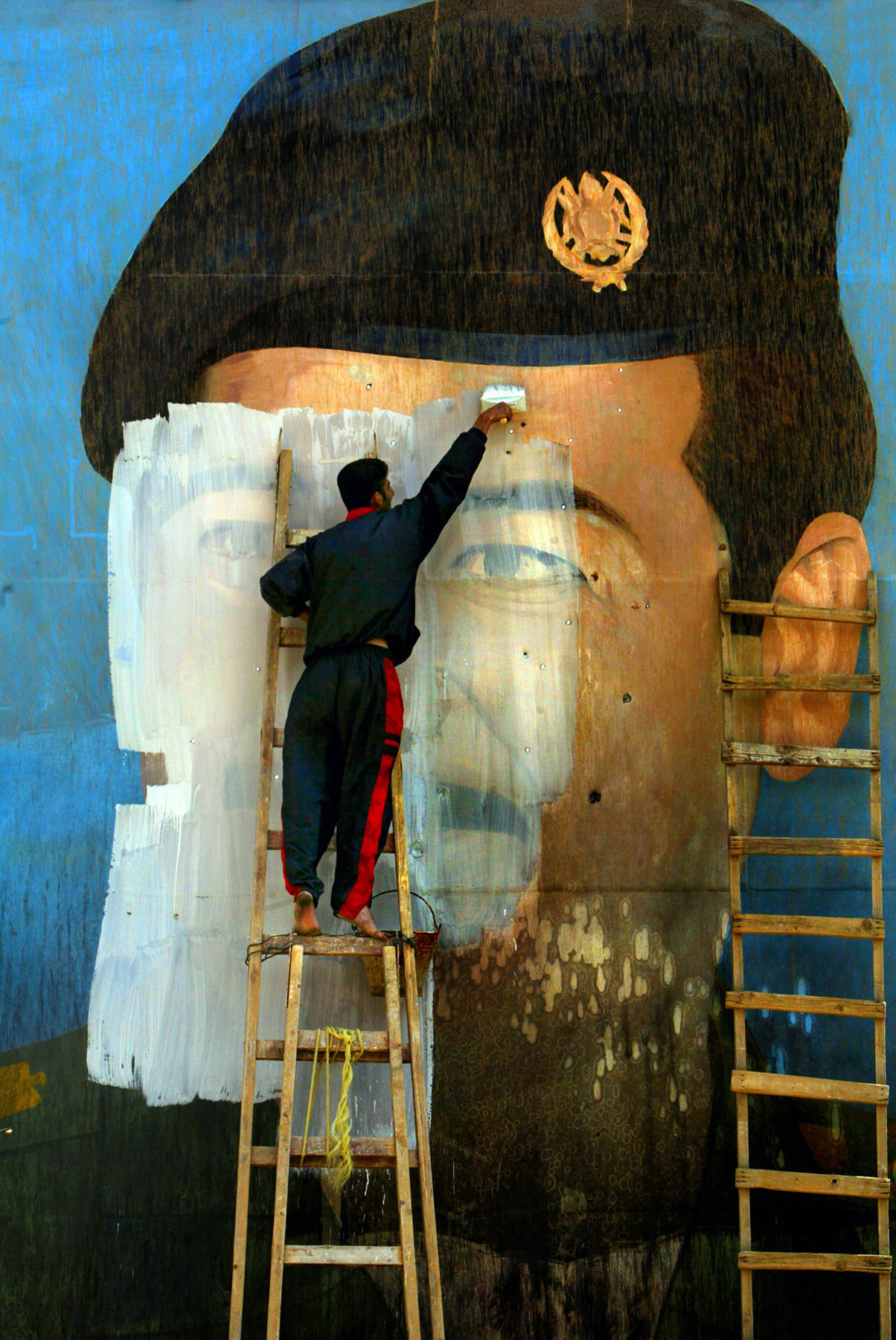


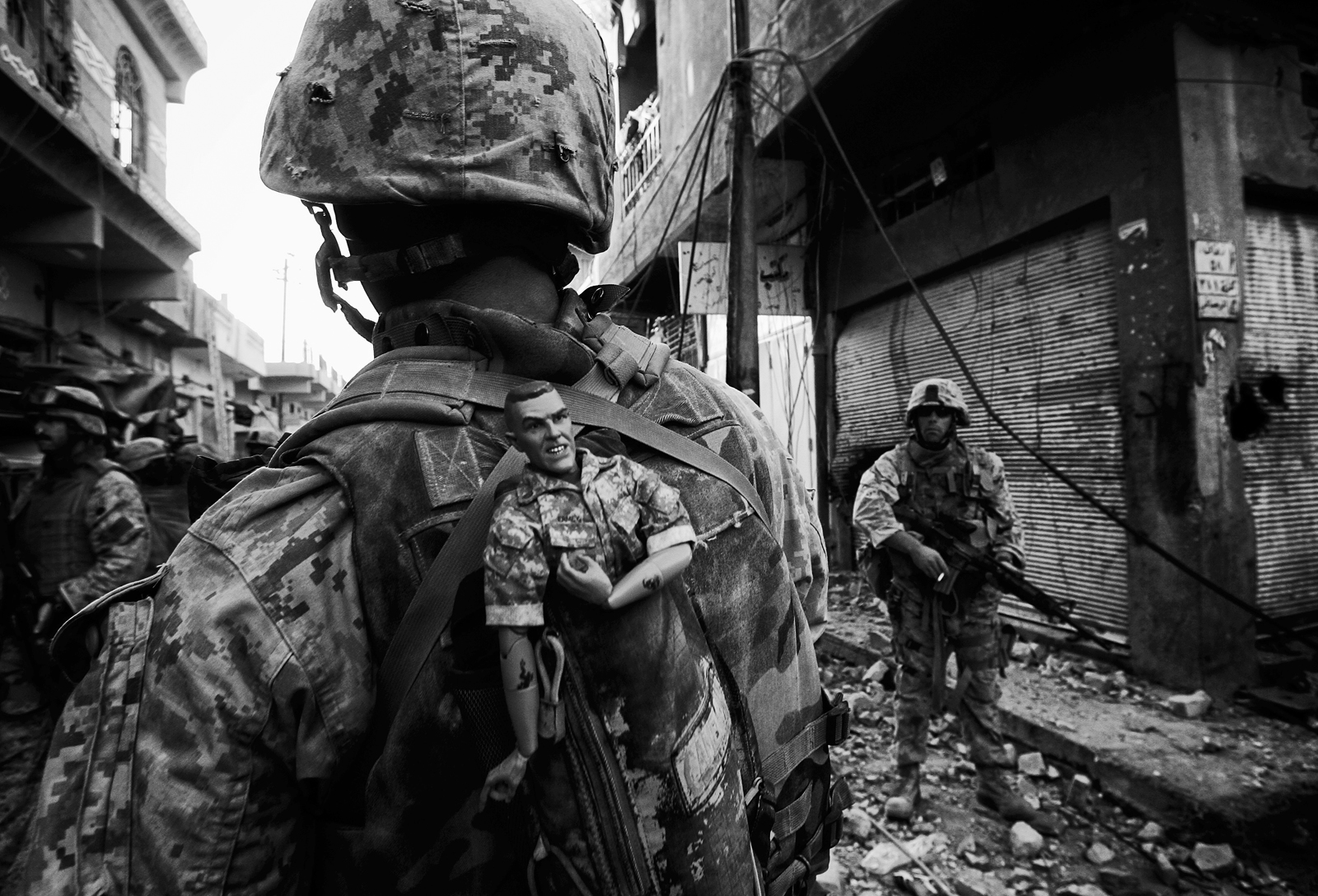


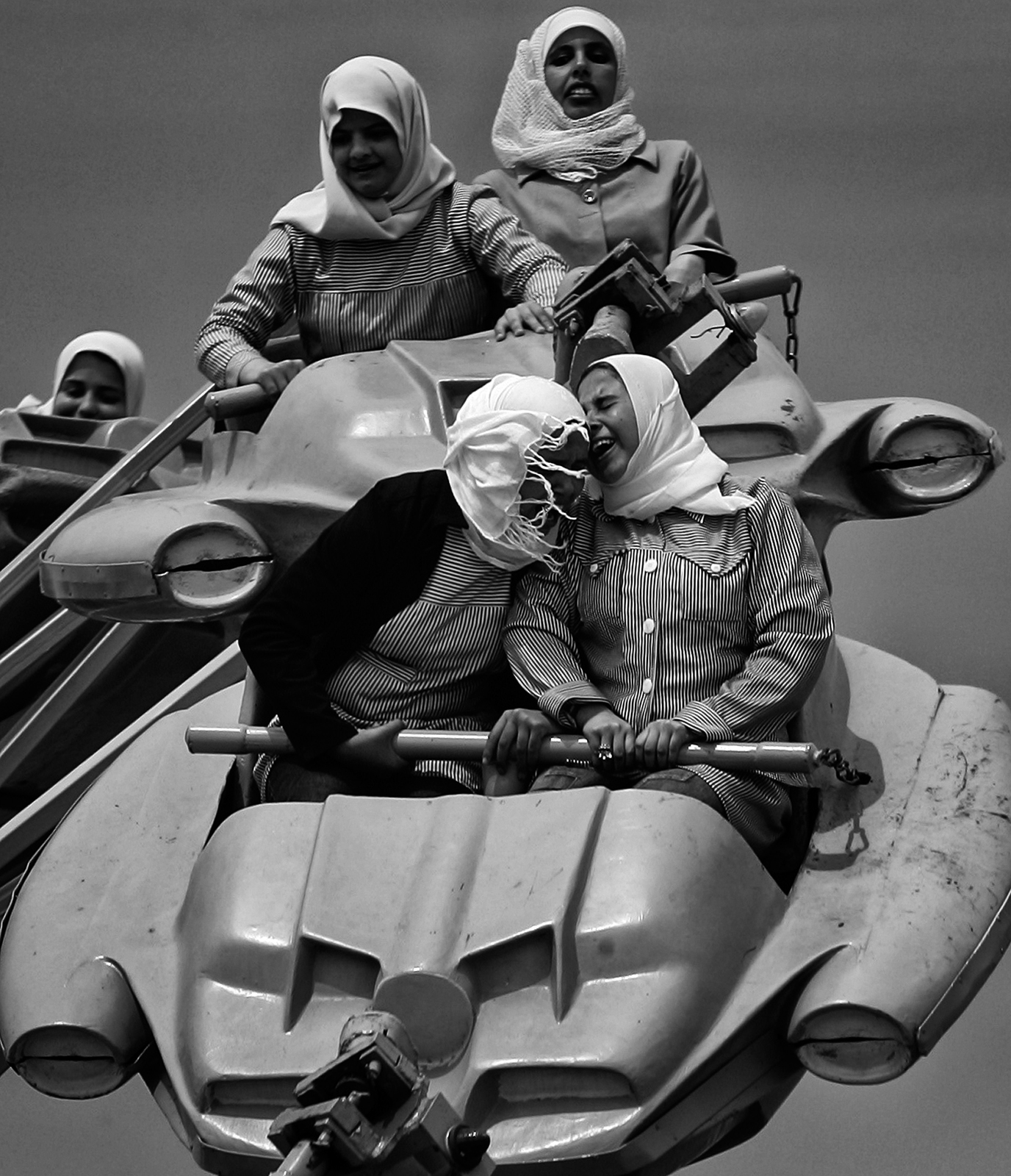

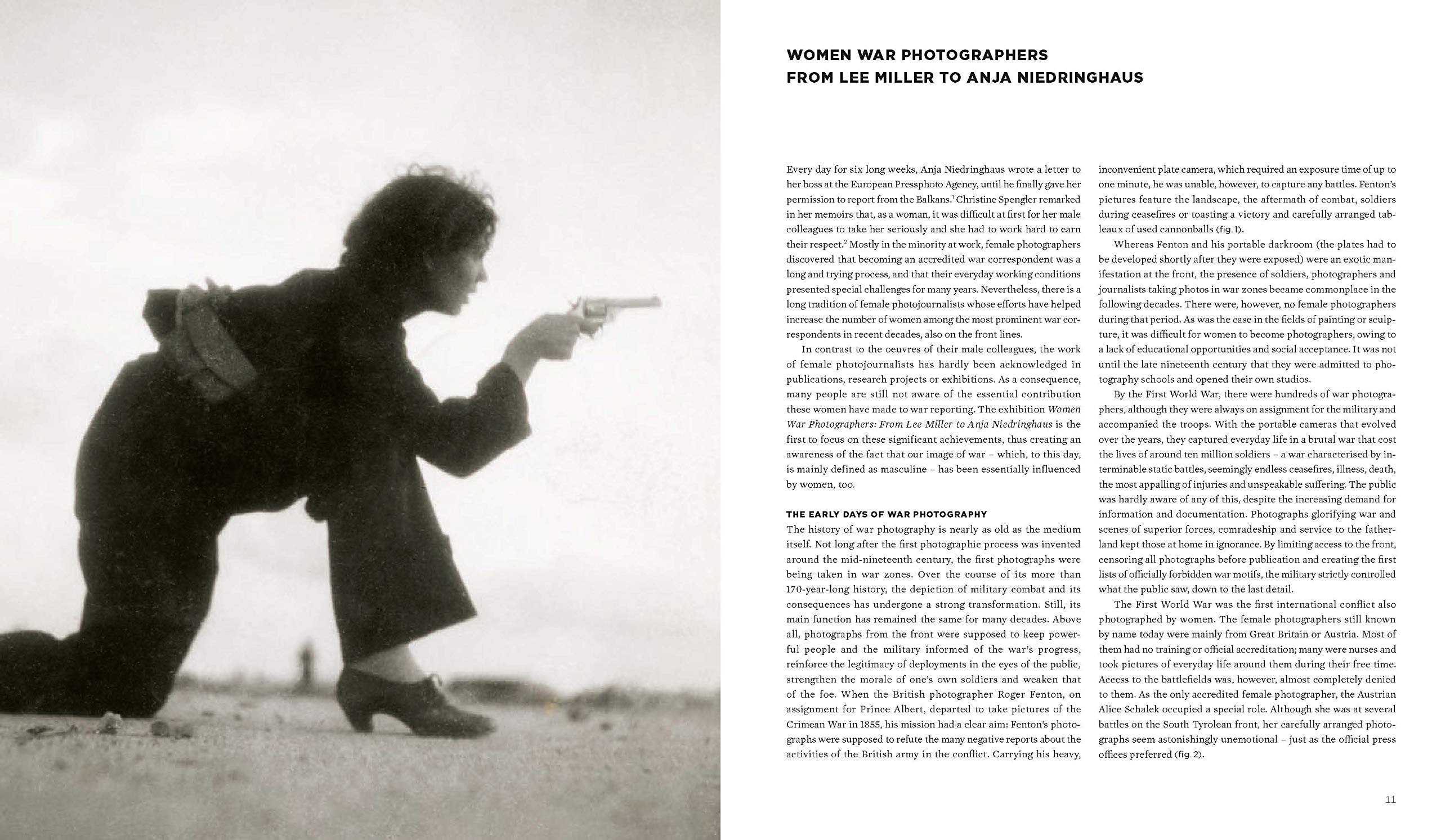


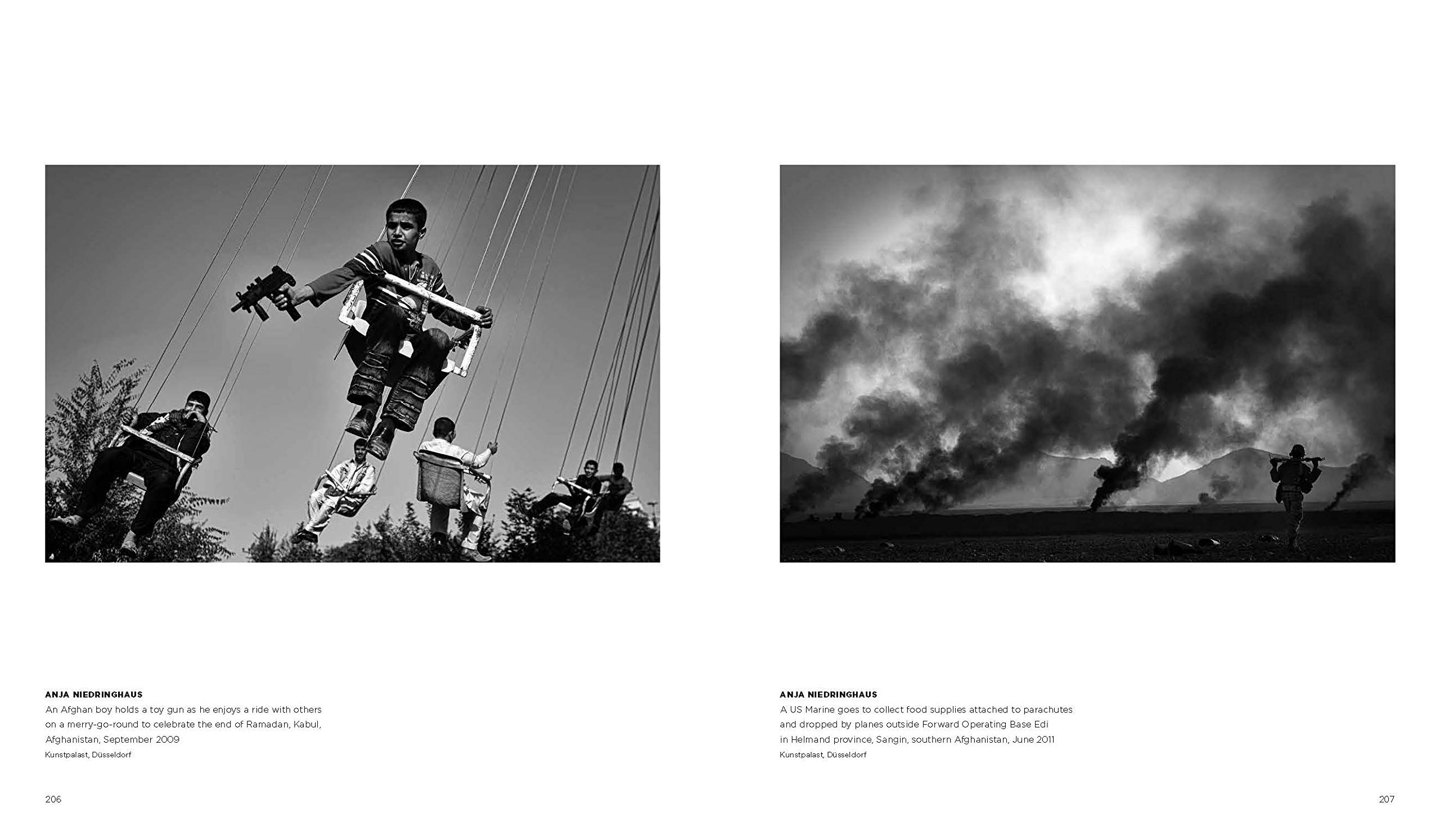
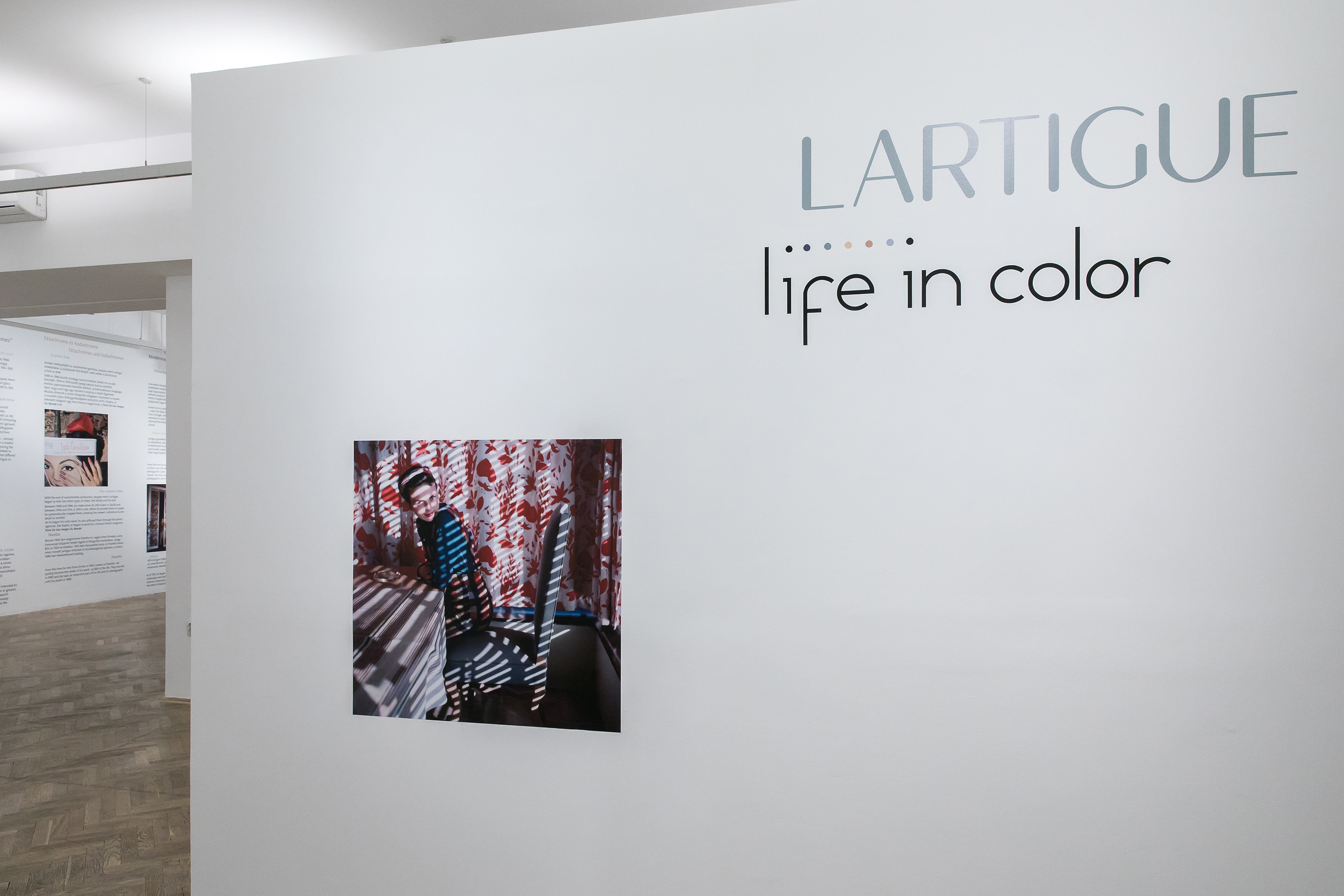
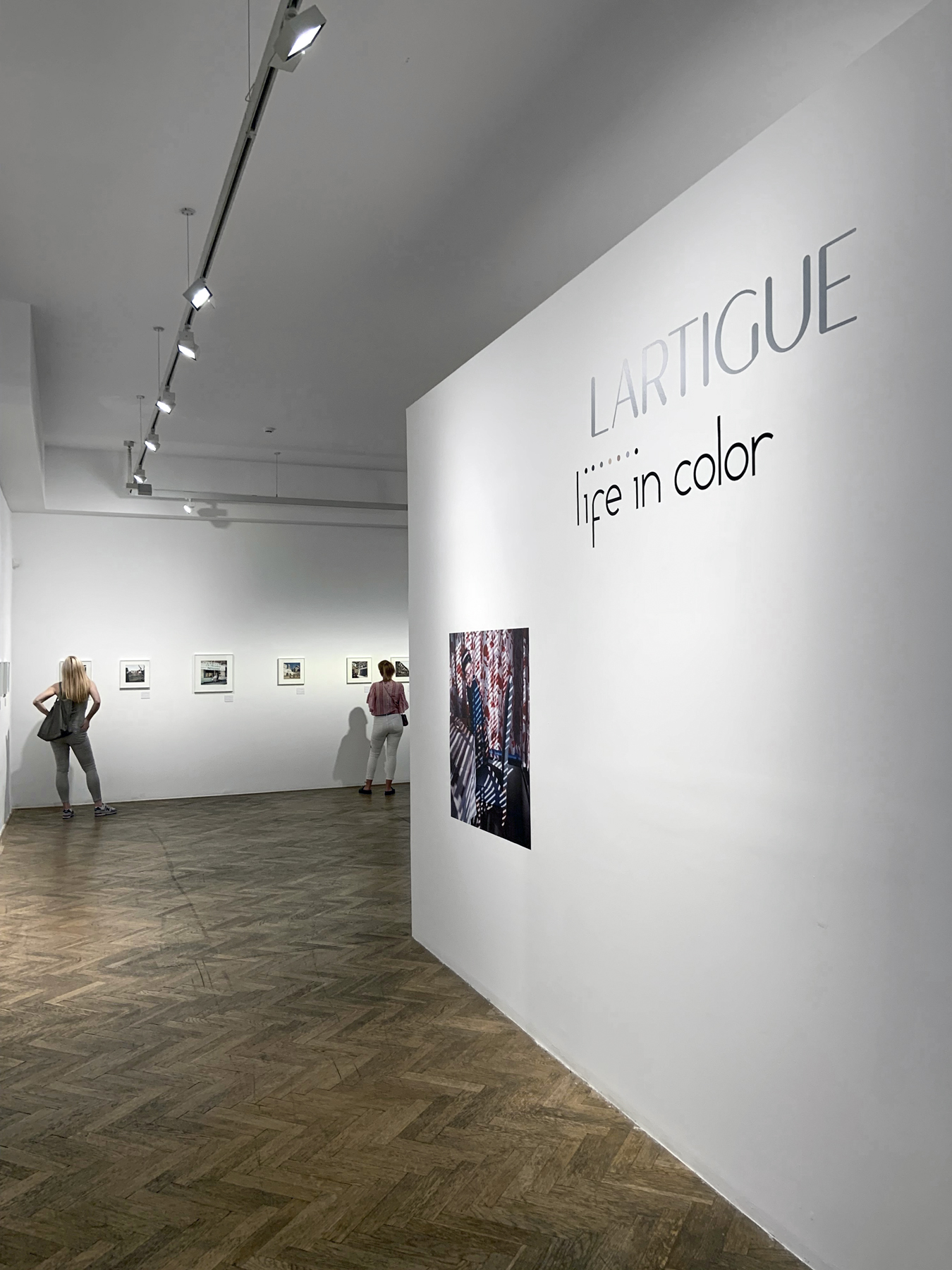
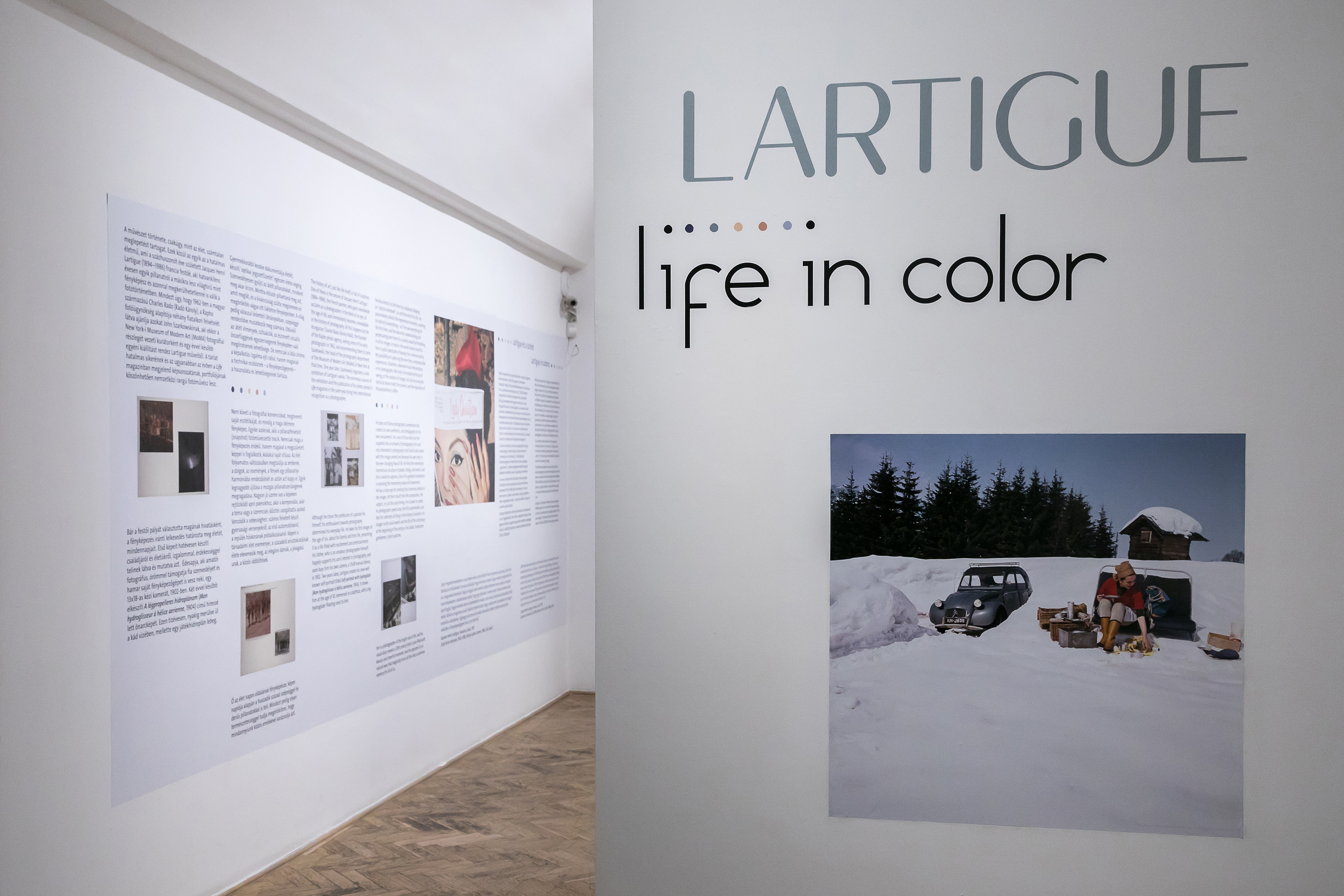
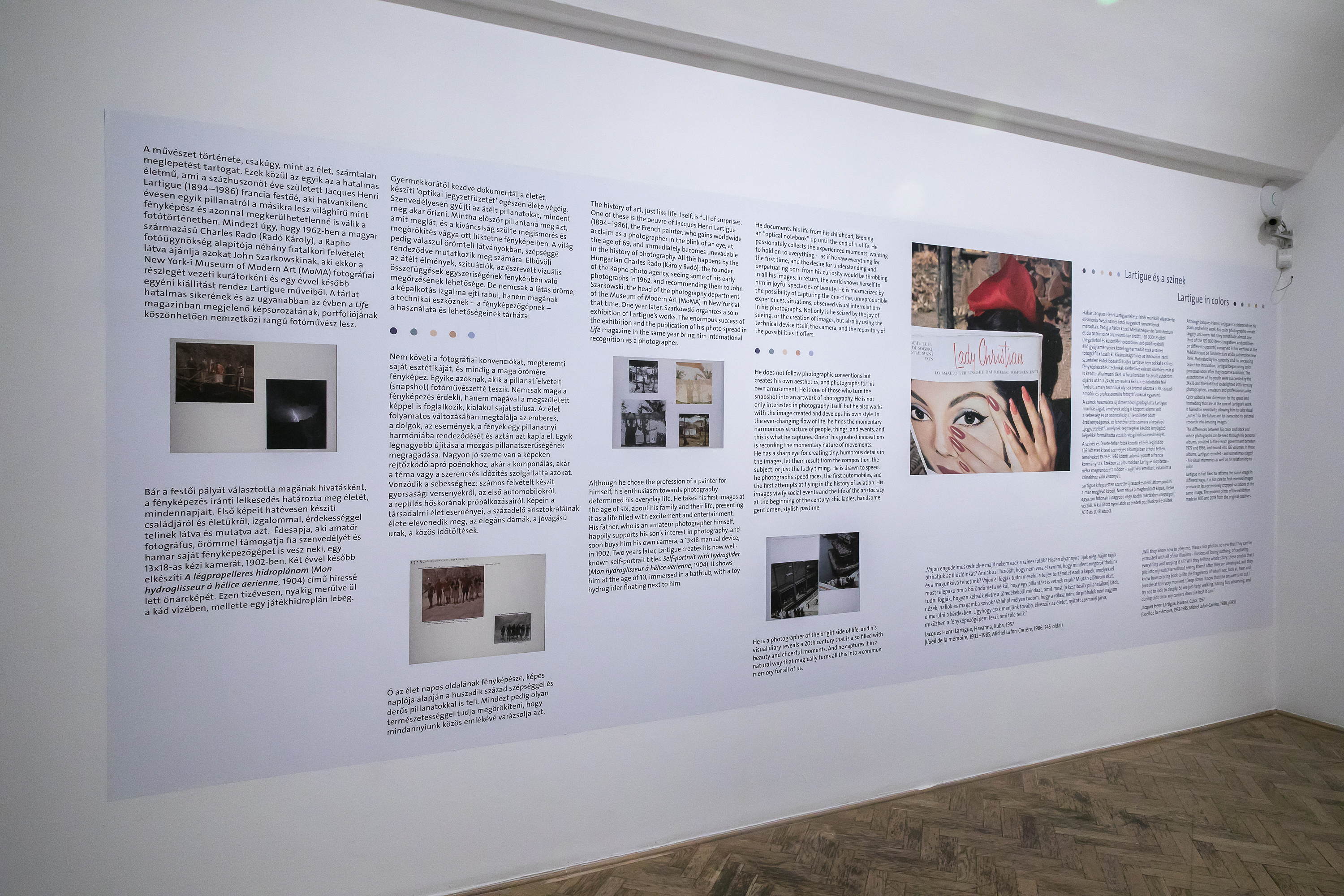
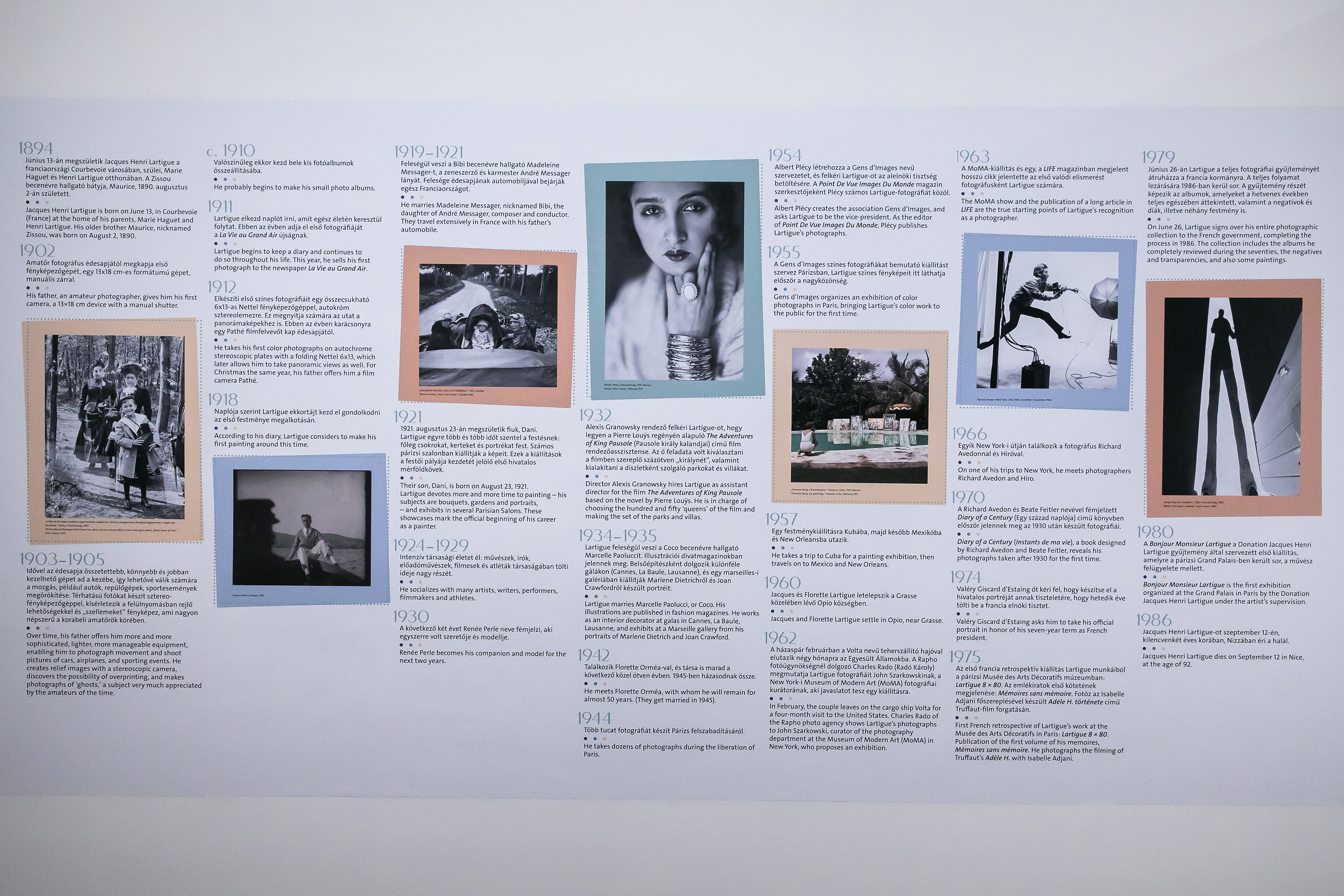
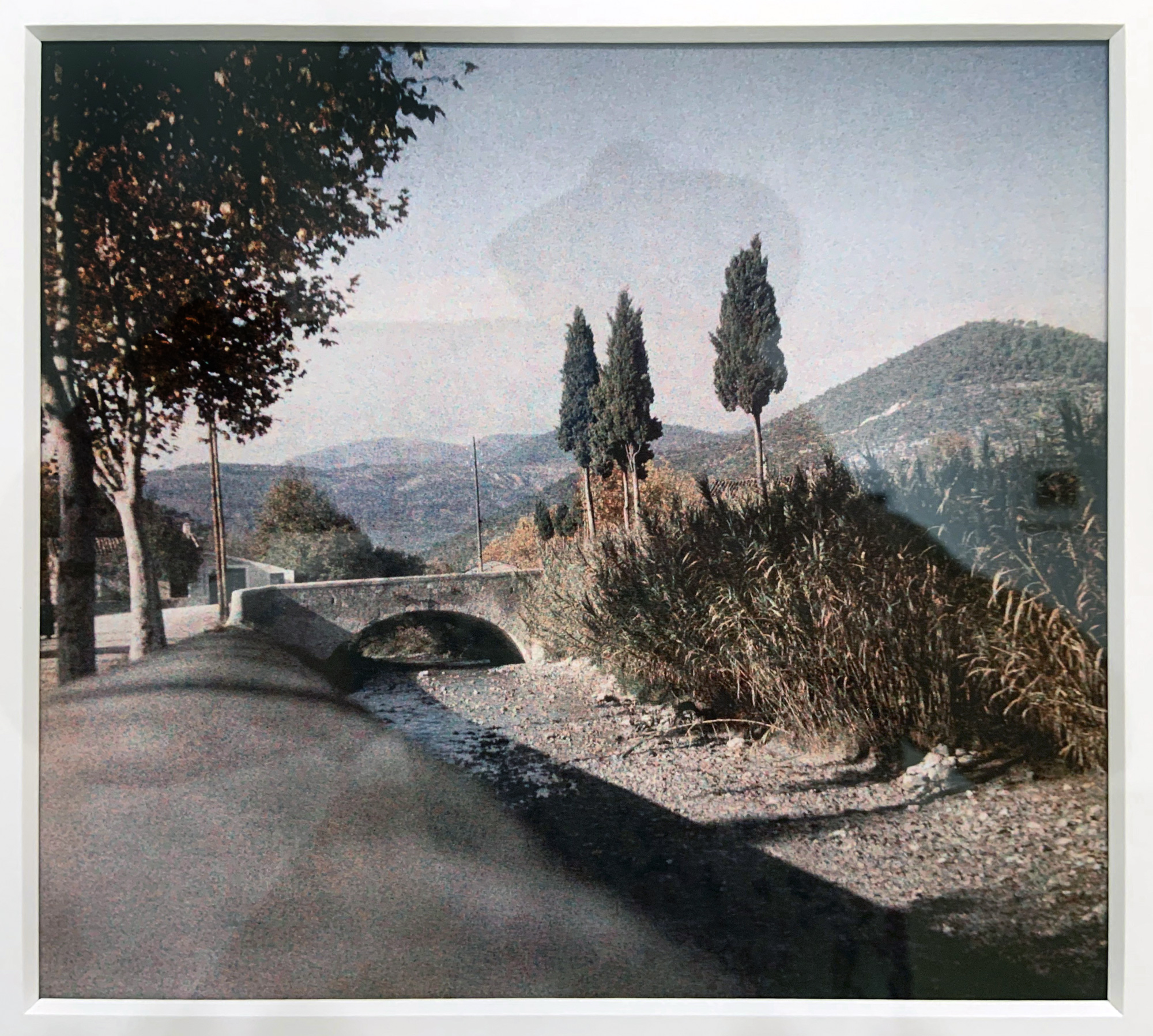
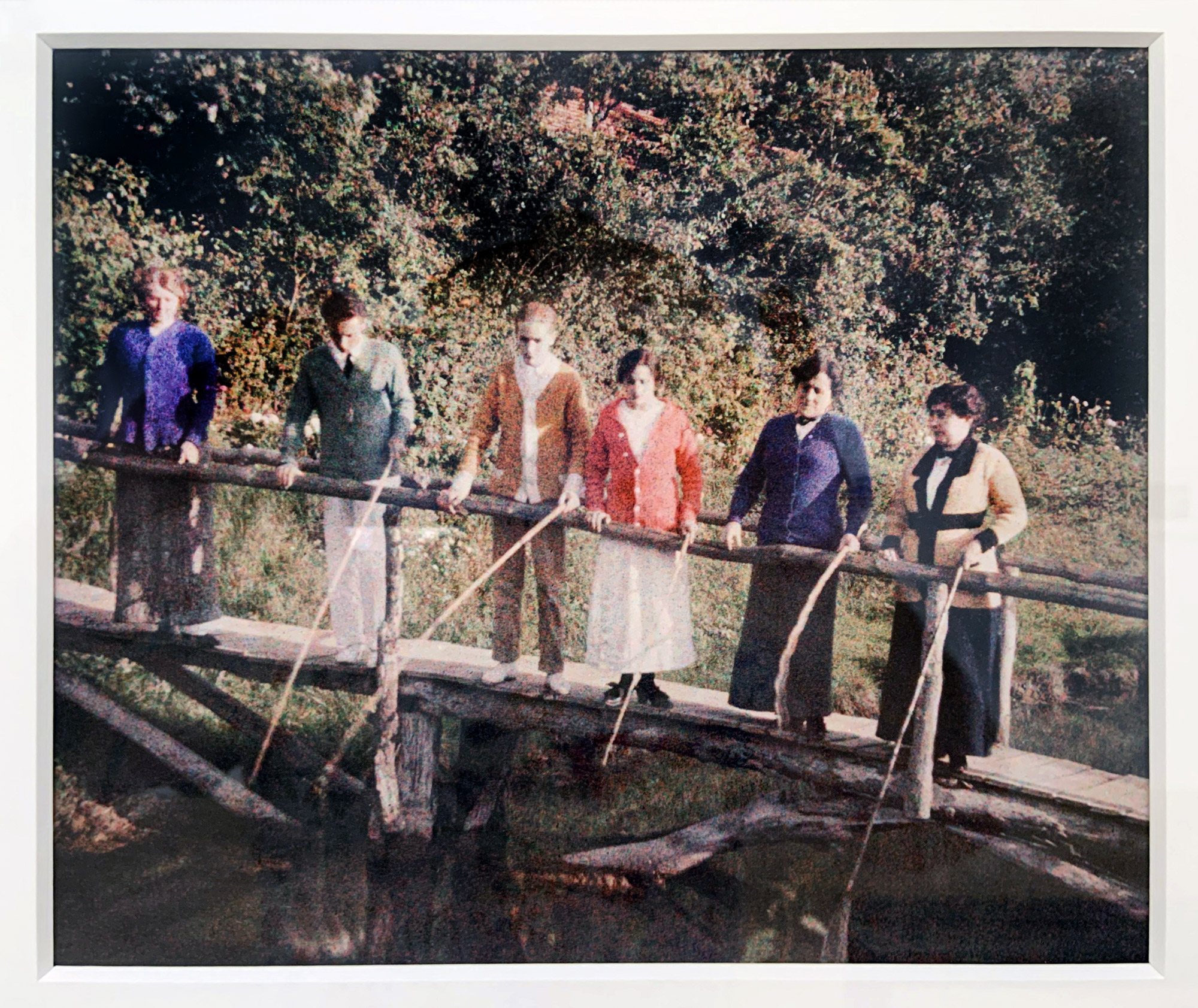
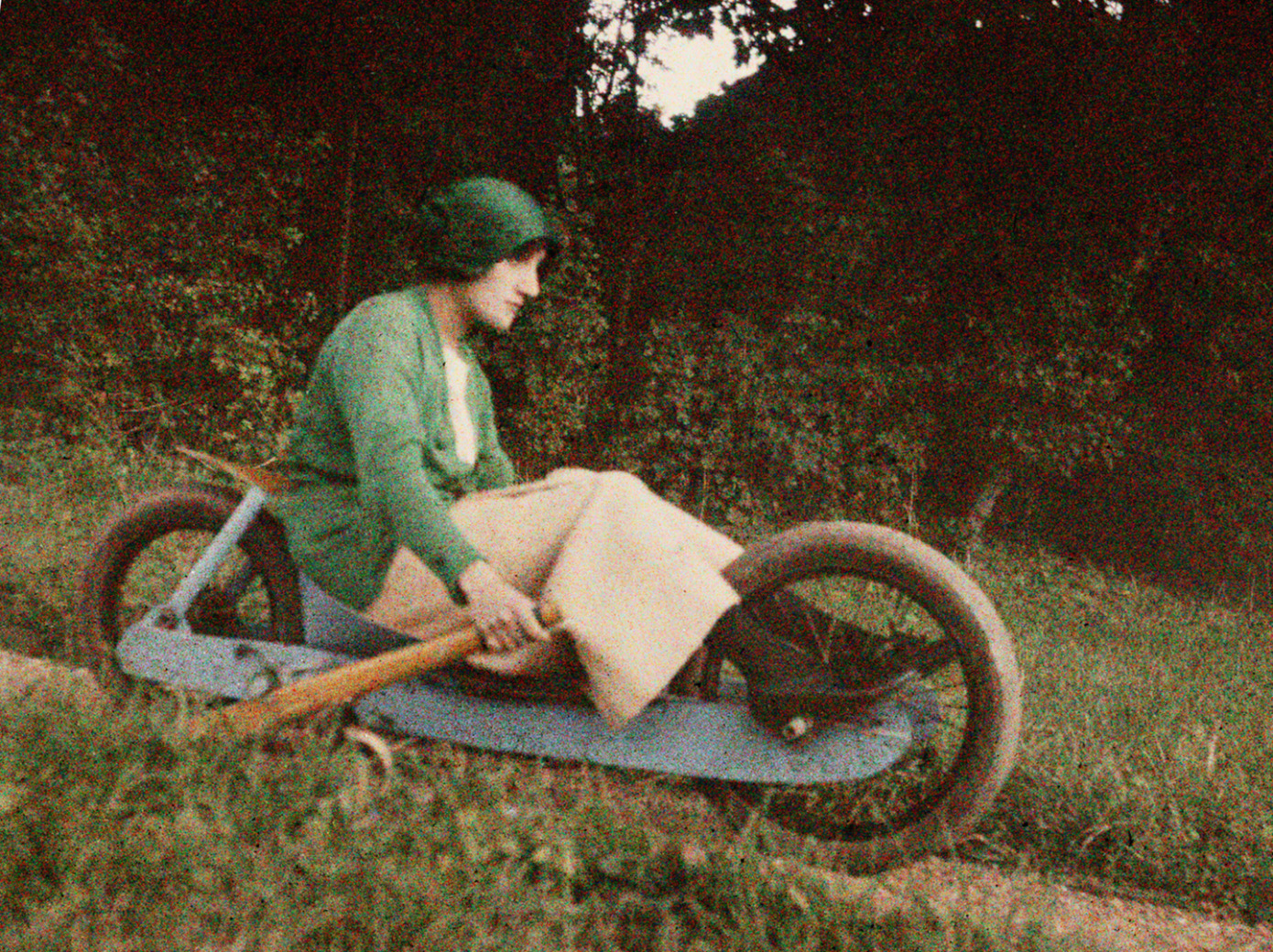
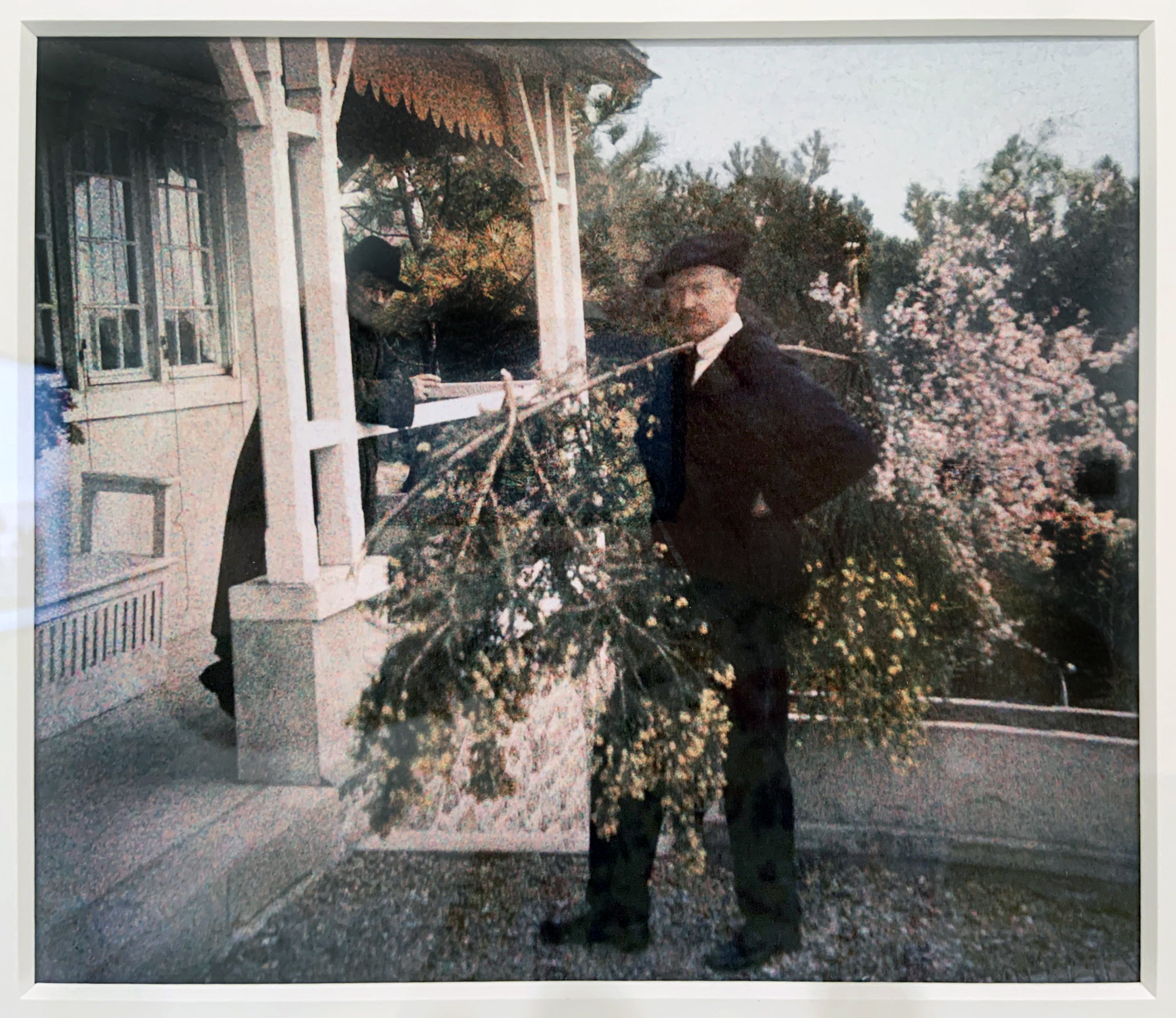
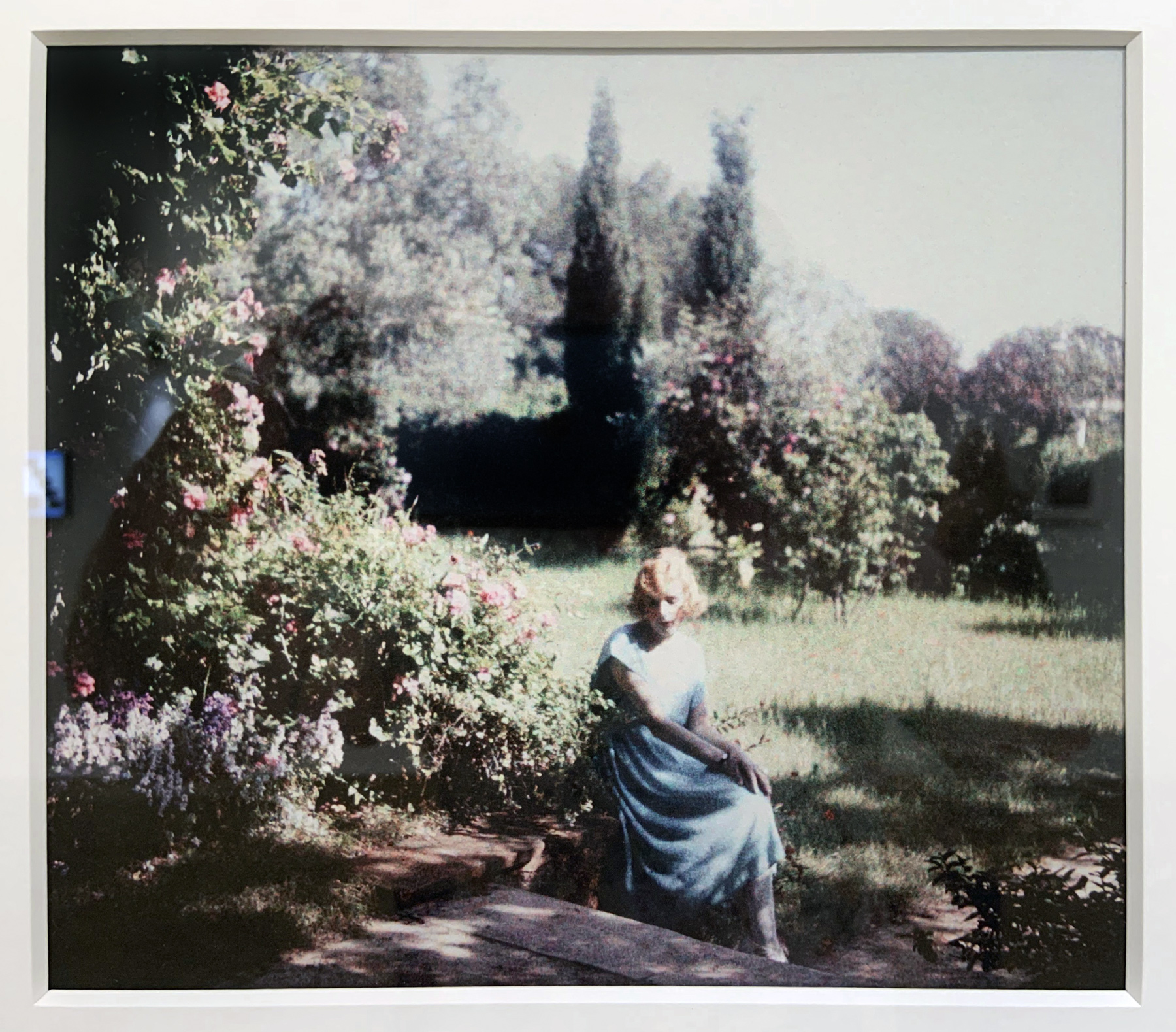
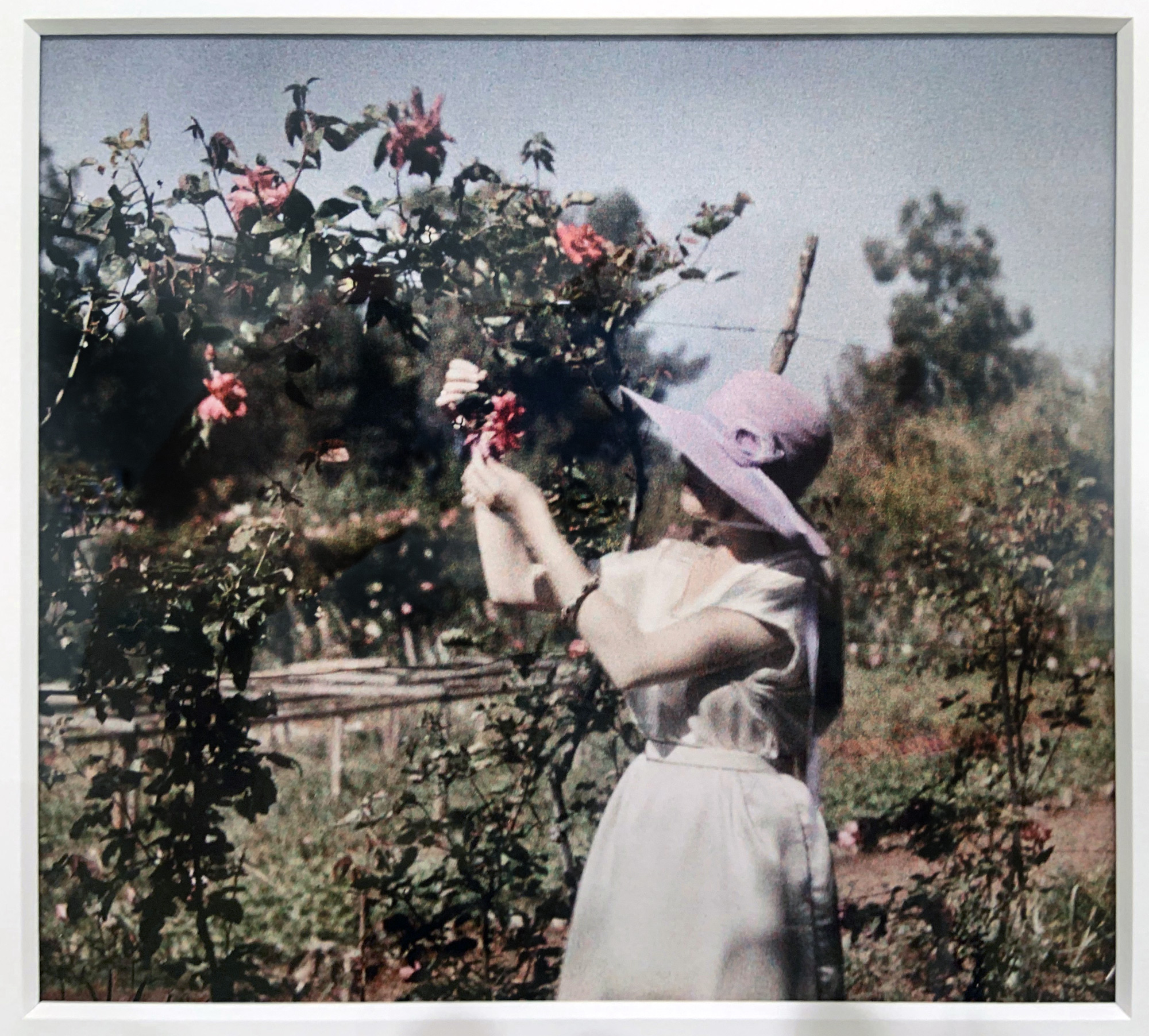
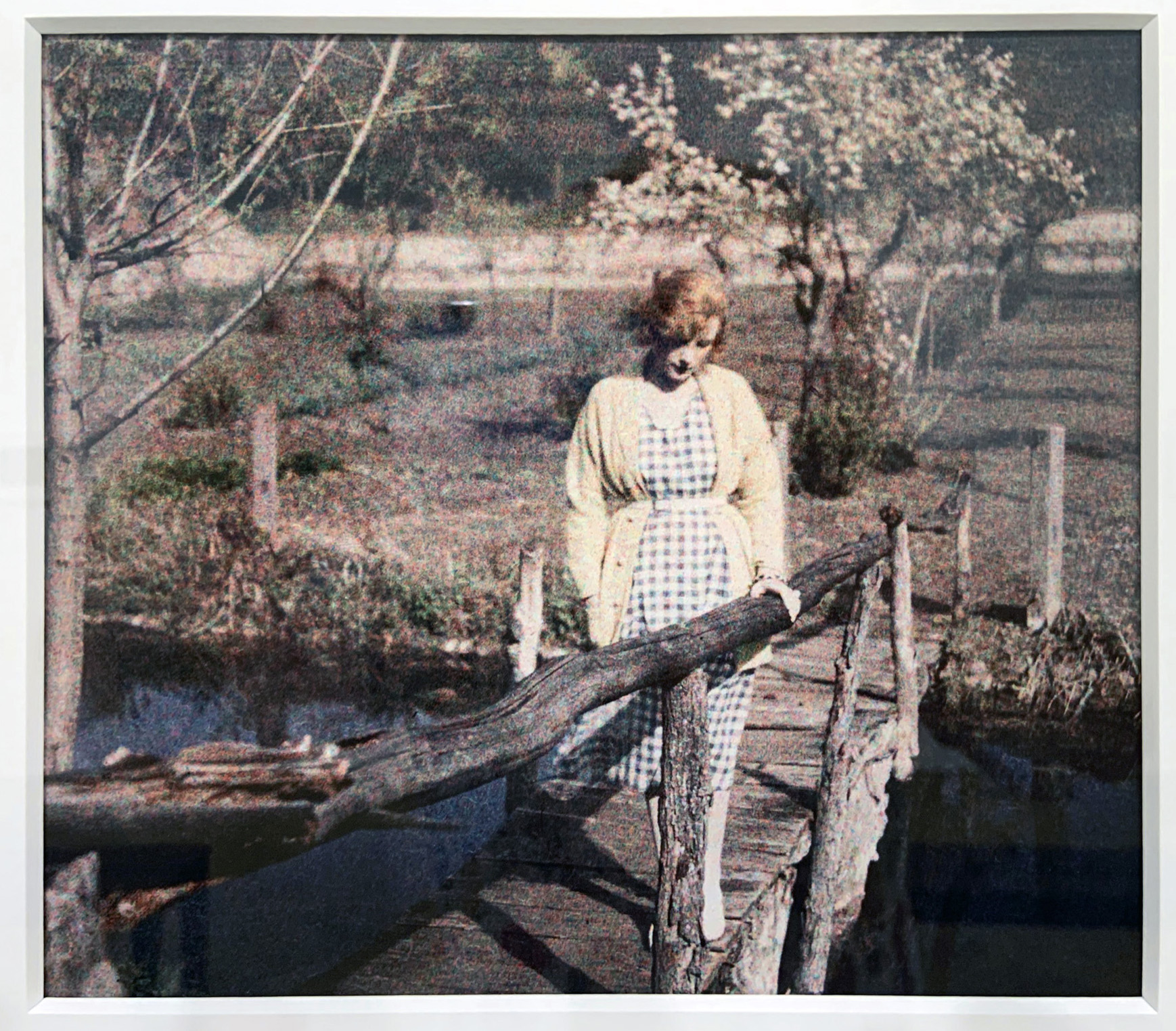
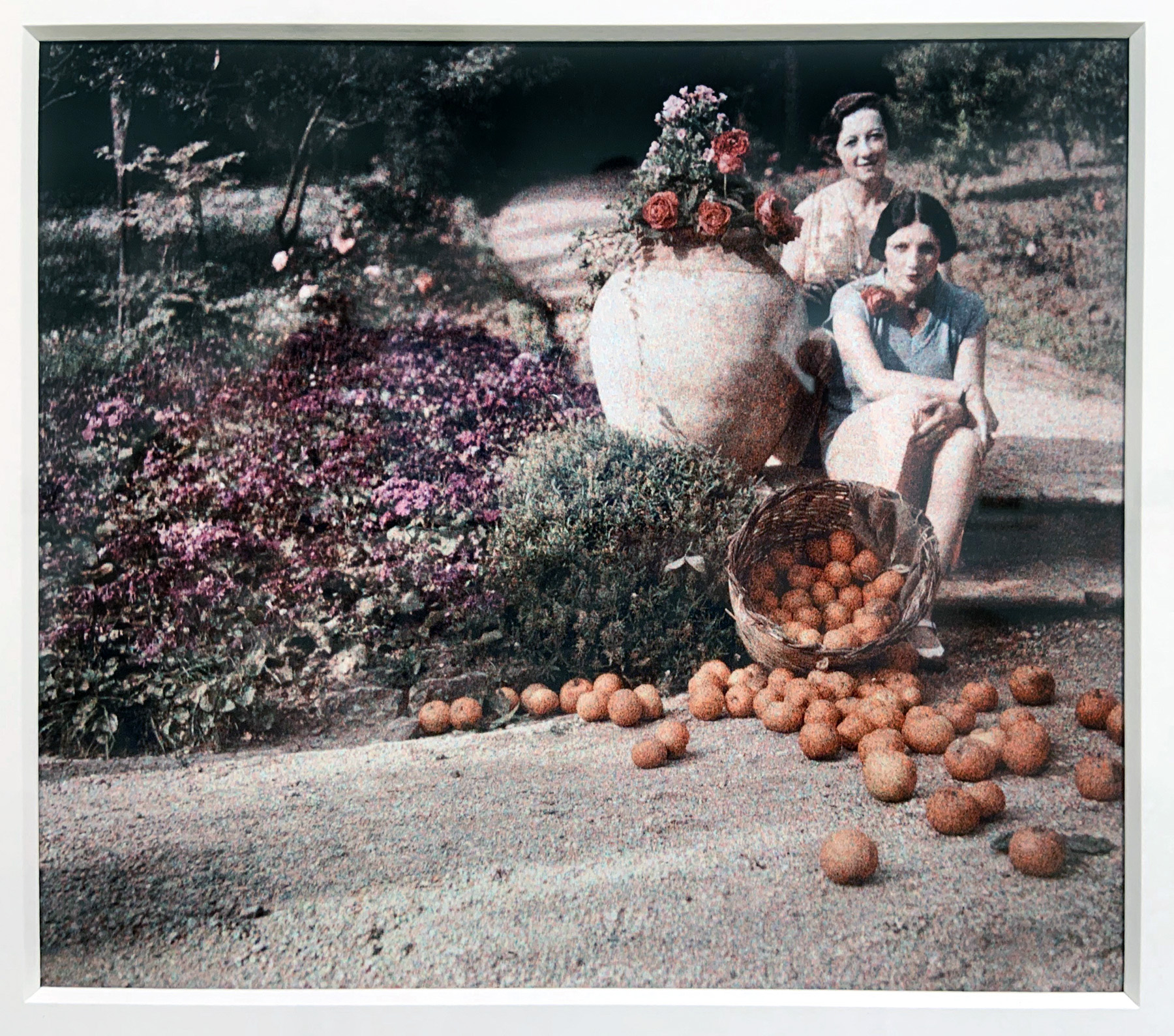
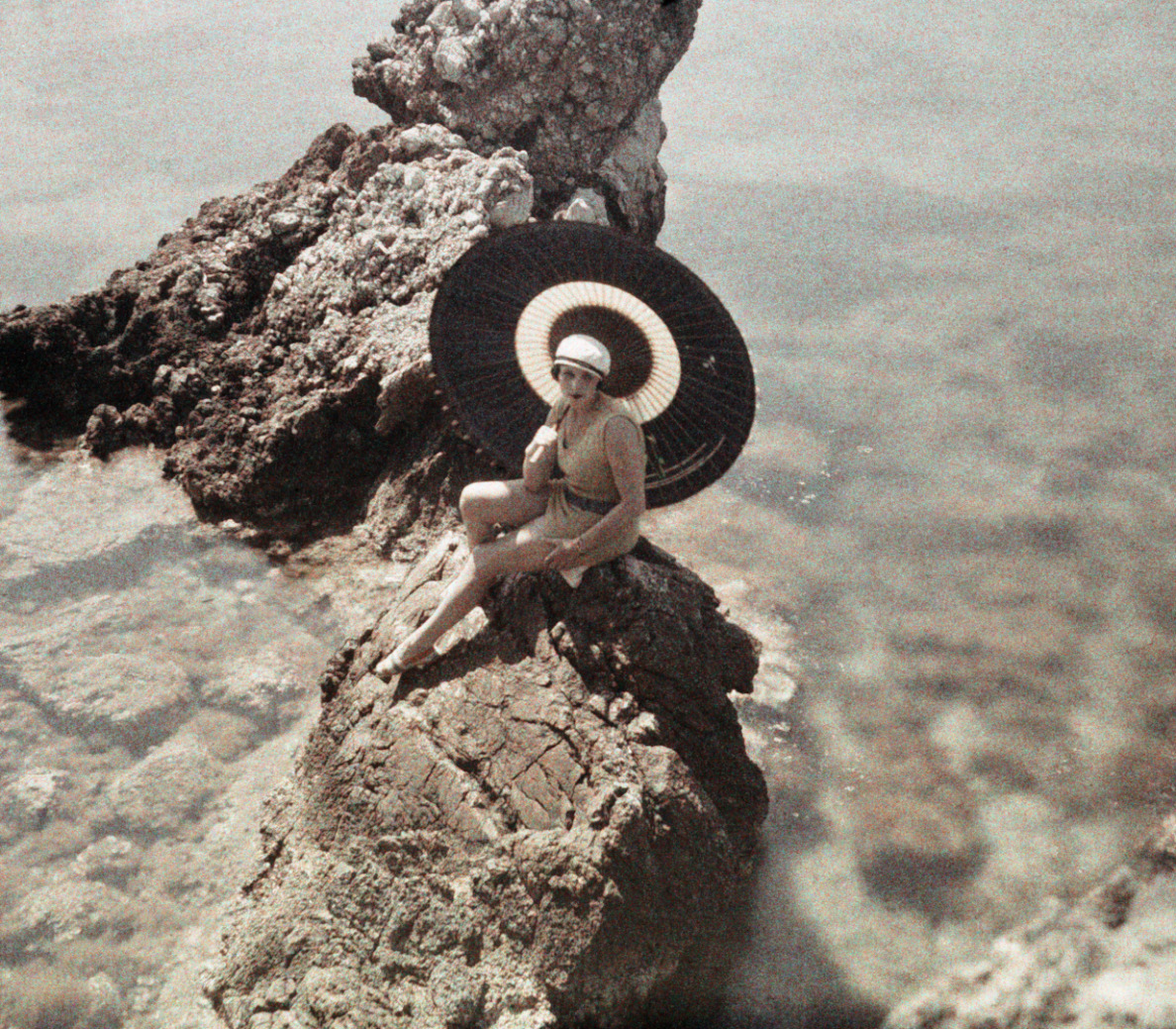
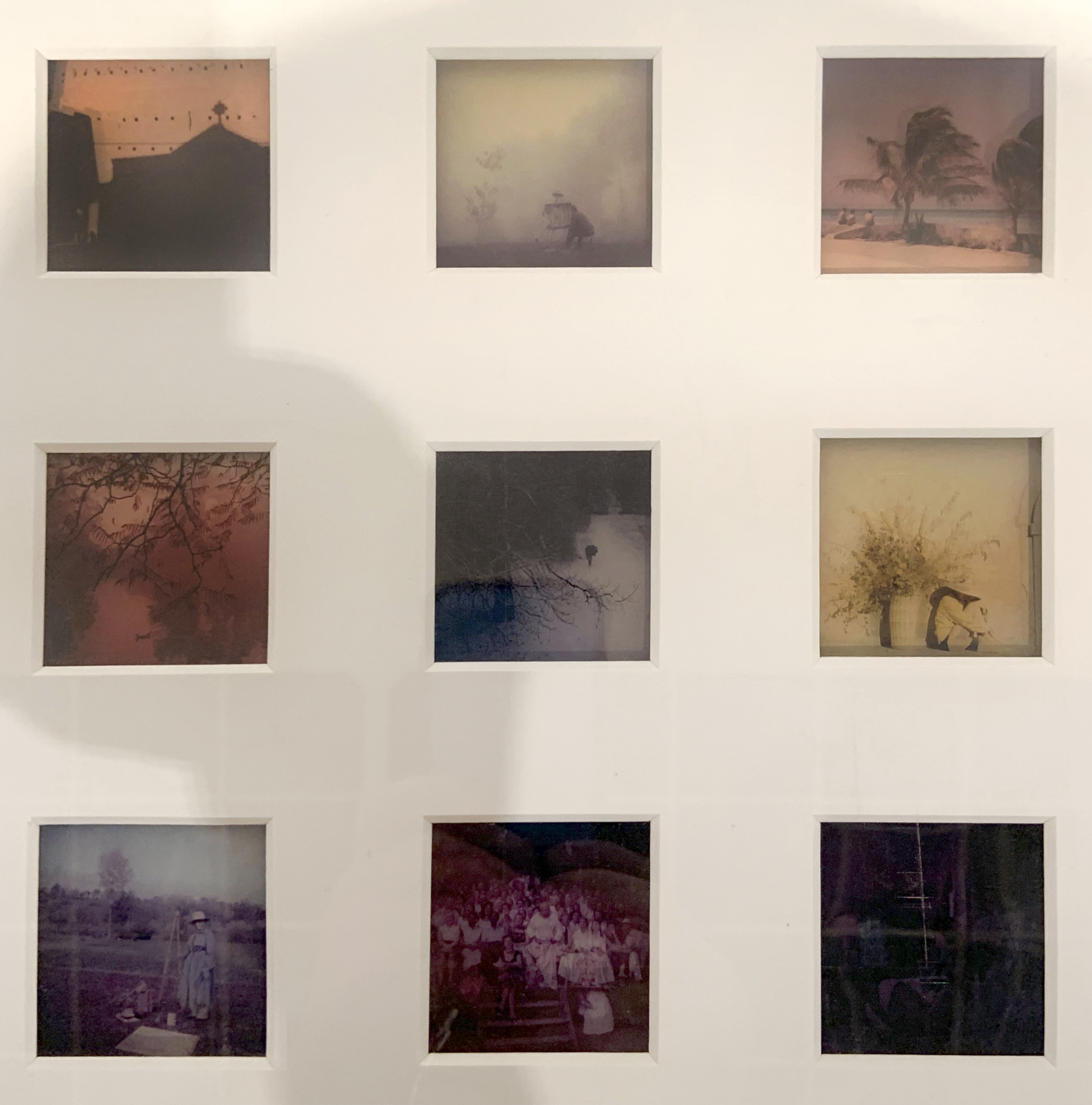
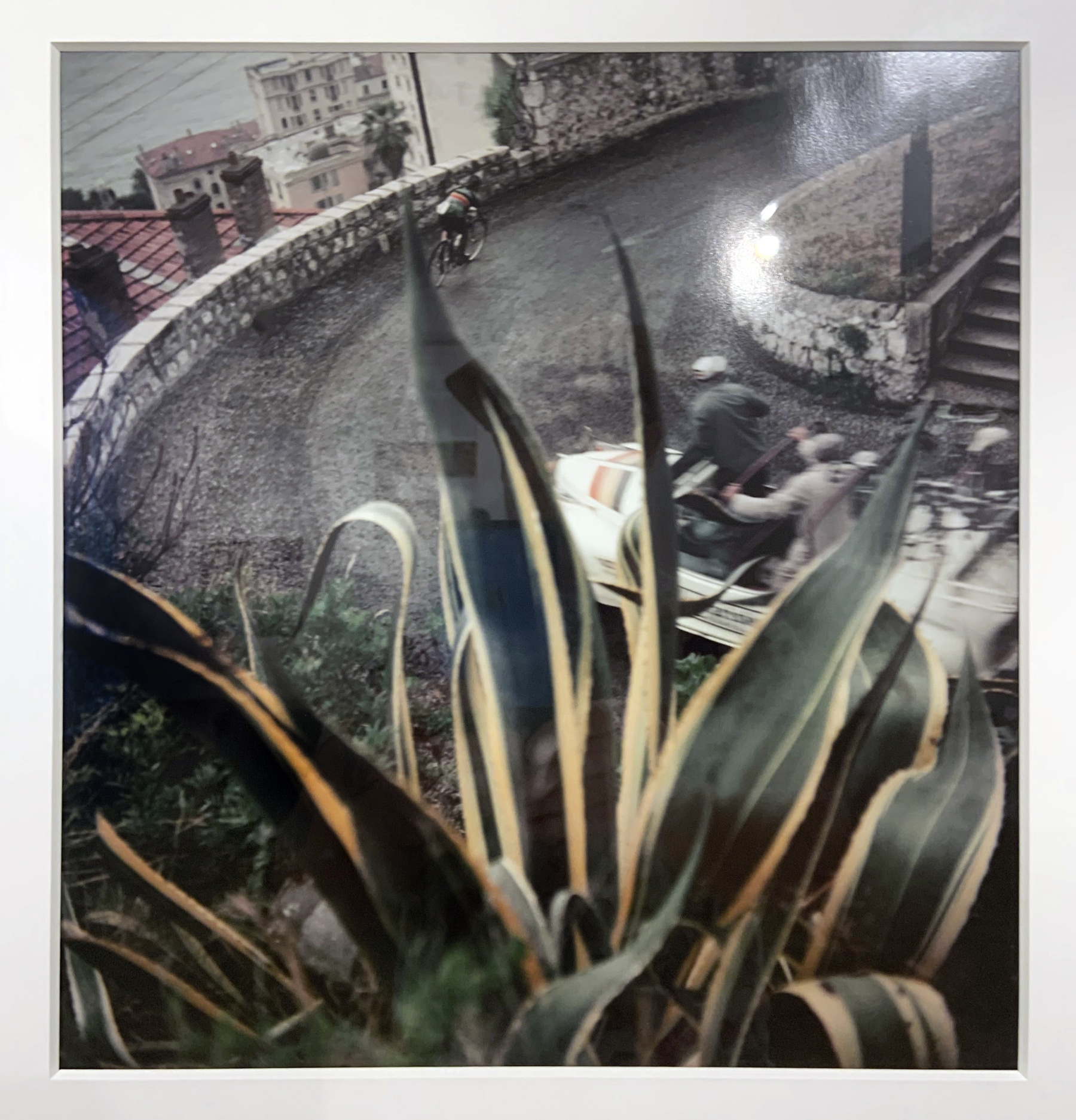
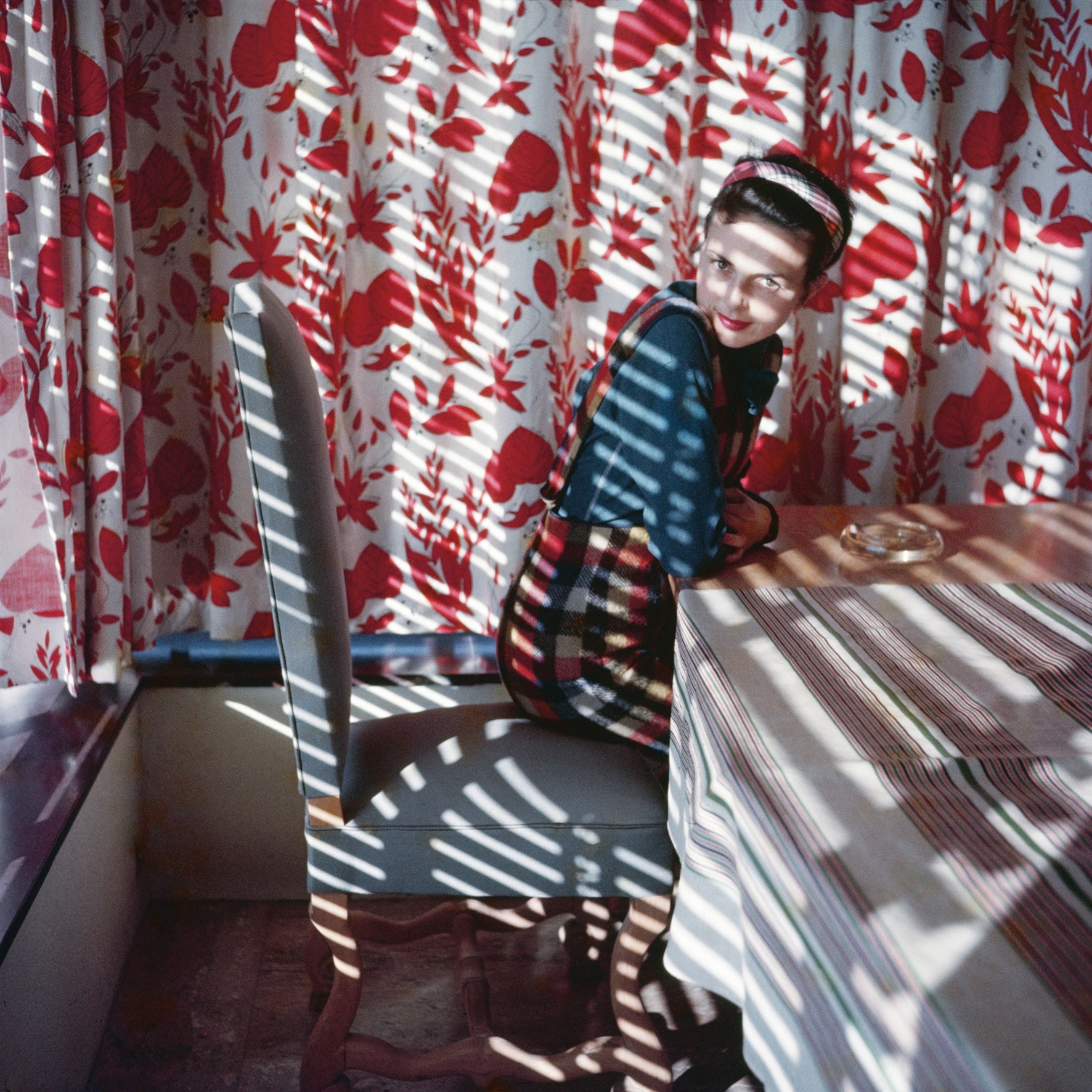
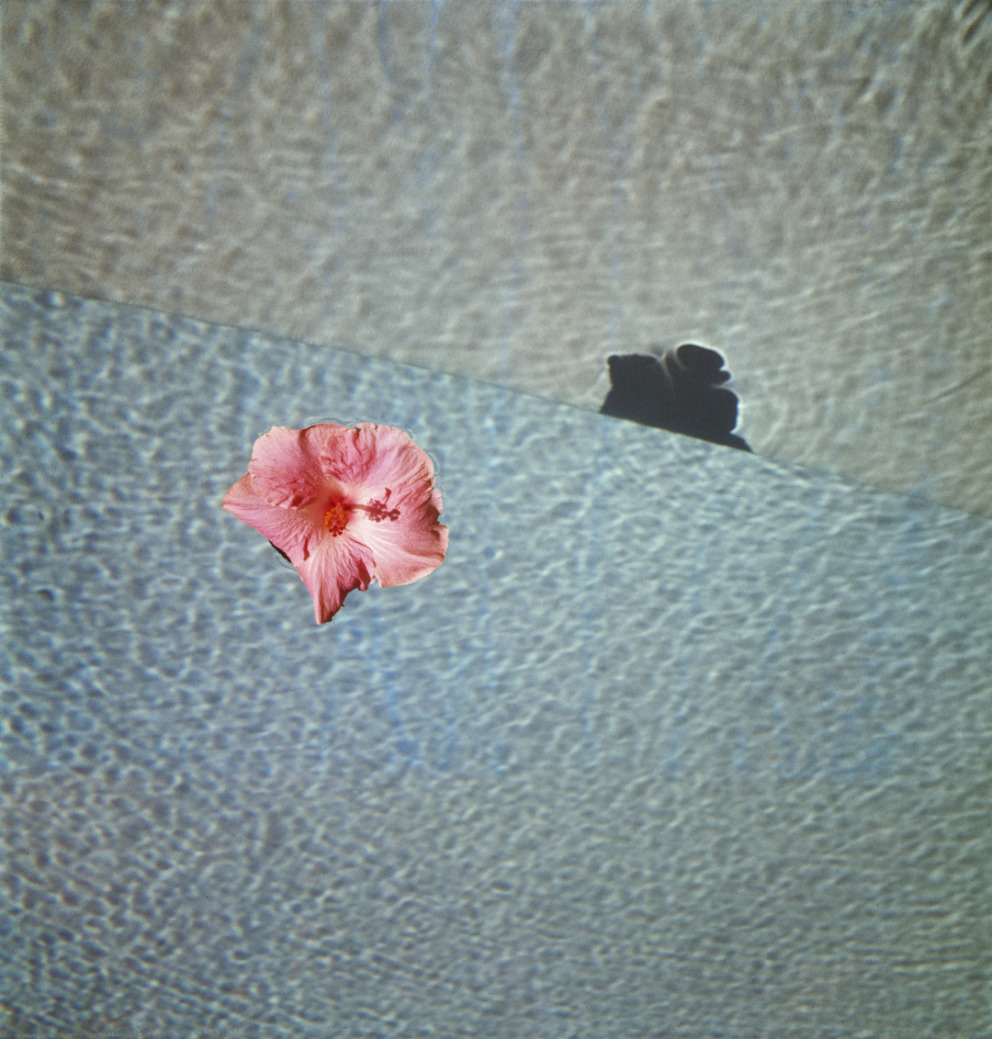
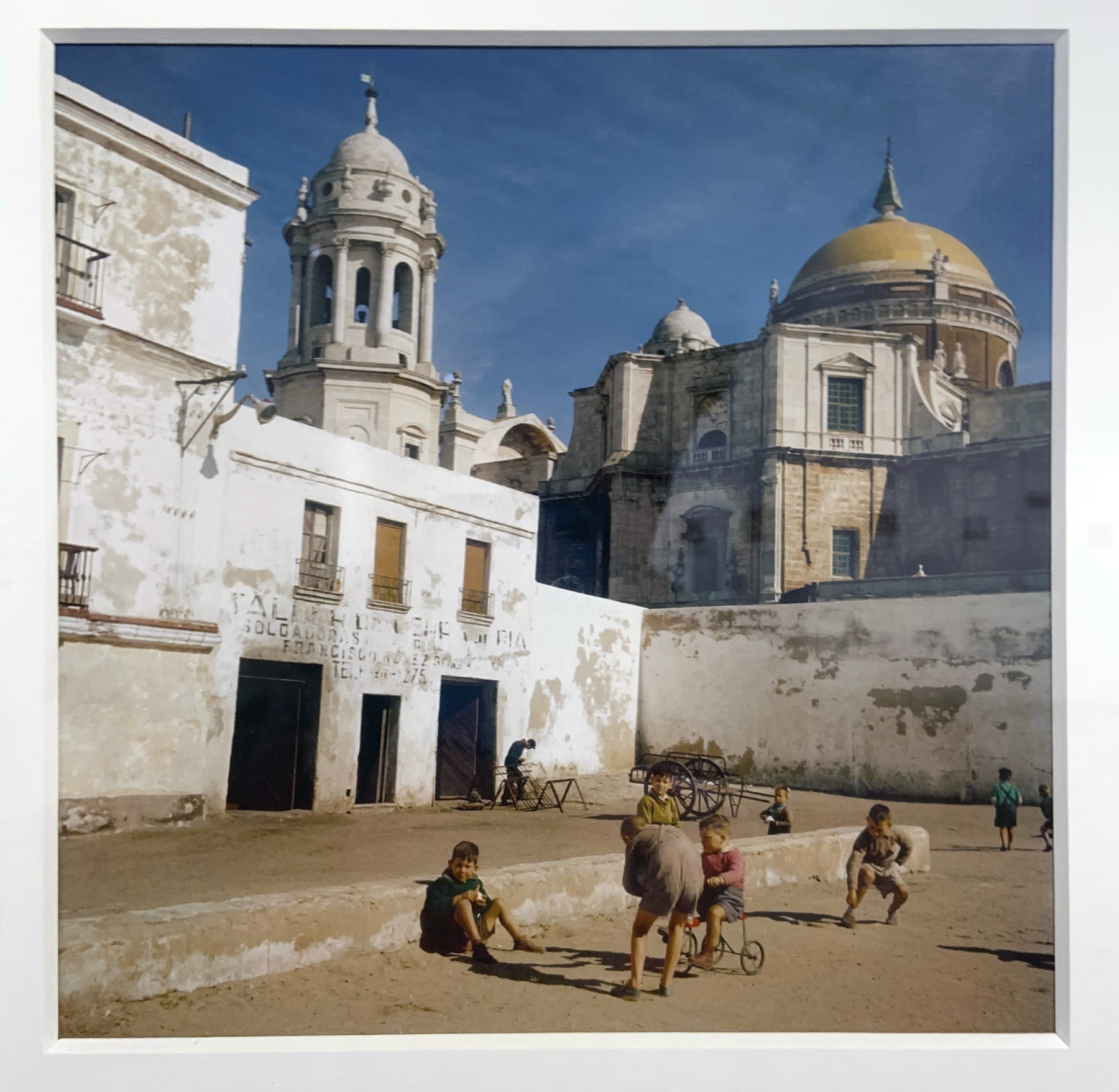
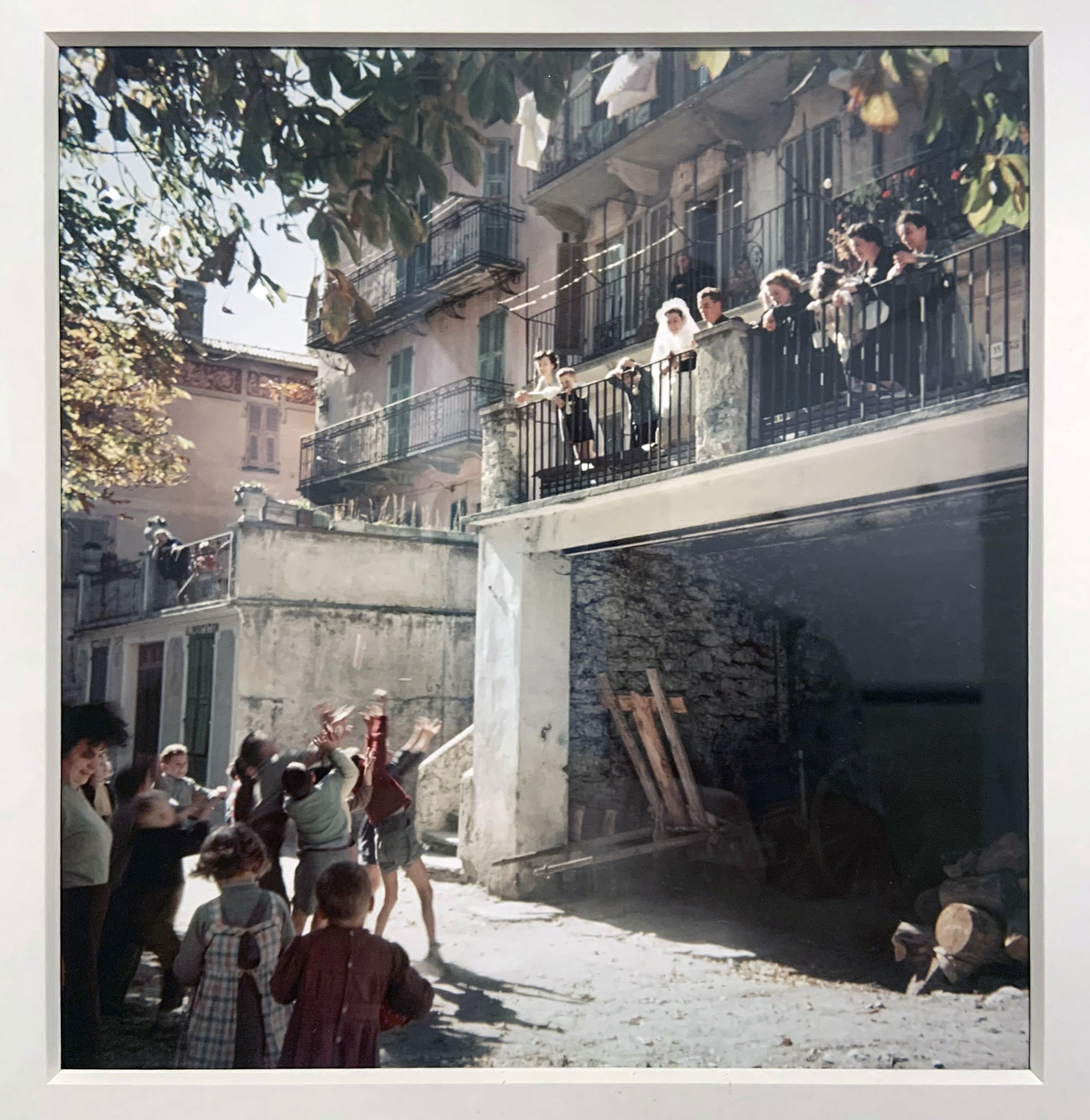
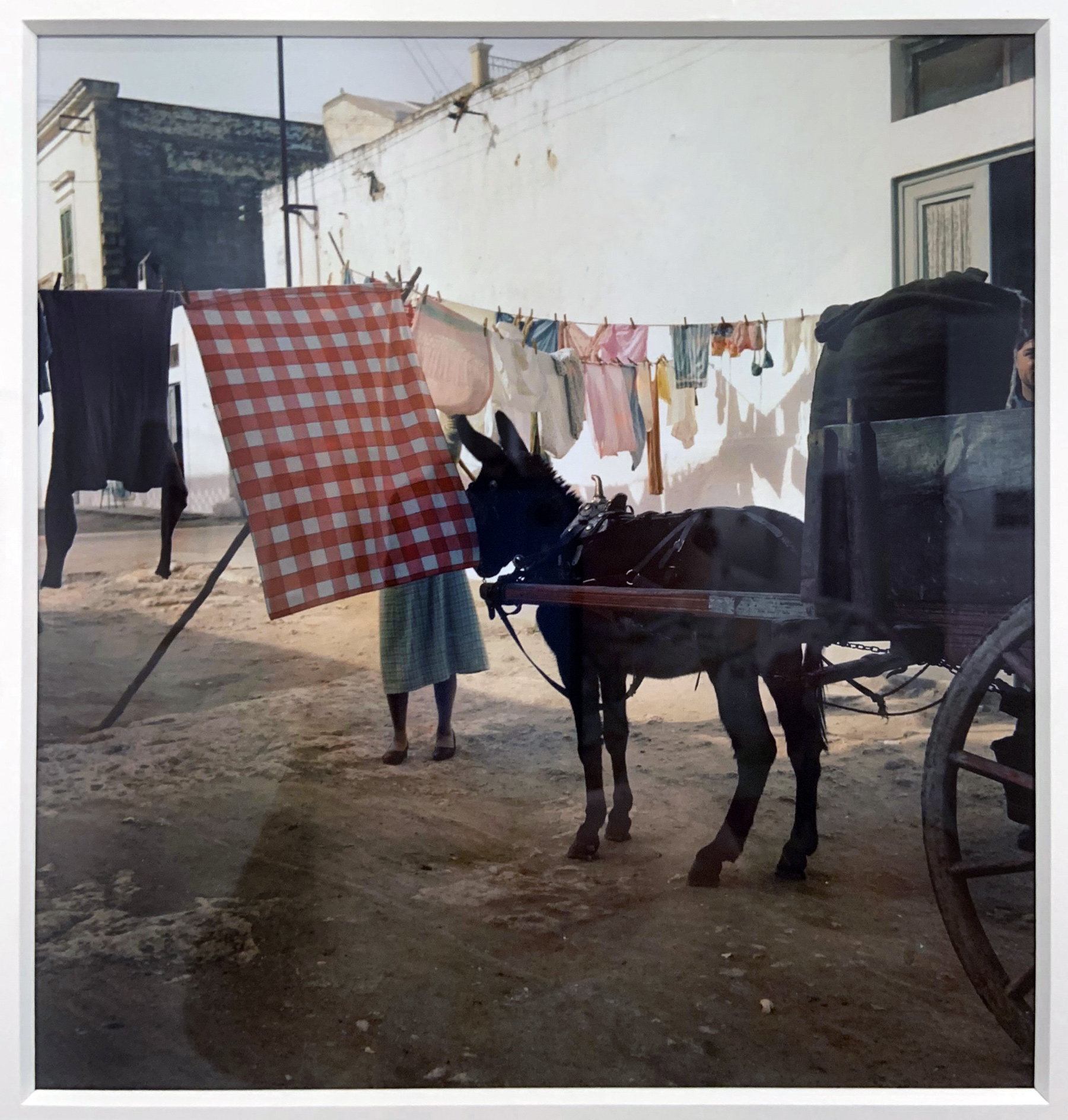
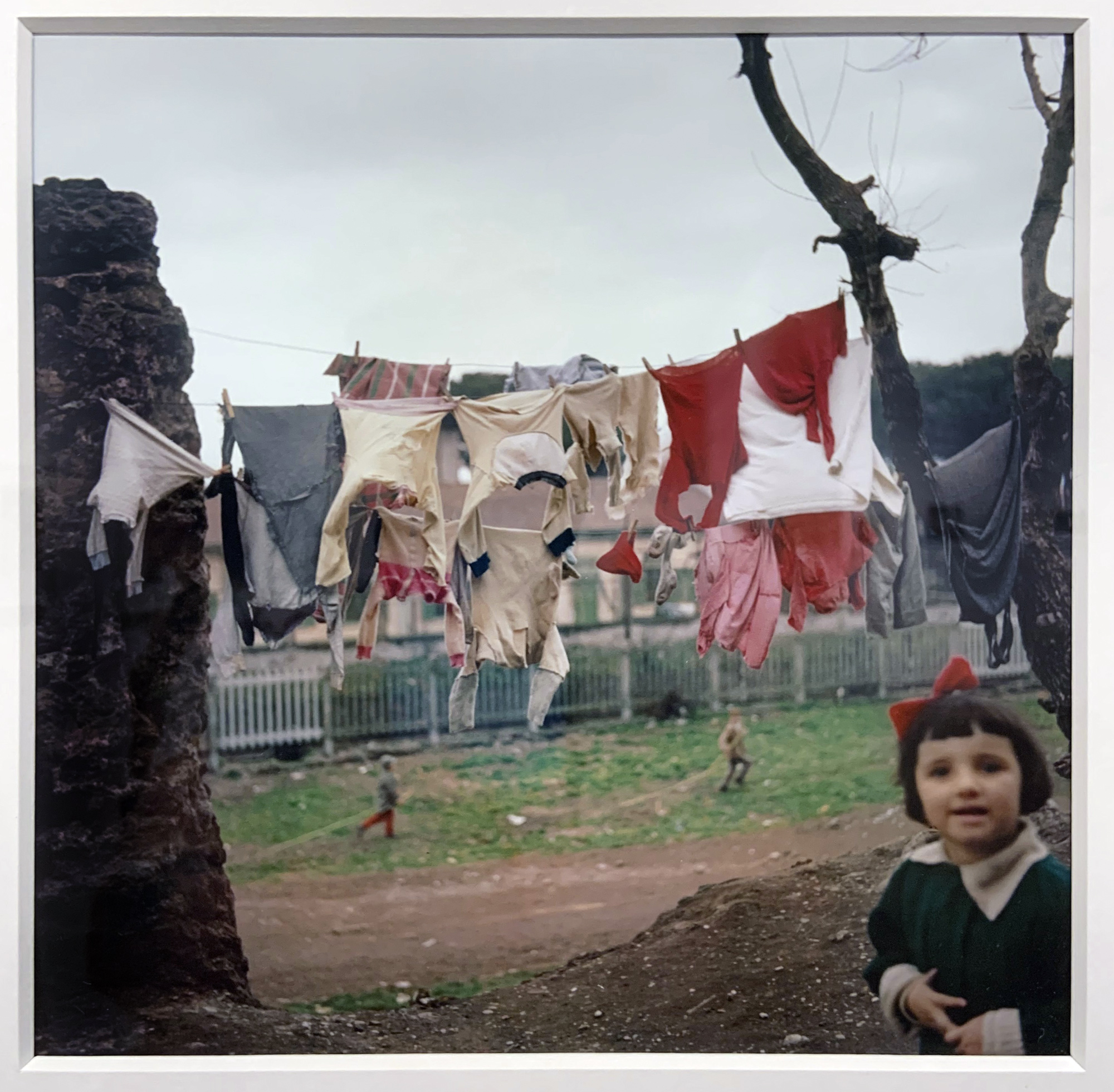
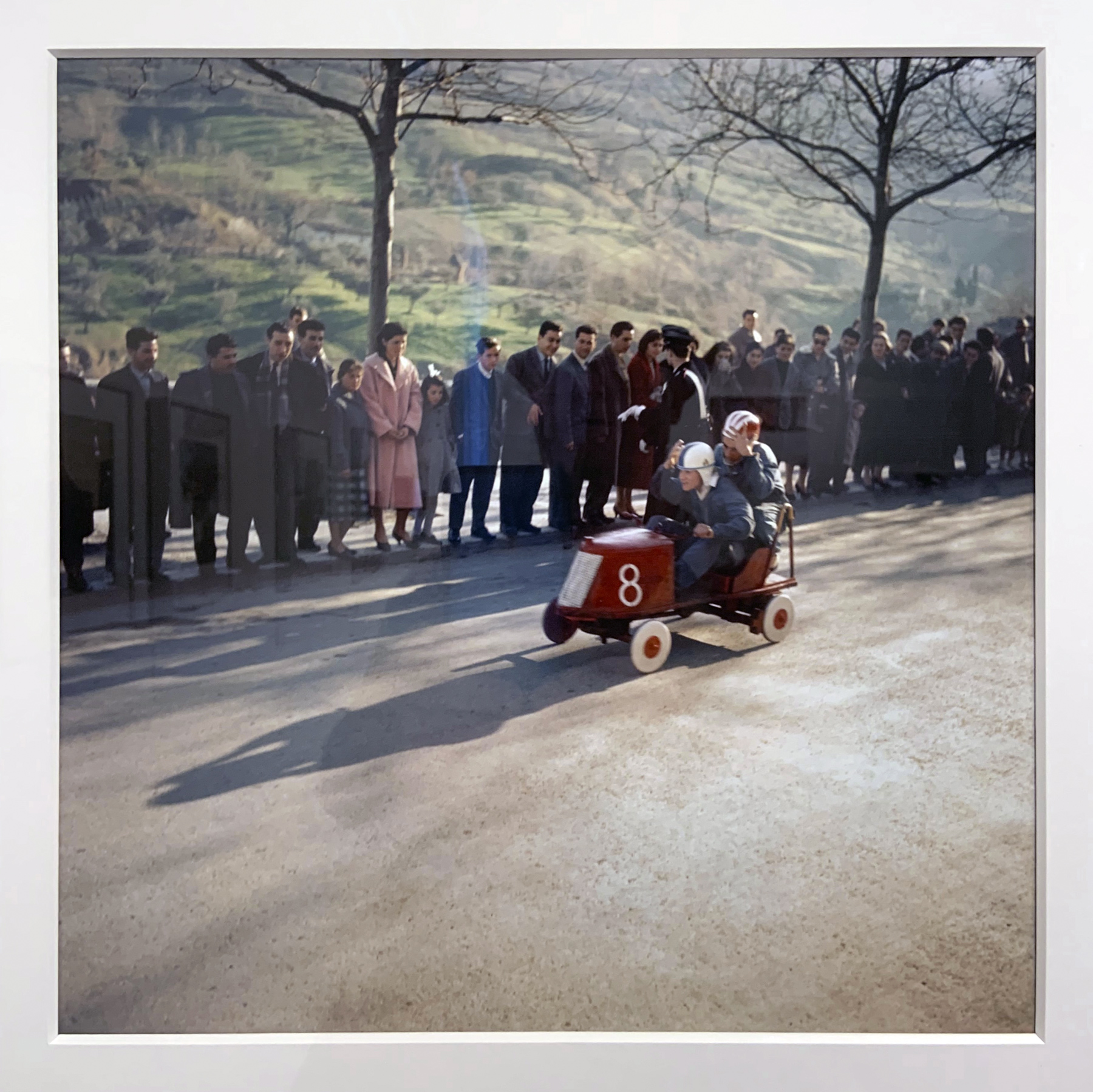
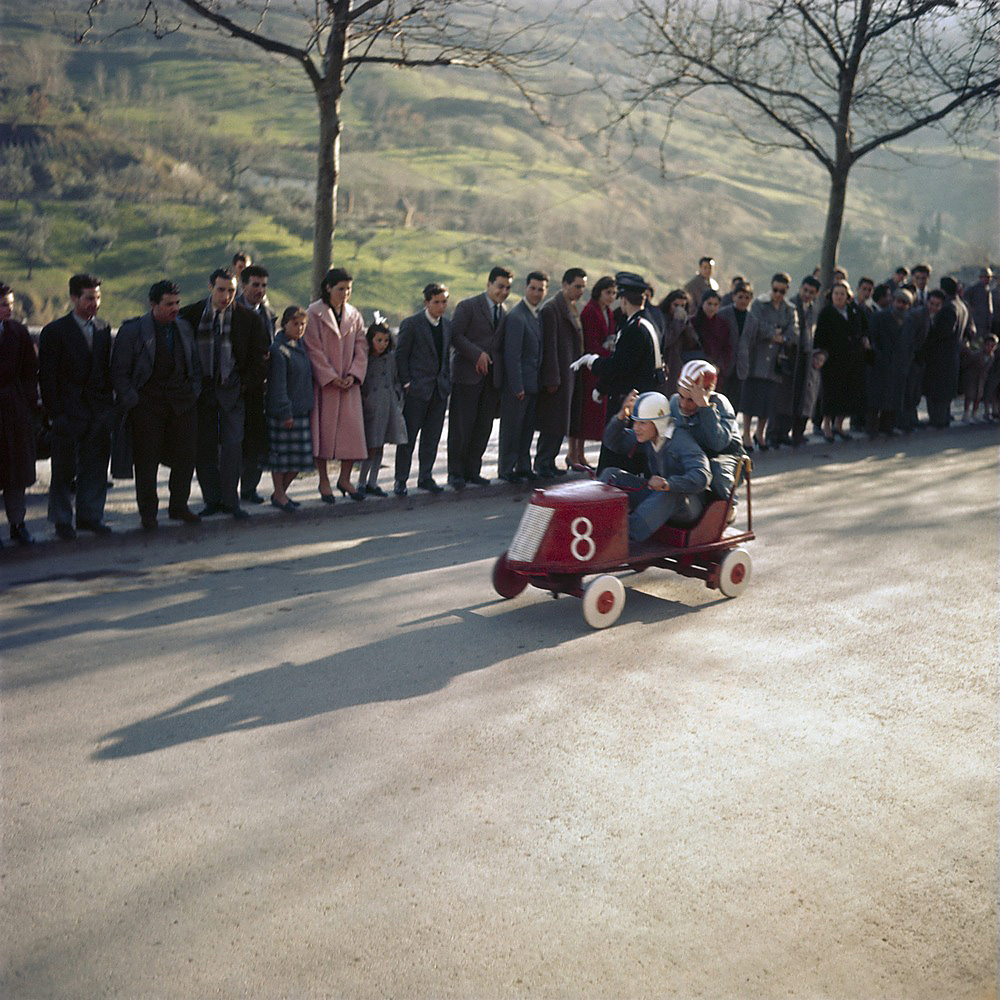
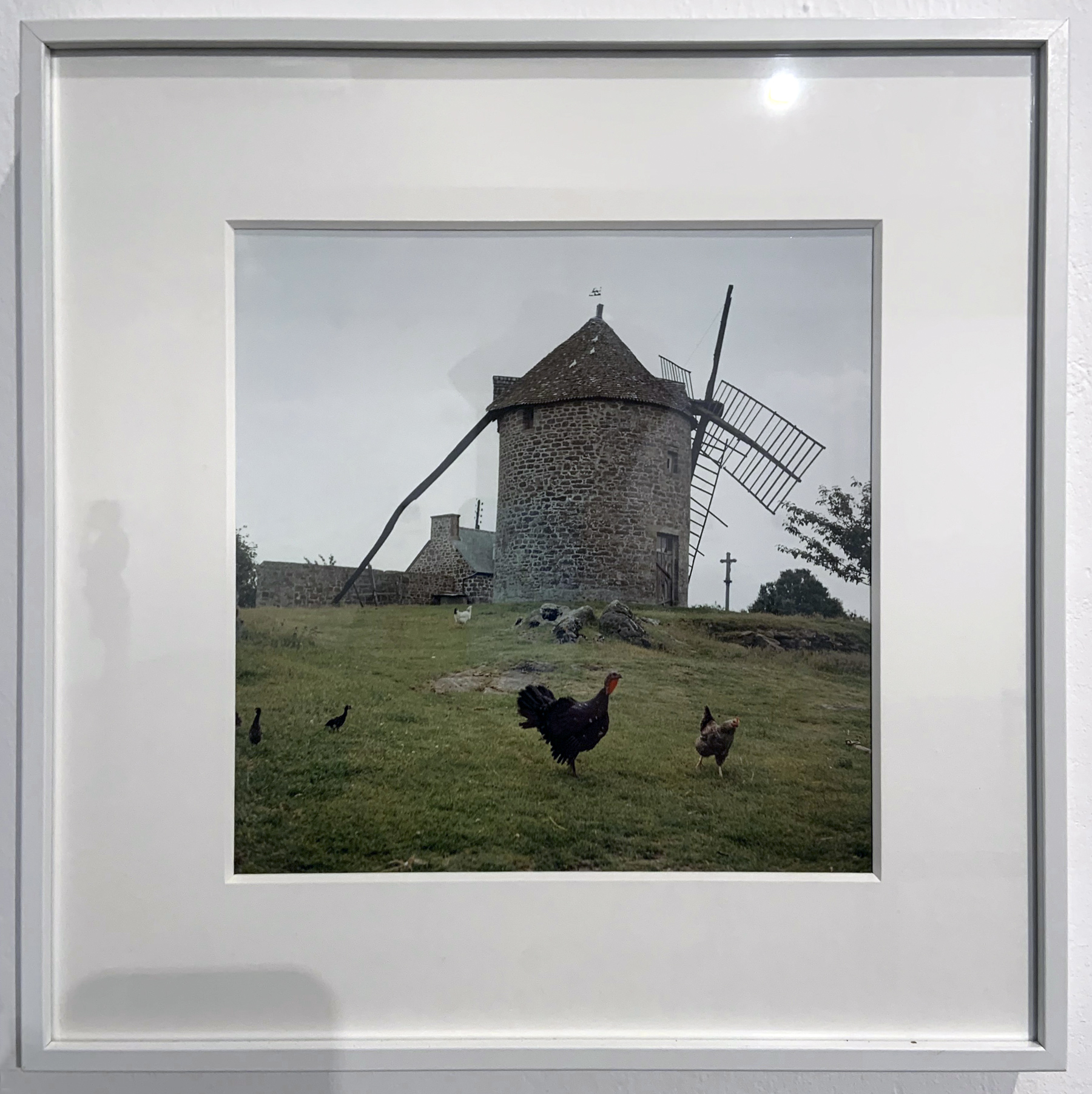
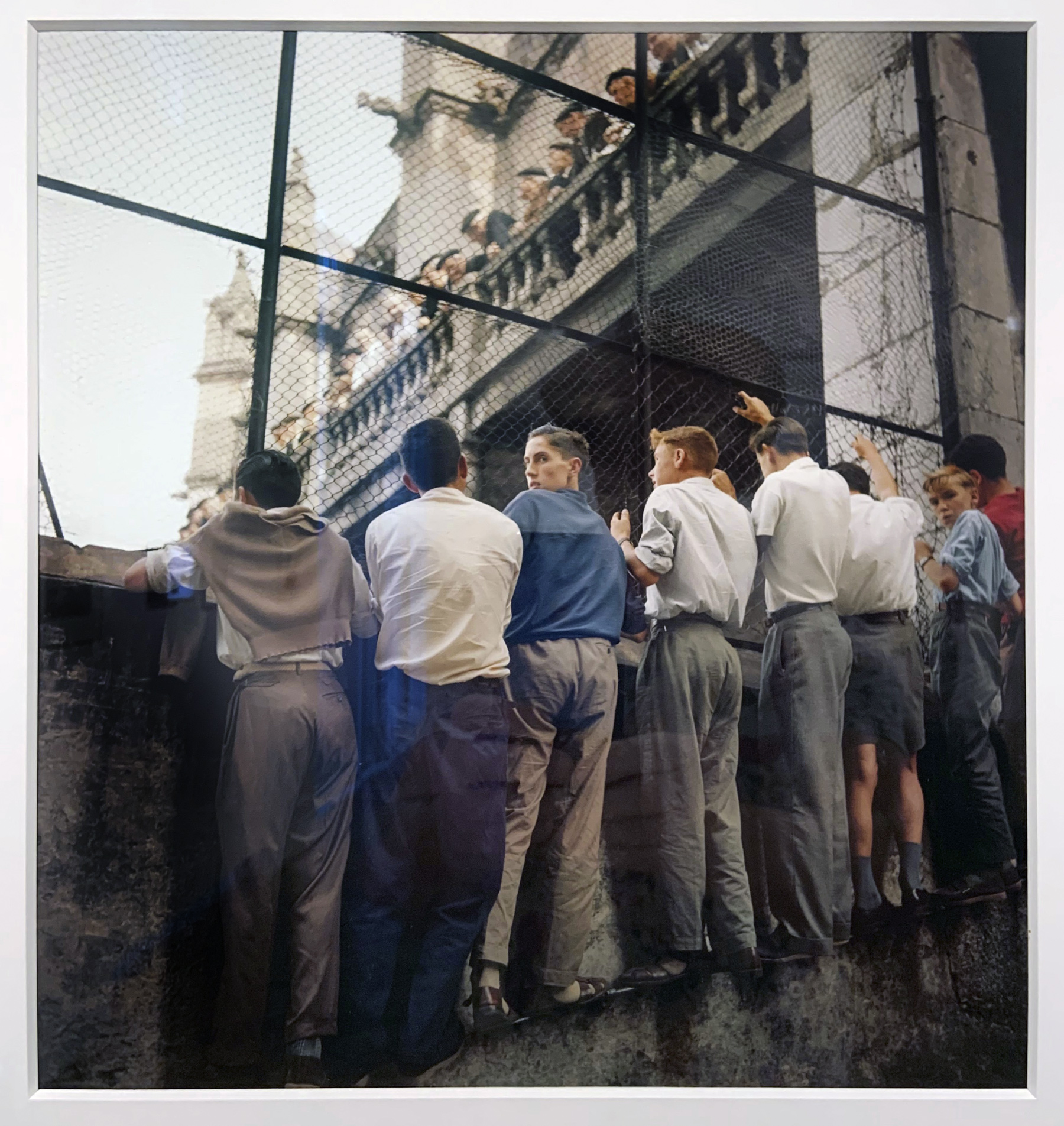
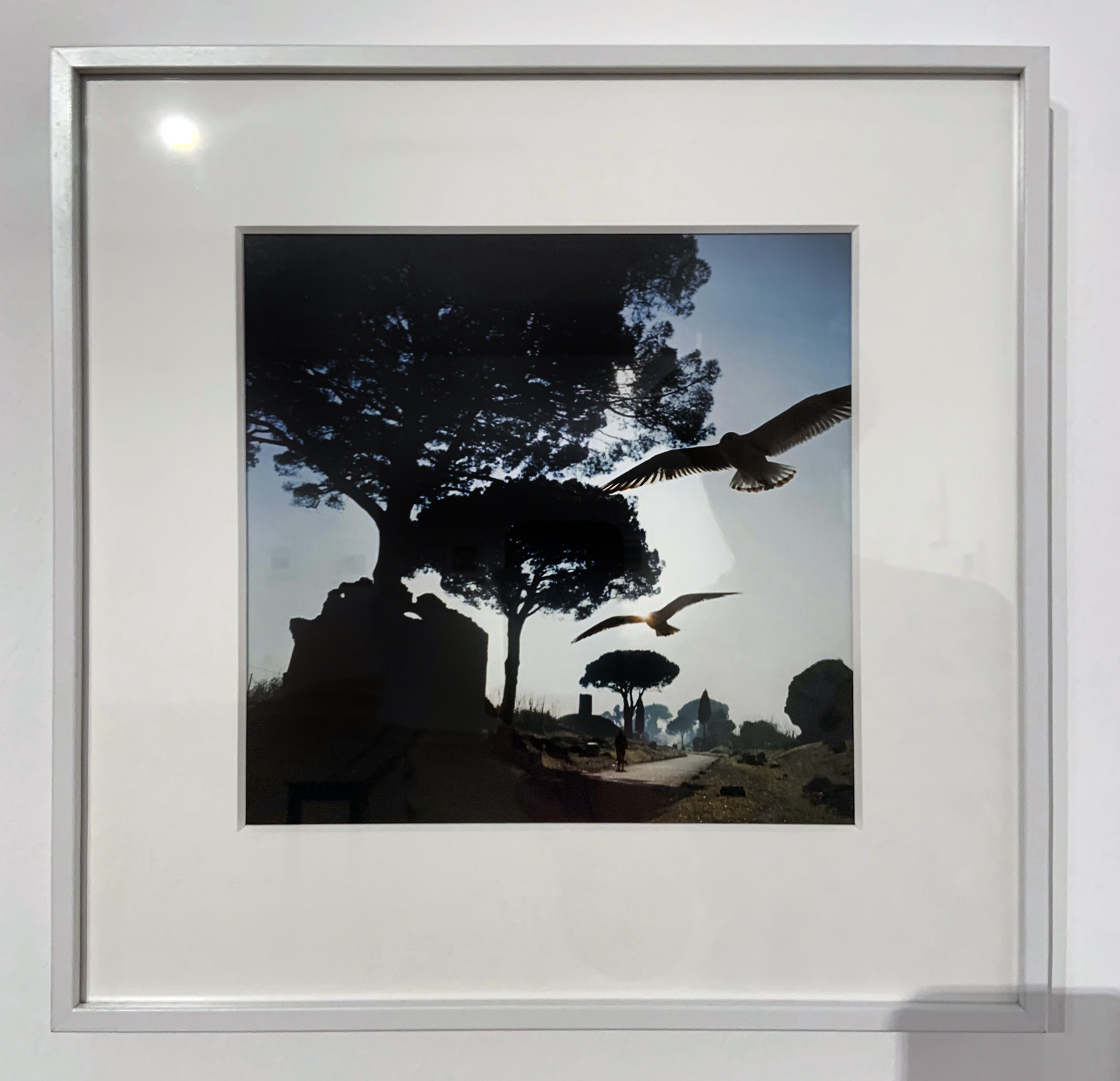
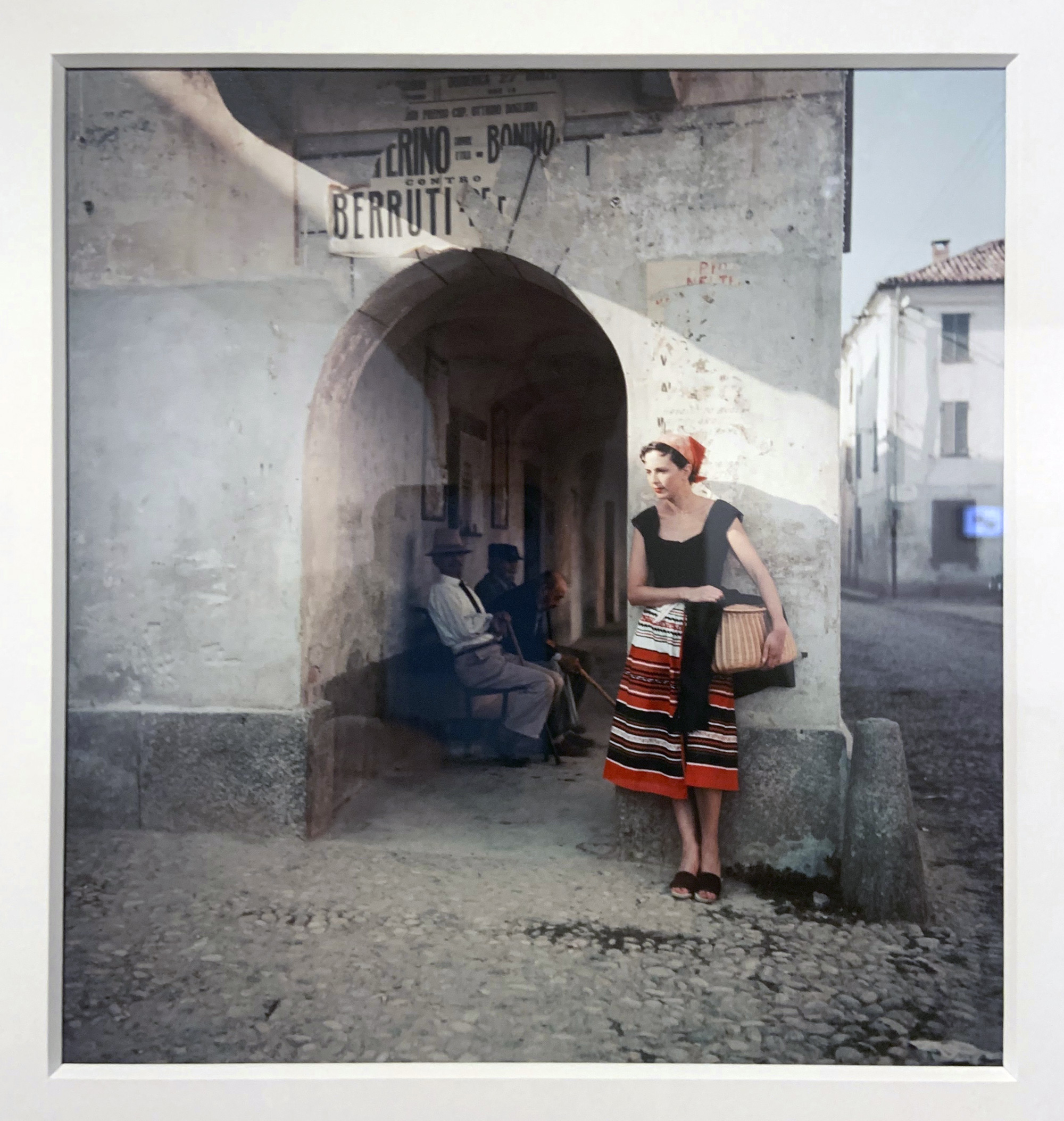
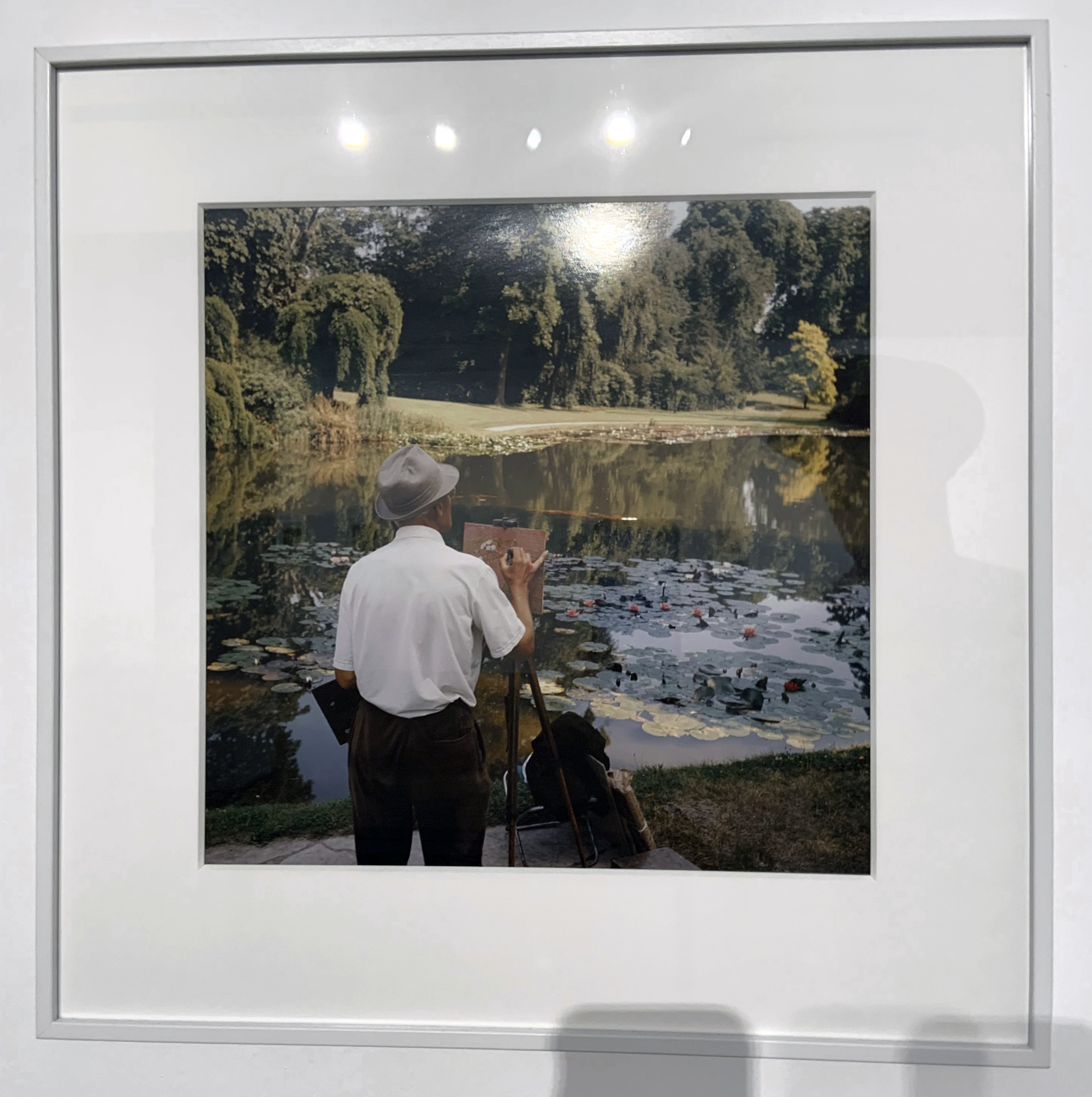
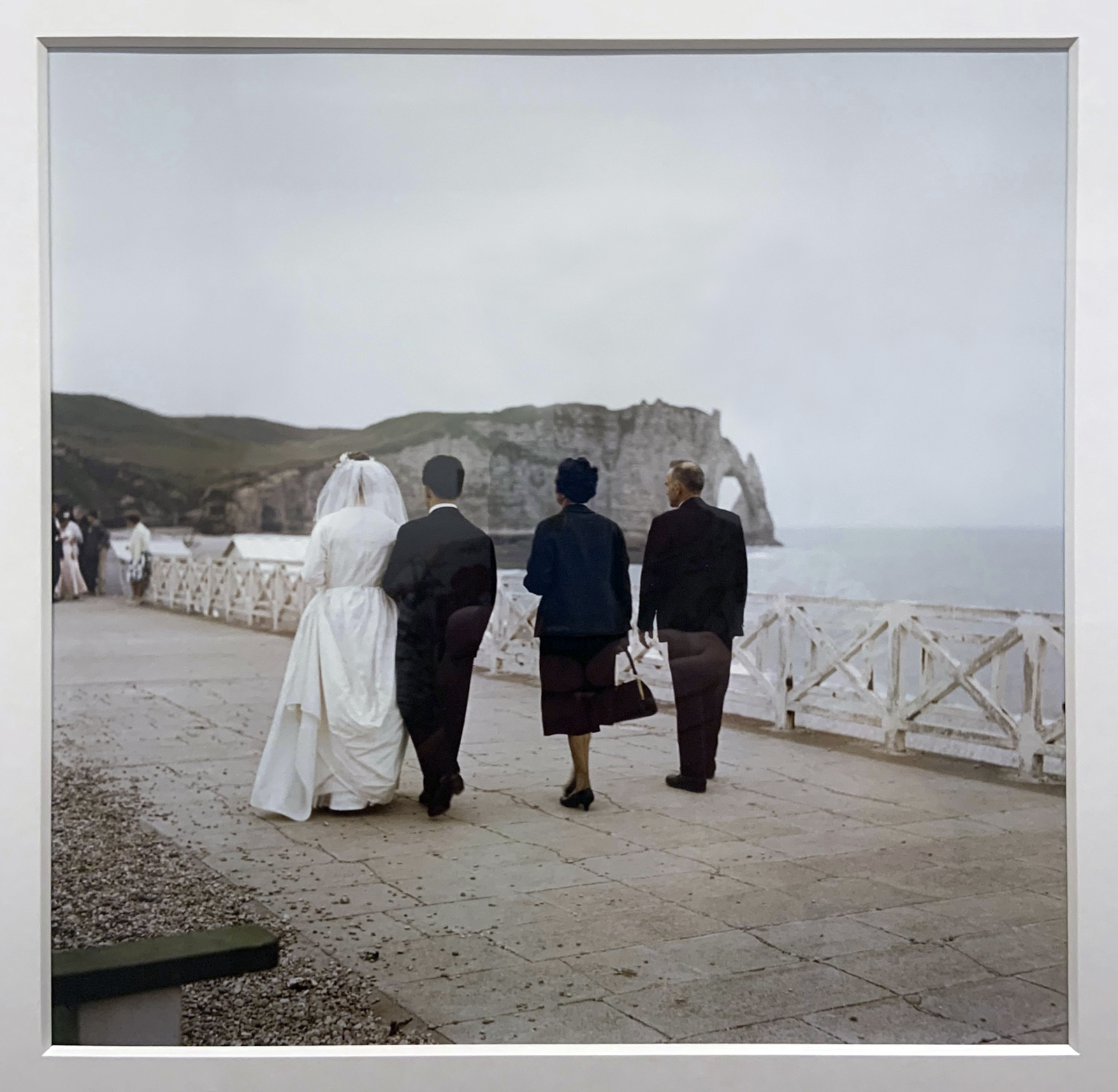
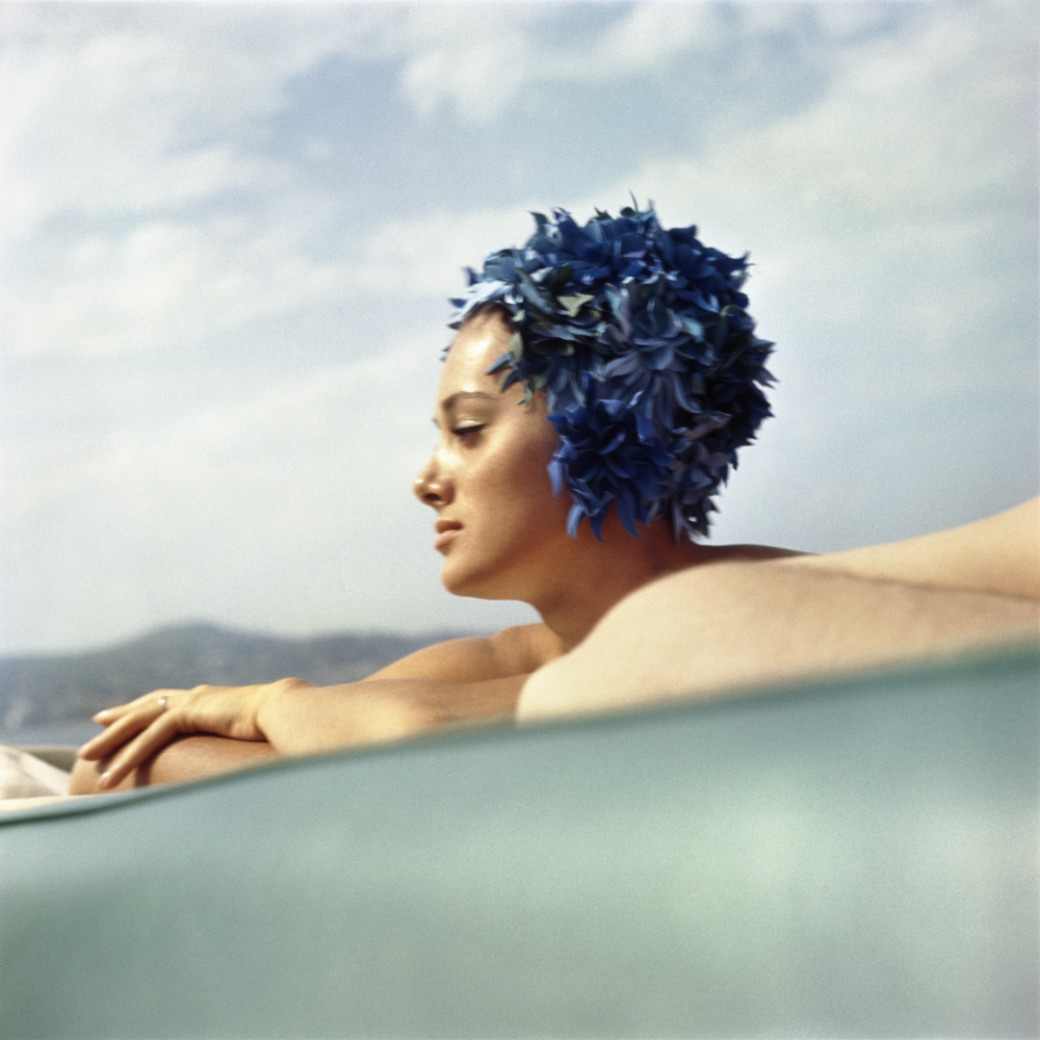
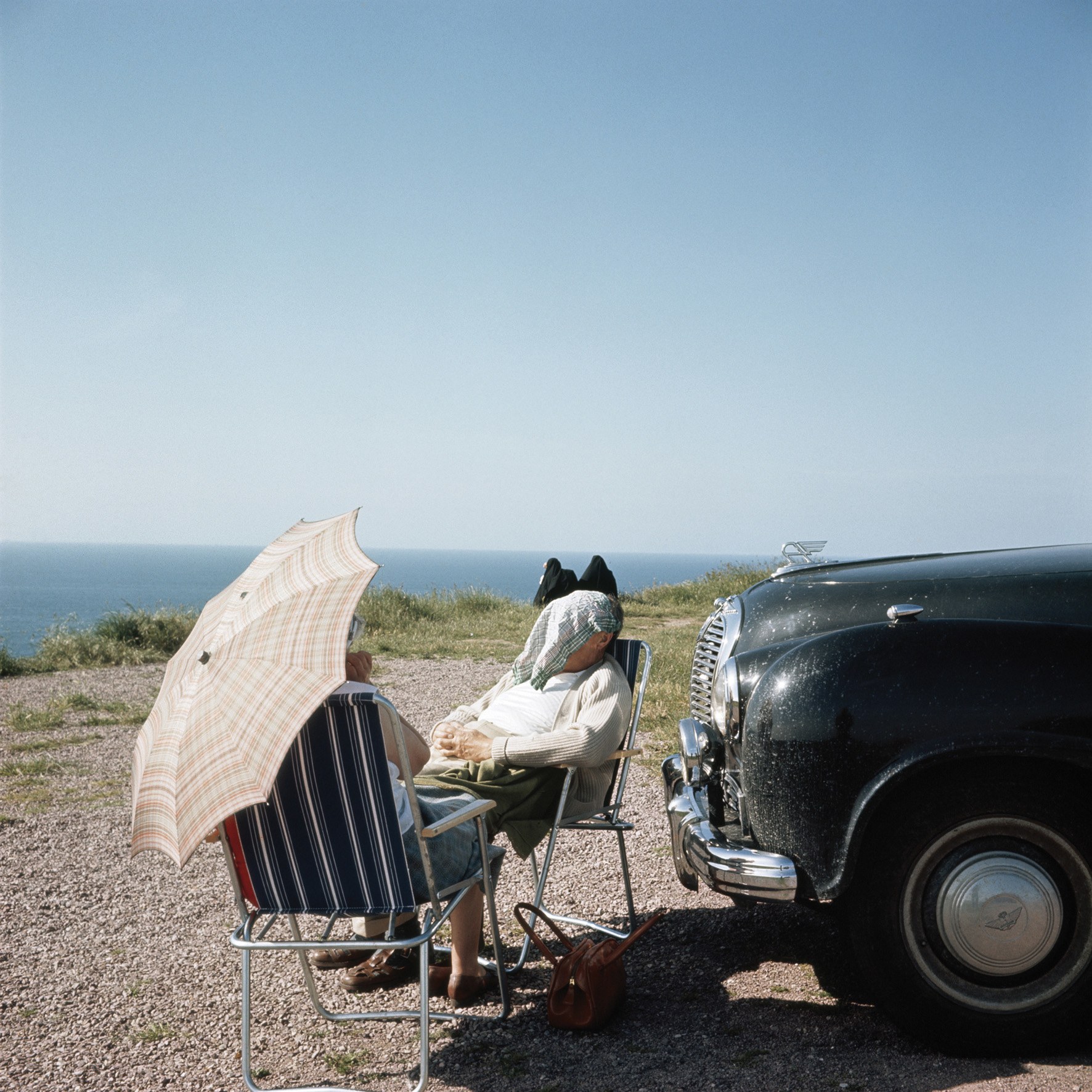
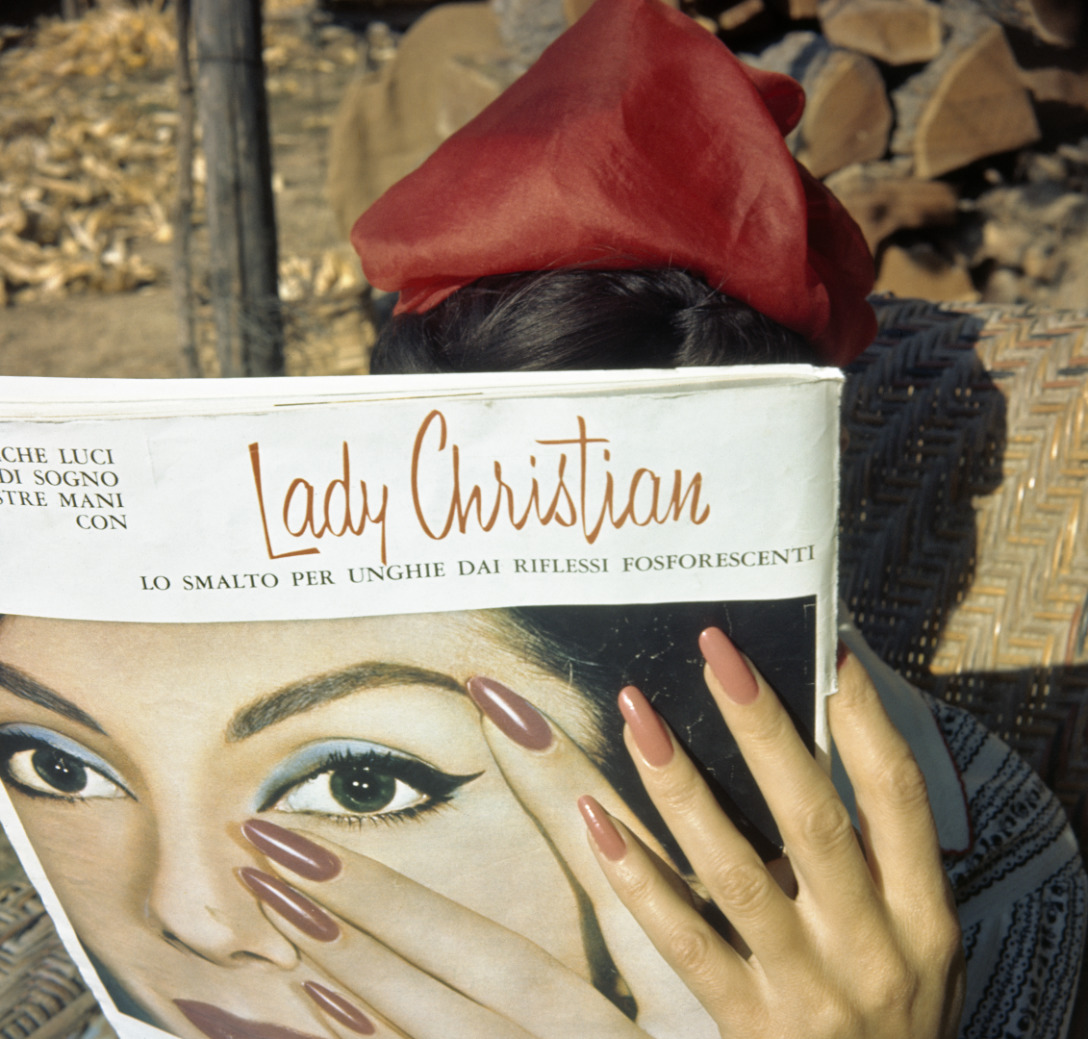
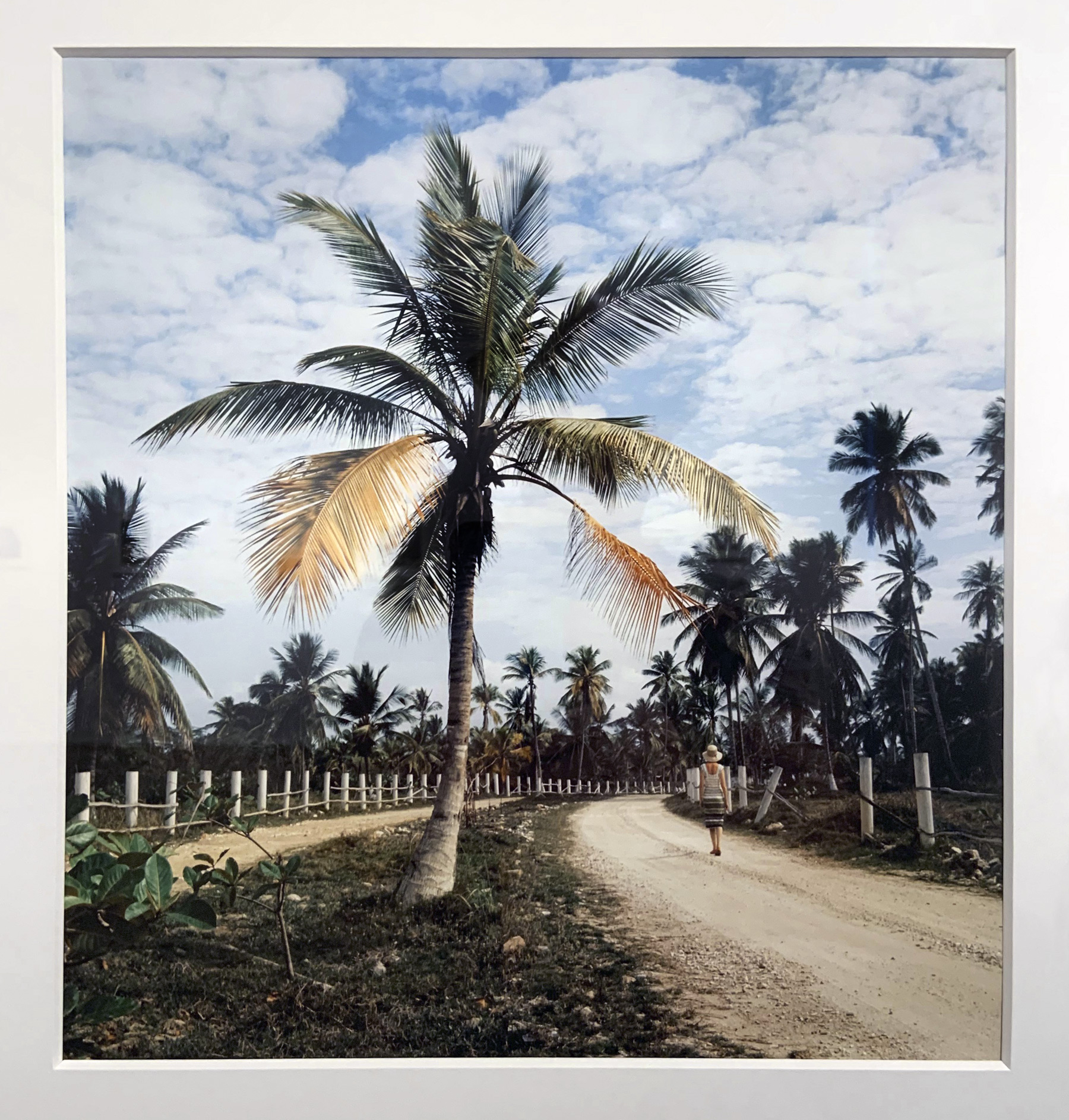
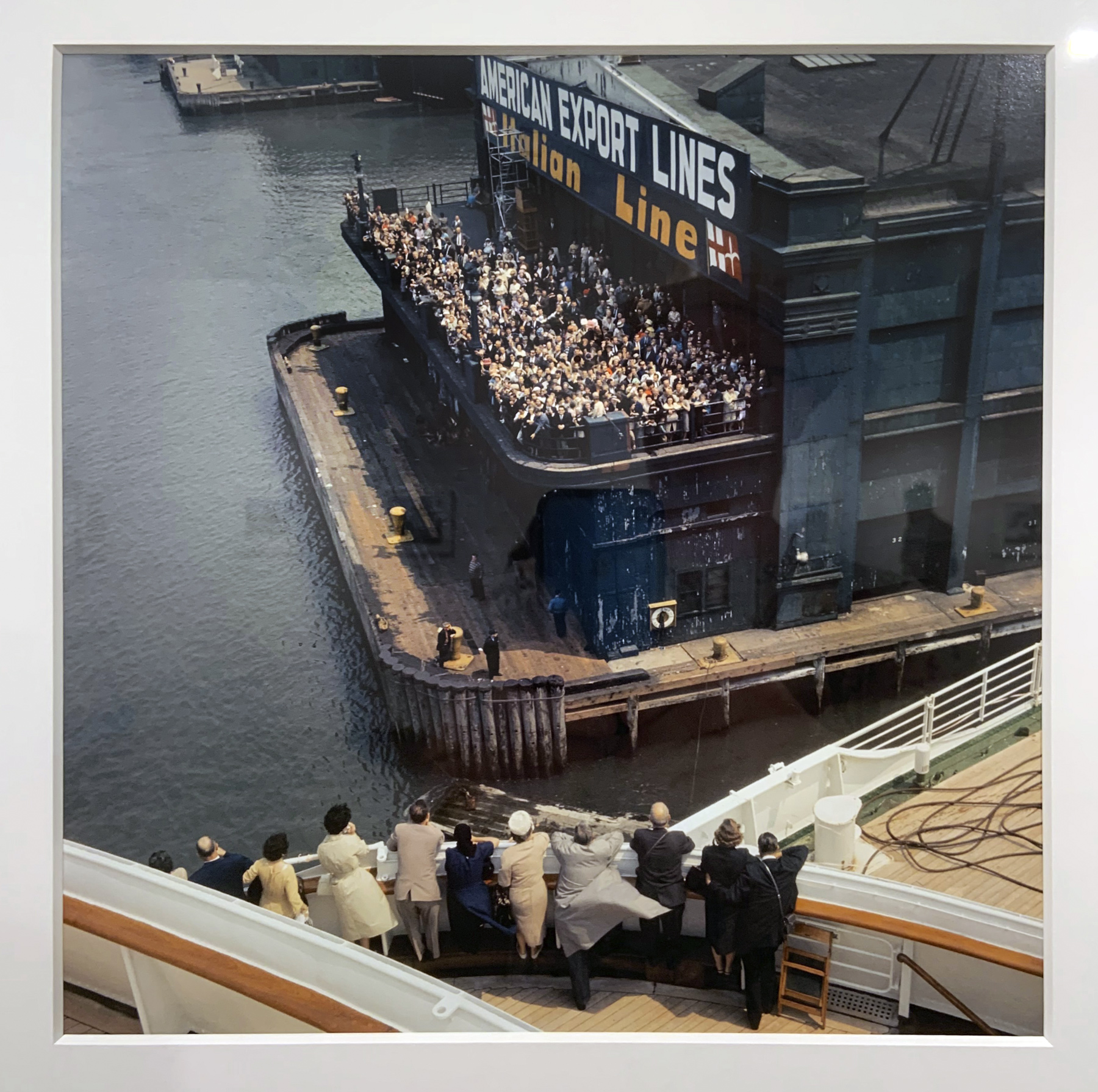
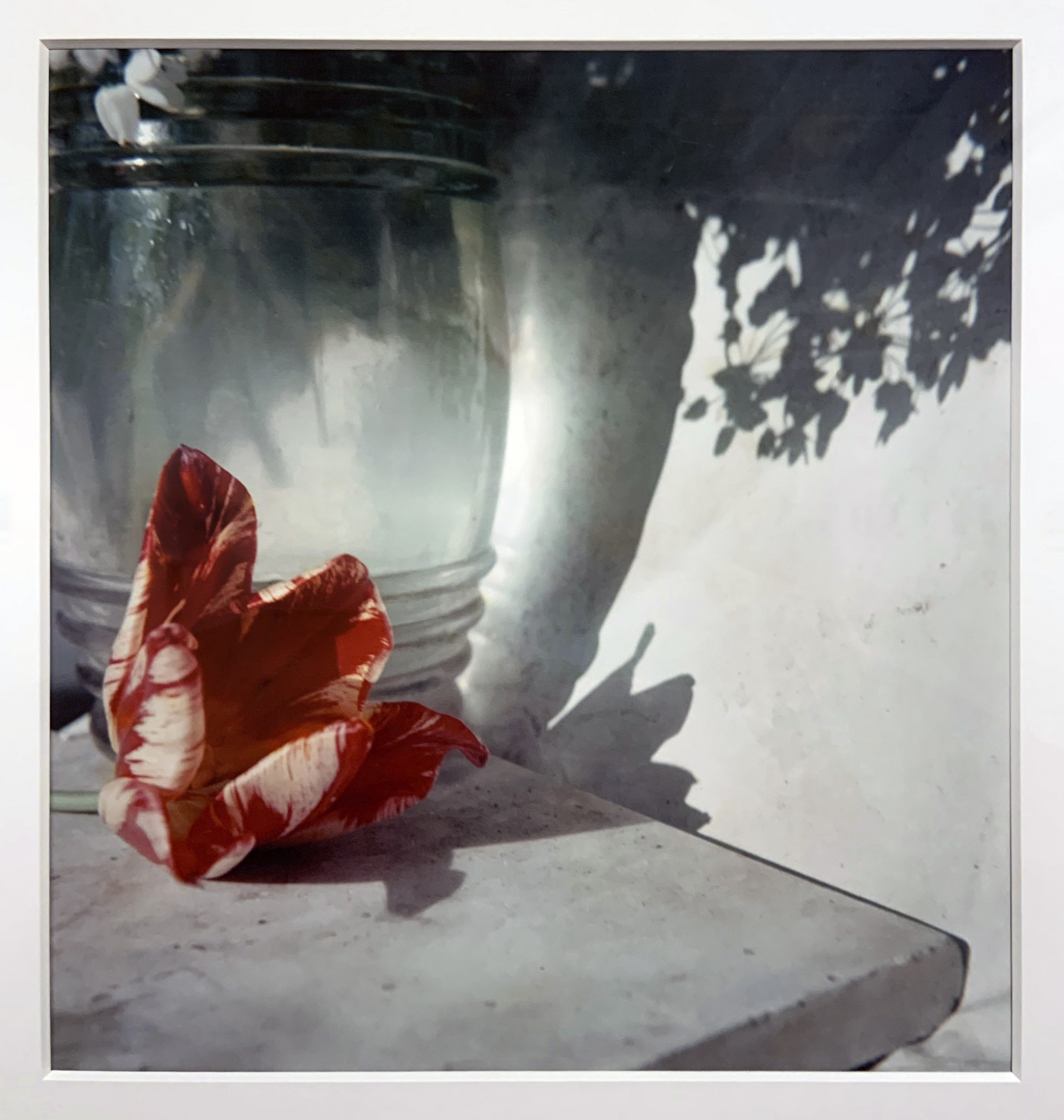
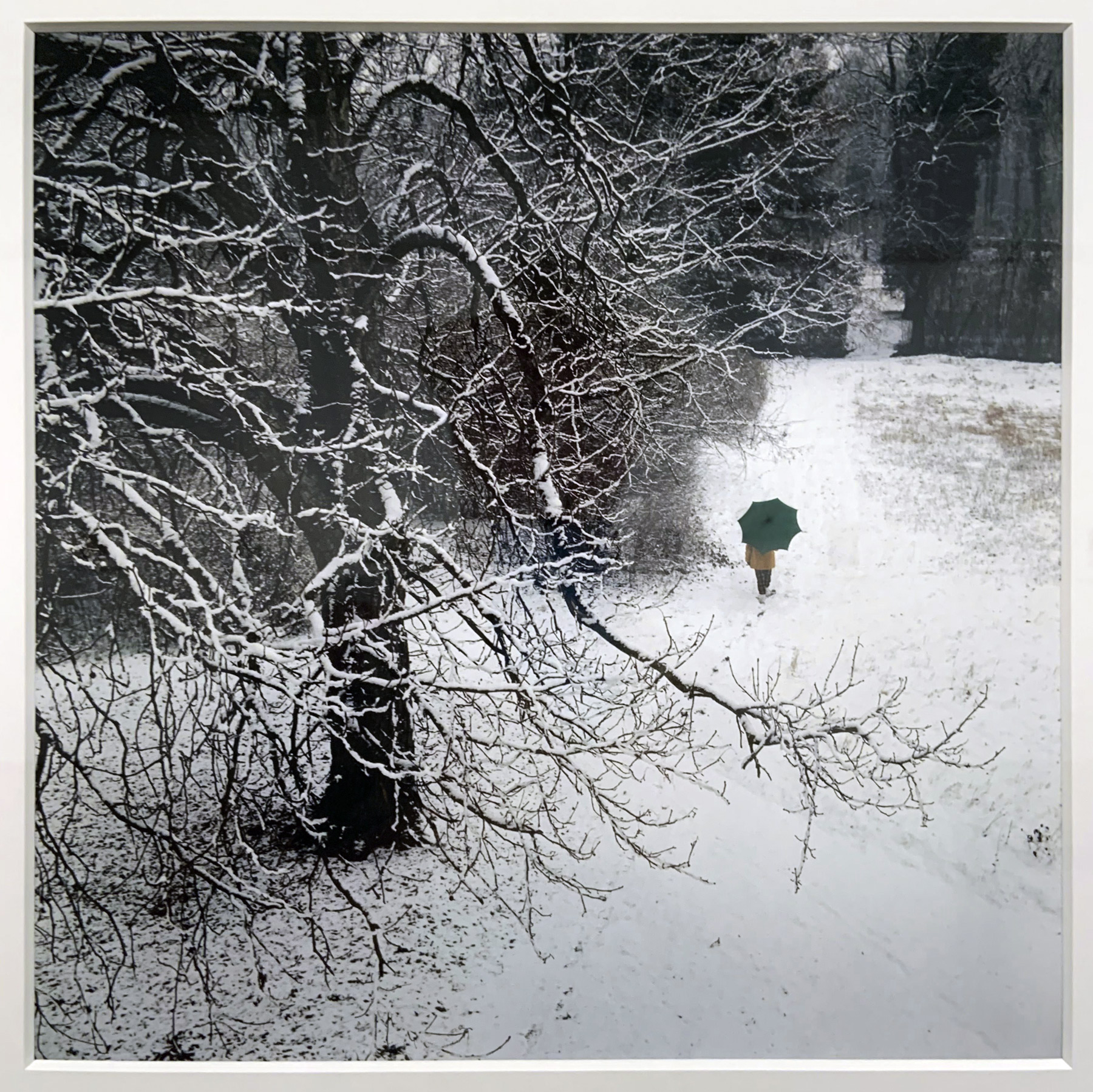
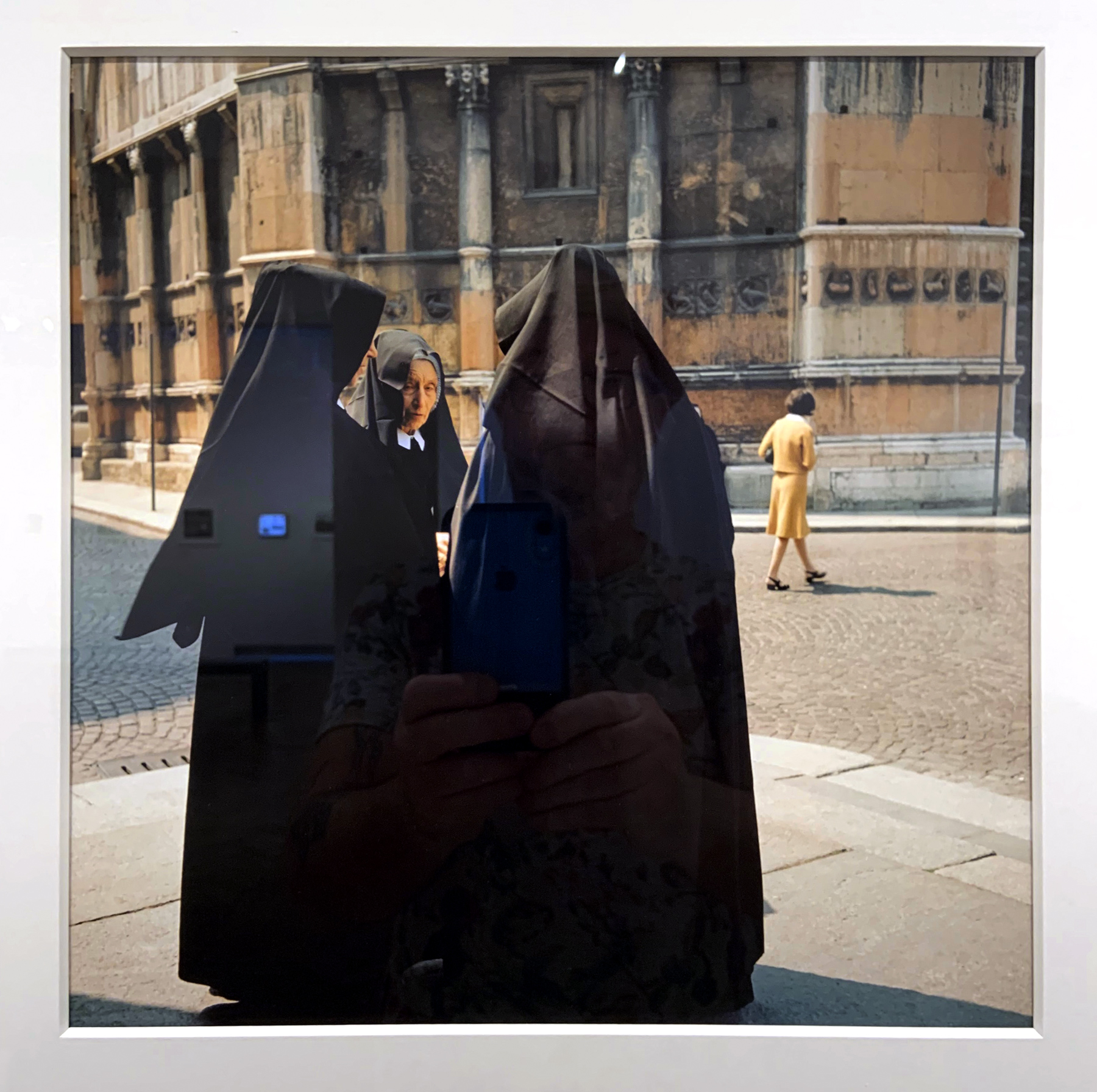
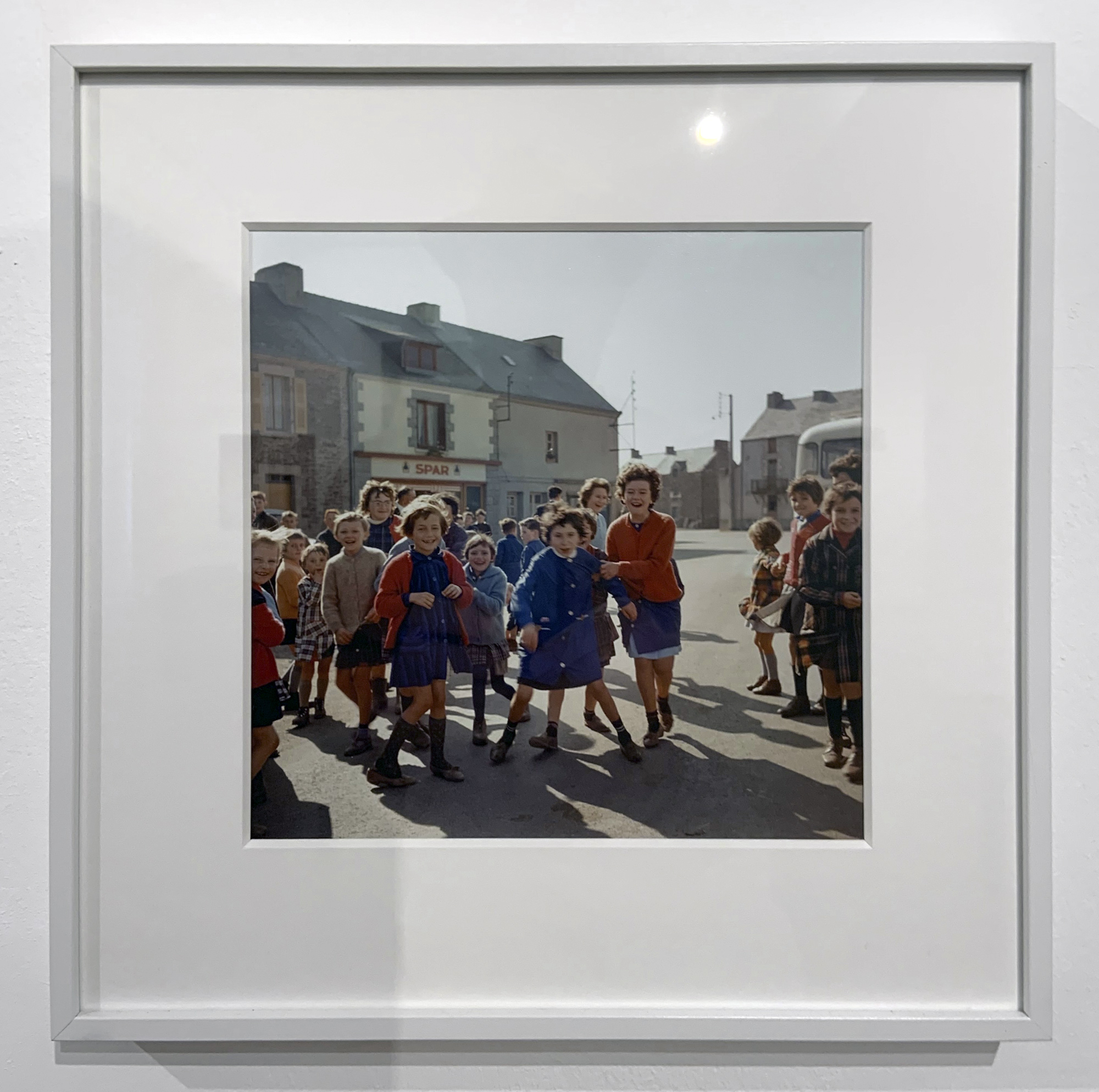
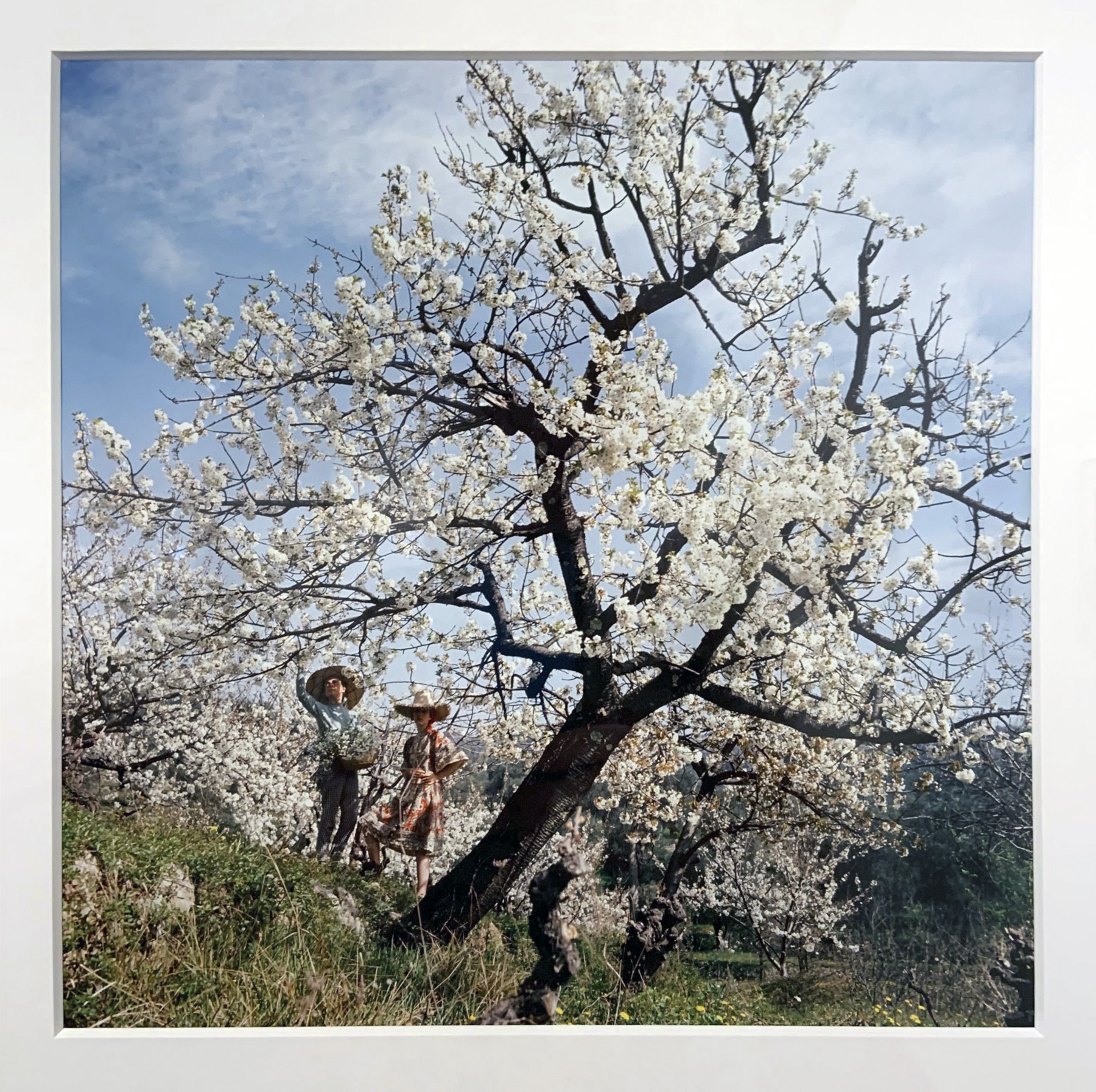
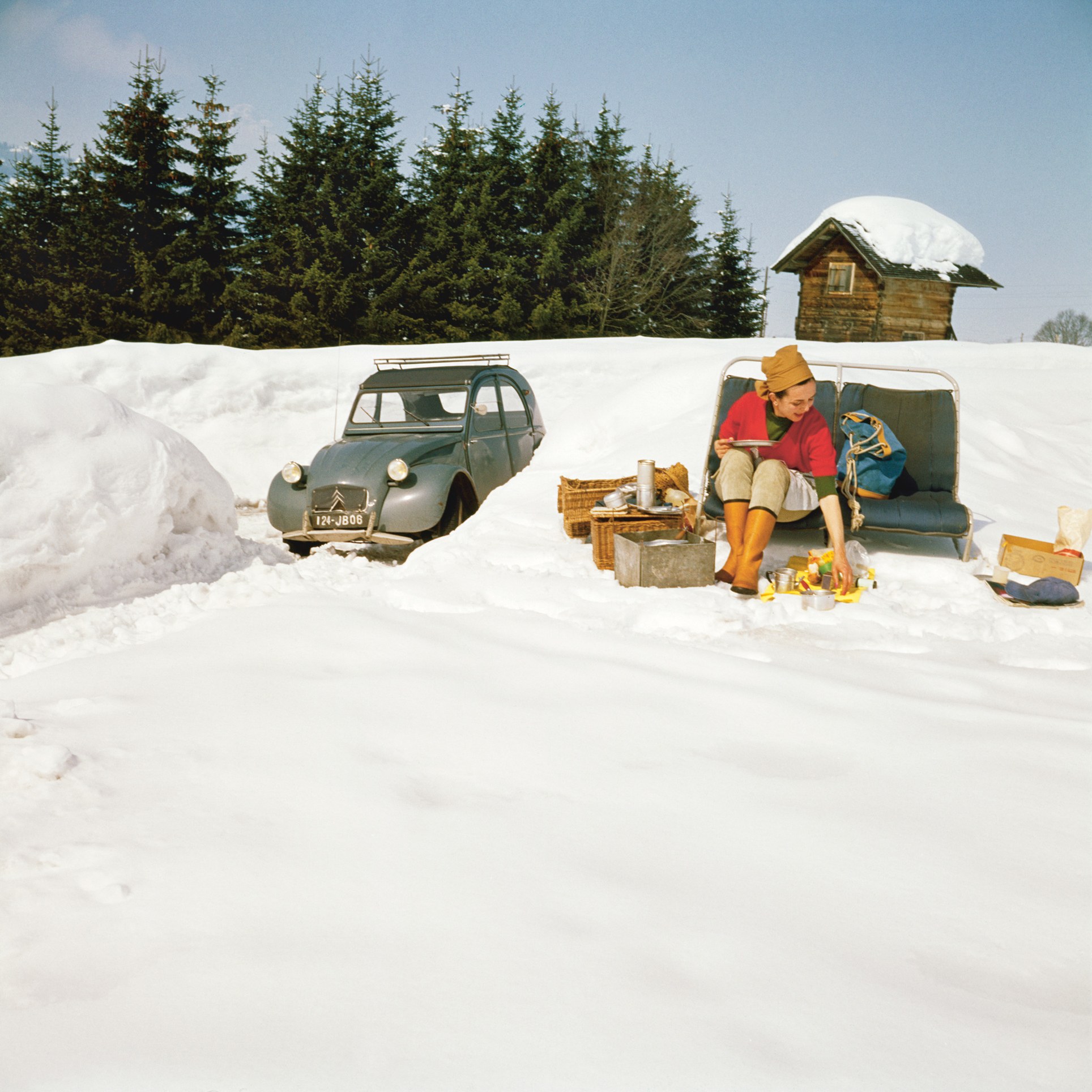
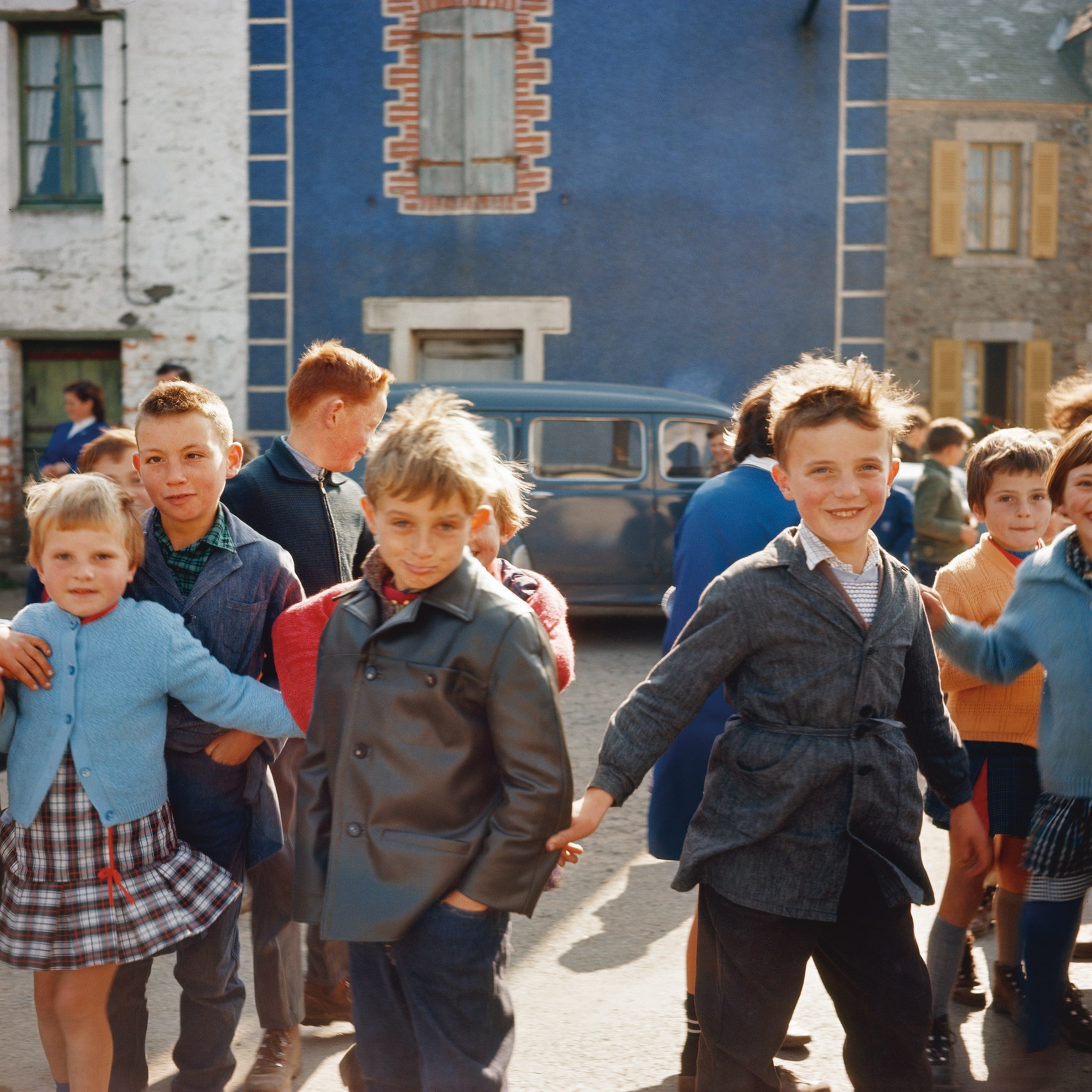
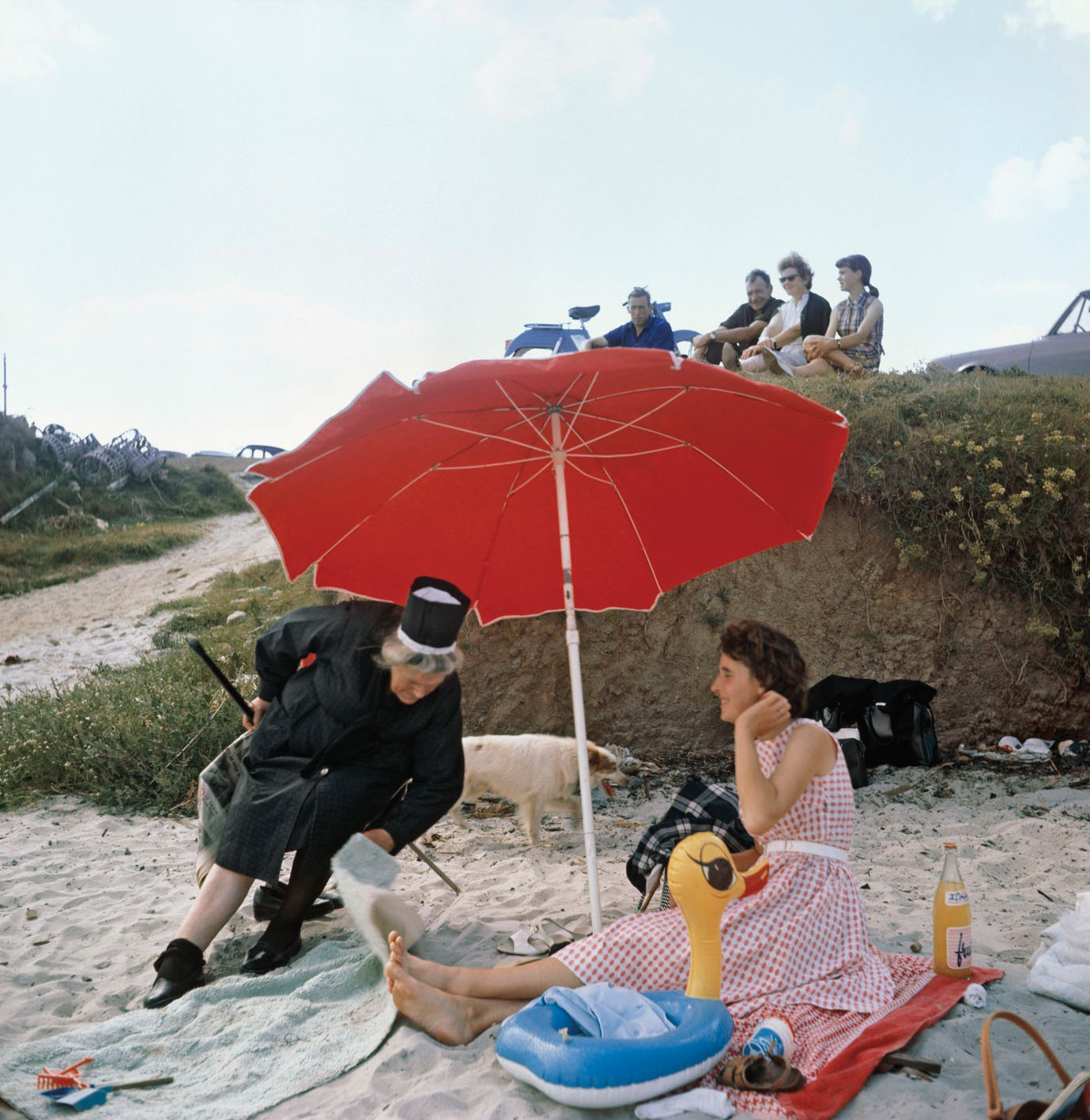


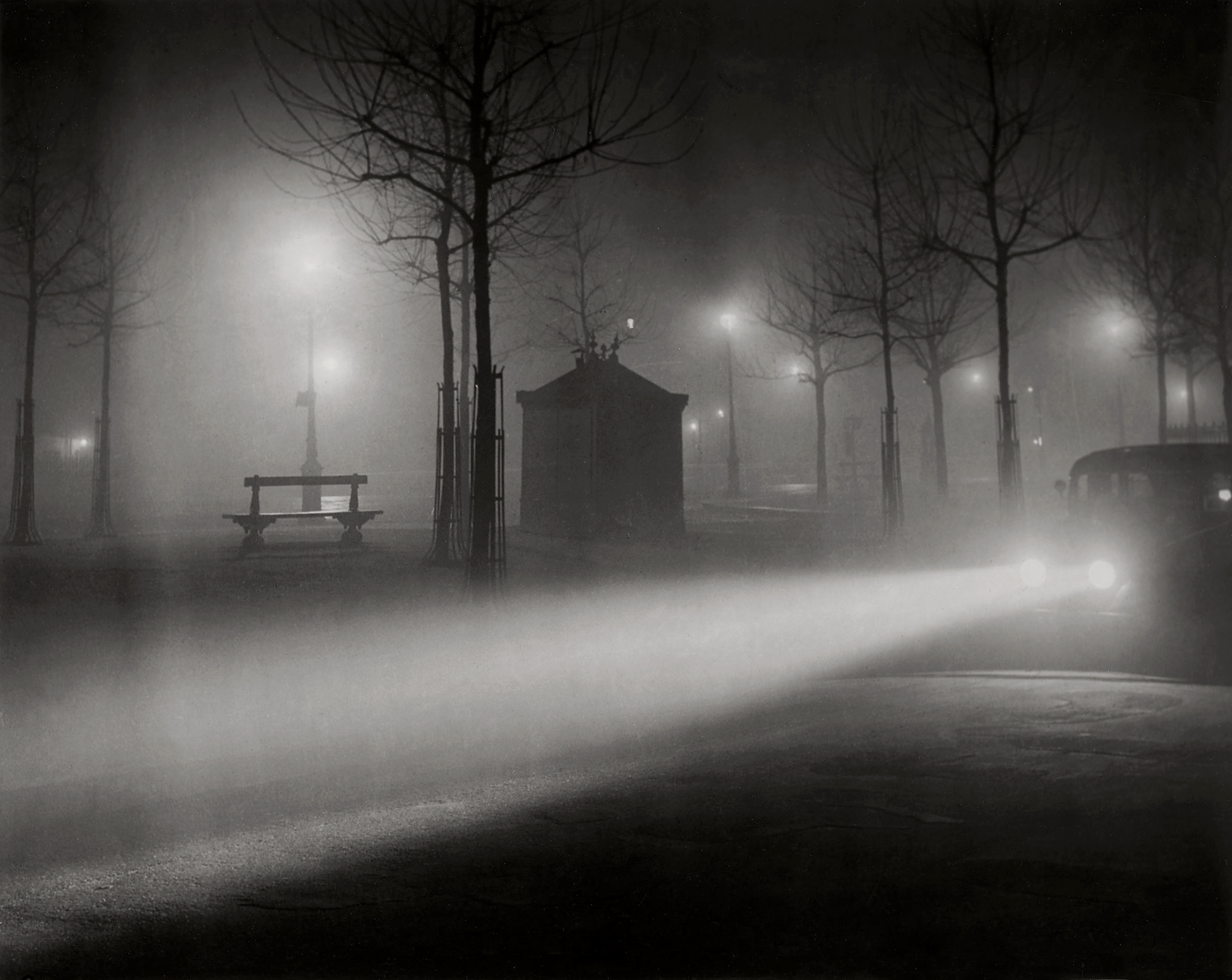

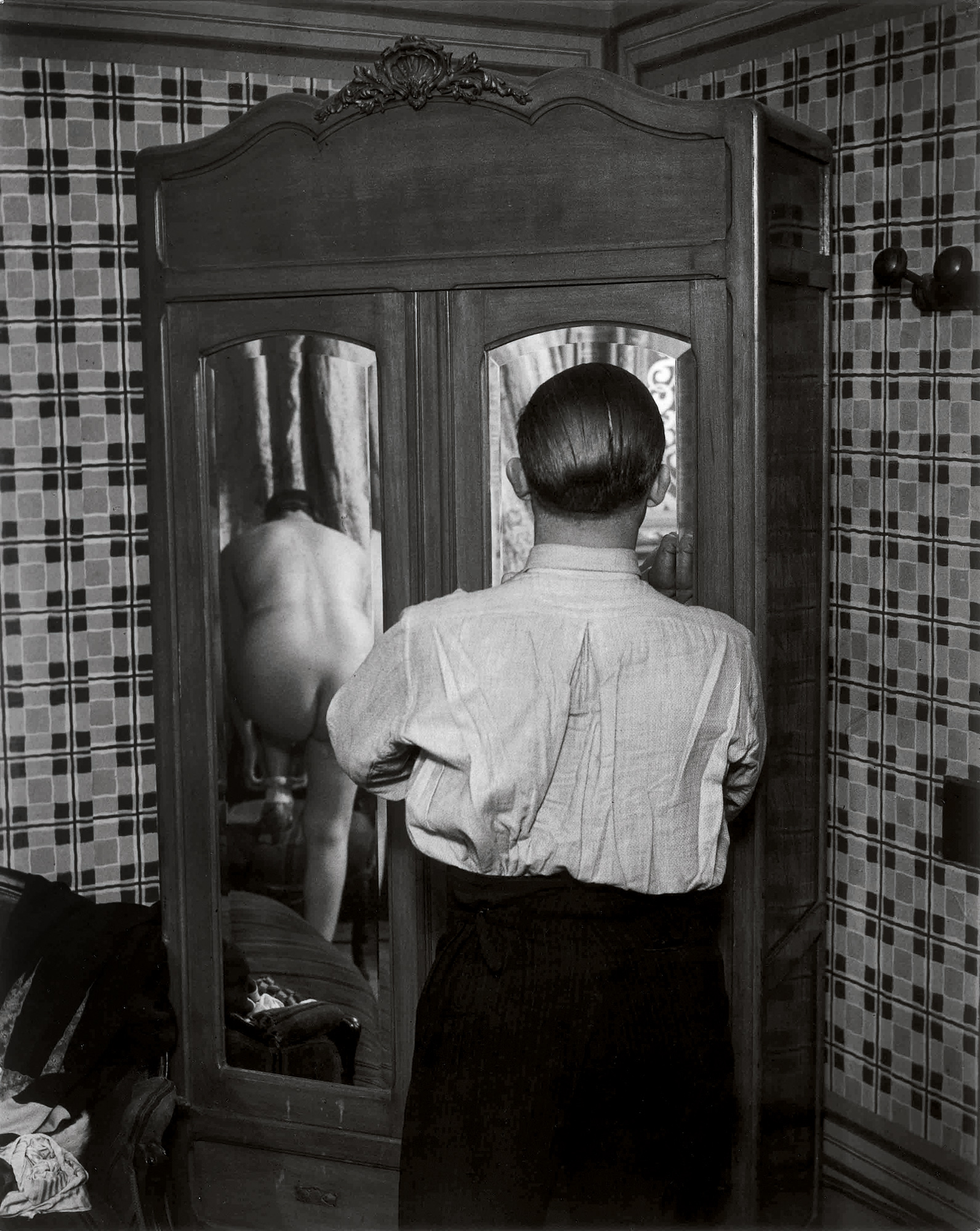
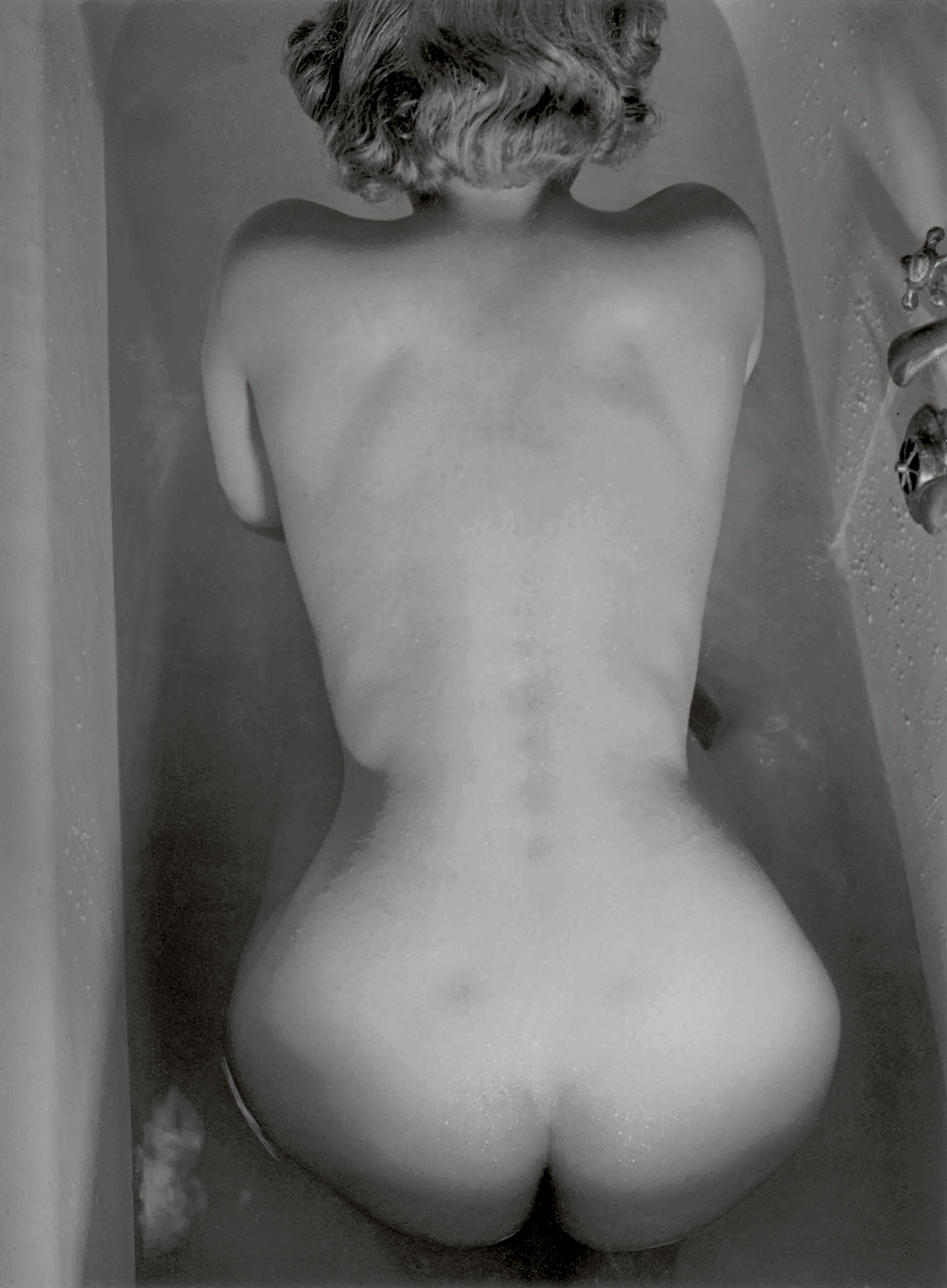


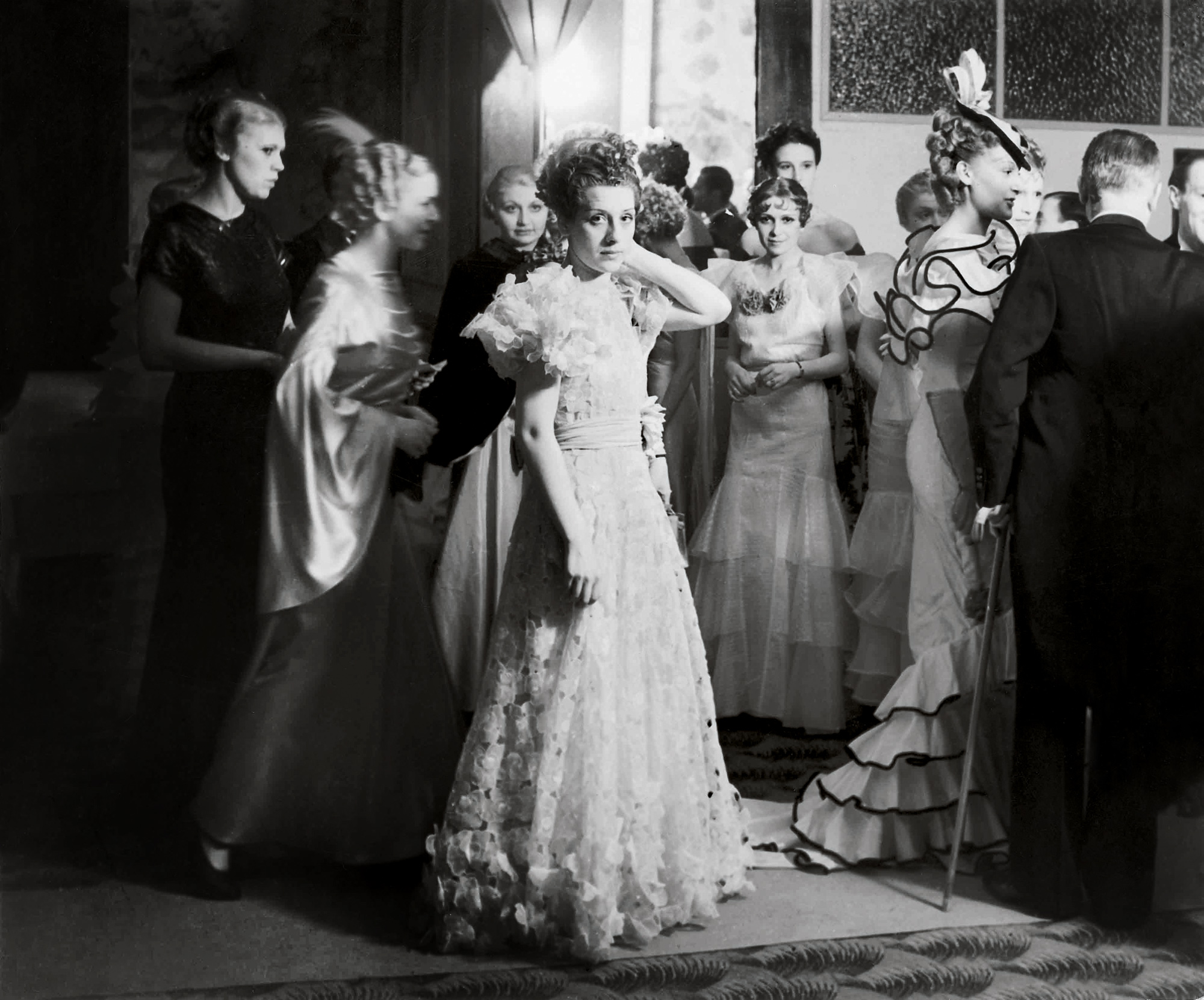
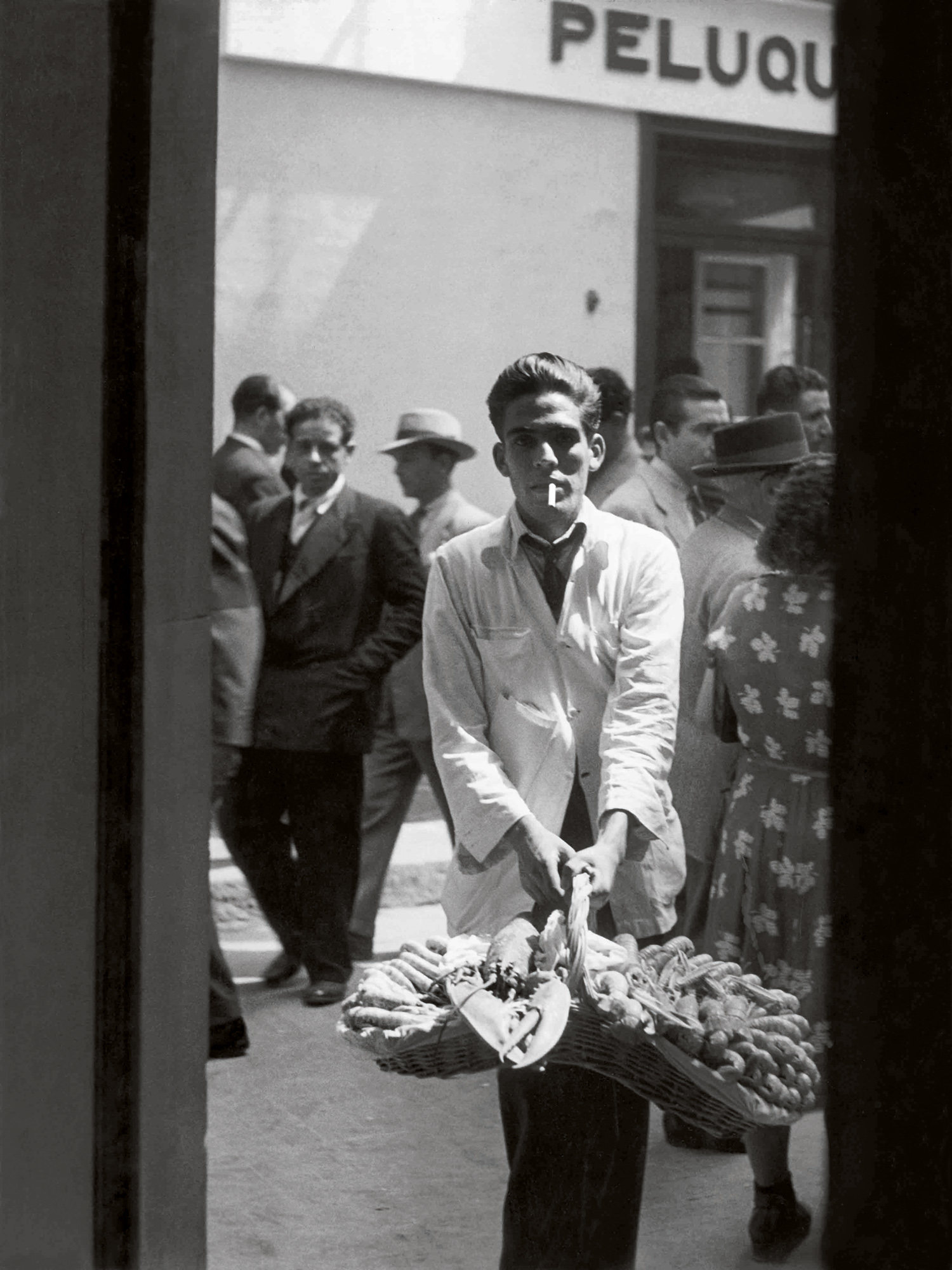
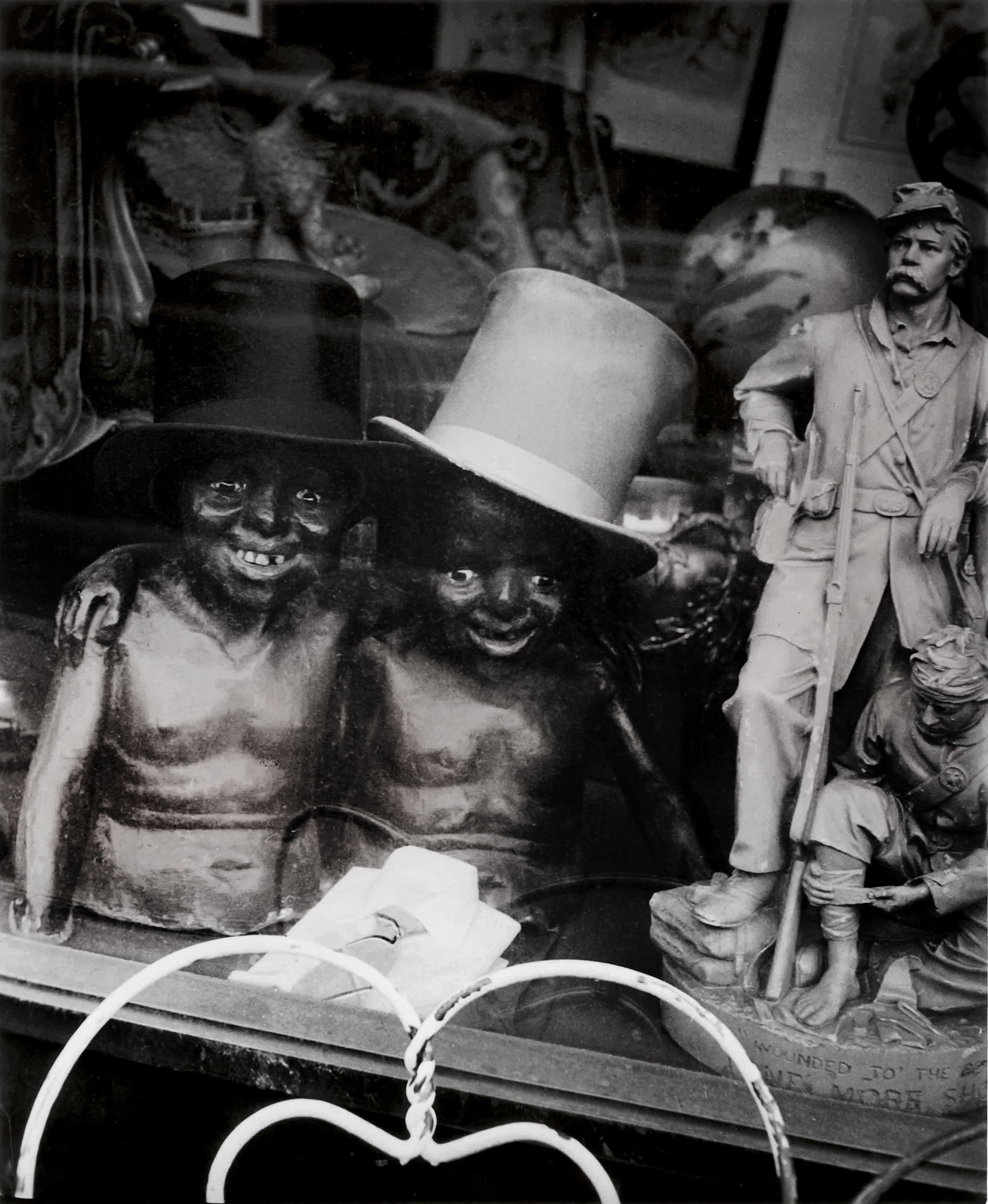

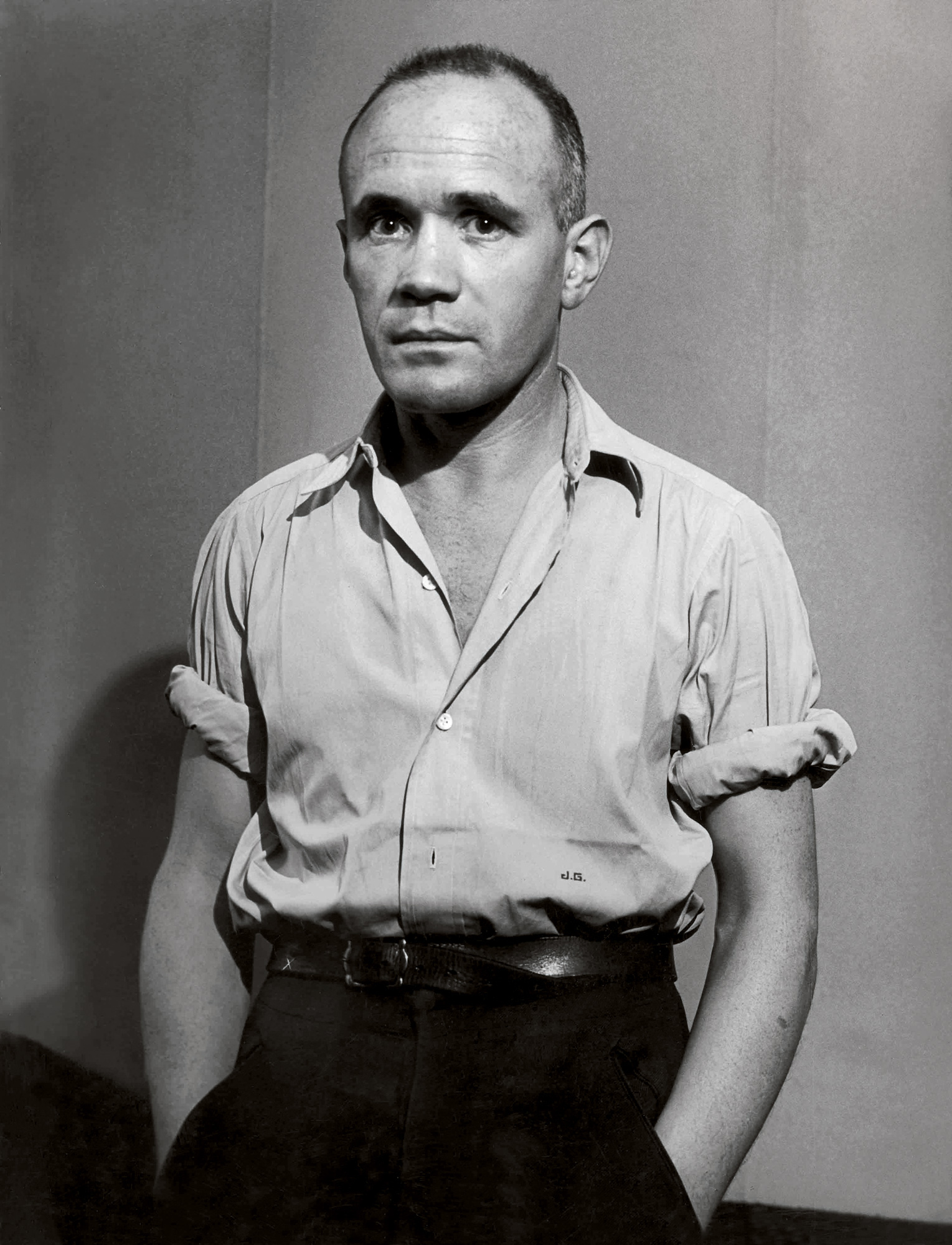

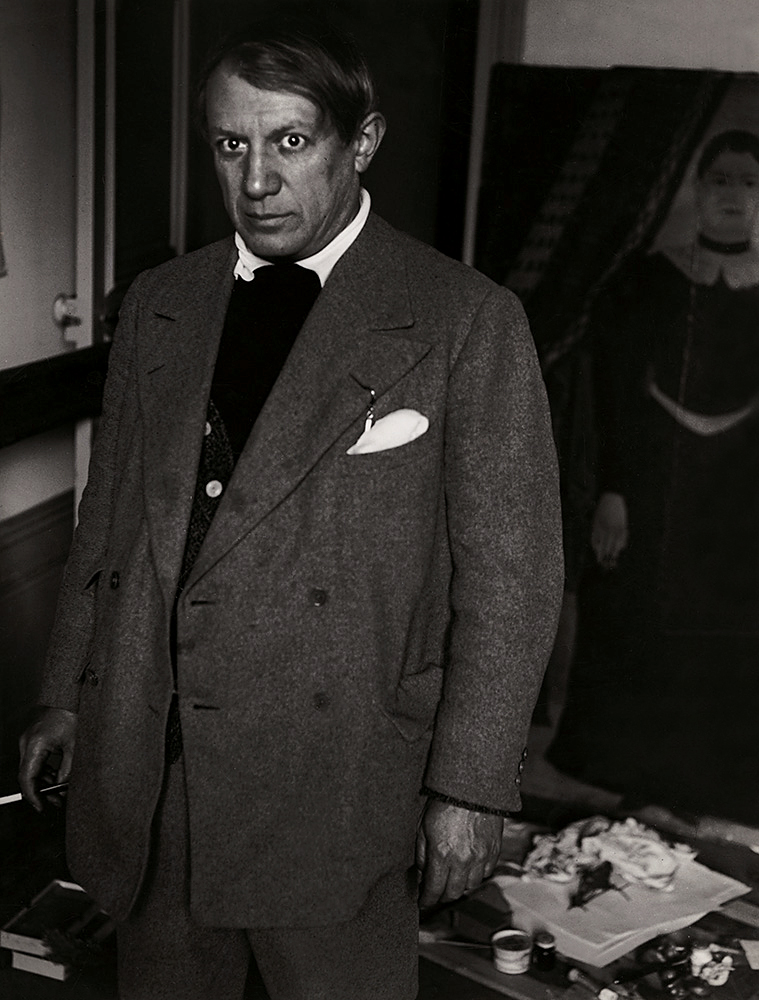
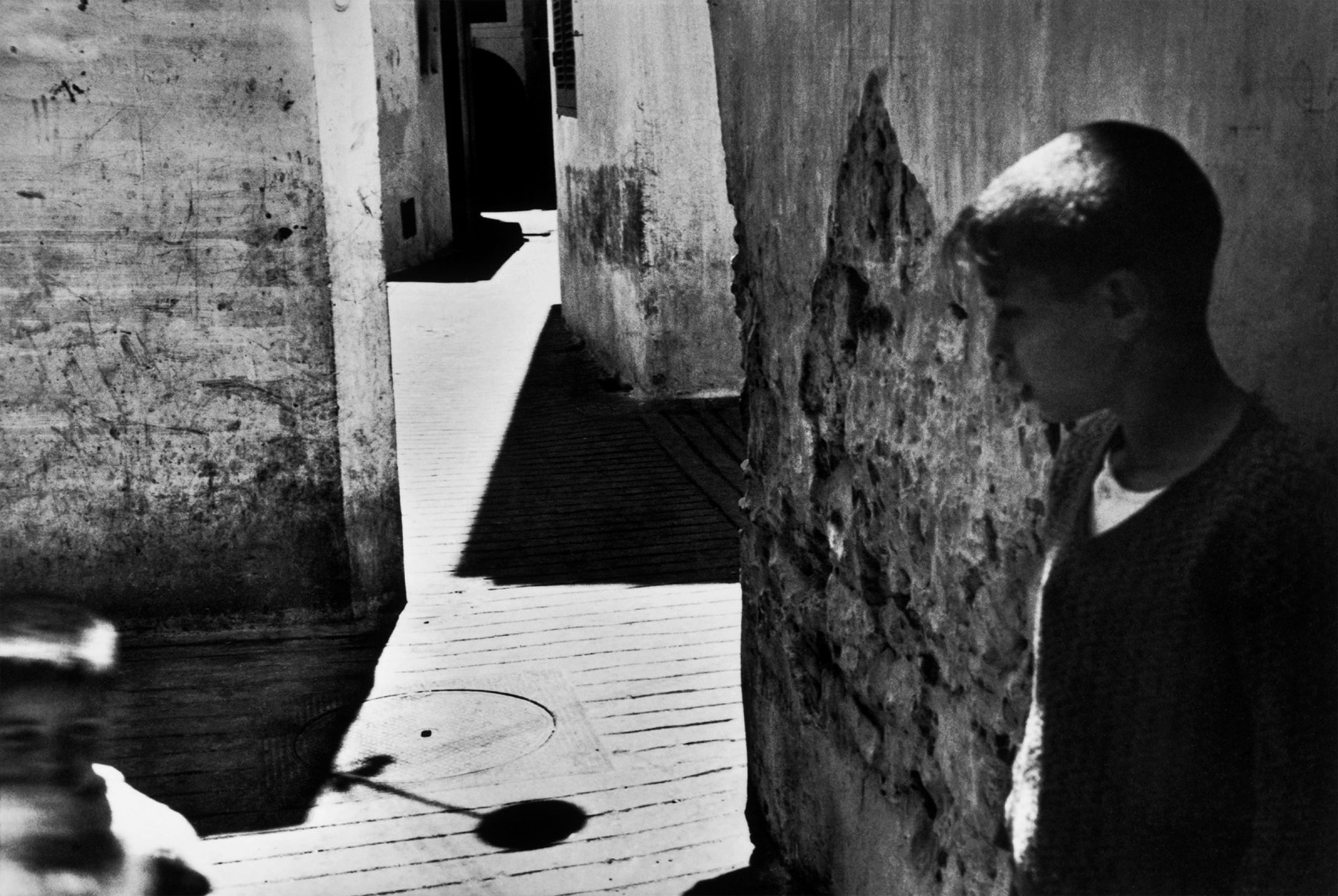


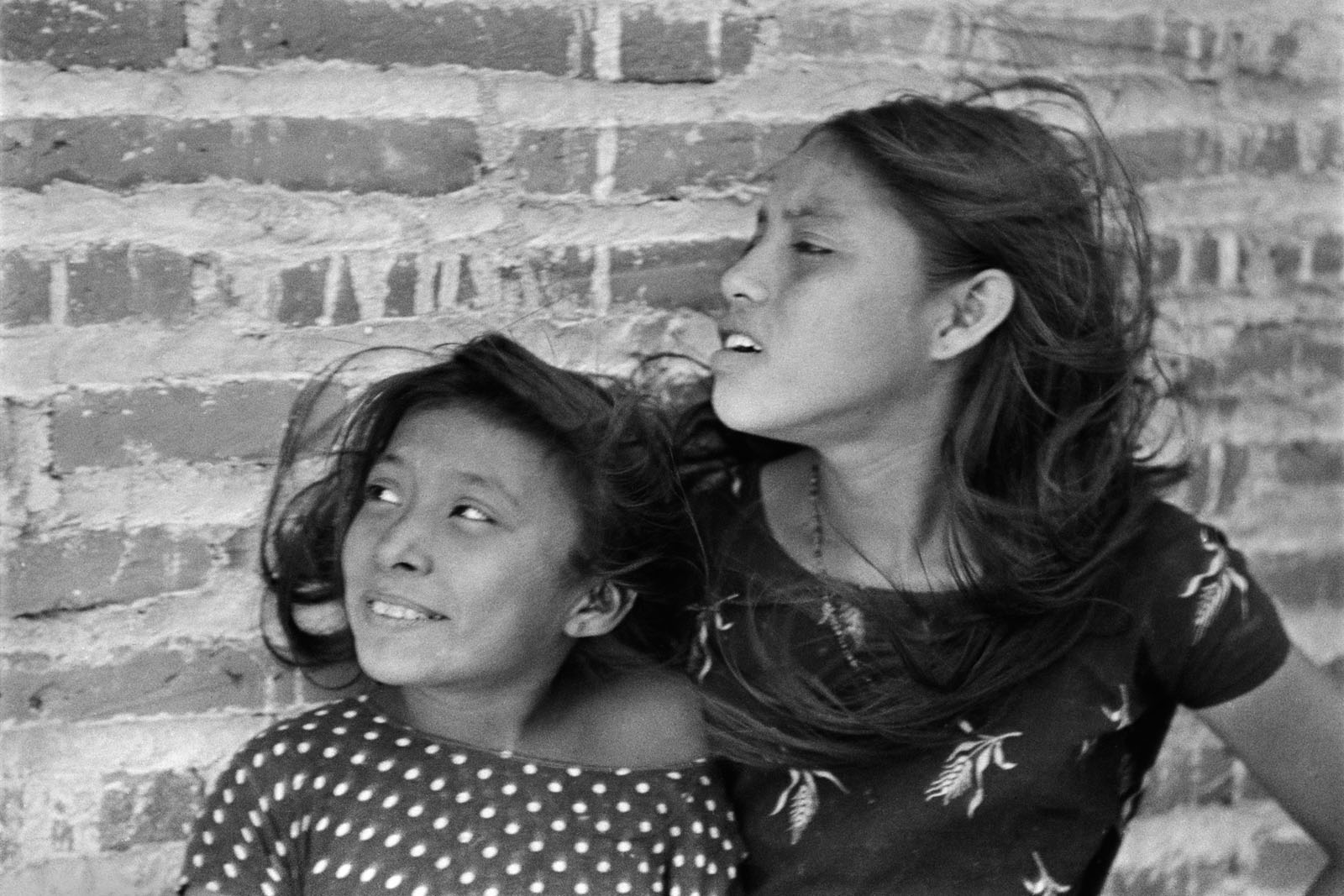
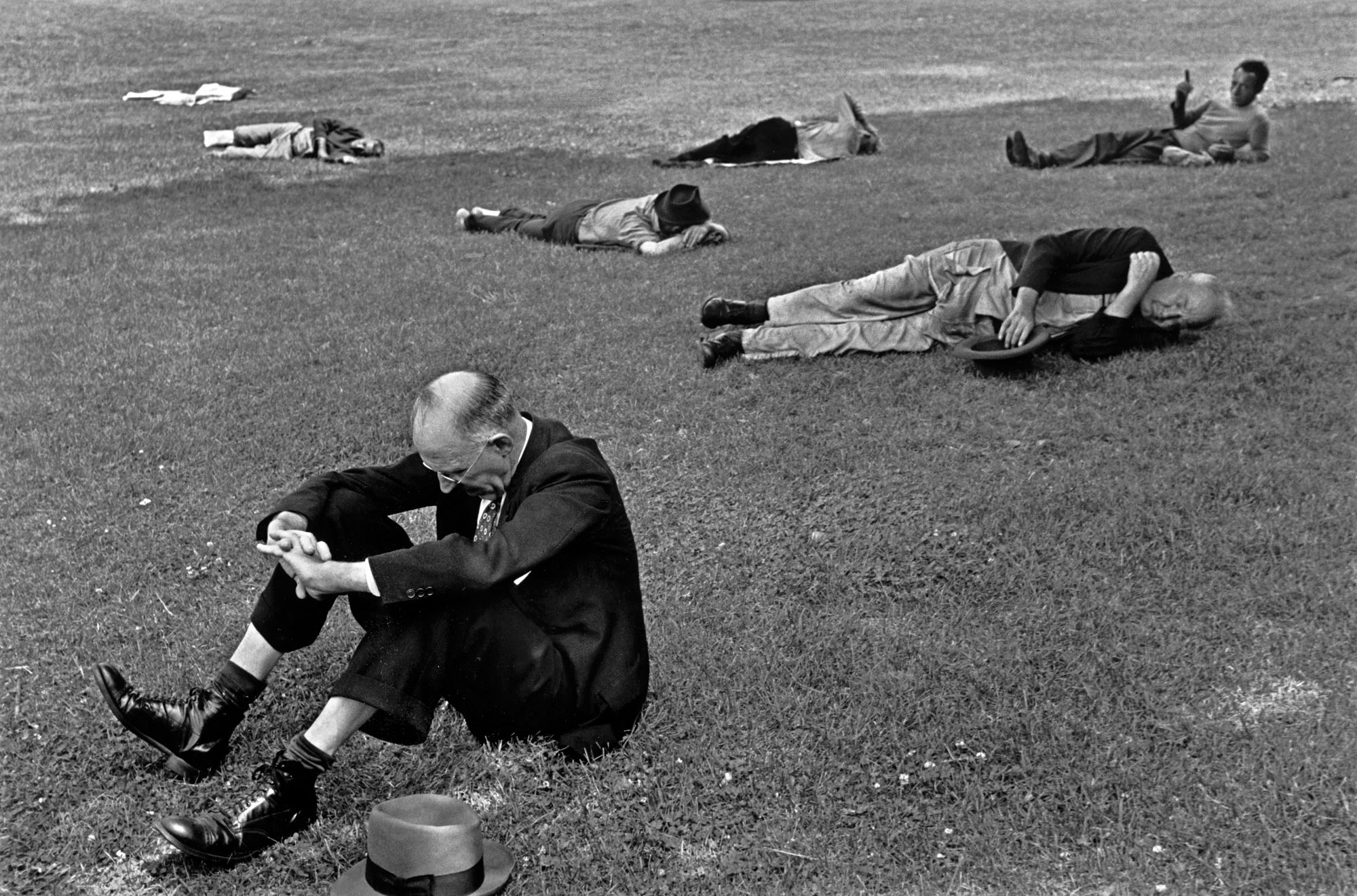
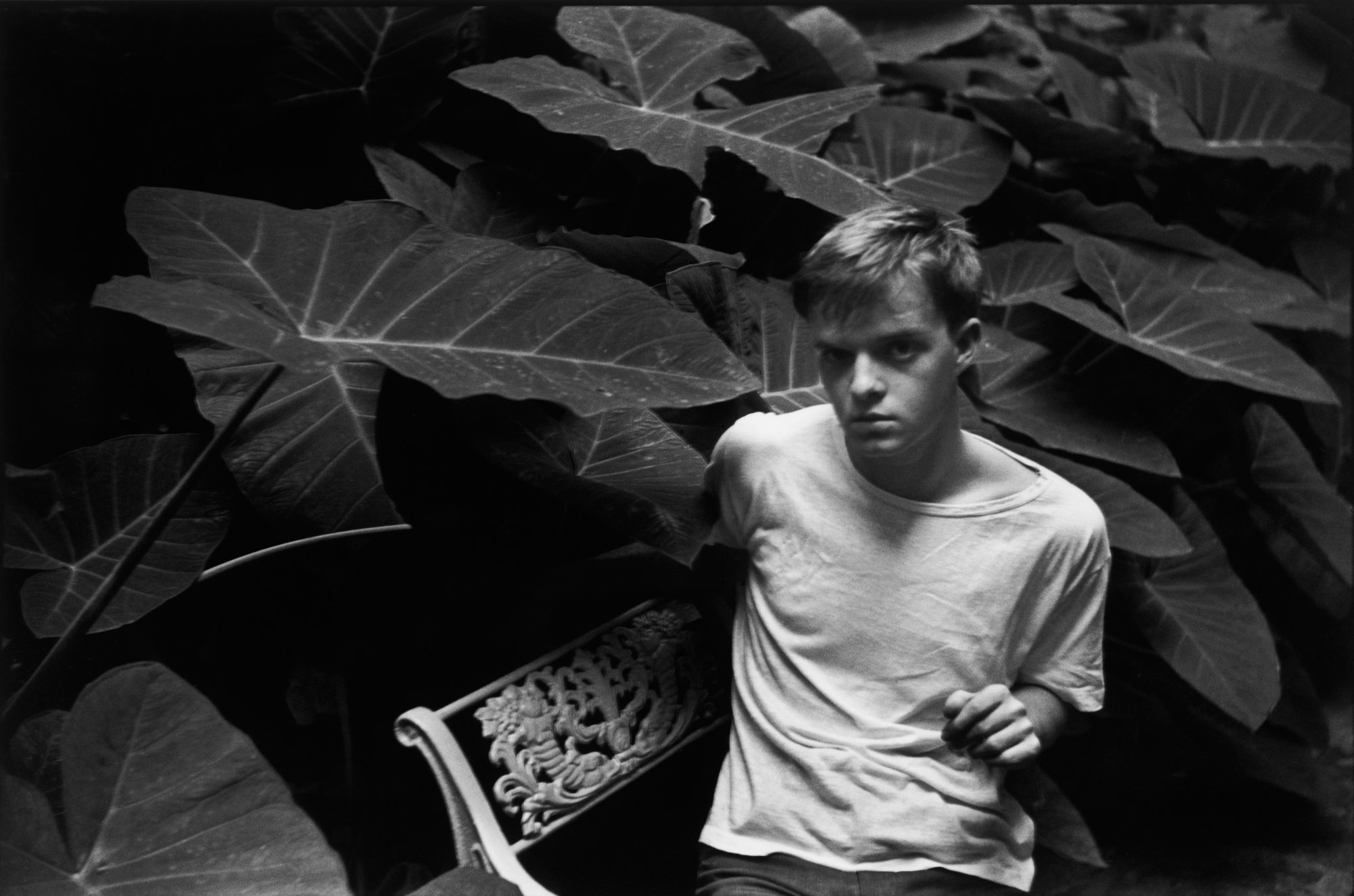


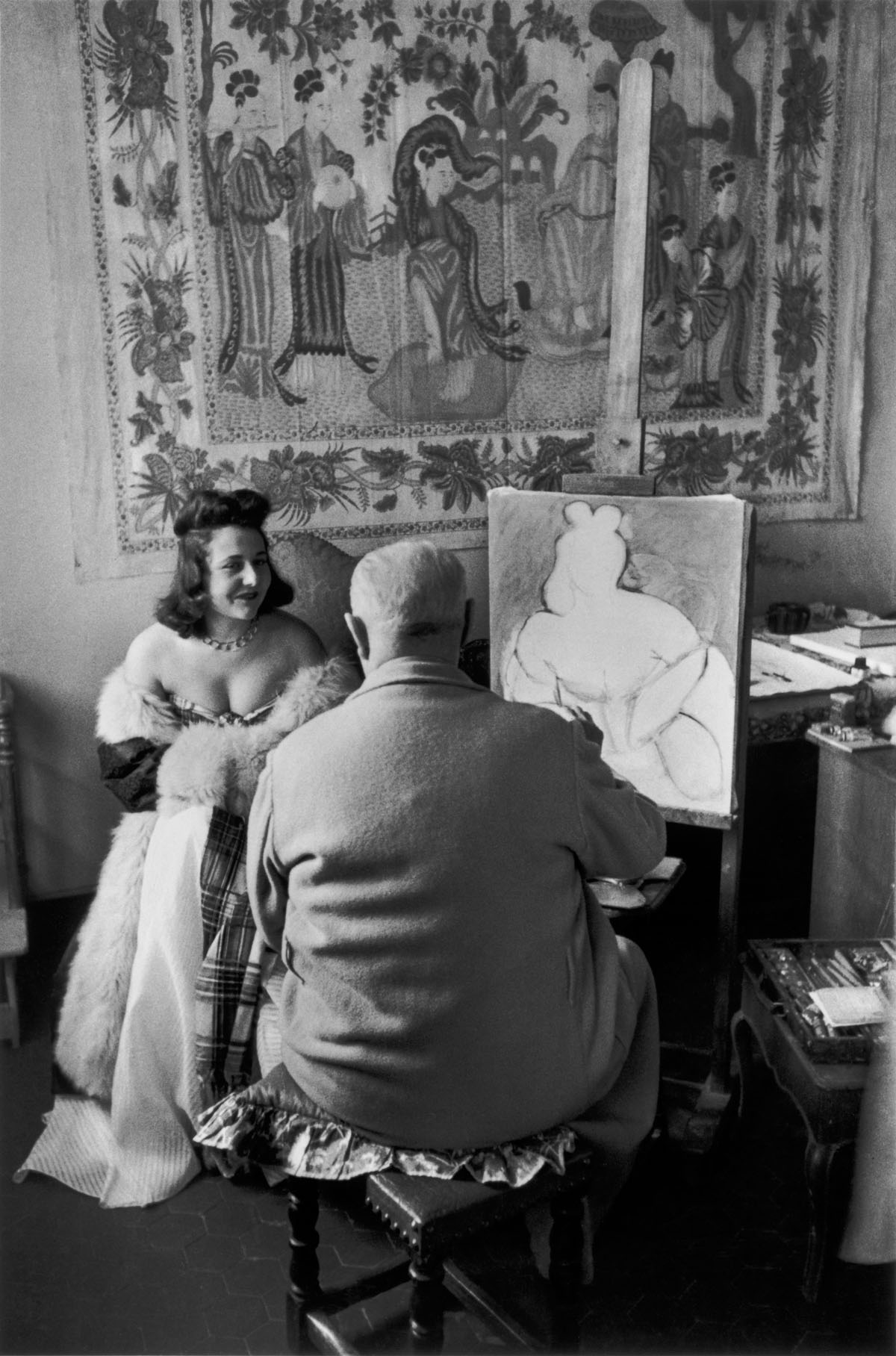
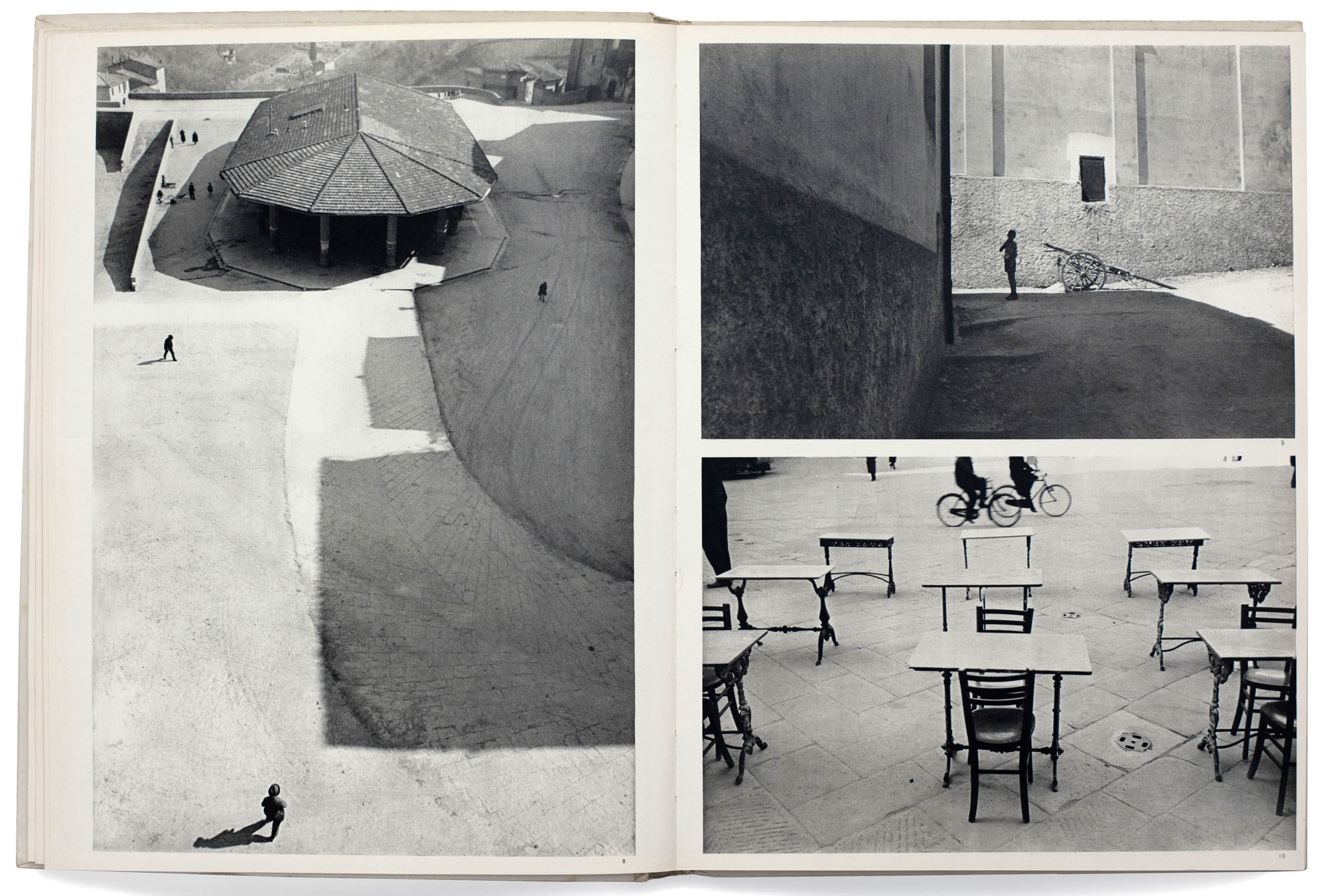
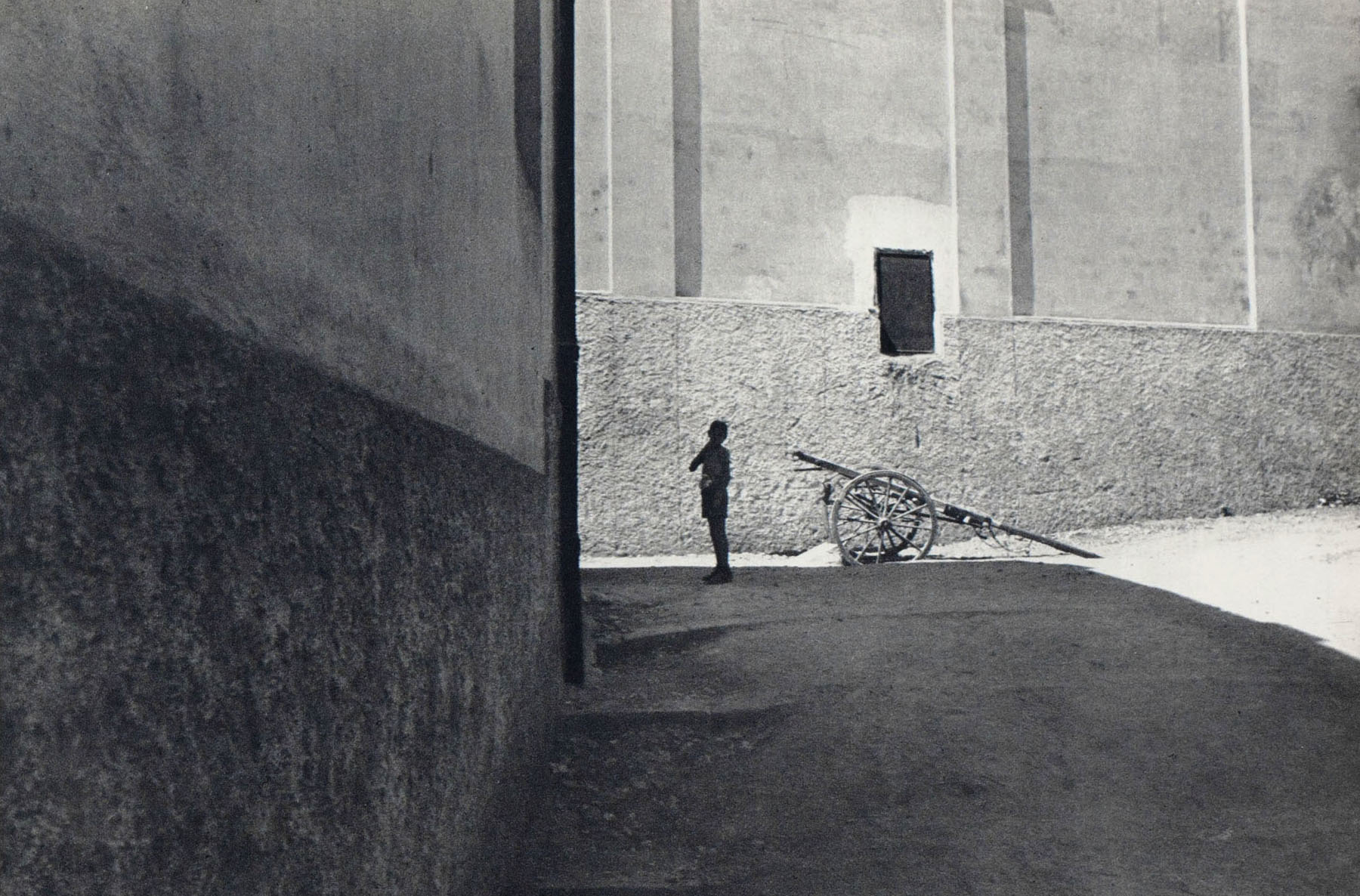
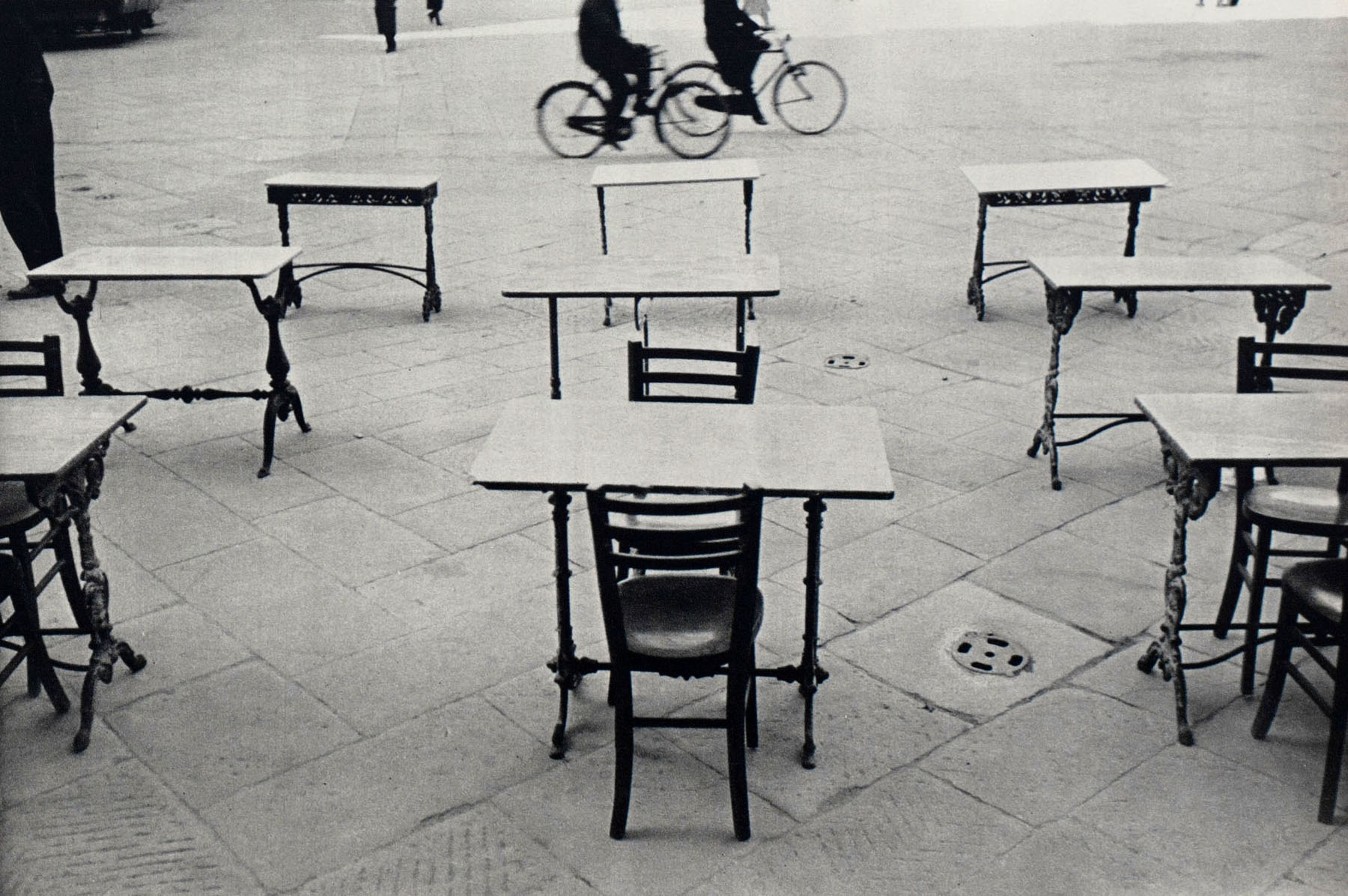
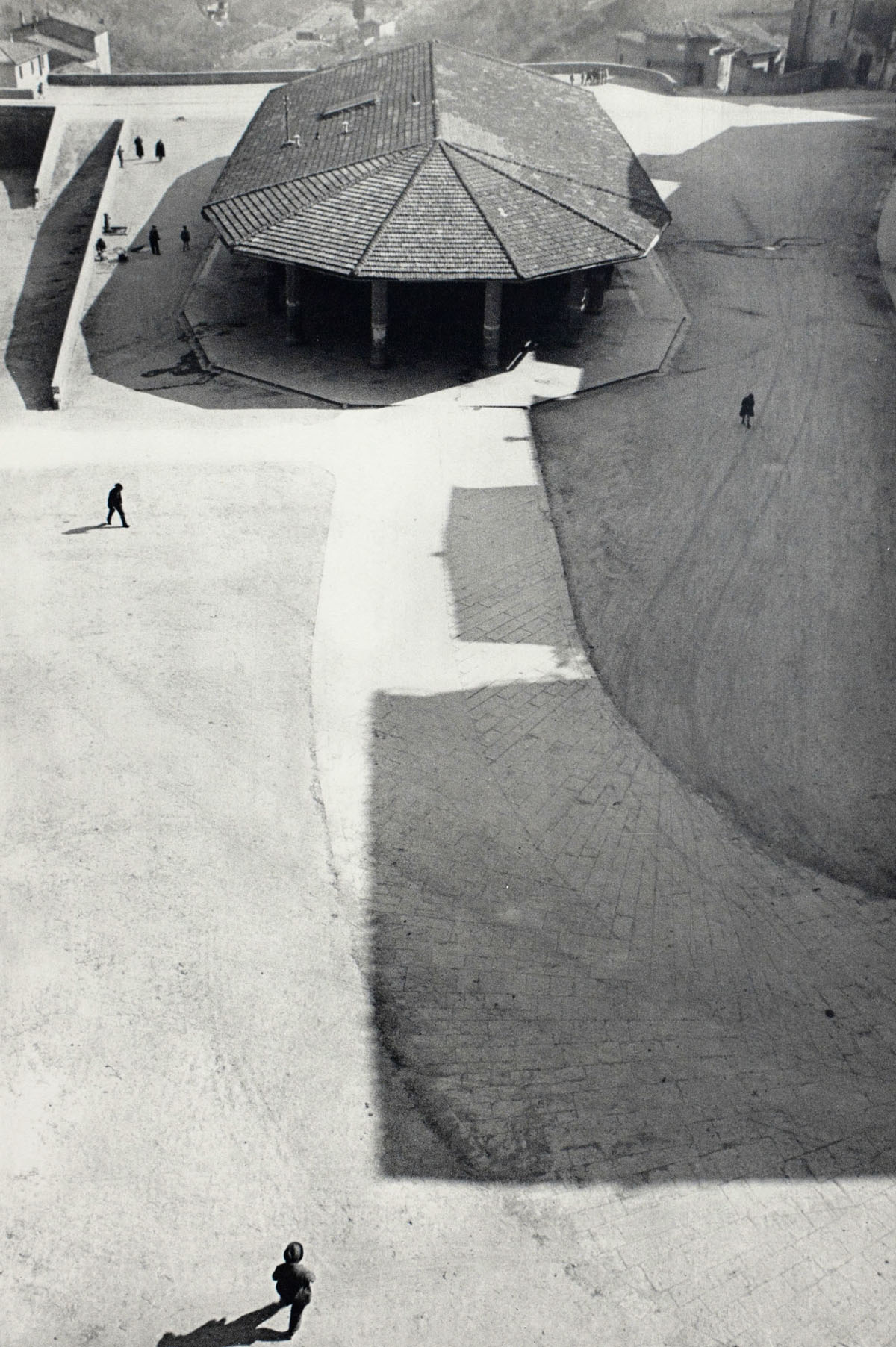


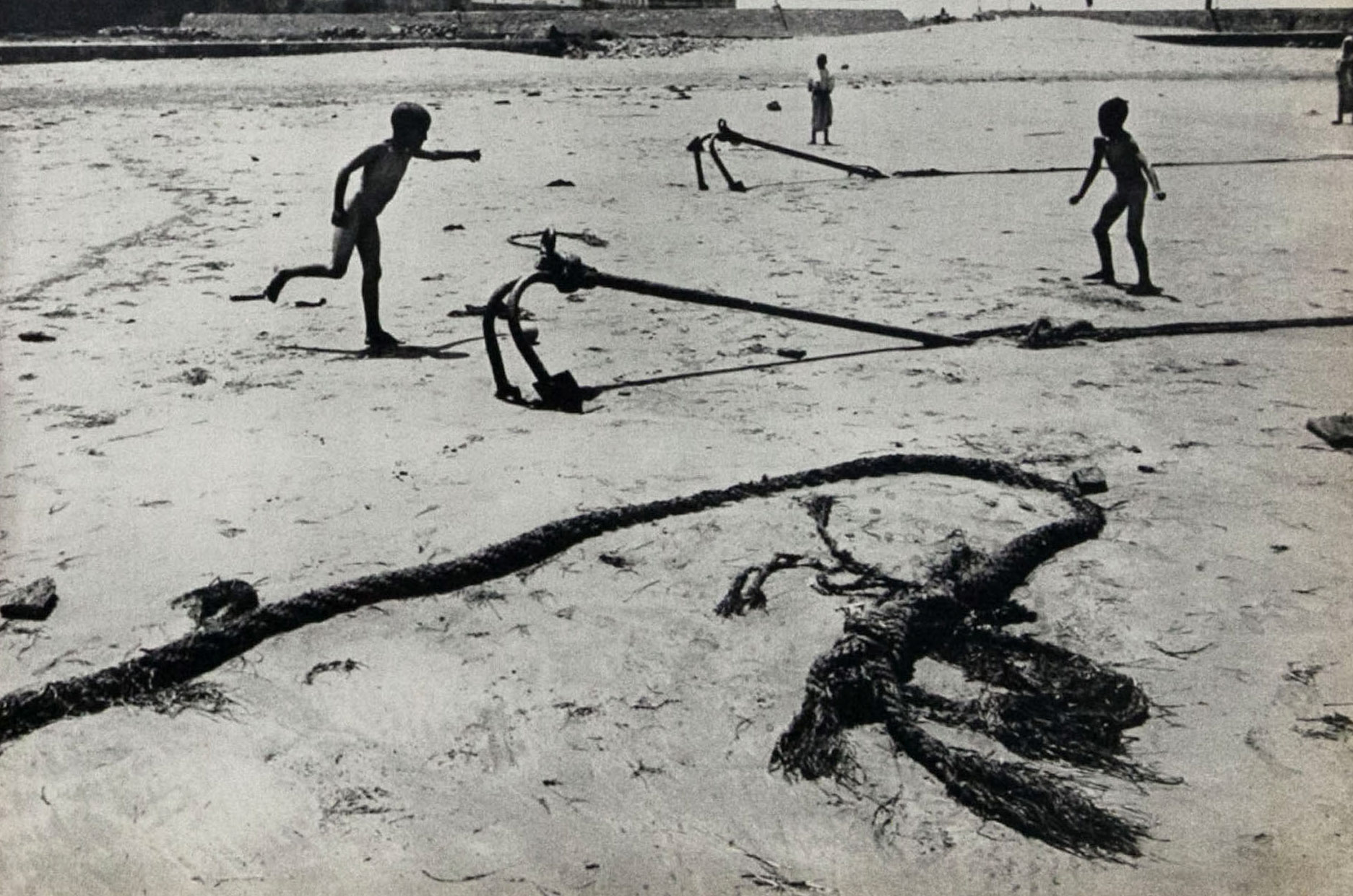
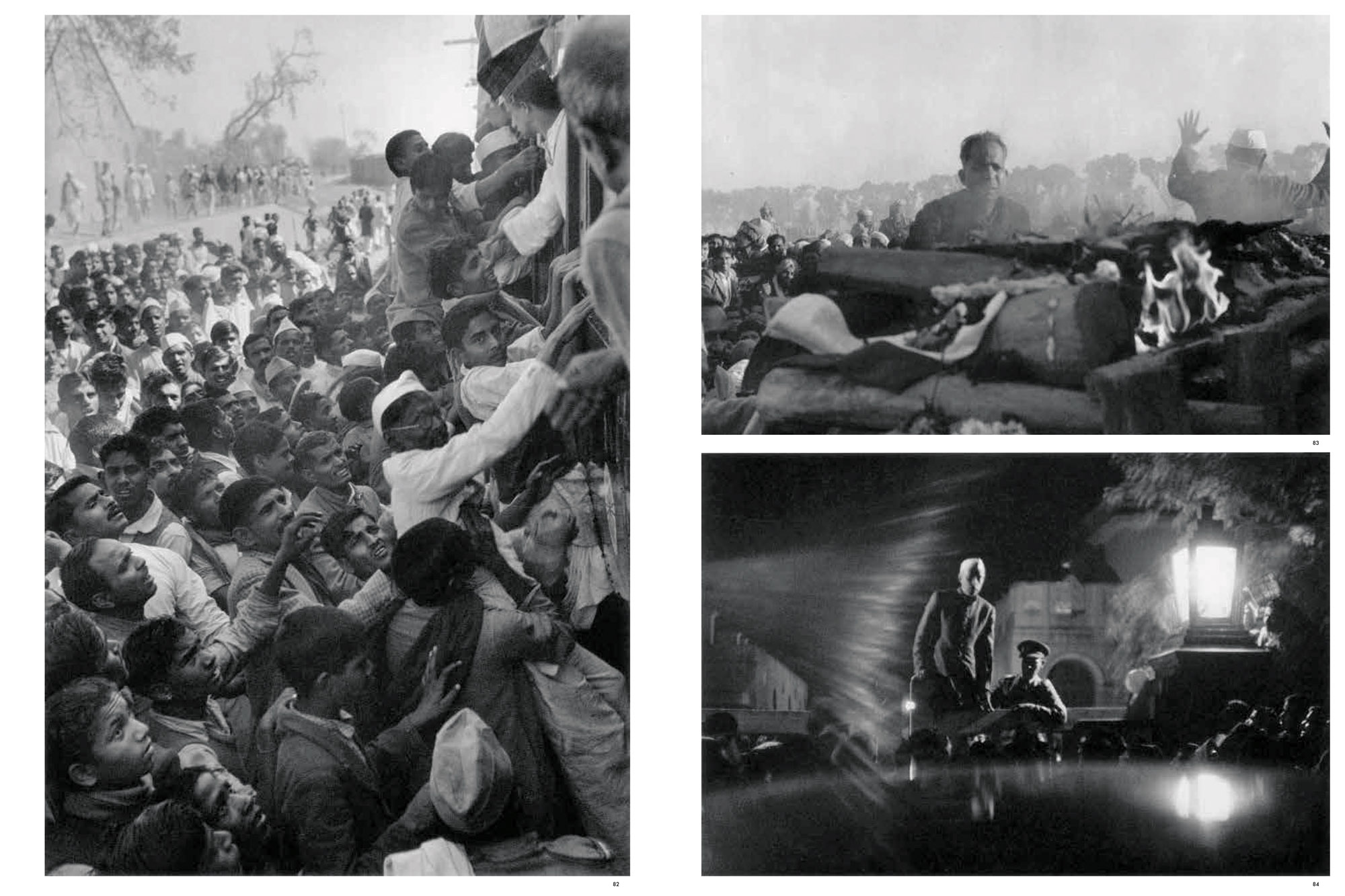


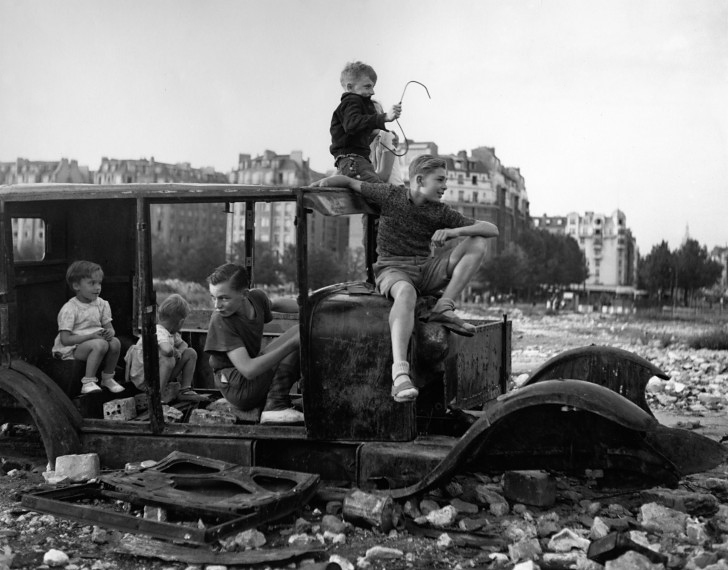

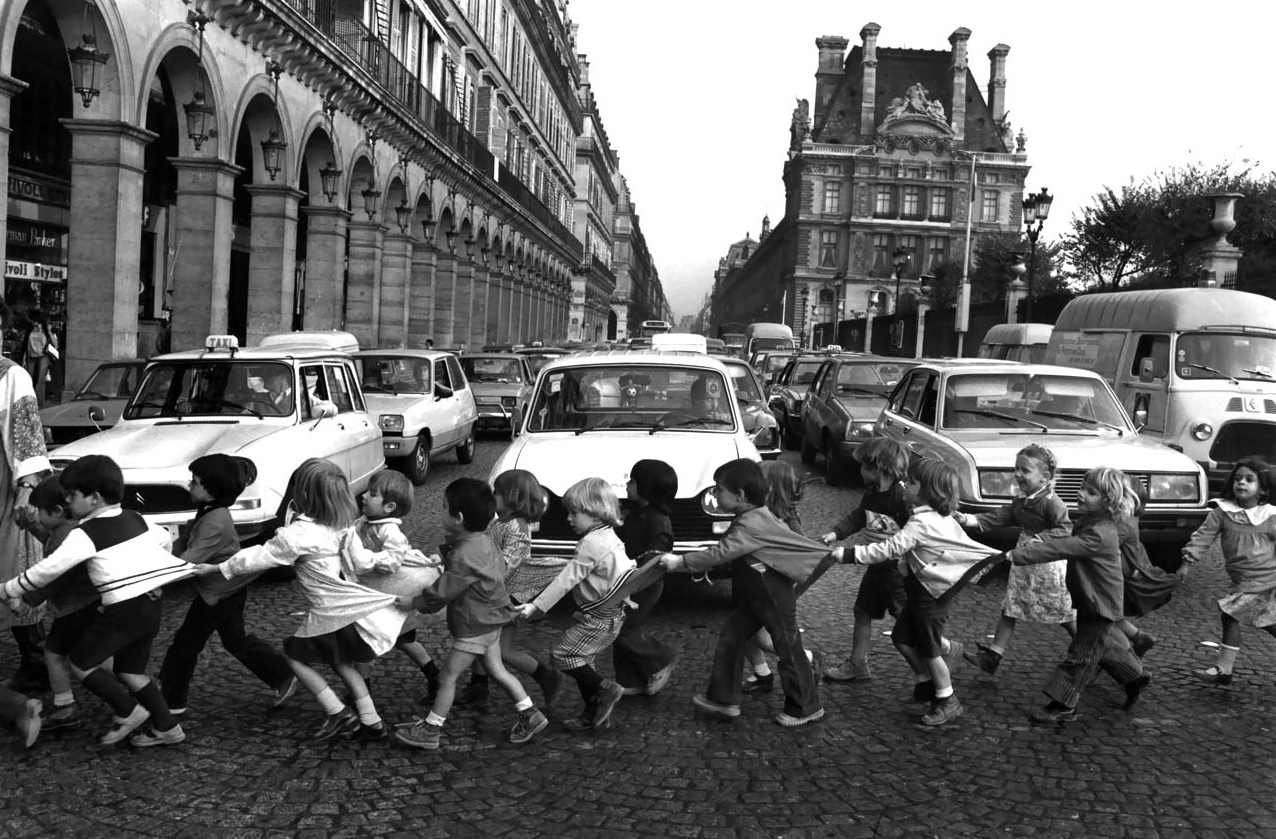


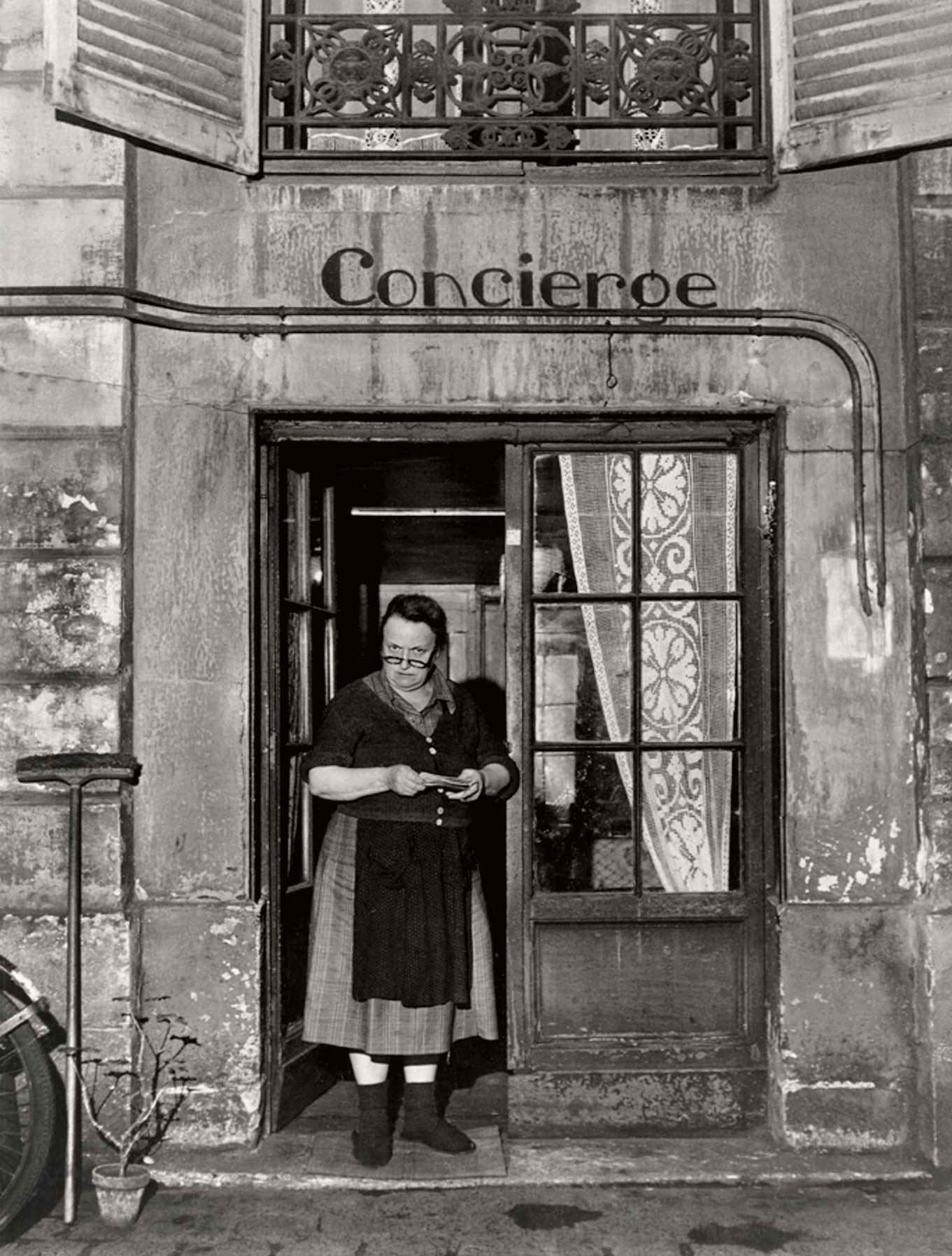
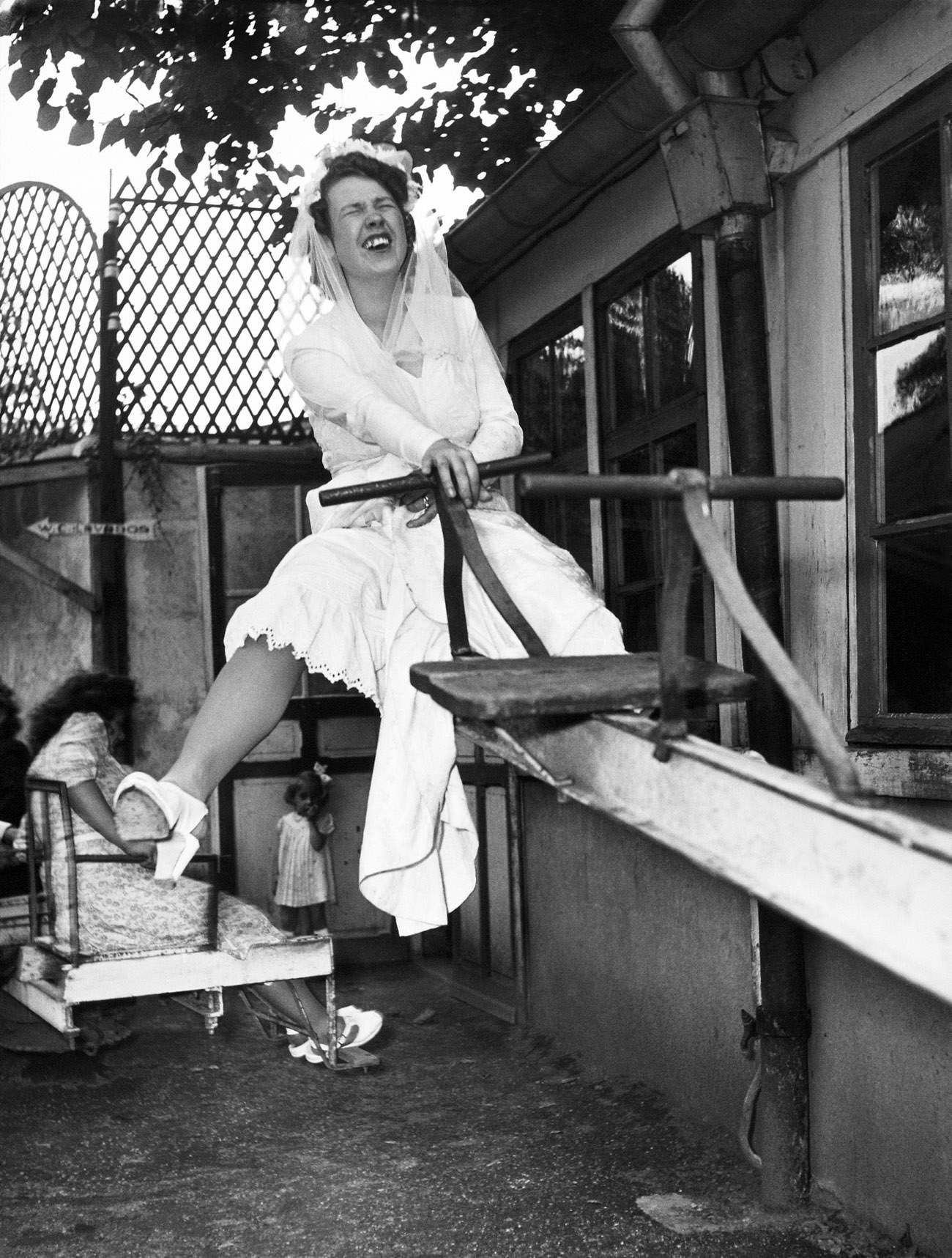
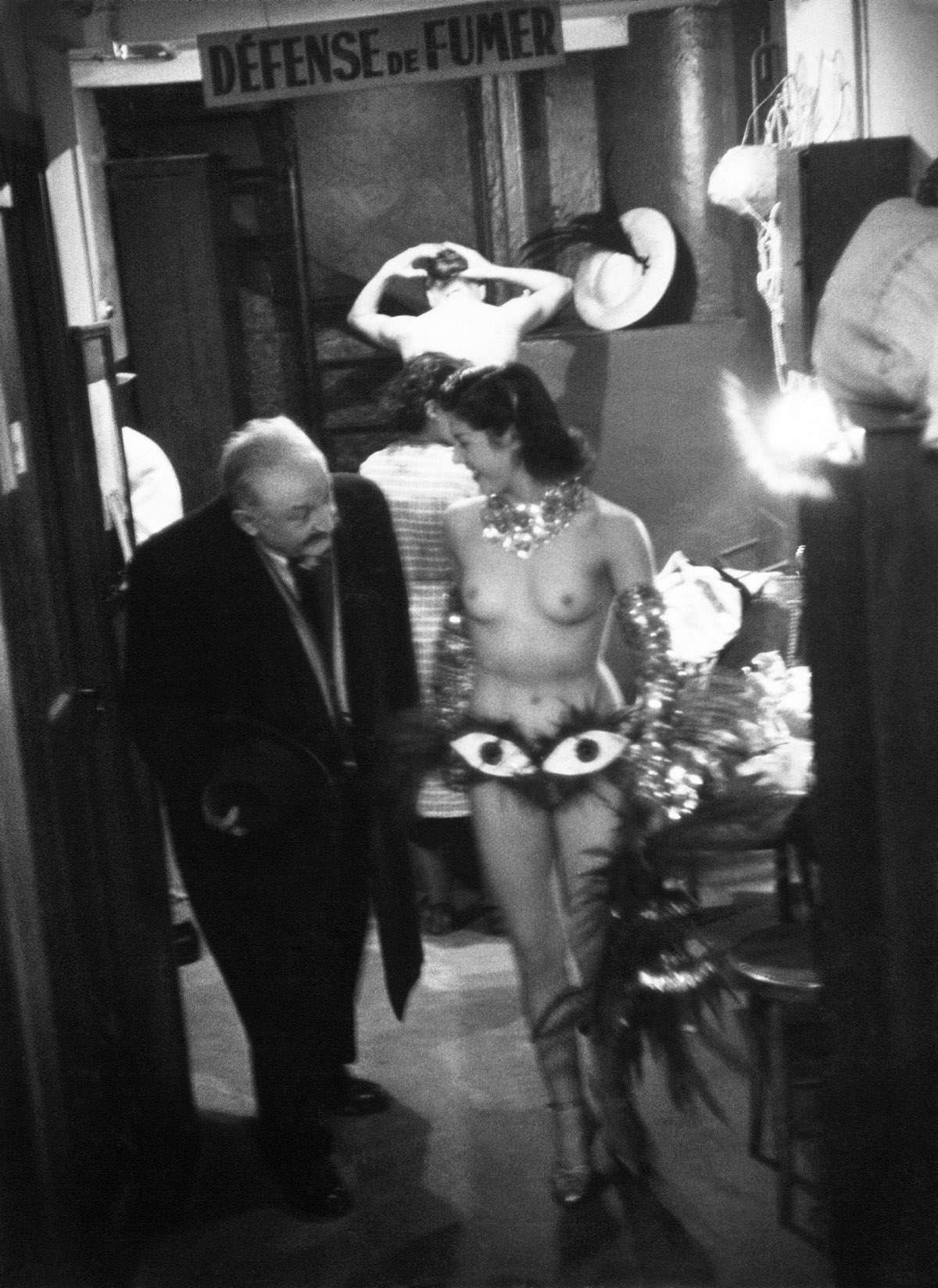





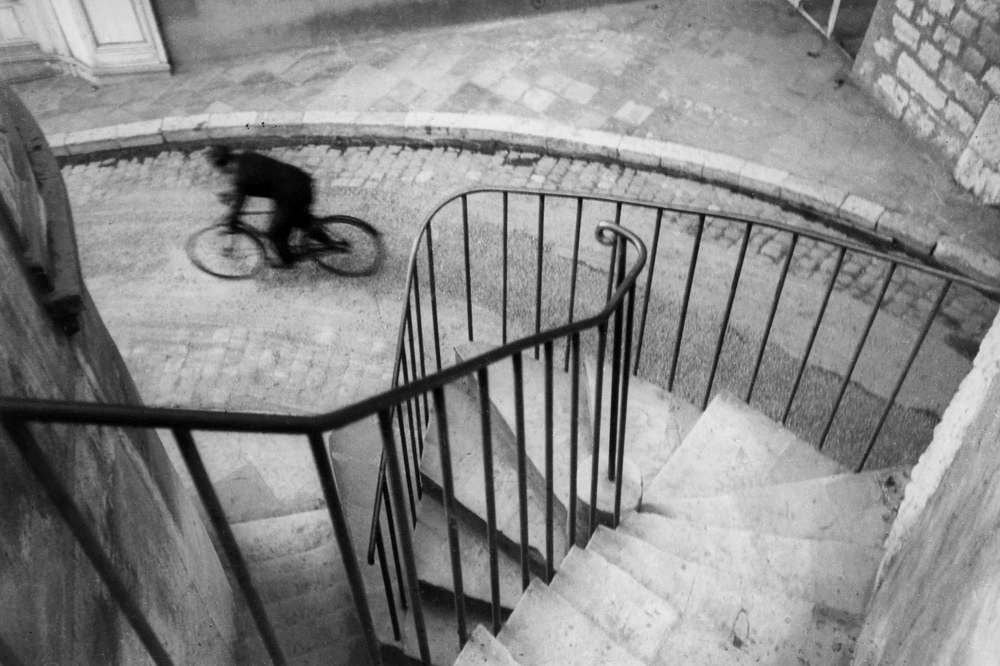
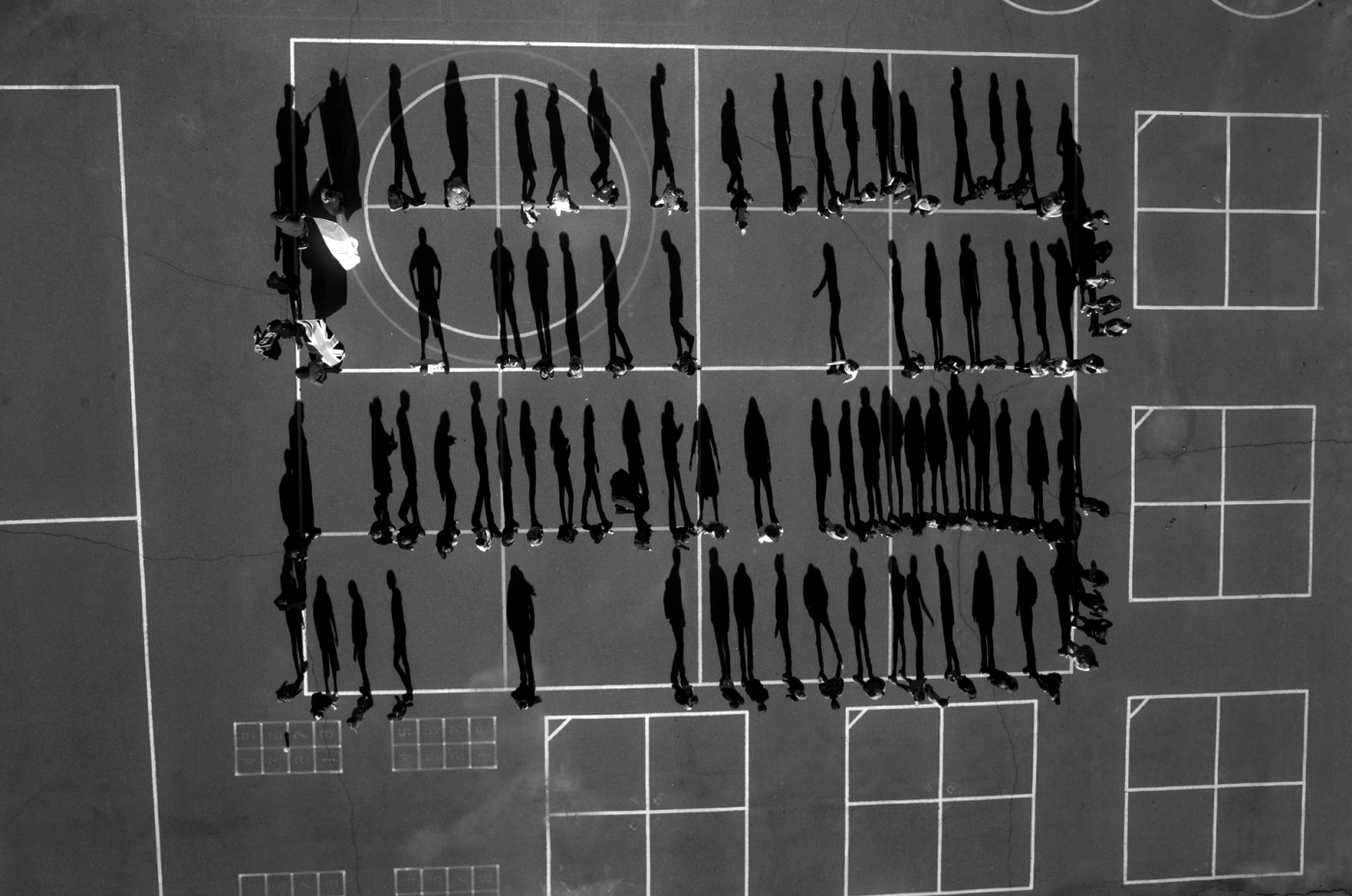
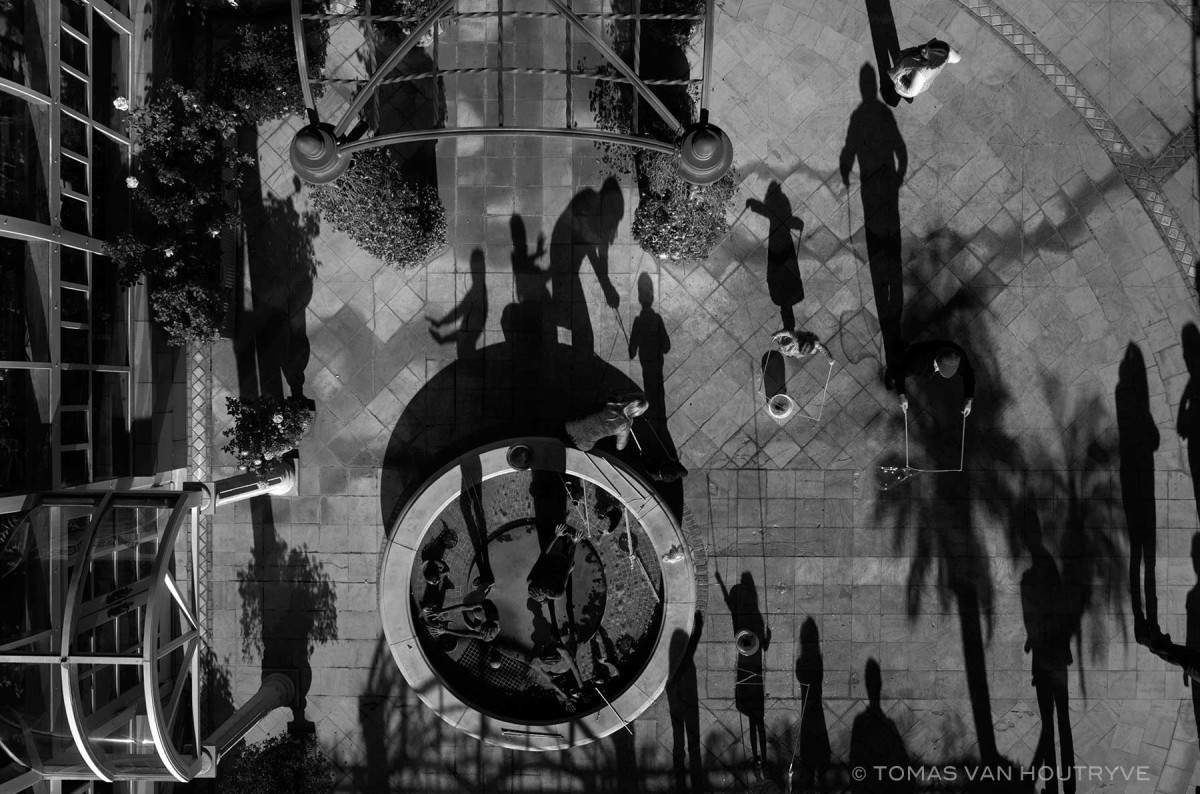
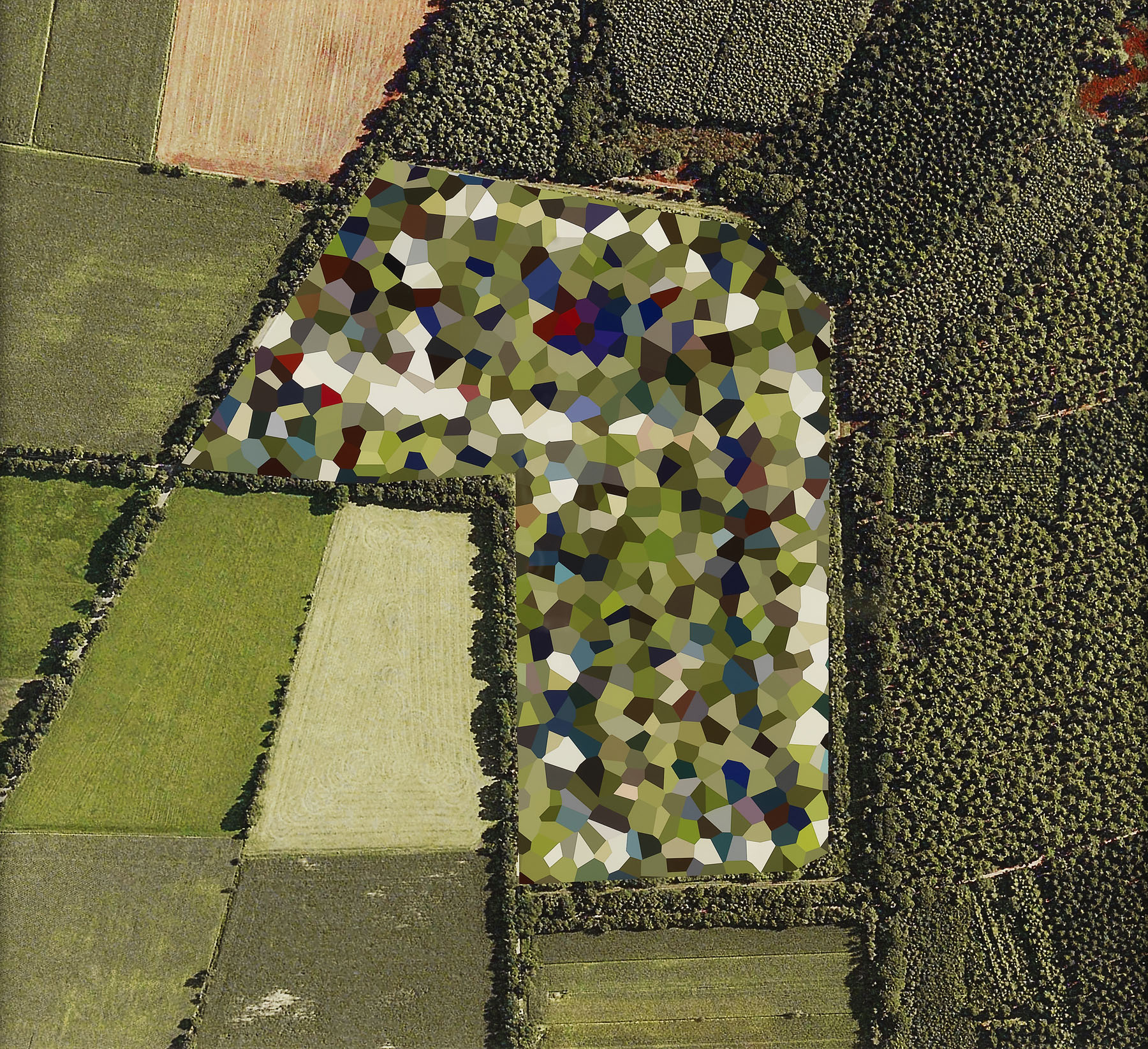
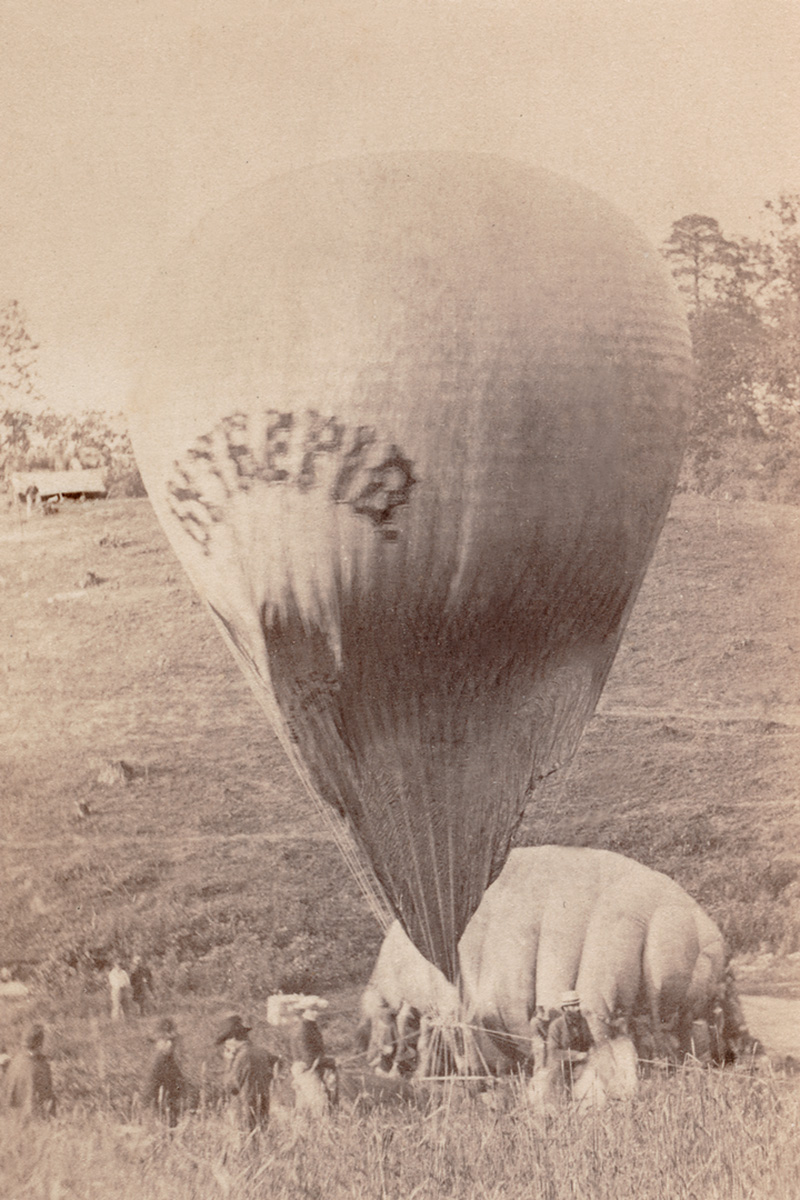
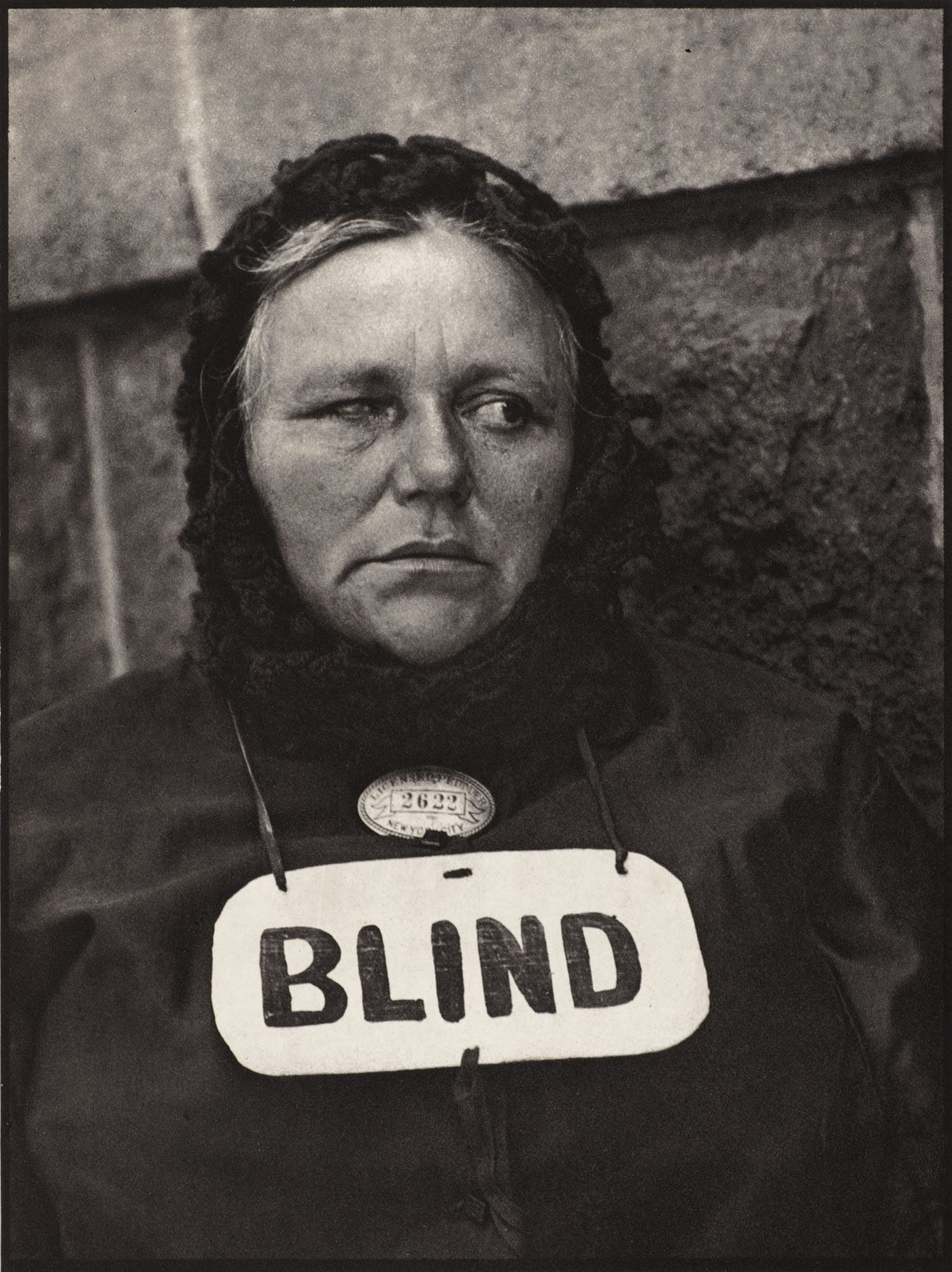


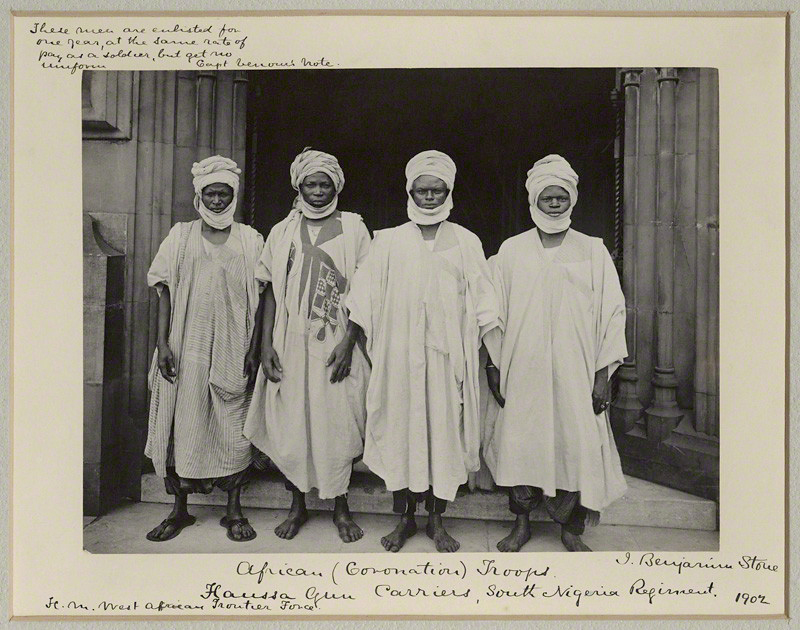
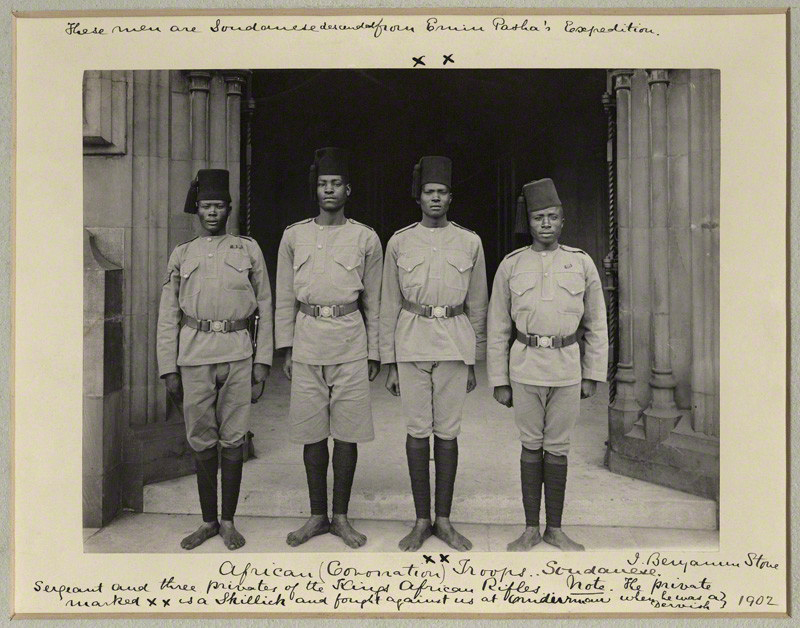


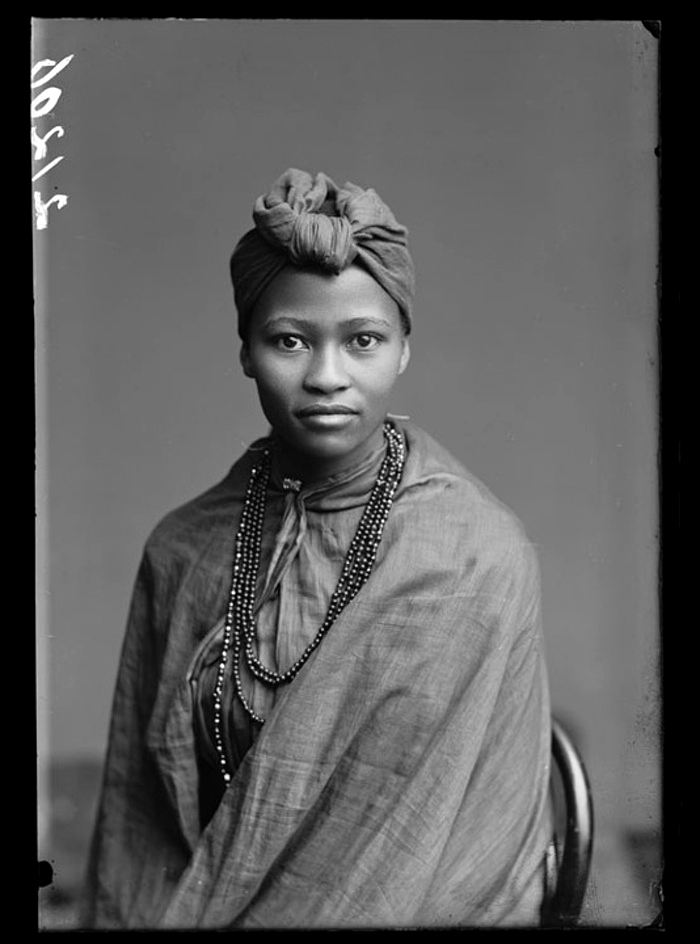


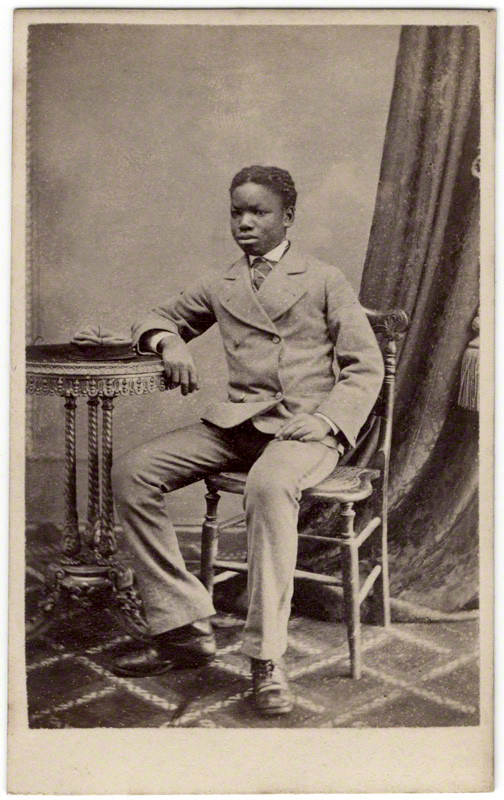

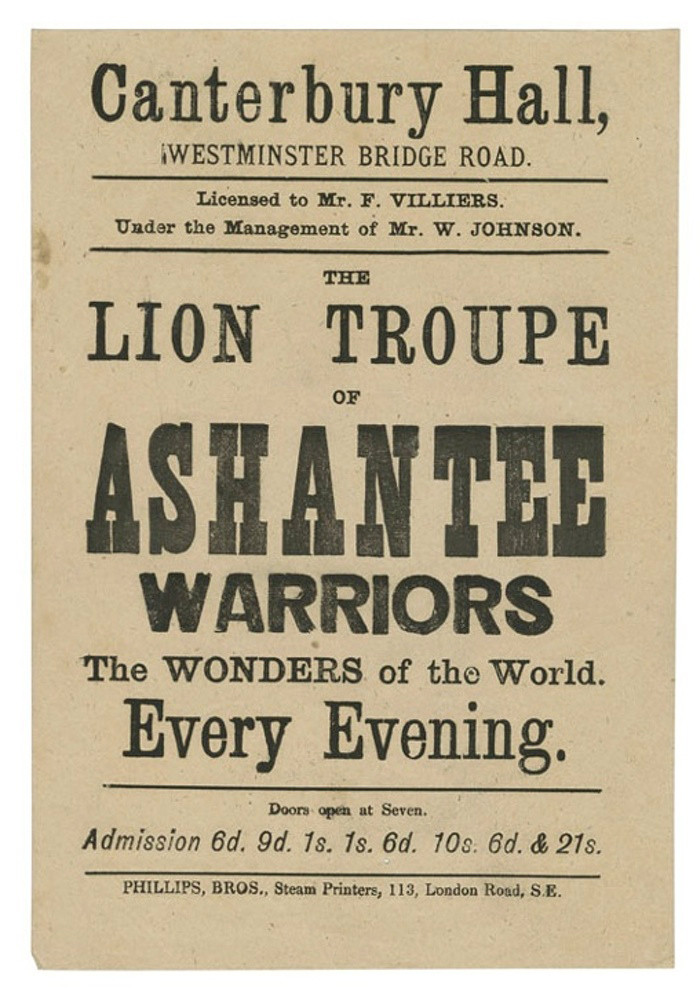

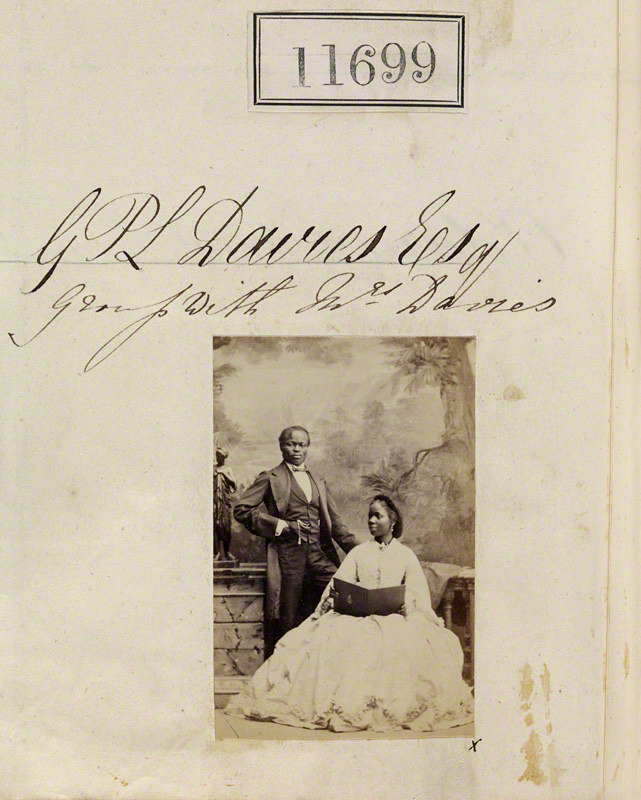
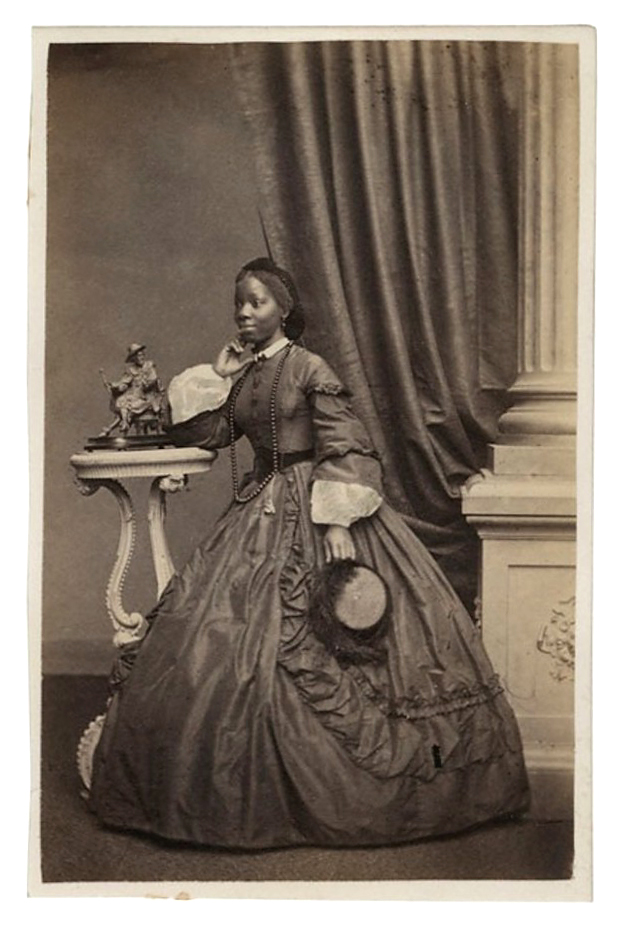

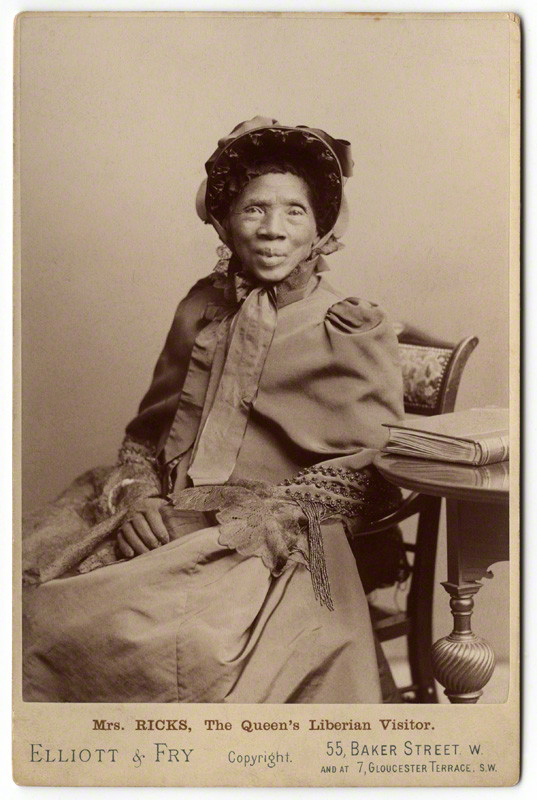

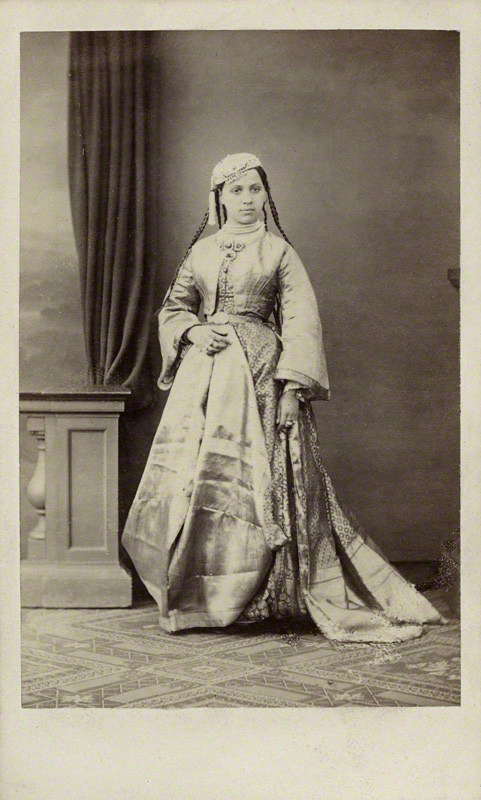
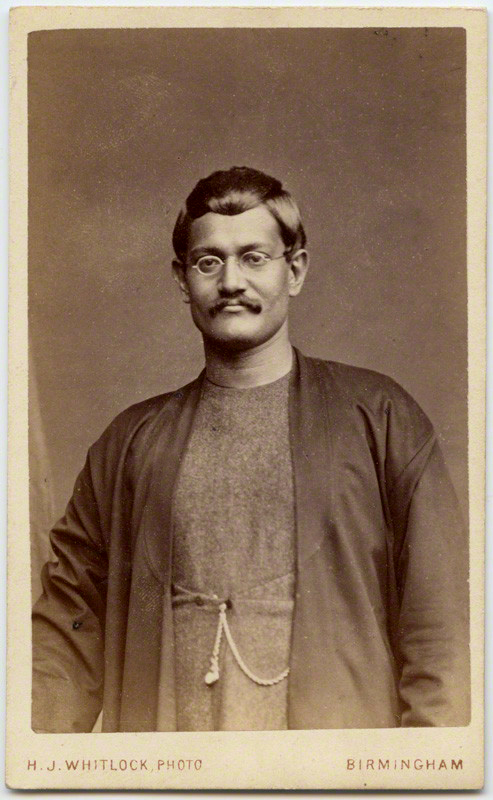
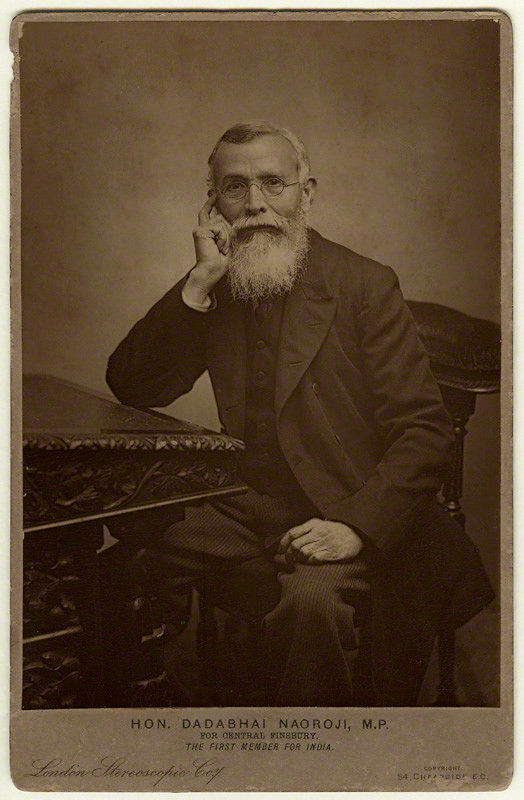


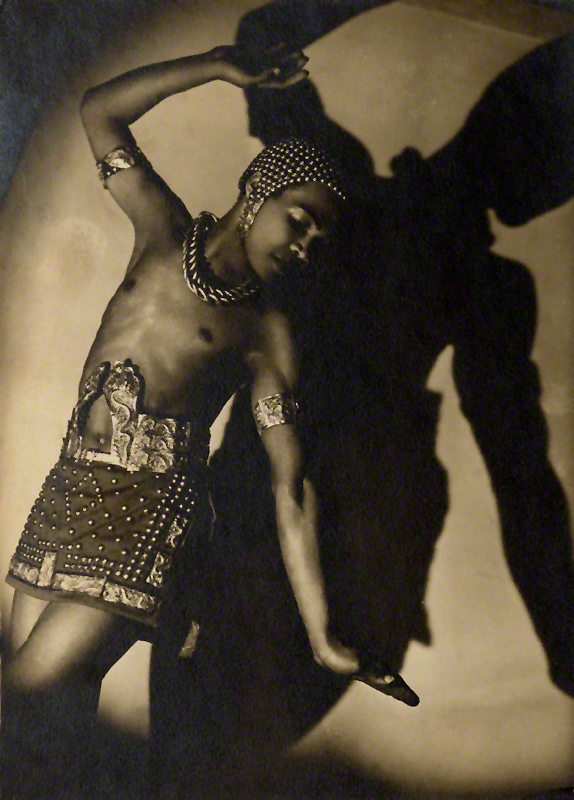
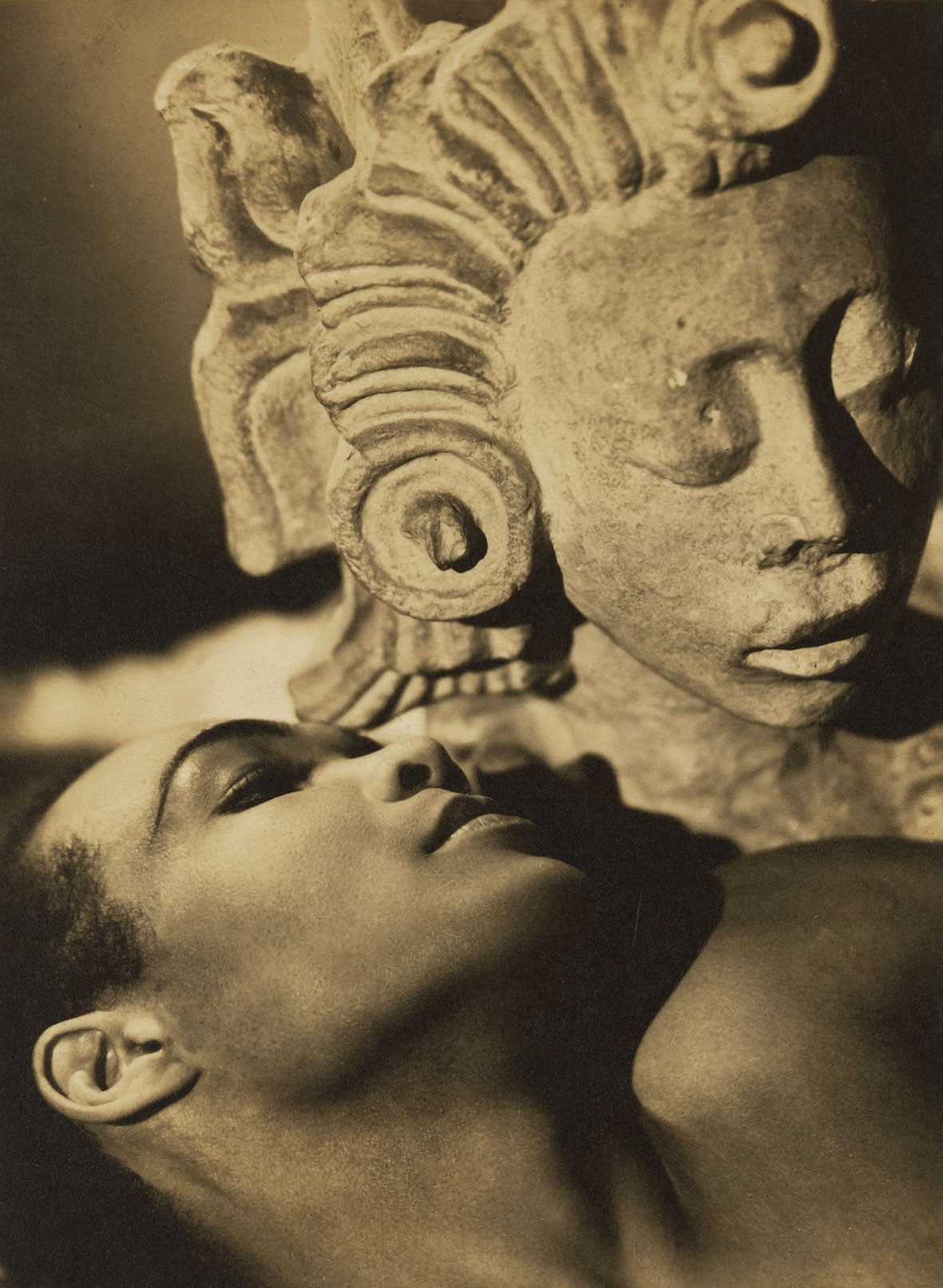


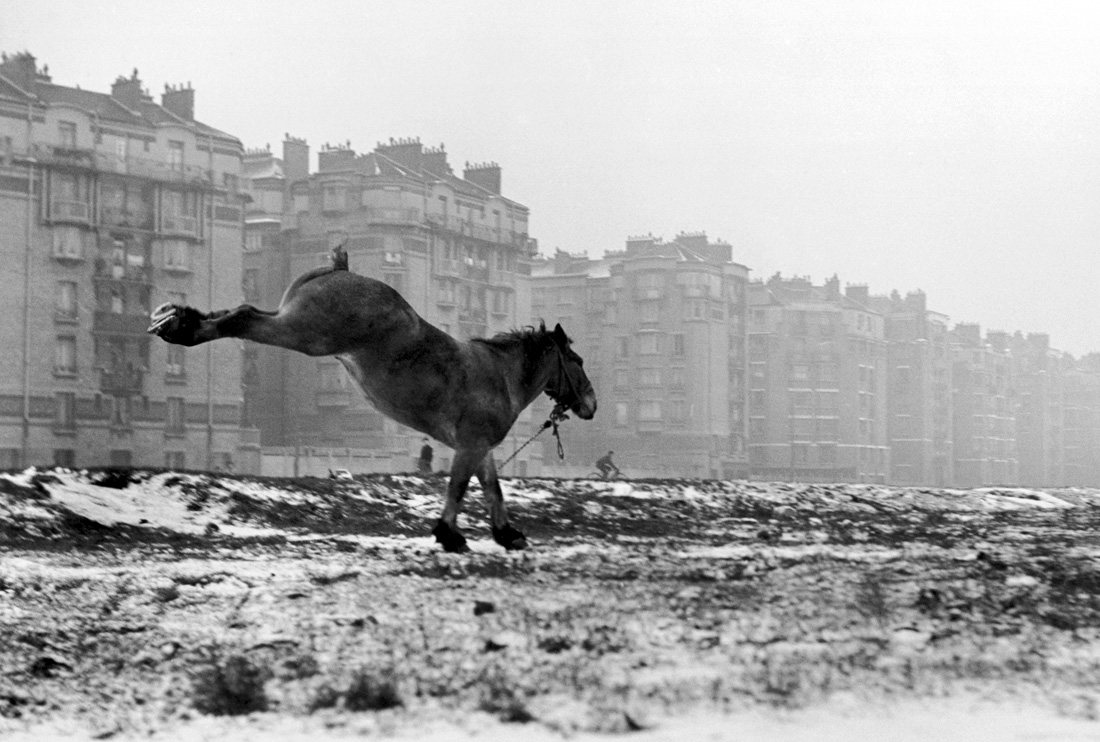

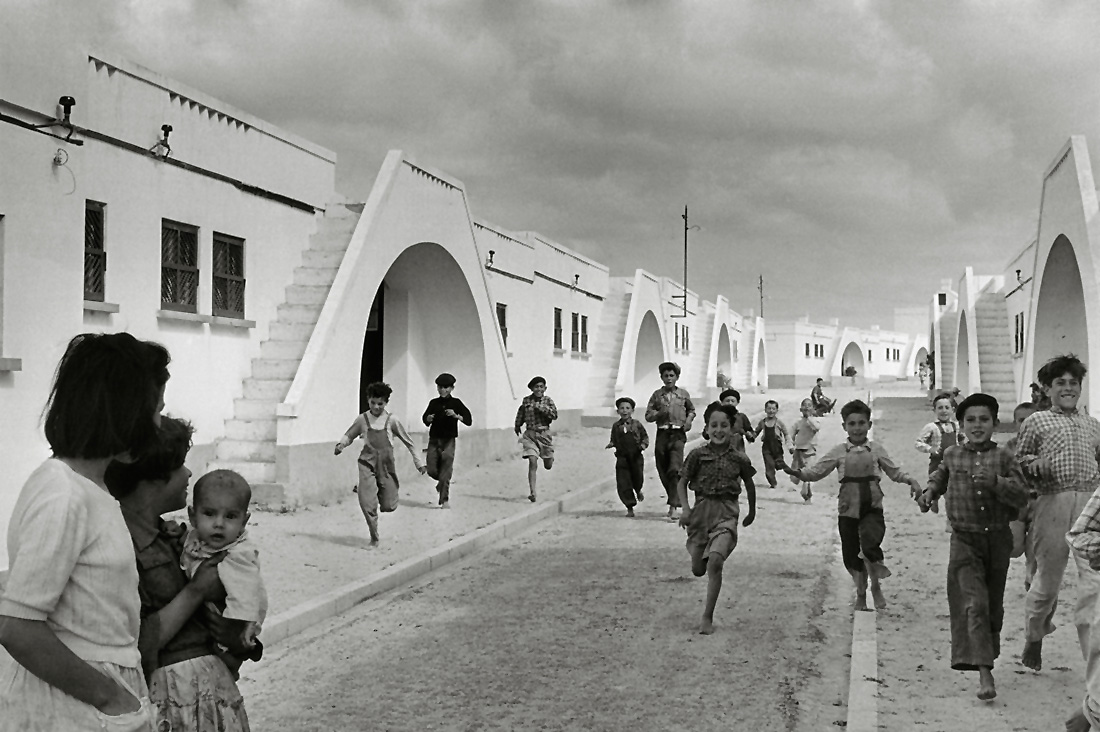
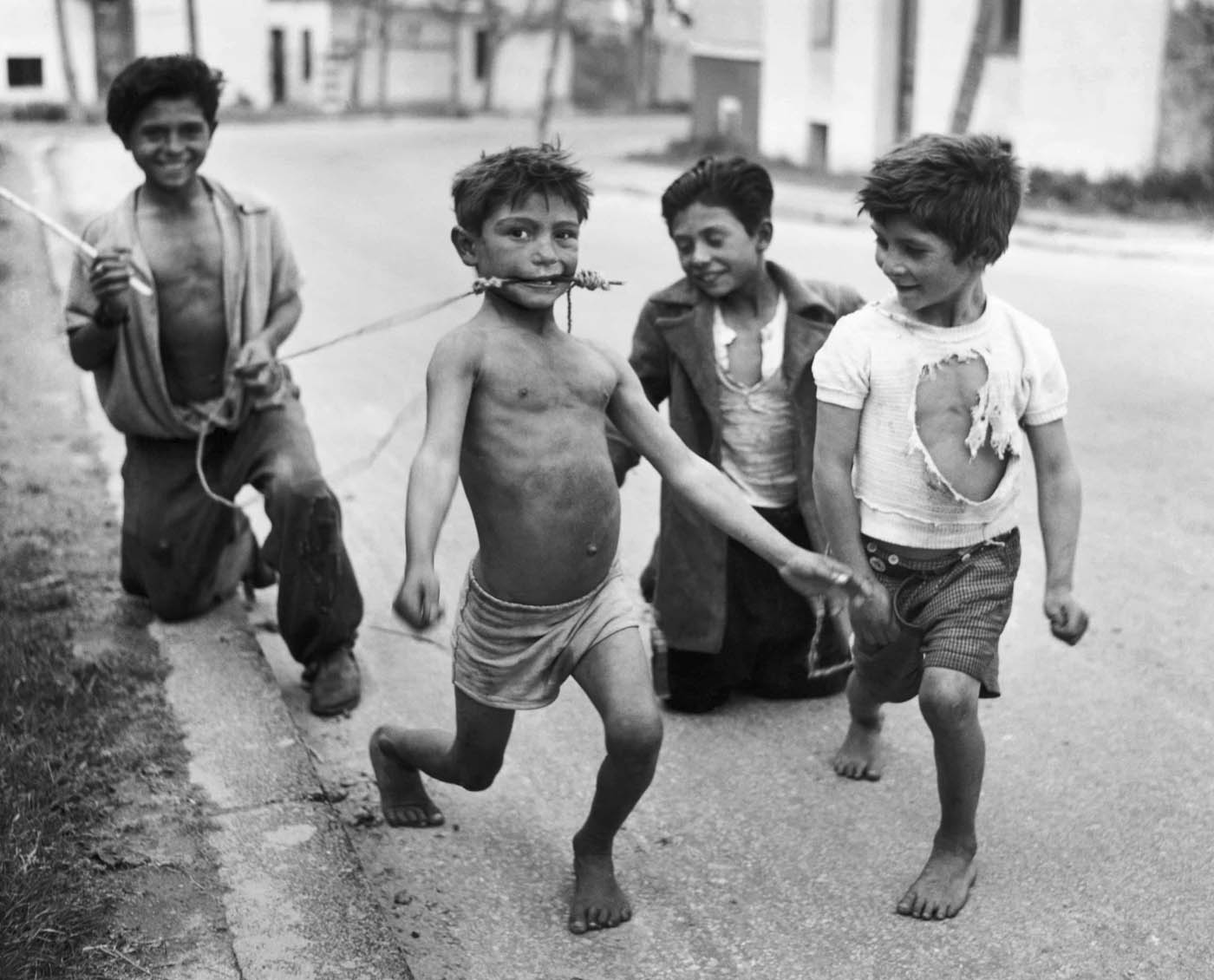
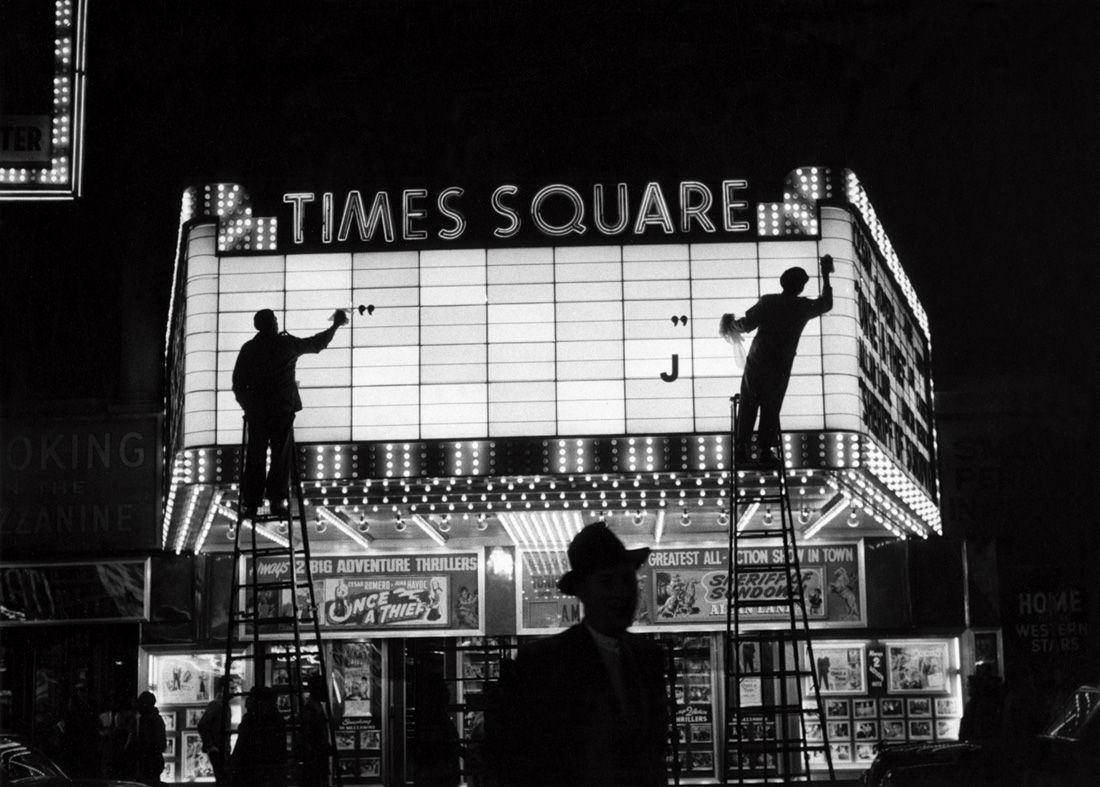


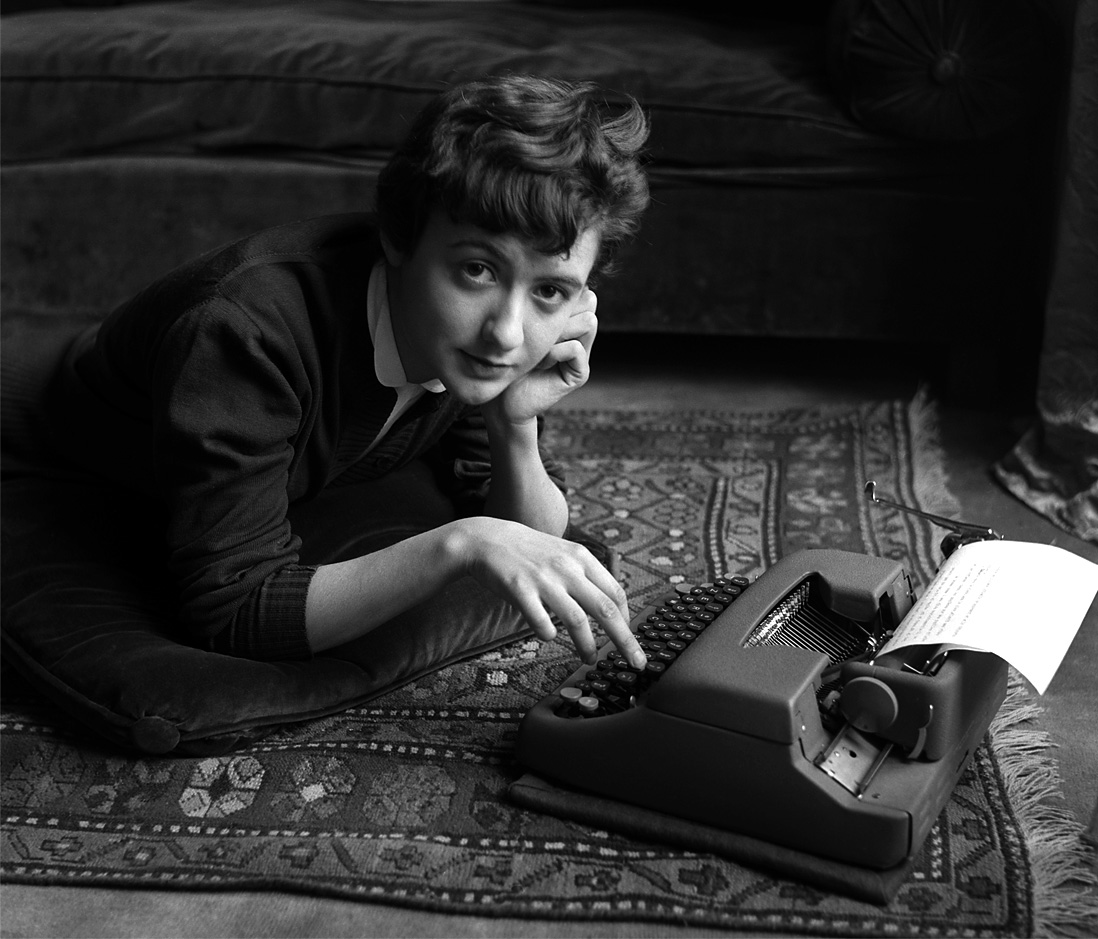


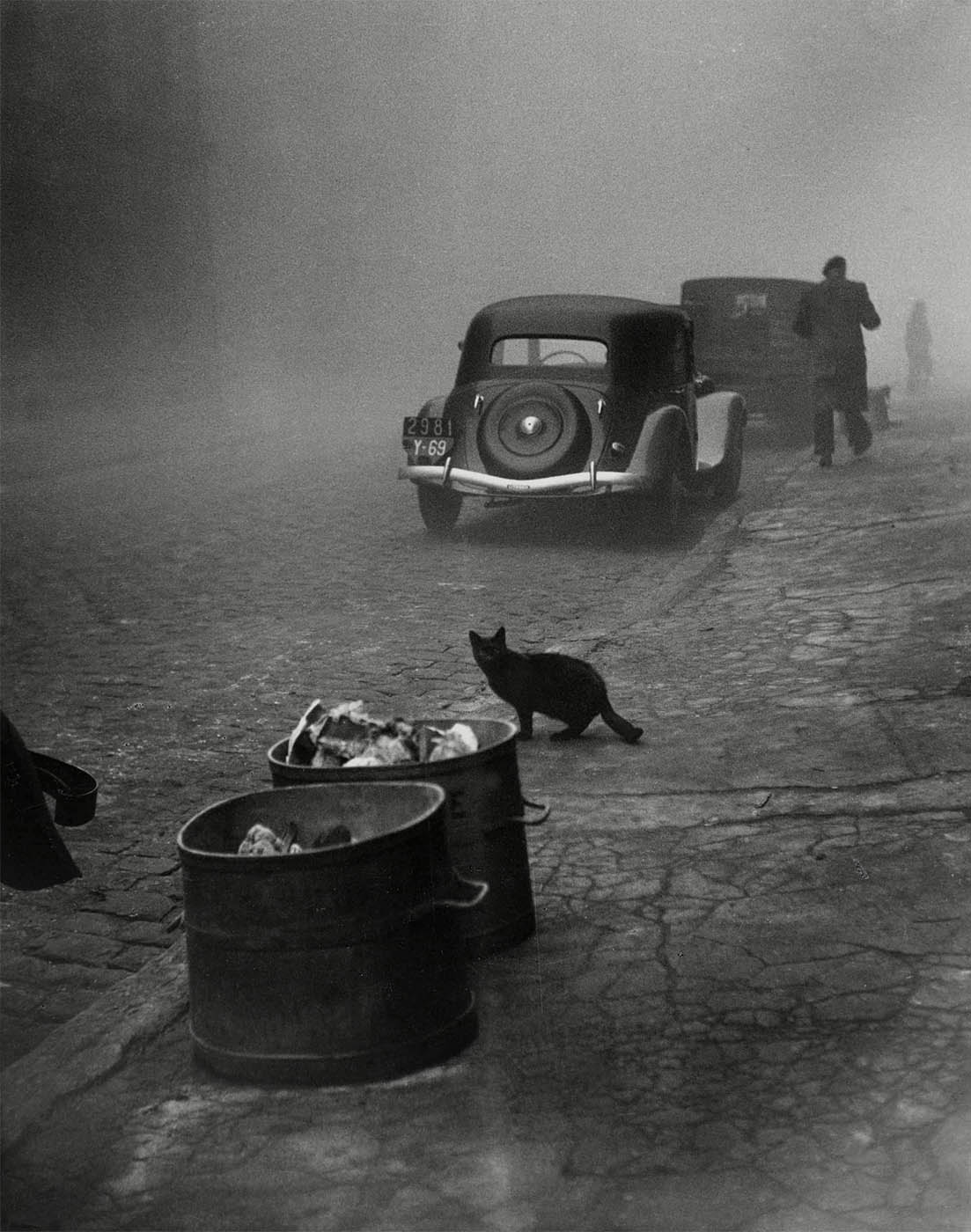
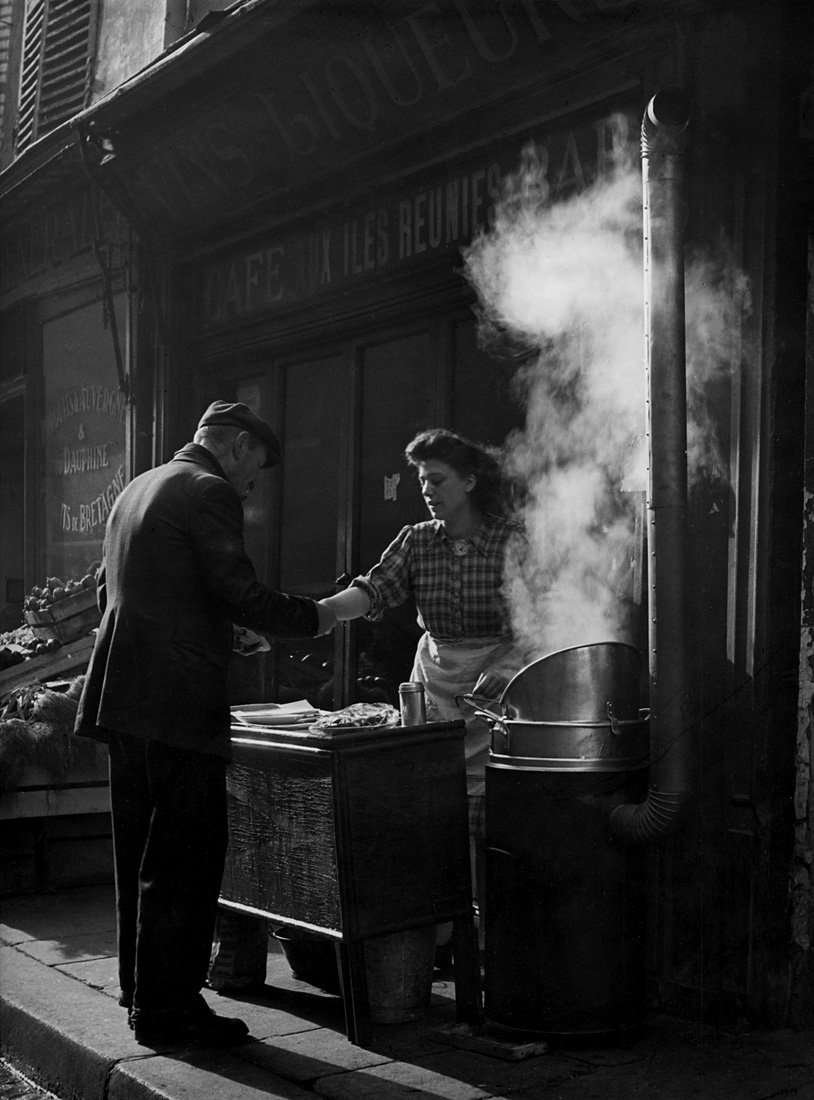
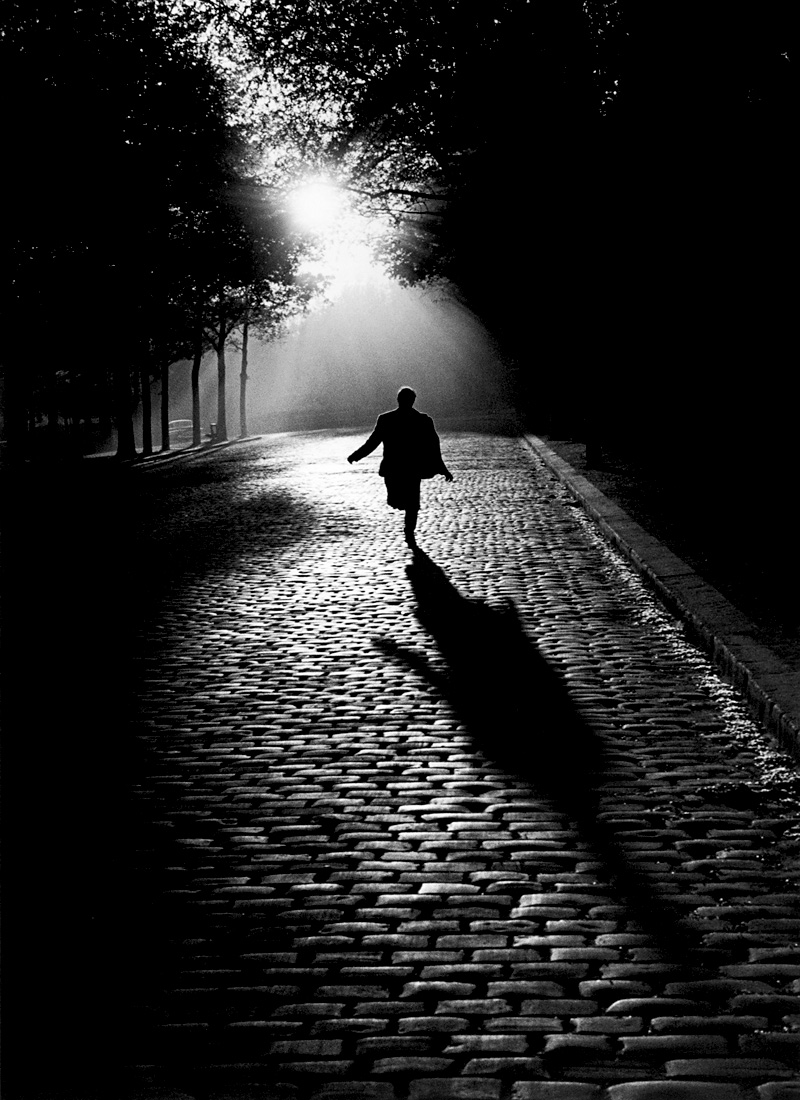
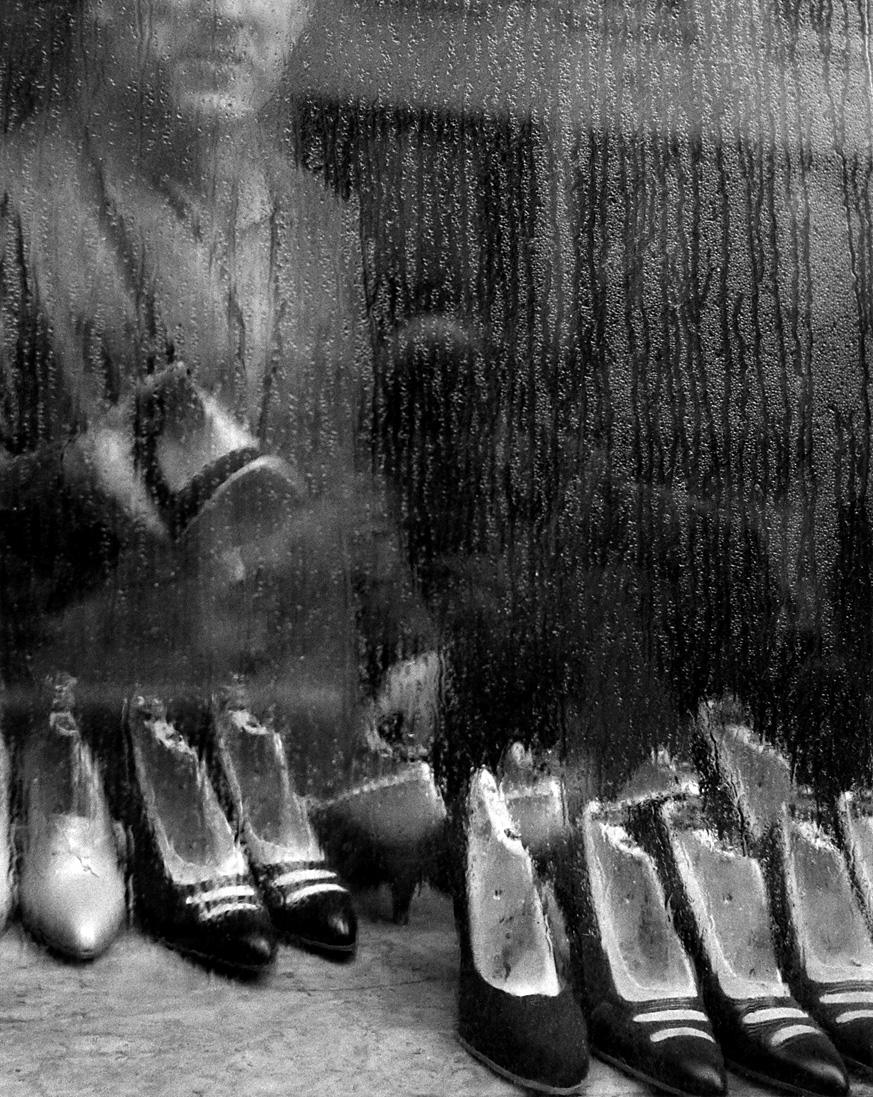
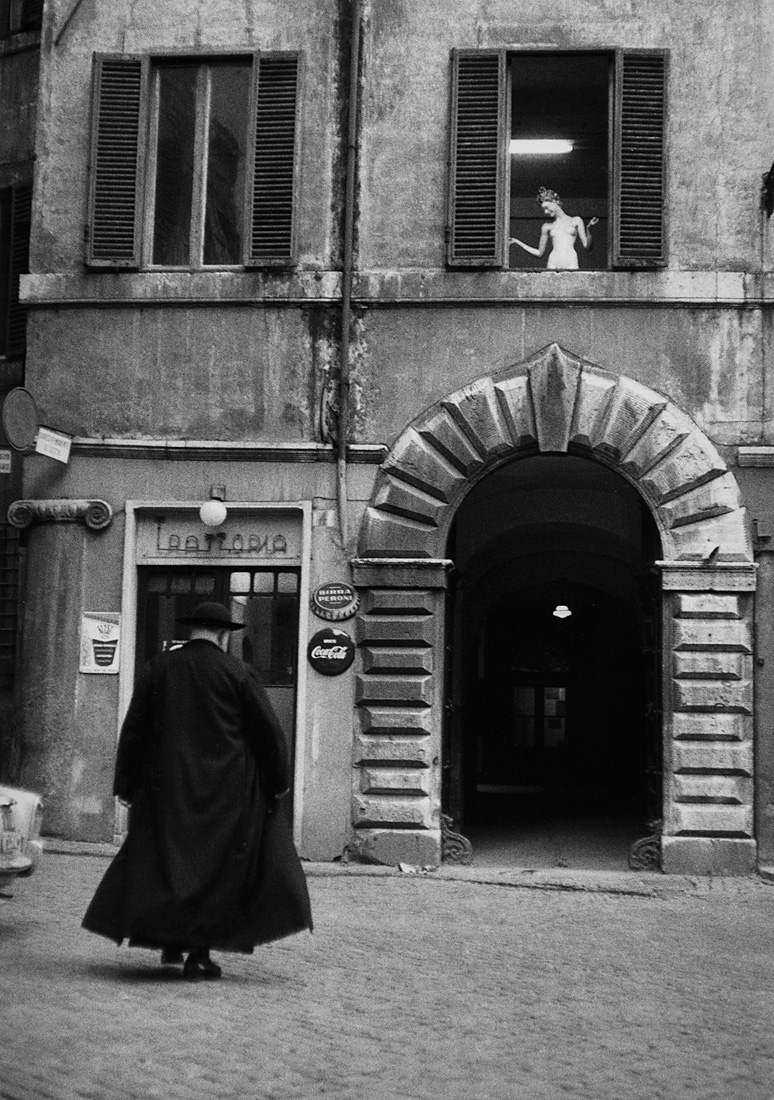
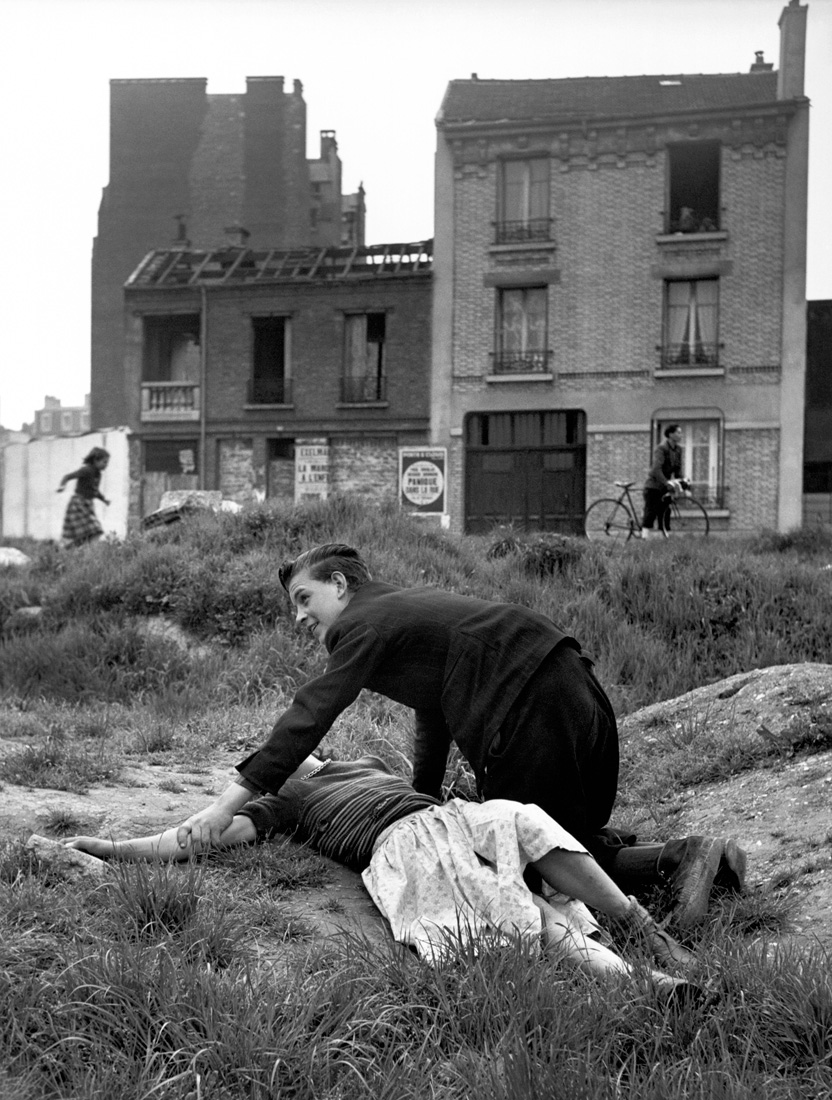
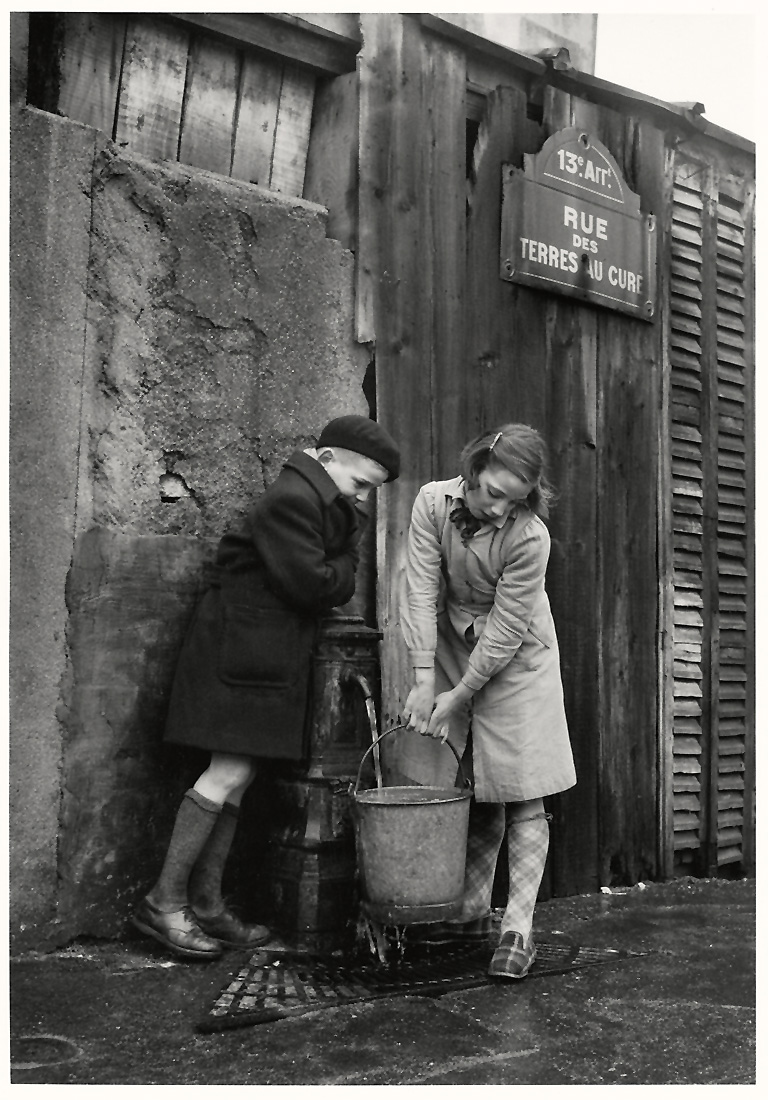
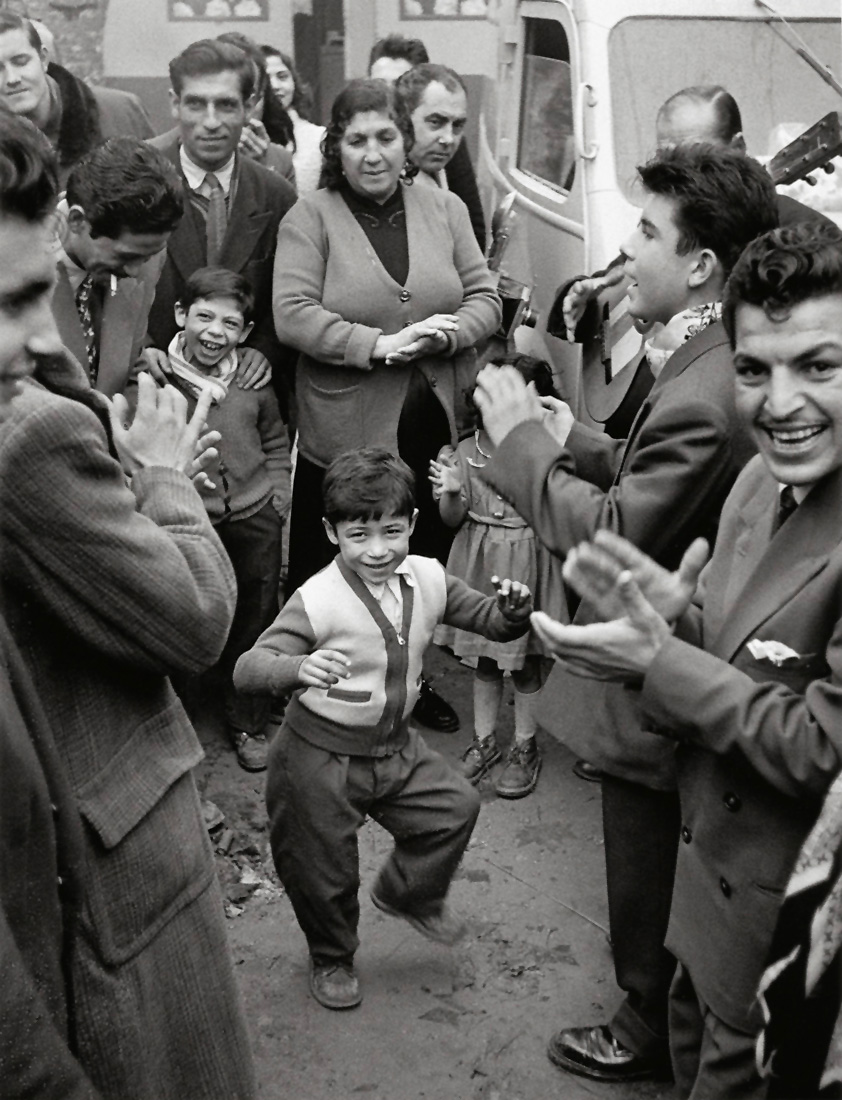

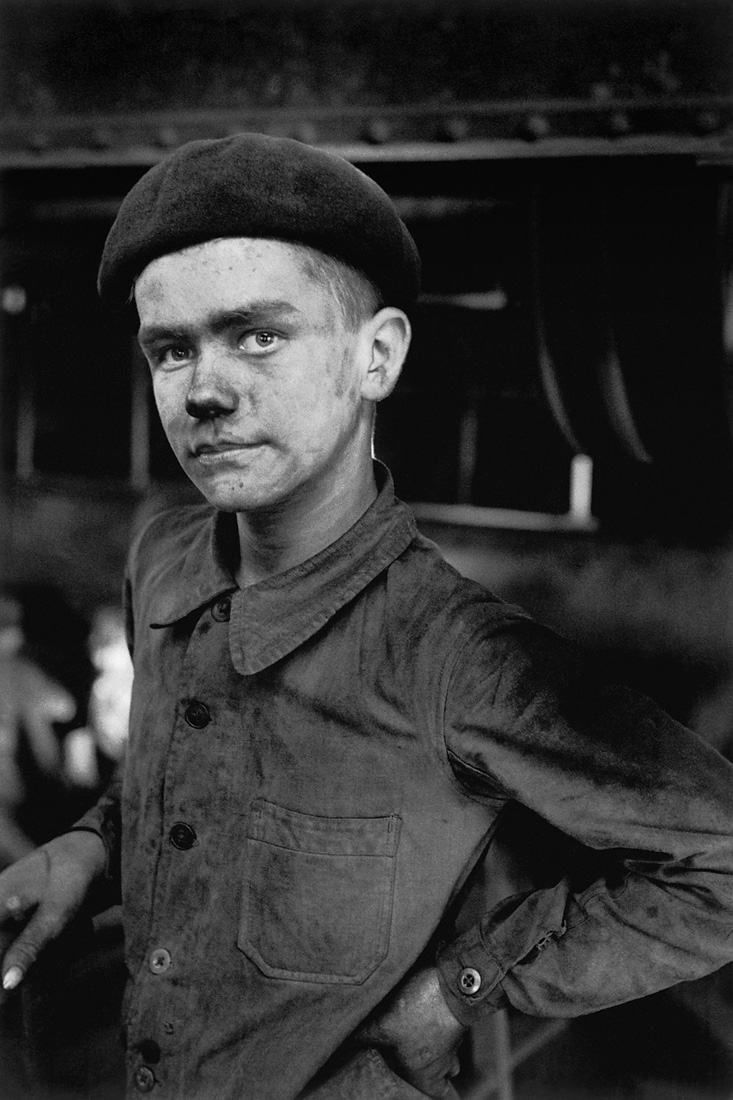
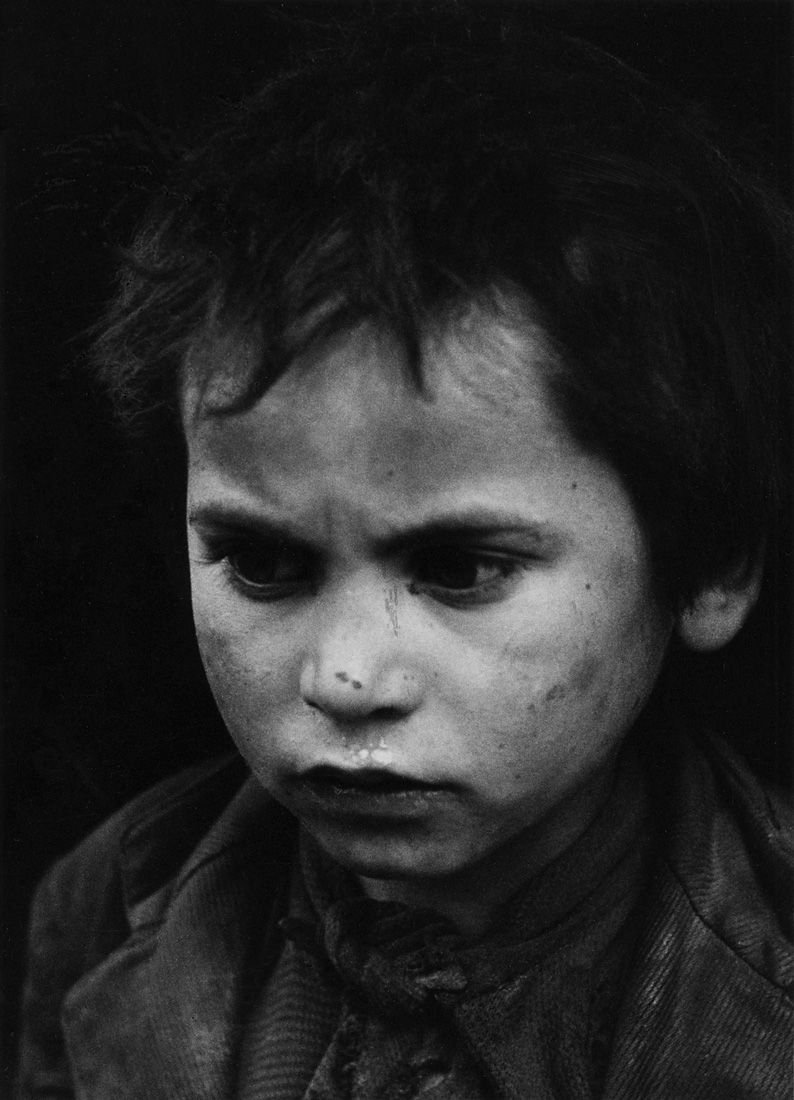
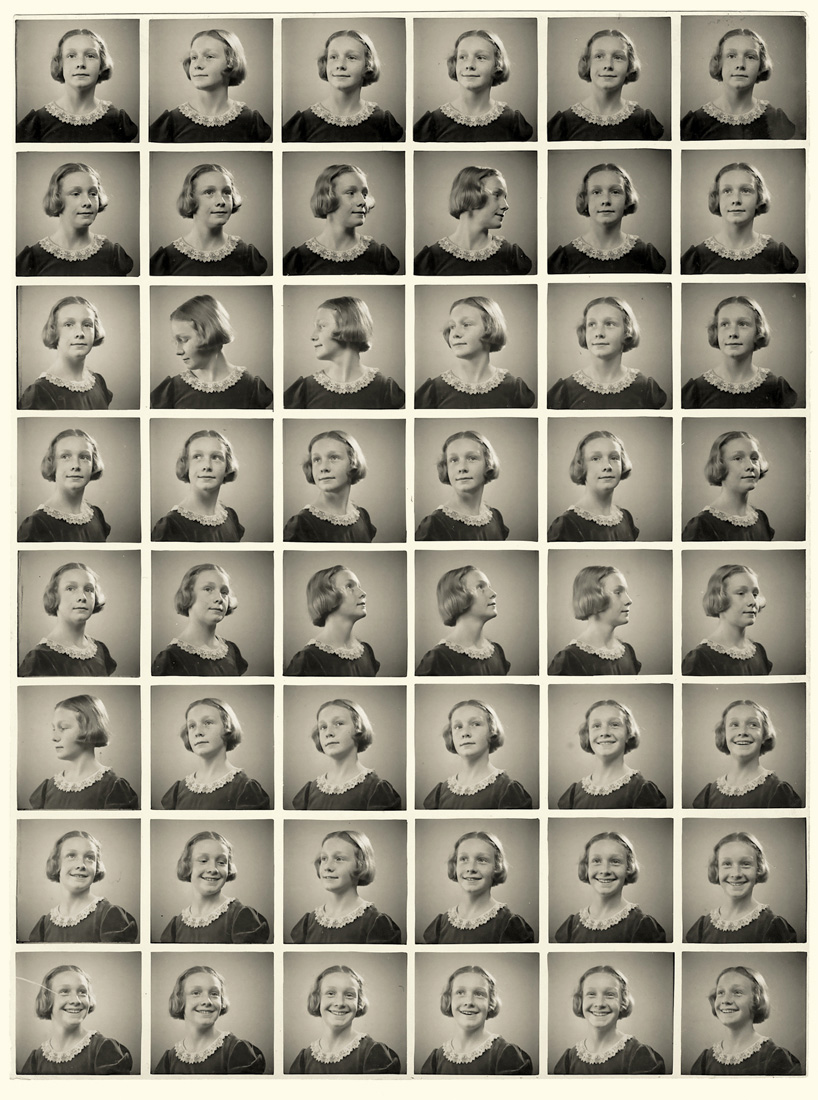
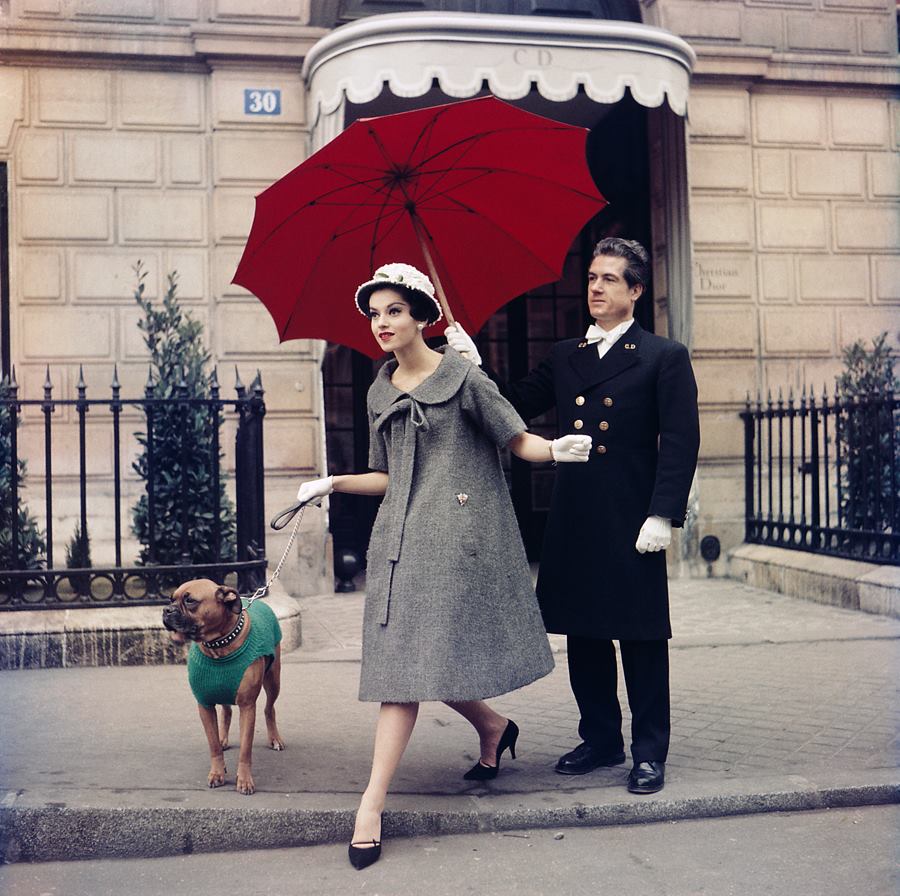

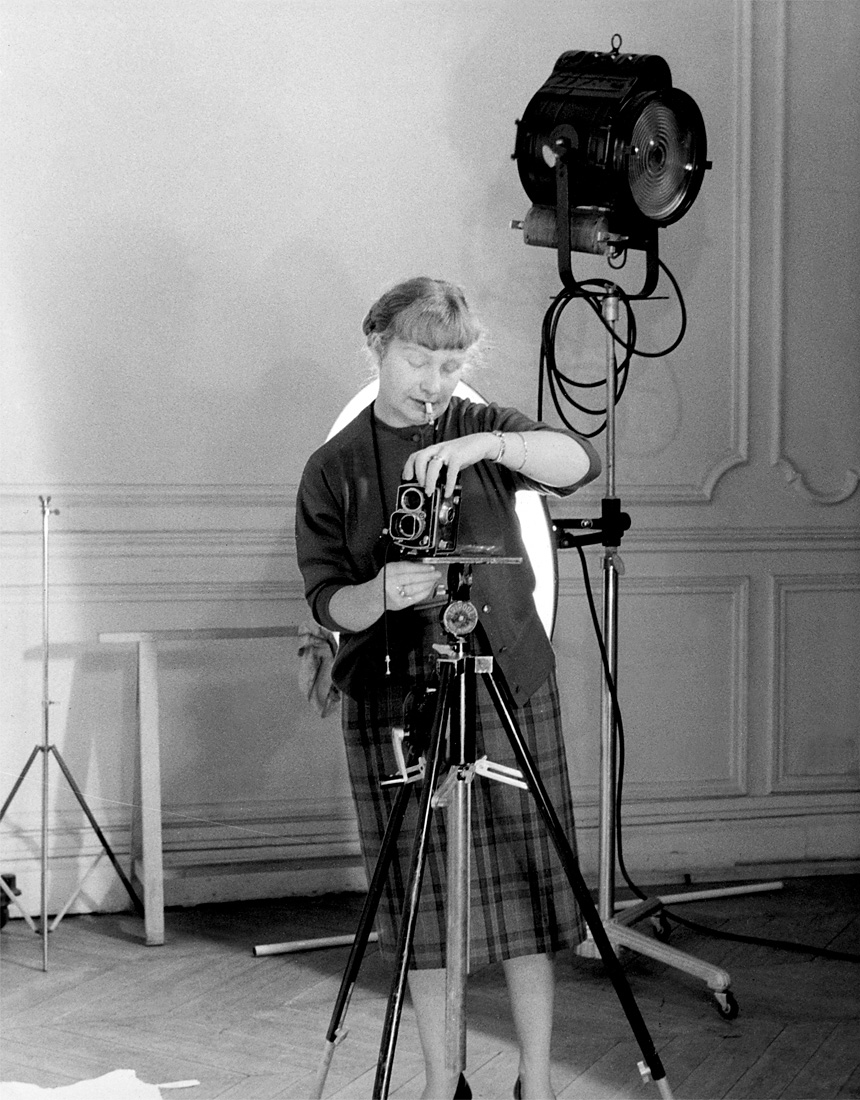


You must be logged in to post a comment.