Exhibition: ‘Brassaï: Secret Paris’ at Heide Museum of Modern Art, Melbourne

Exhibition dates: 25th July – 15th November, 2026

Co-curators: Lesley Harding, Heide Artistic Director; Philippe Ribeyrolles, manager and curator of the Estate Brassaï; and Emmanuelle de l’Ecotais, nephew of the artist, and renowned French photography curator


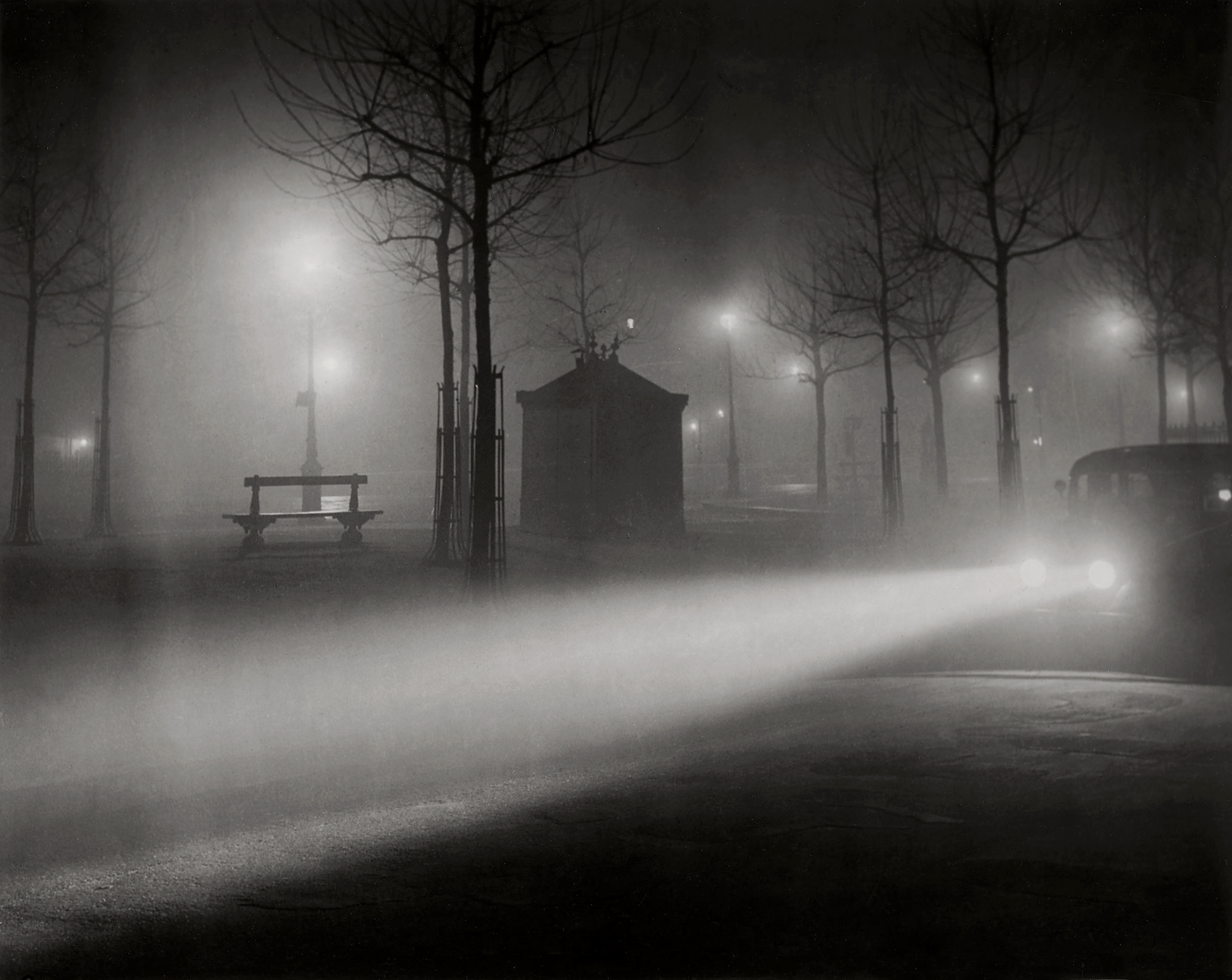
Brassaï (Hungarian-French, 1899-1984) 'Vue à travers le pont Royal en direction du pont Solférino' (View through the pont Royal toward the pont Solférino) c. 1933


Brassaï (Hungarian-French, 1899-1984)
Vue à travers le pont Royal en direction du pont Solférino (View through the pont Royal toward the pont Solférino)
c. 1933
Gelatin silver print
Estate Brassaï Succession, Philippe Ribeyrolles


Atmosphere

This is a superb exhibition of the photographs of Hungarian-French photographer, sculptor, medallist, writer, and filmmaker Brassaï (1899-1984) at Heide Museum of Modern Art.

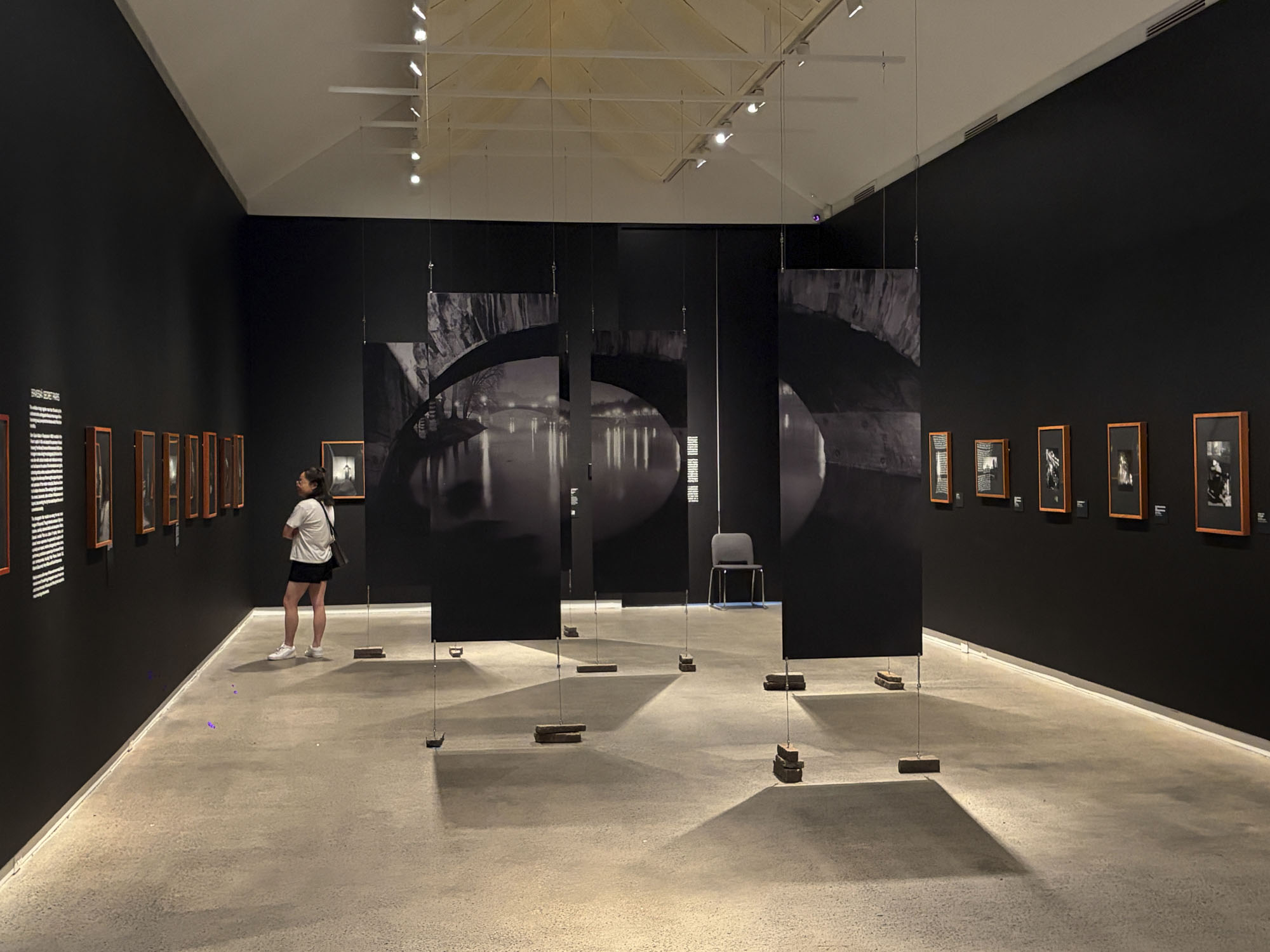
What a pleasure it is to wander the beautiful installation, the hanging, fragmented banner images forming a shimmering whole, much like the atmosphere of Brassaï’s mainly vintage photographs presented in the exhibition.

There is a certain feeling to Brassaï’s vintage prints and I have been thinking about this a lot since seeing the exhibition. And the word I came up with is, sfumato.

“Sfumato (derived from the Italian word sfumare, meaning “to tone down” or “to evaporate like smoke”) is an Italian Renaissance painting technique that softens the transitions between colours and tones, creating a hazy, smoky effect without harsh lines, borders, or abrupt outlines.” (Wikipedia)

Let us be clear, this is not Pictorialism with all its softness and painterly effect, but in Brassaï’s vintage prints a feeling, a feeling, of soft tonality in sharpness – no heavy blacks or strident whites – just a wonderful “atmosphere” of night, presence, people, smoky bars, balls, of degustation – a sequence of many small portions of the urban landscape.

Bill Brandt, who was so inspired by Brassaï’s book Paris de Nuit (1933) that he produced his book A Night in London in 1938, wanted atmosphere to not merely aim to represent a place but to capture its very essence in a single image, to provoke in the viewer an emotional response from the contemplation of the work: “Thus it was I found atmosphere to be the spell that charged the commonplace with beauty. … I only know it is a combination of elements … which reveals the subject as familiar and yet strange.”1

This same smokiness, atmosphere, can be observed in the vintage prints of Brassaï in the exhibition, but not in the similarly sized later reprints. They somehow don’t “hold” to the same feeling even though they are well printed. The tonality and sfumato are somehow lost. The photographic paper of the time, the developer, Brassaï’s way of visualising the print, and knowing exactly what he wanted to say in the final print. All of these things combine to make the whole.

My only quibble, and it’s a very small one, is the title of the exhibition: Secret Paris. A secret means, among other things, a fact or piece of knowledge intentionally concealed from others or known only to a specific person or small group.

None of this society was “intentionally” concealed from others, and it certainly wasn’t a secret from those who took part in the culture of Montparnasse. To presume it was a secret is to buy into a conservative, patriarchal world view in which the government, men and religion hold power over women and heterogeneous people of difference at a time of greater sexual freedom and liberation. The title reinforces this objectification, even today.

While Brassaï was documenting the city that existed beyond the view of conventional society – the intimate gatherings and private moments, the bohemian energy and the inky night time vistas – with “the creative eye of a storyteller” to compile a portrait of a city, these heterotopia2 – spaces that contest, or invert normal society – were well known to those with knowledge of these supposedly hidden dimensions, these counter-sites.

Dr Marcus Bunyan


1/ Anonymous text from Fundación MAPFRE. “Landscapes described,” from the exhibition posting Bill Brandt at the Fundación Mapfre, Madrid, June – August 2021 on Art Blart: art and cultural memory archive, August 22, 2021 [Online] Cited 06/11/2026.

2/ “Michel Foucault introduced the concept of heterotopia (Greek: héteros for “other”, tópos for “place”) to describe real, physical spaces that function as “worlds within worlds” or counter-sites. Unlike utopias, which are completely unreal or imagined spaces, heterotopias exist in reality and mirror, contest, or invert normal society.”

Anonymous. “Heterotopia (space),” on the Wikipedia website Nd [Online] Cited 06/11/2026


All installation photographs © Marcus Bunyan. Please click on the photographs for a larger version of the image.


Walk through of the exhibition Brassaï: Secret Paris at Heide Museum of Modern Art, Melbourne, 25th July – 15th November, 2026
Video: Marcus Bunyan


Main gallery
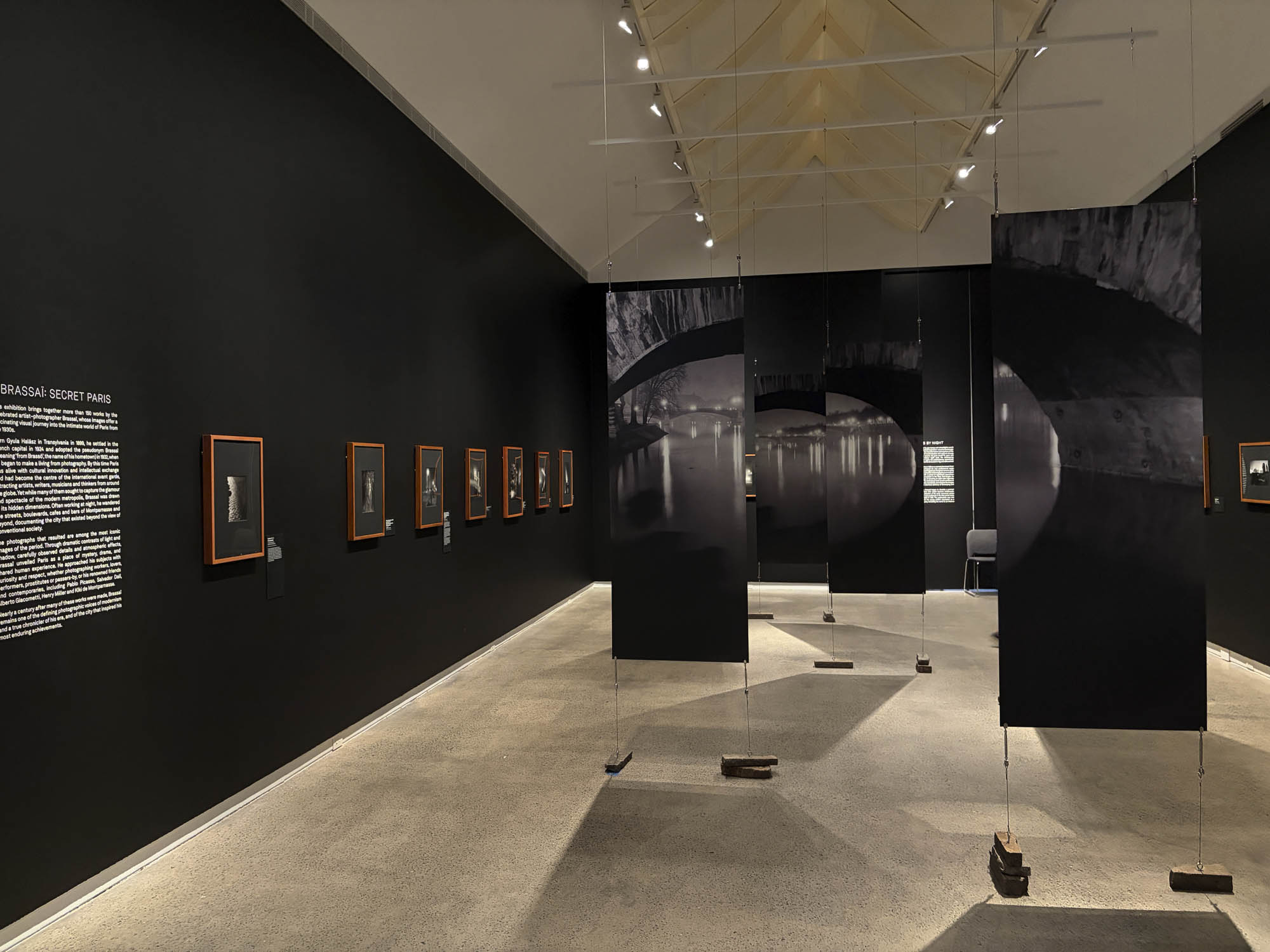
Installation view of the exhibition 'Brassaï: Secret Paris' at Heide Museum of Modern Art, Melbourne, July - November, 2026
Installation view of the exhibition 'Brassaï: Secret Paris' at Heide Museum of Modern Art, Melbourne, July - November, 2026 Installation view of the exhibition 'Brassaï: Secret Paris' at Heide Museum of Modern Art, Melbourne, July - November, 2026 showing the main gallery space looking left
Installation view of the exhibition 'Brassaï: Secret Paris' at Heide Museum of Modern Art, Melbourne, July - November, 2026 showing the main gallery space looking left


Installation views of the exhibition Brassaï: Secret Paris at Heide Museum of Modern Art, Melbourne, July – November, 2026 showing the main gallery space looking left
Photos: Marcus Bunyan
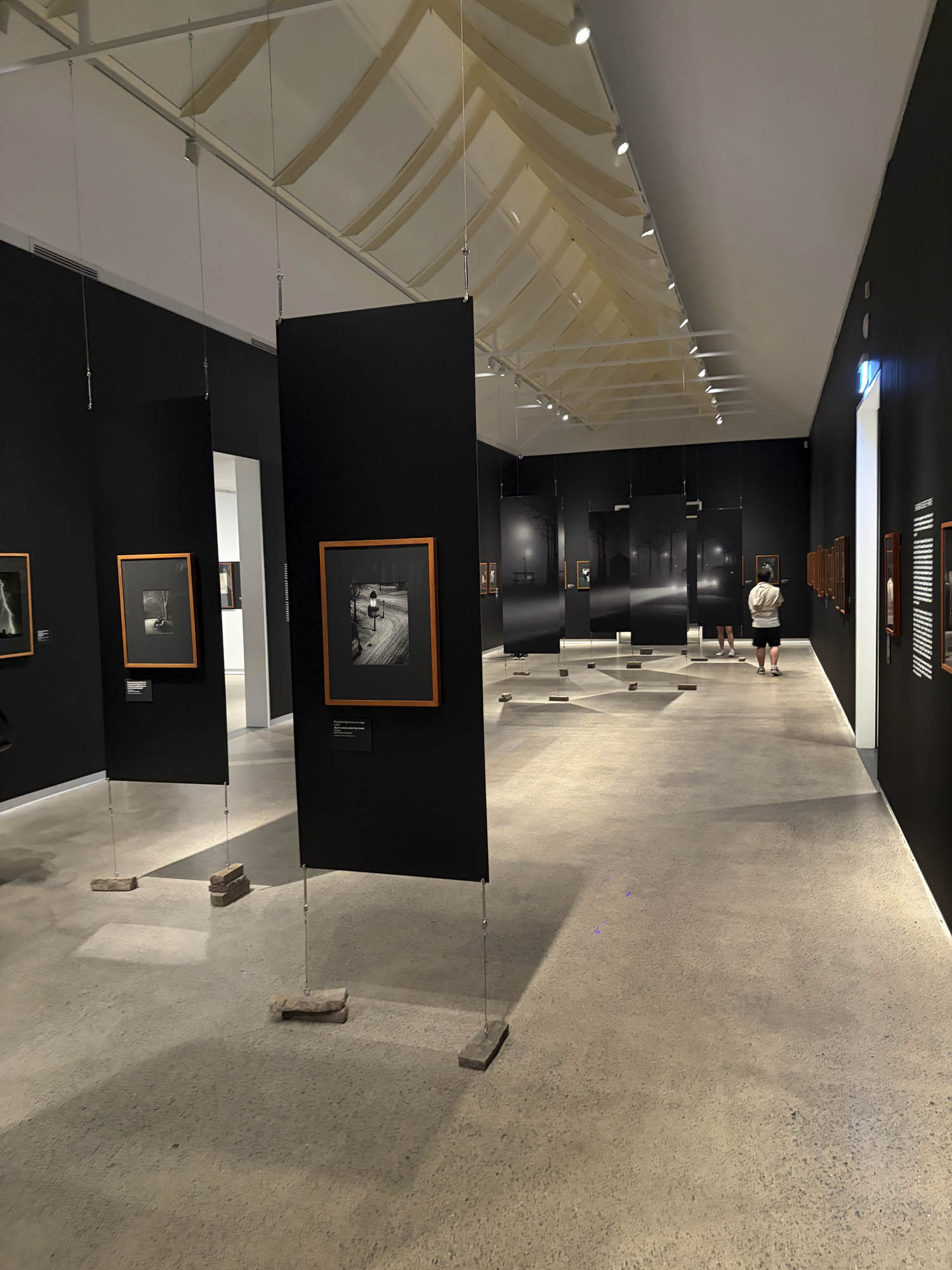
 

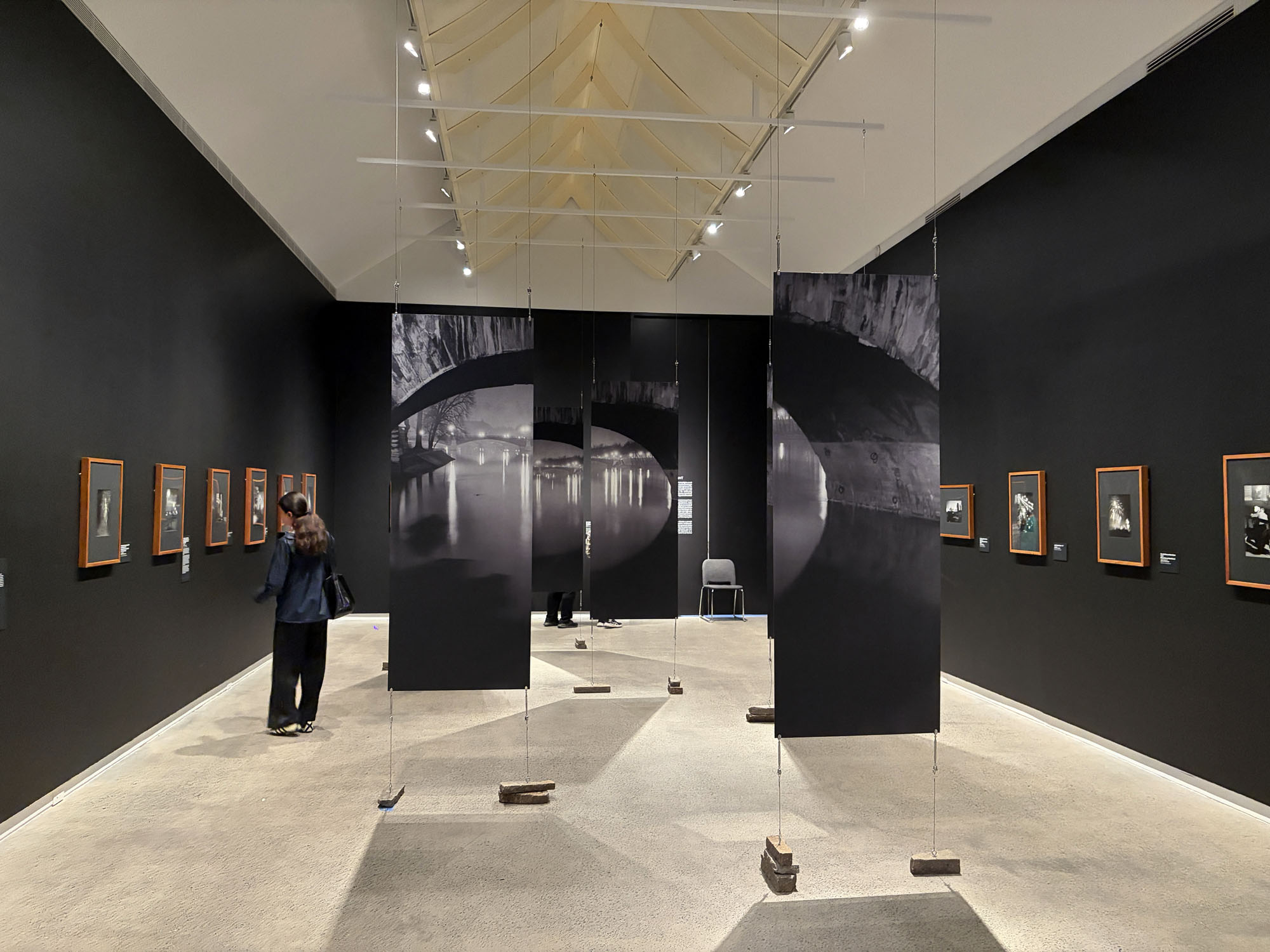
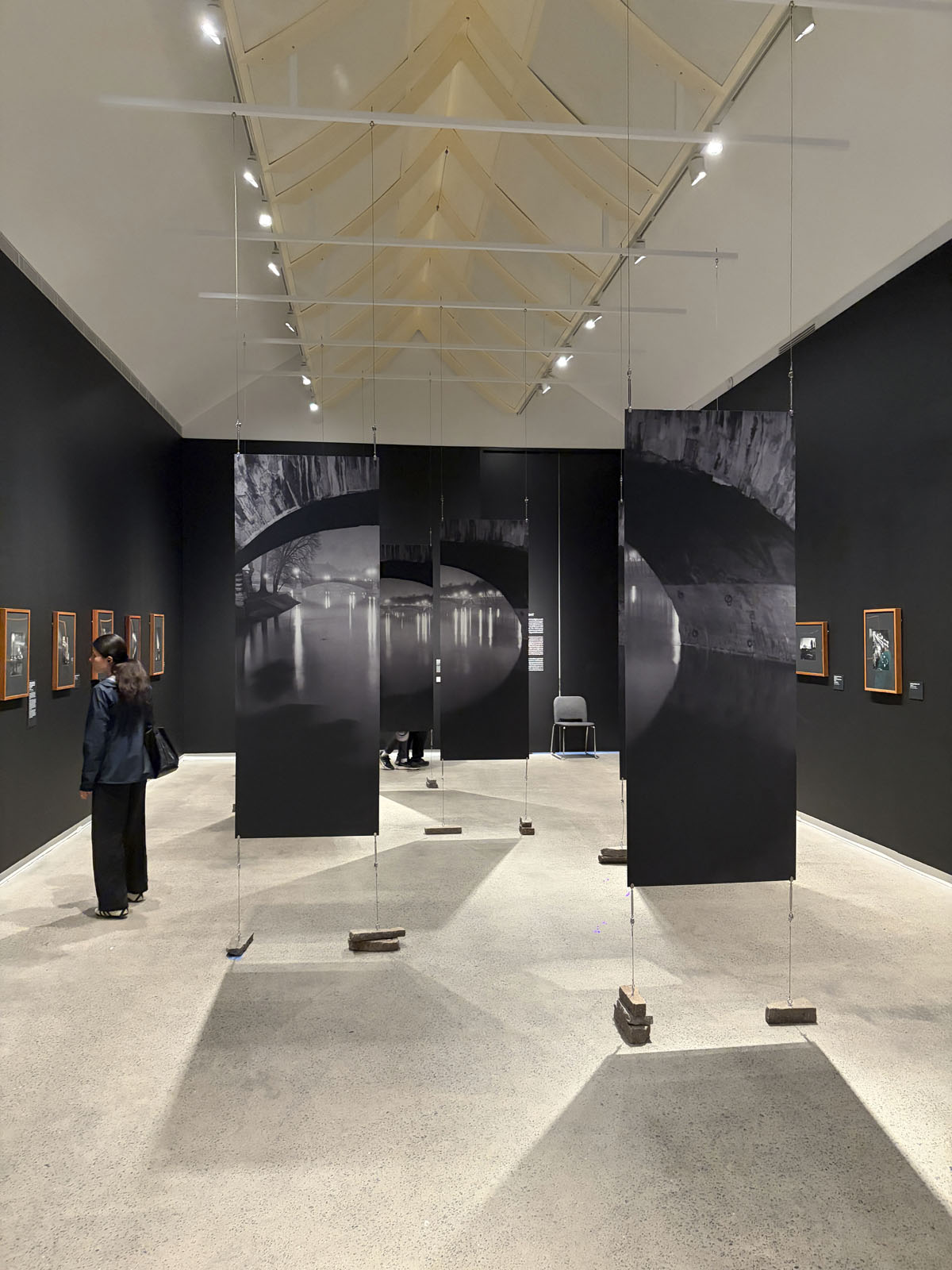
Installation view of the exhibition 'Brassaï: Secret Paris' at Heide Museum of Modern Art, Melbourne, July - November, 2026 showing the main gallery space looking left from the right hand side


Installation view of the exhibition Brassaï: Secret Paris at Heide Museum of Modern Art, Melbourne, July – November, 2026 showing the main gallery space looking left from the right hand side
Photo: Marcus Bunyan
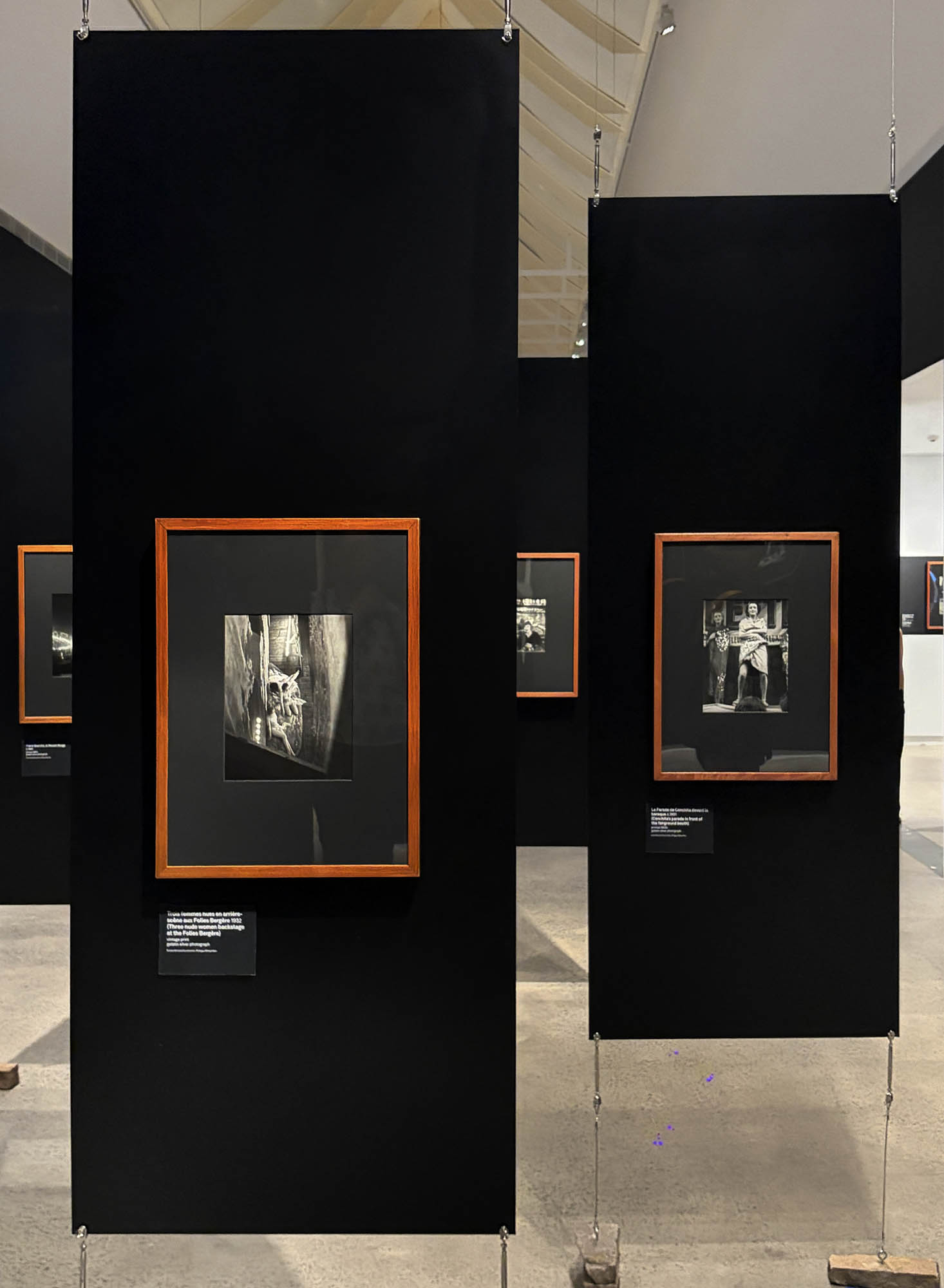
 

Installation view of the exhibition 'Brassaï: Secret Paris' at Heide Museum of Modern Art, Melbourne, July - November, 2026 showing the main gallery space right hand side


Installation view of the exhibition Brassaï: Secret Paris at Heide Museum of Modern Art, Melbourne, July – November, 2026 showing the main gallery space right hand side
Photo: Marcus Bunyan
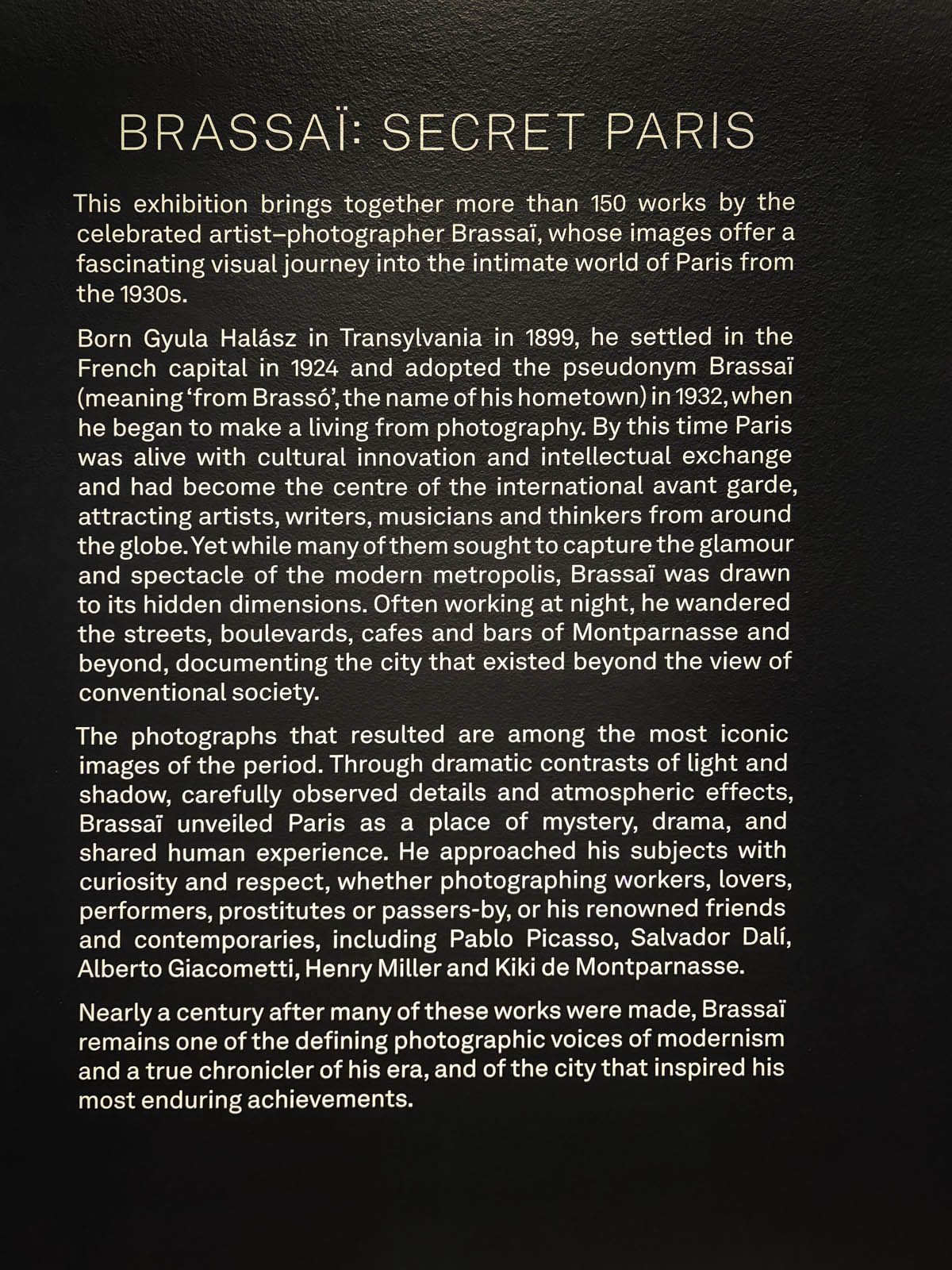
 

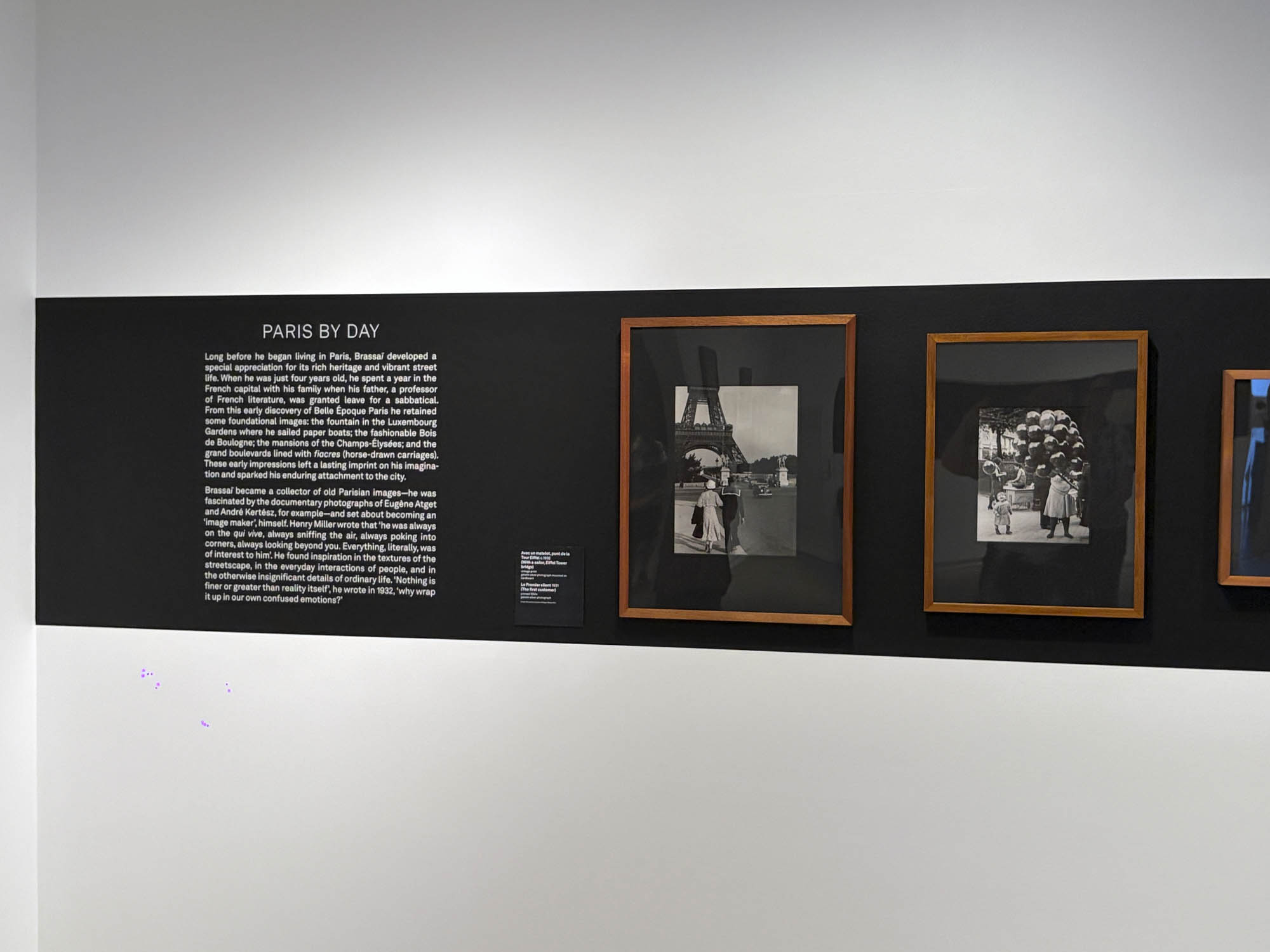
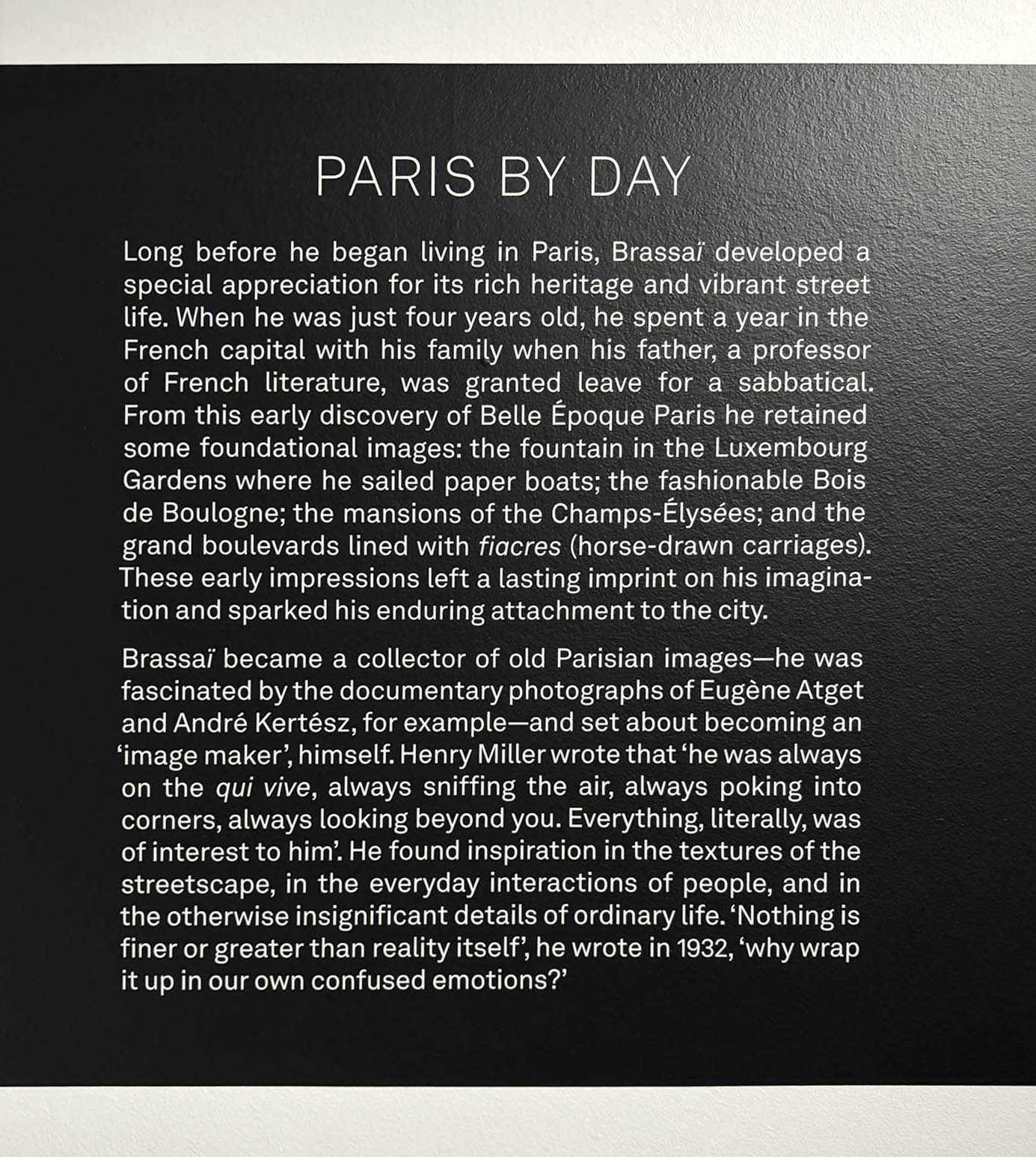
Wall text from the exhibition 'Brassaï: Secret Paris' at Heide Museum of Modern Art, Melbourne, July - November, 2026 from the main gallery


Wall text from the exhibition Brassaï: Secret Paris at Heide Museum of Modern Art, Melbourne, July – November, 2026 from the main gallery
Photo: Marcus Bunyan
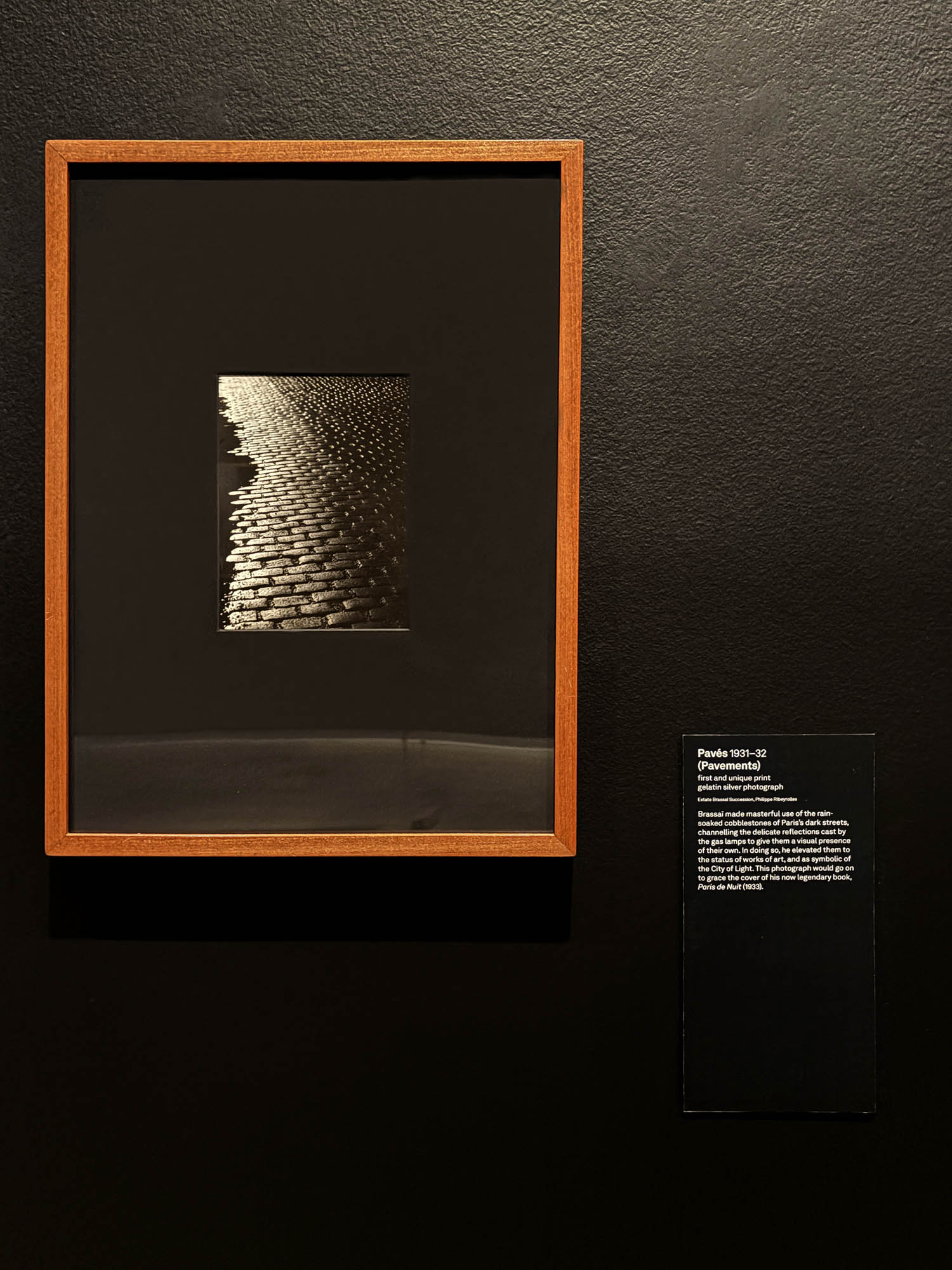
 

Installation view of the exhibition 'Brassaï: Secret Paris' at Heide Museum of Modern Art, Melbourne, July - November, 2026 showing the photograph 'Pavés' (Pavements) 1931-32 first and unique gelatin silver photograph


Installation view of the exhibition Brassaï: Secret Paris at Heide Museum of Modern Art, Melbourne, July – November, 2026 showing the photograph Pavés (Pavements) 1931-32 first and unique gelatin silver photograph
Photo: Marcus Bunyan


Brassaï made masterful use of the rain-soaked cobblestones of Paris’s dark streets, channeling the delicate reflections cast by the gas lamps to give them a visual presence of their own. In doing so, he elevated them to the status of works of art, and as symbolic of the City of Light. This photograph would go on to grace the cover of his now legendary book Paris de Nuit (1933).

Label text from the exhibition Brassaï: Secret Paris at Heide Museum of Modern Art, Melbourne, July – November, 2026
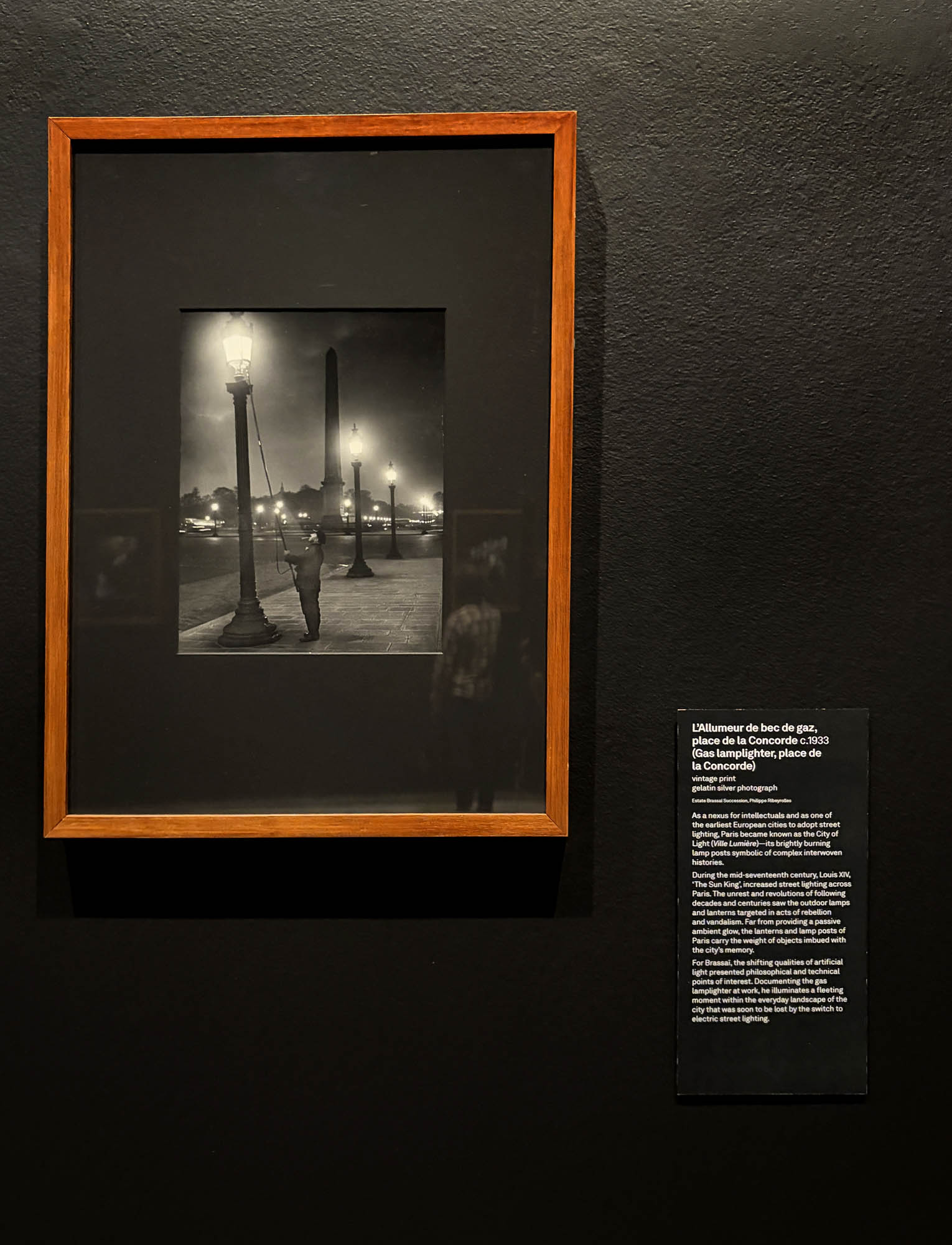
 

Installation view of the exhibition 'Brassaï: Secret Paris' at Heide Museum of Modern Art, Melbourne, July - November, 2026 showing the photograph 'L'Allumeur de bec de gaz, place de la Concorde' (Gas lamplighter, place de la Concorde) c. 1933 vintage gelatin silver photograph


Installation view of the exhibition Brassaï: Secret Paris at Heide Museum of Modern Art, Melbourne, July – November, 2026 showing the photograph L’Allumeur de bec de gaz, place de la Concorde (Gas lamplighter, place de la Concorde) c. 1933 vintage gelatin silver photograph
Photo: Marcus Bunyan


As a nexus for intellectuals and as one of the earliest European cities to adopt street lighting, Paris became known as the City of Light (Ville Lumière) – its brightly burning lamp posts symbolic of complex interwoven histories.

During the mid-seventeenth century, Louis XIV, ‘The Sun King’, increased street lighting across Paris. The unrest and revolutions of following decades and centuries saw the outdoor lamps and lanterns targeted in acts of rebellion and vandalism. Far from providing a passive ambient glow, the lanterns and lamp posts of Paris carry the weight of objects imbued with the city’s memory.

For Brassaï, the shifting qualities of artificial light presented philosophical and technical points of interest. Documenting the gas lamplighter at work, he illuminates a fleeting moment within the everyday landscape of the city that was soon to be lost by the switch to electric street lighting.

Label text from the exhibition
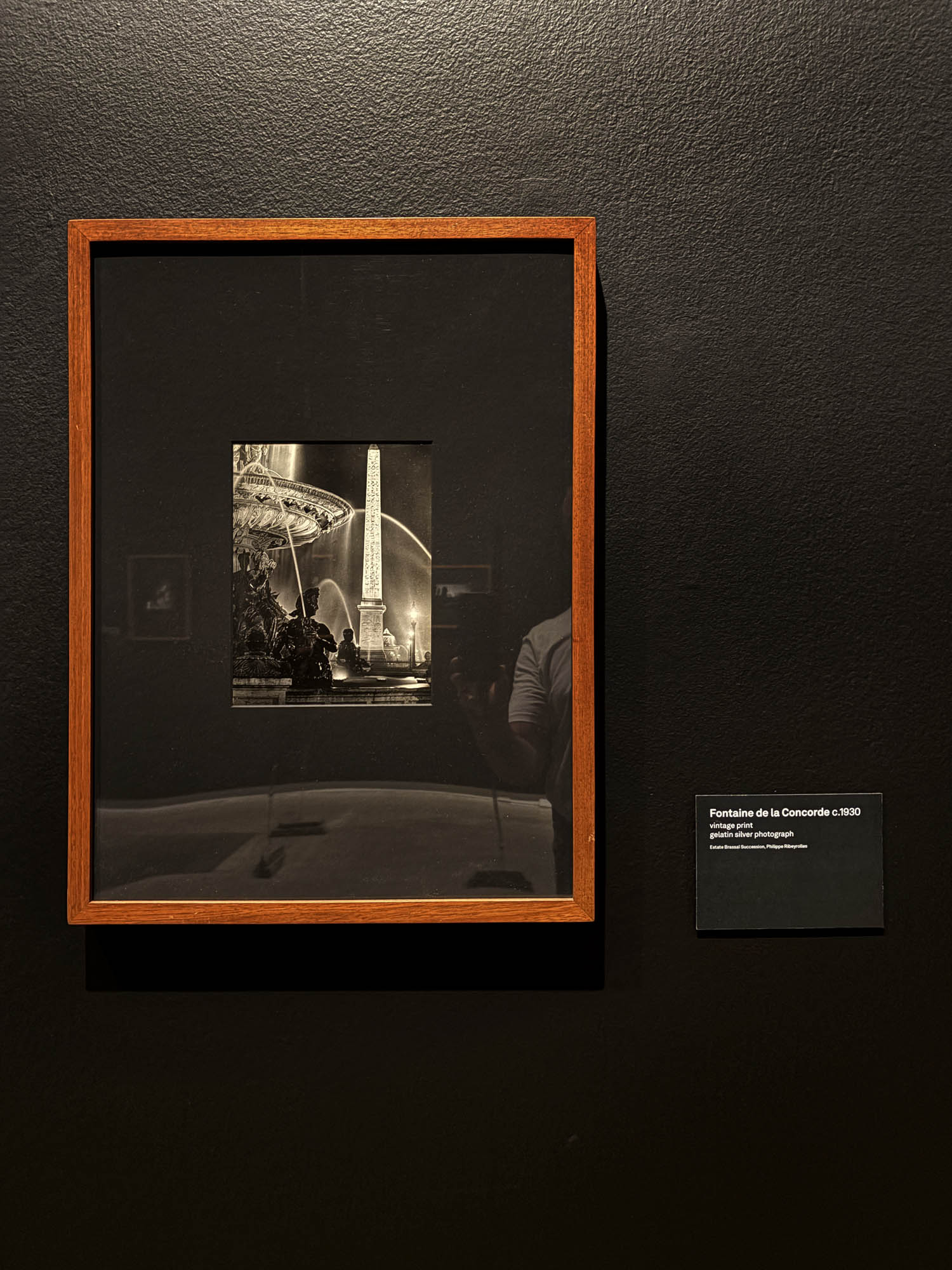
 

Installation view of the exhibition 'Brassaï: Secret Paris' at Heide Museum of Modern Art, Melbourne, July - November, 2026 Installation view of the exhibition Brassaï: Secret Paris at Heide Museum of Modern Art, Melbourne, July - November, 2026 showing the photograph 'Fontaine de la Concorde' c. 1930 vintage gelatin silver photograph


Installation view of the exhibition Brassaï: Secret Paris at Heide Museum of Modern Art, Melbourne, July – November, 2026 showing the photograph Fontaine de la Concorde c. 1930 vintage gelatin silver photograph
Photo: Marcus Bunyan
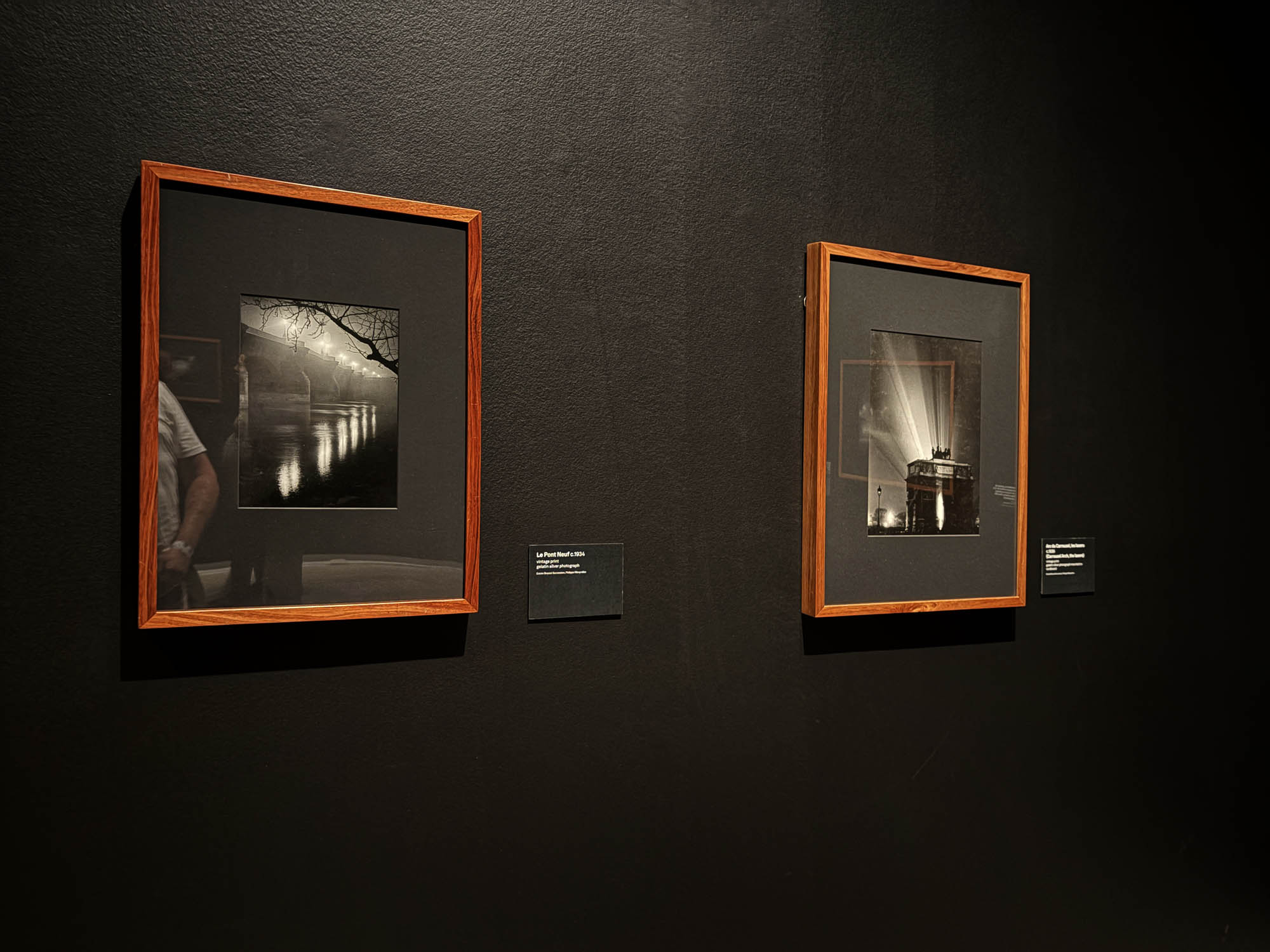
 

Installation view of the exhibition 'Brassaï: Secret Paris' at Heide Museum of Modern Art, Melbourne, July - November, 2026 showing at left the photograph 'Le Pont Neuf' c. 1934 vintage gelatin silver print


Installation view of the exhibition Brassaï: Secret Paris at Heide Museum of Modern Art, Melbourne, July – November, 2026 showing at left the photograph Le Pont Neuf c. 1934 vintage gelatin silver print
Photo: Marcus Bunyan
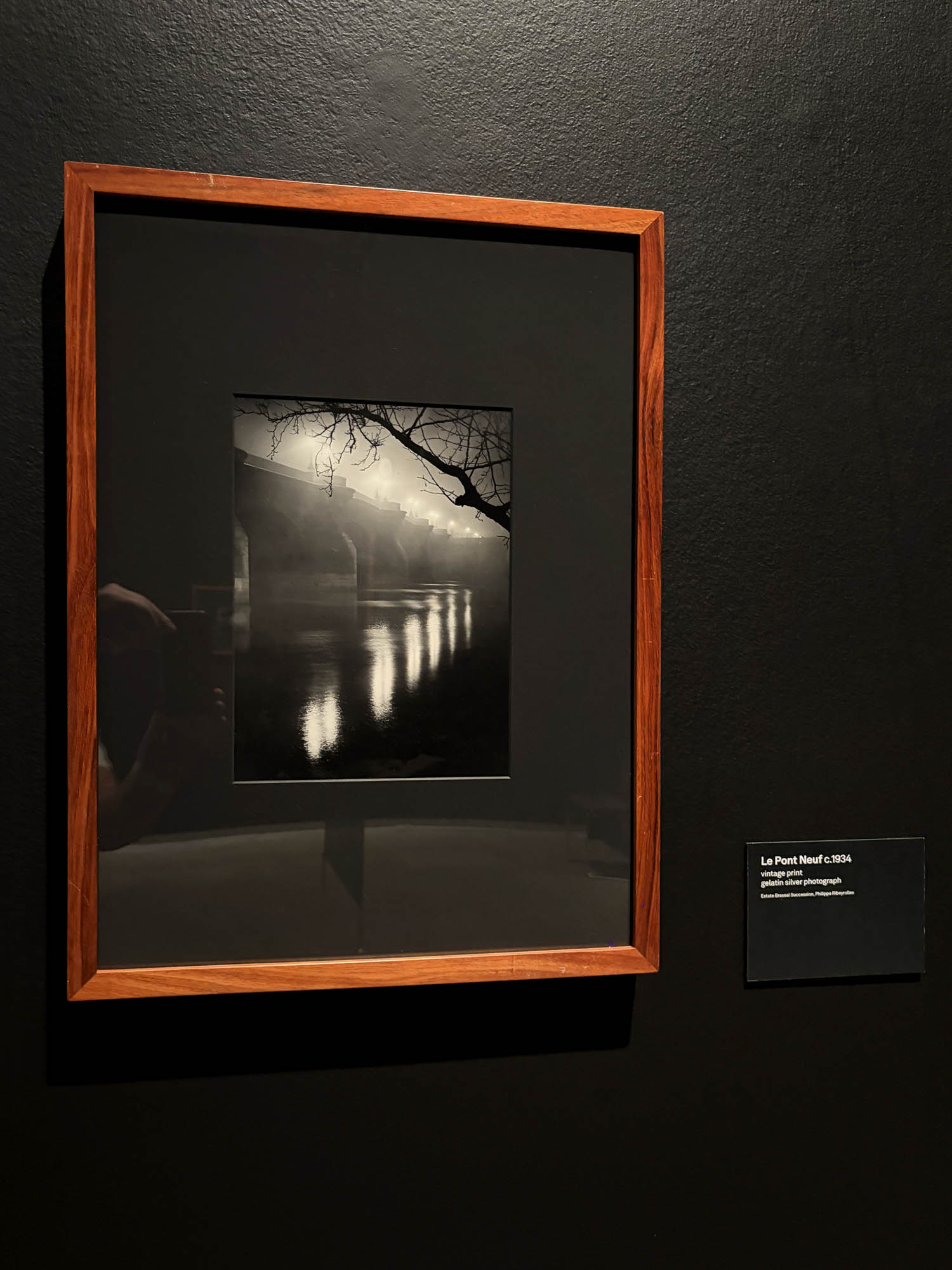
 

Installation view of the exhibition 'Brassaï: Secret Paris' at Heide Museum of Modern Art, Melbourne, July - November, 2026 showing the photograph 'Le Pont Neuf' c. 1934 vintage gelatin silver print


Installation view of the exhibition Brassaï: Secret Paris at Heide Museum of Modern Art, Melbourne, July – November, 2026 showing the photograph Le Pont Neuf c. 1934 vintage gelatin silver print
Photo: Marcus Bunyan
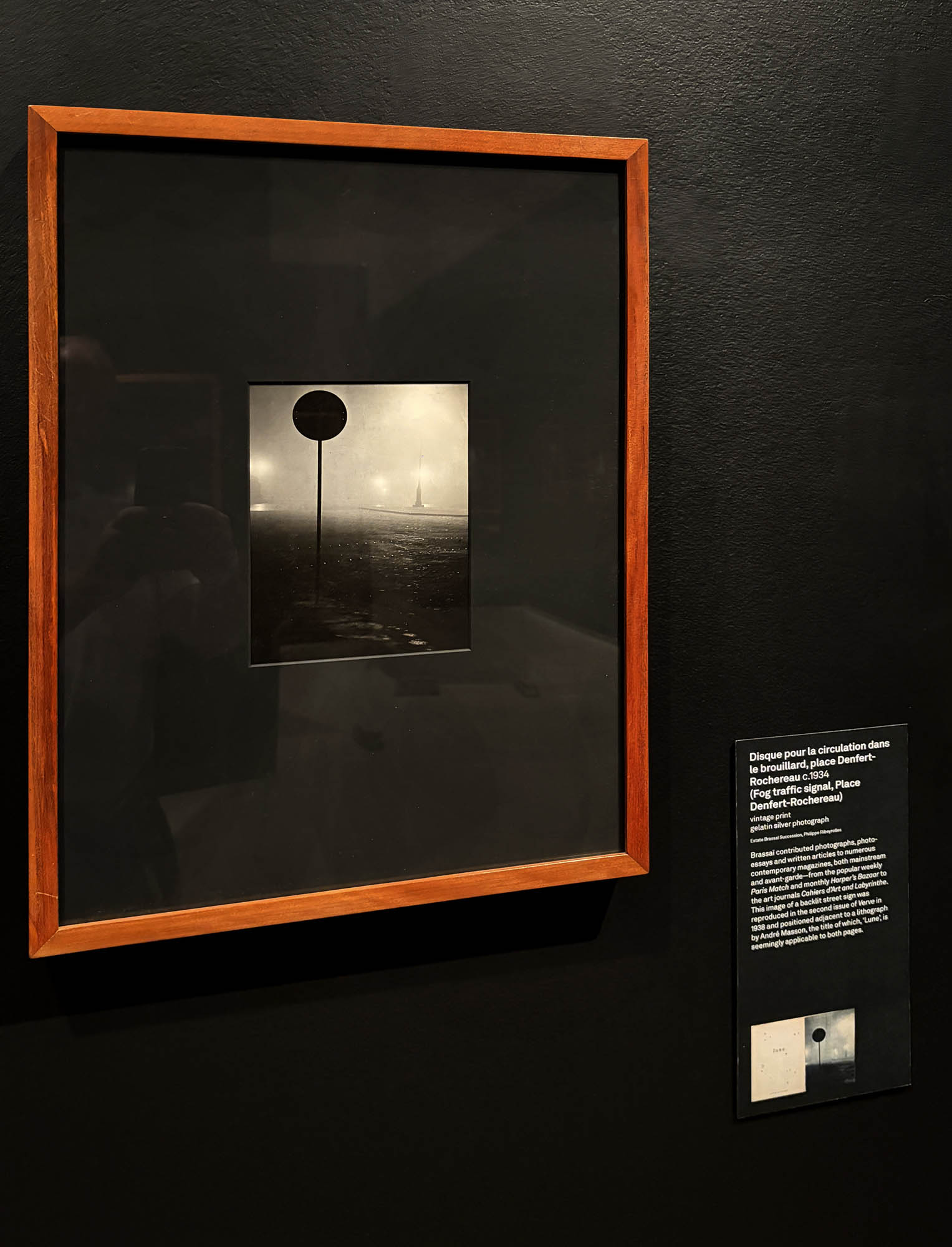
 

Installation view of the exhibition 'Brassaï: Secret Paris' at Heide Museum of Modern Art, Melbourne, July - November, 2026 showing the photograph 'Disque pour la circulation dans le brouillard, place Denfert-Rochereau' (Fog traffic signal, place Denfert-Rochereau) c. 1934 vintage gelatin silver print


Installation view of the exhibition Brassaï: Secret Paris at Heide Museum of Modern Art, Melbourne, July – November, 2026 showing the photograph Disque pour la circulation dans le brouillard, place Denfert-Rochereau (Fog traffic signal, place Denfert-Rochereau) c. 1934 vintage gelatin silver print
Photo: Marcus Bunyan
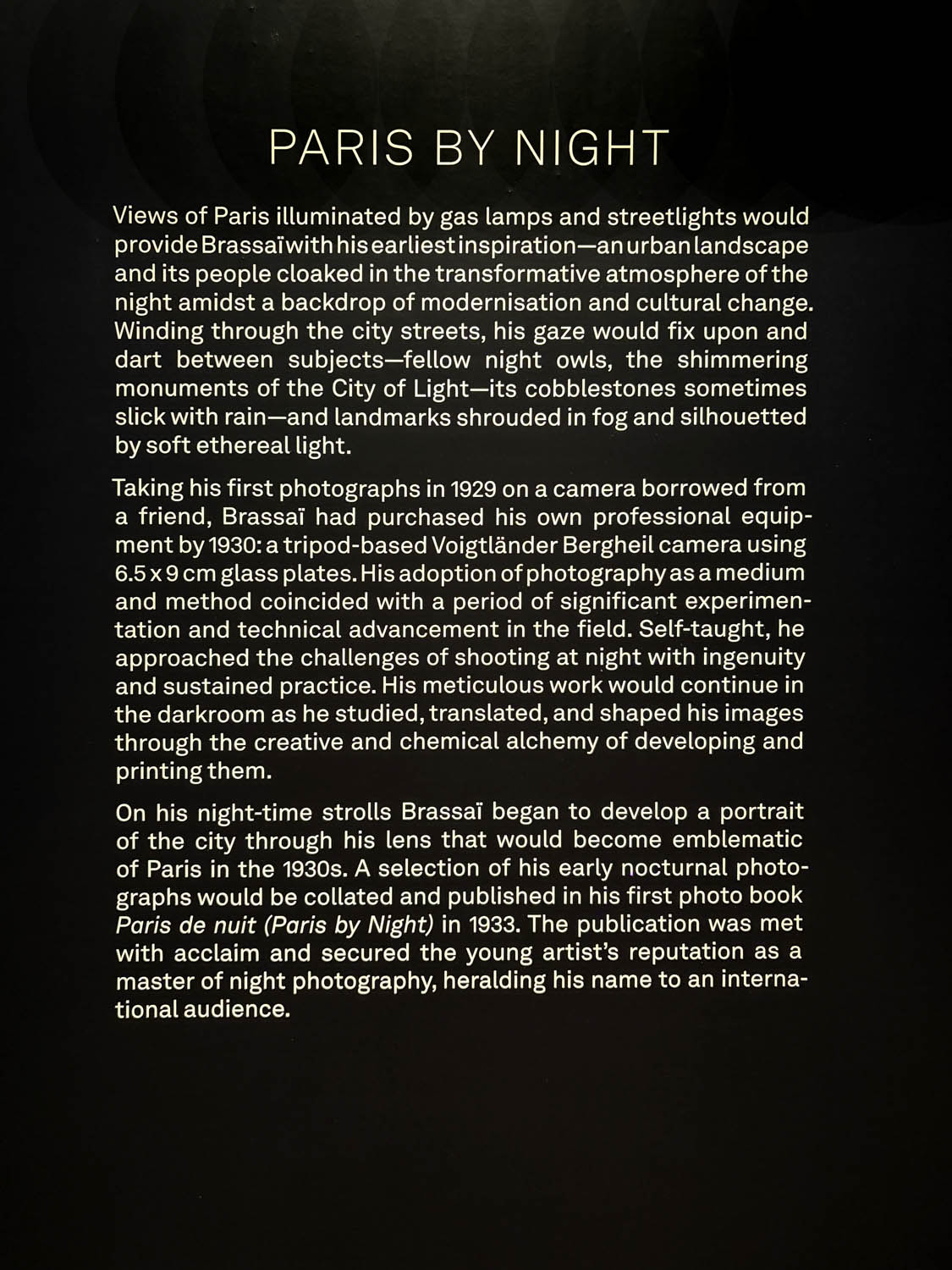
 

Wall text from the exhibition 'Brassaï: Secret Paris' at Heide Museum of Modern Art, Melbourne, July - November, 2026 from the main gallery


Wall text from the exhibition Brassaï: Secret Paris at Heide Museum of Modern Art, Melbourne, July – November, 2026 from the main gallery
Photo: Marcus Bunyan
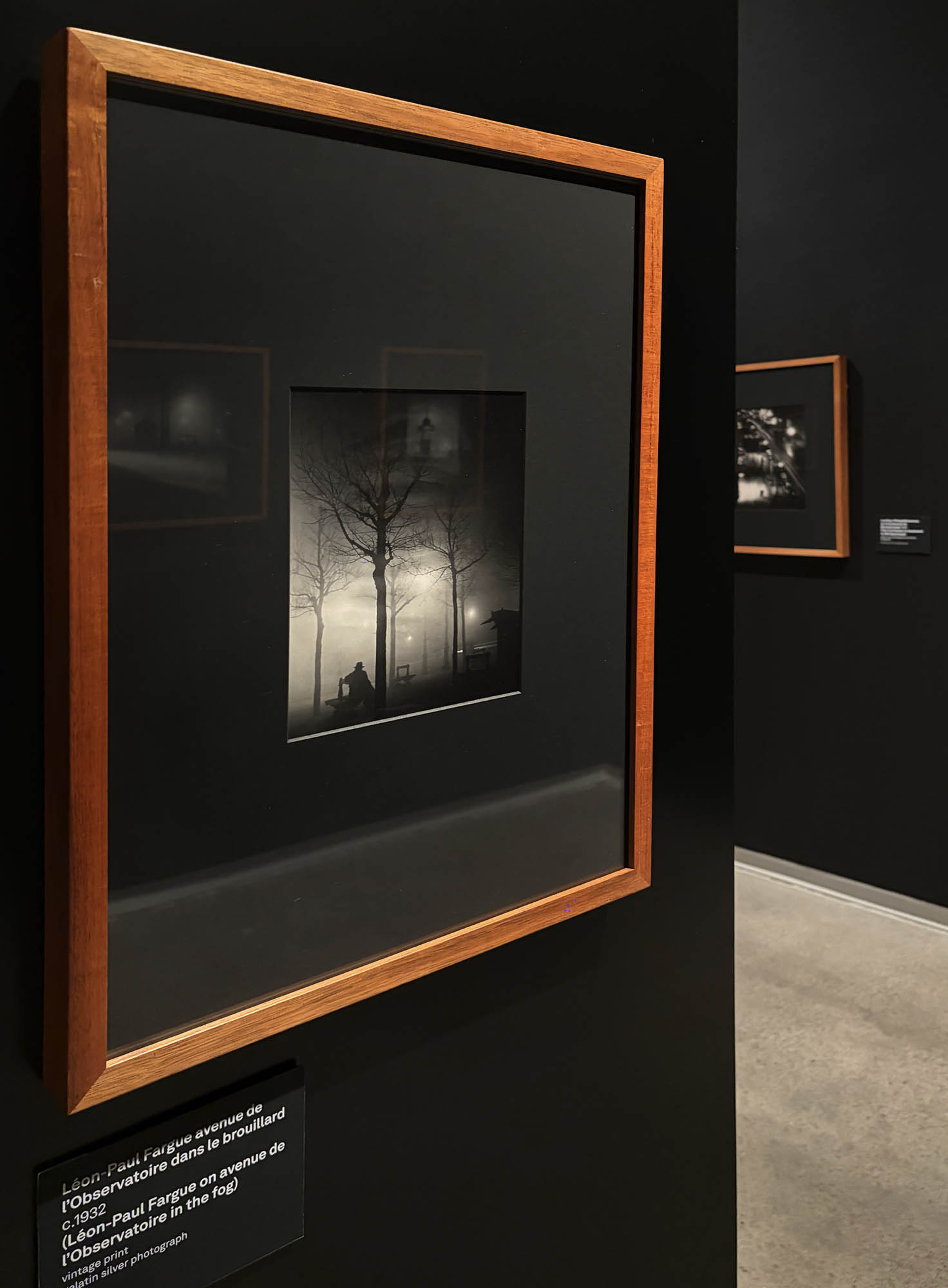
 

Installation view of the exhibition 'Brassaï: Secret Paris' at Heide Museum of Modern Art, Melbourne, July - November, 2026 showing the photograph 'Léon-Paul Prague avenue de l'Observatoire dans le brouillard' (Léon-Paul Frague on avenue de l'Observatoire in the fog) c. 1932 vintage gelatin silver print


Installation view of the exhibition Brassaï: Secret Paris at Heide Museum of Modern Art, Melbourne, July – November, 2026 showing the photograph Léon-Paul Prague avenue de l’Observatoire dans le brouillard (Léon-Paul Frague on avenue de l’Observatoire in the fog) c. 1932 vintage gelatin silver print
Photo: Marcus Bunyan
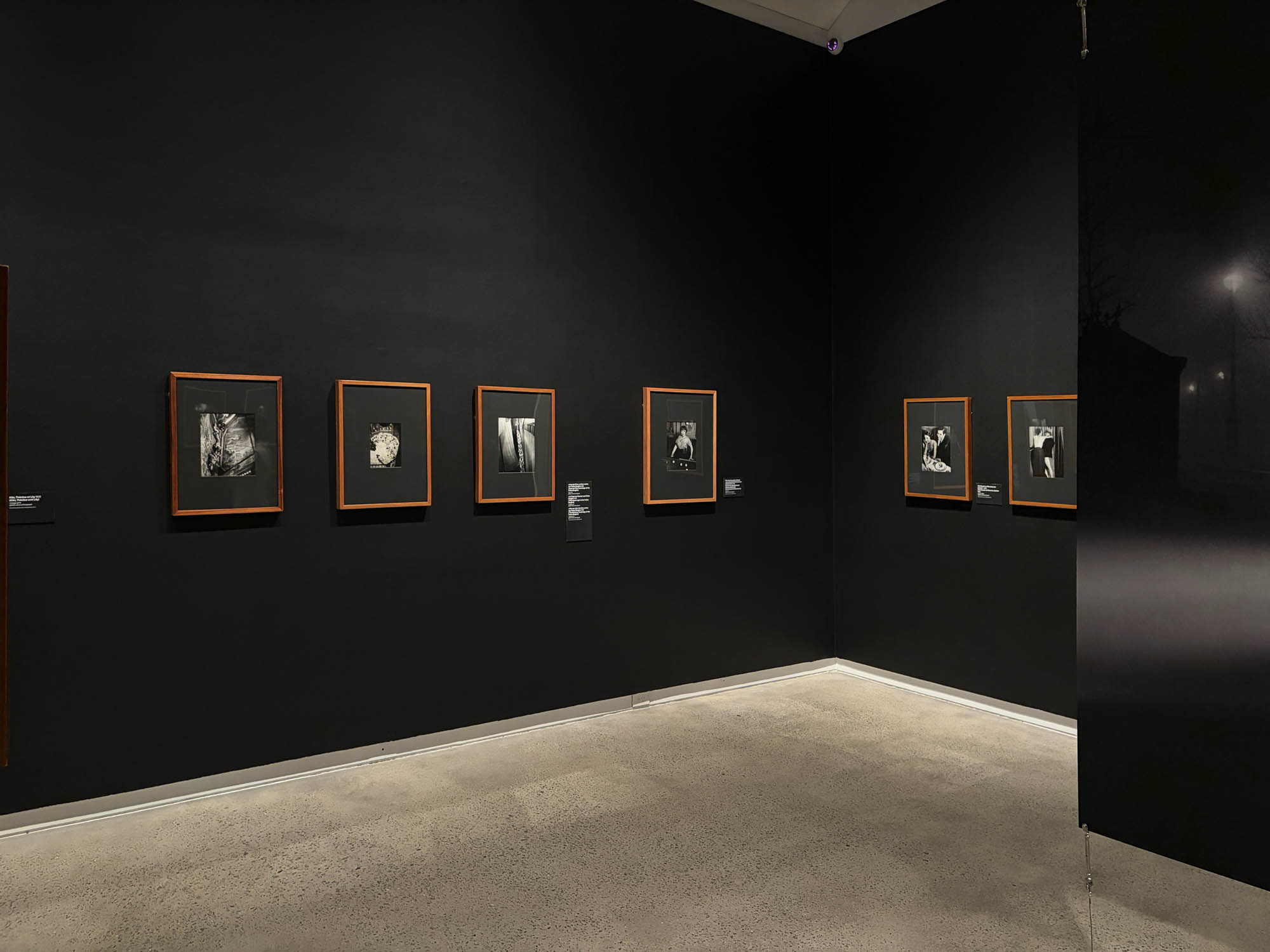
 

Installation view of the exhibition 'Brassaï: Secret Paris' at Heide Museum of Modern Art, Melbourne, July - November, 2026


Installation view of the exhibition Brassaï: Secret Paris at Heide Museum of Modern Art, Melbourne, July – November, 2026
Photo: Marcus Bunyan
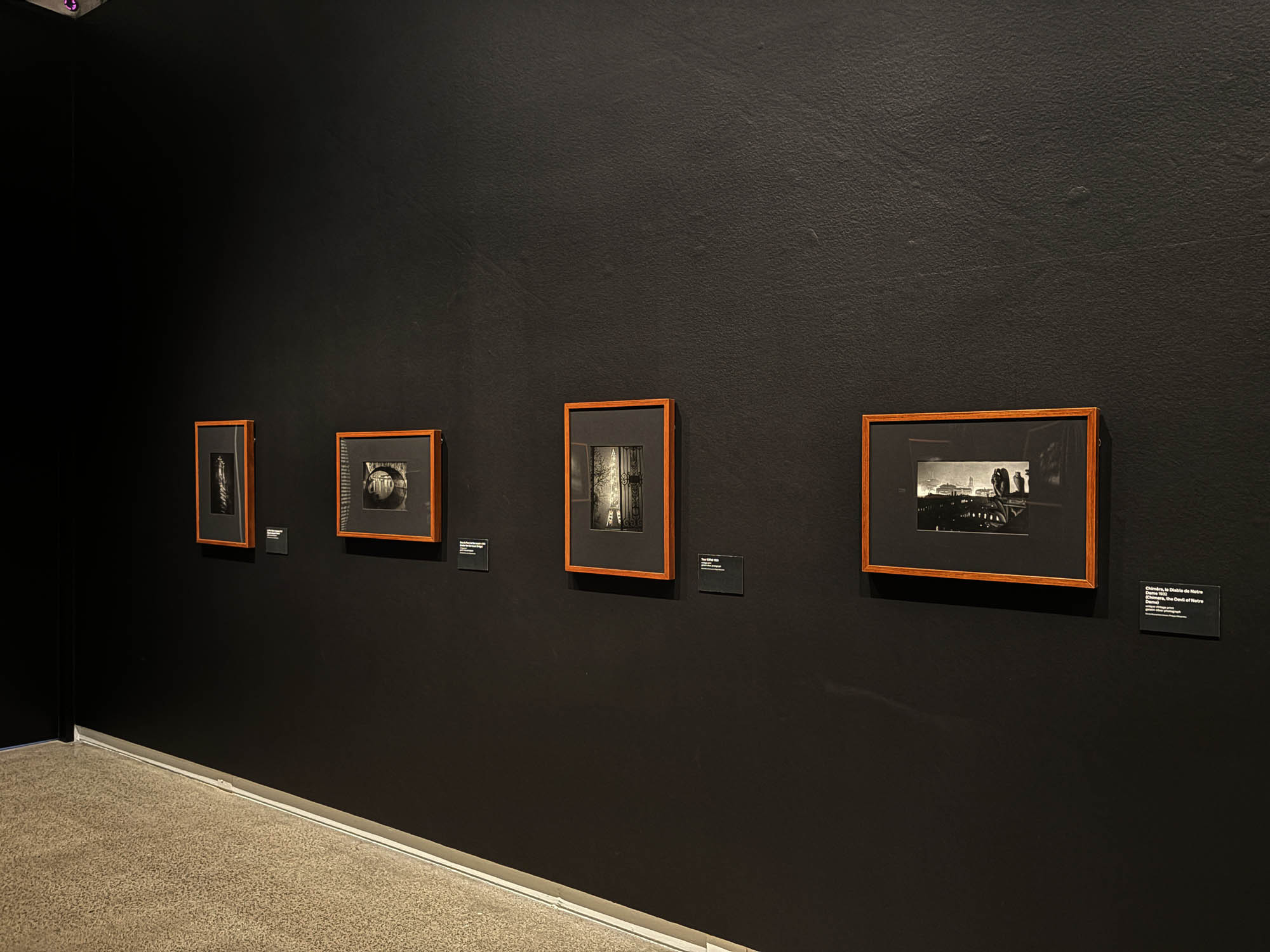
 

Installation view of the exhibition 'Brassaï: Secret Paris' at Heide Museum of Modern Art, Melbourne, July - November, 2026


Installation view of the exhibition Brassaï: Secret Paris at Heide Museum of Modern Art, Melbourne, July – November, 2026
Photo: Marcus Bunyan
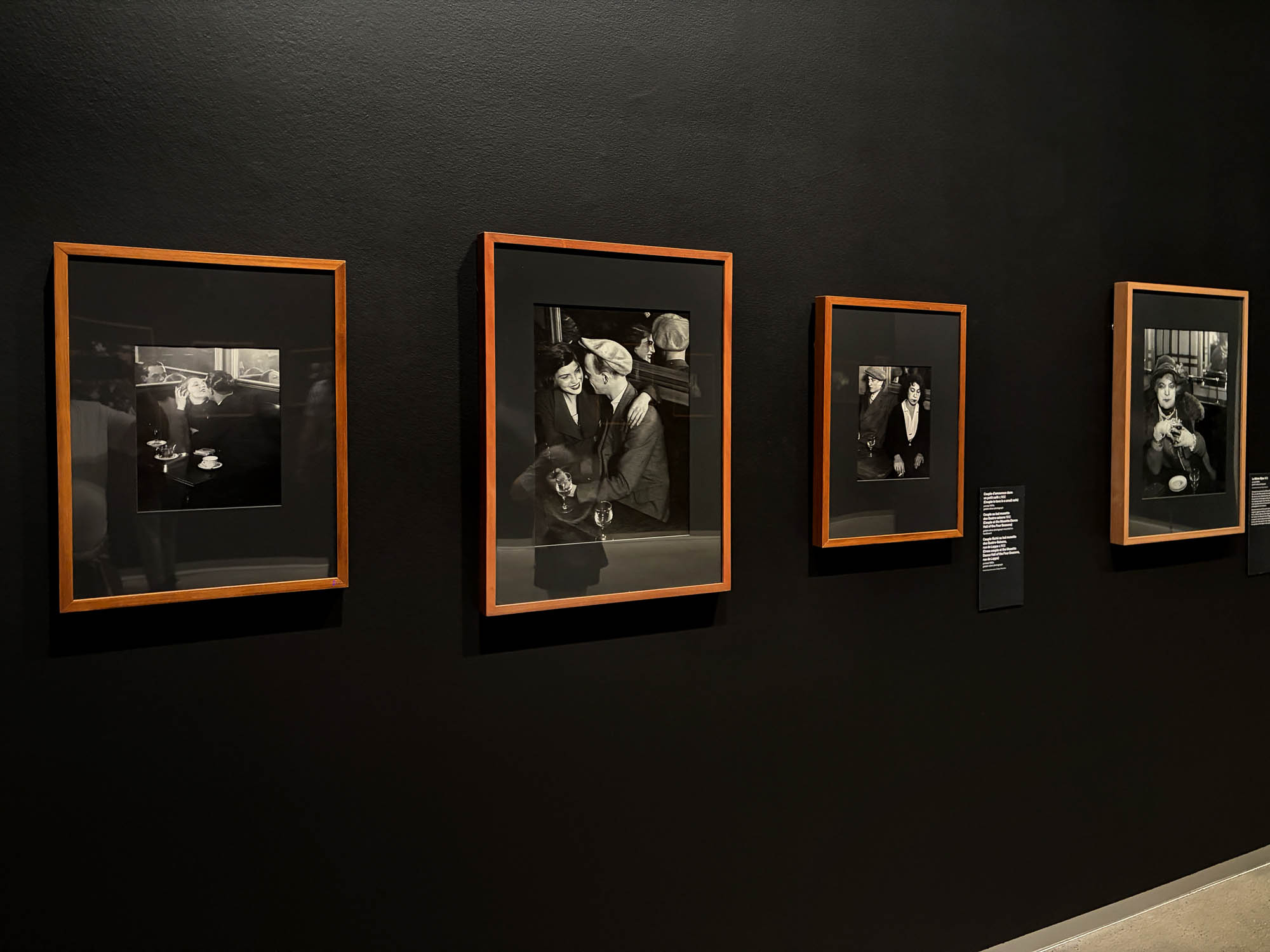
 

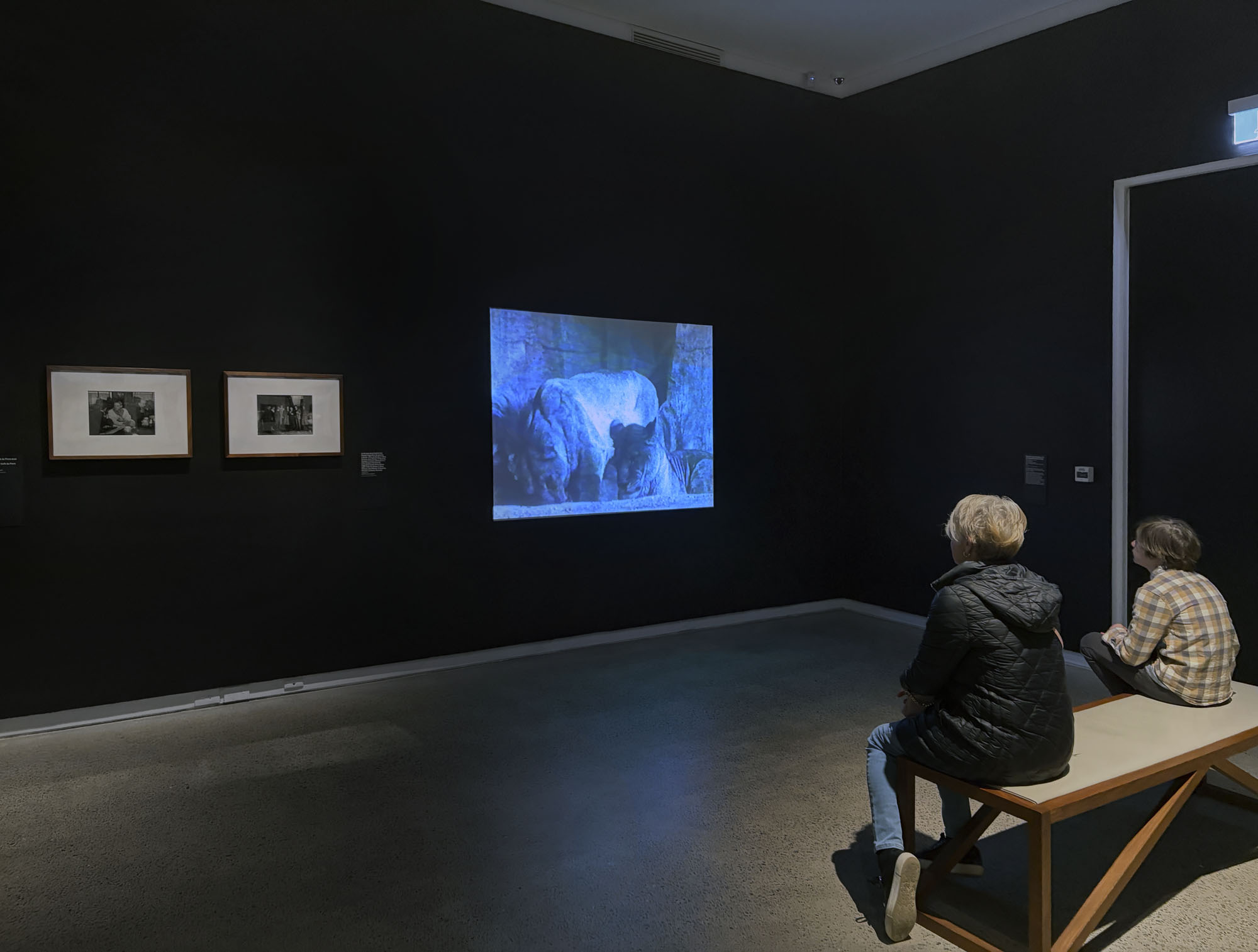
Installation view of the exhibition 'Brassaï: Secret Paris' at Heide Museum of Modern Art, Melbourne, July - November, 2026 showing from left to right, 'Couple d'amoureux dans un petit café, quartier Italie' (Loving Couple in a Small Café, Place d'Italie) c. 1932 vintage gelatin silver print; 'Couple au bal musette des Quatre Saisons' (Couple at the Musette Dance Hall of the Four Seasons) 1932; 'Couple croisé au bal musette des Quatre-Saisons, rue de Lappe' (Cross couple at the Musette Dance Hall of the Four Seasons, rue de Lappe) c. 1932 vintage gelatin silver print; 'La Môme Bijou, Bar de la Lune, Montmartre' (La Môme Bijou, Bar de la Lune, Montmartre) 1932


Installation view of the exhibition Brassaï: Secret Paris at Heide Museum of Modern Art, Melbourne, July – November, 2026 showing from left to right, Couple d’amoureux dans un petit café, quartier Italie (Loving Couple in a Small Café, Place d’Italie) c. 1932 vintage gelatin silver print; Couple au bal musette des Quatre Saisons (Couple at the Musette Dance Hall of the Four Seasons) 1932; Couple croisé au bal musette des Quatre-Saisons, rue de Lappe (Cross couple at the Musette Dance Hall of the Four Seasons, rue de Lappe) c. 1932 vintage gelatin silver print; La Môme Bijou, Bar de la Lune, Montmartre (La Môme Bijou, Bar de la Lune, Montmartre) 1932
Photo: Marcus Bunyan


Brassaï (Hungarian-French, 1899-1984) 'Bal des Quatre Saisons, rue de Lappe' c. 1932


Brassaï (Hungarian-French, 1899-1984)
Couple au bal musette des Quatre Saisons (Couple at the Musette Dance Hall of the Four Seasons)
c. 1932
Vintage gelatin silver print
Estate Brassaï Succession, Philippe Ribeyrolles
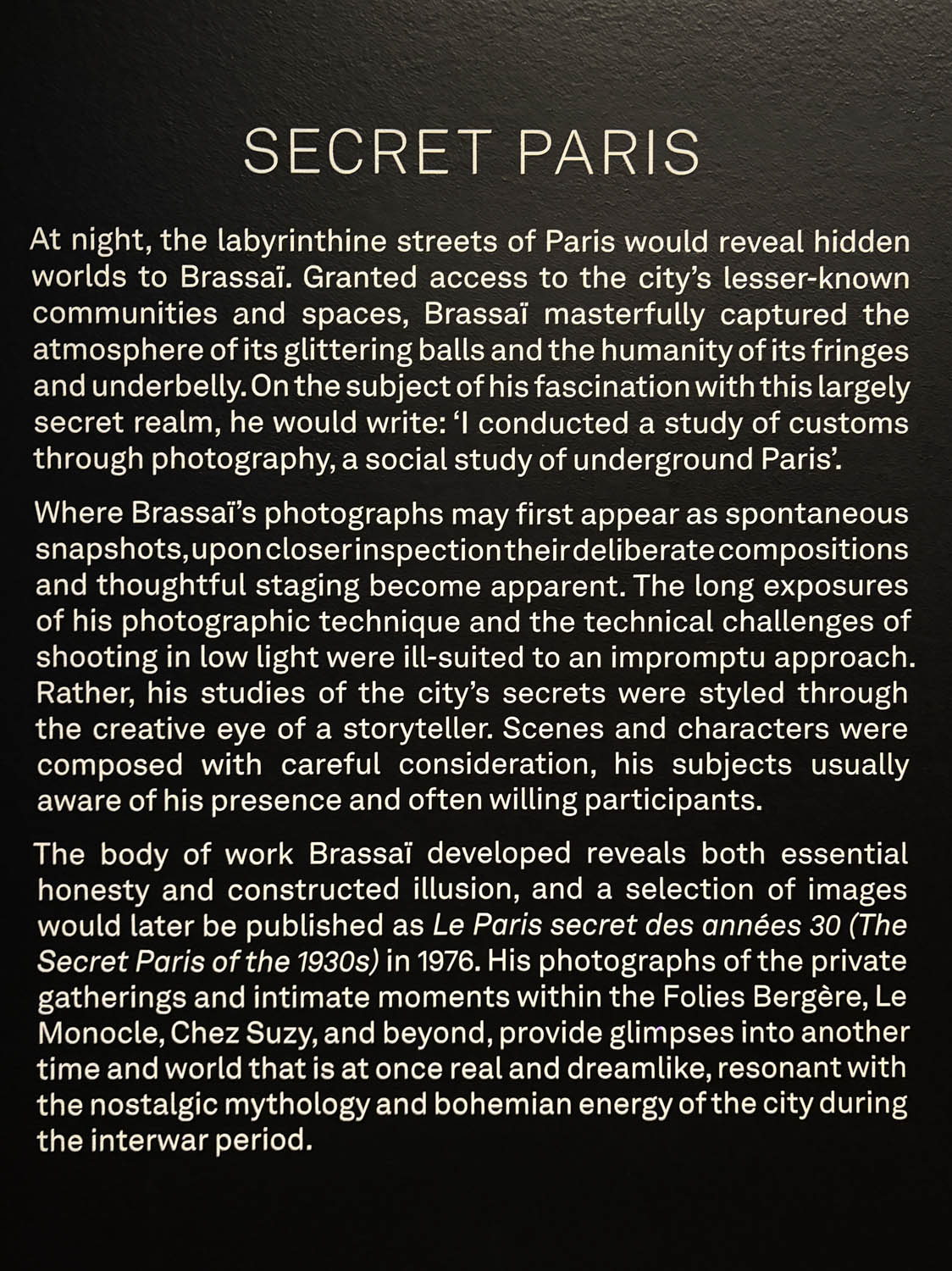
 

Wall text from the exhibition 'Brassaï: Secret Paris' at Heide Museum of Modern Art, Melbourne, July - November, 2026 from the main gallery


Wall text from the exhibition Brassaï: Secret Paris at Heide Museum of Modern Art, Melbourne, July – November, 2026 from the main gallery
Photo: Marcus Bunyan
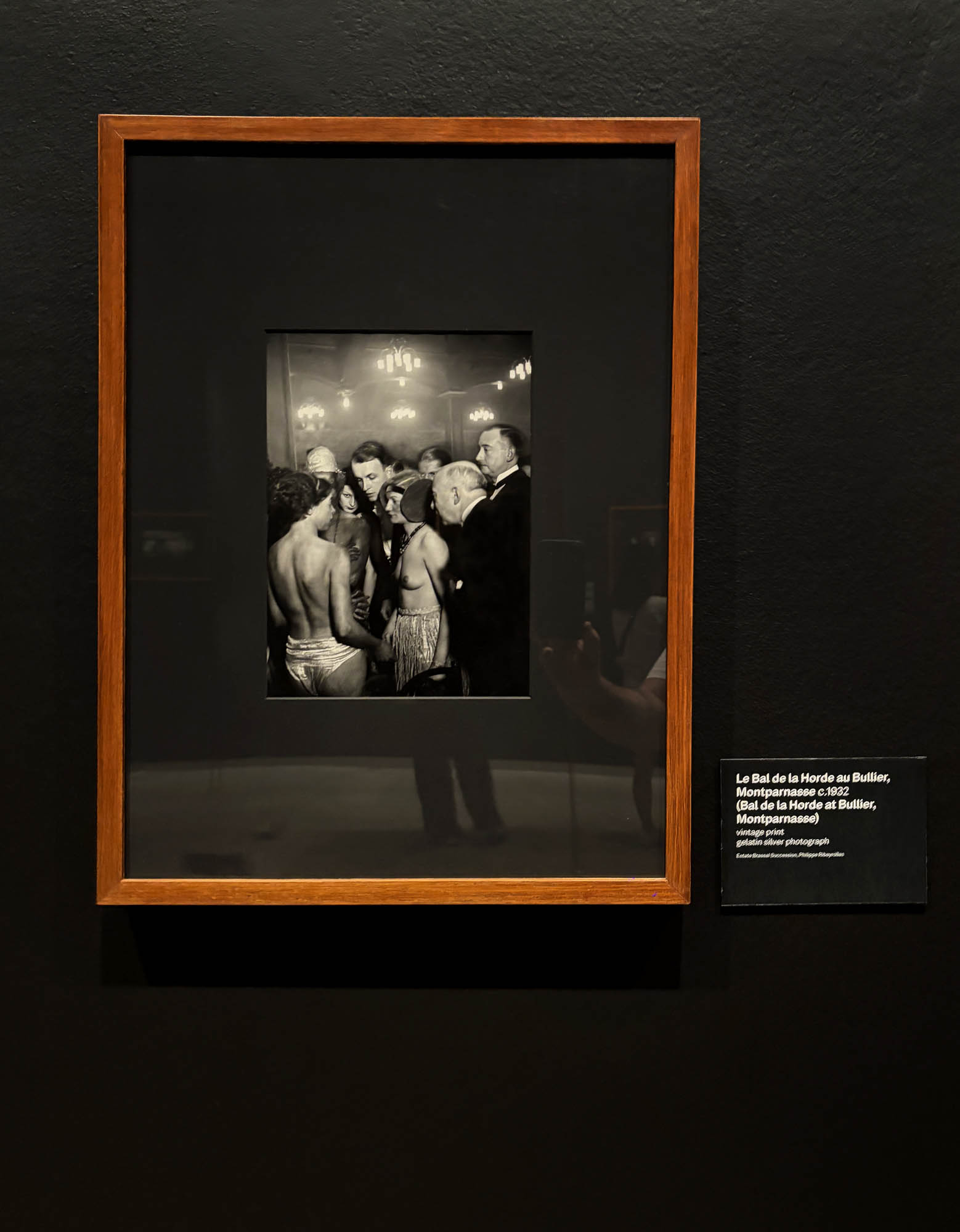
 

Installation view of the exhibition 'Brassaï: Secret Paris' at Heide Museum of Modern Art, Melbourne, July - November, 2026


Installation view of the exhibition Brassaï: Secret Paris at Heide Museum of Modern Art, Melbourne, July – November, 2026 showing the photograph La Bal de la Horde au Bullier, Montparnasse (Bal de la Horde at Bullier, Montparnasse) c. 1932 vintage gelatin silver print
Photo: Marcus Bunyan
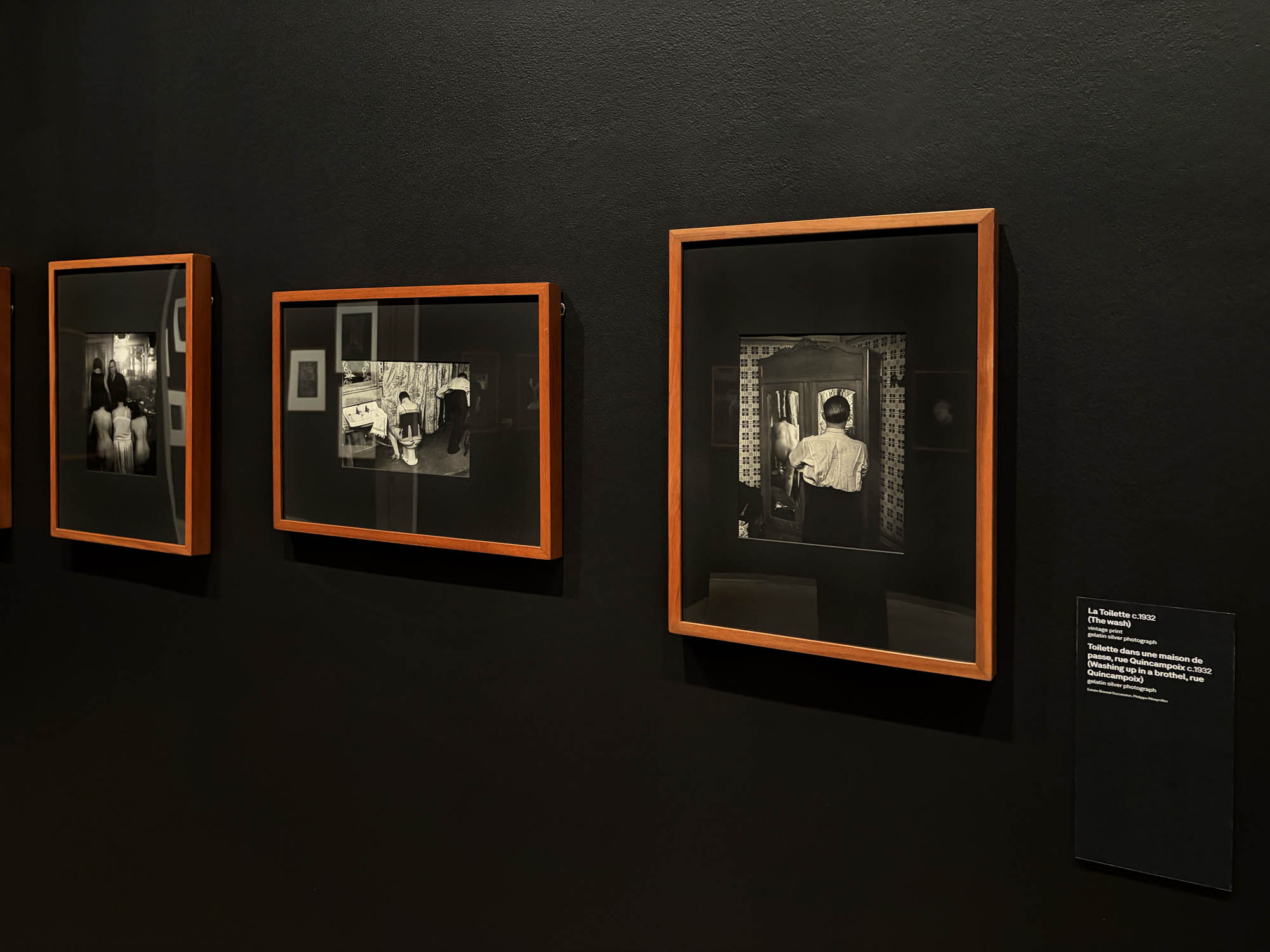
 

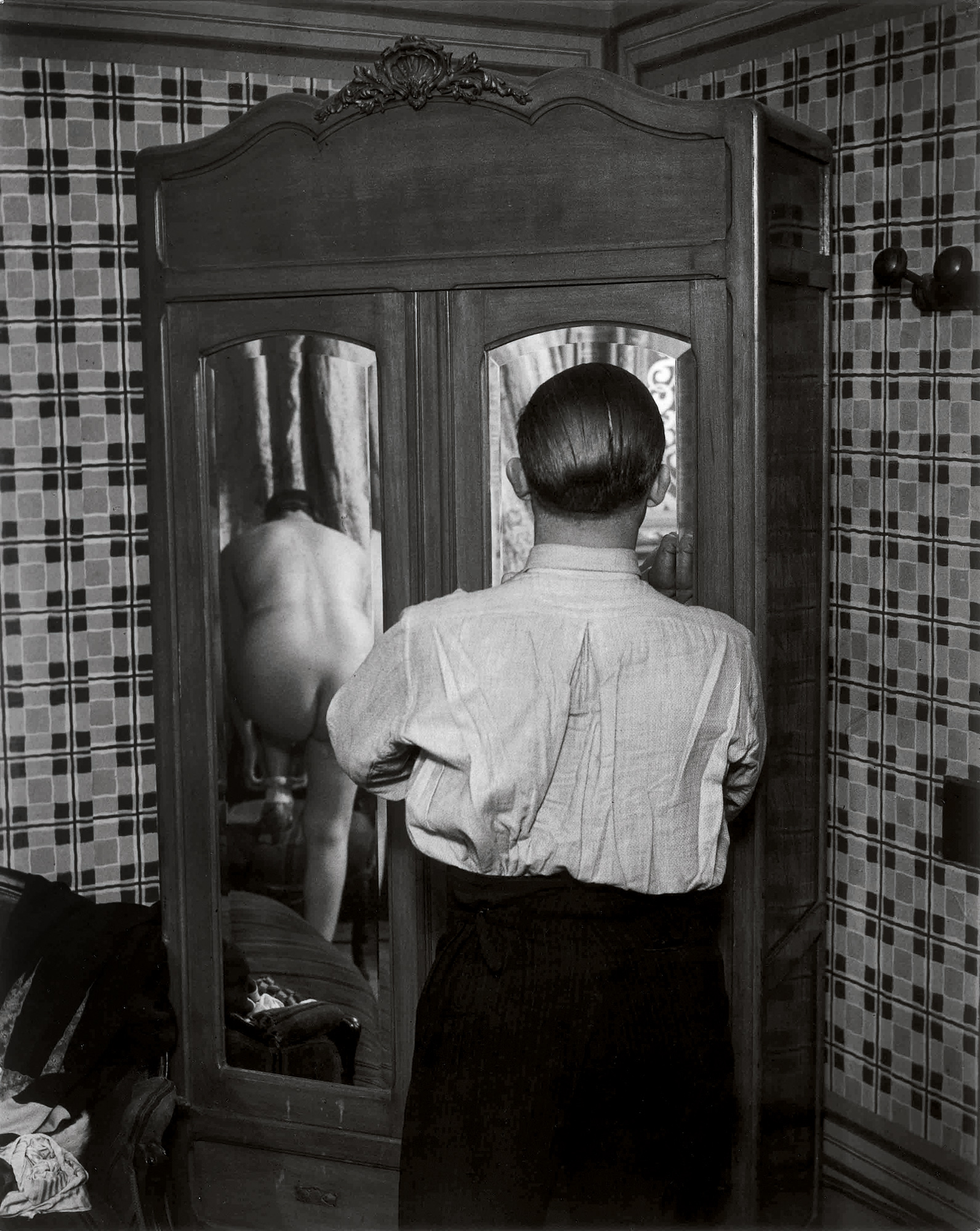
Installation view of the exhibition 'Brassaï: Secret Paris' at Heide Museum of Modern Art, Melbourne, July - November, 2026 showing at second left, 'Toilette dans une maison de passe, rue Quinncampoix' (Washing up in a brothel, rue Quincampoix) c. 1932 gelatin silver print; and at right, 'La Toilette' (The wash) c. 1932 vintage gelatin silver print


Installation view of the exhibition Brassaï: Secret Paris at Heide Museum of Modern Art, Melbourne, July – November, 2026 showing at second left, Toilette dans une maison de passe, rue Quinncampoix (Washing up in a brothel, rue Quincampoix) c. 1932 gelatin silver print; and at right, La Toilette (The wash) c. 1932 vintage gelatin silver print
Photo: Marcus Bunyan
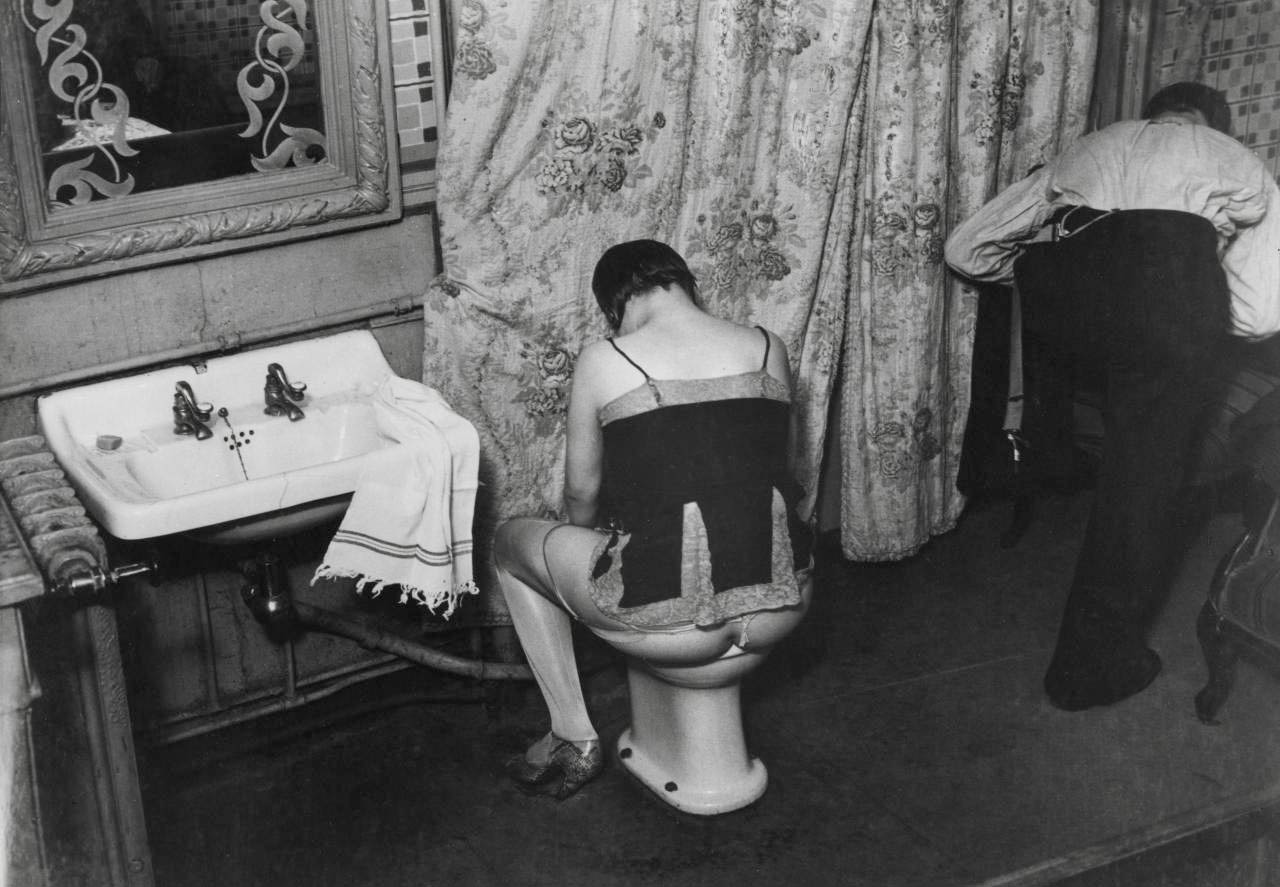
 

Brassaï (Hungarian-French, 1899-1984)
'Toilette dans une maison de passe, rue Quinncampoix' (Washing up in a brothel, rue Quincampoix)
c. 1932


Brassaï (Hungarian-French, 1899-1984)
Toilette dans une maison de passe, rue Quinncampoix (Washing up in a brothel, rue Quincampoix)
c. 1932
Gelatin silver print
Estate Brassaï Succession, Philippe Ribeyrolles


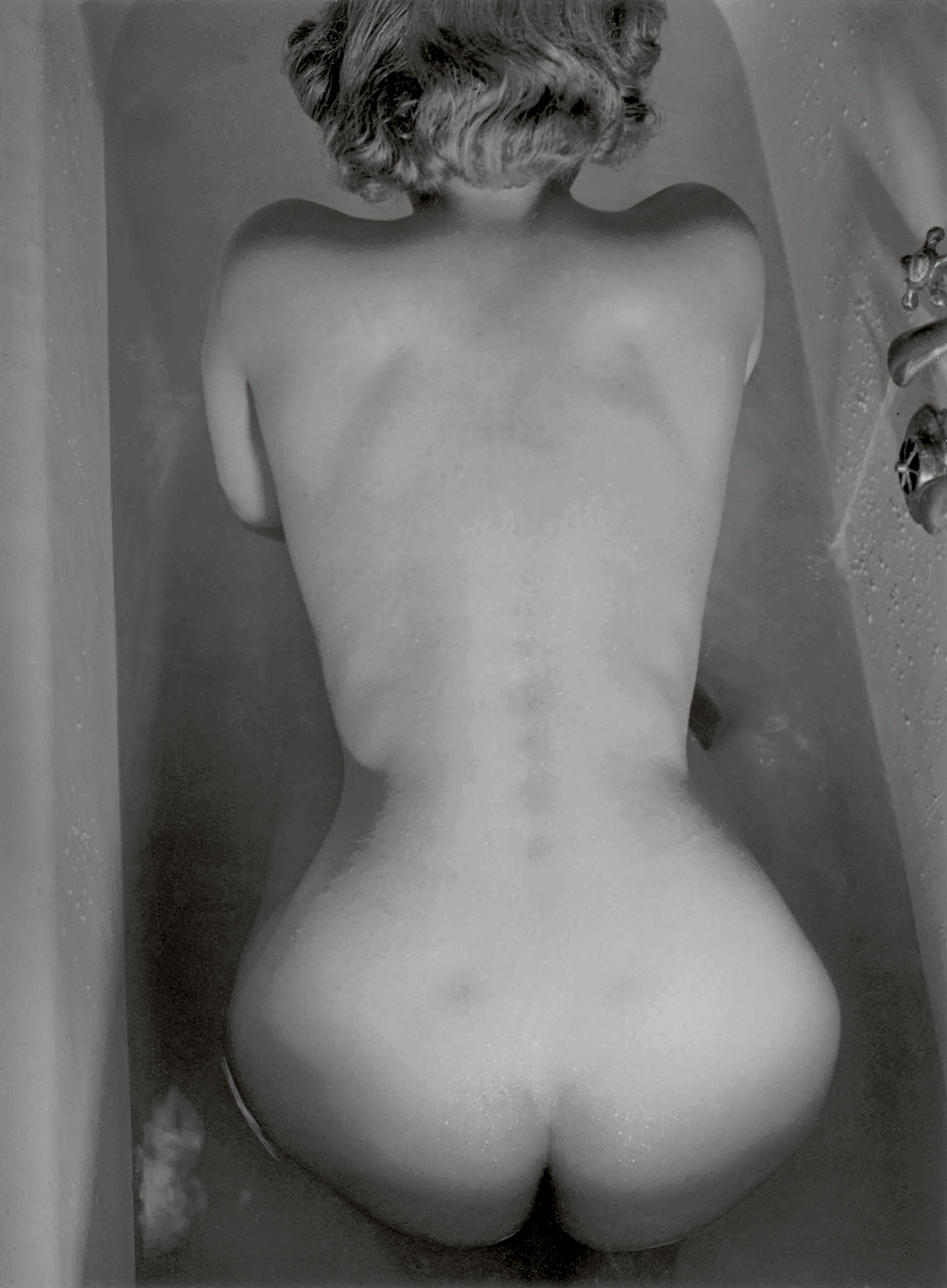
Brassaï (Hungarian-French, 1899-1984) 'La Toilette' (The wash) c. 1932


Brassaï (Hungarian-French, 1899-1984)
La Toilette (The wash)
c. 1932
Vintage gelatin silver print
Estate Brassaï Succession, Philippe Ribeyrolles


This exhibition will present the most comprehensive survey of the work of the eminent Hungarian-born, French photographer Brassaï yet to be seen in Australia. With a focus on the artist’s iconic images of the city and its people by night, the exhibition will also consider his friendship with Picasso and other leading figures of the Parisian avant-garde, his experiments with Surrealism, and his hallmark photographs of graffiti. Produced in collaboration with the artist’s estate, this survey brings together more than 150 vintage prints and offers a fascinating visual journey into the intimate world of Paris in the 1930s.

Text from the Heide Museum of Modern Art website


Gallery two
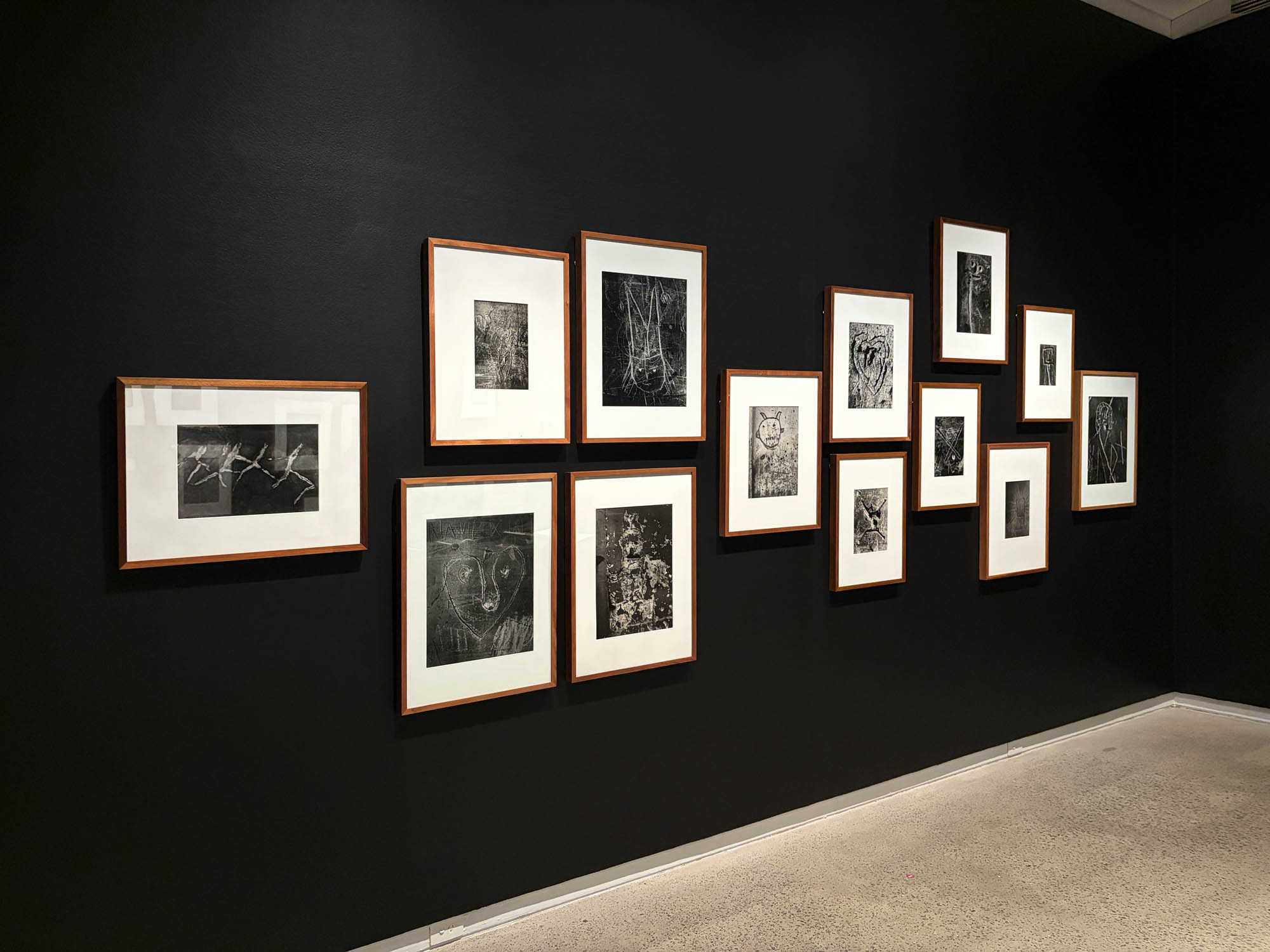
Installation view of the exhibition 'Brassaï: Secret Paris' at Heide Museum of Modern Art, Melbourne, July - November, 2026 showing photographs from the series 'Graffiti'  in gallery two


Installation view of the exhibition Brassaï: Secret Paris at Heide Museum of Modern Art, Melbourne, July – November, 2026 showing photographs from the series Graffiti (titles below) in gallery two
Photo: Marcus Bunyan
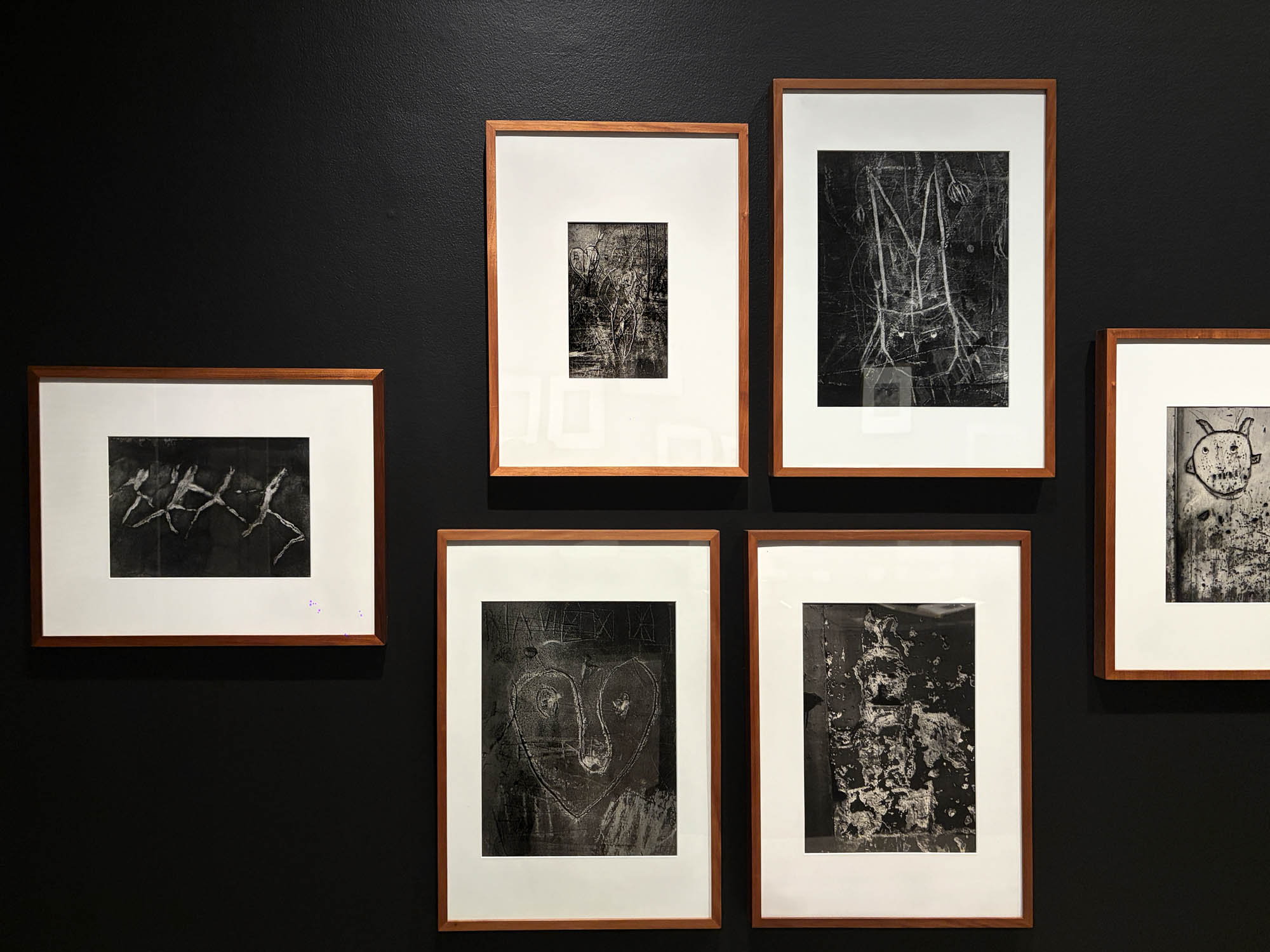
 

Installation view of the exhibition 'Brassaï: Secret Paris' at Heide Museum of Modern Art, Melbourne, July - November, 2026 showing photographs 1-6 from the series 'Graffiti'


Installation view of the exhibition Brassaï: Secret Paris at Heide Museum of Modern Art, Melbourne, July – November, 2026 showing photographs 1-6 from the series Graffiti (titles below)
Photo: Marcus Bunyan
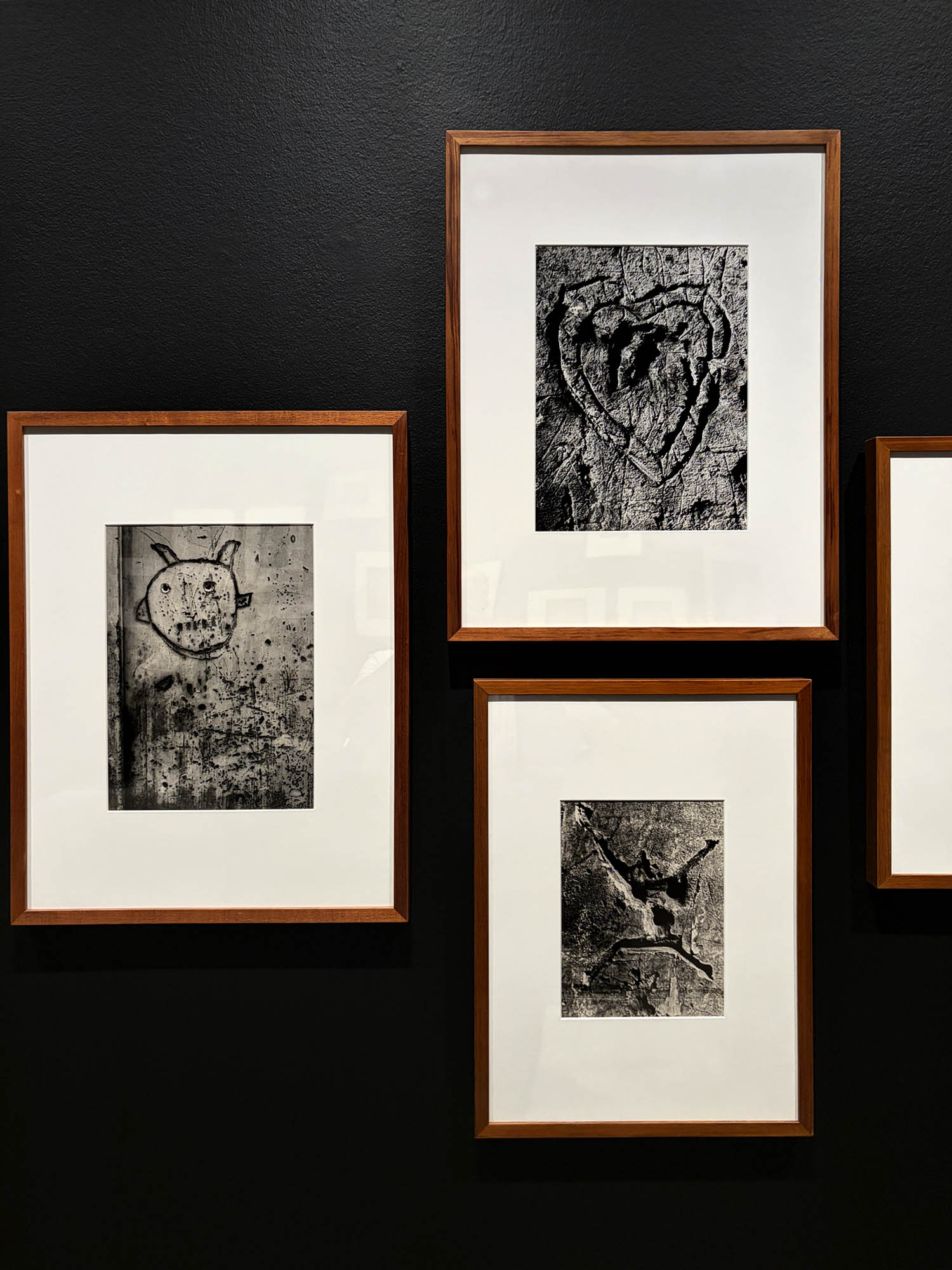
 

Installation view of the exhibition 'Brassaï: Secret Paris' at Heide Museum of Modern Art, Melbourne, July - November, 2026 showing photographs 6-8 from the series 'Graffiti'


Installation view of the exhibition Brassaï: Secret Paris at Heide Museum of Modern Art, Melbourne, July – November, 2026 showing photographs 6-8 from the series Graffiti (titles below)
Photo: Marcus Bunyan
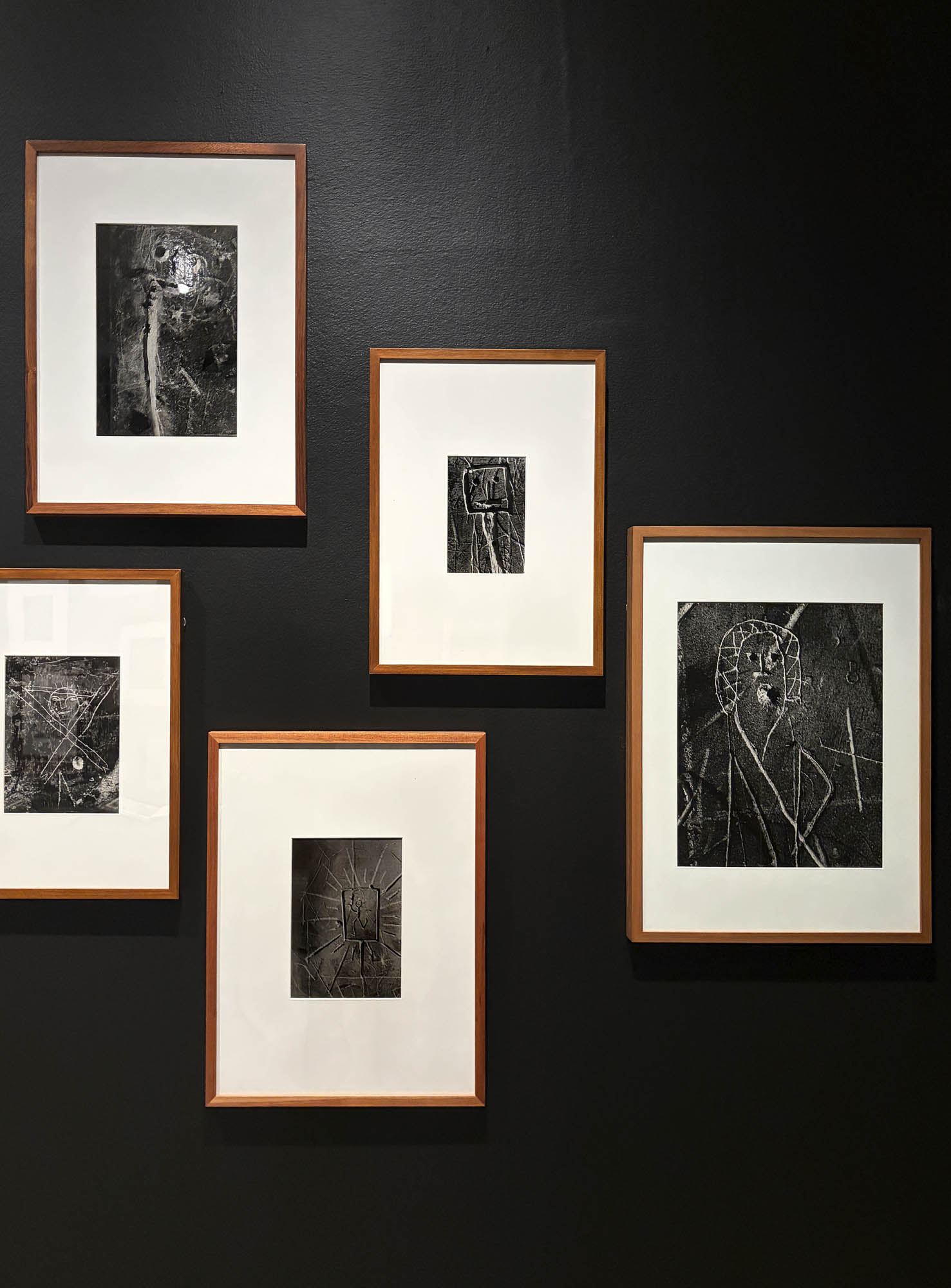
 

Installation view of the exhibition 'Brassaï: Secret Paris' at Heide Museum of Modern Art, Melbourne, July - November, 2026 showing photographs 9-13 from the series 'Graffiti'


Installation view of the exhibition Brassaï: Secret Paris at Heide Museum of Modern Art, Melbourne, July – November, 2026 showing photographs 9-13 from the series Graffiti (titles below)
Photo: Marcus Bunyan
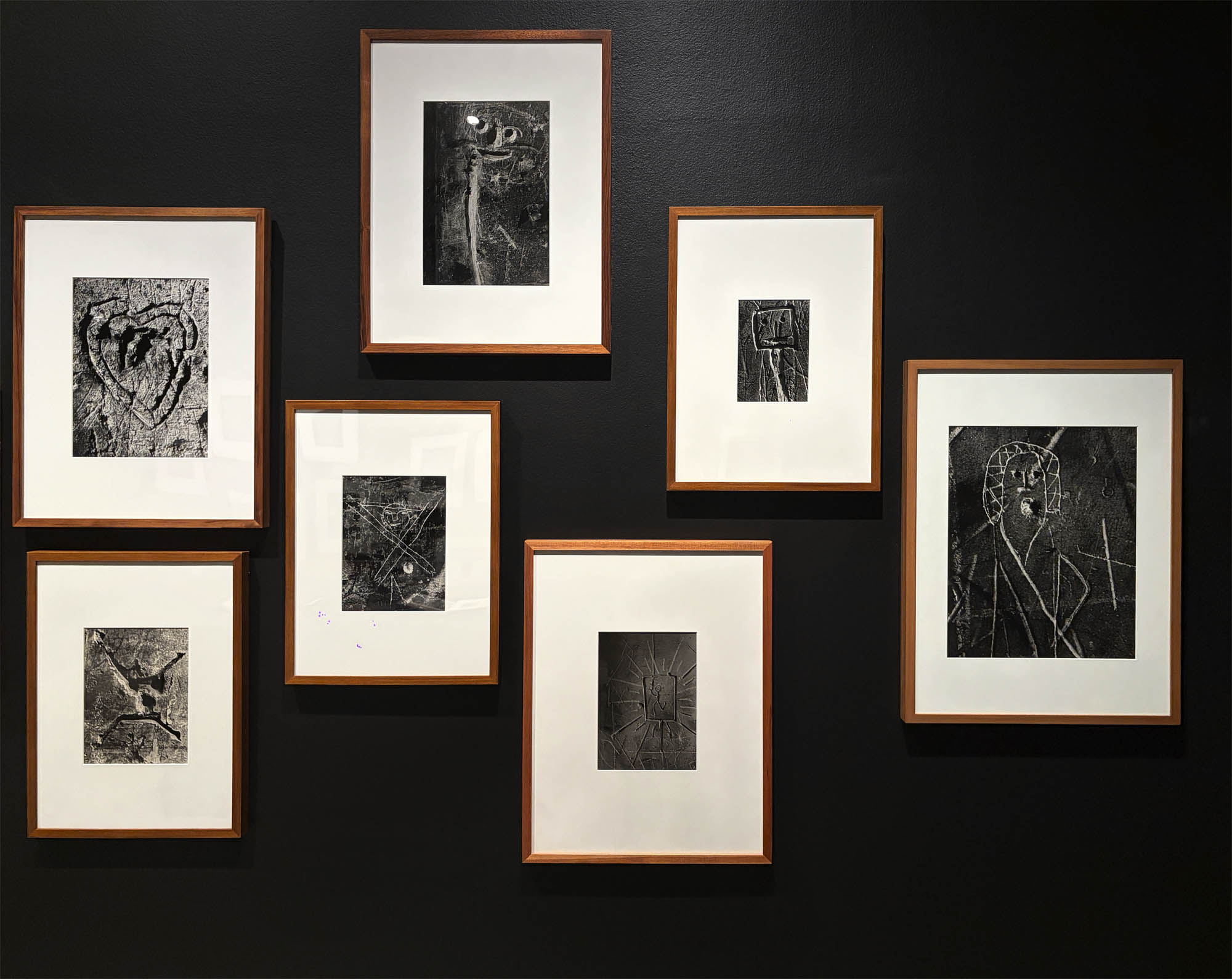
 

Installation view of the exhibition 'Brassaï: Secret Paris' at Heide Museum of Modern Art, Melbourne, July - November, 2026 showing photographs 7-13 from the series 'Graffiti'


Installation view of the exhibition Brassaï: Secret Paris at Heide Museum of Modern Art, Melbourne, July – November, 2026 showing photographs 7-13 from the series Graffiti (titles below)
Photo: Marcus Bunyan
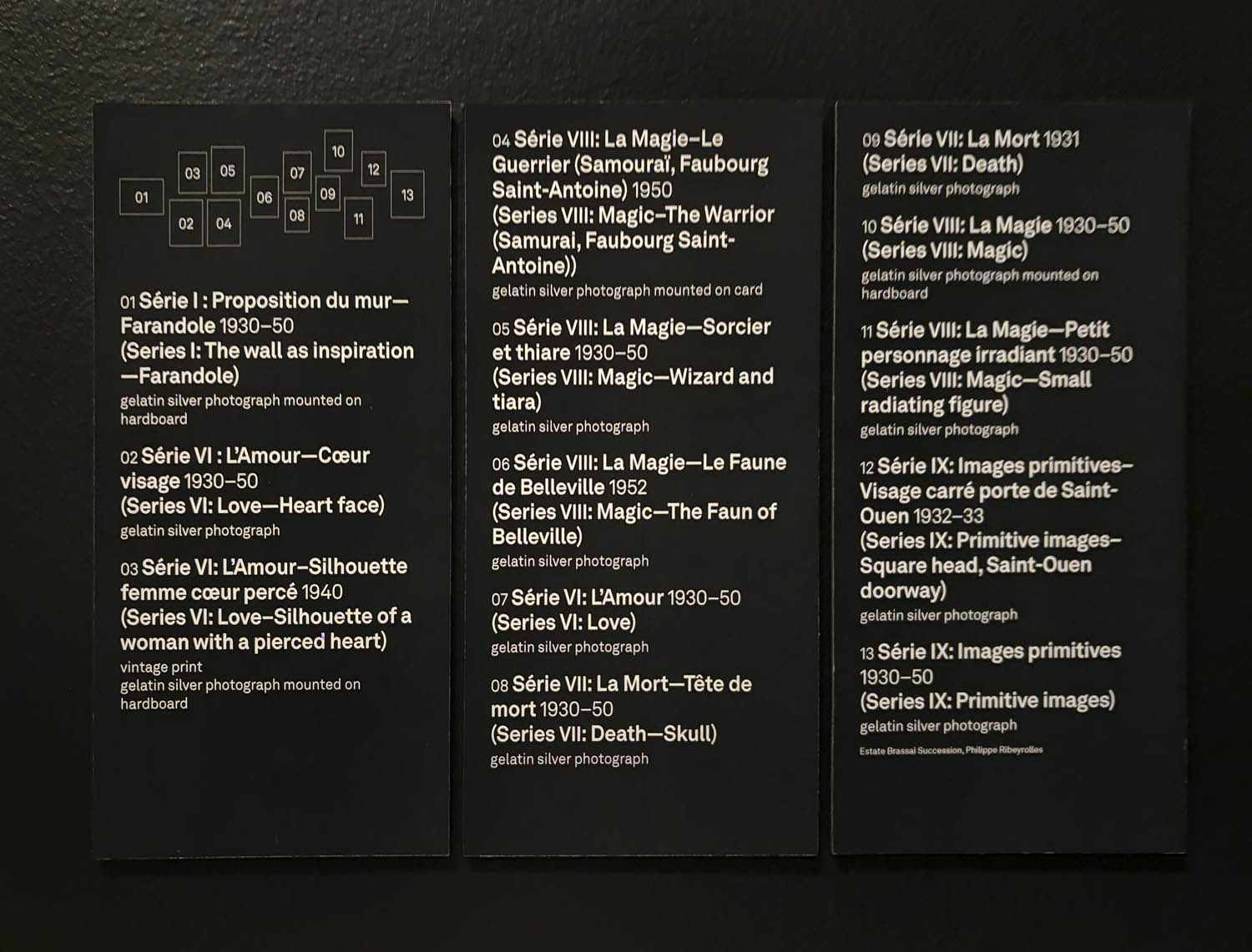
 

Titles for the series 'Graffit'i for the photograph (above) from the exhibition 'Brassaï: Secret Paris' at Heide Museum of Modern Art, Melbourne, July - November, 2026


Titles for the series Graffiti for the photograph (above) from the exhibition Brassaï: Secret Paris at Heide Museum of Modern Art, Melbourne, July – November, 2026
Photo: Marcus Bunyan
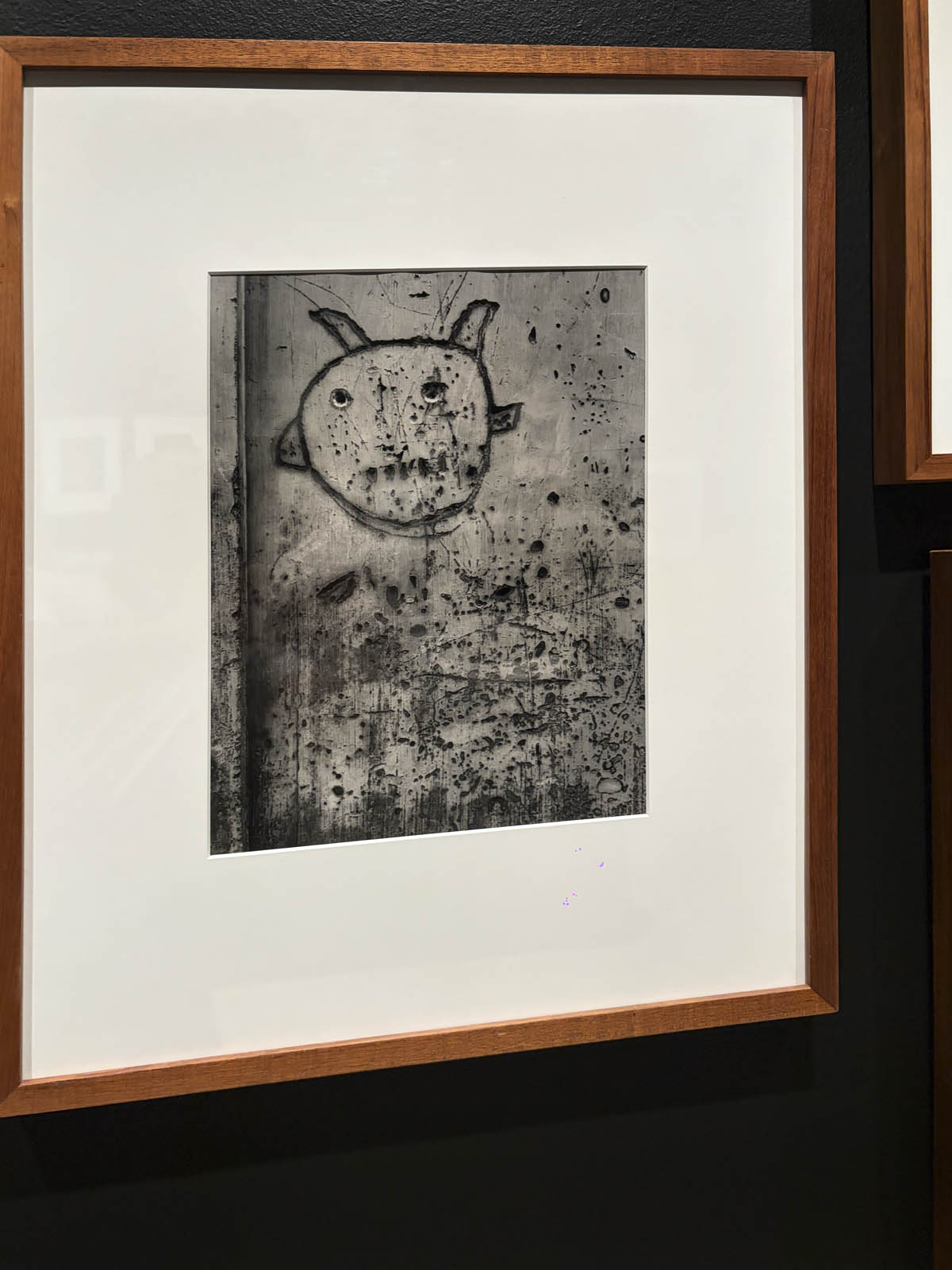
 

Brassaï (Hungarian-French, 1899-1984) 'Série VII: La Mort - Tête de Morte' (Series VII: Death - Skull) 1930-1950 (installation view)


Brassaï (Hungarian-French, 1899-1984)
Série VII: La Mort – Tête de Morte (Series VII: Death – Skull) (installation view)
1930-1950
Gelatin silver photograph
Estate Brassaï Succession, Philippe Ribeyrolles
Photo: Marcus Bunyan
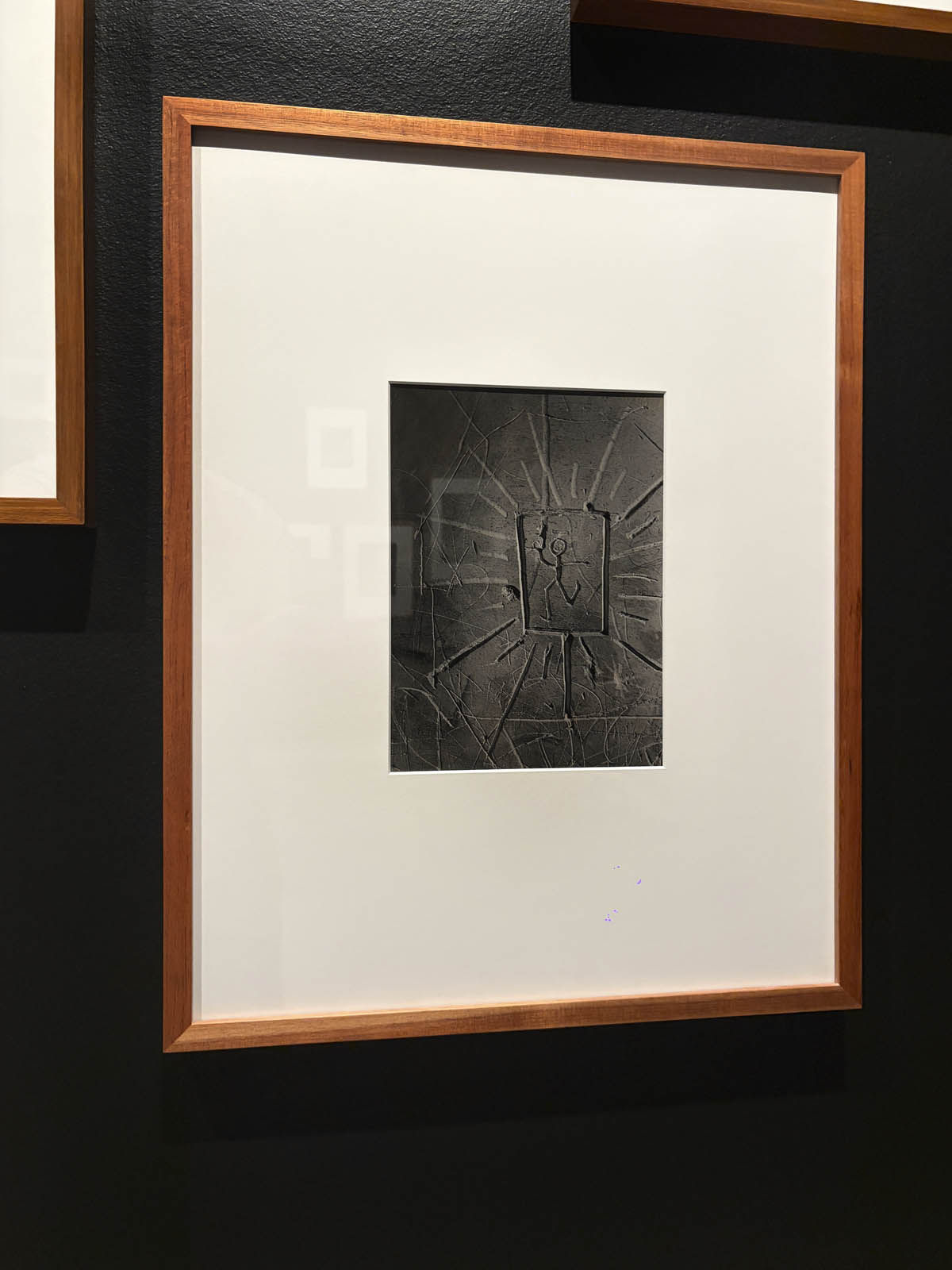
 

Brassaï (Hungarian-French, 1899-1984) 'Série VIII: La Magie - Petit personnage irradiant' (Series VIII: Magic - Small radiating figure) 1930-1950 (installation view)


Brassaï (Hungarian-French, 1899-1984)
Série VIII: La Magie – Petit personnage irradiant (Series VIII: Magic – Small radiating figure) (installation view)
1930-1950
Gelatin silver photograph
Estate Brassaï Succession, Philippe Ribeyrolles
Photo: Marcus Bunyan
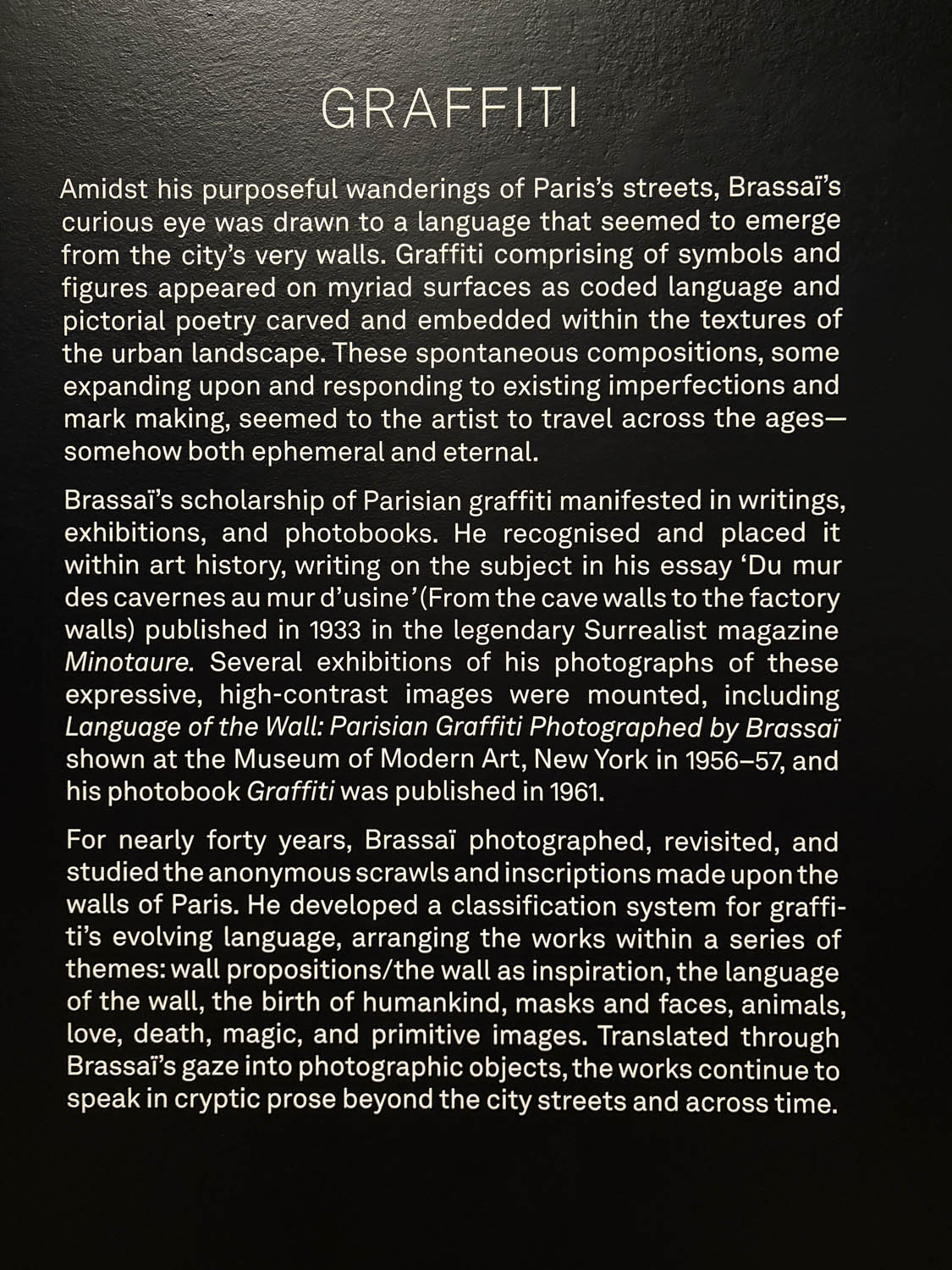
 

Wall text from the exhibition 'Brassaï: Secret Paris' at Heide Museum of Modern Art, Melbourne, July - November, 2026 from gallery two


Wall text from the exhibition Brassaï: Secret Paris at Heide Museum of Modern Art, Melbourne, July – November, 2026 from gallery two
Photo: Marcus Bunyan
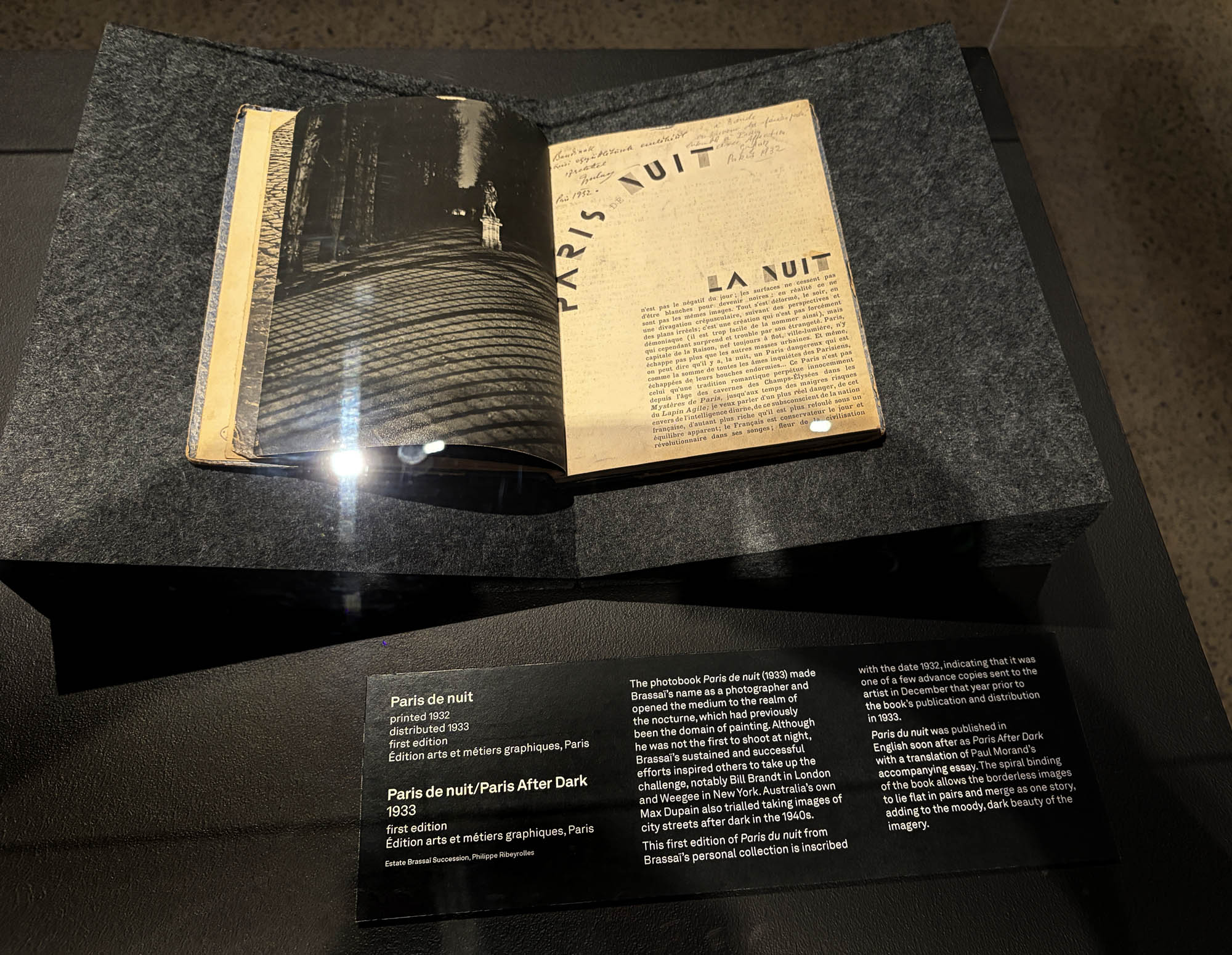
 

'Paris de nuit/Paris After Dark' (installation view) 1933 First edition from the exhibition 'Brassaï: Secret Paris' at Heide Museum of Modern Art, Melbourne, July - November, 2026


Paris de nuit/Paris After Dark (installation view)
1933
First edition
Printed 1932, distributed 1933
Edition arts et métiers graphiques, Paris
Estate Brassaï Succession, Philippe Ribeyrolles
Photo: Marcus Bunyan


The photobook Paris de nuit (1933) made Brassaï’s name as a photographer and opened the medium to the realm of the nocturne, which had previously been the domain of painting. Although he was not the first to shoot at night, Brassai’s sustained and successful efforts inspired others to take up the challenge, notably Bill Brandt in London and Weegee in New York. Australia’s own Max Dupain also trialled taking images of city streets after dark in the 1940s.

The first edition of Paris du nuit from Brassaï’s personal collection is inscribed with the date 1932, indicating that it was one of a few advance copies sent to the artist prior to the book’s publication and distribution in 1933.

Paris de nuit was published in English soon after as Paris After Dark with a translation of Paul Morand’s accompanying essay. The spiral binding of the book allows the borderless images to lie flat in pairs and merge as one story, adding to the moody, dark beauty of the imagery.

Label text from the exhibition Brassaï: Secret Paris at Heide Museum of Modern Art, Melbourne, July – November, 2026
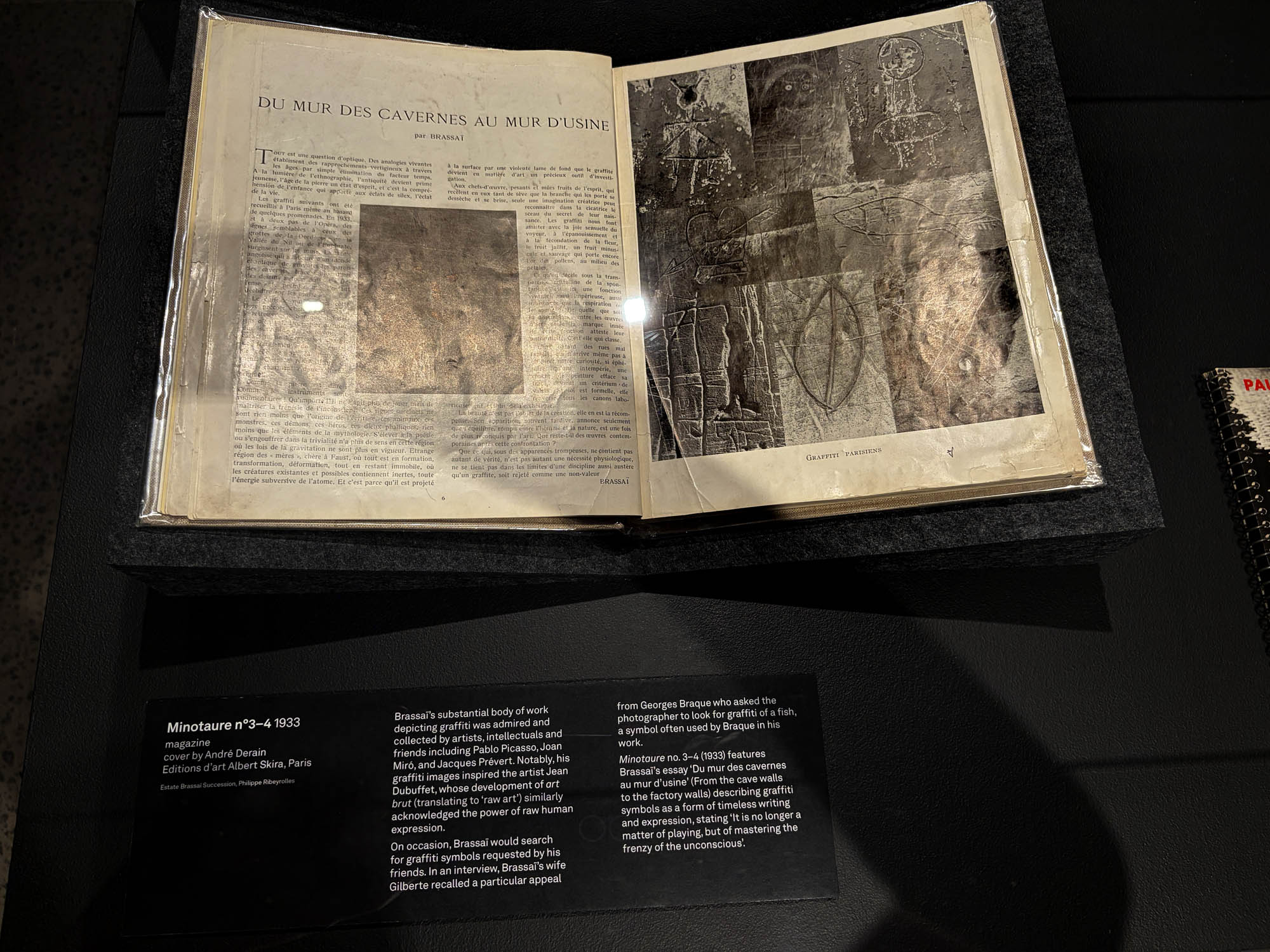
 

'Minotaure' no.3-4 (installation view) 1933 from the exhibition 'Brassaï: Secret Paris' at Heide Museum of Modern Art, Melbourne, July - November, 2026


Minotaure no.3-4 (installation view)
1933
Magazine
Cover by André Derain
Editions d’art Albert Skira, Paris
Estate Brassaï Succession, Philippe Ribeyrolles
Photo: Marcus Bunyan


Brassaï’s substantial body of work depicting graffiti was admired and collected by artists, intellectuals and friends including Pablo Picasso, Joan Miró, and Jacques Prévert. Notably, his graffiti images inspired the artist Jean Dubuffet, whose development of art brut (translating to ‘raw art’) similarly acknowledged the power of raw human expression.

On occasion, Brassaï would search fro graffiti symbols requested by his friends. In an interview, Brassaï’s wife Gilberte recalled a particular appeal from Georges Braque who asked the photographer to look for graffiti of a fish, a symbol often used by Braque in his work.

Minotaure no.3-4 (1933) features Brassaï’s essay ‘Du mur des cavernes au mur d’usine’ (From the cave walls to the factory walls) describing graffiti symbols as a form of timeless writing and expression, stating ‘It is no longer a matter of playing, but of mastering the frenzy of the unconscious’.

Label text from the exhibition Brassaï: Secret Paris at Heide Museum of Modern Art, Melbourne, July – November, 2026
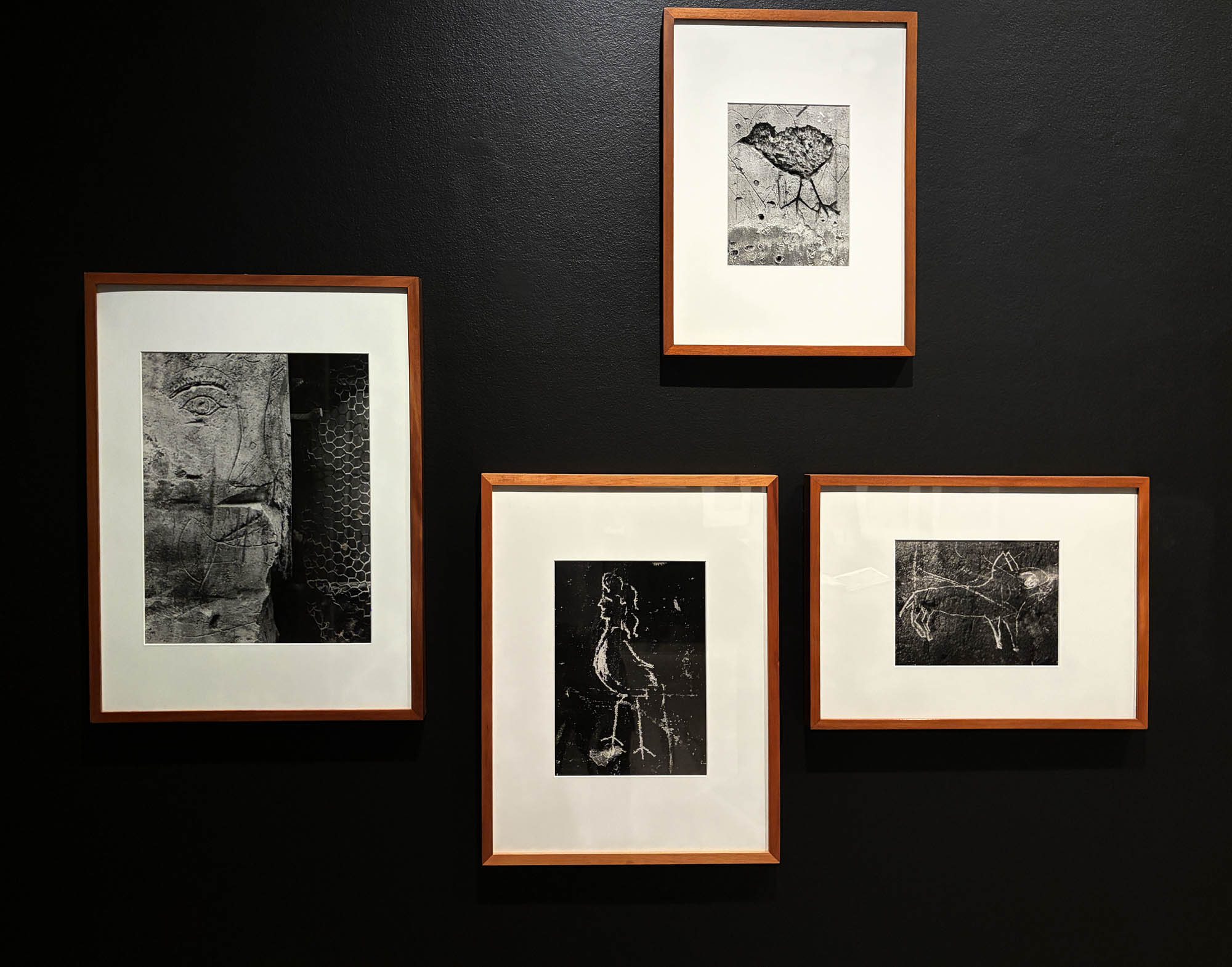
 

Installation view of the exhibition 'Brassaï: Secret Paris' at Heide Museum of Modern Art, Melbourne, July - November, 2026 showing photographs from the series 'Graffiti'


Installation view of the exhibition Brassaï: Secret Paris at Heide Museum of Modern Art, Melbourne, July – November, 2026 showing photographs 1-4 from the series Graffiti (titles below)
Photo: Marcus Bunyan
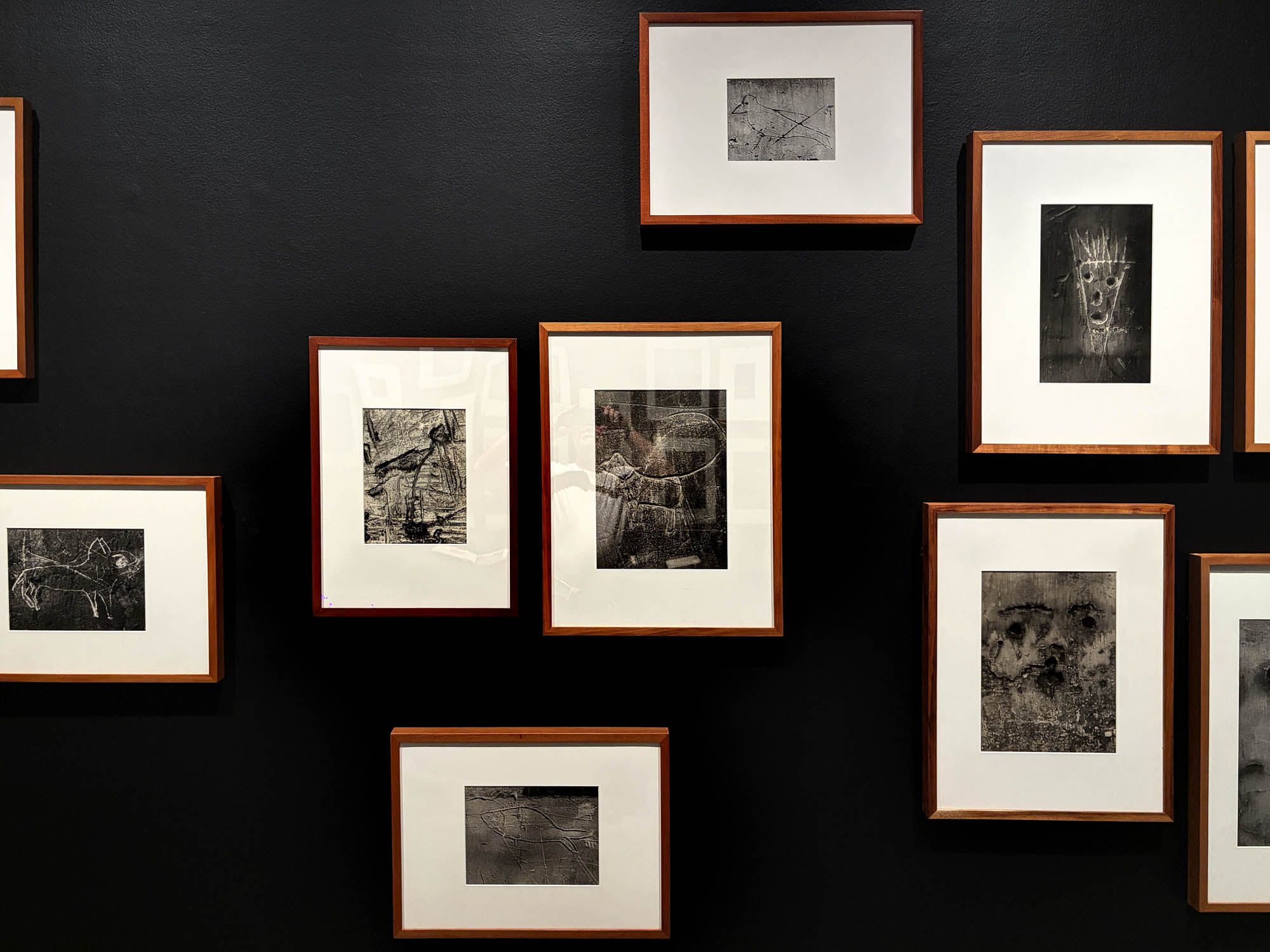
 

Installation view of the exhibition 'Brassaï: Secret Paris' at Heide Museum of Modern Art, Melbourne, July - November, 2026 showing photographs 4-10 from the series 'Graffiti'


Installation view of the exhibition Brassaï: Secret Paris at Heide Museum of Modern Art, Melbourne, July – November, 2026 showing photographs 4-10 from the series Graffiti (titles below)
Photo: Marcus Bunyan
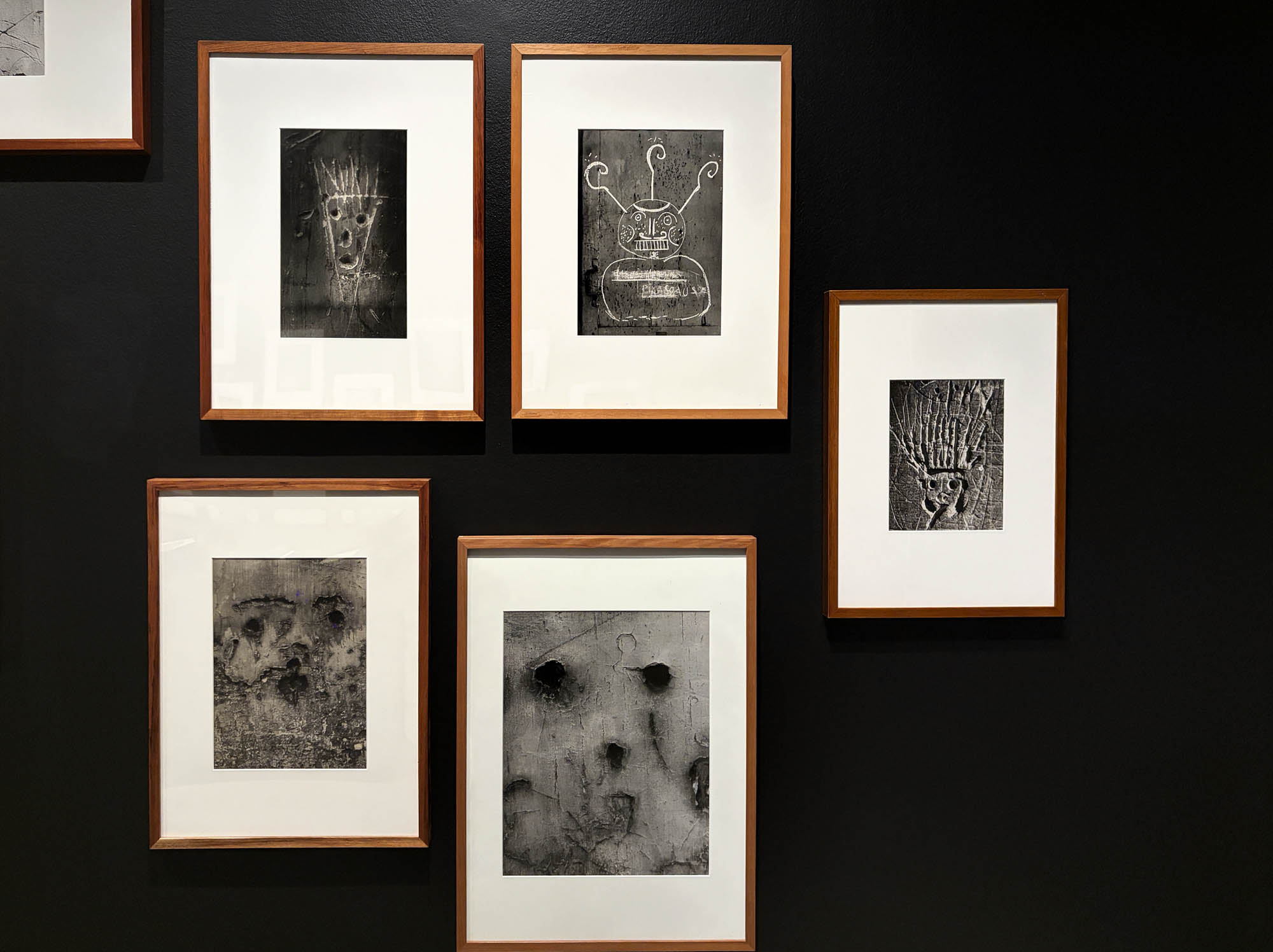
 

Installation view of the exhibition 'Brassaï: Secret Paris' at Heide Museum of Modern Art, Melbourne, July - November, 2026 showing photographs 9-13 from the series 'Graffiti'


Installation view of the exhibition Brassaï: Secret Paris at Heide Museum of Modern Art, Melbourne, July – November, 2026 showing photographs 9-13 from the series Graffiti (titles below)
Photo: Marcus Bunyan


No. 12: While best known as a photographer and writer, Brassaï’s talents extended to a wide variety of disciplines including sculpture and drawing. In his images of graffiti, his appreciation of graphic and volumetric elements, informed by his practice as a sculptor and draughtsman, is clearly articulated.

Within the etched graffiti works, the linear qualities of the imagery are made manifest through contrasting shadows born of a shift in surface depth. Created through an alternate graffiti drawing methodology, Mademoiselle Picaseau, rather than being carved deeply into the wall’s surface, presents as a ghostly chalked apparition of expressive and stylised line work.

Label text from the exhibition Brassaï: Secret Paris at Heide Museum of Modern Art, Melbourne, July – November, 2026 from gallery two
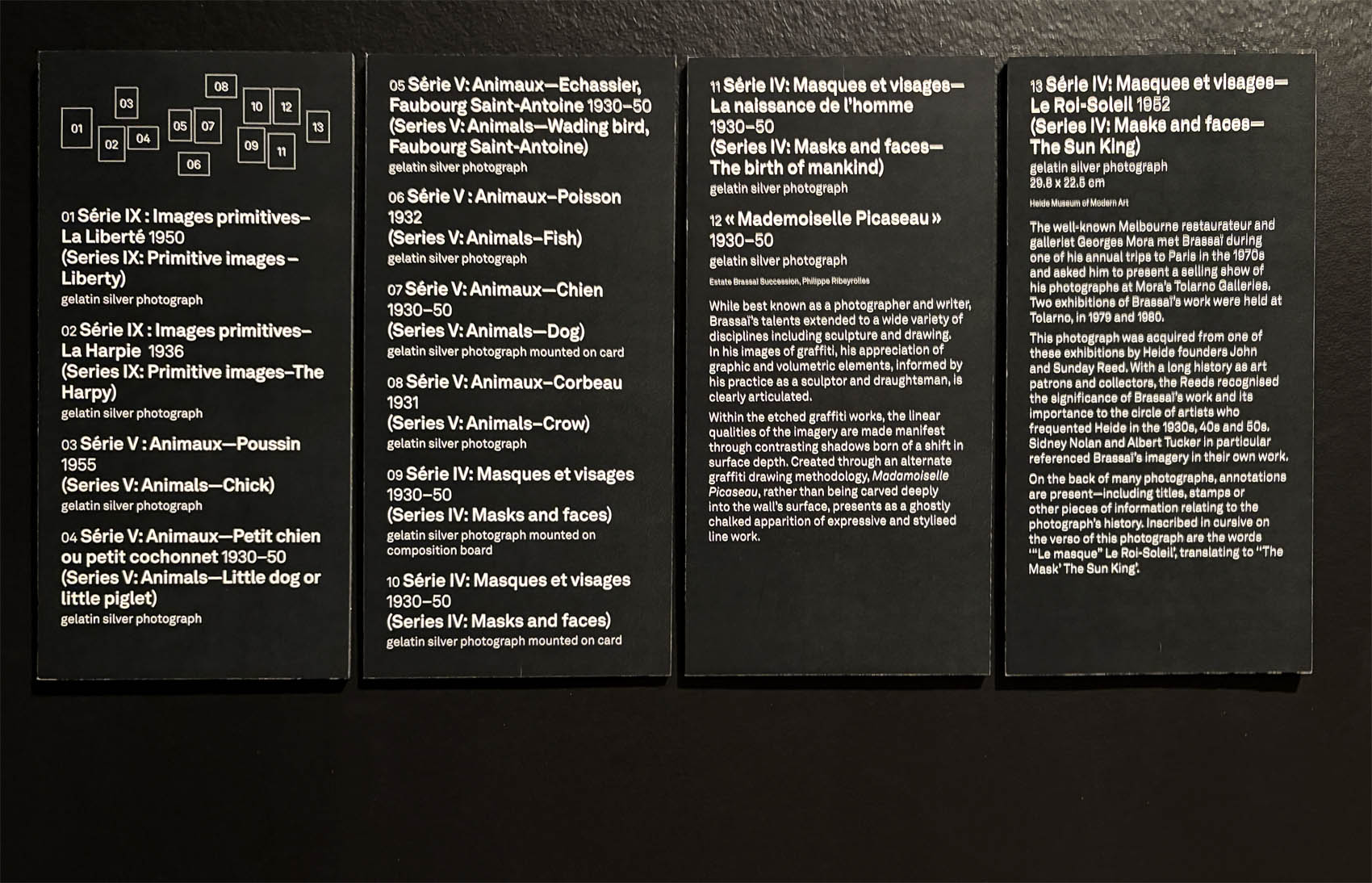
 

Titles for the series 'Graffiti' for the photographs (above) from the exhibition 'Brassaï: Secret Paris' at Heide Museum of Modern Art, Melbourne, July - November, 2026


Titles for the series Graffiti for the photographs (above) from the exhibition Brassaï: Secret Paris at Heide Museum of Modern Art, Melbourne, July – November, 2026
Photo: Marcus Bunyan
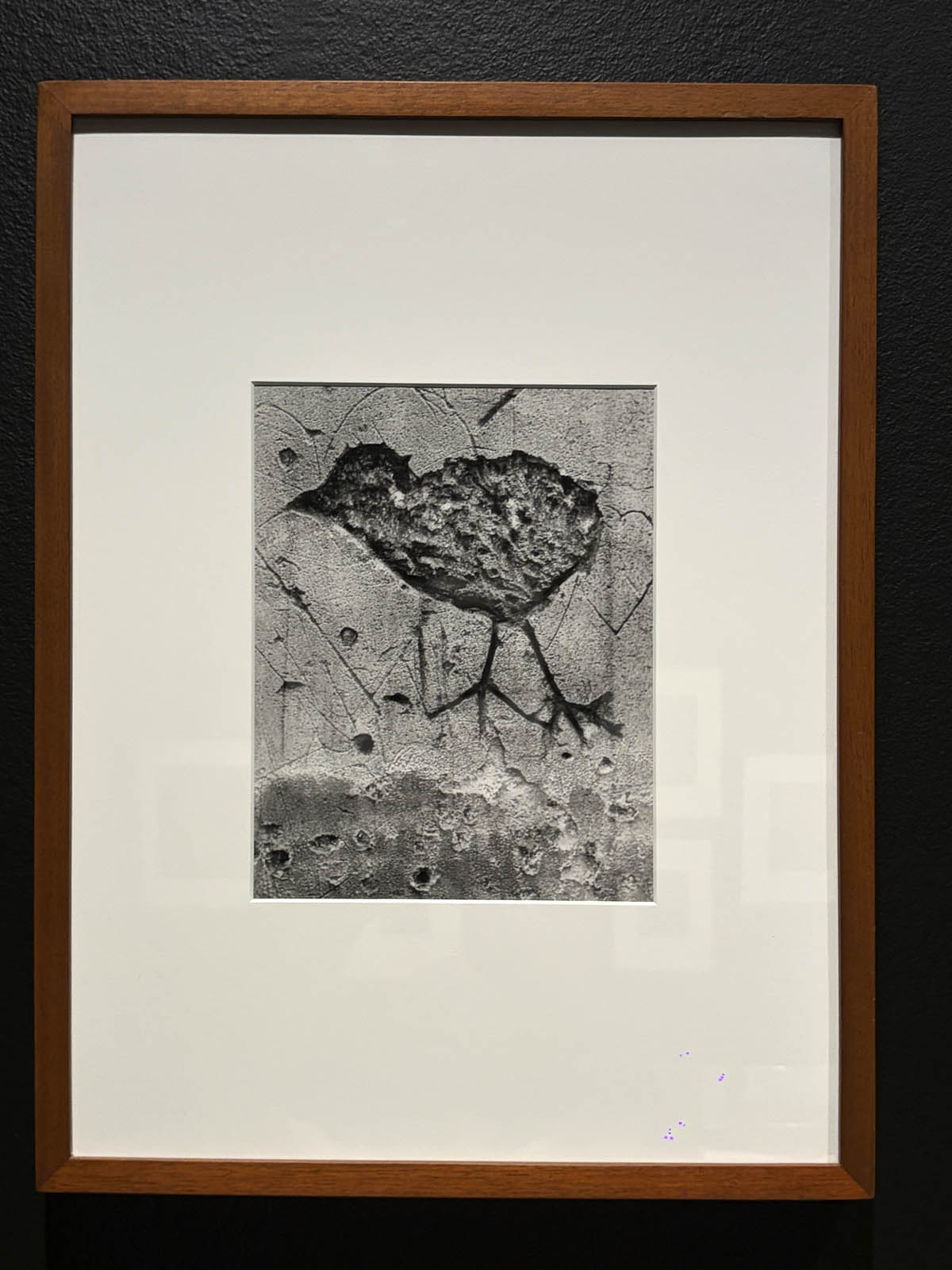
 

Brassaï (Hungarian-French, 1899-1984) 'Série V: Animaux - Poussin' (Series VIII: Animals - Chick) 1955 (installation view)


Brassaï (Hungarian-French, 1899-1984)
Série V: Animaux – Poussin (Series VIII: Animals – Chick) (installation view)
1955
Gelatin silver photograph
Estate Brassaï Succession, Philippe Ribeyrolles
Photo: Marcus Bunyan
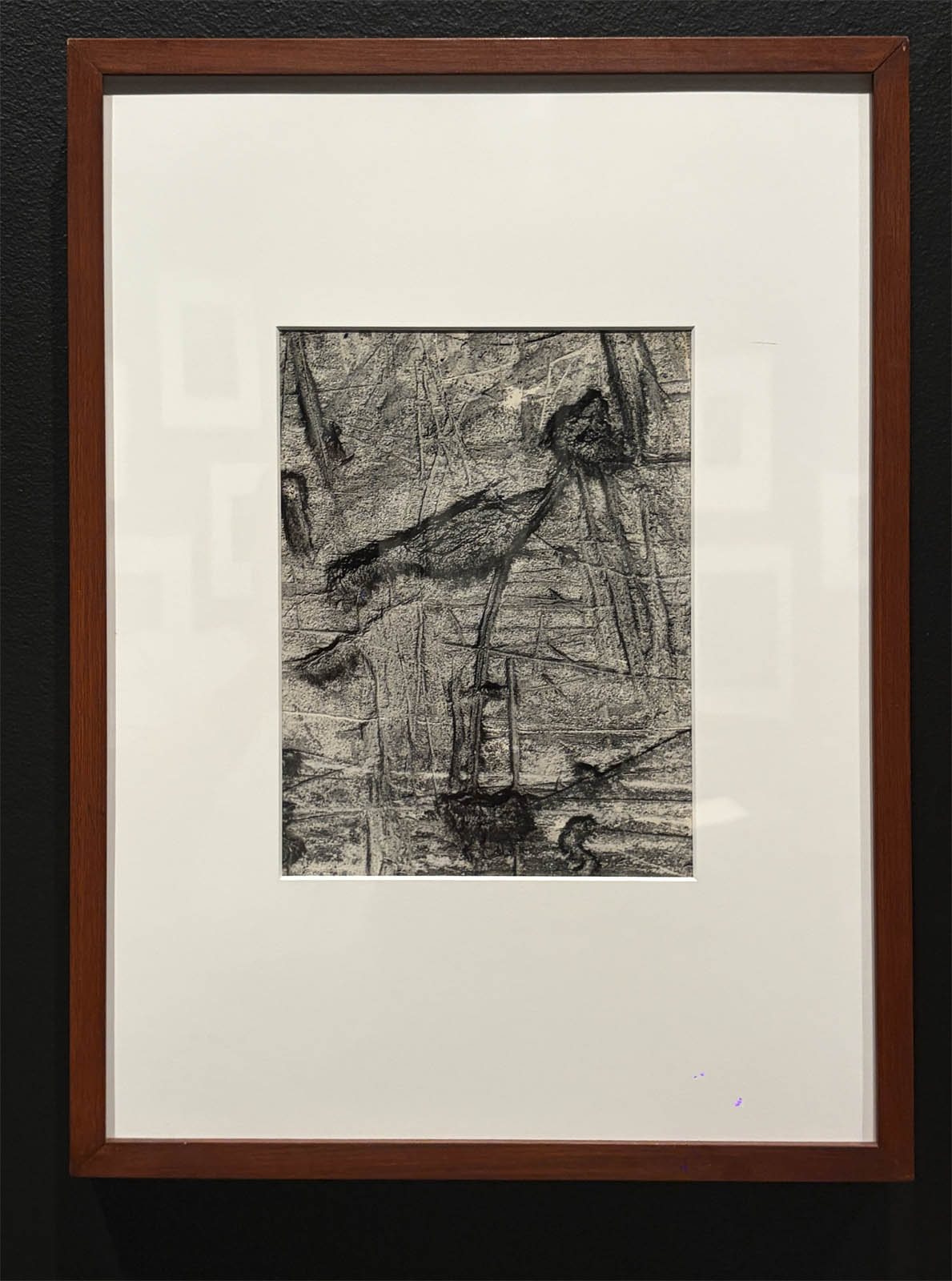
 

Brassaï (Hungarian-French, 1899-1984) 'Série V: Animaux - Enchassier, Faubourg Saint-Antoine' (Series VIII: Animals - Wading Bird, Faubourg Saint-Antoine) 1930-1950 (installation view)


Brassaï (Hungarian-French, 1899-1984)
Série V: Animaux – Enchassier, Faubourg Saint-Antoine (Series VIII: Animals – Wading Bird, Faubourg Saint-Antoine) (installation view)
1930-1950
Gelatin silver photograph
Estate Brassaï Succession, Philippe Ribeyrolles
Photo: Marcus Bunyan
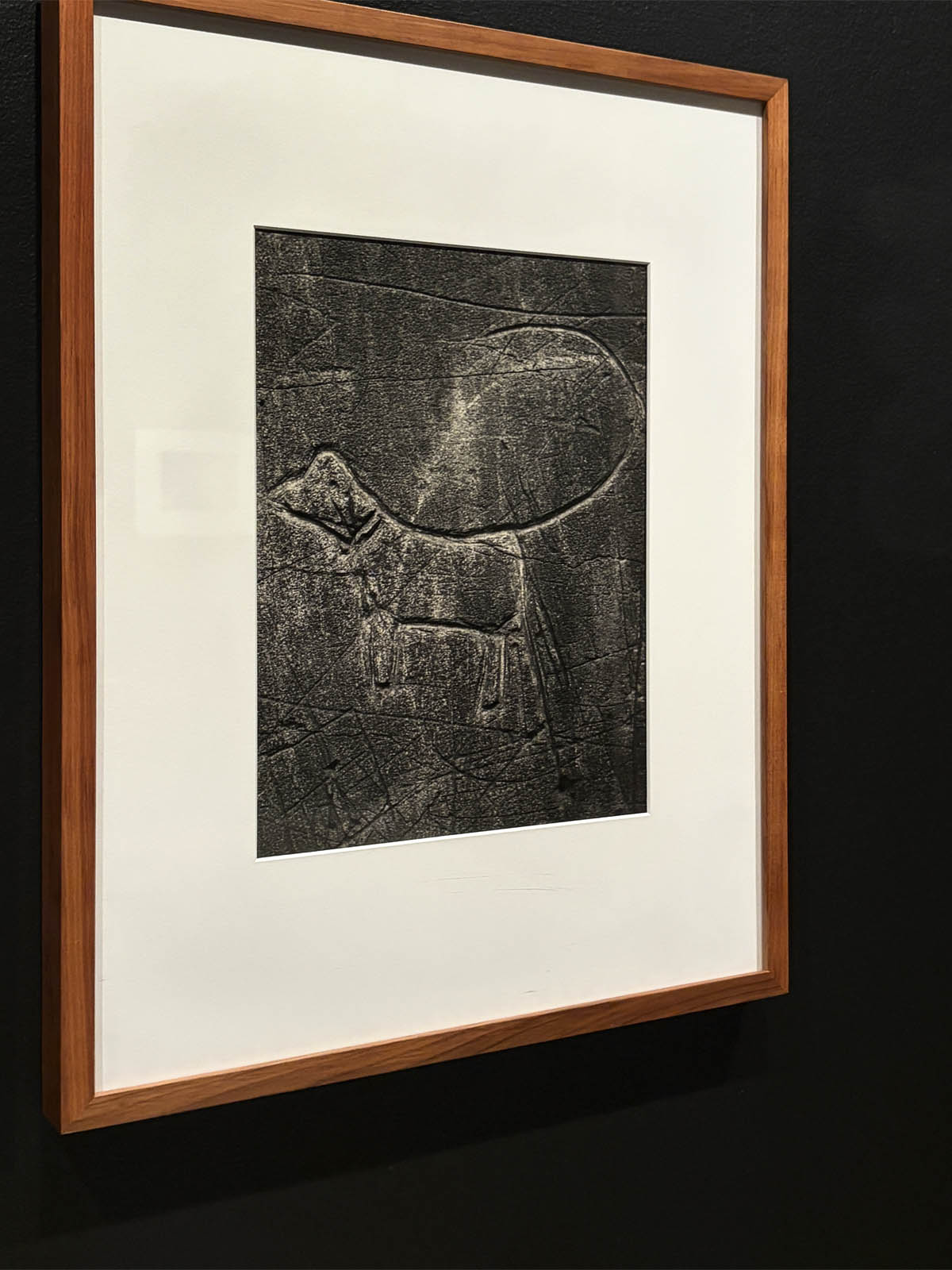
 

Brassaï (Hungarian-French, 1899-1984) 'Série V: Animaux - Chien' (Series VIII: Animals - Dog) 1930-1950 (installation view)


Brassaï (Hungarian-French, 1899-1984)
Série V: Animaux – Chien (Series VIII: Animals – Dog) (installation view)
1930-1950
Gelatin silver photograph mounted on card
Estate Brassaï Succession, Philippe Ribeyrolles
Photo: Marcus Bunyan
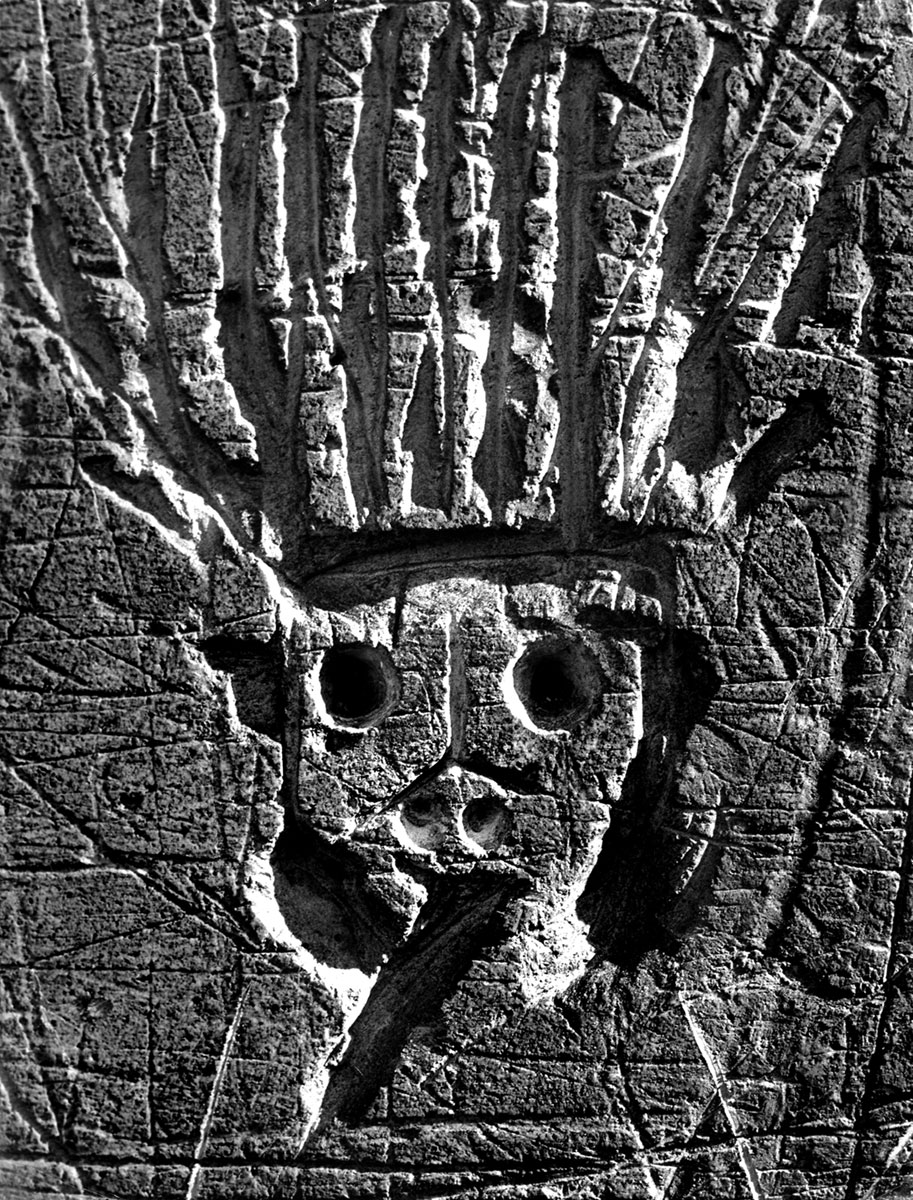
 

Brassaï (Hungarian-French, 1899-1984) 'Série IV: Masques et visages - Le Roi-Soleil' (Series IV: Masks and facts - The Sun King) 1952


Brassaï (Hungarian-French, 1899-1984)
Série IV: Masques et visages – Le Roi-Soleil (Series IV: Masks and faces – The Sun King)
1952
Gelatin silver photograph
29.8 x 22.5cm
Heide Museum of Modern Art


The well-known Melbourne restaurateur and gallerist George Mora met Brassaï during one of his annual trips to Paris in the 1970s and asked him to present a selling show of his photographs at Mora’s Tolarno Galleries. Two exhibitions of Brassaï’s work were held at Tolarno, in 1979 and 1980.

This photograph was acquired from one of these exhibitions by Heide founders John and Sunday Reed. With a long history as art patrons and collectors, the Reeds recognised the significance of Brassaï’s work and its importance to the circle of artists who frequented Heide in the 1930s, 40s and 50s. Sidney Nolan and Albert Tucker in particular referenced Brassaï’s imagery in their own work.

On the back of many photographs, annotations are present – including titles, stamps or other pieces of information relating to the photograph’s history. Inscribed in cursive on the verso of this photograph are the words ‘”Le masque” Le Roi-Soleil’, translating to ‘”The Mask” The Sun King’.

Label text from the exhibition Brassaï: Secret Paris at Heide Museum of Modern Art, Melbourne, July – November, 2026 from gallery two


Heide Museum of Modern Art has announced Brassaï: Secret Paris, a major survey exhibition of work by the eminent Hungarian-born French photographer Brassaï, presented from 25 July – 15 November 2026.

The exhibition marks the most comprehensive presentation of Brassaï’s work ever seen in Australia, and his first solo exhibition in the country in over five decades. It is the third major modernist photography exhibition presented by Heide in five years, following the acclaimed Man Ray and Max Dupain in 2025 and Surrealist Lee Miller in 2023.

Brassaï: Secret Paris brings together more than 150 original vintage prints depicting the City of Light in the 1930s. Co-curated by Heide Artistic Director Lesley Harding, Philippe Ribeyrolles, manager and curator of the Estate Brassaï and nephew of the artist, and renowned French photography curator Emmanuelle de l’Ecotais, the exhibition encompasses Brassaï’s greatest achievements. These include his iconic atmospheric black-and-white images of Paris and its people by night, his relationships with leading figures of the Parisian avant-garde, his experiments with Surrealism, and hallmark photographs of graffiti captured at the dawn of contemporary street art.

Lesley Harding, Artistic Director Heide Museum of Modern Art, said: “Brassaï is one of the great photographers of the twentieth century, and we are delighted to bring this depth of work to Australian audiences for the first time in a generation. His images continue to resonate nearly a century on, and in presenting the full breadth of his practice, from night photographs and graffiti to surrealist experiments and portraits of his inner circle, this exhibition at Heide reveals an artist of remarkable range and vision.”

Philippe Ribeyrolles of the Estate Brassaï said: “This exhibition was prepared in the heart of Paris, in the very place where Brassaï lived and where his memory still endures. I personally wished to imbue this presentation with the familial spirit and soul that belonged to the Brassaï I knew, and which I strive to preserve in my capacity as the artist’s nephew. For this reason, the exhibition is conceived as an invitation to journey into the heart of an oeuvre focused primarily on the secret Paris of the 1930s, through a selection of photographs whose prints were all made by Brassaï himself. For Henry Miller, Brassaï was the ‘Eye of Paris’. Even today, it is this eye that teaches us not only how to see, but above all how to look.”

Born in 1899 in Transylvania (present-day Romania), Brassaï arrived in Paris in the 1920s, where he would spend the remainder of his working life. Working through the night in Montparnasse and its surroundings, Brassaï documented an unseen Paris, its cafes, bars, street corners, sex workers and the demimonde, with a clarity and psychological depth that set him apart from his contemporaries. In 1933 he published the photo book, Paris de nuit (Paris by Night), which established him as one of the defining photographers of the 20th century.

Central to the exhibition is Brassaï’s close friendship with Pablo Picasso, documented across decades of photographs made in Picasso’s studio, alongside portraits of Salvador Dalí, writer Henry Miller, and cabaret singer Kiki de Montparnasse. Moving within the innermost circles of the Parisian avant-garde, Brassaï captured these figures with the same intimacy he brought to the city’s margins. 

Other significant works in the exhibition trace Brassaï’s sustained interest in early graffiti: crude marks, faces and figures carved into the stone walls of Paris, which he photographed over many years. These photographs, presented in his landmark 1956 exhibition Language of the Wall at MoMA New York, position Brassaï as an observer of vernacular mark-making at a moment before contemporary street art existed as a category.

The exhibition will also include his experimental portfolio, Transmutations (1934-1935), containing photomontage and collage inspired by the Dadaists and Surrealists, exploring alternative realities below the surface of the photographic image.

Adding local context to the exhibition, Brassaï had a relationship with Australian art dealer Georges Mora, and had two exhibitions at his Tolarno Galleries in Melbourne in 1979 and 1980. A work purchased by Heide founders John and Sunday Reed during that period will be included in the exhibition.

Accompanying Brassaï: Secret Paris is a comprehensive catalogue featuring an essay by Gael Newton AM tracing Brassaï’s impact on Australian photography including W.L. Lucke-Meyer’s photo book, Melbourne by Night (1933), a personal contribution on the man and artist by Philippe Ribeyrolles, a curatorial overview by Emmanuelle de l’Ecotais, and new research on Brassaï’s influence on the Heide artists by Lesley Harding.

The exhibition has been designed by Mel Bright, Eliza Ng, Maryna Popova and Pei She Lee of Melbourne architecture firm Studio Bright, who previously designed the celebrated Barbara Hepworth: In Equilibrium exhibition at Heide in 2022.

Press release from Heide Museum of Modern Art


Gallery three
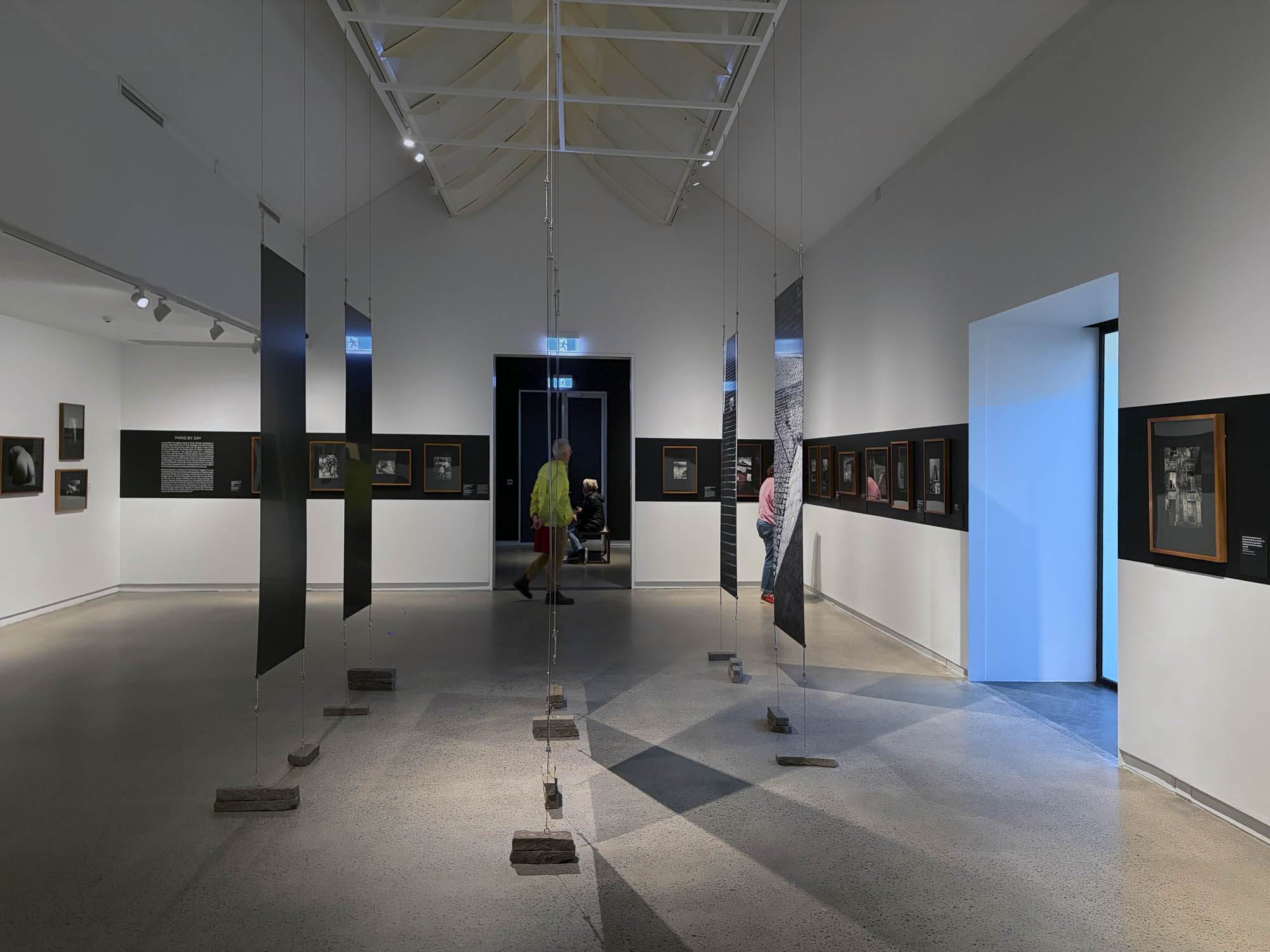
Installation view of the exhibition 'Brassaï: Secret Paris' at Heide Museum of Modern Art, Melbourne, July - November, 2026 showing gallery three


Installation views of the exhibition Brassaï: Secret Paris at Heide Museum of Modern Art, Melbourne, July – November, 2026 showing gallery three
Photos: Marcus Bunyan
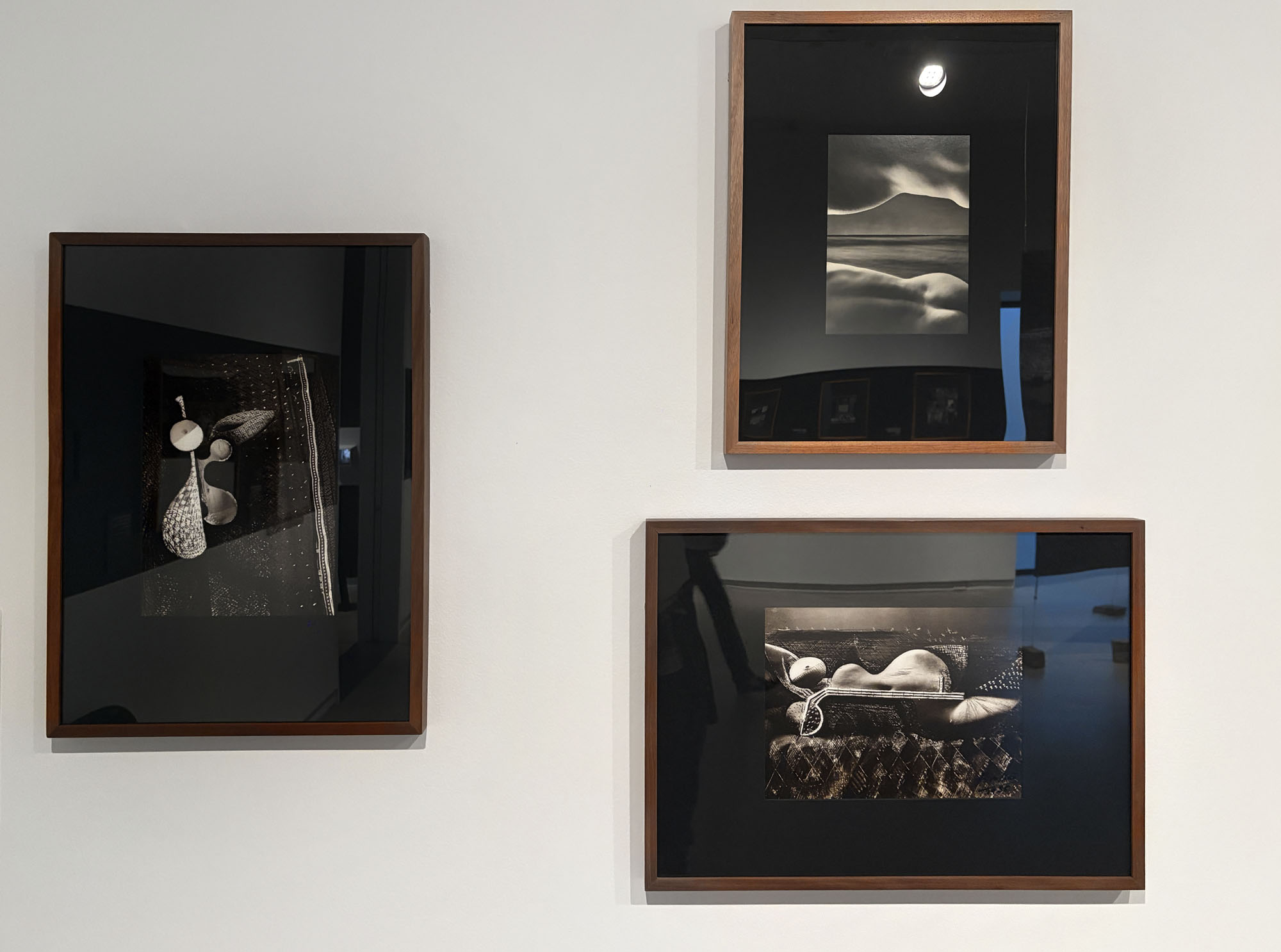
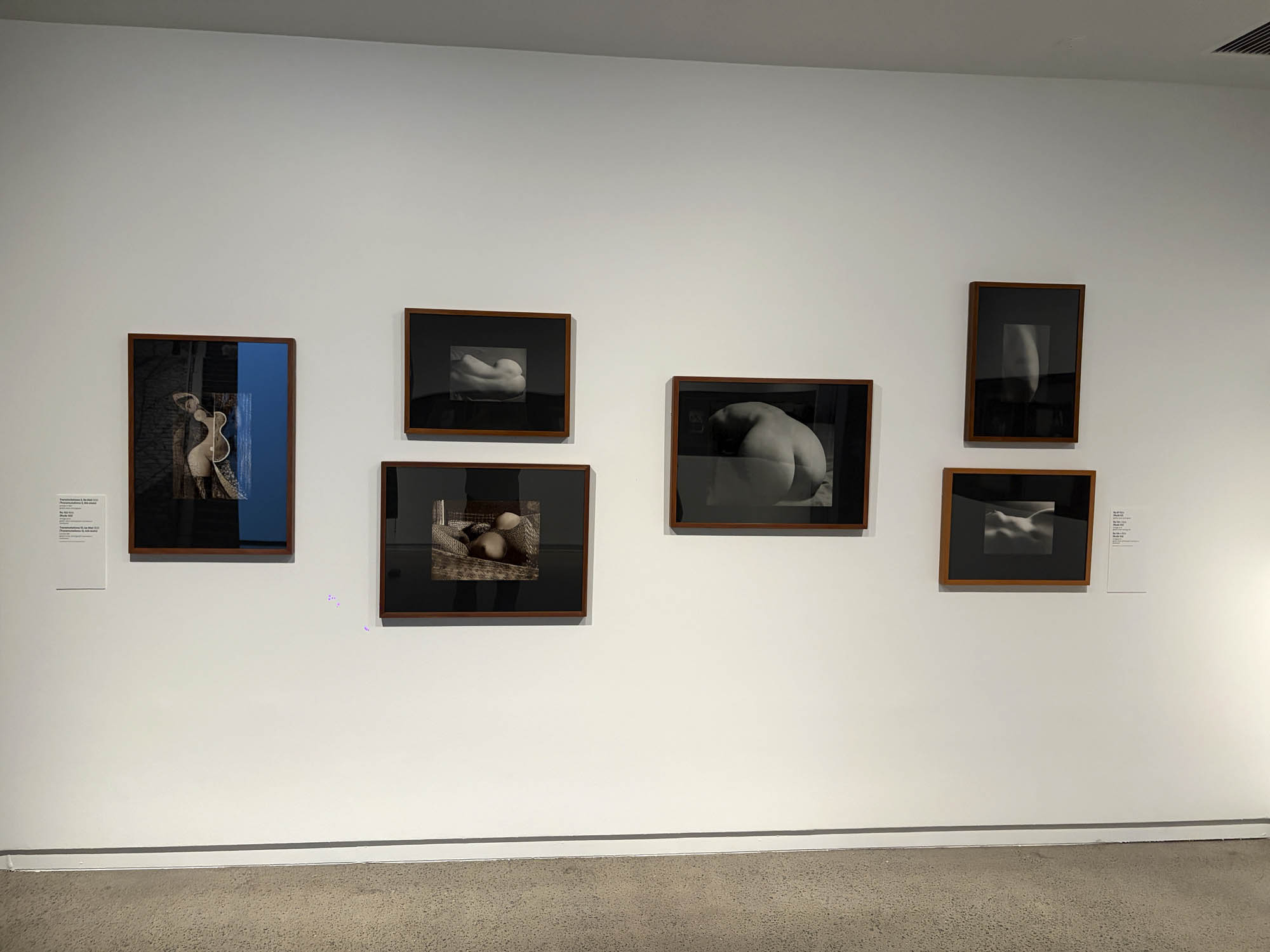
 

Installation view of the exhibition 'Brassaï: Secret Paris' at Heide Museum of Modern Art, Melbourne, July - November, 2026


Installation views of the exhibition Brassaï: Secret Paris at Heide Museum of Modern Art, Melbourne, July – November, 2026 showing gallery three
Photos: Marcus Bunyan
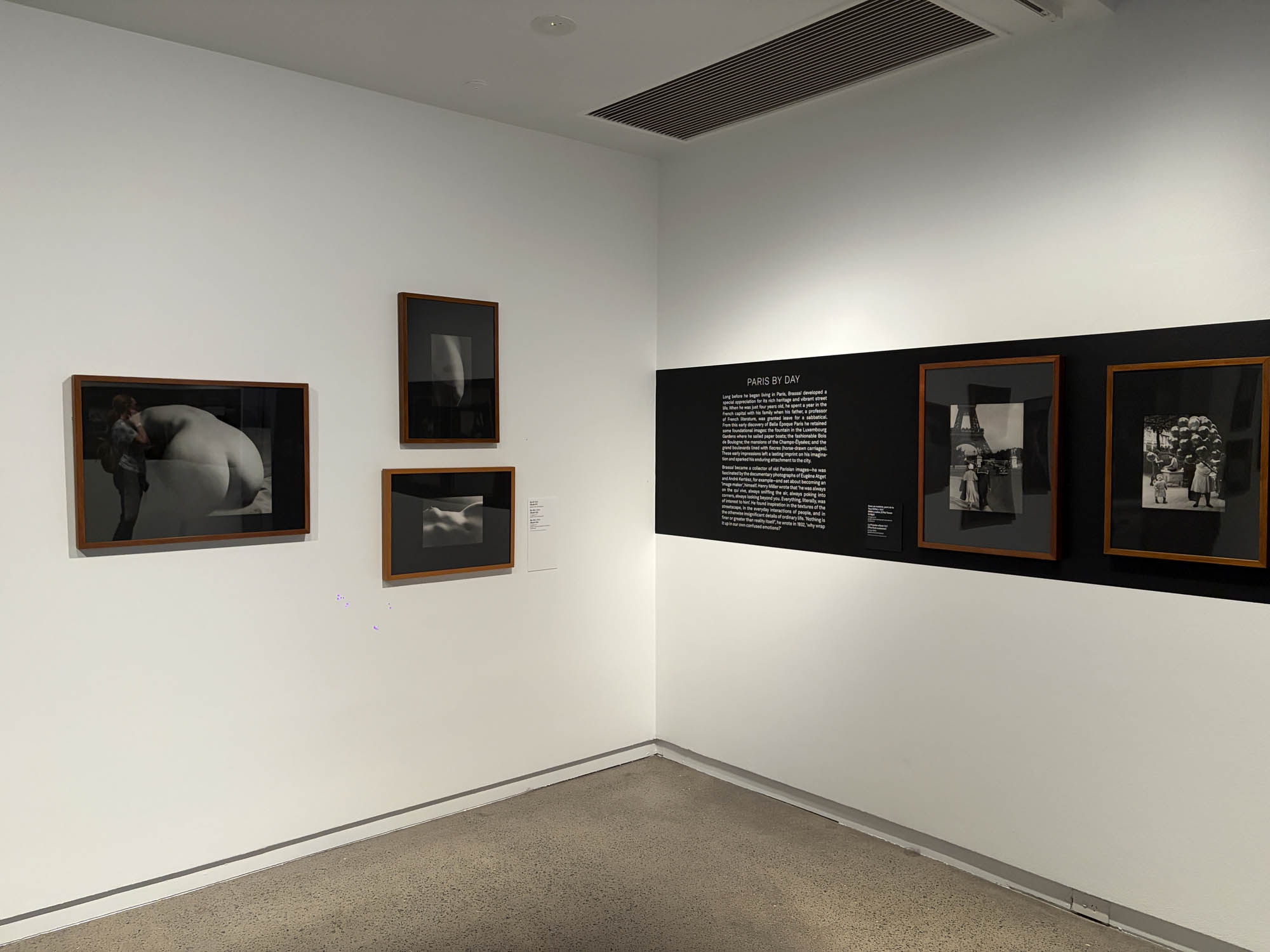
 

Installation view of the exhibition 'Brassaï: Secret Paris' at Heide Museum of Modern Art, Melbourne, July - November, 2026


Wall text from the exhibition Brassaï: Secret Paris at Heide Museum of Modern Art, Melbourne, July – November, 2026 from gallery three
Photo: Marcus Bunyan
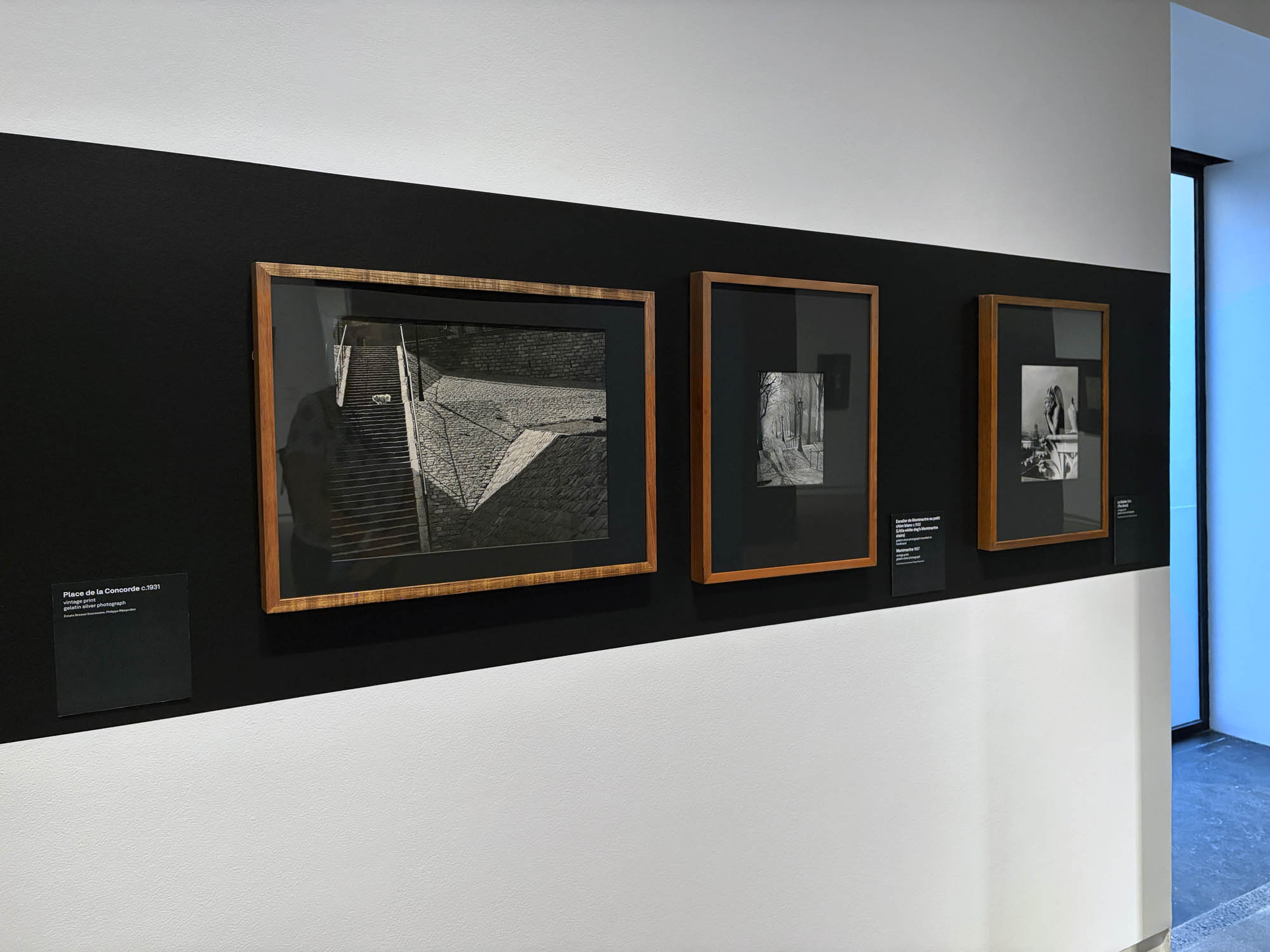
 

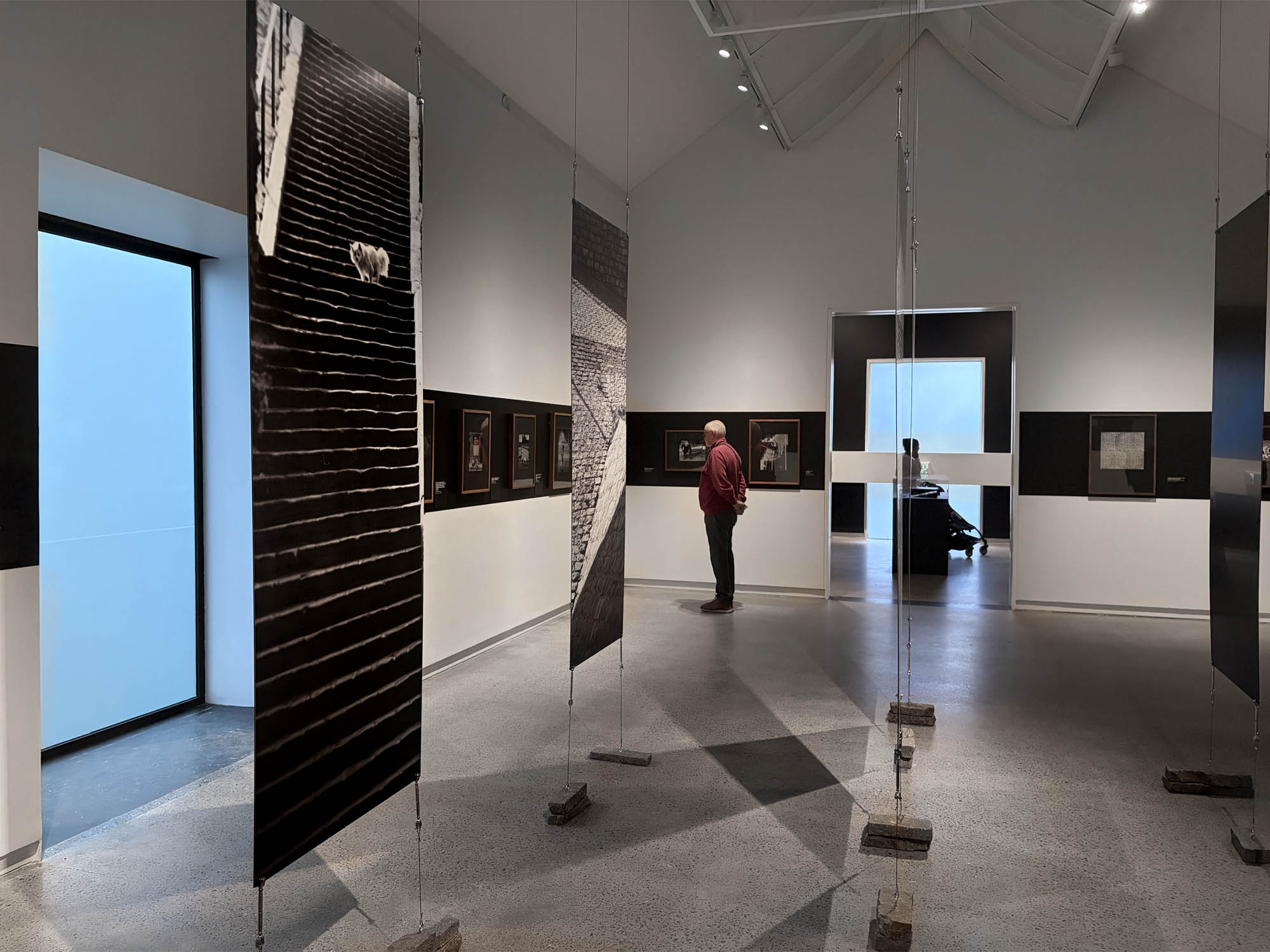
Installation view of the exhibition 'Brassaï: Secret Paris' at Heide Museum of Modern Art, Melbourne, July - November, 2026 showing at centre the photograph 'Escalier de la Butte Montmartre' (Steps of Montmartre) 1937


Installation view of the exhibition Brassaï: Secret Paris at Heide Museum of Modern Art, Melbourne, July – November, 2026 showing at centre the photograph Escalier de la Butte Montmartre (Steps of Montmartre) 1937 vintage gelatin silver print (below)
Photo: Marcus Bunyan


Brassaï (Hungarian-French, 1899-1984) 'Escalier de la Butte Montmartre/Steps of Montmartre' c. 1937


Brassaï (Hungarian-French, 1899-1984)
Escalier de la Butte Montmartre (Steps of Montmartre)
c. 1937
Vintage gelatin silver print
Estate Brassaï Succession, Philippe Ribeyrolles
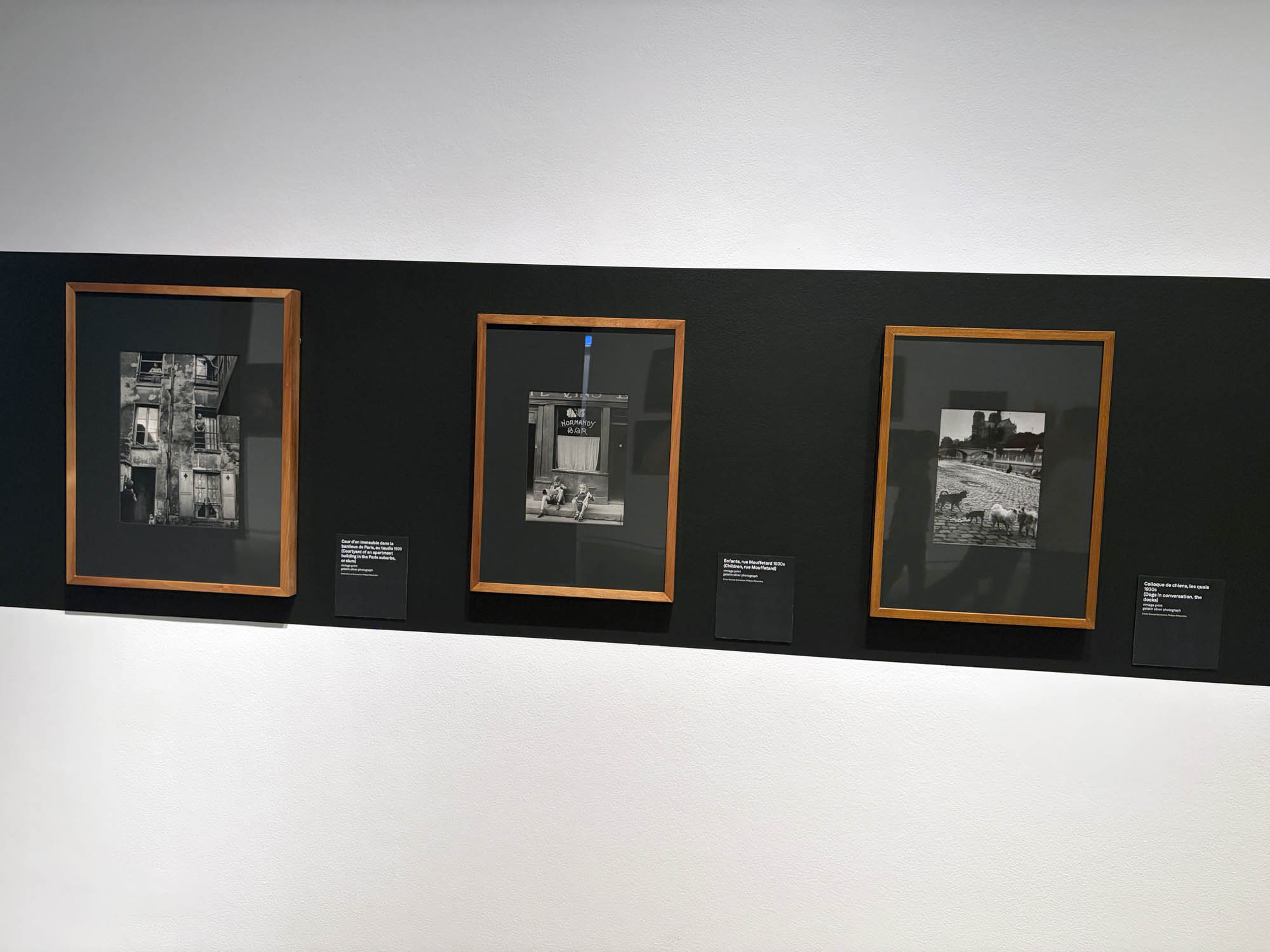
 

Installation view of the exhibition 'Brassaï: Secret Paris' at Heide Museum of Modern Art, Melbourne, July - November, 2026


Installation view of the exhibition Brassaï: Secret Paris at Heide Museum of Modern Art, Melbourne, July – November, 2026 showing at centre the photograph Enfants, rue Mouffetard (Chilren, rue Mouffetard) 1930s vintage gelatin silver print (below)
Photo: Marcus Bunyan
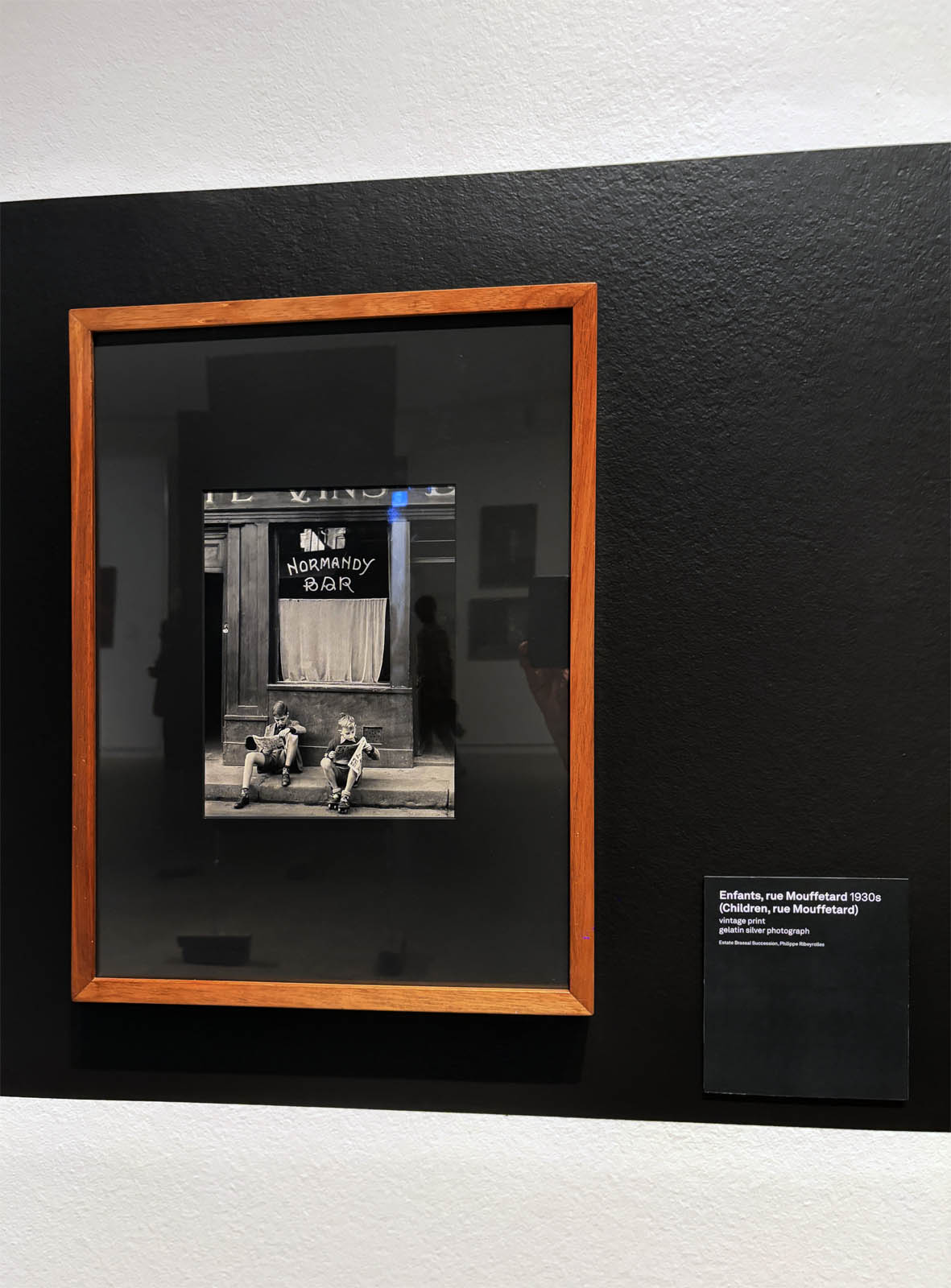
 

Brassaï (Hungarian-French, 1899-1984) 'Enfants, rue Mouffetard' (Children, rue Mouffetard) 1930s (installation view)


Brassaï (Hungarian-French, 1899-1984)
Enfants, rue Mouffetard (Children, rue Mouffetard) (installation view)
1930s
Vintage gelatin silver print
Estate Brassaï Succession, Philippe Ribeyrolles
Photo: Marcus Bunyan
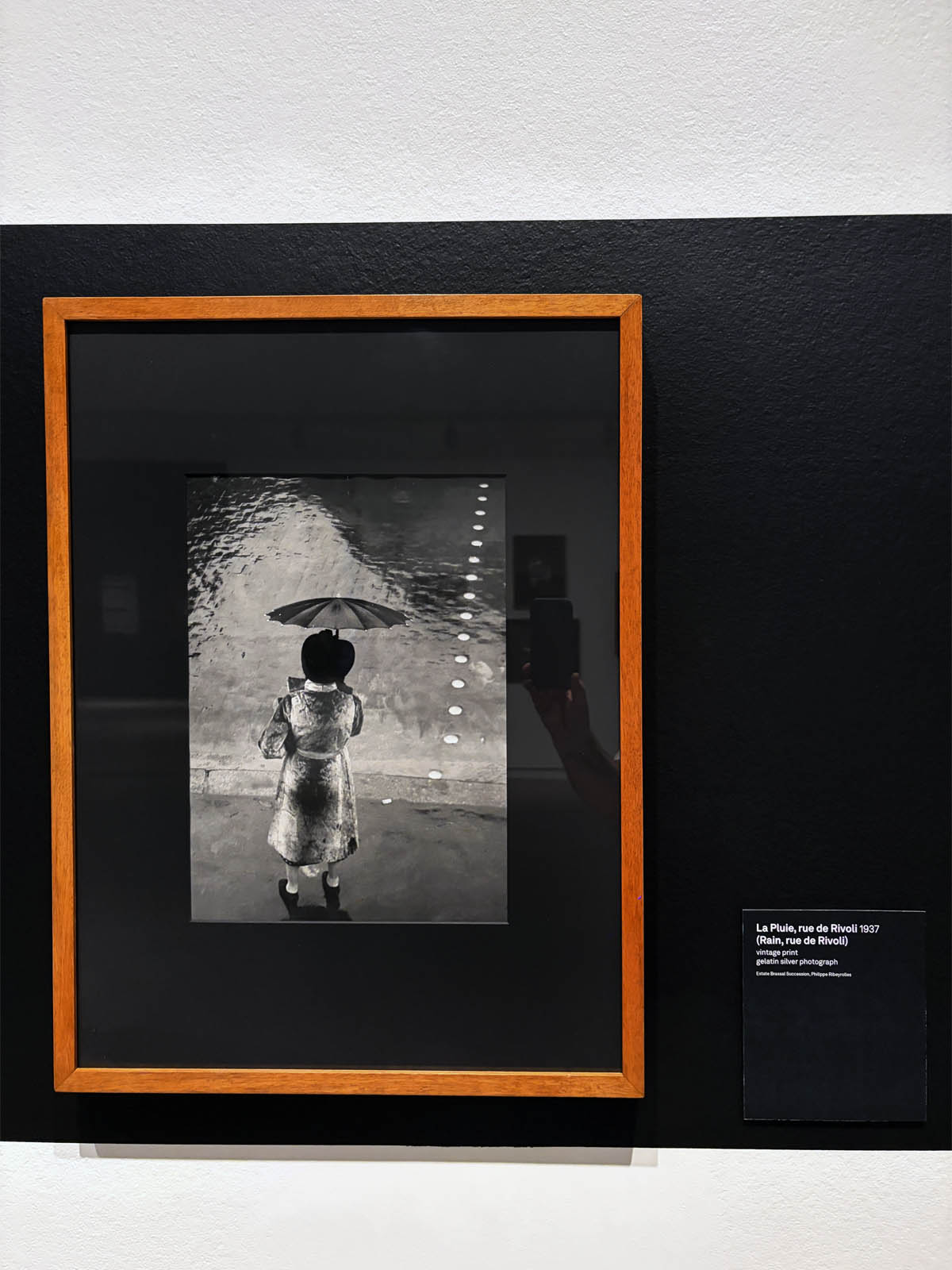
 

Brassaï (Hungarian-French, 1899-1984) 'La Pluie, rue de Rivoli' (Rain, rue de Rivoli) 1937 (installation view)


Brassaï (Hungarian-French, 1899-1984)
La Pluie, rue de Rivoli (Rain, rue de Rivoli) (installation view)
1937
Vintage gelatin silver print
Estate Brassaï Succession, Philippe Ribeyrolles
Photo: Marcus Bunyan


Gallery four
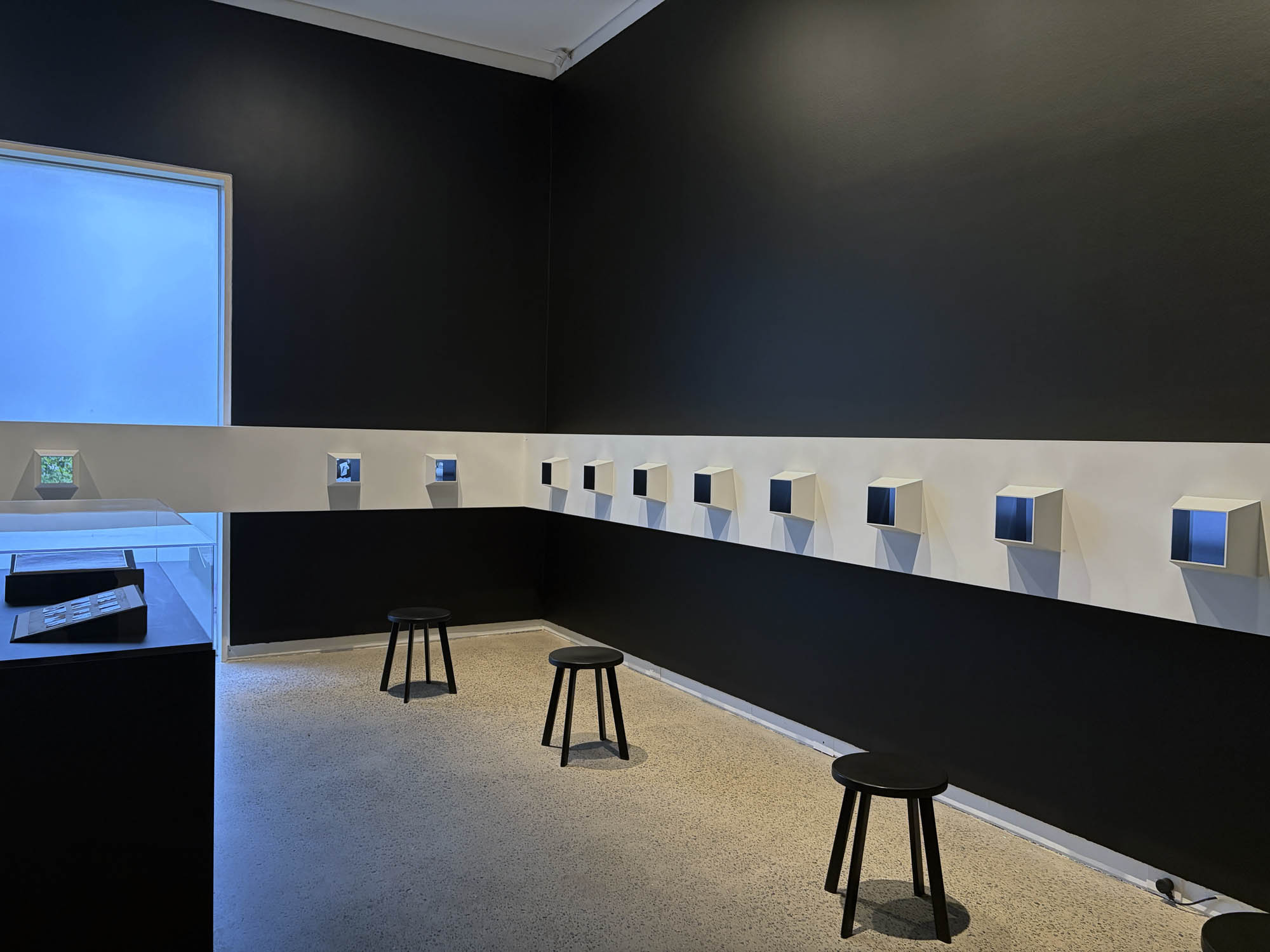
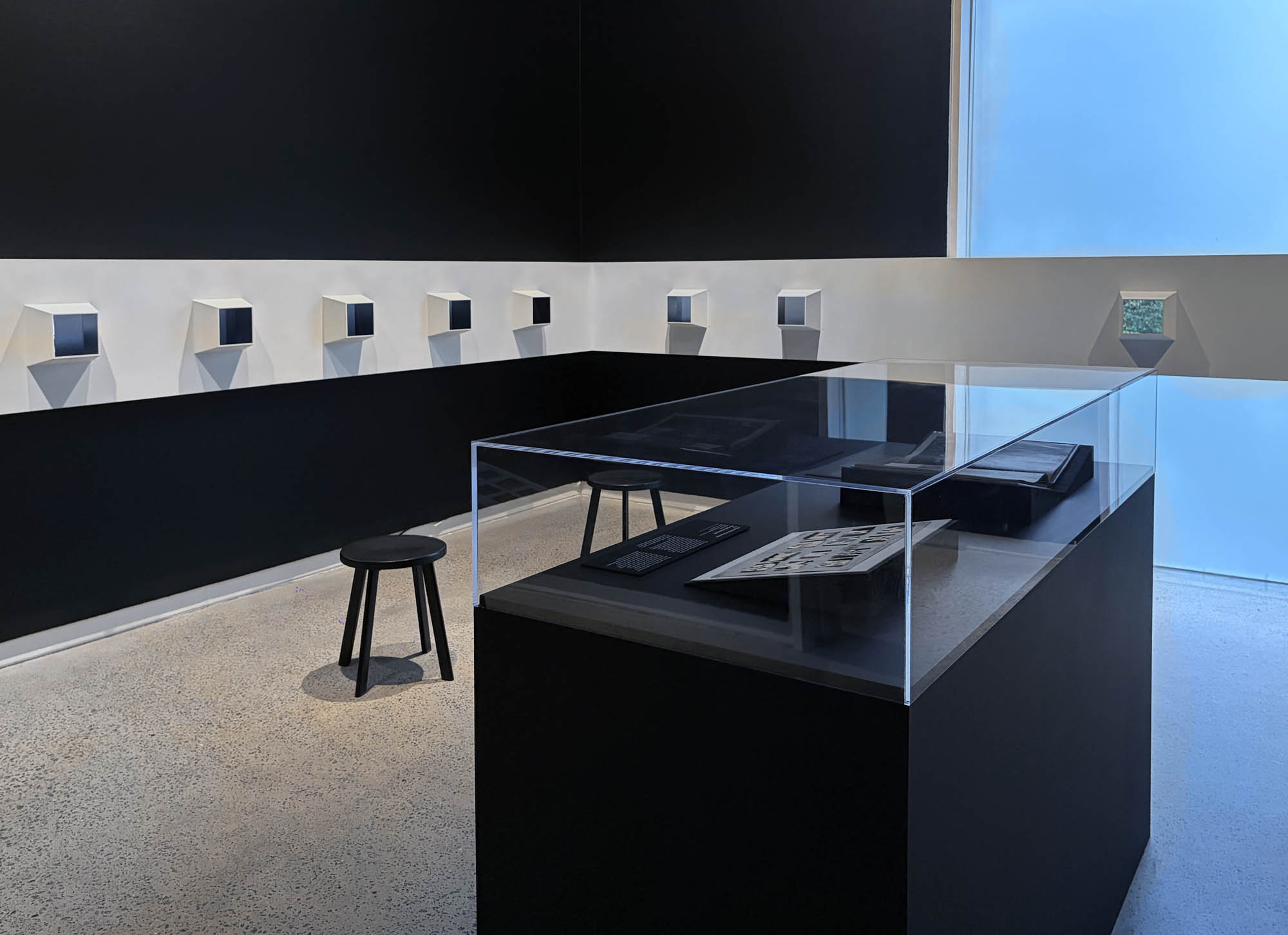
Installation view of the exhibition 'Brassaï: Secret Paris' at Heide Museum of Modern Art, Melbourne, July - November, 2026 showing gallery four


Installation view of the exhibition Brassaï: Secret Paris at Heide Museum of Modern Art, Melbourne, July – November, 2026 showing gallery four
Photos: Marcus Bunyan
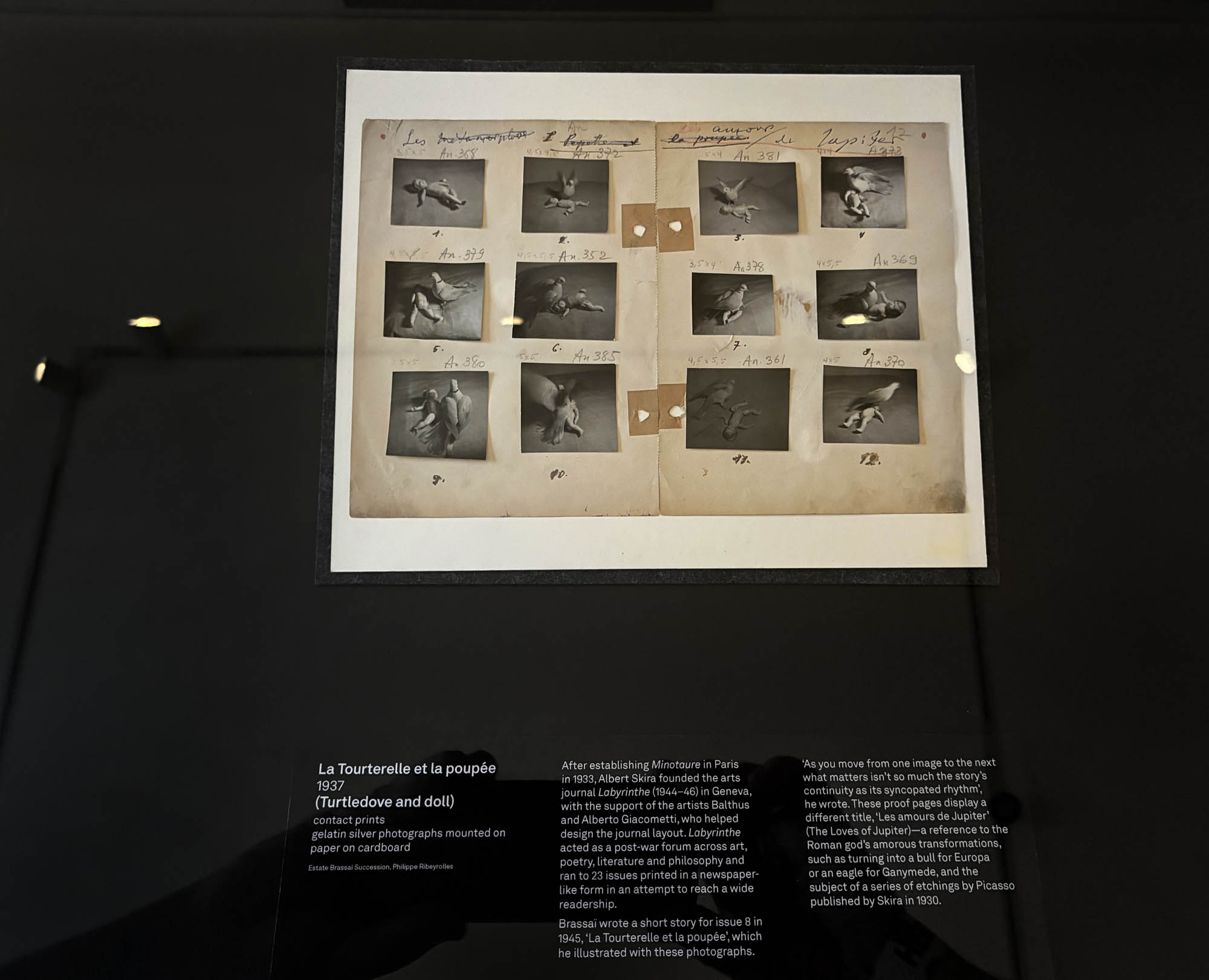
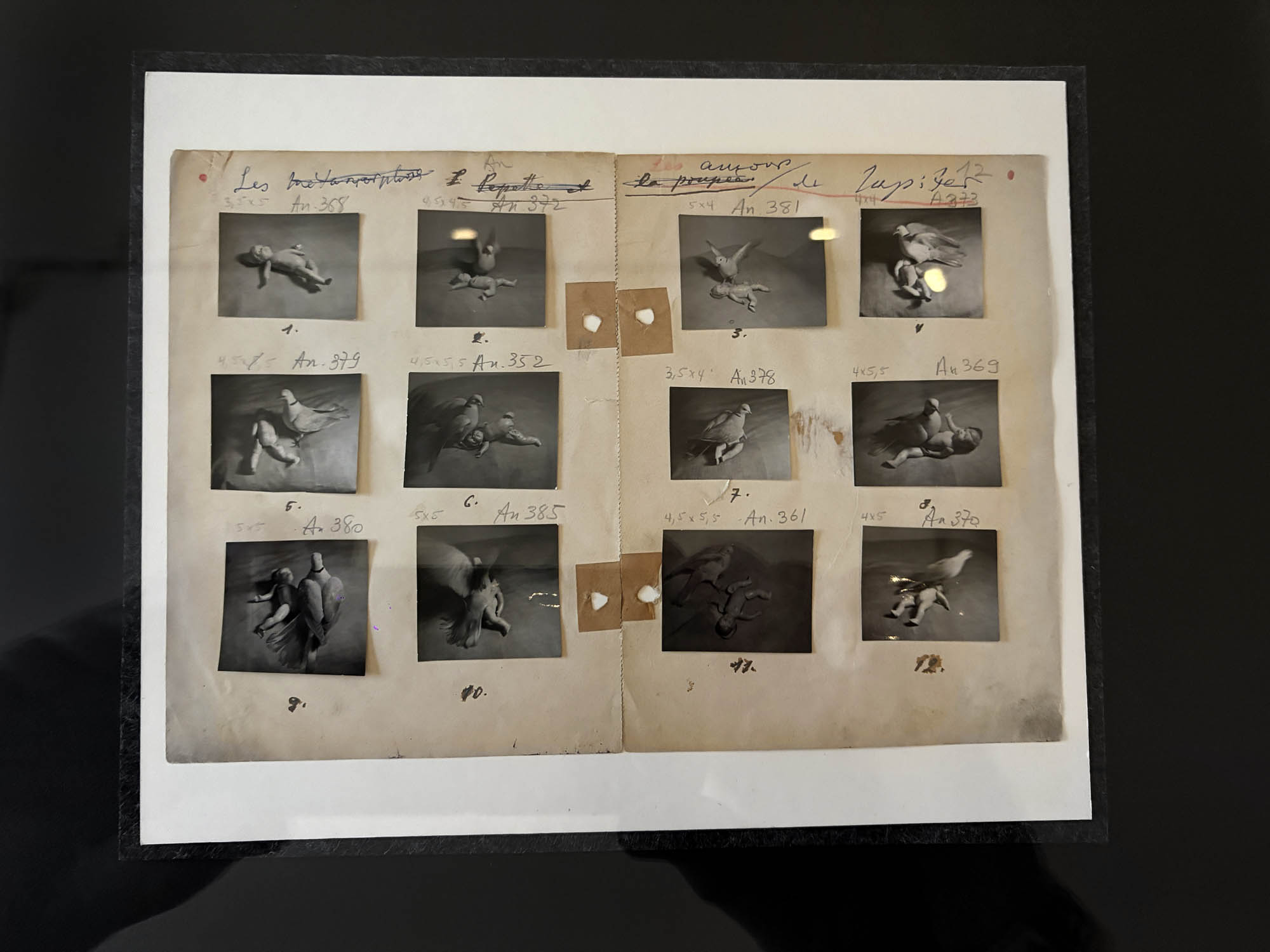
 

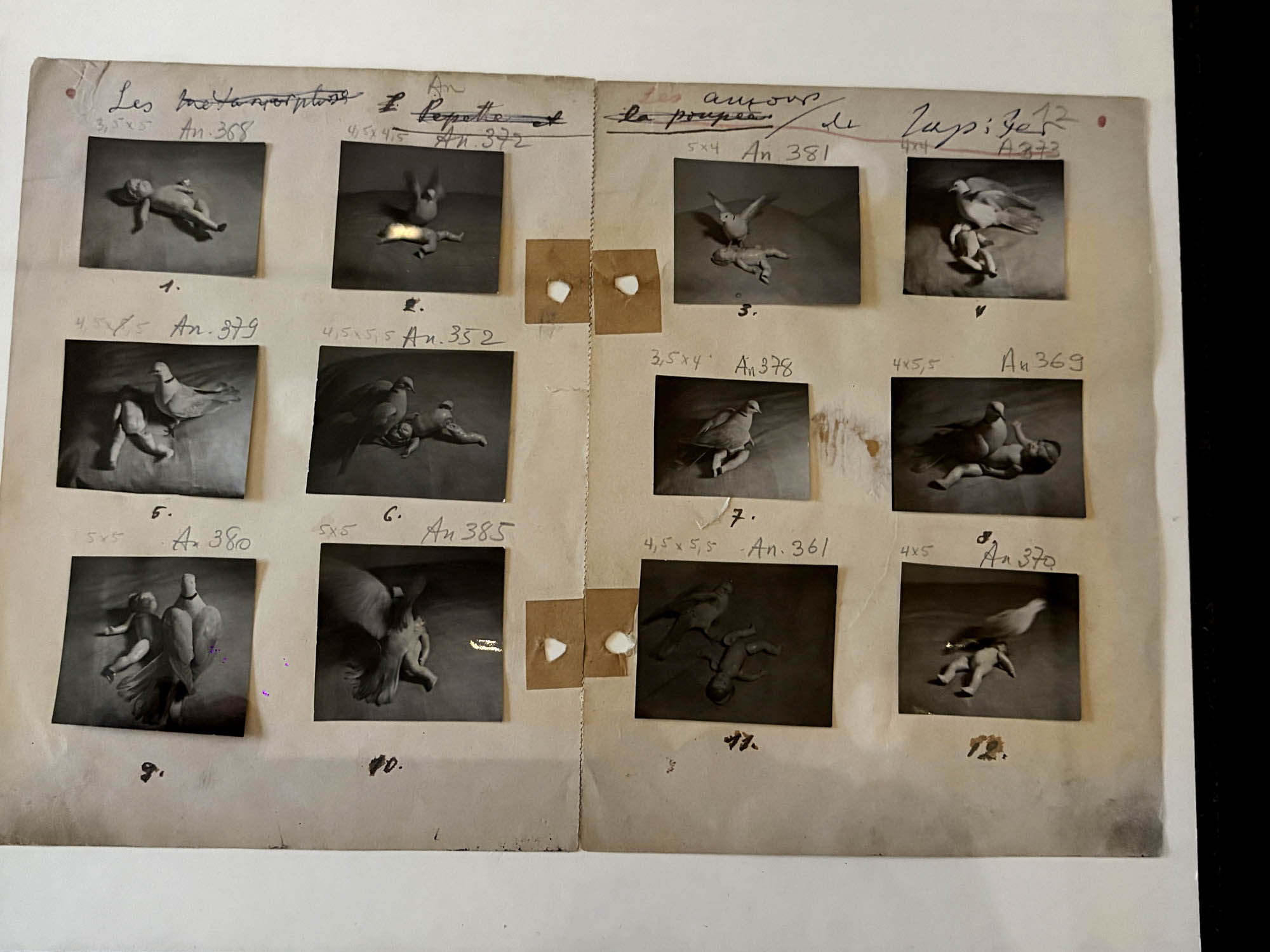
Installation view of the exhibition 'Brassaï: Secret Paris' at Heide Museum of Modern Art, Melbourne, July - November, 2026 showing in a vitrine the contact prints 'La Tourterelle et la poupée' (Turtledove and doll) 1937


Brassaï (Hungarian-French, 1899-1984)
La Tourterelle et la poupée (Turtledove and doll) (installation view)
1937
Contact gelatin silver photographs mounted on paper on cardboard
Estate Brassaï Succession, Philippe Ribeyrolles
Photos: Marcus Bunyan


After establishing Minotaure in Paris in 1933, Albert Skira founded the arts journal Labyrinthe (1944-1946) in Geneva, with the support of the artists Balthus and Alberto Giacometti, who helped design the journal layout. Labyrinthe acted as a post-war forum across art, poetry, literature and philosophy and ran to 23 issues printed in a newspaper-like form in an attempt to reach a wide readership.

Brassaï wrote a short story for issue 8 in 1945 ‘La Tourterelle et la poupée’, which he illustrated with these photographs.

‘As you move from one image to the next what matters isn’t so much the story’s continuity as its syncopated rhythm’, he wrote. These proof pages display a different title, ‘Les amours de Jupiter’ (The Loves of Jupiter) – a reference to the Roman god’s amorous transformations, such as turning into a bull for Europa or an eagle for Ganymede, and the subject of a series of etchings by Picasso published by Skira in 1930.

Label text from the exhibition Brassaï: Secret Paris at Heide Museum of Modern Art, Melbourne, July – November, 2026
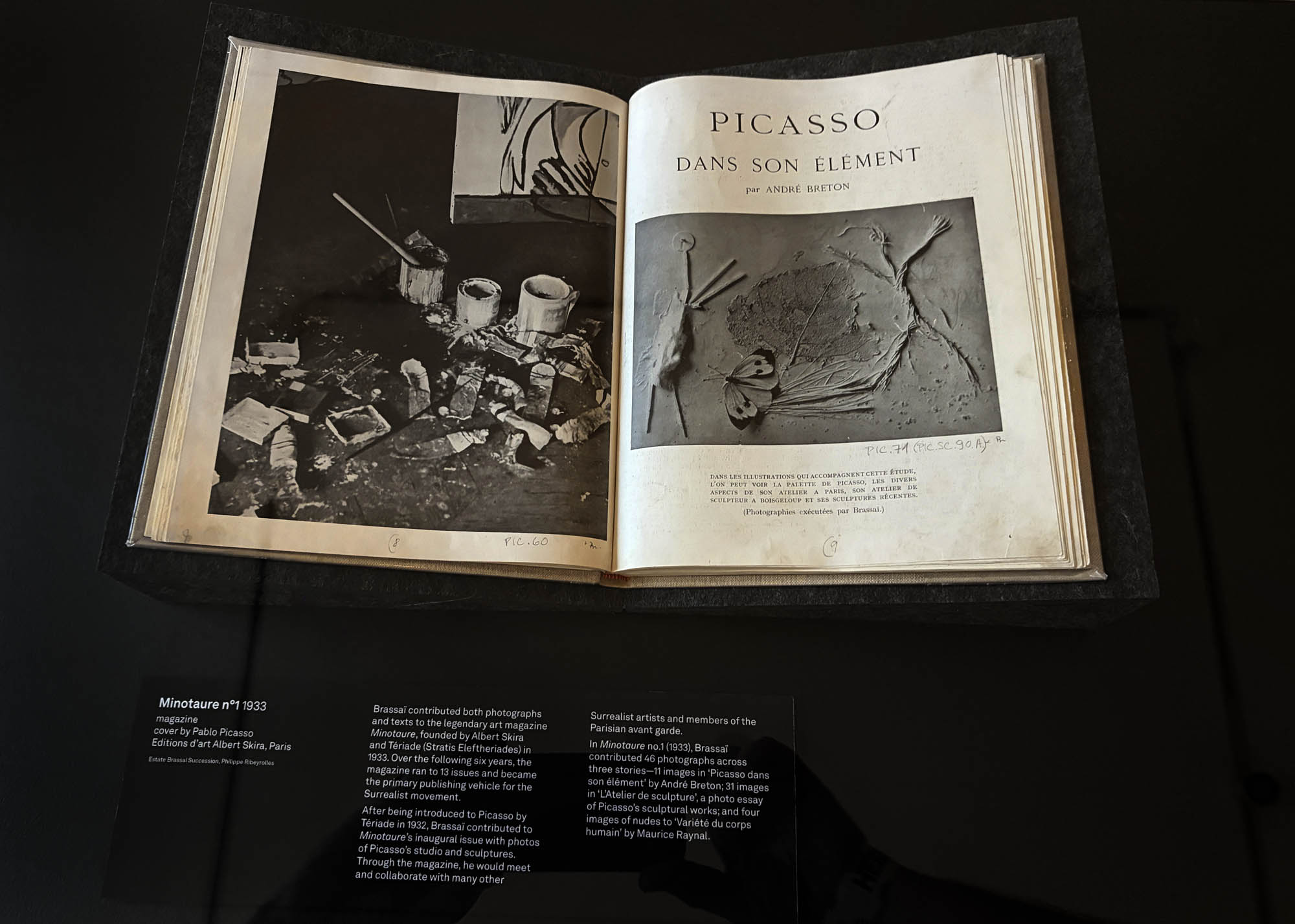
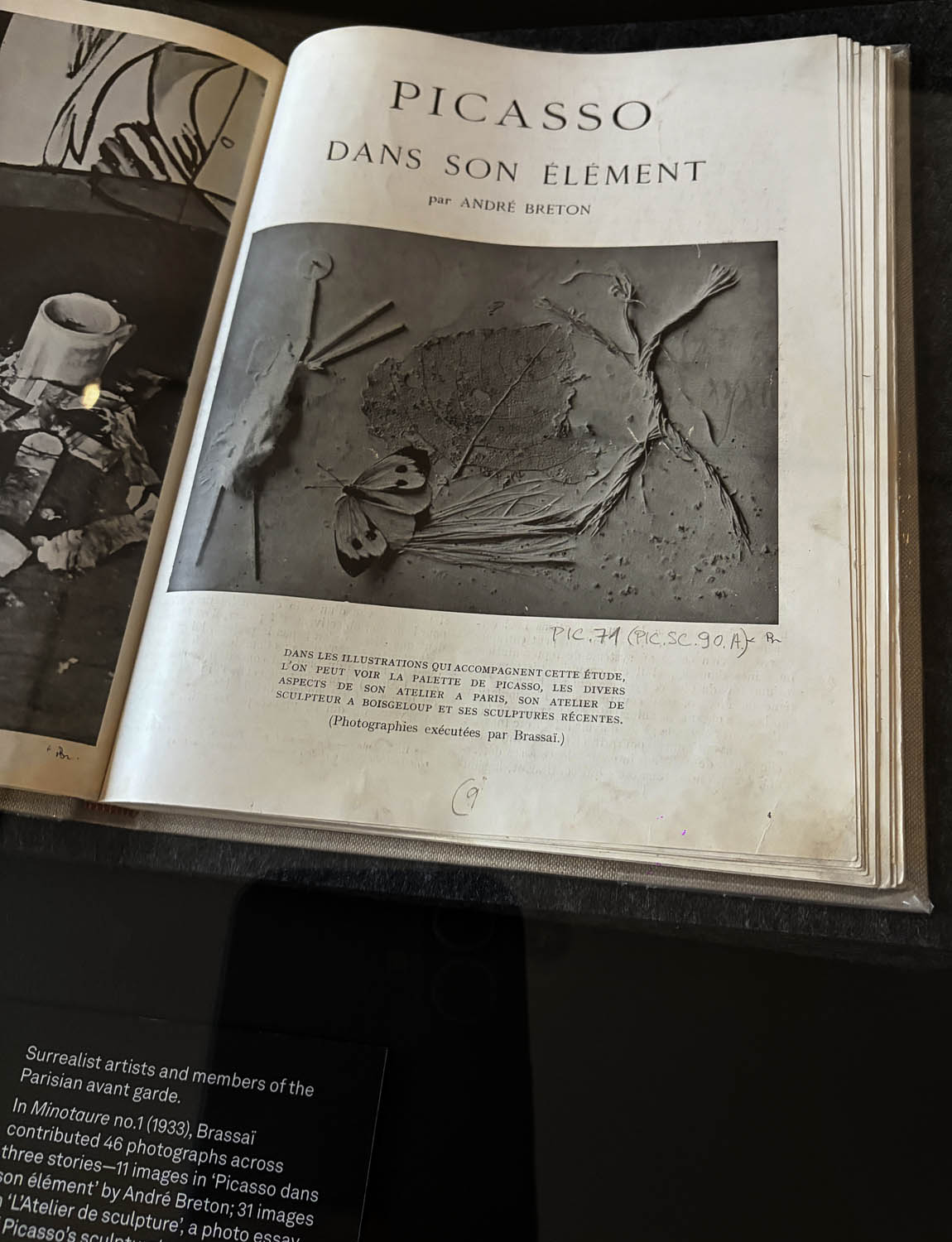
 

Installation view of the exhibition 'Brassaï: Secret Paris' at Heide Museum of Modern Art, Melbourne, July - November, 2026 showing in a vitrine 'Minotaure' no.1


Minotaure no.1 (installation view)
1933
Magazine
Cover by Pablo Picasso
Editions d’art Albert Skira, Paris
Photos: Marcus Bunyan


Brassaï contributed both photographs and texts to the legendary art magazine Minotaure, founded by Albert Skira and Tériade (Stratis Eleftheriades) in 1933. Over the following six years, the magazine ran to 13 issues and became the primary publishing vehicle for the Surrealist movement.

After being introduced to Picasso by Tériade in 1932, Brassaï contributed to Minotaure‘s inaugural issues with photos of Picasso’s studio and sculptures. Through the magazine, he would meet and collaborate with many other Surrealist artists and members of the Parisian avant-garde.

In Minotaure no.1 (1933), Brassaï contributed 46 photographs across three stories- 11 images in ‘Picasso dans son élément’ by André Breton; 31 images in ‘L’Atelier de sculpture’, a photo essay of Picasso’s sculptural works; and four images of nudes to ‘Variété du corps human’ by Maurice Raynal.

Label text from the exhibition Brassaï: Secret Paris at Heide Museum of Modern Art, Melbourne, July – November, 2026


Gallery five
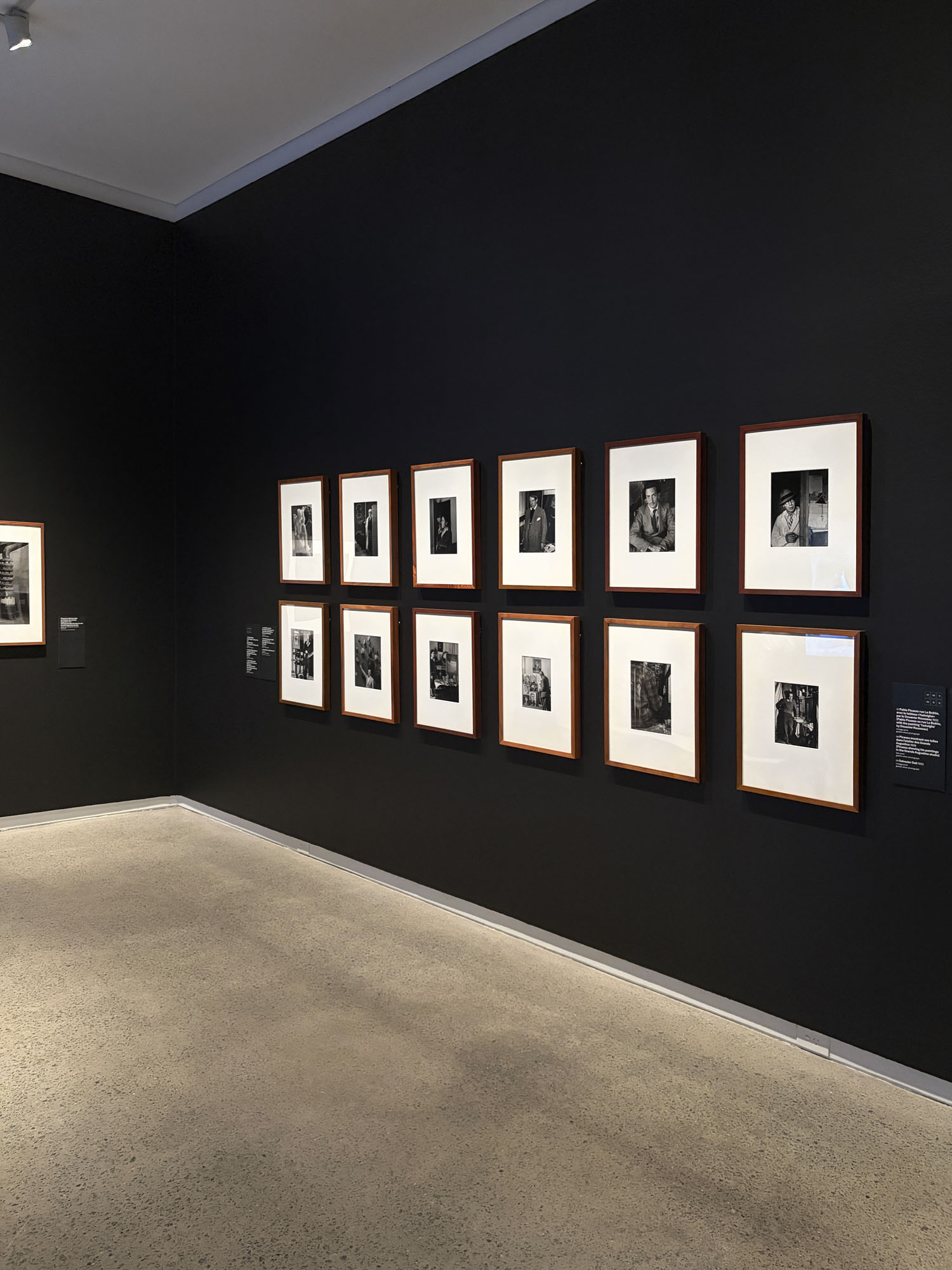
Installation view of the exhibition 'Brassaï: Secret Paris' at Heide Museum of Modern Art, Melbourne, July - November, 2026 showing gallery five


Installation views of the exhibition Brassaï: Secret Paris at Heide Museum of Modern Art, Melbourne, July – November, 2026 showing gallery five
Photos: Marcus Bunyan


Heide Museum of Modern Art
7, Templestowe Road
Bulleen, Victoria 3105

Opening hours:
(Heide II and Heide III)
Tuesday – Sunday 10.00am – 5.00pm
Heide Museum of Modern Art website

LIKE ART BLART ON FACEBOOK

Back to top

Exhibition: ‘The Paris of Brassaï. Photographs of the City Picasso Loved’ at the Museo Picasso Málaga

Exhibition dates: 19th October, 2021 – 3rd April, 2022


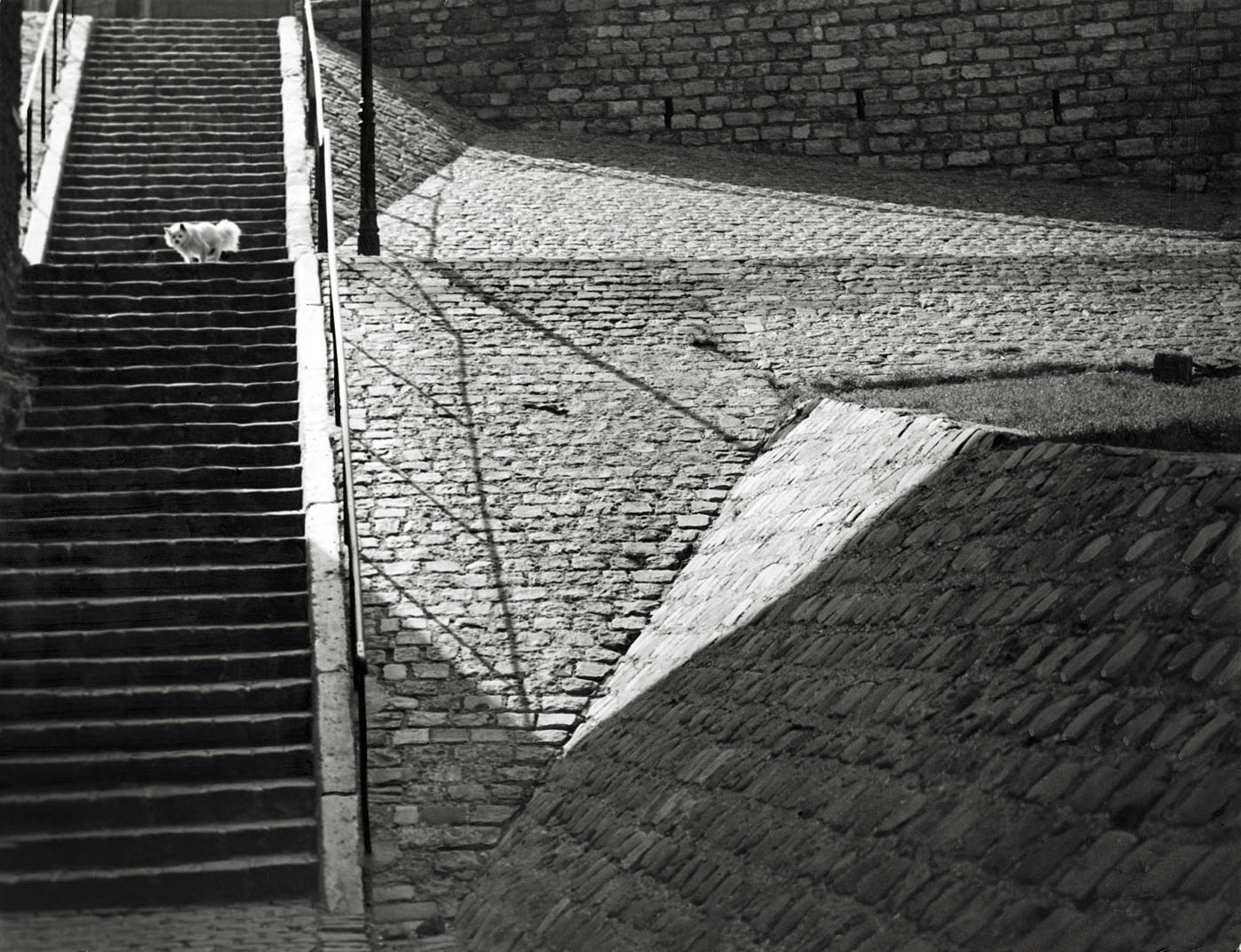
Brassaï (Hungarian-French, 1899-1984) 'Steps of Montmartre with a white dog, Paris' 1932 from the exhibition Exhibition: 'The Paris of Brassaï. Photographs of the City Picasso Loved' at the Museo Picasso Málaga, Oct, 2021 - April, 2022


Brassaï (Hungarian-French, 1899-1984)
Steps of Montmartre with a white dog, Paris
1932
Gelatin silver print
30 x 40cm
Estate Brassaï Succession, Paris
© Estate Brassaï Succession-Philippe Ribeyrolles


A quick text today as I’m still not well with bronchitis.

I really struggled to get images for this posting, the museum supplying 12 of the 21 photographs while I gathered the rest after seeing an installation image from the exhibition and deciphering further images from the preview to the catalogue of the exhibition on the Amazon website.

If you are interested in the subject matter – photographs of an environment where Picasso was in his element, a volcano at the epicentre of a vibrant, creative city – then I think the catalogue would be the way to go… but at close to $100 for just 152 pages the cost might seem a little excessive.

My favourite images in the posting are the two atmospheric photographs of Picasso’s sculptures in his studios.

Dr Marcus Bunyan


Many thankx to the Museo Picasso Málaga for allowing me to publish the photographs in the posting. Please click on the photographs for a larger version of the image.


Brassaï (Hungarian-French, 1899-1984) 'A chair in the Luxembourg Gardens, Paris' 1947 from the exhibition Exhibition: 'The Paris of Brassaï. Photographs of the City Picasso Loved' at the Museo Picasso Málaga, Oct, 2021 - April, 2022


Brassaï (Hungarian-French, 1899-1984)
A chair in the Luxembourg Gardens, Paris
1947
Gelatin silver print
23 x 17.5cm
Estate Brassaï Succession, Paris
© Estate Brassaï Succession-Philippe Ribeyrolles


Brassaï (Hungarian-French, 1899-1984) 'Luxembourg Gardens basin, Paris' 1930 from the exhibition Exhibition: 'The Paris of Brassaï. Photographs of the City Picasso Loved' at the Museo Picasso Málaga, Oct, 2021 - April, 2022


Brassaï (Hungarian-French, 1899-1984)
Luxembourg Gardens basin, Paris
1930
Gelatin silver print
29.6 x 22.3cm
Estate Brassaï Succession, Paris
© Estate Brassaï Succession-Philippe Ribeyrolles


Brassaï (Hungarian-French, 1899-1984) 'Au Cochon Limousin' 1935


Brassaï (Hungarian-French, 1899-1984)
‘Au cochon limousin’, rue Lecourbe, Paris
1935
Gelatin silver print, modern copy
29.8 x 22.9cm
Estate Brassaï Succession, Paris
© Estate Brassaï Succession-Philippe Ribeyrolles


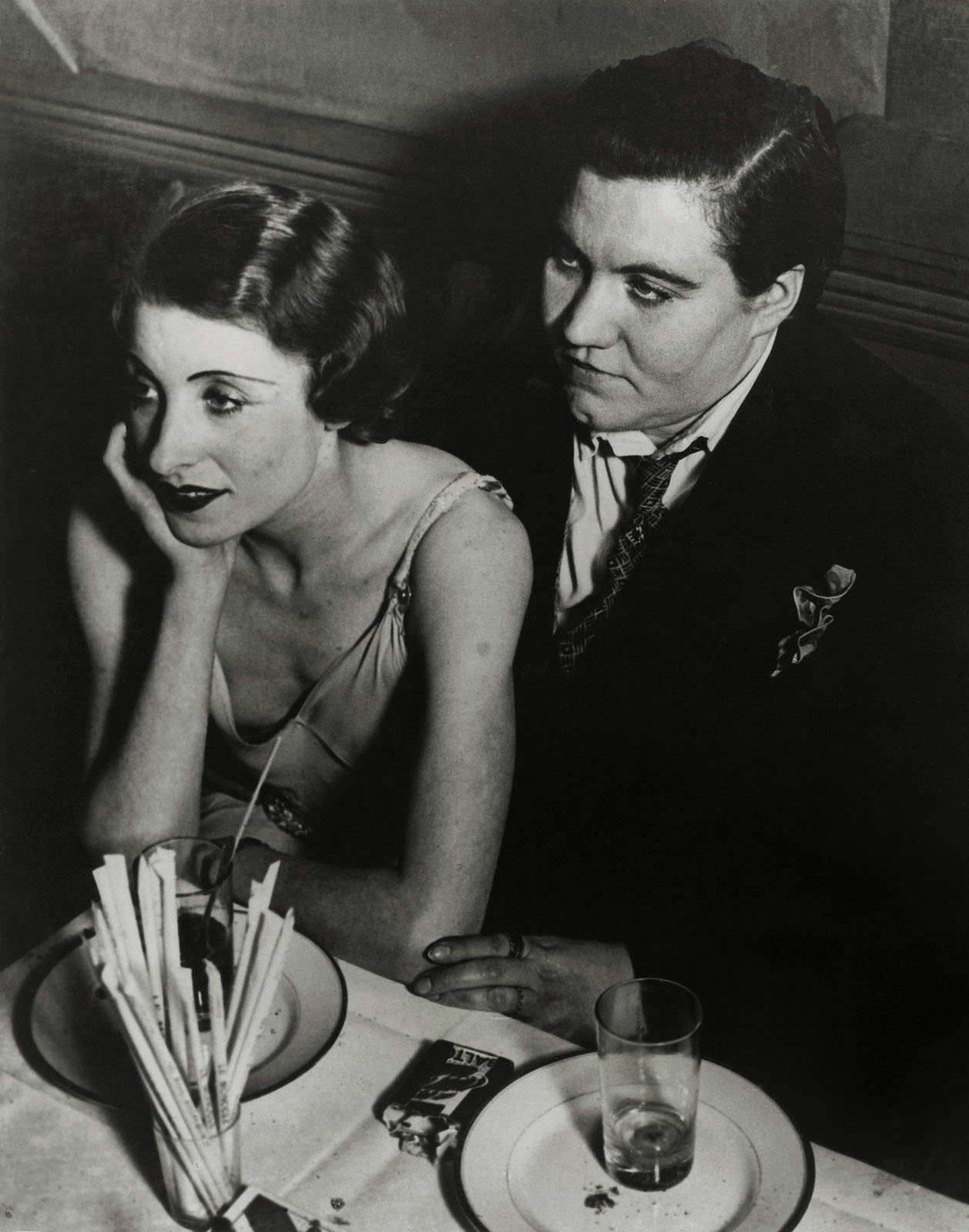
Brassaï (Hungarian-French, 1899-1984) 'Fat Claude and her girlfriend at Le Monocle, Paris' c. 1932


Brassaï (Hungarian-French, 1899-1984)
Fat Claude and her girlfriend at Le Monocle, Paris
c. 1932
Gelatin silver print
27.6 x 22.1cm
Estate Brassaï Succession, Paris
© Estate Brassaï Succession-Philippe Ribeyrolles


Brassaï (Hungarian-French, 1899-1984) 'Kiki with her accordion player at the Cabaret des Fleurs, Rue de Montparnasse' c. 1932


Brassaï (Hungarian-French, 1899-1984)
Kiki with her accordion player at the Cabaret des Fleurs, Rue de Montparnasse
c. 1932
Gelatin silver print
© Estate Brassaï Succession-Philippe Ribeyrolles


Brassaï (Hungarian-French, 1899-1984) 'Trapeze artists, Medano Circus' 1932


Brassaï (Hungarian-French, 1899-1984)
Trapeze artists, Medano Circus
1932
Gelatin silver print
© Estate Brassaï Succession-Philippe Ribeyrolles


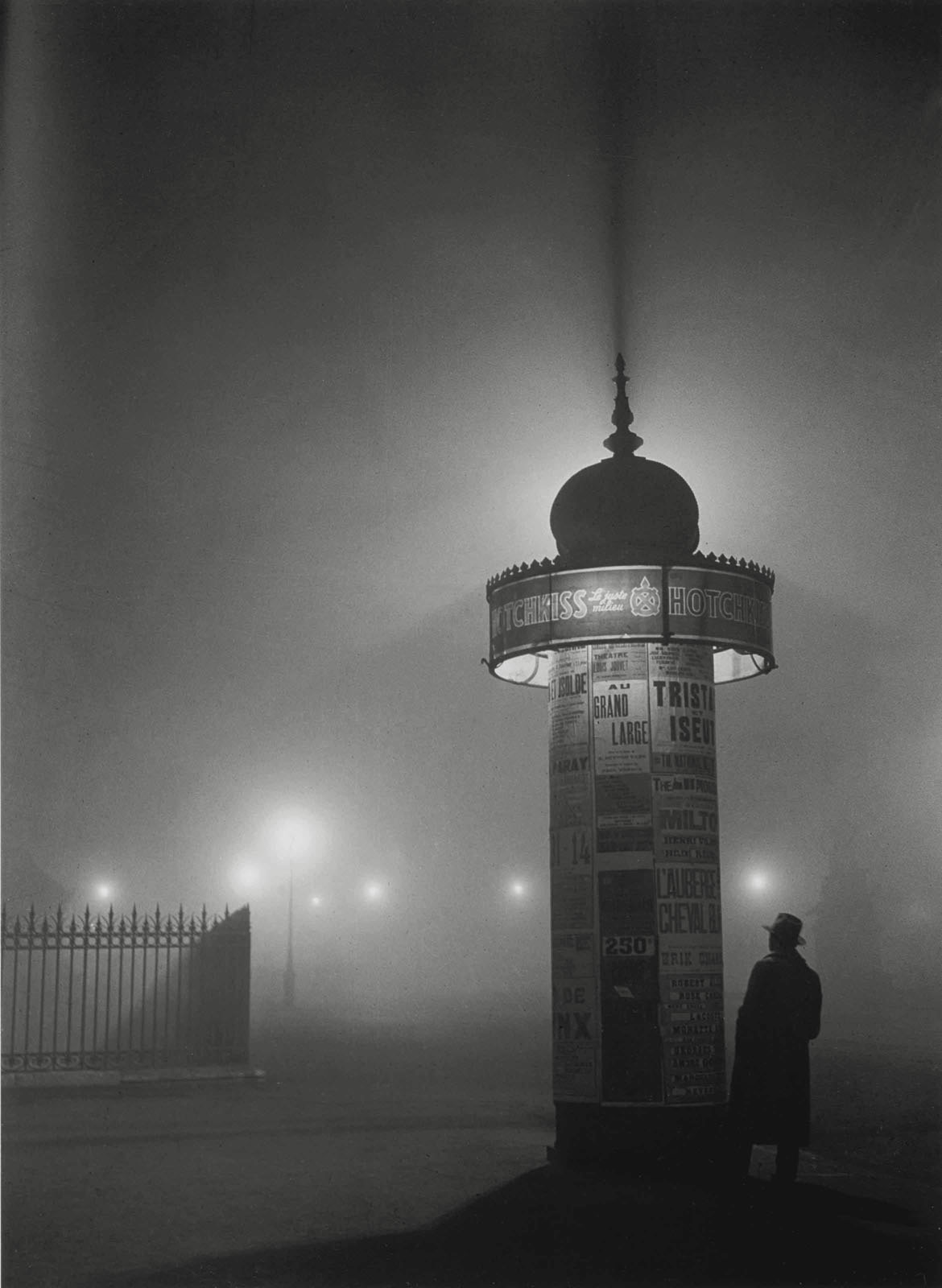
Brassaï (Hungarian-French, 1899-1984) 'Colonne Morris dans le Brouillard' 1933


Brassaï (Hungarian-French, 1899-1984)
Colonne Morris dans le Brouillard
1933
Gelatin silver print
© Estate Brassaï Succession-Philippe Ribeyrolles


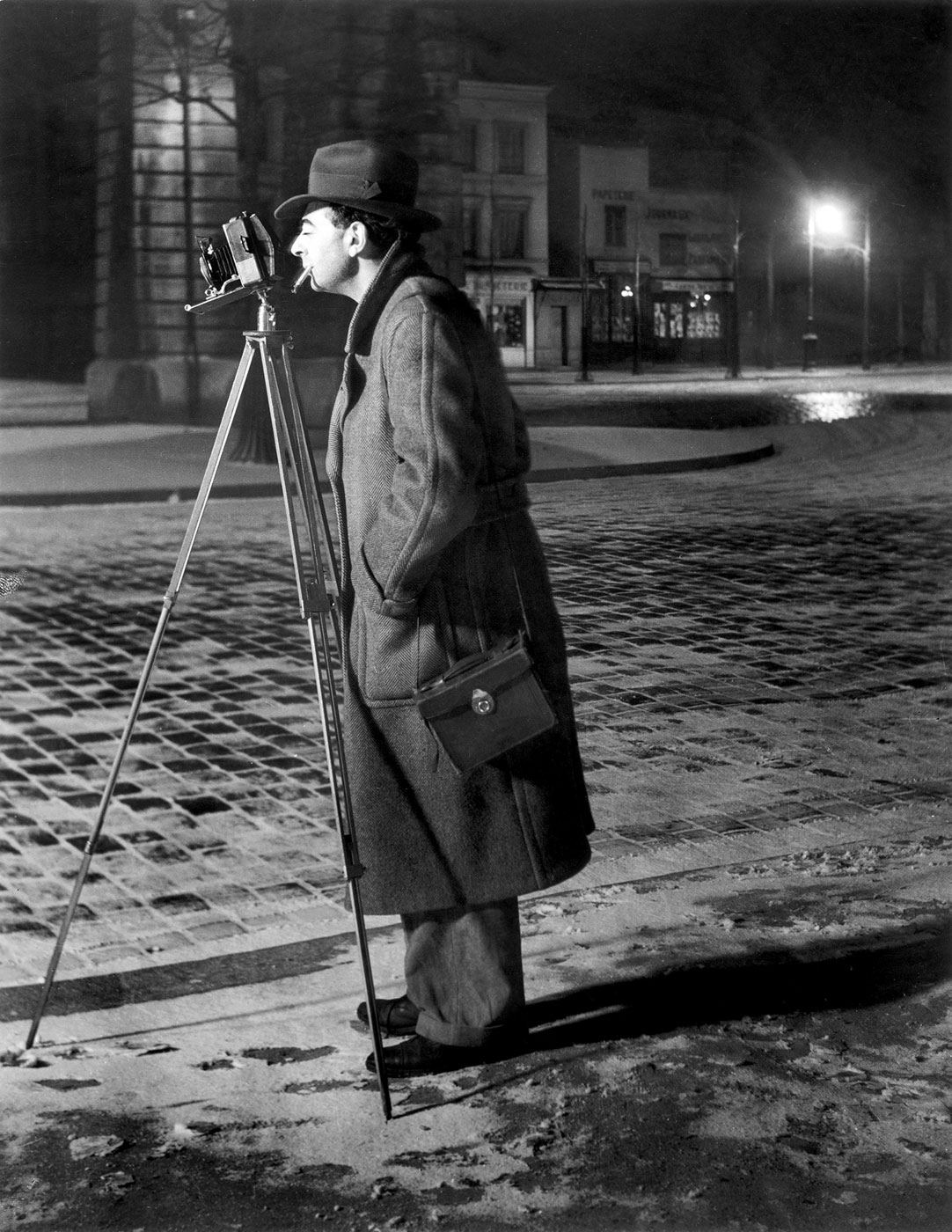
Brassaï (Hungarian-French, 1899-1984) 'Self-portrait, Boulevard Saint-Jacques, Paris' 1930-1932


Brassaï (Hungarian-French, 1899-1984)
Self-portrait, Boulevard Saint-Jacques, Paris
1930-1932
Gelatin silver print
29.6 x 22.9cm
Estate Brassaï Succession, Paris
© Estate Brassaï Succession-Philippe Ribeyrolles


The exhibition The Paris of Brassaï. Photographs of the City Picasso Loved, presented by Museo Picasso Málaga, shows the work of one of the most famous European photographers of the first half of the 20th century. With his work, Brassaï helped to create the universal public image of Paris, the Eternal City. It is displayed here alongside works by Pablo Picasso, Pierre Bonnard, Georges Braque, Lucien Clergue, Fernand Léger, Dora Maar and Henri Michaux, and with period piece films, posters, sheet music and a large quantity of documentary material.

Brassaï’s photographs invite the viewer to wander through Paris, with its river Seine, Notre Dame, its brothels and its markets. His conjured up a superb depiction of society in his many shots of the intellectual, literary, and artistic scene of 1930s and 1940s Paris, ranging from Sartre to Beckett.

This exhibition has been organised with sponsorship from Fundación Unicaja and the special collaboration of Estate Brassaï succession, Paris; Institut Français, Seville, and Musée national Picasso-Paris. It sheds light on the professional relationship and friendship between Brassaï and Picasso, who considered Brassaï to be the best photographer of his work.


Brassaï arrived in Paris from Hungary in 1924. Little by little, he discovered the dynamic nature and the social idiosyncrasies of the great metropolis. While he initially explored the city’s nightlife, over time he began to create a precise X-ray of its architecture and its people. He joined the fascinating intellectual and artistic avant-garde community of which Picasso was a member, becoming one of its finest eyewitness photographers. But Brassaï was not just a photographer, he was also a versatile artist who drew, made sculptures, decorated, and made films.

As a photographer, Brassaï constructed a visual topography of the city of light (and shadows) in the 1930s and 40s, but this exhibition also aims to show him as a prolific creative artist. The Paris of Brassaï. Photographs of the City Picasso Loved features over 300 works, with photographs, drawings and sculptures that come mainly from the Brassaï family archives (Estate Brassaï Succession). Also on display are photographs and artworks by Pablo Picasso, alongside works by Pierre Bonnard, Georges Braque, Lucien Clergue, Fernand Léger, Dora Maar and Henri Michaux.

Films, posters, musical scores, theatre programmes and a large quantity of documentary material from the Paris of that period, make up an exhibition that takes the visitor back to an unforgettable city and time.

The structure of the exhibition comprises four sections that relate to film, the visual arts, literature, and music, based on the photographic work of one of the most famous photographers of the first half of the 20th century. The exhibition layout begins with Who is Brassaï? which displays artistic works whose main feature is their expressive freedom. Paris by Day features scenes from everyday life as if they were being shown for the first time: Paris by Night is a journey through a city of shadows that evokes the melancholy that emanated from the streets and characters. Conversations with Picasso brings together work by the two artists who enjoyed a long-lasting professional and personal relationship.

The Eye of Paris

Brassaï was the pseudonym of Gyula Halász (1899-1984), a Hungarian photographer who was best known for his work on Paris, the city where he made his career. When he was three years old, his family moved to the French capital, in the year that his father, a professor of literature, was teaching at the Sorbonne. As a young man, Brassaï studied painting and sculpture at the Academy of Fine Arts in Budapest, before joining the Cavalry of the Austro-Hungarian army during the First World War. In 1920, he went to live in Berlin to work as a journalist and to study at the University of the Arts. In 1924, he moved back to Paris, where he remained for the rest of his life. He soon made friends with writers Henry Miller (who described him in one of his books as “the eye of Paris”), León-Paul Fargue and Jacques Prévert. Inspired by his frequent night-time walks around Paris, Gyula Halász asked to borrow a camera to capture the beauty of the streets and gardens in the rain and fog. He used poetic metaphors in these pictures, leading more than one graphic reporter to describe him as a poet with a camera. He then began to sign his work with the pseudonym Brassaï. It means “the man from Brasso”, his birthplace, which is now part of Romania.

In the 1930s, Paris was by no means a feast. Various events were leaving their mark on a new age, with major financial and political repercussions. The decade began with one of the greatest financial crises the world had ever experienced: the Great Depression. This was to lead to the collapse of the financial system and to poverty for thousands of families. Europe was facing the possibility of new wars and uprisings that would lead to the rise of totalitarianism. Culture and art were not blind to these events, but art dealers and artists were irresistibly drawn to Paris, seeking in the City of Light a new artistic and personal life that matched their ideals, along with the necessary freedom to make them happen.

Brassaï’s photographic work during these years helped to construct the image we have today of the French capital, with its depictions of artistic, social and intellectual life. He took X-ray-like shots of the great city, during the day and at night, from its dark alleyways to it dazzling social and artistic scene. The exhibition The Paris of Brassaï. Photographs of the City Picasso Loved shows the modern, cosmopolitan city par excellence, in a Europe that bore the hallmarks of the great changes brought about by 19th-century industry and by the international exhibitions of the early 20th-century. It was a city that Brassaï loved, as did his colleague and friend, Pablo Picasso.

Night Walks

In 1932 he published his first photographic book, “Paris de Nuit”. It contained high-contrast night shots with full bleed and no margins that feature the play of light and shadow, taken on streets, squares, rooftops, street corners, gardens, buildings and monuments. During his nocturnal wanderings, smoking cigarette after cigarette, the gaslights, fog and car headlights lit up a unique Paris, transforming its rigorously classical architecture and capturing the strange beauty of the fleeting shadows. His negatives became black and white photographs with a strong sense of mystery. They are pictures that alter your perception of the familiar. “Paris de Nuit” was a cultural sensation and a well-deserved success that caught the attention of leading art magazines such as Minotaure, one of the most important cultural publications of the time.

Brassaï liked to say that his birthplace was very close to that of Count Dracula, and that, like him, he was a nocturnal creature. For this reason, in several of his unforgettable photobooks he showed an alternative Paris, with scenes in brothels and bars where young gay men, lesbians and transvestites are all seen having fun. They also contain scenes from the city’s social life, high society, and intellectual circles.

Portraying the Intellectual Circles

The photographer himself described 1932 and 1933 as the most important years of his life. It was during these years that he met the key figures of Parisian cultural life, many of whom were also foreigners, and he evolved alongside the intellectual milieu and the artistic avant-garde movements that were flourishing in Paris at the time.

His earliest works coincided with the rise of Surrealism in France. The movement believed that photography encouraged a division of the poetic personality simultaneously into subject and object. But although his pictures display the same attraction to the dreamworld expressed by the surrealists, and his series on graffiti indicates his interest in the wonder of random discovery and the primitive world, Brassaï always denied belonging to the movement. His photographs, based on the traditional realist style, are evocative images that condense the atmosphere of a brief moment, without becoming documentary photography.

Brassaï was part of the Paris intellectual circle, as was Picasso, at a time when art was flourishing. He took photographs of artists who were to become the sacred monsters of our age, many of whom were his friends: Pablo Picasso, Salvador Dalí, Alberto Giacometti, as well as leading writers of the time such as Jean Genet and Henri Michaux. His portraits reveal his great skill at capturing the personality of his sitters, creating a collective portrait of the intellectual circle.

On the Walls of Paris

Brassaï was the first person in the history of modern photography to intuitively consider the camera as a tool with which to dissect urban life. “The eye of Paris”, as Henry Miller dubbed him in one of his essays, also directed his gaze at the drawings, marks and doodles on Paris walls. He came across these popular anonymous signs and imprints on walls during his walks along Parisian alleyways: faces, symbols, animals, handprints, the scratched-on outlines of sketches… They were captivatingly primitive, and he elevated them to the status of “Art Maudit” or Damned Art because, for him, they were more than just ways for people to express themselves.

Over the years, Brassaï compiled a catalogue of the marks that the capital’s inhabitants left on its walls, with photos that no editor would publish, until at last they were collected together in a book, Graffiti (1961), after Edward Steichen declared his admiration for this work and his intention of organising an exhibition at MoMA in New York. When Brassaï immortalised these street pictures, the term graffiti had not yet been coined, and it was not until the 1980s that it finally became classified as Urban or Street Art.

Brassaï was a prolific creative artist who also produced drawings and sculptures, wrote numerous articles and published 17 books. His film Tant qu’il y aura des bêtes won the award for the best original short film at the Cannes Film Festival in 1956, and in 1978 he won France’s Grand Prix National de la Photographie.

Brassaï / Picasso. A Friendship

Photography constantly accompanied Picasso, not only as a testimony to his life, but often revealing his personality, work and inner circle. Of all the many relationships he struck up in Paris with writers, essayists, playwrights and visual artists, the Museo Picasso Málaga exhibition focuses on the close and prolific professional relationship between Brassaï and Pablo Picasso.

In December. 1932, the art critic Tériade invited Brassaï to take pictures of Picasso, his studio and his sculptures, to illustrate the first issue of Minotaure. This collaboration led to a long and sincere friendship that was sustained by mutual admiration. Brassaï was fascinated by Picasso’s personality, and Picasso admired the photographer’s unbiased gaze. The two friends were both foreigners in the big city: one of them was to become one of the great photographers of the 20th century, and the other, the great artist who changed the history of art. They shared an extraordinary gift for observation, as well as great curiosity. They both collected strange objects that had been thrown away and found again by chance, and they shared a keen interest in primitive art, art brut, bones, poetry and graffiti. They also had a common dislike of focussing on a single discipline, in their urge to explore other creative fields.

This obvious and very special complicity meant that Brassaï became an exceptional witness to Picasso’s private world: the places where he created art, the works themselves, his family life and his friends. Brassaï was one of the few people Picasso allowed free access to his studios, and he was the first to photograph his sculptures. The Málaga-born artist opened the doors of his studios to him in Boisgeloup, La Boétie and Grands Augustins, successively. Brassaï had a great sense of detail, he knew how to put order into disorder, and he composed his photographs in an almost architectural way, giving a new dimension to the works Picasso created and the objects and materials with which he surrounded himself.

One of the most important books in terms of getting to know Picasso, is Brassaï’s Conversations with Picasso (1964), a fascinating text that is outstanding for the immediacy and detail of a man who wrote in the same way he took pictures. This chronicle, which Brassaï illustrated with over 50 photographs, runs from September 1943 – eleven years after he first met Picasso – to September 1962. It provides us with two decades-worth of the artist’s story and, above all, of an environment where Picasso was the epicentre, while at the same time describing the history of art and the main events of those years. The relationship between Brassaï and Picasso remained intact until the Spaniard’s death in 1973. Brassaï died in the South of France in 1984 and was buried in Montparnasse cemetery, in the city that both he and Picasso loved.

For the occasion, Museo Picasso Málaga and La Fábrica have jointly published the photobook Brassaï (Paris & Picasso), which contains 105 full-page photographs and an excerpt from the text in which Henry Miller dubbed Brassaï “The eye of Paris”. This bi-lingual hardback edition is printed on coated paper, to highlight the photographs’ half-tones and nuances of light and shade. The book is now available to purchase from the Museo Picasso Málaga bookshop and is due to be distributed to Spanish, European and US bookshops.

Press release from the Museo Picasso Málaga


Brassaï (Hungarian-French, 1899-1984) 'The fireplace in Pablo Picasso's studio, Rue La Boétie' 1932


Brassaï (Hungarian-French, 1899-1984)
The fireplace in Pablo Picasso’s studio, Rue La Boétie
1932
Gelatin silver print
© Estate Brassaï Succession-Philippe Ribeyrolles


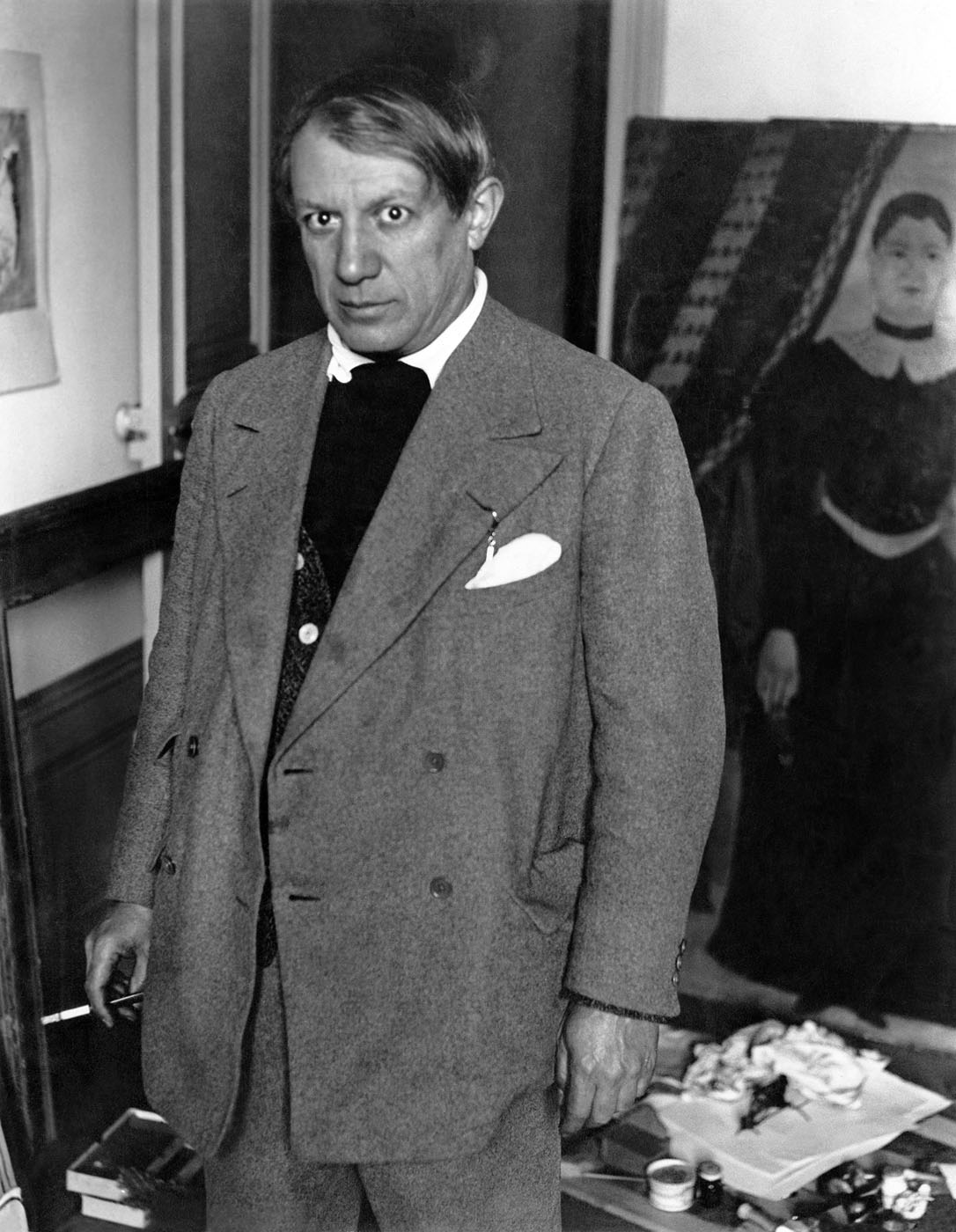
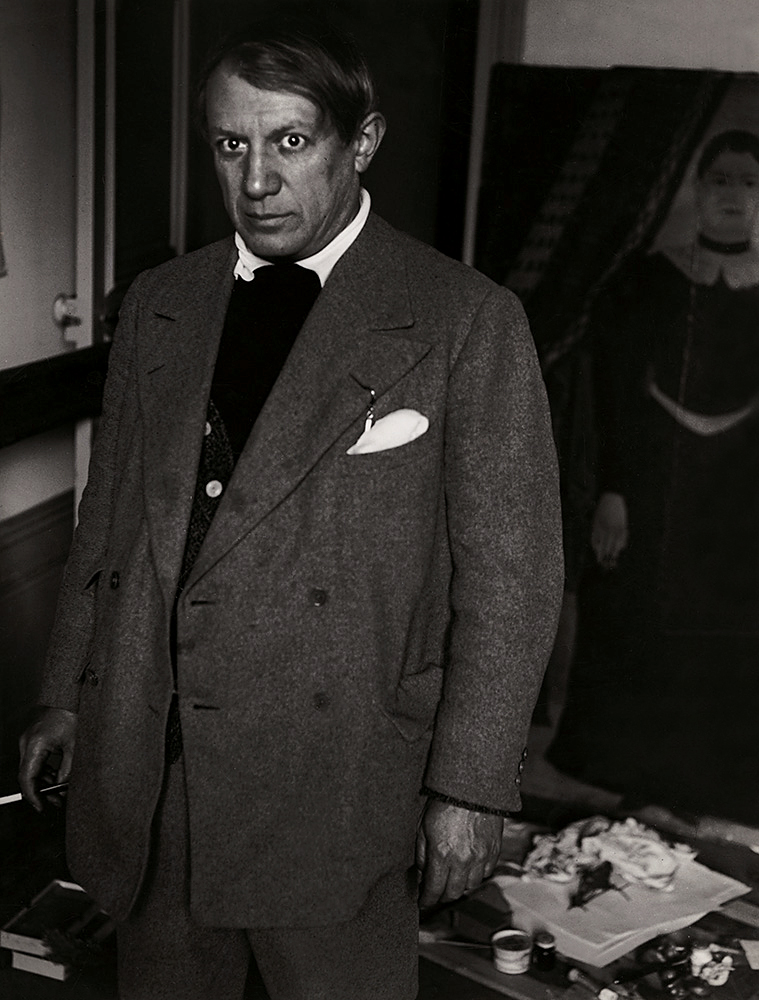
Brassaï (Hungarian-French, 1899-1984) 'Pablo Picasso in the studio on Rue la Boétie, in front of the portrait of Yadwigha by Henri Rousseau, Paris' 1932


Brassaï (Hungarian-French, 1899-1984)
Pablo Picasso in the studio on Rue la Boétie, in front of the portrait of Yadwigha by Henri Rousseau, Paris
1932
Gelatin silver print
28.1 x 21.8cm
Estate Brassaï Succession, Paris
© Estate Brassaï Succession-Philippe Ribeyrolles


“When I enter the studio, I leave my body at the door… I only allow my spirit to go in there and paint”


Pablo Picasso


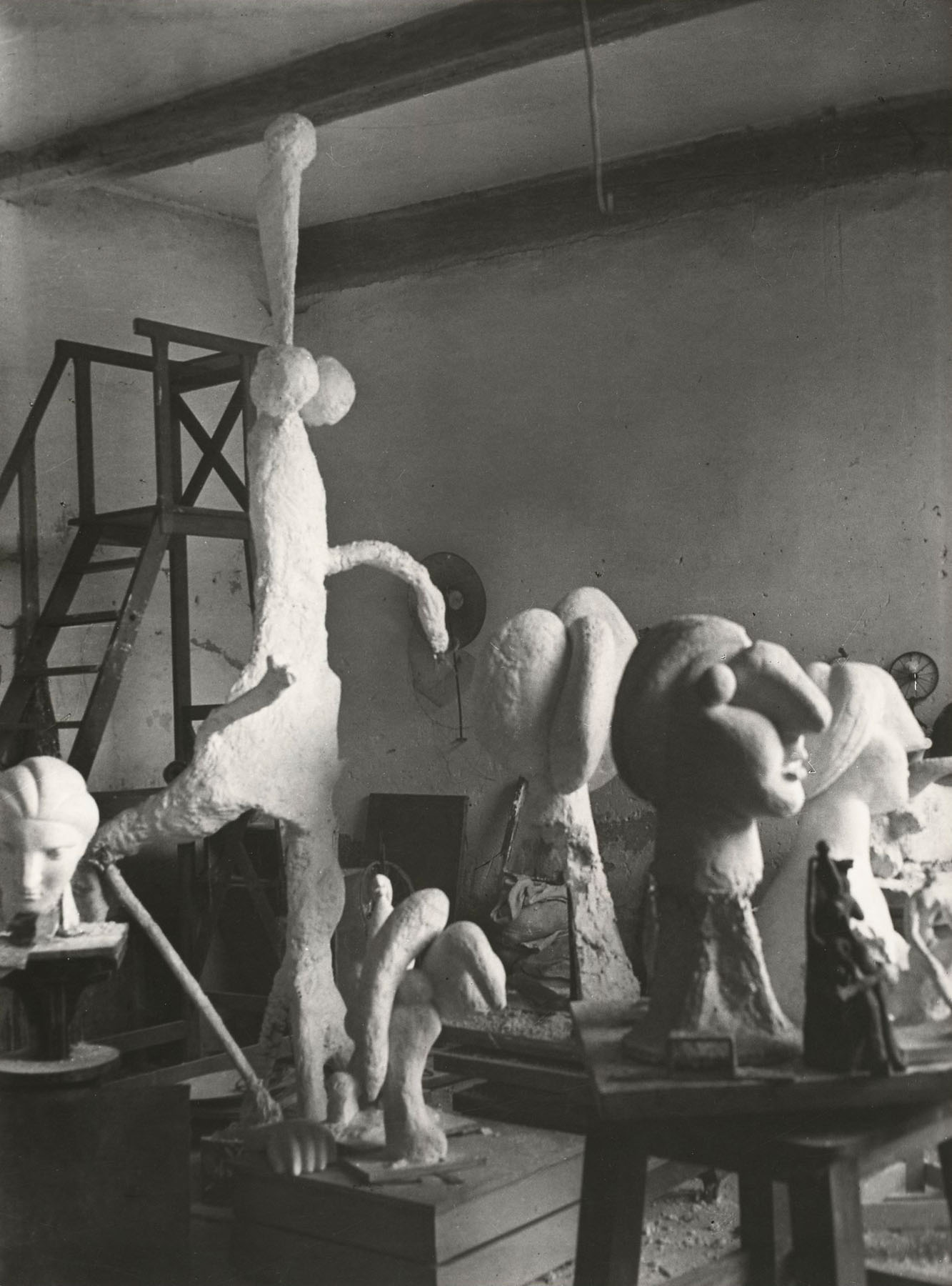
Brassaï (Hungarian-French, 1899-1984) 'Plaster sculptures in Pablo Picasso's studio, Boisgeloup' December 1932


Brassaï (Hungarian-French, 1899-1984)
Plaster sculptures in Pablo Picasso’s studio, Boisgeloup
December 1932
Gelatin silver print
© Estate Brassaï Succession-Philippe Ribeyrolles


In 1930, Picasso acquires a house and land near Gisors, Normandy, with the aim of creating monumental sculptures. Of those he creates there, La femme au vase (Woman with Vase), a piece from 1933, stands out for its great symbolic weight, given that it is placed on the artist’s tomb in the Château of Vauvenargues. But it is above all the busts of Marie-Thérèse Walter, his young secret lover, who both Brassaï and Boris Kochno capture with their respective lenses in attempts to recreate the peculiar atmosphere of that country studio, inhabited by strange creatures. While Kochno’s report is that of an amateur, Brassaï’s is a commission for the first issue of Minotaure art magazine, from 1933, accompanying a text by André Breton, “Picasso dans son élément” (Picasso in his Element), which reveals Picasso as a sculptor, a facet of his work that was completely unknown until then.

Anonymous text from the Museo Picasso website Nd [Online] Cited 11/03/2022


Brassaï (Hungarian-French, 1899-1984) 'Weekend, Paris' 1936


Brassaï (Hungarian-French, 1899-1984)
Weekend, Paris
1936
Gelatin silver print
© Estate Brassaï Succession-Philippe Ribeyrolles


Brassaï (Hungarian-French, 1899-1984) 'Man with Ram (1943), Bust of Dora Maar (1941) and Seated Cat (1941-1943) by Pablo Picasso, Paris' 1943


Brassaï (Hungarian-French, 1899-1984)
Man with Ram (1943), Bust of Dora Maar (1941) and Seated Cat (1941-1943) by Pablo Picasso, Paris
1943
Gelatin silver print
30 x 20.7cm
Estate Brassaï Succession, Paris
© Estate Brassaï Succession-Philippe Ribeyrolles
© Sucesión Pablo Picasso, VEGAP, Málaga, 2021


Brassaï (Hungarian-French, 1899-1984) 'Pablo Picasso at the window of his studio on the Rue des Grands Augustins, Paris' 1939


Brassaï (Hungarian-French, 1899-1984)
Pablo Picasso at the window of his studio on the Rue des Grands Augustins, Paris
1939
Gelatin silver print
© Estate Brassaï Succession-Philippe Ribeyrolles


Pablo Picasso (Spanish, 1881-1973) 'Ile de la Cité – vue de Notre-Dame de Paris' Paris, 26 February 1945


Pablo Picasso (Spanish, 1881-1973)
Ile de la Cité – vue de Notre-Dame de Paris
Paris, 26 February 1945
Oil on canvas
80 x 120cm
Museum Ludwig, Cologne
© Rheinisches Bildarchiv Cologne
© Sucesión Pablo Picasso, VEGAP, Málaga, 2021


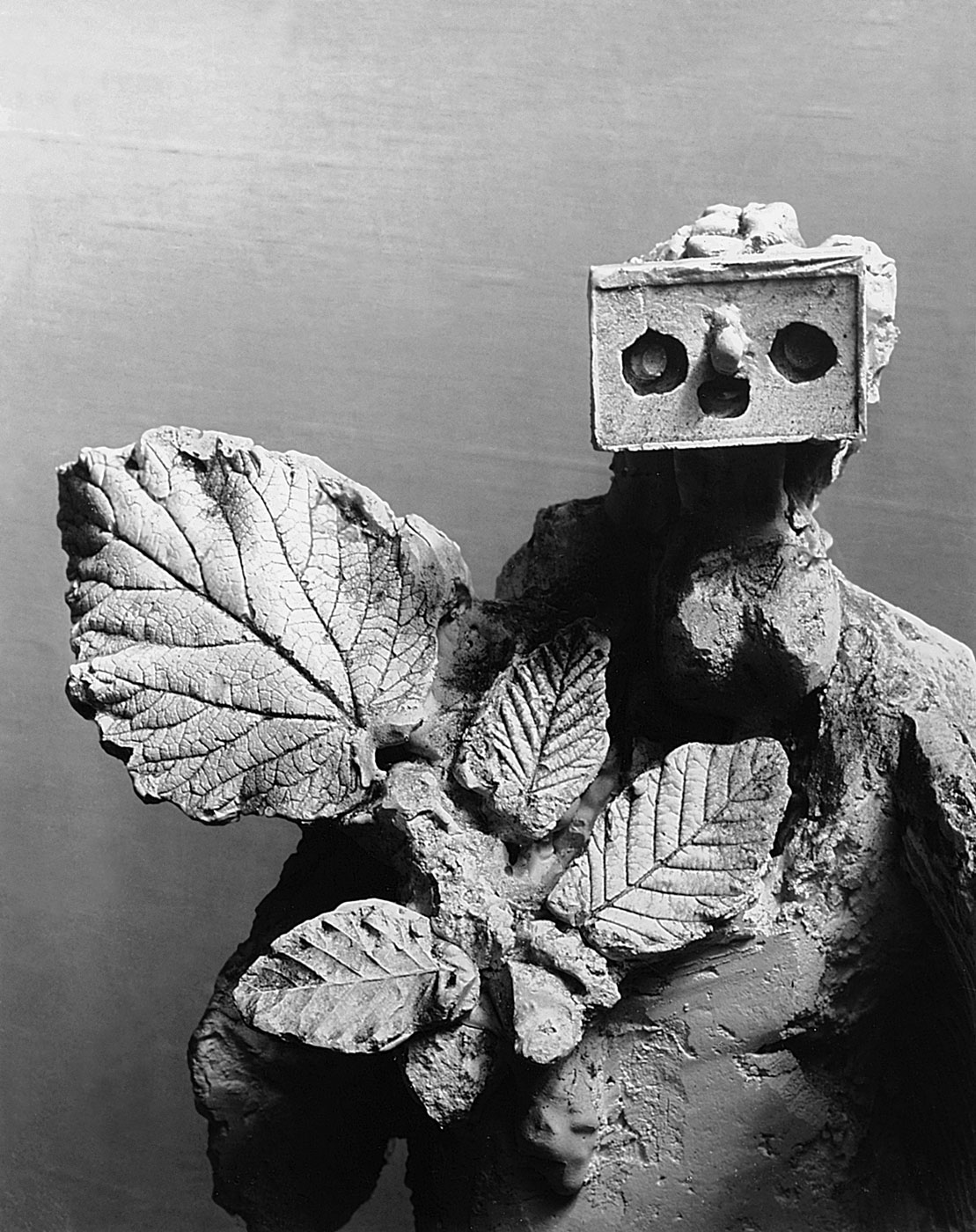
Brassaï (Hungarian-French, 1899-1984) 'Detail of the plaster sculpture Woman with Leaves (Pablo Picasso, 1934) in the studio on the rue des Grands- Augustins, Paris' 1943


Brassaï (Hungarian-French, 1899-1984)
Detail of the plaster sculpture Woman with Leaves (Pablo Picasso, 1934) in the studio on the rue des Grands Augustins, Paris
1943
Gelatin silver print
27.7 x 22.1cm
Estate Brassaï Succession, Paris
© Estate Brassaï Succession-Philippe Ribeyrolles
© Sucesión Pablo Picasso, VEGAP, Málaga, 2021


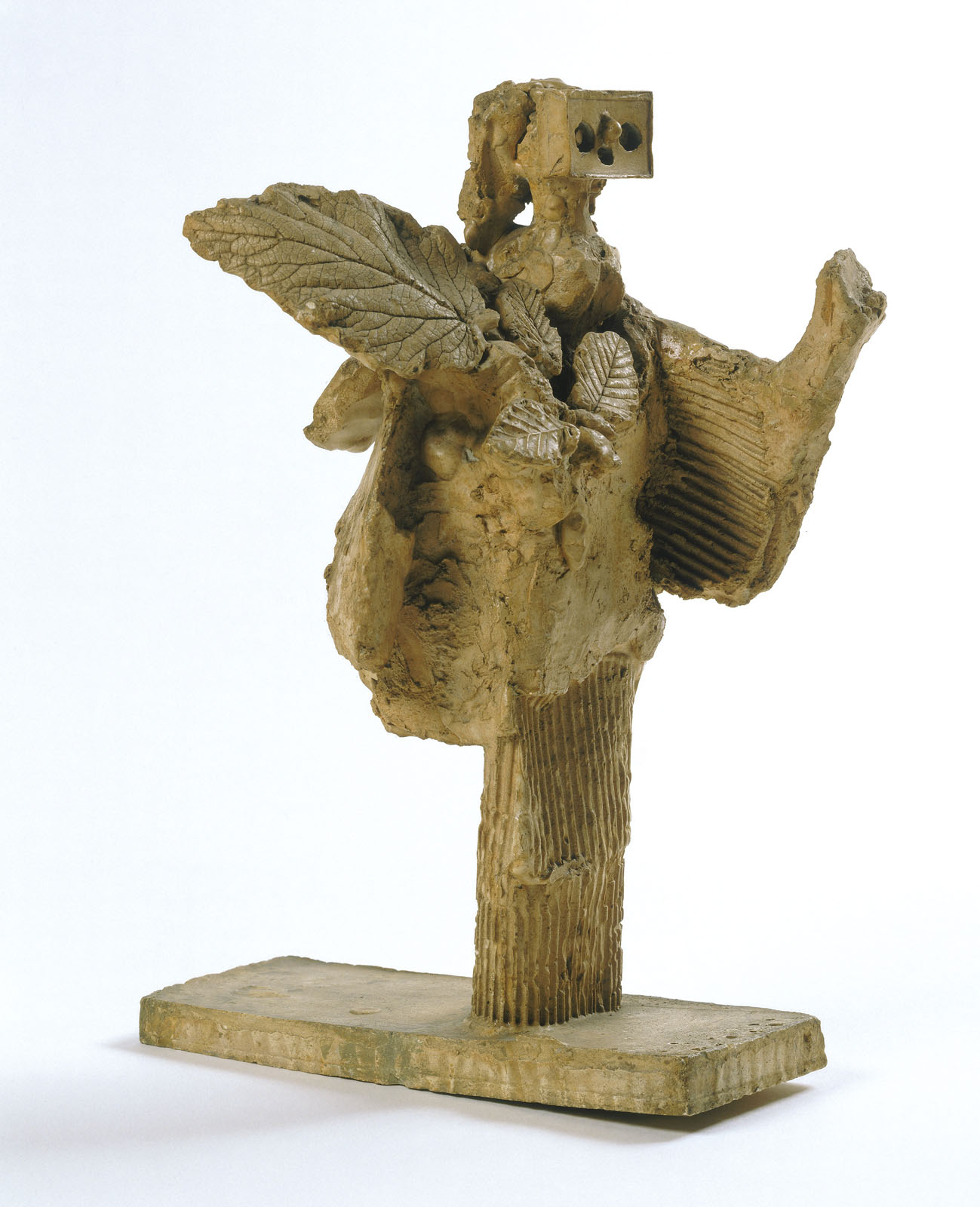
Pablo Picasso (Spanish, 1881-1973) 'Woman with Leaves, Boisgeloup' 1934


Pablo Picasso (Spanish, 1881-1973)
Woman with Leaves, Boisgeloup
1934
Original plaster varnished
38.5 x 27.5 x 21cm
Fundación Almine y Bernard Ruiz-Picasso para el Arte, Madrid
On temporary loan to the Museo Picasso Málaga
© Sucesión Pablo Picasso, VEGAP, Málaga, 2021


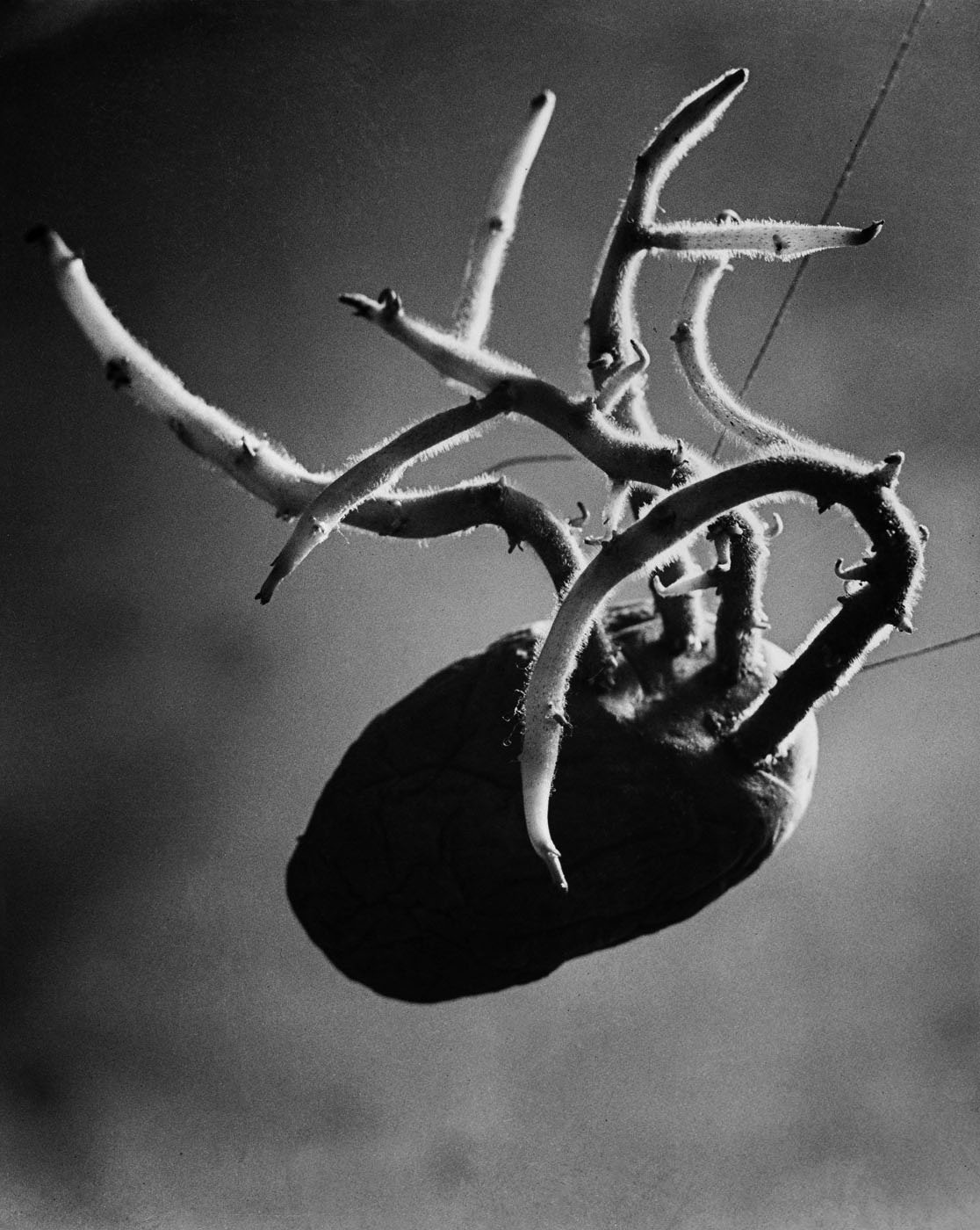
Brassaï (Hungarian-French, 1899-1984) 'Circumstantial Magic. Sprouting Potato' 1931


Brassaï (Hungarian-French, 1899-1984)
Circumstantial Magic. Sprouting Potato
1931
Gelatin silver print
© Estate Brassaï Succession-Philippe Ribeyrolles


Brassaï (Hungarian-French, 1899-1984) 'The Sun King, Paris' 1930-1950


Brassaï (Hungarian-French, 1899-1984)
The Sun King, Paris
1930-1950
From the Graffiti series
Gelatin silver print
40 x 29.5cm
Estate Brassaï Succession, Paris
© Estate Brassaï Succession-Philippe Ribeyrolles


Brassaï (Hungarian-French, 1899-1984) 'Le Poussin' 1955


Brassaï (Hungarian-French, 1899-1984)
Le Poussin
1955
From the Graffiti series
Gelatin silver print
© Estate Brassaï Succession-Philippe Ribeyrolles


Museo Picasso Málaga
Palacio de Buenavista C/ San Agustín, 8
29015 Málaga, Spain

Opening hours:
Daily 10am – 7pm
Museo Picasso Málaga website

LIKE ART BLART ON FACEBOOK

Back to top

Exhibition: ‘Brassaï’ at Fundación MAPFRE, Barcelona

Exhibition dates: 20th February – 13th May, 2018

Curator: Mr. Peter Galassi


Brassaï (Gyulá Halász) (Hungarian-French, 1899-1984) 'Vista per sota del Pont Royal cap al Pont de Solférino [View through the pont Royal toward the pont Solférino]' c. 1933 from the exhibition 'Brassaï' at Fundación MAPFRE, Barcelona, Feb - May, 2018
 

Brassaï (Gyulá Halász) (Hungarian-French, 1899-1984)
Vista per sota del Pont Royal cap al Pont de Solférino
View through the pont Royal toward the pont Solférino

c. 1933
(Nuit / Night 53)
40.1 x 51cm
© Estate Brassaï Succession, Paris


For those who know how to look

Not everyone can see. It takes a great eye and a great mind, and the liberation of that mind, to be able to transform the mundane, the everyday, the vernacular – into art. Brassaï’s folklore, his mythology of life, suggests that the life of others (those living on the edge) is as valuable and essential to the formation of culture as any other part of existence.

Brassaï’s work comes alive at night and, as Alejandra Uribe Ríos observes, “The night was undoubtedly the great muse of his work, his inspiration.” While he got some of his friends to stage scenes for his book Paris by night – acting as prostitutes and customers hanging around in back alleys – it matters not one bit. The artist was embedded in this world and represents what he knows, what he has seen in his mind’s eye.

The density of his photographs is incredible – their atmosphere thick and heavy; revealing and beautiful. “In certain photographs, objects take on a particular light, a fascinating presence. Vision has fixed them “as they are in themselves” […]. It confers a density that is entirely foreign to their real existence. They are there, one might say, for the first time, but at the same time for the last.” The first and last, a circular compaction of time and space into the eternal present, objects as they are in themselves and will always be.

That fascinating presence can be felt even today, for that is what the time freeze of photography does: it “look backwards and forwards in the same instance.”

Brassaï saw something clearly, so that we might see it now. Look at the seemingly mundane space portrayed in Concierge’s Lodge, Paris (1933, below) from his book Paris de jour / Paris by Day. The photograph could be taken at night, but it is day! The small amount of sunlight falls on the tied-back curtain in the doorway; the crumpled mat lies outside the door; the two doors compete for our visual attention – one the solid presence that holds up the left hand side of the image, the other the vanishing point in the distance; and the eye is led down to this door by the pavement and the gutter with a band of water emphasising the form. The verticality of the worn and ancient stone work is emphasised by the modern metal box in front of it, leading the eye up to the Concierge sign only, mind you, for numbers 5 & 7. But then the mystery… what is going on above the ancient door at the rear – the sky, a ceiling, another wall lit by the last rays of the sun? Such a dense, complex image that requires an intimate knowledge of the mystery of place, in both the artist and the viewer.

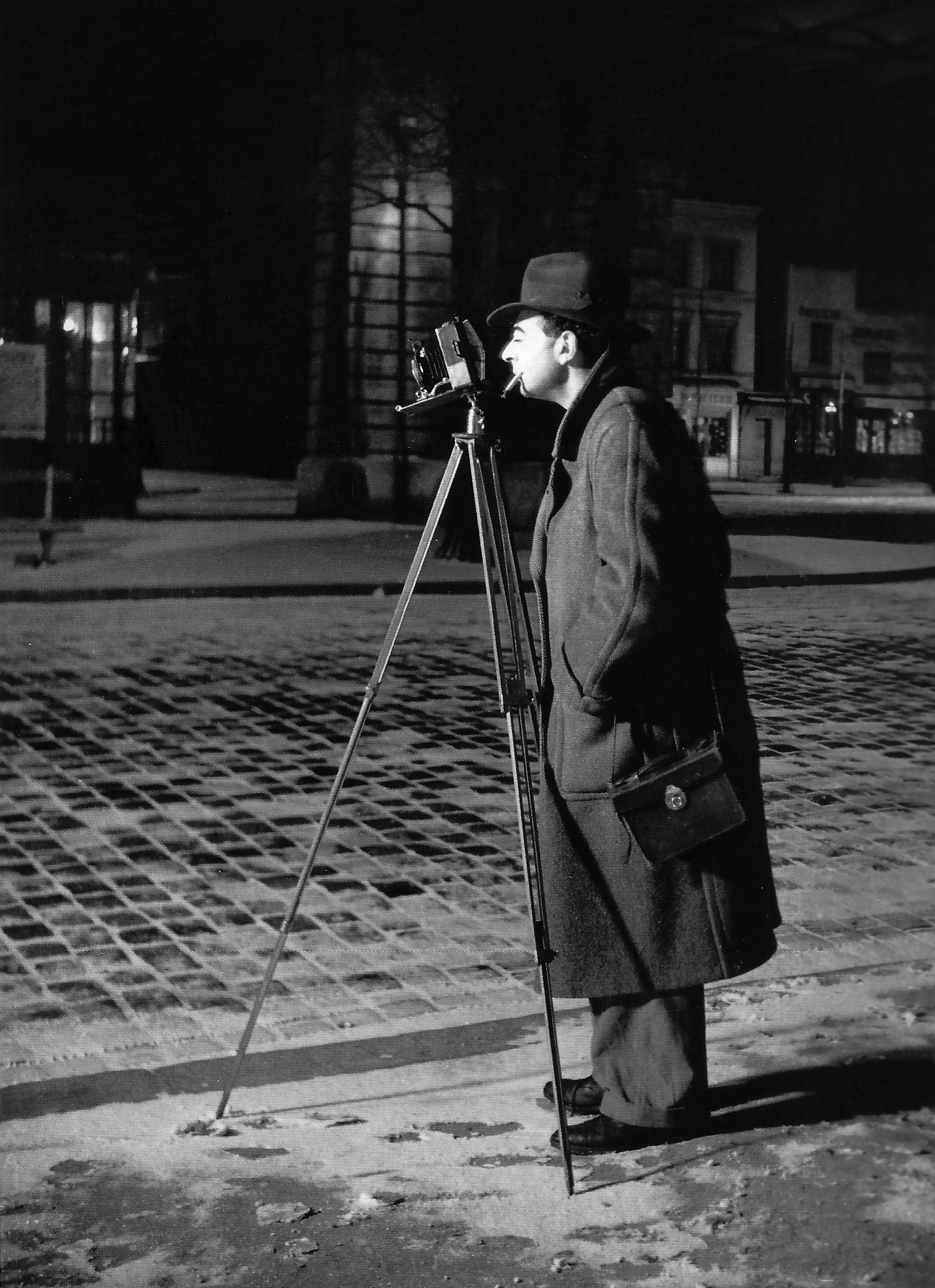
Here we see Brassaï in Self-portrait, Boulevard Saint-Jacques, Paris 14ème, standing in the snow at night, heavy overcoat, hat, cigarette hanging out of his mouth, squinting through his camera to previsualise not just the photograph he is taking, but it’s final, physical embodiment, the print. In our world today of Insta-photos, millions and millions of photographs that mean basically nothing, and where anyone without training can pick up a camera and think of themselves a photographer, there is something to be said for taking the time to train and educate your eye and your mind. Only then might you reveal something about the world and, possibly, yourself as well.

Dr Marcus Bunyan

@mapfrefcultura #expo_brassai


Many thankx to Fundación MAPFRE for allowing me to publish the photographs in the posting. Please click on the photographs for a larger version of the image.


“I was eager to penetrate this other world, this fringe world, the secret, sinister world of mobsters, outcasts, toughs, pimps, whores, addicts, inverts. Rightly or wrongly, I felt at the time that this underground world represented Paris at its least cosmopolitan, its most alive, its most authentic, that in these colourful faces of its underworld there had been preserved from age to age, almost without alteration, the folklore of its most remote past.”


Brassaï, 1976


“In certain photographs, objects take on a particular light, a fascinating presence. Vision has fixed them “as they are in themselves” […]. It confers a density that is entirely foreign to their real existence. They are there, one might say, for the first time, but at the same time for the last.”


Brassaï, undated note


“To oblige the model to behave as if the photographer isn’t there really is to stage a comic performance. What’s natural is precisely not to dodge the photographer’s presence. The natural thing in that situation is for the model to pose honestly.”


Brassaï, undated note


“The night suggests, he does not teach. The night finds us and surprises us by its strangeness; it liberates in us the forces that, during the day, are dominated by reason.”

“Night does not show things, it suggests them. It disturbes and surprises us with its strangeness. It liberates forces within us which are dominated by our reason during the daytime.”


Brassaï


“The night was undoubtedly the great muse of his work, his inspiration. The train tracks, the lovers, the fog, the posters, the ballet and the cabarets. Everything is worthy of portraying for those who know how to look and that is undoubtedly one of Brassai’s merits: embodying the everyday, rescuing the magical, the lyrical, the mystery of common life, and doing it with elegance, converting the seemingly trivial into a artwork.”


Alejandra Uribe Ríos


Brassaï (Gyulá Halász) (Hungarian-French, 1899-1984) 'Porteria, París [Concierge's Lodge, Paris]' 1933 from the exhibition from the exhibition 'Brassaï' at Fundación MAPFRE, Barcelona, Feb - May, 2018


Brassaï (Gyulá Halász) (Hungarian-French, 1899-1984)
Porteria, París
Concierge’s Lodge, Paris

1933
(Paris de jour / Paris by Day 686)
29.3 x 22.2cm
© Estate Brassaï Succession, Paris


Brassaï (Gyulá Halász) (Hungarian-French, 1899-1984) 'The Eiffel Tower seen through the Gate of the Trocadéro' 1930-1932


Brassaï (Gyulá Halász) (Hungarian-French, 1899-1984)
La Torre Eiffel vista a través del reixat del Trocadéro
La torre Eiffel vista a través de la reja del Trocadero
The Eiffel Tower seen through the Gate of the Trocadéro

1930-32
(Nuit / Night 1; variant of Paris de nuit / Paris by Night, plate 57)
30 x 23.6cm
© Estate Brassaï Succession, Paris


Brassaï (Gyulá Halász) (Hungarian-French, 1899-1984) 'Extinguishing a Streetlight, rue Émile Richard' c. 1932


Brassaï (Gyulá Halász) (Hungarian-French, 1899-1984)
Apagant un fanal, Rue Émile Richard
Apagando una farola, rue Émile Richard
Extinguishing a Streetlight, rue Émile Richard

c. 1932
(Nuit / Night 267)
22.9 x 28.1cm
© Estate Brassaï Succession, Paris


Brassaï (Gyulá Halász) (Hungarian-French, 1899-1984) 'Avenue de l'Observatoire' 1934


Brassaï (Gyulá Halász) (Hungarian-French, 1899-1984)
Avenue de l’Observatoire
1934
Gelatin silver print
23.4 x 30.1cm
© Estate Brassaï Succession, Paris


Brassaï (Gyulá Halász) (Hungarian-French, 1899-1984) 'Streetwalker, near the place d’Italie' 1932


Brassaï (Gyulá Halász) (Hungarian-French, 1899-1984)
Meuca, a prop de la Place d’Italie
Prostituta, cerca de la Place d’Italie
Streetwalker, near the place d’Italie
1932
(Plaisirs / Pleasure 333)
29.9 x 22.9cm
© Estate Brassaï Succession, Paris


Introduction

Fundación MAPFRE is launching its 2018 exhibition programme in Barcelona with the exhibition Brassaï, a comprehensive survey of the career of this celebrated Hungarian-born French photographer whose work helped to define the spirit of Paris in the 1930s. Brassaï was one of the most important of the group of European and American photographers whose work in the inter-war years greatly enriched photography’s potential as a form of artistic expression.

The artist began to take photographs in 1929 or 1930, maintaining an intense level of activity throughout the 1930s. Brassaï’s principal subject was Paris, where he settled in 1924, intending to become a painter. Around the end of World War I the artistic centre of the city had shifted from Montmartre to Montparnasse where most of the artists, constituting a major international community, lived like a large family. Brassï was fascinated by the French capital and later said that he started to take photographs in order to express his passion for the city at night. Soon, however, he also began to take portraits, nudes, still life, images of everyday life and depictions of picturesque corners of the city and moments captured during the day.

Brassaï’s confidence in the power of blunt, straightforward photography to transform what it describes, as well as his talent for extracting from ordinary life iconic images of lasting force, won him an important place among the pioneers of modern photography.

This exhibition offers a survey of the artist’s career through more than 200 works (vintage photographs, a number of drawings, a sculpture and documentary material) grouped into twelve thematic sections, of which the two devoted to Paris in the 1930s are the most important. Produced by Fundación MAPFRE and curated by Peter Galassi, chief curator of the Department of Photography at the MoMA, New York, from 1991 to 2011, this is the first retrospective exhibition on Brassaï to be organised since 2000 (Centre Pompidou) and the first to be held in Spain since 1993.

The exhibition benefits from the exceptional loan of the Estate Brassaï Succession (Paris) and other loans from some of the most important institutions and private collections in Europe and the United States, including: The Art Institute of Chicago, The Museum of Fine Arts (Houston), The Metropolitan Museum of Art (New York), The Museum of Modern Art (New York), the Musée National d’Art Moderne, Centre Pompidou (París), The Philadelphia Museum of Art, The San Francisco Museum of Modern Art, David Dechman and Michel Mercure, ISelf Collection (London) and Nicholas and Susan Pritzker.

The Photographer – Brassaï (Gyulá Halász, 1899-1984)

Brassaï (the pseudonym of Gyulá Halász) was born in 1899 in Brassó, Transylvania (present-day Braşov in Rumania), from where he subsequently took his name for signing his photographs (Brassaï means “from Brassó”).

After studying art in Budapest and Berlin, he moved to Paris and very soon began to earn occasional money and establish a reputation by selling articles and caricatures to German and Hungarian magazines. Photographs were rapidly replacing traditional magazine illustrations and Brassaï also functioned as a one-man photo-agency. Eventually he started making photographs himself, abandoning painting and sculpting, disciplines for which he nevertheless retained great interest and to which he returned during his career. Around 1900, an aesthetic movement had justified its claim that photography was as a fine art by imitating the appearance of the traditional arts. It was not until the 1920s and 1930s that a new generation rejected that approach and began exploring the artistic potential of plain, ordinary photographs. When the tradition that they launched began to achieve widespread recognition in the 1970s, Brassaï would be recognised as one of its leading figures.

During the German occupation of Paris, Brassaï was obliged to stop taking photographs and he thus returned to drawing and writing. In 1949 he obtained French nationality. After the war he once again devoted part of his time to photography and traveled regularly to undertake commissions for the American magazine Harper’s Bazaar. He died in Beaulieu-sur-Mer (France) in 1984 without ever returning to his native Brassó.

The sections of the exhibition

Paris by Night

Paris by Night was in fact the result of a commission which the publisher Charles Peignot gave to the young and still unknown Brassaï. The book, of which a copy is presented in the exhibition, was published in December 1932 and was extremely successful thanks in part to its modern design, pages without margins and richly toned photogravures. Brassaï continued to explore nocturnal Paris throughout the 1930s, developing a personal vision that is embodied in numerous prints in the exhibition.

They evoke the city’s dynamic, vibrant mood: the close-up image of a gargoyle on Notre Dame Cathedral rather than a conventional view of that building, or the Pont Royal seen from the water rather than from above. These are almost always silent images in which time seems to stand still.

Pleasures

When Brassaï reorganised his archive just after World War II, gathered under the rubric Plaisirs he included his pictures of small-time criminals and prostitutes and other figures of Parisian low life together with images of Parisian entertainments, including cheap dance halls to local street fairs to the annual entertainments designed to flout bourgeois conventions. Brassaï obtained permission to work backstage at the famous Folies Bergère, which allowed him to observe everything that was happening from a high viewpoint. His images of Parisian low life transpose to the vivid new medium of photography a vital mythology that had been elaborated in literature and the traditional visual arts.

No one photographed Paris by night as skilfully as Brassaï but he also built up a considerable collection of images of the city by day. Its famous monuments, picturesque corners and details of everyday life are the subject of many of these photographs. Some of his images of the early 1930s reveal his interest in daring geometrical forms and abrupt truncation, for example his famous images of the city’s cobblestones. But even his boldest graphic experiments reflect his abiding fascination with the continuities of an enduring human civilisation.

Paris by day

Nobody photographed Paris at night as accurately as Brassaï, but also accumulated a considerable collection of images of the city in daylight. Monuments, picturesque corners or details of everyday life play a large part in these scenes.

Some of his photographs from the thirties also reflect his interest in geometric styles or abrupt cuts, as shown by the famous cobblestone images of city streets. But even these bolder graphic experiments reflect, like the rest of his images of the city, his permanent fascination with what for him was presented as a remote and inexhaustible tradition, in constant development.

Graffiti

The notion of graffiti as a powerful art form first emerged in the 20th century. Like African tribal objects, children’s art or that of the mentally ill, graffiti was considered more expressive and vital than the refined forms of traditional western art.

Brassaï was in fact one of the first to focus on this subject matter. He was an inveterate hoarder who throughout his life collected all types of cast-off objects and from almost the moment he began to take photographs he used the medium to record the graffiti he saw on the walls of Paris. He preferred examples of graffiti that had been incised or scratched to drawn or painted ones, as well as those in which the irregularity of the wall itself played an important role in aesthetic terms. He took hundreds of images of this type of which only a small selection is on display here.

Minotaure

Between the time of his arrival in Paris in early 1924 and his first steps in photography taken six years later, Brassaï built up a large circle of friends within the international community of artists and writers in Montparnasse. They included Les deux aveugles [The two blind men], as the art critics Maurice Raynal and the Greek-born E. Tériade referred to themselves. In December 1932, the same month that Paris de nuit was published, Tériade invited Brassaï to photograph Picasso and his studios to illustrate the first issue of Minotaure, the deluxe art magazine that would be published in 1933 by the Swiss publisher Albert Skira. Copies of various different issues are on display in this section. This collaboration marked the starting point of Brassaï’s friendship with Picasso, one of the most important of his entire life. Over the following years Brassaï would play an important role in the life of the magazine, particularly with the projects for which he collaborated with Salvador Dalí and as an illustrator to texts by André Breton, although in some cases as an artist in his own right. The first number of the magazine included a series of nudes by Brassaï and his growing graffiti series, while number 7 devoted several pages to Brassaï’s nocturnal visions. All these evoke the artist’s modernity and his relationship with the most important circles of the Parisian avant-garde.

Personages / Characters

In 1949 in his prologue to Camera in Paris, a monograph on contemporary photographers, Brassaï paraphrased Baudelaire in The Painter of modern Life and established a line of continuity between the art of the photographer and that of some of the great artists of the past such as Rembrandt, Goya and Toulouse-Lautrec. In this sense he explained how, like them, photography could elevate ordinary subjects to the level of the universal. The people depicted in this gallery reflect that idea as not only do we see a worker at Les Halles market, a transvestite or a penitent in Seville, but through the dignity given to them by the image all of them exceed their individuality and come to represent a collective.

Places and things

One of Brassaï’s earliest projects, which was never produced, was a book of photographs of cacti. Many years later, in 1957, he made a short film on animals. Most of his photographs of objects or places, however, focus on human creations, reflecting his boundless curiosity about the people that made them, used them or lived in them.

During his trips Brassaï took numerous photographs of which a small selection are on display here: a view of Gaudí’s Sagrada Familia from a high viewpoint, a painted wall in Sacromonte, Granada, and a shop window in New Orleans. In some of these images, such as Vineyard, Château Mouton-Rothschild (June 1953), the viewpoint jumps sharply from the foreground to the background, splitting the image in half along its horizontal axis – a pictorial device invented by Brassaï.

Society

During the mid-1930s and just after World War II, Brassaï photographed at more than two dozen gatherings of Parisian high society – costume balls, fancy soirées, and other events both at private homes and such elegant venues as the Ritz – as well as the famous Nuit de Longchamp (the race course just outside of Paris) every summer from 1936 to 1939. At these events he had much less opportunity to intervene in the action than in Parisian dance halls and bars, but he nonetheless was able to create lasting images of a distinct social reality. Perhaps the most extraordinary of them is his photograph of the celebration of the fiftieth anniversary of the Art Nouveau interior of the swank restaurant Maxim’s (completed just a few years before the Casa Garriga Nogués). Although that image has been famous since it was made in 1949, Brassaï’s series on Parisian high society is poorly known, and several of the photographs are presented for the first time in this exhibition.

Body of a woman

During the occupation of Paris (1940-1944), Brassaï declined to work for the Germans and so was unable to photograph openly. His only income seems to have come from a clandestine commission from Picasso to photograph the master’s sculptures. Partly at Picasso’s urging, Brassaï returned to drawing. Most of the drawings that he made in 1943-1945, like most of the drawings that survive from his time as an art student in Berlin in 1921-1922, are female nudes. The same is the case with many of the sculptures that he started to produce after the war, often made from stones worn by the effect of water.

It would be foolish to attempt to disguise the intensity of Brassaï’s male gaze behind the curtain of a purely aesthetic pursuit of “form.” What is distinctive and powerful in his images of the female body is their unembarrassed carnal urgency.

Portraits: artists, writers, friends

Pablo Picasso, Salvador Dalí, Henry Miller (who gave Brassaï the sobriquet “The eye of Paris”), Pierre Reverdy, Jacques Prévert, Henri Matisse and Léon-Paul Fargue are just a few of the subjects of the portraits on display in this section of the exhibition.

Most of Brassaï’s portraits are of people that he knew and perhaps as a result of that closeness they convey a powerful spirit of frankness, unencumbered by posturing. It is also true; however, that Brassaï regularly achieved that spirit even when he did not know the subject.

Sleep

Broadly speaking, the hallmark of advance European photography in the 1920s and 1930s was a new sense of mobility and spontaneity. But spontaneity was alien to Brassaï’s sensibility, which instead sought clarity and stability. Instead of the popular, hand-held camera, a 35mm Leica, Brassaï chose a camera that used glass plates and often stood on a tripod. As if to declare his independence from the aesthetic of mobility, he chose sleeping in public as a recurrent motif.

The street

Brassaï’s work for Harper’s Bazaar led him to travel in France and in numerous other places, from Spain to Sweden, the United States and Brazil. While the roots of his talent lay in Paris he thus produced an extensive body of photographs taken in places that were unfamiliar to him. The exhibition includes a number of these works, three of them depicting Spain.

Press release from Fundación MAPFRE


Brassaï (Gyulá Halász) (Hungarian-French, 1899-1984) 'Chez Suzy' 1931-1932


Brassaï (Gyulá Halász) (Hungarian-French, 1899-1984)
Chez Suzy
1931-1932
(Plaisirs / Pleasure 352)
30 x 23.8cm
© Estate Brassaï Succession, Paris


Brassaï (Gyulá Halász) (Hungarian-French, 1899-1984) 'Nude in the Bathtub' 1938


Brassaï (Gyulá Halász) (Hungarian-French, 1899-1984)
Nu a la banyera
Desnudo en la bañera
Nude in the Bathtub
1938
(Nu / Naked 199)
23.5 x 17.3cm
© Estate Brassaï Succession, Paris


Brassaï (Gyulá Halász) (Hungarian-French, 1899-1984) 'Four Seasons Ball, rue de Lappe' c. 1932


Brassaï (Gyulá Halász) (Hungarian-French, 1899-1984)
Bal des Quatre Saisons, rue de Lappe
Four Seasons Ball, rue de Lappe
c. 1932
(Plaisirs / Pleasures 2)
49.8 x 40.4 cm
Estate Brassaï Succession, Paris © Estate Brassaï Succession, Paris


Brassaï (Gyulá Halász) (Hungarian-French, 1899-1984) 'At Magic City' c. 1932


Brassaï (Gyulá Halász) (Hungarian-French, 1899-1984)
Al Magic City
En Magic City
At Magic City
c. 1932
(Plaisirs / Pleasures 439)
23.2 x 16.6cm
© Estate Brassaï Succession, Paris


Brassaï (Gyulá Halász) (Hungarian-French, 1899-1984) 'Lovers at the Gare Saint-Lazare' 1937


Brassaï (Gyulá Halász) (Hungarian-French, 1899-1984)
Amants a l’estació de Saint-Lazare
Amantes en la Gare Saint-Lazare
Lovers at the Gare Saint-Lazare
c. 1937
(Plaisirs / Pleasures 143)
23.6 x 17.3cm
© Estate Brassaï Succession, Paris


Brassaï (Gyulá Halász) (Hungarian-French, 1899-1984) 'Haute Couture Soirée' 1935


Brassaï (Gyulá Halász) (Hungarian-French, 1899-1984)
Vetllada d’alta costura
Velada de alta costura
Haute Couture Soirée
1935
(Soirées 85 (image reversed))
17.6 x 21.1cm
© Estate Brassaï Succession, Paris


Brassaï (Gyulá Halász) (Hungarian-French, 1899-1984) 'Lobster Seller, Seville' 1951


Brassaï (Gyulá Halász) (Hungarian-French, 1899-1984)
Venedor de marisc, Sevilla
Vendedor de marisco, Sevilla
Lobster Seller, Seville
1951
(Étranger / Foreign 401)
49.3 x 37cm
© Estate Brassaï Succession, Paris


Brassaï (Gyulá Halász) (Hungarian-French, 1899-1984) 'New Orleans' 1957


Brassaï (Gyulá Halász) (Hungarian-French, 1899-1984)
New Orleans
1957
(Amérique / America 451)
35.9 x 29.4cm
© Estate Brassaï Succession, Paris


Brassaï (Gyulá Halász) (Hungarian-French, 1899-1984) 'Montmartre' 1930-1931


Brassaï (Gyulá Halász) (Hungarian-French, 1899-1984)
Montmartre
1930-1931
[Paris de jour / Paris by day 472.C]
29.8 x 39.6 cm
© Estate Brassaï Succession, Paris


Brassaï (Gyulá Halász) (Hungarian-French, 1899-1984) 'Jean Genet, Paris' 1948


Brassaï (Gyulá Halász) (Hungarian-French, 1899-1984)
Jean Genet, Paris
1948
(Arts 787.E)
39.7 x 30.2cm
© Estate Brassaï Succession, Paris


Brassaï (Gyulá Halász) (Hungarian-French, 1899-1984) 'Picasso Holding One Of The Sculptures' 1939


Brassaï (Gyulá Halász) (Hungarian-French, 1899-1984)
Picasso Tenant Une De Les Sculptures
Picasso Holding One Of The Sculptures

1939
© Estate Brassaï Succession, Paris


Brassaï (Gyulá Halász) (Hungarian-French, 1899-1984) 'Portrait of Picasso in His Studio at 23 rue de La Boëtie, Paris' 1932


Brassaï (Gyulá Halász) (Hungarian-French, 1899-1984)
Portrait of Picasso in His Studio at 23 rue de La Boëtie, Paris
1932
© Estate Brassaï Succession, Paris


23 rue de La Boëtie, Paris


23 rue de La Boëtie, Paris


Brassaï (Gyulá Halász) (Hungarian-French, 1899-1984) 'Self-portrait, Boulevard Saint-Jacques, Paris 14ème' c. 1931-1932


Brassaï (Gyulá Halász) (Hungarian-French, 1899-1984)
Self-portrait, Boulevard Saint-Jacques, Paris 14ème
c. 1931-1932
© Estate Brassaï Succession, Paris


Fundación MAPFRE – Instituto de Cultura
Casa Garriga i Nogués exhibition space
Calle Diputació, 250
Barcelona

Opening hours:
Mondays closed
Tuesday to Sundays (and holidays): 11 am – 7 pm

Fundación MAPFRE website

LIKE ART BLART ON FACEBOOK

Back to top