Exhibition: ‘Brassaï: Secret Paris’ at Heide Museum of Modern Art, Melbourne

Exhibition dates: 25th July – 15th November, 2026

Co-curators: Lesley Harding, Heide Artistic Director; Philippe Ribeyrolles, manager and curator of the Estate Brassaï; and Emmanuelle de l’Ecotais, nephew of the artist, and renowned French photography curator


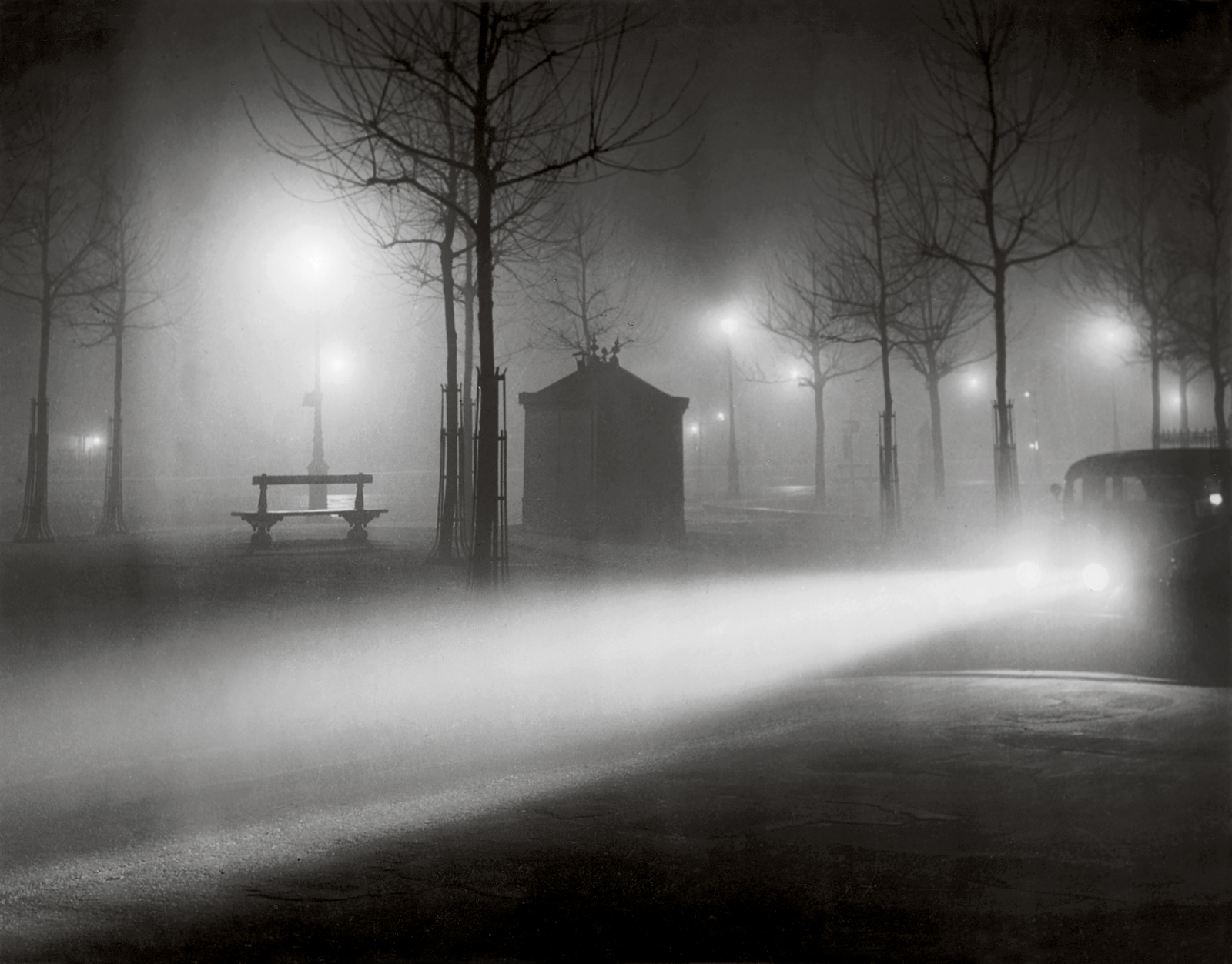
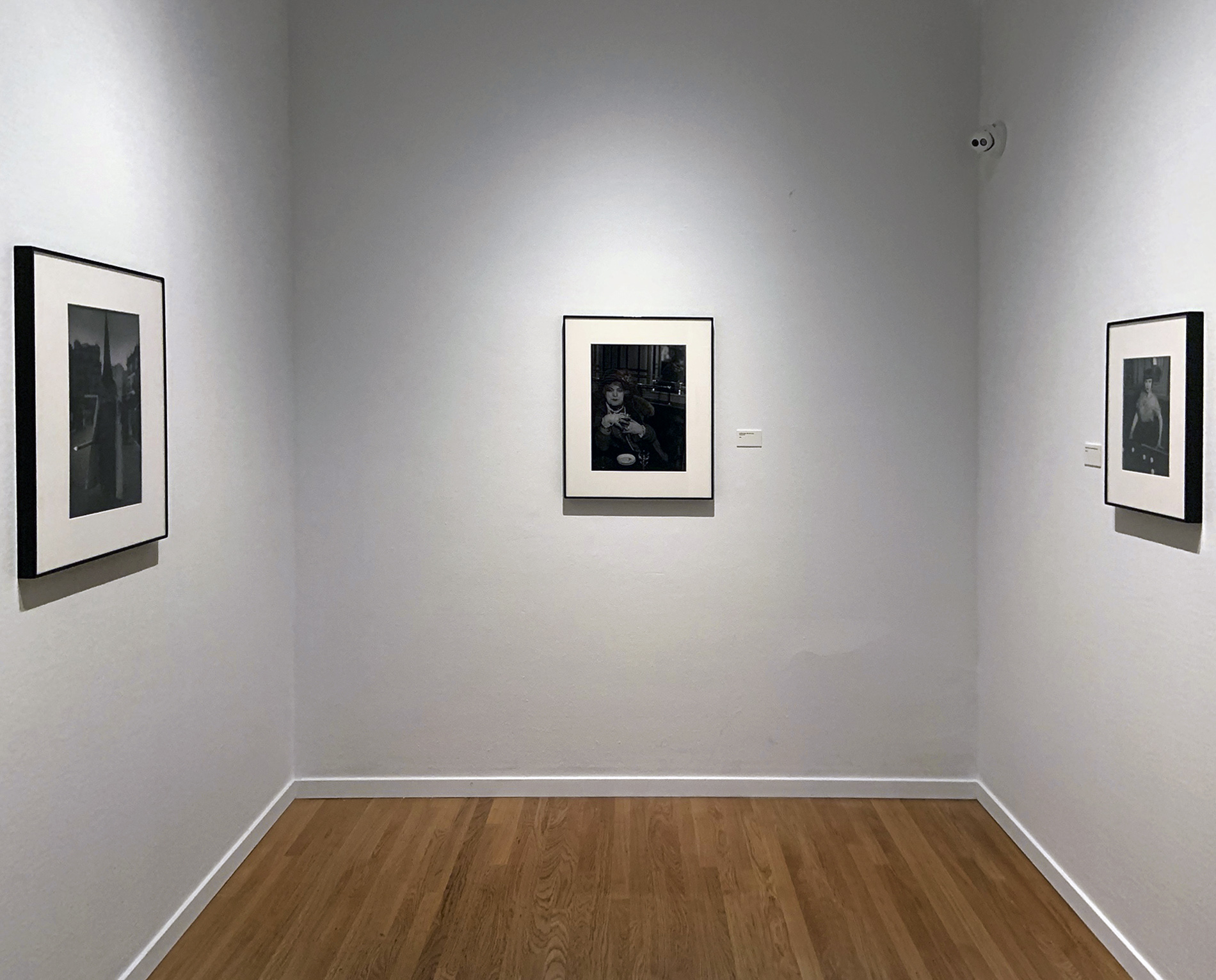
Brassaï (Hungarian-French, 1899-1984) 'Vue à travers le pont Royal en direction du pont Solférino' (View through the pont Royal toward the pont Solférino) c. 1933


Brassaï (Hungarian-French, 1899-1984)
Vue à travers le pont Royal en direction du pont Solférino (View through the pont Royal toward the pont Solférino)
c. 1933
Gelatin silver print
Estate Brassaï Succession, Philippe Ribeyrolles


Atmosphere

This is a superb exhibition of the photographs of Hungarian-French photographer, sculptor, medallist, writer, and filmmaker Brassaï (1899-1984) at Heide Museum of Modern Art.

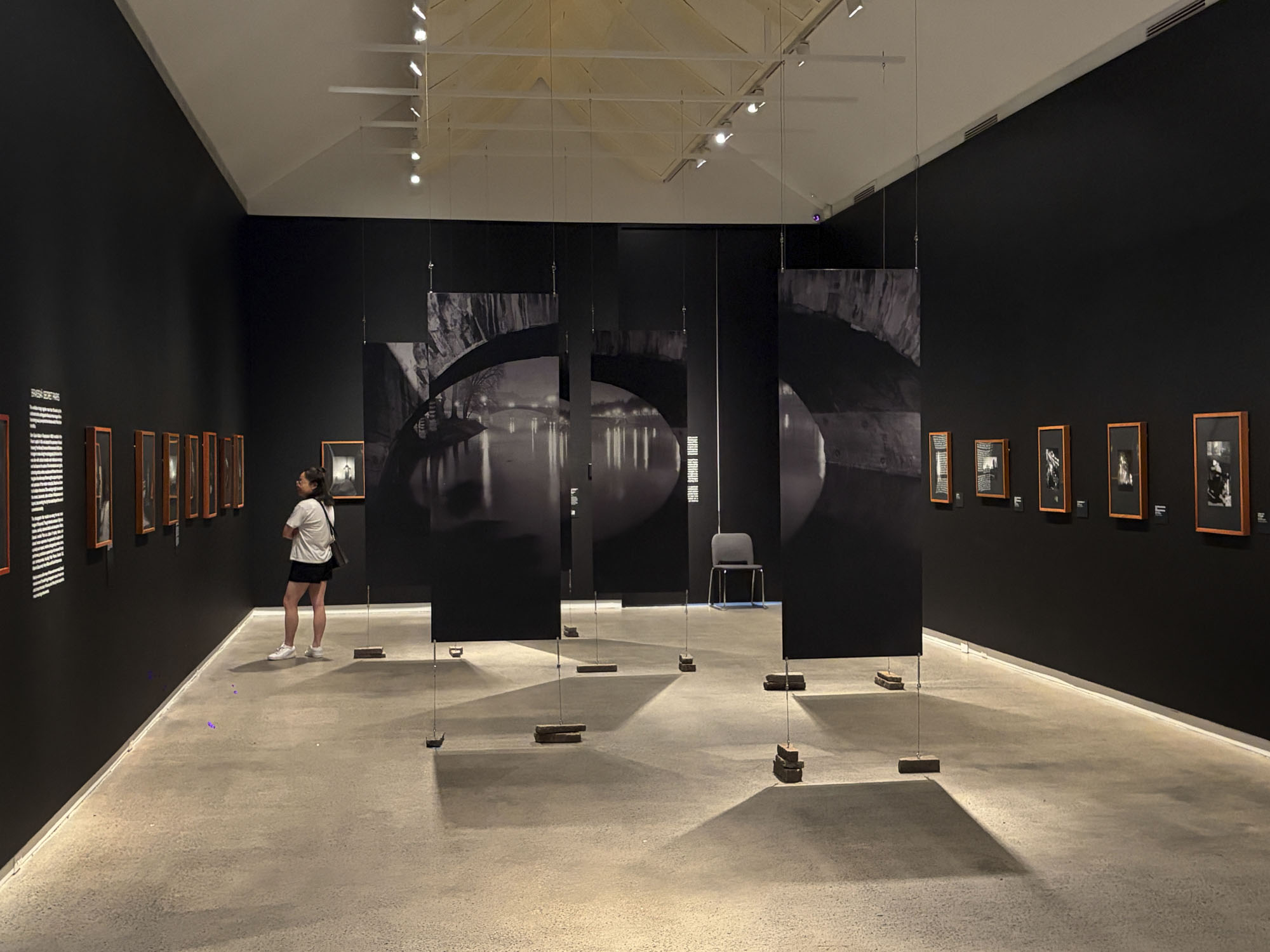
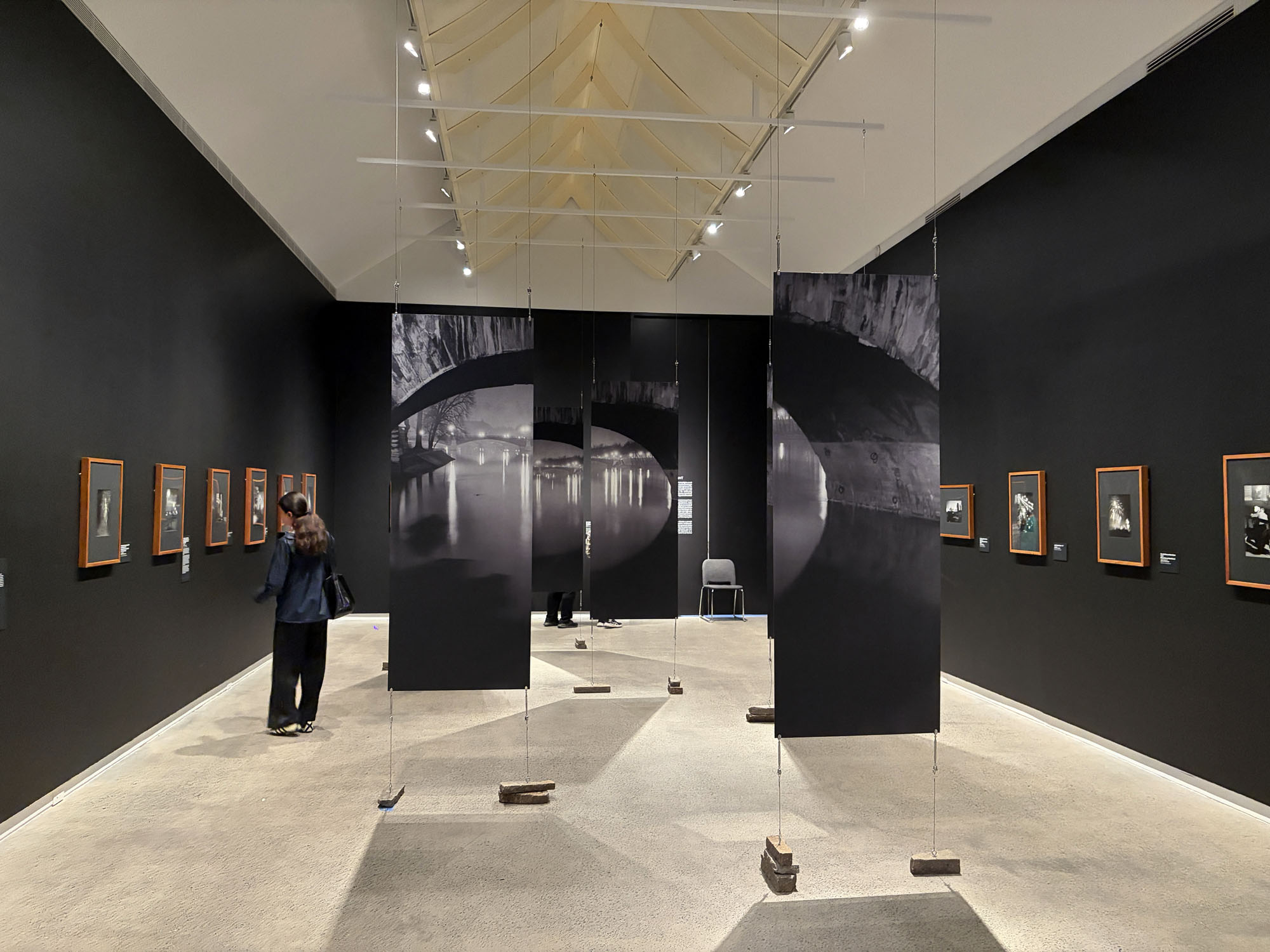
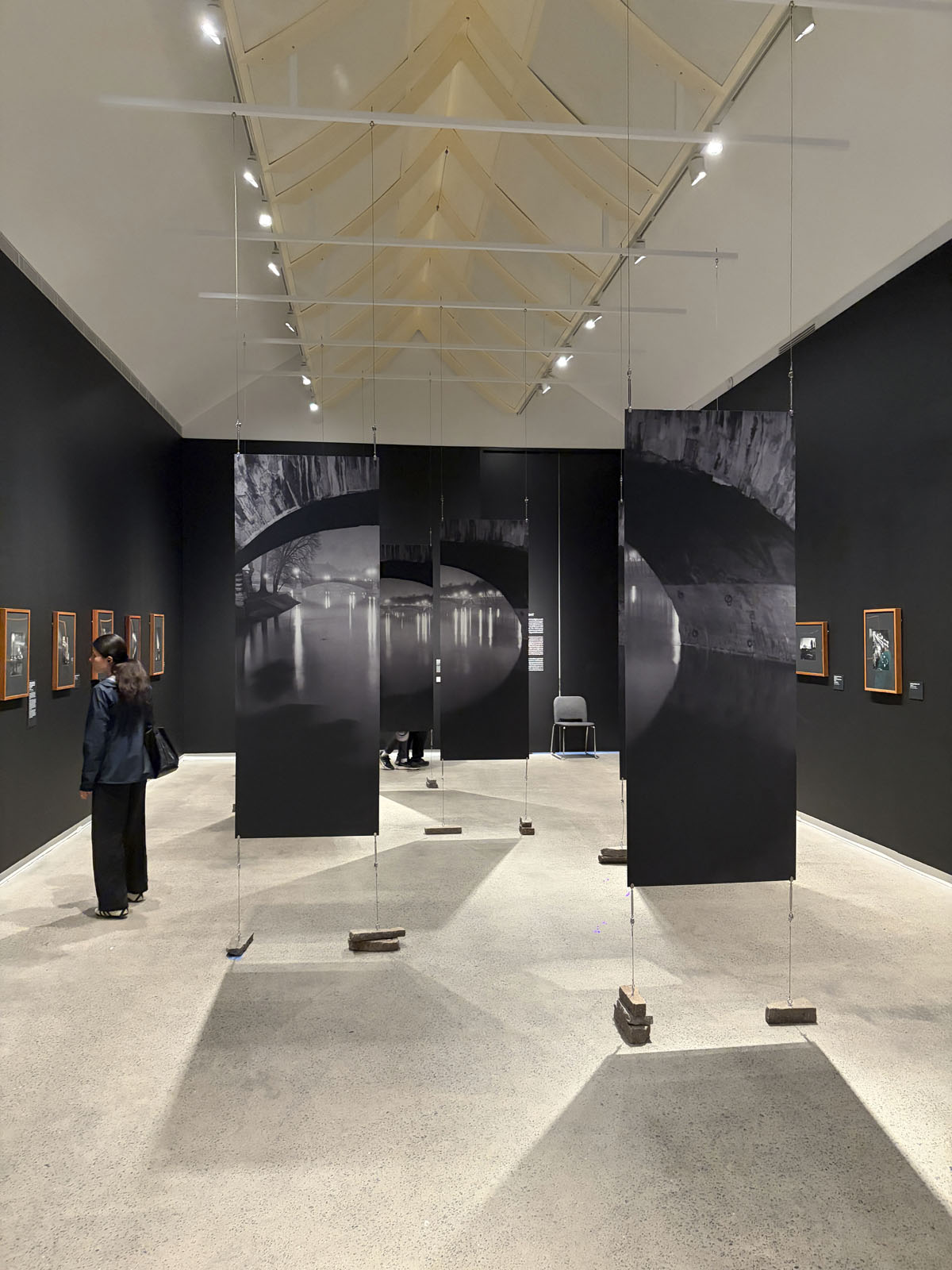
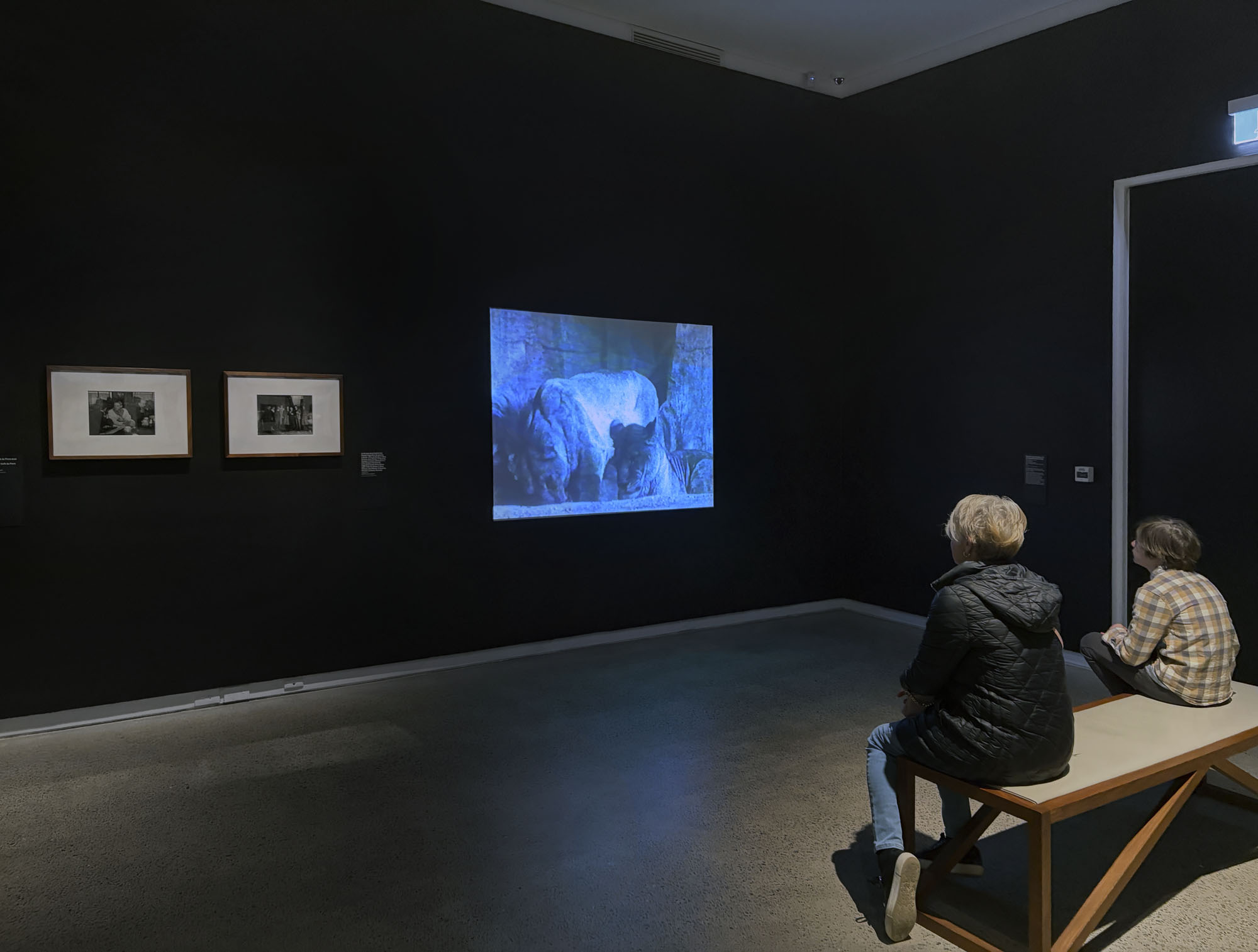
What a pleasure it is to wander the beautiful installation, the hanging, fragmented banner images forming a shimmering whole, much like the atmosphere of Brassaï’s mainly vintage photographs presented in the exhibition.

There is a certain feeling to Brassaï’s vintage prints and I have been thinking about this a lot since seeing the exhibition. And the word I came up with is, sfumato.

“Sfumato (derived from the Italian word sfumare, meaning “to tone down” or “to evaporate like smoke”) is an Italian Renaissance painting technique that softens the transitions between colours and tones, creating a hazy, smoky effect without harsh lines, borders, or abrupt outlines.” (Wikipedia)

Let us be clear, this is not Pictorialism with all its softness and painterly effect, but in Brassaï’s vintage prints a feeling, a feeling, of soft tonality in sharpness – no heavy blacks or strident whites – just a wonderful “atmosphere” of night, presence, people, smoky bars, balls, of degustation – a sequence of many small portions of the urban landscape.

Bill Brandt, who was so inspired by Brassaï’s book Paris de Nuit (1933) that he produced his book A Night in London in 1938, wanted atmosphere to not merely aim to represent a place but to capture its very essence in a single image, to provoke in the viewer an emotional response from the contemplation of the work: “Thus it was I found atmosphere to be the spell that charged the commonplace with beauty. … I only know it is a combination of elements … which reveals the subject as familiar and yet strange.”1

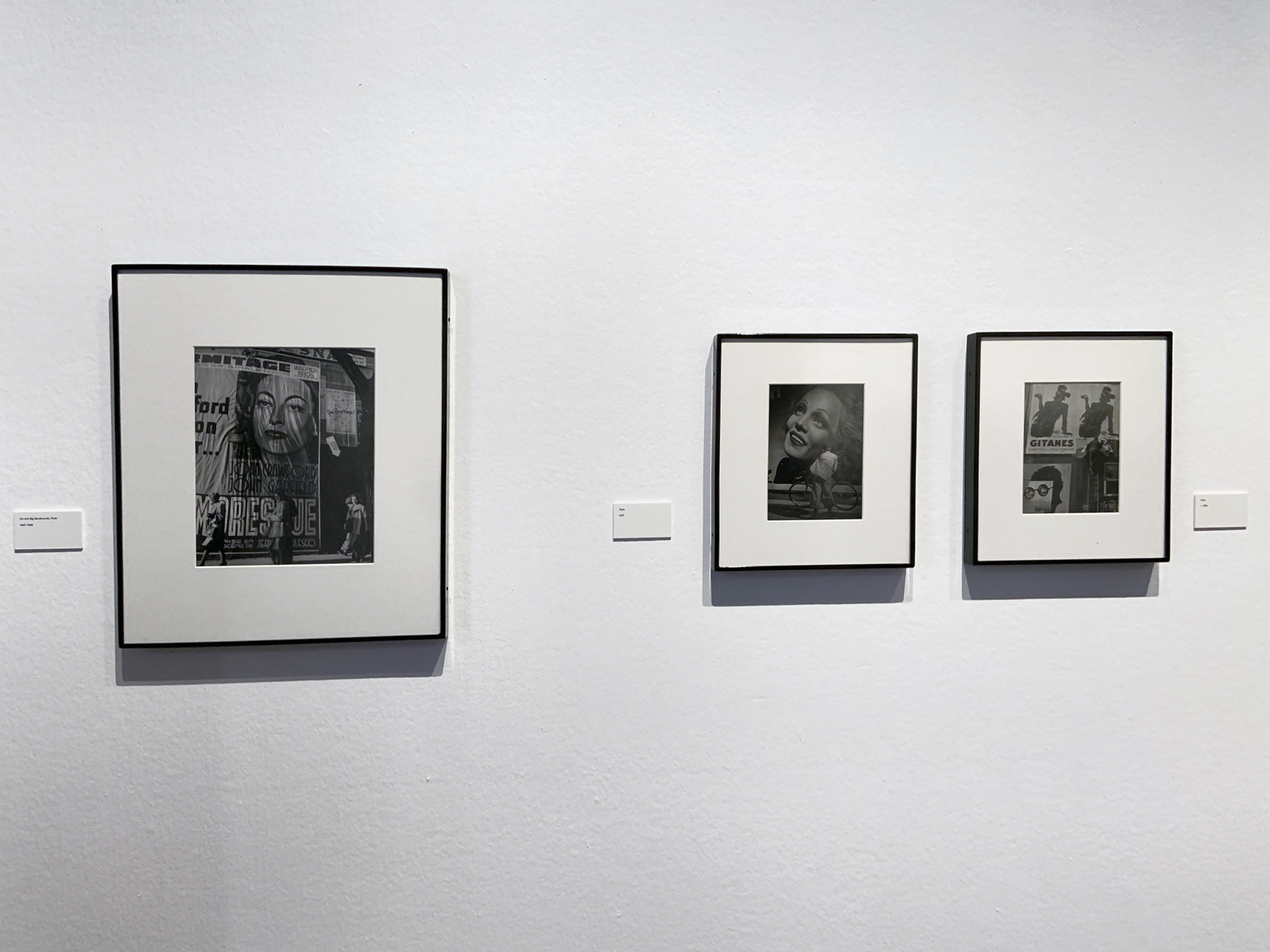
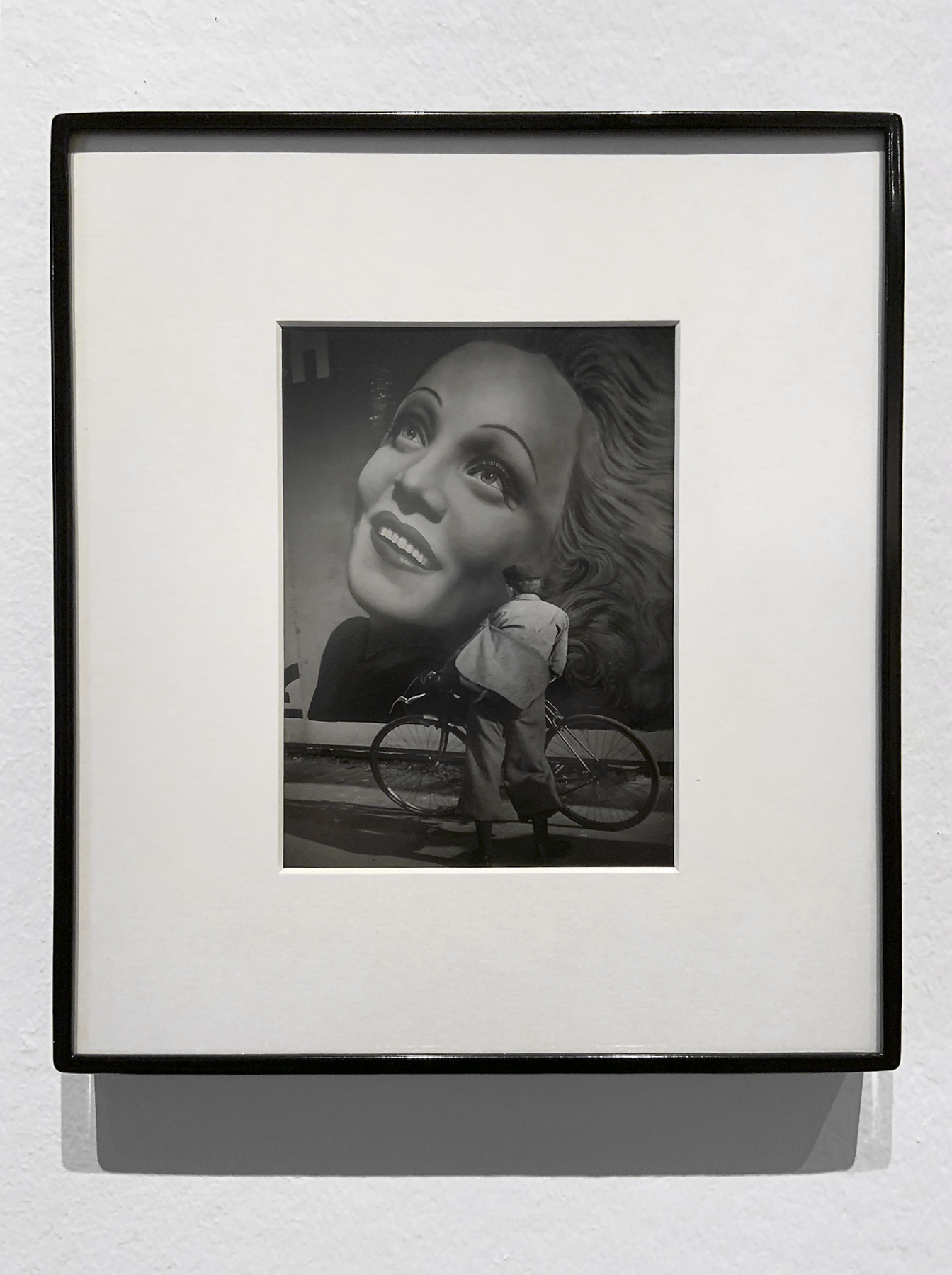
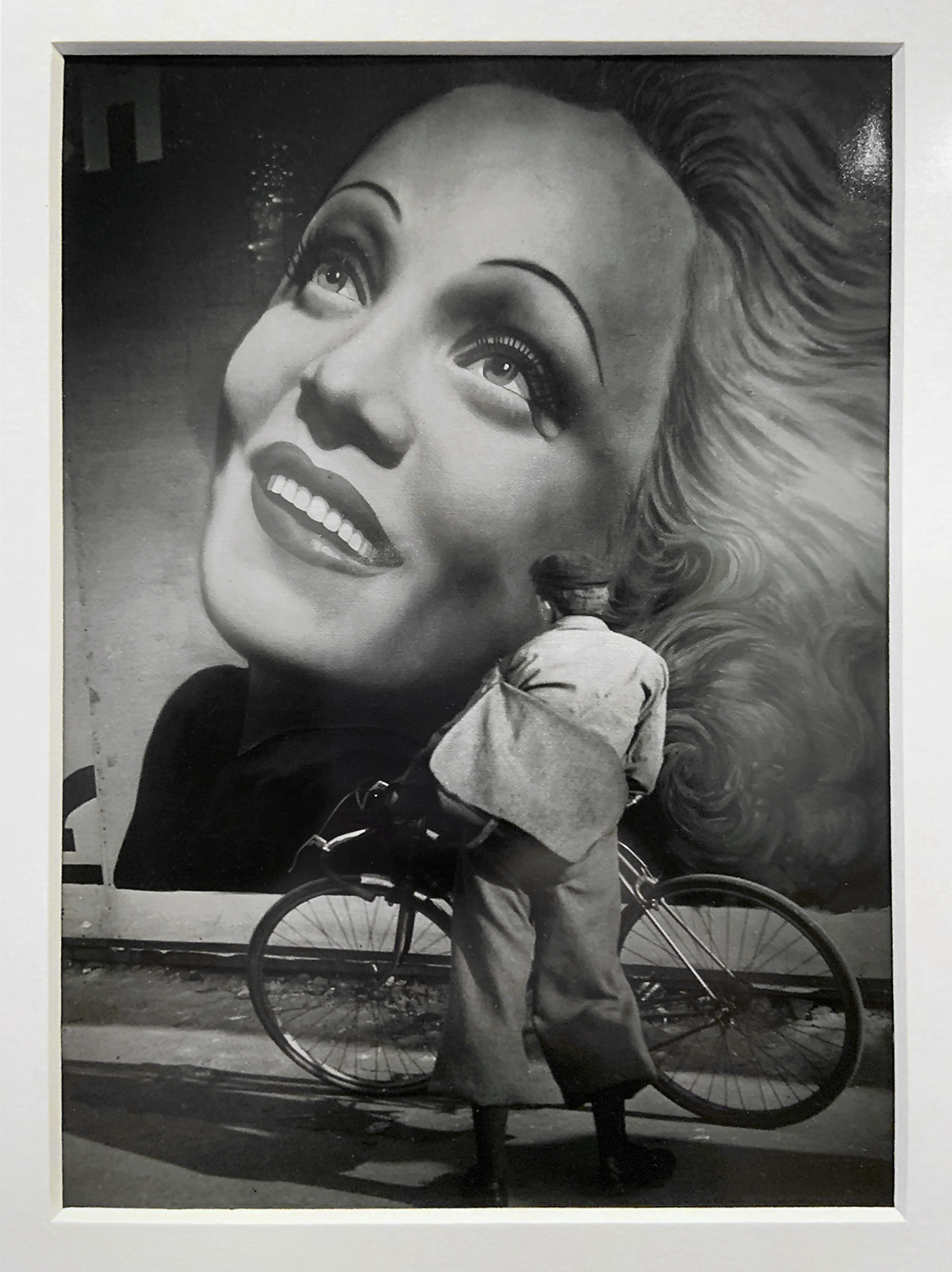
This same smokiness, atmosphere, can be observed in the vintage prints of Brassaï in the exhibition, but not in the similarly sized later reprints. They somehow don’t “hold” to the same feeling even though they are well printed. The tonality and sfumato are somehow lost. The photographic paper of the time, the developer, Brassaï’s way of visualising the print, and knowing exactly what he wanted to say in the final print. All of these things combine to make the whole.

My only quibble, and it’s a very small one, is the title of the exhibition: Secret Paris. A secret means, among other things, a fact or piece of knowledge intentionally concealed from others or known only to a specific person or small group.

None of this society was “intentionally” concealed from others, and it certainly wasn’t a secret from those who took part in the culture of Montparnasse. To presume it was a secret is to buy into a conservative, patriarchal world view in which the government, men and religion hold power over women and heterogeneous people of difference at a time of greater sexual freedom and liberation. The title reinforces this objectification, even today.

While Brassaï was documenting the city that existed beyond the view of conventional society – the intimate gatherings and private moments, the bohemian energy and the inky night time vistas – with “the creative eye of a storyteller” to compile a portrait of a city, these heterotopia2 – spaces that contest, or invert normal society – were well known to those with knowledge of these supposedly hidden dimensions, these counter-sites.

Dr Marcus Bunyan


1/ Anonymous text from Fundación MAPFRE. “Landscapes described,” from the exhibition posting Bill Brandt at the Fundación Mapfre, Madrid, June – August 2021 on Art Blart: art and cultural memory archive, August 22, 2021 [Online] Cited 06/11/2026.

2/ “Michel Foucault introduced the concept of heterotopia (Greek: héteros for “other”, tópos for “place”) to describe real, physical spaces that function as “worlds within worlds” or counter-sites. Unlike utopias, which are completely unreal or imagined spaces, heterotopias exist in reality and mirror, contest, or invert normal society.”

Anonymous. “Heterotopia (space),” on the Wikipedia website Nd [Online] Cited 06/11/2026


All installation photographs © Marcus Bunyan. Please click on the photographs for a larger version of the image.


Walk through of the exhibition Brassaï: Secret Paris at Heide Museum of Modern Art, Melbourne, 25th July – 15th November, 2026
Video: Marcus Bunyan


Main gallery
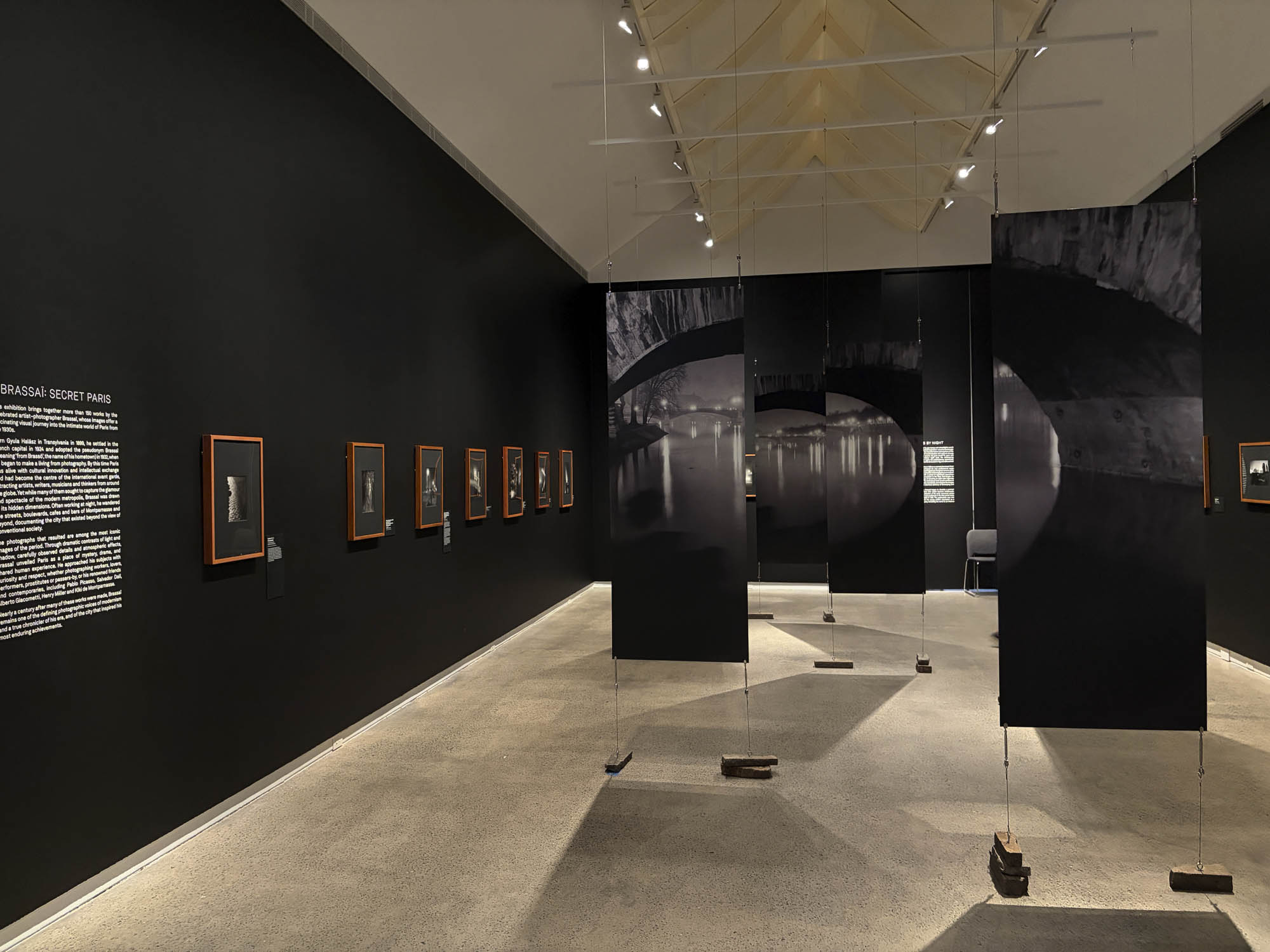
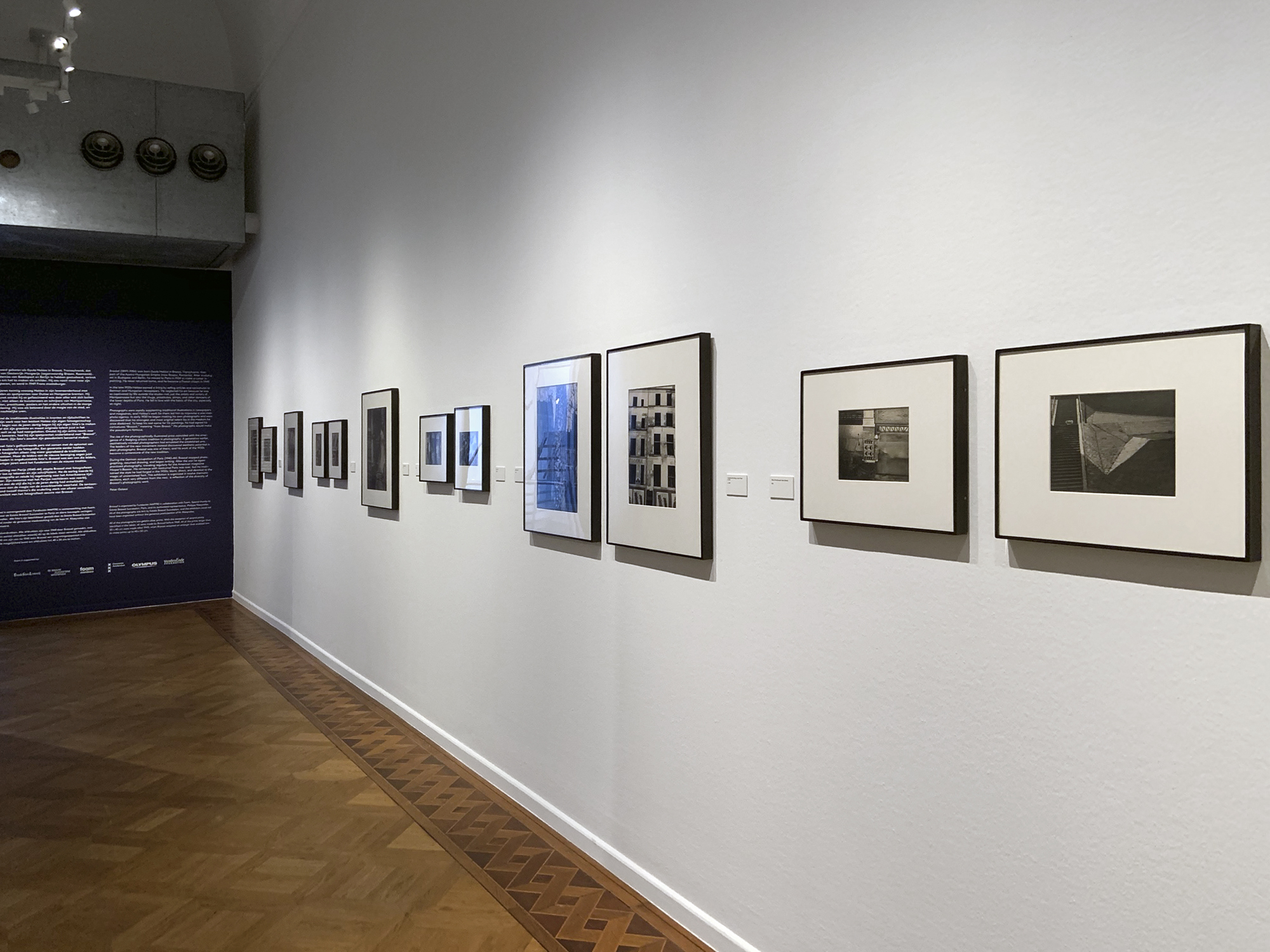
Installation view of the exhibition 'Brassaï: Secret Paris' at Heide Museum of Modern Art, Melbourne, July - November, 2026
Installation view of the exhibition 'Brassaï: Secret Paris' at Heide Museum of Modern Art, Melbourne, July - November, 2026 Installation view of the exhibition 'Brassaï: Secret Paris' at Heide Museum of Modern Art, Melbourne, July - November, 2026 showing the main gallery space looking left
Installation view of the exhibition 'Brassaï: Secret Paris' at Heide Museum of Modern Art, Melbourne, July - November, 2026 showing the main gallery space looking left


Installation views of the exhibition Brassaï: Secret Paris at Heide Museum of Modern Art, Melbourne, July – November, 2026 showing the main gallery space looking left
Photos: Marcus Bunyan
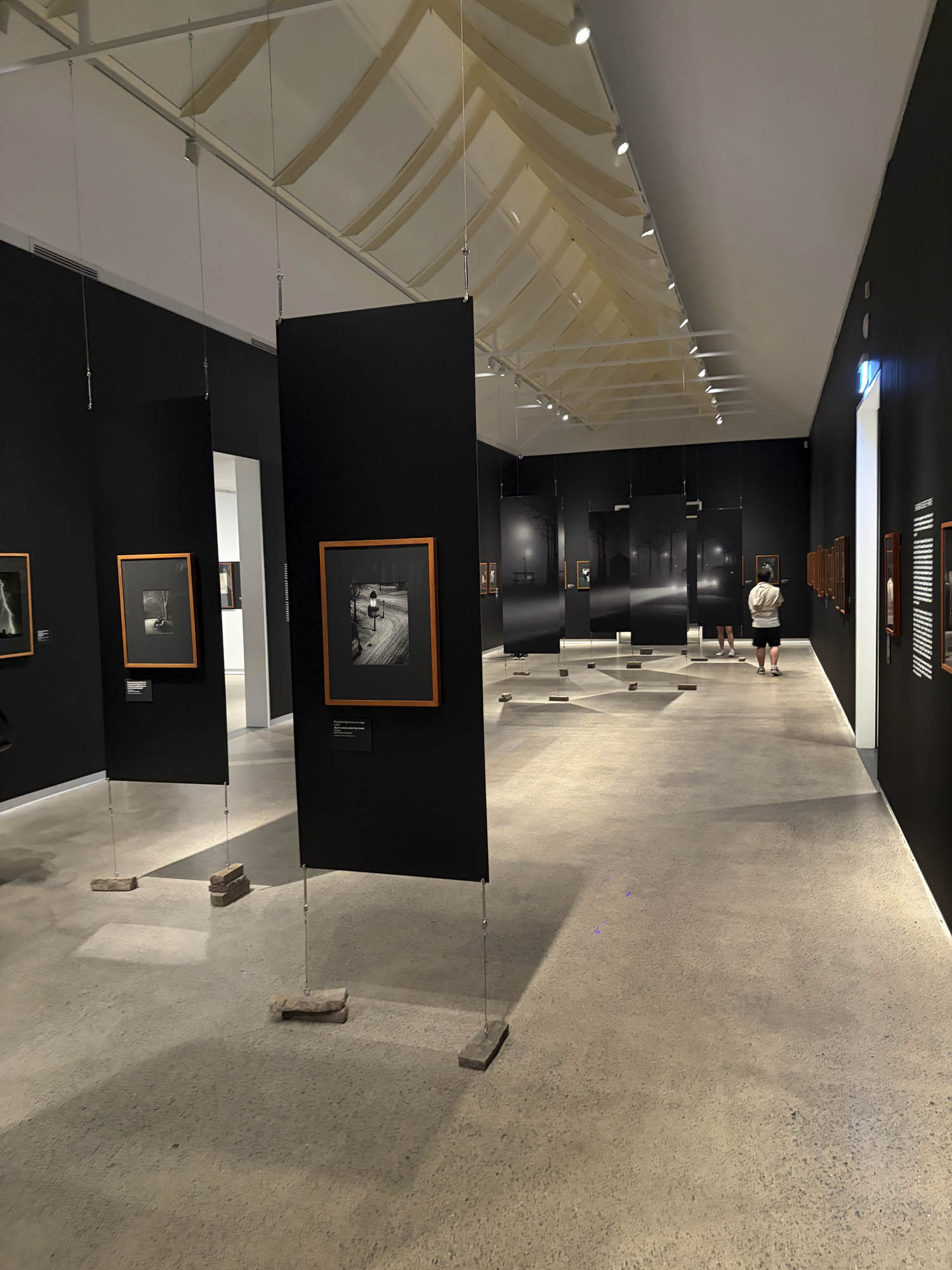
 

Installation view of the exhibition 'Brassaï: Secret Paris' at Heide Museum of Modern Art, Melbourne, July - November, 2026 showing the main gallery space looking left from the right hand side


Installation view of the exhibition Brassaï: Secret Paris at Heide Museum of Modern Art, Melbourne, July – November, 2026 showing the main gallery space looking left from the right hand side
Photo: Marcus Bunyan
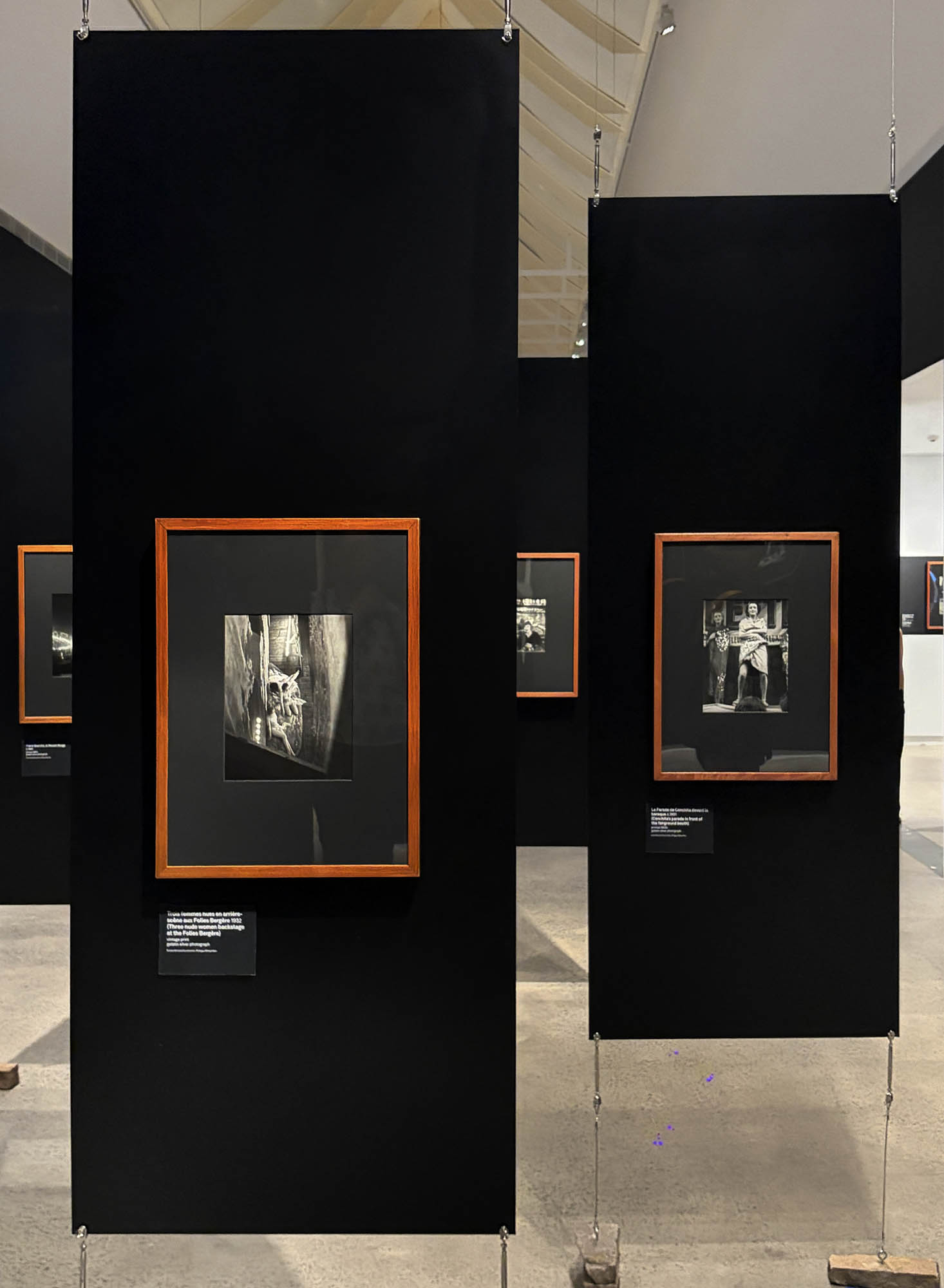
 

Installation view of the exhibition 'Brassaï: Secret Paris' at Heide Museum of Modern Art, Melbourne, July - November, 2026 showing the main gallery space right hand side


Installation view of the exhibition Brassaï: Secret Paris at Heide Museum of Modern Art, Melbourne, July – November, 2026 showing the main gallery space right hand side
Photo: Marcus Bunyan
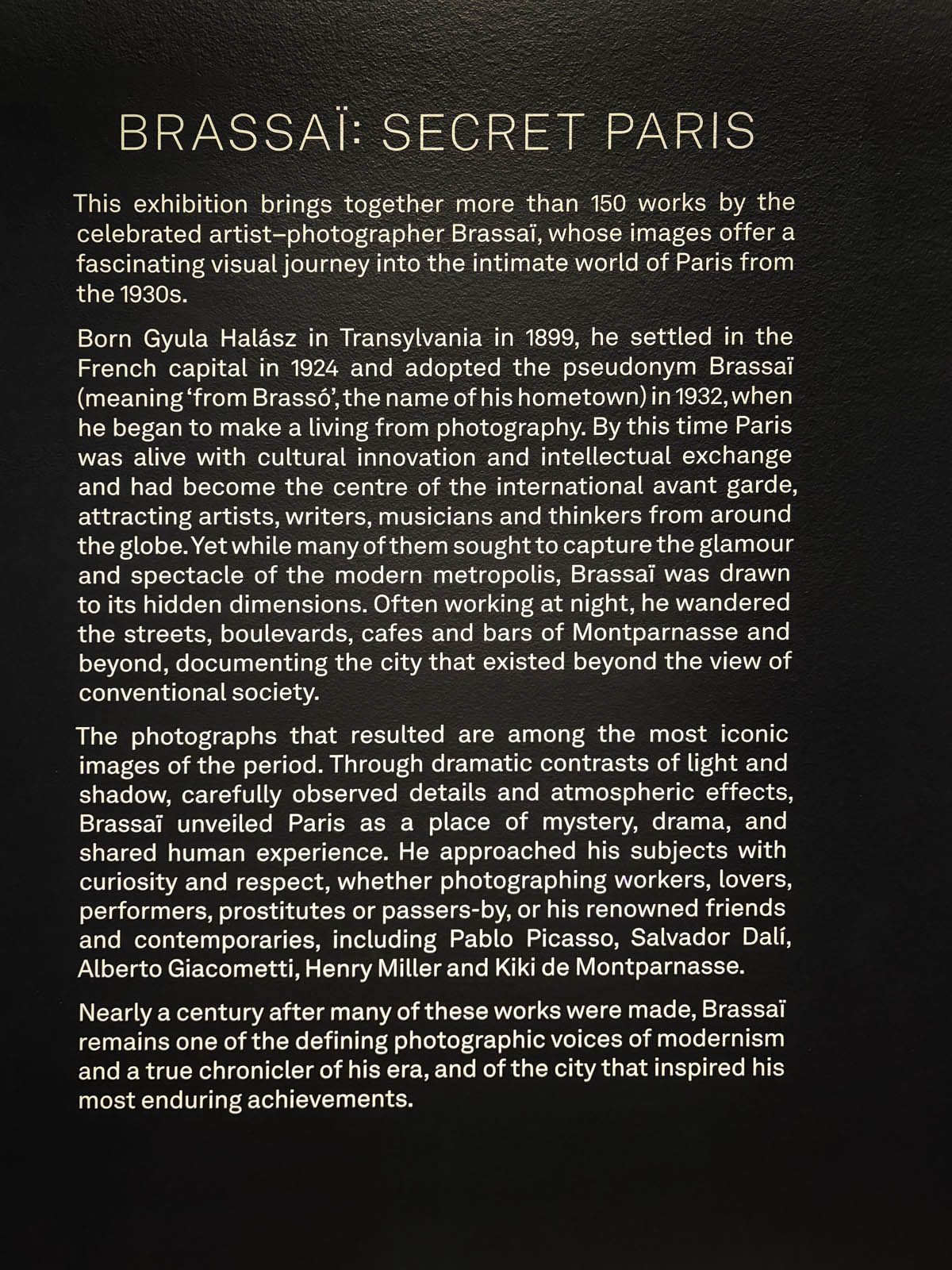
 

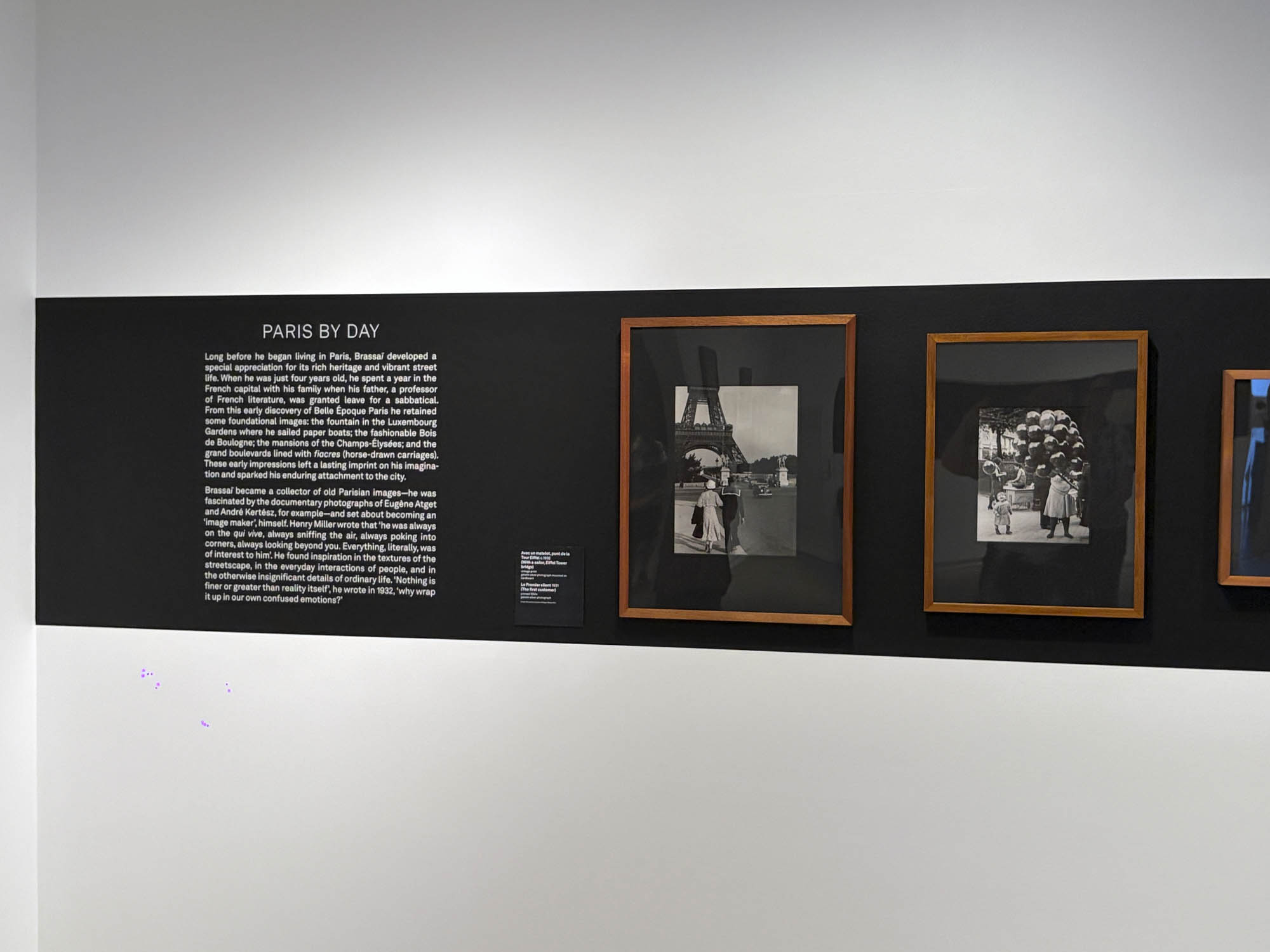
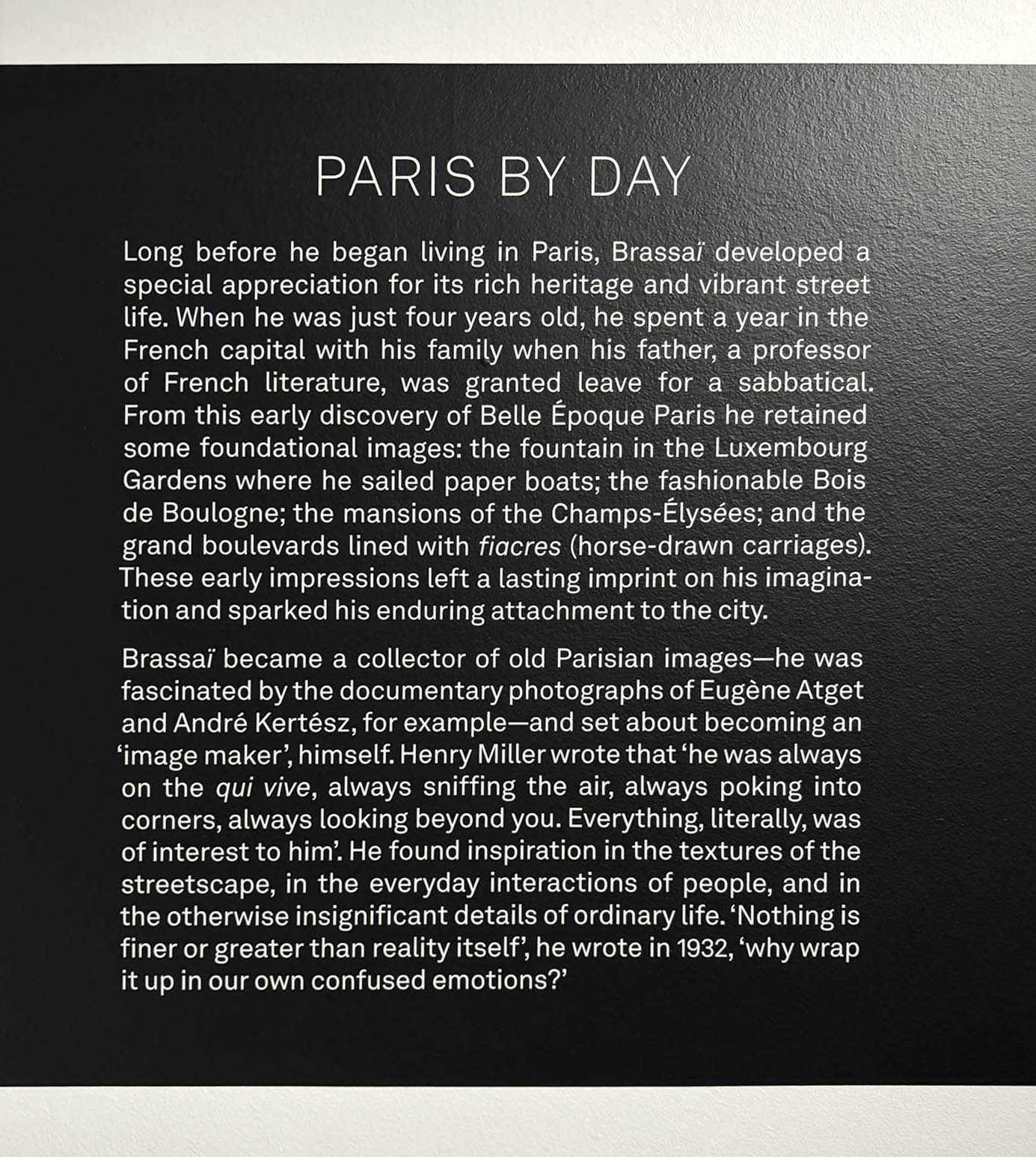
Wall text from the exhibition 'Brassaï: Secret Paris' at Heide Museum of Modern Art, Melbourne, July - November, 2026 from the main gallery


Wall text from the exhibition Brassaï: Secret Paris at Heide Museum of Modern Art, Melbourne, July – November, 2026 from the main gallery
Photo: Marcus Bunyan
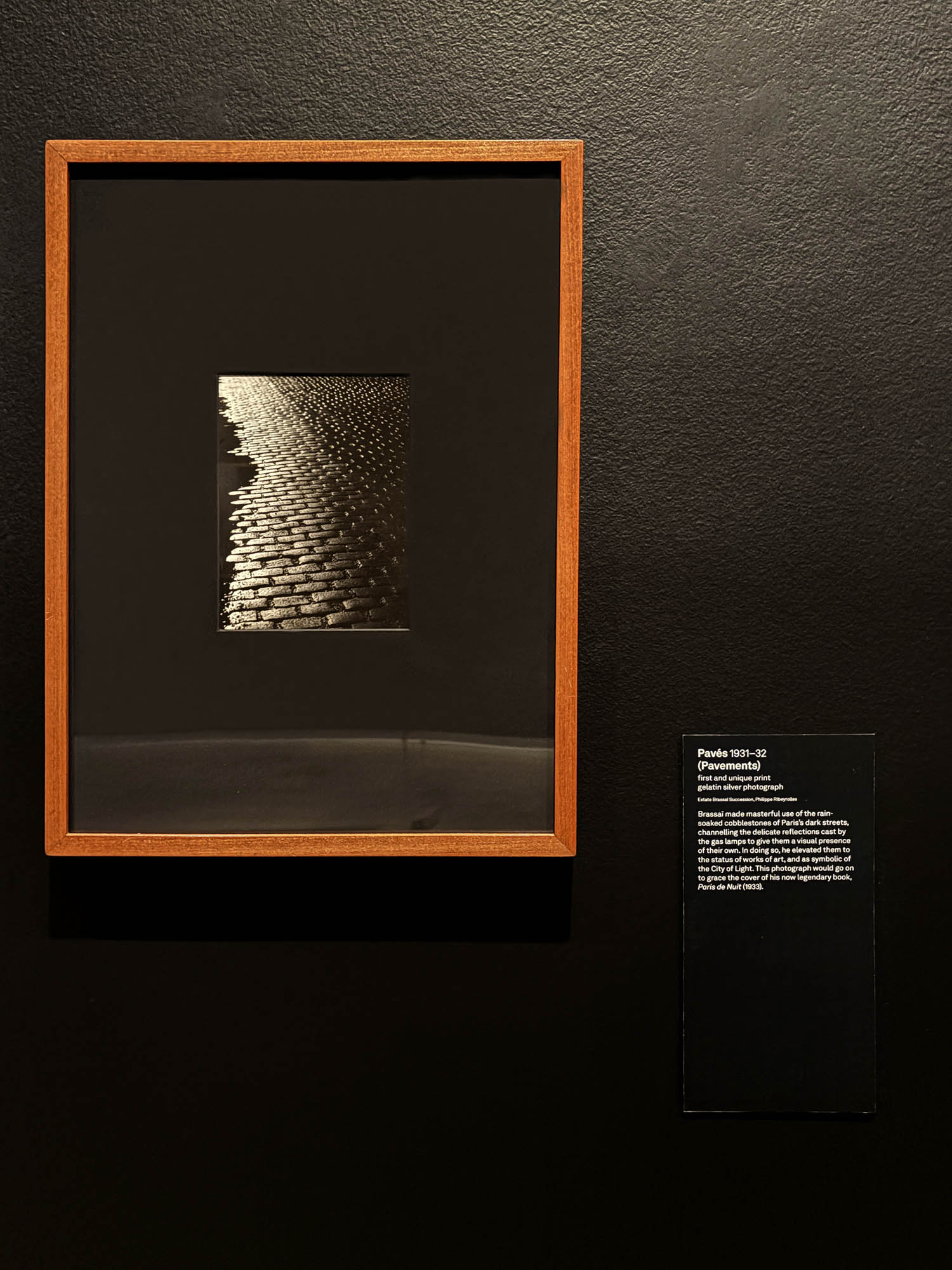
 

Installation view of the exhibition 'Brassaï: Secret Paris' at Heide Museum of Modern Art, Melbourne, July - November, 2026 showing the photograph 'Pavés' (Pavements) 1931-32 first and unique gelatin silver photograph


Installation view of the exhibition Brassaï: Secret Paris at Heide Museum of Modern Art, Melbourne, July – November, 2026 showing the photograph Pavés (Pavements) 1931-32 first and unique gelatin silver photograph
Photo: Marcus Bunyan


Brassaï made masterful use of the rain-soaked cobblestones of Paris’s dark streets, channeling the delicate reflections cast by the gas lamps to give them a visual presence of their own. In doing so, he elevated them to the status of works of art, and as symbolic of the City of Light. This photograph would go on to grace the cover of his now legendary book Paris de Nuit (1933).

Label text from the exhibition Brassaï: Secret Paris at Heide Museum of Modern Art, Melbourne, July – November, 2026
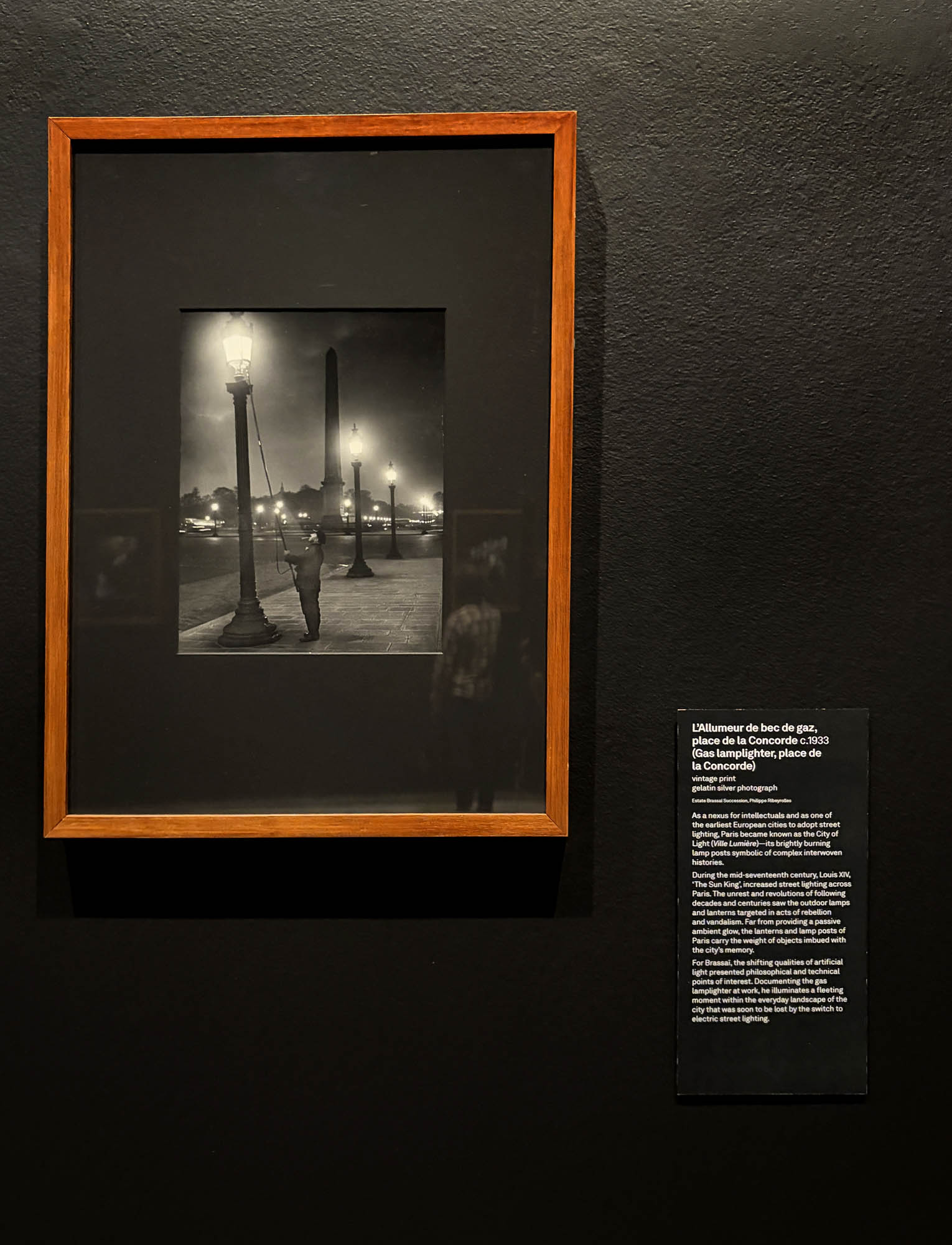
 

Installation view of the exhibition 'Brassaï: Secret Paris' at Heide Museum of Modern Art, Melbourne, July - November, 2026 showing the photograph 'L'Allumeur de bec de gaz, place de la Concorde' (Gas lamplighter, place de la Concorde) c. 1933 vintage gelatin silver photograph


Installation view of the exhibition Brassaï: Secret Paris at Heide Museum of Modern Art, Melbourne, July – November, 2026 showing the photograph L’Allumeur de bec de gaz, place de la Concorde (Gas lamplighter, place de la Concorde) c. 1933 vintage gelatin silver photograph
Photo: Marcus Bunyan


As a nexus for intellectuals and as one of the earliest European cities to adopt street lighting, Paris became known as the City of Light (Ville Lumière) – its brightly burning lamp posts symbolic of complex interwoven histories.

During the mid-seventeenth century, Louis XIV, ‘The Sun King’, increased street lighting across Paris. The unrest and revolutions of following decades and centuries saw the outdoor lamps and lanterns targeted in acts of rebellion and vandalism. Far from providing a passive ambient glow, the lanterns and lamp posts of Paris carry the weight of objects imbued with the city’s memory.

For Brassaï, the shifting qualities of artificial light presented philosophical and technical points of interest. Documenting the gas lamplighter at work, he illuminates a fleeting moment within the everyday landscape of the city that was soon to be lost by the switch to electric street lighting.

Label text from the exhibition
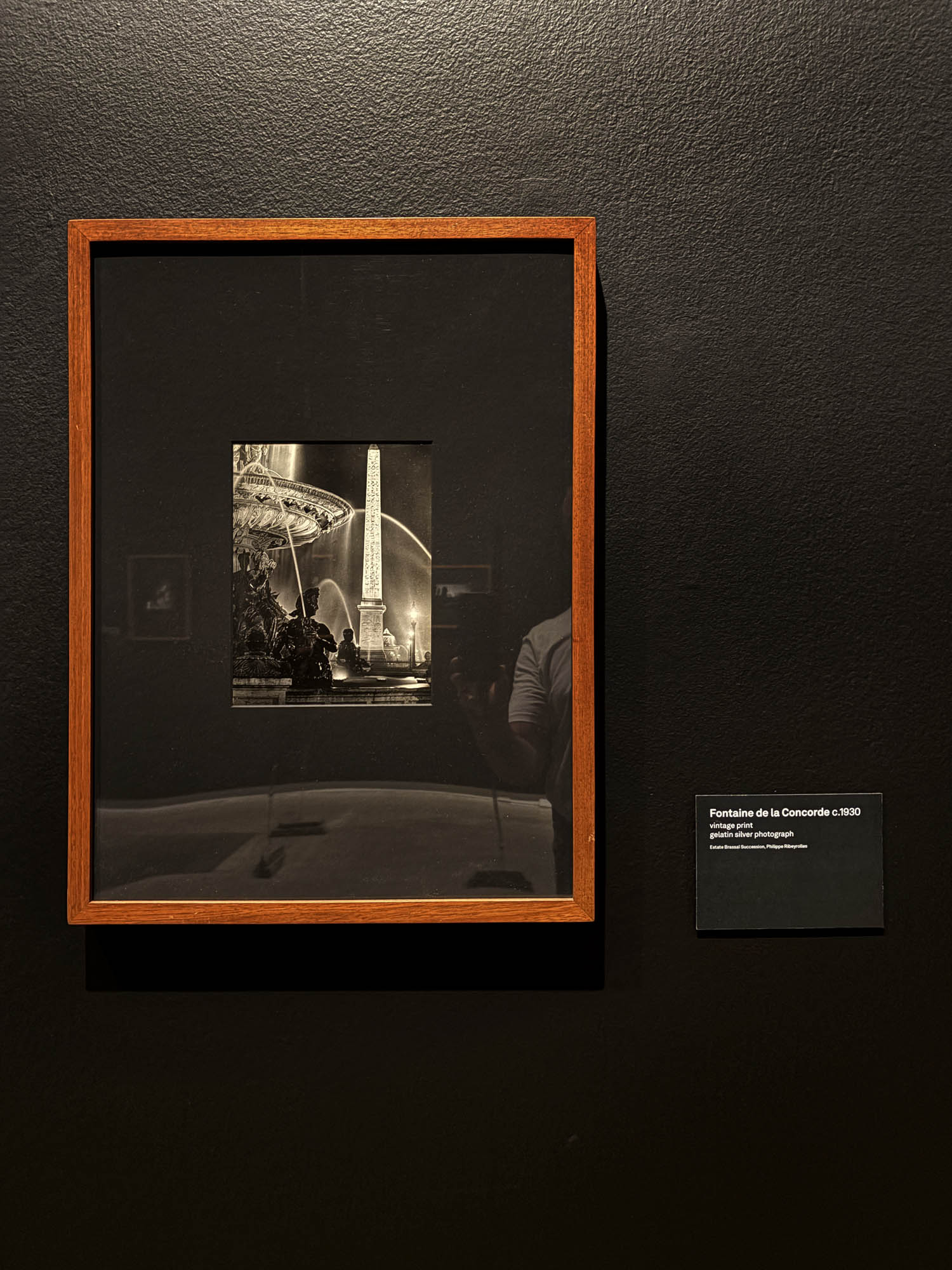
 

Installation view of the exhibition 'Brassaï: Secret Paris' at Heide Museum of Modern Art, Melbourne, July - November, 2026 Installation view of the exhibition Brassaï: Secret Paris at Heide Museum of Modern Art, Melbourne, July - November, 2026 showing the photograph 'Fontaine de la Concorde' c. 1930 vintage gelatin silver photograph


Installation view of the exhibition Brassaï: Secret Paris at Heide Museum of Modern Art, Melbourne, July – November, 2026 showing the photograph Fontaine de la Concorde c. 1930 vintage gelatin silver photograph
Photo: Marcus Bunyan
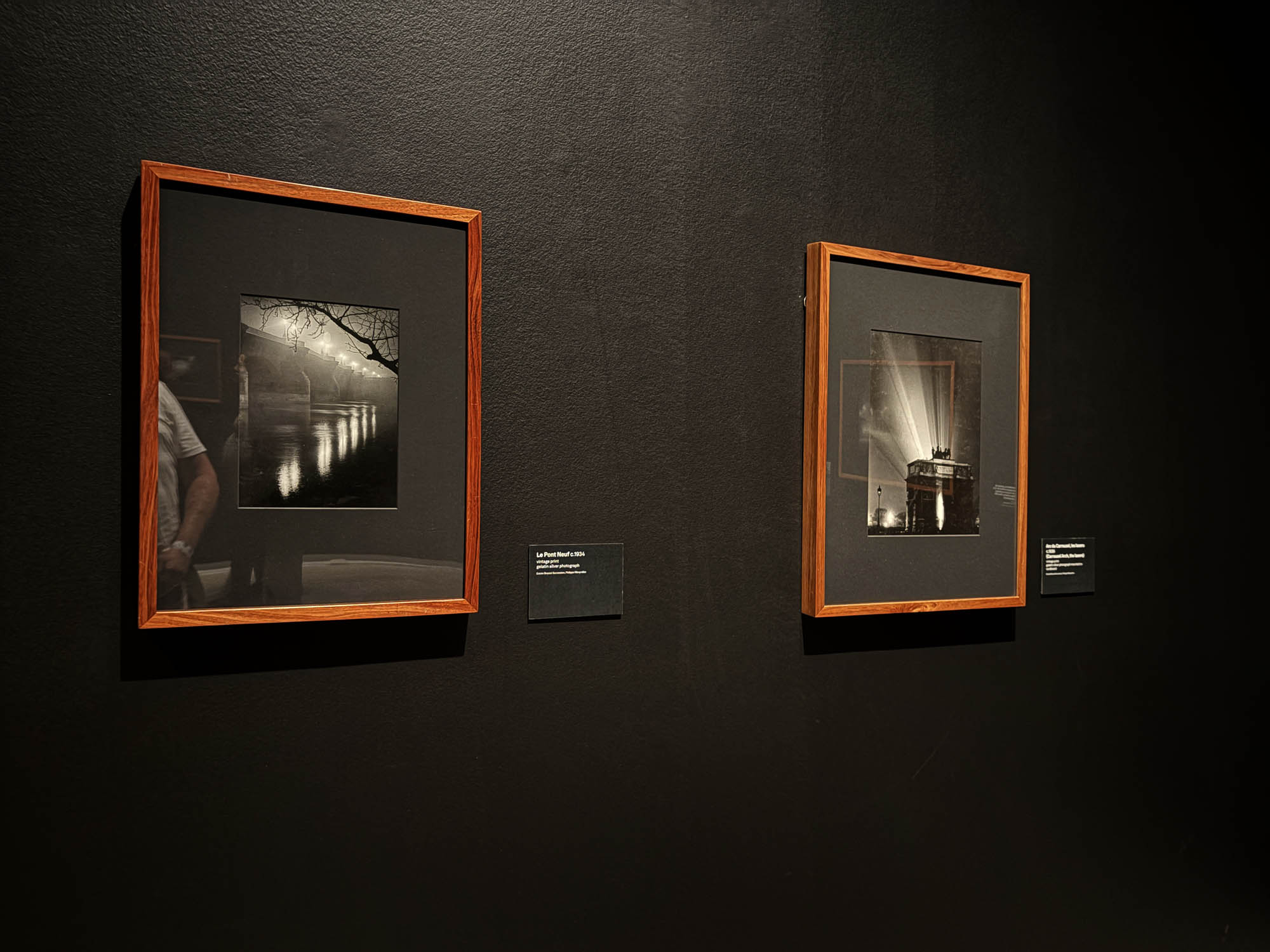
 

Installation view of the exhibition 'Brassaï: Secret Paris' at Heide Museum of Modern Art, Melbourne, July - November, 2026 showing at left the photograph 'Le Pont Neuf' c. 1934 vintage gelatin silver print


Installation view of the exhibition Brassaï: Secret Paris at Heide Museum of Modern Art, Melbourne, July – November, 2026 showing at left the photograph Le Pont Neuf c. 1934 vintage gelatin silver print
Photo: Marcus Bunyan
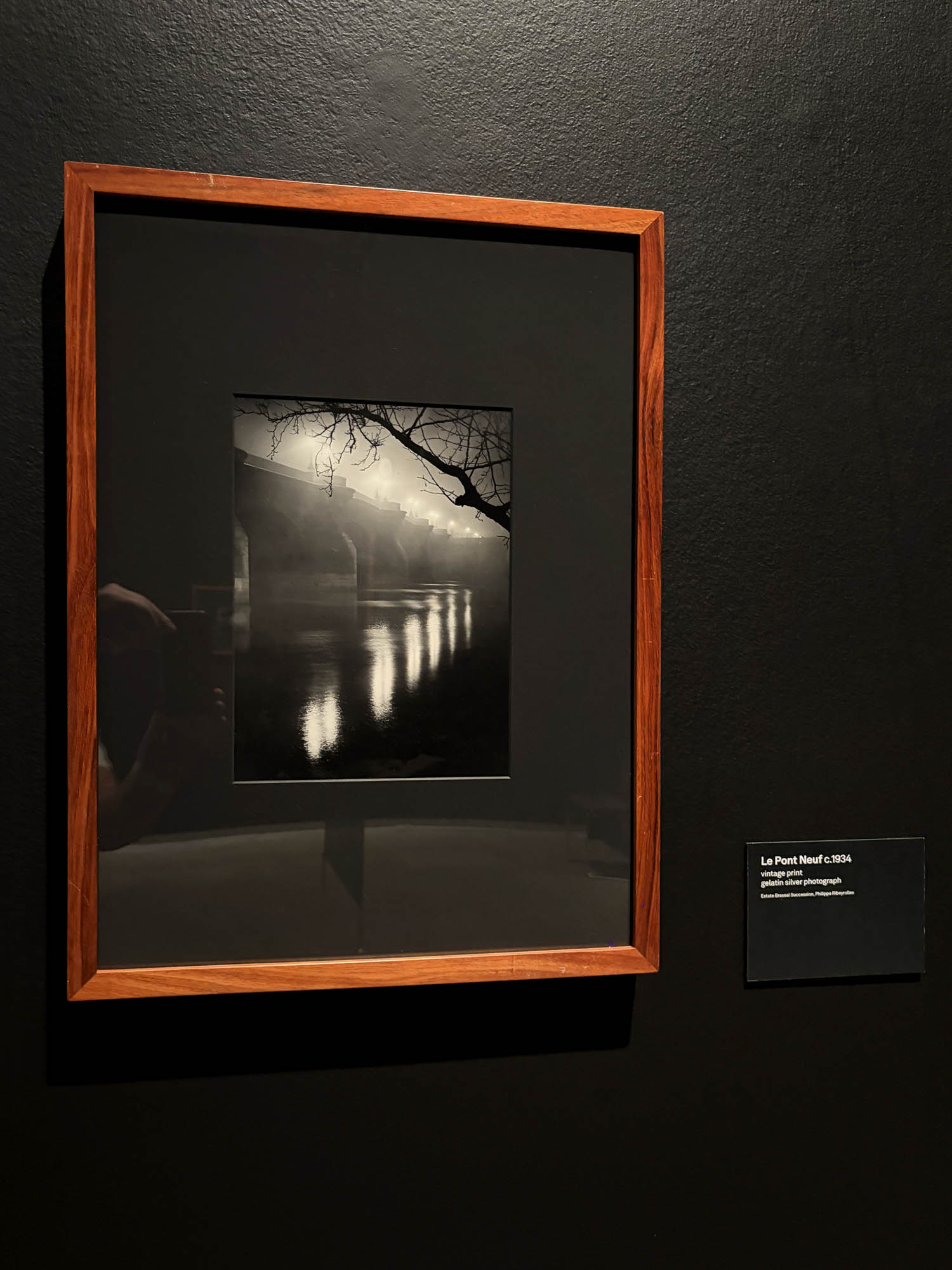
 

Installation view of the exhibition 'Brassaï: Secret Paris' at Heide Museum of Modern Art, Melbourne, July - November, 2026 showing the photograph 'Le Pont Neuf' c. 1934 vintage gelatin silver print


Installation view of the exhibition Brassaï: Secret Paris at Heide Museum of Modern Art, Melbourne, July – November, 2026 showing the photograph Le Pont Neuf c. 1934 vintage gelatin silver print
Photo: Marcus Bunyan
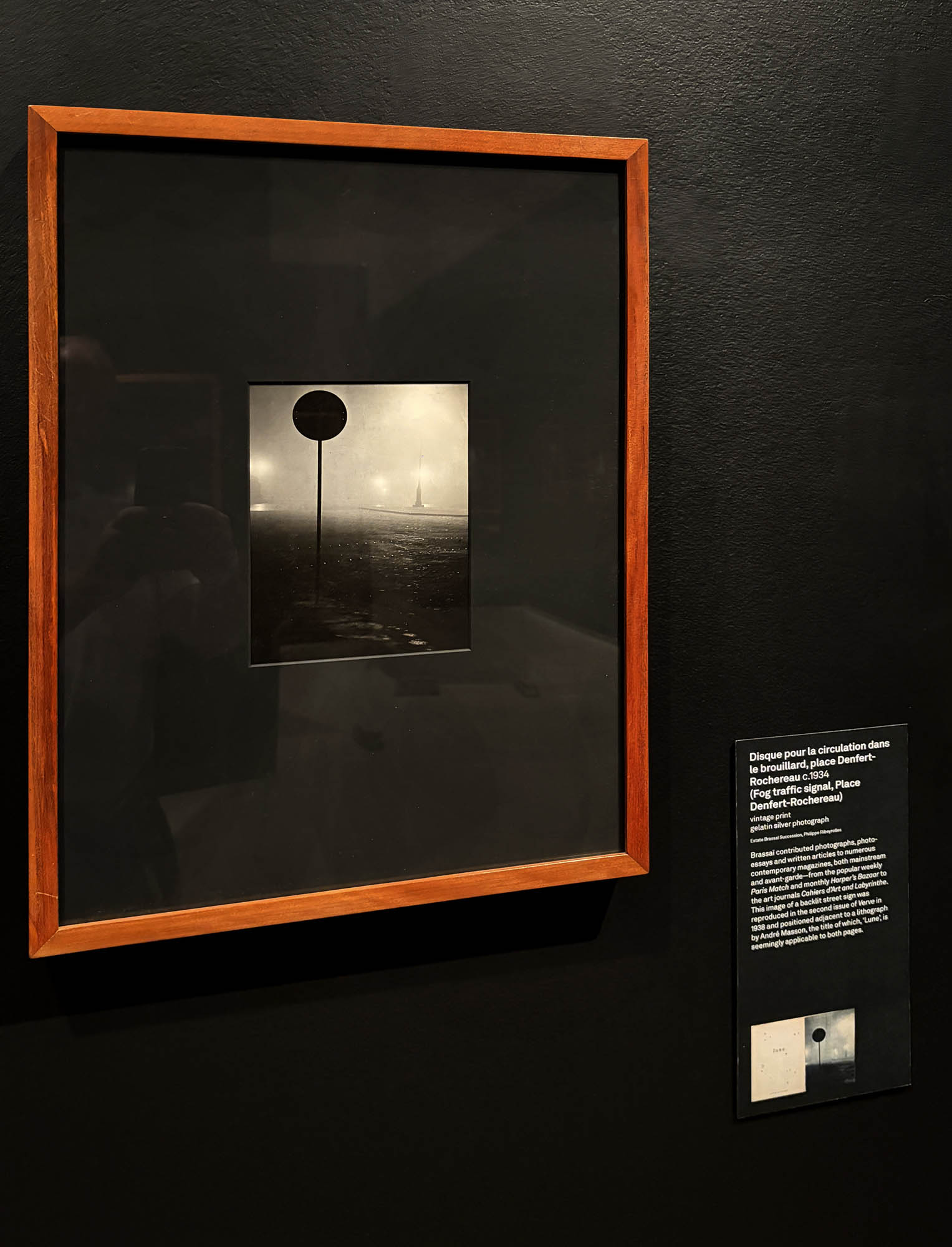
 

Installation view of the exhibition 'Brassaï: Secret Paris' at Heide Museum of Modern Art, Melbourne, July - November, 2026 showing the photograph 'Disque pour la circulation dans le brouillard, place Denfert-Rochereau' (Fog traffic signal, place Denfert-Rochereau) c. 1934 vintage gelatin silver print


Installation view of the exhibition Brassaï: Secret Paris at Heide Museum of Modern Art, Melbourne, July – November, 2026 showing the photograph Disque pour la circulation dans le brouillard, place Denfert-Rochereau (Fog traffic signal, place Denfert-Rochereau) c. 1934 vintage gelatin silver print
Photo: Marcus Bunyan
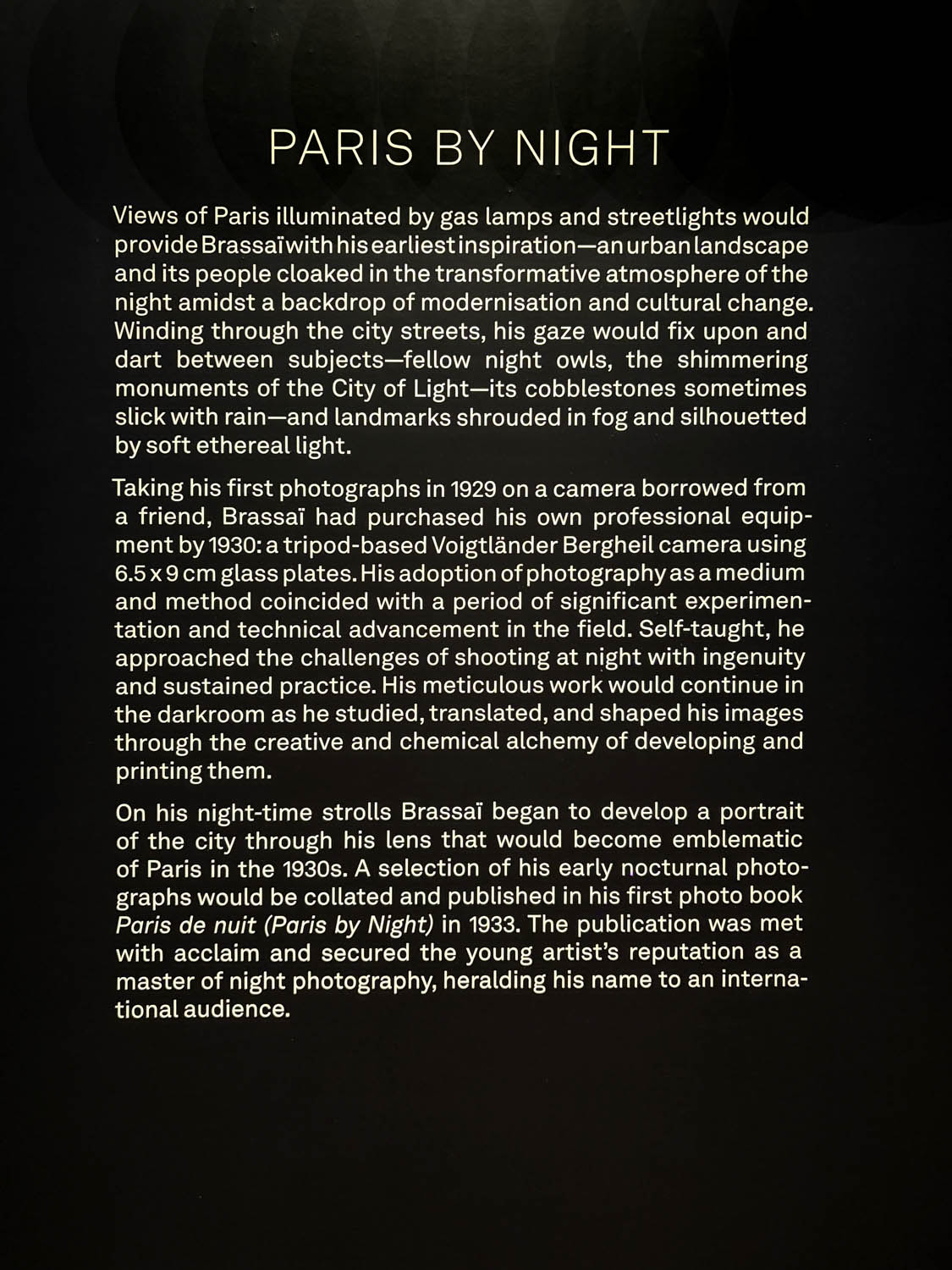
 

Wall text from the exhibition 'Brassaï: Secret Paris' at Heide Museum of Modern Art, Melbourne, July - November, 2026 from the main gallery


Wall text from the exhibition Brassaï: Secret Paris at Heide Museum of Modern Art, Melbourne, July – November, 2026 from the main gallery
Photo: Marcus Bunyan
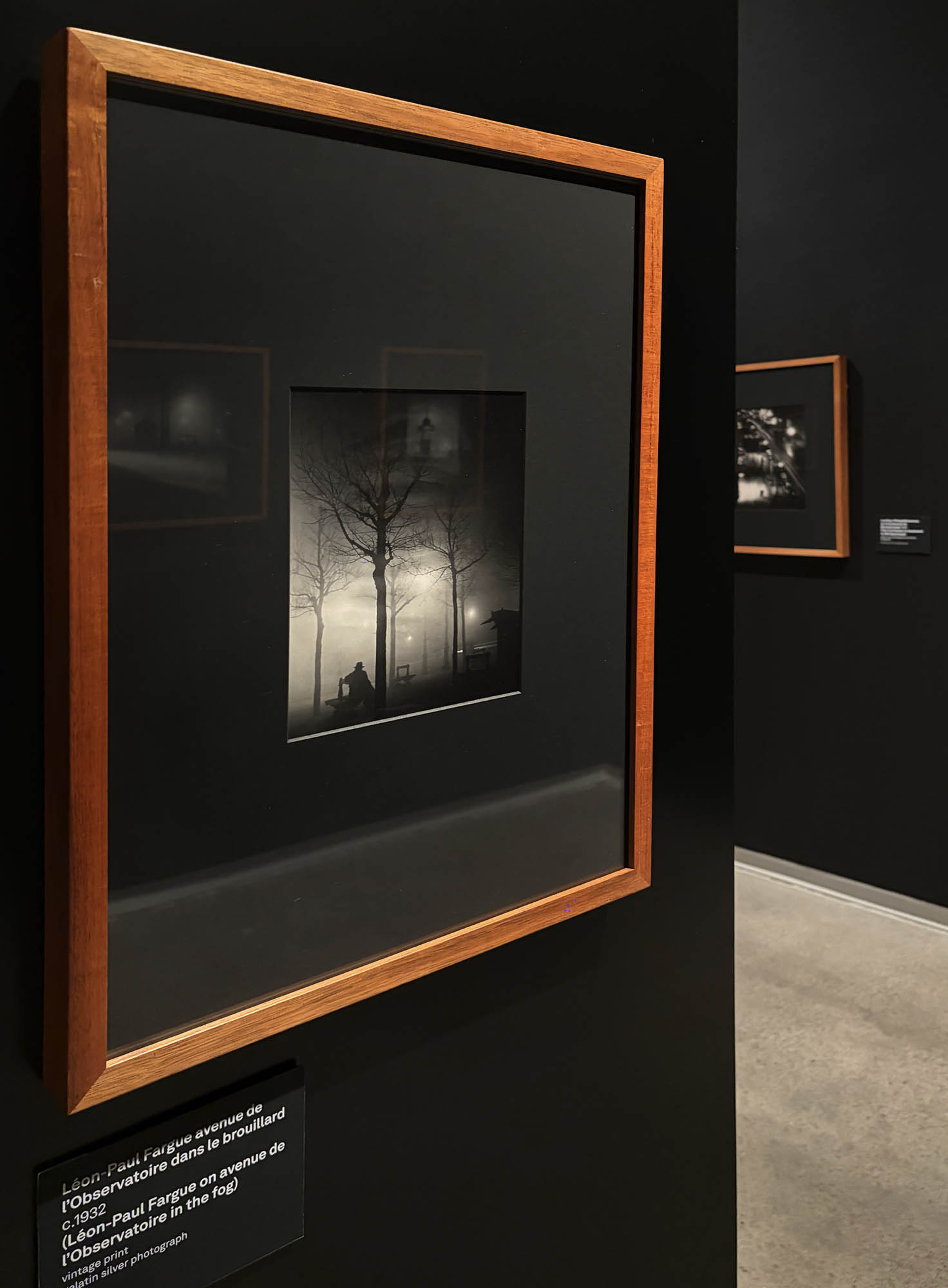
 

Installation view of the exhibition 'Brassaï: Secret Paris' at Heide Museum of Modern Art, Melbourne, July - November, 2026 showing the photograph 'Léon-Paul Prague avenue de l'Observatoire dans le brouillard' (Léon-Paul Frague on avenue de l'Observatoire in the fog) c. 1932 vintage gelatin silver print


Installation view of the exhibition Brassaï: Secret Paris at Heide Museum of Modern Art, Melbourne, July – November, 2026 showing the photograph Léon-Paul Prague avenue de l’Observatoire dans le brouillard (Léon-Paul Frague on avenue de l’Observatoire in the fog) c. 1932 vintage gelatin silver print
Photo: Marcus Bunyan
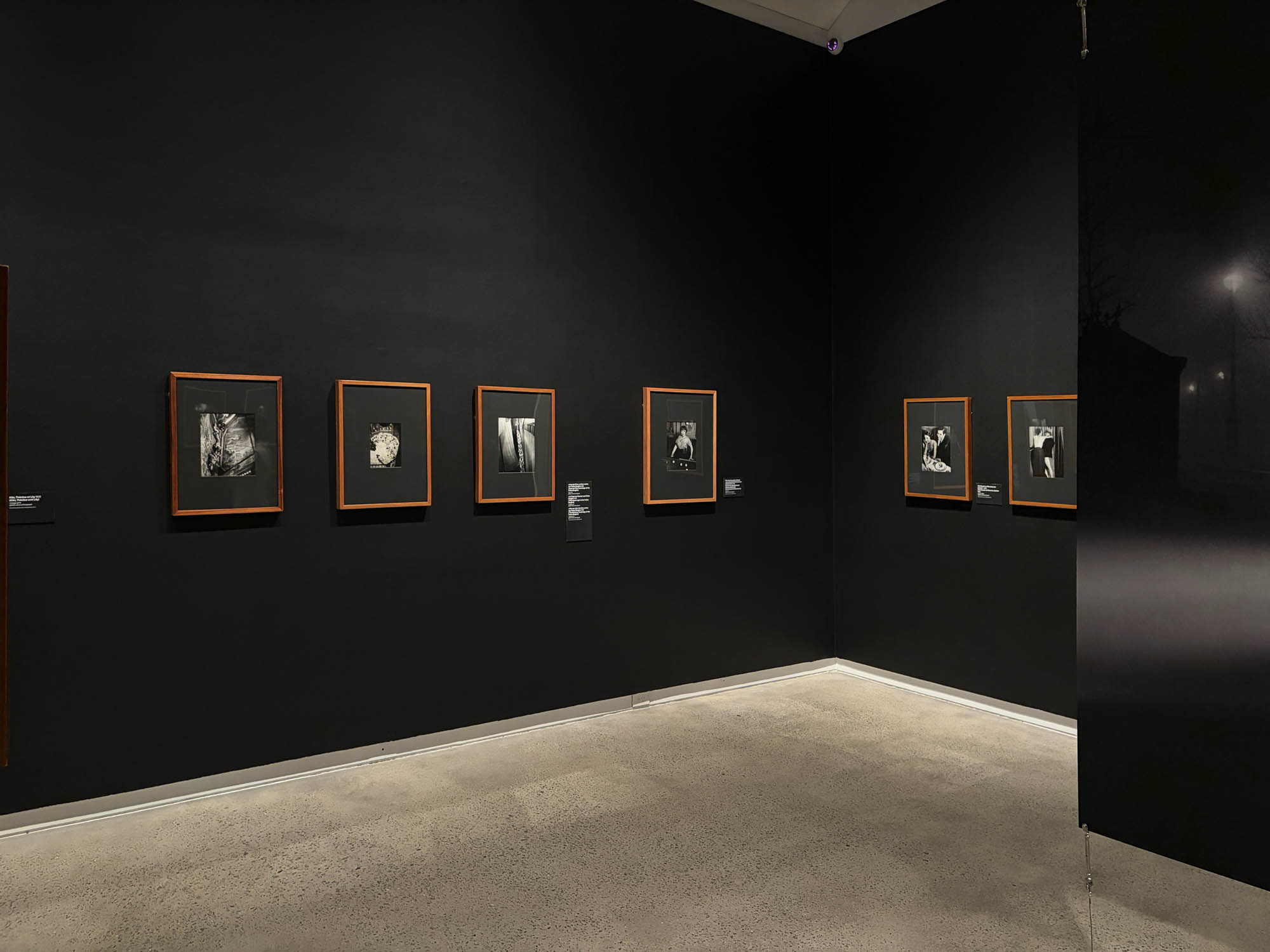
 

Installation view of the exhibition 'Brassaï: Secret Paris' at Heide Museum of Modern Art, Melbourne, July - November, 2026


Installation view of the exhibition Brassaï: Secret Paris at Heide Museum of Modern Art, Melbourne, July – November, 2026
Photo: Marcus Bunyan
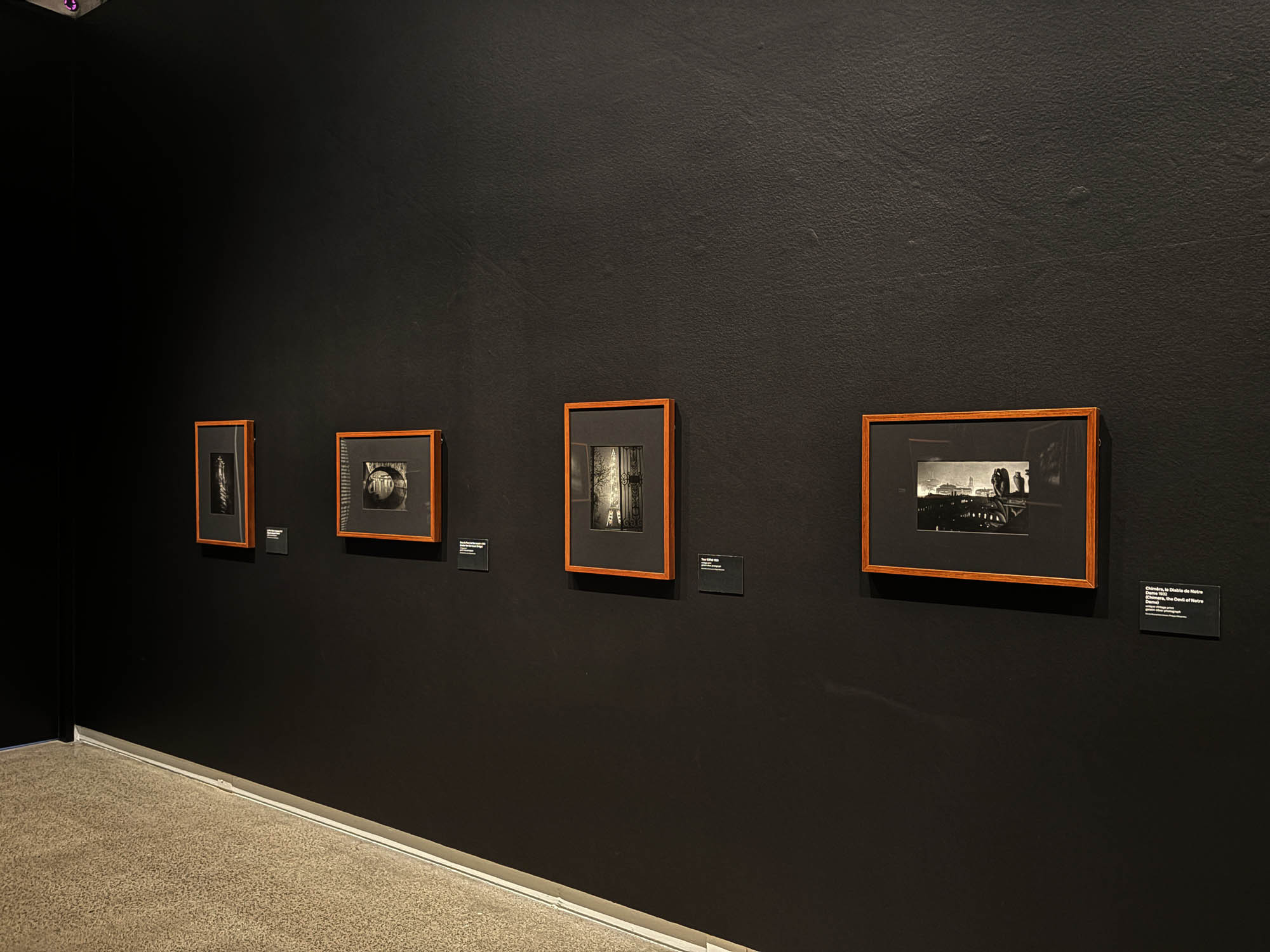
 

Installation view of the exhibition 'Brassaï: Secret Paris' at Heide Museum of Modern Art, Melbourne, July - November, 2026


Installation view of the exhibition Brassaï: Secret Paris at Heide Museum of Modern Art, Melbourne, July – November, 2026
Photo: Marcus Bunyan
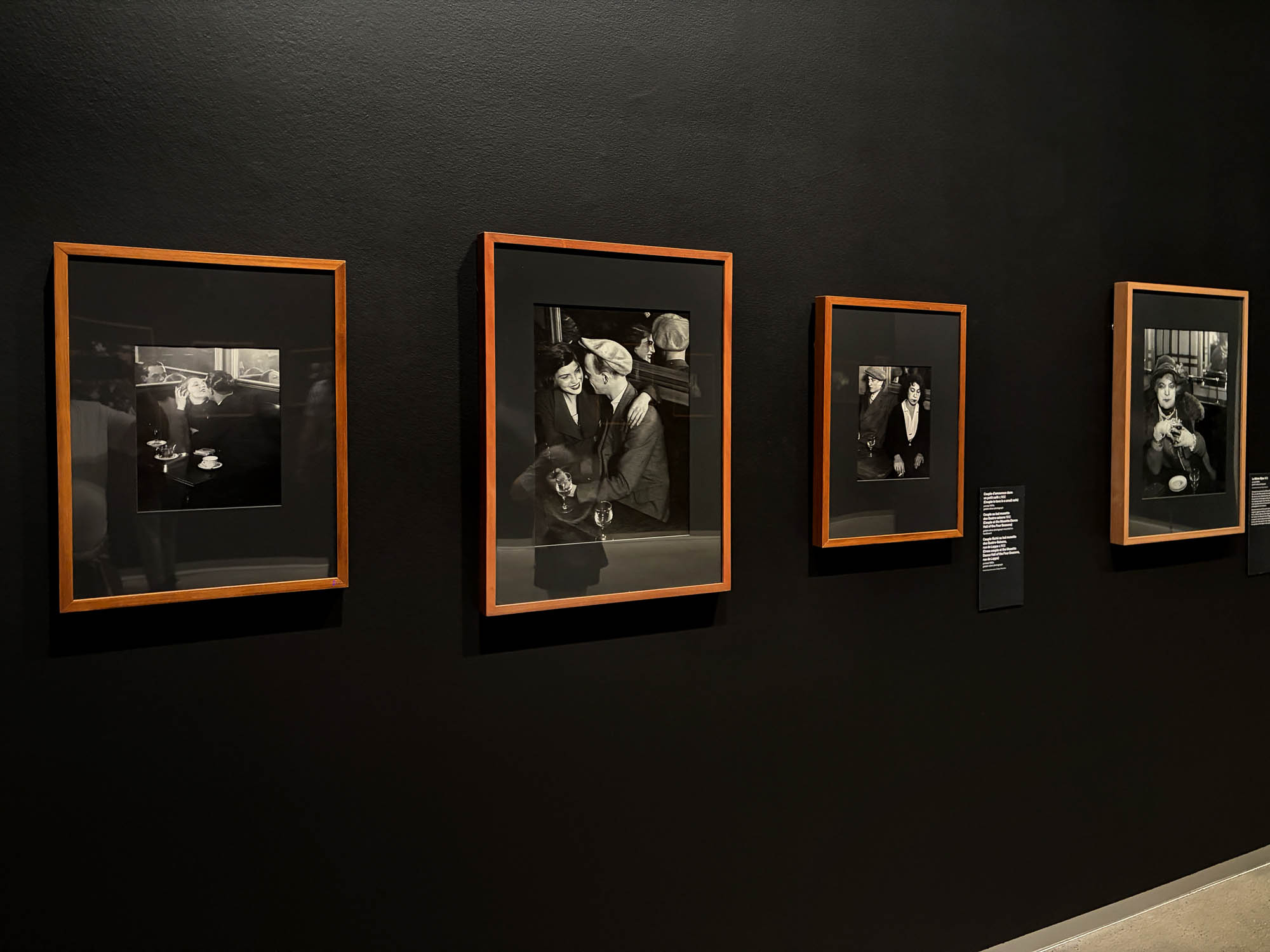
 

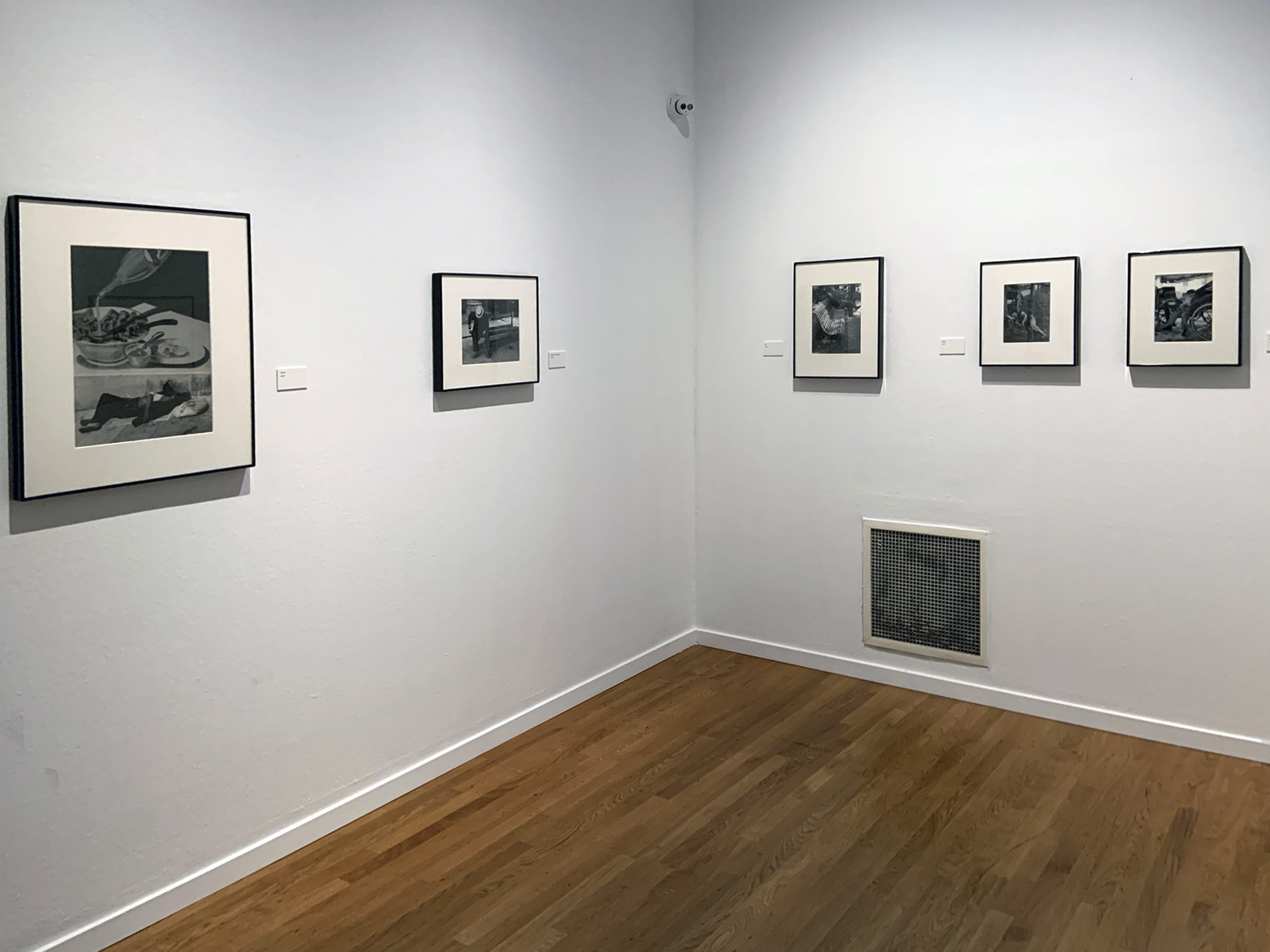
Installation view of the exhibition 'Brassaï: Secret Paris' at Heide Museum of Modern Art, Melbourne, July - November, 2026 showing from left to right, 'Couple d'amoureux dans un petit café, quartier Italie' (Loving Couple in a Small Café, Place d'Italie) c. 1932 vintage gelatin silver print; 'Couple au bal musette des Quatre Saisons' (Couple at the Musette Dance Hall of the Four Seasons) 1932; 'Couple croisé au bal musette des Quatre-Saisons, rue de Lappe' (Cross couple at the Musette Dance Hall of the Four Seasons, rue de Lappe) c. 1932 vintage gelatin silver print; 'La Môme Bijou, Bar de la Lune, Montmartre' (La Môme Bijou, Bar de la Lune, Montmartre) 1932


Installation view of the exhibition Brassaï: Secret Paris at Heide Museum of Modern Art, Melbourne, July – November, 2026 showing from left to right, Couple d’amoureux dans un petit café, quartier Italie (Loving Couple in a Small Café, Place d’Italie) c. 1932 vintage gelatin silver print; Couple au bal musette des Quatre Saisons (Couple at the Musette Dance Hall of the Four Seasons) 1932; Couple croisé au bal musette des Quatre-Saisons, rue de Lappe (Cross couple at the Musette Dance Hall of the Four Seasons, rue de Lappe) c. 1932 vintage gelatin silver print; La Môme Bijou, Bar de la Lune, Montmartre (La Môme Bijou, Bar de la Lune, Montmartre) 1932
Photo: Marcus Bunyan


Brassaï (Hungarian-French, 1899-1984) 'Bal des Quatre Saisons, rue de Lappe' c. 1932


Brassaï (Hungarian-French, 1899-1984)
Couple au bal musette des Quatre Saisons (Couple at the Musette Dance Hall of the Four Seasons)
c. 1932
Vintage gelatin silver print
Estate Brassaï Succession, Philippe Ribeyrolles
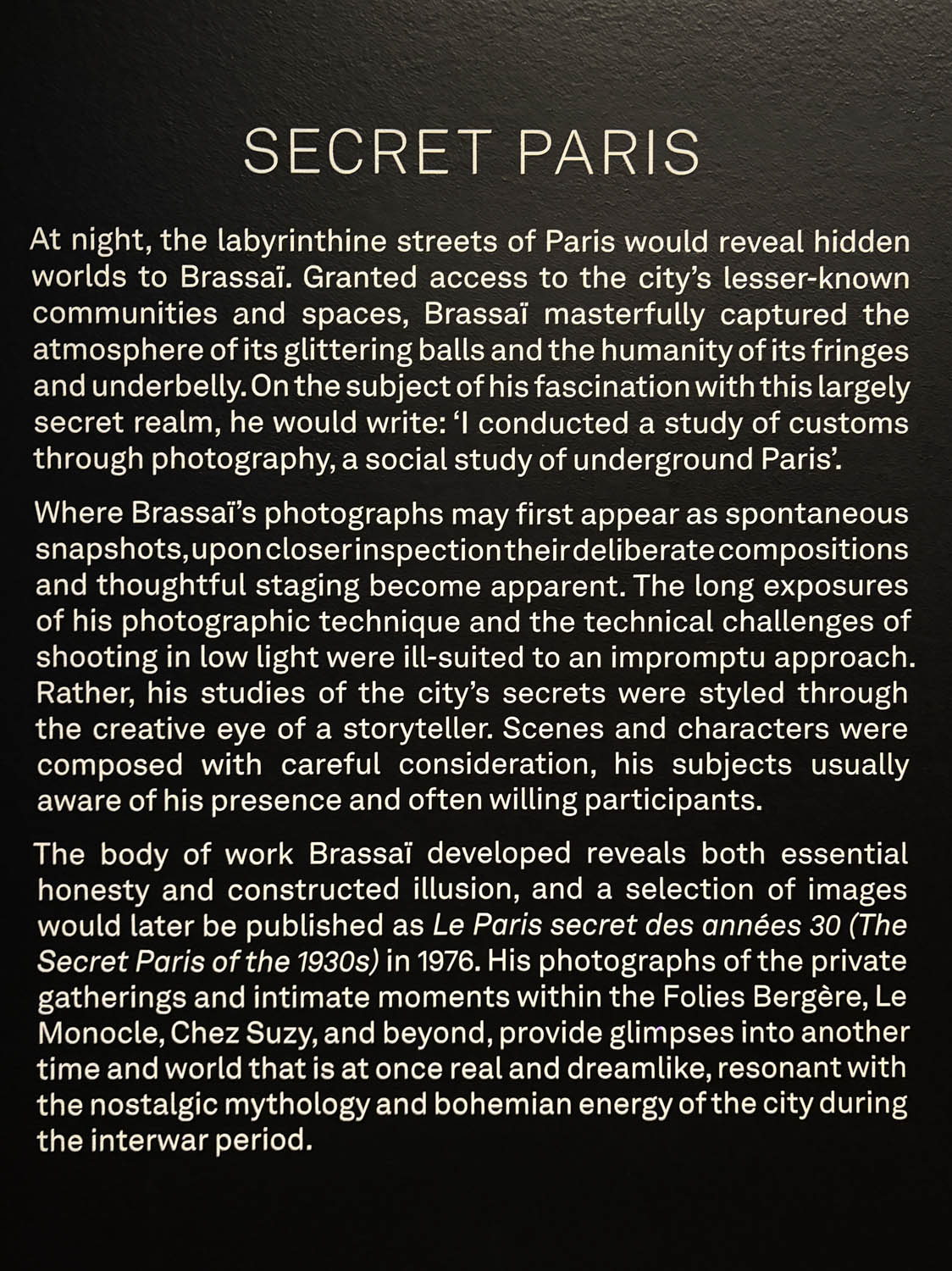
 

Wall text from the exhibition 'Brassaï: Secret Paris' at Heide Museum of Modern Art, Melbourne, July - November, 2026 from the main gallery


Wall text from the exhibition Brassaï: Secret Paris at Heide Museum of Modern Art, Melbourne, July – November, 2026 from the main gallery
Photo: Marcus Bunyan
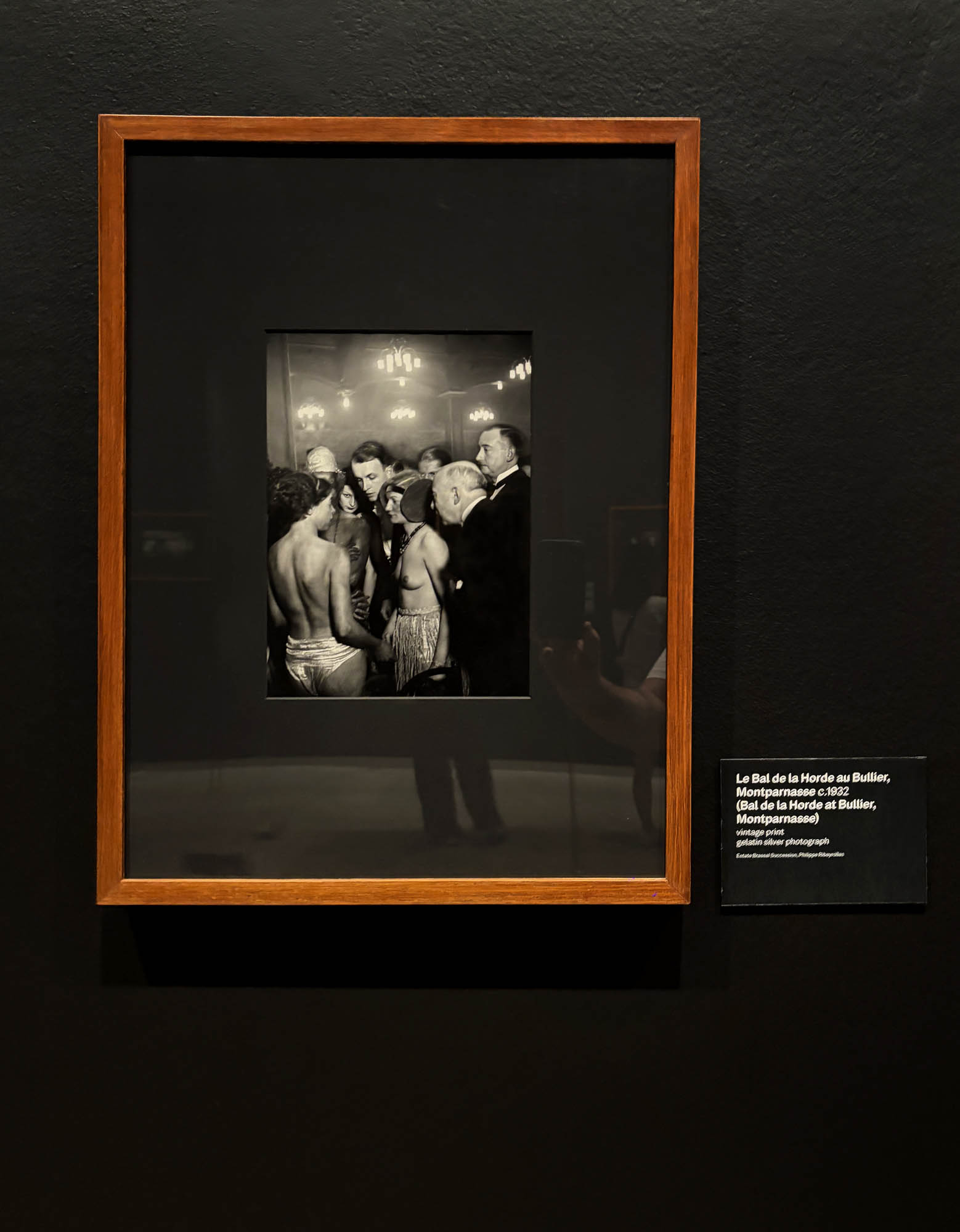
 

Installation view of the exhibition 'Brassaï: Secret Paris' at Heide Museum of Modern Art, Melbourne, July - November, 2026


Installation view of the exhibition Brassaï: Secret Paris at Heide Museum of Modern Art, Melbourne, July – November, 2026 showing the photograph La Bal de la Horde au Bullier, Montparnasse (Bal de la Horde at Bullier, Montparnasse) c. 1932 vintage gelatin silver print
Photo: Marcus Bunyan
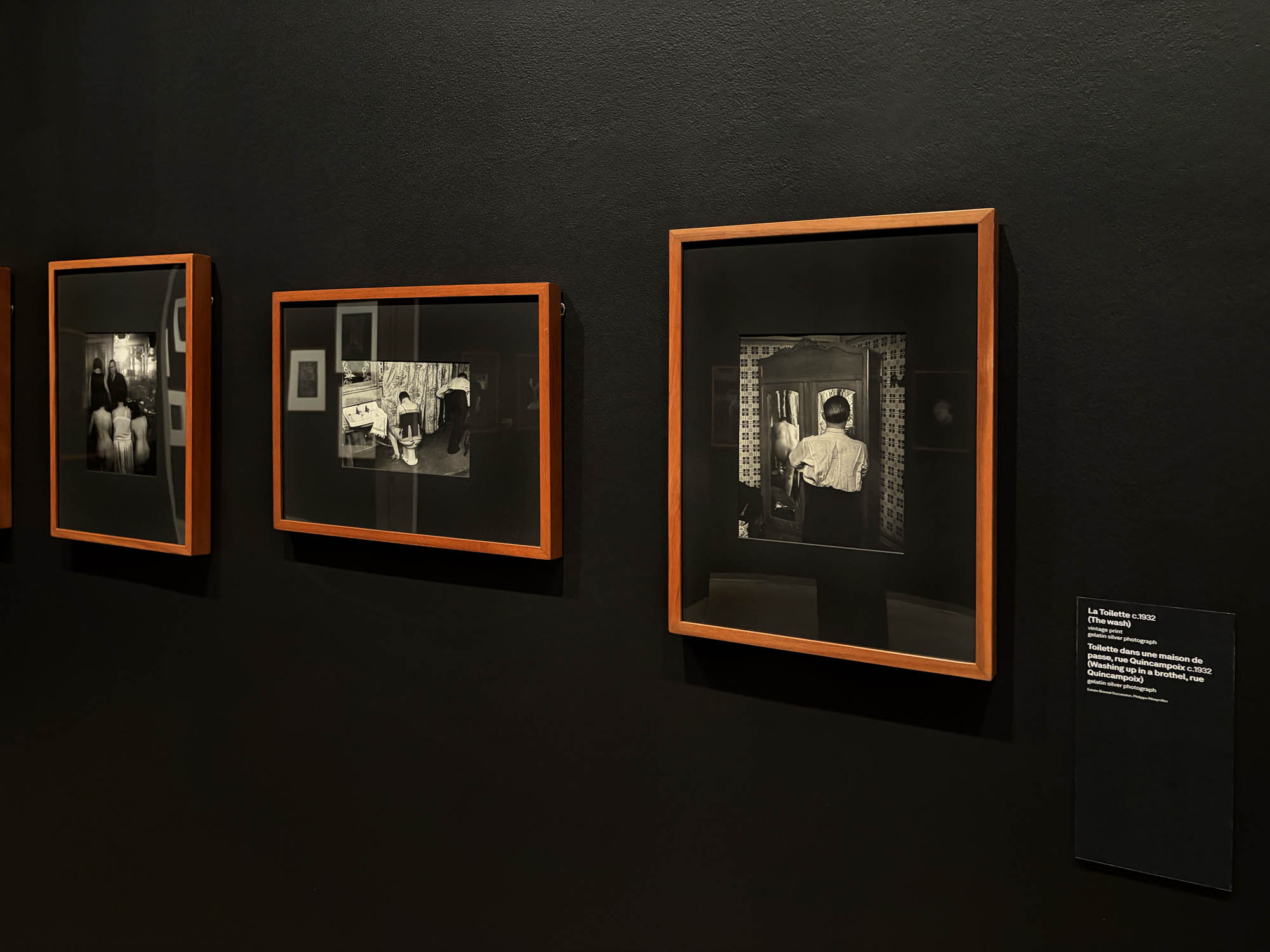
 

Installation view of the exhibition 'Brassaï: Secret Paris' at Heide Museum of Modern Art, Melbourne, July - November, 2026 showing at second left, 'Toilette dans une maison de passe, rue Quinncampoix' (Washing up in a brothel, rue Quincampoix) c. 1932 gelatin silver print; and at right, 'La Toilette' (The wash) c. 1932 vintage gelatin silver print


Installation view of the exhibition Brassaï: Secret Paris at Heide Museum of Modern Art, Melbourne, July – November, 2026 showing at second left, Toilette dans une maison de passe, rue Quinncampoix (Washing up in a brothel, rue Quincampoix) c. 1932 gelatin silver print; and at right, La Toilette (The wash) c. 1932 vintage gelatin silver print
Photo: Marcus Bunyan
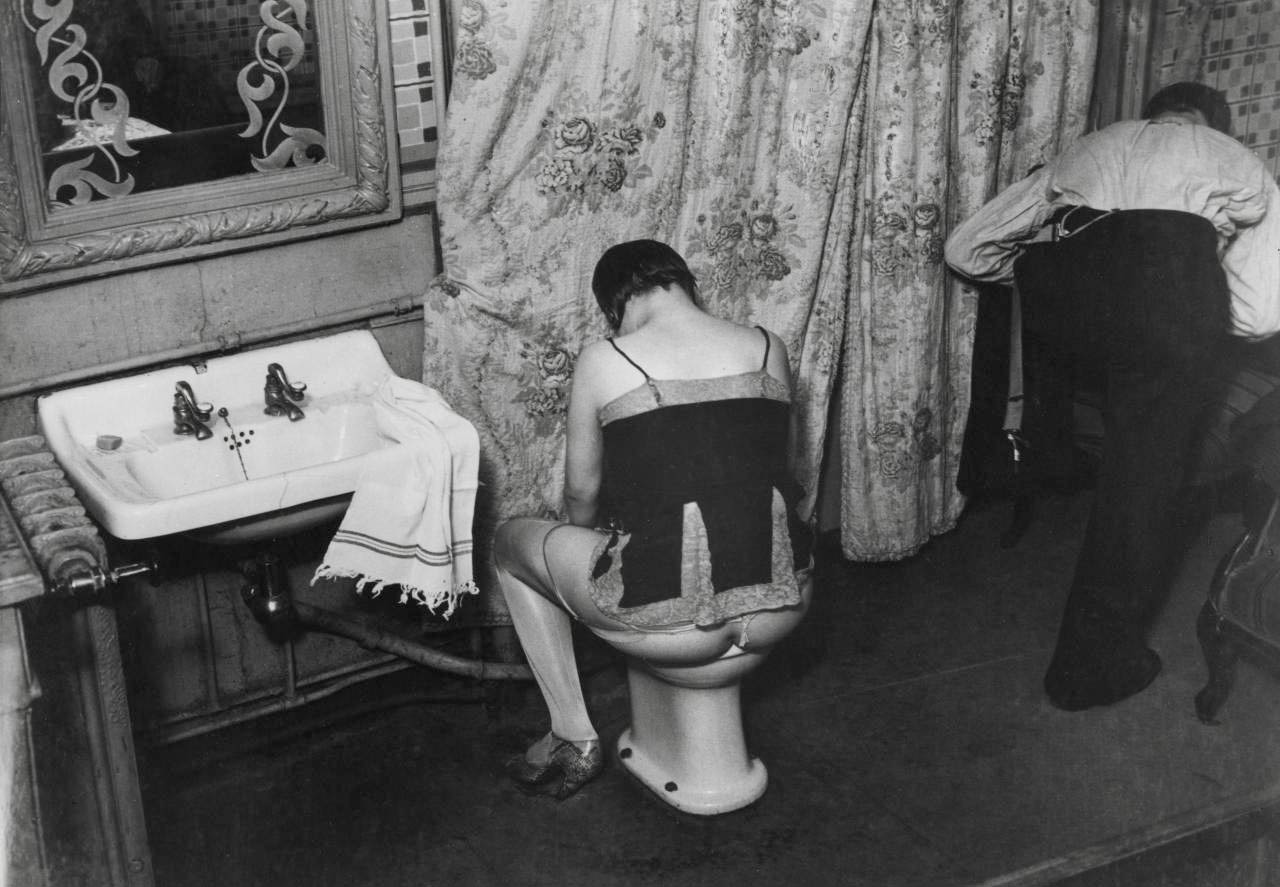
 

Brassaï (Hungarian-French, 1899-1984)
'Toilette dans une maison de passe, rue Quinncampoix' (Washing up in a brothel, rue Quincampoix)
c. 1932


Brassaï (Hungarian-French, 1899-1984)
Toilette dans une maison de passe, rue Quinncampoix (Washing up in a brothel, rue Quincampoix)
c. 1932
Gelatin silver print
Estate Brassaï Succession, Philippe Ribeyrolles


Brassaï (Hungarian-French, 1899-1984) 'La Toilette' (The wash) c. 1932


Brassaï (Hungarian-French, 1899-1984)
La Toilette (The wash)
c. 1932
Vintage gelatin silver print
Estate Brassaï Succession, Philippe Ribeyrolles


This exhibition will present the most comprehensive survey of the work of the eminent Hungarian-born, French photographer Brassaï yet to be seen in Australia. With a focus on the artist’s iconic images of the city and its people by night, the exhibition will also consider his friendship with Picasso and other leading figures of the Parisian avant-garde, his experiments with Surrealism, and his hallmark photographs of graffiti. Produced in collaboration with the artist’s estate, this survey brings together more than 150 vintage prints and offers a fascinating visual journey into the intimate world of Paris in the 1930s.

Text from the Heide Museum of Modern Art website


Gallery two
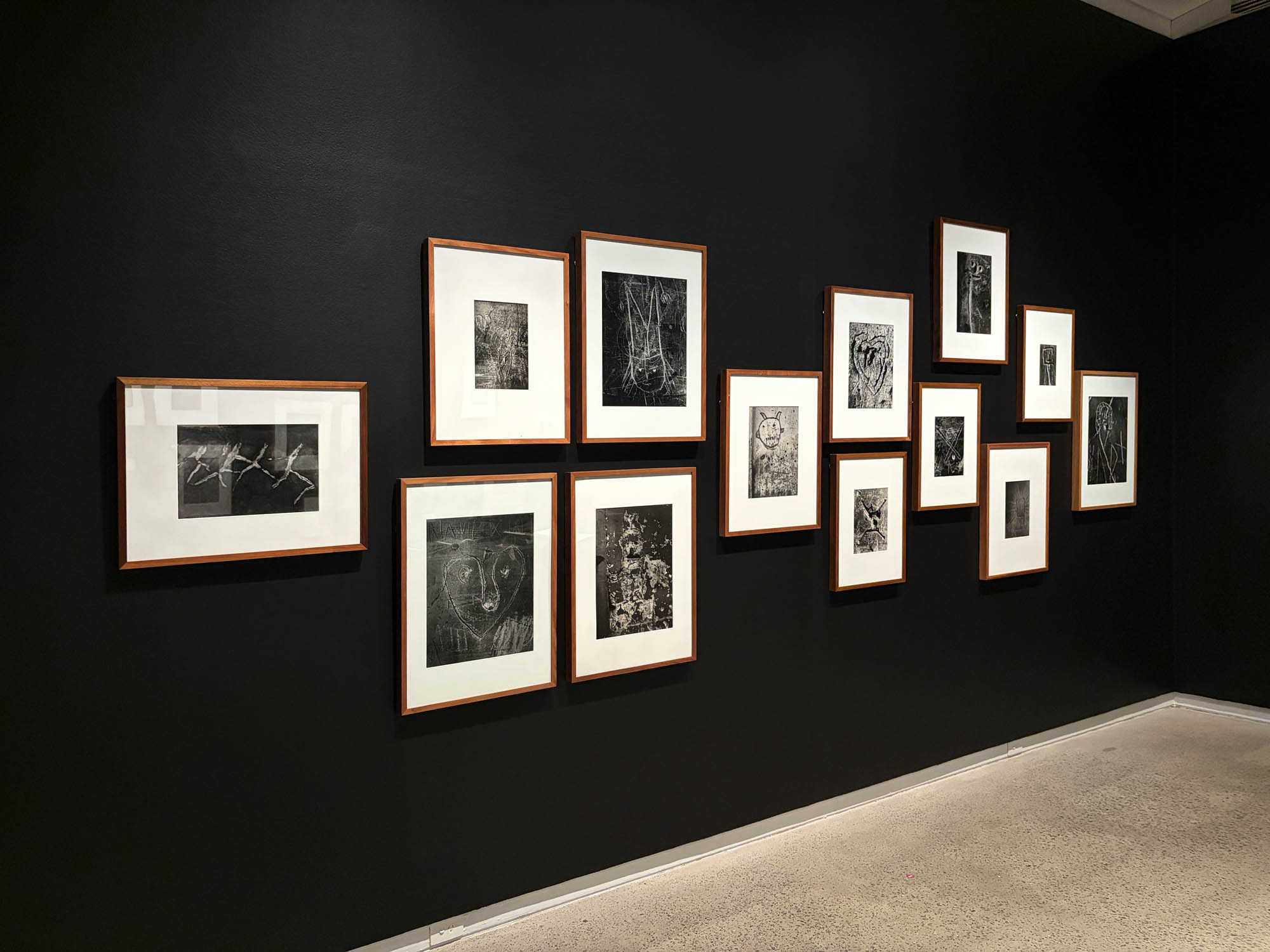
Installation view of the exhibition 'Brassaï: Secret Paris' at Heide Museum of Modern Art, Melbourne, July - November, 2026 showing photographs from the series 'Graffiti'  in gallery two


Installation view of the exhibition Brassaï: Secret Paris at Heide Museum of Modern Art, Melbourne, July – November, 2026 showing photographs from the series Graffiti (titles below) in gallery two
Photo: Marcus Bunyan
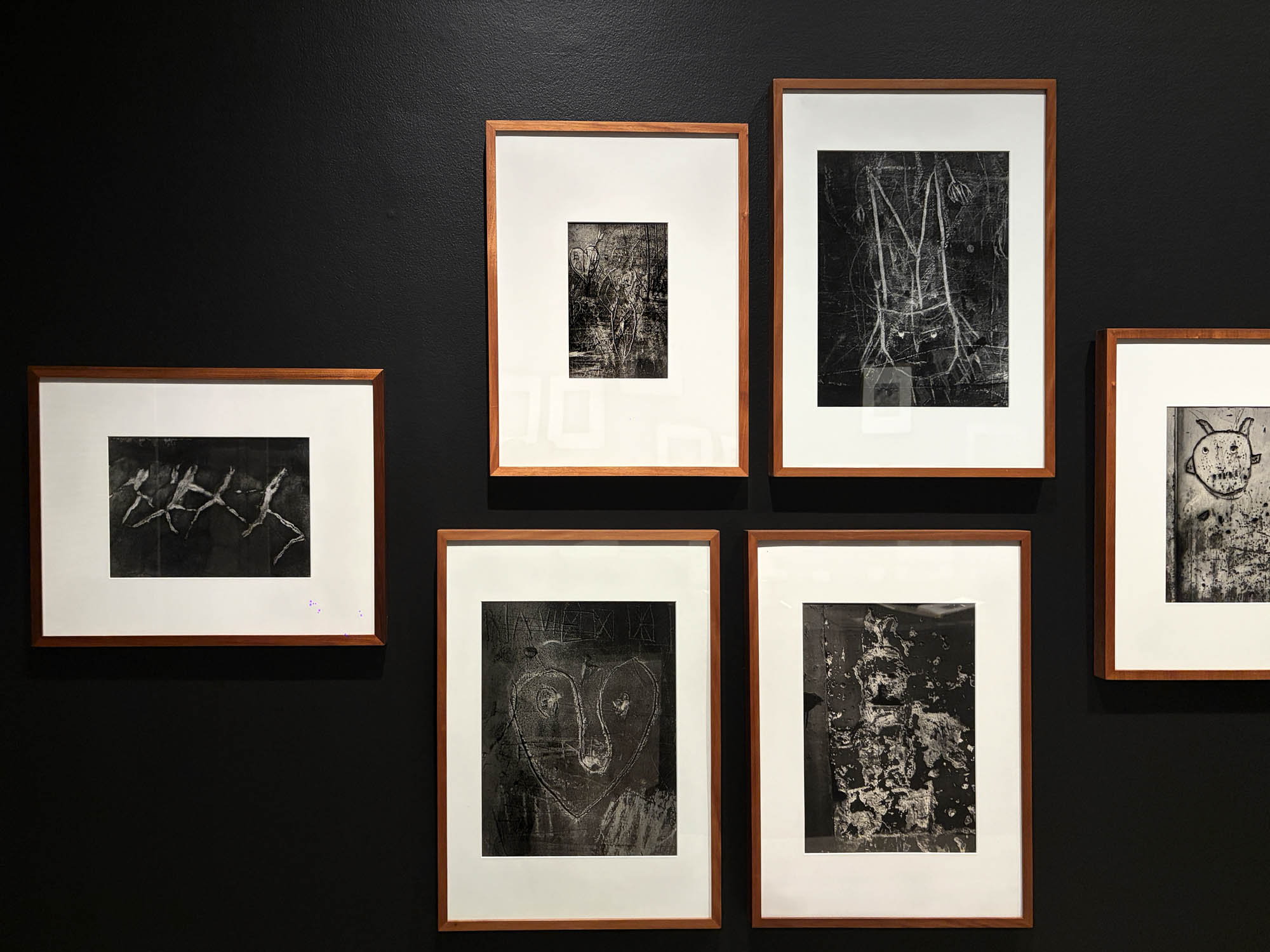
 

Installation view of the exhibition 'Brassaï: Secret Paris' at Heide Museum of Modern Art, Melbourne, July - November, 2026 showing photographs 1-6 from the series 'Graffiti'


Installation view of the exhibition Brassaï: Secret Paris at Heide Museum of Modern Art, Melbourne, July – November, 2026 showing photographs 1-6 from the series Graffiti (titles below)
Photo: Marcus Bunyan
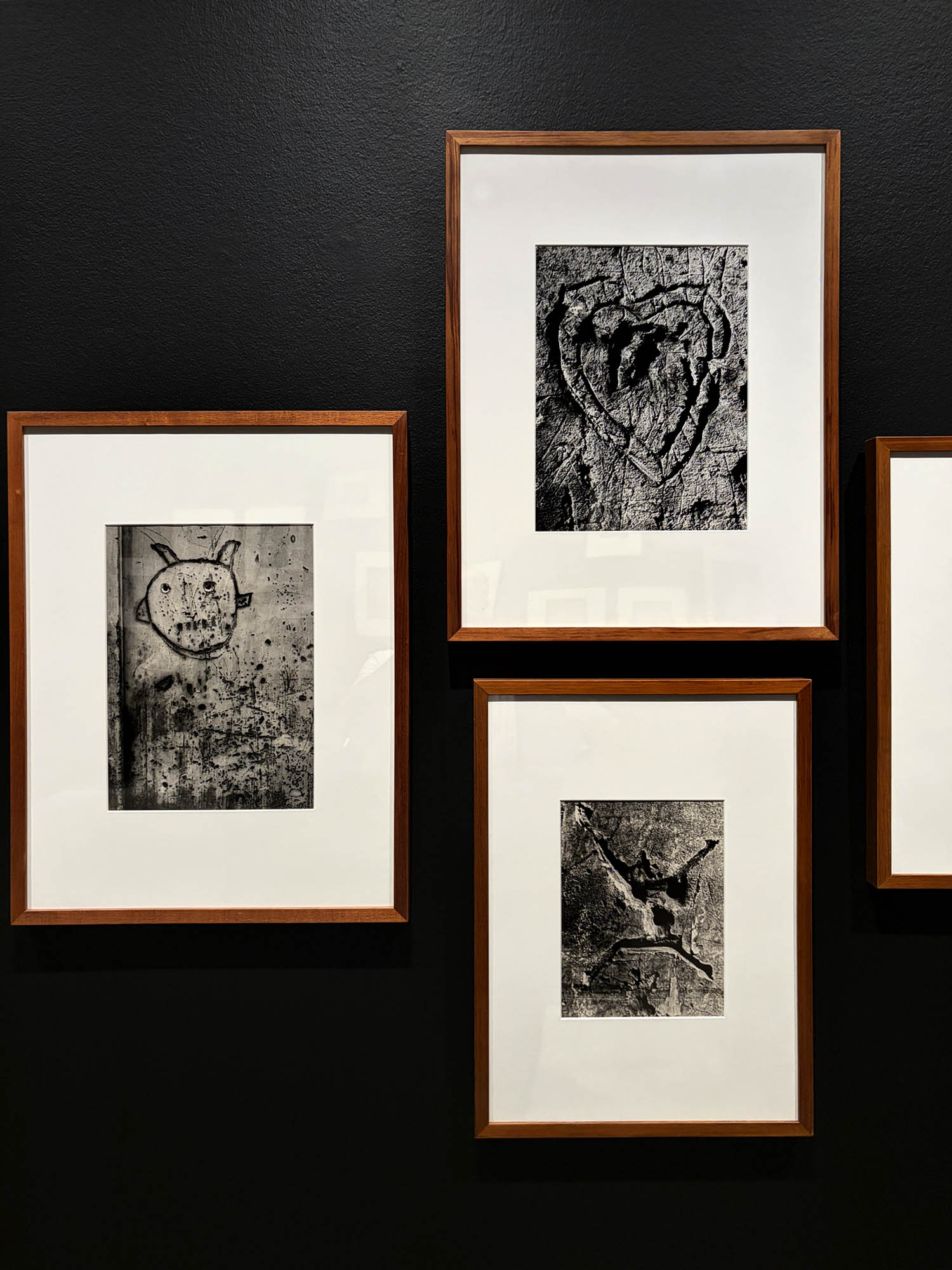
 

Installation view of the exhibition 'Brassaï: Secret Paris' at Heide Museum of Modern Art, Melbourne, July - November, 2026 showing photographs 6-8 from the series 'Graffiti'


Installation view of the exhibition Brassaï: Secret Paris at Heide Museum of Modern Art, Melbourne, July – November, 2026 showing photographs 6-8 from the series Graffiti (titles below)
Photo: Marcus Bunyan
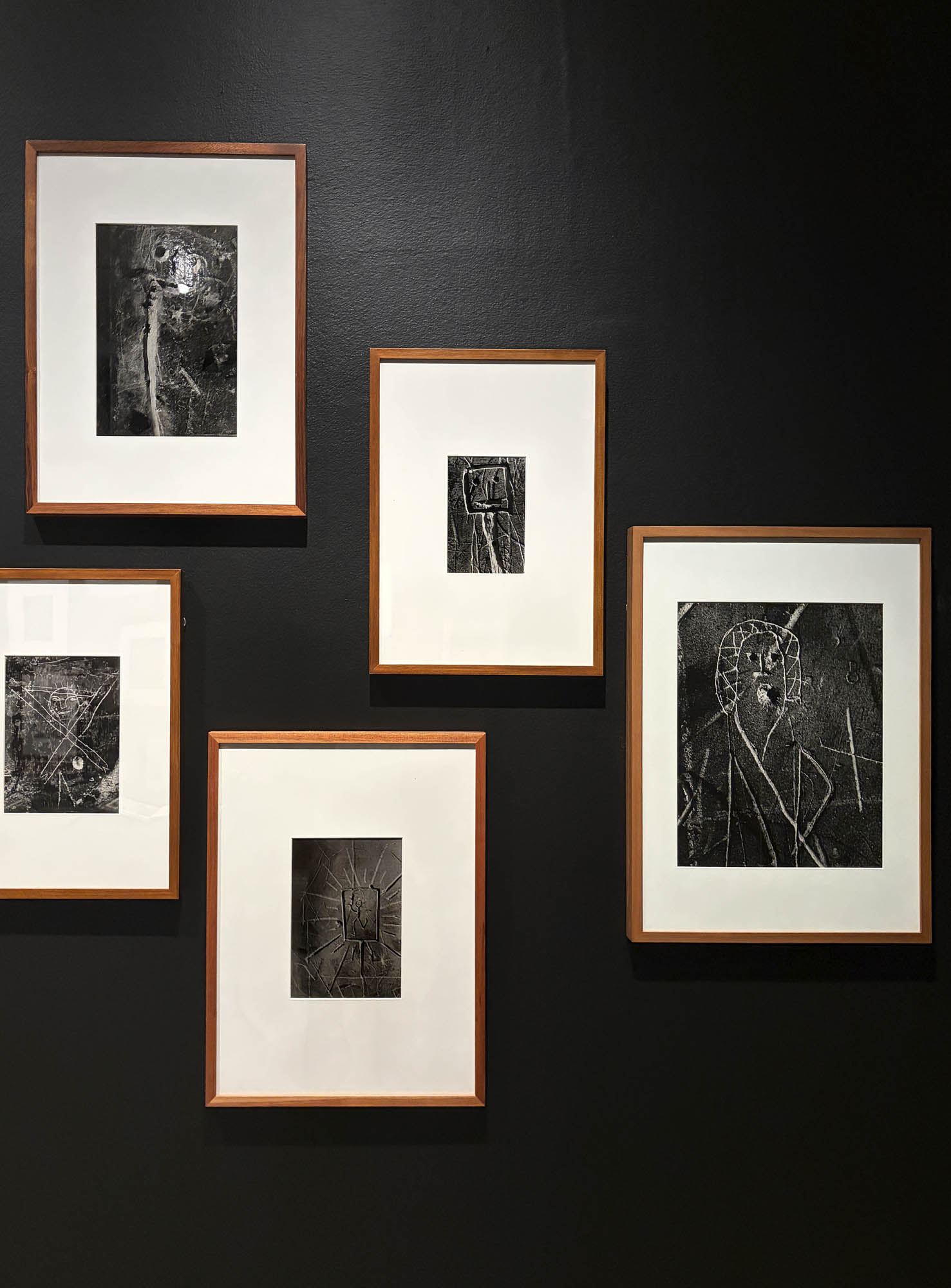
 

Installation view of the exhibition 'Brassaï: Secret Paris' at Heide Museum of Modern Art, Melbourne, July - November, 2026 showing photographs 9-13 from the series 'Graffiti'


Installation view of the exhibition Brassaï: Secret Paris at Heide Museum of Modern Art, Melbourne, July – November, 2026 showing photographs 9-13 from the series Graffiti (titles below)
Photo: Marcus Bunyan
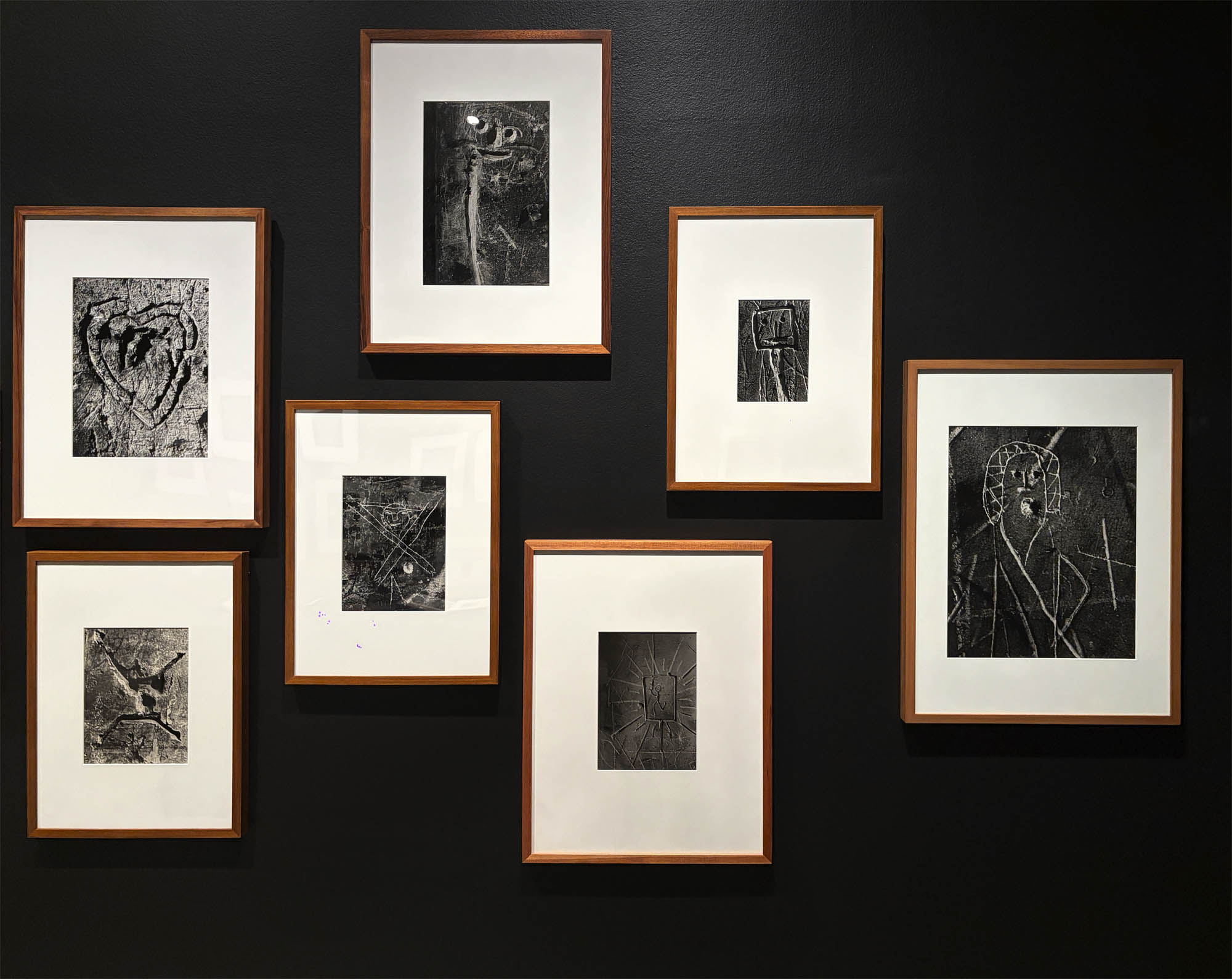
 

Installation view of the exhibition 'Brassaï: Secret Paris' at Heide Museum of Modern Art, Melbourne, July - November, 2026 showing photographs 7-13 from the series 'Graffiti'


Installation view of the exhibition Brassaï: Secret Paris at Heide Museum of Modern Art, Melbourne, July – November, 2026 showing photographs 7-13 from the series Graffiti (titles below)
Photo: Marcus Bunyan
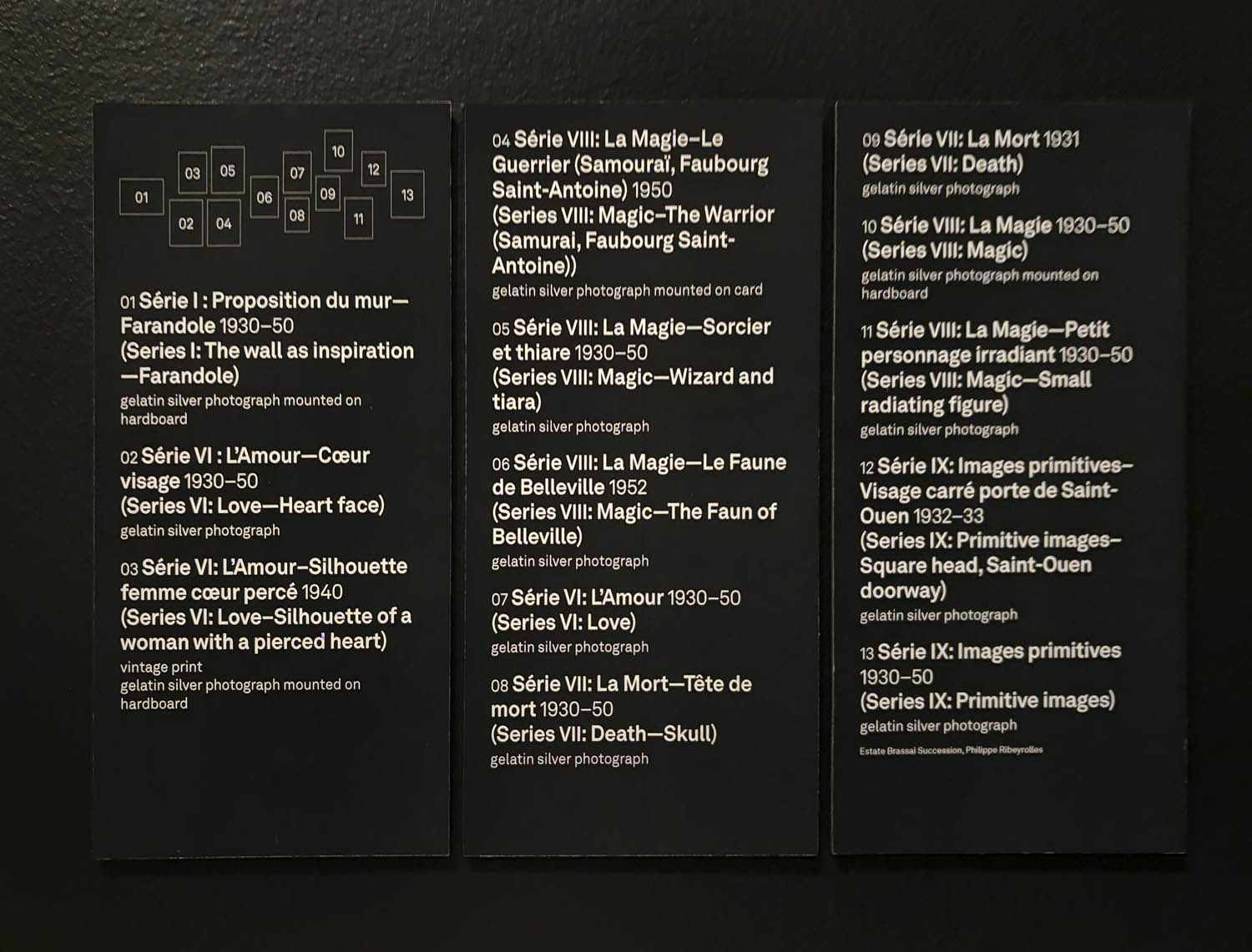
 

Titles for the series 'Graffit'i for the photograph (above) from the exhibition 'Brassaï: Secret Paris' at Heide Museum of Modern Art, Melbourne, July - November, 2026


Titles for the series Graffiti for the photograph (above) from the exhibition Brassaï: Secret Paris at Heide Museum of Modern Art, Melbourne, July – November, 2026
Photo: Marcus Bunyan
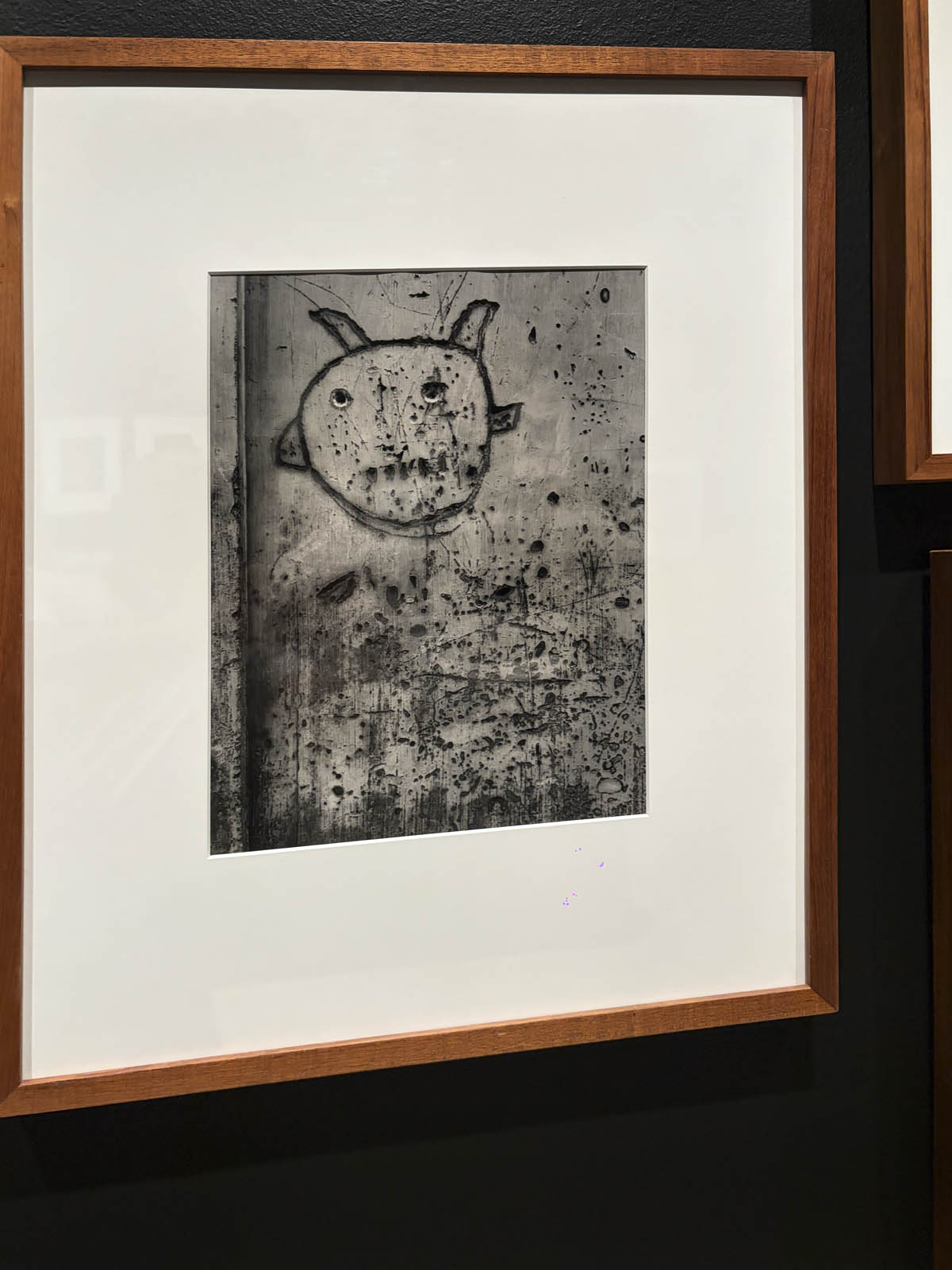
 

Brassaï (Hungarian-French, 1899-1984) 'Série VII: La Mort - Tête de Morte' (Series VII: Death - Skull) 1930-1950 (installation view)


Brassaï (Hungarian-French, 1899-1984)
Série VII: La Mort – Tête de Morte (Series VII: Death – Skull) (installation view)
1930-1950
Gelatin silver photograph
Estate Brassaï Succession, Philippe Ribeyrolles
Photo: Marcus Bunyan
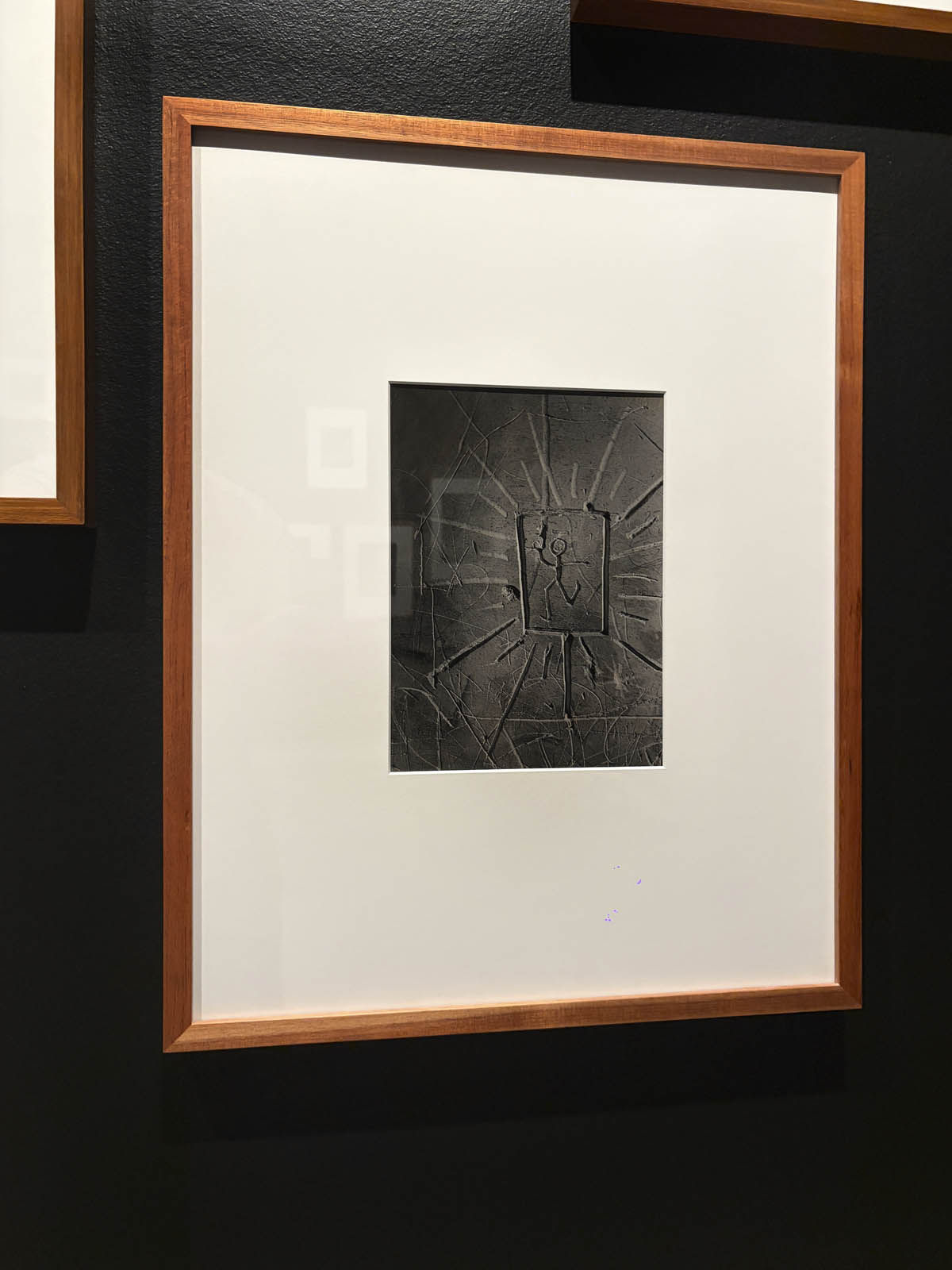
 

Brassaï (Hungarian-French, 1899-1984) 'Série VIII: La Magie - Petit personnage irradiant' (Series VIII: Magic - Small radiating figure) 1930-1950 (installation view)


Brassaï (Hungarian-French, 1899-1984)
Série VIII: La Magie – Petit personnage irradiant (Series VIII: Magic – Small radiating figure) (installation view)
1930-1950
Gelatin silver photograph
Estate Brassaï Succession, Philippe Ribeyrolles
Photo: Marcus Bunyan
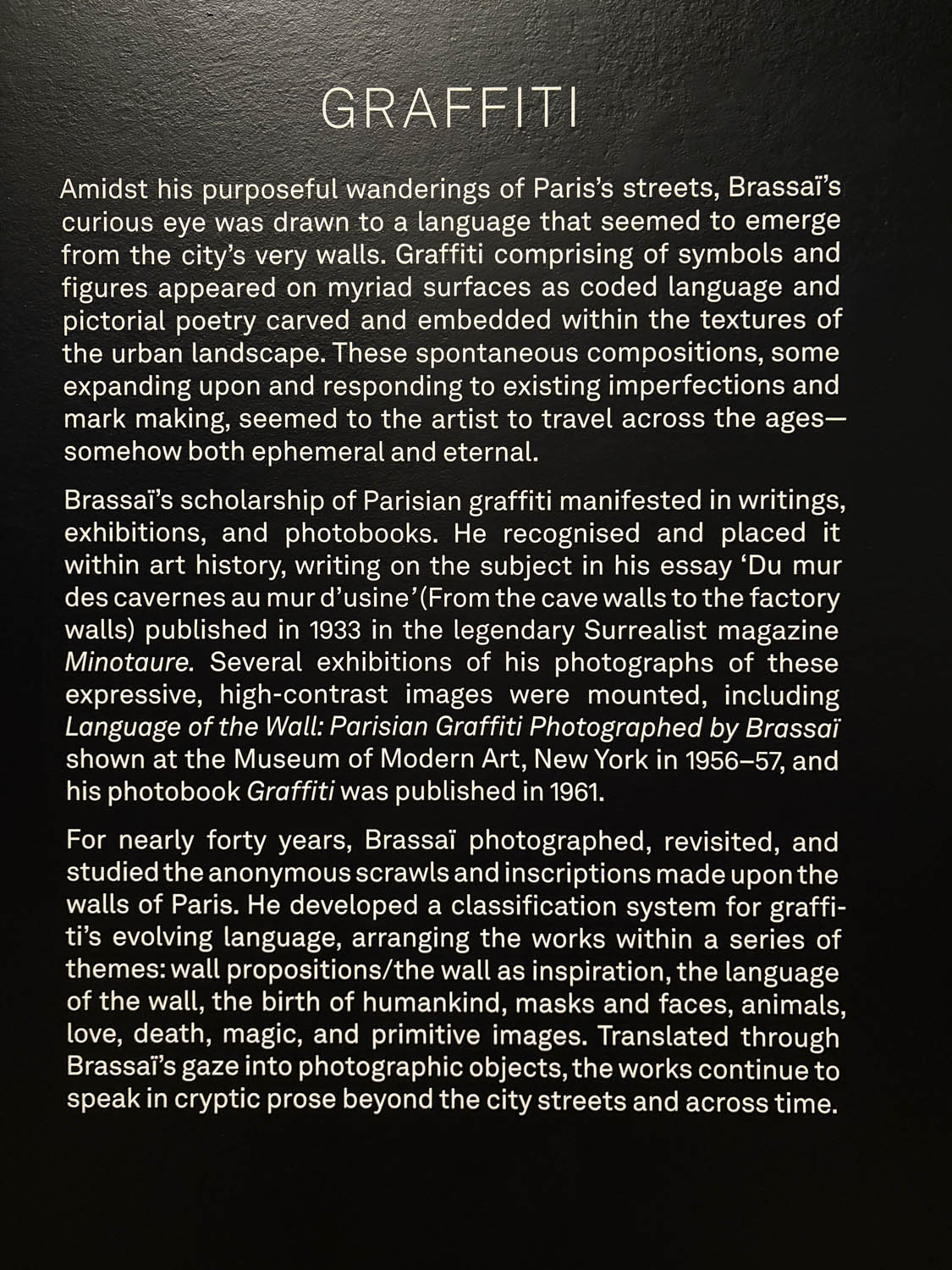
 

Wall text from the exhibition 'Brassaï: Secret Paris' at Heide Museum of Modern Art, Melbourne, July - November, 2026 from gallery two


Wall text from the exhibition Brassaï: Secret Paris at Heide Museum of Modern Art, Melbourne, July – November, 2026 from gallery two
Photo: Marcus Bunyan
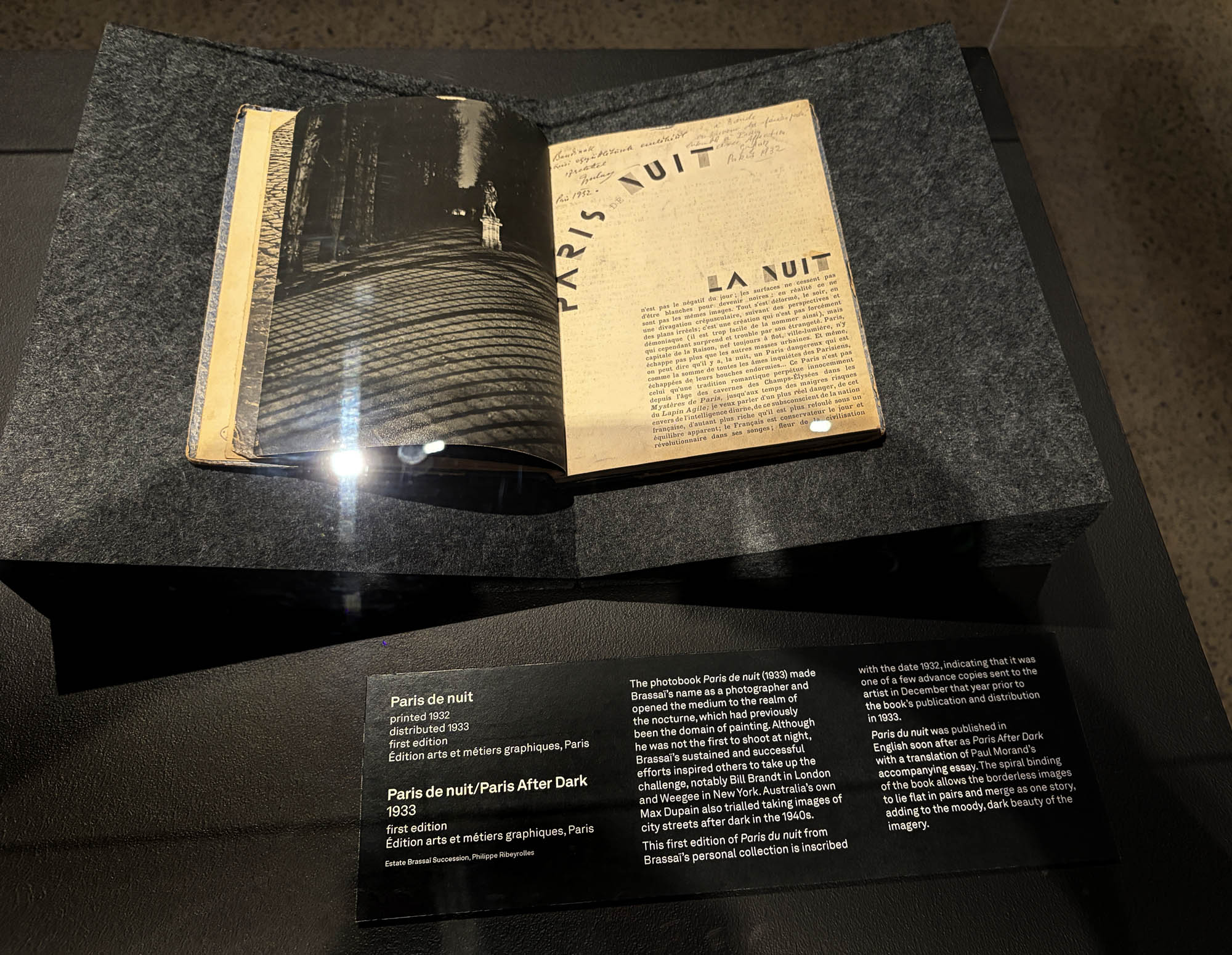
 

'Paris de nuit/Paris After Dark' (installation view) 1933 First edition from the exhibition 'Brassaï: Secret Paris' at Heide Museum of Modern Art, Melbourne, July - November, 2026


Paris de nuit/Paris After Dark (installation view)
1933
First edition
Printed 1932, distributed 1933
Edition arts et métiers graphiques, Paris
Estate Brassaï Succession, Philippe Ribeyrolles
Photo: Marcus Bunyan


The photobook Paris de nuit (1933) made Brassaï’s name as a photographer and opened the medium to the realm of the nocturne, which had previously been the domain of painting. Although he was not the first to shoot at night, Brassai’s sustained and successful efforts inspired others to take up the challenge, notably Bill Brandt in London and Weegee in New York. Australia’s own Max Dupain also trialled taking images of city streets after dark in the 1940s.

The first edition of Paris du nuit from Brassaï’s personal collection is inscribed with the date 1932, indicating that it was one of a few advance copies sent to the artist prior to the book’s publication and distribution in 1933.

Paris de nuit was published in English soon after as Paris After Dark with a translation of Paul Morand’s accompanying essay. The spiral binding of the book allows the borderless images to lie flat in pairs and merge as one story, adding to the moody, dark beauty of the imagery.

Label text from the exhibition Brassaï: Secret Paris at Heide Museum of Modern Art, Melbourne, July – November, 2026
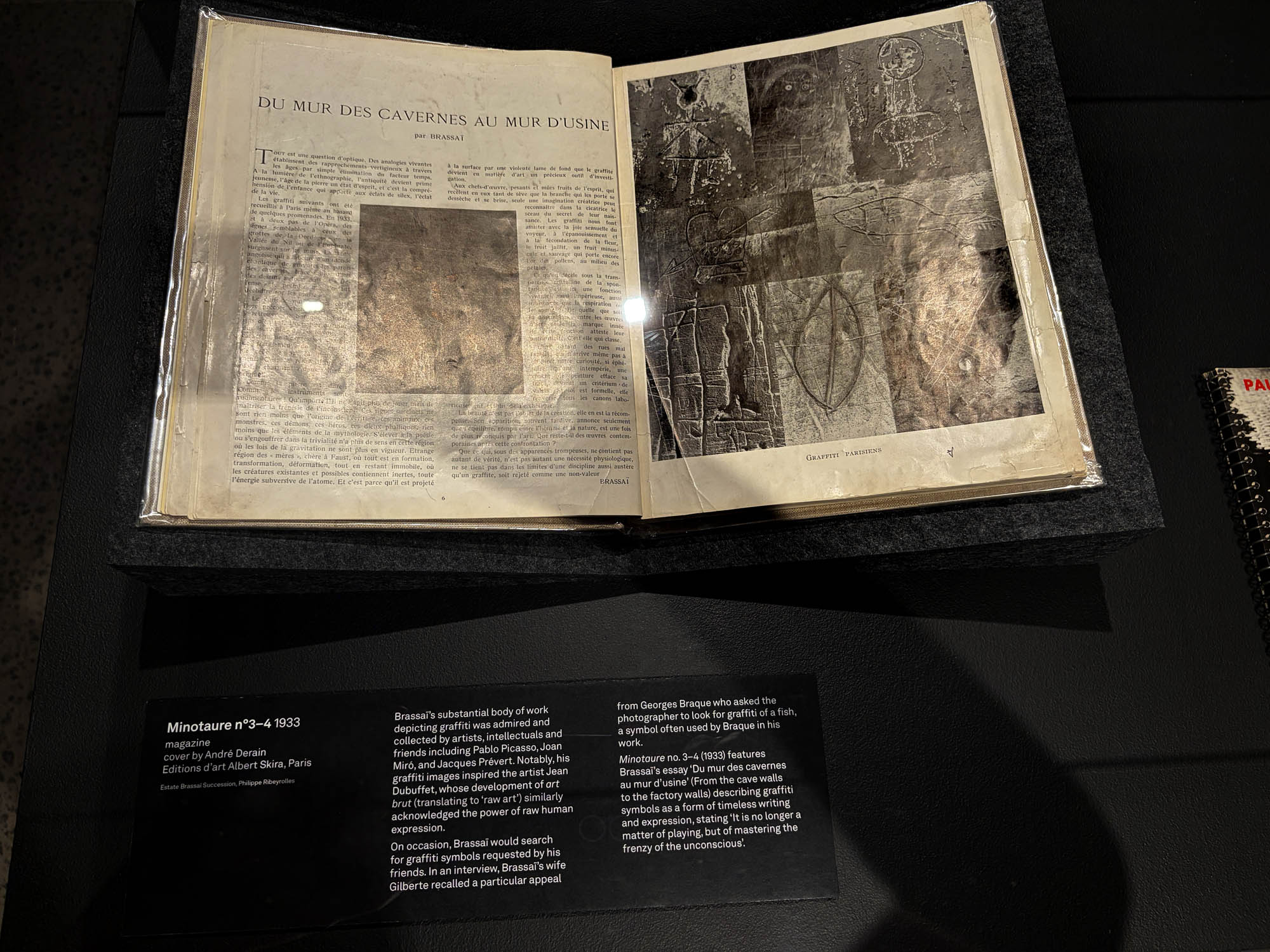
 

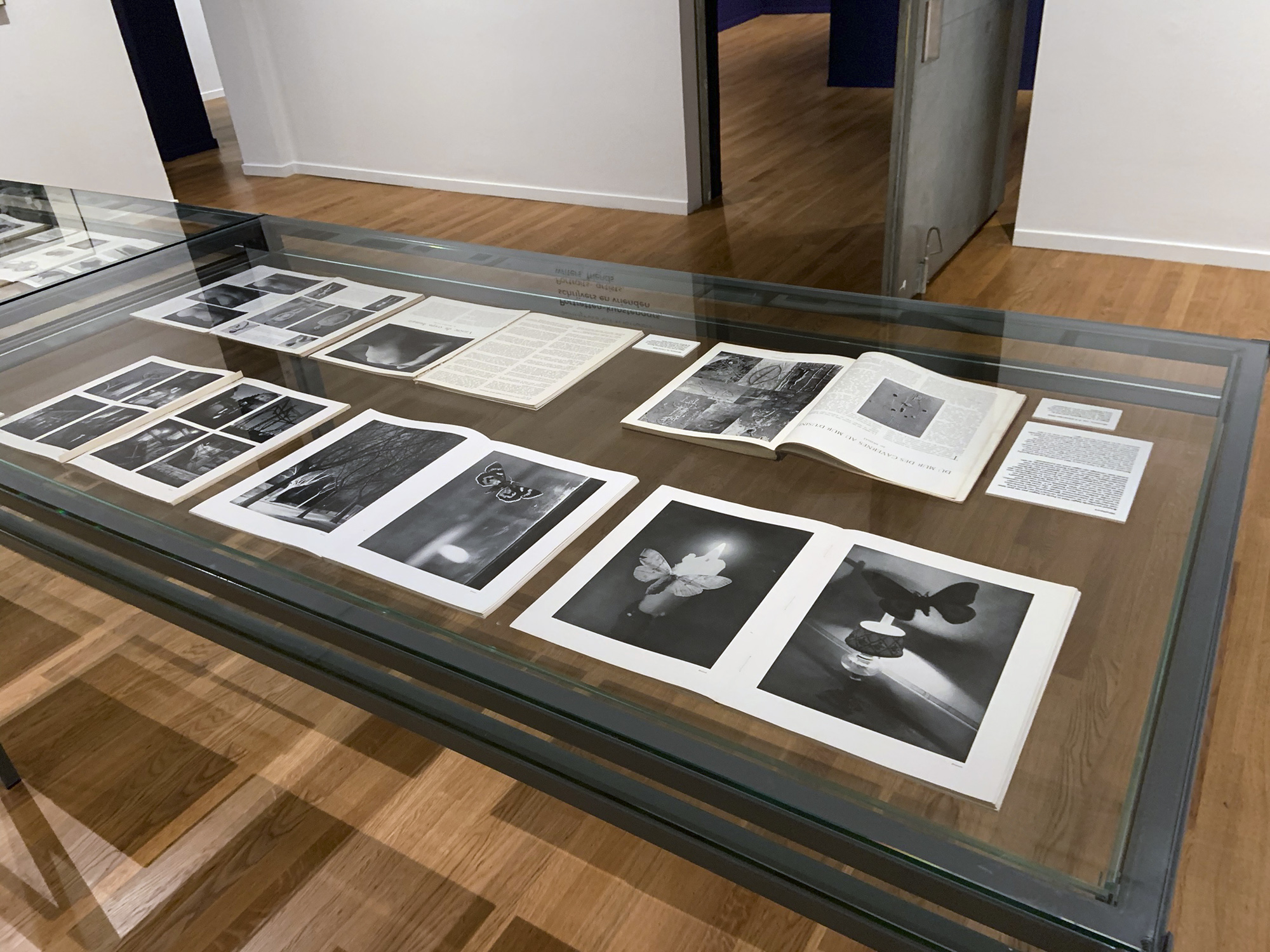
'Minotaure' no.3-4 (installation view) 1933 from the exhibition 'Brassaï: Secret Paris' at Heide Museum of Modern Art, Melbourne, July - November, 2026


Minotaure no.3-4 (installation view)
1933
Magazine
Cover by André Derain
Editions d’art Albert Skira, Paris
Estate Brassaï Succession, Philippe Ribeyrolles
Photo: Marcus Bunyan


Brassaï’s substantial body of work depicting graffiti was admired and collected by artists, intellectuals and friends including Pablo Picasso, Joan Miró, and Jacques Prévert. Notably, his graffiti images inspired the artist Jean Dubuffet, whose development of art brut (translating to ‘raw art’) similarly acknowledged the power of raw human expression.

On occasion, Brassaï would search fro graffiti symbols requested by his friends. In an interview, Brassaï’s wife Gilberte recalled a particular appeal from Georges Braque who asked the photographer to look for graffiti of a fish, a symbol often used by Braque in his work.

Minotaure no.3-4 (1933) features Brassaï’s essay ‘Du mur des cavernes au mur d’usine’ (From the cave walls to the factory walls) describing graffiti symbols as a form of timeless writing and expression, stating ‘It is no longer a matter of playing, but of mastering the frenzy of the unconscious’.

Label text from the exhibition Brassaï: Secret Paris at Heide Museum of Modern Art, Melbourne, July – November, 2026
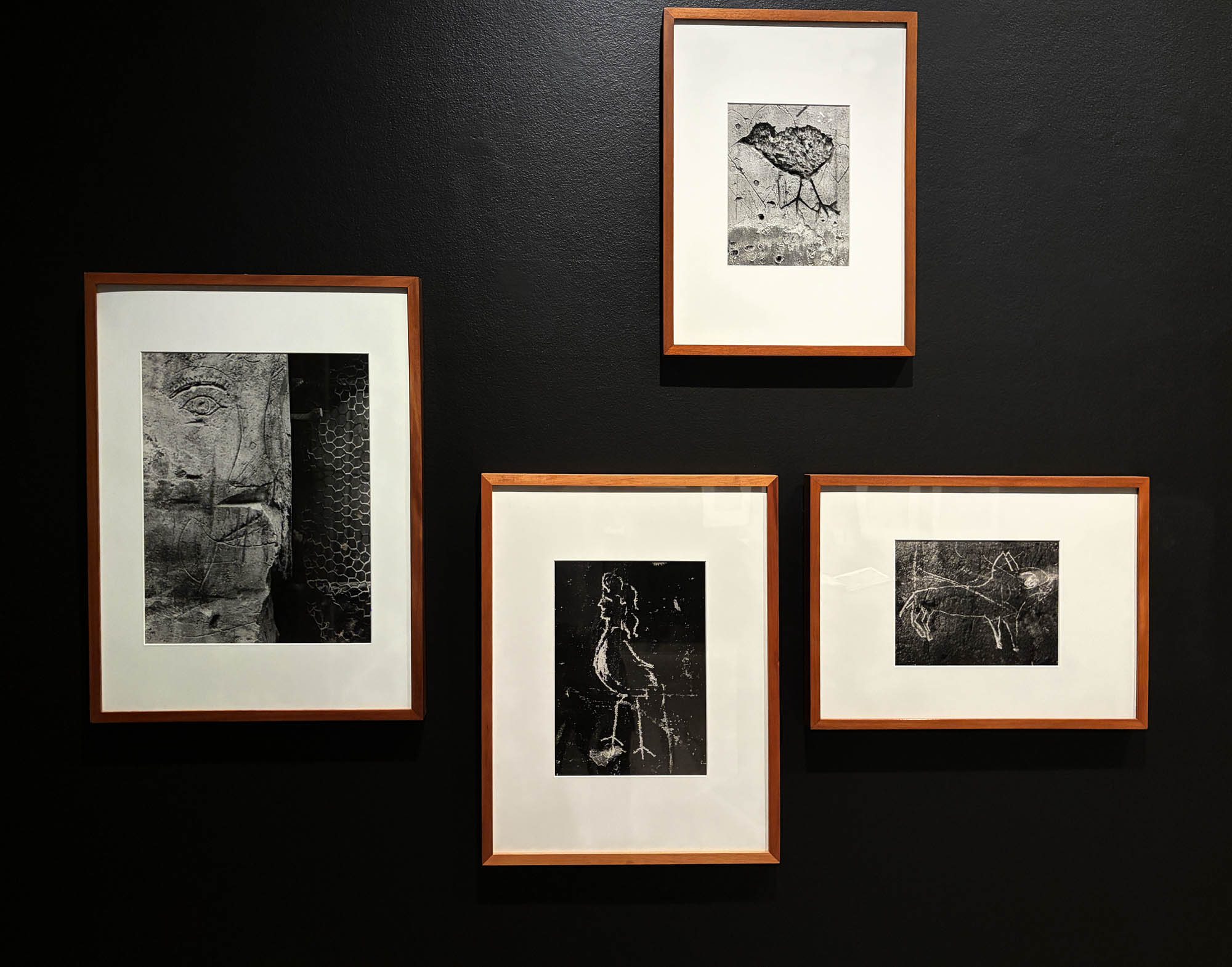
 

Installation view of the exhibition 'Brassaï: Secret Paris' at Heide Museum of Modern Art, Melbourne, July - November, 2026 showing photographs from the series 'Graffiti'


Installation view of the exhibition Brassaï: Secret Paris at Heide Museum of Modern Art, Melbourne, July – November, 2026 showing photographs 1-4 from the series Graffiti (titles below)
Photo: Marcus Bunyan
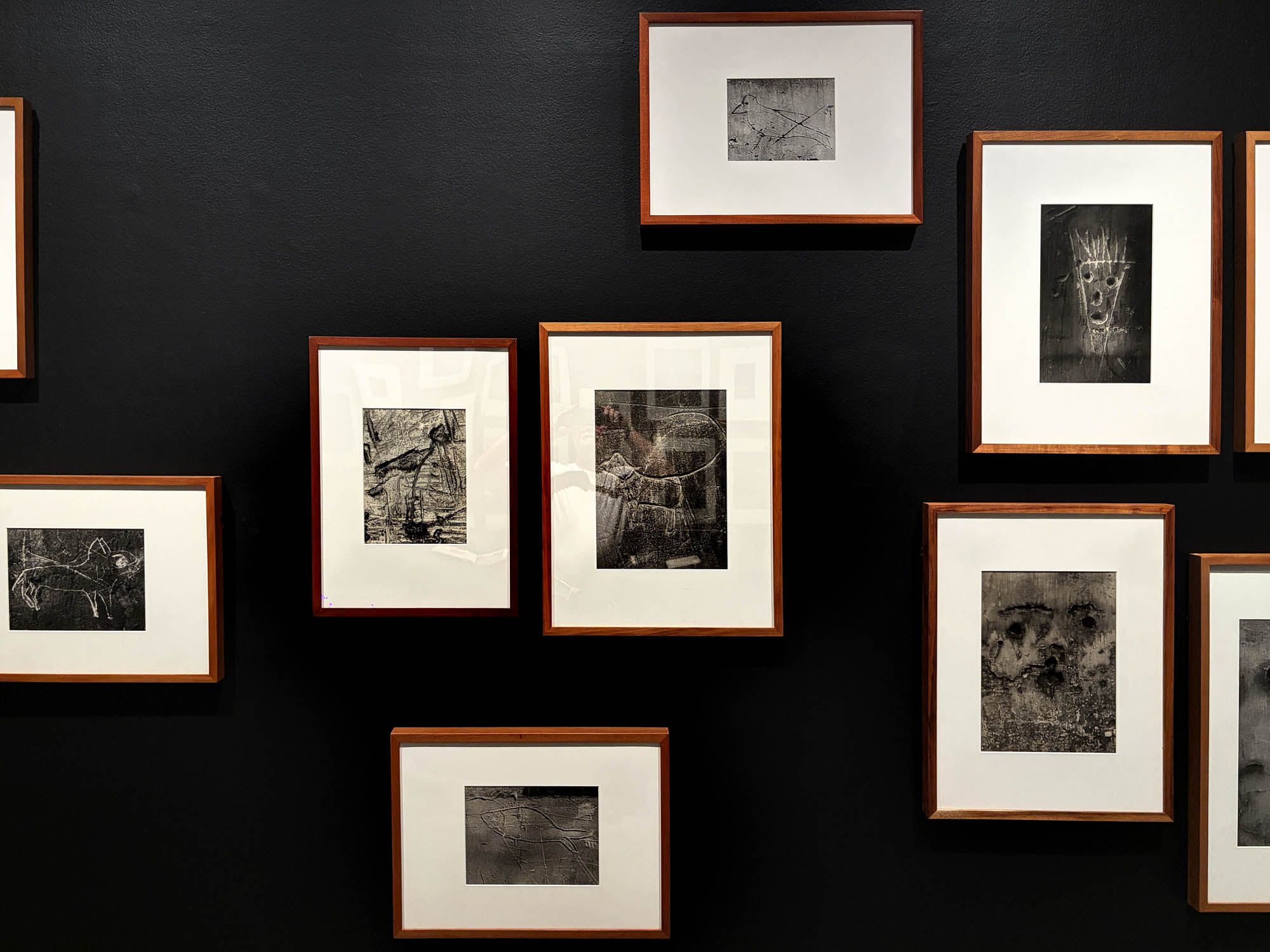
 

Installation view of the exhibition 'Brassaï: Secret Paris' at Heide Museum of Modern Art, Melbourne, July - November, 2026 showing photographs 4-10 from the series 'Graffiti'


Installation view of the exhibition Brassaï: Secret Paris at Heide Museum of Modern Art, Melbourne, July – November, 2026 showing photographs 4-10 from the series Graffiti (titles below)
Photo: Marcus Bunyan
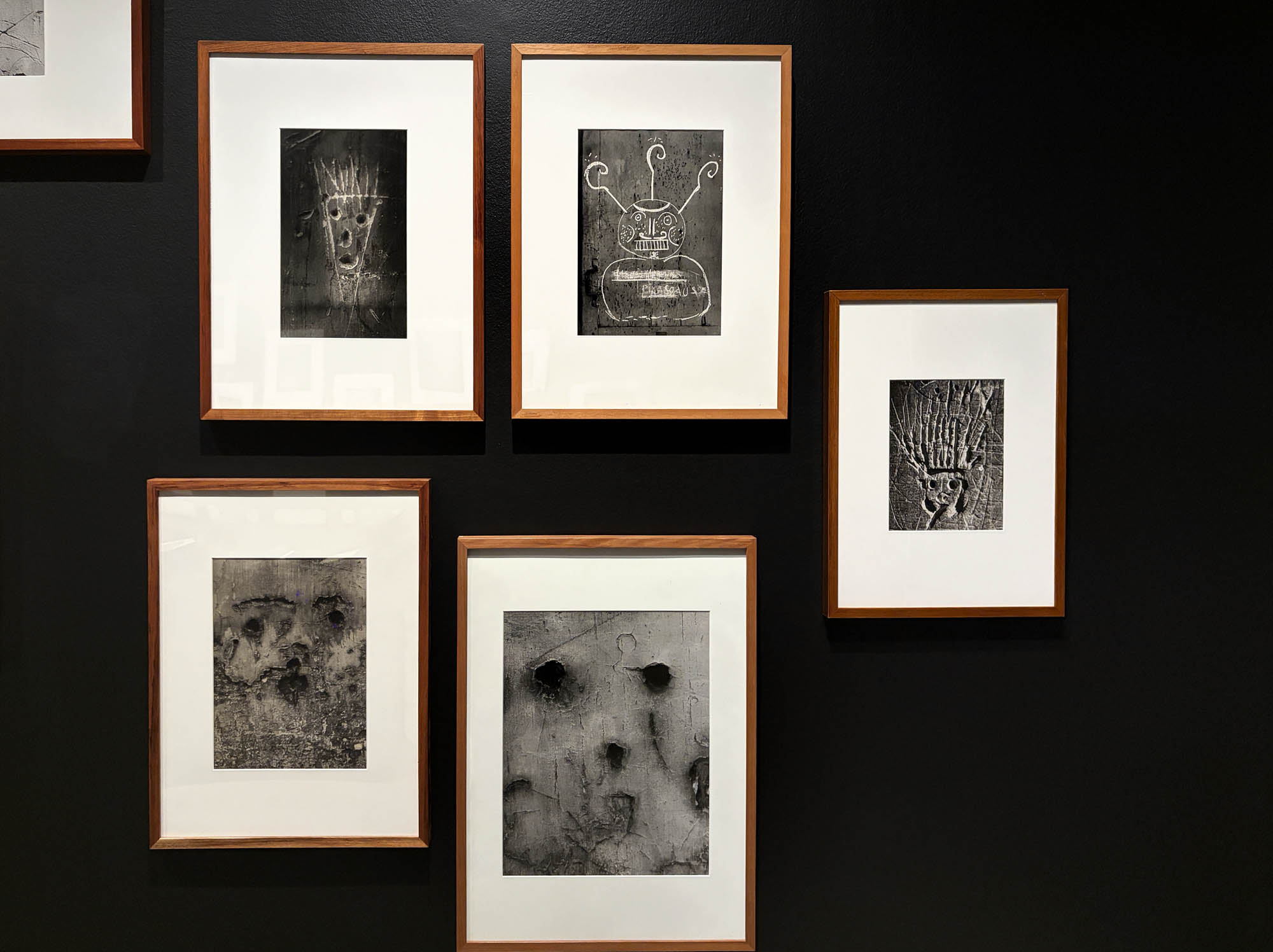
 

Installation view of the exhibition 'Brassaï: Secret Paris' at Heide Museum of Modern Art, Melbourne, July - November, 2026 showing photographs 9-13 from the series 'Graffiti'


Installation view of the exhibition Brassaï: Secret Paris at Heide Museum of Modern Art, Melbourne, July – November, 2026 showing photographs 9-13 from the series Graffiti (titles below)
Photo: Marcus Bunyan


No. 12: While best known as a photographer and writer, Brassaï’s talents extended to a wide variety of disciplines including sculpture and drawing. In his images of graffiti, his appreciation of graphic and volumetric elements, informed by his practice as a sculptor and draughtsman, is clearly articulated.

Within the etched graffiti works, the linear qualities of the imagery are made manifest through contrasting shadows born of a shift in surface depth. Created through an alternate graffiti drawing methodology, Mademoiselle Picaseau, rather than being carved deeply into the wall’s surface, presents as a ghostly chalked apparition of expressive and stylised line work.

Label text from the exhibition Brassaï: Secret Paris at Heide Museum of Modern Art, Melbourne, July – November, 2026 from gallery two
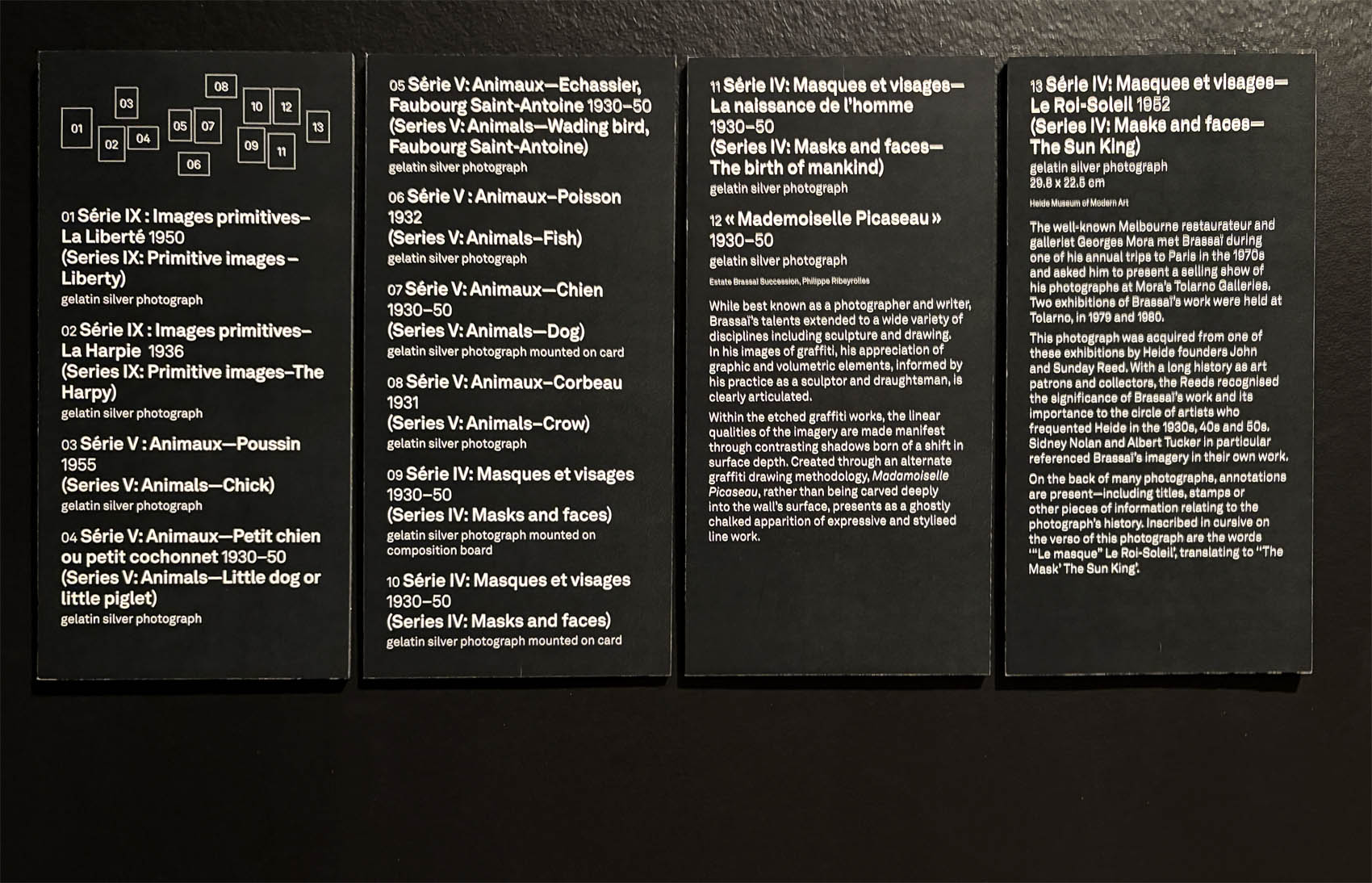
 

Titles for the series 'Graffiti' for the photographs (above) from the exhibition 'Brassaï: Secret Paris' at Heide Museum of Modern Art, Melbourne, July - November, 2026


Titles for the series Graffiti for the photographs (above) from the exhibition Brassaï: Secret Paris at Heide Museum of Modern Art, Melbourne, July – November, 2026
Photo: Marcus Bunyan
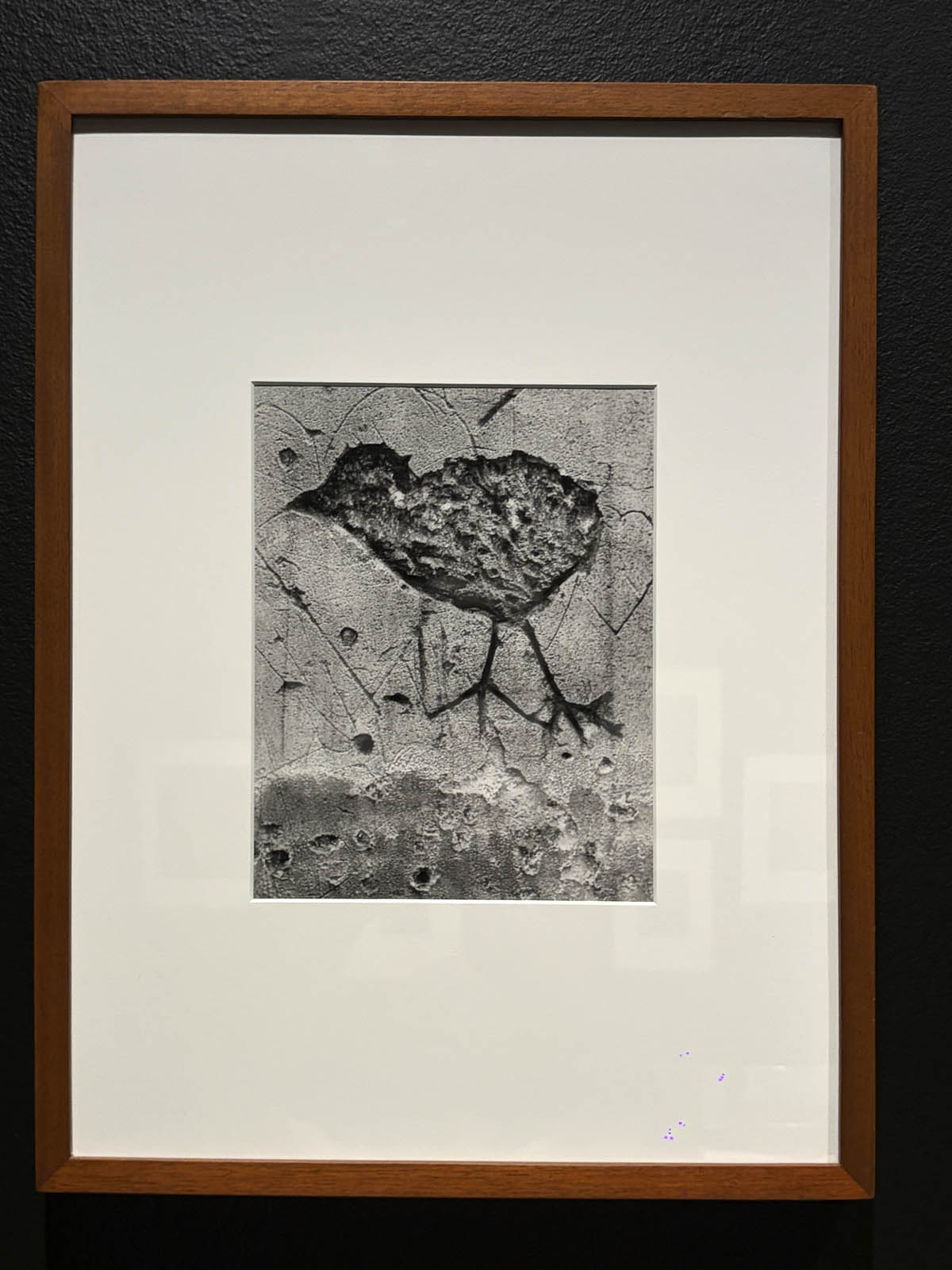
 

Brassaï (Hungarian-French, 1899-1984) 'Série V: Animaux - Poussin' (Series VIII: Animals - Chick) 1955 (installation view)


Brassaï (Hungarian-French, 1899-1984)
Série V: Animaux – Poussin (Series VIII: Animals – Chick) (installation view)
1955
Gelatin silver photograph
Estate Brassaï Succession, Philippe Ribeyrolles
Photo: Marcus Bunyan
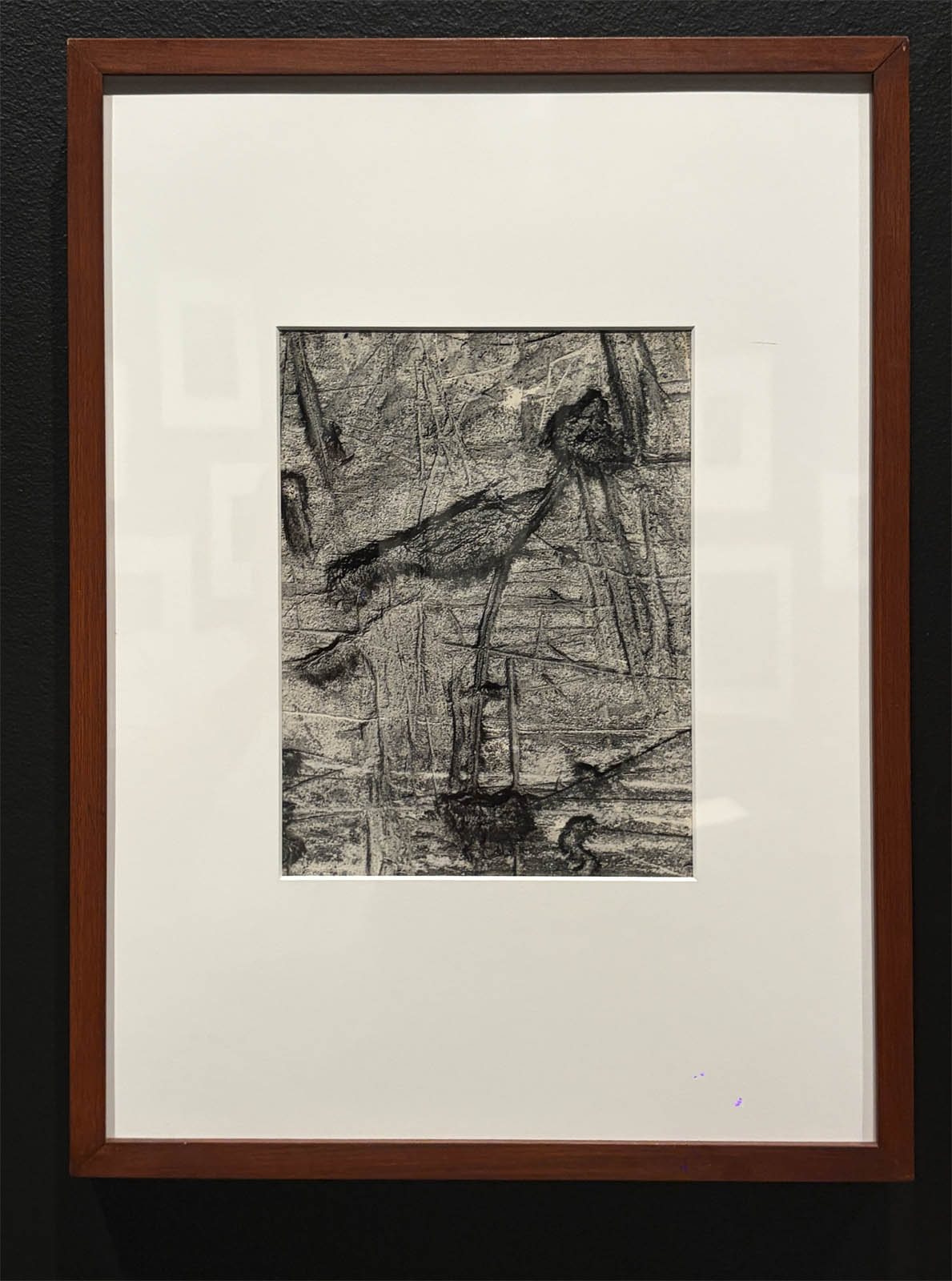
 

Brassaï (Hungarian-French, 1899-1984) 'Série V: Animaux - Enchassier, Faubourg Saint-Antoine' (Series VIII: Animals - Wading Bird, Faubourg Saint-Antoine) 1930-1950 (installation view)


Brassaï (Hungarian-French, 1899-1984)
Série V: Animaux – Enchassier, Faubourg Saint-Antoine (Series VIII: Animals – Wading Bird, Faubourg Saint-Antoine) (installation view)
1930-1950
Gelatin silver photograph
Estate Brassaï Succession, Philippe Ribeyrolles
Photo: Marcus Bunyan
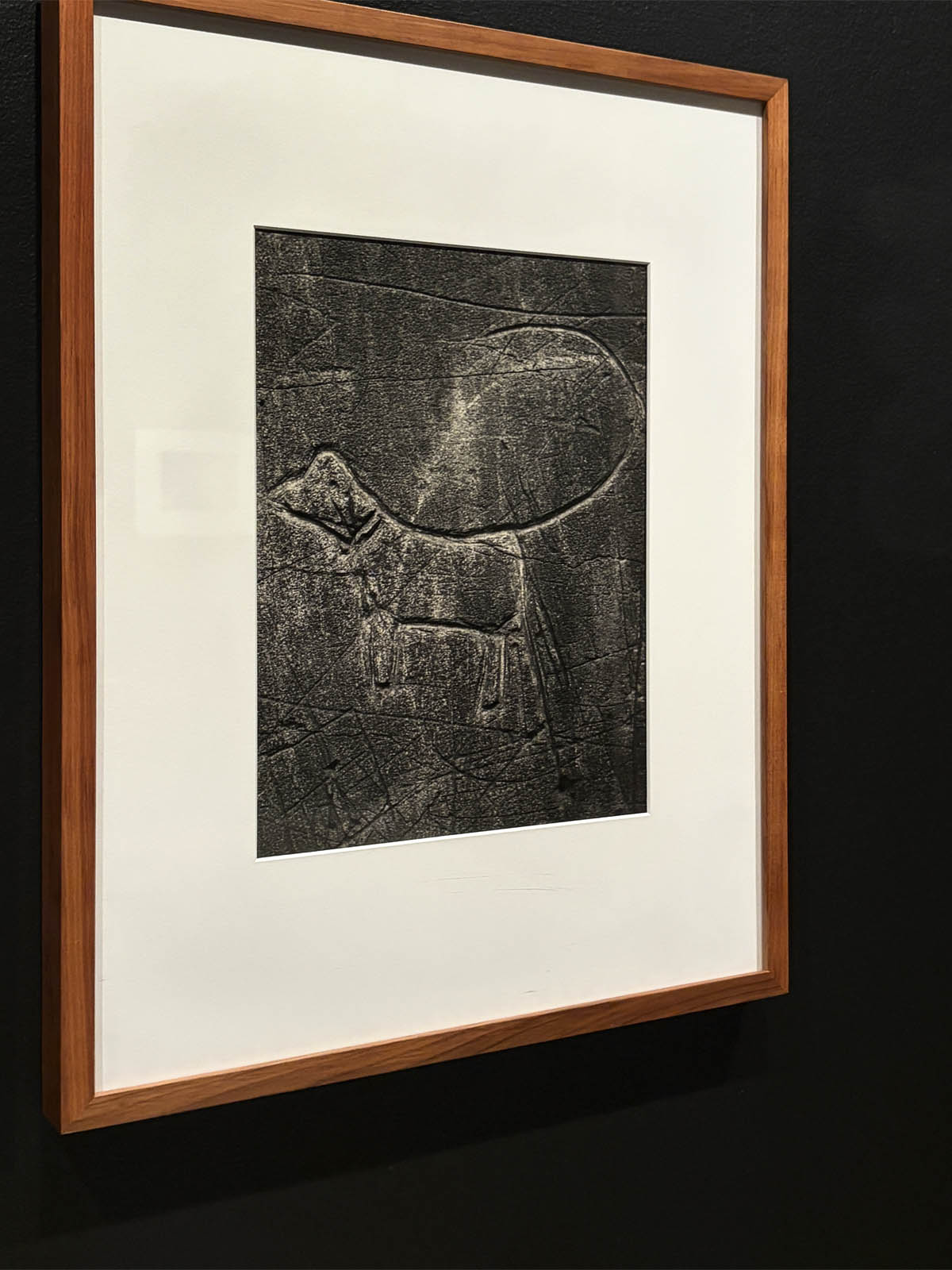
 

Brassaï (Hungarian-French, 1899-1984) 'Série V: Animaux - Chien' (Series VIII: Animals - Dog) 1930-1950 (installation view)


Brassaï (Hungarian-French, 1899-1984)
Série V: Animaux – Chien (Series VIII: Animals – Dog) (installation view)
1930-1950
Gelatin silver photograph mounted on card
Estate Brassaï Succession, Philippe Ribeyrolles
Photo: Marcus Bunyan
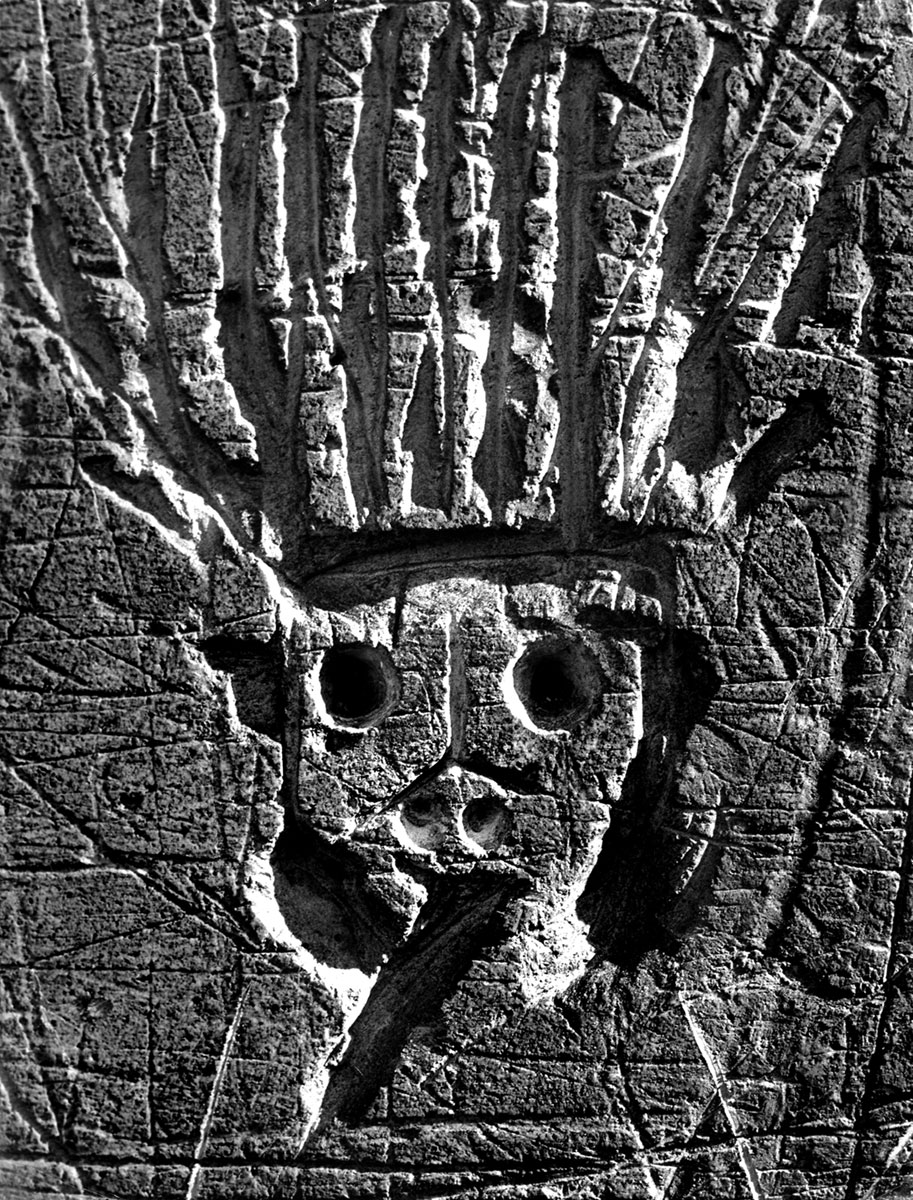
 

Brassaï (Hungarian-French, 1899-1984) 'Série IV: Masques et visages - Le Roi-Soleil' (Series IV: Masks and facts - The Sun King) 1952


Brassaï (Hungarian-French, 1899-1984)
Série IV: Masques et visages – Le Roi-Soleil (Series IV: Masks and faces – The Sun King)
1952
Gelatin silver photograph
29.8 x 22.5cm
Heide Museum of Modern Art


The well-known Melbourne restaurateur and gallerist George Mora met Brassaï during one of his annual trips to Paris in the 1970s and asked him to present a selling show of his photographs at Mora’s Tolarno Galleries. Two exhibitions of Brassaï’s work were held at Tolarno, in 1979 and 1980.

This photograph was acquired from one of these exhibitions by Heide founders John and Sunday Reed. With a long history as art patrons and collectors, the Reeds recognised the significance of Brassaï’s work and its importance to the circle of artists who frequented Heide in the 1930s, 40s and 50s. Sidney Nolan and Albert Tucker in particular referenced Brassaï’s imagery in their own work.

On the back of many photographs, annotations are present – including titles, stamps or other pieces of information relating to the photograph’s history. Inscribed in cursive on the verso of this photograph are the words ‘”Le masque” Le Roi-Soleil’, translating to ‘”The Mask” The Sun King’.

Label text from the exhibition Brassaï: Secret Paris at Heide Museum of Modern Art, Melbourne, July – November, 2026 from gallery two


Heide Museum of Modern Art has announced Brassaï: Secret Paris, a major survey exhibition of work by the eminent Hungarian-born French photographer Brassaï, presented from 25 July – 15 November 2026.

The exhibition marks the most comprehensive presentation of Brassaï’s work ever seen in Australia, and his first solo exhibition in the country in over five decades. It is the third major modernist photography exhibition presented by Heide in five years, following the acclaimed Man Ray and Max Dupain in 2025 and Surrealist Lee Miller in 2023.

Brassaï: Secret Paris brings together more than 150 original vintage prints depicting the City of Light in the 1930s. Co-curated by Heide Artistic Director Lesley Harding, Philippe Ribeyrolles, manager and curator of the Estate Brassaï and nephew of the artist, and renowned French photography curator Emmanuelle de l’Ecotais, the exhibition encompasses Brassaï’s greatest achievements. These include his iconic atmospheric black-and-white images of Paris and its people by night, his relationships with leading figures of the Parisian avant-garde, his experiments with Surrealism, and hallmark photographs of graffiti captured at the dawn of contemporary street art.

Lesley Harding, Artistic Director Heide Museum of Modern Art, said: “Brassaï is one of the great photographers of the twentieth century, and we are delighted to bring this depth of work to Australian audiences for the first time in a generation. His images continue to resonate nearly a century on, and in presenting the full breadth of his practice, from night photographs and graffiti to surrealist experiments and portraits of his inner circle, this exhibition at Heide reveals an artist of remarkable range and vision.”

Philippe Ribeyrolles of the Estate Brassaï said: “This exhibition was prepared in the heart of Paris, in the very place where Brassaï lived and where his memory still endures. I personally wished to imbue this presentation with the familial spirit and soul that belonged to the Brassaï I knew, and which I strive to preserve in my capacity as the artist’s nephew. For this reason, the exhibition is conceived as an invitation to journey into the heart of an oeuvre focused primarily on the secret Paris of the 1930s, through a selection of photographs whose prints were all made by Brassaï himself. For Henry Miller, Brassaï was the ‘Eye of Paris’. Even today, it is this eye that teaches us not only how to see, but above all how to look.”

Born in 1899 in Transylvania (present-day Romania), Brassaï arrived in Paris in the 1920s, where he would spend the remainder of his working life. Working through the night in Montparnasse and its surroundings, Brassaï documented an unseen Paris, its cafes, bars, street corners, sex workers and the demimonde, with a clarity and psychological depth that set him apart from his contemporaries. In 1933 he published the photo book, Paris de nuit (Paris by Night), which established him as one of the defining photographers of the 20th century.

Central to the exhibition is Brassaï’s close friendship with Pablo Picasso, documented across decades of photographs made in Picasso’s studio, alongside portraits of Salvador Dalí, writer Henry Miller, and cabaret singer Kiki de Montparnasse. Moving within the innermost circles of the Parisian avant-garde, Brassaï captured these figures with the same intimacy he brought to the city’s margins. 

Other significant works in the exhibition trace Brassaï’s sustained interest in early graffiti: crude marks, faces and figures carved into the stone walls of Paris, which he photographed over many years. These photographs, presented in his landmark 1956 exhibition Language of the Wall at MoMA New York, position Brassaï as an observer of vernacular mark-making at a moment before contemporary street art existed as a category.

The exhibition will also include his experimental portfolio, Transmutations (1934-1935), containing photomontage and collage inspired by the Dadaists and Surrealists, exploring alternative realities below the surface of the photographic image.

Adding local context to the exhibition, Brassaï had a relationship with Australian art dealer Georges Mora, and had two exhibitions at his Tolarno Galleries in Melbourne in 1979 and 1980. A work purchased by Heide founders John and Sunday Reed during that period will be included in the exhibition.

Accompanying Brassaï: Secret Paris is a comprehensive catalogue featuring an essay by Gael Newton AM tracing Brassaï’s impact on Australian photography including W.L. Lucke-Meyer’s photo book, Melbourne by Night (1933), a personal contribution on the man and artist by Philippe Ribeyrolles, a curatorial overview by Emmanuelle de l’Ecotais, and new research on Brassaï’s influence on the Heide artists by Lesley Harding.

The exhibition has been designed by Mel Bright, Eliza Ng, Maryna Popova and Pei She Lee of Melbourne architecture firm Studio Bright, who previously designed the celebrated Barbara Hepworth: In Equilibrium exhibition at Heide in 2022.

Press release from Heide Museum of Modern Art


Gallery three
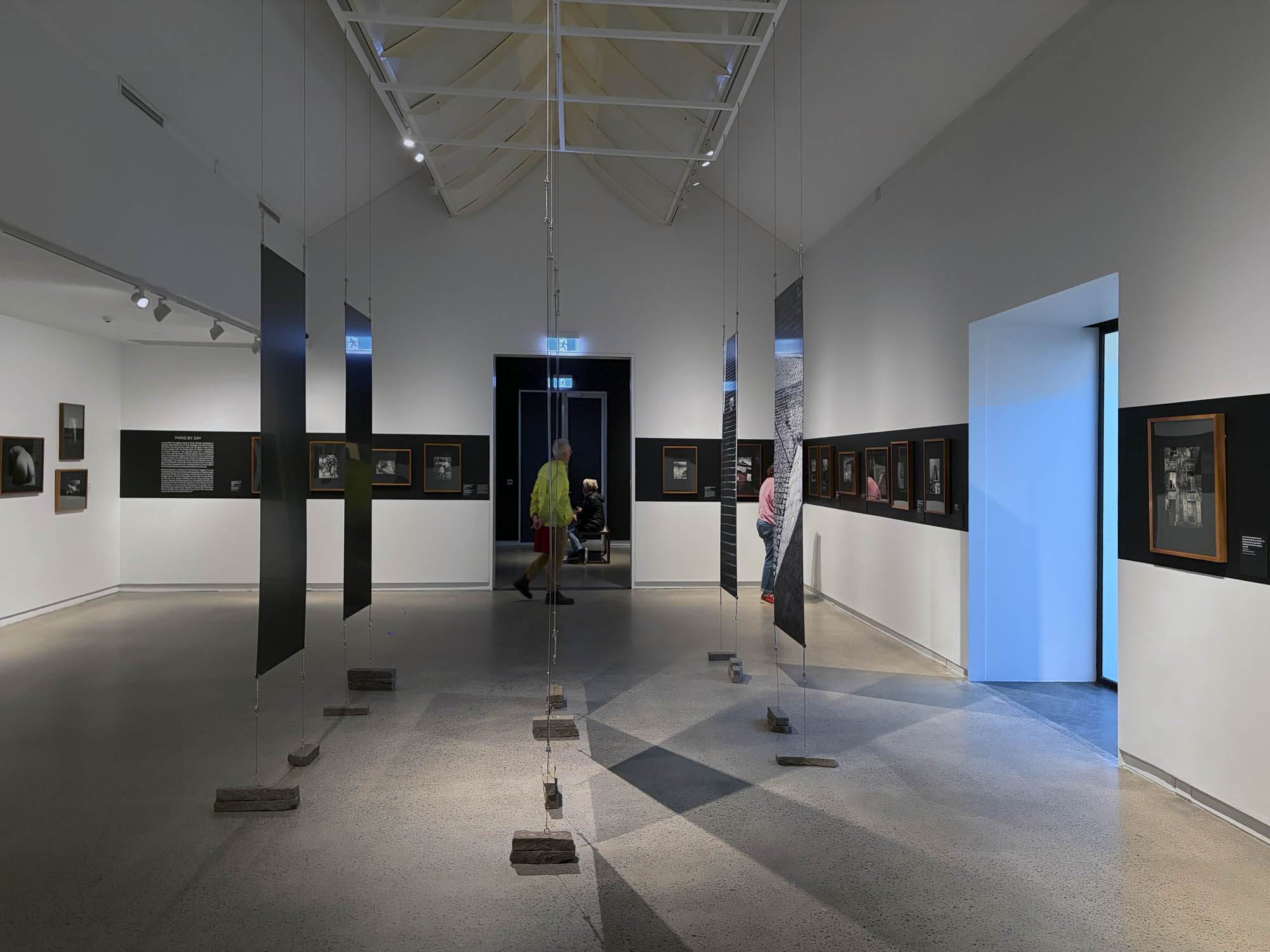
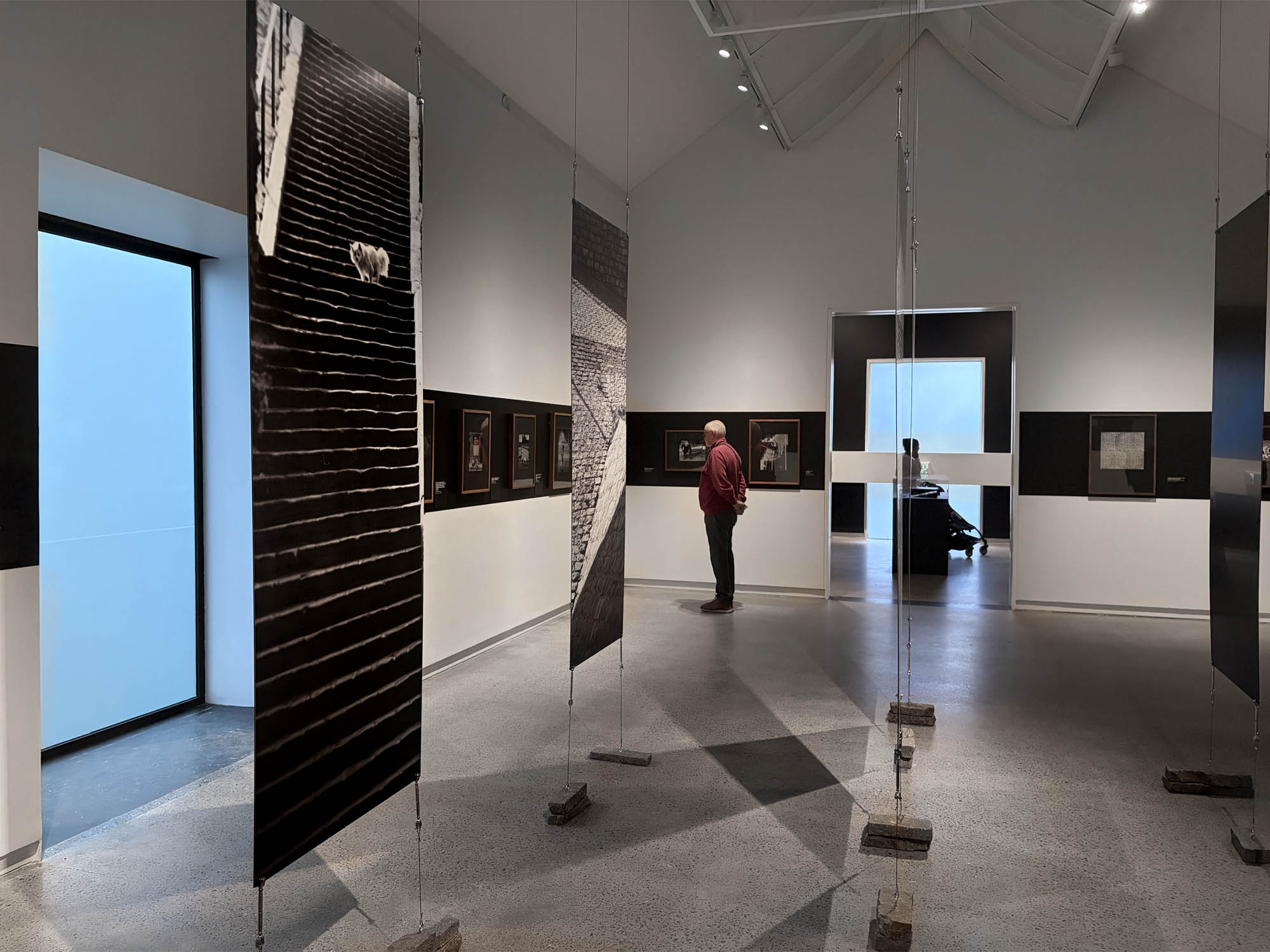
Installation view of the exhibition 'Brassaï: Secret Paris' at Heide Museum of Modern Art, Melbourne, July - November, 2026 showing gallery three


Installation views of the exhibition Brassaï: Secret Paris at Heide Museum of Modern Art, Melbourne, July – November, 2026 showing gallery three
Photos: Marcus Bunyan
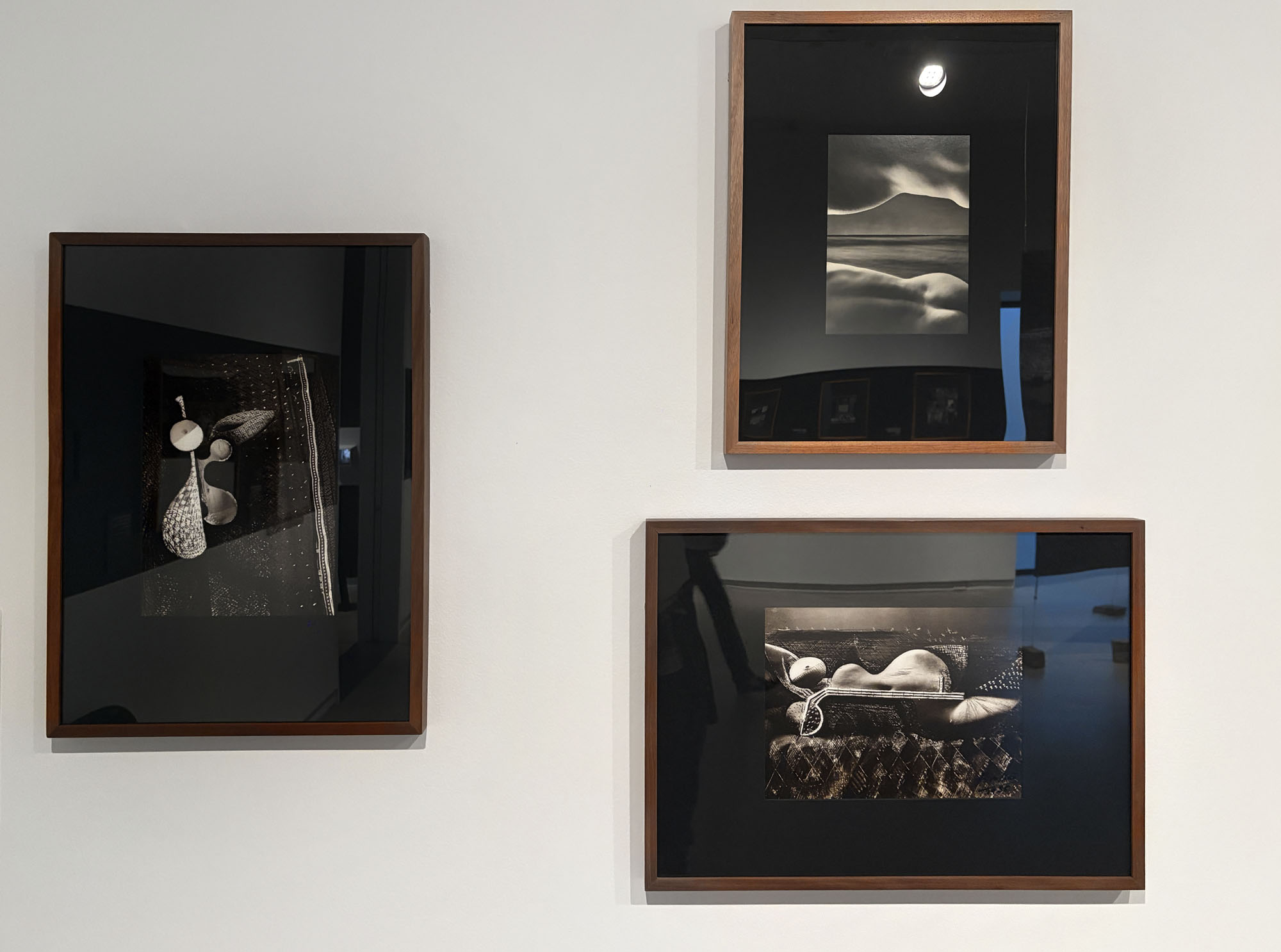
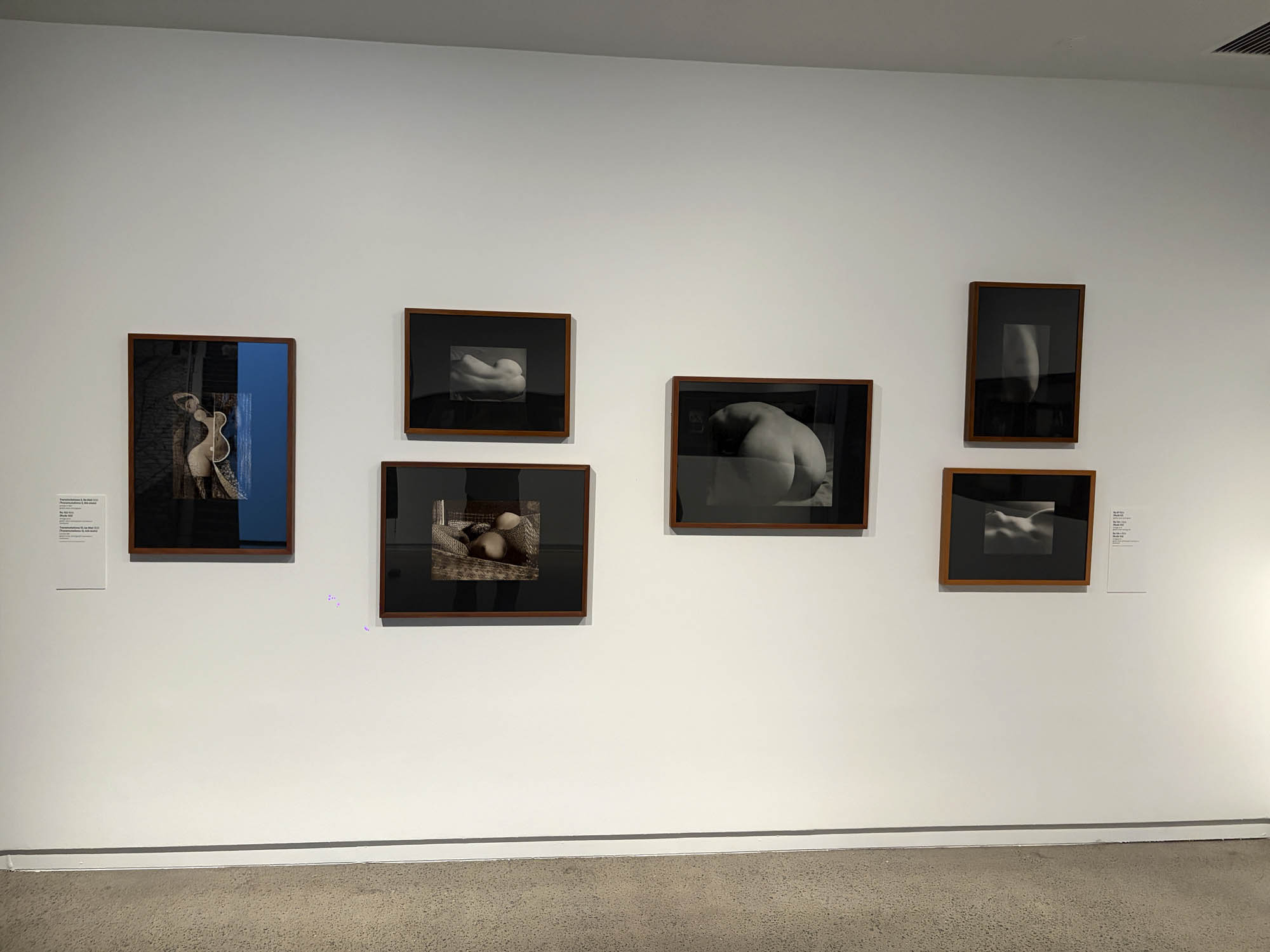
 

Installation view of the exhibition 'Brassaï: Secret Paris' at Heide Museum of Modern Art, Melbourne, July - November, 2026


Installation views of the exhibition Brassaï: Secret Paris at Heide Museum of Modern Art, Melbourne, July – November, 2026 showing gallery three
Photos: Marcus Bunyan
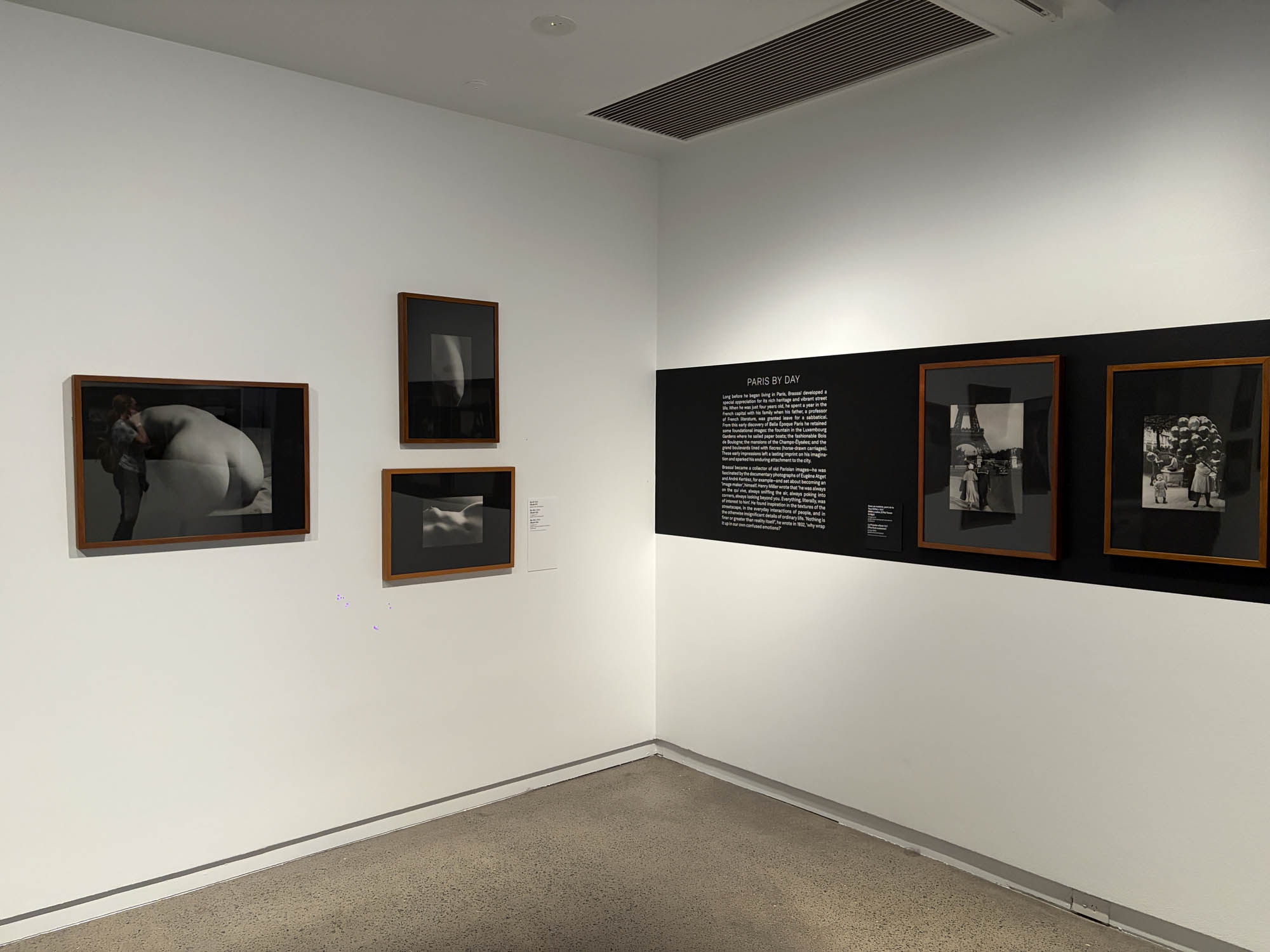
 

Installation view of the exhibition 'Brassaï: Secret Paris' at Heide Museum of Modern Art, Melbourne, July - November, 2026


Wall text from the exhibition Brassaï: Secret Paris at Heide Museum of Modern Art, Melbourne, July – November, 2026 from gallery three
Photo: Marcus Bunyan
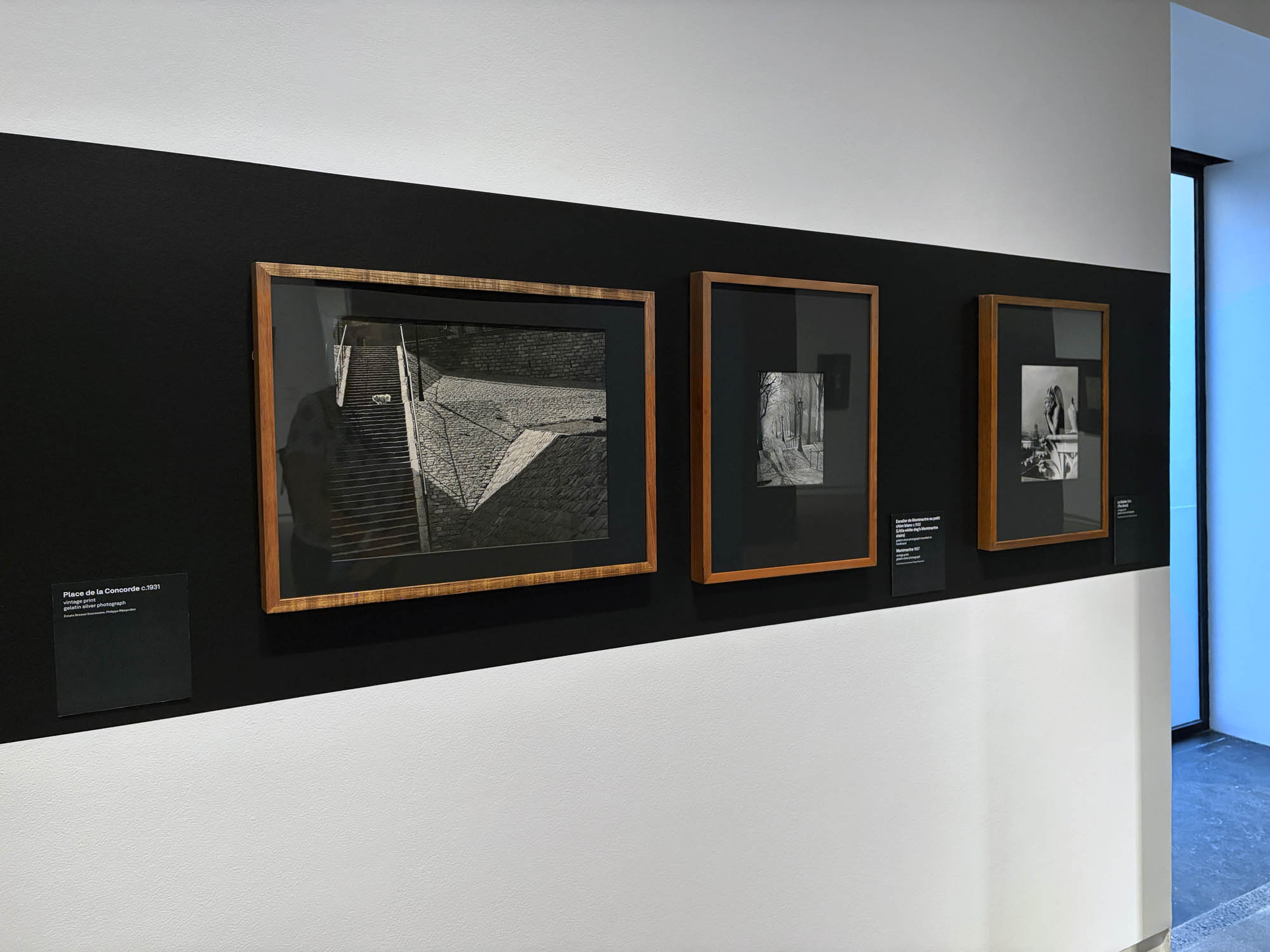
 

Installation view of the exhibition 'Brassaï: Secret Paris' at Heide Museum of Modern Art, Melbourne, July - November, 2026 showing at centre the photograph 'Escalier de la Butte Montmartre' (Steps of Montmartre) 1937


Installation view of the exhibition Brassaï: Secret Paris at Heide Museum of Modern Art, Melbourne, July – November, 2026 showing at centre the photograph Escalier de la Butte Montmartre (Steps of Montmartre) 1937 vintage gelatin silver print (below)
Photo: Marcus Bunyan


Brassaï (Hungarian-French, 1899-1984) 'Escalier de la Butte Montmartre/Steps of Montmartre' c. 1937


Brassaï (Hungarian-French, 1899-1984)
Escalier de la Butte Montmartre (Steps of Montmartre)
c. 1937
Vintage gelatin silver print
Estate Brassaï Succession, Philippe Ribeyrolles
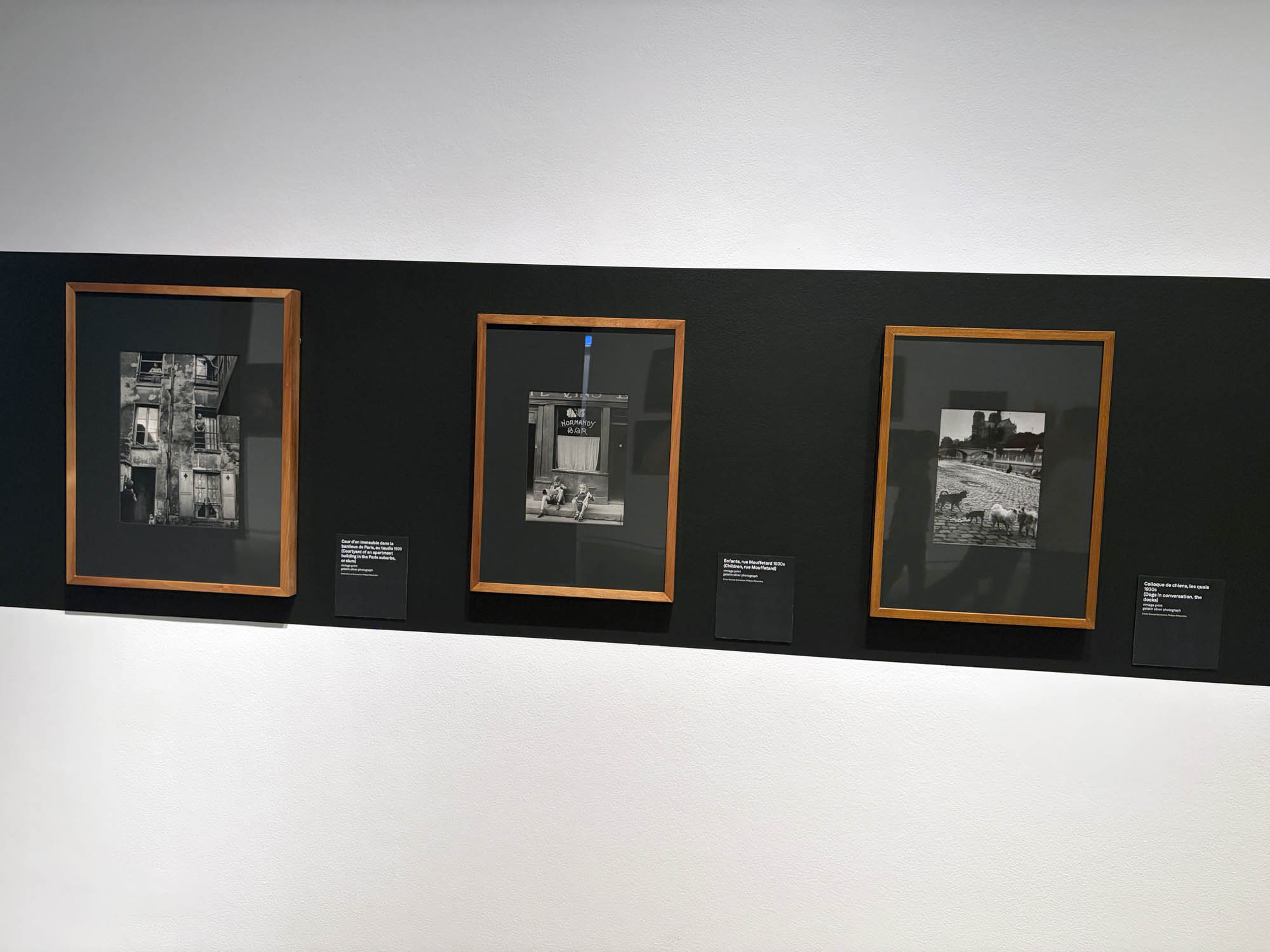
 

Installation view of the exhibition 'Brassaï: Secret Paris' at Heide Museum of Modern Art, Melbourne, July - November, 2026


Installation view of the exhibition Brassaï: Secret Paris at Heide Museum of Modern Art, Melbourne, July – November, 2026 showing at centre the photograph Enfants, rue Mouffetard (Chilren, rue Mouffetard) 1930s vintage gelatin silver print (below)
Photo: Marcus Bunyan
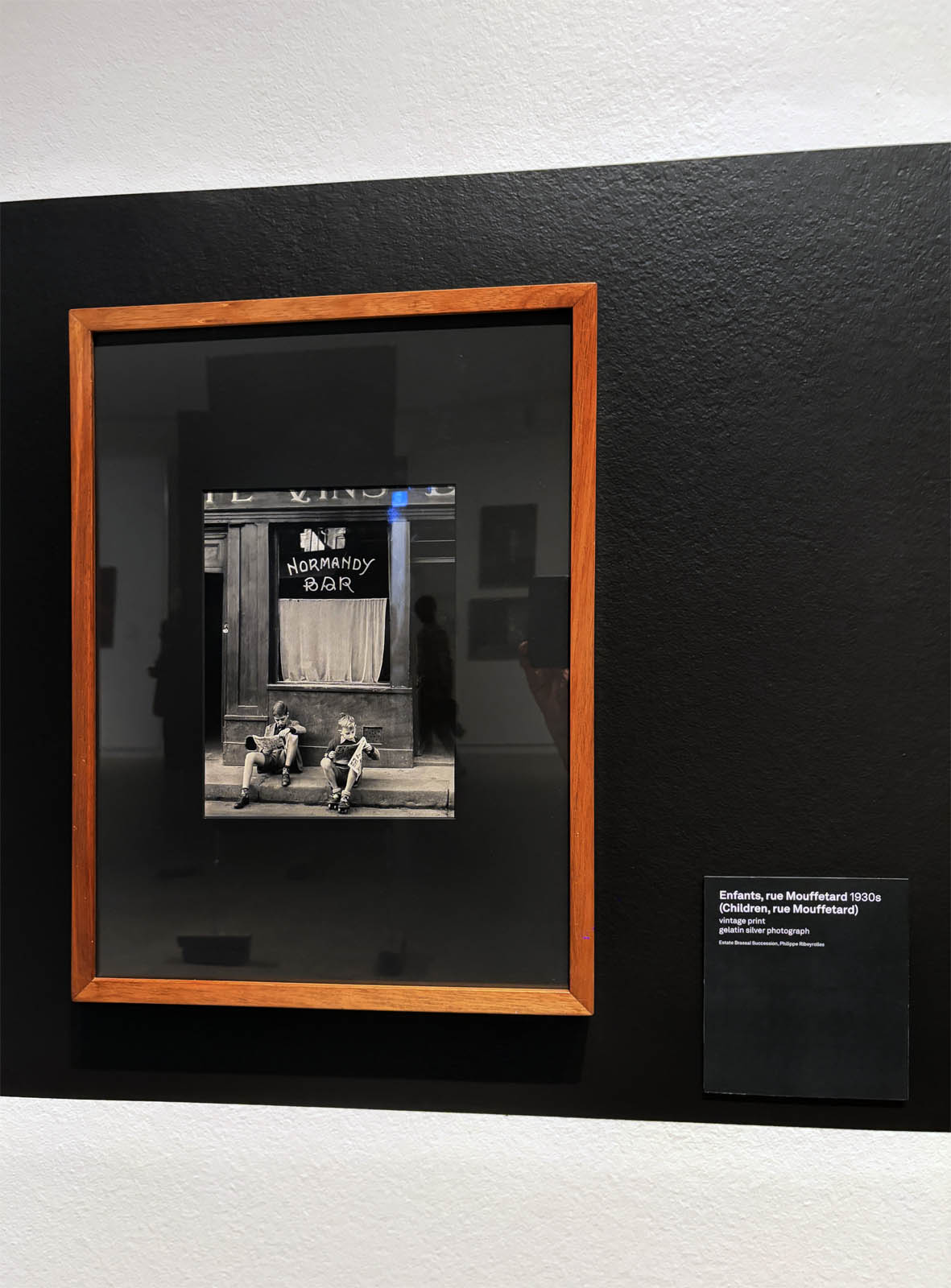
 

Brassaï (Hungarian-French, 1899-1984) 'Enfants, rue Mouffetard' (Children, rue Mouffetard) 1930s (installation view)


Brassaï (Hungarian-French, 1899-1984)
Enfants, rue Mouffetard (Children, rue Mouffetard) (installation view)
1930s
Vintage gelatin silver print
Estate Brassaï Succession, Philippe Ribeyrolles
Photo: Marcus Bunyan
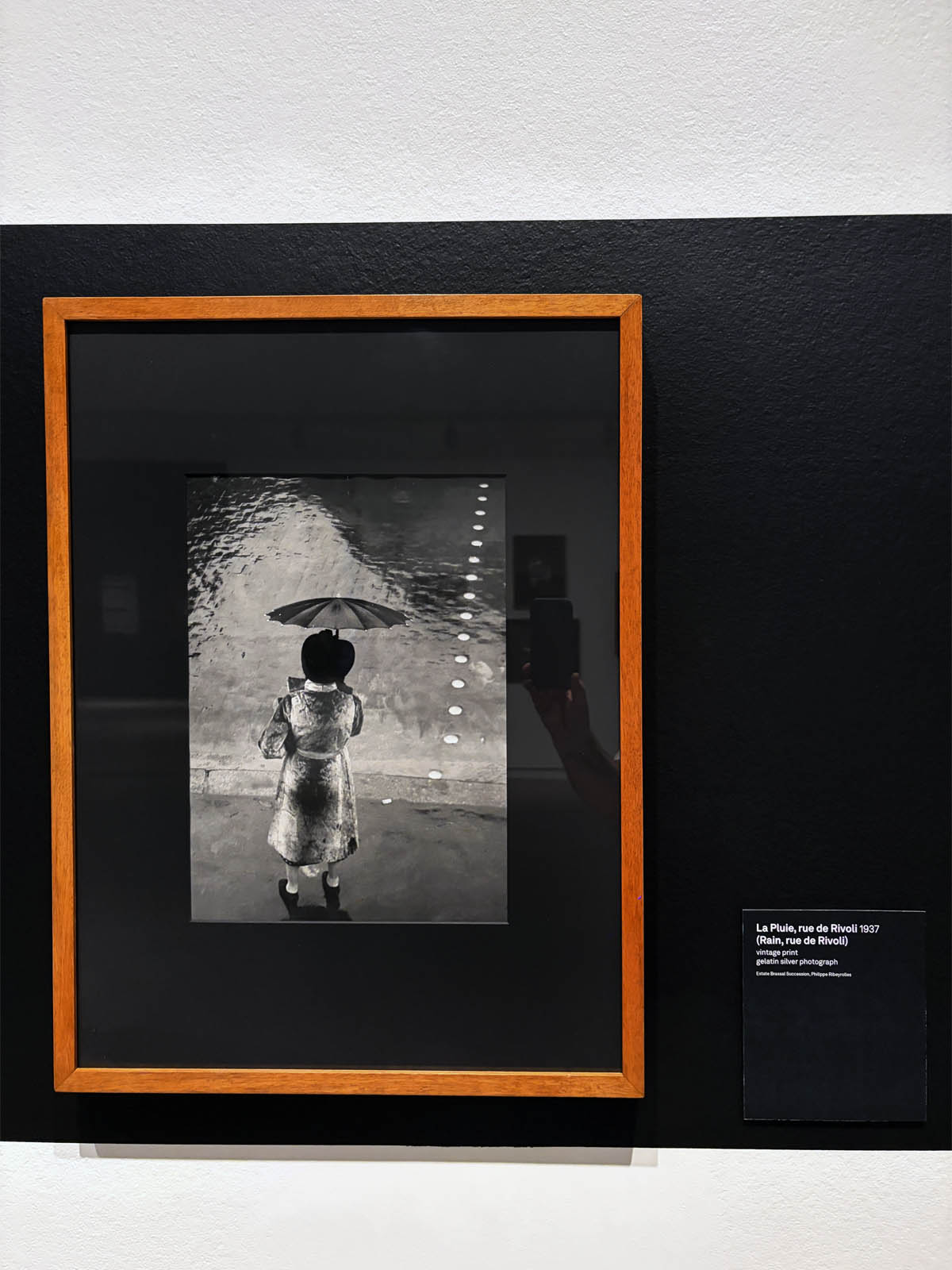
 

Brassaï (Hungarian-French, 1899-1984) 'La Pluie, rue de Rivoli' (Rain, rue de Rivoli) 1937 (installation view)


Brassaï (Hungarian-French, 1899-1984)
La Pluie, rue de Rivoli (Rain, rue de Rivoli) (installation view)
1937
Vintage gelatin silver print
Estate Brassaï Succession, Philippe Ribeyrolles
Photo: Marcus Bunyan


Gallery four
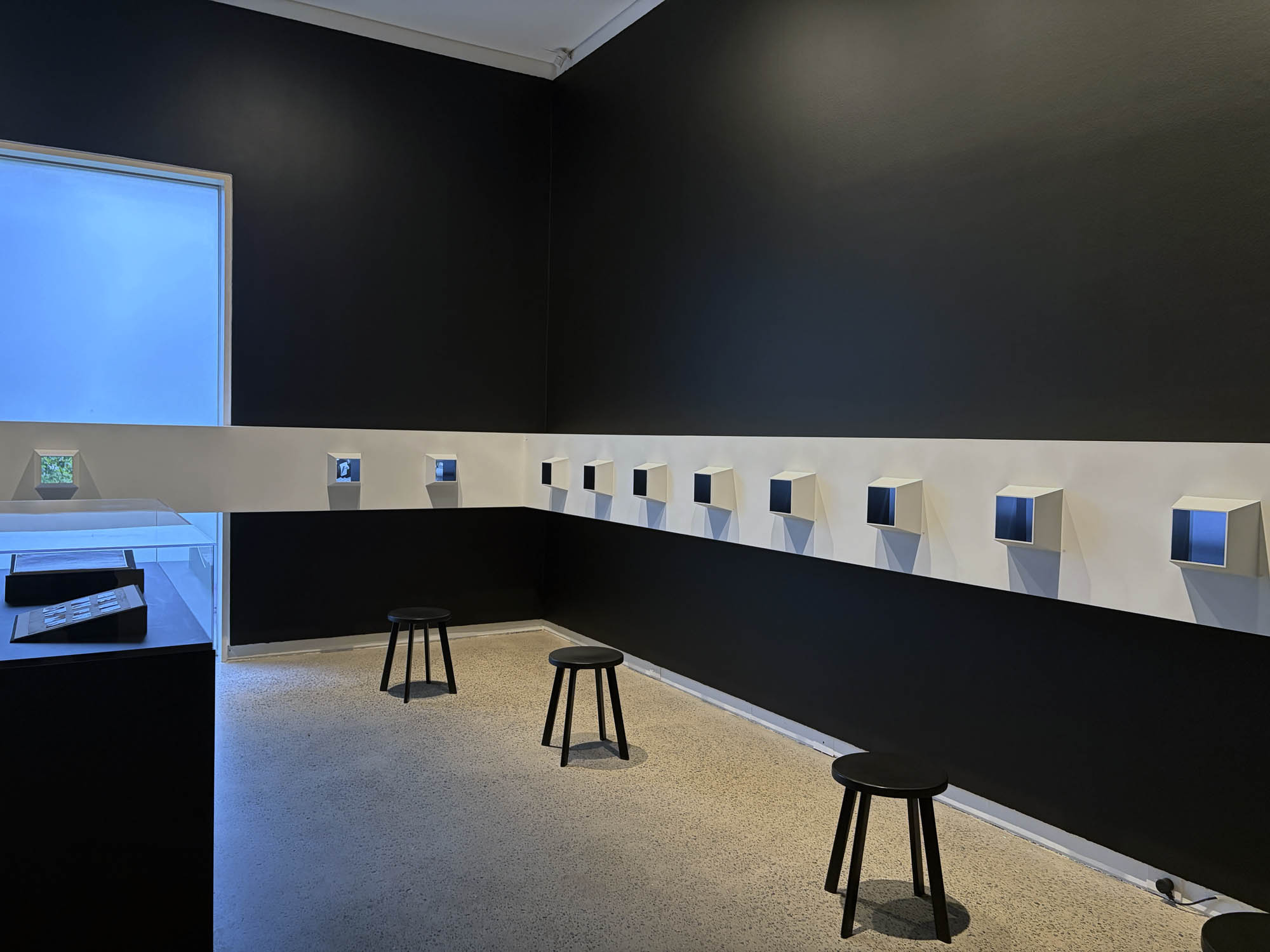
Installation view of the exhibition 'Brassaï: Secret Paris' at Heide Museum of Modern Art, Melbourne, July - November, 2026 showing gallery four


Installation view of the exhibition Brassaï: Secret Paris at Heide Museum of Modern Art, Melbourne, July – November, 2026 showing gallery four
Photos: Marcus Bunyan
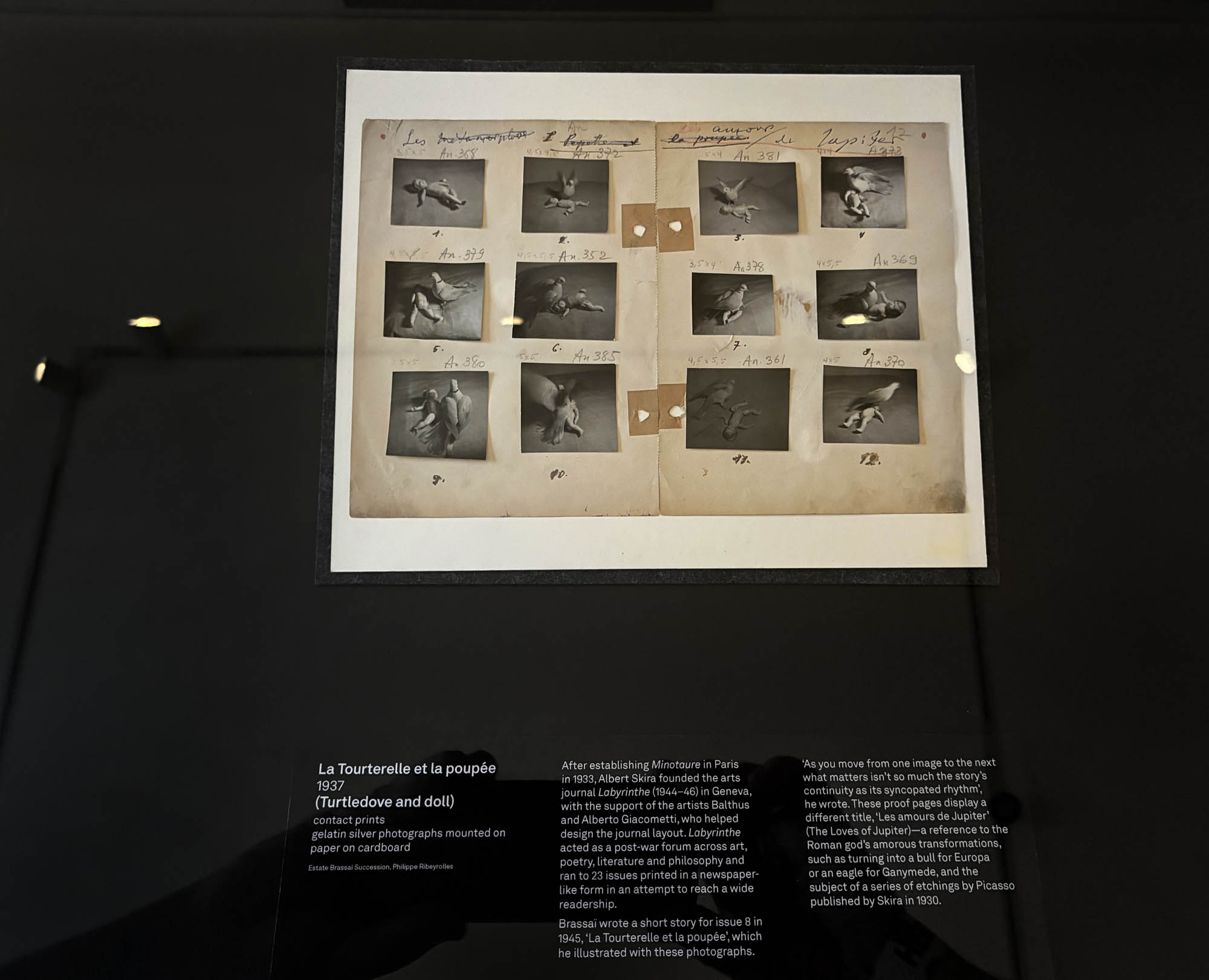
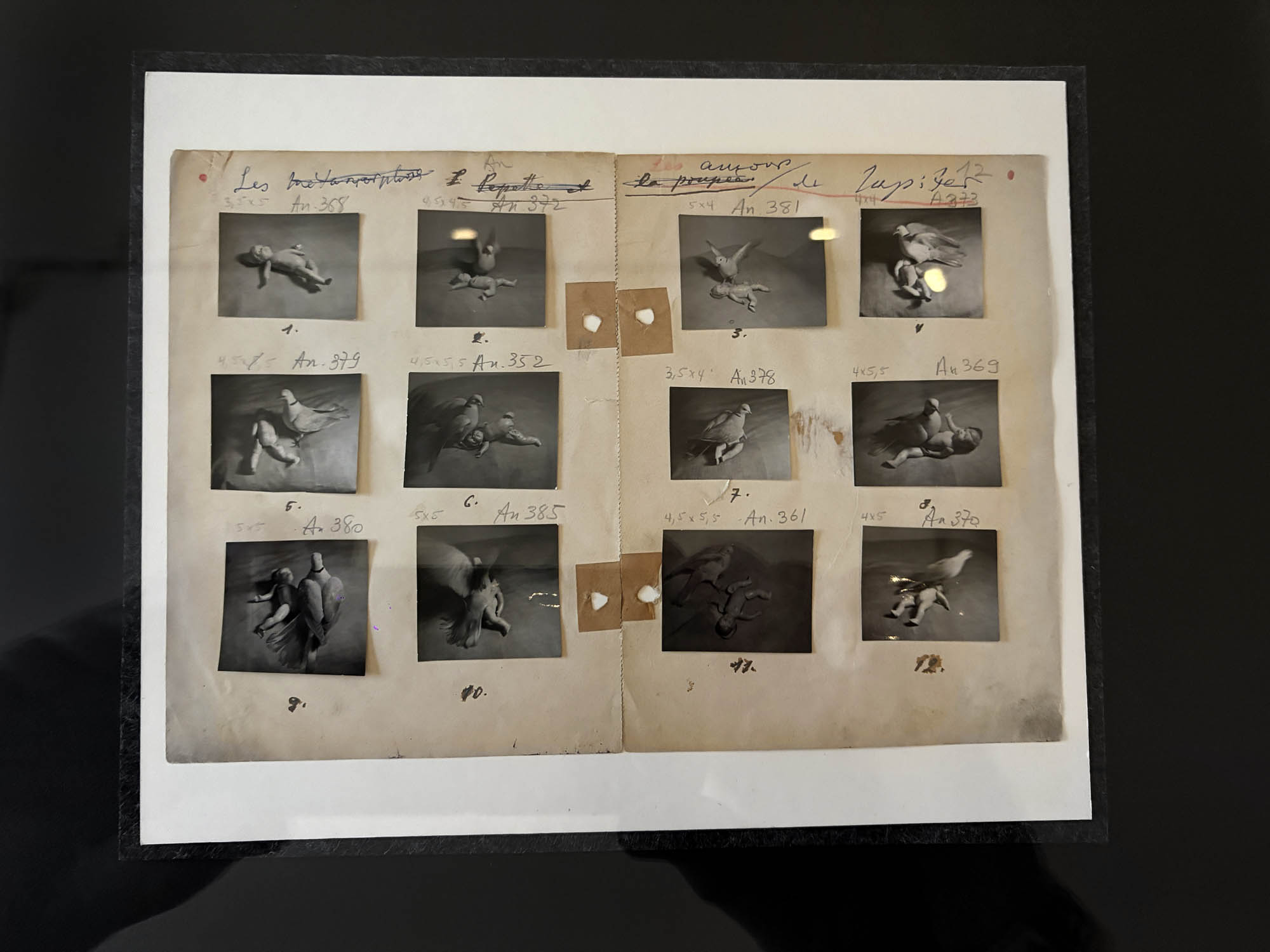
 

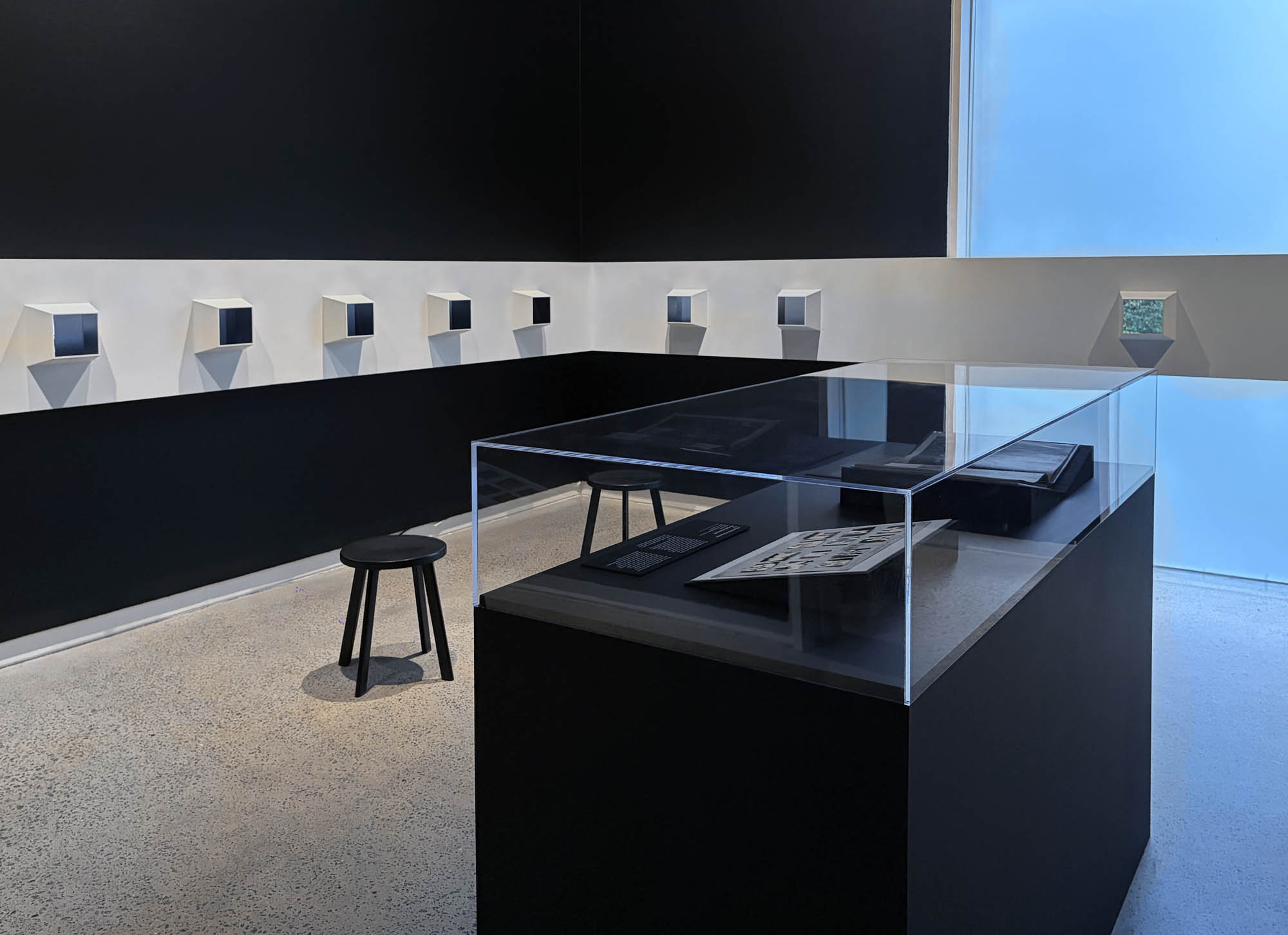
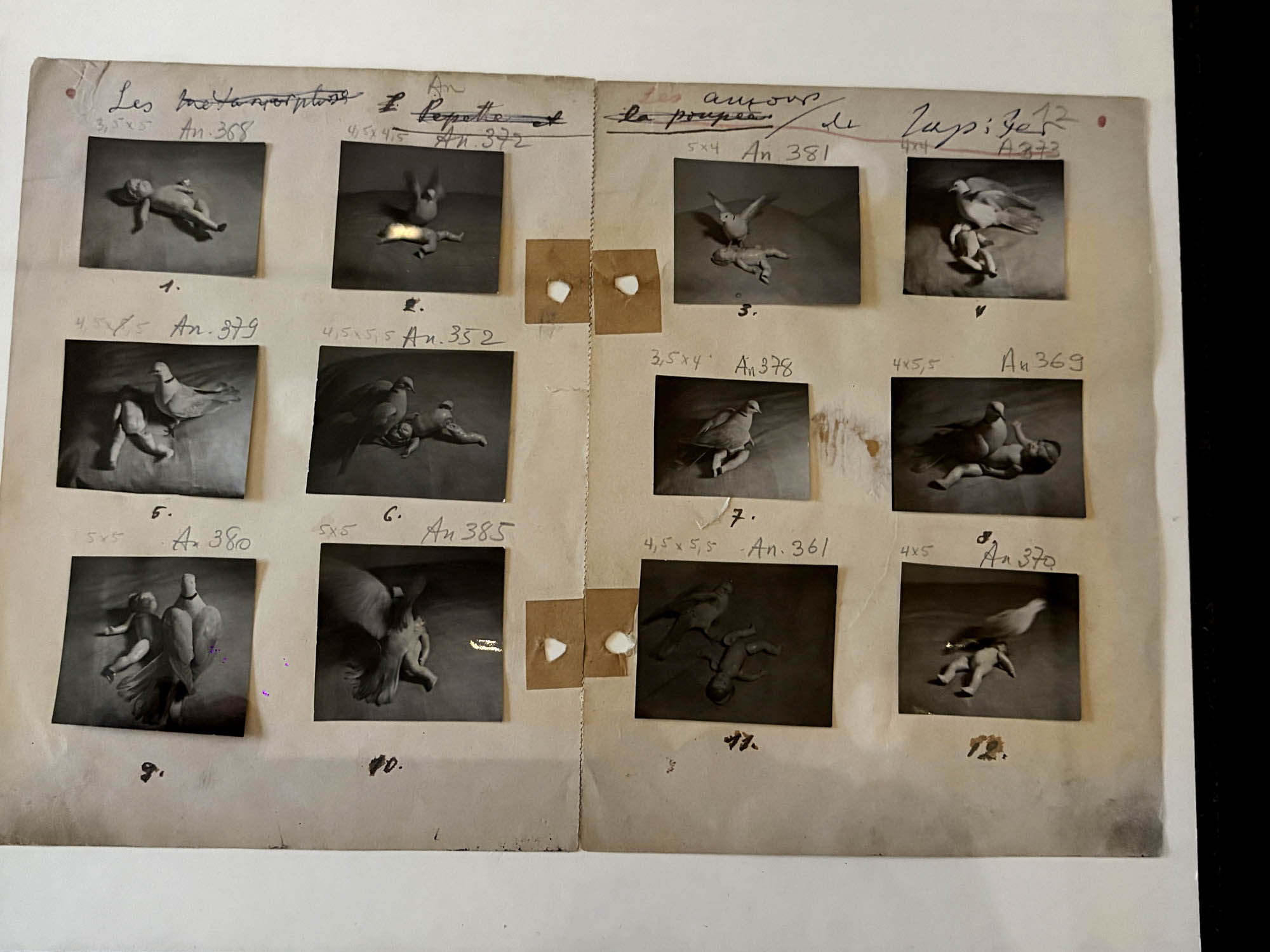
Installation view of the exhibition 'Brassaï: Secret Paris' at Heide Museum of Modern Art, Melbourne, July - November, 2026 showing in a vitrine the contact prints 'La Tourterelle et la poupée' (Turtledove and doll) 1937


Brassaï (Hungarian-French, 1899-1984)
La Tourterelle et la poupée (Turtledove and doll) (installation view)
1937
Contact gelatin silver photographs mounted on paper on cardboard
Estate Brassaï Succession, Philippe Ribeyrolles
Photos: Marcus Bunyan


After establishing Minotaure in Paris in 1933, Albert Skira founded the arts journal Labyrinthe (1944-1946) in Geneva, with the support of the artists Balthus and Alberto Giacometti, who helped design the journal layout. Labyrinthe acted as a post-war forum across art, poetry, literature and philosophy and ran to 23 issues printed in a newspaper-like form in an attempt to reach a wide readership.

Brassaï wrote a short story for issue 8 in 1945 ‘La Tourterelle et la poupée’, which he illustrated with these photographs.

‘As you move from one image to the next what matters isn’t so much the story’s continuity as its syncopated rhythm’, he wrote. These proof pages display a different title, ‘Les amours de Jupiter’ (The Loves of Jupiter) – a reference to the Roman god’s amorous transformations, such as turning into a bull for Europa or an eagle for Ganymede, and the subject of a series of etchings by Picasso published by Skira in 1930.

Label text from the exhibition Brassaï: Secret Paris at Heide Museum of Modern Art, Melbourne, July – November, 2026
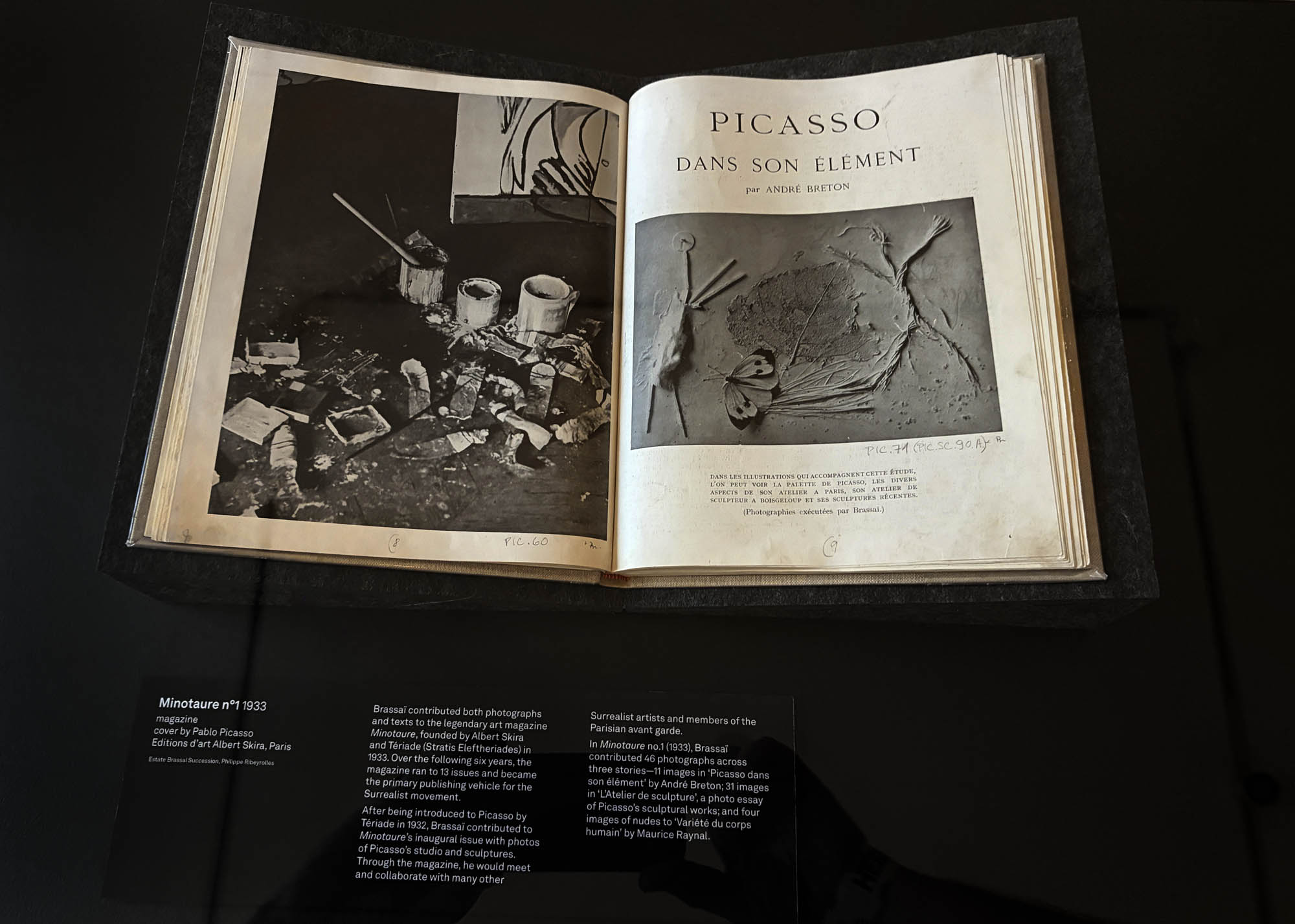
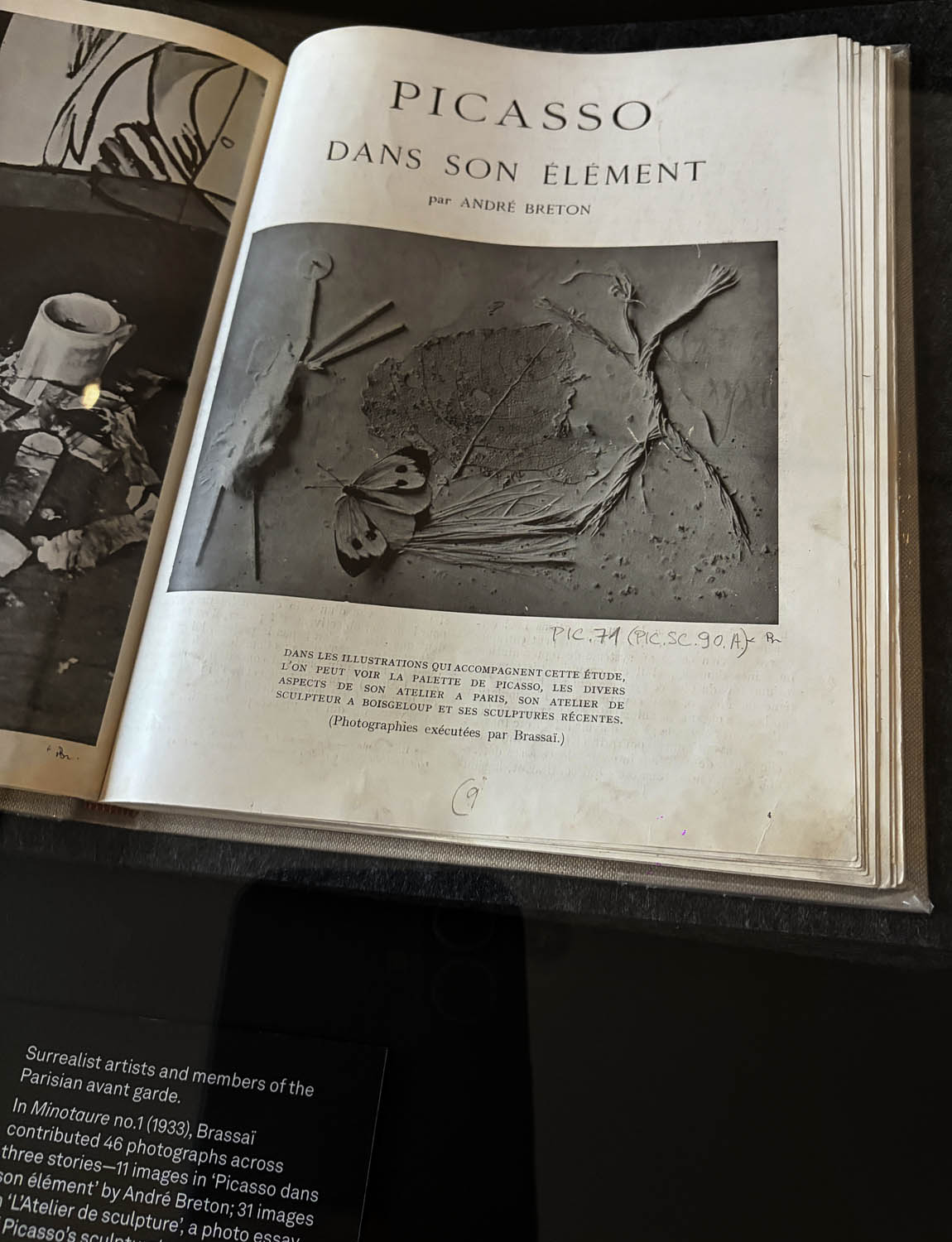
 

Installation view of the exhibition 'Brassaï: Secret Paris' at Heide Museum of Modern Art, Melbourne, July - November, 2026 showing in a vitrine 'Minotaure' no.1


Minotaure no.1 (installation view)
1933
Magazine
Cover by Pablo Picasso
Editions d’art Albert Skira, Paris
Photos: Marcus Bunyan


Brassaï contributed both photographs and texts to the legendary art magazine Minotaure, founded by Albert Skira and Tériade (Stratis Eleftheriades) in 1933. Over the following six years, the magazine ran to 13 issues and became the primary publishing vehicle for the Surrealist movement.

After being introduced to Picasso by Tériade in 1932, Brassaï contributed to Minotaure‘s inaugural issues with photos of Picasso’s studio and sculptures. Through the magazine, he would meet and collaborate with many other Surrealist artists and members of the Parisian avant-garde.

In Minotaure no.1 (1933), Brassaï contributed 46 photographs across three stories- 11 images in ‘Picasso dans son élément’ by André Breton; 31 images in ‘L’Atelier de sculpture’, a photo essay of Picasso’s sculptural works; and four images of nudes to ‘Variété du corps human’ by Maurice Raynal.

Label text from the exhibition Brassaï: Secret Paris at Heide Museum of Modern Art, Melbourne, July – November, 2026


Gallery five
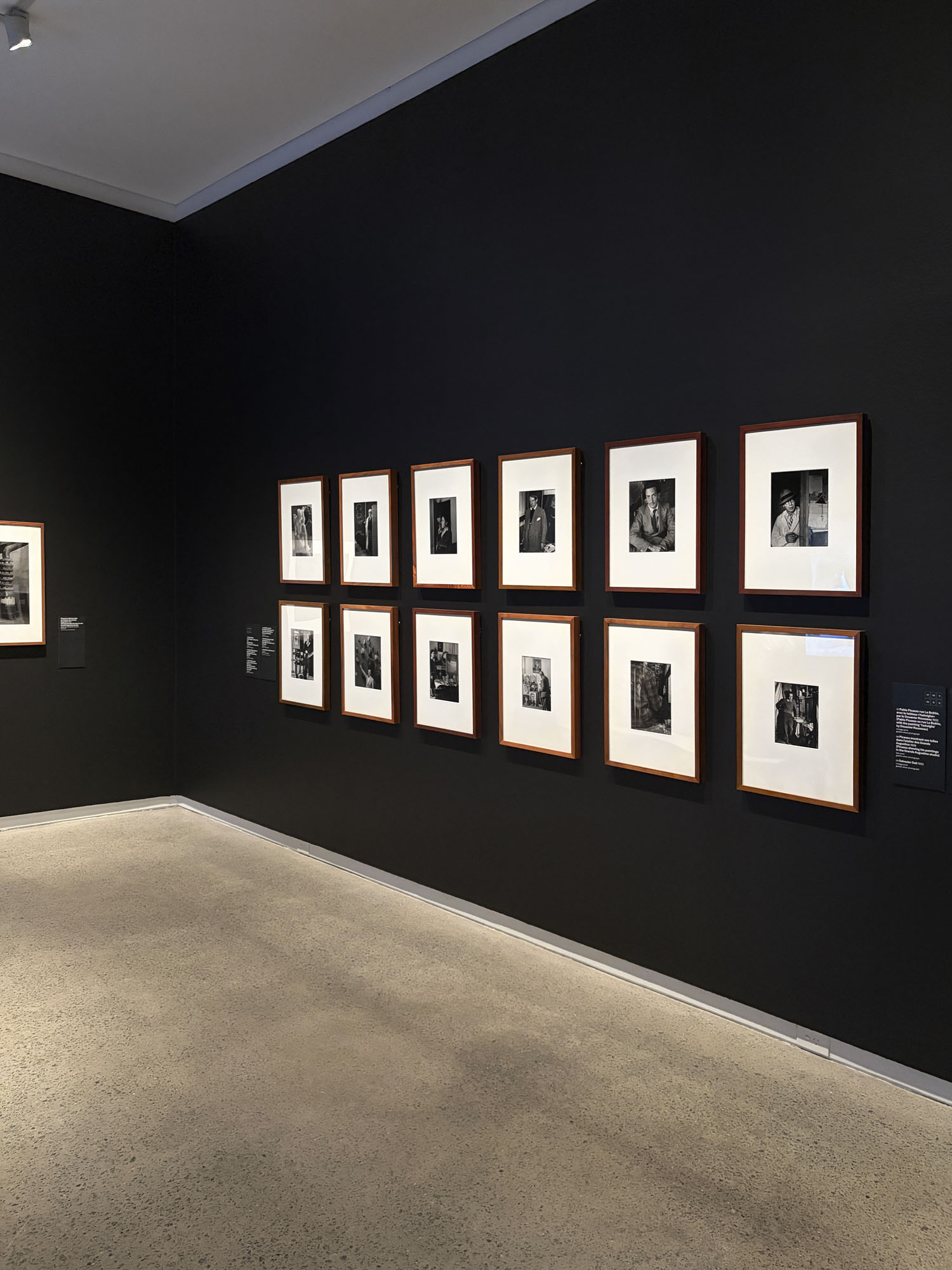
Installation view of the exhibition 'Brassaï: Secret Paris' at Heide Museum of Modern Art, Melbourne, July - November, 2026 showing gallery five


Installation views of the exhibition Brassaï: Secret Paris at Heide Museum of Modern Art, Melbourne, July – November, 2026 showing gallery five
Photos: Marcus Bunyan


Heide Museum of Modern Art
7, Templestowe Road
Bulleen, Victoria 3105

Opening hours:
(Heide II and Heide III)
Tuesday – Sunday 10.00am – 5.00pm

Heide Museum of Modern Art website

LIKE ART BLART ON FACEBOOK

Back to top

European photographic research tour exhibition: ‘Brassaï’ at Foam, Amsterdam

Exhibition dates: 13th September – 4th December 2019
Visited September 2019 posted July 2020


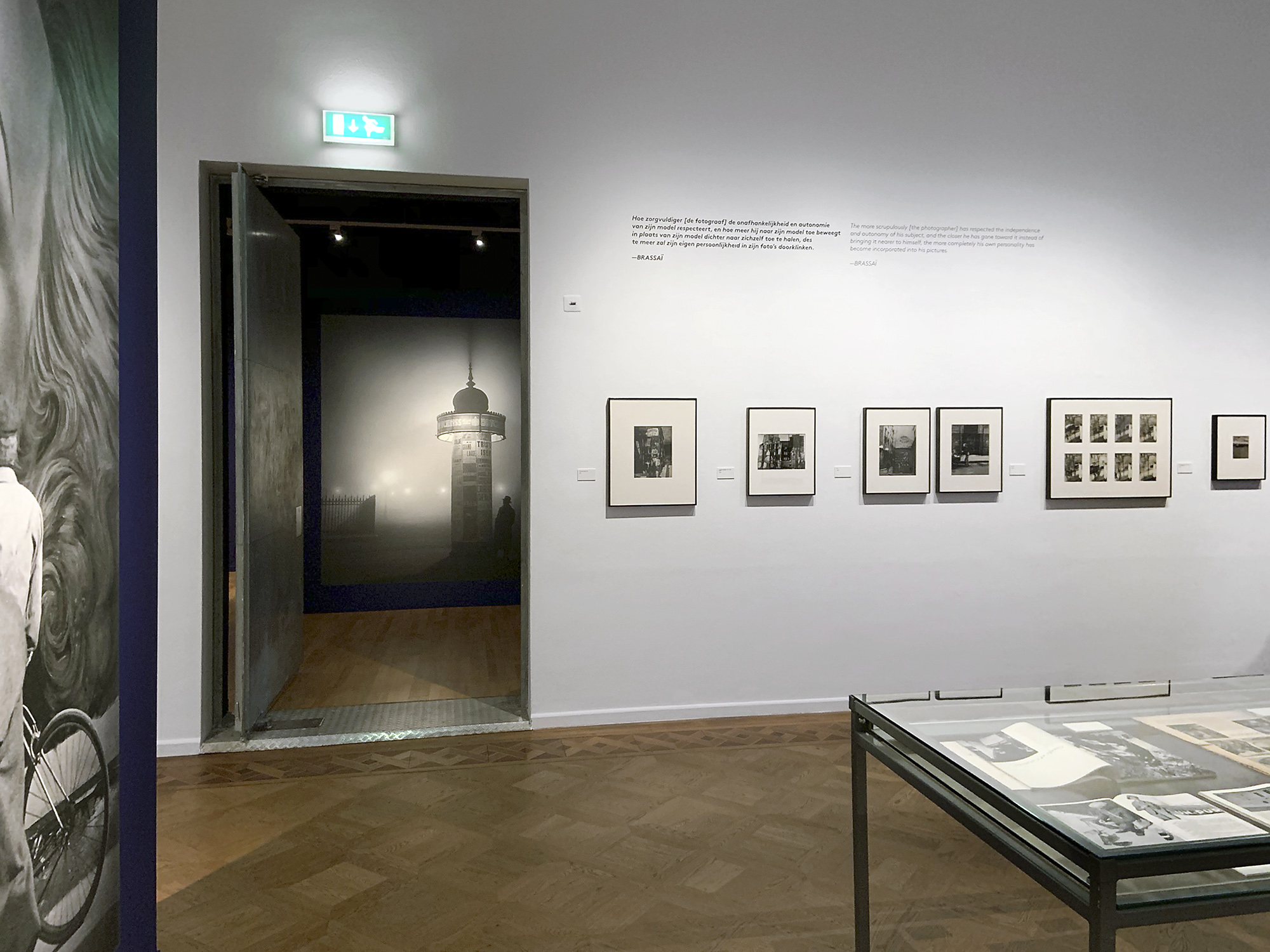
Installation view of the exhibition 'Brassaï' at Foam, Amsterdam


Installation view of the exhibition Brassaï at Foam, Amsterdam
Photo: Marcus Bunyan


These are my thoughts at the time of my seeing the exhibition.


I have been blessed this trip by seeing an amazing selection of master photographers… Brassaï being no exception.

Every print in this exhibition is a vintage print. They were made by Brassaï before 1968. If larger than 30 x 40cm they were made after 1945 when he started printing with an enlarger.

As usual, the iPhone camera makes all the images too light and adds too much contrast. Think darker, less contrast in these vintage prints.

Brassaï’s prints are – just like those of Josef Sudek and August Sander that I have seen on this trip – much softer and with a more limited tonal range than I imagined. They are all the more atmospheric and magical because of it.

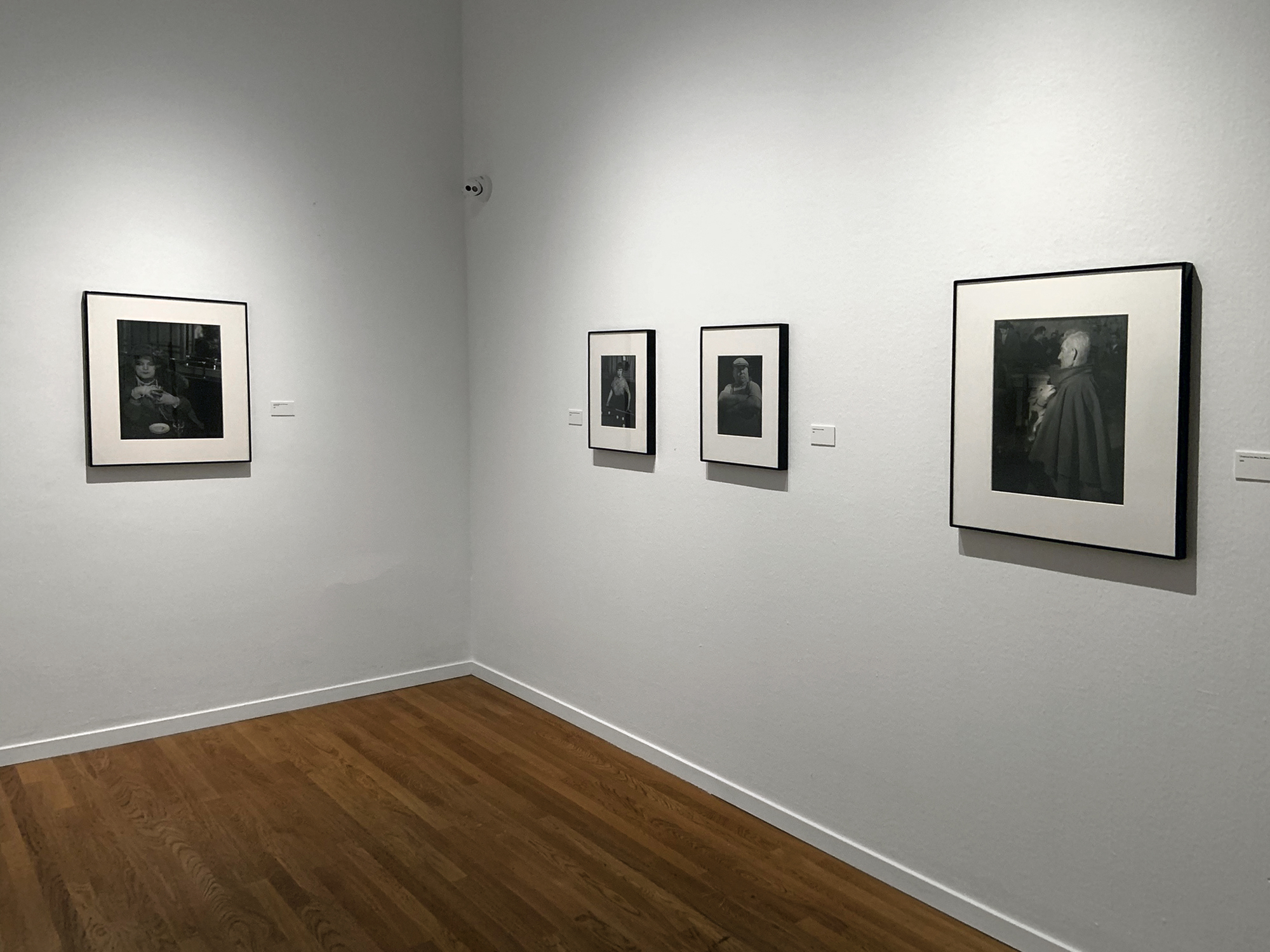
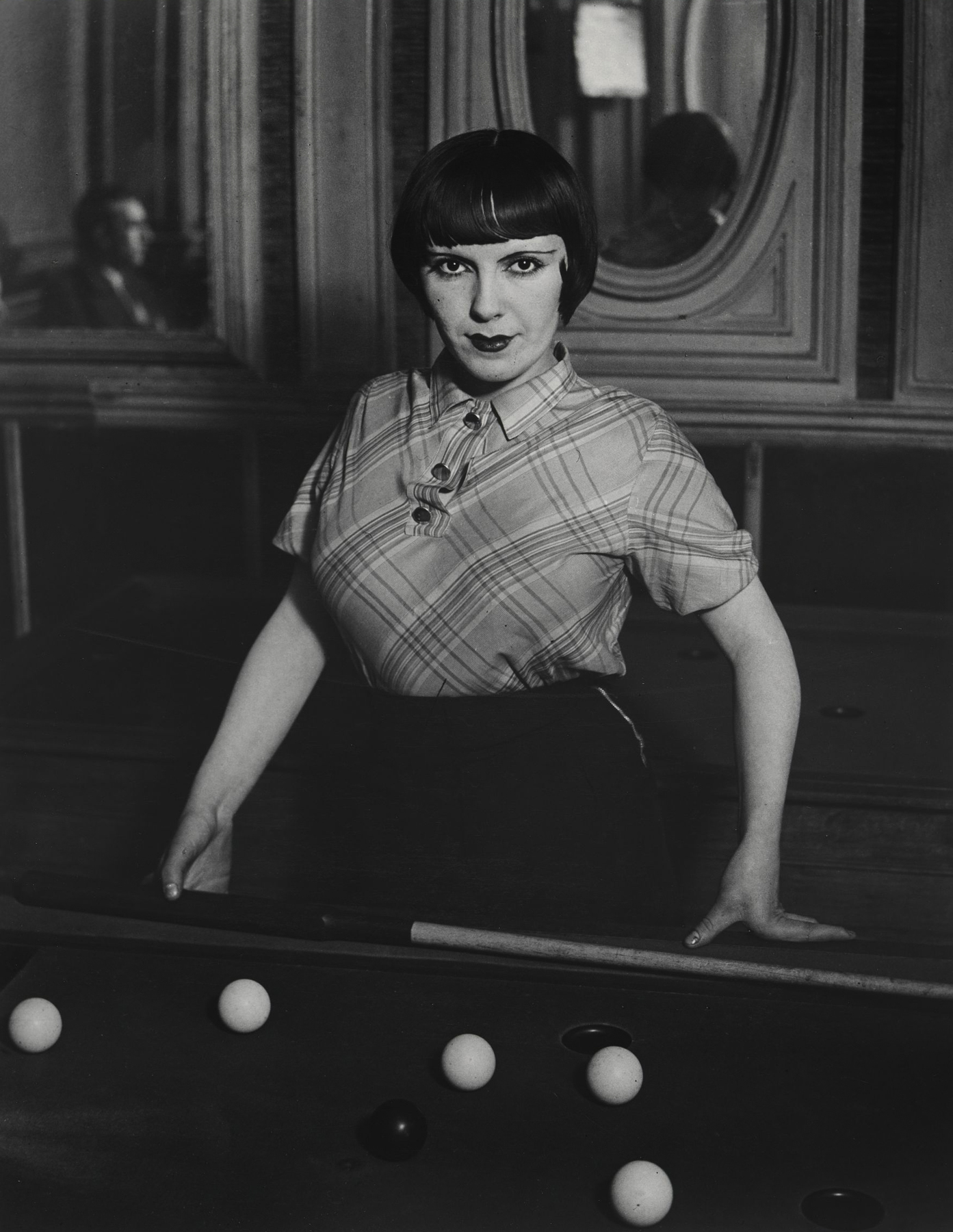
To walk around the exhibition and then arrive at an alcove (see walk through below)… to stand in front of Le Môme Bijou, the old lady with the jewellery and Billiard Player, is such a privilege. I am surrounded by the presence of these famous images. I peer intently at each of them, observing the details, feeling their eyes stare back at me. No deflection of intent, just these human beings and their spirit presented in a photograph. Brassaï captured their essence before they drifted away, just in that moment.

In the latter print the dark billiard ball was almost indistinguishable from the baize; in the former, the circular light in the woman’s eyes means that Brassaï must have set up a light, or that there was a light source, above and behind the camera. Specular highlights twinkle off jewellery and pearls. Even as she is draped in her bourgeois, bohemian ornamentation this dame of the night possesses a resilient, composed, determined air.

Personally, I think Brassaï’s Graffiti series are far stronger than Lee Friedlander’s series of the same name.

The juxtaposition of the photographs in Paris at Night is something I will always remember.

Dr Marcus Bunyan


Please click on the photographs for a larger version of the image. All iPhone installation photographs © Marcus Bunyan


The more scrupulously [the photographer] has respected the independence and autonomy of his subject, and the closer he has gone toward it instead of bringing it nearer to himself, the more completely his own personality has become incorporated into his pictures.


Brassaï


Foam is proud to present the first retrospective of Brassaï in the Netherlands. The French photographer of Hungarian descent is considered a key figure of 20th-century photography.

Brassaï (1899-1984) created countless iconic images of 1930s Parisian life. He was famous for capturing the grittier aspects of the city, but also documented high society, including the ballet, opera, and intellectuals – among them his friends and contemporaries like Pablo Picasso, Salvador Dalí and Henri Matisse. The exhibition at Foam traces his career with over 170 vintage prints, plus a selection of drawings, a sculpture and documentary material.

Brassaï gathers many of the artistic facets of the photographer, from photos to drawings of female nudes. It is organised in twelve thematic sections: Paris by Day, and by Night, Minotaure, Graffiti, Society, Places and Things, Personages, Sleep, Pleasures, Body of a Woman, Portraits – Artists, Writers, Friends and The Street. Each is very different from the next – reflecting the diversity of Brassaï’s photographic work.


Digital walk through of the exhibition Brassaï at Foam, Amsterdam in September 2019


Installation view of the exhibition 'Brassaï' at Foam, Amsterdam

Installation view of the exhibition 'Brassaï' at Foam, Amsterdam

Installation view of the exhibition 'Brassaï' at Foam, Amsterdam showing at second right, Brassaï's 'Paris' 1937, and at right 'Paris' c. 1932


Installation views of the exhibition Brassaï at Foam, Amsterdam showing at second right in the bottom image, Brassaï’s Paris 1937, and at right Paris c. 1932
Photo: Marcus Bunyan


Brassaï (French, 1899-1984) 'Paris' c. 1932 (installation view)


Brassaï (French, 1899-1984)
Paris (installation view)
c. 1932
Gelatin silver print
Photo: Marcus Bunyan


Brassaï (French, 1899-1984) 'Paris' 1937 (installation view)


Brassaï (French, 1899-1984)
Paris (installation view)
1937
Gelatin silver print
Photo: Marcus Bunyan


Brassaï (French, 1899-1984) 'Paris' 1937 (installation view)


Brassaï (French, 1899-1984)
Paris (installation view)
1937
Gelatin silver print
Photo: Marcus Bunyan


Installation view of the exhibition 'Brassaï' at Foam, Amsterdam

Wall text from the exhibition 'Brassaï' at Foam, Amsterdam


Installation views of the exhibition Brassaï at Foam, Amsterdam
Photos: Marcus Bunyan


Foam is proud to announce the first retrospective of Brassaï in the Netherlands. This French photographer of Hungarian descent is considered as one of the key figures of 20th-century photography. Brassaï (1899-1984) created countless iconic images of 1930s Parisian life. He was famous for capturing the grittier aspects of the city, but also documented high society, including the ballet, opera, and intellectuals – among them his friends and contemporaries like Pablo Picasso, Salvador Dalí and Henri Matisse. The exhibition at Foam traces his career with over 170 vintage prints, plus a selection of drawings, a sculpture and documentary material.

Gyula Halász, Brassaï’s original name, was born in 1899 in Brassó, Transylvania (then part of the Austro-Hungarian empire, nowadays Brasov, Romania). He studied at the University of Arts in Berlin before finally settling in Paris in 1924, a city that was to become the main subject of his work. He started as a painter but soon discovered that his strongest and most original talent lay in photography. To keep his real name for his paintings, he signed journalistic work, caricatures and photographs with ‘Brassaï’ (from Brassó). His photos would make this pseudonym more famous than his real name. Brassaï’s work of the 1930s would become a cornerstone of a new tradition as photography was discovered as a medium with aesthetic potential. A generation earlier photographers had merely emulated the established arts. Now photography became an art in itself and the perfect medium to capture modern life.

The nocturnal scenes collected in his book Paris by Night (1933) are complemented by his work that reveals the everyday life of the city by day. The monuments, picturesque spots, scenes from daily life and architectural details are present in his work as a reflection of the irresistible fascination the artist felt for the French capital. In his quest to cover all of the facets of Paris, he also immersed himself in the city’s darker side. For Brassaï the gang members, outcasts, prostitutes and drug addicts all represented the least cosmopolitan aspect of Paris, an aspect that was more alive and more authentic. He compiled a huge collection of images of entertainment venues, ranging from night clubs to popular festivals and featuring the people who frequented them. Brassaï was deeply immersed in a wide circle of friends among the writers and artists of Montparnasse, who also became the subjects for some of his portraits. Most of the portraits taken by Brassaï were of well-known people, putting him into a very comfortable position. He collaborated with the luxury art magazine Minotaure right from its very first issue and enjoyed a prominent role for the publication over the years. After the war, he also travelled regularly on commissioned shoots for the American magazine Harper’s Bazaar.

The exhibition at Foam gathers many of the artistic facets of the photographer, from photos to drawings of female nudes. It is organised in twelve thematic sections: Paris by Day, and by Night, Minotaure, Graffiti, Society, Places and Things, Personages, Sleep, Pleasures, Body of a Woman, Portraits – Artists, Writers, Friends and The Street. Each is very different from the next – reflecting the diversity of Brassaï’s photographic work.

Press release from the Foam gallery website


Brassaï (French, 1899-1984) 'Staircase, Montmartre' 1937 (installation view)


Brassaï (French, 1899-1984)
Staircase, Montmartre (installation view)
1937
Gelatin silver print
Photo: Marcus Bunyan


Brassaï (French, 1899-1984) 'Les Escaliers de Montmartre, Paris' 1936 from the exhibition 'Brassaï' at Foam, Amsterdam, Sept - Dec, 2019


Brassaï (French, 1899-1984)
Les Escaliers de Montmartre, Paris
1936
Gelatin silver print


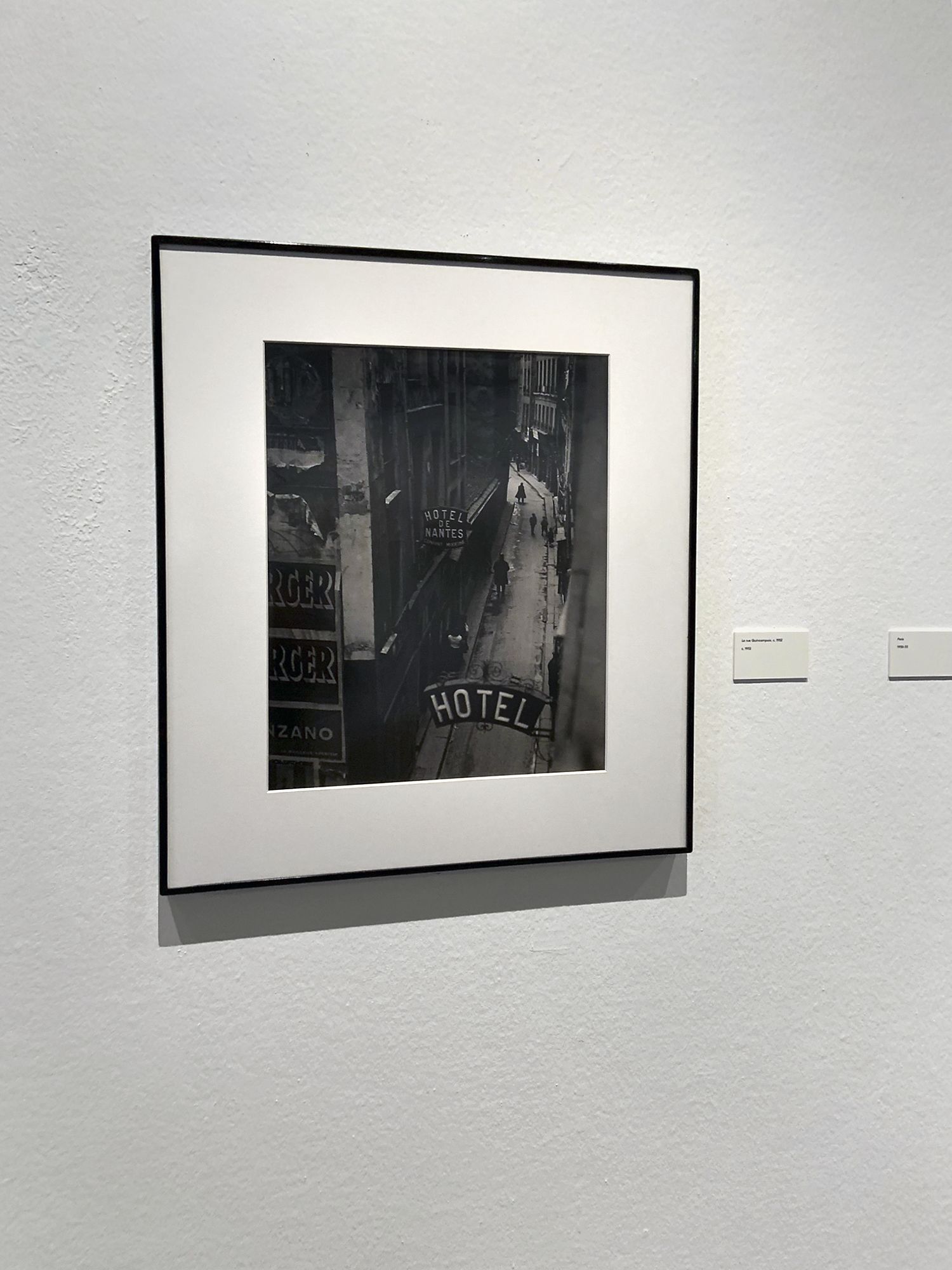
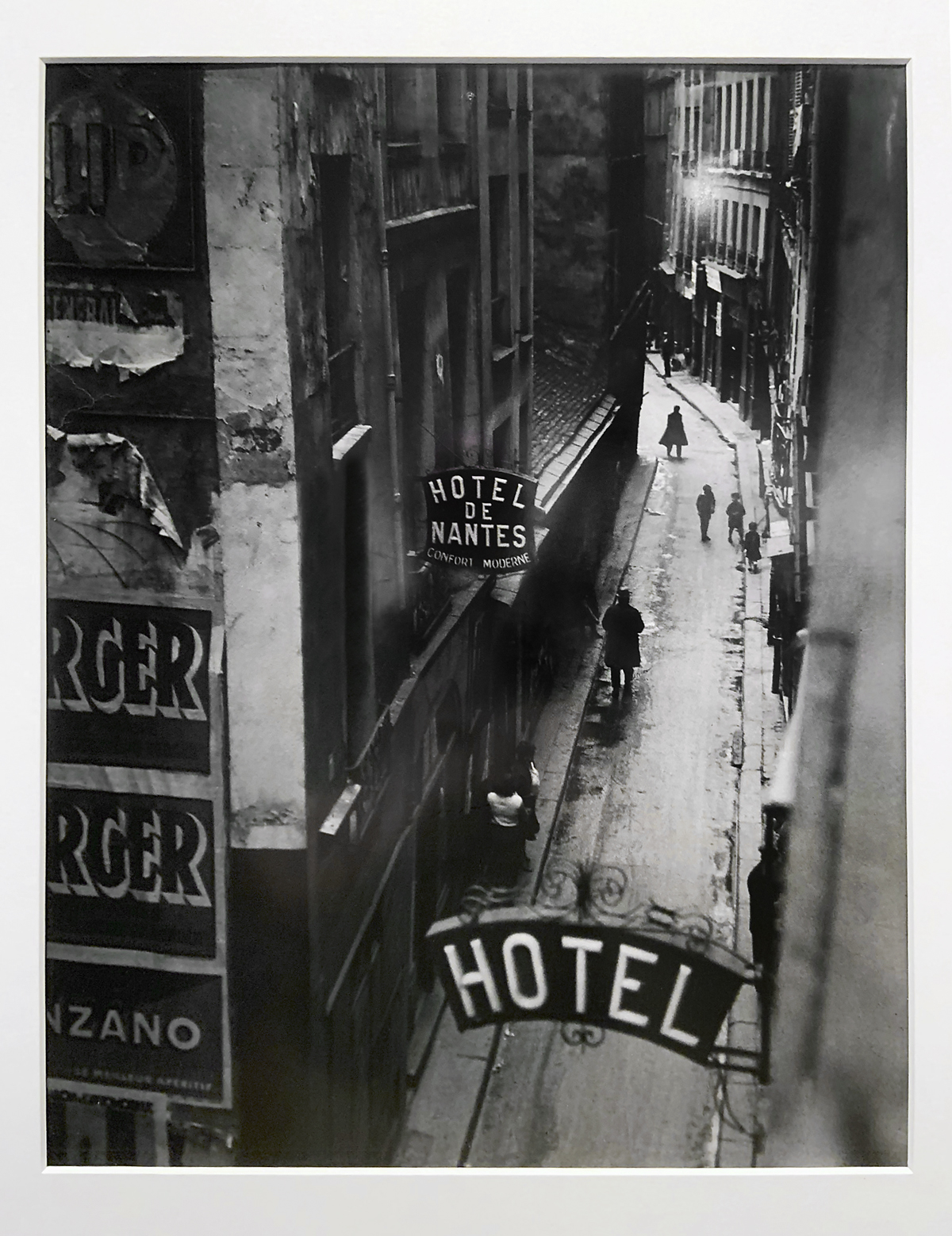
Brassaï (French, 1899-1984) 'La rue Quincampoix' c. 1932 (installation view)


Brassaï (French, 1899-1984)
La rue Quincampoix (installation view)
c. 1932
Gelatin silver print
Photo: Marcus Bunyan


Brassaï (French, 1899-1984) 'La rue Quincampoix' c. 1932 (installation view)


Brassaï (French, 1899-1984)
La rue Quincampoix (installation view)
c. 1932
Gelatin silver print
Photo: Marcus Bunyan


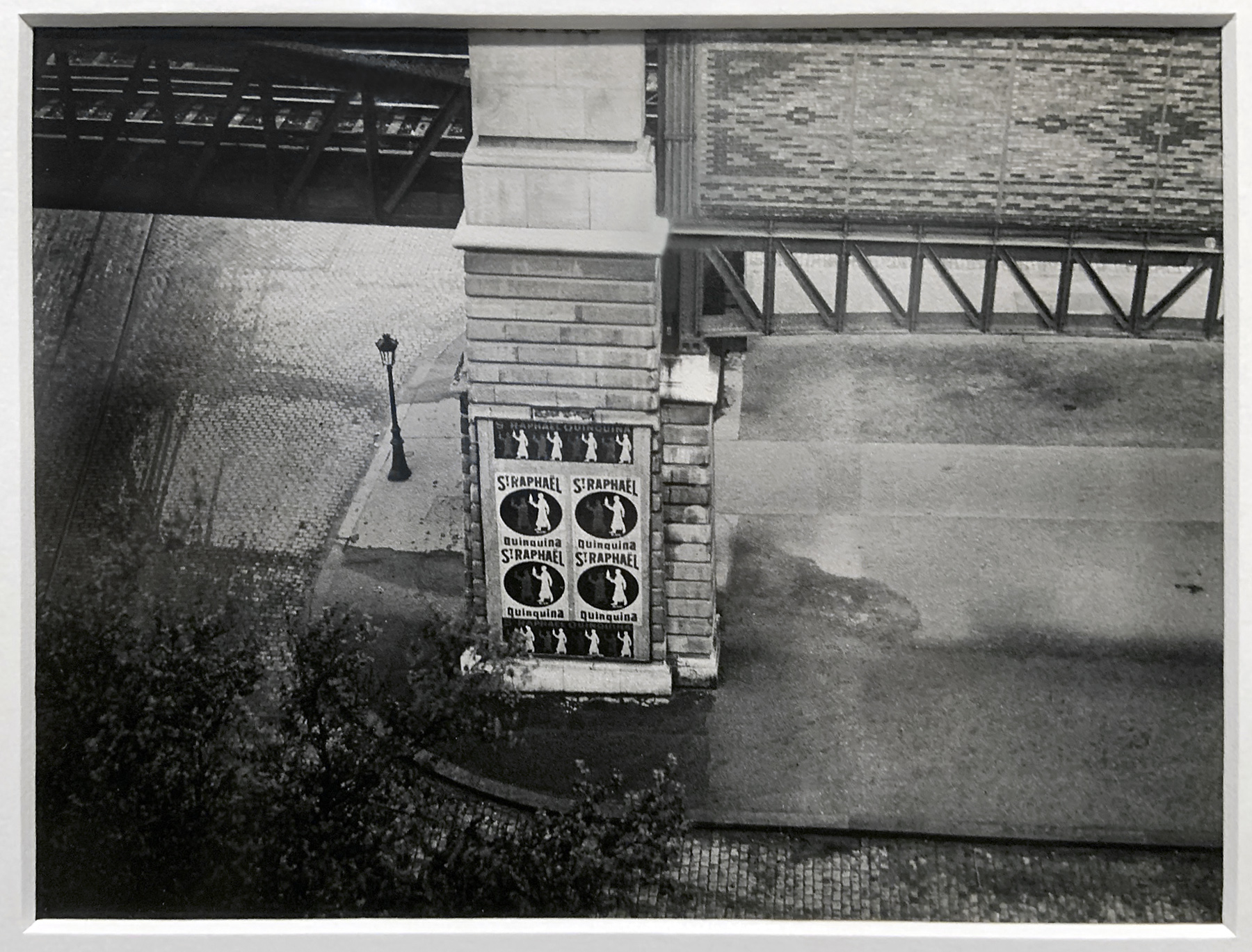
Brassaï (French, 1899-1984) 'Pillar of the Elevated, Metro Glacière' 1932 (installation view)


Brassaï (French, 1899-1984)
Pillar of the Elevated, Metro Glacière (installation view)
1932
Gelatin silver print
Photo: Marcus Bunyan


Brassaï (French, 1899-1984) 'Near the rue Mouffetard' c. 1945 (installation view)


Brassaï (French, 1899-1984)
Near the rue Mouffetard (installation view)
c. 1945
Gelatin silver print
Photo: Marcus Bunyan


Installation view of the exhibition 'Brassaï' at Foam, Amsterdam

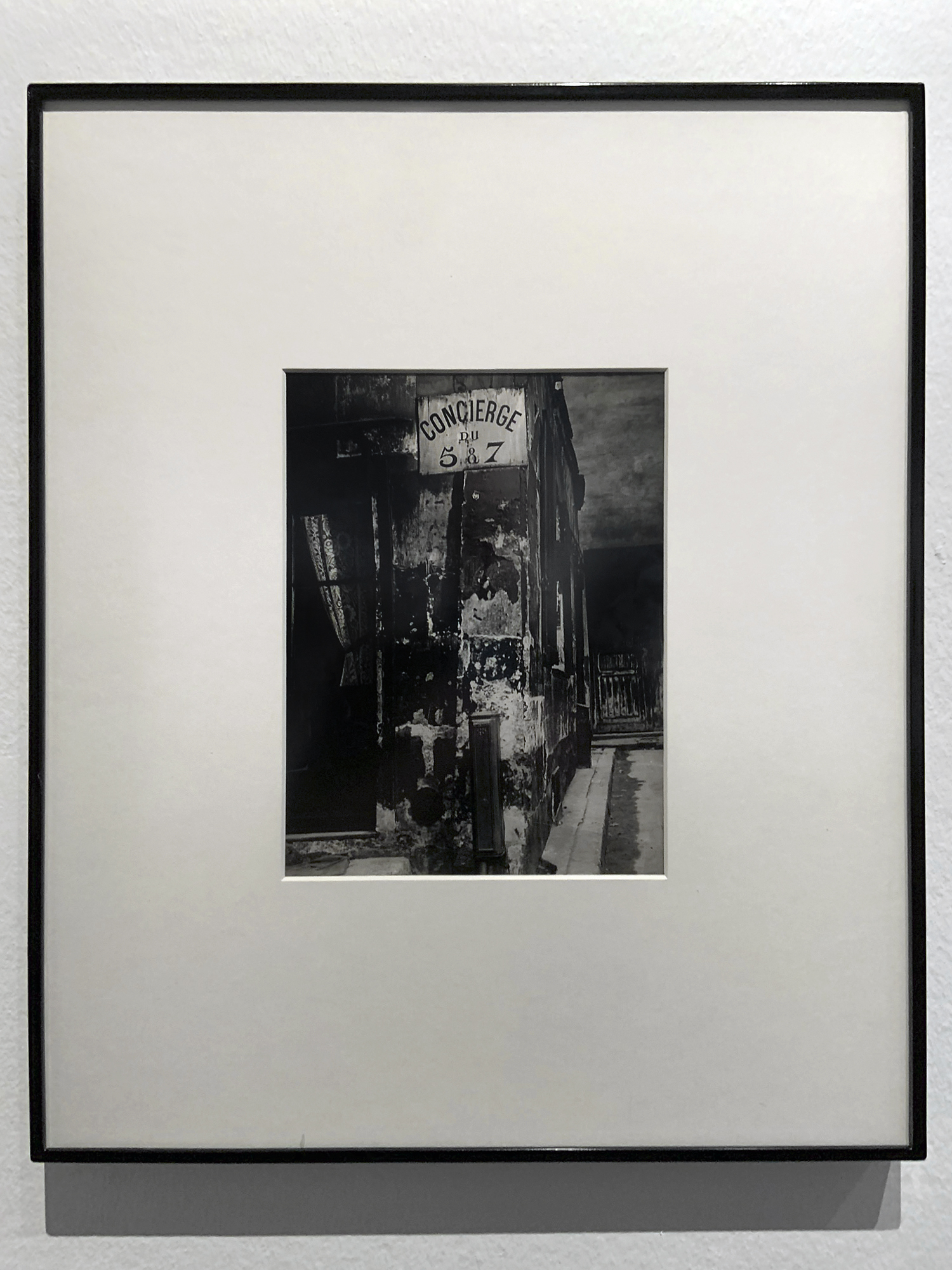
Installation view of the exhibition 'Brassaï' at Foam, Amsterdam showing at centre, Brassaï's 'Concierge's Lodge, Paris' 1933


Installation views of the exhibition Brassaï at Foam, Amsterdam showing in the lower image at centre, Brassaï’s Concierge’s Lodge, Paris, 1933
Photos: Marcus Bunyan


Brassaï (French, 1899-1984) 'Concierge's Lodge, Paris' 1933 (installation view)


Brassaï (French, 1899-1984)
Concierge’s Lodge, Paris (installation view)
1933
Gelatin silver print
Photo: Marcus Bunyan


Brassaï (French, 1899-1984) 'Concierge's Lodge, Paris' 1933 (installation view)


Brassaï (French, 1899-1984)
Concierge’s Lodge, Paris (installation view)
1933
Gelatin silver print
Photo: Marcus Bunyan


Brassaï (French, 1899-1984) 'Concierge's Lodge, Paris' 1933 from the exhibition 'Brassaï' at Foam, Amsterdam, Sept - Dec, 2019


Brassaï (French, 1899-1984)
Concierge’s Lodge, Paris
1933
Gelatin silver print
Photo: Marcus Bunyan


Brassaï (French, 1899-1984) 'Lovers at the gare Saint Lazare' c. 1937 (installation view)


Brassaï (French, 1899-1984)
Lovers at the gare Saint Lazare (installation view)
c. 1937
Gelatin silver print
Photo: Marcus Bunyan


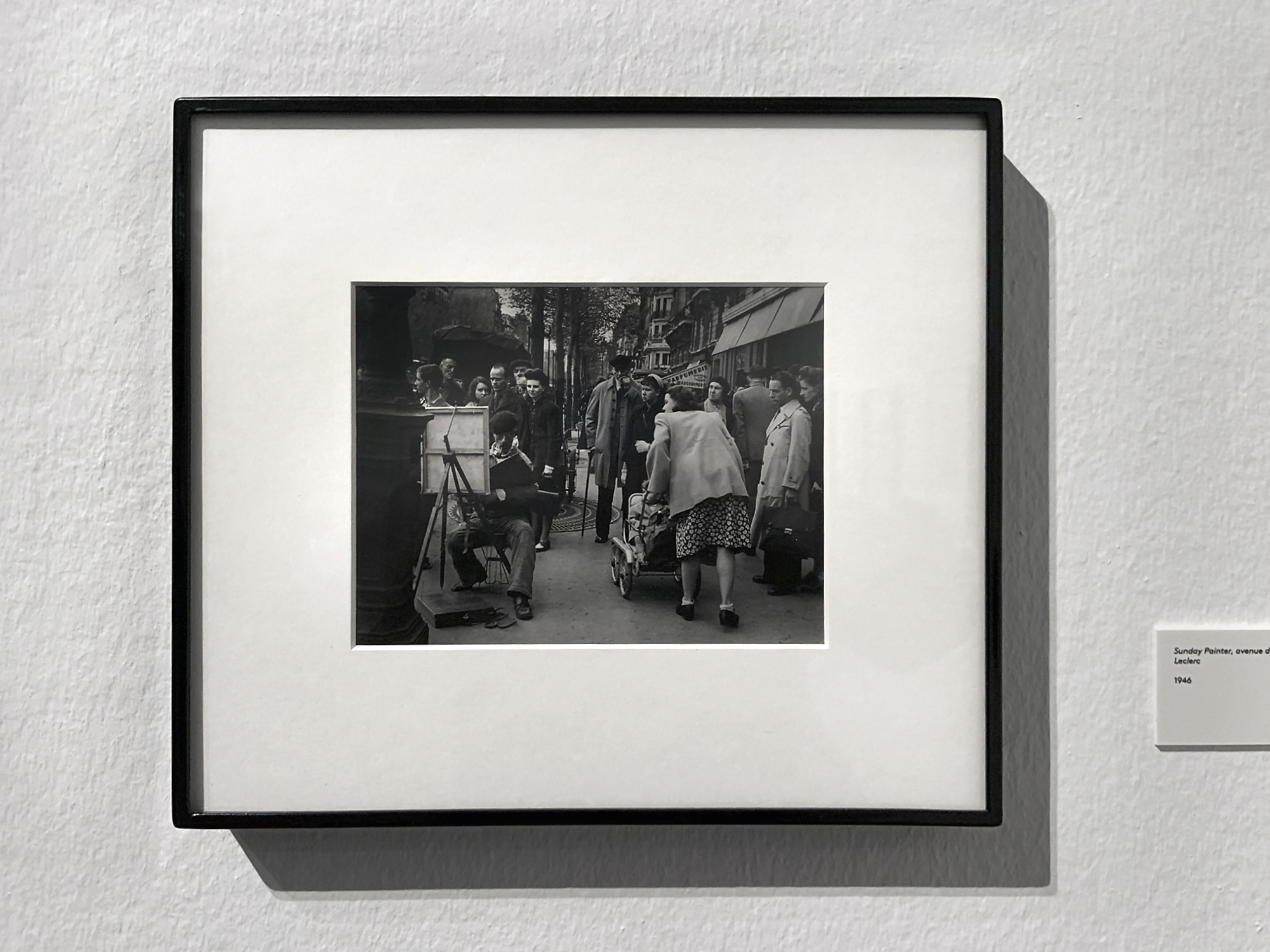
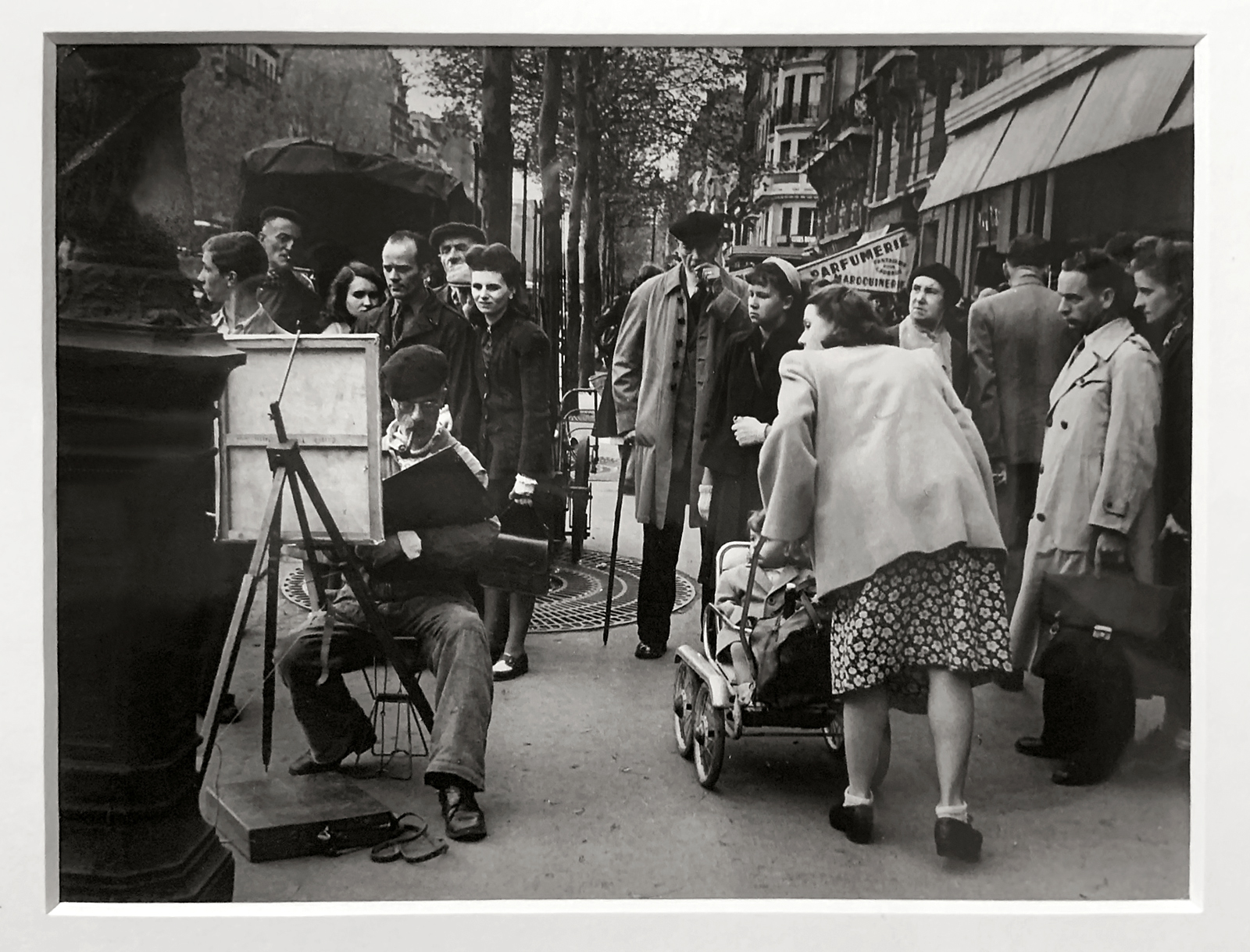
Brassaï (French, 1899-1984) 'Sunday Painter, avenue du Général Leclerc' 1946 (installation view)


Brassaï (French, 1899-1984)
Sunday Painter, avenue du Général Leclerc (installation view)
1946
Gelatin silver print
Photo: Marcus Bunyan


Brassaï (French, 1899-1984) 'Sunday Painter, avenue du Général Leclerc' 1946 (installation view)


Brassaï (French, 1899-1984)
Sunday Painter, avenue du Général Leclerc (installation view)
1946
Gelatin silver print
Photo: Marcus Bunyan


Brassaï (French, 1899-1984) 'Annecy' 1936 (installation view)


Brassaï (French, 1899-1984)
Annecy (installation view)
1936
Gelatin silver print
Photo: Marcus Bunyan


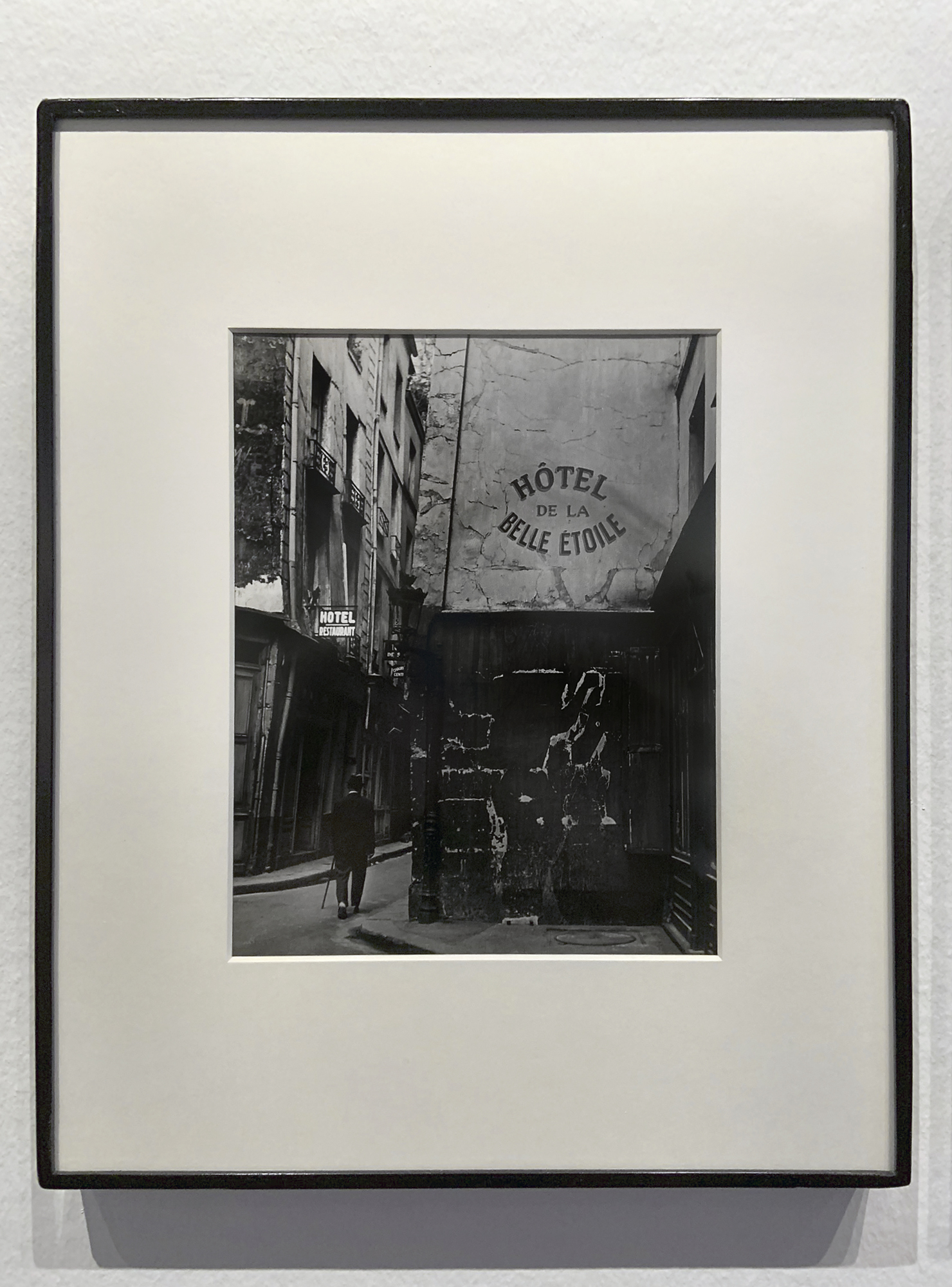
Brassaï (French, 1899-1984) 'Hôtel de la Belle Étoile' 1945 (installation view)


Brassaï (French, 1899-1984)
Hôtel de la Belle Étoile (installation view)
1945
Gelatin silver print
Photo: Marcus Bunyan


Brassaï (French, 1899-1984) 'A Corpse on the Banks on the Seine' 1931 (installation view)


Brassaï (French, 1899-1984)
A Corpse on the Banks on the Seine (installation view)
1931
Gelatin silver print
Photo: Marcus Bunyan


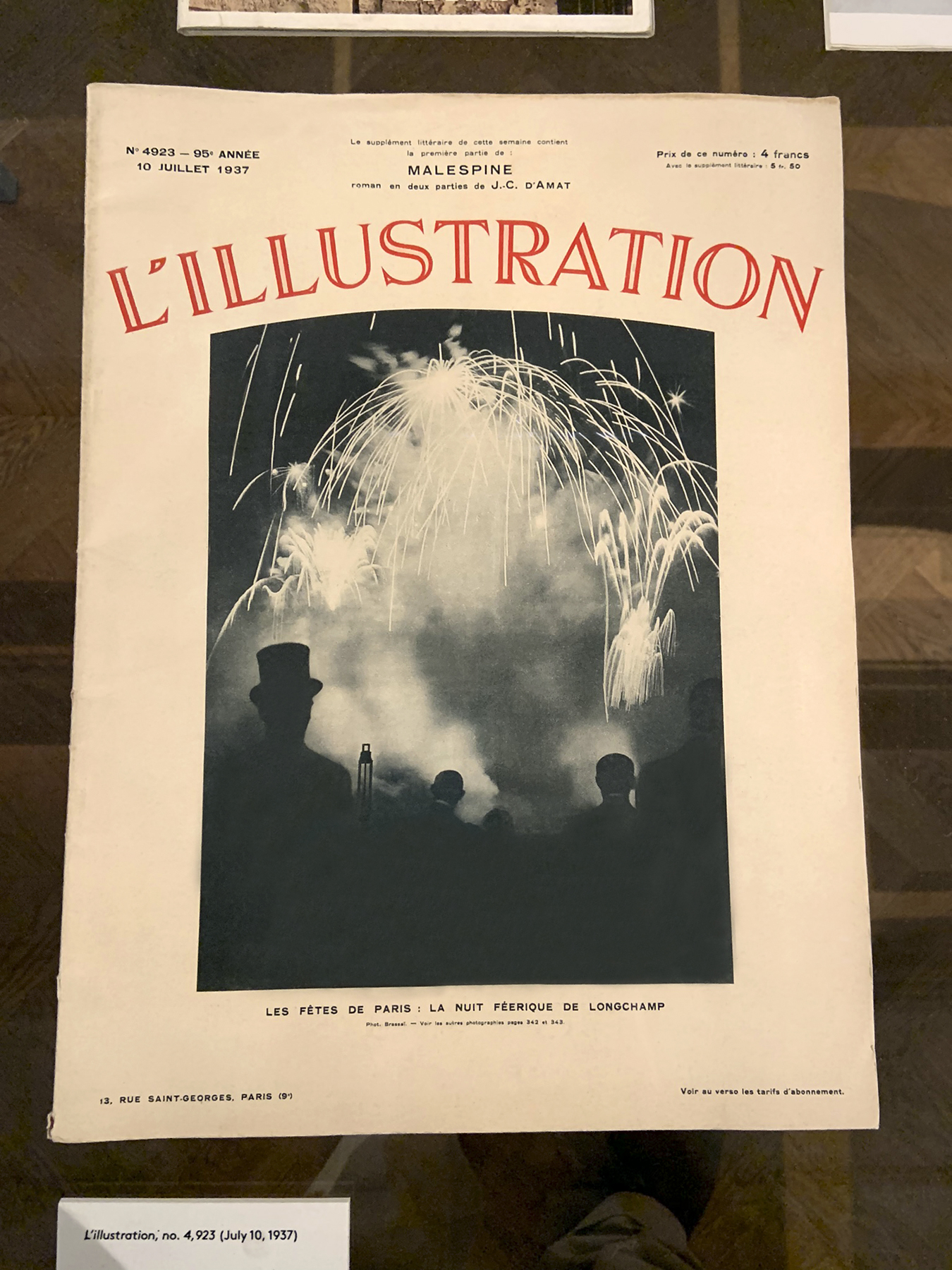
Brassaï (French, 1899-1984) 'Les Fétes de Paris: La Nuit Féerique de Longhamp' 1937


Brassaï (French, 1899-1984)
Les Fétes de Paris: La Nuit Féerique de Longhamp
1937
In L’illustration, no. 4, 923 (July 10, 1937)
13. Rue Saint-Georges, Paris (9°)
Photo: Marcus Bunyan


Regards, no. 155 (December 31, 1936)


Regards, no. 155 (December 31, 1936)
Back cover
Photo: Marcus Bunyan


Installation view of the exhibition 'Brassaï' at Foam, Amsterdam


Installation view of the exhibition Brassaï at Foam, Amsterdam showing at at left, Brassaï’s Meat Porters, Les Halles c. 1935 and at second left, Au Cochon Limousin 1935
Photo: Marcus Bunyan


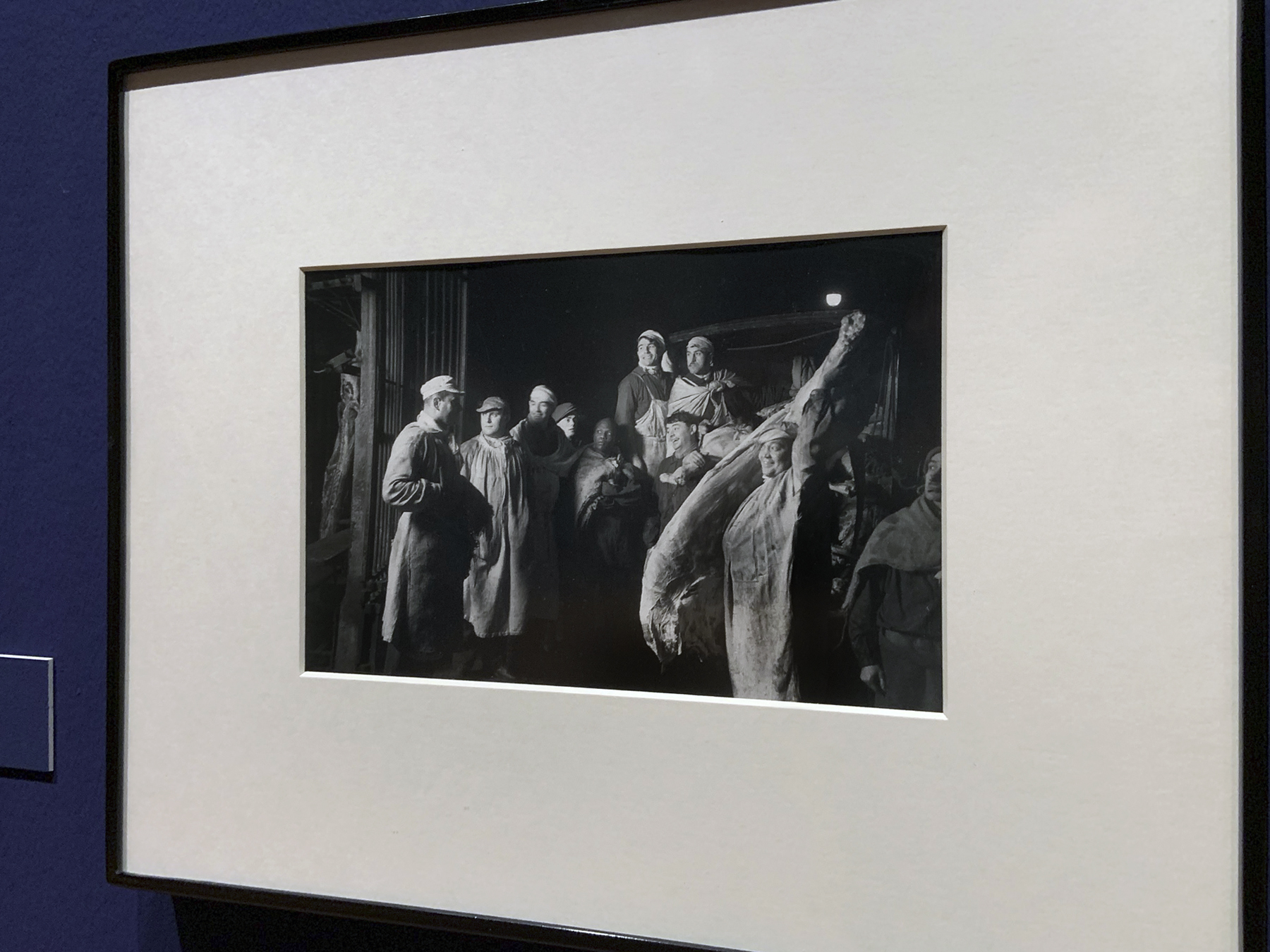
Brassaï (French, 1899-1984) 'Meat Porters, Les Halles' c. 1935 (installation view)


Brassaï (French, 1899-1984)
Meat Porters, Les Halles (installation view)
c. 1935
Gelatin silver print
Photo: Marcus Bunyan


Brassaï (French, 1899-1984) 'Au Cochon Limousin' 1935 (installation view)


Brassaï (French, 1899-1984)
Au Cochon Limousin (installation view)
1935
Gelatin silver print
Photo: Marcus Bunyan


Brassaï (French, 1899-1984) 'Les Halles' 1930-32 (installation view)


Brassaï (French, 1899-1984)
Les Halles (installation view)
1930-1932
Gelatin silver print
Photo: Marcus Bunyan


Brassaï (French, 1899-1984) 'Cesspool cleaners' c. 1931 (installation view)


Brassaï (French, 1899-1984)
Cesspool cleaners (installation view)
c. 1931
Gelatin silver print
Photo: Marcus Bunyan


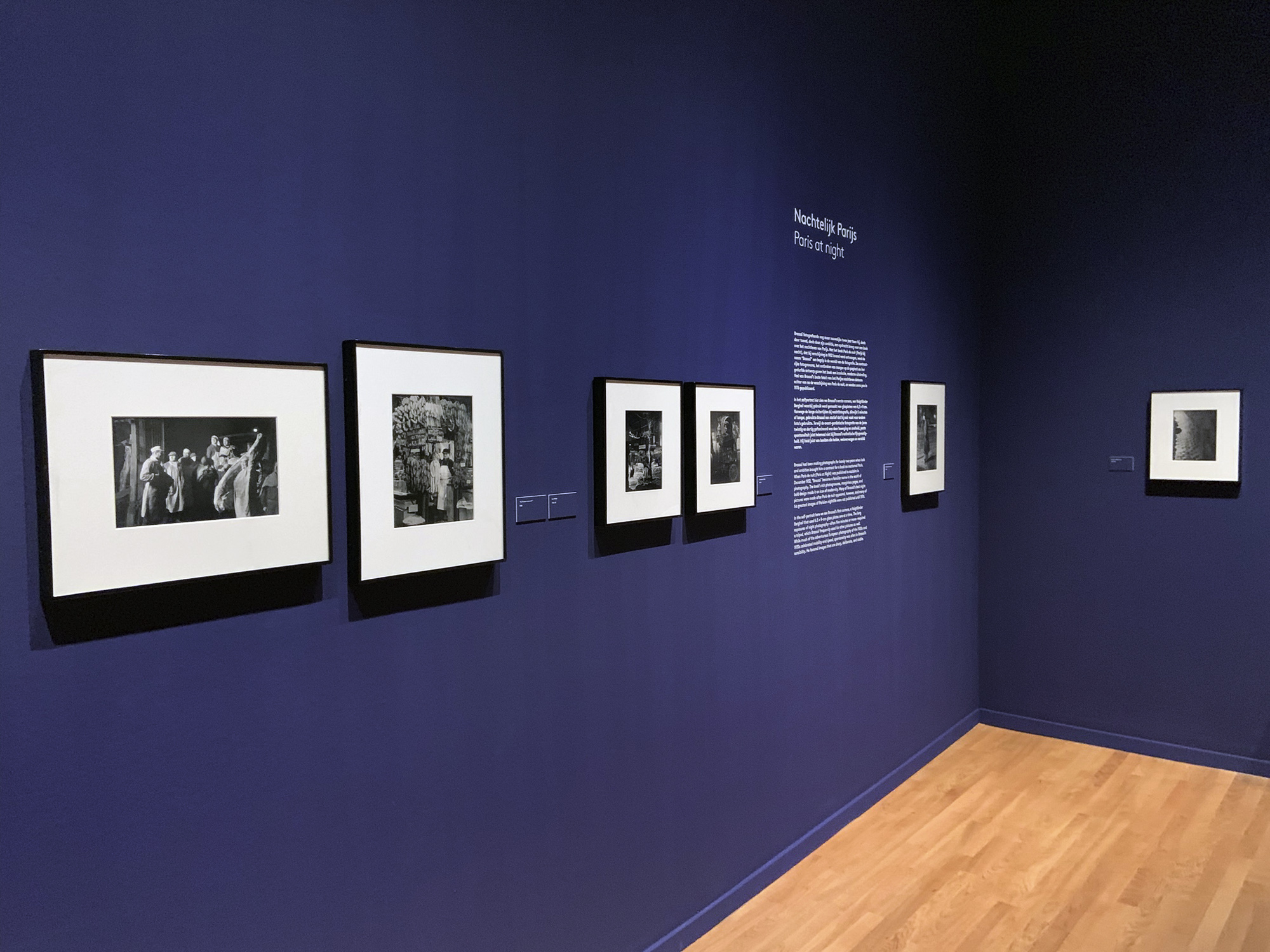
Paris de nuit / Paris at night

Brassaï had been making photographs for barely two years when luck and ambition brought him a contract for a book on nocturnal Paris. When Paris de nuit (Paris at Night) was published to acclaim in December 1932, “Brassaï” became a familiar name in the world of photography. The book’s rich photogravures, marginalises pages, and bold design made it an icon of modernity. Many of Brassaï’s best night picture were made after Paris de nuit appeared, however, and many of his greatest images of Parisian nightlife were not published until 1976.

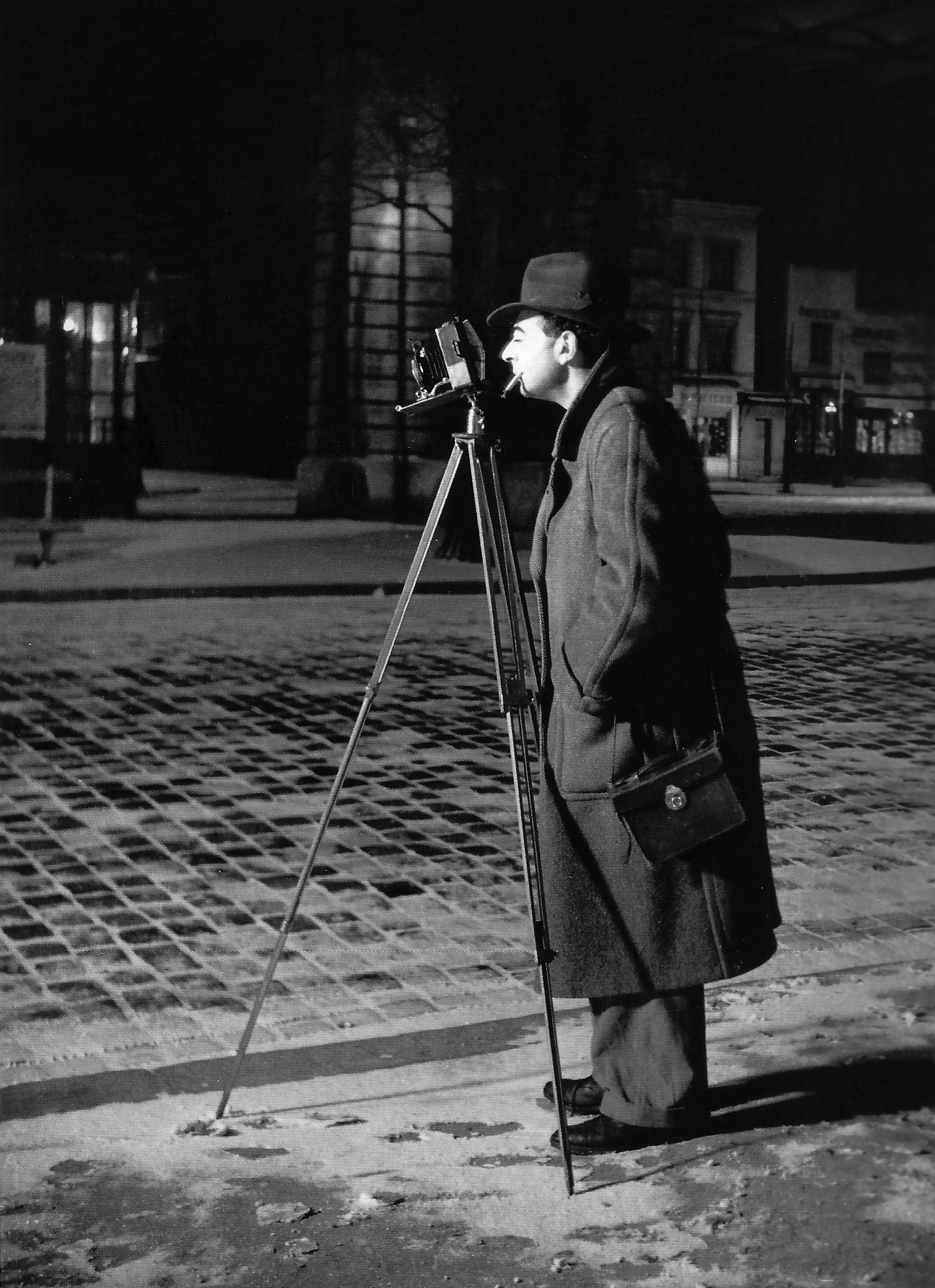
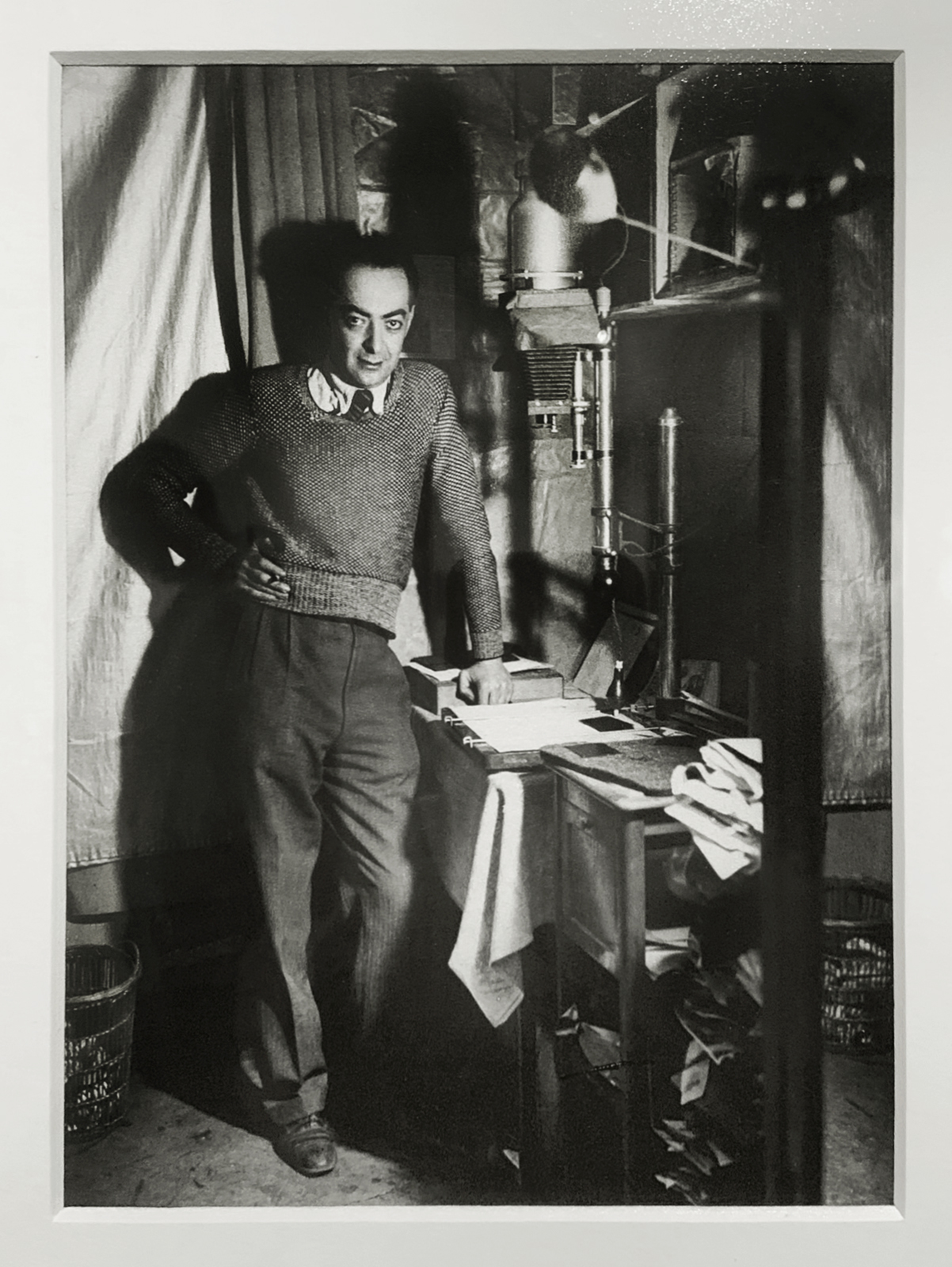
In the self-portrait here we see Brassaï’s first camera, a Voigtländer Bergheil that used 6.5 x 9 cm glass plates one at a time. The long exposures of night photography – often five minutes or more – required a tripod, which Brassaï frequently used for other pictures as well. While much of the adventurous European photography of the 1920s and 1930s celebrated mobility and speed, spontaneity was alien to Brassaï’s sensibility. He favoured images that are sharp, deliberate, and stable.


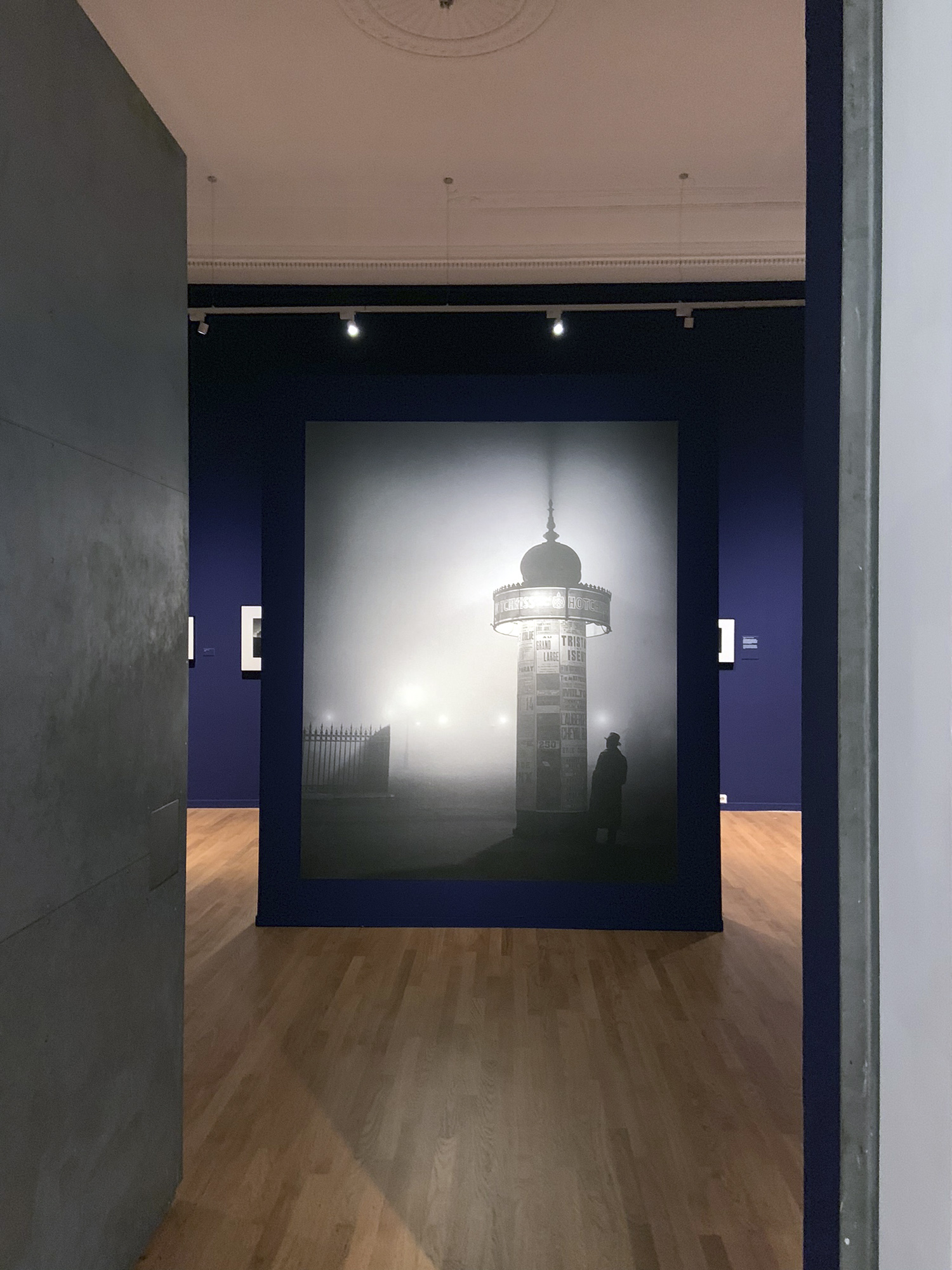
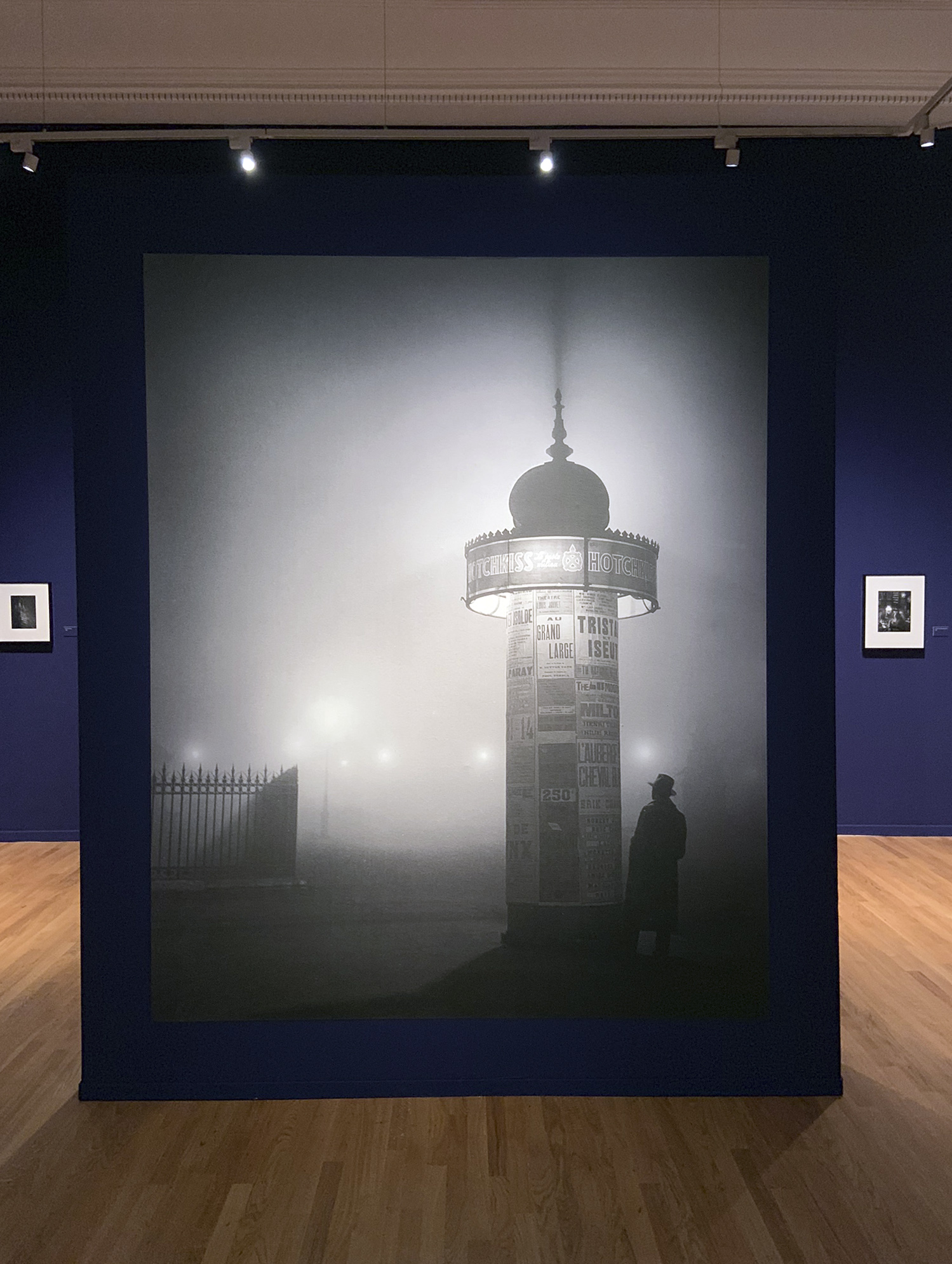
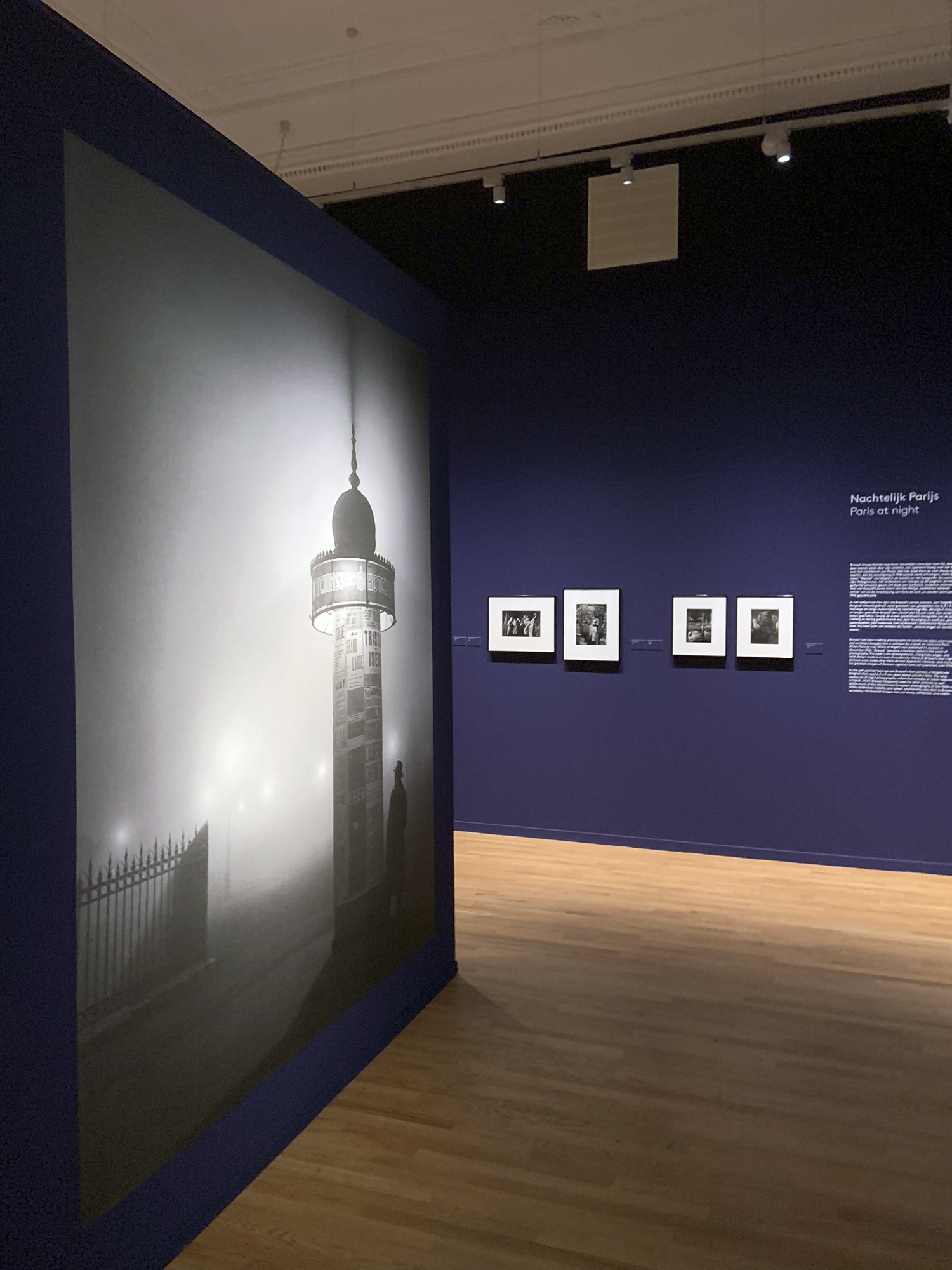
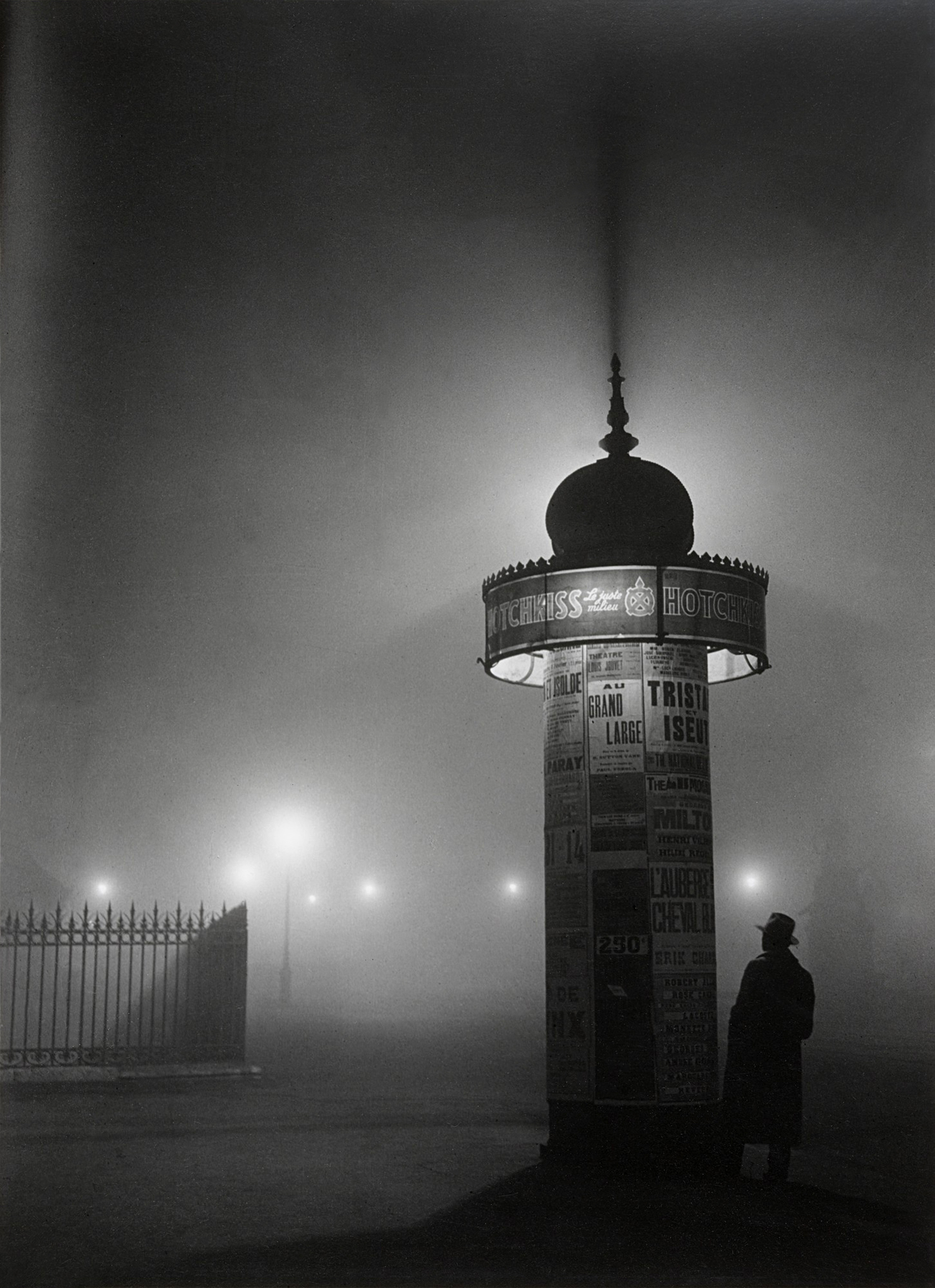
Installation view of the exhibition 'Brassaï' at Foam, Amsterdam showing a modern enlargement of Brassaï's 'Morris Column, avenue de l'Observatoire' 1934 

Installation view of the exhibition 'Brassaï' at Foam, Amsterdam showing a modern enlargement of Brassaï's 'Morris Column, avenue de l'Observatoire' 1934 

Installation view of the exhibition 'Brassaï' at Foam, Amsterdam showing at left a modern enlargement of Brassaï's 'Morris Column, avenue de l'Observatoire' 1934 


Installation views of the exhibition Brassaï at Foam, Amsterdam showing a modern enlargement of Brassaï’s Morris Column, avenue de l’Observatoire 1934
Photos: Marcus Bunyan


Brassaï (French, 1899-1984) 'Morris Column, avenue de l'Observatoire' 1934 (installation view)


Brassaï (French, 1899-1984)
Morris Column, avenue de l’Observatoire (installation view)
1934
Gelatin silver print
Photo: Marcus Bunyan


Brassaï (French, 1899-1984) 'Morris Column, avenue de l'Observatoire' 1934


Brassaï (French, 1899-1984)
Morris Column, avenue de l’Observatoire
1934
Gelatin silver print


Installation view of the exhibition 'Brassaï' at Foam, Amsterdam showing at right, Brassaï's 'Self portrait, On the boulevard Saint-Jacques' 1930-1932


Installation view of the exhibition Brassaï at Foam, Amsterdam showing at right, Brassaï’s Self portrait, On the boulevard Saint-Jacques 1930-1932
Photo: Marcus Bunyan


Brassaï (Gyulá Halász, 1899 - 1984) 'Self-portrait, Boulevard Saint-Jacques, Paris 14ème' c. 1931-1932


Brassaï (French, 1899-1984)
Self portrait, On the boulevard Saint-Jacques
1930-1932
Gelatin silver print


Voigtländer Bergheil Built in 1932


Voigtländer
Bergheil
Built in 1932
6.5 x 9cm negative
Green


Installation view of the exhibition 'Brassaï' at Foam, Amsterdam

Installation view of the exhibition 'Brassaï' at Foam, Amsterdam showing at left, Brassaï's 'The Tour Saint-Jacques' 1932-1933, and at third right 'View through the pont Royal toward the pont Solférino' c. 1933


Installation view of the exhibition Brassaï at Foam, Amsterdam showing in the bottom image at left, Brassaï’s The Tour Saint-Jacques 1932-1933, and at third right View through the pont Royal toward the pont Solférino c. 1933
Photos: Marcus Bunyan


Brassaï (French, 1899-1984) 'The Tour Saint-Jacques' 1932-33 (installation view)


Brassaï (French, 1899-1984)
The Tour Saint-Jacques (installation view)
1932-1933
Gelatin silver print
Photo: Marcus Bunyan


Brassaï (French, 1899-1984) 'View through the pont Royal toward the pont Solférino' c. 1933


Brassaï (French, 1899-1984)
View through the pont Royal toward the pont Solférino
c. 1933
Gelatin silver print


Installation view of the exhibition 'Brassaï' at Foam, Amsterdam showing at right, Brassaï's 'Avenue de l'Observatoire in the Fog' c. 1937


Installation view of the exhibition Brassaï at Foam, Amsterdam showing at right, Brassaï’s Avenue de l’Observatoire in the Fog c. 1937
Photo: Marcus Bunyan


Brassaï (French, 1899-1984) 'Avenue de l'Observatoire in the Fog' c. 1937 (installation view)


Brassaï (French, 1899-1984)
Avenue de l’Observatoire in the Fog (installation view)
c. 1937
Gelatin silver print
Photo: Marcus Bunyan


Brassaï (French, 1899-1984) 'Avenue de l'Observatoire in the Fog' c. 1937


Brassaï (French, 1899-1984)
Avenue de l’Observatoire in the Fog
c. 1937
Gelatin silver print


Brassaï (French, 1899-1984) 'Paris de Nuit' (Paris at Night) 1932


Brassaï (French, 1899-1984)
Paris de Nuit (Paris at Night) pp. 9-10
1932
Book


Brassaï (French, 1899-1984) 'Paris de Nuit' (Paris at Night) 1932


Brassaï (French, 1899-1984)
Paris de Nuit (Paris at Night) pp. 13-14
1932
Book


Digital flick through of Brassaï’s Paris de Nuit (Paris at Night) book 1932
Video: Marcus Bunyan


Brassaï (French, 1899-1984) 'Paris de Nuit' (Paris at Night) 1932 (installation view)


Brassaï (French, 1899-1984)
Paris de Nuit (Paris at Night) pp. 19-20 (installation view)
1932
Book
Photo: Marcus Bunyan


Minotaure, no. 7 (June 1935)


Minotaure, no. 7 (June 1935)
Pages 24-25: Photographs by Brassaï, “Nuits parisiennes” (Parisian Nights)
Pages 26-29: Photographs by Brassaï
Photo: Marcus Bunyan


Portraits – artists, writers and friends

In Brassaï’s era, portraits and nudes were bread-and-butter genres for any professional photographer. As a portraitist Brassaï made a speciality of artists and writers, who often were his friends, and in 1982 he collected many of the best pictures in Les artistes de ma vie (The Artists of My Life), for which he also wrote the lively text. He excelled at two distinct types of portraiture: In one, the artist is framed by his environment – the studio. In the other, the subjects confronts the photographer frankly, and the setting hardly matters. In an undated note, Brassaï summed up his approach to the second type: “To oblige the model to behave as if the photographer isn’t there really is to stage a comic performance. What’s natural is precisely not to dodge the photographer’s presence. The natural thing in that situation is for the model to pose honestly.”


Installation view of the exhibition 'Brassaï' at Foam, Amsterdam showing at right, 'Oskar Kokoschka in his Studio, Paris' 1931-1932

Installation view of the exhibition 'Brassaï' at Foam, Amsterdam at third right, Brassaï's 'Kiki de Montparnasse and her Friends, Thérèse Treize and Lily' c. 1932


Installation views of the exhibition Brassaï at Foam, Amsterdam showing in the top photograph at right, Oskar Kokoschka in his Studio, Paris 1931-1932 (below) and in the bottom photograph at third right, Brassaï’s Kiki de Montparnasse and her Friends, Thérèse Treize and Lily c. 1932 (below)
Photos: Marcus Bunyan


Brassaï (French, 1899-1984) 'Oskar Kokoschka in his Studio, Paris' 1931-1932


Brassaï (French, 1899-1984)
Oskar Kokoschka in his Studio, Paris (installation view)
1931-1932
Gelatin silver print
Photo: Marcus Bunyan


Brassaï (French, 1899-1984) 'Kiki de Montparnasse and her Friends, Thérèse Treize and Lily' c. 1932 (installation view)


Brassaï (French, 1899-1984)
Kiki de Montparnasse and her Friends, Thérèse Treize and Lily (installation view)
c. 1932
Gelatin silver print
Photo: Marcus Bunyan


Installation view of the exhibition 'Brassaï' at Foam, Amsterdam

Installation view of the exhibition 'Brassaï' at Foam, Amsterdam

Installation view of the exhibition 'Brassaï' at Foam, Amsterdam

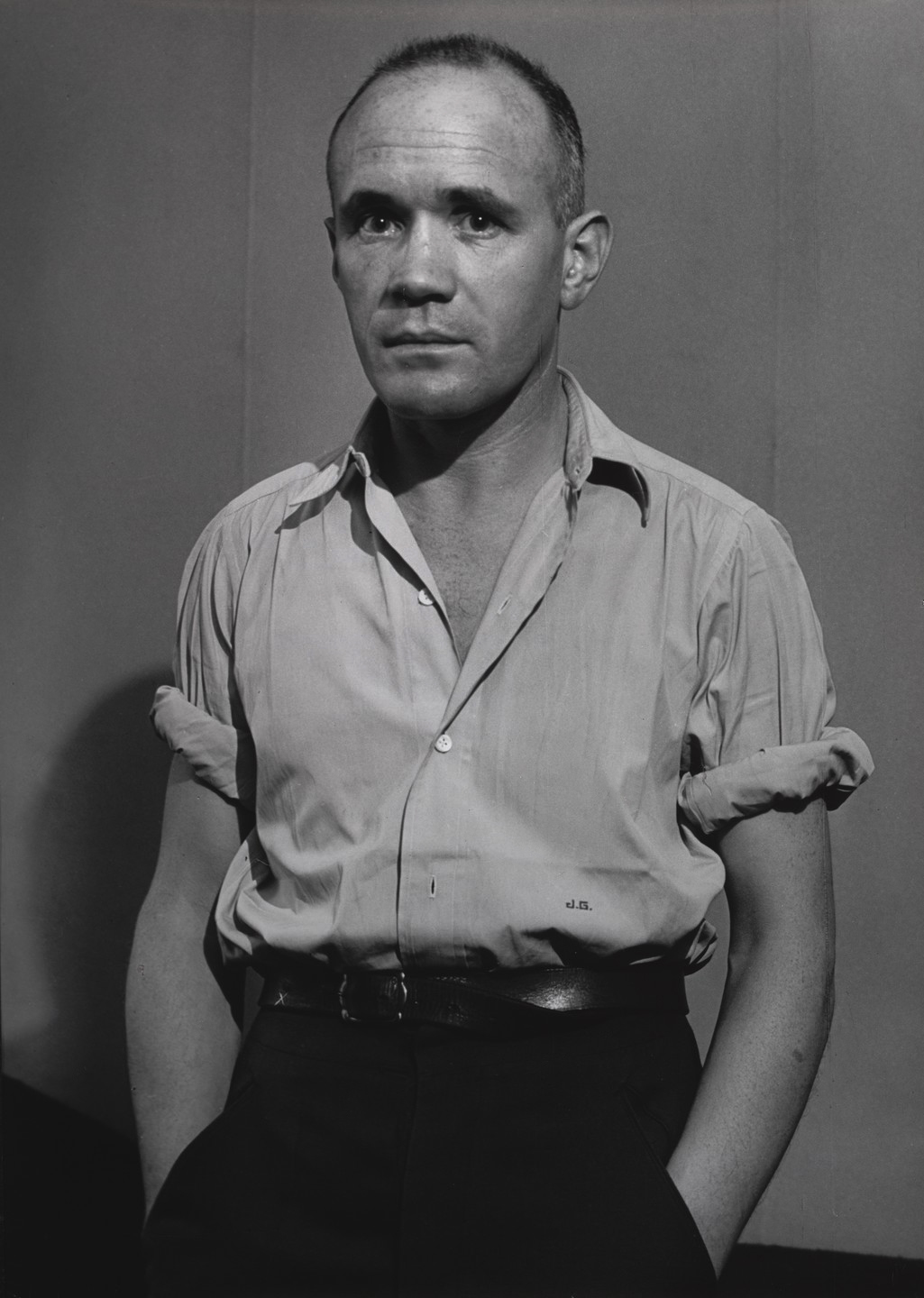
Installation view of the exhibition 'Brassaï' at Foam, Amsterdam showing at left, Brassaï's 'Jean Genet' 1948


Installation views of the exhibition Brassaï at Foam, Amsterdam showing in the bottom photograph at left, Brassaï’s Jean Genet 1948 (below)
Photos: Marcus Bunyan


Brassai. 'Jean Genet' 1948


Brassaï (French, 1899-1984)
Jean Genet
1948
Gelatin silver print


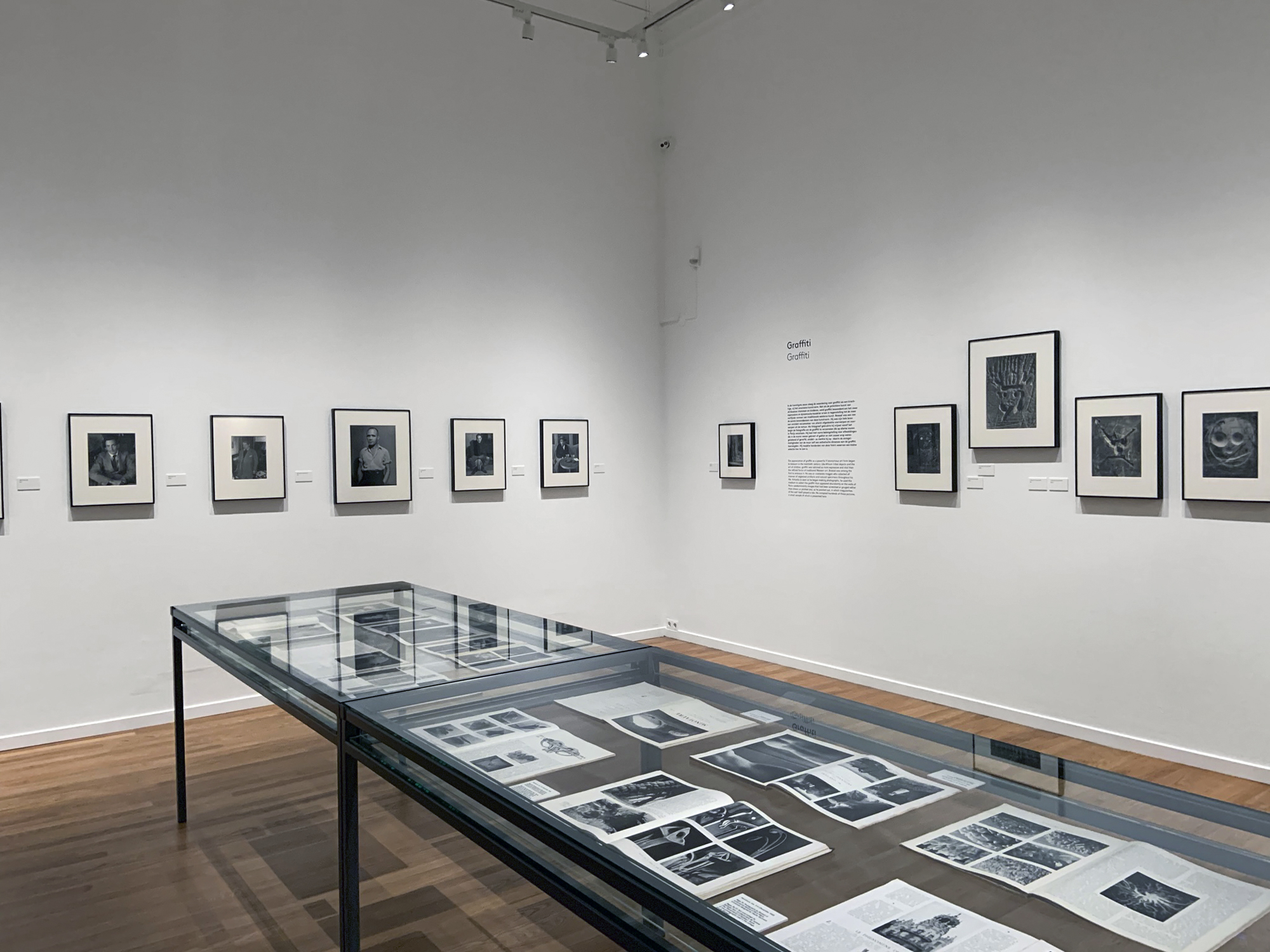
Graffiti

The appreciation of graffiti as a powerful if anonymous art form began to blossom in the twentieth century. Like African tribal objects and the art of children, graffiti was admired as more expressive and vital than the refined forms of traditional Western art. Brassaï was among the first to embrace it. He was an inveterate magpie who collected all manner of neglected artefacts and natural specimens throughout his life. Virtually as soon as he began making photographs, he used the medium to collect the graffiti that appeared abundantly on the walls of Paris – predominantly images that had been scratched or gouged rather than drawn or painted and, as he pointed out, in which irregularities of the wall itself played a role. He compiled hundreds of these pictures, a small sample of which is presented here.

Minotaure

Between arriving in Paris in early 1924 and taking up photography six years later, Brassaï developed a wide circle of friends among the international community of artists and writers in Montparnasse. Among them were Les deux aveugles (The Two Blind Men), as the art critics Maurice Raynal and E. Tériade called themselves. In December 1932 – the same month Brassaï’s book Paris de unit (Paris at Night) appeared – Tériade invited Brassaï to photograph Pablo Picasso and his studios in and near Paris for the first issue of Minotaure, a lavish art magazine launched in June 1933 by the Swiss published Albert Skira. Thus began one of the key friendships of Brassaï’s life. Over the next few years he played prominent role in Minotaure, notable as a collaborator of Salvador Dalí, as an illustrator of texts by André Breton, and, on a few occasions, as an artist in his own right.


Installation view of the exhibition 'Brassaï' at Foam, Amsterdam showing to the right, photographs from Brassaï's series 'Graffiti'


Installation views of the exhibition Brassaï at Foam, Amsterdam showing to the right, photographs from Brassaï’s series Graffiti
Photo: Marcus Bunyan


Minotaure, nos. 3-4 (December 1933)

Minotaure, nos. 3-4 (December 1933)


Minotaure, nos. 3-4 (December 1933)
Pages 6-7: Photographs and text by Brassaï, “Du mur des cavernes au mur d’usine” (From the Wall of the Caves to the Wall of the Factory).
Photos: Marcus Bunyan


This was the first appearance in print of Brassaï’s series Graffiti.


Brassaï (French, 1899-1984) 'The Sun King' 1945-1950 (installation view)


Brassaï (French, 1899-1984)
The Sun King (installation view)
1945-1950
From the series Graffiti
Gelatin silver print
Photo: Marcus Bunyan


Brassai. 'Untitled' from the series 'Graffiti' 1950


Brassaï (French, 1899-1984)
Untitled (installation view)
1950
From the series Graffiti
Gelatin silver print
Photo: Marcus Bunyan


Brassai. 'Untitled' from the series 'Graffiti' 1945-1955


Brassaï (French, 1899-1984)
Untitled (installation view)
1945-1955
From the series Graffiti
Gelatin silver print
Photo: Marcus Bunyan


Brassai. 'Untitled' from the series 'Graffiti' 1945-1955


Brassaï (French, 1899-1984)
Untitled (installation view)
1945-1955
From the series Graffiti
Gelatin silver print
Photo: Marcus Bunyan


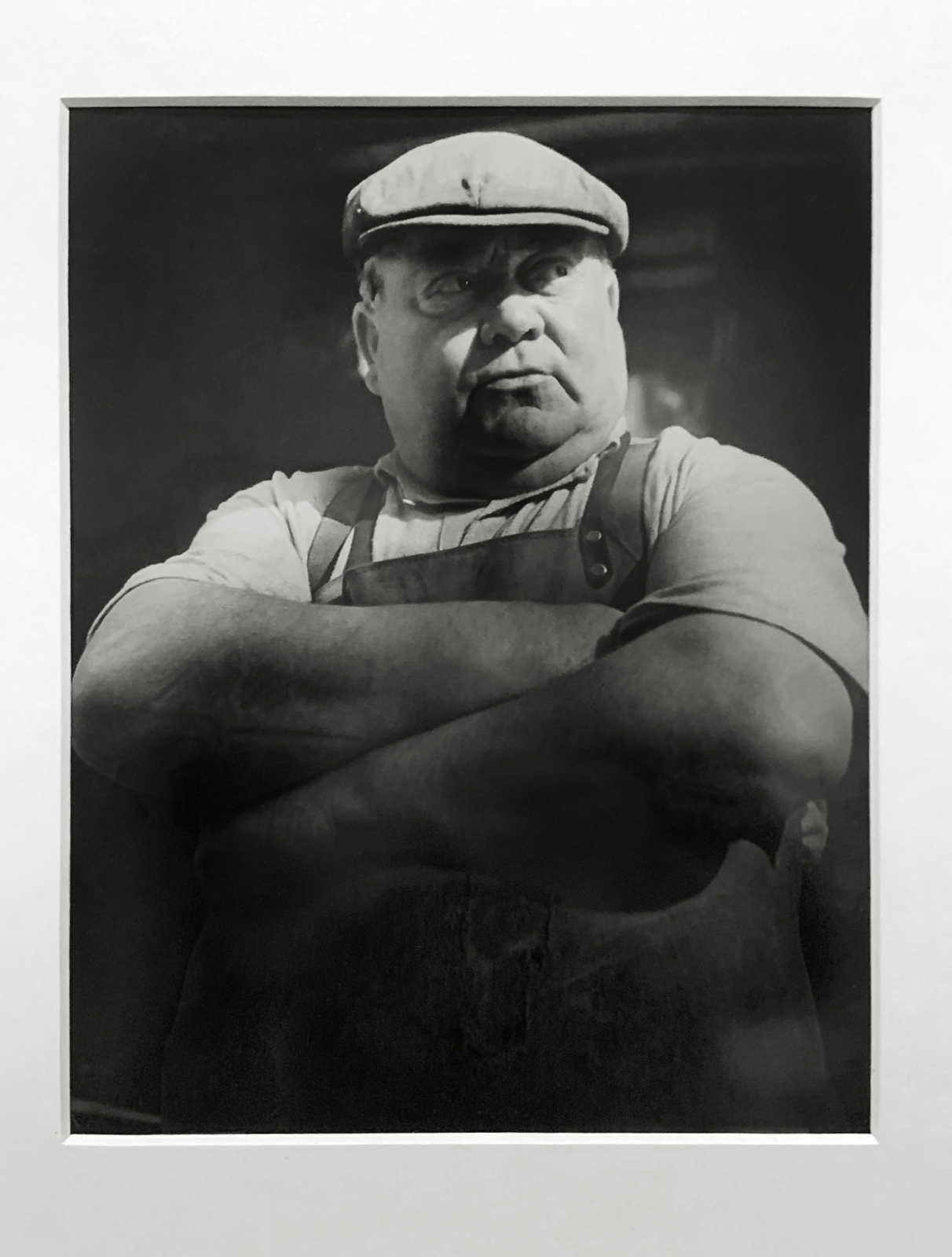
Installation view of the exhibition 'Brassaï' at Foam, Amsterdam showing photographs from the section Personages including at left 'La Môme Bijou, Bar de la Lune, Montmartre' 1932; and in the centre, 'Billiard Player, boulevard Rochechouart' 1932-1933 and 'Market Porter, Les Halles' 1939


Installation view of the exhibition Brassaï at Foam, Amsterdam showing photographs from the section Personages including at left La Môme Bijou, Bar de la Lune, Montmartre 1932; and in the centre, Billiard Player, boulevard Rochechouart 1932-1933 and Market Porter, Les Halles 1939
Photo: Marcus Bunyan


Personages

In the introduction to a book of his photographs that was published in 1949, Brassaï linked the modern arts of photography and film to the work of artists of the past who had depicted everyday life, among them Rembrandt van Rijn, Honoré Daumier, Edgar Degas, and Henri de Toulouse-Lautrec. He praised them for the “desire to get beyond the anecdotal and to promote [their] subjects to the dignity of types.” Brassaï himself had a talent for rendering at the same time a generic social role and a particular individual who inhabited it, as if his attentiveness to the person would elevate him or her into a distinctive personage.


Installation view of the exhibition 'Brassaï' at Foam, Amsterdam showing photographs from the section Personages including at left, 'Festival in Seville' 1951; and at right, 'La Môme Bijou, Bar de la Lune, Montmartre' 1932


Installation view of the exhibition Brassaï at Foam, Amsterdam showing photographs from the section Personages including at left, Festival in Seville 1951; and at right, La Môme Bijou, Bar de la Lune, Montmartre 1932
Photo: Marcus Bunyan


Installation view of the exhibition 'Brassaï' at Foam, Amsterdam showing photographs from the section Personages including at left, 'Festival in Seville' 1951; at centre, 'La Môme Bijou, Bar de la Lune, Montmartre' 1932; and at right, 'Billiard Player, boulevard Rochechouart' 1932-1933


Installation view of the exhibition Brassaï at Foam, Amsterdam showing photographs from the section Personages including at left, Festival in Seville 1951; at centre, La Môme Bijou, Bar de la Lune, Montmartre 1932; and at right, Billiard Player, boulevard Rochechouart 1932-1933
Photo: Marcus Bunyan


Installation view of the exhibition 'Brassaï' at Foam, Amsterdam showing a photograph from the section Personages, 'La Môme Bijou, Bar de la Lune, Montmartre' 1932


Installation view of the exhibition Brassaï at Foam, Amsterdam showing a photograph from the section Personages, La Môme Bijou, Bar de la Lune, Montmartre 1932
Photo: Marcus Bunyan


Brassaï (French, 1899-1984) 'La Môme Bijou, Bar de la Lune, Montmartre' 1932 (installation view)


Brassaï (French, 1899-1984)
La Môme Bijou, Bar de la Lune, Montmartre (installation view)
1932
Gelatin silver print
Photo: Marcus Bunyan


Brassaï (French, 1899-1984) 'La Môme Bijou, Bar de la Lune, Montmartre' 1932


Brassaï (French, 1899-1984)
La Môme Bijou, Bar de la Lune, Montmartre
1932
Gelatin silver print


Installation view of the exhibition 'Brassaï' at Foam, Amsterdam showing photographs from the section Personages including at left 'La Môme Bijou, Bar de la Lune, Montmartre' 1932; and at right, 'Billiard Player, boulevard Rochechouart' 1932-1933


Installation view of the exhibition Brassaï at Foam, Amsterdam showing photographs from the section Personages including at left La Môme Bijou, Bar de la Lune, Montmartre 1932; and at right, Billiard Player, boulevard Rochechouart 1932-1933
Photo: Marcus Bunyan


Brassaï (French, 1899-1984) 'Billiard Player, boulevard Rochechouart' 1932-33 (installation view)


Brassaï (French, 1899-1984)
Billiard Player, boulevard Rochechouart (installation view)
1932-1933
Gelatin silver print
Photo: Marcus Bunyan


Brassaï (French, 1899-1984) 'Billiard Player, boulevard Rochechouart' 1932-1933


Brassaï (French, 1899-1984)
Billiard Player, boulevard Rochechouart
1932-1933
Gelatin silver print


Installation view of the exhibition 'Brassaï' at Foam, Amsterdam showing photographs from the section Personages including at left 'Billiard Player, boulevard Rochechouart' 1932-1933; and at right, 'Market Porter, Les Halles' 1939


Installation view of the exhibition Brassaï at Foam, Amsterdam showing photographs from the section Personages including at left Billiard Player, boulevard Rochechouart 1932-1933; and at right, Market Porter, Les Halles 1939
Photo: Marcus Bunyan


Brassaï (French, 1899-1984) 'Market Porter, Les Halles' 1939 (installation view)


Brassaï (French, 1899-1984)
Market Porter, Les Halles (installation view)
1939
Gelatin silver print
Photo: Marcus Bunyan


Brassaï (French, 1899-1984) 'Bal des Quatre Saisons, rue de Lappe' c. 1932


Brassaï (French, 1899-1984)
Bal des Quatre Saisons, rue de Lappe
c. 1932
Gelatin silver print


Brassaï (French, 1899-1984) 'Chez Suzy' 1931-1932


Brassaï (French, 1899-1984)
Chez Suzy
1931-1932
Gelatin silver print


Brassaï (French, 1899-1984) 'At the Hôtel des Terrasses' c. 1932 (installation view)


Brassaï (French, 1899-1984)
At the Hôtel des Terrasses (installation view)
c. 1932
Gelatin silver print
Photo: Marcus Bunyan


Installation view of the exhibition 'Brassaï' at Foam, Amsterdam showing photographs from Brassaï's series 'Sleep'


Installation view of the exhibition Brassaï at Foam, Amsterdam showing photographs from Brassaï’s series Sleep
Photo: Marcus Bunyan


Sleep

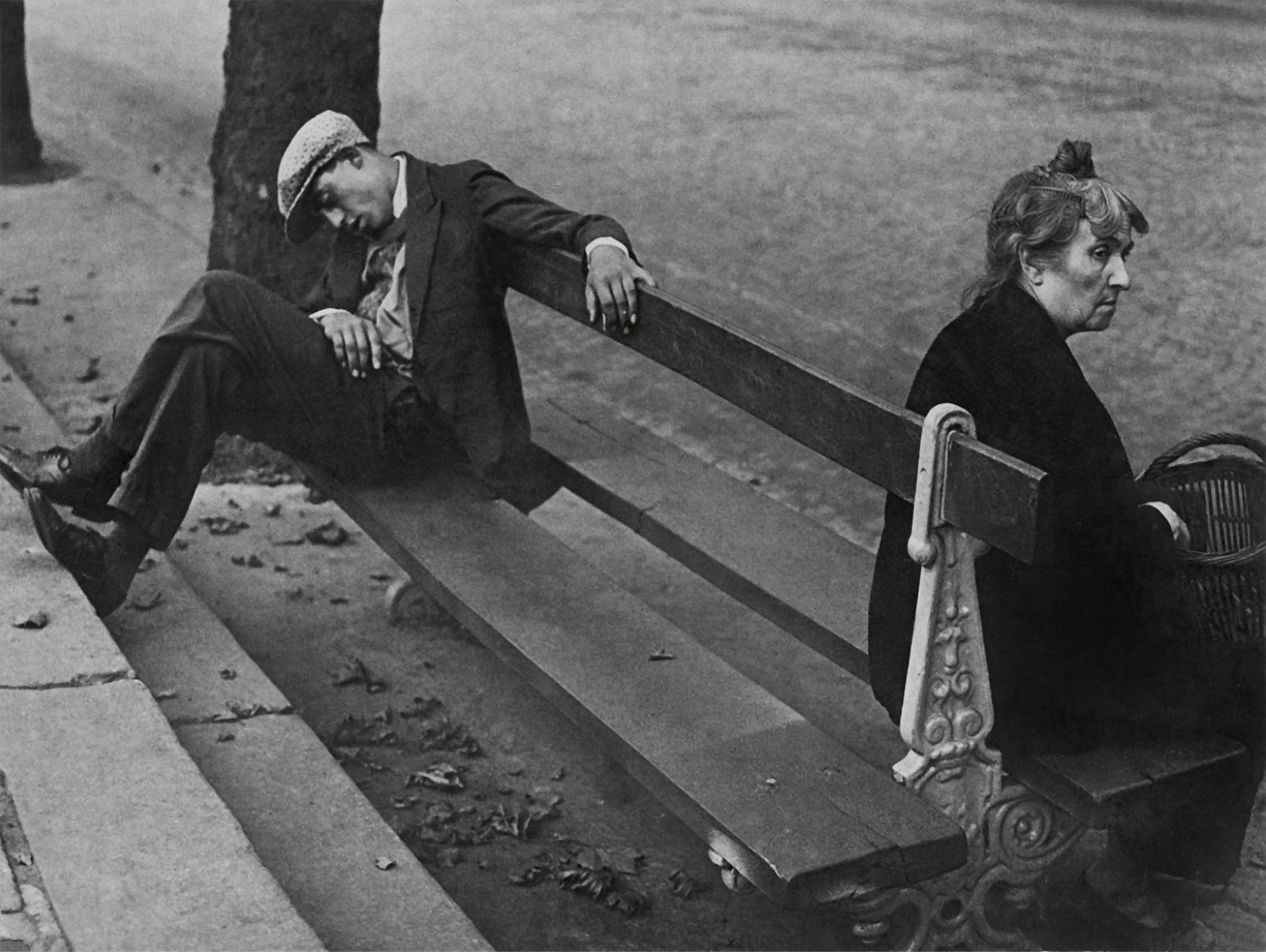
In 1945 Brassaï wrote a brief essay to accompany some of his pictures of sleepers. It reads in part “All things that stand against their inclination – a tree, a column, a tower, a rock – are regarded with a malign eye by gravity … She especially has a grudge against man, that foolhardy being who, in open collusion with the sunlight, alone among his brothers under the spell of gravitation, dares to stand up. For sunlight and gravity fight over living beings, the one turning over what the other has put up. Alas! Sunlight lives a long way away and can never be found when she is needed the most. Thus gravity is suited to have the last word.”


Installation view of the exhibition 'Brassaï' at Foam, Amsterdam showing photographs from Brassaï's series 'Sleep' with at left, 'Paris' c. 1934; and at centre, 'Sleeping' c. 1935


Installation view of the exhibition Brassaï at Foam, Amsterdam showing photographs from Brassaï’s series Sleep with at left, Paris c. 1934; and at centre, Sleeping c. 1935
Photo: Marcus Bunyan


Brassaï (French, 1899-1984) 'Paris' c. 1934 (installation view)


Brassaï (French, 1899-1984)
Paris (installation view)
c. 1934
Gelatin silver print
Photo: Marcus Bunyan


Brassaï (French, 1899-1984) 'Sleeping' c. 1935 (installation view)


Brassaï (French, 1899-1984)
Sleeping (installation view)
c. 1935
Gelatin silver print
Photo: Marcus Bunyan


Brassaï (French, 1899-1984) 'Montmartre' 1930-1931


Brassaï (French, 1899-1984)
Montmartre
1930-1931
Gelatin silver print


Foam
Keizersgracht 609
1017 DS Amsterdam
The Netherlands
Phone: + 31 20 5516500

Opening hours:
Monday – Wednesday 10am – 6pm
Thursday – Friday 10am – 9pm
Sat-Sun 10am – 6pm

Foam website

LIKE ART BLART ON FACEBOOK

Back to top