Queer British Art 1861-1967 at Tate Britain examines the “historical reality of same-sex relationships and non-normative sexual identities” from 1861, the year for the end of the death penalty for sodomy in Great Britain, through to 1967 which is when sex between consenting adults in private, obviously male homosexuality is partially decriminalised in England and Wales. The timescale of the exhibition encompasses the beginning of a more considered understanding of gender and sexual identity through to the beginnings of a limited freedom: from repression to liberation.
For a man who came out in London in 1975, only 8 short years after the decriminalisation of homosexuality, this exhibition should have been more engaging than it was. While there were some outstanding art works and artefacts presented in the eight rooms of the exhibition, chronologically laid out in the posting below – such as the prison door from Oscar Wilde’s cell at Reading Gaol, Joe Orton and Kenneth Halliwell’s book covers, the paintings of Henry Scott Tuke and the photography of Angus McBean – there was little of the passion of being gay in evidence in much of the objects, or how they were presented. It all seemed so very academic, and not in a good way. Other than some stunning erotic drawings by Aubrey Beardsley, Duncan Grant and Keith Vaughan (see below) there was little to suggest that being gay had anything to do with sex, the exhibition living up to that very British of axiom’s, “No sex please, we’re British!” The curators may have thought that sex would be a distraction, for it was all ‘very Pauline’.
The exhibition is full of innuendo, supposition, obfuscation, abstinence, hints, traces, clouded desires and supposed longings – in both the art work and the wall texts which accompanied the work. Of course, this is how artists had to hide their sexuality, same-sex desires and relationships during much of this period for fear of ostracisation from society and possible prosecution, but the presentation came across as little more than “au fait”, so much matter of fact. The exhibition was not helped by illuminating texts such as this: “The exact nature of Thomas and Philpot’s relationship is unknown. Many of Philpot’s depictions of Thomas carry a homoerotic charge and some are exoticising. What Thomas felt about his years with Philpot from 1929 to the artist’s death in 1937 is unknown.” Ugh!
You might as well have said nothing, and let the art work speak for itself.
Other commentaries could have done with a more insightful enunciation of the circumstances of the particular artist, in addition to text on the specific art work. A perceptive anointing of their life would have added invaluably to the frisson of the exhibition. For example, I wanted to know why the painter Christopher Wood died at the young age of 29 as well as the specifics of his painting Nude Boy in a Bedroom (1930, below). According to Wikipedia, Wood – bisexual, addicted to opium and painting frenetically in preparation for his Wertheim exhibition in London – became psychotic and jumped under a train at Salisbury railway station. These are the things that you need to know if you are to fully appreciate the gravitas of a life and a person’s relationship to their art, don’t you think?
Further, no pictures were allowed in the gallery spaces. Whereas I could take photographs of the Rachel Whiteread exhibition at the same venue to my heart’s content (even after being confronted by a guard who said I couldn’t, who was then corrected by a colleague with no apology for his attitude to me), I had to play a Machiavellian game of cunning hide and seek with guards and attendants to get the installation photographs of this exhibition. Why was this so? It almost seemed to be a case of the gallery being ashamed of the art they were exhibiting, as though the attitudes of the past towards art that explores same-sex relationships was being replicated by the duplicity of the gallery itself: the art could be seen but not heard, hidden away in the bowls of an academic institution. I also noted that one of 19 collages that Kenneth Halliwell exhibited at the Anno Domino gallery in 1967 (see below) was purchased by the Tate in 2016. Considering “the exhibition was a failure and Halliwell’s professional frustration contributed to the breakdown of his relationship with Orton,” eventuating the murder of the playwright and his own suicide… for some of those very same works to now reside at the Tate is the ultimate irony. I doubt Halliwell would have been laughing in his grave.
The stand out works in this exhibition were by Duncan Grant and Keith Vaughan. Their work explores the strength and beauty of the male form with a vitality of purpose and harmony of composition that was succinct and illuminating for this viewer. Grant’s Bathing (1911, below) ascribes anthropomorphic qualities to distorted figures whose elongated arms, distended chests and exposed buttocks would have been shocking to the people of Belle Epoque Britain. His erotic drawings (below) were the most beautiful, sensitive and sensual art works in the whole exhibition. Vaughan’s simplification of the figuration of the male form into abstract shapes, whilst still retaining the enigma of sensuality, narrative and context, are the triumph of this inverts painting. Their patterning and displacement of time and space onto an intimate other – a copious, coital realm of existence full of feeling, information and matter – were a revelation to me.
While the exhibition enunciates a remarkable range of identities and stories, from the playful to the political and from the erotic to the domestic, it was a deflating experience. I came away thankful that I had seen the work, that the artist’s had been able to express themselves however surreptitiously, but angry that so much of the world still sees LGBTQI people as second class citizens whose art work has to be examined through the prism of sexuality, rather than on the quality of the work itself.
Dr Marcus Bunyan
PS. How you can classify Claude Cahun as a British artist I will never know: she lived on the Channel Islands for a few years, but she was the very epitome of a French artist!
“Much more fucking and they’ll be screaming hysterics in next to no time.”
Joe Orton
“For me, to use the word ‘queer’ is a liberation; it was a word that frightened me, but no longer.”
Derek Jarman
“It’s really interesting as to whether or not we should be concerned with the sexuality of an artist when we consider the merits of his artwork, because really what he does behind closed doors – or she does – has nothing to do, or shouldn’t have anything to do with the impact of the artwork as we see it. But what is important is the artist can use that material of their personal life and create a work that is almost a personal diary but visually.”
Estelle Lovatt
Featuring works from 1861-1967 relating to lesbian, gay, bisexual, trans and queer (LGBTQ) identities, the show marks the 50th anniversary of the partial decriminalisation of male homosexuality in England. Queer British Art explores how artists expressed themselves in a time when established assumptions about gender and sexuality were being questioned and transformed.
Deeply personal and intimate works are presented alongside pieces aimed at a wider public, which helped to forge a sense of community when modern terminology of ‘lesbian’, ‘gay’, ‘bisexual’ and ‘trans’ were unrecognised. Together, they reveal a remarkable range of identities and stories, from the playful to the political and from the erotic to the domestic. With paintings, drawings, personal photographs and film from artists such as John Singer Sargent, Dora Carrington, Duncan Grant and David Hockney the diversity of queer British art is celebrated as never before.
Text from the Tate Britain website
100 years of gay art history, from repression to liberation
On the 50th anniversary of the partial decriminalisation of homosexuality in England and Wales, the Tate Britain gallery is launching a major exhibition exploring Queer British Art. The new exhibition showcases 100 years of art and artists from the repression of the Victorian era through to the love and lust of 1960s Soho.
Room 1: Coded Desires
In spite of the Victorian era’s prudish reputation, there are many possible traces of transgressive desire in its art – in Frederic Leighton’s sensuous male nudes, for instance, or Evelyn De Morgan’s depictions of Jane Hales. Simeon Solomon attracted sustained criticisms of ‘unwholesomeness’ or ‘effeminacy’ – terms which suggest disapproval of alternative forms of masculinity as much as same sex desire. Yet other works which might look queer to us passed without comment.
The death penalty for sodomy was abolished in 1861 but it was still punishable with imprisonment. Sex between women was not illegal and society sometimes tolerated such relationships. Yet for most people, there seems to have been little sense that certain sexual practices or forms of gender expression reflected a core aspect of the self. Instead, this was a world of fluid possibilities.
These ambiguities offered scope for artists to produce work that was open to homoerotic interpretation. Queer subcultures developed: new scholarship on same-sex desire in Renaissance Italy and ancient Greece allowed artists to use these civilisations as reference points, while the beautiful youths in Wilhelm von Gloeden’s photographs attracted communities of collectors. As long as there was no public suggestion that artists had acted on their desires, there was much that could be explored and expressed.
Simeon Solomon (British, 1840-1905) Sappho and Erinna in a Garden at Mytilene 1864 Watercolour on paper 330 x 381mm Tate. Purchased 1980
Sappho and Erinna in a Garden at Mytilene is a touching image of female love. The piece is inspired by fragmented poems written by a woman named Sappho in the 4th century BC, in which she pleads that Aphrodite help her in her same-sex relationship. The term ‘lesbian’ derives directly from this poet, as her homeland was the Greek Island of Lesbos. Sappho’s story points to a longer history of same-sex desire. It’s perhaps for this reason that Simeon Solomon, a man who was attracted to men in defiance of the law, painted her. While a depiction of two men kissing would have been completely taboo, this is a passionate depiction of same-sex desire.
Solomon’s own sexual preferences eventually lead to his incarceration. When he was released from prison he was rejected by many of his acquaintances, struggled to find work and soon became homeless; a painful reminder of our repressive past.
Text from the Tate website
This strikingly frank image shows the ancient Greek poet Sappho in a passionate embrace with her fellow poet Erinna. Sappho is associated with the Island of Lesbos and her story gives us the word ‘lesbian’. There was a surge of interest in Sappho’s achievements and desires from the 1840s onwards. Solomon may be responding to his friend Algernon Charles Swinburne’s poem Anactoria which includes Erinna amongst Sappho’s lovers. While female same-sex desire was considered more acceptable than its male equivalent, Solomon’s depiction of Sappho’s fervent kiss and Erinna’s swooning response is unusually explicit and the image was not publicly exhibited.
Wall text from the exhibition
Simeon Solomon (British, 1840-1905) The Bride, Bridegroom and Sad Love 1865 Ink on paper Victoria and Albert Museum
This work was inspired by a passage from the Gospel of St John which tells how ‘the friend of the bridegroom… rejoices greatly at the bridegroom’s voice’. In Solomon’s drawing, the friend of the bridegroom has the wings of love but his downcast expression identifies him as ‘sad love’, forever excluded. The positioning of his and the bridegroom’s hands hints at the reason for his grief, implying that that they are former sexual partners. He is forced to look on as his lover enters a heterosexual marriage: a fate shared by many men in same-sex relationships in this period.
Wall text from the exhibition
Simeon Solomon (British, 1840-1905) Bacchus 1867 Oil paint on paper on canvas Lent by Birmingham Museums Trust on behalf of Birmingham City Council
The classical god of wine, Bacchus also embodies sexual ambiguity and gender fluidity. While grapes and vine leaves identify the god in Solomon’s painting, Bacchus’s full lips, luxuriant hair and enigmatic gaze hint at his elusive sexuality. When it was exhibited at the Royal Academy in 1867, the critic of The Art Journal thought the figure looked effeminate, commenting ‘Bacchus is a sentimentalist of rather weak constitution; he drinks mead, possibly sugar and water, certainly not wine’. Solomon’s friend, critic Walter Pater wrote a favourable essay about the painting and poet Algernon Charles Swinburne said he found in Solomon and Bacchus alike, ‘the stamp of sorrow; of perplexities unsolved and desires unsatisfied’.
Wall text from the exhibition
Simeon Solomon (British, 1840-1905) The Moon and Sleep 1894 Oil paint on canvas Tate. Presented by Miss Margery Abrahams in memory of Dr Bertram L. Abrahams and Jane Abrahams 1973
Made a few years after Solomon’s arrest and social ostracisation, this painting depicts the love of the moon goddess Selene for Endymion, who, in one version of the myth, is given eternal youth and eternal sleep by Zeus. While it ostensibly depicts a heterosexual pairing, the striking similarity of the profiles of the figures in Solomon’s painting gives them both an air of androgyny. This painting was given to Tate by a descendent of Rachel Simmons, Solomon’s first cousin, who helped to support him after his fall from public favour by regularly buying his works for small sums of money.
John Addington Symonds was a writer, critic and an early campaigner for greater tolerance of same-sex desire. This photograph probably dates from Symonds’s time at Oxford University (1858-1863). His studies informed his later essay, A Problem in Greek Ethics 1873, one of the earliest attempts at a history of male same-sex desire. Symonds frankly discussed his desires in his diaries and unpublished writings, which he believed would be ‘useful to society’. However, when his friend Edmund Gosse inherited Symonds’s papers in 1926, he burned them all apart from Symonds’s autobiography. This destruction nauseated Symonds’s granddaughter Janet Vaughan. It was not until 1984 that Symonds’s autobiography was finally published.
Wall text from the exhibition
Sidney Harold Meteyard (English, 1868-1947) Hope Comforting Love in Bondage Exhibited 1901 Oil paint on canvas Lent by Birmingham Museums Trust on behalf of Birmingham City Council
Hope is depicted as a respectably fully-clothed matron, whereas Love’s only costume is his elaborate cloth bindings and the rose briars that are delicately threaded through the feathers of his wings. The flowers and thorns of the roses hint at pleasures and pains combined. Love’s pensive expression and androgynous beauty is reminiscent of the work of Simeon Solomon and, while Hope stretches out her hand to comfort him, his gaze is fixed elsewhere, leaving the object of his affections undefined.
Frederic Leighton (British, 1830-1896) Daedalus and Icarus Exhibited 1869 Oil paint on canvas Private collection
In a story from the Roman poet Ovid’s Metamorphoses, Daedalus made wings for his son Icarus to escape from Rhodes. Icarus’s golden beauty is here contrasted with his weather-beaten father. When the work was exhibited at the Royal Academy Summer Exhibition in 1869, The Times anxiously remarked that Icarus had the air of ‘a maiden rather than a youth’ and exhibited ‘the soft rounded contour of a feminine breast’. This response may reflect increasing concern amongst educated circles about the pairings of older men and adolescent youths in books such as Plato’s Symposium, as new scholarship explored the eroticism of the original texts.
Henry Scott Tuke (English, 1858-1929) A Bathing Group 1914 Oil paint on canvas Lent by the Royal Academy of Arts, London
While Henry Scott Tuke used the professional model Nicola Lucciani for this painting, it is similar to his images of Cornish youths in its frank appreciation of the male nude. Lucciani’s torso is illuminated by a shaft of sunlight and he looks towards the second figure, who crouches as if in awe of his godlike beauty. Tuke presented the painting to the Royal Academy on his election as a member. Tuke used professional models when he first moved to Cornwall, but he soon befriended some of the local fishermen and swimmers in Falmouth who modelled for him in many paintings.
Wall text from the exhibition
Henry Scott Tuke (English, 1858-1929) The Critics 1927 Oil paint on board Courtesy of Leamington Spa Art Gallery & Museum (Warwick District Council)
Made just two years before Tuke’s death, The Critics is one of a number of works by Henry Scott Tuke depicting young men bathing off the Cornish coast. There has been much speculation about his relationships with his Cornish models although nothing has been substantiated. It is, however, not difficult to find a homoerotic undercurrent in this painting, as the two men on the shore appraise the swimming technique – and possibly the physique – of the youth in the water. Writer John Addington Symonds was a frequent visitor and he encouraged Tuke in his painting of male nudes in a natural outdoor setting.
Wall text from the exhibition
Room 2: Public Indecency
This room looks at ways in which sexuality and gender identity did – and did not – go public, from the 1880s to the 1920s. Public debate over sexuality and gender identity was stirred up by scandals, campaigns and scientific studies. The trials of Oscar Wilde in 1895 for gross indecency and Radclyffe Hall’s novel The Well of Loneliness in 1928 for supposed obscenity put a spotlight on same-sex desire. In the field of science, the project of classifying sexual practices and forms of gender presentation into distinct identities, which had been begun by German psychiatrists such as Richard von Krafft-Ebing, reached Britain through the work of Havelock Ellis who co-authored his book Sexual Inversion 1896 with John Addington Symonds. However, change was slow, and many people remained unaware of new terminologies and approaches to the self that this new science offered.
Henry Bishop (British, 1868-1939) Henry Havelock Ellis 1890s Oil paint on canvas National Portrait Gallery, London. Bequeathed by François Lafitte, 2003
The sexologist Henry Havelock Ellis’s great work Sexual Inversion, co-authored with John Addington Symonds, defined queer sexualities in Britain for a generation. Published in English in 1897, it drew on the experiences of people such as Edward Carpenter (whose portrait hangs nearby). It was effectively banned in Britain after the prosecution of a bookseller, George Bedborough. This informal portrait was probably made around the time of Bedborough’s trial. It depicts Ellis sitting in a deckchair in Henry Bishop’s studio in St Ives. There is some evidence Bishop was attracted to men and Ellis’s non-judgemental attitudes may have encouraged Bishop to make his acquaintance. He became a lifelong friend.
Wall text from the exhibition
Edmund Dulac (British born France, 1882-1953) Charles Ricketts and Charles Shannon as Medieval Saints 1920 Tempera on linen over board The Syndics of the Fitzwilliam Museum, University of Cambridge
Oscar Wilde described the home of the artist and designer Charles Ricketts and his lifelong partner the painter Charles Shannon as ‘the one house in London where you will never be bored’. Here, the couple are playfully depicted by their friend Edmund Dulac in the robes of Dominican friars. These robes possibly hint at the permanence of their bond: monastic vows were, after all, intended to mark entry for life into an all-male community. The peacock feather in Rickett’s hand signals their devotion to aestheticism, an art movement dedicated to beauty and ‘art for art’s sake’. By the 1920s, this was an emblem of a previous era.
Born ‘Marguerite’ Radclyffe Hall and known as ‘John’ to close friends, Radclyffe Hall was a key figure in provoking debate on female same-sex desire. This portrait was made ten years before Hall found fame as the author of The Well of Loneliness 1928. Despite the pleas of literary figures, including Virginia Woolf, this novel was effectively banned on the grounds of obscenity for its frank depiction of female same-sex desire. It was semi-autobiographical and was influenced by Havelock Ellis’s Sexual Inversion. Hall’s sober jacket, skirt, cravat and monocle in this image reflected contemporary female fashions for a more masculine style of dress. After the trial, Hall’s clothes and cropped hair became associated with lesbianism and this portrait has become a queer icon. It was given to the National Portrait Gallery by Hall’s lover, Una Troubridge.
This is the door of Oscar Wilde’s prison cell at Reading Gaol. Wilde spent three months of his incarceration writing a tortured letter to his lover Lord Alfred Douglas. This was later published as De Profundis (‘from the depths’). Wilde was not allowed to send the letter, although the manuscript was given back to him when he left prison. He told his friend Robert Ross, ‘I know that on the day of my release I will merely be moving from one prison into another, and there are times when the whole world seems to be no larger than my cell, and as full of terror for me’.
The American artist Harper Pennington gave this portrait to Wilde and his wife Constance as a wedding present in 1884. It captures Wilde as a young man aged 27, on the cusp of success and it hung in Wilde’s home in Tite Street, Chelsea, London. While awaiting trial, Wilde was declared bankrupt and all his possessions, including this portrait, were sold at public auction to pay his debts. Few objects from his extensive collection have been traced. This painting was bought by Wilde’s friend Ada Leverson and it was kept in storage. Wilde told a friend that Ada’s husband ‘could not have it in his drawing-room as it was obviously, on account of its subject, demoralising to young men, and possibly to young women of advanced views’.
Wall text from the exhibition
Aubrey Beardsley (English, 1872-1898) Enter Herodias from ‘Salome’ by Oscar Wilde 1890s Photo-process print on paper Victoria and Albert Museum
Here Herodias, Salome’s mother makes a dramatic entrance, bare-breasted and positioned at the centre of the composition. The grotesque figure on the left plucks at her cloak, his robe barely concealing his giant phallus, while the slender page appears notably unmoved. They seem to epitomise two forms of masculinity: the grotesquely heterosexual and the elegantly ambiguous. Oscar Wilde is satirised as the showman-like jester in the foreground.
Wall text from the exhibition
Cecil Beaton (British, 1904-1980) Cecil Beaton and his Friends 1927 Photograph, bromide print on paper National Portrait Gallery, London. Accepted in lieu of tax by H.M. Government and allocated to the Gallery, 1991
This photograph was taken at Wilsford Manor in Wiltshire, Stephen Tennant’s childhood home. The party depicted here includes Tennant, artist Rex Whistler, society hostess Zita Jungman and Beaton himself, although their elaborate fancy dress and make-up makes it hard to tell them apart. The poet Siegfried Sassoon, Tennant’s lover at this time, wrote in his diary, ‘It was very amusing, and they were painted up to the eyes, but I didn’t quite like it’.
Wall text from the exhibition
Room 3: Theatrical Types
The use of ‘theatrical’ as a euphemism for queer hints at the rich culture on the late nineteenth and early twentieth century stage. The extent to which audiences were aware of this varied. Music hall male and female ‘impersonation acts’ were wildly popular but were mostly seen as innocent ‘family fun’. In the formal theatre, plays for public production had to be passed by the Lord Chamberlain’s office. While some directors found ways to avoid censorship, there were few positive and explicit depictions of queer lives and experience. Many celebrities who were in same-sex relationships understandably tried to keep their lives from public view, although their desires were often open secrets. Nevertheless, whether as the subject of a moralistic ‘problem’ play or an innuendo in a saucy song, queer perspectives could find public expression on the stage.
Unknown photographer, published by The Philco Publishing Company Hetty King (Winifred Ems) 1910s National Portrait Gallery
Angus McBean (Welsh, 1904-1990)
Angus McBean’s career was forged in the theatre. Success came in 1936 with his photographs of Max Beerbohm’s The Happy Hypocrite 1896, starring Ivor Novello. In a break with convention, McBean’s close-up images were well lit with studio lights and staged as intimate tableaux. Inspired by the International Surrealist exhibitions of 1936 and 1937, he began to make playful ‘surrealised portraits’, which were initially published in The Sketch. These used complex props and staging to create fantastical scenes and to give the illusion of distorted scale.
The images here all depict sitters who were in same-sex relationships. McBean’s own relationships with men led to a police raid on his house and his arrest in 1942 for criminal acts of homosexuality. He was convicted and sentenced to four years in jail but was released in 1944 and quickly reestablished his reputation as a photographer.
McBean’s portrait of Robert Helpmann, published in The Tatler and Bystander on 28 April 1948, shows him in the role of Hamlet, which he was then playing at Stratford-upon-Avon. The production was designed to be Victorian gothic: an Elsinore of guttering candles and chiaroscuro lighting effects. There is perhaps some suggestion of this in the heavy shadows of McBean’s photograph, while Helpmann’s dramatic make-up emphasises his melancholic expression. The backdrop was created from a blown-up photograph of text from the First Folio of the play. In defiance of the law, Helpmann lived comparatively openly with his partner, the theatre director Michael Benthall. Their relationship lasted from 1938 until Benthall’s death, in 1974.
Wall text from the exhibition
Angus McBean (Welsh, 1904-1990) Danny La Rue 1968 Photograph, bromide print on paper National Portrait Gallery, London
Born Danny Carroll, Danny La Rue was one of the greatest stars in female impersonation. La Rue first performed while in the navy during the Second World War and later toured with all male revues such as Forces in Petticoats before becoming a cabaret star. La Rue’s glamorous appearance on stage, captured here, was undercut by the gruff ‘wotcher mates’, with which he opened his set. La Rue preferred the term ‘comic in a frock’ to ‘female impersonator’ and described his act as ‘playing a woman knowing that everyone knows it’s a fella’.
Wall text from the exhibition
Glyn Warren Philpot (British, 1884-1937) Glen Byam Shaw as ‘Laertes’ 1934-1935 Oil paint on canvas Kindly lent by the sitter’s grandson, Charles Hart
The actor Glen Byam Shaw is depicted here as Laertes in John Gielgud’s 1934 critically acclaimed production of Hamlet in a costume designed by Motley: Elizabeth Montgomery, Margaret Percy and Sophie Harris. Glyn Philpot cut down the original three-quarter length portrait after it was exhibited at the Royal Academy in 1935. This reduction puts even greater focus on Byam Shaw’s face and heavy stage make-up. While the image is typical of productions of the period, the medium of the portrait removes it from its original theatrical context. Coupled with Byam Shaw’s arch expression, the overriding impression is one of high camp. Byam Shaw had almost certainly been the lover of the poet Siegfried Sassoon (1886-1967) and may have met Philpot through Sassoon.
Wall text from the exhibition
Francis Goodman (English, 1913-1989) Oliver Messel 1945 Photograph, silver gelatin print on paper National Portrait Gallery, London Bequeathed by the estate of Francis Goodman, 1989
Francis Goodman’s carefully posed photograph depicts Oliver Messel, the foremost British stage designer from the 1920s to the 1950s, surrounded by eclectic props. The producer Charles Cochran recalled how Messel ‘would pull something new out of his pocket – usually something used for domestic work – which he proposed to employ to give the illusion of some other fabric’. Messel was attracted to men and his fascination with dandyish excess, pastiche and artifice has been interpreted as a queer aesthetic.
Wall text from the exhibition
Paul Tanqueray (English, 1905-1991) Douglas Byng 1934 Photograph, bromide print on paper National Portrait Gallery. Given by Paul Tanqueray, 1974
Gay performer Douglas Byng gained the title ‘The Highest Priest of Camp’ with songs such as ‘Doris the Goddess of Wind’, ‘I’m a Mummy (An Old Egyptian Queen)’ and ‘Cabaret Boys’, which he performed with Lance Lester. Coward described him as ‘The most refined vulgarity in London, mais quel artiste!’ Byng’s costume in Paul Tanqueray’s photograph was probably the one he wore for his song ‘Wintertime’.
Wall text from the exhibition
Room 4: Bloomsbury and Beyond
The Bloomsbury Group of artists and writers famously ‘lived in squares and loved in triangles’. Dora Carrington had relationships with men and women but loved and was loved by Lytton Strachey, who was attracted to men. Duncan Grant and Vanessa Bell lived together in Charleston Farmhouse in East Sussex. A chosen few of Duncan Grant’s male lovers made visits but Paul Roche was forced to camp on the South Downs as he did not meet with Bell’s approval. Bell’s husband Clive lived apart from her but they remained happily married. While sexual intimacy was valued by the Group, it was not the most important bond tying the members together. Their network was a profoundly queer experiment in modern living founded on radical honesty and mutual support.
Bloomsbury’s matter-of-fact acceptance of same-sex desire was unusual but not unique. The objects in this room show a variety of different perspectives, from the quiet homeliness of Ethel Sands’s Tea with Sickert, to Gluck’s defiant self-portrait. Together, they reveal a generation of artists and sitters exploring, confronting and coming to terms with themselves and their desires.
Ethel Walker (Scottish, 1861-1951) Decoration: The Excursion of Nausicaa 1920 Oil paint on canvas
The composition of this painting reveals Ethel Walker’s fascination with Greco-Roman friezes, as well as the artistic possibilities of the female nude. The painting is inspired by Book IV of Homer’s Odyssey, in which the princess Nausicaa bathes with her maidens. In 1900, Walker became the first woman member of the New English Arts Club, whose select committee reacted to this painting with ‘spontaneous and enthusiastic applause’. There has been some speculation about the nature of Walker’s relationship with painter Clara Christian, with whom she lived and worked in the 1880s, although little evidence survives. This image offers a utopian vision of an all-female community.
Bathing was conceived as part of a decorative scheme for the dining room at Borough Polytechnic, and it was Duncan Grant’s first painting to receive widespread public attention. Grant’s design takes inspiration from summers spent around the Serpentine in Hyde Park, which was one of a number of sites associated with London’s queer culture. The painting celebrates the strength and beauty of the male form, and its homoerotic implications were not lost on Grant’s contemporaries: the National Review described the dining room as a ‘nightmare’ which would have a ‘degenerative’ effect on the polytechnic’s working-class students.
This painting shows a scene filled with homoerotic possibilities. The setting is possibly Charleston Farmhouse in East Sussex, where Duncan Grant lived with Vanessa Bell, her children and his lover David (Bunny) Garnett. Grant’s use of dots of colour shows the influences of the pointillist technique pioneered by Georges Seurat. The nude figure in the foreground basks in the sun while the seated figures behind him exchange appreciative glances. Swimming ponds often served as cruising grounds and it is perhaps unsurprising that this work was not exhibited in Grant’s lifetime.
This painting depicts Duncan Grant’s close friend and possible lover Paul Roche, lying as if asleep. He is depicted against a patterned background reminiscent of colours and fabrics produced by the Omega Workshop, the design collective founded in 1913 by Roger Fry. These soft textures contrast with Roche’s bare torso, which is further emphasised by his briefs, socks and open shirt. Grant and Roche met by chance in July 1946: after making eye contact crossing the road at Piccadilly Circus, the two struck up a conversation. Their friendship lasted until Grant’s death in 1978.
Wall text from the exhibition
Duncan Grant (British, 1885-1978)
Duncan Grant produced erotic works on paper prolifically throughout his life. These objects were created in private and for personal consumption only. Racially diverse figures are presented in various states of sexual play, and Grant’s range of representation moves from explicit passion to tender post-coital repose. Overlapping bodies are depicted in impossible contortions, and the works reveal Grant’s fascination with the artistic possibilities of the male form as well as the importance of harmonious composition. The objects also demonstrate a characteristically witty approach to sexuality, with some copulating figures playfully masquerading as ballet dancers and wrestlers. As his daughter Angelica Garnett recalled, one of Grant’s favourite maxims was to ‘never be ashamed’, and his private erotica offers an unapologetic celebration of gay male sex and love.
Ethel Sands (English born America, 1873-1962) Tea with Sickert c. 1911-1912 Oil paint on canvas Tate. Bequeathed by Colonel Christopher Sands 2000, accessioned 2001
The scene of this painting is the sitting room Nan Hudson and Sands’s home. Although it features two figures – the artist Walter Sickert and Hudson – the table is set for afternoon tea for three. The composition of the painting is arranged as if the artist was standing behind Nan, and this perspective highlights their position as a couple. In 1912, the work was exhibited as part of Sands and Hudson’s joint exhibition at the Carfax Gallery and it drew mixed reactions: Westminster Gazette called it ‘a daring picture’ but ‘a somewhat overwhelming indulgence in pure orange vermilion’.
Wall text from the exhibition
Clare Atwood (British, 1866-1962) John Gielgud’s Room 1933 Oil paint on canvas Tate. Presented by Mrs E.L. Shute 1937
This picture was painted in Sir John Gielgud’s flat at the time he was playing Richard II in Gordon Daviot’s Richard of Bordeaux at the New Theatre. Rather than emphasising his life in the public eye, this work draws attention to Gieglud’s domestic life. In this way, Clare ‘Tony’ Atwood gently subverts traditional associations of the feminine with private space. Atwood lived in a menage a trois with Gielgud’s second-cousin, Edith (Edy) Craig and the feminist playwright Christopher St John, who had previously lived together as an openly lesbian couple. St John later stated that ‘the bond between Edy and me was strengthened not weakened by Tony’s association with us’.
Gluck (Hannah Gluckstein) (British, 1895-1978) Self-Portrait 1942 Oil paint on canvas National Portrait Gallery, London Given by the sitter and artist, ‘Gluck’ (Hannah Gluckstein), 1973
Gluck locks gazes with the viewer in this unflinching self-portrait. Born Hannah Gluckstein, Gluck requested that the name Gluck be reproduced with ‘no prefix, suffix or quotes’. Gluck exhibited to great acclaim at the ‘The Gluck Room’ of The Fine Art Society, where visitors included Queen Mary. This painting was painted in 1942, in a difficult period in Gluck’s relationship with Nesta Obermer, Gluck’s ‘darling wife’. Obermer was frequently away, sometimes with her husband Seymour Obermer. In 1944, their relationship broke down and Gluck went to live with Edith Shackleton Herald. Their relationship lasted until Gluck’s death.
Wall text from the exhibition
Gluck (Hannah Gluckstein) (British, 1895-1978) Lilac and Guelder Rose 1932-1937 Oil paint on canvas Manchester Art Gallery
This was one of a number of flower paintings that Gluck made during and immediately after her relationship with society florist and author Constance Spry, who she met in 1932. Spry was a leading figure in cultivating a fashion for white flowers, and often used Gluck’s paintings to illustrate her articles. Many of Spry’s customers also commissioned flower paintings from Gluck. When Lilac and Guelder Rose was exhibited at Gluck’s 1937 exhibition at the Fine Art Society, it was much admired by Lord Villiers, who remarked ‘It’s gorgeous, I feel I could bury my face in it’.
Henry Thomas was Glyn Philpot’s servant and one of his favourite models. The high-cheekboned angularity of Thomas’s face is echoed in the diagonal lines of the abstracted background, perhaps an allusion to the batik fabric behind. The exact nature of Thomas and Philpot’s relationship is unknown. Many of Philpot’s depictions of Thomas carry a homoerotic charge and some are exoticising. What Thomas felt about his years with Philpot from 1929 to the artist’s death in 1937 is unknown. The words he wrote on Philpot’s funeral wreath, ‘For memory to my dear master as well as my father and brother to me’, hints at the imbalance between them, while also suggesting many complex layers of relationship.
Patrick Nelson emigrated from Jamaica to North Wales in 1937, before settling in London to study law the following year. While living in Bloomsbury, Nelson worked as an artists’ model and soon became acquainted with Edward Wolfe. Nelson would also meet other prominent gay artists at this time, including his sometime boyfriend and lifelong friend Duncan Grant. Wolfe’s depiction of Nelson against the rich green background is exoticising and his pose invites the viewer to admire his body. Such objectification was typical of many depictions of black men from this time and reflects an uneven power dynamic, although Nelson’s friendship with members of the Bloomsbury group adds a level of complexity to the relationship between artist and sitter.
Glyn Philpot developed a strong reputation as a society portraitist until the 1930s, at which point he began to explore modernist forms, as well as express his sexuality more openly. This work depicts Philpot’s friend Jan Erland, who was the subject of a series of paintings by Philpot on the theme of sports and leisure. Erland is depicted cradling a gun which, he recalled, had been specifically borrowed for the occasion. Erland’s firm grip on the gun’s phallic barrel seems suggestive. Writing to his sister Daisy, Philpot described ‘every moment with this dear Jan’ as filled with ‘inspiration and beauty’.
Wall text from the exhibition
Glyn Warren Philpot (British, 1884-1937) Man with a Gun 1933 Oil paint on canvas The Ashmolean Museum, Oxford. Bequeathed by Jeffrey Daniels, 1986
Tate Britain today opens the first exhibition dedicated to queer British art. Unveiling material that relates to lesbian, gay, bisexual, trans and queer (LGBTQ+) identities, the show marks the 50th anniversary of the partial decriminalisation of male homosexuality in England and Wales. It presents work from the abolition of the death penalty for sodomy in 1861 to the passing of the Sexual Offences Act in 1967 – a time of seismic shifts in gender and sexuality that found expression in the arts as artists and viewers explored their desires, experiences and sense of self.
Spanning the playful to the political, the explicit to the domestic, Queer British Art 1861-1967 showcases the rich diversity of queer visual art and its role in society. Themes explored in the exhibition include coded desires amongst the Pre-Raphaelites, representations of and by women who defied convention (including Virginia Woolf), and love and lust in sixties Soho. It features works by major artists such as Francis Bacon, Keith Vaughan, Evelyn de Morgan, Gluck, Glyn Philpot, Claude Cahun and Cecil Beaton alongside queer ephemera, personal photographs, film and magazines.
Work from 1861 to 1967 by artists with diverse sexualities and gender identities is showcased, ranging from covert images of same-sex desire such as Simeon Solomon’s Sappho and Erinna in a Garden at Mytilene 1864 through to the open appreciation of queer culture in David Hockney’s Going to be a Queen for Tonight 1960. A highlight of the exhibition is a section focusing on the Bloomsbury set and their contemporaries – an artistic group famous for their bohemian attitude towards sexuality. The room includes intimate paintings of lovers, scenes of the homes artists shared with their partners and large commissions by artists such as Duncan Grant and Ethel Walker.
Many of the works on display were produced in a time when the terms ‘lesbian’, ‘gay’, ‘bisexual’ and ‘trans’ had little public recognition. The exhibition illustrates the ways in which sexuality became publicly defined through the work of sexologists such as Henry Havelock Ellis and campaigners such as Edward Carpenter. It also looks at the high profile trials of Oscar Wilde and Radclyffe Hall. Objects on display include the door from Wilde’s prison cell, Charles Buchel’s portrait of Radclyffe Hall and erotic drawings by Aubrey Beardsley.
In contrast to the bleak outlook from the courtroom prior to 1967, queer culture was embraced by the British public in the form of theatre. From music hall acts to costume design, the theatre provided a forum in which sexuality and gender expression could be openly explored. Striking examples on display include photographs of performers such as Beatrix Lehmann, Berto Pasuka and Robert Helpmann by Angus McBean, who was jailed for his sexuality in 1942, alongside stage designs by Oliver Messel and Edward Burra. Theatrical cards of music hall performers such as Vesta Tilley (whose act as ‘Burlington Bertie’ had a large lesbian following) are featured, as well as a pink wig worn in Jimmy Slater’s act ‘A Perfect Lady’ from the 1920s.
Queer British Art 1861-1967 shows how artists and audiences challenged the established views of sexuality and gender identity between two legal landmarks. Some of the works in the show were intensely personal while others spoke to a wider public, helping to forge a sense of community. Alongside the exhibition is a room showing six films co-commissioned by Tate and Channel 4 Random Acts. Created in response to Queer British Art 1861-1967 and featuring figures in the LGBTQ+ community, including Sir Ian McKellen and Shon Faye, they present personal stories prompted by the themes in the show, and invite visitors to relate their own experiences.
Queer British Art 1861-1967 is curated by Clare Barlow, Assistant Curator, Tate Britain with Amy Concannon, Assistant Curator, Tate Britain. The exhibition is accompanied by a fully illustrated catalogue from Tate Publishing and a programme of talks and events in the gallery.
Press release from Tate Britain
Why is the word ‘queer’ used in the exhibition title?
Queer has a mixed history – from the 19th century onwards it has been used both as a term of abuse and as a term by LGBT people to refer to themselves. Our inspiration for using it came from Derek Jarman who said that it used to frighten him but now ‘for me to use the word queer is a liberation’. More recently, of course, it has become reclaimed as a fluid term for people of different sexualities and gender identities. Historians of sexuality have also argued that it is preferable to other terms for sexualities in the past as these often don’t map onto modern sexual identities. In addition to carrying out audience research, we took advice from Stonewall and other LGBT charities and held focus groups with LGBT people. The advice from all of these sources was overwhelmingly that we should use it. While we tried other titles, no other option captured the full diversity of sexualities and gender identities that are represented in the show.
Text provided by Clare Barlow, curator of Queer British Art.
Alvaro Guevara (Chilean, 1894-1951) Dame Edith Sitwell 1916 Oil paint on canvas Tate. Presented by Lord Duveen, Walter Taylor and George Eumorfopoulos through the Art Fund 1920
The poet Edith Sitwell does not seem to have had sexual relationships but was viciously satirised by the artist and writer Wyndham Lewis as a lesbian. Sitwell described the life of the artist as ‘very Pauline’, referring to the letters of St Paul, which may suggest she thought sex would be a distraction. She was close friends with Alvaro Guevara, the artist of this portrait, who had relationships with men and women. Diana Holman Hunt in her 1974 biography of Guevara suggested that Sitwell and Guevara shared a love that was ‘not physical but certainly romantic and spiritual.’ The bright colours reflect the designs of Roger Fry and Vanessa Bell’s Omega Workshops and Sitwell is sitting on a dining chair designed by Fry.
Wall text from the exhibition
Room 5: Defying Conventions
This room shows how artists and writers in the late nineteenth and early twentieth century challenged gender norms. Some, such as Laura Knight, laid claim to traditionally masculine sources of artistic authority by depicting themselves in the act of painting nude female models. Others, such as Vita Sackville-West, had open marriages and same-sex relationships, or, like Claude Cahun, questioned the very concept of gender binaries. This was a period of radical social change. Women took on new roles during the First and Second World Wars, and gained the vote in 1918. Sackville-West worked with the Land Girls. Cahun resisted the Nazis on Jersey and was sentenced to death, imprisoned for a year and only freed by the end of the war. New fashions developed. For women, wearing trousers in public became stylishly avant-garde. Expectations were changing. Public discussion about female same-sex desire offered ways of viewing the self, but it also brought problems. Lives that had previously passed without comment might now be labelled transgressive. But for some, this was a time of liberating possibilities.
William Strang (Scottish, 1859-1921) Lady with a Red Hat 1918 Oil paint on canvas Lent by Glasgow Life (Glasgow Museums) on behalf of Glasgow City Council Purchased 1919
This portrait is of writer Vita Sackville-West. According to her son, Nigel Nicolson, she attended sittings with her lover Violet Trefusis. Sackville-West adopted a male persona, ‘Julian’, at some points in this relationship, allowing her and Trefusis to pose as a married couple so they could stay together at a boarding-house. Her fashionable dress in this image, however, gives no sign of such androgynous role-playing. The book in Sackville-West’s hand may refer to her book Poems of East and West 1917. At the time this was painted she was writing Challenge, a novel about her relationship with Trefusis, but this was not published until 1974.
Wall text from the exhibition
Laura Knight (English, 1877-1970) Self-portrait 1913 Oil paint on canvas National Portrait Gallery, London
When this painting was exhibited at the Grosvenor Gallery in 1913, the reviewer Claude Phillips wrote ‘it repels, not by any special inconvenience – for it is harmless enough and with an element of sensuous attraction – but by dullness and something dangerously close to vulgarity’. His strong reaction hints at anxieties over women painting the female nude, which subverted the hierarchy of male artist and female model. When Laura Knight was at art school women were not been allowed to attend life classes. Her sensuous depiction of herself painting Ella Naper, a friend, lays claim to a professional artistic identity. In 1936, Knight was the first woman to become an Academician since its foundation.
Wall text from the exhibition
Dorothy Johnstone (Scottish, 1892-1980) Rest Time in the Life Class 1923 Oil paint on canvas City Art Centre, City of Edinburgh Museums and Galleries
This image depicts the life-class Johnstone taught for women at Edinburgh College of Art, which Johnstone presents as a space of friendship and collaboration. In the foreground, one woman comments on another’s drawing while in the background, Johnstone depicts herself gesturing towards the canvas. Johnstone had an intense relationship with Cecile Walton and Walton’s husband Eric Robertson, who were also part of the Edinburgh Group of artists. She later married fellow artist David Macbeth Sutherland.
Wall text from the exhibition
Claude Cahun (French, 1894-1954) Untitled 1936 2 photographs, gelatin silver print on paper
These images (to the left and right of I Extend My Arms), from a larger group of photographs, hint at different narrative possibilities for the sexless manikin. In one, the doll seems to take on a feminine air, posed as if delighting in the long hair that trails round its body. The other is less overtly gendered, wearing a hat made from an upright feather and holding aloft a tiny plant. The porcelain dolls’ heads outside the jar in one image are reminiscent of the masks that repeated occur in Cahun’s work and these images seem to hint at the themes of role-playing that Cahun explored in earlier self-portraits.
Wall text from the exhibition
Room 6: Arcadia and Soho
London was a magnet for queer artists. In the 1950s and 1960s, Soho was the epicentre of queer culture, described by Francis Bacon as ‘the sexual gymnasium of the city’. Many of the artists shown in this room were friends, often living in London, sometimes sharing studios. Several were encouraged by the patron and collector Peter Watson, founder of the influential literary magazine Horizon and co-founder of the Institute of Contemporary Arts. Their work was often inspired by travel: to the Mediterranean, to costal Brittany, or to the seedy American bars that inspired works such as Edward Burra’s Izzy Orts.
John Craxton, John Minton and Keith Vaughan have been described as ‘neo-romantics’. Craxton, however, preferred the term ‘Arcadian’, referencing a classical utopian vision of a harmonious wilderness, populated by innocent shepherds. Yet, while it is idealised, depictions of Arcadia still sometimes include references to death and its peace can be disrupted by undercurrents of desire.
Christopher Wood (English, 1901-1930) Nude Boy in a Bedroom 1930 Oil paint on hardboard laid on plywood Scottish National Gallery of Modern Art, Edinburgh
Christopher Wood’s Nude Boy in a Bedroom depicts the artist’s friend and sometime lover Francis Rose, in a hotel room in Brittany where they stayed with a group of friends in 1930. The group was later joined by Wood’s mistress, Frosca Munster. According to Rose, the work ‘is a nude painting of me washing at a basin’ in which Wood ‘scattered playing cards on the bed’. The cards are tarot cards and the top card shows the Page of Cups reversed, symbolising anxiety about a deception that will be soon discovered, or referring to someone incapable of making commitments. Wood may have included these cards as an oblique reference to his ongoing relationships with his male lover and female mistress.
Edward Burra based Soldiers at Rye on sketches of troops around his home town of Rye between September and October 1940. His macabre sensibility was informed by his experiences in the Spanish Civil War. In the final stages of painting, he added red and yellow Venetian carnival masks, giving the figures the air of predatory birds – a regular symbol in Burra’s work from the 1930s. Seen from behind, the soldiers’ close-fitting uniforms and bulbous physiques led one critic to comment that they had the ‘bulging husky leathery shape’ of ‘military ruffians’. There is an ominous atmosphere to the painting, conveying a dangerous homoeroticism.
The sitter in this portrait was on national service in the Greek Navy when he first met John Craxton in a taverna in Poros. He caught Craxton’s eye with his performance of the Greek dance the zeibékiko, with ‘splendidly controlled steps, clicking his thumbs and forefingers and circling round and round in his white uniform like a seagull’. Craxton followed him to Crete in 1947, where the sailor was now working as a butcher in Herákleion. The island was a revelation and Craxton returned often, eventually partly settling there in 1960.
Robert Medley (English, 1905-1994) Summer Eclogue No. 1: Cyclists 1950 Oil paint on canvas Tate. Purchased 1992
Exhibited at the Hanover Gallery in February 1950, Robert Medley’s painting of racing cyclists on a summer’s evening in a Gravesend public park underscores his attraction to cross-class sociability. The river esplanade offers a permissible space for observing the muscular bodies and taut limbs of the youths and their admirers. The title refers to Virgil’s Eclogues, in which pastoral tranquillity is disrupted by erotic forces and revolutionary change. Medley wrote in his autobiography that the eclogue theme provided for ‘a more contemporary subject matter’. One of the cyclists was modelled on fellow artist Keith Vaughan’s lover, Ramsay McClure.
Keith Vaughan (British, 1912-1977) Kouros 1960 Oil paint on canvas Private collection
In a diary entry for 1956, Keith Vaughan wrote of ‘A silver bromide image of Johnny standing naked in my studio, aloof, slightly tense, withdrawn like a Greek Kouros, gazing apprehensively at himself in the mirror, lithe, beautiful… it lies tormenting me on my table’. This was a photograph of Vaughan’s lover Johnny Walsh who is also represented in this painting. A ‘Kouros’ was a free-standing ancient Greek sculpture of a male youth and the image may also have been inspired by a visit Vaughan made to Greece in 1960.
Three Figures is typical of Keith Vaughan’s approach to group figure painting. The subjects are depicted in indeterminate locations and the lack of details a makes it to impossible to identify them or guess at their social class or profession. The close proximity of the figures in this image and the contrast between the nudity of the man with his back towards us and the other two men might suggest that this is an erotic encounter. Yet the composition remains intentionally enigmatic.
Wall text from the exhibition
Keith Vaughan (British, 1912-1977) Bather: August 4th 1961 1961 Oil paint on canvas Tate. Purchased 1962
Keith Vaughan wrote in his journal, ‘The continual use of the male figure…retains always the stain of a homosexual conception… “K.V. paints nude young men”. Perfectly true, but I feel I must hide my head in shame. Inescapable, I suppose – social guilt of the invert’. He wrestled with the competing impulses of figuration and abstraction in his work, describing how: ‘I wanted to go beyond the specific, identifiable image – yet I did not want to do an “abstract” painting. Bather: August 4th 1961 was the first break through. Every attempt up to then had finally resolved itself into another figure painting or an “abstract”.’
Wall text from the exhibition
Keith Vaughan (British, 1912-1977)
In contrast over his concerns whether his desires would be shown in his paintings, Keith Vaughan’s private drawings are explicitly erotic. Across them he depicts a range of different encounters, from sadomasochistic fantasies through to moments of tender intimacy. This is perhaps a hint of these fluctuating desires in his descriptions of relationship with his lover Jonny Walsh, of which Vaughan said, ‘I can move from tenderness to sadism in the same harmonic key’.
This room explores the contradictions of queer life in the 1950s and 1960s. Before the partial decriminalisation of sex between men in 1967, the boundaries between public and private were acutely important to couples in same-sex relationships. Joe Orton and Kenneth Halliwell had separate beds in their tiny flat to maintain the pretence that they weren’t a couple. Such caution was justified. Peter Wildeblood, Lord Montagu of Beaulieu and Michael Pitt-Rivers were sent to jail in a case that became a rallying point for calls to change the law, which was increasingly attacked as a ‘blackmailer’s charter’. Lesbianism was not illegal, but women faced prejudice. Avant-garde photographer Barbara Ker-Seymer was thrown out of her room after she left a copy of Radclyffe Hall’s banned book The Well of Loneliness out in plain sight.
Yet despite the threat of exposure, couples lived happily together, community flourished, and a few even became queer celebrities.
Stephen Tennant (British, 1906-1986) Lascar, a story of the Maritime Boulevard Nd Ink, watercolour and collage on paper The Viktor Wynd Museum of Curiosities, Fine Art & Natural History, London
In this illustration for Stephen Tennant’s novel Lascar a riotous collage of burly sailors, bright flowers, letters and visiting cards seem to burst forth from the page. Some of Tennant’s initial sketches of sailors were made on visits to the Old Port of Marseilles in the 1930s, but he constantly reworked the illustrations and text, never completing it. In the last two decades of his life, visitors to Wilsford Manor in Wiltshire where Tennant lived in virtual seclusion, found pages of the novel strewn across the decaying interiors.
Wall text from the exhibition
Because We’re Queers
Between 1959 and 1962, couple Joe Orton and Kenneth Halliwell borrowed and stole books from libraries around Islington. They cut out some of the illustrations, which they used to paper the walls of their flat and to create new collaged covers for the books. They then returned the volumes to the shelves of the libraries and waited to watch reactions.
The covers they created are full of jokes and references to queer culture. The addition of wrestling men turns Queen’s Favourite into an innuendo. Acting family the Lunts become kitsch glass figurines, while The Secret of Chimneys is depicted as a pair of giant cats. Others were more explicit: The World of Paul Slickey gains not only a phallic budgerigar but also a cut out shape of an erect penis. The plays of Emlyn Williams are retitled Knickers must fall and Fucked by Monty.
Orton and Halliwell were eventually caught and jailed for six months for ‘malicious damage’, which Orton claimed was ‘because we’re queers’. Prison destroyed Halliwell. While Orton became a successful playwright, Halliwell became an alcoholic. In 1967, he killed Orton and took his own life. Yet while their lives ended in tragedy, the book covers give insight into a playful and subversive relationship.
Joe Orton (British, 1933-1967) and Kenneth Halliwell (British, 1951-1967) The Secret Chimneys by Agatha Christie Islington Local History Centre
Joe Orton (British, 1933-1967) and Kenneth Halliwell (British, 1951-1967) Queen’s Favourite Islington Local History Centre
Interior of the flat at 25 Noel Rd showing the extent of the collages Image courtesy of Islington Council
This is one of 19 collages that Halliwell exhibited at the Anno Domino gallery in 1967. Unlike the earlier book-covers, these were made by Halliwell alone, yet they are similarly kaleidoscopic in their use of images. An archeological artefact here sits alongside fashion photography, sea-shells, insects and words from newspapers and magazines. Some of these juxtapositions are playful: ‘Eye’ appears where an eye would be. Others are more obscure and the phrases ‘Blackmail’ and ‘dirty word’ perhaps hint at oppression. The exhibition was a failure and Halliwell’s professional frustration contributed to the breakdown of his relationship with Orton, who was now established as a playwright.
Wall text from the exhibition
George Elam Joe Orton in Islington, London 1967 George Elam/Daily Mail/REX
Angus McBean (Welsh, 1904-1990) Quentin Crisp 1941 Photograph, bromide print on paper National Portrait Gallery, London
Angus McBean met the writer and raconteur Quentin Crisp while walking in the blackout in 1941 and the two became lovers. McBean later said of Crisp, ‘He was really one of the most beautiful people I have ever photographed. It was a completely androgynous beauty and under different circumstances it would have been difficult to know what sex he was’. This ambiguity is captured in McBean’s photograph, which is posed to emphasise Crisp’s long lashes, glossy lips and elaborate ring, the position of which is suggestive of an earring. Crisp’s refusal to conform to traditional masculine appearance was courageous and unswerving.
We don’t know anything about the sitter in this portrait. Deakin’s friend Bruce Bernard, who catalogued John Deakin’s negatives, likely gave it the label ‘Colin’, perhaps from memory, perhaps from an original sleeve note by Deakin. It is therefore not clear whether it depicts a drag performance or whether the glamorous outfit reflects the sitter’s true identity. It is, however, shot in a domestic setting rather than on the stage, leaving open the possibility that it depicts the sitter’s lived experience.
Wall text from the exhibition
John Deakin (English, 1912-1972)
John Deakin seems almost to embody queer Soho of the 1950s. A close friend and drinking companion of Francis Bacon, his portrait photographs include many artists, actors, poets and celebrities. His style was often startlingly unflattering, capturing his sitters as they truly were. He said of his work, ‘Being fatally drawn to the human race, what I want to do when I take a photograph is make a revelation about it. So my sitters turn into my victims’. Deakin admitted to a drink problem which led to a chequered career and was twice sacked from Vogue. After his death, many of his photographic negatives were found in a box under his bed and were saved by his friend, writer and picture editor Bruce Bernard.
John Deakin (Englsih, 1912-1972) The Two Roberts Asleep – Colquhoun and MacBryde c. 1953 Photograph, gelatin silver print on paper John Deakin Archive / James Moores Collection
Robert Colquhoun and Robert MacBryde are here shown asleep on each other shoulders in a moment of tender intimacy. They had met on their first day at Glasgow School of Art and became lovers and lifelong partners. This photograph was probably taken at Tilty Mill, the home of the writer Elizabeth Smart, who invited Colquhoun and MacBryde to live with her and her partner the poet George Barker, when they’d been evicted from their studio in London. They spent the next four years there, combining painting with helping to raise Smart and Barker’s four children. The edges of the image show evidence of fire damage from some forgotten occasion.
Wall text from the exhibition
Barbara Ker-Seymer (British, 1905-1993)
Barbara Ker-Seymer was a photographer active in the interwar years. After studying at the Chelsea School of Art, she worked for the society portrait photographer Olivia Wyndham. When Wyndham moved to New York to be with her lover, the African-American actress Edna Lloyd-Thomas, Ker-Seymer was left in charge of her studio. She established her own studio on New Bond Street in 1931, and began a successful career as a fashion photographer for Harper’s Bazaar. She pursued relationships with both men and women, and was associated with the queer subculture known as the Bright Young Things. After the Second World War, she ceased to work as a photographer, opening a laundrette in 1951. Her papers, in Tate Archive, are full of playful images of her friends.
This creatively arranged spread in one of Ker-Seymer’s photograph albums shows images of a number of her friends, including Marty Mann, an American who was for a time Ker-Seymer’s business partner and lover. Mann’s drinking was increasingly a problem and their relationship floundered. She later became an important advocate for the newly formed ‘Alcoholics Anonymous’.
Wall text from the exhibition
Room 8: Francis Bacon and David Hockney
The most fearless depictions of male same-sex desire in the years before 1967 are in the work of Francis Bacon and David Hockney. Bacon told how as a teenager his parents threw him out of their home for trying on his mother’s underwear. He gravitated to London, where he began his visceral exploration of the human figure. Hockney arrived in London in 1959 to study at the Royal College of Art. He was deeply impressed by Bacon’s 1960 exhibition at the Marlborough Gallery, commenting ‘you can smell the balls’, but his own style was more playful, experimenting with abstraction and graffiti.
Hockney and Bacon both drew heavily on the visual culture that surrounded them, from well-established artistic sources such as Eadweard Muybridge’s innovative photographs of wrestlers to cheap bodybuilding magazines. They were not alone in spotting the homoerotic potential of this material – artists such as Christopher Wood had already used the trope of wrestlers to hint at queer intimacy. Yet Hockney and Bacon went further, fearlessly stripping away ambiguities.
Their work was controversial. Bacon’s 1955 exhibition at the Institute of Contemporary Arts was investigated by the police for obscenity while Hockney once described his early paintings as ‘homosexual propaganda’. They both continued to push the boundaries of what could be depicted in art, breaking new ground.
Two Figures in a Landscape combines the homoerotic themes of the ‘crouching nude’ and ‘figures in the grass’ that Francis Bacon explored in multiple paintings throughout the 1950s. He was inspired by Eadweard Muybridge’s photographs of wrestlers and athletes, along with Michelangelo’s drawings and sculpture. Bacon adapted these to explore his homosexuality with varying degrees of ambiguity. He later explained ‘Michelangelo and Muybridge are mixed up in my mind together’ and ‘I manipulate the Muybridge bodies into the form of the bodies I have known’.
This image probably depicts Francis Bacon’s former lover Peter Lacy. Bacon was a masochist and Lacy once told him ‘you could live in a corner of my cottage on straw. You could sleep and shit there’. Lacy’s suit and the inclusion of domestic details such as the exotic rug and chair contrast with the tempestuous abstract backdrop, giving the image an air of suppressed violence. Bacon spoke of his treatment of sitters in his portraits as an ‘injury’ and once said ‘I hate a homely atmosphere… I want to isolate the image and take it away from the interior and the home’.
David Hockney (British, b. 1937) Life Painting for a Diploma 1962 Oil paint, charcoal and collage on canvas Yageo Foundation Collection, Taiwan
Life Painting for a Diploma formed part of David Hockney’s final submission at the Royal College of Art. The hanging skeleton displays Hockney’s skills as a draftsman but it is the well-toned bodybuilder who catches the viewer’s attention. Hockney’s gay American friend Mark Berger introduced him to ‘beefcake’ magazines such as Physique Pictorial. Here, the stereotypical model and inscription PHYSIQUE references this material. Hockney claimed he painted this image to satisfy the RCA’s requirement that students produce a number of life-drawings. The work’s title and its contrast between the arid skeleton and lively model (clearly not painted from life) subtly mocks his instructors.
Wall text from the exhibition
David Hockney (British, b. 1937) Going to be a Queen for Tonight 1960 Oil paint on canvas Royal College of Art
The words ‘queer’ and ‘queen’, both terms for gay men at this time, are scrawled across the surface of this image. Hockney was fascinated with the graffiti in the public toilets at Earls Court Underground station. Here, messages about opportunities for casual sex were mixed with other slogans. The title playfully hints at these possibilities – ‘queen’ but only for the night. It was one of a number of paintings made by Hockney at the Royal College Of Art which reference queer urban life. Hockney described his early works as ‘a kind of mixture of Alan Davie cum Jackson Pollock cum Roger Hilton’.
British Physique photography flourished after the Second World War. Body-building magazines such as Health and Strength or Man’s World could be purchased quite innocently in newsagents. For many gay men, however, these publications were an important first step towards finding a community.
Bodybuilding shots, wrestlers and ‘art studies’ offered a pretext for gay photographers such as Vince, Basil Clavery (alias ‘Royale’ and ‘Hussar’), Lon of London and John Barrington to produce homoerotic imagery. Their work often included references to classical civilisation, an established shorthand for queer culture. Some dropped the pretence of bodybuilding altogether and sold more explicit material directly to a burgeoning private market.
This was a risky business: selling or sending such images through the post could land both photographer and purchaser in jail. Yet for many gay men, the easy availability of physique imagery gave reassurance that they were not alone. Somebody out there understood and shared their desires.
Glorious modernist photographs with avant-garde and surrealist overtones: the use of photomontage, double printing and solarisation is particularly effective.
The sensitive figure studies of males in classical pose carry an over current of barely suppressed desire evidencing a sexualised (post-colonial?) gaze falling on the exotic Other – even as Wendt was part of an emerging generation of artists documenting Sri Lanka’s culture and history from the inside.
More interesting than desire hiding through artistic ethnographic study are the landscapes, abstracts of coils of rope and the voluptuous female nudes. Stunning.
The media images were in such poor condition when I received them that I have spent a long time digitally cleaning and balancing them for your pleasure.
Dr Marcus Bunyan
Many thankx to Huis Marseille for allowing me to publish the photographs in the posting. Please click on the photographs for a larger version of the image.
“Lionel Wendt was the central figure of a cultural life torn between the death rattles of the Empire and a human appraisal of the untapped values of Ceylon.”
Pablo Neruda, Memoirs
“The proposition that confronted Wendt was that Sri Lanka had a way of life that was very old but which remained, in spite of poverty, squalor and apathy, a vital sense of life. He recognised that here man, living in traditional ways, had not become alienated from his environment… Evidence of his deep regard for Sri Lanka and its traditions are illustrated in the images he chose to capture with his camera, each being a tiny microcosm of a vast and magnificent tapestry. It was recognised by all those who knew him that Wendt had an endless capacity for work. He focussed on the country and the people with unerring judgement and relentless dedication, and in doing this, he stimulated a new consciousness among them and (just as pertinent) in some high places.”
Neville Weeraratne
“He never spoke much about his photography. I expect he wanted his images to speak for themselves and he never spoke of them or about himself. I suppose he was so critical of everybody else that he did not want to expose himself to the same treatment. He did not reveal himself. He was a very interior person. He showed no emotion though he expressed a great passion for things. Perhaps he was hypocritical.”
There is something special going on with regard to the oeuvre of Ceylonese photographer Lionel Wendt (1900-1944). After a period of relative obscurity, Wendt was rediscovered – or discovered, in fact – worldwide as a unique, individualistic photographer who availed himself of experimental techniques and modern compositions. Wendt’s choice of subjects was eclectic: from sensual and homo-erotic portraits to tropical images of Ceylon (now Sri Lanka), and from picturesque scenes to compositions for which he used modernist stylistic devices and experimental techniques. After Wendt’s premature death in 1944 his negatives were destroyed, but the work he left behind lives on. This consists of a collection of beautiful experimental prints, of which several are included in the renowned collections of such museums as Tate Modern in London and Rijksmuseum in Amsterdam. This year, Wendt’s work is being exhibited at Documenta 14 in Athens and, from 10 June till 3 September 2017, in a large-scale retrospective exhibit at Huis Marseille, which shines a spotlight on the fascinating work of this photographer in all its facets.
Who was Lionel Wendt?
Lionel Wendt was a concert pianist, author, patron of the arts, teacher and, above all, a first-class photographer. After having studied law and musical training as a concert pianist in Great Britain, Wendt returned to the city of his birth, Colombo in Ceylon, at the age of 24. It did not take long for him to dedicate himself fully to the arts after his return: piano, literature and the visual arts. It was particularly in photography that he found an ideal vehicle for expression. In 1934, he established the Photographic Society of Ceylon jointly with Bernard G. Thornley and P.J.C. Durrant, and started running Chitrafoto, the photographic studio of the Associated Newspapers of Ceylon and in which he also published a photographic column, in 1938. Wendt developed into a prominent avant-gardist – the ‘Oscar Wilde’ of the Ceylonese arts scene. His first solo exhibition took place in 1938 at the Camera Club in London, at the invitation of Ernst Leitz, the inventor and manufacturer of the Leica. Two years later, a solo exhibition followed in Colombo entitled Camera Work, probably in reference to Alfred Stieglitz’s avant-gardist photography magazine of the same name.
Tropical modernism, masterful prints
Initially, Wendt used a Rolleiflex for his photography, which he quickly replaced by a Leica. From approximately 1933 onwards, he started to print his film in his own darkroom, where he soon showed himself to be a master. He made refined bromide and gelatine silver prints with subtle shades of grey and gradations of black, which gave his nudes and landscapes a velvet-like quality. Wendt allowed himself to be inspired by the ‘straight photography’ of Paul Strand and Edward Weston and the surrealistic experiments of Man Ray, and experimented with techniques such as photogram, photomontage, double printing and solarisation.
Homosexuality, hiding in plain sight
Wendt’s work includes spectacular images of Ceylon: its landscapes, cultural heritage and local population, photographed during everyday activities or traditional rituals. However, his sensual homoerotic nudes are particularly astounding. In a time and at a place where homosexuality was not accepted, Wendt had his male subjects (men and boys) pose in the landscape or in his studio. Through the traditional Ceylonese loincloths worn by his subjects, which leave little to the imagination, and the academic poses he asked them to take, he was able to express his homosexuality under the guise of art and ethnography. He also created portraits of the members of the island’s avant-garde movement. Wendt played a significant role in the development of modernist painting on Ceylon; he acted as a patron of the arts and his house was a meeting place for the ’43 Group, the artistic movement that was a predecessor of Ceylonese modernism.
A dormant legacy reawakens
Following Wendt’s early death in 1944 his work sank into oblivion. In the course of time the hundreds of prints that comprise his legacy came into the possession of several collectors, galleries and museums. After having led a dormant existence for several decades, Wendt’s work was once again brought to the attention of the public in 1994.
Large-scale museum retrospective in the Netherlands
From 10 June through 3 September 2017, Huis Marseille is presenting the first museum solo exhibition of Lionel Wendt in the Netherlands, in collaboration with the Ton Peek Gallery (Utrecht) and Jhaveri Contemporary Gallery (London/Mumbai). Over 140 prints from various international private and museum collections have been brought together. Concurrent to the exhibition, the publishing house Fw:Books will be presenting the book Lionel Wendt. Ceylon featuring an overview of Wendt’s work (hardcover, 200 pages, design by Hans Gremmen). This is the first monograph since Lionel Wendt. A Centennial Tribute (2000), an extensive and revised version of the very first catalogue of Wendt’s oeuvre: Lionel Wendt’s Ceylon (1950).
Text from Huis Marseille
Installation views of the exhibition Lionel Wendt: Ceylon at Huis Marseille, Amsterdam
NEARLY A WEEK SINCE MY LAST POSTING SO LET’S MAKE THIS A GOOD ONE…
A fabulous posting on the photocollages of that most excellent of artists, Josef Albers, where the selection of images and their pairings “take on questions of duality, time, and narrative…” – to which I might add, questions of perspective and context. These photocollages are a revelation to me.
The complex photo narratives move image across time and space. This can be seen in the photomontage Untitled (Bullfight, San Sebastian) (1930/1932, below) where the multitude of photographs of a bullfight in San Sebastien, “can be read as a short story or experimental film, where we as viewers recognise that we are being transported to a distant time and place…”
Here the visual plane is fragmented, the scale mixed, shape, direction and space / time continuity confused. Structures are repeated; time is overlaid; perspective is shifted; narrative is multiplied. This is complex, New Vision image making, not just the downwards or upward looking objectivity of Russian constructivism, but a more nuanced splicing of time and space. The bullfight is magnificent in its “in the round” picturing … the splitting of the arena in the central images confuses direction, scale and circularity.
There are further “in the round” elements (mimicking Renaissance triple portrait painting such as Triple Portrait of Cardinal de Richelieu (1642) in the National Gallery of Art, London), seen in the work Amédée Ozenfant, summer 1931 (below) which, while objectifying the human countenance, contains that nugget of truth: that portraiture is an expression of humanism. Other photocollages, for example Road, Paznauntal, July 1930; Hotel staircases, Geneva, 1929 (with its Escher-like construction);Flooded trees and forest; and Dessau, end of winter, 1931 (all below), challenge our orientation in the world both physically and spiritually.
These photocollages, 70 of which were made between 1928 and 1932, were never discovered until after Albers was dead. No one ever knew he took photographs, but it was obviously important to him that he did so. Would he be able to say whether he was being serious, or he was having fun? Probably both. What a shame that they are often mutually exclusive in the last 30 -40 years.
It’s all very well to be able to say you are having fun – but what about being in this state (i.e. Albers state when he was compositing the photographs) and not even knowing … not even thinking of the question. Perhaps his was a private form of meditation on the nature of vision.
Dr Marcus Bunyan
(Written using dictation software, the rest all cut and paste)
Many thankx to MoMA for allowing me to publish the photographs in the posting. Please click on the photographs for a larger version of the image.
“Beginning at the Bauhaus in 1928, Albers made hundreds, perhaps thousands, of photographs with his handheld Leica camera, and he made thousands more, mostly while traveling, in the decades following his emigration to the United States in 1933. But we concern ourselves here with a group of seventy photocollages mounted to A3 boards, established as a standard size in Germany in 1922 at 29.7 by 42 centimetres (11 3/4 by 16 1/2 inches). No record exists of Albers ever having exhibited these collages in his lifetime, nor does he appear to have spoken of them. Yet in their rigorous construction and allusive potential, they represent a singularly creative body of work. The images Albers used to make these collages fall rather neatly into four categories – portraits, mannequins, the natural world, and the built environment – and Albers attends to a remarkably narrow subsection within each of these: The portraits feature only people Albers knew well – fellow Bauhäusler, family, and friends. The primary urban motif is the mannequin, which was also featured in the photographs of contemporaries such as Eugène Atget, Bill Brandt, Manuel Álvarez Bravo, Horacio Coppola, and scores of others who were attentive to the figures’ Surrealist echoes. His images of nature consist of mostly waves, some trees, and a few mountains, and there are only a handful of man-made structures. Albers’s limited range of subjects achieves new significance in his collages, where their selection and pairings take on questions of duality, time, and narrative, topics that resist being infused into single images of similar subjects.”
Sarah Hermanson Meister. “Josef Albers: An Open Mind for the Newer and Nearer,” from One and One Is Four: The Bauhaus Photocollages of Josef Albers, Museum of Modern Art, New York, 2016, pp. 11-12.
“The abstract language that Albers adopted for the great majority of his oeuvre precludes temporal specificity, which makes the close study of a number of his photocollages all the more compelling, specifically in Albers’s attentiveness to the complexity engendered by incorporating multiple photographs – each captured in a fraction of a second, but inevitably across time – into a single work.”
Sarah Hermanson Meister. “Josef Albers: An Open Mind for the Newer and Nearer,” from One and One Is Four: The Bauhaus Photocollages of Josef Albers, Museum of Modern Art, New York, 2016, p. 15.
“The image on the left shows Lissitzky smiling warmly, almost conspiratorially, at Albers. The background divides neatly into three tones – black, white, and gray – each of which corresponds loosely to Lissitzky’s (black) tie, (white) shirt, and the middle shades of the photographic spectrum that echo Lissitzky’s tanned complexion and balding pate. The horizontal image on the right is the same width but half the height of the vertical image, and in it we see Lissitzky almost in profile, looking toward his other likeness. This time the asymmetry of his placement within the frame is even more pronounced: his nose is cropped by the left edge, his forehead by the top, but the right half of the image is virtually empty. While we feel confident that these photographs were captured at the same meeting, the darker background in the right-hand image and the differentiation between Lissitzky’s shirt and collar (which, on the left, seem identical) remind the viewer of the variability of photographic representation. Albers mounted these prints with their top edges roughly aligned and with nearly equivalent space between their outside edges and the sides of the board: there is no evident rhyme or reason in the interstitial spaces. This irregularity draws the viewer’s attention to the geometric forms within each image and to the prints themselves, which might be construed as Albers’s nod to the dynamic geometric vocabulary that Lissitzky employed in his own art and design.”
Sarah Hermanson Meister. “Josef Albers: An Open Mind for the Newer and Nearer,” from One and One Is Four: The Bauhaus Photocollages of Josef Albers, Museum of Modern Art, New York, 2016, pp. 13-14.
“Nowhere does Albers change the rules of the game more profoundly than in his collages that feature a multitude of photographs. His collage of a bullfight in San Sebastian can be read as a short story or experimental film, where we as viewers recognise that we are being transported to a distant time and place, no less enchanting for its impossibility.
At the centre we find the nominal subject: a procession of banderilleros, picadors, and matadors. Surrounding this are three views of the arena filled with crowds, whose choreographed disjunction evokes the rhythm of the event they are gathered to see. The sweep of the arcade is plainly elevated in the central view, with a nearly symmetrical relationship to those architectural forms on the left and right, whereas the cropped edge of the ring awkwardly intersects its corresponding form, an oblique allusion, perhaps, to the impossibility of predicting the outcome of this highly ritualised event. The two images that anchor the bottom of the collage show more dramatic vantage points. A plethora of boater hats, caps, and a scattering of bare heads, each precisely described, is juxtaposed against a mass of automobiles presumably parked outside. These horizonless seas of repeated forms were common motifs for avant-garde photographers of the period. It is the tightly woven – but not flawless – relationships between these individual components, akin to cuts in a film, that reward our reconsideration of these elements with respect to the whole.”
Sarah Hermanson Meister. “Josef Albers: An Open Mind for the Newer and Nearer,” from One and One Is Four: The Bauhaus Photocollages of Josef Albers, Museum of Modern Art, New York, 2016, pp. 14-15.
“Of the seventy photocollages Albers made at this time, more than half feature but two photographic prints: their placement reveals both formal innovation and a sensitivity to the unique characteristics of the individual photographs. Albers’s photographs of the Eiffel Tower, made during a summer break from teaching, suggest his attentiveness to the range of possibilities offered by his Leica, and the close relationship between his work and that of his contemporaries. Both images in his collage feature plunging perspectives; the sunlight and shadow in the image on the left draw our attention to the diminutive figures below. Albers was not a particularly fastidious printer, yet he was surely attuned to the fact that every tone in the photograph on the right exists on the continuum of tones between the highlights and shadows on the left.Lest the viewer suspect that these are purely mechanical byproducts of the process, Albers trims each image with a subtly but noticeably irregular hand, underscoring the artist’s creative agency. This marriage of industry and craft was a hallmark of the Bauhaus. To further emphasise the aesthetic, non-documentary function of these photographs, Albers anchors them at the top left of his board, pointedly shifting the viewer’s perspective.”
Sarah Hermanson Meister. “Josef Albers: An Open Mind for the Newer and Nearer,” from One and One Is Four: The Bauhaus Photocollages of Josef Albers, Museum of Modern Art, New York, 2016, p. 14.
Josef Albers (American, born Germany, 1888-1976) is a central figure in 20th-century art, both as a practitioner and as a teacher at the Bauhaus, Black Mountain College, and Yale University. Best known for his iconic series Homages to the Square, Albers made paintings, drawings, and prints and designed furniture and typography. The least familiar aspect of his extraordinary career is his inventive engagement with photography, which was only discovered after his death. The highlight of this work is undoubtedly the photocollages featuring photographs he made at the Bauhaus between 1928 and 1932. At once expansive and restrained, this remarkable body of work anticipates concerns that Albers would pursue throughout his career: seriality, perception, and the relationship between handcraft and mechanical production.
The first serious exploration of Albers’s photographic practice occurred in a modest exhibition at MoMA in 1988, The Photographs of Josef Albers. In 2015, the Museum acquired 10 photocollages by Albers – adding to the two donated by the Josef and Anni Albers Foundation almost three decades ago – making its collection the most significant anywhere outside the Foundation. This installation celebrates both this landmark acquisition and the publication of One and One Is Four: The Bauhaus Photocollages of Josef Albers, which focuses exclusively on this deeply personal and inventive aspect of Albers’s work and makes many of these photocollages available for the first time.
Book
The Museum of Modern Art announces the release of One and One Is Four: The Bauhaus Photocollages of Josef Albers, the first publication to reproduce all 70 photocollages created by Josef Albers at the Bauhaus using photographs he made between 1928 and 1932. Hailed in his own lifetime as among the most important figures of 20th-century art, both as a practitioner and as a teacher at the Bauhaus, Black Mountain College, and Yale University, Albers (1888-1976) achieved widespread acclaim across a range of mediums, from glassworks and furniture design to printmaking and painting. Yet Albers’s engagement with modernist photography remained largely hidden until after his death, and it is only now that the entire series of unique photocollages the artist produced at the famed art school – before he and his wife fled Nazi Germany for the US – has been published together, many for the first time. At once expansive and restrained, this remarkable body of work anticipates concerns that Albers would pursue throughout his career: seriality, perception, and the relationship between handcraft and mechanical production.
One and One Is Four reveals an Albers at once familiar and unexpected – playful yet disciplined, personal yet enigmatic – through a body of work whose genius becomes fully apparent when considered as a whole. “Albers’s photocollages stand as remarkable contributions to the medium in their own right,” explains Sarah Hermanson Meister, Curator in the Department of Photography and the author of the book, “while they anticipate in important ways key concerns that would animate the artist’s work throughout his career, including his iconic Homages to the Square.” An essay by art historian and Bauhaus scholar Elizabeth Otto underscores the originality of Albers’s achievement through a survey of photocollages by Albers’s fellow Bauhäusler, and a contribution by MoMA conservator Lee Ann Daffner examines the artist’s materials to suggest new insights into these works, the discovery of which has been celebrated as one of the great art finds of the past century. The publication also includes a transcription of a lecture delivered by Albers at Black Mountain College in February 1943 titled “Photos as Photography and Photos as Art” – Albers’s sole public statement about the medium – and a preface by Nicholas Fox Weber, Executive Director of The Josef and Anni Albers Foundation.
The first serious exploration of Albers’s photographic practice occurred in a modest exhibition of 38 photographs organised by John Szarkowski at MoMA in 1988, The Photographs of Josef Albers. At the time, the Josef and Anni Albers Foundation donated two photocollages to the Museum. In 2015, the Museum acquired 10 additional photocollages by Albers, making its collection the most significant anywhere outside the Foundation. A new installation featuring 16 photocollages, on view from November 23, 2016, through April 2, 2017, in the Museum’s fifth-floor galleries, celebrates both the publication and this landmark acquisition. The exhibition is organised by Sarah Meister with Kristen Gaylord, Beaumont and Nancy Newhall Curatorial Fellow, Department of Photography. The exhibition is supported by the Annual Exhibition Fund.
Curator: Karole P. B. Vail, Guggenheim’s exhibition curator, in collaboration with co-organisers Carol S. Eliel (LACMA) and Matthew S. Witkovsky (Art Institute of Chicago)
“To understand the production of art at the end of tradition, which in our lifetime means art at the end of modernism, requires, as the postmodern debate has shown, a careful consideration of the idea of history and the notion of ending. Rather than just thinking ending as the arrival of the finality of a fixed chronological moment, it can also be thought as a slow and indecisive process of internal decomposition that leaves in place numerous deposits of us, in us and with us – all with a considerable and complex afterlife. In this context all figuration is prefigured. This is to say that the design element of the production of a work of art, the compositional, now exists prior to the management of form of, and on, the picture plane. Techniques of assemblage, like montage and collage – which not only juxtaposed different aesthetics but also different historical moments, were the precursors of what is now the general condition of production.”
Fry, Tony. “Art Byting the Dust,” in Hayward, Phillip. Culture, Technology and Creativity in the Late Twentieth Century. London: John Libbey and Company, 1990, pp. 169-170.
Many thankx to the Solomon R. Guggenheim Museum for allowing me to publish the photographs in the posting. Please click on the photographs for a larger version of the image.
In order to understand the present we must link it to the self transforming urges of the past. We must see it as an evolutionary urge toward a transformation of all traditional notions, as a gradual process of growth in which several earlier currents have penetrated one another and thus have changed their very essence.
From May 27 to September 7, 2016, the Solomon R. Guggenheim Museum presents the first comprehensive retrospective in the United States in nearly fifty years of the work of pioneering artist and educator László Moholy-Nagy (1895-1946). Organised by the Solomon R. Guggenheim Foundation, the Art Institute of Chicago, and the Los Angeles County Museum of Art, Moholy-Nagy: Future Present examines the full career of the utopian modernist who believed in the potential of art as a vehicle for social transformation, working hand in hand with technology. Despite Moholy-Nagy’s prominence and the visibility of his work during his lifetime, few exhibitions have conveyed the experimental nature of his work, his enthusiasm for industrial materials, and his radical innovations with movement and light. This long overdue presentation, which encompasses his multidisciplinary methodology, brings together more than 300 works drawn from public and private collections across Europe and the United States, some of which have never before been shown publicly in this country. After its debut presentation in New York, the exhibition will travel to the Art Institute of Chicago (October 2, 2016 – January 3, 2017) and the Los Angeles County Museum of Art (February 12 – June 18, 2017).
Moholy-Nagy: Future Present provides an opportunity to examine the full career of this influential Bauhaus teacher, founder of Chicago’s Institute of Design, and versatile artist who paved the way for increasingly interdisciplinary and multimedia work and practice. Among his radical innovations were his experiments with cameraless photographs (which he dubbed “photograms”); use of industrial materials in painting and sculpture that was unconventional for his time; researching with light, transparency, and movement; his work at the forefront of abstraction; and his ability to move fluidly between the fine and applied arts. The exhibition is presented chronologically up the Guggenheim’s rotunda and features collages, drawings, ephemera, films, paintings, photograms, photographs, photomontages, and sculptures. The exception to the sequential order is Room of the Present (Raum der Gegenwart) in the High Gallery, a contemporary fabrication of a space originally conceived by Moholy-Nagy in 1930 but never realised in his lifetime. Constructed by designers Kai-Uwe Hemken and Jakob Gebert, the large-scale work contains photographic reproductions, films, slides, documents, and replicas of architecture, theater, and industrial design, including a 2006 replica of his kinetic Light Prop for an Electric Stage (Lichtrequisit einer elektrischen Bühne, 1930). Room of the Present illustrates the artist’s belief in the power of images and his approach to the various means with which to view them – a highly relevant paradigm in today’s constantly shifting and evolving technological world. Room of the Present will be on display at all three exhibition venues and for the first time in the United States. The Guggenheim installation is designed by Kelly Cullinan, Senior Exhibition Designer, and is inspired by Moholy-Nagy’s texts on space and his concept of a “spatial kaleidoscope” as applied to the experience of walking up the ramps.
Born in 1895 in Austria-Hungary (now southern Hungary), Moholy-Nagy moved to Vienna briefly and then to Berlin in 1920, where he encountered Dada artists, whose distinctive visual attributes of the urban industrial landscape had already entered his work. He was also influenced by the Constructivists, and exhibited work on several occasions at Berlin’s Der Sturm gallery. During this time, Moholy-Nagy experimented with metal constructions, photograms, and enamel paintings. At the same moment, in his ongoing quest to depict light and transparency, he painted abstract canvases composed of floating geometric shapes. While teaching at the Bauhaus in Weimar and then Dessau, he and Walter Gropius pioneered the Bauhaus Books series, which advanced Moholy-Nagy’s belief that arts education and administration went hand in hand with the practice of art making. Around this period, the artist became temporarily disenchanted with the limitations of traditional painting. Photography took on greater importance for him, and he described the photogram as “a bridge leading to new visual creation for which canvas, paint-brush and pigment cannot serve.” He fashioned photomontages by combining photographs (usually found) and newspaper images into absurd, satirical, or fantastical narratives. When he moved back to Berlin in 1928, he enjoyed success as a commercial artist, exhibition and stage designer, and typographer, examples of which will be on display in Moholy-Nagy: Future Present. Adolf Hitler’s rise to power made life increasingly difficult for the avant-garde in Germany; thus, in 1934 Moholy-Nagy moved with his family to the Netherlands and then to London. Once he moved to Chicago in 1937, he never returned to Europe.
Moholy-Nagy immigrated to Chicago to become founding director of the New Bauhaus, known today as the Institute of Design at the Illinois Institute of Technology. He also made some of his most original and experimental work during this time, pursuing his longtime fascination with light, shadow, transparency, and motion. He continued to make photograms, created his Space Modulators (hybrids of painting and sculpture made from Plexiglas), and pioneered 35 mm colour slide photography, shown as projections in the exhibition. He gave his full attention to American exhibition venues before his untimely death of leukaemia in 1946, showing nearly three dozen times across the United States – including in four solo shows.
Moholy-Nagy was a central figure in the history of the Guggenheim Museum. His work was included in the museum’s founding collection, and he held a special place at the Museum of Non-Objective Painting, the forerunner of the Guggenheim Museum. He was among the first artists director Hilla Rebay exhibited and collected in depth, and the museum presented a memorial exhibition shortly after his death. Moholy-Nagy: Future Present highlights the artist’s interdisciplinary and investigative approach, migrating from the school to the museum or gallery space, consistently pushing toward the Gesamtwerk, the total work, which he sought to achieve throughout his lifetime.
Press release from the Solomon R. Guggenheim Museum
Pictorialism, Surrealism and Modernism: Light, geometry and atmosphere
This is the quintessential hung “on the line” exhibition from the National Gallery of Australia which features the work of two well respected Australian photographers, Max Dupain and Olive Cotton, showing over three gallery spaces at The Ian Potter Museum of Art, Melbourne. Of its type, it is a superb exhibition which rewards repeated viewing and contemplation of the many superb photographs it contains.
While Dupain may be the more illustrious of the two featured artists – notable for taking the most famous photograph in Australian photographic history (Sunbaker, 1937, below); for being the first Australian photographer to embrace Modernism; and for bringing a distinctly Australian style to photography (sun, sea, sand) – it is the artist Olive Cotton’s work that steals almost every facet of this exhibition through her atmospheric images.
Dupain’s importance in the history of Australian photography cannot be underestimated. He dragged Australian photography from Pictorialism to Modernism in a few short years and met fierce resistance from the conservative camera clubs, stuck in the age of Pictorialism, because of it. He was the first to understand what Modernism meant for the medium in Australia, and how photographers would in future picture the country. He wanted to see the world through ‘modern’ eyes. As he observed, ‘(photography) belongs to the new age … it is part and parcel of the terrific and thrilling panorama opening out before us today – of clean concrete buildings, steel radio masts, and the wings of the air line. But its beauty is only for those who themselves are aware of the ‘zeitgeist’ – who belong consciously and proudly to this age, and have not their eyes forever wistfully fixed on the past.’ Dupain’s awareness of the ‘zeitgeist’ of modernity was coupled with a keen eye for composition, light and form (what Dupain later termed ‘passing movement and changing form’), and an understanding of photography’s expressive potential. Over the next 50 years he captured many memorable images, some of the most famous images ever taken of this sun burnt country.
Dupain started to hit his straps with his early cross-over images which contained elements of both Pictorialism and Modernism. His 1930s series of three photographs of Fire Stairs at Bond Street Studio (one of which is feature in the exhibition), and images such as Design – suburbia (1933, below) and Still life (1935, below) still possess that soft, raking light that was so beloved by Pictorialists, coupled with an implicit understanding of form, geometry and light. As fellow photographer David Moore observes, by the time of photographs such as Pyrmont silos (1935, below) and Through the Windscreen (1935), ‘any return to sentimental Pictorialism was precluded’. That sense of the European avant-garde, the aesthetics of contemporary European photography, the strength of industrial forms, imbues Dupain’s photographs with a crisp, clean decisiveness, that ‘symphony of forms and textures’. Whether it be the monumentalism of silos, or the monumentalism of bodies (such as in the classic Bondi, 1939), Dupain relished the opportunity to merge aesthetics with representation, pushing the boundaries of what was thought possible within the medium, believing that both representation and aesthetics could exist within the same frame. Evidence of this merging of can be seen in photographs such as Untitled [Factory chimney stacks] (1940, below) and Backyard, Forster, New South Wales (1940, below). These images are silent in their formalism… they are very quiet, and still, and rather haunting, beautiful in their tonality (with lots of yellow in the 8 x 10 and perhaps even small prints).
Dupain and Cotton both revel “in photography’s great capacity to make sense of the relations of light, texture and form as they exist in the present,” and evidence “a modernist concern with line, form and space; documentary photography’s interest in realism and ‘the living moment’; and the pictorial and formal attributes of commercial photography.” But as the press release insightfully observes, “Comparisons articulate and make apparent Dupain’s more structured – even abstracted – approach to art and to the world; similarly, comparisons highlight Cotton’s more immersive relationship to place, with a particularly deep and instinctual love of light and its ephemeral effects.” And this is where the photographs of Olive Cotton are so much more engaging, and alive, than those of Max Dupain.
While Dupain was busy running a commercial studio (with Cotton his assistant and for a couple of years his wife), Olive seems to have had more freedom to experiment, to express herself in a less structured way than her erstwhile husband. Walking around this exhibition my initial thoughts were wow, Olive Cotton, you are an absolute star. Photographs such as The way through the trees (1938, below), while not possessing the technical brilliance of a Dupain, possess something inherently more appealing – a sensitivity and feeling for subject that nearly overwhelms the senses. Truly here is a symphony of texture, light and form. The composition is a subtle paean, a song of praise to the natural and modern world – a world of geometry, textures, light and form. The rendition of this image, a performance of interpretation, is simply magnificent in its sensitivity to subject matter. The print is also glorious in its delicacy and colour. For me, this is what is so appealing about the work of Olive Cotton, an innate sensitivity that all of her photographs seem to possess – in composition, in proportion, in printing and in colour. Cotton maintained an independent vision forged out of experimentation, creating spaces for erotic imaginings, spaces for action and spaces for quiet contemplation. Her use of light and shade, of body and shadow, of classical and modernist motifs … is superlative. While Dupain’s photographs are more structured and more dazzling in a technical sense, Cotton’s photographs possess more “atmosphere”, a complex and insightful way of seeing and imaging the world which has few equals in the annals of Australian photography.
Below is a short transcription of a voice memo I made on my phone as I toured around the exhibition for the third time:
“What a great show this is, the photographs of Max Dupain and Olive Cotton. But it is the photographs of Olive Cotton that are the wonder of this exhibition. Photographs such as Orchestration in light (1937, below), Sky submerged (c. 1937) and especially The way through the trees (1938, below) are just masterpieces of complex seeing. A sort of… mmmm … an intimate previsualisation where there are hints of Pictorialism – dappled light, moss on the trees – and yet there is a geometric form to the composition that marks it as definitively Modernist. As the wall text states, “this exceptional landscape appears at first glance like a classic Pictorialist view of the Australian bush but typical of Cotton’s best pictures, this landscape merges Pictorialism’s stylistic and formal codes with those of a cosmopolitan modernist sensibility. Cotton pays particular attention to the similarly angled tree trunks, as well as the all over pattern of the spotted gums and the dapples of light, not bound or hemmed in dogma, Cotton created a view of being completely immersed in the landscape.” The colour of the print, there are hints of pinks and greens and beiges. When was it taken and printed, it must have been an early one, 1938 … and then again the beautiful tonality of it. Wow!
As with all of her best work Cotton is constructing her environment – through music, through geometry, through light. Over the city (1940, below), the light over the city, the shadow of the city, the silhouette of the city in outline, followed by Grass at sundown (1939, below) shooting contre jour, into the light. In Max after surfing (1937, below) there is evidence of Cotton’s understanding of the play of form, of light, of shadow and the composition of the pictorial plane into triangles, horizontals and verticals. This creates a sense of mystery within the four walls of the photograph. As art historian Tim Bonyhady observes, it ‘is not just one of the most erotic Australian photographs, but possibly the first sexually charged Australian photograph by a woman of a man’. The sensuality and atmosphere of the Cotton’s are just gorgeous. Olive Cotton just has such a marvellous grasp of the construction of the picture plane using form, texture and shadow… and feeling. If had a choice I would take away most of the Cotton’s (laughs), because I think they are just amazing…”
There are so many great images in this exhibition, from both Cotton and Dupain, that is hard to know where to start. I haven’t even mentioned images such as Dupain’s sensual but commercial Jean with wire mesh (c. 1935, below), his seminal Street at Central (1939, below) with its raking light and abstraction, or Cotton’s most famous image Teacup ballet (1935, below). I could go on and on. The only disappointment with the exhibition is that, for the uninitiated, there is little to place both photographers works in the context of their time and place, other than a few The Home magazines in a couple of display cases and the wall text. There is little sense of what a tumultuous period this was in Australian history – between two world wars, during a depression, with the advent of modernity, freedom of movement through cars, White Australia policy in full swing, meat and four veg on the table, women’s place in the home, the rise of vitalism and the cult of the bronzed Aussie body and the worship of nature and the outdoors, mateship and the beach as a place of socialisation. But that is the nature of such a classic, hung “on the line” exhibition. It would have been great to see some large photographs, floor to ceiling, of the environment from which all these nearly contextless (as in a particular time and place) images emerged but this is a minor quibble. In the end, I restate that this is a stunning exhibition that is a must see for any aficionado of great Australian photography. Go see it before it closes.
“I like few people … to go into a room of strangers is a chore for me … I can effect a relationship, but afterwards, I think: was it worth it?”
Max Dupain
“Looking at the work of these two great Australian photographers together is enlightening; they were often shooting the same subjects, or pursuing subjects and pictorial effects in similar ways. Rarely do we get to see two great Australian artists working side-by-side in this way. And while Max Dupain’s reputation might now stand well above most other Australian photographers, this exhibition shows that Olive Cotton had a significant role to play in his development as a photographer, and was in many ways his equal.”
Olive Cotton (1911-2003) and Max Dupain OBE (1911-1992) were pioneering modernist photographers. Cotton’s lifelong obsession with photography began at age eleven with the gift of a Kodak Box Brownie. She was a childhood friend of Dupain’s and in 1934 she joined his fledgling photographic studio, where she made her best-known work, Teacup Ballet, in about 1935. Throughout the 1930s, Dupain established his reputation with portraiture and advertising work and gained exposure in the lifestyle magazine The Home. Between 1939 and 1941, Dupain and Cotton were married and she photographed him often; her Max After Surfing is frequently cited as one of the most sensuous Australian portrait photographs. While Dupain was on service during World War II Cotton ran his studio, one of very few professional women photographers in Australia. Cotton remarried in 1944 and moved to her husband’s property near Cowra, New South Wales. Although busy with a farm, a family, and a teaching position at the local high school, Cotton continued to take photographs and opened a studio in Cowra in 1964. In the 1950s, Dupain turned increasingly to architectural photography, collaborating with architects and recording projects such as the construction of the Sydney Opera House. Dupain continued to operate his studio on Sydney’s Lower North Shore until he died at the age of 81. Cotton was in her seventies when her work again became the subject of attention. In 1983, she was awarded a Visual Arts Board grant to reprint negatives that she had taken over a period of forty years or more. The resulting retrospective exhibition in Sydney in 1985 drew critical acclaim and has since assured her reputation.
Olive Cotton (Australian, 1911-2003) Only to taste the warmth, the light, the wind c. 1939 Gelatin silver photograph
PHOTOGRAPH NOT IN EXHIBITION
Only to taste the warmth, the light, the wind appears to have been the only print Cotton made of this image. It was found in the late 1990s and has been shown only once, in an exhibition at the AGNSW in 2000 where it was also used on the catalogue cover. It was unusual for Cotton to print so large, yet it is entirely fitting that this monumental head and shoulder shot of a beautiful young woman should be presented in this way. The subject was a model on a fashion shoot at which Cotton was probably assisting. Cotton often took her own photographs while on such shoots and used them for her private portfolio. The photograph transcends portraiture, fashion and time to become a remarkable image of harmony with the elements.
Cotton took the title for this photograph from an 1895 poem by English poet Laurence Binyon, ‘O summer sun’:
O summer sun, O moving trees! O cheerful human noise, O busy glittering street! What hour shall Fate in all the future find, Or what delights, ever to equal these: Only to taste the warmth, the light, the wind, Only to be alive, and feel that life is sweet?1
A photographer whose work straddles pictorialism, modernism and documentary, Cotton maintained an independent vision throughout her working life, based on the close observation of nature. Her understanding of the medium of photography was not to do with capture, but rather ‘drawing with light’.
1. 1915, ‘Poems of today’, English Association, London p 96
Olive Cotton (Australian, 1911-2003) Max c. 1935 Gelatin silver photograph 14.8 x 14.5cm National Gallery of Australia, Canberra Purchased 1998
In this highly abstracted portrait, Cotton seems to present Dupain as an athlete – perhaps, with his strangely extended arms, a hammer thrower, in an image that predates by at least two years Dupain’s own photographs of athletes outdoors. It is likely that Cotton photographed her friend in this way because of the graphic pictorial effect she wished to achieve. Cotton exploits the shape of the Rolleiflex camera’s square-format film: Dupain’s body cuts across the right-hand corner of the picture, from which his overstretched forearms (the shape and tone of which were the result of much dodging and burning in the darkroom) create a diagonal oblique angle that is classically modernist. A similar conflation of diagonal lines, which was common to the ways that modern life in Australia at the time was represented in advertising and architectural photography, can also be seen in pictures such as Surf’s edge and Teacup ballet.
Max Dupain put his lack of clannishness down to a temperament which inclined to the stoic and an early life as an only child. He relished the solitude of his darkroom, familiar places and routines and the early morning calm of Sydney Harbour, where he rowed his scull until prevented by ill health in the early 1990s. He was not a joiner or follower of teams; he was republican in politics and agnostic. Philosophically, Dupain mixed rationalism and a less defined alliance with the passionate exhortation to live directly in one’s environment, body and heart. This philosophy was espoused by poets and writers such as D.H Lawrence, from the movement known in the 1920s and 1930s as Vitalism.
Although he acknowledged that he was a bit of a loner by temperament, portraiture was a significant part of Max Dupain’s personal and professional work. He included some dozen or so portraits in his selection for his 1948 monograph, fifty plates showing ‘my best work since 1935’. Dupain’s images, including many portraits especially of the 1930s to 1960s, have stamped the public image of this era of rapid progress and increasing cultural sophistication in Australia. Portraiture was at the top stratum of Dupain’s first three decades of work but volume decreased markedly from the 1960s, when Max Dupain and Associates, his business, began to specialise in architectural and industrial commissions.
‘Vintage Max’ by Gael Newton, 1 June 2003
Max Dupain (Australian, 1911-1992) Sunbaker 1937 Gelatin silver photograph 37.7 x 43.2cm National Gallery of Australia, Canberra Gift of the Philip Morris Arts Grant 1982
Olive Cotton (Australian, 1911-2003) The photographer’s shadow (Olive Cotton and Max Dupain) c. 1935 Gelatin silver photograph 16.6 x 15.2cm National Gallery of Australia, Canberra
Olive Cotton (Australian, 1911-2003) The sleeper 1939 Gelatin silver photograph 29.2 x 25.0cm National Gallery of Australia, Canberra Purchased 1987
The sleeper 1939, Olive Cotton’s graceful study of her friend Olga Sharp resting while on a bush picnic, made around the same time as Max Dupain’s Sunbaker, presents a different take upon the enjoyment of life in Australia. The woman is relaxed, nestled within the environment. The mood is one of secluded reverie.
Max Dupain (Australian, 1911-1992) Untitled [Olive Cotton in Wheat Fields] Nd (probably late 1930s) Gelatin silver photograph
PHOTOGRAPH NOT IN EXHIBITION
Olive Cotton (Australian, 1911-2003) Max 1939 Gelatin silver photograph National Gallery of Australia, Canberra
Cotton shot this portrait of fellow Australian photographer, Max Dupain during their brief marriage at their home in Longueville on Sydney’s lower north shore. Dupain is captured affectionately in the portrait, represented as at once casual through pose and, as industrious on account of his rolled up sleeves and the Rolleiflex TLR camera which hangs from his neck. It is indicative of the combination of a working and personal relationship Cotton and Dupain shared during the late 1930s when they operated a commercial studio together. The couple separated in 1941 but Cotton went on to manage the Dupain Studio while Max was away serving as a camouflage officer during the Second World War 1.
1. Ennis H 2005, ‘Olive Cotton: photographer’, National Library of Australia, p. 6
Olive Cotton (Australian, 1911-2003) Max after surfing 1937 Gelatin silver photograph National Gallery of Australia, Canberra Purchased 2006
This intimate study of Dupain, who Cotton was romantically involved with at the time, first appeared in the mid-1990s; Cotton did not include it in her reassessment of her oeuvre in the mid-1980s that involved making prints of her best images. For many commentators, this remains a radical image in the history of Australian photography. For the art historian Tim Bonyhady, it ‘is not just one of the most erotic Australian photographs, but possibly the first sexually charged Australian photograph by a woman of a man’. This is the only known vintage print of the image, which inexplicably carries the signature and a message from the fashion photographer George Hoyningen‑Huene, who visited Sydney in December 1937 and spent time with Dupain. It suggests perhaps that Hoyningen-Huene was present when Cotton made the print.
Max after surfing is a portrait of Dupain taken in 1939, around the time of their brief marriage. While the photograph was taken indoors, the sharply delineated contrast and the dramatic interplay between light and shade evoke harsh sunlight. The work is loaded with suggestion and emotional intimacy. As art historian and curator Helen Ennis noted in 2000, the close vantage point and the tension between visible form and dense shadow ‘creates a space for erotic imaginings’.
A photographer whose work straddles Pictorialism, modernism and documentary, Cotton maintained an independent vision throughout her working life, based on the close observation of nature. Her understanding of the medium of photography was not to do with capture, but rather ‘drawing with light’.
Max Dupain (Australian, 1911-1992) Jean with wire mesh c. 1935 Gelatin silver photograph 46.0 x 34.5cm National Gallery of Australia, Canberra Purchased 2006
This portrait of Jean Lorraine, a close friend of Cotton, was one of many taken of her by Cotton and Dupain. This photograph is notable for its technical virtuosity – Dupain’s control of the variegated light across Jean’s body, beautifully lyrical and sensuous, is masterful. It also reflects Dupain’s active interest in the work of Man Ray, whose earlier Shadow patterns on Lee Miller’s torso (1930) was no doubt an influence. Like Man Ray’s image of his lover, Dupain’s portrait of Jean is also notable for its eroticism. While Dupain might have argued that this photograph was a study of light falling on surfaces, the light and shade take particular pleasure in the form of Jean’s naked torso. This eroticism has been underplayed throughout the history of the picture, not surprising given the nature of the relationships involved: when it was published in The Home in February 1936, Jean with wire mesh was known simply as a Photographic study. Dupain printed at least two versions of this shot, another with Jean’s eyes open.
Olive Cotton (Australian, 1911-2003) Girl with mirror 1938 Gelatin silver photograph Image 31.7 x 29.9cm Sheet 32.6 x 30.6cm Purchased 1987
The photographs Cotton took while attending Dupain’s fashion shoots often focussed on the graphic effects created by light rather than fashion or the dynamics of the shoot itself. Cotton’s role as assistant left her free to explore personal interests, without the imperative of getting a shot for the assignment. This image of a model attending to her make-up, seemingly absorbed in her own image, is primarily concerned with the patterns created by light falling on sand dunes and the way they contrast with the decorative print of her clothing. It is notable that the image we see in the mirror is not the model’s face, but the patterns created by light hitting the sand. As Cotton later remembered, ‘I took it mostly because I really liked the pattern in the sand and the contrasting pattern in the left-hand corner’, which includes a series of diagonal shadows cast by Dupain’s tripod.
Max Dupain (Australian, 1911-1992) The floater 1939 Gelatin silver photograph National Gallery of Australia Purchased 1976
Two versions of this image of a woman floating in water were printed by Dupain, so like Sunbaker it held particular interest for him. It acknowledges one of the great moments in avant-garde photography, André Kertész’s iconic study of underwater distortion Underwater swimmer (1917). As with Kertész, Dupain’s interest was with the visual effects created by light hitting the water and the impact of this on the contours of the swimmer. In his personal copy of the anthology Modern Photography (1931), Dupain highlighted the writer G.H. Saxon Mills’ claim that photography’s value existed in both its capacity to record the world and the optical effects it found or created – ‘its … symphony of forms and textures.’
Wall text
Olive Cotton (Australian, 1911-2003) Fashion shot, Cronulla sandhills (Max Dupain photographing model) 1937 Cronulla, Sydney, New South Wales, Australia Gelatin silver photograph Image 30.4 x 38.5cm Sheet 40.2 x 48.7cm National Gallery of Australia, Canberra Purchased 1988
As the studio assistant, Cotton accompanied Dupain on fashion shoots to attend to models, doing their make-up and helping with costume changes. She often used these opportunities to take her own photographs, including this wonderful image of Dupain photographing the model Noreen Hallard for David Jones. As well as producing a striking image of Dupain and Hallard at work, Cotton was interested in the landscape in which they operated, paying particular attention to the pattern created by their footsteps in the sand.
Olive Cotton and Max Dupain are key figures in Australian visual culture. They shared a long and close personal and professional relationship. This exhibition looks at their work made between 1934 and 1945, the period of their professional association; this was an exciting period of experimentation and growth in Australian photography, and Cotton and Dupain were at the centre of these developments.
This is the first exhibition to look at the work of these two photographers as they shared their lives, studio and professional practice. Looking at their work together is instructive; they were often shooting the same subjects, or pursuing subjects and pictorial effects in similar ways. Comparisons articulate and make apparent Dupain’s more structured – even abstracted – approach to art and to the world; similarly, comparisons highlight Cotton’s more immersive relationship to place, with a particularly deep and instinctual love of light and its ephemeral effects.
This exhibition focuses on the key period in each of their careers, when they made many of their most memorable images. Keenly aware of international developments in photography, Cotton and Dupain experimented with the forms and strategies of modernist photography, especially Surrealism and the Bauhaus, and drew upon the sophisticated lighting and compositions of contemporary advertising and Hollywood glamour photography.
They brought to these influences their own, close association with the rich context of Australian life and culture during the 1930s and ’40s. Their achievement can be characterised, borrowing terms they used in discussions of their work, as the development of a ‘contemporary Australian photography’: a modern photographic practice that reflected their own, very particular relationships to the world and to each other.
Lives
Cotton and Dupain’s friendship stretched back to childhood summers spent at Newport Beach, NSW, where their families spent summer holidays. They were both given their first cameras – Kodak Box Brownies – by relatives as young teenagers, and spent days together wandering around taking photographs. They shared a similar commitment to photography as teenagers and young adults: both made and published or exhibited photographs while at school, and in 1929 they became members of the Photographic Society of New South Wales. But their approach to achieving the ‘professional life’ of a photographer took different paths: Dupain undertook a formal apprenticeship with the Pictorialist master Cecil Bostock between 1930-33, while Cotton studied arts at Sydney University with the idea of becoming a teacher and photographed after hours.
Cotton and Dupain became romantically involved in 1928 and married in 1939; they separated in 1941 and eventually divorced in 1944. In spite of these personal vicissitudes, Cotton and Dupain remained professionally connected. Cotton managed the Dupain studio from late 1941-45, while he worked with the Department of Home Security’s Camouflage Unit during the Second World War. On his return, Cotton left Sydney and spent the rest of her life in relative isolation near Cowra, NSW, where she raised her family of two with husband Ross McInerney and, between 1964 and 1983, operated a small studio. And while Dupain returned from the war to develop his reputation and significance as Australia’s most recognised twentieth-century photographer, his work was deeply affected by his experience of the war and took on a completely different complexion to his work from the previous decade.
Studio
In 1934, Dupain opened a studio in a rented room at 24 Bond Street, Sydney; Cotton joined him as his assistant soon after. By 1936, the Dupain studio’s business had expanded to the extent that it moved into larger premises in the same building, before relocating in early 1941 to a whole floor of a building at 49 Clarence Street.
Their positions at the Dupain studio were clearly defined – he was the photographer, she the studio assistant. Even so, Cotton and Dupain each maintained distinct but in some ways closely aligned practices, both in and out of the studio. Cotton did not tend to take photographs commercially until after she took over the management of the Dupain studio in late 1941, when photographs were circulated in her name. Before then, she made use of the studio’s equipment after hours, including Dupain’s large Thornton Pickard camera; her work was exhibited and published on occasion, both locally and internationally.
At the same time, Dupain’s photographs became increasingly widely-seen and influential. Sydney Ure Smith’s iconic monthly magazine The Home regularly published Dupain’s portraits, documentary work, social photographs (often actually taken by Cotton), and fashion and product photographs made for clients such as David Jones. When Dupain went to war, the studio continued to operate successfully under Cotton’s management. While some long-standing clients such as David Jones took their business elsewhere, Cotton took some of her most important pictures in the early 1940s, and her increasing confidence at this time can be identified across images of the city, industry and labour.
Dialogue
Cotton and Dupain were active members of Sydney’s network of young artists and photographers, of which the Dupain studio was a centre. Along with their contemporaries, including figures like Geoffrey Powell, Damien Parer and Lawrence Le Guay, they staked a claim for photography as a vital part of contemporary culture, exhibiting photographs alongside other artworks at venues like Sydney’s David Jones Gallery.
Their networks included members of Sydney’s progressive architectural, design, publishing and advertising communities, with whom they often collaborated. The threads of influence within this complex network of making, exhibiting, publishing and commissions were intricate. It is possible, for example, to see Dupain’s strong visual style affect those around him. His interest in surrealist style, which really took hold in 1935, can be identified in work by other, often lesser photographers working at the time, and indeed in the design of The Home, which published his work in editorial and advertisements. There were also times when Cotton indicated certain directions for Dupain. For example, her images of bodies outdoors, which cleverly pulled together classical and modernist motifs, predate similar images by Dupain.
It is clear also that Cotton and Dupain were engaging in dialogue within their own work. Their shared interest in photographing form, texture and shadow is seen across many pictures throughout the mid- to late 1930s. Their pictures also engage critically with photography as a medium, in images that draw attention to the photograph as a double of its subject, and in pictures that seem to play with photograph’s stillness. As Dupain later remembered, together they ‘shared the problems of photography’.
Contemporary Australian Photography
What were ‘the problems of photography’ that Dupain and Cotton sought to settle? In the most straightforward sense, they involved the assumption that Australian photographers were yet to completely embrace or realise the medium’s potential, which rested in careful attention to its aesthetic possibilities, recognition of its mechanical origins, and negotiation of the particular way the medium engaged notions of objectivity and subjectivity. Their solution to these problems involved a progressive photographic practice that intended to release photography from the shackles of history and orthodoxy, and to revel in photography’s great capacity to make sense of the relations of light, texture and form as they exist in the present.
Cotton’s and Dupain’s solution to ‘the problems of photography’ was to make work that made a feature of the medium’s modernity, and the strange way that mechanics, physics and aesthetics come together in modern photography to look at the world and to find beauty in it. They did this in a way that remained firmly footed in their own, very particular place in the world and history. In terms of style, their solution integrated legacies of Pictorialism – especially its interest in the atmospheric effects found in landscape – with a range of other, often competing modes and styles: a modernist concern with line, form and space; documentary photography’s interest in realism and ‘the living moment’; and the pictorial and formal attributes of commercial photography.
It is possible that, for the first time, Australian photography found in the work of Cotton and Dupain a contemporary expression: a photographic practice that emerged from, responded to and expressed the mood, ambitions and sensibility of its time.
Press release from The Ian Potter Museum of Art
Max Dupain (Australian, 1911-1992) Street at Central 1939 Gelatin silver photograph 45.6 x 37.5cm National Gallery of Australia, Canberra Purchased 1976
Max Dupain (Australian, 1911-1992) Street at Central 1939 Gelatin silver photograph 45.6 x 37.5cm National Gallery of Australia, Canberra Purchased 1976
Two different versions of this photograph. Notice the different cropping and colour of each image, and how it adds emphasis to the light and to the shadows of the people.
Olive Cotton (Australian, 1911-2003) Teacup ballet 1935 Gelatin silver photograph 37.5 x 29.5cm National Gallery of Australia, Canberra Purchased 1983
‘This picture evolved after I had bought some inexpensive cups and saucers from Woolworths for our studio coffee breaks to replace our rather worn old mugs. The angular handles reminded me of arms akimbo, and that led to the idea of making a photograph to express a dance theme.
When the day’s work was over I tried several arrangements of the cups and saucers to convey this idea, without success, until I used a spotlight and realised how important the shadows were. Using the studio camera, which had a 6 ½ x 4 ½ inch ground glass focusing screen, I moved the cups about until they and their shadows made a ballet-like composition and then photographed them on a cut film negative. The title of the photograph suggested itself.
This was my first photograph to be shown overseas, being exhibited, to my delight, in the London Salon of Photography in 1935.’ Olive Cotton 1995 1
Olive Cotton and Max Dupain were childhood friends and, although she graduated in English and mathematics from the University of Sydney in 1934, her interest in photography led her to work in Dupain’s studio from this year. Cotton was employed as a photographer’s assistant in the studio, however she worked assiduously on her own work and continued to exhibit in photography salon exhibitions. Tea cup ballet is one of Cotton’s most well-known photographs and yet it is somewhat eccentric to her main practice, being at first glance typically modernist with its dramatic lighting and angular shapes. Her longstanding interest in organic forms provides a deeper reading. The abstraction of form by the lighting and the placement of the cups and saucers enables the relationship to dancers on a stage to become clear.
1. Ennis H 1995, ‘Olive Cotton: photographer’, National Library of Australia, Canberra p. 25
Among Cotton’s most famous photographs, Teacup ballet has very humble origins. It was taken after hours in the Dupain studio and used a set of cheap cups and saucers Cotton had earlier bought from a Woolworths store for use around the studio. As she later recounted: ‘Their angular handles suggested to me the position of “arms akimbo” and that led to the idea of a dance pattern’. The picture uses a range of formal devices that became common to Cotton’s work, especially the strong backlighting used to create dramatic tonal contrasts and shadows. The picture achieved instant success, and was selected for exhibition in the London Salon of Photography for 1935.
Olive Cotton (Australian, 1911-2003) Shasta daisies 1937 Gelatin silver photograph National Gallery of Australia, Canberra Purchased 1987
Celebrated Australian photographer Olive Cotton was given her first Box Brownie by her family for her eleventh birthday (1922) and continued to experiment with taking and developing pictures throughout the 1920s. By the early 1930s Cotton had mastered the Pictorialist style so popular at the time and was on her way to establishing her own approach which also incorporated Modernist principles. The recurrent themes of landscape and plant-life are important to the photographer’s approach, which photography scholar Helen Ennis describes as Cotton’s concern for the ‘potential for pattern-making’.
Shasta daisies is an interesting and rare combination of natural form and a highly-constructed scenario, the flowers having been photographed in Cotton’s studio and carefully arranged for the camera. Cotton, in the 1995 book, wrote of the photograph: “I chose to photograph these in the studio because out of doors I would have had less control of the lighting and background. I examined the composition very carefully through the studio camera’s large ground glass focussing screen and – the view from the camera’s position being slightly different to my own – made as many rearrangements to the flowers as seemed necessary. I then used (apart from a background light) one source of light to try and convey a feeling of outdoors.” Shasta daisies is important within Cotton’s oeuvre for uniting her interest in plants in their natural ‘outdoors’ environment with her enquiry into photographic form and space.
Text from the Art Gallery of New South Wales website
Max Dupain (Australian, 1911-1992) Homage to D.H. Lawrence 1937 Gelatin silver photograph 45.8 x 33.9cm National Gallery of Australia, Canberra Purchased 1982
Dupain admired vitalist philosophies, which argued that modern identity had become fragmented and asserted the importance of the integration of body and emotion, of sensual and emotional experience. He was attracted to the work of British writer D.H. Lawrence, especially his insistence on the ‘thingness’ of things as a way of embodying a properly integrated mind and body. This photograph uses surrealist juxtaposition to draw together a copy of Lawrence’s Selected poems, a flywheel (representing the modern world) and a classical bust, recalling the idealised relationship of natural and sensual worlds in ancient Greece and Rome. Other images incorporating classical busts appeared in the pages of the Modern Photography annuals, but Dupain makes them his own, lifted above mere pastiche.
Olive Cotton (Australian, 1911 – 2003) Orchestration in light 1937 Gelatin silver photograph Image 24.1 x 27.4cm Sheet 25.4 x 28.2cm Purchased with assistance from the Helen Ennis Fund National Gallery of Australia, Canberra
Cotton took this landscape early one morning at Wullumbi Gorge in the New England tablelands, during a camping trip with Dupain. It is remarkable for both the way the light transforms the landscape into quivering energy and the way Cotton makes sense of that enigmatic experience in pictorial form. As its title suggests, the photograph recalled for Cotton – who trained as a musician as a girl – a musical composition, particularly ‘the beautiful graduation in tone going from a bass tone to a high treble at the top of the picture’.
Olive Cotton (Australian, 1911-2003) The patterned road 1938 Gelatin silver photograph 24.6 x 28.8cm National Gallery of Australia, Canberra Purchased 1983
Max Dupain (Australian, 1911-1992) Bawley Point landscape 1938 Gelatin silver photograph 29 x 26.6cm National Gallery of Australia, Canberra Purchased 1982
This landscape, one of many taken by Dupain on the south coast of New South Wales, was made in the same year as Cotton’s similar study of shadow and landscape, The patterned road (above). These two landscapes share an interest in what Dupain later termed ‘passing movement and changing form’. Although Dupain rarely published or circulated his landscapes at this time, pictures such as Bawley Point landscape certainly relate to a broad range of other images, perhaps most notably still lifes and nudes, that articulated an Australian modernist photography through the interplay of light passing through openings. These images find monumental stillness in movement and strong shadows, which quite literally ‘double’ their subject.
Olive Cotton (Australian, 1911-2003) Over the city 1940 Gelatin silver photograph 32.2 x 30.3cm National Gallery of Australia, Canberra Purchased 1987
Olive Cotton (Australian, 1911-2003) Grass at sundown 1939 Gelatin silver photograph Primary Insc: Signed and dated l.l. pencil, “Olive Cotton ’39”. Titled l.r. pencil, “Grass at sundown”. Printed image 28.9 x 30.8cm Sheet 30.0 x 31.6cm National Gallery of Australia, Canberra Gift of the artist 1987
Max Dupain (Australia, 1911-1992) Design – suburbia 1933 Gelatin silver photograph 29.4 x 23.6cm National Gallery of Australia, Canberra Purchased 1982
This early image proudly displays the influence of the work of pictorialist photographers that Dupain knew well, most notably the Sydney-based photographer, Harold Cazneaux. At the time Dupain made this image, he was serving an apprenticeship in the commercial studio of Cecil Bostock, a Pictorialist and founding member with Cazneaux of the Sydney Camera Circle in 1916. Dupain’s interest in the pictorial effects created by light passing through apertures (here, the posts and beams of a suburban fence) seems to remember similar images of light streaming through blinds and pergolas by Cazneaux, who Dupain called ‘the father of modern Australian photography’. The fascination with capturing light as it passes through openings will stay with Dupain throughout his life, though the focus will sharpen as he moves away from the diffused effects favoured by art photographers in the early decades of the century.
Max Dupain (Australia, 1911-1992) Still life 1935 Gelatin silver photograph 29.0 x 20.8cm Purchased 1982
While the subject of this photograph seems to be a simple, lidded pail (which featured in a number of Dupain’s still lifes) seen in morning light, it is actually an exercise in abstraction. Of most interest to Dupain is the complex network of diagonal lines created by light, shadow and timber boards. The picture reflects the pleasure Dupain took in the pictorial effects created by light (he was fond of quoting the Belgian photographer Léonard Misonne’s dictum, ‘the subject is nothing, light is everything’), and at the same time expresses the fundamental principle upon which his photographic practice was always based. While the image of light passing through apertures is an analogy for the way the camera operates, the still life also embodies photography’s expressive potential. As Dupain later stated, ‘with still-life you can arrange or rearrange or do what you like, it becomes a very, very personal exercise that you have total control over’.
Max Dupain (Australian, 1911-1992) Pyrmont silos 1935 Gelatin silver photograph Printed image 25.2 x 19.2cm Sheet 31.2 x 26.2cm Mount 42.4 x 32.0 National Gallery of Australia, Canberra Purchased 1976
Max Dupain was the first Australian photographer to embrace Modernism, and took a number of photographs of Pyrmont silos in the 1930s. There were no skyscrapers in Sydney until the late 1930s so the silos, Walter Burley Griffin’s incinerators and the Sydney Harbour Bridge were the major points of reference for those interested in depicting modern expressions of engineering and industrial power. Olive Cotton’s Drainpipes 1937 shows the precisely formed circles and curves of the pipes, interspersed with slivers of light and long shadows.
In almost text-book fashion, this image reflects Dupain’s assimilation of the aesthetics of contemporary European photography, which he encountered in publications such as the Das Deutsche Lichtbild [The German photograph] and Modern Photography annuals, the 1932 edition of which was edited by Man Ray. While Dupain’s relationship to the contemporary world was complicated, he nonetheless advocated for the latest photographic trends out of Europe and America, and for photographing modern, industrial subjects; as he asserted in 1938, ‘great art has always been contemporary in spirit’. Writing in 1975 about this image for Dupain’s retrospective at the Australian Centre for Photography, fellow photographer David Moore, who had worked with Dupain in the late 1940s, saw it as a turning point in Dupain’s career, believing that here ‘his awareness of the strength of industrial forms was confirmed with confident authority … From this moment any return to sentimental Pictorialism was precluded’.
Pyrmont silos is one of a number of photographs that Dupain took of these constructions in the 1930s. In all cases Dupain examined the silos from a modernist perspective, emphasising their monumentality from low viewpoints under a bright cloudless sky. Additionally, his use of strong shadows to emphasise the forms of the silos and the lack of human figures celebrates the built structure as well as providing no sense of scale. Another photograph by Dupain in the AGNSW collection was taken through a car windscreen so that the machinery of transport merges explicitly with industrialisation into a complex hard-edge image of views and mirror reflections. There were no skyscrapers in Sydney until the late 1930s so the silos, Walter Burley Griffin’s incinerators and the Sydney Harbour Bridge were the major points of reference for those interested in depicting modern expressions of engineering and industrial power.
Dupain was the first Australian photographer to embrace modernism. One of his photographs of the silos was roundly criticised when shown to the New South Wales Photographic Society but Dupain forged on regardless with his reading, thinking and experimentation. Some Australian painting and writing had embraced modernist principles in the 1920s, but as late as 1938 Dupain was writing to the Sydney Morning Herald:
“Great art has always been contemporary in spirit. Today we feel the surge of aesthetic exploration along abstract lines, the social economic order impinging itself on art, the repudiation of the ‘truth to nature criterion’ … We sadly need the creative courage of Man Ray, the original thought of Moholy-Nagy, and the dynamic realism of Edouard [sic] Steichen.”1
1. Dupain, M 1938, “Letter to the editor,” in Sydney Morning Herald, 30 March
Max Dupain (Australian, 1911-1992) Backyard, Forster, New South Wales 1940 Gelatin silver photograph 30.5 x 30.5cm National Gallery of Australia, Canberra Purchased 1983
This highly formal view of the backyard of a hotel in the coastal town of Forster embodies Dupain’s sense of Australian modernist photography. The picture’s frontalism and overriding use of horizontals and verticals acknowledge that the camera faced its subject face-to-face and that the view has been consciously framed. But as the title of the photograph makes clear, it is also a record of a particular place. In his personal copy of G.H. Saxon Mills’ essay ‘Modern photography’, which greatly assisted Dupain to conceptualise his own sense of a contemporary photographic practice, Dupain highlighted and annotated with a question mark the following statement: ‘”modern” photography means photography whose aim is partly or wholly aesthetic, as opposed to photography which is merely documentary or representational.’ Dupain believed that both were possible within the same frame.
Max Dupain (Australian, 1911-1992) [Factory chimney stacks] 1940 Gelatin silver photograph 49.0 x 38.4cm National Gallery of Australia, Canberra Purchased 1983
Dupain highlighted the writer G.H. Saxon Mills’ claim that photography’s value existed in both its capacity to record the world and the optical effects it found or created – ‘its … symphony of forms and textures.’
These factory chimney stacks are reduced to their most simple and direct form, which is shown free of any distraction. As Dupain noted, borrowing from the great American architectural historian Lewis Mumford, the ‘mission of the photograph is to clarify the subject’. The choice of subject matter was influenced by an essay by the English journalist, G.H. Saxon Mills, written in 1931 and read by Dupain soon after: ‘(photography) belongs to the new age … it is part and parcel of the terrific and thrilling panorama opening out before us today – of clean concrete buildings, steel radio masts, and the wings of the air line. But its beauty is only for those who themselves are aware of the ‘zeitgeist’ – who belong consciously and proudly to this age, and have not their eyes forever wistfully fixed on the past.’
Olive Cotton (Australian, 1911-2003) The way through the trees 1938 Gelatin silver photograph 29.6 x 29.0cm National Gallery of Australia, Canberra Gift of the artist 1987
Max Dupain (Australian, 1911-1992) An old country homestead, Western Australia 1946 Gelatin silver photograph
PHOTOGRAPH NOT IN EXHIBITION
The Ian Potter Museum of Art The University of Melbourne, Corner Swanston Street and Masson Road Parkville, Victoria 3010
I loved putting the Florence Henri and the skull together. Too exhausted after a long day at work to say much else!
Marcus
Many thankx to Museum Bellerive for allowing me to publish the photographs in the posting. Please click on the photographs for a larger version of the image.
“I believe in the future resolution of these two states, dream and reality, which are seemingly so contradictory, into a kind of absolute reality, a surreality, if one may so speak.”
In 1930 Stern and Ellen Rosenberg Auerbach founded ringl+pit, a critically acclaimed, prize-winning Berlin based photography and design studio. They used equipment purchased from Peterhans and became well known for innovative work in advertising. The name ringl+pit is from their childhood nicknames (Ringl for Grete, Pit for Ellen).
Intermittently between April 1930 and March 1933, Stern continued her studies with Peterhans at the Bauhaus photography workshop in Dessau, where she met the Argentinian photographer Horacio Coppola. In 1933 the political climate of Nazi Germany led her to emigrate with her brother to England, where Stern set up a new studio, soon to resume her collaboration there with Auerbach.
Stern first traveled to Argentina in the company of her new husband, Horacio Coppola in 1935. The newlyweds mounted an exhibition in Buenos Aires at Sur magazine, which according to the magazine, was the first modern photography exhibition in Argentina. In 1958, she became a citizen of Argentina.
In 1948 Stern began working for Idilio, an illustrated women’s magazine, targeted specifically at lower / lower-middle class women. In the late 1940s and early 1950s, Stern created Los Sueños as illustrations for the woman’s magazine Idilio and its column “El psicoanálisis te ayudará” (Psychoanalysis Will Help You). Readers were encouraged to submit their dreams to be analysed by the ‘experts’ as an aid for its readers to find “self-knowledge and self-aid that would help them succeed in love, family and work”. Each week, one dream would be selected, analysed in depth by the expert, Richard Rest, and then illustrated by Stern through photomontage. Stern created about 150 of these photomontages, of which only 46 survive in negatives. Stern’s photomontages are surreal interpretations of the readers’ dreams that often subtly pushed back on the traditional values and concepts in Idilio magazine by inserting feminist critique of Argentinian gender roles and the psychoanalytic project in her images. The Idilio series has often been compared to Francisco Goya’s Sueños drawings, a series of preliminary drawings for his later body of work, Los Caprichos; they have also been directly compared to Los Caprichos themselves.
Stern provided photographs for the magazine and served for a stint as a photography teacher in Resistencia at the National University of the Northeast in 1959 and continued to teach until 1985.
In 1985, she retired from photography, but lived another 14 years until 1999, dying in Buenos Aires on 24 December at the age of 95.
Avant-garde photographs seem like pictures from a dream world. From new kinds of compositions and perspectives to photomontage, technical experiments, and staged scenes, Real Surreal offers a chance to rediscover the range and multifacetedness of photography between the real and the surreal. The exhibition leads the visitor through the Neues Sehen (New Vision) movement in Germany, Surrealism in France, and the avant-garde in Prague. Thanks to rare original prints from renowned photographers between 1920 and 1950, this exhibition offers a chance to see these works in a new light. In addition to some 220 photographs, a selection of historical photography books and magazines as well as rare artists’ books allow visitors to immerse themselves in this new view of the world. Furthermore, examples of films attest to the fruitful exchanges between avant-garde photography and cinema during this time.
An exhibition in cooperation with the Kunstmuseum Wolfsburg
Artistic polymath Herbert Bayer was one of the Bauhaus’s most influential students, teachers, and proponents, advocating the integration of all arts throughout his career. Bayer began his studies as an architect in 1919 in Darmstadt. From 1921 to 1923 he attended the Bauhaus in Weimar, studying mural painting with Vasily Kandinsky and typography, creating the Universal alphabet, a typeface consisting of only lowercase letters that would become the signature font of the Bauhaus. Bayer returned to the Bauhaus from 1925 to 1928 (moving in 1926 to Dessau, its second location), working as a teacher of advertising, design, and typography, integrating photographs into graphic compositions.
He began making his own photographs in 1928, after leaving the Bauhaus; however, in his years as a teacher the school was a fertile ground for the New Vision photography passionately promoted by his close colleague László Moholy-Nagy, Moholy-Nagy’s students, and his Bauhaus publication Malerei, Photographie, Film (Painting, photography, film). Most of Bayer’s photographs come from the decade 1928-38, when he was based in Berlin working as a commercial artist. They represent his broad approach to art, including graphic views of architecture and carefully crafted montages.
In 1938 Bayer emigrated to the United States with an invitation from Alfred H. Barr, Jr., founding director of The Museum of Modern Art, to apply his theories of display to the installation of the exhibition Bauhaus: 1919-28 (1938) at MoMA. Bayer developed this role through close collaboration with Edward Steichen, head of the young Department of Photography, designing the show Road to Victory (1942), which would set the course for Steichen’s influential approach to photography exhibition. Bayer remained in America working as a graphic designer for the remainder of his career.
Introduction by Mitra Abbaspour, Associate Curator, Department of Photography, 2014 on the MoMA website [Online] Cited 01/10/2021.
Genia Rubin (actually Jewgeni Germanowitsch Rubin, 1906-2001) was a Russian fashion and portrait photographer and painter .
Rubin left Russia in 1927 and initially assisted the cameraman Karl Freund in Berlin. He then studied photography at AGFA IG Farben. In 1929 Rubin went to Paris, where he worked as a still photographer in the Pathé film studios and as a portrait photographer. In 1931 he returned to Berlin, met the photographer Rolf Mahrenholz and opened his own photo studio on Berlin’s splendid boulevard, the Kurfürstendamm. It was soon discovered and launched by Franz Wolfgang Koebner, editor-in-chief of the popular magazines Das Magazin and Elegante Welt. In 1935 Rubin moved back to Paris, where he met Harry Ossip Meerson; after his departure for America Meerrson took over his studio. During this time Rubin photographed fashion for “Femina”, Harper’s Bazaar and Australian “The Home”. After the war he met the English court photographer Baron (Stirling Henry Nahum); until 1956 he worked alternately as a “fashion guest photographer” in “Baron’s Studios” in London and as a Parisian photo correspondent for the Daily Express.
Rubin had started to paint in Paris at this time. Through his acquaintance with André Breton, for example, he came into contact with contemporary painting in Paris and was among other things. In 1947 he took part in the international surrealist exhibition at the Maeght Gallery .
In 1957 Rubin stopped photographing fashion and took pictures of parks, gardens, palaces and art objects in France, England and Italy for “Maison et Jardin” (“House and Garden”, Condé-Nast ). From 1959 he devoted himself again to modern painting, also as a collector.
“… Olga Solarics (1896-1969) and her husband Adorjan von Wlassics (1893-1946) ran the Manasse’ Foto-Salon in Vienna from 1922-1938. Olga seems to have been the one interested in the photographic nude. She (or they) exhibited at the 1st International Salon of Nude Photography in Paris in 1933…”
“… Studio Manasse, which flourished in the 1930s in Vienna, captured more than just portrait photography bursting with erotic charge; it immortalised the fluid state of beauty and the ‘new woman’: confident in her own sexuality as she struggled to redefine her position in the modern world. Each picture offers a conflict of concepts, as provocative poses are presented in such traditional roles that the cynicism intended renders them humorously absurd. Adorjan and Olga Wlassics, a husband-and-wife team, founded Studio Manasse in the early 1920s. The first Manasse illustrations appeared in magazines in 1924, a booming industry at the time, as the movie industry skyrocketed and publications aimed to satisfy a public obsessed with glimpses into the world of glamour. Attracting some of the leading ladies of the time from film, theatre, opera, and vaudeville, Studio Manasse created masterpieces, employing all the techniques of makeup, retouching, and overpainting to keep their subjects happy while upholding an uncompromised artistic vision. Moulded bodies were dreams with alabaster or marble-like skin; backgrounds were staged so that the photographer could control each environment. And as their art found a home, the Wlassics found themselves able to afford a style of life similar to those reflected in their photographs. Their clients ran the gamut, from the advertising agencies to private buyers. When the Wlassics opened a new studio in Berlin, their business in Vienna was managed more and more by associates, until 1937, when the firm’s name was sold to another photographer. Adorjan passed away just 10 years later; Olga remarried and died in 1969… “
Text from the Historical Ziegfeld Group website Nd [Online] Cited 20/06/2016, No longer available online
Curators: Matthieu Rivallin, collections officer, Médiathèque de l’architecture et du patrimoine, Paris, and Pia Viewing, curator – researcher at the Jeu de Paume, Paris.
François Kollar is a magnificent photographer. He produced strong images that possess few histrionics, even less ego. They simply just are.
People quoted in this posting comment that in his photographs “human measure is omnipresent”; that you never loose the sense of scale; that there are “frequent contrasts between near and far, the intimate and the monumental”; that his photographs are “an anthropological investigation into the behaviour, gestures and postures of people at work”; that “Men and women and their functions and roles in the production process are recurrent elements.”
All these statements are true.
Further, his images are sensitive, beautiful, show no traces of any social movements, and little sign of emotion. As Dominique Vautrin observes, “François Kollar is a photographer who resembles his images: somewhat mysterious, beautiful, and discreet…” And as the text from Jeu de Paume states, “He revealed himself to be a temperate photographer, somewhere between the barebones modernism of Bauhaus and a humanist approach to photography.” Other photographers who could fit into this playlist could be Bill Brandt in England, Walker Evans in America and Wolfgang Sievers in Australia.
But what a splendid description – a “temperate photographer”. Showing moderation and self-restraint… there is far too little of that in contemporary photography. A humanist with an avant-garde edge, a photographer whose vision was clear and consistent throughout his oeuvre, who could turn his hand to anything: advertising, fashion, avant-garde, double exposures, solarisation, photomontage, documentary reportage, surrealism, constructivism, modernism.
Joseph Nechvatal comments that Kollar’s work is poignant. This is an incorrect word to describe the work, for the photographs never evoke a keen sense of sadness or regret. They are of a different order altogether. Let me explain.
There is a wonderful stoicism about the people who Kollar chooses to photograph, who inhabit his world of work. The endurance of work without the display of feelings and without complaint. Labour is not represented in any glorified way, not as a noble undertaking, and certainly not heroic (although the worker can be represented as intimate and monumental). The workers are represented as an adjunct to the machine but not in a cyborg fashion. In his photographs there is a distinctness about the worker which sets the human apart from the machine, even as he is “deeply embedded within their functions and roles in the production process.” I don’t believe that people understand this separation, preferring instead to comment on the embedding of the human within machine processes. But something was bothering me when I looked at these images and I have pondered long and hard over how to interpret them. There was something I could not put my finger on and it is this…
In the work of Lewis Hine, the workers are in the present looking to the future. In the work of François Kollar there is no justification for the work it is just work… being there in the present. No ego, no elevation of experience or emotion, and the photographs are just so. Just being in the world. The thing itself. Nothing more, nothing less. It seems simple when you say it like that, but the concept is very complex – to allow the photograph to materialise from consciousness, as a sort of previsualisation of experience – of being a poor, working class immigrant (which Kollar was) picturing his own.
That he achieved such photographs “with his 5 x 7 large-format camera and cumbersome lighting equipment” is a testament to the dedication to his craft, to his work, and to his roots – a connection to the working man and woman. These are honest and forthright photographs of what most humans do for most of their life: work at a job they may not like – to pay the bills, to put food on the table. The lighting is superb, the compositions eloquent, the characters in his images unforgettable (Kollar particularly likes portraits of men shot from below with their arms folded) but it is the balance between the subjective and objective which is so finely honed in his work. The dispassionate nature of humans when at work is balanced by the aesthetics of the artist and the humanity of the individual.
Dr Marcus Bunyan
Many thankx to Jeu de Paume for allowing me to publish the photographs in the posting. Please click on the photographs for a larger version of the image. View an interesting video of the exhibition and the work of François Kollar on Vimeo.
This retrospective features an ensemble of 130 vintage prints, some of which are previously unseen, as well as others from the photographer’s family’s bequest to the state. It puts Kollar’s work in the spotlight and shows how he managed to lift the veil on the working world in the 20th century. As visitors discover the documentary, artistic and historical qualities of the material on show, they will be able to observe how individuals found their place in society by the means of their occupation and realise the profound changes that took place in industry between the 1930s and the 1960s.
François Kollar. Courtesy Jeu de Paume
“Without falling into hammy Socialist Realism style, Kollar rendered French working class heroes in beautiful, discreet, lush black-and-white tones. These images of the working person endow them with qualities of excellence, nobility, and respect, and evoked in me mixed sensations of hard materialistic capability and human tenderness. These images of men and women, such as “Nettoyage des lampes. Société des mines de Lens, Lens (Pas-de-Calais)” [1931-34, below], show people deeply embedded within their functions and roles in the production process. In that sense, they contrast with Dorothea Lange’s famous and beautiful Migrant Mother series and the uninhabited, rigorously stark industrial scenes photographed by Bernd and Hilla Becher…
Kollar’s distinctive aesthetic provides a strong, sweet spot amid the sour struggles for employment taking place today in economies shaped by histories of slavery, colonialism, union-busting, sexual exploitation, and corporate capitalism. His artistic style, one that colorlessly abstracts, unifies, and embeds the worker within his or her technological environment, broadens the social politics of employment beyond the heroic human. Rather, he depicts through his unifying, ashen tones the conjunction of laborer and machine. In these photographs, the human worker is bound up with non-human apparatuses in cyborg fashion, depicting a complex technological laborer who is no less real and worthy of our aesthetic delectation.”
François Kollar (French born Slovakia, 1904-1979) Construction des grands paquebots, Rivetage de tôles d’un pont de navire, chantier et ateliers de Saint-Nazaire à Penhoët Construction of large ships, riveting the sheets of a ships deck, site workshops of Saint Nazaire Penhoët 1931-1932 Vintage silver gelatin photograph 28.9 x 23.5cm Donation François Kollar, Médiathèque de l’architecture et du patrimoine
François Kollar: “A Working Eye” from 09 February 2016 until 22 May 2016 at Jeu de Paume, Paris
François Kollar (French born Slovakia, 1904-1979) Dans le port, à bord. Super Ile de France: cisaillage au chalumeau oxhydrique. Société des chantiers et ateliers de Saint-Nazaire à Penhoët In port, on board. Super Ile de France: cutting using the welding torch. Company building sites and workshops of Saint Nazaire Penhoët 1931 Vintage silver gelatin photograph
François Kollar (French born Slovakia, 1904-1979) Dans le port, à bord. Champlain: grattage du pont. Société des chantiers et ateliers de Saint-Nazaire à Penhoët In port, on board. Champlain: scraping the bridge. Company building sites and workshops of Saint Nazaire Penhoët 1931 Vintage silver gelatin photograph
François Kollar (French born Slovakia, 1904-1979) Dans le port, à bord. “Negre” soutier, Bordeaux (Gironde) In port, on board. “Negro” help, Bordeaux (Gironde) 1931 Vintage silver gelatin photograph
François Kollar was born in Szenc, Hungary in 1904 (now the Slovakian town of Senec) and died in Créteil, France in 1979. He was first employed on the railways in his native country and then worked as a lathe operator at Renault’s Boulogne-Billancourt factory, before becoming a professional photographer at the age of 24 after gaining solid experience as a studio manager at the Parisian printer’s, Draeger. His in-depth knowledge of the world of work, in sectors as diverse as advertising, fashion, industry, handicrafts and agriculture, allowed him to portray tools, materials and gestures with exceptional professional expertise.
This retrospective features an ensemble of 130 vintage prints, some of which are previously unseen, as well as others from the photographer’s family’s bequest to the state. It puts Kollar’s work in the spotlight and shows how he managed to lift the veil on the working world in the 20th century. As visitors discover the documentary, artistic and historical qualities of the material on show, they will be able to observe how individuals found their place in society by the means of their occupation and realise the profound changes that took place in industry between the 1930s and the 1960s.
In 1930 Kollar got married and set up his own studio in Paris. His wife, who was his first model, worked faithfully by his side throughout his life. He worked for advertising agencies and famous luxury brands and excelled in showcasing the qualities of his models, forms and fabrics thanks to his feeling for light and texture. François Kollar worked with several fashion magazines, notably Harper’s Bazaar for which, over the course of more than fifteen years, he produced many photographic series, particularly images shot on location. Whether he was photographing the period’s fashion celebrities (Coco Chanel, Elsa Schiaparelli, Pierre Balmain) or models and adverts for the major fashion houses (Hermès, Molyneux, Oméga, Christofle and Worth et Coty perfumes…), he experimented with a wide variety of modern photographic techniques, freely creating original compositions using backlighting, double exposures, overprinting and solarisation…
In 1930, after exhibiting at “Das Lichtbild”, an international photography exhibition in Munich alongside Florence Henri, André Kertész, Germaine Krull and Ergy Landau, François Kollar received a major commission from a publishing company, Horizons de France entitled La France travail (1931-1934) that would establish his reputation as one of the period’s greatest industrial reporters. During the war he refused to collaborate with the powers that be during the German occupation and left the public eye, moving with his wife and three children to the Poitou-Charentes region and only returning to photography in 1945 on his return to Paris. In the 1950s and 1960s, Kollar covered numerous industrial subjects in France and abroad.
Text from the Jeu de Paume website
François Kollar (French born Slovakia, 1904-1979) La Tour Eiffel (The Eiffel Tower) 1930 Montage of a negative and interpositive, period photomontage 18 x 24cm Donation François Kollar, Médiathèque de l’architecture et du patrimoine
François Kollar (French born Slovakia, 1904-1979) Bouche du tunnel Sainte-Catherine, Sotteville-lés-Rouen St. Catherine tunnel mouth, Sotteville-lés-Rouen 1931-1932 Vintage silver gelatin photograph Donation François Kollar, Médiathèque de l’architecture et du patrimoine
François Kollar (French born Slovakia, 1904-1979) Étude publicitaire pour Magic Phono, portrait de Marie Bell en photomontage Advertising study for Magic Photo, Marie Bell portrait photomontage 1930 Vintage silver gelatin photograph Donation François Kollar, Médiathèque de l’architecture et du patrimoine
François Kollar (French born Slovakia, 1904-1979) Publicité pour machine à écrire Hermès Advertising for the Hermes typewriter 1930 Vintage silver gelatin photograph 30.1 x 23.7cm Donation François Kollar, Médiathèque de l’architecture et du patrimoine
François Kollar (French born Slovakia, 1904-1979) Escalier chez Chanel Staircase at Chanel 1937 Vintage silver gelatin photograph Donation François Kollar, Médiathèque de l’architecture et du patrimoine
François Kollar (French born Slovakia, 1904-1979) Gabrielle Chanel 1938 Silver gelatin photograph
François Kollar (French born Slovakia, 1904-1979) Le mannequin Muth, Balenciaga The model Muth, Balenciaga 1930 Vintage silver gelatin photograph Donation François Kollar, Médiathèque de l’architecture et du patrimoine
François Kollar (French born Slovakia, 1904-1979) Haute couturière Elsa Schiaparelli in a window of her showroom at 21 Place Vendôme in Paris 1938 Vintage silver gelatin photograph Courtesy Jeu de Paume
The design of the three large exhibition halls, which sometimes suffers from inadequate lighting, is completed by numerous documents (leaflets, magazines, personal albums) and an extensive slide show. The rooms are color-coded: white, blue-grey, and light beige, corresponding to the curators’ pedagogical intention. The beige in the last room is particularly interesting because it nearly blends in with the wooden frames, thereby intensifying the magical black-and-white tones in François Kollar’s work.
In addition to the documentary dimension of his work, the power of this photographer lies in his evocation of a “journey”: hence the exhibition walls are brimming with gems such as Les enseignes lumineuses (“Illuminated signs”, above), La bouche du tunnel (“The entrance of the tunnel”, above), or La fabrique à papier (“Paper factory”), advertisements for Hermès or Chanel (above), and many other photographs which, I have no doubt, will resonate with the visitor.
François Kollar is a photographer who resembles his images: somewhat mysterious, beautiful, and discreet, such as his small picture of a river outside the city of Abidjan. A Working Eye which conveys the nobility of men who, one day, had to travel far from home to earn their living.
François Kollar was commissioned by the publishers Horizons de France for a major documentary investigation into the world of work. He took a large number of photos, a part of which were published in a work that has since become famous: La France travaille. This ensemble comprises the main part of the exhibition. The photographer criss-crossed the whole of France, observing the country through the prism of work. Kollar delivered more than 2,000 images covering agricultural and industrial activity in twenty regions of France, including Paris and its suburbs. Horizons de France published La France travaille between 1932 and 1934 in the form of fifteen separate booklets, which are presented in the exhibition in relation to a selection of around sixty prints. The images are organised by theme. Each theme corresponds to a type of raw material used in industry: coal, iron, products of the sea, glass, textiles etc. Slideshows are used to underline the extent of this archive and the variety of photos it contains, as well as analysing it from a contemporary point of view.
The fifteen booklets that comprise La France Travaille constitute “an anthropological investigation into the behaviour, gestures and postures of people at work” (Jean-François Chevrier, ‘La France travaille: les vertus de l’illustration’, Jeu de Paume, Editions de La Martinière). These fifteen volumes touch on the revolutions taking place across the country – factories, hydroelectric installations etc – as well as the place of the workers in these infrastructures. Apart from the recognition that he had earned in the world of fashion and luxury products, it was through his work to fulfil this commission, the most important in France in the 1930s, that Kollar distinguished himself as a photographer and an ‘industrial reporter’.
From 1931 to 1934, just before the major protests led by the Popular Front, François Kollar (1904-1979) traveled across France meeting its working population. This wide-ranging survey of the working world, which featured 1400 illustrations, was published in 1934 in booklets entitled La France Travaille (France at Work). With his 5 x 7 large-format camera and cumbersome lighting equipment, this Slovak immigrant of humble origins convinced miners, winemakers, boatmen and railroad men to pose for him during their daily routines. The images from La France Travaille, negatives and positives, are preserved at the Bibliothèque Forney and distributed exclusively by the Agence Roger-Viollet.
François Kollar’s body of work covers two major periods in photographic history and the history of the 20th century: the 1930s and the 1950s-1960s. This retrospective at the Jeu de Paume is part of a cycle of exhibitions devoted to the emblematic photographers of the period, such as Laure Albin Guillot, André Kertész, Claude Cahun and Germaine Krull. The exhibition gives pride of place to the photographer’s three children’s bequest of negatives, prints, magazines, press cuttings and advertising pamphlets that was accepted by the French state in 1987.
The exhibition is organised chronologically following the photographer’s life and career, starting with his experimentations in the 1930s (self-portraits and photomontages) with his wife and close collaborator, Fernande. Right from the start of his photographic work in the field of advertising and fashion, François Kollar asserted his talent with photo shoots for Oméga, Christofle, Hermès and Worth et Coty perfumes. For many years he worked with such magazines as Harper’s Bazaar, L’Illustration, VU, Voilà, Le Figaro Illustré and Plaisir de France. Following his coverage of the transformation of the working world in the 1930s, during the 1950s and 60s industrial reports in French West Africa and in France set the tempo for the later years of his career.
Thanks to his experience as a manual worker in Renault, François Kollar’s photography demonstrates his awareness of the world of industry and industrial spaces. ‘Un ouvrier du regard’ bears witness to his high level of technical expertise, both in the studio and on location and his deep-seated interest for industrial trades. It highlights the wide variety of subjects photographed by François Kollar throughout his career, a variety that is mirrored in the techniques he used, as well as the evolutions in the working world as it transitioned from handicrafts and cottage industries to industrial production.
The central part of the exhibition is devoted to the high point of François Kollar’s career, La France travaille. This commission from the publishing company Horizons de France comprises some fifteen booklets produced between 1931 and 1934. The reports, indexed by sector – from agriculture to the steel industry, including the maritime industry and electricity production – were produced with the aim of showcasing France’s leading companies and the figure of the working man, contributing in this way to idealising the image of men and women at work. Taken as a whole, these reports constitute a unique chronicle in images of the world of work and French society from the beginning of the 1930s up until the 1960s. During this entire period, François Kollar endeavoured to photograph the mechanised world of serial production, standardisation and the rationalisation of production.
Through a play with light, transparency and chiaroscuro effects, as well as compositions that highlighted different textures, François Kollar managed to reveal a sensitive side to industrial landscapes. He revealed himself to be a temperate photographer, somewhere between the barebones modernism of Bauhaus and a humanist approach to photography. At the beginning of his career, François Kollar had immortalised dresses, jewellery and objets d’art for Harper‘s Bazaar in a manner that demonstrated his attention to the gesture and the ‘intelligence of the hand’. Kollar’s work is characterised by an approach that is simultaneously sensitive and distant: sensitive to shape and light in the situations in which objects and human bodies are portrayed; distant because of this lens between him and the general population. The camera’s lens distanced him from the ordinary men and women and their demands, which explains why his work shows no traces of any social movements, although they were frequent at the time (1929 and 1931-1936).
The retrospective provides the means to fully-apprehend the diversity of a photographer who was himself a ‘worker’ (ouvrier) at the service of his clients – whether advertising companies, clients from the world of fashion and the media, or industrialists – but who nevertheless managed to preserve a strong photographic identity and a unique view on his times. Throughout his body of work, François Kollar bears witness to the ideology of progress that drives the capitalist economy, whilst preserving his characteristic objectivity.
First part
The first part of the exhibition features Kollar’s experimental period including self-portraits taken in his Parisian studio, as well as his work for advertising firms and the fashion industry. This section is made up of photos that reflect the spirit of the modern world he lived in and bear witness to Kollar’s desire to develop an experimental and expressive style of photography through an almost playful approach to his models, objects, lighting and composition. Detailed documentary resources enable visitors to understand the context of his advertising work and the photos for the blossoming illustrated magazine sector, which were published in L’Illustration, Vu, Voilà, Art et Médecine and Plaisir de France, amongst others.
Second part
The central part of the exhibition, devoted to La France travaille (1931-1934), features vintage prints and slideshows, as well as archives and publications. This photographic commission constitutes a unique record of the world of work in the 1930s. Kollar photographed every sector of activity: industry, agriculture, aviation, handicrafts, as well as the automobile, maritime and railway industries. Men and women and their functions and roles in the production process are recurrent elements in François Kollar’s images. Published in the form of fifteen themed booklets, printed in photogravure by Editions Horizons de France, Kollar’s photographs were used to illustrate texts by popular authors from the period (Paul Valéry, Pierre Hamp, Lucien Favre…) dealing with the main professions in French industry.
Third part
The third part of the exhibition presents works by Kollar from the period following on from La France travaille, notably fashion photography and commissions for industrial reporting assignments. Thanks to his reputation as a talented advertising photographer, François Kollar was much in demand for portrait work and he notably photographed Coco Chanel, Elisa Schiaparelli and the Duchess of Windsor. Although his collaboration with Harper’s Bazaar came to an end in 1955, Kollar continued to enjoy a successful career in industrial photography. Amongst his numerous photographic series, the Jeu de Paume has chosen to show in particular the 1951 commission from the French State for a report on French West Africa (now Burkina Faso, Ivory Coast, Mali and Senegal), as well as a series of photos showing the workshops of the Union Aéromaritime de Transport. In this way, the exhibition highlights the transformations in the world of work during the 20th century and the place occupied by men and women at a time when the world was in a state of upheaval because of global conflicts, as well as in the midst of rebuilding itself.
Text from Jeu de Paume
François Kollar (French born Slovakia, 1904-1979) Untitled 1930
François Kollar (French born Slovakia, 1904-1979) Untitled 1930
François Kollar (French born Slovakia, 1904-1979) Fleur d’ail (Garlic flower) 1930 Vintage silver gelatin photograph 29.4 x 22.6cm Donation François Kollar, Médiathèque de l’architecture et du patrimoine
FRENCH WEST AFRICA (A.O.F.) COMMISSION ED BY THE FRENCH STATE, 1951
When France invested massively in the 1950s in the construction of infrastructures in French West Africa, Kollar went to document this milestone in the relationship between France and its colonies, notably today’s Burkina Faso, Ivory Coast, Mali and Senegal. His photos were published in the magazines of French West Africa to portray France’s initiatives in a positive light. Continuing to play his part in the ‘manufacture’ of consensual, positive images, Kollar continued his career by taking photos of men and women at work in factories, building roads or on ships plying their trade… “What François Kollar wants to portray is a sort of gradual disengagement of the colonial power, (…) but also how behind the ‘modernity’ (which is the subject of his remit) lies a form of tradition, rather as if he wanted to show how the two aspects are in contradiction with each other” (Pascal Blanchard, ‘Francois Kollar. Afrique 50. Dans l’oeil de la propagande’, Jeu de Paume, Editions de La Martinière).
Text from Jeu de Paume
INDUSTRIAL REPORTS 1950-1960
Back in Paris in 1945, François Kollar re-established his contacts and started receiving commissions from French industry once more. His photos powerfully document the relationship between the human body, the machine and the working environment. “In Kollar’s images, the human measure is omnipresent; one almost never loses the sense of scale […] with frequent contrasts between near and far, the intimate and the monumental”. (Jean-François Chevrier, ‘La France travaille: les vertus de l’illustration’, Jeu de Paume, Editions de La Martinière). Indeed the design of new industrial buildings took the question of ergonomics into account, which went hand-in-hand with the evolutions in the roles and tasks of factory workers. Amongst others, François Kollar worked for the Union Aéromaritime de Transport, (an airline that mainly served Africa, and French West Africa in particular, later to become UTA); the potash mines of Alsace; Moulinex; Christofle; and Poliet-et-Chausson. Kollar, who learnt how to use colour photography techniques early on, used this new medium for some of these reports.
Text from Jeu de Paume
François Kollar (French born Slovakia, 1904-1979) Chaussures Bata, Rufisque, Senegal Bata Shoes, Rufisque, Senegal 1951 Vintage silver gelatin photograph 22.6 x 24.8cm Donation François Kollar, Médiathèque de l’architecture et du patrimoine
François Kollar (French born Slovakia, 1904-1979) Poliet et Chausson, Gargenville 1957-1958 Vintage silver gelatin photograph 29.7 x 21.6cm Donation François Kollar, Médiathèque de l’architecture et du patrimoine
François Kollar (French born Slovakia, 1904-1979) Untitled [Emplacement de traverses, usine Cima, Croix] [Replacement of sleepers, Cima factory, Croix] c. 1954 Vintage silver gelatin photograph 29.7 x 21.6cm Donation François Kollar, Médiathèque de l’architecture et du patrimoine
François Kollar (French born Slovakia, 1904-1979) Type de laiterie dans une ferme Normande Type of dairy farm in Normandy 1950 Vintage silver gelatin photograph 15.5 x 11.5cm Donation François Kollar, Médiathèque de l’architecture et du patrimoine
François Kollar (French born Slovakia, 1904-1979) Fabrication de corps de chauffe de chauffe-eau, usine Brandt, France Manufacturing water heater, heater factory Brandt, France 1950 Vintage silver gelatin photograph 13.6 x 8.9cm Donation François Kollar, Médiathèque de l’architecture et du patrimoine
François Kollar (French born Slovakia, 1904-1979) Untitled [Fabrication des moulins à légumes, usine Moulinex, Alençon] [Production of vegetable mills, Moulinex factory, Alençon] 1950 Vintage silver gelatin photograph 29.6 x 21.6cm Donation François Kollar, Médiathèque de l’architecture et du patrimoine
François Kollar (French born Slovakia, 1904-1979) Untitled [Emboutissage des couverts, Christofle, France] [Stamping cutlery, Christofle, France] 1957-1958 Vintage silver gelatin photograph 30 x 21.6cm Donation François Kollar, Médiathèque de l’architecture et du patrimoine
Other François Kollar photographs
François Kollar (French born Slovakia, 1904-1979) Untitled 1931 Silver gelatin photograph
François Kollar (French born Slovakia, 1904-1979) Untitled 1936 Silver gelatin photograph
François Kollar (French born Slovakia, 1904-1979) Construction 1936 Silver gelatin photograph
Jeu de Paume 1, Place de la Concorde 75008 Paris métro Concorde Phone: 01 47 03 12 50
Je l’adore cette femme. Je pense que je suis en amour.
I absolutely love this women’s art. Everything she touches is inventive, vibrant, made with panache. The light, the hands, the angles, the objects – cranes and barges, brooding ancient architecture hanging in time – and then, to top it all off, the sensuality!
Left-wing convictions, lesbian love affairs, “the love of cars and road trips, the interest in women (whether writers or workers), the fascination with hands, and the free, maverick spirit that drove her work and kept her outside schools and sects.”
How can an artist make two piles of cauliflowers seem so enigmatic, so surreal and wondrous – like so many excised eyes of dead creatures staring at you, coming at you from out of the darkness. Les Halles de nuit (en toute amitié à Van Ecke) (around 1920, below) amazes me every time I look at it.
If I had to name one period above all others that I enjoy looking at most in the history of photography, the avant-garde period of the 1920s-30s would be up there near the very top. Especially the female photographers.
Dr Marcus Bunyan
Many thankx to Jeu de Paume for allowing me to publish the photographs in the posting. Please click on the photographs for a larger version of the image.
Germaine Krull: A Photographer’s Journey
Michel Frizot, curator of the exhibition, talks about Germaine Krull, her life, her works and her publications.
Germaine Krull (Wilda-Poznań, East Prussia [after 1919: Poland], 1897 – Wetzlar, Germany, 1985) is at once one of the best-known figures in the history of photography, by virtue of her role in the avant-garde’s from 1920 to 1940, and a pioneer of modern photojournalism. She was also the first to publish in book form as an end in itself.
Germaine Krull (Wilda-Poznań, East Prussia [after 1919: Poland], 1897 – Wetzlar, Germany, 1985) is at once one of the best-known figures in the history of photography, by virtue of her role in the avant-garde’s from 1920 to 1940, and a pioneer of modern photojournalism. She was also the first to publish in book form as an end in itself.
The exhibition at Jeu de Paume revisits Germaine Krull’s work in a new way, based on collections that have only recently been made available, in order to show the balance between a modernist artistic vision and an innovative role in print media, illustration and documentation. As she herself put it – paradoxically, in the introduction to her Études de nu (1930) –, ‘The true photographer is the witness of each day’s events, a reporter.’
If Krull is one of the most famous women photographers, her work has been little studied in comparison to that of her contemporaries Man Ray, László Moholy-Nagy and André Kertész. Nor has she had many exhibitions: in 1967, a first evocation was put on at the Musée du Cinéma in Paris, then came the Rheinisches Landesmuseum, Bonn, in 1977, the Musée Réattu, Arles, in 1988, and the 1999 retrospective based on the archives placed at the Folkwang Museum, Essen.
The exhibition at Jeu de Paume focuses on the Parisian period, 1926-1935, and more precisely on the years of intensive activity between 1928 and 1933, by relating 130 vintage prints to period documents, including the magazines and books in which Krull played such a unique and prominent role. This presentation gives an idea of the constants that run through her work while also bringing out her aesthetic innovations. The show features many singular but also representative images from her prolific output, putting them in their original context.
Born in East Prussia (later Poland) to German parents, Krull had a chaotic childhood, as her hapless father, an engineer, travelled in search of work. This included a spell in Paris in 1906. After studying photography in Munich, Krull became involved in the political upheavals of post-war Germany in 1919, her role in the communist movement leading to a close shave with the Bolsheviks in Moscow. Having made some remarkable photographs of nudes during her early career, noteworthy for their freedom of tone and subject, in 1925 she was in the Netherlands, where she was fascinated by the metal structures and cranes in the docks, and embarked on a series of photographs that, following her move to Paris, would bear fruit in the portfolio Métal, publication of which placed her at the forefront of the avant-garde, the Nouvelle Vision in photography. Her new-found status earned her a prominent position on the new photographic magazine VU, created in 1928, where, along with André Kertész and Eli Lotar, she developed a new form of reportage that was particularly congenial to her, affording freedom of expression and freedom from taboos as well as closeness to the subject – all facilitated by her small-format (6 x 9cm) Icarette camera.
This exhibition shows the extraordinary blossoming of Krull’s unique vision in around 1930, a vision that is hard to define because it adapted to its subjects with a mixture of charisma and empathy, while remaining constantly innovative in terms of its aesthetic. It is essential, here, to show that Krull always worked for publication: apart from the modernist VU, where she was a contributor from 1928 to 1933, she produced reportage for many other magazines, such as Jazz, Variétés, Art et Médecine and L’Art vivant. Most importantly, and unlike any other photographer of her generation, she published a number of books and portfolios as sole author: Métal (1928), 100 x Paris (1929), Études de nu (1930), Le Valois (1930), La Route Paris-Biarritz (1931), Marseille (1935). She also created the first photo-novel, La Folle d’Itteville (1931), in collaboration with Georges Simenon. These various publications represent a total of some five hundred photographs. Krull also contributed to some important collective books, particularly on the subject of Paris: Paris, 1928; Visages de Paris, 1930; Paris under 4 Arstider, 1930; La Route Paris-Méditerranée, 1931. Her images are often disconcerting, atypical and utterly free of standardisation.
An energetic figure with strong left-wing convictions and a great traveller, Krull’s approach to photography was antithetical to the aesthetically led, interpretative practice of the Bauhaus or Surrealists. During the Second World War, she joined the Free French (1941) and served the cause with her camera, later following the Battle of Alsace (her photographs of which were made into a book). Shortly afterwards she left Europe for Southeast Asia, becoming director of the Oriental Hotel in Bangkok, which she helped turn into a renowned establishment, and then moving on to India where, having converted to Buddhism, she served the community of Tibetan exiles near Dehra-Dun.
During all her years in Asia, Krull continued to take photographs. Her thousands of images included Buddhist sites and monuments, some of them taken as illustrations for a book planned by her friend André Malraux. The conception of the books she published throughout her life was unfailingly original: Ballets de Monte-Carlo (1937); Uma Cidade Antiga do Brasil; Ouro Preto (1943); Chieng Mai (c. 1960); Tibetans in India (1968).
In her photojournalism, Krull began by focusing on the lower reaches of Parisian life, its modest, working population, the outcasts and marginal of the “Zone,” the tramps (subject of a hugely successful piece in VU), Les Halles and the markets, the fairgrounds evoked by Francis Carco and Pierre Mac Orlan (her greatest champion). The exhibition also explores unchanging aspects of her tastes and attachments: the love of cars and road trips, the interest in women (whether writers or workers), the fascination with hands, and the free, maverick spirit that drove her work and kept her outside schools and sects.
The works come from a public and private collections including the Folkwang Museum, Essen; Amsab, Institute for Social History, Ghent; the Ann and Jürgen Wilde Foundation, Pinakothek der Moderne, Munich; The Museum of Modern Art (MoMA), New York; the Centre Pompidou, Musée National d’Art Moderne, Paris; the Bibliothèque Nationale de France, Paris; the Collection Bouqueret-Rémy; the Dietmar Siegert Collection.
Germaine Krull (1897-1985) A Photographer’s Journey
A famous figure of the avant-garde in the 1920-1940s, Germaine Krull (Wilda, Poland, 1897 – Wetzlar, Germany, 1985) was a pioneer of modern photojournalism and of the photographic book. Produced mainly between 1928 and 1931, her innovative work cannot be understood outside the context of her chaotic and poorly educated childhood and her activist youth, which saw her become involved in the Spartacist uprising in Germany in 1919.
After Berlin, where she produced some ambiguous nude photographs in 1923, Paris was where her career as a photographer took off. She won acclaim for her fers, the photographs of metal structures, bridges and cranes that featured in her portfolio Métal (1928), their unusual angles and framing typical of the New Vision in photography. In March 1928 she began producing innovative reportage for the newly created photographic magazine VU, focusing particularly on Parisian life, the marginal world of humble folk and popular neighbourhoods, and the “Zone.”
Often disconcerting and seemingly casual, these images taken with a hand-held Icarette were nevertheless well received by a number of illustrated magazines. Krull innovated even more as sole author of books and portfolios, which were a novelty at this time: 100 x Paris (1929), Études de nu (1930), Le Valois (1930), La Route Paris-Biarritz (1931), Marseille (1935), and the first photo-novel (phototexte) with Georges Simenon, La Folle d’Itteville (1931). Taken together, these publications represent some five hundred photos.
A woman of action and initiative, Krull had a great love of cars and road travel (which inspired several books), and was particularly interested in behaviour, gesture and the work of women, as well as in the expressiveness of hands. Her free, maverick spirit was always in evidence, as if taking a fresh look at the world also meant constantly rising to new challenges in her photography. “Germaine Krull,” noted Pierre Mac Orlan, “does not create easy anecdotes, but she makes visible the secret details that people do not always see.”
Berlin and Paris: early days
After a free adolescence, Germaine Krull studied photography in Munich, later contributing to a portfolio of female nudes. Her involvement with the Spartacist uprising of 1919 led all the way to prisons in Moscow in 1921. Returning to photography in 1923, she produced more female nudes, with strong erotic connotations (one series shows two women “friends”). Moving to Paris in 1926, she worked as a fashion photographer, mainly for Sonia Delaunay’s textile studio.
1928: “My fers” and VU
In 1928 Krull became known for her fers, dramatically framed photographs of cranes, bridges and silos, and of the Eiffel Tower. Often low-angle shots, these established her as an “avant-garde” photographer. At the end of the year her portfolio Métal (64 plates) had a tremendous impact in modernist photographic circles and in progressive artistic magazines (L’Art vivant, Jazz).
Reportage and magazines
Krull’s greatest contribution was in the field of reportage, which she pioneered in March 1928 for the magazine VU. Her favourite subject was Parisian popular culture – fairgrounds and flea markets, bars and dance halls, tramps. Her approach was free and spontaneous, favouring closeness to the subject, photographed at eye height (as enabled by her 6 x 9 Icarette), rather than elegance and balance of composition. Her idiosyncratic and highly evocative images were appreciated by the bolder magazines, which published some six hundred of them between 1928 and 1934.
Paris, Paris!
For a determined photographer like Krull, the big city represented a unique set of opportunities with real potential: department stores, shop window mannequins, effects of lighting at night and the banks of the Seine were among the subjects. Enthusiastic about the book format, she published 100 x Paris, a book of a hundred unusual views of Paris, in 1929, and contributed to Visages de Paris by Warnod (1930), and Paris by Adolf Hallman (1930). Her images gave visual expression to the “social fantastic” explored by her friend, writer Pierre Mac Orlan (Quai des Brumes, 1927).
Cars, the open road
Krull was fascinated by cars, speed and machines. In Paris she photographed the teeming traffic. After a commission to take advertising photos for the Peugeot 201 in 1929, she developed a strong enthusiasm for road trips, the great novelty of the day, and photographed sites glimpsed from inside the vehicle. This daring work bore fruit in a new kind of photography book, Le Valois de Gérard de Nerval (1930), La Route Paris-Biarritz (1931), La Route de Paris à la Méditerranée (1931) and Marseille (1935), an aesthetic and mental as well as geographical journey to the south.
Women
As a woman photographer, Krull took an interest in artistic women such as Colette, the actress Berthe Bovy who played in La Voix humaine by Cocteau, and the singer Damia. She was especially keen to do social reportage on women’s themes, a notable example being her series on working women in Paris, published by VU in 1931-1932. Her Études de nu (1930) was an aesthetic manifesto by virtue of its fragmented and unstructured vision of the female body. Another innovation was her photography for La Folle d’Itteville, a ground-breaking photographic version of a Simenon story, featuring an enigmatic Mrs Hubbell.
“My collection of hands”
Krull was fascinated by hands, which she photographed with a blend of imagination and invention. Her “collection” included Cocteau with his hand in front of his eyes or mouth, and Malraux with his cigarette. In her reportage, she homed in on gestures and postures in which the hands were signally expressive. Shown on their own, they became portraits, intriguing the viewer.
Le Courrier littéraire, 1930
The second issue (April-May-June 1930) of this ephemeral magazine contained an astonishing portfolio of Krull’s work, with 24 photos over 17 pages. The rather emphatic presentation showed her as a true artist, and as part of the avant-garde of the day. A letter from Cocteau was reprinted by way of an introduction. In it, the poet, Krull’s friend, expresses his surprise at her striking photos, both of Berthe Bovy in La Voix humaine and of his own hands.
Free spirit
Krull liked to concentrate on “the visual side of things” and escape from the documentary imperatives of reportage. Her bold framing, details and situations, her use of cast shadow and touch of fantasy stimulate the imagination and create surprise. Her series on superstitions, published in VU and Variétés, was conceived with the enthusiasm of an amateur photographer exclusively intent on the narrative power of the images. Without ever entering the world of Surrealism, her very individual vision brought out an unexpected strangeness in apparently ordinary things.
War
In 1940 Krull took the boat to Brazil, aiming to work for Free France. In 1942 she was sent to Brazzaville to set up a propaganda photography service. She also produced reportage around French Equatorial Africa. In 1943 she travelled to Algiers as a reporter, then sailed with the troops of De Lattre, arriving in the South of France and heading up to Alsace, where she witnessed the Battle of Alsace and the liberation of the Vaihingen concentration camp.
Asia
Keen to continue working as a reporter in Southeast Asia, in 1946 Krull settled in Bangkok. Not long after, she became manager of the Oriental Hotel there, which she turned into a highly renowned establishment. Drawn to Buddhism, she photographed its temples and statues in Thailand and Burma. Leaving her position at the hotel, she travelled to India, where she took up the cause of the Tibetan exiles (Tibetans in India, 1968). Ill, impecunious, and having lost most of her prints, Krull returned to Germany, where she died on 30 July 1985.
The films
Through Joris Ivens, Krull was in touch with many of the avant-garde filmmakers of the day, including René Clair, Georges Lacombe and Alberto Cavalcanti. Although she claimed to dislike cinema’s complicated interdependence of machines, script and actors, she did make two short films, both in 1931: Six pour dix francs (9 min) and Il partit pour un long voyage (11 min 20 s). The second, about a young boy who dreams of travel and distant lands and hides on a barge on the Seine at Bercy, allowed her to take some “photographically” meticulous shots of activities along the river.
Curators: Sarah Greenough, Senior Curator and Head of the Department of Photographs, and Diane Waggoner, Associate Curator, Department of Photographs, National Gallery of Art
Charles Nègre (French, 1820-1880) Market Scene at the Port of the Hotel de Ville, Paris before February 1852 Salted paper print 14.7 x 19.9cm National Gallery of Art, Washington, Patrons’ Permanent Fund, 2003
What a great title for an exhibition. Photography always evidences light of the past, we live in light of the past (the light of the Sun takes just over 8 minutes to reach Earth) and, for whatever reason, human beings never seem to learn from mistakes, in light of the past history of the human race.
My favourites in this postings are the 19th century photographs, to which I am becoming further attuned the more I look at them. There is almost a point when you become psychologically enmeshed with their light, with the serenity of the images, a quality that most contemporary photographs seem to have lost. There is a quietness to their presence, a contemplation on the nature of the world through the pencil of nature that is captivating. You only have to look at Gustave Le Gray’s The Pont du Carrousel, Paris: View to the West from the Pont des Arts (1856-1858, below) to understand the everlasting, transcendent charisma of these images. Light, space, time, eternity.
Dr Marcus Bunyan
Many thankx to the National Gallery of Art for allowing me to publish the photographs in the posting. Please click on the photographs for a larger version of the image.
William Henry Fox Talbot (English, 1800-1877) A Scene in York: York Minster from Lop Lane 1845 Salted paper print 16.2 x 20.4cm National Gallery of Art, Washington, Edward J. Lenkin Fund, Melvin and Thelma Lenkin Fund and Stephen G. Stein Fund, 2011
A British polymath equally adept in astronomy, chemistry, Egyptology, physics, and philosophy, Talbot spent years inventing a photographic process that created paper negatives, which were then used to make positive prints – the conceptual basis of nearly all photography until the digital age. Calotypes, as he came to call them, are softer in effect than daguerreotypes, the other process announced in 1839. Though steeped in the sciences, Talbot understood the ability of his invention to make striking works of art. Here the partially obstructed view of the cathedral rising from the confines of the city gives a sense of discovery, of having just turned the corner and encountered this scene.
Carleton E. Watkins (American, 1829-1916) Piwac, Vernal Falls, 300 feet, Yosemite 1861 Albumen print 39.9 x 52.3cm National Gallery of Art, Washington, Gift of Mary and David Robinson, 1995
The westward expansion of America opened up new opportunities for photographers such as Watkins and William Bell. Joining government survey expeditions, hired by railroad companies, or catering to tourists and the growing demand for grand views of nature, they created photographic landscapes that reached a broad audience of scientists, businessmen, and engineers, as well as curious members of the middle class. Watkins’s photographs of the sublime Yosemite Valley, which often recall landscape paintings of similar majestic subjects, helped convince Congress to pass a bill in 1864 protecting the area from development and commercial exploitation.
Eugène Cuvelier (French, 1837-1900) Belle-Croix 1860s Albumen print 25.4 x 34.3cm National Gallery of Art, Washington, Gail and Benjamin Jacobs for the Millennium Fund, 2007
In the second half of the nineteenth century, some photographers in France, hired by governmental agencies to make photographic inventories or simply catering to the growing demand for pictures of Paris, drew on the medium’s documentary abilities to record the nation’s architectural patrimony and the modernisation of Paris. Others explored the camera’s artistic potential by capturing the ephemeral moods of nature in the French countryside. Though photographers faced difficulties in carting around heavy equipment and operating in the field, they learned how to master the elements that directly affected their pictures, from securing the right vantage point to dealing with movement, light, and changing atmospheric conditions during long exposure times.
Gustave Le Gray (French, 1820-1884) The Pont du Carrousel, Paris: View to the West from the Pont des Arts 1856-1858 Albumen print 37.8 x 48.8cm National Gallery of Art, Washington, Patrons’ Permanent Fund, 1995
Édouard-Denis Baldus (French, 1813-1889) Toulon, Train Station c. 1861 Albumen print 27.4 x 43.1cm National Gallery of Art, Washington, Patrons’ Permanent Fund, 1995
In Light of the Past: Celebrating 25 Years of Photography at the National Gallery of Art, on view in the West Building from May 3 through July 26, 2015, will commemorate more than two decades of the Gallery’s robust photography program. Some 175 of the collection’s most exemplary holdings will reveal the evolution of the art of photography, from its birth in 1839 to the late 1970s. In Light of the Past is one of three stellar exhibitions that will commemorate the 25th anniversary of the National Gallery of Art’s commitment to photography acquisitions, exhibitions, scholarly catalogues, and programs.
“In Light of the Past includes some of the rarest and most compelling photographs ever created,” said Earl A. Powell III, director, National Gallery of Art, Washington. “It also honours the generous support of our donors who have enabled us to achieve this new place of prominence for photography at the Gallery.
About the exhibition
In Light of the Past begins with exceptional 19th-century salted paper prints, daguerreotypes, and albumen prints by acclaimed early practitioners such as William Henry Fox Talbot (1800-1877), Gustave Le Gray (1820-1884), Roger Fenton (1819-1869), Julia Margaret Cameron (1815-1879), Albert Sands Southworth (1811-1894), and Josiah Johnson Hawes (1808-1901). It also displays works by American expeditionary photographers, including William Bell (1830-1910) and Carleton E. Watkins (1829-1916).
The exhibition continues with late 19th- and early 20th-century American Pictorialist photographs by Alfred Stieglitz (1864-1946), Clarence H. White (1871-1925), Gertrude Käsebier (1852-1934), and Alvin Langdon Coburn (1882-1966), among others, as well as European masters such as Eugène Atget (1857-1927). The exhibition also examines the international photographic modernism of artists such as Paul Strand (1890-1976), André Kertész (1894-1985), Marianne Brandt (1893-1983), László Moholy-Nagy (1895-1946), and Ilse Bing (1899-1998) before turning to the mid-20th century, where exceptional work by Walker Evans (1903-1975), Robert Frank (b. 1924), Harry Callahan (1912-1999), Irving Penn (1917-2009), Lee Friedlander (b. 1934), and Diane Arbus (1923-1971) will be on view.
The exhibition concludes with pictures from the 1960s and 1970s, showcasing works by photographers such as Robert Adams (b. 1937), Lewis Baltz (1945-2014), and William Eggleston (b. 1939), as well as Mel Bochner (b. 1940) and Sol LeWitt (1928-2007), which demonstrate the diverse practices that invigorated photography during these decades.
Press release from the National Gallery of Art
Albert Sands Southworth (American, 1811-1894) and Josiah Johnson Hawes (American, 1808-1901) The Letter c. 1850 Daguerreotype Plate: 20.3 x 15.2cm National Gallery of Art, Washington, Patrons’ Permanent Fund, 1999
Working together in Boston, the portrait photographers Southworth and Hawes aimed to capture the character of their subjects using the daguerreotype process. Invented in France and one of the two photographic processes introduced to the public in early 1839, the daguerreotype is made by exposing a silver-coated copper plate to light and then treating it with chemicals to bring out the image. The heyday of the technique was the 1840s and 1850s, when it was used primarily for making portraits. The daguerreotype’s long exposure time usually resulted in frontal, frozen postures and stern facial expressions; this picture’s pyramidal composition and strong sentiments of friendship and companionship are characteristic of Southworth and Hawes’s innovative approach.
Clarence H. White (American, 1871-1925) The Hillside c. 1898 Gum dichromate print 20.8 x 15.88cm National Gallery of Art, Washington, Patrons’ Permanent Fund, 2008
The Photo-Secession
At the turn of the century in America, Alfred Stieglitz and his colleague Edward Steichen led the movement to establish photography’s status as a fine art. In 1902 Stieglitz founded an organisation called the Photo-Secession, consisting of young artists who shared his belief in the creative potential of the medium. Many of the photographers featured here were members of the group, including Gertrude Käsebier, Clarence White, and Alvin Langdon Coburn. Through the exhibitions Stieglitz organised in his New York gallery, called 291, and the essays he published in his influential quarterly, Camera Work, he and the Photo-Secession promoted the Pictorialist aesthetic of softly textured, painterly pictures that elicit emotion and appeal to the imagination. Occasionally the photographers’ compositions refer to other works of art, such as Steichen’s portrait of his friend Auguste Rodin, whose pose recalls one of the sculptor’s most famous works, The Thinker. Influenced by the modern European and American painting, sculpture, and drawing he exhibited at 291, Stieglitz lost interest in the Photo-Secession in the early 1910s and began to explore a more straightforward expression.
Eugène Atget (French, 1857-1927) Saint-Cloud 1926 Albumen print 22.2 x 18.1cm National Gallery of Art, Washington, Gift of Mary and Dan Solomon and Patrons’ Permanent Fund, 2006
Using a cumbersome camera mounted on a tripod, Atget recorded the myriad facets of Paris and its environs at the turn of the century. Transforming ordinary scenes into poetic evocations, he created a visual compendium of the objects, architecture, and landscapes that were expressive of French culture and its history. He sold his photographs to artists, architects, and craftsmen, as well as to libraries and museums interested in the vanishing old city. Throughout his career he returned repeatedly to certain subjects and discovered that the variations caused by changing light, atmosphere, and season provided inexhaustible subjects for the perceptive photographer.
Julia Margaret Cameron (British, 1815-1879) The Mountain Nymph, Sweet Liberty June 1866 Albumen print 36.1 x 26.7cm National Gallery of Art, Washington, New Century Fund, 1997
Ensconced in the intellectual and artistic circles of midcentury England, Cameron manipulated focus and light to create poetic pictures rich in references to literature, mythology, and history. Her monumental views of life-sized heads were unprecedented, and with them she hoped to define a new mode of photography that would rival the expressive power of painting and sculpture. The title of this work alludes to John Milton’s mid-seventeenth-century poem L’Allegro. Describing the happy life of one who finds pleasure and beauty in the countryside, the poem includes the lines:
Come, and trip it as ye go On the light fantastic toe; And in thy right hand lead with thee, The mountain nymph, sweet Liberty.
Dr Guillaume-Benjamin-Amant Duchenne (de Boulogne) (French, 1806-1875) Figure 63, “Fright” from “Mécanisme de la physionomie humaine (Mechanism of human physiognomy)” (1862) 1854-1855 Albumen print 21.5 × 16cm National Gallery of Art, Washington, Pepita Milmore Memorial Fund, 2015
A neurologist, physiologist, and photographer, Duchenne de Boulogne conducted a series of experiments in the mid-1850s in which he applied electrical currents to various facial muscles to study how they produce expressions of emotion. Convinced that these electrically-induced expressions accurately rendered internal feelings, he then photographed his subjects to establish a precise visual lexicon of human emotions, such as pain, surprise, fear, and sadness. In 1862 he included this photograph representing fright in a treatise on physiognomy (a pseudoscience that assumes a relationship between external appearance and internal character), which enjoyed broad popularity among artists and scientists.
Lewis Hine (American, 1874-1940) An Anaemic Little Spinner in a New England Cotton Mill (North Pownal, Vermont) 1910 Gelatin silver print 24.1 × 19.2cm National Gallery of Art, Washington, Pepita Milmore Memorial Fund, 2015
Trained as a sociologist and initially employed as a teacher, Hine used the camera both as a research tool and an instrument of social reform. One of the earliest and most influential social documentary photographers of his time, he made many pictures under the auspices of the National Child Labor Committee, an organisation formed in 1904 to promote better working conditions for children. Hine’s focus on the thin, frail body of this barefoot twelve-year-old spinner, who stands before rows of bobbins in the mill where she worked, was meant to illustrate the unhealthy effects of her employment. Photographs like this one were crucial to the campaign to change American child labor laws in the early twentieth century.
In Light of the Past: Twenty-Five Years of Photography at the National Gallery of Art
Georgia O’Keeffe and the Alfred Stieglitz Estate laid the foundation of the photography collection of the National Gallery of Art in 1949 with their donation of 1,650 Stieglitz photographs, an unparalleled group known as the Key Set. Yet the Gallery did not start actively acquiring photographs until 1990, when it launched an initiative to build a collection of works by European and American photographers from throughout the history of the medium and mount major exhibitions with scholarly publications. Now including nearly fifteen thousand prints, the collection encompasses the rich diversity of photographic practice from fine art to scientific and amateur photography, as well as photojournalism. It is distinguished by its large holdings of works by many of the medium’s most acclaimed masters, such as Paul Strand, Walker Evans, André Kertész, Ilse Bing, Robert Frank, Harry Callahan, Lee Friedlander, Gordon Parks, Irving Penn, and Robert Adams, among others.
In Light of the Past celebrates the twenty-fifth anniversary of the 1990 initiative by presenting some of the Gallery’s finest photographs made from the early 1840s to the late 1970s. It is divided into four sections arranged chronologically. The first traces the evolution of the art of photography during its first decades in the work of early British, French, and American practitioners. The second looks at the contributions of late nineteenth and early twentieth-century photographers, from Stieglitz and the American Pictorialists to European masters such as Eugène Atget. The third section examines the international photographic modernism of the 1920s and 1930s, and the fourth features seminal mid-twentieth-century photographers. The exhibition concludes with pictures representing the varied practices of those working in the late 1960s and 1970s.
The Nineteenth Century: The Invention of Photography
In 1839 a new means of visual representation was announced to a startled world: photography. Although the medium was immediately and enthusiastically embraced by the public at large, photographers themselves spent the ensuing decades experimenting with techniques and debating the nature of this new invention. The works in this section suggest the range of questions addressed by these earliest practitioners. Was photography best understood as an art or a science? What subjects should photographs depict, what purpose should they serve, and what should they look like? Should photographers work within the aesthetics established in other arts, such as painting, or explore characteristics that seemed unique to the medium? This first generation of photographers became part scientists as they mastered a baffling array of new processes and learned how to handle their equipment and material. Yet they also grappled with aesthetic issues, such as how to convey the tone, texture, and detail of multicoloured reality in a monochrome medium. They often explored the same subjects that had fascinated artists for centuries – portraits, landscapes, genre scenes, and still lifes – but they also discovered and exploited the distinctive ways in which the camera frames and presents the world.
Photography at the Turn of the Twentieth Century
In the late nineteenth century, improvements in technology and processing, along with the invention of small handheld cameras such as the Kodak, suddenly made it possible for anyone of middle-class means to take photographs. Many amateurs took up the camera to commemorate family, friends, and special events. Others, such as the sociologist Lewis Hine, used it as a tool for social and political change. Partially in response to the new ease of photography, more serious practitioners in America and Europe banded together to assert the artistic merit of the medium. Called Pictorialists, they sought to prove that photography was just as capable of poetic, subjective expression as painting. They freely manipulated their prints to reveal their authorial control, often resulting in painterly effects, and consciously separated themselves from amateur photographers and mechanised processes.
Photography Between the Wars
In the aftermath of World War I – the first modern, mechanised conflict – sweeping changes transformed photography. Avant-garde painters, graphic designers, and journalists turned to the medium, seeing it as the most effective tool to express the fractured, fast-paced nature of modernity and the new technological culture of the twentieth century. A wide variety of new approaches and techniques flourished during these years, especially in Europe. Photographers adopted radical cropping, unusual angles, disorienting vantage points, abstraction, collage, and darkroom alchemy to achieve what the influential Hungarian teacher László Moholy-Nagy celebrated as the “new vision.” Other photographers, such as the German August Sander or the Americans Alfred Stieglitz, Edward Weston, and Walker Evans, sought a more rigorous objectivity grounded in a precise examination of the world.
Postwar Photography
Photography thrived in the decades after World War II, invigorated by new ideas, practices, and expanding venues for circulating and displaying pictures. Immediately after the war, many photographers sought to publish their pictures in illustrated magazines, which prospered during these years. Some, such as Gordon Parks, made photographs highlighting racial, economic, and social disparities. Others, such as Louis Faurer, Sid Grossman, and Robert Frank, turned to the street to address the conditions of modern life in pictures that expose both its beauty and brutality. Using handheld cameras and available light, they focused on the random choreography of sidewalks, making pictures that are often blurred, out of focus, or off-kilter.
In the later 1950s and 1960s a number of photographers pushed these ideas further, mining the intricate social interactions of urban environments. Unlike photographers from the 1930s, these practitioners, such as Garry Winogrand, Lee Friedlander, and Diane Arbus, sought not to reform American society but to record it in all its complexity, absurdity, and chaos. By the late 1960s and 1970s, other photographers, such as Robert Adams and Lewis Baltz, looked beyond conventional notions of natural beauty to explore the despoliation of the urban and suburban landscape. Their pictures of tract houses, highways, and motels are stripped of any artistic frills, yet they are exquisitely rendered and replete with telling details. Also starting in the 1960s, many conceptual or performance artists working in a variety of media embraced what they perceived to be photography’s neutrality and turned to it as an essential part of their experiments to expand traditional notions of art. In the late 1960s, improvements in colour printing techniques led others, such as William Eggleston, to explore the artistic potential of colour photography.
Edward Steichen (American, 1879-1973) An Apple, A Boulder, A Mountain 1921 Platinum print National Gallery of Art, Washington, Patrons’ Permanent Fund, 2014
After World War I, Steichen became disillusioned with the painterly aesthetic of his earlier work and embarked on a series of experiments to study light, form, and texture. Inverting an apple, he demonstrated how a small object, when seen in a new way, can assume the monumentality and significance of a much larger one. His close-up scrutiny of a natural form closely links this photograph with works by other American modernists of the 1920s, such as Edward Weston, Paul Strand, and Georgia O’Keeffe.
Paul Strand (American, 1890-1976) People, Streets of New York, 83rd and West End Avenue 1916 Platinum print 24.2 x 33cm National Gallery of Art, Washington, Patrons’ Permanent Fund, 1990
Strand was introduced to photography in high school by his teacher Lewis Hine, who instilled in him a strong interest in social issues. In 1907, Hine took his pupil to Alfred Stieglitz’s 291 gallery in New York, which launched Strand’s desire to become a fine art photographer. By the early 1910s, influenced by Stieglitz, he began to make clearly delineated portraits, pictures of New York, and nearly abstract still lifes. Strand came to believe that photography was a gift of science to the arts, that it was an art of selection, not translation, and that objectivity was its very essence.
American 20th Century Untitled c. 1930 Gelatin silver print 5.7 x 10cm National Gallery of Art, Washington, Gift of Robert E. Jackson, 2007
Snapshots
After World War I, a parade of technological improvements transformed the practice of photography. With smaller cameras, faster shutter speeds, and more sensitive film emulsions, both amateurs and more serious practitioners could now easily record motion, investigate unexpected angles and points of view, and work in dim light and inclement weather. The amateur’s less staid, more casual approach began to play an important role in the work of modernist photographers as they explored spontaneity and instantaneity, seeking to capture the cacophony and energy of modern life. Blurriness, distorted perspectives, and seemingly haphazard cropping-once considered typical amateur mistakes-were increasingly embraced as part of the modern, vibrant way of picturing the world.
Robert Frank (Swiss, 1924-2019) City of London 1951 Gelatin silver print 23 x 33.6cm National Gallery of Art, Washington, Robert Frank Collection, Purchased as a Gift of The Howard Gilman Foundation, in Honor of the 50th Anniversary of the National Gallery of Art, 1991
Robert Frank (Swiss, 1924-2019) Woman/Paris 1952 Gelatin silver print in bound volume Image: 35.1 x 25.4cm National Gallery of Art, Washington, Robert Frank Collection, Gift (Partial and Promised) of Robert Frank, in Honor of the 50th Anniversary of the National Gallery of Art, 1990
In the late 1940s and early 1950s, Frank made several handbound volumes of photographs, exploring different ways to link his pictures through non-narrative sequences. While in Zurich in October 1952, he assembled pictures taken in Europe, South America, and the United States in a book called Black White and Things. With a brief introductory quote from Antoine de Saint-Exupéry – “it is only with the heart that one can see rightly; what is essential is invisible to the eye” – the photographs are arranged in a sophisticated sequence that uses formal repetition, conceptual contrasts, and, as here, witty juxtapositions to evoke a range of ideas …
While in Zurich in October of 1952, Frank assembled photographs taken in Europe, South America, and the United States in the preceding years into a bound book called Black White and Things. Designed by Frank’s friend Werner Zryd, and with only a brief introductory statement describing the three sections, the photographs appear in a sophisticated sequence that relies on subtle, witty juxtapositions and powerful visual formal arrangements to evoke a wide range of emotions.
Frank made three copies of this book, all identical in size, construction, and sequence. He gave one copy to his father, gave one to Edward Steichen, and kept one. The book that belonged to his father is now in a private collection; Steichen’s copy resides at the Museum of Modern Art, New York; and in 1990 Frank gave his copy to the Robert Frank Collection at the National Gallery of Art.
Robert Frank (Swiss, 1924-2019) Trolley – New Orleans 1955 Gelatin silver print Sheet: 21 x 31.6cm National Gallery of Art, Washington, Gift of Maria and Lee Friedlander, 2001
Roy DeCarava (American, 1919-2009) Mississippi Freedom Marcher, Washington, D.C. 1963 Gelatin silver print 25.5 x 33cm National Gallery of Art, Washington, Horace W. Goldsmith Foundation through Robert and Joyce Menschel, 1999
Lee Friedlander (American, b. 1934) New York City 1966 Gelatin silver print Image: 13.3 x 20.6 cm National Gallery of Art, Washington, Trellis Fund, 2001
Heir to the tradition of documentary photography established by Eugène Atget, Walker Evans, and Robert Frank, Friedlander focuses on the American social landscape in photographs that can seem absurd, comical, and even bleak. In dense, complex compositions, he frequently depicts surprising juxtapositions that make the viewer look twice. He has made numerous self-portraits, yet he appears in these pictures in oblique and unexpected ways, for example reflected in a mirror or window. The startling intrusion of Friedlander’s shadow onto the back of a pedestrian’s coat, at once threatening and humorous, slyly exposes the predatory nature of street photography.
Giovanni Anselmo (Italian, 1934-2023) Entering the Work 1971 Photographic emulsion on canvas 49 x 63.5cm National Gallery of Art, Washington, Glenstone in honor of Eileen and Michael Cohen, 2008
Conceptual Photography
In the 1960s, many painters and sculptors questioned the traditional emphasis on aesthetics and turned to creating art driven by ideas. Photography’s association with mechanical reproduction appealed to them as they sought to downplay the hand of the artist while promoting his or her role as idea maker. Some conceptual artists, such as Sol Lewitt and Mel Bochner, used photographs to explore an interest in perspective, scale, and mathematics. Others turned to photography as a tool to record performances and artistic undertakings, the resulting pictures acting as an integral part of those projects.
Anselmo was a member of the Italian Arte Povera group, which sought to break down the separation of art and life through experimental performances and the use of natural materials such as trees and leaves. To make this work, Anselmo set his camera up with a timed shutter release, and raced into view so that his running figure creates a modest yet heroic impression on the landscape.
Robert Adams (American, b. 1937) Colorado Springs, Colorado 1974 Gelatin silver print, printed 1983 15.2 x 15.2cm National Gallery of Art, Washington, Gift of Mary and Dan Solomon and Patrons’ Permanent Fund, 2006
For more than forty years, Adams has recorded the changing American landscape, especially the ongoing settlement of the West. Although he has photographed roads, tract houses, and strip malls that have utterly transformed the landscape, he has also captured the beauty that remains and indeed, that refuses to die, as in his poetic picture of morning fog over California hills. He is convinced, as he wrote in 1974, that “all land, no matter what has happened to it, has over it a grace, an absolutely persistent beauty.”
Margaret Bourke-White (American, 1904-1971) Fort Peck Dam, Montana 1936 Gelatin silver print 33.02 × 27.31cm National Gallery of Art, Washington, Patrons’ Permanent Fund, 2014
One of the most iconic photographs by the pioneering photojournalist Bourke-White, Fort Peck Dam, Montana was published on the cover of the inaugural issue of Life magazine on November 23, 1936. A striking representation of the machine age, the photograph depicts the stark, massive piers for an elevated highway over the spillway near the dam. The two men at the bottom of the print indicate the piers’ massive scale while revealing the vulnerable position of the worker in the modern industrial landscape.
György Kepes (American born Hungary, 1906-2001) Juliet with Peacock Feather and Red Leaf 1937-1938 Gelatin silver print with gouache 15.7 × 11.6cm National Gallery of Art, Washington, Pepita Milmore Memorial Fund, 2014
Trained as a painter at the Academy of Fine Arts in Budapest, Kepes was an influential designer, educator, aesthetic theorist, and photographer. In 1930 he moved to Berlin, where he worked with László Moholy-Nagy, but eventually settled in Chicago and later Cambridge, Massachusetts. Created soon after his arrival in America, this startling photograph is both an intimate depiction of Kepes’s wife and a study of visual perception. Like the red leaf that seems to float above the image, the peacock feather – its eye carefully lined up with Juliet’s – obscures not only her vision but also the viewer’s ability to see her clearly.
Irving Penn (American, 1917-2009) Woman with Roses (Lisa Fonssagrives-Penn in Lafaurie Dress), Paris 1950 Platinum/palladium print, 1977 55.1 x 37cm National Gallery of Art, Washington, Gift of Irving Penn, 2002
One of the most influential fashion and portrait photographers of his time, Penn made pictures marked by refinement, elegance, and clarity. Trained as a painter and designer, he began to photograph in the early 1940s while working at Vogue; more than 150 of his photographs appeared on the cover of the magazine during his long career. A perfectionist, Penn explored earlier printing techniques, such as a late nineteenth-century process that used paper coated with solutions of platinum or palladium rather than silver, to achieve the subtle tonal range he desired.
National Gallery of Art National Mall between 3rd and 7th Streets Constitution Avenue NW, Washington



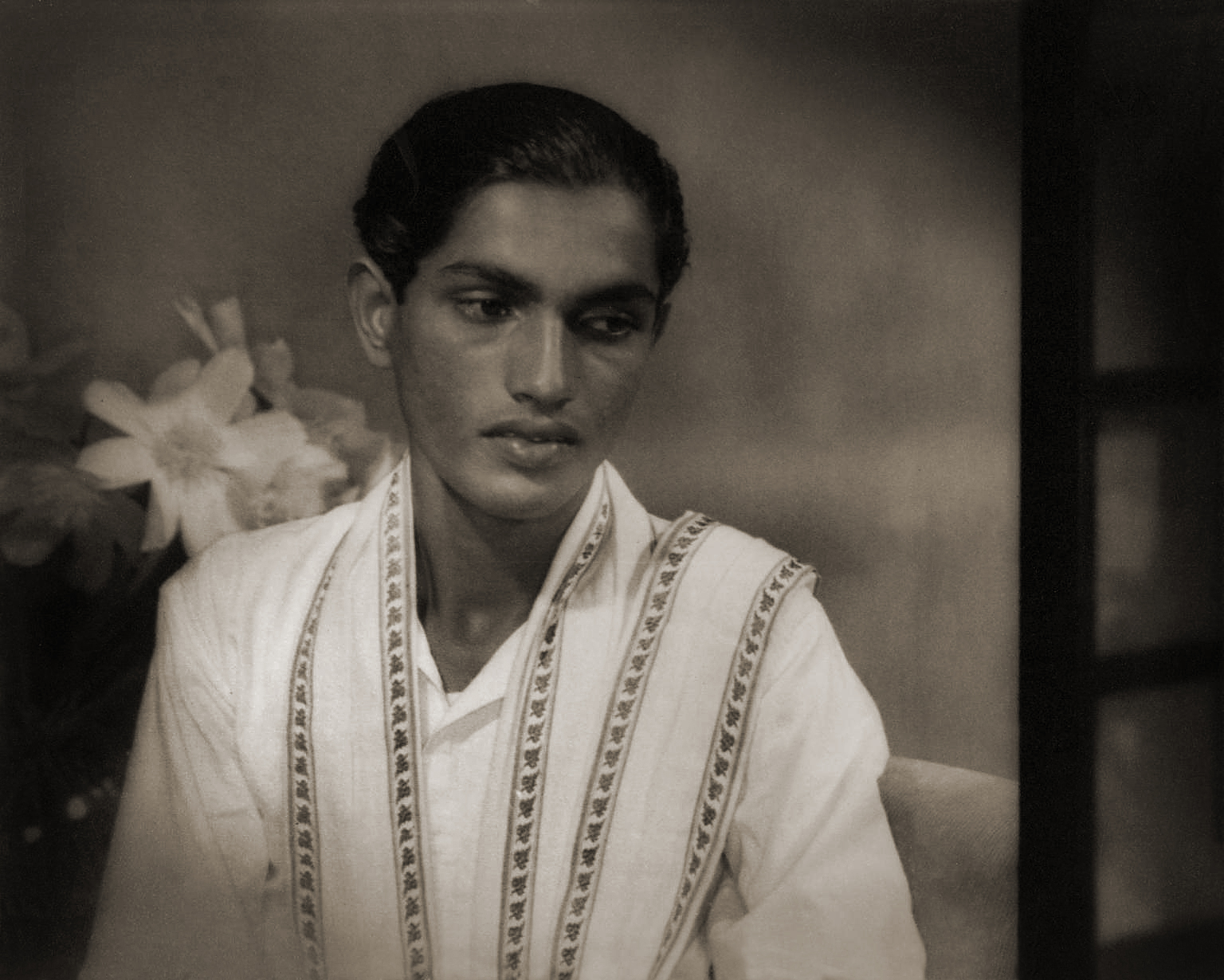


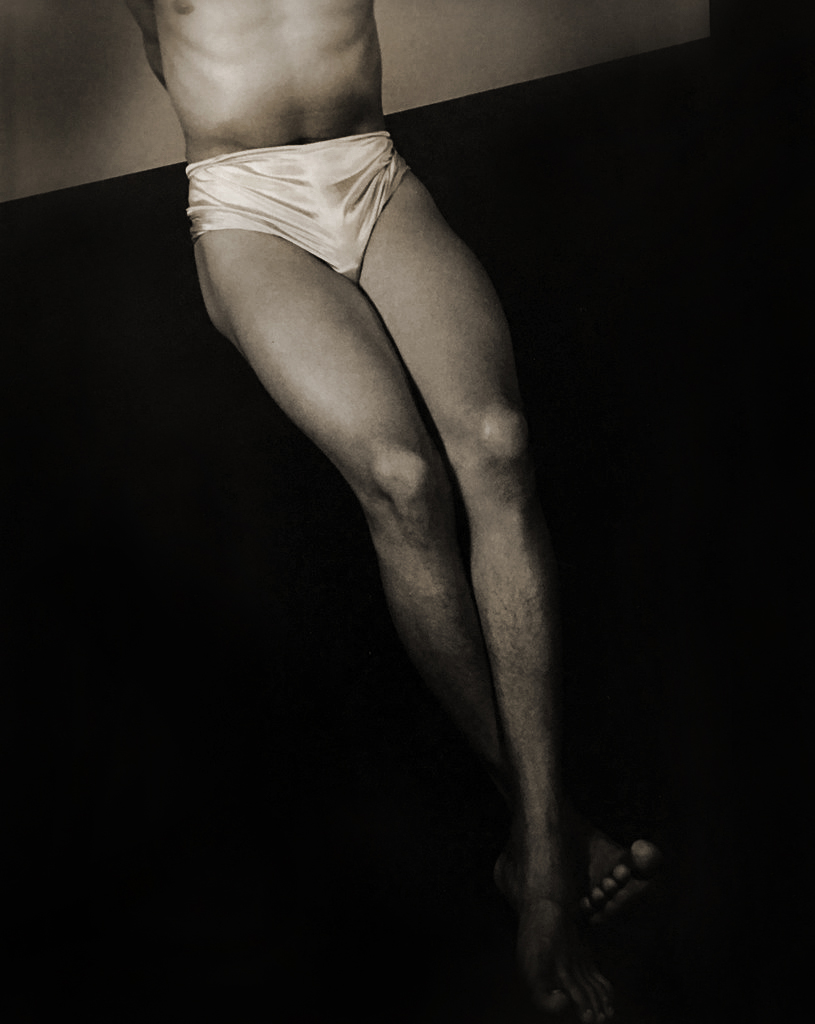


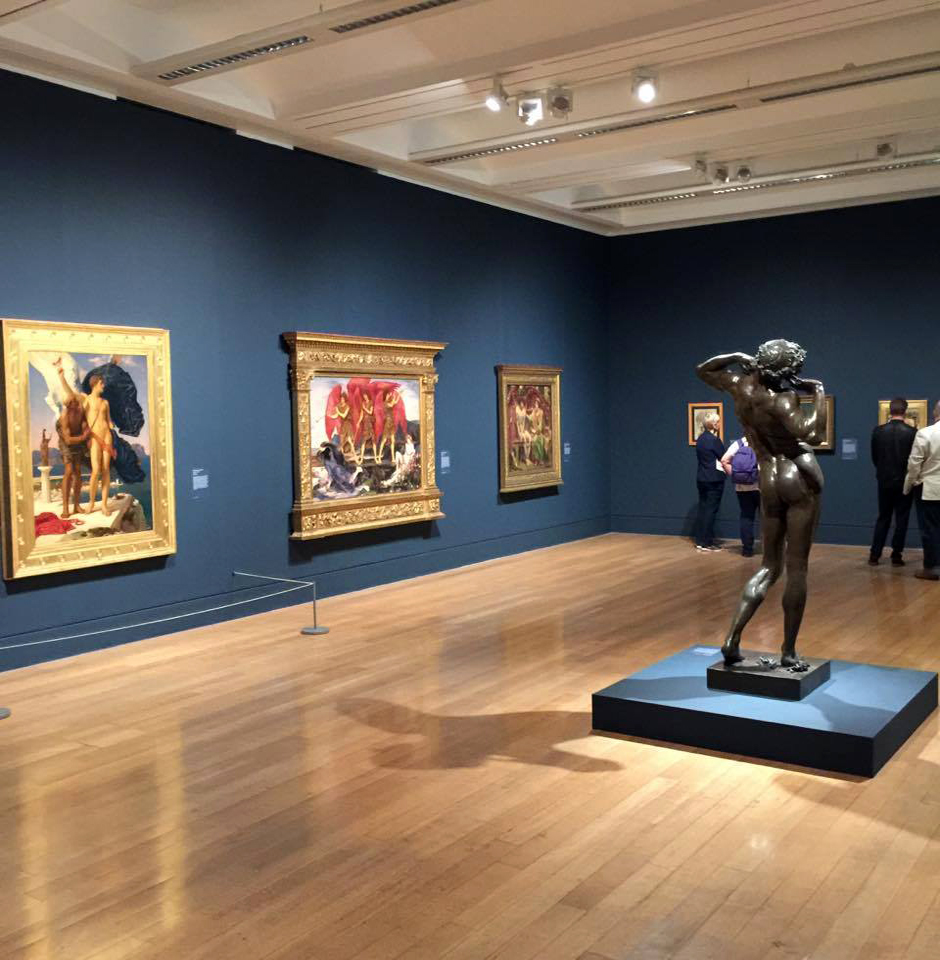
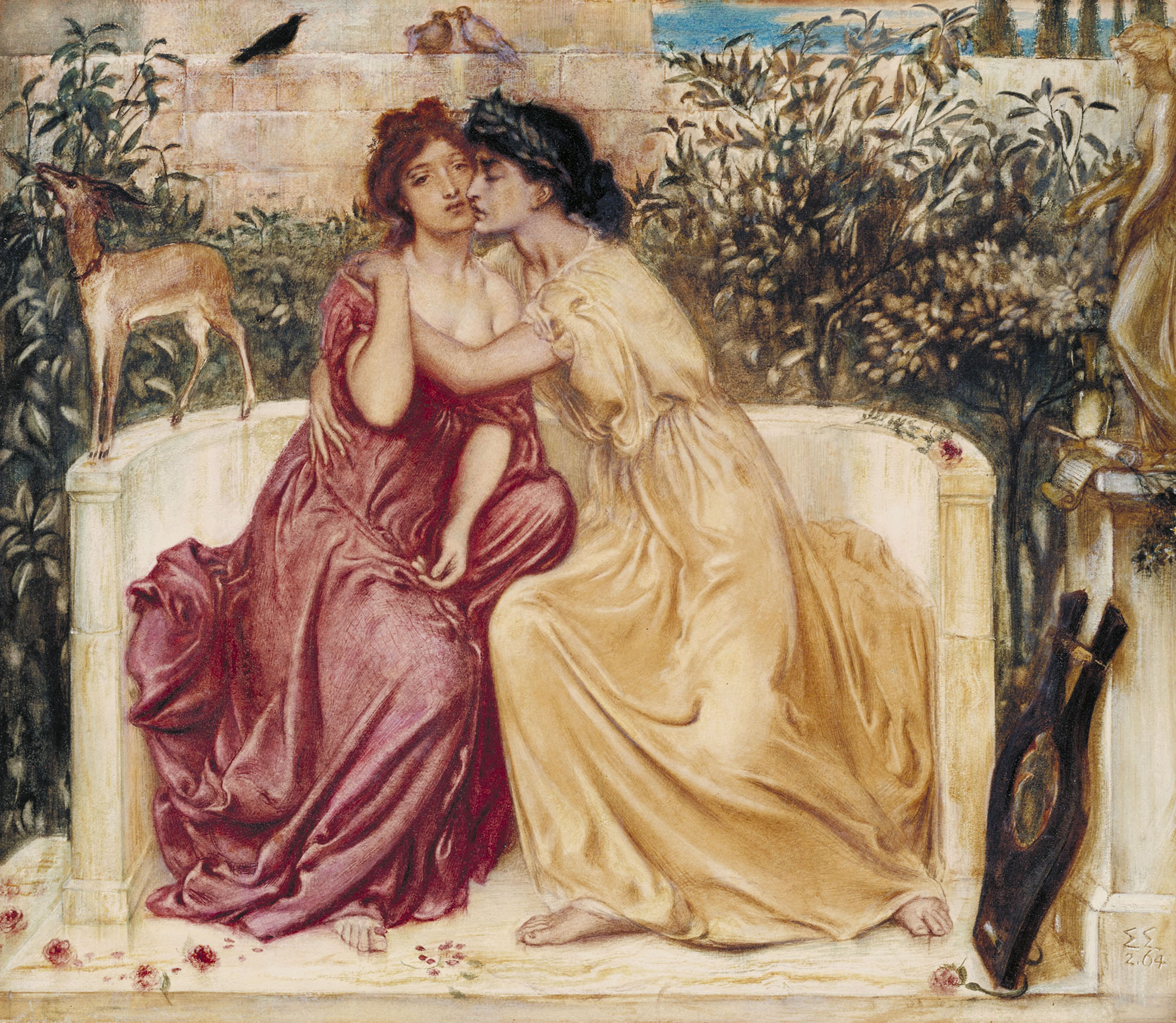
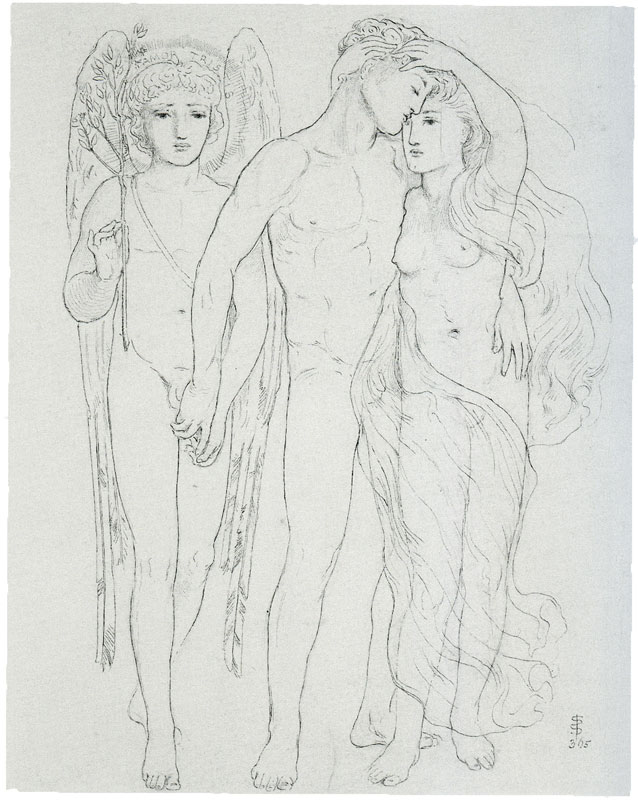
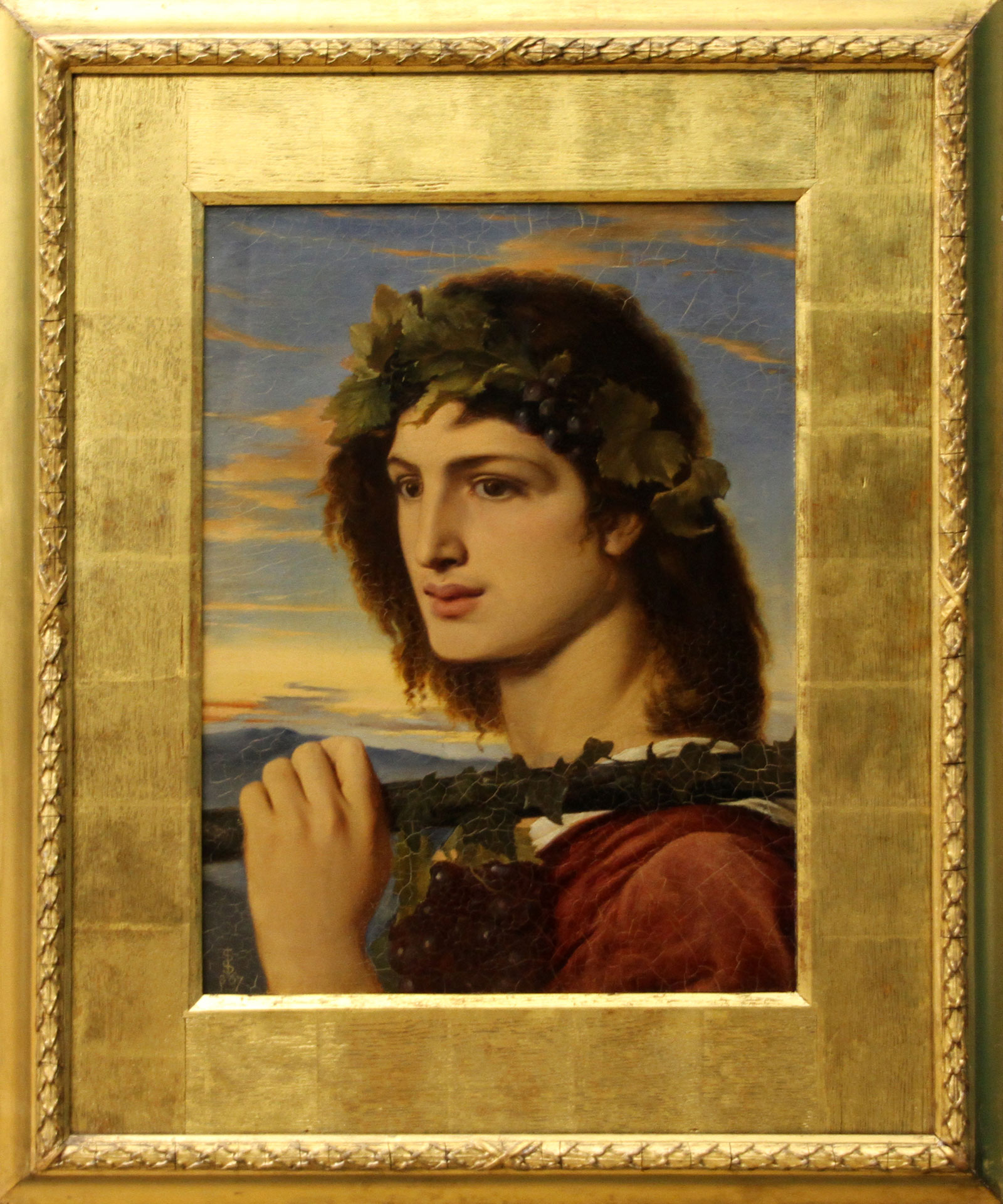
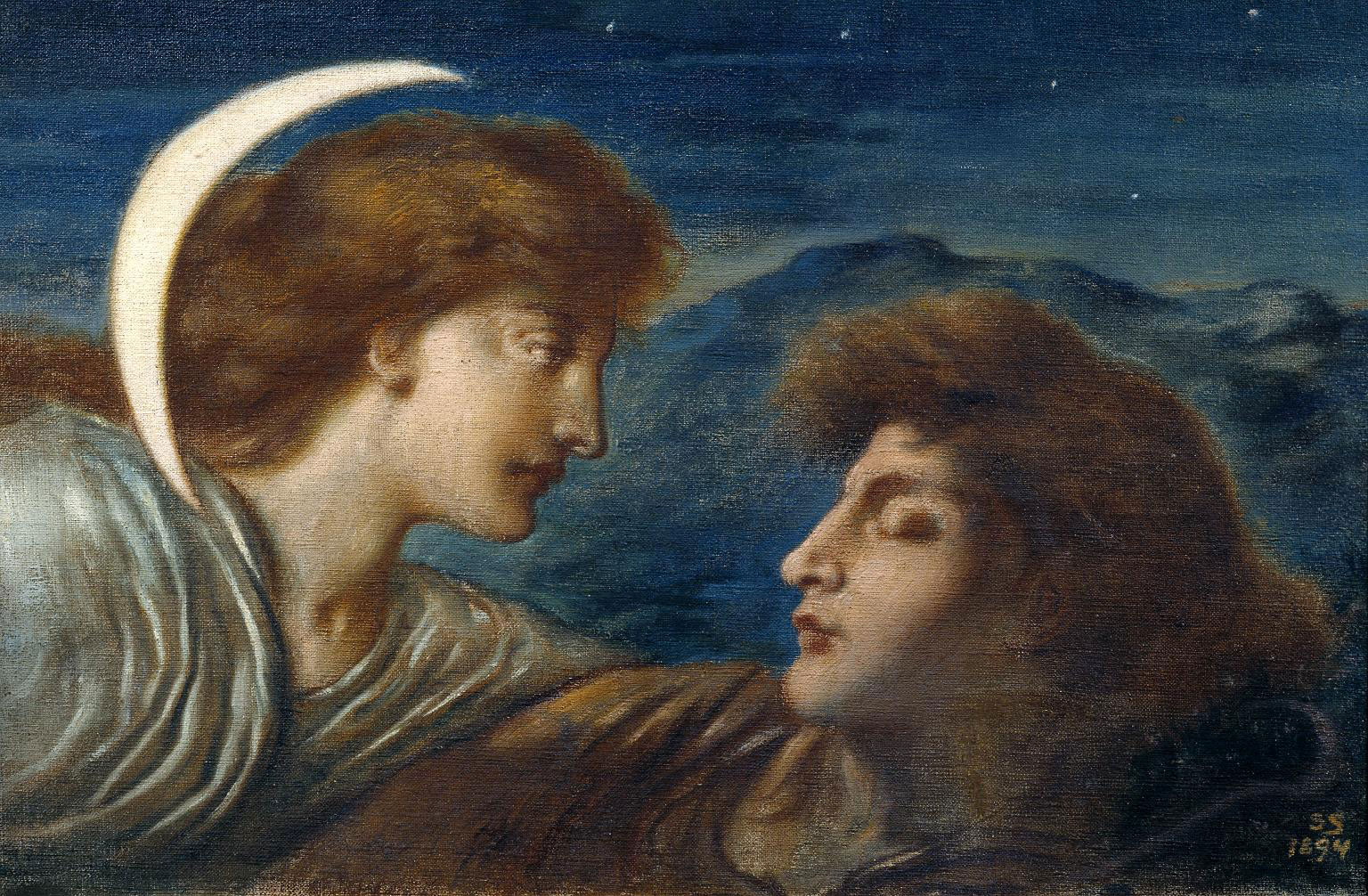

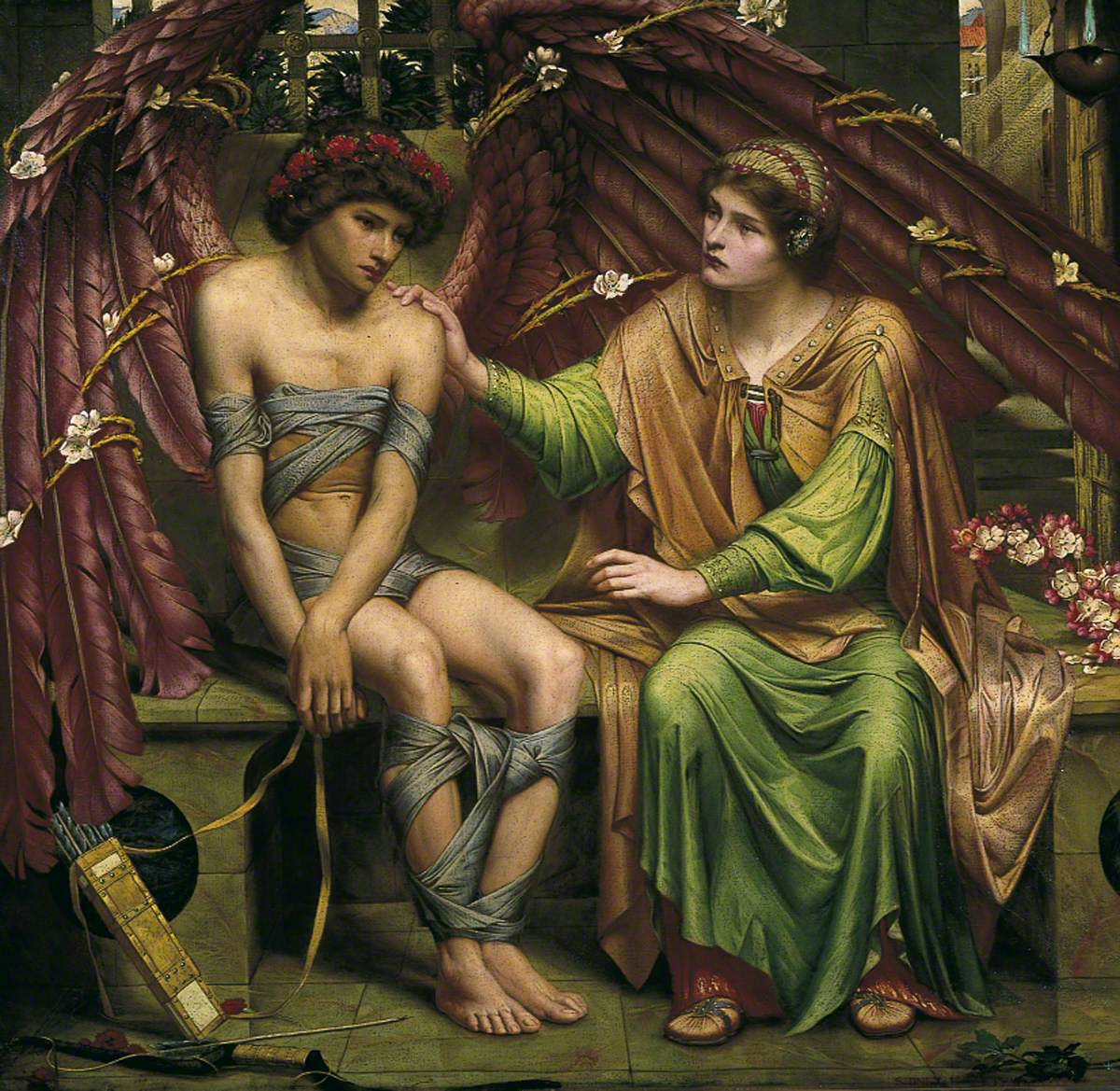
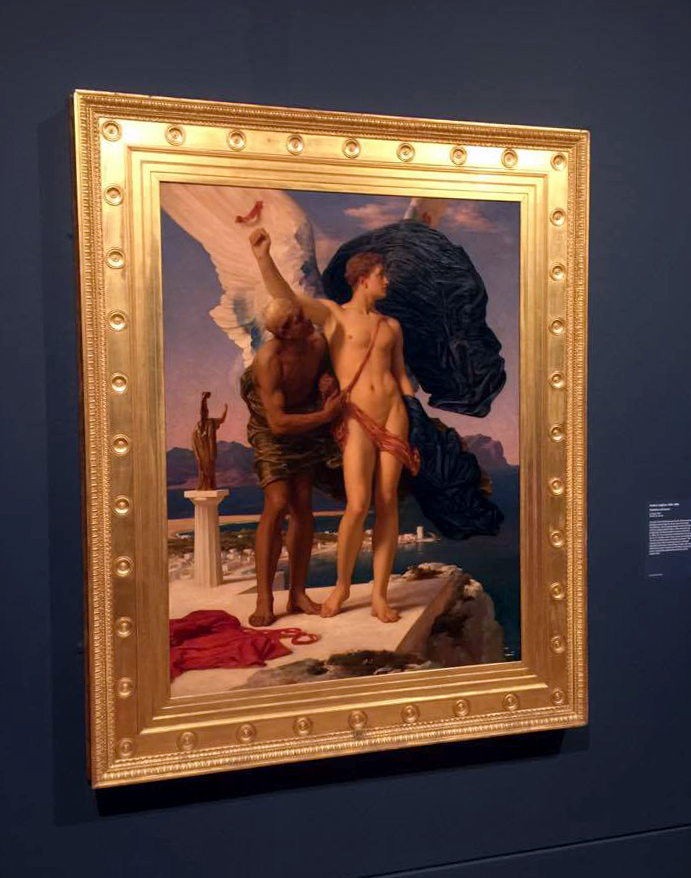

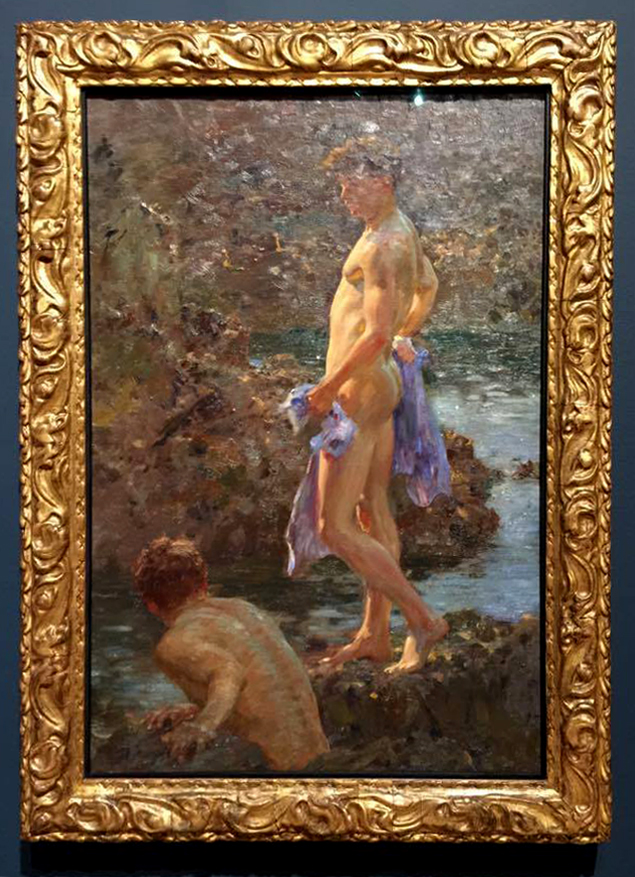
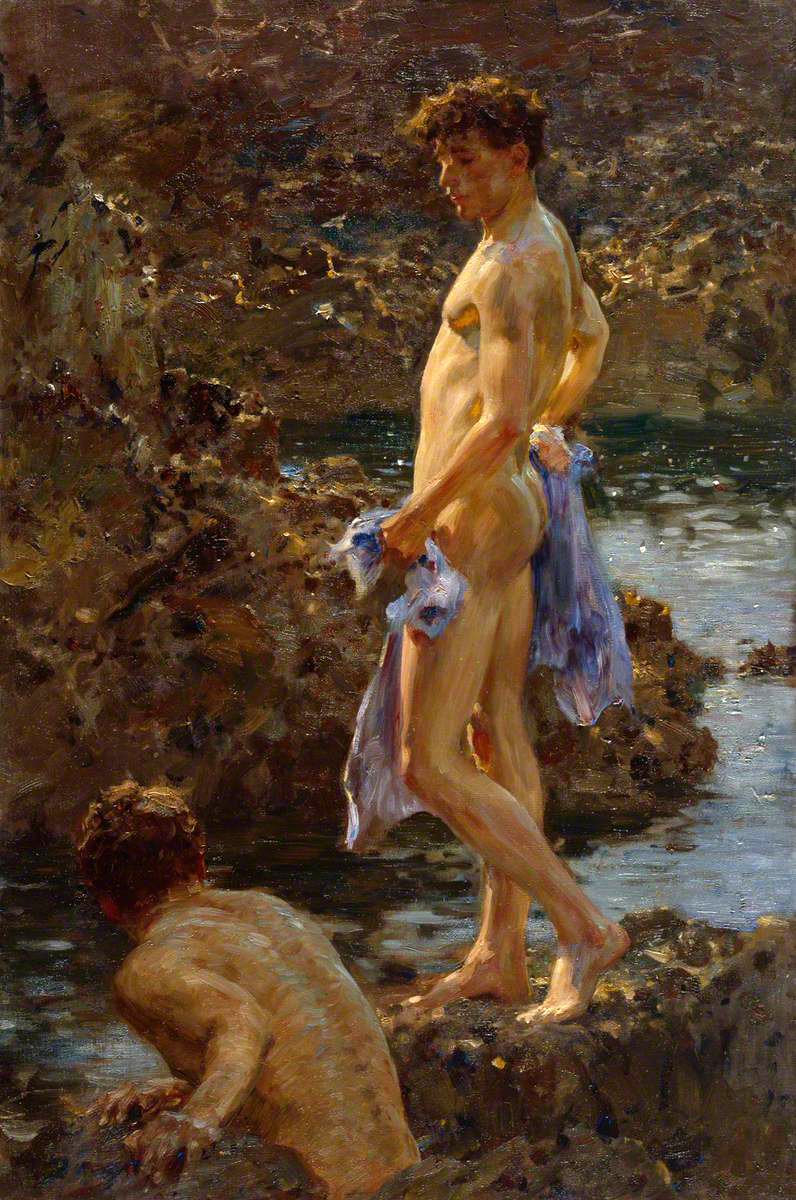
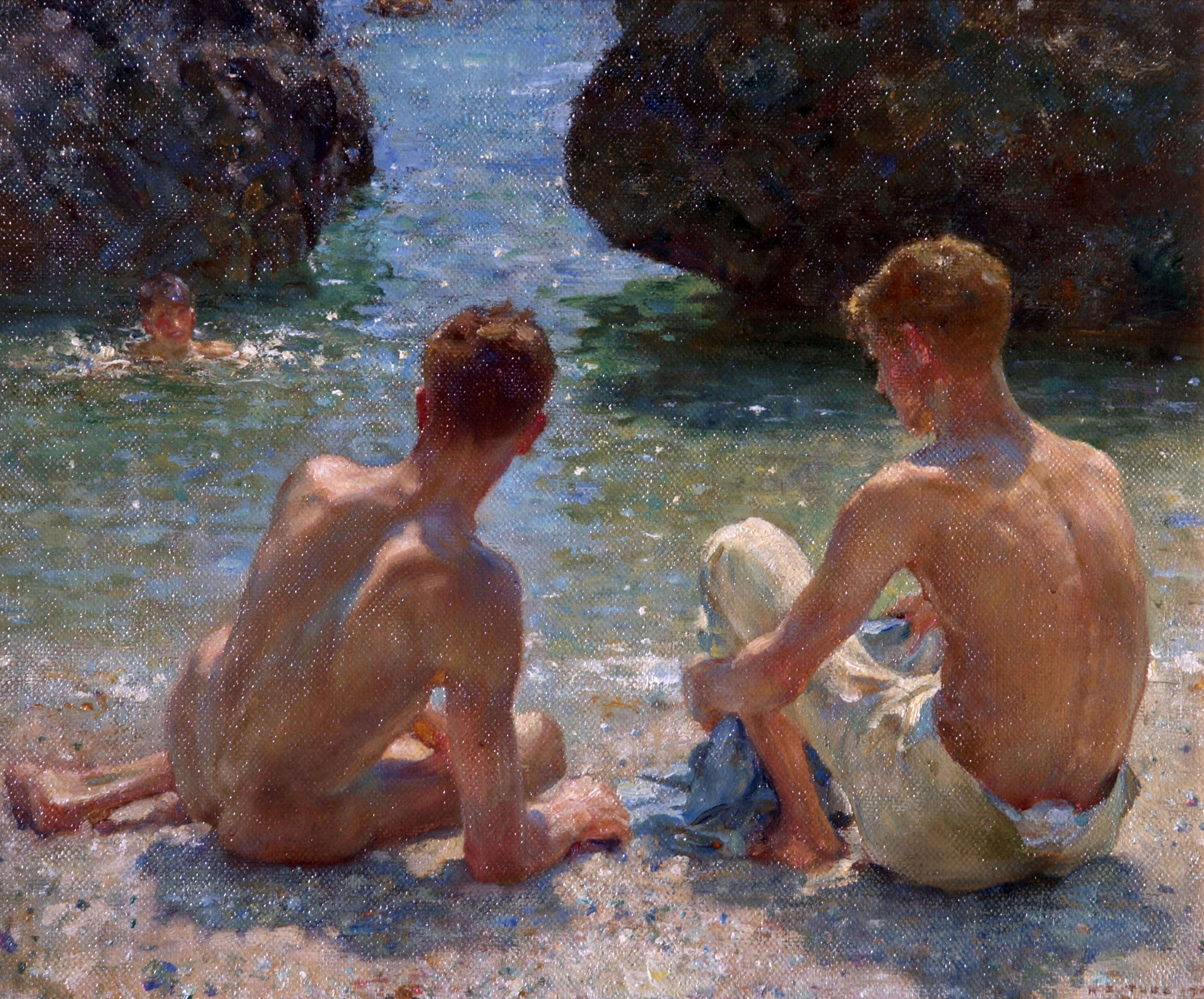


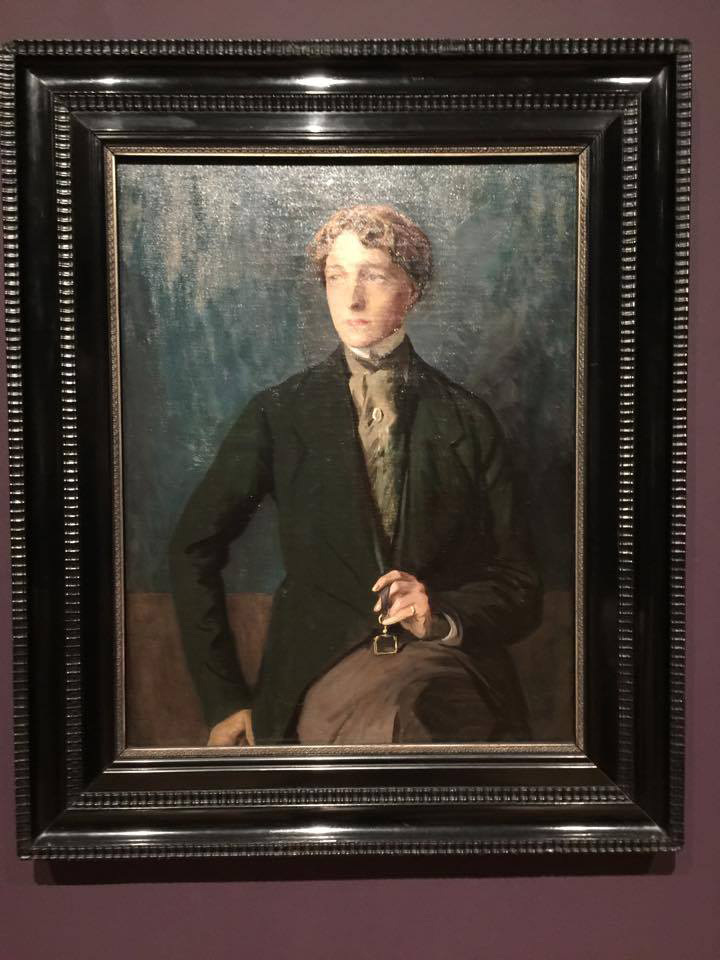

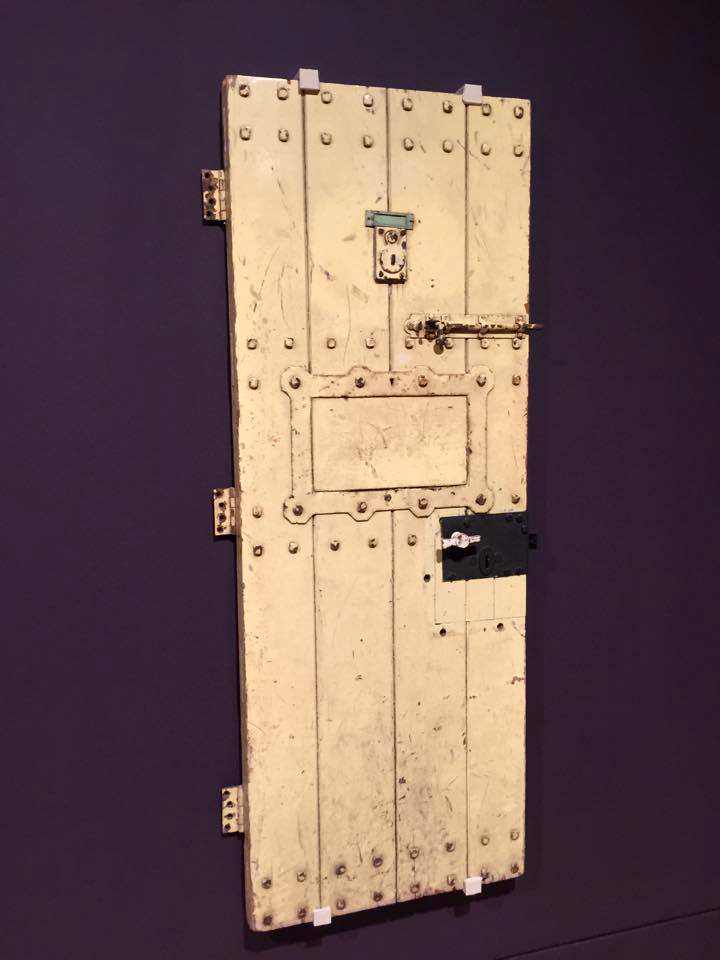


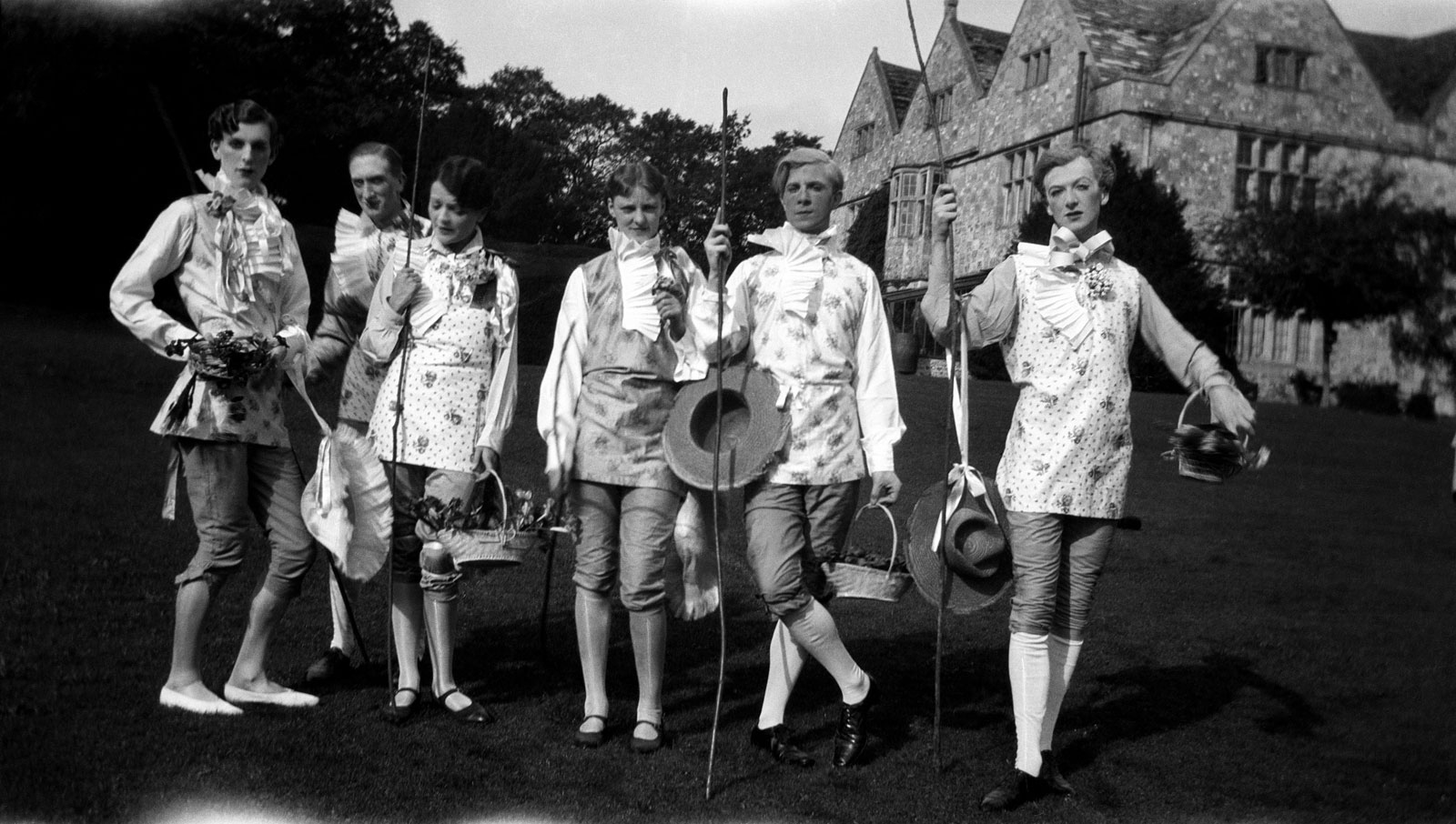
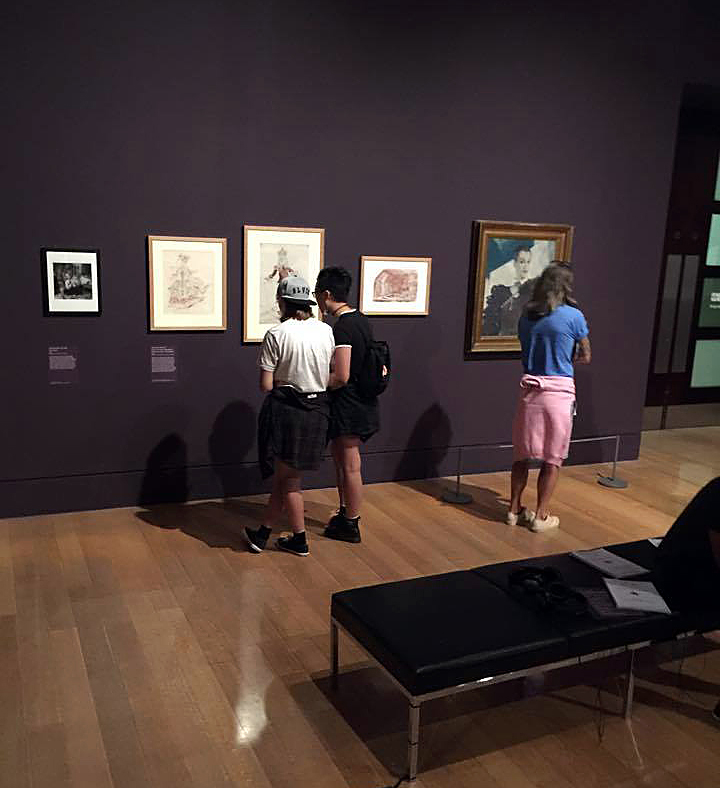
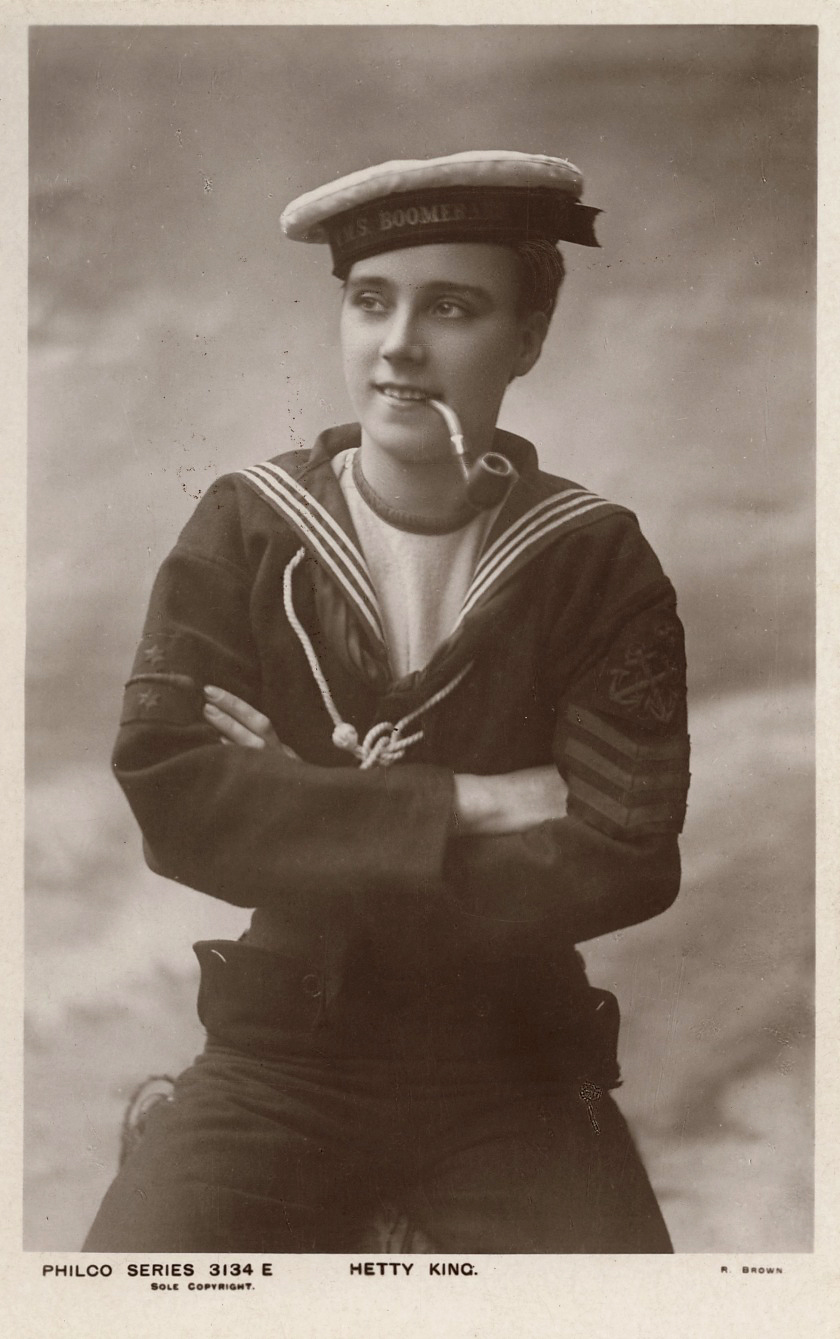


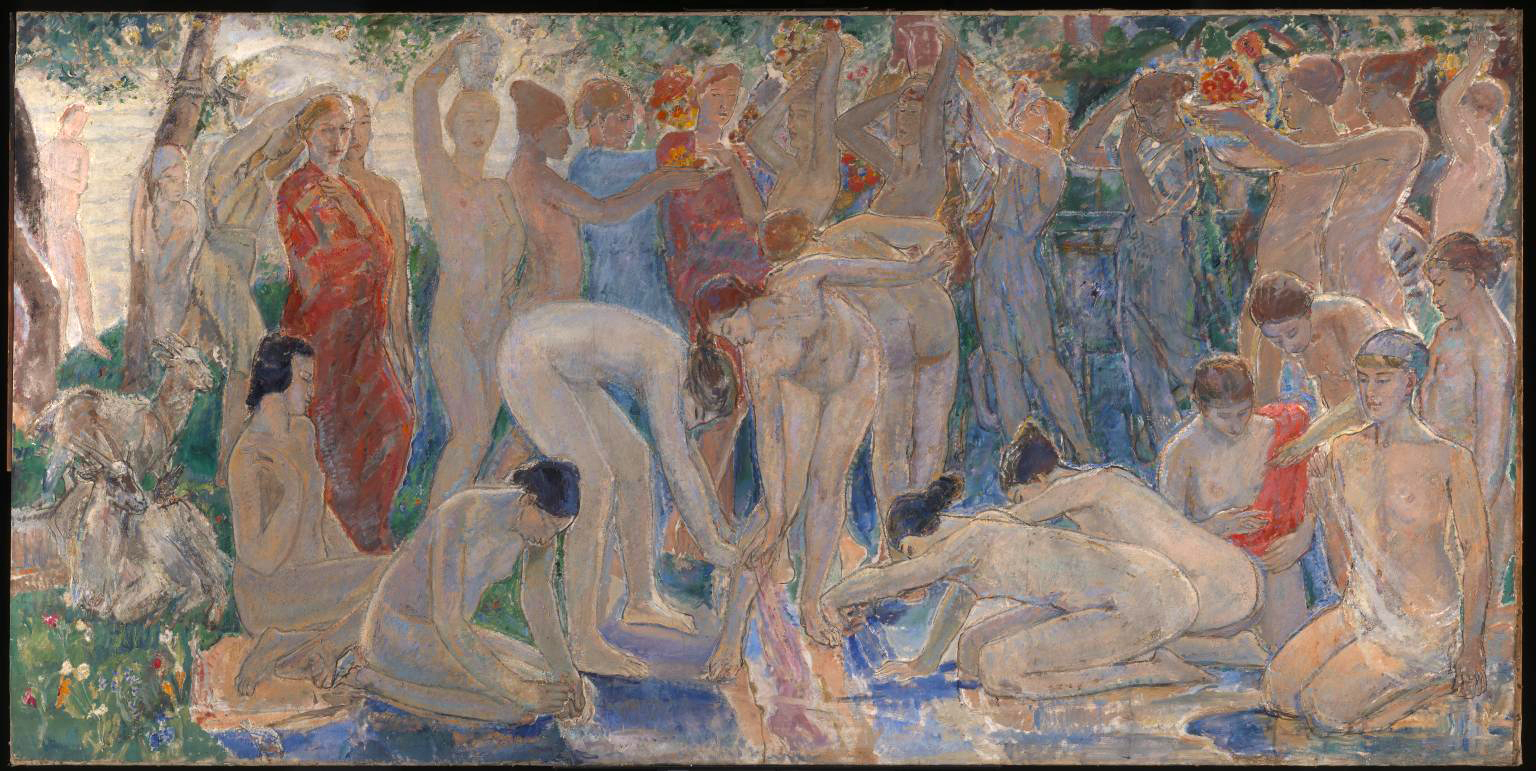
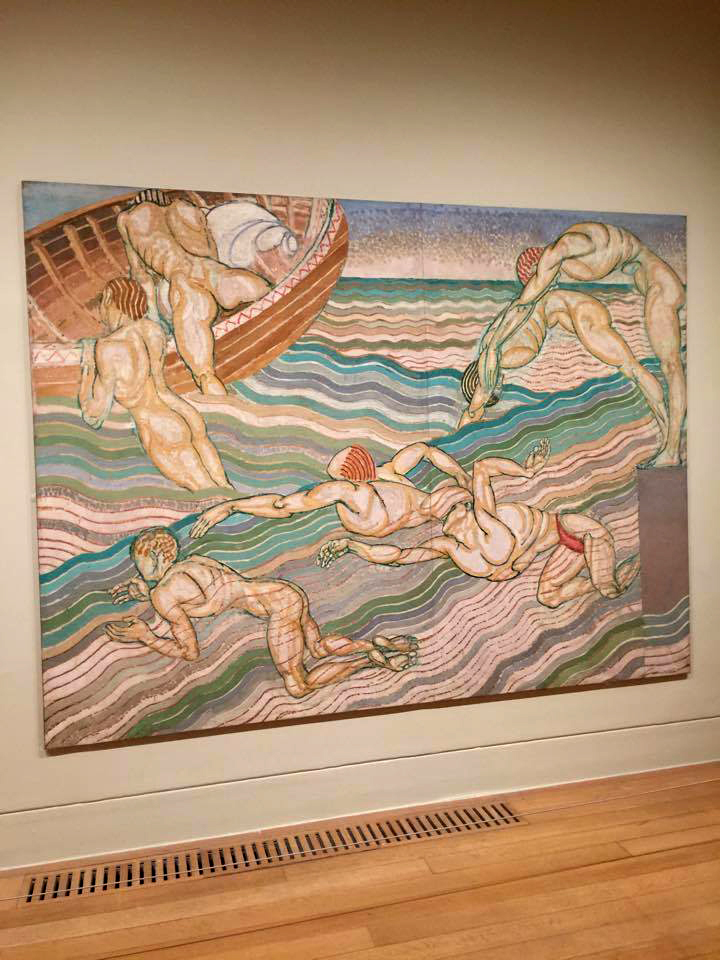
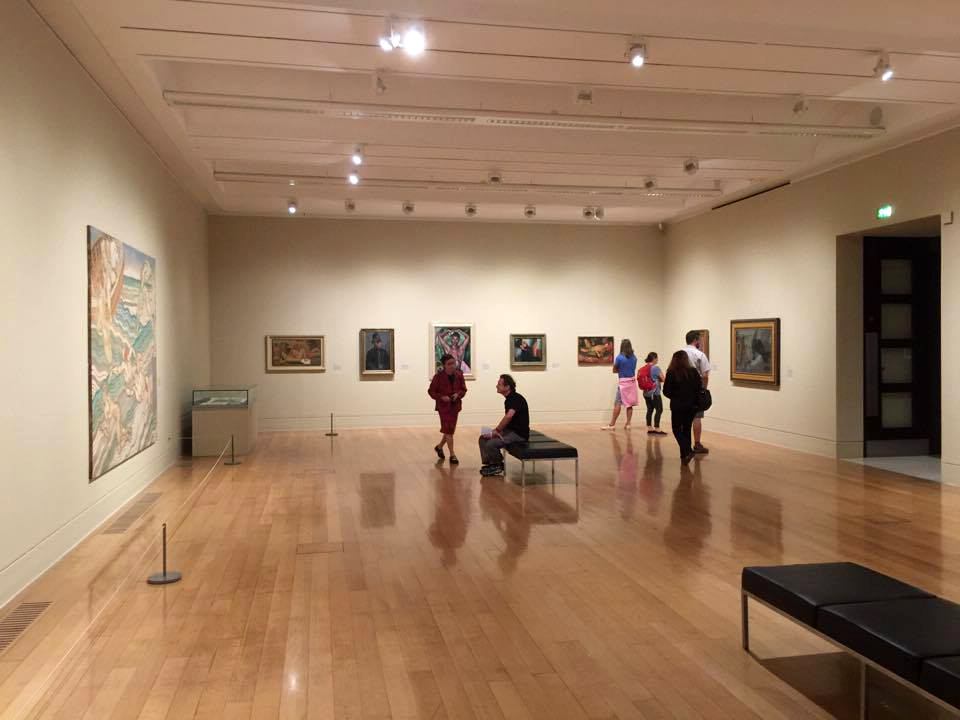
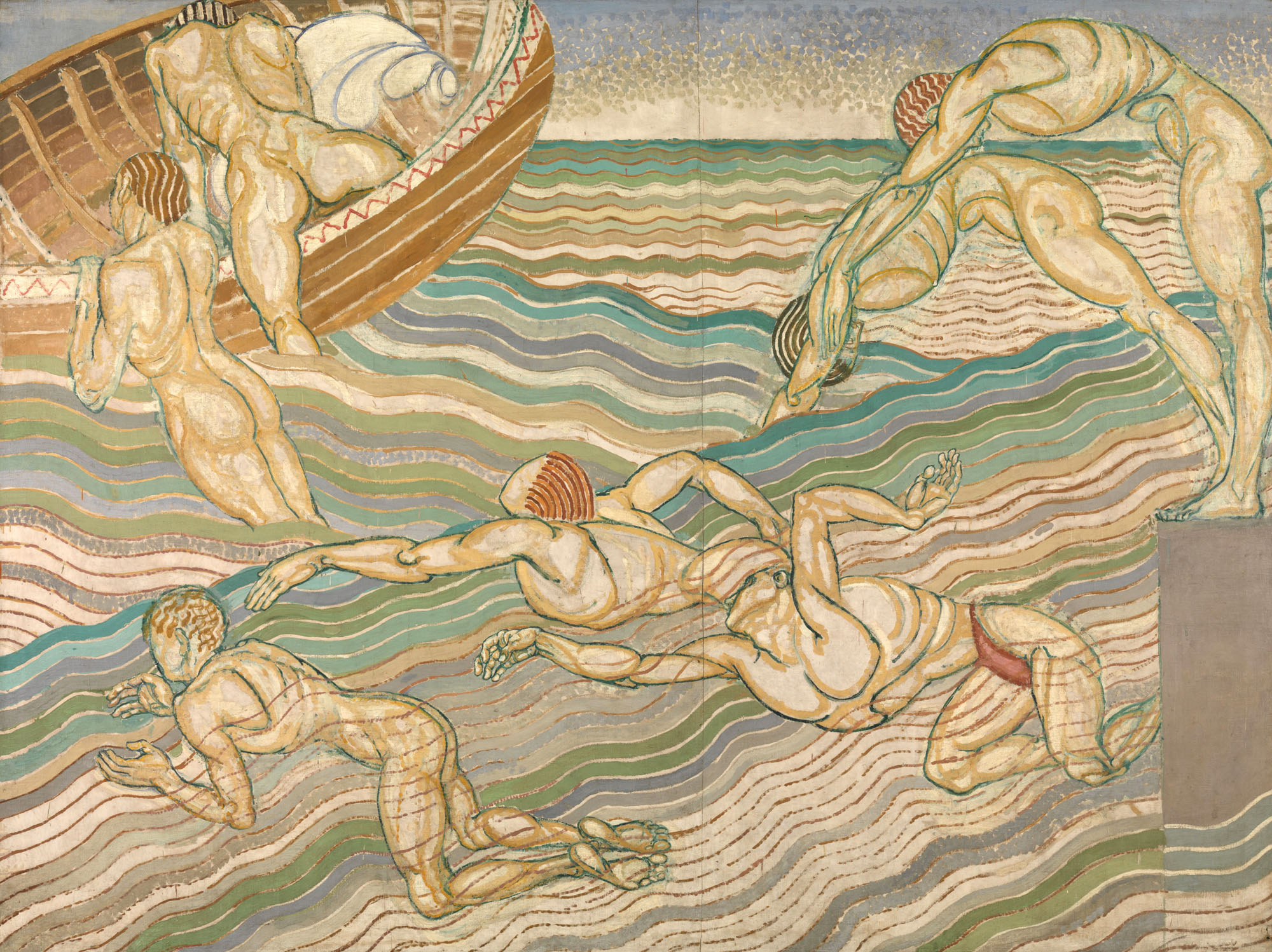
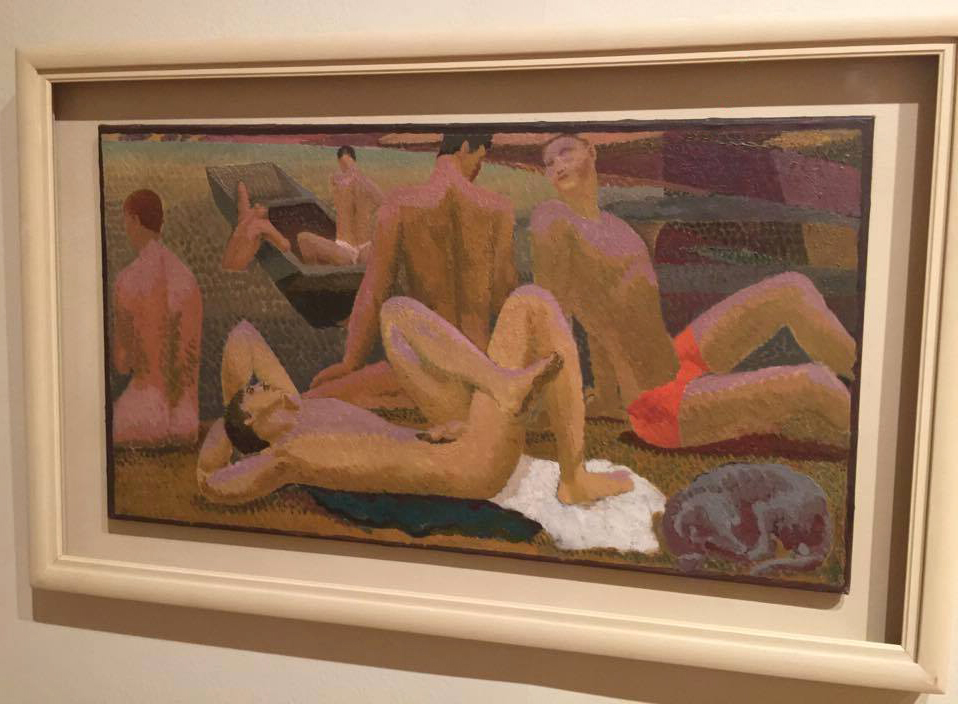

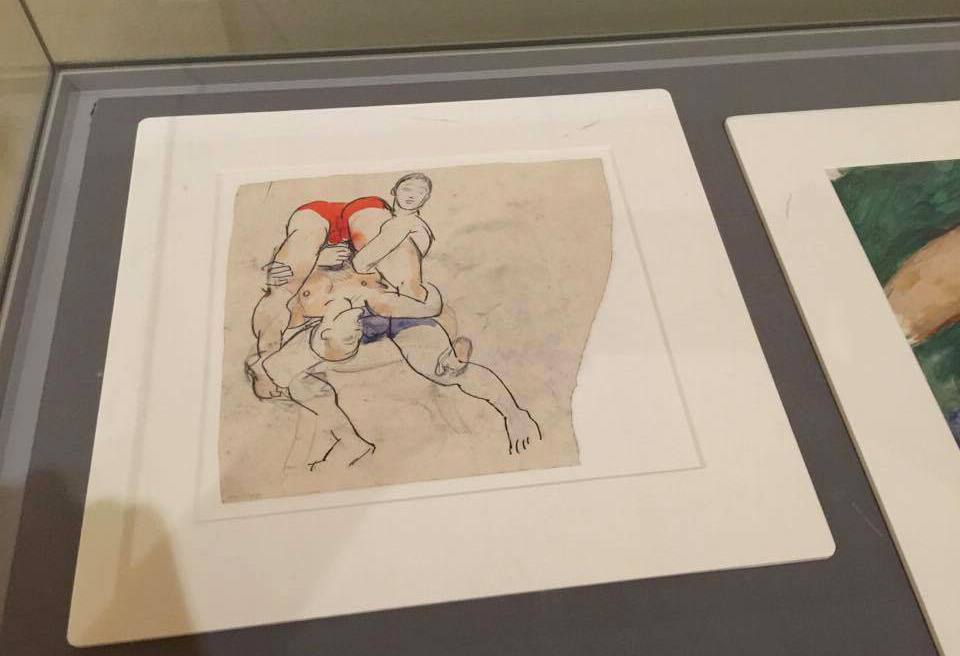
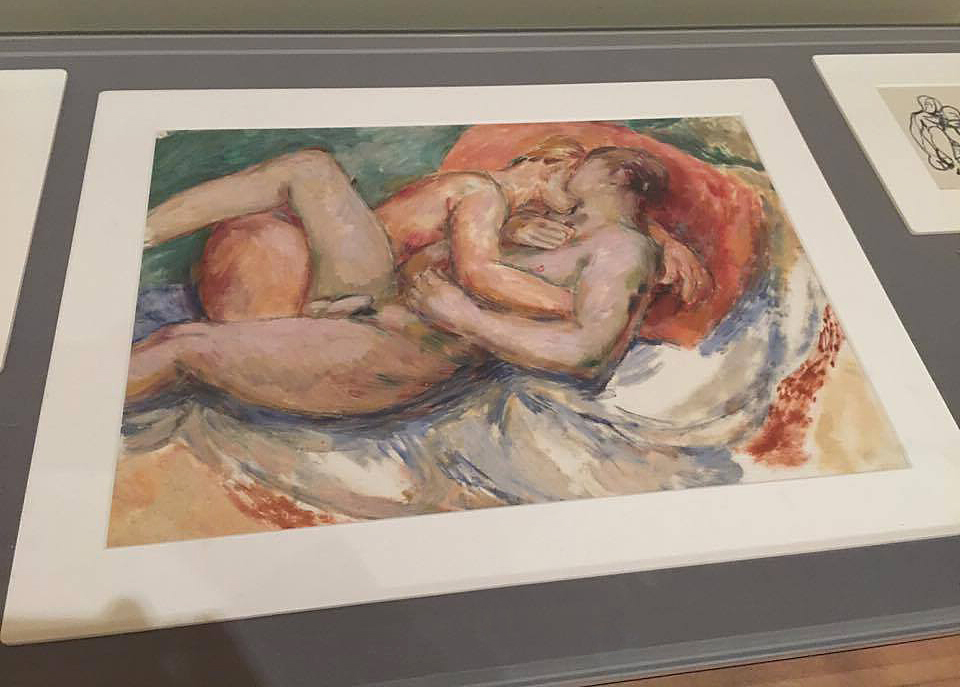
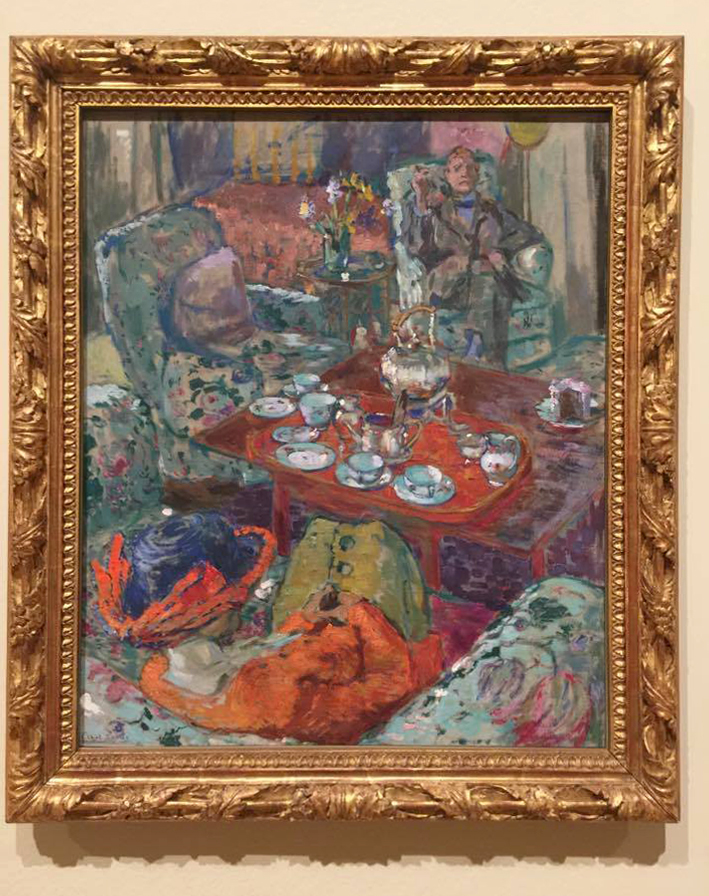
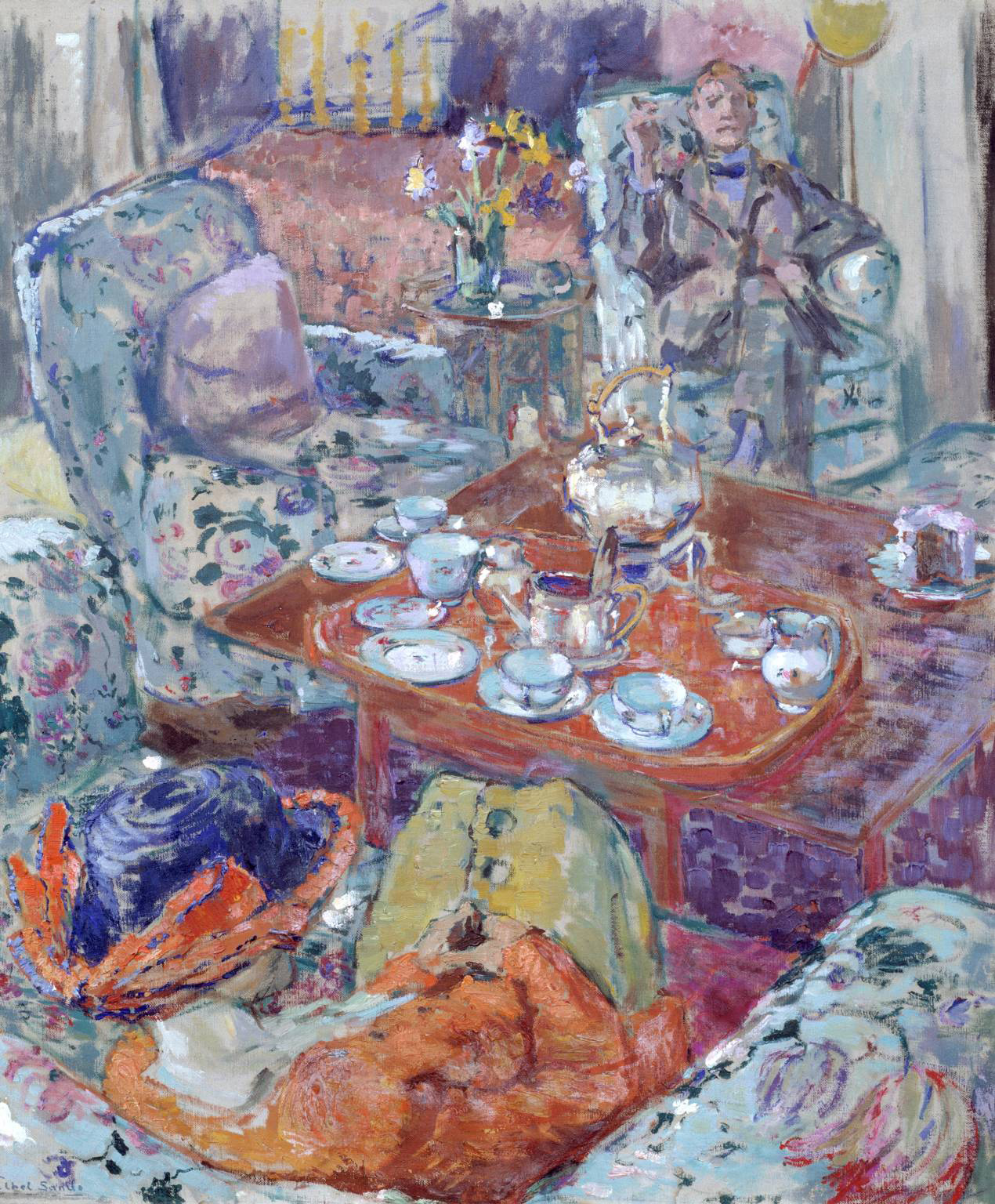
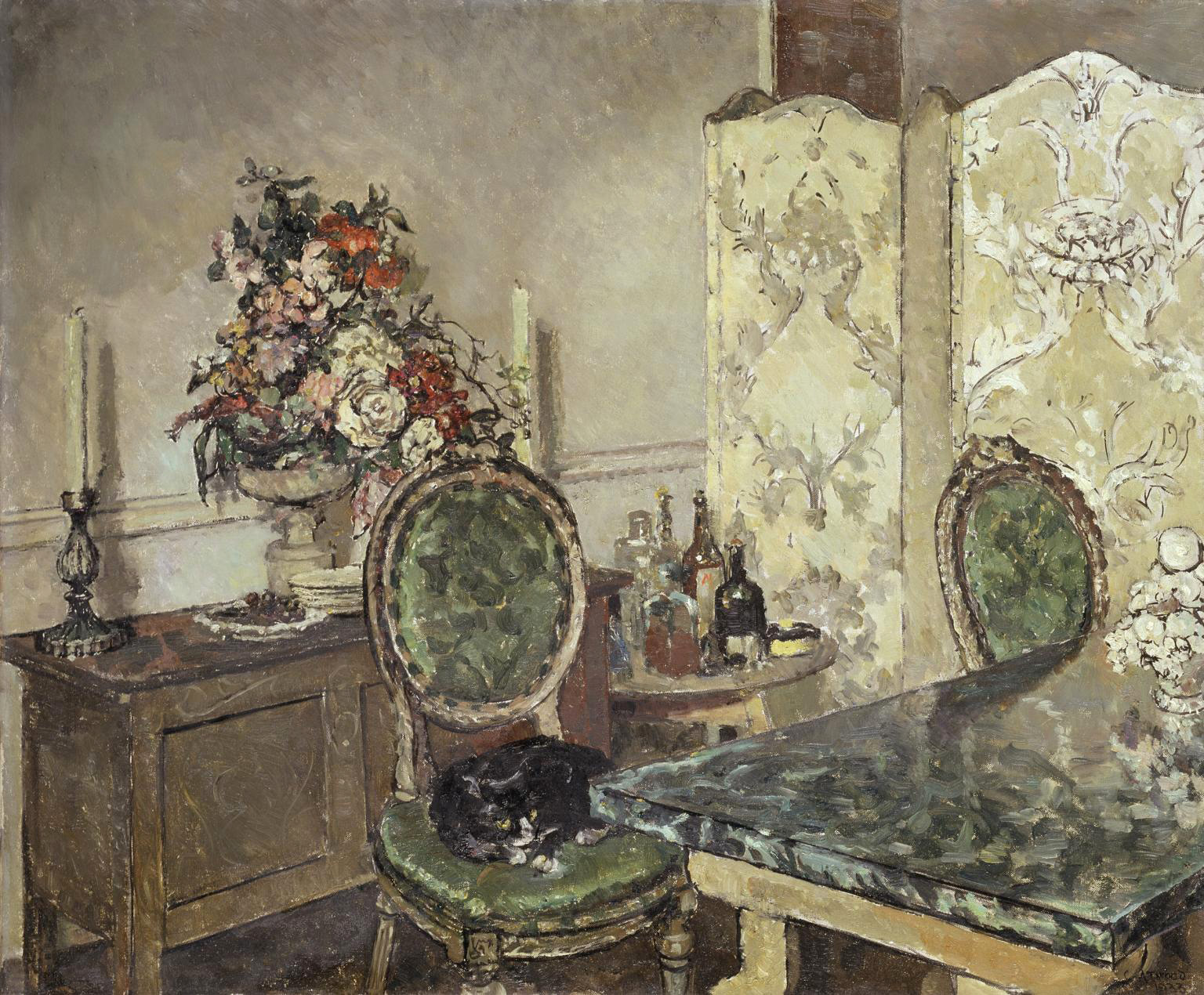
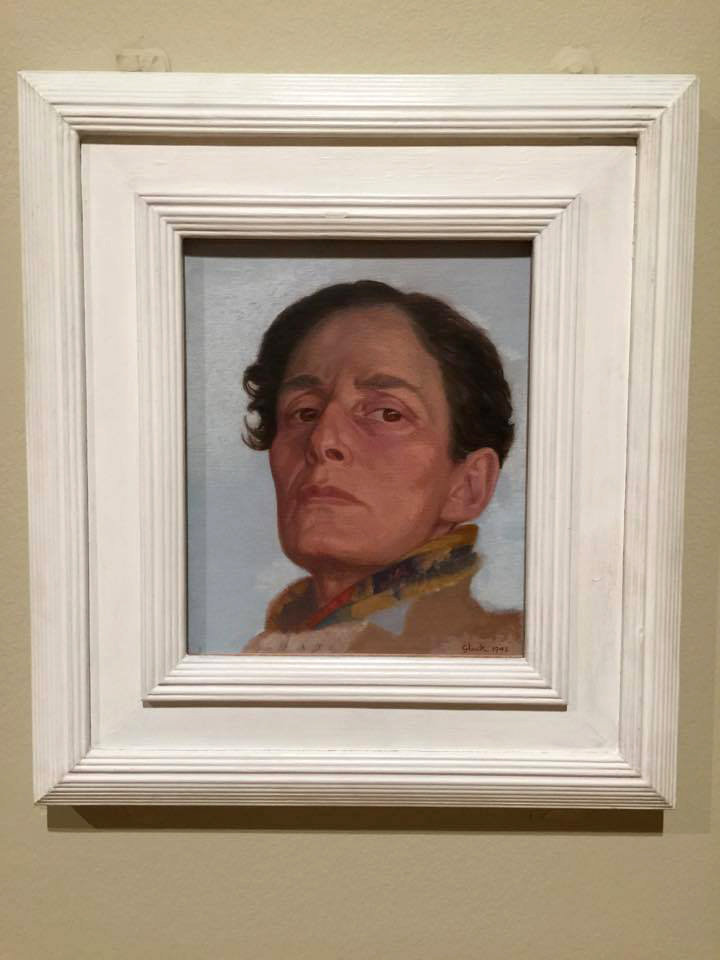

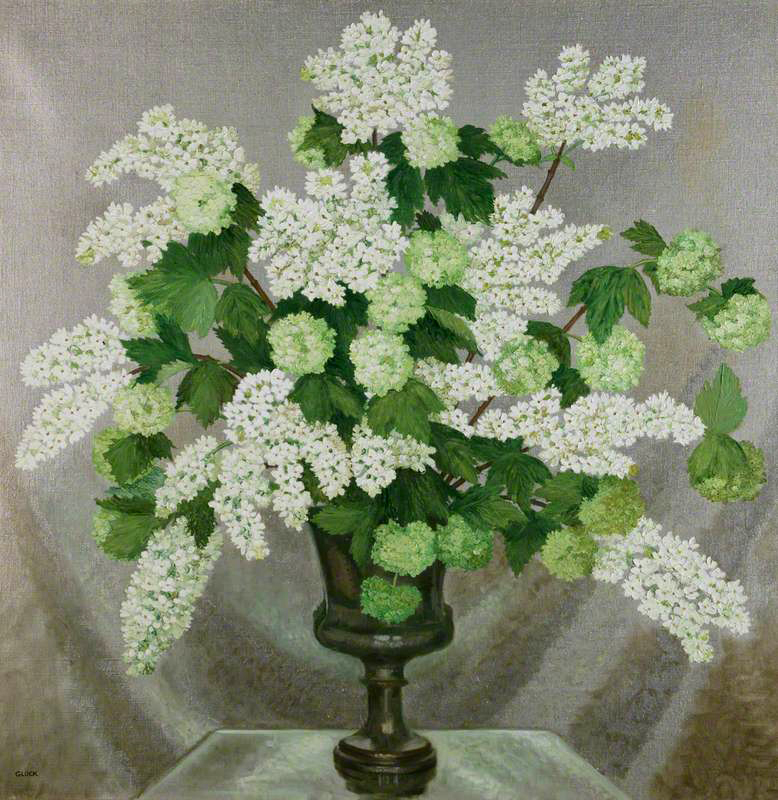


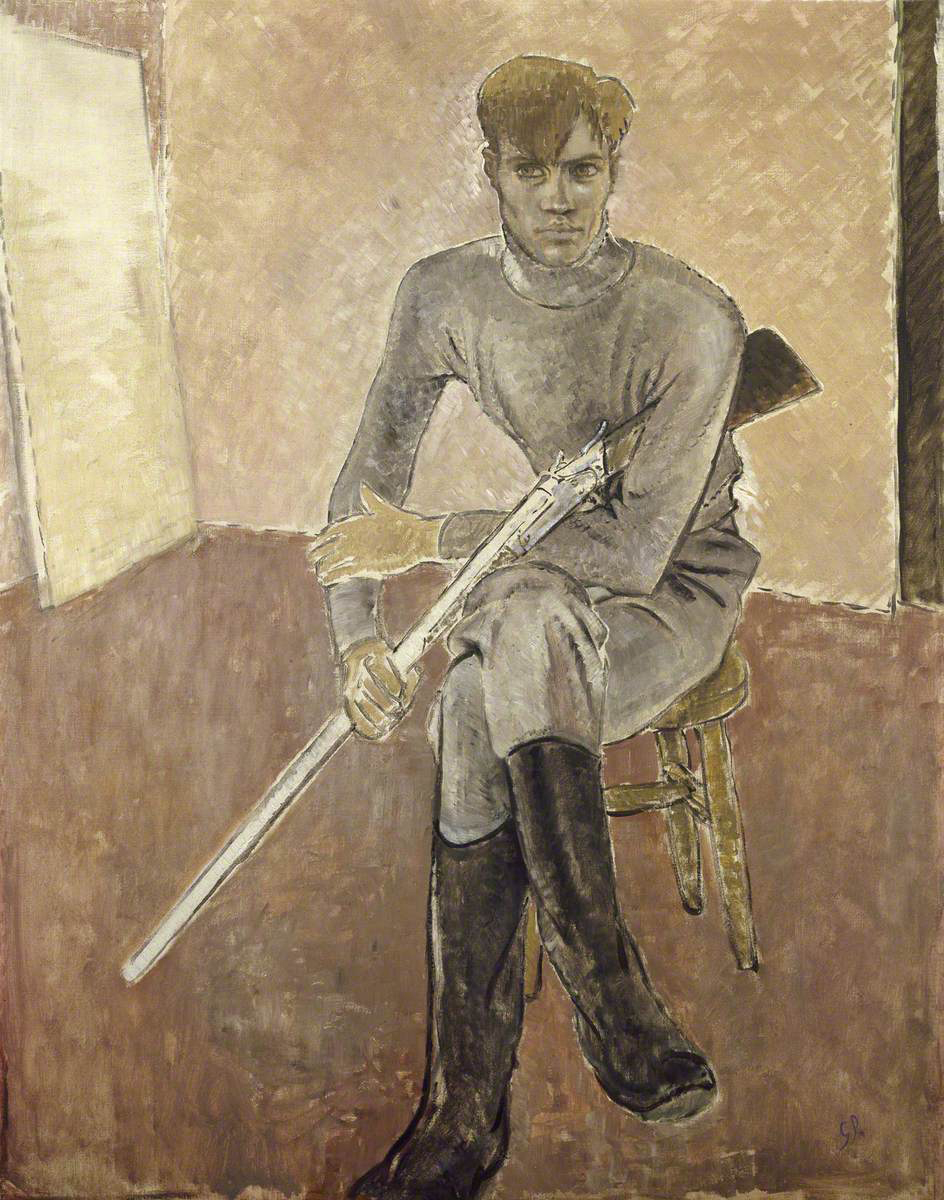

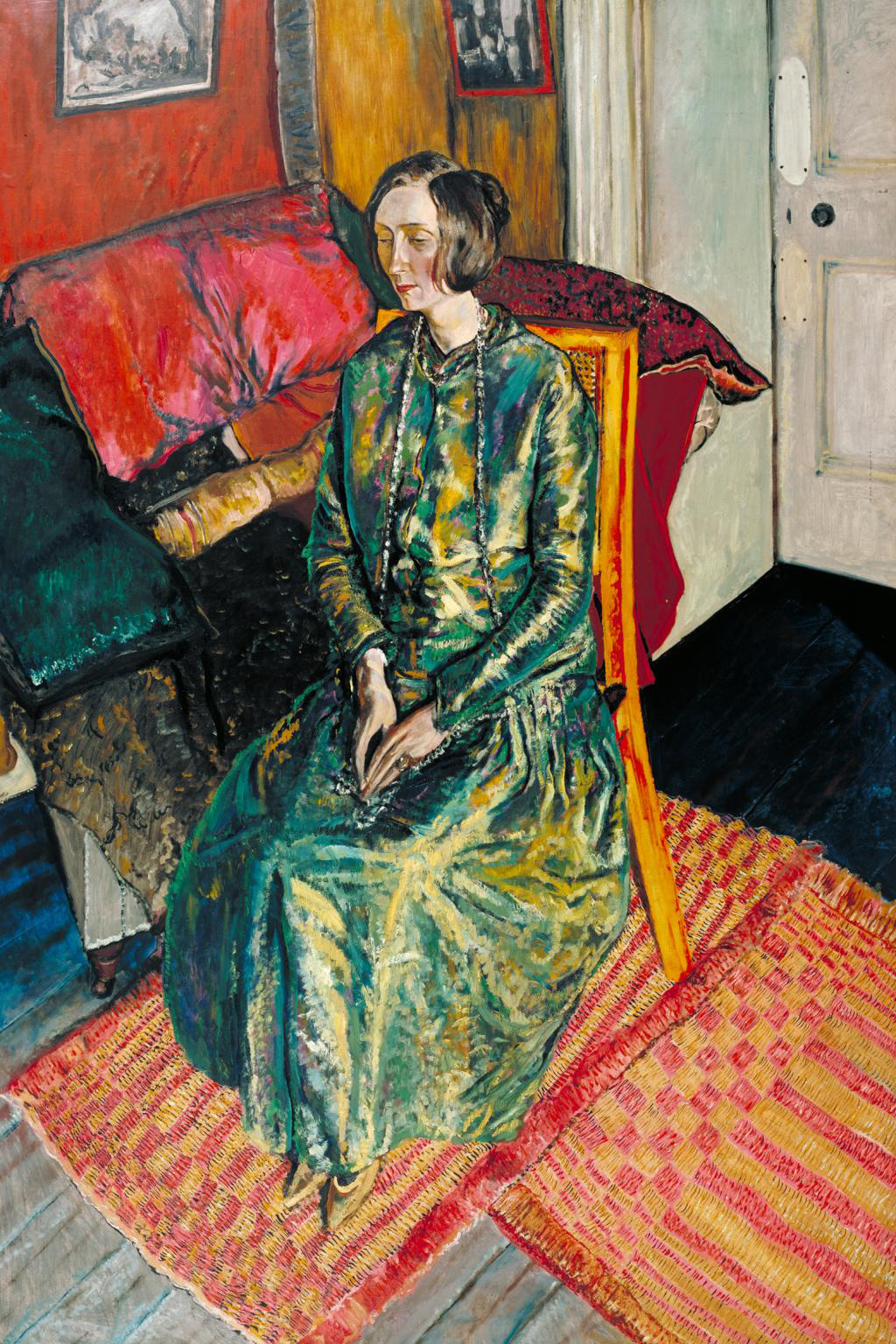

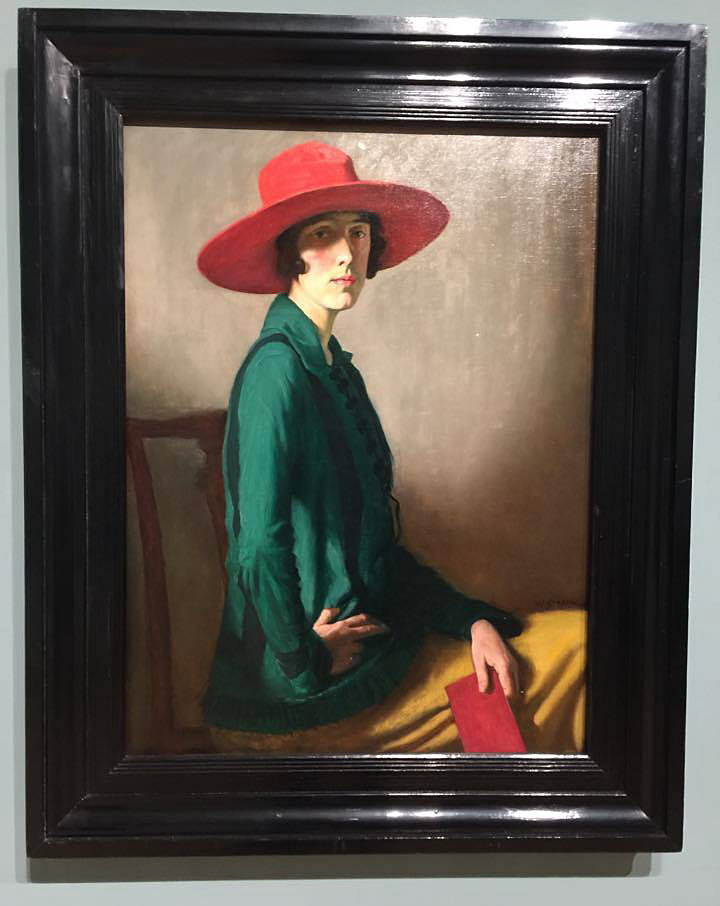
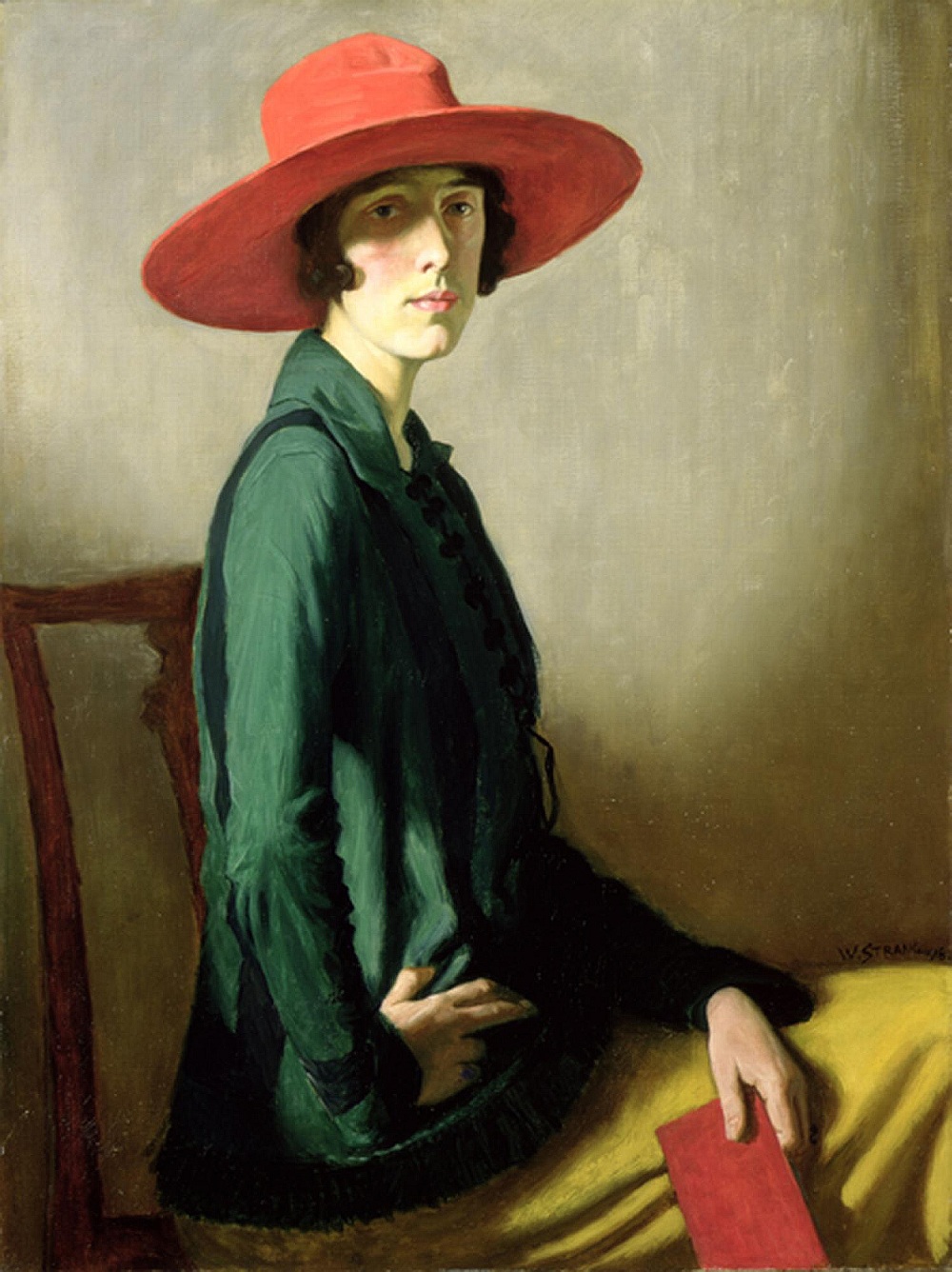

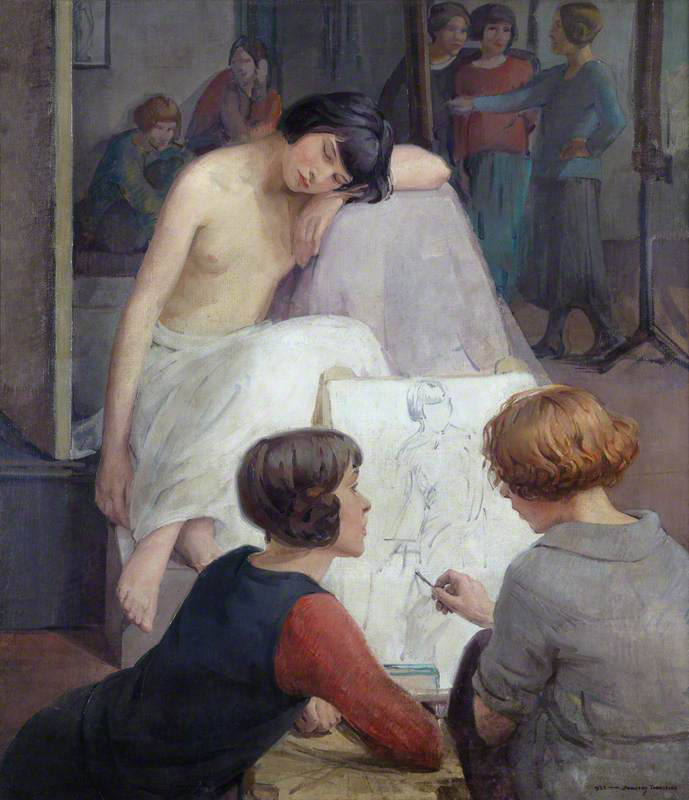


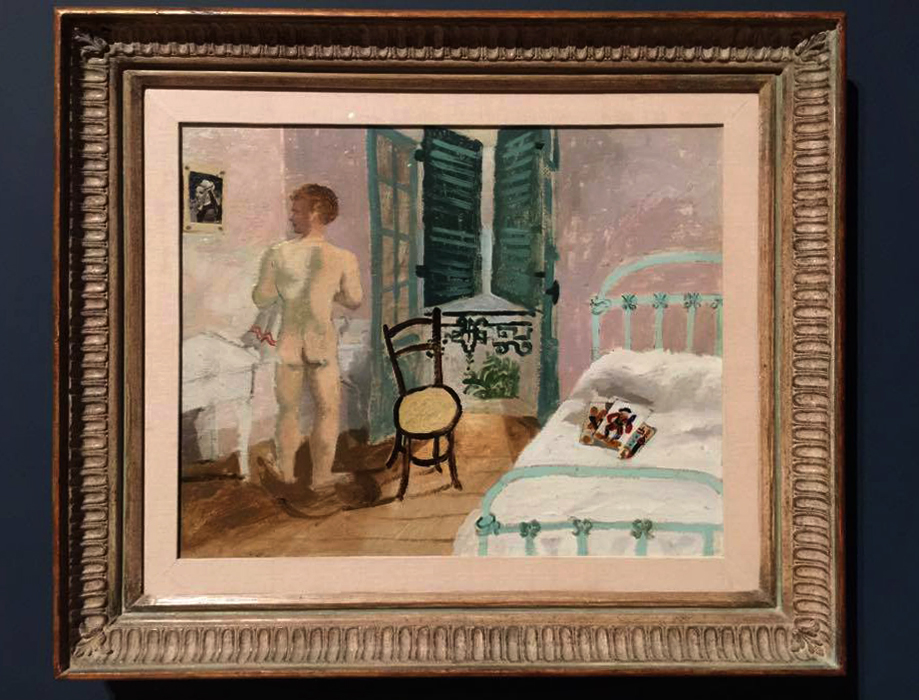
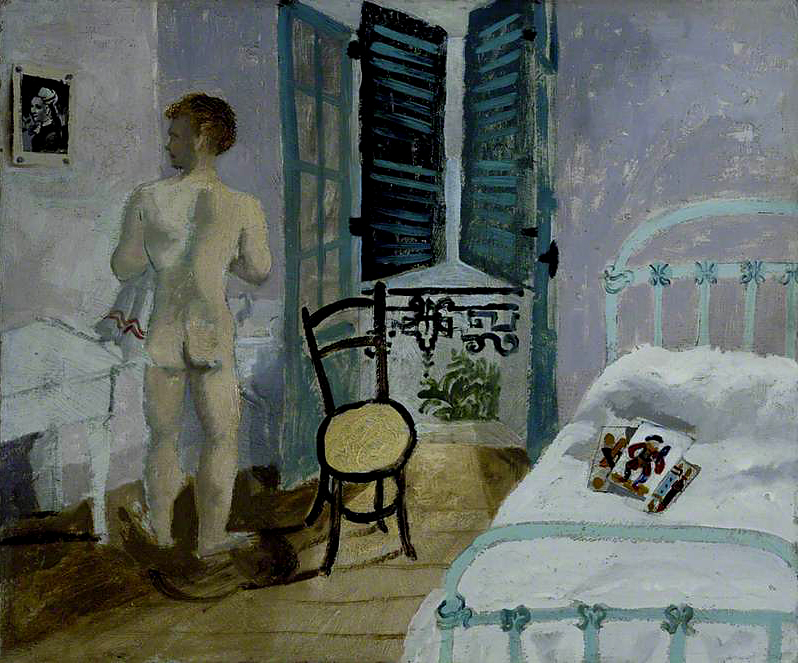
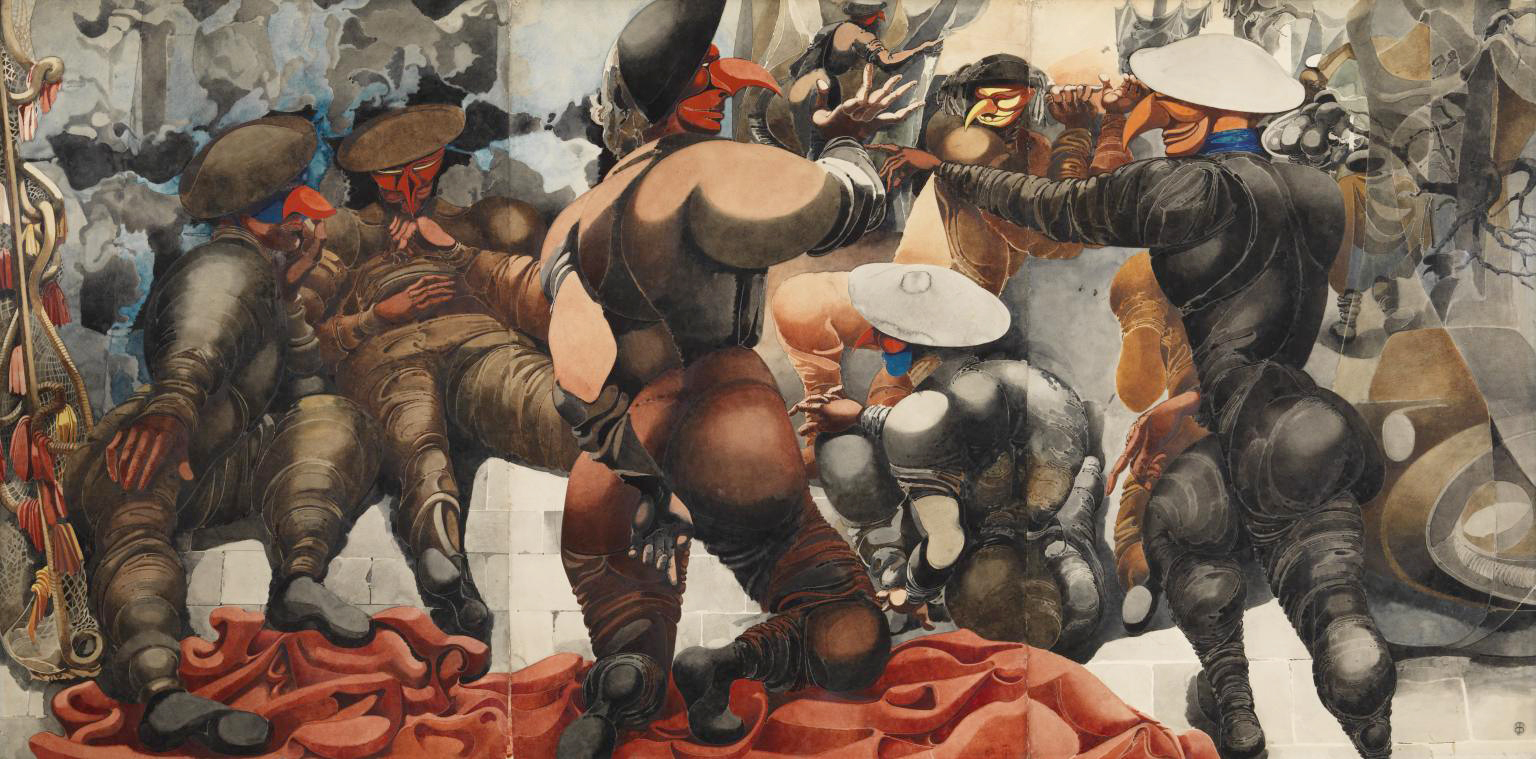

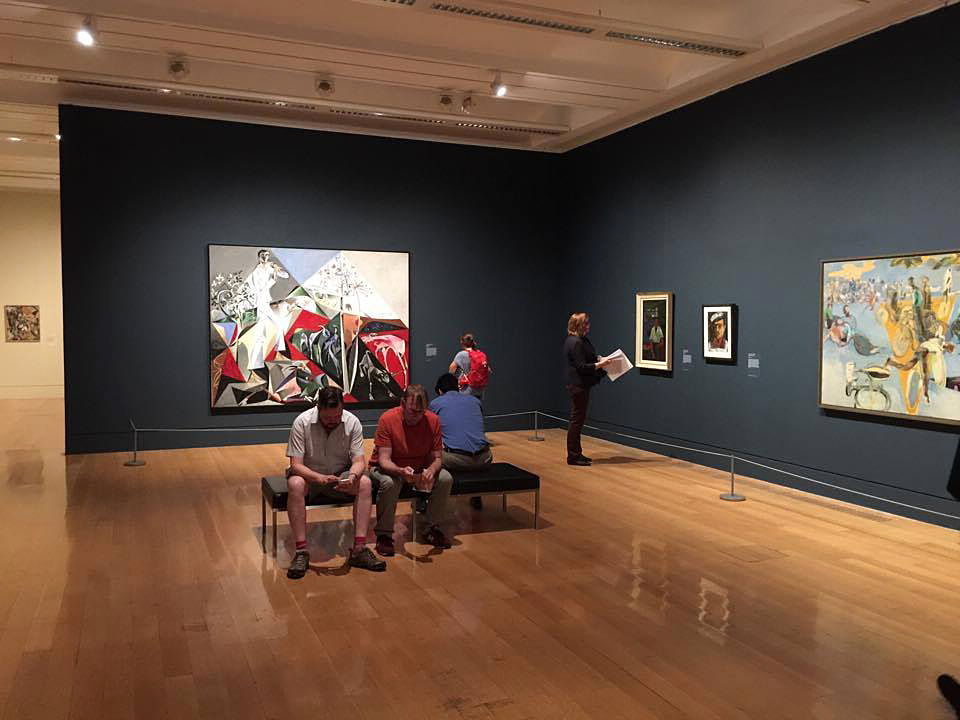
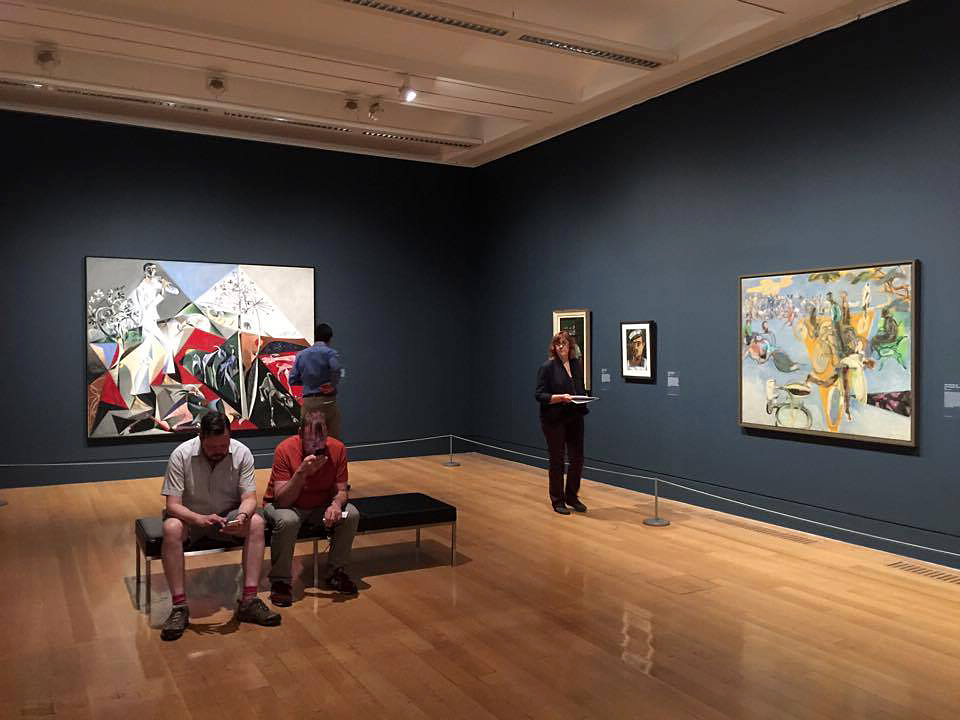
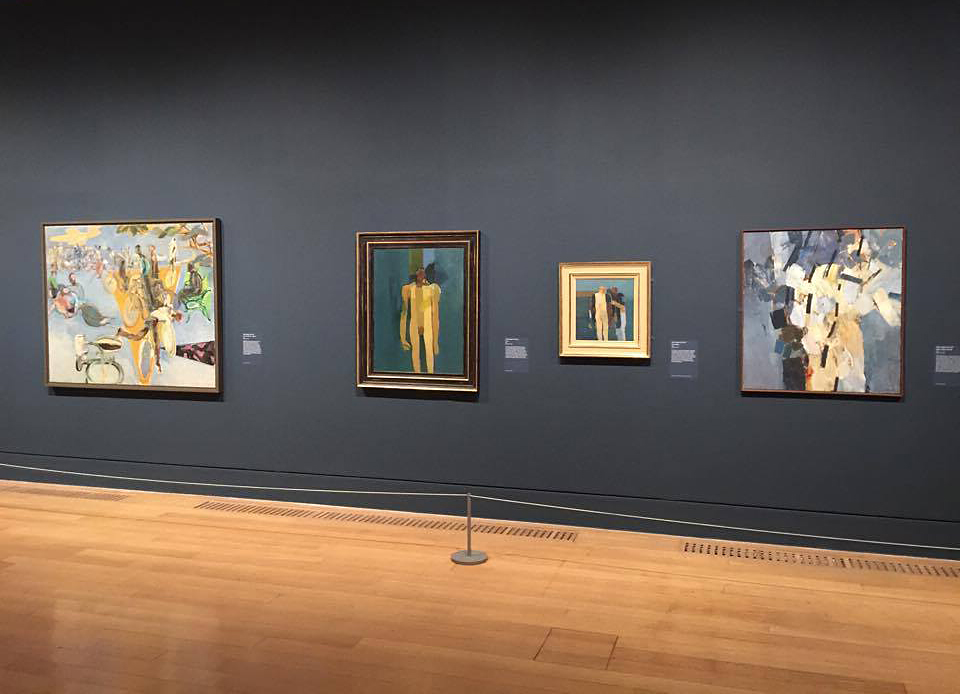

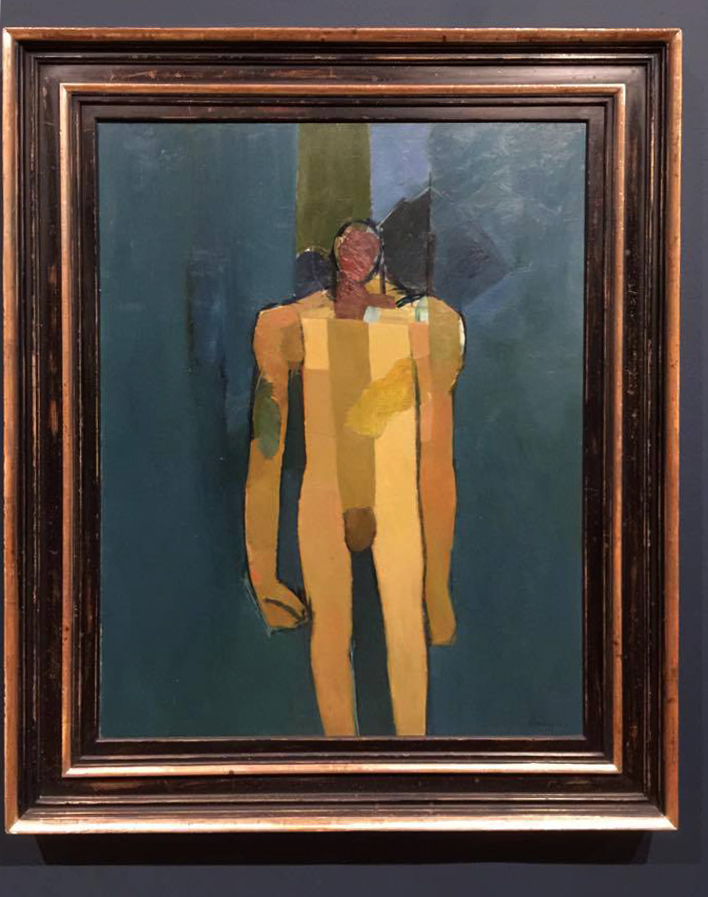
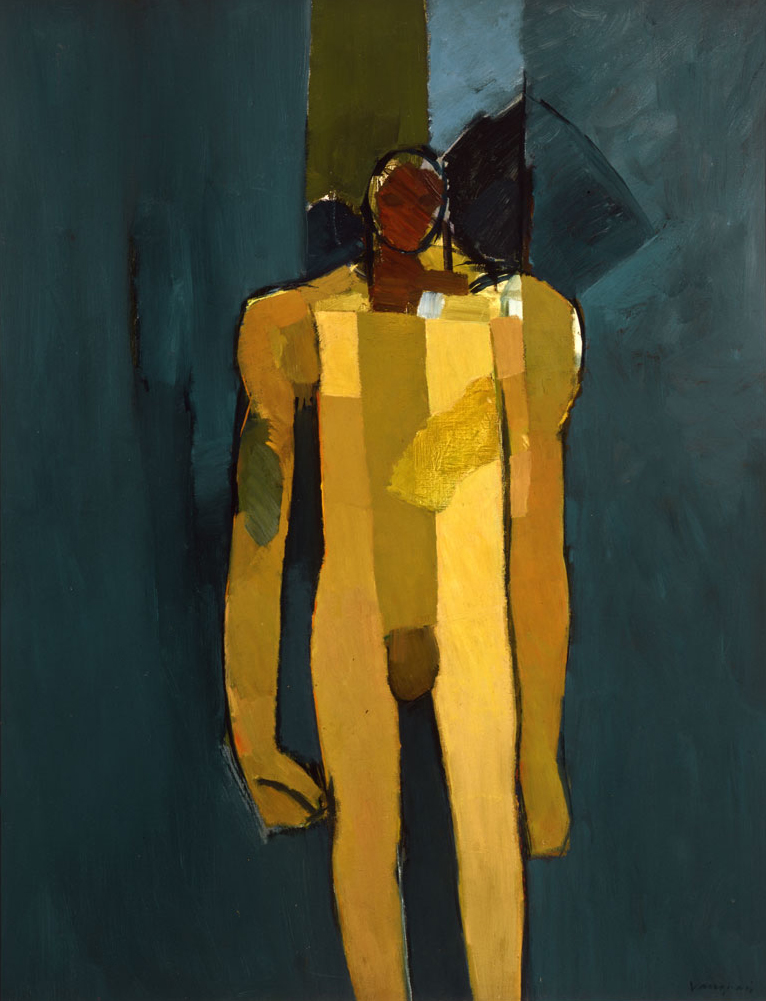

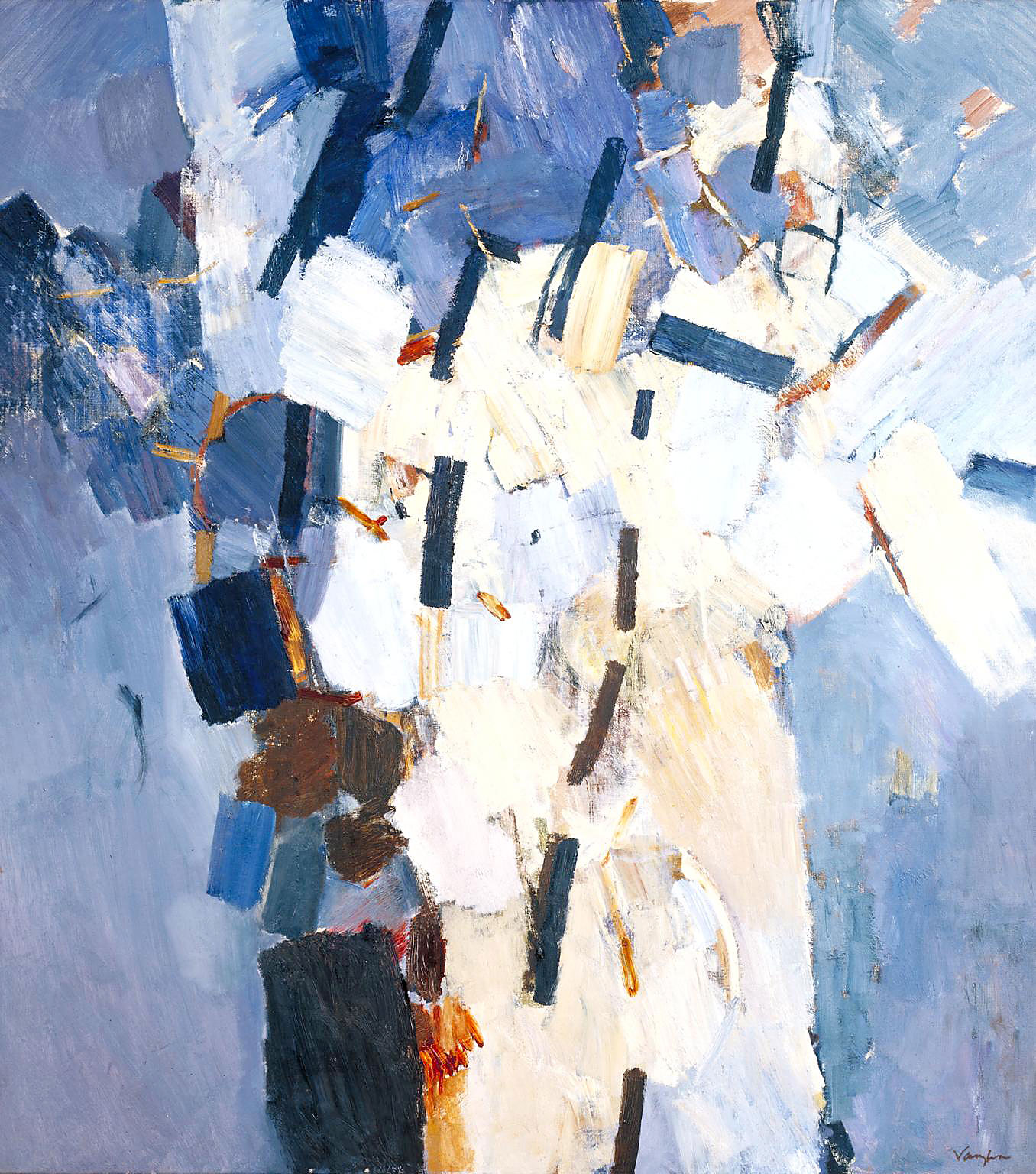
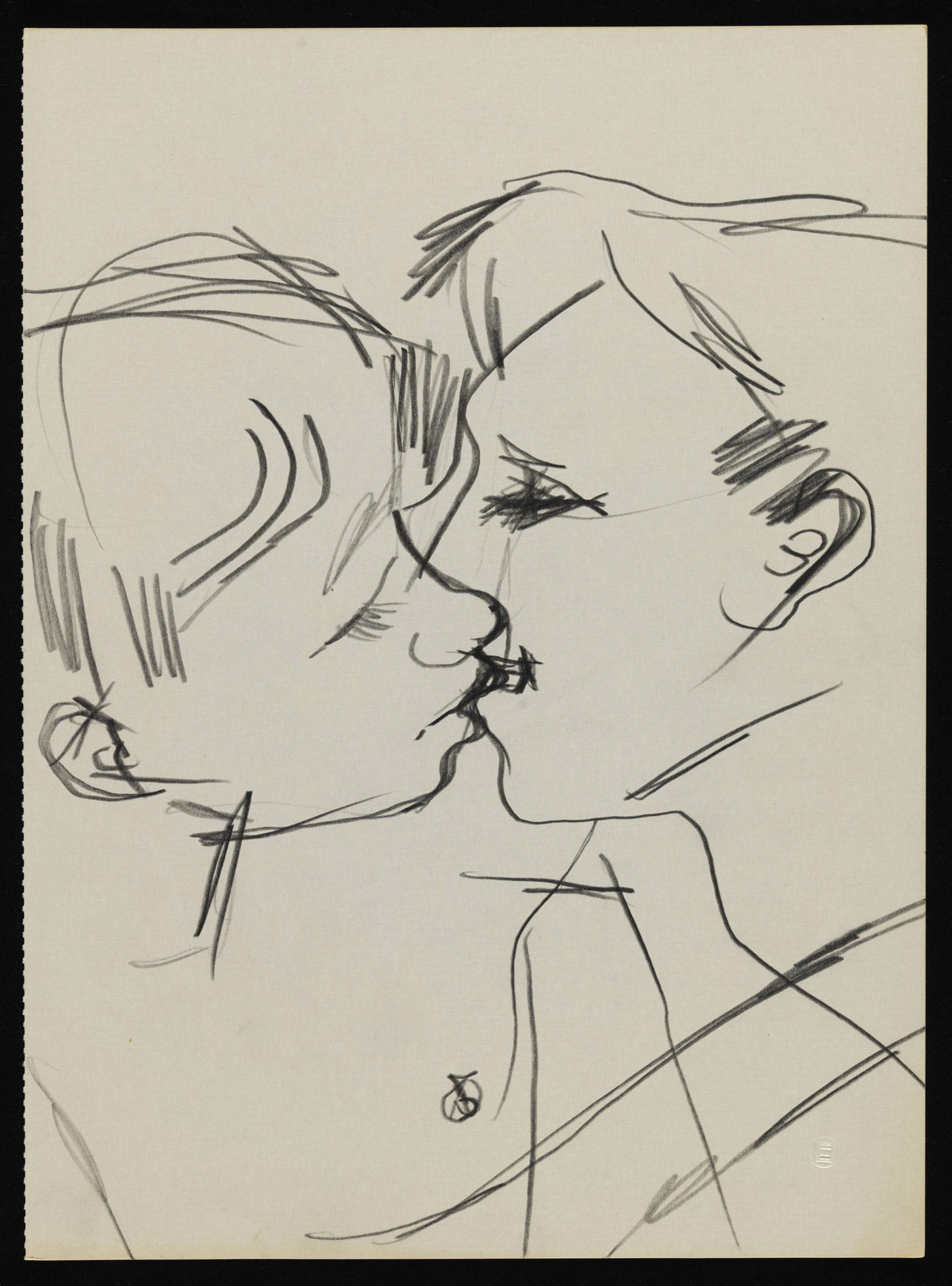
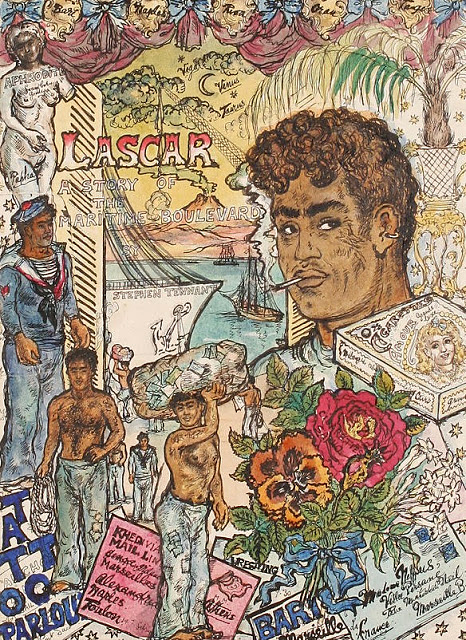

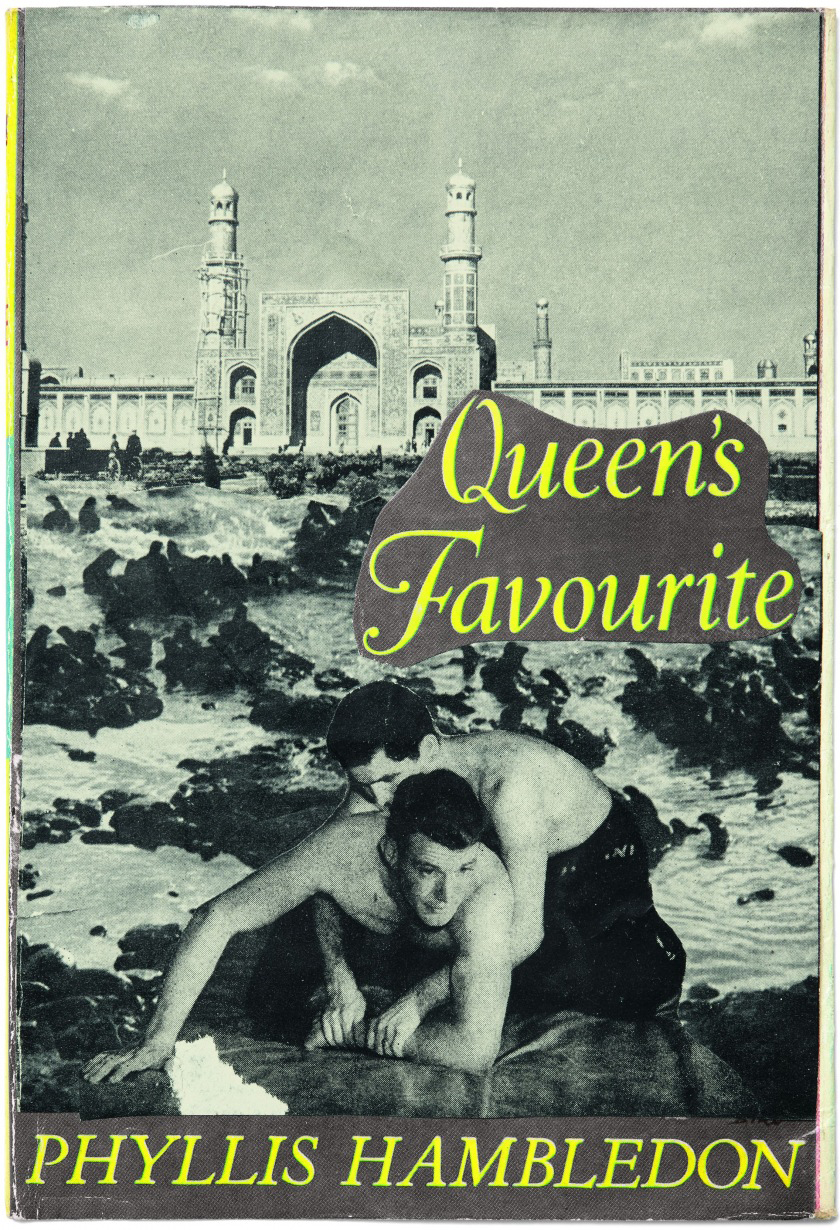
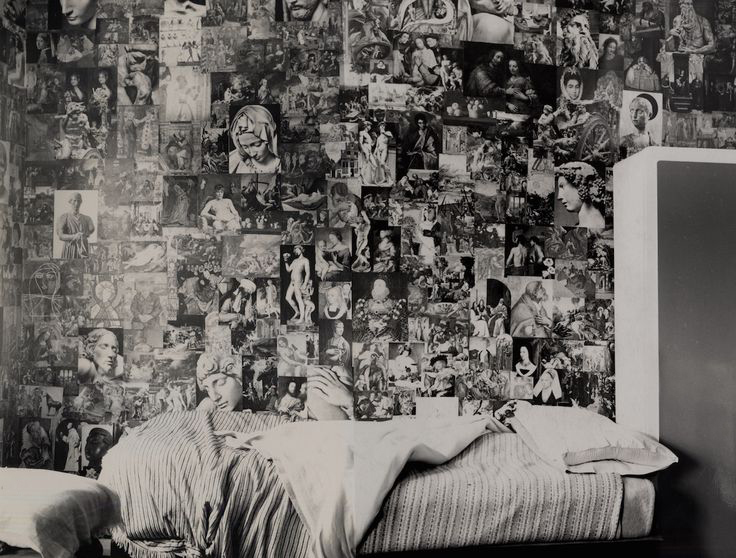
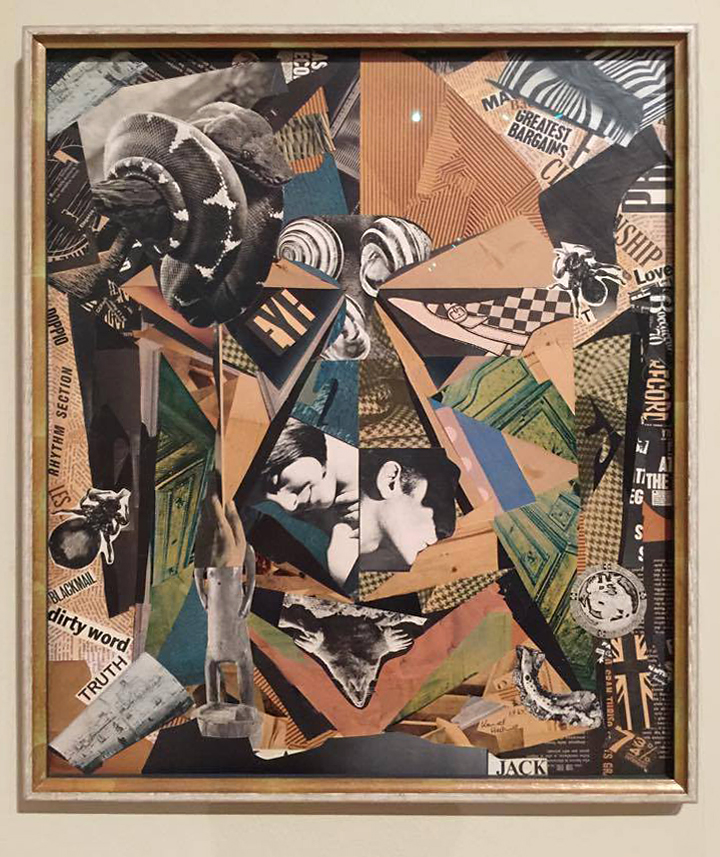


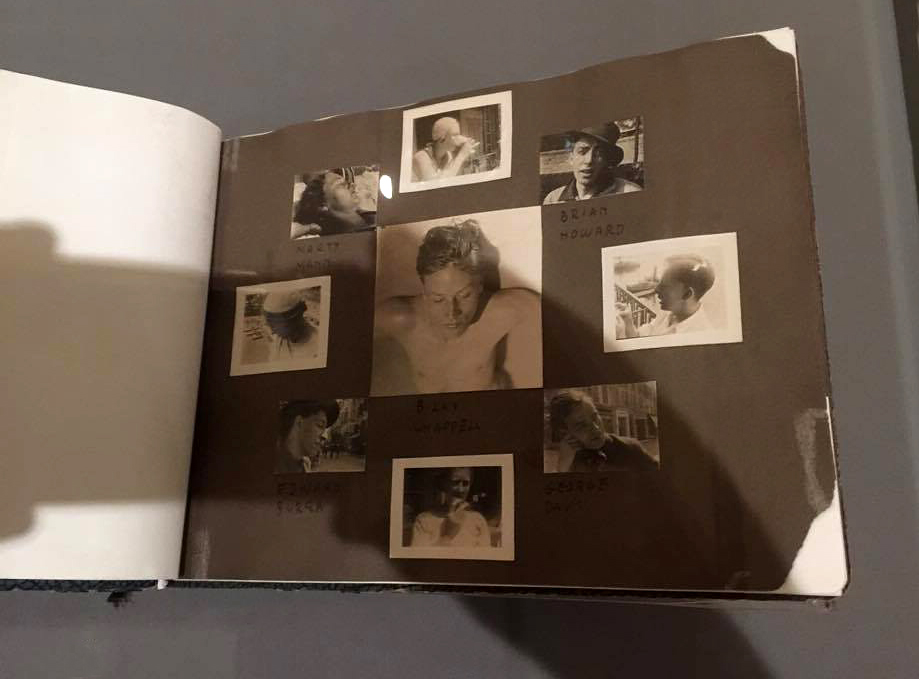

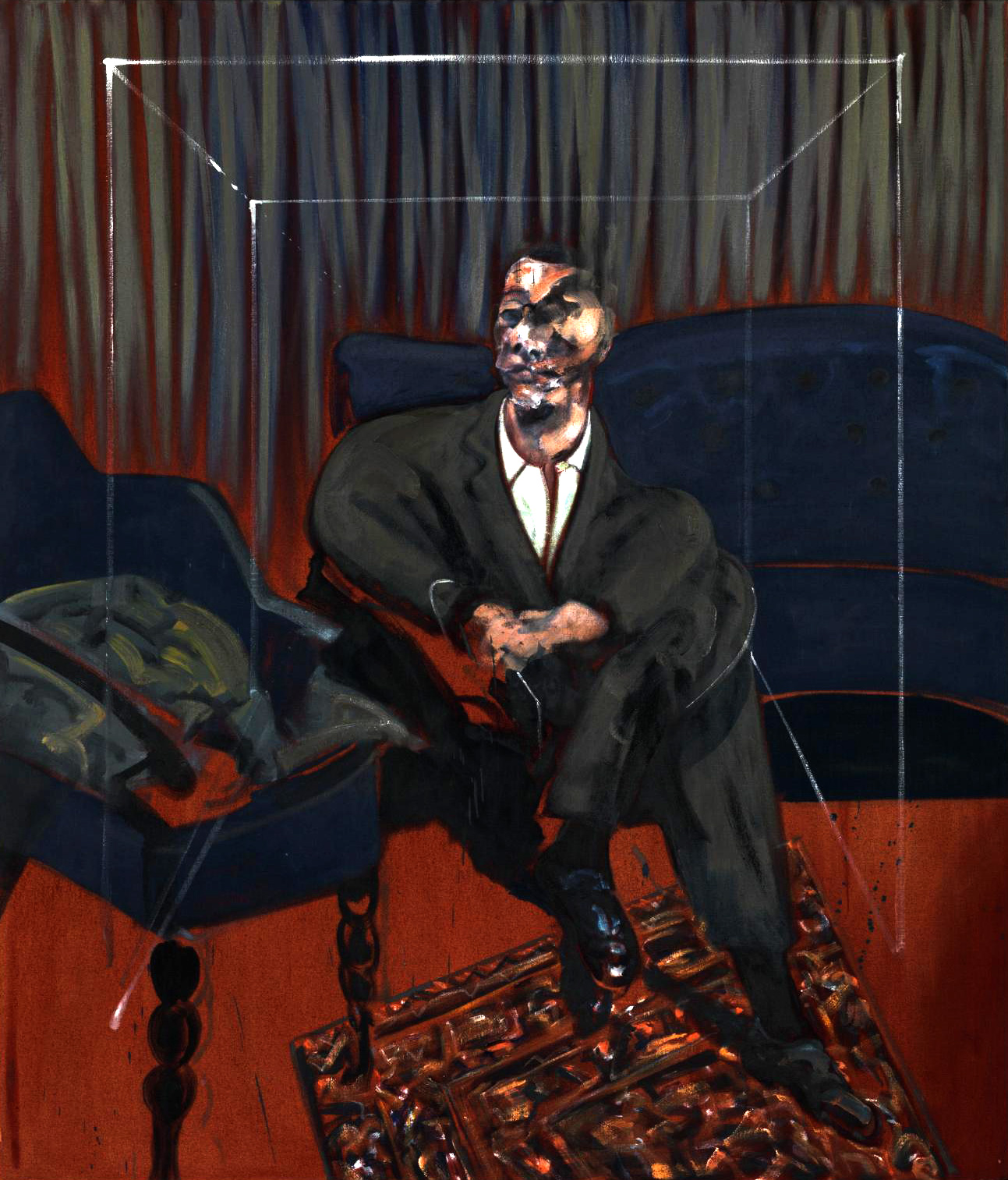
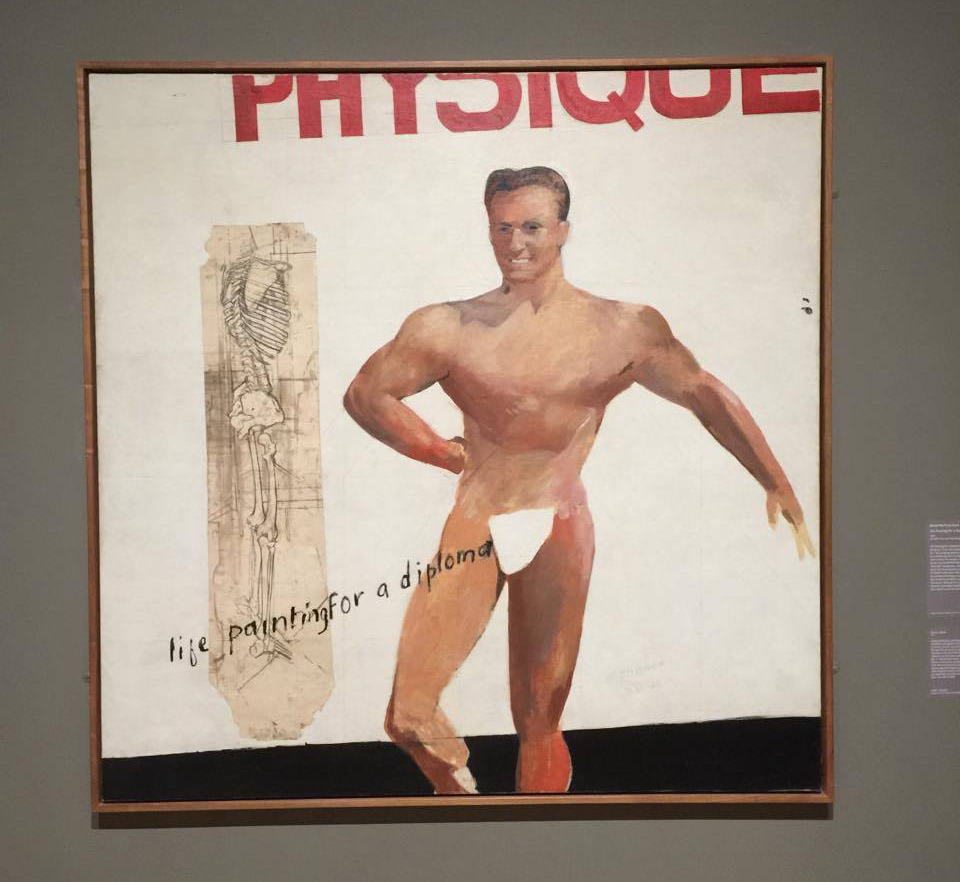

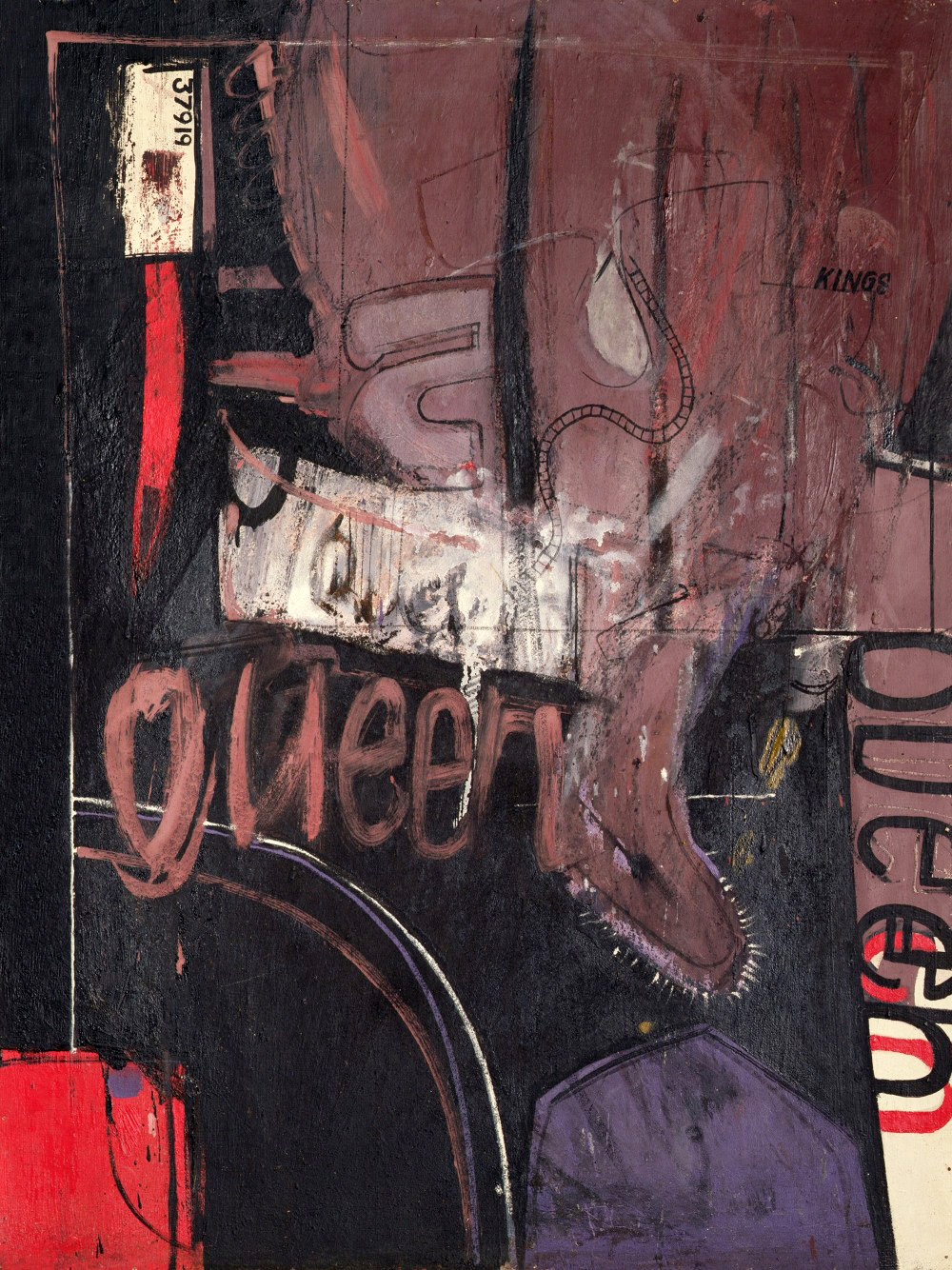

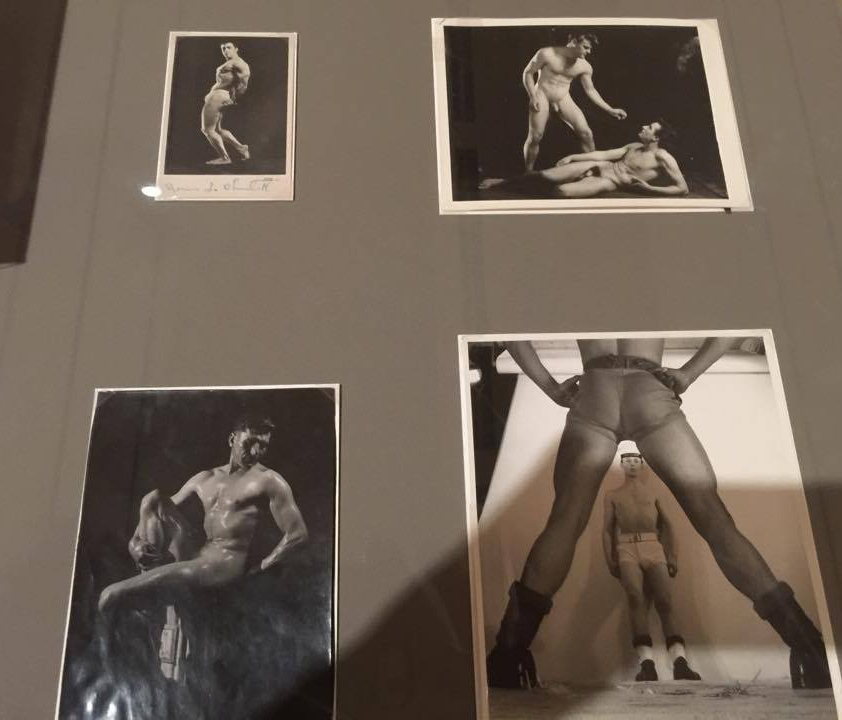
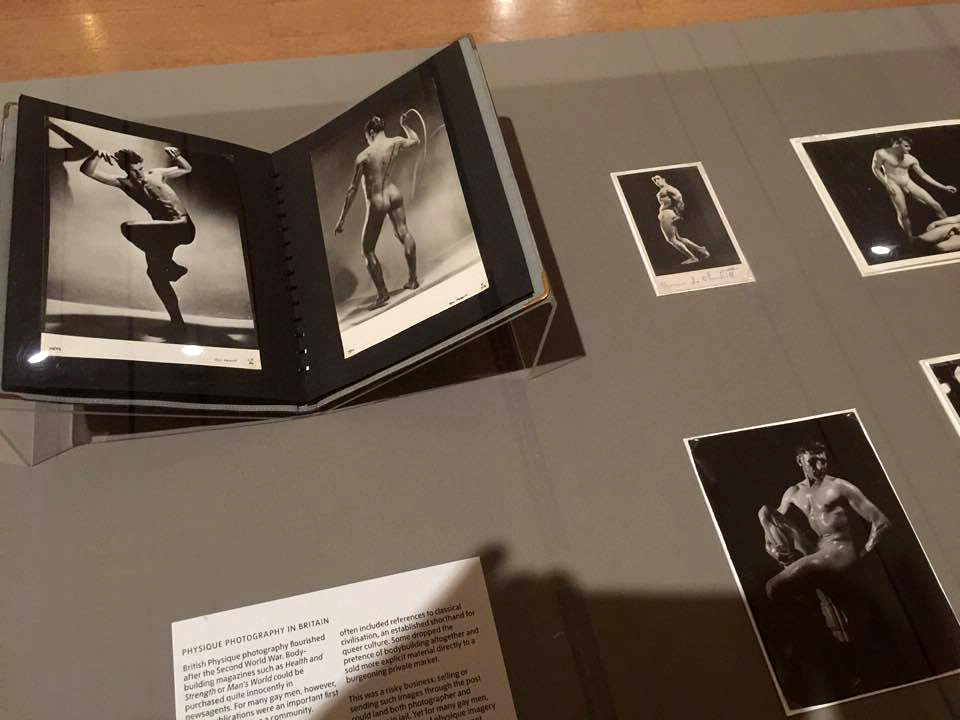
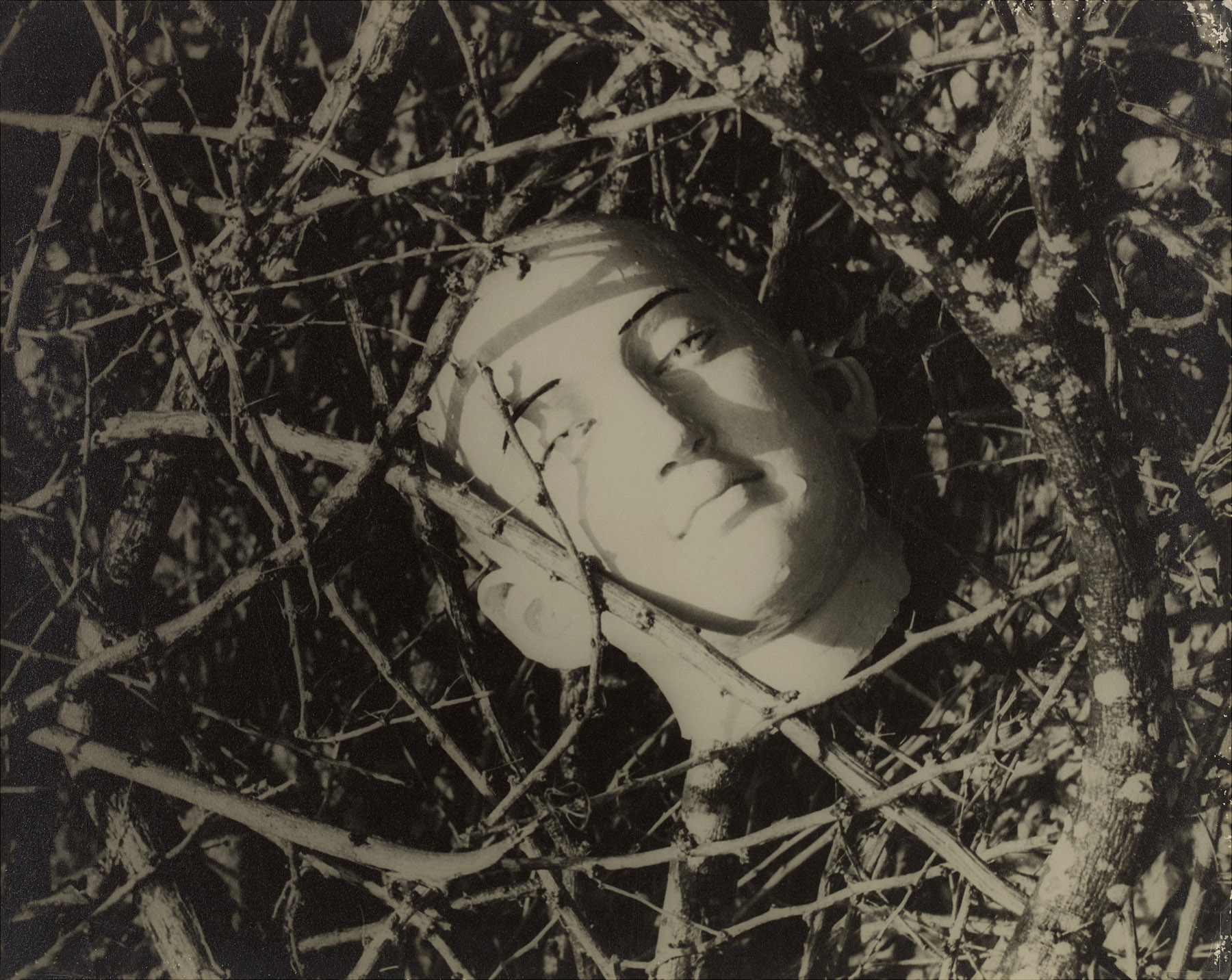
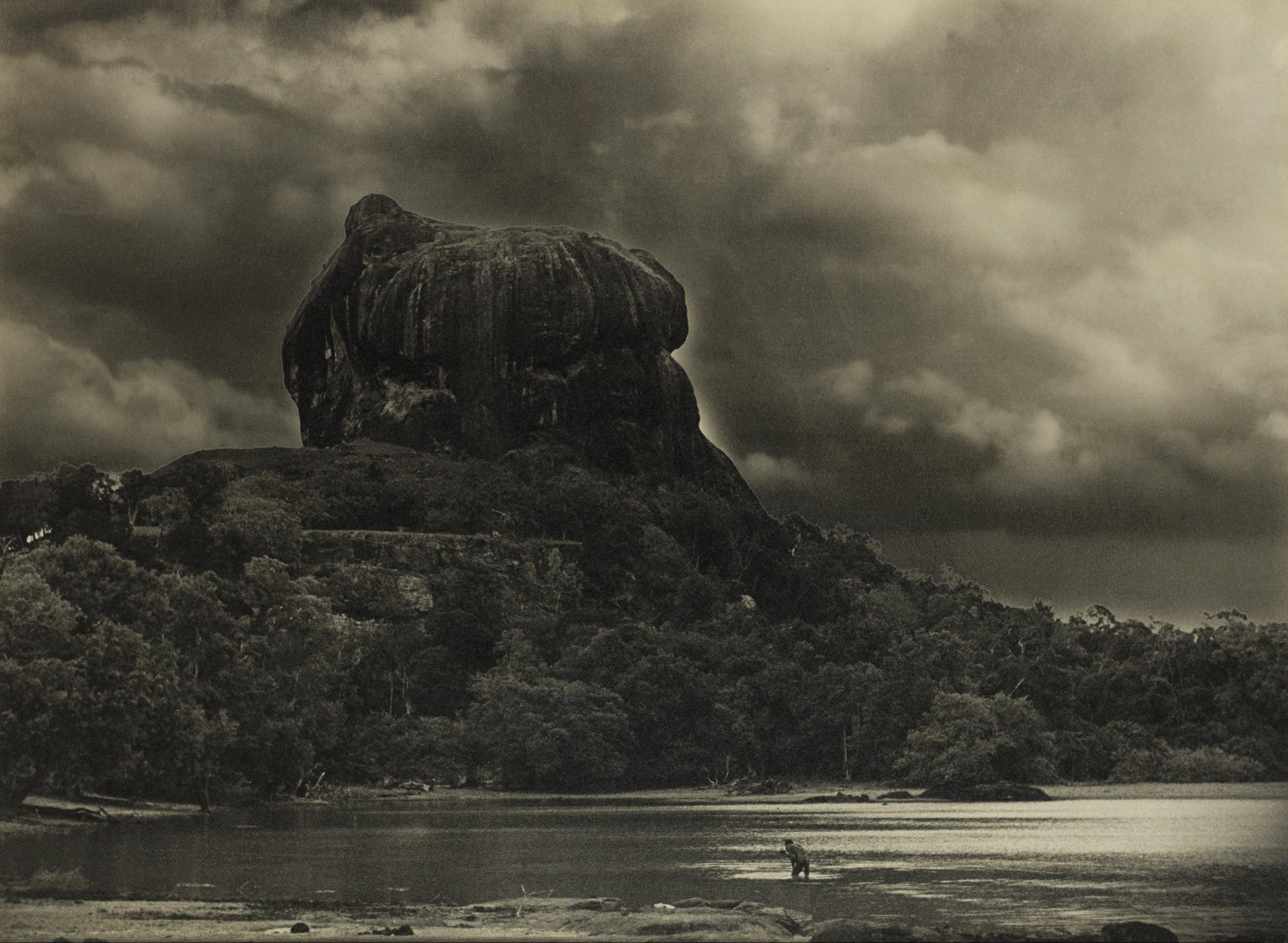
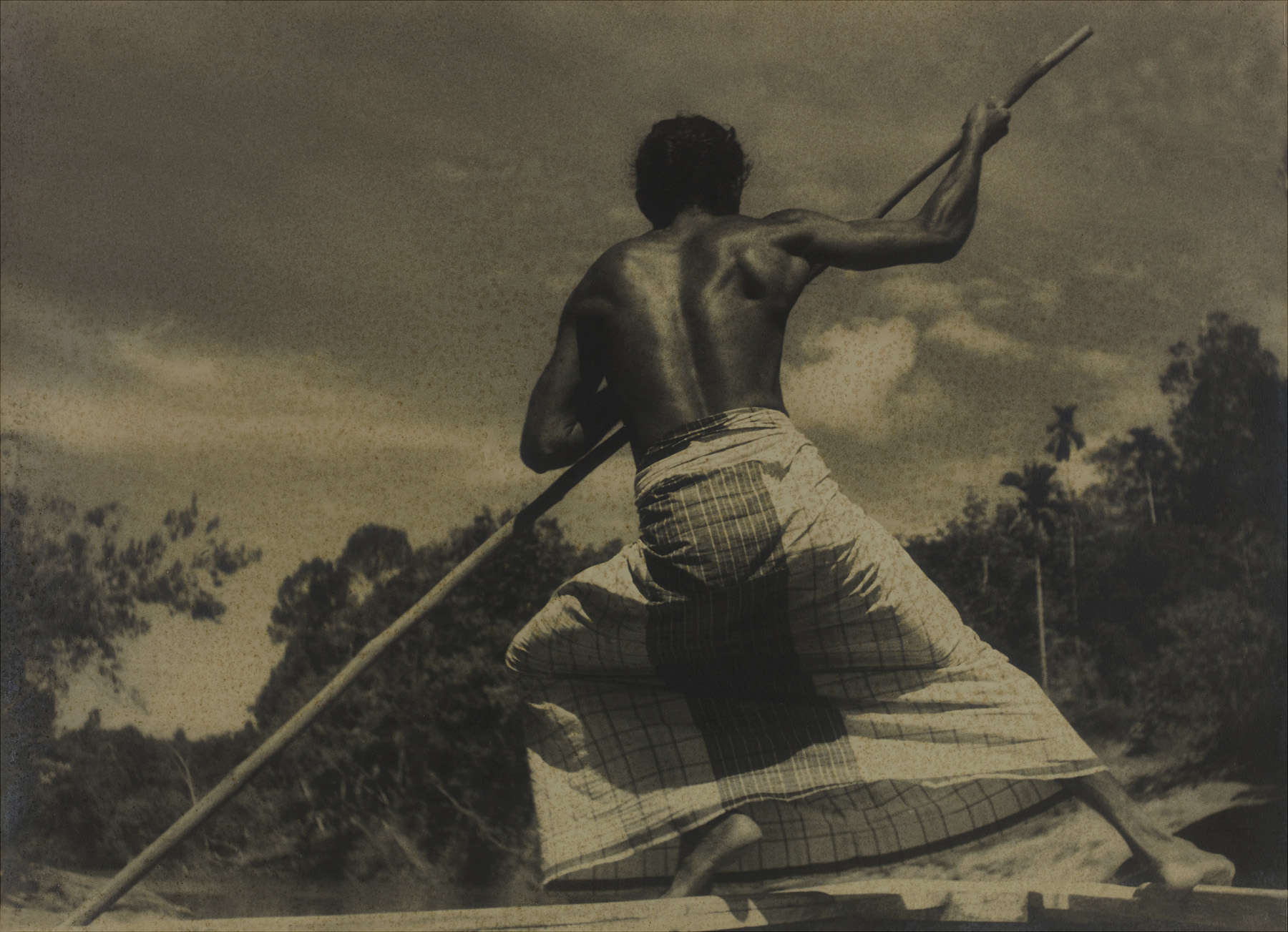

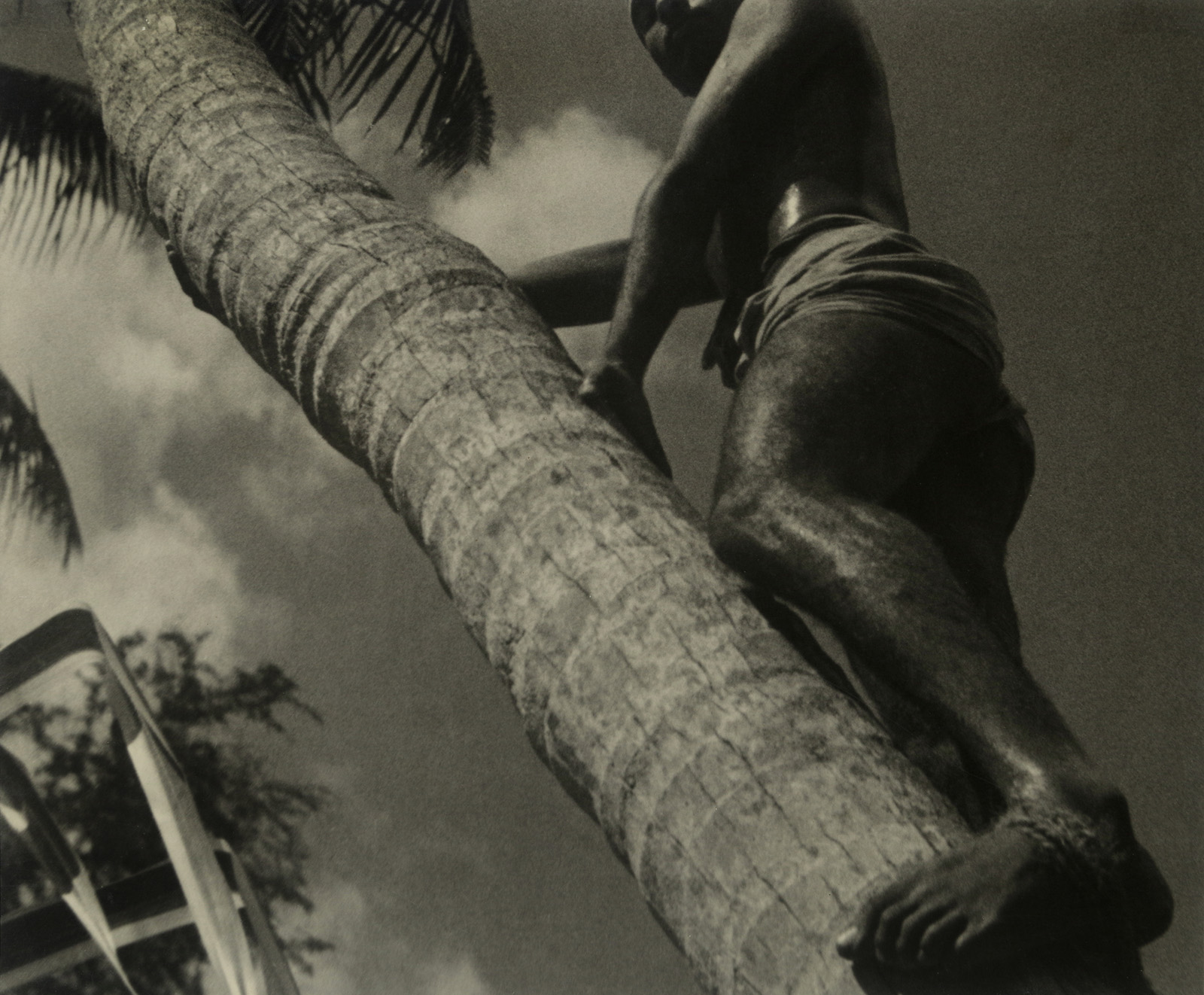


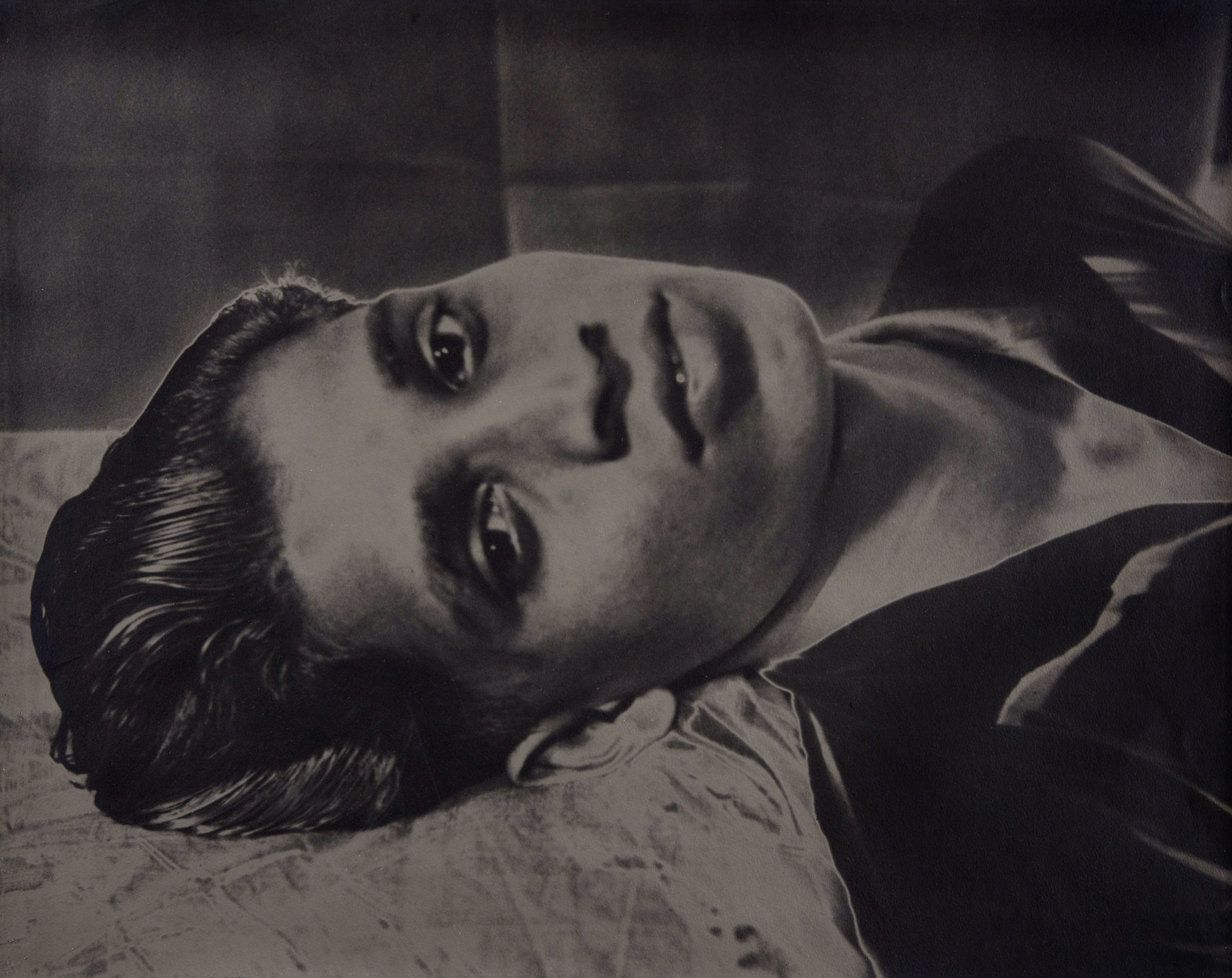
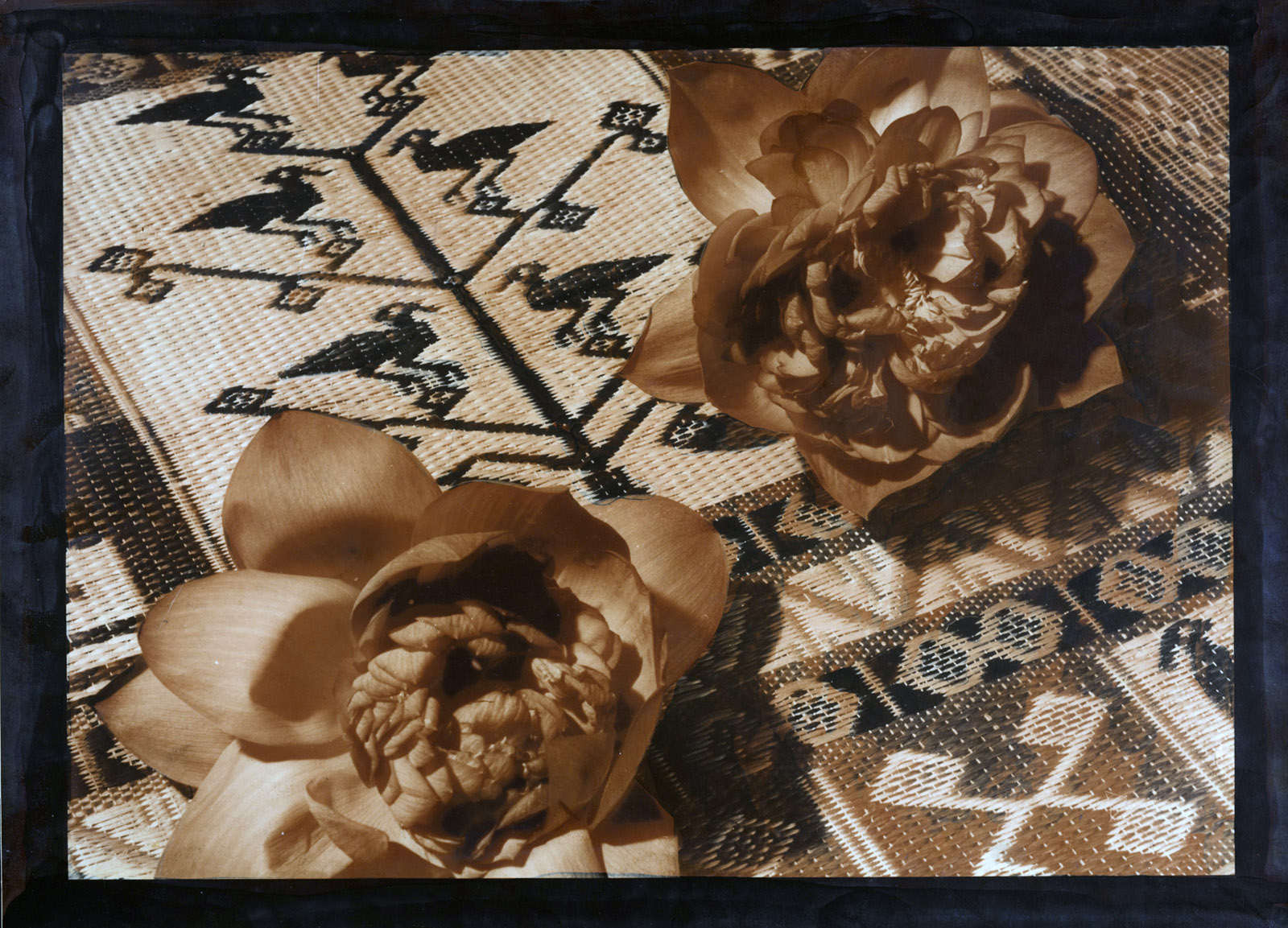
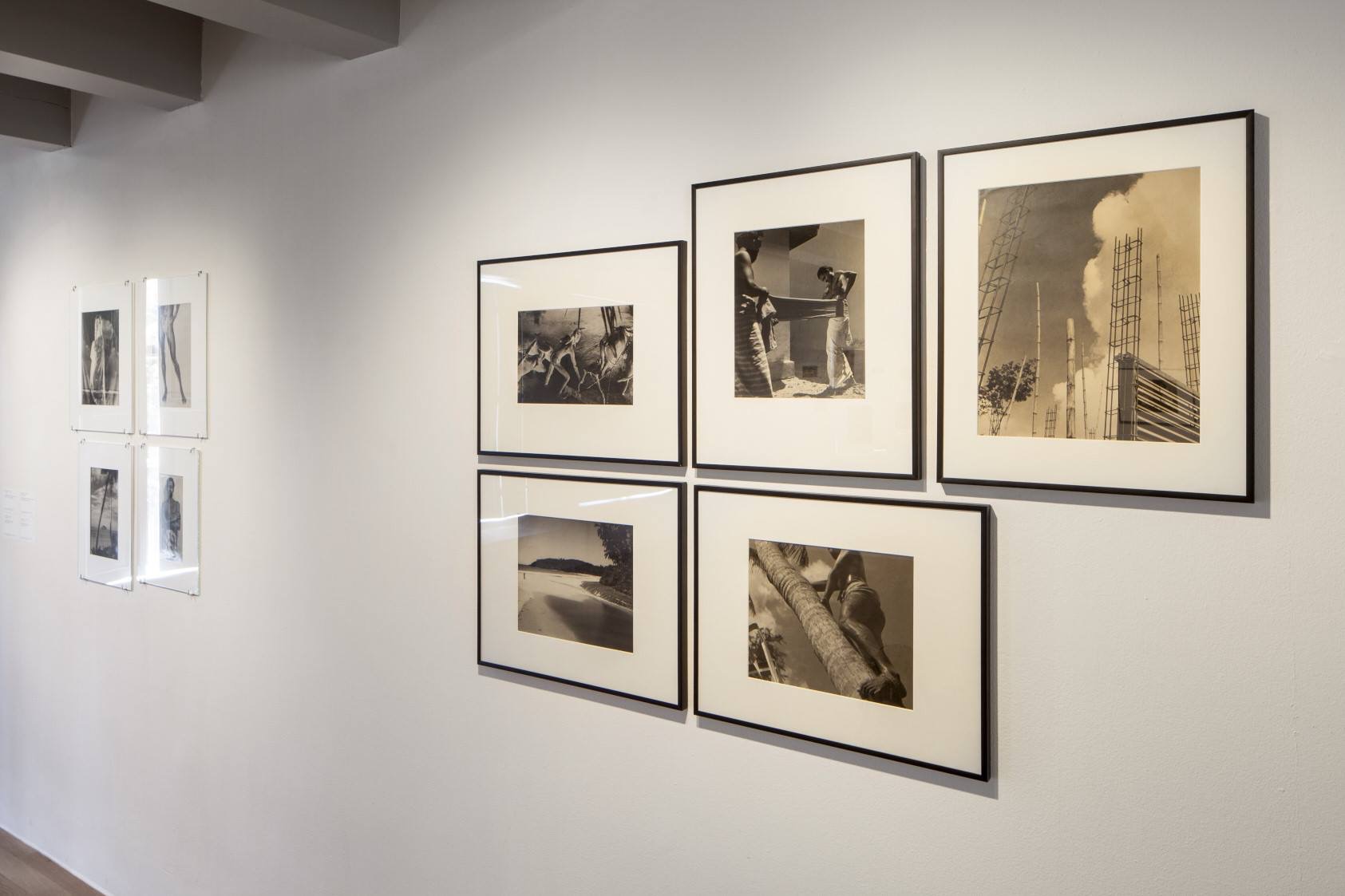
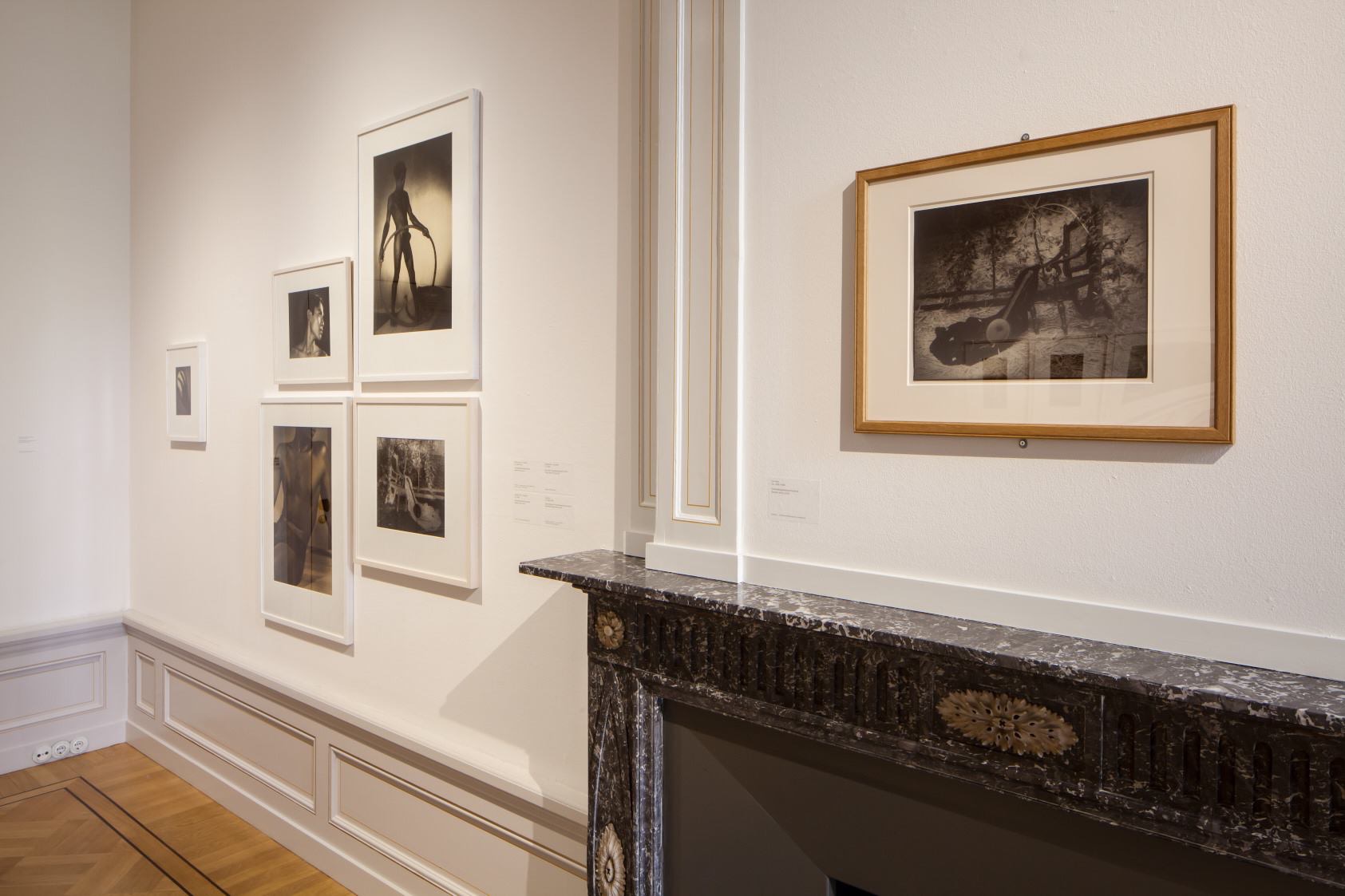
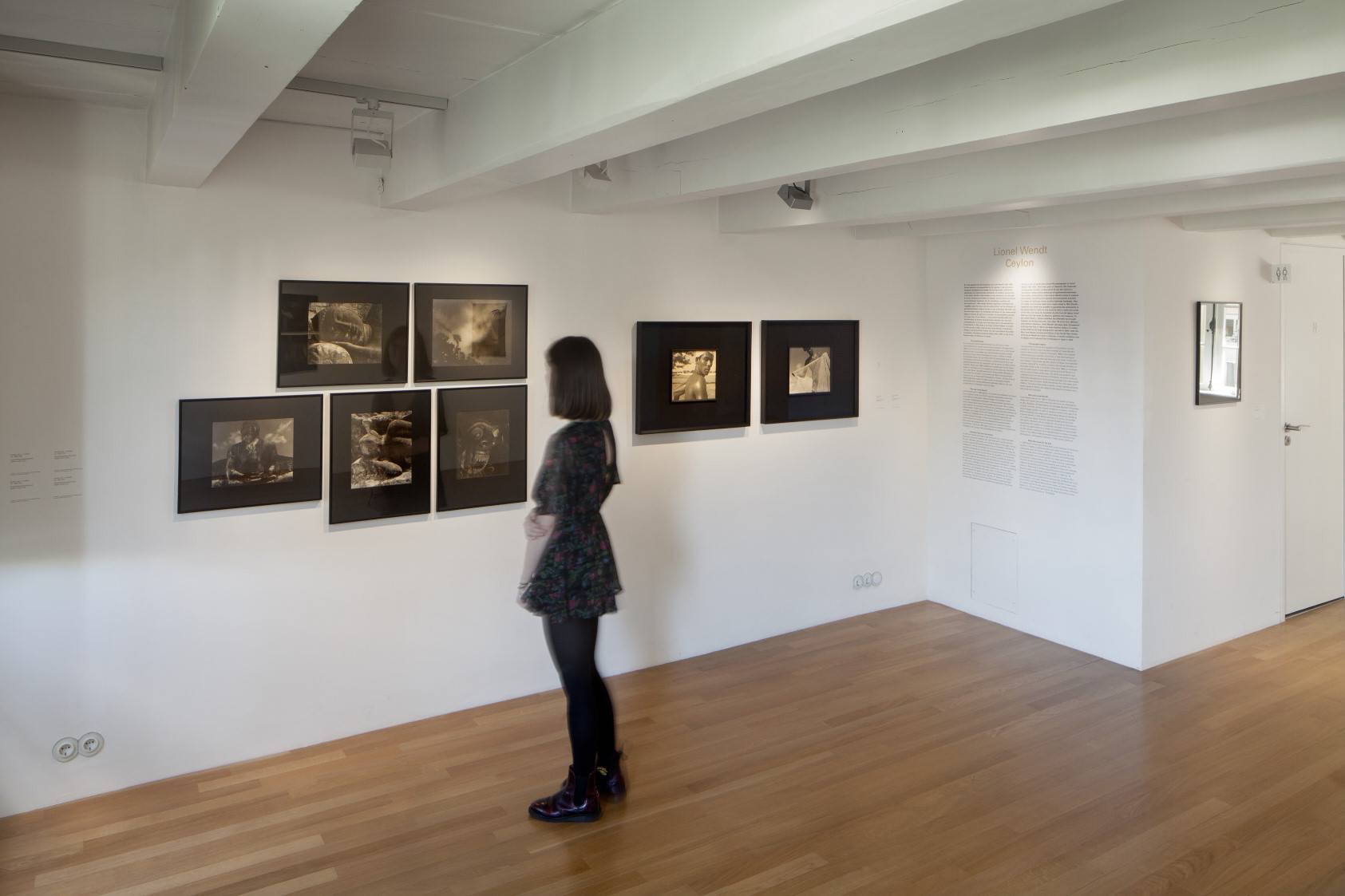


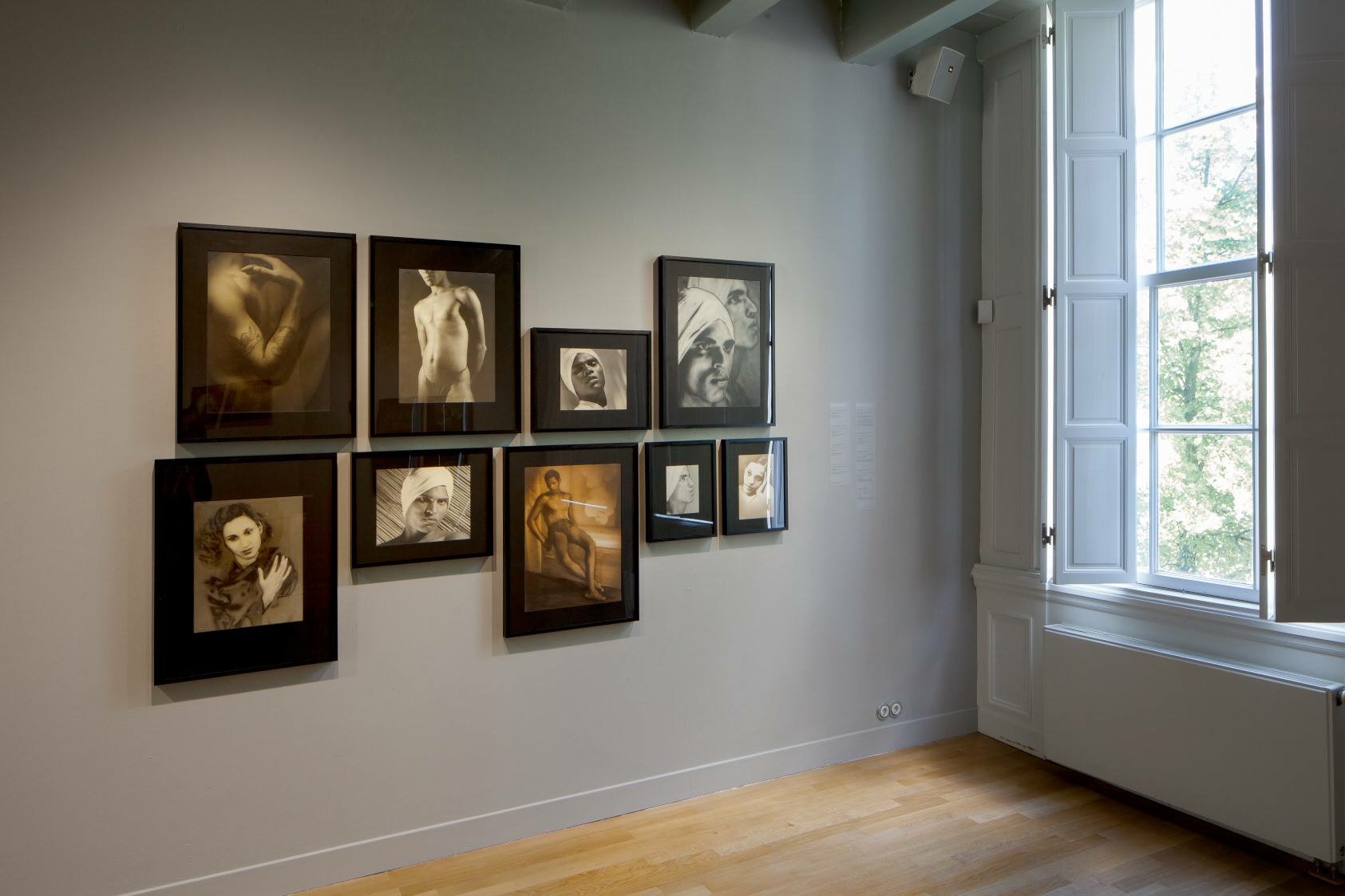


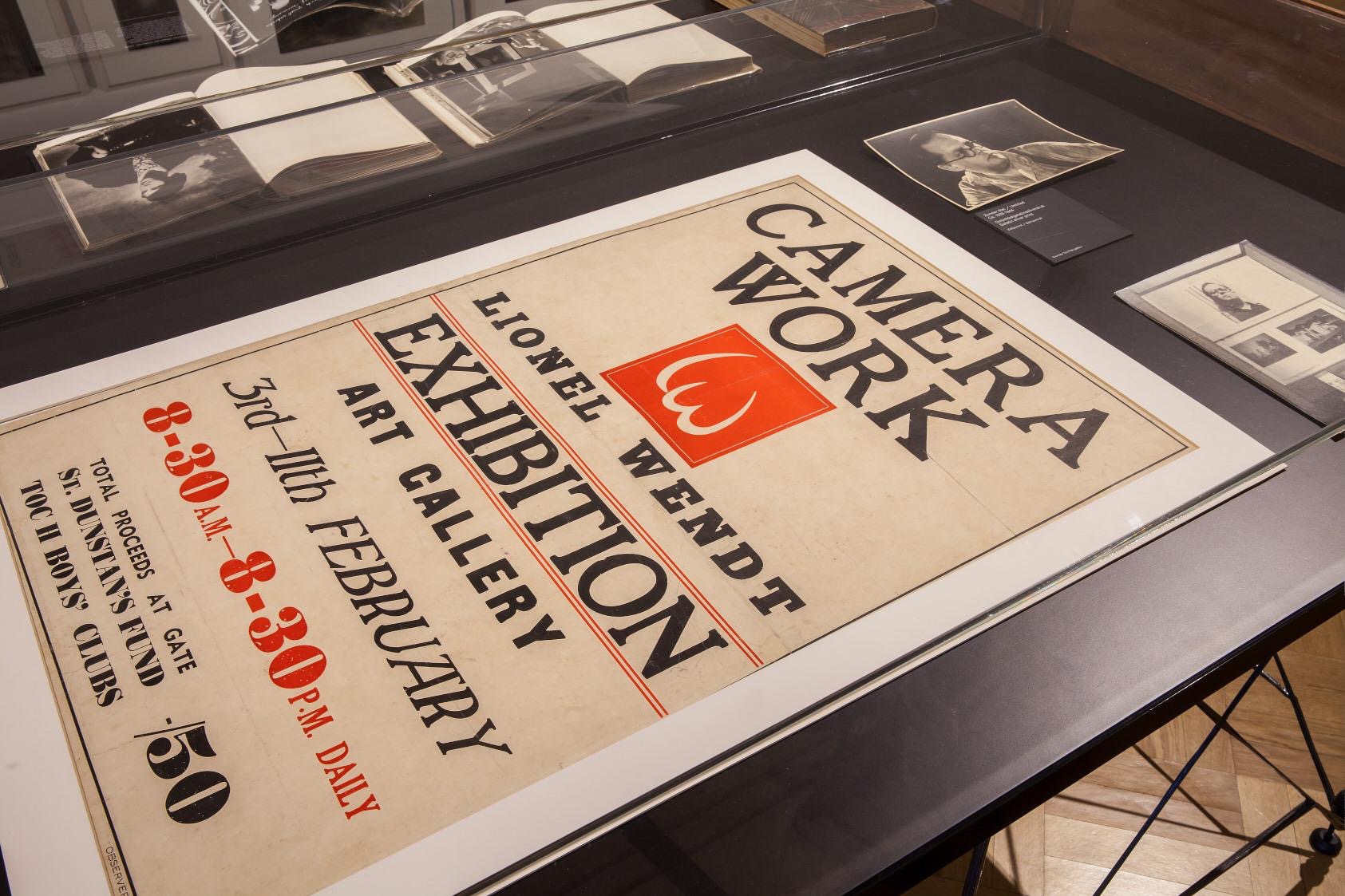


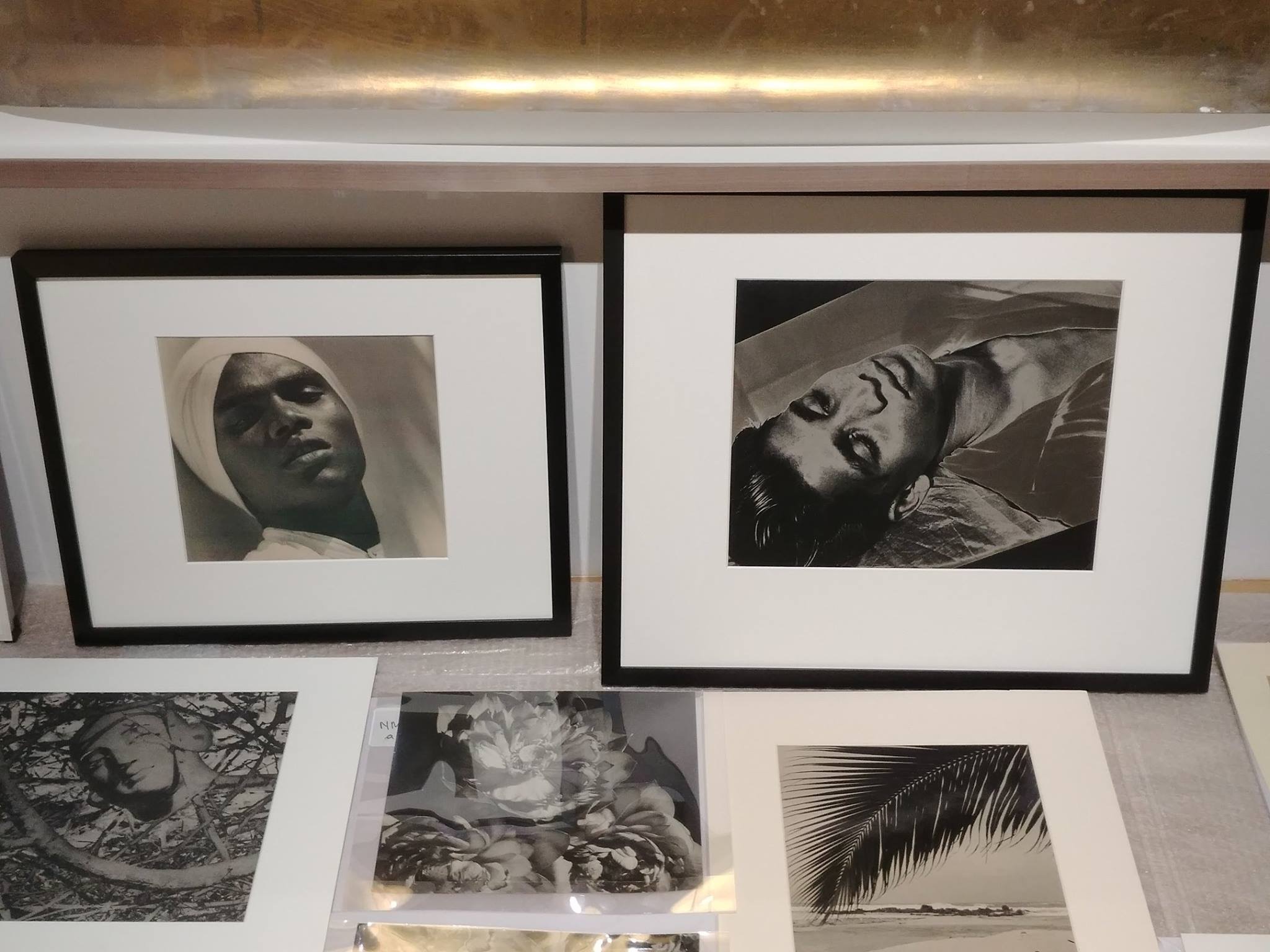
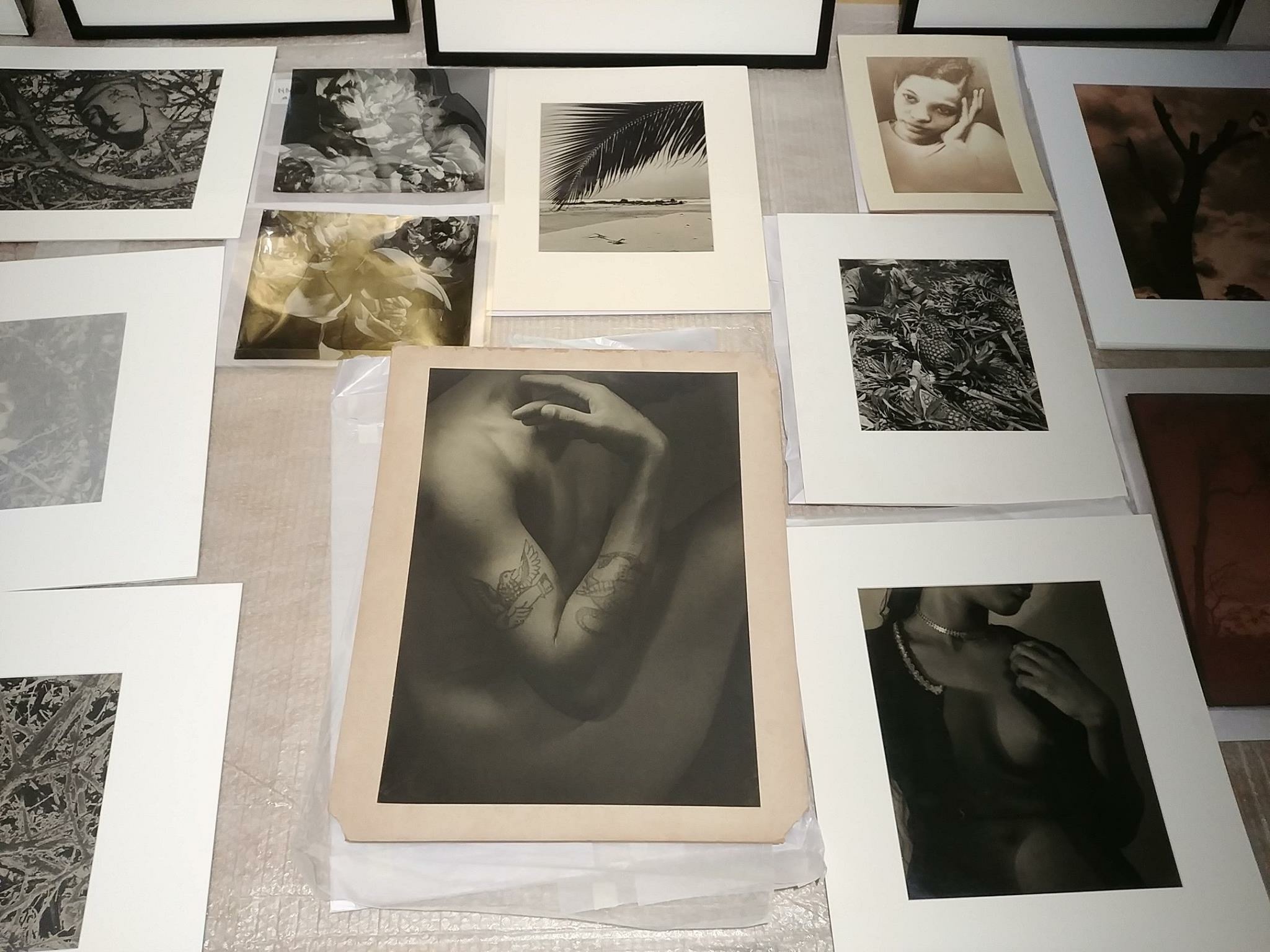


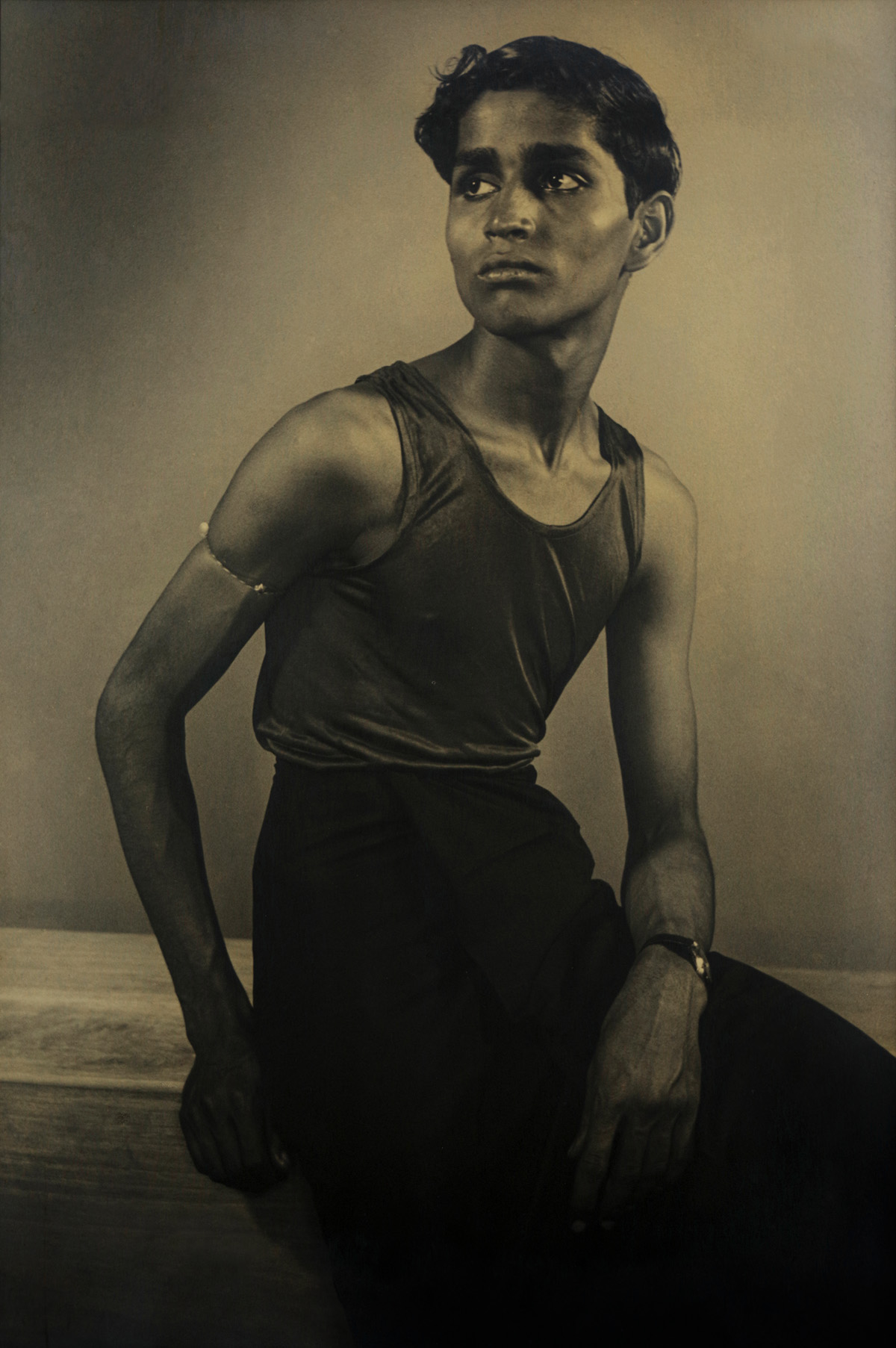
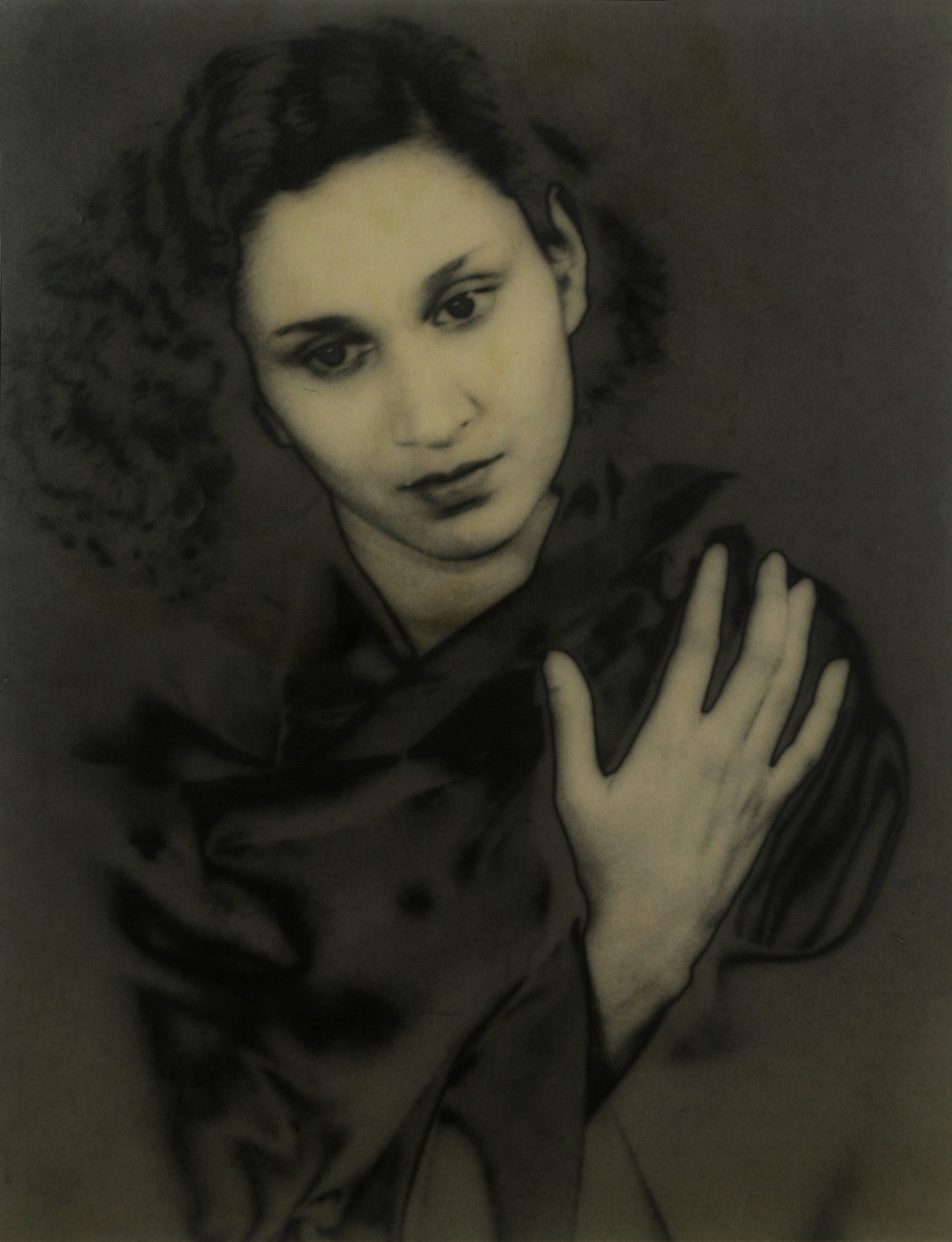
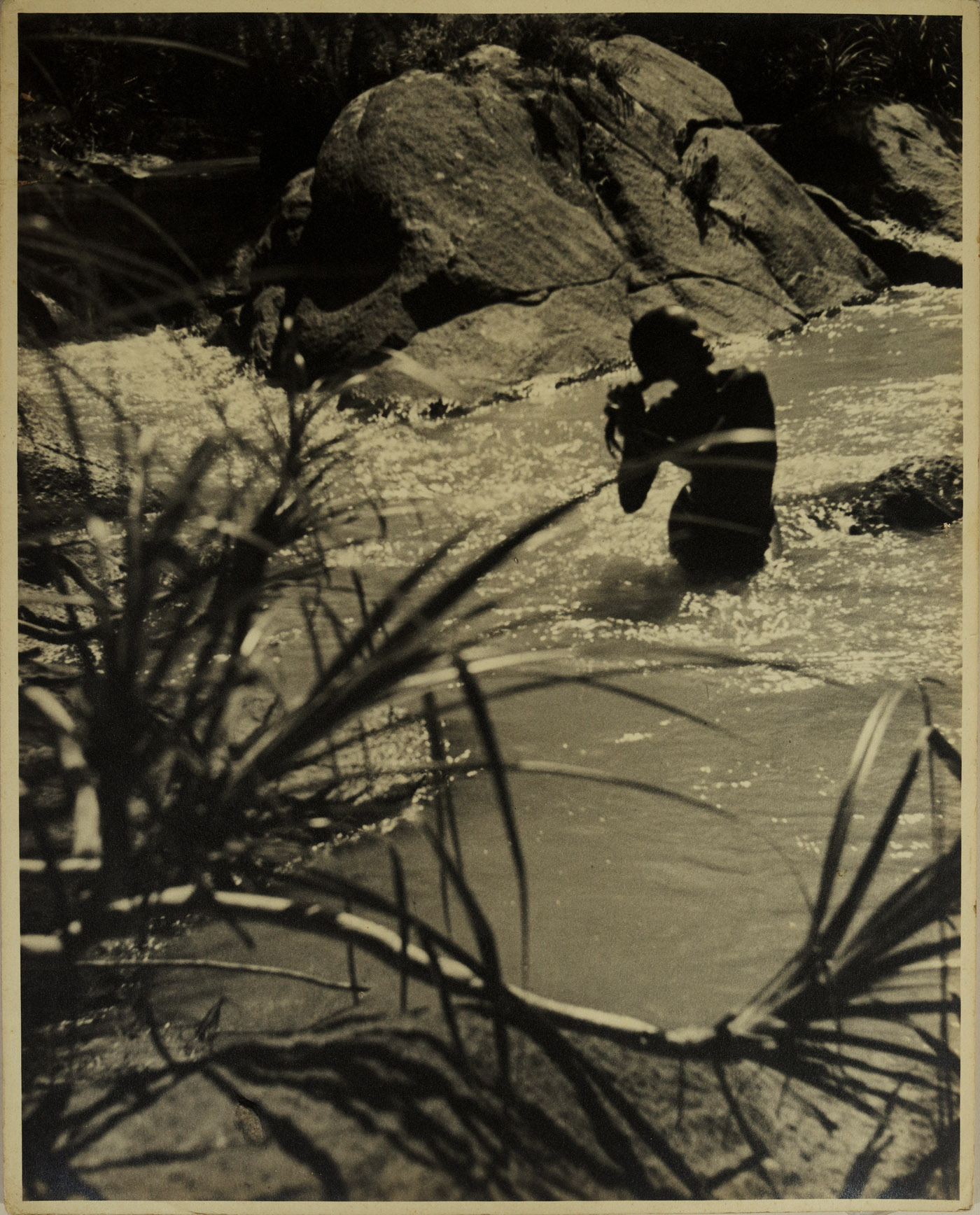
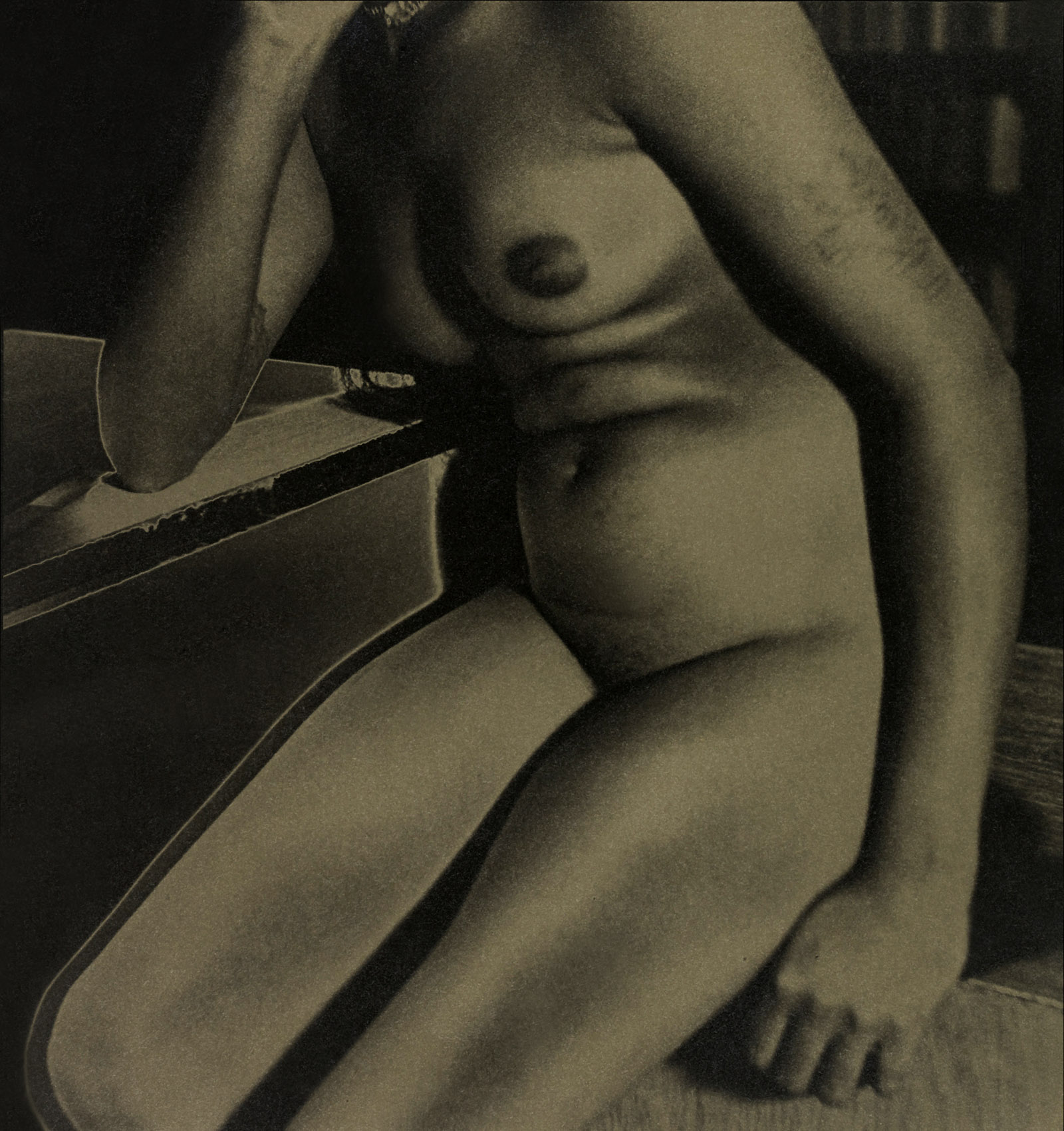


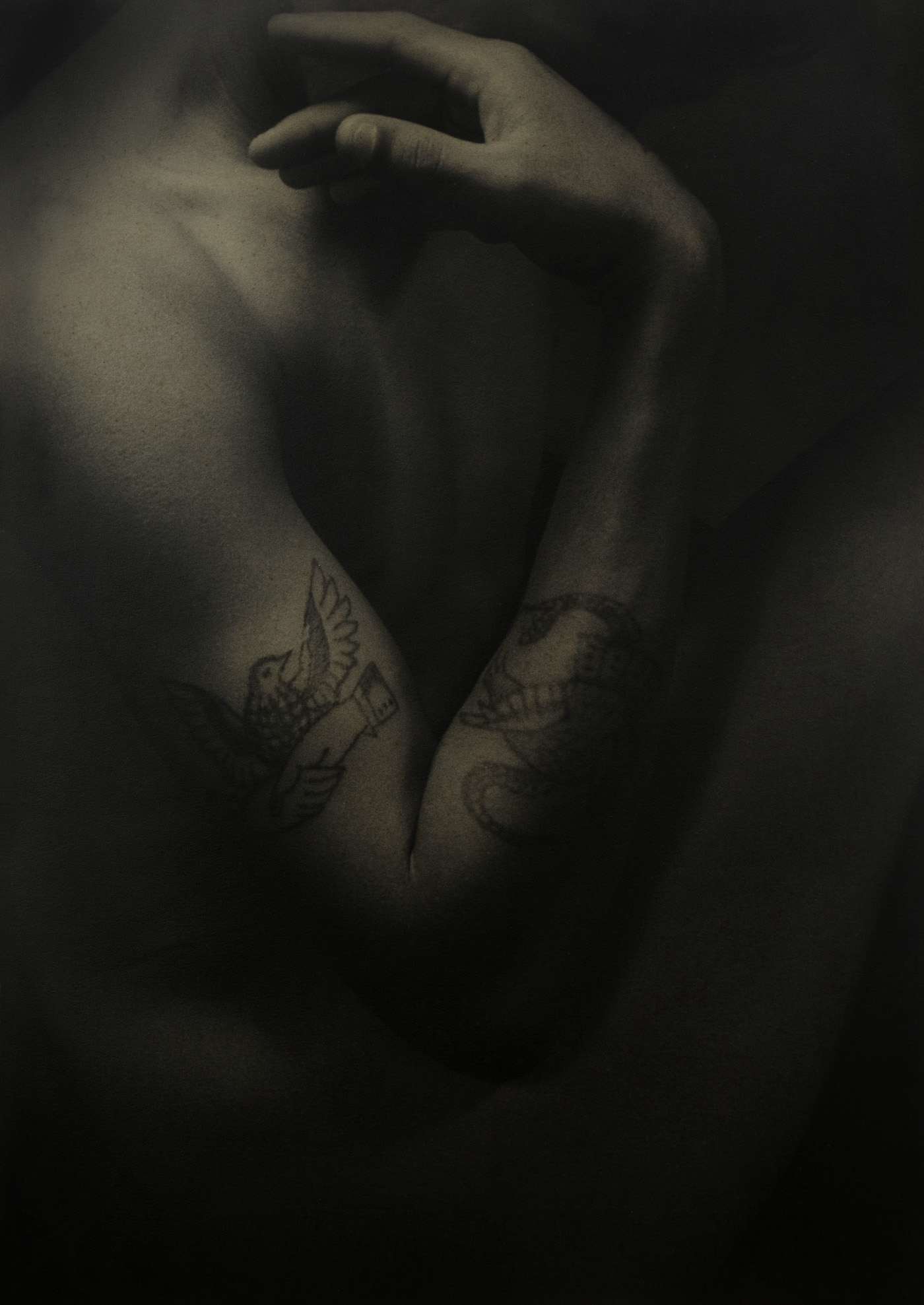
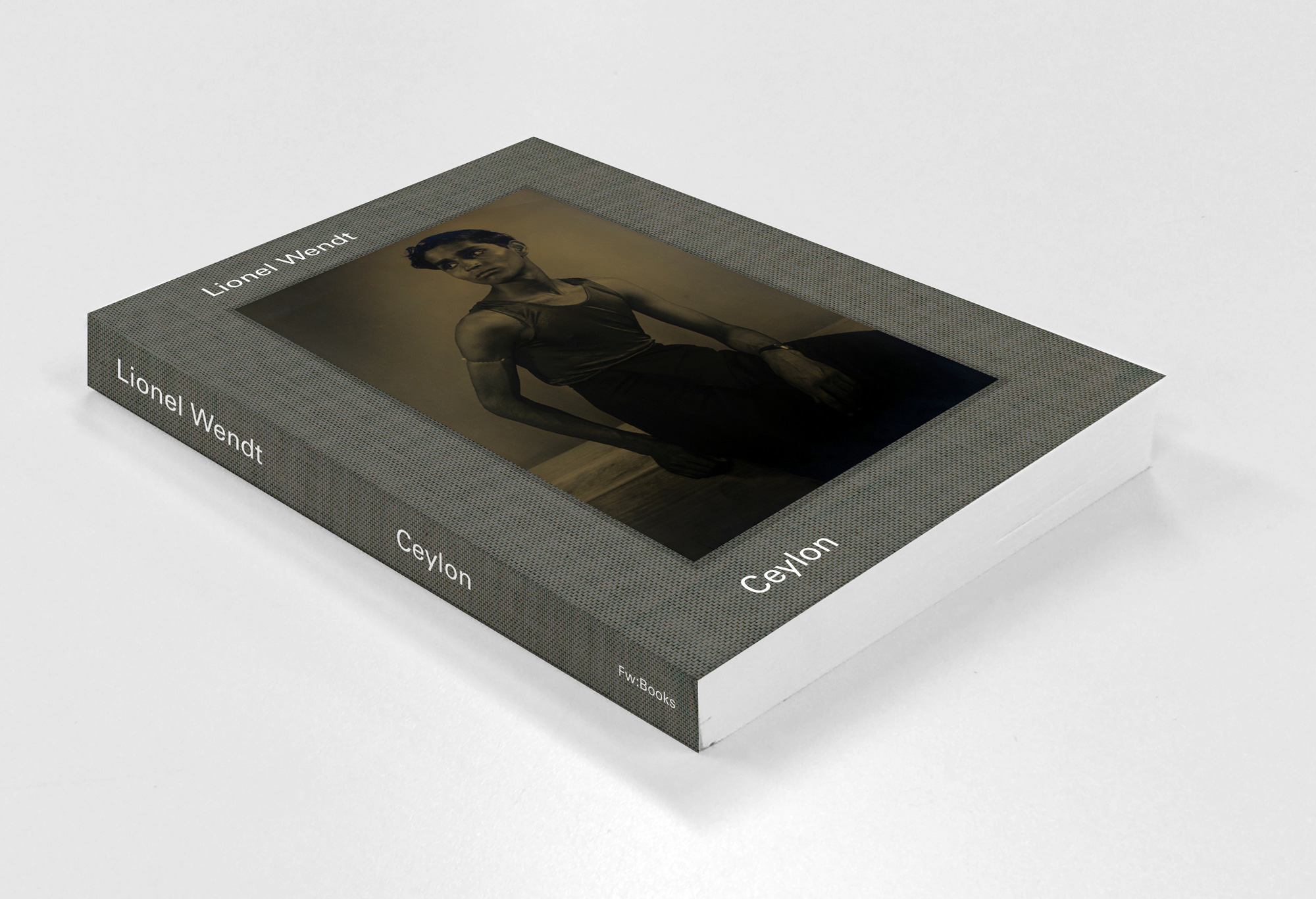


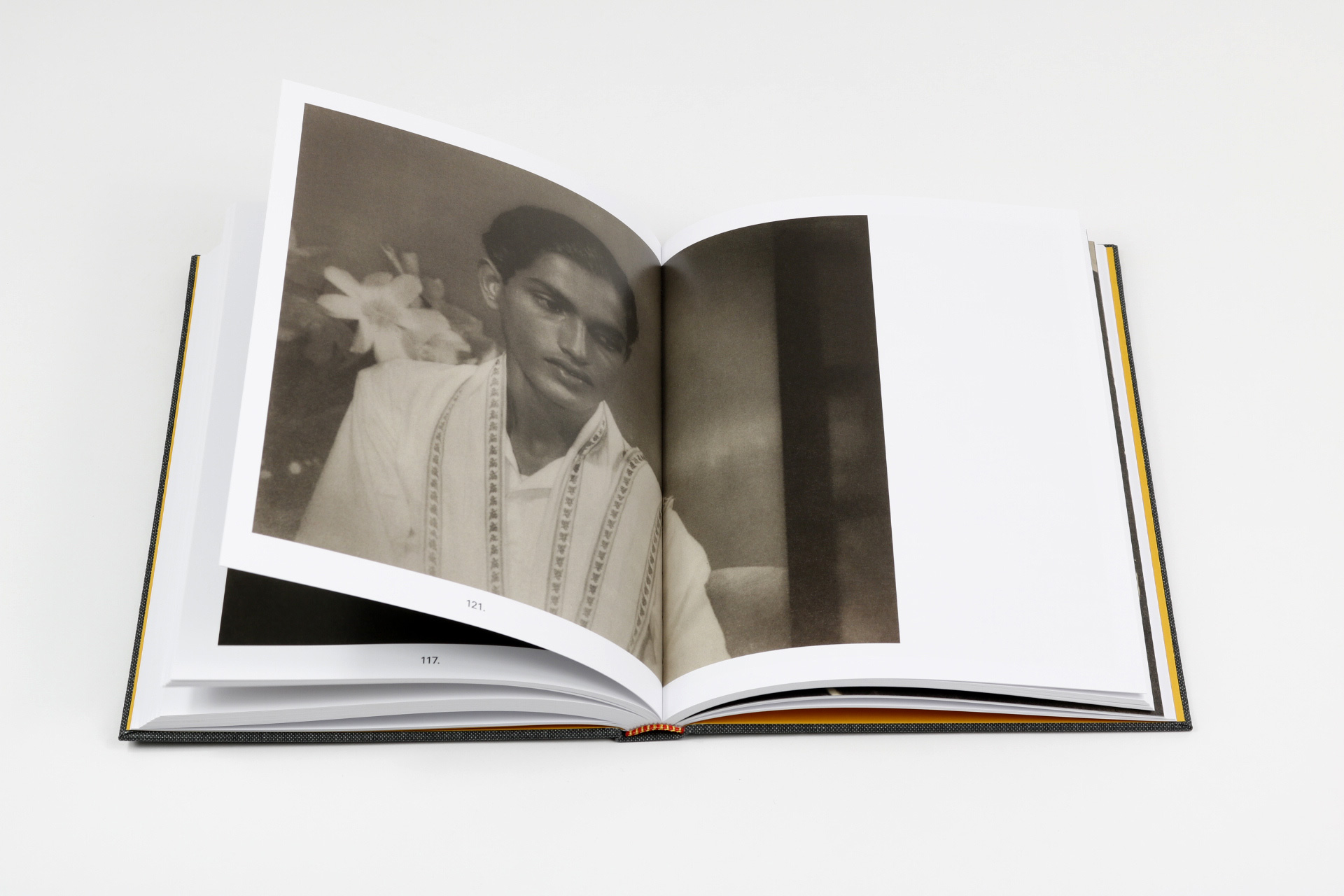
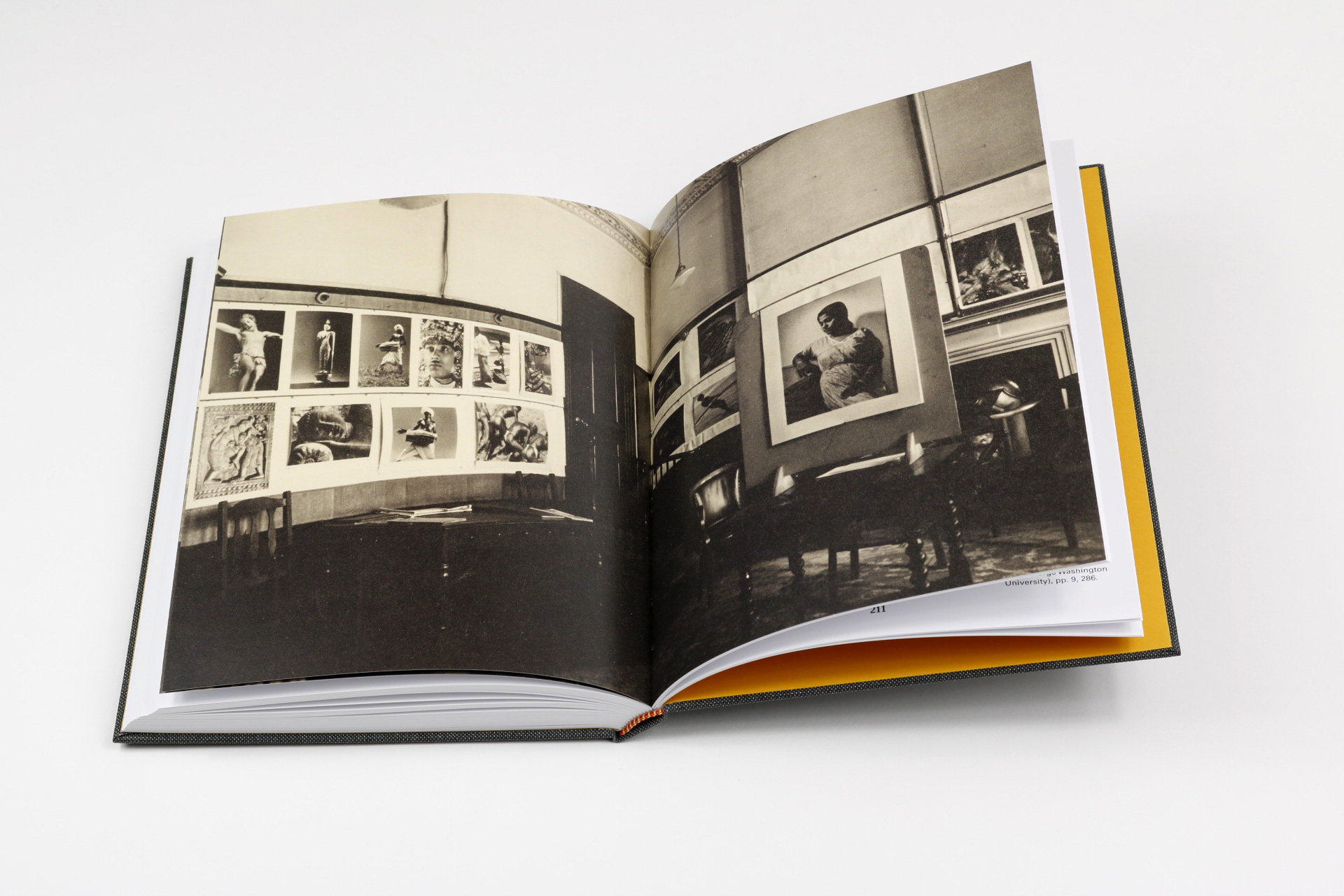


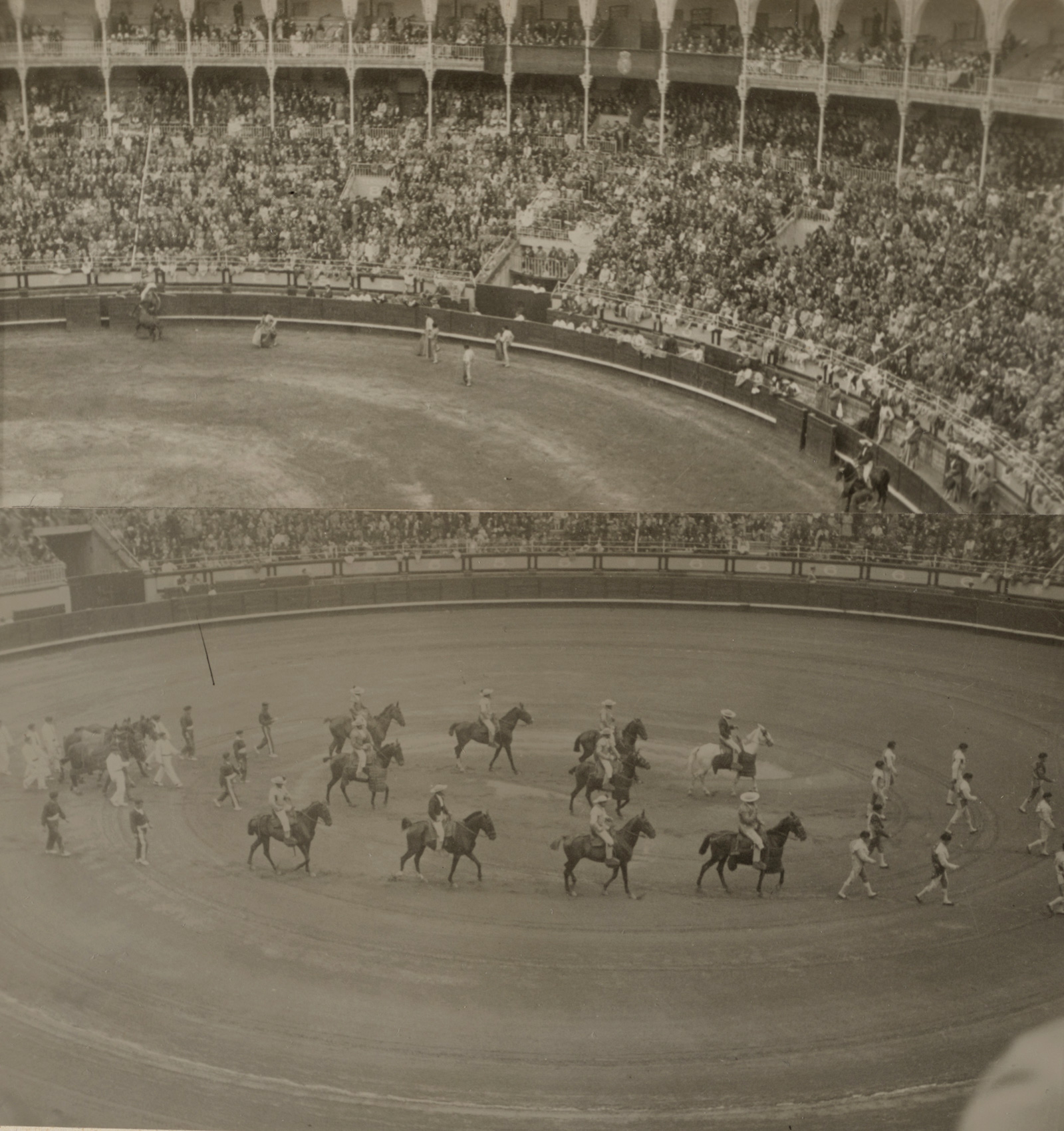


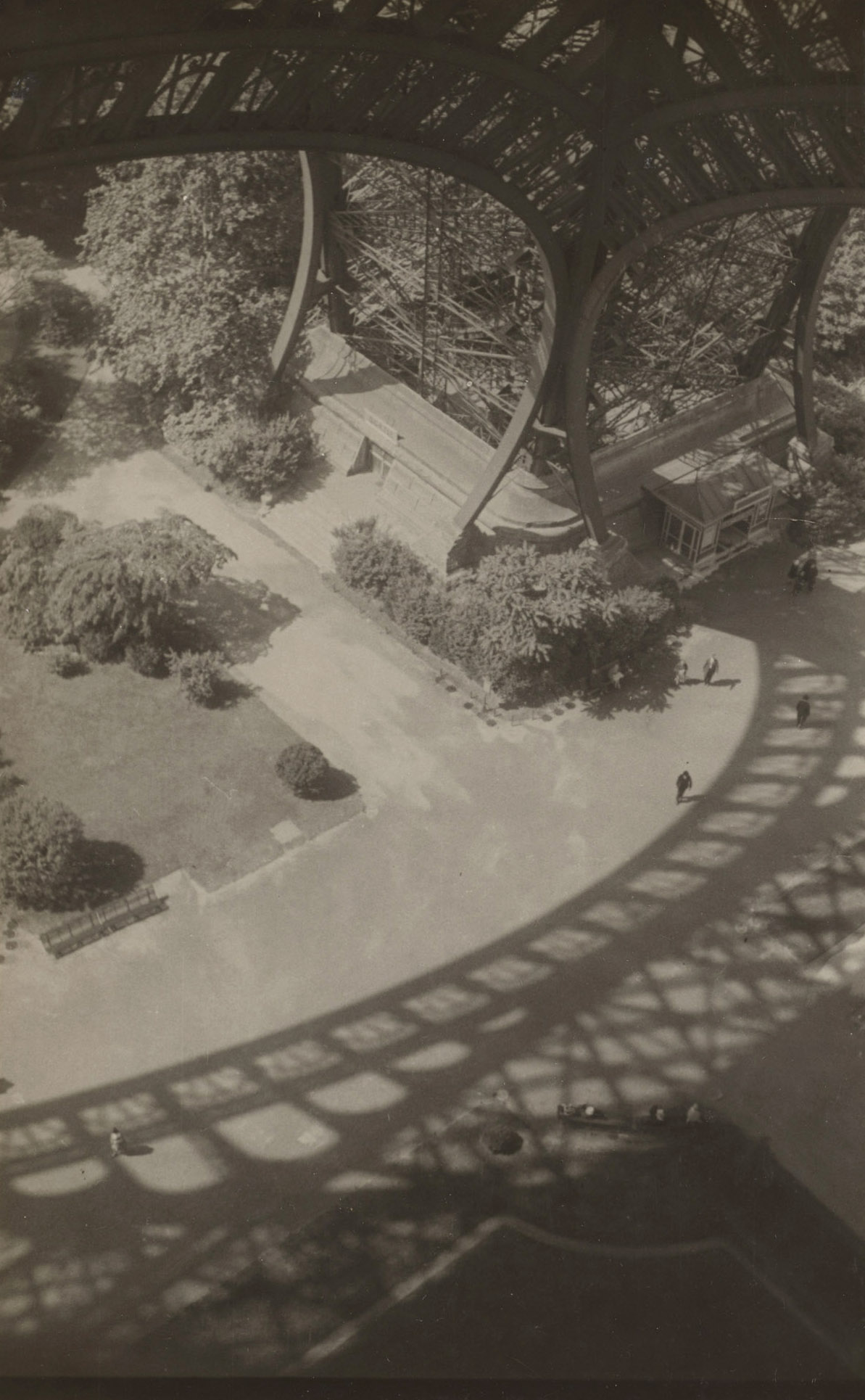
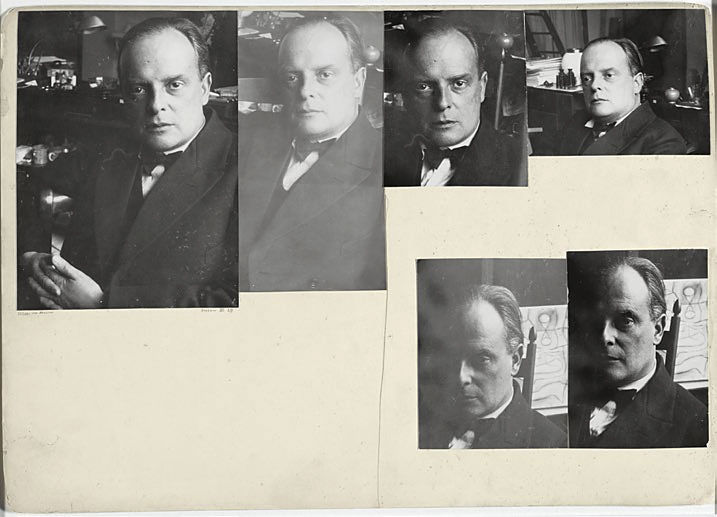

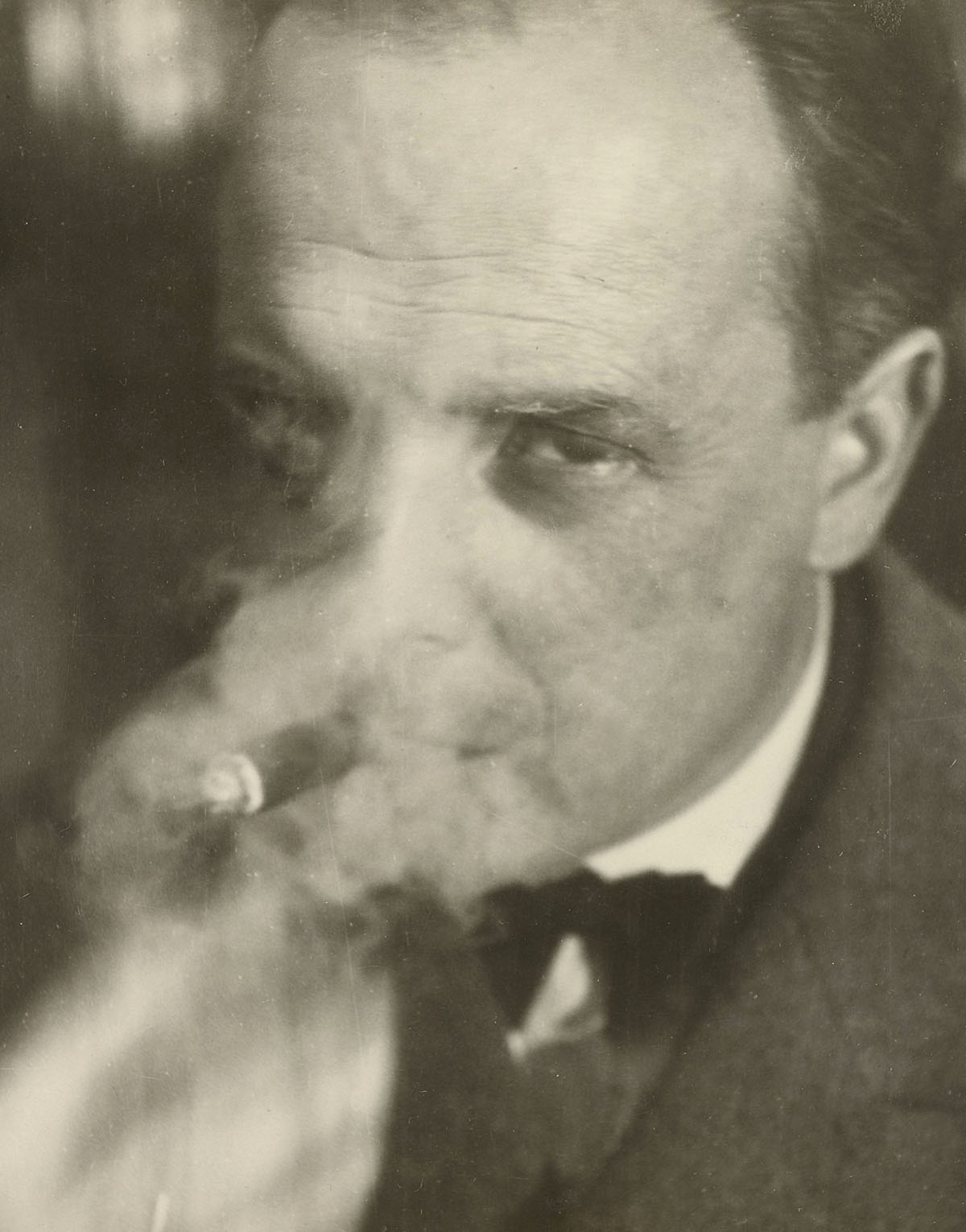


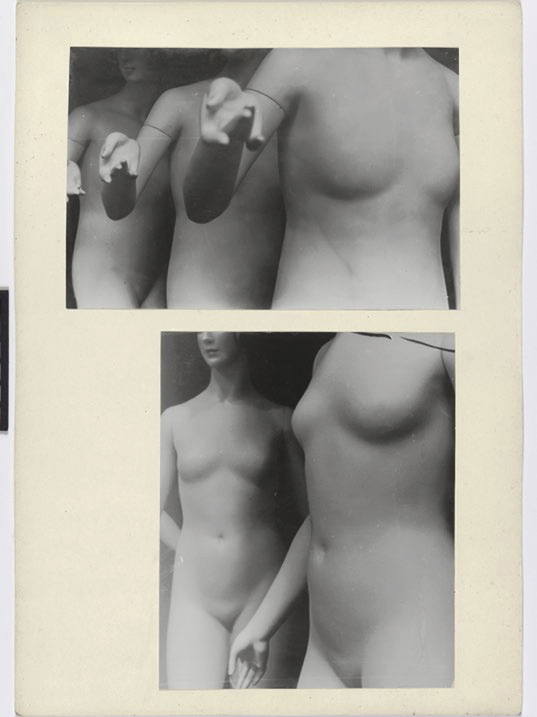
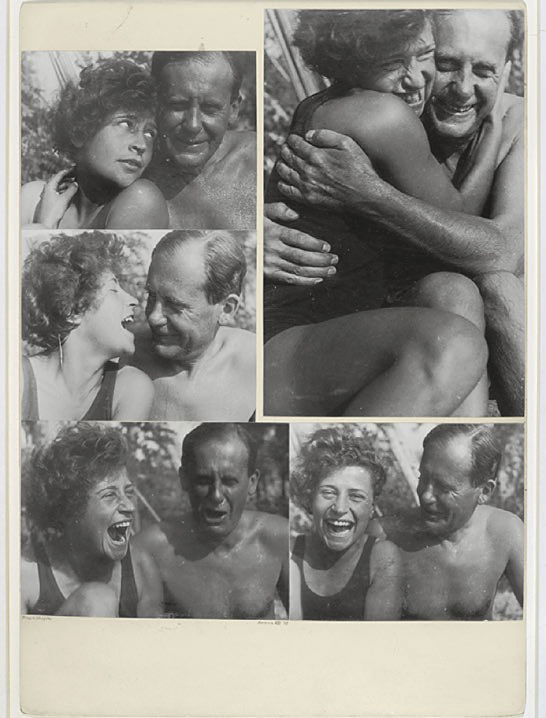
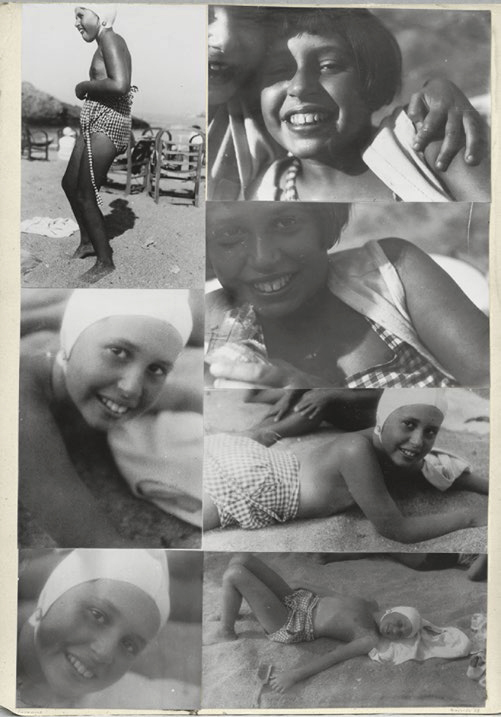

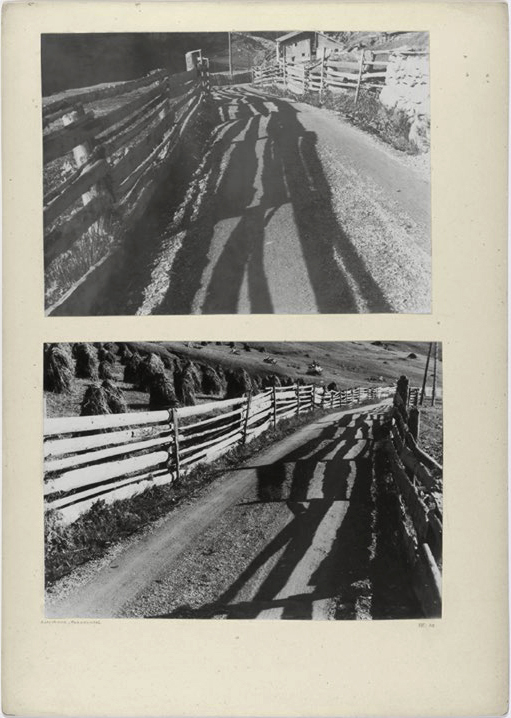

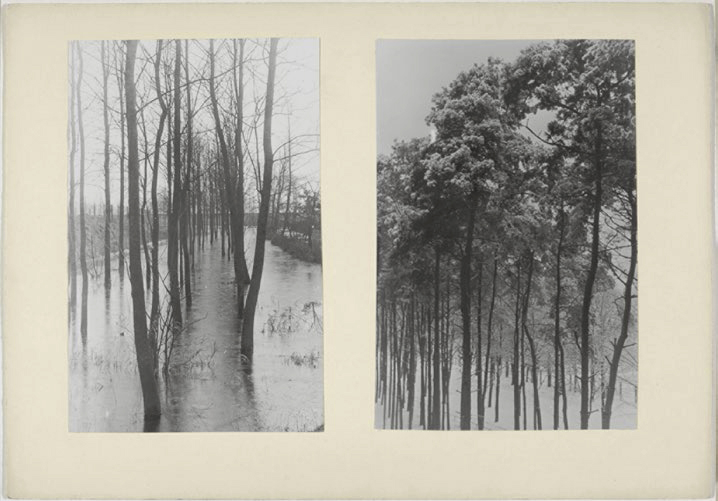


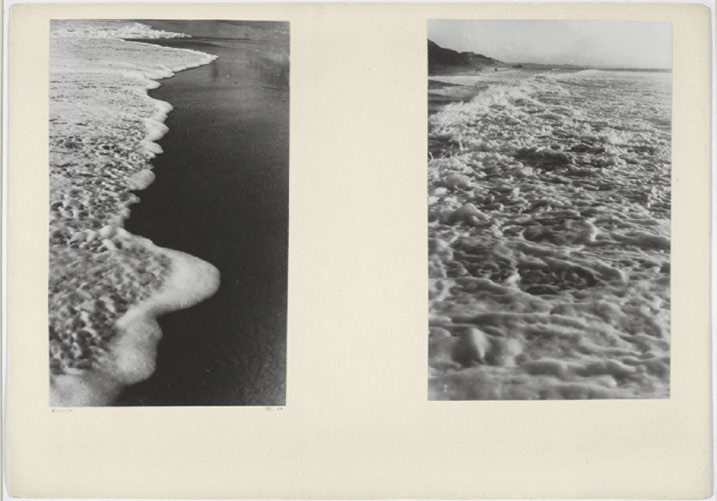

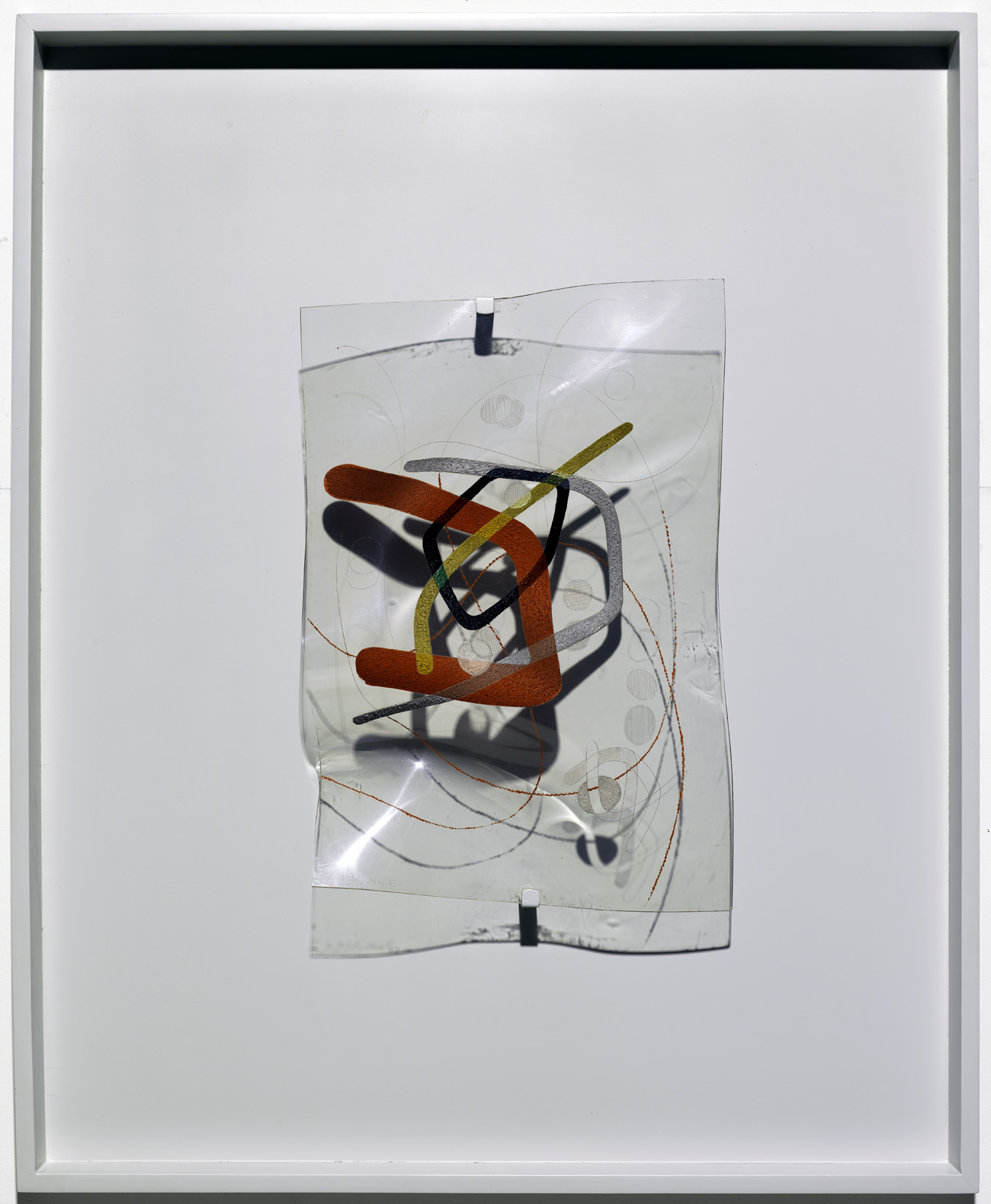

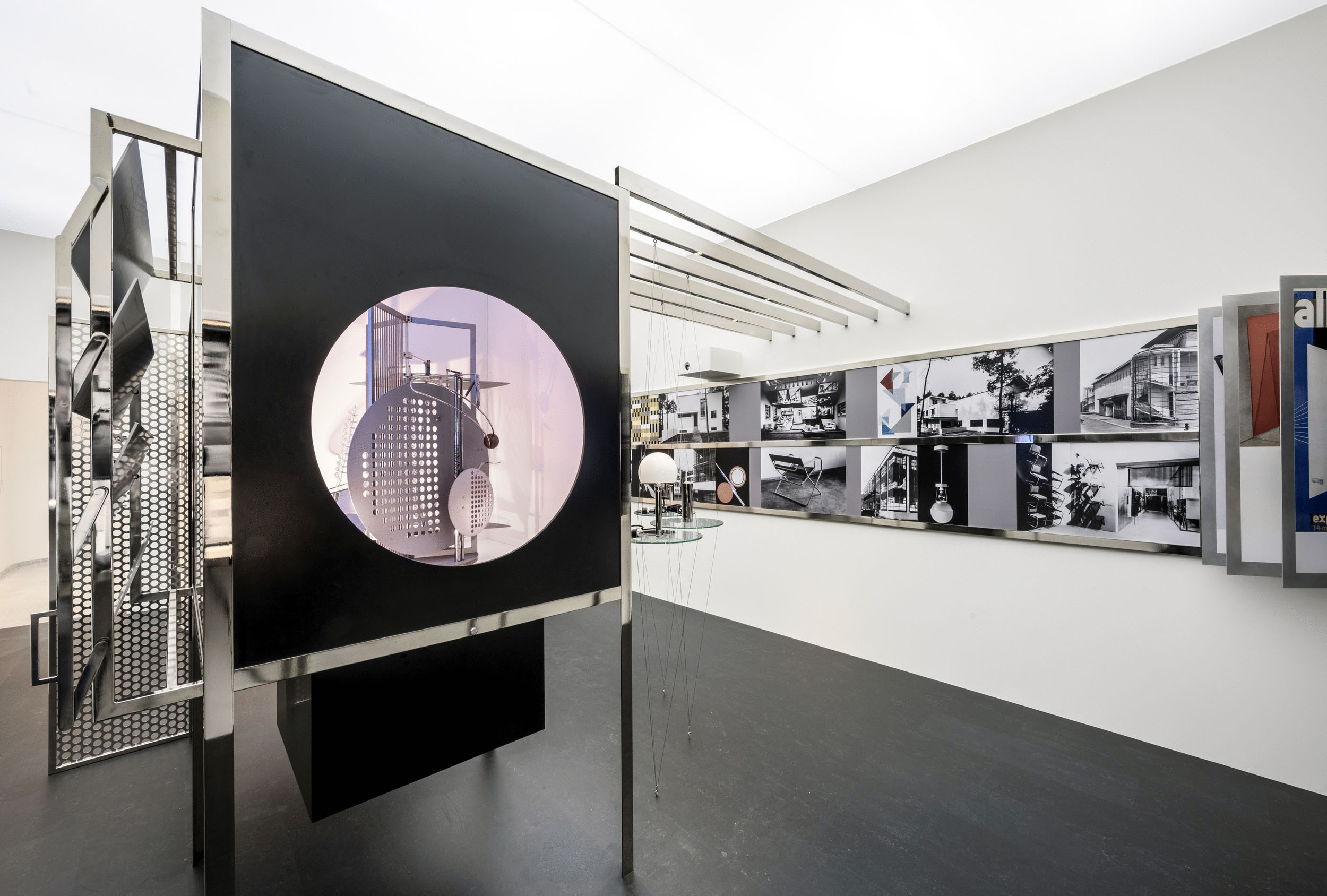
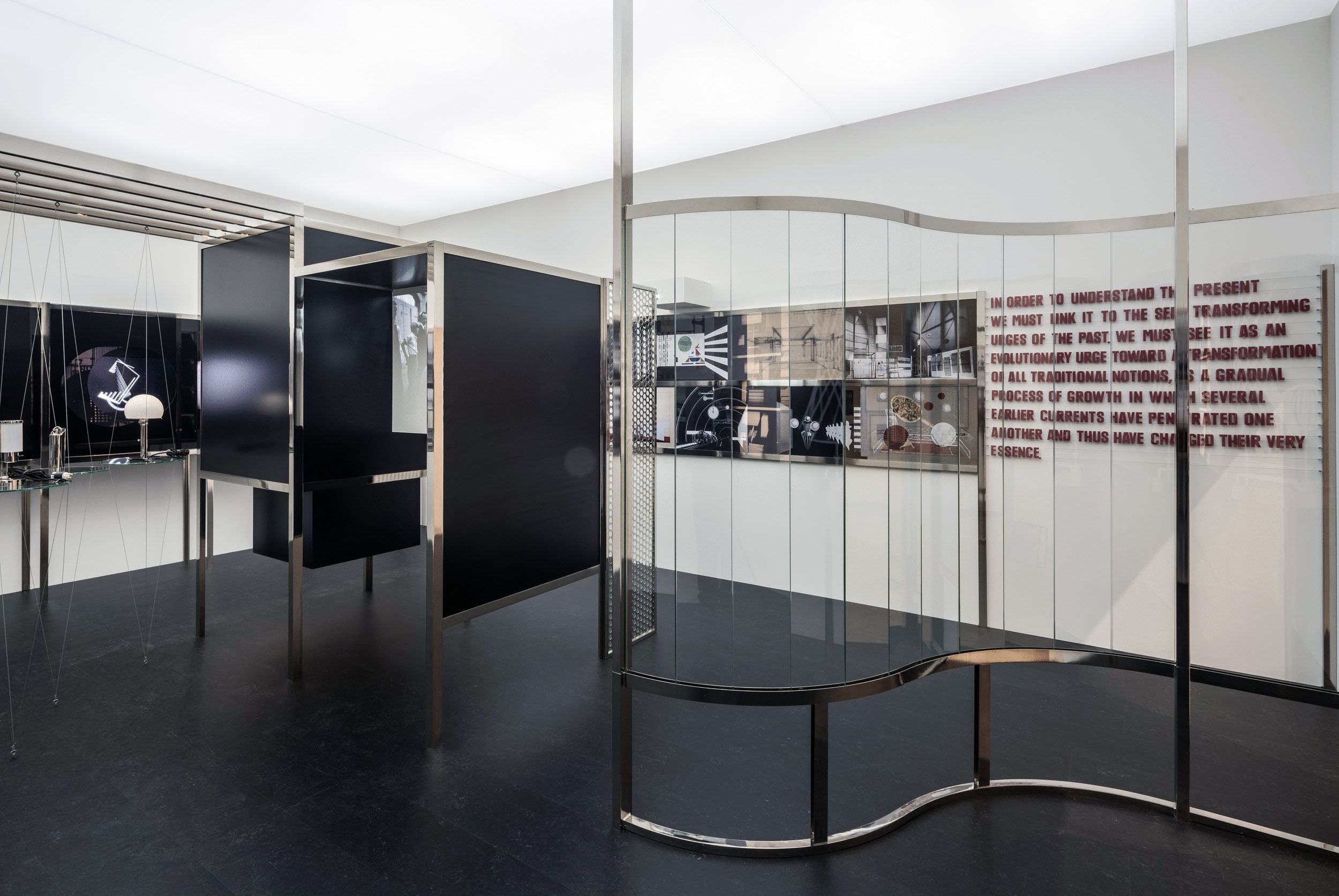


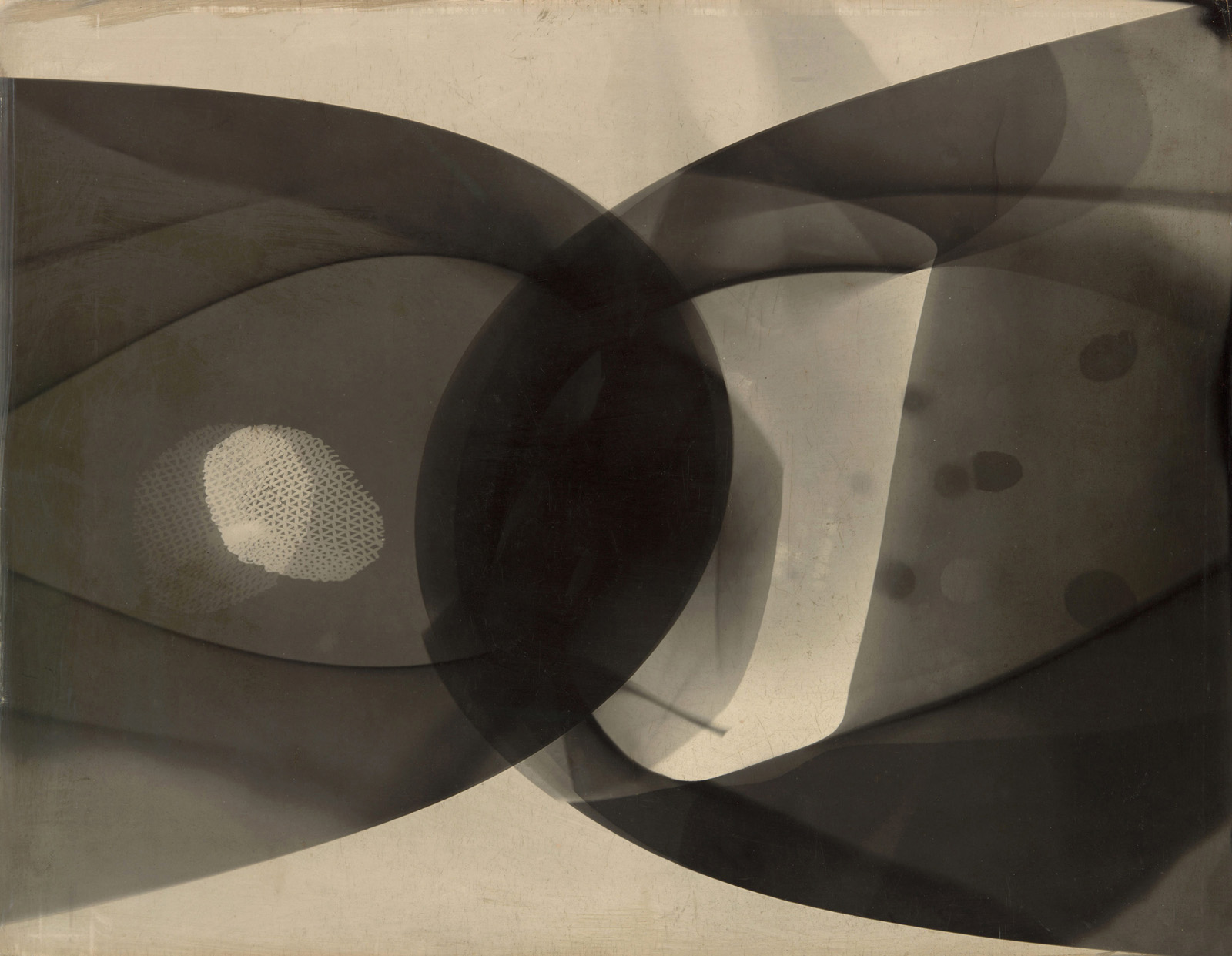

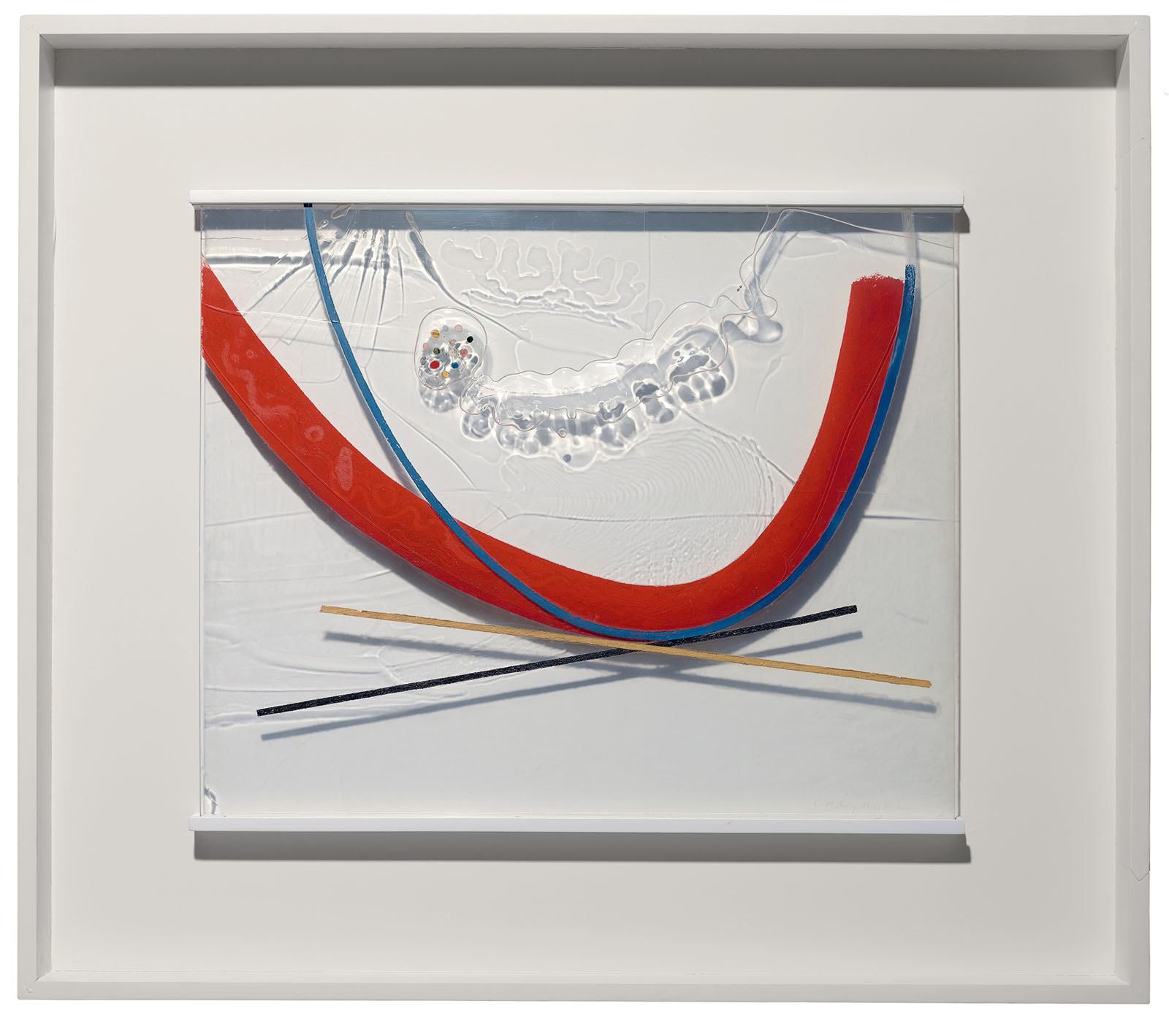

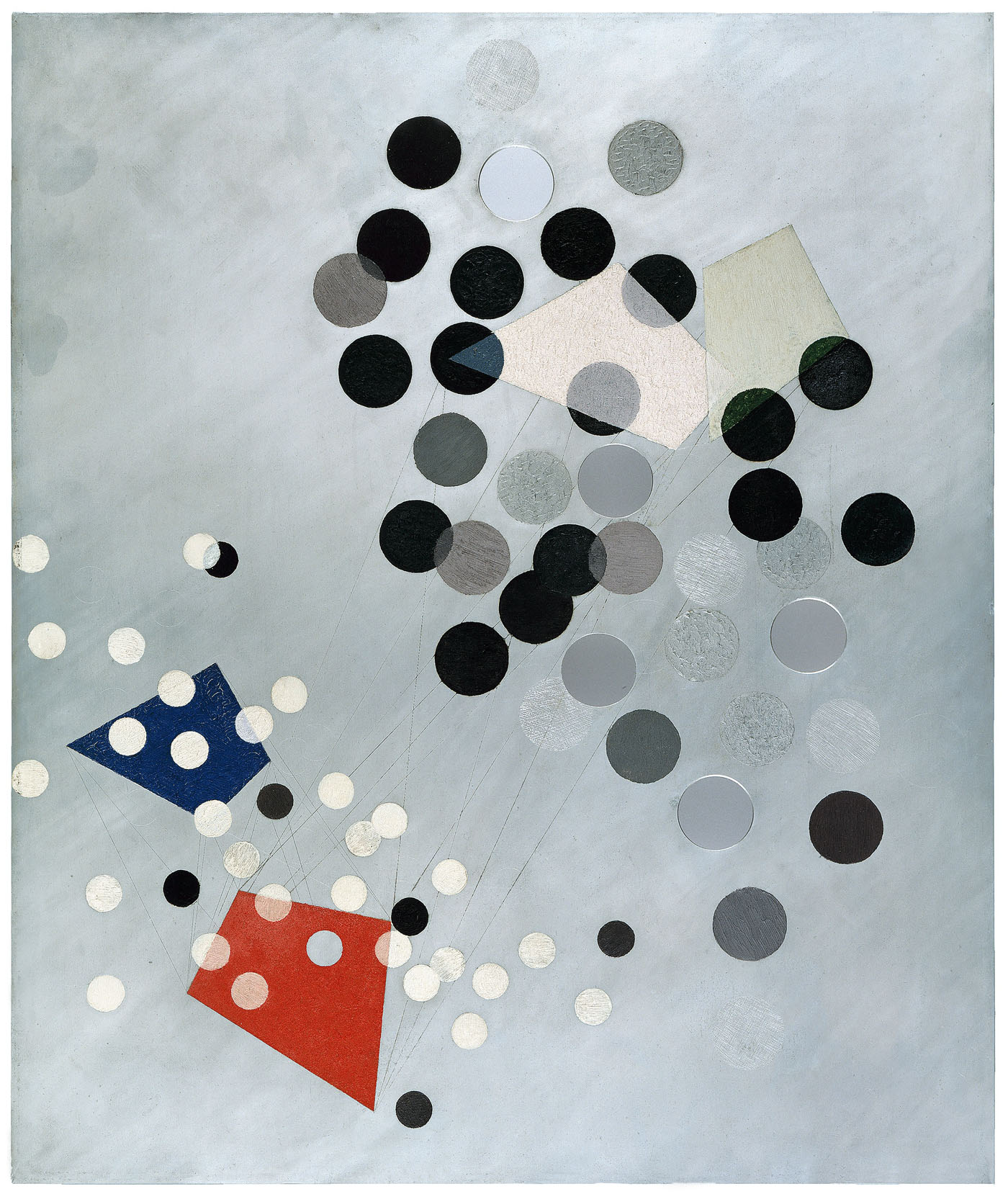
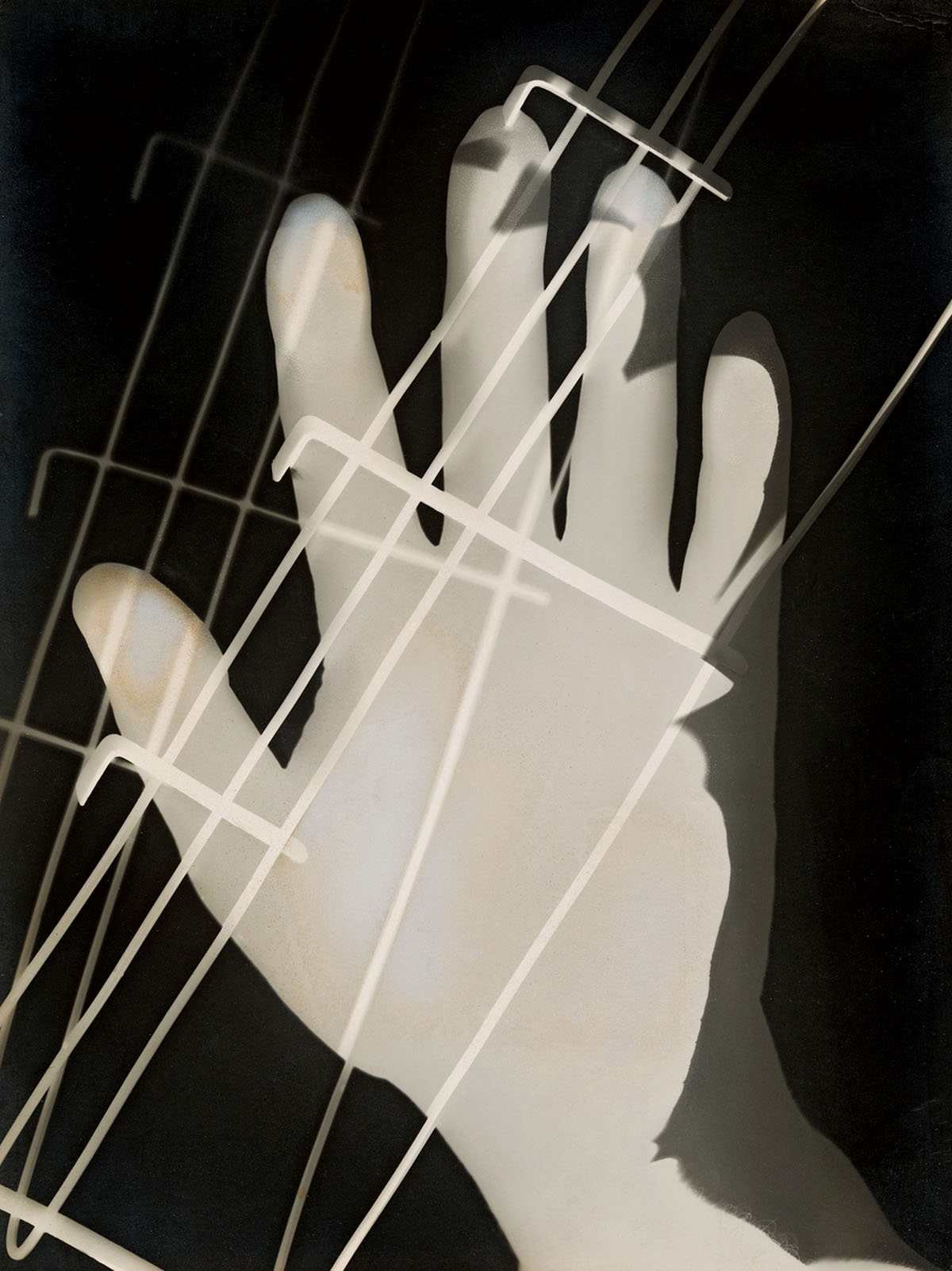
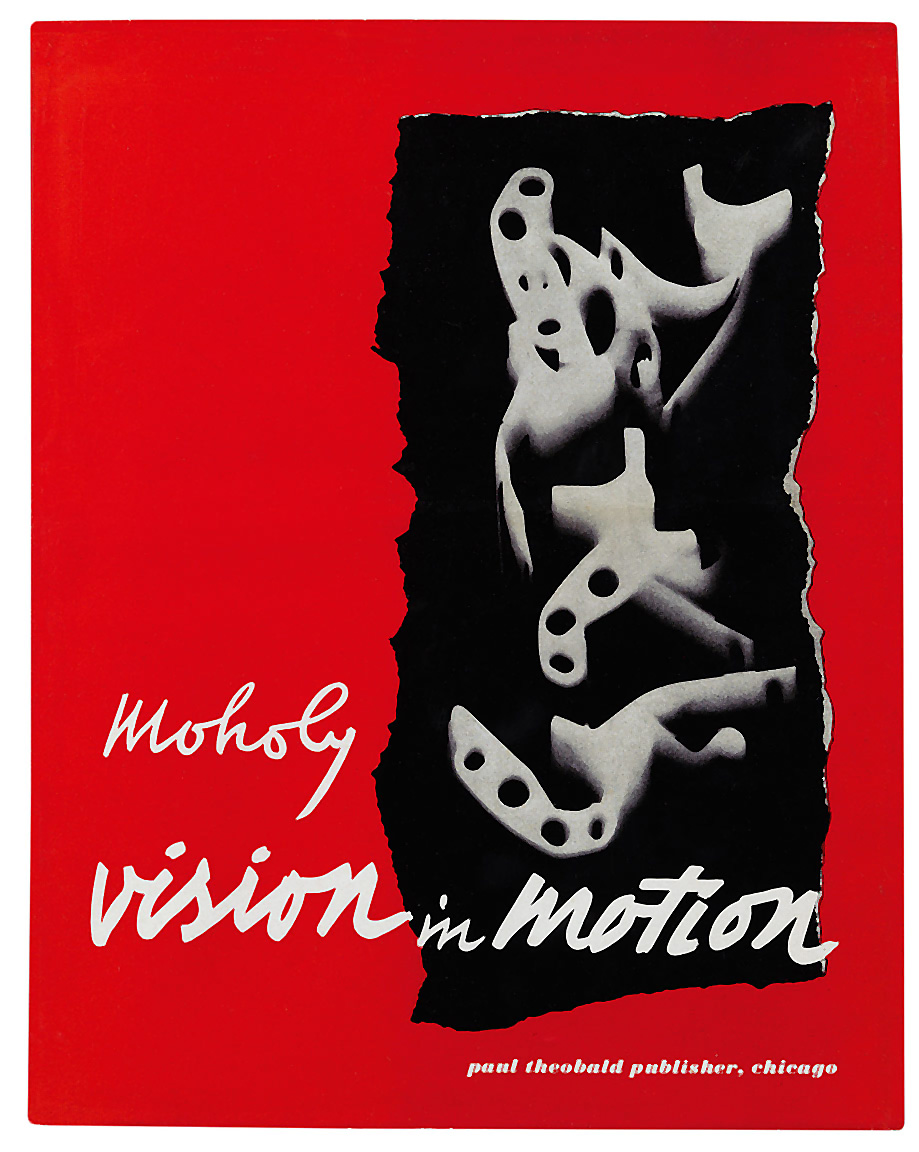


![Installation view of the exhibition 'Max and Olive: The photographic life of Olive Cotton and Max Dupain' at The Ian Potter Museum of Art, Melbourne showing at left, Max Dupain's 'Bawley Point landscape' (1938) and at middle, Dupain's 'Untitled [Factory chimney stacks]', 1940](https://artblart.com/wp-content/uploads/2016/07/installation-h.jpg "Installation view of the exhibition 'Max and Olive: The photographic life of Olive Cotton and Max Dupain' at The Ian Potter Museum of Art, Melbourne showing at left, Max Dupain's 'Bawley Point landscape' (1938) and at middle, Dupain's 'Untitled [Factory chimney stacks]', 1940")


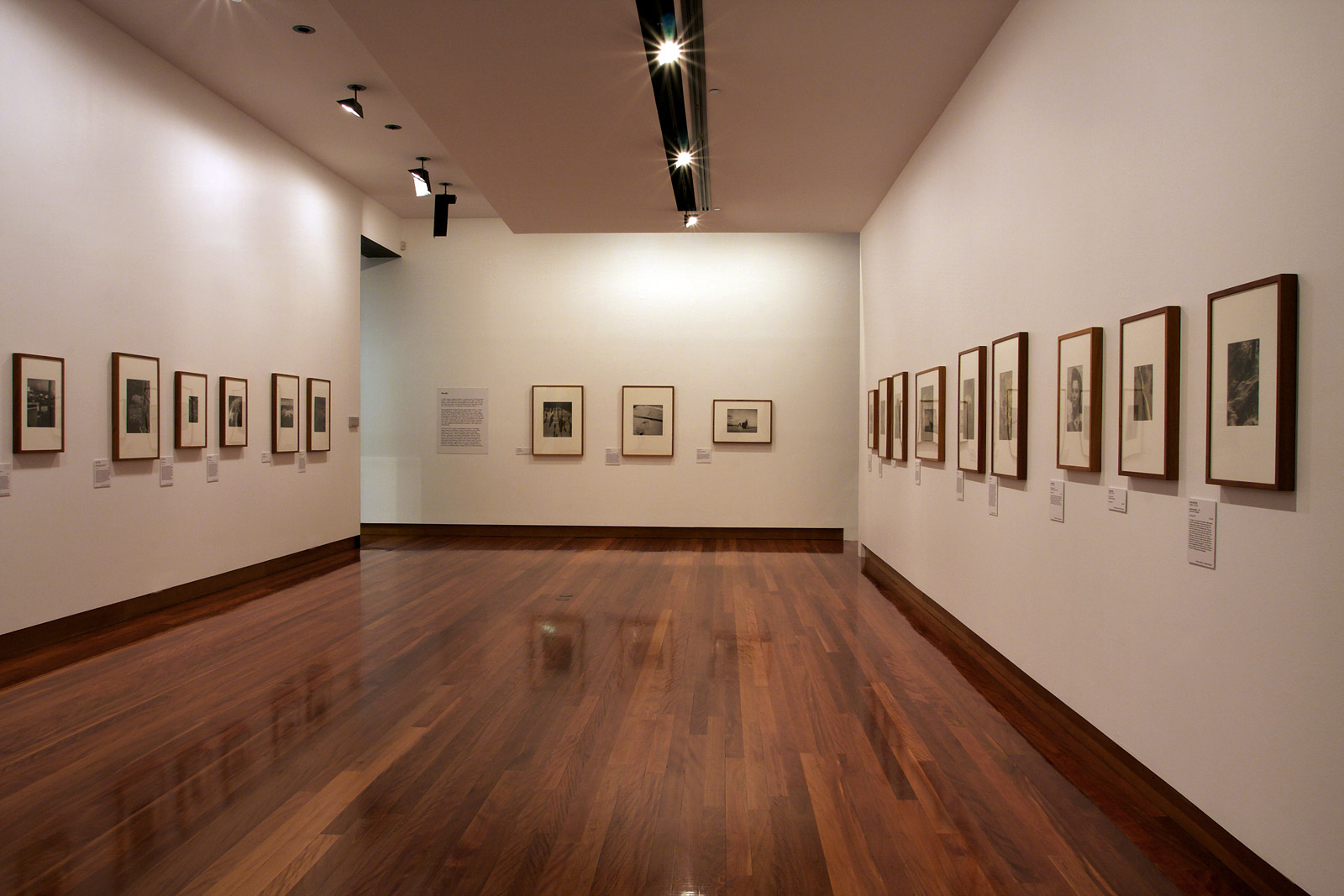


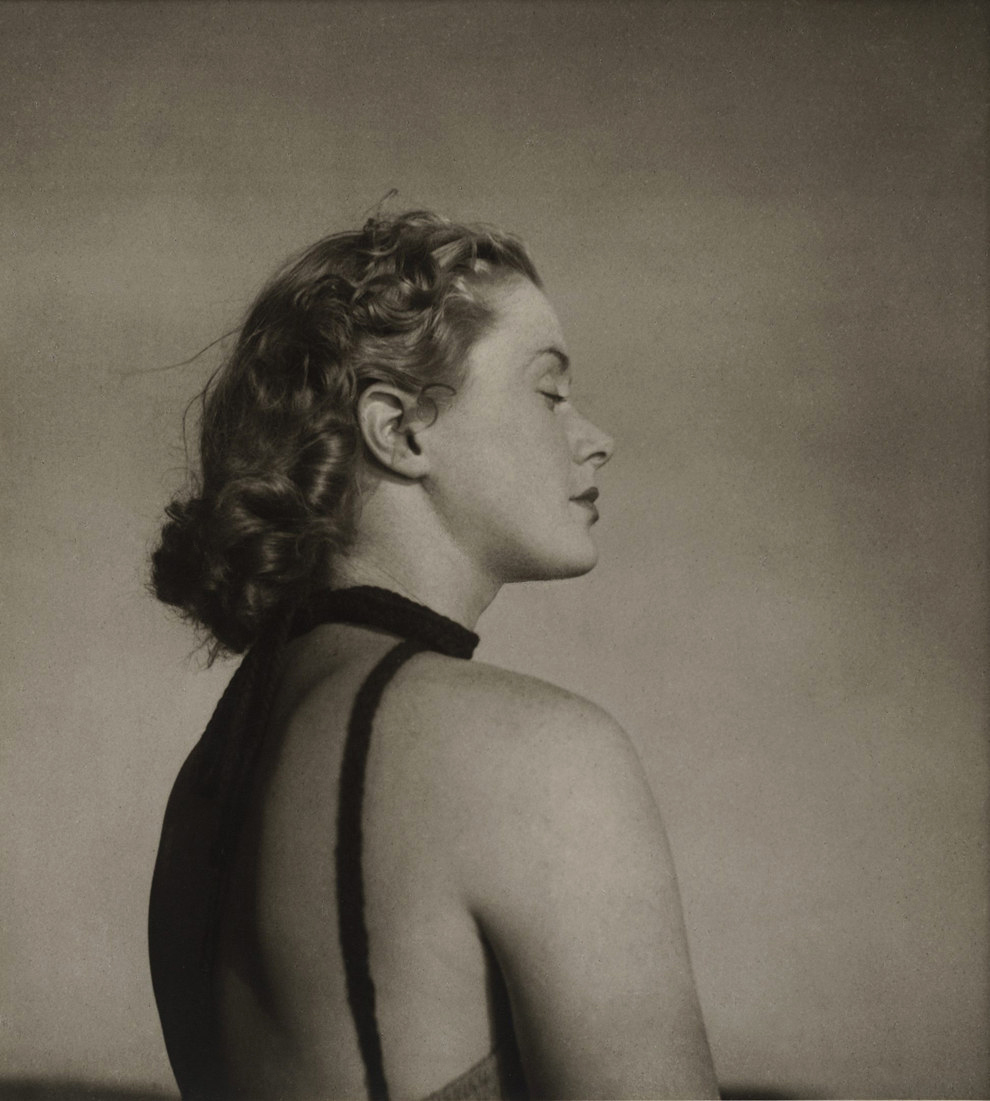
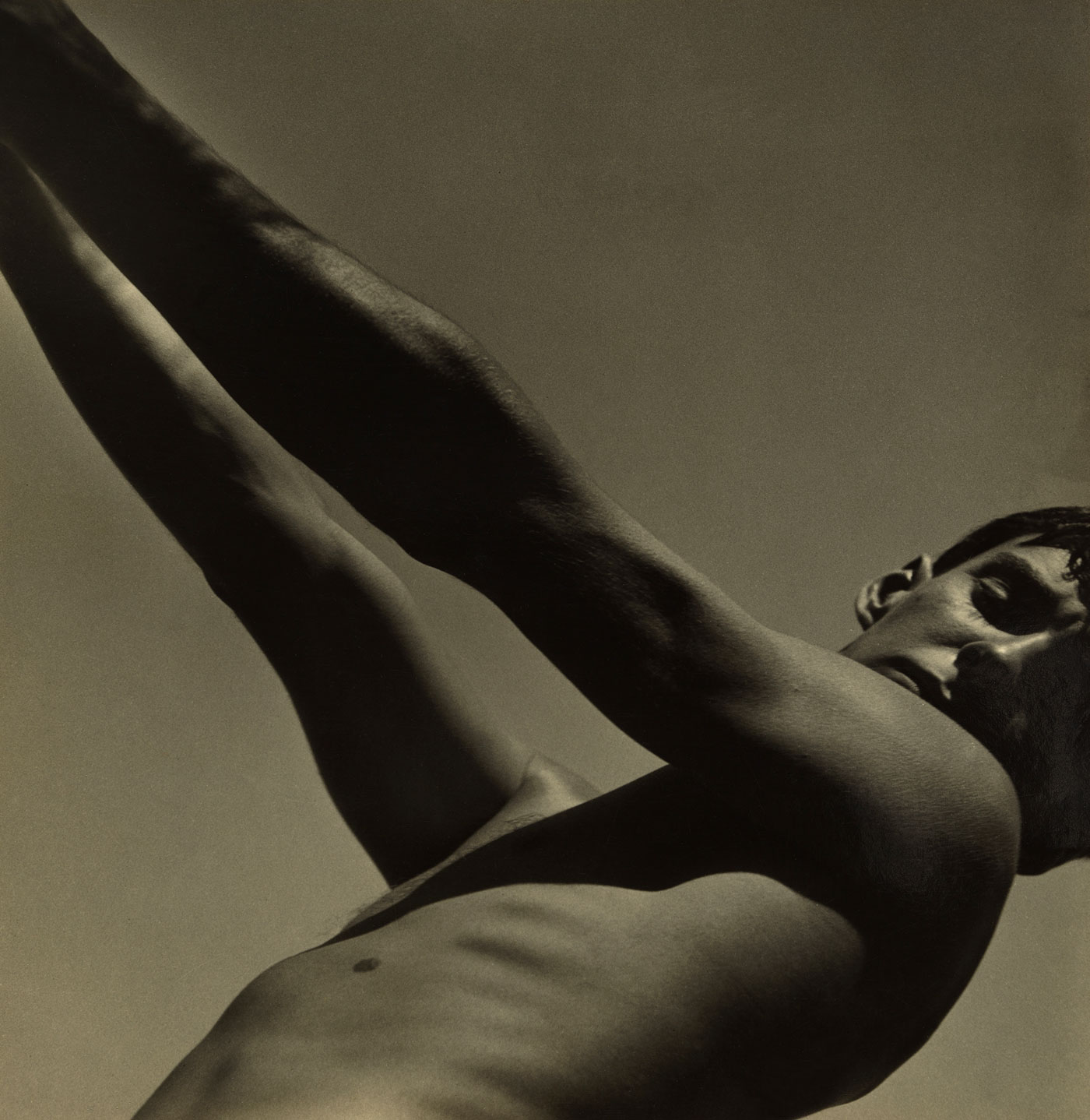
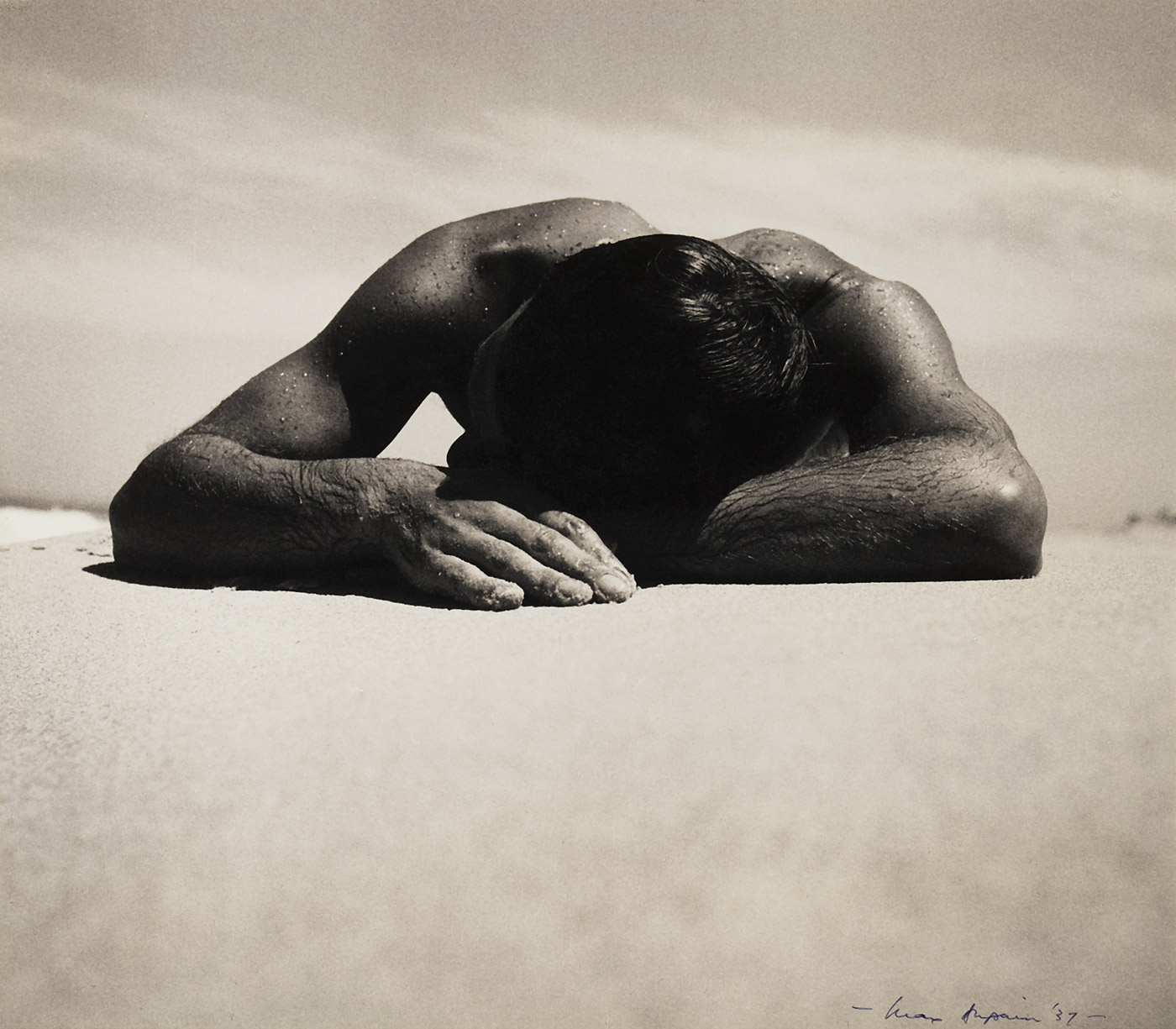

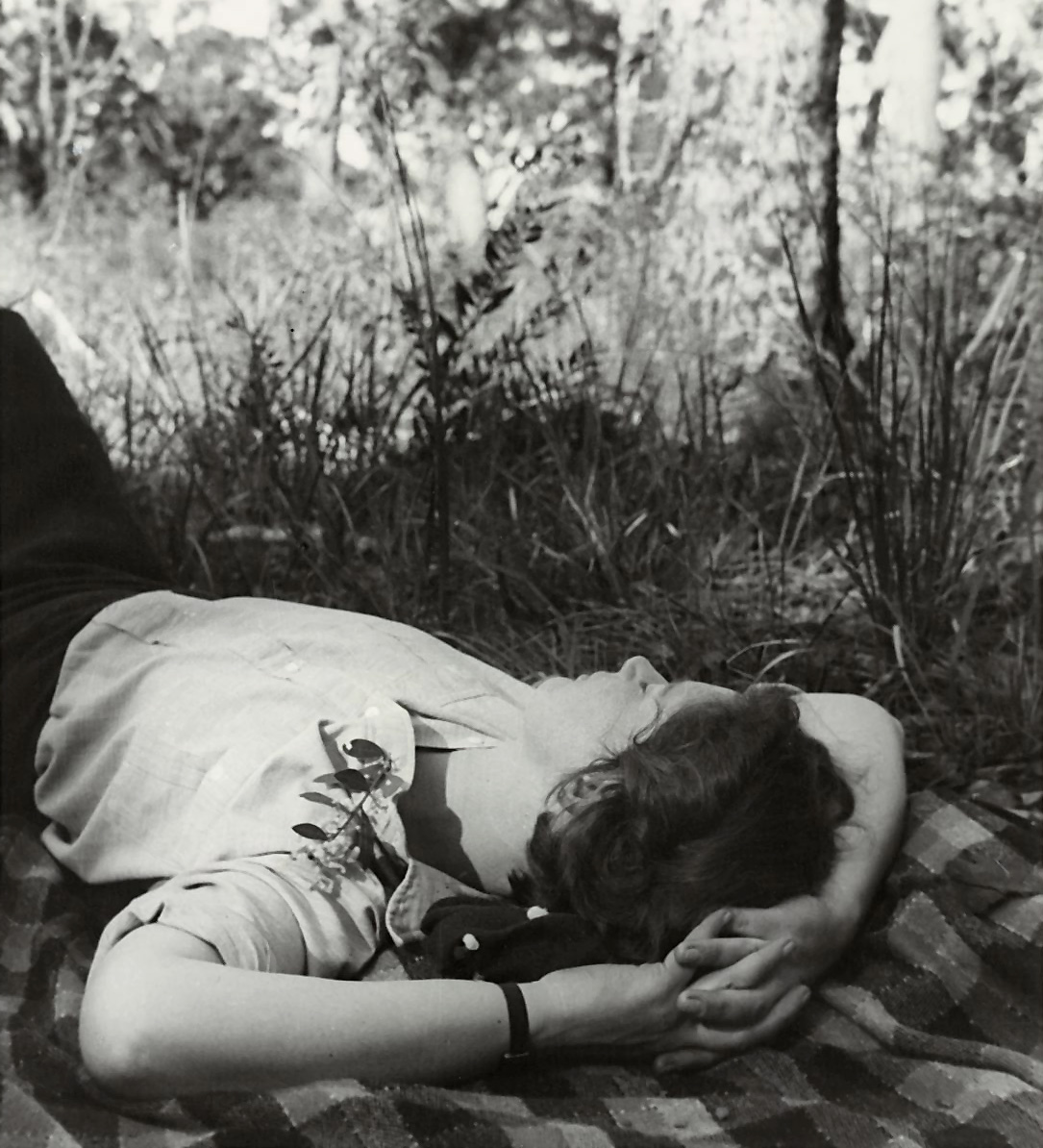
![Max Dupain (Australian, 1911-1992) 'Untitled [Olive Cotton in Wheat Fields]' Nd (probably late 1930s)](https://artblart.com/wp-content/uploads/2016/07/dupain-olive-cotton-in-wheat-fields-nd-web.jpg "Max Dupain (Australian, 1911-1992) 'Untitled [Olive Cotton in Wheat Fields]' Nd (probably late 1930s)")


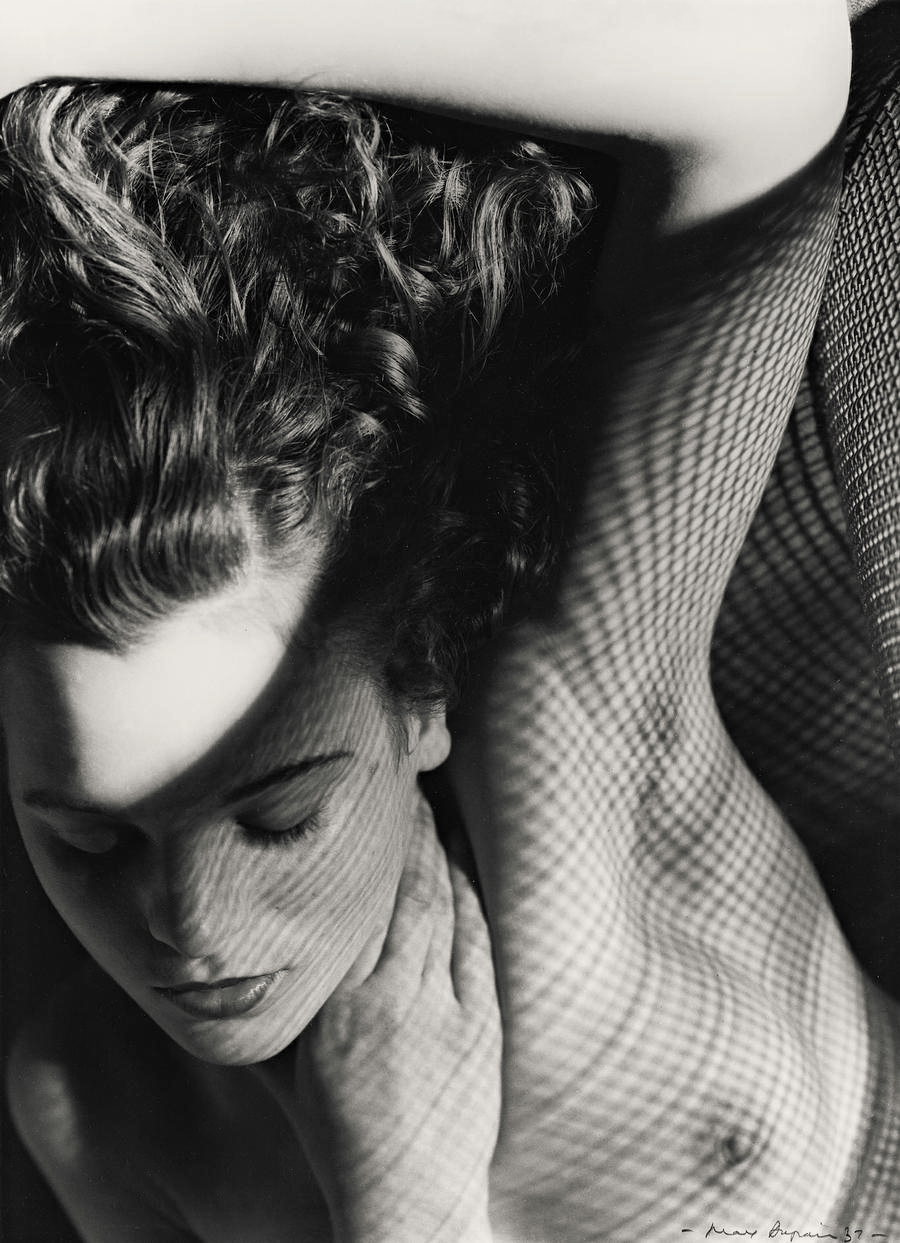
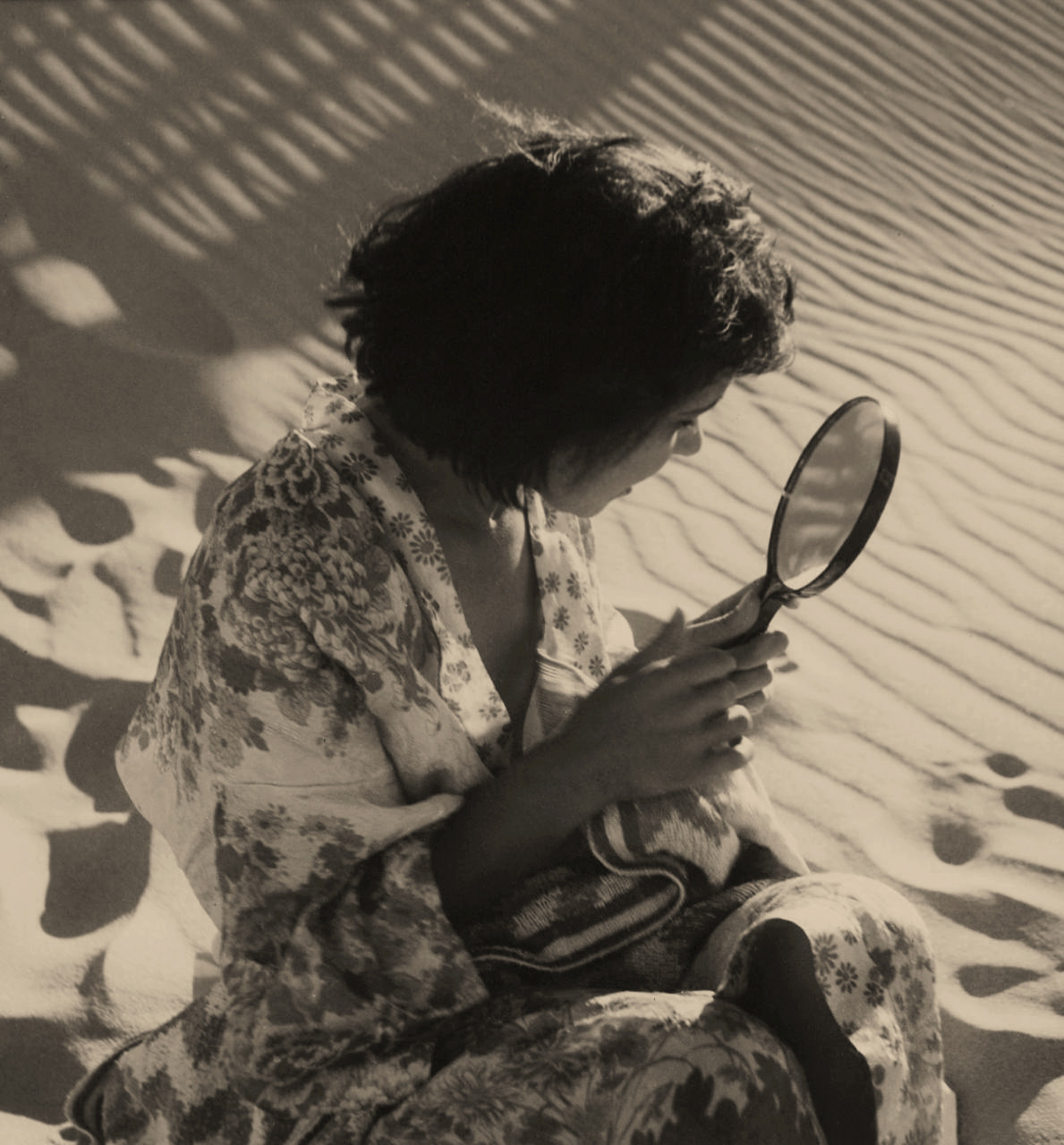

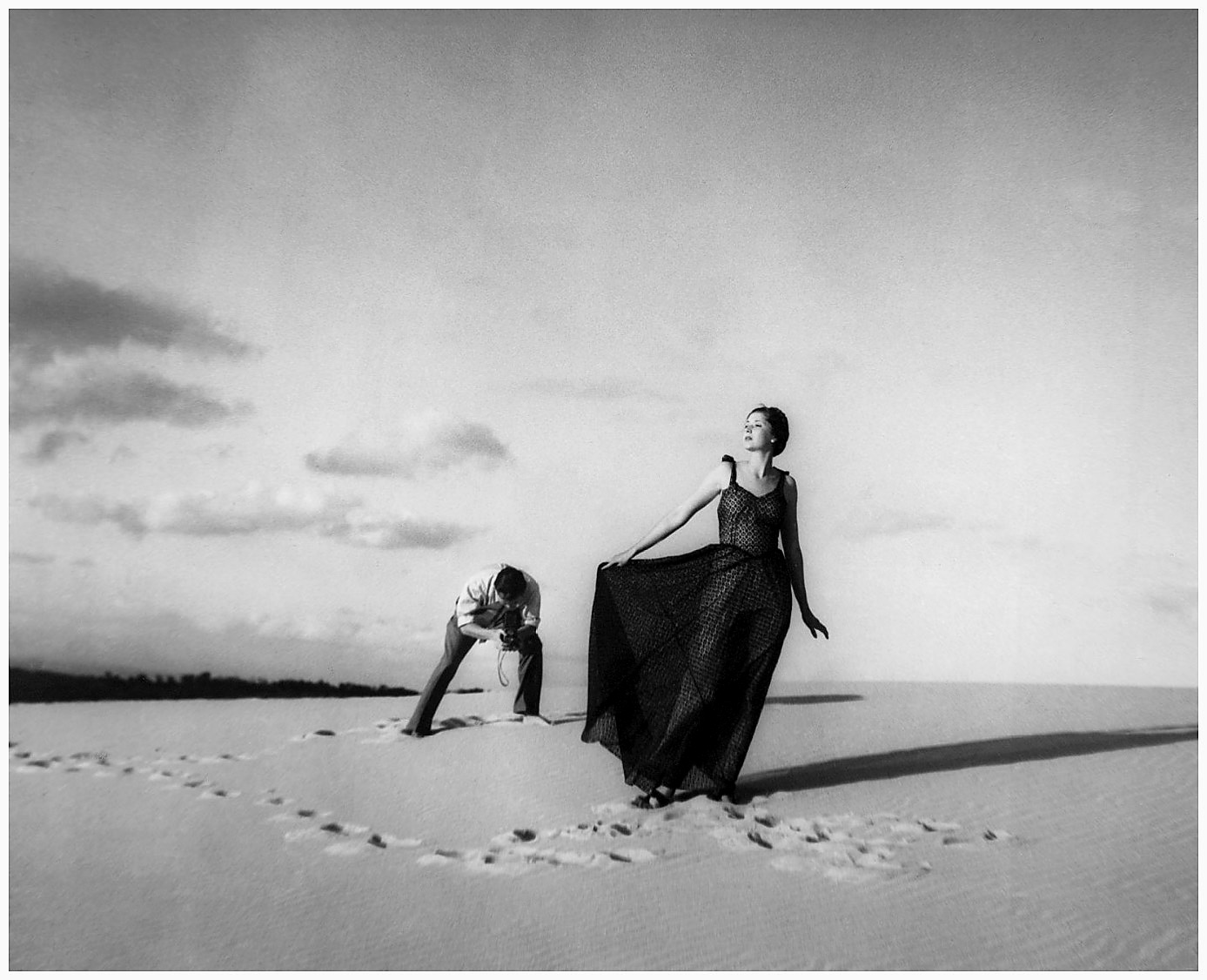
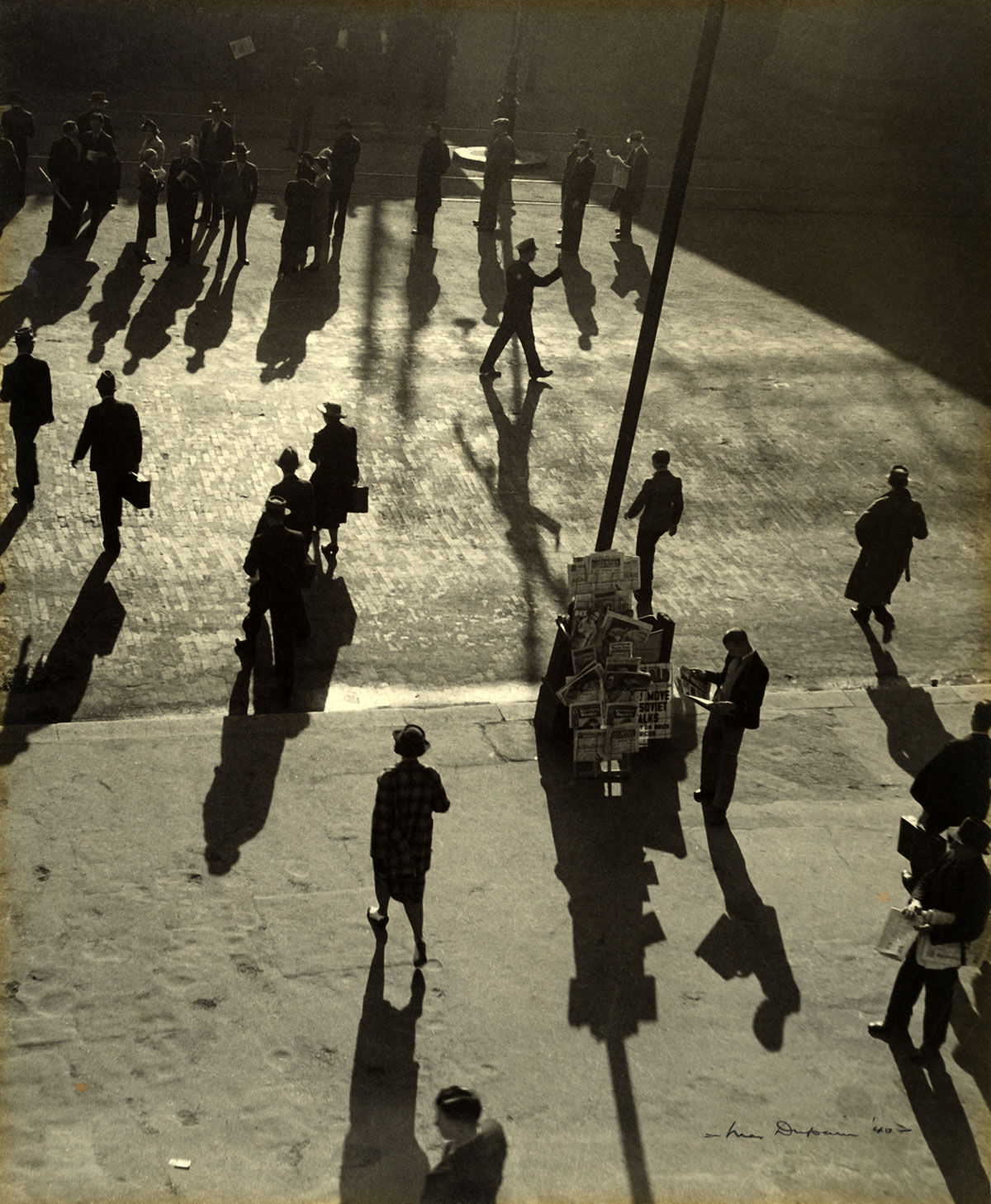


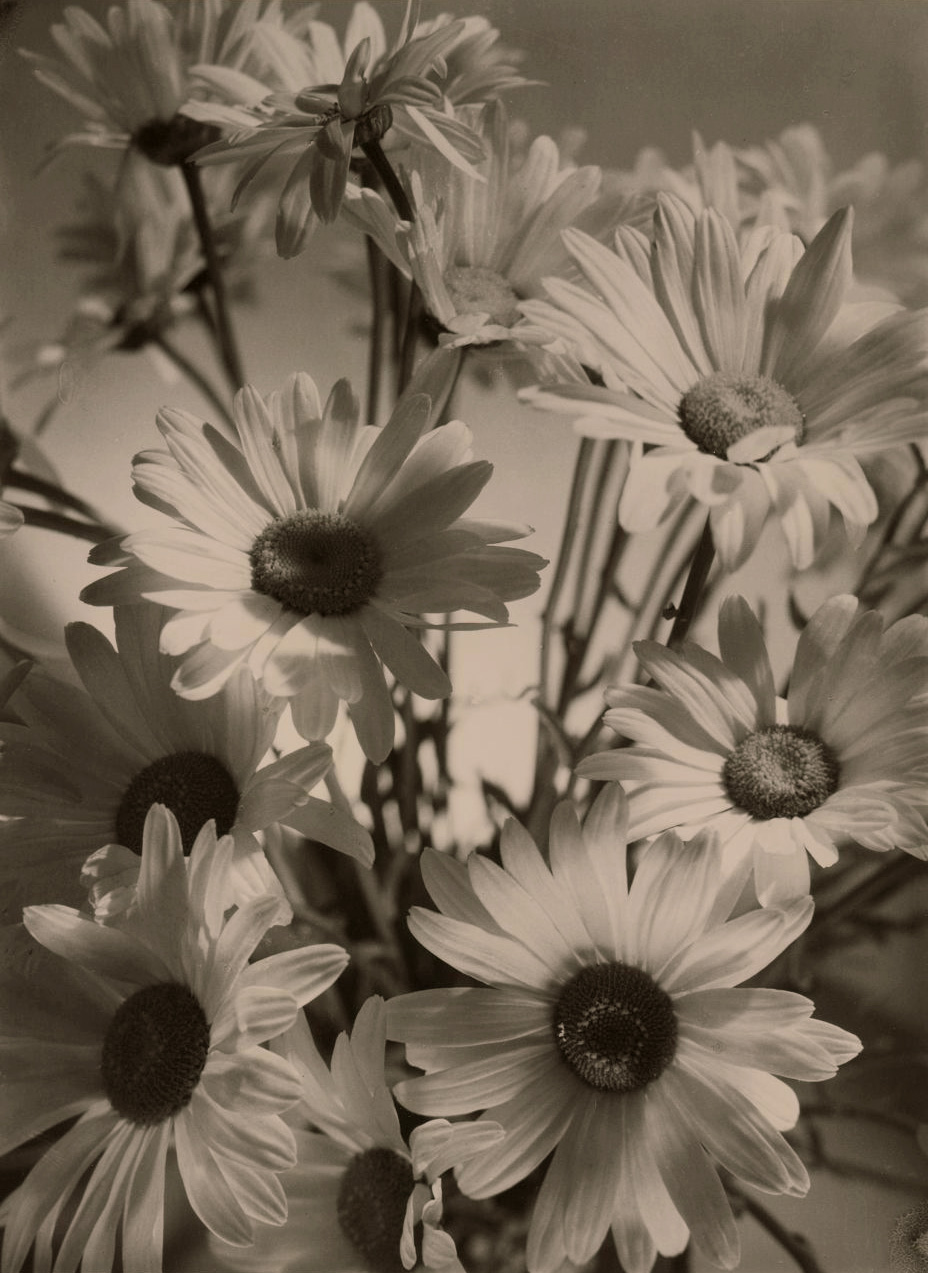
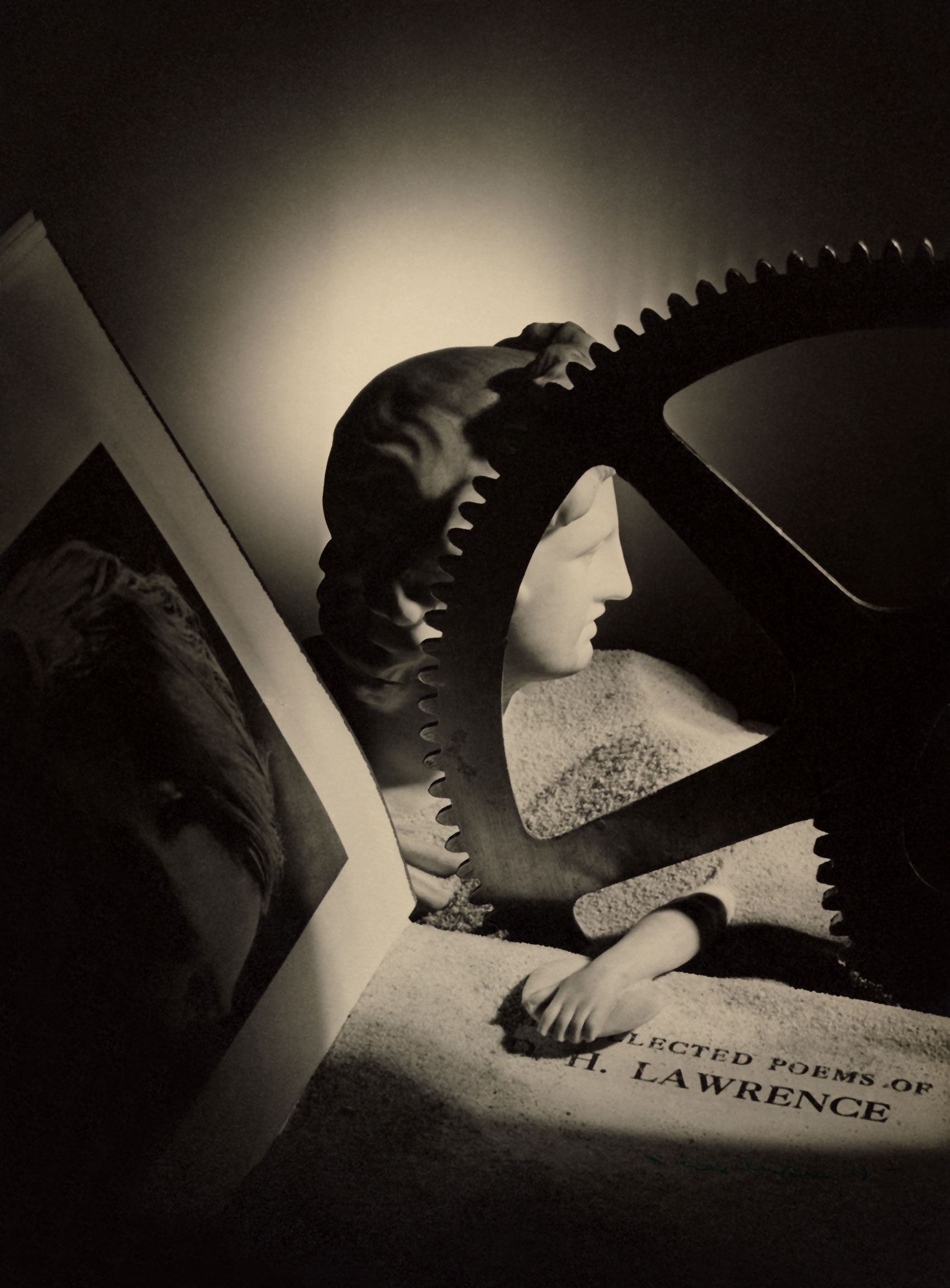

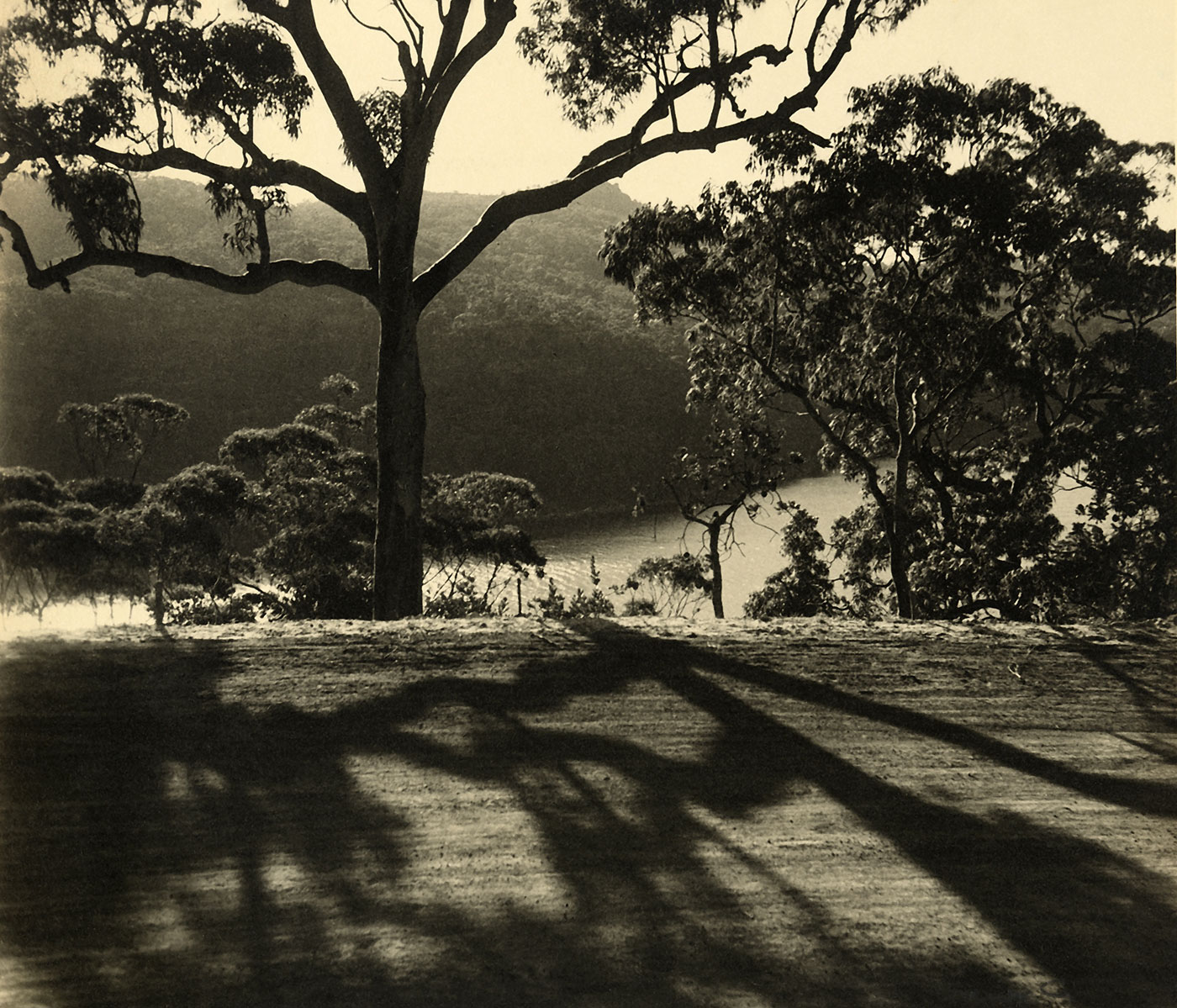
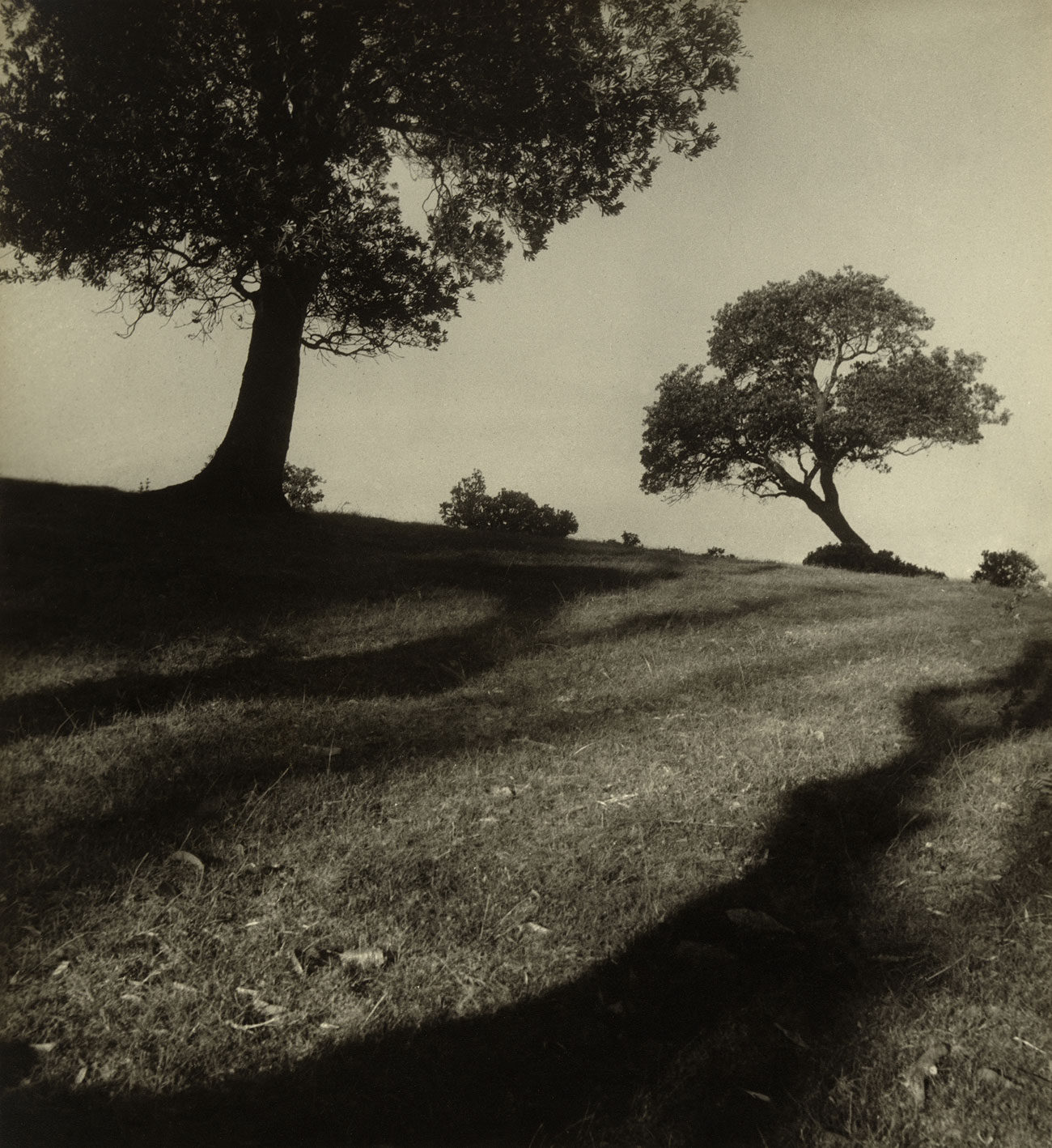


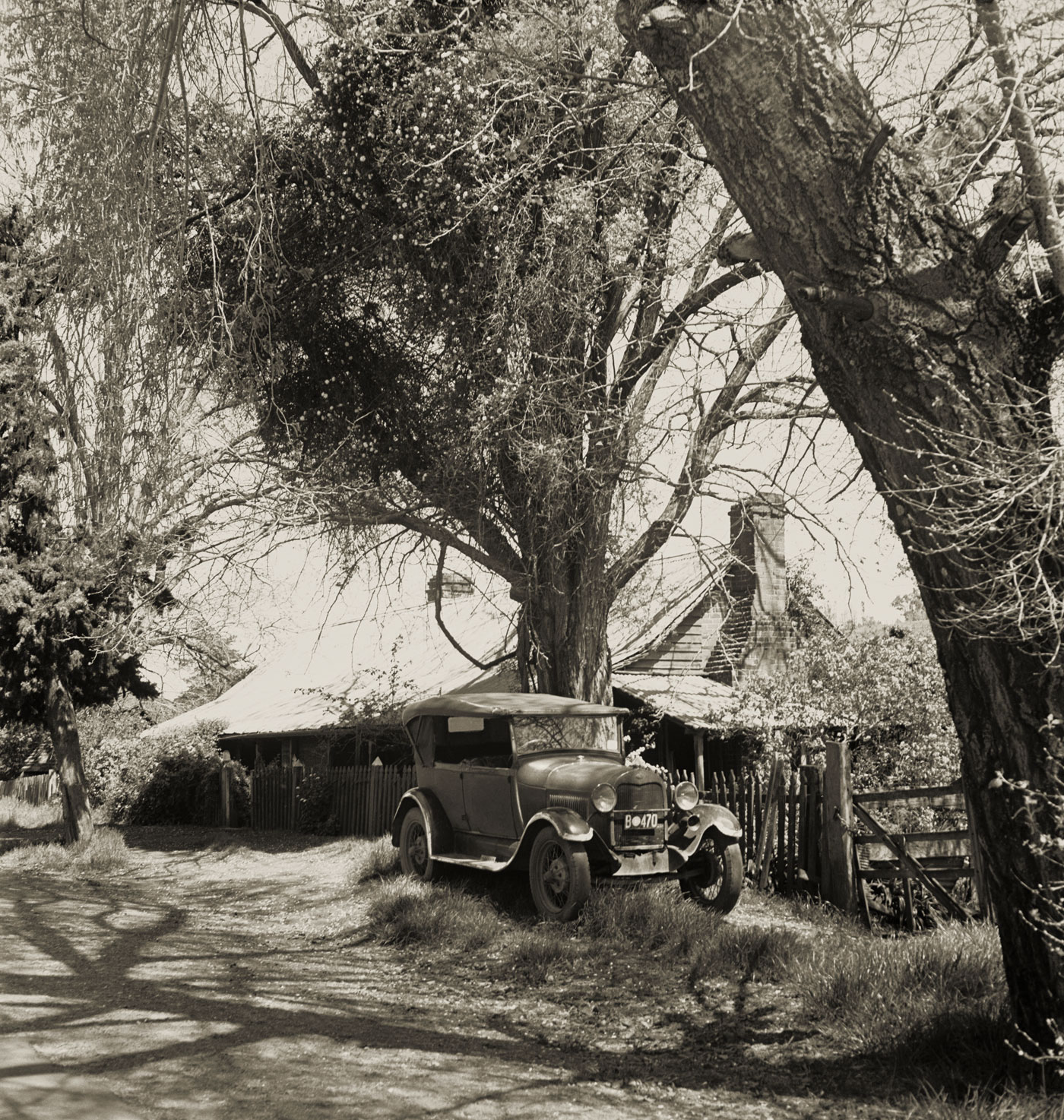

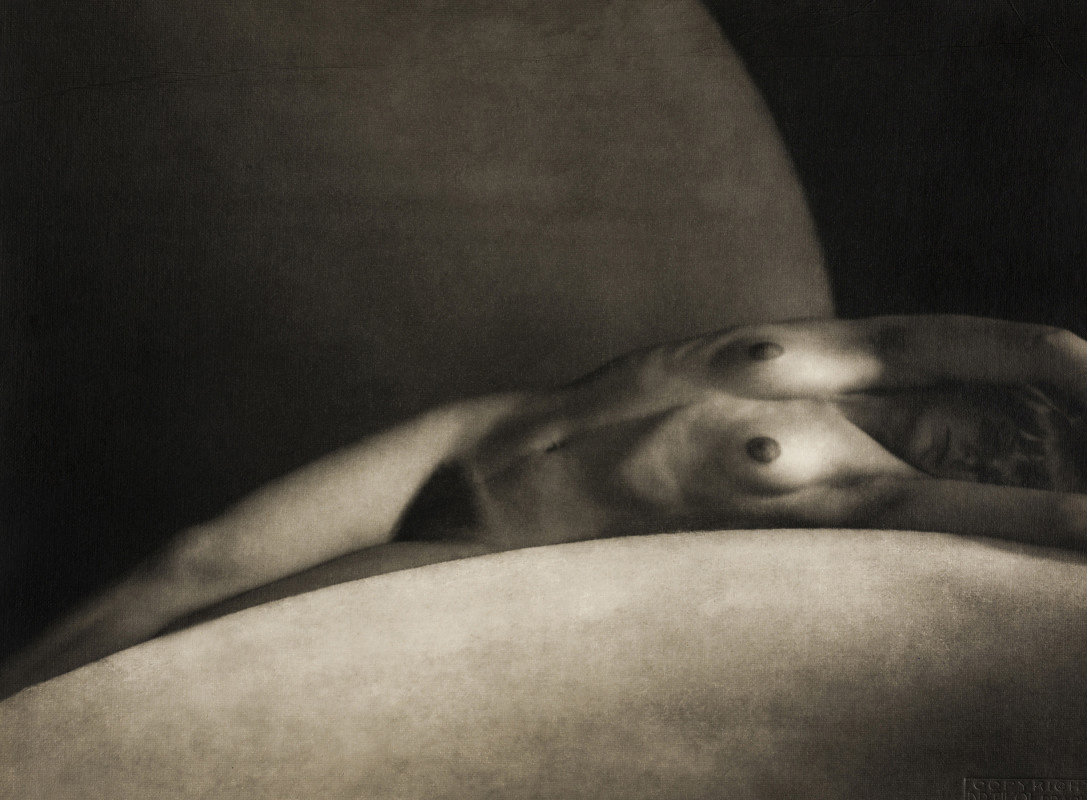

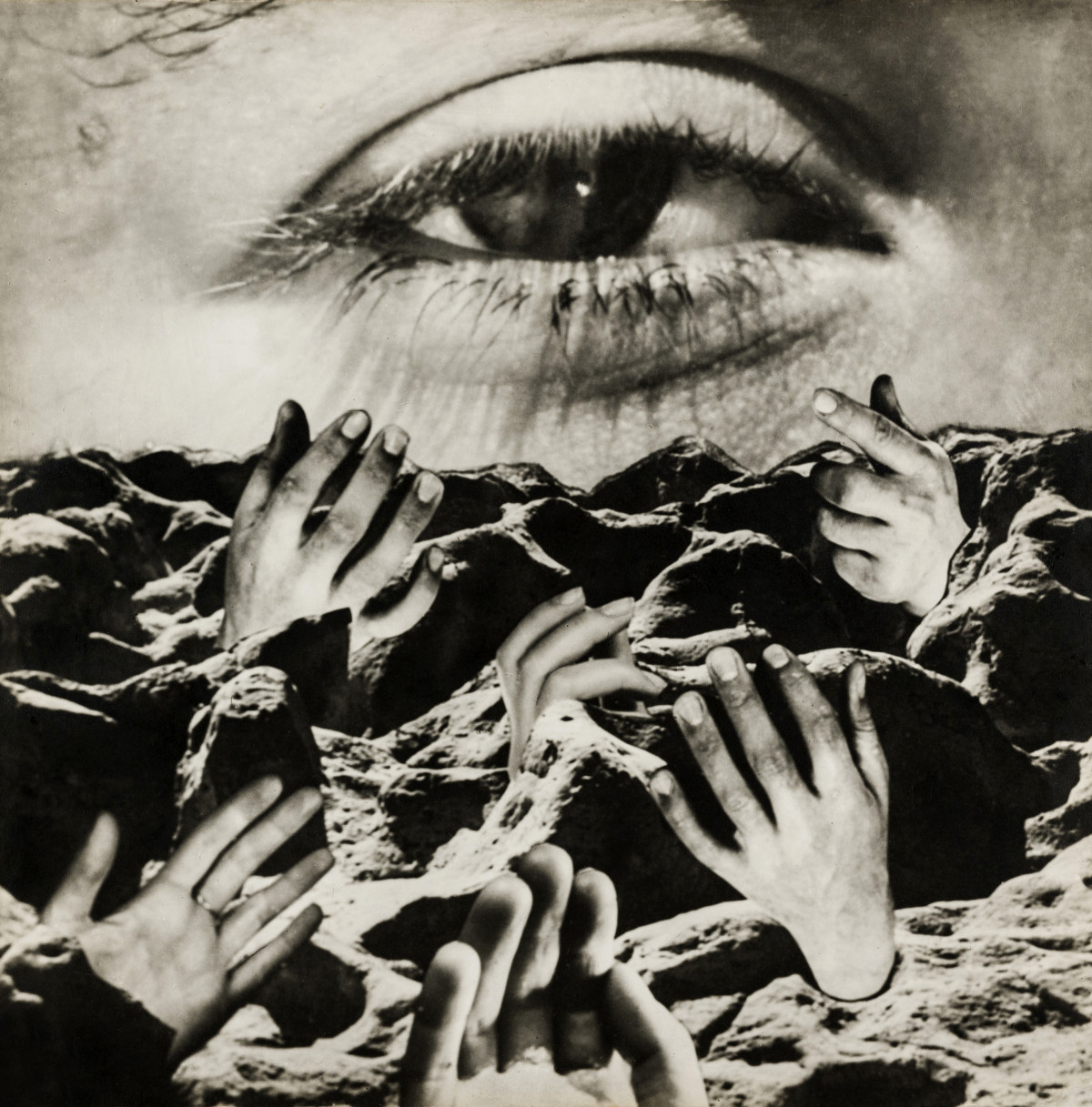
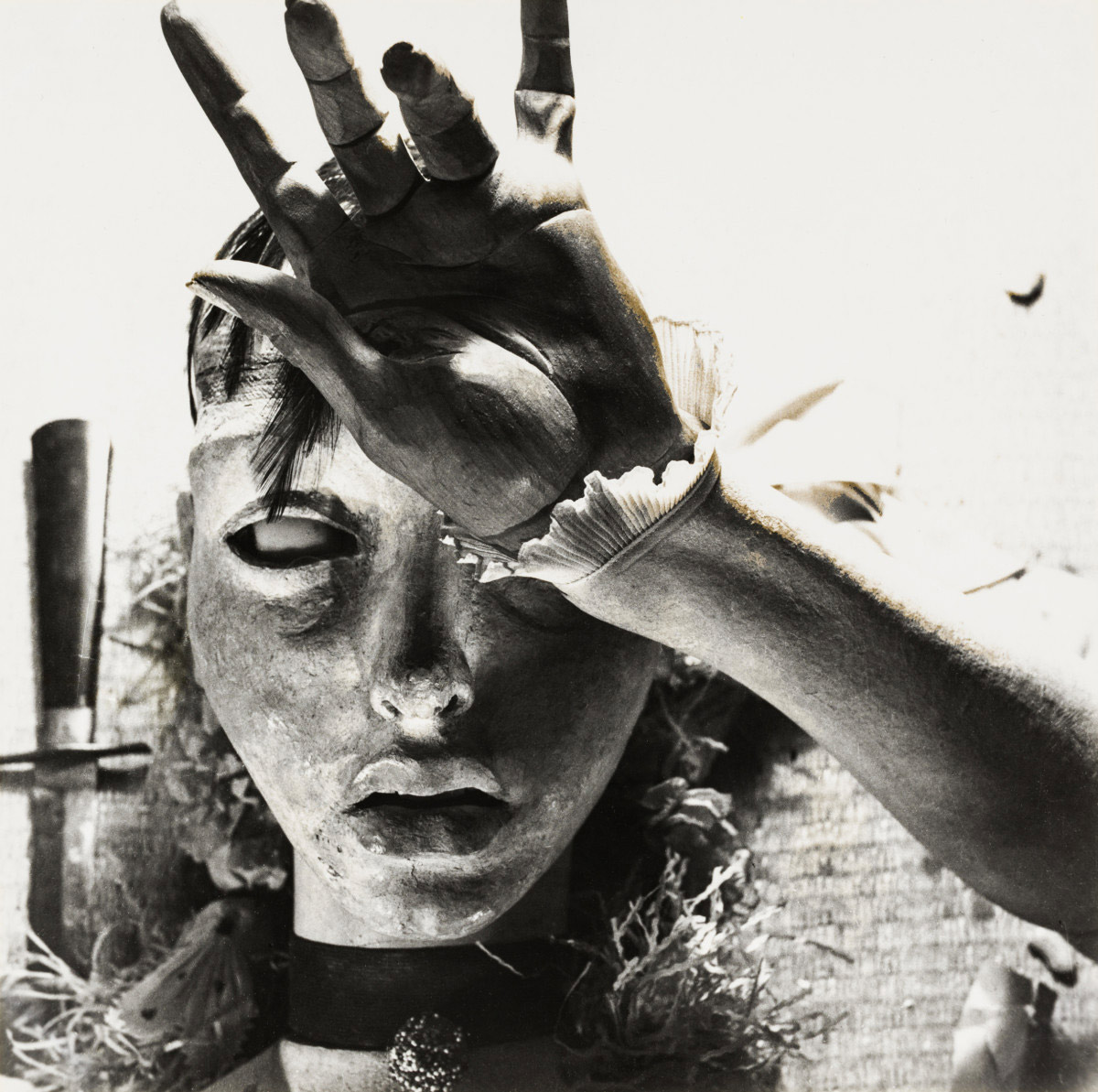


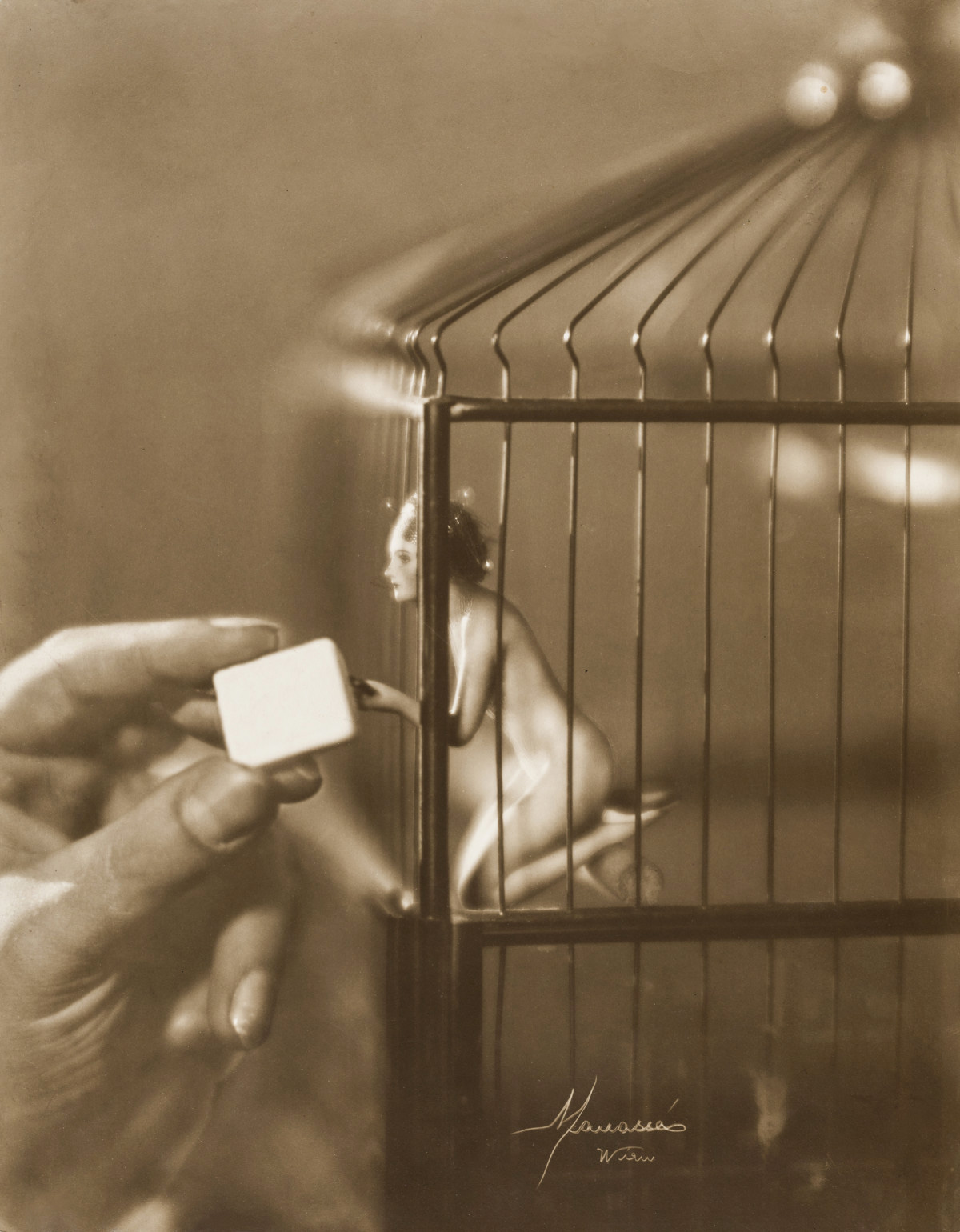


![François Kollar (French born Slovakia, 1904-1979) 'Untitled [mine worker]' 1931-1934](https://artblart.com/wp-content/uploads/2016/05/kollar-worker-web.jpg "François Kollar (French born Slovakia, 1904-1979) 'Untitled [mine worker]' 1931-1934")


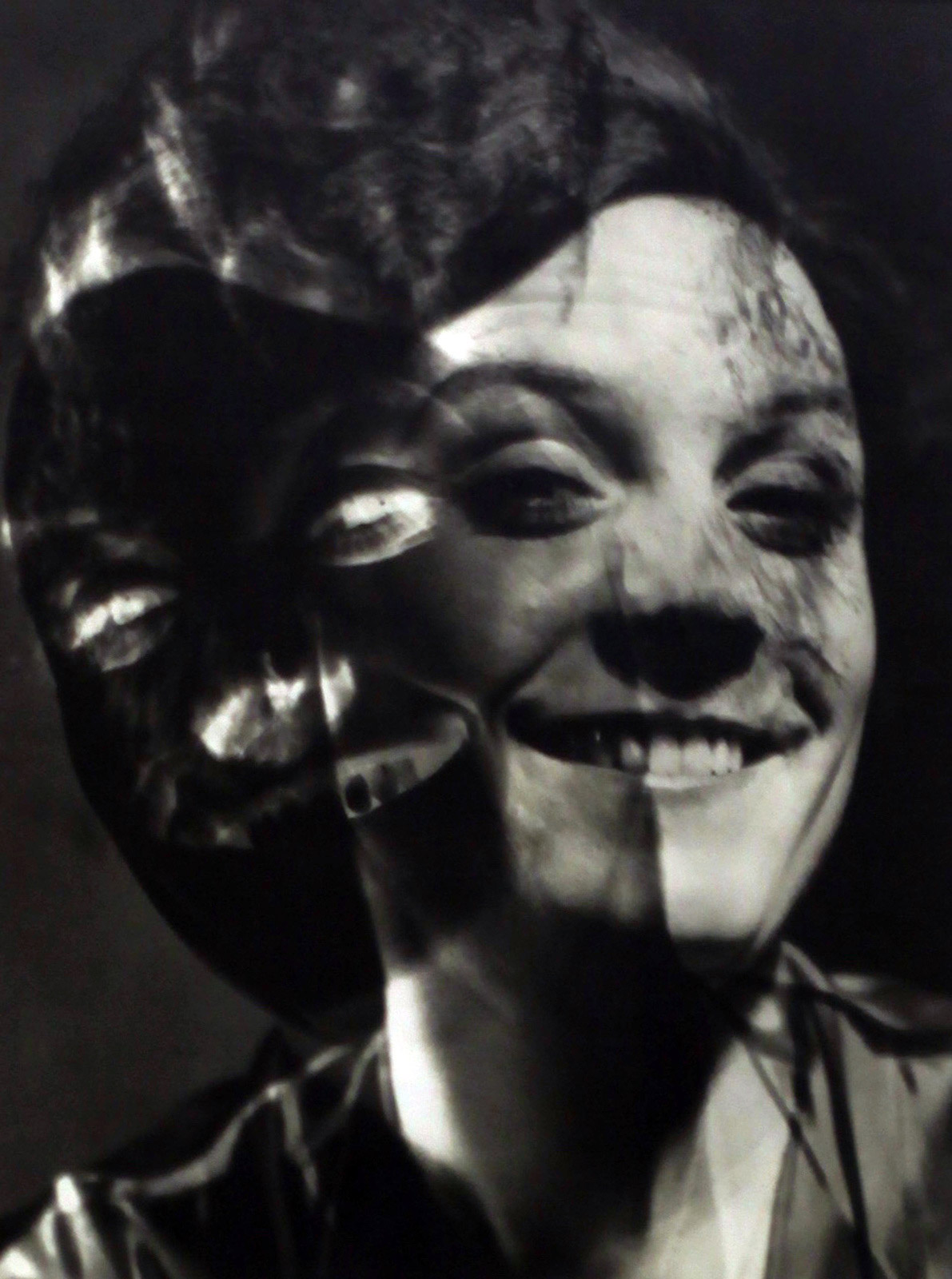


![François Kollar (French born Slovakia, 1904-1979) Untitled [Emplacement de traverses, usine Cima, Croix]' [Replacement of sleepers, Cima factory, Croix] c. 1954](https://artblart.com/wp-content/uploads/2016/05/kollar_18-web.jpg "François Kollar (French born Slovakia, 1904-1979) Untitled [Emplacement de traverses, usine Cima, Croix]' [Replacement of sleepers, Cima factory, Croix] c. 1954")

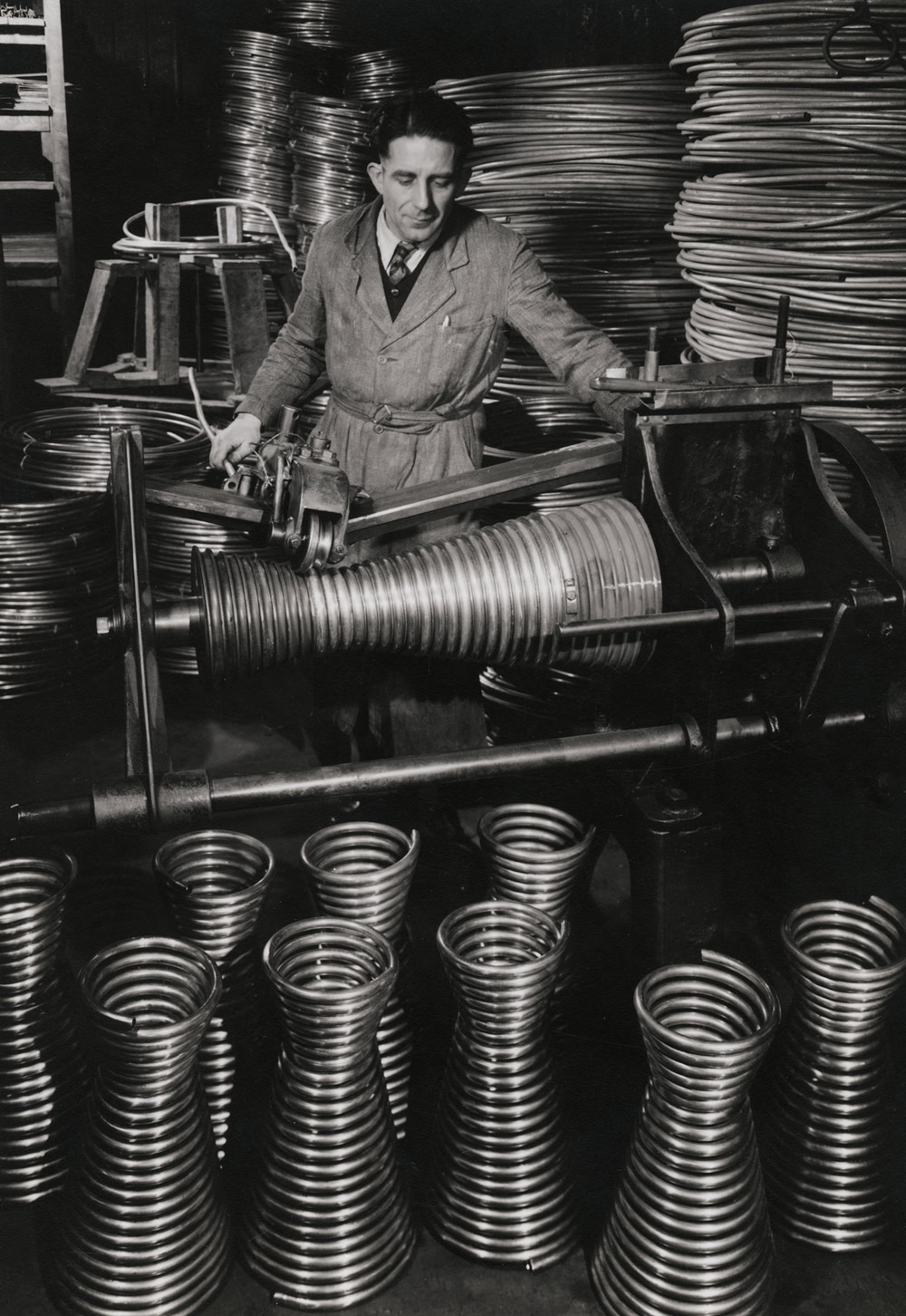
![François Kollar (French born Slovakia, 1904-1979) 'Untitled [Fabrication des moulins à légumes, usine Moulinex, Alençon]' [Production of vegetable mills, Moulinex factory, Alençon] 1950](https://artblart.com/wp-content/uploads/2016/05/kollar_16-web.jpg "François Kollar (French born Slovakia, 1904-1979) 'Untitled [Fabrication des moulins à légumes, usine Moulinex, Alençon]' [Production of vegetable mills, Moulinex factory, Alençon] 1950")
![François Kollar (French born Slovakia, 1904-1979) 'Untitled [Emboutissage des couverts, Christofle, France]' [Stamping cutlery, Christofle, France] 1957-1958](https://artblart.com/wp-content/uploads/2016/05/kollar_15-web.jpg "François Kollar (French born Slovakia, 1904-1979) 'Untitled [Emboutissage des couverts, Christofle, France]' [Stamping cutlery, Christofle, France] 1957-1958")


![Germaine Krull (European, 1897-1985) 'Étalage: les mannequins [Display: mannequins]' 1928 from the exhibition 'Germaine Krull (1897-1985) A Photographer's Journey' at Jeu de Paume, Paris, June - September, 2015](https://artblart.com/wp-content/uploads/2015/07/gkrull_09-web.jpg "Germaine Krull (European, 1897-1985) 'Étalage: les mannequins [Display: mannequins]' 1928 from the exhibition 'Germaine Krull (1897-1985) A Photographer's Journey' at Jeu de Paume, Paris, June - September, 2015")


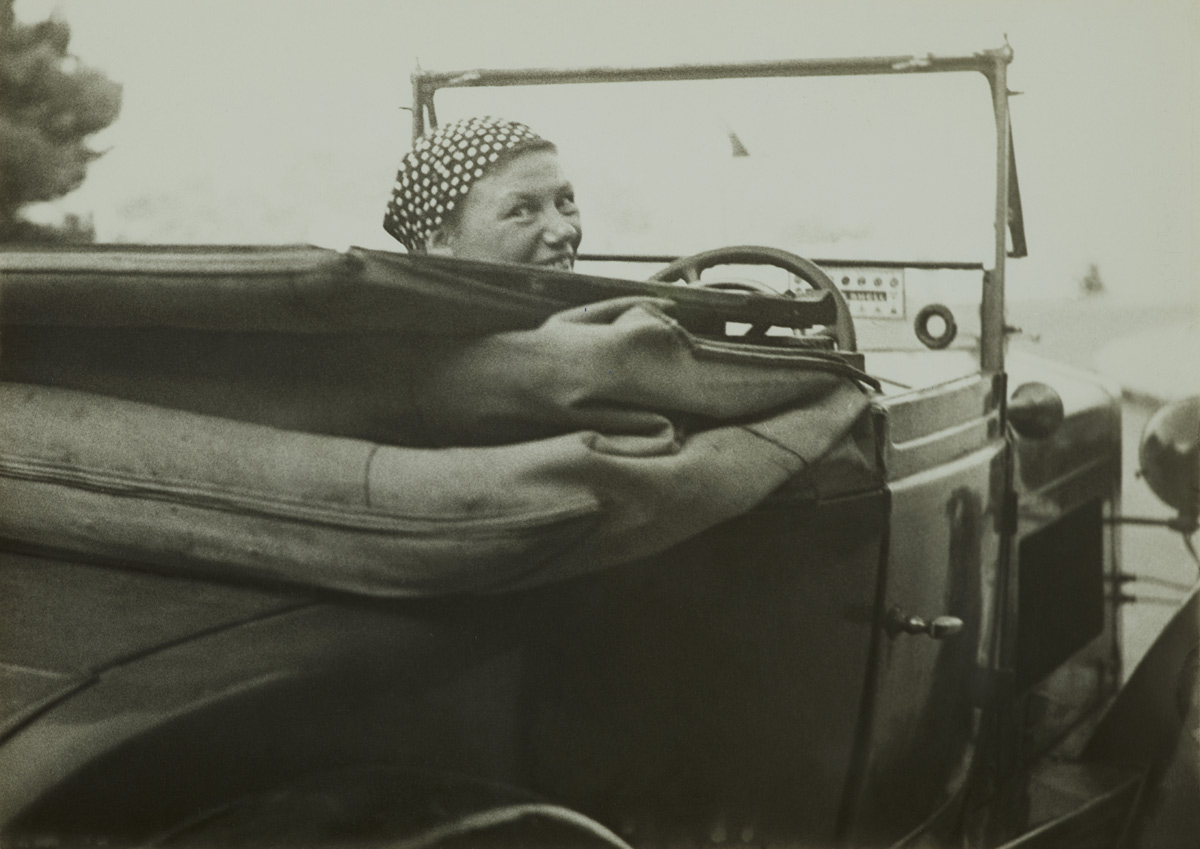


![Germaine Krull (European, 1897-1985) 'Étude pour La Folle d’Itteville [Study for The Madwoman of Itteville]' 1931](https://artblart.com/wp-content/uploads/2015/07/gkrull_14-web.jpg "Germaine Krull (European, 1897-1985) 'Étude pour La Folle d’Itteville [Study for The Madwoman of Itteville]' 1931")


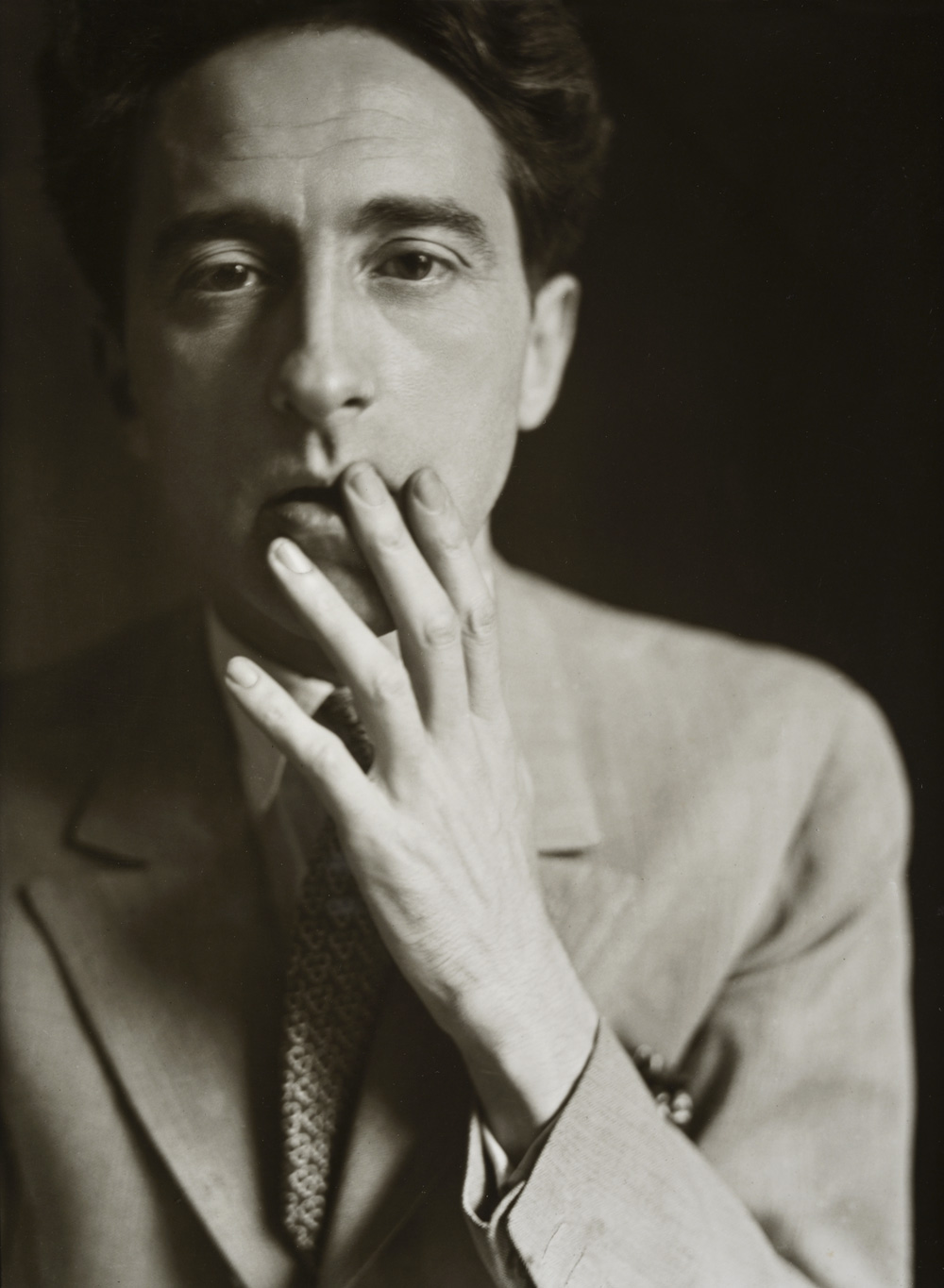
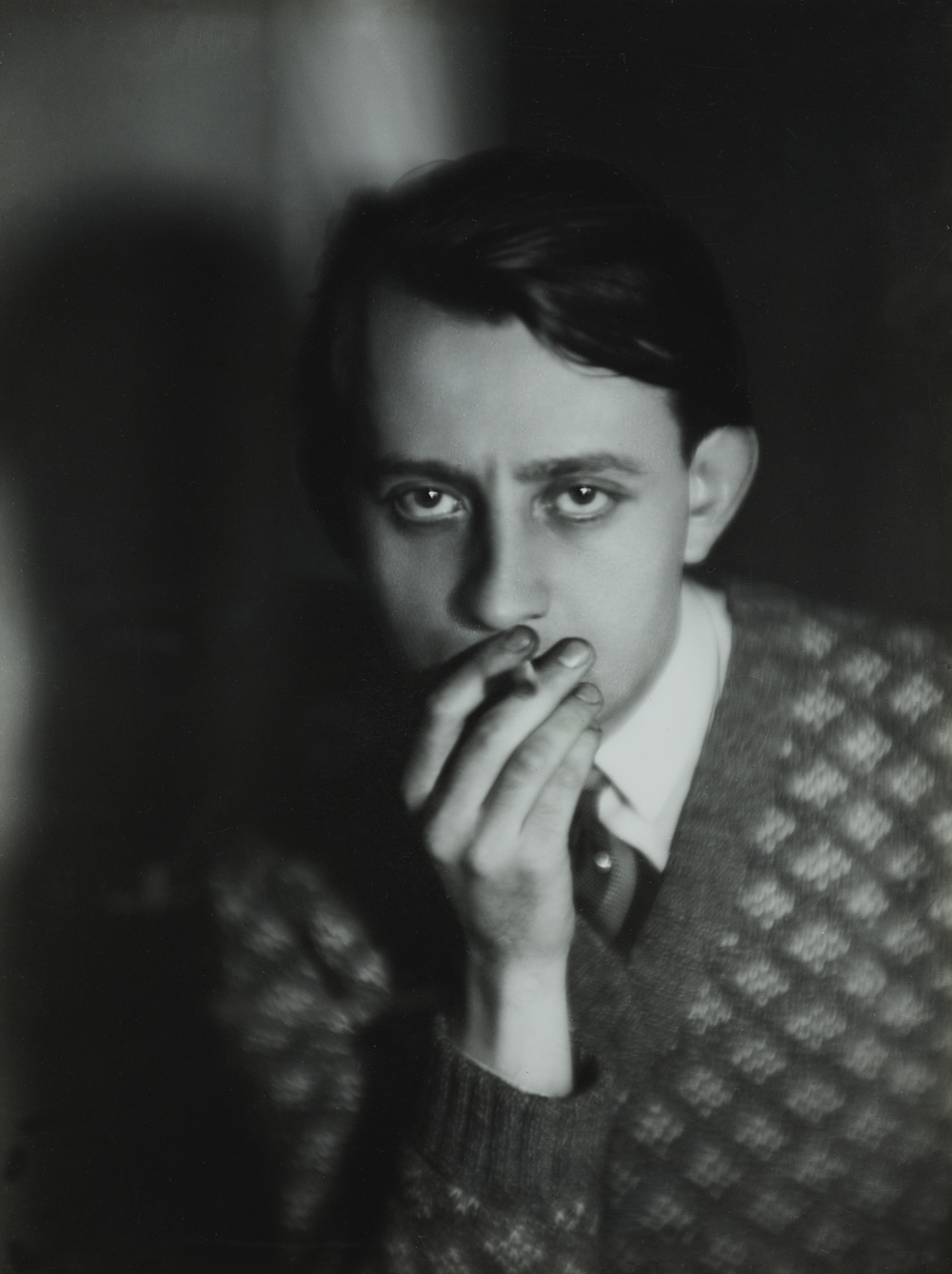

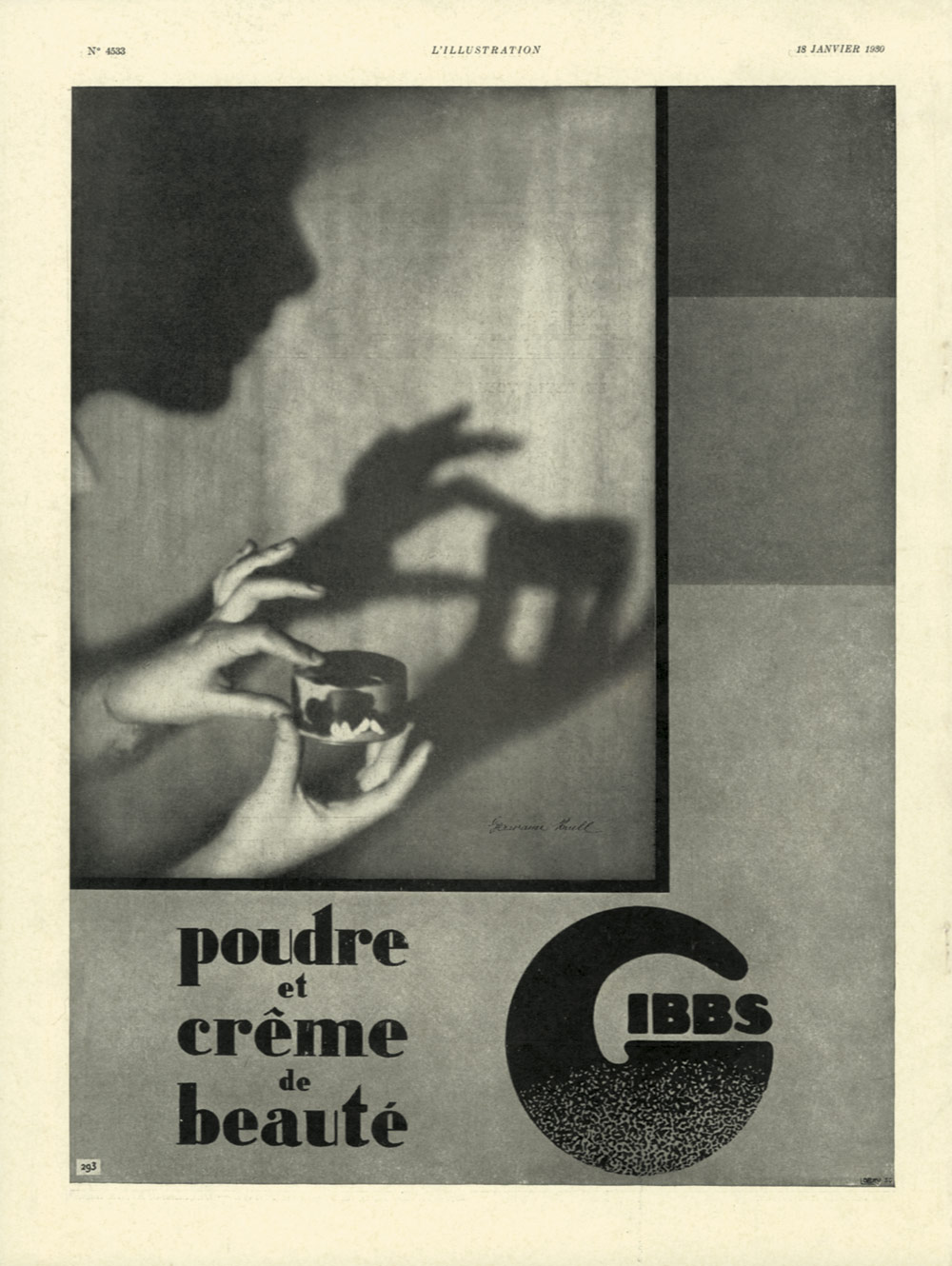


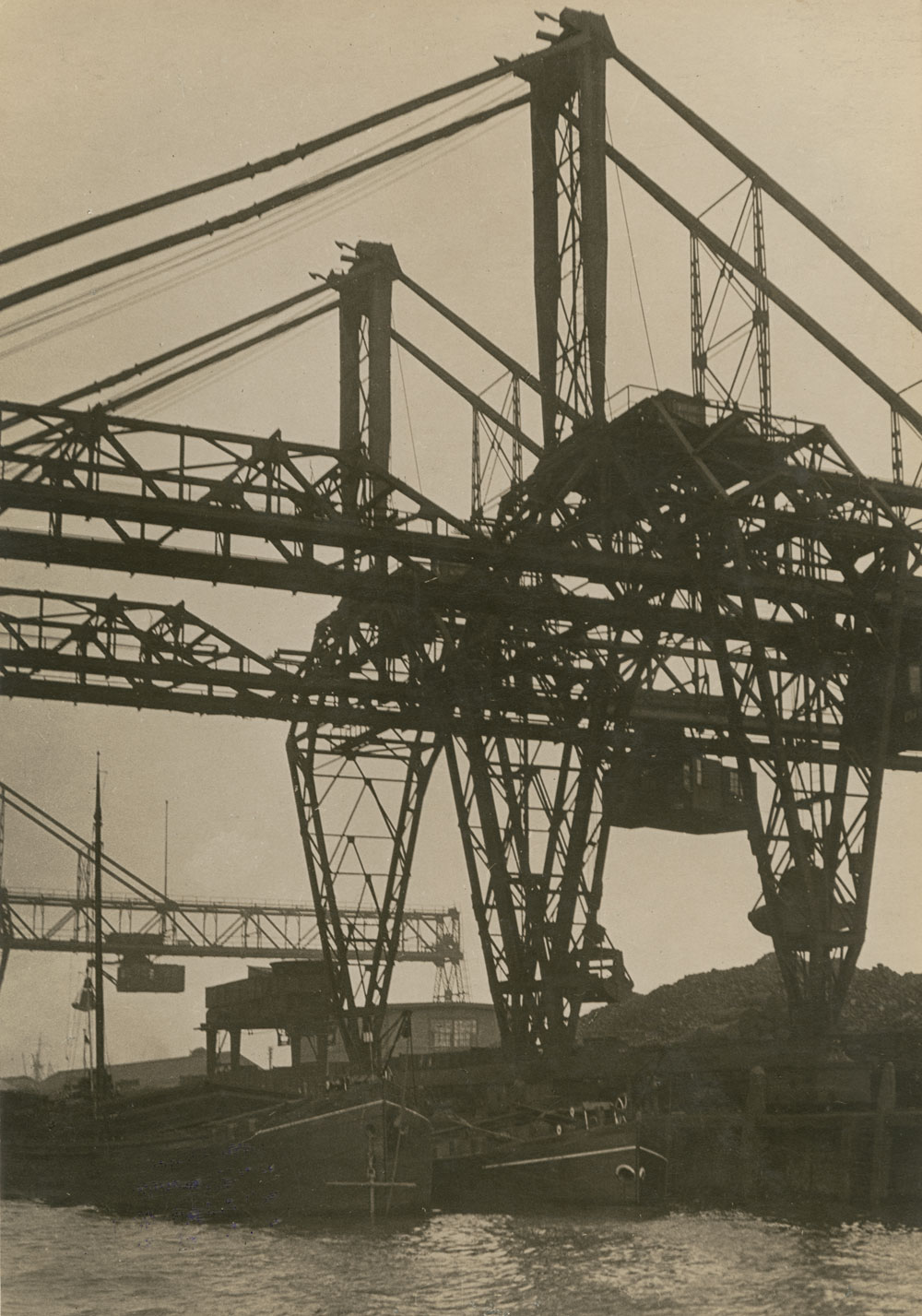
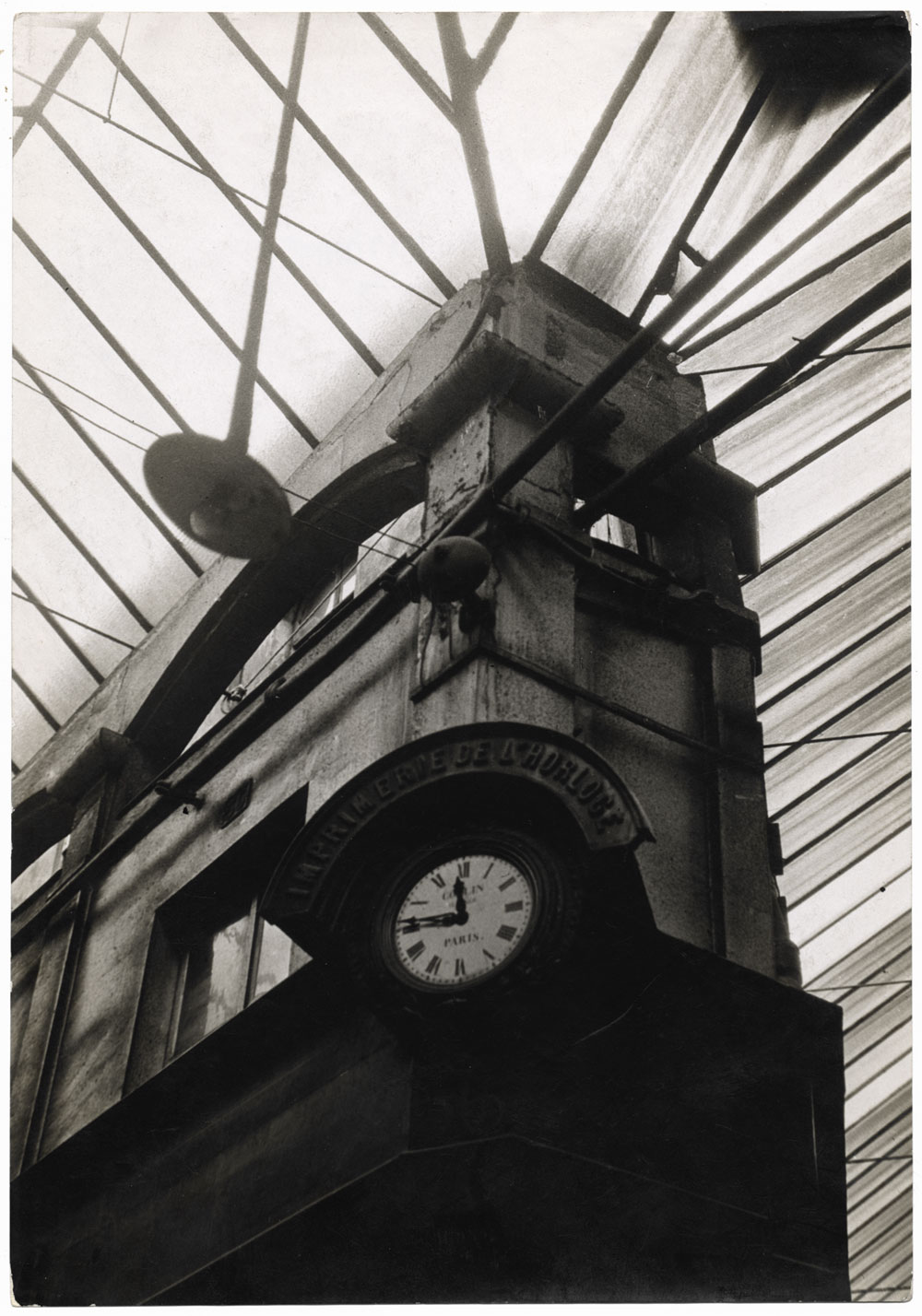


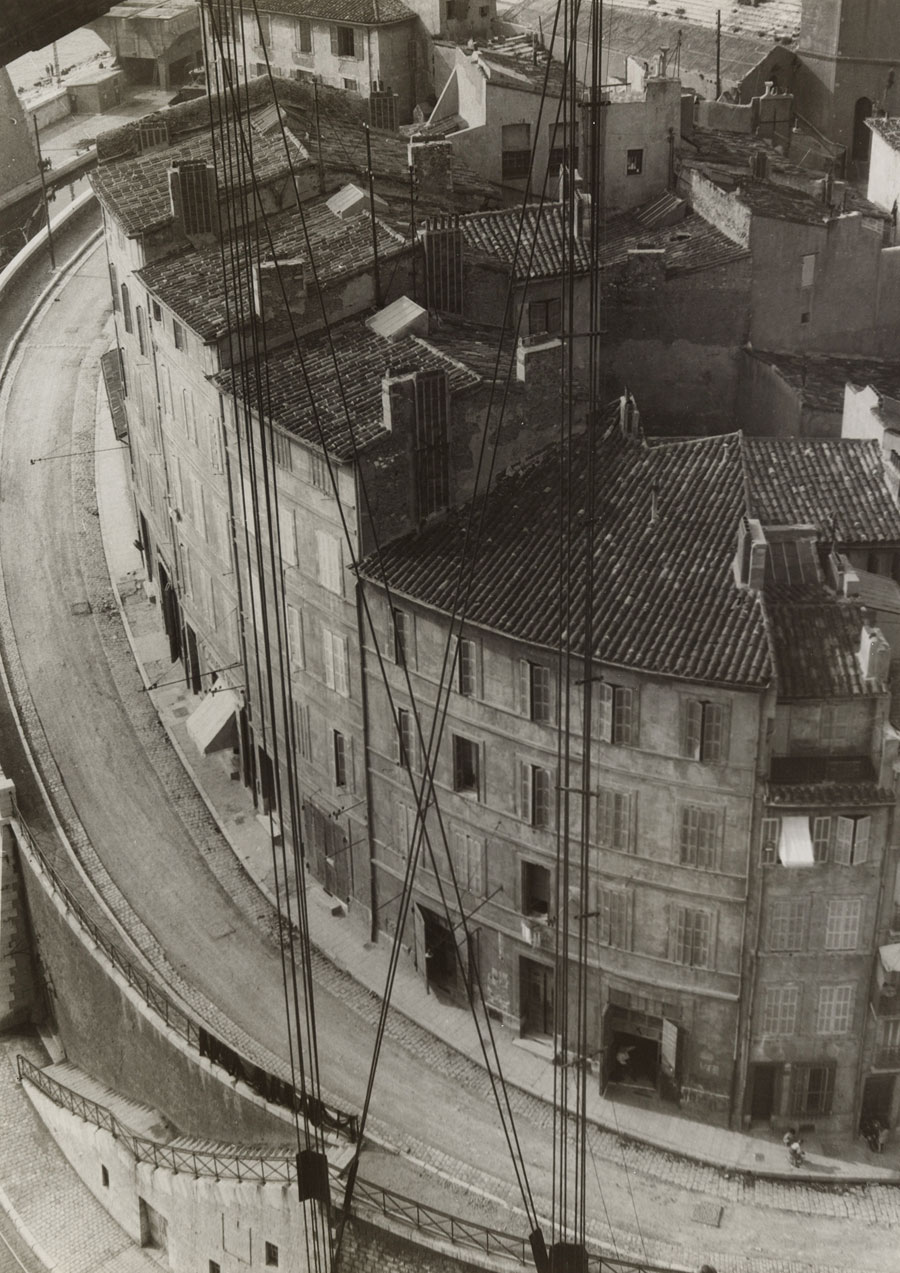


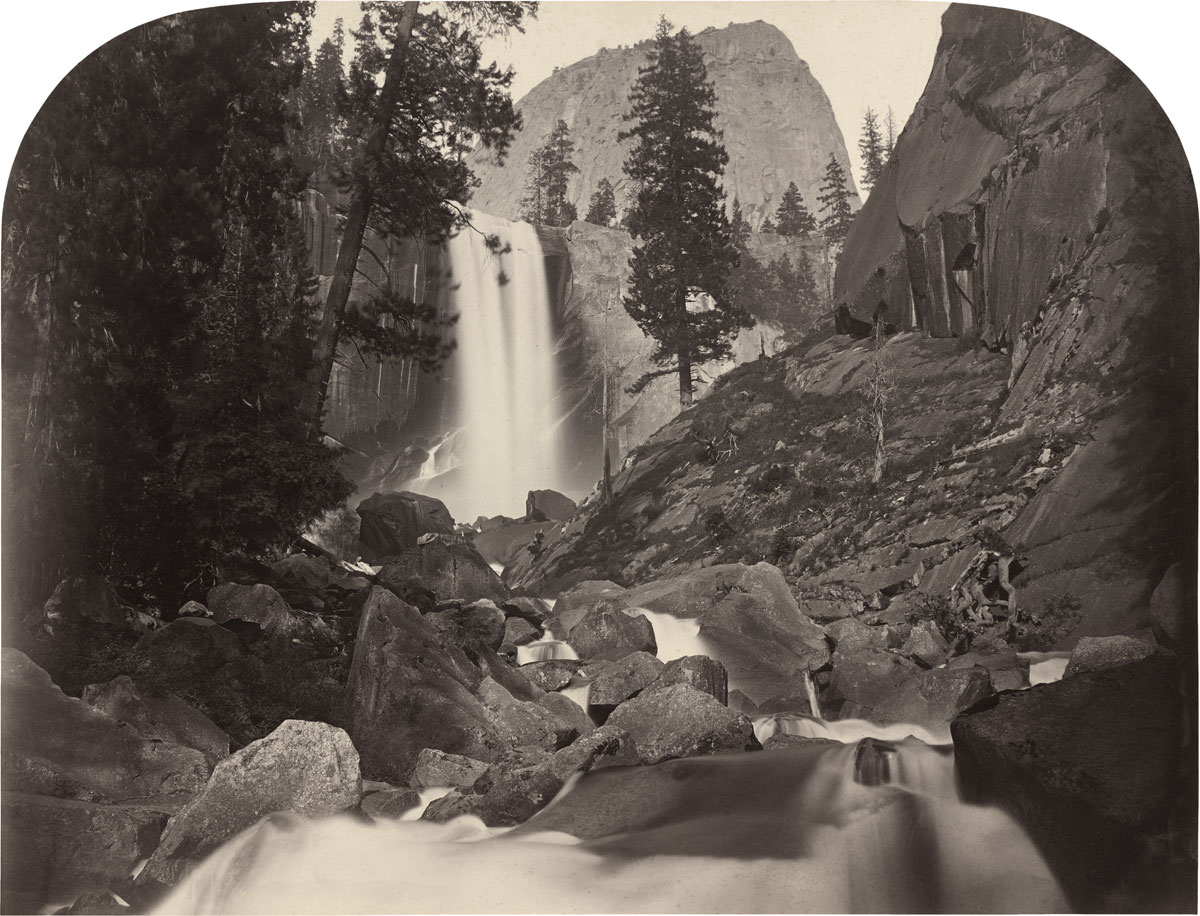
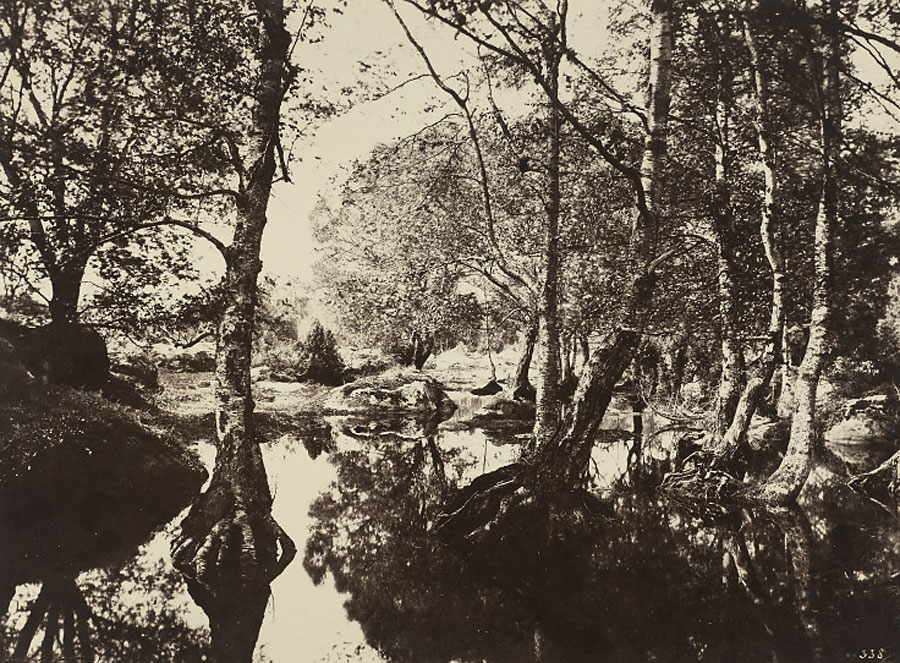


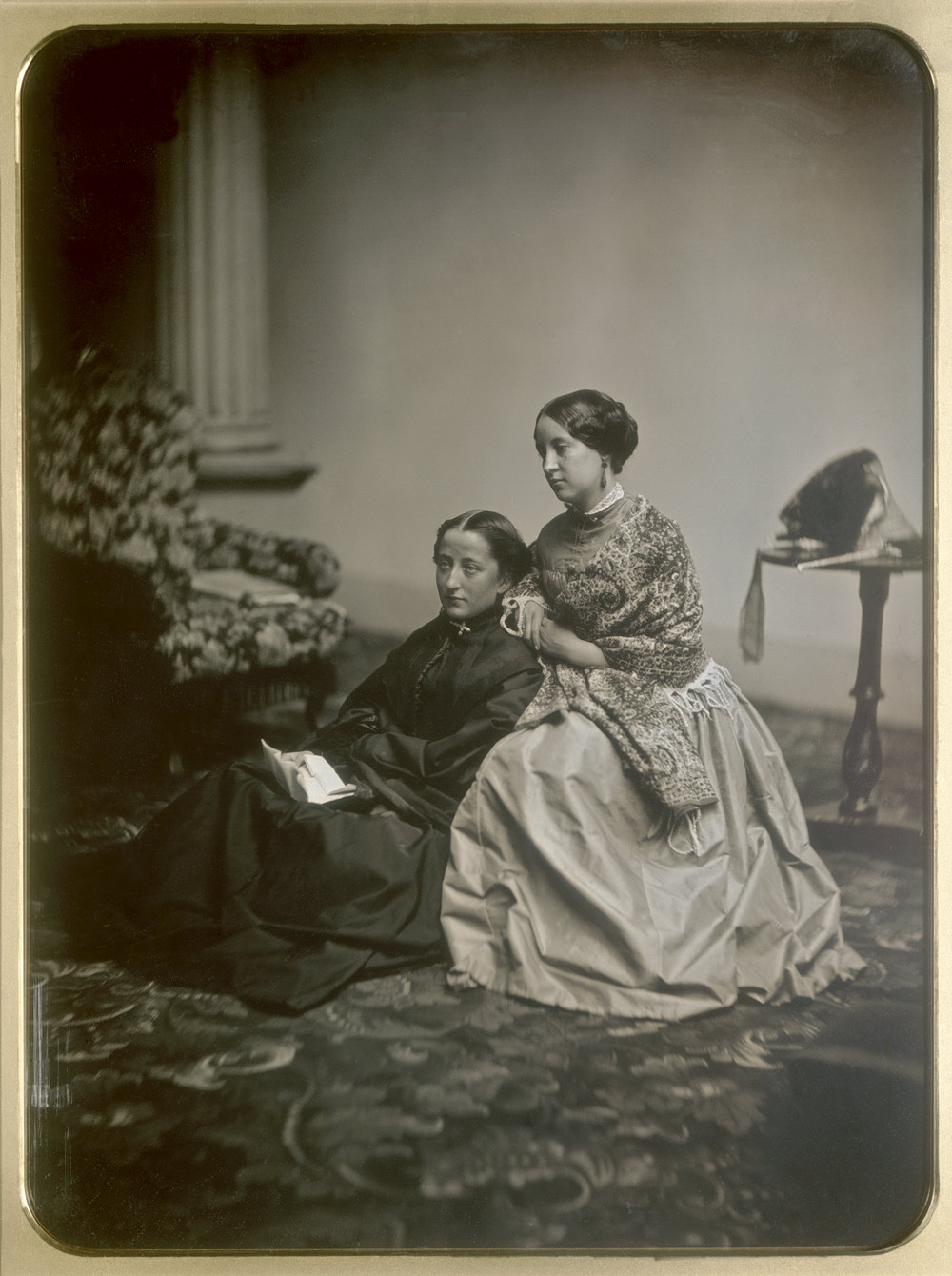




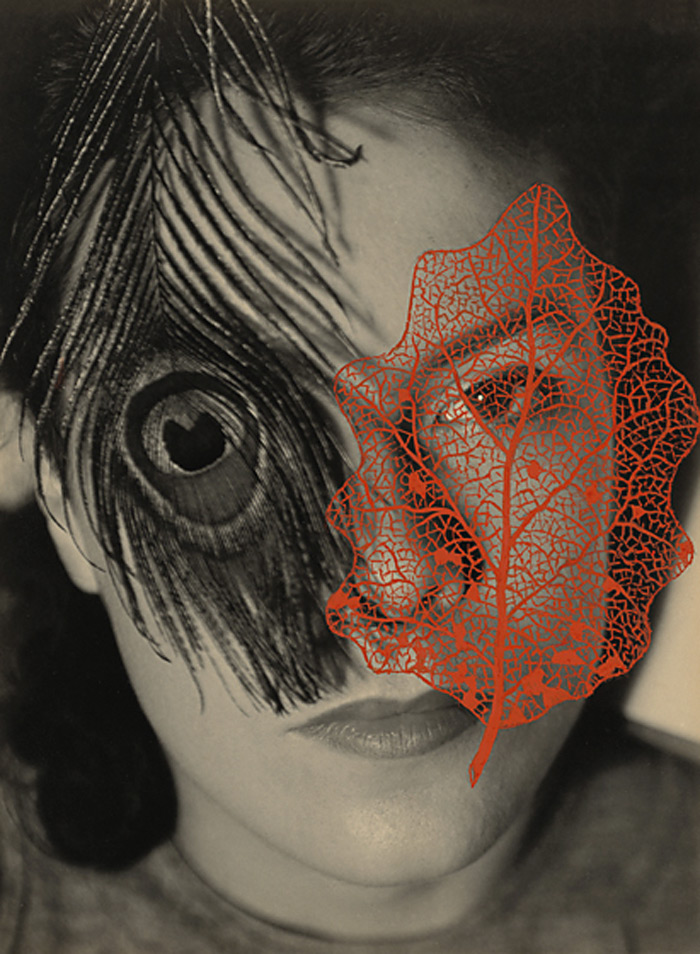
 Art Blart _ art and cultural memory archive
You must be logged in to post a comment.