Polixeni Papapetrou (Australian, 1960-2018) Drag queen wearing cut out dress 1993 From the series Drag Queens 1988-1999 Gelatin silver photograph 28.5 x 28.5cm Courtesy the artist and Nellie Castan Gallery, Melbourne and Stills Gallery, Sydney
My god, what a loss.
I am very sorry to hear of the passing of Polixeni Papapetrou. Sadness indeed…
Poli was a wonderful spirit and an incredibly gifted artist. Condolences to Robert Nelson and all of the family.
A selection of some of my favourite Papapetrou images are posted below – but really, there are so many memorable images, she leaves behind an indelible and lasting legacy.
From an earlier posting:
“What we should do is honour this talented and determined artist for creating so many memorable images over the years, for following her passion and her heart with courage and conviction. For the rest of my life I will always remember the spaces, the ambiguous vistas, the fantastical archetypes, the fables of her work. Images of drag queens and Dreamkeepers, Ghillies and goblins are etched in my memory. I will always remember them. You can’t ask much more from the work of an artist than that.”
You can kill the dreamer, but you cannot kill the dream.
Dr Marcus Bunyan
“Art does not reproduce the visible; rather, it makes visible.”
Paul Klee. Creative Credo (Schöpferische Konfession) 1920
Polixeni Papapetrou (Australian, 1960-2018) Three young men paying homage to Elvis on the 13th anniversary of Elvis’ death, Elvis Memorial Melbourne 1990 From the series Elvis Immortal 1987-2002 Selenium toned gelatin silver photograph 40.7 x 40.7cm Courtesy the artist and Nellie Castan Gallery, Melbourne and Stills Gallery, Sydney
Polixeni Papapetrou (Australian, 1960-2018) Mr Wrestling 1992 From the series Wrestlers 1992 Pigment ink print 100 x 100cm
Polixeni Papapetrou (Australian, 1960-2018) Indian Brave 2002 From the series Phantomwise 2002-2003 Pigment ink print 85 x 85cm Courtesy the artist and Nellie Castan Gallery, Melbourne and Stills Gallery, Sydney
Polixeni Papapetrou (Australian, 1960-2018) Lost 2005 From the series Fairy Tales 2004-2014 Type C print 100 x 100cm Courtesy the artist, Michael Reid Gallery, Sydney + Berlin and Jarvis Dooney Galerie, Berlin Reproduced with permission
Polixeni Papapetrou (Australian, 1960-2018) In the Wimmera 1864 #1 2006 From the series Haunted country 2006 Pigment ink print 105 x 105cm Geelong Gallery Collection
In the Wimmera 1864 #1 from the Haunted country series is amongst the earliest works by the artist to have been staged in the Australian landscape and is one in which she explores the narrative of the ‘lost child’. The work references the story of three children lost in Mallee scrub near their home outside Horsham in the Wimmera District and is reminiscent, as the artist intends, of Frederick McCubbin’s late 19th century paintings of children lost or at least wandering absent-mindedly through the Australia bush.
Text from the Culture Victoria website
Polixeni Papapetrou (Australian, 1960-2018) Hanging Rock 1900 #3 2006 From the series Haunted country 2006 Pigment ink print 105 x 105cm
Polixeni Papapetrou (Australian, 1960-2018) The Provider 2009 From the series Between Worlds 2009-2012 Pigment print 105 x 105cm
Polixeni Papapetrou (Australian, 1960-2018) The Mourner 2012 From the series Between Worlds 2009-2012 Pigment print 105 x 105cm
Polixeni Papapetrou (Australian, 1960-2018) The Joy Pedlars 2011 From the series The Dreamkeepers 2012 Pigment print 105 x 105cm
Polixeni Papapetrou (Australian, 1960-2018) The Wanderer No. 3 2012 From the series The Dreamkeepers 2012 Pigment print 105 x 105cm
Polixeni Papapetrou (Australian, 1960-2018) Ocean Man 2013 From the series The Ghillies 2013 120 x 120cm National Gallery of Victoria, Melbourne Purchased NGV Foundation, 2013
Polixeni Papapetrou (Australian, 1960-2018) Scrub Man 2012 From the series The Ghillies 2013 120 x 120cm National Gallery of Victoria, Melbourne Purchased NGV Foundation, 2013
Review of the exhibition Polixeni Papapetrou: Lost Psyche at Stills Gallery, 2014
When “facing” adversity, it is a measure of a person’s character how they hold themselves, what face they show to the world, and how their art represents them in that world. So it is with Polixeni Papapetrou. The courage of this artist, her consistency of vision and insightful commentary on life even while life itself is in the balance, are inspiring to all those that know her.
Papapetrou has always created her own language, integrating the temporal dissemination of the historical “case” into a two-dimensional space of simultaneity and tabulation (the various archetypes and ancient characters), into an outline against a ground of Cartesian coordinates.1 In her construction, in her observation and under her act of surveillance, Papapetrou moves towards a well-made description of the states of the body in the tables and classification of the psychological landscape. Her tableaux (the French tableau signifies painting and scene (as in tableau vivant), but also table (as in a table used to organise data)) are a classification and tabulation that is an exact “portrait” of “the” illness, the lost psyche of the title. Her images lay out, in a very visible way, the double makeover: of the outer and inner landscape.
These narratives are above all self-portraits. The idea that image, archetype and artist might somehow be one and the same is a potent idea in Papapetrou’s work. What is “rendered” visible in her art is her own spirit, for these visionary works are nothing less than concise, intimate, focused self-portraits. They speak through the mask of the commedia dell’arte of a face half turned to the world, half immersed in imaginary worlds. The double skin (as though human soul, the psyche, is erupting from within, forcing a face-off) and triple skin (evidenced in the lack of depth of field of the landscape tableaux) propose an opening up, a revealing of self in which the anatomy (anatemnein: to tear, to open a body, to dissect) of the living is revealed. The images become an autopsy on the living and the dead: “a series of images, that would crystallise and memorise for everyone the whole time of an inquiry and, beyond that, the time of a history.”2
Papapetrou’s images become the “true retina” of seeing, close to a scientific description of a character placed on a two dimensional background (notice how the stylised clouds in The Antiquarian, 2014 match the fur hat trim). In the sense of evidence, the artist’s archetypes proffer a Type that is balanced on the edge of longing, poetry, desire and death, one that the objectivity of photography seeks to fix and stabilise. These images serve the fantasy of a memory: of a masked archetype in a made over landscape captured “exact and sincere” by the apparatus of the camera. A faithful memory of a tableau in which Type is condensed into a unique image: the visage fixed to the regime of representation,3the universal become singular. This Type is named through the incorporated Text, the Legend: I am Day Dreamer, Immigrant, Merchant, Poet, Storyteller.
But even as these photographs seek to fix the Type, “even as the object of knowledge is photographically detained for observation, fixed to objectivity,”4 the paradox is that this kind of knowledge slips away from itself, because photography is always an uncertain technique, unstable and chaotic, as ever the psyche. In the cutting-up of bodies, cutting-up on stage, a staging aimed at knowledge – the facticity of the masked, obscured, erupting face; the corporeal surface of the body, landscape, photograph – the image makes visible something of the movements of the soul. In these heterotopic images, sites that relate to more stable sites, “but in such a way as to suspect, neutralise, or invert the set of relations that they happen to designate, mirror or reflect,”5 Papapetrou’s psyche, “creates the chain of tradition which passes a happening on from generation to generation.”6 In her commedia dell’ arte, an improvised comedy of craft, of artisans (a worker in a skilled trade), the artist fashions the raw material of experience in a unique way.7 We, the audience, intuitively recognise the type of person being represented in the story, through their half masks, their clothing and context and through the skilful dissemination of collective memory and experience.
Through her storytelling Papapetrou moves towards a social and spiritual transformation, one that unhinges the lost psyche. Her landscape narratives are a narrative of a recognisable, challenging, unstable non-linear art, an art practice that embraces “the speculative mystery of ancient roles… They’re all souls with divided emotions, torn between dream and reality, who like us, converge on the collective stage that is the world.” They are archetype as self-portrait: portraits of a searching, erupting, questioning soul, brave and courageous in a time of peril. And the work is for the children (of the world), for without art and family, extinction.
Dr Marcus Bunyan
Footnotes
1/ Adapted from Didi-Huberman, Georges. Invention of Hysteria: Charcot and the Photographic Iconography of the Salpetriere (trans. Alisa Hartz). Cambridge, Mass.: MIT Press, 2003, p. 24-25. I am indebted to the ideas of Georges Didi-Huberman for his analysis of the ‘facies’ and the experiments of Jean-Martin Charcot on hysteria at the Hôpital Salpêtrière in Paris in the 1880s. 2/ Ibid., p. 48 3/ Ibid., p. 49 4/ Ibid., p. 59 5/ Foucault, Michel. “Of Other Spaces,” in Diacritics Spring 1986, p. 24 quoted in Fisher, Jean. “Witness for the Prosecution: The Writings of Coco Fusco,” in Fusco, Coco. The Bodies That Were Not Ours. London: Routledge, 2001, pp. 226-227 6/ Fisher, Ibid., p. 227-228 7/ “One can go on and ask oneself whether the relationship of the storyteller to his material, human life, is not in itself a craftsman’s relationship, whether it is not his very task to fashion the raw material of experience, his own and that of others, in a solid, useful, and unique way.” Benjamin, Walter. Illuminations (trans. by Harry Zohn; edited by Hannah Arendt). New York: Schocken Books, 1968 (2007), p. 108
Polixeni Papapetrou (Australian, 1960-2018) The Immigrant 2014 From the series Lost Psyche 2014 Pigment print 100 x 150cm
Polixeni Papapetrou (Australian, 1960-2018) The Storyteller 2014 From the series Lost Psyche 2014 Pigment print 100 x 150 cm
Photography, the object, conceptual art, reality and the empty sign.
An interesting artist who warrants further investigation. The text and images provide an introduction, but I really need further evidence before I can make informed comment.
Dr Marcus Bunyan
Many thankx to the Fondation HCB for allowing me to publish the photographs in the posting. Please click on the photographs for a larger version of the image.
“I’m not interested in stylistic effects, whether they’re derived from modern art or conceptualism. I use shapes, ideas, colours, words, photographs and actions as my materials in a way that best suits my art, to create an empty sign in the context of the reality I live in.”
“The social role of art consists in introducing the factor of negation into the human consciousness, it challenges the rigidity of systems and conventions in the rendering of reality. Art itself is evolution, it’s the introduction of all new means of expression.”
“Photography is in phase with the rhythm of life. It impatiently looks for new images. The more effigies it accumulates, the greater its appetite; it’s increasingly obsessive. Not only does it record but, subject to the imagination, it also creates new phenomena. It constantly takes us on new adventures, it shakes us up, and does not allow us to rest.”
In the post-war period, Zbigniew Dłubak (1921-2005) was one of the driving forces behind the profound changes in the Polish artistic scene. A great experimenter of photographic forms, he was also a painter, art theoretician, teacher and editor of the Fotografia magazine for twenty years, introducing into this publication a robust photographic critique and interdisciplinary approach to the medium.
Although Dłubak was primarily known as a photographer, he initially aspired to become a painter, tirelessly searching for materials for drawing during the war. Very active in these two traditionally separate disciplines, he greatly influenced the decompartmentalisation of artistic forms. He also defended the right of photography to exist as a completely separate discipline. His first photographic experiments reveal a diversity of inspirations characteristic of pre-war practices, stemming from constructivist and surrealist traditions.
This exhibition proposes to highlight the similarities and complementary focuses on two decisive periods in the artist’s life: the year 1948, which marks the beginning of his career and places it within the avant-garde movement, and the 1970s, which symbolise his ambiguous position regarding conceptual art. The selection presents iconic works and hitherto unseen photographs.
Curated by Karolina Ziebinska-Lewandowska, a specialist in Dłubak’s work, the exhibition is accompanied by a book published by Éditions Xavier Barral under the direction of Karolina Ziebinska-Lewandowska. The exhibition is being organised in collaboration with the Fundacja Archaeologia Fotografii in Warsaw, with the support of the Adam Mickiewicz Institute and the Polish Institute in Paris.
The Zbigniew Dłubak – Héritier des avant-gardes exhibition is being held at the Fondation Henri Cartier-Bresson between January 17 and April 29, 2018. In the post-war period, Zbigniew Dłubak (1921-2005) was one of the driving forces behind the profound changes in the Polish artistic scene. A great experimenter of photographic forms, he was also a painter, art theoretician, teacher and editor of the Fotografia magazine for twenty years, introducing into this publication a robust photographic critique and interdisciplinary approach to the medium. He enjoyed a certain notoriety in Poland during his lifetime. Several monographic exhibitions were dedicated to him and some of his major works are part of Polish public collections.
Although Dłubak was primarily known as a photographer, he initially aspired to become a painter, tirelessly searching for materials for drawing during the war. Very active in these two traditionally separate disciplines, he greatly influenced the decompartmentalisation of artistic forms. He also defended the right of photography to exist as a completely separate discipline.
His first photographic experiments reveal a diversity of inspirations characteristic of pre-war practices, stemming from constructivist and surrealist traditions. Fascinated by linguistics, Dłubak then moves towards the mechanisms of a systematic approach and then onto the disappearance and fading of signs.
The work carried out by the Fundacja Archaeologia Fotografii where his archives have been deposited offers a new insight into his oeuvre and a new way of looking at it. Continuing in this vein of offering a different reading, this exhibition proposes to highlight the similarities and complementary aspects of photography and painting in his work. It focuses on two decisive periods in the artist’s life: the year 1948, which marks the beginning of his career and places it within the avant-garde movement, and the 1970s, which symbolise his ambiguous position regarding conceptual art. The selection presents iconic works and hitherto unseen photographs.
Press release from the Fondation Henri Cartier-Bresson
The first photographic images created by Dłubak, who taught himself to paint and draw in the early 1940s, were undoubtedly strictly utilitarian: they documented the activities of the clandestine army he joined and then, when he was deported to the Mauthausen concentration camp after his participation in the Warsaw uprising in 1944, they were dictated by the tasks the Nazis assigned to him in the camp’s photography studio (touchups and perhaps portraits or reproductions). The images he shows in Krakow1 were however preceded by a few more artistic attempts, created in 1947 and early 1948, which show the desire to understand from within two significant trends of what photographic modernism might have constituted in the eyes of a Polish novice. On the one hand, Dłubak creates images of trees using a low-angle shot or fragments of ground using a sharp high-angle shot, stemming from a sort of Pictorialism marked by a superficial link with the Germanic New Vision, in keeping with Jan Bułhak, then considered the father of Polish modern photography. On the other hand, he arranges compositions of insignificant little objects (like matches, springs, buttons, screws and so on) on tables, which he photographs like abstract not-to-scale landscapes, as practised by constructivists and notably Florence Henri (some of whose images he might have known, even though he never seems to have mentioned them). However, nothing in these two series really prepares for what can be seen in the photographs shown in 1948. […]
Dłubak’s key originality comes from the fact that he focuses less on producing the supernatural and more on finding it, by blurring the too-certain habits of ordinary vision but without the factual origin of his image obscuring its poetic efficacy. […]
So, for Dłubak, it’s not just about reconciling previously separate artistic traditions, but dismantling the traditional opposition between abstraction and figuration. The use of the extreme close-up (on the scale of macro photography) and technical manipulations (solarisation or pseudo-solarisation, presentation of the negative as a positive) must not be seen as a distancing from external reality but, on the contrary, as a way of penetrating its core; less like a hidden thing than a spiritual vision, and less like burying than a revelation of what is latent within, giving us a subtler understanding of it. As Dłubak writes in 1948 in an article on method called “Reflections on photography”: “Photographic realism is a different kind of realism and, fittingly, the faithfulness and attachment to the object, which has the nature of a raw material here, prohibits any artifice, because it is immediately unmasked. Such realism requires one to rely essentially on nature avoiding any narration.”2
Éric de Chassey Extracts from “1948-1949: un réalisme de l’extrême proximité”
1/ At the “1st Exhibition of Modern Art” (I Wystawa Sztuki Nowoczesnej) opened on 19 December 1948. This exhibition included artists from across the country, often young (the vast majority were under thirty): painters, sculptors but also, and this was a huge novelty in Poland, photographers. Zbigniew Dłubak was even one of the key organisers of the event
2/ Zbigniew Dłubak, “Rozmyślania o fotografii II,” Świat fotografii, no 11, January-February 1949, reproduced in Lech Lechowicz and Jadwiga Janik (dir.), cat. exp. Dłubak, fotografie photographs, 1947-1950, Lodz, Muzeum Sztuki, 1995, p. 47
Two events occurred in 1970 which are traditionally considered by Polish historiography as key manifestations of conceptual art: the Wrocław Symposium ’70 and the Świdwin-Osieki ’70 (Osieki open air events). It would of course be illusory to bring the appearance of conceptual art in Poland down to this one year, since it was a much more complex process, as demonstrated by Piotr Piotrowski and Luiza Nader in particular. However, referring to these events helps explain the work and engagement of Zbigniew Dłubak during these years. Organised thanks to a close collaboration between local authorities and artistic circles, they brought together artists and art critics, representing various experimental trends in Polish art. The aim of the Wrocław Symposium was to attract an audience not accustomed to experimental art. The primary idea, justifying the participation of local organisations, was to bring contemporary art into the public space, particularly social housing areas, squares and undefined suburban sites. […]
Finally, for Dłubak, 1970 marks the beginning of a series to which he is to dedicate the next eight years: Systems – Gesticulations. This series which, at first glance perfectly conforms to the codes of conceptual art, in reality indicates Dłubak’s break from conceptualism. Although he saw theoretical activity as an integral part of his artistic practice, he was convinced of the need to preserve a role of mediation in the artistic object. So why did Zbigniew Dłubak, one of the ardent protagonists of the development of conceptualism in Poland, finally break away from the movement?
His writings suggest some answers to this question. In 1977, when the movement was still very much alive, he wrote: “In aspiring to total purification, conceptual art has created a list of ‘don’ts’ regarding methods of recording and transmission. […] But conceptualism immediately developed a morphology of its own means [of expression] and became frozen.”1 In an (undated) manuscript, he added: “The causes of the failure of conceptualism: an erroneous interpretation of art (false models of ancient art); an under-estimation of the fight against aestheticism in the first half of the 20th century; too much attention paid to ways of recording ideas; unjustified faith in the existence of the idea outside its recording; the belief in the advent of a new era of art through the choice of another material for realising ideas.”2 He too relied on this new morphology but tried nevertheless to preserve his autonomy. He didn’t believe in the annihilation of the artistic object, considering the work of art as the result of an encounter. The object started the social dialogue.
Karolina Ziebinska-Lewandowska Extracts from “1970: l’art du concept (non) assimilé”
1/ Uwagi o sztuce i fotografii (Comments about art and photography), 1977, Fotografia, no 8, 1969
2/ Untitled text, reproduced in Teoria sztuki Zbigniewa Dłubaka (Theory of art of Zbigniew Dłubak), Magdalena Ziółkowska (dir.), Warsaw, Fundacja Archeologia Fotografii, 2013, p. 145
This portrait (above) shows Captain Alexander Leslie-Melville (1831-1857), known as Lord Balgonie. He was the eldest son of the 8th Earl of Leven, a Scottish peer. Lord Balgonie served in the Grenadier Guards during the war, and died only a couple of years after returning to Britain. At the time, his death was attributed to the hardships of the war. Fenton has photographed him standing in front of a sheet, which serves as a make-shift studio and he looks unkempt and shaken, as if he has recently stepped off the battlefield. In recent years, this photograph has been described as the first photographic portrait of shell-shock. From the collection of the Prince of Wales, later King Edward VII.
The Crimean photographs of Roger Fenton represent the beginning of war photography. These staged photographs, documented for the edification of a viewing public back home in England and for the purpose of making money for the photographer, set the trend for the genre for the next 80 years. Staging photographs of war, and altering reality to suit the commercial, political or moral aspirations of photographer or institution, continues to this day.
For most of the images, “research for the exhibition has revealed that Fenton’s portraits and topographical views were principally intended as source material for the artist Thomas J Barker, who had been commissioned by Agnews to produce an oil painting of the senior officers of the allied forces. Barker used over 50 of Fenton’s images to create the monumental work The Allied Generals with the officers of their respective staffs before Sebastopol (private collection).” Fenton was fulfilling his commission and earning a living by taking photographs for a painter. But Fenton’s photographs are most successful when he has a personal connection to the subject matter, whether it be portrait or landscape. In other words, when he is not constructing or documenting as representation, but attempting to capture the spirit of person/place.
In portraiture, this personal connection can be seen in the photographs, Lord Balgonie (1855, above), Fitzroy James Henry Somerset, Baron Raglan (1788-1855) (4 Jun 1855, below), Omar Pacha (1806-1871) (1855, below) and General James Bucknall Estcourt (1802-1855) (1855, below), a man deep in thought or, perhaps, melancholy. These are psychological portraits that attempt to get under the skin of the sitter, not mere representations for use as a template for painting.
The portraits of Baron Raglan and Omar Pacha are taken in the same location, probably at the same sitting. In the portrait of Baron Raglan, this man (soon to die) is relatively small in proportion to the overall framing of the photograph, his dark shadow falling on the wall behind, his hat and white plume pulled forward and out of focus in the image, incredibly large in comparison with the size of the body. In three-quarter profile he gazes out of the image, while the right and top of the image falls into soft, velvet darkness. By comparison, the portrait of Omar Pacha presents to us a much more self possessed and confident man. Fenton has moved the camera closer to his subject. No shadow falls on the wall behind and the light frames the head of the sitter perfectly. His bearing is upright but relaxed; his hands gently rest in his lap; and his gaze stares directly out of the image but not directly into the camera lens as though her is in deep thought somewhere beyond the photographer’s left shoulder. Both are magnificent portraits.
With regard to his landscapes of the Crimea the same feelings can be observed. One is the representational urge, the other the artistic. The first problem is the barrenness of the landscape and what to do with the inevitable horizon line. When photographing people in the landscape Fenton makes use of low depth of field either pulling the figures towards the front of the image (Sir John Miller Adye (1819-1900) 1855, and General Scarlett and Colonel Low Apr 1855, below) or the mid-distance (such as Captain and Mrs Duberly Apr 1855 and Colonel Doherty and the Officers of the 13th Light Dragoons 1855, below) whilst allowing the horizon line to float in the distance, either placed through the figures or floating above them. This low depth of field allows the horizon line to soften and the solid space around the figures to become ambiguous and fluid. It also allows the light in this vast expanse of country to do its duty, to illuminate the isolation of these figures “in the field.” A similar technique was used by Edward S. Curtis when photographing the Native American Indians against the vastness of country – low depth of field, letting the light and composition do the work as subject is located – or vanishes – into the landscape.
For the shear complexity of their visualisation, Fenton’s photographs of Balaklava are among my favourites. The placement of camera, the line of composition (ship masts, hills, horizon line, stacking of cannonball), the flattening of perspective (The Ordnance Wharf at Balaklava Mar 1855, below) and the tonality of the images are exemplary.
Taken a mere 15 years after the birth year of practical photography, Fenton’s “subtle and poetic interpretations” still resonate today. That he captured such acclaimed images using a heavy land camera, the photographs taken sometimes under fire, the glass plates prepared and developed in a ‘travelling darkroom’ – his horse drawn photographic van – make Fenton’s achievement all the more remarkable. The shadow of war that he captured, the presence of the men, women and landscapes of that time and place, are made alive to us today.
Note this
There is the date a photograph is made, and the date it is viewed. There is something about the different way a photograph exists in time, different from the date a poem is written and the date it is read, different from the date a painting is finished and the date it is viewed.
And then
Photographs remind us of people, passing They distill an essence which in turn Instills in us memory of time, place, spirit
Dr Marcus Bunyan
Many thankx to The Queen’s Gallery for allowing me to publish the photographs in the posting. Please click on the photographs for a larger version of the image.
Half a league, half a league, Half a league onward, All in the valley of Death Rode the six hundred.
This painting depicts the second meeting with Guardsmen which took place at Buckingham Palace. The first meeting had been with the Grenadier Guards on 20 February 1855. The artist John Gilbert prepared a sketch of the event for the newspaper the Illustrated London News, published on 10 March 1855. He went on to create this painting using photographs of the soldiers for accuracy. Prince Albert supplied photographs of himself and the royal children. Gilbert was also given permission by the Queen to visit the Marble Hall in Buckingham Palace to recreate the scene. The scale of the watercolour caused a sensation when it was exhibited in 1856. Probably acquired by the Prince of Wales, later King Edward VII.
This is the first exhibition to focus exclusively on Roger Fenton’s pioneering photographs of the Crimean War, taken in 1855. Fenton was already an accomplished and respected photographer when he was sent by the publishers Agnew’s to photograph a war that pitched Britain, France and Turkey as allies against Russia. Arriving several months after the major battles were fought in 1854, Fenton focused on creating moving portraits of the troops, as well as capturing the stark, empty battlefields on which so many lost their lives.
Published in contemporary newspaper reports, Fenton’s photographs showed the impact of war to the general public for the first time. Through his often subtle and poetic interpretations Fenton created the genre of war photography, showing his extraordinary genius in capturing the futility of war.
The title of this work gives no indication that this is a self-portrait. Fenton has dressed himself in the uniform of a Zouave, a type of Algerian soldier who fought with the French army during the Crimean War. The Zouaves were admired both for their bravery and for their colourful dress. In 1855, when this photograph was exhibited for the first time, Fenton was Britain’s leading photographer but only a handful of fellow artists would have known that this was Fenton and not a Zouave soldier from the war. From the collection of the Prince of Wales, later King Edward VII.
Roger Fenton (1819-69) was the first photographer to document a war for public consumption. From March 1855, Fenton spent four months photographing the people and the terrain affected by the Crimean War, fought between the allied nations of Britain, France and the Ottoman Empire against Russia.
Fenton’s time in the Crimea was relatively short given the war lasted over two years (October 1853 – March 1856) but his photographs captured, for the first time, the chaos and disorder of a war zone, and showed the Victorian public portraits of soldiers in the field, directly affected by battle. Although Fenton was fulfilling a commercial commission, he allowed himself to respond emotionally in his work and this is perhaps why his photographs continue to represent the Crimean War more effectively than any other visual record of the conflict.
This exhibition presents Fenton’s work within the wider context of the war, alongside other contemporary artists, photographers and writers also in the Crimea at that time. We begin with two sections which, through Fenton’s portraits, introduce some of the key individuals and events that occurred prior to Fenton’s arrival in the Crimea.
Subsequently we examine Fenton’s work in more detail, before considering the significant role played by the royal family in focusing the attention of the British public on the impact of war and the returning wounded veterans.
The Crimean War, 1853-1856
The Crimean War, also known as the Russian War, pitched the allied nations of Britain, France, the Ottoman Empire and the Kingdom of Sardinia against the Russian Empire. At its simplest, the war was fought to prevent Russia gaining territorial control of various regions in eastern Europe, then under Ottoman control, and of routes into British India. These regions included the Black Sea, the Mediterranean, the Caucasus region and the Danubian provinces of modern-day Romania. Other more complex reasons included disputes over the control of religious sites and the protection of Christians in the Middle East, as well as concern over the declining influence of the Ottoman Empire and the growth of nationalism in various regions.
War with Russia had been publicly discussed for several years before Russian incursions into Romania, then under Ottoman control, led to a declaration of war from Constantinople in October 1853. Britain and France, fearing the collapse of the Ottoman Empire and the growth of Russian power, followed with their support for the Ottomans by declaring war on Russia at the end of March 1854.
The conflict began in Europe and could have ended there in July 1854 when Russia began to withdraw but the European allies decided to confront Russia directly by besieging the Russian port of Sevastopol, an important naval base on the Crimean peninsula. The allies landed in the Crimea on 14 September 1854 and made their way towards Sevastopol, encountering the Russians in several major battles en route including Alma (20 September), Balaklava (25 October) and Inkerman (5 November). On 9 September 1855, after numerous other battles and skirmishes, Sevastopol fell to the allies.
Lord Raglan (1788-1855) was a veteran of the Napoleonic Wars. He lost his right arm during the Battle of Waterloo in 1815, whilst he was an aide to the Duke of Wellington. Despite having never commanded in the field, he was named as the expedition Commander-in-Chief in early 1854 when war seemed inevitable. He was to become the focus of heavy public criticism over the apparent poor organisation and logistics during the campaign. This criticism contributed to his declining health, and he died in the Crimea on 28 June 1855. He was succeeded as Commander-in-Chief by General James Simpson. From the collection of the Prince of Wales, later King Edward VII.
John Burgoyne (1782-1871) was a key member of the senior command during the war. After the Battle of Alma on 20 September 1854, Burgoyne proposed that the army march south of Sevastopol and besiege the city, rather than attacking the city from the north. This decision ultimately committed the allies to a siege of almost a year. Burgoyne returned to Britain in the winter of 1854-1855 before Fenton arrived in the Crimea. As Fenton sought to photograph all the senior commanders from the war, he arranged this session in his London studio sometime after he returned to Britain in mid-July 1855. From the collection of the Prince of Wales, later King Edward VII.
Sir James York Scarlett (1799-1871), here seated on a horse, played a key role in the Battle of Balaklava on 25 October 1854. The Charge of the Heavy Brigade, under Scarlett’s command, was a highly successful attack on the Russian army which has become overshadowed by the infamous Charge of the Light Brigade which occurred later during the same battle. Alexander Low (1817-1904) held the rank of Captain in the 4th Light Dragoons at the time of this photograph. He was a highly skilled cavalryman and served with distinction during the Charge of the Light Brigade. From the collection of the Prince of Wales, later King Edward VII.
Fenton made a number of group portraits of men from the five Light Cavalry regiments that charged on 25 October. News of the action had caught the public imagination, and the names of the regiments became well-known. Fenton would probably have seen photographs of men who may have fought in the battle as having greater commercial potential. From the collection of the Prince of Wales, later King Edward VII.
The Battle of Inkerman 5 November 1854
After Balaklava, the allied armies continued to besiege Sevastopol. The Russian army occupied a strong position between the city and the allies, and on 5 November 1854 they attempted to end the siege. The Battle of Inkerman saw fierce fighting hampered by thick fog, resulting in poor communication between the troops. Casualties were disproportionately high. The battle was a victory for the allies but it also committed the troops to a long winter in the Crimea.
Most of the injured soldiers were shipped to Scutari hospitals, near Constantinople. As the Inkerman wounded arrived, so too did Florence Nightingale and her nurses. During October, reports in The Times sent by William Howard Russell had described the poor care for the wounded and the lack of nurses. This led Sidney Herbert, Secretary of State for War, to ask Nightingale to lead a nursing party to Scutari. They arrived on 4 November 1854.
From Scutari, Nightingale made three visits to the Crimea, the first in May 1855 when she caught a serious illness that was to affect her for the rest of her life. By this time, Nightingale was already well-known to the British public and had been depicted in the press as the ‘Lady with the Lamp’. She returned to Britain in July 1856 and devoted much of the rest of her life to hospital and healthcare reform.
Inkerman
Roger Fenton produced this panoramic view of the Inkerman Valley, the scene of a fierce battle on 5 November 1854 that pitched the British and French allies against the Russian army. The battle took place in thick fog, resulting in troops becoming cut off from their commanders and a high number of casualties. Although the battle was an allied success, its impact was such that it extended the war by months, condemning the troops to the harsh winter of 1854-1855 in the Crimea. From the collection of the Prince of Wales, later King Edward VII.
Fenton took a number of staged photographs of camp life, including this group of the 4th Dragoon Guards. Generally, the titles of his portraits are the name of the sitter or regiment photographed, but this is one of a small number which have been given a more emotive title. From the collection of the Prince of Wales, later King Edward VII.
Haunting images that brought the stark reality of war into public consciousness for the first time have gone on display in a new exhibition Shadows of War: Roger Fenton’s Photographs of the Crimea, 1855 at The Queen’s Gallery, Buckingham Palace, London. Roger Fenton (1819-1869) was the first photographer to document conflict in such a substantial way at a time when the medium of photography was still in its infancy and there was no expectation of what ‘war photography’ should be.
Drawn entirely from the Royal Collection, the exhibition explores the impact and legacy of Fenton’s Crimean work, which is shown in Scotland for the first time since 1856. It also tells the story of the historically close relationship between the Royal Family and those who have served their country in battle, with contributions to the exhibition’s multimedia guide by Prince Harry, photojournalist Sir Don McCullin and exhibition curator Sophie Gordon.
One of the leading photographers of the 19th century, Roger Fenton was commissioned by the art dealer and publisher Thomas Agnew & Sons to photograph the officers and other people of interest during the Crimean conflict. On 20 February 1855 Fenton set sail for the Crimea on board HMS Hecla, accompanied by 36 chests of cameras, glass plates, chemicals, a stove and other pieces of equipment, and a wine merchant’s van converted into a travelling darkroom and accommodation for the photographer and his two assistants.
Research for the exhibition has revealed that Fenton’s portraits and topographical views were principally intended as source material for the artist Thomas J Barker, who had been commissioned by Agnews to produce an oil painting of the senior officers of the allied forces. Barker used over 50 of Fenton’s images to create the monumental work The Allied Generals with the officers of their respective staffs before Sebastopol (private collection). The painting reproduces some of Fenton’s portraits directly, including those of the Scottish General Sir Colin Campbell and The Times reporter William Howard Russell, as well as his photographs of camp life, such as 8th Hussars Cooking Hut.
Other figures within the painting, such as Barker’s depiction of Florence Nightingale, are clearly inspired by Fenton’s photographs. Although Nightingale was in the Crimea in 1855, she was a reluctant sitter for the camera and appears not to have been photographed by Fenton. Instead Barker’s portrait of her on horseback seems to be inspired by Fenton’s photograph Mr and Mrs Duberly.
In the 19th century there was a thriving market for prints of popular paintings. An engraving of Barker’s work was published in 1859 with a key to help the public identify the figures. The reproduction of the painting in newspapers and exhibitions of Fenton’s photographs raised awareness of the conditions endured by soldiers at a time when the wounded began to arrive home.
The concern and admiration for the veterans displayed by Queen Victoria and members of the royal family helped to highlight the plight of those returning from war. The Queen met groups of soldiers, visited military hospitals and inspected troops of veterans at Buckingham Palace. One such occasion was recorded by John Gilbert in The Queen inspecting wounded Coldstream Guardsmen in the Hall of Buckingham Palace, 22 February 1855. This large watercolour, which has hung at Sandringham House since it was acquired by Queen Victoria’s eldest son, the future King Edward VII, is exhibited for the first time.
Queen Victoria was the first British monarch to meet and support wounded soldiers in public. Today Prince Harry’s work with veterans promotes a wider understanding and respect for those who serve their country. On the exhibition’s multimedia guide His Royal Highness speaks about a number of Fenton’s images and how they helped change attitudes towards those affected by their experiences on the battlefield.
Speaking about Fenton’s image Lord Balgonie, the first visual record of someone suffering from ‘shell shock’ Prince Harry says in the multimedia guide: ‘There has always been a fascination about people returning from war, what they’ve been through and what they’ve seen. The psychological impact of being on the battlefield is something that servicemen and women have had to deal with, but have often found it hard to talk about. As a result of photographers like Roger Fenton and those who have followed him, the public have gained a better appreciation of these experiences and consequently, over the years this fascination has turned to appreciation and respect.’
Fenton’s ‘travelling darkroom’ was the only space he had in which to prepare his glass plates before they were exposed in the camera, and afterwards, to develop the negative image. Beyond a few test prints, however, Fenton would not have done any significant printing of photographs in the Crimea. All the negatives were transported back to Britain and printed there. This photograph was probably taken shortly before Fenton went into the ‘Valley of the Shadow of Death’. He later wrote in a letter, perhaps half-jokingly, that he feared the van being destroyed by enemy fire in the valley so he felt he should preserve its memory in a photograph. From the collection of the Prince of Wales, later King Edward VII.
Fenton’s Crimean Commission: 8 March – June 1855
Fenton was commissioned to go to the Crimean War by the Manchester-based publishers Thomas Agnew & Sons. Agnew’s was one of the leading publishers, print sellers and dealers at the time, and the firm saw the war as an opportunity to sell new images to a public hungry for information. The war coincided with an increased number of public art exhibitions as the middle classes in particular had more time and money to spend on leisure activities.
At the same time, Agnew’s also commissioned the British historical painter Thomas Barker (1815-1882) to produce a large oil painting depicting the expected allied victory at Sevastopol. Fenton’s photographs were to be used as source material by Barker. This enabled the artist to claim absolute truthfulness and accuracy in his portraits.
Barker incorporated versions of at least 50 of Fenton’s photographs into his painting. Some photographs have been copied almost exactly; others have been reversed or combined with other images, with elements from some photographs appearing alongside people from other works. The painting was completed in 1856 and the associated engraving was published by Agnew’s in 1859. A key was also produced, identifying each individual in the work, in which Fenton’s role was explicitly acknowledged.
Perhaps Fenton’s most well-known photograph, ‘The Valley of the Shadow of Death’, is not in fact the location of the charge of the Light Brigade. When Fenton reached the ravine seen in this photograph, he found himself the target of enemy fire. Even so, Fenton managed to make at least two distinct views: the version seen here, and another in which far fewer cannon balls lie on the ground, indicating that he re-arranged one of the scenes. This photograph, which has become one of Fenton’s most famous compositions, demonstrates the power of the camera at war. The scene is still and almost barren, but the power of the imagination draws the viewer into the landscape and the title, with its reference to Psalm 23, suggests that we walk between the realms of life and sudden death. From the collection of the Prince of Wales, later King Edward VII.
Neither Robertson’s photograph nor Simpson’s lithograph show the same location as Fenton’s image, despite all three works having the same title. The full phrase from Psalm 23 from which the title comes is ‘Yea, though I walk through the valley of the shadow of death, I will fear no evil’. It is reported that the British soldiers gave the ravine its name. The emotive pull of Fenton’s composition is all the more apparent when compared with Robertson’s photograph and Simpson’s lithograph, although the round shot in Simpson’s work links it visually to Fenton’s photograph.
Omar Pacha (1806-1871) was the commander of the Ottoman army at the beginning of the war, when the Russian incursions into the Balkan regions began. He was later to win a significant victory against the Russians at the Battle of Evpatoria on 17 February 1855 in the Crimea. Omar Pasha was photographed several times by Fenton, both seated and on horseback. A number of commanding officers were photographed in this way. It was probably to give the artist Thomas Barker a variety of poses which could be incorporated into his painting. Omar Pasha does appear on a horse in the final painting, but his head is a copy of this seated portrait. From the collection of the Prince of Wales, later King Edward VII.
This portrait shows Colonel Brownrigg of the Grenadier Guards, with two Russian boys who were apparently taken prisoner by the British. In a letter from 29 April 1855 to his wife, Fenton described what happened, ‘Tell Annie [Fenton’s daughter] there are two Russian boys here who both would like to come to England which will she have Alma or Inkermann, such are their new names. One is an orphen [sic] the other has or had his parents in the town. They went out nutting last autumn & were taken, cried sadly but now would cry to go back’. From the collection of the Prince of Wales, later King Edward VII.
This beautifully composed group was incorporated almost entirely into Barker’s painting, although the woman standing at the back of the group was omitted. It is easily identifiable on the left-hand side of the painting. Fenton made a handful of photographs which try to capture the camp life of the ordinary soldier. The 8th Hussars were one of the regiments involved in the Charge of the Light Brigade and this association would give the photograph greater interest to the Victorian public. From the collection of the Prince of Wales, later King Edward VII.
Fenton made several portraits of General Pélissier (1794-1864), on horseback and seated. Barker probably used this particular photograph to paint the general, who as the French Commander-in-Chief at the time of the final assault on Sevastopol in Summer 1855, features prominently in his painting. Pélissier had taken command of the French army on 16 May 1855, replacing General François Canrobert. He brought with him the energy and determination required to bring the siege of Sevastopol to a conclusion. From the collection of the Prince of Wales, later King Edward VII.
Frances Isabella Duberly (1829-1902), known as Fanny, accompanied her husband Captain Henry Duberly (1822-1891), Paymaster of the 8th Hussars, to the war against the orders of Lord Raglan. She kept a journal of her experience, which included witnessing the Battle of Balaklava. She was also one of the first civilians to enter Sevastopol after it fell to the allies. Mrs Duberly attempted to dedicate the published version of her journal to Queen Victoria, titled Journal Kept During the Russian War, but this was refused. From the collection of the Prince of Wales, later King Edward VII.
The vivandières, also known as cantinières, were attached to French regiments to supply the troops with food and drink beyond the standard rations. In a letter to his wife, Fenton described how he photographed this group on 5 May, ‘In the afternoon a Cantiniere was brought up I made first a picture of her by herself & then a group in which she is giving assistance to a wounded soldier. It was great fun the soldiers enjoyed it so much & entered so completely into the spirit of the thing’. This group was incorporated into Barker’s painting, although the composition was reversed. From the collection of the Prince of Wales, later King Edward VII.
This striking portrait was taken at the same time as the earlier group photograph with the ‘wounded soldier’. The vivandières usually dressed in a feminised version of the uniform of the regiment to which they were attached. There were women attached to the British regiments, known as sutlers, who helped with food, drink and domestic duties. From the collection of the Prince of Wales, later King Edward VII.
Lieutenant Colonel Charles Doherty (d. 1866) was the commanding officer of the 13th Light Dragoons on the day of the Battle of Balaklava. His regiment was part of the Light Brigade, and his men participated in the famous charge. However, due to illness, Doherty did not join the battle. Doherty’s replacement that day, Captain John Oldham, was killed in the battle. Fenton probably photographed this group in anticipation of the interest in regiments who formed the Charge of the Light Brigade. Some of the men included in the group were amongst the chargers. From the collection of the Prince of Wales, later King Edward VII.
Ismael Pacha (1813-1865), also known as György Kmety, fought against the Russians in the 1848 Hungarian Revolution. After its failure and the harsh Russian reprisals, he joined the Ottoman army. Fenton took a series of photographs of Ismael Pacha receiving a pipe from his servants. Both Ismael Pacha and his Nubian servant, seen to the right of this photograph, appear in Barker’s painting The Allied Generals. Presumably acquired by Queen Victoria.
This photograph shows the British camps as seen from Cathcart’s Hill, the main British cemetery in the Crimea. The cemetery took its name from the grave of Sir George Cathcart, a senior military officer who was killed during the Battle of Inkerman. The hill was also used as an observation point as from it commanders could view the progress of the Siege of Sevastopol. From the collection of the Prince of Wales, later King Edward VII.
General Estcourt was a chief staff officer during the difficult first winter in the Crimea. He was among those most strongly criticised by the public and the press for the suffering of the army, although he was defended by his close friend Lord Raglan. He died of cholera in the Crimea in June 1855. The photograph is hard to interpret. It can be seen as someone taking a break from military concerns but it could also be a portrait of illness and exhaustion. From the collection of the Prince of Wales, later King Edward VII.
William Howard Russell was a reporter for The Times who rose to fame during the Crimean War for his vivid descriptions of major battles and the conditions faced by British troops. The Crimean War was the first conflict where advances in technology allowed newspapers to quickly print reports from their correspondents in the field. These reports attracted great public interest and influenced both official and public attitudes to the war. Russell’s emotive account of the Charge of the Light Brigade, published in The Times on 13 November 1854, inspired the poem of the same name by Alfred, Lord Tennyson. From the collection of the Prince of Wales, later King Edward VII.
When the British and French armies moved south to besiege Sevastopol, they had to choose a location in which to base themselves. The armies needed to be able to receive both men and supplies without hindrance for what might be many months. The French based themselves at Kamiesch, whilst the British chose Balaklava. The army took over the town, setting up its own infrastructure including a Post Office and constructing a military railway to transport the supplies as close as possible to the front lines.
When Fenton arrived in the Crimea on 8 March 1855, he disembarked at Balaklava. He took his first photographs on 15 March and spent the next two weeks exploring the port. He described the place in a letter as ‘one great pigsty’, noting the chaos and confusion which he managed to convey in his photographs.
This photograph clearly shows the scale of activity in Balaklava. There are ships in the harbour, and supplies (probably flour bags) are piled high on the water’s edge. In the foreground in ‘Railway Yard’ the new military railway is being constructed. It was paid for by Samuel Morton Peto (1809-1889) who had also provided Fenton’s passage to the Crimea. Construction of the railway began in February 1855 and part of the line was in use within weeks, probably around the same time that Fenton arrived at Balaklava. The railway was dismantled in 1856 after the end of the war. From the collection of the Prince of Wales, later King Edward VII.
Towards the end of March, Fenton made a number of views from ‘Guards Hill’ looking down towards the harbour of Balaklava. The ‘church parade’ referred to in the title is the parade of Scots Fusilier Guards seen to the right of the image. Although the group is indistinct, the bearskin hats of the Guards can be clearly distinguished. From the collection of the Prince of Wales, later King Edward VII.
Despite the title, Cossack Bay is only slightly visible in the middle distance of this photograph. The main view with the ships, including one bearing the number ’69’, centres around Cattle Pier. The ship with the transport number 69 is the Albatross, which at the time of this photograph had recently arrived from Constantinople after a four-day journey bringing Mary Seacole (1805-1881). Mrs Seacole set up a store and ‘hotel’ for British servicemen, supplying food, drink and medical supplies. In 1857 Mrs Seacole published an autobiographical account of her life and experiences in the Crimea, titled Wonderful Adventures of Mrs Seacole in Many Lands. From the collection of the Prince of Wales, later King Edward VII.
The Ordnance Wharf was the place where military supplies arrived – the British army’s Board of Ordnance was responsible for supplying weapons and ammunition, which can be clearly seen in the foreground of this photograph. The round shot is stacked awaiting transportation on the railway to reach the army camps besieging Sevastopol. The performance of the Board of Ordnance came under heavy criticism during the Crimean War, particularly during the 1854-1855 winter. As a result, after a 400 year existence, the Board was abolished and its responsibilities were transferred to the War Office. From the collection of the Prince of Wales, later King Edward VII.
Fenton left the Crimea on 22 June 1855, so missed the fall of Sevastopol. He arrived back in Britain on 11 July. Queen Victoria saw a selection of his work in August, whilst she was at Osborne House, and Fenton visited France in early September to show his photographs to the Emperor.
Fenton also began preparations for the display of his work at numerous venues across Britain. Hundreds of prints would have been required for the 26 venues identified so far, including Edinburgh, Glasgow, Exeter, Cardiff, Belfast and Dublin. Fenton also managed to photograph some of the significant individuals he had been unable to capture in the Crimea, in order to complete his commission for Agnew’s.
The photographs were extraordinarily popular with the public. One publication stated that two million visitors had seen the photographs by the end of March 1856. It is unlikely that this translated into financial success for Fenton, however. At the end of 1856 Agnew’s sold the negatives and remaining prints to a rival print seller, who continued to sell the work at a much lower price. Fenton continued his association with the royal family, travelling to Balmoral in September 1856 where he photographed the royal children.
Felice Beato (Italian-British, 1832-1909) The Docks after the Explosion 1856 Salted paper print 23.7 x 28.7cm (image) RCIN 2500683
James Robertson’s business partner and brother-in-law, Felice Beato, returned to Sevastopol in March or April 1856 to make a further set of photographs. By then the docks had been destroyed. Viewed together, these photographs provide a record of the changing landscape of the city in the aftermath of the war. From the collection of the Prince of Wales, later King Edward VII.
Fenton’s photographic process
Fenton made his photographs by printing from glass negatives, using a process called the wet collodion process. The negatives were then shipped back to Britain where they were used to make prints in two different ways – the salted paper print and the albumen print.
The wet collodion process used a prepared piece of glass which, in the darkroom, would be coated with collodion and then made light-sensitive with further chemicals. Before the plate could dry, it would be placed in the camera and exposed. Then the plate would be returned to the darkroom and developed, rinsed, fixed, washed, dried and varnished. It was then ready for printing.
The salted paper print used paper which had been prepared by coating it in a salted solution. After drying, it would be made light-sensitive in the darkroom and then placed in a frame in contact with the glass negative to be exposed to sunlight. Once the image had appeared satisfactorily on the paper, the print would be processed, washed, fixed and toned.
The Queen’s Gallery Buckingham Palace, London, SW1A 1AA
Exhibition dates: 18th November, 2017 – 22nd April, 2018
Gustave Le Gray (French, 1820-1884) In the Forest of Fontainbleau (Bas-Bréau) 1852 Gold-toned albumen print from waxed paper negative Chauncey Hare Townshend Bequest 1868
Gustave Le Gray trained as a painter in the 1840s but took up photography soon after. He followed the Barbizon School painters to the French forest of Fontainebleau, where he made enchanting photographic studies. Combining technical knowledge with artistic flair, Le Gray rapidly became one of the most renowned photographers of his day.
I grew up on a farm for the first thirteen years of my life. I played in the fields and forests of England, and wandered the cart paths with my brother. I saw him for the first time in thirty years last August, after the passing of my father. We went back and walked those very same paths where we grew up and looked at the magnificent trees planted along the edge of the fields. After all that had happened, it was an emotional and healing journey for both of us…
The innocence of being a child growing up on the land returned, the innocence of something that is never really forgotten. I still am a country boy at heart; I still love the land and the trees. I always will.
It’s a pity then, that this seems to be just a “filler” exhibition from the V&A. No press release, two sentences on the website (see below) and no information about the images such as details of process etc… I had to dig into the collection to find the information you read here, including the text descriptions beneath the images. For such a magical and mythical subject that has fascinated human beings since the beginning of time, you might have expected a more in depth investigation.
As an addendum I have included my favourite tree images. You will have your own. The last image in particular has that element of threat and wonder that makes the forest such a rich, fluid and evocative space.
Dr Marcus Bunyan
Many thankx to the V&A for allowing me to publish the photographs in the posting. Please click on the photographs for a larger version of the image.
Trees have long been a source of inspiration for artists. This display explores the diverse representation of trees in photography – as botanical subjects and poetic symbols, in the context of the natural and human worlds.
Royal Engineers Cutting on the 49th Parallel, on the Right Bank of the Mooyie River Looking West about 1860 Albumen print from wet collodion-on-glass negative Photographed by a Royal Engineers photographer on a U.S.-Canada Border Survey Received from the Foreign Office 1863
In 1856 the War Department appointed the South Kensington Museum photographer Charles Thurston Thompson to teach photography to the Royal Engineers. On one expedition these soldier-photographers documented the border between the USA and Canada. From the crest of the Rockies westwards along the 49th Parallel to the coast, they painstakingly recorded everything that crossed their path, producing ‘one of the earliest significant bodies of photographs made in the Pacific Northwest’.
Samuel Bourne (British, 1834-1912) Poplar Avenue, Srinuggur, Kashmir, from the end 1864 Albumen print from wet collodion negative
In 1863 Samuel Bourne (1834-1912) arrived in India. He had left his job as a Nottingham bank clerk in order to develop his new career as a photographer. Bourne undertook three treks to Kashmir and the western Himalayas in 1863, 1864 and 1866, during which he photographed his surroundings extensively.
He began his second trip to India, during which this photograph was taken, in March 1864. It was to be a nine-month expedition through the Kashmir region. Throughout his travels Bourne wrote about his first impressions of the places he visited and these writings were published in the British Journal of Photography. Of his first impressions of the poplar avenues at Srinagar he noted: “The next day was devoted to an ascent of the Takht Hill and a stroll among the poplar avenues, of which, as I before stated, there are several about Srinugger. One of them is known as the “poplar avenue,” and is a mile long and quite straight. This is a fine walk and is almost perfect-hardly a tree is wanting, and the effect on looking down it is very striking. It is carpeted with grassy turf and a level grassy plain stretches on each side of it; at right angles to this are the three or four smaller avenues extending to the river, a walk down which when the grapes are ripe is by no means an enjoyable exercise, if one be a good climber. Running up, and entwining themselves among the poplars to a height of ninety or a hundred feet, are numbers of vines, whose tempting clusters hanging at this elevation only mock the wistful, watery eyes cast up to them.” Bourne, S. “Narrative of a Photographic Trip to Kashmir (Cashmere) and the Adjacent Districts,” in The British Journal of Photography, 23 January 1867, p. 38.
Towards the end of the 1860s, Bourne established a partnership with fellow photographer and Englishman Charles Shepherd (fl. 1858-1878) and in the space of a few years Bourne & Shepherd became the pre-eminent photographic firm in India. By the end of 1870 they had three branches, in Simla, Calcutta and Bombay.
Samuel Bourne’s ability to combine technical skill and artistic vision has led to him being recognised today as one of the most outstanding photographers working in India in the nineteenth century.
Lake George was the family estate where Stieglitz spent his summers, often with his wife, the painter Georgia O’Keefe. However, he took this photograph when O’Keefe was away in New Mexico. The loneliness of separation led Stieglitz to contemplate his own mortality, a theme reflected in this representation of poplars. Perhaps he identified with the trees’ dwindling vitality, as he photographed them repeatedly that summer, almost as one might check one’s pulse.
Ansel Adams (American, 1902-1984) Aspens, Northern New Mexico 1958 Gelatin silver print Given by Virginia and Ansel Adams
Ansel Adams is well-known for his portrayal of the mountain ranges, deserts, rivers and skies of the western United States. Adams was a passionate lover of the vast American wilderness and an active conservationist. He commented, “my approach to photography is based on my belief in the vigour and values of the world of nature – in the aspects of grandeur and of the minutiae all about us.” Having trained as a pianist before turning to photography in 1927, Adams often discussed his process of composition in musical terms.
Gerhard Stromberg is one of the foremost contemporary photographers working with the subject of the British landscape. His images demonstrate how constructed this landscape can be. The subtle, large format prints (5 x 6 ft approx.) allow the viewer to contemplate details that reveal the photographers’ intimacy and familiarity with the subject. This piece is one of the most representative of his works.
A C-type print, such as Ektachrome, is a colour print in which the print material has at least three emulsion layers of light sensitive silver salts. Each layer is sensitised to a different primary colour – either red, blue or green – and so records different information about the colour make-up of the image. During printing, chemicals are added which form dyes of the appropriate colour in the emulsion layers. It is the most common type of colour photograph.
This image of apples lying rotten on a peacock blue carpet was taken in a family garden on a Norfolk nature reserve. The owners use pieces of old carpet, often donated by a neighbouring Buddhist retreat, as weed control. The decorative juxtaposition of the natural with the man-made moved Mark Edwards to record the carpet as it became integrated into the fabric of the garden. The photograph hints at ideas of contemplation and the passage of time.
This photograph embodies Sato’s ephemeral imagination. It was made in the primeval Hakkoda forest, in northern Honshu on the main island of Japan. The image reveals a long fascination with the sculptural form of the Japanese Beech tree. Sato has said that to him ‘these trees suggest the ancient continental origins of the Japanese people while representing masculine strength and feminine sensitivity’. To make the picture, he exposed large-format film, during which he moved in front of the camera with a mirror reflecting the sun’s rays. The power of the sun momentarily ‘blinds’ the camera, creating an area that registers on film as an intense flare of light. Although we know that Sato is standing somewhere in the scene, we struggle to locate precisely where. While his traces are like pinpoint coordinates on a map, all we can do is estimate his continually moving location and follow the possible connecting trails. In this way, his photographs can be seen as enigmatic sculptural or physical performances. Knowing how Sato makes his images, we recognise there is not a multiplicity of presences indicated by the lights, but instead a multiplicity of one presence: the artist’s. His omnipresence might be a hint of some kind of divinity: the ever-present force of an invisible creator. Or it may simply be a record of the movement of one human force. However it is interpreted, human or divine, the light is a kind of mark that asserts both transcendence and specificity: “I was here,” even if, as in life, it is only momentarily.
Shochat applies the conventions of studio portraiture to photographing trees. The first stage in her meticulous process is to identify the perfect specimen of a particular type of tree. When the fruit is at the height of maturity, she cleans the dust off the branches, leaves and fruit. Finally, Shochat photographs the tree, artificially lit and isolated against a black cloth background. The photographs present a view of nature that would never actually exist in a natural environment. The work highlights the tensions in photography between reality and artifice.
Awoiska van der Molen (b. 1972, Groningen, Netherlands) is a Dutch photographer based in Amsterdam. She studied architecture and photography at the Academy of Fine Arts Minerva in Groningen. In 2003 she graduated from the St. Joost Academy of Art and Design in the Netherlands with an MFA in Photographic Studies. Her work is borne out of an immersion in nature and is concerned with the untamed landscape and the sense of solitude that can be experienced in isolated locations. She works with analogue technology and explains that her pictures should be ‘understood as a metaphysical quest, a journey to the essence of being.’
For the project Sequester, van der Molen walked alone in the Canary Islands, seeking to ‘gain access to the stoic nature of the landscape’, as she describes it. She made long exposure black-and-white pictures of the dramatic volcanic terrain and dense forests at dawn and dusk. The exposures could be as long as thirty minutes and result in photographs of great intensity and ambiguity.
Van der Molen’s photographs go beyond the long tradition of black and white landscape photography, exemplified by photographers in the V&A collection such as Gustave Le Gray, Samuel Bourne, Ansel Adams, and Edward Weston. Rather than emulating the visual approaches of past masters, she seeks to portray the inner condition that uninhabited natural spaces engender.
Her interest in psychological states in relation to landscape can be aligned with that of numerous contemporary practitioners, including Chrystel Lebas and Nicholas Hughes, whose landscape photographs are also created using long exposures and convey a similar atmosphere of primeval power and solitude.
The collotype process is a screenless photomechanical process that allows high-quality prints from continuous-tone photographic negatives. Collotypes are comprised of many layers of ink and have a velvety matte appearance; the process has the power to produce the depth and detail of these works faithfully. Other examples of collotypes in the collection largely date from the 19th century and include works by Eadweard Muybridge and Julia Margaret Cameron. Once a widespread process, today, there are only two professional collotype studios remaining, both of which are in Kyoto.
In 2014, van der Molen received the Japanese Hariban Award, which gave her the opportunity to collaborate with the master printmakers of the Benrido Collotype Atelier in Kyoto to produce this set of 8 collotypes from the Sequester project.
Addendum
Carleton Watkins (American, 1829-1916) Yosemite Valley from the “Best General View” 1866 From the album Photographs of the Yosemite Valley Albumen print Lent by Department of Special Collections, Stanford University Libraries
Carleton Watkins had the ability to photograph a subject from the viewpoint that allowed the most information to be revealed about its contents. In this image, he captured what he considered the best features of Yosemite Valley: Bridalveil Falls, Cathedral Rock, Half Dome, and El Capitan. By positioning the camera so that the base of the slender tree appears to grow from the bottom edge of the picture, Watkins composed the photograph so that the canyon rim and the open space beyond it seem to intersect. Although he sacrificed the top of the tree, he was able to place the miniaturised Yosemite Falls at the visual centre of the picture. To alleviate the monotony of an empty sky, he added the clouds from a second negative. This image was taken while Watkins was working for the California Geological Survey. His two thousand pounds of equipment for the expedition, which included enough glass for over a hundred negatives, required a train of six mules.
Curator: Beth Saunders, Assistant Curator in The Met’s Department of Photographs
Adolf de Meyer (American born France, 1868-1946) Water Lilies c. 1906, printed 1912 Platinum print 26.1 x 35.2cm (10 1/4 x 13 7/8 in.) Alfred Stieglitz Collection, 1933
The critic Charles H. Caffin described this photograph by de Meyer as “a veritable dream of loveliness.” It is one of several floral still life de Meyer made in London around 1906-1909, when he was in close contact with Alvin Langdon Coburn, a fellow photographer and member of the Linked Ring. Both men were inspired by the Belgian writer Maurice Maeterlinck’s 1906 book The Intelligence of Flowers, a mystical musing on the vitality of plant life. De Meyer exhibited several of his flower studies, including this platinum print, at Stieglitz’s influential Photo-Secession galleries in New York in 1909. The image also appeared as a photogravure in an issue of Stieglitz’s art and photography journal Camera Work.
While the “facts of Baron Adolf de Meyer’s early life have been obscured by contradictory accounts from various sources (including himself); he was born in Paris or Germany, spent his childhood in both France and Germany, and entered the international photographic community in 1894-1895,” by circa 1897-1900 he had assumed the title of “Baron.”
“In editions dating from 1898 until 1913, Whitaker’s Peerage stated that de Meyer’s title had been granted in 1897 by Frederick Augustus III of Saxony, though another source states “the photographer inherited it from his grandfather in the 1890s”. Some sources state that no evidence of this nobiliary creation, however, has been found.” (Wikipedia) He then married Donna Olga Caracciolo in 1899, “reputedly the illegitimate daughter of the British king Edward VII, who enjoyed a privileged position within the fashionable international set surrounding the monarch.” The marriage was one of convenience, since he was homosexual and she was bisexual or lesbian, but it was based on a perfect understanding and companionship between two people. As de Meyer observed in an unpublished biography, “Marriage based too much on love and unrestrained passion has rarely a chance to be lasting, whilst perfect understanding and companionship, on the contrary, generally make the most durable union.”
Meyer “gained recognition as a leading figure of Pictorialism and a member of the photographic society known as the Linked Ring Brotherhood in London. Alfred Stieglitz exhibited de Meyer’s work in his Little Galleries of the Photo-Secession and published his images as photogravures in his influential journal Camera Work.” In the early 20th century, he was famed for his photographic portraits and was the preeminent fashion photographer of the day; he was also the first official fashion photographer for the American magazine Vogue, appointed to that position in 1913-1914 until 1921. In 1922 de Meyer accepted an offer to become the Harper’s Bazaar chief photographer in Paris, spending the next 16 years there until he was forced out, his romantic style out of fashion with the modernist taste of the day.
I state these facts only to illustrate the idea that here was a “gay” of dubious lineage (reportedly born in Paris and educated in Dresden, Adolphus Meyer was the son of a German Jewish father and Scottish mother) who rose to associate with and photograph the upper echelons of society. He made it, and he made it good. His photographs of the well to do, film stars and fashion models are undoubtedly beautiful and his control of light magnificent, but they seem to me to be, well… constructed confections. His photographs of the elite and the fashion that they wore possess an ethereal beauty, de Meyer’s shimmering control of light adding to the photographs sense of enacted fantasy played out in the form of timeless classical elegance.
But there is that lingering doubt that these photographs were both his job and his entré (along with the connections and money of his wife) into high society. Look, for example, at the self-portrait of de Meyer in this posting. In the 1900 self-portrait in India when he was 32 and on his honeymoon, we see a coiffed, almost androgynous man who in his pose is as stiff as a board – his body contorted in the strangest way, the right hand gripping the arm of the cane chair, the left splayed and braced, ramrod straight against the seat and the feet crossed in the most unnatural manner. No matter the beautiful light and attractive setting, this is the image that this man wants to portray to the world, this is a man who thinks he has arrived. It is an affectation. And in the portrait of the aristocrat and patron of the avant-garde, Count Etienne de Beaumont (c. 1923, below), this is how he sees himself, as part of that elite. Because in the end, he was. But there is little feeling to any of his portrait work: style, surface, light, form and “the look” reign supreme. Only when he is so overwhelmed by stardust, such as in the brilliant photographs of Josephine Baker and her scintillating personality, does the mask of affection drop away.
Of more interest to me are his early photographs of Japan where you feel he has some personal investment in the work. The “tactile elegance of his early work” was influenced by “Japanese aesthetics, as well as the influence of the painter James McNeill Whistler, a key figure of the Aesthetic movement.” The photograph View Through the Window of a Garden, Japan (1900, below) is an absolute cracker, as are the Japanese influenced Water Lilies (c. 1906, below) and The Shadows on the Wall (Chrysanthemums) (1906, below). In her January 17, 2018 review of the exhibition “Quicksilver Brilliance: Adolf de Meyer Photographs @Met” on the Collector Daily website, Loring Knoblauch states, “While De Meyer’s scenes from Japan, his travel photos of his wife Olga at the Acropolis and in St. Moritz, and his experiments with autochromes in the early 1900s are also included in this eclectic sampler, these rarities aren’t particularly compelling or noteworthy, aside from their supporting role in filling out a broader picture of the artist and his life.” Aren’t particularly compelling! I beg to differ.
I don’t know how people look at photographs and interpret them so differently to how I see them. Perhaps I just feel the music, I see these photographs as if I were taking them, as a personal investment in their previsualisation. While I get very little from de Meyer’s fashion photographs I get a whole lot of pleasure and delight from his transcendent earlier work. I most certainly feel their energy. You only have to look at the reflection of the water lilies. Need I say more.
Dr Marcus Bunyan
Many thankx to the Metropolitan Museum of Art for allowing me to publish the photographs in the posting. Please click on the photographs for a larger version of the image.
Adolf de Meyer (American born France, 1868-1946) (Nude Models Posing for a Painting Class) 1890s Gelatin silver print Gift of Lunn Gallery, 1980
A member of the “international set” in fin-de-siècle Europe, Baron Adolf de Meyer (1868-1946) was also a pioneering photographer, known for creating works that transformed reality into a beautiful fantasy. Quicksilver Brilliance will be the first museum exhibition devoted to the artist in more than 20 years and the first ever at The Met. Some 40 works, drawn entirely from The Met collection, will demonstrate the impressive breadth of his career.
The exhibition will include dazzling portraits of well-known figures of his time: the American socialite Rita de Acosta Lydig; art patron and designer Count Étienne de Beaumont; aristocrat and society hostess Lady Ottoline Morrell; and celebrated entertainer Josephine Baker, among others. A highlight of the presentation will be an exceptional book – one of only seven known copies – documenting Nijinsky’s scandalous 1912 ballet L’Après-midi d’un faune. This rare album represents de Meyer’s great success in capturing the movement and choreography of dance, a breakthrough in the history of photography. Also on view will be the artist’s early snapshots made in Japan, experiments with colour processes, and inventive fashion photographs.
13 platinum prints, 1900, 1906, 1907, 1912, 1917 2 photogravures, 1908, 1912 2 carbon prints, 1900, 1925-1926 1 autochrome in lightbox (facsimile), 1908 4 gelatin silver prints, 1912, 1923, 1925, 1928 1 set of 9 gelatin silver prints (framed together), 1890s-1910 1 trichrome carbro print, 1929 6 collotypes, 1914 (with full collotype book showing 1 image in nearby vitrine, 1914) 4 magazine spreads (in bound volumes of Vogue and Harper’s Bazaar, 1913, 1919, 1927, in vitrine)
Text from The Metropolitan Museum of Art website
Adolf de Meyer (American born France, 1868-1946) (Adolf de Meyer Photographing Olga in a Garden) 1890s Gelatin silver print Gift of Lunn Gallery, 1980
Like many Pictorialist photographers, de Meyer became interested in the camera through collecting and making snapshots of family and close friends. Olga de Meyer (née Caracciolo) was his companion and muse until her death in 1931. Rumoured to be the illegitimate daughter of the British king Edward VII, she enjoyed a privileged position within the fashionable international set surrounding the monarch. De Meyer made numerous portraits of Olga throughout their famously chic and eccentric life together (in 1916 the couple changed their names to Gayne and Mharah on the advice of an astrologer).
Adolf de Meyer (American born France, 1868-1946) (Self-Portrait in India) 1900 Platinum print 14.8 x 19.8cm (5 13/16 x 7 13/16 in.) Gift of Isaac Lagnado, 1995
Adolf de Meyer (American born France, 1868-1946) (Self-Portrait in India) (detail) 1900 Platinum print 14.8 x 19.8cm (5 13/16 x 7 13/16 in.) Gift of Isaac Lagnado, 1995
Adolf de Meyer (American born France, 1868-1946) (Amida Buddah, Japan) 1900 Platinum print 19.2 x 14.3cm (7 9/16 x 5 5/8 in.) Purchase, Mrs. Jackson Burke Gift, 1981
Adolf de Meyer (American born France, 1868-1946) Ueno Tōshō-gū, Tokyo, Japan 1900 Platinum print 14.5 x 19.8cm (5 11/16 x 7 13/16 in.) Purchase, Mrs. Jackson Burke Gift, 1981
Adolf de Meyer (American born France, 1868-1946) Olga de Meyer, Japan 1900 Platinum print 19.3 x 15.1cm (7 5/8 x 5 15/16 in.) Purchase, Mrs. Jackson Burke Gift, 1981
Framed by the gridded panels of a sliding screen door, Olga de Meyer pauses from her reading to look languidly at the camera. De Meyer made this affectionate photograph of his new wife while on their honeymoon to Japan. The composition suggests his interest in Japanese aesthetics, as well as the influence of the painter James McNeill Whistler, a key figure of the Aesthetic movement. In its rebellion against Victorian morals, the movement sought inspiration from outside the European tradition. De Meyer’s travels in Japan – as well as China, Ceylon, India, North Africa, Turkey, and Spain – nourished Orientalist fictions, and gave rise to the subjects and compositions of many of his photographs.
Adolf de Meyer (American born France, 1868-1946) (View Through the Window of a Garden, Japan) 1900 Platinum print 13.8 x 20.3cm (5 7/16 x 8 in.) Purchase, Mrs. Jackson Burke Gift, 1981
Adolf de Meyer (American born France, 1868-1946) The Shadows on the Wall (Chrysanthemums) 1906 Platinum print 34.7 x 26.7cm (13 11/16 x 10 1/2 in.) Alfred Stieglitz Collection, 1933
Focusing his camera not on a still life per se, but on its evanescent trace, de Meyer creates a composition that approaches abstraction. He later applied a similar handling of light and shadow to enhance the drama of his fashion photographs. Here, the shadow of a vase of flowers cast onto the wall has the effect of a Japanese lacquered screen.
Adolf de Meyer (American born France, 1868-1946) The Silver Cap c. 1909, printed 1912 Gelatin silver print 45.7 x 27.6cm (18 x 10 7/8 in.) Alfred Stieglitz Collection, 1933
Born in Paris, Baron Adolf de Meyer settled in London in 1896. With his wife, Donna Olga Caraciollo, he joined the elegant set surrounding the Prince of Wales, later Edward VII, Olga’s godfather. They entertained lavishly, including concerts and small fancy-dress balls, which gave de Meyer a chance to devise marvellous costumes for Olga. Likely inspired by the de Meyers’ involvement with the Ballets Russes and time spent at their villa on the Bosporus, this dress features Ottoman elements such as the full skirt and decorative trimmings yet conforms to the Western fitted waistline – a fine example of the 1910s fashion trend of exoticism.
A member of the “international set” in fin-de-siècle Europe, Baron Adolf de Meyer (1868-1946) was also a pioneering art, portrait, and fashion photographer, known for creating images that transformed reality into a beautiful fantasy. The “quicksilver brilliance” that characterised de Meyer’s art led fellow photographer Cecil Beaton to dub him the “Debussy of the Camera.” Opening December 4 at The Metropolitan Museum of Art,
Quicksilver Brilliance: Adolf de Meyer Photographs will be the first museum exhibition devoted to the artist in more than 20 years and the first ever at The Met. Some 40 works, drawn entirely from The Met collection, will reveal the impressive breadth of his career.
The exhibition will include dazzling portraits of well-known figures of his time: the American socialite Rita de Acosta Lydig; art patron and designer Count Étienne de Beaumont; aristocrat and society hostess Lady Ottoline Morrell; and celebrated entertainer Josephine Baker, among others. A highlight of the presentation will be an exceptional book – one of only seven known copies – documenting Nijinsky’s scandalous 1912 ballet L’Après-Midi d’un Faune. This rare album represents de Meyer’s great success in capturing the choreography of dance, a breakthrough in the history of photography. Also on view will be the artist’s early snapshots made in Japan, experiments with colour processes, and inventive fashion photographs.
Born in Paris and educated in Germany, de Meyer was of obscure aristocratic German-Jewish and Scottish ancestry. He and his wife, Olga Caracciolo, goddaughter of Edward VII, were at the centre of London’s café society.
After starting in photography as an amateur, de Meyer gained recognition as a leading figure of Pictorialism and a member of the photographic society known as the Linked Ring Brotherhood in London. Alfred Stieglitz exhibited de Meyer’s work in his Little Galleries of the Photo-Secession and published his images as photogravures in his influential journal Camera Work. At the outbreak of World War I, de Meyer settled in the United States and applied his distinctive pictorial style to fashion imagery, helping to define the genre during the interwar period.
The exhibition was organised by Beth Saunders, Assistant Curator in The Met’s Department of Photographs.
Press release from the Metropolitan Museum of Art
Adolf de Meyer (American born France, 1868-1946) Tamara Karsavina c. 1908 Autochrome 9 x 11.9cm (3.5 x 4.6 in.) Gilman Collection, Purchase, Harriette and Noel Levine Gift, 2005
De Meyer enthusiastically embraced the autochrome process at its inception in 1907, writing to Stieglitz the following year that his work in black and white no longer satisfied him. An ardent admirer of Diaghilev’s Ballets Russes, de Meyer created this image of Tamara Karasavina (1885-1978), a leading dancer and partner to Nijinksy, during one of the company’s visits to England. The photographer chose a background of bellflowers and arranged a brocaded shawl to enhance the exotic elegance of the dancer.
The autochrome, which retains in its minuscule prisms the particular luminosity of a misty English day in summer, was thought to represent the Marchioness of Ripon in her garden at Coombe, Surrey. An early patron of de Meyer, Lady Ripon was also a staunch supporter of Diaghilev, bringing the Ballets Russes to London in 1911. She frequently entertained Karasavina and Nijinsky at Coombe, where they danced for Alexandra, the queen consort, and de Meyer dedicated to her his album documenting Nijinsky’s production of L’Après-midi d’un faune. A companion image to this autochrome is in the collection of the Victoria and Albert Museum in London.
Adolf de Meyer (American born France, 1868-1946) (Lady Ottoline Morrell) c. 1912 Platinum print 23.5 x 17.4cm (9 1/4 x 6 7/8 in.) Gilman Collection, Purchase, Harriette and Noel Levine Gift, 2005
Adolph de Meyer’s portrait of Lady Ottoline Morrell, eccentric hostess to Bloomsbury, is a stunning summation of the character of this aristocratic lady who aspired to live “on the same plane as poetry and as music.” Rebelling against the narrow values of her class, Lady Ottoline Cavendish Bentinck (1873-1938) married Philip Morrell, a lawyer and liberal Member of Parliament, and surrounded herself in London and on their estate at Garsington with a large circle of friends, including Bertrand Russell, W. B. Yeats, D. H. Lawrence, T. S. Eliot, Katherine Mansfield, Lytton Strachey, Virginia Woolf, Aldous Huxley, and E. M. Forster. Tall, wearing fantastic, scented, vaguely Elizabethan clothes, Lady Ottoline made an unforgettable impression. With her dyed red hair, patrician nose, and jutting jaw, she could look, according to Lord David Cecil, at one and the same moment beautiful and grotesque. Henry James saw her as “some gorgeous heraldic creature – a Gryphon perhaps or a Dragon Volant.”
De Meyer made several portraits of Lady Ottoline. None went as far as this one in conjuring up the sitter’s flamboyant persona, capturing, through dramatic lighting and Pre-Raphaelite design, her untamed, baroque quality. “Her long, pale face, that she carried lifted up, somewhat in the Rossetti fashion, seemed almost drugged, as if a strange mass of thoughts coiled in the darkness within her.” D. H. Lawrence’s inspired description of the character based on Lady Ottoline in “Women in Love” finds a vivid counterpart in the photographer’s art.
Adolf de Meyer (American born France, 1868-1946) The Cup c. 1910 Gum bichromate print
Adolf de Meyer (American born France, 1868-1946) Olga de Meyer c. 1912 Platinum print 22.4 x 16.4cm (8 13/16 x 6 7/16 in.) Gift of Paul F. Walter, 2009
Renowned for her beauty and style, de Meyer’s spouse was, in a sense, his first fashion model. Here, dramatic backlighting emphasises her sinuous form, enshrouded in shimmering fabric and fur. Her gaze conveys a haughty bemusement that elevates the tableau from costume play to regal sophistication.
Adolf de Meyer (American born France, 1868-1946) (Dance Study) c. 1912 Platinum print 32.7 x 43.5cm (12 7/8 x 17 1/8 in.) Alfred Stieglitz Collection, 1933
De Meyer photographed the dancer Nijinsky and other members of Diaghilev’s troupe when “L’Après-midi d’un Faun” was presented in Paris in 1912. It has been suggested that this photograph, the only nude by de Meyer, has some connection to the Russian ballet, but if so, it remains mysterious. The image vibrates with an uneasy erotic tension, a product of the figure’s exposed torso, startled body language, and disguised identity.
Adolf de Meyer (American born France, 1868-1946) Le Prelude à l’Après-Midi d’un Faune 1914 Collotypes Album: 15 1/4 x 11 5/8 inches Gilman Collection, Museum Purchase, 2005
In 1912 de Meyer made a remarkable series of photographs related to the Ballets Russes production L’après-midi d’un faune (Afternoon of a Faun). The avant-garde dance was choreographed by famed Russian performer Vaslav Nijinsky, set to a score by Claude Debussy, and inspired by a poem by Symbolist writer Stéphane Mallarmé. It follows a young faun distracted from his flute-playing by bathing nymphs who seduce and taunt him, leaving behind a scarf with which he allays his desire. When the ballet premiered in Paris on May 29, 1912, the overtly sexual climactic scene and unconventional choreography scandalised audiences. Nijinsky based the angular movements and frieze-like staging on Greek vase paintings, but Ballets Russes founder Sergei Diaghilev also likened them to Cubism.
Thirty of de Meyer’s photographs of the ballet were published as collotypes (photomechanical ink prints) in a 1914 edition of one thousand luxurious handcrafted books. Only seven copies are known today. Using alternately complex and fragmentary compositions, de Meyer’s images generate a rhythm of gesture and form. The thin Japanese papers offer a tactile echo of the diaphanous costumes (designed by artist Léon Bakst), and the heavily manipulated negatives enshroud the angular figures in a dreamlike haze. An object of desire, the book itself embodies the spirit of Nijinsky’s ballet.
Adolf de Meyer (American born France, 1868-1946) Nijinsky [Plate from Le Prelude à l’Après-Midi d’un Faune] 1912
Adolf de Meyer (American born France, 1868-1946) Nijinsky (Plate from Le Prelude à l’Après-Midi d’un Faune) 1914
Adolf de Meyer (American born France, 1868-1946) (Image from Prelude à l’Après-Midi d’un faune) 1914 Platinum print 4 3/16 × 7 1/16 in. (10.6 × 17.9cm) Gilman Collection, Purchase, Mrs. Walter Annenberg and The Annenberg Foundation Gift, 2005
Adolf de Meyer (American born France, 1868-1946) Rita de Acosta Lydig 1917 Platinum print 41.5 x 30.9cm (16 5/16 x 12 3/16 in.) Gift of Mercedes de Acosta, 1952
De Meyer’s portrait of the socialite, art patron, “shoe queen,” and suffragette Rita de Acosta Lydig is striking in its simplicity of tone and contour. The image, which appeared in Vogue in 1917, resonates with the classical elegance epitomised in the paintings of society portraitists John Singer Sargent and Giovanni Boldini, who also depicted this so-called alabaster lady.
Adolf de Meyer (American born France, 1868-1946) Portrait of the Marchesa Casati 1912 Plate from Camera Work No. XL August 1912
Luisa, Marchesa Casati Stampa di Soncino (23 January 1881 – 1 June 1957), also known as Luisa Casati, was an Italian heiress, muse, and patroness of the arts in early 20th-century Europe. …
A celebrity, the Marchesa was famed for eccentricities that dominated and delighted European society for nearly three decades. The beautiful and extravagant hostess to the Ballets Russes was something of a legend among her contemporaries. She astonished society by parading with a pair of leashed cheetahs and wearing live snakes as jewellery.
Adolf de Meyer (American born France, 1868-1946) Study for Vogue (Jan 1 – 1918, Betty Lee, Vogue, page 41) 1918-1921 Gelatin silver print
Adolf de Meyer (American born France, 1868-1946) Dolores 1921 Gelatin silver print
Adolf de Meyer (American born France, 1868-1946) Etienne de Beaumont (Count Etienne de Beaumont (French, 1883-1956)) c. 1923 Gelatin silver print 23.7 x 18.6cm (9 5/16 x 7 5/16 in.) Gift of Paul F. Walter, 2009
An aristocrat and patron of the avant-garde, Count Etienne de Beaumont (French, 1883-1956) cuts a dashing figure here, posed in one of the grand salons of his hôtel (grand townhouse) in Paris’s rue Masseran. The count hosted a series of legendary masquerade balls at his residence during the interwar period, attended by avant-garde artists such as Jean Cocteau, Pablo Picasso, and Man Ray. De Meyer described these parties, which he and Olga often attended, as “fêtes of unsurpassed magnificence” in a 1923 article for Harper’s Bazaar.
Adolf de Meyer (American born France, 1868-1946) Portrait of Josephine Baker 1925
Adolf de Meyer (American born France, 1868-1946) Josephine Baker 1925-1926 Direct carbon print 45.2 x 29.5cm (17 13/16 x 11 5/8 in.) Ford Motor Company Collection, Gift of Ford Motor Company and John C. Waddell, 1987
The Saint Louis, Missouri-born Josephine Baker arrived in Paris in 1925 and quickly made a sensation as part of the all-black Revue Nègre, a musical entertainment that capitalised on the French craze for American Jazz. Famously donning a banana skirt for her danse sauvage, Baker crafted performances that astutely deployed the stereotypes white Europeans associated with blackness, recouping them as instruments of her own empowerment and success. Baker shines amid the glittering backdrop and soft focus of de Meyer’s photograph, creating an iconic image of stardom.
Gertrude Käsebier (American, 1852-1934) Baron Adolf de Meyer 1903 Platinum print 13 3/8 x 10″ (34 x 25.5cm) Museum of Modern Art, Gift of Miss Mina Turner
Taken in the same photo session as the photograph below.
Gertrude Käsebier (American, 1852-1934) Baron Adolph de Meyer (Leaning Against Tree) 1903 Platinum photograph 8.5 x 6.5 in.
Sarah Choate Sears (American, 1858-1935) A Mexican (Adolf de Meyer (American born France, Paris 1868 – 1946 Los Angeles, California)) 1905 Platinum print 24.2 x 18.7cm (9 1/2 x 7 3/8 in.) Alfred Stieglitz Collection, 1933
With his brow arched beneath a tilted hat and hand elegantly grasping a stark white scarf, de Meyer dons a mysterious alter ego. Like de Meyer, Sears was involved with the two major groups devoted to art photography: the Photo-Secession and the Linked Ring Brotherhood. The two artists may have met through a mutual friend, the photographer F. Holland Day, who included their work in his exhibition “New School of American Photography,” on view in London in 1900 and Paris the following year. The title for this portrait follows a Photo-Secession tradition of withholding the sitter’s name when exhibiting publicly.
Sarah Choate Sears (1858-1935) was an American art collector, art patron, cultural entrepreneur, artist and photographer. …
About 1890 she began exploring photography, and soon she was participating in local salons. She joined the Boston Camera Club in 1892, and her beautiful portraits and still lifes attracted the attention of fellow Boston photographer F. Holland Day. Soon her work was gaining international attention. …
In 1899 she was given a one-woman show at the Boston Camera Club, and in 1900 she had several prints in Frances Benjamin Johnson’s famous exhibition in Paris. … In 1907, two of her photographs were published in Camera Work, but by that time she had lost much of her interest in photography.
Meaningless talk or activity / a form of words used by a person performing conjuring tricks. Language or ritual causing or intended to cause confusion or bewilderment.
I have never been convinced by the work Del Kathryn Barton and this medium-sized exhibition at NGV Australia does absolutely nothing to change my mind.
Replete with the artist’s usual cacophony of tits, vulva and penises, the works mine various forms: sculpture, drawing, painting, film and collage; have multiple influences: Louise Bourgeois, Max Ernst, Barbara Kruger to name a few; and investigate numerous concepts such as the fluidity of gender, the link between human and animal forms, women’s genitalia and the blooming of flowers, the ornate decoration of species, “the strength of women, the visceral power of female sexuality and … Barton’s multiple interests in feminism, nature and the maternal figure.” Too much she cried!
Barton has a certain facility in the drawing of line, but this is too often overwhelmed by her inability to let negative space speak for itself. Every work is filled to the brim with vacuous detail, then overlaid with multicoloured polka dots in both collages and paintings (see the detail of her work in the face of cosmic odds, 2016 below), as though this device will tie all the works together. Her signature paintings of women have surface presence, are “just so meticulously attractive”, but absolutely lack what Barton is seeking – “so inexplicably intimate, so beyond, so seemingly effortless that there can be no defence. In these moments there is an opening-up within the body, the mind, within all the senses …”
I felt nothing of that when looking at these works – no connection to an inner self or ‘the vast ocean of the collective-consciousness’.
Barton’s inability to engage the viewer in an intimate dialogue of body and mind can be seen in both text and graphic.
“today my body is feeling love you fell into my flesh…… and we are fresh…… again the unflesh are so clean somehow….. and their stirrings inform our smallness….. so that we are still small”
You fell into my flesh and we are fresh again. Please.
Then you look at the line work in volcanic woman (2016, below) as “these women erupt upward, as molten liquid bodies of agency. They display their genitals as though it is from their vaginas that the Earth’s energy spills forth,” and note the caricaturesque drawings lack any sense of intimacy or sensuality despite the subject matter. I think about Barton’s hero Louise Bourgeois and her work “10 AM IS WHEN YOU COME TO ME” (2006, below). Both works are displayed in a grid and produced in the same colour but the difference could not be more stark: Bourgeois’ use of negative space, the quiet sensitivity, eroticism and the superb intimacy of the work is the antithesis of Barton’s sexual megalomania. So often in art, less is more but Barton never seems to understand the adage.
To use Christopher Allen’s turn of phrase about the NGV Triennial, Barton’s works are “frenetically busy, but inherently insipid,” despite the overabundance / reliance on the display of sexual organs and excretions. While the artist desperately wants the viewer to be drawn into an intimate embrace with the supposed psychological and spiritual meanings of the work, the lack of emotional, sensual or erotic sensation negates any feeling towards it. Barton’s meaninglessness talk using confusing iconographies lays a surface trap for the viewer, taken in by decoration and sexual abundance.
But if you look beyond the psychedelic aesthetic and decorative surfaces it’s just a conjuring trick, ritual representation as pseudo-spiritual experience.
Dr Marcus Bunyan
Many thankx to the National Gallery of Victoria for allowing me to publish the photographs in the posting. Please click on the photographs for a larger version of the image.
“The creatures are so gorgeous. They’re just so meticulously attractive, I’m never repulsed. Without the darkness Barton seems to think is there, what is left? Passive psychedelia? I believe Barton feels intensely, but a second-hand trip, like a dream told to a friend, is never as emotional as the teller thinks it is.”
“I had a weak-at-the-knees, tingle-all-over moment when I saw Louise Bourgeois’ work for the first time about fifteen years ago in Los Angeles. Yes I am a CRAZY fan. And, yes, it’s true I lay under her big spider in Tokyo and cried…
These are the releases I hope for in our vast world of art. Encounters when the artwork is somehow so inexplicably intimate, so beyond, so seemingly effortless that there can be no defence. In these moments there is an opening-up within the body, the mind, within all the senses … an experience of recognition, relief and awe that informs one’s deeper creative makeup.”
Del Kathryn Barton
The NGV presents a major solo exhibition of one of Australia’s most popular artists, Del Kathryn Barton. Del Kathryn Barton: The Highway is a Disco reveals the artist’s imaginative and deeply sensuous world, where ornately decorated species – both human and animal – are rendered in seductive line and colour. Del Kathryn Barton: The Highway is a Disco is a survey of new and recent work by the two times Archibald Portrait Prize winner that reveals the breadth of Barton’s practice. Featuring comprehensive displays of recent paintings and drawings for which she is arguably best known, the exhibition also includes collage, sculpture, textiles and film, all drawn together by the artist’s exuberant and psychedelic aesthetic.
In this series of seventy-five montages that combine digital collage with hand painted details, Barton creates post-human visions in which women’s bodies are both human and plant. The Dadaists used collage to access the Freudian domain of the unconscious mind, and the great Dada artist Hannah Höch was a key proponent of photomontage in her exploration of the role of women in a changing world. Like the Surrealists, Barton uses collage as a method to critique the illusion of a defined and orderly world, in favour of absurdity. The visual delirium of these works induces a kind of hallucinatory experience in which new creatures seem possible.
It is widely understood that flowers symbolise female sexuality: their physical resemblance to women’s genitalia is coupled with an associative significance in their blooming, which invokes the creation of new life in birth. The history of floral representation strongly binds femininity and flowers, from the Greek nymph Chloris and her Roman counterpart Flora, who oversaw spring and flowers, to Sigmund Freud who was very clear on the matter: ‘Blossoms and flowers represent the female genitals, or more particularly, virginity. Do not forget that the blossoms are really the genitals of the plants’.
The flexibility of language is revealed in come home to me. Barton loves language but at the same time questions its ability to communicate. The floating words are a strategy for awakening us to the various, infinite and slippery meaning of words. Like poetry, Barton’s fiercely non-didactic texts are open to diverse understandings. There is no wrong or right interpretation of these texts. Without dictating the associations these words create in each of our minds, Barton evokes sensual delights and pleasures of the flesh.
Two-time Archibald prize-winner Del Kathryn Barton is being celebrated in the largest ever exhibition of her work to date at NGV Australia. Del Kathryn Barton: The Highway is a Disco features 150 new and recent works by Barton, including her famed kaleidoscopic portraits, a never-before-seen large-scale sculpture in homage to her mother and Barton’s short film RED, starring Australian actress and Academy Award-winner Cate Blanchett.
‘With a practice spanning art, fashion and film, Barton’s psychedelic images reveal her personal responses to the human experience. She is one of Australia’s most popular artists, renowned for her highly intricate and distinctive hybrid forms, that break down boundaries between humans and nature’, said Tony Ellwood, Director, NGV.
This show is deeply personal for Barton with the debut of her new sculpture, at the foot of your love, which has been created in response to her mother’s terminal illness. Completed in 2017 and comprised of printed silk and Huon pine, the sculpture is reflective of Barton’s reoccurring themes of motherhood and nature. Featuring a wooden conch shell and an enormous silk ‘handkerchief’, the work is symbolic of Barton’s grief for her own mother.
Comprised of five panels and over 10 metres in length, sing blood-wings sing is Barton’s newest and largest painting to date. The painting features a female-focused reimagining of the 1963 Peter, Paul and Mary coming-of-age song, Puff the Magic Dragon. Barton often listens to the folk tune whilst working in her studio as a symbolic reminder to maintain her childlike curiosity through her artistic practice. Barton’s interpretation of the song and its meaning is depicted by four breasted, rainbow coloured dragons. In her signature style, she blurs human, mythological and animal representations in art, encouraging her audience to see how imagination and desire can test traditional forms.
The exhibition also features Barton’s acclaimed film RED, where Cate Blanchett plays a mother re-enacting the redback spider’s deadly mating ritual, alongside actor Alex Russell, Sydney Dance Company’s Charmene Yap and Barton’s own daughter Arella. In RED Barton conveys the strength of women, the visceral power of female sexuality and encapsulates Barton’s multiple interests in feminism, nature and the maternal figure.
Born in Sydney in 1972, Barton graduated with a Bachelor of Fine Arts from the College of Fine Arts, University of New South Wales, Sydney, in 1993. She won her first Archibald prize in 2008 for her self-portrait with her two children and then again in 2013 for her portrait of Australian actor Hugo Weaving.
Del Kathryn Barton: The Highway is a Disco is one of five solo exhibitions by leading Australian artists for NGV Australia’s 2017-18 summer program. The exhibition is on display at the Ian Potter Centre: NGV Australia at Federation Square, Melbourne from 17 November 2017 – 12 March 2018.
at the foot of your love(2017) was made by Barton as she prepared for her mother’s death. The fabric represents a handkerchief for the tears of all children who mourn their mother’s departure. The wooden conch shell is envisaged by the artist as a boat on which to sail into the darkness of eternity and ‘the vast ocean of the collective-consciousness’. It celebrates home and place, since the Huon Pine tree, from which the work is made, is a precious and endangered timber of Australia, subject to decay.
In this work a creature with the head of a wallaby and the tail of a snake looks as though it might suckle from one of the woman’s five breasts. The breast is a dual organ, both of pleasure and sustenance, and multiple breasts suggest abundant life energy. Symbolically, the multi-breasted woman recalls the mythological icon Artemis of Ephesus, goddess of the wilderness, the hunt, wild animals and fertility. In some interpretations of the iconography, the nodes on Artemis’s chest are said to be the testes of bulls sacrificed to her. This fluidity of gender, human and animal forms is a strong current in Barton’s art.
The tangled and lush floral decoration of Barton’s paintings recreates the millefleur (1000 flowers) technique of late Middle Ages to early Renaissance tapestries, distinguished by a lack of uniform pattern. The medieval period is sometimes perceived as a time of pagan superstition when the mysteries of nature and humanity were still full of wonder and darkness, and the unknown and unexplained were revered. Barton’s works evoke this period and direct viewers to a mysteriously interconnected world where spirit, psyche, natural cycles and the body are interconnected in intimate, unknowable relationships.
‘I, too, overflow; my desires have invented new desires, my body knows unheard-of songs. Time and again I, too, have felt so full of luminous torrents that I could burst.’
HÉLÈNE CIXOUS, THE LAUGH OF THE MEDUSA (1975)
In this new series of works, entitled volcanic women, Barton coaxes and melts women into and out of the Earth’s larval core. Bodies flow from the ground, emerging as hot red lines of ink. These women erupt upward, as molten liquid bodies of agency. They display their genitals as though it is from their vaginas that the Earth’s energy spills forth. Barton here celebrates the abundance and generative necessity of women’s desire and sexual vigour. The suppression of women’s sexuality by a culture of fear is melted away in these volcanic works.
“The film is split into sections titled MOTHER, FATHER, LIFE, DEATH and DAUGHTER. When it comes time for the father to feature, he is accompanied by a shot of a car revving. When the spider arrives (in a wonderful dance performed by Charmene Yap), she moves in an incredibly enthralling manner, but she’s writhing on a muscle car. The performance of gender isn’t twisted, it moves straight past the iconic and into the parodic. But it’s not supposed to be a parody of the deadly spider that eats its mate, it’s dead serious. Barton has no intimation of the taboo and genuinely titillating danger that Bourgeois could reproduce in spades. Then it hits me, everything in Barton’s world is conventionally beautiful, yet we’re supposed to find it shocking. I don’t see women reflected in her vision of “hyper-women”, I see great beauties, I see movie stars and high-fashion models.”
Sylvia Plath’s words open Barton’s first short film, RED. The human maternal figure at the heart of this work (played by Cate Blanchett) is interchangeable with a red-back spider. Alongside Blanchett, Barton’s daughter, Arella Plater, and actor Alex Russell portray the nuclear family, and Sydney Dance Company’s Charmene Yap is the arching, writhing spider. The film explores women’s desire and maternal experience. In the realm of recent art history, the mother-spider recalls American sculptor Louise Bourgeois’s massive, looming arachnids. Bourgeois is one of Barton’s greatest influences and represented spiders in a renowned series begun in 1994 and continued until the end of her life in 2010. Like Plath and Bourgeois before her, in this work Barton has rendered the overwhelming complexities and contradictions of motherhood.
Wall text from the exhibition
The Ian Potter Centre: NGV Australia Federation Square Corner of Russell and Flinders Streets, Melbourne
Many thankx to the Los Angeles County Museum of Art for allowing me to publish the photographs in the posting. Please click on the photographs for a larger version of the image.
Richard Prince: Untitled (cowboy) presents two photographic series from the 2010s that are being publicly exhibited for the first time at LACMA. Continuing the artist’s career-long engagement with the motif of the cowboy, Untitled (cowboy), recently acquired by LACMA, and Untitled (original cowboy) achieve the grandeur of 19th-century history painting while also deconstructing the iconography of the American West. Once again challenging the conventional meanings and limits of the photographic medium, Prince reignites debates he sparked some 40 years ago.
In the mid-1970s, Prince was an aspiring painter working in Time Inc.’s tear sheet department, clipping texts for magazine writers. After he removed the articles, he was left with advertisements: glossy pictures of commodities, models, and other objects of desire. Between 1980 and 1992, Prince paid particular attention to the motif of the cowboy, as depicted in a series of advertisements for Marlboro cigarettes. Prince began to rephotograph the advertisements, cropping and enlarging them to make limited-edition prints as artworks of his own. Prince’s re-photography had an explosive effect on the art world, provoking lawsuits and setting auction records. With this controversial practice, he redefined what it means to “take” a photograph.
For his 2015-16 Untitled (cowboy) photographs, Prince revisited copies of TIME from the 1980s and 1990s using contemporary technology. In contrast to this studio-based manipulation, for the 2013 series Untitled (original cowboy) Prince went to Utah, seeking out quintessential viewpoints established by legions of photographers – tourists and artists alike – who preceded him. Extending his interrogation of this particular American protagonist into the era of Instagram, Prince demonstrates that the stakes around originality, appropriation, and truth in advertising are as high as ever.
Artists: Broersen and Lukács, Kate Daw, Peter Ellis, Dina Goldstein, Mirando Haz, Vivienne Shark Le Witt, Amanda Marburg, Tracey Moffatt, Polixeni Papapetrou, Patricia Piccinini, Paula Rego, Lotte Reiniger, Allison Schulnik, Sally Smart, Kiki Smith, Kylie Stillman, Tale of Tales, Janaina Tschäpe, Miwa Yanagi, Kara Walker and Zilverster (Goodwin and Hanenbergh).
Review synposis: Simply put, this is the best local exhibition I have seen this year. A must see before it closes.
Polixeni Papapetrou (Australian, 1960-2018) Hanging Rock 1900 #3 2006 Pigment ink print 105 x 105cm Courtesy the artist, Michael Reid Gallery, Sydney + Berlin and Jarvis Dooney Galerie, Berlin
Oh my, what big teeth you have! Wait just a minute, they need a good clean and they’re all crooked and subverted (or a: how well-known stories are turned on their head and b: how real histories become fantasies, and how fantasies are reimagined)
This is going to be the shortest review in the known universe. Just one word
SUPERLATIVE
Every piece of artwork in this extraordinary, quirky, spellbinding exhibition (spread over the three floors of the The Ian Potter Museum of Art at The University of Melbourne) is strong and valuable to the investigation of the overall concept, that of fairy tales transformed.
The hang, the catalogue, and the mix of a: international and local artists; b: historical and contemporary works; and c: animation, video, gaming, sculpture, photography, painting, drawing and other art forms – is dead set, spot on.
There are too many highlights, but briefly my favourites were the historical animations of Lotte Reiniger; the painting Born by Kiki Smith which adorns the catalogue cover; the theatrical tableaux of Polixeni Papapetrou; the mesmerising video art of Allison Schulnik; and the subversive etchings of both Peter Ellis and Mirando Haz. But really, every single artwork had something interesting and challenging to say about the fabled construction of fairy tales and their place in the mythic imagination, a deviation from the normative, patriarchal telling of tales.
My only regret, that a: there hadn’t been another three floors of the exhibition; b: that there was only one work by Kiki Smith; and c: that there were not another set of disparate voices other than the feminine and black i.e. transgender, gay, disabled – other artists (if they exist?) that were working with this concept.
Simply put, this is the best local exhibition I have seen this year. A must see before it closes.
Dr Marcus Bunyan
Many thankx to The Ian Potter Museum of Art for allowing me to publish the photographs in the posting. Please click on the photographs for a larger version of the image. Installation photographs by Christian Capurro.
All the better to see you with: Fairy tales transformed, the Ian Potter Museum of Art’s 2017 summer show, traces the genre of the fairy tale, exploring its function in contemporary society. The exhibition presents contemporary art work alongside a selection of key historical fairy tale books that provide re-interpretations of the classic fairy tales for a 21st-century context, including Little Red Riding Hood, Hansel and Gretel and The Little Mermaid.
Ground floor
Installation view of the exhibition All the better to see you with: Fairy tales transformed at The Ian Potter Museum of Art, Melbourne showing the work of Lotte Reiniger with Cinderella/Aschenputtel (1922) at left
Lotte Reiniger (born 1899, Berlin-Charlottenburg, Germany; died 1981, Dettenhausen, West Germany) with new music by Karim Al-Zand Cinderella/Aschenputtel 1922 Silhouette animation film Primrose Productions Directed and animated by Lotte Reiniger Production team: Carl Coch, Louis Hagen, Vivian Milroy Music: Freddie Phillips 12.35 minutes
Lotte Reiniger began making her ground-breaking animations in Berlin during the 1920s. Influenced by early fairy tale illustrations, in particular, Andrew Lang’s The Blue Fairy (1887), Reiniger was attracted to the graphic nature of the imagery but also the compelling complexities of fairy tale narratives. Adapting the art of shadow puppetry, she created more than forty intricately crafted fairy tale films.
In 1935, she left Berlin for England, in response to the unjust treatment of the Jewish people. World War II had an enduring impact on Reiniger’s work and life. For example, when she made Hansel and Gretel, in 1953-1954, she changed the ending of the narrative from the Brothers Grimm original, in which the witch is burnt in the over after being tricked by the children, because the taboo nature of this imagery was understandably too close to the horrors of the Holocaust. From her first film, Reiniger was attracted to the timelessness of fairy tale stories for her animations. Aschenputtel (Cinderella) (1922) was among her first filmic subjects and is amongst the words presented here. While Reiniger belonged to the cinematic avant-garde, working in independent production and experimental film making, her spirit harked back to an earlier age of innocence.
Wall text from the exhibition
The Art of Lotte Reiniger, 1970 | From the Vaults
Lotte Reiniger is known today for her extraordinarily elaborate silhouette animations. Her 1926 feature, “The Adventures of Prince Achmed,” is the oldest surviving full-length animated film. This short documentary provides a fascinating look at Reiniger’s process, offering viewers the opportunity to watch a prolific and pioneering artist at work. Here, she works on two projects: her fantastical short animation, “Papageno” (1935), about the cheerful bird-catcher from Mozart’s opera “The Magic Flute,” along with a dazzling struggle between the Frog Prince and a covetous octopus.
Text from the YouTube website
Installation view of the exhibition All the better to see you with: Fairy tales transformed at The Ian Potter Museum of Art, Melbourne showing the work of Lotte Reiniger (left) and Sally Smart (right)
Installation view of the exhibition All the better to see you with: Fairy tales transformed at The Ian Potter Museum of Art, Melbourne showing Sally Smart’s work Blaubart (The Choreography of Cutting) 2017
Sally Smart‘s Blaubart (The Choreography of Cutting) is a complex assemblage of elements and ideas that relate to Smart’s recent work on the Russian Fairy tale, Chout (1921) where she found connections to Perrault’s murderous tale of Blue Beard, a lurid story about a noble man who marries numerous women killing each of them and storing their bodies in an underground bloody chamber.
Smart’s work explores this narrative by combining the blue and black silhouetted forms from Lotte Reiniger’s animation of The Adventures of Prince Achmed (1926) with the black and white photographs of a modern dance performance of Blue Beard devised by Pina Bausch, a noted German dance choreographer. In Smart’s dramatic work a series of hanging dresses and wigs stand in for blue beards wives, whose bodies, in the story, were gruesomely hung from hooks. Blue Beard is a story of violence and betrayal that contains one of the most powerful fairy tale symbols, that of the forbidden room and the quest for knowledge. While we often try to make sense of the world through chronological narrative, Smart’s work suggests that it is the disconnected layers of experiences, stories, images and sensations that lead to a rich life of possibility.
Wall text
Sally Smart (born 1960, Quorn, South Australia; lives and works Melbourne, Victoria) Blaubart (The Choreography of Cutting) (detail) 2017 Mixed media installation Dimensions variable Courtesy of the artist and Sarah Scout Presents, Melbourne
Installation view of the exhibition All the better to see you with: Fairy tales transformed at The Ian Potter Museum of Art, Melbourne showing the work of Miwa Yanagi (left to right, Little Match Girl 2004; Gretel 2004; UntitledIV 2004; and Erendira 2004)
Japanese photographer, Miwa Yanagi constructs elaborate and complex images that examine the representation of women in contemporary Japanese society. Her third major series of works, Fairy tales focuses on a key theme, that of the young girl moving into womanhood and her relationship to the older woman.
Recasting the familiar tales of Grimm and Hans Christian Andersen, Yanagi explores the complex relationship between old women and young girls, often presented as the witch and the innocent princess. In this series, Yanagi returns to traditional methods of photography, creating complex backdrops, lighting and costumes. She dresses some of the young girls in wigs, make up and masks to look old and witch-like, creating a strangely unresolved image of an old woman with a young body, playing with the idea of binaries – innocence and heartlessness, maturity and youth.
Wall text from the exhibition
Miwa Yanagi (born in born in 1967 in Kobe, Japan; lives and works in Kyoto, Japan) Gretel 2004 Gelatin silver print 116 x 116cm (framed) Collection of the Hara Museum of Contemporary Art
Installation view of the exhibition All the better to see you with: Fairy tales transformed at The Ian Potter Museum of Art, Melbourne showing the work of Amanda Marburg (right) and Miwa Yanagi (left)
Installation view of the exhibition All the better to see you with: Fairy tales transformed at The Ian Potter Museum of Art, Melbourne showing the work of Amanda Marburg (Juniper Tree 2016; Hansel and Gretel 2016; Maiden without hands 2016; Death and the Goose boy 2015; The Golden Ass 2016; Hans My Hedgehog 2016; Briar Rose 2016; and All Fur 2016)
Amanda Marburg has an enduring fascination with the macabre, referencing dark tales from film, literature and art history to create distinctive paintings that often picture sinister and menacing subjects within brightly rendered, plasticine environments. In this body of work, Marburg looks to the famous Brothers Grimm tales, particularly the first edition of Grimm’s Fairy Tales, published in 1812. The brothers were dedicated to collecting largely oral folk tales from their German heritage, and among the first hey collected were narratives that told of the brutal living conditions of the time. In the better known 1857 edition of their Grimm’s Fairy Tales, more than thirty of the original stories have been removed from the earlier publication including ‘Death and the Goose Boy’ and ‘Juniper Tree’. These stories were often cautionary tales that encompassed gritty themes such as cannibalism, murder and child abuse and while they were popular when first published, they were deemed unsuitable for the later edition.
Wall text from the exhibition
Amanda Marburg (born 1976, Melbourne Australia; lives and works in Melbourne, Australia) Maiden without hands 2016 Oil on linen 122 x 92cm Courtesy the artist and Sutton Gallery, Melbourne
Installation view of the exhibition All the better to see you with: Fairy tales transformed at The Ian Potter Museum of Art, Melbourne showing the work of Lotte Reiniger (left), Sally Smart (middle), and Miwa Yanagi (right)
Broersen and Lukács (Persijn Broersen born in Delft, The Netherlands in 1974 and Margit Lukács, in Amsterdam, The Netherlands in 1973; both live and work in Amsterdam, The Netherlands and Paris, France) Mastering Bambi (video still) 2011 HD video 12:30 minutes Courtesy of the artists and Akinci, Amsterdam
Walt Disney’s 1942 classic animation film Bambi is well known for its distinct main characters – a variety of cute, anthropomorphic animals. However, an important but often overlooked protagonist in the movie is nature itself: the pristine wilderness as the main grid on which Disney structured his ‘Bambi’. One of the first virtual worlds was created here: a world of deceptive realism and harmony, in which man is the only enemy. Disney strived to be true to nature, but he also used nature as a metaphor for human society. In his view, deeply rooted in European romanticism, the wilderness is threatened by civilisation and technology. The forest, therefore, is depicted as a ‘magic well’, the ultimate purifying ‘frontier’, where the inhabitants peacefully coexist. Interestingly, the original 1924 Austrian novel Bambi, A Life in the Woods by Felix Salten (banned in 1936 by Hitler) shows nature (and human society) more as a bleak, Darwinist reality of competition, violence and death.
Broersen and Lukács recreate the model of Disney’s pristine vision, but they strip the forest of its harmonious inhabitants, the animals. What remains is another reality, a constructed and lacking wilderness, where nature becomes the mirror of our own imagination. The soundtrack is made by Berend Dubbe and Gwendolyn Thomas. They’ve reconstructed Bambi’s music, in which they twist and fold the sound in such a way that it reveals the dissonances in the movie.
Text from AKINCI Gallery Vimeo web page
Broersen and Lukács (Persijn Broersen born in Delft, The Netherlands in 1974 and Margit Lukács, in Amsterdam, The Netherlands in 1973; both live and work in Amsterdam, The Netherlands and Paris, France) Mastering Bambi (video still) 2011 HD video 12:30 minutes Courtesy of the artists and Akinci, Amsterdam
All the better to see you with: Fairy tales transformed, the Ian Potter Museum of Art’s 2017 summer show, traces the genre of the fairy tale, exploring its function in contemporary society. The exhibition presents contemporary art work alongside a selection of key historical fairy tale books that provide re-interpretations of the classic fairy tales for a 21st-century context, including Little Red Riding Hood, Hansel and Gretel and The Little Mermaid.
Featuring international and Australian contemporary artists including Kiki Smith, Patricia Piccinini, Amanda Marburg, Miwa Yanagi, Kara Walker, Allison Schulnik, Tracey Moffatt, Paula Rego, Broersen and Lukacs and Peter Ellis, All the better to see you with explores artists’ use of the fairy tale to express social concerns and anxieties surrounding issues such as the abuse of power, injustice and exploitation.
Curator, Samantha Comte said: “Fairy tales help us to articulate the way we might see and challenge such issues and, through transformation, triumph in the end. This exhibition looks at why fairy tales still have the power to attract us, to seduce us, to lure us and stir our imagination.”
A major exhibition across all three levels of the museum, the exhibition will be accompanied by a raft of public and education programs. American artist Kiki Smith uses fairy tales like Little Red Riding Hood as a metaphor to express her feelings about the feminist experience in patriarchal culture. The Portuguese-British artist Paula Rego has constructed the same tale as a feminist farce, with Red Riding Hood’s mother flaunting the wolf ‘s pelt as a stole. Japanese photographer Miwa Yanagi, in her “Fairy Tale” series has created large scale images enacted by children and adolescents in which playfulness and cruelty, fantasy and realism, merge.
The theme of the lost child in the forest is played out through tales such as Snow White and Hansel and Gretel. Tracey Moffatt’s Invocations series of 13 images is composed of three disjointed narratives about a little girl in a forest, a woman and man in the desert and a foreboding horde of spirits. The little girl lost in the forest is familiar from childhood fairy tales, and the style of these images is reminiscent of Disney movies.
Broersen and Lukacs’ powerful video work, Mastering Bambi depicts the forest as a mysterious, alluring and sinister place. Often the setting of a fairy tale, the forest is used as a metaphor for human psychology. Australian artist Amanda Marburg, in her series How Some Children Played at Slaughtering looks to the stories that both excited and haunted generations of children and adults the infamous Grimm’s fairy tales. The melancholy of Marburg’s subjects is counteracted by her use of bewitching bright colour, which creates fairy tale-like landscapes with deceptive charm.
Fairy tales can comfort and entertain us; they can divert, educate and help shape our sense of the world; they articulate desires and dilemmas, nurture imagination and encapsulate good and evil. All the Better to See You With invites us to delve into this shadowy world of ancient stories through the eyes of a diverse range of artists and art works.
Press release from the Ian Potter Museum of Art
Second floor
Installation view of the exhibition All the better to see you with: Fairy tales transformed at The Ian Potter Museum of Art, Melbourne showing the work of Paula Rego at left; Kylie Stillman’s Scape (2017) middle; and Kiki Smith’s Born (2002) at right
Installation view of the exhibition All the better to see you with: Fairy tales transformed at The Ian Potter Museum of Art, Melbourne showing the work of Paula Rego (from left to right, Happy Family – Mother, Red Riding Hood and Grandmother, 2003; Red Riding Hood on the Edge, 2003; The Wolf, 2003; The wolf chats up Red Riding Hood, 2003; Mother Takes Her Revenge, 2003; and Mother Wears the Wolf’s Pelt, 2003)
Portuguese born, British based artist Paula Rego subverts traditional folk stories and fairy tales, adapting these narratives to reflect and challenge the values of contemporary society, playing with feminine roles in culturally determined contexts and turning male dominance on its head.
In Little Red Riding Hood (2003), Rego presents an alternative telling of this well-known story. Her suite of paintings is based on Charles Perrault’s version of this fairy tale Le Petit Chaperon Rouge, 1695 in which the girl and the grandmother are eaten by the wolf, rather than the more famous Grimm version in which the girl and the grandmother survive after being rescued by a male protagonist. Rego reshapes the story for a contemporary context, reflecting on current ideas around gender roles in society and casting the mother as a sharply dressed avenger who overcomes the man-wolf without the aid of a male rescuer.
Installation view of the exhibition All the better to see you with: Fairy tales transformed at The Ian Potter Museum of Art, Melbourne showing Kylie Stillman’s Scape (2017) at left and Kiki Smith’s Born (2002) at right
Kylie Stillman (born in Mordialloc, Victoria, Australia in 1975 lives and works in Melbourne Australia) Scape (installation view) 2017 Hand cut plywood 200 x 240 x 30cm Courtesy of the artist and Utopian Art, Sydney
Kiki Smith‘s practice has been shaped by her enduring interest in the human condition and the natural world. She evocatively reworks representations and imagery found in religion, mythology and folklore. Exploring themes recurrent to her practice such as birth, death and regeneration, in Born (2002) Smith alludes to an idea that has fascinated her for many years, the relationship of animals, particularly wolves and human beings. This illustration of Red Riding Hood and her grandmother emerging from the wolf’s stomach, subverts the story line of this well-known fairy tale, depicting the couple rising from the body of he wolf rather than being consumed by him. The image is simultaneously savage and tender. Significantly the illustrations of the child and the grandmother are, in fact, both portraits of the artist, the depiction of the child’s face is derived from a drawing of Smith as a child. In this work, the two female figures are no longer victims and the wolf is no longer the aggressor. Instead there is a complicity between characters. Smith’s ongoing use of surprising narrative associations allows her to interrogate ideas around gender and identity, providing a disconcerting view of traditional fairy tale narratives.
Wall text from the exhibition
Installation view of the exhibition All the better to see you with: Fairy tales transformed at The Ian Potter Museum of Art, Melbourne showing Kylie Stillman’s Scape (2017) at left, Kiki Smith’s Born (2002) middle and Polixeni Papapetrou’s work at right
Polixeni Papapetrou (Australian, 1960-2018) The Encounter 2003 Type C print 100 x 100cm Courtesy the artist, Michael Reid Gallery, Sydney + Berlin and Jarvis Dooney Galerie, Berlin Reproduced with permission
Polixeni Papapetrou was fascinated with costume and disguise throughout her more than thirty years of photographic practice. In her Fairy Tales series (2004-2014), she restages well-known stories in highly theatrical environments, combining recognisable motifs, such as the snowy-white owl in The Encounter (2006) and the brightly coloured candy house in her work The Witch’s House (2003). Papapetrou places her child actors in fantastical landscapes, capturing them performing in front of vividly painted trompe l’oeil backdrops; that evocatively suggest the rich interior world of the child’s imagination.
In her work, Papapetrou also explored the narrative of the lost child, which in the European tradition has a parallel in the tale ‘Hansel and Gretel’. In Australia, the most famous story of children lost in the bush is Joan Lindsay’s Picnic at Hanging Rock (1967), a tale embedded in our cultural imagination through both the novel and subsequent movie (1975). Set on St Valentine’s Day 1900, it is the story of three young girls on the cusp of womanhood disappearing without a trace. Papapetrou’s Hanging Rock 1900 #3 (2006), from the Haunted Country series (2006), captures the eerie quality of the Australian landscape and the hopelessness of the lost girls.
Wall text from the exhibition
Polixeni Papapetrou (Australian, 1960-2018) The Witch’s House 2003 Type C print 100 x 100cm Courtesy the artist, Michael Reid Gallery, Sydney + Berlin and Jarvis Dooney Galerie, Berlin Reproduced with permission
Polixeni Papapetrou (Australian, 1960-2018) By the Yarra 1857 #1 2006 Pigment ink print 105 x 105cm Courtesy the artist, Michael Reid Gallery, Sydney + Berlin and Jarvis Dooney Galerie, Berlin Reproduced with permission
Polixeni Papapetrou (Australian, 1960-2018) By the Yarra 1857 #2 2006 Pigment ink print 105 x 105cm Courtesy the artist, Michael Reid Gallery, Sydney + Berlin and Jarvis Dooney Galerie, Berlin Reproduced with permission
Polixeni Papapetrou (Australian, 1960-2018) Lost 2005 Type C print 100 x 100cm Courtesy the artist, Michael Reid Gallery, Sydney + Berlin and Jarvis Dooney Galerie, Berlin Reproduced with permission
Installation view of the exhibition All the better to see you with: Fairy tales transformed at The Ian Potter Museum of Art, Melbourne showing Polixeni Papapetrou’s work at left and Kate Daw’s work at centre right
Installation view of the exhibition All the better to see you with: Fairy tales transformed at The Ian Potter Museum of Art, Melbourne showing Kate Daw’s work Lights No Eyes Can See (2) (2017) at left; the work of Paula Rego middle; and Kylie Stillman’s Scape (2017) right
Installation view of the exhibition All the better to see you with: Fairy tales transformed at The Ian Potter Museum of Art, Melbourne showing Kate Daw’s work Lights No Eyes Can See (2) (2017) at left, and her paintings Arietta’s House (2016), Lenci dolls (Lenu and Lila) (2016), and Lenci doll (back to the before) (2016) left to right
Kate Daw (Australian, 1965-2020) Lights No Eyes Can See (2) 2017 Fired and painted clay dimensions variable Courtesy the artist and Sarah Scout Presents, Melbourne
Kate Daw‘s practice was shaped by her ongoing interest in authorship, narrative and creative process. Daw’s work for this exhibition Lights No Eyes Can See (2) (2017, above), is one of many iterations that the artist has made: its original lyric form was written as the song ‘Attics of my Life’, in 1970 by Jerry Garcia and Robert Hunter for the rock band The Grateful Dead. In its first iteration Daw reshapes the lyrics into a typed canvas work scaled up to a giant print and a performative iteration in which she asked art students to sing this song at set times of the day.
For this exhibition, Daw transformed an excerpt of the song into a wall piece made in clay. The text describes the dreamy, subconscious space that fairy tales occupy, while the colour and form of the work suggests domestic decoration. Continuously moving between the domestic and the social, the everyday and the imagined, this work reflects Daw’s interest in how we constantly reshape and remake objects, texts and narratives to make sense of the world.
Wall text from the exhibition
Installation view of Kate Daw’s work Lenci dolls (Lenu and Lila) 2016 Photo: Marcus Bunyan
Installation view of the exhibition All the better to see you with: Fairy tales transformed at The Ian Potter Museum of Art, Melbourne with a still from the video work Mound (2011) by Allison Schulnik at left, and the work of Dina Goldstein from her Fallen Princess series at right
Allison Schulnik (born in 1978, San Diego; lives and works in Los Angeles, USA) Mound 2011 Clay-animated stop motion video 4.24 minutes Courtesy the artist and Mark Moore Gallery, California
Allison Schulnik (born in 1978, San Diego; lives and works in Los Angeles, USA) Mound (video still) 2011 Clay-animated stop motion video 4.24 minutes Courtesy the artist and Mark Moore Gallery, California
Dina Goldstein (born 1969 in Tel Aviv, Israel; lives and works Vancouver, Canada) Cinder 2007 From the Fallen Princess series Digital photograph 76.2 x 106.7cm Courtesy of the artist
Dina Goldstein (born 1969 in Tel Aviv, Israel; lives and works Vancouver, Canada) Princess Pea 2009 From the Fallen Princess series Digital photograph 76.2 x 106.7cm Courtesy of the artist
Dina Goldstein (born 1969 in Tel Aviv, Israel; lives and works Vancouver, Canada) Snowy 2008 From the Fallen Princess series Digital photograph 76.2 x 106.7cm Courtesy of the artist
Installation view of the exhibition All the better to see you with: Fairy tales transformed at The Ian Potter Museum of Art, Melbourne showing the work of Dina Goldstein at left, and the video Untitled (scream) by Janaina Tschäpe at right
Installation view of the exhibition All the better to see you with: Fairy tales transformed at The Ian Potter Museum of Art, Melbourne showing the work of Vivienne Shark LeWitt (born Sale, Victoria, Australia in 1956; lives and works in Melbourne, Victoria) with The Bloody Chamber (1983) left and Charles Meryon the voyeur 1827-1868. La belle et la bête (1983) right
Installation view of Vivienne Shark LeWitt’s The Bloody Chamber 1983 Photo: Marcus Bunyan
Installation view of Vivienne Shark LeWitt’s Charles Meryon the voyeur 1827-1868. La belle et la bête (The Beauty and the Beast) 1983 Photo: Marcus Bunyan
Installation view of the exhibition All the better to see you with: Fairy tales transformed at The Ian Potter Museum of Art, Melbourne showing the work of Kara Walker centre and Peter Ellis right
Kara Walker (born in 1969, Stockton, California; lives and works in New York, USA) Burning African Village Play Set with Big House and Lynching (installation view) 2006 Painted laser cut steel – 22 parts Dimensions variable (61 x 97.2 x 228.6cm) Collection of Naomi Milgrom AO, Melbourne
Kara Walker is well known for her investigation of race, gender, sexuality, and violence through her elaborate silhouetted works. Since the early 1990s, Walker has been creating works that present disturbing and often taboo narratives using the disarming iconography of historical fiction.
Through the form of a child’s play set Walker reveals the brutal racism and inequality in American history. Burning African Village Play Set with Big House and Lynching (2006) uses simple cut-out silhouettes to create a series of characters and motifs that occupy a chilling, nightmarish world. Drawing from Civil War imagery of the American south, Walker creates parts for the play set – a plantation mansion, small huts, weeping willows, shackled slaves, Confederate soldiers and southern belles – then arranges these into a narrative. In the artists words, she questions how ‘real histories become fantasies and fairy tales’ and how it is, perversely, that ‘fairy tales sometimes pass for history, for truth’. In this work, Walker suggests histories can be played with – manipulated and parts removed – but also that storytelling can be adapted and reshaped to remember and reimagine the past.
Wall text from the exhibition
Kara Walker (born in 1969, Stockton, California; lives and works in New York, USA) Burning African Village Play Set with Big House and Lynching (detail) 2006 Painted laser cut steel – 22 parts Dimensions variable (61 x 97.2 x 228.6cm) Collection of Naomi Milgrom AO, Melbourne
Installation view of the exhibition All the better to see you with: Fairy tales transformed at The Ian Potter Museum of Art, Melbourne showing the work of Kara Walker left and Peter Ellis right
The prince and the bee mistress portfolio 1986
Melbourne based artist, Peter Ellis is a prolific image maker who creates hallucinatory scenes of make-believe animals and human-like creatures. His work takes its inspiration from diverse historical sources including children’s art and literature, detective novels, the legacies of Dada and Surrealism and the transformative qualities of fairy tales.
In this narrative etching The Prince and the Bee Mistress (1986), the artist illustrates a contemporary adult fairy tale by writer Tobsha Learner. It’s a surreal Gothic horror tale about the seduction of a young prince who succumbs to the disastrous ‘charms’ of the Bee Mistress. The Bee Mistress is capable of altering and morphing her body, which is comprised of a swarm of bees. Using his encyclopaedic knowledge of animals, objects and images, Ellis creates densely layered configurations of surprising and unsettling forms. This disturbing and perplexing imagery also references traditional fairy tales, with the puppet prince (plate 3) wearing the same costume as Heinrich Hoffmann’s little boy from the 1845 German children’s book Der Struwwelpeter (Shock Haired Peter).
Wall text from the exhibition
Peter Ellis (born 1956 in Sydney, Australia, New South Wales; lives and works in Melbourne Australia) The Princes Dream 1986 Etching, soft-ground, drypoint, sugar-lift, photo-etching, plate-tone and relief printing 35.2 × 50.6cm (plate) 50.4 × 65.9cm (sheet) Courtesy of the artist
Peter Ellis (born 1956 in Sydney, Australia, New South Wales; lives and works in Melbourne Australia) Dog Screaming 1986 Etching, soft-ground, drypoint, sugar-lift, photo-etching, plate-tone and relief printing 35.2 × 50.6cm (plate) 50.4 × 65.9cm (sheet) Courtesy of the artist
Peter Ellis (born 1956 in Sydney, Australia, New South Wales; lives and works in Melbourne Australia) Examining the Bee Sting 1986 Etching, soft-ground, drypoint, sugar-lift, photo-etching, plate-tone and relief printing 35.2 × 50.6cm (plate) 50.4 × 65.9cm (sheet) Courtesy of the artist
Installation view of the exhibition All the better to see you with: Fairy tales transformed at The Ian Potter Museum of Art, Melbourne showing the work of Peter Ellis left and Mirando Haz (Amedeo Pieragostini) right
Installation view of the exhibition All the better to see you with: Fairy tales transformed at The Ian Potter Museum of Art, Melbourne showing the work of Mirando Haz (Amedeo Pieragostini), left to right The Little Mermaid (La Sirenetta), The Needle (L’Ago), The Emperor’s New Clothes (Gli Abiti Nuovi Dell’Imperatore), The Old Street Lamp (Il Vecchio Fanale), The Old House (La Vecchia Casa) all 1977
Installation view of Mirando Haz’s (Amedeo Pieragostini) work The Needle (L’Ago) 1977 Photo: Marcus Bunyan
Mirando Haz (Amedeo Pieragostini) (Italian, 1937-2018) The Little Mermaid (La Sirenetta) 1977 Etching Plate 15.5 x 11.5; sheet 19.0 x 15.3cm The University of Melbourne Art Collection Gift of the Italian Cultural Institute 1985 Courtesy of the artist
Installation view of the exhibition All the better to see you with: Fairy tales transformed at The Ian Potter Museum of Art, Melbourne showing the work of Zilverster (Sharon Goodwin born in Dandenong, Australia in 1973 and Irene Hanenbergh born in Erica, The Netherlands in 1966 formed the collaborative art practice Zilverster in 2010. They live and work in Melbourne, Australia) including The Table of Moresnet (2016) at centre
Third floor
Installation views of the exhibition All the better to see you with: Fairy tales transformed at The Ian Potter Museum of Art, Melbourne showing Tracey Moffat’s Invocations series (2000) (13 framed photo silkscreen works, dimensions variable, Museum of Contemporary Art Australia Collection)
Tracey Moffat‘s practice deals with the human condition in all its complexities, drawing on the history of cinema, art, photographs as well as popular culture and her own childhood memories to create works that explore themes around power, identity, passion, resistance and survival.
In her Invocations series, Moffatt explores a bizarre fairy tale world, inhabited by witches and spirits, a lost girl in a forest, and a man and woman in the desert battling their nightmares. It is a journey through landscape and scenes found in a rich array of different sources, from early Disney animations, Hitchcock movies such as The Birds, Goya paintings and the disturbing folkloric tales of the Brothers Grimm.
Using her skills as a filmmaker, Moffatt spent a year constructing the sets an directing actors to create each dramatic scene. She then worked with a printer for another year building the richly textured surfaces that give a powerful sense of illusion and otherworldliness to these works. Drawing on archetypal anxieties and fears, the lost child, the teenager yearning for escape and adult passions Moffatt’s Invocations series reveals the struggle for survival and the quest for power in a harsh and threatening environment.
Wall text from the exhibition
Tracey Moffatt (Australian, b. 1960) Invocations #5 2000 Photo silkscreen 156 x 131.5cm (framed) Museum of Contemporary Art, donated through the Australian Government’s Cultural Gifts Program by the artist, 2013 Courtesy of the artist and and Roslyn Oxley9 Gallery, Sydney
Tracey Moffatt (Australian, b. 1960) Invocations #7 2000 Photo silkscreen 156 x 131.5cm (framed) Museum of Contemporary Art, donated through the Australian Government’s Cultural Gifts Program by the artist, 2013 Courtesy of the artist and and Roslyn Oxley9 Gallery, Sydney
Tracey Moffatt (Australian, b. 1960) Invocations #11 2000 Photo silkscreen 119 x 105cm (framed) Museum of Contemporary Art, donated through the Australian Government’s Cultural Gifts Program by the artist, 2013 Courtesy of the artist and and Roslyn Oxley9 Gallery, Sydney
Installation view of the exhibition All the better to see you with: Fairy tales transformed at The Ian Potter Museum of Art, Melbourne showing a still from Allison Schulnik’s video Eager (2013-2014) at left, and Patricia Piccinini’s Still Life with Stem Cells (2002) at right
Allison Schulnik (American, b. 1978) Eager 2013-2014 Clay-animated stop motion video 8.25 minutes Courtesy the artist and Mark Moore Gallery, California
Allison Schulnik (American, b. 1978) Eager (video still) 2013-2014 Clay-animated stop motion video 8.25 minutes Courtesy the artist and Mark Moore Gallery, California
Installation view of the exhibition All the better to see you with: Fairy tales transformed at The Ian Potter Museum of Art, Melbourne showing at left, Patricia Piccinini’s Still Life with Stem Cells (2002, silicone, polyurethane, human hair, clothing, carpet dimensions variable Monash University Collection), and at right a still from her DVD The Gathering (2007)
These two works by Patricia Piccinini focus on one of the artists enduring interests, that of children and their ambiguous relationship with the imaginary creates that populate her work.
The child is the central character of most fairy tales, often at the point of transition to adulthood. Many of the tales reflect adult anxieties around this stage of childhood. But children, as both readers and central characters, often welcome fairy tales, as the stories nurture their desire for change and independence, and provide hope in a world that can be harsh and brutal. Children are also more willing to take on the strange and the magical, which we see in Piccinini’s sculptural work Still Life with Stem Cells (2002) in which a young girl is seated on the floor playing with her toys. These are not toys we are familiar with however, they are stem cells scaled up from their microscopic size, and each is different, as stem cell have the unique ability to change into other types of cells. The child is relaxed and happy, willing to take on this unfamiliar new environment. Piccinini re-enchants the world of the child, presenting an alternative narrative of the world we know. Creating possibility and wonder, she uses the fairy tale narrative to suggest new ways to look at issues facing contemporary culture.
In Piccinini’s video work The Gathering (2009) a young girl is lying on the floor of a dark house, asleep or unconscious. We watch with trepidation as furry blobs crawl towards her. Piccinini often depicts children in her work to evoke a sense of vulnerability and innocence, but it is often ambiguous as to who is more vulnerable, the creatures or the child. She confronts us with the strange and sometimes monstrous, just as fairy tales do.
Wall text from the exhibition
Patricia Piccinini (born in Freetown, Sierra Leone in 1965; lives and works in Melbourne, Australia) Still Life with Stem Cells (photo detail) 2002 Silicone, polyurethane, human hair, clothing, carpet dimensions variable Monash University Collection Purchased 2002 Courtesy the artist and Tolarno Galleries, Melbourne; Roslyn Oxley9 Gallery, Sydney; Hosfelt Gallery, San Francisco
Patricia Piccinini (born in Freetown, Sierra Leone in 1965; lives and works in Melbourne, Australia) The Gathering 2009 DVD, 16:9 PAL, stereo 3.30 mins Courtesy the artist and Tolarno Galleries, Melbourne; Roslyn Oxley9 Gallery, Sydney; Hosfelt Gallery, San Francisco
Auriea Harvey and Michaël Samyn (game designers and co-directors of tale of tales) Auriea Harvey was born in Indianapolis, USA in 1971 and Michaël Samyn was born in 1968 in Poperinge, Belgium; they live and work in Ghent, Belgium The Path (screen capture) 2009 Computer game developed by TALE OF TALES Music by Jarboe and Kris Force Courtesy of tale of tales, Belgium
The Ian Potter Museum of Art The University of Melbourne, Corner Swanston Street and Masson Road Parkville, Victoria 3010
Jeremiah Gurney (American) at 349 Broadway, New York Untitled (Cross-eyed man in three-quarter profile) Nd Half-plate daguerreotype
All of these photographs came from the Internet, most from an auction site selling them at prices way beyond what I could afford.
As you can see, I have given most of them a digital clean. Even though this might seem too clinical, unethical? or just wrong – you can now see the photographs as they were originally intended, without the grunge and gunk of years of dust and degradation over the top of them.
Just look at the photograph above, and you can immediately get an idea of the unique spatiality of the image, from front to back. A really low depth of field that is focused diagonally across the front of the body and jacket, making the hands, the table and the back of the head out of focus. Because it is occluded with all the scratches and dust on the original, you have little idea of the complexity of the visualisation of this portrait until you observe the image in its pristine state, as it was meant to be seen just after it was taken.
I just love these early portraits and photographic processes for the presence they bring to their subjects. For example the hair, the gaze and the attitude of the right hand in Handsome man with fifth finger ring is just magnificent. I could go on cleaning them for a very long time, and never get bored.
Dr Marcus Bunyan
Unknown photographer (American) Untitled (Group of three men) c. 1850 Sixth-plate daguerreotype Unusual period frame of cast thermoplastic
Unknown photographer (American) Untitled (Man on crutches) c. 1850-1860s Sixth-plate ambrotype Housed in a moulded leather case
Unknown photographer (American) Untitled (Man with pistols) c. 1850-1860s Sixth-plate daguerreotype, delicately tinted Housed in a moulded leather case
Unknown photographer (American) Untitled (Man, possibly a sailor, wearing hoop earrings) Nd Sixth-plate daguerreotype Housed in a moulded leather case
Unknown photographer (American) Untitled (African American) c. 1850s Sixth-plate daguerreotype
Unknown photographer (American) Untitled (African American) c. 1850s Sixth-plate daguerreotype
Unknown photographer (American) Untitled (Two men in caps, elegantly dressed) c. 1850s Sixth-plate daguerreotype Housed in a moulded leather case
Unknown photographer (American) Untitled (Handsome man with fifth finger ring) c. 1850s Sixth-plate daguerreotype
Unknown photographer (American) Untitled (Portrait of violinist holding instrument) c. 1855 Sixth-plate daguerreotype Union case
Unknown photographer (American) Untitled (Two men, one with trug of tools) c. 1850-1860s Sixth-plate ambrotype Housed in a moulded leather case
Unknown photographer (American) Untitled (Two firemen) c. 1850-1860s Quarter-plate tinted tintype Leather case
Unknown photographer (American) Untitled (Man in button braces) c. 1850 Ninth-plate daguerreotype
William J. Shew (American, 1820-1903) Charles Calistus Burleigh (1810-1878) c. 1845-1850 Quarter-plate daguerreotype 11.5 x 9.5cm (cased) Boston Public Library, Print Department
Charles Calistus Burleigh (American, 1810-1878)
An ardent abolitionist and journalist, Burleigh was vocal against Connecticut’s “Black Law” and became editor of the Unionist, originally published in defence of Prudence Crandall’s school.
Eccentric in dress and with a flowing beard he vowed not to remove until the end of slavery, Burleigh turned his back on a professional career to become agent and lecturer for the Middlesex Anti-Slavery. He was a regular contributor to the Liberator and one of the editors of the Pennsylvania Freeman.
He was a supportive friend of Abby Kelley. Active in a number of reform movements, Burleigh plunged into the Anti-Sabbatarian campaign after he was arrested in West Chester, Pennsylvania, in 1847 for selling antislavery literature on Sunday. Abby and Stephen Foster had been arrested in Ohio for the same offence in July 1846.
In 1845 he published a pamphlet, Thoughts on the Death Penalty, condemning capital punishment.
Karen Board Moran. “Charles Calistus Burleigh (1810-1878),” on the Worcester Women’s History Project website 26/3/2005 [Online] Cited 10/02/2022. No longer available online
William J. Shew (American, 1820-1903)
William Shew (1820-1903) made a name for himself as a Daguerrotype portrait artist in the United States. He maintained a mobile studio in a wagon that he called his “Daguerrotype Saloon.”
William Shew was born on a farm in Waterton, New York on March 1820. At the age of 20 he read an article by the inventor Samuel F.B. Morse about the daguerreotype process and, along with his three brothers, moved to New York City to study with Morse. His brothers Jacob, Myron and Trueman were also photographers, but not attained the stature of William Shew. Morse would become more famous as the inventor of the telegraph.
After completing his studies, Shew worked briefly in upstate New York before becoming the supervisor at John Plumbe’s gallery in Boston. Three years later he opened John Shew and Company in Boston, where he manufactured his own dyes and created daguerrotypes with wooden frames, thin veneer backings and embossed paper coverings. In 1846, Shew married Elizabeth Marie Studley and had a daughter they named Theodora Alice, born in Feb. 1848. He also became and active member of the Massachusetts Anti-Slavery Society.
In 1851, he sold his business and sailed on the steamer Tennessee to San Francisco, where he joined his brother Jacob who arrived in 1849. It is believed that Shew set up a gallery shortly after arriving in San Francisco, which may have been destroyed by the 1851 fire that swept the city. After the fire he set up “Shew’s Daguerreian Saloon.”
Unknown photographer (American) Untitled (Two young men with straw hats, seated beside each other) Nd Sixth-plate painted tintype Yale Collection of American Literature, Beinecke Rare Book and Manuscript Library
John Gollings (Australian, b. 1944) Berman House (Harry Seidler), Joadja, New South Wales 2007
From ancient to modern; different but same
This is a solid exhibition of the work of architectural photographer John Gollings, which features highly colour saturated photographs of the built environment, from ancient to modern.
The formal, classical images are well seen and photographed, mainly for commercial clients who, at the end of the project, want to document their construction in the most flattering light. And that’s what you get with a Gollings architectural photograph – a known “style” used again and again to document an object devoid of human presence, usually photographed at the bewitching hour for photographers (dawn or dusk) or illuminated, to give the building that special glow. Sounds easy, but it isn’t!
For some people the intention of the photographer is primary… later on comes the successful manifestation of that intention. And of course, there is the public intention stated in the brief directed to a photographer who has accepted that brief. As well, there are the photographer’s private intentions and for these we have to refer to the image(s). I then ask, what happens when the photographer’s private intentions becomes his commercial practice, when his style becomes his trademark?
In these photographs which are about multiplicity / difference (in the sense of a different set of objects) / series and the pursuit of spirit (as compared to the pursuit of ego), Gollings evidences something inherent in man that has shown itself from the start – inhabitation – that has now has become something else. He has put these series together to make sense / no sense / nonsense and through this juxtaposition, he hopes that something transcendent happens when these environments are seen together. The contemporary structures are made by extraordinary people who keep pushing to make an ultimate ideal of their belief, and so they are extraordinary, yet different from each other. Gollings captures this difference.
“What is it that asks a question that cannot be answered” is a question that I believe that Gollings is interested in, and it manifests itself in people and some of their works, e.g. poetry, cinema, photography, music… and this is the scope of that question in architecture. I think that Gollings has just tried to be clear about this question in his work, in the images straightforward yet dramatic way.
In their usually monolithic grounding, the building is always front and centre, even in his views of ancient structures or the landscape. “Gollings will use dramatic lighting and acute points of view to create a moody effect, and draw people into the ambience of the architect’s creation.” (Wall text) That is the key word, effect. While Gollings has stripped everything back to the bare minimum, removed ego, has it got him any closer to that place of magic and noumenality – that place that we can know but never experience (e.g. death). SOME of the images work towards an exploration of this subliminal state of being, the unconscious raised to the surface (images such as Habitat filter (Matt Drysdale, Matt Myers and Tim Dow), Southbank, Victoria, 2017 and The Lotus Building (Studio 505), Changzhou, China, 2013), yet others just sit there, the camera angles too regulated, the monolithic structure too central. How I longed for a more unusual positioning of the camera – something Atget might have done for example – to capture the personality of the building, for I never really “get” the personality of the building in Gollings representational photographs.
Personally, what I love about photography is the magical space of exploration in the image, and that is something that I don’t really get in these photographs, from one image to the next. The same feeling emanates from them time after time. They have little human warmth despite their high colour sheen. But I think that a lot of the absence of the magical that I regret is probably quite intentional. That is not Gollings’ project or his projection, his “effect” if you like, for he is a very intelligent artist, and a very well informed photographer. He has considered all of this, and his photographs come out exactly the way he wants them to come out. They might not be my cup of tea but I can appreciate and understand them on an intellectual and aesthetic, if not a spiritual, level. Gollings’ holistic vision over more than 40 years has stood the test of time, proving that he is, indeed, a damn good photographer.
Installation views of the exhibition John Gollings: The history of the built world at the Monash Gallery of Art featuring the opening title and text Photos: Marcus Bunyan
Installation view of the exhibition John Gollings: The history of the built world at the Monash Gallery of Art showing the rear of opening wall featuring at right, Kay Street housing (Edmond & Corrigan), Carlton, Victoria 1983 Photo: Marcus Bunyan
Installation views of the exhibition John Gollings: The history of the built world at the Monash Gallery of Art showing at left in the bottom image, Melbourne CBD, Melbourne, Victoria 2009; middle, Federation Square, Melbourne, Victoria 2010; and right, Melbourne CBD, Melbourne, Victoria 2010 Photo: Marcus Bunyan
Installation view of the exhibition John Gollings: The history of the built world at the Monash Gallery of Art showing Gollings’ photograph Melbourne CBD, Melbourne, Victoria 2010 Photo: Marcus Bunyan
Installation views of the exhibition John Gollings: The history of the built world at the Monash Gallery of Art showing in the bottom image, Gollings’ photograph Vineyard House (Denton Corker Marshall), Yarra Valley, Victoria 2013 Photo: Marcus Bunyan
Installation view of the exhibition John Gollings: The history of the built world at the Monash Gallery of Art showing Gollings’ photograph Somers House (Kai Chen), Somers, Victoria 1997 Photo: Marcus Bunyan
Installation view of the exhibition John Gollings: The history of the built world at the Monash Gallery of Art Photo: Marcus Bunyan
Main gallery
Installation views of the exhibition John Gollings: The history of the built world at the Monash Gallery of Art showing in the bottom image, Gollings’ photograph Sabratha Theatre, Sabratha, Libya 2005 Photos: Marcus Bunyan
Installation view of the exhibition John Gollings: The history of the built world at the Monash Gallery of Art showing in the bottom image, Gollings’ photograph Underground temple, Kep, Cambodia 2007 Photo: Marcus Bunyan
Installation views of the exhibition John Gollings: The history of the built world at the Monash Gallery of Art Photos: Marcus Bunyan
Installation view of the exhibition John Gollings: The history of the built world at the Monash Gallery of Art showing Gollings’ photograph Jiaohe Old City, Turfan, China 2005 Photo: Marcus Bunyan
Installation view of the exhibition John Gollings: The history of the built world at the Monash Gallery of Art showing at right, Sidney Myer Music Bowl refurbishment (Yuncken Freeman/Greg Burgess), Melbourne, Victoria 2001 Photo: Marcus Bunyan
Installation view of the exhibition John Gollings: The history of the built world at the Monash Gallery of Art showing at second left, The Lotus Building (Studio 505), Changzhou, China 2013; third left, Croft House (James Stockwell), Inverloch, Victoria 2013; second right, Australian Centre for Contemporary Art (Wood Marsh), Southbank, Victoria 2002; and right, Habitat filter (Matt Drysdale, Matt Myers and Tim Dow), Southbank, Victoria 2017 Photo: Marcus Bunyan
Installation view of the exhibition John Gollings: The history of the built world at the Monash Gallery of Art showing Gollings’ photograph Croft House (James Stockwell), Inverloch, Victoria 2013 Photo: Marcus Bunyan
Installation views of the exhibition John Gollings: The history of the built world at the Monash Gallery of Art Photos: Marcus Bunyan
Installation view of the exhibition John Gollings: The history of the built world at the Monash Gallery of Art showing Gollings’ photograph Nawarla Gabarnmang, Arnhem Land, Northern Territory 2015 Photo: Marcus Bunyan
Installation view of the exhibition John Gollings: The history of the built world at the Monash Gallery of Art Photo: Marcus Bunyan
Third gallery
Installation view of the exhibition John Gollings: The history of the built world at the Monash Gallery of Art showing at left, El Dorado Motel, Surfers Paradise, Queensland 1973; second left, Golden Sun Motel, Surfers Paradise, Queensland 1973; second right, Biscayne Apartments, Surfers Paradise, Queensland 1973; and right, Cuba Flats, Surfers Paradise, Queensland 1973 Photo: Marcus Bunyan
Installation view of the exhibition John Gollings: The history of the built world at the Monash Gallery of Art showing at left Mid-century house, Surfers Paradise, Queensland 2017; middle, Mid-century house, Surfers Paradise, Queensland 2017; and right, Mid-century house, Surfers Paradise, Queensland 2017 Photo: Marcus Bunyan
Installation views of the exhibition John Gollings: The history of the built world at the Monash Gallery of Art showing at right in the bottom image, Gollings’ Every building on Surfers Paradise Boulevard west 1973 Photos: Marcus Bunyan
Installation view of the exhibition John Gollings: The history of the built world at the Monash Gallery of Art showing Every building on Surfers Paradise Boulevard west 1973 (detail) Photo: Marcus Bunyan
Installation view of the exhibition John Gollings: The history of the built world at the Monash Gallery of Art showing Every building on Surfers Paradise Boulevard west 1973 (detail) Photo: Marcus Bunyan
John Gollings is Australia’s most pre-eminent and prolific photographer of the built environment. For the past 50 years he has been synthesising his parallel interests in photography and architecture to explore the cultural construction of social spaces. From sacred rock art sites and ancient temples to suburban dream homes and the monuments of corporate architecture, Gollings’s catalogue of images provides a remarkable visual history of human habitats. The history of the built world is the first major survey of Gollings photographic practice, and offers a much anticipated opportunity to appreciate the full breadth of his unique photographic vision.
John Gollings (Australian, b. 1944) Monash Gallery of Art (Harry Seidler), Wheelers Hill, Victoria 1990
Wonderful photograph I love this.
Waverley City Gallery
Gollings photographed Harry Seidler’s Waverley City Gallery before it was extended and renamed as Monash Gallery of Art. Gollings worked under Seidler’s direction to document the building, and the photographs clearly reflect Seidler’s architectural philosophy of organic geometric forms and interlocking planes.
Gollings’s interior view shows a Josef Albers tapestry hanging in the original foyer; an artwork that Seidler donated to the gallery with the intention of it remaining a permanent feature. Seidler once stated that he learnt more about design from Albers than any architectural school, and two of Albers’s design principles are clearly articulated in the architecture of MGA. The first of these is the notion that a high centre of gravity makes visual forms more dynamic, as evidenced in MGA’s top-heavy roofline. And the second – that irregular forms are more interesting to the eye than symmetrical grids – is apparent in the complex geometry of the building.
Wall text from the exhibition
John Gollings (Australian, b. 1944) Webb Bridge (Robert Owen with Denton Corker Marshall), Docklands, Victoria 2003
Melbourne architecture
Gollings’s photographs of Melbourne offer a compelling portrait of the city he knows best. His aerial photographs draw out different features of Melbourne’s character, from the flatness of its suburban sprawl to the resplendent jewel box quality of its central business district. The sequence of images along this wall emphasises Gollings’s ability to metaphorically crawl inside the skin of his home town. Whether he’s photographing temporary architectural interventions or monumental entertainment stadiums, he finds ways to render them as skeletal structures or translucent surfaces. Gollings’s ability to embed the viewer in a scene is apparent across his work, but this is particularly evident in his images of Melbourne, where it seems he wears the built environment like a second skin. Even in his photograph of the Eureka Tower, Gollings uses the reflected light of a sunset to subdue this monolithic form and embed a reflected image of himself in the glass facade.
Wall text from the exhibition
John Gollings (Australian, b. 1944) Federation Square, Melbourne, Victoria 2010
John Gollings (Australian, b. 1944) Hotel Hotel foyer (March Studio), New Acton, Australian Capital Territory 2013
John Gollings (Australian, b. 1944) Karijini Visitor Centre (Woodhead International BDH), West Pilbara, Western Australia 2001
Modern and contemporary architecture
Gollings’s professional practice has always included fashion and advertising projects, and one could argue that his treatment of architecture is invested with a certain dramatic fl air that owes something to these other genres of photography. Rather than using a sequence of photographs to systematically document different aspects of an architect’s design, Gollings often composes a single shot that captures the personality of a building. These are like portrait photographs, which use props and the surrounding backdrop to accentuate a sitter’s identity. A domestic house might be photographed through foliage in order to give it a bucolic character. Or a photograph might include more sky than building in order to evoke the vista that can be enjoyed by the inhabitants. In a similar vein, Gollings will use dramatic lighting and acute points of view to create a moody effect, and draw people into the ambience of the architect’s creation.
Wall text from the exhibition
John Gollings (Australian, b. 1944) Penleigh and Essendon Grammar School (McBride Charles Ryan), Essendon, Victoria 2011
John Gollings (Australian, b. 1944) Featherston House (Robin Boyd), Ivanhoe, Victoria 2011
“Gollings’s photographic practice is driven by a deep enthusiasm and interest in the built environment,” explains MGA Senior Curator, Stephen Zagala. “He loves architecture and he uses photography to share his passion, bringing constructed spaces to life and drawing viewers into sensual encounters with architectural form.”
John Gollings is Australia’s pre-eminent, and most prolific, photographer of the built environment. For the past 50 years he has been synthesising his parallel interests in photography and architecture to explore the cultural construction of social spaces. While Gollings is well known for his documentation of new buildings and cityscapes, this survey exhibition situates these images within the broader context of his photographic practice. Alongside his commercial work, Gollings has always engaged in projects concerned with architectural history and heritage. This includes photographs of iconic modernist buildings, ancient sites of spiritual significance and the ruins of abandoned cities. Gollings’s interest in architectural heritage is also apparent in his documentation of places such as Melbourne and Surfers Paradise, where he has recorded the evolution of the built environment over extended periods of time.
From sacred rock art sites and ancient temples, to suburban dream homes, iconic monuments and architectural interventions, Gollings’s catalogue of images provides a remarkable visual history of how humans have chosen to inhabit their world. Constantly innovating with photographic technologies, and investigating new architectural subjects with a restless enthusiasm, Gollings has developed a distinctive visual style. This style typically conveys a personal or physical connection with the structure being photographed. Rather than documenting buildings in a way that reproduces the impersonal elevation plans of an architectural diagram, Gollings embeds the viewer in face-to-face encounters with built environments. Using a range of compositional techniques and visual effects to invest architecture with personality, he portrays buildings as lively habitats rather than static monuments.
The history of the built world is the first major survey of Gollings’s photographic practice and offers a much anticipated opportunity to appreciate the full breadth of his unique vision. With academic training in the history of architecture, and a professional grounding in photographic practice, Gollings documents and dramatises architecture with an informed artistic flair. Constantly innovating with photographic technologies, and investigating new architectural subjects with a restless enthusiasm, Gollings’s connoisseurship of the built world is unparalleled.
Press release from the Monash Gallery of Art
John Gollings (Australian, b. 1944) Uluru Visitor Centre (Gregory Burgess), Uluru, Northern Territory 1999
John Gollings (Australian, b. 1944) Kabaw Berber Granary, Kabaw, Libya 2005
John Gollings (Australian, b. 1944) Bayon, Angkor Thom, Cambodia 2012
John Gollings (Australian, b. 1944) North face, south gate, Angkor Thom, Cambodia 2007
John Gollings (Australian, b. 1944) Buddha detail, Borobudur, Java, Indonesia 2011
John Gollings (Australian, b. 1944) Mori Tim Stupa, Silk Road, China 2005
John Gollings (Australian, b. 1944) Jiaohe Old City, Turfan, China 2005
John Gollings (Australian, b. 1944) Pushkarani Kund (King’s Bath), Hampi, India 1988
John Gollings (Australian, b. 1944) Ta Prohm Temple, Angkor Thom, Cambodia 2007
John Gollings (Australian, b. 1944) Hanuman Temple, Hampi, India 2006
John Gollings (Australian, b. 1944) Small Ganesh, Hampi, India 2006
John Gollings (Australian, b. 1944) Vittala Dance Mandapa interior, Hampi, India 2005
Ancient architecture
Gollings has embarked on a number of heritage projects that document the evolution of architectural history under various religious and political regimes across Asia. This includes the Chinese city of Jiaohe, which was carved out of the earth 2 000 years ago and then abandoned after Genghis Khan invaded the area in the 13th century; the Khmer temples of the Angkor Empire that once extended across much of mainland south-east Asia; and the architecture of the Hindu Vijayanagara Empire that ruled over southern India for 200 years before being conquered by Muslim sultanates in the 16th century. Further a fi eld, Gollings has documented the grain stores of the nomadic Berbers in Lybia, and the marble theatres that supplanted them when the Roman Empire occupied northern Africa at the dawn of the Common Era. Gollings brings his characteristic style to bear on all these subjects, drawing the viewer into the built environment with embedded perspectives and dramatic lighting.
Wall text from the exhibition
John Gollings (Australian, b. 1944) Nawarla Gabarnmang, Arnhem Land, Northern Territory 2015
The Nawarla Gabarnmang rock shelter is the oldest human construction that Gollings has photographed. Located in southwestern Arnhem Land, on the traditional lands of the Jawoyn people, the architecture of this site was created by tunnelling into a naturally eroding cliff face. The roof is supported by 36 pillars, formed by the natural erosion of fissure lines in the bedrock. Archaeologists have shown that some pre-existing pillars were removed, some were reshaped and others were moved to new positions in order to modify the interior space. The ceiling, walls and pillars feature paintings of fi sh, wallabies, crocodiles, people and spiritual figures. Radiocarbon dating of floor deposits indicates that humans have used the shelter for over 45 000 years, and the rock art itself has been firmly dated back 28 000 years, making it some of the oldest surviving artwork in the world. Gollings’s photographs, with their accentuated perspectives and saturated colours, celebrate Nawarla Gabarnmang as a site of imagination and awe.
Wall text from the exhibition
John Gollings (Australian, b. 1944) Australian Centre for Contemporary Art (Wood Marsh), Southbank, Victoria 2002
John Gollings (Australian, b. 1944) Habitat filter (Matt Drysdale, Matt Myers and Tim Dow), Southbank, Victoria 2017
Wow! What a scintillating photograph…
John Gollings (Australian, b. 1944) Jean-Marie Tjibaou Cultural Centre (Renzo Piano), Nouméa, New Caledonia 1997
John Gollings (Australian, b. 1944) The Lotus Building (Studio 505), Changzhou, China 2013
Illuminated architecture
Photographing an inanimate object in the half light of dusk or dawn tends to invest it with a sense of life. A house with its interior lights on as night falls can seem enlivened with nocturnal possibilities. A building emerging from the shadows at daybreak might appear to be stirring from sleep. Gollings often takes advantage of the half light to give architecture a quiet vitality. He sometimes describes these photographs as ‘efficient images’, when the balance of sunlight and internal lighting allows him to make the interior and exterior of a building simultaneously visible. In effect, these images draw attention to the skin of architecture, rendering buildings as shells or envelopes rather than solid volumes. This approach is a particularly effective way of giving a sense of spiritual lightness to ancient stone temples.
Wall text from the exhibition
John Gollings (Australian, b. 1944) Surfers Paradise aerial, Surfers Paradise, Queensland 2012
Surfers Paradise
Gollings’s relationship with the Gold Coast stretches back to childhood road trips that he made to Queensland with his parents in the late 1950s and 1960s. While he was still a teenager, Gollings took photographs that testify to an early fascination with the fanciful architecture of roadside motels. And in recent years he has continued to record the quaint postwar architecture of Surfers Paradise, along with the high rise developments that now overshadow them.
During 1973 and 1974 Gollings embarked on a major survey of architecture in Surfers Paradise. This project was specifically inspired by a seminal book on postmodern architecture, Learning from Las Vegas, authored by Robert Venturi, Denise Scott Brown and Steven Izenour in 1972. This book turned its back on the formal purism of modernist architecture and argued for an approach to urban design that embraced popular culture, personal narratives and humour. Gollings, along with Mal Horner (urban planner), Julie James (graphic designer) and Tony Styant-Browne (architect), set out to produce a complimentary publication, Learning from Surfers Paradise. The publication was abandoned in 1975, but Gollings’s photographs remain an important record of Surfers Paradise and the postmodern condition in Australian culture.
The ideas associated with postmodern architecture have had a lasting influence on Gollings’s approach to photography. Throughout his work, Gollings subverts pure formalism with humorous juxtapositions and personal affectations.
Wall text from the exhibition
John Gollings (Australian, b. 1944) Every high rise on the Gold Coast, Surfers Paradise, Queensland 2012
John Gollings (Australian, b. 1944) Every high rise on the Gold Coast, Surfers Paradise, Queensland (detail) 2012
Monash Gallery of Art 860 Ferntree Gully Road, Wheelers Hill Victoria 3150 Australia Phone: + 61 3 8544 0500



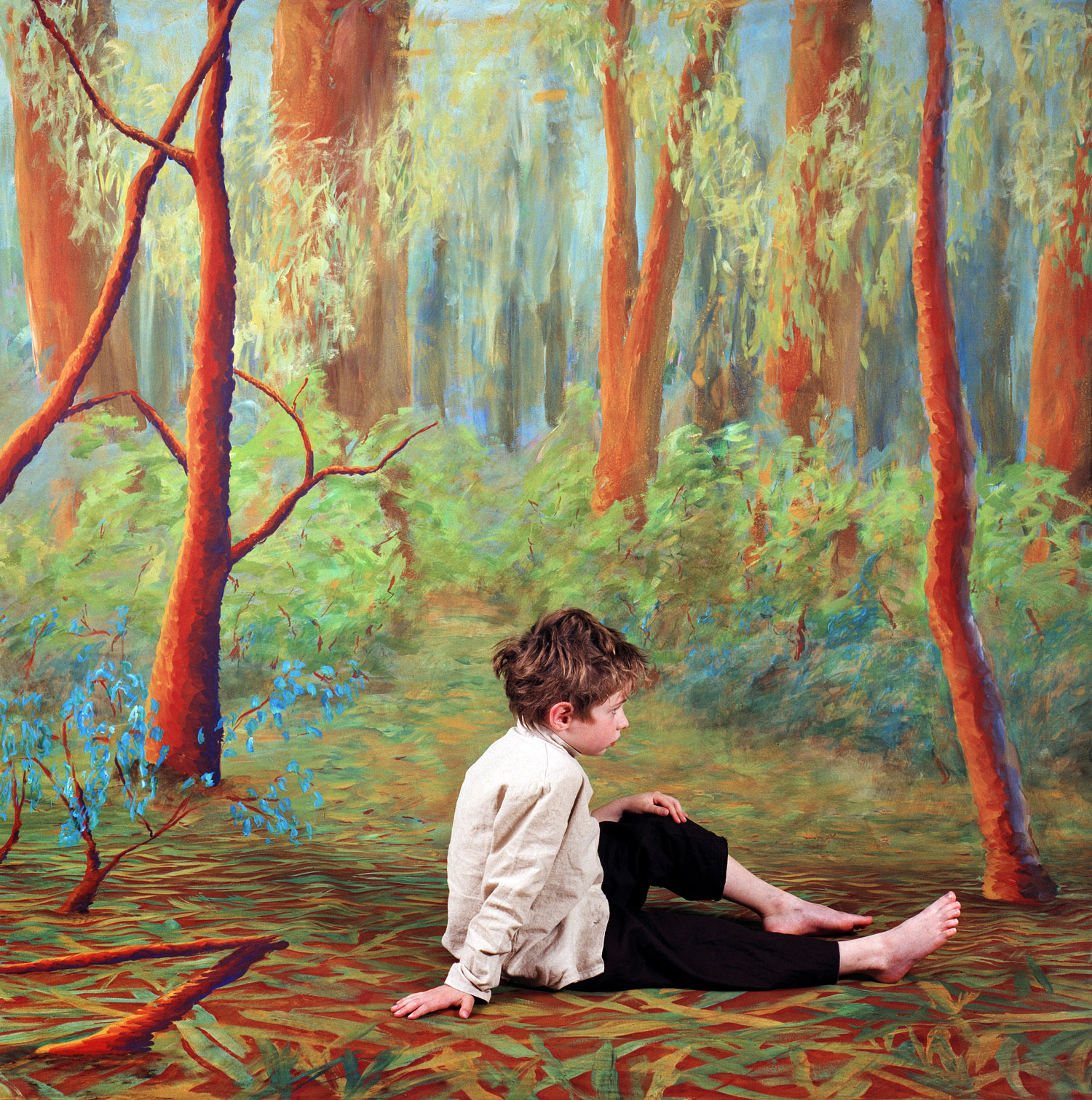


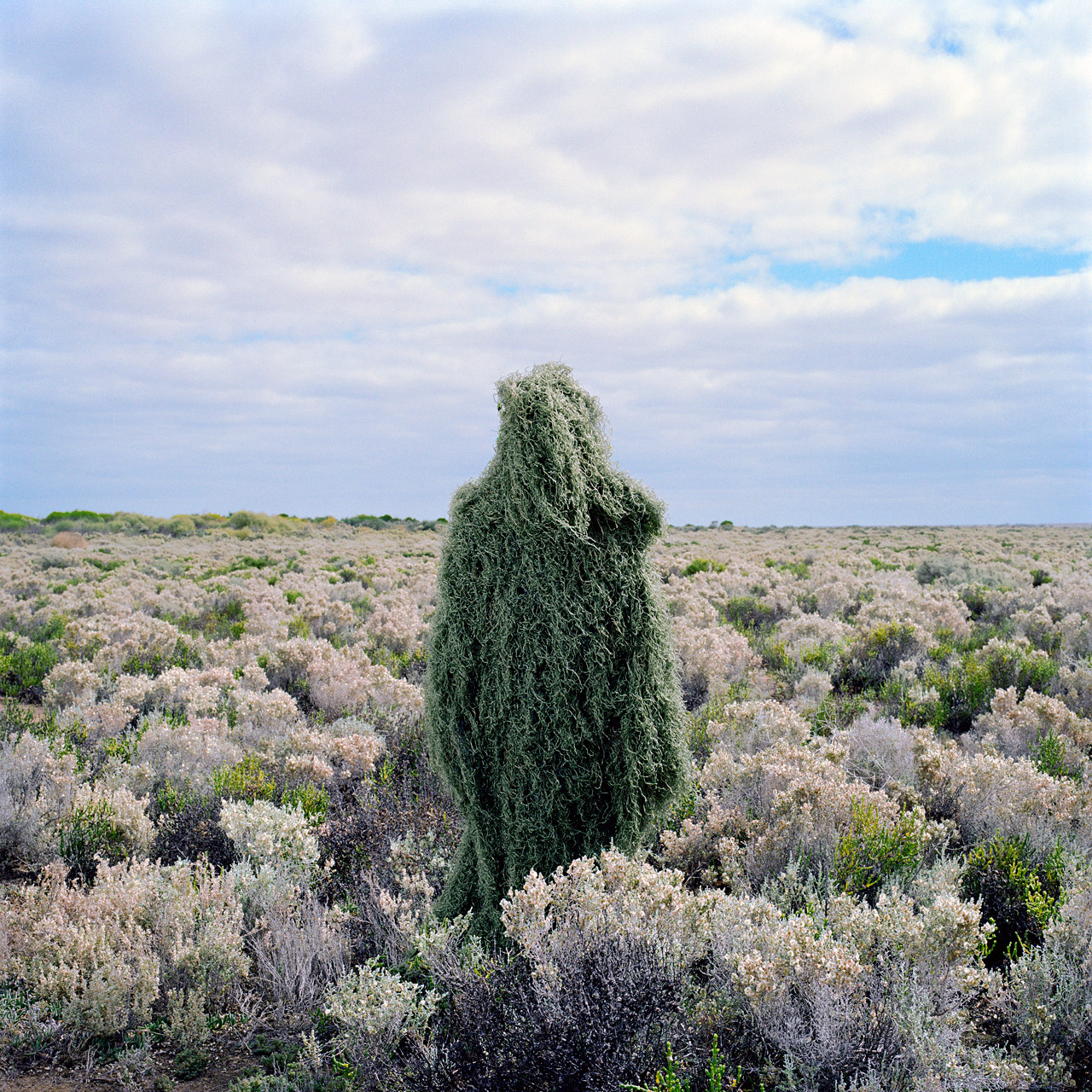
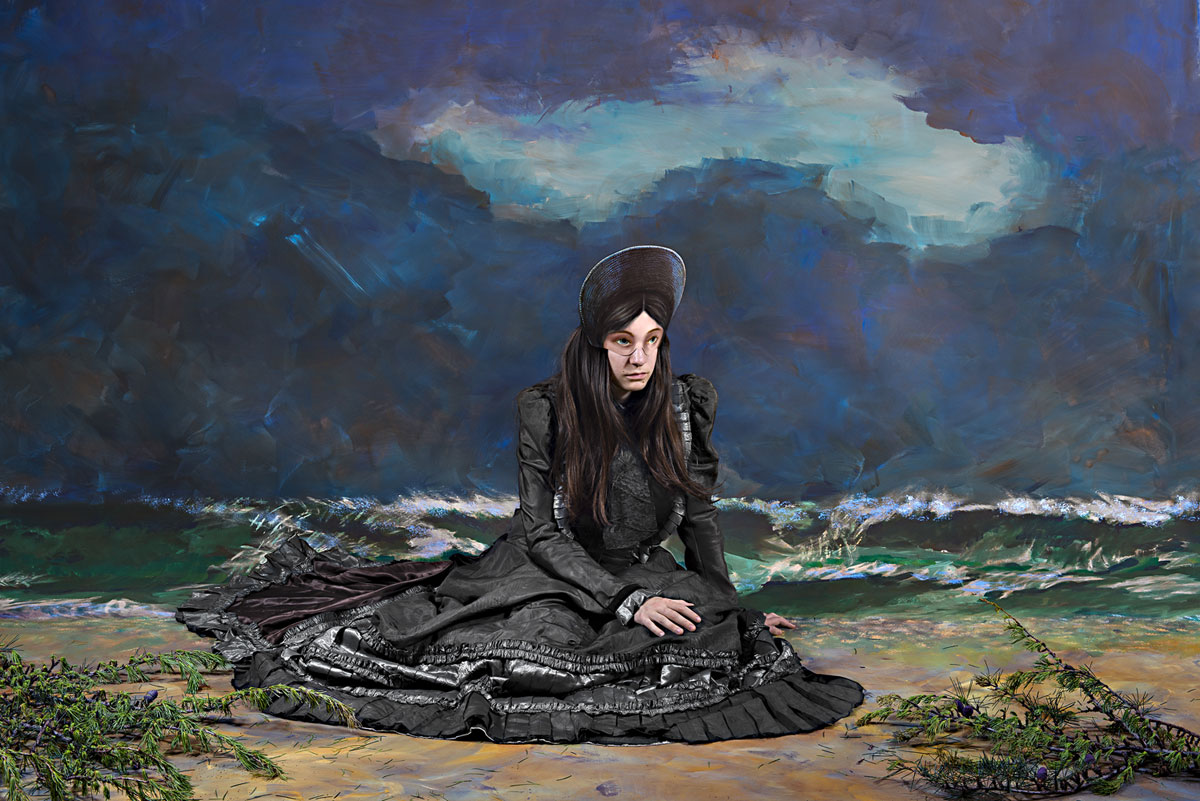
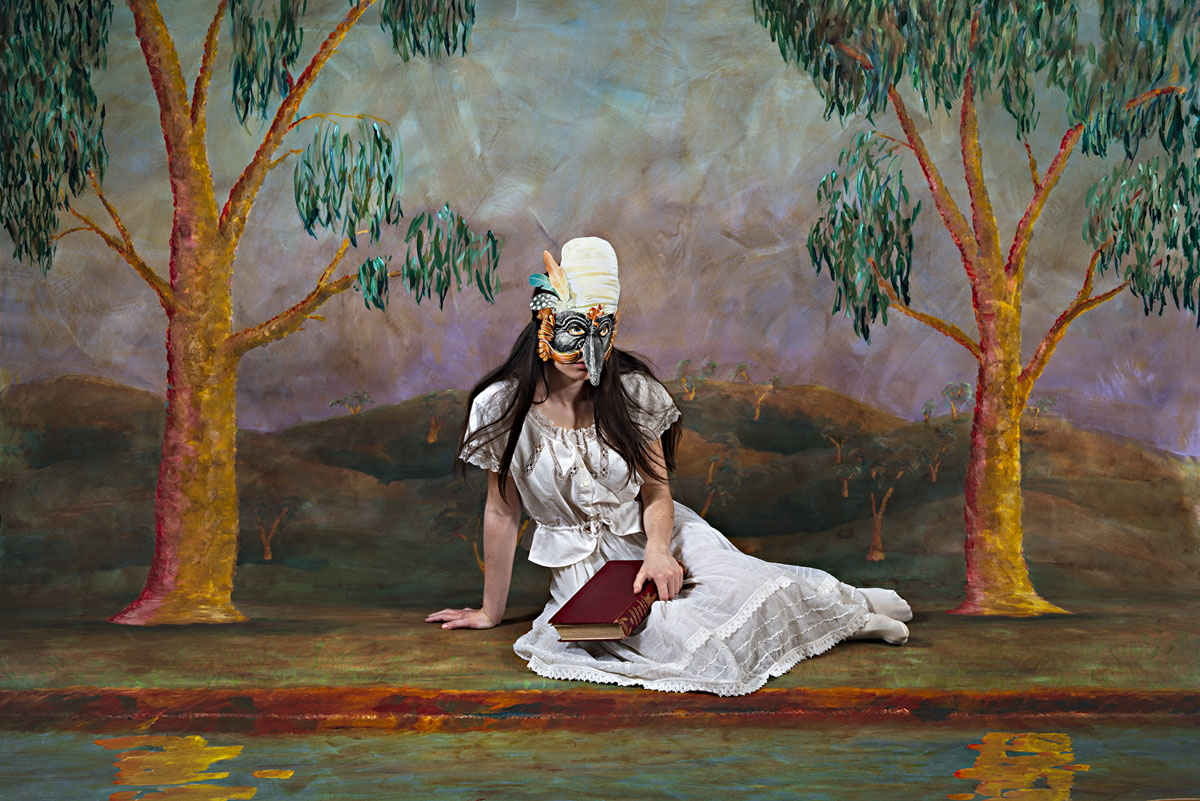


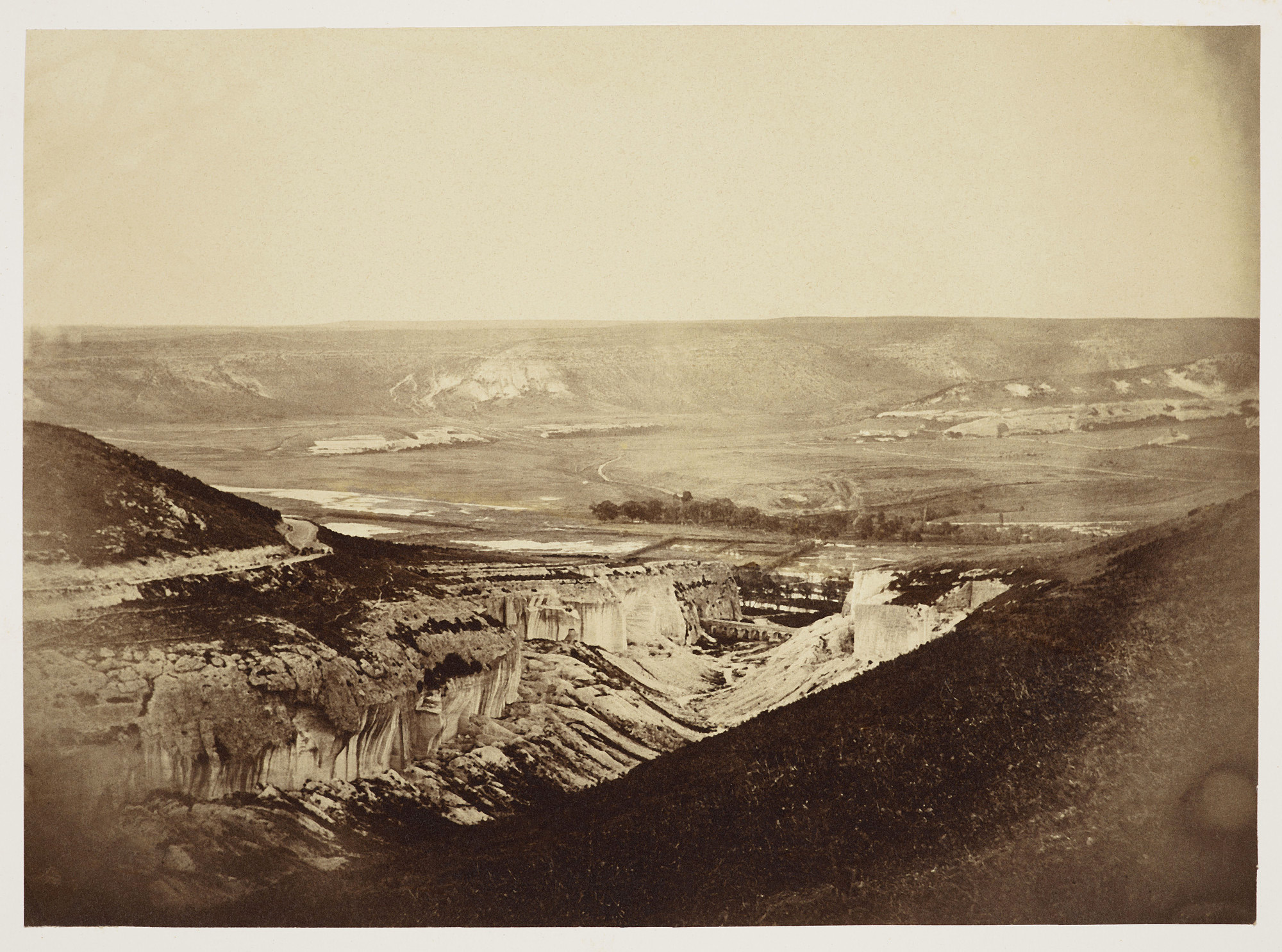


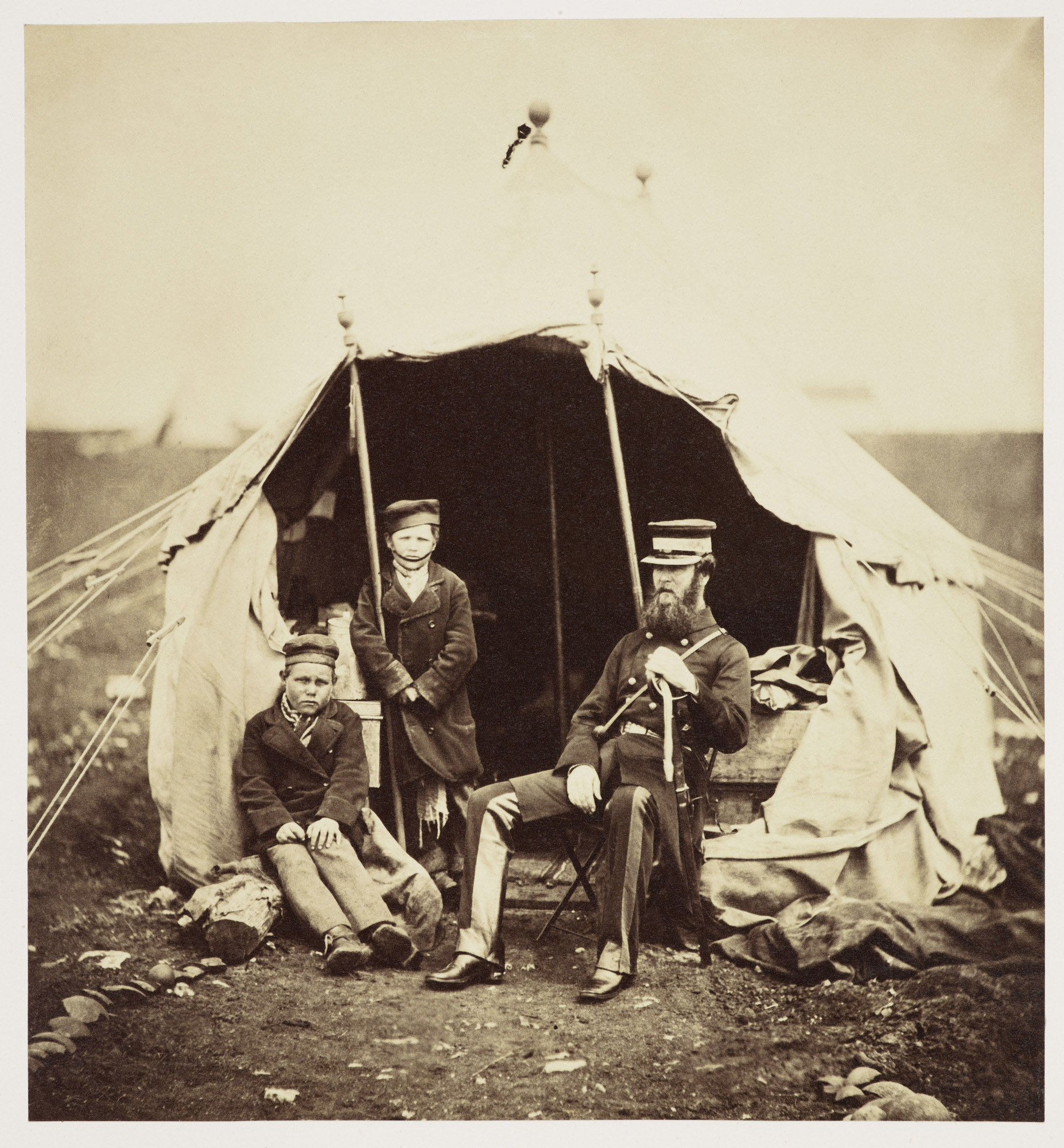
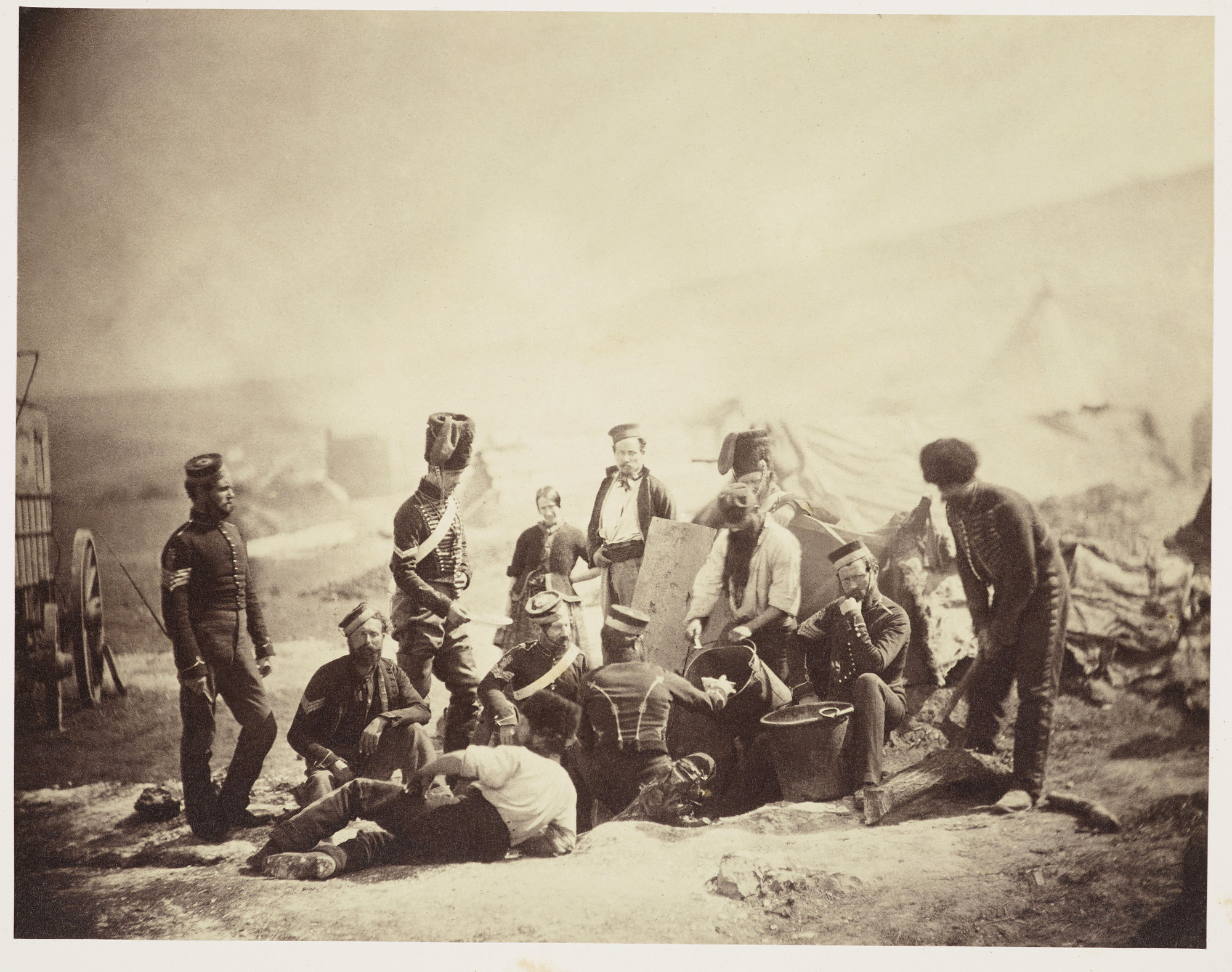


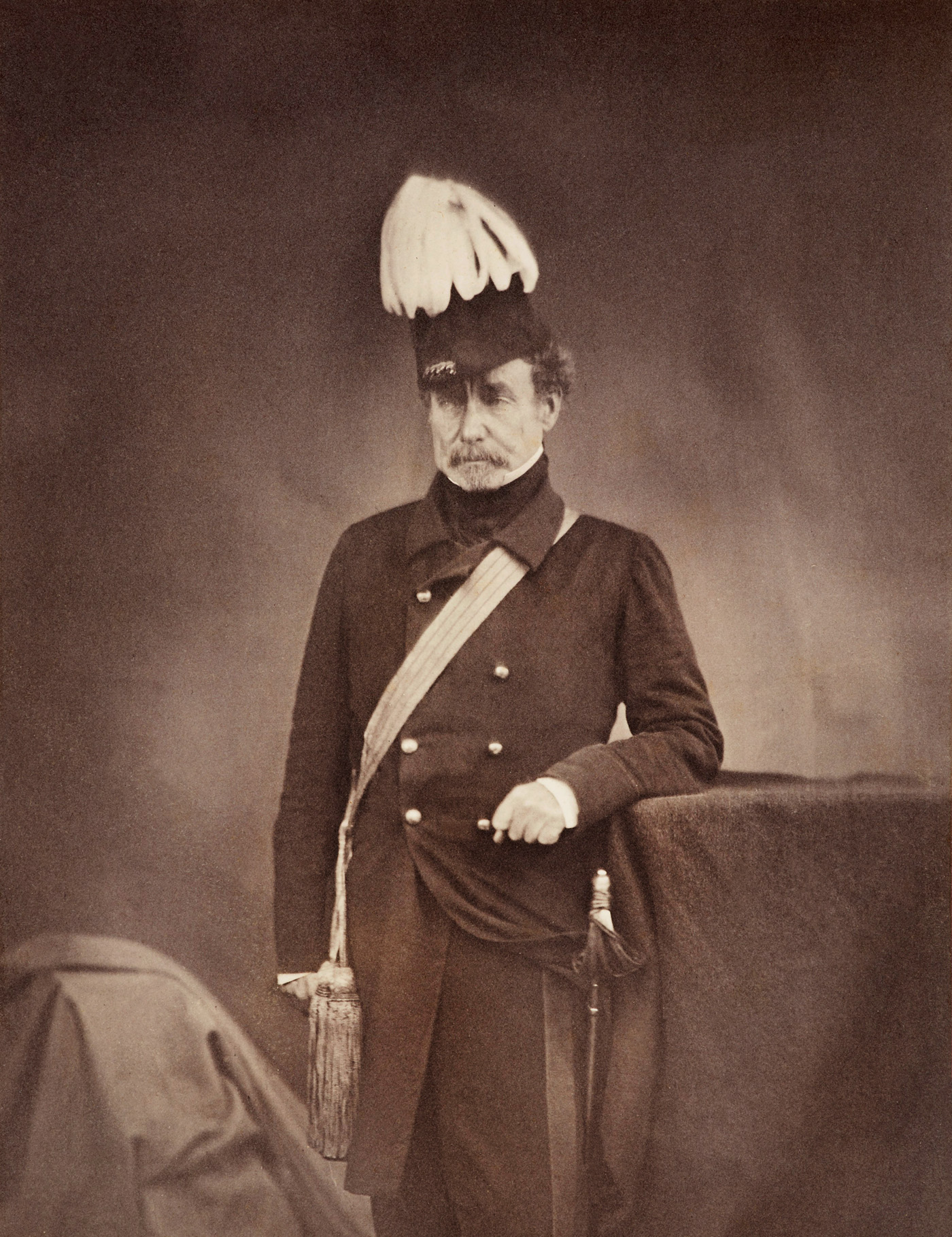


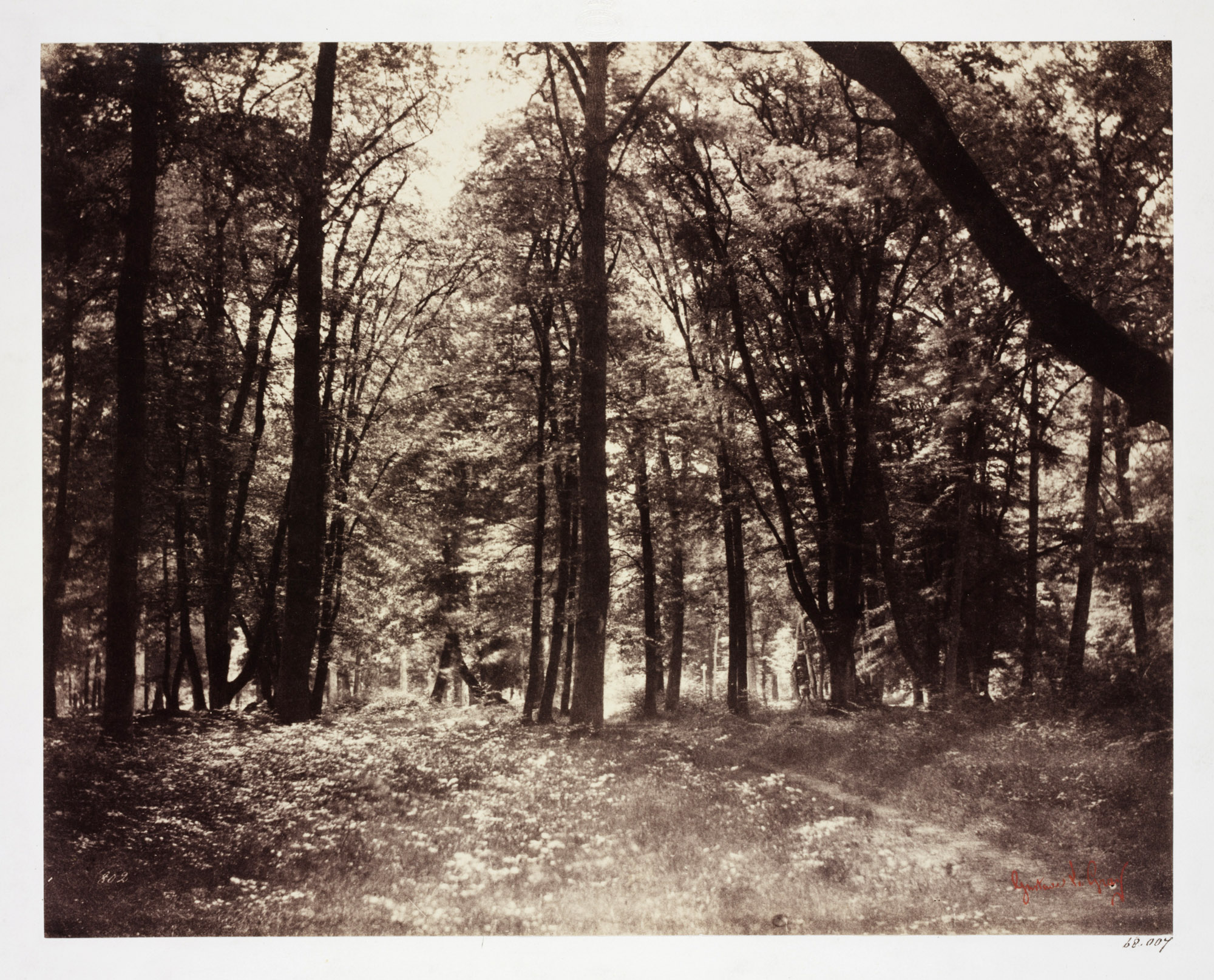
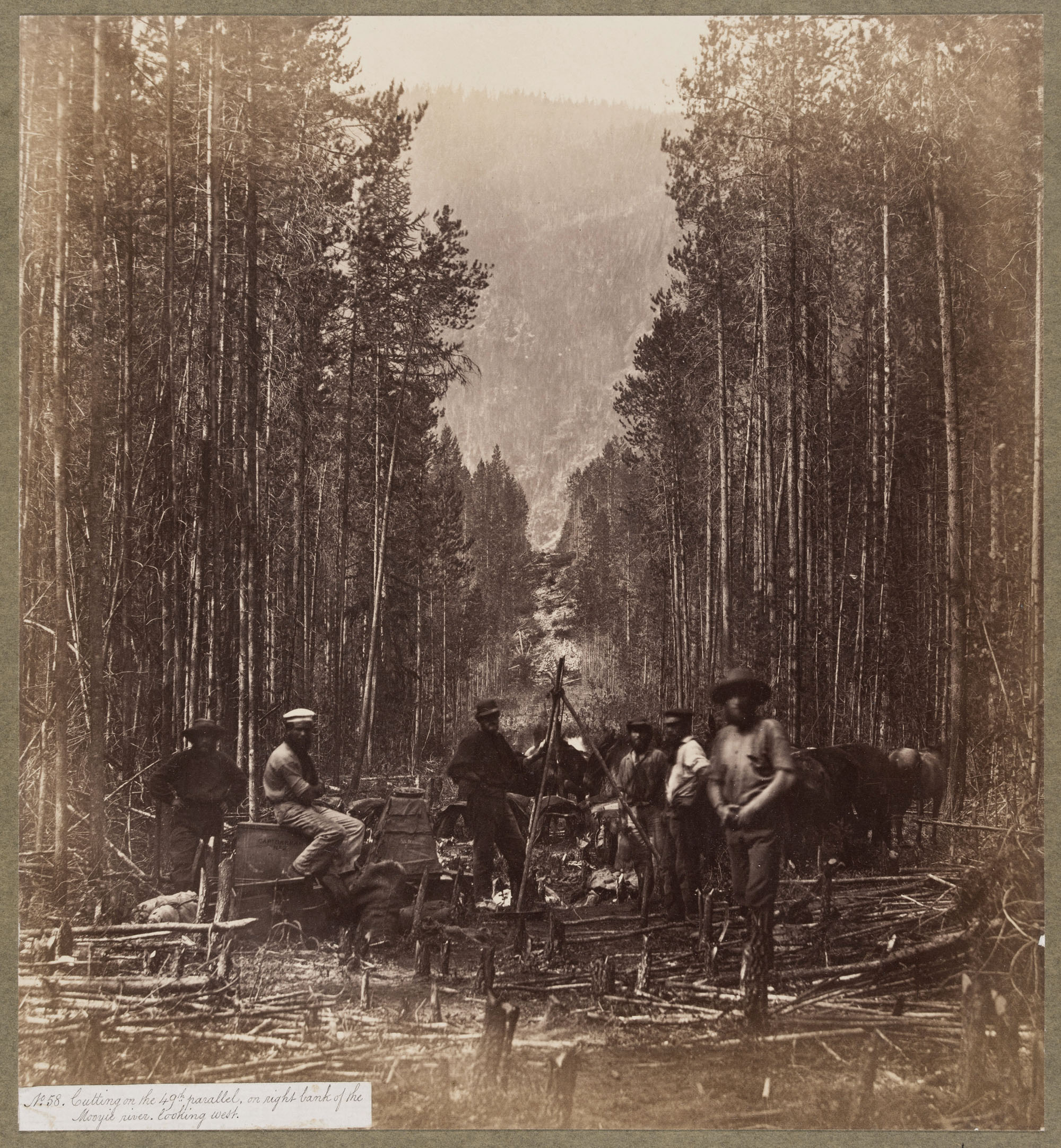


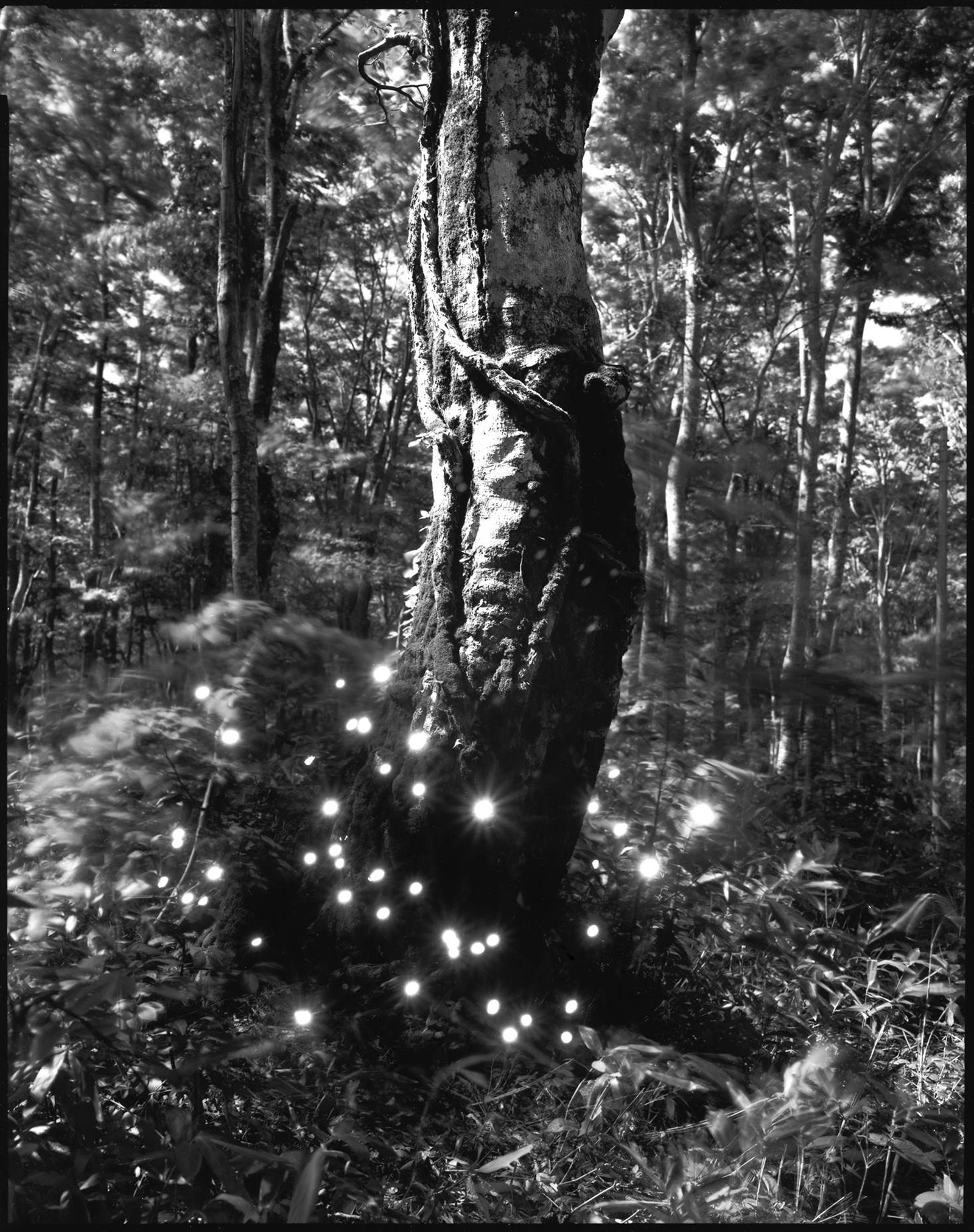
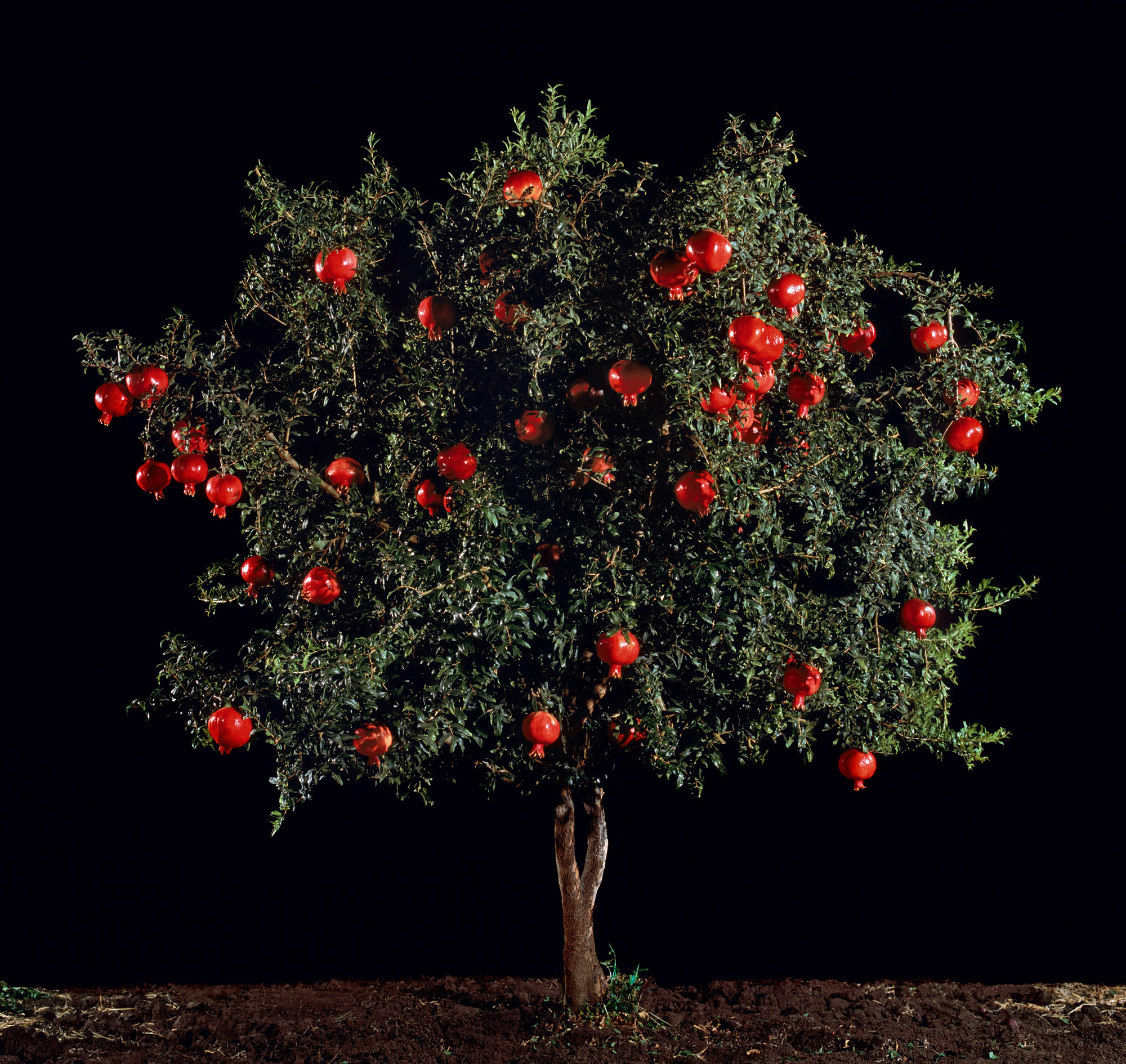
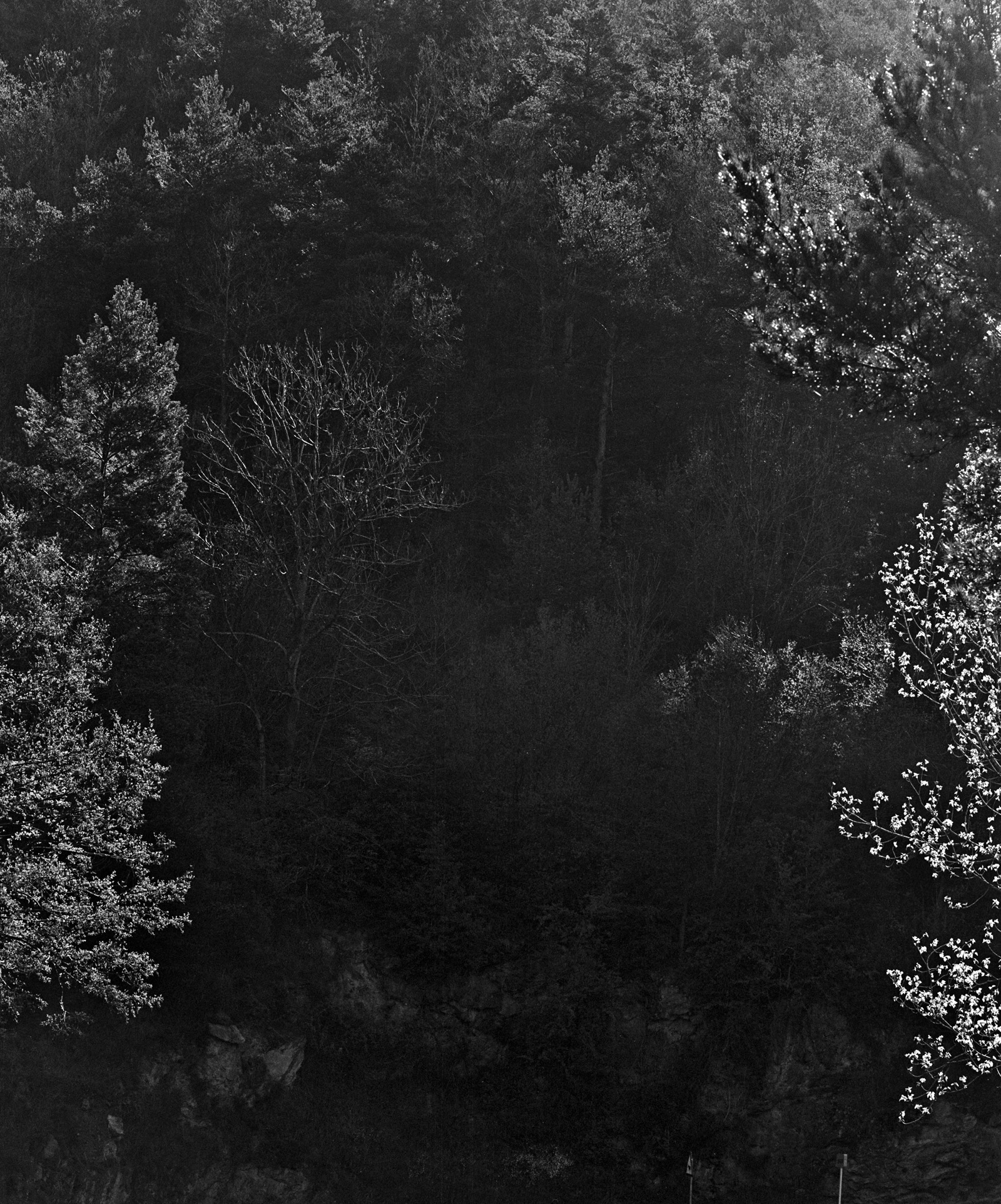
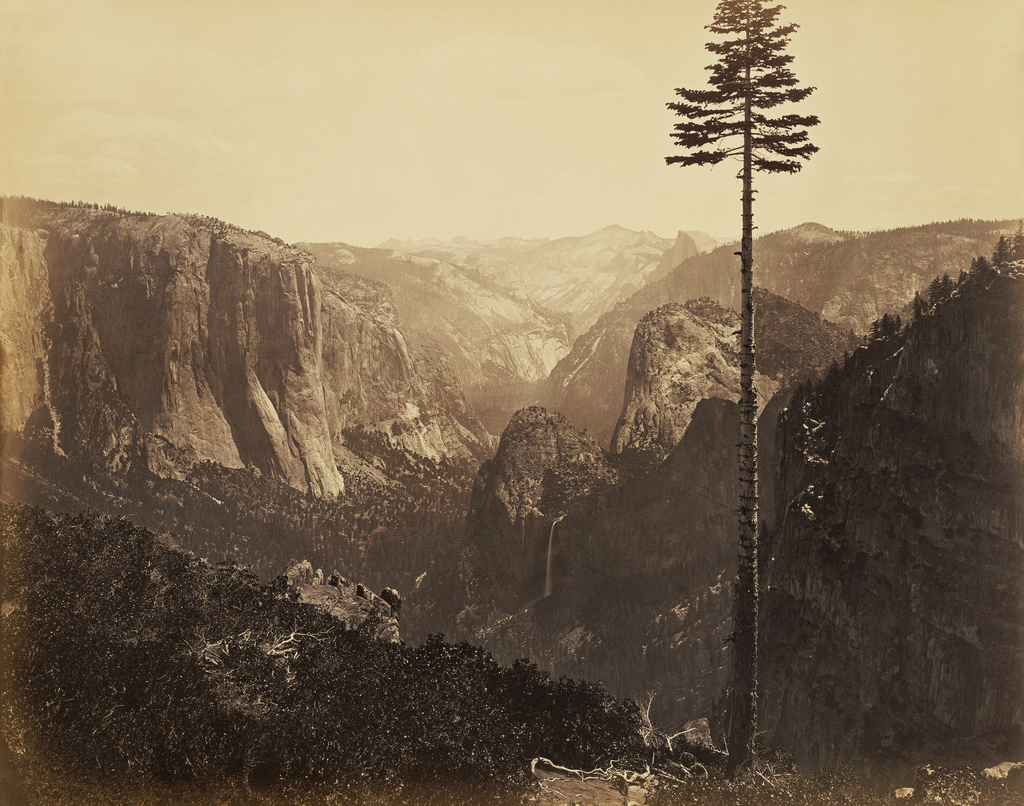
![Albert Renger-Patzsch (German, 1897-1966) 'Das Bäumchen [Sapling]' 1928](https://artblart.com/wp-content/uploads/2018/01/renger-patzsch-das-bacc88umchen.jpg "Albert Renger-Patzsch (German, 1897-1966) 'Das Bäumchen [Sapling]' 1928")

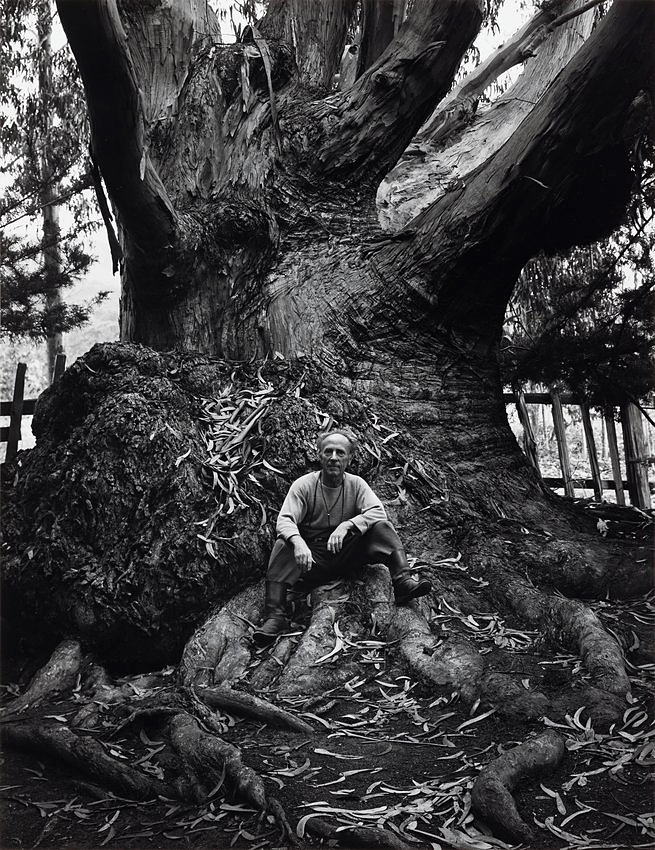

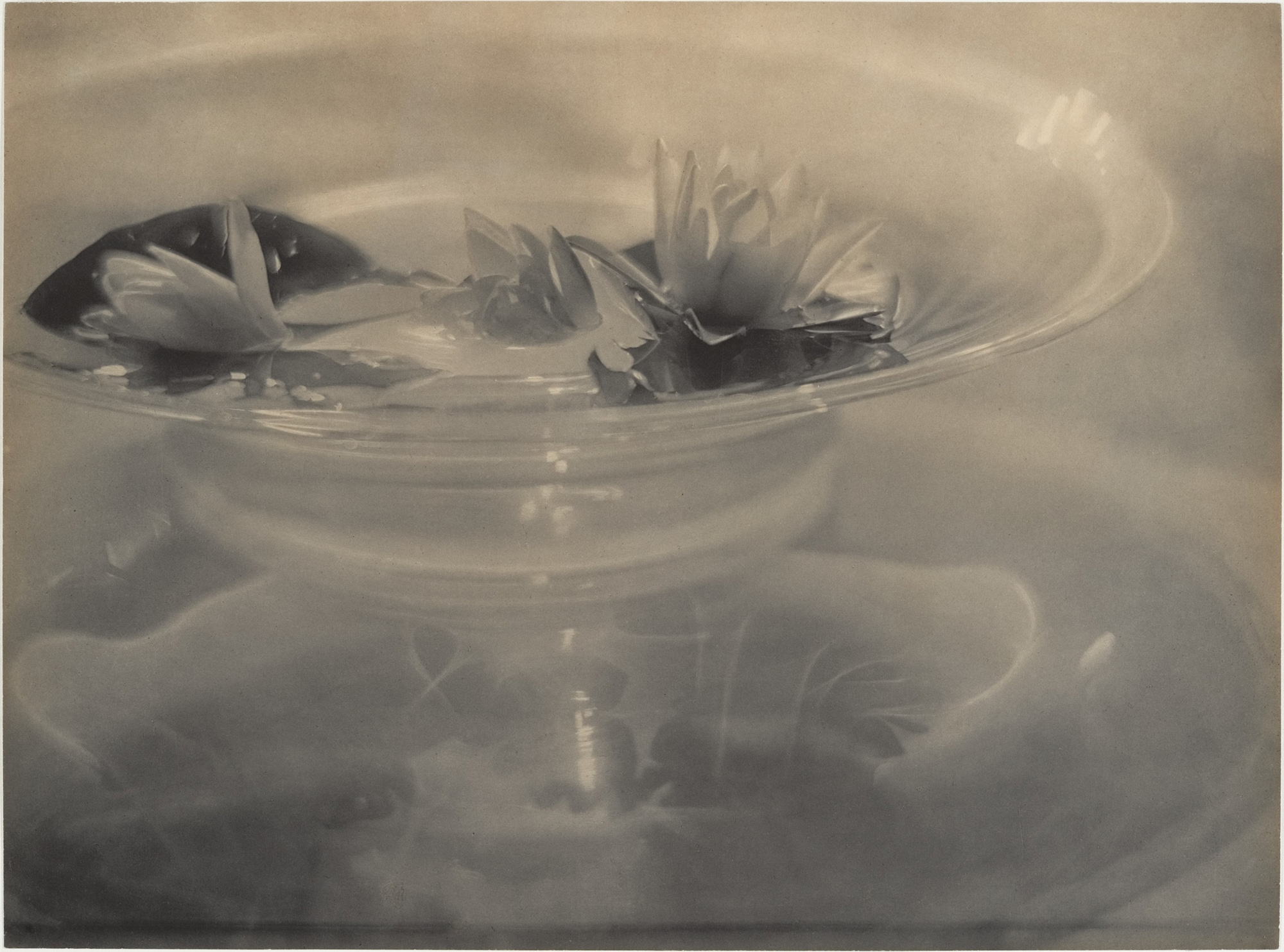
![Adolf de Meyer (American born France, 1868-1946) '[Nude Models Posing for a Painting Class]' 1890s from the exhibition 'Quicksilver Brilliance: Adolf de Meyer Photographs' at the Metropolitan Museum of Art, New York, Dec 2017 - March 2018](https://artblart.com/wp-content/uploads/2018/02/adolf-de-meyer-nude-models-posing-for-a-painting-class-web.jpg "Adolf de Meyer (American born France, 1868-1946) '[Nude Models Posing for a Painting Class]' 1890s from the exhibition 'Quicksilver Brilliance: Adolf de Meyer Photographs' at the Metropolitan Museum of Art, New York, Dec 2017 - March 2018")
![Adolf de Meyer (American born France, 1868-1946) '[Adolf de Meyer Photographing Olga in a Garden]' 1890s](https://artblart.com/wp-content/uploads/2018/02/adolf-de-meyer-photographing-olga-in-a-garden-web.jpg "Adolf de Meyer (American born France, 1868-1946) '[Adolf de Meyer Photographing Olga in a Garden]' 1890s")
![Adolf de Meyer (American born France, 1868-1946) '[Self-Portrait in India]' 1900](https://artblart.com/wp-content/uploads/2018/02/adolf-de-meyer-self-portrait-in-india-web.jpg "Adolf de Meyer (American born France, 1868-1946) '[Self-Portrait in India]' 1900")
![Adolf de Meyer (American born France, 1868-1946) '[Self-Portrait in India]' 1900 (detail)](https://artblart.com/wp-content/uploads/2018/02/adolf-de-meyer-self-portrait-in-india-detail.jpg "Adolf de Meyer (American born France, 1868-1946) '[Self-Portrait in India]' 1900 (detail")
![Adolf de Meyer (American born France, 1868-1946) '[Amida Buddah, Japan]' 1900](https://artblart.com/wp-content/uploads/2018/02/adolf-de-meyer-amida-buddah-web.jpg "Adolf de Meyer (American born France, 1868-1946) '[Amida Buddah, Japan]' 1900")


![Adolf de Meyer (American born France, 1868-1946) '[View Through the Window of a Garden, Japan]' 1900](https://artblart.com/wp-content/uploads/2018/02/adolf-de-meyer-view-through-the-window-of-a-garden-web.jpg "Adolf de Meyer (American born France, 1868-1946) '[View Through the Window of a Garden, Japan]' 1900")


![Adolf de Meyer (American born France, 1868-1946) '[Lady Ottoline Morrell]' c. 1912](https://artblart.com/wp-content/uploads/2018/02/adolf-de-meyer-lady-ottoline-morrell-web.jpg "Adolf de Meyer (American born France, 1868-1946) '[Lady Ottoline Morrell]' c. 1912")


![Adolf de Meyer (American born France, 1868-1946) '[Dance Study]' c. 1912](https://artblart.com/wp-content/uploads/2018/02/adolf-de-meyer-dance-study-web.jpg "Adolf de Meyer (American born France, 1868-1946) '[Dance Study]' c. 1912")
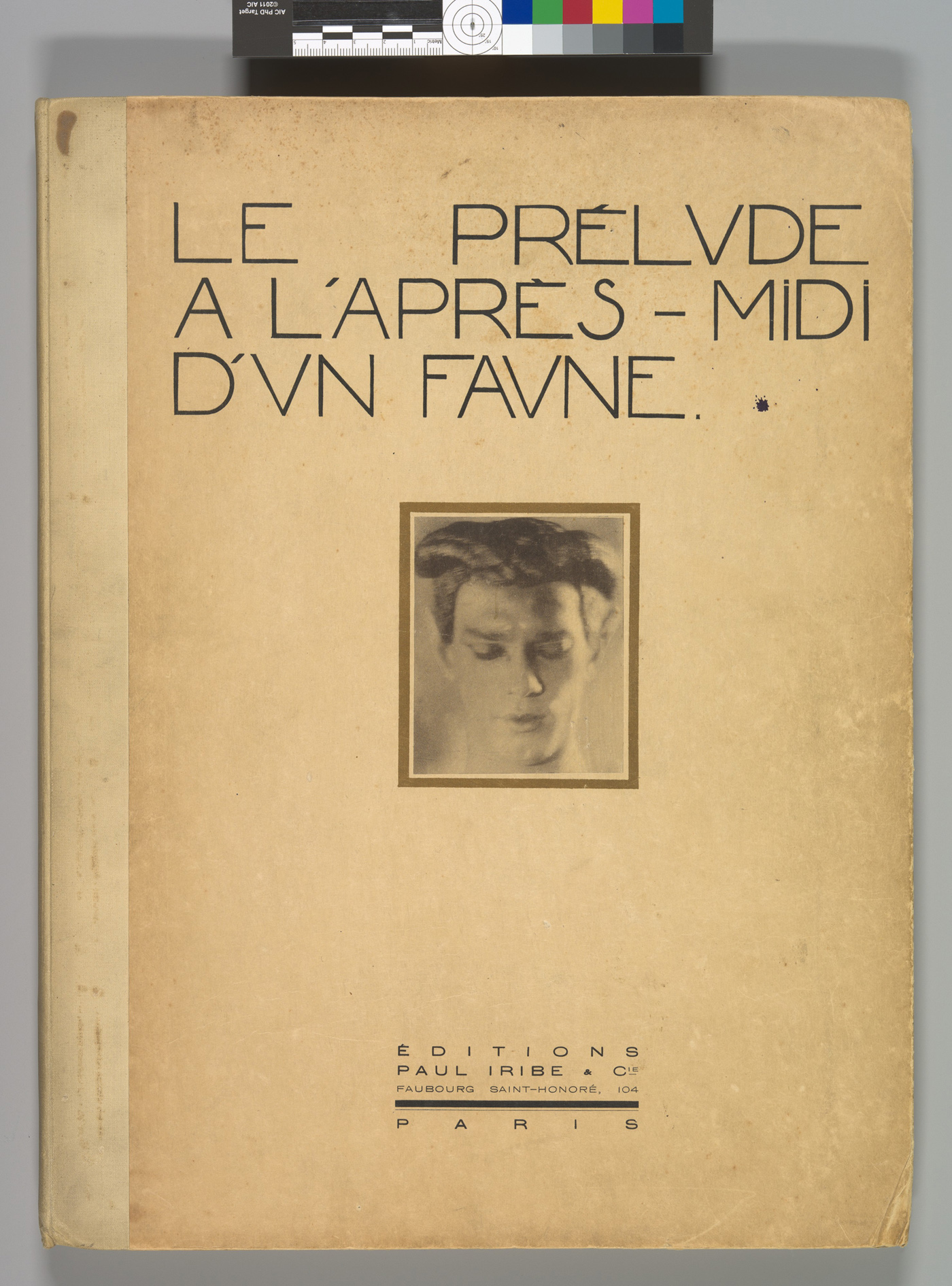
![Adolf de Meyer (American born France, 1868-1946) 'Nijinsky [Plate from Le Prelude à l'Après-Midi d'un Faune]' 1912](https://artblart.com/wp-content/uploads/2018/02/adolf-de-meyer-portrait-of-vaslav-nijinski-1912-web.jpg "Adolf de Meyer (American born France, 1868-1946) 'Nijinsky [Plate from Le Prelude à l'Après-Midi d'un Faune]' 1912")
![Adolf de Meyer (American born France, 1868-1946) 'Nijinsky [Plate from Le Prelude à l'Après-Midi d'un Faune]' 1914](https://artblart.com/wp-content/uploads/2018/02/adolf-de-meyer-nijinsky-plate-from-le-prelude-acc80-laprecc80s-midi-dun-faune-web.jpg "Adolf de Meyer (American born France, 1868-1946) 'Nijinsky [Plate from Le Prelude à l'Après-Midi d'un Faune]' 1914")
![Adolf de Meyer (American born France, 1868-1946) '[Image from "Prelude à l'Après-Midi d'un faune"]' 1914](https://artblart.com/wp-content/uploads/2018/02/adolf-de-meyer-image-from-prelude-web.jpg "Adolf de Meyer (American born France, 1868-1946) '[Image from \"Prelude à l'Après-Midi d'un faune\"]' 1914")

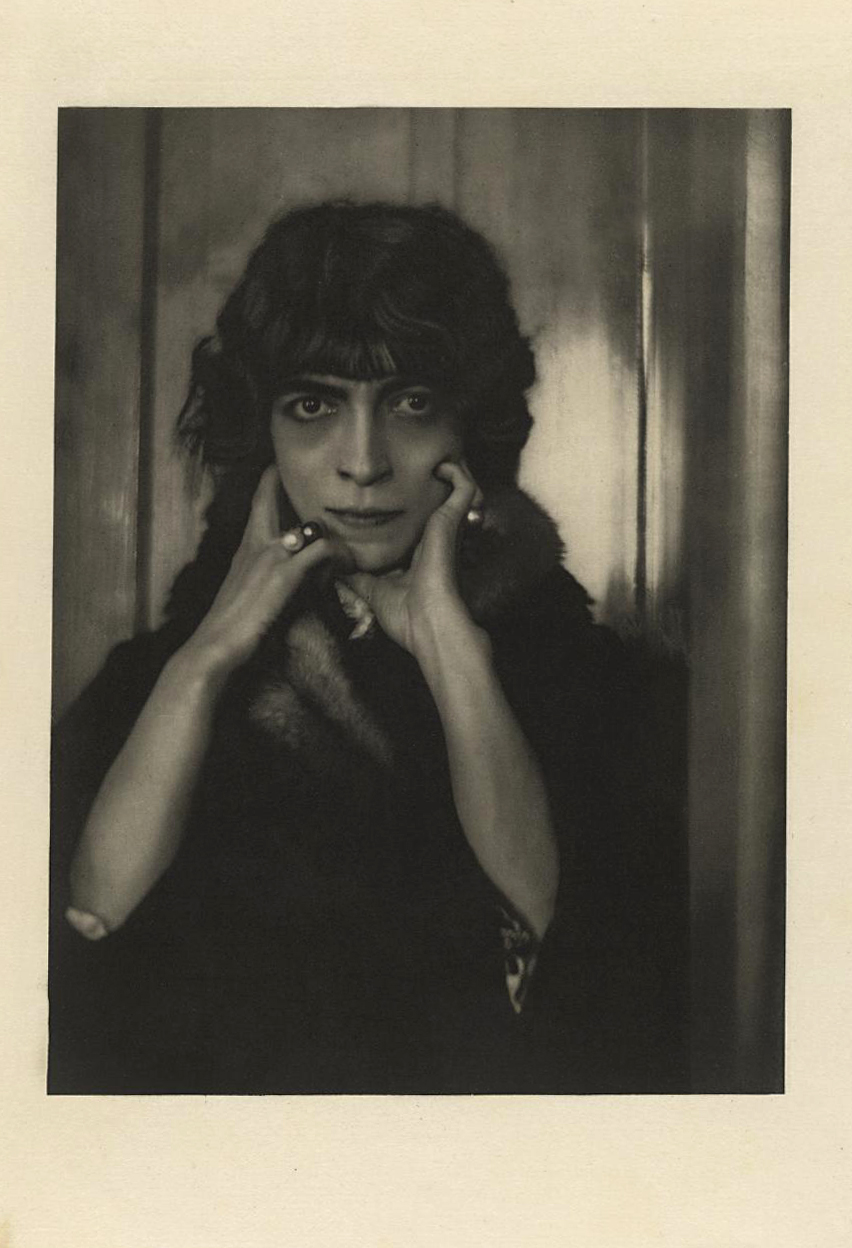
![Adolf de Meyer (American born France, 1868-1946) 'Study for Vogue [Jan 1-1918, Betty Lee, Vogue, page 41]' 1918-1921](https://artblart.com/wp-content/uploads/2018/02/adolf-de-meyer-study-for-vogue-web.jpg "Adolf de Meyer (American born France, 1868-1946) 'Study for Vogue [Jan 1-1918, Betty Lee, Vogue, page 41]' 1918-1921")

![Adolf de Meyer (American born France, 1868-1946) 'Etienne de Beaumont [Count Etienne de Beaumont (French, 1883-1956)]' c. 1923](https://artblart.com/wp-content/uploads/2018/02/adolf-de-meyer-etienne-de-beaumont-web.jpg "Adolf de Meyer (American born France, 1868-1946) 'Etienne de Beaumont [Count Etienne de Beaumont (French, 1883-1956)]' c. 1923")

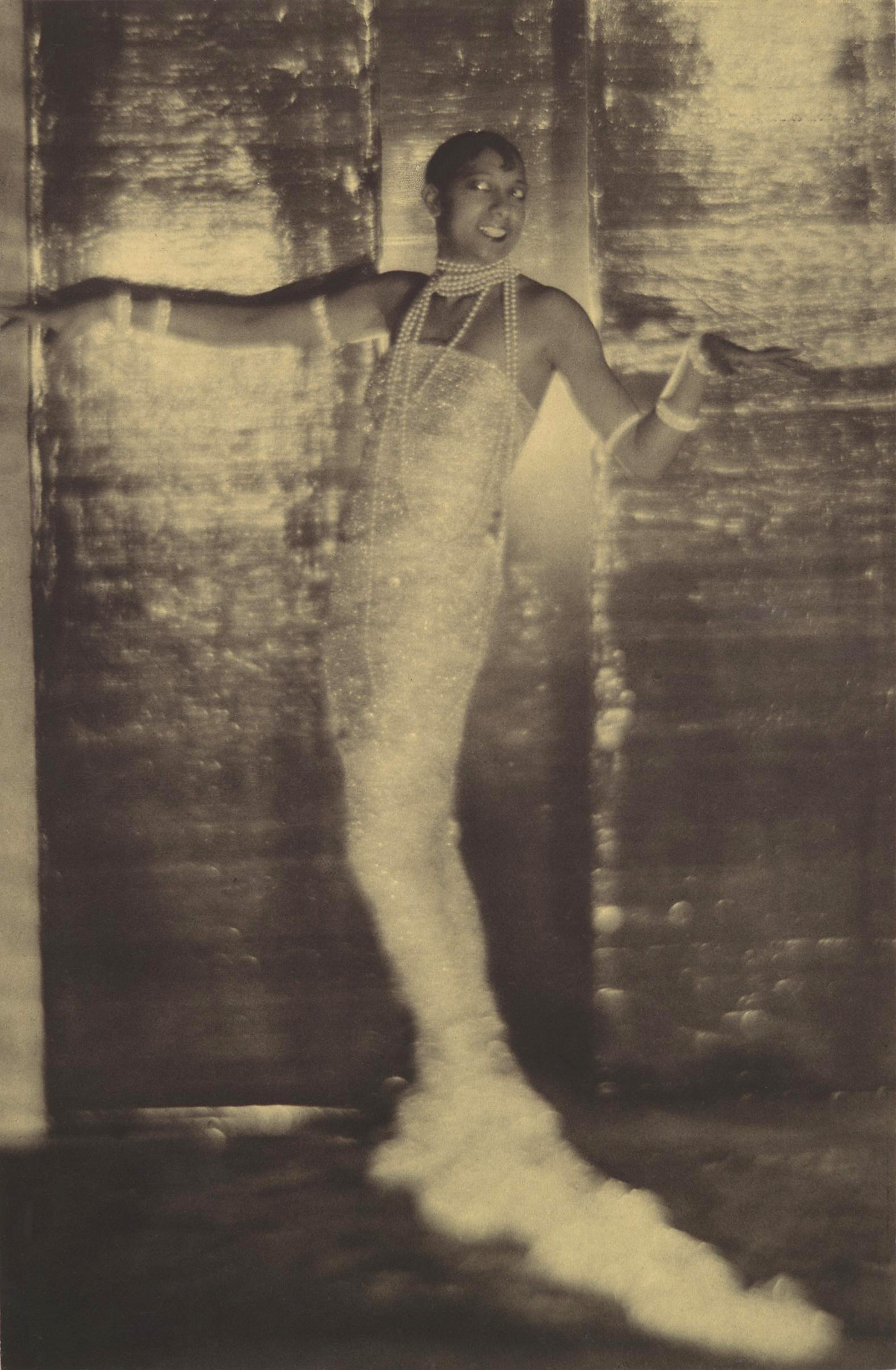


![Sarah Choate Sears (American, 1858-1935) 'A Mexican [Adolf de Meyer (American (born France), Paris 1868-1946 Los Angeles, California)]' 1905](https://artblart.com/wp-content/uploads/2018/02/sears-adolf-de-meyer-web.jpg "Sarah Choate Sears (American, 1858-1935) 'A Mexican [Adolf de Meyer (American (born France), Paris 1868-1946 Los Angeles, California)]' 1905")


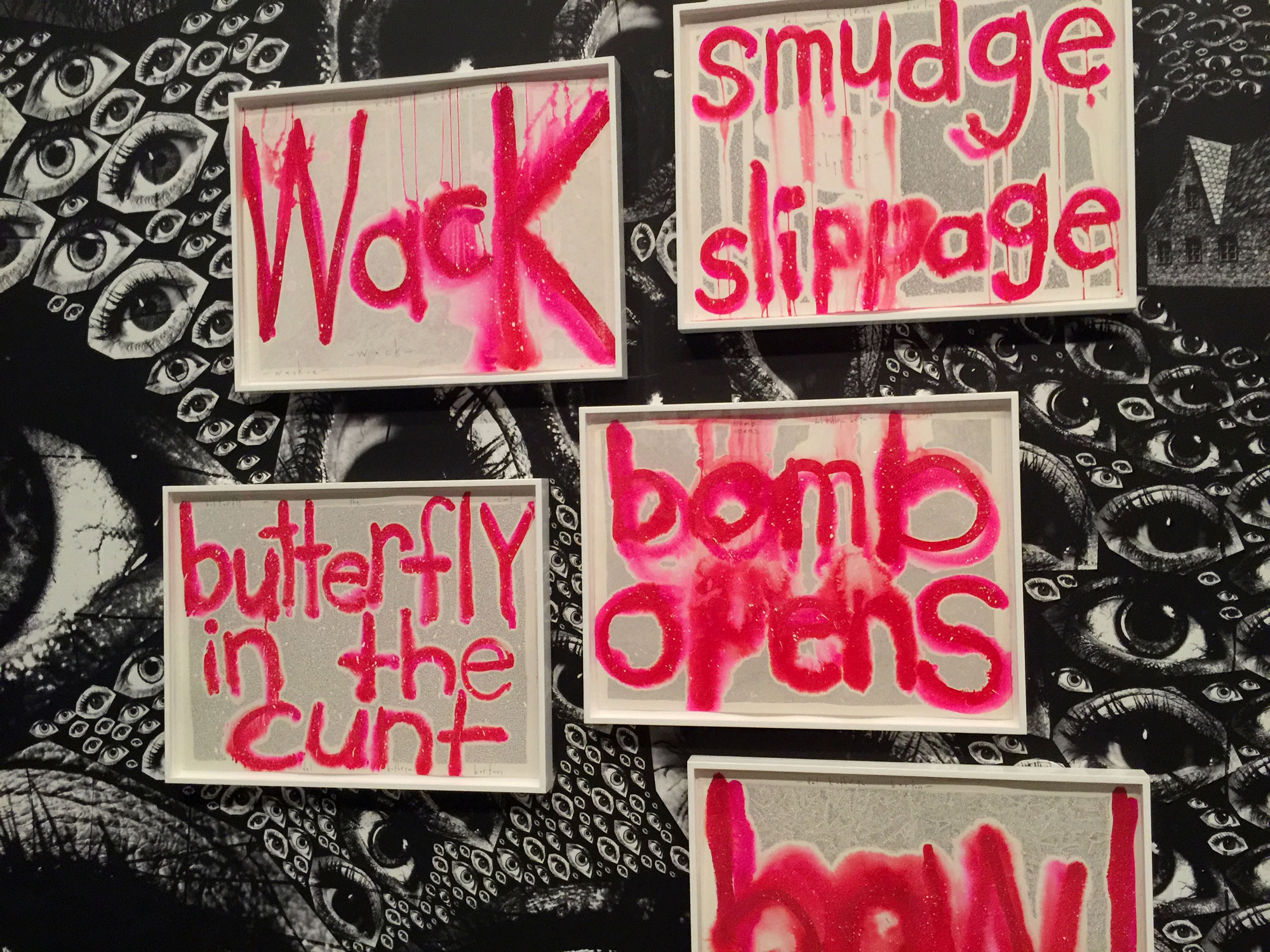





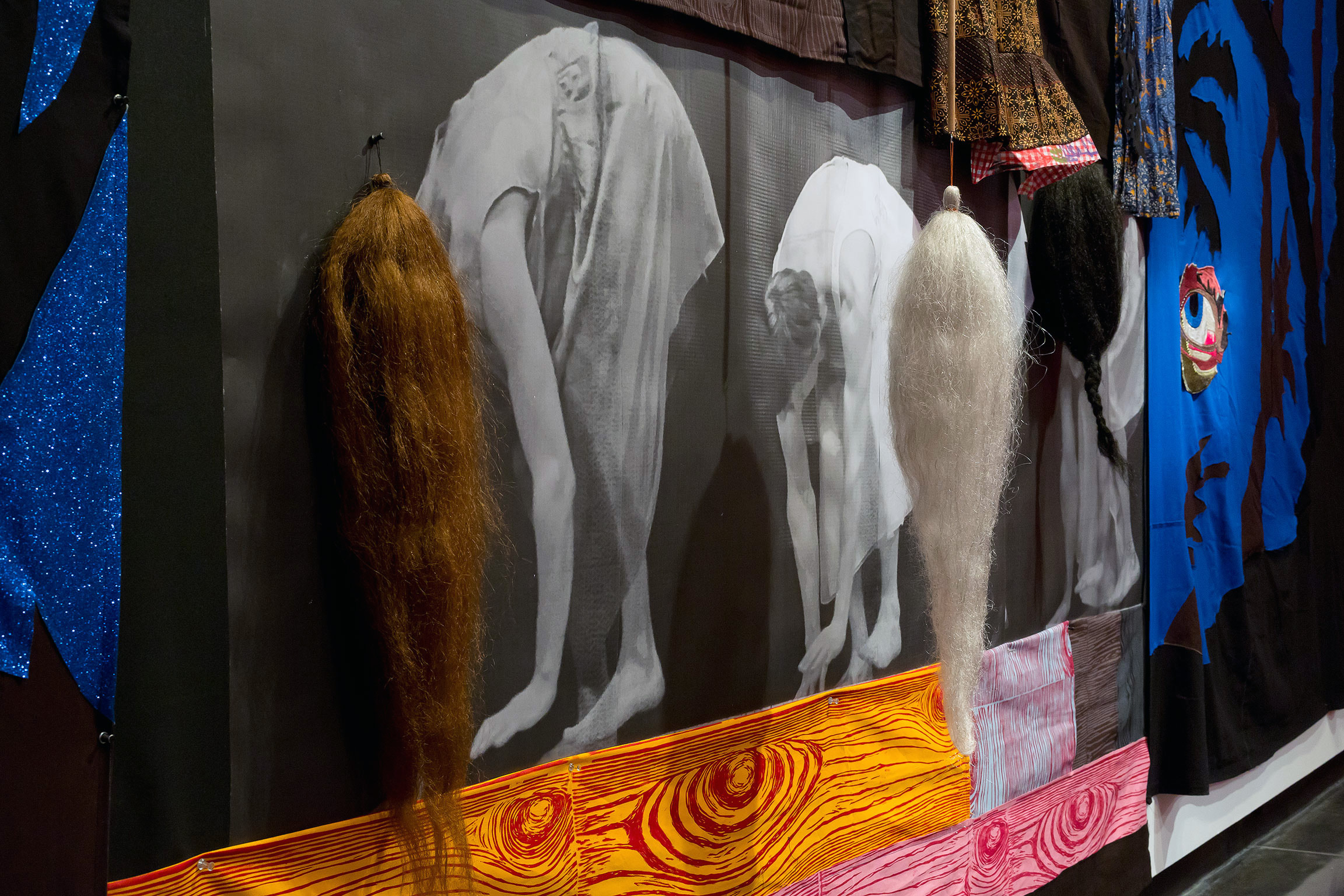
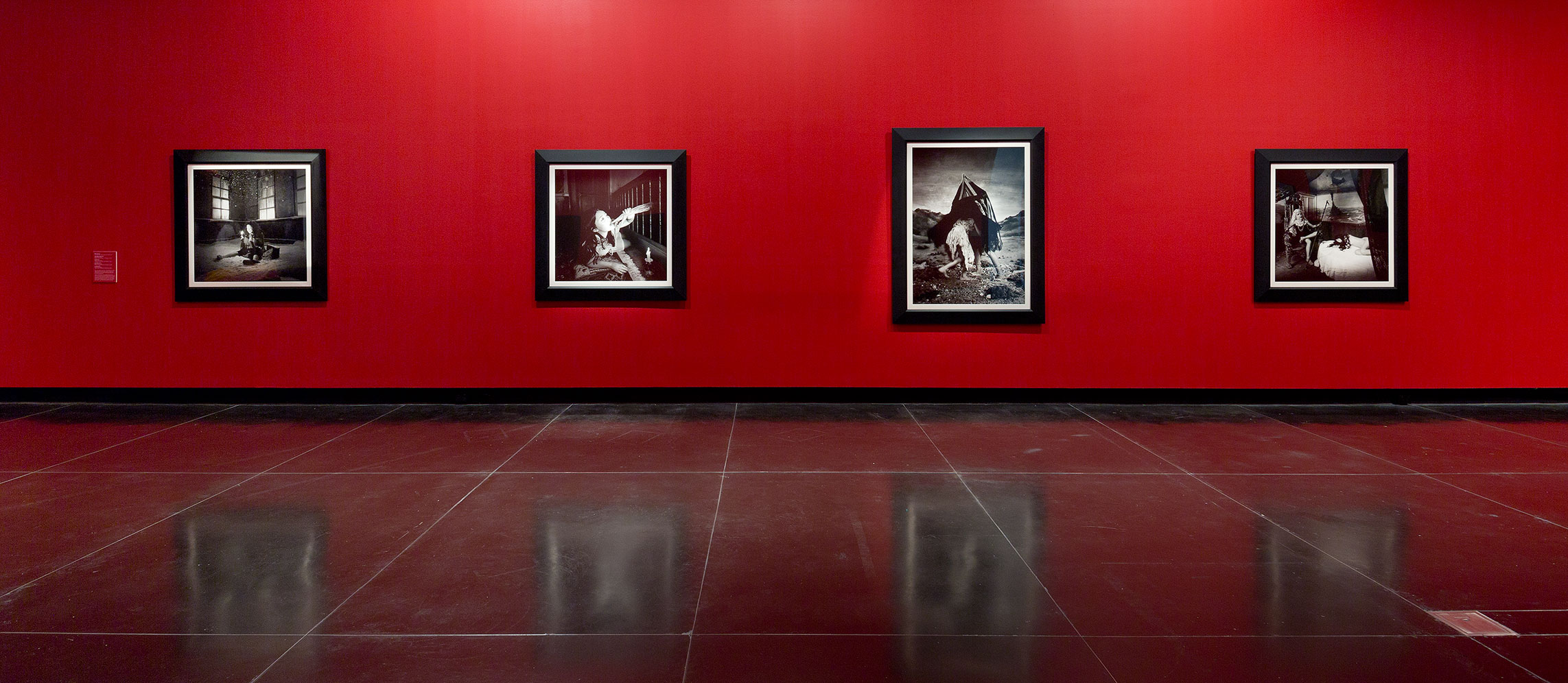

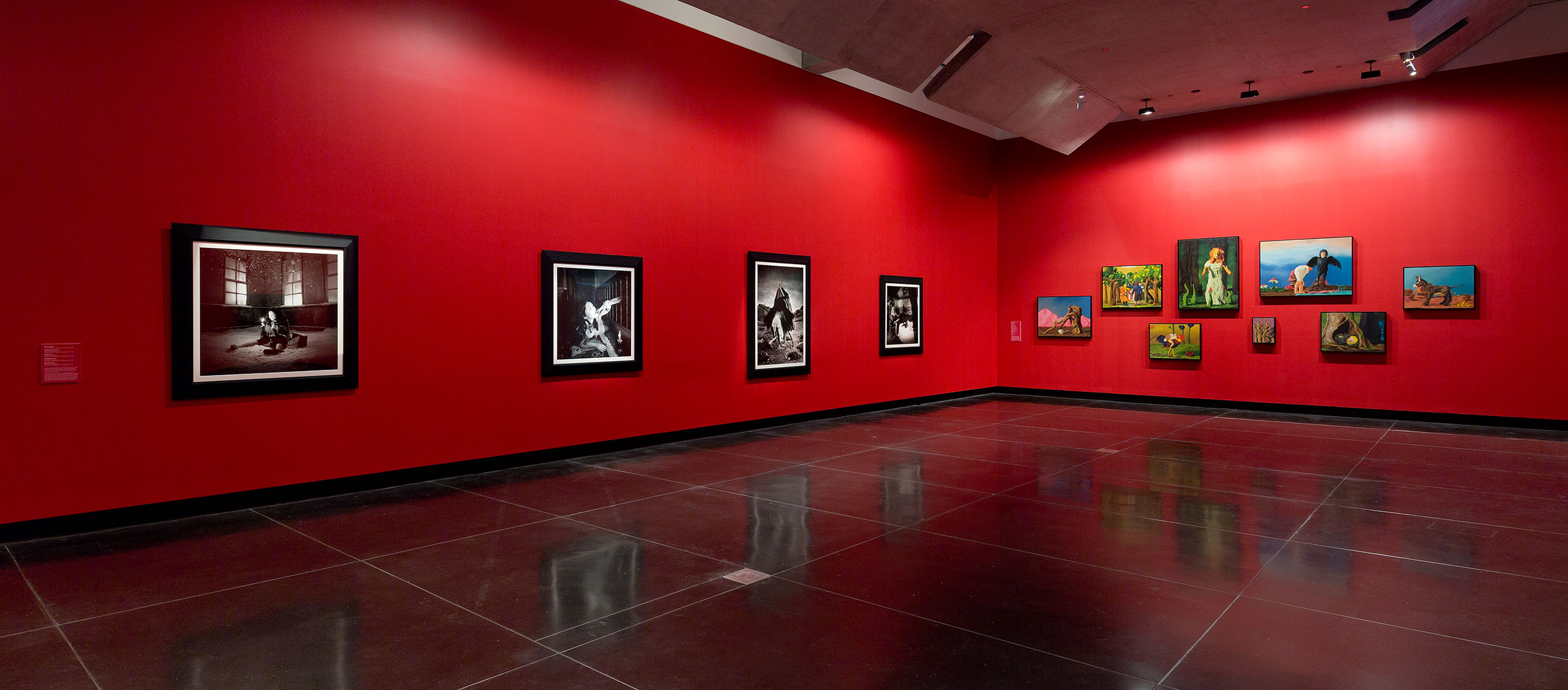
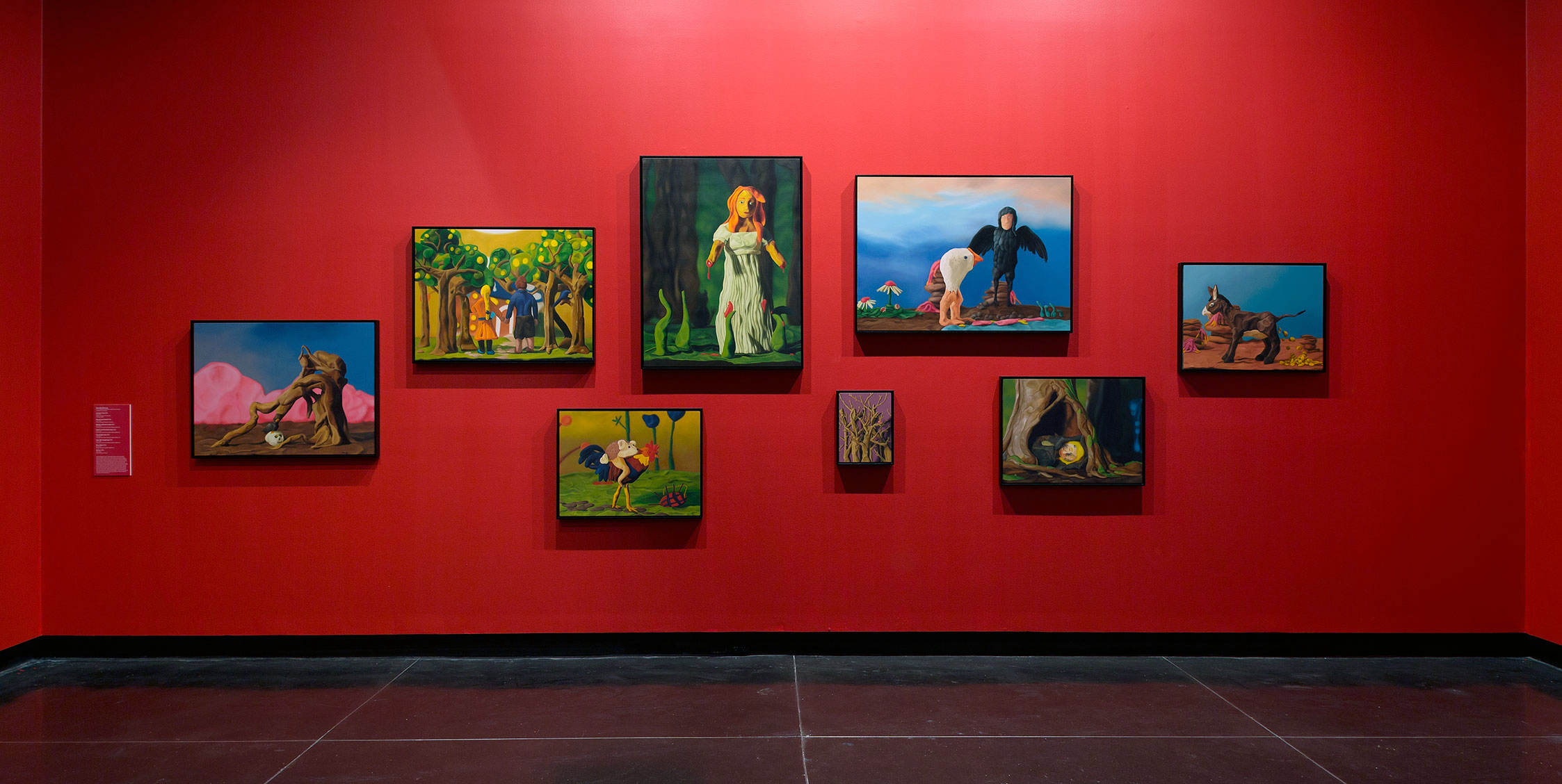
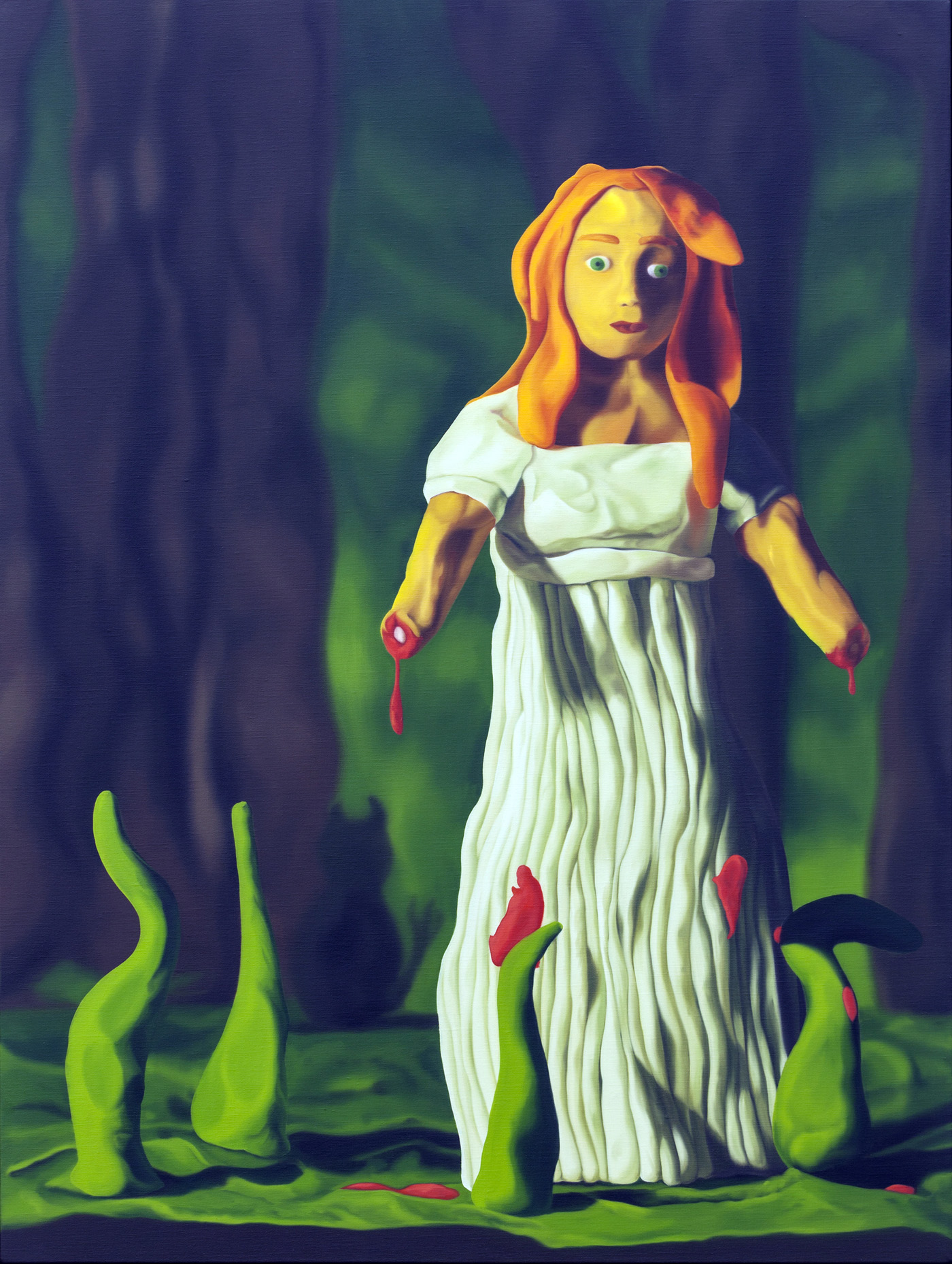

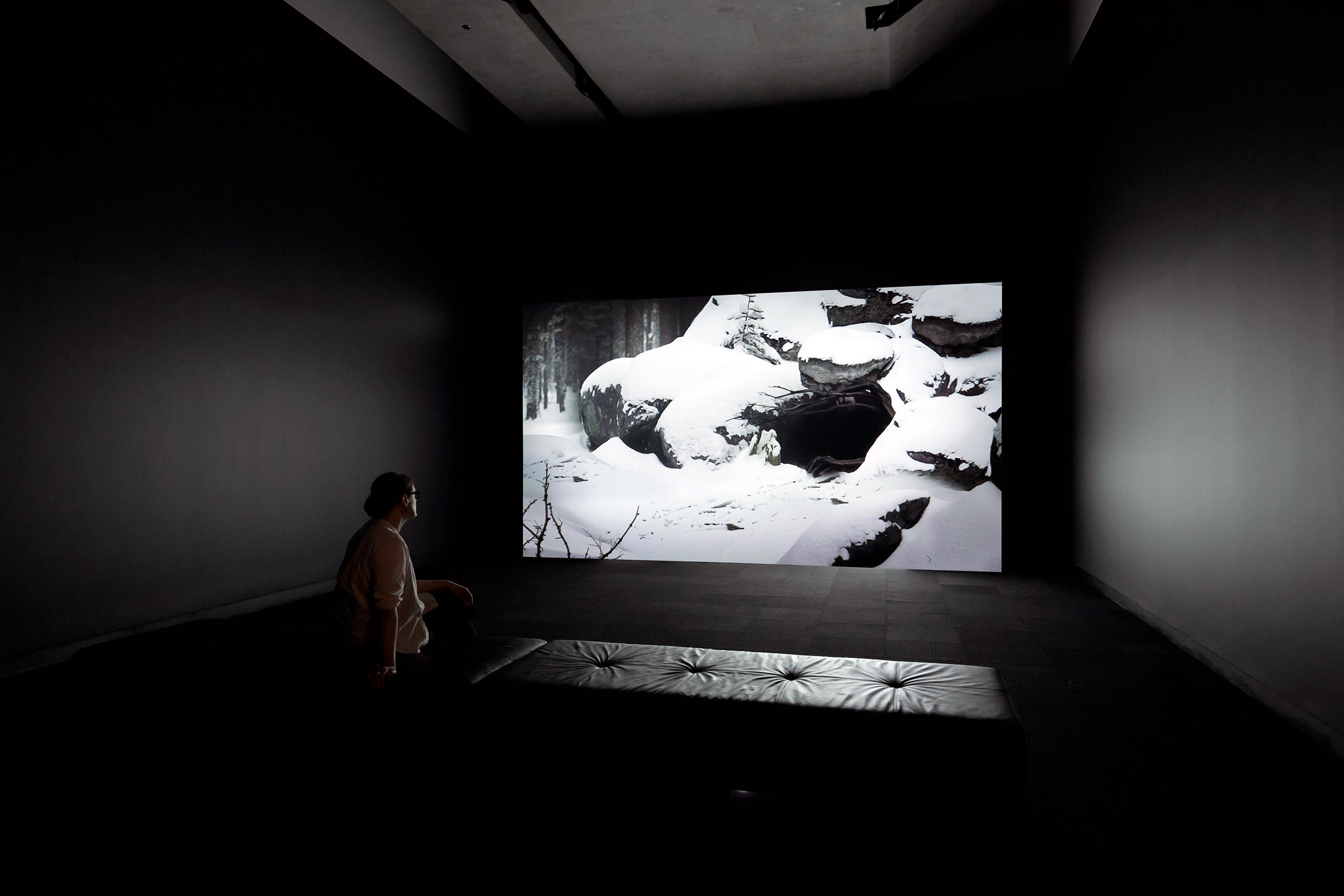
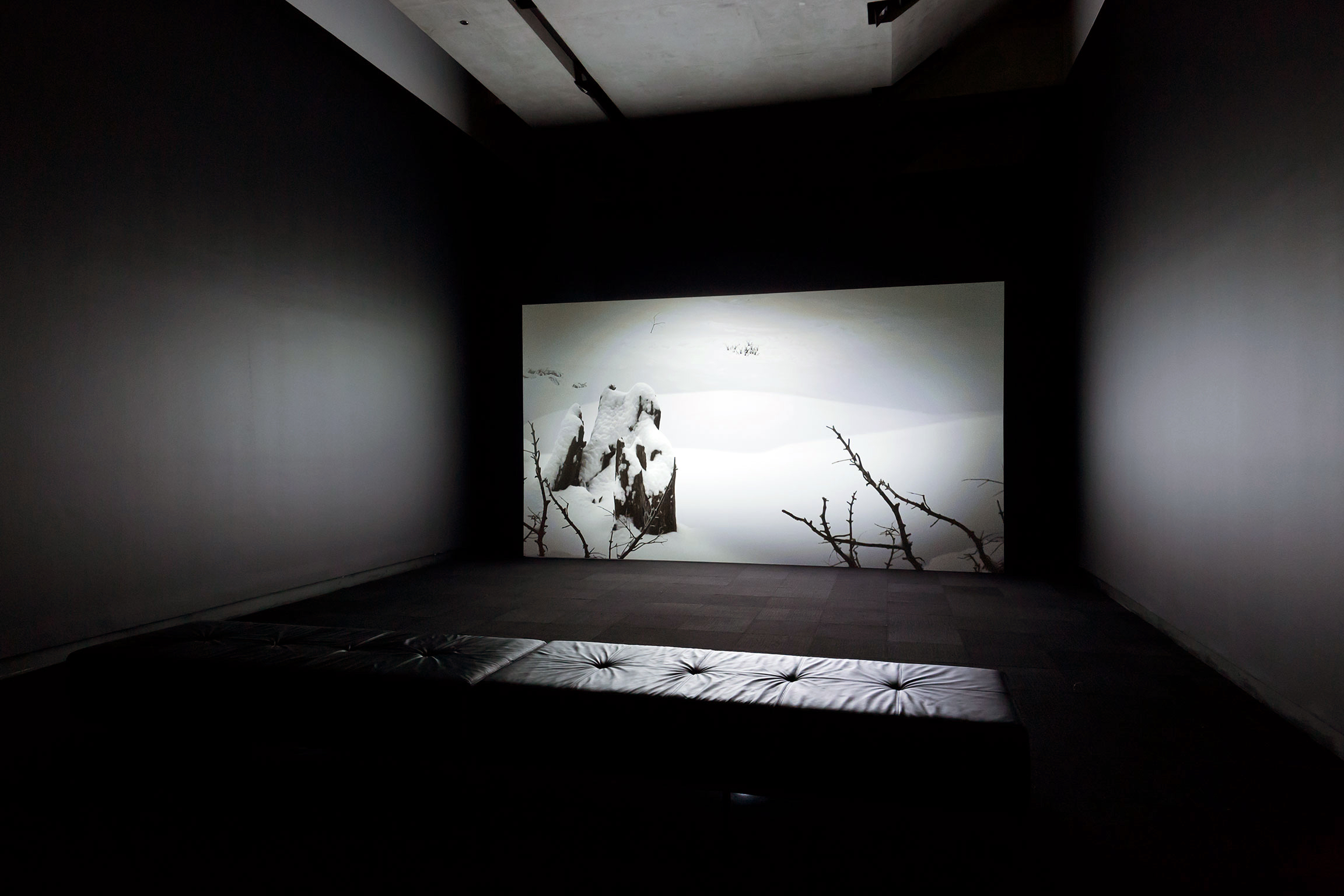
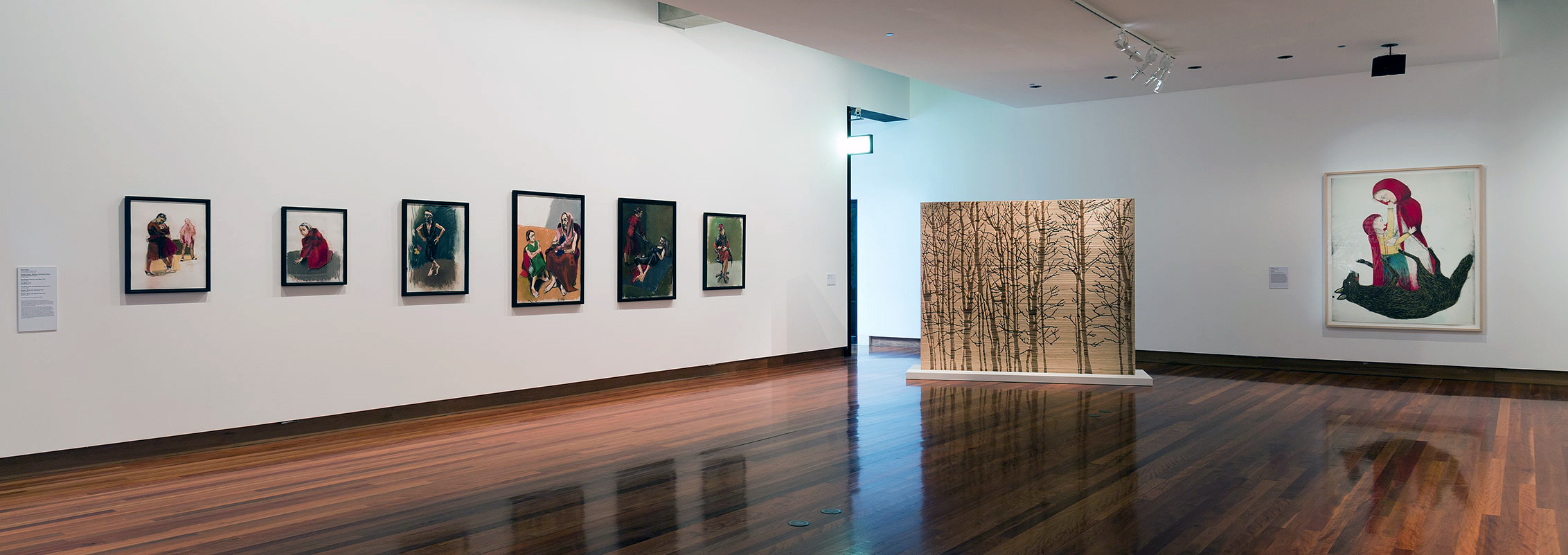
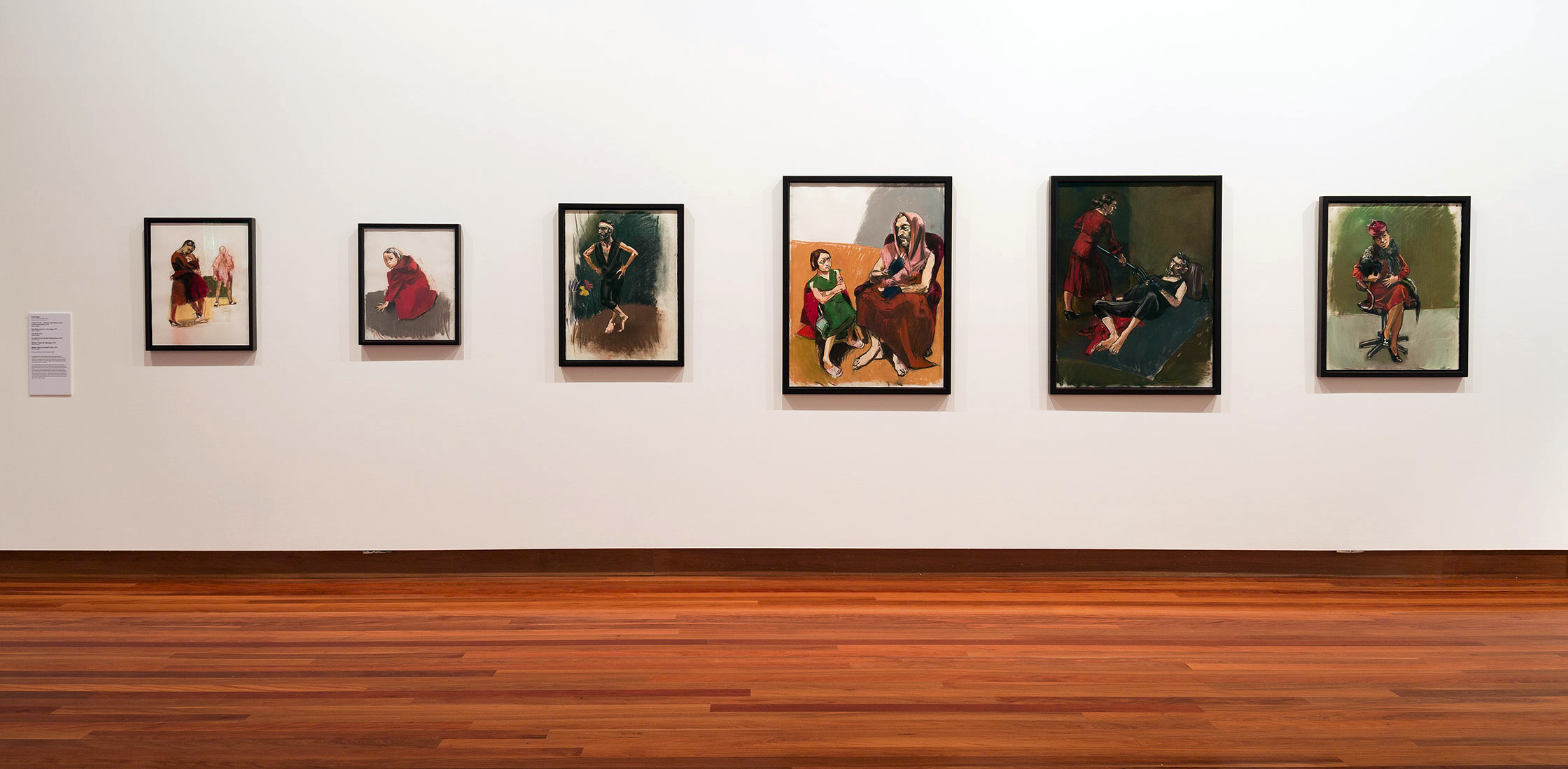

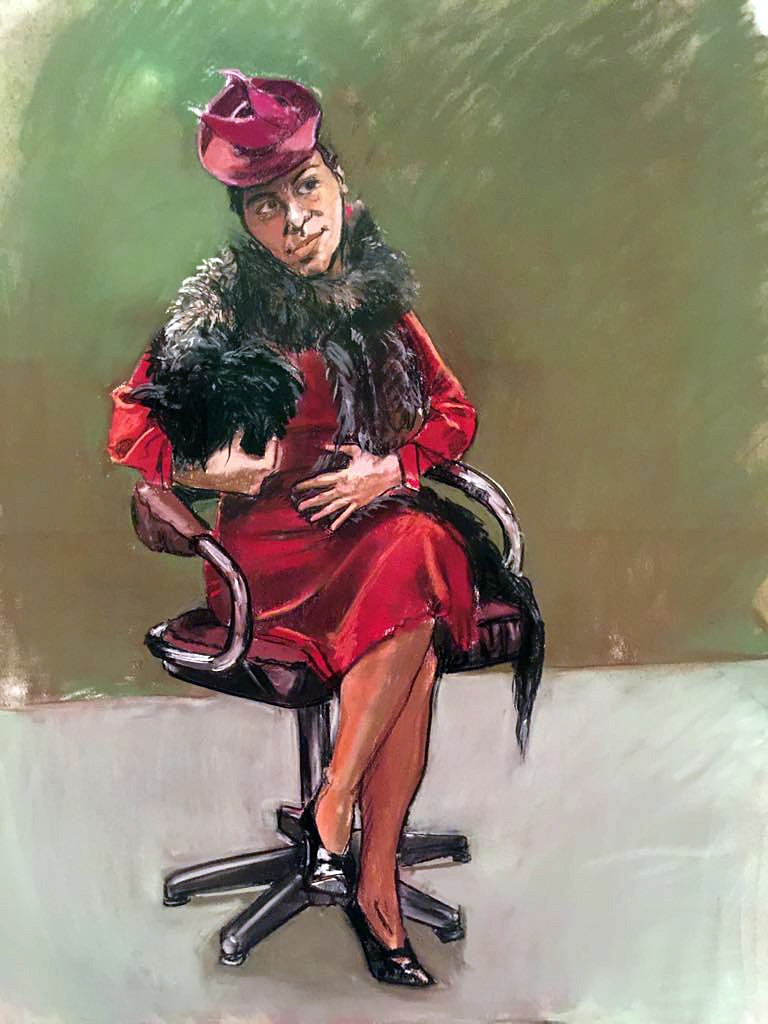

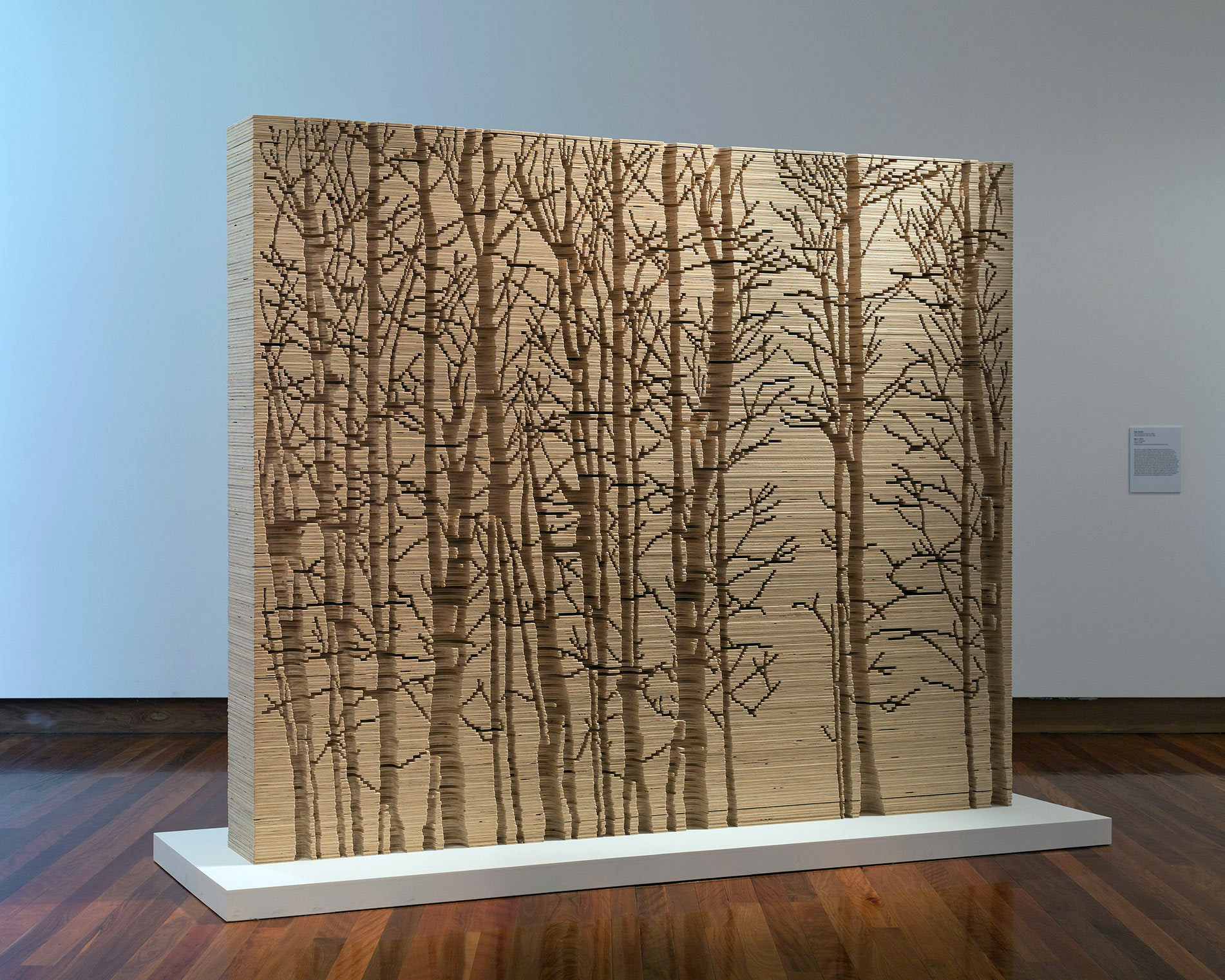

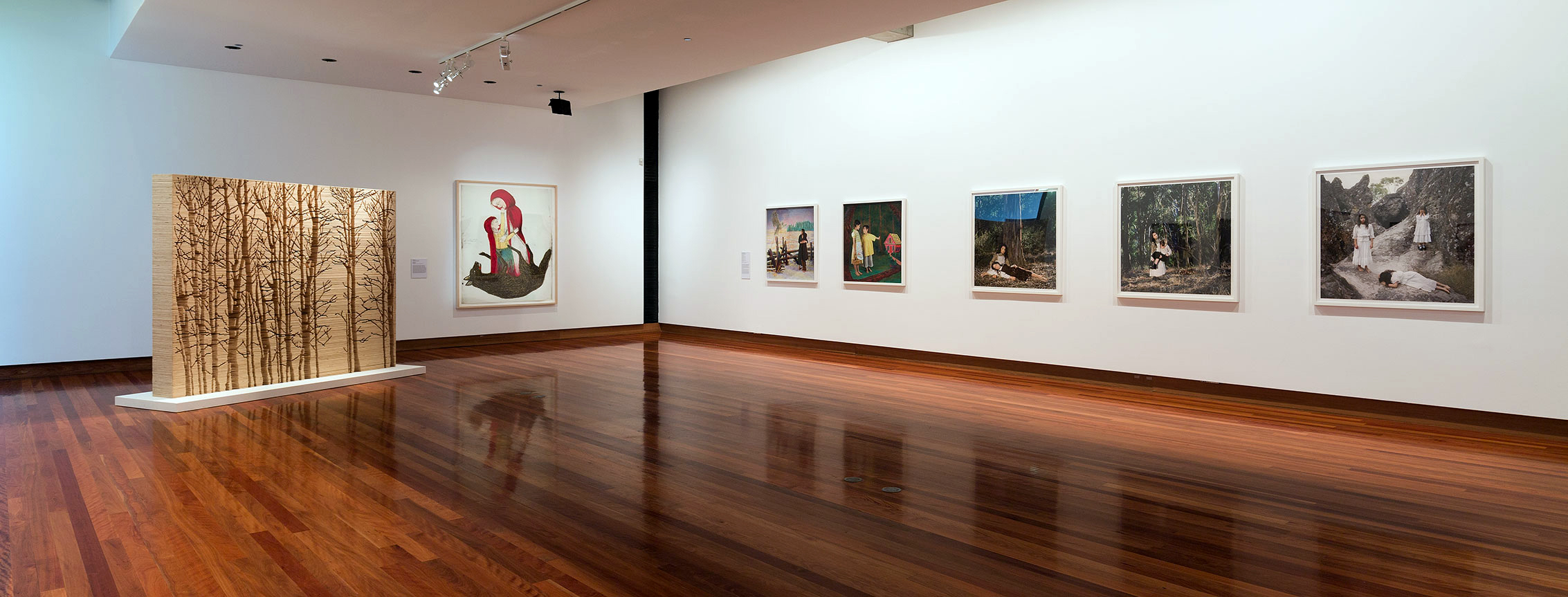

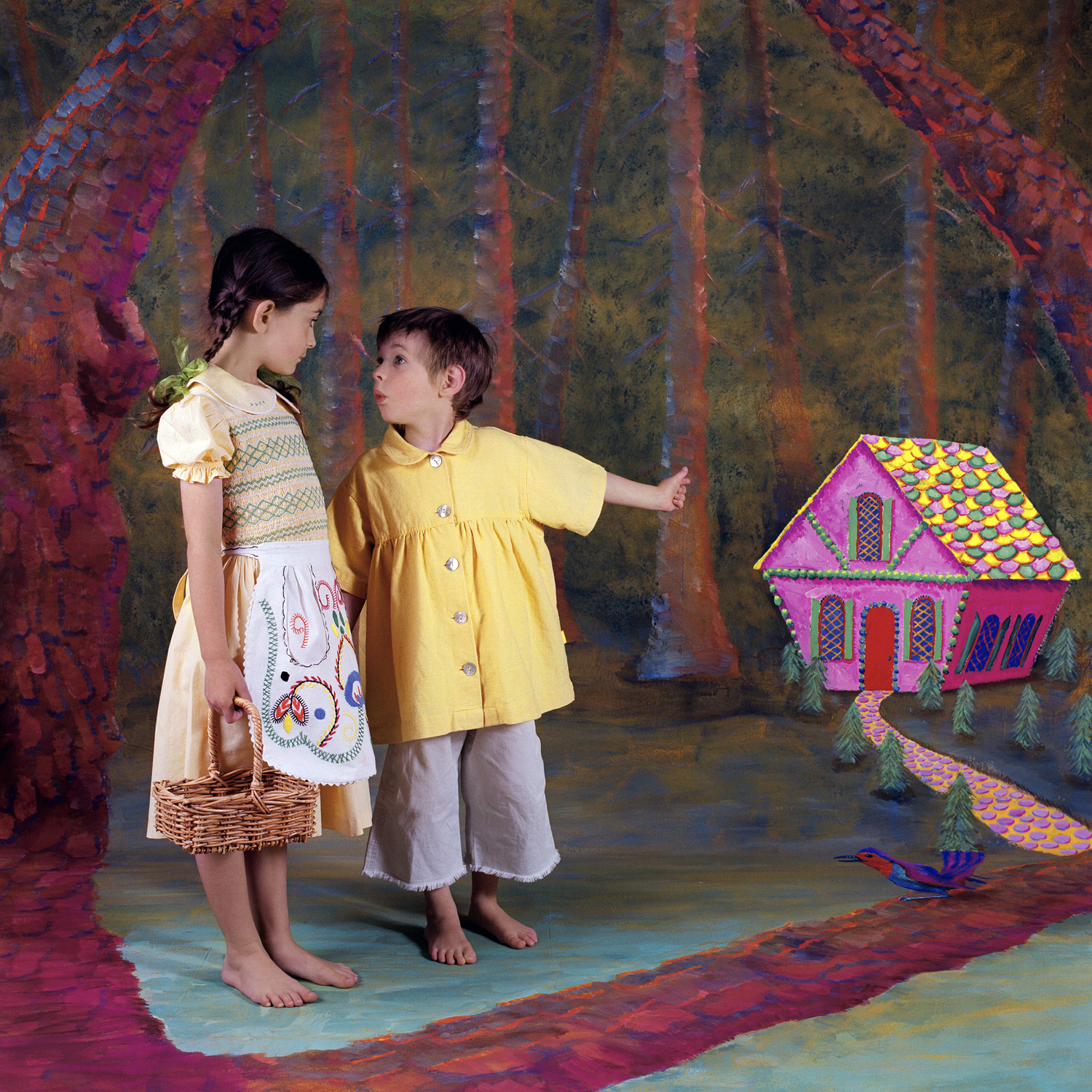
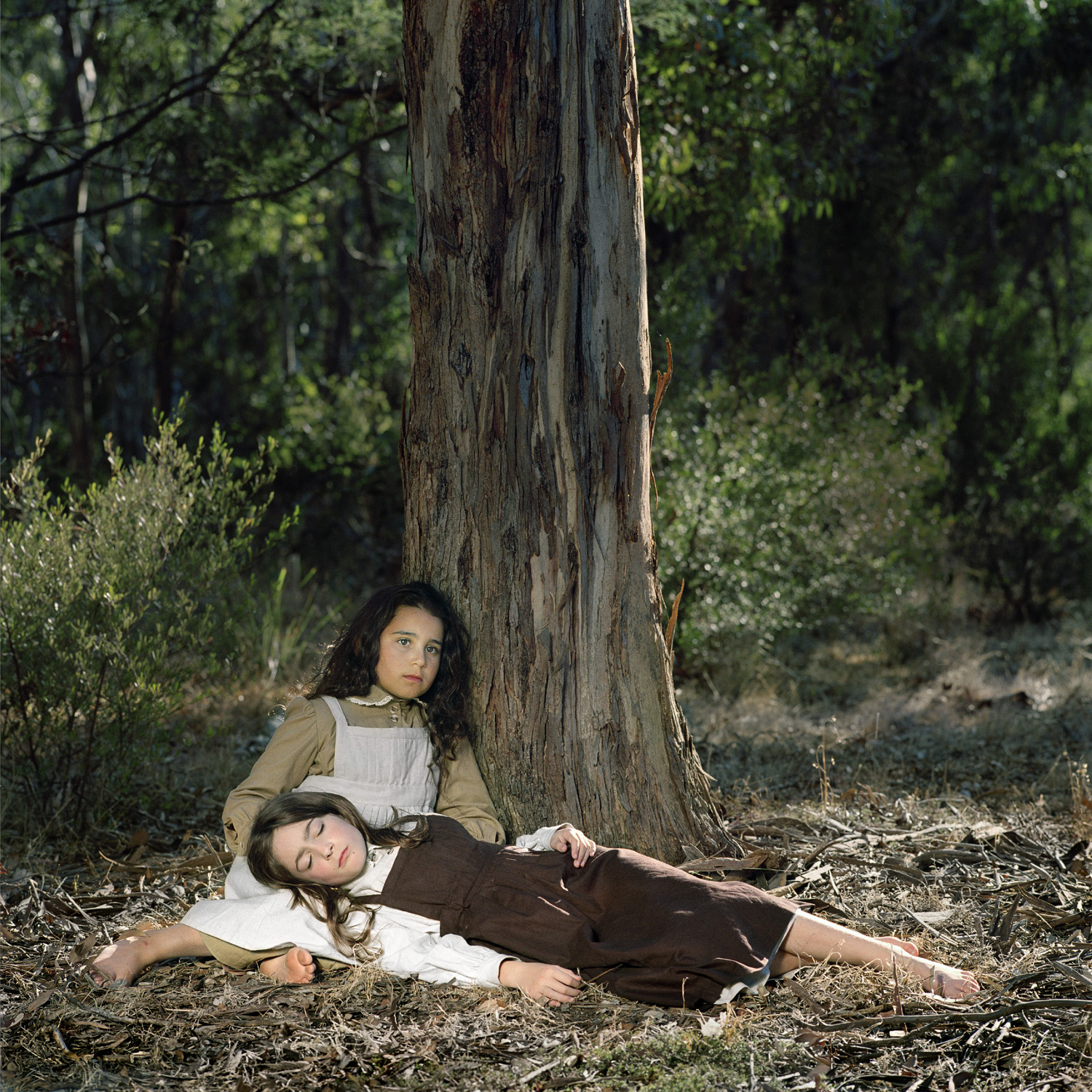

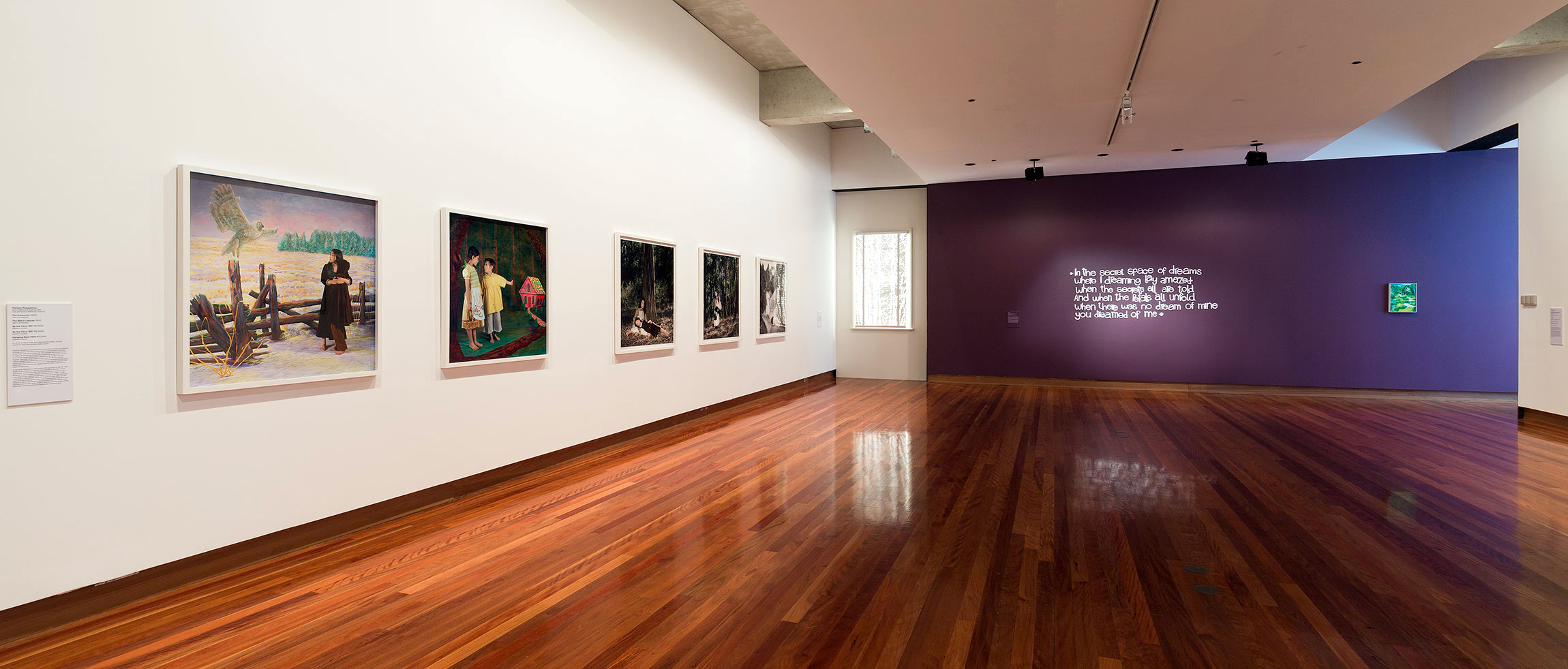

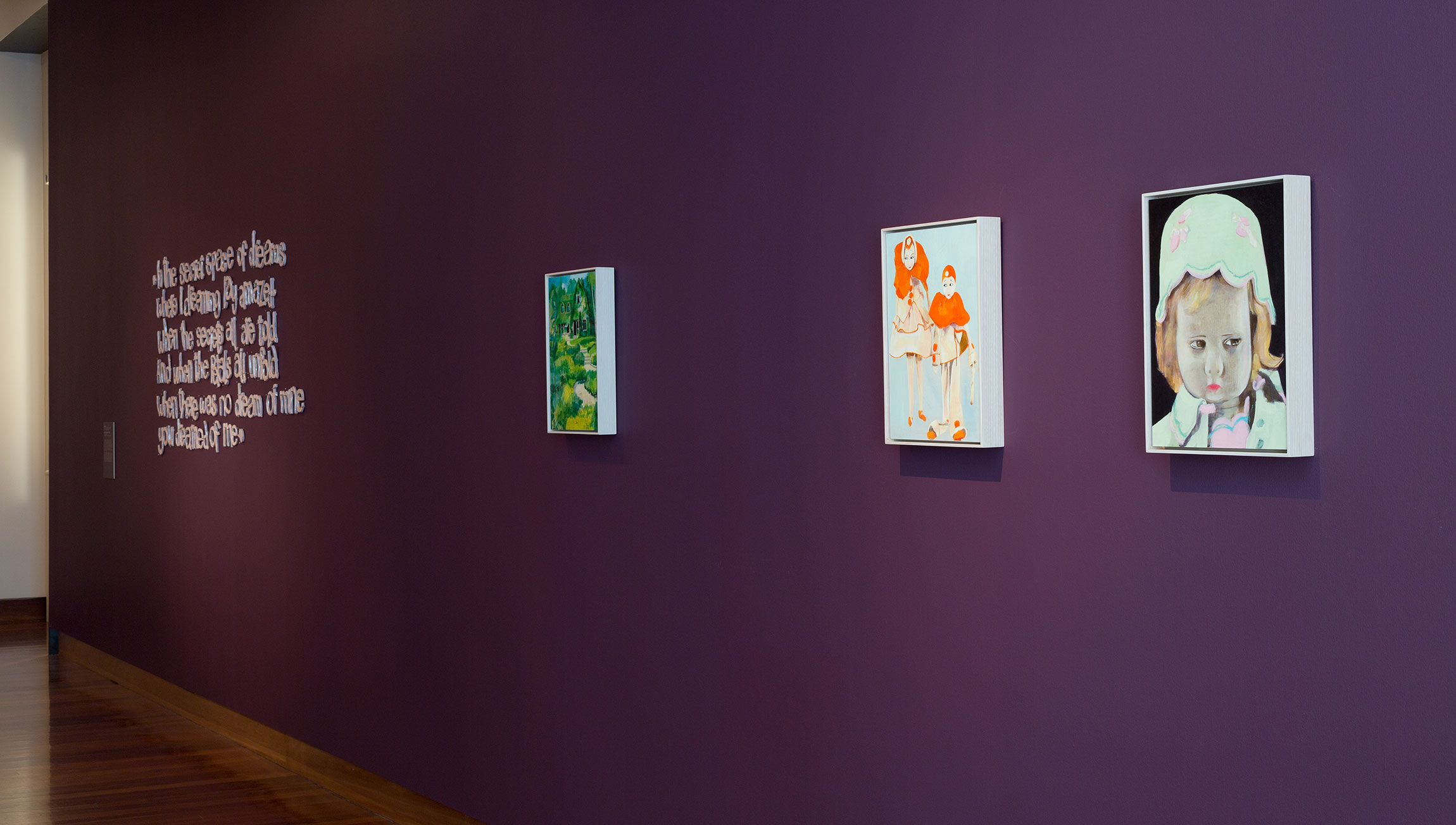

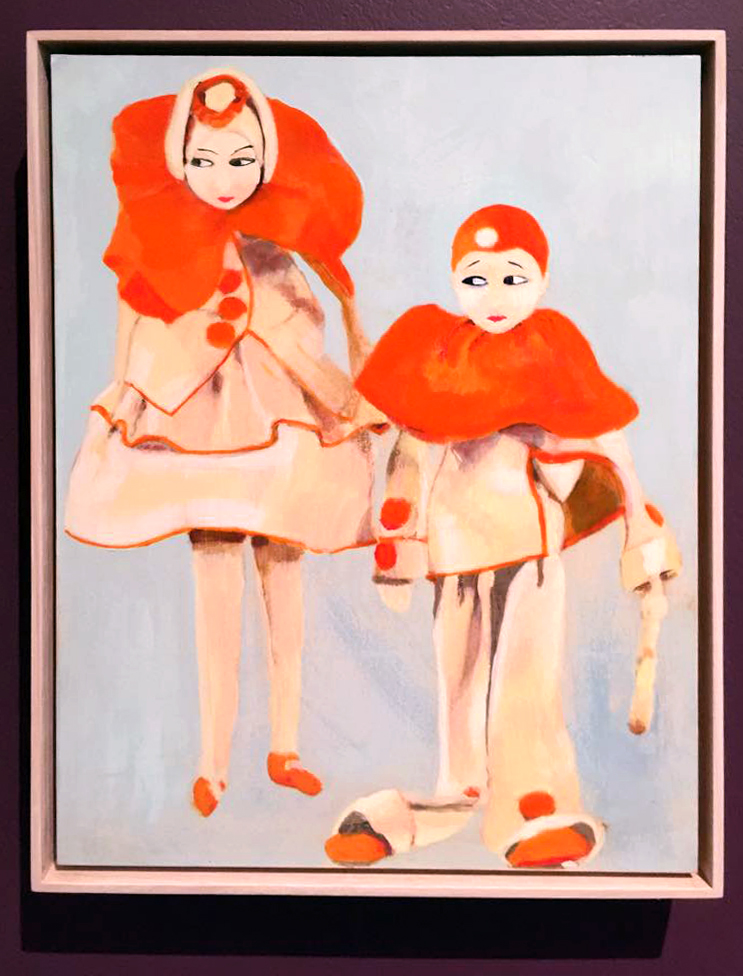


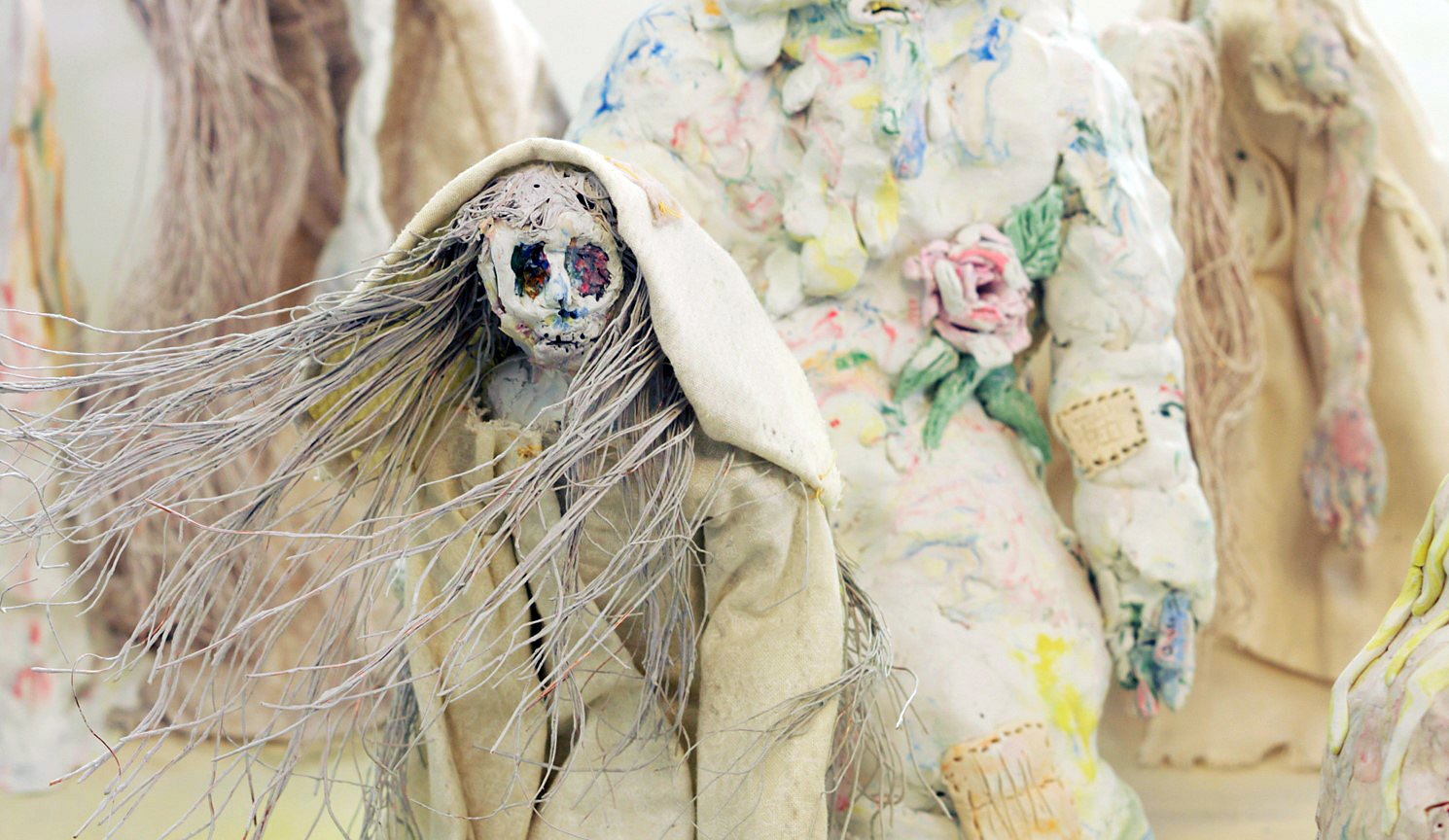
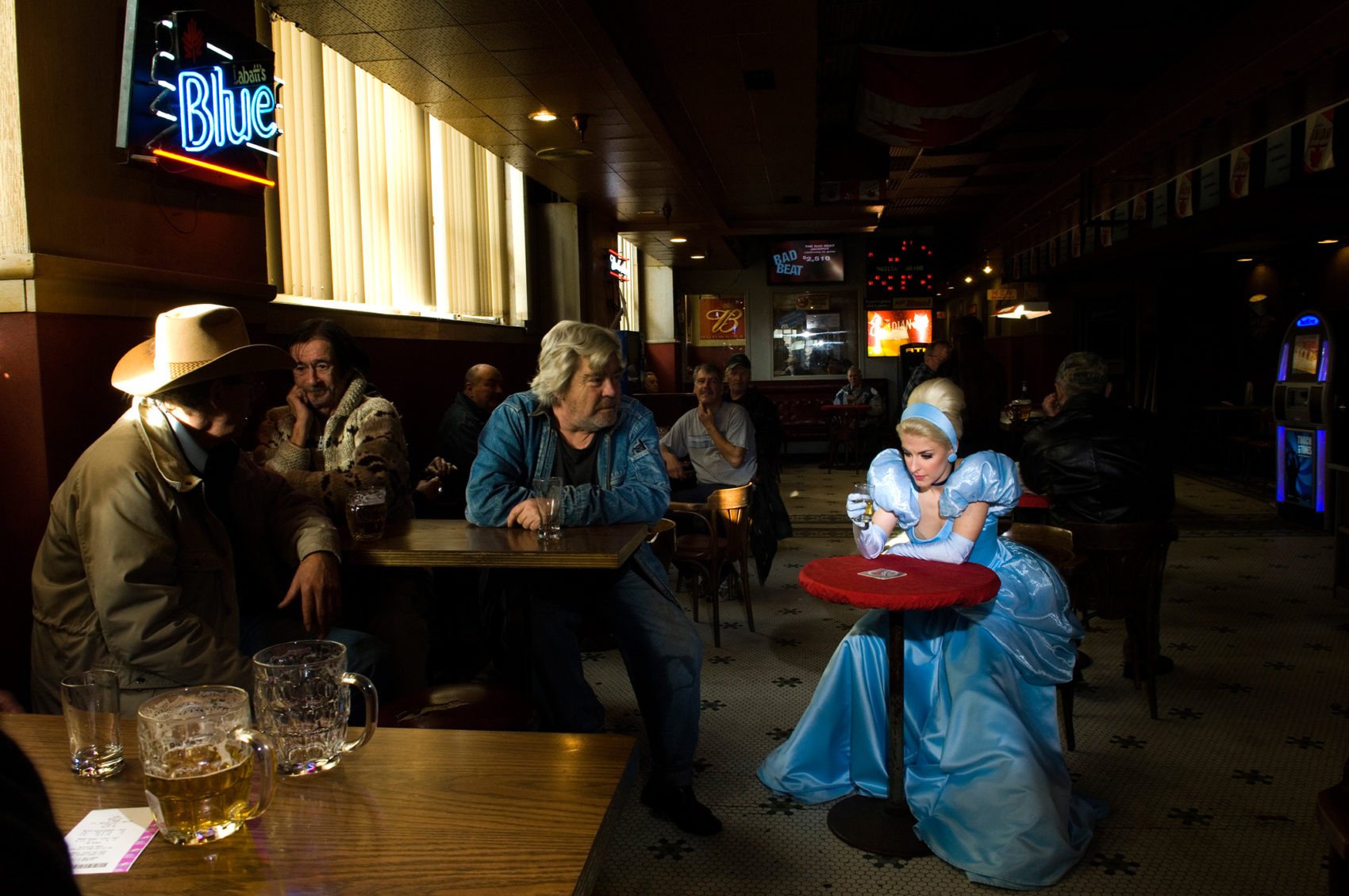
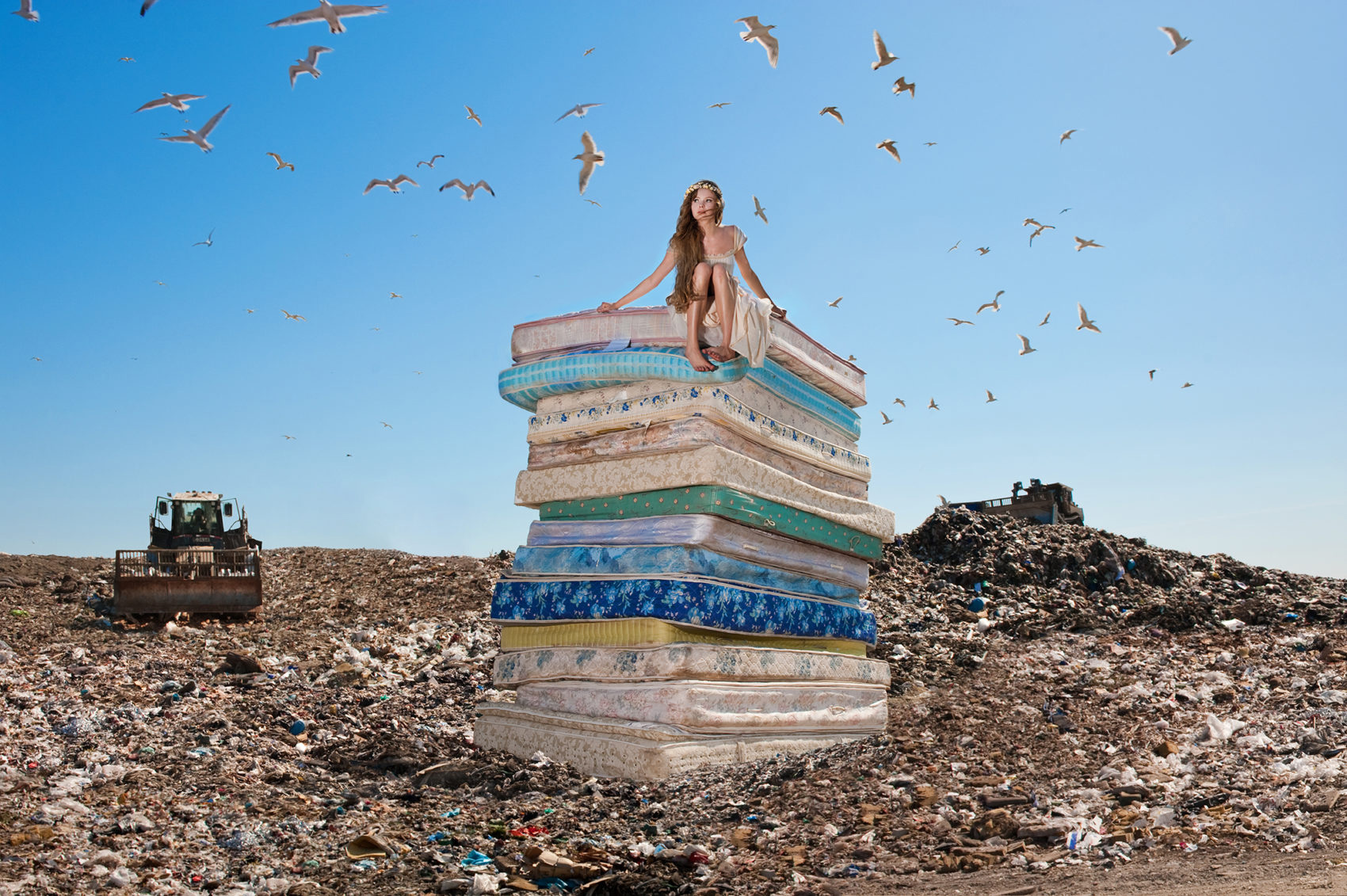

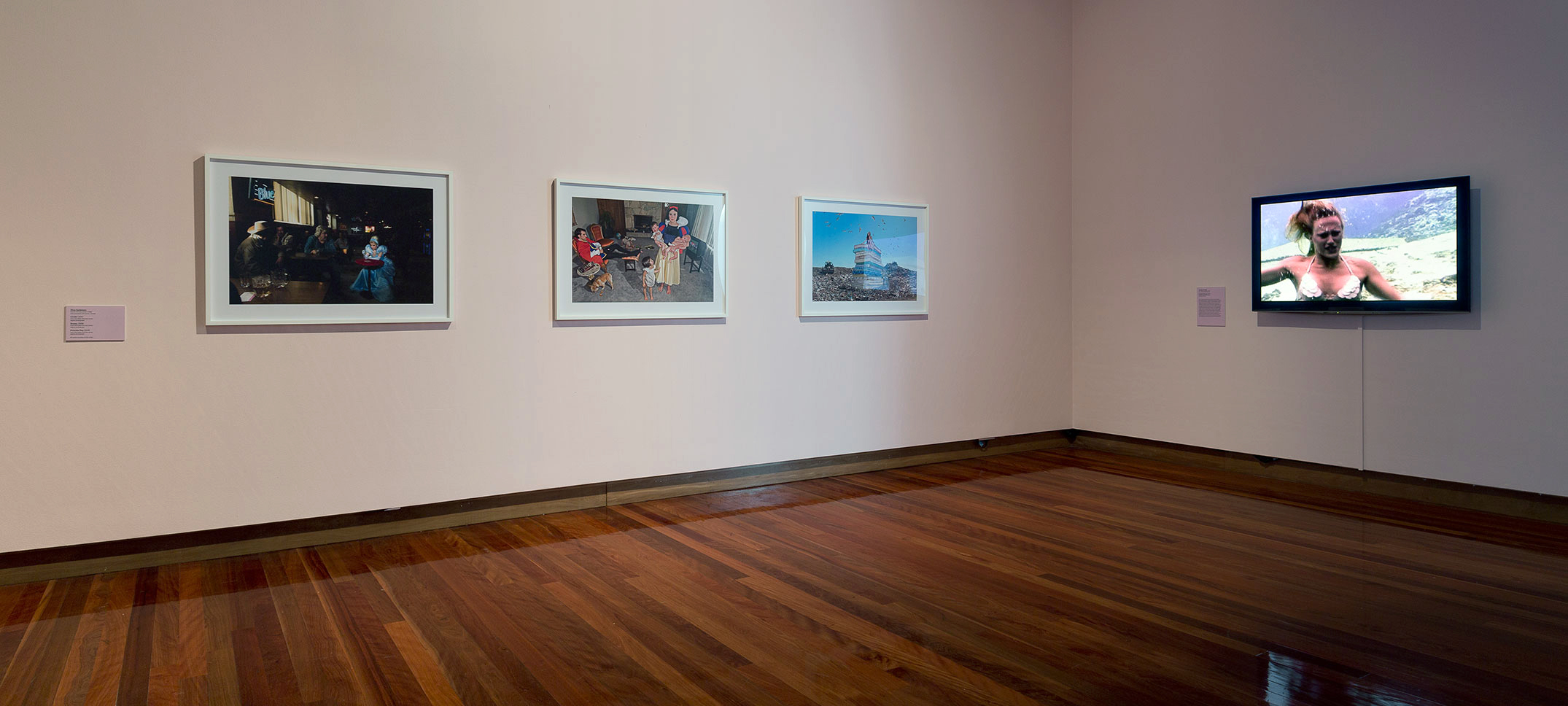
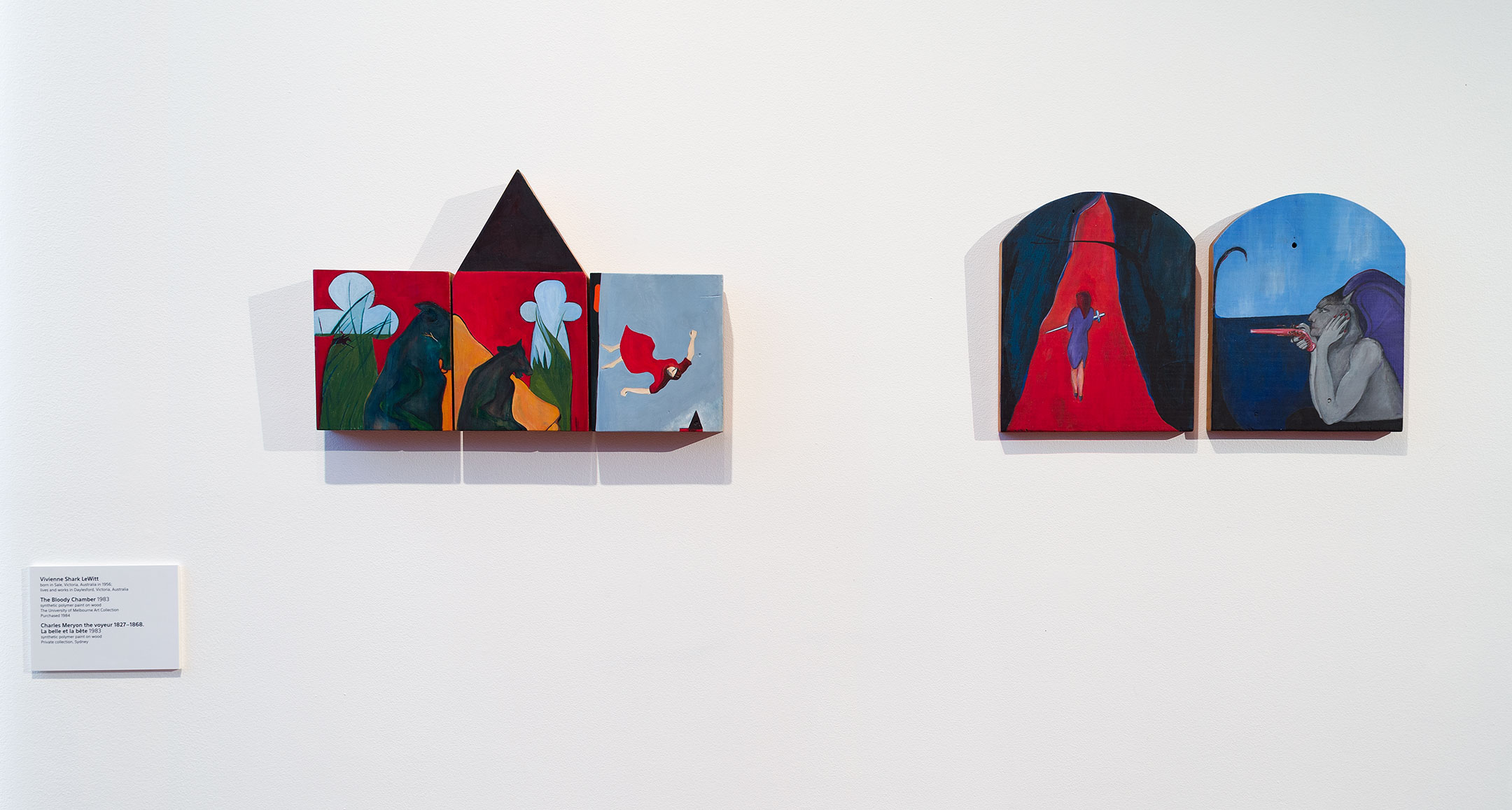


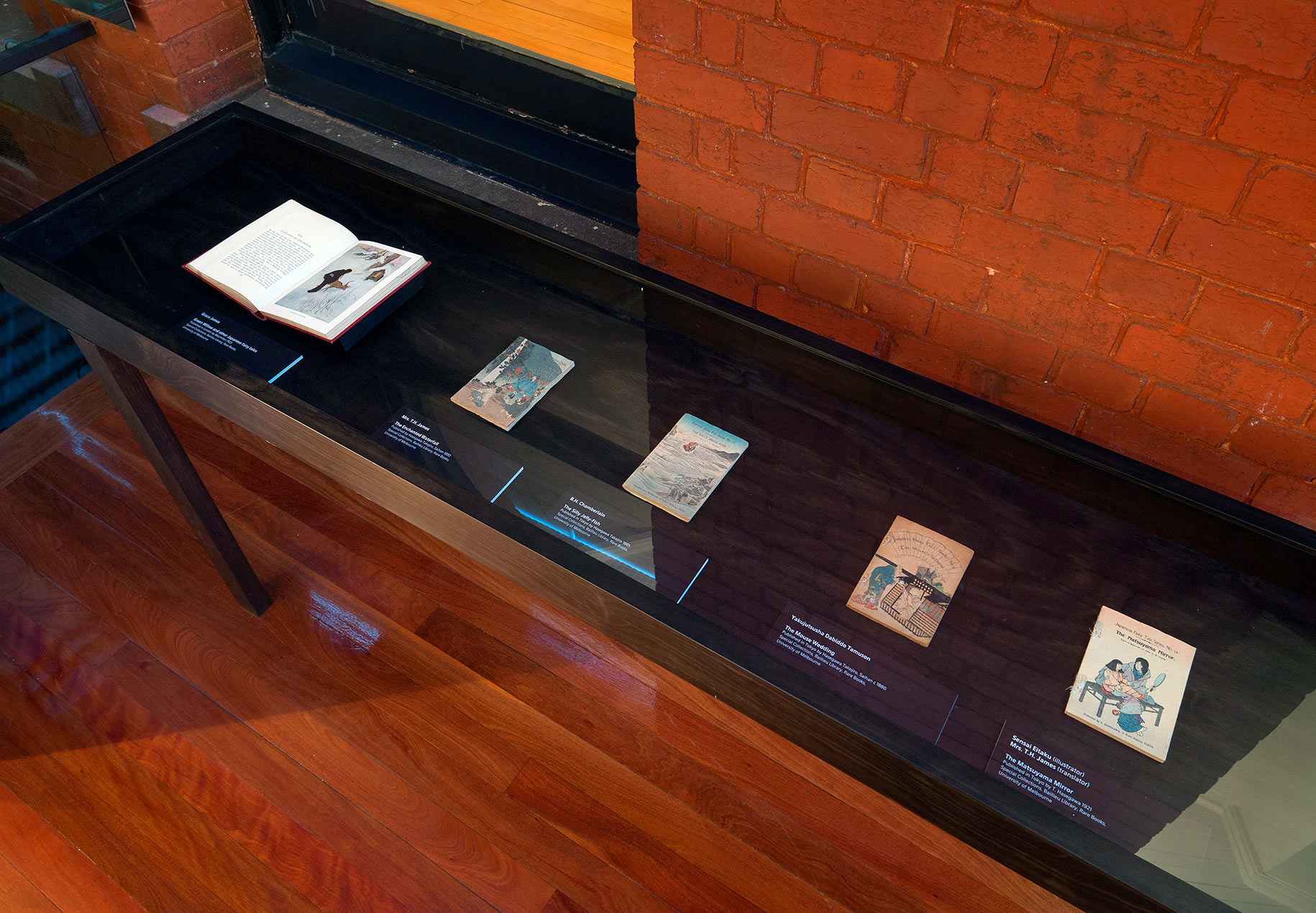

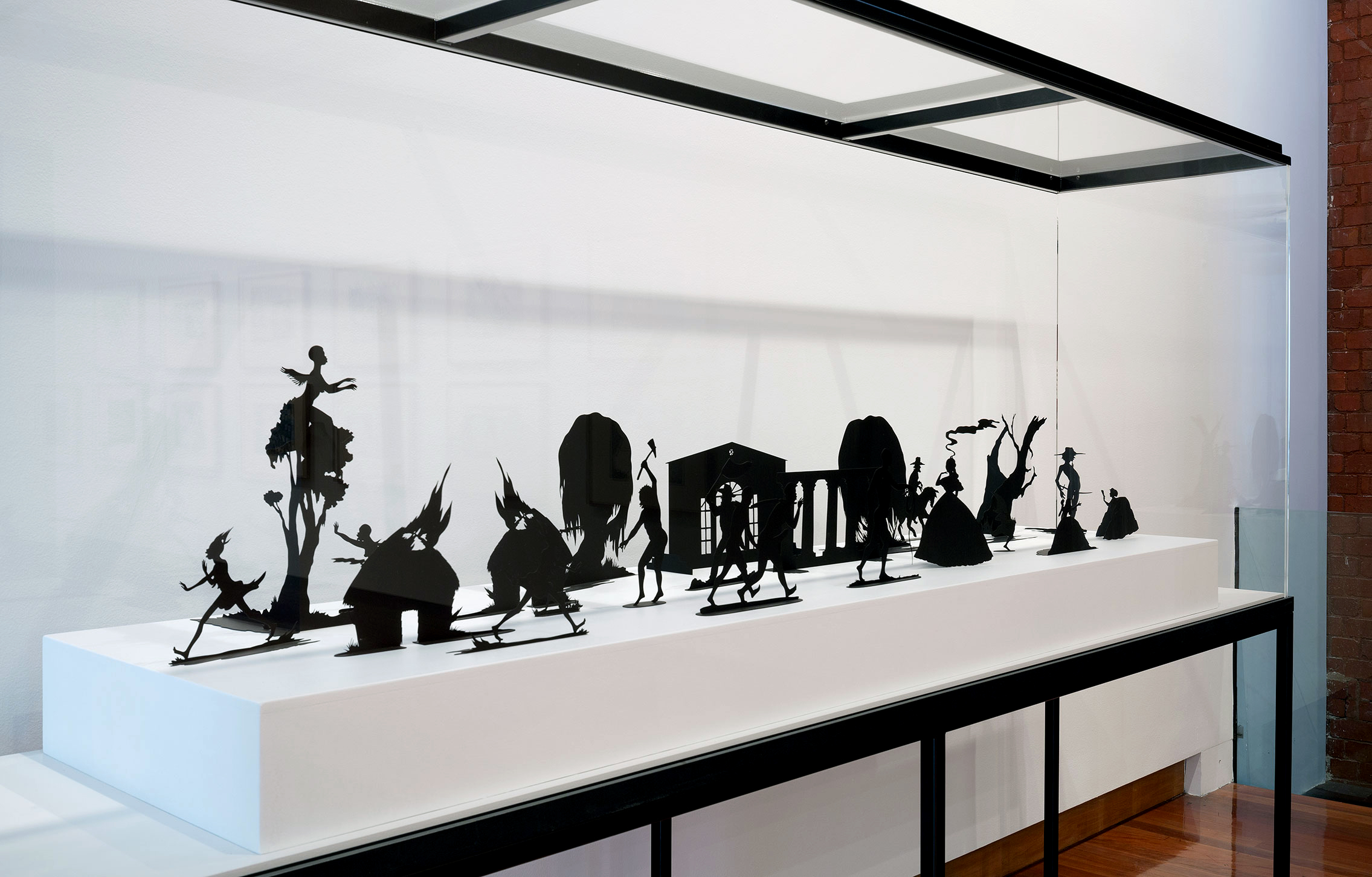
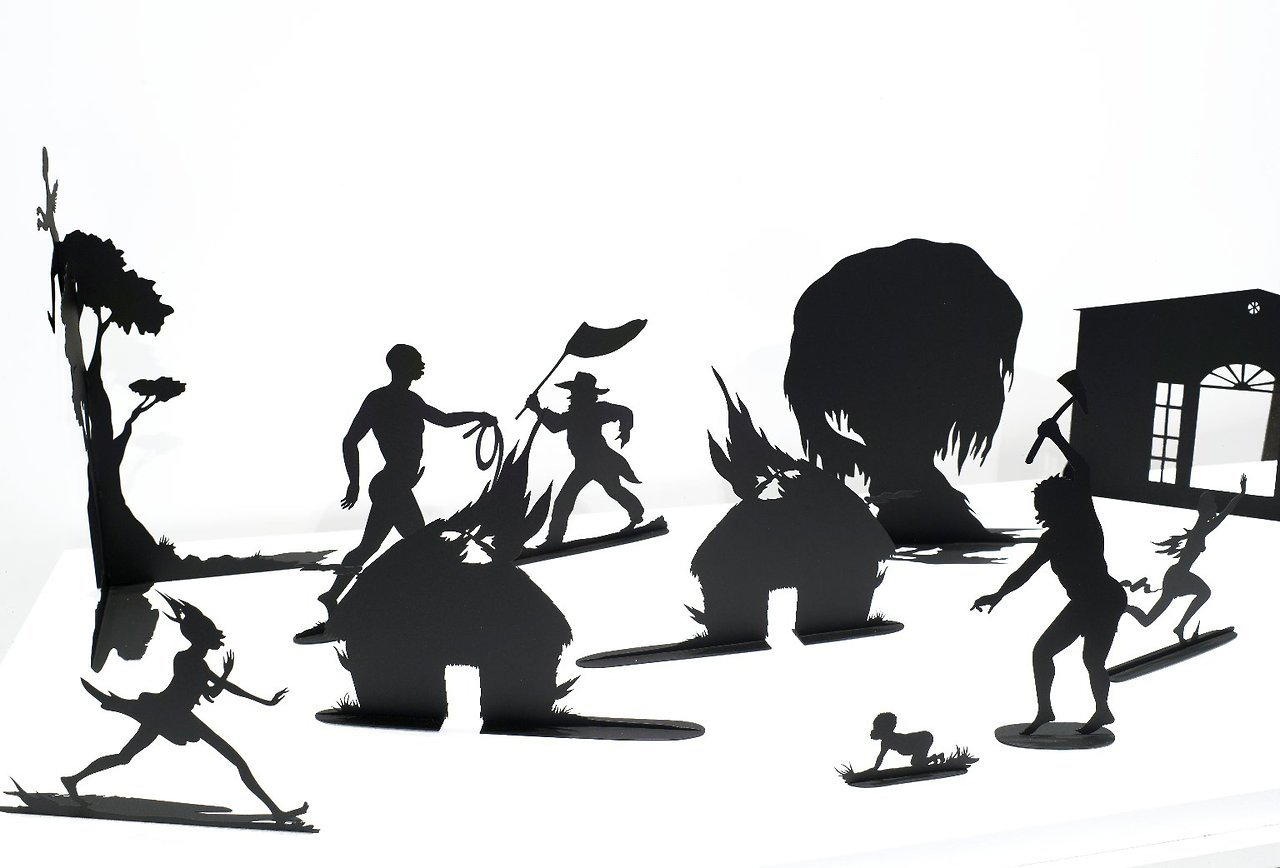
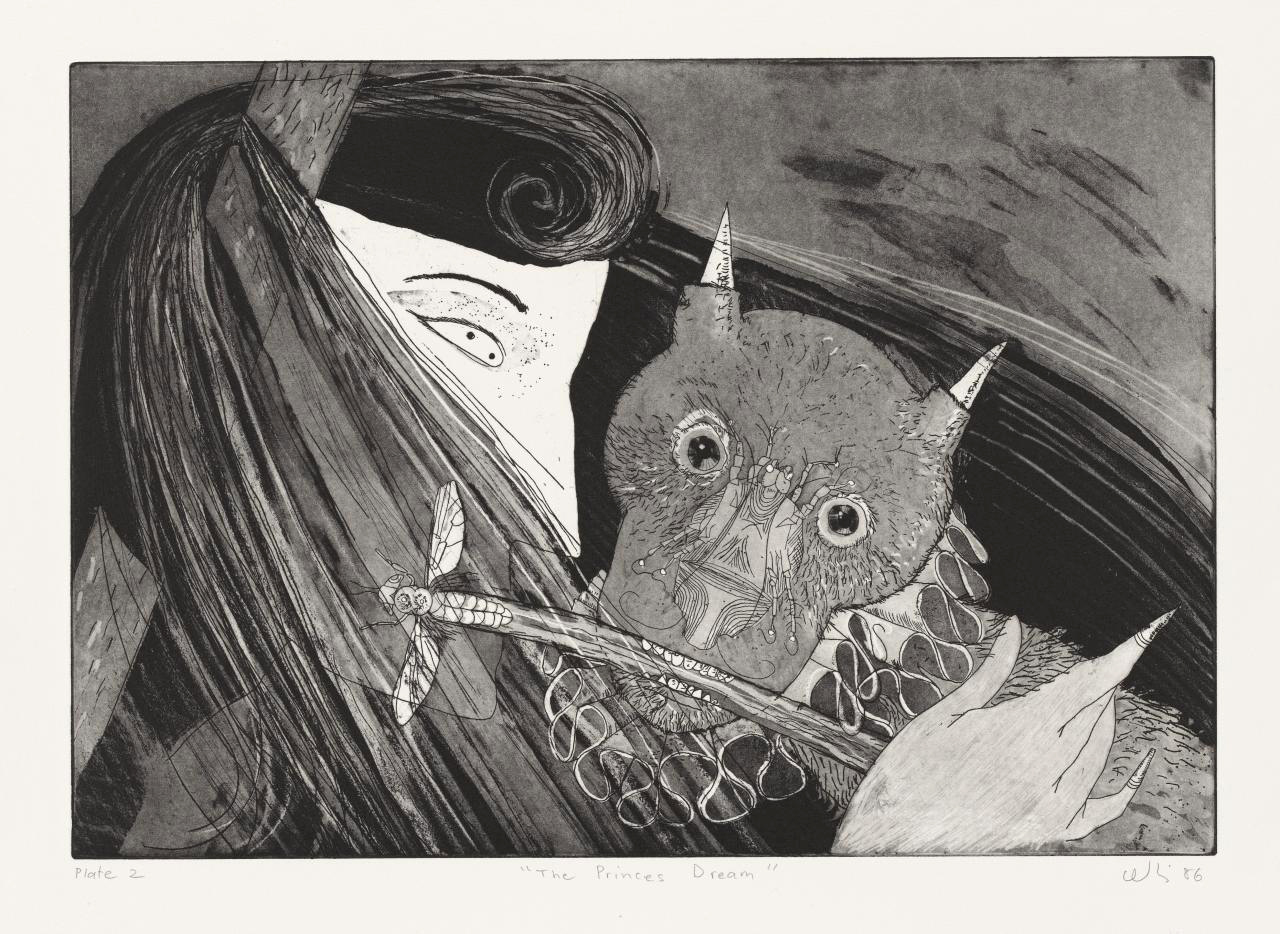



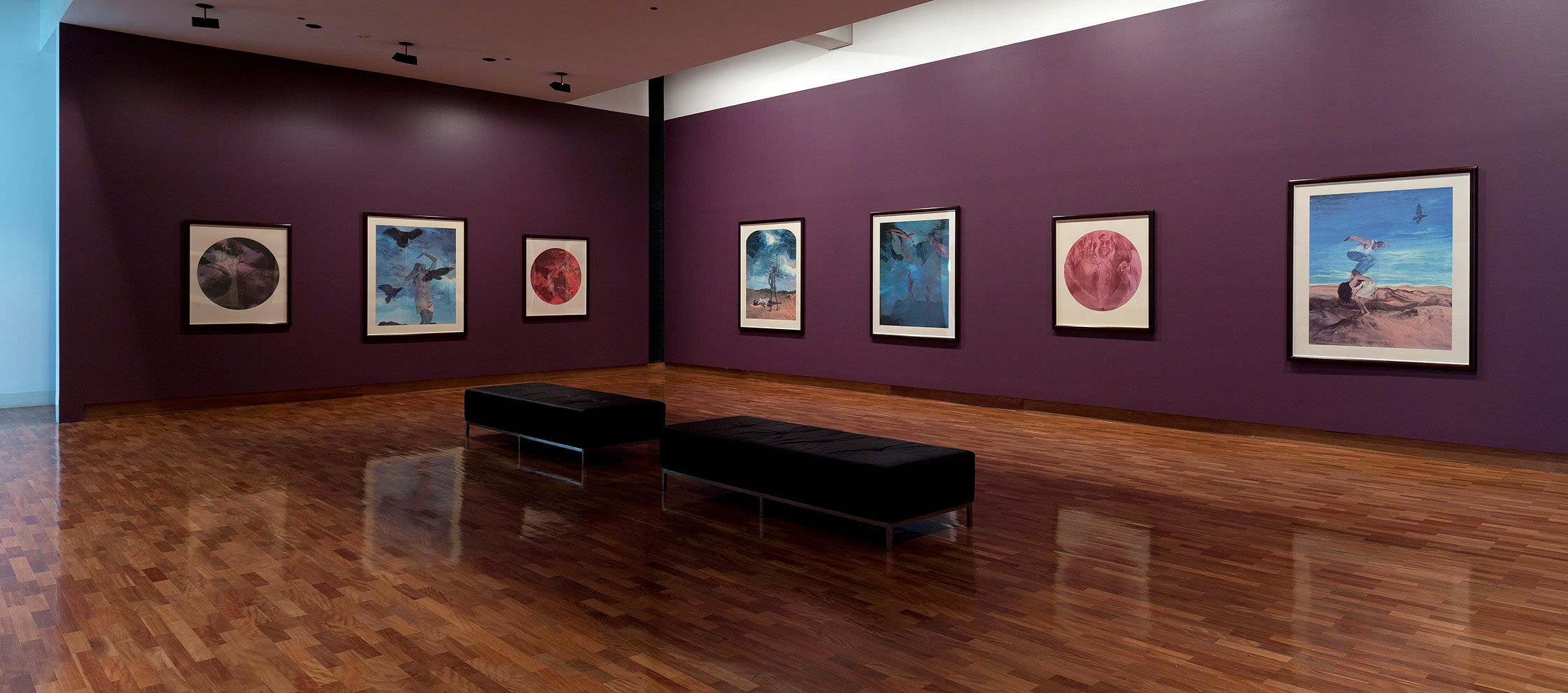


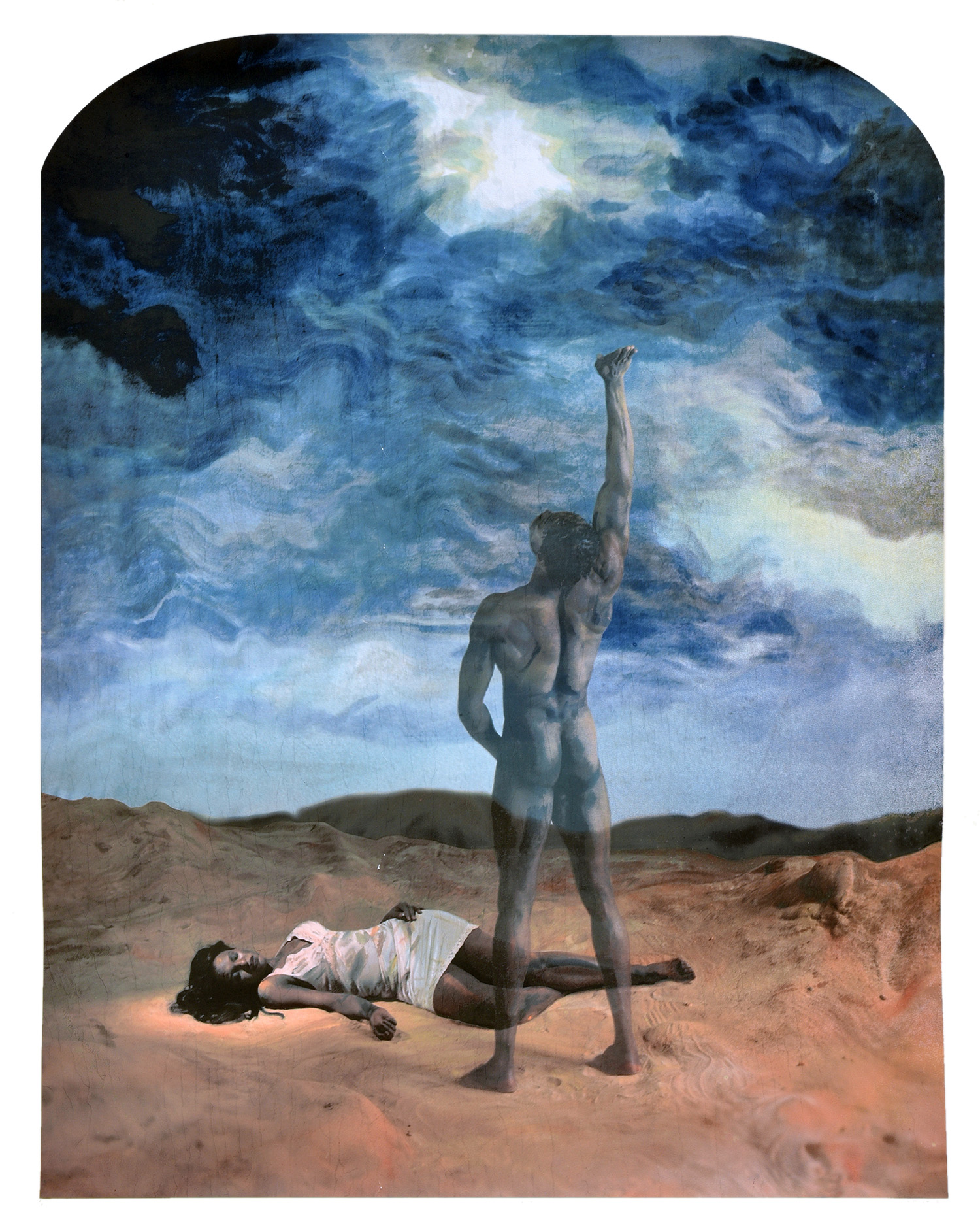
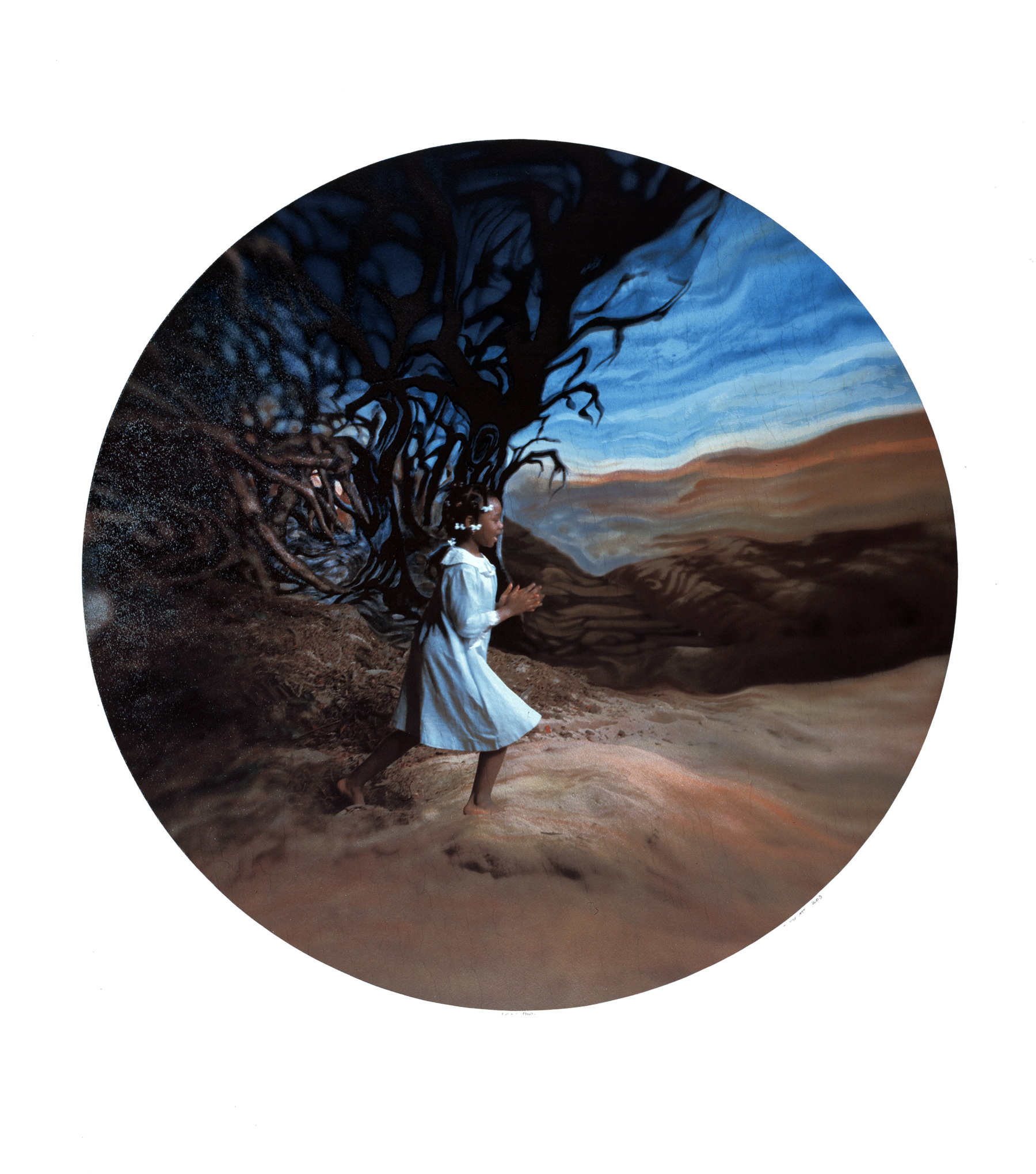
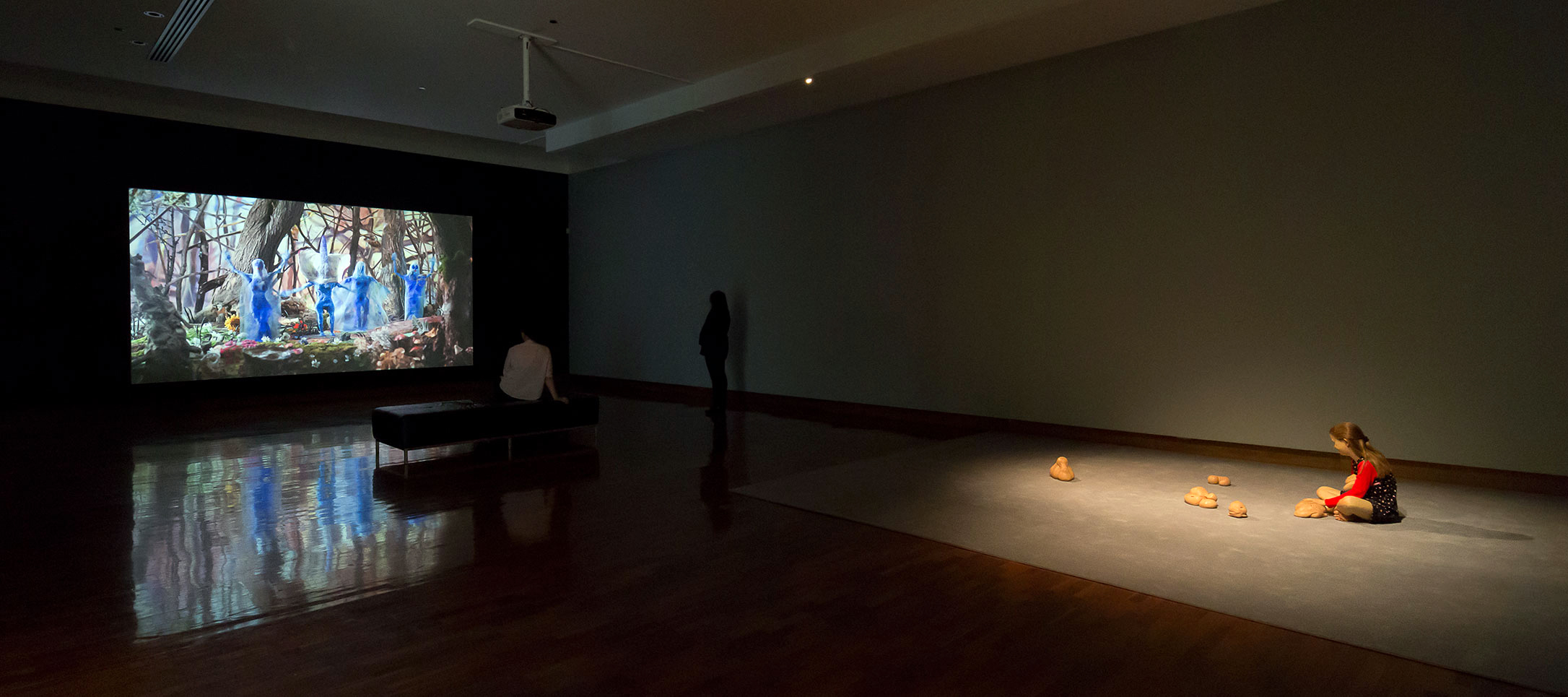


![J[eremiah] Gurney (American) 'Untitled [Cross-eyed man in three-quarter profile]' Nd](https://artblart.com/wp-content/uploads/2018/02/dag-half-plate-jeremiah-gurney-at-349-broadway-new-york-orig.jpg "J[eremiah] Gurney (American) 'Untitled [Cross-eyed man in three-quarter profile]' Nd")
![J[eremiah] Gurney (American) 'Untitled [Cross-eyed man in three-quarter profile]' Nd](https://artblart.com/wp-content/uploads/2018/02/dag-half-plate-jeremiah-gurney-at-349-broadway-new-york-web.jpg "J[eremiah] Gurney (American) 'Untitled [Cross-eyed man in three-quarter profile]' Nd")
![Unknown photographer (American) 'Untitled [Group of three men]' c. 1850](https://artblart.com/wp-content/uploads/2018/02/dag-unsigned-unusual-period-frame-of-cast-thermoplastic-circa-1850-web.jpg "Unknown photographer (American) 'Untitled [Group of three men]' c. 1850")
![Unknown photographer (American) 'Untitled [Man on crutches]' c. 1850-1860s](https://artblart.com/wp-content/uploads/2018/02/man-on-crutches-sixth-plate-ambrotype-1850-60s-web.jpg "Unknown photographer (American) 'Untitled [Man on crutches]' c. 1850-1860s")
![Unknown photographer (American) Untitled [Man with pistols] c. 1850-1860s](https://artblart.com/wp-content/uploads/2018/02/man-with-pistols-sixth-plate-daguerreotype-1850-60s-orig.jpg "Unknown photographer (American) Untitled [Man with pistols] c. 1850-1860s")
![Unknown photographer (American) Untitled [Man with pistols] c. 1850-1860s](https://artblart.com/wp-content/uploads/2018/02/man-with-pistols-sixth-plate-daguerreotype-1850-60s-web.jpg "Unknown photographer (American) Untitled [Man with pistols] c. 1850-1860s")
![Unknown photographer (American) 'Untitled [Man, possibly a sailor, wearing hoop earrings]' Nd](https://artblart.com/wp-content/uploads/2018/02/man-possibly-a-sailor-wearing-hoop-earrings-orig.jpg "Unknown photographer (American) 'Untitled [Man, possibly a sailor, wearing hoop earrings]' Nd")
![Unknown photographer (American) 'Untitled [Man, possibly a sailor, wearing hoop earrings]' Nd](https://artblart.com/wp-content/uploads/2018/02/man-possibly-a-sailor-wearing-hoop-earrings-web.jpg "Unknown photographer (American) 'Untitled [Man, possibly a sailor, wearing hoop earrings]' Nd")
![Unknown photographer (American) 'Untitled [African American]' c. 1850s](https://artblart.com/wp-content/uploads/2018/02/dag-unsigned-sixth-plate-american-circa-1850s-web.jpg "Unknown photographer (American) 'Untitled [African American]' c. 1850s")
![Unknown photographer (American) 'Untitled [African American]' c. 1850s](https://artblart.com/wp-content/uploads/2018/02/dag-unsigned-sixth-plate-american-circa-1850s-b-web.jpg "Unknown photographer (American) 'Untitled [African American]' c. 1850s")
![Unknown photographer (American) 'Untitled [Two men in caps, elegantly dressed]' c. 1850s](https://artblart.com/wp-content/uploads/2018/02/unsigned-dag-two-men-in-caps-elegantly-dressed-american-circa-1850s-web.jpg "Unknown photographer (American) 'Untitled [Two men in caps, elegantly dressed]' c. 1850s")
![Unknown photographer (American) 'Untitled [Handsome man with fifth finger ring]' c. 1850s](https://artblart.com/wp-content/uploads/2018/02/dag-unsigned-1850s-web.jpg "Unknown photographer (American) 'Untitled [Handsome man with fifth finger ring]' c. 1850s")
![Unknown photographer (American) 'Untitled [Portrait of violinist holding instrument]' c. 1855](https://artblart.com/wp-content/uploads/2018/02/dag-sixth-plate-portrait-of-violinist-holding-instrument-circa-1855-web.jpg "Unknown photographer (American) 'Untitled [Portrait of violinist holding instrument]' c. 1855")
![Unknown photographer (American) 'Untitled [Two men, one with trug of tools]' c. 1850-1860s](https://artblart.com/wp-content/uploads/2018/02/two-men-one-with-trug-of-tools-sixth-plate-ambrotype-web.jpg "Unknown photographer (American) 'Untitled [Two men, one with trug of tools]' c. 1850-1860s")
![Unknown photographer (American) 'Untitled [Two firemen]' c. 1850-1860s](https://artblart.com/wp-content/uploads/2018/02/two-firemen-quarter-plate-tinted-tintype-1850-60s-web.jpg "Unknown photographer (American) 'Untitled [Two firemen]' c. 1850-1860s")
![Unknown photographer (American) 'Untitled [Man in button braces]' c. 1850](https://artblart.com/wp-content/uploads/2018/02/dag-unsigned-ninth-plate-american-circa-1850-web.jpg "Unknown photographer (American) 'Untitled [Man in button braces]' c. 1850")
![Unknown photographer (American) 'Untitled [Man in button braces]' c. 1850](https://artblart.com/wp-content/uploads/2018/02/dag-unsigned-ninth-plate-american-circa-1850-web1.jpg "Unknown photographer (American) 'Untitled [Man in button braces]' c. 1850")

![Unknown photographer (American) 'Untitled [Two young men with straw hats, seated beside each other]' Nd](https://artblart.com/wp-content/uploads/2018/02/two-young-men-with-straw-hats-web.jpg "Unknown photographer (American) 'Untitled [Two young men with straw hats, seated beside each other]' Nd")












 Art Blart _ art and cultural memory archive
You must be logged in to post a comment.