Curator: Jane L. Aspinwall, Associate Curator, Photography
Unknown maker (American) Rochester, New York 1886 Albumen print 5 5/8 x 5 5/16 inches The Nelson-Atkins Museum of Art, Kansas City, Missouri Gift of Hallmark Cards, Inc.,
This looks to be a fascinating exhibition on a very interesting subject. It’s such a pity I cannot comment on the exhibition itself due to the small number of media images, and having no idea how the images I do have fit into the themes of the exhibition, although one can make guesses: Henri Cartier-Bresson’s Brussels (1932, below) surveys the watchers; his Hyeres, France (1932, below)is taken by an unseen camera; while Professor Lowe’s balloon Intrepid was used by the Union in the American Civil War to spy on Confederate troop movements. Others I have absolutely no idea.
“Dating from 1864-2014, the works in Surveillance fall under these categories: spying or hidden cameras, photography of the forbidden, military surveillance, areas of heavy surveillance and mapping satellites and drones. There are also examples of counter-surveillance that either prevent watching or surveille the watchers.”
My favourite images in this posting of surreptitious photography are those of Tomas van Houtryve from his series Blue Sky Days. I love the titles play on the ideas of blue sky thinking (original or creative thinking, unfettered by convention and not grounded in reality) and blue skies research (scientific research in domains where “real-world” applications are not immediately apparent) – views of the world that are quantifiable but not grounded in reality, and where the “reality” of the world is not immediately apparent. Such a clever and insightful “point of view” which engages with “the changing nature of surveillance, personal privacy, and war”, a projection on a vertical plane.
More intriguing images from this series can be seen on his website.
Dr Marcus Bunyan
Many thankx to the the Nelson-Atkins Museum of Art for allowing me to publish the photographs in the posting. Please click on the photograph for a larger version of the image.
Tomas van Houtryve (Belgian, b. 1975) Schoolyard 2013-2014 From the series Blue Sky Days Gelatin silver print 150 x 100cm
Tomas van Houtryve (Belgian, b. 1975) Domestic gathering 2013-2014 From the series Blue Sky Days Gelatin silver print
“The images captured from the drone’s perspective engage with the changing nature of surveillance, personal privacy, and war.”
~ Tomas van Houtryve
“In October 2012, a drone strike in northeast Pakistan killed a 67-year-old woman picking okra outside her house. At a briefing held in 2013 in Washington, the woman’s 13-year-old grandson, Zubair Rehman, spoke to a group of five lawmakers. “I no longer love blue skies,” said Rehman, who was injured by shrapnel in the attack. “In fact, I now prefer grey skies. The drones do not fly when the skies are grey.”
Over the past decade, drones have become the weapon of the United States military and the CIA for strikes overseas. Their use for surveillance and commercial purposes is also rapidly expanding both at home and abroad.
Tomas van Houtryve attached his camera to a small drone and traveled across America to photograph the very sorts of gatherings that have become habitual targets for foreign air strikes – weddings, funerals, groups of people praying or exercising. He also flew his camera over settings in which drones are used to less lethal effect, such as prisons, oil fields, industrial feedlots, and stretches of the U.S.-Mexico border.”
Mishka Henner (Belgian, b. 1976) Staphorst Ammunition Depot 2011 Inkjet print 31 1/4 x 35 1/8 inches The Nelson-Atkins Museum of Art, Kansas City, Missouri Gift of the Hall Family Foundation
British photographer Mishka Henner, in his series Dutch Landscapes, uses Google satellite views of locations that have been censored by the Dutch government because of concerns about the visibility of political, economic and military locations. Many countries blur, pixilate or whiten sensitive sites. The Dutch method, however, employs bold, multi-coloured polygons. The resulting photograph is an artistic, visual contrast between secret sites and the surrounding rural environment, providing an unsettling reflection on surveillance and the contemporary landscape.
Surveillance cameras in the 21st century are practically everywhere – on street corners, in shops, in public buildings, silently recording our every movement. Yet this is not a construct of modern times. As soon as cameras were introduced in the 1880s, anyone could be unknowingly photographed at any time. It was an unfortunate fact of life. The exhibition Surveillance opened at The Nelson-Atkins Museum of Art in Kansas City September 16, examining the role of surreptitious photography from the mid-19th century to the present day.
“This body of work represents a sign of our times,” said Julián Zugazagoitia, Menefee D. and Mary Louise Blackwell CEO and Director of the Nelson-Atkins. “Cameras have been recording our movements, many times secretly, since photography began. But it was the tragedy of 9/11 that increased our awareness of this constant presence and brought a new and chilling meaning to the art, and the intention, of surveillance.”
Dating from 1864-2014, the works in Surveillance fall under these categories: spying or hidden cameras, photography of the forbidden, military surveillance, areas of heavy surveillance and mapping satellites and drones. There are also examples of counter-surveillance that either prevent watching or surveille the watchers.
“Twenty-first century technology – like Google Earth View and drone photography – have provided photographers with a treasure trove of surveillance images,” said Jane L. Aspinwall, Associate Curator, Photography. “This work provokes uneasy questions about who is looking at whom and the limits of artistic expression.”
Photographer Roger Schall, formerly a French news reporter, secretly recorded the Nazi occupation of Paris beginning in June 1940. His photographs document his daily routine and illustrate how completely the Nazis permeated every facet of Parisian life.
British photographer Mishka Henner, in his series Dutch Landscapes, uses Google satellite views of locations that have been censored by the Dutch government because of concerns about the visibility of political, economic and military locations. Many countries blur, pixilate or whiten sensitive sites. The Dutch method, however, employs bold, multi-coloured polygons. The resulting photograph is an artistic, visual contrast between secret sites and the surrounding rural environment, providing an unsettling reflection on surveillance and the contemporary landscape.
Other photographers employ techniques to circumvent surveillance. Adam Harvey creates “looks” that block online facial recognition software [CV Dazzle]. The contours of the face are manipulated in such a way that a computer is not able to identify a person, which can be a useful tool for social media sites like Facebook, in which users can search an entire archive for one particular face.”
Press release from the Nelson-Atkins Museum of Art
Brady Studio (American, active c. 1843-1885) Professor Lowe inflating balloon Intrepid 1862 Albumen print 3 1/4 x 2 3/16 inches The Nelson-Atkins Museum of Art, Kansas City, Missouri Gift of Hallmark Cards, Inc.,
Intrepid being cross-inflated from Constitution in a spur-of-the-moment attempt to get the larger balloon in the air to overlook the imminent Battle of Seven Pines. The balloon Intrepid, one of six to eventually be constructed by Thaddeus Lowe and the Union Army Balloon Corps.
Peninsula Campaign
The battlefront turned toward Richmond in the Peninsula Campaign. The heavy forestation inhibited the use of balloons, so Lowe and his Balloon Corps, with the use of three of his balloons, the Constitution, the Washington, and the larger Intrepid, used the waterways to make its way inland. In mid May 1862, Lowe arrived at the White House on the Pamunkey River. This is the first home of George and Martha Washington, after which the Washington presidential residence is named. At this time, it was the home of the son of Robert E. Lee, whose family fled at the arrival of Lowe. Lowe was met by McClellan’s Army a few days later, and by 18 May, he had set up a balloon camp at Gaines’ Farm across the Chickahominy River north of Richmond, and another at Mechanicsville. From these vantage points, Lowe, his assistant James Allen, and his father Clovis were able to overlook the Battle of Seven Pines.
A small contingent from Gen. Samuel P. Heintzelman’s corps crossed the river toward Richmond and was slowly being surrounded by elements of the Confederate Army. McClellan felt that the Confederates were simply feigning an attack. Lowe could see, from his better vantage point, that they were converging on Heintzelman’s position. Heintzelman was cut off from the main body because the swollen river had taken out all the bridges. Lowe sent urgent word of Heintzelman’s predicament and recommended immediate repair of New Bridge and reinforcements for him.
At the same time, he sent over an order for the inflation of the Intrepid, a larger balloon that could take him higher with telegraph equipment, in order to oversee the imminent battle. When Lowe arrived from Mechanicsville to the site of the Intrepid at Gaines’ Mill, he saw that the aerostat’s envelope was an hour away from being fully inflated. He then called for a camp kettle to have the bottom cut out of it, and he hooked the valve ends of the Intrepid and the Constitution together. He had the gas of the Constitution transferred to the Intrepid and was up in the air in 15 minutes. From this new vantage point, Lowe was able to report on all the Confederate movements. McClellan took Lowe’s advice, repaired the bridge, and had reinforcements sent to Heintzelman’s aid. An account of the battle was being witnessed by the visiting Count de Joinville who at day’s end addressed Lowe with: “You, sir, have saved the day!”
Paul Strand (American, 1890-1976) Blind woman, New York 1916 Photogravure 8 13/16 x 6 9/16 inches The Nelson-Atkins Museum of Art, Kansas City, Missouri Gift of Hallmark Cards, Inc.,
Roger Schall (French, 1904-1985) Taking the subway c. 1941 Gelatin silver print 7 7/16 x 7 1/16 inches The Nelson-Atkins Museum of Art, Kansas City, Missouri Gift of Jeffrey and Polly Kramer
Born in 1904, Roger Schall was one of the most renowned photographers of the 1930s and 1940s. He worked in all photographic disciplines from fashion, portraits, nudes, still lives and reporting. He began working with his father, a portrait photographer in 1918. 10 years later he would be one of the first reporters to work with a Leica or Rolleiflex. In 1939, he closed the studio-agency he had opened with his brother. From June 1940 to August 1944 he photographed German occupied Paris – hiding the negatives so they would not be seen by the censors. When the occupation was over his brother, Raymond Schall, published a book: A Paris sous la botte des Nazis (Paris under the heel of the Nazis) that was illustrated with the photographs of Roger Schall, Parry, Doisneau, the Seeberger brothers and many others. He then continued working in fashion, doing commercial and publicity work instead of news reporting. From 1970 until his death in 1995, he would manage his archive of some 80,000 images.
His work covered a number of topics, especially Parisian everyday life, his favourite subject, which he photographed before, during and after the German occupation. Formed in 1931, Le Studio in Montmartre was the first agency to publish his work in leading international magazines, such as Vu, Vogue, L’Illustration, Life, and Paris-Match. 150 covers and 10,000 shots were published in his lifetime.
Text from the Yellow Korner website [Online] Cited 23/01/2017. No longer available online
Raphaël Dallaporta (French b. 1980) Kafir Qala Citadel, Balkh Province, Afghanistan, from the Achaemenid period (6th-4th century BC) to the Ghorid period (12th-13th century AD) 2010 Inkjet print 59 x 47 1/4 x 1 5/8 inches The Nelson-Atkins Museum of Art, Kansas City, Missouri Gift of the Hall Family Foundation
The Nelson-Atkins Museum of Art 4525 Oak Street Kansas City, MO 64111
Curators: Margaret Andera, adjunct curator of contemporary art at the Milwaukee Art Museum, Milwaukee and Britt Salvesen, Los Angeles County Museum of Art’s curator of the department of prints and drawings and the department of photography
Unknown photographer(s) Set photograph from Fritz Lang’s “The Nibelungen: The Death of Siegfried (Die Nibelungen: Siegfrieds Tod)” 1923 Gelatin silver print BiFi, Collection of La Cinémathèque française, Paris Photo Collection of La Cinémathèque française, Paris
The interwar years of the European avant-garde are some of the most creative years in the history of the human race.
Whether because of political and social instability – the aftershocks of the First World War, the hardships, the looming fight between Communism and Fascism, the Great Depression – or the felt compression and compaction of time and space taking place all over Europe (as artists fled Russia, as artists fled Germany for anywhere but Germany, as though time was literally running out… as it indeed was), these years produced a frenzy of creativity in writing, film, design, architecture and all the arts.
The “avant-garde” produced new and experimental ideas and methods in art, music, and literature, the avant-garde literally being the “vanguard” of an army of change, producing for so very brief an instant, a bright flowering of camp, cabaret, and kitsch paralleled? intertwined with a highly charged emotionalism which, in German Expressionist film, “employed geometrically skewed set designs, dramatic lighting, off-kilter framing, strong shadows and distorted perspectives to express a sense of uneasiness and discomfort.”
Here we find the catalyst for subsequent film genres, most notably science fiction, horror and film noir. Here we find dark fantasies, desire, love and redemption. All to be swept away with the rushing rushing rushing tide of prejudice and persecution, of death and destruction that was to envelop the world during the Second World War.
The creative legacy of this period, however, is still powerful and unforgettable. I just have to look at the photographic stills of Metropolis to recognise what a visionary period it was, and how that film and others have stood the test of passing time (as the hands of the workers move the clock hands to their different positions in Metropolis). The feeling and aesthetic of the art remains as fresh as the day it was created.
Dr Marcus Bunyan
Many thankx to the Milwaukee Art Museum for allowing me to publish the photographs in the posting. Please click on the photographs for a larger version of the image.
Siegfried’s Dragon
Unknown photographer(s) Set photograph from Fritz Lang’s “The Nibelungen: The Death of Siegfried (Die Nibelungen: Siegfrieds Tod)” 1923 Gelatin silver print BiFi, Collection of La Cinémathèque française, Paris Photo courtesy Collection of La Cinémathèque française, Paris
Unknown photographer(s) Set photograph from Fritz Lang’s “The Nibelungen: The Death of Siegfried (Die Nibelungen: Siegfrieds Tod)” 1923 Gelatin silver print BiFi, Collection of La Cinémathèque française, Paris Photo Collection of La Cinémathèque française, Paris
Fritz Lang (Austrian, 1890-1976)
… In this first phase of his career, Lang alternated between films such as Der Müde Tod (“The Weary Death”) and popular thrillers such as Die Spinnen (“The Spiders”), combining popular genres with Expressionist techniques to create an unprecedented synthesis of popular entertainment with art cinema.
In 1920, he met his future wife, the writer and actress Thea von Harbou. She and Lang co-wrote all of his movies from 1921 through 1933, including Dr. Mabuse, der Spieler (Dr. Mabuse the Gambler; 1922), which ran for over four hours in two parts in the original version and was the first in the Dr. Mabuse trilogy, the five-hour Die Nibelungen (1924), the famous 1927 film Metropolis, the science fiction film Woman in the Moon (1929), and the 1931 classic, M, his first “talking” picture.
Considered by many film scholars to be his masterpiece, M is a disturbing story of a child murderer (Peter Lorre in his first starring role) who is hunted down and brought to rough justice by Berlin’s criminal underworld. M remains a powerful work; it was remade in 1951 by Joseph Losey, but this version had little impact on audiences, and has become harder to see than the original film. During the climactic final scene in M, Lang allegedly threw Peter Lorre down a flight of stairs in order to give more authenticity to Lorre’s battered look. Lang, who was known for being hard to work with, epitomised the stereotype of the tyrannical German film director, a type embodied also by Erich von Stroheim and Otto Preminger. His wearing a monocle added to the stereotype.
In the films of his German period, Lang produced a coherent oeuvre that established the characteristics later attributed to film noir, with its recurring themes of psychological conflict, paranoia, fate and moral ambiguity. At the end of 1932, Lang started filming The Testament of Dr. Mabuse. Adolf Hitler came to power in January 1933, and by March 30, the new regime banned it as an incitement to public disorder. Testament is sometimes deemed an anti-Nazi film as Lang had put phrases used by the Nazis into the mouth of the title character.
Lang was worried about the advent of the Nazi regime, partly because of his Jewish heritage,whereas his wife and screenwriter Thea von Harbou had started to sympathise with the Nazis in the early 1930s and joined the NSDAP in 1940. They soon divorced. Lang’s fears would be realised following his departure from Austria, as under the Nuremberg Laws he would be identified as a Jew even though his mother was a converted Roman Catholic, and he was raised as such.
Shortly afterwards, Lang left Germany. According to Lang, propaganda minister Joseph Goebbels called Lang to his offices to inform him that The Testament of Dr Mabuse was being banned but that he was nevertheless so impressed by Lang’s abilities as a filmmaker (especially Metropolis), he was offering Lang a position as the head of German film studio UFA. Lang had stated that it was during this meeting that he had decided to leave for Paris – but that the banks had closed by the time the meeting was over. Lang has stated that he fled that very evening. …
In Hollywood, Lang signed first with MGM Studios. His first American film was the crime drama Fury, which starred Spencer Tracy as a man who is wrongly accused of a crime and nearly killed when a lynch mob sets fire to the jail where he is awaiting trial. Lang became a naturalised citizen of the United States in 1939. He made twenty-three features in his 20-year American career, working in a variety of genres at every major studio in Hollywood, and occasionally producing his films as an independent. Lang’s American films were often compared unfavourably to his earlier works by contemporary critics, but the restrained Expressionism of these films is now seen as integral to the emergence and evolution of American genre cinema, film noir in particular. Lang’s film titled in 1945 as Scarlet Street is considered a central film in the genre.
One of his most famous films noir is the police drama The Big Heat (1953), noted for its uncompromising brutality, especially for a scene in which Lee Marvin throws scalding coffee on Gloria Grahame’s face. As Lang’s visual style simplified, in part due to the constraints of the Hollywood studio system, his worldview became increasingly pessimistic, culminating in the cold, geometric style of his last American films, While the City Sleeps (1956) and Beyond a Reasonable Doubt (1956).
Otto Hunte (German, 1881-1950) and Fritz Lang (German, 1890-1976) Set design drawing for “The Nibelungen: The Death of Siegfried (Die Nibelungen: Siegfrieds Tod)” 1923 BiFi, Collection of La Cinémathèque française, Paris Photo Collection of La Cinémathèque française, Paris
Otto Hunte (German, 1881-1950) and Fritz Lang (German, 1890-1976) Set design drawing for “The Nibelungen: The Death of Siegfried (Die Nibelungen: Siegfrieds Tod)” 1923 BiFi, Collection of La Cinémathèque française, Paris Photo Collection of La Cinémathèque française, Paris
Caspar David Friedrich (German, 1774-1840) Two Men Contemplating the Moon c. 1825-1830 The Metropolitan Museum of Art, Wrightsman Fund, 2000 Photo: courtesy The Metropolitan Museum of Art
Erich Kettelhut (German, 1893-1979) and Fritz Lang (German, 1890-1976) Set design drawing for “The Nibelungen: The Death of Siegfried (Die Nibelungen: Siegfrieds Tod)” 1923 BiFi, Collection of La Cinémathèque française, Paris Photo courtesy Collection of La Cinémathèque française, Paris
In the wake of WWI, while Hollywood and the rest of Western cinema were focused mostly on adventure, romance and comedy, German filmmakers explored the anxiety and emotional turbulence that dominated life in Germany. They took their inspiration from Expressionist art and employed geometrically skewed sets, dramatic lighting, off-kilter framing, strong shadows and distorted perspectives.
The impact of this aesthetic has lasted nearly a century, inspiring directors from Alfred Hitchcock to Tim Burton. Its influence is reflected to this day in the dark, brooding styles of film noir, the unsettling themes of horror, and the fantastic imagery of sci-fi. From Blade Runner to The Godfather, from Star Wars to The Hunger Games – our modern blockbusters owe much to these German masters and the visions they created.
Haunted Screens: German Cinema in the 1920s explores masterworks of German Expressionist cinema, from the stylized fantasy of The Cabinet of Dr. Caligari to the chilling murder mystery M. Featured are production design drawings, photographs, posters, documents, equipment and film clips from more than 20 films. The exhibition ends with a contemporary 3-channel projection work – Kino Ektoplamsa, 2012 – by filmmaker Guy Maddin, which was inspired by German Expressionist cinema.
Text from the Milwaukee Art Museum website
Designed by USC architecture professor Amy Murphy and architect Michael Maltzan, “Haunted Screens” has been grouped by theme: “Madness and Magic,” “Myths and Legends,” “Cities and Streets” and “Machines and Murderers.” The latter contains a subsection, “Stairs,” that includes drawings from films that feature stairs as both a visual and psychological theme. Two darkened tunnels will feature excerpts from the movies highlighted in the exhibit.
“The core of the show is the collection from La Cinémathèque française,” said Britt Salvesen, LACMA’s curator of both the department of prints and drawings and the department of photography.
The 140 drawings from the Cinémathèque were acquired by noted German film historian Lotte Eisner, who wrote the 1952 book “The Haunted Screen.”
Josef Fenneker (Germany, 1895-1956) Reissue of original poster for The Burning Soil (Der brennende acker) c. 1922 Director: Friedrich Wilhelm Murnau (German, 1888-1931) Offset lithograph Collection of La Cinémathèque française, Paris
Friedrich Wilhelm Murnau (German, 1888-1931)
Friedrich Wilhelm “F. W.” Murnau (born Friedrich Wilhelm Plumpe; December 28, 1888 – March 11, 1931) was a German film director. Murnau was greatly influenced by Schopenhauer, Nietzsche, Shakespeare and Ibsen plays he had seen at the age of 12, and became a friend of director Max Reinhardt. During World War I he served as a company commander at the eastern front and was in the German air force, surviving several crashes without any severe injuries.
One of Murnau’s acclaimed works is the 1922 film Nosferatu, an adaptation of Bram Stoker’s Dracula. Although not a commercial success due to copyright issues with Stoker’s novel, the film is considered a masterpiece of Expressionist film. He later directed the 1924 film The Last Laugh, as well as a 1926 interpretation of Goethe’s Faust. He later emigrated to Hollywood in 1926, where he joined the Fox Studio and made three films: Sunrise (1927), 4 Devils (1928) and City Girl (1930). The first of these three is widely regarded as one of the greatest films ever made.
In 1931 Murnau travelled to Bora Bora to make the film Tabu (1931) with documentary film pioneer Robert J. Flaherty, who left after artistic disputes with Murnau, who had to finish the movie on his own. A week prior to the opening of the film Tabu, Murnau died in a Santa Barbara hospital from injuries he had received in an automobile accident that occurred along the Pacific Coast Highway near Rincon Beach, southeast of Santa Barbara.
Of the 21 films Murnau directed, eight are considered to be completely lost. One reel of his feature Marizza, genannt die Schmuggler-Madonna survives. This leaves only 12 films surviving in their entirety.
Hermann Warm (German, 1889-1976) and Henrik Galeen (Austrian, 1881-1949) Drawing for “Der Student von Prag” (The Student of Prague) 1926 Pastel Collection of La Cinémathèque française, Paris/LACMA
Andrei Andrejew (Russia, 1887-1966) Set design drawing for Crime and Punishment (Raskolnikow) 1923 Director: Robert Wiene (Germany, 1873-1938) Ink and ink wash Collection of La Cinémathèque française, Paris
Raskolnikow is a 1923 German silent drama film directed by Robert Wiene.The film is based on the novel Crime and Punishment by Fyodor Dostoyevsky, whose protagonist is Rodion Raskolnikov. The film’s art direction is by André Andrejew. The film is characterised by Jason Buchanan of Allmovie as a German expressionist view of the story: a “nightmarish” avante-garde or experimental psychological drama.
Robert Wiene(German, 1873-1938)
Robert Wiene (German, 27 April 1873 – 17 July 1938) was a film director of the German silent cinema. He is particularly known for directing the German silent film The Cabinet of Dr. Caligari and a succession of other expressionist films. Wiene also directed a variety of other films of varying styles and genres. Following the Nazi rise to power in Germany, Wiene fled into exile.
Four months after the Nazis took power Wiene’s latest film, “Taifun,” was banned on May 3, 1933. A Hungarian film company had been inviting German directors to come to Budapest to make films in simultaneous German/Hungarian versions, and given his uncertain career prospects under the new German regime Wiene took up that offer in September to direct “One Night in Venice” (1934).Wiene went later to London, and finally to Paris where together with Jean Cocteau he tried to produce a sound remake of The Cabinet of Dr. Caligari. …
Wiene died in Paris ten days before the end of production of a spy film, Ultimatum, after having suffered from cancer. The film was finished by Wiene’s friend Robert Siodmak.
Otto Erdmann (German, 1834-1905) and Georg Wilhelm Pabst (Austrian, 1885-1967) Die Freudlose Gasse (The Joyless Street) 1923 Gouache and watercolour Photo courtesy Collection of La Cinémathèque française, Paris/LACMA
Otto Erdmann (German, 1834-1905) and Georg Wilhelm Pabst (Austrian, 1885-1967) Die Freudlose Gasse (The Joyless Street) 1923 Director: Georg Wilhelm Pabst Gouache and watercolor Photo courtesy Collection of La Cinémathèque française, Paris/LACMA
Boris Bilinsky (Russia, 1900-1948) Poster for The Joyless Street (Die freudlose Gasse) c. 1925 Director: Georg Wilhelm Pabst (Austria, 1885-1967) Lithograph Collection of La Cinémathèque française, Paris
Robert Herlth (German, 1893-1962) and Friedrich Wilhelm Murnau (German, 1888-1931) Faust 1926 Director: Friedrich Wilhelm Murnau BiFi, Collection of La Cinémathèque française, Paris Photo courtesy Collection of La Cinémathèque française, Paris
Robert Herlth (German, 1893-1962) and Friedrich Wilhelm Murnau (German, 1888-1931) Faust 1926 BiFi, Collection of La Cinémathèque française, Paris Photo courtesy Collection of La Cinémathèque française, Paris
Robert Herlth (German, 1893-1962) and Friedrich Wilhelm Murnau (German, 1888-1931) Faust 1926 BiFi, Collection of La Cinémathèque française, Paris Photo courtesy Collection of La Cinémathèque française, Paris
Robert Herlth (German, 1893-1962) and Friedrich Wilhelm Murnau (German, 1888-1931) Drawing for “Faust” 1926 Collection of La Cinémathèque française, Paris
Unknown photographer Set photograph from The Cabinet of Dr. Caligari (Das Kabinett des Dr. Caligari) 1919 Director: Robert Wiene (German, 1873-1938) Los Angeles County Museum of Art, Robert Gore Rifkind Center for German Expressionist Studies
Hermann Warm (German, 1889-1976) Robert Wiene’s “Das Kabinett des Dr Caligari” 1919 Watercolour and ink BiFi, Collection of La Cinémathèque française, Paris
Set drawing for the”Das Kabinett des Dr Caligari” (The Cabinet of Dr Caligari) 1920 Collection of La Cinémathèque française, Paris
Ernst Stern (Romanian-German, 1876-1954) Paul Leni’s “Das Wachfigurenkabinett (Le cabinet des figures de cire)” (Wax Works) 1924 Director: Paul Leni Watercolour and charcoal Collection of La Cinémathèque française, Paris/LACMA
Ernst Stern (Romanian-German, 1876-1954) and Paul Leni (German, 1885-1929) “Das Wachfigurenkabinett (Le cabinet des figures de cire)” (Wax Works) 1924 Watercolour, gouache, and graphite 34.6 x 24.8cm Collection of La Cinémathèque française, Paris/LACMA
Unknown photographer Set photograph from “The Blue Angel” (Der blaue Engel) 1930 Director: Josef von Sternberg (Austria, 1894-1969) Gelatin silver print Collection of La Cinémathèque française, Paris
Karl Struss (American, 1886-1981) Set photograph from “Sunrise: A Song of Two Humans” (Sonnenaufgang: Ein Lied zweier Menschen) (detail) 1927, printed 2014 Directed by Friedrich Wilhelm Murnau Courtesy of Academy of Motion Picture Arts and Sciences’ Margaret Herrick Library
Emil Hasler (German, 1901-1986) Drawing for Fritz Lang’s “Das Testament des Dr Mabuse” (The Testament of Dr Mabuse) 1932 Pastel, graphite, and gouache Collection of La Cinémathèque française, Paris/LACMA
Paul Scheurich (German, 1883-1945) Poster design for Fritz Lang’s “Das Testament des Dr Mabuse” (The Testament of Dr Mabuse) 1932 Ink, gouache, and graphite BiFi, Collection of La Cinémathèque française, Paris
Emil Hasler (German, 1901-1986) Drawing for Fritz Lang’s “M,” le Maudit (Cursed) 1931 Charcoal, gouache, and coloured pencil Collection of La Cinémathèque française, Paris/LACMA
Unknown artist Poster for “M” 1931 Director: Fritz Lang (Austria, 1890-1976) Collection of La Cinémathèque française
Unknown artist Poster for “M” 1933 Made for Paramount release in Los Angeles Director: Fritz Lang (Austria, 1890-1976) Courtesy of Academy of Motion Picture Arts and Sciences’ Margaret Herrick Library
The Milwaukee Art Museum is excited for visitors to experience its newest exhibition, Haunted Screens: German Cinema in the 1920s on view from Oct. 21 through Jan. 22. Organised by La Cinémathèque française, Paris, the exhibition examines the groundbreaking period in film history that occurred in Germany during the Weimar era after World War I, through more than 150 objects, including set design drawings, photographs, posters, documents, equipment, cameras and film clips from more than 20 films.
The Expressionist movement introduced a highly charged emotionalism to the artistic disciplines of painting, photography, theater, literature and architecture, as well as film, in the early part of the 20th century. German filmmakers employed geometrically skewed set designs, dramatic lighting, off-kilter framing, strong shadows and distorted perspectives to express a sense of uneasiness and discomfort. These films reflected the mood of Germany during this time, when Germans were reeling from the death and destruction of WWI and were enduring hyperinflation and other hardships.
“We’re thrilled to present Haunted Screens at the Milwaukee Art Museum this fall, and to offer our visitors a glimpse into a unique and revolutionary time in film and art history,” said Margaret Andera, the Museum’s adjunct curator of contemporary art. “This exhibition represents a tremendous period of creativity, and allows visitors a fascinating look at the nuanced aesthetics of German Expressionist cinema through a wealth of diverse objects.”
The exhibition is grouped into five sections by theme: Nature, Interiors, The Street, Staircases and The Expressionist Body. From the dark fantasy of The Cabinet of Dr. Caligari to the chilling murder mystery M, the exhibition explores masterworks of German Expressionist cinema in aesthetic, psychological and technical terms. More than 140 drawings are complemented by some 40 photographs, eight projected film clip sequences, numerous film posters, three cameras, one projector, and a resin-coated, life-size reproduction of the Maria robot from Metropolis.
German Expressionist cinema was the first self-conscious art cinema, influencing filmmakers throughout the world at the time and continuing to inspire artists today. It served as a catalyst for subsequent film genres, most notably science fiction and horror. The conflicting attitudes about technology and the future that are the cornerstones of science fiction, and the monsters and villains that form the basis of horror, appear often in Expressionist films. The influence of Expressionist cinema undoubtedly extends to the work of contemporary filmmakers, including Tim Burton, Martin Scorsese and Guy Maddin, whose 3-channel projection work, Kino Ektoplamsa, appears at the end of the exhibition.
The Museum is taking a unique approach to the exhibition’s installation design, one that mirrors the mood of the time and the objects on display. Walls intersecting at unexpected angles and even breaking through the exhibition space into Windhover Hall give visitors an engaging experience.
The Milwaukee Art Museum’s permanent collection includes extensive holdings in the German Expressionist area, including a significant collection of paintings from the period, as well as one of the most important collections of German Expressionist prints in the nation, the Marcia and Granvil Specks Collection. This collection includes more than 450 prints by German masters. Visitors are encouraged to stroll through the collection galleries after seeing Haunted Screens.”
Press release from the Milwaukee Art Museum
Metropolis (1927) full movie
Synopsis of Metropolis
Metropolis is ruled by the powerful industrialist Joh Fredersen. He looks out from his office in the Tower of Babel at a modern, highly technicised world. Together with the children of the workers, a young woman named Maria reaches the Eternal Gardens where the sons of the city’s elite amuse themselves and where she meets Freder, Joh Fredersen’s son. When the young man later goes on a search for the girl, he witnesses an explosion in a machine hall, where numerous workers lose their lives. He then realises that the luxury of the upper class is based on the exploitation of the proletariat. In the Catacombs under the Workers’ City Freder finally finds Maria, who gives the workers hope with her prophecies for a better future. His father also knows about Maria’s influence on the proletariat and fears for his power. In the house of the inventor Rotwang, Joh Fredersen learns about his experiments to create a cyborg based on the likeness of Hel, their mutual love and Freder’s mother. Fredersen orders Rotwang to give Maria’s face to the robot in order to send it to the underground city to deceive and stir up its inhabitants.
After the robot Maria has succeeded, a catastrophe ensues. The riotous workers destroy the Heart Machine and as a result the Workers’ City, where only the children have remained, is terribly flooded. The real Maria brings the children to safety along with Freder. When they learn about the disaster, the rebelling masses stop. Their rage is now aimed at the robot Maria, who is captured and burned at the stake. At the same time Rotwang, driven by madness, pursues the genuine Maria across the Cathedral’s rooftop, where he ultimately falls to his death. Freder and Maria find each other again. The son devotes himself to his father, mediating between him and the workers. As a consequence, Maria’s prophecy of reconciliation between the ruler and those who are mastered (head and hands) triumphs – through the help of the mediating heart.
Horst von Harbou (Germany, 1879-1953) Set photograph from “Metropolis” 1927 Director: Fritz Lang (Austria, 1890-1976) Gelatin silver print Collection of La Cinémathèque française
Horst von Harbou (Germany, 1879-1953) Set photograph from “Metropolis” 1927 Director: Fritz Lang (Austria, 1890-1976) Gelatin silver print Collection of La Cinémathèque française
Horst von Harbou (Germany, 1879-1953) Set photograph from “Metropolis” 1927 Director: Fritz Lang (Austria, 1890-1976) Gelatin silver print Collection of La Cinémathèque française
Horst von Harbou (Germany, 1879-1953) Set photograph from “Metropolis” 1927 Director: Fritz Lang (Austria, 1890-1976) Gelatin silver print Collection of La Cinémathèque française
Horst von Harbou (Germany, 1879-1953) Set photograph from “Metropolis” 1927 Director: Fritz Lang (Austria, 1890-1976) Gelatin silver print Collection of La Cinémathèque française
Horst von Harbou (Germany, 1879-1953) Set photograph from “Metropolis” 1927 Director: Fritz Lang (Austria, 1890-1976) Gelatin silver print Collection of La Cinémathèque française
Horst von Harbou (Germany, 1879-1953) Set photograph from “Metropolis” 1927 Director: Fritz Lang (Austria, 1890-1976) Gelatin silver print Collection of La Cinémathèque française
Fritz Lang’s Metropolis (1927) is a defining film of the silent era and science fiction genre. But the work of the film’s still photographer Horst von Harbou has remained obscure. Von Harbou, brother of Thea von Harbou, Lang’s then wife and co-screenwriter of Metropolis, photographed filmed scenes as well as off-camera action, and made an album of thirty-five photographs which he gave to the film’s young star Brigitte Helm. The book Metropolis is a careful reconstruction of this album, showing the photographs and some of their backsides which feature hand-written notes. Von Harbou’s photographs not only offer a rare insight into Lang’s film, but have been crucial in reconstructing missing scenes from it.
Horst von Harbou was born in 1879 in Hutta, Posen, and died in 1953 in Potsdam-Babelsberg. Very little is known about von Harbou, except for the films on which he worked as a still photographer: these include Mensch ohne Namen (1932), Starke Herzen im Sturm (1937) and Augen der Liebe (1951).
Horst von Harbou (Germany, 1879-1953) Set photograph from “Metropolis” (detail) 1927 Director: Fritz Lang (Austria, 1890-1976) Gelatin silver print Collection of La Cinémathèque française
Otto Hunte (German, 1881-1960) Set design drawing for “Metropolis” 1923 Director: Fritz Lang Collection of La Cinémathèque française, Paris
Otto Hunte(German, 1881-1960)
Otto Hunte (9 January 1881 – 28 December 1960) was a German production designer, art director and set decorator. Hunte is considered as one of the most important artists in the history of early German cinema, mainly for his set designs on the early silent movies of Fritz Lang. His early career was defined by a working relationship with fellow designers Karl Vollbrecht and Erich Kettelhut. Hunte’s architectural designs are found in many of the most important films of the period including Dr. Mabuse the Gambler, Die Nibelungen (1924), Metropolis (1927) and Der blaue Engel. Hunte subsequently worked as one of the leading set designers during the Nazi era. Post-Second World War he was employed by the East German studio DEFA.
Paramount Trade advertisement for “Metropolis” 1927 Lithograph
Milwaukee Art Museum 700 N Art Museum Dr, Milwaukee WI 53202
1/ the act of raising, the act of lifting up 2/ revolt, uprising
I believe this to be one of the most complex, original and important exhibitions of 2016. Conceptually, intellectually, ethically and artistically, the exhibition “Soulèvements / Uprisings” seems to stand head and shoulders above most others I posted on during 2016.
Through the profound curatorship of philosopher and art historian Georges Didi-Huberman (a man whose writing I admire), Soulèvements e/merges as a “trans-disciplinary exhibition on the theme of human gestures that raise up the world or rise up against it: collective or individual gestures, actions or passions, works or thoughts” actioned through five themes: Elements (Unleashed); Gestures (Intense); Words (Exclaimed); Conflicts (Flared up); and Desires (Indestructibles), evidenced across mediums: paintings, drawings, prints, video installations, photographs, fiction films, documentary images, writers’ manuscripts, tracts, posters, etc., without hierarchies. Unlike the earlier posting, Intersections: Photographs and Videos from the National Gallery of Art and the Corcoran Gallery of Art at the National Gallery of Art, Washington, where I noted that the self-contained themes of that exhibition seemed purely illusory, here the themes are active and engaging, fluid in meaning and representation (the choice of laterally aligned art works to the themes – dust breeding, waves, sea concertos, banners and capes, red tape, montages, posters etc…), which emphasis resistance, the raising up, the uprising as a desirous and joyful act, one that is performative (hence the wonderful video elements in the exhibition) and transgressive.
As one of the most important mediums of the twentieth century in terms of documenting, promoting, obscuring and forgetting “uprisings” – gestures of resistance and joy of any kind – photography is capable of concealing, denying and sustaining the social context in which we are living … obscuring the ethics and morals of dubious political positions; reinforcing or obscuring the issues behind revolution, rebellion, and revolt; or, through collective amnesia and inertia, through the millions of forgettable images produced each day, overwhelming the authenticity of living that leads to “uprisings” in the first place. Photographs, as people do, cross borders: they are transnational and multidisciplinary. They are global thought patterns that can, in skilled hands, document and sustain alternative ways of seeing the world through a “rising up” of feeling – the “soul” of soulèvement – the act of raising up, the act of lifting ones eyes and one’s spirit from the dire circumstances of oblivion to the hope of a future redemption.
Through photographs, we witness Insurgents killed during bloody week of the Commune (1871, below), where “the exposure of these bodies is transformed by the photographic act. The latter confers on the rebels a particular aura, passing thus from figures of guilty to those of martyrs.” The political act, although a failure in reality in this case, is sustained through time and space by the performance of the documentary image. Their monstration [the act of demonstrating; proof] – the insurgents act of demonstrating; the photograph as an act of demonstrating their death for judicial purposes; and also a certain monstration (proof) that these mostly young, skinny men died for a belief in a better world – is an evidentiary act of transubstantiation. Is the camera looking down on these bodies in cheap coffins from above, or are the coffins propped up against a wall? How do we feel about these people we do not know, who existed in past time now made present, without being that person who tucked a wreath into the hands of the man at bottom right, someone’s brother, father or son.
In “uprisings” (as the hands raise the camera to the face), there is also an acknowledgment of a certain despair at the death of an innocent. In Manuel Álvarez Bravo’s Striking worker, assassinated (1934, below) the young, handsome youth has been killed with a blow to the head. He lies prostrate on the ground, arm outstretched, hand curled, his body and clothes spattered with his own blood his eyes, open, staring at the now invisible sky. A flow of dried blood has discharged from his mouth and nose, coating and matting his thick long hair and running away in rivulets, soaking into the parched d/earth. Bits of dust and earth are still stuck to his arm through the viscosity of his blood. Earlier, he had dressed for the day in a white singlet, put on his trousers and fastened them with an embossed belt, then put on a crisp, stripped shirt and neatly rolled up the sleeves to his elbows. He might have had breakfast before heading of to a meeting outside where he worked. This day he died, protesting his rights – striking worker, assassinated! Assassinated – executed, eliminated, liquidated (to which the congealing blood attests) … slaughtered. For his right to strike, to protest, the conditions of his being. Any human “being”.
And, mortally, I comment on that one photograph, that one evidence of human beings transcending their own lives (knowing they were going to die) for the greater good – the anonymous photograph taken by members of the Sonderkommando of Auschwitz-Birkenau death camp that documents AS PROOF of the reality of the Final Solution: Women pushed towards the gas chamber of crematorium V of Birkenau (1944, below). The risks that these people took to capture this photograph speaks to the power of photography to transcend even the most barbaric of circumstances, to prove to the world what was happening in this place. As Georges Didi-Huberman affirms, “in the depths of this fundamental despair, the “solicitation to resist” has probably detached itself from the beings themselves, who have been promised to disappear, to fix themselves on signals to be emitted beyond the boundaries of the camp.” Among others, the image, this “eye of history”, is then invested with the only hope still possible: to make the hell of Auschwitz visible and therefore imaginable.”
In other words, the solicitation to resist is not singular or human, but collective and eternal, embodied and embedded in cultural thoughts and actions. Even though they knew they were going to die (almost none of the 2,000 prisoners placed in these Sonderkommando units survived to the camp’s liberation), because they have been “promised to disappear”, their spirit flowed beyond the boundaries of the camp into the ether of history, into the elemental upper air, the raising up of spirits: as an observation and representation of the difference between right and wrong. As the world enters a renewed period of right wing promulgation we must resist the rump of bigotry and oppression. Not just for ourselves but for all those that have passed before.
This is why this exhibition is so important. It speaks to the need for vigilance and protest against discrimination and dictatorship, against the persecution of the less fortunate in society. It also speaks to our desire as human beings that our actions and the actions of others be held to account. Intrinsically uprisings are all about desire, the desire to be stand up and be counted, to put your reputation (as Oscar Wilde did) or your life on the line for what you believe in. The courage of your convictions. As Edmund Burke said, “The only thing necessary for the triumph of evil is for good men to do nothing.”
Dr Marcus Bunyan
Addendum
Thank goodness for Google translate because otherwise I would have had no text to put under most of these images. This becomes problematic for weak images such as Dennis Adams’ Patriot (2002, below). Without text to support the image you would have absolutely no idea what this image is about… it’s just a plastic bag floating in the air against the azure sky.
The text states: “… considering the serenity that emanates from the photographs of this series, to imagine that they refer to a dramatic event: the attack of the World Trade Center. Located in Lower Manhattan, Dennis Adams’ studio is very close to the twin towers that were destroyed on September 11, 2001. However, rather than rushing to witness the catastrophe, Dennis Adams photographed for three months the roof of his building, the newspapers and the rubbish that fly away from the ruins.”
Who would have thunk it! From a plastic bag floating in the sky!
Such insight proffered months after the event by any plastic bag floating in the air. The image does not invite reverie and meditation because there is nothing to meditate on. It is an example of contemporary photography as graphic art THAT MEANS ABSOLUTELY NOTHING! If an image cannot stand on its own two feet, without the help of reams of text to support its substance, its contention, then no wonder there are millions of vacillating images in this world. Including contemporary art.
Out, damned spot! the stain of thy blood cannot be exacted from your feeble representation.
Many thankx to Jeu de Paume for allowing me to publish the photographs in the posting. Please click on the photographs for a larger version of the image.
Uprisings at Jeu de Paume – Concorde, Paris / Teaser
Uprisings is a trans-disciplinary exhibition on the theme of human gestures that raise up the world or rise up against it: collective or individual gestures, actions or passions, works or thoughts. They are gestures which say no to a state of history that is considered too “heavy” and that therefore needs to be “lifted” or even sent packing. They are also gestures that say yes to something else: to a desired better world, an imagined or adumbrated world, a world that could be inhabited and conceived differently.
Foreword
“For almost a decade, the Jeu de Paume’s exhibition program has been conceived with the conviction that twenty-first century museums and cultural institutions cannot be detached from the social and political challenges of the society of which they are part. To us, this approach is a matter of simple common sense.
The program it has shaped does not monitor market trends or seek complacent legitimacy within the field of contemporary art. Rather, we have chosen to work with artists whose poetic and political concerns are attuned to the need to critically explore the models of governance and practices of power that mold much of our perceptual and emotional experience, and thus, the social and political world we live in.
Because the Jeu de Paume is a centre for images, we are aware of the urgent necessity – in line with our societal responsibilities – to revise the analysis of the historical conditions in which photography and the moving image developed in modernity and, subsequently, in postmodernity, with all its alternatives, provocations, and challenges.
Thankfully, the history of images and our ways of seeing and understanding the world through them is neither linear nor unidirectional. These are the sources of our fascination with images that don’t tell everything they show and with images affected by the vicissitudes of the human condition.
Photography, and images in general, represent not only reality, but things that the human eye cannot see; like us, photography is capable of concealing, denying and sustaining. It is only waiting for someone to listen to its joys and its sorrows.
The Jeu de Paume’s programming sites its oblique look at history and contemporaneity in this oscillation between the visible and the invisible in the life of images, creating a space for encounter and the clashing of ideas, emotions, and knowledge, accepting that the coexistence of conflict and antagonism are an essential part of community building.
For these reasons, and from this position, in the superb proposal by the philosopher and art historian Georges Didi-Huberman to form an exhibition from his research on the theme of “uprisings,” we found the ideal intellectual, artistic, and museological challenge.
While the notion of revolution, rebellion, and revolt isn’t alien in contemporary society’s vocabulary, the object of its action is replete with collective amnesia and inertia. That is why analysing the representations of “uprisings” – from the etchings Goya, to contemporary installations, paintings photographs, documents, videos, and films – demonstrates an unequivocal relevance to the social context in which we are living in 2016. […]
Marta Gili, “Foreword,” in Uprisings, catalogue of the exhibition, p. 7-10.
Enrique Ramirez (Chile, b. 1979) Cruzar un muro [Franchir un mur] (Crossing a wall) 2013 Vidéo HD couleur, son, 5’15” Courtesy de l’artiste et galerie Michel Rein, Paris/Brussels
A series of images of people in a waiting room is in an unusual place, perhaps in our imagination, or perhaps anywhere. The short by Enrique Ramirez addresses article number 13 of the Universal Declaration of Human Rights: “Everyone has the right to leave any country, including his own, and to return to his country”.
Known for his wartime photo-reports, fascinated by liberating acts and the figure of the insurgent, photographer Gilles Caron carried throughout the 1960s an interest in the social conflicts that marked his time. At first he is led to cover is a peasant revolt which takes place in Redon in 1967. Anxious to produce an image which appears to him as a formal translation of the anger of these peasants, he seizes the gesture of a demonstrator sending a projectile in the direction of the forces of order. Photogenic, this suspended gesture gives the insurrections a choreographic dimension and testifies to the violence of the social demands that animate the demonstrators. The “figure of the pitcher” then reappears on the occasion of the events of May 1968 and then of the conflicts that took place in Northern Ireland in 1969. This archetype is part of the tradition of the representation of David against Goliath: the symbol of the power carried by the faith of one who is thought weak in the face of brute force. If there is no question of faith in the images of Caron, it is nonetheless an irrepressible form of desire that animates those bodies which revolt: no matter the imbalance of forces, the insurgents are carried by a feeling of invulnerability and of power in the face of the forces of order objectively much more armed.
Text from the Jeu de Paume website translated by Google translate
One of Duchamp’s close friends and a member of the New York Dada scene, the American photographer and painter Man Ray (1890-1976) was also one of Duchamp’s collaborators. His photograph Dust Breeding (Duchamp’s Large Glass with Dust Motes) from 1920 is a document of The Large Glass after it had collected a year’s worth of dust while Duchamp was in New York. The photograph was taken with a two-hour-long exposure that beautifully captures the complex texture and diversity of materials that lay atop the glass surface. Dust Breeding marks a pivotal phase in the development of Duchamp’s masterpiece. After the photograph was taken, Duchamp wiped The Large Glass almost entirely clean, leaving a section of the cones covered with dust, which he permanently affixed to the glass plate with a diluted cement.
Text from The Met website
Introduction
by Georges Didi-Huberman, curator of the exhibition
What makes us rise up? It is forces: mental, physical, and social forces. Through these forces we transform immobility into movement, burden into energy, submission into revolt, renunciation into expansive joy. Uprisings occur as gestures: arms rise up, hearts beat more strongly, bodies unfold, mouths are unbound. Uprisings are never without thoughts, which often become sentences: we think, express ourselves, discuss, sing, scribble a message, create a poster, distribute a tract, or write a work of resistance.
It is also forms: forms through which all of this will be able to appear and become visible in the public space. Images, therefore; images to which this exhibition is devoted. Images of all times, from Goya to today, and of all kinds: paintings, drawings, sculptures, films, photographs, videos, installations, documents, etc. They interact in dialogue beyond the differences of their times. They are presented according to a narrative in which there will appear, in succession, unleashed elements, when the energy of the refusal makes an entire space rise up; intense gestures, when bodies can say “No!”; exclaimed words, when barricades are erected and when violence becomes inevitable; and indestructible desires, when the power of uprisings manages to survive beyond their repression or their disappearance.
In any case, whenever a wall is erected, there will always be “people arisen” to “jump the wall”, that is, to cross over borders. If only by imagining. As though inventing images contributed – a little here, powerfully there – to reinventing our political hopes.
The exhibition
“Soulèvements / Uprisings” is a trans-disciplinary exhibition on the theme of human gestures that raise up the world or rise up against it: collective or individual gestures, actions or passions, works or thoughts.
They are gestures which say no to a state of history that is considered too “heavy” and that therefore needs to be “lifted” or even sent packing. They are also gestures that say yes to something else: to a desired better world, an imagined or adumbrated world, a world that could be inhabited and conceived differently.
These figures of uprising and up-raising will range freely across mediums: paintings, drawings, prints, video installations, photographs, fiction films, documentary images, writers’ manuscripts, tracts, posters, etc., without hierarchies.
The exhibition sequence will follow a sensitive, intuitive path along which the gaze can focus on exemplary “cases” treated with a precision that prevents any kind of generalisation. We will be mindful not to conclude, not to dogmatically foreclose anything. The sequence will comprise five main parts:
ELEMENTS (UNLEASHED) GESTURES (INTENSE) WORDS (EXCLAIMED) CONFLICTS (FLARED UP) DESIRES (INDESTRUCTIBLES)
“All the uprisings failed, but taken together, they succeeded.”
“They rise, but they do not simply stand up – they rise up.”
Judith Butler, “Uprisings” catalogue of the exhibition Uprisings
ELEMENTS (UNLEASHED)
The elements become unleashed, time falls out of joint. – And if the imagination made mountains rise up?
To rise up, as when we say “a storm is rising.” To reverse the weight that nailed us to the ground. So it is the laws of the atmosphere itself that will be contradicted. Surfaces – sheets, draperies, flags – fly in the wind. Lights that explode into fireworks. Dust that rises up from nooks and crannies. Time that falls out of joint. The world upside down. From Victor Hugo to Eisenstein and beyond, uprisings are often compared to hurricanes or to great, surging waves. Because then the elements (of history) become unleashed.
We rise up first of all by exercising our imagination, albeit through our “caprichos” (whims or fantasies) or “disparates” (follies) as Goya said. The imagination makes mountains rise up. And when we rise up from a real “disaster,” it means that we meet what oppresses us, and those who seek to make it impossible for us to move, with the resistance of forces that are desires and imaginations first of all, that is to say psychical forces of unleashing and of reopening possibilities.
Dennis Adams, Francis Alÿs, Léon Cogniet, Marcel Duchamp, Francisco de Goya, William Hogarth, Victor Hugo, Leandro Katz, Eustachy Kossakowski, Man Ray, Jasmina Metwaly, Henri Michaux, Tina Modotti, Robert Morris, Saburô Murakami, Hélio Oiticica, Roman Signer, Tsubasa Kato, Jean Veber, French anonymous.
Francisco de Goya (Spanish, 1746-1828) Los Caprichos 1799 Eau-forte, aquatinte et burin, 2e édition de 1855. Collection Sylvie et Georges Helft Photo: Jean de Calan
Between 1797 and 1799, Francisco de Goya composed a collection of engravings, Los Caprichos [Les Caprices], in which he portrayed in a satirical way the behaviour of his Spanish fellow citizens. “Y aun no se van!” (“And yet they do not go away!”) is the 59th engraving of a set of 80. Each time the title constitutes an ironic commentary on the image. This one refers to the group of people represented on the engraving, with the bodies emaciated, folded on themselves, praying, looking scared. One of them tries to prevent the tombstone from falling on them, but all seem helpless, destitute of strength, unable to resist this final ordeal. The use of chiaroscuro, which produces a dramatic effect, as well as the thick slice of the slab that forms the diagonal of the composition, accentuates the desperate character of the scene. Finally, the massive aspect and the weight of the stone, opposed to fragile and denuded bodies, complete their inexorable destiny. This engraving thus seems to illustrate the absolute dejection felt by individuals under certain circumstances. For Georges Didi-Huberman, degradation is one of the conditions conducive to the uprising. The imagination and the critical eye of the artist – a fervent supporter of the Enlightenment – can constitute a force of resistance and struggle for the oppressed.
Text from the Jeu de Paume website translated by Google translate
Léon Cogniet (French, 1794-1880) Les Drapeaux (The flags) 1830 Huile sur toile Musée des Beaux-Arts, Orléans Photo: François Lauginie
The Revolution of 1830 led to the overthrow of the government of King Charles X. After the publication of several ordinances, including a restriction on freedom of the press, this episode, which failed to restore the Republic, The tricolour flag, abandoned by the Restoration for the benefit of the white flag, symbol of royalty. This is evidenced by Leon Cogniet’s study of a painting that will never see the light of day.
These revolutionary days, also called the Three Glorious Days, are symbolically represented by three flags caught in the turmoil. The first, white, overhung by a menacing sky, is hoisted on a mast adorned with a fleur-de-lis. The second tears apart and reveals the blue sky as a promise of freedom. Finally, the third, torn and covered with blood, allows the reconstruction of the tricolour emblem created during the Revolution of 1789. Thus the blood poured during these days allows the people to reconnect with the revolutionary ideals. The unleashing of elements, a metaphor for the tempestuous popular revolt, accompanies the transformation of the banished flag of royalty to the national flag. This sketch is repeated and widely circulated at the time, accompanied by an anonymous poem: “To the darkness finally succeeds the clarity / And pale shreds of the flag of the slaves / And of the azure sky and the blood of our brave / The brilliant standard of our freedom is born.”
Text from the Jeu de Paume website translated by Google translate
This drawing is the witness of Victor Hugo’s fascination with the sea. His pen marries the movements of the ocean, which then becomes the symbol of his exile: “It is the image of my current destiny stranded in abandonment and solitude,” he says. On the drawing he calls ‘My destiny’, it is not known whether the ship, alone in front of the monster of the sea, enveloped by its foam, is carried or precipitated by the immense wave. It is a figure of his destiny, but also of the human condition.
An active member of the Dada group in New York with Marcel Duchamp, Man Ray joined the surrealists in Paris in 1921. He was interested in questioning the conventions of the world of art and considered photography as a means of expression. It explores all potentialities: experiments, diversions, portraits, advertising applications … The fixation of an element in movement constitutes one of the specificities of photography that fascinates the surrealists because the object thus grasped by the apparatus appears in an unexpected light: the linen which dries, inflated under the effect of the wind, becomes a moving sculpture as the title of the work suggests. This way the title can guide the reception of the passionate photography of Man Ray. This image is also published on the cover of the sixth issue of La Révolution Surréaliste in 1926, accompanied by the legend “La France”. This enigmatic title, rather than helping to understand photography, multiplies the possible interpretations and attests to Man Ray’s desire to subvert the use and meaning of the images. Thus this wind which “transforms” linen into sculpture, appears as a metaphor for the surrealist project, which makes the photographic medium the operator of a true conversion of the gaze. By this image of the “uprising”, Man Ray thus gives a visual form to the aesthetic and political revolution that the members of the Surrealist group called for.
Text from the Jeu de Paume website translated by Google translate
In 1967 Tadeusz Kantor with a group of other Polish avant-garde artists delivered Panoramic Sea Happening. They were working in frames of artistic plain-air in Osieki (near Koszalin) organised there every year since 1963. This complex action was in a way a preface to Kantor’s theatre. But it was also parallel to actions of Western artists, which led to the birth of performance art. In this important moment Kantor formulated a category of impossible. It derived from the night dream but as this one was compromised Kantor wanted to use a new word: ‘impossible’. At the same time the very essence of the happening, as he was saying, was to make impossible real. How did he do it? By reenactment, repetition and documentation.
Dorota Sosnowska. From the abstract for “Impossible is Real: Tadeusz Kantor at the seashore” 2016
“At the time when he was producing his first Penetrables, Oticica started to design Parangolés, banners and capes printed in a great variety of colors and designs, and occasionally inscribed with mottoes, advertisement lines, or found phrases. Oiticica premiered his (anti)fashion statements in 1965 in what he called a Parangolé Coletivo, in which he distributed his creations among friends and members of the Mangueira samba school – he had joined in 1964 – who paraded wearing them while dancing to samba… He would continue making Parangolés and staging Parangolé events throughout the rest of his life, at times through friends who acted as intermediaries, as in the Pamplona encounters of 1972 in Spain when Argentinean artist Leandro Katz ran a Parangolé event on Oiticica’s behalf.”
Juan A. Suárez. “Jack Smith, Hélio Oiticica, Tropicalism,” in Criticism Vol. 56, No. 2, Jack Smith: Beyond the Rented World (Spring 2014) pp. 310-311.
A plastic bag stands out on the azure sky and floats in the air. Difficult, considering the serenity that emanates from the photographs of this series, to imagine that they refer to a dramatic event: the attack of the World Trade Center. Located in Lower Manhattan, Dennis Adams’ studio is very close to the twin towers that were destroyed on September 11, 2001. However, rather than rushing to witness the catastrophe, Dennis Adams photographed for three months the roof of his building, the newspapers and the rubbish that fly away from the ruins. These images, although directly related to this highly publicised event have nothing of the “shock” images that then invade the press.
They carry neither sensationalism nor exaggerated patriotism, but rather invite reverie and meditation. By adopting this attitude to the antipodes of the media and political enthusiasm that follows September 11, Dennis Adams questions the relationship to temporality in the face of this type of event. He denounces the “greed of politicians and military men who have a definite opinion on moments of history”* and questions the imperative of hyper-reactivity not conducive to the analysis and the constitution of a historical consciousness.
Text from the Jeu de Paume website translated by Google translate
*Dennis Adams quoted by Michel Guerrin, “In Madrid, photographers face history”, in Le Monde, June 15, 2004, p. 30.
Roman Signer (Swiss, b. 1938) Rotes Band / Red Tape 2005 Vidéo couleur, son, 2’07′” Caméra: Aleksandra Signer Courtesy de l’artiste et d’Art: Concept, Paris
On March 11, 2011, a tsunami struck the Japanese coast and caused a nuclear accident at the Fukushima Daiichi plant. The disastrous environmental and social consequences are still impossible to evaluate and the inhabitants, partly neglected by the public authorities, have to face an unprecedented crisis. Many of them have been displaced and most of their income from fishing is reduced to nothing because of the contamination of the ocean. Tsubasa Kato then decides to get involved with them by accompanying them daily in this difficult period. In addition to this support, he decided on November 3rd (03/11) – the day of the celebration of culture in Japan (Bunka no Hi) and date whose numerical writing is the inverse of that of the tsunami (11/03) – to achieve a strongly symbolic performance.
Entitled Break it before it’s broken, the video of this action shows residents of the region invited to overthrow the structure of a house washed away by the tsunami and destroy it definitively. Becoming actors of destruction and no longer passive observers, participants can then transform the event undergone into action. This festival of culture, for Tsubasa Kato, is an opportunity to initiate a unifying artistic moment that testifies to the strength of collective movements and the mobilisation necessary to reverse the course of events. He will then reiterate this performance in other parts of the world, which are often subject to delicate social situations.
Text from the Jeu de Paume website translated by Google translate
“Body, mind and soul are uplifted by the divine energy of desire”
Marie-José Mondzain, “To those who sail the sea…” catalogue of the exhibition Uprisings
“To make the world rise up we need gestures, desires, and depths.”
Georges Didi-Huberman, “By the desires (Fragments on What Makes Us Rise Up)” catalogue of the exhibition Uprisings
GESTURES (INTENSE)
From burden to uprising. – With hammer blows. – Arms rise up. – The pasión. – When bodies say no. – Mouths for exclaiming.
Rising up is a gesture. Before even attempting to carry out a voluntary and shared “action,” we rise up with a simple gesture that suddenly overturns the burden that submission had, until then, placed on us (be it through cowardice, cynicism, or despair). To rise up means to throw off the burden weighing down on our shoulders, keeping us from moving. It is to break a certain present – be it with hammer blows as Friedrich Nietzsche and Antonin Artaud sought to do – and to raise your arms towards the future that is opening up. It is a sign of hope and of resistance.
It is a gesture and it is an emotion. The Spanish Republicans – whose visual culture was shaped by Goya and Picasso, but also by all the photographers on the field who collected, the gestures of freed prisoners, of voluntary combatants, of children and of the famous La Pasionaria, Dolores Ibárruri – fully assumed this. In the gesture of rising up, each body protests with all of its limbs, each mouth opens and exclaims its no-refusal and its yes-desire.
Paulo Abreu, Art & Language, Antonin Artaud, Taysir Batniji, Joseph Beuys, Désiré-Magloire Bourneville, Gilles Caron, Claude Cattelain, Agustí Centelles, Chim, Pascal Convert, Gustave Courbet, Élie Faure, Michel Foucault, Leonard Freed, Gisèle Freund, Marcel Gautherot, Agnès Geoffray, Jochen Gerz, Jack Goldstein, Käthe Kollwitz, Alberto Korda, Germaine Krull, Hiroji Kubota, Annette Messager, Lisette Model, Tina Modotti, Friedric Nietzsche, Willy Römer, Willy Ronis, Graciela Sacco, Lorna Simpson, Wolf Vostell, anonymes catalans, français, italiens.
Pioneer and adventurous, Germaine Krull is one of those women photographers of the inter-war period who contributed largely to the emergence of a nervous and dynamic photographic approach, in step with a modern world in constant acceleration. In photographing Jo Mihaly, she portrays a dancer who shares this avant-garde sensibility. Indeed, a pupil of Mary Wigman, this singular figure of dance participates in the German expressionist movement and contributes to the development of a modern choreographic art: the unconstrained body emancipates itself from the conventions of classical dance, the gesture of the dancer is released and regains its vitality. The movement then becomes the result of the personal expression of the dancer whose photographer has the burden of seizing the fulgurance [dazzling speed]. Stretched arm, smoky eyes and feverish eyes, Jo Mihaly – who has always claimed her commitment to the Communist Party – realises a gesture that resonates with her time but also with the youth of Germaine Krull, marked by its proximity to the Republic of the Soviets of Berlin in 1919. Thus, it is as much for these artists to participate in an aesthetic revolution in their respective artistic fields as to echo the social and political uprisings that have taken place throughout Europe since the the advent of the industrial era.
Text from the Jeu de Paume website translated by Google translate
With a manifesto both aesthetic and philosophical, the Japanese publication Provoke proposed a radical break in only three issues, published in 1968 and 1969. Provoke (photographers Takuma Nakahira, Yutaka Takanashi and Daidō Moriyama, critic Kōji Taki and poet Takahiko Okada) proposes a new visual language – rough, grainy and blurred – that captures the complexity of the experience and the paradoxes of modernity suffered by all.
From the early 1980s, Patrick Zachmann carried out an in-depth investigation into the Chinese diaspora. Present in China at the time of the events in Tiananmen Square, he photographed particularly symbolic episodes. This picture, taken on 20 May, is located just after the beginning of the hunger strikes, and before the massive repression known as the Tiananmen massacre. The nocturnal atmosphere and the gestures of the orator confer on this “moment before” a dramatic theatricality.
This series of photographs of open mouths was immediately considered by Graciela Sacco as being intended to circulate in the public space on various supports (stamps, spoons, stickers, posters …). It is however in the form of a wild display that the artist has most often given to see this set. The first of these displays took place in 1993, during a strike, in public school canteens in the town of Rosario. It was then a question of questioning the impossibility of the municipal staff to make their claims heard and the consequences of this movement knowing that for the majority of the children, this meal was the only one of the day. Graciela Sacco then continues to post these posters in cities like Buenos Aires, São Paulo or New York, often during election campaigns or close to advertising images. Are they hungry mouths? Cries of claims? Of suffering? Or even breathing as the title suggests? Be that as it may, this repeated but inaudible message tends to become oppressive. By exposing them in public space, the artist seems to give visibility to those anonymous calls that we do not want or can not hear.
Text from the Jeu de Paume website translated by Google translate
WORDS (EXCLAIMED)
Poetic insurrections. – The message of the butterflies. – Newspapers. – Making a book of resistance. – The walls speak up.
Arms have been raised, mouths have exclaimed. Now, what are needed are words, sentences to say, sing, think, discuss, print, transmit. That is why poets place themselves “at the forefront” of the action itself, as Rimbaud said at the time of the Paris Commune. Upstream the Romantics, downstream the Dadaists, Surrealists, Lettrists, Situationists, etc., all undertook poetic insurrections.
“Poetic” does not mean “far from history,” quite the contrary. There is a poetry of tracts, from the protest leaflet written by Georg Büchner in 1834 to the digital resistance of today, through René Char in 1943 and the “cine-tracts,” from 1968. There is a poetry particular to the use of newspapers and social networks. There is a particular intelligence – attentive to the form – inherent in the books of resistance or of uprising. Until the walls themselves begin to speak and occupy the public space, the sensible space in its entirety.
Antonin Artaud, Ever Astudillo, Ismaïl Bahri, Artur Barrio, Georges Bataille, Charles Baudelaire, Joseph Beuys, Enrique Bostelmann, André Breton, Marcel Broodthaers, Cornelius Castoriadis, Champfleury, Dada, Armand Dayot, Guy Debord, Carl Einstein, Jean-Luc Fromanger, Federico García Lorca, Jean-Luc Godard, Groupe Dziga Vertov, Raymond Hains, Raoul Hausmann, John Heartfield, Bernard Heidsieck, Victor Hugo, Asger Jorn, Jérôme Lindon, Rosa Luxemburg, Man Ray, Germán Marín, Chris Marker, Cildo Meireles, Henri Michaux, Tina Modotti, Pier Paolo Pasolini, Pablo Picasso, Sigmar Polke, Jacques Rancière, Alain Resnais, Armando Salgado, Álvaro Sarmiento, Philippe Soupault, Félix Vallotton, Gil Joseph Wolman, German, Chilean, Cuban, Spanish, French, Italian, Mexican, Russian unknowns.
Herwarth Walden (actual name Georg Lewin, 16 September 1879 in Berlin – 31 October 1941 in Saratov, Russia) was a German Expressionist artist and art expert in many disciplines. He is broadly acknowledged as one of the most important discoverers and promoters of German avant-garde art in the early twentieth century (Expressionism, Futurism, Dadaism, Magic Realism).
From 1901 to 1911 Walden was married to Else Lasker-Schüler, the leading female representative of German Expressionist poetry. She invented for him the pseudonym “Herwarth Walden”, inspired by Henry Thoreau’s novel Walden, or Life in the Woods (1854). In 1912 he married Swedish painter Nell Roslund. In 1919 he became a member of the Communist Party. In 1924 he was divorced from his second wife.
With the economic depression of the 1930s and the subsequent rise of National Socialism, his activities were compromised. In 1932 he married again and left Germany shortly later because of the threat of the Gestapo. He went to Moscow, where he worked as a teacher and publisher. His sympathies for the avant-garde soon aroused the suspicion of the Stalinist Soviet government, and he had to repeatedly defend against the equation of avant-garde and fascism. Walden died in October 1941 in a Soviet prison in Saratov.
In the late 1910s, members of the Dada movement practiced the first collages using images from cheap publications. The iconoclastic dimension of these heterogeneous juxtapositions allows them to open up the critical potential of images. Then, in the 1920s in Berlin, the Dada movement became politicised and the idea that the affiliated artists of the Communist Party were to serve the proletarian cause was strengthened. Few artists felt as committed to this mission as John Heartfield (his real name was Helmut Herzfeld). From the end of the 1920s, he developed a practice of satirical photomontage for the press, and in particular of the Communist journal AIZ (Arbeiter Illustrierte Zeitung) for which he worked until 1938. He then produced 237 photomontages denouncing Fascist ideology, the financing of the Nazi party by the industrialists and the extreme violence of the national socialist program. Invited to the Film und Foto exhibition in 1929 in Stuttgart, he had inscribed above the section devoted to him the slogan found in AIZ the same year: “Use photography as a weapon!”. Through the massive dissemination of his photomontages, he wants to mobilise public opinion and incite him to rise up against the rise of the fascisms that threaten Europe.
Text from the Jeu de Paume website translated by Google translate
Heartfield lived in Berlin until April 1933, when the National Socialists took power. On Good Friday, the SS broke into his apartment, and the 5’2″ Heartfield escaped by jumping from his balcony and hiding in a trash bin. He left Germany by walking over the Sudeten Mountains to Czechoslovakia. In Czechoslovakia, John Heartfield rose to number-five on the Gestapo’s most-wanted list.
Réseau Buckmaster (Buckmaster Network) Tract clandestin (Clandestine Tract) 1942 Papier 17 x 25cm Collection particulière Courtesy des éditions de L’échappée
This satirical tract was realised and distributed in 1942 by the network of the Resistance Buckmaster, during the German occupation in France. The flying leaflet, given from hand to hand or slipped into a mailbox, the leaflet or the butterfly (smaller) is at the same time the expression of a refusal – that of yielding – and of an imperious desire to act and call for a start. Intended to mark the minds and to attract adhesion, they can be formed of short and poetic texts, slogans or images. Open, it presents a caricature drawing of four pigs and, in the centre, an inscription in capital letters which apostrophes the reader and invites him to look for the fifth … Indeed, if the recipient folds the sheet according to the dotted lines, he makes Hitler’s acrimonious face! Thus, like any clandestine message, the meaning of the leaflet is not given immediately. The system of folding conceals and intrigues before revealing, but also accentuates the critical and percussive nature of the subject. Opening and closing like two wings, this butterfly is an anonymous, ephemeral and fragile missive ready to fly in the air to carry its message of rising. Like a firefly gleaming in the night of war, “an indication of a desire that flies, goes where it wants, insists, persists, resists in spite of everything”*, in the words of Georges Didi-Huberman, this image constitutes a weapon at the same time frail and powerful.
Text from the Jeu de Paume website translated by Google translate
*Georges Didi-Huberman, “Through desires (fragments on what raises us)”, in Soulèvements, Paris, Jeu de Paume, 2016, p. 372.
By the end of the 1940s, Raymond Hains paced the streets of Paris and sought out surprising agglomerates of torn posters that he picked up before painting them on canvas. The artist, flâneur, is the catalyst of a new form of urban poetry that gives rise to impromptu entanglements of words and images. This practice of hijacking posters largely echoed the world of art and French society after the Second World War. These torn posters formally evoke the canvases of “action painting” in vogue at the time, which Hains enjoys by calling himself “inaction painter”. The proliferation of these posters accompanies the rise of consumption but also the many political debates that agitate France. Thus futile advertisements co-exist promoting an eternally joyful world and political posters whose subjects are sometimes dramatic. In 1961, Raymond Hains realised an exhibition entitled “La déchirée France” [The Torn France] which presents itself as a sounding board of contemporary French history, marked by the decomposition of the Fourth Republic and what is not yet called the war of Algeria. The work OAS. Shoot the bombers testifies to the violence of the positions taken with regard to this organisation favourable to the maintenance of French Algeria, but also to the reality of the attacks they commit.
Text from the Jeu de Paume website translated by Google translate
The poet Henri Michaux has endeavoured to combine writing and drawing. Already in his invention of a new graphic alphabet in 1927, and then in his hallucinogenic experiments by absorption of mescaline from 1955, Henri Michaux sought to liberate, unbind language and drawing and thus to explore “the space within”. This ink on paper presents an entanglement of disorderly spots more or less energetic or impregnated. Just as his poems try to lift the tongue, this drawing seems to express what he calls “trembling in images”. Traces of liberating gestures, this expressive “new language”, noisy, made of floods of forms and collisions of signs, becomes the image of the disorderly world and the claimed insubordination of its author. In 1971, Michaux always seems to be looking for what he calls in the turbulent infinity “a confidence of a child, a confidence that goes ahead, hopes, raises you, confidence which, entering into the tumultuous universe … becomes a greater upheaval, a prodigiously great uprising, an extraordinary uprising, an uprising never known, a rising above itself, above all, a miraculous uprising which is at the same time an acquiescence, an unbounded, calming and exciting acquiescence, an overflow and a liberation.” Thus Michaux considered drawing as a movement, the very rise of thought and bodies.
Text from the Jeu de Paume website translated by Google translate
“Uprising transforms consciousness and in this movement it reconstitutes it. It gathers needs together and turns them into demands, it turns affects into desires and wills, it positions them in a tension towards liberty.”
Antonio Negri, “Uprisings” catalogue of the exhibition Uprisings
CONFLICTS (FLARED UP)
To go on strike is not to do nothing. – Demonstrating, showing oneself. – Vandal joys. – Building barricades. – Dying from injustice.
And so everything flares up. Some see only pure chaos. Others witness the sudden appearance of the forms of a desire to be free. During strikes, ways of living together are invented. To say that we “demonstrate,” is to affirm – albeit to be surprised by it or even not to understand it – that something appeared that was decisive. But this demanded a conflict. Conflict: an important motif of modern historical painting (from Manet to Polke), and of the visual arts in general (photography, cinema, video, digital arts).
It happens sometimes that uprisings produce merely the image of broken images: vandalism, those kinds of celebrations in negative format. But on these ruins will be built the temporary architecture of uprisings: paradoxical, moving, makeshift things that are barricades. Then, the police suppress the demonstration, when those who rise up had only the potency of their desire (potency: not power). And this is why there are so many people in history who have died from having risen up.
Manuel Álvarez Bravo, Hugo Aveta, Ruth Berlau, Malcolm Browne, Henri Cartier-Bresson, Agustí Centelles, Chen Chieh-Jen, Armand Dayot, Honoré Daumier, Adolphe-Eugène Disdéri, Robert Filliou, Jules Girardet, Arpad Hazafi, John Heartfield, Dmitri Kessel, Herbert Kirchhorff, Héctor López, Édouard Manet, Ernesto Molina, Jean-Luc Moulène, Voula Papaioannou, Sigmar Polke, Willy Römer, Pedro G. Romero, Jésus Ruiz Durand, Armando Salgado, Allan Sekula, Thibault, Félix Vallotton, Jean Veber, German, Catalan, French, Mexican, South African unknowns.
This daguerreotype is part of a series of two exceptional views of the barricades taken during the popular insurrection of June 1848. Disseminated in the form of woodcuts in the newspaper L’Illustration at the beginning of the following July, these photographs were realised by an amateur named Thibault, from a point of view overlooking the Rue Saint-Maur-Popincourt, June 25 and 26, before and after the assault. The first photographs reproduced in the press, they show the value of proof given to the medium in the processing of information since the middle of the nineteenth century, well before the development of photomechanical reproduction techniques. The inaccuracies and ghostly traces caused by a long exposure time limit the accuracy lent to the medium. Also the engraver allowed himself to “rectify” the views for the newspaper, adding clouds here and there and specifying the posture or the detail of the silhouettes. The remarkable interest of these daguerreotypes, however, resides in their indeterminate aspect. In fact, they reveal the singular temporality of these events: both short (since each second counts during the confrontations) and at the same time extended (in the moments of preparation and waiting). The temporalities proper to events and photography are thus combined in order to offer the perennial image of an invisible uprising and therefore always in potentiality.
Text from the Jeu de Paume website translated by Google translate
The first photo of an insurrectionary barricade
This photo was taken by a young photographer, by the name of Charles-François Thibault, at the level of no. 92 of the current rue du Faubourg-du-Temple on the morning of Sunday June 25, 1848. The insurrection is coming to an end, and only the last defences of the working-class districts of eastern Paris resist.
Thibault used twice, probably between 7 am and 8 am, his daguerreotype, a primitive process of photography which fixed the image on a metal plate. These two pictures are visible in Parisian museums, the first at the Carnavalet museum, the second (featured image) at the Musée d’Orsay. One distinguishes there in particular a flag planted in the axle of a wheel on the first barricade (which according to the researches of Olivier Ilh [La Barricade reversed, history of a photograph, Paris 1848, Editions du Croquant, 2016] carried the inscription “Democratic and social Republic”) as well as silhouettes of back.
Anonymous text. “The first photo of a barricade,” on the Un Jour de Plus a Paris website [Online] Cited 11/11/2021.
This photograph was taken at the end of the tragic Bloody Week which concluded the Commune of Paris in May 1871. It shows the corpses of Communards shot by the Versailles troops, presented in their coffins at the public exhibition of their bodies. This image is imprinted with brutality: that of the authors of the massacre of these young men struggling for the independence of Paris, that of the monstration [The act of demonstrating; proof] and, that of photography, in its realisation, its frontality and its precision. Why did one of the most famous portraitists of the Second Empire record the image of these inanimate bodies? We know today that photography has played an important role in anti-communard propaganda, the aim of which was to show the “exactions” of the insurgents (barricades, vandalism, assassinations …) and to present this event not as a revolution but as a civil war. It was also used for identification purposes, used for judicial proceedings and repression. The value of this image, however, is due to the fact that the exposure of these bodies is transformed by the photographic act. The latter confers on the rebels a particular aura, passing thus from figures of guilty to those of martyrs. Gathered for the occasion and set up facing us, they form, through photography, the image of an inseparable community. Even if the revolution has failed and power has failed, its power remains and continues to nourish the memory of political uprisings.
Text from the Jeu de Paume website translated by Google translate
Allan Hughan (British, 1834-1883) Installations de la colonie pénitentiaire (Installations of the penal colony) May 1874 Albumen print 14.7 x 19.6cm Musée du quai Branly – Jacques Chirac
The legend of the image, written in the thirties, states: “In the foreground the tribe of rebels of 1878”, while that handwritten on the original negative says “tribe of Atai revolted.” These elements drag the meaning of this image realised by the first photographer present in New Caledonia. The photographs he takes of kanaks, villages, but also of the prison and mining facilities in 1874, take on a new retrospective significance after the great Kanak revolt of 1878.
Felix Vallotton made this engraving on wood in 1893 as part of his critical contributions to social violence for newspapers and magazines of his time. Composed with great economy of means, La Charge represents the brutal repression of a demonstration by the forces of the order. The diving point of view testifies to the influence of photography on his work and reinforces the voyeur character of the viewer as well as his feeling of helplessness. The formal repetition of the uniform of the “guardians of the peace” and the resemblance of their faces, all wedged between their moustache and their kepi, translates well the impression of mechanical unleashing of a blind violence. By contrasting black and white, Vallotton refers to the physical confrontation between civilians and policemen. The centrifugal force which animates the composition gives the impression that the wounded bodies shatter like an explosion. By distorting the characteristic perspective of the Nabi aesthetic, the victims’ bodies seem to be abandoned. Through the eyes of man in the foreground, the artist denounces the abuse of force but also takes the spectator to witness and invites him to rise up against this injustice. The artist, known for his anarchist positions, broke as much with the traditional principles of composition as with the established order. At the charge against the protesters, he responds by his own charge against the authorities.
Text from the Jeu de Paume website translated by Google translate
Joseph Marie Ernest Prud’Homme Submission of Rabezavana and Rainibetsimisaraka 1897 Print on aristotype paper 12 x 17 cm Musée du quai Branly – Jacques Chirac
On July 29, 1897, Rabezavana and Rainibetsimisaraka, two of the greatest leaders of the Menalamba insurrection, which began after the abdication of Queen Ranavalona III and the establishment of the protectorate in October 1895, publicly knelt before Governor General Joseph Gallieni to signify their submission. This ceremony is the theatrical acme of the policy of “pacification” carried out in Madagascar by Gallieni, since his arrival in September 1896.
Anonymous photographer Les Habés envoient un parlementaire pour faire leur soumission au commandant Pognio The Habés send a parliamentarian to make their submission to Major Pognio 17 March 1910 Print on baryta paper 10.9 x 16.7cm Musée du quai Branly – Jacques Chirac
The French colonial conquest of West Africa, begun in 1854, stops with the unification of its possessions within French West Africa in 1895. It was mainly carried out by the infantry which had to face populations hostile to colonization. The Habés (Dogons) of the Bandiagara region (present-day Mali) resisted the French soldiers from 1894 to 1910.
The Mexican Revolution profoundly changed the structure of society: since men had gone to war or to search for work and livelihoods, women took on new tasks, first in armed struggle and then in rebuilding culture and education within society. Thus, the image of the soldiaderas, those women who followed the revolutionary troops, acquired a special significance and was symbolically compared to the “strong women” of the Bible. In the artistic field, women also played a decisive role, sometimes called “proto-feminism”: patrons of valuable artists or artists themselves, they participated in the quest for an aesthetic language capable of expressing their doubts and questioning.
Text from the Jeu de Paume website translated by Google translate
Concha Michel (1899-1990) was a singer-songwriter, political activist, playwright,and a researcher who published several projects on the culture of Indigenous communities.She was one of the few women who performed in the corrido style.She created the Institute of Folklore in Michoacan and was one of the first collectors of folklore and preservers of the traditions of the Mexican people.She was a cultural icon having relationships with two presidents, and a broad range of Mexico’s most prominent artists including Diego Rivera, Frida Kahlo, Guadalupe Marín, Tina Modotti, Elena Poniatowska,Anita Brenner and others.
Ruth Berlau, actress, director and photographer of Danish origin realises this photograph shortly after his arrival in the United States. She fled Nazi Germany with the writer and playwright Bertolt Brecht and accompanied him during much of his exile. In line with her commitment to the Spanish war and her communist ideas, she photographed American social movements and showed the actors of the struggle and the victims of oppression. This series on strikes highlights the workforce of the workers, with the desire to get their faces out of anonymity. It is in keeping with the documentary use of photography undertaken by social programs such as the New Deal and in particular the path traced by Walker Evans, initiator of the “documentary style”. It chooses a frontal point of view, apt to reveal with precision and clarity the faces of the strikers. In doing so, it applies itself to restoring their dignity while producing the documents of a social history. The counter-drive gives the strikers a particular scope and strength, just as the framing, which ostensibly divides the group, suggests that they belong to a powerful and determined group. The photographic practice of Ruth Berlau seems to embody a democratic ideal, revealing both the unity and the singularity of each and a common political commitment, which is reflected here through the exchange of views.
Text from the Jeu de Paume website translated by Google translate
In parallel with the dazzling rise of a consumer society on the Western model, for ten years (from 1960 to 1970) Japan went through a major identity crisis that unfolded on multiple fronts: American military bases in Okinawa, construction of Narita airport, occupation of universities by students …
“To rise up is to break a history that everyone believed to have been heard. It is to break the foreseeability of history, to refute the rule that presided, as we thought, over its development or its preservation.”
Georges Didi-Huberman, “By the desires (Fragments of What Makes Us Rise Up)” catalogue of the exhibition Uprisings
DESIRES (INDESTRUCTIBLES)
The hope of one condemned to death. – Mothers rise up. – They are your own children. – They who go through walls.
But potency outlives power. Freud said that desire was indestructible. Even those who knew they were condemned – in the camps, in the prisons – seek every means to transmit a testimony or call out. As Joan Miró evoked in a series of works titled “The Hope of a Condemned Man,” in homage to the student anarchist Salvador Puig i Antich, executed by Franco’s regime in 1974.
An uprising can end with mothers’ tears over the bodies of their dead children. But these tears are merely a burden: they can still provide the potencies of uprising, like in the “resistance marches” of mothers and grandmothers in Buenos Aires. It is our own children who rise up: “Zero for Conduct!” was Antigone not almost a child herself? Whether in the Chiapas forests or on the Greece – Macedonia border, somewhere in China, in Egypt, in Gaza, or in the jungle of computerised networks considered as a vox populi, there will always be children to jump the wall.
Francisca Benitez, Ruth Berlau, Bruno Boudjelal, Agustí Centelles, Eduardo Gil, Mat Jacob, Ken Hamblin, Maria Kourkouta, Joan Miró, Pedro Motta, Voula Papaioannou, Estefania Peñafiel Loaiza, Enrique Ramirez, Argentinian, Greek, Mexican unknowns.
While in exile in Jersey, Victor Hugo is deeply moved by the death sentence in Guernsey of John Charles Tapner, a condemnation against which he protests and asks for a pardon that he will not get. Hugo then makes four drawings depicting a gaunt hanged man at his gallows. The museum preserves two (Ecce and Ecce Lex). Hugo had hung them in his room in Marine Terrace in Jersey, and in his study under the roof of Hauteville House in Guernsey.
Voula Papaioannou (Greek, 1898-1990) Graffitis de prisonniers sur les murs de la prison allemande de la rue Merlin à Athènes Graffiti of prisoners on the walls of the German prison in Merlin Street, Athens 1944 Gelatin-silver print, modern print 24 x 30cm Benaki Museum Photographic Archive, Athènes
Voula Papaioannou is a major figure in Greek documentary photography. Born in 1898, she made numerous photographs of landscapes, monuments and archaeological sites in the 1930s. The Second World War led her to wonder about her practice and she was committed to covering the realities of the conflict. Her apparatus then becomes a tool to testify and publicise the misery and suffering of the Greek population during the German occupation. It reflects the difficulties of everyday life, the departure of the military in combat and the famines that strike civilians. During the liberation, she made a few shots of street fights as well as these images of the walls of the prison of Athens held until then by the Germans. It shows the graffiti (inscriptions and drawings) left by the detainees, most of them awaiting execution. Many say their names and send a message to their families (“I want my relatives to be proud of me”) or claim their political convictions (“Vive le KKE”, Greek Communist Party) for the sake of transmitting until the day before their deaths the reasons for their struggle and the conditions of their disappearance. These photographic recordings are similar to archaeological documents bearing the traces of the imprisonment of the Greek Resistance fighters and their hope that these messages will one day be read in a Greece freed from the Nazi occupation.
Text from the Jeu de Paume website translated by Google translate
Photographe Anonyme (membre du Sonderkommando d’Auschwitz-Birkenau) Anonymous photographer (member of the Auschwitz-Birkenau Sonderkommando) Femmes poussées vers la chambre à gaz du crématoire V de Birkenau Women pushed towards the gas chamber of crematorium V of Birkenau 1944 Contact plate with two images 12 x 6cm Archival collection of the State Museum Auschwitz-Birkrenau, Oświęcim Photo: Archival collection of the State Museum Auschwitz-Birkrenau, Oświęcim
This photograph was taken by a member of the Sonderkommando Auschwitz-Birkenau, a special unit of Jewish inmates commissioned by the SS to carry out the final solution. It belongs to a set of four photographs carried out clandestinely on a piece of film, using a photographic camera infiltrated in the camp and then concealed at the bottom of a bucket. Hidden near crematory furnace V, the author of these photographs was assisted by other members of the Sonderkommando. To do such an act was indeed extremely dangerous. The sloping framing and the blur reflect the perilous conditions in which the photographer was then placed. This picture, however, clearly shows a convoy of naked women pushed by the special unit to the gas chamber, located off-field. The film was then filtered from the camp into a tube of toothpaste to join the Polish Resistance, accompanied by an explanatory letter. These photographs therefore have an informative aim and constitute the only photographic documents on the gas chambers. As Georges Didi-Huberman affirms, “in the depths of this fundamental despair, the “solicitation to resist” has probably detached itself from the beings themselves, who have been promised to disappear, to fix themselves on signals to be emitted beyond the boundaries of the camp.*” Among others, the image, this “eye of history”, is then invested with the only hope still possible: to make the hell of Auschwitz visible and therefore imaginable.
*Georges Didi-Huberman, Images malgré tout, (Images despite everything), Paris, Les Editions de Minuit, 2003, p. 14.
Sonderkommandos were work units made up of German Nazi death camp prisoners. They were composed of prisoners, usually Jews, who were forced, on threat of their own deaths, to aid with the disposal of gas chamber victims during the Holocaust.The death-camp Sonderkommandos, who were always inmates, should not be confused with the SS-Sonderkommandos which were ad hoc units formed from various SS offices between 1938 and 1945. The term itself in German means “special unit”, and was part of the vague and euphemistic language which the Nazis used to refer to aspects of the Final Solution (cf. Einsatzkommando units of the Einsatzgruppen death squads).
About 120 SS personnel were assigned to the gas chambers and lived on site at the crematoria.Several SS personnel oversaw the killings at each gas chamber, while the bulk of the work was done by the mostly Jewish prisoners known as Sonderkommandos (special squads) Sonderkommando responsibilities included guiding victims to the gas chambers and removing, looting, and cremating the corpses.
The Sonderkommado were housed separately from other prisoners, in somewhat better conditions. Their quality of life was further improved by access to the goods taken from murdered prisoners, which Sonderkommandos were sometimes able to steal for themselves and to trade on Auschwitz’s black market.Hungarian doctor Miklós Nyiszli reported that the Sonderkommando numbered around 860 prisoners when the Hungarian Jews were being killed in 1944.Many Sonderkommandos committed suicide due to the horrors of their work; those who did not generally were shot by the SS in a matter of weeks, and new Sonderkommando units were then formed from incoming transports. Almost none of the 2,000 prisoners placed in these units survived to the camp’s liberation.
Ken Hamblin (American, b. 1940) Beaubien Street 1971 Modern gelatin silver print Fifth Estate photo Joseph A. Labadie Collection, Special Collections Library, University of Michigan
This sketch is part of a series of preparatory studies for a triptych entitled The Hope of the Condemned to Death, completed in March 1974. It is already possible to guess the overall design (three horizontal compositions of primary colours formed of sinuous lines) and the title seems to be clarified with the addition of these words: “the hope of the prisoner”. Sensitive to the death sentence of the anarchist and anti-fascist militant Salvador Puig i Antich, a member of the Movimiento Ibérico de Liberación, Joan Miró claims that he completed his triptych on the day of his execution on 2 March 1974. Thus the artwork – initially imagined in an abstract and metaphorical way – then encounters history. This triptych executed in very large format so as to address the greatest number, as Miró wished that the painting would be, thus constitutes a real monument to the memory of one of the last victims of Francoism. Judged “prophetic” by the artist, he presents a series of black lines that he interpreted as an image of the tourniquet used for execution. Struggling or playing as much with the void as with the spots of vivid colours, these dark lines on a light background also seem to be distended and open like a permitted hope. From his first studies, Joan Miró managed to preserve intact, by the energy of the gesture and the vivacity of the keys, the “indestructible desire” to hope and resist, which culminated the following year in the fall of the Franco regime.
Text from the Jeu de Paume website translated by Google translate
Eduardo Gil was born in 1948 in Buenos Aires, Argentina. After studying sociology, he became a photographer. Self-taught and sensitive to social struggles, his commitment was linked to the establishment of the military dictatorship following the coup d’état of 24 March 1976. Working for the press and as an independent author, he made a series of reports on the political situation and social life of his country. He photographed in particular the second March for the Resistance in Buenos Aires on 9 and 10 December 1982. Organised at the call of the Mothers of the Place de Mai in tribute to the missing children during the dictatorship, the First march of the Resistance in 1981 ‘Is then reproduced every year until 2006, involving the entire society, including after the end of the dictatorship. Faced with the march, Eduardo Gil records the determined faces of the women, mothers and grandmothers of the children of Argentina, demonstrating to obtain answers on the fate of the disappeared. The use of black and white flattened the composition and accentuated the juxtaposition of the women’s faces with the banners and placards. The photographs of the children brandished by the demonstrators thus seem to merge in the procession. All appear in this sense more united than ever, stretched out towards us, as towards politics. Eduardo Gil seems to prove here that by recording the image of the missing among the living, photography itself is a force of uprising.
Text from the Jeu de Paume website translated by Google translate
Gohar Dashti (Iranian, b. 1980) From the series Today’s Life and War 2008 Institut des Cultures d’Islam
The photographs of the Iranian artist Gohar Dashti’s Today’s Life and War show the daily life of a young couple against a background of war. Surrounded by tanks, bunkers and armed soldiers, the spouses live in the middle of the fields of ruins and continue to go about their occupations. Between impassivity and disillusionment, their attitudes show perseverance and unwavering determination to simply continue living. With these surreal scenes, the artist is witnessing a generation caught between the memories of ten years of war against Iraq and the permanent threat of conflict.
Pedro Motta (Brazilian, b. 1977) Natureza das coisas #024, (The nature of things #024) From the “Natureza das coisas” series 2013 Mineral print on cotton paper Private collection Courtesy of the artist and gallery Bendana Pinel
Exhibition dates: 29th May, 2016 – 2nd January, 2017
Curators: Sarah Greenough, senior curator, department of photographs, and Philip Brookman, consulting curator, department of photographs, both National Gallery of Art, are the exhibition curators.
Louis Stettner (American, 1922-2016) Times Square, New York City 1952-1954 Gelatin silver print Sheet (trimmed to image): 42.1 x 27.5cm (16 9/16 x 10 13/16 in.) National Gallery of Art, Washington, Patrons’ Permanent Fund
The last posting of a fruitful year for Art Blart. I wish all the readers of Art Blart a happy and safe New Year!
The exhibition is organised around five themes – movement, sequence, narrative, studio, and identity – found in the work of Muybridge and Stieglitz, themes then developed in the work of other artists. While there is some interesting work in the posting, the conceptual rationale and stand alone nature of the themes and the work within them is a curatorial ordering of ideas that, in reality, cannot be contained within any one boundary, the single point of view.
Movement can be contained in sequences; narrative can be unfolded in a sequence (as in the work of Duane Michals); narrative and identity have a complex association which can also be told through studio work (eg. Gregory Crewdson), etc… What does Roger Mayne’s Goalie, Street Football, Brindley Road (1956, below) not have to do with identity, the young lad with his dirty hands, playing in his socks, in a poverty stricken area of London; why has Hiroshi Sugimoto’s Oscar Wilde (1999, below) been included in the studio section when it has much more to do with the construction of identity through photography – “Triply removing his portrait from reality – from Oscar Wilde himself to a portrait photograph to a wax sculpture and back to a photograph” – which confounds our expectations of the nature of photography. Photography is nefariously unstable in its depiction of an always, constructed reality, through representation(s) which reject simple causality.
To isolate and embolden the centre is to disclaim and disavow the periphery, work which crosses boundaries, is multifaceted and multitudinous; work which forms a nexus for networks of association beyond borders, beyond de/lineation – the line from here to there. The self-contained themes within this exhibition are purely illusory.
Dr Marcus Bunyan
Many thankx to the National Gallery of Art for allowing me to publish the photographs in the posting. Please click on the photographs for a larger version of the image.
“We can no longer accept that the identity of a man can be adequately established by preserving and fixing what he looks like from a single viewpoint in one place.”
John Berger. “No More Portraits,” in New Society August 1967
“Intersections: Photographs and Videos from the National Gallery of Art and the Corcoran Gallery of Art explores the connections between the two newly joined photography collections. On view from May 29, 2016, through January 2, 2017, the exhibition is organised around themes found in the work of the two pioneers of each collection: Eadweard Muybridge (1830-1904) and Alfred Stieglitz (1864-1946). Inspired by these two seminal artists, Intersections brings together more than 100 highlights of the recently merged collections by a range of artists from the 1840s to today.
Just as the nearly 700 photographs from Muybridge’s groundbreaking publication Animal Locomotion, acquired by the Corcoran Gallery of Art in 1887, became the foundation for the institution’s early interest in photography, the Key Set of more than 1,600 works by Stieglitz, donated by Georgia O’Keeffe and the Alfred Stieglitz Estate, launched the photography collection at the National Gallery of Art in 1949.”
Press release from the National Gallery of Art
Exhibition highlights
The exhibition is organised around five themes – movement, sequence, narrative, studio, and identity – found in the work of Muybridge and Stieglitz.
Movement
Works by Muybridge, who is best known for creating photographic technologies to stop and record motion, anchor the opening section devoted to movement. Photographs by Berenice Abbott and Harold Eugene Edgerton, which study how objects move through space, are included, as are works by Roger Mayne, Alexey Brodovitch, and other who employed the camera to isolate an instant from the flux of time.
Wall text
Eadweard Muybridge (English, 1830-1904) Horses. Running. Phyrne L. No. 40, from The Attitudes of Animals in Motion 1879 Albumen print Image: 16 x 22.4cm (6 5/16 x 8 13/16 in.) Sheet: 25.7 x 32.4cm (10 1/8 x 12 3/4 in.) National Gallery of Art, Washington, Gift of Mary and Dan Solomon
In order to analyse the movement of racehorses, farm animals, and acrobats, Muybridge pioneered new and innovative ways to stop motion with photography. In 1878, he started making pictures at railroad magnate Leland Stanford’s horse farm in Palo Alto, California, where he developed an electronic shutter that enabled exposures as fast as one-thousandth of a second. In this print from Muybridge’s 1881 album The Attitudes of Animals in Motion, Stanford’s prized racehorse Phryne L is shown running in a sequential grid of pictures made by 24 different cameras with electromagnetic shutters tripped by wires as the animal ran across the track. These pictures are now considered a critical step in the development of cinema.
Eadweard Muybridge (English, 1830-1904) Internegative for Horses. Trotting. Abe Edgington. No. 28, from The Attitudes of Animals in Motion 1878 Collodion negative Overall (glass plate): 15.3 x 25.4cm (6 x 10 in.) National Gallery of Art, Washington, Gift of Mary and Dan Solomon and Patrons’ Permanent Fund
This glass negative shows the sequence of Leland Stanford’s horse Abe Edgington trotting across a racetrack in Palo Alto, California – a revolutionary record of the changes in the horse’s gait in about one second. Muybridge composed the negative from photographs made by eight different cameras lined up to capture the horse’s movements. Used to print the whole sequence together onto albumen paper, this internegative served as an intermediary step in the production of Muybridge’s 1881 album The Attitudes of Animals in Motion.
Étienne Jules Marey (French, 1830-1904) Chronophotograph of a Man on a Bicycle c. 1885-1890 Glass lantern slide Image: 4 x 7.5cm (1 9/16 x 2 15/16 in.) Plate: 8.8 x 10.2cm (3 7/16 x 4 in.) National Gallery of Art, Washington, Gift of Mary and David Robinson
A scientist and physiologist, Marey became fascinated with movement in the 1870s. Unlike Muybridge, who had already made separate pictures of animals in motion, Marey developed in 1882 a means to record several phases of movement onto one photographic plate using a rotating shutter with slots cut into it. He called this process “chronophotography,” meaning photography of time. His photographs, which he published in books and showed in lantern slide presentations, influenced 20th-century cubist, futurist, and Dada artists who examined the interdependence of time and space.
William Henry Fox Talbot (English, 1800-1877) The Boulevards of Paris 1843 Salted paper print Image: 16.6 × 17.1cm (6 9/16 × 6 3/4 in.) Sheet: 19 × 23.2cm (7 1/2 × 9 1/8 in.) National Gallery of Art, Washington, New Century Fund
As soon as Talbot announced his invention of photography in 1839, he realised that its ability to freeze time enabled him to present the visual spectacle of the world in an entirely new way. By capturing something as mundane as a fleeting moment on a busy street, he could transform life into art, creating a picture that could be savoured long after the event had transpired.
David Octavius Hill (Scottish, 1802-1870) and Robert Adamson (Scottish, 1821-1848) Colinton Manse and weir, with part of the old mill on the right 1843-1847 Salted paper print Image: 20.7 x 14.6cm (8 1/8 x 5 3/4 in.) National Gallery of Art, Washington, Paul Mellon Fund
In 1843, only four years after Talbot announced his negative / positive process of photography, painter David Octavius Hill teamed up with engineer Robert Adamson. Working in Scotland, they created important early portraits of the local populace and photographed Scottish architecture, rustic landscapes, and city scenes. Today a suburb southwest of Edinburgh, 19th-century Colinton was a mill town beside a river known as the Water of Leith. Because of the long exposure time required to make this photograph, the water rushing over a small dam appears as a glassy blur.
Thomas Annan (Scottish, 1829-1887) Old Vennel, Off High Street 1868-1871 Carbon print Image: 26.9 x 22.3cm (10 9/16 x 8 3/4 in.) Sheet: 50.8 x 37.9cm (20 x 14 15/16 in.) National Gallery of Art, Washington, Patrons’ Permanent Fund
In 1868, Glasgow’s City Improvements Trust hired Annan to photograph the “old closes and streets of Glasgow” before the city’s tenements were demolished. Annan’s pictures constitute one of the first commissioned photographic records of living conditions in urban slums. The collodion process Annan used to make his large, glass negatives required a long exposure time. In the dim light of this narrow passage, it was impossible for the photographer to stop the motion of the restless children, who appear as ghostly blurs moving barefoot across the cobblestones.
Thomas Annan (Scottish, 1829-1887) Old Vennel, Off High Street (detail) 1868-1871 Carbon print Image: 26.9 x 22.3cm (10 9/16 x 8 3/4 in.) Sheet: 50.8 x 37.9cm (20 x 14 15/16 in.) National Gallery of Art, Washington, Patrons’ Permanent Fund
Alfred Stieglitz (American, 1864-1946) Going to the Post, Morris Park 1904 Photogravure Image: 30.8 x 26.4cm (12 1/8 x 10 3/8 in.) Sheet: 38.5 x 30.3cm (15 3/16 x 11 15/16 in.) National Gallery of Art, Washington, Alfred Stieglitz Collection
In the 1880s and 1890s, improvements in photographic processes enabled manufacturers to produce small, handheld cameras that did not need to be mounted on tripods. Faster film and shutter speeds also allowed practitioners to capture rapidly moving objects. Stieglitz was one of the first fine art photographers to exploit the aesthetic potential of these new cameras and films. Around the turn of the century, he made many photographs of rapidly moving trains, horse-drawn carriages, and racetracks that capture the pace of the increasingly modern city.
Harold Eugene Edgerton (American, 1903-1990) Wes Fesler Kicking a Football 1934 Gelatin silver print Image: 11 1/2 x 9 5/8 in. Sheet: 13 15/16 x 11 in. National Gallery of Art, Washington, Corcoran Collection (Museum Purchase with the aid of funds from the National Endowment for the Arts, Washington, D.C., a Federal Agency, and The Polaroid Corporation)
A professor of electrical engineering at the Massachusetts Institute of Technology, Edgerton in the early 1930s invited the stroboscope, a tube filled with gas that produced high-intensity bursts of light at regular and very brief intervals. He used it to illuminate objects in motion so that they could be captured by a camera. At first he was hired by industrial clients to reveal flaws in their production of materials, but by the mid-1930s he began to photography everyday events… Edgerton captured phenomena moving too fast for the naked eye to see, and revealed the beauty of people and objects in motion.
Alexey Brodovitch (American born Russia, 1898-1971) Untitled from “Ballet” series 1938 Gelatin silver print Overall: 20.4 x 27.5cm (8 1/16 x 10 13/16 in.) National Gallery of Art, Washington, Diana and Mallory Walker Fund
A graphic artist, Russian-born Brodovitch moved to the United States from Paris in 1930. Known for his innovative use of photographs, illustrations, and type on the printed page, he became art director for Harper’s Bazaar in 1934, and photographed the Ballets Russes de Monte Carlo during their American tours from 1935 to 1939. Using a small-format, 35 mm camera, Brodovitch worked in the backstage shadows and glaring light of the theatre to produce a series of rough, grainy pictures that convey the drama and action of the performance. This photograph employs figures in motion, a narrow field of focus, and high-contrast effects to express the stylised movements of Léonide Massine’s 1938 choreography for Beethoven’s Seventh Symphony.
Harry Callahan (American, 1912-1999) Detroit c. 1943 Dye imbibition print, printed c. 1980 Overall (image): 18 x 26.7cm (7 1/16 x 10 1/2 in.) Sheet: 27.31 x 36.83cm (10 3/4 x 14 1/2 in.) National Gallery of Art, Washington, Gift of the Callahan Family
Harry Callahan (American, 1912-1999) Camera Movement on Neon Lights at Night 1946 Dye imbibition print, printed 1979 Image: 8 3/4 x 13 5/8 in. Sheet: 10 3/8 x 13 15/16 in. National Gallery of Art, Washington, Corcoran Collection (Gift of Richard W. and Susan R. Gessner)
Frank Horvat (Italian, 1928-2020) Paris, Gare Saint-Lazare 1959 Gelatin silver print Overall: 39.3 x 26.2cm (15 1/2 x 10 5/16 in.) National Gallery of Art, Washington, Patrons’ Permanent Fund
Gare Saint-Lazare is one of the principal railway stations in Paris. Because of its industrial appearance, steaming locomotives, and teeming crowds, it was a frequent subject for 19th-century French painters – including Claude Monet, Édouard Manet, and Gustave Caillebotte – who used it to express the vitality of modern life. 20th-century artists such as Horvat also depicted it to address the pace and anonymity that defined their time. Using a telephoto lens and long exposure, he captured the rushing movement of travellers scattered beneath giant destination signs.
Roger Mayne (English, 1929-2014) Goalie, Street Football, Brindley Road 1956 Gelatin silver print Image: 34.7 × 29.1cm (13 11/16 × 11 7/16 in.) National Gallery of Art, Washington, Patrons’ Permanent Fund
From 1956 to 1961, Mayne photographed London’s North Kensington neighbourhood to record its emergence from the devastation and poverty caused by World War II. This dramatic photograph of a young goalie lunging for the ball during an after-school soccer game relies on the camera’s ability to freeze the fast-paced and unpredictable action. Because the boy’s daring lunge is forever suspended in time, we will never know its outcome.
Shōmei Tōmatsu (Japanese, 1930-2012) Rush Hour, Tokyo (detail) 1981 Gelatin silver print Sheet: 11 5/16 x 9 7/16 in. (28.73 x 23.97 cm) National Gallery of Art, Washington, Corcoran Collection (Gift of Michael D. Abrams)
Best known for his expressive documentation of World War II’s impact on Japanese culture, Tomatsu was one of Japan’s most creative and influential photographers. Starting in the early 1960s, he documented the country’s dramatic economic, political, and cultural transformation. This photograph – a long exposure made with his camera mounted on a tripod – conveys the chaotic rush of commuters on their way through downtown Tokyo. Tomatsu used this graphic description of movement, which distorts the faceless bodies of commuters dashing down a flight of stairs, to symbolise the dehumanising nature of work in the fast-paced city of the early 1980s.
Sequence
Muybridge set up banks of cameras and used electronic shutters triggered in sequence to analyse the motion of people and animals. Like a storyteller, he sometimes adjusted the order of images for visual and sequential impact. Other photographers have also investigated the medium’s capacity to record change over time, express variations on a theme, or connect seemingly disparate pictures. In the early 1920s, Stieglitz began to create poetic sequences of cloud photographs meant to evoke distinct emotional experiences. These works (later known as Equivalents) influenced Ansel Adams and Minor White – both artists created specific sequences to evoke the rhythms of nature or the poetry of time passing.
Wall text
Alfred Stieglitz (American, 1864-1946) From My Window at An American Place, Southwest March 1932 Gelatin silver print Sheet (trimmed to image): 23.8 x 18.4cm (9 3/8 x 7 1/4 in.) National Gallery of Art, Washington, Alfred Stieglitz Collection
Alfred Stieglitz (American, 1864-1946) From My Window at An American Place, Southwest April 1932 Gelatin silver print Sheet (trimmed to image): 23.8 x 18.8cm (9 3/8 x 7 3/8 in.) National Gallery of Art, Washington, Alfred Stieglitz Collection
Alfred Stieglitz (American, 1864-1946) Water Tower and Radio City, New York 1933 Gelatin silver print Sheet: 23.7 x 18.6cm (9 5/16 x 7 5/16 in.) National Gallery of Art, Washington, Alfred Stieglitz Collection
Whenever Stieglitz exhibited his photographs of New York City made in the late 1920s and early 1930s, he grouped them into series that record views from the windows of his gallery, An American Place, or his apartment at the Shelton Hotel, showing the gradual growth of the buildings under construction in the background. Although he delighted in the formal beauty of the visual spectacle, he lamented that these buildings, planned in the exuberance of the late 1920s, continued to be built in the depths of the Depression, while “artists starved,” as he said at the time, and museums were “threatened with closure.”
Ed Ruscha (American, b. 1937) Every Building on the Sunset Strip 1966 Offset lithography book: 7 x 5 3/4 in. (17.78 x 14.61cm) Unfolded (open flat): 7 x 276 in. National Gallery of Art, Washington, Corcoran Collection (Gift of Philip Brookman and Amy Brookman)
Vito Acconci (American, 1940-2017) Step Piece 1970 Five gelatin silver prints and four sheets of type-written paper, mounted on board with annotations in black ink Sheet: 76.2 x 101.6cm (30 x 40 in.) National Gallery of Art, Washington, Dorothy and Herbert Vogel Collection
Acconci’s Step Piece is made up of equal parts photography, drawing, performance, and quantitative analysis. It documents a test of endurance: stepping on and off a stool for as long as possible every day. This performance-based conceptual work is rooted in the idea that the body itself can be a medium for making art. To record his activity, Acconci made a series of five photographs spanning one complete action. Like the background grid in many of Muybridge’s motion studies, vertical panels in Acconci’s studio help delineate the space. His handwritten notes and sketches suggest the patterns of order and chaos associated with the performance, while typewritten sheets, which record his daily progress, were given to people who were invited to observe.
Narrative
The exhibition also explores the narrative possibilities of photography found in the interplay of image and text in the work of Robert Frank, Larry Sultan, and Jim Goldberg; the emotional drama of personal crisis in Nan Goldin’s image grids; or the expansion of photographic description into experimental video and film by Victor Burgin and Judy Fiskin.
Wall text
Alfred Stieglitz (American, 1864-1946) Judith Being Carted from Oaklawn to the Hill. The Way Art Moves 1920 Gelatin silver print Image: 24.1 x 18.8cm (9 1/2 x 7 3/8 in.) Sheet: 25.2 x 20.1cm (9 15/16 x 7 15/16 in.) National Gallery of Art, Washington, Alfred Stieglitz Collection
In 1920, Stieglitz’s family sold their Victorian summerhouse on the shore of Lake George, New York, and moved to a farmhouse on a hill above it. This photograph shows three sculptures his father had collected – two 19th-century replicas of ancient statues and a circa 1880 bust by Moses Ezekiel depicting the Old Testament heroine Judith – as they were being moved in a wooden cart from one house to another. Stieglitz titled it The Way Art Moves, wryly commenting on the low status of art in American society. With her masculine face and bared breast, Judith was much maligned by Georgia O’Keeffe and other younger family members. In a playful summer prank, they later buried her somewhere near the farmhouse, where she remained lost, despite many subsequent efforts by the perpetrators themselves to find her.
Dan Graham (American, 1942-2022) Homes for America 1966-1967 Two chromogenic prints Image (top): 23 x 34cm (9 1/16 x 13 3/8 in.) Image (bottom): 27.8 x 34cm (10 15/16 x 13 3/8 in.) Mount: 101 x 75cm (39 3/4 x 29 1/2 in.) Framed: 102 x 76.2 x 2.8cm (40 3/16 x 30 x 1 1/8 in.) National Gallery of Art, Washington, Glenstone in honour of Eileen and Michael Cohen
Beginning in the mid-1960s, conceptual artist Dan Graham created several works of art for magazine pages and slide shows. When Homes for America was designed for Arts magazine in 1966, his accompanying text critiqued the mass production of cookie-cutter homes, while his photographs – made with an inexpensive Kodak Instamatic camera – described a suburban world of offices, houses, restaurants, highways, and truck stops. With their haphazard composition and amateur technique, Graham’s pictures ironically scrutinised the aesthetics of America’s postwar housing and inspired other conceptual artists to incorporate photographs into their work. Together, these two photographs link a middle-class family at the opening of a Jersey City highway restaurant with the soulless industrial landscape seen through the window.
Larry Sultan (American, 1946-2009) Thanksgiving Turkey/Newspaper (detail) 1985-1992 Two plexiglass panels with screen printing Framed (Thanksgiving Turkey): 76 × 91cm (29 15/16 × 35 13/16 in.) Framed (Newspaper): 76 × 91cm (29 15/16 × 35 13/16 in.) Other (2 text panels): 50.8 × 76.2cm (20 × 30 in.) Overall: 30 x 117 in. National Gallery of Art, Washington, Corcoran Collection (Gift of the FRIENDS of the Corcoran Gallery of Art)
From 1983 to 1992, Sultan photographed his parents in retirement at their Southern California house. His innovative book, Pictures from Home, combines his photographs and text with family album snapshots and stills from home movies, mining the family’s memories and archives to create a universal narrative about the American dream of work, home, and family. Thanksgiving Turkey/Newspaper juxtaposes photographs of his mother and father, each with their face hidden and with adjacent texts where they complain about each other’s shortcomings. “I realise that beyond the rolls of film and the few good pictures … is the wish to take photography literally,” Sultan wrote. “To stop time. I want my parents to live forever.”
Shimon Attie (American, b. 1957) Mulackstrasse 32: Slide Projections of Former Jewish Residents and Hebrew Reading Room, 1932, Berlin 1992 Chromogenic print Unframed: 20 x 24 in. (50.8 x 60.96cm) National Gallery of Art, Washington, Corcoran Collection (Gift of Julia J. Norrell in honor of Hilary Allard and Lauren Harry)
Attie projected historical photographs made in 1932 onto the sides of a building at Mulackstrasse 32, the site of a Hebrew reading room in a Jewish neighbourhood in Berlin during the 1930s. Fusing pictures made before Jews were removed from their homes and killed during World War II with photographs of the same dark, empty street made in 1992, Attie has created a haunting picture of wartime loss.
Nan Goldin (American, b. 1953) Relapse/Detox Grid 1998-2000 Nine silver dye bleach prints Overall: 42 1/2 x 62 1/8 in. (107.95 x 157.8cm) National Gallery of Art, Washington, Corcoran Collection (Museum Purchase with funds donated by the FRIENDS of the Corcoran Gallery of Art)
Goldin has unsparingly chronicled her own community of friends by photographing their struggles, hopes, and dreams through years of camaraderie, abuse, addiction, illness, loss, and redemption. Relapse/Detox Grid presents nine colourful yet plaintive pictures in a slide show-like narrative, offering glimpses of a life rooted in struggle, along with Goldin’s own recovery at a detox center, seen in the bottom row.
Nan Goldin (American, b. 1953) Relapse/Detox Grid (detail) 1998-2000 Nine silver dye bleach prints Overall: 42 1/2 x 62 1/8 in. (107.95 x 157.8cm) National Gallery of Art, Washington, Corcoran Collection (Museum Purchase with funds donated by the FRIENDS of the Corcoran Gallery of Art)
Victor Burgin (British, b. 1941) Watergate 2000 Video with sound, 9:58 minutes National Gallery of Art, Washington, Corcoran Collection (Museum Purchase, with funds from the bequest of Betty Battle to the Women’s Committee of the Corcoran Gallery of Art)
An early advocate of conceptual art, Burgin is an artist and writer whose work spans photographs, text, and video. Watergate shows how the meaning of art can change depending on the context in which it is seen. Burgin animated digital, 160-degree panoramic photographs of nineteenth-century American art hanging in the Corcoran Gallery of Art and in a hotel room. While the camera circles the gallery, an actor reads from Jean-Paul Satre’s Being and Nothingness, which questions the relationship between presence and absence. Then a dreamlike pan around a hotel room overlooking the nearby Watergate complex mysteriously reveals Niagara, the Corcoran’s 1859 landscape by Frederic Church, having on the wall. In 1859, Niagara Falls was seen as a symbol of the glory and promise of the American nation, yet when Church’s painting is placed in the context of the Watergate, an icon of the scandal that led to Richard Nixon’s resignation, it assumes a different meaning and suggests an ominous sense of disillusionment.
Studio
Intersections also examines the studio as a locus of creativity, from Stieglitz’s photographs of his gallery, 291, and James Van Der Zee’s commercial studio portraits, to the manipulated images of Wallace Berman, Robert Heinecken, and Martha Rosler. Works by Laurie Simmons, David Levinthal, and Vik Muniz also highlight the postmodern strategy of staging images created in the studio.
Wall text
Nadar (Gaspard-Félix Tournachon) (French, 1820-1910) Self-Portrait with Wife Ernestine in a Balloon Gondola c. 1865 Gelatin silver print, printed c. 1890 8.6 × 7.7cm (3 3/8 × 3 1/16 in.) National Gallery of Art, Washington, Horace W. Goldsmith Foundation through Robert and Joyce Menschel
Nadar (a pseudonym for Gaspard-Félix Tournachon) was not only a celebrated portrait photographer, but also a journalist, caricaturist, and early proponent of manned flight. In 1863, he commissioned a prominent balloonist to build an enormous balloon 196 feet high, which he named The Giant. The ascents he made from 1863 to 1867 were widely covered in the press and celebrated by the cartoonist Honoré Daumier, who depicted Nadar soaring above Paris, its buildings festooned with signs for photography studios. Nadar made and sold small prints like this self-portrait to promote his ballooning ventures. The obviously artificial construction of this picture – Nadar and his wife sit in a basket far too small for a real ascent and are posed in front of a painted backdrop – and its untrimmed edges showing assistants at either side make it less of the self-aggrandising statement that Nadar wished and more of an amusing behind-the-scenes look at studio practice.
Alfred Stieglitz (American, 1864-1946) Self-Portrait probably 1911 Platinum print Image: 24.2 x 19.3cm (9 1/2 x 7 5/8 in.) Sheet: 25.3 x 20.3cm (9 15/16 x 8 in.) National Gallery of Art, Washington, Alfred Stieglitz Collection
Unlike many other photographers, Stieglitz made few self-portraits. He created this one shortly before he embarked on a series of portraits of the artists who frequented his New York gallery, 291. Focusing only on his face and leaving all else in shadow, he presents himself not as an artist at work or play, but as a charismatic leader who would guide American art and culture into the 20th century.
Alfred Stieglitz (American, 1864-1946) 291 – Picasso-Braque Exhibition 1915 Platinum print Image: 18.5 x 23.6 cm (7 5/16 x 9 5/16 in.) Sheet: 20.1 x 25.3 cm (7 15/16 x 9 15/16 in.) National Gallery of Art, Washington, Alfred Stieglitz Collection
291 was Stieglitz’s legendary gallery in New York City (its name derived from its address on Fifth Avenue), where he introduced modern European and American art and photography to the American public. He also used 291 as a studio, frequently photographing friends and colleagues there, as well as the views from its windows. This picture records what Stieglitz called a “demonstration” – a short display of no more than a few days designed to prompt a focused discussion. Including two works by Picasso, an African mask from the Kota people, a wasps’ nest, and 291’s signature brass bowl, the photograph calls into question the relationship between nature and culture, Western and African art.
James Van Der Zee (American, 1886-1983) Sisters 1926 Gelatin silver print Sheet (trimmed to image): 17.6 x 12.5cm (6 15/16 x 4 15/16 in.) National Gallery of Art, Washington, Horace W. Goldsmith Foundation through Robert and Joyce Menschel
James Van Der Zee was a prolific studio photographer in Harlem during a period known as the Harlem Renaissance, from the end of World War I to the middle of the 1930s. He photographed many of Harlem’s celebrities, middle-class residents, and community organisations, establishing a visual archive that remains one of the best records of the era. He stands out for his playful use of props and retouching, thereby personalising each picture and enhancing the sitter’s appearance. In this portrait of three sisters, clasped hands show the tender bond of the two youngest, one of whom holds a celebrity portrait, revealing her enthusiasm for popular culture.
Wallace Berman (American, 1926-1976) Silence Series #7 1965-1968 Verifax (wet process photocopy) collage Actual: 24 1/2 x 26 1/2 in. (62.23 x 67.31cm) National Gallery of Art, Washington, Corcoran Collection (Museum Purchase, William A. Clark Fund)
An influential artist of California’s Beat Generation during the 1950s and 1960s, Berman was a visionary thinker and publisher of the underground magazine Semina. His mysterious and playful juxtapositions of divers objects, images, and texts were often inspired by Dada and surrealist art. Silence Series #7 presents a cinematic sequence of his trademark transistor radios, each displaying military, religious, or mechanical images along with those of athletes and cultural icons, such as Andy Warhol. Appropriated from mass media, reversed in tone, and printed backward using an early version of a photocopy machine, these found images, pieced together and recopied as photomontages, replace then ew transmitted through the radios. Beat poet Robert Duncan once called Berman’s Verify collages a “series of magic ‘TV’ lantern shows.”
Doug and Mike Starn (American) Double Rembrandt (with steps) 1987-1991 Gelatin silver prints, ortho film, tape, wood, plexiglass, glue and silicone 2 interlocking parts: Part 1 overall: 26 1/2 x 13 7/8 in. Part 2 overall: 26 3/8 x 13 3/4 in. Overall: 26 1/2 x 27 3/4 in. National Gallery of Art, Washington, Gift of Susan and Peter MacGill
Doug and Mike Starn, identical twins who have worked collaboratively since they were thirteen, have a reputation for creating unorthodox works. Using take, wood, and glue, the brothers assembles sheets of photographic film and paper to create a dynamic composition that includes an appropriated image of Rembrandt van Rijn’s Old Man with a Gold Chain (1631). Double Rembrandt (with steps) challenges the authority of the austere fine art print, as well as the aura of the original painting, while playfully invoking the twins’ own double identity.
Martha Rosler (American, b. 1943) Cleaning the Drapes, from the series, House Beautiful: Bringing the War Home 1967-1972 Inkjet print, printed 2007 Framed: 53.5 × 63.3cm (21 1/16 × 24 15/16 in.) National Gallery of Art, Washington, Gift of the Collectors Committee and the Pepita Milmore Memorial Fund
A painter, photographer, video artist, feminist, activist writer, and teacher, Martha Rosler made this photomontage while she was a graduate student in the late 1960s and early 1970s. Frustrated by the portrayal of the Vietnam War on television and in other media, she wrote: “The images were always very far away and of a place we couldn’t imagine.” To bring “the war home,” as she announced in her title, she cut out images from Life magazine and House Beautiful to make powerfully layered collages that contrast American middle-class life with the realities of the war. She selected colour pictures of the idealised American life rich in the trappings of consumer society, and used black-and-white pictures of troops in Vietnam to heighten the contrast between here and there, while also calling attention to stereotypical views of men and women.
Sally Mann (American, b. 1951) Self-Portrait 1974 Gelatin silver print Image: 17 × 14.9cm (6 11/16 × 5 7/8 in.) Sheet: 35 × 27.2cm (13 3/4 × 10 11/16 in.) National Gallery of Art, Washington, Corcoran Collection (Gift of Olga Hirshhorn)
Sally Mann, who is best known for the pictures of her children she made in the 1980s and 1990s, began to photograph when she was a teenager. In this rare, early, and intimate self-portrait, the artist is reflected in a mirror, clasping her loose shirt as she stands in a friend’s bathroom. Her thoughtful, expectant expression, coupled with her finger pointing directly at the lens of the large view camera that towers above her, foreshadows the commanding presence photography would have in her life.
David Levinthal (American, b. 1949) Untitled (from the series Hitler Moves East) 1975 Gelatin silver print Sheet: 15 15/16 x 20 in. (40.48 x 50.8cm) Image: 10 9/16 x 13 7/16 in. (26.83 x 34.13cm) National Gallery of Art, Washington, Corcoran Collection (Gift of the artist)
Levinthal’s series of photographs Hitler Moves East was made not during World War II, but in 1975, when the news media was saturated with images of the end of America’s involvement in the Vietnam War. In this series, he appropriates the grainy look of photojournalism and uses toy soldiers and fabricated environments to stage scenes from Germany’s brutal campaign on the Eastern Front during World War II. His pictures are often based on scenes found in television and movies, further distancing them from the actual events. A small stick was used to prop up the falling soldier and the explosion was made with puffs of flour. Hitler Moves East casts doubt on the implied authenticity of photojournalism and calls attention to the power of the media to define public understanding of events.
Hiroshi Sugimoto (Japanese, b. 1948) Oscar Wilde 1999 Gelatin silver print Image: 148.59 × 119.6cm (58 1/2 × 47 1/16 in.) Framed: 182.25 × 152.4cm (71 3/4 × 60 in.) National Gallery of Art, Washington, Corcoran Collection (Gift of The Heather and Tony Podesta Collection)
Hiroshi Sugimoto (Japanese, b. 1948) Oscar Wilde (detail) 1999 Gelatin silver print Image: 148.59 × 119.6cm (58 1/2 × 47 1/16 in.) Framed: 182.25 × 152.4cm (71 3/4 × 60 in.) National Gallery of Art, Washington, Corcoran Collection (Gift of The Heather and Tony Podesta Collection)
While most traditional portrait photographers worked in studios, Sugimoto upended this practice in a series of pictures he made at Madame Tussaud’s wax museums in London and Amsterdam, where lifelike wax figures, based on paintings or photographs, as is the case with Oscar Wilde, are displayed in staged vignettes. By isolating the figure from its setting, posing it in a three-quarter-length view, illuminating it to convey the impression of a carefully lit studio portrait, and making his final print almost six feet tall, Sugimoto renders the artificial as real. Triply removing his portrait from reality – from Oscar Wilde himself to a portrait photograph to a wax sculpture and back to a photograph – Sugimoto collapses time and confounds our expectations of the nature of photography.
Vik Muniz (Brazilian, b. 1961) Alfred Stieglitz (from the series Pictures of Ink) 2000 Silver dye bleach print Image: 152.4 × 121.92cm (60 × 48 in.) Framed: 161.29 × 130.81 × 5.08cm (63 1/2 × 51 1/2 × 2 in.) National Gallery of Art, Washington, Corcoran Collection (Museum Purchase with funds provided by the FRIENDS of the Corcoran Gallery of Art)
Muniz has spent his career remaking works of art by artists as varied as Botticelli and Warhol using unusual materials – sugar, diamonds, and even junk. He has been especially interested in Stieglitz and has re-created his photographs using chocolate syrup and cotton. Here, he refashioned Stieglitz’s celebrated self-portrait using wet ink and mimicking the dot matrix of a halftone reproduction. He then photographed his drawing and greatly enlarged it so that the dot matrix itself becomes as important as the picture it replicates.
Identity
Historic and contemporary works by August Sander, Diane Arbus, Lorna Simpson, and Hank Willis Thomas, among others, make up the final section, which explores the role of photography in the construction of identity.”
Wall text
Witkacy (Stanislaw Ignacy Witkiewicz) (Polish, 1885-1939) Self-Portrait (Collapse by the Lamp/Kolaps przy lampie) c. 1913 Gelatin silver print 12.86 x 17.78cm (5 1/16 x 7 in.) National Gallery of Art, Washington, Foto Fund and Robert Menschel and the Vital Projects Fund
A writer, painter, and philosopher, Witkiewicz began to photograph while he was a teenager. From 1911 to 1914, while undergoing psychoanalysis and involved in two tumultuous relationships (one ending when his pregnant fiancée killed herself in 1914), he made a series of startling self-portraits. Close-up, confrontational, and searching, they are pictures in which the artist seems to seek understanding of himself by scrutinising his visage.
August Sander (German, 1876-1964) The Bricklayer 1929, printed c. 1950 Gelatin silver print Sheet (trimmed to image): 50.4 x 37.5cm (19 13/16 x 14 3/4 in.) National Gallery of Art, Washington, Gift of Gerhard and Christine Sander, in honour of the 50th Anniversary of the National Gallery of Art
In 1911, Sander began a massive project to document “people of the twentieth century.” Identifying them by their professions, not their names, he aimed to create a typological record of citizens of the Weimar Republic. He photographed people from all walks of life – from bakers, bankers, and businessmen to soldiers, students, and tradesmen, as well as gypsies, the unemployed, and the homeless. The Nazis banned his project in the 1930s because his pictures did not conform to the ideal Aryan type. Although he stopped working after World War II, he made this rare enlargement of a bricklayer for an exhibition of his photographs in the early 1950s.
Walker Evans (American, 1903-1975) Photographer’s Display Window, Birmingham, Alabama 1936 Gelatin silver print Image: 24.1 x 19.3cm (9 1/2 x 7 5/8 in.) Sheet: 25.2 x 20.3cm (9 15/16 x 8 in.) National Gallery of Art, Washington, Gift of Mr. and Mrs. Harry H. Lunn, Jr. in honor of Jacob Kainen and in Honor of the 50th Anniversary of the National Gallery of Art
Diane Arbus (American, 1923-1971) Triplets in their Bedroom, N.J., 1963 Gelatin silver print Image: 37.7 x 37.8cm (14 13/16 x 14 7/8 in.) Sheet: 50.4 x 40.4cm (19 13/16 x 15 7/8 in.) National Gallery of Art, Washington, R. K. Mellon Family Foundation
Celebrated for her portraits of people traditionally on the margins of society – dwarfs and giants – as well as those on the inside – society matrons and crying babies – Arbus was fascinated with the relationship between appearance and identity. Many of her subjects, such as these triplets, face the camera, tacitly aware of their collaboration in her art. Rendering the familiar strange and the strange familiar, her carefully composed pictures compel us to look at the world in new ways. “We’ve all got an identity,” she said. “You can’t avoid it. It’s what’s left when you take away everything else.”
Lorna Simpson (American, b. 1960) Untitled (Two Necklines) 1989 Two gelatin silver prints with 11 plastic plaques Overall: 101.6 x 254 cm (40 x 100 in.) National Gallery of Art, Washington, Gift of the Collectors Committee
From the mid-1980s to the present, Simpson has created provocative works that question stereotypes of gender, identity, history, and culture, often by combining photographs and words. Two Necklines shows two circular and identical photographs of an African American woman’s mouth, chin, neck, and collarbone, as well as the bodice of her simple shift. Set in between are black plaques, each inscribed with a single word: “ring, surround, lasso, noose, eye, areola, halo, cuffs, collar, loop.” The words connote things that bind and conjure a sense of menace, yet when placed between the two calm, elegant photographs, their meaning is at first uncertain. But when we read the red plaque inscribed “feel the ground sliding from under you” and note the location of the word “noose” adjacent to the two necklines, we realise that Simpson is quietly but chillingly referring to the act of lynching.
Hank Willis Thomas (American, b. 1976) And One 2011 Digital chromogenic print Framed: 248.29 × 125.73 × 6.35cm (97 3/4 × 49 1/2 × 2 1/2 in.) National Gallery of Art, Washington, Corcoran Collection (Gift of the artist and Jack Shainman Gallery, New York)
And One is from Thomas’s Strange Fruit series, which explores the concepts of spectacle and display as they relate to modern African American identity. Popularised by singer Billie Holiday, the series title Strange Fruit comes from a poem by Abel Meeropol, who wrote the infamous words “Black bodies swinging in the southern breeze; Strange fruit hanging from the poplar trees” after seeing a photograph of a lynching in 1936. In And One, a contemporary African American artist reflects on how black bodies have been represented in two different contexts: lynching and professional sports. Thomas ponders the connections between these disparate forms through his dramatic photograph of two basketball players frozen in midair, one dunking a ball through a hanging noose.
National Gallery of Art National Mall between 3rd and 7th Streets Constitution Avenue NW, Washington
A photographer I knew very little about before assembling this posting. The undoubted influence of Henri Cartier-Bresson can be seen in many images (such as Vendeurs de pain, Athènes 1958 and Village moderne de pêcheurs 1954, both below), while other images are redolent of Josef Koudelka (Marriage gitan, 1953) and Paul Strand (Jeune mineur, 1955).
Weiss strikes one as a solid photographer in the humanist, Family of Man tradition who doesn’t push the boundaries of the medium or the genre, nor generate a recognisable signature style.
Dr Marcus Bunyan
Many thankx to Jeu de Paume for allowing me to publish the photographs in the posting. Please click on the photographs for a larger version of the image.
Sabine Weiss – Jeu de Paume Château de Tours
“Sabine Weiss”: exhibition at Jeu de Paume Château de Tours from 18 June 2016 until 30 October 2016.
Sabine Weiss is the last representative of the French humanist school of photography, which includes photographers like Robert Doisneau, Willy Ronis, Édouard Boubat, Brassaï and Izis.
Still active at over 90 years of age, she has accepted for the first time to present her personal archives, thereby providing a privileged insight into her life and career as a photographer. The exhibition at the Château de Tours will showcase just a few milestones from her long career.
Through almost 130 prints, as well as numerous period documents – many of which are being shown for the first time – this exhibition provides visitors with an overview of the multiple facets of this prolific artist, for whom photography was first and foremost, a fascinating occupation.
Sabine Weiss is the last representative of the French humanist school of photography, which includes photographers like Robert Doisneau, Willy Ronis, Édouard Boubat, Brassaï and Izis.
Still active at over 90 years of age, she has accepted for the first time to present her personal archives, thereby providing a privileged insight into her life and career as a photographer. The exhibition at the Château de Tours will showcase just a few milestones from her long career. Through almost 130 prints, as well as numerous period documents – many of which are being shown for the first time – this exhibition provides visitors with an overview of the multiple facets of this prolific artist, for whom photography was first and foremost, a fascinating occupation.
Sabine Weiss is the last representative of the French humanist school of photography, which includes photographers like Robert Doisneau, Willy Ronis, Édouard Boubat, Brassaï and Izis.
Still active at over 90 years of age, she has accepted for the first time to present her personal archives, thereby providing a privileged insight into her life and career as a photographer. The exhibition at the Château de Tours will showcase just a few milestones from her long career. Through almost 130 prints, as well as numerous period documents – many of which are being shown for the first time – this exhibition provides visitors with an overview of the multiple facets of this prolific artist, for whom photography was first and foremost, a fascinating occupation.
Née Weber in Switzerland in 1924, Sabine Weiss was drawn to photography from a very early age and did her apprenticeship at Paul Boissonnas’ studio, a dynasty of photographers practising in Geneva since the late nineteenth century. In 1946, she left Geneva for Paris and became the assistant of Willy Maywald, a German photographer living in the French capital, specialising in fashion photography and portraits. She married the American painter Hugh Weiss in 1950, and at this time embarked upon a career as an independent photographer. She moved into a small Parisian studio with her husband – where she continues to live today – and socialised in the artistic circles of the post-war period. This allowed her to photograph Georges Braque, Joan Miró, Alberto Giacometti, André Breton and Ossip Zadkine, and later numerous musicians, writers and actors.
Circa 1952, Sabine Weiss joined the Rapho Agency thanks to Robert Doisneau’s recommendation. Her personal work met with immediate critical acclaim in the United States with exhibitions at the Museum of Modern Art in New York, the Art Institute of Chicago, the Walker Art Institute in Minneapolis and the Limelight Gallery, New York. Three of her photographs were shown as part of the famous exhibition “The Family of Man”, organised by Edward Steichen in 1955, and Sabine obtained long-lasting contracts with The New York Times Magazine, Life, Newsweek, Vogue, Point de vue-Images du monde, Paris Match, Esquire, and Holiday. From that time and up until the 2000s, Sabine Weiss continued to work for the international illustrated press, as well as for numerous institutions and brands, seamlessly passing from reportage to fashion features, and from advertising to portraits of celebrities or social issues.
In the late 1970s, her work returned to the spotlight thanks to a growing revival of interest in so-called humanist photography on behalf of festivals and institutions. This interest encouraged Sabine to return to black and white photography. At over sixty years of age, she began a new body of personal work, punctuated by her travels in France, Egypt, India, Reunion Island, Bulgaria and Burma, and in which a more sentimental melody may be heard, centred on the pensive and solitary moments of human existence. At the same time, Sabine became the focus of a growing number of tributes, all of which has contributed to her reputation as an independent and dynamic photographer, with a great humanist sensibility and an eye for the detail of everyday life.
Marcus Bunyan (Australian, b. 1958) Self-portrait with gryphon and Joan Miró (Head of a Catalan Peasant) tattoo, both by Alex Binnie, London 1998
I have the five elements in tattoos. In the Head of a Catalan Peasant by Joan Miró featured in the posting, the red hat – in the form of a triangle – signifies ‘fire’ in Western occult mythology.
“Surrealism is not a movement. It is a latent state of mind perceivable through the powers of dream and nightmare.”
~ Salvador Dalí
“As beautiful as the chance encounter of a sewing machine and an umbrella on an operating table.”
~ Comte de Lautréamont
“A constant human error: to believe in an end to one’s fantasies. Our daydreams are the measure of our unreachable truth. The secret of all things lies in the emptiness of the formula that guard them.”
~ Floriano Martins
Many thankx to the Scottish National Gallery of Modern Art for allowing me to publish the art work in the posting. Please click on the photographs for a larger version of the image.
Joan Miró (Spanish, 1893-1983) Tête de Paysan Catalan [Head of a Catalan Peasant] 1925 Oil on canvas 92.4 x 73cm Collection: Scottish National Gallery of Modern Art Purchased jointly with Tate, with the assistance of the Art Fund 1999
Francis Picabia (French, 1879-1953) Fille née sans mère [Girl Born without a Mother] c. 1916-1917 Gouache and metallic paint on printed paper 50 x 65cm Collection: Scottish National Gallery of Modern Art, purchased 1990
René Magritte (Belgian, 1898-1967) Au seuil de la liberté (On the Threshold of Liberty) 1930 Oil on canvas 114 x 146cm Collection: Museum Boijmans Van Beuningen, Rotterdam (Formerly collection of E. James), purchased 1966
André Masson (French, 1896-1987) Massacre 1931 Oil on canvas Collection: Hamburger Kunsthalle, Hamburg/ Pietzsche Collection
Max Ernst (German, 1891-1976) La Joie de vivre [The Joy of Life] 1936 Oil on canvas 73.5 x 92.5cm Collection: National Galleries of Scotland Purchased with the assistance of the Heritage Lottery Fund and the Art Fund 1995
Max Ernst (German, 1891-1976) The Fireside Angel (The Triumph of Surrealism) L’ange du foyer (Le triomphe du surréalisme) 1937 Oil on canvas 114 cm x 146cm
Dorothea Tanning (American, 1910-2012) Eine Kleine Nachtmusik [A Little Night Music] 1943 Oil on canvas 40.7 x 61cm Collection: Tate (formerly collection of R. Penrose) Purchased with assistance from the Art Fund and the American Fund for the Tate Gallery 1997
Apart from three weeks she spent at the Chicago Academy of Fine Art in 1930, Tanning was a self-taught artist. The surreal imagery of her paintings from the 1940s and her close friendships with artists and writers of the Surrealist Movement have led many to regard Tanning as a Surrealist painter, yet she developed her own individual style over the course of an artistic career that spanned six decades.
Tanning’s early works – paintings such as Birthday and Eine kleine Nachtmusik (1943, Tate Modern, London) – were precise figurative renderings of dream-like situations. Like other Surrealist painters, she was meticulous in her attention to details and in building up surfaces with carefully muted brushstrokes. Through the late 1940s, she continued to paint depictions of unreal scenes, some of which combined erotic subjects with enigmatic symbols and desolate space. During this period she formed enduring friendships with, among others, Marcel Duchamp, Joseph Cornell, and John Cage; designed sets and costumes for several of George Balanchine’s ballets, including The Night Shadow (1945) at the Metropolitan Opera House; and appeared in two of Hans Richter’s avant-garde films.
Over the next decade, Tanning’s painting evolved, becoming less explicit and more suggestive. Now working in Paris and Huismes, France, she began to move away from Surrealism and develop her own style. During the mid-1950s, her work radically changed and her images became increasingly fragmented and prismatic, exemplified in works such as Insomnias (1957, Moderna Museet, Stockholm). As she explains, “Around 1955 my canvases literally splintered… I broke the mirror, you might say.”
Marcel Duchamp (French, 1887-1968) La Boîte-en-valise (Box in a Suitcase) 1935-1941 Sculpture, leather-covered case containing miniature replicas and photographs of Duchamp’s works 10 x 38 x 40.5cm Collection: Scottish National Gallery of Modern Art, presented anonymously 1989
Paul Delvaux (Belgian, 1897-1994) L’Appel de la Nuit (The Call of the Night) 1938 Oil on canvas 110 x 145cm Collection: Scottish National Gallery of Modern Art Purchased with the support of the Heritage Lottery Fund and the Art Fund 1995
Delvaux’s paintings of the late 1920s and early 1930s, which feature nudes in landscapes, are strongly influenced by such Flemish Expressionists as Constant Permeke and Gustave De Smet. A change of style around 1933 reflects the influence of the metaphysical art of Giorgio de Chirico, which he had first encountered in 1926 or 1927. In the early 1930s Delvaux found further inspiration in visits to the Brussels Fair, where the Spitzner Museum, a museum of medical curiosities, maintained a booth in which skeletons and a mechanical Venus figure were displayed in a window with red velvet curtains. This spectacle captivated Delvaux, supplying him with motifs that would appear throughout his subsequent work. In the mid-1930s he also began to adopt some of the motifs of his fellow Belgian René Magritte, as well as that painter’s deadpan style in rendering the most unexpected juxtapositions of otherwise ordinary objects.
Delvaux acknowledged his influences, saying of de Chirico, “with him I realised what was possible, the climate that had to be developed, the climate of silent streets with shadows of people who can’t be seen, I’ve never asked myself if it’s surrealist or not.” Although Delvaux associated for a period with the Belgian surrealist group, he did not consider himself “a Surrealist in the scholastic sense of the word.” As Marc Rombaut has written of the artist: “Delvaux … always maintained an intimate and privileged relationship to his childhood, which is the underlying motivation for his work and always manages to surface there. This ‘childhood,’ existing within him, led him to the poetic dimension in art.”
The paintings Delvaux became famous for usually feature numbers of nude women who stare as if hypnotised, gesturing mysteriously, sometimes reclining incongruously in a train station or wandering through classical buildings. Sometimes they are accompanied by skeletons, men in bowler hats, or puzzled scientists drawn from the stories of Jules Verne. Delvaux would repeat variations on these themes for the rest of his long life…
Photograph album: International Surrealist Exhibition, London 1936 Made 1936-1939 Images taken by Chancery. Images titled by Roland Penrose 32.00 x 26.00cm Collection: Scottish National Gallery of Modern Art Photo: Antonio Reeve
Leonora Carrington (Mexican born Britain, 1917-2011) The House Opposite 1945 Tempera on board 33 x 82cm West Dean College, part of the Edward James Foundation
“I painted for myself… I never believed anyone would exhibit or buy my work.”
Leonora Carrington was not interested in the writings of Sigmund Freud, as were other Surrealists in the movement. She instead focused on magical realism and alchemy and used autobiographical detail and symbolism as the subjects of her paintings. Carrington was interested in presenting female sexuality as she experienced it, rather than as that of male surrealists’ characterisation of female sexuality. Carrington’s work of the 1940s is focused on the underlying theme of women’s role in the creative process.
Masterpieces from four of the finest collections of Dada and Surrealist art ever assembled will be brought together in this summer’s major exhibition at the Scottish National Gallery of Modern Art (SNGMA). Surreal Encounters: Collecting the Marvellous will explore the passions and obsessions that led to the creation of four very different collections, which are bound together by a web of fascinating links and connections, and united by the extraordinary quality of the works they comprise.
Surrealism was one of the most radical movements of the twentieth century, which challenged conventions through the exploration of the subconscious mind, the world of dreams and the laws of chance. Emerging from the chaotic creativity of Dada (itself a powerful rejection of traditional values triggered by the horrors of the First World War) its influence on our wider culture remains potent almost a century after it first appeared in Paris in the 1920s. World-famous works by Salvador Dalí, Joan Miró, René Magritte, Leonora Carrington, Giorgio de Chirico, André Breton, Man Ray, Pablo Picasso, Max Ernst, Dorothea Tanning, Yves Tanguy, Leonor Fini, Marcel Duchamp and Paul Delvaux will be among the 400 paintings, sculptures, prints, drawings, artist books and archival materials, to feature in Surreal Encounters. The exhibition has been jointly organised by the SNGMA, the Museum Boijmans Van Beuningen, Rotterdam and the Hamburger Kunsthalle, where it will be shown following its only UK showing in Edinburgh.
Dalí’s The Great Paranoiac (1936), Lobster Telephone (1938) and Impressions of Africa (1938); de Chirico’s Two Sisters (1915); Ernst’s Pietà or Revolution by Night (1923) and Dark Forest and Bird (1927), and Magritte’s The Magician’s Accomplice (1926) and Not to be Reproduced (1937) will be among the highlights of this exceptional overview of Surrealist art. The exhibition will also tell the personal stories of the fascinating individuals who pursued these works with such dedication and discernment.
The first of these – the poet, publisher and patron of the arts, Edward James (1907-84) and the artist, biographer and exhibition organiser, Roland Penrose (1900-84) – acquired the majority of the works in their collections while the Surrealist movement was at its height in the interwar years, their choices informed by close associations and friendships with many of the artists. James was an important supporter of Salvador Dalí and René Magritte in particular, while Penrose was first introduced to Surrealism through a friendship with Max Ernst. The stories behind James’s commissioning of works such as Dalí’s famous Mae West Lips Sofa (1938) and Magritte’s The Red Model III (1937) and the role of Penrose in the production of Ernst’s seminal collage novel Une Semaine de Bonté (1934) will demonstrate how significant these relationships were for both the artists and the collectors. Other celebrated works on show that formed part of these two profoundly important collections include Tanning’s Eine Kleine Nachtmusik (1943); Magritte’s On the Threshold of Liberty (1937); Miró’s Head of a Catalan Peasant (1925); and The House Opposite (c. 1945) by Leonora Carrington.
While the Penrose and James collections are now largely dispersed, the extraordinary collection of Dada and Surrealist art put together by Gabrielle Keiller (1908-95), was bequeathed in its entirety to the SNGMA on her death in 1995, the largest benefaction in the institution’s history. Keiller devoted herself to this area following a visit to the Venice home of the celebrated American art lover Peggy Guggenheim in 1960, which proved to be a pivotal moment in her life. She went on to acquire outstanding works such as Marcel Duchamp’s La Boîte-en-Valise (1935-41), Alberto Giacometti’s Disagreeable Object, to be Thrown Away (1931) and Girl Born without a Mother (c. 1916-17) by Francis Picabia. Recognizing the fundamental significance of Surrealism’s literary aspect, Keiller also worked assiduously to create a magnificent library and archive, full of rare books, periodicals, manifestos and manuscripts, which makes the SNGMA one of the world’s foremost centres for the study of the movement.
The exhibition will be brought up to date by the inclusion of works from the collection of Ulla and Heiner Pietzsch, who have spent more than 40 years in their quest to build up an historically balanced collection of Surrealism, which they have recently presented to the city of Berlin, where they still live. The collection features many outstanding paintings by Francis Picabia, Pablo Picasso, André Masson, Leonor Fini, Ernst, Tanguy, Magritte and Miró; sculptures by Hans Arp and Hans Bellmer; and works by André Breton, the leader of the Surrealists. Highlights include Masson’s Massacre (1931), Ernst’s Head of ‘The Fireside Angel’ (c. 1937), Picasso’s Arabesques Woman (1931) and Arp’s sculpture Assis (Seated) (1937).
The exhibition’s curator in Edinburgh, Keith Hartley, who is Deputy Director of the SNGMA, has said, “Surrealist art has captured the public imagination like perhaps no other movement of modern art. The very word ‘surreal’ has become a by-word to describe anything that is wonderfully strange, akin to what André Breton, the chief theorist of Surrealism, called ‘the marvellous’. This exhibition offers an exceptional opportunity to enjoy art that is full of ‘the marvellous’. It brings together many important works which have rarely been seen in public, by a wide range of Surrealist artists, and creates some very exciting new juxtapositions.”
Max Ernst (German, 1891-1976) Pieta or Revolution by Night 1923 Oil on canvas
René Magritte (Belgian, 1898-1967) The Magician’s Accomplice 1926 Oil on canvas
René Magritte (Belgian, 1898-1967) L’Esprit comique (The Comic Spirit) 1928 Oil on canvas 75 x 60cm Collection: Hamburger Kunsthalle, Hamburg/ Pietzsche Collection
Pablo Picasso (Spanish, 1881-1973) Femme aux arabesques (Arabesque Woman) 1931 Oil on canvas, 100 x 81cm Hamburger Kunsthalle, Hamburg/ Pietzsche Collection
Max Ernst (German, 1891-1976) Jeune homme intrigué par le vol d’une mouche non-euclidienne [Young Man Intrigued by the Flight of a Non-Euclidean Fly] 1942-1947 Oil and paint on canvas 82 x 66cm Collection: Hamburger Kunsthalle, Hamburg/ Pietzsche Collection
Max Ernst (German, 1891-1976) Une semaine de bonté [A Week of Kindness] 1934 Collage graphic novel
Une semaine de bonté [A Week of Kindness] is a graphic novel and artist’s book by Max Ernst, first published in 1934. It comprises 182 images created by cutting up and re-organising illustrations from Victorian encyclopaedias and novels.
The 184 collages of Une semaine de bonté [A Week of Kindness] were created during the summer of 1933 while Max Ernst was staying at Vigoleno, in northern Italy. The artist took his inspiration from wood engravings, published in popular illustrated novels, natural science journals or 19th century sales catalogues. With infinite care, he cut out the images that interested him and assembled them with such precision as to bring his collage technique to a level of incomparable perfection. Without seeing the original illustrations, it is difficult to work out where Max Ernst intervened. In the end, each collage forms a series of interlinked images to produce extraordinary creatures which evolve in fascinating scenarios and create visionary worlds defying comprehension and any sense of reality.
After La Femme 100 têtes [The Woman with one Hundred Heads] (1929) and Rêve d’une petite fille qui voulut entrer au Carmel [A Little Girl dreams of taking the Veil] (1930), Une semaine de bonté was Max Ernst’s third collage-novel. Ernst had originally intended to publish it in seven volumes associating each book with a day of the week. Moreover, the title referred to the seven days in Genesis. Yet it was also an allusion to the mutual aid association ‘La semaine de la bonté’ [The Week of Kindness], founded in 1927 to promote social welfare. Paris was flooded with posters from the organisation seeking support from everyone. Like the elements making up the collages, the title was also “borrowed” by Max Ernst.
The first four publication deliveries did not, however, achieve the success that had been anticipated. The three remaining ‘days’ were therefore put together into a fifth and final book. The books came out between April and December 1934, each having been bound in a different colour: purple, green, red, blue and yellow. In the final version, two works were taken out. The edition therefore consists of only 182 collages.
Anonymous text from the Musée D’Orsay website [Online] Cited 07/09/2016. No longer available online
Yves Tanguy (French, 1900-1955) Sans titre, ou Composition surréaliste (Untitled, or Surrealist Composition) 1927 Oil on canvas 54.5 x 38cm Hamburger Kunsthalle, Hamburg/ Pietzsche Collection
Tanguy’s paintings have a unique, immediately recognisable style of nonrepresentational surrealism. They show vast, abstract landscapes, mostly in a tightly limited palette of colours, only occasionally showing flashes of contrasting colour accents. Typically, these alien landscapes are populated with various abstract shapes, sometimes angular and sharp as shards of glass, sometimes with an intriguingly organic look to them, like giant amoebae suddenly turned to stone.
Jean (Hans) Arp (French-German, 1886-1996) Assis (Seated) 1937 Limestone 29.5 x 44.5 x 16cm Collection: Hamburger Kunsthalle, Hamburg/ Pietzsche Collection
Joan Miró (Spanish, 1893-1983) Peinture (Painting) 1925 Oil on canvas 130 x 97cm Hamburger Kunsthalle, Hamburg/ Pietzsche Collection
Joan Miró (Spanish, 1893-1983) Peinture [Painting] 1927 Oil on canvas 33 x 24.1 cm Collection: National Galleries of Scotland Bequeathed by Gabrielle Keiller 1995
René Magritte (Belgian, 1898-1967) Le Modèle rouge III (The Red Model III) 1937 Oil on canvas 206 x 158 x 5cm Collection: Museum Boijmans Van Beuningen, Rotterdam (Formerly collection of E. James) Purchased with the support of The Rembrandt Association (Vereniging Rembrandt), Prins Bernhard Fonds, Erasmusstichting, Stichting Bevordering van Volkskracht Rotterdam Museum Boymans-van Beuningen Foundation 1979
A magnificent exhibition of the work of Edgar Degas at NGV International. So nice to see a blockbuster without papered walls or patterned floors, an exhibition that just allows the work to speak for itself.
“Il y a quelque chose plus terrible encore que le bourgeois – c’est l’homme qui nous singe [There’s something even more awful than the bourgeois – it’s the man who apes us]”
Edgar Degas as noted down by Oscar Wilde when he met him in 1883.
At the start of the 1860s Degas’s family still acted as his primary models for portraiture. In early 1863 he painted this engagement portrait of his sister Thérèse. He shows her as a young woman all dressed up to go out; in fact, to go abroad. Timidly she show off her engagement ring before a view of Naples, her face serene, the sky blue with future happiness. She was to move to Naples after her marriage in Paris on 11 April 1863 to her first cousin Edmondo Morbilli, the son of Rose Morbilli, the sister of Degas’s father.
While studying in Rome as a young man degas became increasingly interested in printmaking and also in the portraits of Rembrandt, which he first saw in publication by the French art writer Charles Blanc. The effects of light and shadow in Rembrandt’s portraits inspired Degas to undertake a series of self-portraits including this, his only self-portrait etching, which he produced in four separate states. He experimented with altering the appearance of these etchings through leaving varying amounts of ink on the plate before printing. Degas was very pleased with this exercise, and gave away examples of these trials to his friends.
Traces of Ingres’s influence on the young Degas are clearly visible here in the clean, firm contours delineating the face of his hen fifteen-year-old sister Thérèse De Gas. Offsetting the crisp edge drawn along her cheek is a subtle modelling of the chin and cheeks produced with smudged pencil, recalling the sfumato (soft or blurred) effects of Leonardo da Vinci.
Degas’s family members were his principal models in the early years of his career. His first art lessons were undertaken with Louis Lamothe, a loyal follower of the Neoclassical master Jean-Auguste-Dominique Ingres. This portrait of his younger brother René, the family darling, betrays Degas’s resolve to follow in the footsteps of his mentor Ingres, whose work was exhibited at the Exposition Universelle in September 1854. Degas visited the elderly master of Neoclassical portraiture in 1855, the year the he undertook this portrait. Preparatory drawings show that degas radically simplified his composition, eliminating a complex interior setting in favour of a dramatic dark background reminiscent of the Mannerist Old Master, Angolo Bronzino.
This work is both a portrait and a genre scene, but it leans towards the former in that there is little trace of narrative, local colour or exotic reference. Degas details the marks of old age, fatigue and poverty – wrinkled skin, gnarled hands, the motley garments of a pauper – along with the faded colours that he recorded in a contemporary notebook: ‘figure of an old woman / very tanned skin, white veil / cloak thrown over / shoulder faded brown / faded free dress / a little like the back wall / of my room / yellow apron’
In 1858-1859, during an Italian sojourn, Degas stayed in Florence for nine months with his aunt Laure and her husband, Baron Gennaro Bellelli. There he embarked on the largest painting he would ever create – a monumental portrait of Laure, Gennaro and their daughters, Giovanna and Giulia. A study of marital discontent presented on the scale of a history painting, Family portrait, also called The Bellelli family, reflected Degas’ recent study of the dignified sitters in the Flemish master Anthony van Dyck’s early seventeenth-century portraits, which he had seen in Genoa. He worked on this painting continuously after his return to Paris, completing a final version of it for the Paris Salon of 1867. Alive to the unhappy marital dynamics between Laure and her husband, a political exile from Naples, Degas showed his morose relatives in their rented apartment, physically separated from one another by items of furniture and Giovanna (on the left) and Giulia. Although expecting her third child, Laure Bellelli (la Baronne) stands proud and aloof, in full mourning for her recently deceased father (Degas’ grandfather) Hilaire Degas, whose portrait hangs on the wall behind her. Meanwhile, her husband, conspicuously not in mourning, sits in comfort by the fire. Adults and children are compressed into a shallow plane, an airless, static vacuum. The uneasy ambience is accentuated by Giulia’s absent leg and the family dog, shown without its head, in the right foreground.
In this portrait of Monsieur Ruelle, Degas shows his father’s former bank cashier as a man of seriousness and restrained sophistication, dressed in a dinner suit and black bow tie as if preparing to go the opera. In its combination of informality and masculine severity the portrait conforms to a convention among nineteenth-century Realist artists of portraying each other and their friends as modern men of leisure and the metropolis.
On returning to Paris from Italy in 1860 Degas began work on scenes from the Bible and ancient history, including this preparatory oil sketch for a vignette from an ancient greek subject. In the foreground two groups of adolescents are seen confronting each other on the plains of Sparta, watched over by the white-haired law-giver Lycurgus and the teenagers’ mothers. The subject has conventionally been read as the exercises traditionally undertaken by Spartans in preparation for war, but it has also been suggested that it represents Spartan courtship rites. In the Life of Lycurgus it was noted that display of physical prowess by girls assisted young men in choosing strong mothers, who would produce strong children.
An exhibition of one of the world’s most beloved artists, Edgar Degas, opens to the public from tomorrow at NGV International showcasing significant works never-before-seen in Australia.
In its world premiere, Degas: A New Vision presents the largest display of Degas’ works to ever come to Australia, and forms the most comprehensive retrospective of the artist’s oeuvre in decades. Featuring more than 200 works, Degas: A New Vision reveals Degas’ talent in a new light; not only as a great master of painting, but also as a master of drawing, printmaking, sculpture and photography. The works travel to Melbourne from 65 lenders in more than 40 cities across the globe.
The Premier of Victoria, the Hon. Daniel Andrews MP, said, “Degas: A New Vision is a coup for the NGV and for Victoria. Local audiences will be the first in the world to experience this incredible exhibition – another example of how we are leading the way as the creative state. Part of the Melbourne Winter Masterpieces series, this exhibition continues the tradition of creating drawcard cultural events for locals and visitors and bringing must-see art to our city each year.”
Some of Degas’ most famous masterworks are presented including the bronze sculpture The little fourteen-year-old dancer, 1879-1881, and In a café (The Absinthe drinker), c. 1875-1876. World-renowned paintings, never-before-seen in Australia, are also exhibited such as the celebrated ballet paintings The rehearsal, c. 1874, and Finishing the arabesque, 1877, and Degas’ monumental portrait The Bellelli family, 1867.
Tony Ellwood, Director, NGV, said, “Presenting Edgar Degas’ magnificent oeuvre in a fresh and reinvigorated light showcases him as one of the defining artists of the nineteenth and twentieth centuries. Considered one of the world’s most celebrated and significant artists, his influence upon modern and contemporary art is undeniable. Degas: A New Vision provides audiences with a rare experience to truly be immersed in the creativity and originality of his art, giving visitors a deeper and richer understanding of his brilliance.”
Degas: A New Vision is presented thematically, grouping together the subjects which Degas continually returned to throughout his career, including not only his famous ballet scenes but also arresting portraits, the nude, horse-racing, the social world of Parisian nightlife, and women at work and leisure. The exhibition also explores the great technical, conceptual and expressive freedoms that Degas achieved in his later years, and reveals his experiments with a range of mediums including sculpture and photography. This approach emphasises Degas’ obsessive and highly creative working methods, and allows visitors to enjoy the development of Degas’ art from its beginnings.
Degas was fascinated by aspects of modern life – voraciously painting Paris’ dance halls and cabarets, cafés, racetracks, opera and ballet stages. He also studied the simple, everyday gestures of working women: milliners, dressmakers and laundresses. He was drawn to explore movement that was precise and disciplined, such as that of racehorses and ballet dancers, and absorbed a diverse range of influences from Japanese prints to Italian Mannerism.
The National Gallery of Victoria is pleased to be working with the world’s pre-eminent expert on Edgar Degas, Henri Loyrette, former Director of the Musée du Louvre (2001-2013) and Musée d’Orsay (1994-2001), who is principal curator of the exhibition. The National Gallery of Victoria and the Museum of Fine Arts, Houston, are both staging this major retrospective, which has been developed by both institutions in association with Art Exhibitions Australia. Degas: A New Vision travels to the Museum of Fine Arts, Houston, in October 2016.
Press release from the National Gallery of Victoria
Edgar Degas (French, 1834-1917) Portrait of Mademoiselle Eugénie Fiocre in the ballet The Spring 1867-1868 Oil on canvas 130.8 x 145.1cm Brooklyn Museum, New York Gift of James H. Post, A. Augustus Healy, and John T. Underwood, 1921
Among Degas’s circle of Realist painters were some outstanding practitioners of still life, a genre that enjoyed a resurgence of popularity following the revival of interest in the French eighteenth-century painter Jean-Baptiste Siméon Chardin. The identity of the man in this portrait is unknown, although he seems to be a still-life artist. He is depicted by Degas in his studio, informal seated with hands clasped, surrounded by the standard props of his trade: hunks of meat, white cloths, glassware and sketches of past still lives displayed on a wall as aides-mémoire – a masculine counterpart to the portrait of Victoria Dubourg that is also displayed here.
Wall text from the exhibition
Edgar Degas (French, 1834-1917) Victoria Dubourg c. 1868-1869 Oil on canvas 81.3 x 64.8cm Toledo Museum of Art, Toledo, Ohio Gift of Mr. and Mrs. William E. Levis
Berthe Marie Jeantaud was the wife of Charles Jeantaud, with whom Degas served in the artillery company under the command of Henri Rouart in 1870-1871, during the chaos of the Franco-Prussian War and Paris Commune. Following Berthe Marie’s marriage to Jeantaud in 1872, Degas produced this as well as a second portrait of her. Her cousin was Vicomte Ludovic Lepic, a landscape painter and etcher who taught degas methods of manipulating plate tones in his monotypes. In this remarkable candid and economical oil sketch, Degas depicts Madame Jeantaud at home with her two small dogs at 24 rue de Téhéran.
So cordial were Degas’s relations with Henri Rouart and his brother Alexis, who was also an art collector, that he dined with Alexis on Tuesdays and Henri on Fridays. In 1906 Degas wrote to his sister Thérèse that the Rouarts were his only remaining family in France. This portrait of Henri with his daughter Hélène was the first of many portraits. Henri is seen here as a paterfamilias, head of his household (a role that Degas esteemed) and in front of one of his landscapes, which degas also admired enough to invite Henri to exhibit with the ‘impressionists’.
While his colleagues exhibition plein-air landscapes as ‘Impressionists’, degas adhered to his position as a ‘Realist’ during the 1860s and 70s, with at times awkward results. Dead fox in the undergrowth displays the powerful sense of physical presence that can be achieved by studying a dead fox in the studio under artificial light, and by using a brush to render the fox’s luscious pelt. Less convincing is the forest setting, which is invited and only roughly blocked out. Here Degas applied thin slashes of green and brown paint to suggest trees and forest floor, emulating, some have suggested, the Realist technique of Gustave Courbet.
Edgar Degas (French, 1834-1917) The little fourteen-year-old dancer 1879-1881, cast 1922-1937 Bronze with cotton skirt and satin ribbon 99.0 x 35.2 x 24.5cm Czestochowski/Pingeot 73 (cast unlettered) Museu de Arte de São Paulo, Assis Chateaubriand Donated by Alberto José Alves, Alberto Alves Filho and Alcino Ribeiro de Lima
At the 1881 ‘impressionist’ group exhibition Degas unveiled a large wax sculpture of an immature ballerina (of which this is a bronze version), which he provocatively clad in real clothing. Critics were scandalised, accusing him of having dredged ‘the lower depths of dance’, choosing his dancer from among the ‘most hatefully ugly’. Degas’ model, ballet student Marie Van Goethem, the daughter of a tailor and a laundress and part-time prostitute, was later to abandon her dance studies and disappear into Paris’ underworld.
Degas produced sculptures in his studio from the 1860s until the 1910s. He modelled them in wax, over steel wire and cork armatures. Never satisfied, he made, destroyed and remade them repeatedly, his primary subjects being thoroughbred racehorses, female dancers and women at their toilette. As Degas’ eyesight deteriorated in his later years, making three-dimensional figures fulfilled a physical and emotional need that transcended any desire to perfect a finished object; he allegedly said that sculpture was ‘a blind man’s trade’.
After Degas’ death in 1917, some 150 wax sculptures were found in his studio, some broken but many intact. His heirs subsequently authorised the casting in bronze, by the Adrien-A. Hébrard Foundry, Paris, and their Milanese master craftsman Albino Palazzolo, of seventy four of the most intact of Degas’ sculptures. While many of Degas’ original wax sculptures still survive, they are too fragile to travel. These bronzes allow wider audiences today to engage with some of the most beautiful sculptures of the nineteenth century.
Wall text from the exhibition
Edgar Degas (French, 1834-1917) The song rehearsal c. 1872-1873 Oil on canvas 81.0 x 64.9cm House Collection, Dumbarton Oaks, Washington D.C.
In October 1872 Degas travelled to New Orleans in the United States, where he stayed for five months with his late mother’s brother Michel Musson and the extended Musson family. The artist’s younger brothers René and Achille had already relocated there, and had opened a wine import business financed by the Parisian Degas family bank. During his stay in Louisiana, Degas painted A cotton office in New Orleans, 1873, which reflected his observations of the industry that was central to that city. This now celebrated painting, which became the first work by Degas to enter a public collection when acquired by Pau’s Musée des Beaux-Arts in 1878, depicts Michel Musson in the foreground sampling cotton fibre in the office of his cotton export business.
René and Achille De Gas appear as relaxed visitors – René reading a newspaper and Achille casually observing the other men at work – in this complex group portrait of fourteen men, which has echoes of the artist’s love of seventeenth-century Dutch guild portraits. A cotton office in New Orleans was the prototype for many of Degas’ works of the 1870s and 1880s: framing that cuts to the heart of the subject and slices through men and objects alike; a de-centred composition viewed from slightly overhead, with a steep, diagonal perspective; a depth of field that creates close-ups while miniaturising anything farther off; and contrasts provided by light sources and, more particularly, by the frequently reproduced backlighting effect.
The partially finished state of Courtyard of a house (New Orleans, sketch) reflects Degas’s experiences in the city, as he struggled to fulfil social obligations with his American relatives. The view here looking out from a shaded interior also indicates that Degas was already experiencing problems with his eyesight, which was affected by the harsh Louisiana sunlight.
The young girl being attended to by a chiropodist in this painting is believed to be Joe Balfour, daughter of Degas’s widowed cousin Estelle Musson, whose husband had been killed in 1862 during the American Civil War. Degas here uses a technique he invented, peinture à l’essence (which entailed using oil pigments with most of the oil blotted away, thinned out with turpentine). Applied like watercolour, it dried with a soft matt finish that Degas preferred to the glossy sheen of traditional oil paintings.
Degas ironically referred to this painting as ‘my genre picture’, by which he understated the gravitas of this domestic scene. This drama of seeming violation perpetrated on a young working-class woman b a man displaying the clothing and posture of a young bourgeois acquired in Degas’s hands the breadth and intensity of history painting. The muted colours and dim light accentuate the unspoken violence, anguish and simmering tension between the two people. The open box on the round table at the centre of the painting is a telling symbol of lost virginity. The rosy interior of the gaping jewel-case is brutally expired by the lamp standing next to it.
I loved putting the Florence Henri and the skull together. Too exhausted after a long day at work to say much else!
Marcus
Many thankx to Museum Bellerive for allowing me to publish the photographs in the posting. Please click on the photographs for a larger version of the image.
“I believe in the future resolution of these two states, dream and reality, which are seemingly so contradictory, into a kind of absolute reality, a surreality, if one may so speak.”
In 1930 Stern and Ellen Rosenberg Auerbach founded ringl+pit, a critically acclaimed, prize-winning Berlin based photography and design studio. They used equipment purchased from Peterhans and became well known for innovative work in advertising. The name ringl+pit is from their childhood nicknames (Ringl for Grete, Pit for Ellen).
Intermittently between April 1930 and March 1933, Stern continued her studies with Peterhans at the Bauhaus photography workshop in Dessau, where she met the Argentinian photographer Horacio Coppola. In 1933 the political climate of Nazi Germany led her to emigrate with her brother to England, where Stern set up a new studio, soon to resume her collaboration there with Auerbach.
Stern first traveled to Argentina in the company of her new husband, Horacio Coppola in 1935. The newlyweds mounted an exhibition in Buenos Aires at Sur magazine, which according to the magazine, was the first modern photography exhibition in Argentina. In 1958, she became a citizen of Argentina.
In 1948 Stern began working for Idilio, an illustrated women’s magazine, targeted specifically at lower / lower-middle class women. In the late 1940s and early 1950s, Stern created Los Sueños as illustrations for the woman’s magazine Idilio and its column “El psicoanálisis te ayudará” (Psychoanalysis Will Help You). Readers were encouraged to submit their dreams to be analysed by the ‘experts’ as an aid for its readers to find “self-knowledge and self-aid that would help them succeed in love, family and work”. Each week, one dream would be selected, analysed in depth by the expert, Richard Rest, and then illustrated by Stern through photomontage. Stern created about 150 of these photomontages, of which only 46 survive in negatives. Stern’s photomontages are surreal interpretations of the readers’ dreams that often subtly pushed back on the traditional values and concepts in Idilio magazine by inserting feminist critique of Argentinian gender roles and the psychoanalytic project in her images. The Idilio series has often been compared to Francisco Goya’s Sueños drawings, a series of preliminary drawings for his later body of work, Los Caprichos; they have also been directly compared to Los Caprichos themselves.
Stern provided photographs for the magazine and served for a stint as a photography teacher in Resistencia at the National University of the Northeast in 1959 and continued to teach until 1985.
In 1985, she retired from photography, but lived another 14 years until 1999, dying in Buenos Aires on 24 December at the age of 95.
Avant-garde photographs seem like pictures from a dream world. From new kinds of compositions and perspectives to photomontage, technical experiments, and staged scenes, Real Surreal offers a chance to rediscover the range and multifacetedness of photography between the real and the surreal. The exhibition leads the visitor through the Neues Sehen (New Vision) movement in Germany, Surrealism in France, and the avant-garde in Prague. Thanks to rare original prints from renowned photographers between 1920 and 1950, this exhibition offers a chance to see these works in a new light. In addition to some 220 photographs, a selection of historical photography books and magazines as well as rare artists’ books allow visitors to immerse themselves in this new view of the world. Furthermore, examples of films attest to the fruitful exchanges between avant-garde photography and cinema during this time.
An exhibition in cooperation with the Kunstmuseum Wolfsburg
Artistic polymath Herbert Bayer was one of the Bauhaus’s most influential students, teachers, and proponents, advocating the integration of all arts throughout his career. Bayer began his studies as an architect in 1919 in Darmstadt. From 1921 to 1923 he attended the Bauhaus in Weimar, studying mural painting with Vasily Kandinsky and typography, creating the Universal alphabet, a typeface consisting of only lowercase letters that would become the signature font of the Bauhaus. Bayer returned to the Bauhaus from 1925 to 1928 (moving in 1926 to Dessau, its second location), working as a teacher of advertising, design, and typography, integrating photographs into graphic compositions.
He began making his own photographs in 1928, after leaving the Bauhaus; however, in his years as a teacher the school was a fertile ground for the New Vision photography passionately promoted by his close colleague László Moholy-Nagy, Moholy-Nagy’s students, and his Bauhaus publication Malerei, Photographie, Film (Painting, photography, film). Most of Bayer’s photographs come from the decade 1928-38, when he was based in Berlin working as a commercial artist. They represent his broad approach to art, including graphic views of architecture and carefully crafted montages.
In 1938 Bayer emigrated to the United States with an invitation from Alfred H. Barr, Jr., founding director of The Museum of Modern Art, to apply his theories of display to the installation of the exhibition Bauhaus: 1919-28 (1938) at MoMA. Bayer developed this role through close collaboration with Edward Steichen, head of the young Department of Photography, designing the show Road to Victory (1942), which would set the course for Steichen’s influential approach to photography exhibition. Bayer remained in America working as a graphic designer for the remainder of his career.
Introduction by Mitra Abbaspour, Associate Curator, Department of Photography, 2014 on the MoMA website [Online] Cited 01/10/2021.
Genia Rubin (actually Jewgeni Germanowitsch Rubin, 1906-2001) was a Russian fashion and portrait photographer and painter .
Rubin left Russia in 1927 and initially assisted the cameraman Karl Freund in Berlin. He then studied photography at AGFA IG Farben. In 1929 Rubin went to Paris, where he worked as a still photographer in the Pathé film studios and as a portrait photographer. In 1931 he returned to Berlin, met the photographer Rolf Mahrenholz and opened his own photo studio on Berlin’s splendid boulevard, the Kurfürstendamm. It was soon discovered and launched by Franz Wolfgang Koebner, editor-in-chief of the popular magazines Das Magazin and Elegante Welt. In 1935 Rubin moved back to Paris, where he met Harry Ossip Meerson; after his departure for America Meerrson took over his studio. During this time Rubin photographed fashion for “Femina”, Harper’s Bazaar and Australian “The Home”. After the war he met the English court photographer Baron (Stirling Henry Nahum); until 1956 he worked alternately as a “fashion guest photographer” in “Baron’s Studios” in London and as a Parisian photo correspondent for the Daily Express.
Rubin had started to paint in Paris at this time. Through his acquaintance with André Breton, for example, he came into contact with contemporary painting in Paris and was among other things. In 1947 he took part in the international surrealist exhibition at the Maeght Gallery .
In 1957 Rubin stopped photographing fashion and took pictures of parks, gardens, palaces and art objects in France, England and Italy for “Maison et Jardin” (“House and Garden”, Condé-Nast ). From 1959 he devoted himself again to modern painting, also as a collector.
“… Olga Solarics (1896-1969) and her husband Adorjan von Wlassics (1893-1946) ran the Manasse’ Foto-Salon in Vienna from 1922-1938. Olga seems to have been the one interested in the photographic nude. She (or they) exhibited at the 1st International Salon of Nude Photography in Paris in 1933…”
“… Studio Manasse, which flourished in the 1930s in Vienna, captured more than just portrait photography bursting with erotic charge; it immortalised the fluid state of beauty and the ‘new woman’: confident in her own sexuality as she struggled to redefine her position in the modern world. Each picture offers a conflict of concepts, as provocative poses are presented in such traditional roles that the cynicism intended renders them humorously absurd. Adorjan and Olga Wlassics, a husband-and-wife team, founded Studio Manasse in the early 1920s. The first Manasse illustrations appeared in magazines in 1924, a booming industry at the time, as the movie industry skyrocketed and publications aimed to satisfy a public obsessed with glimpses into the world of glamour. Attracting some of the leading ladies of the time from film, theatre, opera, and vaudeville, Studio Manasse created masterpieces, employing all the techniques of makeup, retouching, and overpainting to keep their subjects happy while upholding an uncompromised artistic vision. Moulded bodies were dreams with alabaster or marble-like skin; backgrounds were staged so that the photographer could control each environment. And as their art found a home, the Wlassics found themselves able to afford a style of life similar to those reflected in their photographs. Their clients ran the gamut, from the advertising agencies to private buyers. When the Wlassics opened a new studio in Berlin, their business in Vienna was managed more and more by associates, until 1937, when the firm’s name was sold to another photographer. Adorjan passed away just 10 years later; Olga remarried and died in 1969… “
Text from the Historical Ziegfeld Group website Nd [Online] Cited 20/06/2016, No longer available online
To be honest, Robert Capa was not the most natural colour photographer, especially when you compare him to the likes of Paul Outerbridge and Saul Leiter who were working at around the same time. Even the official text from Jeu de Paume that accompanies the exhibition is littered with descriptions like “uninspired”, “the color photographs lack focus”, or worse, “Fleur Cowles at Look and Len Spooner at Illustrated were disappointed with the color images.”
His work in this medium is what I would call “observational” colour photography. The images are best when the subject is intimate, human and ‘on set’, preferably using a limited palette with splashes of subdued colour – such as in the gorgeous Model wearing Dior on the banks of the Seine, Paris, France (1948), the delicate Woman on the beach, Biarritz, France (1951), and the simpatico duo of Humphrey Bogart and Peter Lorre on the set of ‘Beat the Devil’, Ravello, Italy (April 1953) and Truman Capote and Jennifer Jones on the set of ‘Beat the Devil’, Ravello, Italy (April 1953). The photographs of Ava Gardner on set are also cracking images for their vitality and overall balance, as is the almost monochromatic Gen X girl, Colette Laurent, at the Chantilly racetrack, France (1952). Other ensemble tableaux might as well have been shot in black and white, such as Spectators at the Longchamp Racecourse, Paris, France (c. 1952).
Capa too often resorts to one or two strong primary colours for effect, as in Capucine, French model and actress, on a balcony, Rome, Italy (August 1951), Rambaugh Family Circus, Indiana, USA (1949) or American Judith Stanton, Zermatt, Switzerland (1950). In the the former two images the composition doesn’t work with the colour; only in the latter does it become a vigorous and joyous structural element.
Sometimes I think that Capa didn’t exactly know what to do with colour – Woman at an ice bar, Zürs, Austria (1949-1950) and Party, Rome, Italy (August 1951) are not very good at all – but here we must acknowledge an artist experimenting with a relatively new commercial medium, even as he seeks to sell these images to his clients.
Capa in Color is at his best when he employs subtlety, constructing strong human compositions with nuanced placement of shades and hues.
One of the most complex images in the posting is Anna Magnani on the set of Luchino Visconti’s ‘Bellissima’ (Rome, 1951-1952). Just look at this image: your eye plays over the surface, investigating every nook and cranny, every modular plane. The blue of the skirt, the brown of the top, the patterns of the two bikinis and the earthiness of tree and earth. I am reminded of the paintings of Paul Cézanne.
Dr Marcus Bunyan
Many thankx to Jeu de Paume for allowing me to publish the photographs in the posting. Please click on the photographs for a larger version of the image.
The first exhibition dedicated to Capa’s fourteen years of color photographs, Capa in Color has an ambition to evaluate and place these photographs in the timeline of his career and of their period. Capa in Color shows how color photography renewed his vision and how his work gained from a new sensibility after the war, by readapting his compositions in colour, but also to a public attracted to entertainment and to the discovery of new types of images.
Recently presented at the International Center of Photography and now available for travel, Capa in Color presents Robert Capa’s colour photographs to the European public for the first time. Although he is recognised almost exclusively as a master of black-and-white photography, Capa began working regularly with colour film in 1941 and used it until his death in 1954. While some of this work was published in the magazines of the day, the majority of these images have never been printed or seen in any form.
Capa in Color includes over 150 contemporary colour prints by Capa, as well as personal papers and tear sheets from the magazines in which the images originally appeared. Organised by Cynthia Young, curator of Capa Collections at ICP, the exhibition presents an unexpected aspect of Capa’s career that has been previously edited out of posthumous books and exhibitions, and show how he embraced colour photography and integrated it into his work as a photojournalist in the 1940s and 1950s.
Robert Capa’s (1913-1954) reputation as one of history’s most notable photojournalists is well established. Born Endre Ernö Friedmann in Budapest and naturalised as a U.S. citizen in 1946, he was deemed “The Greatest War Photographer in the World” by Picture Post in a late 1938 publication of his Spanish Civil War photographs. During World War II, he worked for such magazines as Collier’s and Life, extensively portraying preparation for war as well as its devastating aftermath. His best-known images symbolised for many the brutality and valour of war and changed the public perception of, and set new standards for, war photography.
July 27, 1938, while in China for eight months covering the Sino-Japanese war, Robert Capa wrote to a friend at his New York agency, “… send 12 rolls of Kodachrome with all instructions; … Send it “Via Clipper” because I have an idea for Life“. Although no colour film from China survives except for four prints published in the October 17, 1938, issue of Life, Capa was clearly interested in working with colour photography even before it was widely used by many other photojournalists.
In 1941, he photographed Ernest Hemingway at his home in Sun Valley, Idaho, in colour, and used colour for a story about crossing the Atlantic on a freighter with an Allied convoy, published in the Saturday Evening Post. While Capa is best known for the black-and-white images of D-Day, he also used colour film sporadically during World War II, most notably to photograph American troops and the French Camel Corps in Tunisia in 1943.
Capa’s use of colour film exploded in his postwar stories for magazines such as Holiday (USA ), Ladies’ Home Journal (USA ), Illustrated (UK), and Epoca (Italy). These photographs, which until now have been seen only in magazine spreads, brought the lives of ordinary and exotic people from around the world to American and European readers alike, and were markedly different from the war reportage that had dominated Capa’s early career. Capa’s technical ability coupled with his engagement with human emotion in his prewar black-and-white stories enabled him to move back and forth between black and white and colour film and integrate colour to complement the subjects he photographed. These early stories include photographs of Moscow’s Red Square from a 1947 trip to the USS R with writer John Steinbeck and refugees and the lives of new settlers in Israel in 1949-50. For the Generation X project, Capa traveled to Oslo and northern Norway, Essen, and Paris to capture the lives and dreams of youth born before the war.
Capa’s photographs also provided readers a glimpse into more glamorous lifestyles that depended on the allure and seduction of colour photography. In 1950, he covered fashionable ski resorts in the Swiss, Austrian, and French Alps, and the stylish French resorts of Biarritz and Deauville for the burgeoning travel market capitalised on by Holiday magazine. He even tried fashion photography by the banks of the Seine and on the Place Vendôme. Capa also photographed actors and directors on European film sets, including Ingrid Bergman in Roberto Rossellini’s Viaggio in Italia, Orson Welles in Black Rose, and John Huston’s Moulin Rouge. Additional portraiture in this period included striking images of Picasso, on the beach near Vallauris, France with his young son Claude.
Capa carried at least two cameras for all of his postwar stories: one with black-and-white film and one with colour, using a combination of 35mm and 4 x 5 Kodachrome and medium-format Ektachrome film, emphasising the importance of this new medium in his development as a photographer. He continued to work with colour until the end of his life, including in Indochina, where he was killed in May 1954. His colour photographs of Indochina presage the colour images that dominated the coverage from Vietnam in the 1960s.
Capa in Color is the first museum exhibition to explore Capa’s fourteen-year engagement with colour photography and to assess this work in relation to his career and period in which he worked. His talent with black-and-white composition was prodigious, and using colour film halfway through his career required a new discipline. Capa in Color explores how he started to see anew with colour film and how his work adapted to a new postwar sensibility. The new medium required him to readjust to colour compositions, but also to a postwar audience, interested in being entertained and transported to new places.
It is surprising, even shocking to some, that famous photojournalist Robert Capa (born Budapest 1913, died Indochina 1954) photographed in colour, and not just occasionally, but regularly after 1941. His coloured work is essentially unknown. Capa is considered a master of black-and-white war photography, a man who documented some of the most important political events of Western Europe in the mid-twentieth century. His photographs of 1930s Paris, the Spanish Civil War, World War II, postwar Europe, and his last images in Indochina are known to us in black-and-white. None of the posthumous retrospective projects of his work have included colour, with a few rare exceptions..
Capa first experimented with colour in 1938, two years after Kodak developed Kodachrome, the first colour roll film. While in China covering the Sino-Japanese War, he wrote to a friend at his New York agency, Pix, “Please immediately send 12 rolls of Kodachrome with all instructions; whether special filters are needed, etc. – in short, all I should know. Send it ‘Via Clipper’, because I have an idea for Life“. Only four colour images from China were published, but Capa’s enthusiasm for colour was born. He photographed with colour film again in 1941 and for the next two years he fought hard to persuade editors to buy his colour images in addition to the black-and-white. After the war, the magazines were eager to include colour and his colour assignments increased. For the rest of his life, he almost always carried at least two cameras: one for black-and-white and one for colour film.
Jay F. Shelley, Sr., 88, of Yuma,formerly of Scottsdale, Arizona, entered Eternity on June 6, 2004. Jay was born May 16, 1916, in Long Beach, California. He was a decorated B-17 Bomber Pilot during WWII and flew 54 combat missions. He received a degree in business administration with a major in accounting from University of Montana. Jay worked as an accountant until 1979 when he retired with his wife to Scottsdale, Arizona. Capt. Jay F Shelleywas assigned to the 301st BG 32nd Squadron.
In 1941, Capa produced his first colour film story for the Saturday Evening Post, about crossing the Atlantic from New York on a convoy. Once in England, he was also able to sell these images to the English magazine Illustrated, because the two magazines did not have the same readerships.
He made the crossing again the next year, carrying a larger format camera that made bigger, more spectacular portraits of the ship’s crew. The turnaround time for Kodachrome film was several weeks. As Kodak maintained secrecy surrounding the formula, the undeveloped film had to go to a special Kodak processing plant and then returned to the photographer. It was not ideal for timely news. The magazines published few of Capa’s colour images from the UK, but he persisted in using it. In 1943, he entered the battlefields of World War II in North Africa, first traveling on a troop ship from England to Casablanca. His last colour images from the war were taken on a boat from Tunisia to Sicily in July 1943, where he debarked and moved up to Naples with America soldiers over the following months. It appears that for the rest of the war he did not use colour film, apparently discouraged by a combination of the slow shutter speed of the film, long processing times, and the uneven commitment to his colour images by the magazines.
Soon after his return from England, in the fall of 1941, Capa traveled to Sun Valley, Idaho, to do a story for life on his friends, the writers Ernest Hemingway and Martha Gellhorn, whom he had met during the Spanish Civil War. After World War II, Capa sought out new relationships with magazines and holiday became one of his most important supporters.
A glamorous travel magazine that featured New Yorker – caliber writers, Holiday was launched in 1946 by the Philadelphia-based Curtis Publishing Company, which also carried The Saturday Evening Post and Ladies’ Home Journal. Born in full colour, it was a peacetime publication catering to an ideal of American postwar prosperity. Holiday covered American cities, but immediately assigned stories on stylish international hot spots, places readers could dream of visiting with the advent in 1947 of nonstop transatlantic flights. In 1950, Holiday sent Capa to Indianapolis, and while his pictures of a nuclear family of five exploring the city are uninspired, he also photographed a family-run traveling circus. Despite Capa’s lukewarm attitude toward American culture, the colour images present a strong vision of American small-town life.
The year 1947 was a turning point in Capa’s life. He founded Magnum, the photographers cooperative agency he had dreamed of since 1938. The same year, he traveled to the Soviet Union, a trip that he had wanted to make in 1937 and then in 1941, both times unable to obtain a visa or magazine support for the trip.
He teamed up with writer John Steinbeck to report on the lives and opinions of ordinary Russians in opposition to Cold War rhetoric. Their adventures were published in the book A Russian Journal the following year and syndicated in newspapers and international picture magazines. Although the colour images were well represented in the magazines and on the cover of Illustrated for a special issue, Capa did not shoot much colour film in the Soviet Union, and no colour was included in A Russian Journal, except for the cover. Either he deemed only a few places worthy of the new medium format Ektachrome colour film that did not require special processing – chiefly Moscow and collective farms in the Ukraine and Georgia – or he had only a limited amount of film and used it sparingly. The images of Red Square take full advantage of colour film.
Some of Capa’s colour works were considerably less successful than his black-and-white photographs. This was the case with his 1948 feature on Picasso, originally sold to look as a story about the artist’s pottery, but as Capa failed to take pictures of the pottery, it became a story about Picasso and his family.
He instructed his Magnum colleague Maria Eisner: “Look gave me a definite assignment but no price so you have to insist on $200 pro black and white and $300 pro coloured page, and $250 for expenses. If they are not willing to pay a reasonable sum, you can withdraw, but Madame Fleurs Cowles was so positive on this matter and the pictures are so exclusive that I could be very surprise[d] if this doesn’t work”. Both Fleur Cowles at Look and Len Spooner at Illustrated were disappointed with the colour images, although delighted with the story, which included Capa’s now famous picture of Picasso holding a sun umbrella over his ravishing young artist girlfriend, Françoise Gilot, parading on the beach.
Hungary
In 1948, Holiday sent Capa to his native Budapest and commissioned him to write the accompanying article. Capa had been widely praised for the hilarious and self-deprecating 1947 book about his wartime exploits, slightly out of focus, so the editors were hardly taking risk by asking him to write a long article.
Holiday used four colour images in the November 1949 issue. Unlike the glamorous destinations the magazine usually covered or that Capa would later cover for them, the images and accompanying article, one of the strongest texts he wrote about a place, functioned more as a letter from Budapest. He observes with fascination and humour the clashing end of one empire with the start of another, bittersweet against the reality of what his childhood city had become. While he seemed to have had more colour film on this assignment than in Russia, it was expensive to buy and process, so he still conserved, and there are many more black-and-white negatives of similar scenes than in colour.
Morocco
Capa’s 1949 trip to Morocco was one of the few postwar stories he made concerning a political subject, but it was a complicated sell and failed as an international news story.
The assignment was muddled from the start, as it combined Moroccan politics, lead mines, and the filming of The Black Rose with Orson Welles. Paris Match first published some of the pictures in a piece about the annual tour of the country by the Moroccan leader Sultan Sidi Mohammed. Illustrated published a story with only black-and-white images about the strange effects of the Marshall Plan, in which as a French colony Morocco received American aid through France, although the French General was not recognised as the leader in charge by the U.S. State Department. Some of the best images are portraits of the Moroccan people.
Capa’s big geopolitical assignment of the late 1940s took him to Israel. He first traveled there in 1948 to cover the Arab-Israeli war, then returned in 1949, for Holiday and Illustrated, with writer Irwin Shaw.
He came back in 1950 to continue photographing the new nation in transition, focusing on the influx of refugees arriving from Europe and neighbouring Arab countries, the ongoing repair of the physical destruction, portraits of immigrants, agricultural work, kibbutzim, and various Jewish festivities. While there is only one colour image from the 1948 trip, of the Altalena ship burning in the water off the beach in Tel Aviv – a result of the conflict between extreme right-wing Irgunists and the Israeli government – by the time Capa arrived in 1949, he seemed to have all the colour film he needed. His Israel stories were picked up by all the major international picture news magazines, spurred by the 1950 publication Report on Israel, with text by Shaw and photos by Capa.
Following the success of his skiing story, Capa proposed a piece on French seaside resorts. In the summer of 1950, he traveled to Deauville in Normandy, with its racetrack and casino, photographing only in black-and-white (all that appeared in Illustrated).
He knew he could do more with the story and pitched it to Holiday as a double feature with Biarritz, in Basque Country. A year later, he returned to Deauville with colour film to photograph the scene, capturing the mix of social classes at the horse races. He then traveled to Biarritz, covering the beach, nightlife, and traditional folklore. For this story, the black-and-white and colour images complement each other – the colour adding details to the black-and-white, which set the stage. The layout, not published until September 1953, balances the colour and black-and-white with Capa’s humorous, self-deprecating text about his time in each resort.
Capucine (6 January 1928 – 17 March 1990) was a French fashion model and actress known for her comedic roles in The Pink Panther (1963) and What’s New Pussycat? (1965). She appeared in 36 films and 17 television productions between 1948 and 1990. At age 17, while riding in a carriage in Paris, she was noticed by a commercial photographer. She became a fashion model, working for fashion houses Givenchy and Christian Dior.She adopted the name, “Capucine” (French for nasturtium). She met Audrey Hepburn while modelling for Givenchy in Paris. The two would remain close friends for the rest of Capucine’s life.
In 1957, film producer Charles K. Feldman spotted Capucine while she was modelling in New York City. Feldman brought her to Hollywood to learn English and study acting under Gregory Ratoff. She was signed to a contract with Columbia Pictures in 1958 and landed her first English-speaking role in the film Song Without End (1960) for which she was nominated for a Golden Globe Award. Over the next few years, Capucine made six more major motion pictures. They included North to Alaska (1960), a comedy, as a prostitute who becomes the love interest of John Wayne, and Walk on the Wild Side (1962), in which she portrayed a redeemed hooker, before moving to Switzerland in 1962.
Much of 1963’s hit film The Pink Panther was shot in Europe. A crime comedy that led to a number of sequels, the film starred David Niven and Peter Sellers along with Capucine. The risqué comedy What’s New Pussycat? (1965), which co-starred Sellers and Peter O’Toole, was filmed entirely in France. She continued making films in Europe until her death.
In his article on Norway for Holiday, Capa wrote: “I have revisited Budapest because i happen to have been born there, and because the place offered only a short season for revisiting. I even got to Moscow, which usually offers no revisiting at all. I kept on revisiting Paris because I used to live there before the war; London, because I lived there during the war; and Rome, because I was sorry that I had never lived there at all.”
Capa traveled to Rome for Holiday in 1951 and his pictures were published in April 1952, with a text authored by Alan Moorehead. A writer for The New Yorker at the time of the Rome assignment, Moorehead had been a correspondent for the Daily Express of London during World War II, and he and Capa had been together in North Africa, Sicily, and Normandy. Capa’s accompanying colour photographs pursued a glamorous city filled with beautiful people engaged in endless partying, reflecting a Rome removed from postwar destruction and entering the period of La Dolce Vita.
Skiing was one of Capa’s favourite pastimes and he vacationed annually in Klosters, Switzerland, to relax and recuperate. In 1948, he and a Magnum colleague were trying to drum up a story on Megève, France, a popular ski resort for Parisians, on its “dual personality … simple peasant life and gay, café society set.”
Capa photographed in Zürs, Austria, in early 1949, for a Life story, although the magazine ultimately killed it. Holiday pulled in after Life dropped out and, in late 1949, signed on to a feature about the great skiing resorts of Austria, Switzerland, and France, which would become one of Capa’s most joyous and successful colour stories. In fact, it was arguably better in colour, which provided the additional elements of glitter and humour that black-and-white often missed. For two months, he traveled from the Austrian resorts of Kitzbühel, St. Anton, Zürs, and Lech, to the Swiss towns of Davos, Klosters, and Zermatt, then over the French border to Val d’Isère. In each place, he found a glamorous circle to depict: director Billy Wilder and writer Peter Viertel from Hollywood, young international ski champions, and current and ex-European royalty, including the Queen and Prince of Holland. Everyone was healthy and the mood festive. Capa found a relaxed, casual confidence in his subjects.
Paris was Capa’s de facto home from 1933 to 1939 and then as his postwar base, usually in a back room of the elegant Hotel Lancaster off the Champs-Élysées, where he was friend with the owner.
Holiday‘s editor Ted Patrick commissioned Capa to provide photographs for a special issue on Paris in 1952, and Capa brought in other Magnum colleagues – Henri Cartier-Bresson, Chim, and the young Dennis Stock. The magazine included texts by Irwin Shaw, Paul Bowles, Ludwig Bemelmans, Art Buchwald, and Colette, among others, and is a romantic paean to the city, almost a stage set for romance, gastronomy, and history. Some of Capa’s best images from this story are the quirkiest ones and play with the contrasts that he seemed to revel in, between the young and old, human and animal, high-life and low-life, particularly at the horse races, about which he noted: “The sport of kings is also the sport of concierges”. For his photographs of plein air painters, Capa wrote: “Place du Tertre is a painter’s paradise. A few stops from Sacré Coeur we find an old gentleman in beard and beret looking like an American movie producer’s idea of the kind of French painter found in Montmartre”.
Capa developed Generation X, also known as Gen X, for Magnum on the mark of the half century in late 1949. McCall’s was originally behind the project, but had pulled out by 1951, when Capa insisted on injecting more political content.
Holiday filled the void and supported the project all the way to a three-part series published in early 1953. Capa observed, “it was one of those projects, of which many are born in the minds of people who have big ideas and little money. The funny thing about this project is that it was accomplished.” He assigned the photographers, including Chim, Cartier-Bresson, and Eve Arnold, to each create a portrait of a boy and/or girl in countries where they were already working or had worked. Each subject answered a detailed questionnaire about his or her life, family, personal beliefs, and goals. The project eventually included twenty-four individuals in fourteen countries on five continents. Capa photographed all his subjects – a French girl, a German boy, and Norwegian boy and girl – in colour and black-and-white, but only the Norwegian photos were published in colour. Capa’s biographer Richard Whelan suggested that Capa’s depiction of the French girl, Colette Laurent, was an oblique portrait of himself at the time: “Her life is superficial, artificial on the surface and holds none of the good things except the material ones.”
Capa was friends with a number of movie stars and directors and incorporated them into his professional work. He met John Huston in Naples in 1944, while Huston was making films for the Army Signal Corps, and Ingrid Bergman in 1945 when she was filming in Paris, before beginning a one-year love affair.
As part of his 1948 trip to Morocco, he included a story on The Black Rose and its star Orson Welles. He photographed the set of Huston’s Beat the Devil, written by Truman Capote and filmed in the hillside town of Ravello, Italy. The cast visited the set of Viaggio in Italia in nearby Almalfi with Bergman, Roberto Rossellini, and George Sanders and Capa also dipped down to Paestum with his friend Martha Gellhorn, casting her as a caryatid in the ancient ruins. Capa covered another Huston film, Moulin Rouge, about the life of painter Toulouse Lautrec, shot in Paris and at Shepparton Studios near London. Capa’s colour portraits of the actors eschew traditional head shots and capture the varied pace and playful moments on the set.
In 1953, Capa traveled to London to cover the coronation of the young Elizabeth II with friends Humphrey Bogart and John Huston. His colour images of crowds waiting for the parade of guests before the coronation, for which he used 35mm Kodachrome, suggest a new interest in colour for colour’s sake.
In 1954, he received an invitation from Mainichi Press to travel to Japan for six weeks with Japanese cameras and an unrestricted amount of film to shoot what he liked in return for images they could publish. The trip was an easy one, but the colour photographs lack focus. He wandered around markets, documented foreign signs, watched people visiting temples and shrines, and photographed Children’s Day in Osaka, but they are little better than tourist snaps. Only a few images of a May Day workers’ celebration in Tokyo, in bright colours, show some engagement, reminiscent of his 1930s images of workers in France and Spain.
In 1953, Capa expressed his readiness “to get back to real work, and soon. What and where I do not know, but the Deauville and Biarritz and motley movie period is over.”
In the same letter, he writes of his desire to go to “Indochina, or any other proposition which would get me back to reporting on my own type of territory”. While in Japan the next year, Capa received a cable from Life asking him to cover for their photographer in Indochina. The assignment was only for a few weeks and would bring in some needed money. He reached Hanoi on May 9 and on May 25, with Time reporter John Mecklin and Scripps-Howard correspondent John Lucas, left Mandihn with two cameras, a Contax with black-and-white film, and a Nikon with colour film. Their convoy traveled along a dirt road lined by rice paddies. Moving toward Thaibinh, Capa left the convoy and walked on by himself. He photographed the soldiers advancing through the fields, and as he climbed the dike along the road, he stepped on a land mine and was killed. While the colour images are some of the strongest war pictures he made, none were used in the press at the time, probably in part because of the extra time required to process the colour film.
Jeu de Paume – Château de Tours 25 avenue André Malraux 37000 Tours
Opening hours: Tuesday to Sunday: 2pm – 6pm Closed Mondays
Curators: Matthieu Rivallin, collections officer, Médiathèque de l’architecture et du patrimoine, Paris, and Pia Viewing, curator – researcher at the Jeu de Paume, Paris.
François Kollar is a magnificent photographer. He produced strong images that possess few histrionics, even less ego. They simply just are.
People quoted in this posting comment that in his photographs “human measure is omnipresent”; that you never loose the sense of scale; that there are “frequent contrasts between near and far, the intimate and the monumental”; that his photographs are “an anthropological investigation into the behaviour, gestures and postures of people at work”; that “Men and women and their functions and roles in the production process are recurrent elements.”
All these statements are true.
Further, his images are sensitive, beautiful, show no traces of any social movements, and little sign of emotion. As Dominique Vautrin observes, “François Kollar is a photographer who resembles his images: somewhat mysterious, beautiful, and discreet…” And as the text from Jeu de Paume states, “He revealed himself to be a temperate photographer, somewhere between the barebones modernism of Bauhaus and a humanist approach to photography.” Other photographers who could fit into this playlist could be Bill Brandt in England, Walker Evans in America and Wolfgang Sievers in Australia.
But what a splendid description – a “temperate photographer”. Showing moderation and self-restraint… there is far too little of that in contemporary photography. A humanist with an avant-garde edge, a photographer whose vision was clear and consistent throughout his oeuvre, who could turn his hand to anything: advertising, fashion, avant-garde, double exposures, solarisation, photomontage, documentary reportage, surrealism, constructivism, modernism.
Joseph Nechvatal comments that Kollar’s work is poignant. This is an incorrect word to describe the work, for the photographs never evoke a keen sense of sadness or regret. They are of a different order altogether. Let me explain.
There is a wonderful stoicism about the people who Kollar chooses to photograph, who inhabit his world of work. The endurance of work without the display of feelings and without complaint. Labour is not represented in any glorified way, not as a noble undertaking, and certainly not heroic (although the worker can be represented as intimate and monumental). The workers are represented as an adjunct to the machine but not in a cyborg fashion. In his photographs there is a distinctness about the worker which sets the human apart from the machine, even as he is “deeply embedded within their functions and roles in the production process.” I don’t believe that people understand this separation, preferring instead to comment on the embedding of the human within machine processes. But something was bothering me when I looked at these images and I have pondered long and hard over how to interpret them. There was something I could not put my finger on and it is this…
In the work of Lewis Hine, the workers are in the present looking to the future. In the work of François Kollar there is no justification for the work it is just work… being there in the present. No ego, no elevation of experience or emotion, and the photographs are just so. Just being in the world. The thing itself. Nothing more, nothing less. It seems simple when you say it like that, but the concept is very complex – to allow the photograph to materialise from consciousness, as a sort of previsualisation of experience – of being a poor, working class immigrant (which Kollar was) picturing his own.
That he achieved such photographs “with his 5 x 7 large-format camera and cumbersome lighting equipment” is a testament to the dedication to his craft, to his work, and to his roots – a connection to the working man and woman. These are honest and forthright photographs of what most humans do for most of their life: work at a job they may not like – to pay the bills, to put food on the table. The lighting is superb, the compositions eloquent, the characters in his images unforgettable (Kollar particularly likes portraits of men shot from below with their arms folded) but it is the balance between the subjective and objective which is so finely honed in his work. The dispassionate nature of humans when at work is balanced by the aesthetics of the artist and the humanity of the individual.
Dr Marcus Bunyan
Many thankx to Jeu de Paume for allowing me to publish the photographs in the posting. Please click on the photographs for a larger version of the image. View an interesting video of the exhibition and the work of François Kollar on Vimeo.
This retrospective features an ensemble of 130 vintage prints, some of which are previously unseen, as well as others from the photographer’s family’s bequest to the state. It puts Kollar’s work in the spotlight and shows how he managed to lift the veil on the working world in the 20th century. As visitors discover the documentary, artistic and historical qualities of the material on show, they will be able to observe how individuals found their place in society by the means of their occupation and realise the profound changes that took place in industry between the 1930s and the 1960s.
François Kollar. Courtesy Jeu de Paume
“Without falling into hammy Socialist Realism style, Kollar rendered French working class heroes in beautiful, discreet, lush black-and-white tones. These images of the working person endow them with qualities of excellence, nobility, and respect, and evoked in me mixed sensations of hard materialistic capability and human tenderness. These images of men and women, such as “Nettoyage des lampes. Société des mines de Lens, Lens (Pas-de-Calais)” [1931-34, below], show people deeply embedded within their functions and roles in the production process. In that sense, they contrast with Dorothea Lange’s famous and beautiful Migrant Mother series and the uninhabited, rigorously stark industrial scenes photographed by Bernd and Hilla Becher…
Kollar’s distinctive aesthetic provides a strong, sweet spot amid the sour struggles for employment taking place today in economies shaped by histories of slavery, colonialism, union-busting, sexual exploitation, and corporate capitalism. His artistic style, one that colorlessly abstracts, unifies, and embeds the worker within his or her technological environment, broadens the social politics of employment beyond the heroic human. Rather, he depicts through his unifying, ashen tones the conjunction of laborer and machine. In these photographs, the human worker is bound up with non-human apparatuses in cyborg fashion, depicting a complex technological laborer who is no less real and worthy of our aesthetic delectation.”
François Kollar (French born Slovakia, 1904-1979) Construction des grands paquebots, Rivetage de tôles d’un pont de navire, chantier et ateliers de Saint-Nazaire à Penhoët Construction of large ships, riveting the sheets of a ships deck, site workshops of Saint Nazaire Penhoët 1931-1932 Vintage silver gelatin photograph 28.9 x 23.5cm Donation François Kollar, Médiathèque de l’architecture et du patrimoine
François Kollar: “A Working Eye” from 09 February 2016 until 22 May 2016 at Jeu de Paume, Paris
François Kollar (French born Slovakia, 1904-1979) Dans le port, à bord. Super Ile de France: cisaillage au chalumeau oxhydrique. Société des chantiers et ateliers de Saint-Nazaire à Penhoët In port, on board. Super Ile de France: cutting using the welding torch. Company building sites and workshops of Saint Nazaire Penhoët 1931 Vintage silver gelatin photograph
François Kollar (French born Slovakia, 1904-1979) Dans le port, à bord. Champlain: grattage du pont. Société des chantiers et ateliers de Saint-Nazaire à Penhoët In port, on board. Champlain: scraping the bridge. Company building sites and workshops of Saint Nazaire Penhoët 1931 Vintage silver gelatin photograph
François Kollar (French born Slovakia, 1904-1979) Dans le port, à bord. “Negre” soutier, Bordeaux (Gironde) In port, on board. “Negro” help, Bordeaux (Gironde) 1931 Vintage silver gelatin photograph
François Kollar was born in Szenc, Hungary in 1904 (now the Slovakian town of Senec) and died in Créteil, France in 1979. He was first employed on the railways in his native country and then worked as a lathe operator at Renault’s Boulogne-Billancourt factory, before becoming a professional photographer at the age of 24 after gaining solid experience as a studio manager at the Parisian printer’s, Draeger. His in-depth knowledge of the world of work, in sectors as diverse as advertising, fashion, industry, handicrafts and agriculture, allowed him to portray tools, materials and gestures with exceptional professional expertise.
This retrospective features an ensemble of 130 vintage prints, some of which are previously unseen, as well as others from the photographer’s family’s bequest to the state. It puts Kollar’s work in the spotlight and shows how he managed to lift the veil on the working world in the 20th century. As visitors discover the documentary, artistic and historical qualities of the material on show, they will be able to observe how individuals found their place in society by the means of their occupation and realise the profound changes that took place in industry between the 1930s and the 1960s.
In 1930 Kollar got married and set up his own studio in Paris. His wife, who was his first model, worked faithfully by his side throughout his life. He worked for advertising agencies and famous luxury brands and excelled in showcasing the qualities of his models, forms and fabrics thanks to his feeling for light and texture. François Kollar worked with several fashion magazines, notably Harper’s Bazaar for which, over the course of more than fifteen years, he produced many photographic series, particularly images shot on location. Whether he was photographing the period’s fashion celebrities (Coco Chanel, Elsa Schiaparelli, Pierre Balmain) or models and adverts for the major fashion houses (Hermès, Molyneux, Oméga, Christofle and Worth et Coty perfumes…), he experimented with a wide variety of modern photographic techniques, freely creating original compositions using backlighting, double exposures, overprinting and solarisation…
In 1930, after exhibiting at “Das Lichtbild”, an international photography exhibition in Munich alongside Florence Henri, André Kertész, Germaine Krull and Ergy Landau, François Kollar received a major commission from a publishing company, Horizons de France entitled La France travail (1931-1934) that would establish his reputation as one of the period’s greatest industrial reporters. During the war he refused to collaborate with the powers that be during the German occupation and left the public eye, moving with his wife and three children to the Poitou-Charentes region and only returning to photography in 1945 on his return to Paris. In the 1950s and 1960s, Kollar covered numerous industrial subjects in France and abroad.
Text from the Jeu de Paume website
François Kollar (French born Slovakia, 1904-1979) La Tour Eiffel (The Eiffel Tower) 1930 Montage of a negative and interpositive, period photomontage 18 x 24cm Donation François Kollar, Médiathèque de l’architecture et du patrimoine
François Kollar (French born Slovakia, 1904-1979) Bouche du tunnel Sainte-Catherine, Sotteville-lés-Rouen St. Catherine tunnel mouth, Sotteville-lés-Rouen 1931-1932 Vintage silver gelatin photograph Donation François Kollar, Médiathèque de l’architecture et du patrimoine
François Kollar (French born Slovakia, 1904-1979) Étude publicitaire pour Magic Phono, portrait de Marie Bell en photomontage Advertising study for Magic Photo, Marie Bell portrait photomontage 1930 Vintage silver gelatin photograph Donation François Kollar, Médiathèque de l’architecture et du patrimoine
François Kollar (French born Slovakia, 1904-1979) Publicité pour machine à écrire Hermès Advertising for the Hermes typewriter 1930 Vintage silver gelatin photograph 30.1 x 23.7cm Donation François Kollar, Médiathèque de l’architecture et du patrimoine
François Kollar (French born Slovakia, 1904-1979) Escalier chez Chanel Staircase at Chanel 1937 Vintage silver gelatin photograph Donation François Kollar, Médiathèque de l’architecture et du patrimoine
François Kollar (French born Slovakia, 1904-1979) Gabrielle Chanel 1938 Silver gelatin photograph
François Kollar (French born Slovakia, 1904-1979) Le mannequin Muth, Balenciaga The model Muth, Balenciaga 1930 Vintage silver gelatin photograph Donation François Kollar, Médiathèque de l’architecture et du patrimoine
François Kollar (French born Slovakia, 1904-1979) Haute couturière Elsa Schiaparelli in a window of her showroom at 21 Place Vendôme in Paris 1938 Vintage silver gelatin photograph Courtesy Jeu de Paume
The design of the three large exhibition halls, which sometimes suffers from inadequate lighting, is completed by numerous documents (leaflets, magazines, personal albums) and an extensive slide show. The rooms are color-coded: white, blue-grey, and light beige, corresponding to the curators’ pedagogical intention. The beige in the last room is particularly interesting because it nearly blends in with the wooden frames, thereby intensifying the magical black-and-white tones in François Kollar’s work.
In addition to the documentary dimension of his work, the power of this photographer lies in his evocation of a “journey”: hence the exhibition walls are brimming with gems such as Les enseignes lumineuses (“Illuminated signs”, above), La bouche du tunnel (“The entrance of the tunnel”, above), or La fabrique à papier (“Paper factory”), advertisements for Hermès or Chanel (above), and many other photographs which, I have no doubt, will resonate with the visitor.
François Kollar is a photographer who resembles his images: somewhat mysterious, beautiful, and discreet, such as his small picture of a river outside the city of Abidjan. A Working Eye which conveys the nobility of men who, one day, had to travel far from home to earn their living.
François Kollar was commissioned by the publishers Horizons de France for a major documentary investigation into the world of work. He took a large number of photos, a part of which were published in a work that has since become famous: La France travaille. This ensemble comprises the main part of the exhibition. The photographer criss-crossed the whole of France, observing the country through the prism of work. Kollar delivered more than 2,000 images covering agricultural and industrial activity in twenty regions of France, including Paris and its suburbs. Horizons de France published La France travaille between 1932 and 1934 in the form of fifteen separate booklets, which are presented in the exhibition in relation to a selection of around sixty prints. The images are organised by theme. Each theme corresponds to a type of raw material used in industry: coal, iron, products of the sea, glass, textiles etc. Slideshows are used to underline the extent of this archive and the variety of photos it contains, as well as analysing it from a contemporary point of view.
The fifteen booklets that comprise La France Travaille constitute “an anthropological investigation into the behaviour, gestures and postures of people at work” (Jean-François Chevrier, ‘La France travaille: les vertus de l’illustration’, Jeu de Paume, Editions de La Martinière). These fifteen volumes touch on the revolutions taking place across the country – factories, hydroelectric installations etc – as well as the place of the workers in these infrastructures. Apart from the recognition that he had earned in the world of fashion and luxury products, it was through his work to fulfil this commission, the most important in France in the 1930s, that Kollar distinguished himself as a photographer and an ‘industrial reporter’.
From 1931 to 1934, just before the major protests led by the Popular Front, François Kollar (1904-1979) traveled across France meeting its working population. This wide-ranging survey of the working world, which featured 1400 illustrations, was published in 1934 in booklets entitled La France Travaille (France at Work). With his 5 x 7 large-format camera and cumbersome lighting equipment, this Slovak immigrant of humble origins convinced miners, winemakers, boatmen and railroad men to pose for him during their daily routines. The images from La France Travaille, negatives and positives, are preserved at the Bibliothèque Forney and distributed exclusively by the Agence Roger-Viollet.
François Kollar’s body of work covers two major periods in photographic history and the history of the 20th century: the 1930s and the 1950s-1960s. This retrospective at the Jeu de Paume is part of a cycle of exhibitions devoted to the emblematic photographers of the period, such as Laure Albin Guillot, André Kertész, Claude Cahun and Germaine Krull. The exhibition gives pride of place to the photographer’s three children’s bequest of negatives, prints, magazines, press cuttings and advertising pamphlets that was accepted by the French state in 1987.
The exhibition is organised chronologically following the photographer’s life and career, starting with his experimentations in the 1930s (self-portraits and photomontages) with his wife and close collaborator, Fernande. Right from the start of his photographic work in the field of advertising and fashion, François Kollar asserted his talent with photo shoots for Oméga, Christofle, Hermès and Worth et Coty perfumes. For many years he worked with such magazines as Harper’s Bazaar, L’Illustration, VU, Voilà, Le Figaro Illustré and Plaisir de France. Following his coverage of the transformation of the working world in the 1930s, during the 1950s and 60s industrial reports in French West Africa and in France set the tempo for the later years of his career.
Thanks to his experience as a manual worker in Renault, François Kollar’s photography demonstrates his awareness of the world of industry and industrial spaces. ‘Un ouvrier du regard’ bears witness to his high level of technical expertise, both in the studio and on location and his deep-seated interest for industrial trades. It highlights the wide variety of subjects photographed by François Kollar throughout his career, a variety that is mirrored in the techniques he used, as well as the evolutions in the working world as it transitioned from handicrafts and cottage industries to industrial production.
The central part of the exhibition is devoted to the high point of François Kollar’s career, La France travaille. This commission from the publishing company Horizons de France comprises some fifteen booklets produced between 1931 and 1934. The reports, indexed by sector – from agriculture to the steel industry, including the maritime industry and electricity production – were produced with the aim of showcasing France’s leading companies and the figure of the working man, contributing in this way to idealising the image of men and women at work. Taken as a whole, these reports constitute a unique chronicle in images of the world of work and French society from the beginning of the 1930s up until the 1960s. During this entire period, François Kollar endeavoured to photograph the mechanised world of serial production, standardisation and the rationalisation of production.
Through a play with light, transparency and chiaroscuro effects, as well as compositions that highlighted different textures, François Kollar managed to reveal a sensitive side to industrial landscapes. He revealed himself to be a temperate photographer, somewhere between the barebones modernism of Bauhaus and a humanist approach to photography. At the beginning of his career, François Kollar had immortalised dresses, jewellery and objets d’art for Harper‘s Bazaar in a manner that demonstrated his attention to the gesture and the ‘intelligence of the hand’. Kollar’s work is characterised by an approach that is simultaneously sensitive and distant: sensitive to shape and light in the situations in which objects and human bodies are portrayed; distant because of this lens between him and the general population. The camera’s lens distanced him from the ordinary men and women and their demands, which explains why his work shows no traces of any social movements, although they were frequent at the time (1929 and 1931-1936).
The retrospective provides the means to fully-apprehend the diversity of a photographer who was himself a ‘worker’ (ouvrier) at the service of his clients – whether advertising companies, clients from the world of fashion and the media, or industrialists – but who nevertheless managed to preserve a strong photographic identity and a unique view on his times. Throughout his body of work, François Kollar bears witness to the ideology of progress that drives the capitalist economy, whilst preserving his characteristic objectivity.
First part
The first part of the exhibition features Kollar’s experimental period including self-portraits taken in his Parisian studio, as well as his work for advertising firms and the fashion industry. This section is made up of photos that reflect the spirit of the modern world he lived in and bear witness to Kollar’s desire to develop an experimental and expressive style of photography through an almost playful approach to his models, objects, lighting and composition. Detailed documentary resources enable visitors to understand the context of his advertising work and the photos for the blossoming illustrated magazine sector, which were published in L’Illustration, Vu, Voilà, Art et Médecine and Plaisir de France, amongst others.
Second part
The central part of the exhibition, devoted to La France travaille (1931-1934), features vintage prints and slideshows, as well as archives and publications. This photographic commission constitutes a unique record of the world of work in the 1930s. Kollar photographed every sector of activity: industry, agriculture, aviation, handicrafts, as well as the automobile, maritime and railway industries. Men and women and their functions and roles in the production process are recurrent elements in François Kollar’s images. Published in the form of fifteen themed booklets, printed in photogravure by Editions Horizons de France, Kollar’s photographs were used to illustrate texts by popular authors from the period (Paul Valéry, Pierre Hamp, Lucien Favre…) dealing with the main professions in French industry.
Third part
The third part of the exhibition presents works by Kollar from the period following on from La France travaille, notably fashion photography and commissions for industrial reporting assignments. Thanks to his reputation as a talented advertising photographer, François Kollar was much in demand for portrait work and he notably photographed Coco Chanel, Elisa Schiaparelli and the Duchess of Windsor. Although his collaboration with Harper’s Bazaar came to an end in 1955, Kollar continued to enjoy a successful career in industrial photography. Amongst his numerous photographic series, the Jeu de Paume has chosen to show in particular the 1951 commission from the French State for a report on French West Africa (now Burkina Faso, Ivory Coast, Mali and Senegal), as well as a series of photos showing the workshops of the Union Aéromaritime de Transport. In this way, the exhibition highlights the transformations in the world of work during the 20th century and the place occupied by men and women at a time when the world was in a state of upheaval because of global conflicts, as well as in the midst of rebuilding itself.
Text from Jeu de Paume
François Kollar (French born Slovakia, 1904-1979) Untitled 1930
François Kollar (French born Slovakia, 1904-1979) Untitled 1930
François Kollar (French born Slovakia, 1904-1979) Fleur d’ail (Garlic flower) 1930 Vintage silver gelatin photograph 29.4 x 22.6cm Donation François Kollar, Médiathèque de l’architecture et du patrimoine
FRENCH WEST AFRICA (A.O.F.) COMMISSION ED BY THE FRENCH STATE, 1951
When France invested massively in the 1950s in the construction of infrastructures in French West Africa, Kollar went to document this milestone in the relationship between France and its colonies, notably today’s Burkina Faso, Ivory Coast, Mali and Senegal. His photos were published in the magazines of French West Africa to portray France’s initiatives in a positive light. Continuing to play his part in the ‘manufacture’ of consensual, positive images, Kollar continued his career by taking photos of men and women at work in factories, building roads or on ships plying their trade… “What François Kollar wants to portray is a sort of gradual disengagement of the colonial power, (…) but also how behind the ‘modernity’ (which is the subject of his remit) lies a form of tradition, rather as if he wanted to show how the two aspects are in contradiction with each other” (Pascal Blanchard, ‘Francois Kollar. Afrique 50. Dans l’oeil de la propagande’, Jeu de Paume, Editions de La Martinière).
Text from Jeu de Paume
INDUSTRIAL REPORTS 1950-1960
Back in Paris in 1945, François Kollar re-established his contacts and started receiving commissions from French industry once more. His photos powerfully document the relationship between the human body, the machine and the working environment. “In Kollar’s images, the human measure is omnipresent; one almost never loses the sense of scale […] with frequent contrasts between near and far, the intimate and the monumental”. (Jean-François Chevrier, ‘La France travaille: les vertus de l’illustration’, Jeu de Paume, Editions de La Martinière). Indeed the design of new industrial buildings took the question of ergonomics into account, which went hand-in-hand with the evolutions in the roles and tasks of factory workers. Amongst others, François Kollar worked for the Union Aéromaritime de Transport, (an airline that mainly served Africa, and French West Africa in particular, later to become UTA); the potash mines of Alsace; Moulinex; Christofle; and Poliet-et-Chausson. Kollar, who learnt how to use colour photography techniques early on, used this new medium for some of these reports.
Text from Jeu de Paume
François Kollar (French born Slovakia, 1904-1979) Chaussures Bata, Rufisque, Senegal Bata Shoes, Rufisque, Senegal 1951 Vintage silver gelatin photograph 22.6 x 24.8cm Donation François Kollar, Médiathèque de l’architecture et du patrimoine
François Kollar (French born Slovakia, 1904-1979) Poliet et Chausson, Gargenville 1957-1958 Vintage silver gelatin photograph 29.7 x 21.6cm Donation François Kollar, Médiathèque de l’architecture et du patrimoine
François Kollar (French born Slovakia, 1904-1979) Untitled [Emplacement de traverses, usine Cima, Croix] [Replacement of sleepers, Cima factory, Croix] c. 1954 Vintage silver gelatin photograph 29.7 x 21.6cm Donation François Kollar, Médiathèque de l’architecture et du patrimoine
François Kollar (French born Slovakia, 1904-1979) Type de laiterie dans une ferme Normande Type of dairy farm in Normandy 1950 Vintage silver gelatin photograph 15.5 x 11.5cm Donation François Kollar, Médiathèque de l’architecture et du patrimoine
François Kollar (French born Slovakia, 1904-1979) Fabrication de corps de chauffe de chauffe-eau, usine Brandt, France Manufacturing water heater, heater factory Brandt, France 1950 Vintage silver gelatin photograph 13.6 x 8.9cm Donation François Kollar, Médiathèque de l’architecture et du patrimoine
François Kollar (French born Slovakia, 1904-1979) Untitled [Fabrication des moulins à légumes, usine Moulinex, Alençon] [Production of vegetable mills, Moulinex factory, Alençon] 1950 Vintage silver gelatin photograph 29.6 x 21.6cm Donation François Kollar, Médiathèque de l’architecture et du patrimoine
François Kollar (French born Slovakia, 1904-1979) Untitled [Emboutissage des couverts, Christofle, France] [Stamping cutlery, Christofle, France] 1957-1958 Vintage silver gelatin photograph 30 x 21.6cm Donation François Kollar, Médiathèque de l’architecture et du patrimoine
Other François Kollar photographs
François Kollar (French born Slovakia, 1904-1979) Untitled 1931 Silver gelatin photograph
François Kollar (French born Slovakia, 1904-1979) Untitled 1936 Silver gelatin photograph
François Kollar (French born Slovakia, 1904-1979) Construction 1936 Silver gelatin photograph
Jeu de Paume 1, Place de la Concorde 75008 Paris métro Concorde Phone: 01 47 03 12 50

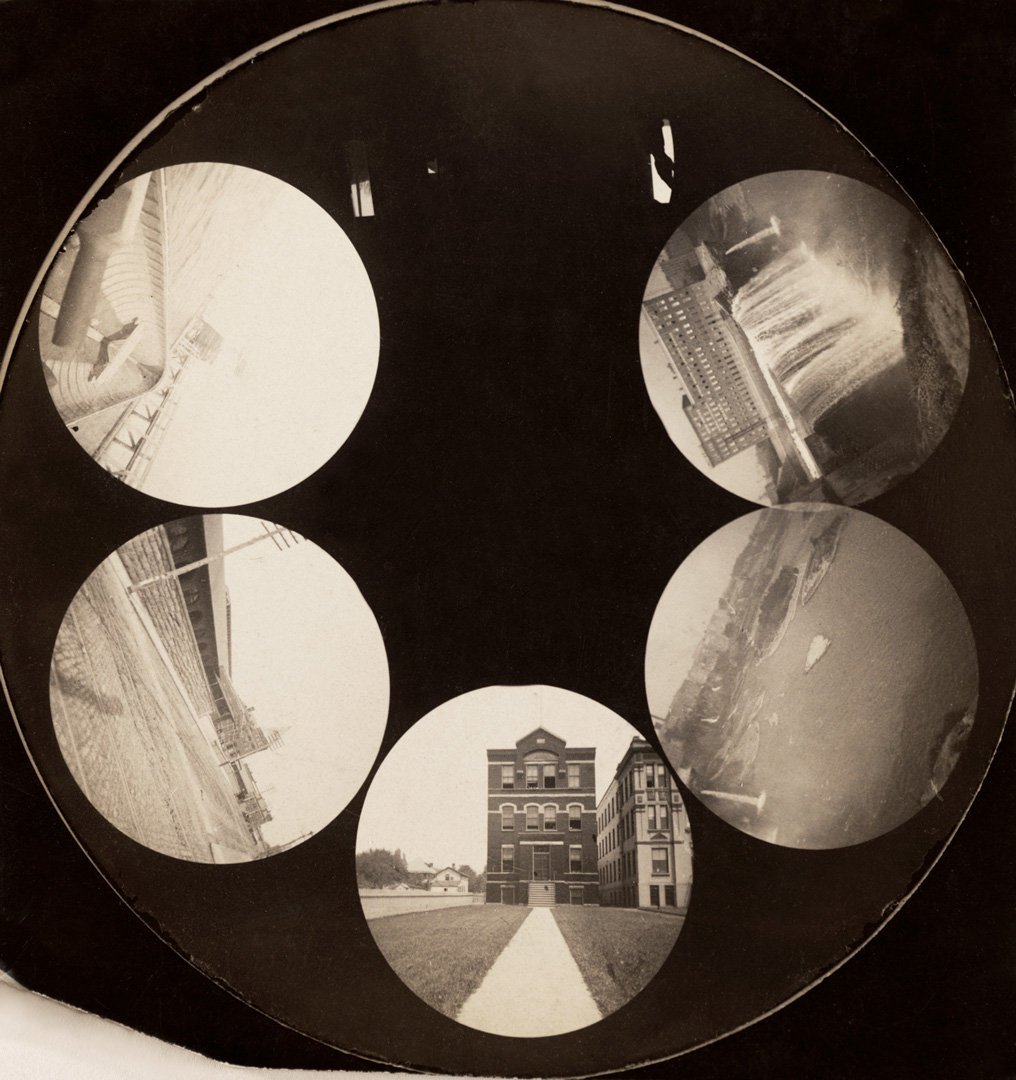

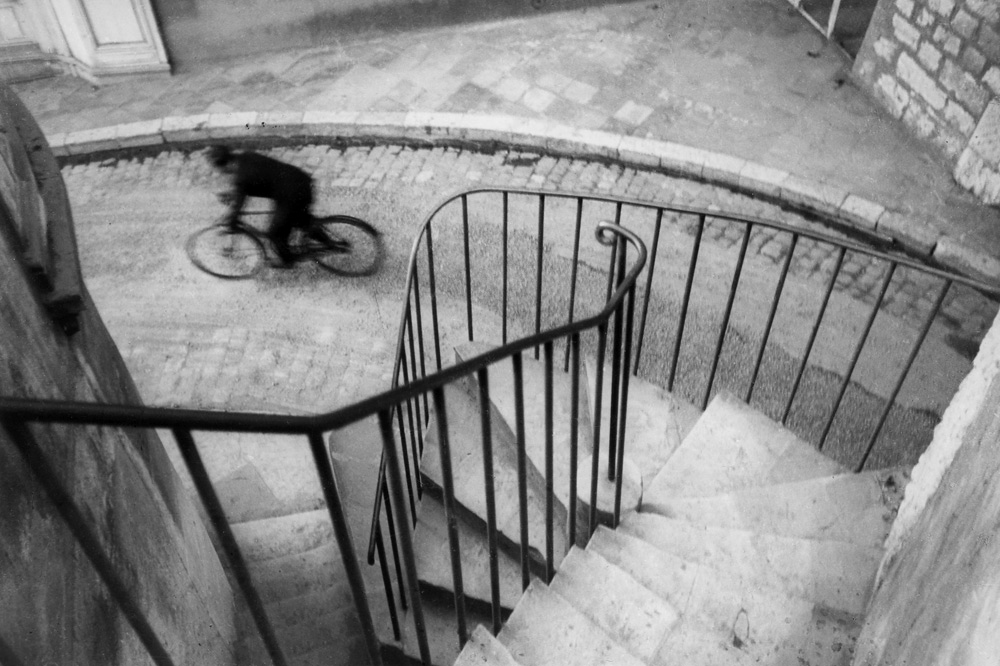
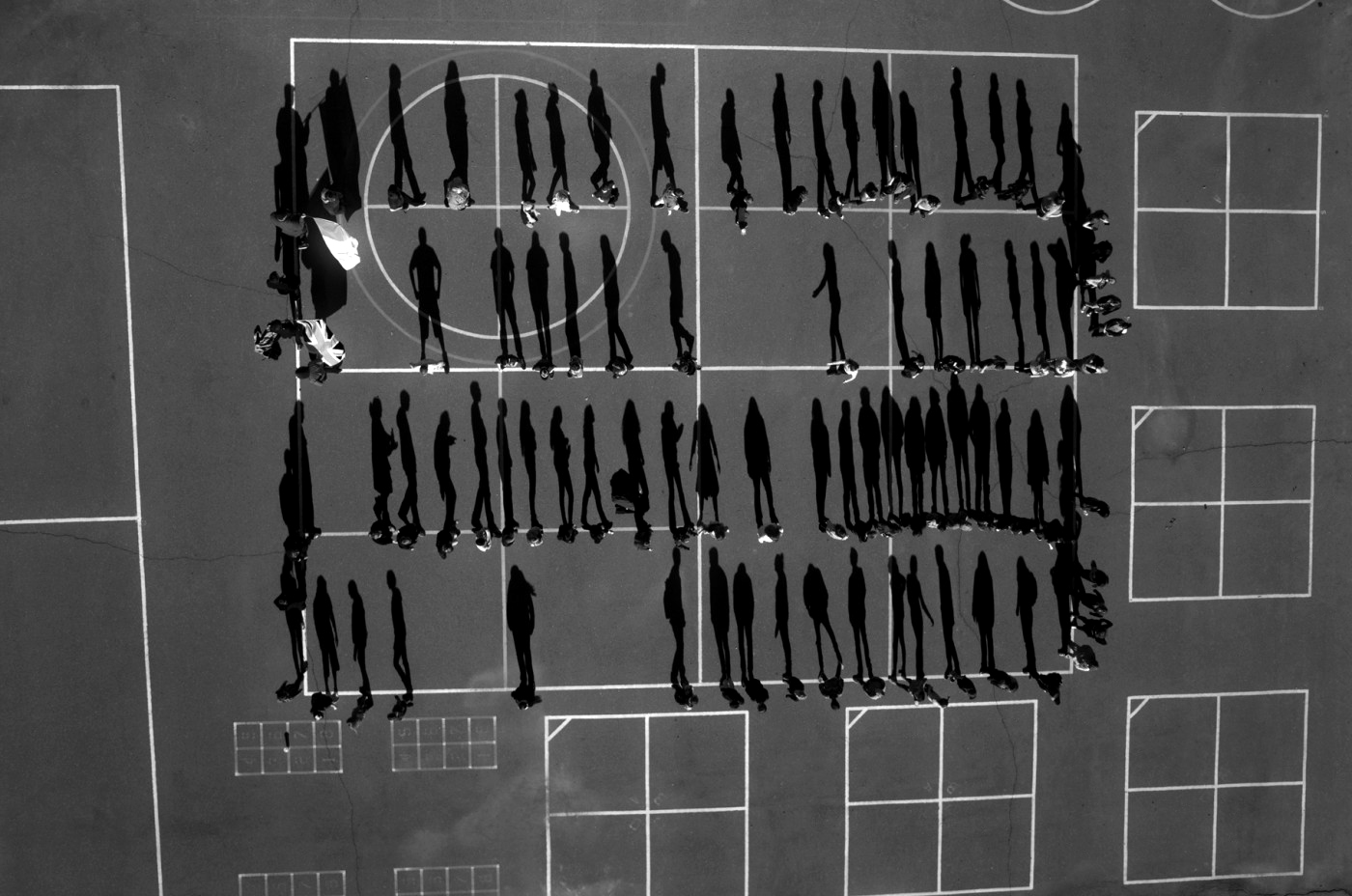
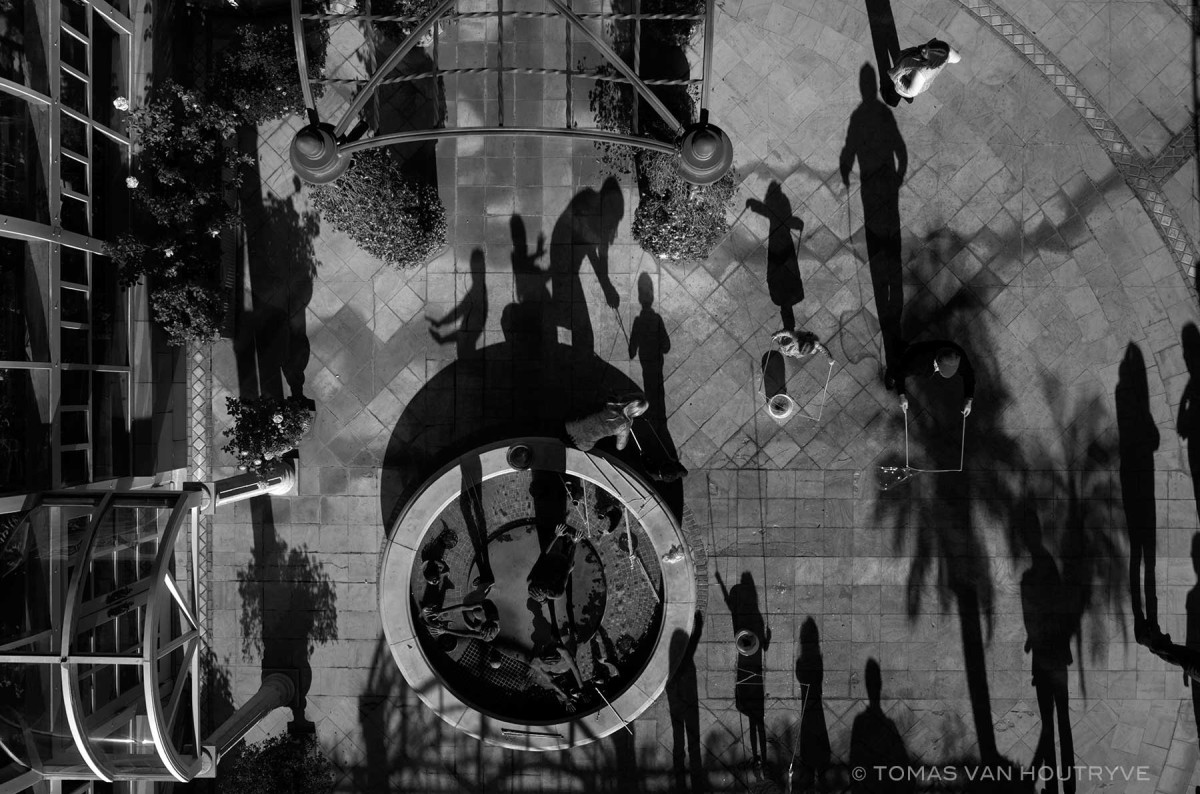
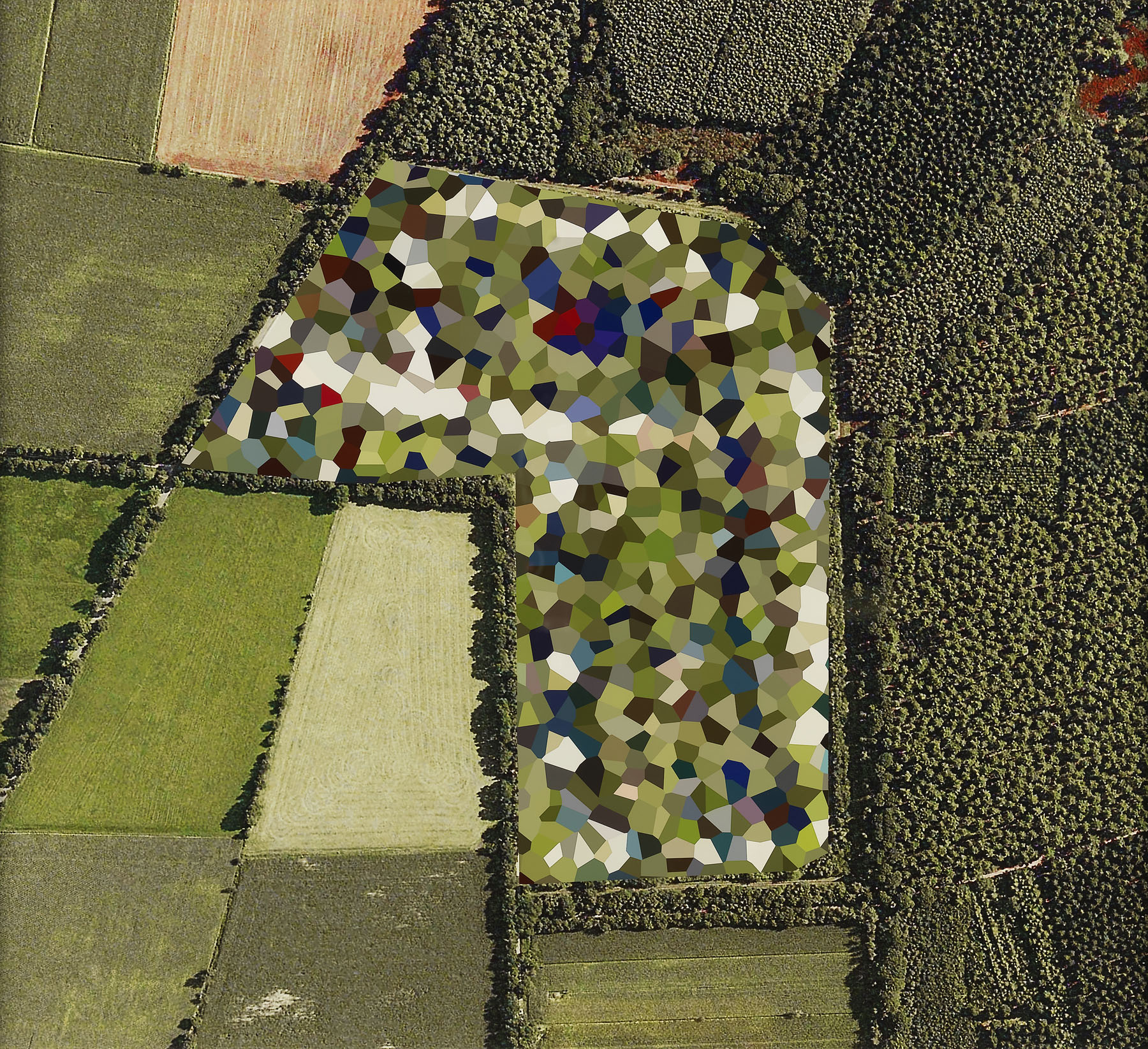
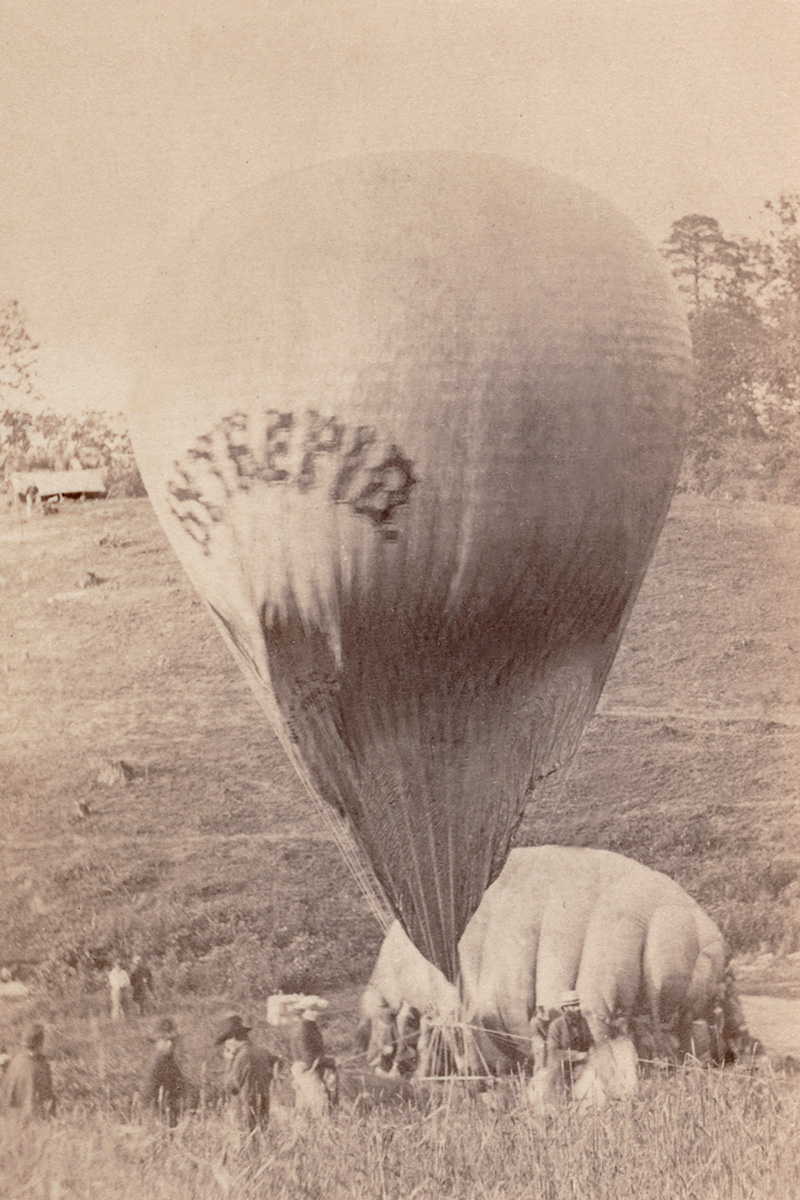
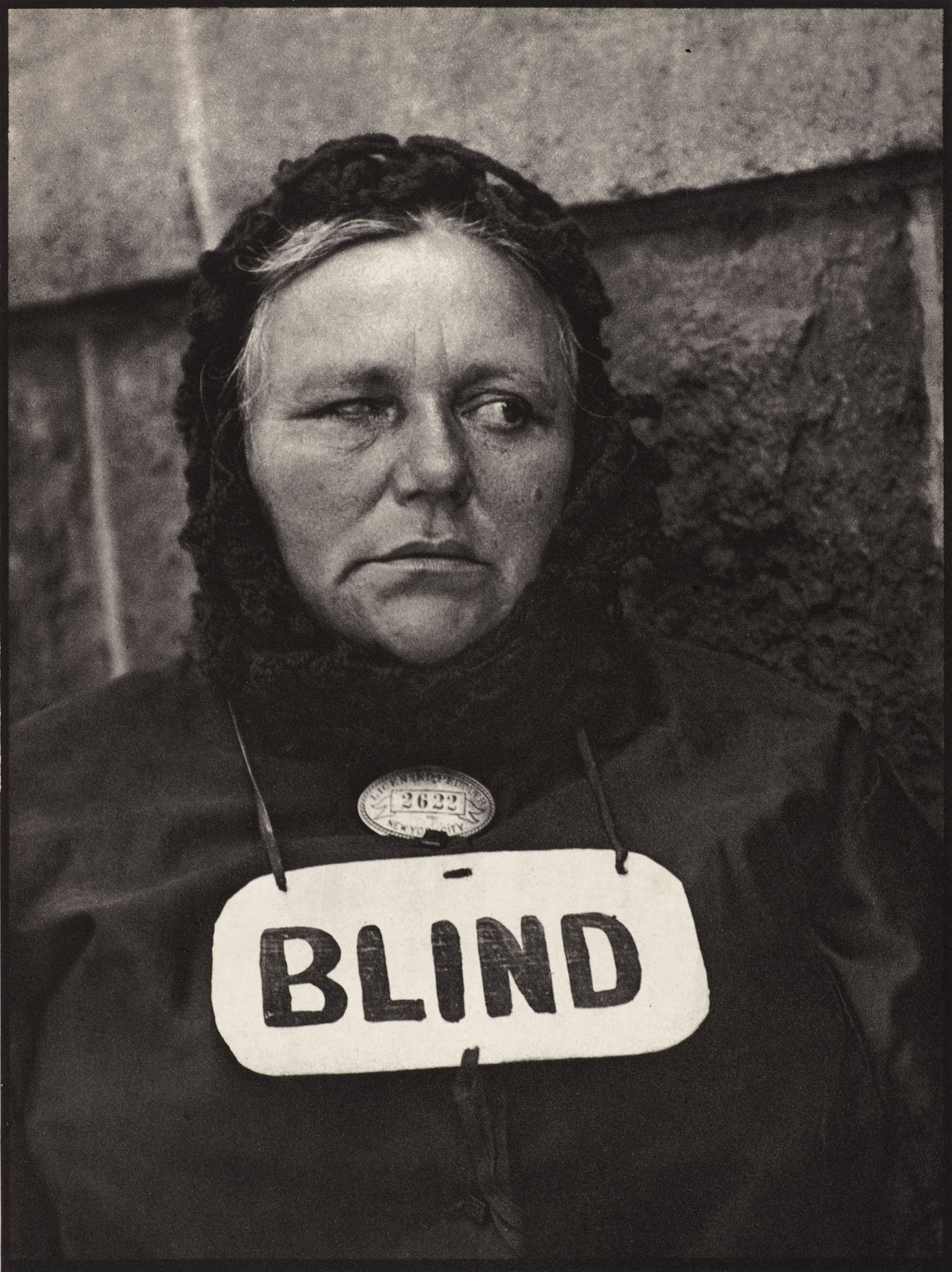


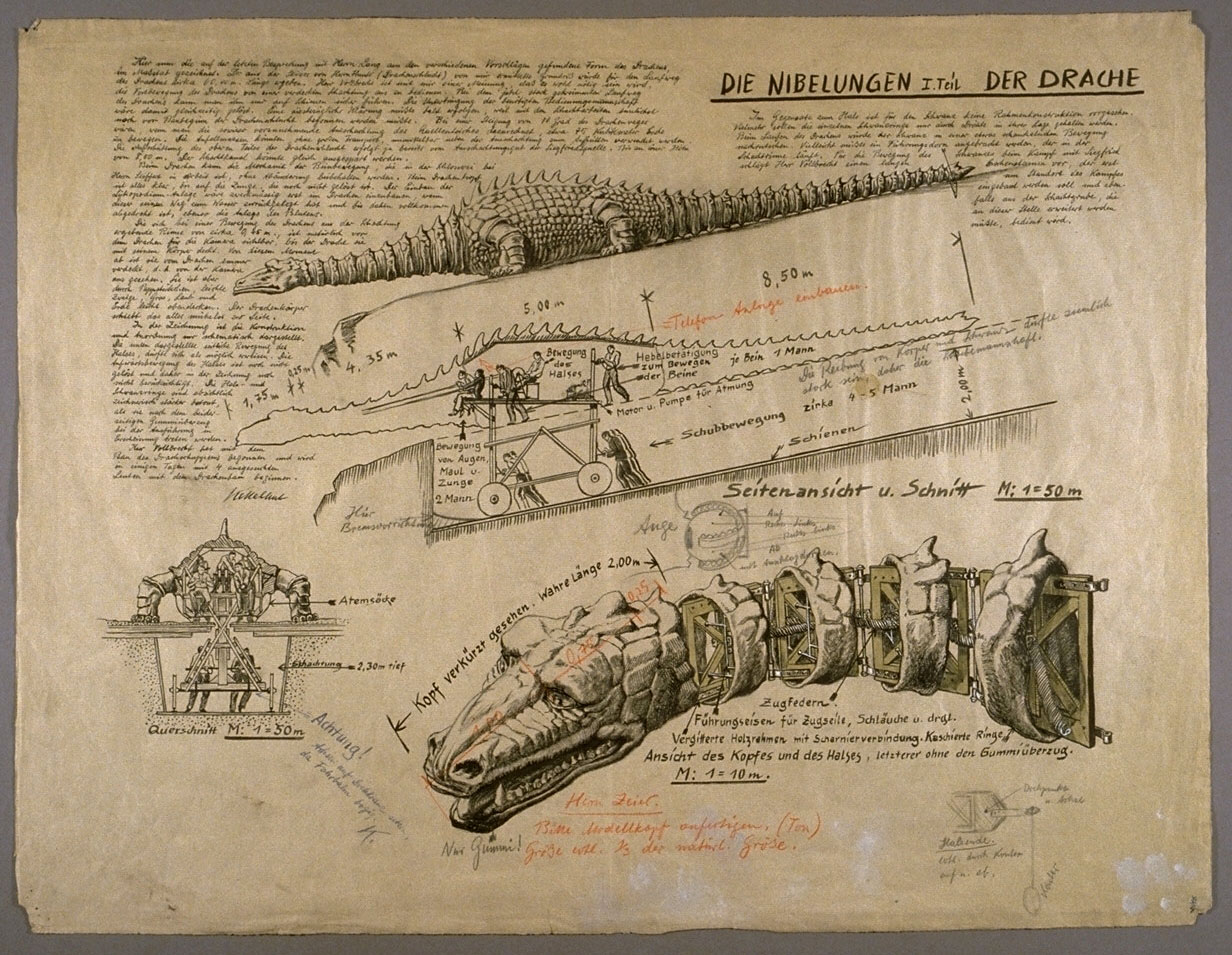

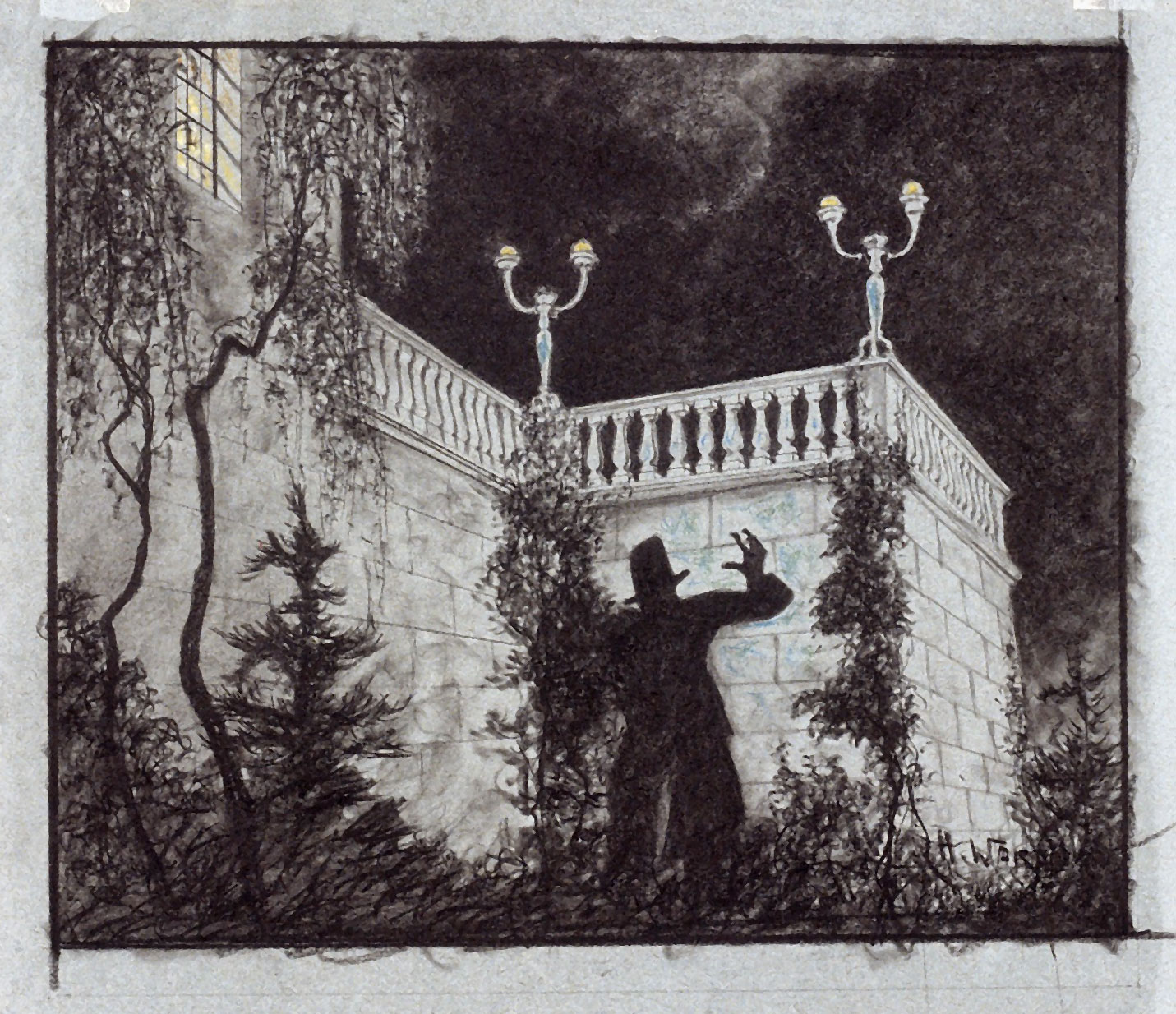

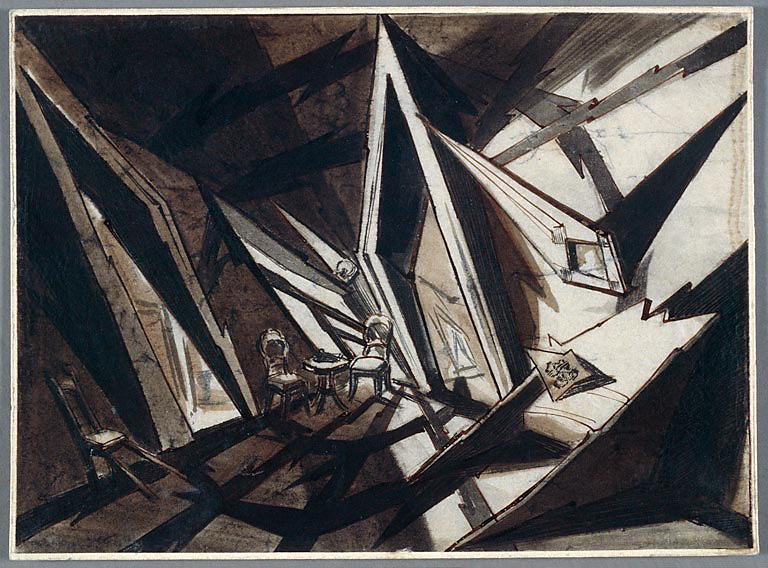


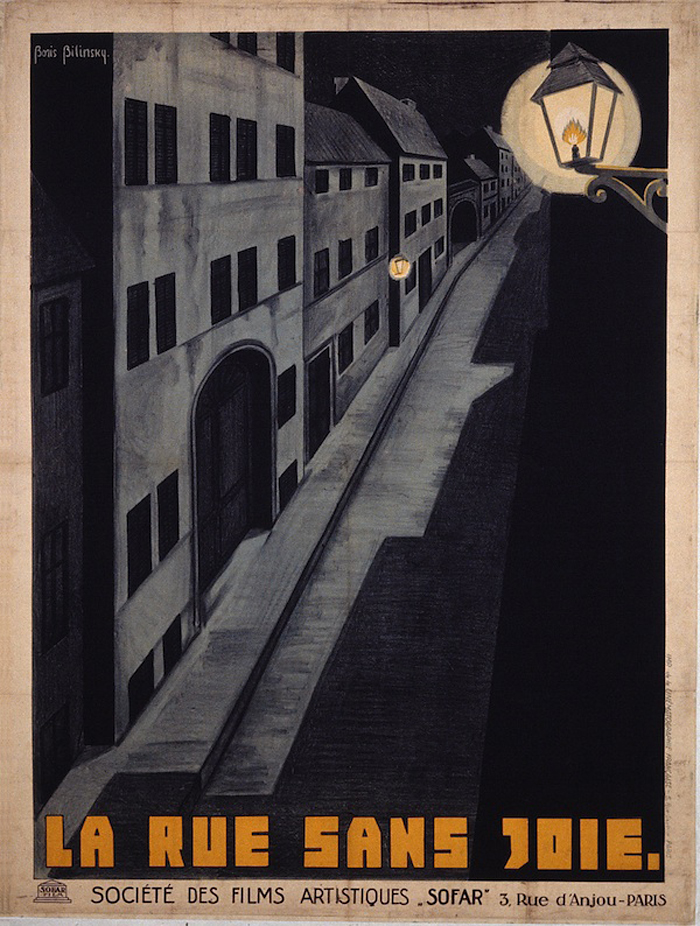
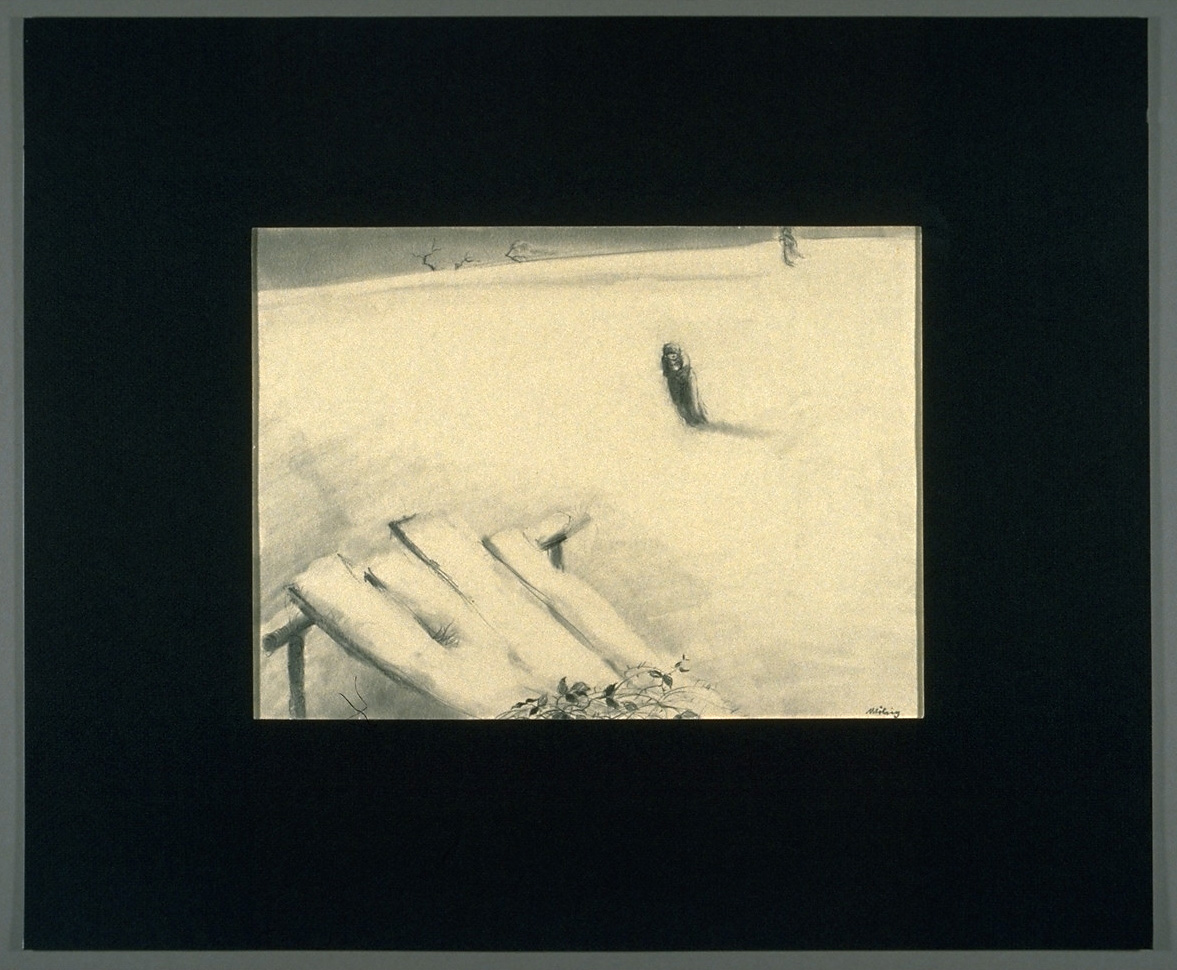


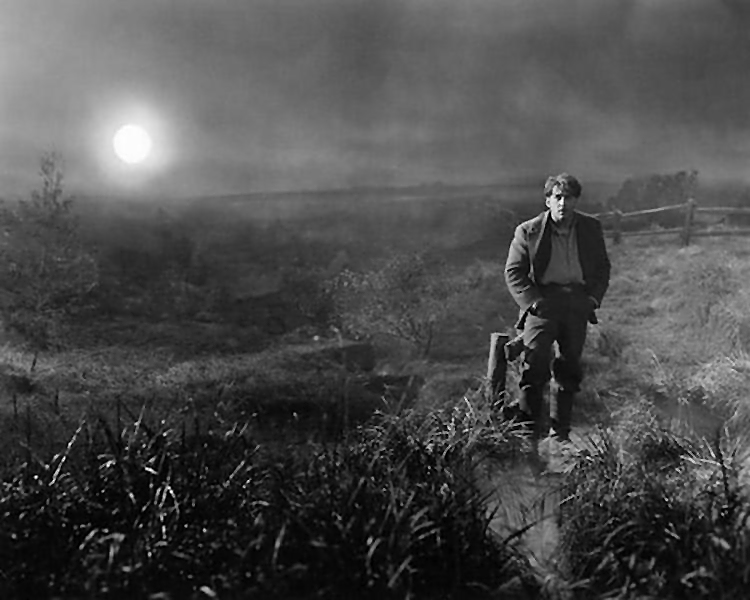
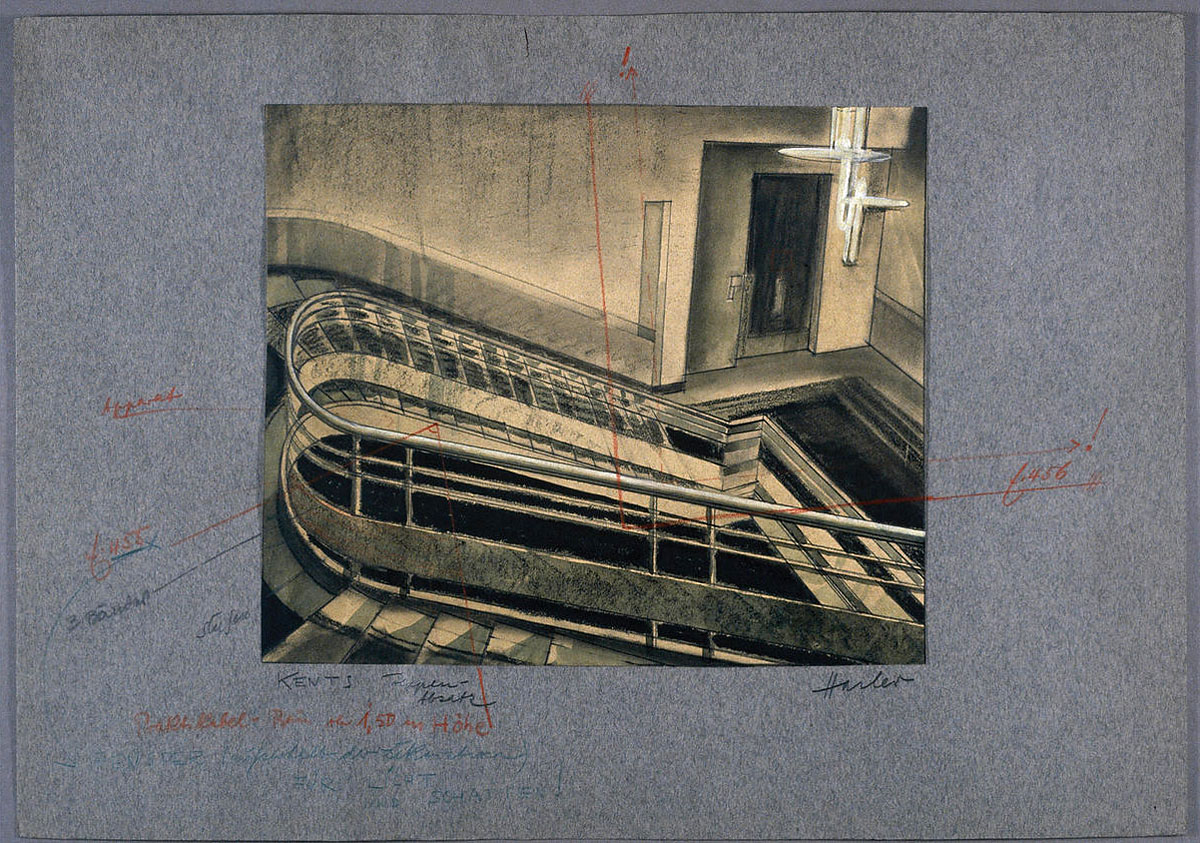


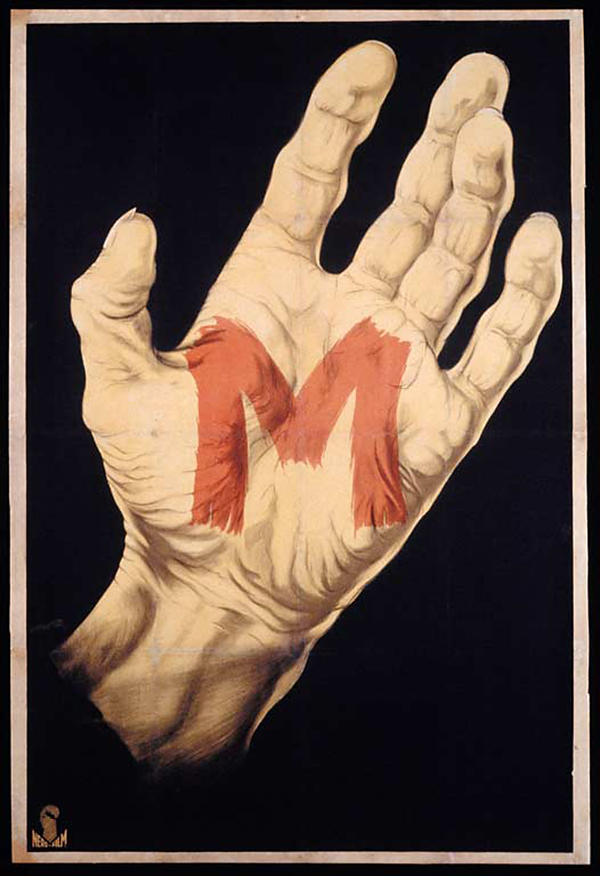
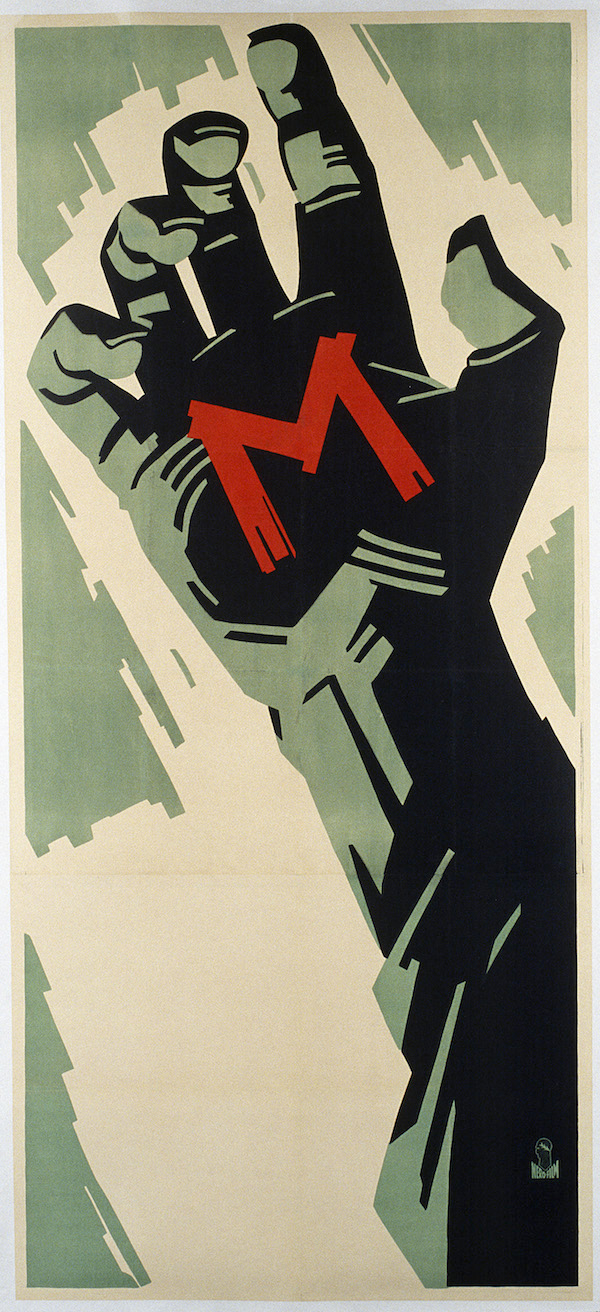

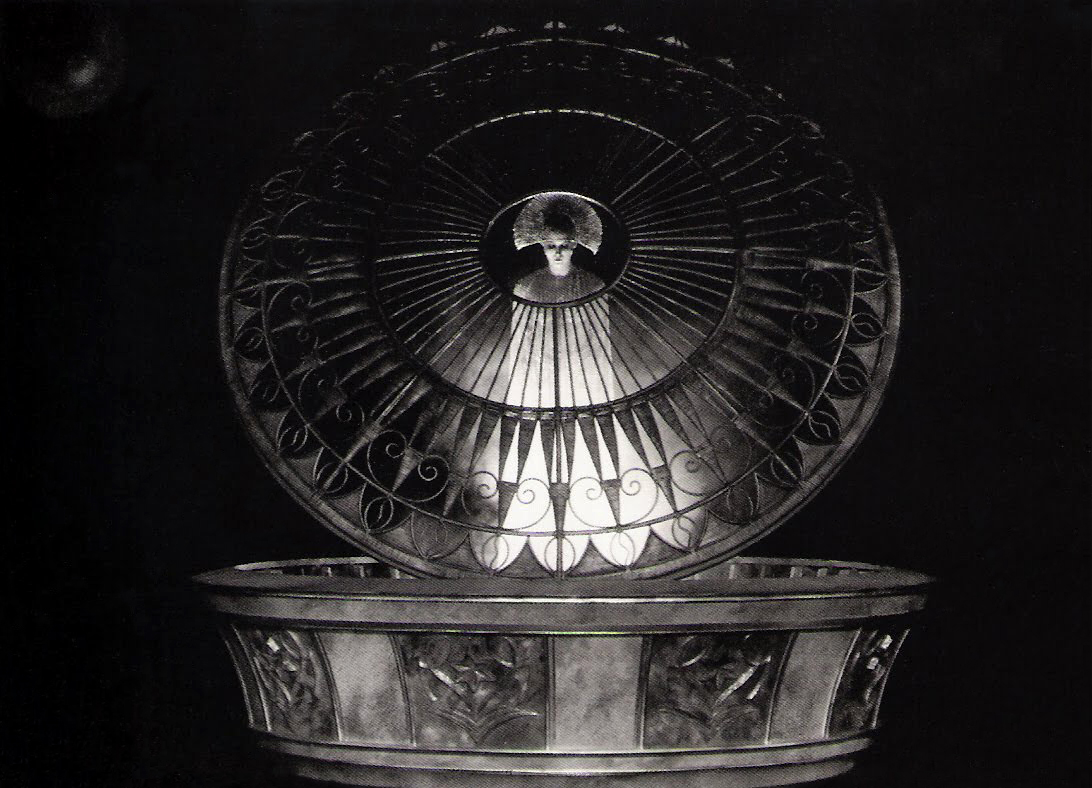
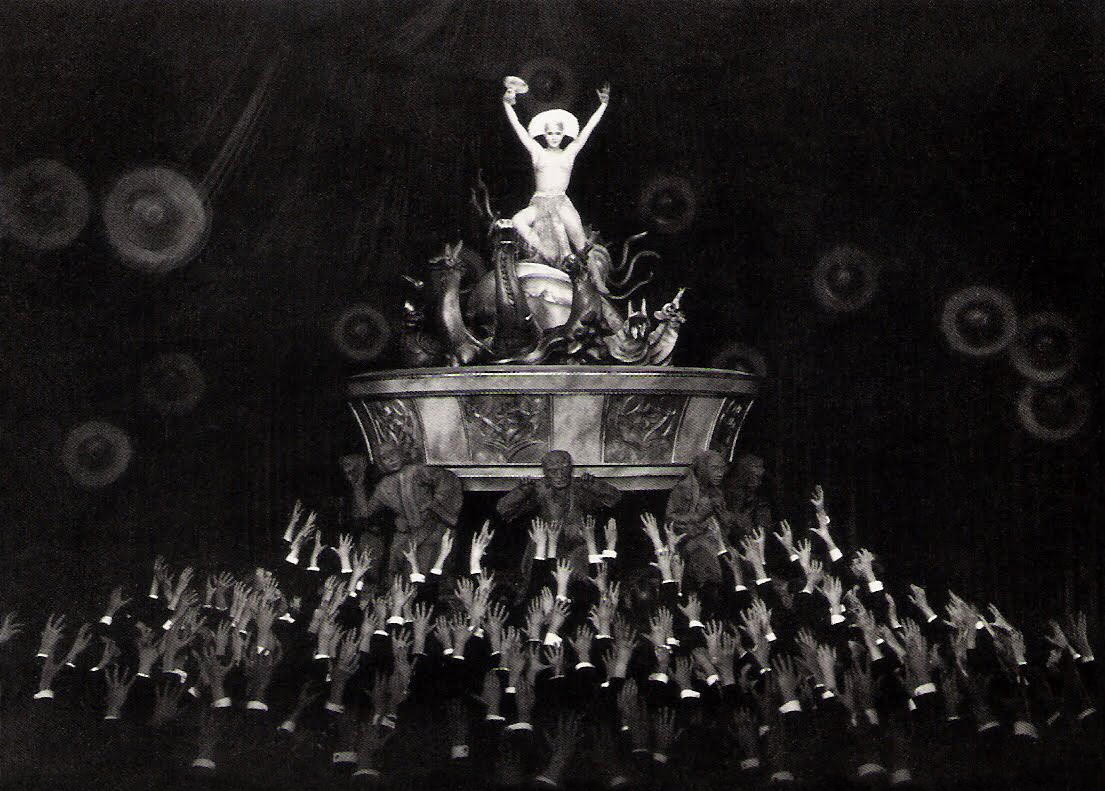
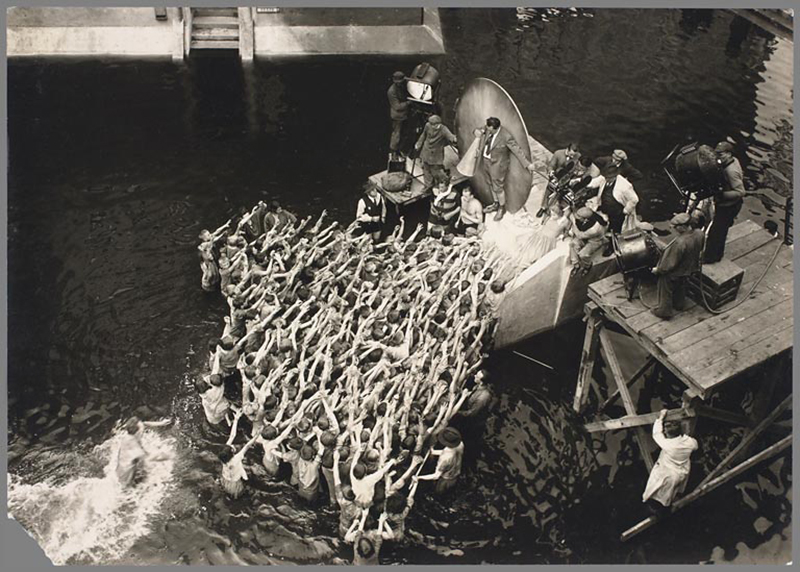

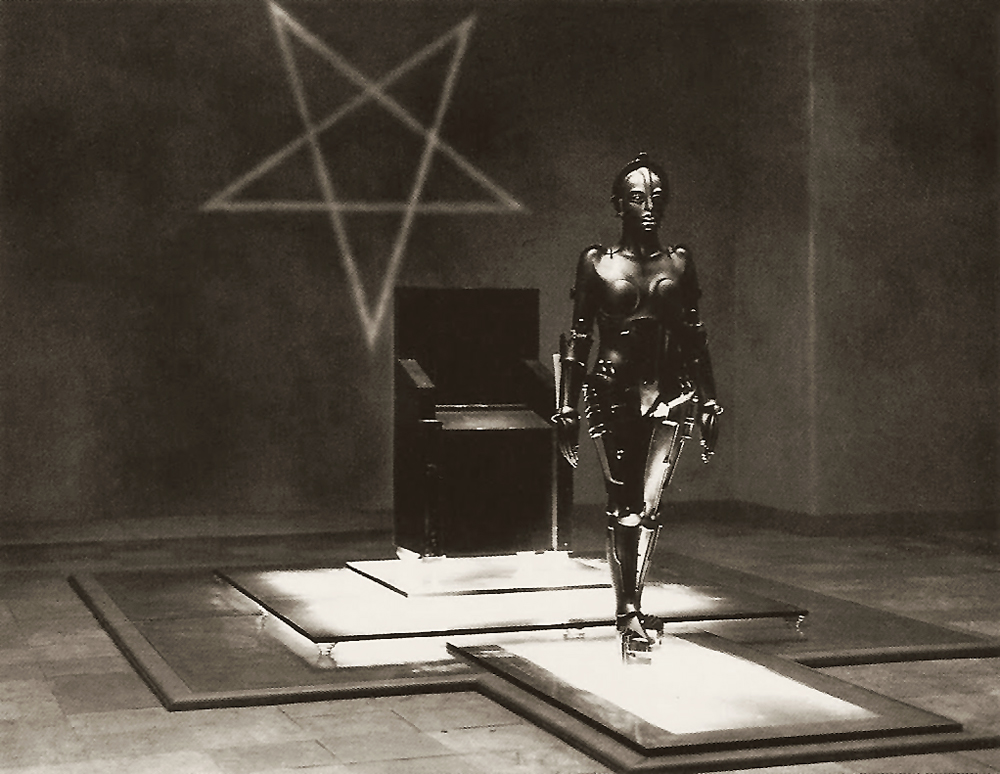


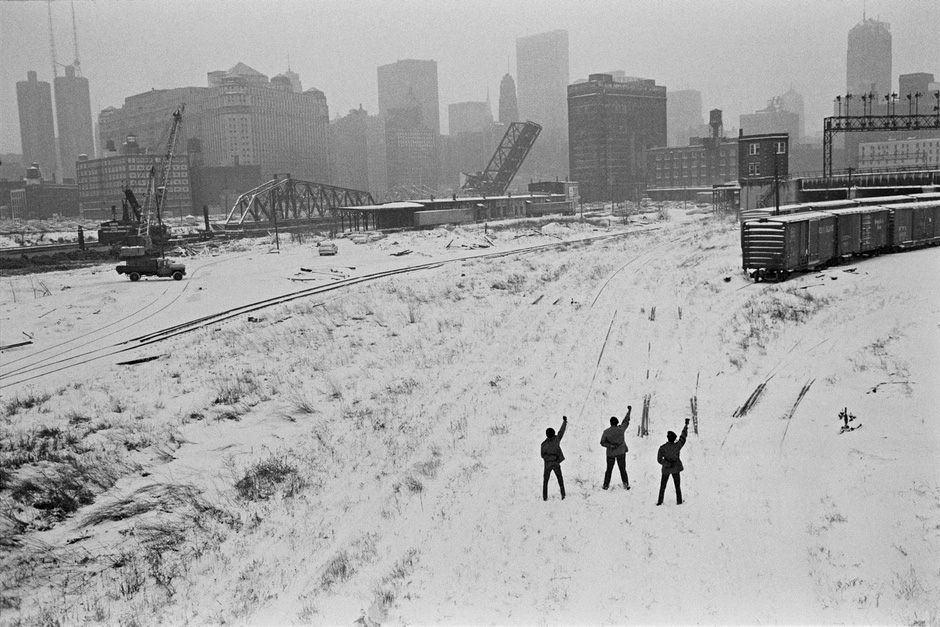
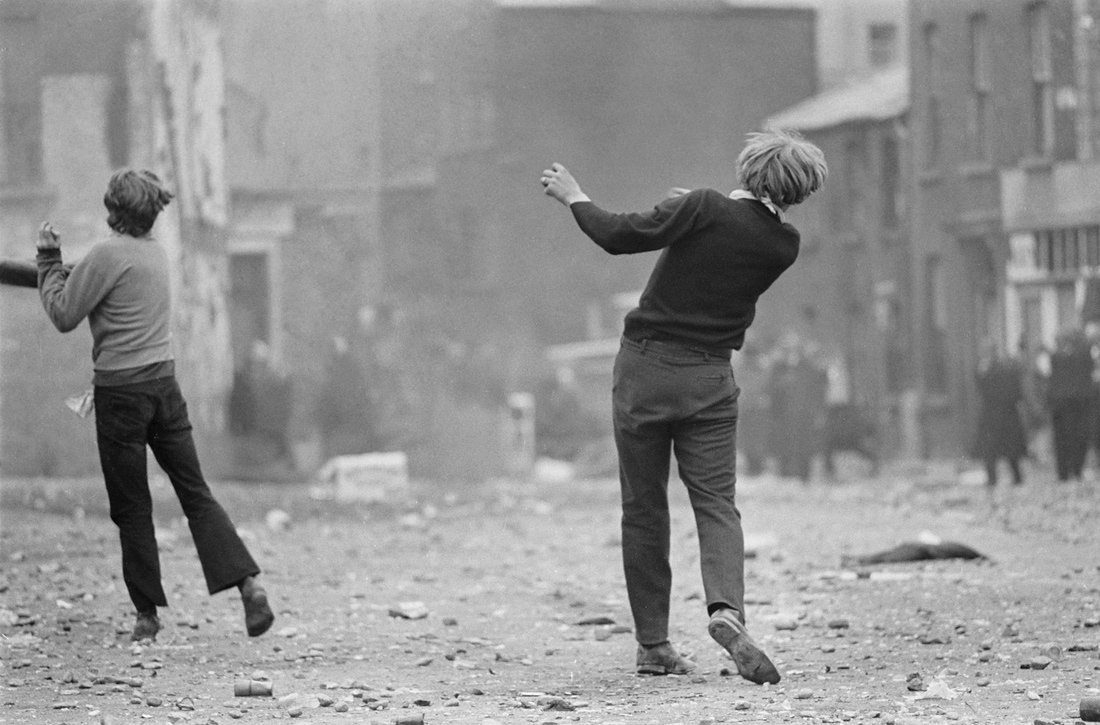

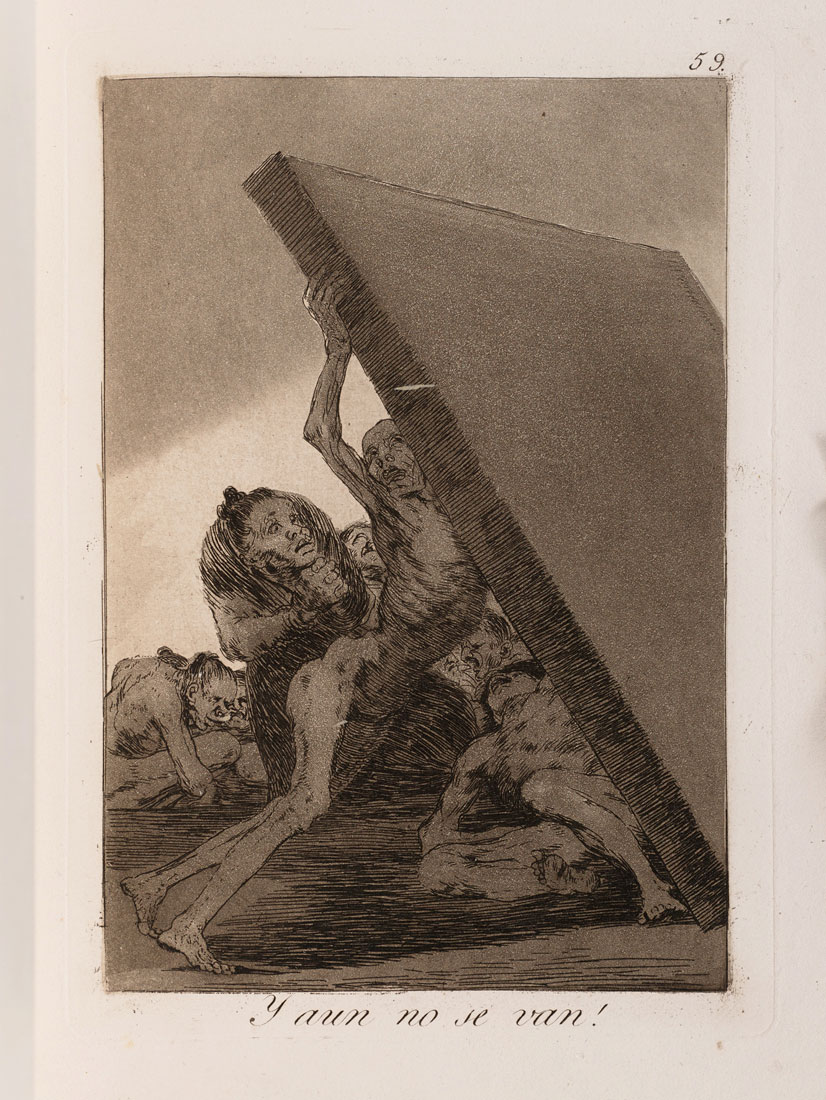
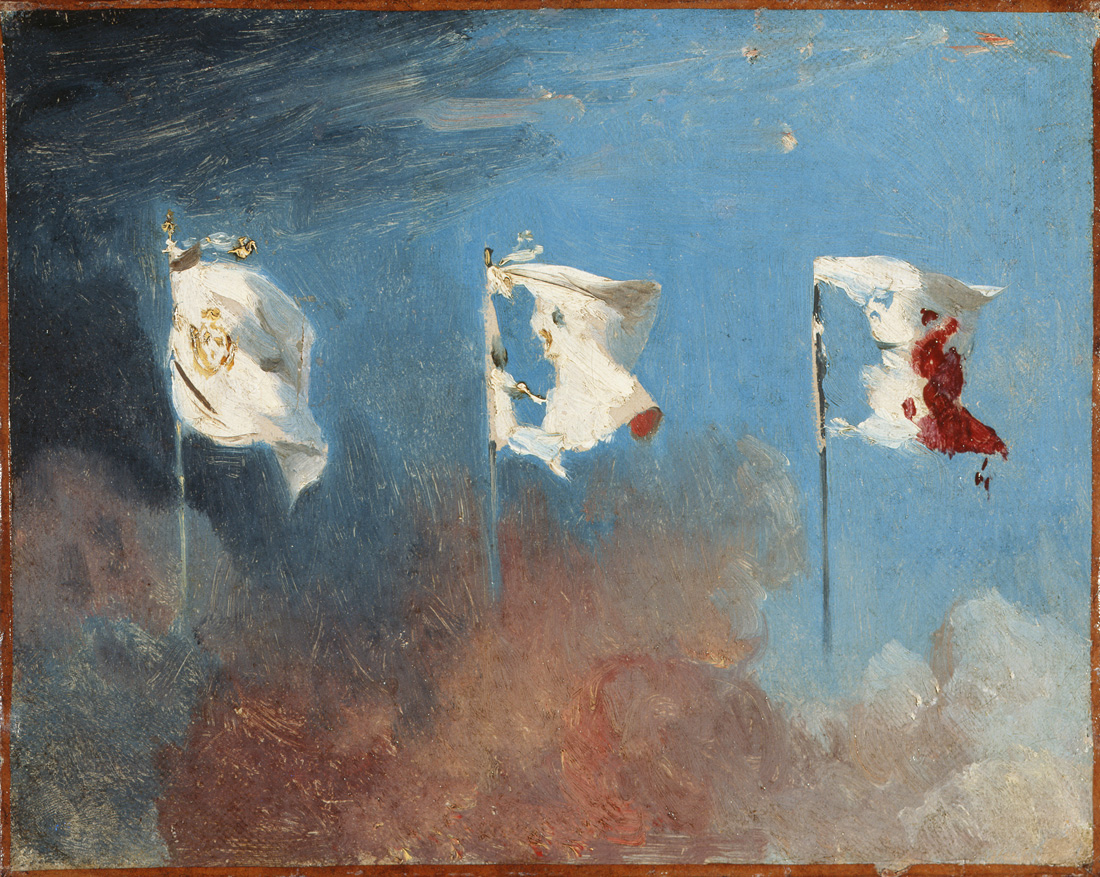
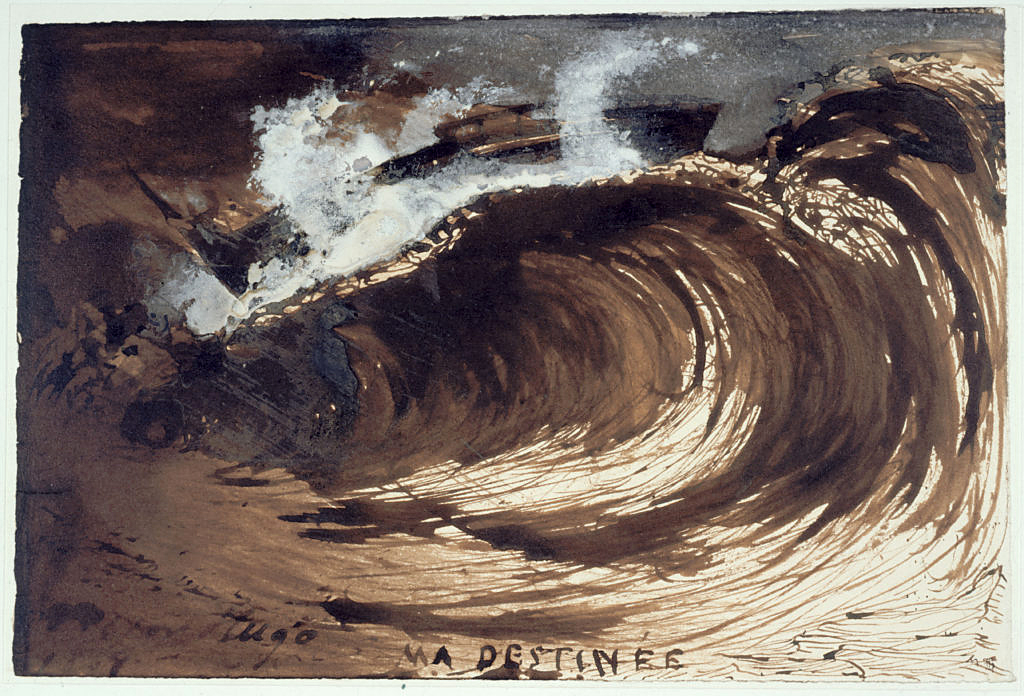
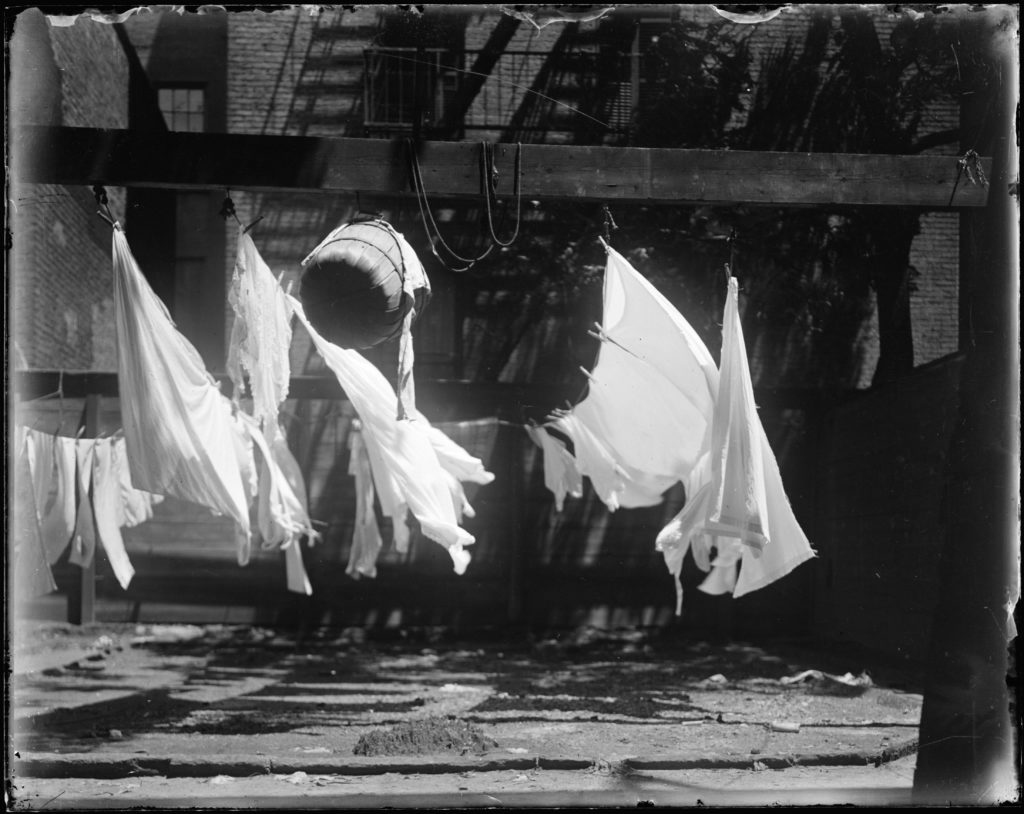
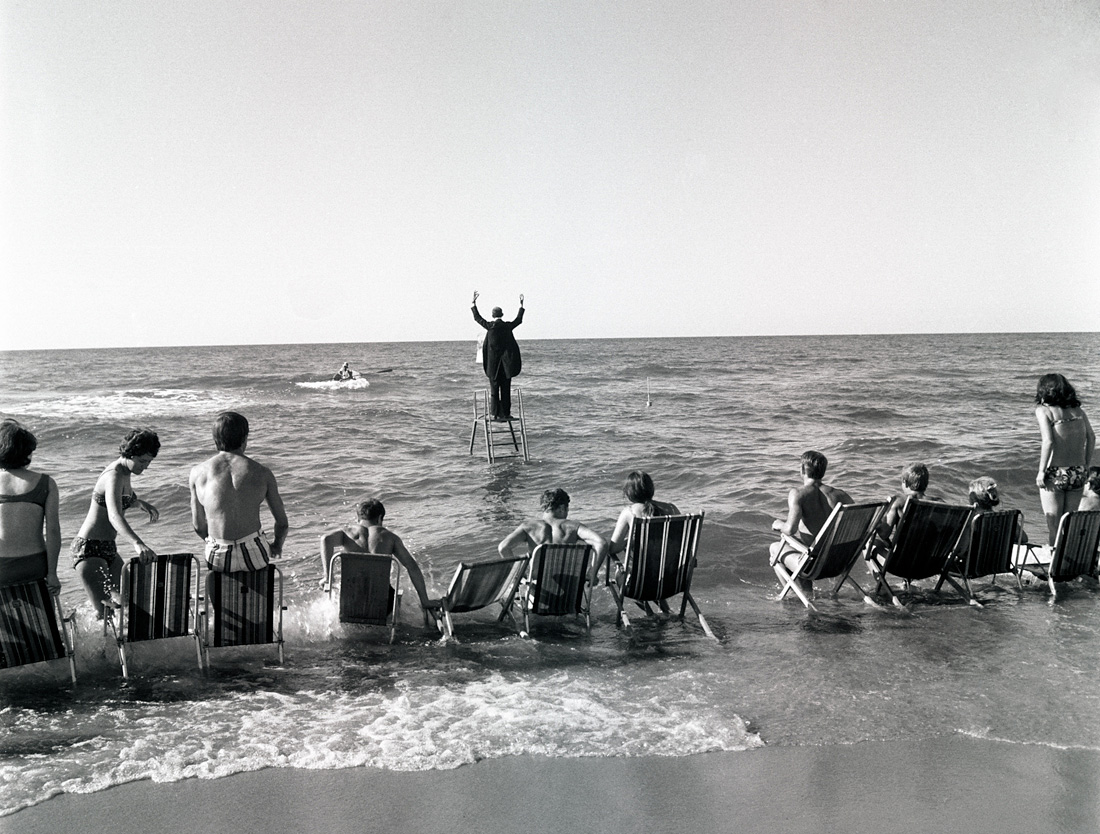



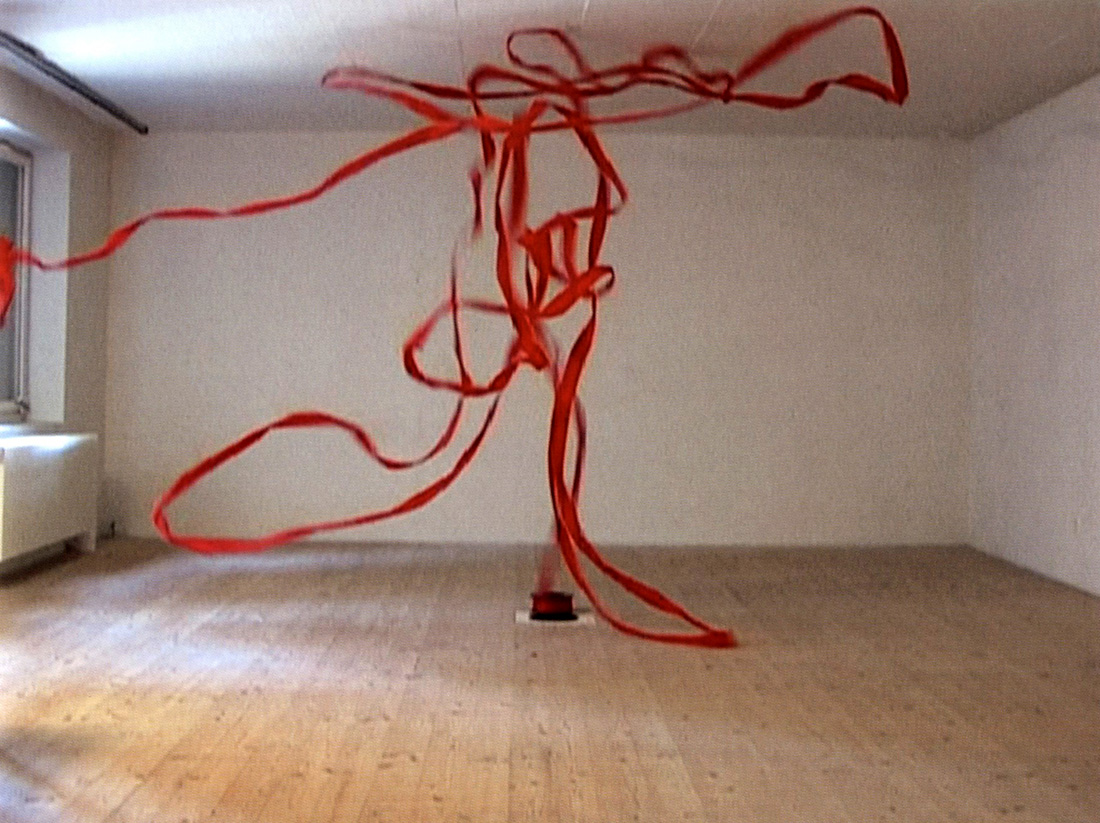
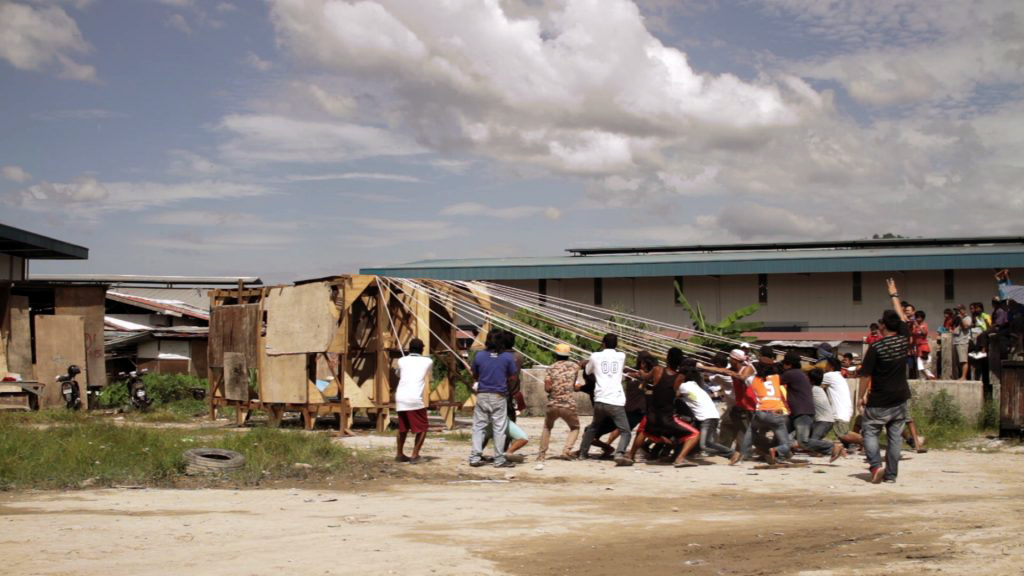


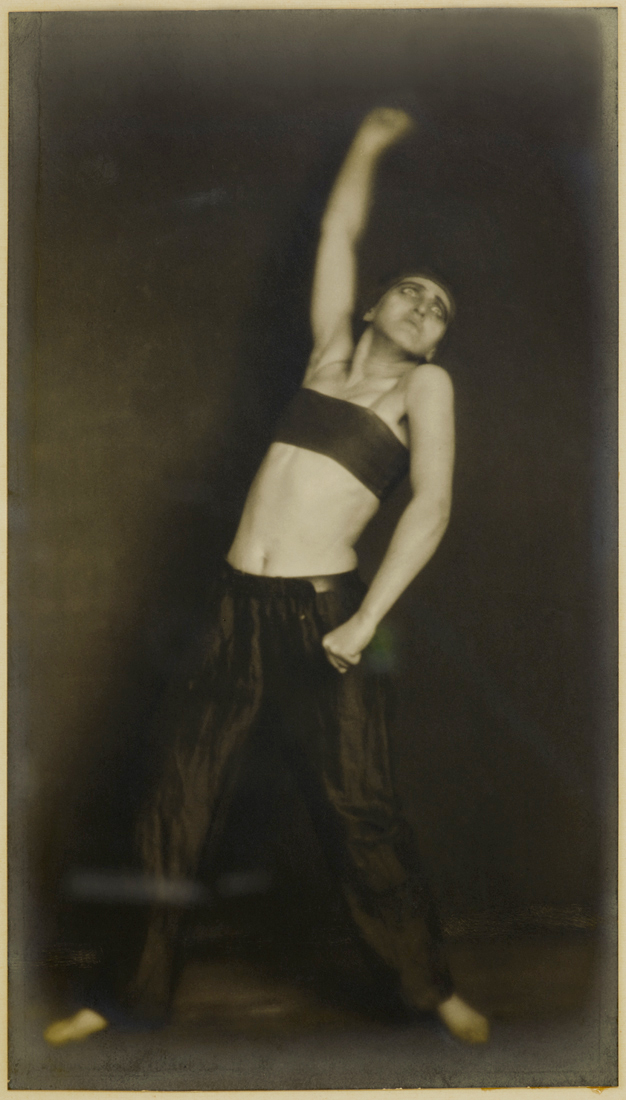
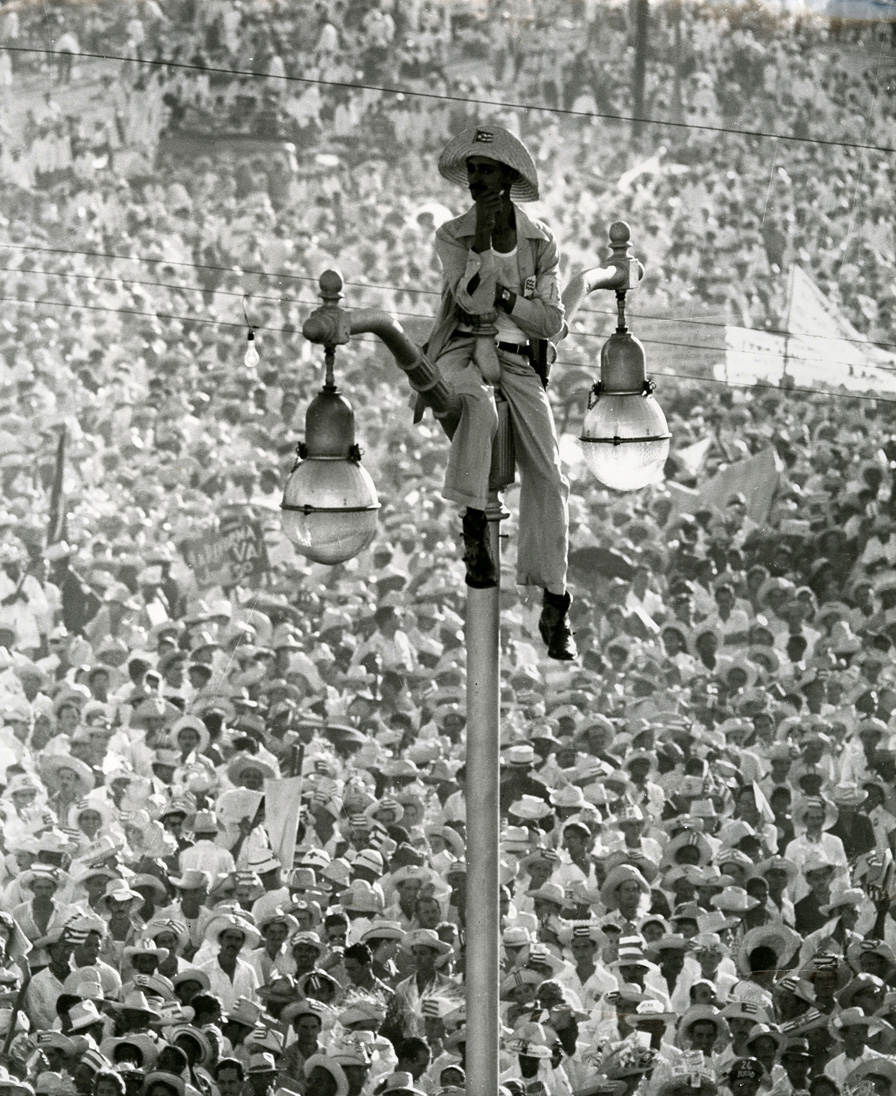
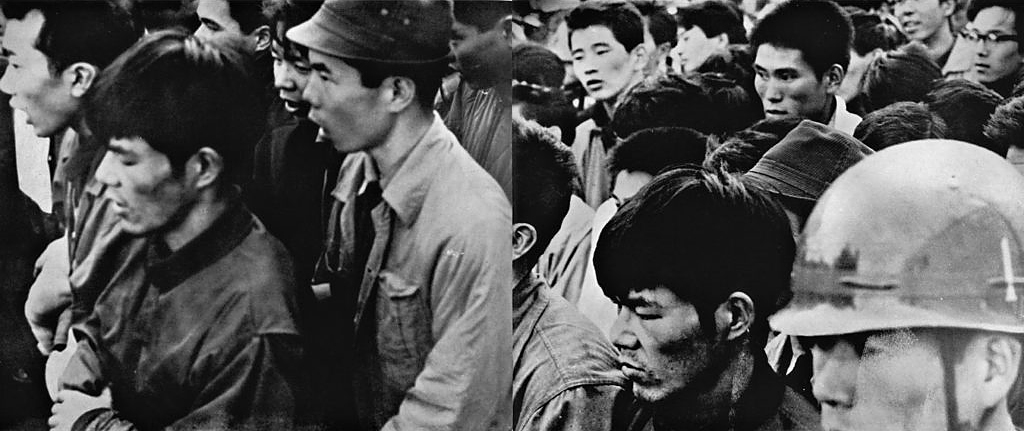

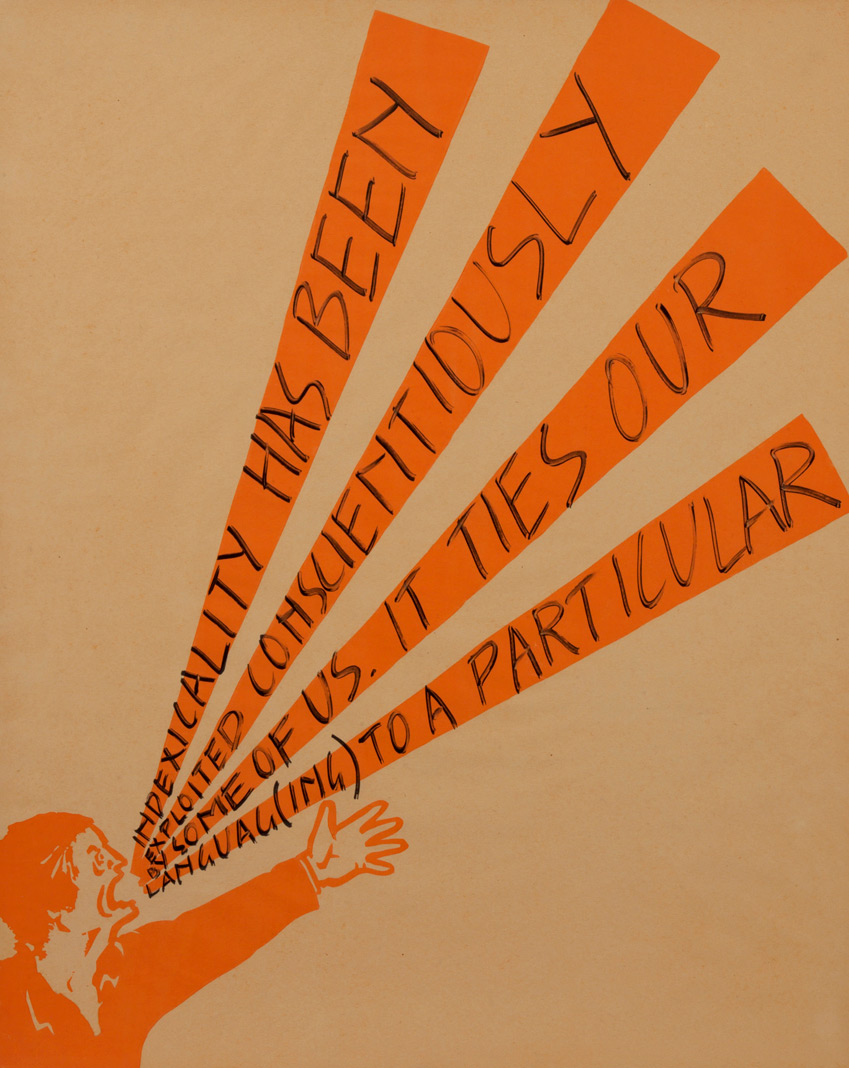

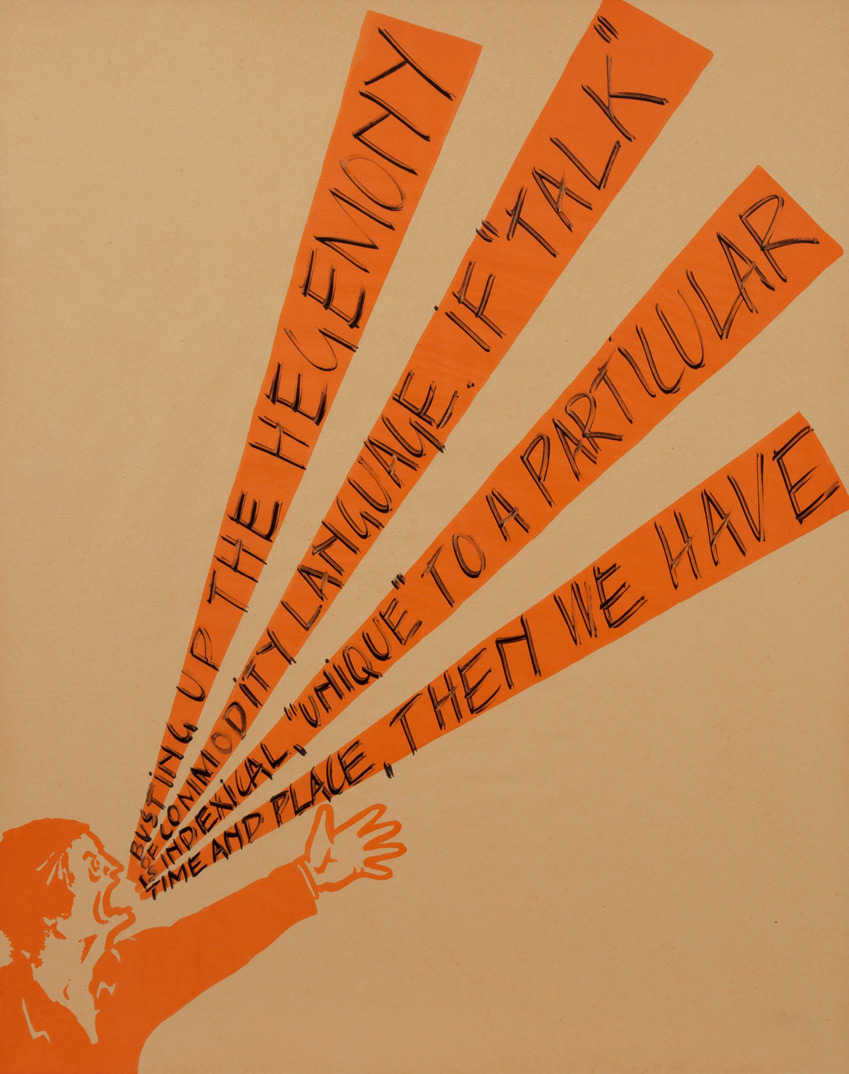
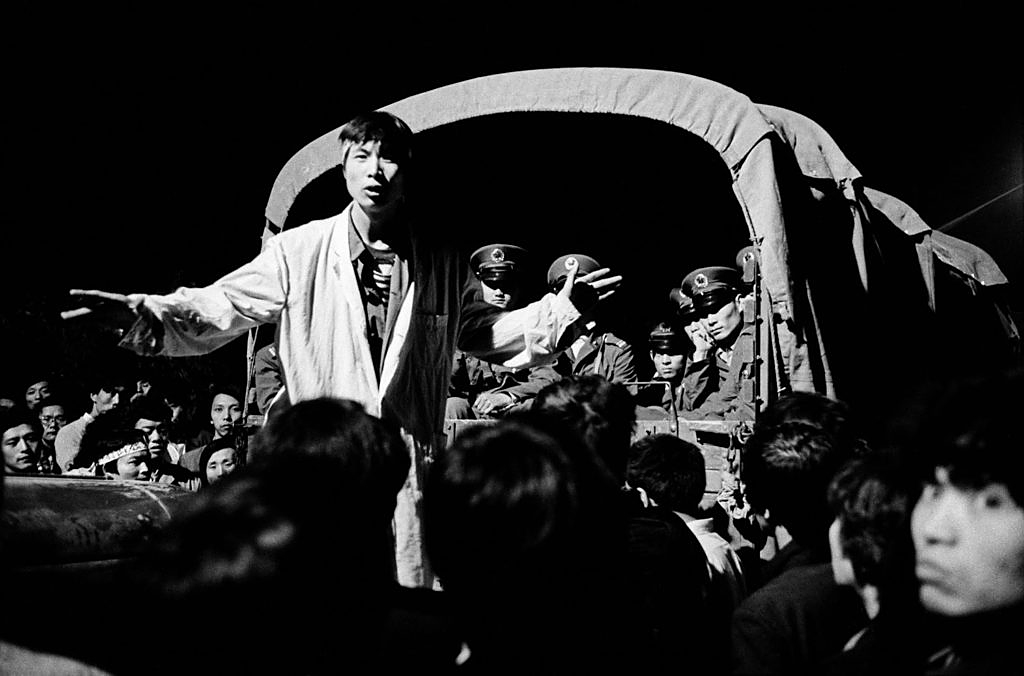
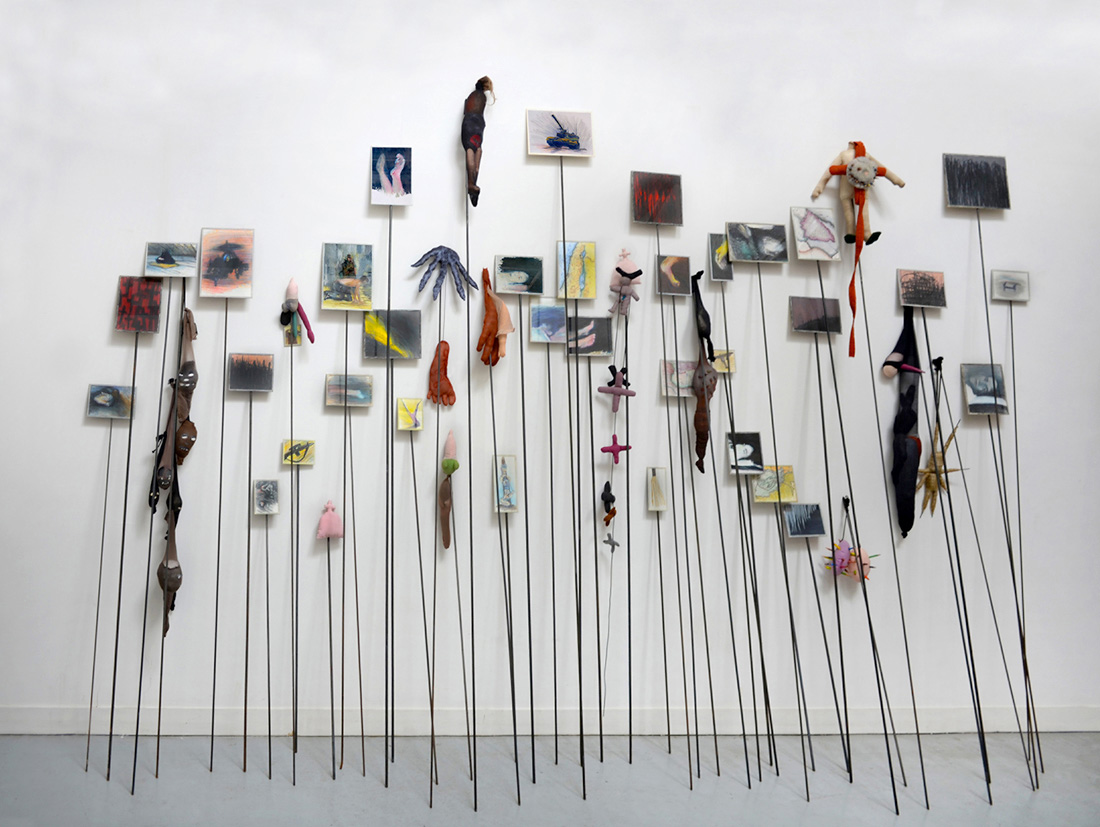
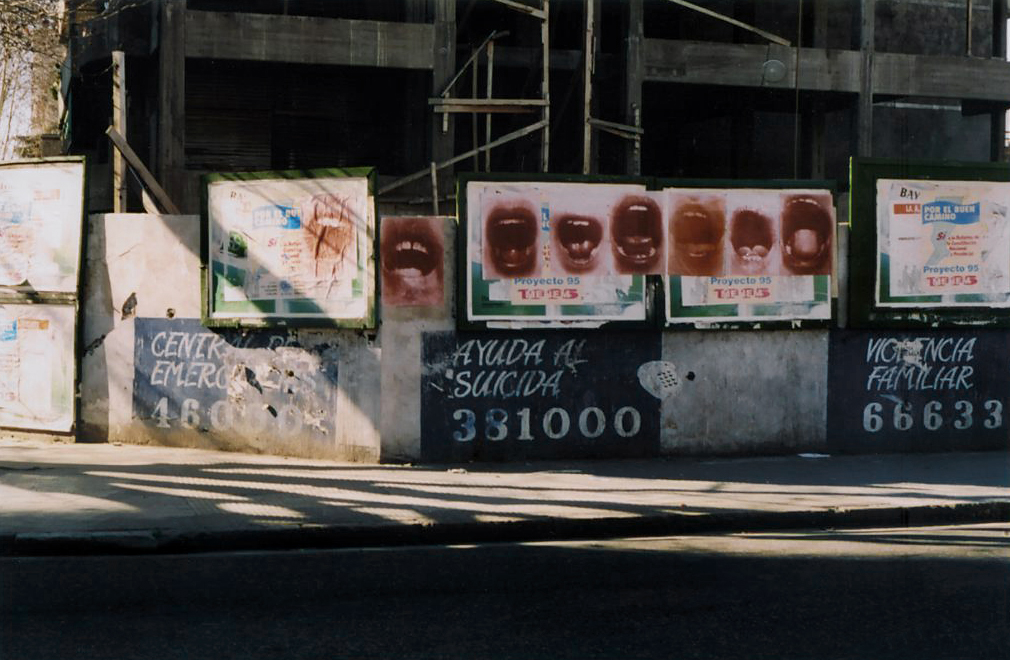
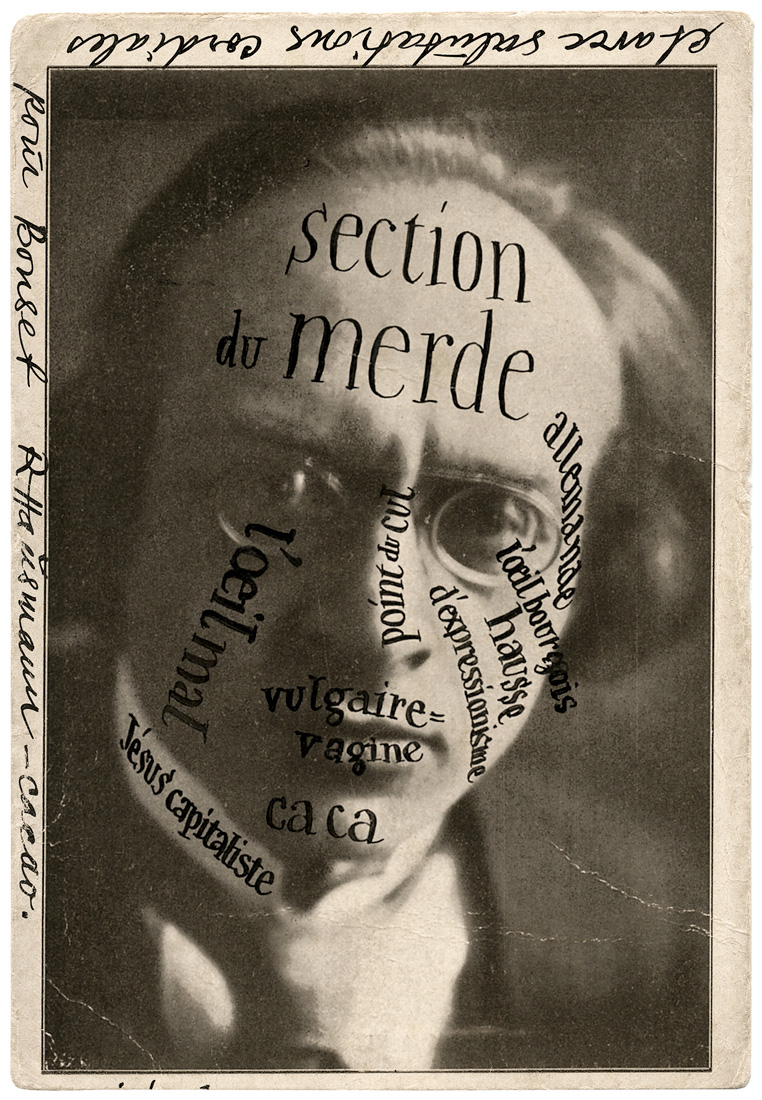
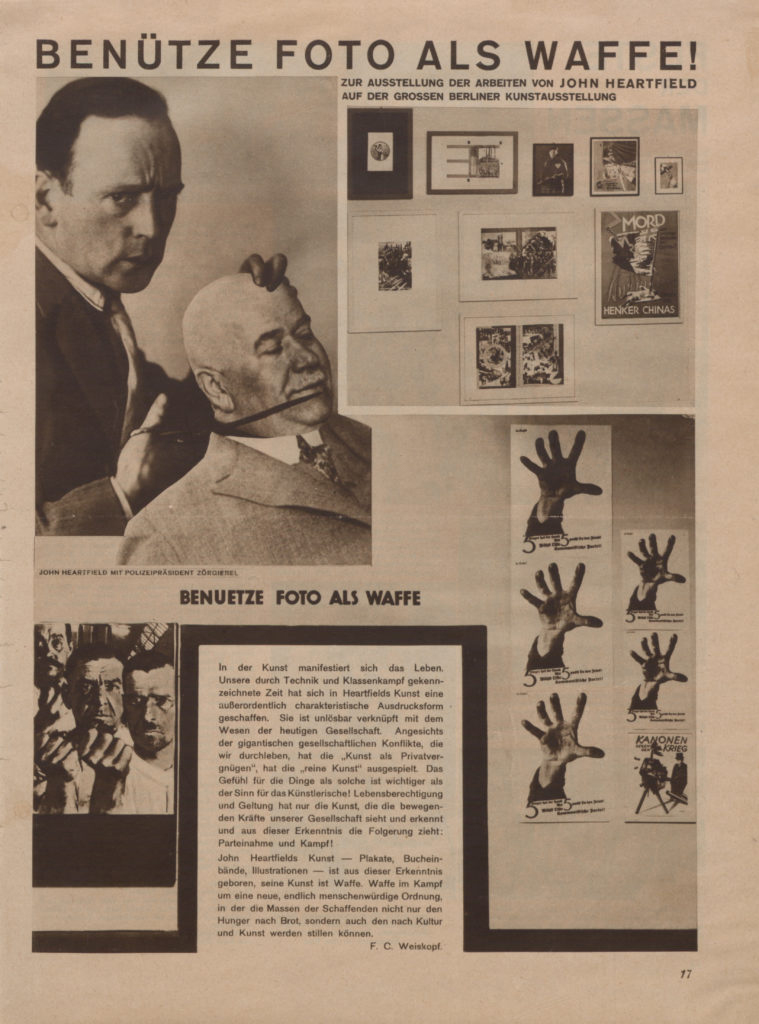

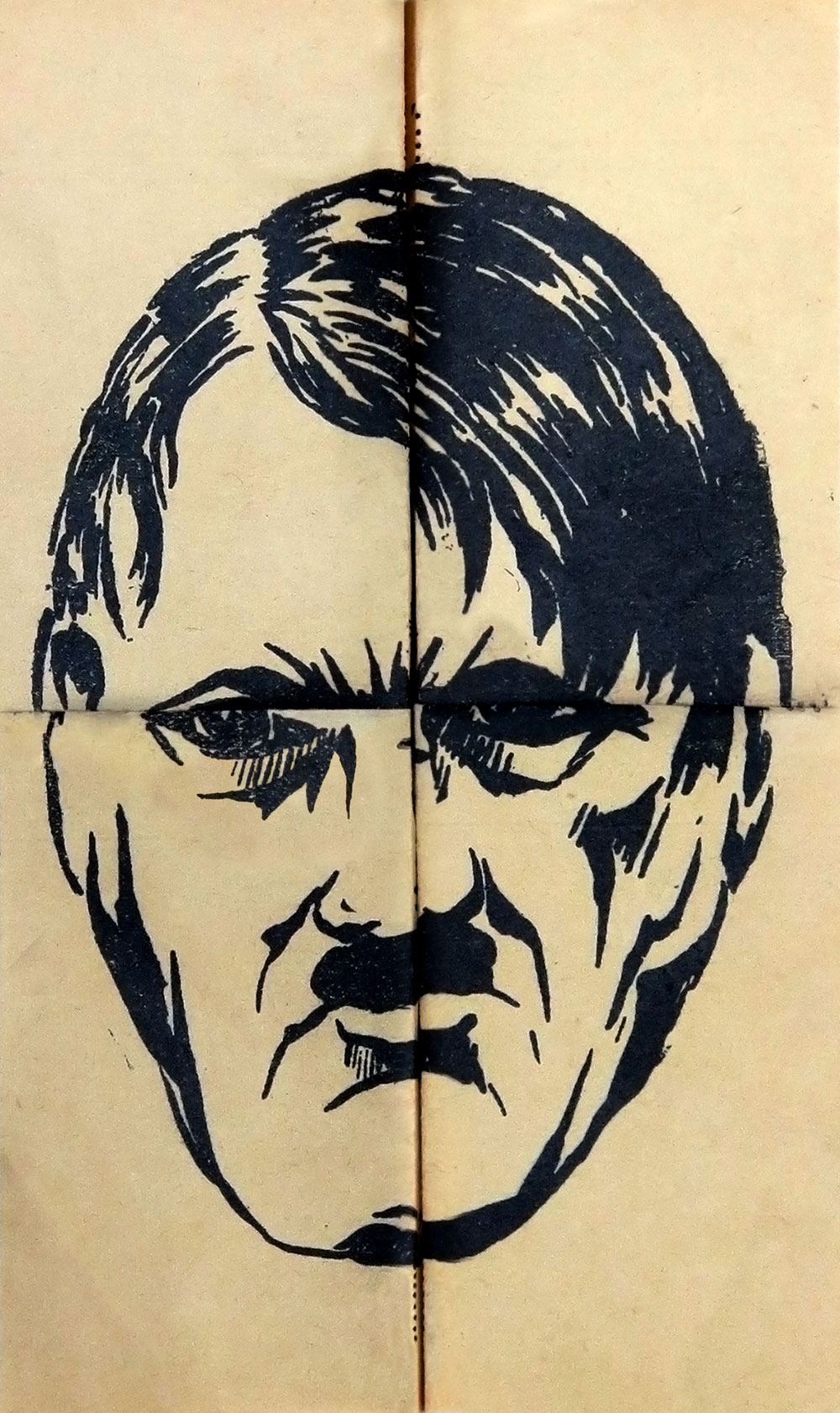


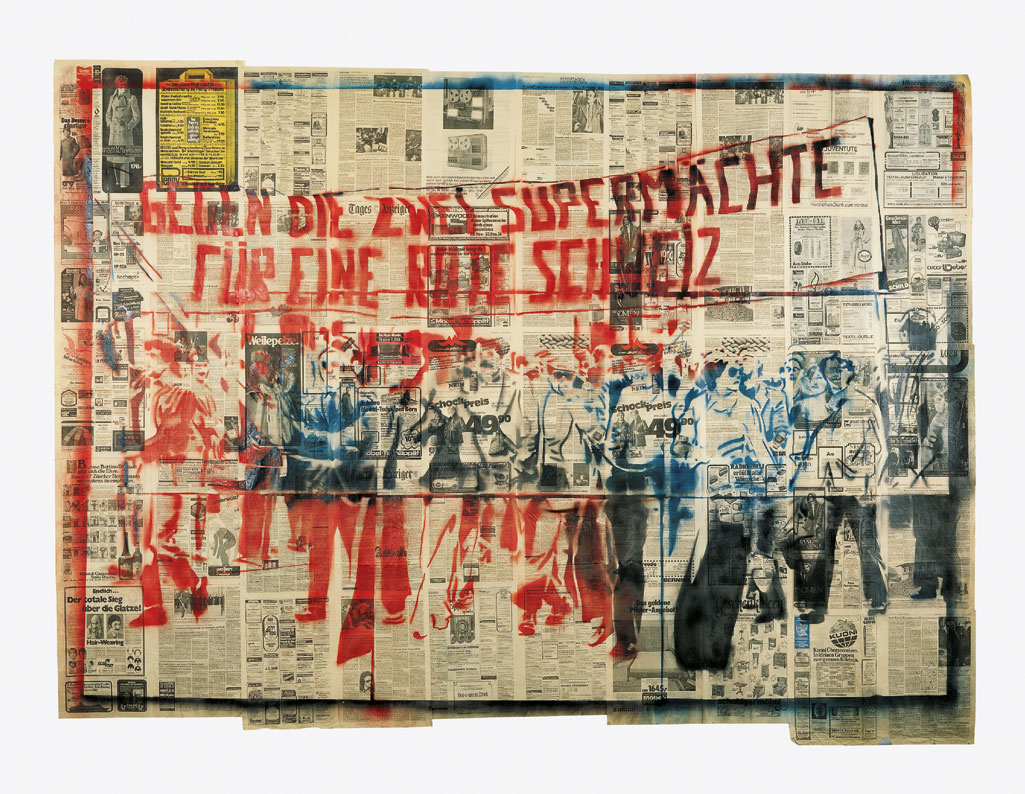
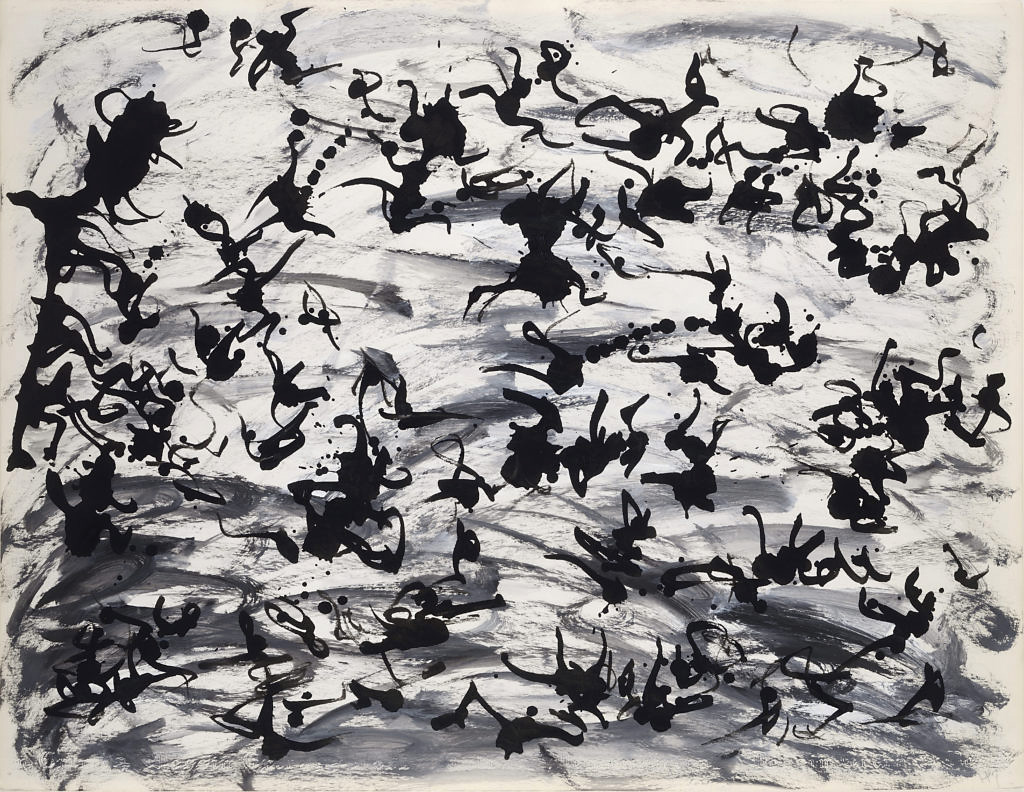
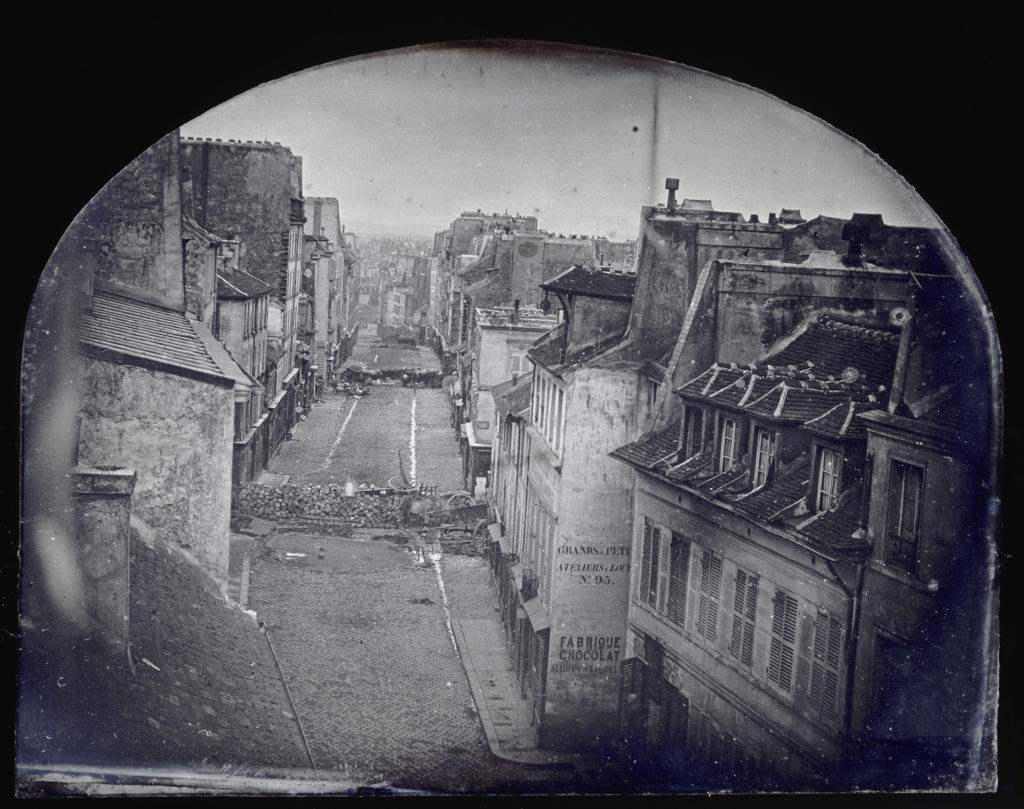
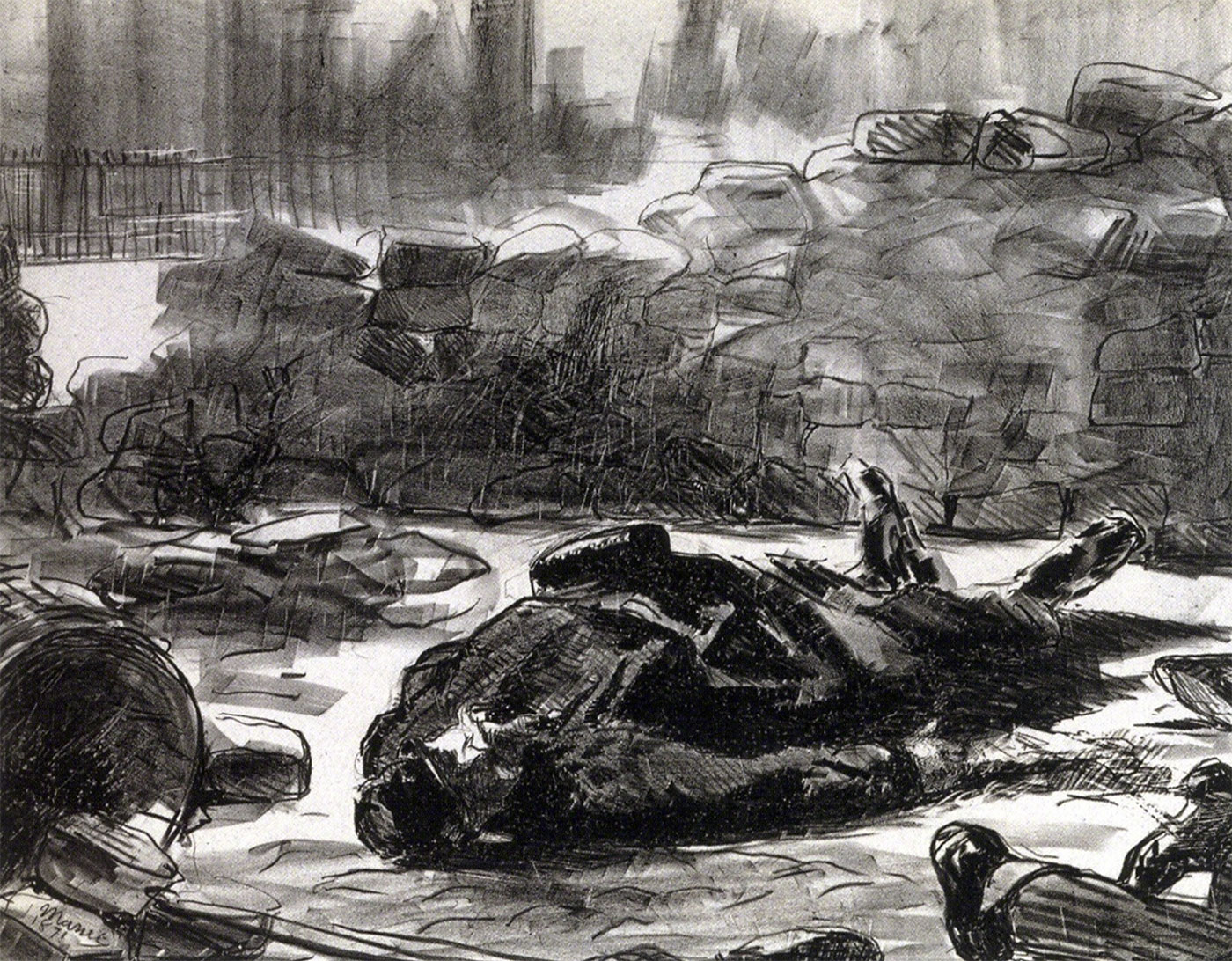
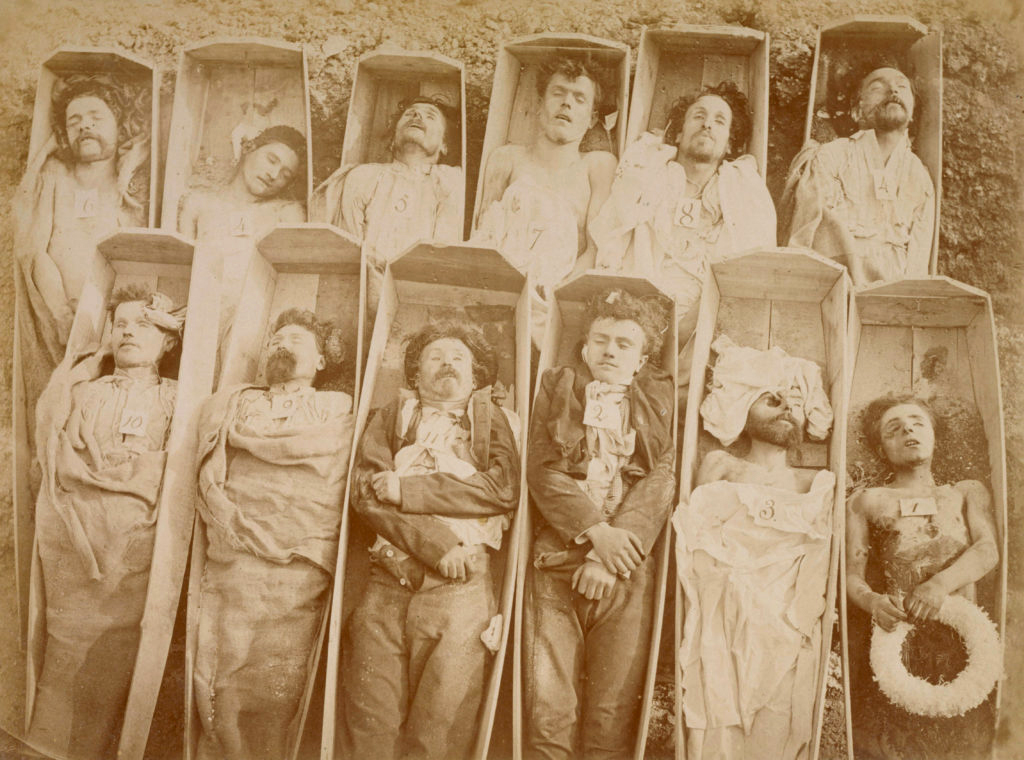
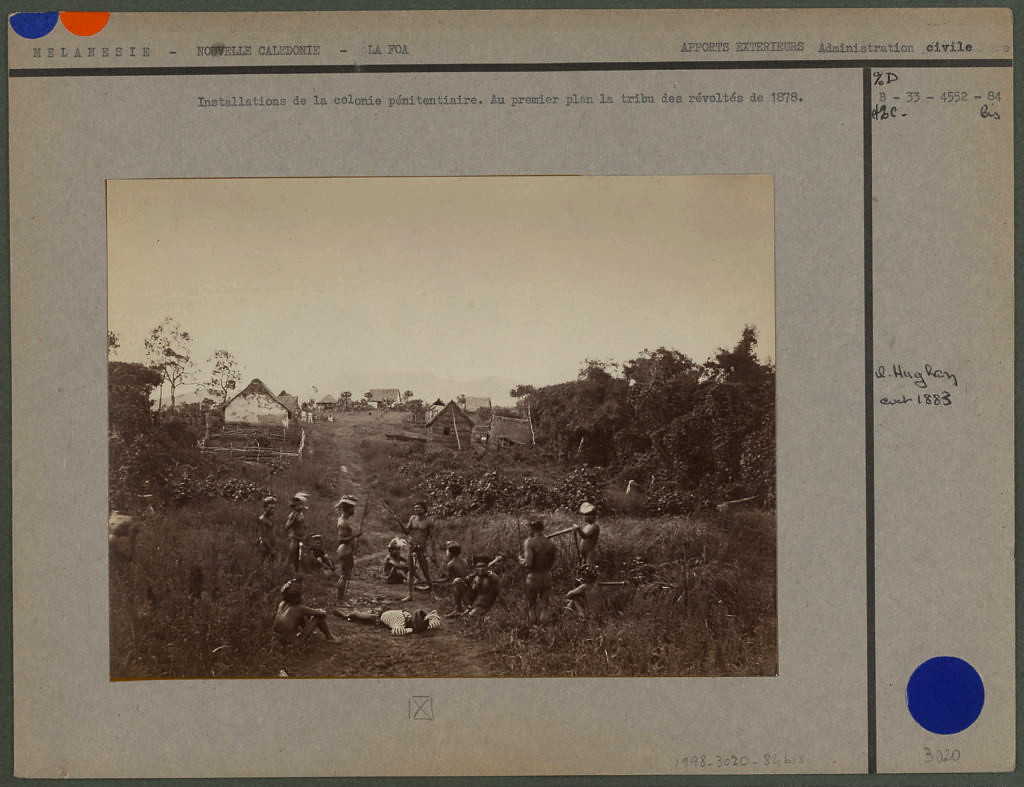

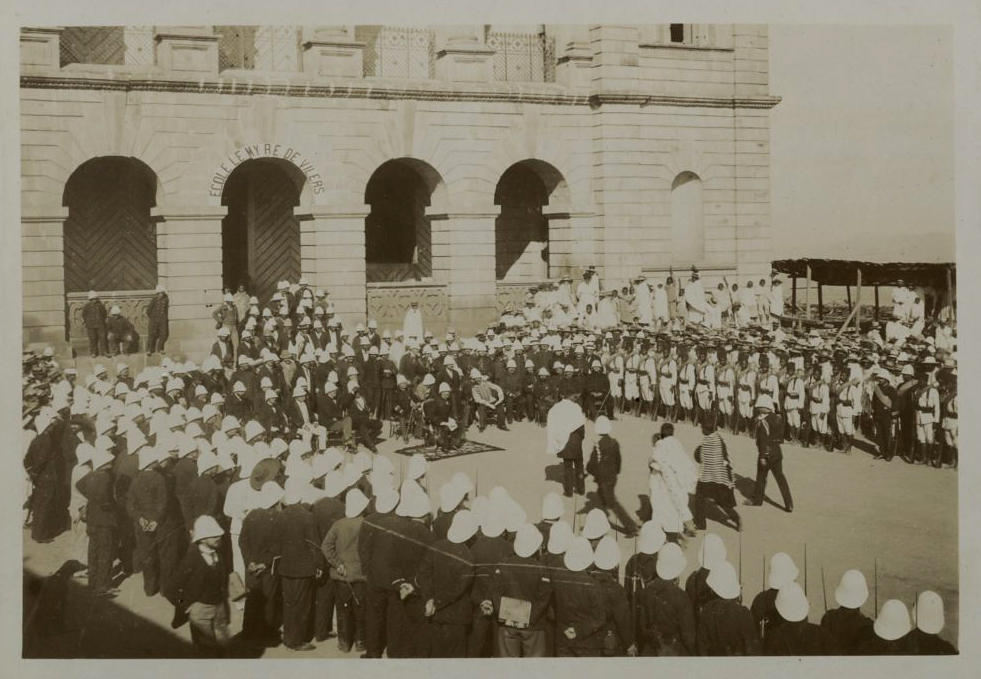
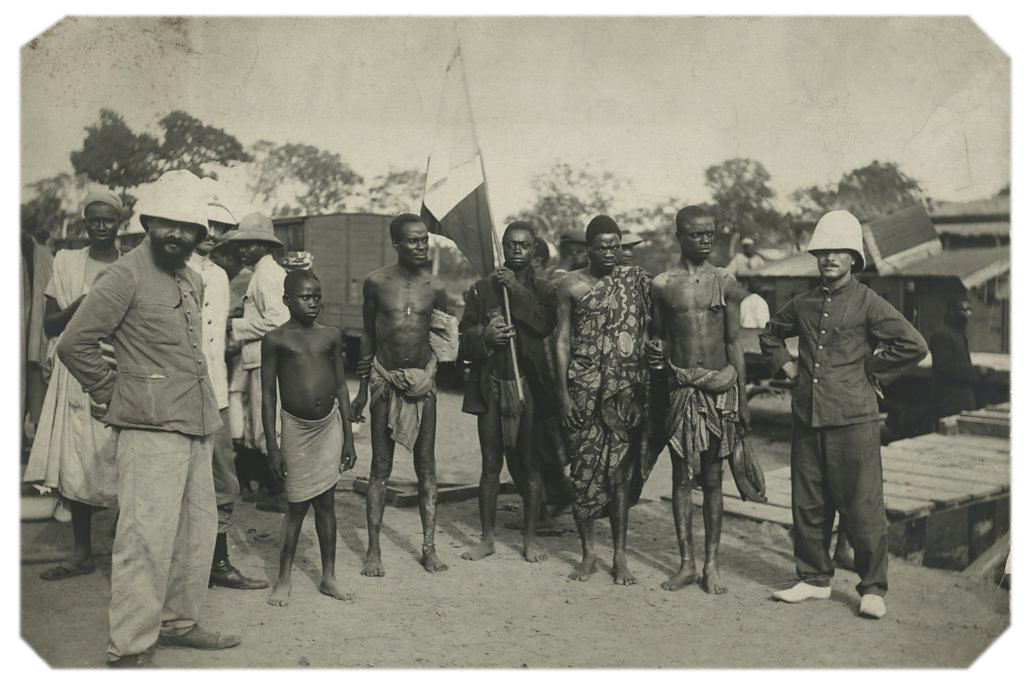

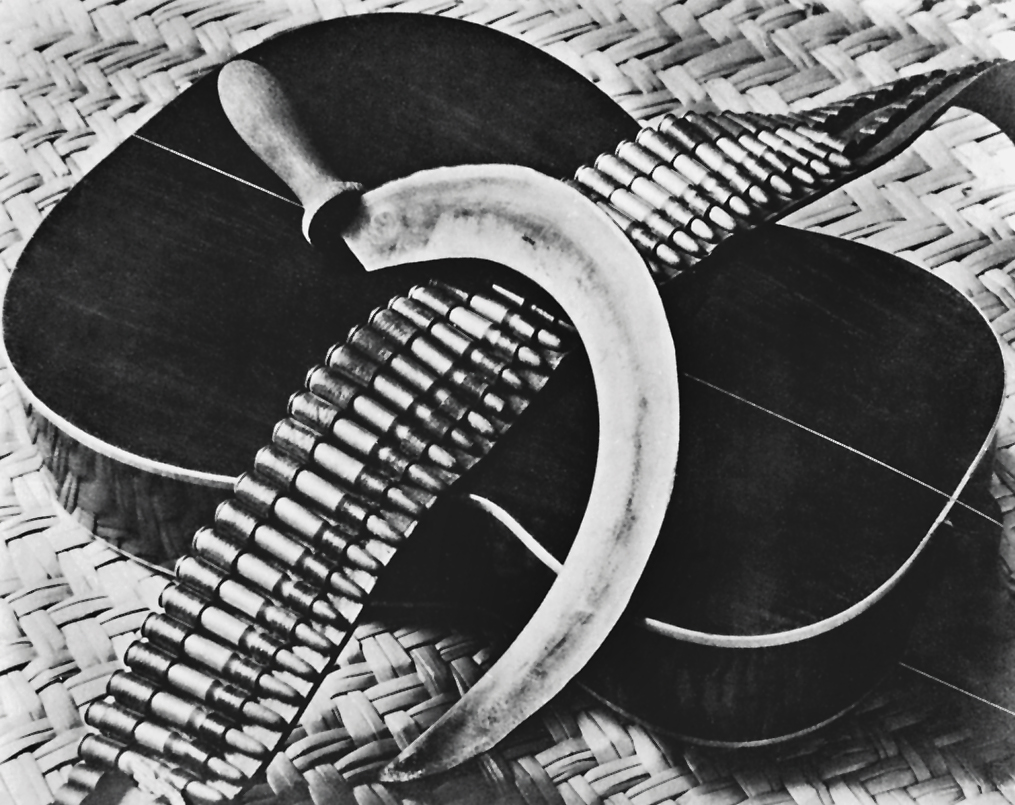


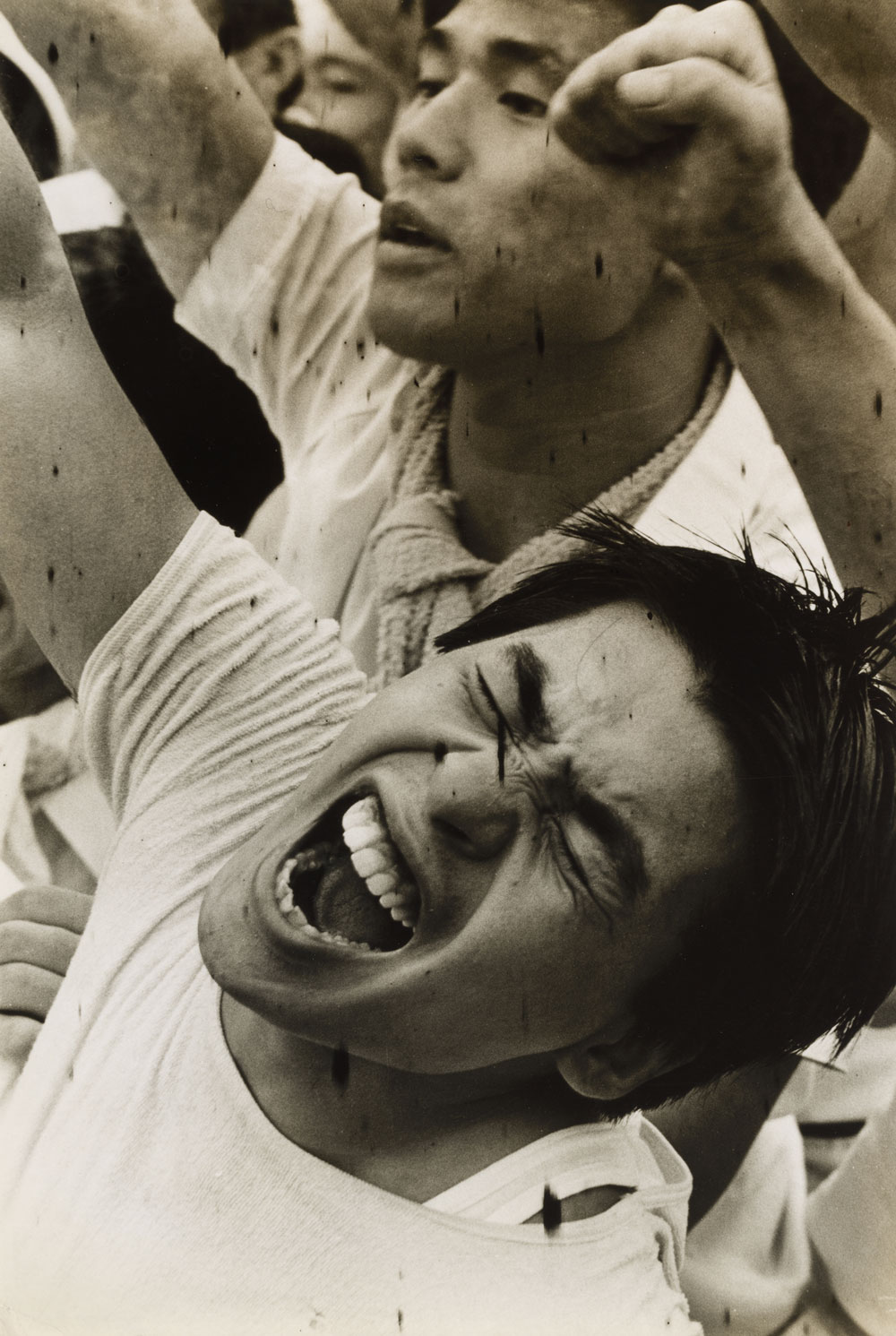
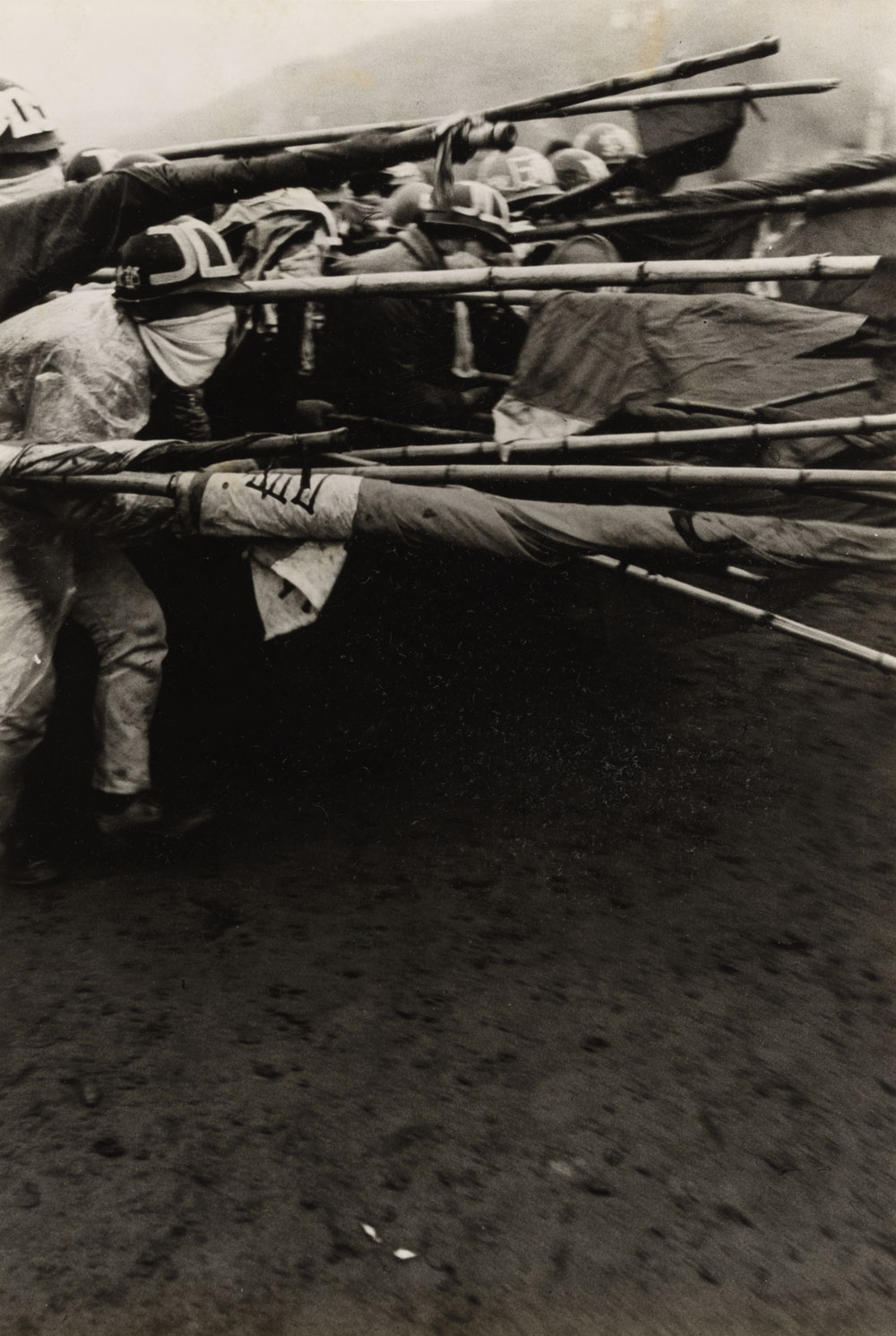

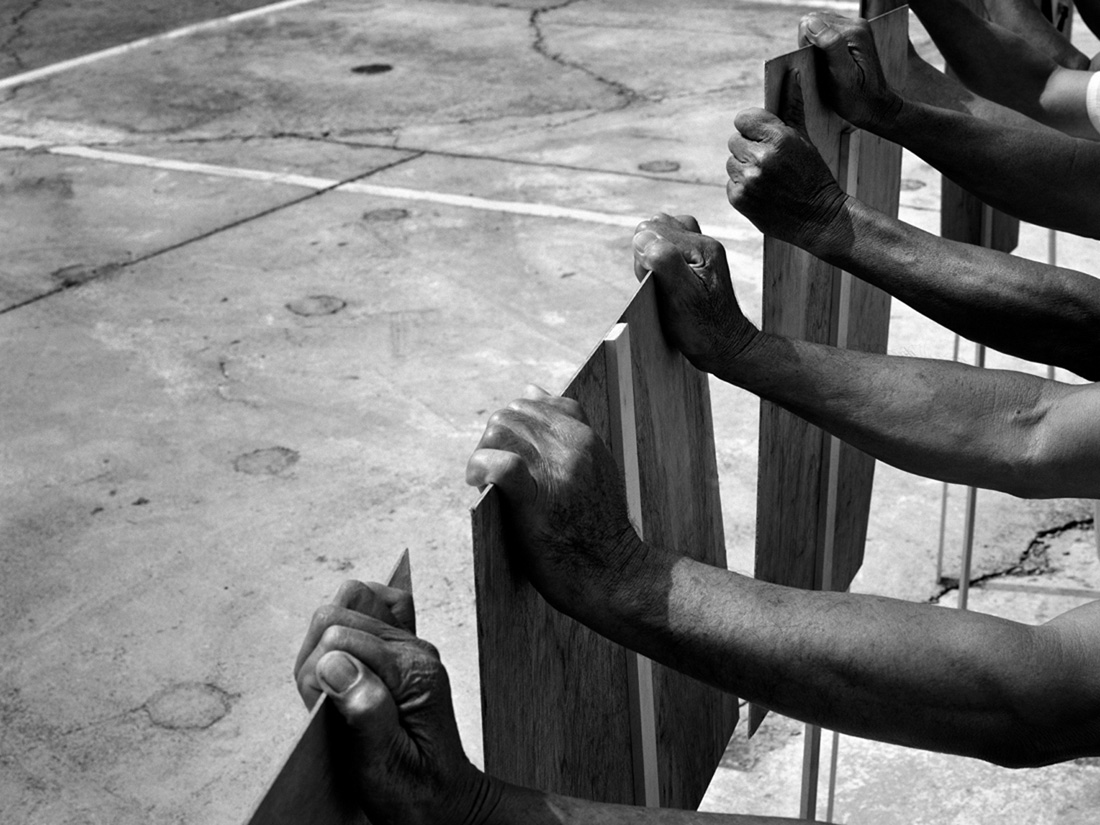


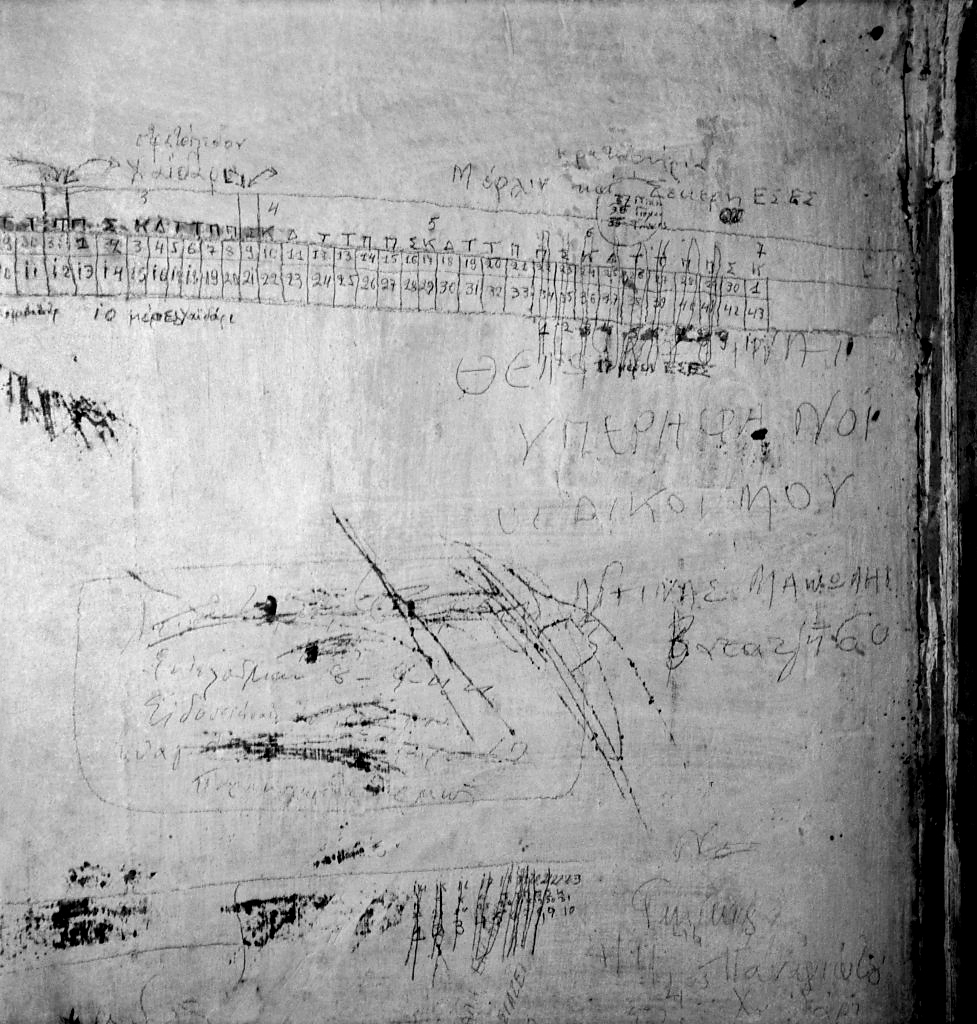
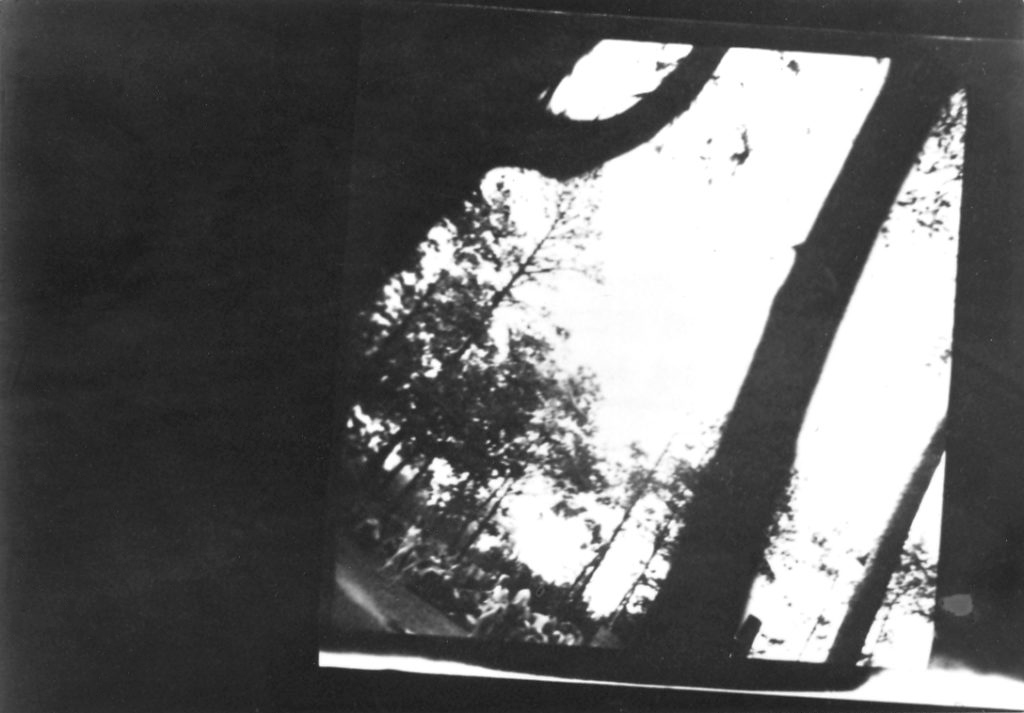
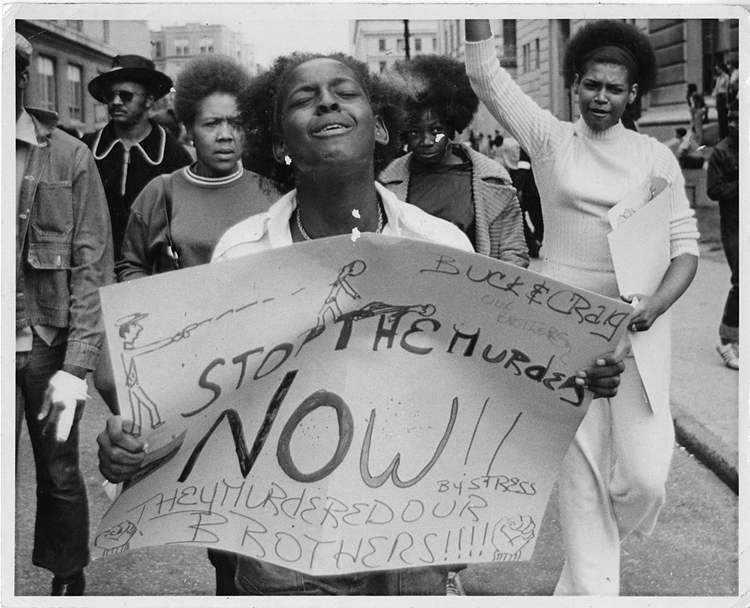
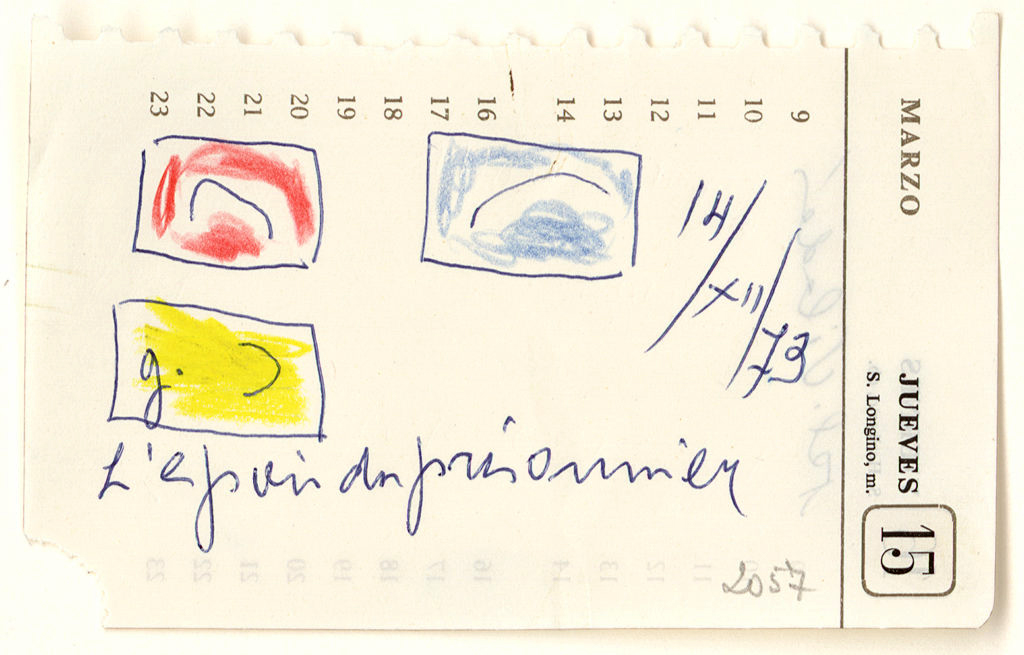
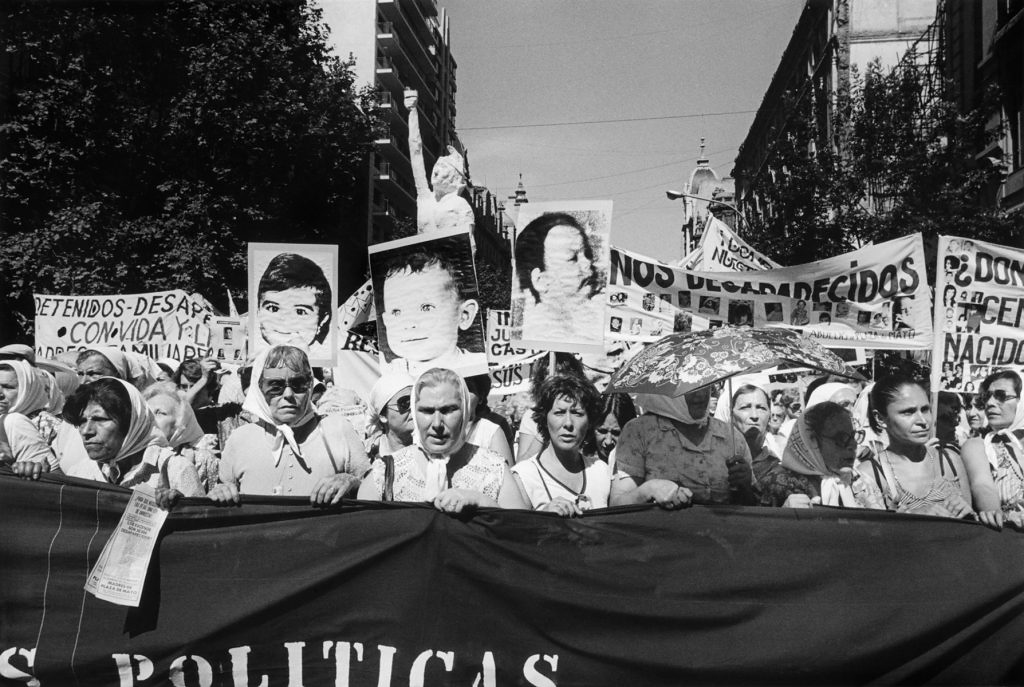

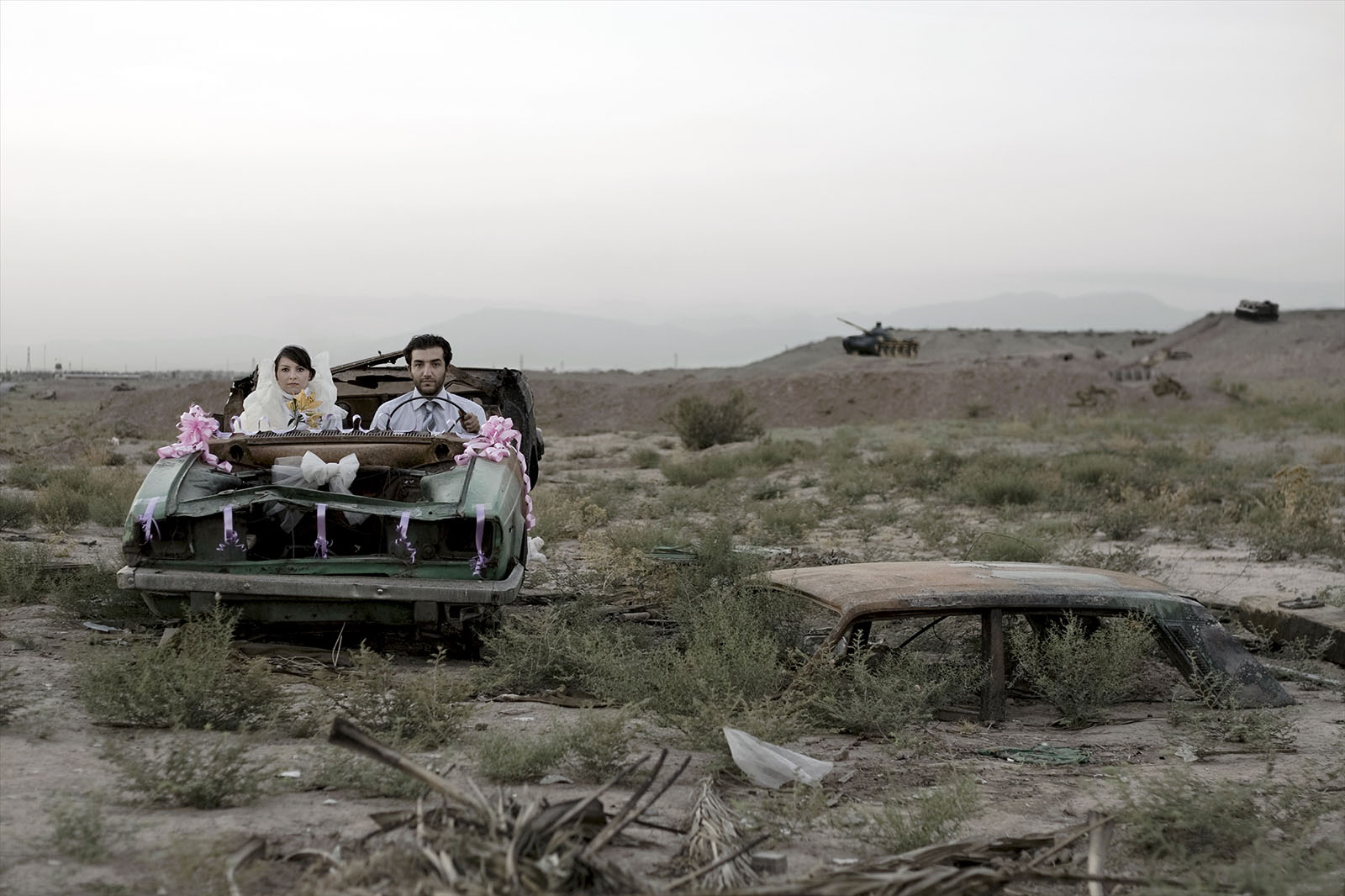

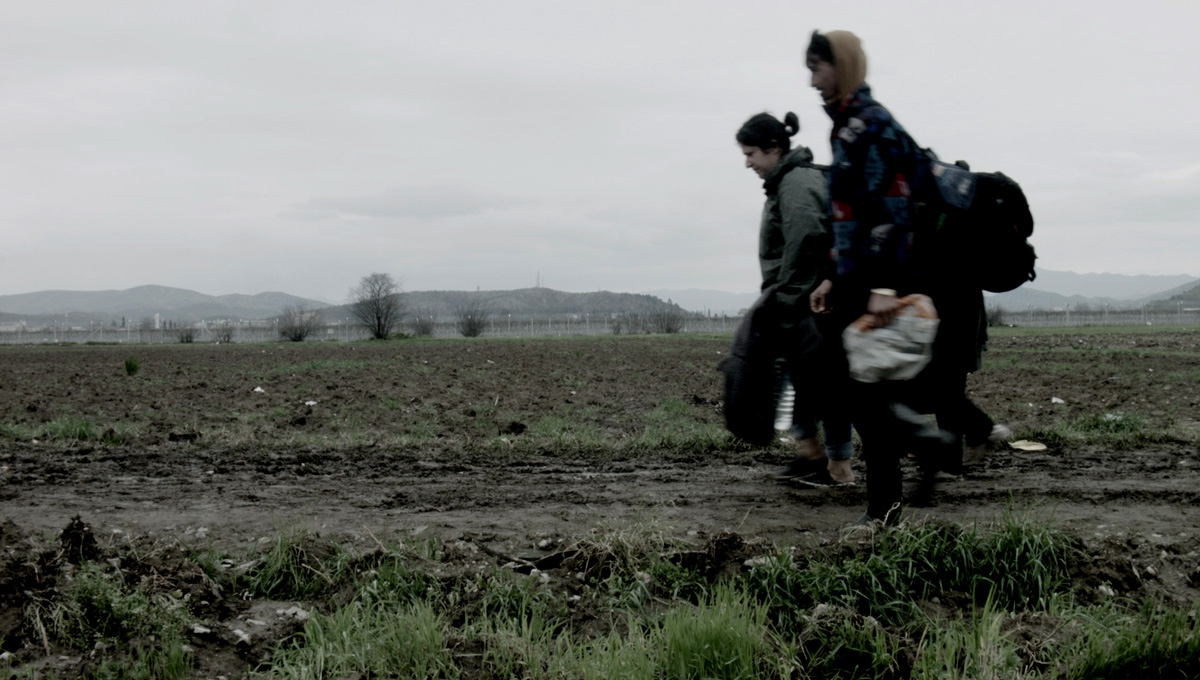




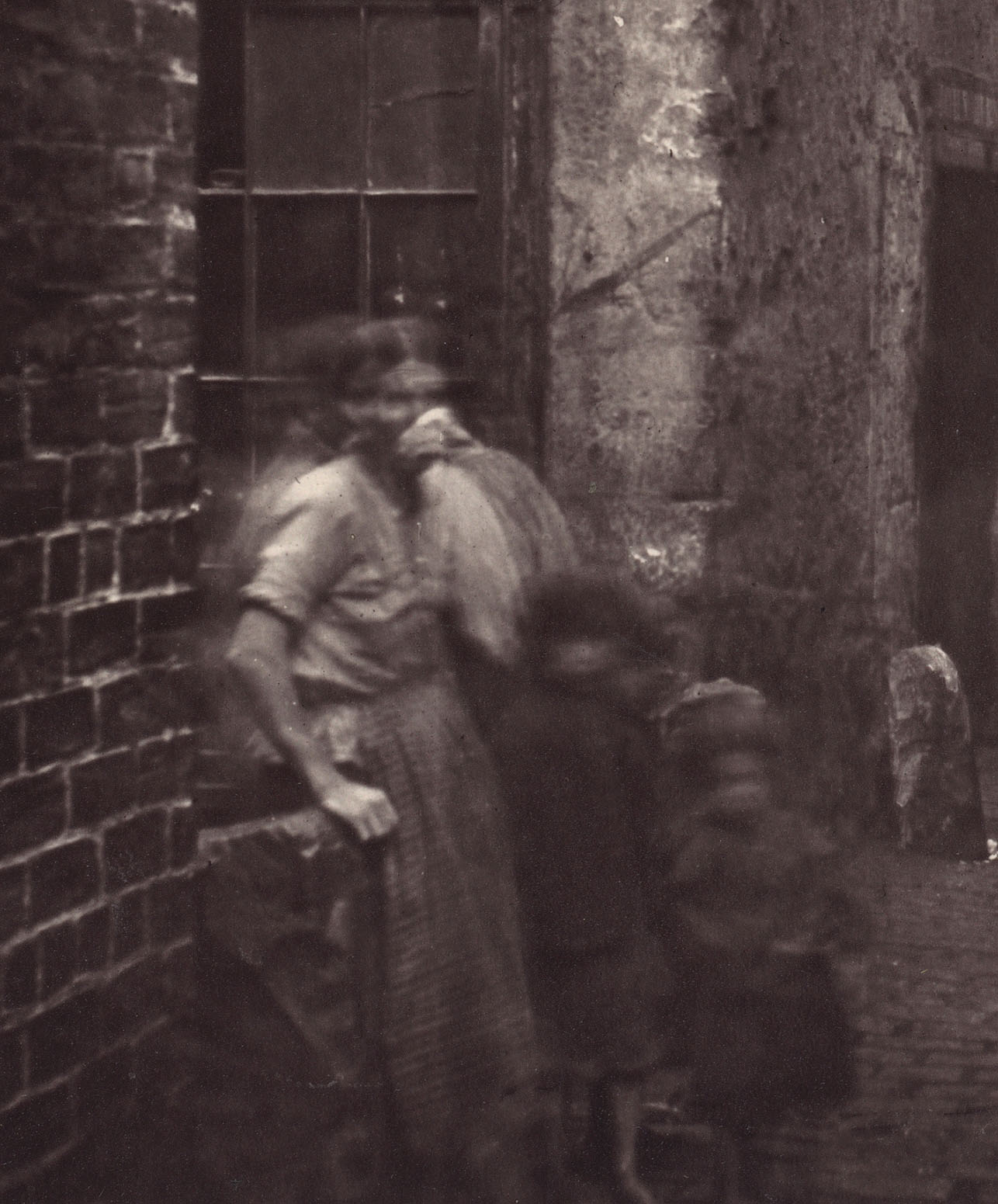
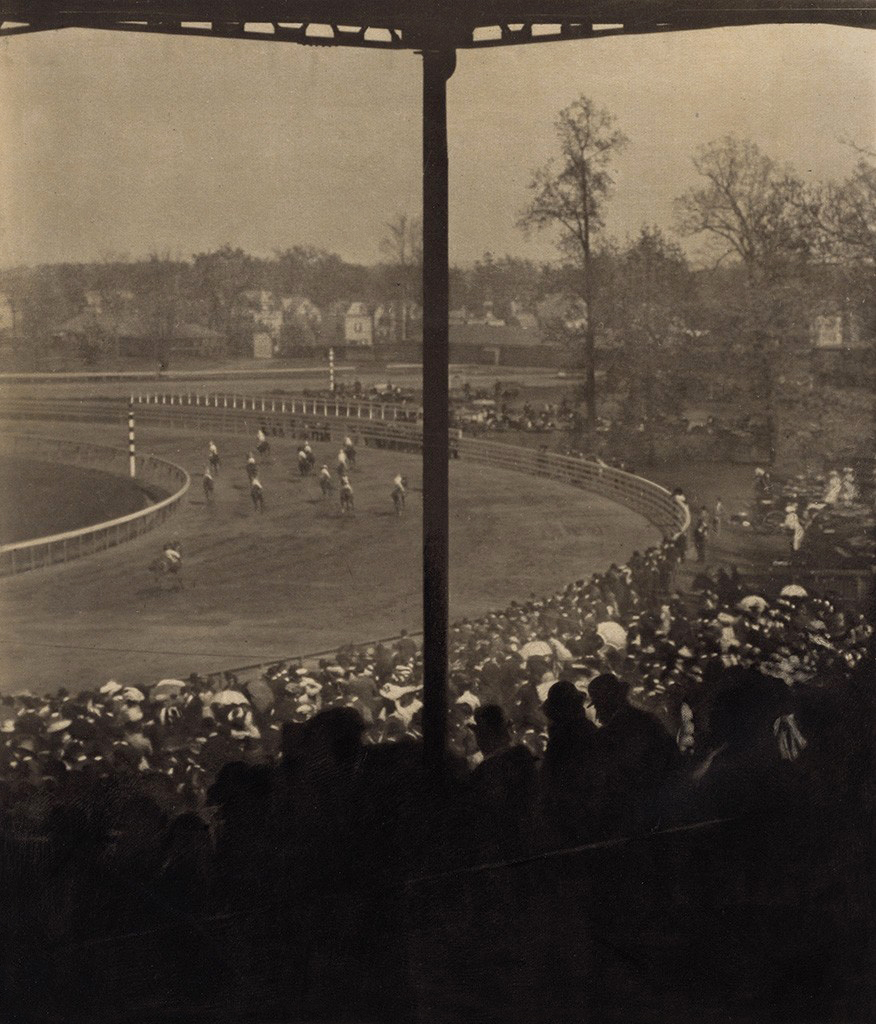

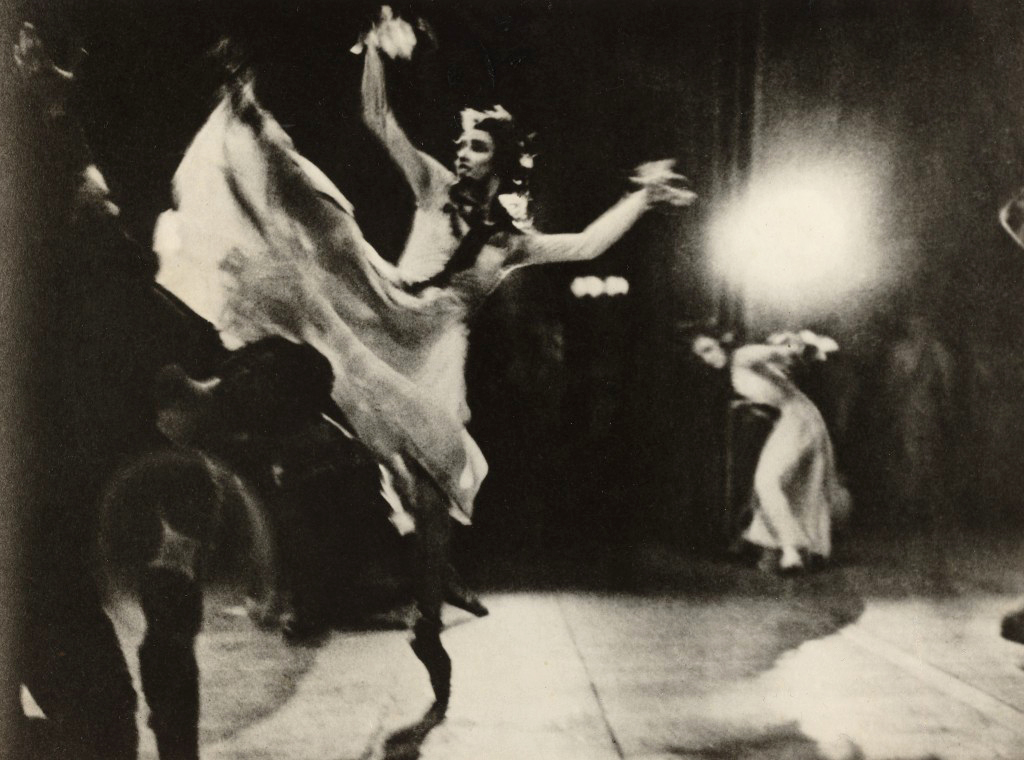
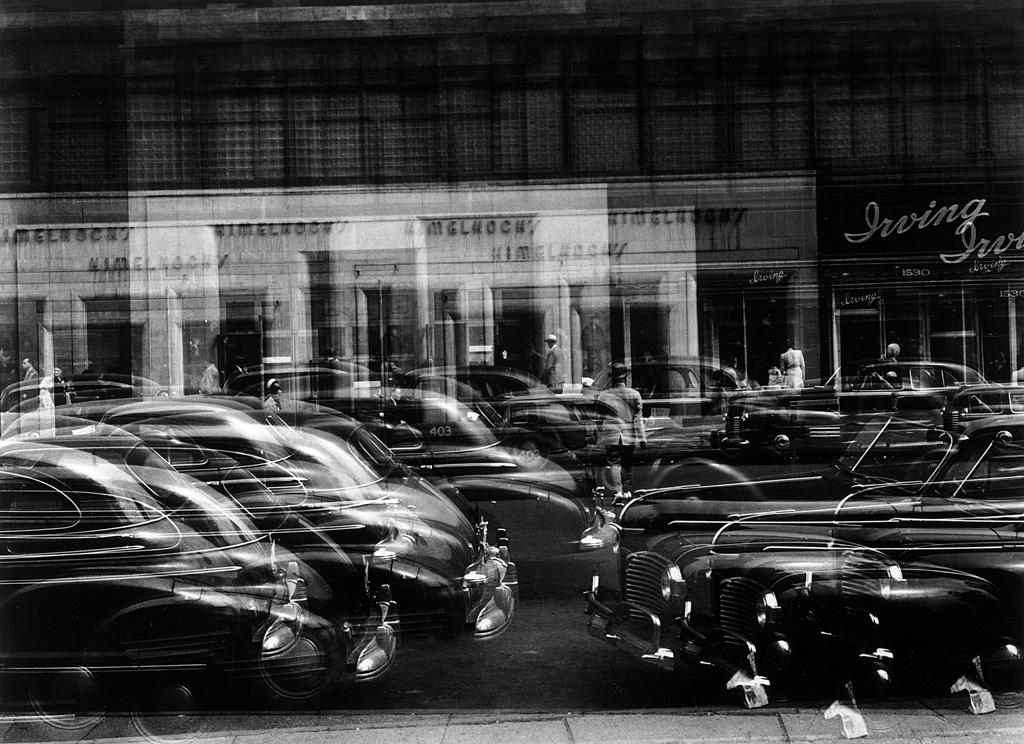
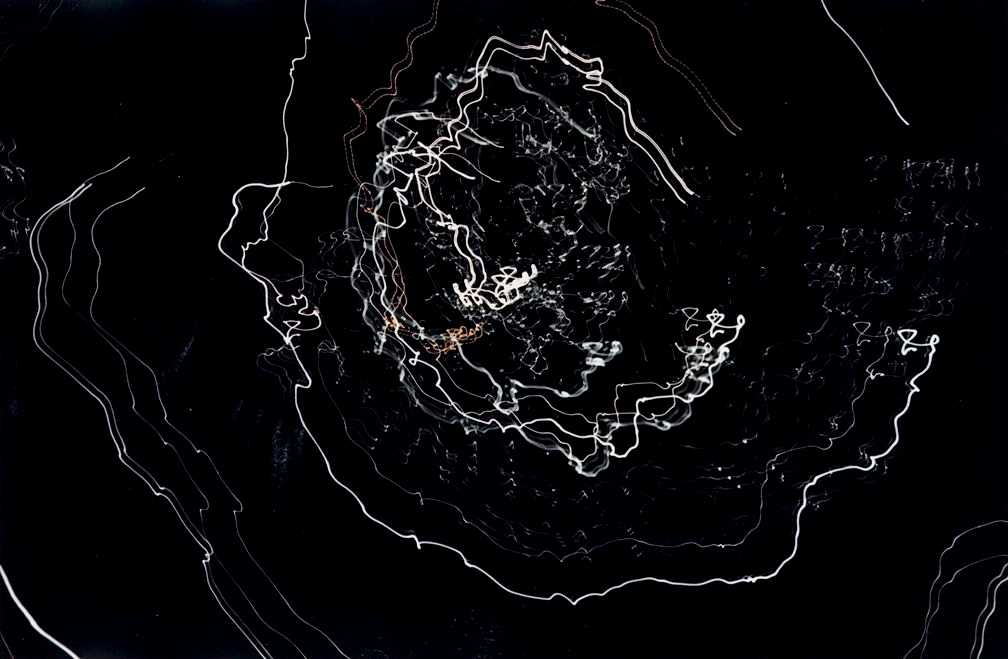
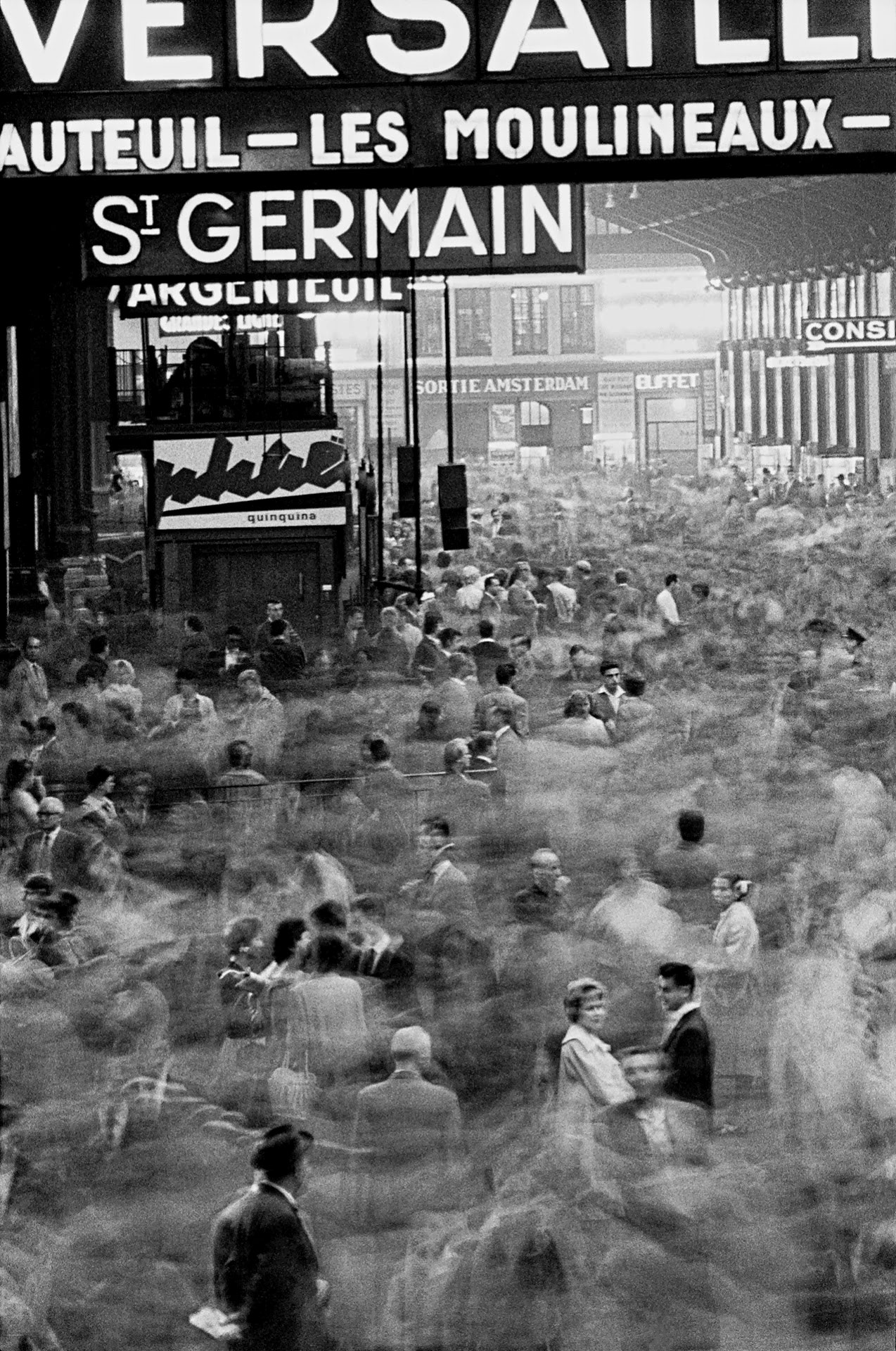
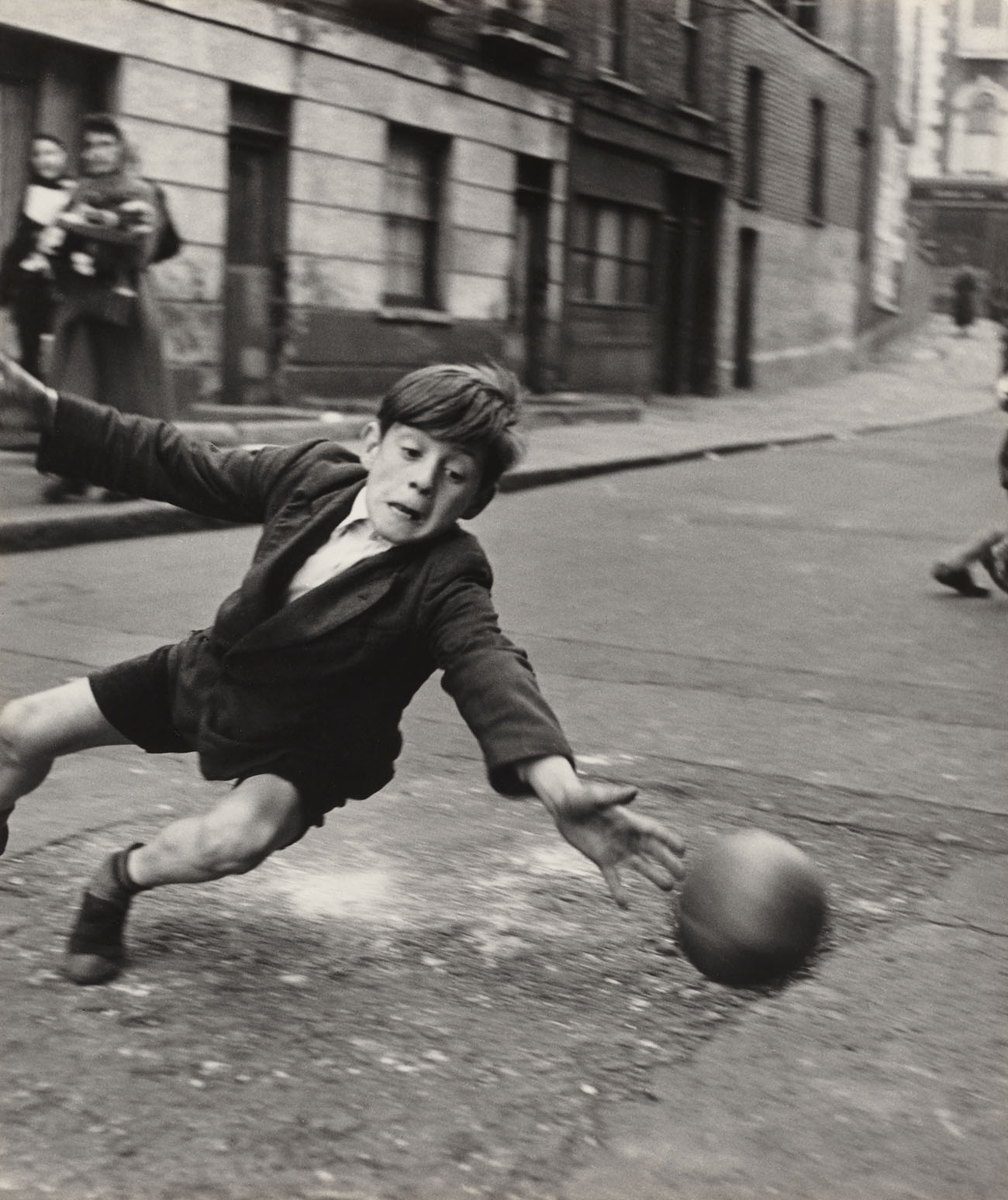
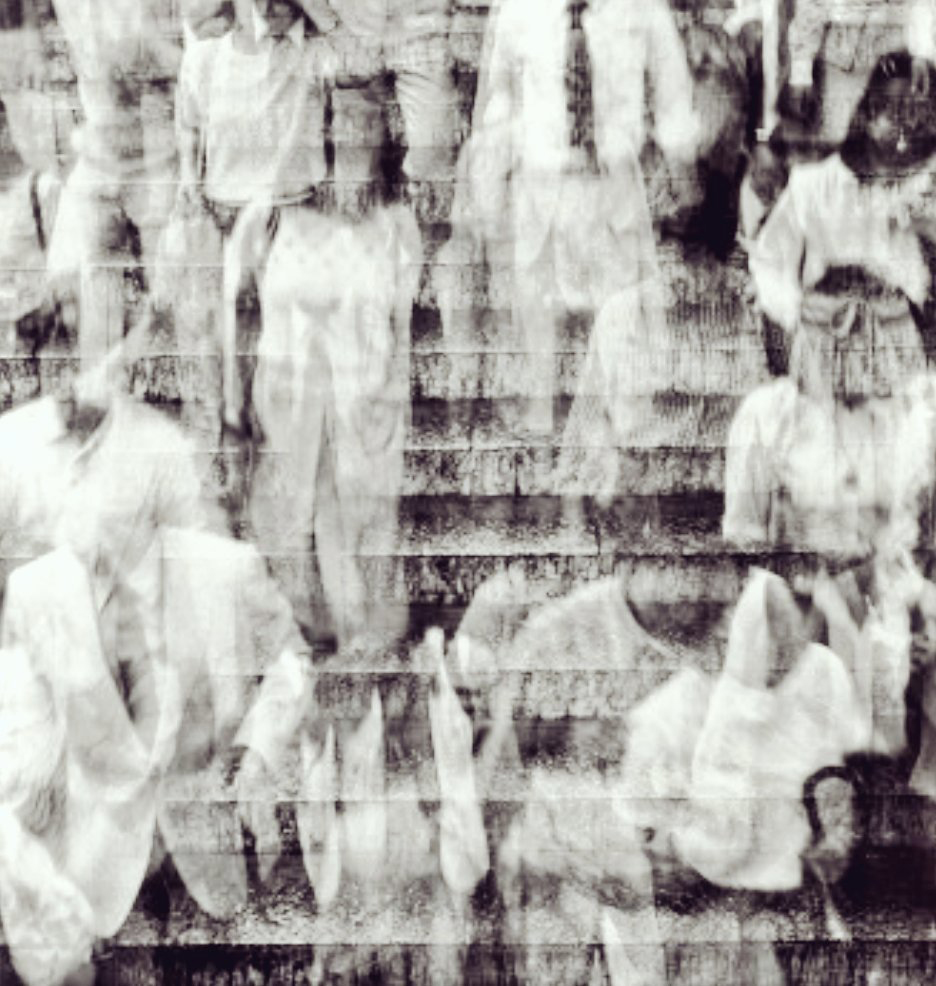


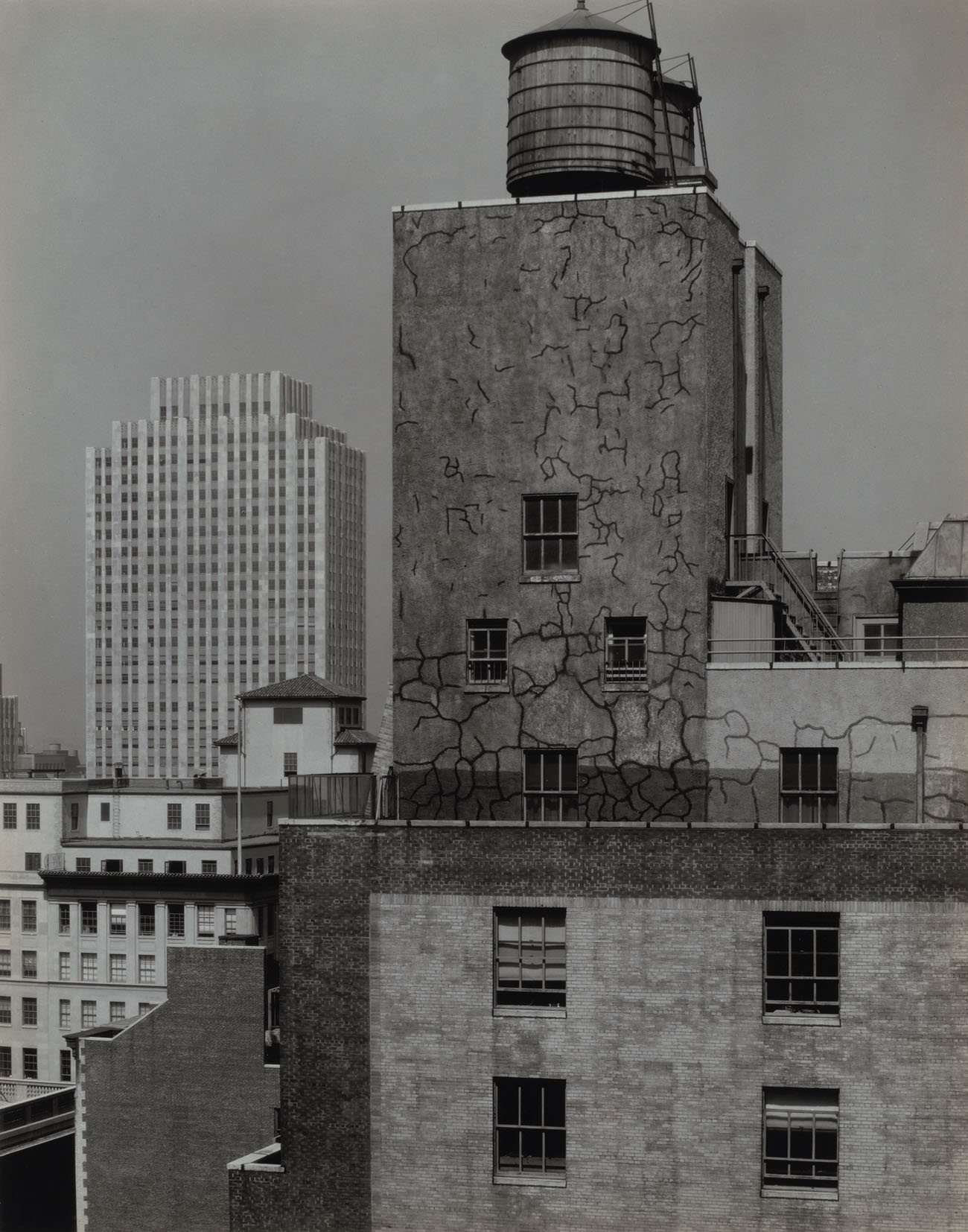
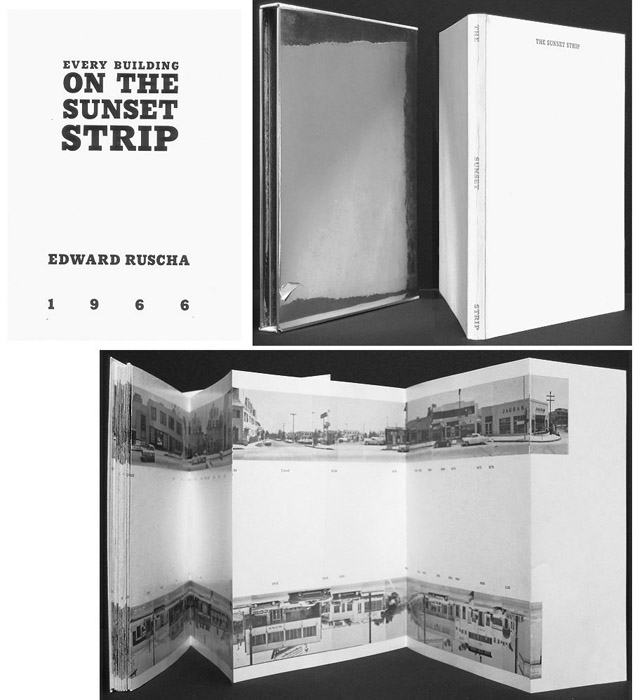
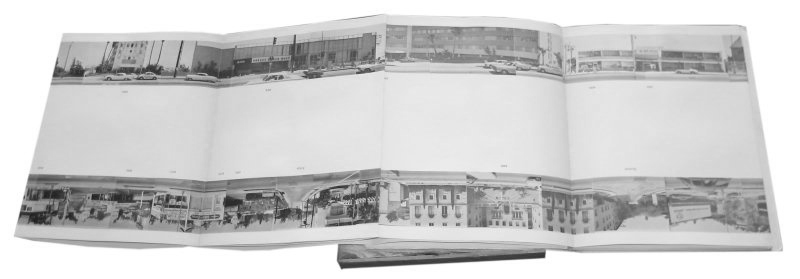

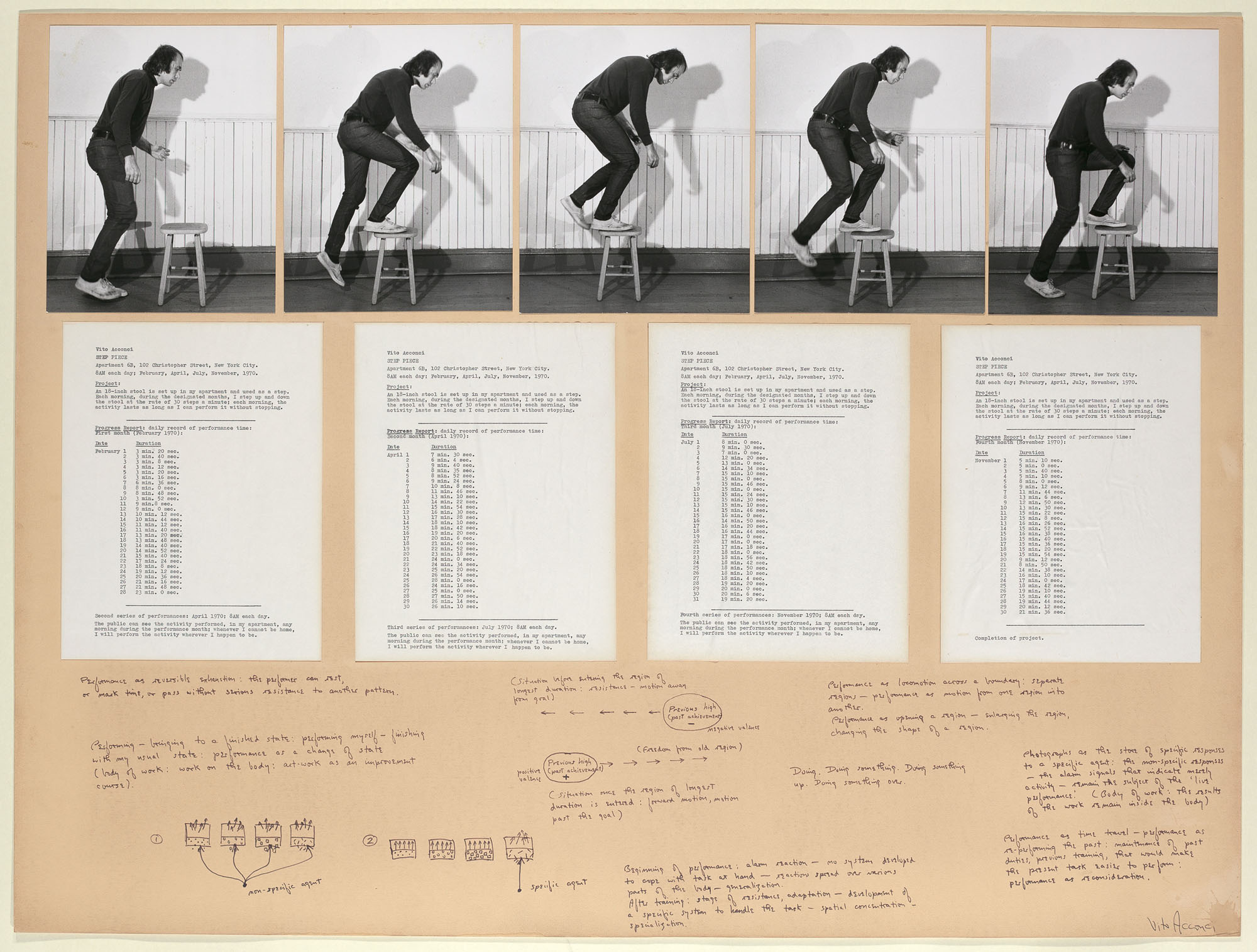

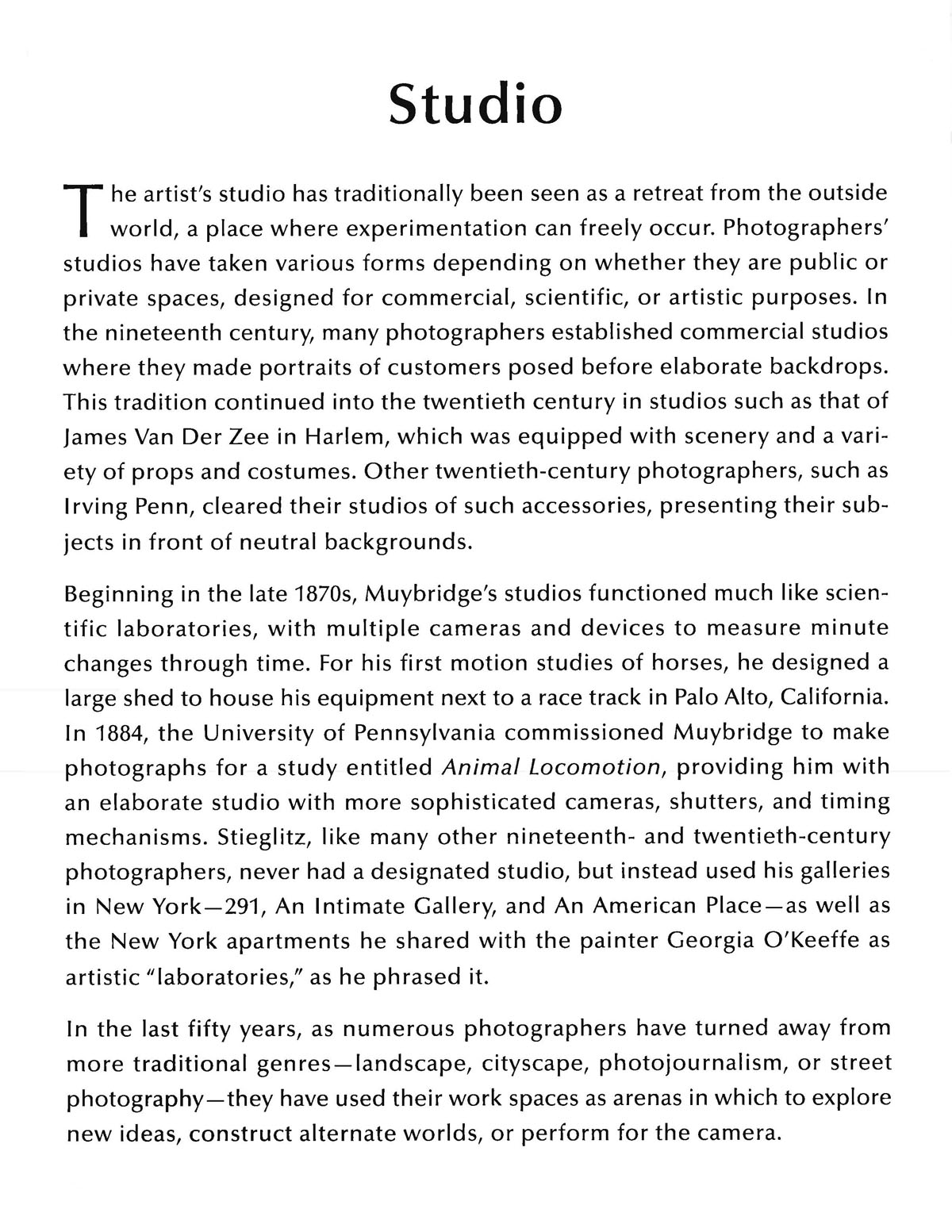
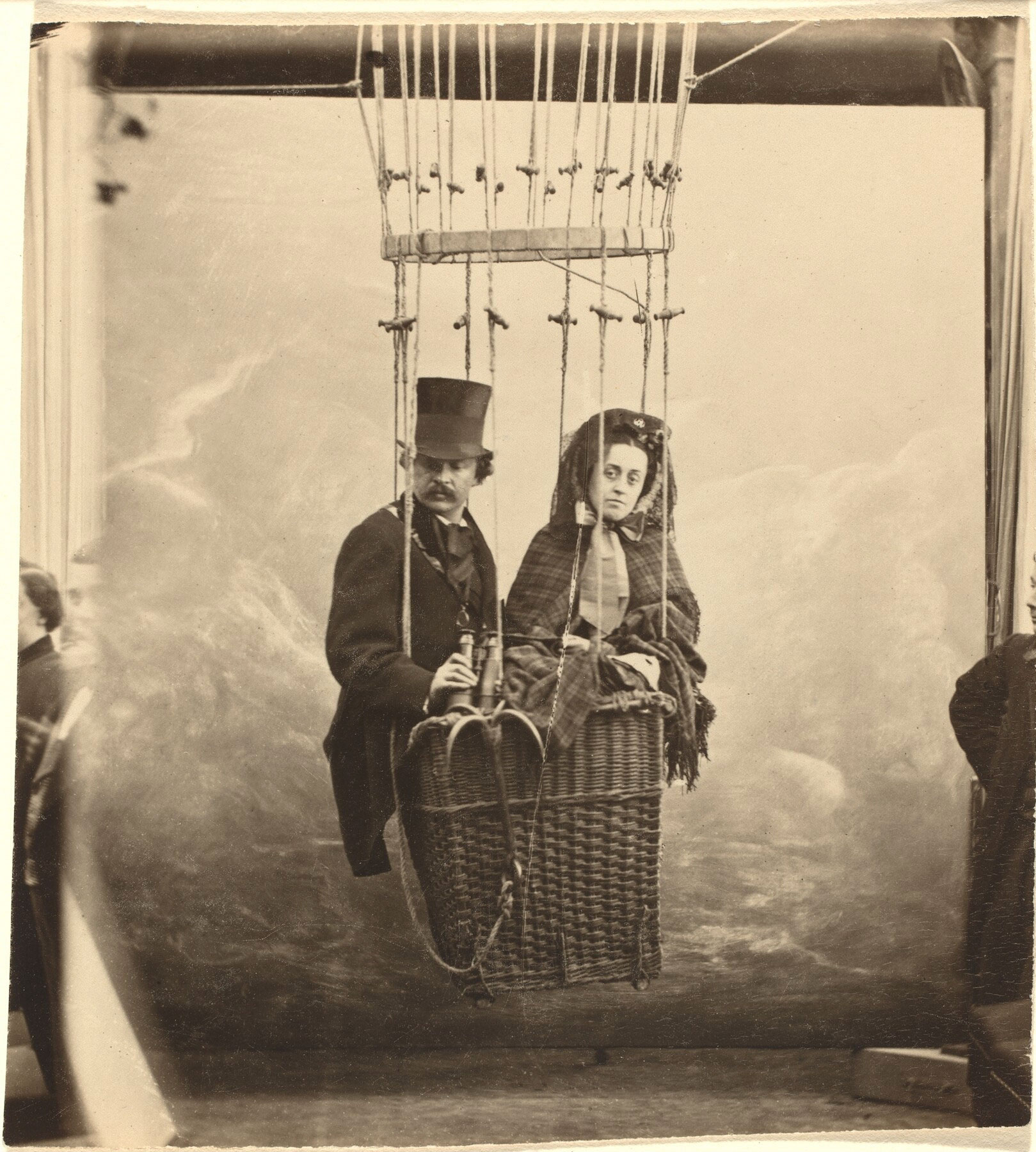

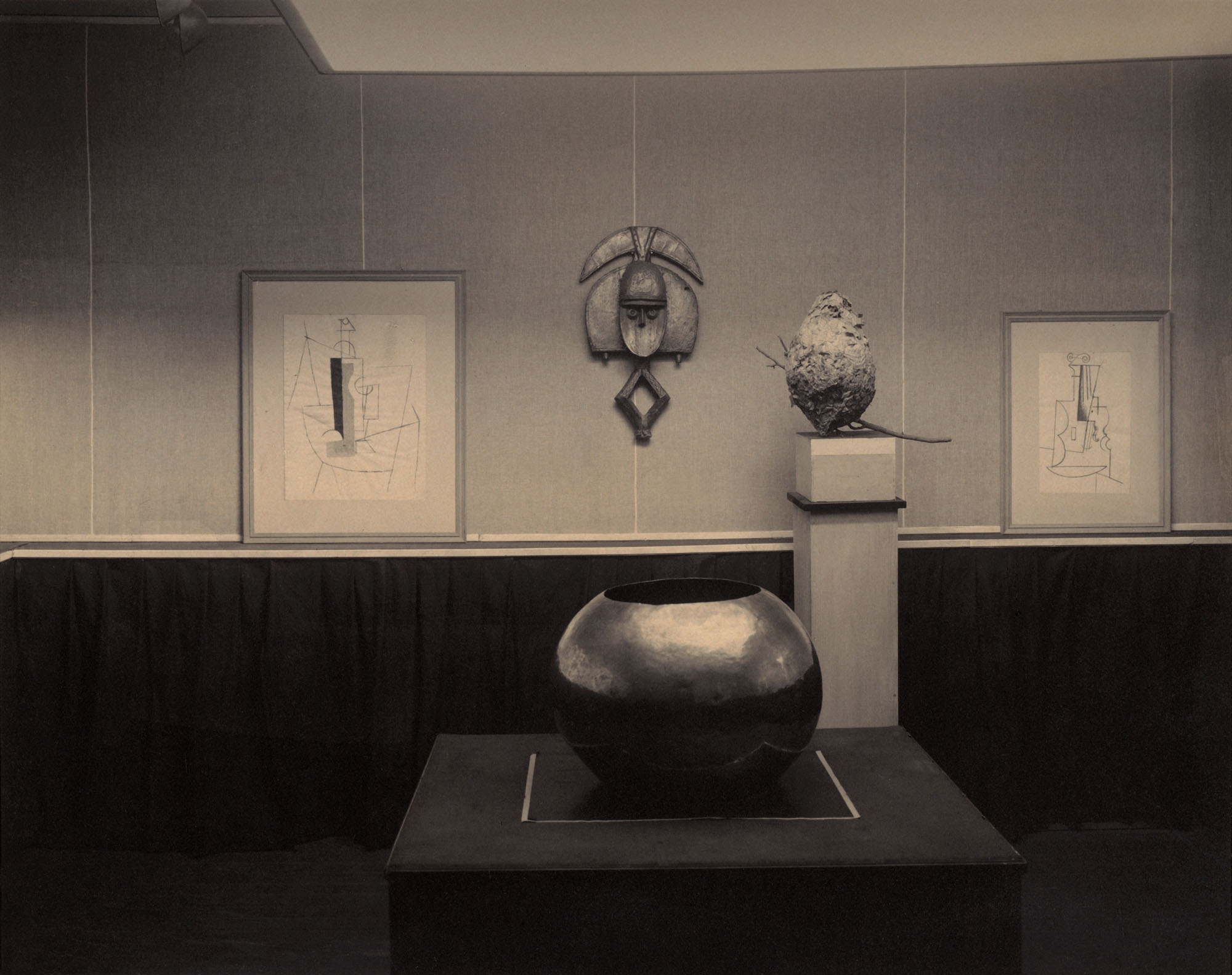
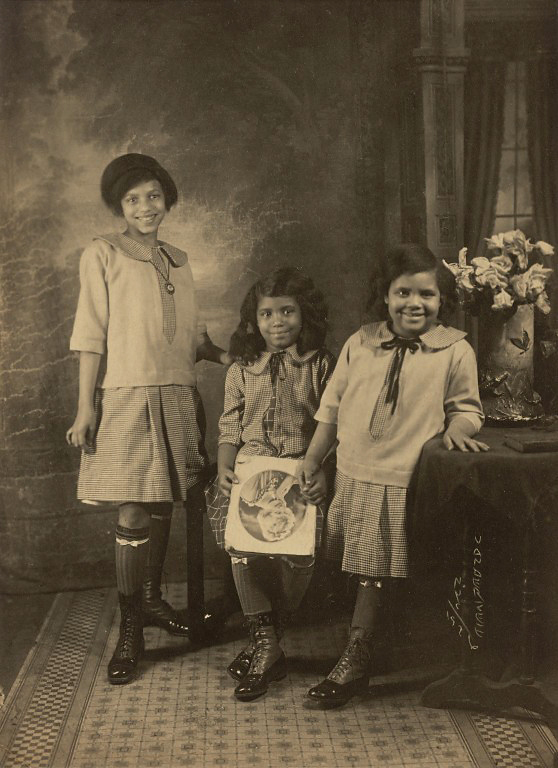



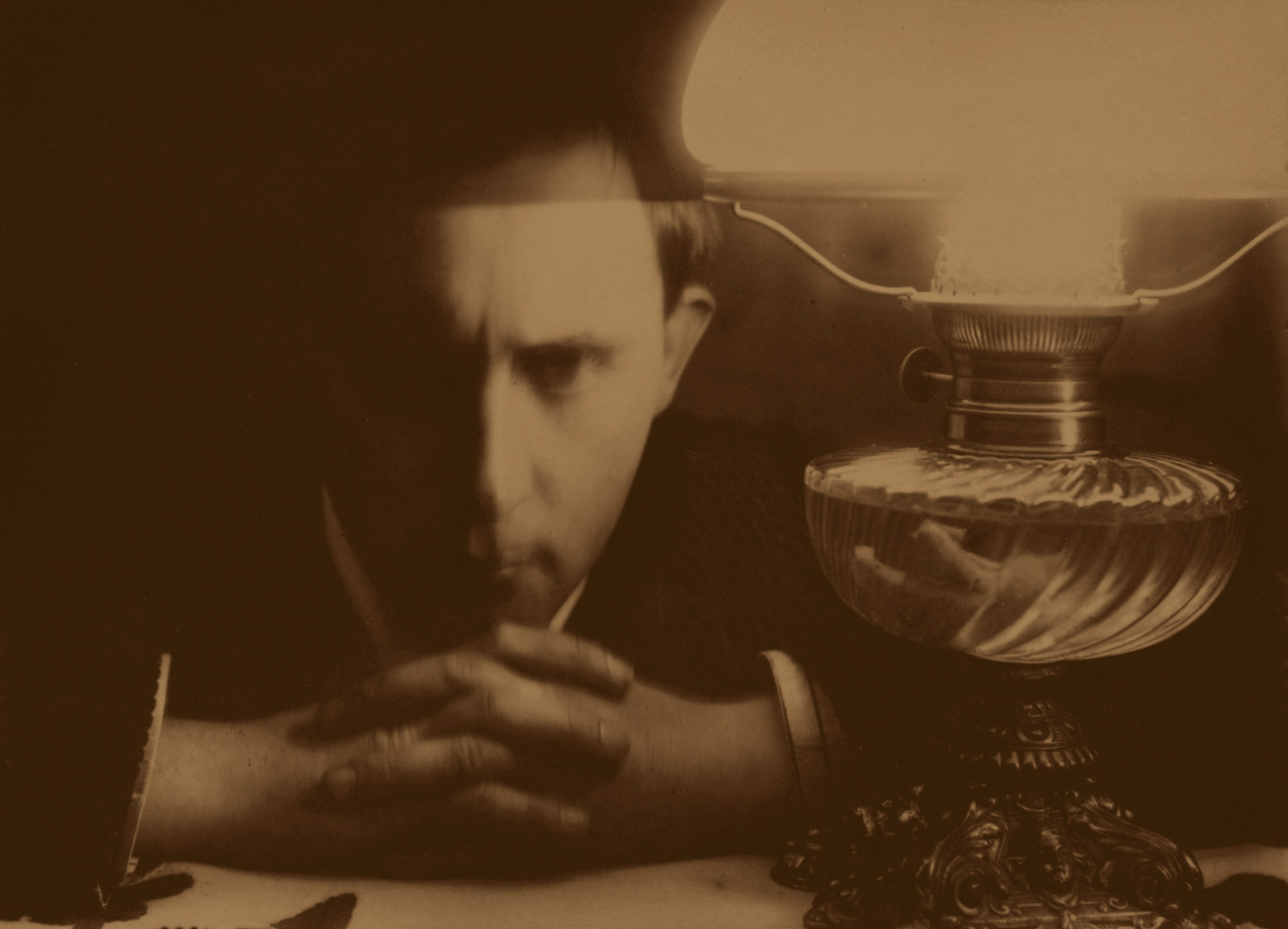


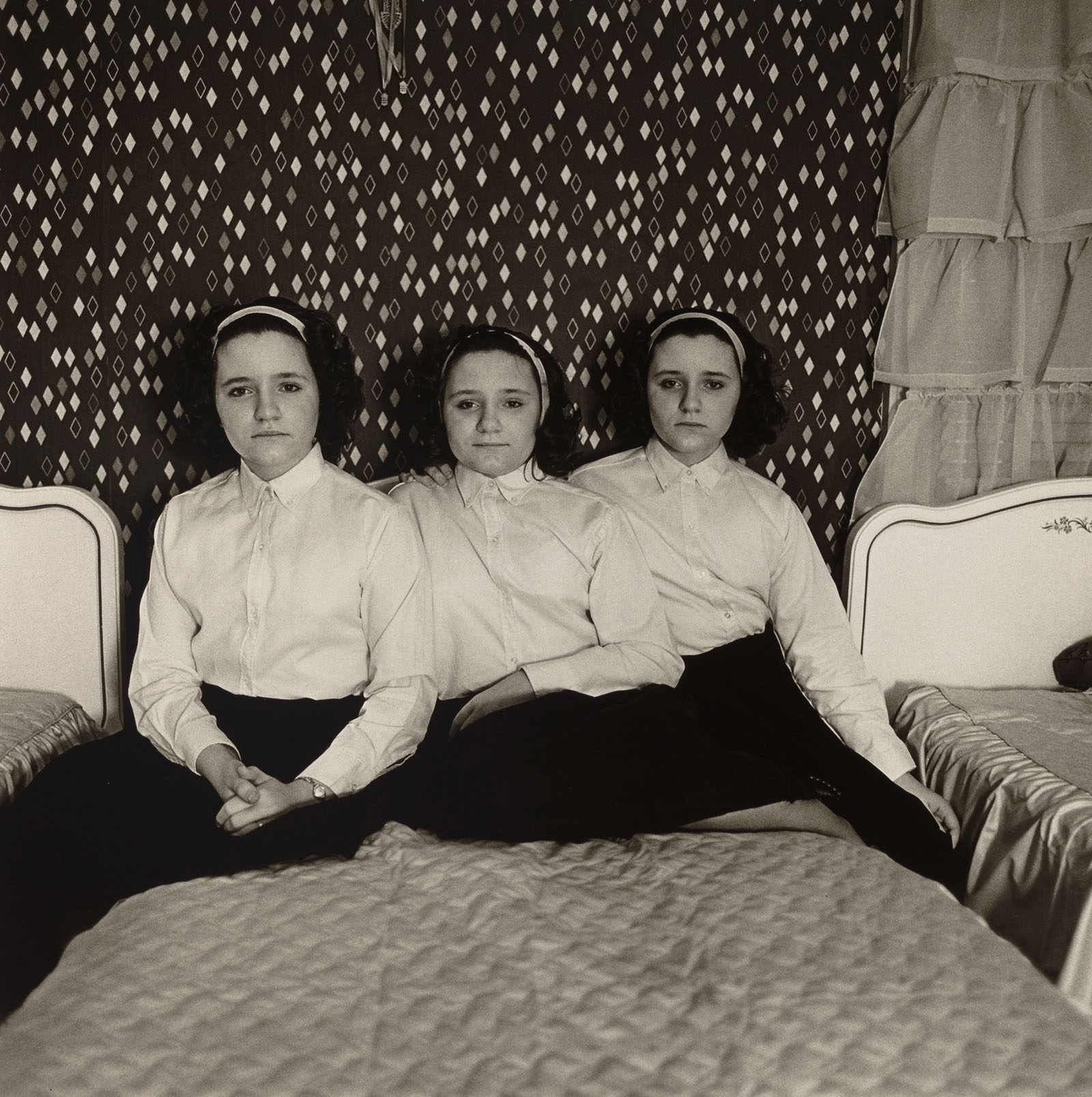
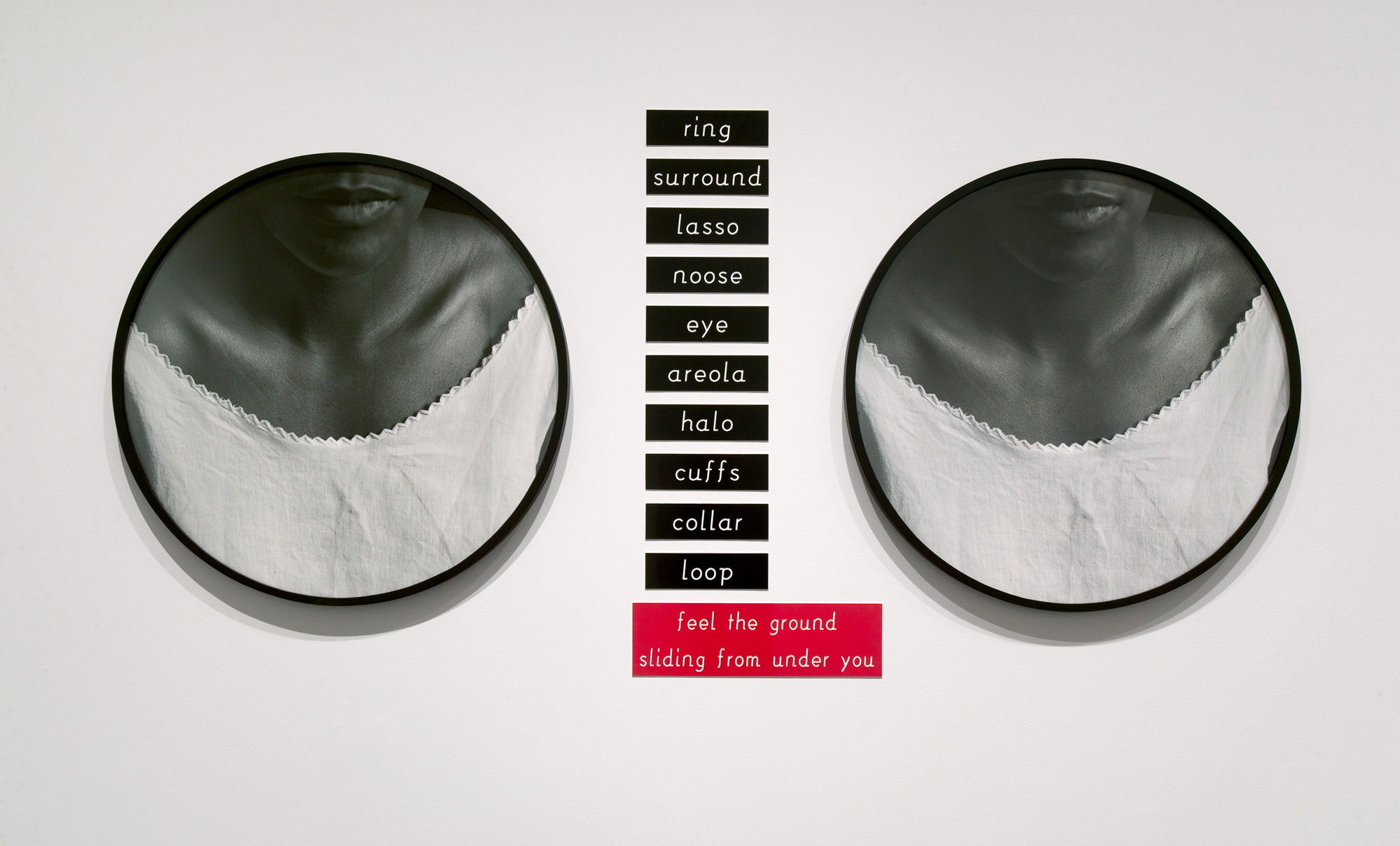
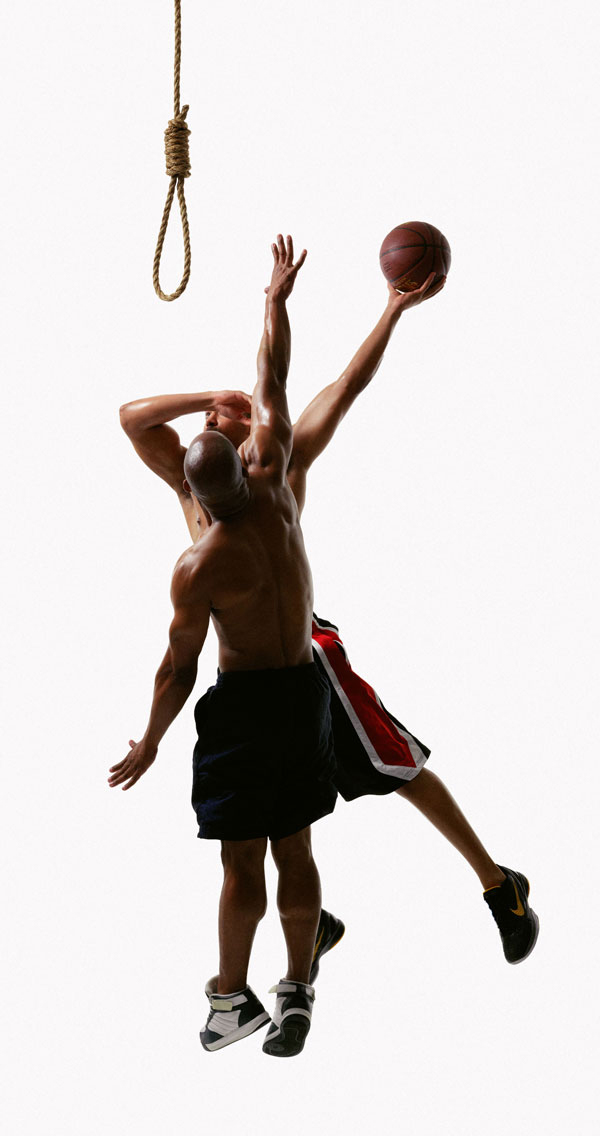



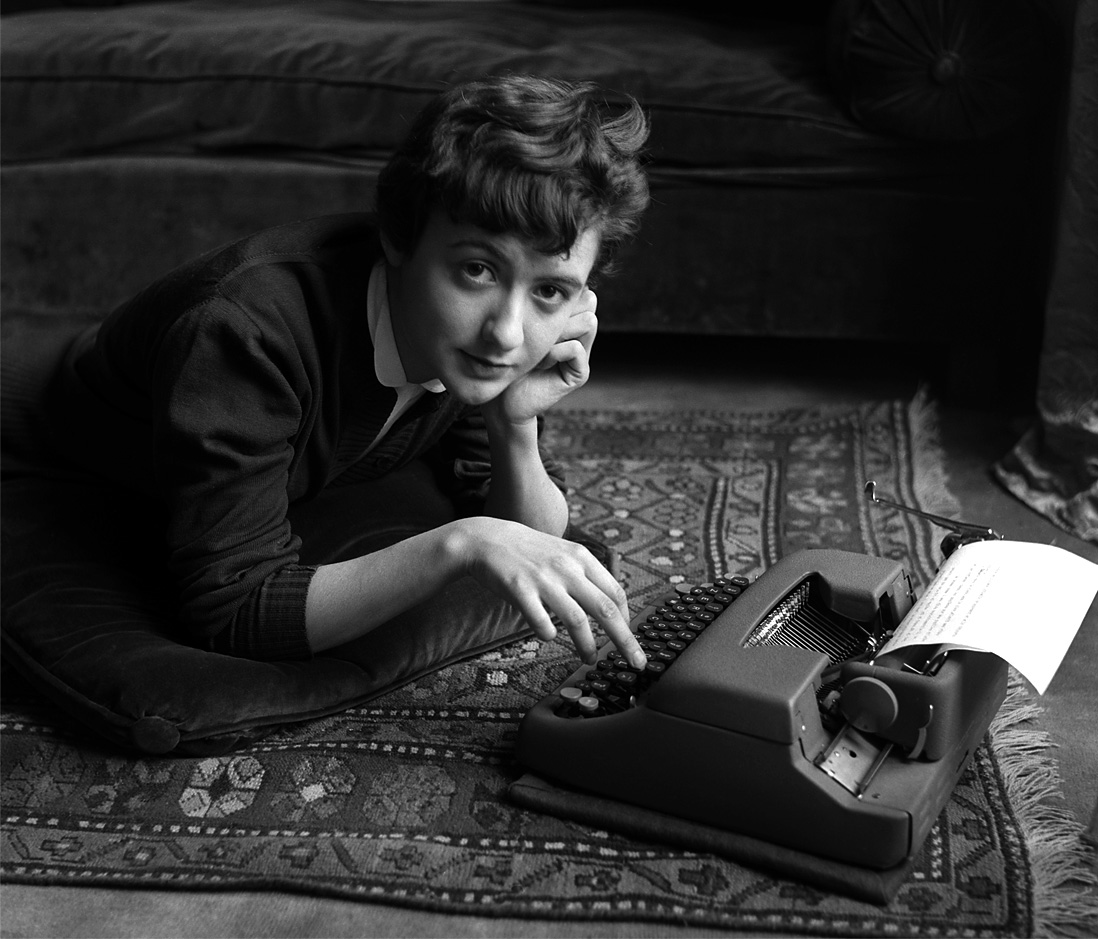


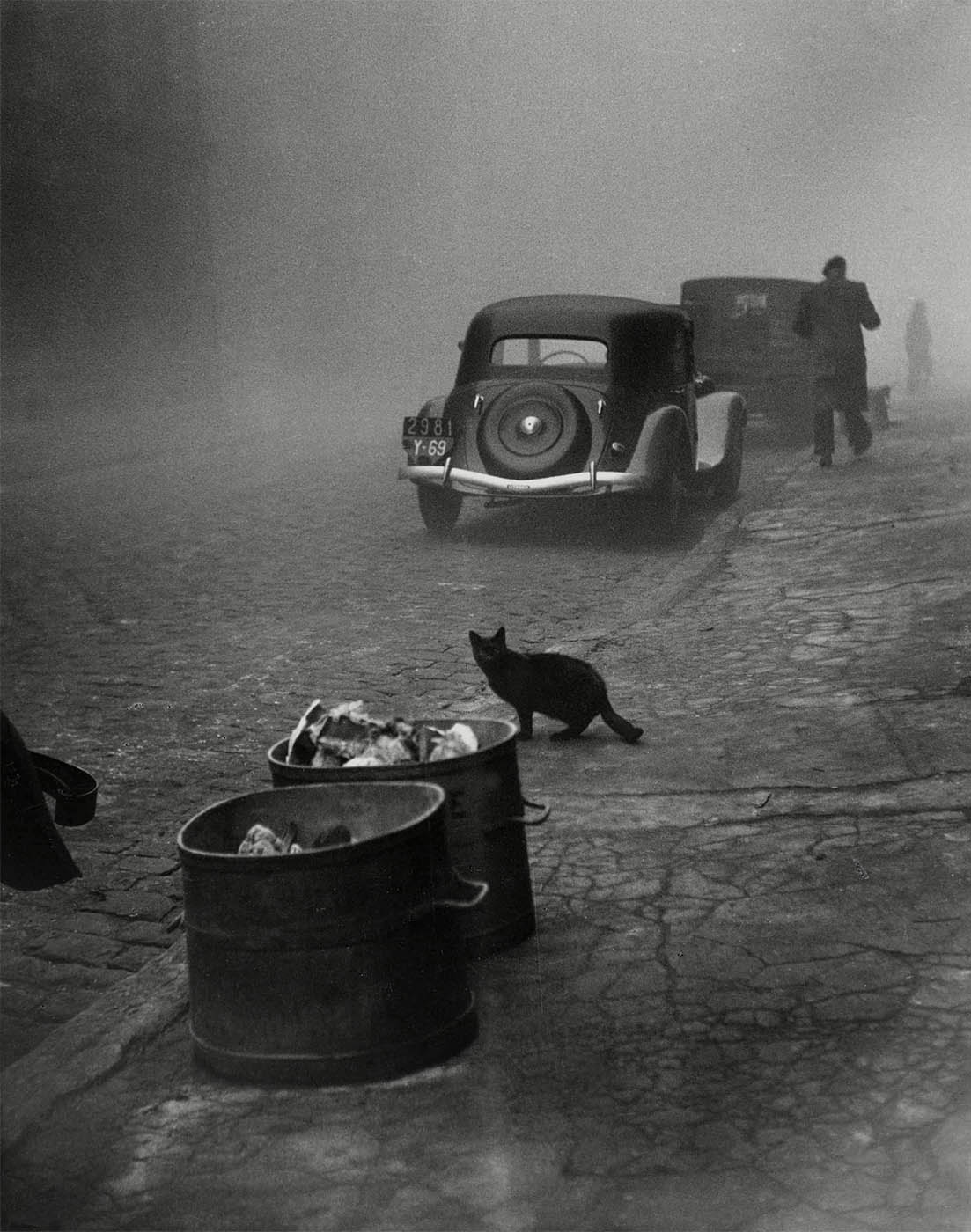
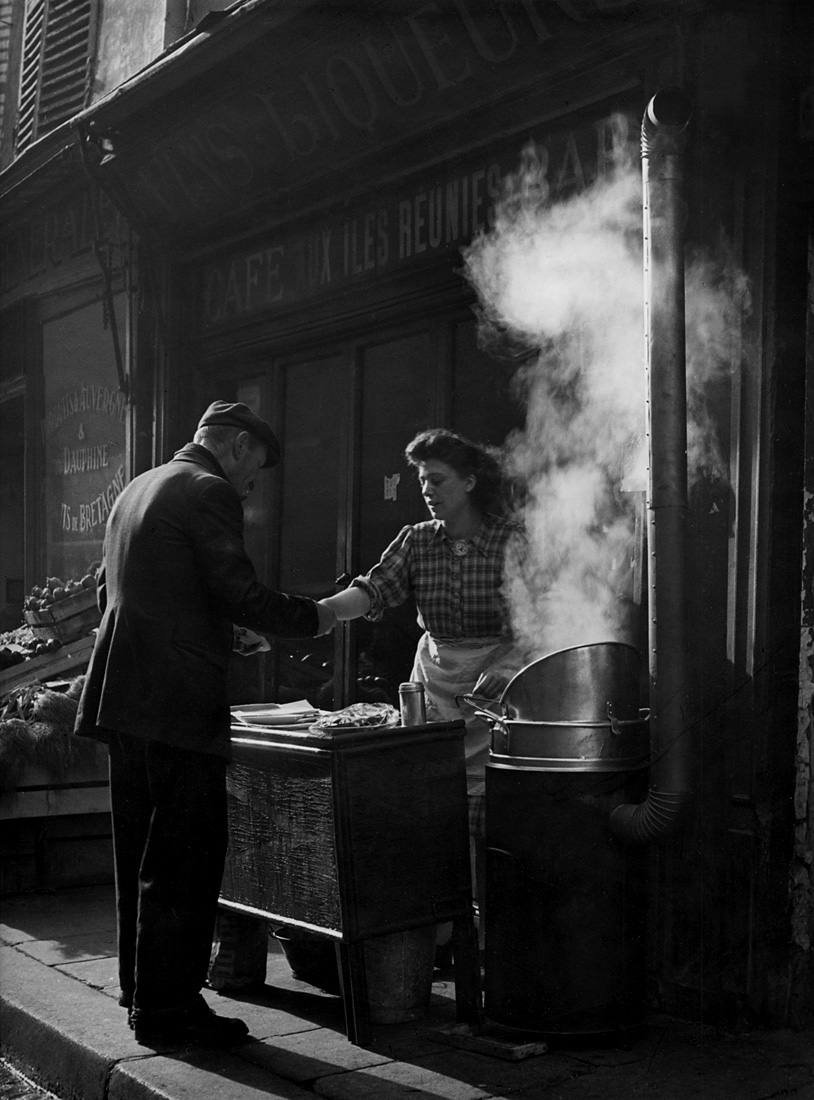
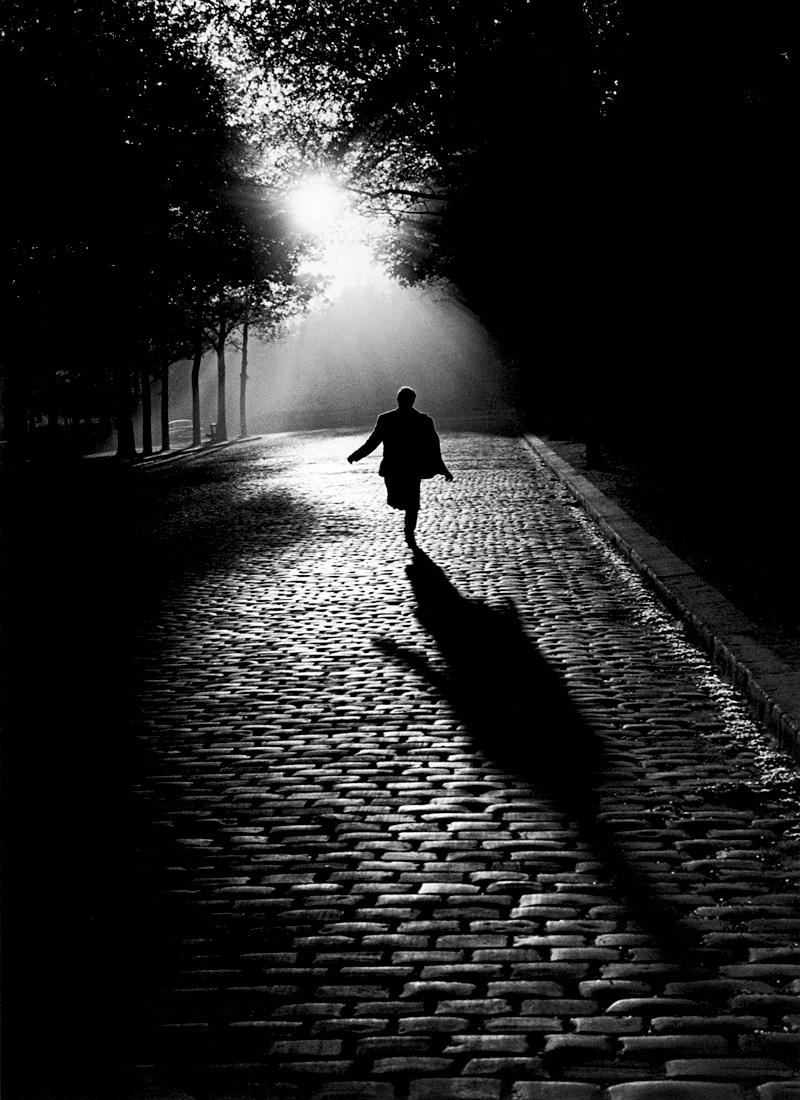
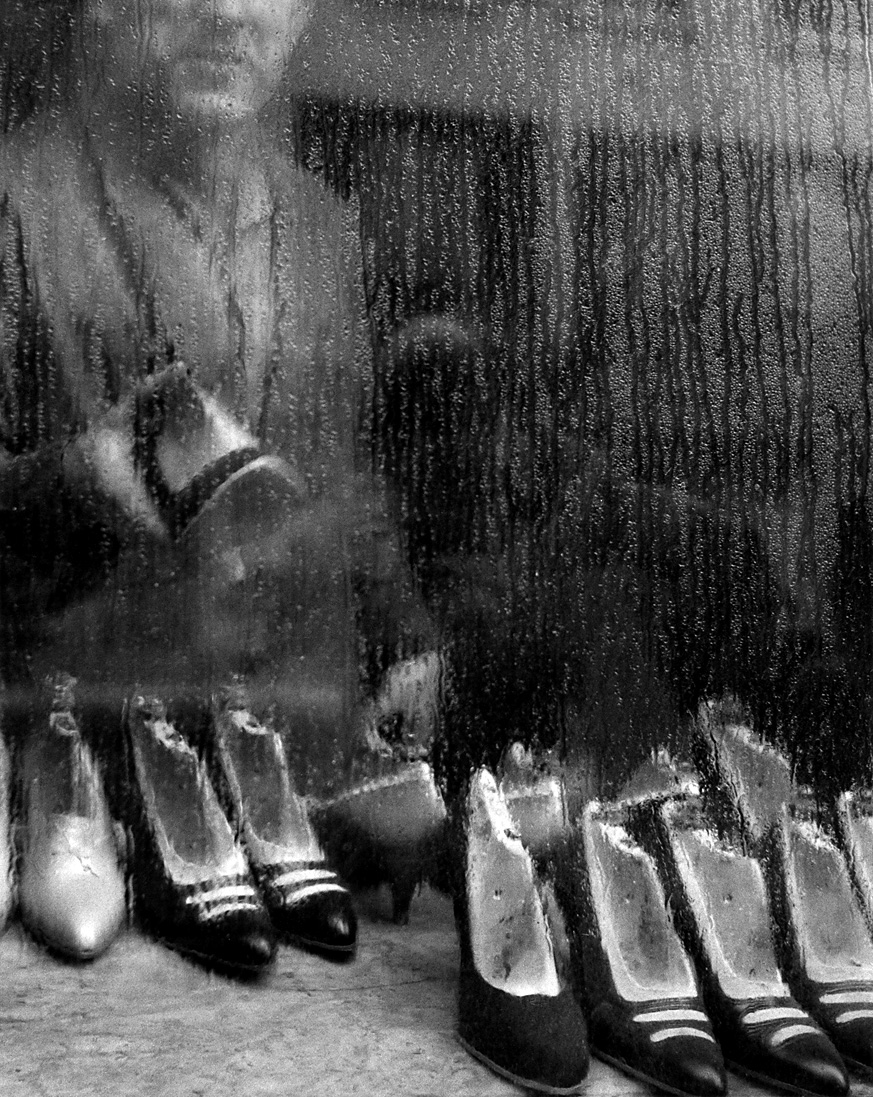
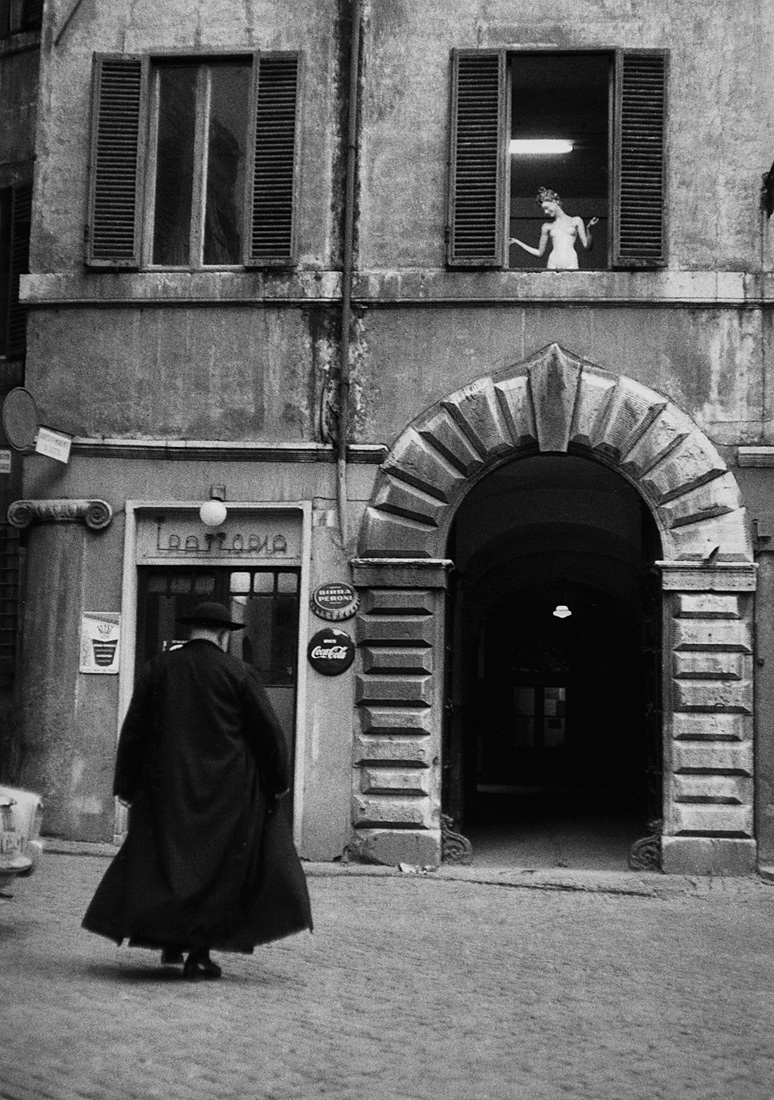
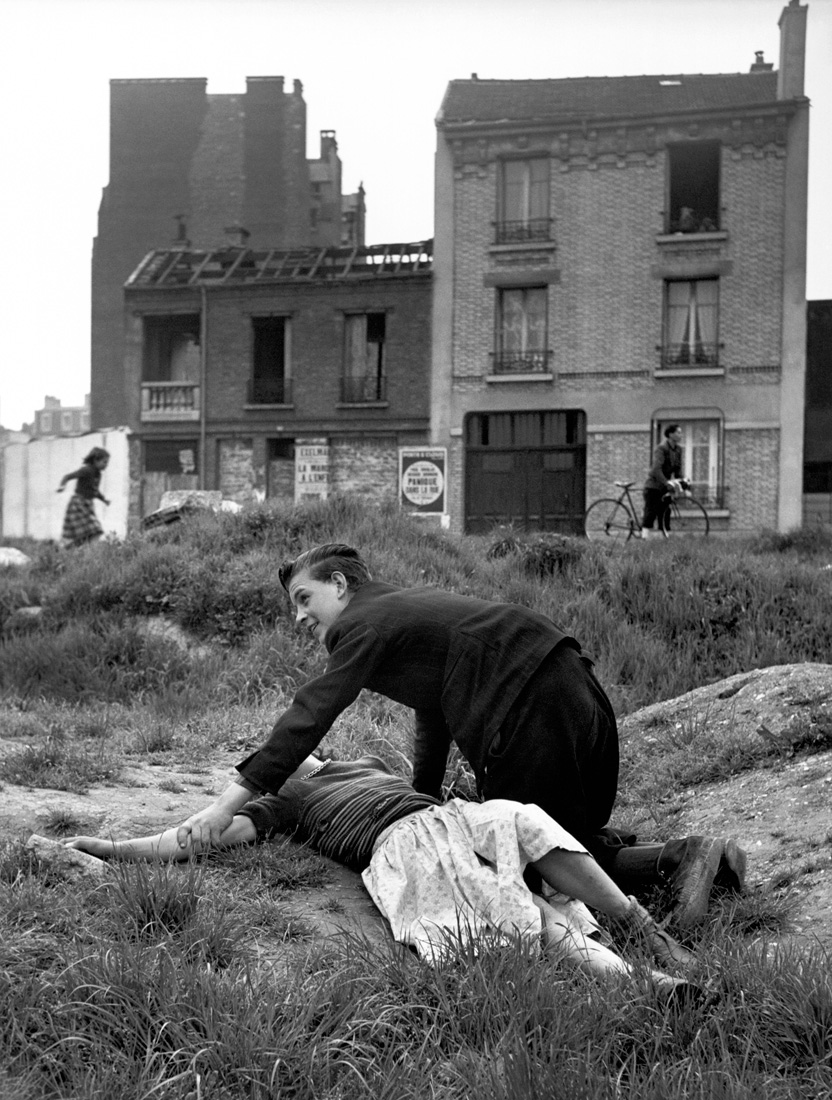
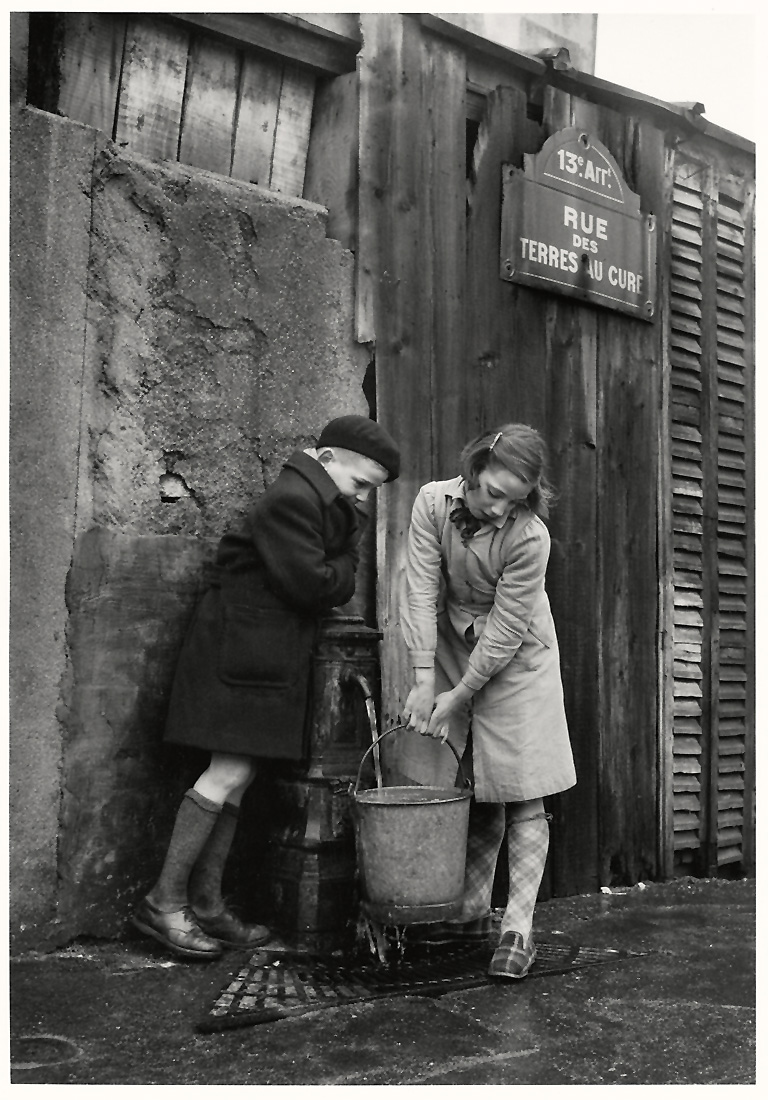
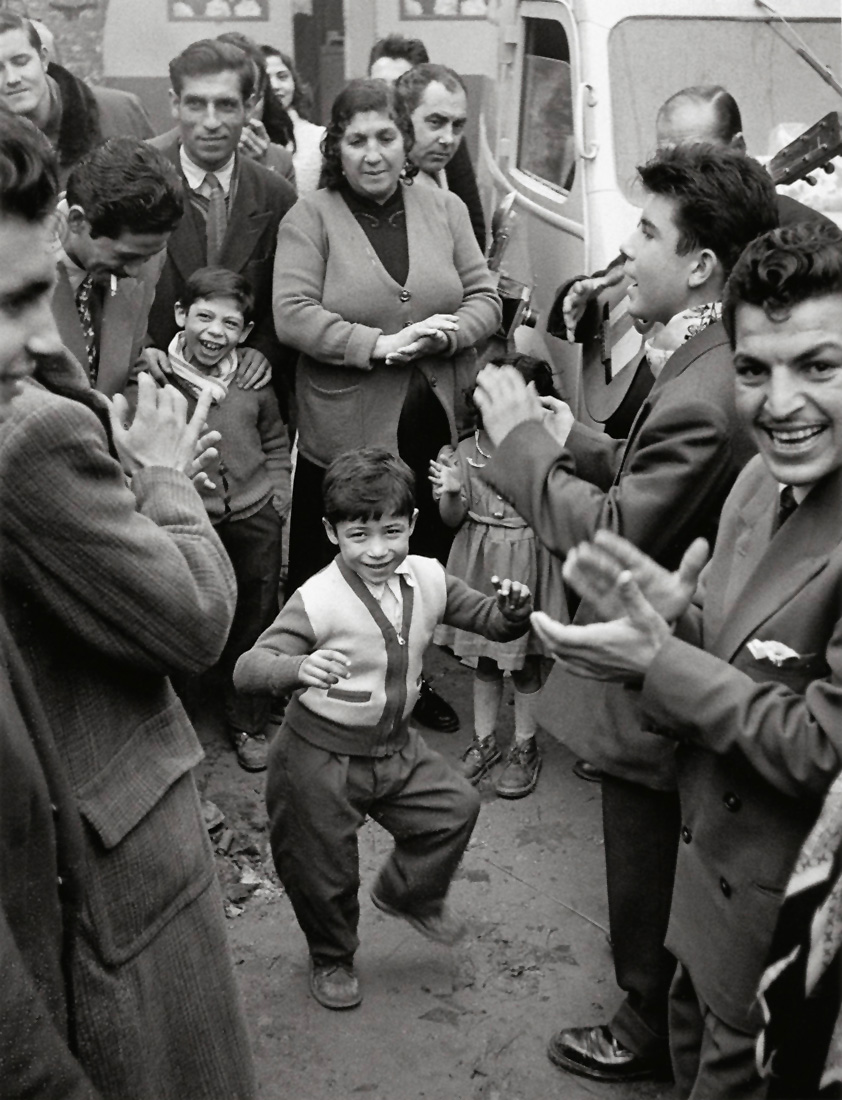
![Sabine Weiss (Swiss-French, 1924-2021) 'Enfants jouant, rue Edmond-Flamand' [Children playing, rue Edmond-Flamand] Paris, 1952](https://artblart.com/wp-content/uploads/2016/10/weiss-children-playing-web.jpg "Sabine Weiss (Swiss-French, 1924-2021) 'Enfants jouant, rue Edmond-Flamand' [Children playing, rue Edmond-Flamand] Paris, 1952")
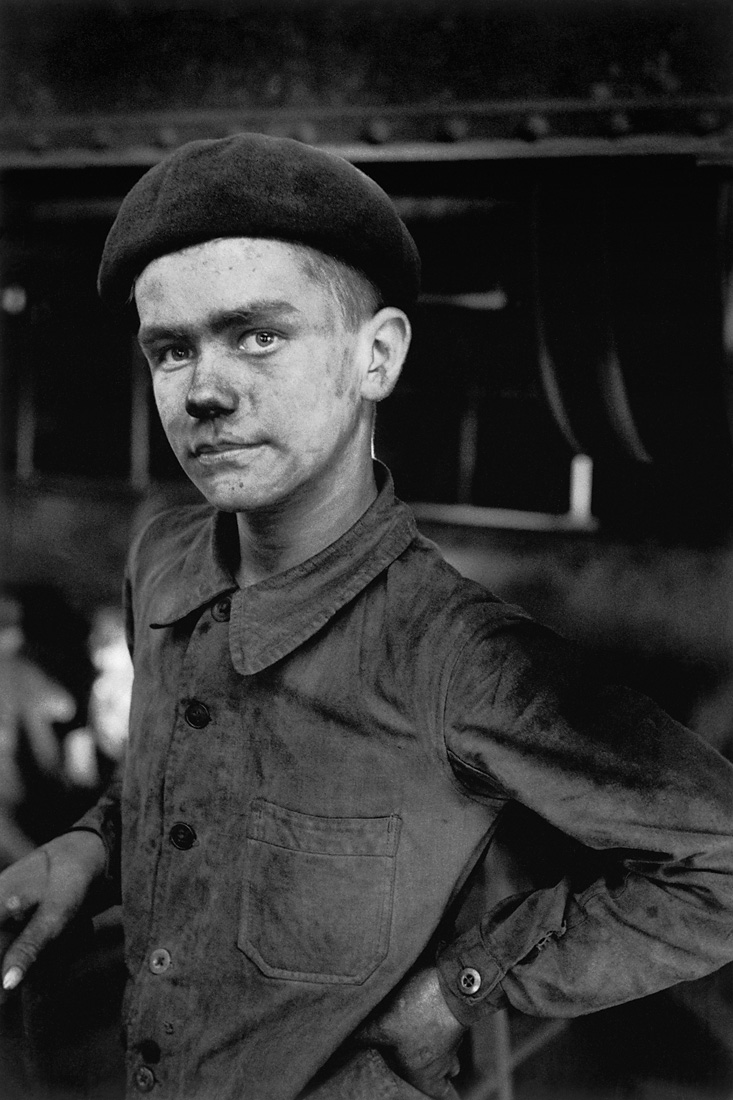
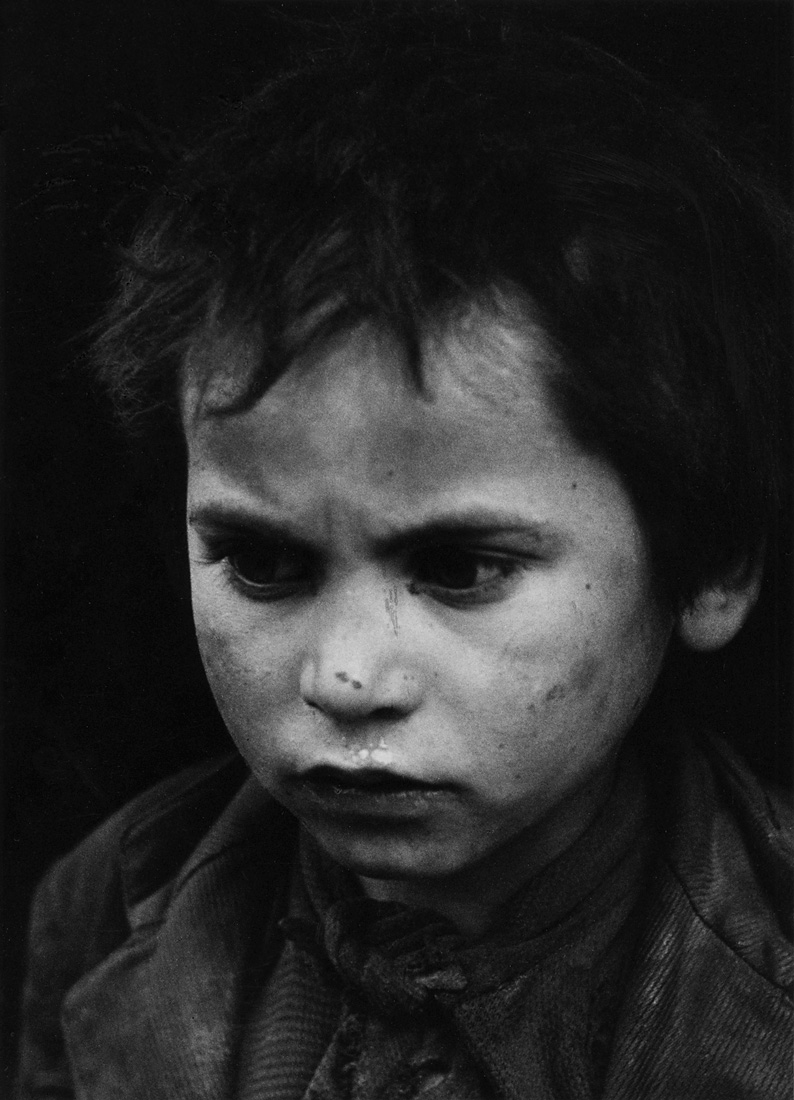
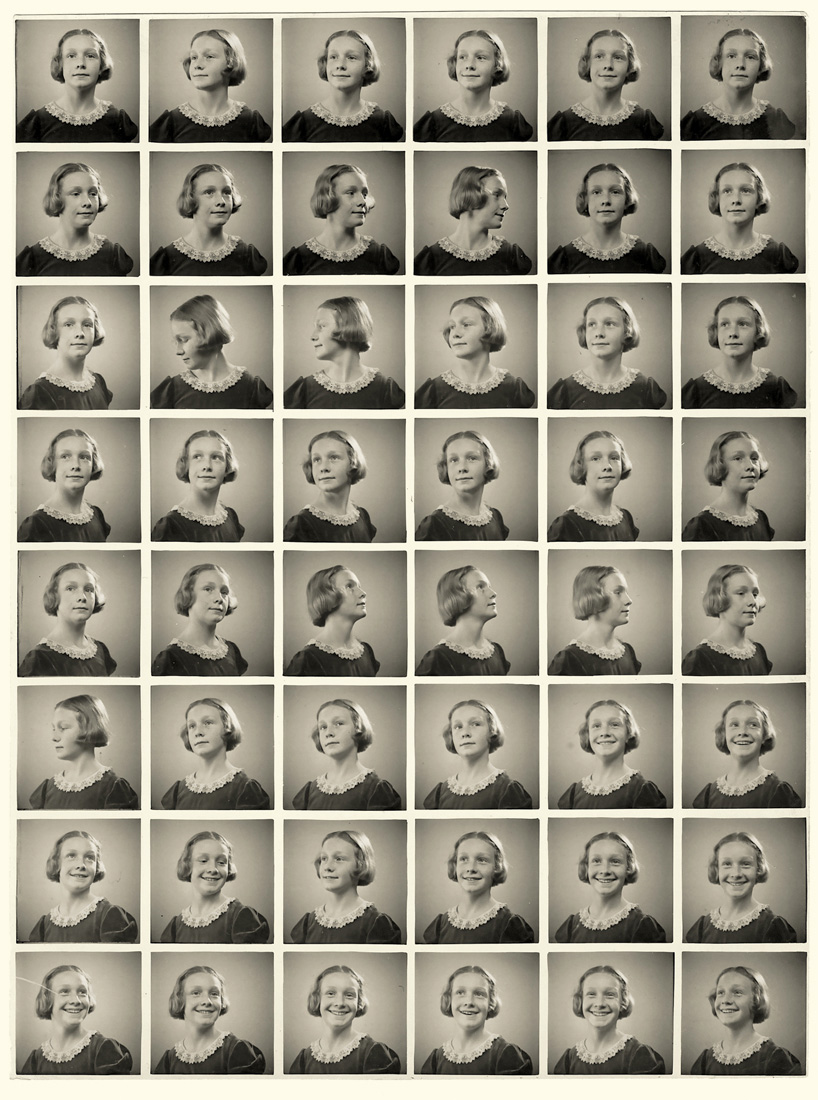
![Sabine Weiss (Swiss-French, 1924-2021) 'Anna Karina pour la marque Korrigan' [Anna Karina for the brand Korrigan] 1958](https://artblart.com/wp-content/uploads/2016/10/weiss-karina-web.jpg "Sabine Weiss (Swiss-French, 1924-2021) 'Anna Karina pour la marque Korrigan' [Anna Karina for the brand Korrigan] 1958")
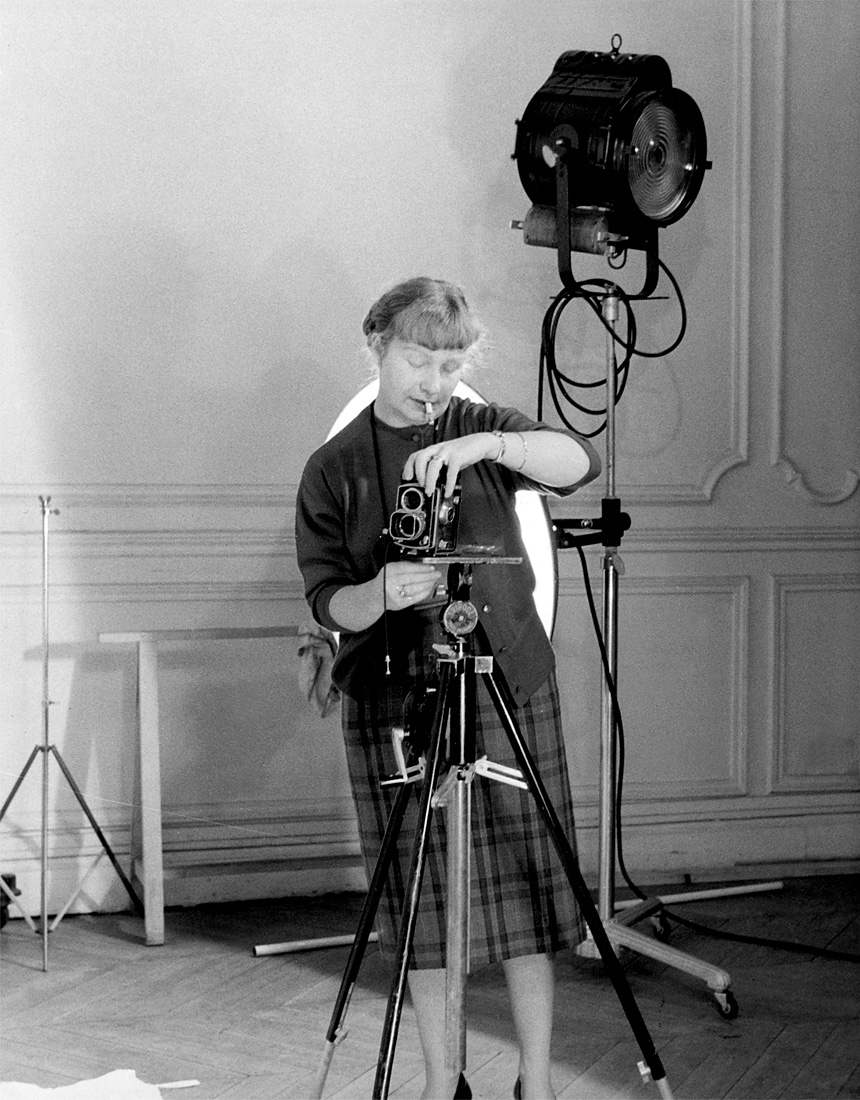

![Joan Miró (Spanish, 1893-1983) 'Tête de Paysan Catalan' [Head of a Catalan Peasant] 1925 from the exhibition 'Surreal Encounters: Collecting the Marvellous: Works from the Collections of Roland Penrose, Edward James, Gabrielle Keiller and Ulla and Heiner Pietzsch' at the Scottish National Gallery of Modern Art, Edinburgh, June- Sept, 2016](https://artblart.com/wp-content/uploads/2016/08/joan-mirc3b3-tc3aate-de-paysan-catalan-web.jpg "Joan Miró (Spanish, 1893-1983) 'Tête de Paysan Catalan' [Head of a Catalan Peasant] 1925 from the Collections of Roland Penrose, Edward James, Gabrielle Keiller and Ulla and Heiner Pietzsch' at the Scottish National Gallery of Modern Art, Edinburgh, June- Sept, 2016")
![Francis Picabia (French, 1879-1953) 'Fille née sans mère' [Girl Born without a Mother] c. 1916-1917 from the Collections of Roland Penrose, Edward James, Gabrielle Keiller and Ulla and Heiner Pietzsch' at the Scottish National Gallery of Modern Art, Edinburgh, June- Sept, 2016](https://artblart.com/wp-content/uploads/2016/08/francis-picabia-fille-nc3a9e-sans-mc3a8re-web.jpg "Francis Picabia (French, 1879-1953) 'Fille née sans mère' [Girl Born without a Mother] c. 1916-1917 from the Collections of Roland Penrose, Edward James, Gabrielle Keiller and Ulla and Heiner Pietzsch' at the Scottish National Gallery of Modern Art, Edinburgh, June- Sept, 2016")


![Max Ernst (German, 1891-1976) 'La Joie de vivre' [The Joy of Life] 1936](https://artblart.com/wp-content/uploads/2016/08/max-ernst-la-joie-de-vivre-1936-web.jpg "Max Ernst (German, 1891-1976) 'La Joie de vivre' [The Joy of Life] 1936")

![Dorothea Tanning (American, 1910-2012) 'Eine Kleine Nachtmusik' [A Little Night Music] 1943](https://artblart.com/wp-content/uploads/2016/08/dorothea-tanning-eine-kleine-nachtmusik-1943-web.jpg "Dorothea Tanning (American, 1910-2012) 'Eine Kleine Nachtmusik' [A Little Night Music] 1943")


![Salvador Dalí (Spanish, 1904-1989) 'Couple aux têtes pleines de nuages' [Couple with their Heads Full of Clouds] 1936](https://artblart.com/wp-content/uploads/2016/08/salvador-dalc3ad-couple-aux-tc3aates-pleines-de-nuages-web.jpg "Salvador Dalí (Spanish, 1904-1989) 'Couple aux têtes pleines de nuages' [Couple with their Heads Full of Clouds] 1936")


![Pablo Picasso (Spanish, 1881-1973) 'Tête' [Head] 1913](https://artblart.com/wp-content/uploads/2016/08/tc3aate-head-1913-by-pablo-picasso-web.jpg "Pablo Picasso (Spanish, 1881-1973) 'Tête' [Head] 1913")


![Max Ernst (German, 1891-1976) 'Jeune homme intrigué par le vol d’une mouche non-euclidienne' [Young Man Intrigued by the Flight of a Non-Euclidean Fly] 1942–1947](https://artblart.com/wp-content/uploads/2016/08/32_ernst-max_jeune-homme-intriguc3a9-1942-47-web.jpg "Max Ernst (German, 1891-1976) 'Jeune homme intrigué par le vol d’une mouche non-euclidienne' [Young Man Intrigued by the Flight of a Non-Euclidean Fly] 1942–1947")
![Max Ernst (German, 1891-1976) 'Une semaine de bonté' [A Week of Kindness] 1934](https://artblart.com/wp-content/uploads/2016/08/ernst-une-semaine-de-bontc3a9-web.jpg "Max Ernst (German, 1891-1976) 'Une semaine de bonté' [A Week of Kindness] 1934")
![Max Ernst (German, 1891-1976) 'Une semaine de bonté' [A Week of Kindness] 1934](https://artblart.com/wp-content/uploads/2016/08/ernst-une-semaine-de-bontc3a9-web2.jpg "Max Ernst (German, 1891-1976) 'Une semaine de bonté' [A Week of Kindness] 1934")


![Alberto Giacometti (Italian, 1901-1966) 'Objet désagréable, à jeter' [Disagreeable Object, to be Thrown away] 1931](https://artblart.com/wp-content/uploads/2016/08/alberto-giacometti-objet-dc3a9sagrc3a9able-web.jpg "Alberto Giacometti (Italian, 1901-1966) 'Objet désagréable, à jeter' [Disagreeable Object, to be Thrown away] 1931")






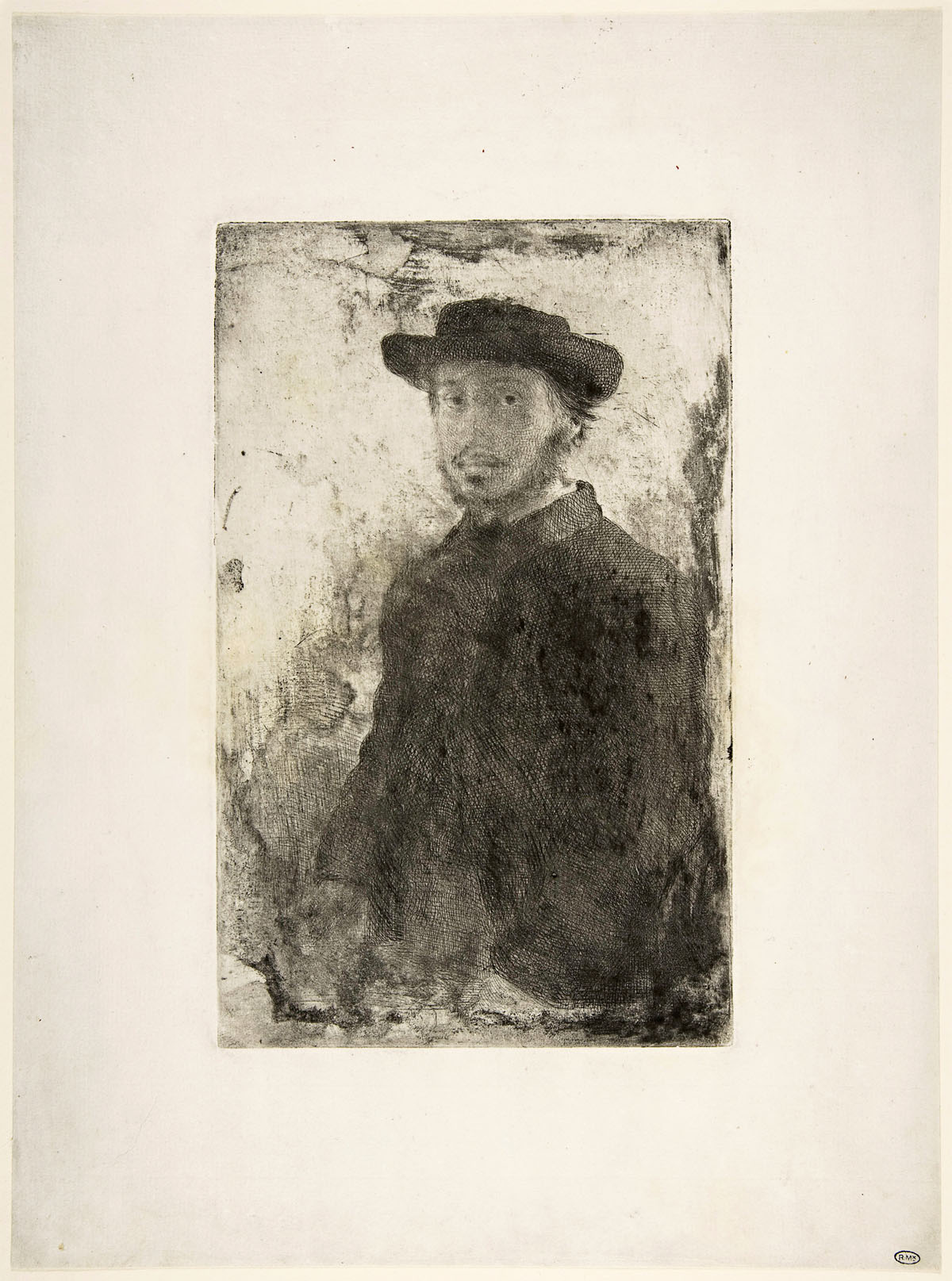



![Installation view of the exhibition 'Degas: A New Vision' at the National Gallery of Victoria International, Melbourne showing at left, 'Mendiante romaine' [Roman beggar women] (1857)](https://artblart.com/wp-content/uploads/2016/08/installation-l.jpg "Installation view of the exhibition 'Degas: A New Vision' at the National Gallery of Victoria International, Melbourne showing at left, 'Mendiante romaine' [Roman beggar women] (1857)")
![Edgar Degas (French, 1834-1917) 'Mendiante romaine' [Roman beggar women] 1857 (installation view)](https://artblart.com/wp-content/uploads/2016/08/installation-m.jpg "Edgar Degas (French, 1834-1917) 'Mendiante romaine' [Roman beggar women] 1857 (installation view)")

![Installation view of the exhibition 'Degas: A New Vision' at the National Gallery of Victoria International, Melbourne showing at left, 'Monsieur Reulle' (1861); and at right, 'Portrait de jeune femme' [Portrait of a young woman] (1867)](https://artblart.com/wp-content/uploads/2016/08/installation-q.jpg "Installation view of the exhibition 'Degas: A New Vision' at the National Gallery of Victoria International, Melbourne showing at left, 'Monsieur Reulle' (1861); and at right, 'Portrait de jeune femme' [Portrait of a young woman] (1867)")
![Edgar Degas (French, 1834-1917) 'Étude pour Jeunes Spartiates s'exerçant à la lutte' [Study for The young Spartans exercising] c. 1860-1861 (installation view)](https://artblart.com/wp-content/uploads/2016/08/installation-o.jpg "Edgar Degas (French, 1834-1917) 'Étude pour Jeunes Spartiates s'exerçant à la lutte' [Study for The young Spartans exercising] c. 1860-1861 (installation view)")
![Edgar Degas (French, 1834-1917) 'Petites filles spartiates provoquant des garçons' [Young Spartan girls challenging boys] c. 1860 (installation view)](https://artblart.com/wp-content/uploads/2016/08/installation-n.jpg "Edgar Degas (French, 1834-1917) 'Petites filles spartiates provoquant des garçons' [Young Spartan girls challenging boys] c. 1860 (installation view)")
![Edgar Degas (French, 1834-1917) 'Petites filles spartiates provoquant des garçons' [Young Spartan girls challenging boys] c. 1860 (installation view)](https://artblart.com/wp-content/uploads/2016/08/installation-p.jpg "Edgar Degas (French, 1834-1917) 'Petites filles spartiates provoquant des garçons' [Young Spartan girls challenging boys] c. 1860 (installation view)")


![Edgar Degas (French, 1834-1917) 'Etude de nus: Mlle Fiocre dans le ballet La Source' [Nude study: Mademoiselle Fiocre in the ballet 'The Spring'] 1867-1868 (installation view)](https://artblart.com/wp-content/uploads/2016/08/installation-aa.jpg "Edgar Degas (French, 1834-1917) 'Etude de nus: Mlle Fiocre dans le ballet La Source' [Nude study: Mademoiselle Fiocre in the ballet 'The Spring'] 1867-1868 (installation view)")
![Installation view of the exhibition 'Degas: A New Vision' at the National Gallery of Victoria International, Melbourne showing at left, 'Portrait d'homme' [Portrait of a man] (c. 1866) and at right, 'Victoria Dubourg' (1868-1869)](https://artblart.com/wp-content/uploads/2016/08/installation-z.jpg "Installation view of the exhibition 'Degas: A New Vision' at the National Gallery of Victoria International, Melbourne showing at left, 'Portrait d'homme' [Portrait of a man] (c. 1866) and at right, 'Victoria Dubourg' (1868-1869)")
![Installation view of the exhibition 'Degas: A New Vision' at the National Gallery of Victoria International, Melbourne Installation view of the exhibition 'Degas: A New Vision' at the National Gallery of Victoria International, Melbourne showing at left, 'Portrait d'homme' [Portrait of a man] (c. 1866) and at right, 'Victoria Dubourg' (1868-1869)](https://artblart.com/wp-content/uploads/2016/08/installation-v.jpg "Installation view of the exhibition 'Degas: A New Vision' at the National Gallery of Victoria International, Melbourne Installation view of the exhibition 'Degas: A New Vision' at the National Gallery of Victoria International, Melbourne showing at left, 'Portrait d'homme' [Portrait of a man] (c. 1866) and at right, 'Victoria Dubourg' (1868-1869)")

![Edgar Degas (French, 1834-1917) 'Mme Jeantaud sur sa chaise longue, avec deux chiens' [Madame Jeantaud on her chaise longue, with two dogs] 1877 (installation view)](https://artblart.com/wp-content/uploads/2016/08/installation-x.jpg "Edgar Degas (French, 1834-1917) 'Mme Jeantaud sur sa chaise longue, avec deux chiens' [Madame Jeantaud on her chaise longue, with two dogs] 1877 (installation view)")
![Edgar Degas (French, 1834-1917) 'Mme Jeantaud sur sa chaise longue, avec deux chiens' [Madame Jeantaud on her chaise longue, with two dogs] 1877 (installation view detail)](https://artblart.com/wp-content/uploads/2016/08/installation-x-detail.jpg "Edgar Degas (French, 1834-1917) 'Mme Jeantaud sur sa chaise longue, avec deux chiens' [Madame Jeantaud on her chaise longue, with two dogs] 1877 (installation view detail)")


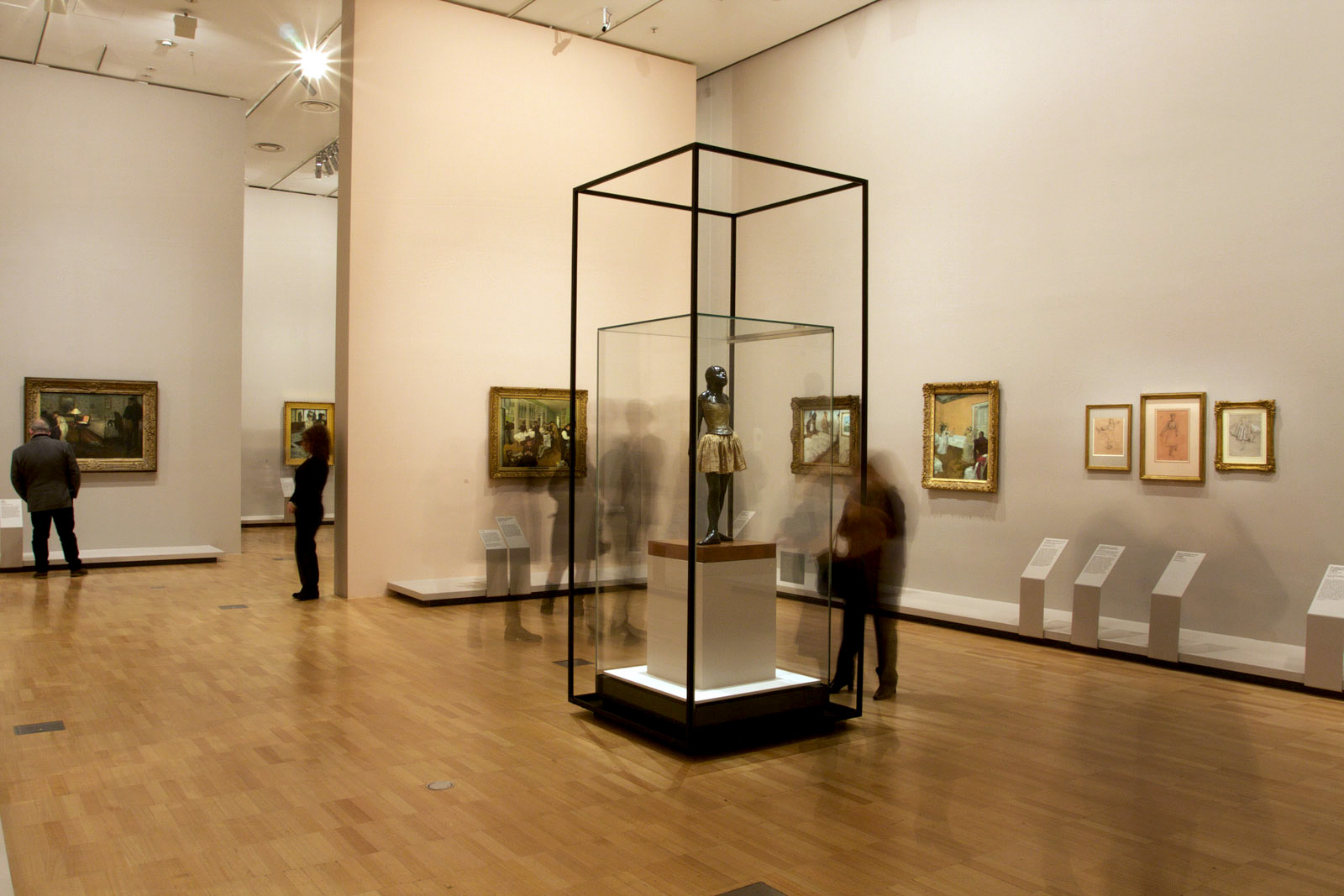


![Edgar Degas (French, 1834-1917) 'Un bureau de coton à la Nouvelle-Orléans' [A cotton office in New Orleans] 1873 (installation view)](https://artblart.com/wp-content/uploads/2016/08/installation-af.jpg "Edgar Degas (French, 1834-1917) 'Un bureau de coton à la Nouvelle-Orléans' [A cotton office in New Orleans] 1873 (installation view)")
![Edgar Degas (French, 1834-1917) 'Un bureau de coton à la Nouvelle-Orléans' [A cotton office in New Orleans] 1873 (installation view)](https://artblart.com/wp-content/uploads/2016/08/exhi040021_web.jpg "Edgar Degas (French, 1834-1917) 'Un bureau de coton à la Nouvelle-Orléans' [A cotton office in New Orleans] 1873 (installation view)")




















![François Kollar (French born Slovakia, 1904-1979) 'Untitled [mine worker]' 1931-1934](https://artblart.com/wp-content/uploads/2016/05/kollar-worker-web.jpg "François Kollar (French born Slovakia, 1904-1979) 'Untitled [mine worker]' 1931-1934")




![François Kollar (French born Slovakia, 1904-1979) Untitled [Emplacement de traverses, usine Cima, Croix]' [Replacement of sleepers, Cima factory, Croix] c. 1954](https://artblart.com/wp-content/uploads/2016/05/kollar_18-web.jpg "François Kollar (French born Slovakia, 1904-1979) Untitled [Emplacement de traverses, usine Cima, Croix]' [Replacement of sleepers, Cima factory, Croix] c. 1954")

![François Kollar (French born Slovakia, 1904-1979) 'Untitled [Fabrication des moulins à légumes, usine Moulinex, Alençon]' [Production of vegetable mills, Moulinex factory, Alençon] 1950](https://artblart.com/wp-content/uploads/2016/05/kollar_16-web.jpg "François Kollar (French born Slovakia, 1904-1979) 'Untitled [Fabrication des moulins à légumes, usine Moulinex, Alençon]' [Production of vegetable mills, Moulinex factory, Alençon] 1950")
![François Kollar (French born Slovakia, 1904-1979) 'Untitled [Emboutissage des couverts, Christofle, France]' [Stamping cutlery, Christofle, France] 1957-1958](https://artblart.com/wp-content/uploads/2016/05/kollar_15-web.jpg "François Kollar (French born Slovakia, 1904-1979) 'Untitled [Emboutissage des couverts, Christofle, France]' [Stamping cutlery, Christofle, France] 1957-1958")


 Art Blart _ art and cultural memory archive
You must be logged in to post a comment.