Exhibition dates: 20th April – 24th September, 2017
Artists: Robert Adams • Eve Arnold • Bernard Asset • Éric Aupol • Theo Baart Et Cary Markerink • Sue Barr • Valérie Belin • Martin Bogren • Nicolas Bouvier • David Bradford • Brassaï • Alain Bublex • Edward Burtynsky • Andrew Bush • Ronni Campana • Gilles Caron • Alejandro Cartagena • Kurt Caviezel • Philippe Chancel • Larry Clark • Langdon Clay • Stéphane Couturier • Bruce Davidson • Jean Depara • Raymond Depardon • John Divola • Robert Doisneau • William Eggleston • Elliott Erwitt • Walker Evans • Barry Feinstein • Pierre De Fenoÿl • Alain Fleischer • Robert Frank • Lee Friedlander • Bernhard Fuchs • Paolo Gasparini • Óscar Fernando Gómez • Jeff Guess • Andreas Gursky • Fernando Gutiérrez • Jacqueline Hassink • Anthony Hernandez • Yasuhiro Ishimoto • Peter Keetman • Seydou Keïta • Germaine Krull • Seiji Kurata • Justine Kurland • Jacques Henri Lartigue • O. Winston Link • Peter Lippmann • Marcos López • Alex Maclean • Ella Maillart • Man Ray • Mary Ellen Mark • Arwed Messmer • Ray K. Metzker • Sylvie Meunier Et Patrick Tourneboeuf • Joel Meyerowitz • Kay Michalak et Sven Völker • Óscar Monzón • Basile Mookherjee • Daido Moriyama • Patrick Nagatani • Arnold Odermatt • Catherine Opie • Trent Parke • Martin Parr • Mateo Pérez • Jean Pigozzi • Bernard Plossu • Matthew Porter • Edward Quinn • Bill Rauhauser • Rosângela Rennó • Luciano Rigolini • Miguel Rio Branco • Ed Ruscha • Sory Sanlé • Hans-christian Schink • Antoine Schnek • Stephen Shore • Malick Sidibé • Guido Sigriste • Raghubir Singh • Melle Smets Et Joost Van Onna • Jules Spinatsch • Dennis Stock • Hiroshi Sugimoto • Juergen Teller • Tendance Floue • Thierry Vernet • Weegee • Henry Wessel • Alain Willaume
I missed this exhibition when I was in Paris recently. A great pity, I would have liked to have seen it. Some rare photographs that I have never laid eyes on before. I especially love Ray K. Metzker’sWashington, DC. The photography in both Paris and London was disappointing during my month overseas. Other than a large exhibition of Gregory Crewdson’s photographs at the Photographers’ Gallery London, there was not much of interest on offer.
Dr Marcus Bunyan
PS. So many more horizontal photographs than vertical, the automobile obviously lending itself to this orientation. I love this observation: “Photography, a tool of immobility, benefited from the automobile, a mobility tool.” And this from Jean Baudrillard: “Riding is a form spectacular amnesia. Everything to discover, everything to be erased.”
Many thankx to Fondation Cartier pour l’art contemporain for allowing me to publish the photographs in the posting. Please click on the photographs for a larger version of the image.
“Photographing is a profession. Craftsmanship. A job that one learns, that one makes more or less well, like all trades. The photographer is a witness. The witness of his time. The true photographer is the witness of every day, they are the reporter. “
Germaine Krull
“I think that cars today are almost the exact equivalent of the great Gothic cathedrals; I mean the supreme creation of an era, conceived with passion by unknown artists, and consumed in image if not in usage by a whole population which appropriates them as a purely magical object.”
Roland Barthes, Mythologies, Le Seuil, Paris, 1970, p. 150
Thirty years after the exhibition Hommage à Ferrari, the Fondation Cartier pour l’art contemporain will once again focus its attention on the world of cars with the exhibition Autophoto, dedicated to photography’s relationship to the automobile. Since its invention, the automobile has reshaped our landscape, extended our geographic horizons, and radically altered our conception of space and time. The car has also influenced the approach and practice of photographers, providing them not only with a new subject but also a new way of exploring the world and a new means of expression. Based on an idea by Xavier Barral and Philippe Séclier, Autophoto will present over 500 works from the beginning of the 20th century to the present. It will invite us to discover the many facets of automotive culture – aesthetic, social, environmental, and industrial – through the eyes of photographers from around the world. The exhibition will bring together over 90 photographers including both famous and lesser-known figures such as Jacques Henri Lartigue, William Eggleston, Justine Kurland and Jacqueline Hassink, who have shown a fascination for the automobile as a subject or have used it as a tool to take their pictures.
Visite de l’exposition – Autophoto – 2017
Thirty years after the Hommage à Ferrari exhibition which put the spotlight on these legendary cars, the Fondation Cartier pour l’art contemporain presents, on a proposal by Xavier Barral and Philippe Séclier, the Autophoto exhibition devoted to the relationship between photography and the automobile. Since its creation, the automobile has shaped the landscape, allowed the discovery of new horizons and upset our conception of time and space.
Studio portraits China c. 1950 Collected by Thomas Sauvin Colourised gelatin silver print 7.5 x 11.5cm Collection Beijing Silvermine/Thomas Sauvin, Paris Photo all rights reserved
“A panorama framed by the rectangle of the windshield. A long ribbon of asphalt, a line of flight that stretches towards the horizon. For more than a century, we can capture this image and travel the world by car, this photographic “box”. Automotive and photography, two tools to model the landscape, two mechanics of the traction and attraction, have emerged at the end of the nineteenth century, through new rhythms and new rites, the society of modern times. If the photograph allows multiple views and list them, to memorise the movement and leave a trace, the automobile makes it possible to move in space. Photography, a tool of immobility, benefited from the automobile, a mobility tool. And if the automobile like photography is constantly evolving, these two inventions have parallel paths in order to better, to master space-time. “Riding is a form spectacular amnesia. Everything to discover, everything to be erased,”1 writes Jean Baudrillard.”
From the foreword by commissioners of the exhibition Xavier Barral and Philippe Séclier
1/ Jean Baudrillard, Amérique, Grasset, Paris, 1986, p. 15
In the early 20th century, the automobile and its impact on the landscape had already become a subject of predilection for many photographers, influencing both the form and content of their work. The exhibition will begin by focusing on early photographers like Jacques Henri Lartigue, Germaine Krull, and Brassaï, who used the automobile to varying degrees in their work. They registered the thrill of speed, the chaos of Parisian traffic or the city’s dramatic car-illuminated nocturnal landscape to represent a society in transition at the birth of the modern age. Other photographers of the time were attracted by the promise of freedom and mobility offered by the automobile. Anticipating the modern road trip, Swiss writers and photographers Ella Maillart and Nicolas Bouvier, travelled throughout Asia in the 1930s and 1950s respectively, using their cars and cameras to record their adventures along the way.
Auto Portraits
The exhibition will also present a series of “auto portraits”* made by a variety of photographers from the mi-twentieth century to the present. Yashuhiro Ishimoto and Langdon Clay’s photographs, for example, are portraits in profile of cars parked on sparsely inhabited city streets, that immerse the viewer in a different eras and atmospheres. Ishimoto’s black and white photographs, taken in Chicago in the 1950s, emphasise their polished, curved silhouettes in a distanced and serial manner, while Langdon Clay’s colour pictures taken in New York in the 1970s, show their decaying and dented chassis in an eerie nocturnal light. Other works in this section, such as the found photographs of Sylvie Meunier and Patrick Tourneboeuf’s American Dream series, or the flamboyant portraits of African photographers Seydou Keïta and Sory Sanlé, focus on the role of the automobile as a emblem of social mobility showing proud owners posing with their cars.
*A play on words in French: auto portrait meaning self-portrait.
The Car as a Medium: New Perspectives on the Landscape
Many photographers have exploited the technical and aesthetic possibilities offered by the automobile, using it like a camera to capture the surrounding landscape through car windows or the reflections in rear-view mirrors.
Cars have determined the framing and composition as well as the serial nature of the photographs of Joel Meyerowitz, Daido Moriyama, John Divola and David Bradford who have all worked from moving cars. From behind their windshields, these photographers capture an amusing store sign, a white car behind a wire fence, a dog running along a dusty road, a highway stretching out into the horizon. Other photographers, including Sue Barr, Robert Adams, Ed Ruscha, and Alex MacLean scrutinise our car-altered environment. Their landscape is no longer one of magnificent mountains, wondrous waterfalls or awe-inspiring canyons, but of a world transformed by the automobile with its suburban housing complexes, parking lots, and highway infrastructure.
Our Car Culture: Industry, History and New Ways of Life
Many photographers have explored other aspects of our car culture, from the car industry and its impact on the environment to its role in history and society. Both Robert Doisneau and Robert Frank registered life in the factory, from the machines and productions lines to the activities of the workers lives, the first at the Renault plant in the 1930s and the second at Ford River Rouge in the 1950s. Their photographs, unique in their attention to individual assembly line workers, contrast with the work of contemporary photographer Stéphane Couturier whose deliberately distanced, impersonal pictures taken at a Toyota factory reflect the increasingly dehumanised nature of contemporary industry. Working in Ghana, far from the automated factory photographed by Stéphane Couturier, Dutch artist Melle Smets, and sociologist Joost Van Onna, put industrial waste from the car industry to good use. Collaborating with local craftsman in a region called Suame Magazine, where cars are disassembled and their parts traded, they created a car specifically for the African market called Turtle 1, using parts from different brands that happened to be available. Their installation, which includes photographs, drawings, and videos, documents the entire fabrication process of this car.
Photographers such as Philippe Chancel, Éric Aupol and Edward Burtynsky are concerned with the car industry’s damage to the environment. Philippe Chancel’s work focuses on the city of Flint and its dismantled General Motors factory, while Éric Aupol’s and Ed Burtynsky’s photographs reveal the sculptural yet apocalyptic beauty of industrial waste sites.
Other photographers reveal how the car plays an important role in historical events, in society and in daily life. Arwed Messmer’s Reenactement series brings together photographs from the archives of the Stasi showing how people used cars in unusual ways to escape from East Germany, and Fernando Gutiérrez work, Secuelas, explores the role of the Ford Falcon, a symbol of Argentina’s military dictatorship, in the collective imaginary of the Argentinean people. Jacqueline Hassink’s immersive projection Car Girls investigates the role and status of women who work in car shows around the world. Martin Parr’s series From A to B chronicles the thoughts dreams and anxieties of British motorists. Still other series by photographers such as Rosângela Rennó, Óscar Monzón, Kurt Caviezel and Bruce Davidson show how the car has become an extension of the home, used for weddings and picnics, living and sleeping, arguments and making love.
The Fondation Cartier has also invited artist Alain Bublex to create for the exhibition a series of 10 model cars that cast a fresh eye on the history of automobile design. His installation combines photographs, drawings and models to explore how the car design has evolved over time incorporating new techniques, forms, and practices.
Despite energy crises, ecology movements, and industrial mismanagement, the car remains essential to our daily lives. At a time when we are questioning the role and the future of the automobile in our society, the Autophoto exhibition reexamines, with nostalgia, humour, and a critical eye, this 20th century symbol of freedom and independence.
The Catalogue
Bringing together over 600 images, the catalogue of the Autophoto exhibition reveals how photography, a tool privileging immobility, benefited from the automobile, a tool privileging mobility. The catalogue features iconic images by both historic and contemporary photographers who have captured the automobile, and transformed this popular accessible object through their passionate and creative vision. Quotes by the artists, and a chronology of automobile design, as well as interviews and texts by specialists provide a deeper understanding of this vast topic through a variety of aesthetic, sociological, and historical perspectives.
Installation view of the exhibition Thomas Struth: Figure Ground at Haus der Kunst, Munich Courtesy of the artist and Haus der Kunst, Munich
I have always liked this man’s work. His understanding of space, colour, form and photograph as aesthetic experience is sublime. His muscular compositions show evidence of clear thinking and seeing… an investigation into sachlichkeit, that is objectivity: the boundaries between human, animal and machine (the aesthetics of innovation).
And yet Struth’s “unheroic” images also show evidence of subjective forces at work: impulsion, chaos, and serendipity to name a few, capturing a ‘razzmatazz of sensations’ that challenge the existential nature of the human, ‘being’.
Dr Marcus Bunyan
Many thankx to Haus der Kunst for allowing me to publish the art work in the posting. Please click on the photographs for a larger version of the image.
“Most of the images are very unheroic.I have a strong relationship to clarity. That’s why my compositions and choices are very meticulous.”
Installation view of the exhibition Thomas Struth: Figure Ground at Haus der Kunst, Munich with Louvre 4, Paris (1989) centre left Courtesy of the artist and Haus der Kunst, Munich
Installation view of the exhibition Thomas Struth: Figure Ground at Haus der Kunst, Munich with Paradise 26 (Bougainville), Palpa, Peru (2003) to the right Courtesy of the artist and Haus der Kunst, Munich
This major exhibition by the pioneering German photographer Thomas Struth (born 1954) presents the most comprehensive survey of his genre-defining oeuvre. Covering four decades of work and every phase of his illustrious artistic career, the exhibition focuses especially on the aspect of Struth’s social interests which represent the important forces of his internationally influential artistic development. Starting with his first series Unbewusste Orte (Unconscious Places) published in 1987 through his current works that deal with the field of research and technology in the globalised world, Struth’s work develops its own specific analytical nature through his choice of subject matter, the manner of its photographic realisation and its modes of presentation. These aspirations are manifested in questioning the relevance of public space and transformation of cities, the cohesive factor of family solidarity, the importance of the relationship between nature and culture, and exploring the limits and possibilities of new technologies. The momentum of participation further characterises these aspirations, as Struth’s extensive pictorial inventions and strategies allow individual interpretation based on collective knowledge.
In this exhibition, early works and research materials related to the artist’s subject matter, and collected over several decades, are shown for the first time in the context of an exhibition, offering access and insight into Struth’s working methods. Together with the photographs, these materials elucidate his longstanding interests behind the different series, demonstrating the process of artistic translation before the perfection of the image.
Featuring around 130 works, two multichannel video installations, and a selection of archival material, the exhibition in Haus der Kunst is the largest survey of Struth’s artistic career to date. The survey links his early ideas to well-known series such as Straßen (Streets), Unbewusste Orte (Unconscious Places), Portraits, Museumsbilder (Museum Pictures), Paradise, and Audiences which are placed in dialogue with site-specific works like Löwenzahnzimmer (Dandelion Room), the landscape- and flower photographs that were made for the patients’ rooms at the Hospital on the Lindberg in Winterthur, Switzerland. It also includes photographs recently shown in the exhibition Nature & Politics. Within this interplay, the exciting ability of the artist to combine analysis and individual pictorial invention in multifaceted works and techniques builds an overarching idea on how to deal with the elementary matters of our times.
The exhibition is accompanied by a publication from Schirmer / Mosel Publishers, Munich, designed by Fernando Gutierrez, with texts by Thomas Weski, Ulrich Wilmes, Jana-Maria Hartmann, and an interview with the artist by Okwui Enwezor. The exhibition is organised by Haus der Kunst and curated by Thomas Weski.
Installation view of the exhibition Thomas Struth: Figure Ground at Haus der Kunst, Munich with Semi Submersible Rig, DSME Shipyard, Geoje Island (2007) at centre Courtesy of the artist and Haus der Kunst, Munich
Installation view of the exhibition Thomas Struth: Figure Ground at Haus der Kunst, Munich with Tokamak Asdex Upgrade Periphery, Max Planck IPP, Garching (2009) at left Courtesy of the artist and Haus der Kunst, Munich
Installation view of the exhibition Thomas Struth: Figure Ground at Haus der Kunst, Munich with The Faez Family, Rehovot (2009) second left Courtesy of the artist and Haus der Kunst, Munich
Take, for instance, Struth’s photograph “Chemistry Fume Cabinet, The University of Edinburgh” (2010). Ostensibly a photograph of a chemistry fume cabinet at the University of Edinburgh, photographed through a clear, glass window, the work is also a study in colour and form. Within a white background space, the back wall has black horizontal lines running along it, while the side walls have one vertical line each. These opposing lines create what appear to be a haphazard grid. A wide red horizontal structure runs across the front of the room, creating one more line that both breaks up and contributes to the grid. Various machines within the room, two square red panels on the left and right sides of the window, and six coloured balloons provide a series of objects that fit within the finely structured container of the photograph’s frame.
What struck me immediately upon seeing this image was how the various lines and objects interact with one another. Struth presents the viewer with a kind of interactive field in which she can either read the image “as is” – photograph documenting a chemistry fume cabinet – or as a purely aesthetic experience. Or, of course, she can do both, which is what makes Struth’s work so rich and gratifying. It is in the way his mastery of colour and other formal elements coincides with his documentation of the world.
Installation view of the exhibition Thomas Struth: Figure Ground at Haus der Kunst, Munich with Queen Elizabeth II & The Duke of Edinburgh, Windsor Castle (2010) at left Courtesy of the artist and Haus der Kunst, Munich
Installation view of the exhibition Thomas Struth: Figure Ground at Haus der Kunst, Munich with Aquarium, Atlanta, Georgia (2013) at right Courtesy of the artist and Haus der Kunst, Munich
“What the teachings of Bernd and Hilla Becher sparked off – and their students developed further – is a new conception of the artwork according to which the boundaries between sculpture, painting and photography dissolve in terms of media and aesthetics alike. In other words, in the very moment in history when photography emancipated itself to become an independent medium, it sounded its own death knell.” (Press release)
WHAT ABSOLUTE RUBBISH – the second sentence, that is!
Just look at the photographs as pictures.
The Bechers and their students’ photographs might invoke a new concept of the pictorial but that does not mean the death of photography far from it. In fact, this conceptualisation opens up an expanded terrain of becoming for photography (continuing the theme of the last post on the work of Walker Evans). In this sense, the work of these artists is vital to an understanding of the place of photography within the observation, construction and taxonomy of contemporary culture and its pictorial representation. Everything in contemporary art relates not to beauty or aesthetics but to the social.
Dr Marcus Bunyan
Many thankx to the Städel Museum for allowing me to publish the photographs in the posting. Please click on the photographs for a larger version of the image. For more information please see the interactive website.
One of the most radical changes in art’s relation to its aesthetic, media, and economic contexts is closely associated with the students of the first Becher Class at the Düsseldorf art academy – but even more so with the names of their teachers, Bernd and Hilla Becher. The exhibition brings together 200 major works, some in large format, by these important artists, as well as a selection of their early works.
“This is a purely economic architecture […]. It is erected, used and discarded.”
Becher, Bernd and Hilla cit. in: “Beauty in the Awful”, in: Time. The Weekly Newsmagazine, 94, 10, 5 September 1969, p. 69.
The same subject in nine different types: as in a scientific documentary the photos show nine coal silos before a neutral light-grey background. The Bechers’ photos all follow the same approach: from an elevated vantage point the artists photograph details and total views of objects or entire industrial facilities and position them centrally in the picture. Every detail is razor sharp. The sky is predominantly overcast. The photographs are black and white. Nothing is to distract from the subject, to guarantee a presentation that is as objective as possible.
Bernd Becher and Hilla Wobeser begin to collaborate in 1959. At the time both study at the art academy Düsseldorf. Two years later they marry. During the following five decades the artist couple produces mostly tableaus of several parts – consisting of three, nine, twelve or more photos; they call them typologies. Their subjects are disused headstocks, furnaces, oil refineries, water reservoir towers, grain silos, gasometres or even half-timbered houses in former workers’ settlements – all of them testimonies of a declining industrial culture.
The Bechers depict the half-timbered houses from the Siegerland in a sober and restrained fashion. The picture removes the buildings from their original context. One view follows the next. Thus the form of the single building becomes more important than its function. In the photographs the half-timbered houses become aesthetic objects with a sculptural character. Bernd and Hilla Becher do not present their images individually, but in a grid. Not the single photo is the work, but the total of the typology is.
When Hilla and Bernd Becher presented their works at the Städtische Kunsthalle Düsseldorf in 1969, this coincided with an exhibition on US-American minimal art – a juxtaposition that was to prove programmatic. In 1972 the American sculptor Carl Andre mentioned the insightful connection of the Bechers’ works and the movements of minimal and conceptual art. This prominent, art-theoretical connection significantly contributed to the great international success of the Bechers. This is also why – especially in the USA – the two are considered concept artists more than photographers. …
The Bechers’ method of working – ostensibly – is concerned with sobriety and anonymity, rigidity and objectivity. They work in series, where the whole and a part of this whole, total view and detail are balanced. Setting their photographs into the context of sculpture, they test the boundaries of the genres of photography and sculpture. Working and presenting their works in series, they move the photograph beyond the individual work: the viewer can never see everything at once; instead the eye oscillates between detail and general context.
From 27 April to 13 August 2017, the Städel Museum is staging a comprehensive survey on the Becher Class at the Düsseldorf art academy and the major paradigm shift in the medium of artistic photography with which the Bechers and their students are associated. With the aid of some 200 photographs by Volker Döhne, Andreas Gursky, Candida Höfer, Axel Hütte, Tata Ronkholz, Thomas Ruff, Jörg Sasse, Thomas Struth and Petra Wunderlich – a group of whom some enjoy international renown and others are due for rediscovery – the exhibition will examine the influence exerted by Bernd and Hilla Becher on their students at the Düsseldorf school. What unites the students’ works with those of their teachers? How do they differ? Is there really such a thing as the “Becher School” or is it ‘merely’ a matter of several highly successful photographers who happened to be studying at the ‘right place’ at an especially propitious moment in history? And how have those artists influenced our present conception of what a picture is? Taking the artist duo’s work as a point of departure, the exhibition “Photographs Become Pictures. The Becher Class” will acquaint viewers with the radical changes in the medium of artistic photography that became manifest in the works of the Becher pupils in the eighties and above all the nineties, and investigate the art-historical impact of this development up to the very present. It will feature major large-scale works as well as key early endeavours by the members of what is presumably the most influential generation of German photographers in the field of fine art.
The students of the first in a long line of Becher Classes at the Düsseldorfer art academy introduced elementary changes to contemporary art’s aesthetic, media and economic contexts. They not only contributed decisively to shaping international photography in the 1990s, but also fundamentally redefined the status and perception of artistic photography in general. Their works can be considered as one of the most self-confident emancipations of photography as art in the mediums history, while at the same time reflecting the (not merely digital) moment when the boundaries between the media dissolve.
“Bernd and Hilla Becher’s first – meanwhile world-famous – students played a tremendously important role in establishing photography as an expressive medium on a par with other art forms. The nine artists featured in our show occupy a realm where the distinction between painting and photography is no longer clear. The permeability of the boundary between the media is deliberate in their work, and in that respect they mirror one of the key focuses of the Städel Museum’s collection of contemporary art,” observes Städel director Dr Philipp Demandt. And exhibition curator Dr Martin Engler adds: “What the teachings of Bernd and Hilla Becher sparked off – and their students developed further – is a new conception of the artwork according to which the boundaries between sculpture, painting and photography dissolve in terms of media and aesthetics alike. In other words, in the very moment in history when photography emancipated itself to become an independent medium, it sounded its own death knell.”
The founding of a chair for artistic photography at the Düsseldorf art academy in 1976 provided perhaps the single most important impulse for a change in how the medium of photography was perceived. In close cooperation with his wife Hilla Becher, Bernd Becher held that chair until 1996. Even before their appointment to the Düsseldorf school, the Bechers had been taking pictures of historical industrial architecture, subscribing to a work concept that exceeded the scope of a common documentary approach in photography. They portrayed mining headframes, blast furnaces, gas tanks, water towers and other testimonies to a vanishing industrial culture – frontally, in central perspective, with fascinating depth of field, and where possible before the backdrop of a uniformly grey sky. They arranged the individual shots in grids to form large-scale tableaus they called typologies. The concern here was no longer merely the illustration of reality, but its perception. Reality could no longer be depicted singly, but only in a multiplicity of simultaneous images. From the formal aesthetic point of view, the staging of the pictorial subjects was now far more than documentary in nature. The affinity to minimal and concept art – evident in the rigour of the pictorial vocabulary, the industrial aesthetic and the new perception of a work in stages – is unmistakable.
Especially in their early work, the students of the first Becher Class explored their teachers’ artistic strategy with great intensity. Yet as they continued to pursue it in the nineties, they did so ever more independently, and in their own highly individual styles. With the aid of various strategies in terms of scale, presentation and motif, and not least of all with abstract pictorial inventions provoked by digital image techniques, they took the interpenetration of the mediums of painting and photography to an extreme. The result was a new concept of the picture that blurs aesthetic and media distinctions. “The dissolution of media boundaries, but also the use of technical innovations, are characteristic of the works of the first Becher Class. It is here that the impact of a changing media culture is felt,” explains Dr Jana Baumann, the co-curator of the exhibition.
A show devoted to such a complex phenomenon on the one hand, and such productive teaching activities on the other, must inevitably be limited in scope. “Photographs Become Pictures” concentrates deliberately on the students of the early years of the Becher Class, beginning with Höfer, Döhne, Hütte and Struth in 1976 and ending with the completion of Gursky’s and Sasse’s studies in 1987/1988. In retrospect, it is precisely in the heterogeneity of the first Becher Class – with its wide range of approaches that have influenced our present-day understanding of the pictorial image – that the success of Bernd and Hilla Becher’s teachings is evident.
Candida Höfer (b. 1944) is known above all for her pictures of public interiors such as libraries, universities, museums and waiting rooms. Nevertheless, the purely documentary aspect is ultimately of secondary importance to her, as is also true of her teachers. Particularly when she turned to colour photography, she began producing iconically clear shots of meaning-charged interiors extremely striking in their rigorous aesthetic. In composition, repetition and rhythm as well as the sculptural emphasis, Höfer’s formal staging of her interiors is reminiscent of the Becher typologies.
A distinct affinity to the typologies is also evident in early street shots by Thomas Struth (b. 1954), such as West Broadway, Tribeca, New York (1978) or Sommerstrasse, Düsseldorf (1980). He proceeded in a manner similar to his teachers, but broadened his spectrum of motifs. He is concerned in his work with cultural structures; in addition to streets he also depicts museums or religious cult sites and portrays families. With the aid of social and ethnological allusions he reveals orders and interrelationships, thus achieving a universal survey of human and their lifeworld in imagery.
Petra Wunderlich‘s (b. 1954) black-and-white series depict details of churches or quarries that the artist has introduced to a new, abstract compositional framework. By this method she reduces architecture visually to its stereometric tectonics in such a way that elementary architectonic forms unexpectedly emerge from the “broken” surfaces of nature. Wunderlich’s photographs, like those by the Bechers, can be read as sociological and historical testimonies.
The workgroups of Volker Döhne (b. 1953) closely resemble Bernd and Hilla Bechers’ typologies with regard to concept and motif alike. He developed series such as Small-Scale Iron Industry (1977/78) or Small Railway Bridges and Underpasses in the Bergisches and Märkisches Land (1979). With his experimental Colour (1979) series, he then emancipated himself from his teachers.
Tata Ronkholz (1940-1997) was interested primarily in factory gates, shop windows, beverage kiosks and snack bars, which she photographed in the even light of grey days. Many aspects of these works are strongly reminiscent of the Becher photographs: the consistent placement of the subject at the pictorial centre, the unchanging size of the prints, but also the serial, typologically comparative approach.
Thomas Ruff (b. 1958) is likewise deeply indebted to his teachers’ serial method, which we encounter in his work in ever-different formulations. His portraits as well as the strongly enlarged nocturnal shots of, in part, found material, convey his fundamentally sceptical attitude towards photography’s claim to truth and documentation. His persistent investigations of new pictorial sources and technologies are perhaps the most impressive demonstrations of the manner in which Ruff continues the approach of Bernd and Hilla Becher.
Axel Hütte‘s (b. 1951) early architectural details investigate social situations using a mode of photographic expression distinguished by distance and anonymity. Within this context, he devotes himself as much to spoiled landscapes as to supposedly untouched nature which nevertheless has always been formed by human intervention. A conspicuous aspect of his work is the strong reference to historical landscape painting, whose formal compositional principles he both copies and deconstructs. Whereas the Bechers directed their attention to the sculptural or conceptual potential of their pictures, Hütte focusses on painting as the leading medium of modern art.
Jörg Sasse (b. 1962) initially devoted himself to highly artificial and at the same time prosaic arrangements of petit-bourgeois domestic culture. His later “tableaus” represent a virtual antithesis to the reductive rigour of these early works. Using digital and analogue techniques alike, he began processing found pictures as well as images of his own making, in which context he blurred the distinction between painting and photograph beyond recognition.
Andreas Gursky‘s (b. 1955) early photographs are likewise characterised by a keen interest in everyday surroundings – the private as well as the public sphere, the context of work as well as leisure time. Like Sasse, he investigates the aesthetic boundary between photographic and painterly image production. By means of digital manipulations he uses to duplicate and mount the pictorial motif to the point of abstraction, he creates perplexing pictorial architectures that merge construction and reality in large-scale colour prints.
The development of the Becher Class shows how concept art’s expanding notion of the artwork led to a new concept of the pictorial including photography. What the teachers introduced in rudiments was taken by their students and the following generation of artists to a momentous change in the picturing of reality. The realisation that photography cannot reproduce reality impartially does not detract from the medium. On the contrary, it means an enhancement in terms of artistic potential. What is more, the lack of focus in the portrayal of reality – in the literal and figurative sense alike – enriches photography’s complexity. It is not least of digital changes that enables innovative pictorial invention. Yet the boundaries of the photographic image also became fluid in the development from individual work to typology and series, and from detail to overall image. The answer to all questions about the significance, classification, doctrine and conception of what we refer to as the “Becher School” can thus be found in an insight as simple as it is surprising: in the very moment in history when photography emancipated itself to become an independent medium, it sounded its own death knell.
Press release from the Städel Museum
At left in the bottom image, Axel Hütte (b. 1951) 15 artists USA (David McDermott, Stephen Prina, Mike Kelley, Peter McGough, David McDermott, Doug Starn, Mike Starn, Jeff Koons, Haim Steinbach, Ross Bleckner) 1988 (2003)(detail)
Candida Höfer (left) and Thomas Struth (b. 1954) Louvre 3, Paris 1989 1989 (2012) (right)
Thomas Struth (b. 1954) Paradiese 09 Xi Shuang Banna, Provinz Yunnan, China, 1999
Thomas Struth (German, b. 1954) Paradiese 09 Xi Shuang Banna, Provinz Yunnan, China, 1999
In the bottom image, Thomas Struth (b. 1954) The Consolandi Family, Mailand, 1996 (2014) (left)
Exhibition views “Photographs Become Pictures. The Becher Class” Photo: Städel Museum
The Bechers
For their photographs Bernd and Hilla Becher are awarded the “Golden Lion” in the category of “sculpture” at the Venice Biennale in 1990. How is that possible? Surprisingly at the time there was no separate category for photography at the Biennale. But this is not the real reason. Already in 1969 the first larger exhibition of the Bechers is called “Anonymous Sculptures”, just like their first volume of photographs. The artists very consciously link the genres of photography and sculpture. This idea informs their entire oeuvre.
Bernd Becher and Hilla Wobeser begin to collaborate in 1959. At the time both study at the art academy Düsseldorf. Two years later they marry. During the following five decades the artist couple produces mostly tableaus of several parts – consisting of three, nine, twelve or more photos; they call them typologies. Their subjects are disused headstocks, furnaces, oil refineries, water reservoir towers, grain silos, gasometres or even half-timbered houses in former workers’ settlements – all of them testimonies of a declining industrial culture.
An Overall Concept
When Hilla and Bernd Becher presented their works at the Städtische Kunsthalle Düsseldorf in 1969, this coincided with an exhibition on US-American minimal art – a juxtaposition that was to prove programmatic. In 1972 the American sculptor Carl Andre mentioned the insightful connection of the Bechers’ works and the movements of minimal and conceptual art. This prominent, art-theoretical connection significantly contributed to the great international success of the Bechers. This is also why – especially in the USA – the two are considered concept artists more than photographers.
The Bechers’ method of working – ostensibly – is concerned with sobriety and anonymity, rigidity and objectivity. They work in series, where the whole and a part of this whole, total view and detail are balanced. Setting their photographs into the context of sculpture, they test the boundaries of the genres of photography and sculpture. Working and presenting their works in series, they move the photograph beyond the individual work: the viewer can never see everything at once; instead the eye oscillates between detail and general context.
The artist couple directs the attention to formal, creative aspects of the photographed edifices at the same time allowing them to disappear in the typology’s grid. The rigidity of their pictorial vocabulary and the interest in an industrial aesthetic evidences the close proximity of the Bechers’ creative work to minimal and concept art.
Photography in Germany
“In principle it [photography] was a fallow field, where nothing ‘noteworthy’ had taken place in the past fifty years. We saw us in the tradition of objective photography of the 1920s; Bernd and Hilla Becher were the first to reconnect to this. There was absolutely nothing that we could fight or needed to disengage with. We could start from scratch.” ~ Thomas Ruff
“New Objectivity” this was the motto of the 1920s – also in photography. It was no longer the pictorial language of painting, but precision, focus and truth to detail, characteristics of photography that had garnered the artists’ interest.
The photographer August Sander focused on the society of the Weimar Republic and created a typology: in 1925 his pictorial atlas People of the 20th Century, where he systematically assembled hundreds of portraits of stereotypes of people of the most diverse social backgrounds and occupations. All of his sitters are portrayed frontally, which makes the photographs comparable. Sander also engaged in the photography of landscapes, industrial sites and cities.
Two more representatives of the photography of New Objectivity are also worth mentioning here: Albert Renger-Patzsch recorded industrial buildings and machinery in a sober directness. Karl Blossfeldt adopted scientific standards and photographed plants – always before a neutral background, removed from their natural setting.
Bernd and Hilla Becher draw on these approaches and develop them in their works. With a few exemptions, photography was not considered an autonomous artistic medium in Germany. Still in the 1960s, photography in art predominantly served as a means of documentation of actions, happenings and performances. Yet painting and photography interact. The painter Gerhard Richter for example, used photos as templates for his paintings since the early 1960s. The Bechers in turn greatly contributed to the recognition of photography as autonomous artistic medium with their photographs.
These are the students of the first Becher class. In 1976 Bernd Becher is appointed first professor for photography at the Düsseldorf Art Academy. In close cooperation with his wife Hilla he teaches there for twenty years. Their first students become artists, who will have a formative influence on photography in the 1980s and the 1990s internationally. The Becher students intensely study their teachers’ work. Especially in their early works comparable approaches develop: a distanced perspective, an interest in architecture and striving for technical precision.
The Bechers are preoccupied with an industrial architecture in decline, representative also of the social changes affecting the respective region. Taking this as a starting point, their students consider their direct surroundings and social contexts. They seek to identify systems of classification and in their photographs investigate the relationship of individual work and series. In the process the Becher students adopt their own positions. They discover new themes, techniques and creative strategies. Regardless of the distinctions they are indebted to the conceptual approach of their teachers, which they then developed in their individual ways.
In their teaching and their work Bernd and Hilla Becher explore a concept of the image, where medial and aesthetic distinctions of sculpture, painting and photography dissolve. Their students continue this work in very different ways. In the 1980s and 1990s their enquiries lead to a critical reflexion of the possibilities of representing reality. The lack of focus in the depiction of reality – literally and figuratively – represent an increase in artistic complexity. Innovative pictorial creations were now possible by way of digital intervention.
The borders of the photographic image blur at the stage between single work and typology and series. The alternation of perception, oscillating between detail and total image extend the possibilities of photography. The meaning of what is called “Becher school” can be summarised in a simple and surprising statement: at the historic moment, when photography becomes an independent medium, it also realises its potential and explores its limits. Photography reaches its limits, transgresses it and thus ultimately questions its existence.
Kiosks and Streets
The developments in American photography are also important to the Becher-students: Ed Ruscha, whose photos show everyday subjects, is one of their role models. In 1966 he creates Every Building on the Sunset Strip. With a simple handheld camera Ruscha photographs every building on the Los Angeles boulevard of that name; he presents his pictures in a fanfold or an artist’s book. This quickly reveals the serial principle behind the work. Volker Döhne’s approach in Reconstruction II is similar. He, too, documents the commercial architecture, largely determining the surrounding.
Ice cream parlour, garage, drug store, stationers, dwelling house, shoe shop – nicely aligned. Volker Döhne focuses on the urban space dominated by nondescript post war architecture and empty sites. Other than his American colleague Ed Ruscha, Döhne always positions his camera head-on in the same angle. Surprisingly this emphasises the buildings’ volume. Like his teachers Bernd and Hilla Becher he emphasises the three-dimensional, sculptural aspect of buildings and pursues a concept that he determined before he began to photograph.
The Bechers assemble identical, yet different photographs to a static tableau. Döhne on the other hand, required the viewer to move along the strip and proceed down the row of photographs. Above all the viewer must add together the photos of the Krefelder Straße by himself: the work forms as a result of the viewer’s active viewing and perception.
Cigarette and gumball machines are fixed to exterior walls. Advertising posters overlap. Beverages, magazines and sweets are visibly lined up behind glass. It is Tata Ronkholz’ serial presentation that enables the comparison of the kiosks and their study as a social phenomenon in urban contexts.
Kiosks are everyday meeting points and the setting for social life. At the same time their role fundamentally changed in the past decades. Ronkholz photographs kiosks as socially grown places. She positions them centrally in their architectural environment – people are absent. This is what the photos have in common with Becher-photographs. Like her teachers, Ronkholz is committed to the conservation and archiving of a changing urban culture.
Tata Ronkholz (German, 1940-1997) Dusseldorf, Sankt-Franziskusstraße 107 1977 Silver gelatin print on baryta paper 41.2 × 51.2cm Courtesy The Photographische Sammlung / SK Stiftung Kultur, Cologne / Permanent Loan of the Sparkasse KölnBonn
Tata Ronkholz (German, 1940-1997) Without title 1978 Silver gelatin print on baryta paper 41.2 × 51.2cm Courtesy The Photographische Sammlung / SK Foundation Culture, Cologne / Dauerleihgabe der Sparkasse KölnBonn
Tata Ronkholz (German, 1940-1997) Düsseldorf, Germany, Konkordiastraße 85 1978 Silver gelatin print on baryta paper 41.2 × 51.2cm Courtesy The Photographische Sammlung / SK Stiftung Kultur, Cologne / Permanent Loan of the Sparkasse KölnBonn
Picture Parallels
Bernd and Hilla Bechers students are linked to the work of their teachers in many ways. And yet they devote themselves, in part, to new motifs, subjects, and picture formats during their studies. In addition to architecture, they also photograph interiors, simple everyday objects or people.
In the early 1980s the Becher-students Axel Hütte and Thomas Ruff turn to portrait photography practically at the same time. They capture their models with neutral facial expressions, generally head-on before a monochrome background. The extreme setting makes the individual recede while the surface of the background dominates. In the series the single faces turn into an interchangeable motif somewhere between person and typology.
From Near and Far
The directions of the persons’ gazes differs. Nothing distracts from their faces. The neutral background and the close details are reminiscent of giant passport photographs. One almost overlooks that some of the sitters are famous artists today.
Axel Hütte’s portraits with their conscious play with blurring and sharpness are irritating: some areas in the photo show up the slightest detail, while others are slightly blurred – a conscious reference to the Bechers’ works, characterised by their extreme depth of focus. When observing Hütte’s works from close-up the face becomes a surface of structures. If one wants to see it in focus, one needs to distance oneself. Thus the viewer is kept at bay and always in motion.
Axel Hütte (German, b. 1951) 15 artists USA (David McDermott, Stephen Prina, Mike Kelley, Peter McGough, David McDermott, Doug Starn, Mike Starn, Jeff Koons, Haim Steinbach, Ross Bleckner) 1988 (2003) Silver gelatin print on baryta paper 113 x 91cm each Loan from the artist
Axel Hütte (German, b. 1951) 15 artists USA (David McDermott, Stephen Prina, Mike Kelley, Peter McGough, David McDermott, Doug Starn, Mike Starn, Jeff Koons, Haim Steinbach, Ross Bleckner) (detail) 1988 (2003) Silver gelatin print on baryta paper 113 x 91cm each Loan from the artist
Pictures Generation
Thomas Ruff explores the gap between reality and image. This is something he shares with the American artists of the so-called “Pictures Generation” from the 1970s and 1980s. This informal group of artists, among them Cindy Sherman, Sherrie Levine, Robert Longo and Richard Prince, grew up with a flood of pictures in cinema, television and the print media. Their works show distrust for the media, as well as a fascination with it. The artists make use of existing images from film, advertising and art. They copy, quote and redesign this material – more subtly than the artists from American Pop Art in the 1960s. Instead of working with found images in print, collage or painting, the artists of the “Pictures Generation” make small interventions. By introducing minor changes or by producing a practically identical copy of an image they very consciously play with conventional ways of perception. In their works they draw attention to mechanisms of picture production and the methods of artificial construction of reality through pictures.
Photos of Faces
Like Axel Hütte, Thomas Ruff does not believe in an image of human character. He is convinced that only the exterior reality – the appearance – can be represented. In this sense Ruff’s portraits are photos of faces that resemble expressionless surfaces. The monochrome background hides any hint at a recognisable location.
The face becomes a surface and thus resembles a projection screen for an advertising message. The serial juxtaposition turns the individual in Ruff’s photographs into a type that also represents a particular generation. The stereotypes communicated by mass media and the influence of images on individual and collective opinion-forming are being questioned.
Thomas Ruff (German, b. 1958) Portrait (G. Benzenberg) 1985 Chromogenic colour print 41 × 33cm Loan from the artist
“Looks good. Continue in colour.”
The bed, bath and living rooms, the kitchen unit and the furniture of the 1950s and 1970s, Thomas Ruff finds at the homes of relatives and friends in the Black Forest, where he comes from. Bernd and Hilla Becher preferably work in black and white. Ruff on the other hand starts experimenting with colour photography early on during his studies:
“At some point I started, making use of the colour practice, which I […] had developed, in my interiors, and I thought this looked better than in black and white photos. The colleagues said, you cannot do this. Then I also asked Bernd Becher and he said: “Looks good. Continue in colour.”
Thomas Ruff (German, b. 1958) Interior 3 A 1979 Chromogenic paint removal 45.7 x 39.4cm Loan from the artist
A Question of Mise-en-Scène
The two clips on yellow ground look like two flies. The bright background emphasises the form of the represented objects. Their original function becomes secondary. The simple stationary objects become worthy of the photographer’s meticulous attention. Jörg Sasse uses and parodies the strategies of advertising photography, ever concerned with presenting an object as something special.
From the start, Sasse’s work shows a painterly tendency as well as a penchant for abstraction. This is also apparent in a sequence of still lives with reduced colour and shapes. In his early work Sasse is interested in his immediate environment. He seeks to capture the unusual in the everyday. This links his work with the typologies of his teachers. Other than they do, Sasse does not give titles to his works; instead he gives them random numbers. This allows him to remove the represented object even further from its original context without offering a new interpretation.
Jörg Sasse (German, b. 1962) ST-84-12-06 1984 Chromogenic paint removal 18 × 24cm Art Collection Deutsche Börse, Deutsche Börse Photography Foundation
Kitchen, Bath Room and Living Room
Almost in symmetry Jörg Sasse’s photo shows a light blue jug and a glass jug on two hobs. It belongs to a series, which Sasse dedicated to modest interiors between the post war years and the economic miracle. Sometimes the photos show individual objects, sometimes a combination of two or three objects. They capture details of tiles, furniture or floors.
They give the impression as if the objects were arranged by coincident or as if the inhabitants had left them behind like this. At the same time the scenes appear to be very artificial. Sasse transforms colour, shape and structure of the interior settings into individual, abstract compositions. He focuses on formal contrasts, sequences and similarities. According to the artist it is “not the preoccupation with interiors but with the picture.” The photographer is more interested in the painterly composition than in the representation of reality.
The artists Axel Hütte and Thomas Struth share an interest in urban non-spaces, indistinct streets or architectures.
In the 1980s modernist residential dwellings like the brutalist, square James Hammett House in London, become increasingly less popular and are turned into social housing. The raw concrete façade of the London block of flats spreads across almost the entire picture. The empty square in front of it is abandoned. There is no sign of inhabitants: a forbidding place.
Like Bernd and Hilla Becher in their pictures of industrial buildings, Axel Hütte emphasises the angular and unwieldy shapes of the architecture in his London series. From a distance the sad, functional façade appears to be an abstract pattern of rhythmically changing shades of grey, behind which the architecture recedes.
Axel Hütte (German, b. 1951) James Hammett House 1982-1984 Silver gelatin print on baryte paper 66 x 80cm Loan of the artist
In the Street
The row of houses on New York’s 21st Street seems never ending. Old houses and modern high rises alternate and form a sequence of textures and geometric forms rich in contrast. Thomas Struth was struck by the deep street canyons of the metropolis. He took his photos from the middle of the street, positioning the camera at eye-level – a method that resembles that of his teachers. It is an unusual perspective unfamiliar to both pedestrians and drivers.
Struth begins capturing urban spaces already when in Cologne and Düsseldorf. A stipend takes him to New York in 1978. His photographic approach offers a completely new view of the city’s urbanity and structure.
“I may very well stem from the legacy of documentary photography and do use its means and perspective, but my true concern exceeds this. […] To me the street is a space, where manifold influences and historical events convene and become apparent. The public space has a subconscious language, addressing us continuously.”
Landscapes, families, places of leisure, libraries, museums – the subjects of the Becher-students are equally as varied as their approach to photography. Their own positions develop more and more, while shared characteristics with their teachers’ oeuvre become apparent.
“Not the subject, but the representation of a landscape is what matters to me.” ~ Axel Hütte
Almost two thirds of the picture are concealed by thick fog. The rocks in the foreground, however, are razor sharp. In Furka Axel Hütte plays with the contrast of diffusion and focussed parts of the picture. He explores landscape photography and thus consciously enters into competition with the genre of painting.
Foggy landscape is of great importance in the paintings of German Romanticism. This art movement, which began in the late 19th century, is characterised by mystic nature, where religious ideas are intertwined with subjective sentiment. Caspar David Friedrich is recognised as one of the most important representatives of Romanticist landscape painting. To him nature mirrored the human soul. In his painting Mountains in the Rising Fog, which he painted around 1835, the hills are veiled and only the outlines can be made out. In his photographs, Hütte refers to this tradition and employs similar techniques to guide the viewer’s gaze and to compose the picture. The landscape can be sensually grasped. The atmosphere and the subjective experience come to the fore. While his teachers sought the proximity to sculpture, Hütte’s work reflects the strategies of painting.
Axel Hütte (German, b. 1951) Furka 1994 (2012) Chromogenic colour print 56.7 × 65.7cm DZ BANK Kunstsammlung
The Silence Beside the Storm
Andreas Gursky’s works are dedicated to traffic hubs, mass events, economic centres, transit zones or places of leisure. Gursky’s focus is always on the common denominator and questions the relationship of man with nature and society. The photograph Teneriffa, Swimming Pool shows a holiday resort from a bird’s eye perspective that makes the tiny holidaymakers almost disappear. The force of nature represented by the foaming sea is in stark contrast with the artificial silence of the adjacent pool.
Like his teachers, Gursky keeps a distance to his subject. But unlike them he does not work in series and concentrates on single works. Bernd and Hilla Becher’s compositions are always about one centrally positioned object. Gursky’s images on the other hand are rich in detail and the motives are spread across the picture plane in captivating sharpness – he plays with visual challenge.
Andreas Gursky (German, b. 1955) Teneriffa, Swimming Pool 1987 Chromogenic colour print 104.5 × 127cm On loan from the artist / Courtesy Sprüth Magers
Own Vantage Points
Candida Höfer too, photographs public spaces. Her photographs follow the architecture of the buildings she finds. At the same time she chooses unusual positions for her camera and thus resists the symmetries or views prescribed by the spaces. Her photos defy architectural hierarchies and structures and thus communicate the spatial experience in a particular way.
Waiting Room Cologne III 1981 is an early example of Höfer’s artistic method. The furniture reaches diagonally into the space, a dynamic underscored by the pattern of the parquet flooring. The row of tables and chairs in the bottom corner is cut off by the edge. Instead of creating a balanced symmetrical composition, she works with alternative vantage points.
This allows Höfer to emphasise her personal view of the interior architecture. Concurrently she is enquiring how the architectural space is influenced by the way people use it in the course of time. The Waiting Room with Neo-Baroque décor dating from the second half of the 19th century forms a stark contrast to the simple furniture that is easily 100 years less old.
“By means of the print I then create my own space once again. It is not my intention to show the space in a manner as realistic as possible.”
Candida Höfer (German, b. 1944) Waiting Room Cologne III 1981 1981 Chromogenic colour print 155 × 155cm Art Collection Deutsche Börse, Deutsche Börse Photography Foundation
Libraries as Brand
Above all Candida Höfer is famous for her large-scale interior views of libraries devoid of people. The workspaces in the Bibliothèque nationale de France in Paris are lined up like books in libraries. The artist frequently focuses on places that preserve and order knowledge and culture. Apart from libraries she also worked on museums or operas. She is interested in how humans influence architecture through their culture. Her photos are always determined by a cool sobriety. This is what they have in common with the photographs of the Bechers. However, Höfer always works with the light and the space present in each situation. She strives to capture the atmosphere and aura of a space.
Candida Höfer (German, b. 1944) Bibliothèque Nationale de France Paris XIII 1998 1998 Chromogenic colour print 155 × 215cm Art Collection Deutsche Börse, Deutsche Börse Photography Foundation
The Picture in the Picture
In his series Museum Photographs Thomas Struth focuses on imposing interior spaces such as the gallery at the Louvre in Paris – unlike Höfer, he always shows the visitors, too. They become a multifaceted continuation of the figures in the paintings on the wall. Through the photograph Struth establishes a connection of pictorial space and real space, the painterly and photographic space. Here, the formerly competing media painting and photography enter into a dialogue as equals.
Simultaneously the viewer is confronted with different levels of viewing: those who contemplate Struth’s photos inevitably also observe the visitors at the Louvre contemplating the art works there. Thus the artist prompts a reflection on how we deal with art and its history, with seeing and being seen. Struth does not influence the positions of the visitors in his Museum Photographs. He waits for situations that can serve as the basis of his compositions. Struth merely decides on the space and the visual angle he takes.
Thomas Struth (German, b. 1954) Louvre 3, Paris 1989 1989 (2012) Chromogenic colour print 152.2 × 168.3cm DZ BANK Kunstsammlung im Städel Museum, Städel Museum, Frankfurt am Main
Family Relations
The photo The Consolandi Family, Milano by Thomas Struth belongs to the series Family Portraits, which shows relationships that are complex and full of tension. The viewer is challenged to explore the connections of the family, reflected in subtle looks, mimics or posture.
The Family Portraits evolved from an unpublished project, which Struth and a friend of his, a psychoanalyst, pursued in the early 1980s. Patients were asked to submit a couple of photographs that were typical of their families, which Struth then combined in a portfolio. Drawing on this project, the photographer began to work with family portraits he took. He photographed people he knew in their homes. The individuals were asked to choose their position in a space that the artist had selected. Struth’s psychological interest in the family as a social fabric is evident. The order resembles a sociagram after all.
Like the Bechers’ works, Struth’s photographs are determined by an intrinsic dynamic full of tension. While his teachers work with industrial fields of force, he balances psychological energies. This results in an alternation of perception – the eye sways between single pictorial elements and the total composition.
Thomas Struth (German, b. 1954) The Consolandi Family, Milan 1996 1996 (2014) Chromogenic colour print 178 × 214.2cm Art Collection Deutsche Börse, Deutsche Börse Photography Foundation
Picture Editing
In February 1982 the first great scandal about a digitally edited press picture occurs: for the title of the periodical National Geographic – actually indebted to scientific exactitude – the pyramids at Gizeh have been pushed closer together so they would fit the portrait format. This represents a fundamental shift in photo and media culture that also affects the work of the Becher students.
Ruff, Sasse and Gursky especially, develop their works digitally. This inevitably distances them from their teachers’ documentary approach more and more. The artists do not depict reality they create their own reality. This results in photographs that cannot be explained through analogue camera technology. The truth in the pictures is questioned, just like the viewer’s perception. In nascent form this approach is already present in the typologies created by the Bechers.
Digital interventions
This photo of an average residential block from 1987 marks a turning point in Thomas Ruff’s oeuvre. Things – namely a tree and a street sign – are missing. Ruff decided to have these details erased. He also retouched an opened skylight. This is one of the first digitally edited pictures in the circle of the Becher students. Ruff’s idea is to emphasise the symmetrical appearance and the hermetic quality of the building. Still, he is not really meddling with the picture’s structure of reality.
Ruff’s photos of the House Series confront the viewer with urban banality. The enormous scale of the works, measuring nearly 2 x 3 metres exaggerates the uneventfulness as a crucial characteristic of this architecture. From the 1980s the Becher students increasingly use large formats. They become a trademark of the group. Mostly presented with a wooden frame the artists elevate the photos to the level of paintings. Like the Bechers, Ruff worked in series, but no longer arranged his works in typologies. His series preserve the suspicion of a single image that might represent the world.
Thomas Ruff (German, b. 1958) House No. 1 1987 Chromogenic colour print 179 × 278cm Loan from the artist
Giant Grid
In photos like Paris, Montparnasse Andreas Gursky enlarges the image to a monumental scale of over four metres in width. He, too, relies on digital editing. The frontal view of the residential block is presented in strictly right-angular lines. The building is so wide that it would be impossible to capture it in a single photo. Hence, Gursky used two photos and joined them on the computer.
From a distance, the geometrical grid of the building looks abstract. The skeleton structure of the block also means that the windows offer hundreds of single images. However, it is impossible to simultaneously perceive the detail as well as the overall structure. Gursky requires the viewer to constantly alternate his focus between close-up and distance.
“My pictures are always composed for two aspects […]. The smallest detail can be read from close up. From afar they are mega-signs.”
Exhibition view “Photographs Become Pictures. The Becher Class” showing Andreas Gursky’s Paris, Montparnasse 1993 (before 2003) Photo: Städel Museum
Andreas Gursky (German, b. 1955) Paris, Montparnasse 1993 (before 2003) Chromogenic colour print 207 × 422cm On loan from the artist / Courtesy Sprüth Magers
Pixel and Pixel and Pixel
Sasse’s work 1546 (1993) also plays with perception at the border of abstraction. The single pixels as a trace of the digital reworking are immediately visible. The realistic representation of a curtain is ruptured. Instead pixel and square colour fields become the focus, while the original sense of space is lost. The photo appears two-dimensional.
Sasse takes up a basic issue with the illusion of space that has a long art historic tradition. Already in early Renaissance the artist and scholar Leon Battista Alberti considers painting as a window to the world. He considered it important for an illusionist way of painting to conceal the two-dimensionality of the canvas. In his oeuvre Sasses draws on this issue. He questions photography and painting’s claim to realism and questions the possibility of pictorially representing reality at all.
e e e e e e e e e e e e e e e e e e e e e e e e e e e e e e e e e e e e e e e e e e e e e e e e e e e e e e e e e e e e e e e e e e e e e e e e e e e e e e e e e e e e e e e e e e e e e e e e e e e e e e e e e e e e e e e e e e e e e e e e e e e e e e e e e e e e e e e e e e e e e e e e e e e e e e e e e e e e e e e e e e e e e e e e e e e e e e e e e e e e e e e e e e e e e e e e e e e e e e e e e e e e e e e e e e e e e e e e e e e e e e e e e e e e e e e e e e e e e e e e e e e e e e e e e e e e e e e e e e e e e e e e e e e e e e e e e e e e e e e e e e e e e e e e e e e e e e e e e e e e e e e e e e e e e e e e e e e e e e e e e e e e e e e e e e e e e e e e e e e e e e e e e e e e e e e e e e e e e e e e e e e e e e e e e e e e e e e e e e e e e e e e e e e e e e e e e e e e e e e e e e e e e e e e e e e e e e e e e e e e e e e e e e e e e e e e e e e e e e e e e e e e e e e e e e e e e e e e e e e e e e e e e e e e e e e e e e e e e e e e e e e e e e e e e e e e e e e e e e e e e e e e e e e e e e e e e e e e e e e e e e e e e e e e e e e e e e e e e e e e e e e e e e e e e e e e e e e e e e e e e e e e e e e e e e e e e e e e e e e e e e e e e e e e e e e e e e
E
This polymorphic album of an exhibition by Patrick Pound at NGV Australia, Melbourne is unfortunately stuck with a most ridiculous title.
The great “show and tell” consists of 6 large galleries which are crammed full of thousands of photographs from the artists collection and artefacts from the NGV collection which form a (according to the exhibition blurb) “diagrammatic network of intersections, and in that way shows one of the underlying ideas of the whole exhibition, which is to seek out patterns and similarities and connections across objects and works of art and ideas. In other words, one thing leads to another.”
Not necessarily.
Pound is interested in the writing of Georges Perec (a member of the Oulipo group of writers and mathematicians which formed in France in 1960) and his use of “restrictions in his writing as a way of encouraging new patterns and structures.” Perec wrote a whole novel in 1969, A Void, translated from the original French La Disparition (literally, “The Disappearance”) entirely without using the letter e (except for the author’s name). Oulipo writers sought to produce a document that undermines its own reliability. Through structures – or constraints – on composition, Oulipo writers sought to produce new and interesting works.
In a similar vein Pound restricts his collections of photographs to restrictive themes, such as people falling, sleepers, holes, readers, the air, lamps, listening to music, hands, shadows, interventions, backs, possibly dead people, holding cameras, self-portraits, doubles, entrants, etc. He seeks to gather his thoughts through these collections, and proposes that collecting found photographs “is like taking cuttings from the world.” A form of collage.
For me the grouping of all these “found” photographs together in display cases is a form of conceptual conceit: the collection of such varied instances of the shadow of the photographer appearing in every image, for example, means very little. Unlike the restrictions that Perec proposes which lead to interesting outcomes, Pound’s restrictions do not enrich the individual photographs by placing them all together, in fact the opposite. The totality is less than the sum of the parts. Reductio ad absurdum.
As individual photographs (as seen below in this posting), the images have presence, they have an aura which emanates from the moment, and context, in which the photograph was taken. Different in each instance. But in this exhibition we are overwhelmed by thousands of images and cannot give them due attention; the photographic “trace” becomes specious. The aura of the singular image is denuded; the aura of the collective does not exist. The collections become the collective photograph (of space) as reassurance: that the interrupting time freeze of individual photographs is not unique and occurs again and again and again. Pound’s collections are a form of photographic cancer… a kind of photographic plate-spinning, where the artist tries to keep all topics rotating in mid-air.
Pound’s existential typologies and classifications are a form of superficial play, using one photo to beget another. The addition of artefacts from the NGV collection only highlights the folly, in which two ceramic parrots paired with a photograph of two parrots is the indulgent nadir. The typologies and collections can, however, be seen as an ironic comment on the nature of our image saturated society, where millions of photographs are uploaded and viewed on the www every day. They can also be seen as a comment on the way people view photography in contemporary culture, where every selfie or picture of what I had for breakfast is posted online for consumption. While I admire Pound’s pugnaciousness and the obsessiveness needed to collect all of these images (being a collector myself) and, further, the tenacity required to catalogue and arrange them all – I really wonder about the clinamen, a term coined by Lucretius to describe the unpredictable swerve of atoms in his version of physics. It was adopted by the Oulipo set as – quoting Paul Klee – ‘the error in the system’. By gathering all of these photographs together in groups, the periphery becomes the centre … AND LOSES ITS UNPREDICTABILITY – the collective photographs loose their punctum, their unpredicatability. The photographs loose their individual transcendence of time. Perec’s missing eeeeeeeeeeeeeee’s at the beginning of this text thus exclude chaos, randomness, the capital E.
Other statements and ideas also grate. “The camera reduces the world to a list of things to photograph. When I click BUY on eBay – for me that’s the equivalent of taking a photograph. The mouse is my camera.” Well, no actually. The camera never reduces the world, it just is, it’s a machine. It is the person who takes the photograph, the human, that reduces the world to what they want to photograph. And when you click BUY on eBay it is not the equivalent of taking a photograph. You have used your money, your capitalism, your CAPITAL, to purchase your DESIRE. You are taking someone else’s vernacular, their moment of deciding what to photograph, to purchase their desire so that you can possess it yourself. You are coveting time and space. “Eventually every photograph is a photograph of a dead person.” Well, no actually, because not every photograph is of a person. “The camera is an idling hearse.” Yes, and so is your body, and the motor car, and walking across the road. The effect of these oblique statements is to further dumb down the public understanding of photography.
The work in the exhibition starts to come alive in Room 2 The Museum of There / Not there, where all of the things in the room are asked to stand in for an absence, where everything is a remnant or a trace. “Each thing here is a reminder of something else, it can be seen a surrogate or a partial representation.” The dissociative associations challenge the viewer to create their own connections and narratives from the objects placed before them. They mentally challenge the viewer to imagine. This challenge is further heightened in some of the best work in the exhibition, the series Portmanteau – definition: a large travelling bag; a word blending the sounds and combining the meanings of two others: podcast is a portmanteau, a made-up word coined from a combination of the words iPod and broadcast – in which visually disparate images (a cloud, a person blowing gum; a golf ball hovering over the cup, an eclipse) make unusual but sympathetic and intriguing connections across time and space. Photographs such as High wire act (2015) and The Fountainhead (2016, both below) are complex and creative examples of focused image making which reminded me of the Bauhaus collages of Josef Albers where Albers nowhere changes, “the rules of the game more profoundly than in his collages that feature a multitude of photographs. His collage of a bullfight in San Sebastian can be read as a short story or experimental film, where we as viewers recognise that we are being transported to a distant time and place, no less enchanting for its impossibility.” Randomness and synchronicity are back in the game.
Speaking of games, my favourite Pound objects in the exhibition were his Solander box series The game of things (2016, below). Their charm, wittiness, beauty, visual and mental acuity put paid to many other forced associations in the exhibition. He observes that, “Some things have little to do with each other until they come into contact.” But even when they do come into contact, they can still have very little to do with each other. Why The game of things series works so well is that Pound restricts himself (yes that Perec restriction that actually means something) in order / disorder to create something new and interesting, a document that undermines its own reliability (its a game!). The clinamen, the unpredictable swerve which, according to Lucretius occurs “at no fixed place or time” and which provides the “free will which living things throughout the world have” appears. Pound’s free will combines disparate elements in a pared down aesthetic, a playful game, where there is no need for thousands of photographs to focus his ideas.
While Pound’s description of multiplicities, repetitions and differences is engaging in a humorous and ironic way as “lines of escape from the generalities of society,” they create distance from laws and norms even while still re-enacting them. Much more interesting are Pound’s subversions of a singular reality through the overlapping of images – both mental and physical. While existing in a physical space, the “game of things” actually lives in my mind because humanness is the ultimate clinamen.
Dr Marcus Bunyan
Word count: 1,372
Many thankx to the National Gallery of Victoria for allowing me to publish the photographs in the posting. Please click on the photographs for a larger version of the image. See Part 1 of the posting.
A page from Georges Perec’s book Species of Spaces (Espèces d’espaces) and Other Pieces 1974
Entrance to the exhibition Patrick Pound: The Great Exhibition with the work The photographer’s shadow (2000-2017) right Photo: Wayne Taylor
Installation view of Patrick Pound’s work The photographer’s shadow (2000-2017, detail) Photo: Wayne Taylor
Installation view of Patrick Pound’s work The photographer’s shadow (2000-2017, detail) Photo: Wayne Taylor
Installation views of the exhibition Patrick Pound: The Great Exhibition at NGV Australia, Federation Square. Presented as part of the NGV Festival of Photography. Photos: Wayne Taylor
Installation views of Patrick Pound’s work Damaged 2008-2017 (detail) Photos: Wayne Taylor
Installation views of The Museum of there / Not there 2016-2017 (detail) with (above) John Brack’s Self-portrait (1955), David Potts Cat show, London (1953), Eugène Atget’s Eclipse (1911, top right), Lee Friedlander’s Mount Rushmore (1969, middle right) and Erich Salomon’s Banquet at the Quai d’Orsay, Paris, August 1931 (bottom right). Photos: Wayne Taylor
Erich Salomon (German, 1886-1944) Banquet at the Quai d’Orsay, Paris, August 1931. ‘A le voilà, le roi des indiscrets!’ 1931, printed 1970 Gelatin silver photograph, ed. 3/100 Purchased, 1971
Here are some examples of how The Museum of There / Not there works:
From Rodin’s marble head without its helmet …
to a sculpture that’s lost its head yet remains holding onto its hair …
and from a broken comb found in an Egyptian tomb to a novelty wig …
it is full of missing parts, surrogates and substitutions, apparitions and disappearing acts.
Every representation is, after all, something of a conjurer’s trick.
Patrick Pound
The Museum of There / Not there is a collection of my things, and the NGV’s things. All of the things in this room are asked to stand in for an absence. To make its presence shimmer.
From a ventriloquist’s dummy to a copy of Jean-Paul Sartre’s Being and Nothingness; from a photo of an empty shell to a nineteenth-century bustle; from an American toy border patrol car to a painting of an immigrant – everything in this room is a remnant or a trace. They speak of being there or not being all there.
Each thing here is a reminder of something else, it can be seen a surrogate or a partial representation. There are things that are unfinished or incomplete; there are ghosts and traces; things that are missing parts or that are simply missing. Meanings too might have changed, or become fluid, with the passing of time. In effect, this is a giant collage where things are asked to stand in for other things. They are material realisations of ephemeral and ethereal states.
There is also a soundtrack, featuring music ranging from Tom Petty’s “Refugee” to Aretha Franklin’s “I Wonder (Where You Are Tonight)”.
“To collect is to gather your thoughts through things.”
“When I began collecting photographs I was thinking of the way the camera reduces the world to a list of things to photograph. I thought that to photograph was to collect the world in the form of pictures… As writer Susan Sontag said, photography is not so much a representation of the world but a piece of it. Collecting found photos is like taking cuttings from the world. For me it is a form of collage.”
“I did suggest the call the show ‘Enough Already’ but they went with ‘The Great Exhibition’. Perhaps the best thing about that is that even people who really don’t like it will still have to call it ‘The Great Exhibition’.”
“The camera reduces the world to a list of things to photograph. When I click BUY on eBay – for me that’s the equivalent of taking a photograph. The mouse is my camera.”
“As Honoré de Balzac said, “A hobby, a mania, is pleasure transformed into the shape of an idea!””
“Some things have little to do with each other until they come into contact.”
“To collect is to look for like-minded things. One thing inevitably leads to another. When you pair one thing with another, some things start to make sense – or not. In the end, every collection is, after all, a reflecting pool.”
“Every representation is, after all, something of a conjurer’s trick.”
“Art traditionally becalms her sitters.”
“Photography stops people in their tracks. Eventually every photograph is a photograph of a dead person. The camera is an idling hearse.”
Patrick Pound
Patrick Pound: The Great Exhibition is the first comprehensive exhibition of the New Zealand-born, Melbourne-based artist. An avid collector, Patrick Pound is equally interested in systems and the ordering of objects: an attempt, perhaps, to make things coherent. As Pound says, ‘to collect is to gather your thoughts through things’.
Through complex arrangements and installations of objects drawn from the artist’s expansive archives, Pound’s work playfully and poetically explores the art of collecting, and the ways in which things can hold and project ideas. For this exhibition Pound has created several vast new collections, which he describes as ‘museums of things’. Objects that are seemingly redundant or overlooked are meticulously collected by the artist and put back into ‘use’ in these museums. There are museums of falling, sleepers, and of holes.
The Museum of there / not there houses objects ranging from a souvenir spoon to a mask, a mourning locket to a painted ruin – one thing standing in for another. Within each museum a new logic or narrative is created for the viewer to unravel or identify. In several of Pound’s museums, works from the NGV Collection are grouped into their own categories or sit alongside his ‘things’, with the artist inviting us to rethink these works and consider what it means to collect.
“This room started with my collection of photos of reflections, and of photos of pairs of things; of twins and double exposures. I then began researching the NGV Collection and found an abundance of “pairs and doubles”, assembled within paintings, decorative arts objects, prints and photographs.
To collect is to look for like-minded things. One thing inevitably leads to another. When you pair one thing with another, some things start to make sense – or not. In the end, every collection is, after all, a reflecting pool.”
William De Morgan & Co., London (manufacturer, England 1872-1911) William De Morgan (designer, England 1839-1917) Startled tigers, dish c. 1880 Earthenware Felton Bequest, 1980
Man Ray (born United States 1890, lived in France 1921-1939, 1951-1976, died France 1976) Solarised double portrait 1930s Gelatin silver photograph Purchased through The Art Foundation of Victoria with the assistance of Miss F. MacDonald Anderson and Mrs E. E. O. Lumsden, Founder Benefactors, 1983
Guercino (Italian, 1591-1666) Study for Esther before Ahasuerus c. 1639 Red chalk Felton Bequest, 1923
Patrick Pound (New Zealander/Australian, b. 1962) The collection of shelves (installation view) 1999-2017 Circles 1999-2015 28 (screwed) 2004 Knife blocks 1999-2017 Things Change 2015 The Collector 2000-2017 Some French things 2014 Museum darts 1989-2017 Twenty six and one books 2010 Tangled 2012-2015 Blade magazine 2014 Criminal records 2012 Index cards 2012 Lost birds 1999-2014 Index photos 2013 The names 2007 Small arms 2000-2017 Soldiers 2009 Lockets 1989-2016 26 brown things 2002 Site specific installation comprising objects collected by the artist Photos: Wayne Taylor
Installation view of Patrick Pound’s work Twenty six and one books 2010 (detail) Photo: Wayne Taylor
These shelves house a range of collections which Pound has been gathering over many years: they demonstrate how collections of things gradually evolved into works of art. These collections tend to be smaller than others seen throughout this exhibition, and each one operates according to a very specific constraint. Their organisational technique derives from Pound’s interest in the Oulipo group of writers and mathematicians which formed in France in 1960 and, specifically, in the writing of key member Georges Perec. Pound is fascinated by Perec’s use of restrictions in his writing as a way of encouraging new patterns and structures, and has translated some of those ideas into the formation of these collections.
In Pound’s work Twenty six and one books, 2010, each book has a number in the title, starting with Ground Zero, all the way through to Maxim Gorky’s story collection Twenty-Six and One. The entire 26 brown things, 2002, collection was found and purchased by the artist in one shop, on the same day, with everything being – you guessed it – brown.
Like some vast novel cycle, collections reflect the world. The use of such constraints when organising the collections allows for surprising and poetic responses. If we look closely enough, things are found to reflect, to hold and to project ideas.
Installation view of the exhibition Patrick Pound: The Great Exhibition at NGV Australia with the work Portmanteau (2015-2017) at middle centre. Presented as part of the NGV Festival of Photography. Photo: Wayne Taylor
Photographs, objects and curios sourced from the internet and op shops will be organised alongside artworks from the NGV Collection in a wondrous series of encyclopaedic displays for Patrick Pound’s major exhibition Patrick Pound: The Great Exhibition.
An avid collector, the New Zealand-born, Melbourne-based artist is fascinated by the categorisation and ordering of objects. Irreverently titled The Great Exhibition, with a knowing nod to the epic ambitions of the famous London exposition of 1851, in his largest ever presentation Pound will showcase more than 50 collections, which he describes as ‘museums of things’, featuring hundreds of items from the artist’s expansive archives.
Pound has also extensively researched the scope of the NGV Collection, identifying more than 300 works from across all of the NGV collecting departments to incorporate into his ‘museums of things’. The connections that Pound draws between objects will allow audiences to see the NGV’s diverse holdings in surprising new contexts.
Among the ‘museums’, viewers will encounter vast displays of found photographs which, at closer glance, reveal their common thread, such as The hand of the photographer, a display in which the eclipsing thumb of the photographer is ever-present, and Damaged, a huge display of photographs which have been defaced by their original owners; faces marred by cigarette burns, marker or ripped out of the photo entirely.
Other ‘museums’ incorporate seemingly disparate items, like The Museum of there / Not there, which explores the idea of absence and presence, illustrated by a curated selection of objects such as an obsolete Australian $2 banknote and a mourning locket alongside a milk jug produced to commemorate the forthcoming coronation of King Edward VIII, who abdicated before he was crowned.
Tony Ellwood, Director, NGV, commented, “Through complex arrangements of items drawn from the artist’s archives alongside works from the NGV Collection, Pound’s installations playfully explore the art of collecting, and the ways in which things can hold and project ideas. Within each museum a new logic or exciting narrative is created for the viewer to unravel or identify.”
Pound last exhibited at the NGV in the 2013 exhibition Melbourne Now with his popular “Gallery of Air”, a wunderkammer of diverse artworks and objects that held the idea of air, drawn from the NGV Collection and the artist’s archives.
Press release from the NGV
Room 5
Installation views of the exhibition Patrick Pound: The Great Exhibition at NGV Australia, Federation Square. Presented as part of the NGV Festival of Photography. Photos: Wayne Taylor
This room contains several of Pound’s collections which intersect with each other in various ways, revealing what the artist describes as a ‘matrix of connections’. Occasionally the collections also connect to works of art in the NGV Collection, and vice versa. The room is a vast diagrammatic network of intersections, and in that way shows one of the underlying ideas of the whole exhibition, which is to seek out patterns and similarities and connections across objects and works of art and ideas. In other words, one thing leads to another.
This installation also reflects the way in which Pound searches on the internet, and the ways in which the internet leads us from one thing to another via algorithms. The room is a visual representation of what Pound describes as ‘thinking through things’.
Man Ray (born United States 1890, lived in France 1921-1939, 1951-1976, died France 1976) Eye and tears 1930s, printed 1972 Gelatin silver photograph Purchased, 1973
The photographs collected by Patrick Pound include masses of family and vernacular snapshots, as well as newspaper archives and movie stills, which he describes as being ‘unhinged’ from their original sources. Pound does not create photographs in the traditional sense; rather, he spends hours searching for, sorting and buying prints on the internet. He describes this process as a form of ‘retaking’ the photograph.
The images are then organised according to an idea or theme or pattern, such as: ‘readers’, ‘the air’, ‘lamps’ or ‘listening to music’. Pound says he likes the idea of photographing something you cannot otherwise see. Unexpected connections, repetitions and coincidences emerge when the images are placed together in this way. Looking through these images reminds the viewer of the dramatic changes that have occurred in photography – not only in terms of the evolving technology of cameras and prints, but also in terms of what people photograph, why, and how these photographs are shared.
“When I began collecting photographs I was thinking of the way the camera reduces the world to a list of things to photograph. I thought that to photograph was to collect the world in the form of pictures. I love the way photography is so directly connected with the world. It has a remarkable familiarity. We all think we can understand it immediately. As writer Susan Sontag said, photography is not so much a representation of the world but a piece of it. Collecting found photos is like taking cuttings from the world. For me it is a form of collage.
Typically, the analogue photograph stopped life in its tracks. It couldn’t stop time, of course, but it could hold it up to a mirror. The vernacular snap reminds us that the camera is both a portal and a mirror. Photographers used to put photographs in albums and in boxes to be viewed and reviewed at will. Photographs were never made to be scanned and redistributed on eBay. Whether they are analogue or digital, printed photographs have an afterlife that no one saw coming. Photography used to be the medium of record. Now it is equally the medium of transmission.”
Wall text from the exhibition
Room 6
Installation view of the exhibition Patrick Pound: The Great Exhibition at NGV Australia with at left, People from behind 2016-2017; at centre, People who look dead but (probably) aren’t 2011-2014; and at right, The sleepers 2007-2017. Presented as part of the NGV Festival of Photography. Photo: Wayne Taylor
The exhibition ends as it began, with figures whose backs are turned to us. Alongside are images of people who are asleep for the moment, and some forever; this gallery houses images of people who are all somehow removed from us. They are absorbed in their actions; they are unconscious, or not conscious, of us as they look away. There is a peculiar aspect of voyeurism that is afforded by the camera; the people in these photographs cannot see us looking at them. The camera also has a long association with the idea of stopping time – of freezing, or embalming, fleeting moments.
As Pound says, “Photography stops people in their tracks. Eventually every photograph is a photograph of a dead person. The camera is an idling hearse.”
My hand is progressing slowly. A return to part-time work in the next couple of weeks, for which I will be grateful. It has been tough road dealing with this injury.
Dr Marcus Bunyan
Many thankx to the National Gallery of Victoria for allowing me to publish the photographs in the posting. Please click on the photographs for a larger version of the image.
Antoine-Louis Barye (French, 1796-1875) Walking tiger Tigre qui marche c. 1841, cast 1900 Bronze National Gallery of Victoria Felton Bequest, 1927
John Armstrong (English, 1893-1973) Invocation 1938 Tempera on plywood National Gallery of Victoria Purchased with funds donated by Ian Hicks AM and Dorothy Hicks, 2006
Invocation is one of a series of paintings, which John Armstrong begun in the 1930’s as a direct statement against the rise of Fascism in Europe. John Armstrong observed Fascism in Italy at first hand and became an active left wing campaigner against the proliferation of nuclear weapons. He was commissioned as an official war artist, designing a cover for a leaflet in the 1945 election campaign and contributed occasional articles and poetry to left wing journals. In his painting Victory, he imagined the result of a nuclear holocaust, which attracted the attention at the Royal Academy Summer Exhibition in 1958.
Text from the Leicester Galleries website [Online] Cited 17/07/2017. No longer available online
Eugène Atget (French, 1857-1927) Eclipse 1911, printed 1956- early 1970s Gelatin silver photograph National Gallery of Victoria Purchased, 1978
Surrogates and the Surreal
Atget’s photograph Pendant l’éclipse (During the eclipse) was featured on the cover of the seventh issue of the Parisian Surrealists’ publication La Révolution surréaliste, with the caption Les Dernières Conversions (The last converts), in June 1926. The picture was uncredited, as were the two additional photographs reproduced inside. Although Atget firmly resisted the association, his work – in particular his photographs of shop windows, mannequins, and the street fairs around Paris – had captured the attention of artists with decidedly avant-garde inclinations, such as Man Ray and Tristan Tzara. Man Ray lived on the same street as Atget, and the young American photographer Berenice Abbott (working as Man Ray’s studio assistant) learned of the French photographer and made his acquaintance in the mid-1920s – a relationship that ultimately brought the contents of Atget’s studio at the time of his death (in 1927) to The Museum of Modern Art almost forty years later.
Pierre Bonnard (France, 1867-1947) Siesta La Sieste 1900 Oil on canvas National Gallery of Victoria Felton Bequest, 1949
Eugène Boudin (French, 1824-1998) Low tide at Trouville Trouville, Mareé basse 1894 Oil on canvas National Gallery of Victoria Felton Bequest, 1939
John Brack (Australian, 1920-1999) Self-portrait 1955 Melbourne, Victoria Oil on canvas National Gallery of Victoria Purchased with the assistance of the National Gallery Women’s Association, 2000
Striking in its candour, with its subject stripped of vanity and dressed in early-morning attire, Self portrait is a piercing study of a man engaged in the intimacy of shaving. Although images of women at their toilette have been frequently depicted by both male and female Australian artists, it is unusual for men to be shown or to show themselves in this context. Modest in scale, Brack’s image is conceived in a complex yet subtle colour scheme, applied with clarity and precision.
Geoffrey Smith. “John Brack’s Self Portrait,” on the National Gallery of Victoria website 4th June 2014 [Online] Cited 21/12/2021
Britains Ltd, London manufacturer (English, 1860-1997) Milk float and horse no. 45F from the Model home farm series 1921-1961 c. 1950 Painted lead alloy National Gallery of Victoria Presented by Miss Lucy Kerley and her nephew John Kerley, 1982
Jacques Callot (French, 1592-1635) The firing squad L’Arquebusade Plate 12 from Les Misères et les malheurs de la guerre The miseries and misfortunes of war series 1633 Etching, 2nd of 3 states National Gallery of Victoria Purchased, 1950
Paul Caponigro (American, 1932-2024) Nahant, Massachusetts 1965 Gelatin silver photograph National Gallery of Victoria Purchased with the assistance of the National Gallery Society of Victoria, 1977
Jean Charles Cazin (French, 1841-1901, lived in England 1871-1875) The rainbow L’Arc-en-ciel late 1880s Oil on canvas National Gallery of Victoria Felton Bequest, 1913
Marshall Claxton (English, 1813-1881, lived in Australia 1850-1854) An emigrant’s thoughts of home 1859 Oil on cardboard National Gallery of Victoria Presented by the National Gallery Women’s Association, 1974
Marshall Claxton’s painting An emigrant’s thoughts of home (1859) belongs to a clutch of works, both fine and popular, both pictorial and literary, that for an Australasian audience are perhaps the most resonant of the many products of Victorian culture. Emigration, a social and political phenomenon for mid-nineteenth-century Britain, and the essential lubricant of British imperialism, inspired a profusion of paintings, prints, novels, plays, poems, essays and letters that speak eloquently about the realities and myths of Victorian Britain and its role in the world, engaging concepts of the family, womanhood, the artist’s role and function and, indeed, the meaning of life.
Olive Cotton (Australian, 1911-2003) Teacup ballet 1935, printed 1992 Gelatin silver photograph National Gallery of Victoria Purchased from Admission Funds, 1992
Among Cotton’s most famous photographs, Teacup ballet has very humble origins. It was taken after hours in the Dupain studio and used a set of cheap cups and saucers Cotton had earlier bought from a Woolworths store for use around the studio. As she later recounted: ‘Their angular handles suggested to me the position of “arms akimbo” and that led to the idea of a dance pattern’. The picture uses a range of formal devices that became common to Cotton’s work, especially the strong backlighting used to create dramatic tonal contrasts and shadows. The picture achieved instant success, and was selected for exhibition in the London Salon of Photography for 1935.
Olive Cotton (Australian, 1911-2003) The sleeper 1939, printed 1992 Gelatin silver photograph, ed. 4/25 National Gallery of Victoria Purchased from Admission Funds, 1992
The sleeper 1939, Olive Cotton’s graceful study of her friend Olga Sharp resting while on a bush picnic, made around the same time as Max Dupain’s Sunbaker, presents a different take upon the enjoyment of life in Australia. The woman is relaxed, nestled within the environment. The mood is one of secluded reverie.
Edward Curtis (American, 1868-1952) Kalóqutsuis – Qágyuhl 1914, printed 1915 Photogravure National Gallery of Victoria Gift of Ms Christine Godden, 1991
Not only was he one of the greatest ethnographic photographers of all time (as well as being an ethnographer recording more than 10,000 songs on a primitive wax cylinder, and writing down vocabularies and pronunciation guides for 75 languages) … he was also an aesthetic photographer. Looking at his photographs you can feel that he adhered to the principles of the nature and appreciation of beauty situated within the environment of the Native American cultures and peoples. He had a connection to the people and to the places he was photographing…
Curtis created a body of work unparrallleled in the annals of photography – an ethnographic study of an extant civilisation before it vanished (or so they thought at the time). Such a project stretched over thirty years, producing 45-50 thousand negatives “many of them on glass and some as large as fourteen by seventeen inches” of which 2,200 original photographs appeared in his magnum opus, The North American Indian…
While all great photographers have both technical skill and creative ability it is the dedication of this artist to his task over so many years that sets him apart. That dedication is critically coupled with his innate ability to capture the “spirit” of the Native American cultures and peoples, their humanity.
Frances Derham (Australian, 1894-1987) Building the bridge 1929 Colour linocut on Japanese paper National Gallery of Victoria Gift of Mr Richard Hodgson Derham, 1988
Kerry Dundas (Australian, b. 1931, lived in Europe 1958-1967) A girl is carried away under arrest From the Youth against the Bomb series 1961-1963 Gelatin silver photograph National Gallery of Victoria Purchased 1971
Max Dupain (Australian, 1911-1992) Bondi 1939 Gelatin silver photograph 30.3 × 29.5cm National Gallery of Victoria Purchased with the assistance of the Visual Arts Board, 1976
Walker Evans (American, 1903-1975) Hitchhikers, near Vicksburg, Mississippi 1936, printed c. 1975 Gelatin silver photograph National Gallery of Victoria Purchased 1975
Walker Evans (American, 1903-1975) Auto dump, near Easton, Pennsylvania 1935, printed c. 1975 Gelatin silver photograph National Gallery of Victoria Purchased 1975
William Frater (born Scotland 1890, arrived Australia 1913, died 1974) The blue nude c. 1934 Oil on canvas on cardboard National Gallery of Victoria Gift of Mrs Lina Bryans 1969
His contribution to art in Australia was, however, as a painter who introduced Post-Impressionist principles and challenged the notion that art was an imitation of nature.
Frater’s oeuvre developed between 1915 and 1920 towards a simplification of design, an interplay of massed lights and shadows, and sonorous low-keyed colour that reflected his interest in the classical seventeenth century painters in interaction with the analytical tonal theory of Max Meldrum. Notable examples of his predominantly figure and portrait paintings are ‘The artist’s wife reading’ (1915) and ‘Portrait of artist’s wife’ (1919). An experimental Colourist phase followed in the next decade. His first solo exhibition was held in May 1923 at the Athenaeum, Melbourne, and he exhibited with the Twenty Melbourne Painters from the late 1920s, and the Contemporary Group of Melbourne in the 1930s.
His approach in the 1930s was markedly indebted to Cézanne, especially in the portraits which predominated until his retirement… Frater gave aggressive leadership to the small group of modernists in the 1920s. His example, teaching, lecturing and crusty style of polemic did much to disrupt the academic style as the arbiter of pictorial values and to pioneer a change of taste in the community.
L. J. Course. “Frater, William (1890-1974),” on the Australian Dictionary of Biography website, published first in hardcopy 1981 [Online] Cited 23 December 2021
Emmanuel Frémiet (French, 1824-1910) Gorilla carrying off a woman Gorille enlevant une femme 1887 Bronze National Gallery of Victoria Gift of the artist 1907
Lee Friedlander (American, b. 1934) Hillcrest, New York 1970, printed c. 1977 Gelatin silver photograph National Gallery of Victoria Purchased 1977
Lee Friedlander (American, b. 1934) Mount Rushmore 1969, printed c. 1977 Gelatin silver photograph National Gallery of Victoria Purchased 1977
The ‘tourist gaze’
As Grundberg notes, Friedlander’s terse depiction shows both the sight and the tourists themselves, being brought into existence through the effects of looking, reflecting, framing and imaging. These, he adds, are all linked to the general project of culturally appropriating the natural world. ‘Natural site has become acculturated sight’ (Grundberg 1990: 15).
As the image makes clear, the ‘sight’ or the ‘site’ is a ‘seeing’ without a subject, for it pre-exists the arrival and activity of any individual tourist-photographer, who, once located there, is framed as much as framing. The sight is not so much an object to be viewers an already structured condition of seeing, a situation which places the sightseer even as he or she freely choose to look or shoot.
The effects of photography’s presence in the tourist system merely completed a process under way before photography’s birth. As tourists, even at the moment of photographing, even if touring cameraless, we are not so much looking as looking at images, or looking for images. Tourism provides us less with experience than with events to be seen, Or rather, events to look at. The privileging of the visual grants us separation from our own experience… We look on or look in through the distancing arrangements of the camera or through eyes educated to see with the same ontological remoteness. The world of the tourist is ‘over there’, in the past-present, in the exotic-ordinary. It is framed off, the object of imaging or description, in some spectacular distance, or set back as performance (Greenwood in Smith 1989).
Peter Osborne. Traveling Light: Photography, Travel and Visual Culture. Manchester University Press, 2000, pp. 81-82.
Barbara Hepworth (English, 1903-1975) Eidos 1947 Stone, synthetic polymer paint National Gallery of Victoria Purchased with the assistance of the Samuel E. Wills Bequest to commemorate the retirement of Dr E. Westbrook, Director of Arts for Victoria, 1981
Eidos a Greek term meaning “form” “essence”, “type” or “species”. The early Greek concept of form precedes attested philosophical usage and is represented by a number of words mainly having to do with vision, sight, and appearance. The words, εἶδος (eidos) and ἰδέα (idea) come from the Indo-European root *weid-, “see”.Eidos (though not idea) is already attested in texts of the Homeric era, the earliest Greek literature. This transliteration and the translation tradition of German and Latin lead to the expression “theory of Ideas.” The word is however not the English “idea,” which is a mental concept only.
The meaning of the term εἶδος (eidos), “visible form”, and related terms μορφή (morphē), “shape”, and φαινόμενα (phainomena), “appearances”, from φαίνω (phainō), “shine”, Indo-European *bhā-, remained stable over the centuries until the beginning of philosophy, when they became equivocal, acquiring additional specialised philosophic meanings.
Lewis Hine (American, 1874-1940) Sam Pine, 8 year old truant newsboy who lives at 717 West California Street 1917 Gelatin silver photograph National Gallery of Victoria Purchased 1980
David Hockney (born England 1937, worked in United States 1964-1968, 1975- ) Reclining figure 1975 Etching and liftground etching, ed. 38/75 National Gallery of Victoria Gift of Margaret Toll 2006
Edmond-François Aman-Jean (French, 1860-1936) Woman resting La Femme couchée c. 1904 Oil on canvas National Gallery of Victoria Felton Bequest 1905
Max Klinger (German, 1857-1920) Cast of artist’s hands 1920 plaster National Gallery of Victoria Gift of Mrs Marcelle Osins, 1994
Fred Kruger (Australian born Germany, 1831-1888) Coast scene, Mordialloc Creek, near Cheltenham c. 1871 Albumen silver photograph National Gallery of Victoria Gift of Mrs Beryl M. Curl, 1979
The best of the landscape photographs have nothing to do with Arcadian, pastoral life at all. For me, Kruger’s photographs only start to come alive when he is photographing gum trees against the sky. Anyone who has tried to photograph the Australian bush knows how difficult it is to evince a “feeling” for the bush and Kruger achieves this magnificently in a series of photographs of gum trees in semi-cleared land, such as Bush scene near Highton (c. 1879). These open ‘park-like’ landscapes are not sublime nor do they picture the spread of colonisation but isolate the gum trees against the sky. They rely on the thing itself to speak to the viewer, not a constructed posturing or placement of figures to achieve a sterile mise-en-scène.
Kusakabe Kimbei (Japanese, 1841-1934) No title (Couple with a cabinet photograph and ghost in background) 1880s Albumen silver photograph, colour dyes National Gallery of Victoria Purchased 2004
Kimbei Kusakabe arrived in Yokohama in 1856 and became Felice Beato’s pupil, hand-colouring his photographs until 1863. In 1881, he opened his own studio and promptly became one of the most prosperous and influential photographers of his generation, rivalling the Western artists that had until then dominated the market. With his coloured portraits, everyday scenes and landscapes, he is the purveyor of souvenir images for Westerners visiting Japan. Kimbei Kusakabe depicted men in serene social and economic contexts while women – his favourite subjects – were represented in romantic portraits as well as domestic and cultural scenes. The young mysterious and submissive geisha was particularly appealing to Western audiences and the Japanese photographer helped establish their visual identity as icons of feminine beauty and social etiquette. Kimbei Kusakabe’s rare images are a rich resource for the comprehension of a Japan that has now disappeared.
Text from The Red List website [Online] Cited 17/07/2017. No longer available online
Kusakabe Kimbei worked with Felice Beato and Baron Raimund von Stillfried as a photographic colourist and assistant before opening his own workshop in Yokohama in 1881, in the Benten-dōri quarter, and from 1889 operating in the Honmachi quarter. He also opened a branch in the Ginza quarter of Tokyo. Around 1885, he acquired the negatives of Felice Beato and of Stillfried, as well as those of Uchida Kuichi. Kusakabe also acquired some of Ueno Hikoma’s negatives of Nagasaki. He stopped working as a photographer in 1912-1913.
Dorothea Lange (American, 1895-1965) Towards Los Angeles, California 1936, printed c. 1975 Gelatin silver photograph National Gallery of Victoria Purchased 1975
Dorothea Lange (American, 1895-1965) Ditched, stalled and stranded, San Joaquin Valley, California 1935, printed c. 1975 Gelatin silver photograph National Gallery of Victoria Purchased 1975
Russell Lee (American, 1903-1986) Interlude, after watching the Fourth of July Parade, Vale, Oregon 1941, printed c. 1975 Gelatin silver photograph National Gallery of Victoria Purchased 1975
José López (born Cuba 1941, lived in United States c. 1961-1992, died United States 1992) Luis Medina (born Cuba 1942, lived in United States 1961-1985, died United States 1985) Boy asleep by the beach 1976 Gelatin silver photograph National Gallery of Victoria Purchased 1978
Ruth Maddison (Australian, b. 1945) No title (Woman collecting a Christmas present from the car) from the Christmas Holidays with Bob’s Family, Mermaid Beach, Queensland series 1977-1978, printed 1979 Gelatin silver photograph, coloured pencils and fibre tipped pen, ed. 1/5 National Gallery of Victoria Purchased 1980
This was a very hands on process, an observation confirmed by artist Ruth Maddison. “The process was like hand watering your garden, an intense exchange and engagement with the object. When I started I was completely untrained, but I loved the process. I just experimented in order to understand what medium does what on what paper surface. There was the beauty of its object and its physicality. I just loved the object.” Her series Christmas holiday with Bob’s family, Mermaid Beach, Queensland (1977-1978), photographed over Christmas Day and several days afterwards, evidences this magical transformation. Vernacular photographs of a typical Australia Christmas holiday become something else, transformed into beautiful, atypical representations of family, friendship, celebration and life.
Henri Matisse (France, 1869-1954) Reclining nude on a pink couch Nu couché sur canapé rose 1919 Oil on canvas National Gallery of Victoria Felton Bequest 1952
Amedeo Modigliani (born Italy 1884, lived in France 1906-1920, died France 1920) Nude resting c. 1916-1919 Pencil on buff paper; laid down National Gallery of Victoria Felton Bequest 1948
László Moholy-Nagy (born Hungary 1895, lived in Germany 1920-1934, lived in United States 1935-1937, United States 1937-1946, died United States 1946) Helsinki 1927, printed 1973 Gelatin silver photograph National Gallery of Victoria Purchased 1975
David Moore (Australian, 1927-2003) Migrants arriving in Sydney 1966 Gelatin silver photograph National Gallery of Victoria Purchased 1991
In this evocative image Moore condenses the anticipation and apprehension of immigrants into a tight frame as they arrive in Australia to begin a new life. The generational mix suggests family reconnections or individual courage as each face displays a different emotion.
Moore’s first colour image Faces mirroring their expectations of life in the land down under, passengers crowd the rail of the liner Galileo Galilei in Sydney Harbour was published in National Geographic in 1967.1 In that photograph the figures are positioned less formally and look cheerful. But it is this second image, probably taken seconds later, which Moore printed in black-and-white, that has become symbolic of national identity as it represents a time when Australia’s rapidly developing industrialised economy addressed its labour shortage through immigration. The strength of the horizontal composition of cropped figures underpinned by the ship’s rail is dramatised by the central figure raising her hand – an ambiguous gesture either reaching for a future or reconnecting with family. The complexity of the subject and the narrative the image implies ensured its public success, which resulted in a deconstruction of the original title, ‘European migrants’, by the passengers, four of whom it later emerged were Sydneysiders returning from holiday, alongside two migrants from Egypt and Lebanon.2 Unintentionally Moore’s iconic image has become an ‘historical fiction’, yet the passengers continue to represent an evolving Australian identity in relation to immigration.
1/ Max Dupain and associates: Accessed 17/06/2006. No longer available online 2/ Thomas D & Sayers A 2000, From face to face: portraits by David Moore, Chapter & Verse, Sydney
Henry Moore (English, 1898-1986) Reclining figure distorted – Sectional line 1979 Chalk, charcoal, wax crayon, ballpoint pen and watercolour over pencil National Gallery of Victoria Gift of Ginny Green, Sandra Bardas OAM family, Vicki Vidor OAM and Bindy Koadlow in memory of their parents Loti Smorgon AO and Victor Smorgon AC through the Australian Government’s Cultural Gifts Program, 2014
William De Morgan & Co., London (manufacturer, England 1872-1911) William De Morgan (designer, England 1839-1917) Startled tigers, dish c. 1880 Earthenware National Gallery of Victoria Felton Bequest 1980
Helen Ogilvie (Australian, 1902-1993) (Four figures seated at a table listening to a phonograph through earpieces) Illustration to Flinders Lane: recollections of Alfred Felton by Russell Grimwade. Melbourne University Press, Carlton, 1947 c. 1947 Wood-engraving on Japanese paper, proof National Gallery of Victoria
“What interested me I think were the English wood engravers. I would have seen them in reproductions in books … I think it appealed to me as an artistic expression because it was done so directly with the hand. I know that when a painter is painting the hand is connected with the brain. But with wood engraving it seemed to me it was almost more so. And I got very worked up about it, but I had no way of learning … I know how I got started. Eric Thake was the man who said to me, “I’ll show you how to use your tool.”‘
from Anne Ryan, ‘Australian etchings and engravings 1880s-1930s from the Gallery’s collection’, AGNSW, Sydney 2007
John Perceval (Australian, 1923-2000) Lover’s walk in the corn, summer, England 1964 Oil and toy mouse on canvas National Gallery of Victoria Presented through The Art Foundation of Victoria by Fingal Pastoral Property Limited, Fellow, 1997
Peter Peryer (New Zealand, 1941-2018) Seeing 1989 Gelatin silver photograph National Gallery of Victoria Purchased 1996
G. B. Poletto (Italian, 1915-1988) No title (Ava Gardner in wardrobe still for On the beach: Street) 1957 Gelatin silver photograph National Gallery of Victoria Purchased 2003
David Potts (Australian, 1926-2012, lived in England 1950-1955) Cat show, London 1953 Gelatin silver photograph National Gallery of Victoria Purchased through the KODAK (Australasia) Pty Ltd Fund 1975
August Sander (German, 1876-1964) Itinerant basket makers from the People of the Twentieth Century project 1929, printed 1973 Gelatin silver photograph National Gallery of Victoria Purchased 1974
Nomadism
In the literature on nomadism, there is considerable disagreement over the range of societies that should be designated as “nomadic,” but there is some consensus that at least three categories of mobile peoples should be recognised. The first category, to which many wish to restrict the term “nomadic,” is that of pastoral nomads… The second broad category of nomads is that of hunter-gatherers, whose mode of subsistence sets them apart from both pastoralists and sedentary farmers…
The third basic category is that of Gypsies, itinerant basket-makers, tinkers, weavers, mimes, magicians, musicians, horse dealers, nostrum traders, carnival people, circus performers, and so on. Characterised the variously as “service nomads,” “economic nomads,” “commercial nomads,” “craftsman nomads,” “non-food producing nomads,” “floating industrial populations,” “peripatetic tribes,” “peripatetic peoples” or plain “peripatetics,” these are spatially mobile peoples who primarily exploit resources in the social environment. They exploit what Berland and Salo call a distinct peripatetic niche: “the regular demand for specialised goods and/or services that more sedentary or pastoral communities cannot, or will not, support on a permanent basis.”
Ronald Bogue. Deleuze’s Way: Essays in Transverse Ethics and Aesthetics. London and New York: Routledge, 2007, pp. 114-115.
Ben Shahn (born Lithuania 1898, lived in United States c. 1925-1969, died United States 1969) A deputy with a gun on his hip during the September 1935 strike in Morgantown, West Virginia 1935, printed c. 1975 Gelatin silver photograph National Gallery of Victoria Purchased, 1975
Athol Shmith (Australian, 1914-1990) Misses Mary and Rae Plotkin, bridesmaids at the wedding of Mrs Edith Sheezel 1940 Hand-coloured gelatin silver photograph National Gallery of Victoria Gift of Mary Lipshut through the Australian Government’s Cultural Gift’s Program, 2012
Baron Raimund von Stillfried (Austrian, 1839-1911, lived throughout Europe and Asia 1871-1910) No title (Tattooed bettōs, porters) c. 1875, printed c. 1877-1880 Albumen silver photograph, colour dyes National Gallery of Victoria Purchased through the NGV Foundation with the assistance of The Herald & Weekly Times Limited, Fellow, 2001
“There are two employments which I have mentioned among those of domestic servants because they would be so classed by us, but which in Japan rank among the trades. The jinrikisha man and the groom belong, as a rule, to a certain class at the bottom of the social ladder, and no samurai would think of entering either of these occupations, except under stress of severest poverty. The bettōs, or grooms, are a hereditary class and a regular guild, and have a reputation, among both Japanese and foreigners, as a betting, gambling, cheating, good-for-nothing lot. An honest bettō is a rare phenomenon.”
Alice Mabel Bacon. Japanese Girls and Women. Boston and New York: Houghton Mifflin Company The Riverside Press, 1891, p. 319.
Hiroshi Sugimoto (born Japan 1948, lived in United States and Japan 1976- ) Winnetka Drive-In, Pb aramount 1993 Gelatin silver photograph, ed. 8/25 National Gallery of Victoria Bowness Family Fund for Contemporary Photography, 2009
Hiroshi Sugimoto’s famous series Theaters is represented in the exhibition by the work Winnetka Drive-In, Paramount (1993) where Sugimoto “photographs auditoriums of American movie theaters, and drive-in movies, during showings. The exposure time used for the photograph corresponds with the projection time of the film. This allows him to save the duration of the entire film in a single shot. What remains visible of the film’s time-compressed, individual images is the bright screen of the movie theater, which illuminates the architecture of the space. That its content retreats into the background makes the actual film a piece of information, manifesting itself in the (movie theater) space. As a result, instead of a content-related event, film presents itself here as the relationship between time and spatial perception.”3
If we think of the camera lens as being fully open, like an eye without blinking, for the duration of the length of the film then the shutter of the lens has to be set on “B” for Bulb which allows for long exposure times under the direct control of the photographer. “The term bulb is a reference to old-style pneumatically actuated shutters; squeezing an air bulb would open the shutter and releasing the bulb would close it… It appears that when instantaneous shutters were introduced, they included a B setting so that the familiar bulb behaviour could be duplicated with a cable release.”4 In other words light waves, reflecting from the surface of objects, are controlled by the photographer over an indefinite period (not the short “snap” of the freeze frame / the decisive moment), accumulating light from thousands of years in the past through the lens of the camera onto the focal plane, coalescing into a single image, controlled and constructed by the photographer.
Dr Marcus Bunyan from a review of the NGV exhibition Light Works 2012
3/ Kellein, Thomas and Sugimoto, Hiroshi. Time Exposed. Thames & Hudson, First edition, 1995, p. 91, quoted in Heike Helfert. “Hiroshi Sugimoto “Theaters”,” on the Media Art Net website Nd [Online] Cited 08/09/2012. 4/ Anonymous. “Bulb (photography),” on the Wikipedia website Nd [Online] Cited 08/09/2012.
James Thomas (English, 1854-1921, lived in Italy 1889-1906) Thyrsis 1914 Bronze, patina National Gallery of Victoria Felton Bequest, 1915
Joseph Turner (active in Australia 1856-1880s) No title (Laying the foundation stone of the Geelong clock tower) 1856 Daguerreotype leather, wood, silk, gilt metal and glass (case) National Gallery of Victoria Purchased, 1974
Market Square was a town square located in the centre of Geelong, Victoria, Australia. Consisting of eight acres (2.9 hectares) of land, the area was reserved by Governor Sir George Gipps as a town square during the initial surveying of Geelong. The area later became a produce market, before being progressively built upon. Today the Market Square Shopping Centre occupies the site, having been opened in 1985 by the City of Geelong…
A clock tower was built in the centre of the square in 1856. It was the idea of the second mayor of Geelong James Austin, who offered to pay for a clock tower in Geelong to mark his term as mayor. The clock was featured in The Illustrated London News in March 1855. Components for the clock arrived in Geelong on November 13, 1855 from England, but the location for the clock had yet to be decided. Suggestions of high ground at top of Moorabool, Yarra or Gheringhap Streets were put forward at the time, the indecision lasting into early 1856. In July 1857 a decision was made, and the foundation stone was finally laid in the Market Square…
The clock tower remained until October 1923 when it was demolished to make way for the CML Building. There was a public outcry, and no one was willing to demolish it. However, it was deemed too impractical to move intact, and was brought down by steel cables attached to traction engine. The site of the clock tower is marked by a plaque in the Market Square Shopping Centre.
Curators: Jeff Rosenheim, Curator in Charge, Photographs, The Metropolitan Museum of Art and Maria Morris Hambourg, Independent Curator and Former Curator in Charge, Photographs, The Metropolitan Museum of Art
Irving Penn. The high priest of high modernist photography.
I know a lot of people adore his photography but I am not an acolyte quietly accepting his elevation to sainthood in the high temple of art museums.
I find Penn’s aesthetic aesthetic, his performing photography if you like, unappealing. To me his work is more about the photographer than it is about the subject. His photographs, in whatever style – portraiture, nude, still life – seem cold and lifeless. Like a dead fish. There is little pleasure to be gained from looking at his photographs or the people in them. I find little celebration of photography in his work, as in, this is what the camera does at its best, a dialogue between photographer and subject.
Penn was a commercial photographer who had aspirations of being an artist. As Mark L. Power observes, “One of the characteristics of the Penn style was the expressive silhouette or outline around the figure, a sculptural delineation of form, at once beautiful and austere, whether his subject was a still life, a fashion model or a portrait.” My god did he love silhouette and shadow, usually played off against a plain backdrop.
There is that key word, play. There is no sense of spontaneity in his photographs, no sense of fun, no sense of an understanding of the aura of the subject.
I think of the portraits of August Sander or Richard Avedon’s series In the American West (the latter using a plain backdrop), both with their depth of vision and feeling for the people they were photographing … and then I look at the Cuzco portraits of Penn. I get nothing back about the lives of these people in Penn’s photographs. I think of the distorted nudes of Bill Brandt with their sensuality and sublime angles … and then I look at the nudes of Penn. They just don’t stack up, they feel clumsy, trite. I look at his colour still life, and I imagine the colour work of Paul Outerbridge, the absolute intensity of feeling that I can recall from Outerbridge’s still life in my mind’s eye. No such feeling exists in Penn’s still life.
If you watch the video of Penn at work in Morocco in 1971 (below), everything is controlled to within an inch of its life. A tilt of the head here, a raise of the chin there. This is a commercial studio photographer at work. As I said earlier, the work is not a celebration of photography but about the control of the photographer through the pose of the subject. Jammed into a wedge of scenery the sitters perform for his camera – Schiaparelli, Capote, Charles James et al – flaccid characters, almost caricatures in their positioning. Other than variants such as the intense eye of Pablo Picasso, or the blindness of Ingmar Bergman, I don’t believe that Penn was ever, will ever be, a great portraitist. He has no feeling for his sitters.
Of course, there is “the relationship of content to form – a relationship that underpins all art” at which Penn excels, but he is no Atget, Evans or Eggleston, where we are constantly surprised at where the photographer places the camera, how they place the frame, how they “form the starting point of the image’s visual structure,” how we wonder at the results, how we day dream the narrative. As Victor Burgin observes, “… what the world ‘is’ depends extensively upon how it is described: in a culture where the expression ‘old bag’ is in circulation to describe an ageing woman that is precisely what she is in perpetual danger of ‘being’.”
In Penn’s work the photograph and its representation is never in any danger of “becoming”, it already is. Penn’s “old bag” never changes. By repeating the same trope over and over – the formalist aesthetic, the silhouette, the plain back drop, the controlled pose – his work never evolves, never moves with an illusive quality to a place that the viewer does not feel they already know. The world of murky imperfection, uncertainty and ephemeral juxtapositions to which our mortal senses have access is replaced by a world of perfection and light in which everything has its predestined place.
Perhaps I just long for the fundamental contradictions of life in art, antinomies, options for now and the future.
Many thankx to the Metropolitan Museum of Art for allowing me to publish the photographs in the posting. Please click on the photographs for a larger version of the image.
Irving Penn on Location in Morocco, 1971
This 8mm film footage, shot by Lisa Fonssagrives-Penn in 1971, shows Irving Penn at work in his portable studio on location in Morocco. Presented in conjunction with the exhibition “Irving Penn: Centennial,” on view at The Met Fifth Avenue from April 24 through July 30, 2017.
Irving Penn Centennial
A preview of the exhibition Irving Penn Centennial April 24 – July 30, 2017 at The Met, featuring Jeff Rosenheim, Curator in Charge, Photographs, The Metropolitan Museum of Art and Maria Morris Hambourg, Independent Curator and Former Curator in Charge, Photographs, The Metropolitan Museum of Art.
“As a way of beginning, one might compare the art of photography to the act of pointing. All of us, even the best-mannered of us, occasionally point, and it must be true that some of us point to more interesting facts, events, circumstances, and configurations than others. It is not difficult to imagine a person – a mute Virgil of the corporeal world – who might elevate the act of pointing to a creative plane, a person who would lead us through the fields and streets and indicate a sequence of phenomena and aspects that would be beautiful, humorous, morally instructive, cleverly ordered, mysterious, or astonishing, once brought to our attention, but that had been unseen before, or seen dumbly, without comprehension. This talented practitioner of the new discipline (the discipline a cross between theater and criticism) would perform with a special grace, sense of timing, narrative sweep, and wit, thus endowing the act not merely with intelligence, but with that quality of formal rigor that identifies a work of art, so that we would be uncertain, when remembering the adventure of the tour, how much of our pleasure and sense of enlargement had come from the things pointed to and how much from a pattern created by the pointer.”
John Szarkowski. “Atget, Pointing”
“The word classic is often used about Penn’s work; it entails a certain gravitas characterised by rigour almost to the point of aloofness, an awareness of beauty throughout many genres, a graphic elegance of line and contour that is uniquely his, and a relationship of his work to artists of the past, usually painters rather than photographers. Although it could be said his photography was an advertisement for a haut monde world, his work was sometimes a subtle and somewhat sly subversion of the values of that lifestyle.”
Mark L. Power. “Irving Penn: Beyond Beauty,” at the Smithsonian Museum of American Art, Washington, DC.
The most comprehensive retrospective to date of the work of the great American photographer Irving Penn (1917-2009), this exhibition will mark the centennial of the artist’s birth. Over the course of his nearly 70-year career, Penn mastered a pared-down aesthetic of studio photography that is distinguished for its meticulous attention to composition, nuance, and detail.
The exhibition follows the 2015 announcement of the landmark promised gift from The Irving Penn Foundation to The Met of more than 150 photographs by Penn, representing every period of the artist’s dynamic career with the camera. The gift will form the core of the exhibition, which will feature more than 200 photographs by Penn, including iconic fashion studies of Lisa Fonssagrives-Penn, the artist’s wife; exquisite still lifes; Quechua children in Cuzco, Peru; portraits of urban labourers; female nudes; tribesmen in New Guinea; and colour flower studies. The artist’s beloved portraits of cultural figures from Truman Capote, Picasso, and Colette to Ingmar Bergman and Issey Miyake will also be featured. Rounding out the exhibition will be photographs by Penn that entered The Met collection prior to the promised gift.
In Cuzco, Penn photographed both residents and visitors who came to the city from nearby villages with goods to sell or barter at the Christmastime fiestas. Many arrived at the studio to sit for their annual family portraits. Penn later recalled that they “found me instead of him [the local photographer] waiting for them, and instead of paying me for the pictures it was I who paid them for posing.”
In general, daughters from nice families were not encouraged to be in-house models. “Being a studio model was viewed as preferable,” said Régine Debrise, who posed for the photographers Irving Penn and Henry Clarke before becoming an editor at French Vogue, “because the hours were contained and the conditions were better. Being in-house meant sharing the cabine, often a cramped room, with 10 other girls, and it lacked any kind of privacy.”
Anonymous. “Cabine fever: inside Dior’s fitting room,” on The Telegraph website [Online] Cited 14/07/2017. No longer available online
Lisa Fonssagrives (May 17, 1911 – February 4, 1992), born Lisa Birgitta Bernstone was a Swedish fashion model widely credited as the first supermodel.
Before Fonssagrives came to the United States in 1939, she was already a top model. Her image appeared on the cover of many magazines during the 1930s, 1940s and 1950s, including Town & Country, Life, Time, Vogue, and the original Vanity Fair. She was reported as “the highest paid, highest praised, high fashion model in the business”. Fonssagrives once described herself as a “good clothes hanger”.
She worked with fashion photographers including George Hoyningen-Huene, Man Ray, Horst, Erwin Blumenfeld, George Platt Lynes, Richard Avedon, and Edgar de Evia. She married Parisian photographer Fernand Fonssagrives in 1935; they divorced and she later married another photographer, Irving Penn, in 1950. She went on to become a sculptor in the 1960s and was represented by the Marlborough Gallery in Manhattan.
Jeanne LaFaurie was a Paris couturiere working from 1925 until 1958. The house was known for dependable, if not spectacular, clothing and fine draping. Courreges worked there as a draftsman in 1947. Michel Goma became the house designer 1950-1958, when he bought the house and renamed it. It closed in 1963.
pastperfectvintage.com. “La Faurie, Jeanne,” on the Vintage Fashion Guild website Jul 17, 2010 [Online] Cited 21/12/2021
Rochas is a fashion, beauty, and perfume house founded in 1925 by French designer Marcel Rochas (born 1902, died 1955) the first designer of 2/3-length coats and skirts with pockets. “His designs could be seen as the polar opposite of Chanel’s simplicity. Dresses were proper gowns and came with the optimum amount of frills, with lace, wide shoulders and nipped-in waists.”
Annemarie Margot “Sunny” Harnett (1924 – May 1987) was an American model in the 1950s and actress. She can be found in fashion magazines throughout that era – including frequently on the cover of Vogue – and was often a model of choice by photographer Edgar de Evia. Harper’s Bazaar ranks her as one of the 26 greatest models of all time.
When Penn arrived at Picasso’s house in the south of France, the artist pretended not to be home. But after Penn’s assistant climbed over the locked gate, Picasso granted the photographer ten minutes. Covering his sweat-shirt with a Spanish cape, Picasso tried to playfully deflect him. Variants of this image show how Penn patiently worked the pose, allowing the artist his costume play while progressively boring in to isolate the riveting gaze of his left eye.
Naomi Ruth Sims (March 30, 1948 – August 1, 2009) was an American model, businesswoman and author. She was the first African-American model to appear on the cover of Ladies’ Home Journal, and is widely credited as being the first African-American supermodel. …
She became one of the first successful black models while still in her teens, and achieved worldwide recognition from the late 1960s into the early 1970s, appearing on the covers of prestigious fashion and popular magazines. The New York Times wrote that (her) “appearance as the first black model on the cover of Ladies’ Home Journal in November 1968 was a consummate moment of the Black is Beautiful movement”. She also appeared on the cover of the October 17, 1969 issue of Life magazine. This made her the first African-American model on the cover of the magazine. The images from the 1967 New York Times fashion magazine cover and the 1969 Life magazine cover were exhibited at the Metropolitan Museum of Art in an exhibition entitled The Model as Muse.
Emanuel (Maffeolit) Ungaro (1933-2019) was a French fashion designer, who founded the fashion house called the House of Emanuel Ungaro in 1965. At the age of 22, he moved to Paris. Three years later he began designing for the House of Cristobal Balenciaga for three years before quitting to work for Courrèges. Four years later, in 1965 with the assistance of Swiss artist Sonja Knapp and Elena Bruna Fassio, Emanuel Ungaro opened his own fashion house in Paris.
Vittoria Marisa Schiaparelli Berenson (born February 15, 1947) is an American actress and model. A fashion model who came to prominence in the 1960s – “I once was one of the highest paid models in the world”, she told The New York Times – Berenson appeared on the cover of the July 1970 issue of Vogue as well as the cover of Time on December 15, 1975. She appeared in numerous fashion layouts in Vogue in the early 1970s and her sister Berry was a photographer for the magazine as well. She was known as “The Queen of the Scene” for her frequent appearances at nightclubs and other social venues in her youth, and Yves Saint Laurent dubbed her “the girl of the Seventies”.
Eventually, she was cast in several prominent film roles, including Gustav von Aschenbach’s wife in Luchino Visconti’s 1971 film Death in Venice, the Jewish department store heiress Natalia Landauer in the 1972 film Cabaret, for which she received acclaim (including two Golden Globe nominations, a BAFTA nomination and an award from the National Board of Review), and the tragic beauty Lady Lyndon in the Stanley Kubrick film Barry Lyndon (1975).
Issey Miyake (born 22 April 1938) is a Japanese fashion designer. He is known for his technology-driven clothing designs, exhibitions and fragrances…
In the late 1980s, he began to experiment with new methods of pleating that would allow both flexibility of movement for the wearer as well as ease of care and production. In which the garments are cut and sewn first, then sandwiched between layers of paper and fed into a heat press, where they are pleated. The fabric’s ‘memory’ holds the pleats and when the garments are liberated from their paper cocoon, they are ready-to wear. He did the costume for Ballett Frankfurt with pleats in a piece named “the Loss of Small Detail” choreographed by William Forsythe and also work on ballet “Garden in the setting”.
Featured artists (selection): Ottomar Anschütz | Bill Brandt | Brassaï | Günter Brus | John Coplans | Hugo Erfurth | Trude Fleischmann | Seiichi Furuya | Eikoh Hosoe | Martin Imboden | Dora Kallmus | Rudolf Koppitz | Johann Victor Krämer | Heinrich Kühn | Helmar Lerski | O. Winston Link | Will McBride | Arnulf Rainer | Henry Peach Robinson | Otto Schmidt | Rudolf Schwarzkogler | Franz Xaver Setzer | Anton Josef Trčka | Erwin Wurm
Anonymous photographer The Sculptor Hans Gasser and Workshop Assistants at Work 1855-1857 Daguerreotype Albertina, permanent loan of the Höhere Graphische Bundes-Lehr-und Versuchsanstalt, Vienna
I made this posting way before my operation, but have been unable to post until now because of my ongoing recuperation.
While the exhibition may have finished, I am so enamoured of the theme of the exhibition, the people and artists, that I think it’s valuable to have the posting, images and the additional research I did online. I especially like the striking work of Helmar Lerski and the “Aktionen” of Rudolf Schwarzkogler which reflect on the hurtfulness of the world, but remind me of the yet to come political art of the first wave of HIV/AIDS. What a beautiful installation as well…
Dr Marcus Bunyan
Many thankx to the Albertina for allowing me to publish the photographs in the posting. Please click on the photographs for a larger version of the image.
Anton Josef Trčka (Czech, 1893-1940) Egon Schiele 1914 Gelatin silver print Albertina, Vienna
Josef Anton Trčka, Antios (7. September 1893 Vienna – 16. March 1940), was a Czech photographer , painter, sculptor, draftsman, designer of tapestries and silver jewellery, collector of folk art Moravian, occasional antiquarian, poet and philosopher. He was a representative of Viennese Modernism, Art Movement, which influenced European culture of the 20th century…
Around 1910 the Trčka decided to study at the professional school of photography Lehr- Graphische und Versuchsanstalt in Vienna, one of the best in Europe. Coincidentally, at the school was Professor Karel Novák, in his time one of the most important personalities of the beginnings of art photography. In 1914 he got the opportunity to portray several leading personalities of Viennese Modernism. Among them was Gustav Klimt, Peter Alternberg and the 50 year old Josef Svatopluk Machar. However, the highlight for Trčka prewar contracts were the photographic series of portraits of Egon Schiele, which focused on facial expressions and hand gestures.
Franz Xaver Setzer, actually Franz Anton Adolf (6 August 1886 in Vienna – 10 January 1939) was an Austrian photographer.
Hans Walter Conrad Veidt (22 January 1893 – 3 April 1943) was a German actor best remembered for his roles in films such as The Cabinet of Dr. Caligari (1920), The Man Who Laughs (1928), and, after being forced to migrate to Britain by the rise of Nazism in Germany, his English-speaking roles in The Thief of Bagdad (1940), and, in Hollywood, Casablanca (1942). After a successful career in German silent film, where he was one of the best-paid stars of Ufa, he left Germany in 1933 with his new Jewish wife after the Nazis came to power. They settled in Britain, where he participated in a number of films before emigrating to the United States around 1941…
He starred in a few films, such as George Cukor’s A Woman’s Face (1941) where he received billing just under Joan Crawford’s and Nazi Agent (1942), in which he had a dual role as both an aristocratic German Nazi spy and as the man’s twin brother, an anti-Nazi American. His best-known Hollywood role was as the sinister Major Heinrich Strasser in Casablanca (1942), a film which was written and began pre-production before the United States entered the war.
In 1943, at the age of fifty, he died of a massive heart attack while playing golf at the Riviera Country Club in Los Angeles. In 1998, his ashes were placed in a niche of the columbarium at the Golders Green Crematorium in north London.
Dora Kallmus (Madame d’Ora) (Austrian, 1881-1963), Arthur Benda (German, 1885-1969) Anita Berber and Sebastian Droste in their dance Märtyrer [Martyrs] 1922 Gelatin silver print Albertina, Vienna
Dora Philippine Kallmus (20 March 1881 – 28 October 1963), also known as Madame D’Ora or Madame d’Ora, was an Austrian fashion and portrait photographer.
In 1907, she established her own studio with Arthur Benda in Vienna called the Atelier d’Ora or Madame D’Ora-Benda. The name was based on the pseudonym “Madame d’Ora”, which she used professionally. D’ora and Benda operated a summer studio from 1921 to 1926 in Karlsbad, Germany, and opened another gallery in Paris in 1925. She was represented by Schostal Photo Agency (Agentur Schostal) and it was her intervention that saved the agency’s owner after his arrest by the Nazis, enabling him to flee to Paris from Vienna.
Her subjects included Josephine Baker, Coco Chanel, Tamara de Lempicka, Alban Berg, Maurice Chevalier, Colette, and other dancers, actors, painters, and writers.
Arthur Benda (23 March 1885, in Berlin – 7 September 1969, in Vienna) was a German photographer. From 1907 to 1938 he worked in the photo studio d’Ora in Vienna, from 1921 as a partner of Dora Kallmus and from 1927 under the name d’Ora-Benda as the sole owner. …
In 1906, Arthur Benda met photographer Dora Kallmus, who also trained with Perscheid. When she opened the Atelier d’Ora on Wipplingerstrasse in Vienna in 1907, Benda became her assistant. The Atelier d’Ora specialised in portrait and fashion photography. Kallmus and Benda quickly made a name for themselves and soon supplied the most important magazines. The peak of renown was reached when Madame d’Ora photographed the present nobility in 1916 on the occasion of the coronation of Emperor Charles I as King of Hungary.
In 1921, Arthur Benda became a partner in Atelier d’Ora, which also ran a branch in Karlovy Vary during the season. In 1927 Arthur Benda took over the studio of Dora Kallmus, who had run a second studio in Paris since 1925, and continued it under the name d’Ora-Benda together with his wife Hanny Mittler. In addition to portraits, he mainly photographed nudes that made the new company name known in men’s magazines worldwide. A major order from the King of Albania Zogu I, who had himself and his family photographed in 1937 for three weeks by Arthur Benda in Tirana secured Arthur Benda financially. In 1938 he opened a new studio at the Kärntnerring in Vienna, which he continued to operate under his own name after the Second World War.
Anita Berber (10 June 1899 – 10 November 1928) was a German dancer, actress, and writer who was the subject of an Otto Dix painting. She lived during the time of the Weimar Republic. …
Her hair was cut fashionably into a short bob and was frequently bright red, as in 1925 when the German painter Otto Dix painted a portrait of her, titled “The Dancer Anita Berber”. Her dancer friend and sometime lover Sebastian Droste, who performed in the film Algol (1920), was skinny and had black hair with gelled up curls much like sideburns. Neither of them wore much more than low slung loincloths and Anita occasionally a corsage worn well below her small breasts.
Her performances broke boundaries with their androgyny and total nudity, but it was her public appearances that really challenged taboos. Berber’s overt drug addiction and bisexuality were matters of public chatter. In addition to her addiction to cocaine, opium and morphine, one of Berber’s favourites was chloroform and ether mixed in a bowl. This would be stirred with a white rose, the petals of which she would then eat.
Aside from her addiction to narcotic drugs, she was also a heavy alcoholic. In 1928, at the age of 29, she suddenly gave up alcohol completely, but died later the same year. She was said to be surrounded by empty morphine syringes.
Rudolf Koppitz (Austrian, 1884-1936) In the Arms of Nature [self-portrait] 1923 Multicolour gum bichromate print Albertina, permanent loan of the Höhere Graphische Bundes-Lehr-und Versuchsanstalt, Vienna
Rudolf Koppitz (4 January 1884 – 8 July 1936), often credited as Viennese or Austrian, was a Photo-Secessionist whose work includes straight photography and modernist images. He was one of the leading representatives of art photography in Vienna between the world wars. Koppitz is best known for his works of the human figure including his iconic Bewegungsstudie, “Motion Study” and his use of the nude in natural settings. …
After the [First World] war, Koppitz returned to the Institute to teach photography where in 1923 he took the nude self-portrait, In the Bosom of Nature [above], in which he framed himself by tree trunks, rocks, snowy mountains, and is posed to convey a dreamlike harmony reminiscent of a symbolist painting and graphic art. In c. 1925 Koppitz created his masterpiece, Bewegungsstudie, “Motion Study” in which he photographed dancers from the Vienna State Opera; the nude dancer, credited to be the Russian Claudia Issatschenko but is more likely, her daughter, ballet dancer and choreographer, Tatyana Issatschenko Gsovsky, with her head thrown dramatically back and flanked by three dark-robed women, lends Bewegungsstudie to the highly decorative and symbolist tradition of the Viennese Jugendstil.
Rudolf Koppitz (Austrian, 1884-1936) Bewegungsstudie (Motion Study) 1926 Multicolor gum bichromate print Albertina, permanent loan of the Höhere Graphische Bundes-Lehr-und Versuchsanstalt, Vienna
Rudolf Koppitz (4 January 1884 – 8 July 1936), often credited as Viennese or Austrian, was a Photo-Secessionist whose work includes straight photography and modernist images. He was one of the leading representatives of art photography in Vienna between the world wars. Koppitz is best known for his works of the human figure including his iconic Bewegungsstudie, “Motion Study” and his use of the nude in natural settings….
Koppitz’s work is marked by a pronounced awareness of form, line, and the surface play of light and shadow. Early in his career, Koppitz was known for staging groups of subjects in the style of the Vienna Secession, the most well known example of this being his Bewegungsstudie, “Motion Study”.
Bewegungsstudie (Motion Study) is surely the most widely published and best known image in Austrian photography from the early decades of the last century. This is for good reason, as no photograph better captures the cultural strands that characterized the Austrian avant-garde at that time. Here one can see a graphic strength and compositional clarity that reflects the modernist ambitions initiated in the fine as in the applied arts by the Secession and by the Wiener Werkstätte. But what gives the image its power is the aura of mystery, of symbolist sensuality that resonates through this enigmatic grouping of the three uniformly coiffed and draped figures and the one single naked figure.” ~ Christies
Bewegungsstudie’s languid nude, elaborately robed women and undeniable sensuality, in the context of its rigorous and artistic composition, bring to mind the sexual morbidity of Viennese artists like Gustav Klimt and Alphonse Mucha, as well as the Swiss symbolist painter Ferdinand Hodler and has made it as unforgettable then as it is today. It has become the Koppitz’s signature image, and was also his best-seller. Prints of the image were purchased by, among others, the Toledo Museum of Art; the New York Camera Club notable Joseph Bing, head of that club’s print committee; and the Englishman Stephen Tyng, who published it in a small portfolio of works from his collection.
His earliest works show evidence of influence by Gustav Klimt, Japanese art, Art Nouveau and Constructivism. During the First World War, Koppitz’s photographs took on a documentary quality when his photographs became more simple and direct in their subject matter and composition. Koppitz’s work came of age during the inter-war period when most of Austria’s photographers were supporters of art photography. Photographs from that time are full of symbolic meanings often capturing nude and clothed dancers as well as liberal use of both male and female, many of which were of Koppitz himself and female nudes placed in elements of nature and posed to give the impression of a Greek or Roman statue…
Although he did not possess a consistent style, Koppitz was a virtuoso of the dark room, seemingly determined to make the photograph as much of an art object as possible. His beautifully grainy, subtly tinted images align him with American Pictorialists like Edward Steichen and Clarence Smith. Koppitz’s work, much of it using the gum bichromate process, reflected his links with modern artists such as Gustav Klimt and Egon Schiele, and their involvement with the ‘life reform’ movement including; nudism, sun culture, and expressive dance popular in Central Europe from the early 1900s as well as agrarian romanticism. Koppitz’s extraordinary mastery of pictorial processes – pigment, carbon, gum, and bromoil process of transfer printing – gained the respect of his colleagues throughout the world and garnered mention in the Encyclopædia Britannica of 1929.
Trude Fleischmann (American born Austria, 1895-1990) Actress and Dancer Lucy Kieselhausen c. 1925 Gelatin silver print Albertina, Vienna
Trude Fleischmann (22 December 1895 – 21 January 1990) was an Austrian-born American photographer. After becoming a notable society photographer in Vienna in the 1920s, she re-established her business in New York in 1940. …
In 1920, at the age of 25, Fleischmann opened her own studio close to Vienna’s city hall. Her glass plates benefitted from her careful use of diffuse artificial light. Photographing music and theatre celebrities, her work was published in journals such as Die Bühne, Moderne Welt, ‘Welt und Mode and Uhu. She was represented by Schostal Photo Agency (Agentur Schostal). In addition to portraits of Karl Kraus and Adolf Loos, in 1925 she took a nude series of the dancer Claire Bauroff which the police confiscated when the images were displayed at a Berlin theatre, bringing her international fame. Fleischmann also did much to encourage other women to become professional photographers.
With the Anschluss in 1938, Fleischmann was forced to leave the country. She moved first to Paris, then to London and finally, together with her former student and companion Helen Post, in April 1939 to New York. In 1940, she opened a studio on West 56th Street next to Carnegie Hall which she ran with Frank Elmer who had also emigrated from Vienna. In addition to scenes of New York City, she photographed celebrities and notable immigrants including Albert Einstein, Eleanor Roosevelt, Oskar Kokoschka, Lotte Lehmann, Otto von Habsburg, Count Richard von Coudenhove-Kalergi and Arturo Toscanini. She also worked as a fashion photographer, contributing to magazines such as Vogue. She established a close friendship with the photographer Lisette Model.
Lucy Kieselhausen was born in 1897 in Vienna, Austria. She was an actress, known for Tausend und eine Frau. Aus dem Tagebuch eines Junggesellen (1918), Erdgeist (1923) and Die siebente Großmacht (1919). She was a student of Grete Wiesenthal and was celebrated as a successful dancer at the beginning of the 20th century who had great successes on German stages. Besides her dancing activity she also wrote the dance drama “Salambo”, which was set to music by Heinz Tiessen. She died in December 1926 in Berlin, Germany.
“Around 1915 another Viennese, Lucy Kieselhausen (1897-1927), began specializing in performing waltzes. She, too, had evolved out of ballet culture, but her embodiment of the waltz was virtually opposite that of Wiesenthal. She favoured luxuriously decorative hothouse costumes and the utmost refinement of movement. For her the waltz was not a lyrical expansion of space into the freedom of nature but an almost perfumed distillation of the stirrings within an opulent boudoir, with its scenography of exquisite privileges and voluptuous secrets. An adroit sense of irony shaded her movements with a abruptly “bizarre and jerky” rhythms; “her joyfully flashing temperament did not hover on a smooth surface but over a shadowy abyss from which issued her fool’s dance with its slumbering, half-animal rapture.” Her curious appropriation of the waltz ended suddenly when she died in a benzine explosion.”
Karl Eric Toepfer. Empire of Ecstasy: Nudity and Movement in German Body Culture, 1910-1935. University of California Press, 1997, pp. 161-162.
Hugo Erfurth (German, 1874-1948) Clotilde von Derp-Sacharoff c. 1928 Gelatin silver print Albertina, Vienna – permanent loan of the Austrian Ludwig Foundation for Art and Science
Hugo Erfurth (14 October 1874 – 14 February 1948) was a German photographer known for his portraits of celebrities and cultural figures of the early twentieth century. …
During the next ten years [after 1896] he ran the Schröder studio, then established his own studio, art gallery, and home in the Palais Lüttichau. He became a member of the German Werkbund and was appointed an honorary member of the London’s Royal Photographic Society and of Munich’s Süddeutsche Photographen-Verein. He married Helene Reuther in 1898 and fathered three children over the next 6 years. He photographed for the Royal Playhouse in Dresden from 1913-1919.
During this time, Dresden was home to a cultural elite that included Otto Dix, Erich Heckel, Paul Klee, and Oskar Kokoschka. These artists and writers, who considered Erfurth their creative equal, frequented his studio to have their portraits taken. He also photographed opera and dance performers, did work in industrial photography, and experimented with photograms and photomontage.
In 1922, Erfurth opened a gallery under the name “Graphisches Kabinett Hugo Erfurth” with an exhibition of works by Oskar Kokoschka. In 1925, works by Emil Nolde were shown and the exhibition “7 Bauhaus Masters” was organised, with works by Paul Klee and Wassily Kandinsky, among others. The gallery also supported young Dresden artists such as Hans Grundig, Wilhelm Lachnit, and Kurt Schütze.
By the late 1920s, Erfurth had established himself as one of Germany’s leading portraitists and was known for a broad range of work around photography…
Clotilde von Derp, stage name of Clotilde Margarete Anna Edle von der Planitz(5 November 1892 – 11 January 1974), was a German expressionist dancer, an early exponent of modern dance. Her career was spent essentially dancing together with her husband Alexander Sakharoff with whom she enjoyed a long-lasting relationship…
Among her admirers were artists such as Rainer Maria Rilke and Yvan Goll. For his Swiss dance presentations, Alexej von Jawlensky gave her make-up resembling his abstract portraits. From 1913, Clotilde appeared with the Russian dancer Alexander Sacharoff with whom she moved to Switzerland during the First World War. Both Sacharoff and Clotilde were known for their transvestite costumes. Clotilde’s femininity was said to be accentuated by the male attire. Her costumes took on an ancient Greek look which she used in Danseuse de Delphes in 1916. Her style was said to be elegant and more modern than that achieved by Isadora Duncan. Their outrageous costumes included wigs made from silver and gold coloured metal, with hats and outfits decorated with flowers and wax fruit.
They married in 1919 and. with the financial support of Edith Rockefeller, appeared at the Metropolitan Opera in New York but without any great success. They lived in Paris until the Second World War. Using the name “Les Sakharoff”. Their 1921 poster by George Barbier to advertise their work was seen as showing a “mutually complementary androgynous couple” “united in dance” joined together in an act of “artistic creation.”
They toured widely visiting China and Japan which was so successful that they returned again in 1934. They and their extravagant costumes visited both North and South America. They found themselves in Spain when France was invaded by Germany. They returned to South America making a new base in Buenos Aires until 1949. They toured Italy the following year and they took up an invitation to teach in Rome by Guido Chigi Saracini. They taught at the Accademia Musicale Chigiana in Siena for Saracini and they also opened their own dance school in Rome. She and Sakharoff stopped dancing together in 1956. They both continued to live in Rome until their deaths. Clotilde gave and sold many of their writings and costumes, that still remained, to museums and auctions. She eventually sold the iconic 1909 painting of her husband by Alexander Jawlensky. In 1997 the German Dance Archive Cologne purchased many remaining items and they have 65 costumes, hundreds of set and costume designs and 500 photographs.
Martin Imboden (Swiss, 1893-1935) The Dancer Gertrud Kraus c. 1929 Gelatin silver print Albertina, Vienna
Martin Imboden (born November 10, 1893 in Stans, Nidwalden; died August 19, 1935 in Zurich ) was a Swiss photographer. …
Born into a Swiss working-class family, Imboden first trained as a cabinetmaker 1909-1912 and worked as a carpenter in Switzerland and in France 1913-1917 then in Basel and Zurich 1918-1929. It was only in 1923 that he began to take photographs.
In 1929 Imboden moved to Vienna, where he began to work as a freelance architectural photographer, at the same time undertaking courses at the Urania (opened in 1910 by Franz Joseph I of Austria as an educational facility with a public observatory and named after the Muse Urania who represents Astronomy) and at the Photosezession which had inspired Steiglitz’s 1902 American version.
Imboden had arrived in the city during the peak of Red Vienna (1918 to 1934) when the Socialist Workers’ Party of German Austria repeatedly won absolute majorities in the elections to parliament and local council. The Socialists undertook extensive multi-storey social housing projects on the back of a fiscal policy that brought bold reforms in the social, health and education policies. He photographed many of these municipal buildings.
At this time he encountered Gertrud Kraus and her New School of Arts which she had opened in 1927 in Vienna. It was a private school for rhythmic gymnastics and artistic dance. In this rare group of images he documents Kraus’s own energetic and expressionist performances.
Interest in modern, or ‘free’, dance was not uncommon, especially in the German area, but also worldwide, in the first half of the 20th century given the popularity of physical culture Körperkultur, the hygiene and care of one’s own body.
Kraus devised training particularly to improve the physical health of women. Through her program many young women, including Jula Isenburger and Mia Slavenska, ventured into and found success in a career in dance and movement. Imboden’s photography pays tribute to their strength of personality and physical presence through this series of portraits.
His approach is clearly experimental, though it is Photo-Secessionist rather than Modernist in spirit. The lighting is appropriately theatrical, intensifying the performative nature of these portraits in which the self-contained concentration of each young woman is paramount. He used bromoil and carbon printing, favourite printing techniques of the Pictorialist photographers, which enable adjustment of lights and intensification of darks through the application of a brush during development, with a painterly quality and warmth, often on hand-laid papers. There is no sense that these women are posing for a male gaze (the gaze of only one meets the lens) and in fact it is hard to find full-length photographs of these individuals by Imboden…
James McArdle. “November 10: Dance,” on the On This Date In Photography website 10/11/2016 [Online] Cited 19/12/2021
Gertrud Kraus (Hebrew: גרטרוד קראוס; 5 May 1901 – 13 November 1977) was an Israeli pioneer of modern dance in Israel. …
In the 1920s, Gertrud Kraus’s style was known as expressionistic dance, or German dance. In 1929 Gertrud Kraus, together with Gisa Geert, was chief assistant to Rudolf von Laban, director of a trade union parade during the “Vienna Festival” in Vienna.
In 1930, an impresario invited her to perform in Mandate Palestine. Her tour was a great success and she was invited back the following season. In 1933, her company performed her work Die Stadt wartet (“The City Waits”), presenting the modern metropolis as a fascinating but dangerous place. It was based on a short story by Maxim Gorki. On the night that Adolf Hitler was elected chancellor of Germany, Kraus’s company performed this piece on the open-air stage in the Burg-garden next to the Hofburg.
In 1933, while she was in Prague performing for the Zionist Congress, leaders of a Czech communist cell contacted her and tried to recruit her for their purposes. The next day, she went to the Palestine Office in Prague, and applied for immigration. Kraus moved to Tel Aviv in 1935, first living with friends and then renting a basement that became her studio. She formed a modern dance company affiliated with the Tel Aviv Folk Opera, which was probably the only one of its kind in the world. In 1949, she won a scholarship to travel to the United States to learn the newest trends in modern dance.
In 1950-1951, she founded the Israel Ballet Theatre, and became its artistic director. The company folded after a year due to financial difficulties. Until her death in 1977, Kraus devoted herself to teaching dance, as well as painting and sculpture.
In the above image at left, Rudolph Koppitz’s Bewegungsstudie (Motion Study) 1926
In the above image at centre, Rudolph Koppitz’s In the Arms of Nature [self-portrait] 1923
In the above image at left and centre, the work of Jan Coplans
In the above image, Erwin Wurm’s One Minute Sculptures at right
Installation views of the exhibition Acting for the Camera at the Albertina, Vienna, March – June 2017
With circa 120 works from the Albertina’s Photographic Collection, the exhibition Acting for the Camera examines the diverse ways in which models are staged or stage themselves before the camera. The featured photographic works, created between the 1850s and the present, represent a cross-section of photographic history as well as the diversity of the Albertina’s own holdings. The present selection is divided between six thematic emphases: motion studies, models for artists, dance, picture stories, portraits of actresses and actors, and Viennese Actionist stagings of the body.
All of these photographs arose from diverse and multi-layered forms of collaboration between the model before and the photographer behind the camera lens. Some of the models are staged according to their photographers’ instructions, while other shots originated via a creative process in which model and photographer collaborated on an equal footing. And in some cases, the pictures were even taken according to highly specific instructions given by the model.
Beginnings
It was photographic studies done in the interest of scientific research that made it possible for the first time to visually analyse the processes of human locomotion in high detail. Anonymous models, such as in the photographs taken by Ottomar Anschütz beginning around 1890, made themselves available in order to render understandable processes such as spear-throwing. The individuals seen in such works act according to the exact instructions of the photographer. Series of this type were used to compare the motion patterns of “healthy” and “unhealthy” bodies as well as undergird medical theories with visual evidence.
While such motion studies occasionally doubled as working studies for artworks by other artists, there was also a category of works created specifically for this purpose such as Johann Victor Krämer’s staged studio photographs as well as Otto Schmidt’s nudes, and some of these were also sold “under the table” as pornography.
Expressive Gestures
A strong and likewise mutually influential relationship arose between photography and dance. At the beginning of the 20th century, modern expressionist dance was an avant-garde art form, and dancers would work together closely with photographers in order to document and disseminate their performances. Such partnerships made possible expressive stagings that helped define the styles of that era. The expressive gestures often seen therein were also taken up by Anton Josef Trčka, who had Egon Schiele pose with a hand position reminiscent of something one might see in dance.
Portraits of well-known actors such as a laughing Romy Schneider, along with role-portraits for film productions, were created in Viennese studios by photographers such as Trude Fleischmann and Madame d’Ora, and these iconic pictures represent yet another emphasis in this presentation.
Bodies as Photographic Material
Much like the way in which classic portraits convey the personalities of those being portrayed, photography can also stage the body in the opposite way, as something purely material. Helmar Lerski, for example, treated the human face as a landscape that could be modelled by light and shadow. John Coplans, on the other hand, explored his own naked body centimetre by centimetre, portraying himself without his head and thus questioning stagings of masculinity and social norms.
In Viennese Actionism, the artists likewise placed themselves front and centre as pictorial subjects. Rudolf Schwarzkogler, who wrapped himself like a mummy in muslin bandages during the late 1960s, as well as his Actionist colleague Günter Brus, staged performances specifically for the photographic camera. And the newest works in Acting for the Camera are as recent as Erwin Wurm’s One Minute Sculptures, for which the artist had models assume ridiculous poses with everyday objects.
Following Black & White (2015) and Landscapes & People (2016), this is the third large-scale presentation of the Albertina’s Photographic Collection. The Albertina, as a treasure trove of visual knowledge, began collecting photographs all the way back in the mid-19th century – but it was only upon the establishment of the Photographic Collection in 1999 that these fascinating works were rediscovered.
… In 1915 Lerski returned to Europe and started a career in cinematography. For over ten years, he worked as a cameraman, lighting technician and expert on special effects for numerous expressionistic silent films in Berlin, among others Fritz Lang’s “Metropolis” (1925/26). At the end of the 1920s, he turned his attention once again to portrait photography and took part in the avant-garde movement that was trying to effect radical changes in the language of the photographic image. At the legendary Werkbund exhibition “Film und Foto” (1929), at which the New Photography made its greatest appearance at first in Stuttgart and subsequently in Zurich, Lerski – who had in the meantime become the best-known portrait photographer of his time – was well represented with 15 photographs.
But Lerski’s pictures were only partly in line with the maxims of the New Photography, and they questioned the validity of pure objectivity. The distinguishing characteristics of his portraits included a theatrical-expressionistic, sometimes dramatic use of lighting inspired by the silent film. Although his close-up photographs captured the essential features of a face – eyes, nose and mouth –, his primary concern was not individual appearance or superficial likeness but the deeper inner potential: he emphasised the changeability, the different faces of an individual. Lerski, who sympathised with the political left wing, thereby infiltrated the photography of types that was practised (and not infrequently misused for racist purposes) by many of Lerski’s contemporaries.
In his book “Köpfe des Alltags” (1931), a milestone in the history of photographic books, Lerski clearly expressed his convictions: he showed portraits of anonymous people from the underclass of the Berlin society, presenting them as theatrical figures so that professional titles such as “chamber maid”, “beggar” or “textile worker” appeared as arbitrarily applied roles. Thus his photographs may be interpreted as an important opposite standpoint to the work of August Sander, who was at the same time working on his project “Menschen des 20. Jahrhunderts” – that large-scale attempt at a social localisation of various representatives of the Weimar society.
But Helmar Lerski’s attitude was at its most radical in his work entitled “Metamorphosis”. This was completed within a few months at the beginning of 1936 in Palestine, to where Lerski and his second wife Anneliese had immigrated in 1932. In “Verwandlungen durch Licht” (this is the second title for this work), Lerski carried his theatrical talent to extremes. With the help of up to 16 mirrors and filters, he directed the natural light of the sun in constant new variations and refractions onto his model, the Bernese-born, at the time out-of-work structural draughtsman and light athlete Leo Uschatz. Thus he achieved, in a series of over 140 close-ups “hundreds of different faces, including that of a hero, a prophet, a peasant, a dying soldier, an old woman and a monk from one single original face” (Siegfried Kracauer). According to Lerski, these pictures were intended to provide proof “that the lens does not have to be objective, that the photographer can, with the help of light, work freely, characterise freely, according to his inner face.” Contrary to the conventional idea of the portrait as an expression of human identity, Lerski used the human face as a projection surface for the figures of his imagination. We are only just becoming aware of the modernity of this provocative series of photographs.
Peter Pfrunder. “Helmar Lerski: Metamorphosis,” on the Fotostiftung Schweiz 2005 [Online] Cited 17/12/2021. No longer available online
Wall texts
Motion Studies
Photographs taken in the context of scientific experimental arrangements visualise the different phases of human and animal locomotion sequences. Several cameras are mounted one after another, their shutters release at short intervals while the model is moving. Shortly after Eadweard Muybridge, who makes a name for himself with motion studies of racehorses in 1877, achieves his first successes, the physician Étienne-Jules Marey and the photographers Ottomar Anschütz and Albert Londe also dedicate themselves to capturing movement sequences photographically. Londe works with Jean-Martin Charcot, a neurologist at the Pitié-Salpêtrière psychiatric hospital in Paris. Anonymous models have to perform certain movements defined by the scientists. The photographs are used to compare the movement patterns of “healthy” and”unhealthy” people and to provide visual evidence for medical theories. Artists interested in the anatomically correct representation of movements use the photographs as models.
Models for Artists
Photographs are used as a workaround in the fine arts quite early on; special collections are compiled. Photographs of models in motion, for example, come to replace preparatory drawings after nature. The expanding demand for photographic material creates a new market for professional studios. The Viennese photographer and publisher Otto Schmidt produces body and facial expression studies as well as nudes (so-called academies). Since these photographs, thanks to their erotic pictorial repertoire, enjoy great popularity not only with artists, Schmidt’s circle of customers keeps growing.
The reduction in price and the easier handling of the photographic material increases the number of artists that take up a camera themselves. The painter Johann Victor Krämer has his models pose in front of half-finished paintings to check or complete their posture and gestures. Grids drawn on the photographs sometimes help to transfer subjects to the canvas.
Dance
Germany’s and Austria’s cultural scenes of the early twentieth century see the triumphant progress of modern expressionist dance. Many dancers develop choreographies and movement vocabularies of their own. They visit photographic studios, commissioning presentation and promotion materials. The artists present themselves in the costumes of the performances they currently star in on the stage.
Photographers resort to various possibilities for their dance studies. Hugo Erfurth relies on sequences to convey the flow of movements. The emphasis is on the dancer’s pose in these photographs from the early days of modern dance. Shadows are eliminated by massive retouches, since the pictures were to be reproduced in the book Der Künstlerische Tanz unserer Zeit (The Artistic Dance of Our Time, 1928), published by Langewiesche. Martin Imboden, on the other hand, focuses on the expression of the artistic performance in his static suggestive photographs.
Picture Stories
Restaging paintings and other works of art is a favourite pastime of the upper middle classes and the aristocracy in the nineteenth century. Costumed amateur actors adopting rigid poses for a few moments present the “living pictures” at certain events. The emergence of photography makes it possible to reenact these fleeting performances in the studio and to preserve them for the long term. The theatrical group photos are sold as editions on the art market or used as models to emulate.
Henry Peach Robinson is one of those who devote themselves to staging photographs in a way that lean on the tradition of tableaux vivants. Brassaï’s and Bill Brandt’s photo reportages, which seem to document nocturnal scenes the photographers chanced upon, are actually staged for the occasion. Brandt, for example, has members of his family embody precisely conceived parts in his mysteriously toned series A Night in London. The American O. Winston Link, who shows a penchant for steam engines, plans his pictures in every detail. Relying on an elaborate flash technique and the use of spotlights, his photographs, taken in the open and by night, exhibit a filmic aesthetic.
Portraits of Actresses and Actors
In Vienna, Madame d’Ora, Franz Xaver Setzer, and Trude Fleischmann specialise in portraits of performing artists from the 1910s to the 1930s. They not only catered to the public’s great demand; focusing on the cultural scene’s clientele also ties in with the personal interest of the studios’ owners. The models collaborate with the photographers to realise the desired notions regarding their appearance and the interpretation of their look. Stars from the theatre world choose the costume, make-up, and pose they prefer for their photographic portraits. Some of the character portraits and scenic representations show sweepingly theatrical gestures. Film actresses and actors are only rarely captured in traditional character portraits in the early days of the medium. Setzer’s portrait of Conrad Veidt, who stars in The Cabinet of Dr. Caligari in 1919, is an exception. The lighting and styling as well as his facial expression and the expressive gesture of his hand mirror the film’s Expressionism.
Actionist Stagings of the Body
The Actionist art gaining momentum from the 1960s on shows itself inseparably bound up with photography. Next to film, photography is the only way to provide live documentations of performances. Some actions are specifically staged for the photo camera. From about the mid-1960s on, the Viennese Actionist artists Günter Brus and Rudolf Schwarzkogler realise constellations of bodies and objects for photographs that are intended as visual works of art.
Arnulf Rainer, whose grimaces, like the Vienna Actionists’s works, are aimed at criticising the socially standardised body, also poses for a photographer. The photographer was not supposed to pursue an artistic approach of his own but to neutrally capture the given representations of the body. After the pictures were taken, Rainer defines the final image area and overpaints the photos by relying on gestural techniques that emphasise physical and emotional moments of expression.
John Coplans combines observations on the representation of the body with reflections on the nature of media. Using a straightforward and precise exposure technique and keen on obtaining sharp pictures, he confronts the viewer with defamiliarised views of his body transforming it into sculptural fragments. The humorous and absurd poses in which models present themselves for Erwin Wurm’s One Minute Sculptures with the help of everyday objects are often based on drawn studies and are captured in factual photographs lending the ephemeral performances durability.
Rudolf Schwarzkogler (Austrian, 1940-1969) 2nd Action 1965 Gelatin Silver Print
Rudolf Schwarzkogler (Austrian, 1940-1969) 3rd Action 1965 Gelatin Silver Print
Rudolf Schwarzkogler (Austrian, 1940-1969) 4th Action 1965 Gelatin Silver Print
Rudolf Schwarzkogler (13 November 1940, Vienna – 20 June 1969, Vienna) was an Austrian performance artist closely associated with the Viennese Actionism group that included artists Günter Brus, Otto Mühl, and Hermann Nitsch.
He is best known today for photographs depicting his series of closely controlled “Aktionen” featuring such iconography as a dead fish, a dead chicken, bare light bulbs, coloured liquids, bound objects, and a man wrapped in gauze. The enduring themes of Schwarzkogler’s works involved experience of pain and mutilation, often in an incongruous clinical context, such as 3rd Aktion (1965) in which a patient’s head swathed in bandages is being pierced by what appears to be a corkscrew, producing a bloodstain under the bandages. They reflect a message of despair at the disappointments and hurtfulness of the world.
Schwarzkogler devoted himself entirely to free art from 1965 and quit his job. He started out with horse betting and was interested in winning systems. In 1968 he took part in film projects. In 1969, he died after falling from the window of his apartment. He was buried at the Vienna Central Cemetery.
Seiichi Furuya (古屋 誠一, Furuya Seiichi, born 1950) in Izu, Shizuoka is a Japanese photographer.
As a student Furuya studied architecture and then spent two years at Tokyo College of Photography. In 1973 he left his studies and his native Japan and traveled, ending up, according to Arthur Ollman in his book, The Model Wife, “a man in exile. He wears alienation like an obligation.” In Austria where he lived since 1982 he met and married Christine Gössler. From 1984 to 1987 he lived in East Berlin and worked as translator. Christine was to become the primary subject of his photography until her suicide in 1985. His last pictures of her are of her shoes, neatly placed by the window she had just jumped out of, and her body, shot from the same window, on the ground, nine stories below.
“The other person is absent as a point of reference but present as an addressee. This strangely warped situation causes an unbearable presence: You are gone (which I lament); you are here (because I am turning to you).”
~ Roland Barthes, A Lover’s Discourse
“If you consider the taking of photographs to be in a sense a matter of fixing time and space, then this work – the documenting of the life of one human being – is exceptionally thrilling… in facing her, in photographing her, and looking at her in photographs, I also see and discover “myself.””
~ Seiichi Furuya, 1979
Seiichi Furuya and Christine Gössler would soon marry, and they would later have a child, Komyo. Throughout their seven years together, Christine would plunge in and out of depressions and psychiatric institutions. And one Sunday in October of 1985, she would jump to her death from the 9th floor of their apartment building in East Berlin. Furuya photographed her throughout, to the very end. And this faithful and macabre portrait making would become his artistic and philosophical project.
Stacey Platt. “The Art of Losing Love, pt.2: Seiichi Furuya and Christine Gössler,” on the space in between website October 28, 2004 [Online] Cited 17/12/2021. No longer available online
Erwin Wurm (Austrian, b. 1954) One Minute Sculpture 1997 Silver dye bleach print Albertina, Vienna
Erwin Wurm (born 1954) is an Austrian artist born in Bruck an der Mur, Styria, Austria. He lives and works in Vienna and Limberg, Austria. …
Since the late 1980s, he has developed an ongoing series of One Minute Sculptures, in which he poses himself or his models in unexpected relationships with everyday objects close at hand, prompting the viewer to question the very definition of sculpture. He seeks to use the “shortest path” in creating a sculpture – a clear and fast, sometimes humorous, form of expression. As the sculptures are fleeting and meant to be spontaneous and temporary, the images are only captured in photos or on film.
To make a One Minute Sculpture, the viewer has to part with his habits. Wurm’s instructions for his audience are written by hand in a cartoon-like style. Either Wurm himself or a volunteer follow the instructions for the sculpture, which is meant to put the body in an absurd and ridiculous-looking relationship with everyday objects. Whoever chooses to do one of Wurm’s One Minute Sculptures holds the pose for a minute, or the time it takes to capture the scene photographically. These positions are often difficult to hold; although a minute is very short, a minute for a One Minute Sculpture can feel like an eternity.
Curator: Sarah Howgate, Senior Curator of Contemporary Portraits at the National Portrait Gallery, London
Claude Cahun (French, 1894-1954) Self-portrait (reflected image in mirror with chequered jacket) 1927 Silver gelatin print
“… the life of spirit is not the life that shrinks from death and keeps itself untouched by devastation, but rather the life that endures it and maintains itself in it. It wins its truth only when, in utter dismemberment, it finds itself. It is this power, not as something positive, which closes its eyes to the negative as when we say of something that it is nothing or is false, and then having done with it, turn away and pass on to something else; on the contrary, spirit is this power only by looking the negative in the face, and tarrying with it. This tarrying with the negative is the magical power that converts it into being.”
George Wilhelm Frederich Hegel, 1807. Phenomenology of Spirit, Preface (trans. A. V. Miller 1977), Oxford: Oxford University Press, p. 10
This is an interesting pairing for an exhibition but the connection between the artists is unconvincing. This is because Wearing and Cahun are talking to different aspects of the self.
Wearing’s self-portraits, her mask-querades, her shielded multiple personalities, talk to a “postmodern meditation on the slipperiness of the self” in which there is little evidence of the existence of any “real” person. Wearing wears her identities in a series of dress-ups, performances where only the eyes of the original protagonist are visible. These identities evidence Jung’s shadow aspect, “an unconscious aspect of the personality which the conscious ego does not identify in itself.” Rather than an assimilation of the shadow aspect into the self followed by an ascent (enantiodromia), Wearing’s images seem to be mired in a state of melancholia, a “confrontation with the shadow which produces at first a dead balance, a stand-still that hampers moral decisions and makes convictions ineffective… tenebrositas, chaos, melancholia.” This is not a confrontation that leads anywhere interesting, by looking the negative in the face and tarrying with it. These split personalities rise little above caricature, an imitation of a person in which certain striking characteristics are over emphasised, such as in Wearing’s portraits of her as Andy Warhol or Robert Mapplethorpe. To me, the photograph of Wearing as Mapplethorpe is a travesty of the pain that artist was feeling as he neared the end of his life, dying from HIV/AIDS.
Cahun’s self-portraits contain all the depth of feeling and emotion that Wearing’s can never contain. Here, identity and gender is played out through performance and masquerade in a constructive way, a deep, probing interrogation of the self in front of the camera. While Cahun engages with Surrealist ideas – wearing masks and costumes and changing her appearance, often challenging traditional notions of gender representation – she does so in a direct and powerful way. As Laura Cumming observes, “She is not trying to become someone else, not trying to escape [as Wearing is]. Cahun is always and emphatically herself. Dressed as a man, she never appears masculine, nor like a woman in drag. Dressed as a woman, she never looks feminine. She is what we refer to as non-binary* these days, though Cahun called it something else: “Neuter is the only gender that always suits me.””
*Those with non–binary genders can feel that they: Have an androgynous (both masculine and feminine) gender identity, such as androgyne. Have an identity between male and female, such as intergender. Have a neutral or unrecognised gender identity, such as agender, neutrois, or most xenogenders.*
Cahun had a gift for the indelible image but more than that, she possesses the propensity for humility and openness in these portraits, as though she is opening her soul for interrogation, even as she explores what it is to be Cahun, what it is to be human. This is a human being in full control of the balance between the ego and the self, of dream-state and reality. The photographs, little shown in Cahun’s lifetime, are her process of coming to terms with the external world, on the one hand, and with one’s own unique psychological characteristics on the other. They are her adaption** to the world.
**“The constant flow of life again and again demands fresh adaptation. Adaptation is never achieved once and for all.” (Carl Jung. “The Transcendent Function,” CW 8, par. 143.)**
Claude Cahun is person I would have really liked to have met. Affiliated with the French Surrealist movement, living with her partner the artist and stage designer Marcel Moore, the two women left Paris for the Isles of Scilly and were then imprisoned in Nazi-occupied Jersey during the Second World War as a result of their roles in the French Resistance.
“Fervently against war, the two worked extensively in producing anti-German fliers. Many were snippets from English-to-German translations of BBC reports on the Nazis’ crimes and insolence, which were pasted together to create rhythmic poems and harsh criticism. The couple then dressed up and attended many German military events in Jersey, strategically placing them in soldier’s pockets, on their chairs, etc. Also, they inconspicuously crumpled up and threw their fliers into cars and windows. In many ways, Cahun and Malherbe’s [Marcel Moore] resistance efforts were not only political but artistic actions, using their creative talents to manipulate and undermine the authority which they despised. In many ways, Cahun’s life’s work was focused on undermining a certain authority, however her specific resistance fighting targeted a physically dangerous threat. In 1944 she was arrested and sentenced to death, but the sentence was never carried out. However, Cahun’s health never recovered from her treatment in jail, and she died in 1954.” (Wikipedia)
Undermining a certain authority … while ennobling her own identity and being. Love and respect.
Dr Marcus Bunyan
Many thankx to the National Portrait Gallery, London for allowing me to publish the photographs in the posting. Please click on the photographs for a larger version of the image. For more information please see the blog entry by Louise Downie. “Claude Cahun: Freedom Fighter” on the National Portrait Gallery Blog 09 May 2017.
“Under this mask, another mask. I will never finish removing all these faces.”
Claude Cahun, 1930
This exhibition brings together for the first time the work of French artist Claude Cahun and British contemporary artist Gillian Wearing. Although they were born almost seventy years apart and came from different backgrounds, remarkable parallels can be drawn between the two artists. Both of them share a fascination with the self-portrait and use the self-image, through the medium of photography, to explore themes around identity and gender, which is often played out through masquerade and performance.
“Once seen, never forgotten: Cahun had a gift for the indelible image. Even when the signals are jammed, and the meaning deliberately baffled, her vision always holds strong. This is partly convenienced by the artist’s exceptional looks. Her long, thin face, with its shaved eyebrows, large eyes and linear nose, takes paint like a canvas. She converts herself into a harpy, a lunatic or a doll with equal ease. In one self-portrait, she even holds her own bare face like a mask…
Peering into these monochrome images, so delicate and small, the viewer might inevitably wonder which is the real Cahun: the woman in the aviator goggles, the pensive Buddhist, the young man in a white silk scarf? But this is not the right question. She is not trying to become someone else, not trying to escape. Cahun is always and emphatically herself.
Dressed as a man, she never appears masculine, nor like a woman in drag. Dressed as a woman, she never looks feminine. She is what we refer to as non-binary these days, though Cahun called it something else: “Neuter is the only gender that always suits me.” …
There is little evidence that she ever displayed these photographs, which were forgotten for decades after her death. It seems that her partner was generally behind the lens, but we know almost nothing about how they were made. Of her lifelong project, Cahun wrote: “Under this mask, another mask. I will never finish removing all these faces.”
Commentators have taken this to mean that she thought of herself as a series of multiple personalities, and the double exposures, shadows and reflections in her work all seem to undermine the idea of a singular self. Yet Cahun is formidably and unmistakably Cahun, her force of personality registering every time in that utterly penetrating look. Far from some postmodern meditation on the slipperiness of the self, her images are completely direct. They acknowledge the sufferings of a double life and are deepened by them every time; and yet they rejoice in that life too.”
Gillian Wearing and Claude Cahun: Behind the mask, another mask
This exhibition brings together for the first time the work of French artist Claude Cahun and British contemporary artist Gillian Wearing. Although they were born almost seventy years apart and came from different backgrounds, remarkable parallels can be drawn between the two artists. Both of them share a fascination with the self-portrait and use the self-image, through the medium of photography, to explore themes around identity and gender, which is often played out through masquerade and performance.
“Cahun appears in enigmatic guises, playing out different personas using masks and mirrors, and featuring androgynous shaven or close-cropped hair – as can be seen in the multiple views of her in the lower left-hand side of this collage. The image also includes symbols made up by the women to represent themselves – the eye for Moore, the artist, and the mouth for Cahun, the writer and actor. Whereas the majority of Surrealists were men, in whose images women appear as eroticised objects, Cahun’s androgynous self-portraits explore female identity as constructed, multifaceted, and ultimately as having a nihilistic absence at the core.”
Ron Radford (ed), Collection highlights: National Gallery of Australia, National Gallery of Australia, Canberra, 2008
Claude Cahun (French, 1894-1954) Self-portrait (as a dandy, head and shoulders) 1921-1922 Silver gelatin print The Museum of Modern Art, New York Thomas Walther Collection Digital image, The Museum of Modern Art, New York / Scala, Florence
Totor (progenitor of Tintin) and Popol are two comic characters by the Belgian cartoonist Hergé. Castor and Pollux are the twin stars; Pollux and Helen were the children of Zeus and Leda, while Castor and Clytemnestra were the children of Leda and Tyndareus.
Gillian Wearing and Claude Cahun: Behind the mask, another mask (9 March – 29 May 2017) draws together over 100 works by French artist Claude Cahun (1894-1954) and British contemporary artist Gillian Wearing (b.1963). While they were born 70 years apart, they share similar themes of gender, identity, masquerade and performance.
Cahun, along with her contemporaries André Breton and Man Ray, was affiliated with the French Surrealist movement although her work was rarely exhibited during her lifetime. Together with her partner, the artist and stage designer Marcel Moore, the two women left Paris and were then imprisoned in Nazi-occupied Jersey during the Second World War as a result of their roles in the French Resistance. In her photographs she is depicted wearing masks and costumes and engaging with Surrealist ideas. She also changes her appearance by shaving her hair and wearing wigs, often challenging traditional notions of gender representation.
Gillian Wearing studied at Goldsmiths University, winning the Turner Prize in 1997. She has exhibited extensively in the United Kingdom and internationally, including solo exhibitions at the Whitechapel Gallery and Serpentine Gallery, whilst overseas, recent retrospectives include IVAM Valencia and K20 Dusseldorf. Wearing’s photographic self-portraits incorporate painstaking recreations of her as others in an intriguing and sometimes unsettling range of guises such as where she becomes her immediate family members using prosthetic masks.
Despite their different backgrounds, obvious and remarkable parallels can be drawn between the artists whose fascination with identity and gender is played out through performance and masquerade. Wearing has referenced Cahun overtly in the past: Me as Cahun holding a mask of my face is a reconstruction of Cahun’s self-portrait Don’t kiss me I’m in training of 1927, and forms the starting point of this exhibition, the title of which (Behind the mask, another mask) adapts a quotation from Claude Cahun’s Surrealist writings.
Dr Nicholas Cullinan, Director, National Portrait Gallery, London, says: ‘This inspired, timely and poignant exhibition pairs the works of Gillian Wearing and Claude Cahun. These pioneering artists, although separated by several decades, address similarly compelling themes around gender, identity, masquerade, performance and the idea of the self, issues that are ever more relevant to the present day.’
Sarah Howgate, Curator, Gillian Wearing and Claude Cahun: Behind the mask, another mask, says: ‘It seems particularly fitting that at the National Portrait Gallery on International Women’s Day we are bringing together for the first time Claude Cahun’s intriguing and complex explorations of identity with the equally challenging and provocative self-images of Gillian Wearing.’
Gillian Wearing and Claude Cahun: Behind the mask, another mask is curated by Sarah Howgate, Senior Curator of Contemporary Portraits at the National Portrait Gallery, London.
Claude Cahun (French, 1894-1954) Self-portrait (shaved head, material draped across body) 1920 Silver gelatin print 115 x 89mm
Claude Cahun (French, 1894-1954) Autoportrait 1927 Silver gelatin print
Claude Cahun (French, 1894-1954) Self-Portrait 1927 Silver gelatin print
Claude Cahun (French, 1894-1954) Que me veux tu? (What do you want from me?) 1929 Gelatin silver print 18 x 23cm (7 1/16 x 9 1/16 ins) Musée d’Art Moderne de la Ville de Paris
Claude Cahun (French, 1894-1954) Self-portrait 1929 Gelatin silver print
Claude Cahun (French, 1894-1954) Self-portrait (with Nazi badge between her teeth) 1945 Photograph – Courtesy of the artist
Ten things you need to know about this extraordinary artist
1. Her real name was Lucy Schwob. She was born 25 October 1894 in Nantes, daughter of newspaper owner Maurice Schwob and Victorine Marie Courbebaisse; her uncle was the Symbolist writer Marcel Schwob. Subjected to anti-Semitic acts following the Dreyfus Affair, she was removed to a boarding school in Surrey, where she studied for two years.
2. Cahun’s lover was also her stepsister. In 1909, she met her lifelong partner and collaborator Suzanne Malherbe while studying in Nantes, in what she described as a ‘thunderbolt encounter’. Eight years later, Cahun’s father married Suzanne’s widowed mother.
3. The couple adopted gender-neutral names. Schwob first used the name Claude Cahun in the semi-biographical text ‘Les Jeux uraniens’, Cahun being a surname from her father’s side. Malherbe changed her name to Marcel Moore and the pair moved to Paris in 1914, where they began their artistic collaborations and Cahun studied literature and philosophy at the Sorbonne.
4. Cahun was one of the few female Surrealists. In 1932 she was introduced to André Breton, who called her ‘one of the most curious spirits of our time’. Four years later, Cahun participated in the Surrealist exhibition at the Galerie Charles Ratton, Paris, and visited the International Surrealist Exhibition at the New Burlington Galleries, London. Whereas in the works of male Surrealists women often appear as eroticised objects, Cahun’s self-portraits explore female identity as constructed and multifaceted.
5. She was first and foremost a writer. Now best known for her striking self-portraits, Cahun saw herself primarily as a writer. In 1930 she published Aveux non avenus (translated into English as Disavowals or Cancelled Confessions), an ‘anti-memoir’ including ten photomontages created in collaboration with Moore.
6. In 1937 the couple swapped Paris for Jersey. Cahun and Moore moved to La Rocquaise, a house in St Brelade’s Bay, Jersey, where they led a secluded life. The couple reverted to their given names, Lucy Schwob and Suzanne Malherbe, and were known by the islanders as ‘les mesdames’.
7. They were actively involved in the resistance against Nazi Occupation. When the Germans invaded Jersey in 1940 they decided to stay and produced counter-propaganda tracts. In July 1944 they were found out, arrested, stood trial, and were, briefly, sentenced to death (though these sentences were commuted). The couple were imprisoned in separate cells for almost a year before Liberation in May 1945.
8. In 1951 Cahun received the Medal of French Gratitude for her acts of resistance during the Second World War. Suffering increasingly from ill health, she died in 1954 at the age of sixty. Moore died eighteen years later, in 1972.
9. She remained forgotten for half a century Following her move to Jersey, Cahun slipped from critical attention. After the death of Marcel Moore, much of Cahun’s work was put up for auction and acquired by collector John Wakeham, who then sold it to the Jersey Heritage Trust in 1995. The publication in 1992 of the definitive biography by Francois Leperlier, Claude Cahun: l’ecart et la metamorphose, and subsequent exhibition, Claude Cahun: Photographe, at the Musee d’Art Moderne de la Ville de Paris in 1995 encouraged a growing interest in the artist’s work. It was during this time that Gillian Wearing discovered Claude Cahun.
10. She was an artist ahead of her time Wearing speaks of a ‘camaraderie’ between her and Cahun but she is not the only contemporary artist to have been influenced by her work. Cahun has a dedicated following among artists and art historians working from postmodern, feminist and queer theoretical perspectives; the American art critic Hal Foster described Cahun as ‘a Cindy Sherman avant la lettre’.
Underlying these “impressions” of light, shadow and reflection is structure. Perceiving the spaces in between things as things… means that you need to define the original things as a first point of call. Order / chaos, pattern / randomness, harmony / discord. One does not exist without the other.
Grounding all of Monet’s work is an intrinsic understanding of the structure of the world.
Dr Marcus Bunyan
Many thankx to the Fondation Beyeler for allowing me to publish the images in the posting. Please click on the images for a larger version of the art.
“The world’s appearance would be shaken if we succeeded in perceiving the spaces in between things as things.”
Maurice Merleau-Ponty
Claude Monet (French, 1840-1926) View of Bordighera 1884 Oil on canvas 66 x 81.8cm The Armand Hammer Collection, Schenkung der Armand Hammer Foundation, Hammer Museum, Los Angeles
Claude Monet (French, 1840-1926) Vagues a la Manneporte (Waves at Manneporte) c. 1885 Oil on canvas
Claude Monet (French, 1840-1926) Rocks at Belle-Île, Port-Domois 1886 Oil on canvas 81.3 x 64.8cm Cincinnati Art Museum, Fanny Bryce Lehmer Endowment and The Edwin and Virginia Irwin Memorial, 1985 Photo: Bridgeman Images
In the year of its 20th birthday, the Fondation Beyeler is devoting an exhibition to Claude Monet, one of the most important artists in its collection. Selected aspects of Monet’s oeuvre will be presented in a distilled overview. By concentrating on his work between 1880 and the beginning of the 20th century, with a forward gaze to his late paintings, the show will reveal a fresh and sometimes unexpected facet of the pictorial magician, who still influences our visual experiencing of nature and landscape today. The leitmotif of the “Monet” exhibition will be light, shadow, and reflection as well as the constantly evolving way in which Monet treated them. It will be a celebration of light and colours. Monet’s famed pictorial worlds – his Mediterranean landscapes, wild Atlantic coastal scenes, various locations places along the course of the River Seine, his flower meadows, haystacks, cathedrals and fog-shrouded bridges – are the exhibition’s focal points.
In his paintings, Monet experimented with the changing play of light and colours in the course of the day and the seasons. He conjured up magical moods through reflections and shade. Claude Monet was a great pioneer, who found the key to the secret garden of modern painting, and opened everyone’s eyes to a new way of seeing the world. The exhibition will show 62 paintings from leading museums in Europe, the USA and Japan, including the Musée d’Orsay, Paris; the Metropolitan Museum, New York; the Museum of Modern Art, New York; the Museum of Fine Art, Boston and the Tate, London. 15 paintings from various private collections that are seen extremely rarely and that have not been shown in the context of a Monet exhibition for many years will be special highlights of the show.
Light, shadow, and reflection
Following the death of his wife in 1879, Monet embarked on a phase of reorientation. His time as a pioneer of Impressionism was over; while by no means generally acknowledged as an artist, he was beginning to become more independent financially thanks to the help of his dealer, as is documented by his frequent journeys. Through them, he was, for example, first able to concern himself with Mediterranean light, which provided new impulses for his paintings. His art became more personal, moving away from a strictly Impressionist style.
Above all, however, Monet seems to have increasingly turned painting itself into the theme of his paintings. His comment, as passed down by his stepson Jean Hoschedé, that, for him, the motif was of secondary importance to what happened between him and the motif, should be seen in this light. Monet’s reflections on paintings should be interpreted in two ways. The repetition of his motifs through reflections, which reach their zenith and conclusion in his paintings of the reflections in his water-lily ponds, can also be seen as a continuous reflecting on the potential of painting, which is conveyed through the representation and repetition of a motif on a canvas.
Monet’s representations of shade are another way in which he represented the potential of painting. They are both the imitation and the reverse side of the motif, and their abstract form gives the painting a structure that seems to question the mere copying of the motif. This led to the situation in which Wassily Kandinsky, on the occasion of his famous encounter with Monet’s painting of a haystack seen against the light (Kunsthaus Zurich and in the exhibition), did not recognise the subject for what it was: the painting itself had taken on far greater meaning that the representation of a traditional motif.
Monet’s Pictorial Worlds
The exhibition is a journey through Monet’s pictorial worlds. It is arranged according to different themes. The large first room in the exhibition is devoted to Monet’s numerous and diverse representations of the River Seine. One of the most notable exhibits is his rarely shown portrait of his partner and subsequent wife Alice Hoschedé, sitting in the garden in Vetheuil directly on the Seine.
The next room celebrates Monet’s representation of trees: a subtle tribute to Ernst Beyeler, who devoted an entire exhibition to the theme of trees in 1998. Inspired by coloured Japanese woodcuts, Monet repeatedly returned to the motif of trees in different lights, their form, and the shade they cast. Trees often give his paintings a geometric structure, as is particularly obvious in his series.
The luminous colours of the Mediterranean are conveyed by a group of canvases Monet painted in the 1880s. In a letter written at that time, he spoke of the “fairytale light” he had discovered in the South.
In 1886 Monet wrote to Alice Hoschedé that he was “crazy about the sea”. A large section of the exhibition is devoted to the coasts of Normandy and the island Belle-Île as well as to the ever-changing light by the sea. It includes a fascinating sequence of different views of a customs official’s cottage on a cliff that lies in brilliant sunlight at times and in the shade at others. On closer examination, the shade seems to have been created out of myriad colours.
Monet’s paintings of early-morning views of the Seine radiate contemplative peace: the painted motif is repeated as a painted reflection in such a way that the distinction between painted reality and its painted reflection seems to disappear in the rising mist. The entire motif is repeated as a reflection. There is no longer any clear-cut differentiation between the top and bottom parts of the painting, which could equally well be hung upside down. In other words, the convention about how paintings ought to be viewed is abandoned and viewers are left to make their own decision. It is as if Monet sought to convey the constant flux (panta rhei) that is such a fundamental characteristic of nature, capturing not only the way light changes from night to day but also the constant merging of two water courses.
Monet loved London. He sought refuge in the city during the Franco-Prussian War of 1870/1871. As a successful and already well known painter, he went back there at the turn of the century, painting famous views of Waterloo and Charing Cross Bridge as well as of the Houses of Parliament in different lights, particularly in the fog, which turns all forms into mysterious silhouettes. A tribute not only Monet’s famous hero / forerunner William Turner, but also to the world power of Great Britain with its Parliament and the bridges it built through trade.
Monet’s late work consists almost exclusively of paintings of his garden and the reflections in his waterlily ponds, of which the Beyeler Collection owns some outstanding examples. The exhibition’s last room contains a selection of paintings of Monet’s garden in Giverny.
Press release from the Fondation Beyeler
Claude Monet (French, 1840-1926) The Terrace at Vétheuil 1881 Oil on canvas 81 x 65cm Private Collection Photo: Robert Bayer
Theodore Robinson (1852-1896) was an American painter best known for his Impressionist landscapes. He was one of the first american artists to take up impressionism in the late 1880s, visiting Giverny and developing a close friendship with Claude Monet. Several of his works are considered masterpieces of American Impressionism.
An early exponent of American Impressionism, Theodore Robinson made a number of visits to France, between the years 1876 and 1892, and became a close friend of Claude Monet, whom he visited at Giverny. Paradoxically, despite his willingness to explore a new type of modern art, his particular style of Impressionism was relatively conservative. Even so, several of his paintings are considered to be masterpieces of American art in the Impressionist style. Best known for his landscape painting, he was also noted for his genre painting of village and farm life, as well as his Connecticut boat scenes. His famous works include: By the River (1887, Private Collection), La Vachere (1888, Smithsonian American Art Museum), La Debacle (1892, Scripps College, Claremont) and Union Square (1895, New Britain Museum of American Art, Conn). Shortly before his premature death from an acute asthma attack, he wrote in-depth articles on the Barbizon painter Camille Corot (1796-1875) and his friend Claude Monet (1840-1926).
Unknown photographer Portrait of Theodore Robinson Nd
The Travels of Monsieur Monet: A Geographical Survey
Hannah Rocchi
Le Havre
Oscar-Claude Monet was born in Paris on November 14, 1840, the son of Claude-Alphonse, a commercial officer, and Louise-Justine Aubrée. From 1845 on he grew up in the port city of Le Havre in Normandy, his father having found employment in the trading house of his brother-in-law, Jacques Lecadre. The Lecadres owned a house three kilometres away in the little fishing village of Sainte-Adresse, which as a burgeoning bathing resort was much loved by the Monets. Claude attended the local high school beginning in 1851 and there received his first drawing lessons. His earliest surviving sketches dating from 1856 show caricatures of his teachers and the landscapes of Le Havre. When Monet’s mother died, in 1857, Claude and his elder brother, Léon, moved in with their aunt, Marie-Jeanne Lecadre, who would become very important to him and support him in his pursuit of an artistic career. As an amateur painter with a studio of her own, she had connections to local artists and made sure that her nephew could continue his drawing lessons in Le Havre. Monet’s caricatures soon attracted notice and were exhibited at the local stationer’s, Gravier, who also sold paints and frames. This brought his work to the attention of Eugène Boudin, a former partner in the business, who became Monet’s new teacher.
Boudin invited the young Monet to join him on plein air painting expeditions around Le Havre, an experience that made a lasting impression on his pupil. Monet twice applied for a municipal scholarship, but was turned down both times. Despite moving to Paris to take painting lessons there in 1859, Monet repeatedly returned to Le Havre, including in 1862, when after a year of military service in Algeria he had to return to France on grounds of poor health. Later that year he was discharged from military service thanks to the replacement fee paid by his aunt. It was in the summer of that year that he met the Dutch painter Johan Barthold Jongkind and claimed to have found in him his “true teacher.” He also spent the months May to November 1864 painting landscapes in and around Le Havre. His lover and future wife, Camille Doncieux, gave birth to their first child, Jean-Armand- Claude Monet, in Paris in 1867; yet, urged by his father, who was against the relationship, to leave Paris, the painter spent the summer without them, painting seascapes, gardens, figural compositions, and regattas in Sainte-Adresse. A year later he won a silver medal at the Le Havre art show. After the death of his aunt, in 1870, followed by that of his father just a year later, his visits to Le Havre became less frequent. At the same time, he was drawn more to the towns further up the Normandy coast, to Étretat, Fécamp, and Pourville, where he found even more impressive subjects for paintings.
Paris
Monet, who was born in Paris, returned to the capital in the spring of 1859 to visit the Salon and take painting lessons. During his stays in “chaotic Paris” he incurred numerous expenses, which he was able to defray thanks only to the support of his father and his aunt. Instead of enrolling at the atelier of the painter Thomas Couture for the preparatory course for admission to the École des Beaux-Arts, he chose the academy of Charles Suisse, where he probably met Camille Pissarro. After his discharge from the army in 1862, Monet returned to Paris and there joined the studio of the Swiss history painter Charles Gleyre, where he made the acquaintance of Alfred Sisley, Frédéric Bazille, and Pierre-Auguste Renoir. Two years later, when Gleyre ran into financial difficulties and had to close his studio, Monet’s father provided him with the funds he needed to rent a studio together with Bazille on the rue de Furstenberg. Renoir, Sisley, Pissarro, and even Paul Cézanne were all regular visitors there. Monet was experimenting with figural paintings at the time, including his large Déjeuner sur l’herbe (1865-66). When their money troubles came to a head in January 1866, Monet and Bazille had no choice but to relinquish their shared space. Monet then rented a small studio of his own on the place Pigalle, and it was there that he engaged Camille Doncieux, the woman he would marry in 1870, to sit for him. His painting of the nineteen-year-old Camille (Camille, or La Femme à la robe verte, 1866), was accepted for the Salon and not only won fulsome praise from the critic Émile Zola, but also aroused the interest of Édouard Manet.
Together with other Impressionists, Monet founded the Société anonyme coopérative des artistes peintres, sculpteurs, graveurs, etc., whose first group show was held in the studio of the photographer Nadar on the boulevard des Capucines in Paris in 1874. Among the works exhibited was Monet’s work Impression, soleil levant, painted in Le Havre in 1872. The show was savaged by the critics, who in a play on the title of Monet’s painting derided it as an “exhibition of impressionists.” Monet tended to find his subjects in the suburbs of Paris rather than in the capital itself, one exception being Saint-Lazare railway station, which he captured on several canvases in 1877. When Monet moved to Vétheuil, in 1878, he held onto a small studio in Paris, even if he used it mainly as a showroom for art dealers and potential collectors. When Monet’s patron Ernest Hoschedé declared bankruptcy, in 1877, he had no choice but to sell his large collection of works by the Impressionists a year later. It was through the sale of Hoschedé’s paintings that Monet met the collector and gallerist Georges Petit, who in the world of Impressionism would soon come to rival the art dealer Paul Durand-Ruel. In 1882 Durand-Ruel himself commissioned Monet with several still lifes for his home on the rue de Rome. In 1914, in Giverny, Monet began work on his last major project, the famous Grandes Décorations, and after his death, in 1927, twenty-two of these large-format paintings of water lilies were installed in the Musée de l’Orangerie in Paris.
The Normandy coast
Although his career necessitated ever more frequent trips to Paris, in 1868 Monet wanted to make a home for himself, his partner Camille Doncieux, and their son, Jean, in Normandy. He wrote to Bazille that he could not imagine spending longer than a month at a time in Paris and that whatever he might paint on the coast of Normandy would be very different from anything produced in the French capital. The cliffs near Fécamp that he painted in early 1881 show how his style of painting was already beginning to change, how his once idyllic landscapes were becoming wilder. Monet spent a few months in Poissy near Paris beginning in December of that year, but found the village uninspiring and returned to the coast, this time to the fishing village of Pourville. This was a landscape of rugged cliffs with several subjects of interest to him, among them the customs officer’s house near Varengeville. Furthermore, the beaches were deserted in the winter months, making them ideal for painting. Monet began several new series, sometimes working on eight canvases at once so that he needed help transporting his equipment and canvases from one place to another.
In the 1880s, when sales of his paintings began to pick up and his financial situation became less dire, Monet was at last able to rent a holiday home in Pourville. His new partner, Alice Hoschedé, and her daughter Blanche, who also painted, often accompanied him on his painting expeditions there, and he received visits from both Durand-Ruel and Renoir. In January 1883 Monet visited the village of Étretat, famed for its precipitous cliffs and arches, and there found several motifs right in front of the hotel. He also sought out remote beaches with views of the Manneporte Arch, which he proceeded to paint in different light conditions, often working on several canvases at once. While painting on a secluded beach on November 27, 1885, Monet miscalculated the incoming tide and was hurled against the face of a cliff by a wave. He told Alice that his brush and painting equipment had fallen into the sea, but that what annoyed him most was that the wave had washed away the canvas he was working on. Monet finished all of his over fifty paintings of Étretat in his studio in Giverny, which by then had become his permanent home.
On the Seine: Argenteuil, Vétheuil, and Poissy
On December 21, 1871, Monet rented a house in Argenteuil, a suburb northwest of Paris that allowed him to live in the country but remain within easy reach of the city. Thanks to the sale of several paintings as well as Camille s dowry and inheritance, the Monets were able to employ three servants and Monet himself bought a boat that he converted into a floating studio. Argenteuil became an important center for the Impressionists; Cézanne, Manet, Pissarro, Sisley, and Renoir all visited Monet there. In 1873 Monet met Gustave Caillebotte. One motif that Monet found especially interesting was the railway bridge of Argenteuil. It was destroyed in the Franco-Prussian War but rebuilt soon afterward, making it a symbol of French resilience – and further evidence of Monet’s general interest in bridges. In 1878 the Monets moved to Vétheuil, a little village on the Seine, some sixty kilometers away from Paris. As Monet’s patron Hoschedé was undergoing financial difficulties at the time, he and his wife, Alice, and their six children shared a house with the Monets. Monet’s wife, Camille, had just given birth to their second son, Michel, but was already ill with cervical cancer.
Their financial situation had deteriorated and they were no longer able to pay their servants. As a devout Christian, Alice Hoschedé took it upon herself to ensure that the Monets, who had married in a civil ceremony only, received the blessing of the Church for their union and that Camille Monet was given the last rites. Camille died on September 5, 1879, in Vétheuil and was buried in the cemetery there. The winter of 1879-1880 was exceptionally cold and the Seine froze over. On January 5, 1880, the Hoschedé-Monet family awoke to the sound of the ice breaking apart, and Monet spent the next few days painting dozens of impressions of this spectacle. As Ernest Hoschedé mainly resided in Paris and visited his family only occasionally, Monet and Alice lived more or less alone with their children in Vétheuil, and before long they were rumoured to be having an affair. In 1881 they decided to move again. Monet had been unable to find a suitable school for his son Jean, and Alice was considering whether to return to Ernest in Paris with the children. In the end, however, both Monet and Alice moved to Poissy in December of that year. When Poissy proved uninspiring, however, the two families resumed their quest for the perfect home, which they would find in Giverny in 1883, some seventy kilometers northeast of Paris.
On the Mediterranean
In December 1883 Monet accompanied Renoir on a short trip to the Mediterranean. They traveled from Marseille to Genoa and visited Cézanne in L’Estaque. Monet was especially taken with the little town of Bordighera on the Ligurian Riviera and vowed to return there in January 1884, this time without Renoir, in order to paint in peace. The three-week stay originally planned eventually turned into three months, during which Monet explored the region, visited several mountain villages, and admired the wonderful gardens of Francesco Moreno, where to his great delight he was able to paint palms. The colours and new motifs brought Monet close to despair, and he complained to Alice of how difficult it was to paint the landscape as it really looked. Visibly fascinated by the warm light of the Mediterranean, he declared that he would need a palette of diamonds and jewels to capture its féerique (magical) atmosphere. Although in her replies Alice made no secret of her displeasure at the painter’s constant absences, Monet chose to linger in the south and continued the series he had just begun. He also traveled to Cap Martin and to Monte Carlo, painting as he went. In January 1888 he painted several views of Antibes.
In late September 1908 he visited Venice – one of only a few trips undertaken together with Alice – where he was especially impressed by the Grand Canal, the Doge’s Palace, and the church of San Giorgio Maggiore. When the pair left Venice again, in December 1908, Monet consoled himself with the thought that he would return there the following year, although he already had an inkling that that was “a forlorn hope.” Even so, the 1912 Claude Monet: Venise exhibition, comprising twenty-nine views of Venice and held at the Galerie Bernheim-Jeune, was a great success.
Rouen
Léon Monet, who ran the Rouen branch of a Swiss chemical company, was on good terms with his younger brother, Claude. Jean, the elder of Monet’s two sons, would later work for Léon, providing the painter with another good reason for visiting Rouen. It was probably at his brother’s instigation that Monet took part in the 23ème Exposition municipale des Beaux-Arts, in Rouen in March 1872. Monet discovered his fascination with the Gothic towers of Notre-Dame de l’Assomption, the cathedral in Rouen, which would become such a major preoccupation of his later years. He had planned to return to Rouen for longer painting projects as early as the spring of 1891, but in the end was too busy expanding his garden in Giverny to leave. In February 1892, however, he was offered the use of an empty apartment that looked out onto the cathedral’s west façade. In March of that year he took lodgings above a boutique that offered a similar view but from a slightly different angle. While in Rouen he worked on nine canvases at the same time, painting from early morning to late evening. The intensity was not without consequences, and Monet was afflicted by nightmares in which the cathedral – “it seemed to be blue, pink, or yellow” – came crashing down on top of him. The constantly changing light drove Monet almost to despair, and by 1893 he was working on up to fourteen canvases at once. In early 1894 he began preparing an exhibition of his cathedral paintings, but was plagued by doubts over whether he was up to the task. Twenty paintings in the series were to be exhibited as a solo show at the gallery of his art dealer, Durand-Ruel, in 1895. Believing that this might be an opportunity to raise his market value, he decided to demand 15,000 francs per painting. Durand-Ruel was so appalled that he refused to be involved in the actual sales and left the negotiations to the painter himself. Most of the works were well received in the press and would meet with acclaim in other exhibitions, too. Although Monet never received 15,000 francs for his cathedrals during his lifetime, the French state did at least pay 10,500 francs for the one that it bought for the Musée du Luxembourg in Paris in 1907.
London
On July 19, 1870, Napoléon III declared war on Prussia. Fearful of being conscripted, Monet fled to London at the beginning of October that year, taking Camille and their son Jean with him. There he met Paul Durand-Ruel, who was likewise a refugee and would become Monet’s most important art dealer. Durand-Ruel’s first documented sale of a Monet work was in May 1871. Together with Pissarro, Monet visited London’s many museums and there admired the works of Joseph Mallord William Turner and John Constable. When the war ended in late May 1871, Monet returned to France via the Netherlands. Although he would return to London on several occasions in the following years, his stays would invariably be brief and motivated mainly by visits to fellow painters. His desire to paint various views of the Thames swathed in fog nevertheless comes up in several letters. When his youngest son, Michel, went to London to study, Monet, Alice, and Alice’s daughter Germaine paid him a visit there in September 1899. They stayed at the luxurious Savoy Hotel, which has excellent views of the Thames. Monet was thus able to spend a whole month painting Charing Cross Bridge to excess, dedicating himself intensively to Waterloo Bridge later on.
He would return to London in the next two years, and in 1900 set up his easel in a room in St. Thomas’ Hospital that commanded an especially fine view of Westminster. While there, Monet received a visit from Georges Clemenceau, a personal friend of his and later an important French statesman, through whose good offices he was granted permission to paint in the Tower of London – a dispensation he never made use of. The thick fog that he woke up to toward the end of his stay in 1901 was grounds enough for him to postpone his departure. Many of the canvases begun in London were actually finished back in Monet’s studio in Giverny. There he also began to destroy some of them, admitting to Durand-Ruel that “my mistake is to try to improve them.” An exhibition of selected London paintings held in Paris at Durand-Ruel’s in May 1904 met with great acclaim.
Giverny
Monet signed a lease for a house with a plot of land in Giverny and moved in on April 29, 1883, bought it in 1890, and lived there until his death, for over forty years all told. Alice and her children moved in the very next day after the lease was signed. The village near the Seine is not far from Vernon, which is where the older children went to school. The two-story house was big enough to accommodate the large family, and the barn was readily converted into a painting studio. In the first summer there, Monet built a boathouse so that he could explore his environs in search of suitable motifs by boat. He also began planting a garden, which soon became an enduring passion. He painted views of the church of Vernon as well as his first fields with grain stacks. It was on the tiny Île aux Orties, which Monet bought as a place to moor his boats, that he painted Alice’s daughter Suzanne with a parasol (Essai de figure en plein-air: Femme à l’obrelle, 1886). Apart from his French painter friends, he was visited by both the American painter John Singer Sargent (in 1885 and 1887) and Georges Clemenceau, the former of whom painted both Monet and Blanche Hoschedé at work. The first grain stacks began to appear in late 1888. Monet traveled much less after 1890 and tended to confine himself to just a few motifs that he painted in series. He clearly felt at home in Giverny and lavished a great amount of time (and money) on the cultivation of his garden there, which became a favourite preoccupation. Many of his motifs were now to be found on his doorstep, among them the aforementioned grain stacks, which in 1890-1891 he painted no fewer than twenty-five times in varying light. Ernest Hoschedé died in Paris in 1891 with his wife, Alice, at his side. He was buried in Giverny. In the spring of 1891 Monet began painting a series of a row of poplars on the Epte River two kilometres away from his home, which he visited in his studio boat. When the poplars came up for auction in August of that year, he paid the timber merchant to leave them standing until he had finished painting them.
A little less than a year later Monet and Alice married in Giverny. Work on their property continued, and in early 1893 Monet purchased the adjoining plot with the aim of creating a water lily pond. In the summer of 1896 Monet began work on his Matinée sur la Seine series, for which he set off for work in his boat at half past three in the morning. In 1899 he had a second studio built specifically for the purpose of finishing paintings begun en plein air, while the first studio, being larger, would henceforth serve mainly as a showroom. Water lilies were becoming an increasingly important subject by now, and in 1901 he purchased land again, to enlarge his pond. He also had a third studio built to allow him to commence work on the monumental water lily wall panels (the Grandes Décorations). From 1909 on, Monet’s sight deteriorated to such an extent that he had to undergo various operations, notwithstanding his fears that these might change his perception of colour. Alice fell ill with a rare form of leukaemia and died in 1911, with a distraught Monet by her side. Following the death of his son Jean, in 1914, Blanche, who was both Monet’s stepdaughter and daughter-in-law, moved into the house at Giverny and cared for the deeply grieved artist. Yet he continued painting, right to the end of his days, finding most of his motifs in his own garden. It was also in Giverny that Monet, who died of lung cancer on December 5, 1926, would find his final resting place. He was buried in the same grave as his son Jean (1914), his wife Alice (1911), her first husband, Ernest Hoschedé (1891), and their daughters Suzanne (1899) and Marthe (1925).
The present chronology is based on the accounts provided in Charles F. Stuckey, “Chronology,” in Claude Monet 1840-1926, exh. cat. The Art Institute of Chicago (London and Chicago, 1995), pp. 185-266; and quotations cited from the artist’s letters published in Daniel Wildenstein, Claude Monet: Biographie et catalogue raisonné (Paris and Lausanne, 1974-1991), vols. 1-5.
Claude Monet (French, 1840-1926) Sunset on the Seine in Winter 1880 Oil on canvas 60.6 x 81.1cm Pola Museum of Art, Pola Art Foundation
Claude Monet (French, 1840-1926) Water-Lilies 1916-1919 Oil on canvas 200 x 180cm Fondation Beyeler, Riehen / Basel, Beyeler Collection Photo: Robert Bayer The restoration of this art work is supported by the BNP Paribas Swiss Fondation
Fondation Beyeler Beyeler Museum AG Baselstrasse 77, CH-4125 Riehen, Switzerland
Opening hours: 10am – 6pm daily, Wednesdays until 8pm
Exhibition dates: 10th November, 2016 – 7th May, 2017
Curators: Shoair Mavlian with Simon Baker and Newell Harbin, Director of The Sir Elton John Photography Collection
Paul Strand (American, 1890-1976) Wall Street, New York 1915 Silver gelatin print The Sir Elton John Photographic Collection
Many thankx to Tate Modern for allowing me to publish the photographs in the posting. Please click on the photographs for a larger version of the image.
“This is a once-in-a-lifetime chance to see one of the world’s greatest private collections of photography, drawn from the classic modernist period of the 1920s-50s. An incredible group of Man Ray portraits are exhibited together for the first time, having been brought together by Sir Elton John over the past twenty-five years, including portraits of Matisse, Picasso, and Breton. With over 70 artists and nearly 150 rare vintage prints on show from seminal figures including Brassai, Imogen Cunningham, André Kertész, Dorothea Lange, Tina Modotti, and Aleksandr Rodchenko, this is a chance to take a peek inside Elton John’s home and delight in seeing such masterpieces of photography.”
Text from the Tate Modern website
Edward Weston (American, 1886-1958) White Door, Hornitos, California 1940 Silver gelatin print The Sir Elton John Photographic Collection
Tate Modern presents a major new exhibition, The Radical Eye: Modernist Photography from the Sir Elton John Collection, drawn from one of the world’s greatest private collections of photography. This unrivalled selection of classic modernist images from the 1920s to the 1950s features almost 200 works from more than 60 artists, including seminal figures such as Berenice Abbott, André Kertész, Man Ray, Alexandr Rodchenko and Edward Steichen among many others. The exhibition consists entirely of rare vintage prints, all created by the artists themselves, offering a unique opportunity to see remarkable works up close. The quality and depth of the collection allows the exhibition to tell the story of modernist photography in this way for the first time in the UK. It also marks the beginning of a long term relationship between Tate and The Sir Elton John Collection, as part of which Sir Elton and David Furnish have agreed to give important works to the nation.
The Radical Eye introduces a crucial moment in the history of photography – an exciting rupture often referred to as the ‘coming of age’ of the medium, when artists used photography as a tool through which they could redefine and transform visions of the modern world. Technological advancements gave artists the freedom to experiment and test the limits of the medium and present the world through a new, distinctly modern visual language. This exhibition reveals how the timeless genres of the portrait, nude and still life were reimagined through the camera during this period, also exploring photography’s unique ability to capture street life and architecture from a new perspective.
Featuring portraits of great cultural figures of the 20th century, including Georgia O’Keeffe by Alfred Stieglitz, Edward Weston by Tina Modotti, Jean Cocteau by Berenice Abbott and Igor Stravinsky by Edward Weston, the exhibition gives insight into the relationships and inner circles of the avant-garde. An incredible group of Man Ray portraits are exhibited together for the first time, having been brought together by Sir Elton John over the past twenty-five years, depicting key surrealist figures such as Andre Breton and Max Ernst alongside artists including Henri Matisse, Pablo Picasso and Dora Maar. Ground-breaking experimentation both in the darkroom and on the surface of the print, such as Herbert Bayer’s photomontage and Maurice Tabard’s solarisation, examine how artists pushed the accepted conventions of portraiture.
As life underwent rapid changes in the 20th century, photography offered a new means to communicate and represent the world. Alexandr Rodchenko, László Moholy-Nagy and Margaret Bourke-White employed the ‘worm’s eye’ and ‘bird’s eye’ views to create new perspectives of the modern metropolis – techniques associated with constructivism and the Bauhaus. The move towards abstraction is also explored, from isolated architectural elements to camera-less photography such as Man Ray’s rayographs and Harry Callahan’s light abstractions.
A dedicated section of the exhibition looks at the new approaches that emerged in capturing the human form, highlighted in rare masterpieces such as André Kertész’s Underwater Swimmer, Hungary 1917, while Imogen Cunningham’s Magnolia Blossom, Tower of Jewels 1925 and Tina Modotti’s Bandelier, Corn and Sickle 1927 feature in a large presentation dedicated to the Still Life. The important role of documentary photography as a tool of mass communication is demonstrated in Dorothea Lange’s Migrant Mother 1936 and Walker Evans’ Floyde Burroughs, Hale County, Alabama 1936, from the Farm Security Administration project.
The Radical Eye: Modernist Photography from the Sir Elton John Collection is at Tate Modern from 10 November 2016 until 7 May 2017. It is curated by Shoair Mavlian with Simon Baker and Newell Harbin, Director of The Sir Elton John Photography Collection. The exhibition is accompanied by an exclusive audio tour of the exhibition featuring commentary from Sir Elton John, and a major new catalogue from Tate Publishing including an interview with Sir Elton John by Jane Jackson.
Press release from Tate Modern
Max Dupain (Australian, 1911-1992) Sunbaker 1937 Silver gelatin print The Sir Elton John Photographic Collection
“We possess an extraordinary instrument for reproduction. But photography is much more than that. Today it is … bringing something entirely new into the world.”
László Moholy-Nagy, 1932
Artists in the modernist period explored what the camera could do that the human eye alone could not, and how this could be harnessed to present a new modern perspective on the world. Artist and theorist László Moholy-Nagy proclaimed that photography could radically change not just what, but how we see. He called this the ‘new vision’. Rather than emulating other art forms, photography began to embrace qualities unique to itself, from its ability to reproduce the world in sharp detail to its capacity to create new realities through the manipulation of light, chemicals and paper.
This re-evaluation of photography coincided with a period of upheaval. War, revolution and economic depression led to mass movements of people and great social change. The idea of the avant-garde took hold and dada and surrealism emerged, challenging both the art and social norms that had come before. At the same time, new art schools such as the Bauhaus in Germany and Vkhutemas in Russia fostered the role of the professional artist and challenged divisions between art and design.
The Radical Eye is arranged thematically and charts a changing emphasis from the subject of an image to the visual qualities of the photograph itself, irrespective of what it represents. The many vintage prints in this exhibition – made soon after the photographs were taken – give a rare insight into the artists’ processes and creative decisions, and foreground the photograph as a physical object. All works are shown in the frames in which they are displayed in the home of Sir Elton John and David Furnish.
Together, the works in this exhibition show how photography pushed the boundaries of the possible, changing the world through the ways in which it was seen and understood. ‘Knowledge of photography is just as important as that of the alphabet. The illiterates of the future will be ignorant of the use of camera and pen alike,’ wrote Moholy-Nagy in 1927, foreseeing the cultural dominance of the photographic image. This extraordinary period still impacts how we, the photo-literate future, read and create images today.
Alfred Stieglitz (American, 1864-1946) Georgia O’Keeffe 1922 Silver gelatin print The Sir Elton John Photographic Collection
“They collect themselves. Carefully, as if tying a cravat, they compose their features. Insolent, serious and conscious of their looks they turn around to face the world.”
From ‘Men before the Mirror’, published alongside portraits by Man Ray, 1934
Portraits
Modernist portraiture harnessed photography’s capacity to render an accurate likeness in clear, sharp focus and detail. But at the same time, artists and sitters pushed the conventions of portraiture with innovations in pose, composition and cropping.
Many of the portraits in this room are of artists, writers and musicians, giving a cross section of key cultural players of the time. Issues of control and collaboration arise particularly when the subject is an artist, raising the question of who is responsible for conveying the sitter’s persona. The modernist period also saw a boom of the illustrated press. Magazines reproduced photographic portraits of well-known figures which were instrumental in shaping their public images.
Man Ray (American, 1890-1976) Nusch Éluard 1928 Silver gelatin print The Sir Elton John Photography Collection Photograph: Man Ray Trust/ADAGP, Paris and DACS, London 2016
Nusch Éluard (born Maria Benz; June 21, 1906 – November 28, 1946) was a French performer, model and surrealist artist…
Nusch arrived in France as a stage performer, variously described as a small-time actress, a traveling acrobat, and a “hypnotist’s stooge”. She met Paul Éluard in 1930 working as a model, married him in 1934, produced surrealist photomontage and other work, and is the subject of “Facile,” a collection of Éluard’s poetry published as a photogravure book, illustrated with Man Ray’s nude photographs of her.
She was also the subject of several cubist portraits and sketches by Pablo Picasso in the late 1930s, and is said to have had an affair with him. Nusch worked for the French Resistance during the Nazi occupation of France during World War II. She died in 1946 in Paris, collapsing in the street due to a massive stroke.
Adolph de Meyer (European / American, 1868-1946) For Elizabeth Arden (The Wax Head) 1931 Silver gelatin print The Sir Elton John Photography Collection
Irving Penn (American, 1917-2009) Salvador Dali in New York 1947 Silver gelatin print The Sir Elton John Photography Collection Photograph: The Irving Penn Foundation
“The enemy of photography is convention, the fixed rules ‘how to do’. The salvation of photography comes from the experiment.”
László Moholy-Nagy, c. 1940
Experiments
This was not a period of discovery but of rediscovery. Artists were rewriting the preceding century’s rules of photographic technique, harnessing ‘mistakes’ such as distortions and double exposures, or physically manipulating the printed image, cutting, marking and recombining photographs. These interventions could occur at any point in the process, from taking the image to the final print.
Used in portraiture, such experiments allowed for more psychologically charged representations. However, the transformative power of a particular technique often becomes much more important than the particular subject of the image. Above all, the rich creative possibilities of the photographic process come to the fore. While artists were seriously investigating the medium, the results are often surprising and playful.
Josef Breitenbach (German, 1896-1984) Patricia, New York c. 1942 Silver gelatin print The Sir Elton John Photography Collection Photograph: Josef and Yaye Breitenbach Charitable Foundation, Courtesy Gitterman Gallery
“The camera should be used for a recording of life, for rendering the very substance and quintessence of the thing itself, whether it be polished steel or palpitating flesh.”
Edward Weston, 1924
Bodies
Experimental approaches to shooting, cropping and framing could transform the human body into something unfamiliar. Photographers started to focus on individual parts of the body, their unconventional crops drawing attention to shape and form, accentuating curves and angles. Fragmented limbs and flesh were depersonalised and could be treated like a landscape or still life, dissolving distinctions between different genres. Thanks to faster shutter speeds and new celluloid roll film, photographers could also freeze the body in motion outside of the studio for the first time, capturing dancers and swimmers with a clarity impossible for the naked eye.
Rudolph Koppitz (Austrian, 1884-1936) Movement Study 1925 Gelatin silver print The Sir Elton John Photography Collection Photograph: ADAGP, Paris and DACS London 2016
Man Ray (American, 1890-1976) Noire et Blanche 1926 Silver gelatin print The Sir Elton John Photography Collection Photograph: Man Ray Trust/ADAGP, Paris and DACS, London 2016
Edward Weston (American, 1886-1958) Nude 1936 Silver gelatin print The Sir Elton John Photography Collection Photograph: 1981 Center for Creative Photography, Arizona Board of Regents
Man Ray (American, 1890-1976) Dora Maar 1936 Silver gelatin print The Sir Elton John Photography Collection Photograph: Man Ray Trust/ADAGP, Paris and DACS, London 2016
Nino Migliori (Italian, b. 1926) Il Tuffatore (The Diver) 1951 Silver gelatin print The Sir Elton John Photography Collection
“The documentary photographer is trying to speak to you in terms of everyone’s experience.”
Dorothea Lange, 1934
Documents
During the 1930s, photographers refined the formula for what we now know as social documentary. To compel the public to look at less palatable aspects of contemporary society they married creative manipulation with an appeal to viewers’ trust in the photograph as an objective visual record. This combination proved itself uniquely capable of eliciting empathy but is fraught with artistic and ethical complexity. These works highlight the vexed position of documentary photographs: historical evidence, instruments of propaganda and, latterly, works of art.
The development of new technology – particularly the portable camera and roll film – allowed photographers to capture spontaneous moments unfolding in the everyday world. Taking viewers into neighbourhoods where they might never set foot, street photography and documentary opened up new perspectives socially as much as visually.
Dorothea Lange (American, 1895-1965) Migrant Mother 1936 Silver gelatin print The Sir Elton John Photographic Collection
Walker Evans (American, 1903-1975) Floyde Burroughs, a cotton sharecropper, Hale County, Alabama 1936 Silver gelatin print The Sir Elton John Photography Collection
Dorothea Lange (American, 1895-1965) A young girl living in a shack town near Oklahoma City, Oklahoma 1936 Silver gelatin print The Sir Elton John Photography Collection
Walker Evans (American, 1903-1975) Christ or Chaos? 1946 Gelatin silver print The Sir Elton John Photography Collection Photograph: Walker Evans Archives, The Metropolitan Museum of Art
“Contradictions of perspective. Contrasts of light. Contrasts of form. Points of view impossible to achieve in drawing and painting.”
Aleksandr Rodchenko, 1920s
Objects, Perspectives, Abstractions
The subjects and approaches of modernist photography vary widely, but are united by a fascination with the medium itself. Every image asks what photography is capable of and how it can be pushed further. This final room brings together three interlinked approaches. It shows the still life genre reimagined by photographers who used the technical capabilities of the camera to reveal the beauty of everyday things. Objects captured at unconventional angles or extreme close-up become strange, even unrecognisable.
A similar effect of defamiliarisation was accomplished by taking photographs from radically new perspectives, positioning a camera at the point of view of the ‘worm’s eye’ or ‘bird’s eye’. This created extreme foreshortening that transformed photographs from descriptive images of things into energetic compositions hovering between abstraction and representation.
Abstraction pushes against photography’s innate ability to record objectively. Radical techniques such as cameraless image-making simplified the medium to the point of capturing the play of light on photosensitive paper. By stripping it back to its most basic components, artists celebrated photography, not as a tool for reproduction, but as a creative medium capable of producing new imagery.
Edward Steichen (American, 1879-1973) A Bee on a Sunflower c. 1920 Gelatin silver print The Sir Elton John Photography Collection
Man Ray (American, 1890-1976) “Rayograph” 1923 Silver gelatin print The Sir Elton John Photography Collection Photograph: Man Ray Trust/ADAGP, Paris and DACS, London 2016

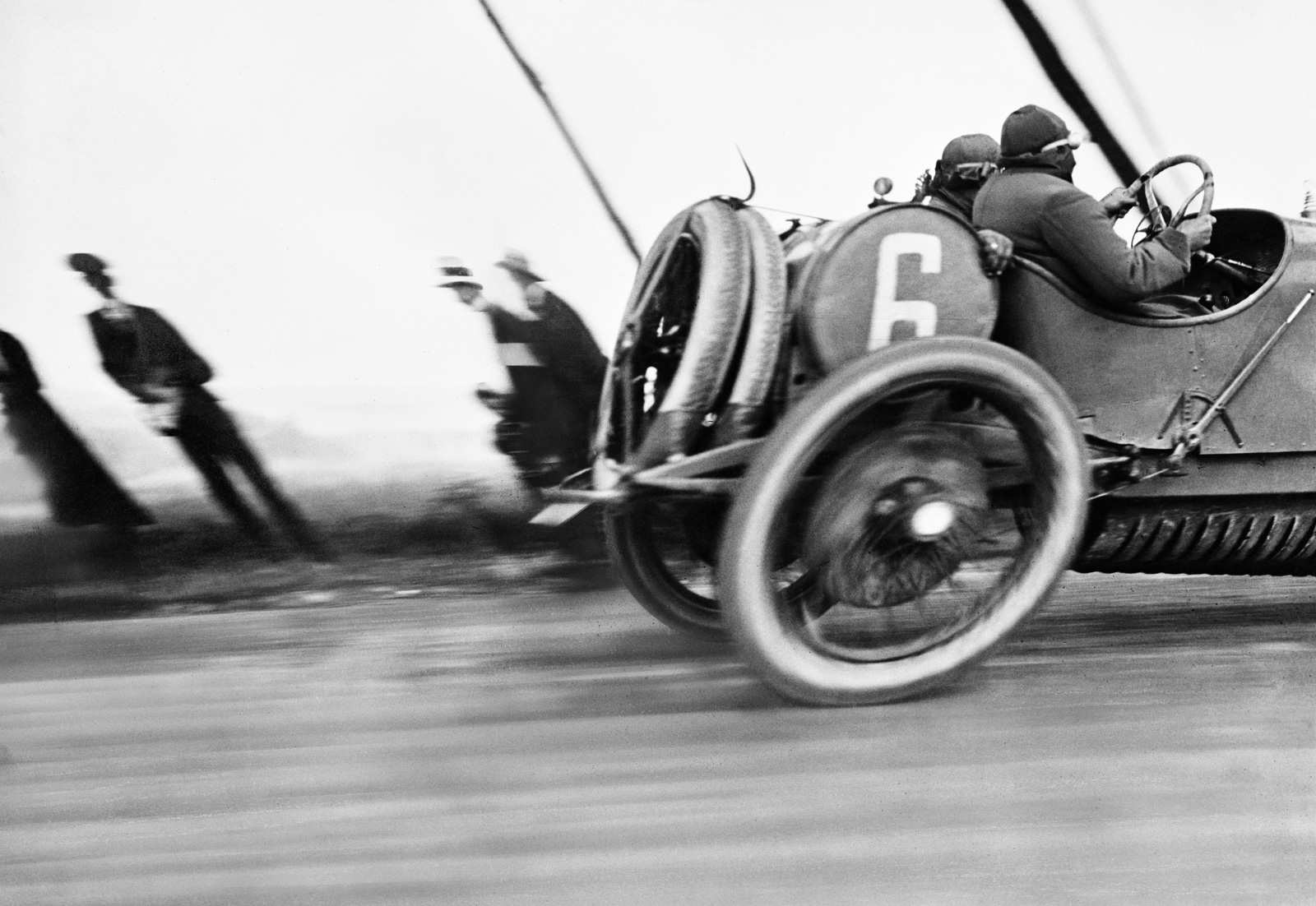
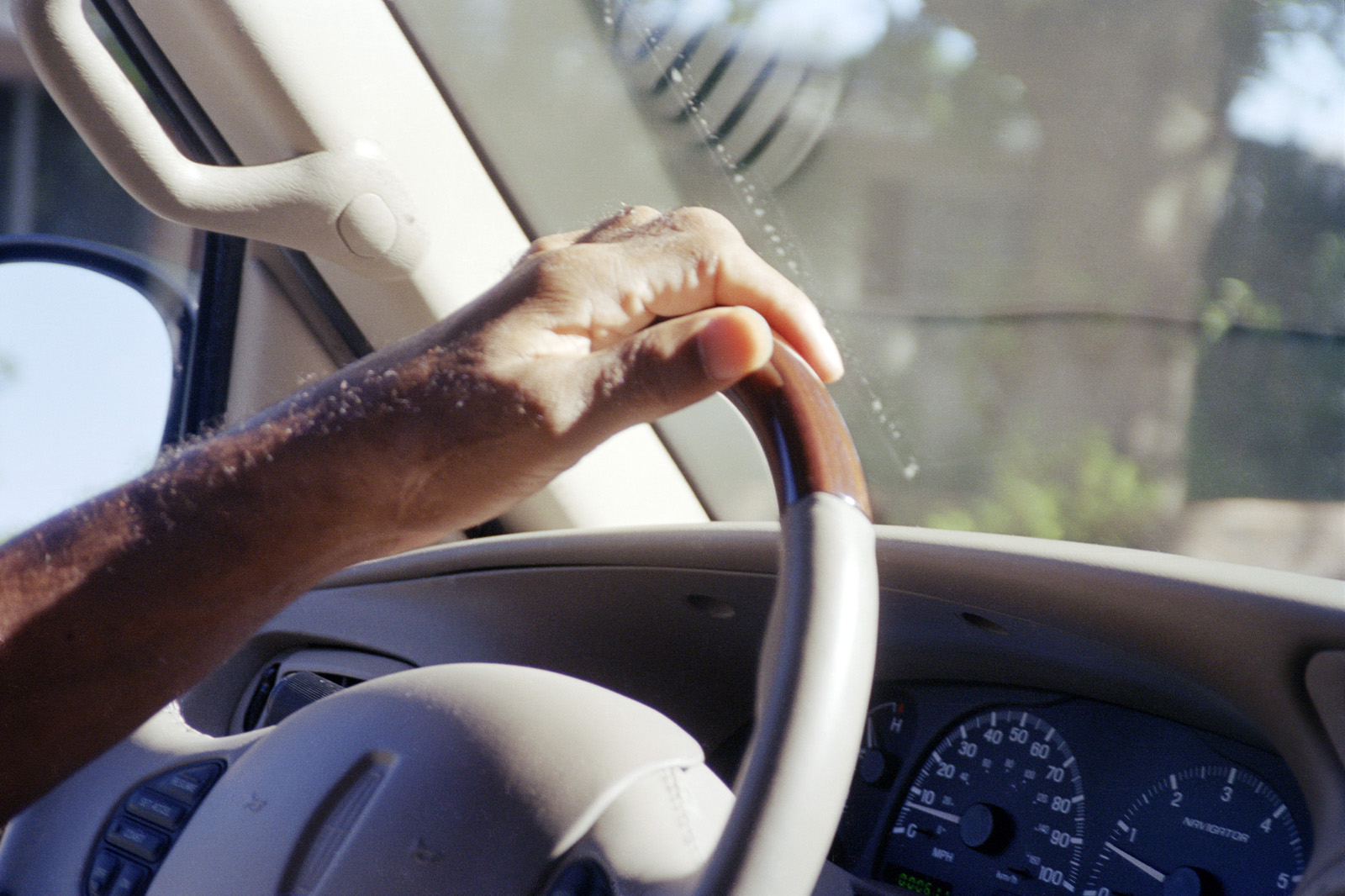
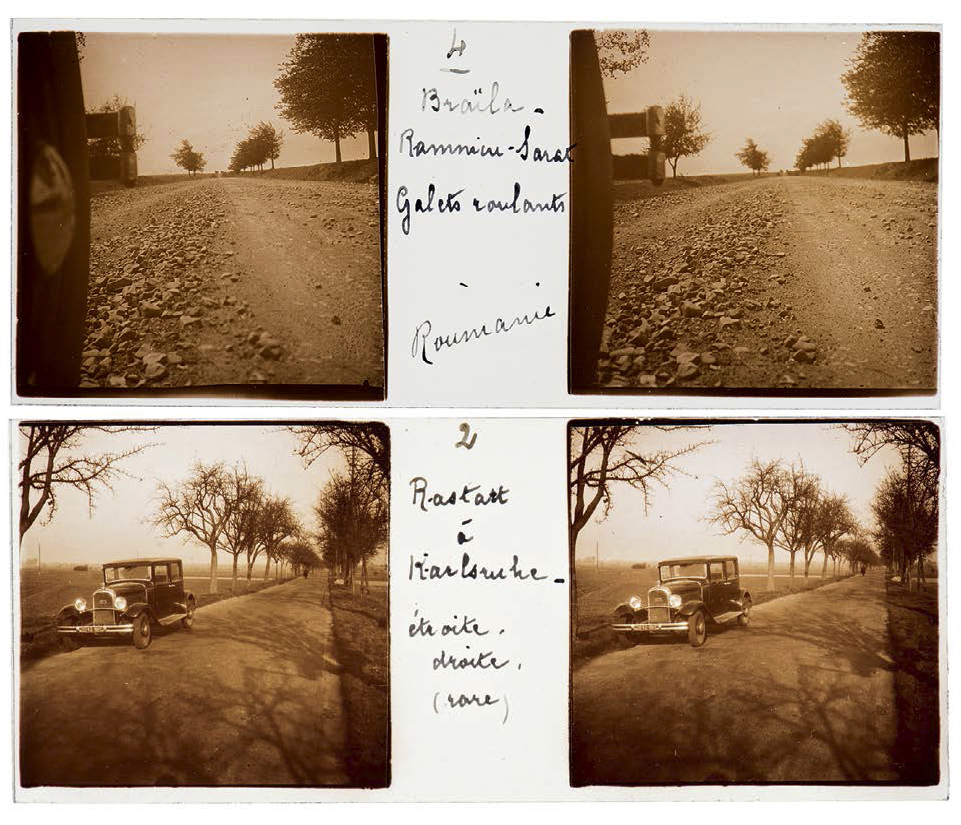
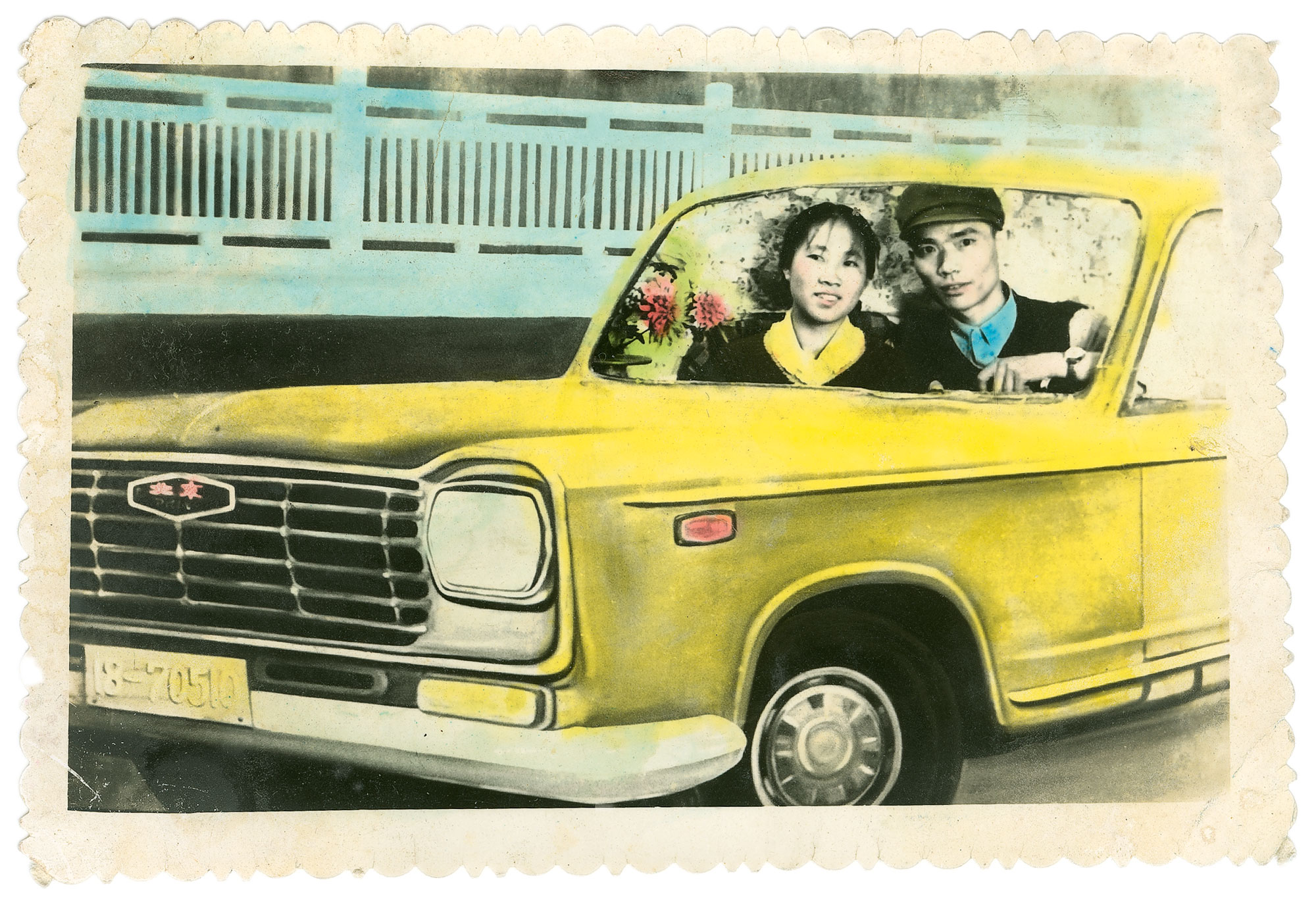
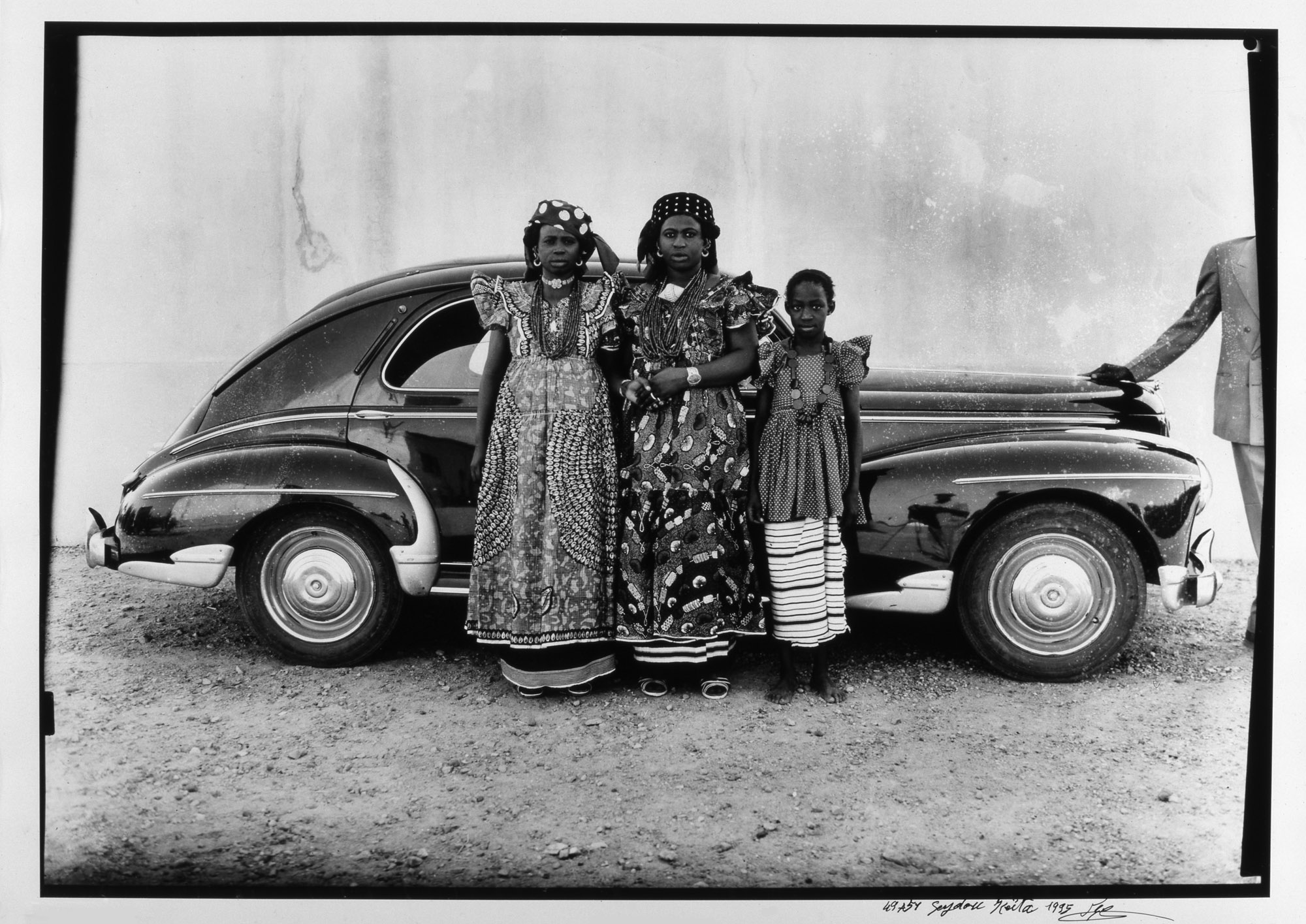
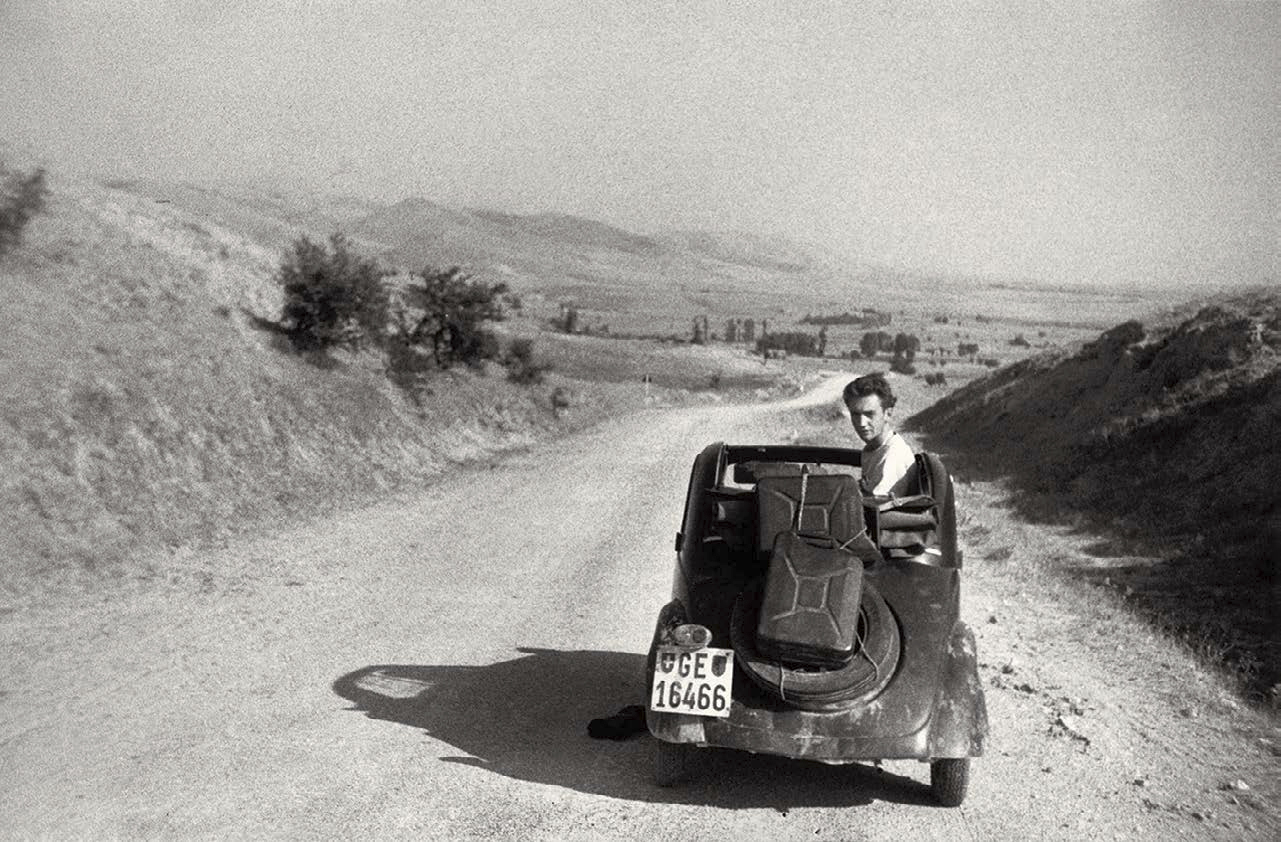
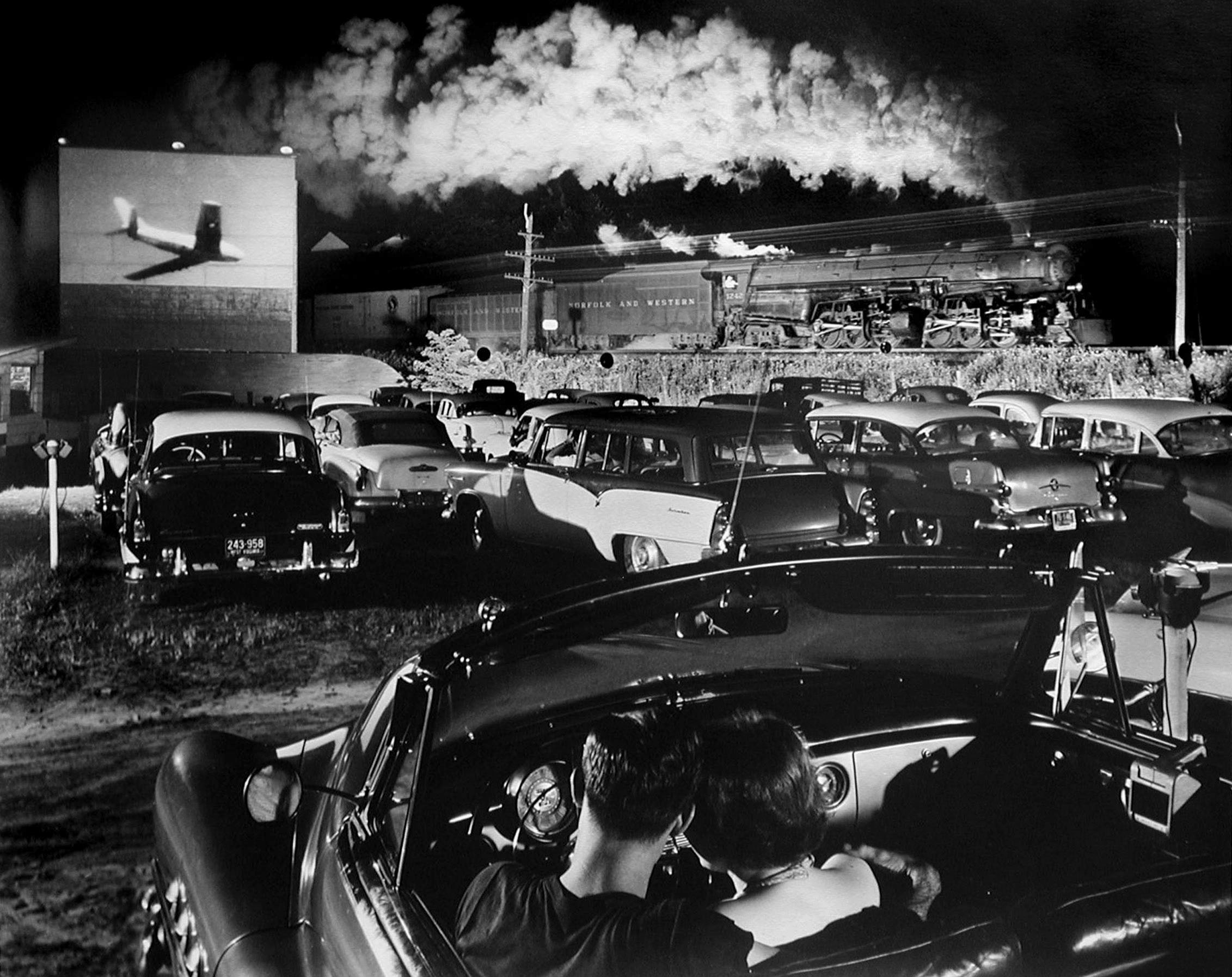
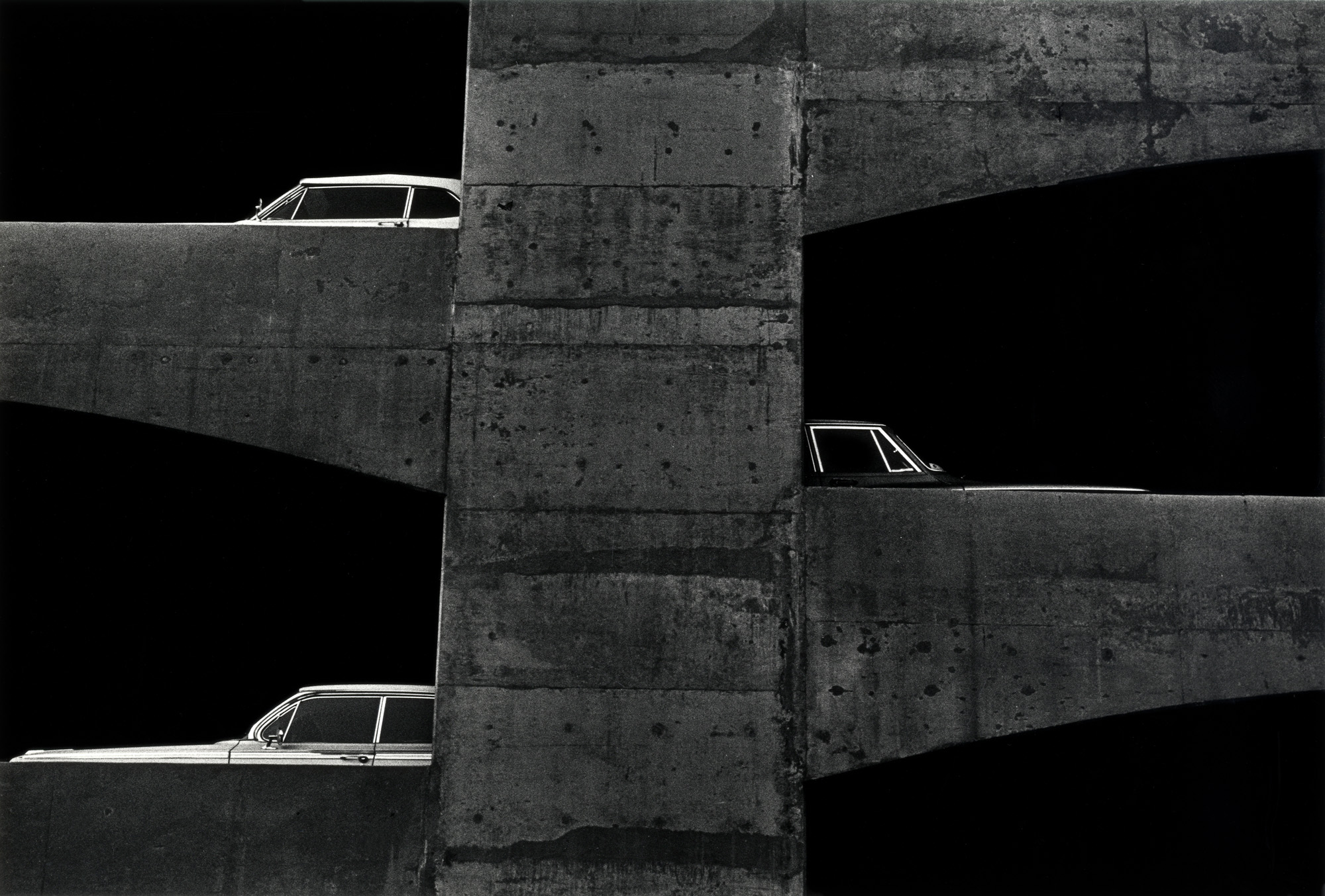
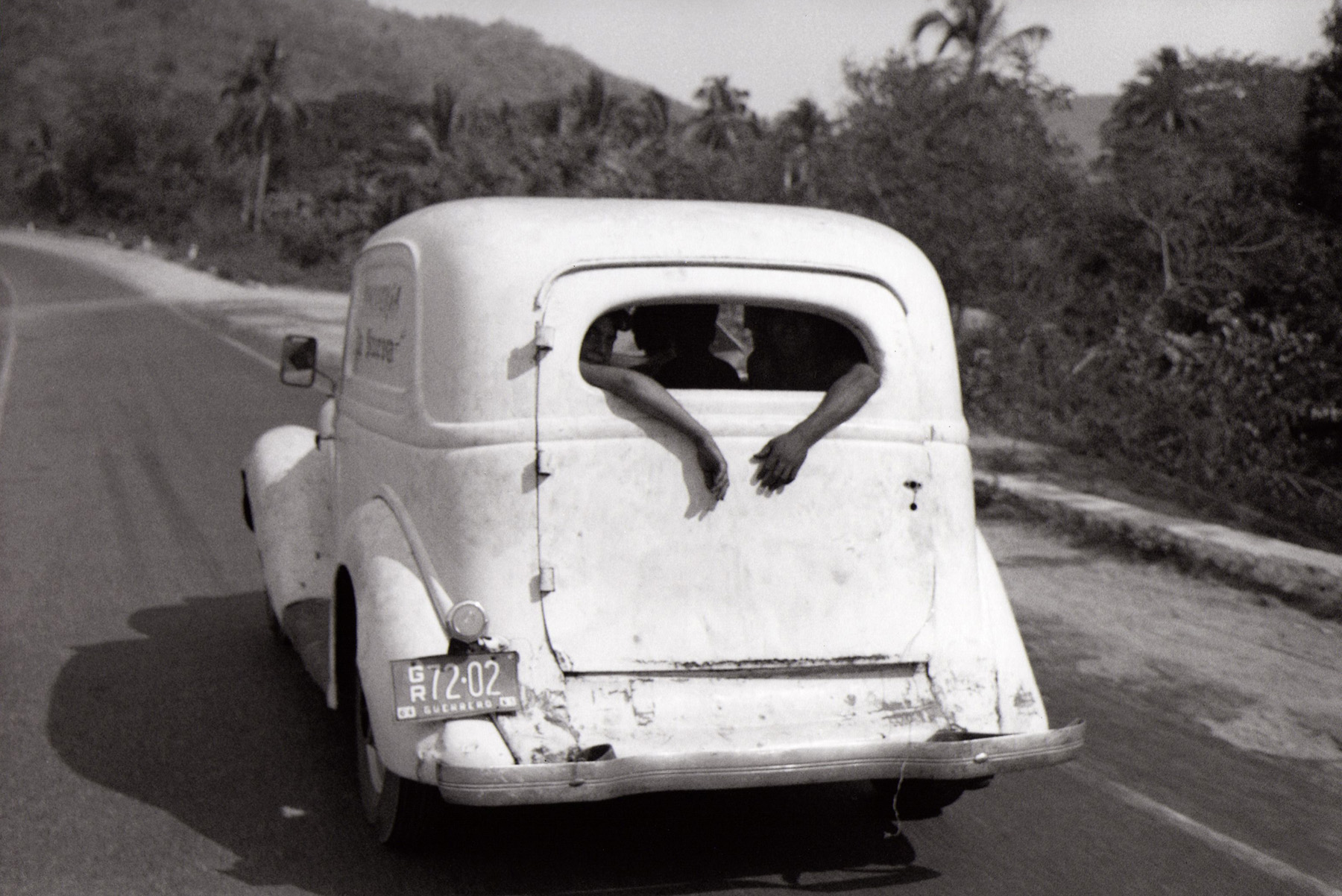
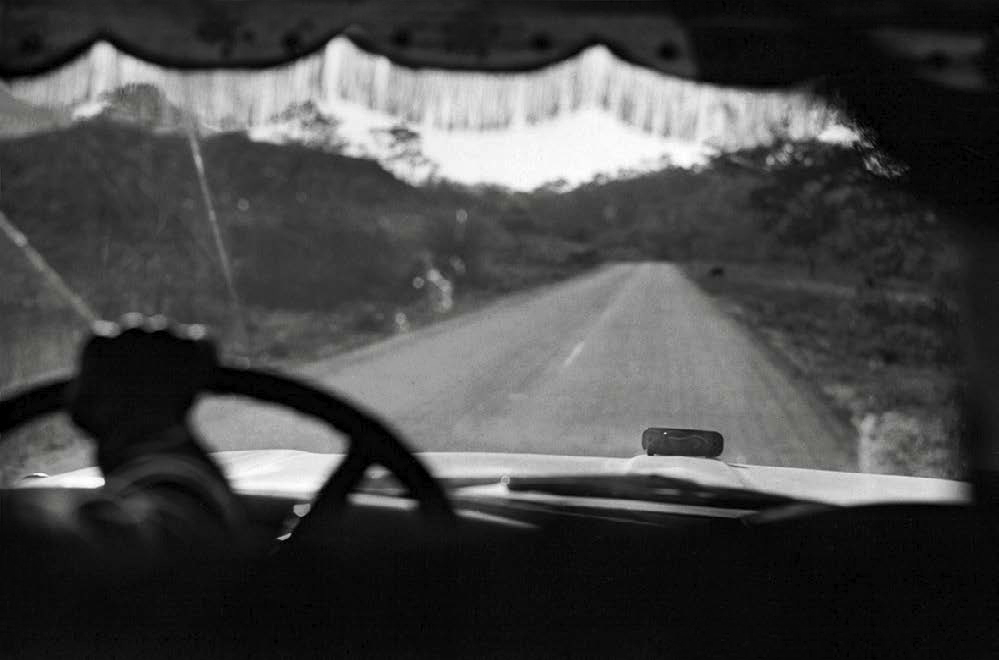
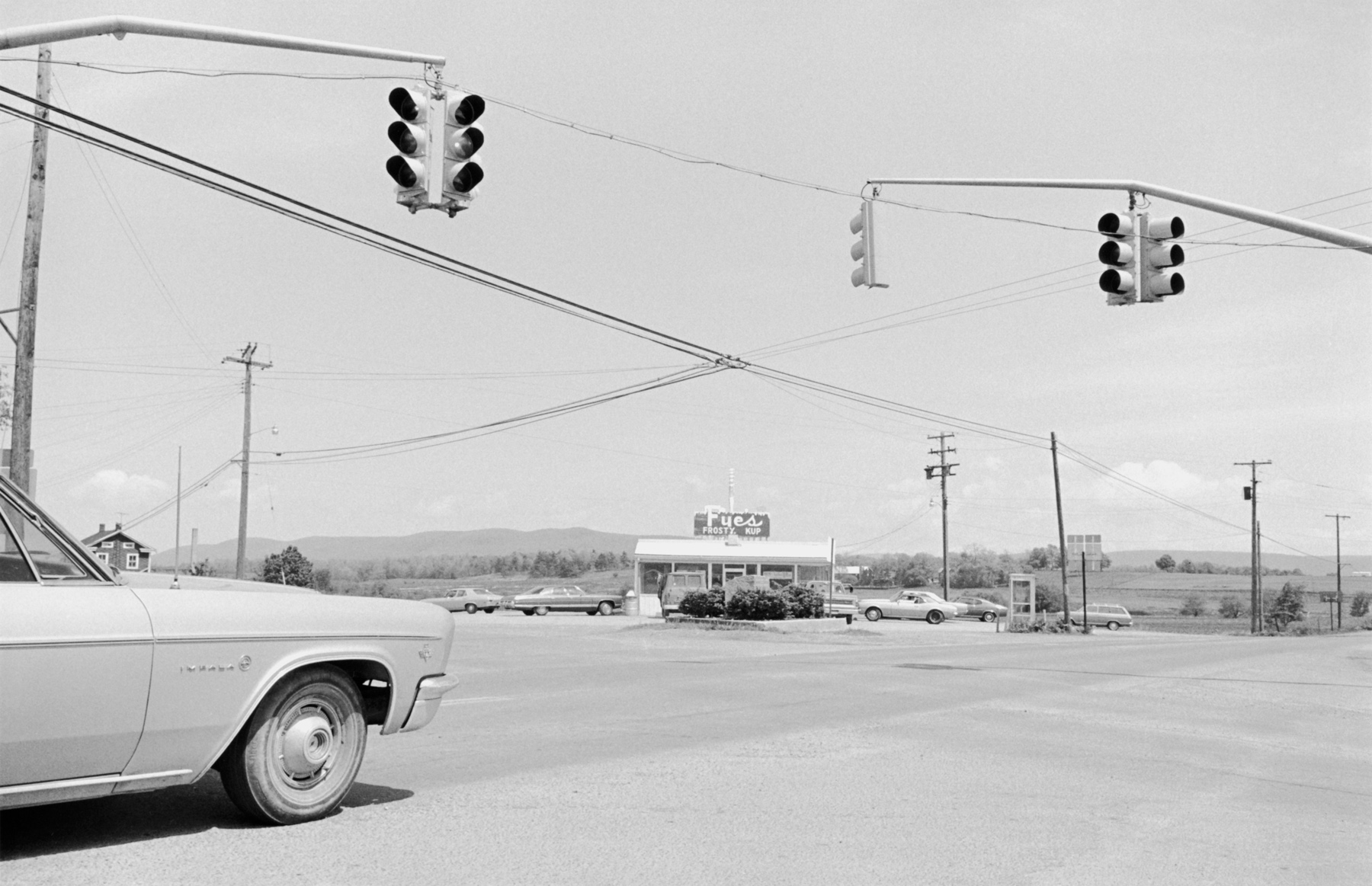
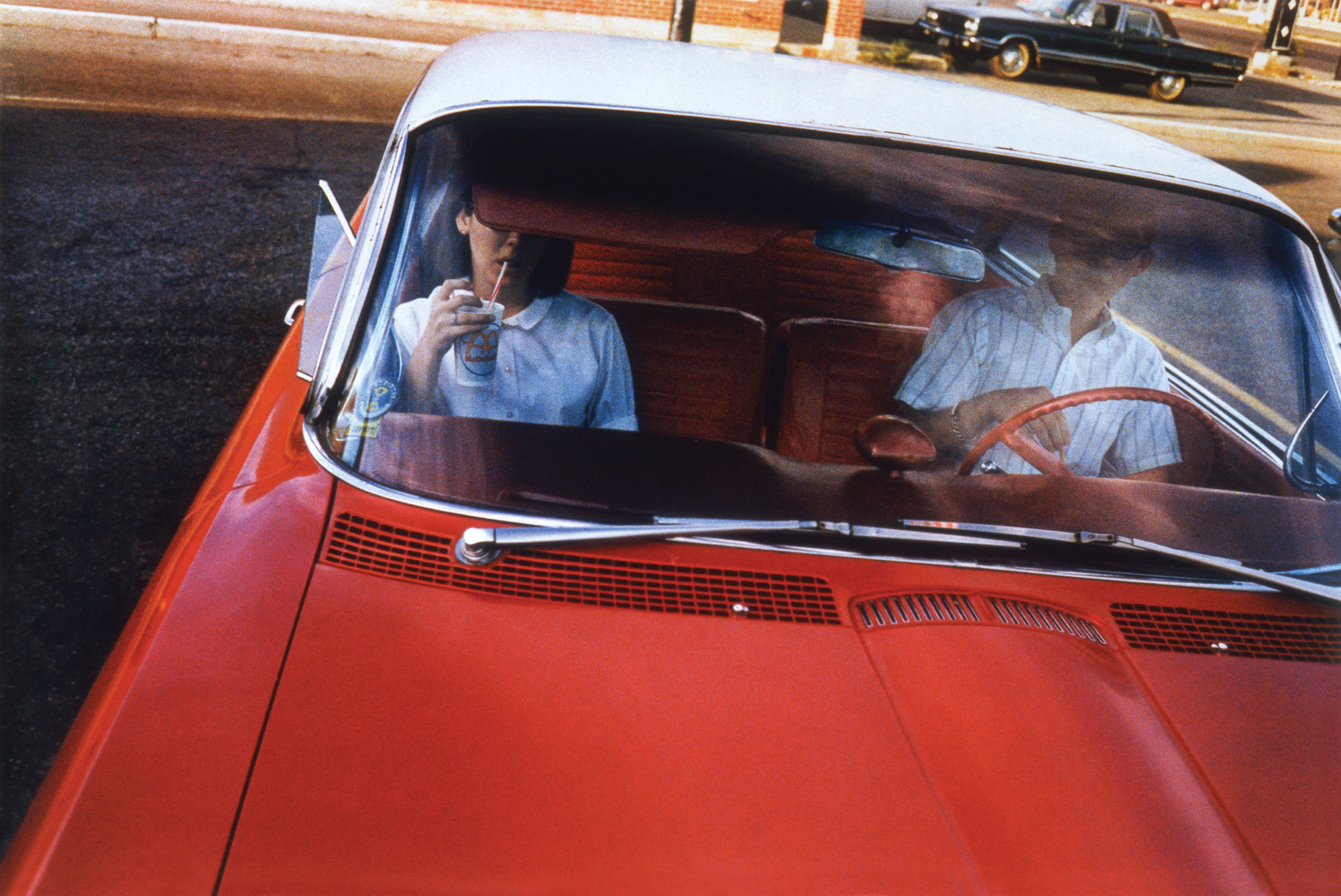
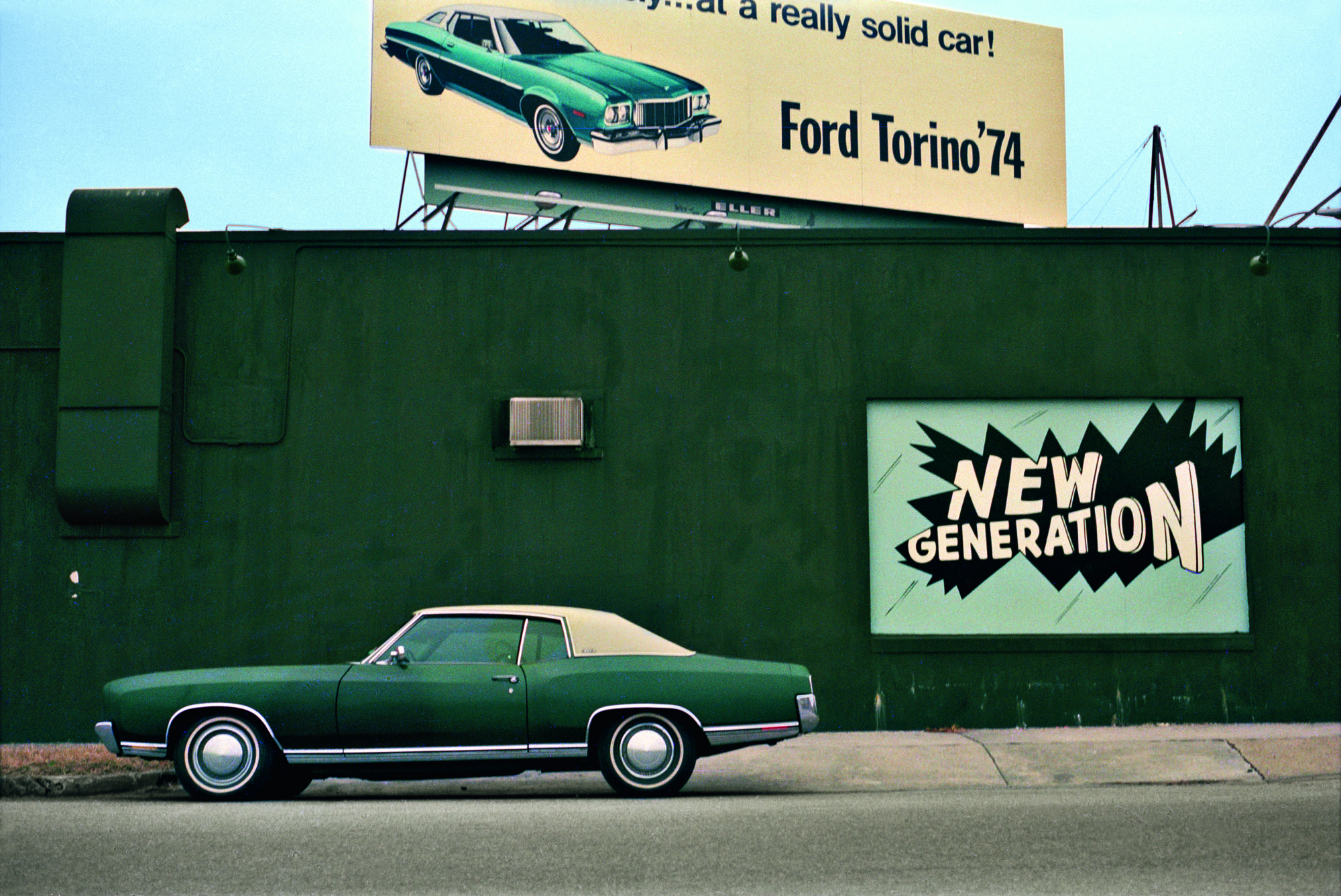
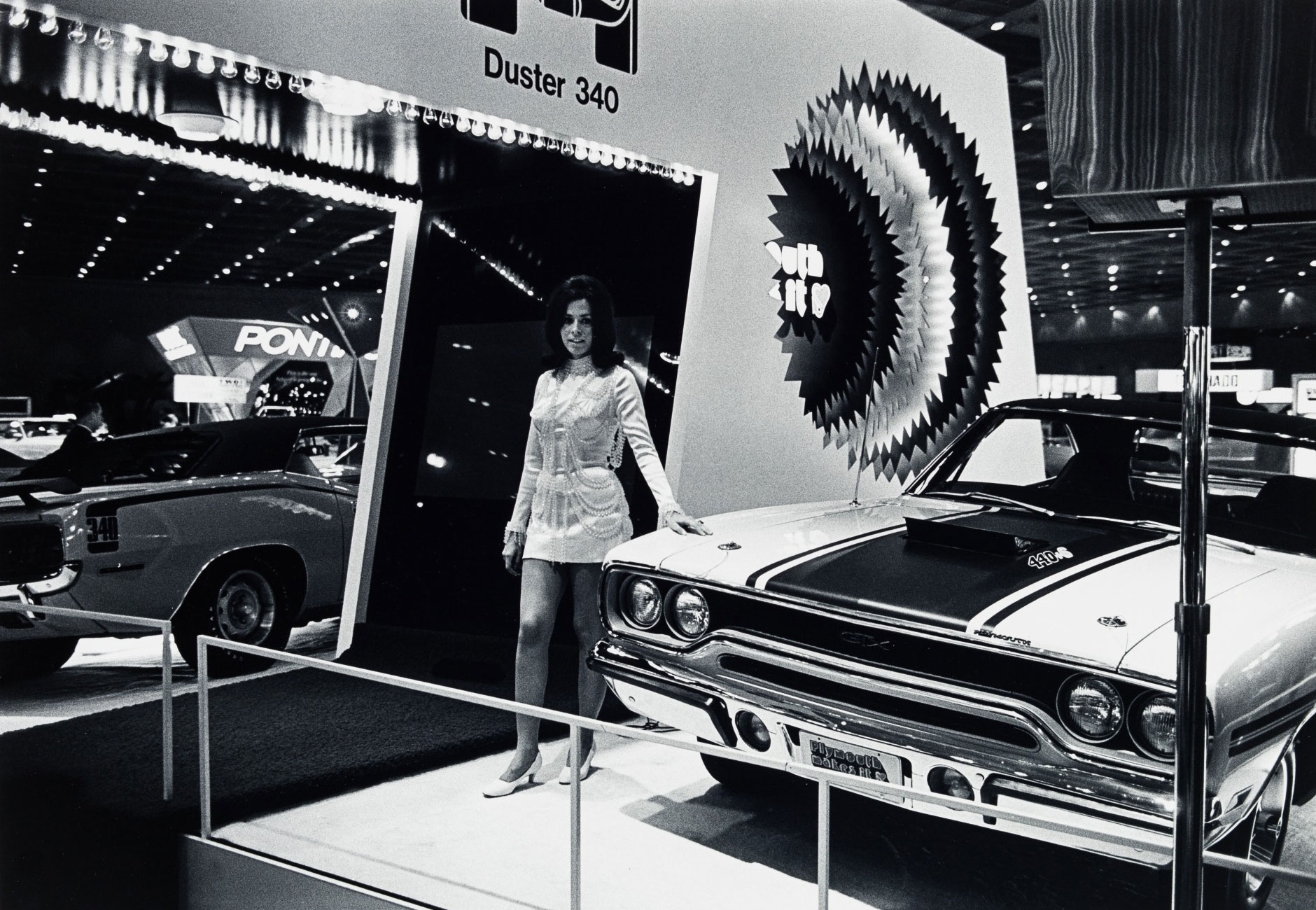
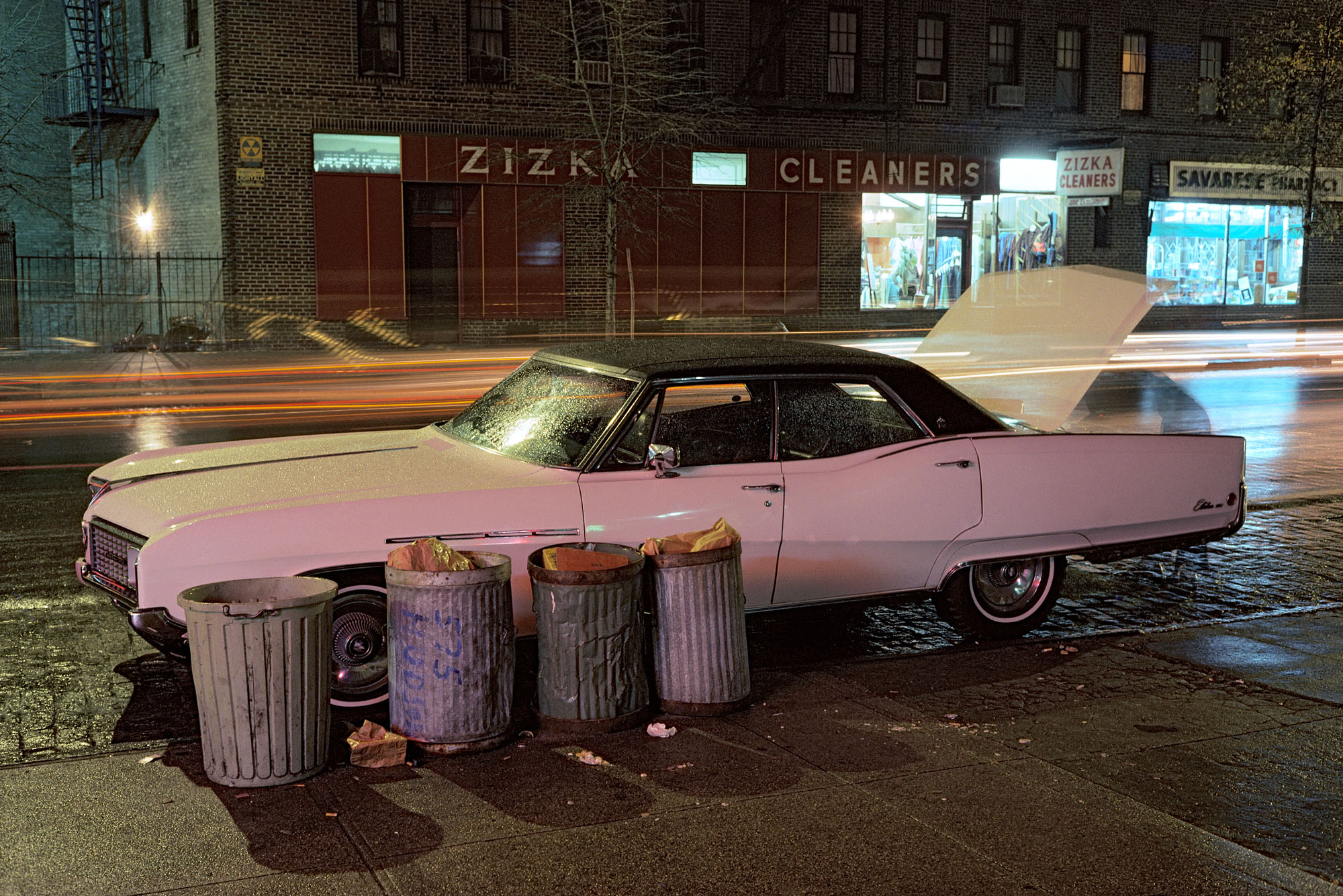
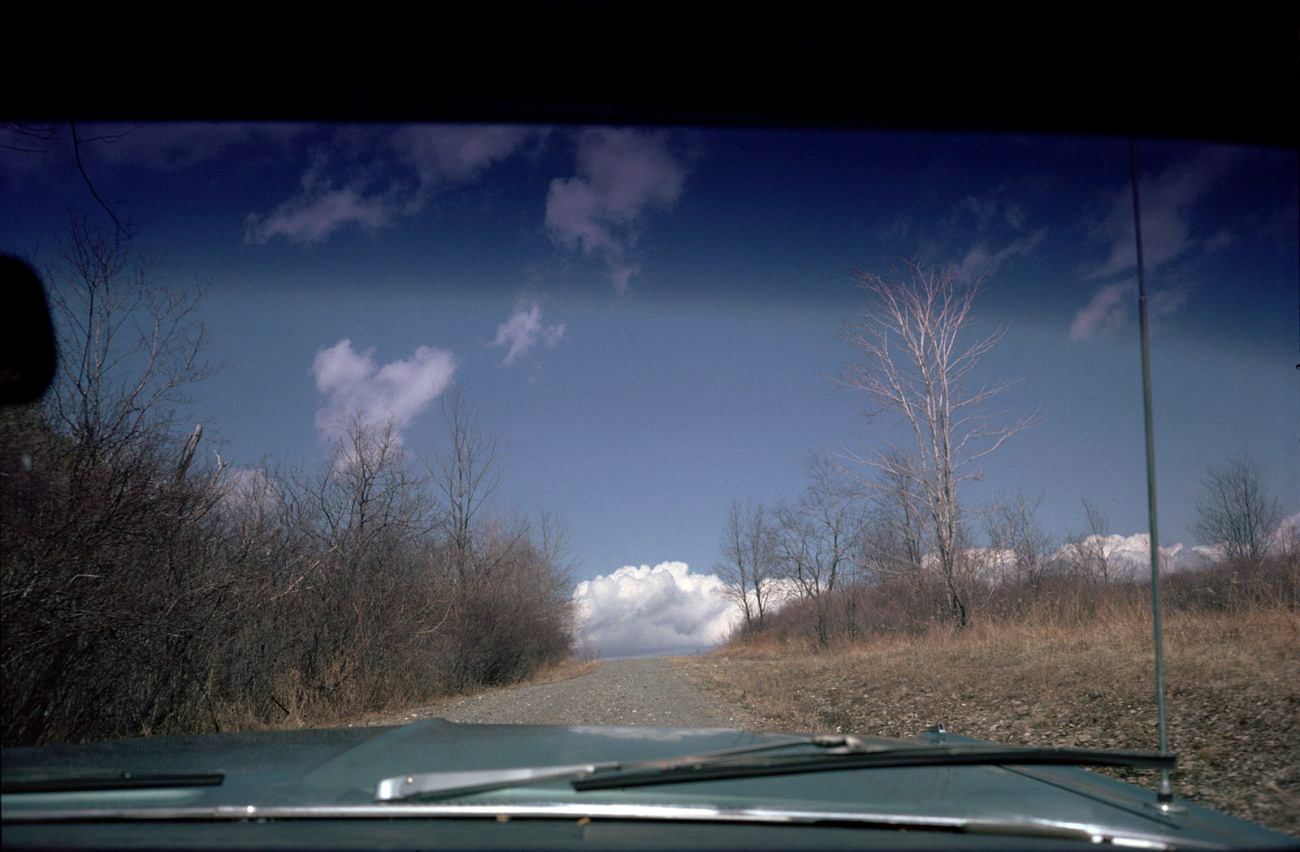
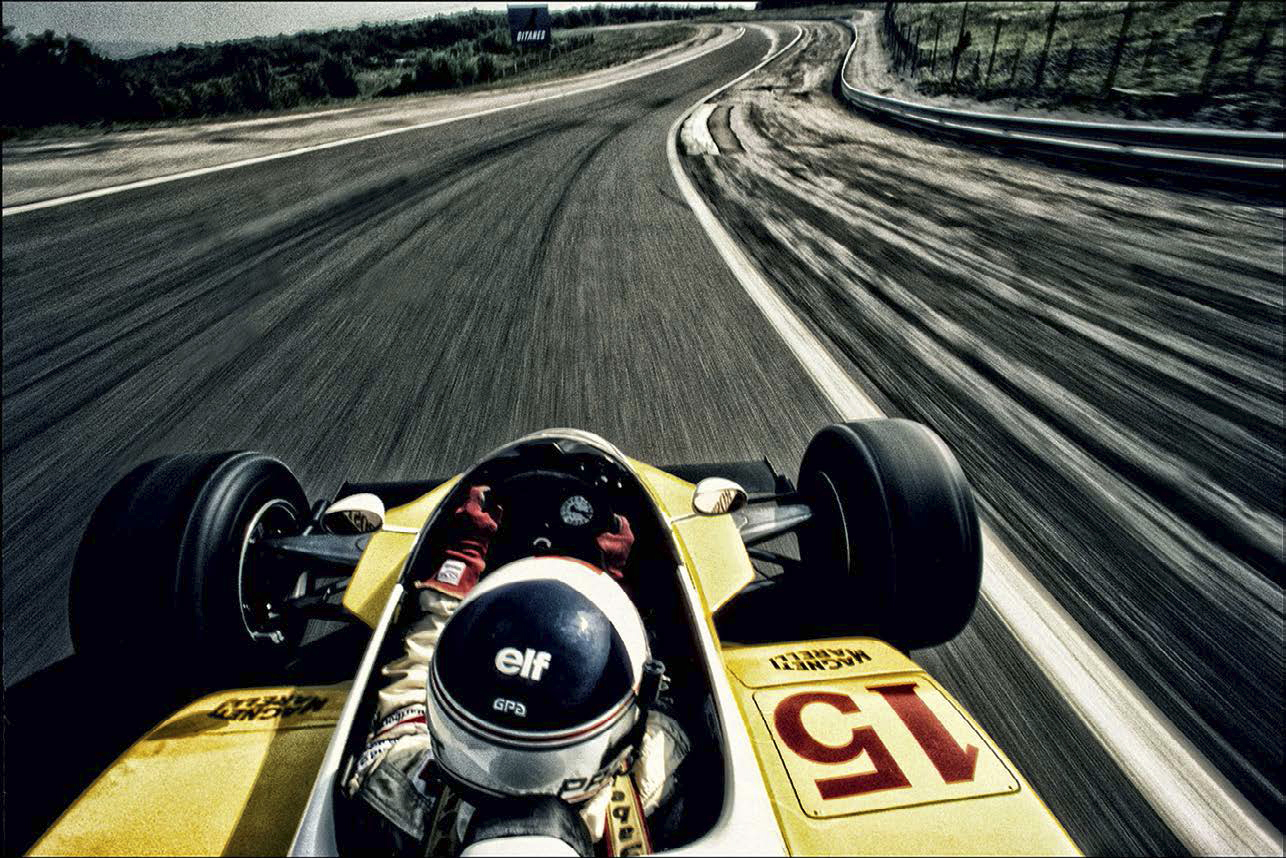
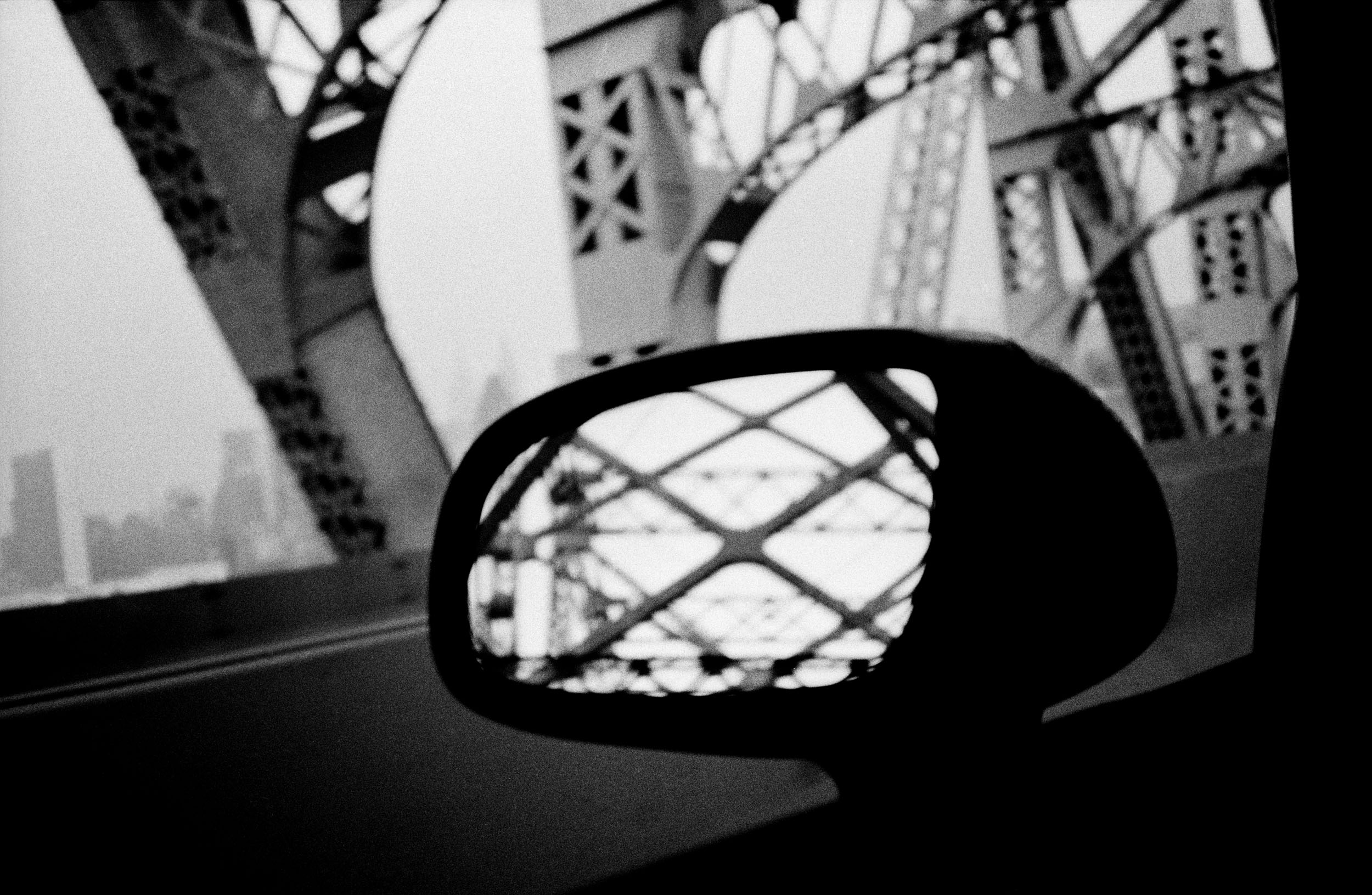
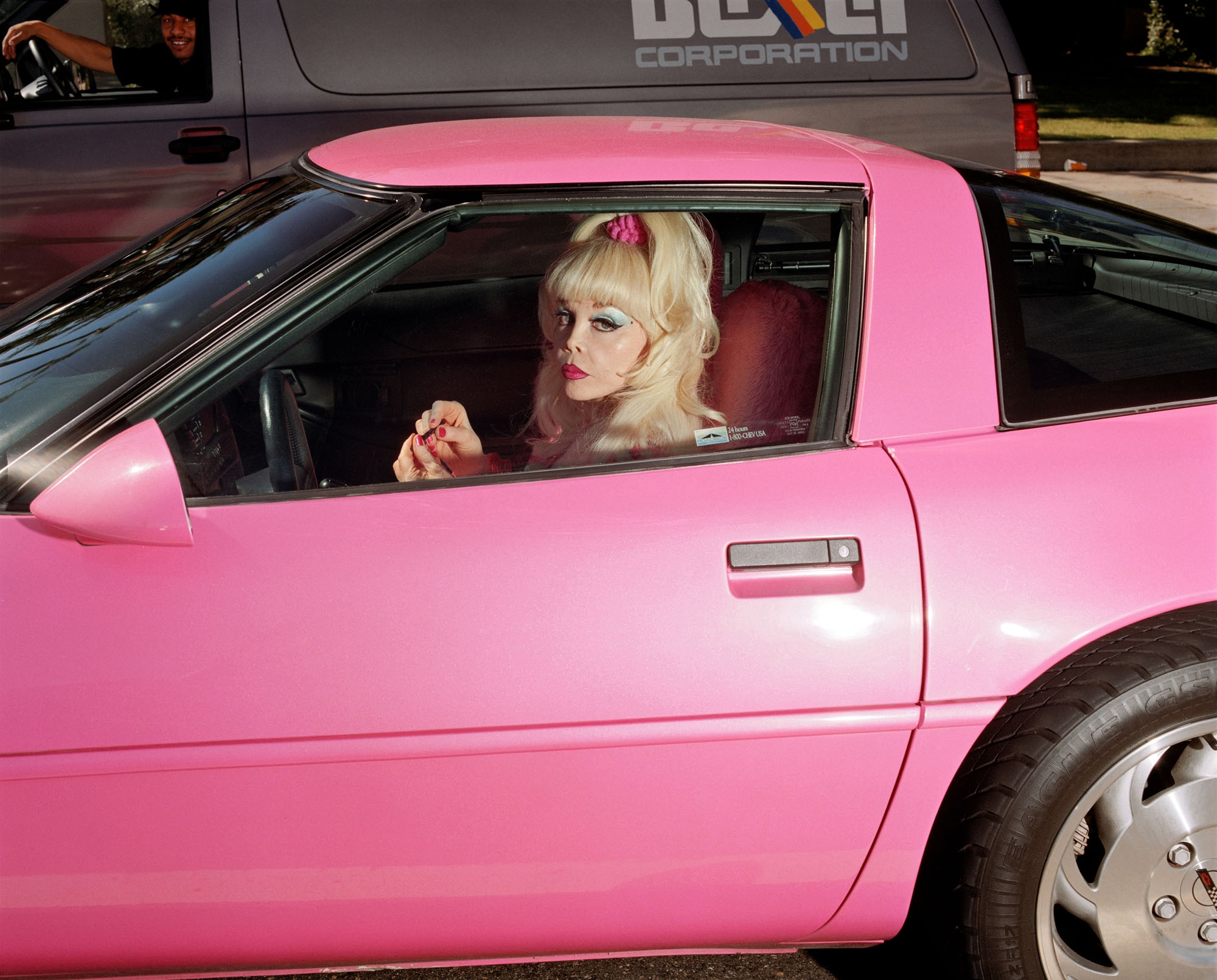
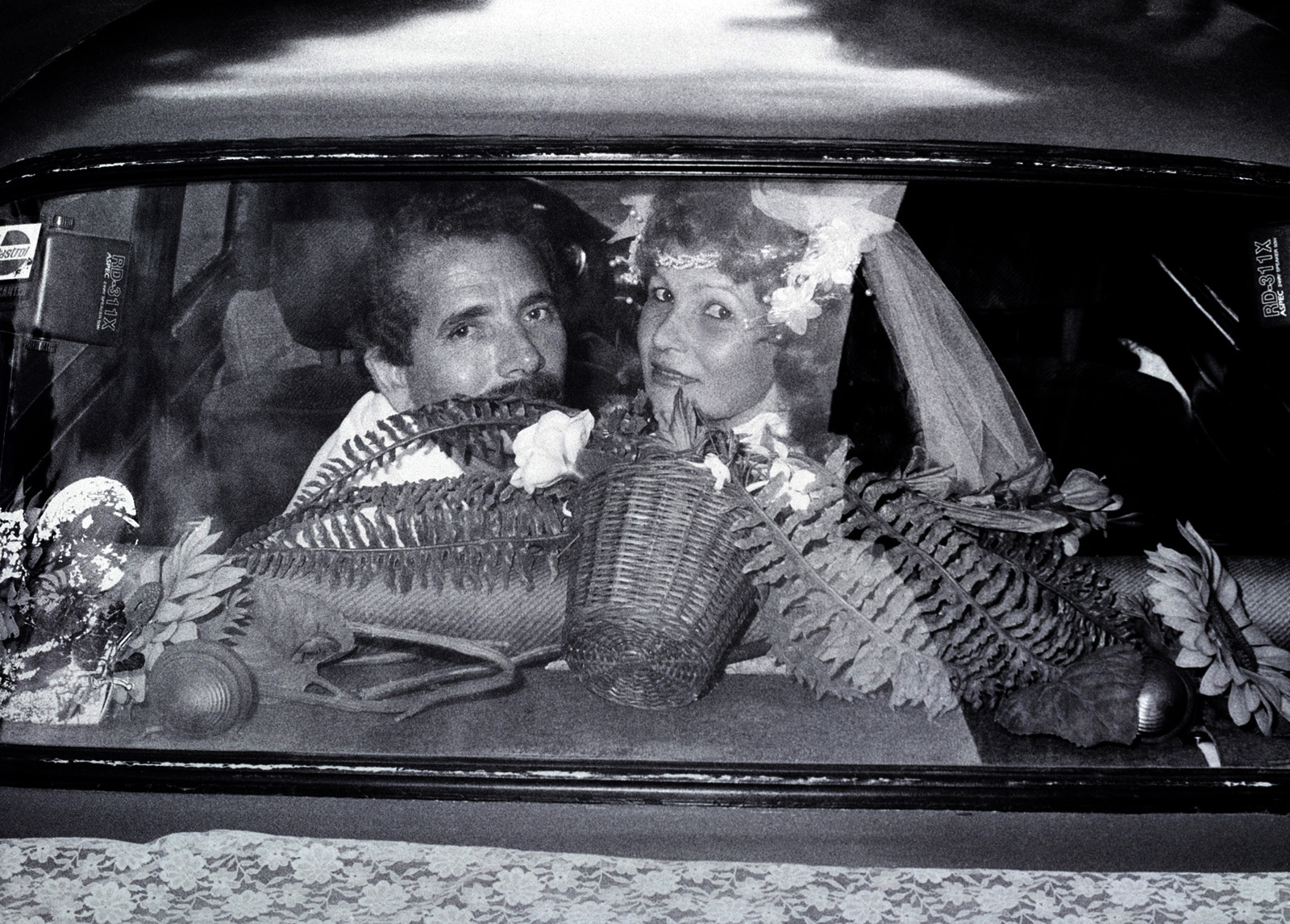
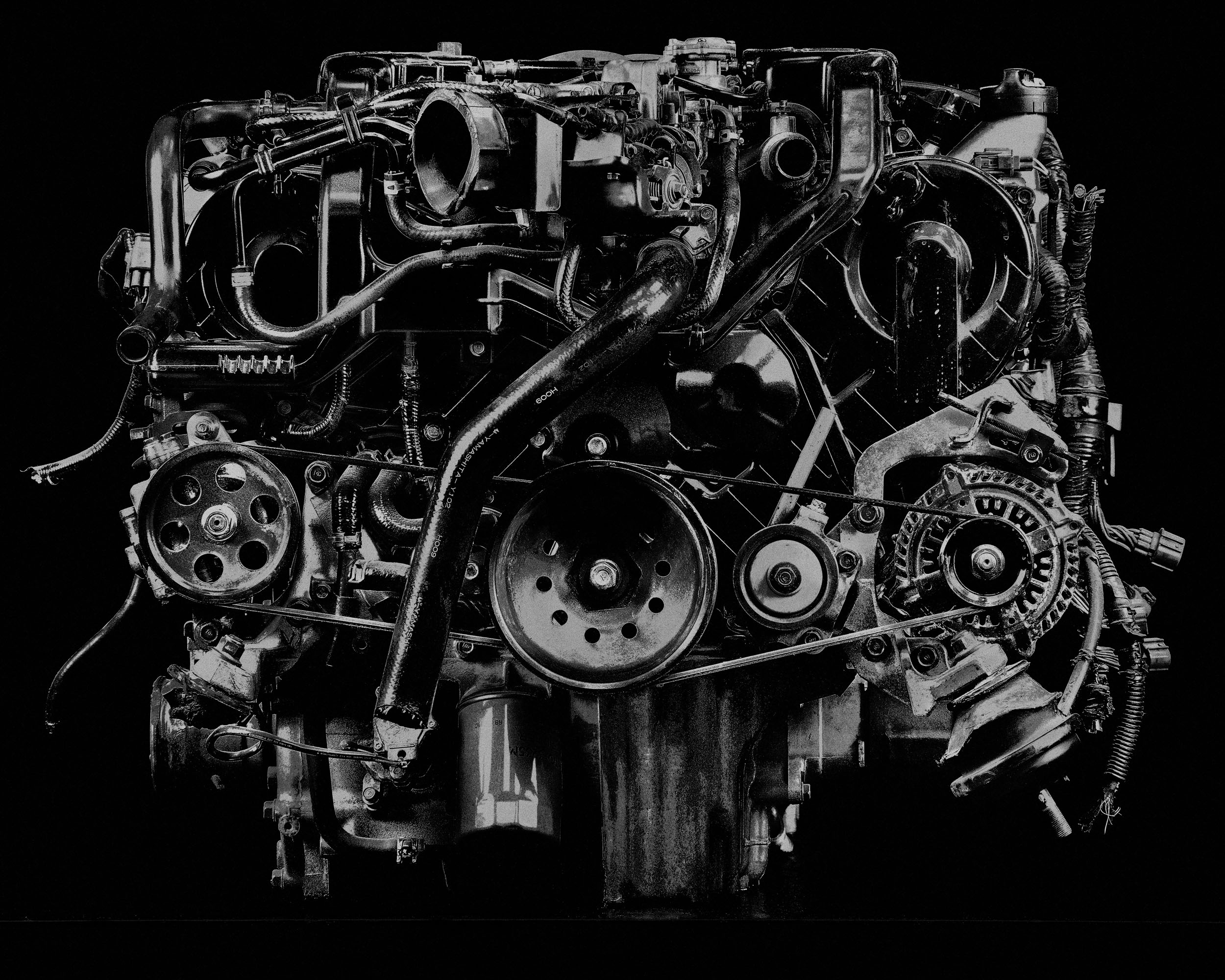
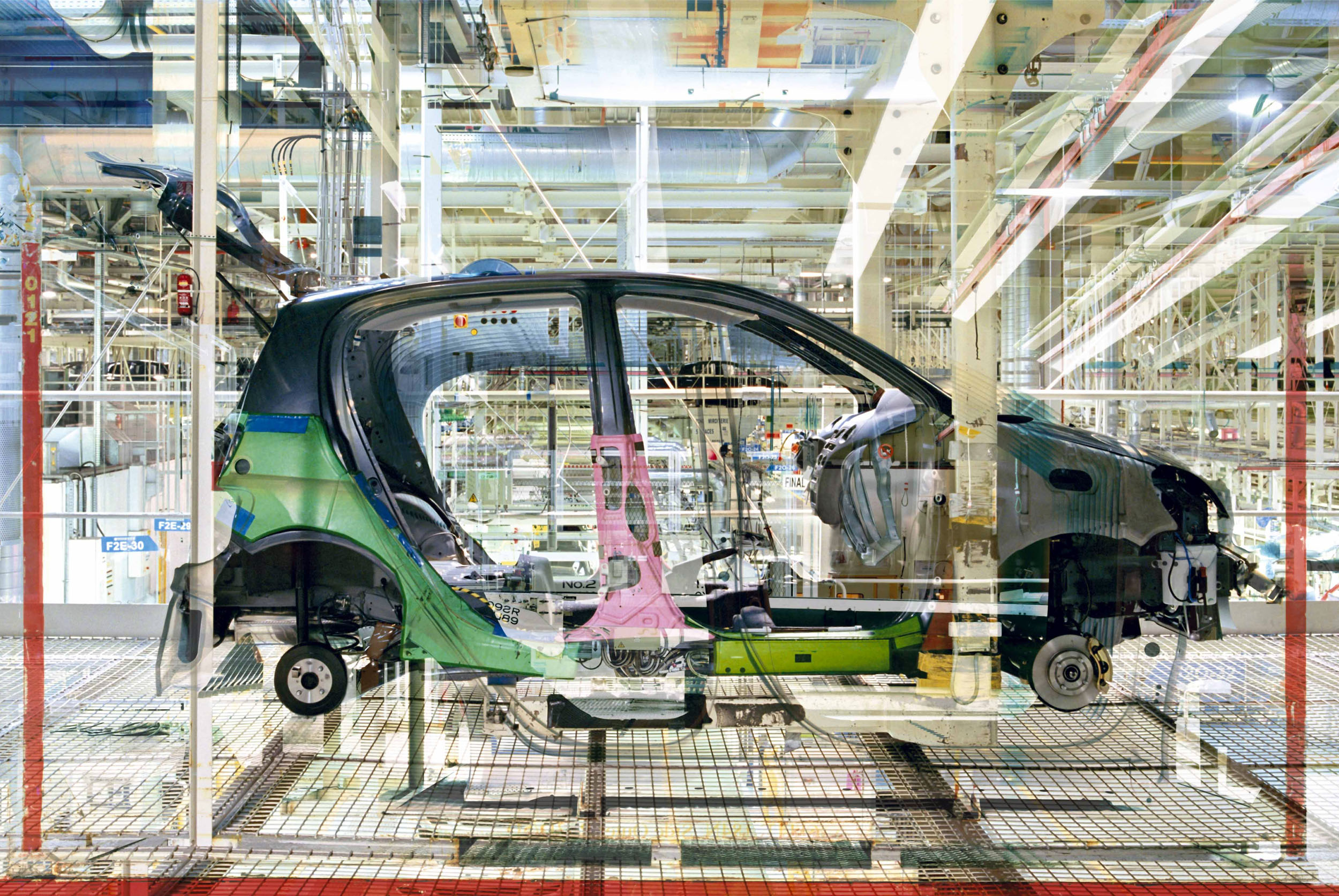
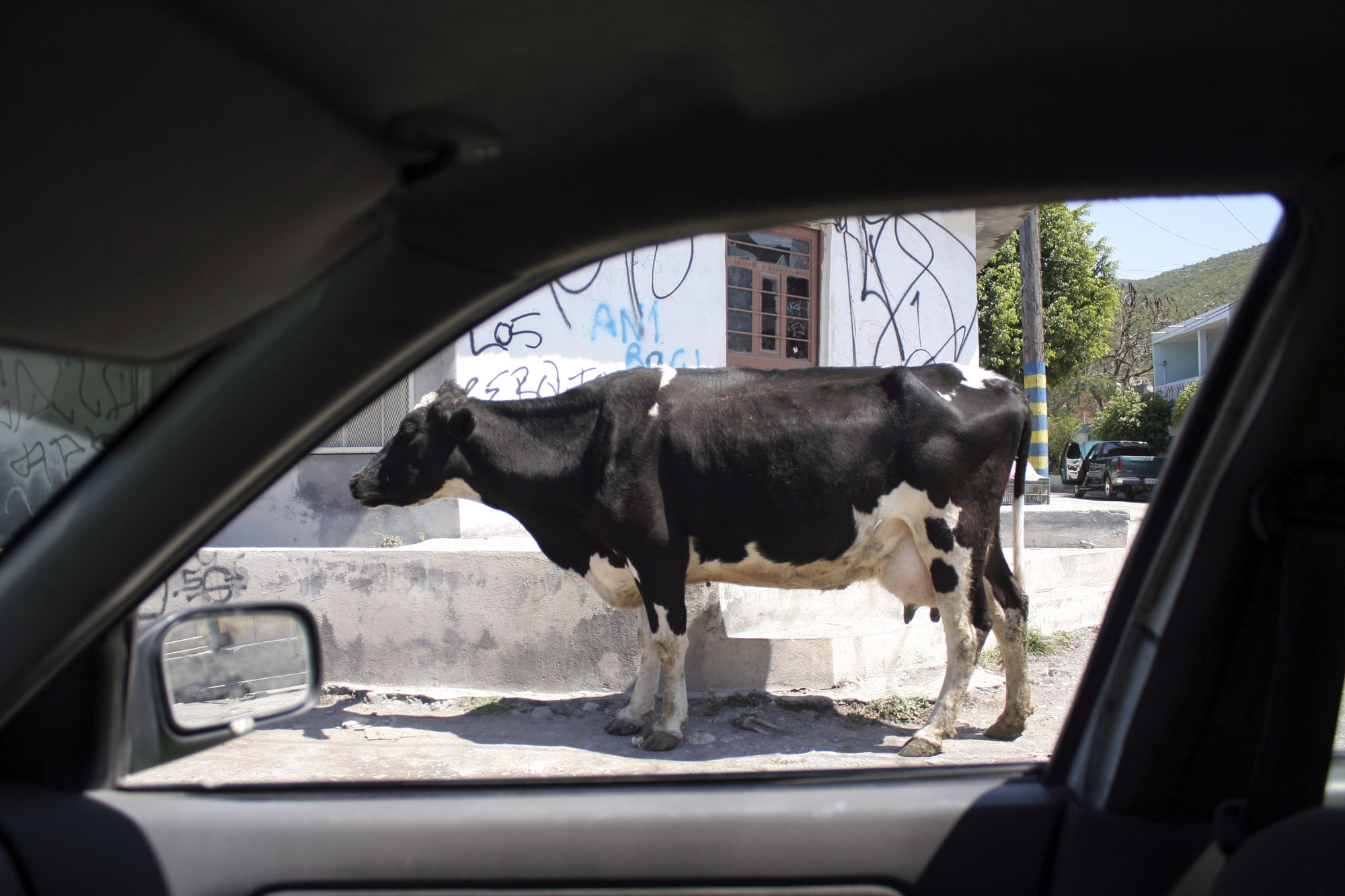
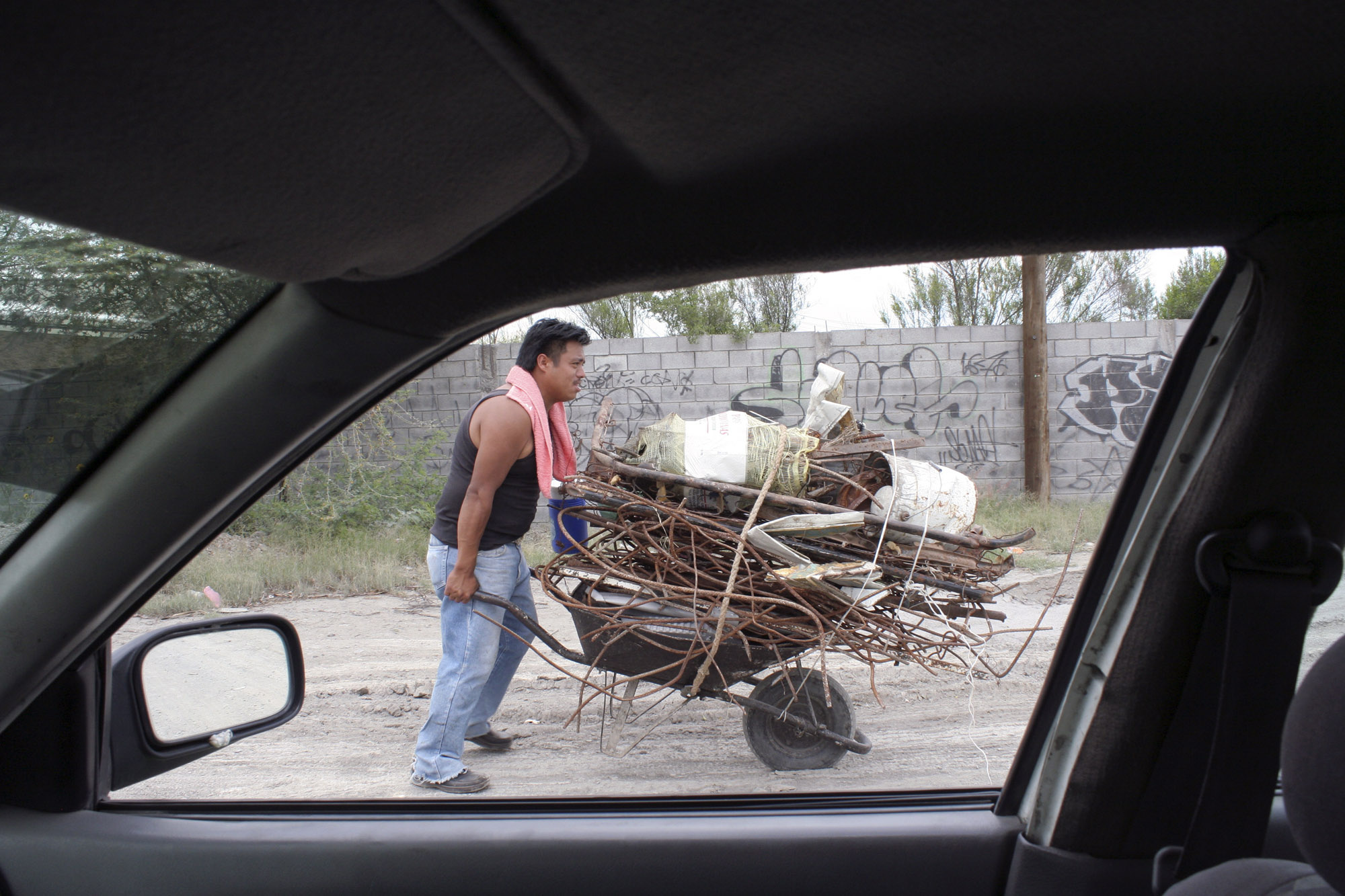
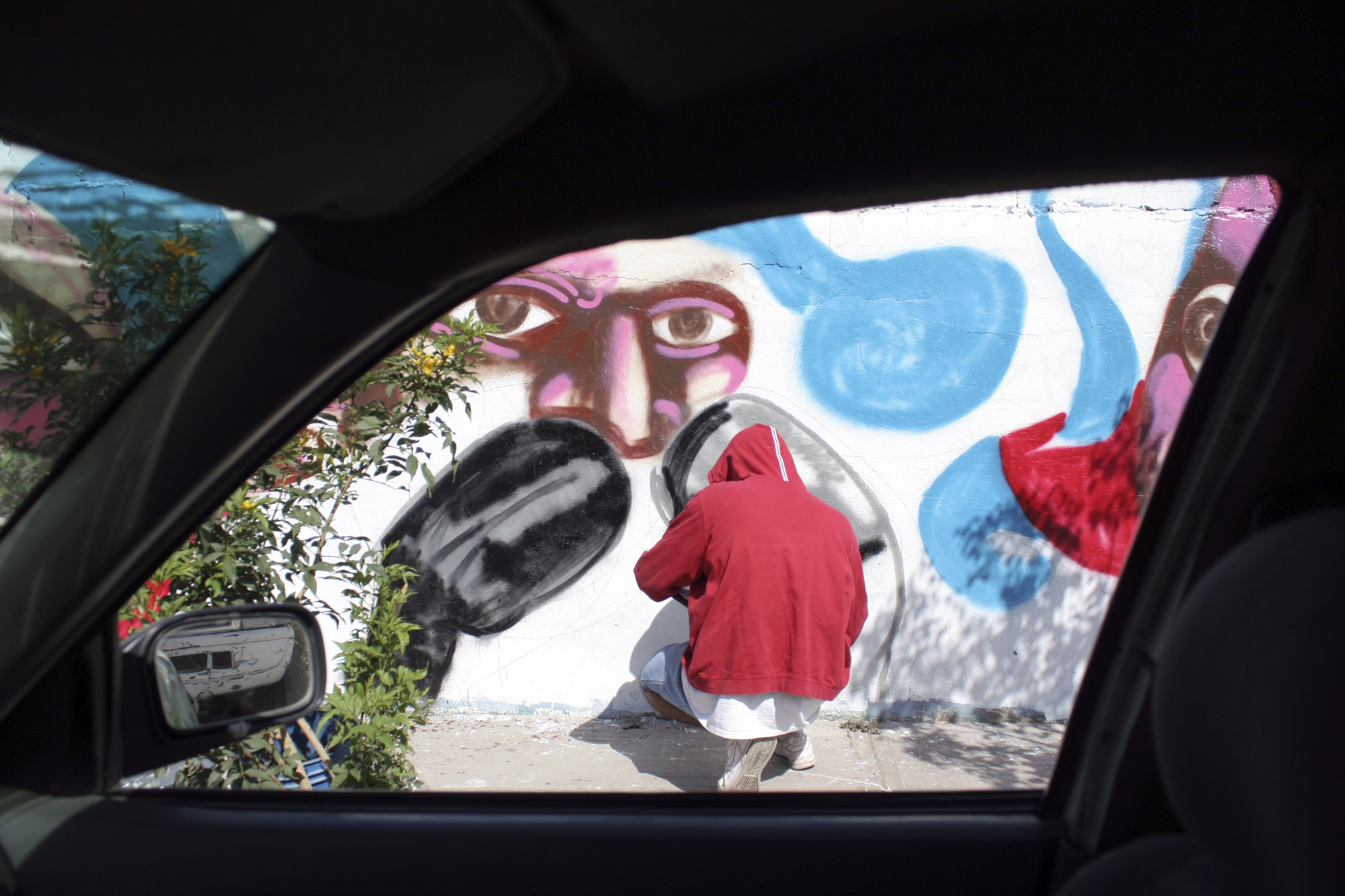
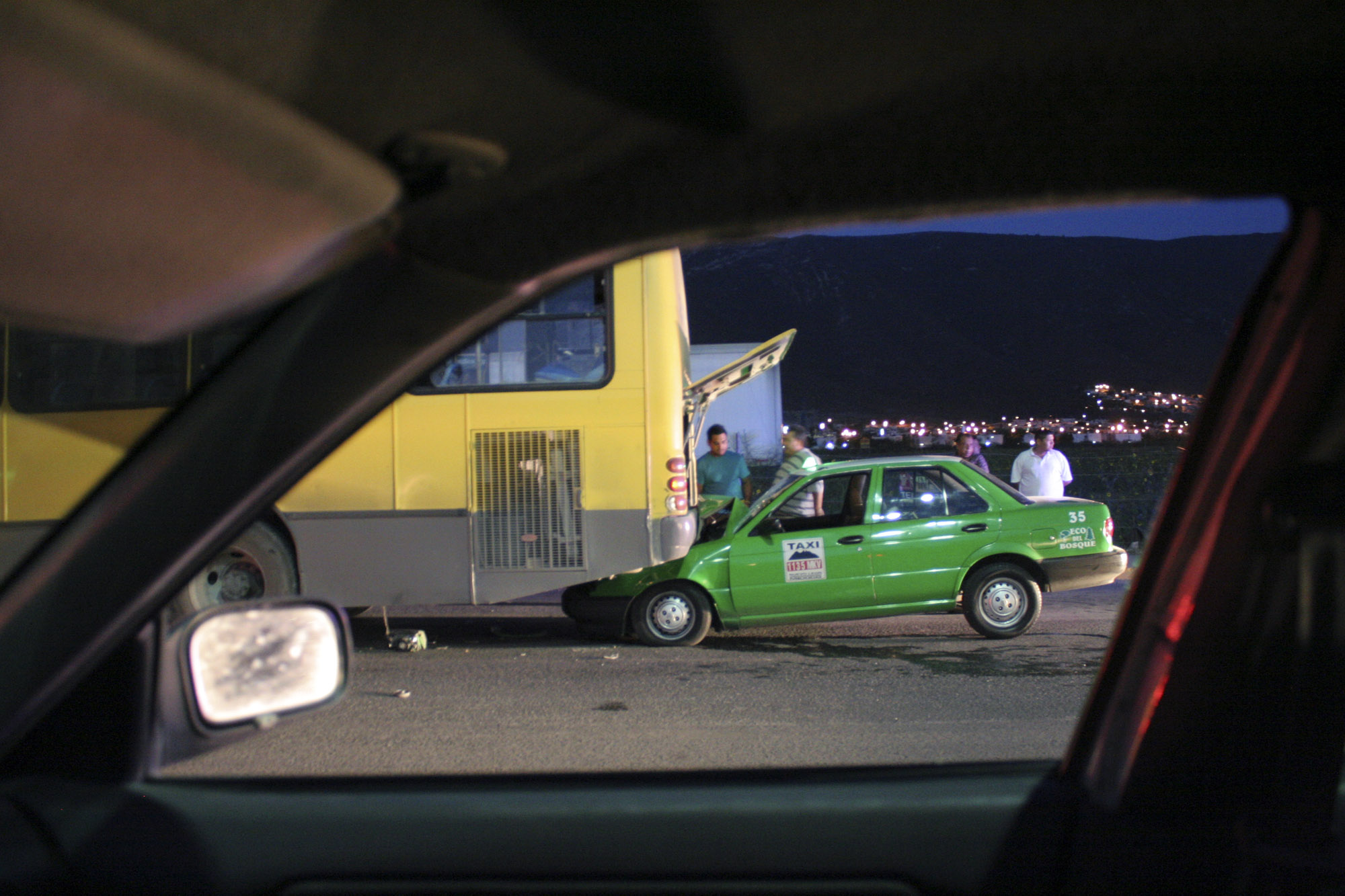
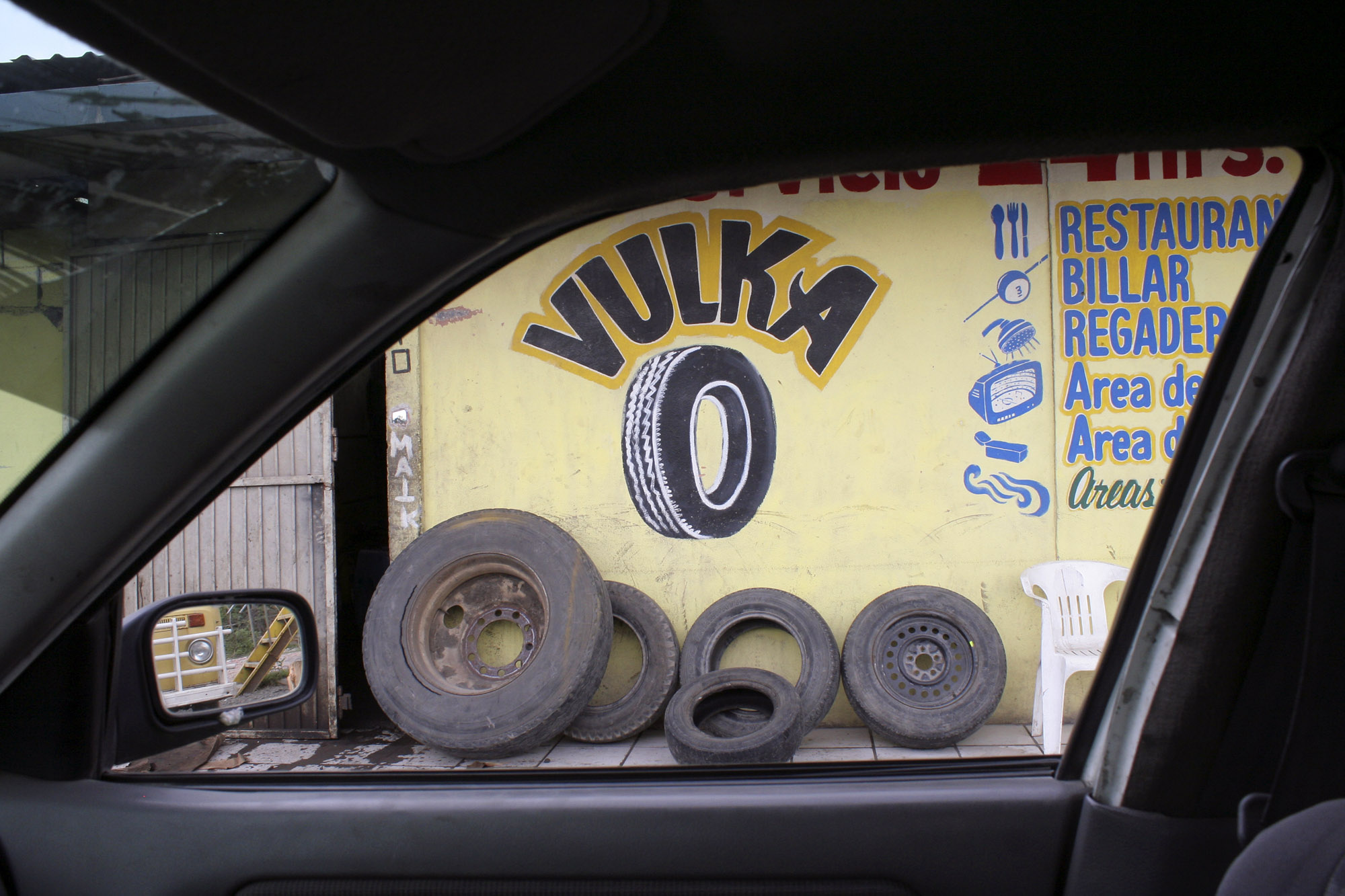
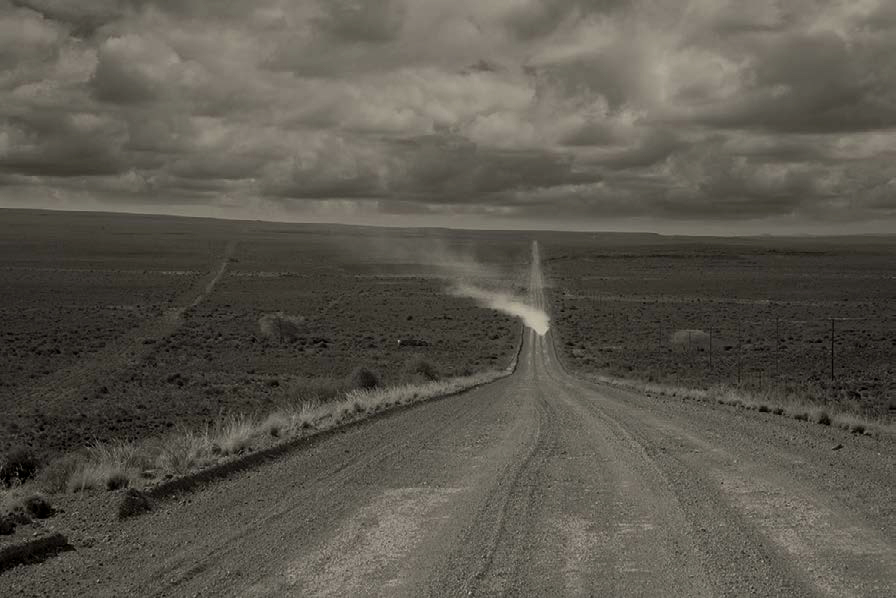
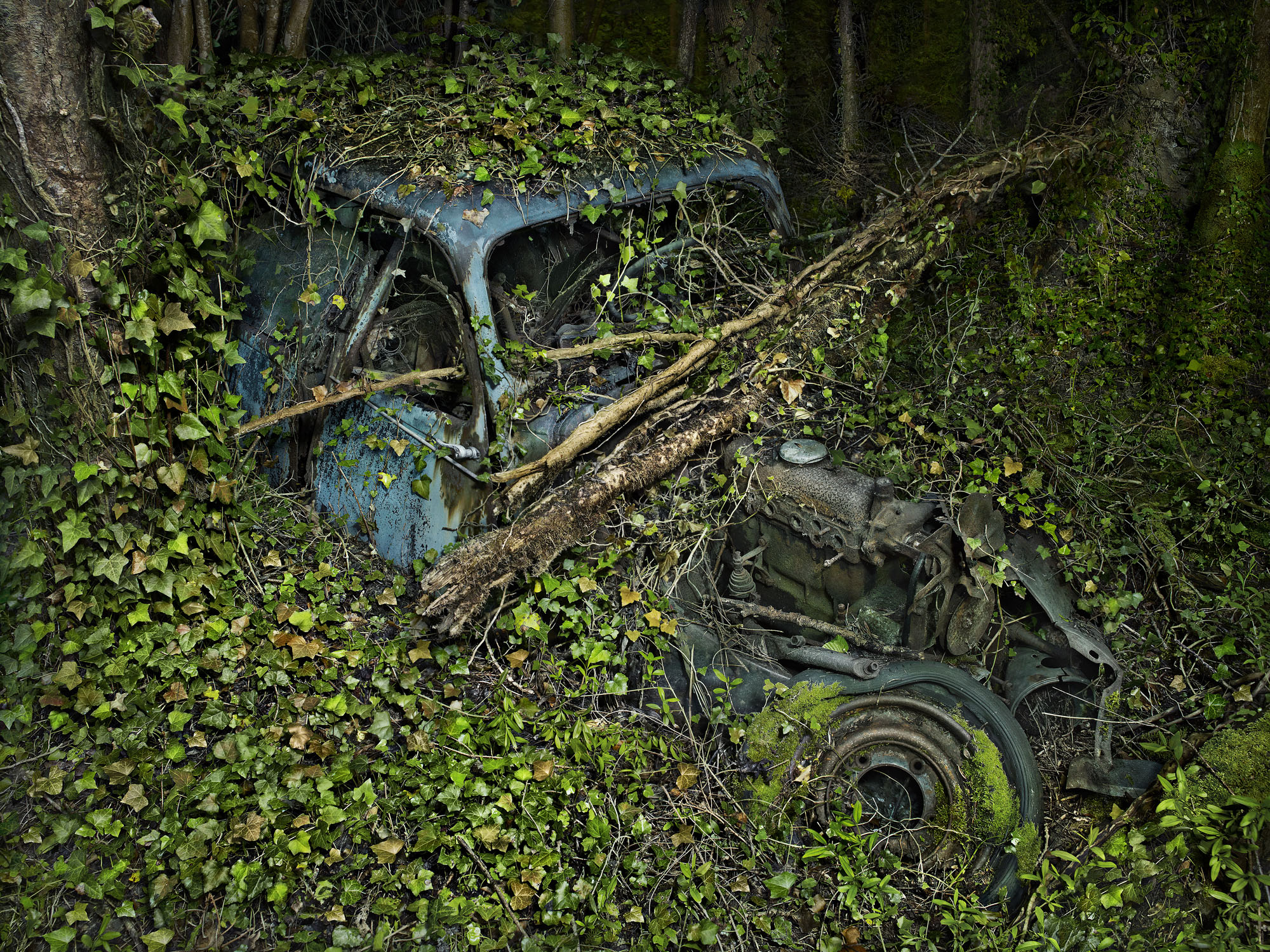
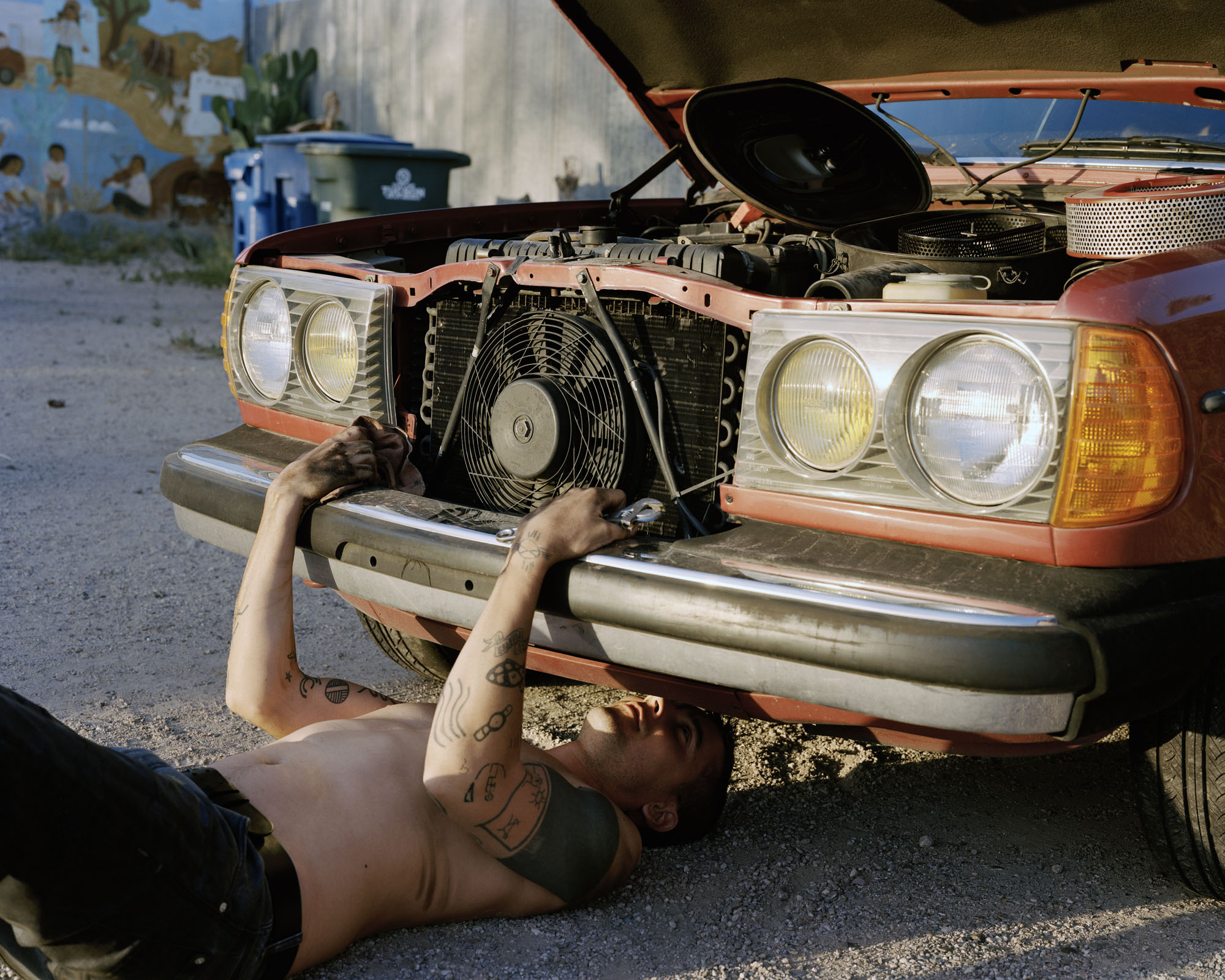
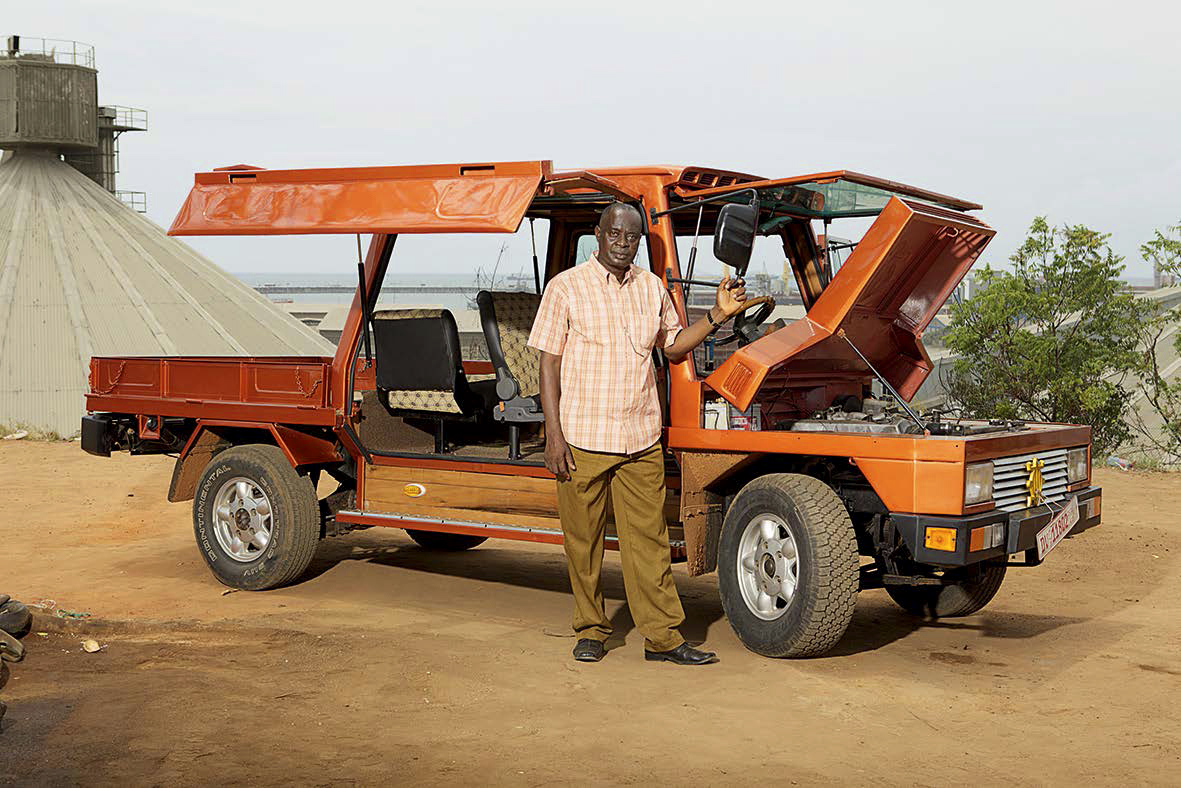
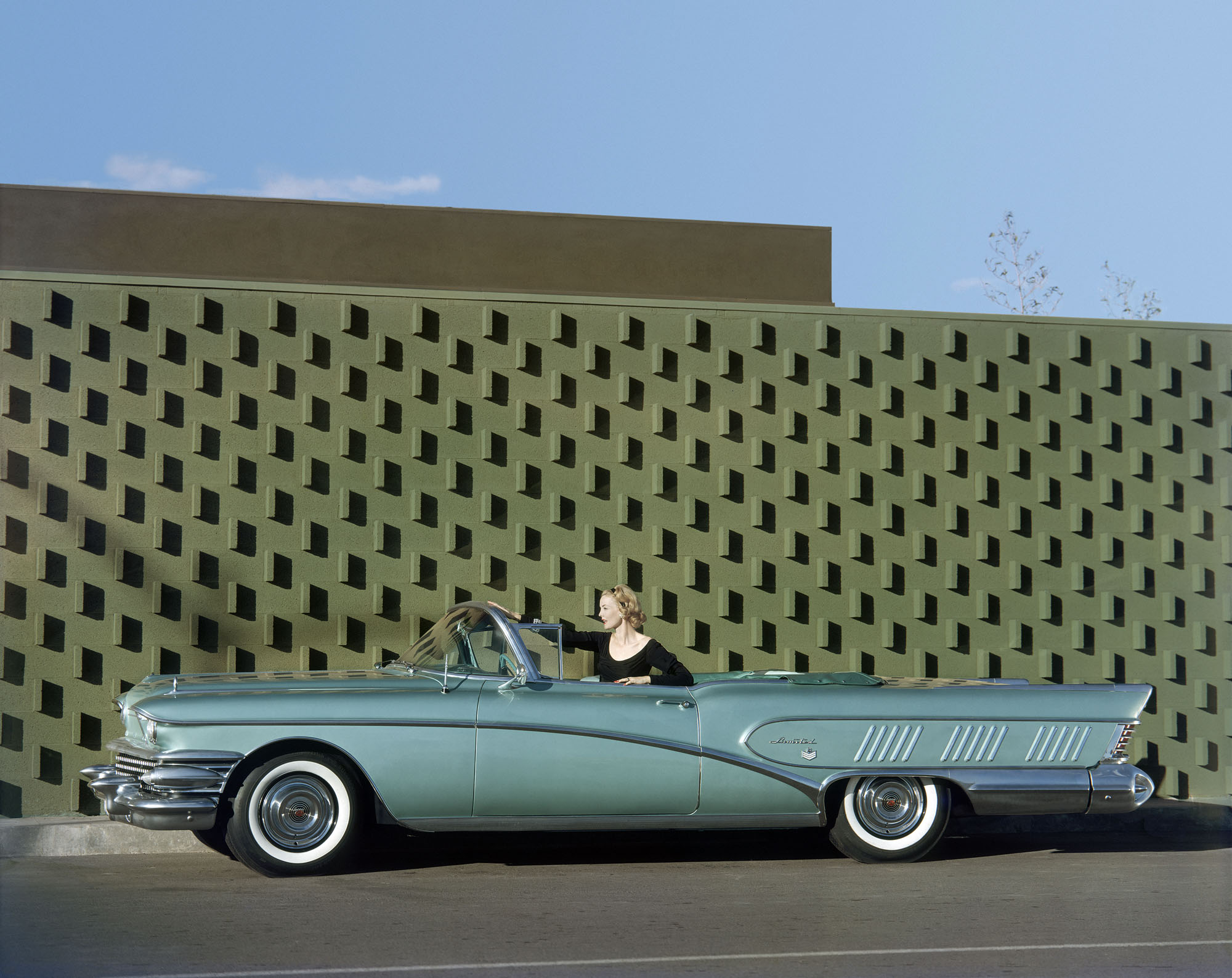
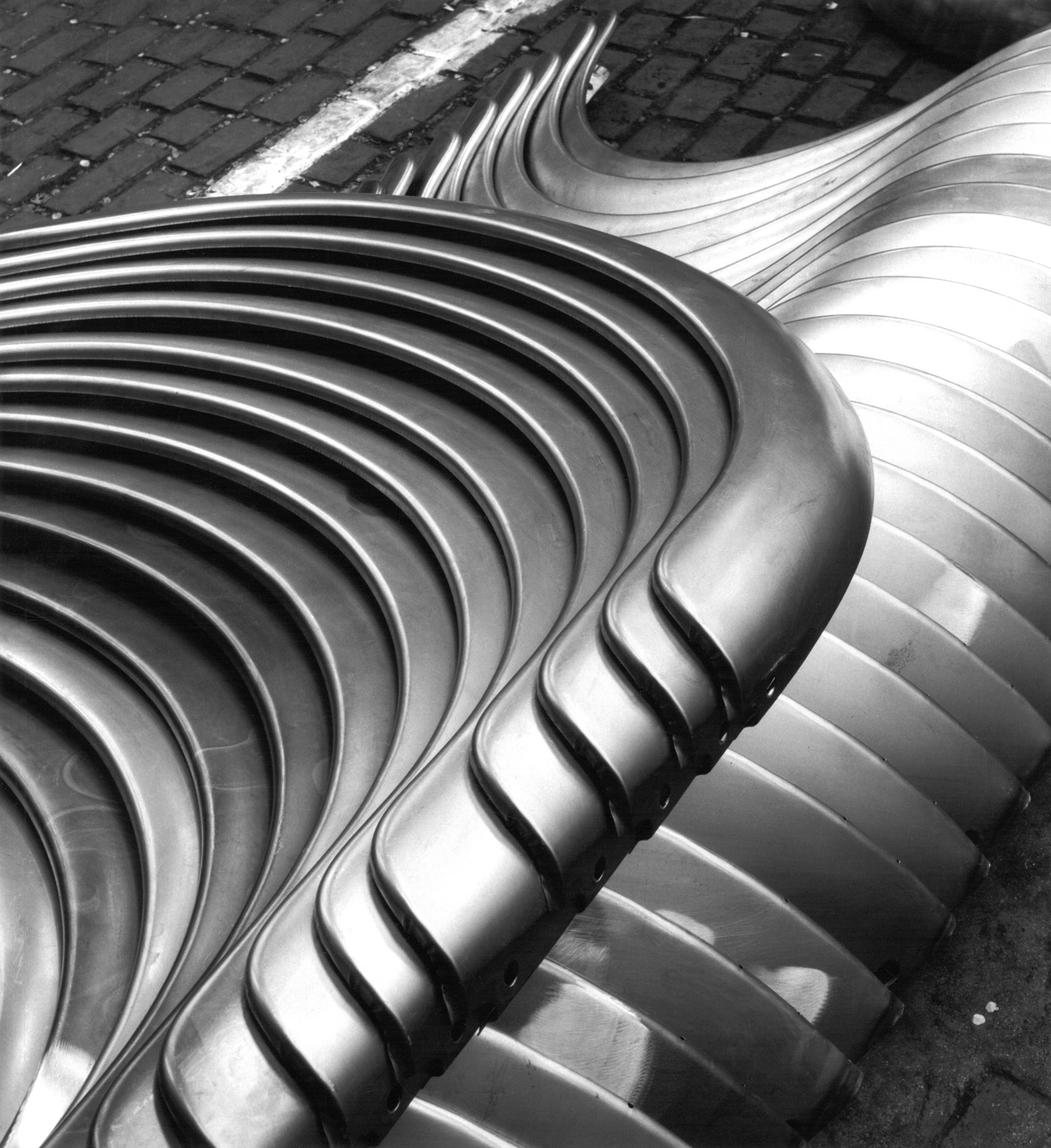
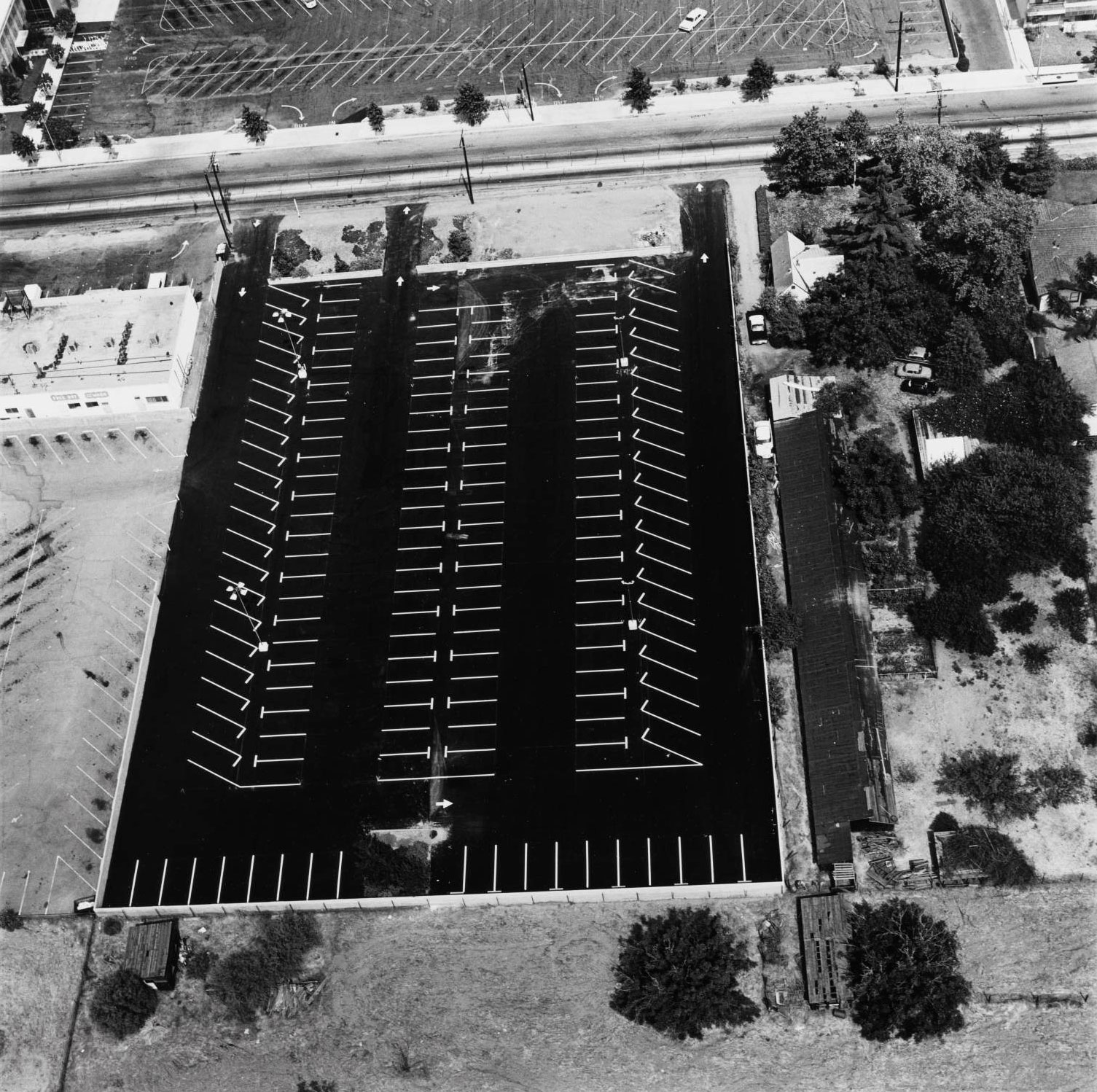
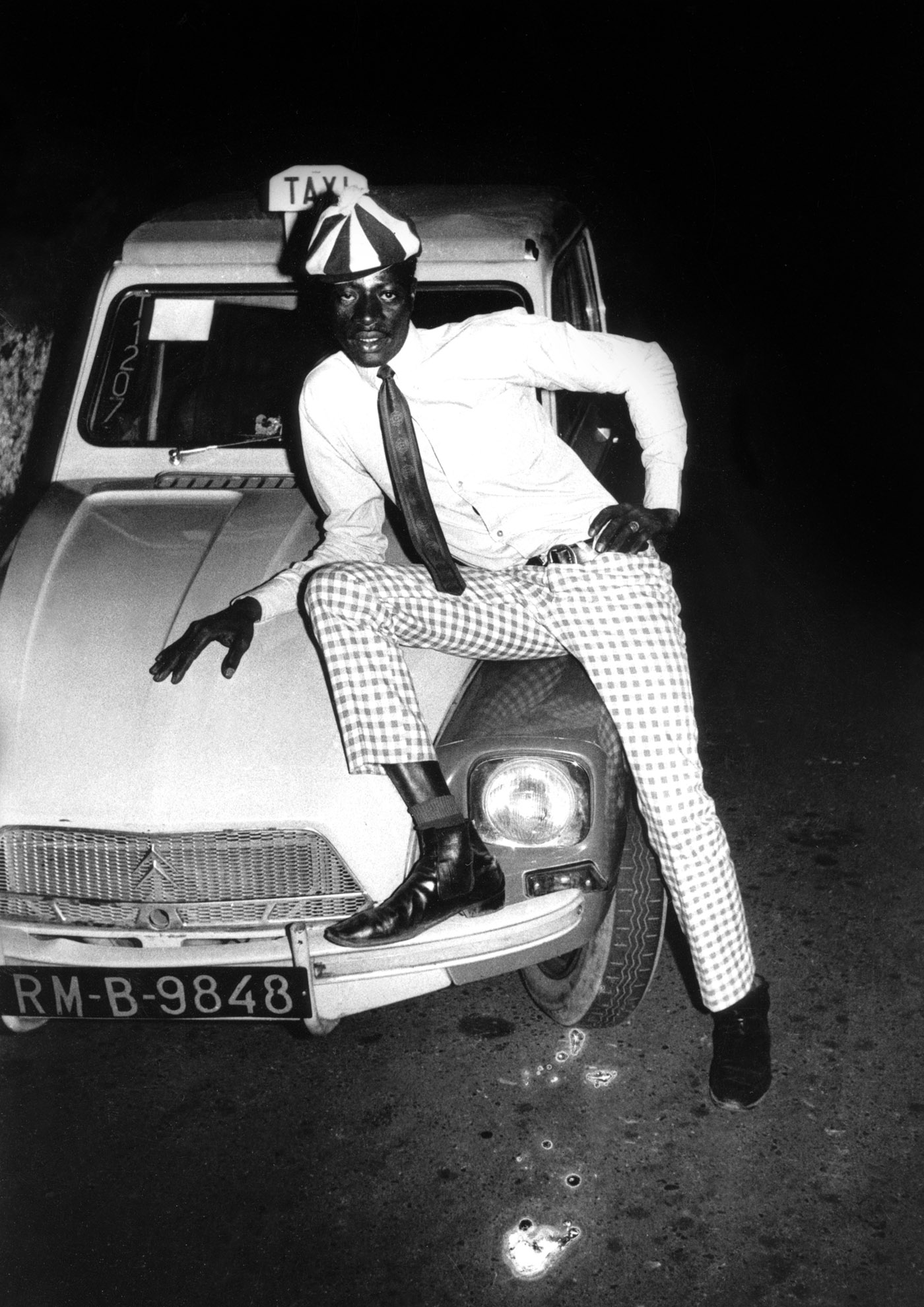
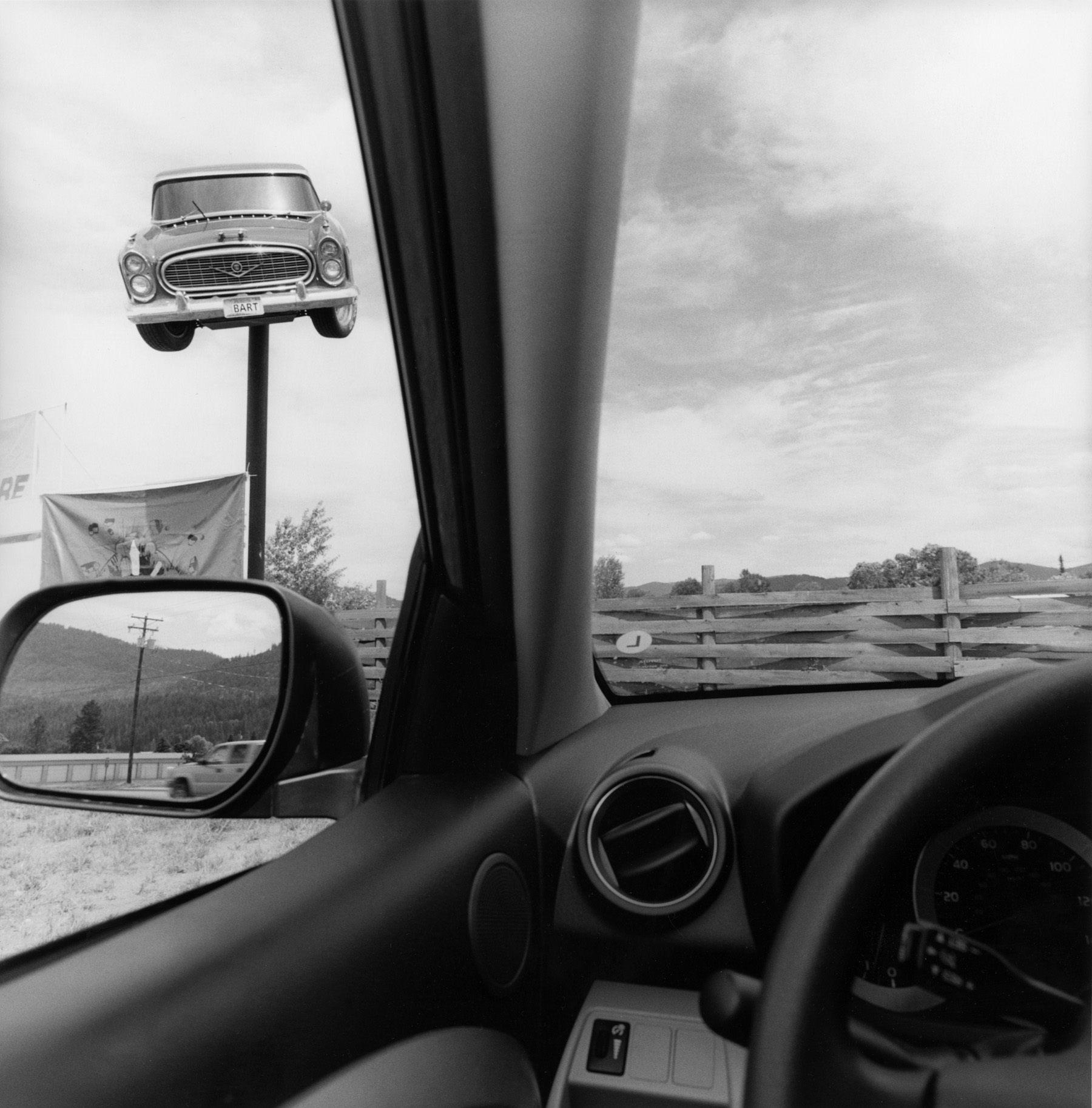
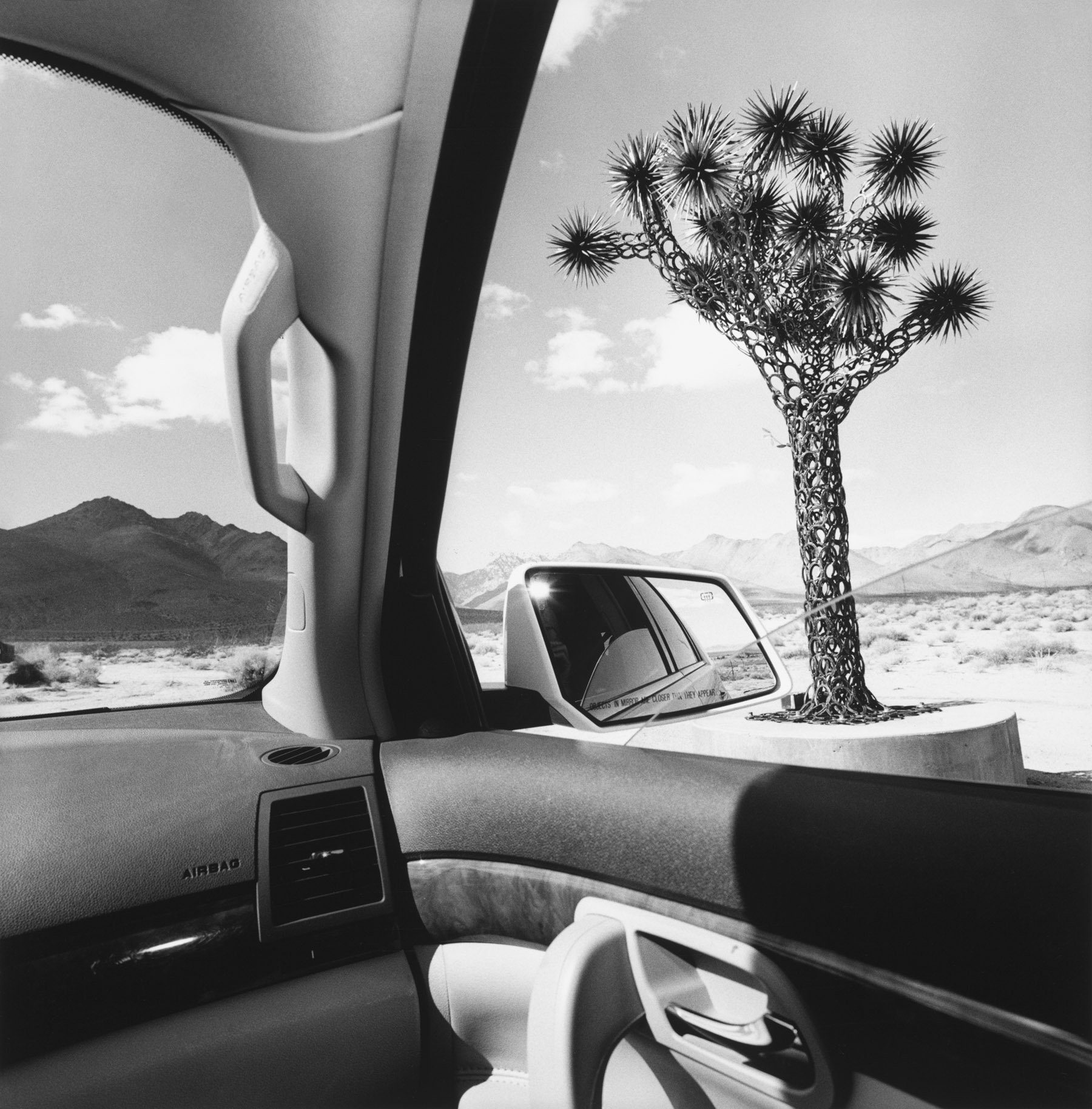
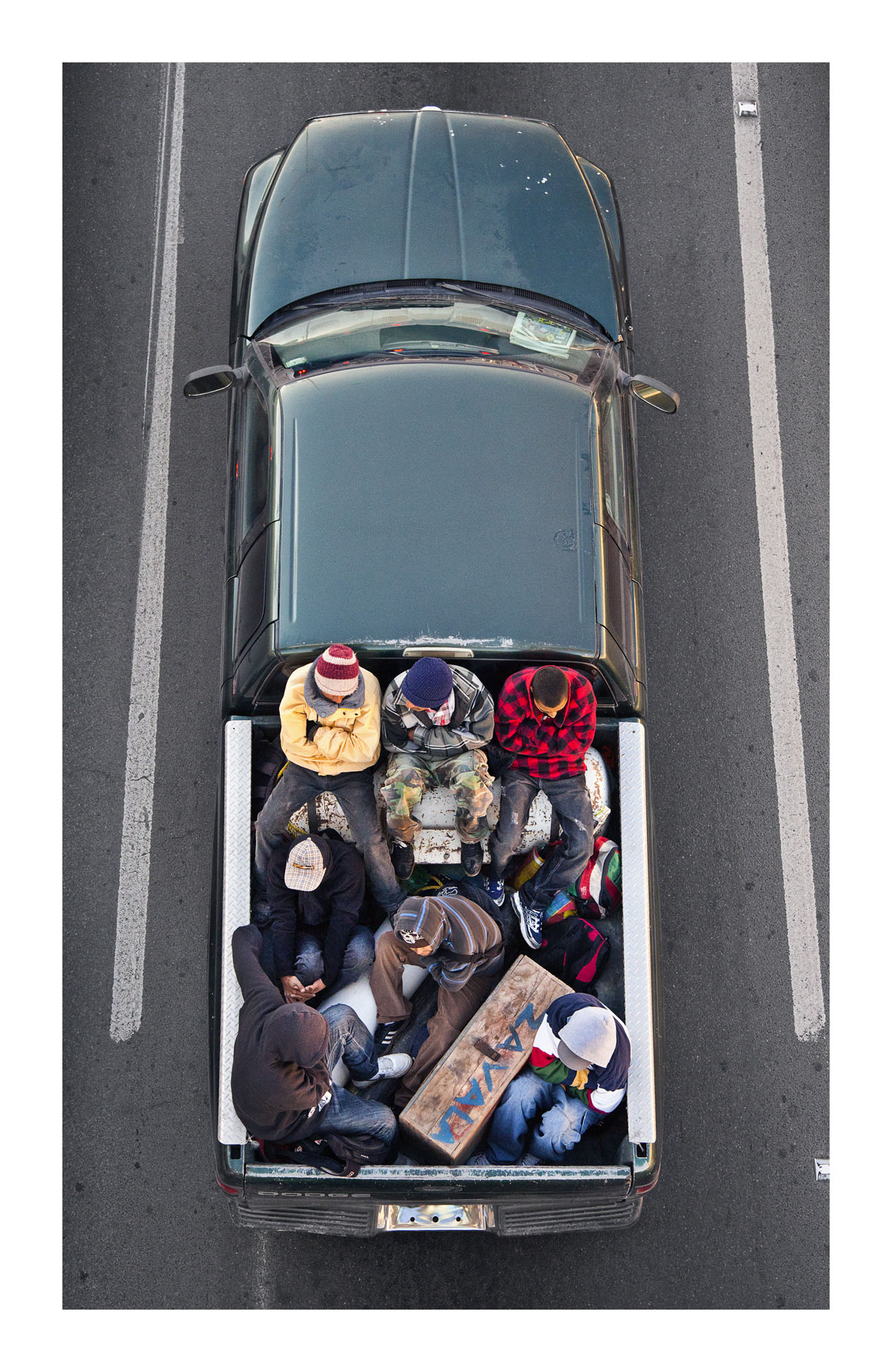
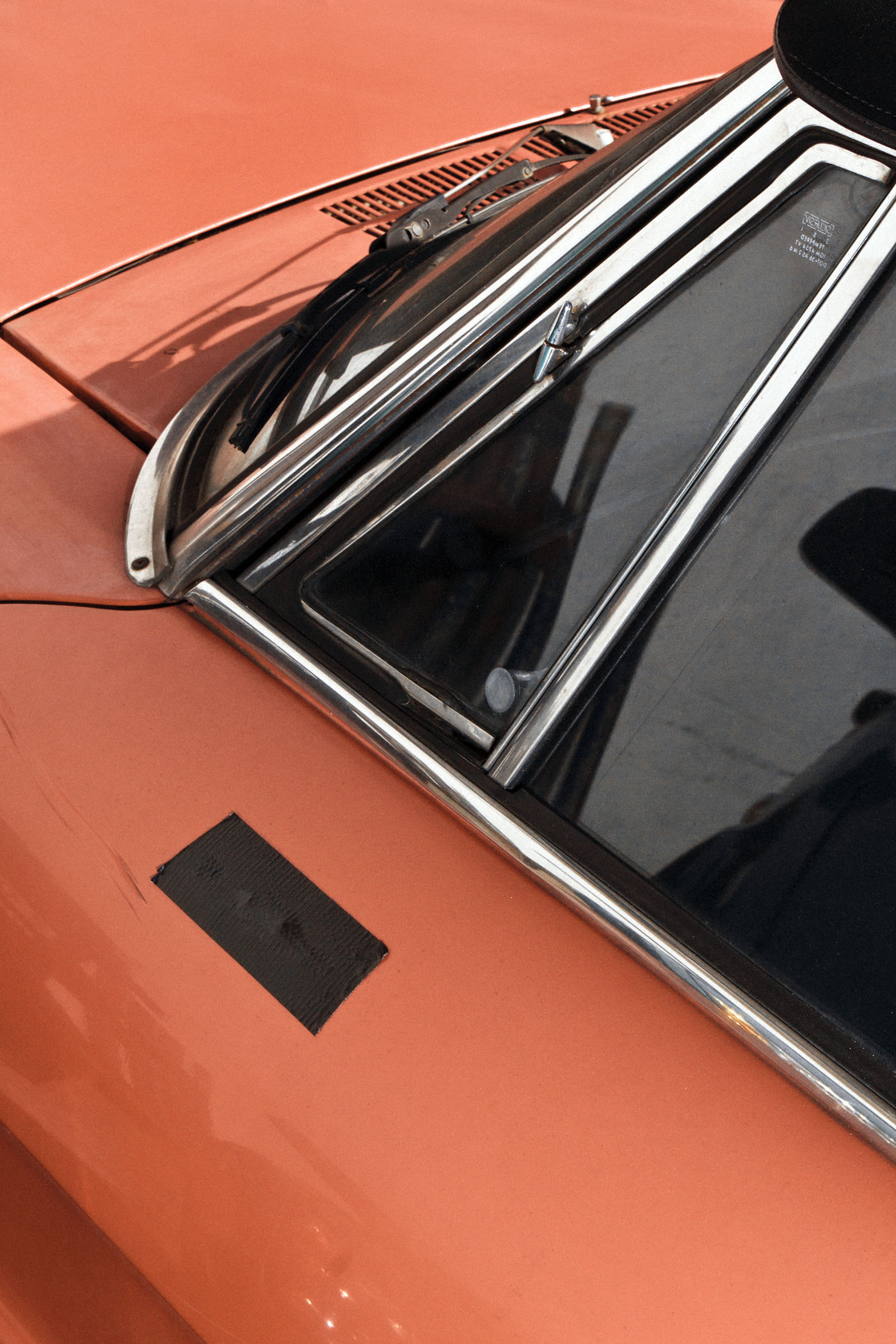
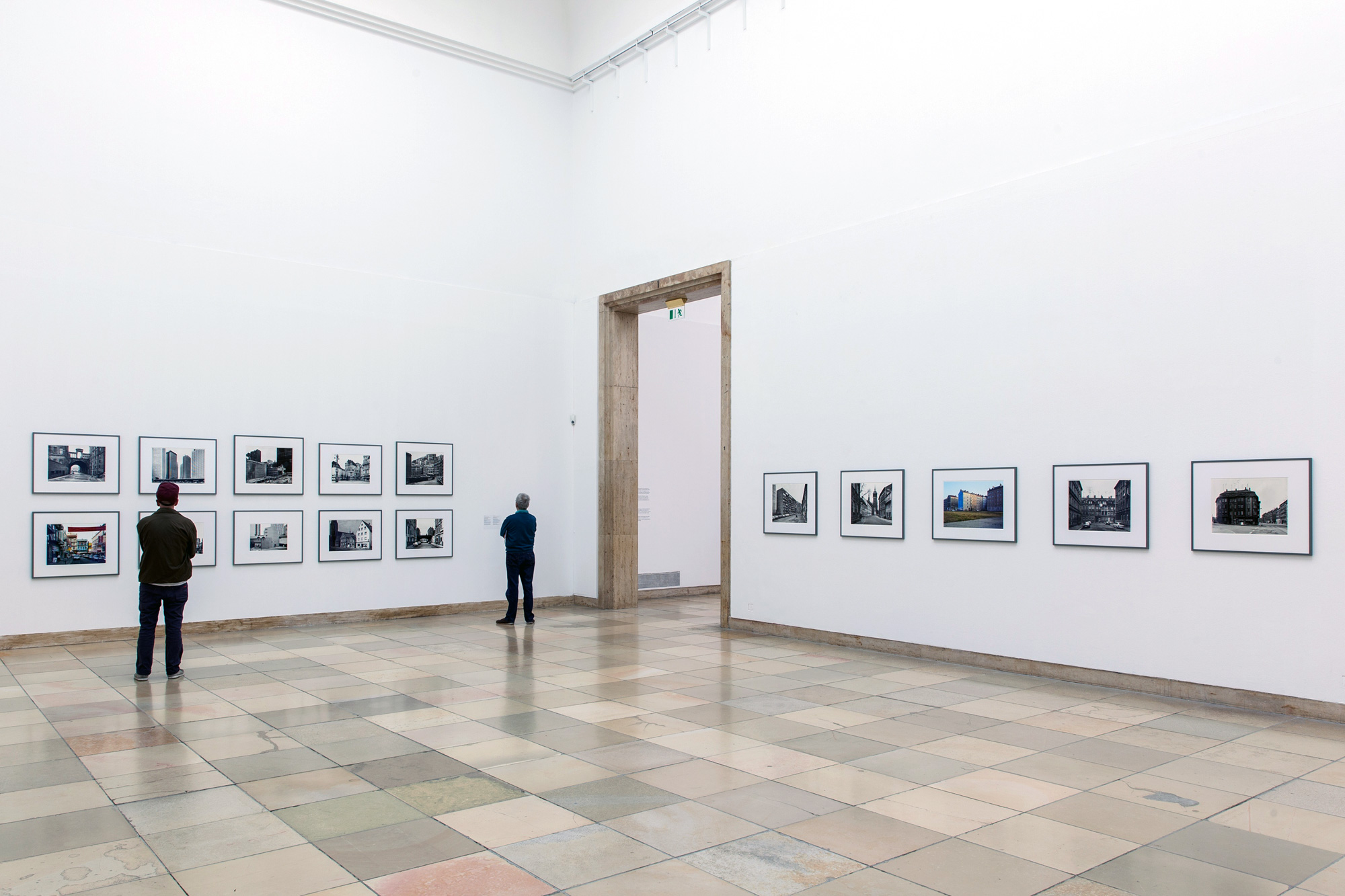
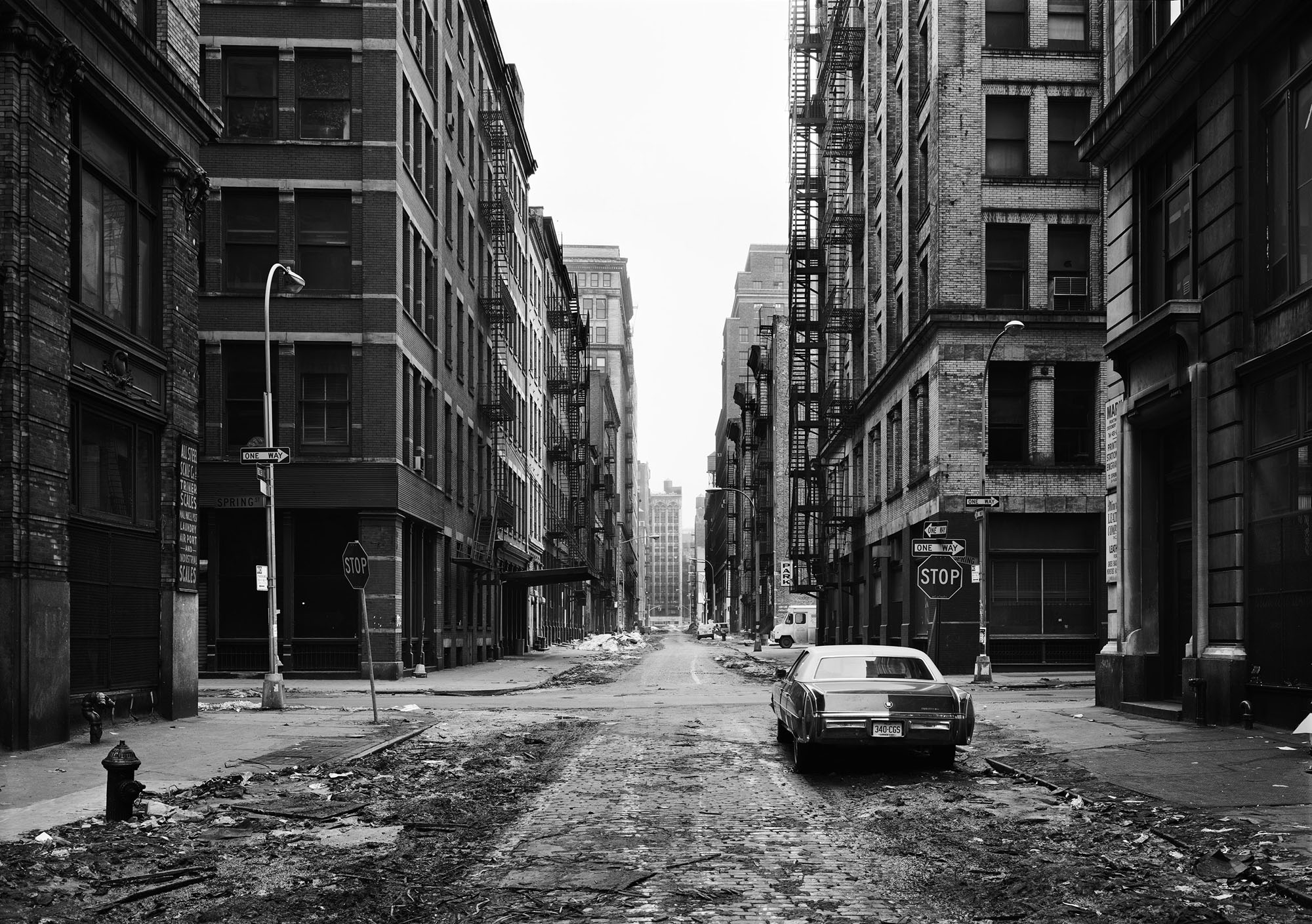

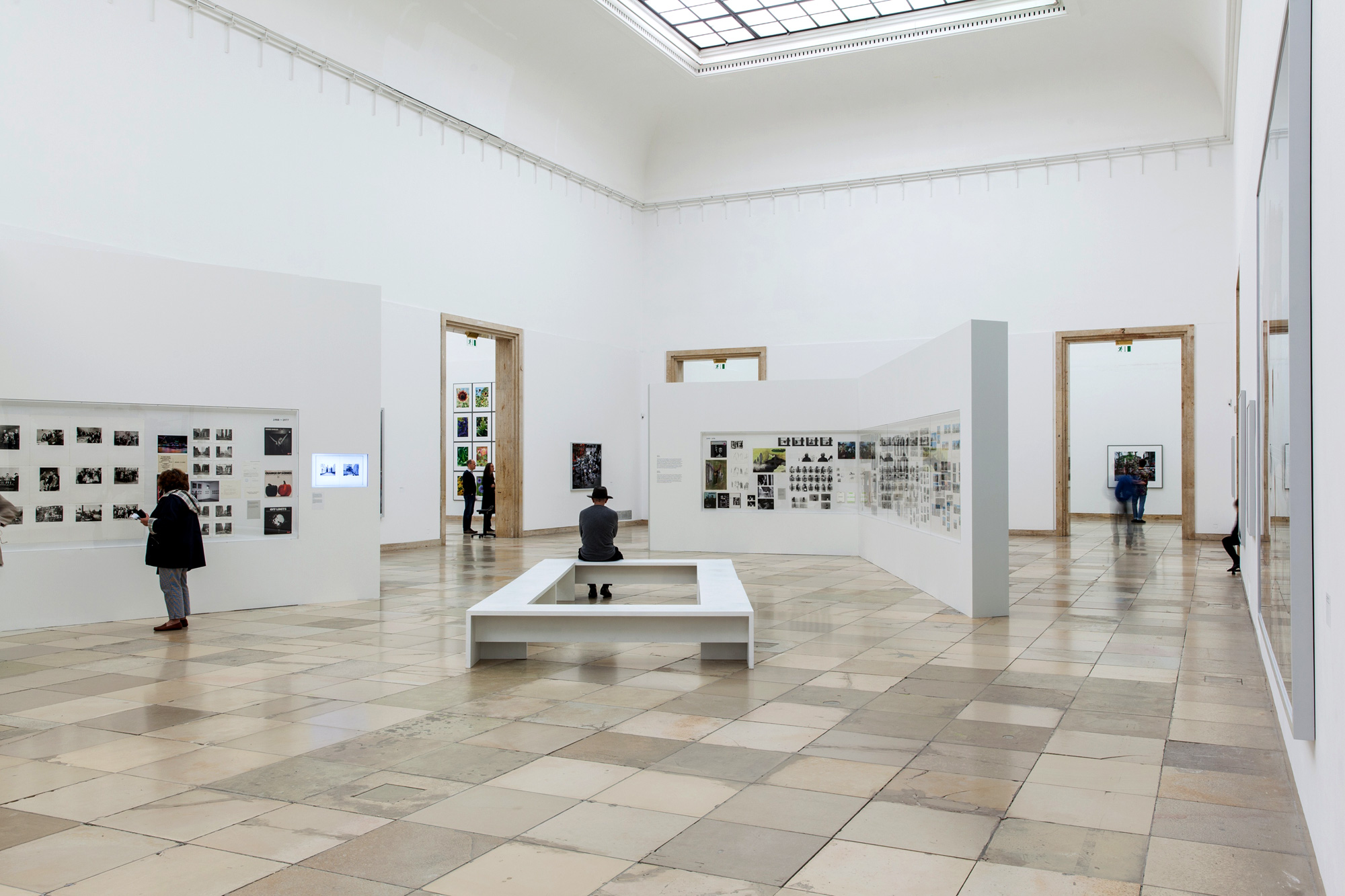

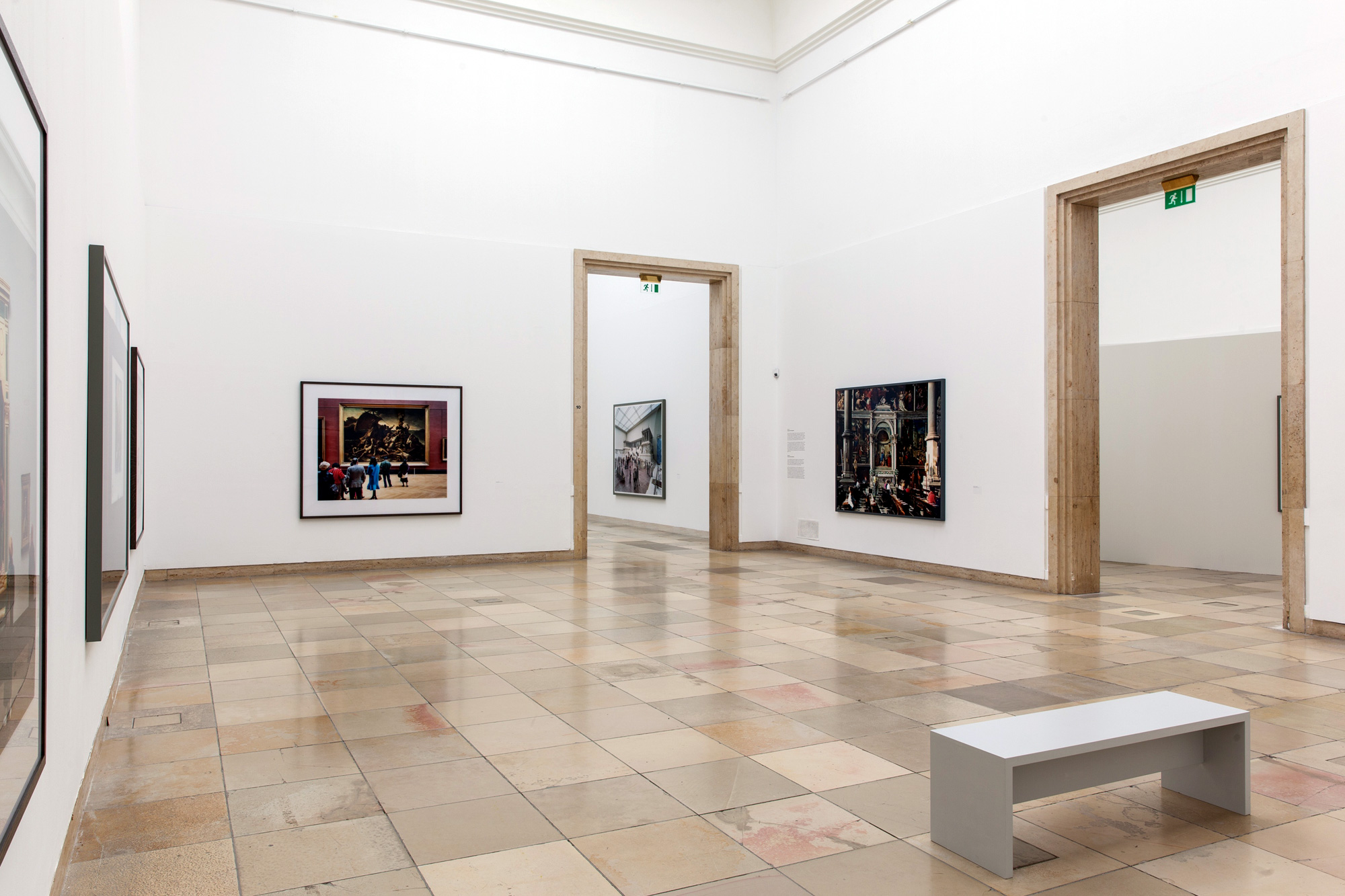

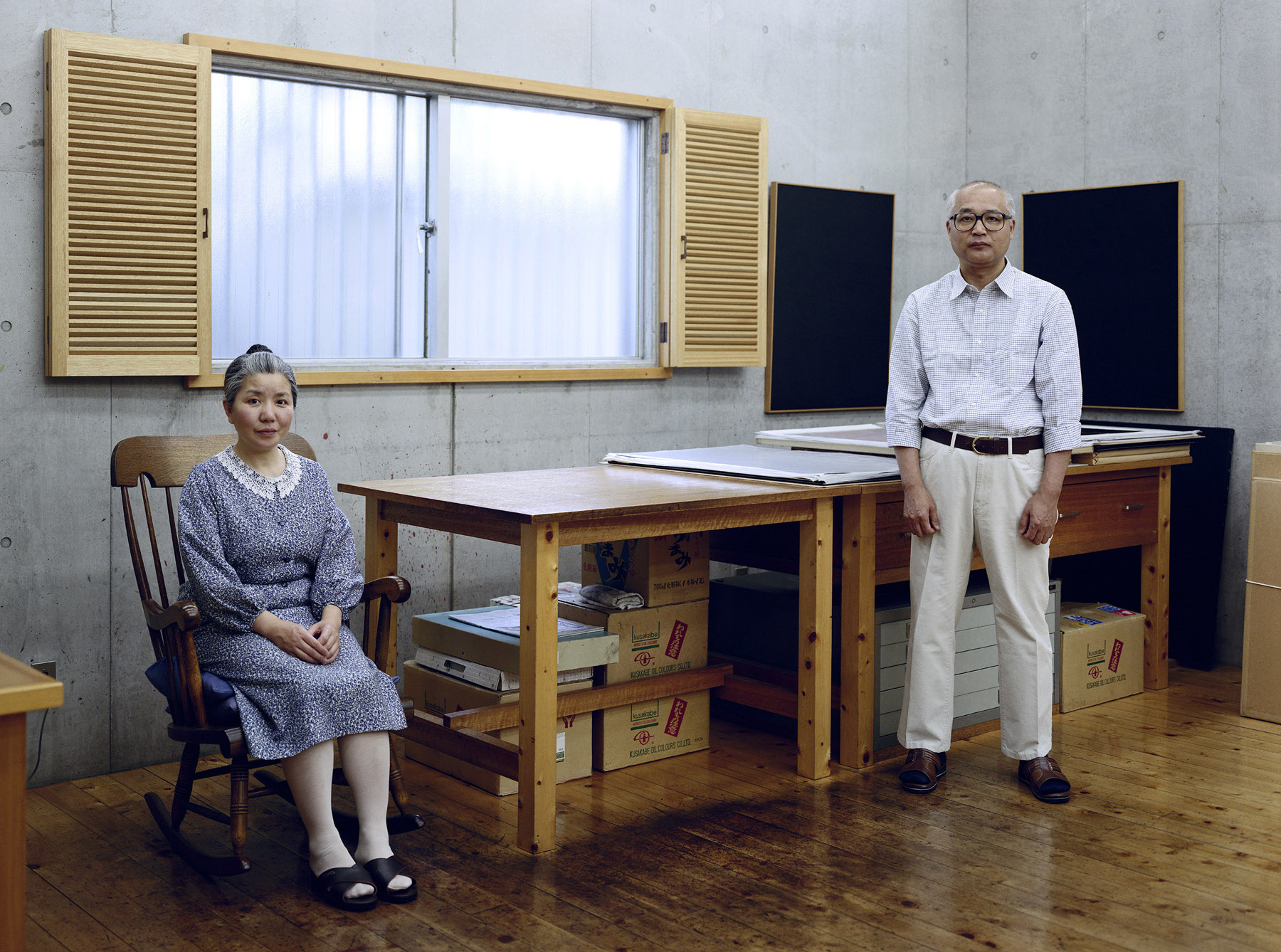


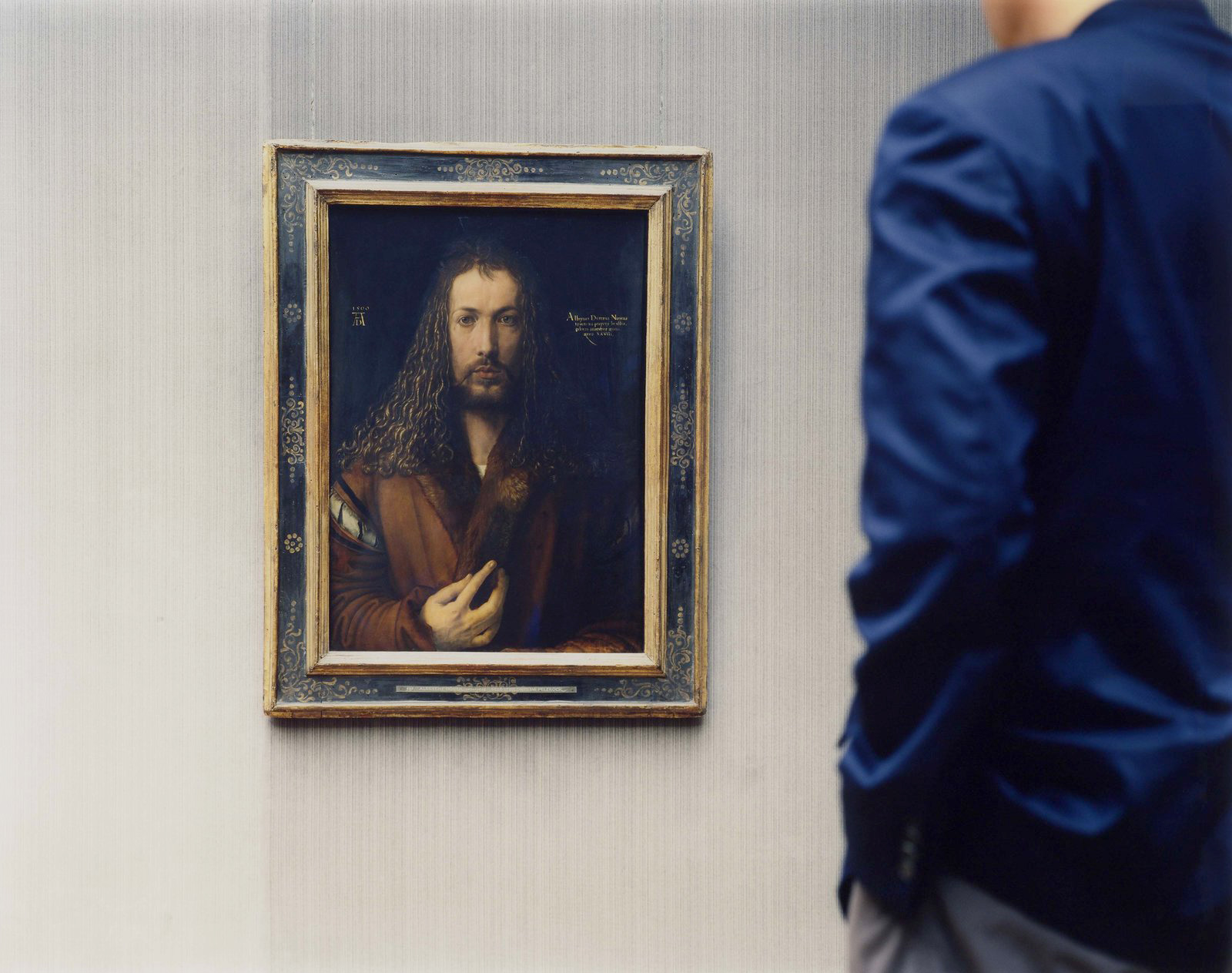

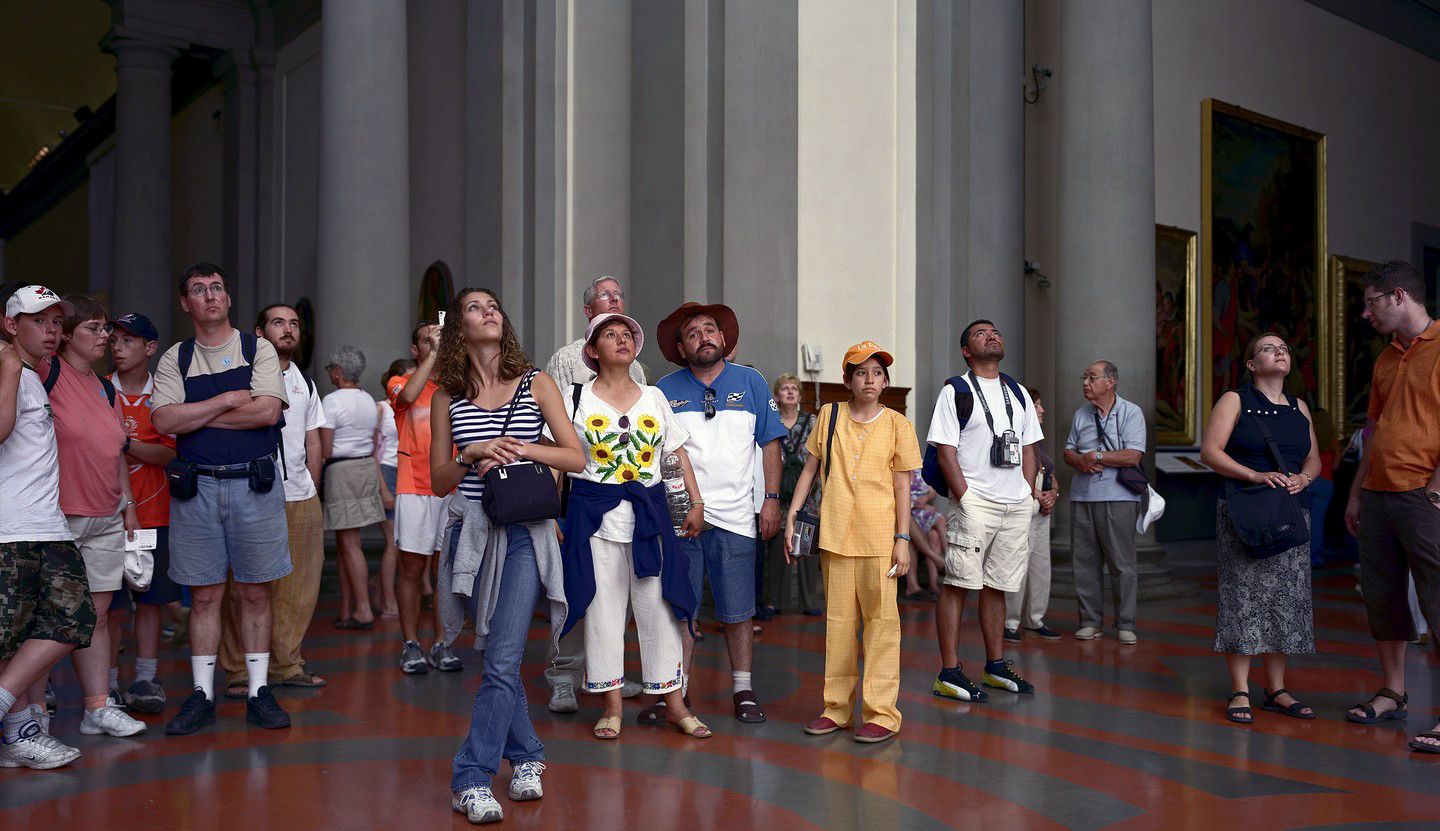
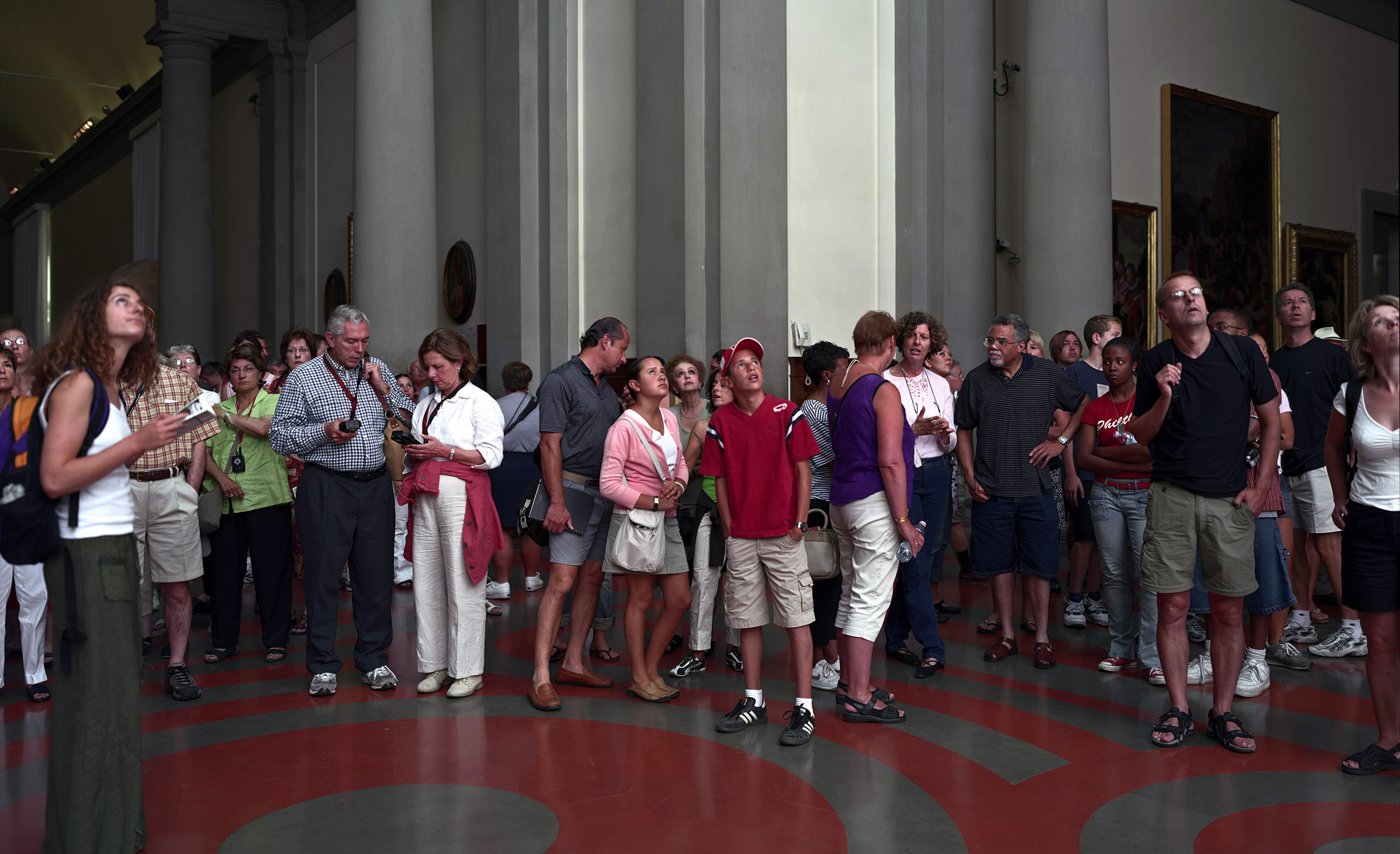
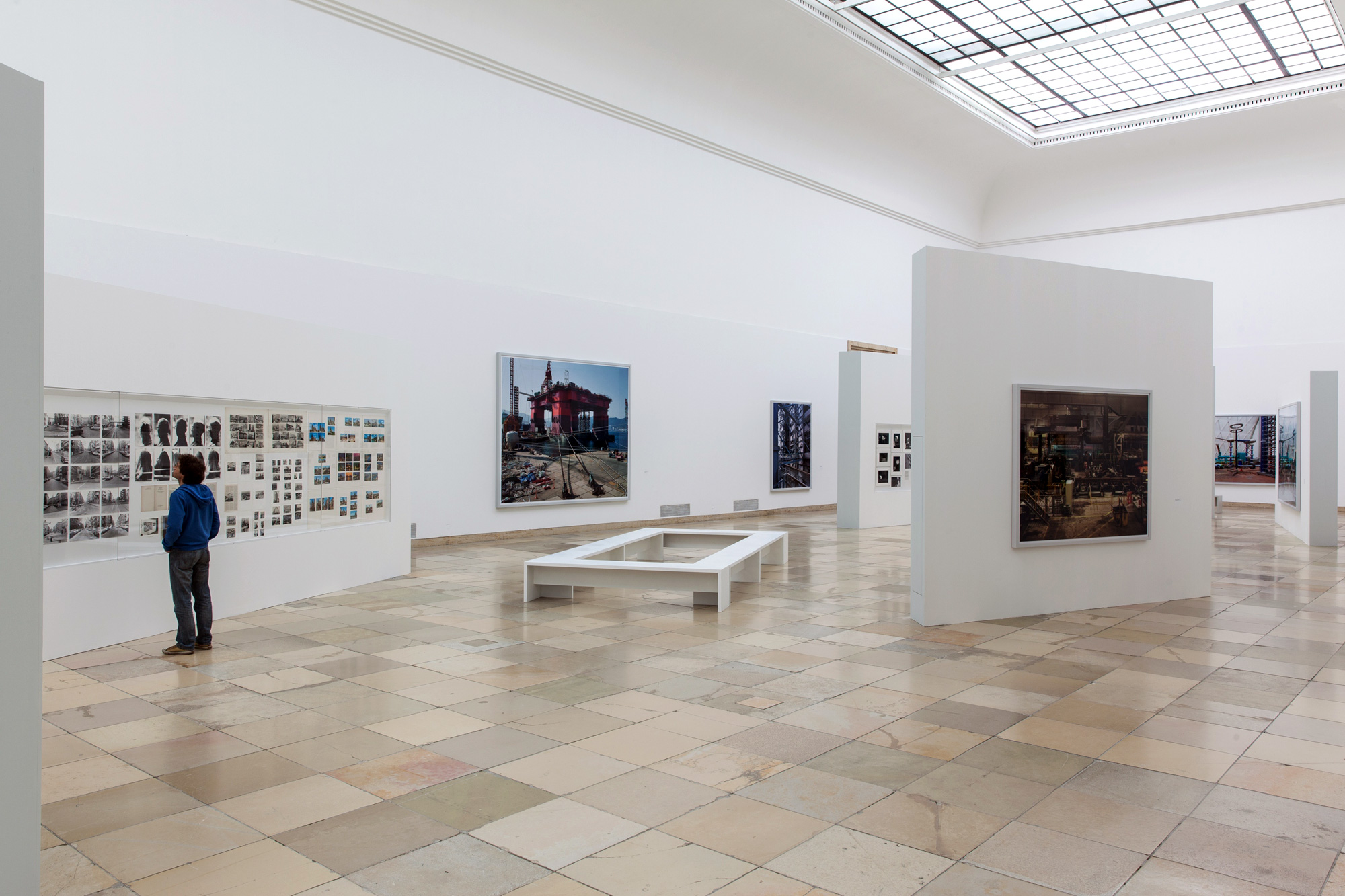
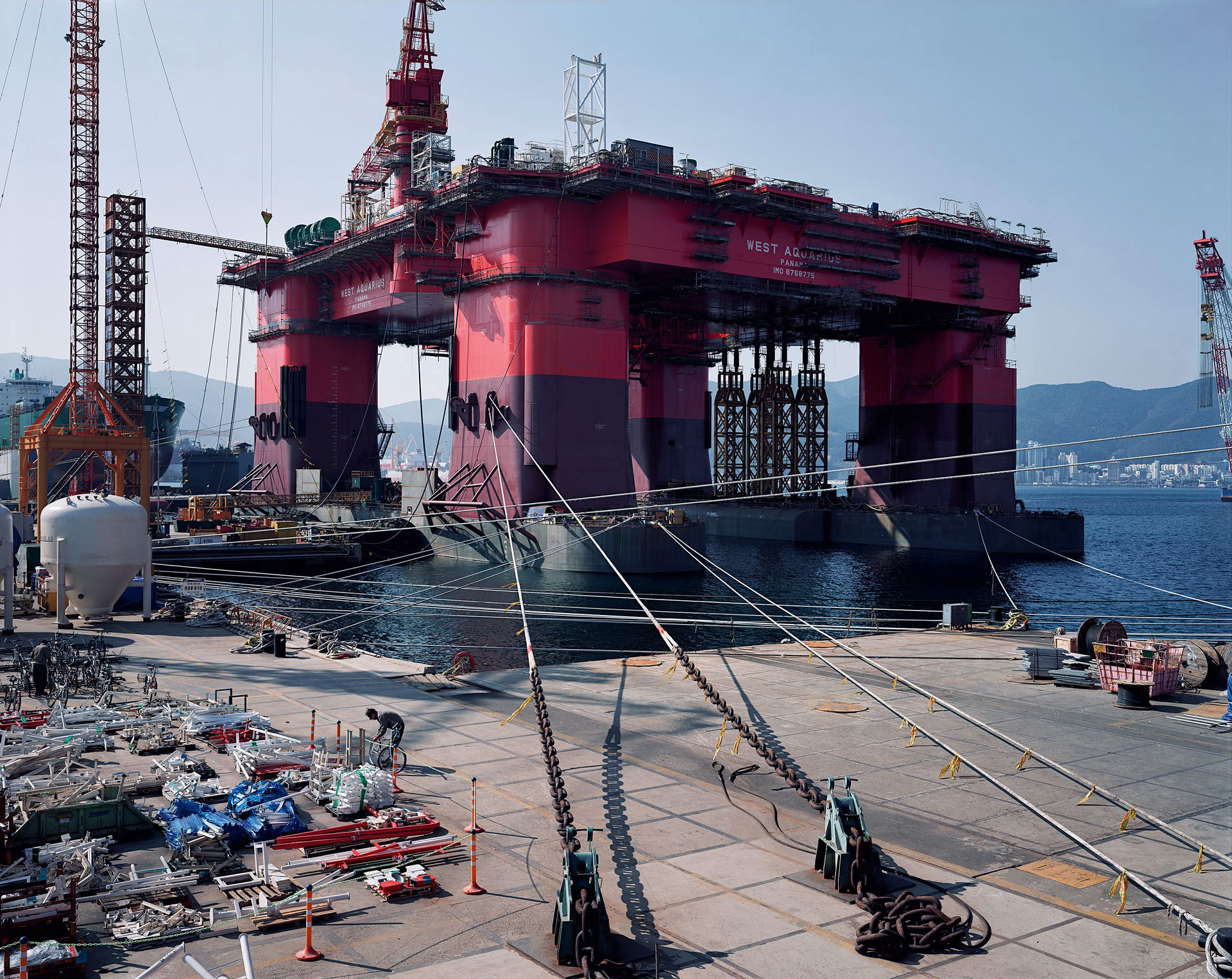

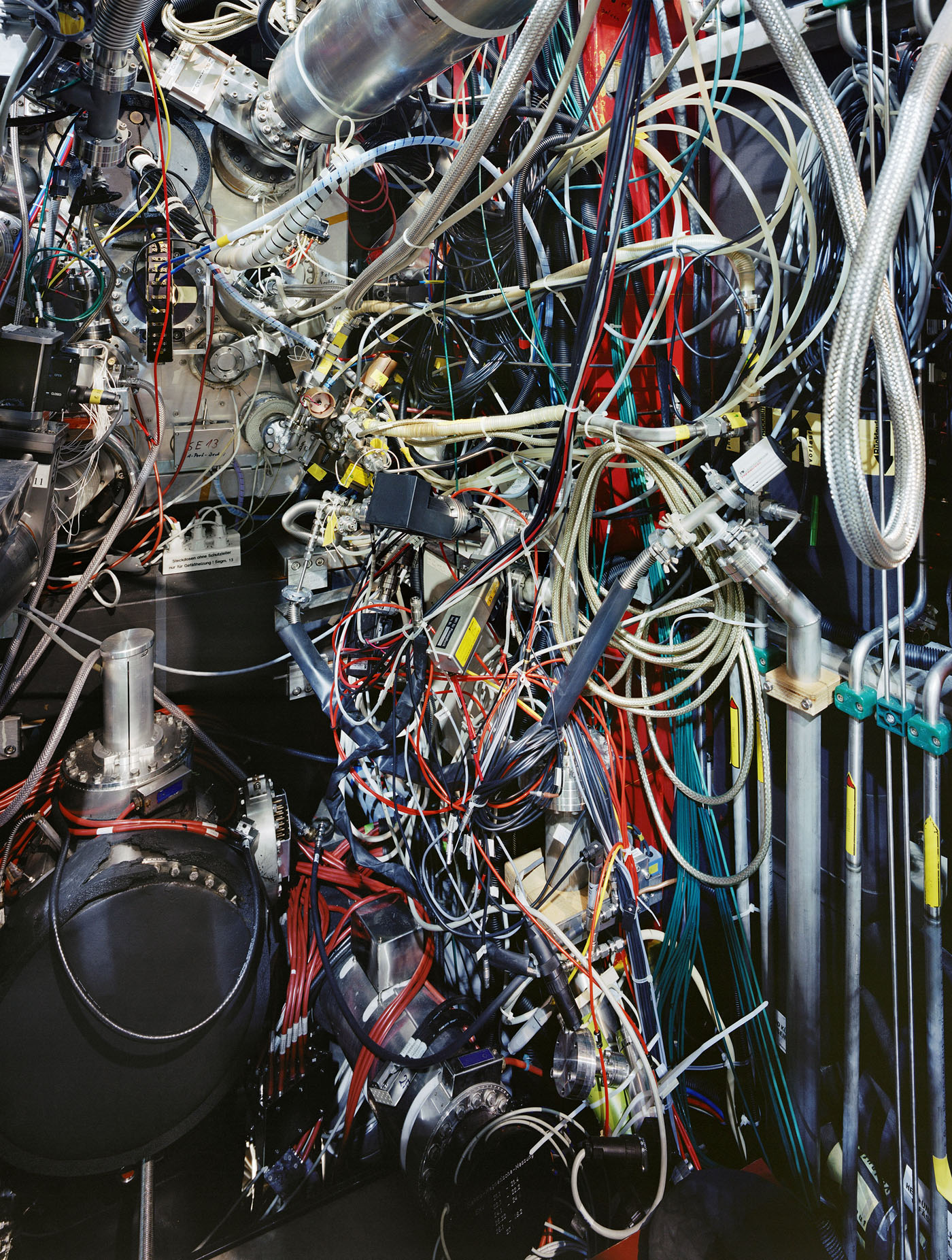

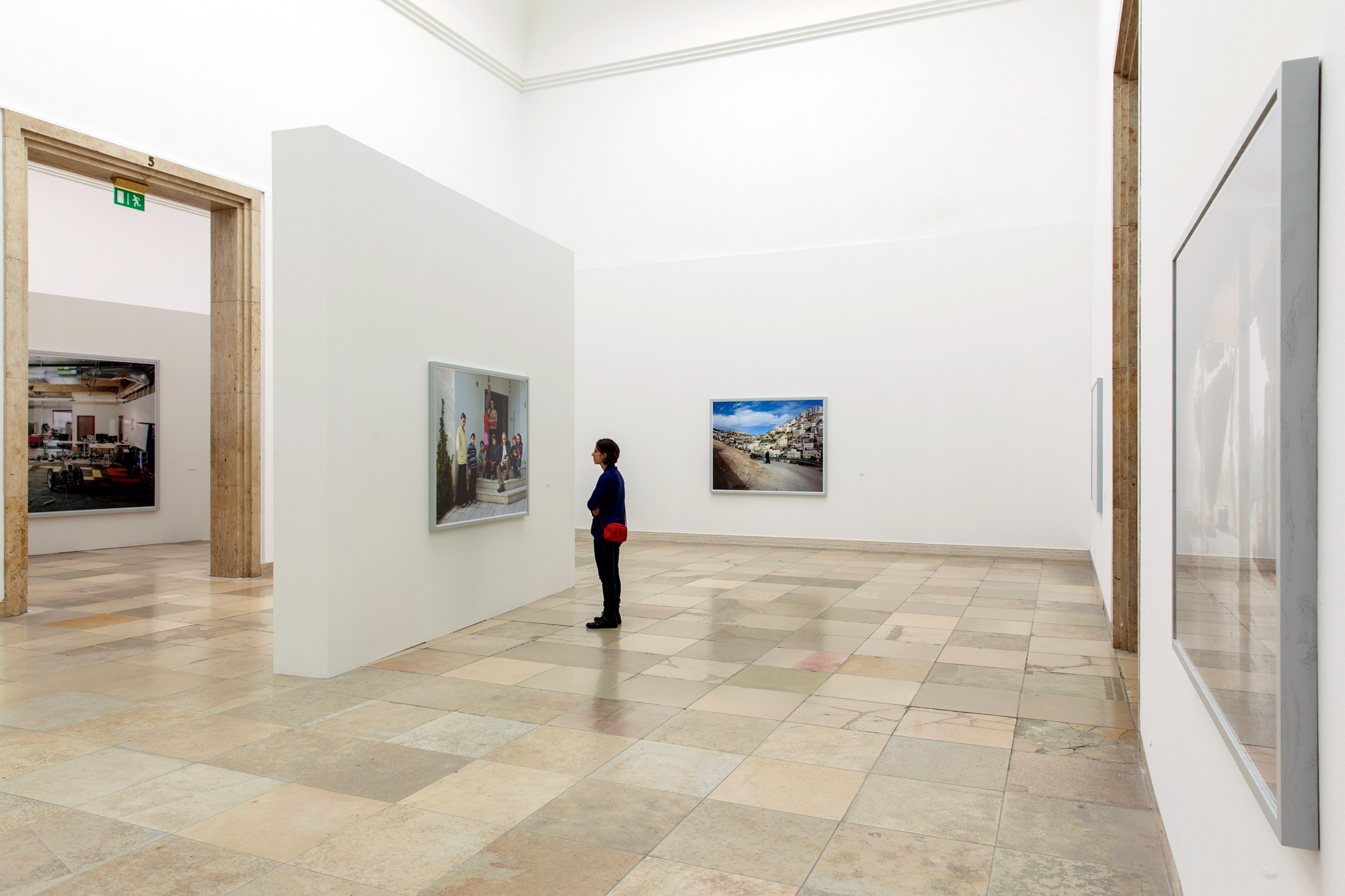

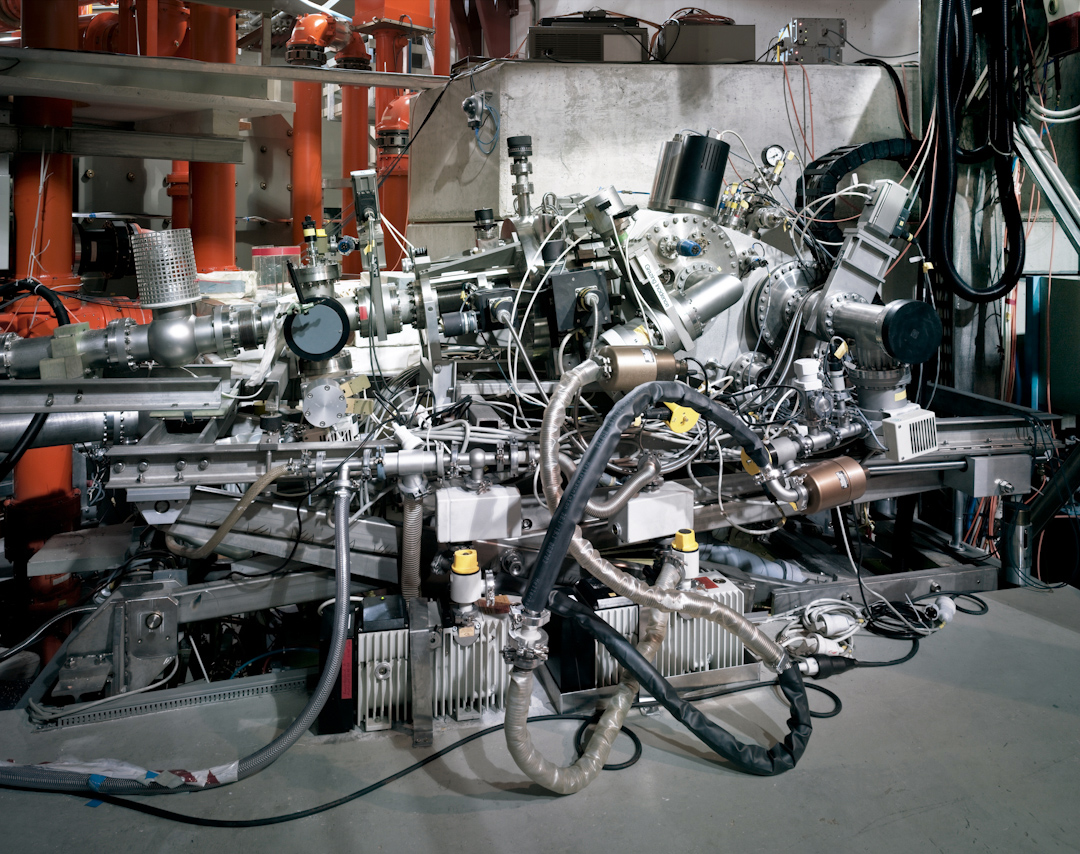
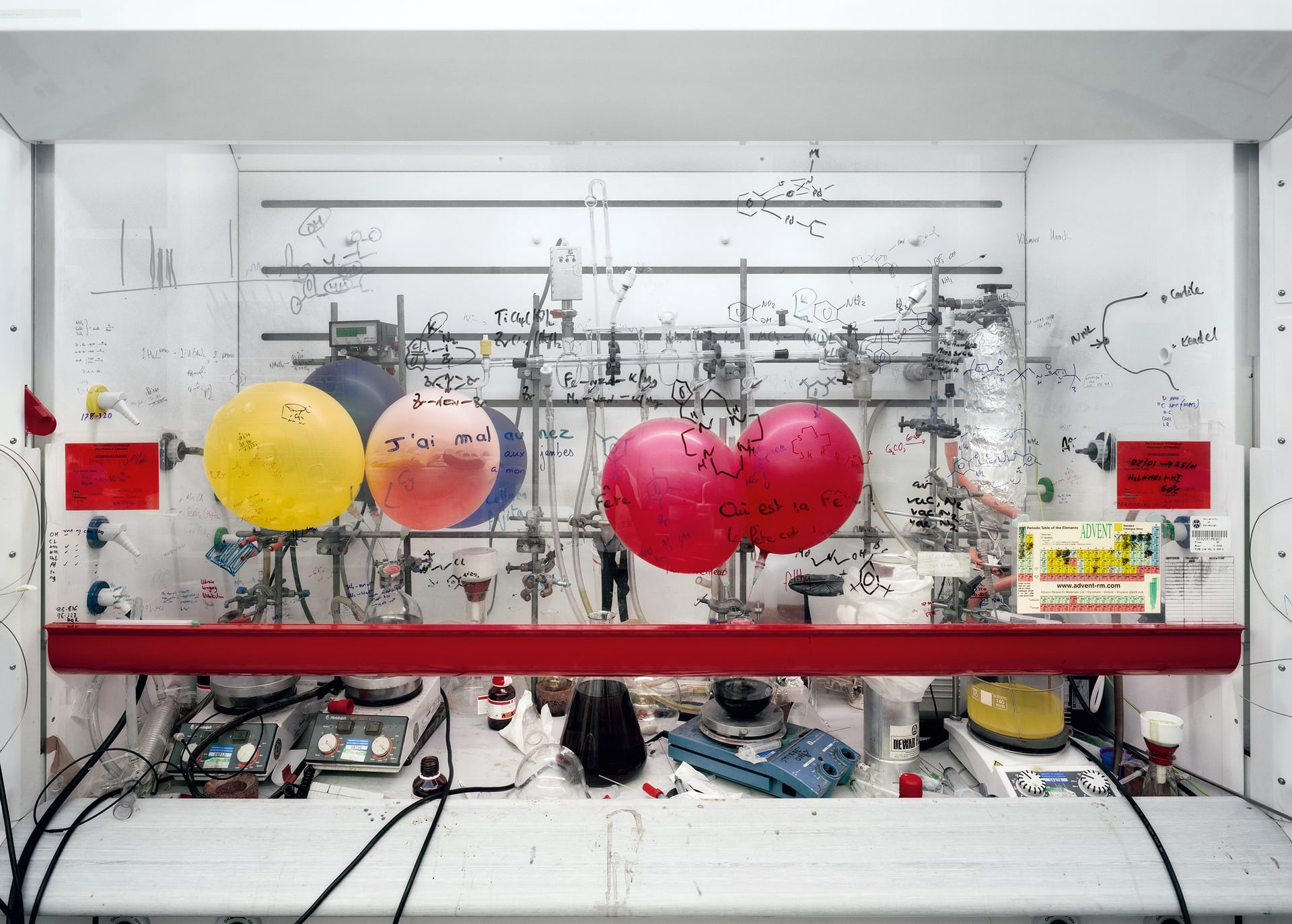

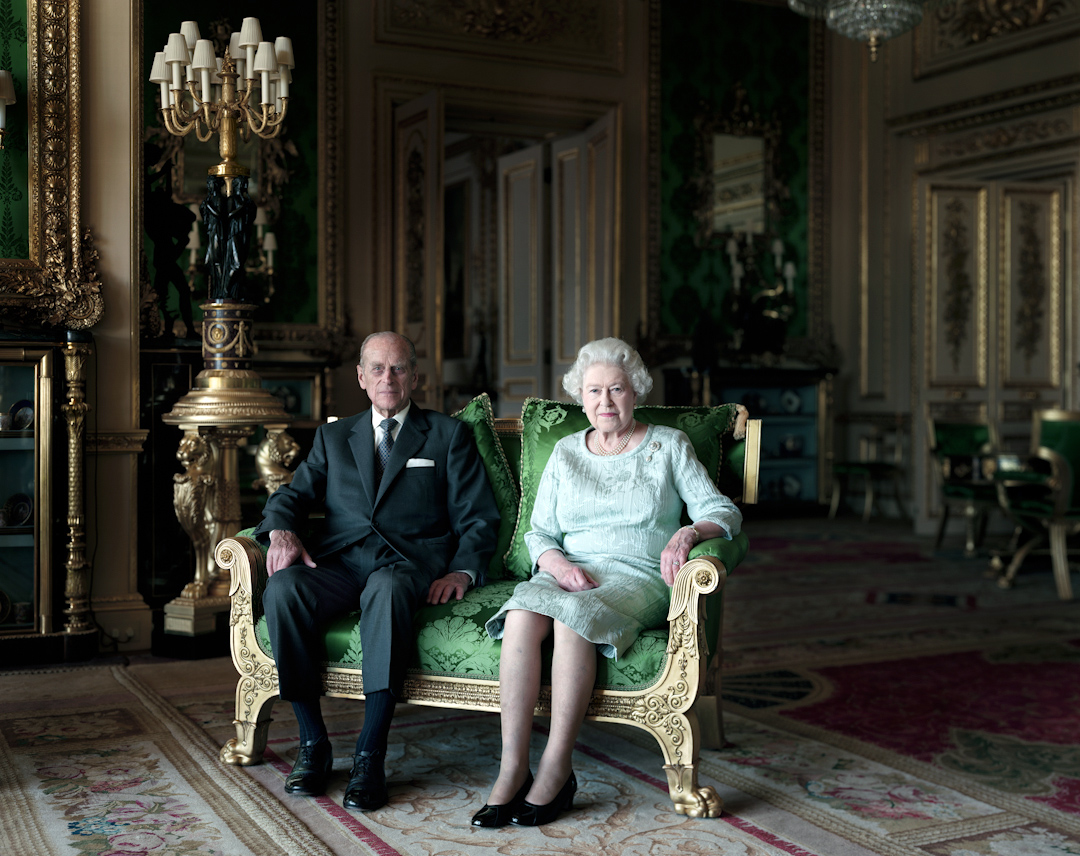
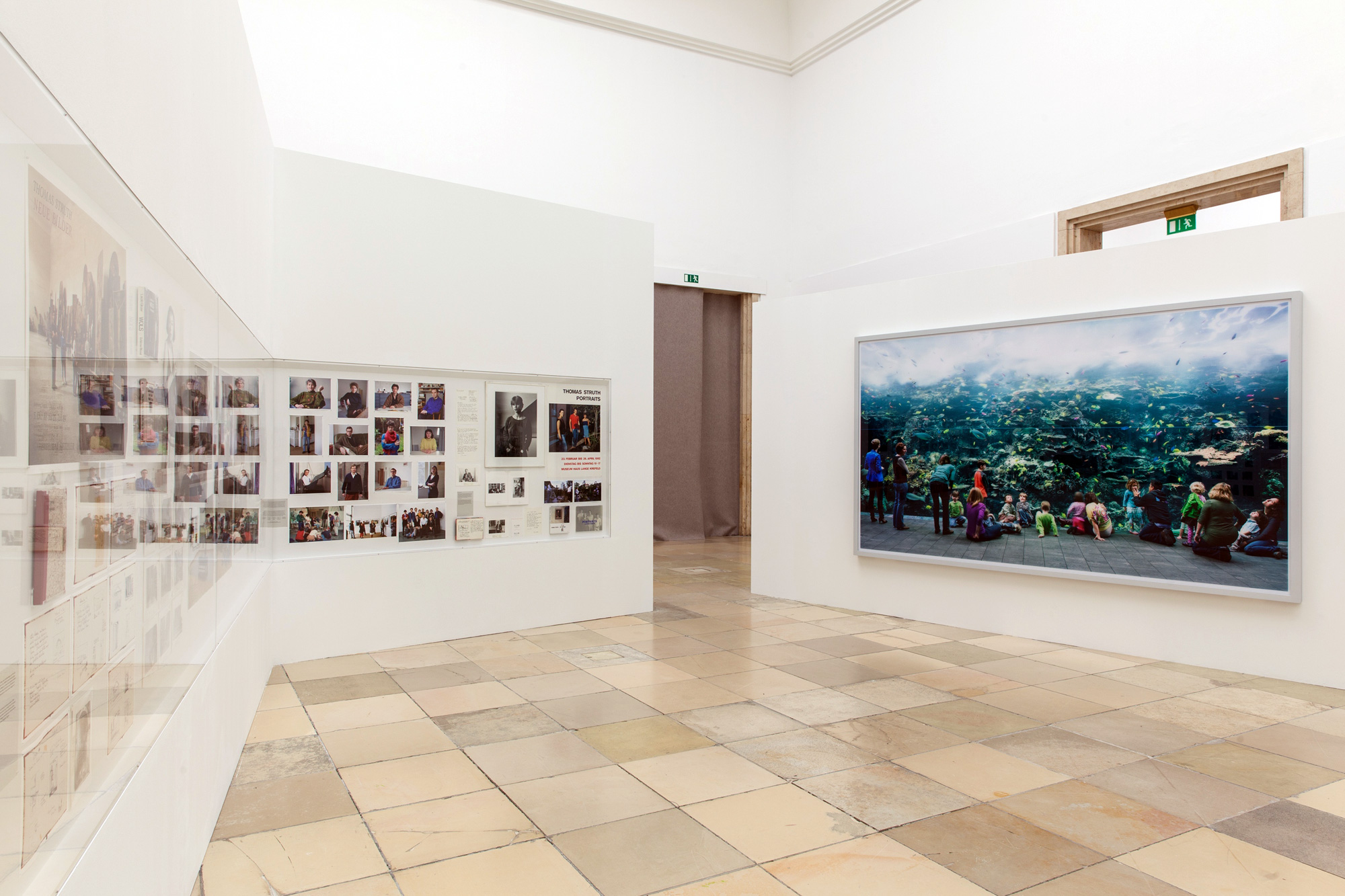

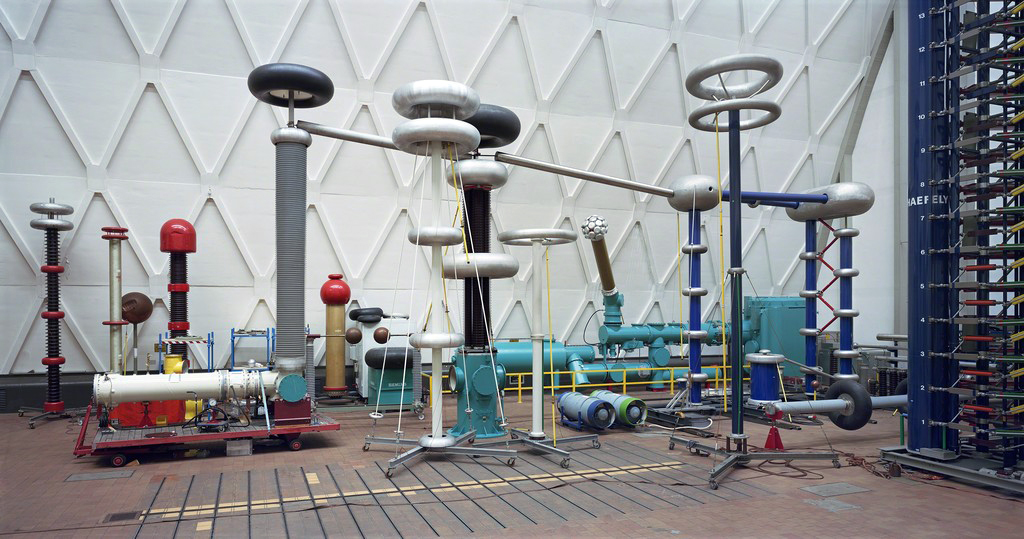
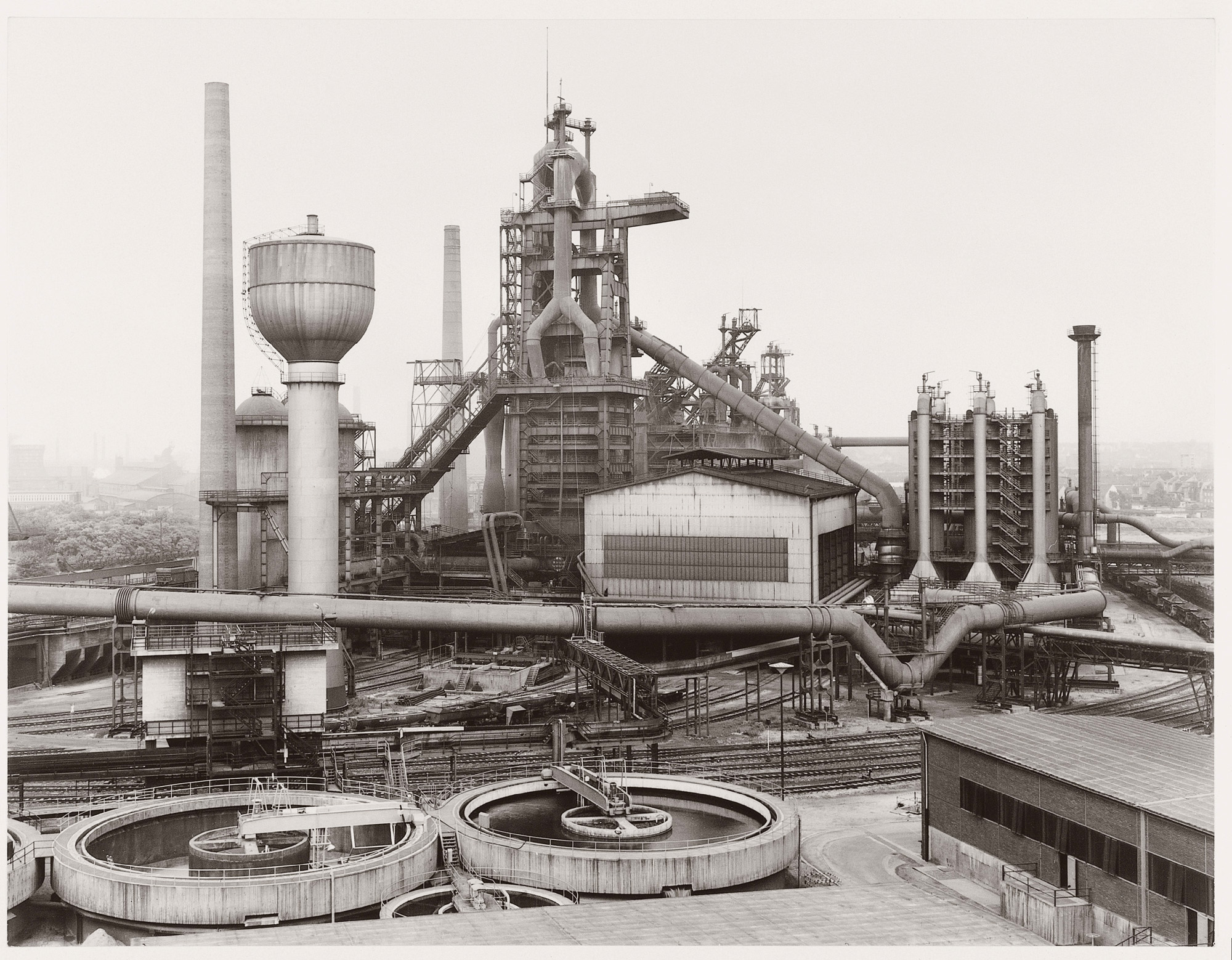


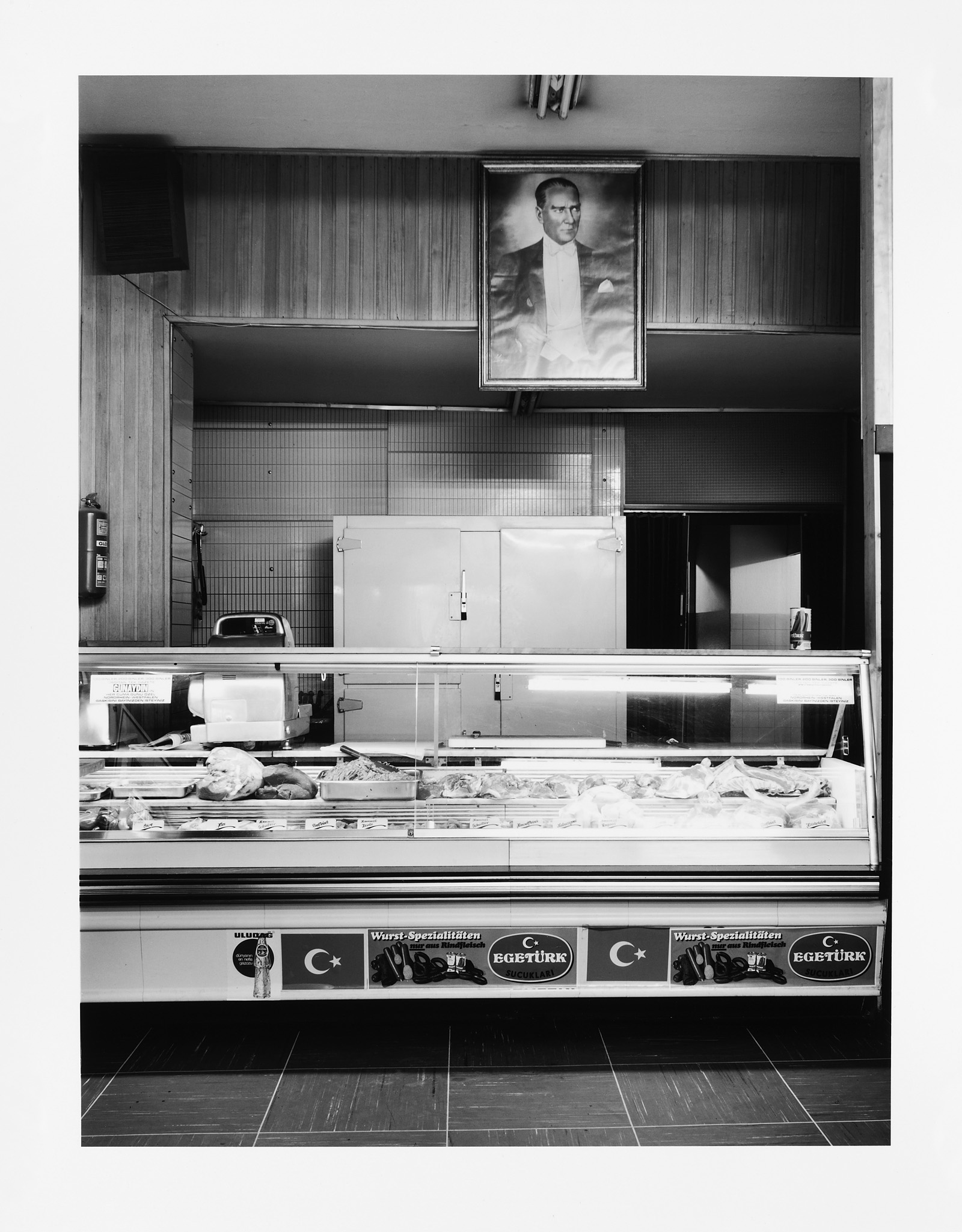

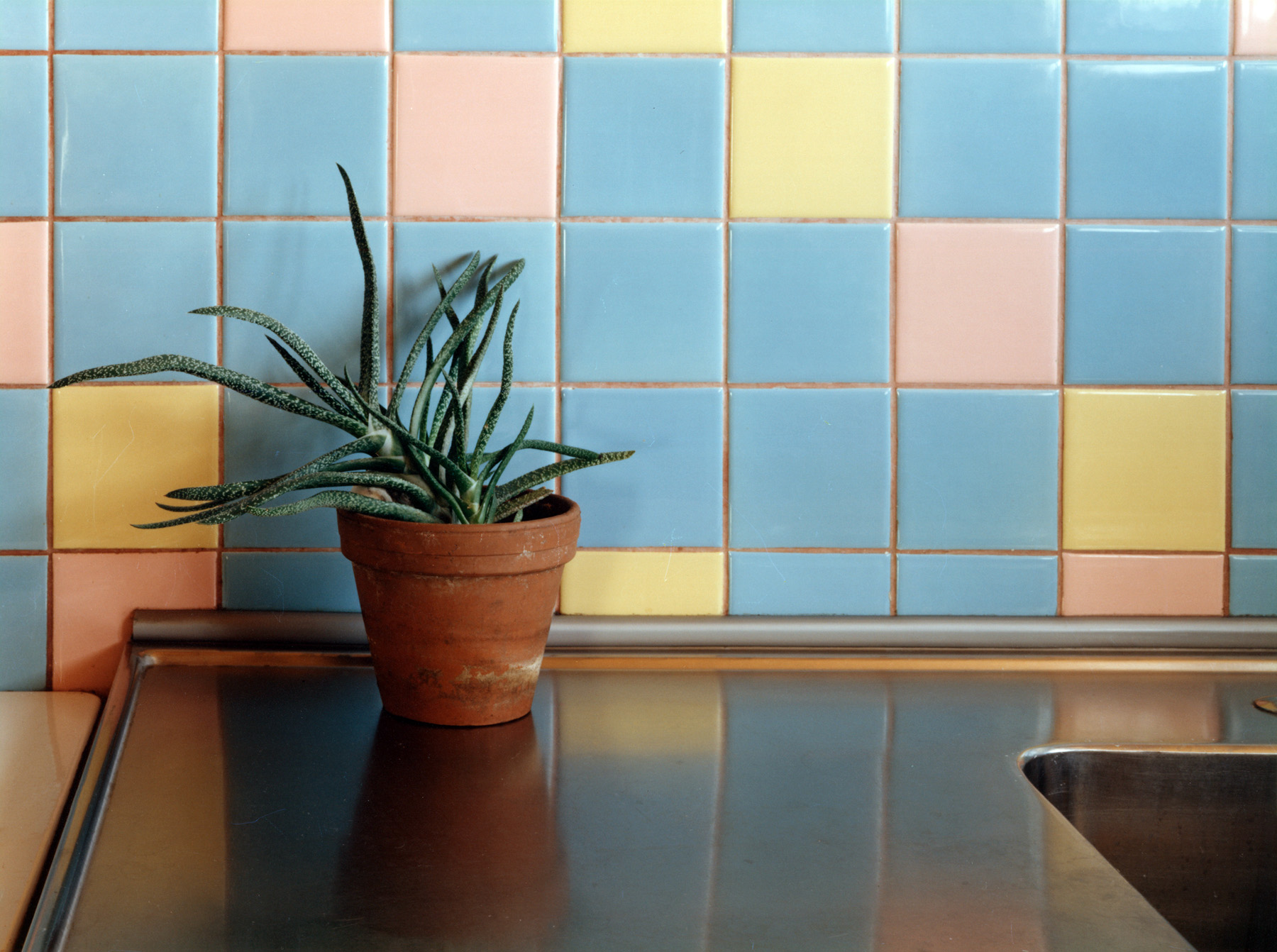
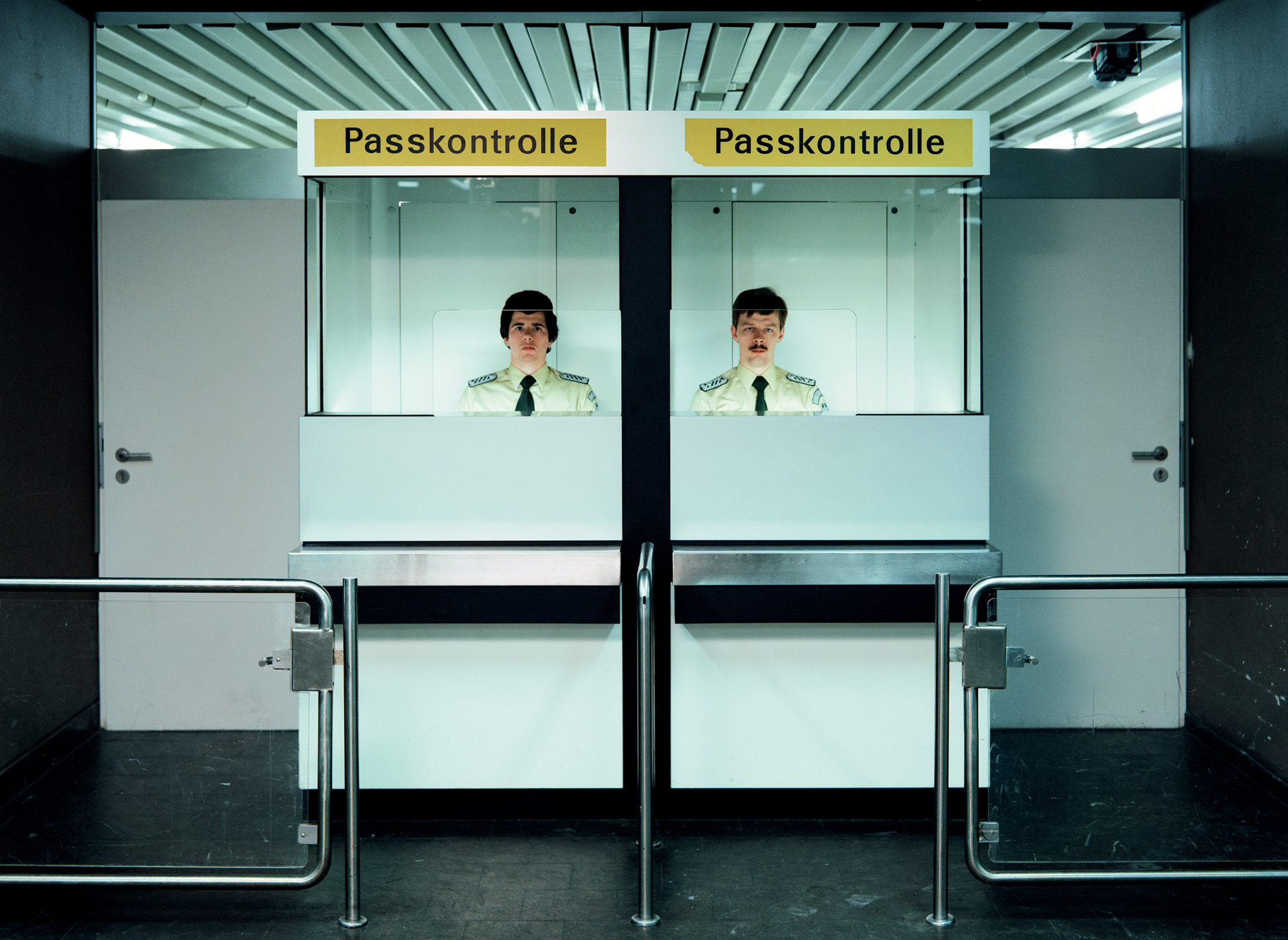
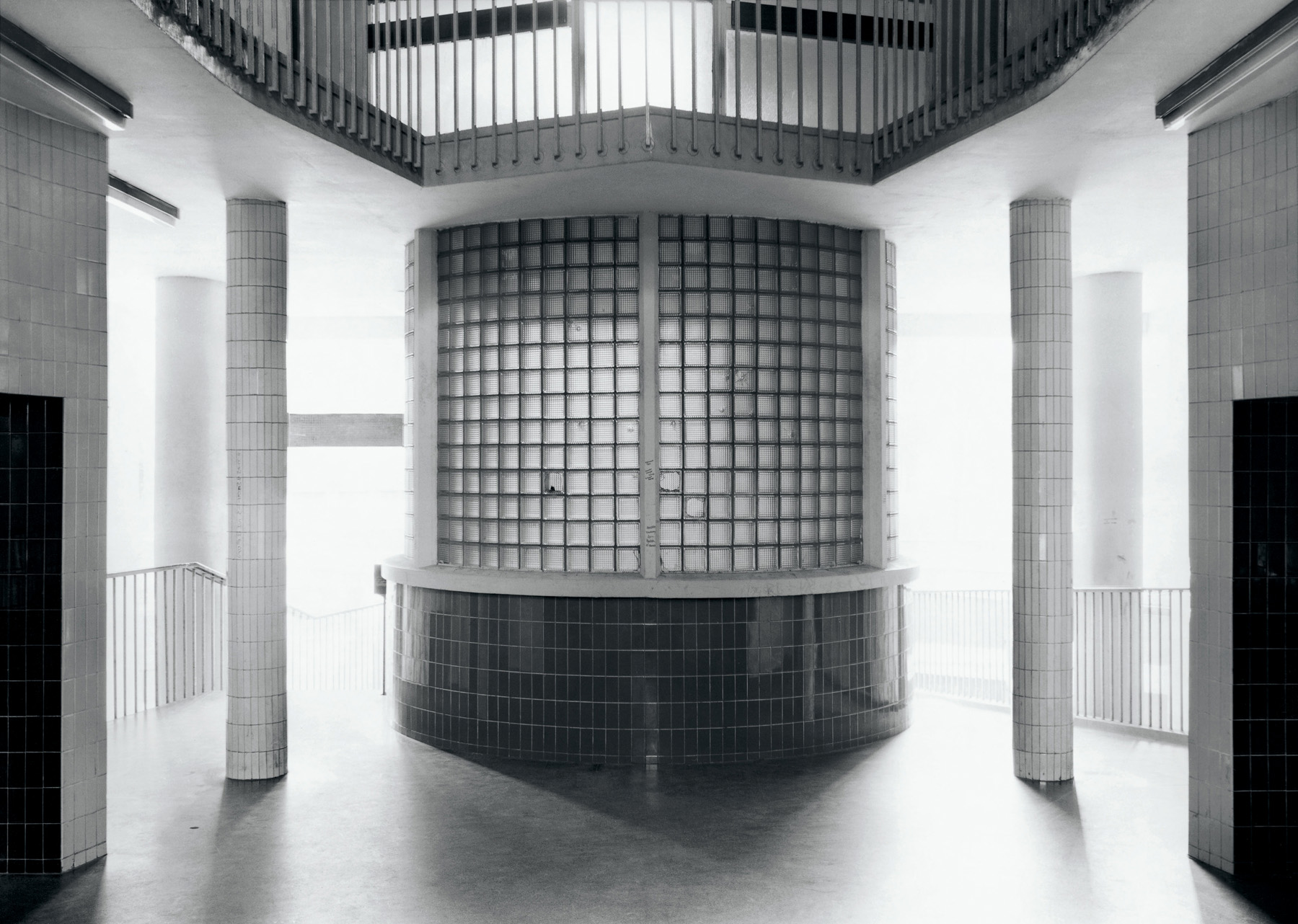
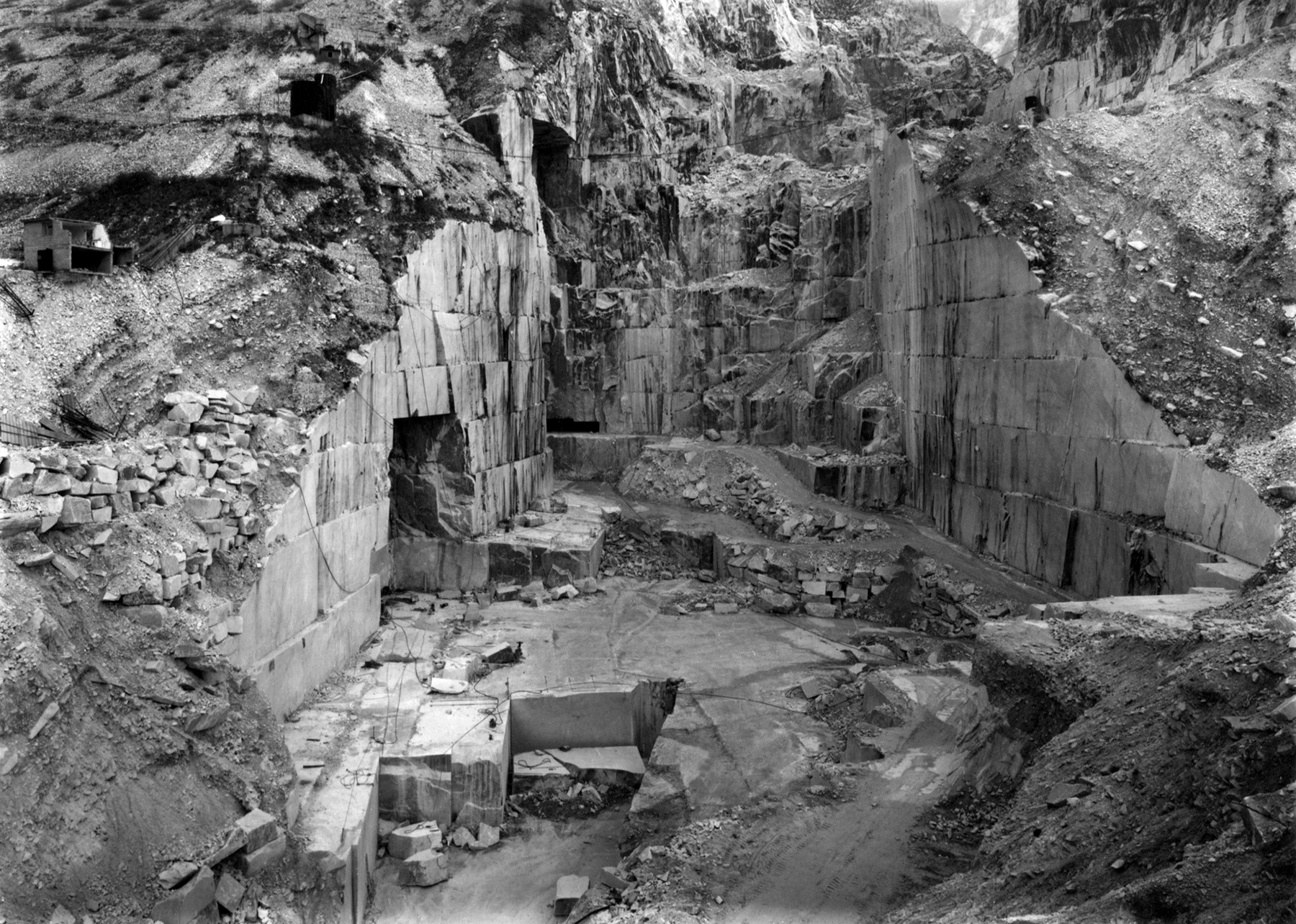

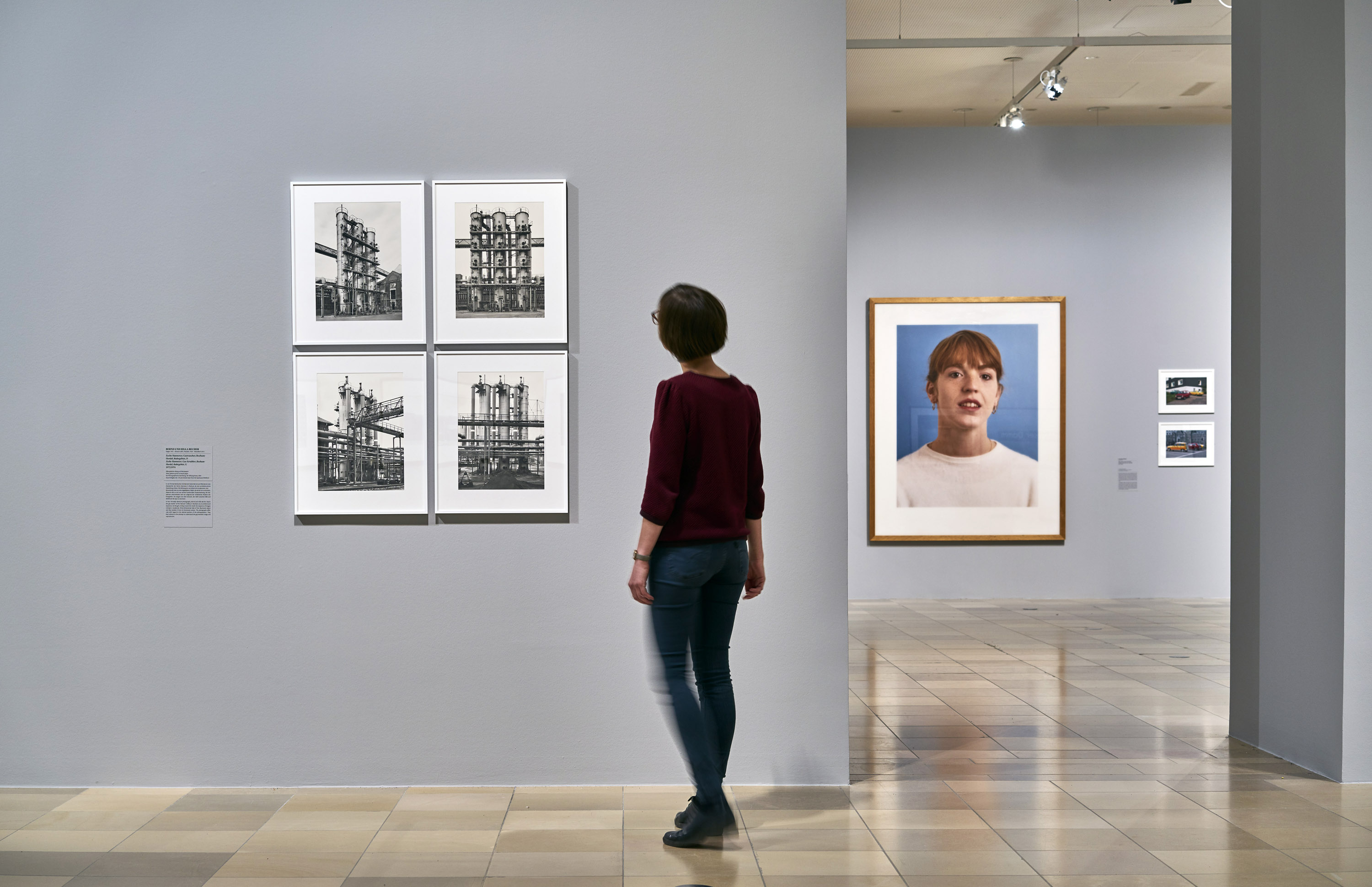
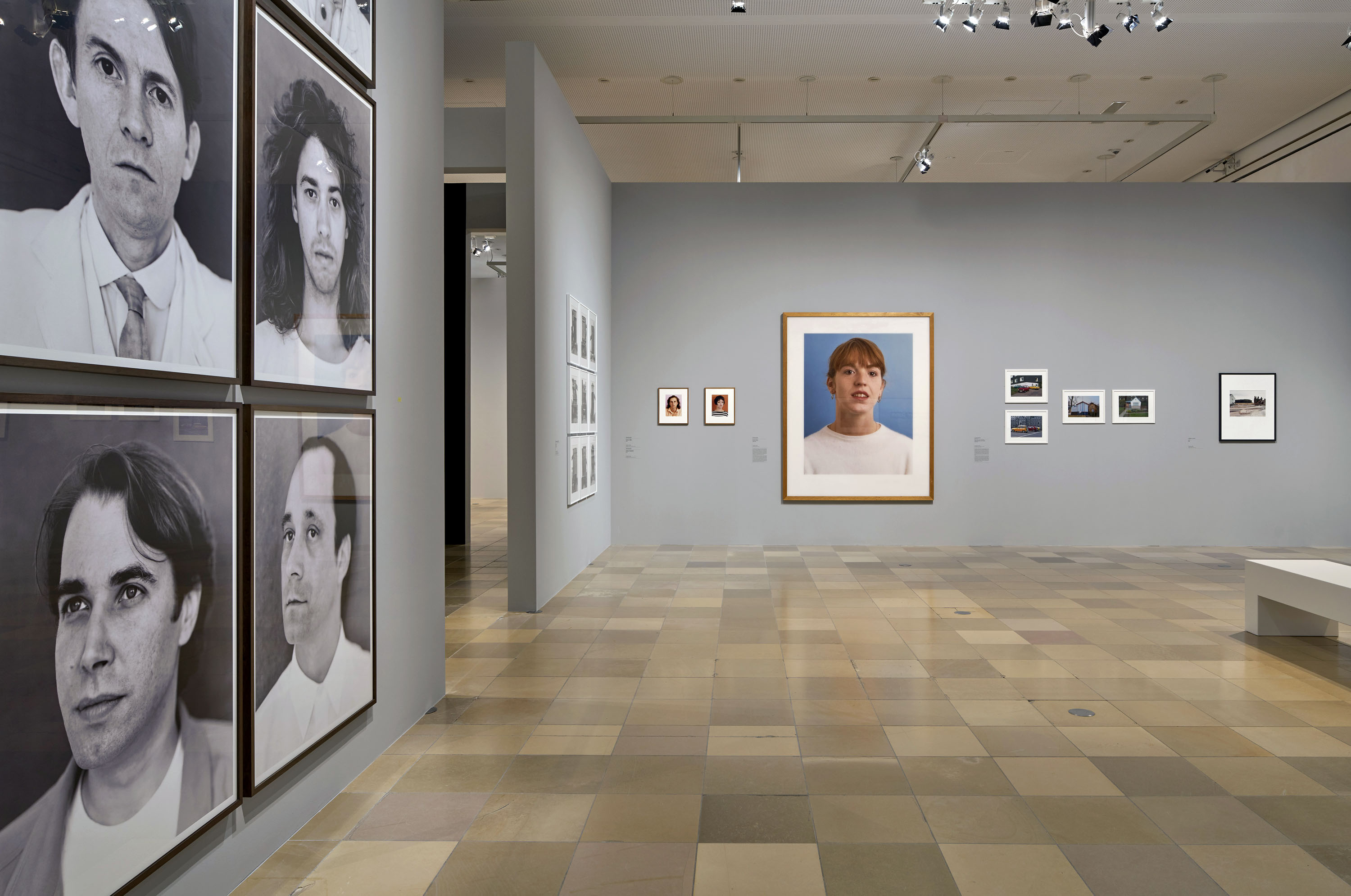
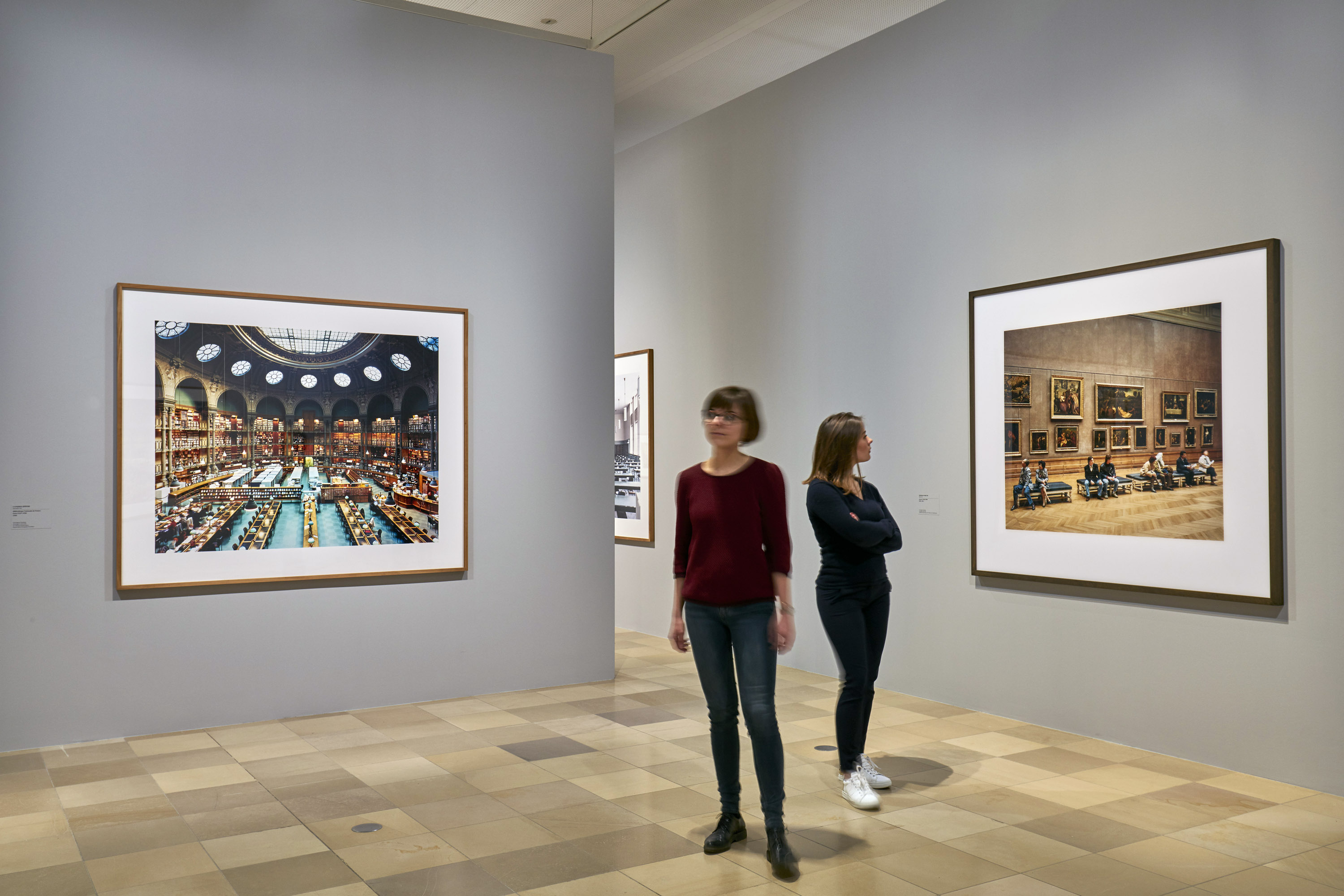


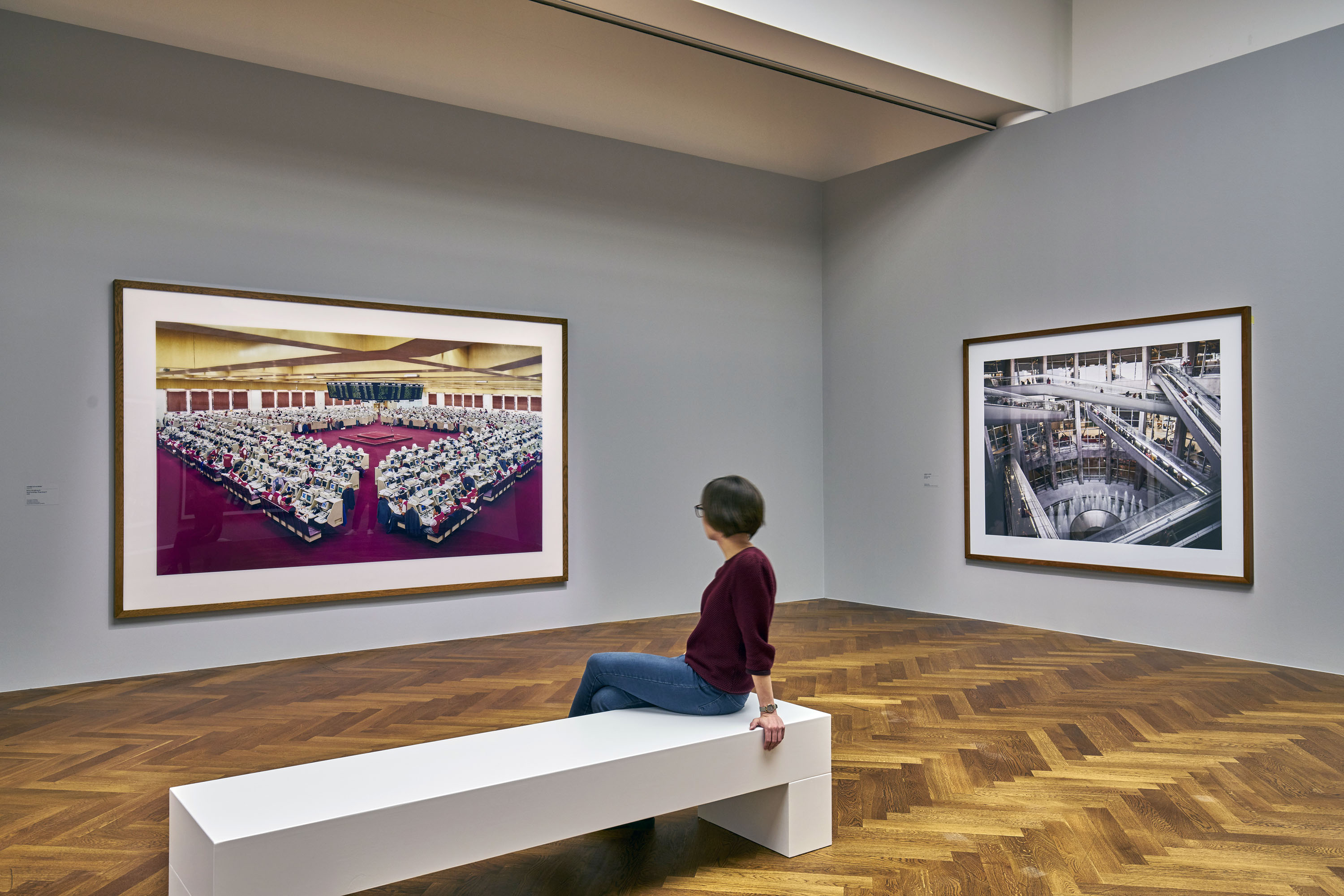
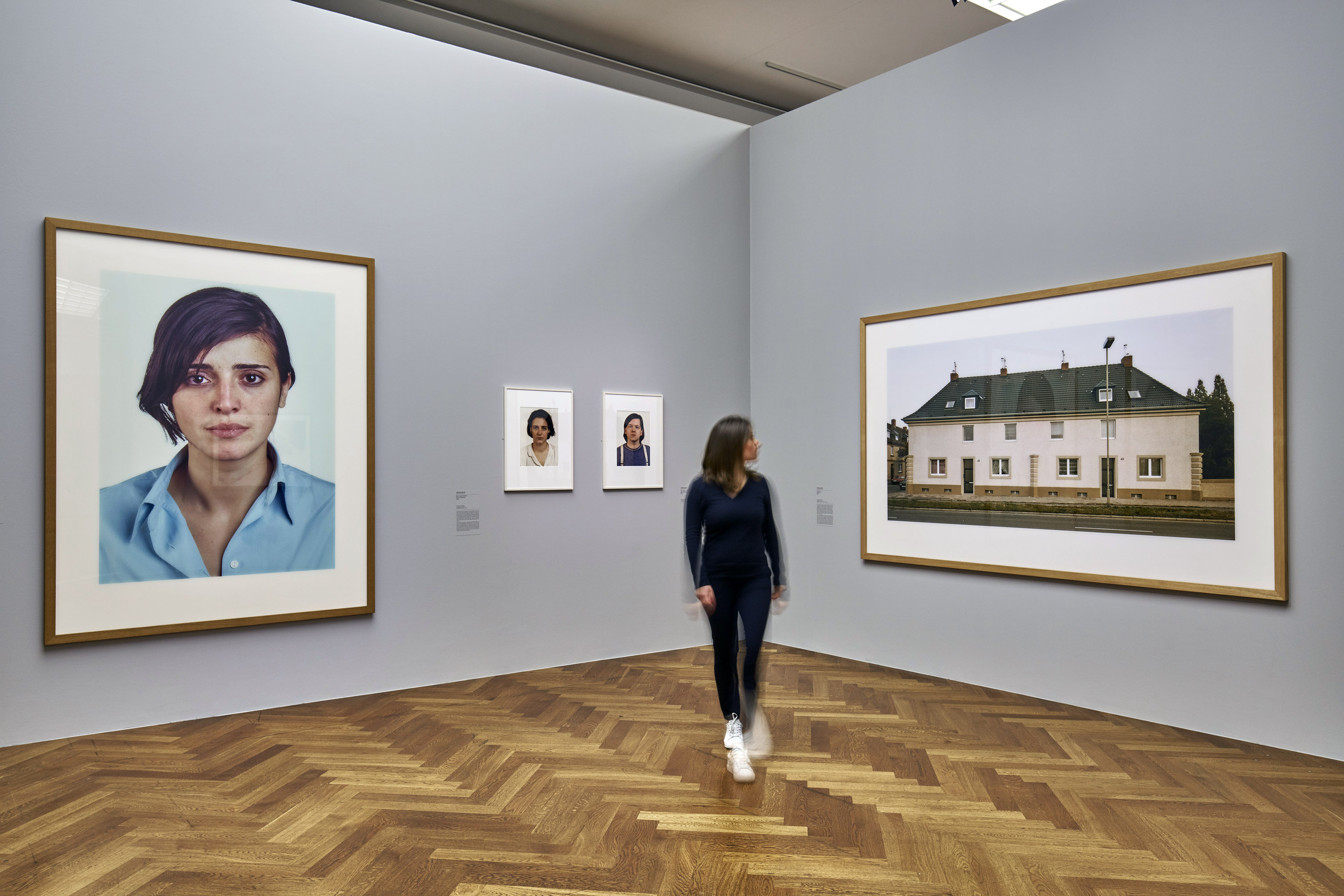


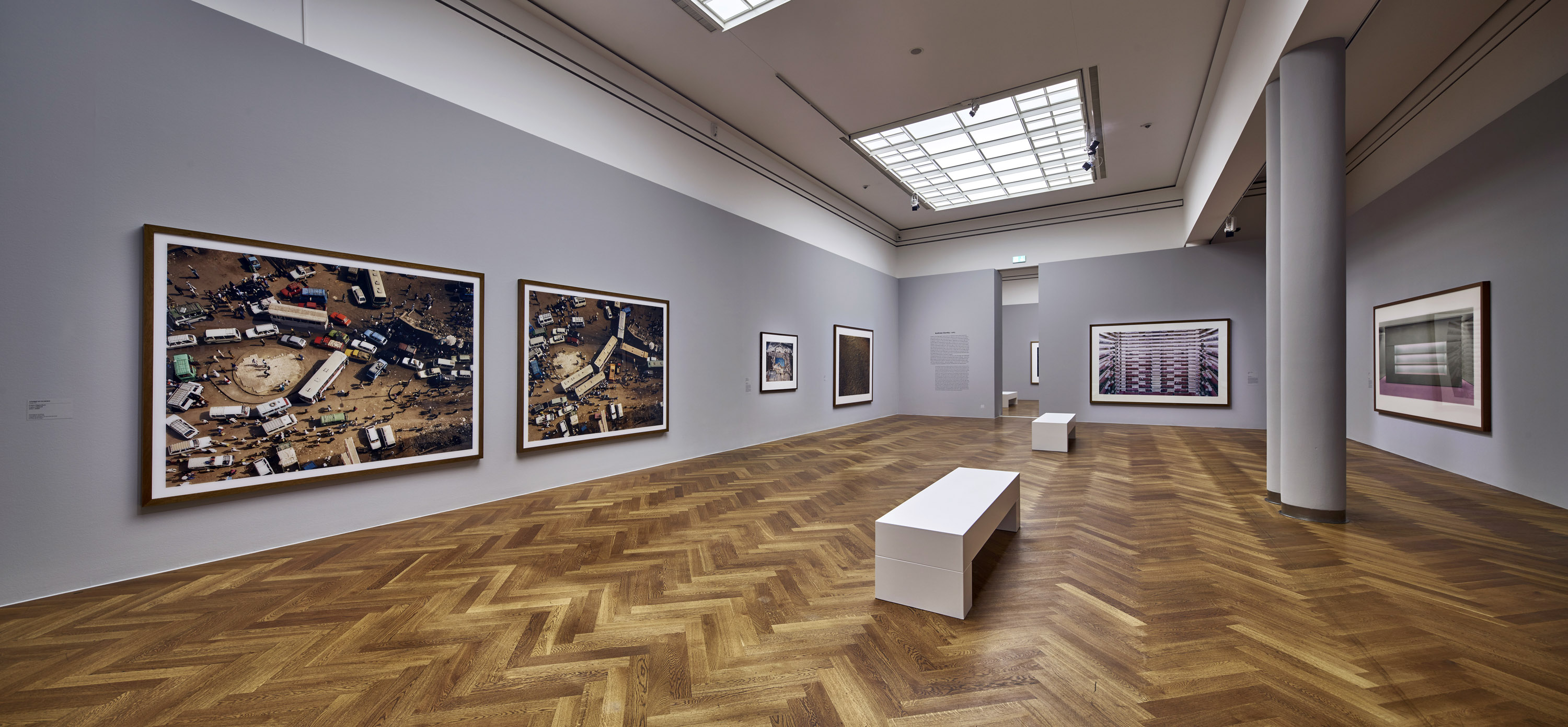


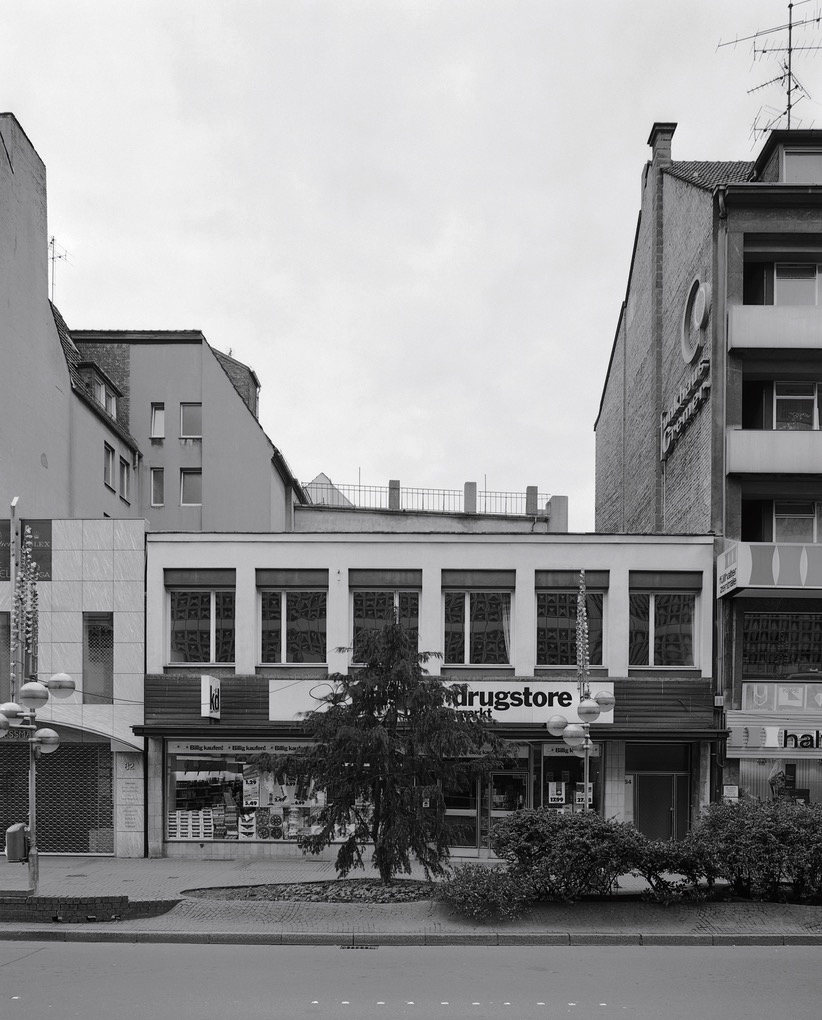


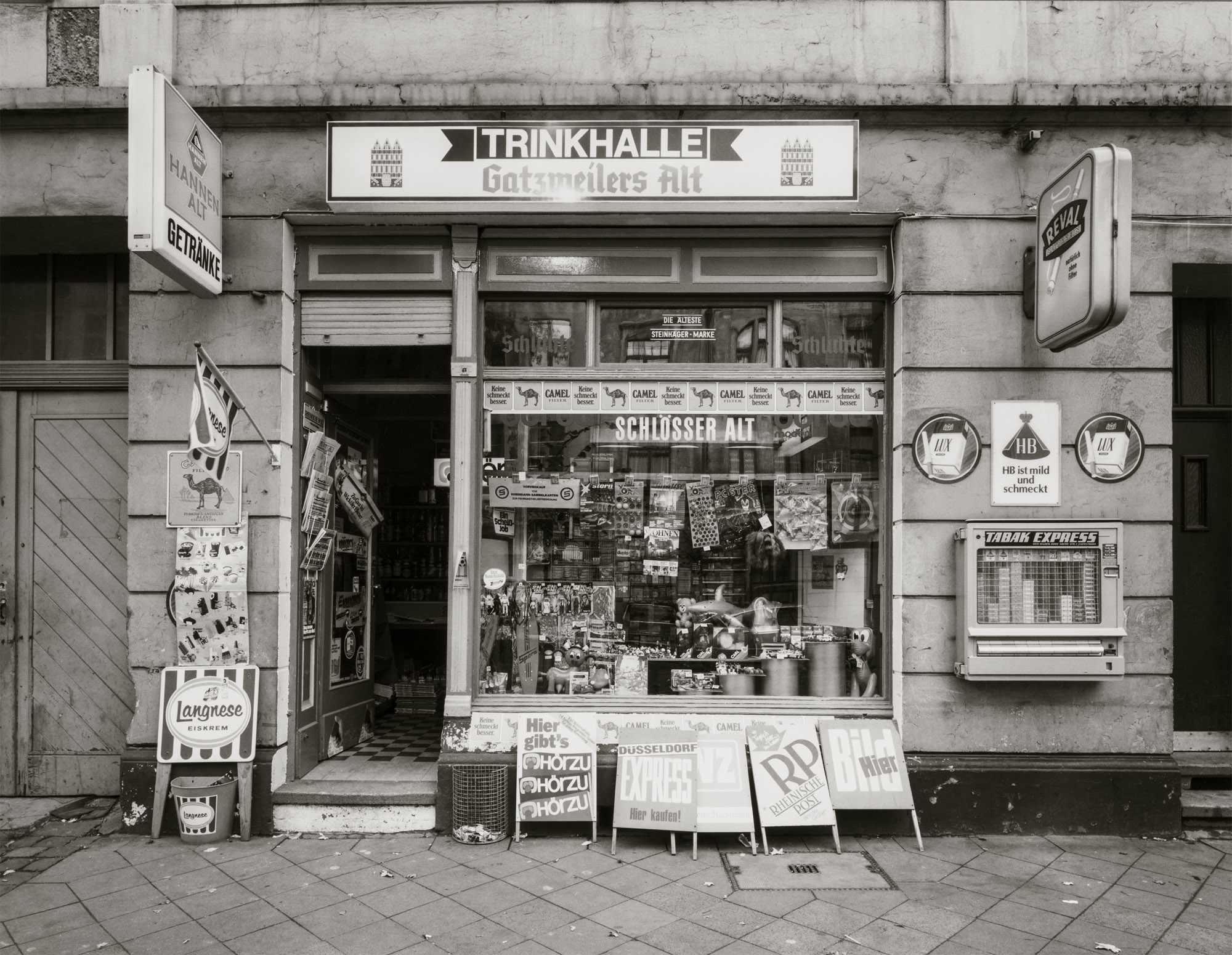
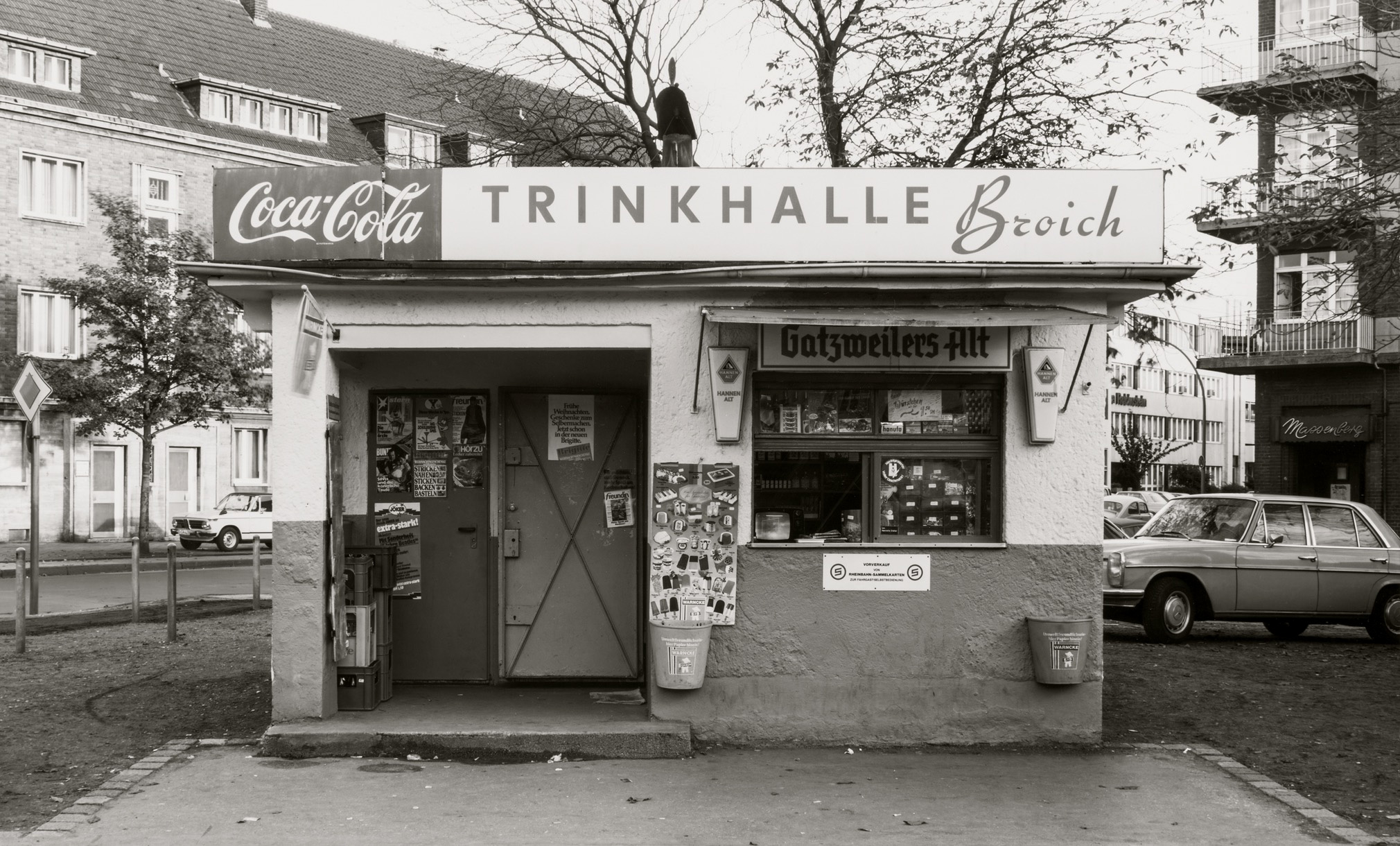


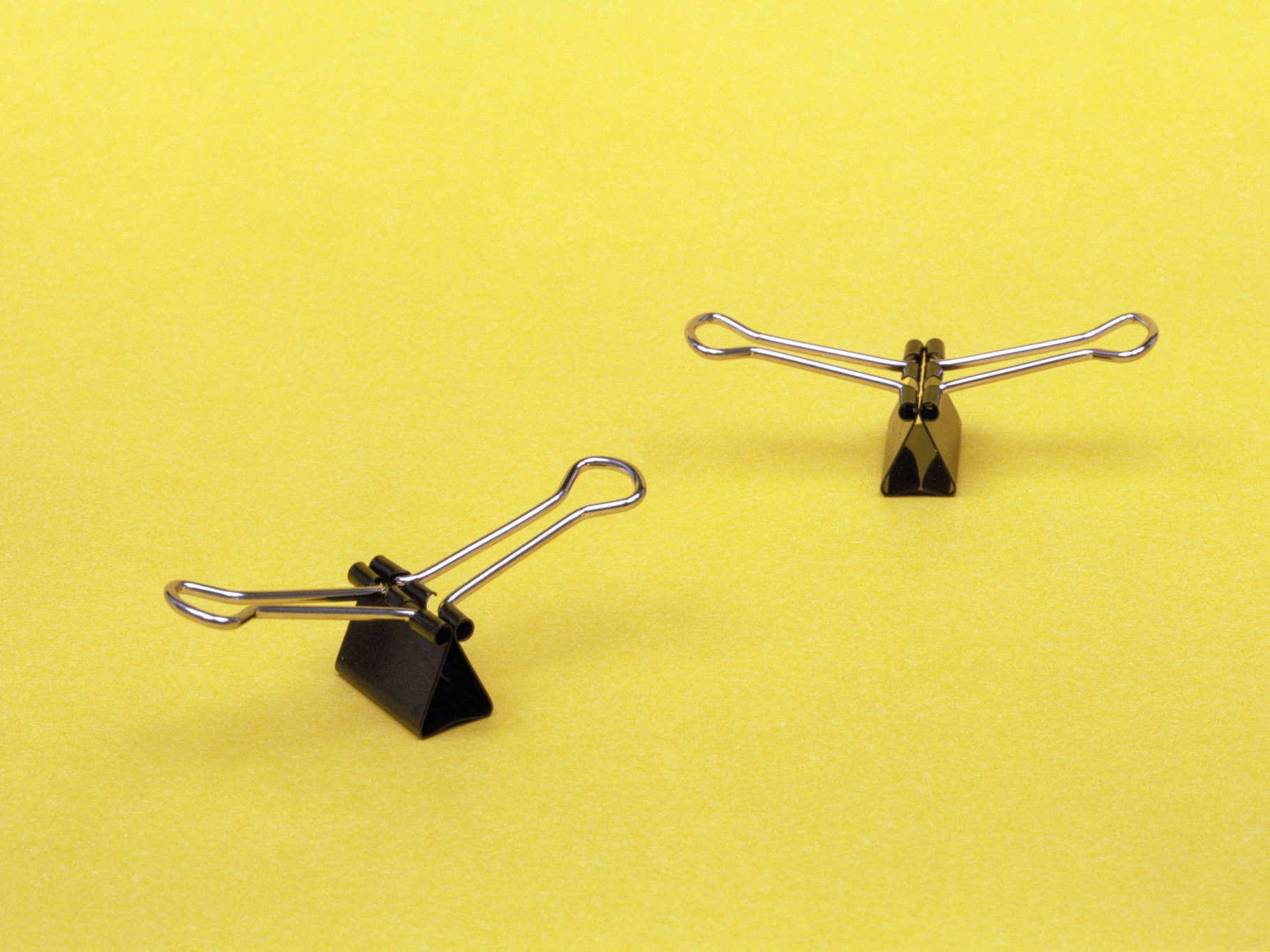
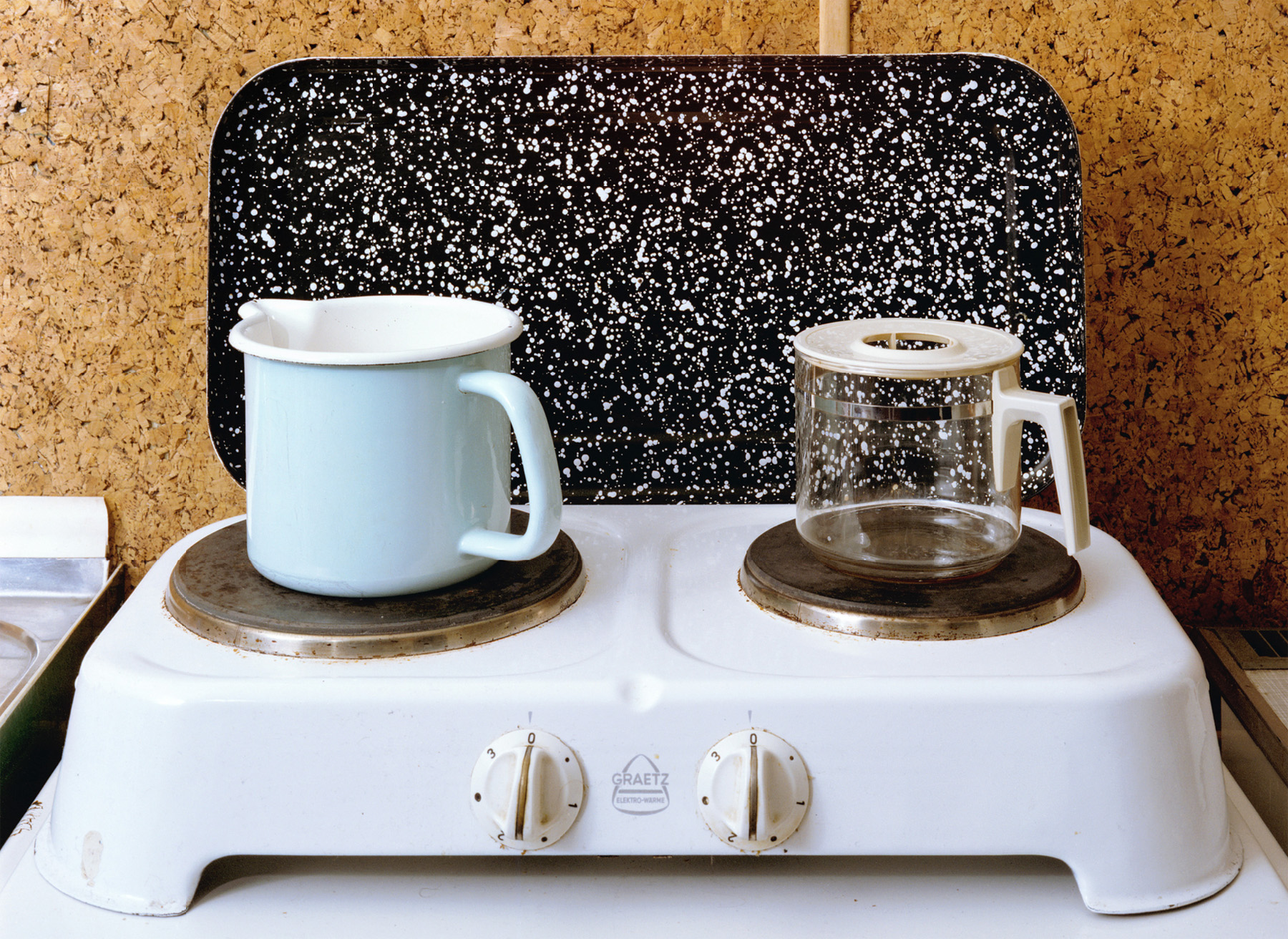


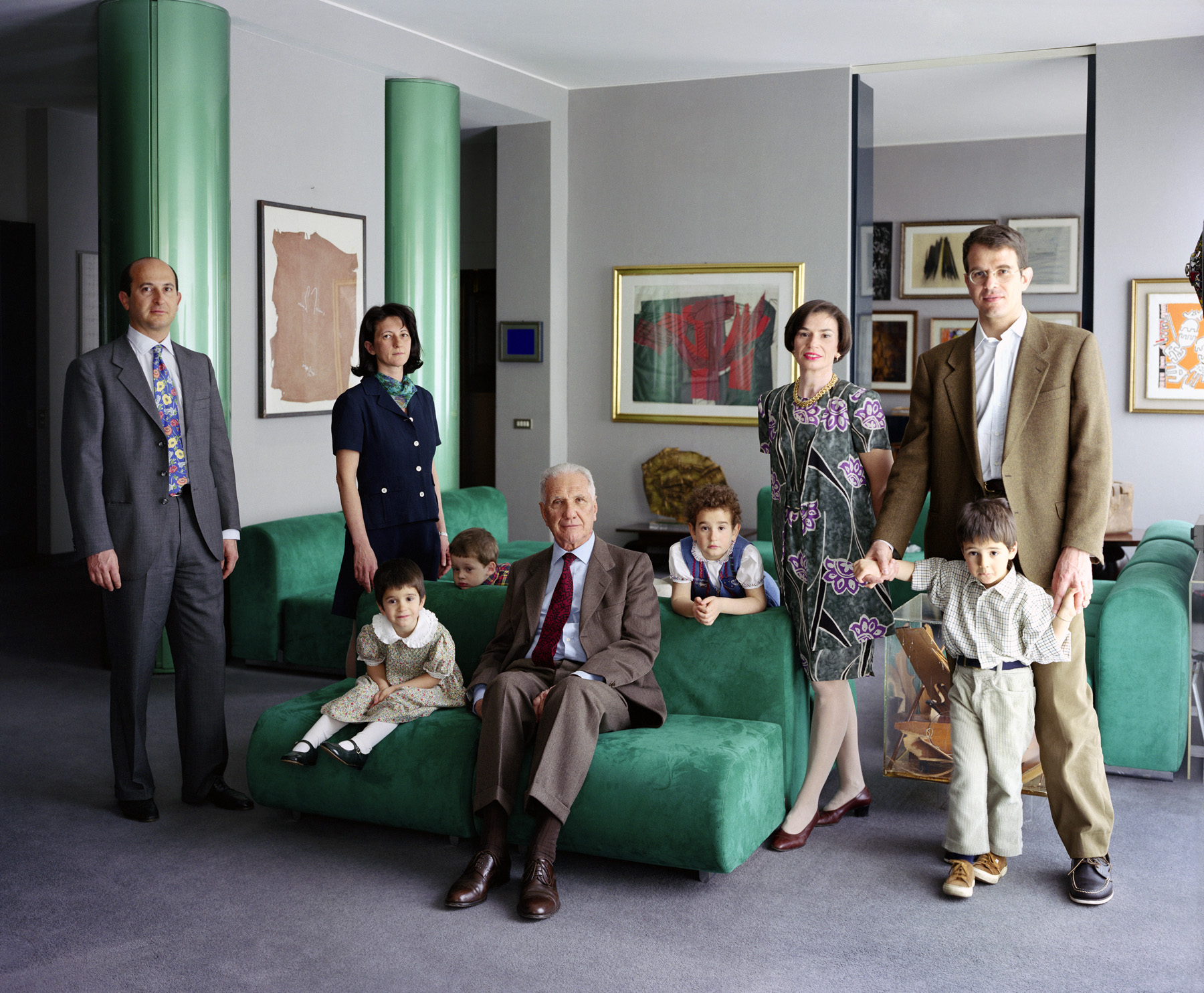
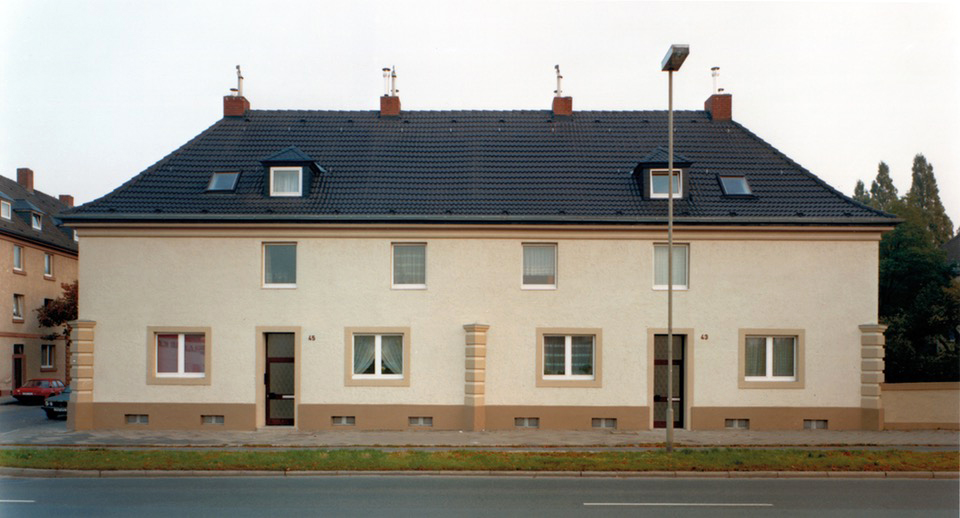
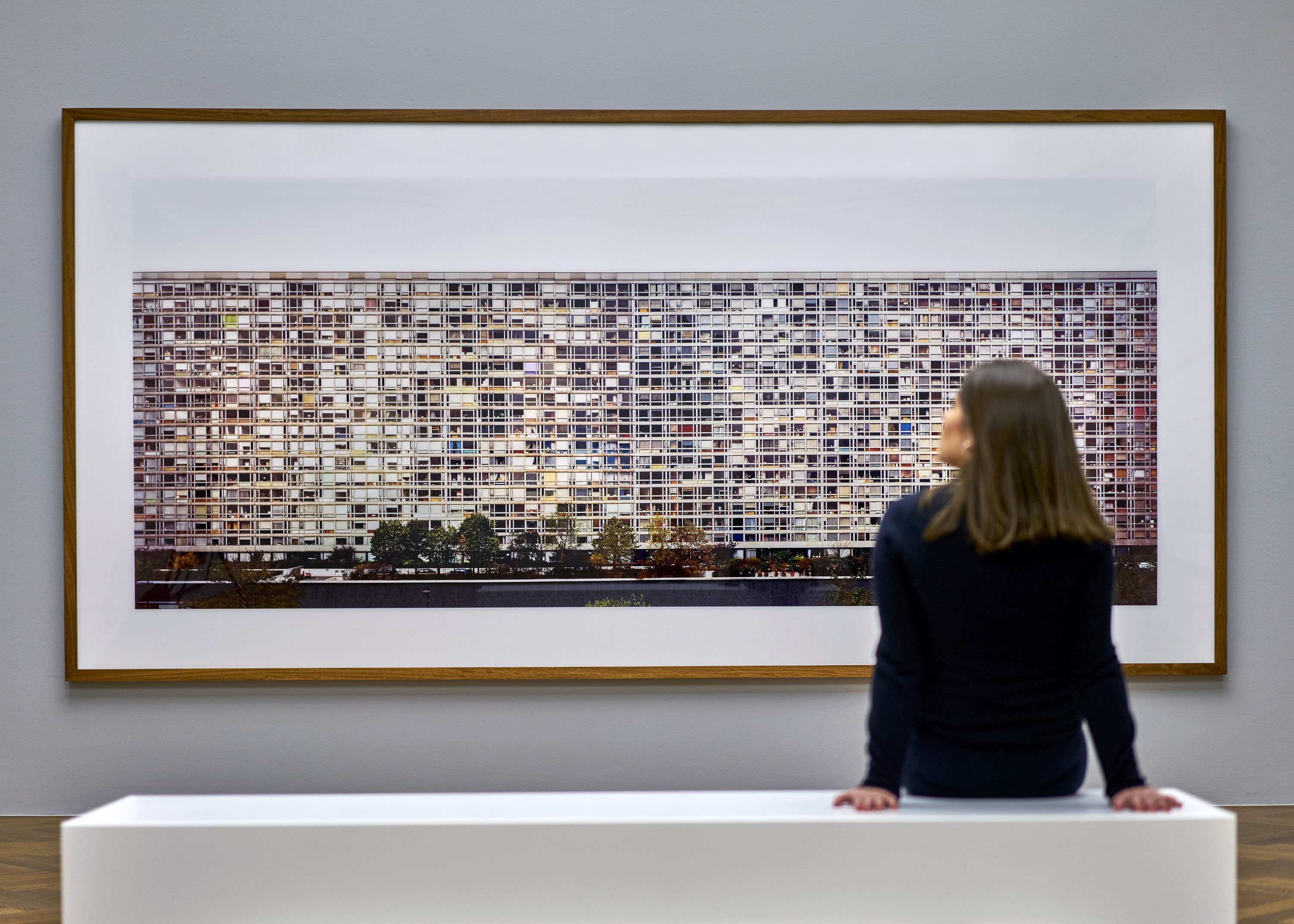
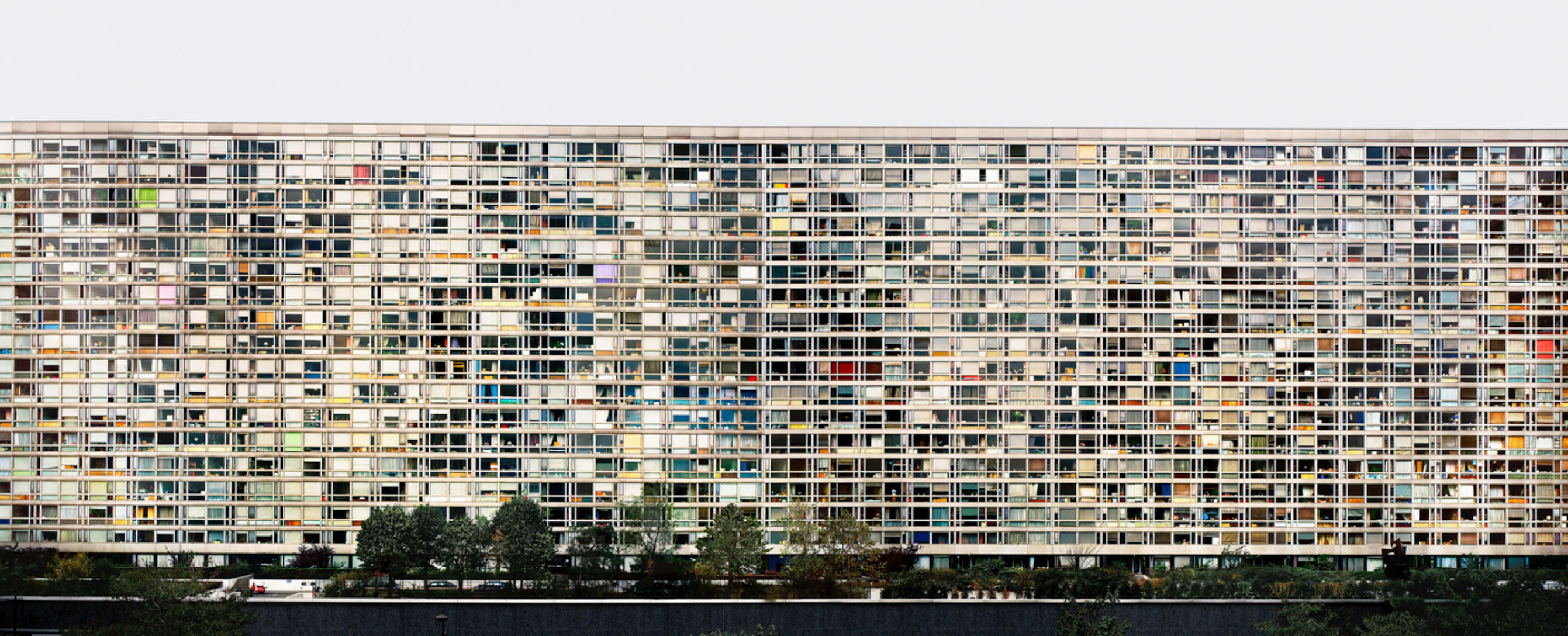


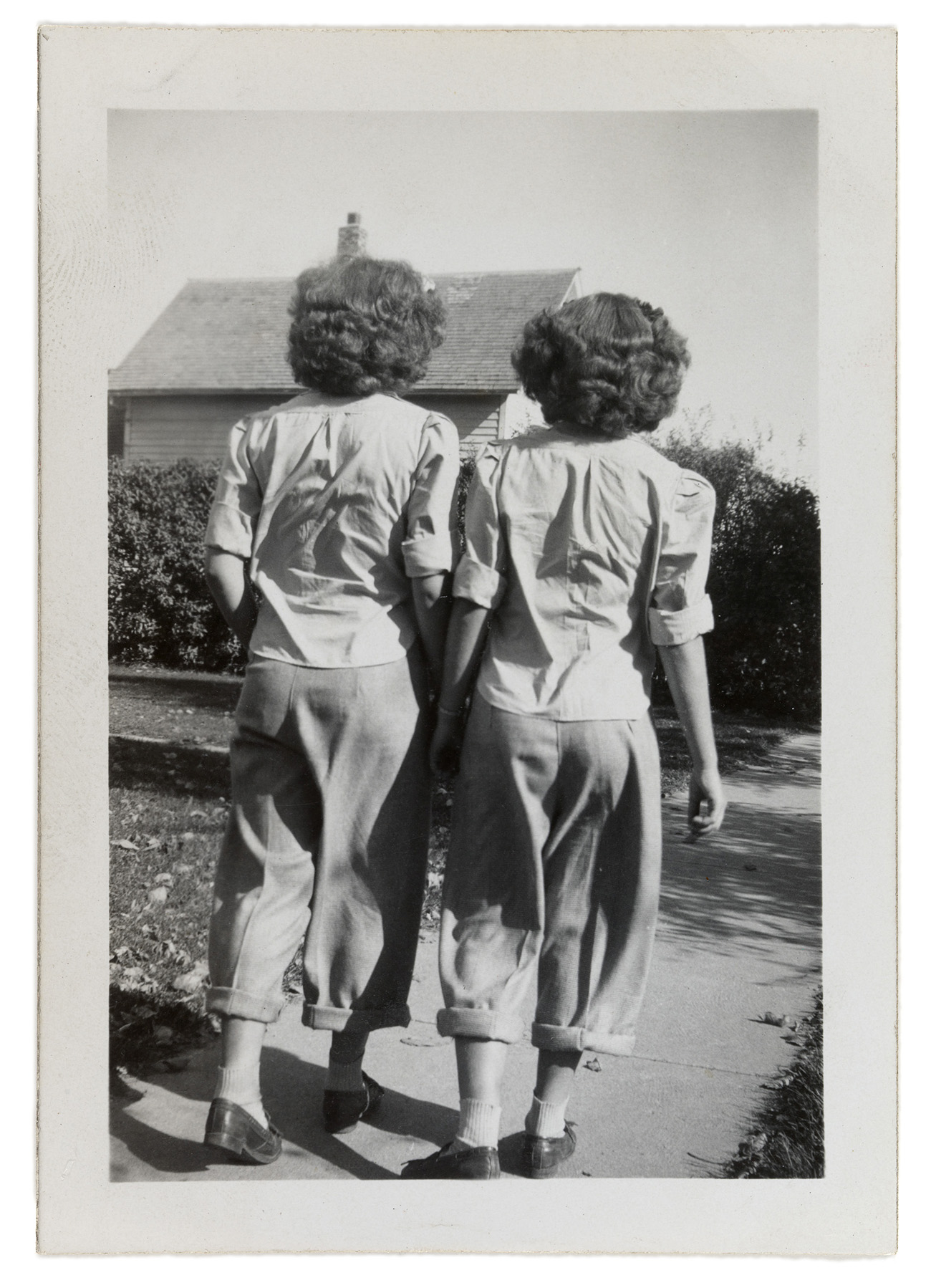
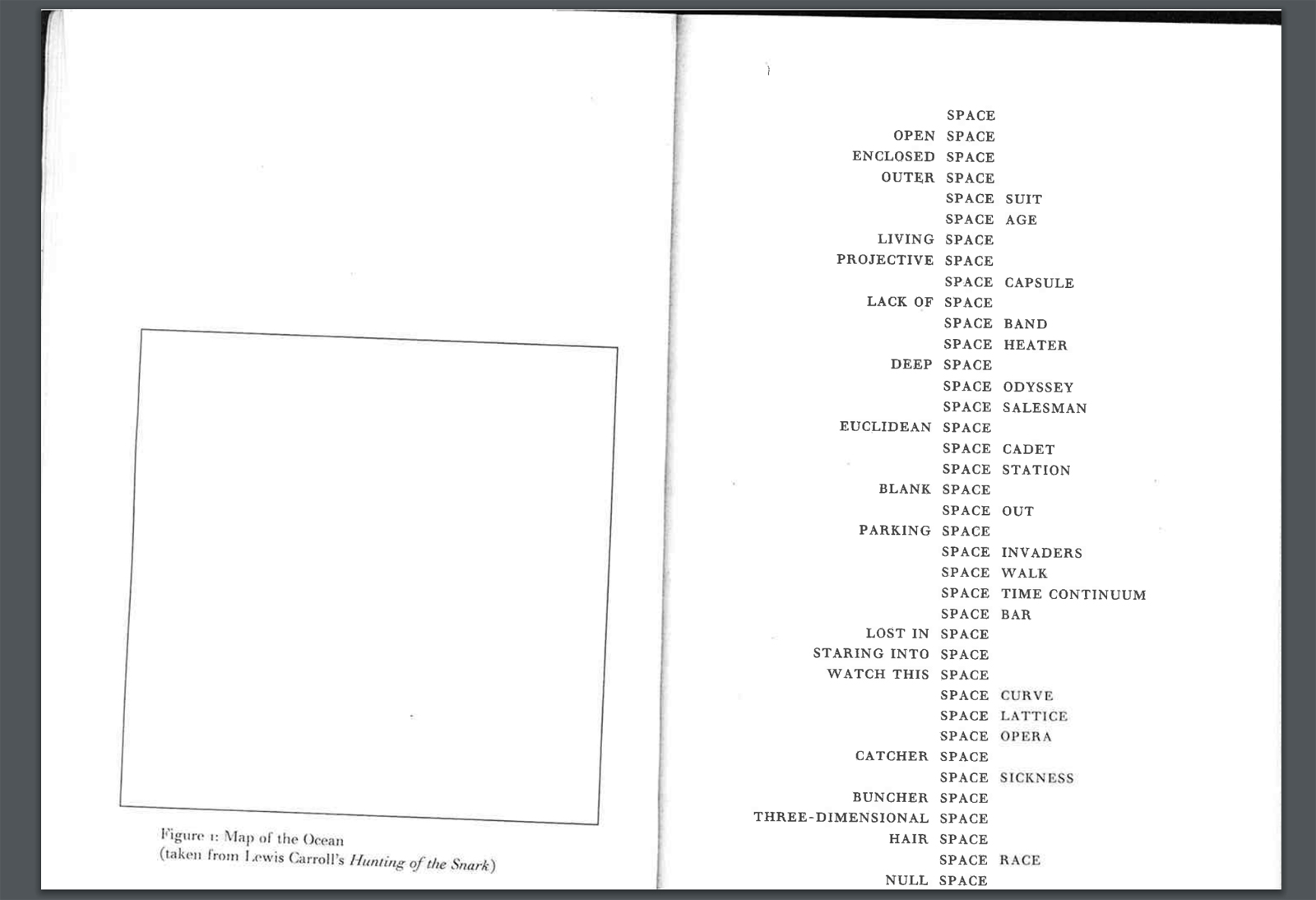
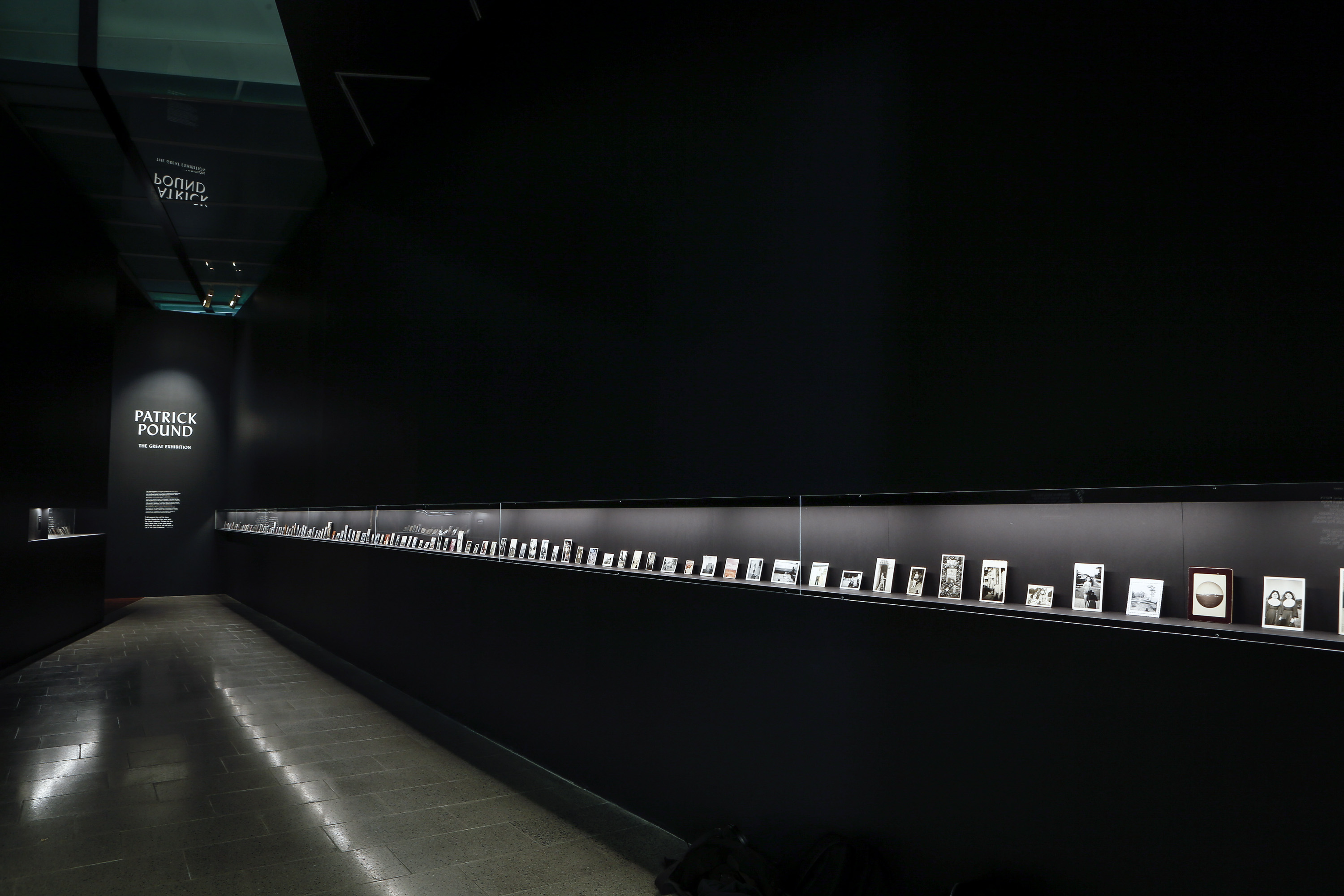
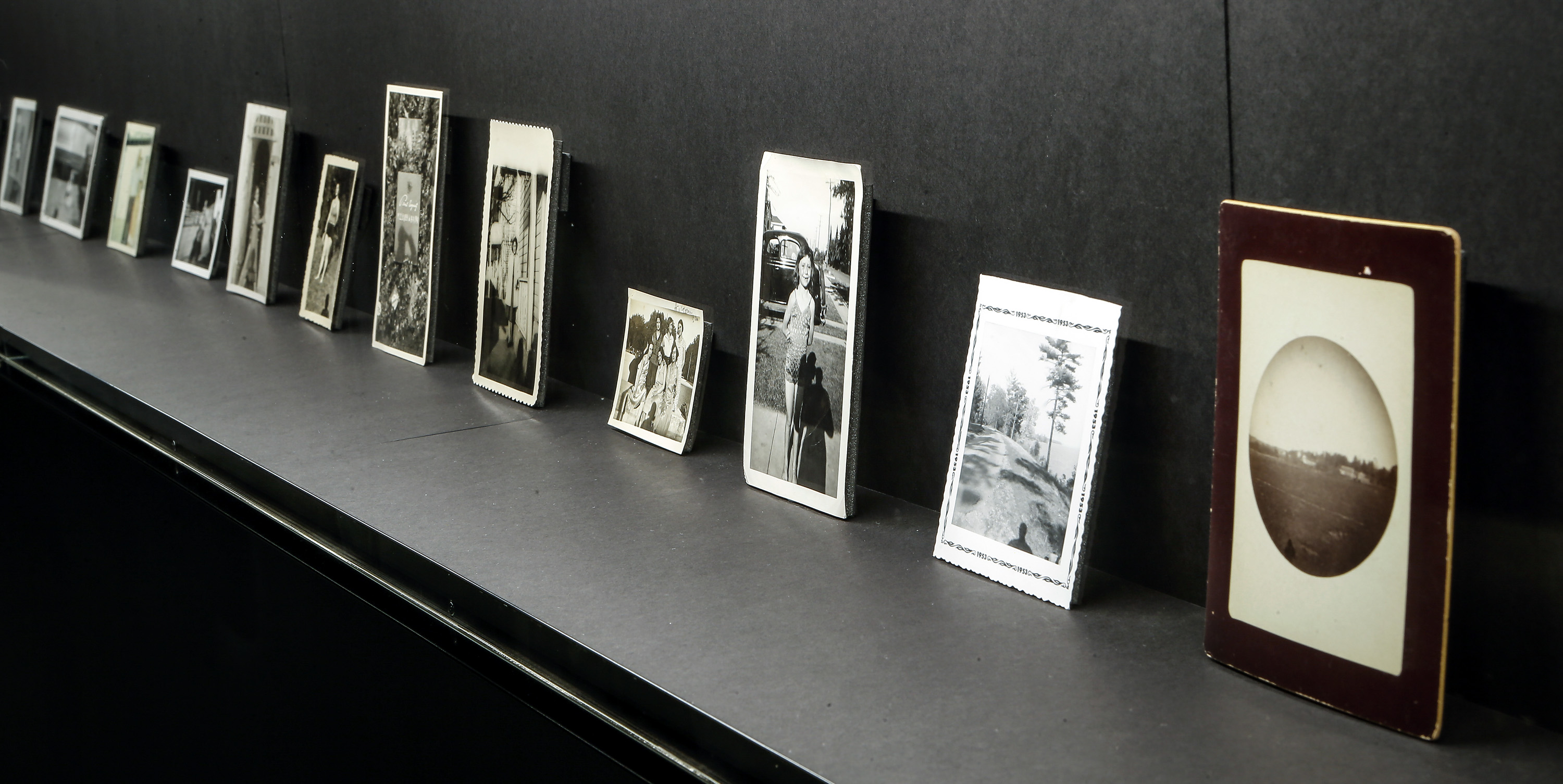
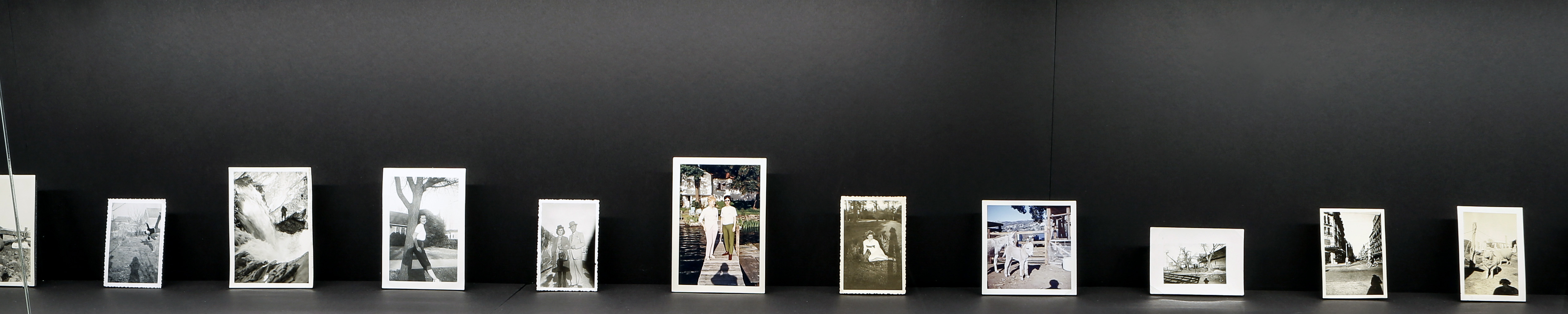

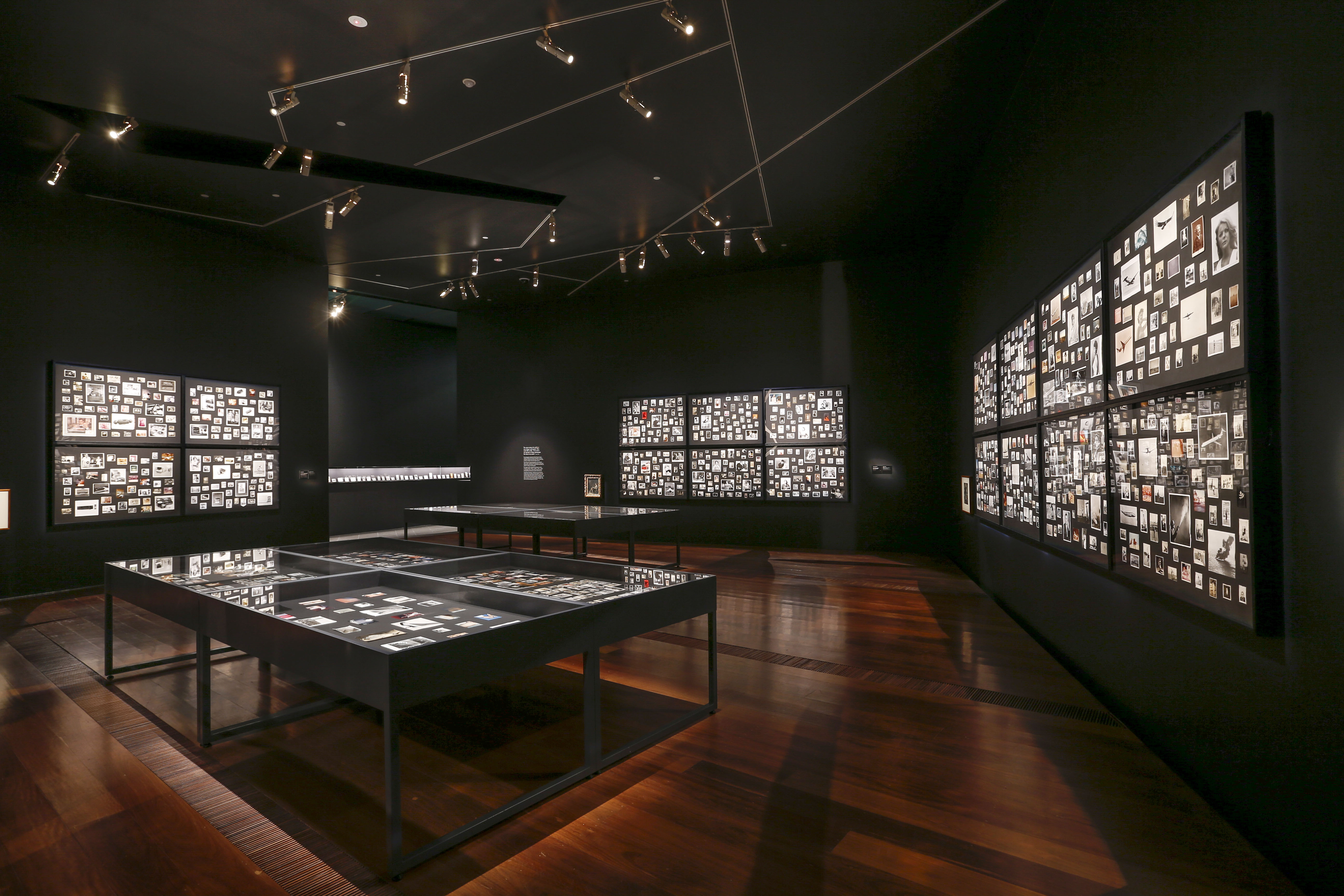
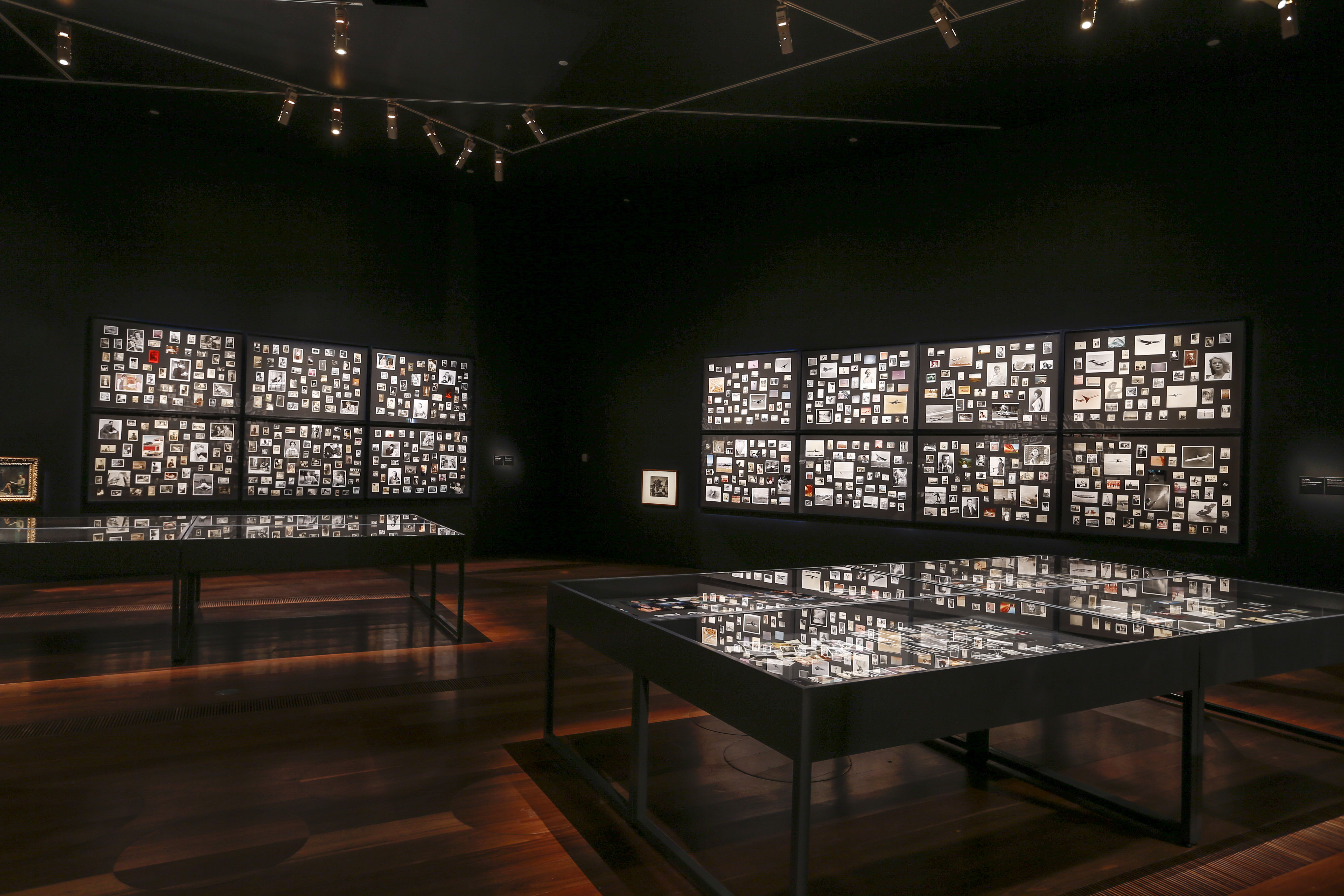

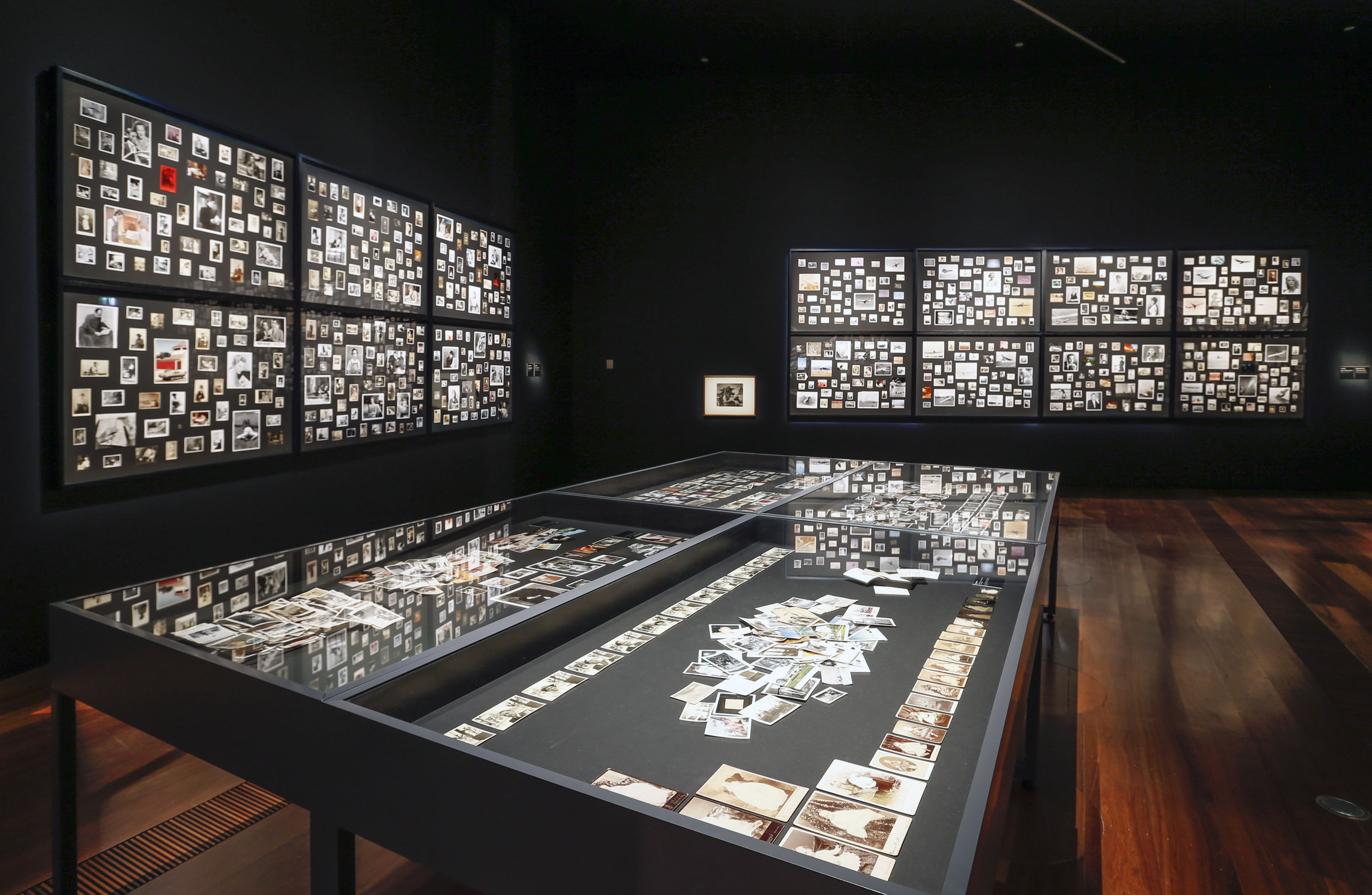
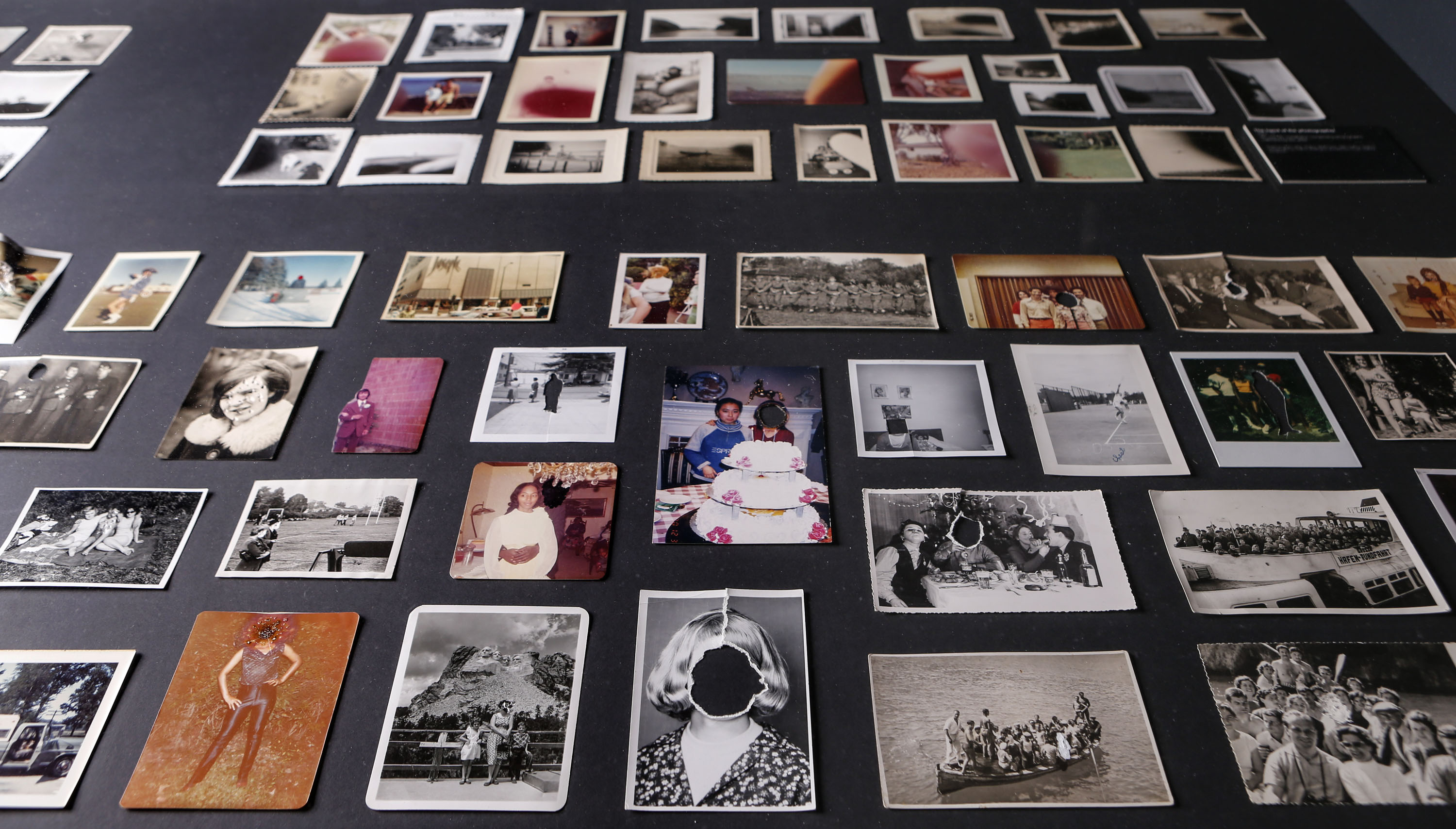

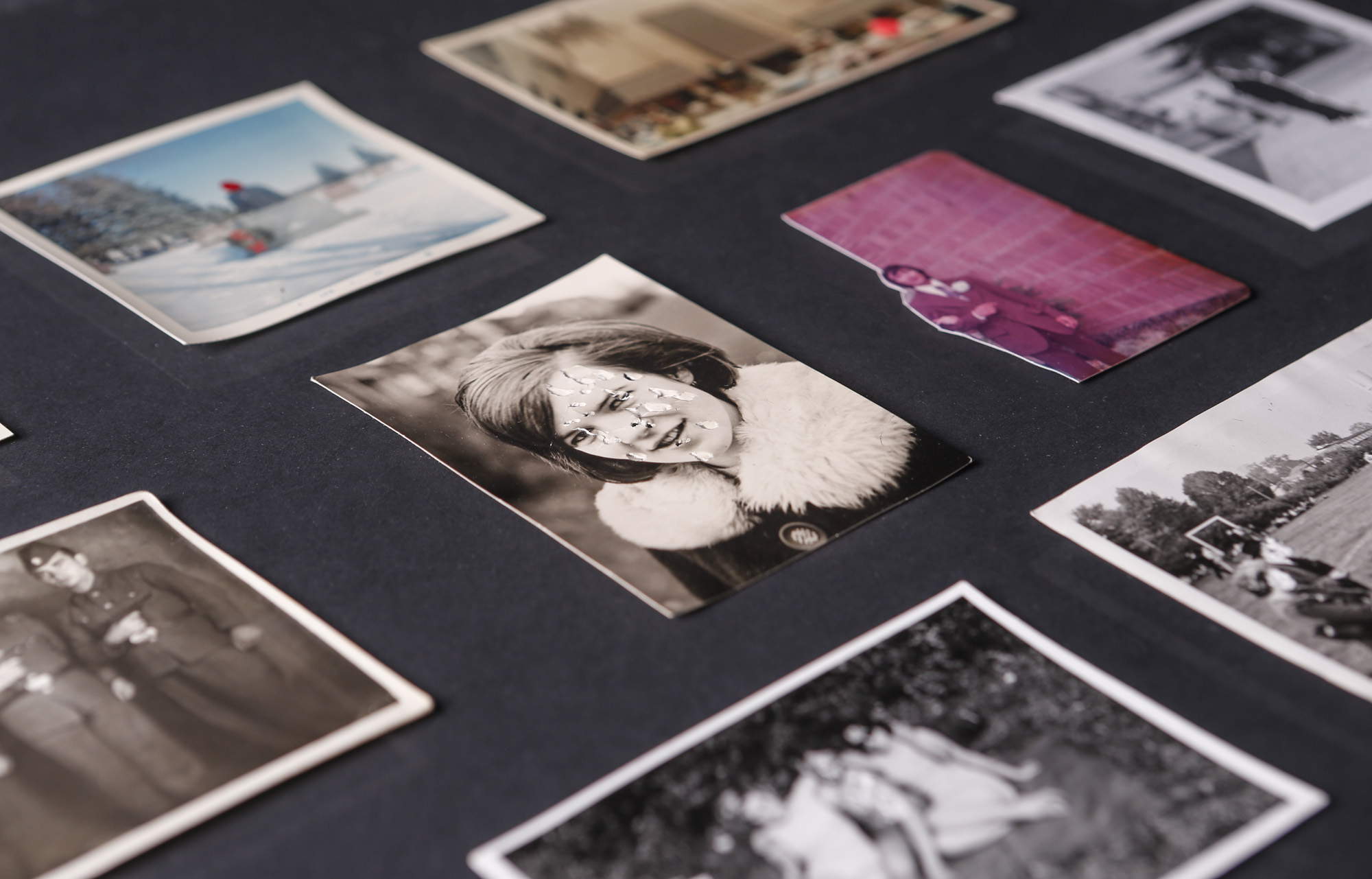

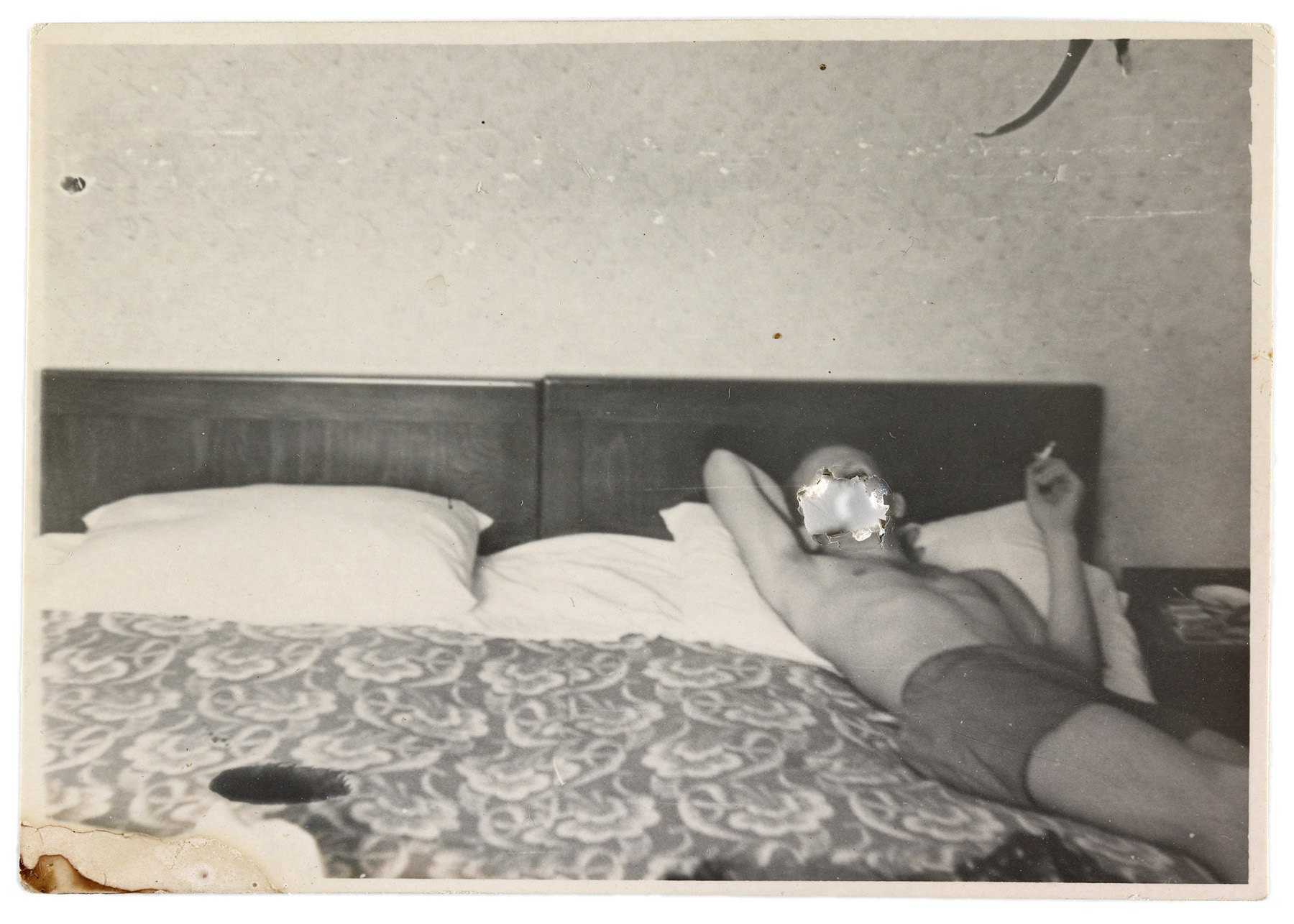
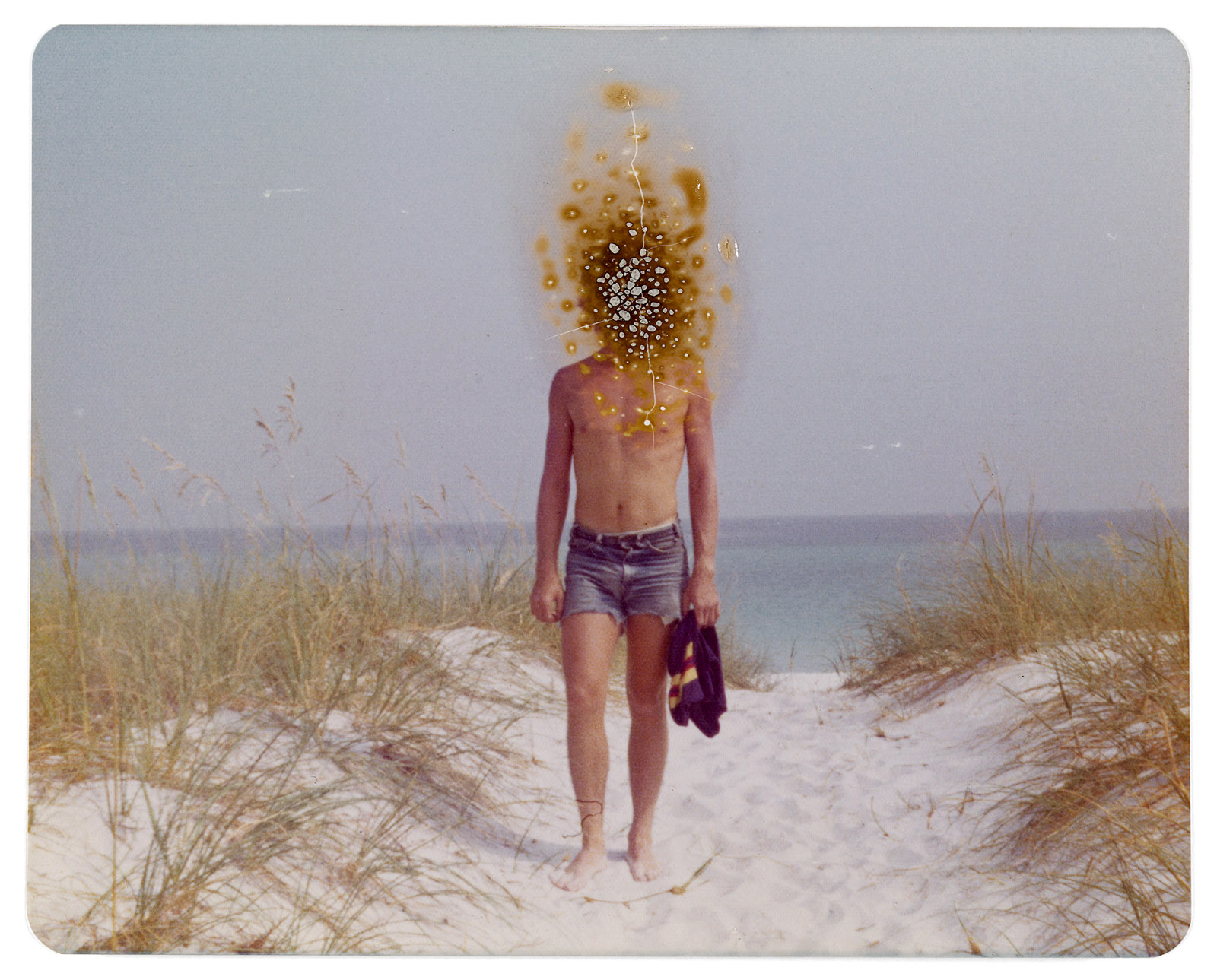
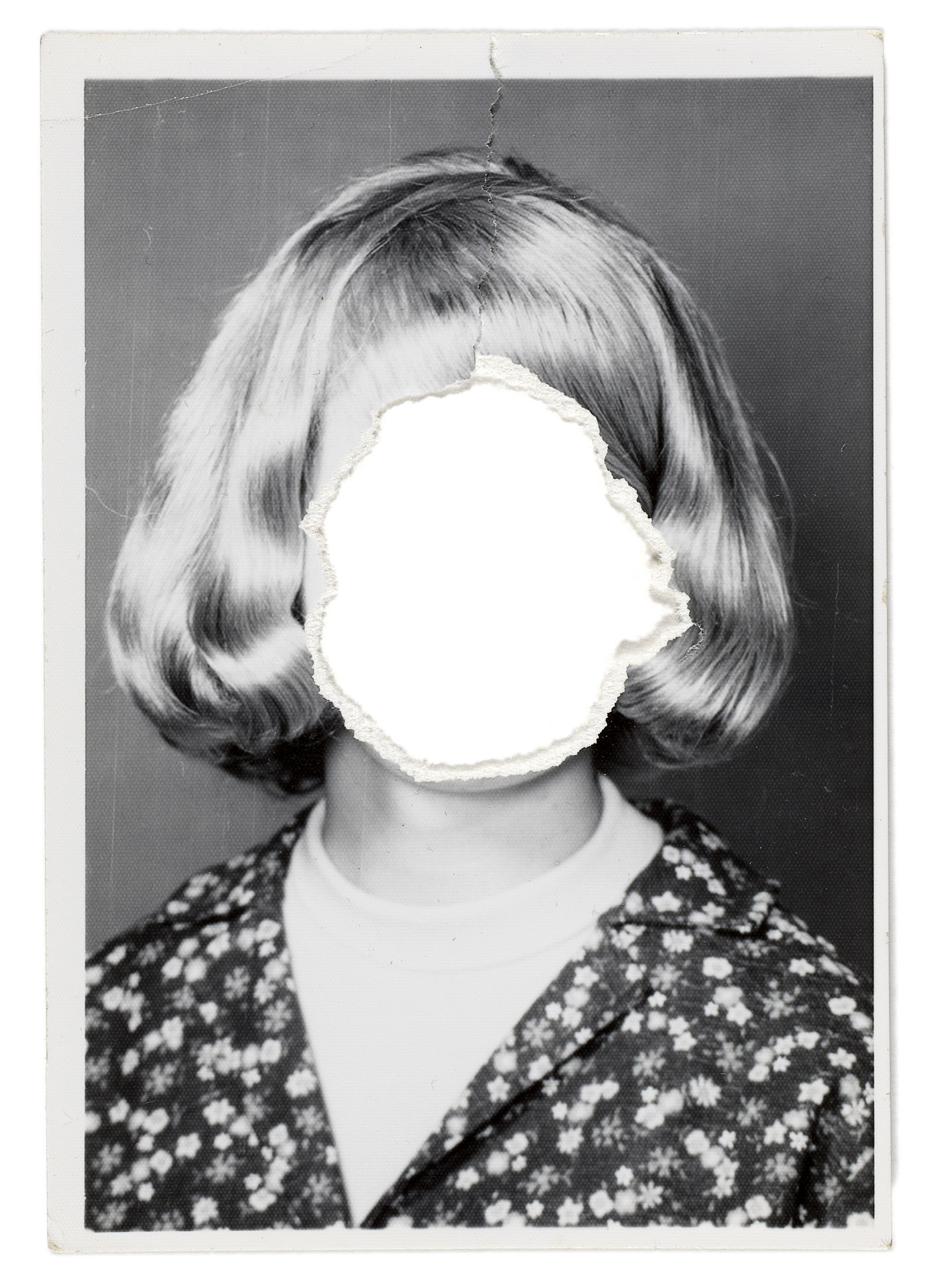


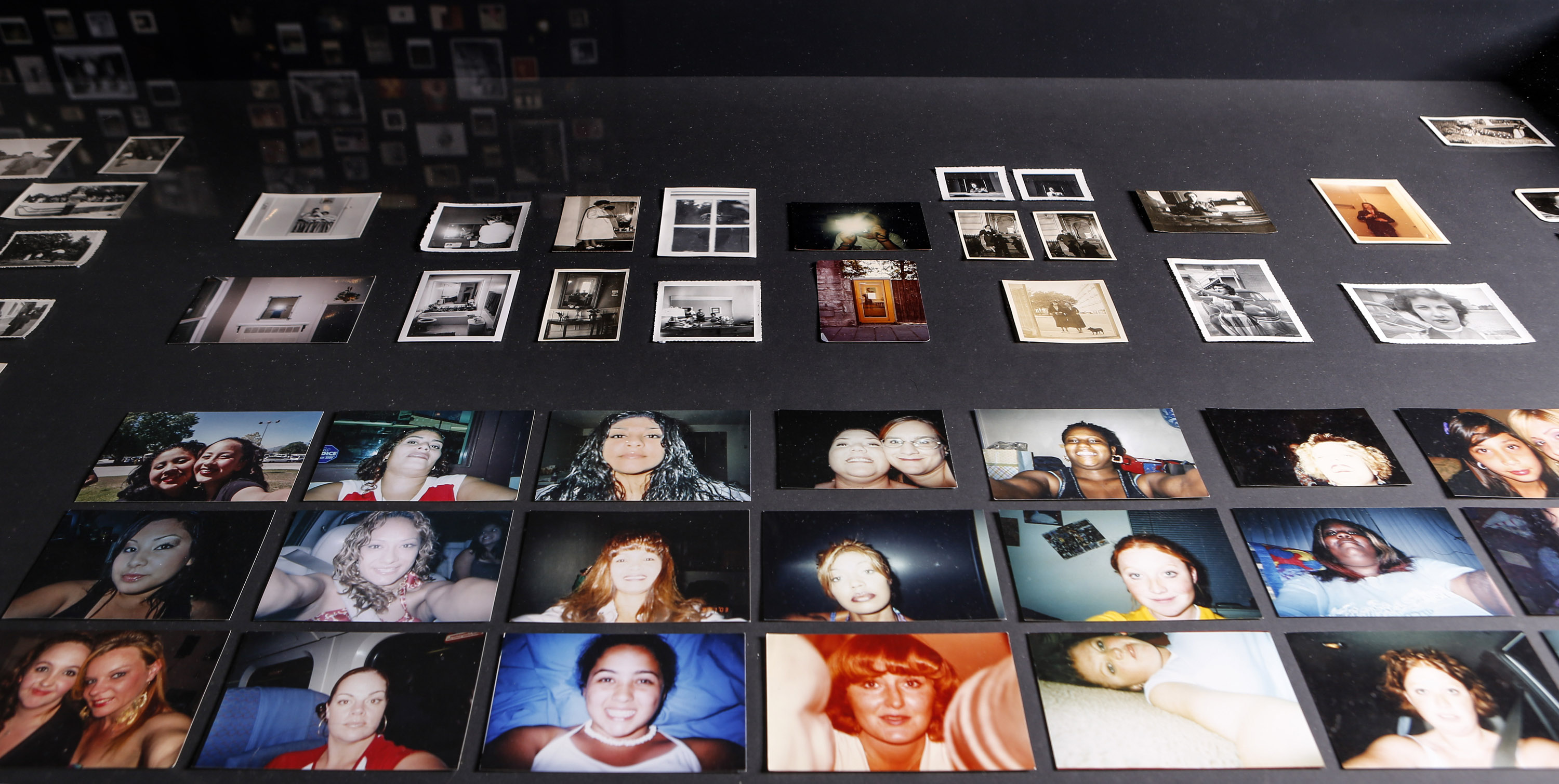
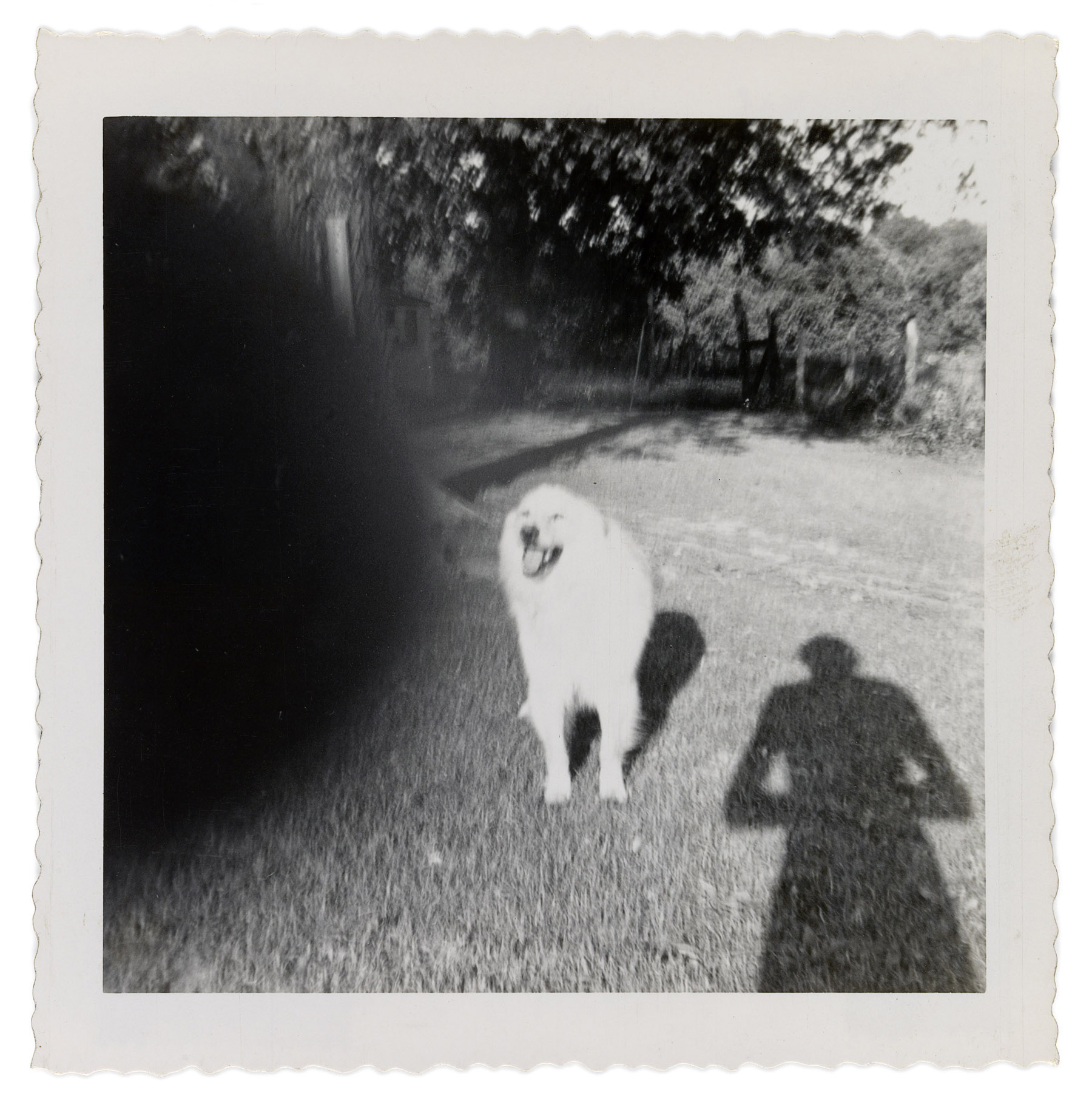


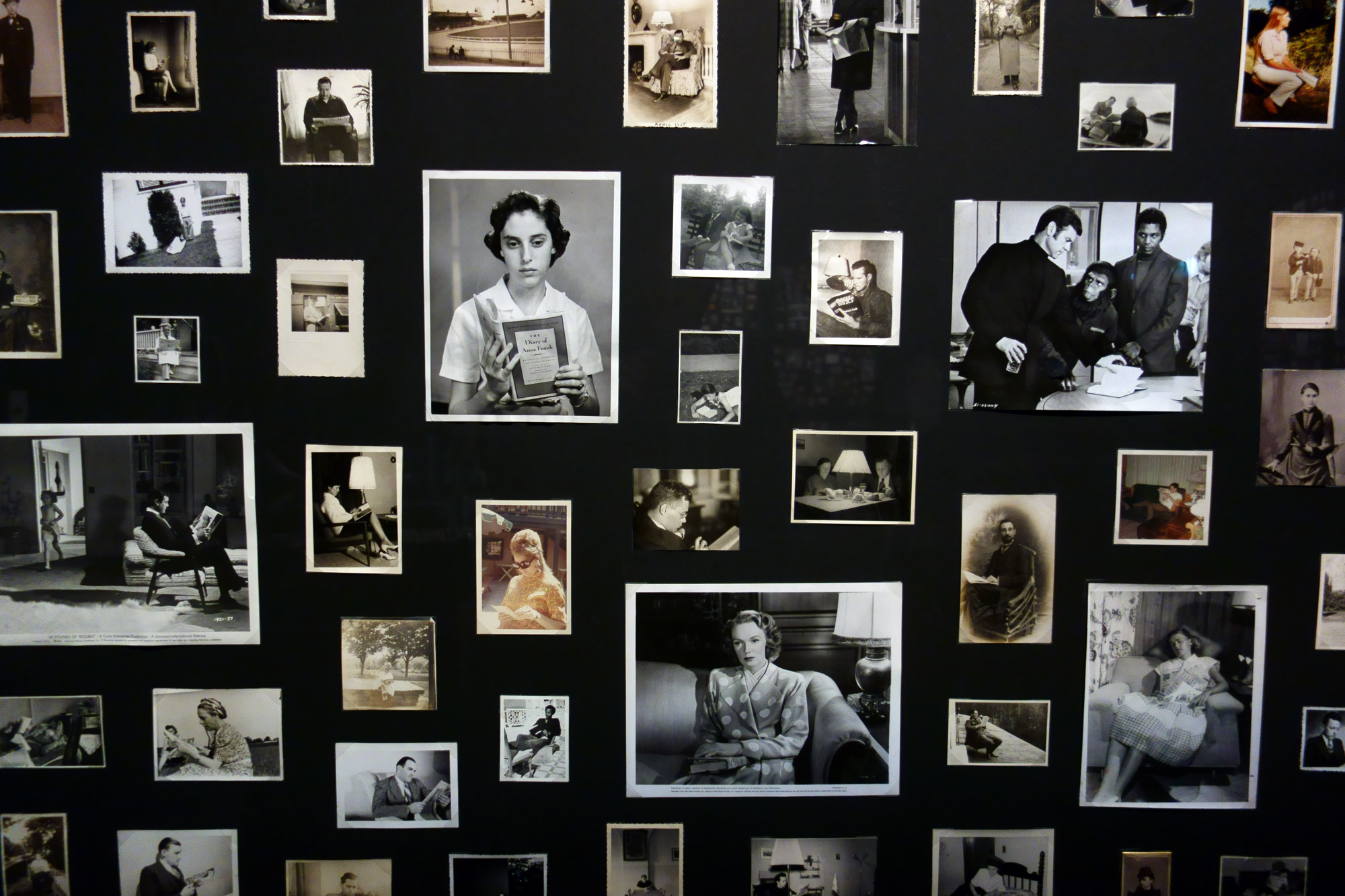


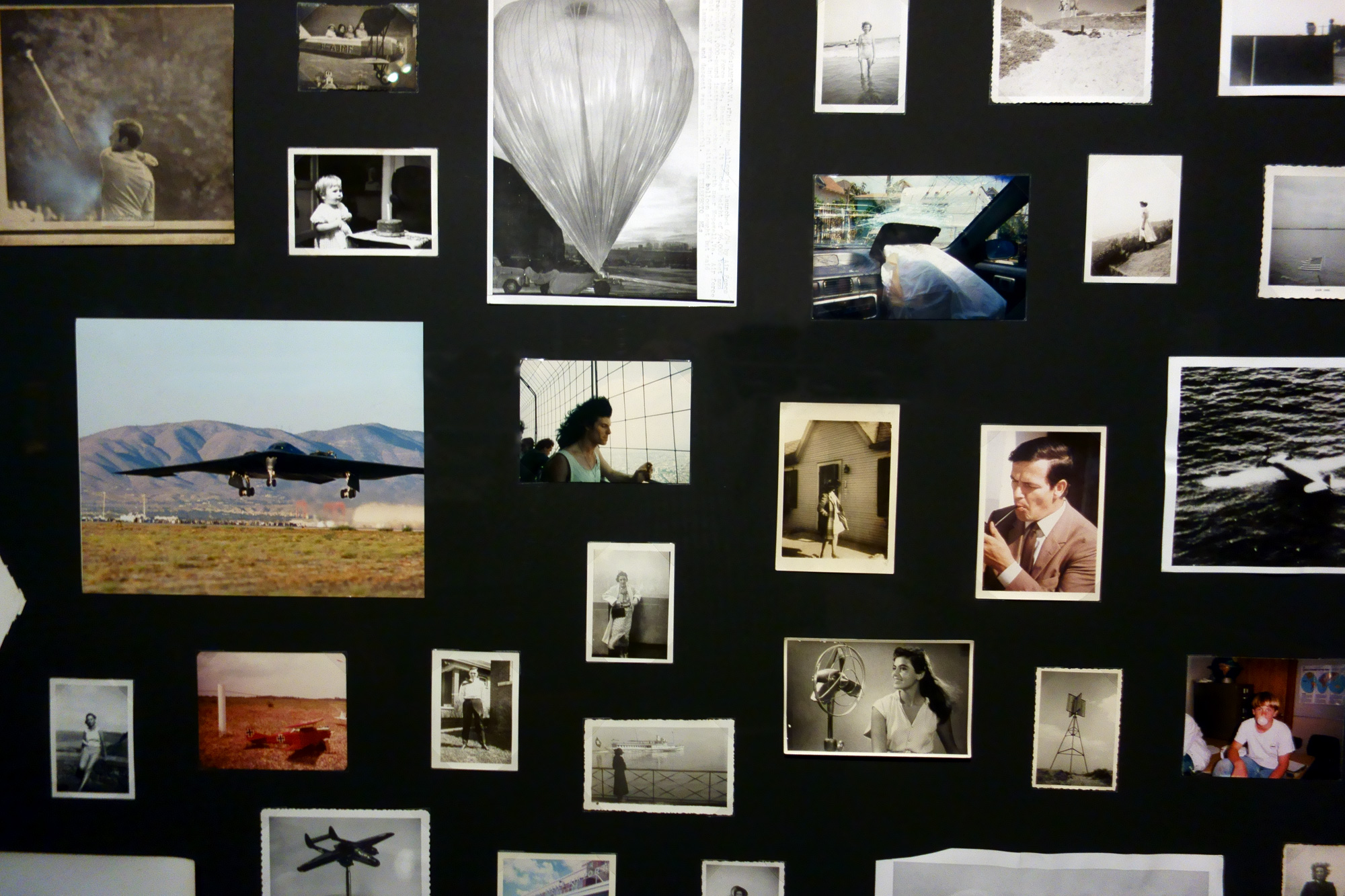
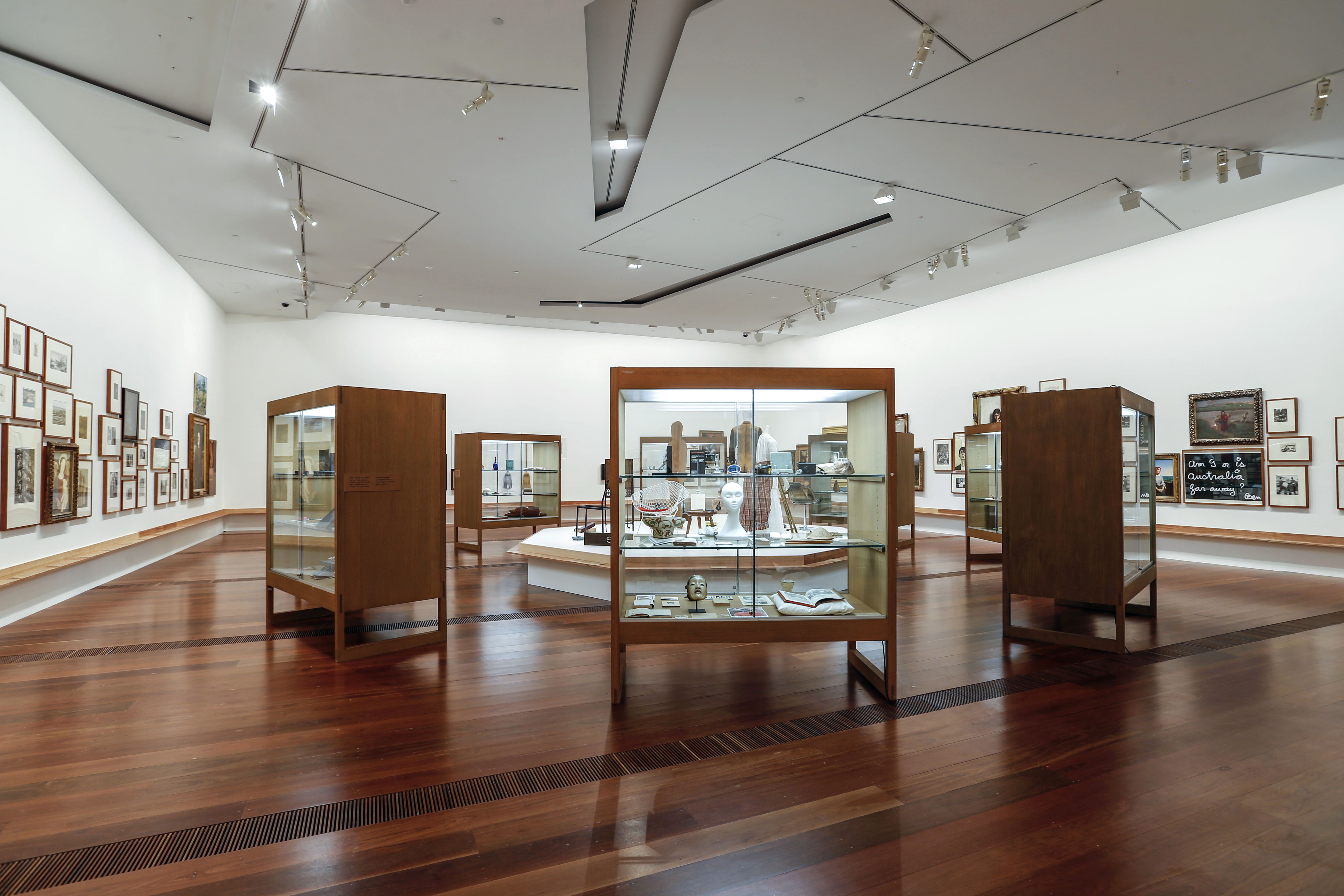


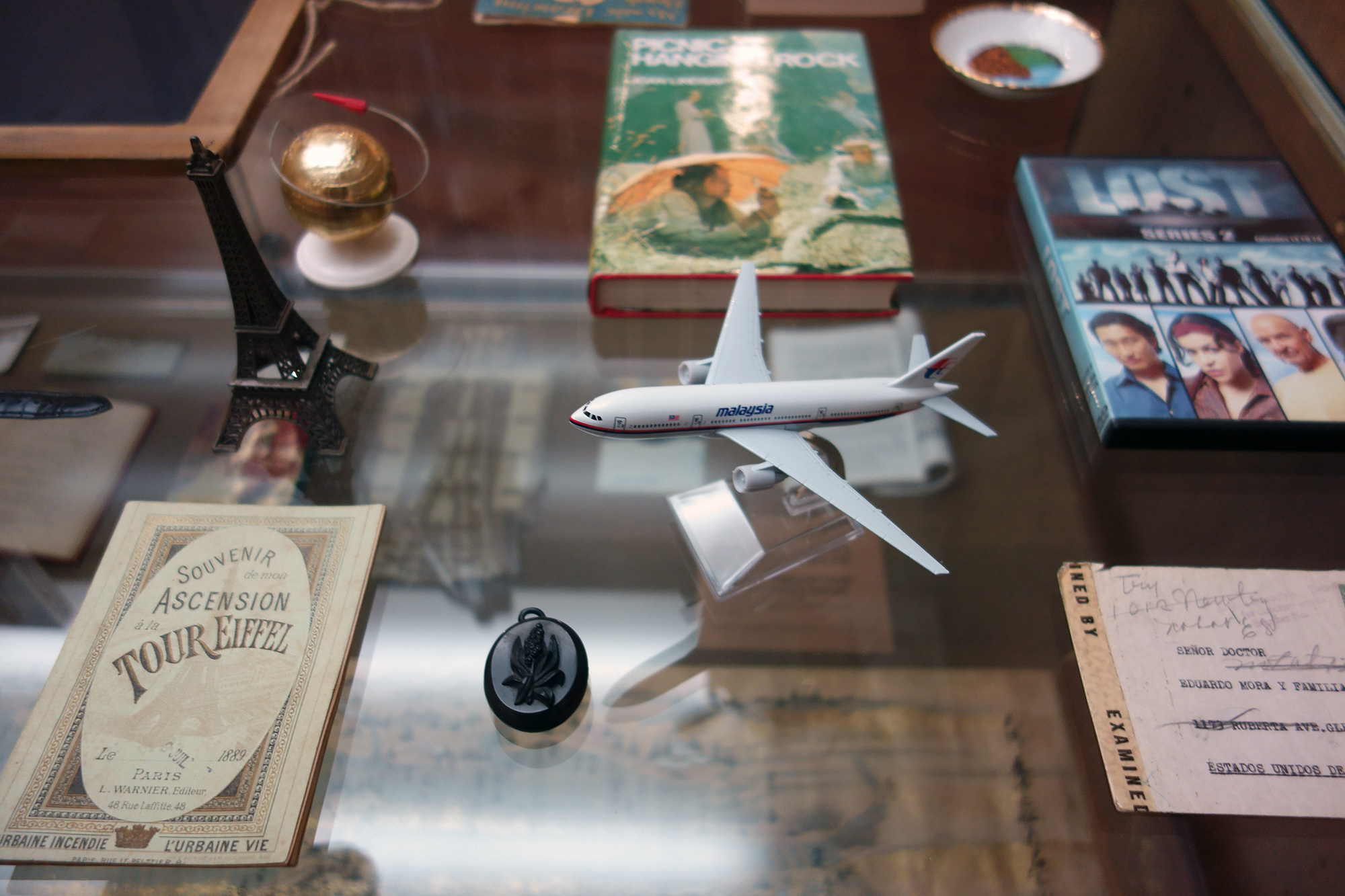

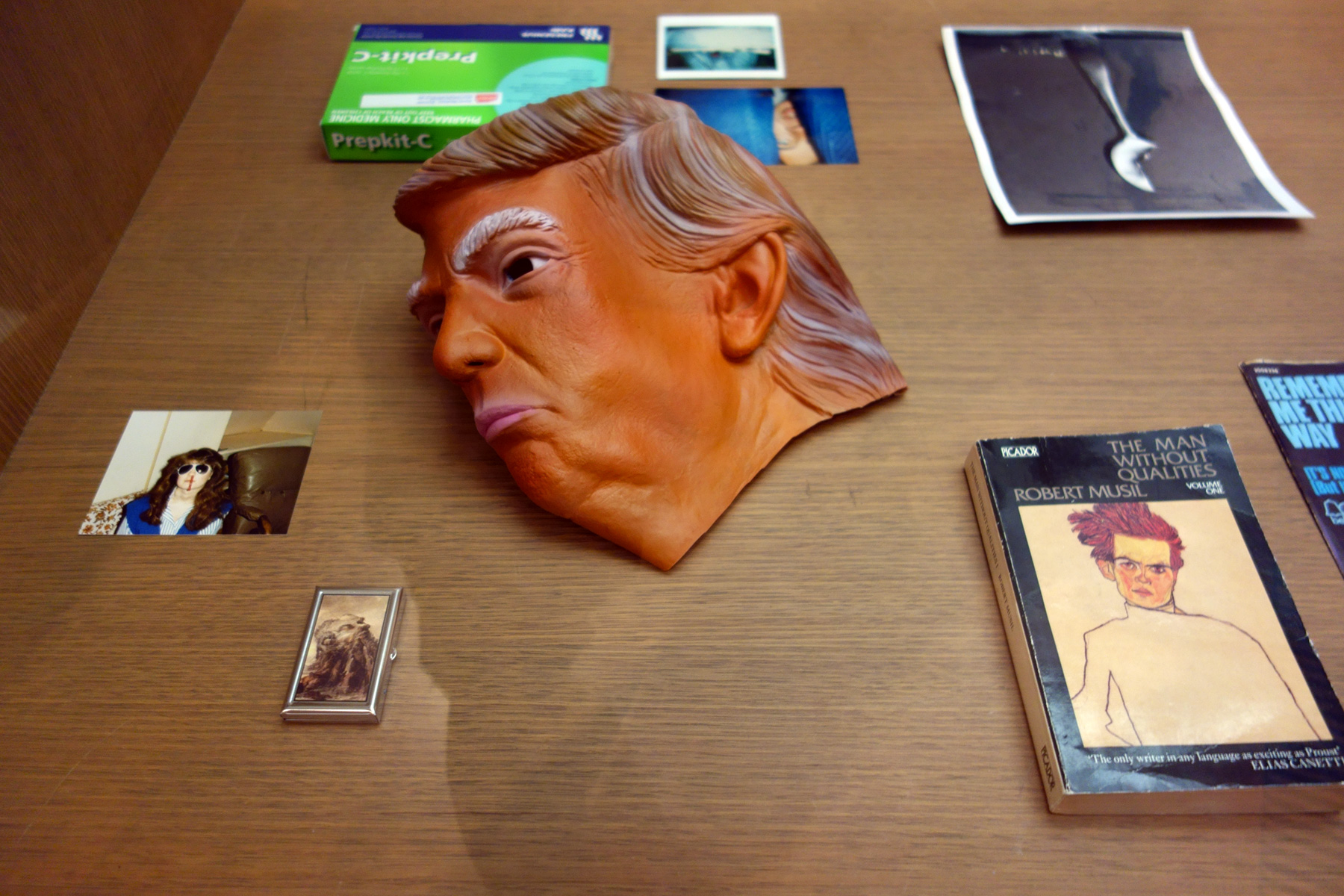
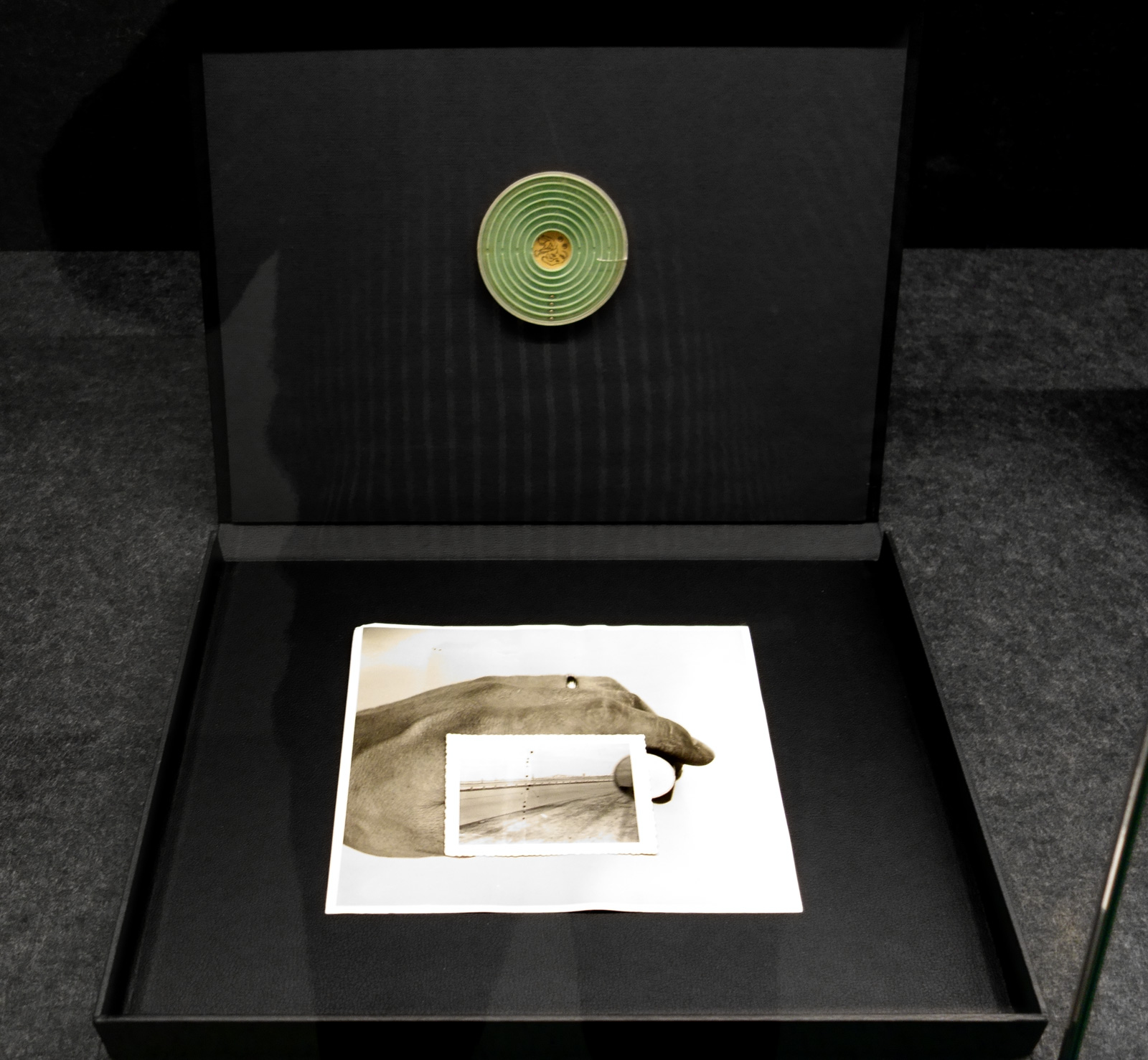


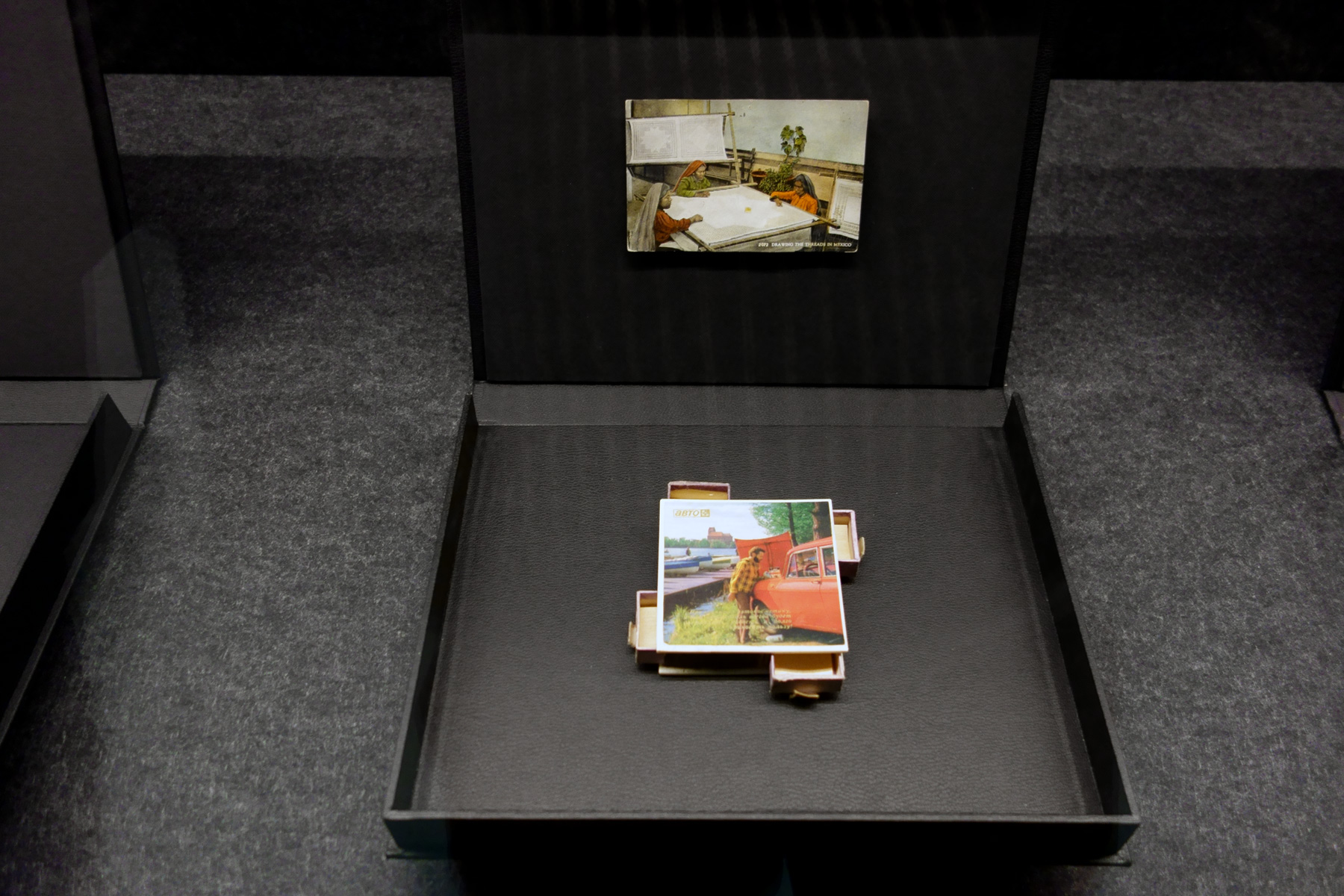
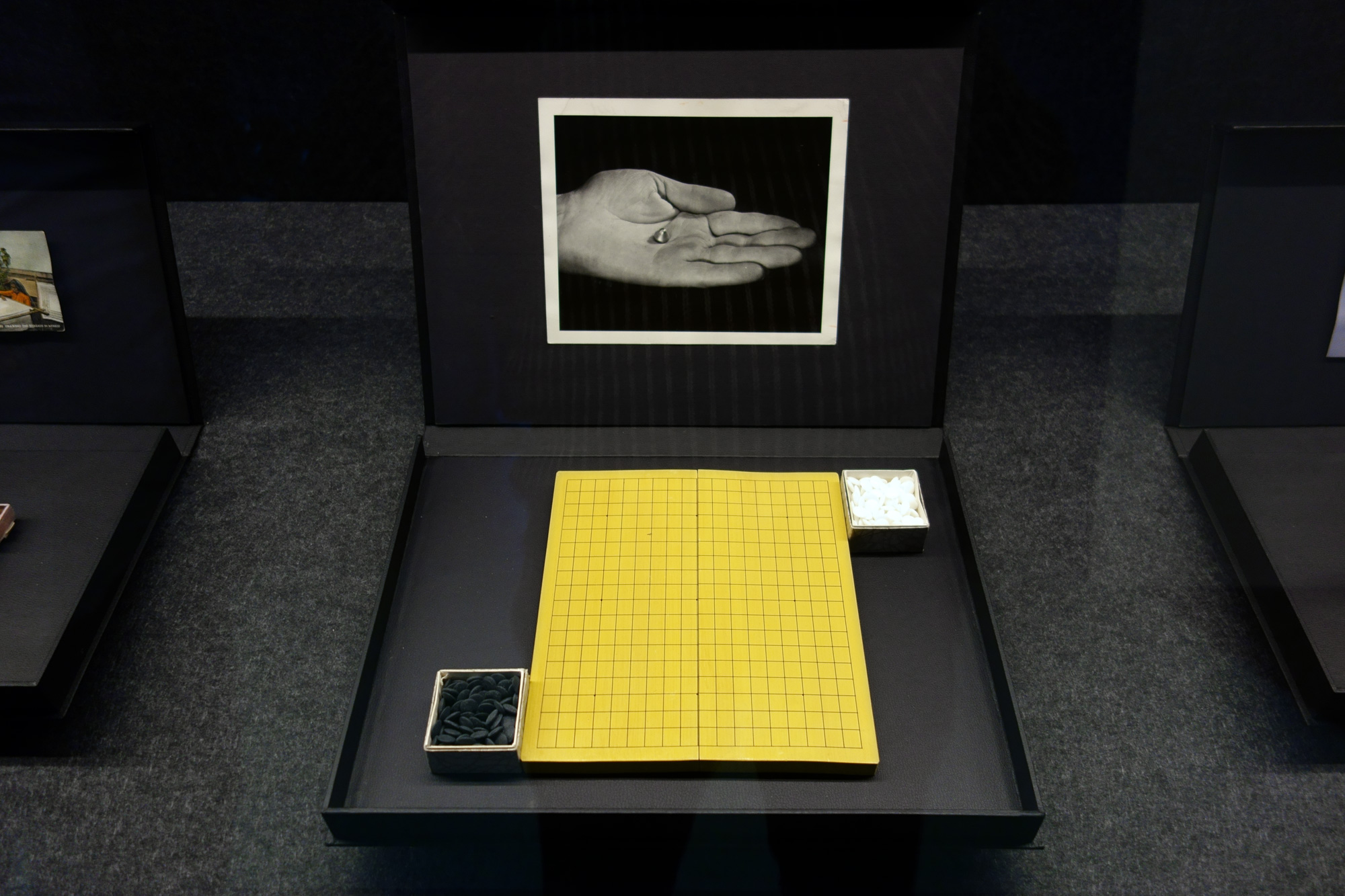
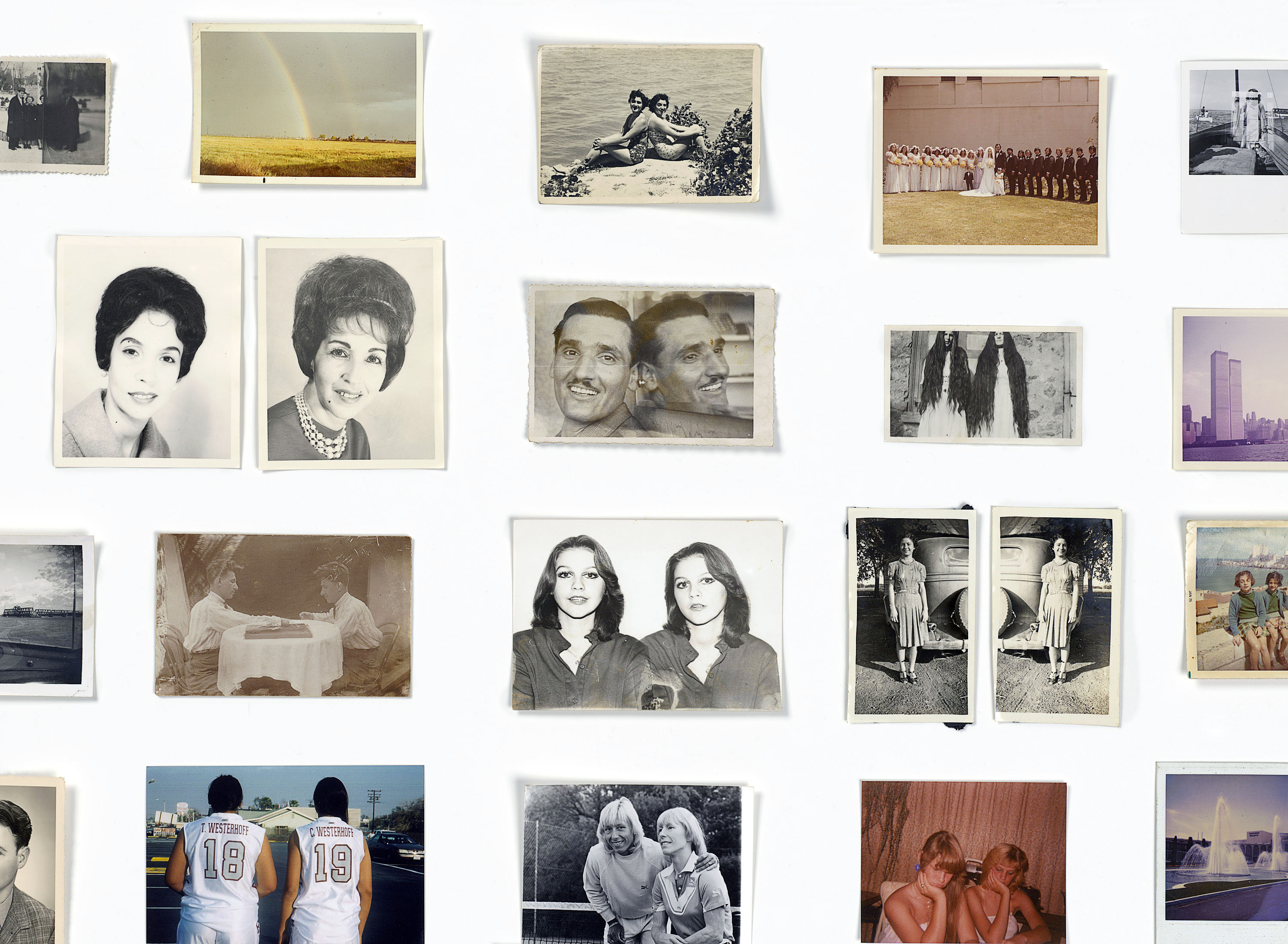
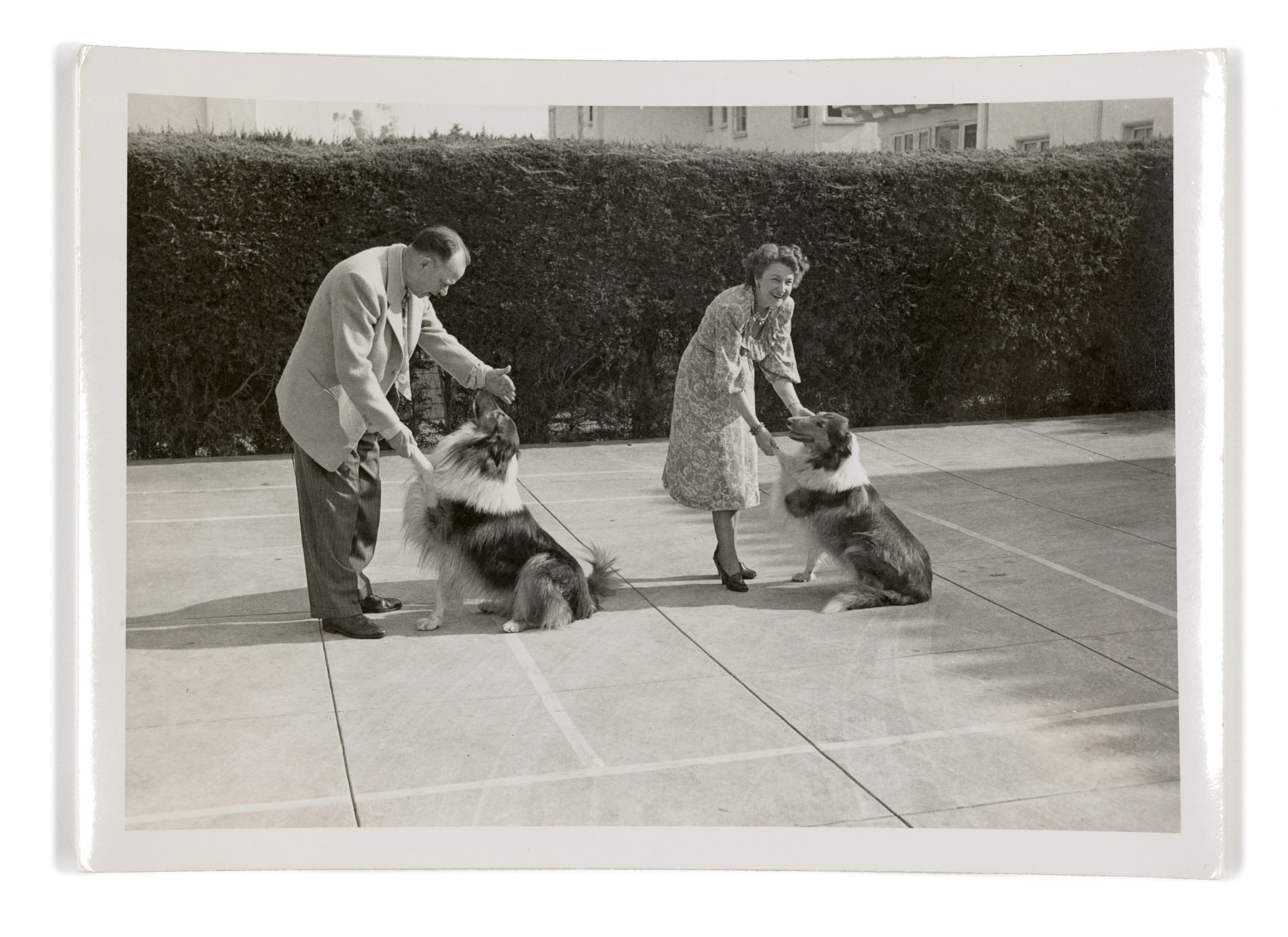
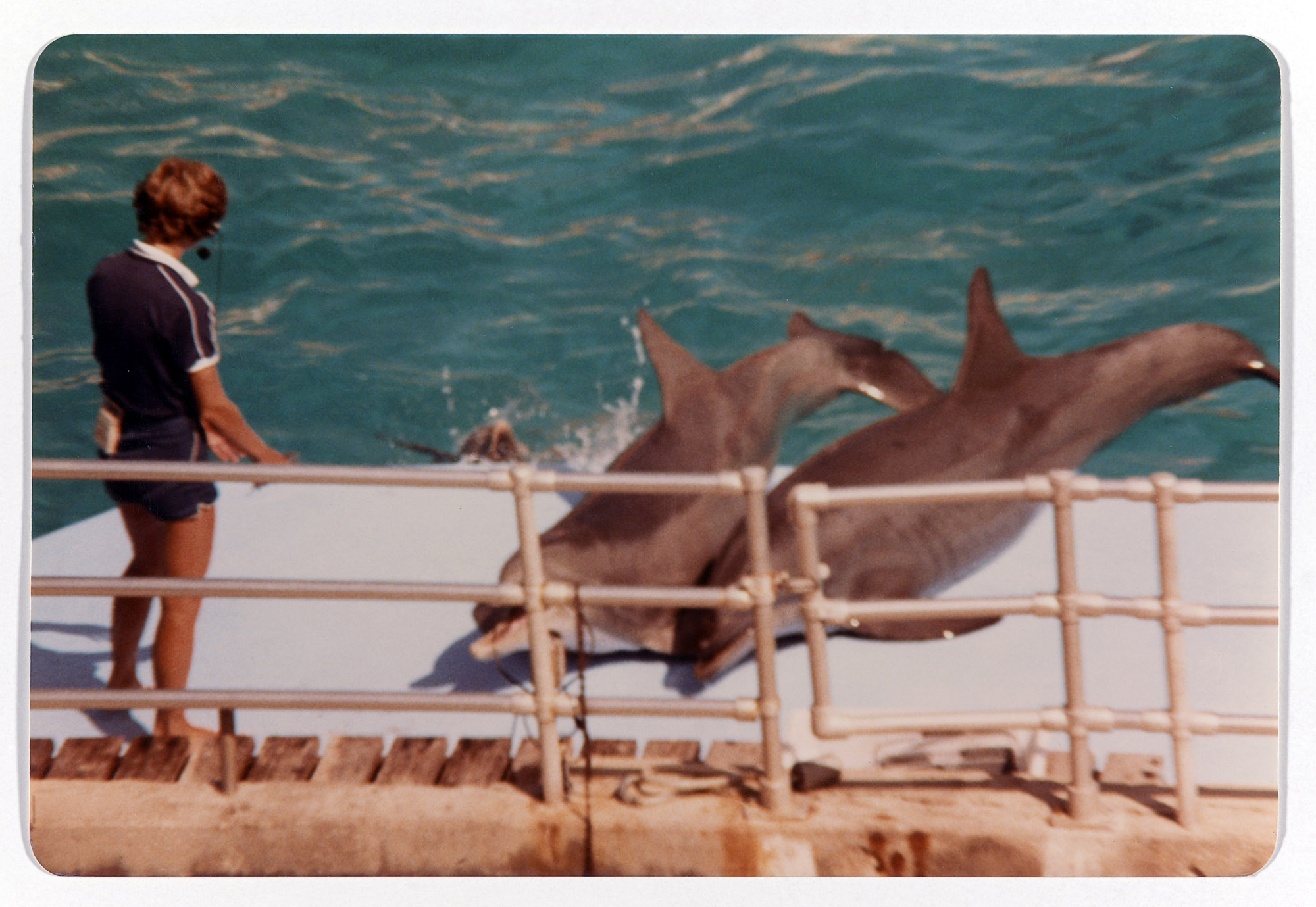
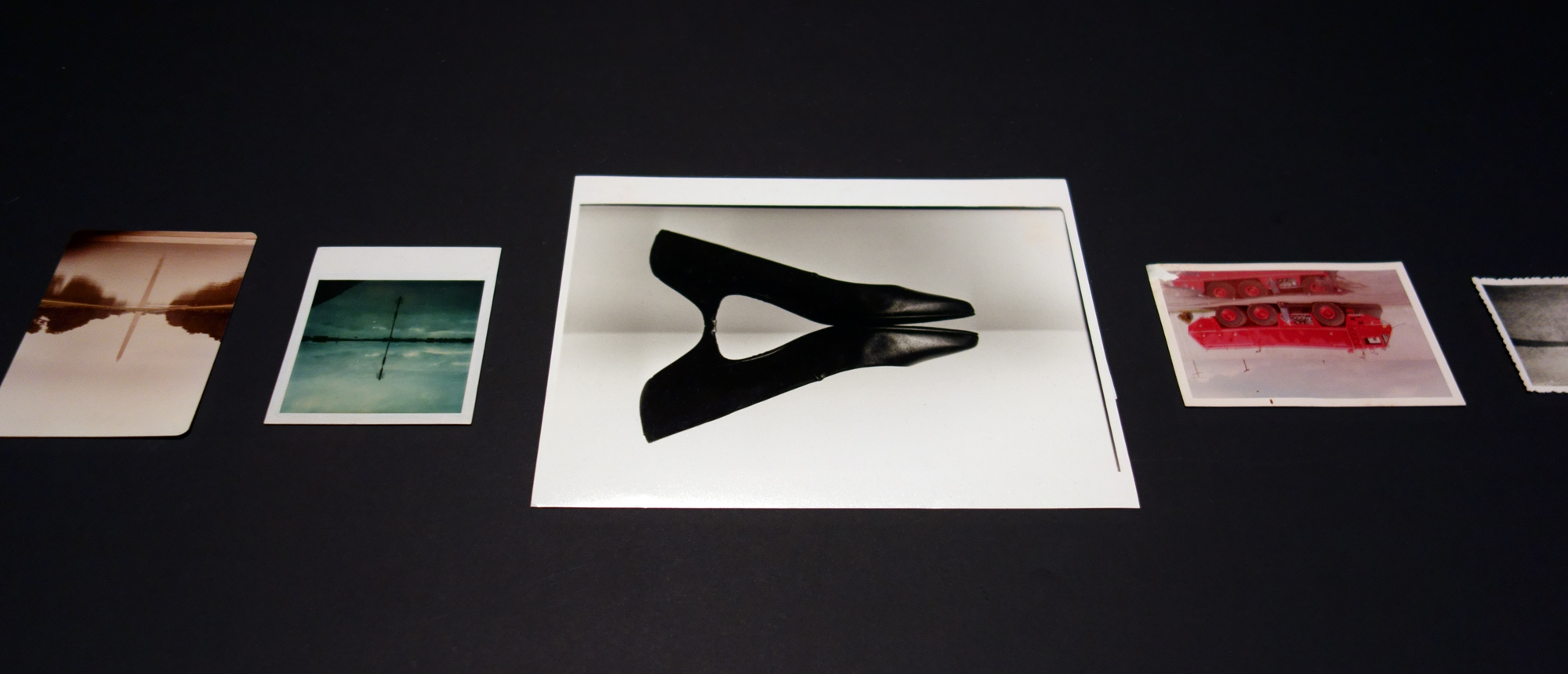


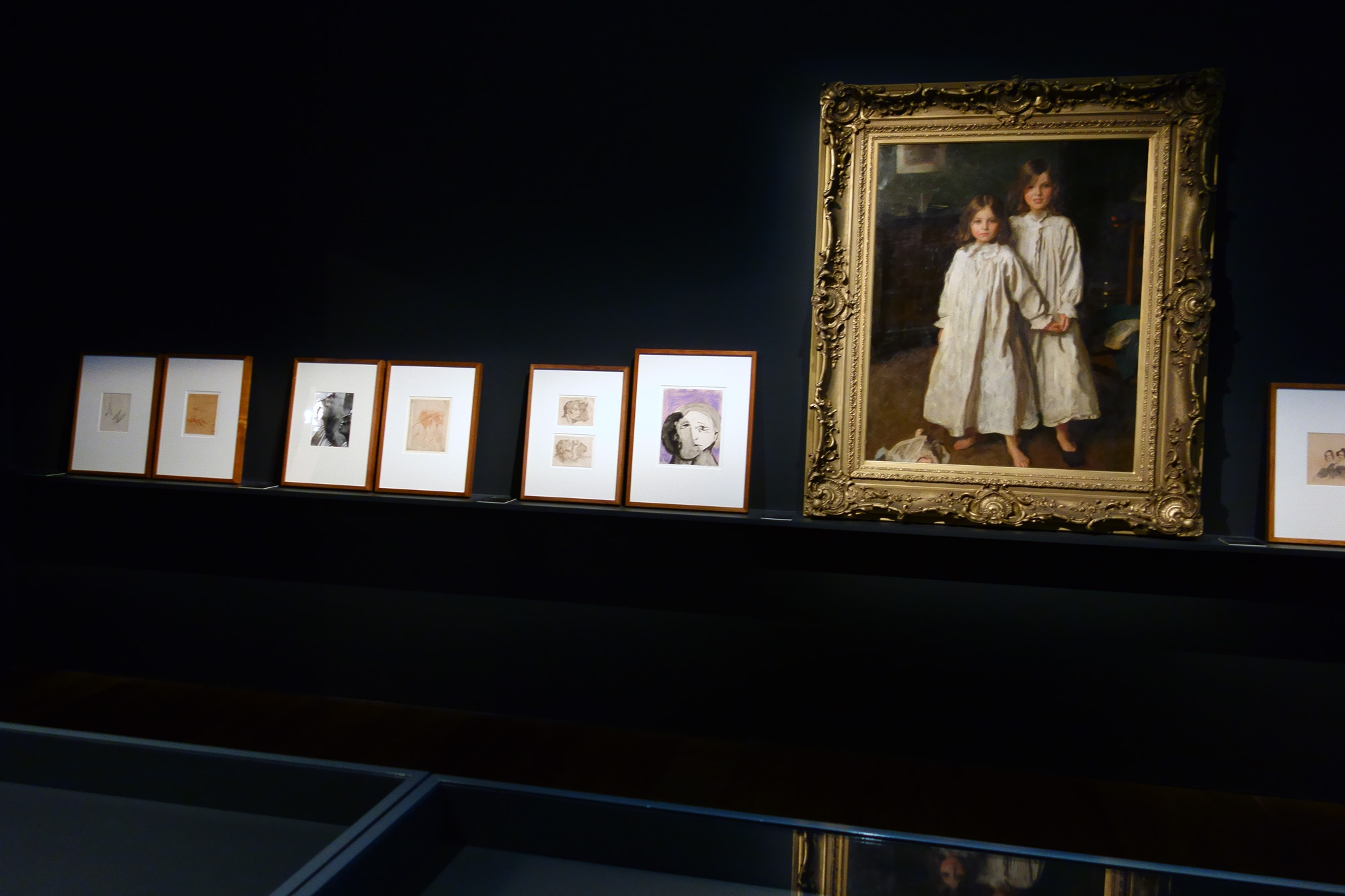
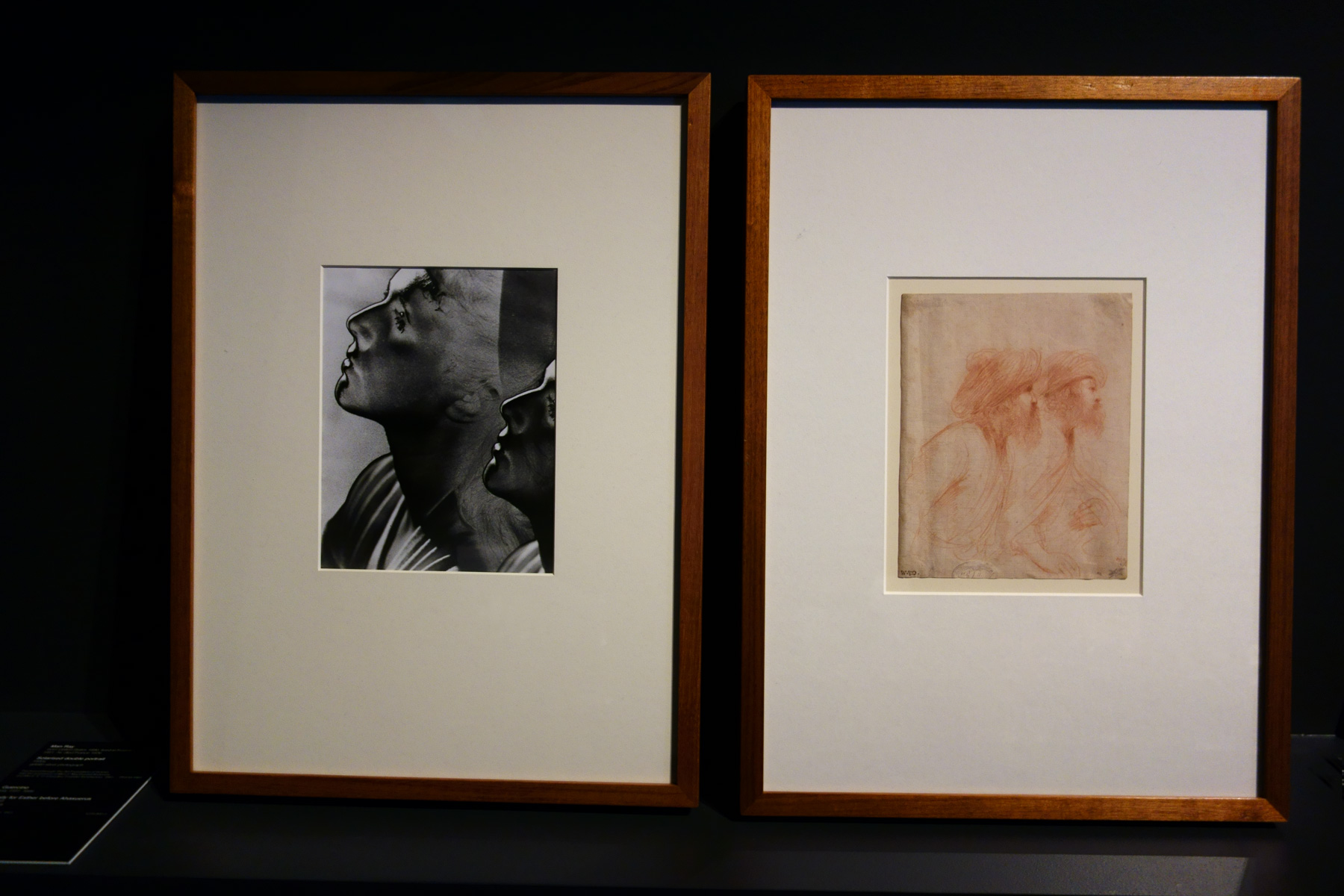
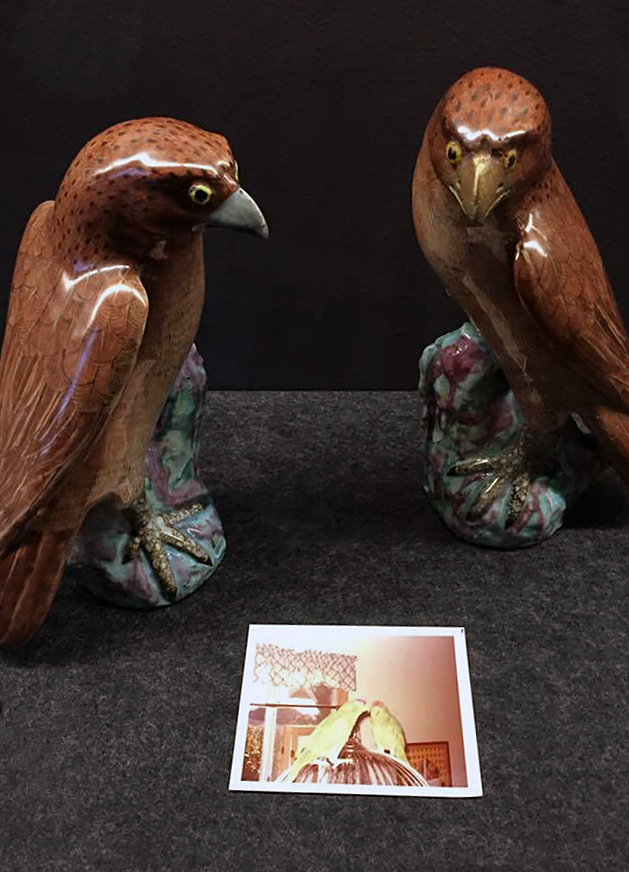
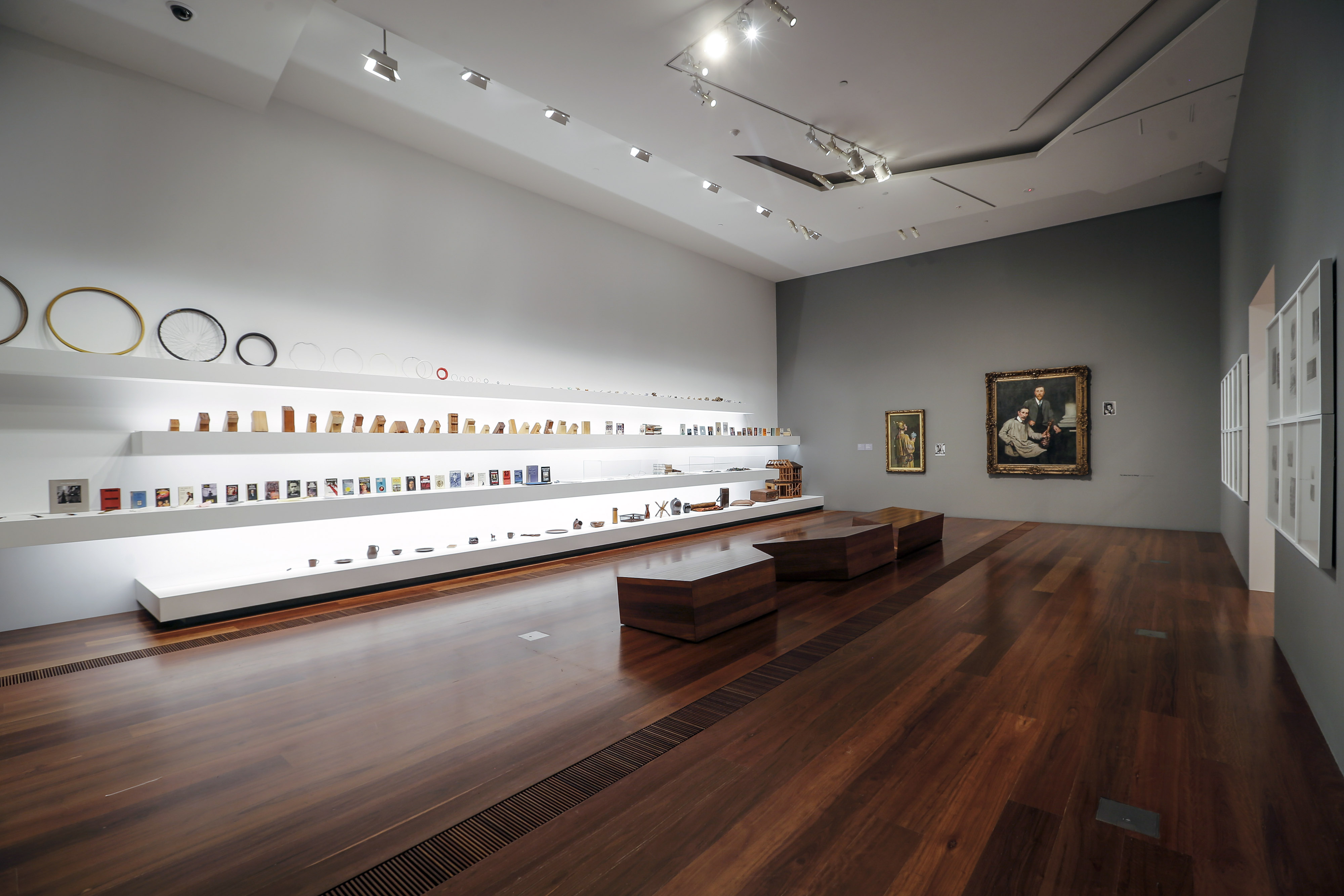
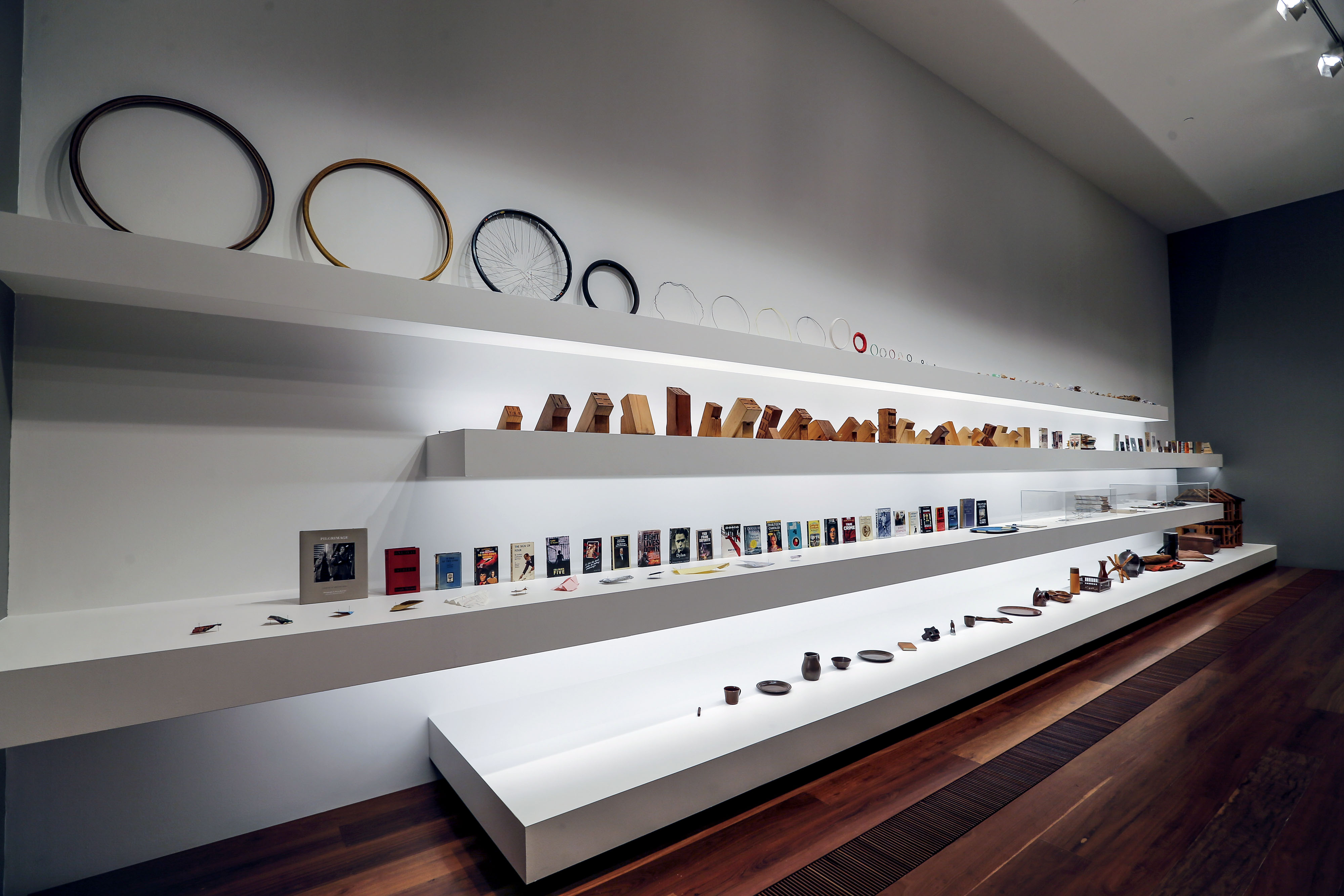

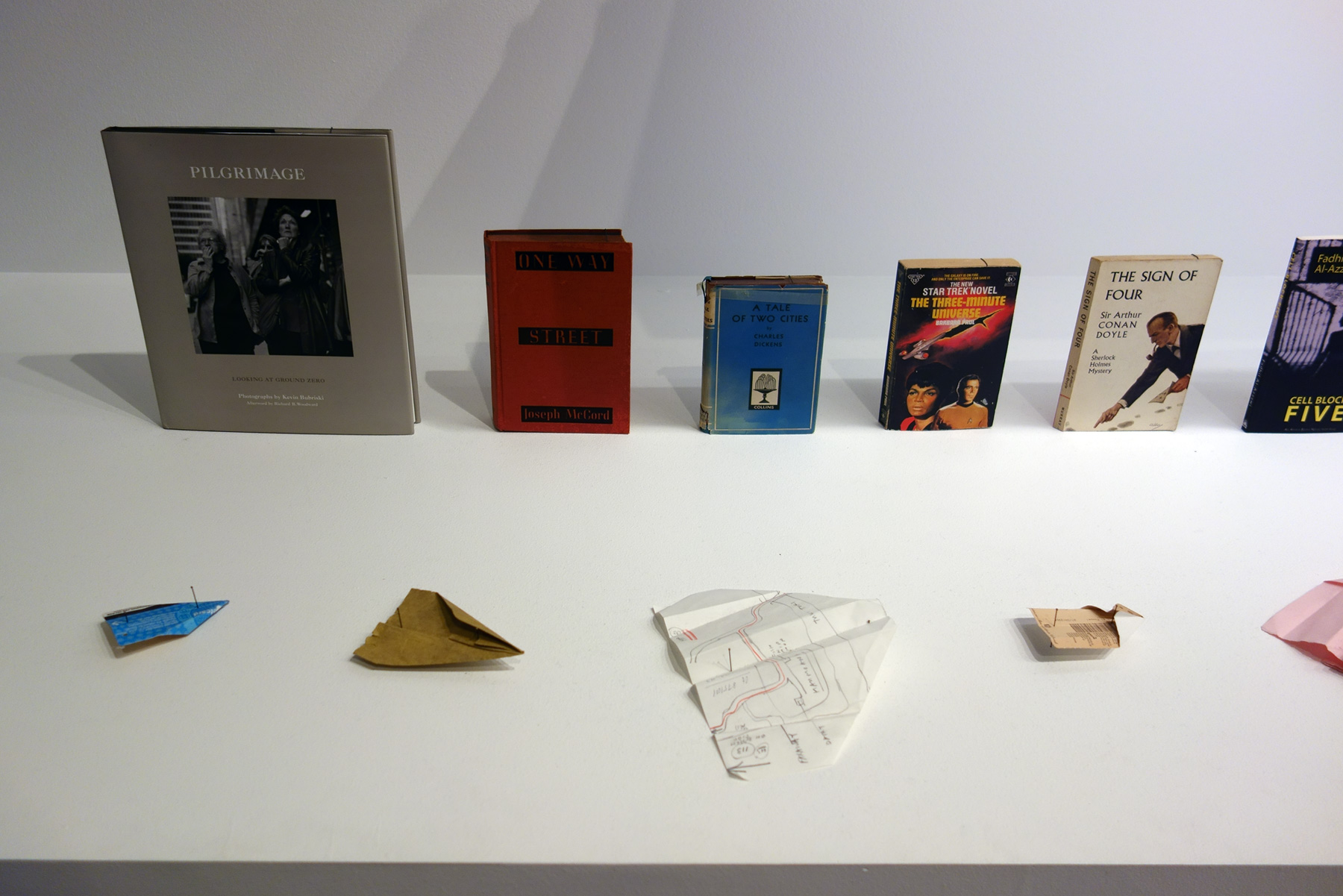


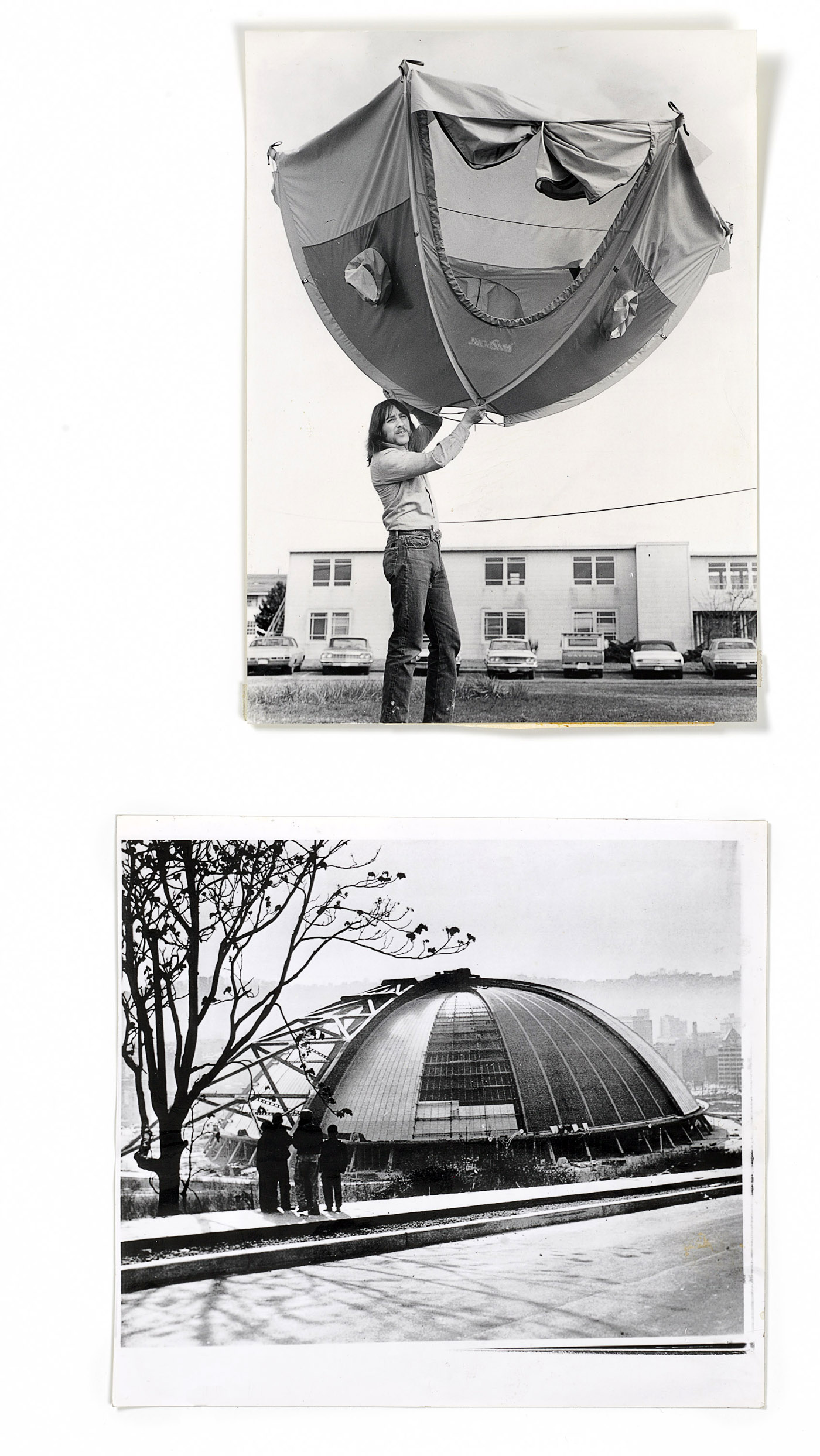
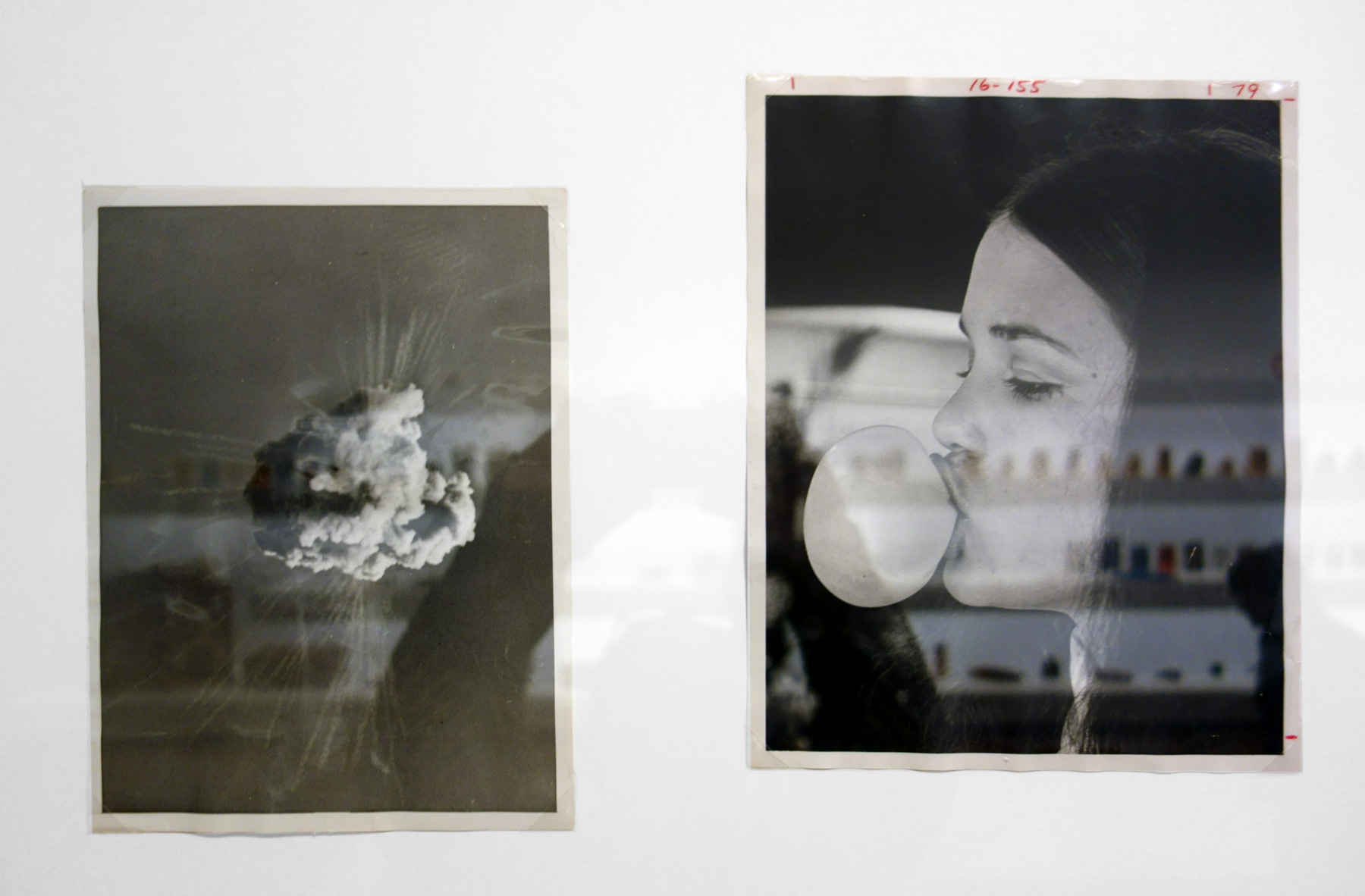
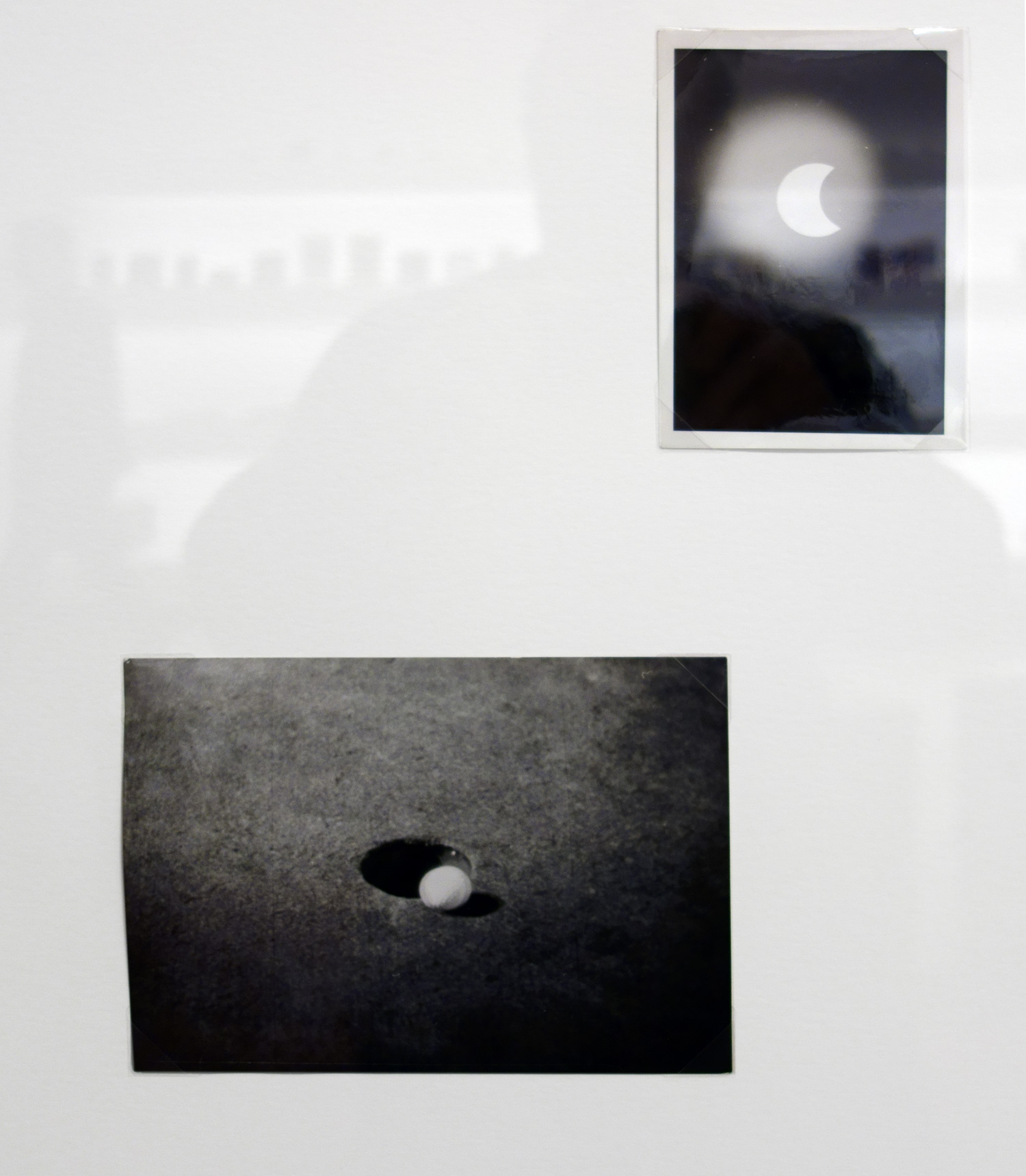
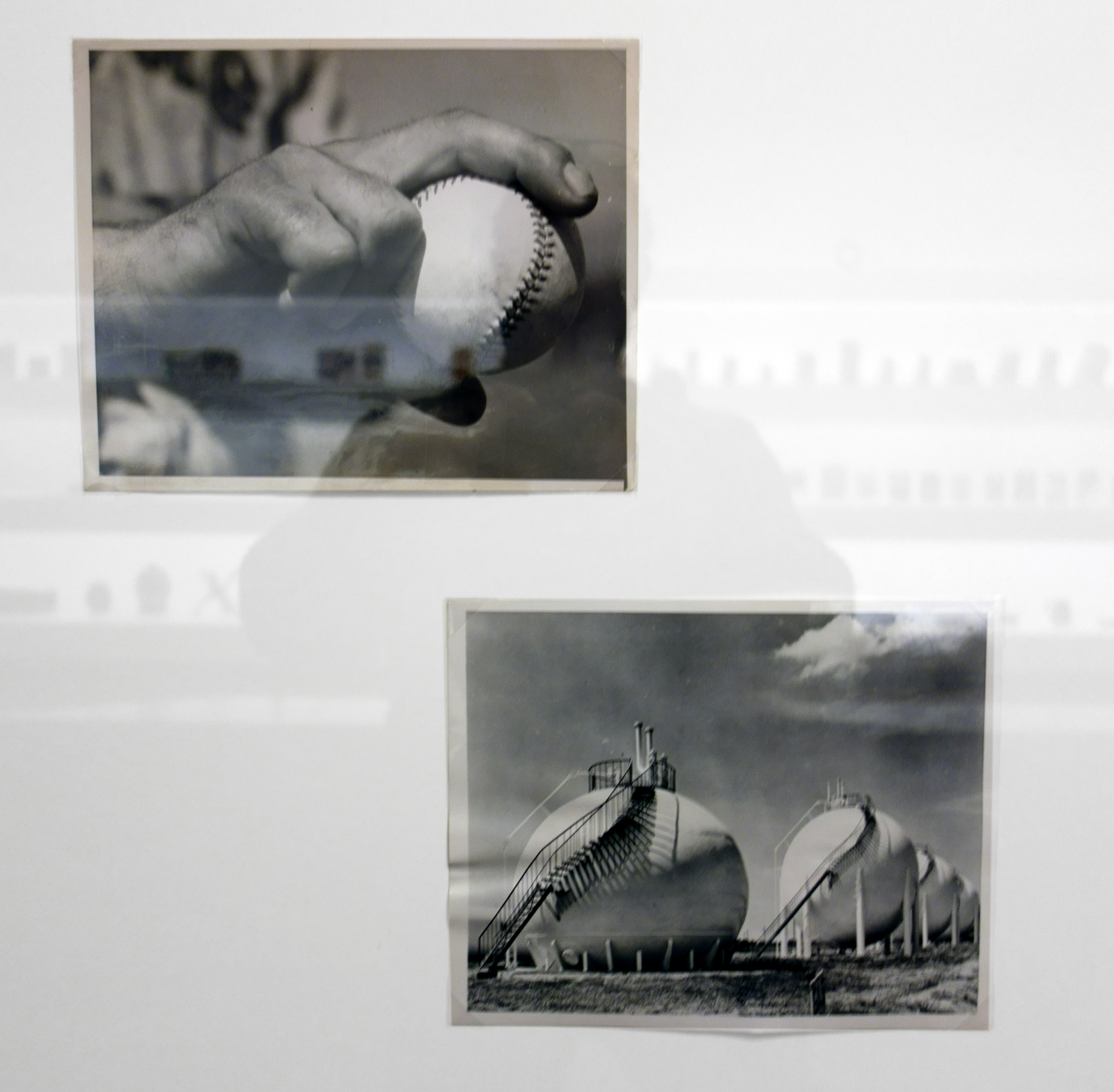
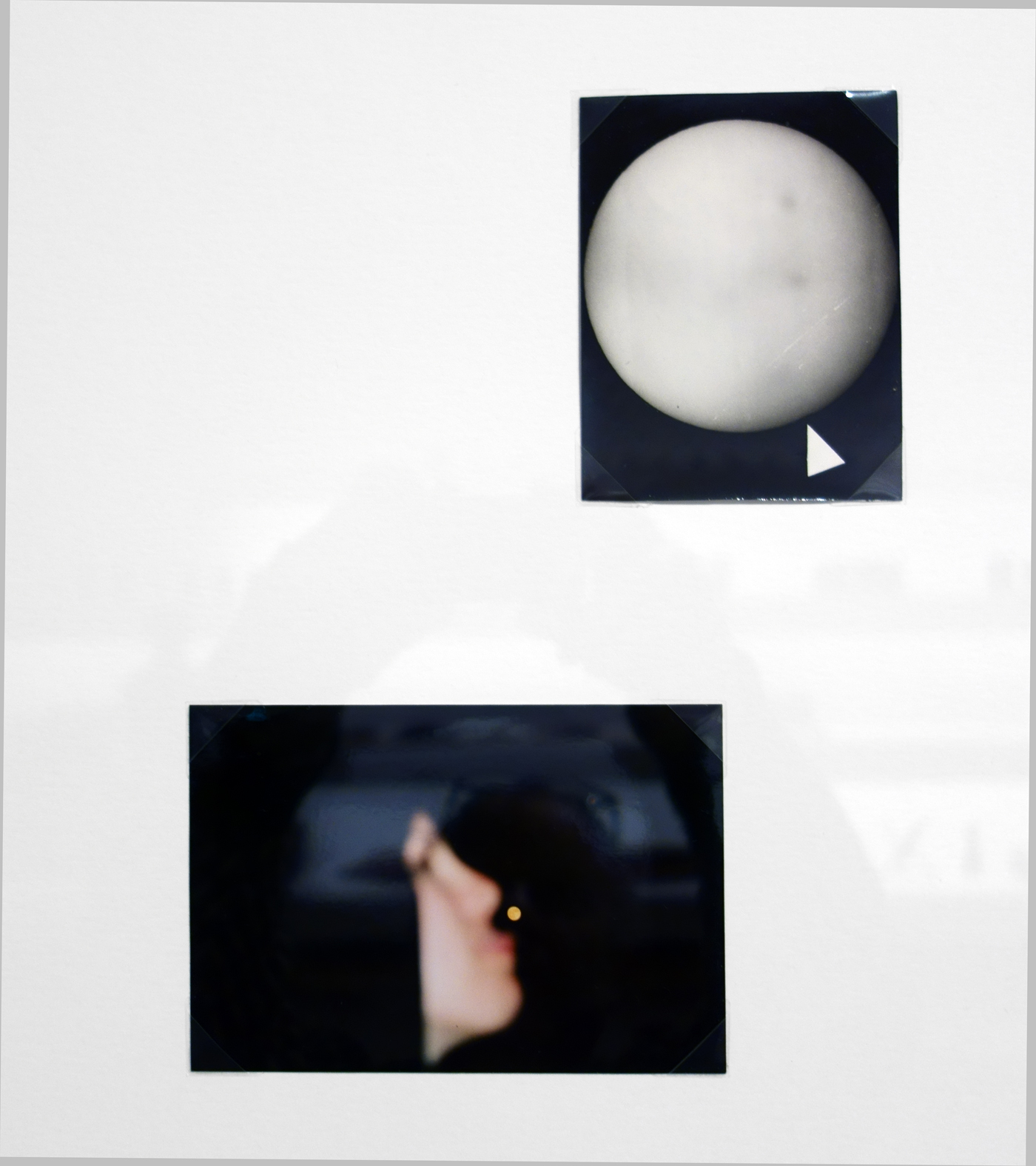

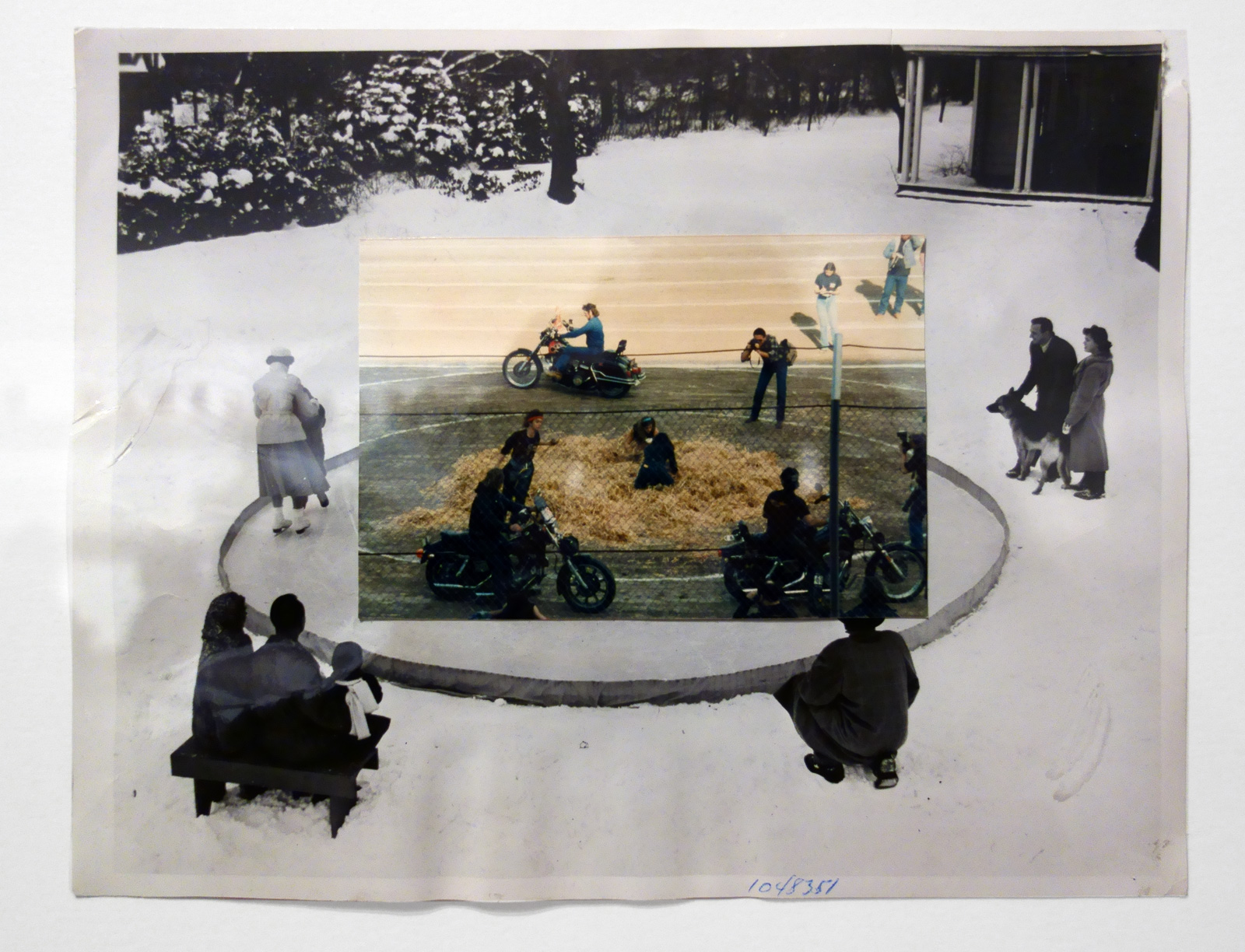
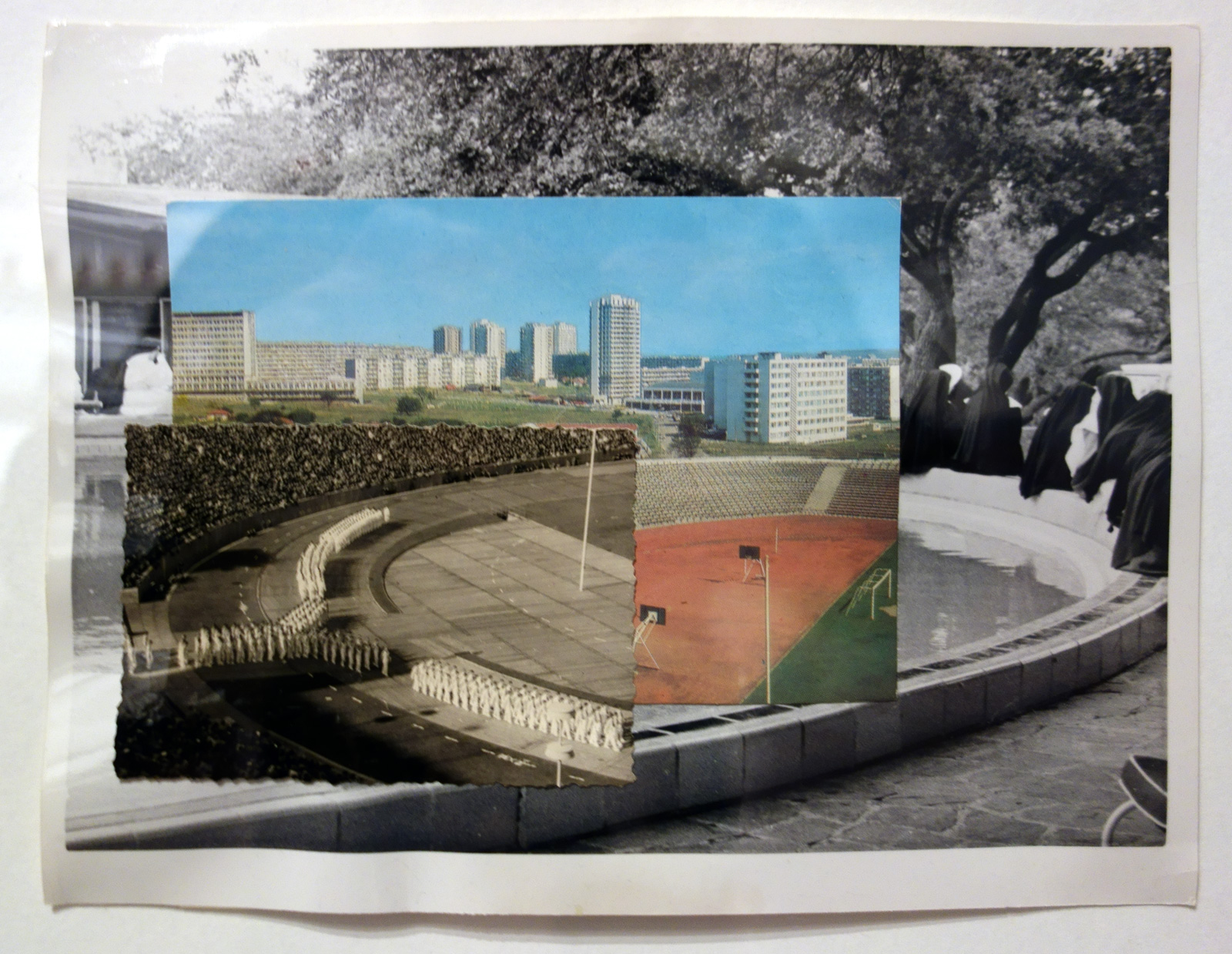
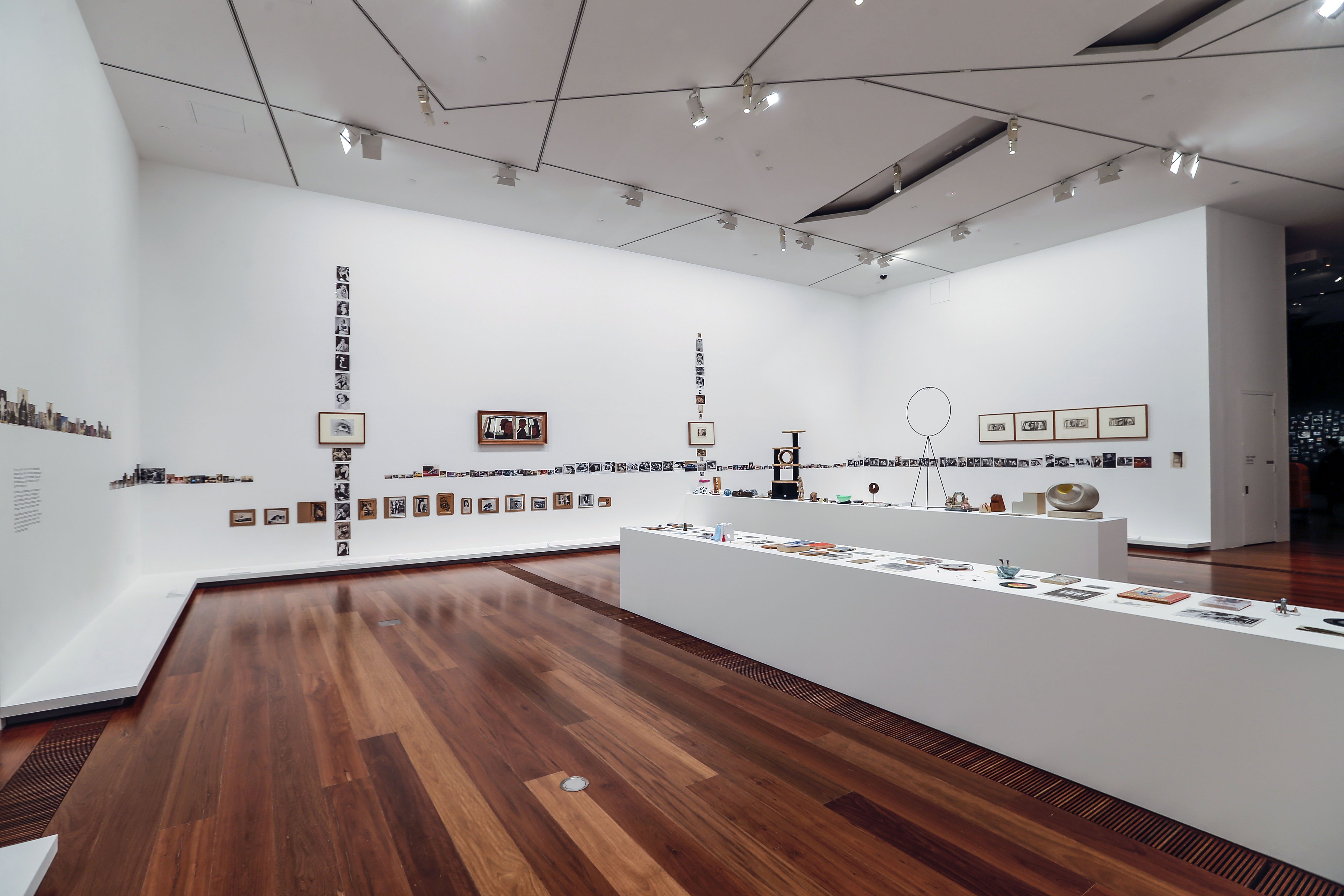


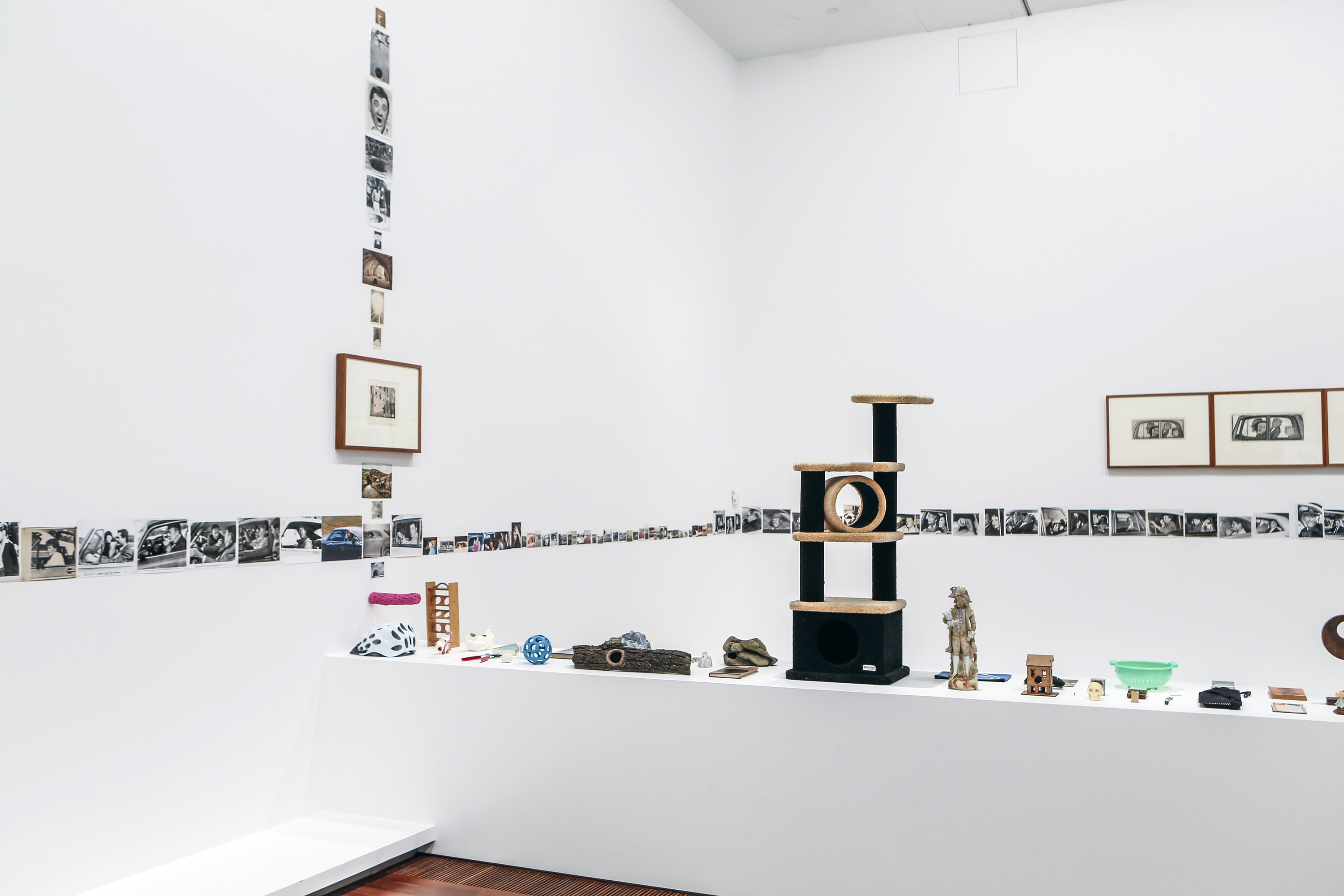


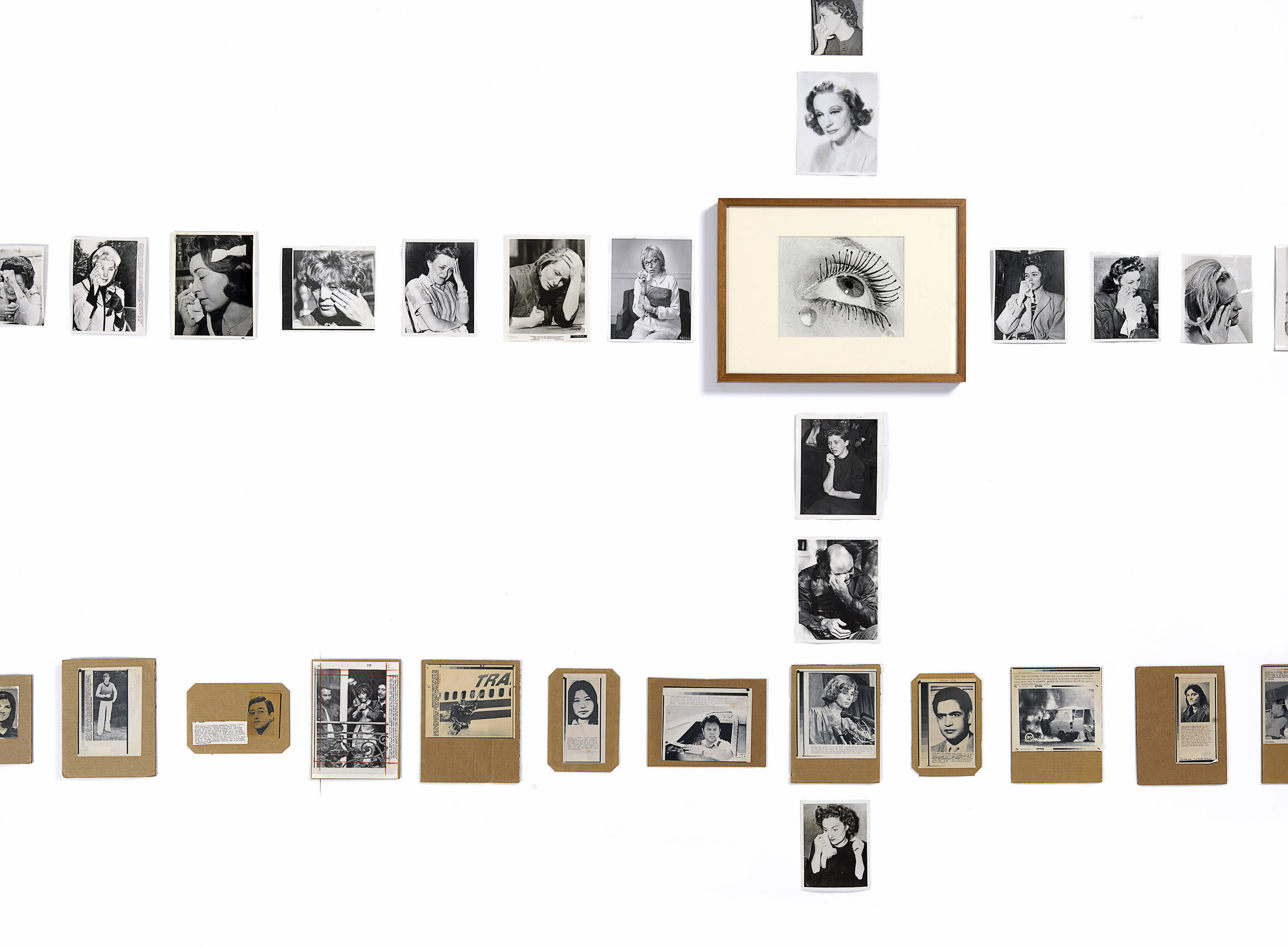

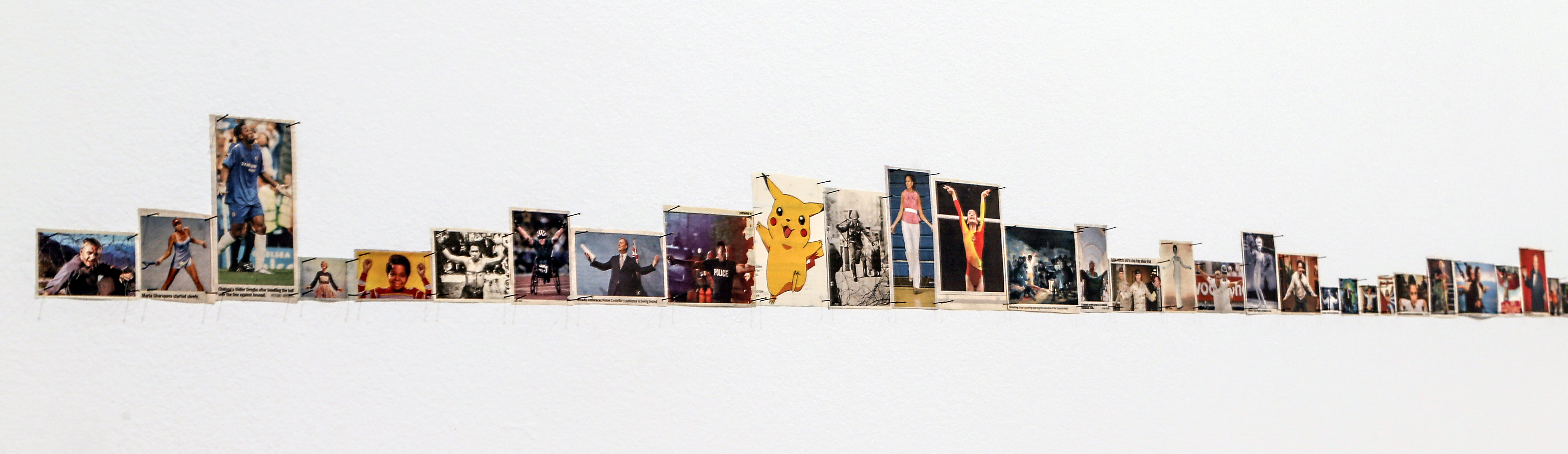


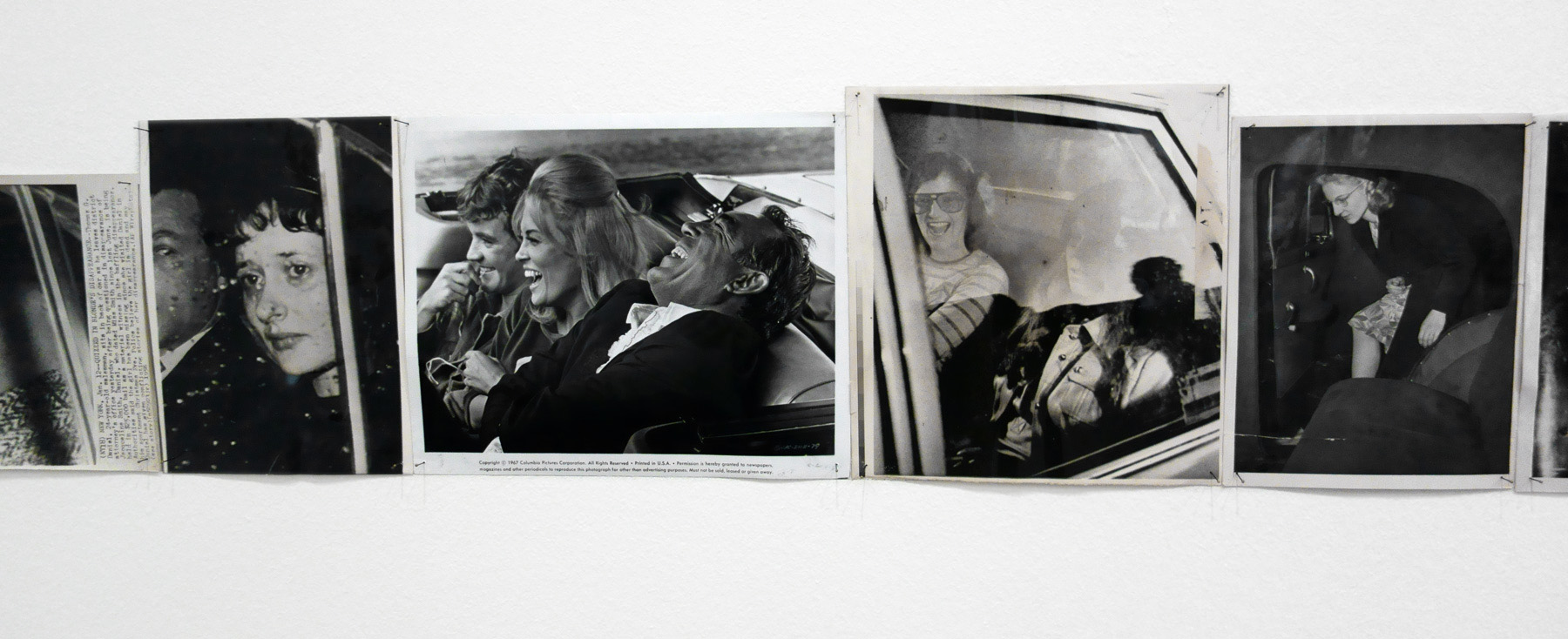
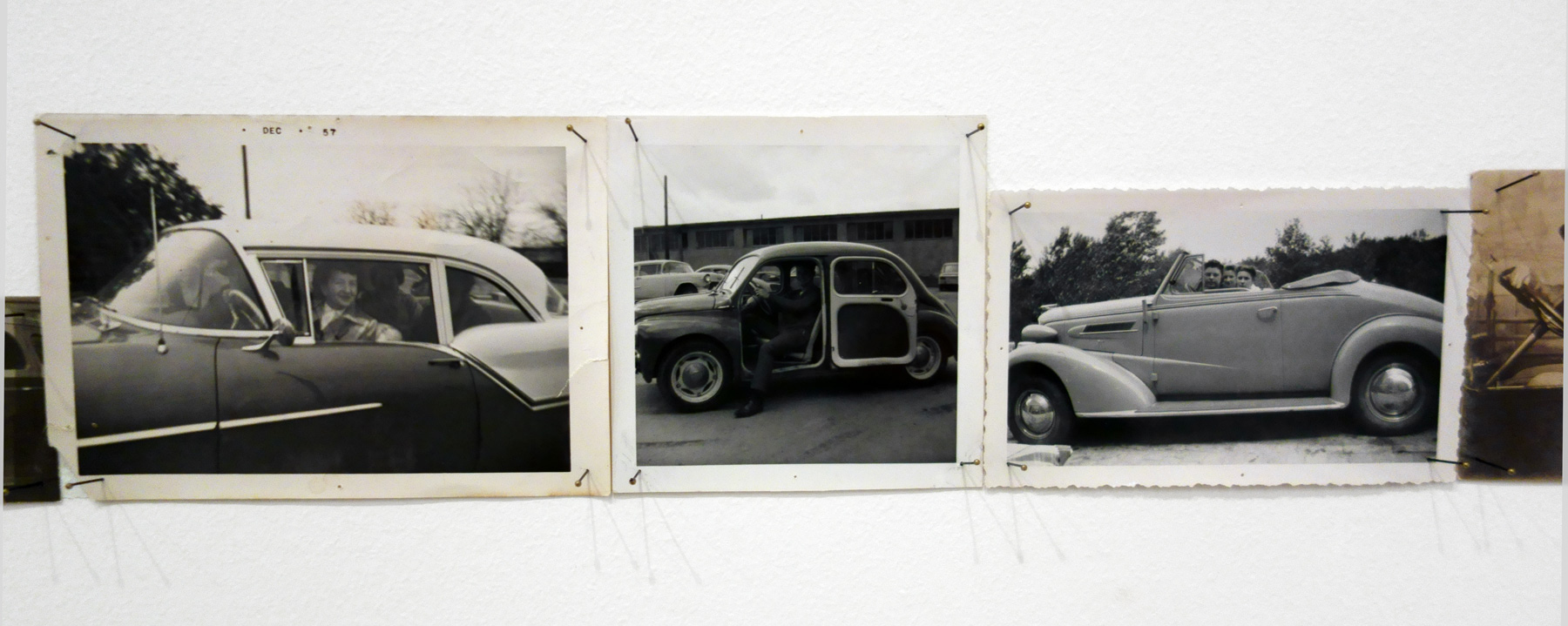
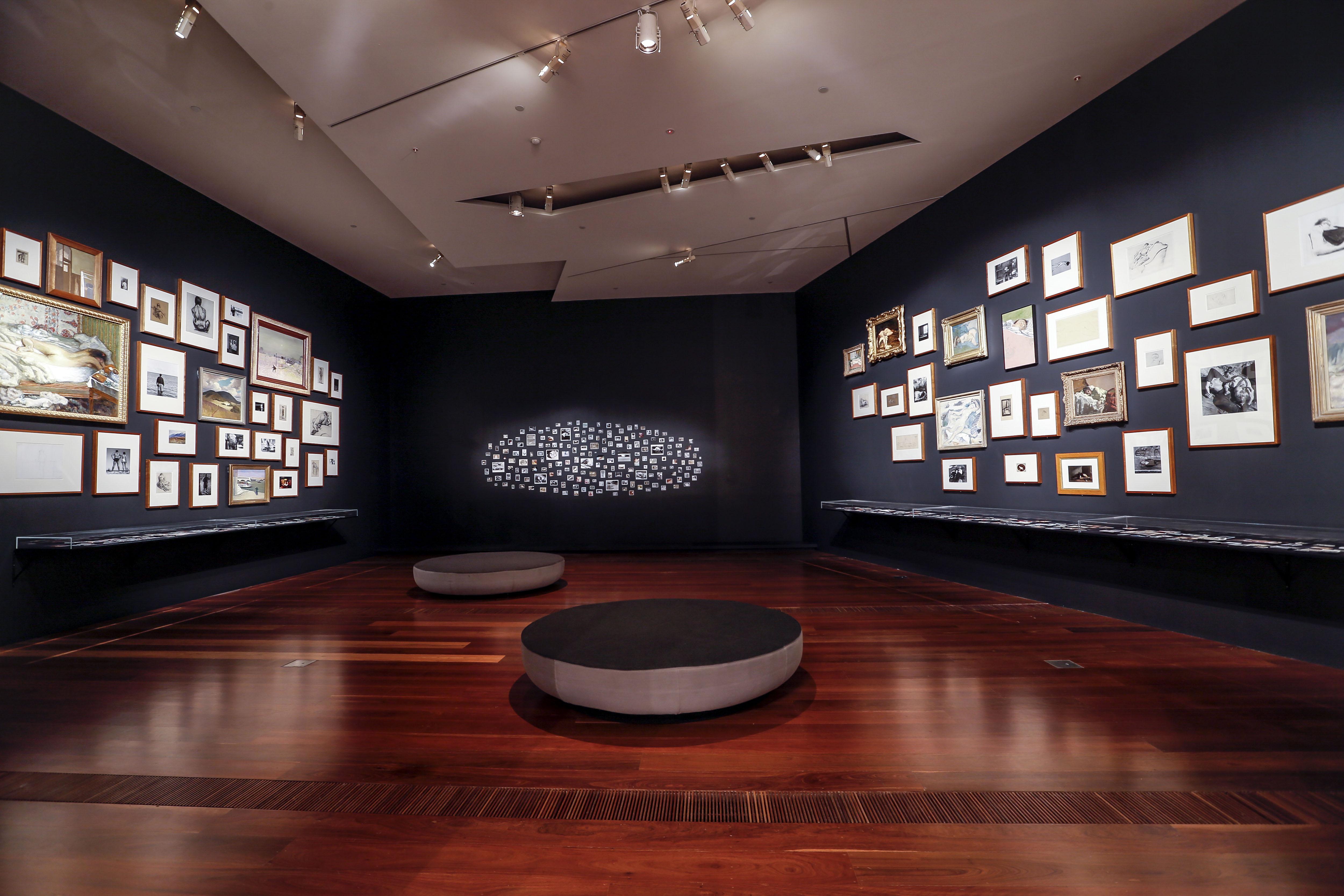
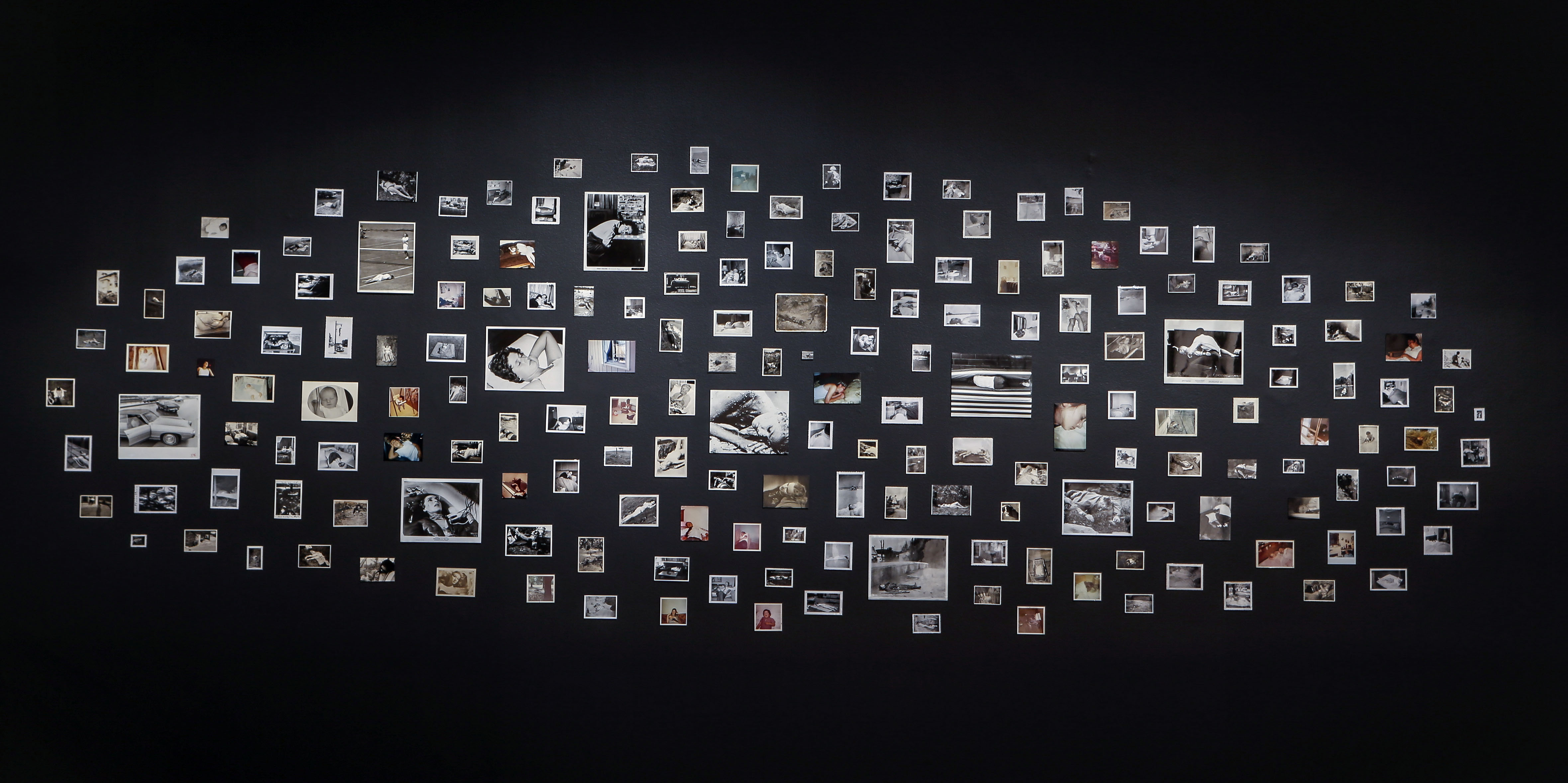
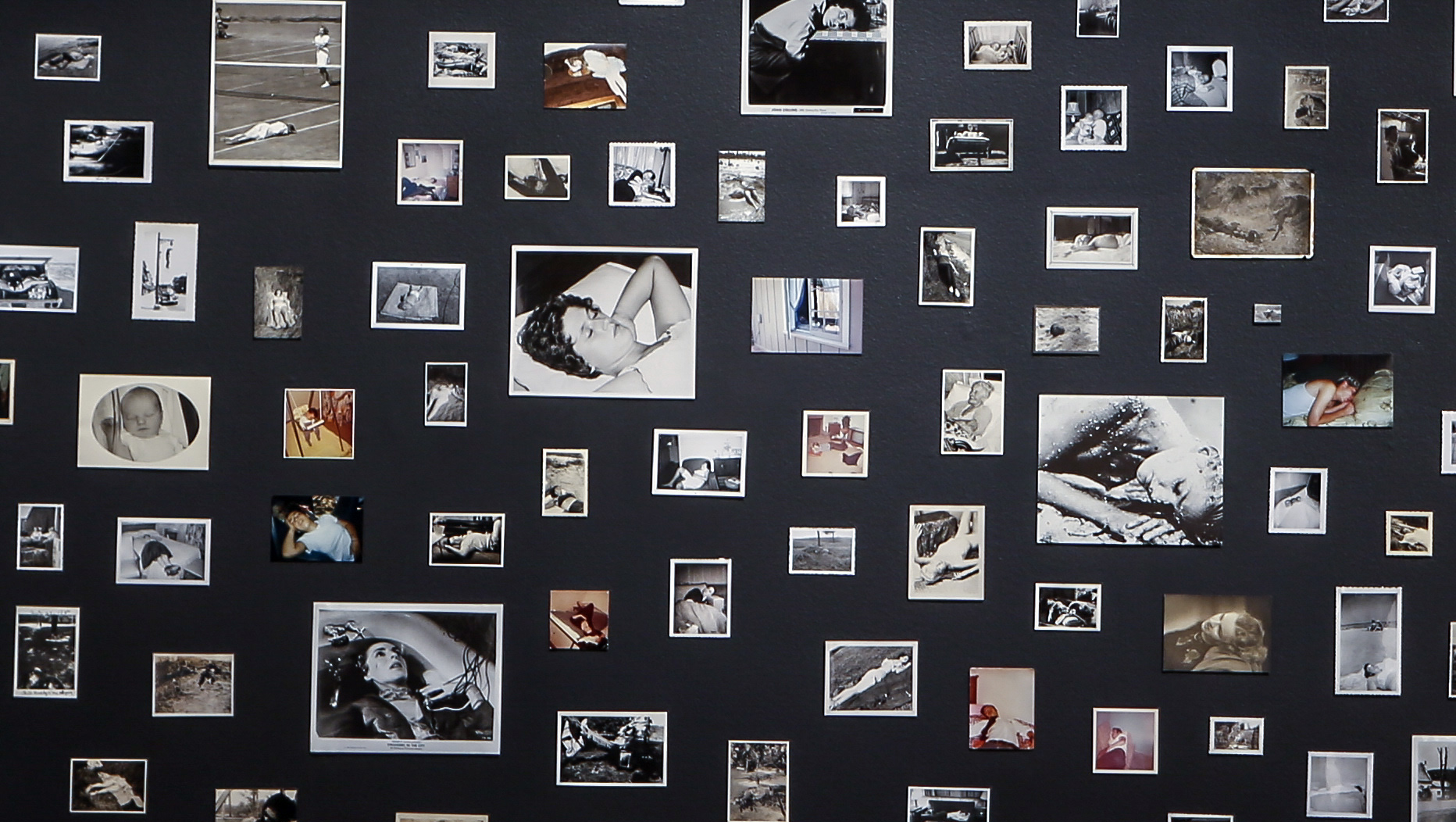
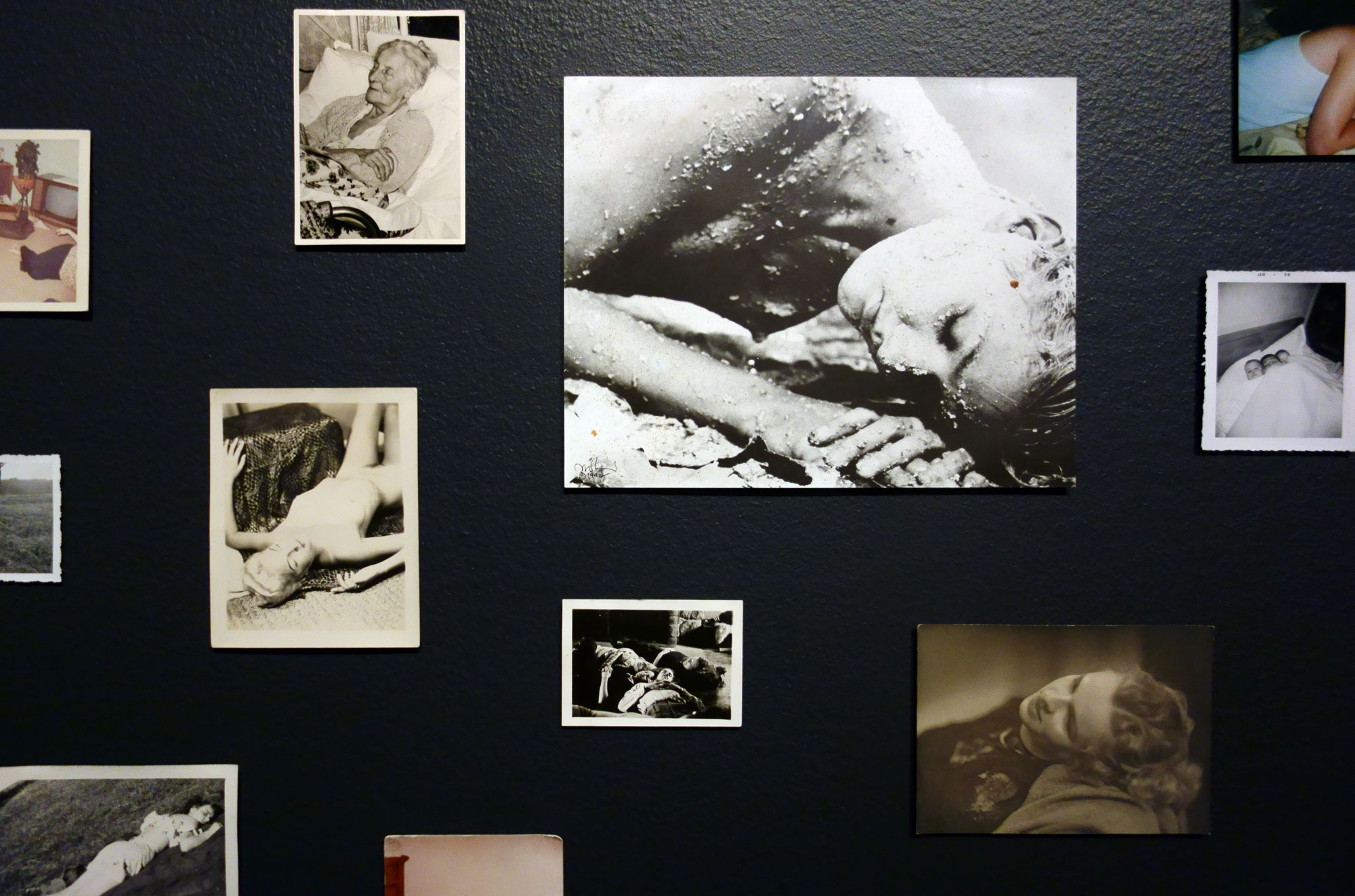
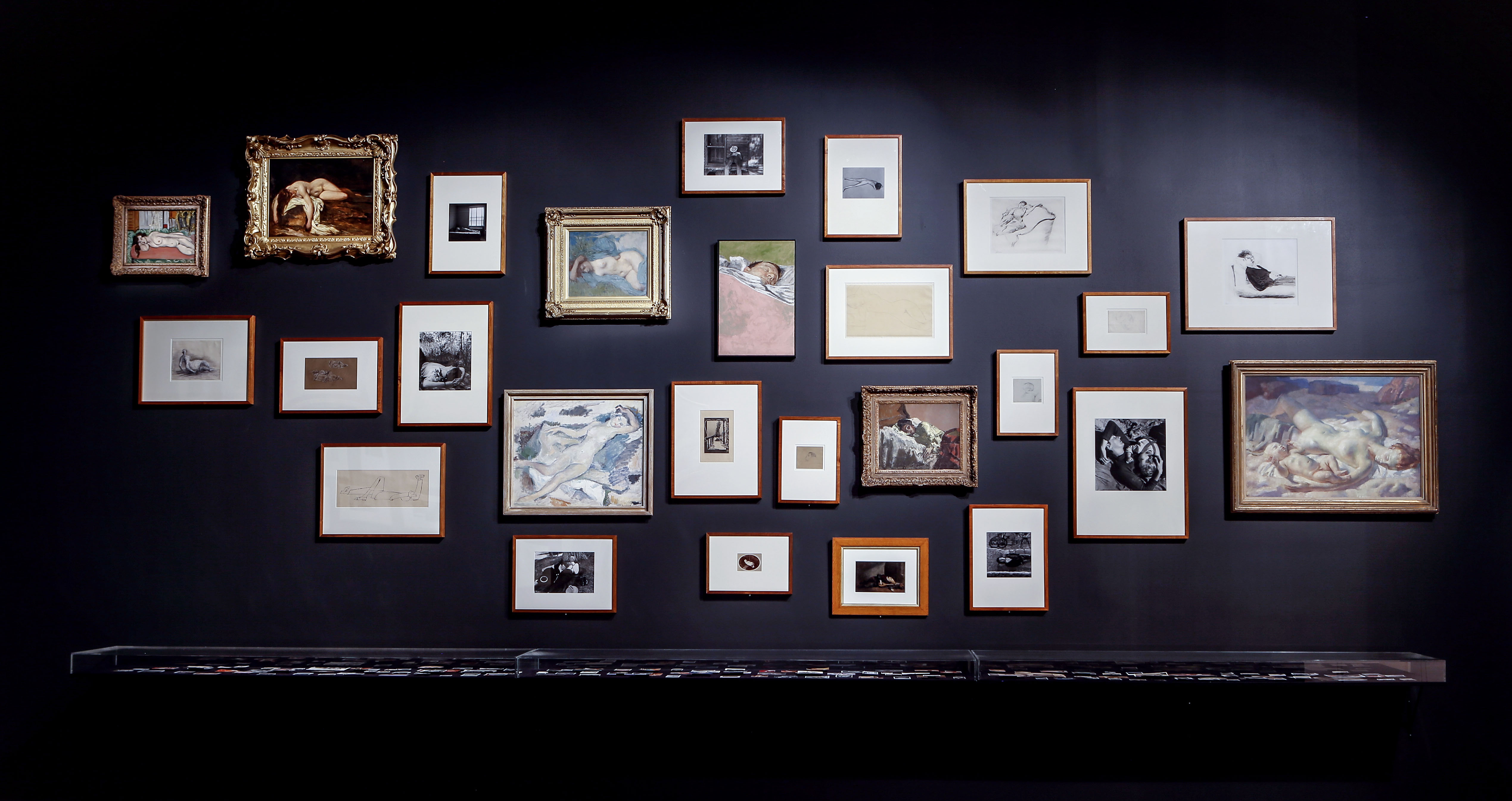


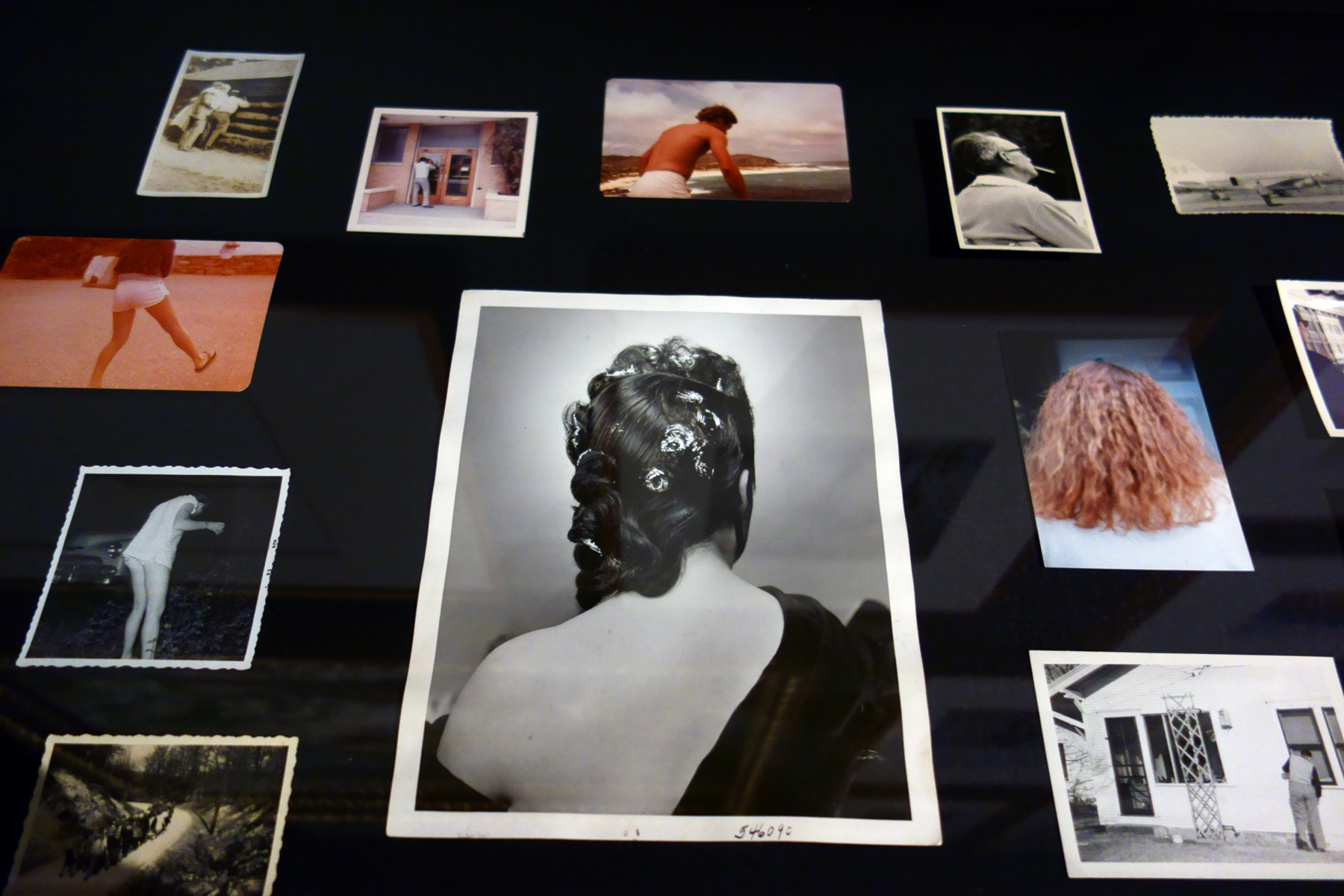
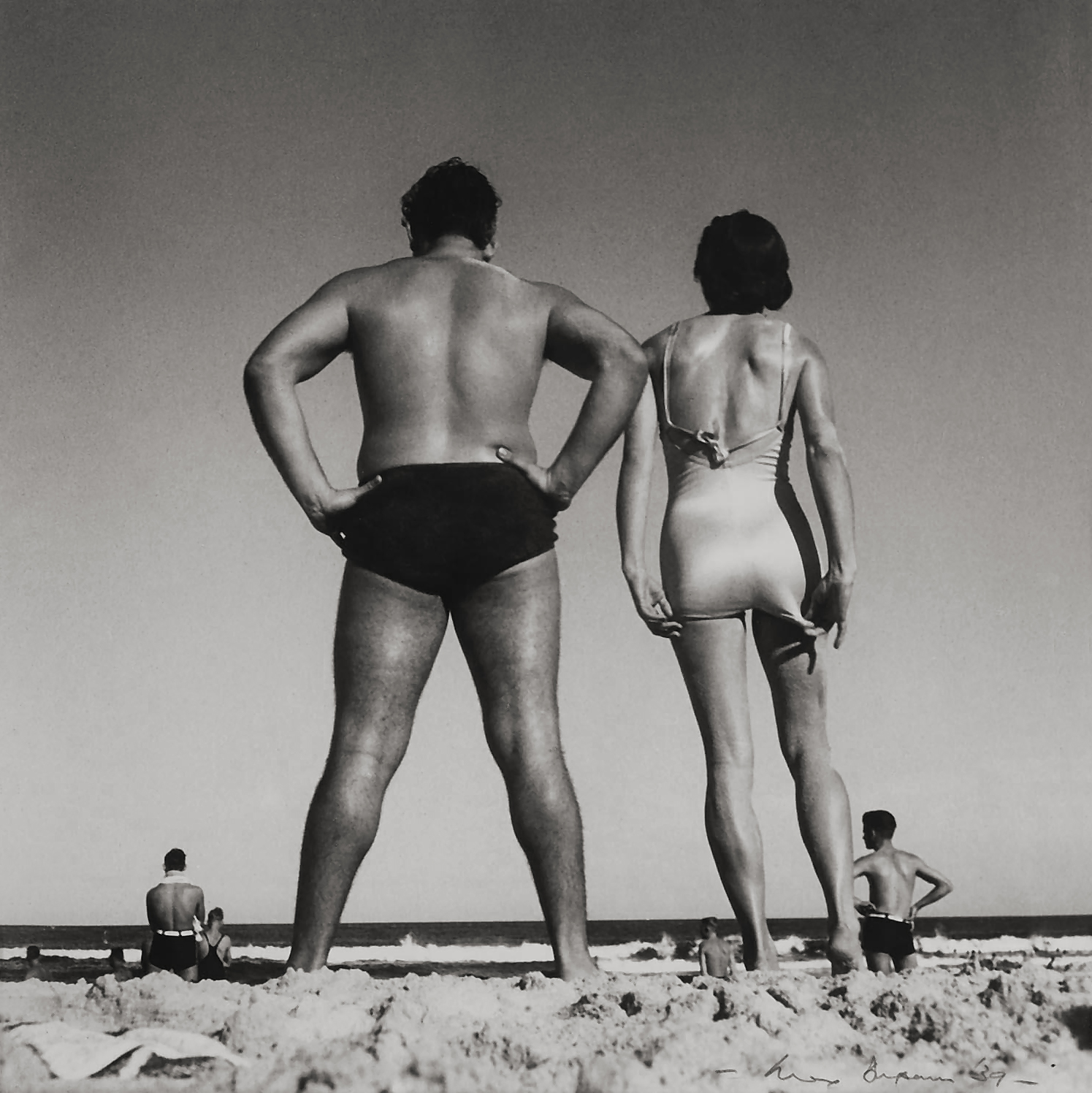
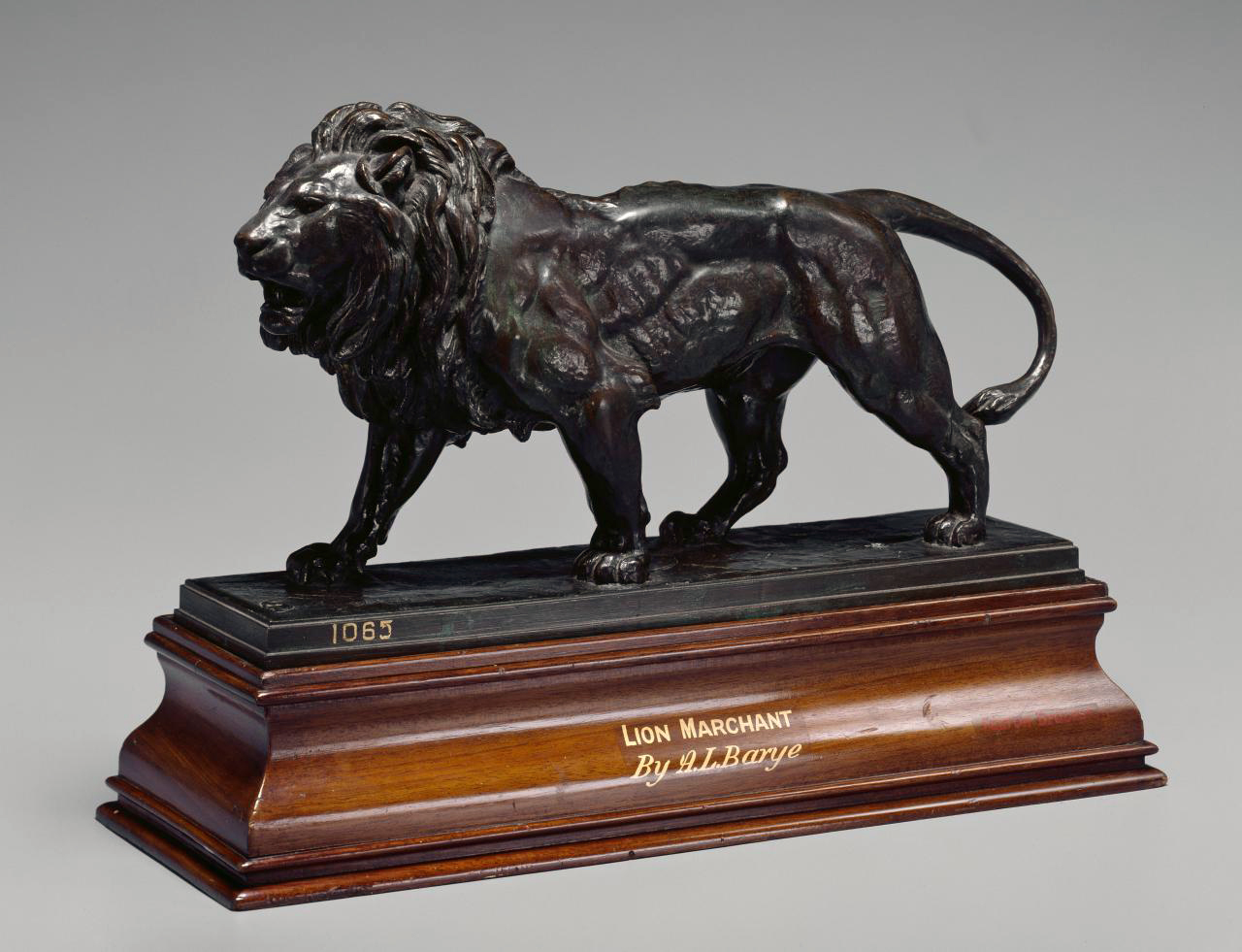
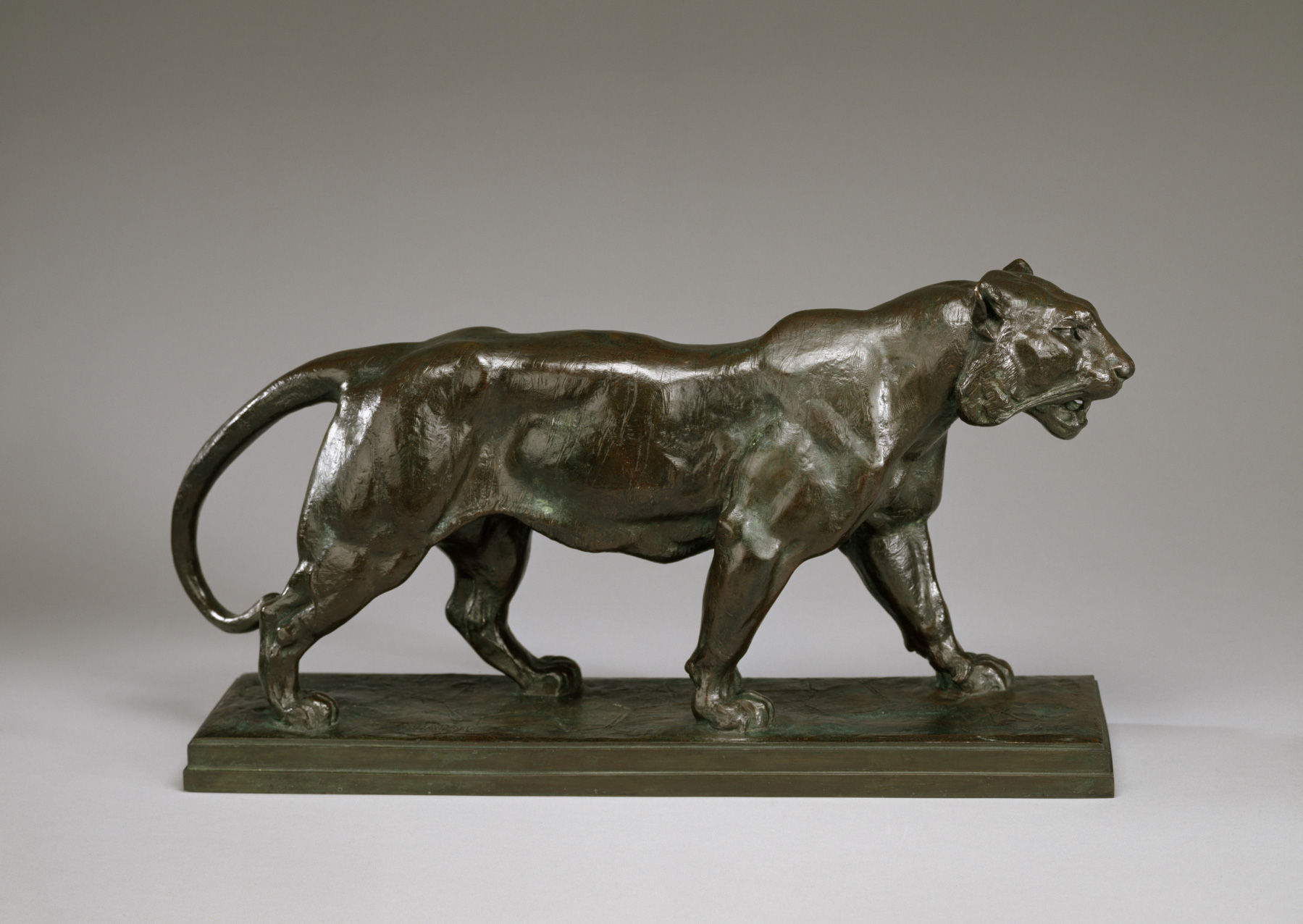






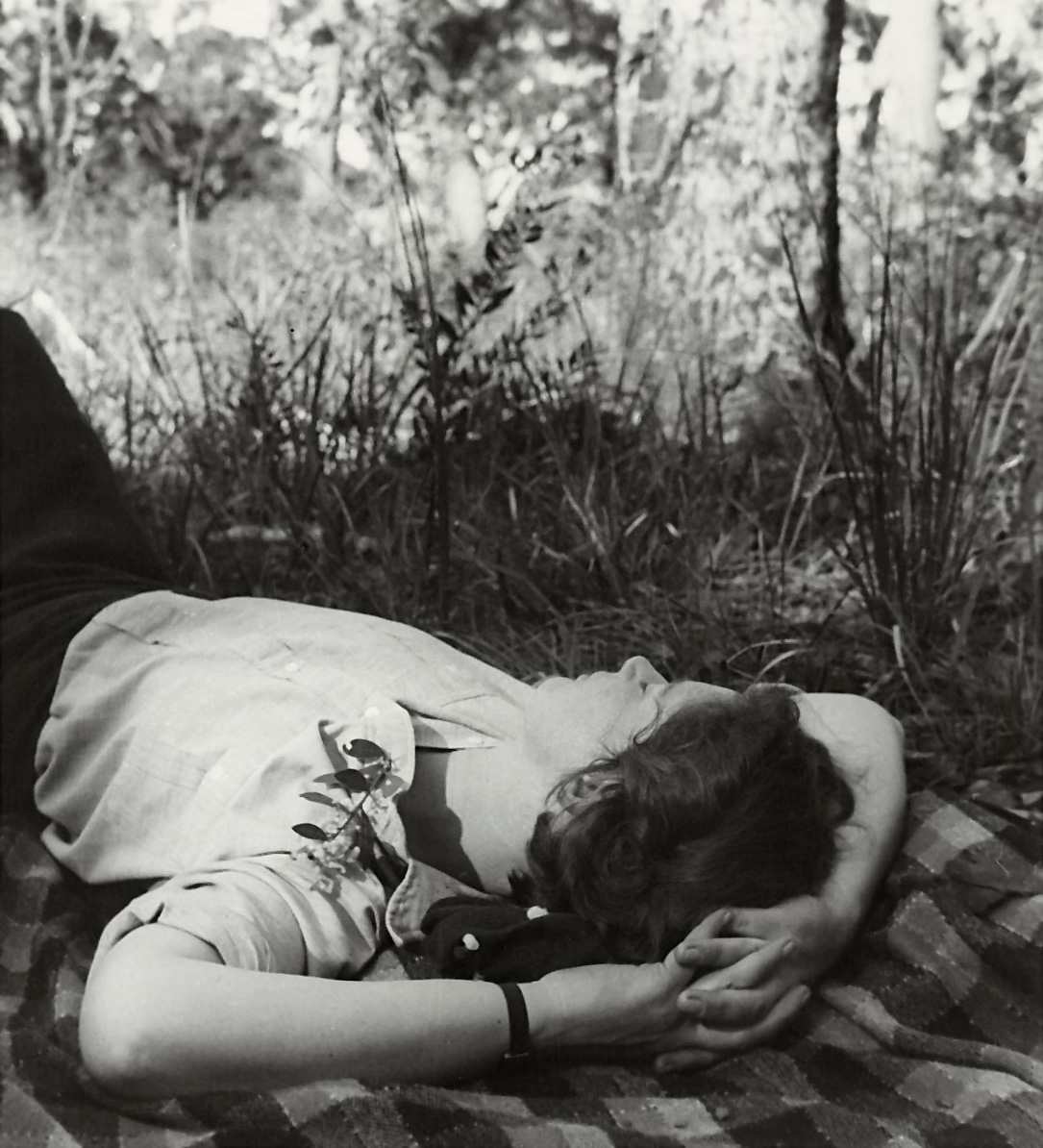
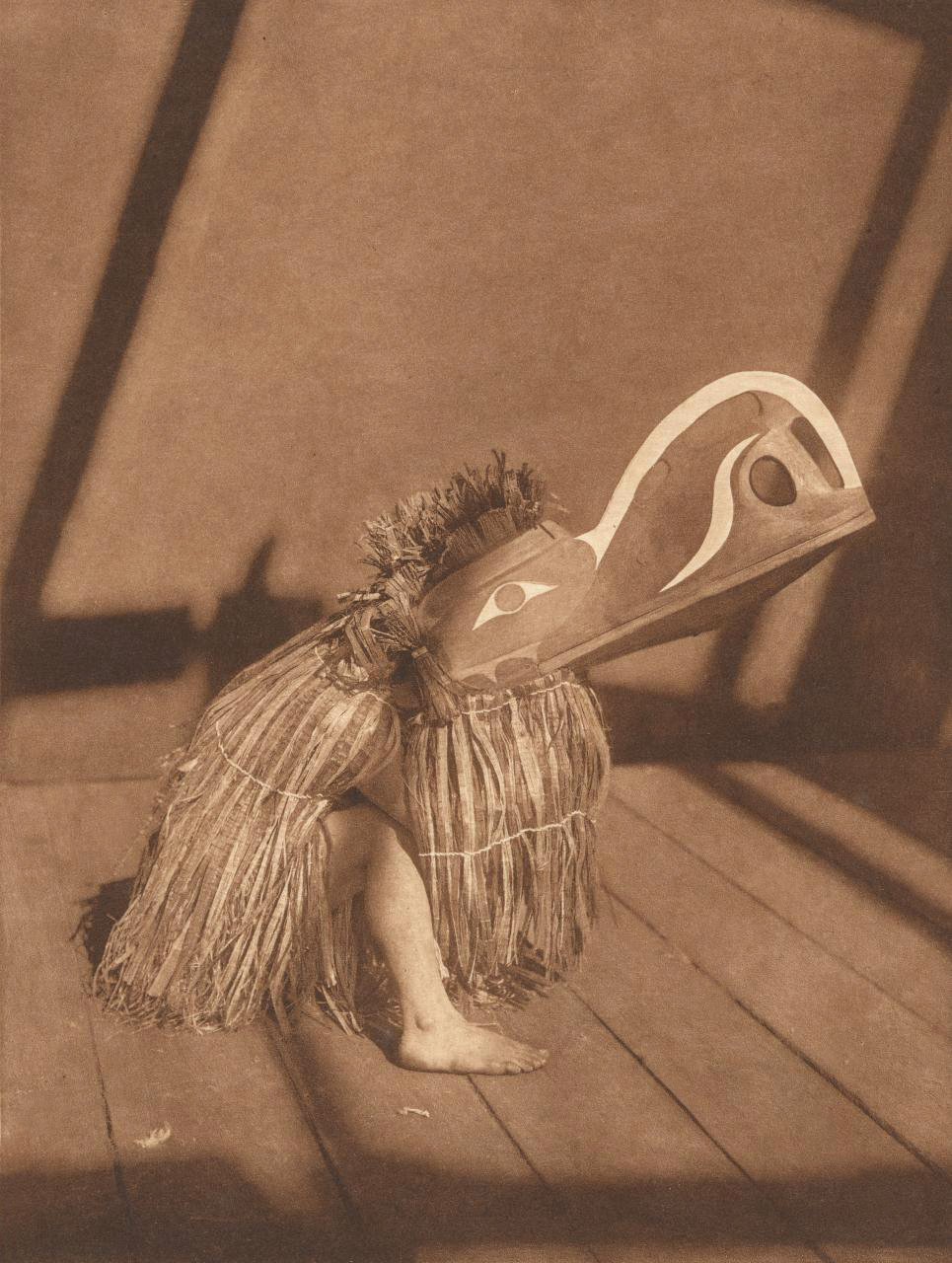

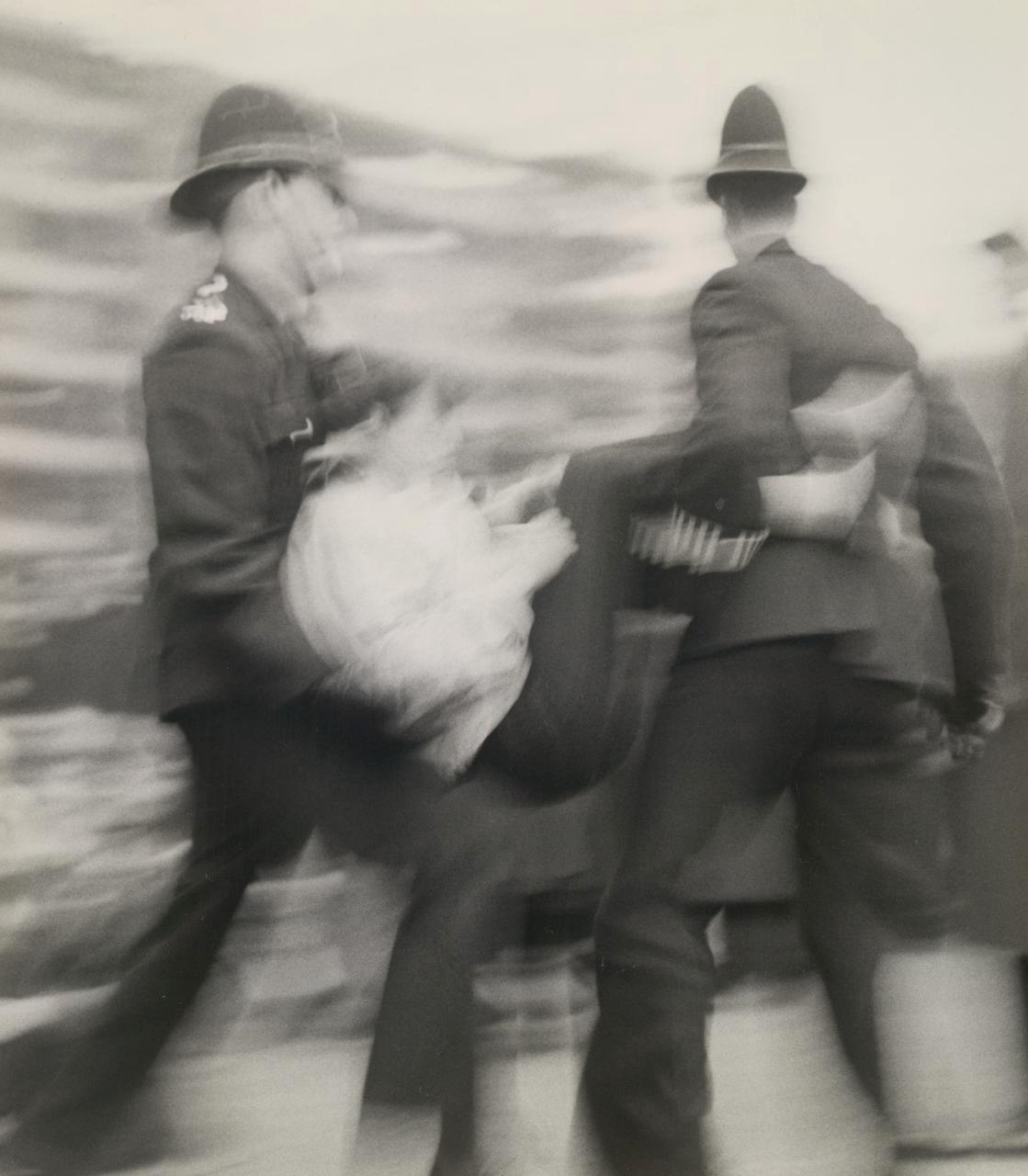


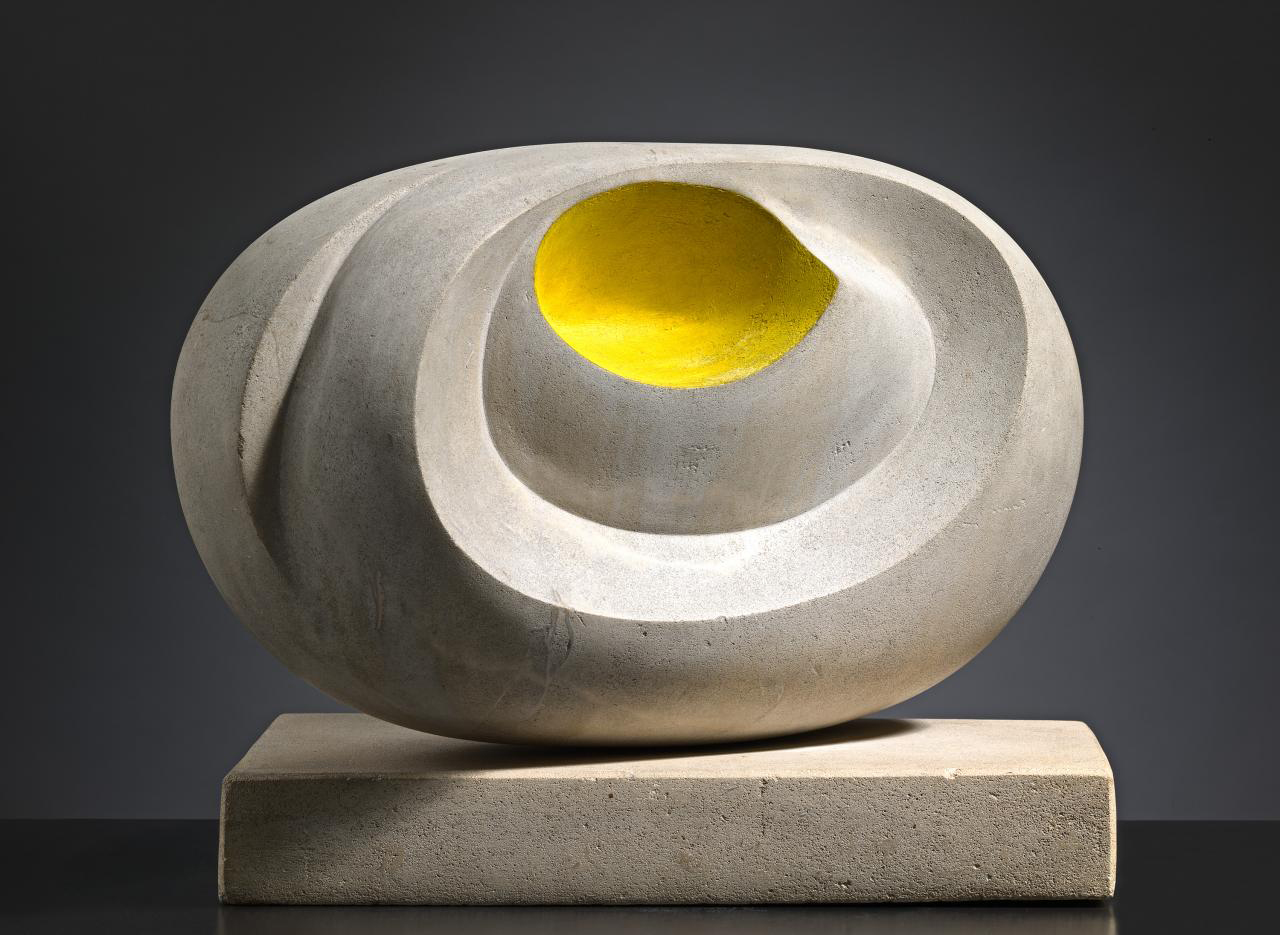
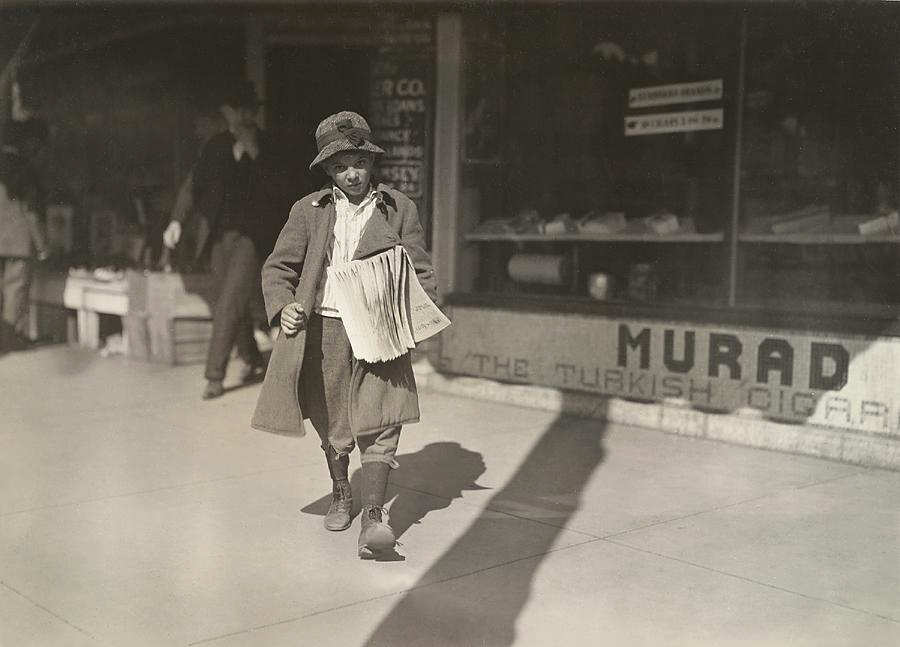
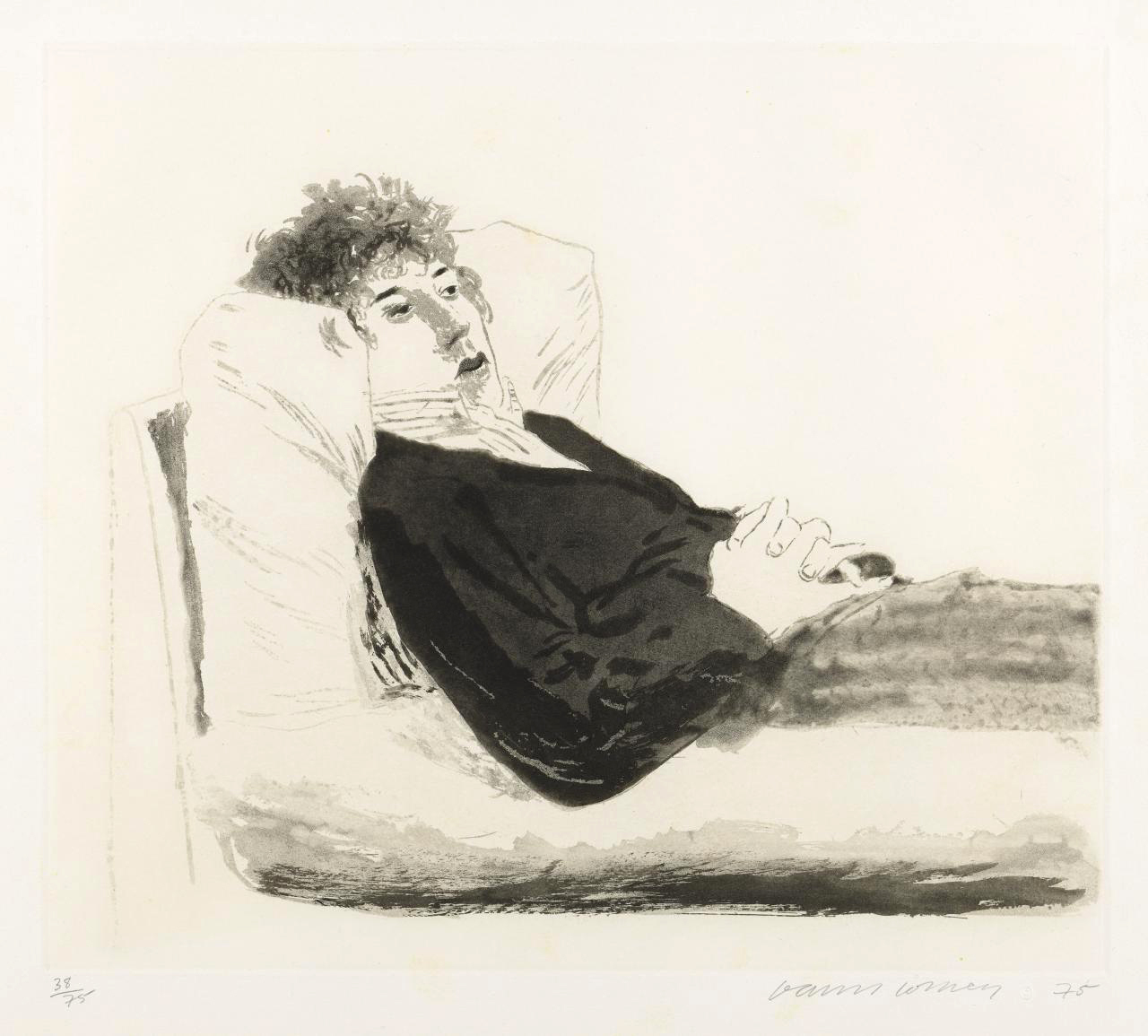

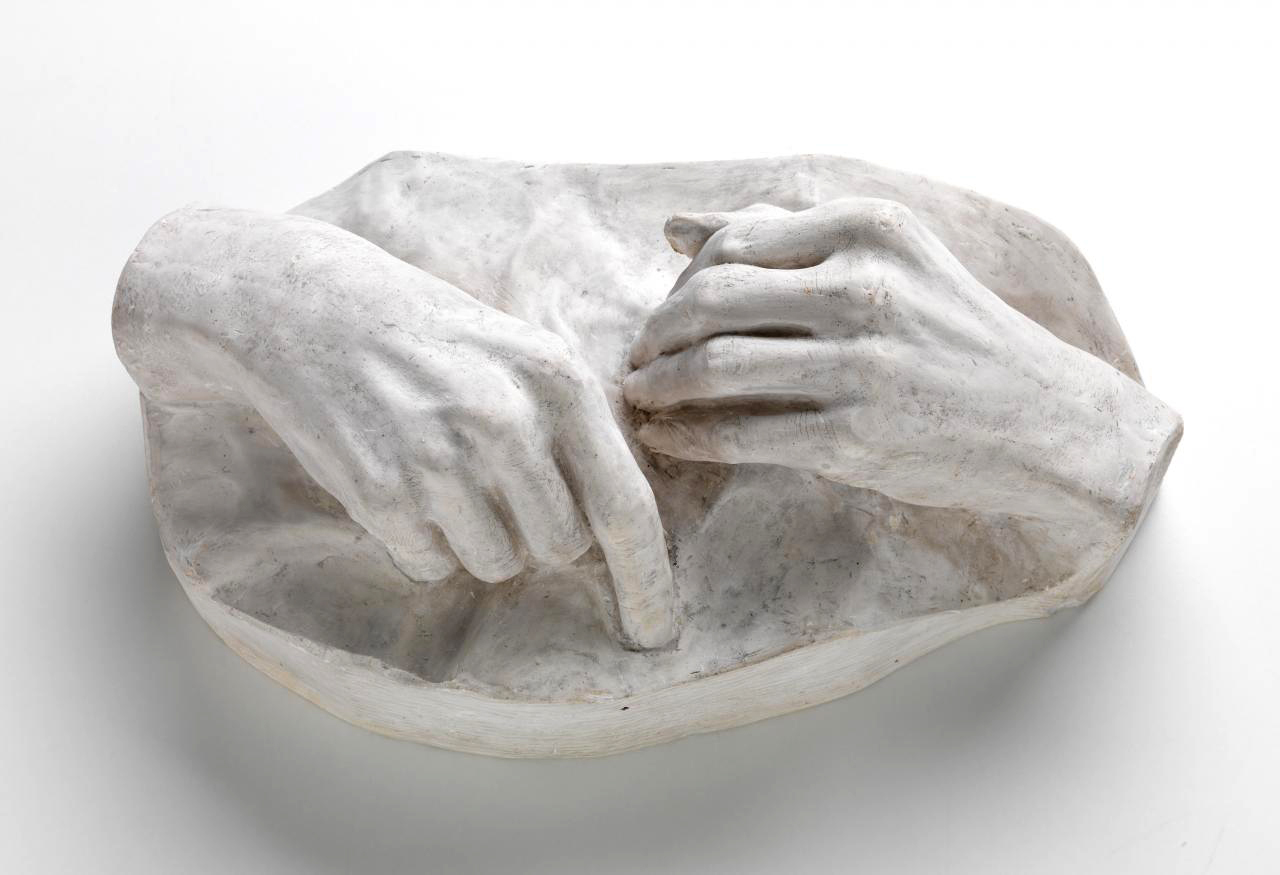


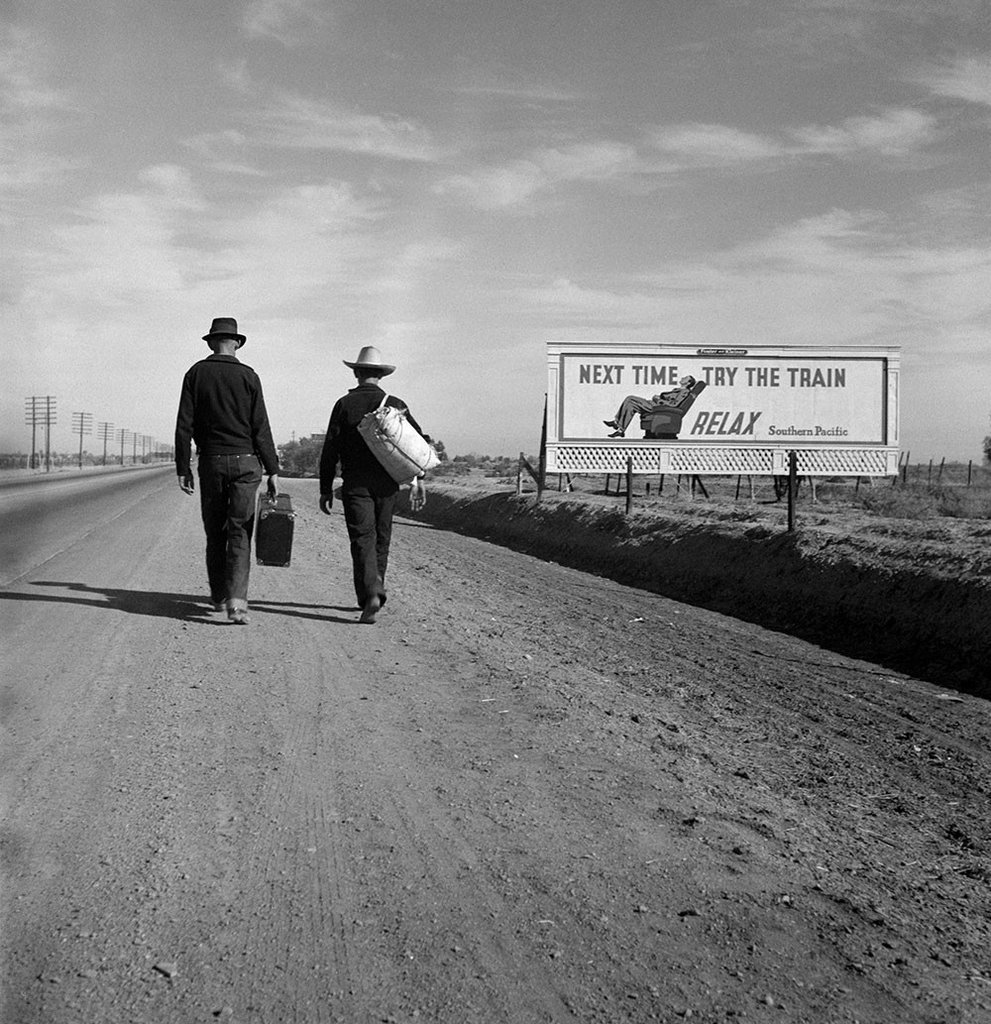

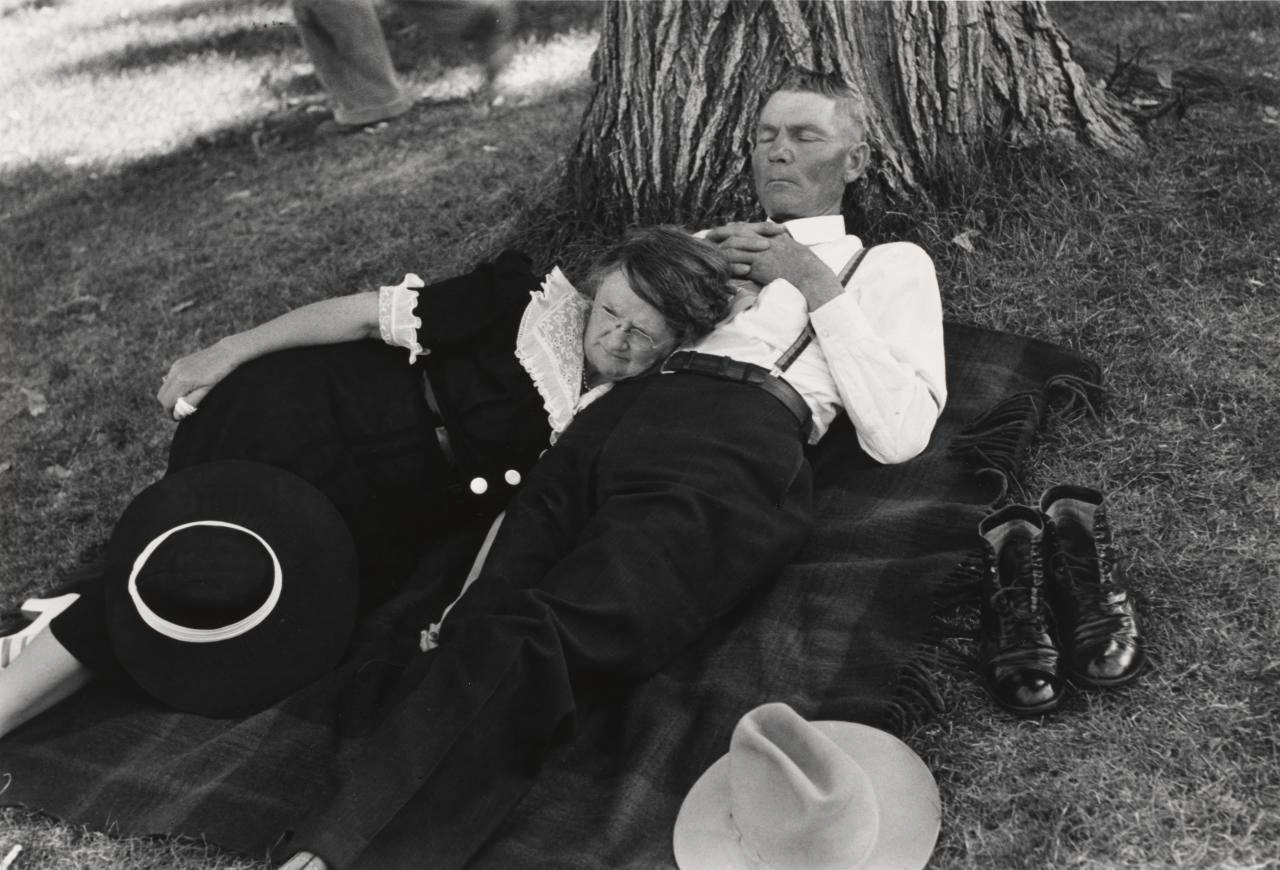


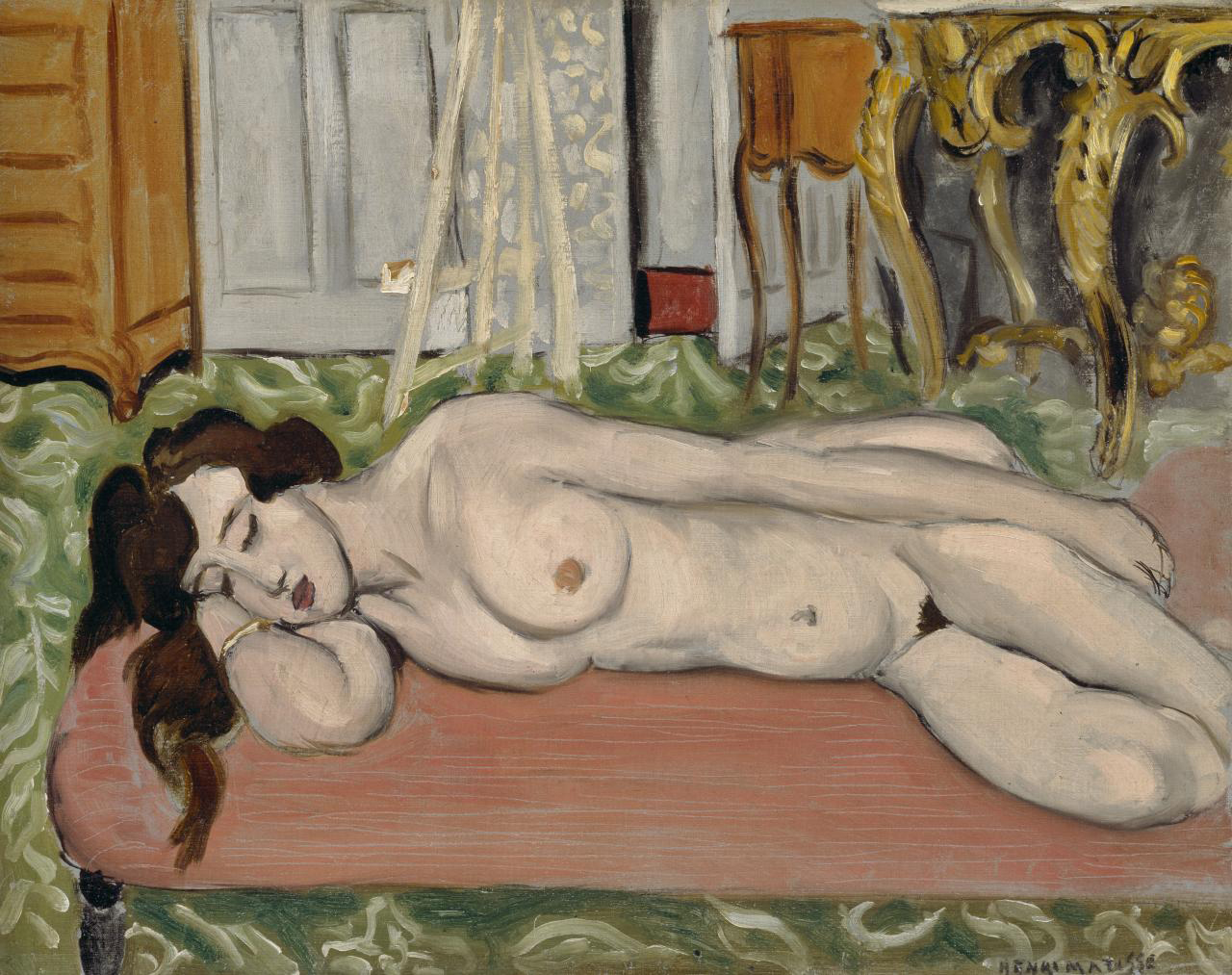


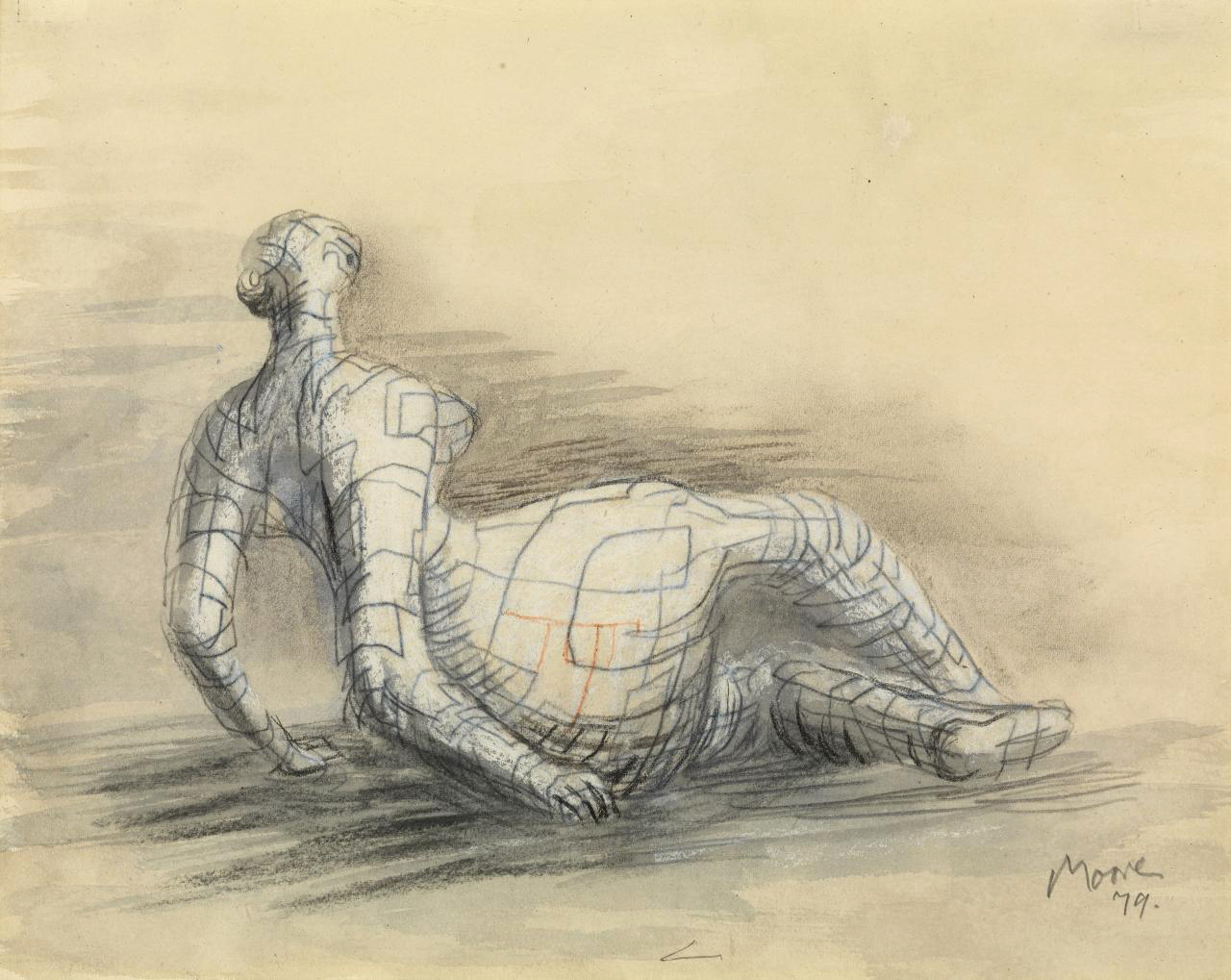
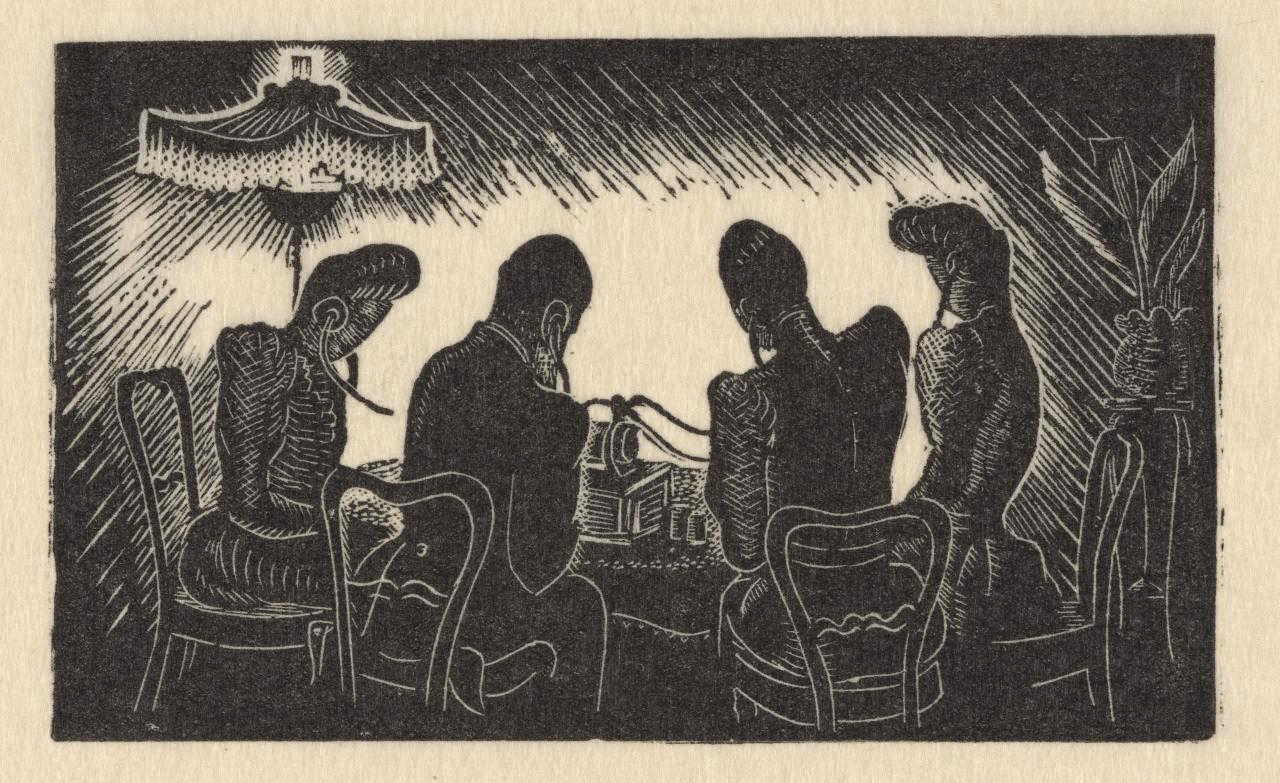

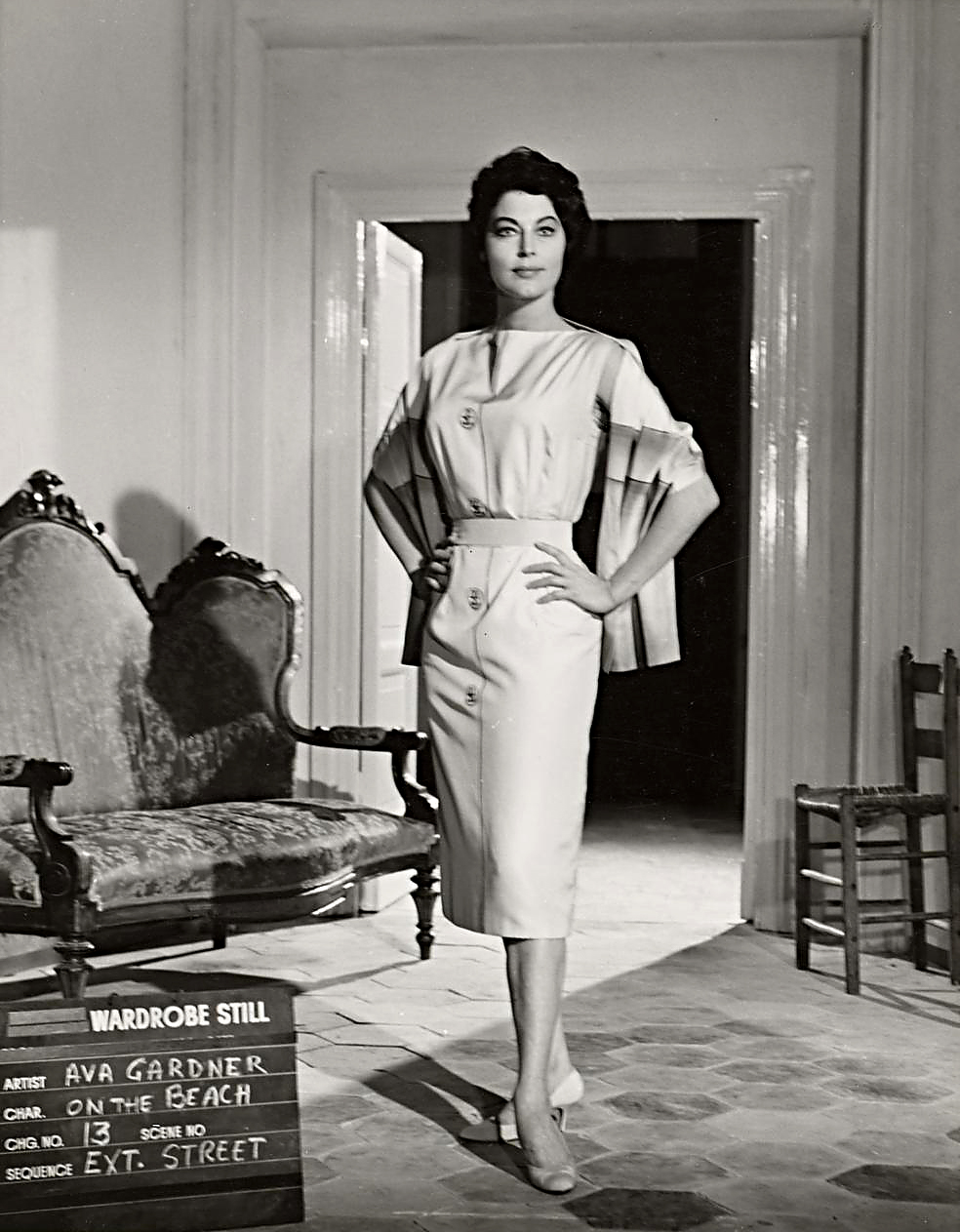

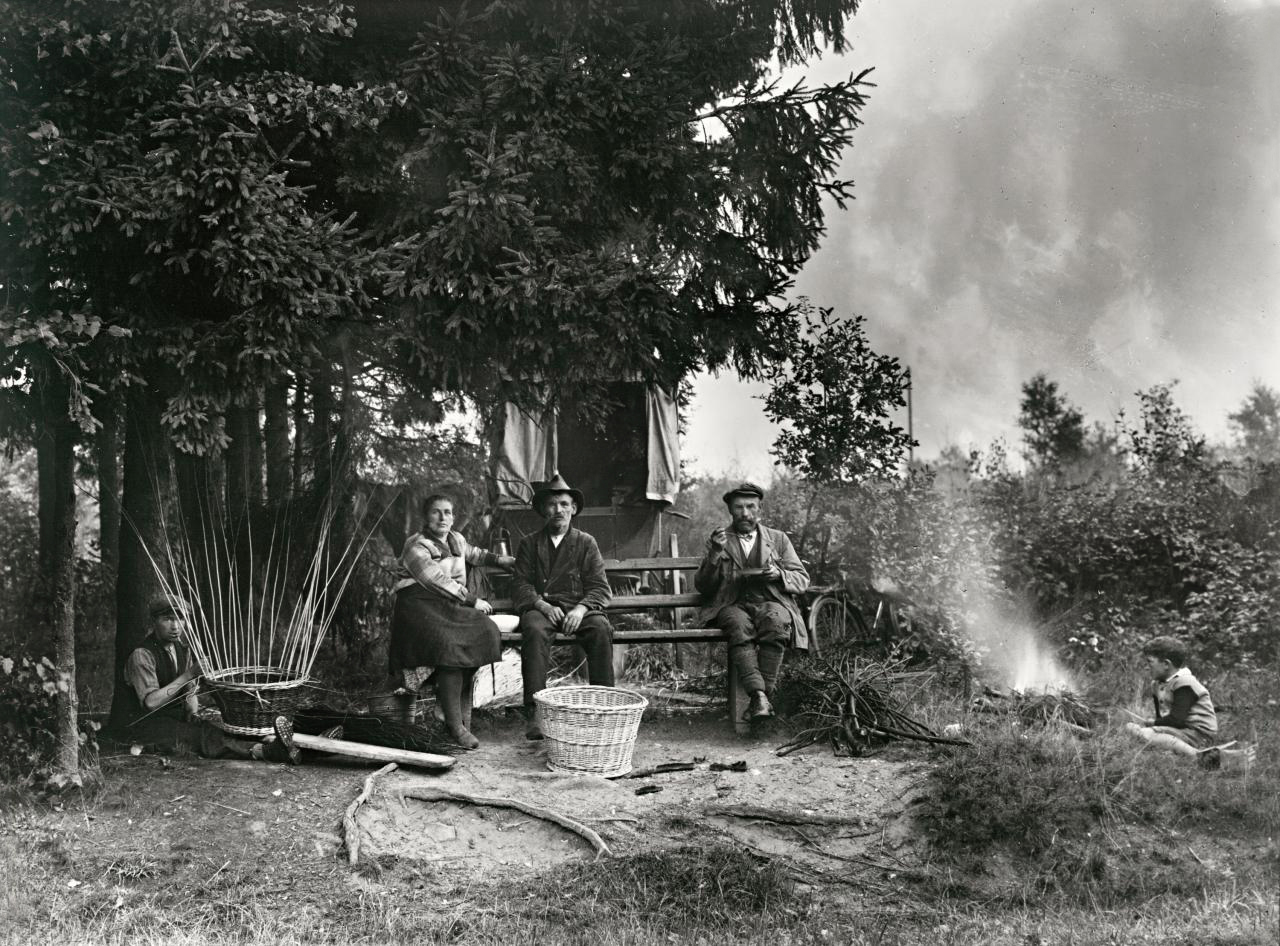


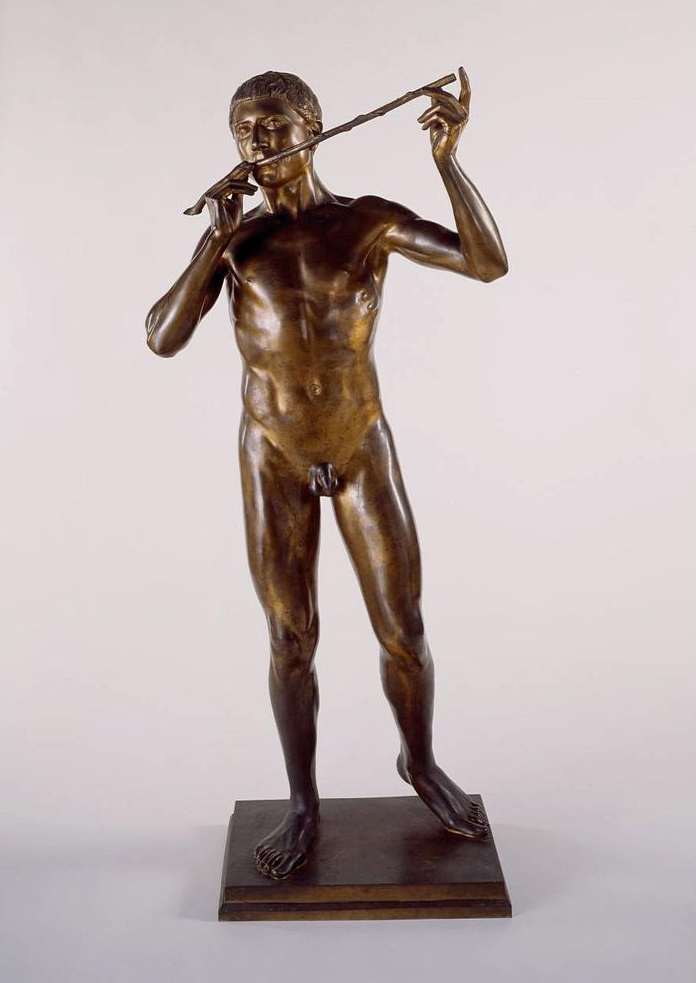
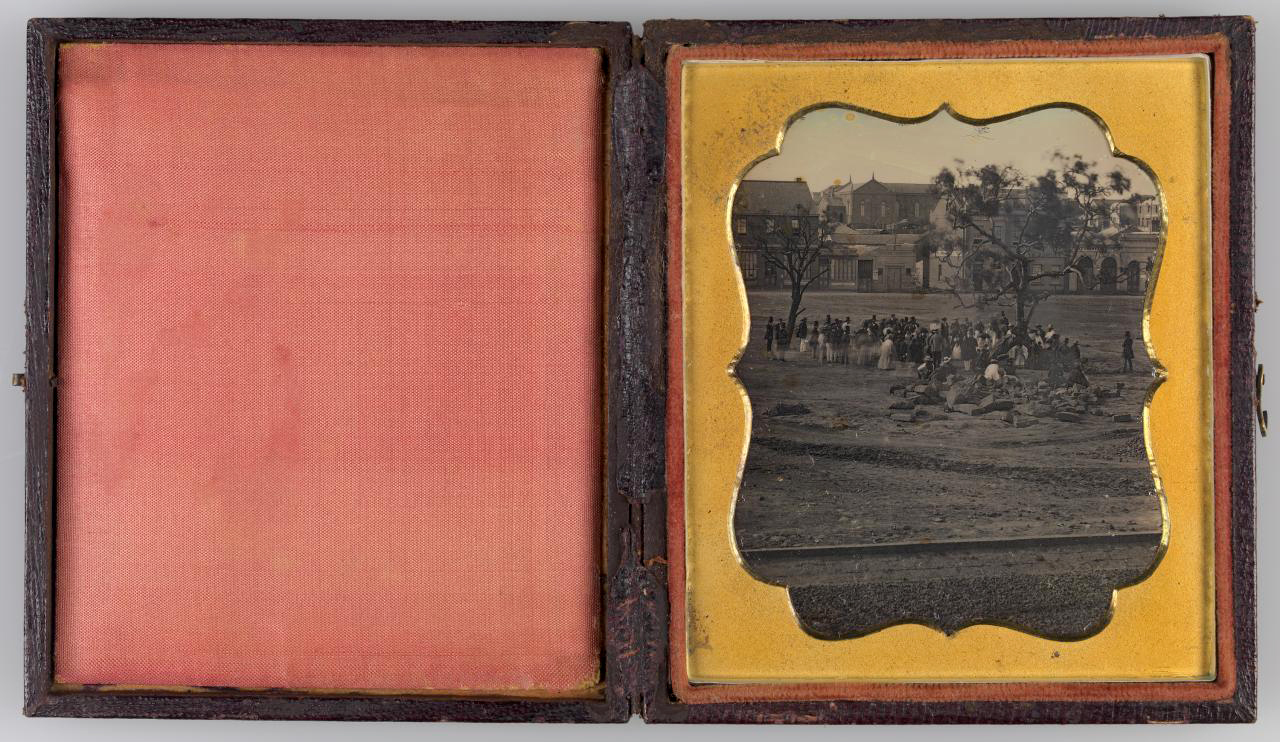

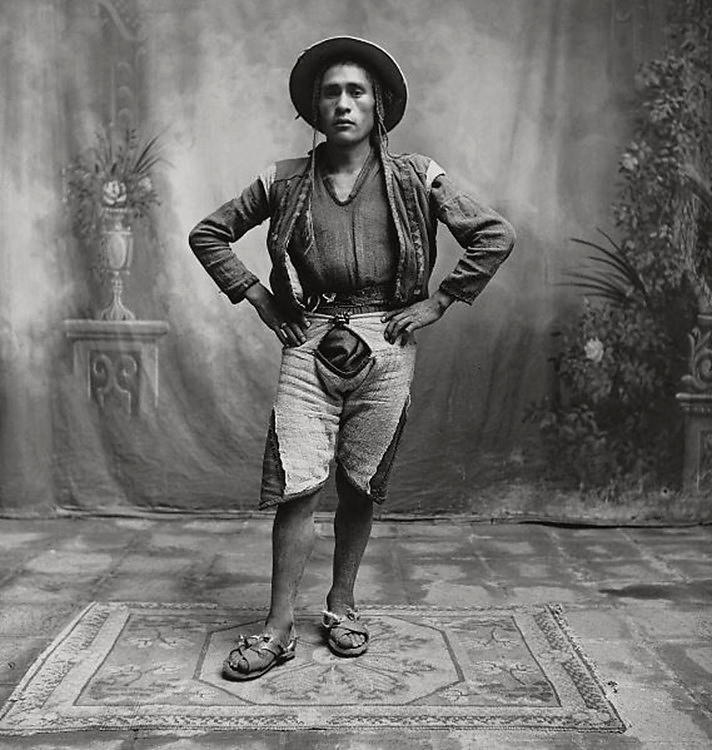
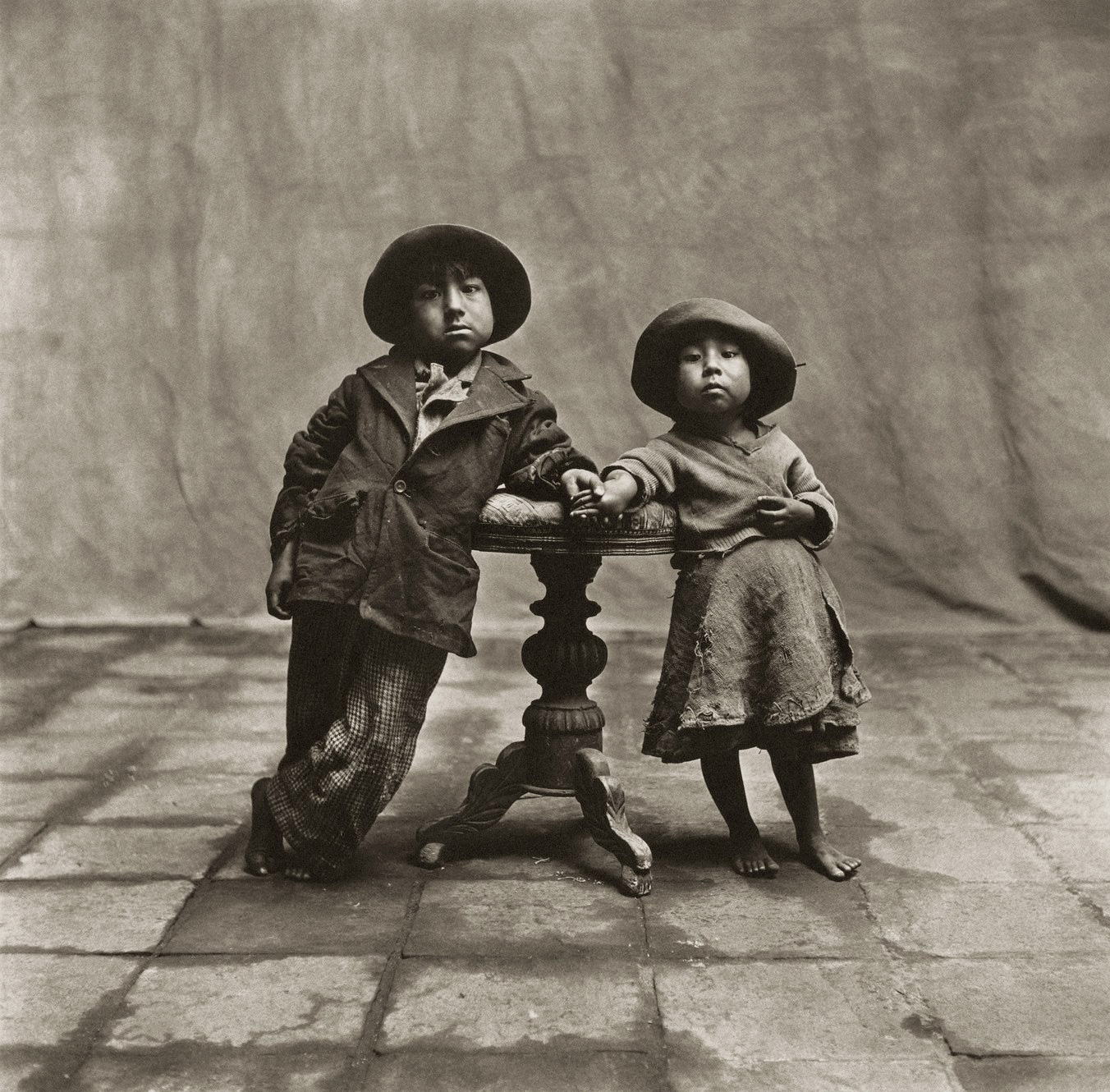
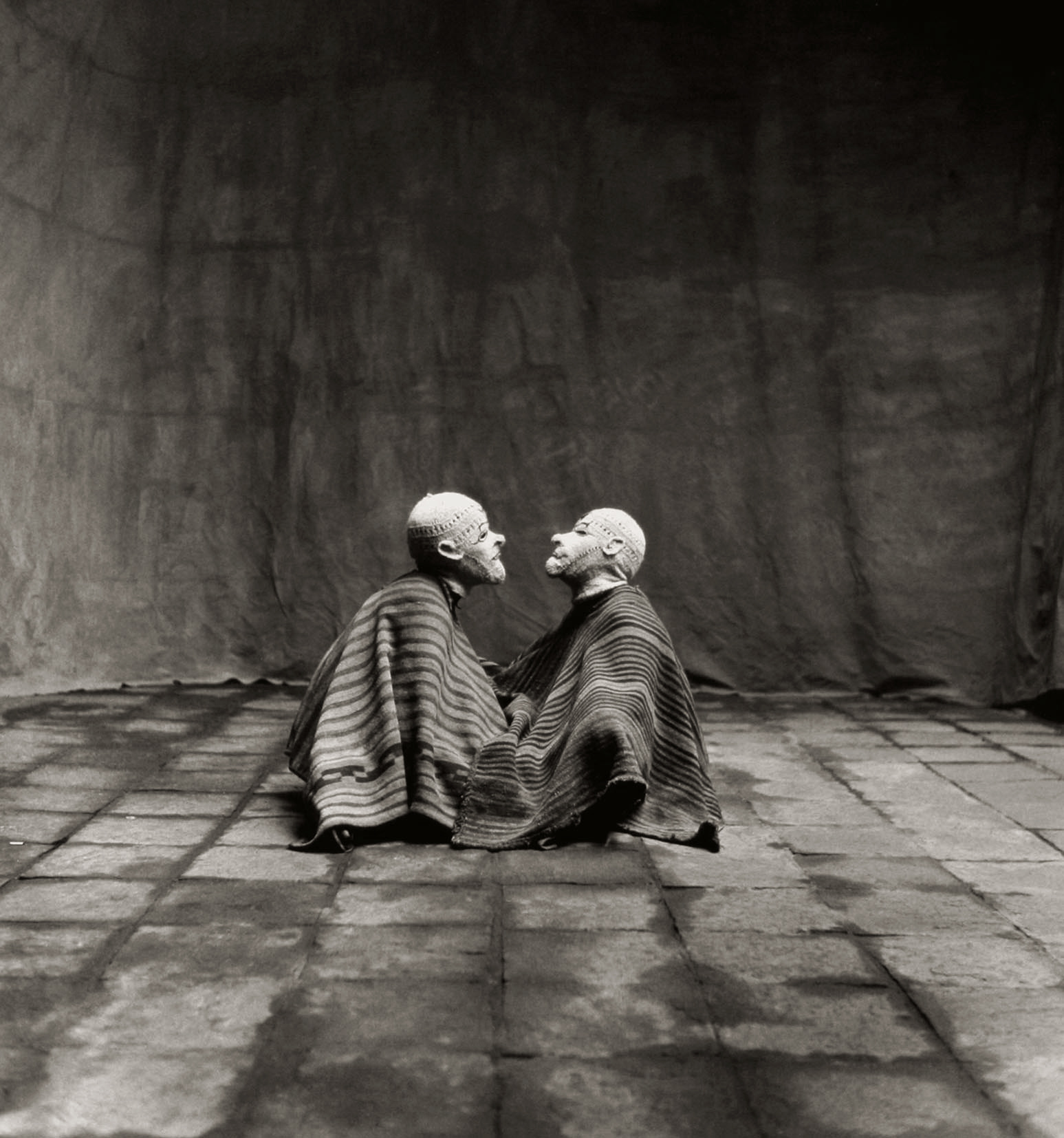
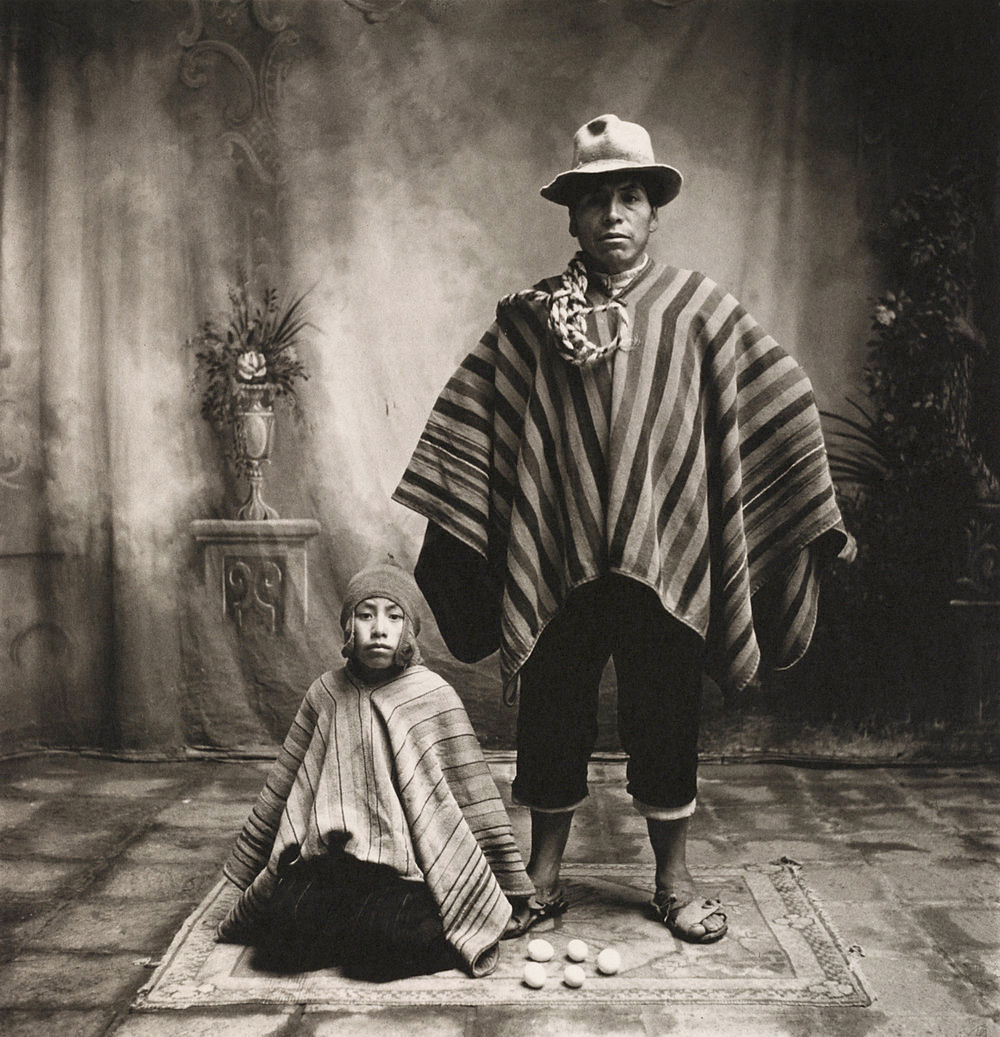
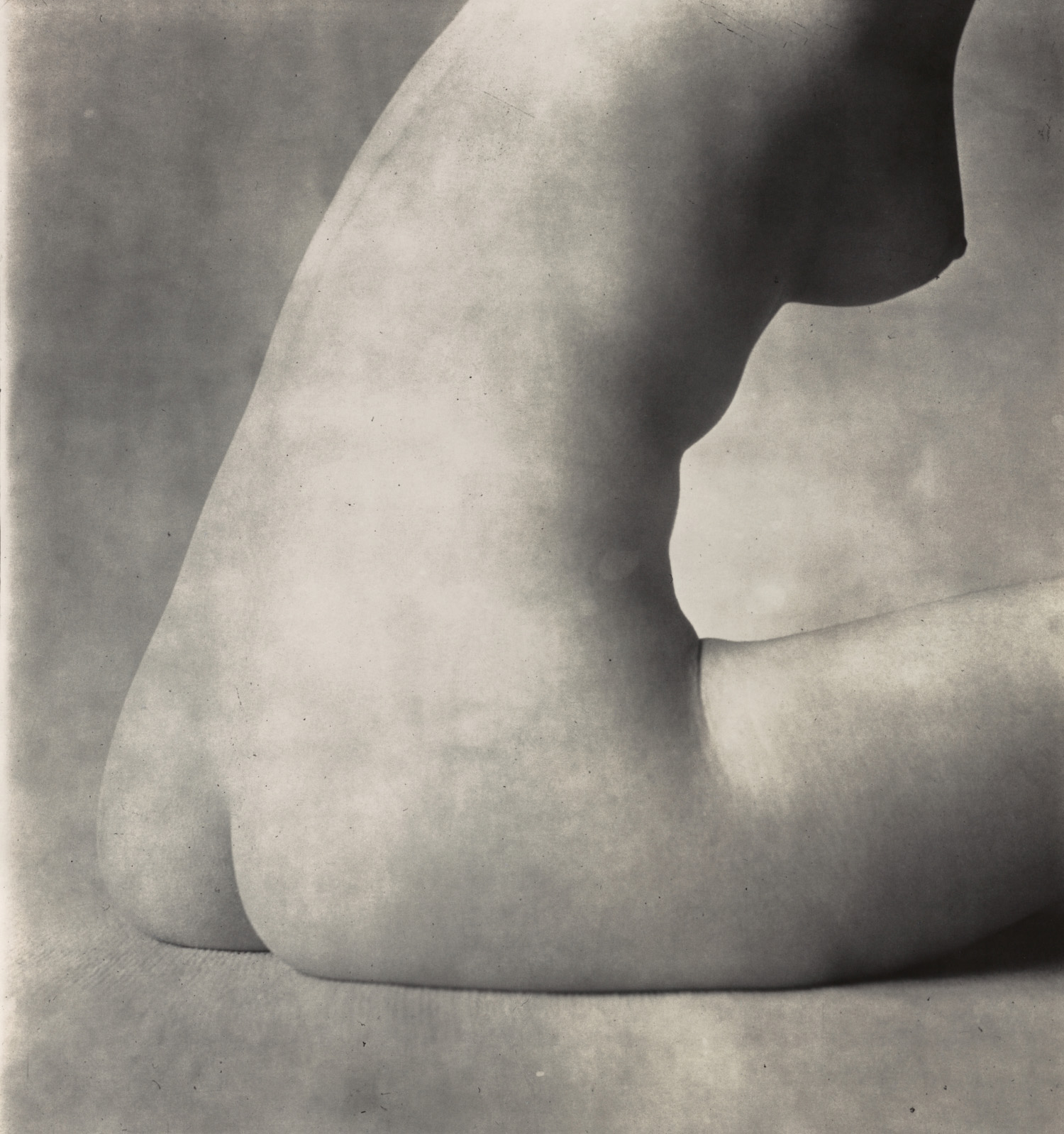
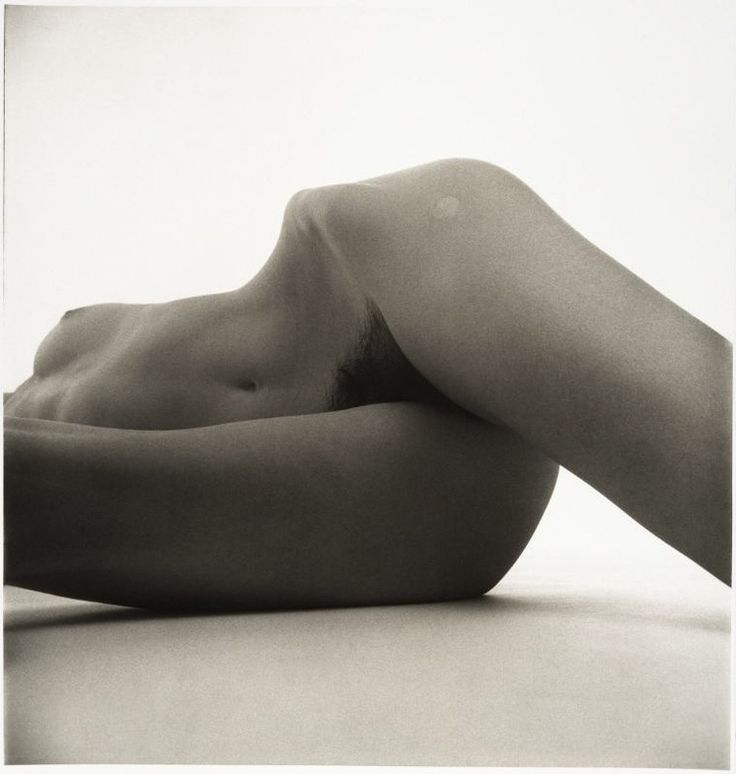


![Irving Penn (American, Plainfield, New Jersey 1917-2009 New York) 'Marchand de Concombres [Cucumber Seller]' 1950, printed 1976](https://artblart.com/wp-content/uploads/2017/07/penn-marchand-de-concombres-web1.jpg "Irving Penn (American, Plainfield, New Jersey 1917-2009 New York) 'Marchand de Concombres [Cucumber Seller]' 1950, printed 1976")
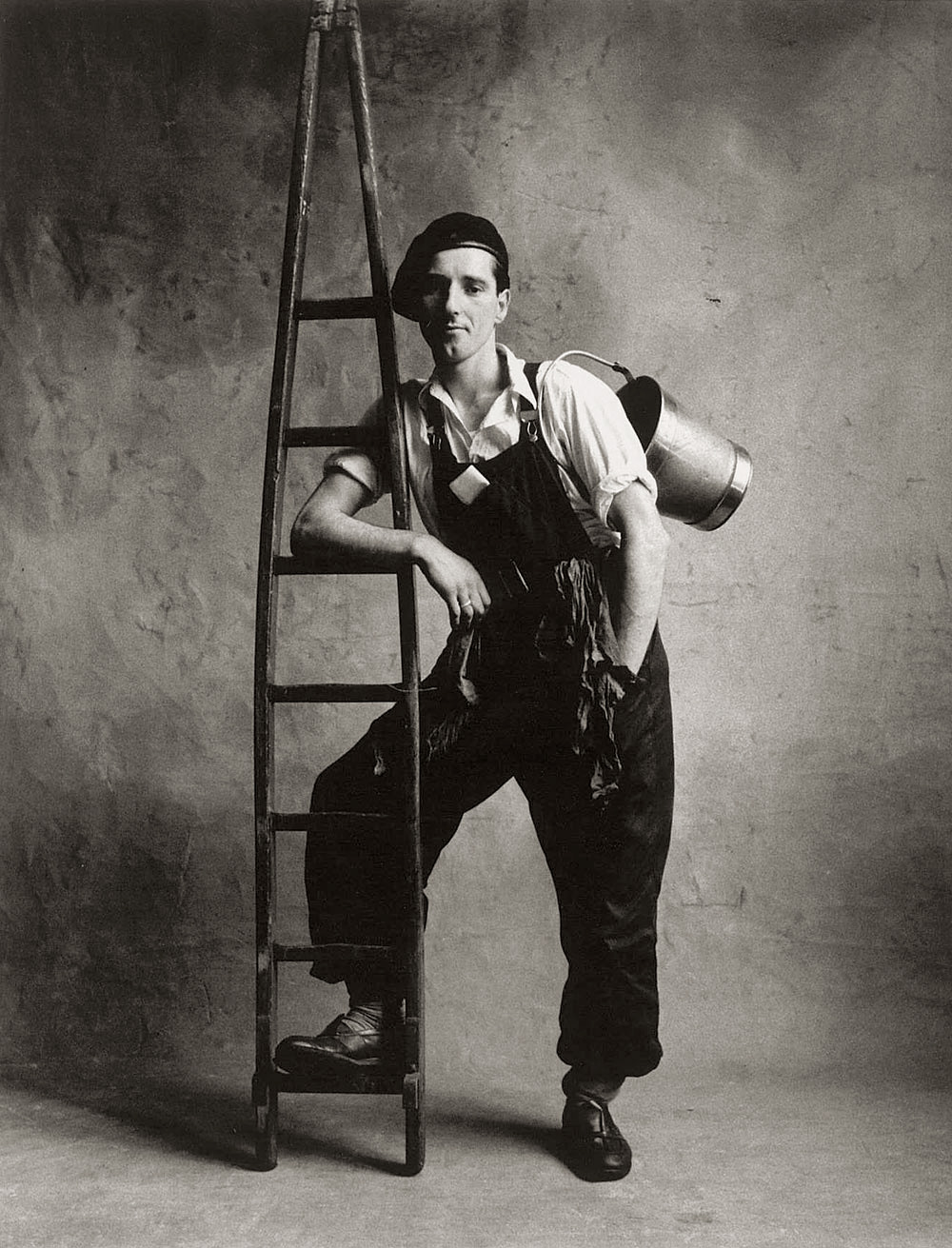
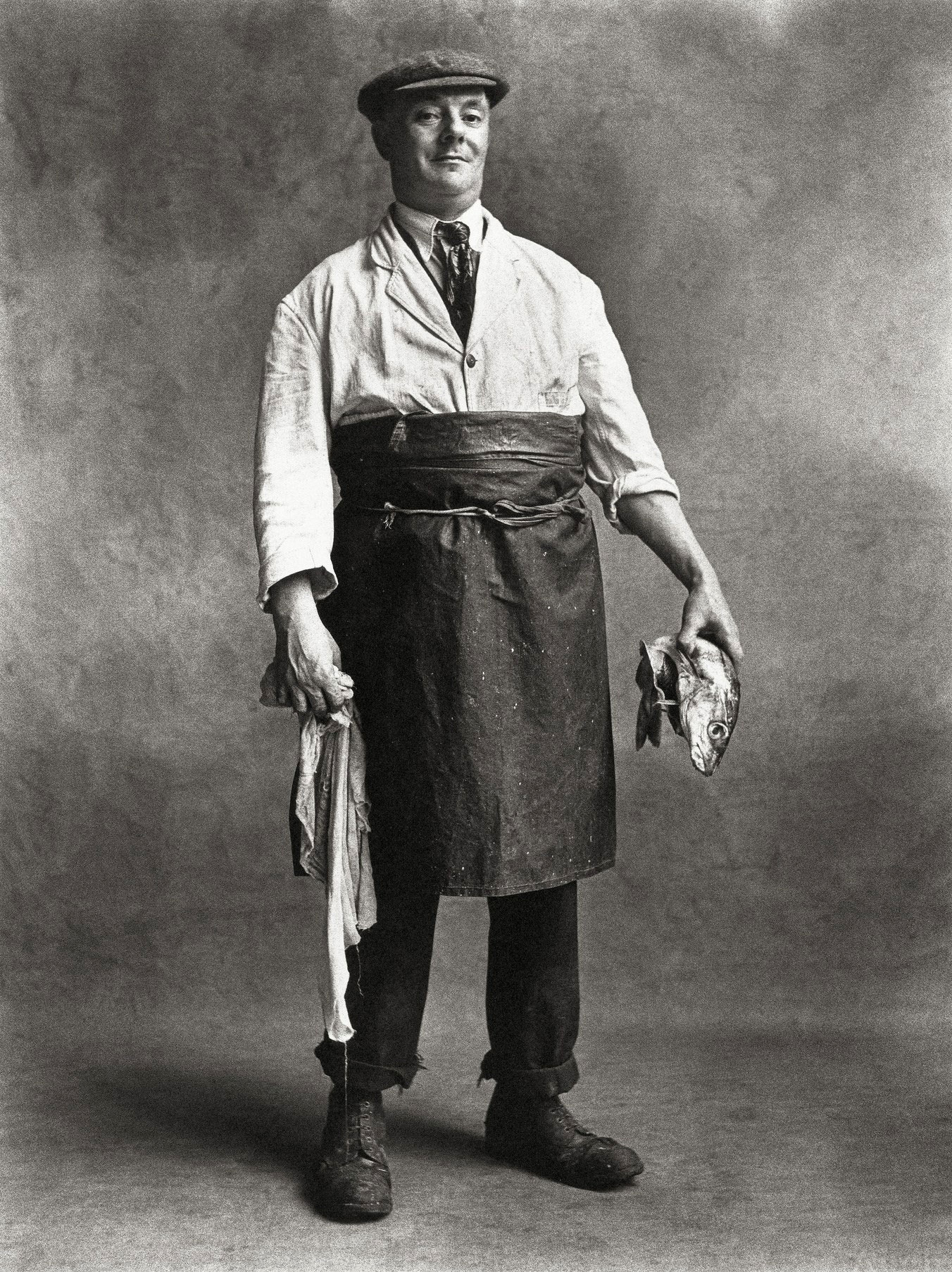
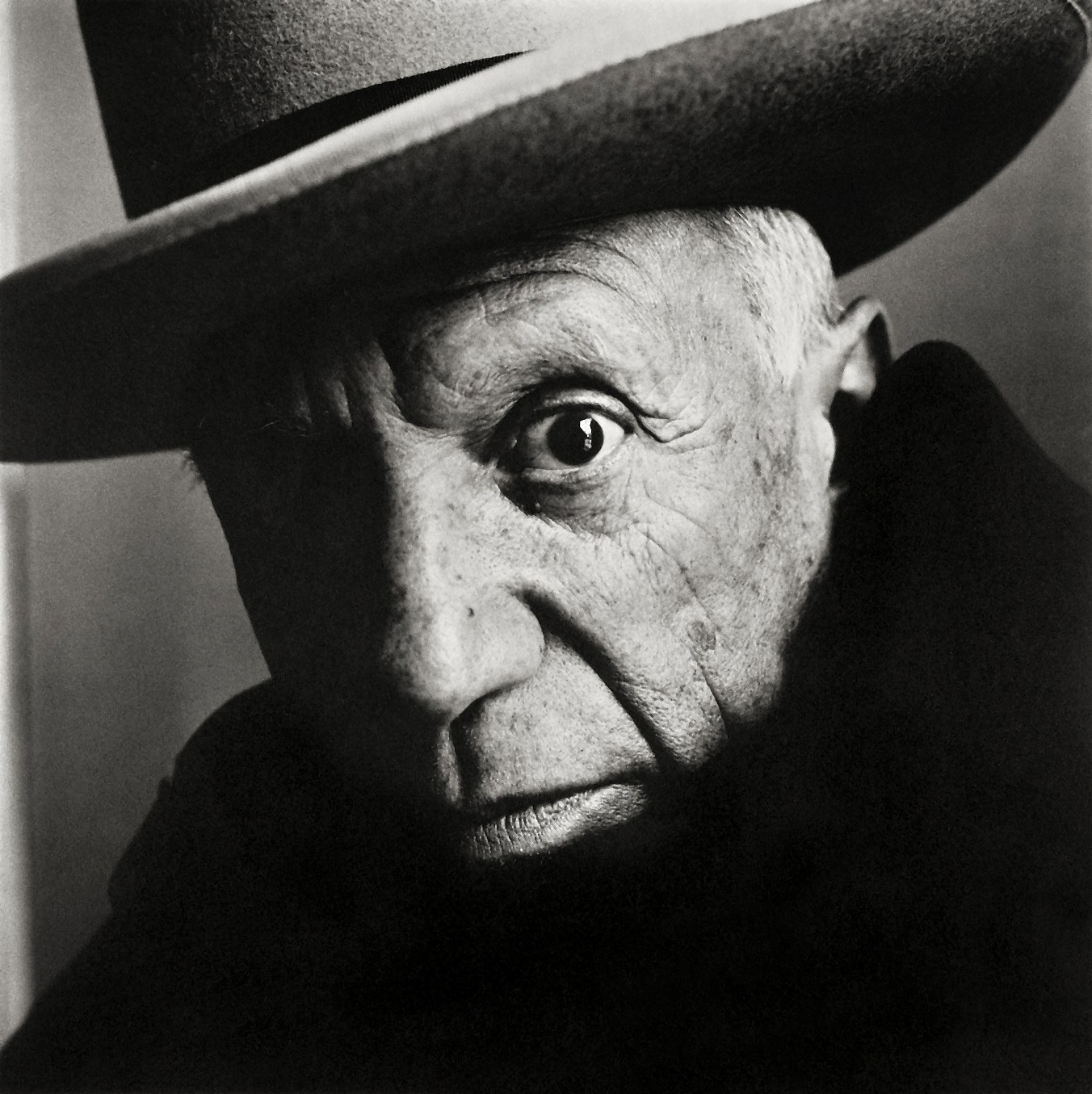
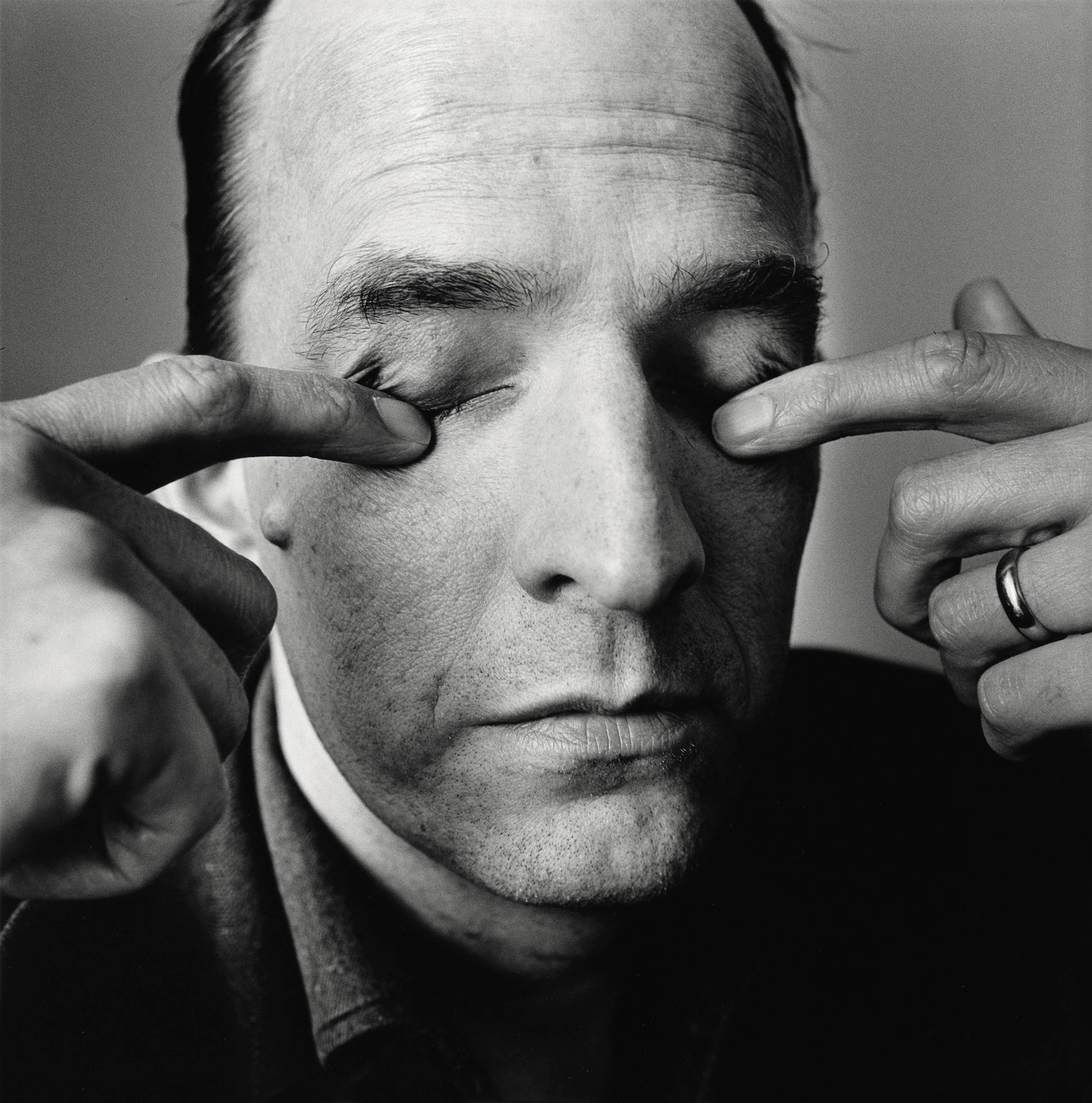
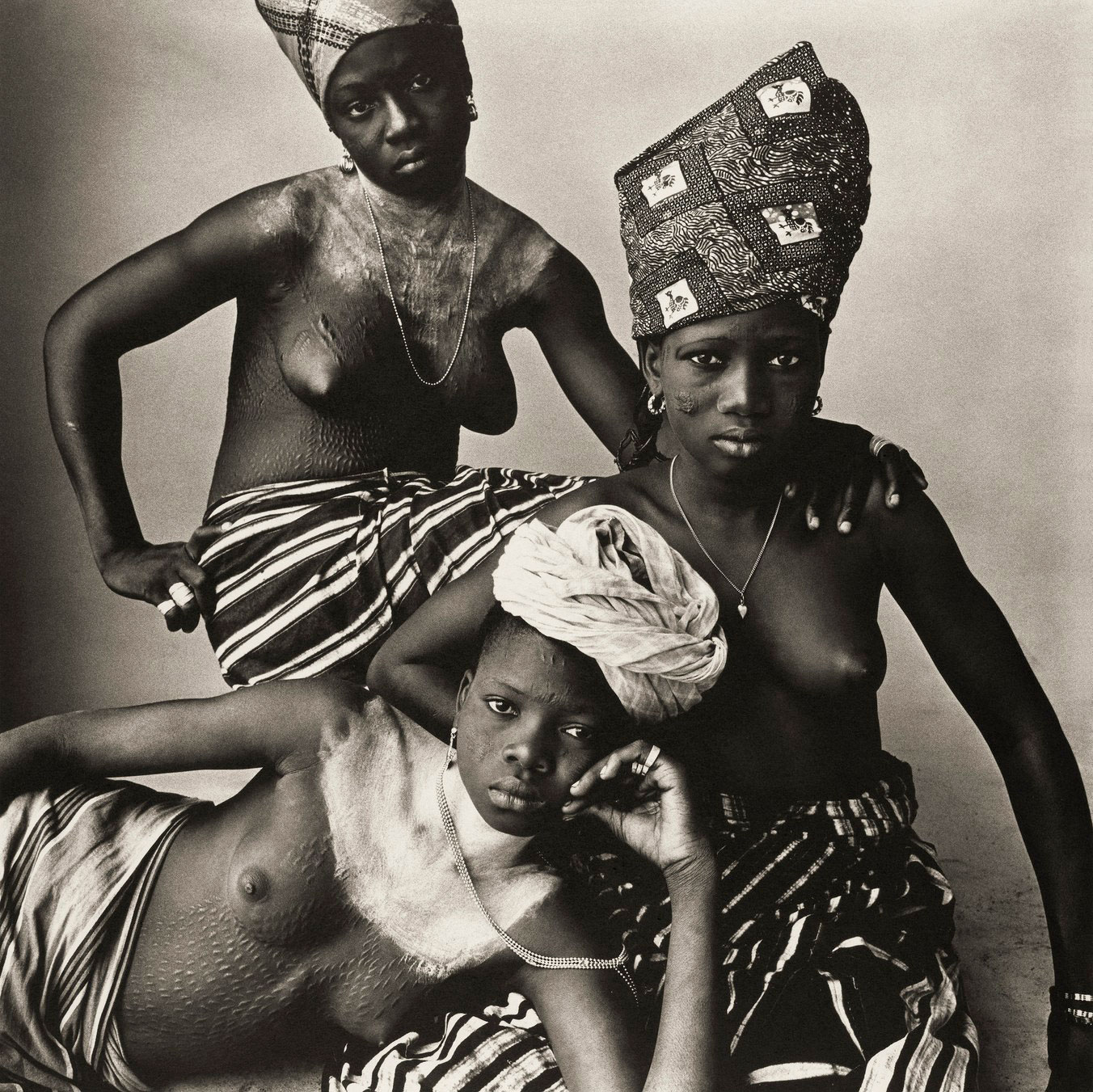
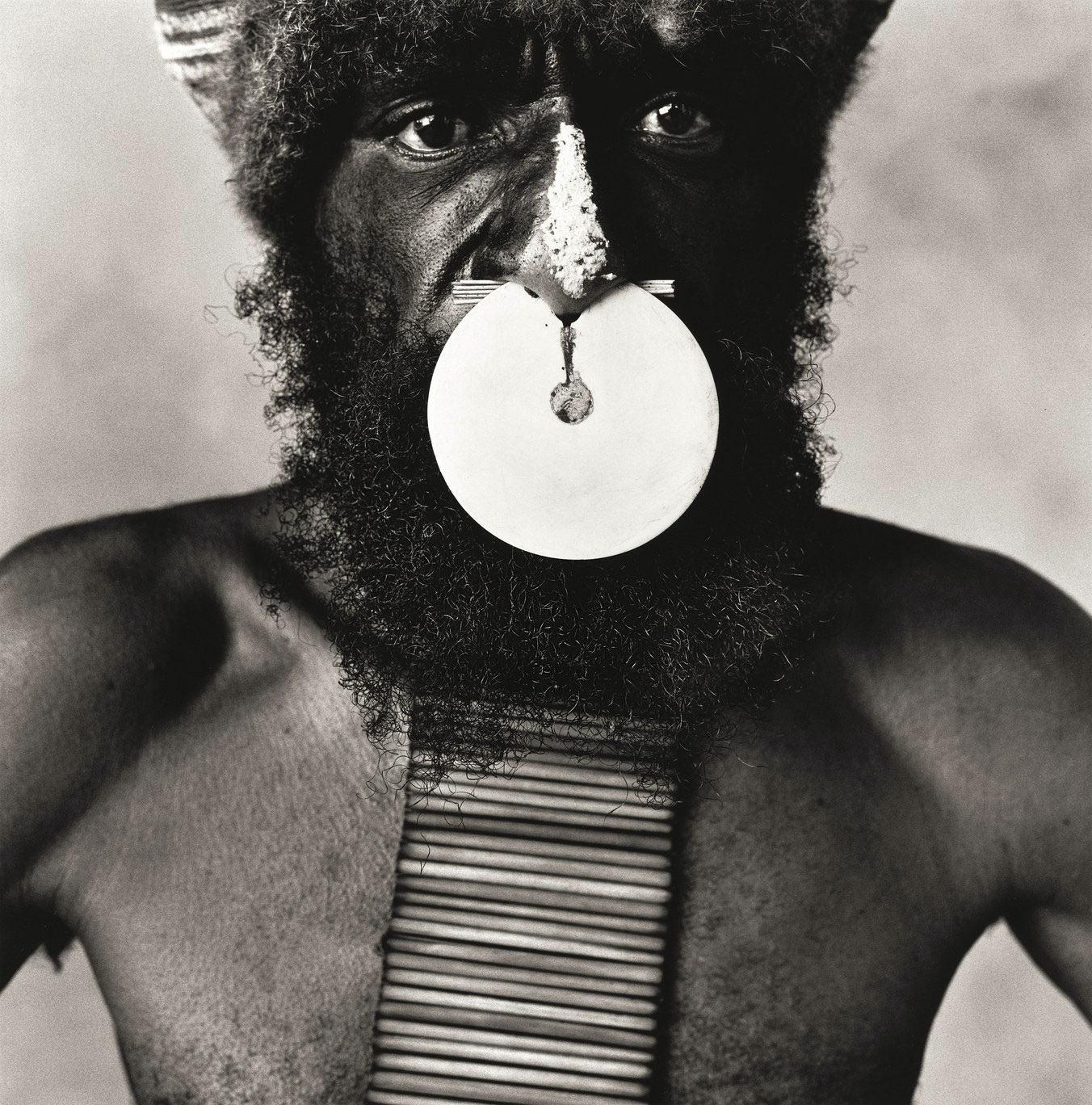
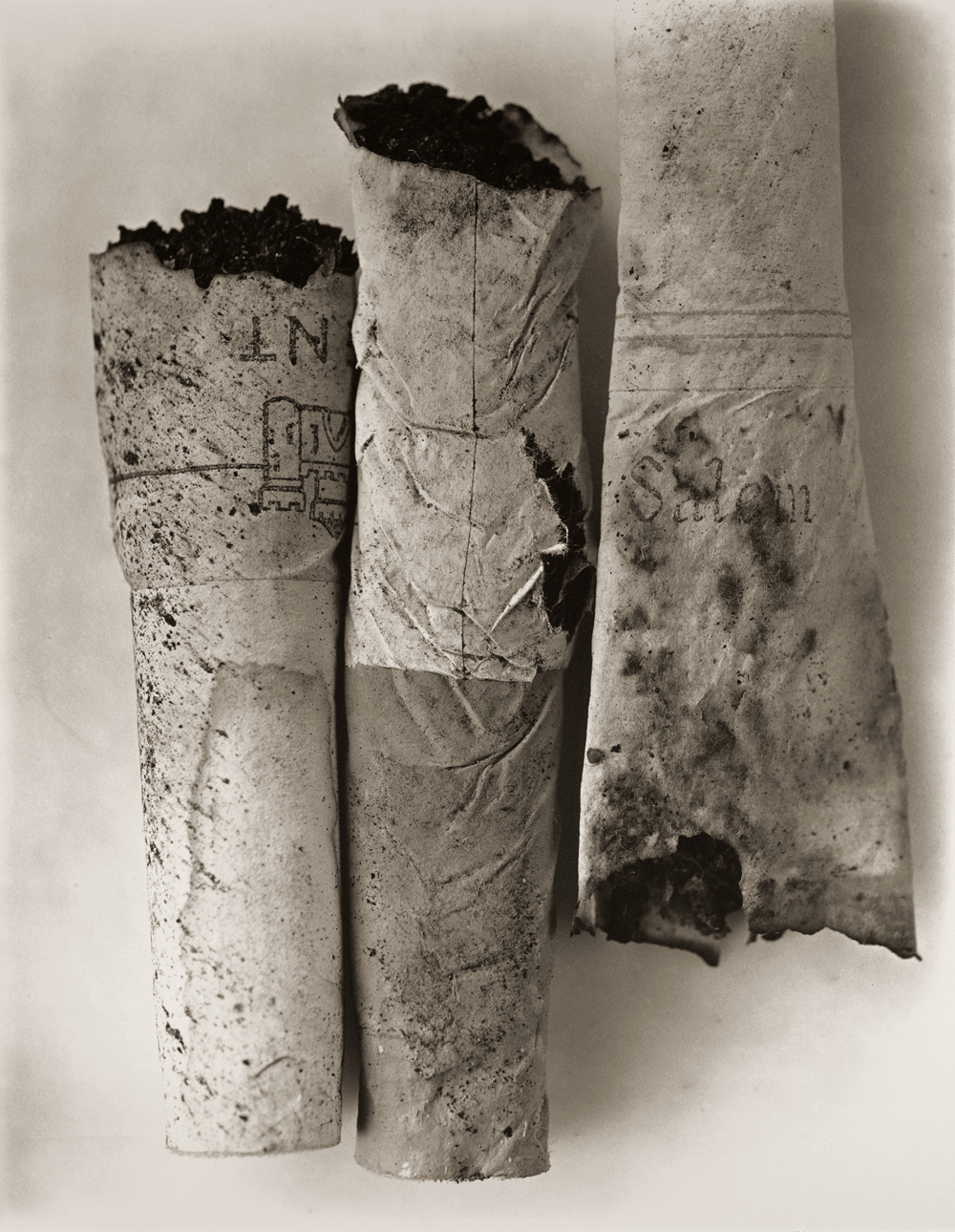

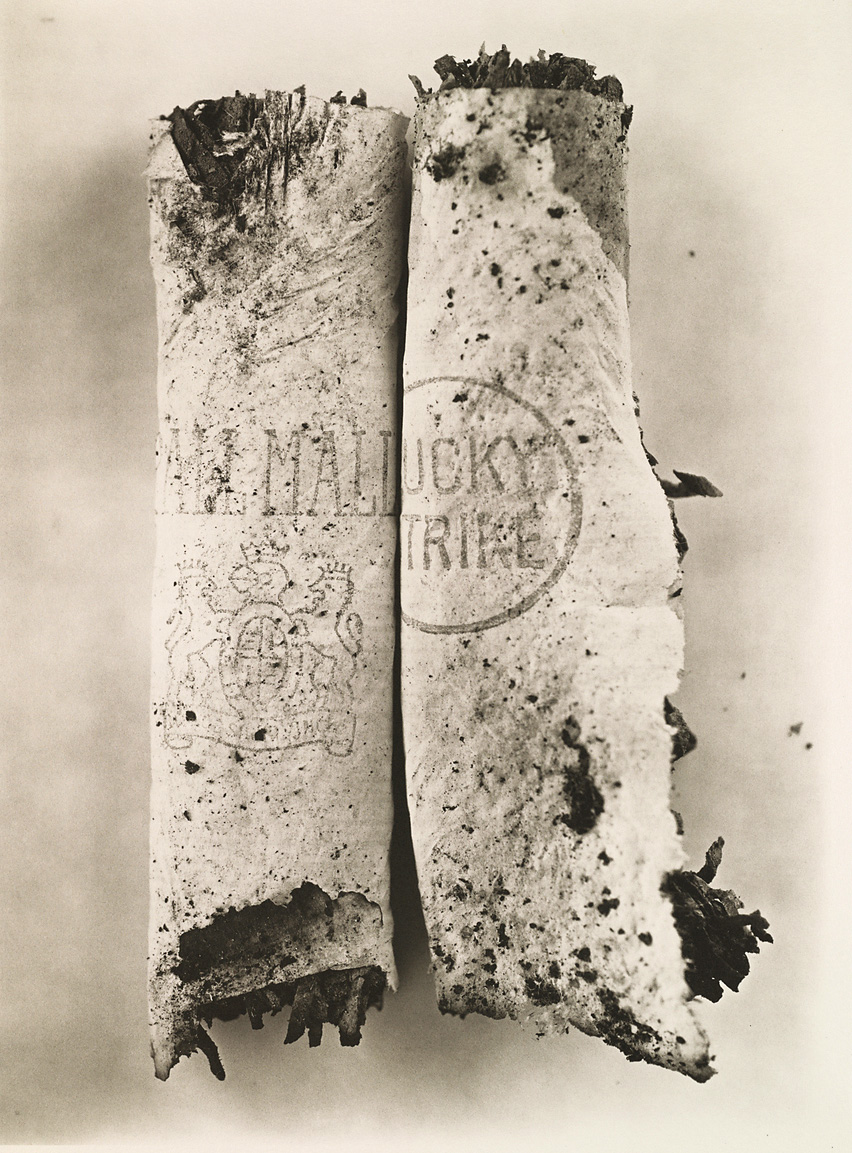


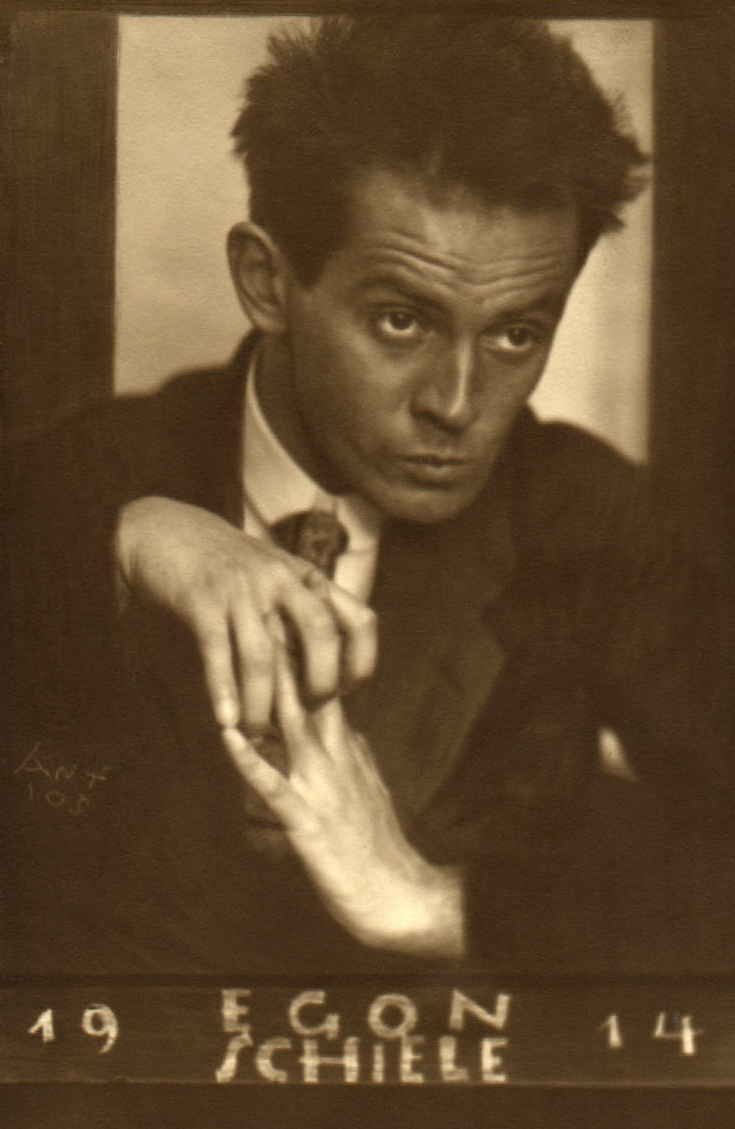

![Dora Kallmus (Madame d'Ora) (Austrian, 1881-1963), Arthur Benda (German, 1885-1969) 'Anita Berber and Sebastian Droste in their dance Märtyrer [Martyrs]' 1922](https://artblart.com/wp-content/uploads/2017/04/dora-kallmus-arthur-benda-anita-berber-and-sebastian-droste-web.jpg "Dora Kallmus (Madame d'Ora) (Austrian, 1881-1963), Arthur Benda (German, 1885-1969) 'Anita Berber and Sebastian Droste in their dance Märtyrer [Martyrs]' 1922")


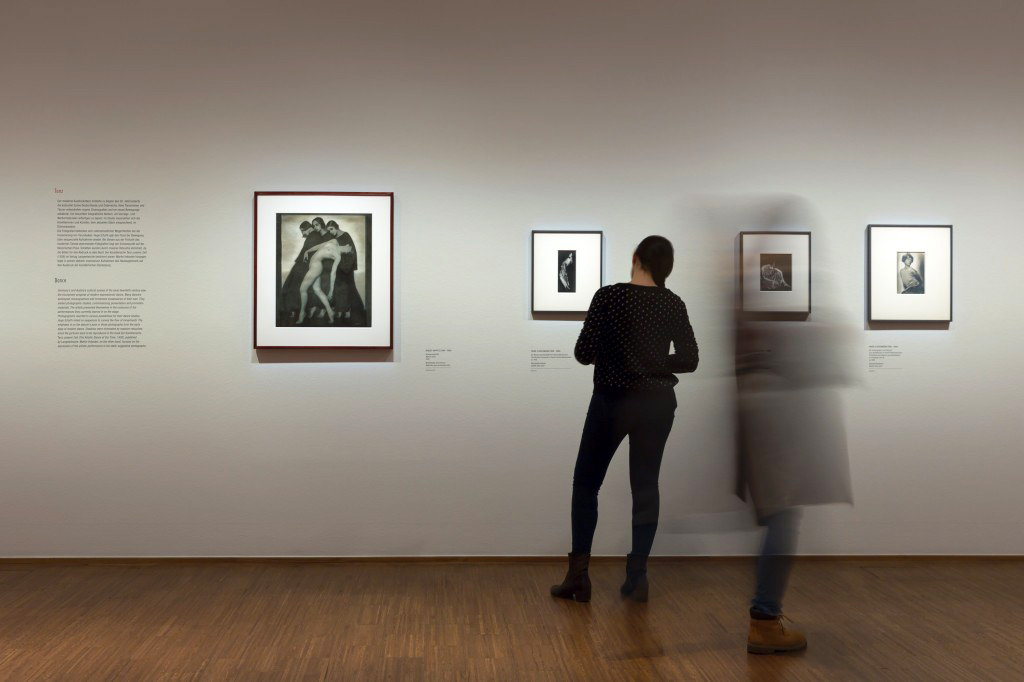
![Installation view of the exhibition 'Acting for the Camera' at the Albertina, Vienna, March - June 2017 showing at centre, Rudolph Koppitz's 'In the Arms of Nature [self-portrait]' 1923](https://artblart.com/wp-content/uploads/2017/04/install-c.jpg "Installation view of the exhibition 'Acting for the Camera' at the Albertina, Vienna, March - June 2017 showing at centre, Rudolph Koppitz's 'In the Arms of Nature [self-portrait]' 1923")


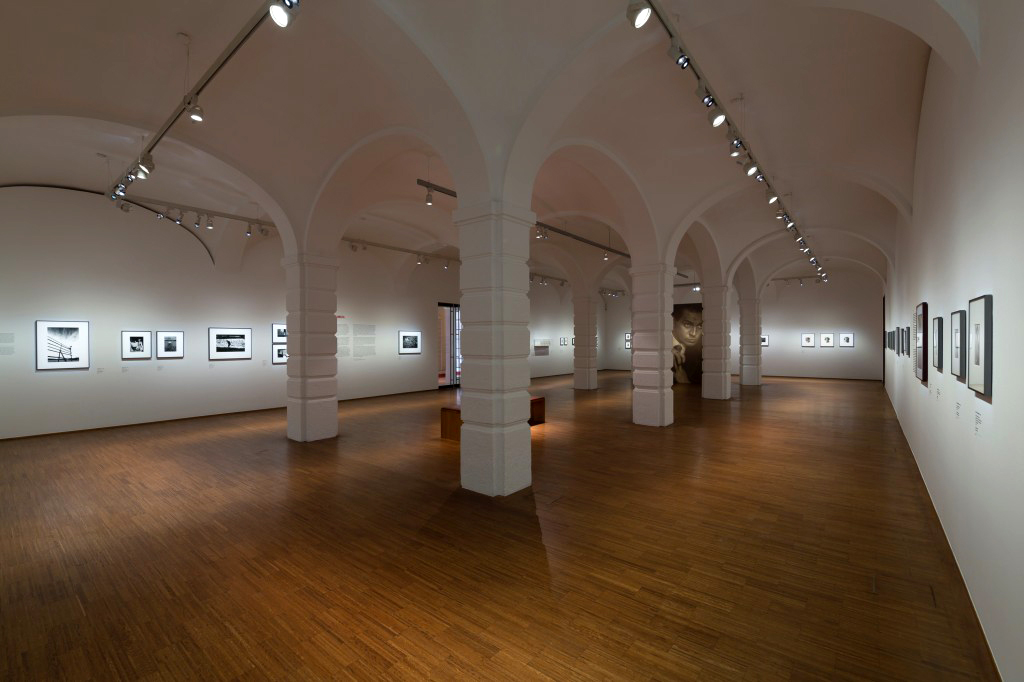


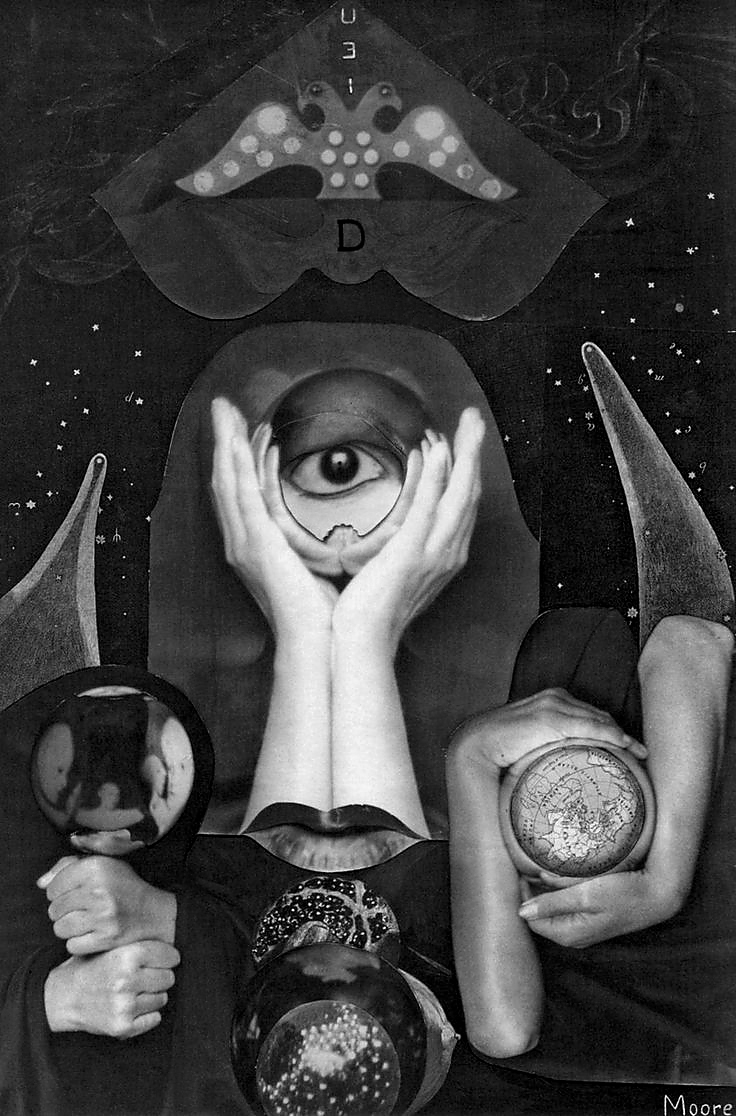


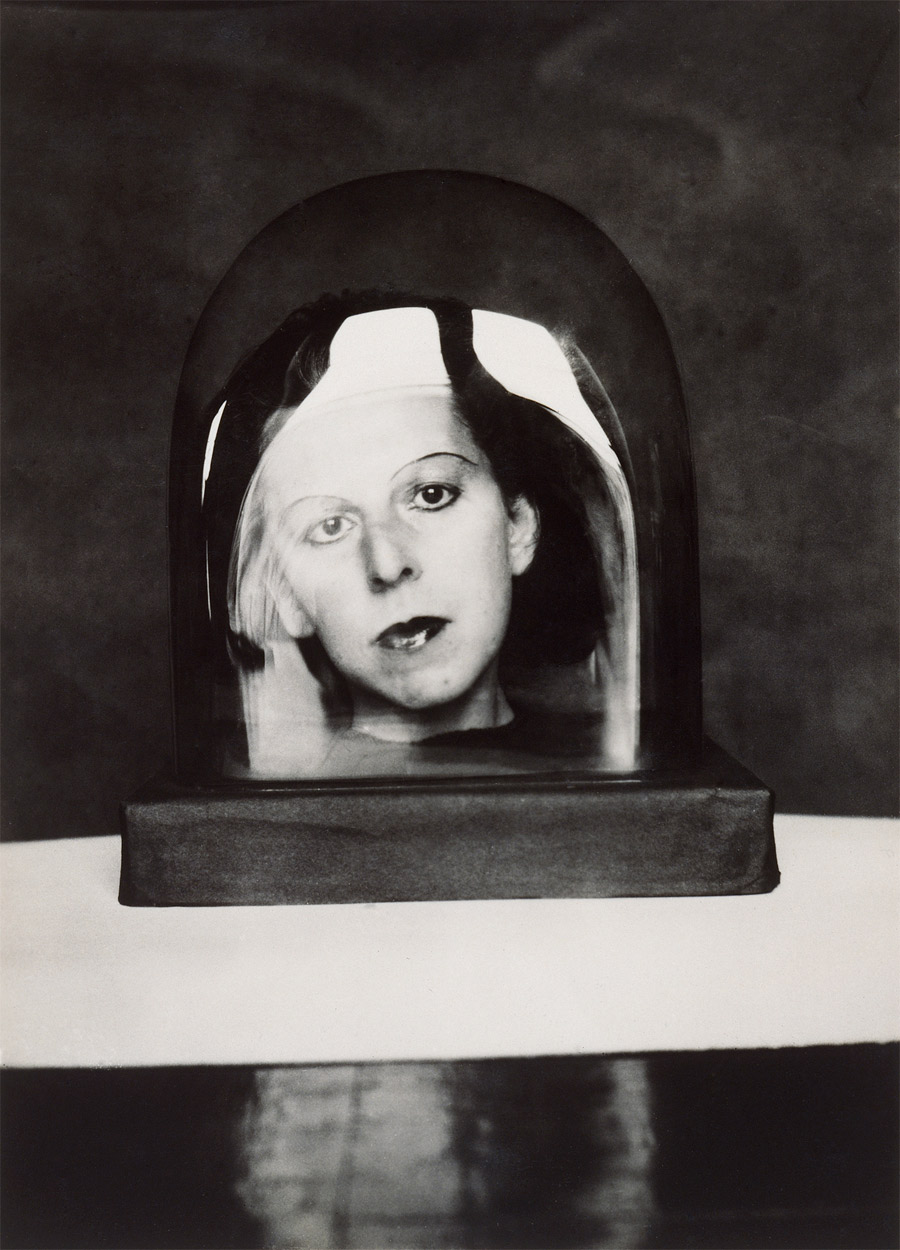


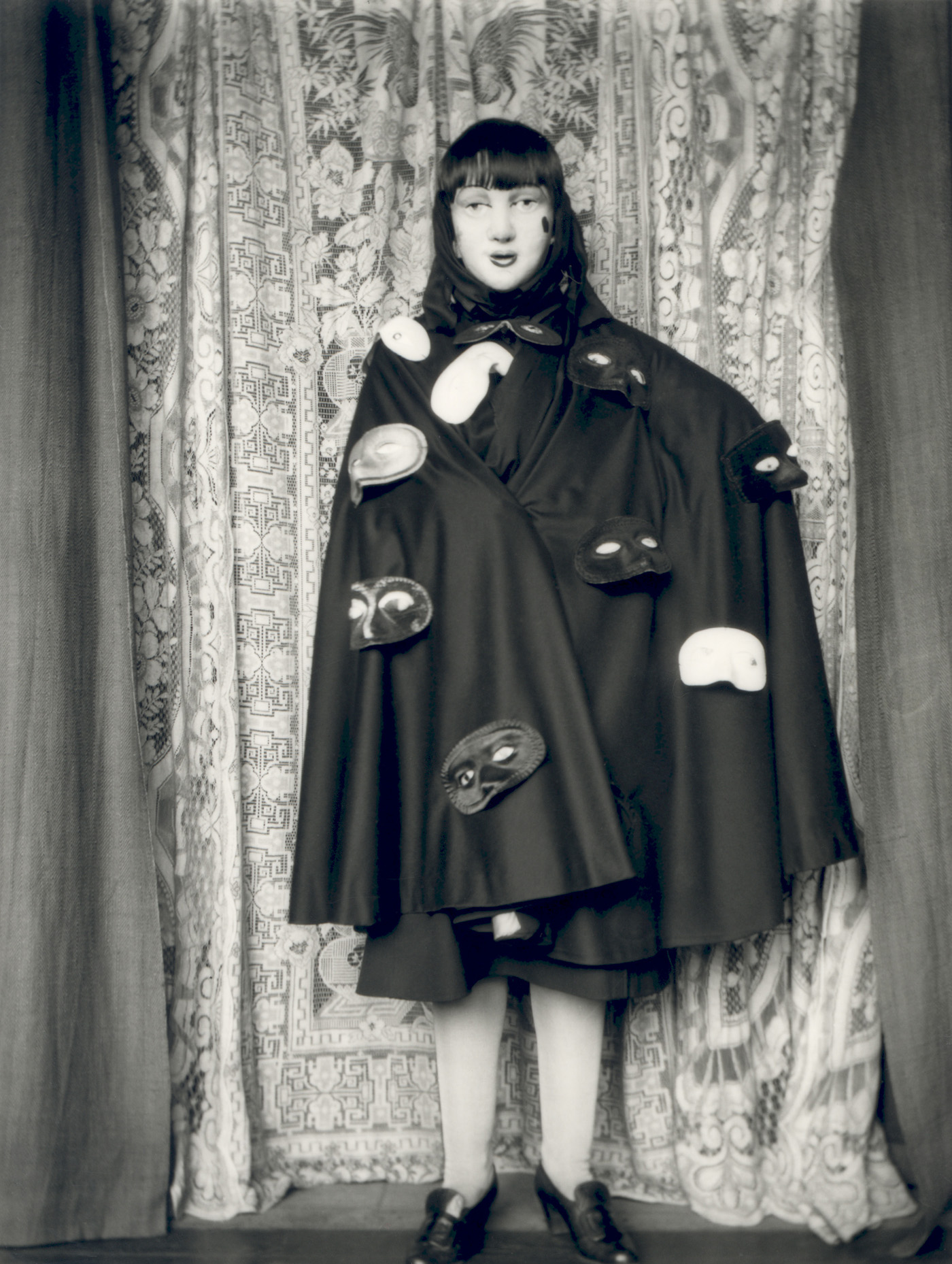

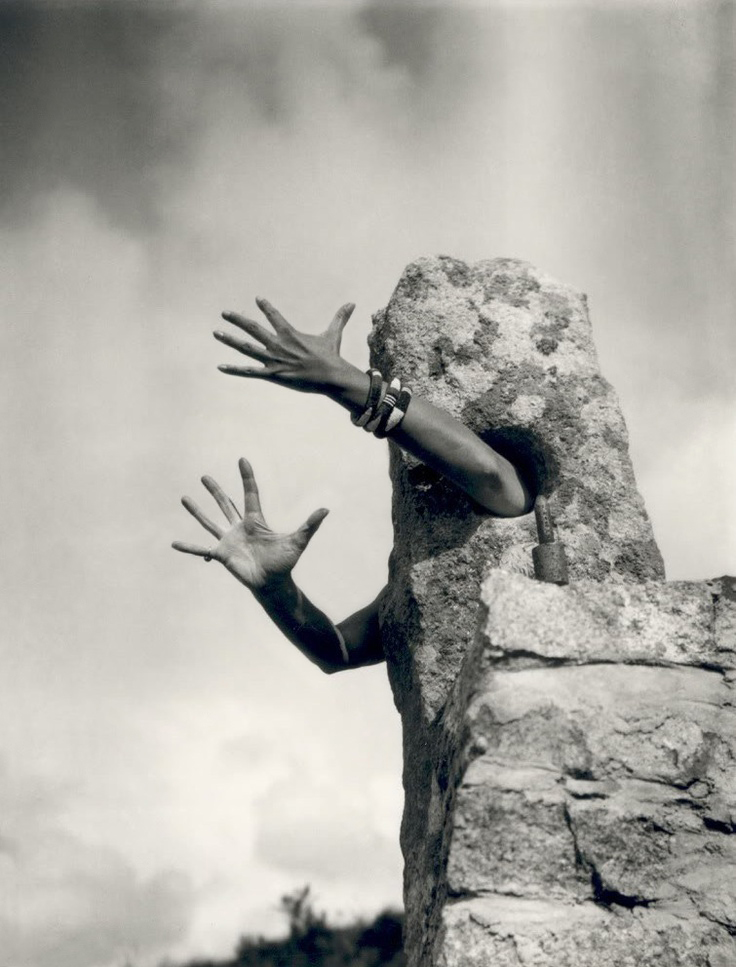

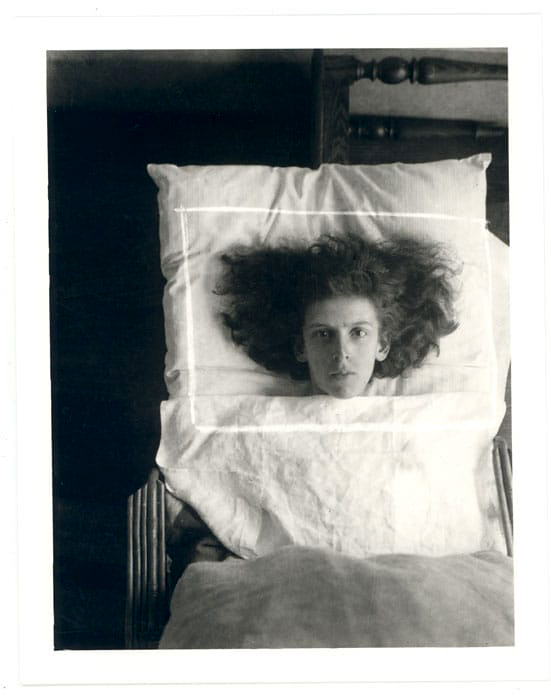


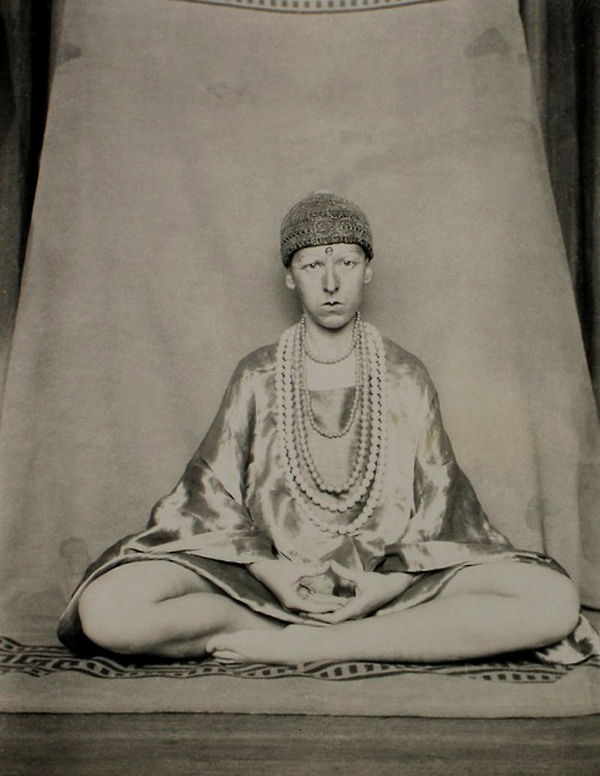
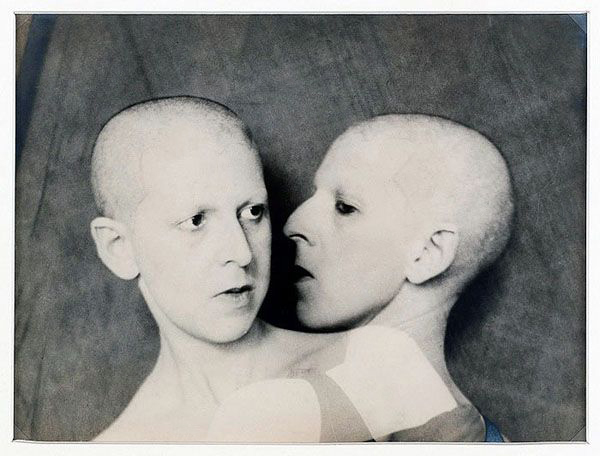






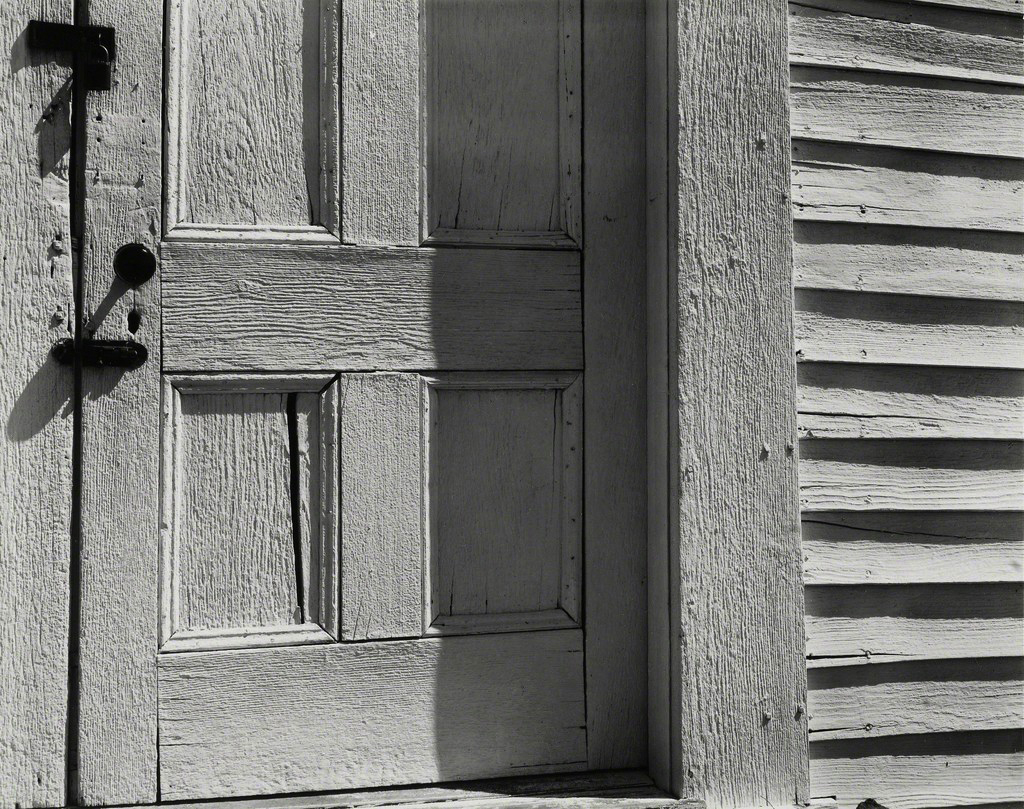
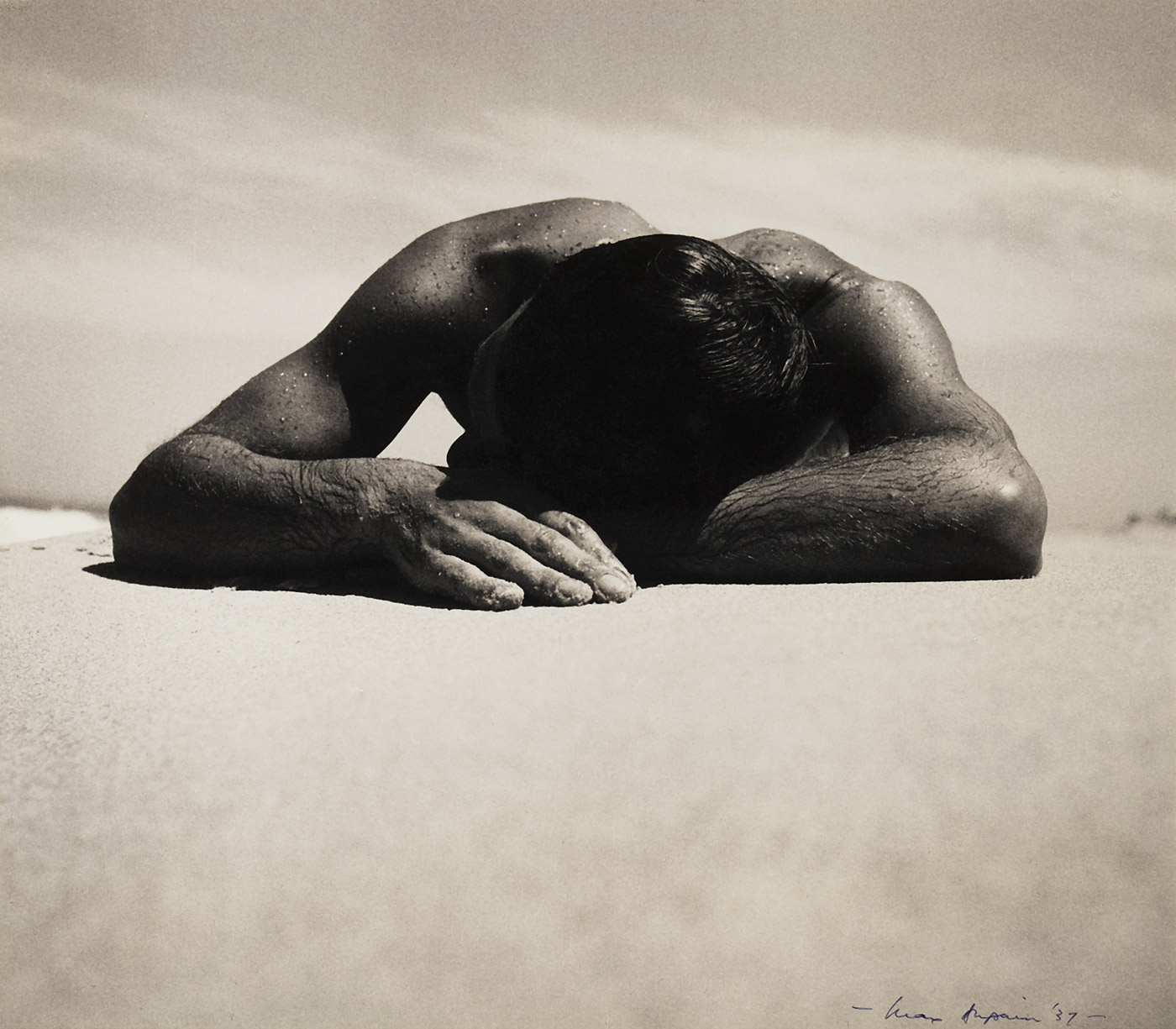


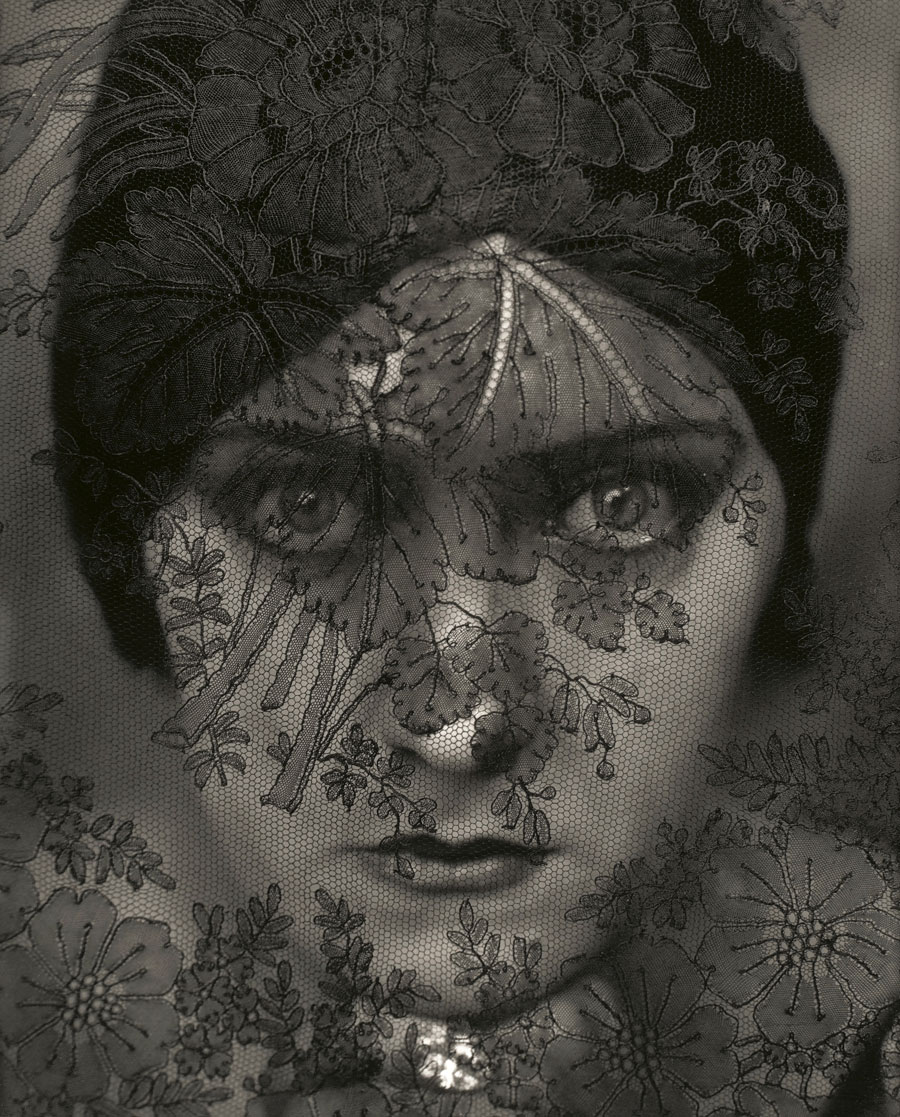
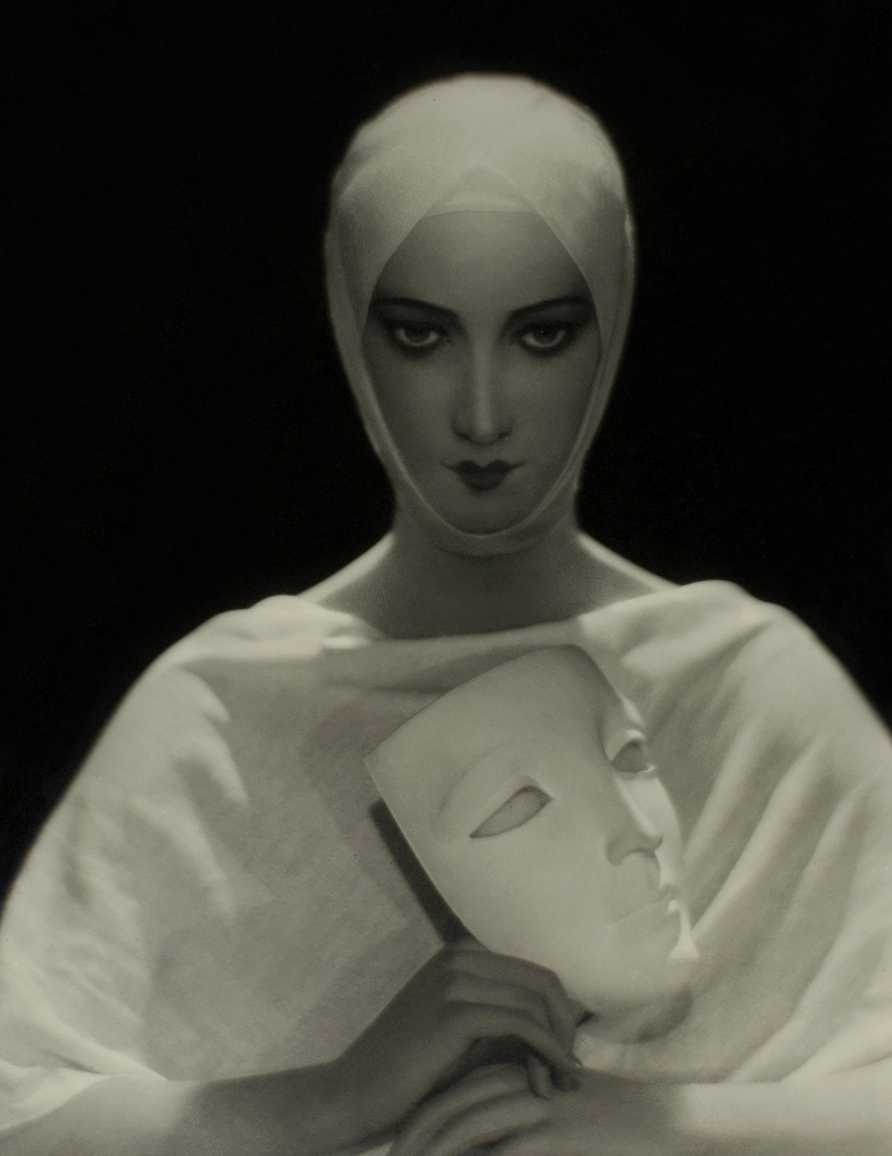
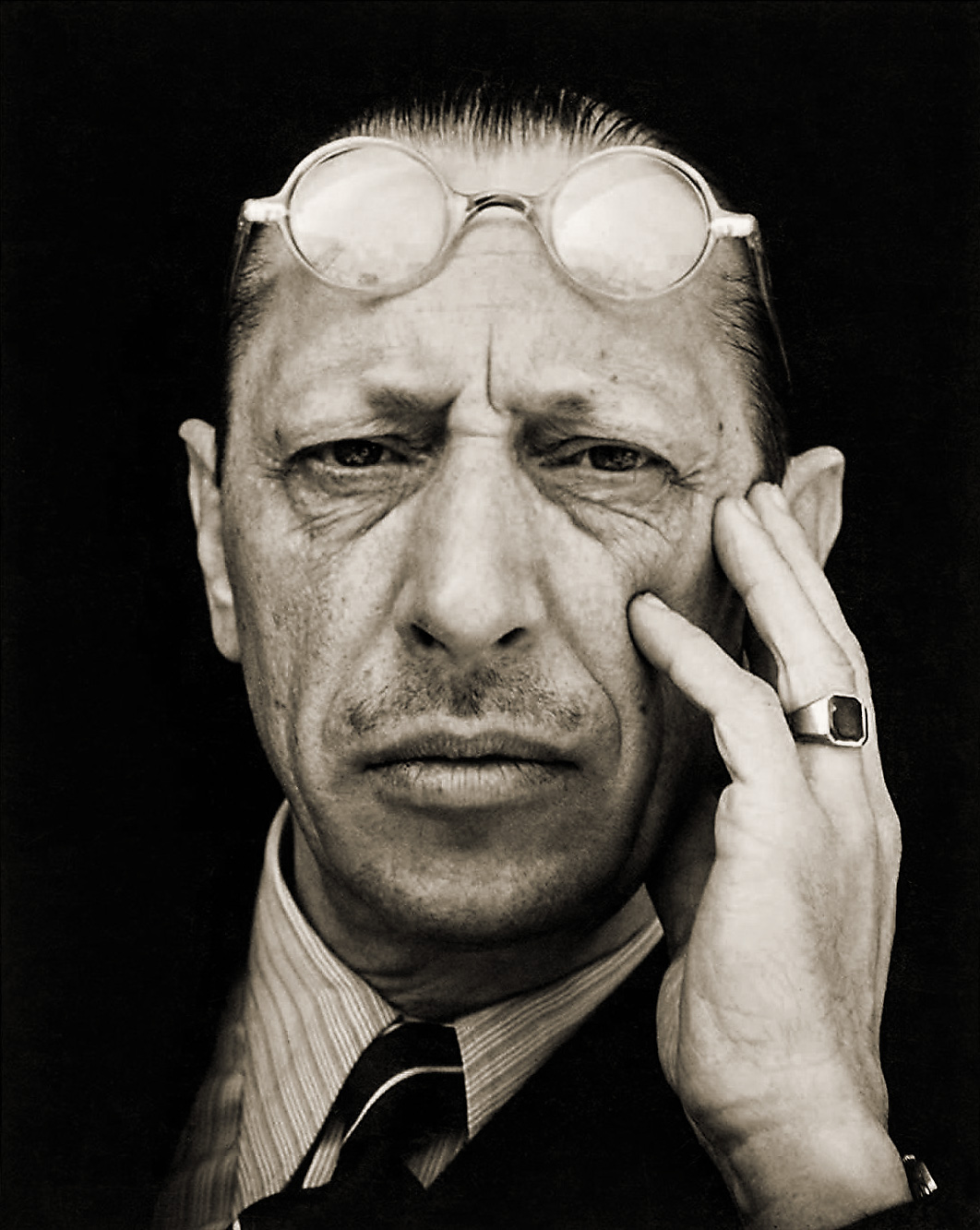


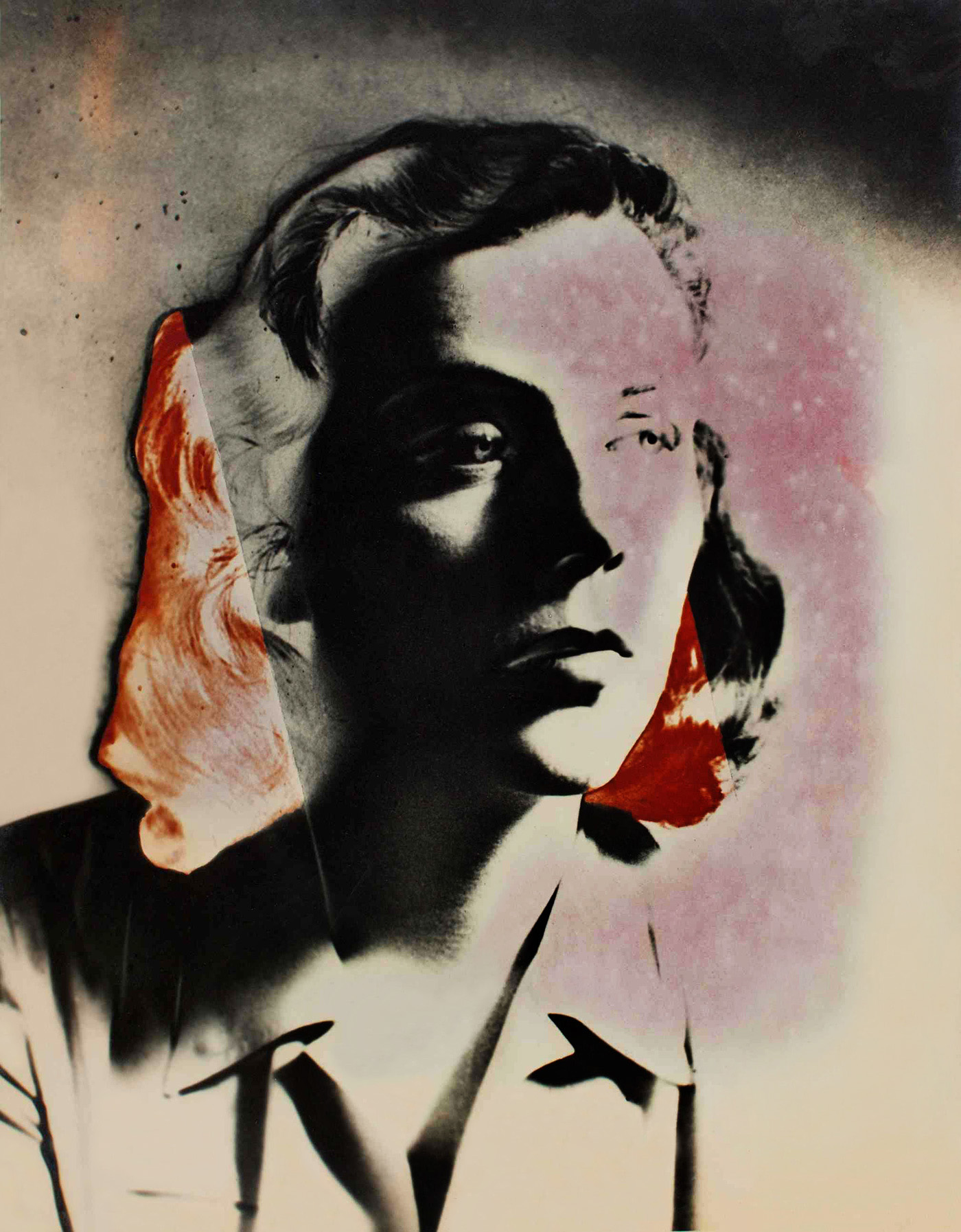


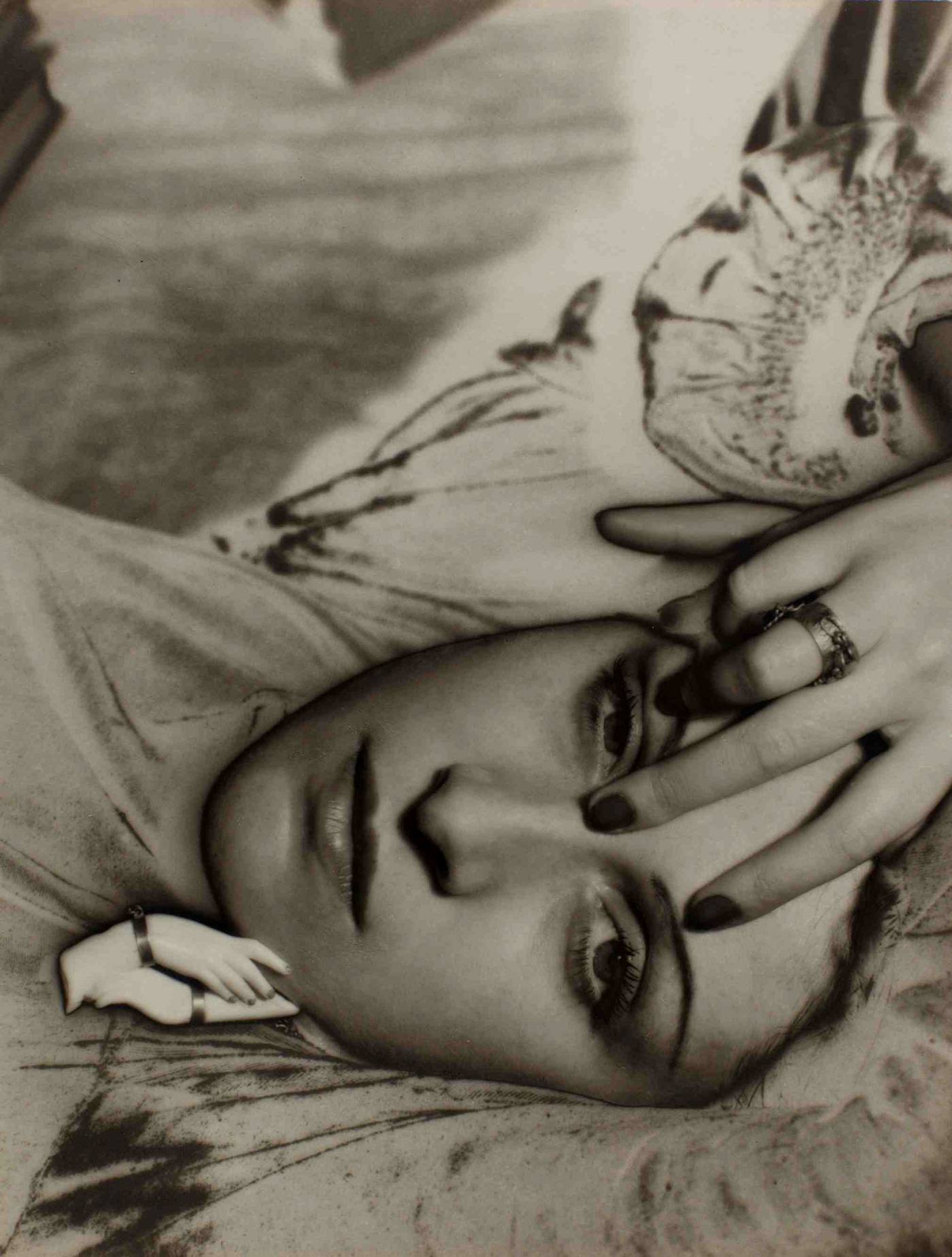

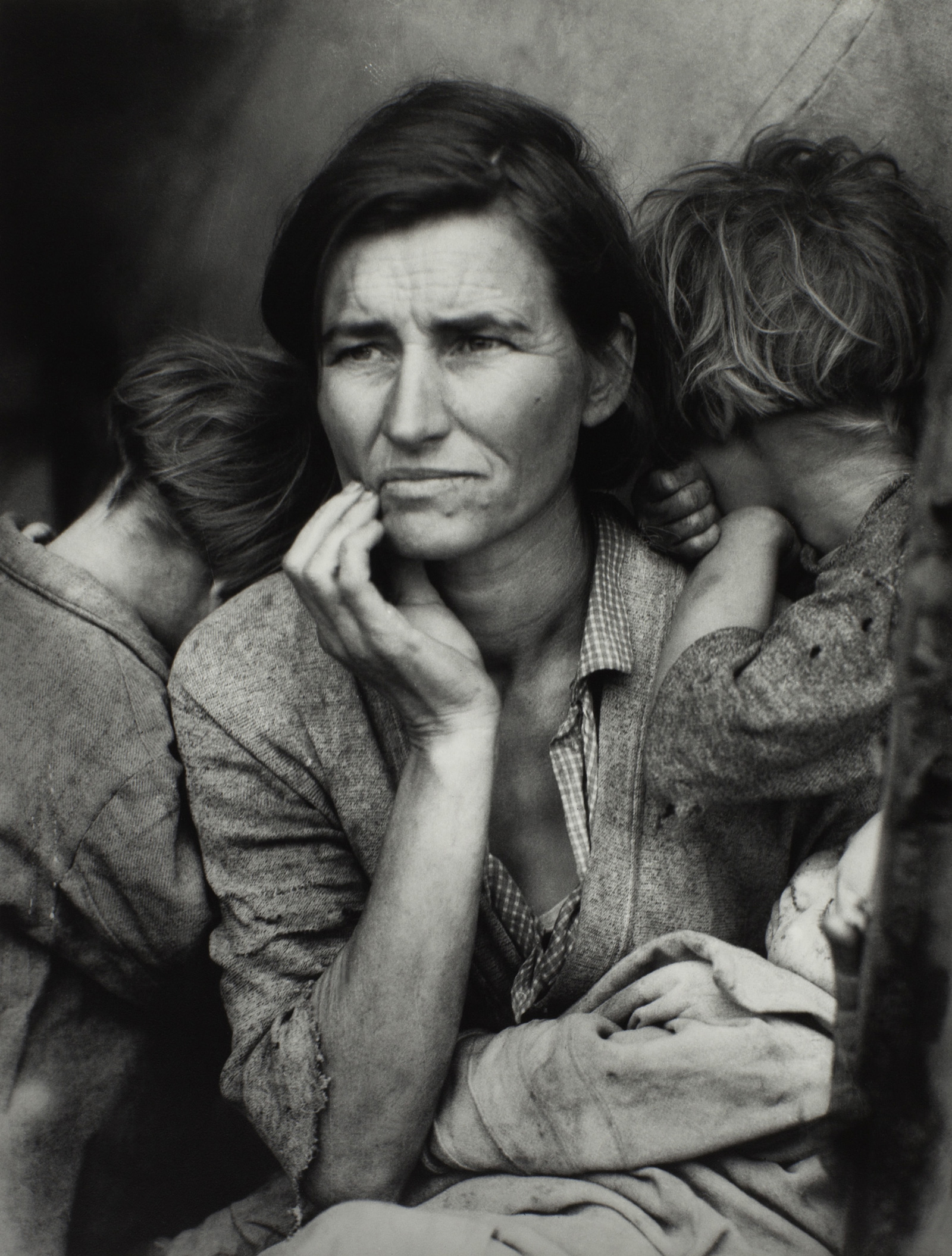
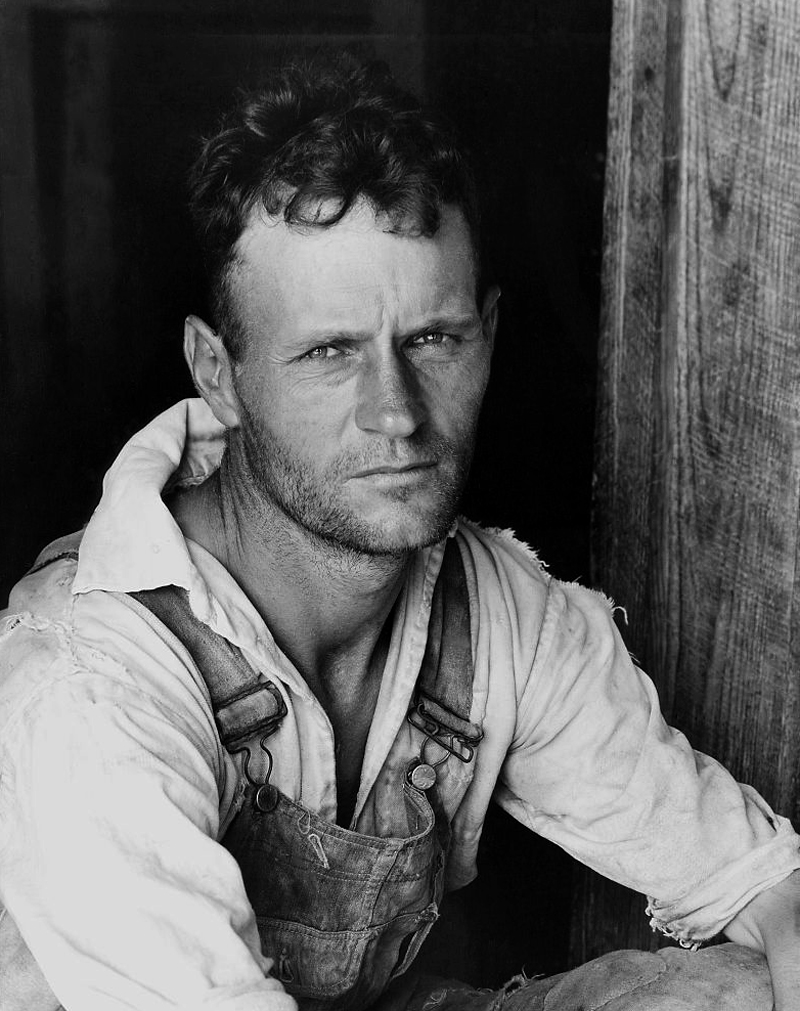


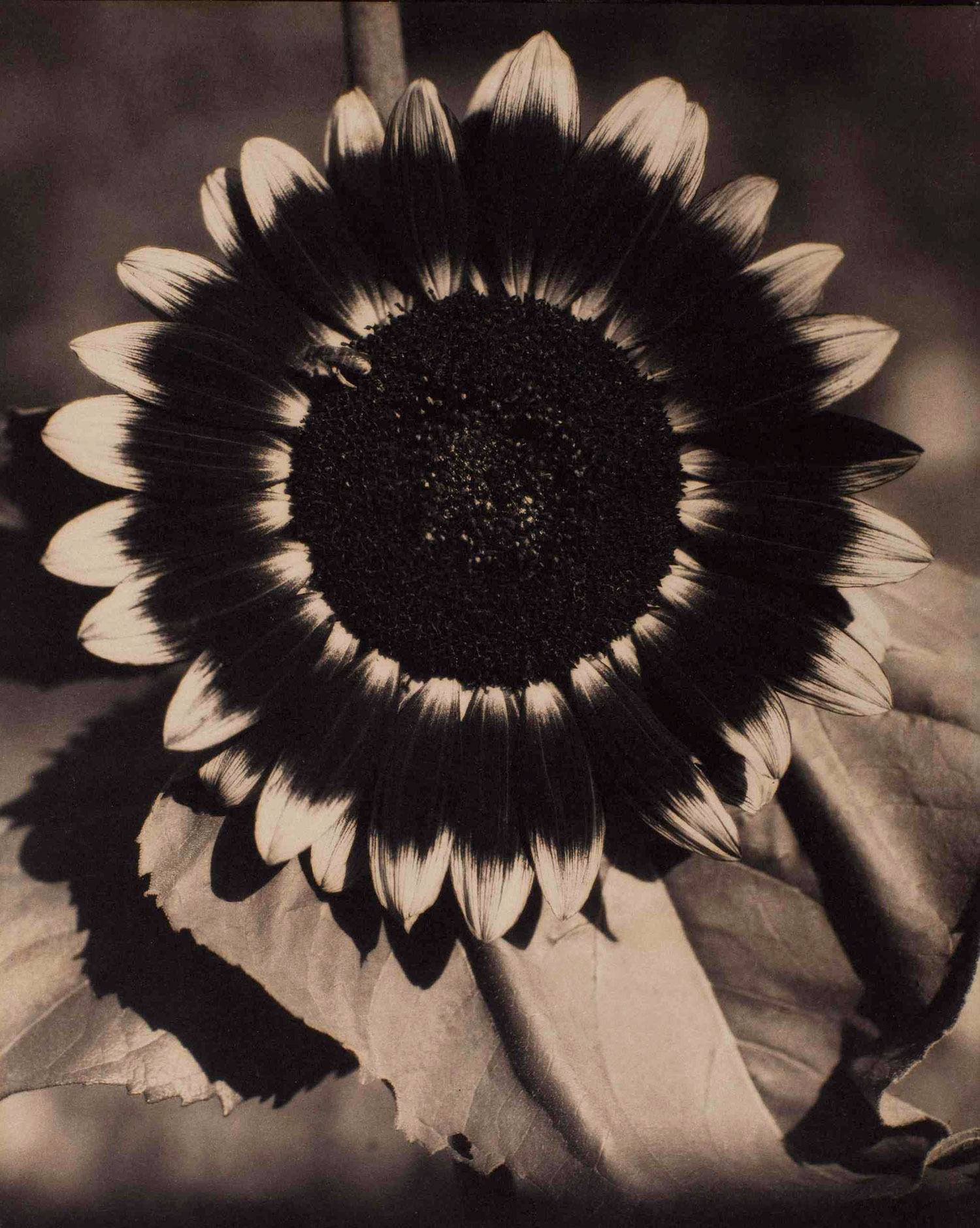


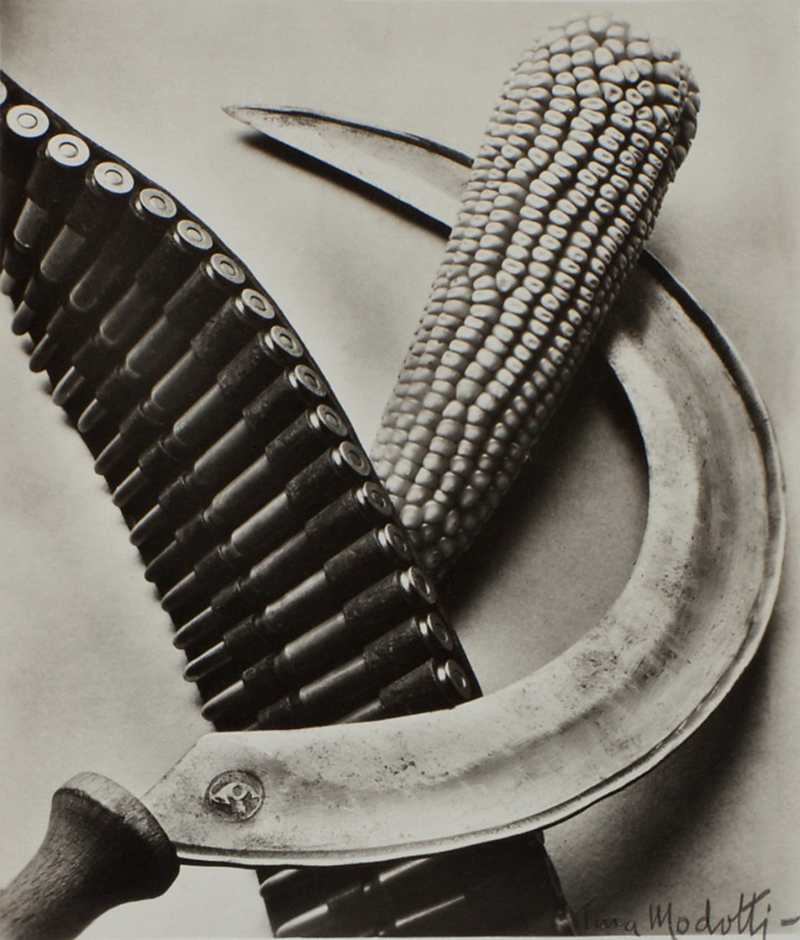


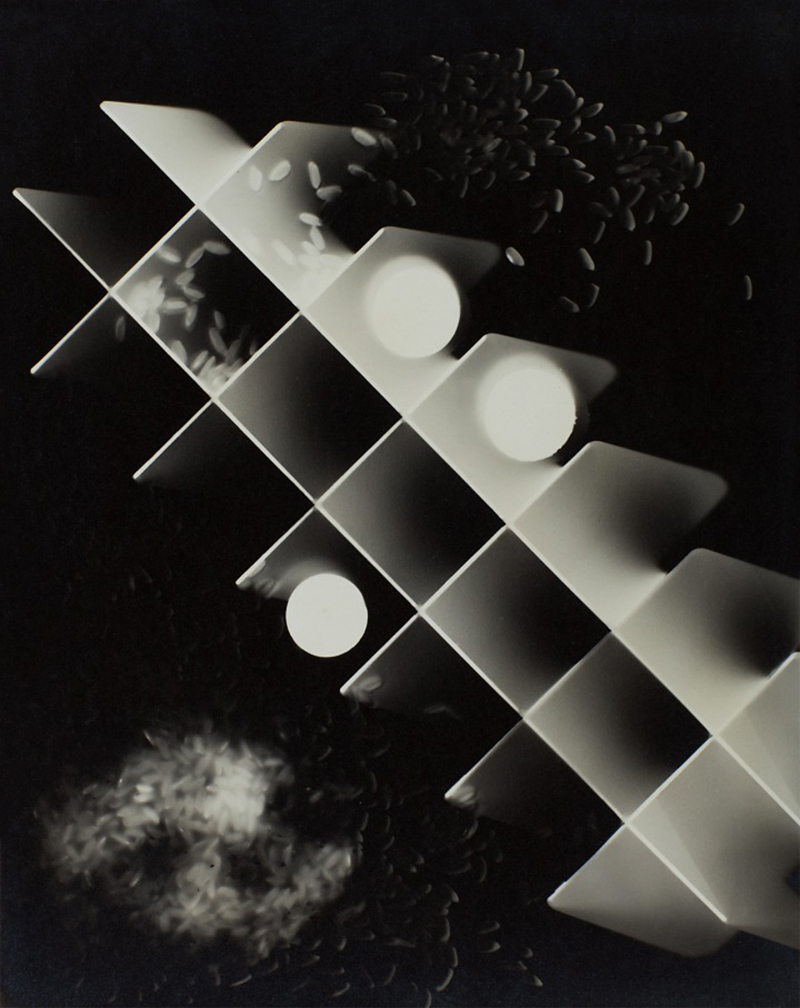


You must be logged in to post a comment.