Exhibition dates: 26th June – 27th October, 2019 Visited September 2019 posted August 2020
Curators: Matthieu Rivallin and Pia Viewing
Entrance to the exhibition L’equilibriste, André Kertész at Jeu de Paume, Château de Tours Photo: Marcus Bunyan
equilibrist, noun: an acrobat who performs balancing feats, especially a tightrope walker.
Part 1 of a large posting on the exhibition L’equilibriste, André Kertész at Jeu de Paume, Château de Tours, which I saw in Tours in September 2019.
This was the most disappointing of the “grand master” exhibitions that I saw on my European photographic research tour, mainly because the photographs were all modern prints, and there seemed to be a lot of “filler” in the exhibition – namely, reproductions of late book layouts scattered generously throughout the rooms (see installation photographs below).
Having said that, it was still a great joy to see Kertész’s photographs, especially some of the photographs which are hard to find online. Here are images such as Görz, Italy 1915 and Abony 1921 which I have never seen before, together with rare Paris images such as Attelage, Paris 1925; Wooden horse, Paris c. 1926; The Quays after the rain, Paris 1963; Behind Notre-Dame, Paris 1925; Paris 1931; Legs, Paris 1928; Study of lines and shadow 1927 and Saint-Gervais-les-Bains, Savoie 1929 – none of which have been available in a large size online before.
Together with the three intense, brooding, suspended still life (The Fork, Paris 1928; Composition, Paris 1928 and Glasses and Pipe of Mondrian, Paris 1926) and the sublime, modernist Chez Mondrian, Paris 1926, one of the most outstanding photographs in the posting, and one of Kertész’s most famous images, is Burlesque dancer, Paris 1926. The circular tensioning of the image is immaculate. The form of the twisting male torso at left with its upraised right hand leads the eye to the drawing at top centre, which then descends to the framed female form at right which inverts the male form with the right hand of the female now raised. The eye then descends to the reclining dancer, the zig-zag arms and legs perfectly composed, her left hand touching the ground like the Bhumisparsha mudra which symbolises the Buddha’s enlightenment under the bodhi tree, when he summoned the earth goddess (quite apt) … while her left leg completes the circle, pointing towards the twisting legs of the male statue. The split of the male legs are reinforced by those in the female print, and complimented by the exquisite folds of the dancers silky dress, unnoticed until you really look at the print.
I will comment more comprehensively in Part 2 of the posting on Kertész’s Leica-ed world.
Exposition “L’équilibriste, André Kertész” au Jeu de Paume, Tours
Entrance to the exhibition L’equilibriste, André Kertész at Jeu de Paume, Château de Tours, with a poster of Rainy Day, Tokyo 1968 Photo: Marcus Bunyan
Entrance text to the exhibition L’equilibriste, André Kertész at Jeu de Paume, Château de Tours Photo: Marcus Bunyan
Installation view of the exhibition L’equilibriste, André Kertész at Jeu de Paume, Château de Tours with at left top, Friends, Esztergom 1917; at left bottom, Little geese, Esztergom 1918; at second left, Hungarian landscape 1914; at fifth left, Abony 1921; at seventh left, Young Gypsy 1918; at second right, Traveling violinist, Abony 1921 and at far right, Cellist 1916 Photo: Marcus Bunyan
André Kertész (Hungarian, 1894-1985) Les Amis, Esztergom (installation view) Friends, Esztergom 1917 Gelatin silver print Photo: Marcus Bunyan
André Kertész (Hungarian, 1894-1985) Petites oies, Esztergom (installation view) Little geese, Esztergom 1918 Gelatin silver print Photo: Marcus Bunyan
André Kertész (Hungarian, 1894-1985) Paysage hongrois (installation view) Hungarian landscape 1914 Gelatin silver print Photo: Marcus Bunyan
André Kertész (Hungarian, 1894-1985) Paysage hongrois (installation view) Hungarian landscape 1914 Gelatin silver print Photo: Marcus Bunyan
André Kertész (Hungarian, 1894-1985) Abony (installation view) 1921 Gelatin silver print Photo: Marcus Bunyan
André Kertész (Hungarian, 1894-1985) Abony (installation view) 1921 Gelatin silver print Photo: Marcus Bunyan
André Kertész (Hungarian, 1894-1985) Jeune Tzigane (installation view) Young Gypsy 1918 Gelatin silver print Photo: Marcus Bunyan
André Kertész (Hungarian, 1894-1985) Violoncelliste (installation view) Cellist 1916 Gelatin silver print Photo: Marcus Bunyan
Installation view of the exhibition L’equilibriste, André Kertész at Jeu de Paume, Château de Tours with at left, Lovers, Budapest 1915 Photo: Marcus Bunyan
André Kertész (Hungarian, 1894-1985) Hungarian Memories (installation view) 1982 New York, New York Graphic Society / Boston, Little, Brown and Company Photo: Marcus Bunyan
André Kertész (Hungarian, 1894-1985) Lovers, Budapest 1915 Gelatin silver print
André Kertész (Hungarian, 1894-1985) Garçon endormi, Budapest (installation view) Sleeping boy, Budapest 1912 Gelatin silver print Photo: Marcus Bunyan
André Kertész (Hungarian, 1894-1985) Mon frère imitant le “scherzo” (installation view) My brother as a “Scherzo” 1919 Gelatin silver print Photo: Marcus Bunyan
André Kertész (Hungarian, 1894-1985) Mon frère imitant le “scherzo” My brother as a “Scherzo” 1919 Gelatin silver print
André Kertész (Hungarian, 1894-1985) Mon frère tel Icare, Dunaharaszti (installation view) My brother like Icarus, Dunaharaszti 1919 Gelatin silver print Photo: Marcus Bunyan
André Kertész (Hungarian, 1894-1985) Mon frère tel Icare, Dunaharaszti (installation view) My brother like Icarus, Dunaharaszti 1919 Gelatin silver print Photo: Marcus Bunyan
Text from the exhibition L’equilibriste, André Kertész at Jeu de Paume, Château de Tours Photo: Marcus Bunyan
André Kertész (Hungarian, 1894-1985) Hungarian Memories (installation view) 1982 New York, New York Graphic Society Photo: Marcus Bunyan
Installation view of the exhibition L’equilibriste, André Kertész at Jeu de Paume, Château de Tours with at centre bottom, Görz, Italy 1915, and at far right, Forced march towards the front1915 Photo: Marcus Bunyan
André Kertész (Hungarian, 1894-1985) Görz, Italy (installation view) 1915 Gelatin silver print Photo: Marcus Bunyan
André Kertész (Hungarian, 1894-1985) Marche forcée vers le front, entre Lonié et Mitulen, Pologne (installation view) Forced march towards the front, between Lonie and Mitulen, Poland 1915 Gelatin silver print Photo: Marcus Bunyan
Installation view of the exhibition L’equilibriste, André Kertész at Jeu de Paume, Château de Tours with at left, Meudon 1928 at second right top, Quai d’Orsay, Paris 1926 Photo: Marcus Bunyan
André Kertész (Hungarian, 1894-1985) Meudon 1928 Gelatin silver print
Text from the exhibition L’equilibriste, André Kertész at Jeu de Paume, Château de Tours Photo: Marcus Bunyan
André Kertész (Hungarian, 1894-1985) Quai d’Orsay, Paris 1926 Gelatin silver print
Installation view of the exhibition L’equilibriste, André Kertész at Jeu de Paume, Château de Tours with at left, Attelage, Paris 1925; at second left, 60 years of photography 1912-1972; and at fifth left, Trottoir, Paris 1929 Photo: Marcus Bunyan
André Kertész (Hungarian, 1894-1985) Attelage, Paris (installation view) Coupling, Paris 1925 Gelatin silver print Photo: Marcus Bunyan
André Kertész (Hungarian, 1894-1985) Soixante ans de photographie (installation view) 60 years of photography 1912-1972 Paris, éditions du Chêne, 1972 Photo: Marcus Bunyan
André Kertész (Hungarian, 1894-1985) Trottoir, Paris Sidewalk, Paris 1929 Gelatin silver print
Installation views of the exhibition L’equilibriste, André Kertész at Jeu de Paume, Château de Tours with at second left, Cheval de bois, Paris c. 1926; and at third left, Colette, Paris 1930. In the display cabinet is Marquette originale du livre non publié ‘Paris Automne’ December 1963 Photo: Marcus Bunyan
André Kertész (Hungarian, 1894-1985) Marquette originale du livre non publié ‘Paris Automne’ (installation view) Original maquette from the unpublished book ‘Paris Automne’ December 1963 Collection Médiathèque de l’architecture et du patrimoine Photo: Marcus Bunyan
André Kertész (Hungarian, 1894-1985) Cheval de bois, Paris (installation view) Wooden horse, Paris c. 1926 Gelatin silver print Photo: Marcus Bunyan
André Kertész (Hungarian, 1894-1985) Colette, Paris 1930 Gelatin silver print
This summer at the Jeu de Paume Château de Tours, the retrospective exhibition The equilibrist, André Kertész: 1912-1982 is dedicated to the great Hungarian naturalised American photographer (1894-1985). His work was in tune with his life and his feelings: from his beginnings in Hungary to the development of his talent in France, from his years of isolation in New York to his international recognition.
A major player in the Parisian artistic scene during the interwar period, André Kertész, whose career spanned more than seventy years, is today recognised as one of the most influential photographers of the 20th century. His abundant work, with compositions marked by the European avant-garde – especially from Eastern Europe – finds its source in his Hungarian culture, which combines poetry and intimacy.
His beginnings in his native country are an important step for this autodidact whose realistic approach differs from the pictorial-influenced fine art photography dear to the Hungarian photographers of his generation. Enlisted in the Austro-Hungarian army during the First World War, he depicts the daily life of soldiers and develops a poetry of the moment, far from heroic or dramatic acts of arms. After the war, he tried to make photography his profession.
In October 1925, he landed in Paris where he frequented avant-garde literary and artistic circles and photographed his friends from the Hungarian diaspora, the street scenes and the Parisian gardens. In France as in Germany, the press, in particular the magazine VU, orders reports and illustrations from him. From 1927, he had a personal exhibition at the Au Sacre du Printemps gallery. In 1933, he produced his famous series of Distortions which shows naked bodies reflected in a distorting mirror. This intense activity led him to design his own books; over the course of his life, he published nineteen of them, including Paris vu par André Kertész (1934).
In 1936, Kertész left for New York to honour a contract with the Keystone agency. However, he struggles to find his place in the face of sponsors with requests far removed from his Parisian years. A few exhibitions as well as the publication of Day of Paris (1945) were not enough to establish him as one of the main representatives of avant-garde photography in the United States. From 1963, the largest museums offered him the opportunity to exhibit his images. This recognition is accompanied by the publication of numerous books which allow him to review his work.
Produced from the collection of negatives and contact prints bequeathed by the photographer to France in 1984, The equilibrist, André Kertész is the fruit of the joint work of the Mediatheque of Architecture and Heritage, which preserves these archives today, and the Jeu de Paume. Consisting of around a hundred modern silver prints made in 1995 by Yvon Le Marlec, the shooter with whom Kertész collaborated in Paris, this exhibition revolves around the major books that the latter published during his lifetime. Through prints, original models and reproductions of pages from her works, she traces the close relationship that Kertész has forged throughout her life between her photographic and editorial practices, composing a visual narration that describes the interwar period in Europe and nearly fifty years in the United States.
Text from the Jeu de Paume website
André Kertész (Hungarian, 1894-1985) Les Quais après la pluie, Paris (installation view) The Quays after the rain, Paris 1963 Gelatin silver print Photo: Marcus Bunyan
André Kertész (Hungarian, 1894-1985) Les Quais après la pluie, Paris (installation view) The Quays after the rain, Paris 1963 Gelatin silver print Photo: Marcus Bunyan
André Kertész (Hungarian, 1894-1985) Derrière Notre-Dame, Paris (installation view) Behind Notre-Dame, Paris 1925 Gelatin silver print Photo: Marcus Bunyan
André Kertész (Hungarian, 1894-1985) Derrière Notre-Dame, Paris (installation view) Behind Notre-Dame, Paris 1925 Gelatin silver print Photo: Marcus Bunyan
André Kertész (Hungarian, 1894-1985) La Tour Eiffel, Paris (installation view) Eiffel Tower, Paris 1929 Gelatin silver print Photo: Marcus Bunyan
André Kertész (Hungarian, 1894-1985) Le pont des arts, Paris The bridge of Arts, Paris 1932 Gelatin silver print
Installation views of the exhibition L’equilibriste, André Kertész at Jeu de Paume, Château de Tours with at left, Touraine 1930; at right top, Paris 1931; and at right bottom, Carrefour, Blois 1930 Photo: Marcus Bunyan
André Kertész (Hungarian, 1894-1985) Touraine (installation view) 1930 Gelatin silver print Photo: Marcus Bunyan
André Kertész (Hungarian, 1894-1985) Paris 1931 Gelatin silver print Photo: Marcus Bunyan
André Kertész (Hungarian, 1894-1985) Carrefour, Blois (installation view) 1930 Gelatin silver print Photo: Marcus Bunyan
André Kertész (Hungarian, 1894-1985) Carrefour, Blois 1930 Gelatin silver print
Installation view of the exhibition L’equilibriste, André Kertész at Jeu de Paume, Château de Tours with at left, La Fourchette, Paris 1928; at second left, Composition, Paris 1928; at second right, Les Lunettes et la Pipe de Mondrian, Paris 1926; and at right, Burlesque dancer, Paris 1926 Photo: Marcus Bunyan
André Kertész (Hungarian, 1894-1985) La Fourchette, Paris (installation view) The Fork, Paris 1928 Gelatin silver print Photo: Marcus Bunyan
André Kertész (Hungarian, 1894-1985) La Fourchette, Paris (installation view) The Fork, Paris 1928 Gelatin silver print Photo: Marcus Bunyan
André Kertész (Hungarian, 1894-1985) Composition, Paris (installation view) Les Mains de Paul Arma (The Hands of Paul Arma) 1928 Gelatin silver print Photo: Marcus Bunyan
André Kertész (Hungarian, 1894-1985) Composition, Paris (installation view) Les Mains de Paul Arma (The Hands of Paul Arma) 1928 Gelatin silver print Photo: Marcus Bunyan
André Kertész (Hungarian, 1894-1985) Composition, Paris Les Mains de Paul Arma (The Hands of Paul Arma) 1928 Gelatin silver print
André Kertész (Hungarian, 1894-1985) Les Lunettes et la Pipe de Mondrian, Paris (installation view) Glasses and Pipe of Mondrian, Paris 1926 Gelatin silver print
André Kertész (Hungarian, 1894-1985) Les Lunettes et la Pipe de Mondrian, Paris Glasses and Pipe of Mondrian, Paris 1926 Gelatin silver print
André Kertész (Hungarian, 1894-1985) Danseuse burlesque, Paris (installation view) Burlesque dancer, Paris 1926 Gelatin silver print
André Kertész (Hungarian, 1894-1985) Danseuse burlesque, Paris Burlesque dancer, Paris 1926 Gelatin silver print
Installation view of the exhibition L’equilibriste, André Kertész at Jeu de Paume, Château de Tours with at left, Legs, Paris 1928; at third left, Fun fair, Paris 1931; and at right, Latin Quarter, Paris 1926 Photo: Marcus Bunyan
André Kertész (Hungarian, 1894-1985) Jambes, Paris (installation view) Legs, Paris 1928 Gelatin silver print Photo: Marcus Bunyan
André Kertész (Hungarian, 1894-1985) Soixante ans de photographie (installation view) Sixty years of photography 1912-1972 Paris, éditions du Chêne, 1972
André Kertész (Hungarian, 1894-1985) Fête foraine, Paris Fun fair, Paris 1931 Gelatin silver print Photo: Marcus Bunyan
André Kertész (Hungarian, 1894-1985) Quartier Latin, Paris Latin Quarter, Paris 1926 Gelatin silver print
André Kertész (Hungarian, 1894-1985) Chez Mondrian, Paris (installation views) 1926 Gelatin silver print Photos: Marcus Bunyan
André Kertész (Hungarian, 1894-1985) Chez Mondrian, Paris 1926 Gelatin silver print
“I went to [Piet Mondrian’s] studio and instinctively tried to capture in my photographs the spirit of his paintings. He simplified, simplified, simplified. The studio with its symmetry dictated the composition. He has a vase with a flower, but the flower was artificial. It was coloured by him to match the studio.” ~ André Kertész
Decades after this photograph was made, André Kertész recalled the circumstances surrounding its creation. The composition is neatly divided in half: on the left is the intimate interior of the room in which Kertész stood, showing Mondrian’s straw boater on a peg and a table with the flower mentioned above. The vase perches precariously near the edge of the table, as if Kertész moved it to include it in the photographic frame. On the right, seen through a doorway, the curving banister and stairs soften the profusion of right angles and straight lines in the foyer.
Text from the J. Paul Getty website [Online] Cited 27/09/2020
Although Mondrian imposed rigid geometric order on everything in the apartment, Kertész found deviations in the curves of the staircase, vase, and the round boater hat hanging on the rack. (The hat belonged to the photographer’s friend Michel Seuphor, a painter and writer who authored a book on Mondrian, who had accompanied Kertész to the studio.) This photograph has become one of Kertész’s most famous, although it was not published until 1943. It was known previously only through exhibitions, including Kertész’s first exhibition in 1927 at the Parisian gallery Au Sacre du Printemps.
Text from the Art Institute of Chicago website [Online] Cited 27/09/2020
Installation view of the exhibition L’equilibriste, André Kertész at Jeu de Paume, Château de Tours with at second left, Chairs, Champs-Elysées, Paris, 1930; at centre top, Study of lines and shadow 1927; and at right, Peintre d’ombre, Paris 1926 Photo: Marcus Bunyan
André Kertész (Hungarian, 1894-1985) Chairs, Champs-Élysées, Paris 1929 Gelatin silver print
André Kertész (Hungarian, 1894-1985) Étude de lignes et d’ombre (installation view) Study of lines and shadow 1927 Gelatin silver print
André Kertész (Hungarian, 1894-1985) Saint-Gervais-les-Bains, Savoie (installation view) 1929 Gelatin silver print Photo: Marcus Bunyan
André Kertész (Hungarian, 1894-1985) Peintre d’ombre, Paris Shadow painter, Paris 1926 Gelatin silver print Photo: Marcus Bunyan
Installation view of the exhibition L’equilibriste, André Kertész at Jeu de Paume, Château de Tours Photo: Marcus Bunyan
Jeu de Paume at the Château de Tours 25 avenue André Malraux, 37000 Tours Phone: 02 47 70 88 46
Exhibition dates: 20th November 2019 – 15th March 2020
Curators: Dora Maar is curated by Karolina Ziebinska-Lewandowska, Curator, Centre Pompidou, Paris, Damarice Amao, Assistant Curator, Centre Pompidou, Paris and Amanda Maddox, Associate Curator, the J. Paul Getty Museum, Los Angeles with Emma Lewis, Assistant Curator, Tate Modern. The Tate Modern presentation is curated by Emma Lewis, Assistant Curator with Emma Jones, Curatorial Assistant, Tate Modern.
What a creative woman. But yet another abused by the ego of a male, that of her lover, Picasso.
Beth Gersh-Nesic observes, “Was Dora Maar’s brilliant career cut short by the typical conflicts facing professional women in the 1930s, and even today? Or was she a victim of Picasso’s psychological abuse, which chipped away at her original confidence? Was she compromised to the point that she only wanted to please the man she loved? According to art historian John Richardson, Dora Maar sacrificed her gifts on the altar of her art god, her idol, Picasso. Based on the early Surrealist photographs we see in her retrospective, one can only wish she hadn’t taken up with Picasso, for it seems she might have achieved far more in her lifetime without him.”
What we can say is that Maar left behind a strong body of photographic work – from fashion and commercial, to restrained, classical formalism with surrealist inflections; from street photography to “the stuff of delirium and nightmare, [which] taps into the unconscious, internalised sublime”, her Portrait of Ubu (1936, below) reminding me strongly of William Blake’s painting The Ghost of a Flea (c. 1819). Ubu is “a ghastly being of indeterminate origin and melancholy aspect… [an idea] something like l’informe, the concept Maar’s lover Georges Bataille coined to describe his fellow-Surrealists’ admiration for all things larval and grotesquely about-to-be.” Ubu is a her dark notion of a street “urchin”.
Her warped photomontages are technical marvels. “”She captures the mysterious,” Caws wrote, “in a combination of the unresolved and the sharply angled. This frequently creates a sense of ambiguity, even menace.” Caws notes that Dora Maar responded to Louis Aragon’s invocation “for each person there is one image to find that will disturb the whole universe.” Maar’s images managed to “disturb and reveal” with a bit of the macabre mixed in.”
But her images are more than a bit of this and a bit of that. They possess a utilitarian feeling in the enunciation of their menace, which makes them all the more effective when impinging on our waking dreams. Susan Sontag notes, “Photographs are perhaps the most mysterious of all the objects that make up, and thicken, the environment we recognise as modern” (Sontag, On Photography, p. 2). Thicken is the critical word. Maar’s photographs thicken our atmospheric (and mental) miasma, prescient of our modern world full of dark passages: pitch black sewers, fatbergs, drone strikes, bush fire skies, virus, murder and mayhem. In the back of my head. My eyes. Roll, roll, roll. Skewered. Roasted.
Dr Marcus Bunyan
Many thankx to the Tate Britain for allowing me to publish the photographs in the posting. Please click on the photographs for a larger version of the image.
The most accomplished examples of Maar’s art are the photomontages of 1935 and 1936. There were already many vaults and arches in her Mont-Saint-Michel pictures; now she took the cloistral galleries of the Orangerie at Versailles, upended them so that they looked like sewers, and populated them with cryptic beings engaged in arcane rituals or dramas. In “The Simulator,” [below] a boy from one of her street photographs is bent backward at an obscene angle; Maar has retouched his eyes so that they roll back in his head toward us, like one of those thrashing hysterics photographed in the nineteenth century. In “29 Rue d’Astorg” (below) – of which Maar made several versions, black-and-white and hand-coloured – a human figure with a curtailed, avian head is seated beneath arches that have been subtly warped in the darkroom.
During the 1930s, Dora Maar’s provocative photomontages became celebrated icons of surrealism.
Her eye for the unusual also translated to her commercial photography, including fashion and advertising, as well as to her social documentary projects. In Europe’s increasingly fraught political climate, Maar signed her name to numerous left-wing manifestos – a radical gesture for a woman at that time.
Her relationship with Pablo Picasso had a profound effect on both their careers. She documented the creation of his most political work, Guernica 1937. He painted her many times, including Weeping Woman 1937. Together they made a series of portraits combining experimental photographic and printmaking techniques.
In middle and later life Maar withdrew from photography. She concentrated on painting and found stimulation and solace in poetry, religion, and philosophy, returning to her darkroom only in her seventies.
This exhibition will explore the breadth of Maar’s long career in the context of work by her contemporaries.
Installation views of the exhibition Dora Maar at Tate Modern, 2019 showing, in the bottom image, the photographs Untitled (Nude) 1930s (left) and Untitled (Nude) c. 1938 (right)
Dora Maar (French, 1907-1997) Assia 1934 Gelatin silver print 26.4 x 19.5cm
This autumn, Tate Modern presents the first UK retrospective of the work of Dora Maar (1907-1997) whose provocative photographs and photomontages became celebrated icons of surrealism. Featuring over 200 works from a career spanning more than six decades, this exhibition shows how Maar’s eye for the unusual also translated to her commercial commissions, social documentary photographs, and paintings – key aspects of her practice which have, until now, remained little known.
Born Henriette Théodora Markovitch, Dora Maar grew up between Argentina and Paris and studied decorative arts and painting before switching her focus to photography. In doing so, Maar became part of a generation of women who seized the new professional opportunities offered by advertising and the illustrated press. Tate Modern’s exhibition will open with the most important examples of these commissioned works. Around 1931, Maar set up a studio with film set designer Pierre Kéfer specialising in portraiture, fashion photography and advertising. Works such as Untitled (Les années vous guettent) c. 1935 – believed to be an advertising project for face cream that Maar made by overlaying two negatives – will reveal Maar’s innovative approach to constructing images through staging, photomontage and collage. Striking nude studies such as that of famed model Assia Granatouroff will also reveal how women photographers like Maar were beginning to infiltrate relatively taboo genres such as erotica and nude photography.
During the 1930s, Maar was active in left-wing revolutionary groups led by artists and intellectuals. Reflecting this, her street photography from this time shot in Barcelona, Paris and London captured the reality of life during Europe’s economic depression. Maar shared these politics with the surrealists, becoming one of the few photographers to be included in the movement’s exhibitions and publications. A major highlight of the show will be outstanding examples of this area of Maar’s practice, including Portrait d’Ubu 1936, an enigmatic image thought to be an armadillo foetus, and the renowned photomontages 29, rue d’Astorg c. 1936 and Le Simulateur 1935. Collages and publications by André Breton, Georges Hugnet, Paul and Nusch Eluard, and Jacqueline Lamba will place Maar’s work in context with that of her inner circle.
In the winter of 1935-1936 Maar met Pablo Picasso and their relationship of around eight years had a profound effect on both their careers. She documented the creation of his most political work Guernica 1937, offering unprecedented insight into his working process. He in turn immortalised her in the motif of the ‘weeping woman’. Together they made a series of portraits that combined experimental photographic and printmaking techniques, anticipating her energetic return to painting in 1936. Featuring rarely seen, privately-owned canvases such as La Conversation 1937 and La Cage 1943, and never-before exhibited negatives from the Dora Maar collection at the Musée National d’art Moderne, the exhibition will shed new light on the dynamic between these two artists during the turbulent wartime years.
After the Second World War, Maar began dividing her time between Paris and the South of France. During this period, she explored diverse subject matter and styles before focusing on gestural, abstract paintings of the landscape surrounding her home. Though these works were exhibited to acclaim in London and Paris into the 1950s, Maar gradually withdrew from artistic circles. As a result, the second half of her life became shrouded in mystery and speculation. The exhibition will reunite over 20 works from this little-known – yet remarkably prolific – period. Dora Maar concludes with a substantial group of camera-less photographs that she made in the 1980s when, four decades after all but abandoning the medium, Maar returned to her darkroom.
Dora Maar is curated by Karolina Ziebinska-Lewandowska, Curator, Centre Pompidou, Paris, Damarice Amao, Assistant Curator, Centre Pompidou, Paris and Amanda Maddox, Associate Curator, the J. Paul Getty Museum, Los Angeles with Emma Lewis, Assistant Curator, Tate Modern. The Tate Modern presentation is curated by Emma Lewis, Assistant Curator with Emma Jones, Curatorial Assistant, Tate Modern.
The exhibition will be accompanied by a fully-illustrated catalogue jointly published by Tate and the J. Paul Getty Museum and a programme of talks and events in the gallery.
Press release from Tate Britain [Online] Cited 16/11/2019
Installation views of the exhibition Dora Maar at Tate Modern, 2019 showing at second left, Untitled (Study of Beauty) (c. 1931, below)
Dora Maar (French, 1907-1997) Portrait of Lise Deharme, chez elle devant sa cage a oiseaux Portrait of Lise Deharme, at home in front of her birdcage 1936 Gelatin silver print
Associated with Pierre Kéfer from 1930 to 1934, she collaborated in 1931 on the photographic illustration of the art historian Germain Bazin’s book Le Mont Saint-Michel (1935). She then shared a studio with Brassaï, after which Emmanuel Sougez, the spokesman for the New Photography movement, became her mentor. Her work met the aesthetic criteria of the time: close-ups of flowers and objects, and photograms in the style of Man Ray. She also took portraits, original publicity shots, and fashion and erotic photographs. In 1934, while traveling alone in Spain, Paris and London, she shot a vast number of urban views (posters, shop windows, ordinary people). Both a passionate lover and committed intellectual, she became the mistress of the filmmaker Louis Chavance and of the writer Georges Bataille, whom she met in a left-wing activist group. She signed the Contre-Attaque manifesto and rubbed shoulders with the agitprop artistic group Octobre. A close friend of Jacqueline Lamba, who became Breton’s wife, she was fully involved in the surrealist group, of whose members she made many portraits. At the height of her creativity in 1935-1936, she composed strange and bold photomontages, the most famous being 29, rue d’Astorg and The Simulator (both below). Some of her compositions verge on eroticism, like the photomontage showing fingers crawling out of a shell and sensually digging into the sand (Untitled, 1933-1934, top). She also used her city photographs as backdrops for unsettling scenes: her Portrait of Ubu (1936, below) – in fact the picture of an armadillo foetus – conforms to the surrealists’ fascination for macabre and deformity.
Anne Reverseau. “Dora Maar,” from the Dictionnaire universel des créatrices on the Archives of Women Artists Research & Exhibitions website [Online] Cited 16/11/2019
When Maar began her career, the illustrated press was expanding quickly. This created a growing market for experimental photography. Maar embraced this opportunity, exploring the creative potential of staged images, darkroom experiments, collage and photomontage.
Most of Maar’s work had one thing in common: an uncanny atmosphere. Her connection to the surrealists led her to create fantastical images. This included using photomontage to bring together contrasting images and reflect the workings of the unconscious mind.
Unlike many other photomontage creators of this time, Maar did not use photographs taken from illustrated newspapers or magazines. Instead the images often came from her own work, including both street and landscape photography. This experimentation and obvious construction became a defining feature of Maar’s work.
Anonymous text from “Seven Things to Know: Dora Maar,” on the Tate website [Online] Cited 16/11/2019
Installation view of the exhibition Dora Maar at Tate Modern, 2019 showing at second left, Arcade (1934, see below)
Dora Maar (French, 1907-1997) Arcade 1934 Photomontage
Dora Maar (French, 1907-1997) Danger 1936 Gelatin silver print
Maar’s early photomontages look almost as modish and styled as her fashion work. From a shell resting on sand, a dummy hand protrudes, with delicate fingers and painted nails, just like Maar’s own (see top image). In a way, the image could be by one of many photographers of the period – Cecil Beaton, say, or Angus McBean – who politely surrealised their pictures, as if the artistic movement were merely a visual style. Except: there is something ominously self-involved about this hybrid thing. The shell and hand recall Bataille’s obsessions with crustaceans, mollusks, and orphaned or butchered body parts. The hand rhymes with similar ones in the photographs of Claude Cahun, where they sometimes have masturbatory implications. And what are we to make of the storm-lit, gothic sky that looms over this auto-curious object?
The most accomplished examples of Maar’s art are the photomontages of 1935 and 1936. There were already many vaults and arches in her Mont-Saint-Michel pictures; now she took the cloistral galleries of the Orangerie at Versailles, upended them so that they looked like sewers, and populated them with cryptic beings engaged in arcane rituals or dramas. In “The Simulator,” (above) a boy from one of her street photographs is bent backward at an obscene angle; Maar has retouched his eyes so that they roll back in his head toward us, like one of those thrashing hysterics photographed in the nineteenth century. In “29 Rue d’Astorg” (above) – of which Maar made several versions, black-and-white and hand-coloured – a human figure with a curtailed, avian head is seated beneath arches that have been subtly warped in the darkroom.
Dora Maar also participated in the Surrealists’ group exhibitions, such as the one at Charles Ratton’s Gallery in 1936, wherein her Portrait of Ubu became the “icon of Surrealism,” according to her biographer Mary Ann Caws in her exceptional book Picasso’s Weeping Woman: The Life and Art of Dora Maar (2000). “She captures the mysterious,” Caws wrote, “in a combination of the unresolved and the sharply angled. This frequently creates a sense of ambiguity, even menace.” (p. 20) Caws notes that Dora Maar responded to Louis Aragon’s invocation “for each person there is one image to find that will disturb the whole universe.” Maar’s images managed to “disturb and reveal” with a bit of the macabre mixed in. (p. 71)
Installation view of the exhibition Dora Maar at Tate Modern, 2019 showing Maar’s photographs Portrait of Ubu (1936, left), Untitled (Hand-Shell) (1934, top middle) and Danger (1936, bottom right) Photo: Tate (Andrew Dunkley)
In 1936, at the summit of her celebrity as a photographic artist, Dora Maar showed her picture “Portrait of Ubu” in the International Surrealist Exhibition, at the New Burlington Galleries, London. Named after a scatological, ur-Surrealist play by Alfred Jarry, from 1896, the black-and-white photograph shows a ghastly being of indeterminate origin and melancholy aspect. Maar would never say what the clawed, scaly creature was, nor where she had come across it. Her Ubu has elements of Jarry’s porcine, louse-like original, and, with its doleful eye and drooping ears, it also resembles an ass or an elephant. Scholars generally agree that the monster is in fact an armadillo foetus, preserved in a specimen jar. It is also an idea: something like l’informe, the concept Maar’s lover Georges Bataille coined to describe his fellow-Surrealists’ admiration for all things larval and grotesquely about-to-be.
To produce this complex image, Maar sandwiched together two negatives of the same model, one frontal and one profile, scavenged from a magazine assignment on springtime hats, and painted the background and hat (or decomposing halo?) onto the negative. Softening the emulsion, she scraped and lifted it off, techniques that involve destruction and suggest disintegration. The face evokes Picasso’s depictions of female faces, especially his 1938 paintings of weeping women for which Maar was the model. Although the divided face is not Maar’s, it is tempting to interpret it as a reflection of her emotional state at the time, torn between her career and independence and Picasso’s demands and potent personality. frontal and one profile, scavenged from a magazine assignment on springtime hats, and painted the background and hat (or decomposing halo?) onto the negative. Softening the emulsion, she scraped and lifted it off, techniques that involve destruction and suggest disintegration. The face evokes Picasso’s depictions of female faces, especially his 1938 paintings of weeping women for which Maar was the model. Although the divided face is not Maar’s, it is tempting to interpret it as a reflection of her emotional state at the time, torn between her career and independence and Picasso’s demands and potent personality.
Text from The Cleveland Museum of Art website [Online] Cited 16/11/2019
Maar became involved with the surrealists from 1933 and was one of the few artists – and even fewer women – to be included in the surrealists’ exhibitions. She became close to the group because of their shared left-wing politics at a time of social and civil unrest in France.
Maar’s photography and photomontages explore surrealist themes such as eroticism, sleep, the unconscious and the relationship between art and reality. Cropped frames, dramatic angles, unexpected juxtapositions and extreme close-ups are used to create surreal images. Contrasting with the idea of a photograph as a factual record, Maar’s scenes disorientate the viewer and create new worlds altogether.
Anonymous text from “Seven Things to Know: Dora Maar,” on the Tate website [Online] Cited 16/11/2019
Installation view of the exhibition Dora Maar at Tate Modern, 2019 showing Maar’s photographs Portrait of Nusch Éluard (1935, left) and Les années vous guettent (The Years are Waiting for You) (1932, right)
Dora Maar (French, 1907-1997) Portrait of Nusch Éluard 1935 Gelatin silver print
Dora Maar (French, 1907-1997) Untitled c. 1940 Gelatin silver print
Eileen Agar (British-Argentinian, 1899-1991) Photograph of Dora Maar and Pablo Picasso on the beach September 1937 Gelatin silver print 68 x 60 mm Taken in Juan-les-pins, France Tate Archive Presented to Tate Archive by Eileen Agar in 1989 and transferred from the photograph collection in 2012
Eileen Agar (British-Argentinian, 1899-1991) Photograph of Dora Maar, Nusch Éluard, Pablo Picasso and Paul Éluard on the beach September 1937 Gelatin silver print 66 x 66 mm Taken in Juan-les-pins, France Tate Archive Presented to Tate Archive by Eileen Agar in 1989 and transferred from the photograph collection in 2012
Pablo Picasso (Spanish, 1881-1973) Portrait of Dora Maar 1937 Musée National Picasso-Paris Copyright RMN-Grand Palais, Mathieu Rabeau and Succession Picasso, 2018
Dora Maar (French, 1907-1997) Guernica May-June, 1937 Gelatin silver print Musée National Picasso-Paris Copyright RMN-Grand Palais, Mathieu Rabeau and Succession Picasso, 2018
Dora Maar (French, 1907-1997) Picasso working on “Guernica” 1937 Gelatin silver print Courtesy VEGAP / Museo Nacional Centro de Arte Reina Sofia
Dora Maar (French, 1907-1997) Picasso working on “Guernica” 1937 Gelatin silver print Courtesy VEGAP / Museo Nacional Centro de Arte Reina Sofia
Installation view of the exhibition Dora Maar at Tate Modern, 2019 showing Maar’s painting The Conversation 1937 Photo: Tate (Andrew Dunkley)
“I must dwell apart in the desert,” the artist and surrealist photographer Dora Maar once said. “I want to create an aura of mystery about my work. People must long to see it.
“I’m still too famous as Picasso’s mistress to be accepted as a painter.”
These words form part of a conversation recorded by Maar’s friend, the art writer James Lord, in his memoir “Picasso and Dora.” During the exchange, the French artist also explains how she rationalised the work of her later years, given that she rarely exhibited and was not in demand. …
With its deliberate focus on their art, the exhibition doesn’t address certain troubling questions about the pair’s unequal personal relationship. In her memoirs, Picasso’s later lover, Françoise Gilot, recounted the brutal bullying to which the artist subjected Maar. Picasso once described the time that Maar and a previous lover, Marie-Thérèse Walter, came to blows in his studio as one of his “choicest memories.”
It’s a subject Maar didn’t shy away from in her art, painting herself alongside Walter in “The Conversation,” one of the works on show at the Tate Modern. Maar is depicted facing away while Walter looks directly at the viewer.
During the aforementioned exchange with James Lord, Maar told the writer that Picasso’s portraits of her were “lies.” But the struggle for recognition she went on to describe is more insightful – that she had to survive in the “desert” to be celebrated on her own terms.
Pablo Picasso (Spanish, 1881-1973) Dora Maar seated 1938 Ink, gouache and oil paint on paper on canvas Support: 689 x 625 mm Frame: 925 x 685 x 120 mm Tate Purchased 1960
In late 1935 or early 1936, Maar met Pablo Picasso. They became lovers soon afterwards. She was at the height of her career, while he was emerging from what he described as ‘the worst time of my life’. He had not sculpted or painted for months.
Their relationship had a huge affect on both their careers. Maar documented the creation of Picasso’s most political work, Guernica 1937, encouraged his political awareness and educated him in photography. Specifically, Maar taught Picasso the cliché verre technique – a complex method combining photography and printmaking.
Picasso painted Maar in numerous portraits, including Weeping Woman 1937. However, Maar explained that she felt this wasn’t a portrait of her. Instead it was a metaphor for the tragedy of the Spanish people. Picasso also encouraged Maar to return to painting. The flattened features and bold outlines of the cubist-style portraits Maar made at this time suggest Picasso’s influence. By 1940 her passport listed her profession as ‘photographer-painter’.
Anonymous text from “Seven Things to Know: Dora Maar,” on the Tate website [Online] Cited 16/11/2019
Installation view of the exhibition Dora Maar at Tate Modern, 2019 showing portraits of the artist by numerous artists, some of which you can see below
Dora Maar (French, 1907-1997) Self-portrait with Fan 1930 Gelatin silver print
Emmanuel Sougez (French, 1889-1972) Dora Maar Paris, 1934 Gelatin silver print
Dora Maar considered the French commercial photographer Emmanuel Sougez (1889-1972) her mentor. Her first commission was a book on Mont-Saint-Michel written by art critic Germain Bazin. She collaborated with the stage-set designer Pierre Kéfer in 1931. From that experience they formed a business partnership, set up at first in his parents’ garden in Neuilly and then moving to their own studio at 9 rue Campagne-Première, lent by the Polish photographer Harry Ossip Meerson (1910-1991), younger brother of the cinema art director Lazare Meerson (1900-1938), who had worked with Kéber at Film Albatros studio in the mid-1920s. Harry Meerson also lent out his darkroom to the Hungarian photographer Brassai (Gyula Halász, 1899-1984), who became Dora Maar’s close friend. Her contact with Brassai brought her into the Surrealist circle.
The Kéfer-Dora Maar studio produced glamorous, innovative images for advertising and portraits, becoming part of the booming industry of commercial photography in glossy magazines. It was a fertile context for Dora Maar’s imagination. Her perspective on the modern women of the 1930s produced models oozing with elegant sensuality. Cool, natural, sometimes athletic, sometimes aristocratic, the Kéfer-Dora Maar female gave off a whiff of eroticise insouciance that emanated from Dora’s own disposition. This conceptualisation of contemporary beauty fed the appetite for luxury and leisure time activities, despite the Great Depression. It was a fantasy for some, a reality for others. During this period of working intensely with Pierre Kéfer, Dora had affairs with the filmmaker Louis Chavance (c. 1932-1933) and the erotically transgressive writer Georges Bataille (late 1933-1934). The Kéfer-Dora Maar studio closed in 1934.
Israëlis Bidermanas (17 January 1911 in Marijampolė – 16 May 1980 in Paris), who worked under the name of Izis, was a Lithuanian-Jewish photographer who worked in France and is best known for his photographs of French circuses and of Paris.
Upon the liberation of France at the end of World War II, Izis had a series of portraits of maquisards (rural resistance fighters who operated mainly in southern France) published to considerable acclaim. He returned to Paris where he became friends with French poet Jacques Prévert and other artists. Izis became a major figure in the mid-century French movement of humanist photography – also exemplified by Brassaï, Cartier-Bresson, Doisneau, Sabine Weiss and Ronis – with “work that often displayed a wistfully poetic image of the city and its people.”
For his first book, Paris des rêves (Paris of Dreams), Izis asked writers and poets to contribute short texts to accompany his photographs, many of which showed Parisians and others apparently asleep or daydreaming. The book, which Izis designed, was a success. Izis joined Paris Match in 1950 and remained with it for twenty years, during which time he could choose his assignments.
Although the late works are not as significant contributions to the history of art as her Surrealist photomontages, they inform our knowledge of this Parisian artist’s accomplishments in general and beg the question: Was Dora Maar’s brilliant career cut short by the typical conflicts facing professional women in the 1930s, and even today? Or was she a victim of Picasso’s psychological abuse, which chipped away at her original confidence? Was she compromised to the point that she only wanted to please the man she loved? According to art historian John Richardson, Dora Maar sacrificed her gifts on the altar of her art god, her idol, Picasso. Based on the early Surrealist photographs we see in her retrospective, one can only wish she hadn’t taken up with Picasso, for it seems she might have achieved far more in her lifetime without him.
The 1940s brought a series of traumas. Maar’s father left Paris for Argentina, her mother and best friend Nusch Eluard both died suddenly, her relationship with Picasso ended, and friends went into exile. The difficulty of this time is reflected in some of her work from this period.
Maar was included in many group and solo exhibitions in the 1940s and 1950s. In the mid-1940s she began to spend more time in rural surroundings of Ménerbes in the south of France. Here she regained her confidence as a painter and developed her own style of abstract landscapes. Exhibited across Europe, this work received very positive reviews.
In the 1980s, Maar returned to photography. However, she was no longer interested in photographing life on the street. Instead, Maar was interested in what she could create in the darkroom and experimented with hundreds of photograms (camera-less photographs).
Dora Maar died on July 16, 1997, at 89 years old. Throughout her life she created a vast and varied range of work, much of which was only discovered after her death.
Anonymous text from “Seven Things to Know: Dora Maar,” on the Tate website [Online] Cited 16/11/2019
Exhibition dates: 4th October, 2019 – 19th January, 2020 Visited October 2019 posted January 2020
Curator: Florence Ostende
Theo van Doesburg (Dutch, 1883-1931) The Ciné-bal (cinema-ballroom) at Café L’Aubette, Strasbourg, designed by Theo van Doesburg 1926-1928 Image: Collection Het Nieuwe Instituut, donation Van Moorsel, archive (code): DOES, inv.nr AB5252
Part 2 on this exceptional exhibition. Of particular interest here are:
the inspired paintings and drawings by Jeanne Mammen of Berlin nightlife which documents “the changing role of women and offer rare images of queer female desire.” Her work, associated with the New Objectivity and Symbolism movements, is incisive and sympathetic in its observation of difference and “depravity”. Her line is strong and the characterisation, assured;
Elfriede Lohse-Wächtler’s “scenes of Hamburg after dark [which] convey a raw sense of possibility through bold line, clashing colour and startling imagery.” The attitude of the hands in the painting Lissy (1931, below) balanced by the simplicity of the chair at left, and the furious line and bleeding, washes of watercolour of the men at the table at right – replete with their protruding, predatory teeth – make this a compelling image.
Installation views of the exhibition Into the Night: Cabarets and Clubs in Modern Art at the Barbican Art Gallery, London Photos: Marcus Bunyan
Theo van Doesburg (Dutch, 1883-1931) L’Aubette: Projet de composition pour le sol du café-brasserie et du café-restaurant (L’Aubette: Design for a composition for the floor of the café-brasserie and the café-restaurant) (installation view) 1927 Gouache and graphite pencil on tracing paper Paris, Centre Pompidou – Museé national d’art moderne – Centre de création industrielle Photo: Marcus Bunyan
Theo van Doesburg (Dutch, 1883-1931) L’Aubette: Projet de composition pour le sol du café-brasserie et du café-restaurant (L’Aubette: Design for a composition for the floor of the café-brasserie and the café-restaurant)(installation view) 1927 Gouache and graphite pencil on tracing paper Paris, Centre Pompidou – Museé national d’art moderne – Centre de création industrielle Photo: Marcus Bunyan
Theo van Doesburg (Dutch, 1883-1931) Final colour design for the screen wall of the Ciné-Dancing at L’Aubette(installation view) 1927 East India ink and paint on paper Collection Het Nieuwe Instituut, Rotterdam. Gift Van Moorsel Photo: Marcus Bunyan
Theo van Doesburg Ciné-Dancing wall text Photo: Marcus Bunyan
Sophie Taeuber-Arp (Swiss, 1889-1943) Aubette 63 (installation view) 1927 Gouache on paper Musée d’Art Moderne et Contemporain de Strasbourg Photo: Marcus Bunyan
Paris: Loïe Fuller 1890s wall text Photos: Marcus Bunyan
Unknown photographer (attributed to Falk Studio) Loïe Fuller c. 1901 Courtesy of the Library of Congress, Prints and Photographs Division, Washington, DC
1895-1908 Loie Fuller’s Serpentine Dance (highlights from the greatest movie pioneers’ films)
Many of the earliest filmmakers chose Loie Fuller’s Serpentine Dance as a subject for one or more films: the Skladanowsky brothers (1895), Dickson and Heise for Edison Manifacturing Company (1895), Dickson for American Mutoscope (1896), Lumière (1896), Demeny (1897), possibly Alice Guy (1899+1900+1902), Méliès (1899), G.A. Smith (1902), De Chomon (1902+1908) and many others.
Loie Fuller was a pioneer of modern dance and of theatrical lighting effects. She developed this dance in 1891 and combined her choreography with silk costumes illuminated by multi-colored lighting of her own design. In several of the Serpentine Dance movies her lighting has been reinterpreted through hand-colored effects. Fuller also had a successful Fire Dance of which elements are often incorporated in filmed Serpentine Dance performances (yet rarelymentioned).
It is unclear whether any performance by Loie Fuller herself has ever been filmed. Possibly all of the featured dancers are imitators, although Segundo de Chomon’s 1902 film title “Loie Fuller” makes a strong claim.
Text from the YouTube website
Magnificent! Not Loïe Fuller but one of her many imitators. She refused to be captured on film.
Installation views of the exhibition Into the Night: Cabarets and Clubs in Modern Art at the Barbican Art Gallery, London showing the work of Henri de Toulouse-Lautrec Photos: Marcus Bunyan
Henri de Toulouse-Lautrec (French, 1864-1901) Miss Loïe Fuller 1893 Bibliothèque de l’Institut National d’Histoire de l’Art, Collections Jacques Doucet Inv. no. NUM EM TOULOUSE-LAUTREC 49 e Courtesy Bibliothèque de l’Institut National d’Histoire de l’Art, Collections Jacques Doucet
Jules Chéret (French, 1836-1932) Fioles Bergère, La Loïe Fuller (installation view) 1893 Lithograph Paris, Musée des Arts Décoratifs Photos: Marcus Bunyan
Jules Chéret (French, 1836-1932) Folies Bergère, La Danse du Feu (The Fire Dance) (installation view) 1897 Lithograph Paris, Musée des Arts Décoratifs Photos: Marcus Bunyan
Paris: Chat Noir 1880s-90s wall text Photos: Marcus Bunyan
Installation views of the exhibition Into the Night: Cabarets and Clubs in Modern Art at the Barbican Art Gallery, London Photos: Marcus Bunyan
Henri Rivière (French, 1864-1951) Poster for the performances Clairs de lune by Georges Fragerolle, L’honnête gendarme by Jean Richepin and Le treizième travail d’Hercule by Eugène Courboin (Le Chat Noir, 16 December 1896) (installation view) Cliché and letterpress printing in black on wove paper on linen 58.7cm x 42.2cm Van Gogh Museum, Amsterdam Photo: Marcus Bunyan
Installation views of the exhibition Into the Night: Cabarets and Clubs in Modern Art at the Barbican Art Gallery, London showing Henri Rivière and Henry Somm’s shadow theatre and wall text Photos: Marcus Bunyan
Adolphe-Leon Wilette (French, 1857-1926) La Vierge verte (The Green Virgin) (installation view) c. 1881 Oil on canvas Collection Zimmerli Art Museum at Rutgers University Photo: Marcus Bunyan
In this oil study for a stained-glass window exhibited inside the cabaret, the black cat is held aloft in adoration under the full moon, as though part of an occult ceremony. The ‘chat’ noir’ of the cabaret’s title was celebrated throughout its design, symbolising fierce independence as well as night-time frolics. It gazes imperiously at the onlooker from Théophile-Alexandre Steinlen’s famous posters, perches on a crescent moon in Adolphe-Léon Willette’s street sign, and endangers pet goldfish in humorous cartoons.
Wall text from the exhibition
Installation view of the exhibition Into the Night: Cabarets and Clubs in Modern Art at the Barbican Art Gallery, London Photo: Marcus Bunyan
Théophile-Alexandre Steinlen (Swiss-born French, 1859-1923) Réouverture du cabaret du Chat Noir (Reopening of the Chat Noir Cabaret) (installation view) 1896 Lithograph Victoria and Albert Museum, London Photo: Marcus Bunyan
George Auriol (French, 1863-1938) Théâtre du Chat Noir (Couverture aux coquelicots) (Programme for the Chat noir Theatre (Cover with Poppies)) (installation view) 1890 Photomechanical print Bibliothèque nationale de France, Paris Photo: Marcus Bunyan
Opening 4 October 2019, Into the Night: Cabarets and Clubs in Modern Art explores the social and artistic role of cabarets, cafés and clubs around the world. Spanning the 1880s to the 1960s, the exhibition presents a dynamic and multi-faceted history of artistic production. The first major show staged on this theme, it features both famed and little-known sites of the avant-garde – these creative spaces were incubators of radical thinking, where artists could exchange provocative ideas and create new forms of artistic expression. Into the Night offers an alternative history of modern art that highlights the spirit of experimentation and collaboration between artists, performers, designers, musicians and writers such as Henri de Toulouse-Lautrec, Loïe Fuller, Josef Hoffmann, Giacomo Balla, Theo van Doesburg and Sophie Taeuber-Arp, as well as Josephine Baker, Jeanne Mammen, Aaron Douglas, Jacob Lawrence, Ramón Alva de la Canal and Ibrahim El-Salahi.
Focusing on global locations from New York to Tehran, London, Paris, Mexico City, Berlin, Vienna and Ibadan, Into the Night brings together over 350 works rarely seen in the UK, including paintings, drawings, prints, photographs, films and archival material. Liberated from the confines of social and political norms, many of the sites provided immersive, often visceral experiences, manifesting the ideals of the artists and audiences who founded and frequented them. The exhibition features full-scale recreations of specific spaces, such as the multi-coloured ceramic tiled bar of the Cabaret Fledermaus in Vienna (1907), designed by Josef Hoffmann for the Wiener Werkstätte, and the striking abstract composition of the Ciné-Dancing designed by Theo van Doesburg for L’Aubette in Strasbourg (1926-1928). The exhibition will feature a soundscape created by hrm199, the studio of acclaimed artist Haroon Mirza, specifically commissioned for the show.
Jane Alison, Head of Visual Arts, Barbican, said: “Into the Night casts a spotlight on some of the most electrifying cabarets and clubs of the modern era. Whether a creative haven, intoxicating stage or liberal hangout, all were magnets for artists, designers and performers to come together, collaborate and express themselves freely. Capturing the essence of these global incubators of experimentation and cross-disciplinarity, immersive 1:1 scale interiors will take the visitor on a captivating journey of discovery.”
Into the Night begins in Paris, on the eve of the 20th century, with two thrilling and iconic locations of the avant-garde. The theatrical shadow plays of the Chat Noir in the 1880s are brought to life through original silhouettes and works that decorated the interior of the cabaret, which acted as a forum for satire and debate for figures such as founder Rodolphe Salis, artist Henri Rivière and composer Erik Satie. The captivating serpentine dances of Loïe Fuller staged at the Folies Bergère in the 1890s were trail-blazing experiments in costume, light and movement. Henri de Toulouse-Lautrec captured her performances in his extraordinary series of delicately hand-coloured lithographs, brought together for the exhibition. Visitors will encounter the immersive “Gesamtkunstwerk” (total work of art) design of the Cabaret Fledermaus (1907) in Vienna by the Wiener Werkstätte, where experimental cabaret productions were staged. The exhibition includes original documentation of Oskar Kokoschka’s exuberant puppet theatre and Gertrude Barrison’s expressionist dance.
The Cave of the Golden Calf (1912), an underground haunt in Soho epitomising decadence and hedonism, is evoked through designs for the interior by British artists Spencer Gore and Eric Gill, as well as Wyndham Lewis’s highly stylised programmes for the eclectic performance evenings – advertised at the time as encompassing “the picturesque dances of the South, its fervid melodies, Parisian wit, English humour.” In Zurich, the radical atmosphere of the Cabaret Voltaire (1916) is manifested through absurdist sound poetry and fantastical masks that deconstruct body and language, evoking the anarchic performances by Hugo Ball, Emmy Hennings and Marcel Janco. This is the birthplace of Dada, where humour, chaos and ridicule reign. Two significant clubs in Rome provide insights into the electrifying dynamism of Futurism in Italy in the 1920s. Giacomo Balla’s mesmerising Bal Tic Tac (1921) is summoned by colour-saturated designs for the club’s interior, capturing the swirling movement of dancers. Also on show are drawings and furnishings for Fortunato Depero’s spectacular inferno-inspired Cabaret del Diavolo (1922) which occupied three floors representing heaven, purgatory and hell. Depero’s flamboyant tapestry writhes with dancing demons, expressing the club’s motto “Tutti all’inferno!!! (Everyone to hell!!!)”.
A few years later, a group of artists and writers from the radical movement Estridentismo, including Ramón Alva de la Canal, Manuel Maples Arce and Germán Cueto, began to meet at the Café de Nadie (Nobody’s Café) in Mexico City, responding to volatile Post-Revolutionary change and the urban metropolis. The ¡30-30! group expressed its values by holding a major print exhibition (partially reassembled here) in a travelling circus tent open to all. Meanwhile in Strasbourg, Theo van Doesburg, Hans Arp and Sophie Taeuber-Arp worked together to create the L’Aubette (1926-1928), conceived as the ultimate “deconstruction of architecture”, with bold geometric abstraction as its guiding principle. The vast building housed a cinema-ballroom, bar, tearoom, billiards room, restaurant and more, each designed as immersive environments.
After a period of restraint in Germany during the First World War, the 1920s heralded an era of liberation and the relaxation of censorship laws. Numerous clubs and bars in metropolitan cities, such as Berlin, playing host to heady cabaret revues and daring striptease; the notorious synchronised Tiller Girls are captured in Karl Hofer’s iconic portrait. Major works by often overlooked female artists such as Jeanne Mammen and Elfriede Lohse-Wächtler, as well as George Grosz, Otto Dix and Max Beckmann, capture the pulsating energy of these nightclubs and the alternative lifestyles that flourished within them during the 1920s and 1930s. During the same time in New York, the literary and jazz scenes thrived and co-mingled in the predominantly African American neighbourhood of Harlem, where black identity was re-forged and debated. Paintings and prints by Aaron Douglas and Jacob Lawrence convey the vibrant atmosphere and complex racial and sexual politics of the time, while poetry by Langston Hughes and early cinema featuring Duke Ellington shed light on the rich range of creative expression thriving within the city.
Into the Night also celebrates the lesser known but highly influential Mbari Artists and Writers Club, founded in the early 1960s in Nigeria. Focusing on two of the club’s key locations, in Ibadan and Osogbo, the exhibition explores how they were founded as laboratories for postcolonial artistic practices, providing a platform for a dazzling range of activities – including open-air dance and theatre performances, featuring ground breaking Yoruba operas by Duro Ladipo and Fela Kuti’s Afro-jazz; poetry and literature readings; experimental art workshops; and pioneering exhibitions by African and international artists such as Colette Omogbai, Ibrahim El-Salahi and Uche Okeke. Meanwhile in Tehran, Rasht 29 emerged in1966 as a creative space for avant-garde painters, poets, musicians and filmmakers to freely discuss their practice. Spontaneous performances were celebrated and works by artists like Parviz Tanavoli and Faramarz Pilaram hung in the lounge while a soundtrack including Led Zeppelin and the Beatles played constantly.
The exhibition is curated and organised by Barbican Centre, London, in collaboration with the Belvedere, Vienna.
Press release from the Barbican Art Gallery [Online] Cited 28/12/2019
Berlin: Weimar Nightlife 1920s-30s wall text from the exhibition Photos: Marcus Bunyan
Jeanne Mammen (German, 1890-1976) Bierseidelbetrachtung I (The Contemplative Drinkers I) (installation views) c. 1929 Watercolour and pencil on paper Ömer Koç Collection Photos: Marcus Bunyan
Jeanne Mammen (German, 1890-1976) Untitled (Vor dem Auftritt) (Before the Performance) (installation views) c. 1928 Jeanne Mammen Foundation at Stadtmuseum Berlin Photos: Marcus Bunyan
Jeanne Mammen (German, 1890-1976) Café Nollendorf (installation view) c. 1931 Watercolour and India ink over pencil Private collection Photo: Marcus Bunyan
Jeanne Mammen’s paintings and drawings of Berlin nightlife document the changing role of women and offer rare images of queer female desire. In contrast to the bitingly satirical images characteristic of George Grosz and Max Beckmann, Mammen sympathetically portrays her mostly female figures. Café Nollendorf is one of several by Mammen published in Curt Moreck’s subversive 1931 Guide to ‘Depraved’ Berlin (shown nearby). It illustrates his account of a lesbian club for ‘open-minded’ clientele. Mammen was also a successful commercial artist, recording modern fashions and mores in popular magazines.
Wall text from the exhibition
Otto Dix (German, 1891-1969) Anita Berber (installation view) 1925 Pastel on paper Private collection Photo: Marcus Bunyan
Otto Dix met the 26-year-old cabaret dancer and silent film star Anita Berber in Dūsseldorf in 1925. Berber was among the most provocative performers of her time, appearing at major Berlin venues like the Wintergarten and the Apollo, as well as the political cabaret Schall und Rauch and the lesbian club Topkeller. In her notorious dance ‘Cocaine’, accompanied by Camille Saint-Saëns’ Valse mignonne (1896), Berber played a sex worker and addict, wearing a leather corset with her breast exposed. Simulating trembles of pain, she dances spasms of hallucination before collapsing on the floor. Despite her theatrical makeup, Dix’s portrait offers a more intimate side of Berber.
Wall text from the exhibition
Installation view of the exhibition Into the Night: Cabarets and Clubs in Modern Art at the Barbican Art Gallery, London showing on the left, the work of Dodo Burgner and on the right, the work of George Grosz. Photo: Marcus Bunyan
Dodo (Dodo Burgner, German, 1927-1933) Revue neger (Josephine Baker) (installation view) c. 1926 Gouache over pencil on cardboard Collection Krümmer, Hamburg Photo: Marcus Bunyan
Dodo (Dodo Burgner, German, 1927-1933) The Fortune Teller, published in ULK (installation views) February 1929 Gouache over pencil on cardboard Collection Krümmer, Hamburg Photos: Marcus Bunyan
George Grosz (German, 1893-1959) Schönheit, dich will ich preisen (Beauty, Thee Will I Praise) (installation views) 1923 Offset lithograph Publisher: Malik-Verlag, Berlin Printer: Kunstanstalt Dr. Selle & Co. A.G. Berlin Photos: Marcus Bunyan
Installation view of the exhibition Into the Night: Cabarets and Clubs in Modern Art at the Barbican Art Gallery, London Photos: Marcus Bunyan
Installation view of the exhibition Into the Night: Cabarets and Clubs in Modern Art at the Barbican Art Gallery, London showing at left, Elfriede Lohse-Wächtler’s Ausblick im Nachtlokal (View of a Nightclub) 1930 Photo: Marcus Bunyan
Elfriede Lohse-Wächtler (German, 1899-1940) Ausblick im Nachtlokal (View of a Nightclub) (installation view) 1930 Pastel on paper Private collection, Berlin Photos: Marcus Bunyan
Elfriede Lohse-Wächtler Ausblick im Nachtlokal (View of a Nightclub) wall text Photo: Marcus Bunyan
Elfriede Lohse-Wächtler (German, 1899-1940) Ausblick im Nachtlokal (View of a Nightclub) 1930 Private collection, Berlin
Installation view of the exhibition Into the Night: Cabarets and Clubs in Modern Art at the Barbican Art Gallery, London showing at left, showing at left, Elfriede Lohse-Wächtler’s Lissy (1931) and at right, Karl Hofer’s Tiller Girls (before 1927) Photo: Marcus Bunyan
Elfriede Lohse-Wächtler (German, 1899-1940) Lissy (installation views) 1931 Watercolour and pencil on paper Private collection. Courtesy Städel Museum, Frankfurt Photos: Marcus Bunyan
Elfriede Lohse-Wächtler (born Anna Frieda Wächtler; 4 December 1899 – 31 July 1940) was a German painter of the avant-garde whose works were banned as “degenerate art”, and in some cases destroyed, in Nazi Germany. She was murdered in a former psychiatric institution at Sonnenstein castle in Pirna under Action T4, a forced euthanasia program of Nazi Germany. Since 2000, a memorial centre for the T4 program in the house commemorates her life and work in a permanent exhibition.
Life
Elfriede Lohse-Wächtler grew up in a middle-class family, but left at the age of 16 to study at the Royal Arts School Dresden from 1915 to 1918 (fashion, then applied graphics). From 1916 to 1919, she also attended drawing and painting courses at the Dresden Art Academy. She came into contact with the Dresden Secession Group 1919 and became part of the circle of friends around Otto Dix, Otto Griebel, and Conrad Felixmüller. Renting part of the studio of the latter near the Dresden city center she made a living with batiks, postcards and illustrations.
In June 1921, she married the painter and opera singer Kurt Lohse [de], following him to Görlitz in 1922 and in 1925 to Hamburg. The marriage was a difficult one and the couple separated several times in the following years. In 1926, Elfriede Lohse-Wächtler joined the Federation of female Hamburgian artists and art lovers; in 1928. she was able to participate in some exhibitions of the New Objectivity.
In 1929, she suffered a nervous breakdown because of financial and partnership difficulties and was committed to a psychiatric institution in Hamburg-Friedrichsberg. During the two months’ stay she painted the Friedrichsberg heads, a piece of work consisting of about 60 drawings and pastels, mainly portraits of fellow patients. After her recovery and a final separation from Kurt Lohse (in 1926), she had a very creative phase. She painted numerous paintings of Hamburg’s harbor, scenes from the life of workers and prostitutes, and pitiless self-portraits. But despite some exhibitions, sales, and smaller grants, she lived in grinding poverty.
Due to financial problems and increasing social isolation, she returned to her parents’ home in Dresden by midyear 1931. When her mental state worsened her father admitted her to the state mental home at Arnsdorf in 1932. There she was diagnosed with schizophrenia. From 1932 to 1935 she was still creatively active, drawing portraits and creating arts and crafts. After Kurt Lohse divorced her in May 1935 she was incapacitated due to “incurable insanity”.
After refusing to consent to a sterilisation, she was denied the permission to go out of the hospital any more. In December 1935, she underwent a forced surgical sterilisation in the Dresden-Friedrichstadt women’s hospital on the grounds of Nazi eugenicist policies. After this traumatic event she never painted again. In 1940 she was deported to the former psychiatric institution at Pirna-Sonnenstein (located in the Sonnenstein castle in Pirna), where, on 31 July, she was murdered along with the majority of the other residents as part of the Nazi “euthanasia” program, Action T4. The official cause of death was “pneumonia with myocardial insufficiency”. In the years of 1940 and 1941, a total of 13,720 mainly mentally ill or handicapped people were gassed by Nazis in this institution formerly well known for its humanistic traditions.
Installation view of the exhibition Into the Night: Cabarets and Clubs in Modern Art at the Barbican Art Gallery, London showing at left, Karl Hofer’s Tiller Girls (before 1927) Photo: Marcus Bunyan
Karl Hofer (German, 1878-1955) Tiller Girls (installation view) before 1927 Photo: Marcus Bunyan
Installation view of the exhibition Into the Night: Cabarets and Clubs in Modern Art at the Barbican Art Gallery, London showing at left, Karl Hofer’s Tiller Girls (before 1927, above); and at third from left, Erna Schmidt-Caroll’s Chansonette (Singer) (c. 1928, below) Photo: Marcus Bunyan
Installation view of the exhibition Into the Night: Cabarets and Clubs in Modern Art at the Barbican Art Gallery, London showing the work of George Grosz and Max Beckmann Photo: Marcus Bunyan
George Grosz (German, 1893-1959) Menschen in Cáfe (People in a Cáfe) (installation view) 1917 Black ink and pen on paper On loan from the Trustees of the British Museum Photo: Marcus Bunyan
Max Beckmann (German, 1884-1950) Nackttanz (Striptease), from Berliner Reise (Trip to Berlin) (installation view) 1922 Lithograph, one from a portfolio of eleven (including cover) Publisher: J.B. Neumann, Berlin Photo: Marcus Bunyan
Jeanne Mammen (German, 1890-1976) Sie reprasentiert! (She Represents!), published in Simplicissimus vol. 32, no 47, February 1928 Printed magazine Jeanne Mammen Foundation at Stadtmuseum Berlin Photo: Marcus Bunyan
Jeanne Mammen (German, 1890-1976) Maskenball (Masked Ball), published in Jugend vol. 34, no 5, January 1929 Printed magazine Jeanne Mammen Foundation at Stadtmuseum Berlin Photo: Marcus Bunyan
Jeanne Mammen (German, 1890-1976) Fasting (Carnival), published in Simplicissimus vol. 34, no 46, February 1930 Printed magazine Jeanne Mammen Foundation at Stadtmuseum Berlin Photo: Marcus Bunyan
Unknown photographer ‘Slide on the Razor’, performance as part of the Haller Revue ‘Under and Over’, Berlin, 1923 Courtesy Feral House
Ibadan & Osogbo Mbari Clubs 1961-66 wall text Photos: Marcus Bunyan
Installation view of the exhibition Into the Night: Cabarets and Clubs in Modern Art at the Barbican Art Gallery, London showing at left, Twins Seven-Seven Devil’s Dog (1964) and at right, Twins Seven-Seven THE BEAUTIFUL LADY and THE FULLBODIED GENTLEMAN THAT REDUCED TO HEAD (1967) Photo: Marcus Bunyan
Twins Seven-Seven Devil’s Dog (installation view detail) 1964 Ink, gouache and varnishon paper Iwalewahaus, Universitat Bayreuth Photos: Marcus Bunyan
Twins Seven-Seven THE BEAUTIFUL LADY and THE FULLBODIED GENTLEMAN THAT REDUCED TO HEAD (installation views) 1967 Gouache on paper Iwalewahaus, Universitat Bayreuth Photos: Marcus Bunyan
Installation view of the exhibition Into the Night: Cabarets and Clubs in Modern Art at the Barbican Art Gallery, London showing at left, Muraina Oyelami’s Burial Ground (1967) with Georgina Beier’s Gelede (1966) third from right Photo: Marcus Bunyan
Muraina Oyelami (Nigerian, b. 1940) Burial Ground (installation views) 1967 Oil on board Collection of M.K. Wolford Photos: Marcus Bunyan
Installation view of the exhibition Into the Night: Cabarets and Clubs in Modern Art at the Barbican Art Gallery, London showing at second left, Valente Malangatana Ngwenya’s Untitled (1961) Photo: Marcus Bunyan
Valente Malangatana Ngwenya (Mozambican, 1936-2011) Untitled (installation views) 1961 Oil on canvas Iwalewahaus, Universität Bayreuth Photos: Marcus Bunyan
The programme at the Mbari clubs was highly international: in addition to artists from across Africa, those from Europe, the Caribbean and the UA (particularly African Americans) were often invited to participate. When Mozambican artist Malangatana exhibited in Ibadan in 1962, Uli Beier’s accompanying text described his work as ‘wild and powerful but it is more than that. Far from being repelled by the scenes of horror, we are brought under an irresistible spell. For Malangatana’s work also contains a strong element of human sympathy and suffering and agony… he is full of stories. The artist was closely involved in the struggle against Portuguese rule in Mozambique and many of his works can be seen as allegories of colonial oppression.
Wall text from the exhibition
Colette Omogbai (Nigeria, b. 1942) Agony (installation view) 1963 Oil on hardboard Iwalewahaus, Universität Bayreuth Photo: Marcus Bunyan
Collete Omogbai held her first solo exhibition at the Mbari club in Ibadan in 1963, while still a student. Deconstructing the body ith saturated colours and jagged shapes, Agony conveys great emotional intensity. Omogbai’s highly expressive forms reflect the modernist ideas advocated in her 1965 manifesto, ‘Man Loves What is “Sweet” and Obvious’, in which she parodied mainstream taste: “‘Give us reality’, Man proclaims, ‘if possible, the reality as real as that of Bouguereau… No touch of black’.” Like many of the works in this section, it was acquired by Mbari founder Ulli Beier and later entered the collection of the University of Bayreuth in Germany.
Installation views of the exhibition Into the Night: Cabarets and Clubs in Modern Art at the Barbican Art Gallery showing some of the publishing output of the Mbari clubs and wall text Photos: Marcus Bunyan
London Cave of the Golden Calf wall text Photos: Marcus Bunyan
Installation view of the exhibition Into the Night: Cabarets and Clubs in Modern Art at the Barbican Art Gallery Photo: Marcus Bunyan
Spencer Gore (British, 1878-1914) Design for Tiger Hunting Mural in the Cabaret Theatre Club (installation view) 1912 Oil and pencil on card Yale Center for British Art, Paul Mellon Fund Photo: Marcus Bunyan
Spencer Gore (British, 1878-1914) Design for Deer Hunting Mural in the Cabaret Theatre Club(installation view) 1912 Oil and chalk on paper Yale Center for British Art, Paul Mellon Fund Photo: Marcus Bunyan
None of the original decorations from the Cave of the Golden Calf survive except for Eric Gill’s carved bull calf. Contemporaneous reports, however, describe their collective impact as intense, conveying a hedonistic energy. Gore’s murals depicted an Arcadian hunt, with frisking tigers and deep portrayed in glowing colours. The Times recounted ‘mural decorations representing we should not care to say what precise stage beyond impressionism – they would easily, however, turn into appalling goblins after a little too much supper in the cave’. The artists then at the forefront of modernism in Britain, were dubbed ‘Troglodytes’ or ‘Cave-dwellers’ by the press.
Wall text from the exhibition
Installation view of the exhibition Into the Night: Cabarets and Clubs in Modern Art at the Barbican Art Gallery showing some of the works by Wyndham Lewis (below) Photo: Marcus Bunyan
Wyndham Lewis (English, 1882-1957) Kermesse (installation views) 1912 Gouache, watercolour, pen and black ink, black wash and graphite on paper Yale Center for British Art, Paul Mellon Fund Photos: Marcus Bunyan
Wyndham Lewis designed the cabaret’s programme and posted as well as some of its interior decorations, which are now lost. His large oil painting, Kermesse (1912), whose dynamic figures evoked a carnival spirit hung on the club’s wall; only this drawing now survives. Along with other British modernist contemporaries, Lewis was fascinated by dance during this period, producing multiple works that may have been inspired by the cabaret’s ‘exotic’ programme.
Wall text
Wyndham Lewis (English, 1882-1957) Drop curtain design (installation views) 1912 Pencil, black in and watercolour on paper V&A Theatre and Performance, London Photos: Marcus Bunyan
Wyndham Lewis (English, 1882-1957) Indian Dance (installation view) 1912 Chalk and watercolour on paper Tate, Purchased 1955 Photo: Marcus Bunyan
Harlem Jazz Clubs and Cabarets 1920s-1940s wall text Photos: Marcus Bunyan
Installation view of the exhibition Into the Night: Cabarets and Clubs in Modern Art at the Barbican Art Gallery showing at left in the bottom image, Jacob Lawrence’s Vaudeville (1951); at second left, William H, Johnson’s Jitterbugs (III) (c. 1941); at second right, William H, Johnson’s Jitterbugs (II) (c. 1941); and at right, Edward Burra’s Savoy Ballroom, Harlem (1934) Photos: Marcus Bunyan
Jacob Lawrence (American, 1917-2000) Vaudeville (installation view) 1951 Egg tempera and pencil on Fibreboard Hirshhorn Museum and Sculpture Garden Photos: Marcus Bunyan
in this work, Lawrence pays tribute to his formative experiences watching vaudeville performances at the Apollo Theater as a young man during the Harlem renaissance. He later recalled, ‘I wanted a staccato-type thing – raw, sharp, rough – that’s what I tried to get’. The vibrant composition reveals Lawrence’s virtuoso handling of colour and form. The patterned backdrop comprises circles, triangles and organic forms in myriad colours, interlocking to create a syncopated, rhythmic effect. In contrast to their carnivalesque costumes and the comedic nature of vaudeville, the figure bear sorrowful expressions, perhaps reflecting the ‘melancholy-comic’ mood that contemporary Harlem writer Claude McKay identified as central to the black American experience.
Wall text from the exhibition
William H. Johnson (American, 1901-1970) Jitterbugs (III) (installation view) c. 1941 Oil on plywood Smithsonian American Art Museum Gift of the Harmon Foundation Photo: Marcus Bunyan
William H. Johnson (American, 1901-1970) Jitterbugs (II) (installation view) c. 1941 Oil on paperboard Smithsonian American Art Museum Gift of the Harmon Foundation Photo: Marcus Bunyan
Edward Burra (English, 1905-1976) Savoy Ballroom, Harlem (installation views) 1934 Gouache and watercolour on paper Omer Koc Collection Photos: Marcus Bunyan
Aaron Douglas (American, 1899-1979) Dance (installation view) c. 1930 Gouache on illustration board Collection of Dr Anita White Photo: Marcus Bunyan
Aaron Douglas (American, 1899-1979) Untitled (Dancers and Cityscape) (installation views) c. 1928 Ink on paper Private collection Photos: Marcus Bunyan
Tehran Rasht 29 1966-69 wall text Photos: Marcus Bunyan
Installation views of the exhibition Into the Night: Cabarets and Clubs in Modern Art at the Barbican Art Gallery showing the Tehran Rasht 29 1966-69 section Photos: Marcus Bunyan
Kamran Diba (Iranian, b. 1937) I’m a Clever Waterman (installation view) 1966 Lithograph (reproduction of lost painting) Collection Kamran Diba Photo: Marcus Bunyan
I’m a Clever Waterman was first created during a performance by artist and architect Kamran Diba and his contemporaries, which combined movement and live music with live painting. Faramarz Pilaram added the calligraphic text, which includes the work’s enigmatic title and the number 29, reflecting the importance of the Rasht 29 club to their artistic circle. The painting was shown at the bar area at Rasht but was lost during the 1979 Iranian Revolution: only the print survives now.
Parviz Tanavoli (Iranian, b. 1937) Cage, cage, cage (installation view) 1966 (repaired 2009) Wood, metal, feather, glass, paint and light Tate Photo: Marcus Bunyan
Parviz Tanavoli (Iranian, b. 1937) Boohoo, boohoo, boohoo, or her, or a gazelle (installation view) 1966 Wood, paint, plexiglass and metal Collection Parviz Tanavoli Photo: Marcus Bunyan
Throughout the 1960s Iran’s economy was rapidly industrialising. Tanavoli began incorporating found industrial elements into his work, scouring welding shops, blacksmiths, potteries and street vendors for salvage. Boohoo, boohoo, boohoo, or her, or a gazelle, which was shown at Rasht 29, incorporates the decorative grille motif that recurs in the artists work. Playfully juxtaposed with elements from pop culture, the grille alludes to the traditional design of a saqqakhaneh, the sacred commemorative water fountains from which the artistic community took its name.
Wall text from the exhibition
Faramarz Pilaram (Iranian, 1937-1982) Untitled (Composition 8) (installation view) c. 1960-1965 Ink, metallic paint and acrylic on paper Mohammed Afkhami Collection Photo: Marcus Bunyan
Exhibition dates: 13th September – 30th November, 2019 Visited September 2019 posted January 2020
Installation view of the exhibition Robert Frank. Unseen at C/O Berlin Photo: Marcus Bunyan
Utopian dreaming / dystopian dreams
Synchronicity… when I visited this exhibition on the 16th September 2019, the grand man had only died the previous week on the 9th September 2019.
This was a fabulous exhibition of mainly VINTAGE prints (see labels) at C/O Berlin, with the added bonus of seeing many Robert Frank photographs I had never seen before.
Thoughts
1/ The vintage prints were much larger than I had thought they would be
2/ The English photographs were very impressive. A similar tonal range to Josef Sudek’s prints in these works i.e. no hard blacks or whites zones 2.5-8
3/ The Americans – to actually see a large vintage print of the Trolley Car was incredible. The Black American man’s face was only his mouth, nose and eyes, the rest was completely dark
4/ The vintage prints seemed more whimsical than the later prints: not so much contrast. Sometimes edges bleed off, grain was large, depth of field low, skylines askew. Frank loved his silhouettes and chiaroscuro
It was a great pleasure to see these iconic photographs together in one place. Several times I had to catch my breath as one famous image followed another. But then there were images I had never seen before. Mostly vintage prints as well… as close to Frank’s original vision as you can get. More poetic, more spontaneous, than the later prints. The United States photographs form a road trip of impressions, a reflective and elegiac poem to the American dream.
It’s not often that you can say that an artist changed how we see and interpret the world but that is the case. Through his seminal work The Americans, Frank’s importance to the history of photography and visual culture cannot be denied. Americans didn’t like the mirror that was held up to their society by an outsider, a European Jew. Frank certainly wasn’t afraid to picture the underbelly of America – a phlegmatic portrait of a disaffected and divided country that still has great relevance today.
Installation views of the exhibition Robert Frank. Unseen at C/O Berlin showing photographs titled Landsgemeinde / Cantonal Assembly Hundwil, Schweiz (1949). Later silver gelatin prints. No individual titles. Donation of the artist. Photos: Marcus Bunyan
Robert Frank (Swiss-American, 1924-2019) Landsgemeinde / Cantonal Assembly Hundwil, Schweiz (installation views) 1949 Gelatin silver photograph, later print Donation of the artist Photos: Marcus Bunyan
Installation views of the exhibition Robert Frank. Unseen at C/O Berlin Photos: Marcus Bunyan
Robert Frank (Swiss-American, 1924-2019) Peru (installation view) 1948 Gelatin silver photograph, later print Collection Fotomuseum Winterthur Permanent loan of the Volkart Stiftung Photo: Marcus Bunyan
Robert Frank. Unseen wall text Photo: Marcus Bunyan
Robert Frank (Swiss-American, 1924-2019) Geneva (installation view) 1945 Gelatin silver photograph, later print Donation of the artist Photo: Marcus Bunyan
Robert Frank (Swiss-American, 1924-2019) Geneva (installation view) 1945 Gelatin silver photograph, later print Donation of the artist Photo: Marcus Bunyan
Robert Frank (Swiss-American, 1924-2019) Geneva (installation view) 1944-1945 Vintage gelatin silver print Donation of the artist Photo: Marcus Bunyan
Robert Frank (Swiss-American, 1924-2019) New York c. 1949 Vintage silver gelatin print Donation of the artist
Robert Frank (Swiss-American, 1924-2019) Times Square, New York (installation view) 1949 Gelatin silver photograph, later print Donation of the artist Photo: Marcus Bunyan
Robert Frank. Unseen wall text Photo: Marcus Bunyan
Installation view of the exhibition Robert Frank. Unseen at C/O Berlin Photo: Marcus Bunyan
Robert Frank (Swiss-American, 1924-2019) Portfolio. 40 Photos (installation views) 1941-1946 First Edition Steidl, Göttingen, 2000 Photos: Marcus Bunyan
Installation views of the exhibition Robert Frank. Unseen at C/O Berlin Photos: Marcus Bunyan
Robert Frank (Swiss-American, 1924-2019) Mississippi, St Louis (installation view) 1948 Vintage gelatin silver print Property of the Confédération Suisse, Federal Office of Culture, Bern Photo: Marcus Bunyan
Robert Frank (Swiss-American, 1924-2019) Paris (installation view) 1949 Gelatin silver photograph, later print Donation of the artist Photo: Marcus Bunyan
Robert Frank (Swiss-American, 1924-2019) Paris (installation view) 1949 Vintage gelatin silver print Donation of the artist Photo: Marcus Bunyan
Installation views of the exhibition Robert Frank. Unseen at C/O Berlin Photos: Marcus Bunyan
Robert Frank (Swiss-American, 1924-2019) Mary and Pablo, New York (installation views) 1951 Vintage gelatin silver print Property of the Confédération Suisse, Federal Office of Culture, Bern Photos: Marcus Bunyan
Robert Frank (b. 1924 in Zurich, d. 2019 in Nova Scotia, Canada) traveled thousands of kilometres between America’s East and West coasts, taking almost 30,000 photographs. Just 83 black-and-white pictures from this mixture of diary, social portrait, and photographic road movie have influenced generations of photographers after him. Frank’s book The Americans was first published in Paris before it was released in the United States in 1959 with an introduction by the Beat novelist Jack Kerouac. Oblique angles, cropped figures, and blurred movement became the hallmarks of a new photographic style that would change the course of postwar photography. In 1985, Franks photographs have been displayed in Germany for the first time – in the Amerika Haus in Berlin. Now, C/O Berlin presents contact sheets, first editions, and vintage material from the photographer’s early work at the same place. His time in Switzerland, travels through Europe and South America, and unpublished pictures from the United States in the 1950s will be shown together with famous classic photos from The Americans.
Robert Frank. Unseen reveals the narrative power of a visual language that Frank developed long before it earned him international recognition.
The exhibition was organised in cooperation with the Fotostiftung Schweiz, Winterthur.
Robert Frank was born in Zurich in 1924. A trained photographer, he traveled to New York for the first time in 1947, where he found a position at the Harper’s Bazaar photo studio. He worked between Europe and the US for several years and in 1950, Edward Steichen invited him to participate in the 51 American Photographers exhibition at Museum of Modern Art, New York. Frank freelanced for Life, McCall’s, Look, Vogue and other magazines. In 1955, he was the first European to receive a prestigious Guggenheim fellowship that funded a comprehensive photo series for which he traveled across America. The result was the seminal photobook The Americans (1959). Following the volume’s unexpected success, the photographer turned to film. His later work juxtaposed Polaroids and autobiographical text fragments. This year Frank published his most recent book, Good Days Quiet, at the age of 95. Frank’s photographs have been exhibited internationally, most recently at Les Rencontres d’Arles (2018); Albertina, Vienna (2018); Art Institute of Chicago (2017); Museum Folkwang, Essen (2014); and at Tate Modern, London (2004). His films were shown at C/O Berlin in 2009. Robert Frank lived in New York and in Nova Scotia, Canada, where he died on September 9, 2019.
Text from the C/O Berlin [Online] Cited 28/12/2019
Installation views of the exhibition Robert Frank. Unseen at C/O Berlin showing at bottom, photographs of London Photos: Marcus Bunyan
Robert Frank (Swiss-American, 1924-2019) London (installation view) 1951 Vintage gelatin silver print Property of the Confédération Suisse, Federal Office of Culture, Bern Photo: Marcus Bunyan
Robert Frank (Swiss-American, 1924-2019) Paris (installation view) 1949 Vintage gelatin silver print Property of the Confédération Suisse, Federal Office of Culture, Bern Photo: Marcus Bunyan
Installation view of the exhibition Robert Frank. Unseen at C/O Berlin showing at right a photograph of London Photos: Marcus Bunyan
Robert Frank (Swiss-American, 1924-2019) London (installation view) 1951 Vintage gelatin silver print Arnold Kübler Archive Photo: Marcus Bunyan
Robert Frank (Swiss-American, 1924-2019) London 1951 Vintage gelatin silver print Arnold Kübler Archive
Robert Frank (Swiss-American, 1924-2019) London (installation views) 1951 Gelatin silver photographs, later prints Permanent loan of the Friends of the Fotostiftung Schweiz Photos: Marcus Bunyan
Robert Frank (Swiss-American, 1924-2019) London 1951 Gelatin silver photograph, later print Permanent loan of the Friends of the Fotostiftung Schweiz
Robert Frank (Swiss-American, 1924-2019) Paris 1952 Gelatin silver photograph, later print Donation of the artist
America
Robert Frank. Unseen wall text Photo: Marcus Bunyan
Installation view of the exhibition Robert Frank. Unseen at C/O Berlin showing at left, Nevada (1956); at second left, Los Angeles (1956); and at right, On the road to Carolina (1955) Photo: Marcus Bunyan
Robert Frank (American, 1924-2019) Nevada (installation view) 1956 Vintage gelatin silver print Donation of the artist Photo: Marcus Bunyan
Robert Frank (American, 1924-2019) Los Angeles (installation view) 1956 Vintage gelatin silver print Donation of the artist Photo: Marcus Bunyan
Robert Frank (American, 1924-2019) On the road to Carolina (installation view) 1955 Vintage gelatin silver print Donation of the artist Photo: Marcus Bunyan
Robert Frank (Swiss-American, 1924-2019) Route US 91, leaving Blackfoot, Idaho (installation views) 1956 Gelatin silver photograph, later print Donation of the artist Photos: Marcus Bunyan
Robert Frank (Swiss-American, 1924-2019) Route US 91, leaving Blackfoot, Idaho 1956 Gelatin silver photograph, later print Donation of the artist
Installation view of the exhibition Robert Frank. Unseen at C/O Berlin showing at left, Florida(1956); at third left, New York City (early 1950s); and at right, Ranch Market, Hollywood (1955-1956) Photo: Marcus Bunyan
Robert Frank (Swiss-American, 1924-2019) New York City (installation view) early 1950s Vintage gelatin silver photograph Donation of the artist Photo: Marcus Bunyan
Robert Frank (American, 1924-2019) Florida (installation view) 1956 Gelatin silver print Swiss Foundation for Photography Collection, Winterthur Photo: Marcus Bunyan
Robert Frank (American, 1924-2019) New York City (installation view) early 1950s Vintage gelatin silver photograph Donation of the artist Photo: Marcus Bunyan
Installation view of the exhibition Robert Frank. Unseen at C/O Berlin showing at left, Bar – Gallup, New Mexico (1955) and at right, Rodeo – New York City (1954) Photo: Marcus Bunyan
Robert Frank (Swiss-American, 1924-2019) Rodeo – New York City (installation views) 1954 Vintage gelatin silver print Property of the Confédération Suisse, Federal Office of Culture, Bern Photos: Marcus Bunyan
Robert Frank (Swiss-American, 1924-2019) Rodeo – New York City 1954 Vintage gelatin silver print Property of the Confédération Suisse, Federal Office of Culture, Bern
Installation view of the exhibition Robert Frank. Unseen at C/O Berlin showing at right, Charity Ball, New York 1954 Photo: Marcus Bunyan
Robert Frank (American, 1924-2019) Charity Ball, New York (installation views) 1954 Vintage gelatin silver print Property of the Confédération Suisse, Federal Office of Culture, Bern Photos: Marcus Bunyan
Robert Frank (Swiss-American, 1924-2019) Charity Ball, New York 1954 Vintage gelatin silver print Property of the Confédération Suisse, Federal Office of Culture, Bern
Installation views of the exhibition Robert Frank. Unseen at C/O Berlin showing at left in the bottom photograph, Bar – New York (1955) followed by, Yom Kippur – East River, New York City (1954) Photos: Marcus Bunyan
Robert Frank (Swiss-American, 1924-2019) Los Angeles (installation view) 1955 Vintage gelatin silver photograph Donation of the artist Photo: Marcus Bunyan
Robert Frank (Swiss-American, 1924-2019) Los Angeles 1955 Vintage gelatin silver photograph Donation of the artist
Robert Frank (Swiss-American, 1924-2019) Wanamaker Fire, 10th Street East, New York (installation view) 1956 Vintage gelatin silver print Donation of the artist Photo: Marcus Bunyan
Robert Frank (Swiss-American, 1924-2019) Bar – New York (installation view) 1955 Gelatin silver photograph, later print Donation of the artist Photo: Marcus Bunyan
Robert Frank (Swiss-American, 1924-2019) Bar – New York 1955 Gelatin silver photograph, later print Donation of the artist
Robert Frank (Swiss-American, 1924-2019) Yom Kippur – East River, New York City (installation view) 1954 Vintage gelatin silver print Property of the Confédération Suisse, Federal Office of Culture, Bern Photo: Marcus Bunyan
Robert Frank (Swiss-American, 1924-2019) USA (installation view) 1950s Vintage gelatin silver print Donation of the artist Photo: Marcus Bunyan
Robert Frank (Swiss-American, 1924-2019) Contact Sheet 62 / Factory, Detroit (installation views) 1955 From The Americans. 81 Contact Sheets. Yugensha, Tokyo/Motomura Kazuhiko, 2009 Private Collection Photos: Marcus Bunyan
Robert Frank (Swiss-American, 1924-2019) Contact Sheet 31 / U.S. 91, Leaving Blackfoot, Idaho (installation views) 1956 From The Americans. 81 Contact Sheets. Yugensha, Tokyo/Motomura Kazuhiko, 2009 Private Collection Photos: Marcus Bunyan
Robert Frank (Swiss-American, 1924-2019) Contact Sheet 18 / Trolley, New Orleans (installation views) 1955 From The Americans. 81 Contact Sheets. Yugensha, Tokyo/Motomura Kazuhiko, 2009 Private Collection Photos: Marcus Bunyan
Installation view of the exhibition Robert Frank. Unseen at C/O Berlin showing wall text Photo: Marcus Bunyan
Robert Frank (Swiss-American, 1924-2019) Bryant Park, New York (installation view) around 1955 Vintage gelatin silver print Donation of the artist Photo: Marcus Bunyan
Robert Frank (Swiss-American, 1924-2019) 42nd Street, New York (installation view) early 1950s Vintage gelatin silver print Donation of the artist Photo: Marcus Bunyan
Robert Frank (Swiss-American, 1924-2019) 41st Street and 7th Avenue (installation view) 1953 Vintage gelatin silver print Donation of the artist Photo: Marcus Bunyan
Robert Frank (Swiss-American, 1924-2019) Les Américans book cover and pages (installation views) 1958 Delpire. Paris
Robert Frank (Swiss-American, 1924-2019) Gli Americani book cover (installation view) 1959
Robert Frank (Swiss-American, 1924-2019) The Americans book cover and pages (installation views) 1959 Grove Press, New York
Robert Frank (Swiss-American, 1924-2019) Trolley – New Orleans (installation view) 1955 Vintage gelatin silver print Property of the Confédération Suisse, Federal Office of Culture, Bern Photo: Marcus Bunyan
Robert Frank (Swiss-American, 1924-2019) Trolley – New Orleans (installation view) 1955 Vintage gelatin silver print Property of the Confédération Suisse, Federal Office of Culture, Bern Photo: Marcus Bunyan
Robert Frank (Swiss-American, 1924-2019) Trolley – New Orleans 1955 Vintage gelatin silver print Property of the Confédération Suisse, Federal Office of Culture, Bern
Installation views of the exhibition Robert Frank. Unseen at C/O Berlin showing at left, Parade – Hoboken, New Jersey (1955) and at right, City Fathers – Hoboken, New Jersey (1955) Photos: Marcus Bunyan
Robert Frank (Swiss-American, 1924-2019) Parade – Hoboken, New Jersey (installation view) 1955 Vintage gelatin silver print Property of the Confédération Suisse, Federal Office of Culture, Bern Photo: Marcus Bunyan
Robert Frank (Swiss-American, 1924-2019) City Fathers – Hoboken, New Jersey (installation views) 1955 Vintage gelatin silver print Property of the Confédération Suisse, Federal Office of Culture, Bern Photos: Marcus Bunyan
Robert Frank (Swiss-American, 1924-2019) City Fathers – Hoboken, New Jersey 1955 Vintage gelatin silver print Property of the Confédération Suisse, Federal Office of Culture, Bern
Installation views of the exhibition Robert Frank. Unseen at C/O Berlin Photos: Marcus Bunyan
Installation views of the exhibition Robert Frank. Unseen at C/O Berlin Photos: Marcus Bunyan
C/O Berlin Foundation, Amerika Haus, Hardenbergstraße 22–24, 10623 Berlin Phone: +49 30 2844416 62
Artists: Eero Aarnio | Jefferson Airplane | Michelangelo Antonioni | Richard Avedon | Günter Beltzig | Wolf Biermann | Big Brother and the Holding Company | Roman Brodmann | Pierre Cardin | Joe Colombo | Gerd Conradt | André Courrèges | Harun Farocki | Rainer Werner Fassbinder | Peter Handke | Haus-Rucker-Co | Jimi Hendrix | Helmut Herbst | Dennis Hopper | Theo Gallehr | Rudi Gernreich | Jean-Luc Godard | Gerhard von Graevenitz | F.C. Gundlach | Jasper Johns | Günther Kieser | Alexander Kluge | Yves Saint Laurent | Scott McKenzie | Egon Monk | Werner Nekes & Dore O. | Verner Panton | D.A. Pennebaker | Gaetano Pesce | Rosa von Praunheim | Paco Rabanne | Otis Redding | Kurt Rosenthal | Helke Sander | Ettore Sottsass | The Mamas & the Papas | The Who | Thomas Struck | Bernd Upnmoor | Roger Vadim | VALIE EXPORT | Agnès Varda | Wolf Vostell | Andy Warhol | Peter Weiss | Hans-Jürgen Wendt | Charles Wilp et al.
Ronald Traeger (American, 1936-1968) ‘Twiggy’ June 1966
Animation of Ronald Traeger’s photographs of Twiggy taken in June 1966 from the exhibition 68. Pop and Protest at the Museum für Kunst und Gewerbe Hamburg (MKG) 18th October 2018 – 17th March 2019
1968: the year that changed the world through radical action
From a posting about one revolutionary year in the 20th century (1918/19), we move 50 years in time to a another revolutionary year in that century: 1968.
I had wanted to do a posting on this exhibition and the 1968: Changing Times exhibition at the National Library of Australia (1st March 2018 – 12th August 2018) to compare and contrast what was happening in Australia and around the world in this most revolutionary year. But the six crappy press images that the National Library of Australia supplied were not worthy of a posting. Australian galleries in general and those in Canberra more particularly (I’m talking about you National Gallery of Australia!), really need to lift their game supplying media images. They are way behind the times in terms of understanding the importance of good media images to independent writers and critics.
In Australia, Prime Minister Harold Holt disappeared in the surf at Cheviot Beach, Victoria, presumed drowned in December 1967. A new prime minister, John Gorton, was sworn in in January 1968. Australians were dying in greater numbers in Vietnam; Aboriginal land rights issues vexed the Australian cabinet; and the White Australia policy of Old Australia, soon to be swept away in 1973, was still in full force. “Billy Snedden, the Minister for Immigration, said that Australians, and certainly the government, did not want a multiracial society. Sir Horace Petty, the Victorian Agent-General in London, explained that ‘the trouble comes when a black man marries a white woman. No one worries if a white man is silly enough to marry a black woman’.” (Text from the National Archives of Australia website [Online] Cited 01/03/2019. No longer available online)
Around the world, 1968 seemed to be the year where all the stars aligned in terms of protest against hegemonic masculinity, racism, war and social inequality.
1/ The assassinations of Martin Luther King Jr (civil rights movement) and Robert F. Kennedy (engagement with youth, social change, civil rights) shocked the world. Race riots rock America including the Orangeburg massacre, and riots in Baltimore, Washington, New York City, Chicago, Detroit, Louisville, Pittsburgh and Miami. U.S. President Lyndon B. Johnson signs the Civil Rights Act of 1968
2/ The frustrations of youth boiled over in the Paris student riots of 1968 (protests against capitalism, consumerism, American imperialism and traditional institutions, values and order), leading to a “volatile period of civil unrest in France during May 1968 was punctuated by demonstrations and major general strikes as well as the occupation of universities and factories across France”
3/ The Chinese Cultural Revolution of 1968 called for revolutionary committees to be established to help preserve the ideological purity of the Chinese Revolution
4/ Muhammad Ali toured American student campuses giving hundreds of anti-Vietnam war speeches; protestors massed outside the White House at all hours. Eventually 4 students were killed at the Kent State Shootings by the U.S. National Guard during a demonstration on 4 May 1970
6/ The Polish 1968 political crisis, also known in Poland as March 1968 or March events pertains to a series of major student, intellectual and other protests against the government of the Polish People’s Republic. Student protests also start in Belgrade, Yugoslavia
7/ The Prague Spring was a period of political liberalisation and mass protest in Czechoslovakia as a Communist state after World War II. It began on 5 January 1968, when reformist Alexander Dubček was elected First Secretary of the Communist Party of Czechoslovakia (KSČ), and continued until 21 August 1968, when the Soviet Union and other members of the Warsaw Pact invaded the country to suppress the reforms during the Warsaw Pact invasion of Czechoslovakia
8/ In the following year, the Stonewall riots took place, a series of spontaneous, violent demonstrations by members of the gay (LGBT) community against a police raid that took place in the early morning hours of June 28, 1969, at the Stonewall Inn in the Greenwich Village neighbourhood of Manhattan, New York City. They are widely considered to constitute the most important event leading to the gay liberation movement and the modern fight for LGBT rights in the United States, the official starting point of gay liberation, a movement that had been building momentum since the 1950s
(R)evolution was in the air.
Dr Marcus Bunyan
Many thankx to Museum für Kunst und Gewerbe Hamburg for allowing me to publish the photographs in the posting. Please click on the photographs for a larger version of the image.
Katzelmacher is a 1969 West German film directed by Rainer Werner Fassbinder. The film centres on an aimless group of friends whose lives are shaken up by the arrival of an immigrant Greek worker, Jorgos (played by Fassbinder himself, in an uncredited role).
In this unflinching German drama by Rainer Werner Fassbinder, a group of young slackers, including the couple Erich (Hans Hirschmuller) and Marie (Hanna Schygulla), spend most of their time hanging out in front of a Munich apartment building. When a Greek immigrant named Jorgos (played by Fassbinder), moves in, however, their aimless lives are shaken up. Soon new tensions arise both within the group and with Jorgos, particularly when Marie threatens to leave Erich for the outsider.
Katzelmacher | A Greek from Greece | 1969 | Dir. R. W. Fassbinder
Katzelmacher is a 1969 West German film directed by Rainer Werner Fassbinder. The film centres on an aimless group of friends whose lives are shaken up by the arrival of an immigrant Greek worker, Jorgos played by Fassbinder himself, in an uncredited role.
Rainer Werner Fassbinder directs and stars in this film, impersonating Jorgos, a Greek man who immigrated to a small German town to work. However, when he arrives, he is faced with the local residents, who find his status as a foreigner strange, as well as his communist conviction. Jorgos tries to please his new neighbours, thereby arousing the interest of some women in the city and achieving relative success with the beauties. Consequently, he provokes more hostile behaviour in the men of the city. Greeted and reviled in Germany upon its release, Katzelmacher helped the controversial Fassbinder gain international prominence with a strong, provocative and controversial film.
What is a “Katzelmacher”?
“Katzelmacher” is a Bavarian slang term, meaning vaguely “troublemaker,” though a monograph from New York’s Museum of Modern Art insists on a more literal meaning: “cat-screwer”.
The exhibition 68. Pop and Protest brings together all the defining pictures, movies, texts and sounds of this era forming a complex atmospheric picture. The Museum für Kunst und Gewerbe Hamburg (MKG) will display about 200 objects including music installations, fashion, movies, photos, posters, design objects, historical documents and spatial ensembles such as Verner Panton’s Spiegel canteen, which show what moved and motivated people in 1968 – in Hamburg, Germany and the rest of the world: awareness of their own rights, and the possibility to advocate their opinions publically through protest and revolt.
The year 1968 is shaken by dramatic events which lead to protests, and promote revolutionary ideas. At the same time, a global cultural revolution is initiated that imaginatively revolts against conservative authoritarian structures, propagates sexual freedom, and demands equality for all people. Various avant-garde forms of expression in all artistic departments are the non-violent weapons of the time: progressive music, unconventional styles, bold designs, contentious theatre, and socio-critical cinema d’auteur.
Furthermore, there is an unprecedented desire for critical discourse, public discussion, and civil disobedience. A common thread is hope; hope that the world will turn into a fairer place, that society will get more just, and that people will become better; hope that political suppression will stop, that borders will be overcome, walls will get torn down, and that sexuality will be non-exploitative.
It is more important than ever to once again consolidate these ideas of freedom and self-determination in our collective memory. Current events show that central aspects of a free and democratic way of life are at stake (again): individual development of the self, fundamental rights such as freedom of speech and freedom of the press, democratic participation, and first and foremost open-mindedness towards what and whom we don’t know.
Text from the Museum für Kunst und Gewerbe Hamburg [Online] Cited 11/02/2019
When maladjusted outfits become consumer society, materialism and conventionality are put to the test. After short time, the looks can be found in the department stores: the protest mode is moving from subculture to mainstream. In haute couture, designs are related to the changing society set, in which gender assignments stumble and a relaxed handling of physicality and sexuality is propagated.
Installation views of the exhibition 68. Pop and Protest at the Museum für Kunst und Gewerbe Hamburg (MKG) Photos: Michaela Hille
The exhibition 68. Pop and Protest brings together all the defining pictures, movies, texts and sounds of this era forming a complex atmospheric picture. The Museum für Kunst und Gewerbe Hamburg (MKG) will display about 200 objects including music installations, fashion, movies, photos, posters, design objects, historical documents and spatial ensembles such as Verner Panton’s Spiegel canteen, which show what moved and motivated people in 1968 – in Hamburg, Germany and the rest of the world: awareness of their own rights, and the possibility to advocate their opinions publically through protest and revolt.
The year 1968 is shaken by dramatic events which lead to protests, and promote revolutionary ideas. At the same time, a global cultural revolution is initiated that imaginatively revolts against conservative authoritarian structures, propagates sexual freedom, and demands equality for all people. Various avant-garde forms of expression in all artistic departments are the non-violent weapons of the time: progressive music, unconventional styles, bold designs, contentious theatre, and socio-critical cinema d’auteur.
Furthermore, there is an unprecedented desire for critical discourse, public discussion, and civil disobedience. A common thread is hope; hope that the world will turn into a fairer place, that society will get more just, and that people will become better; hope that political suppression will stop, that borders will be overcome, walls will get torn down, and that sexuality will be non-exploitative.
It is more important than ever to once again consolidate these ideas of freedom and self-determination in our collective memory. Current events show that central aspects of a free and democratic way of life are at stake (again): individual development of the self, fundamental rights such as freedom of speech and freedom of the press, democratic participation, and first and foremost open-mindedness towards what and whom we don’t know.
Atelier Populaire La base continue le combat 1968 Silk screen 65.4 x 50cm Museum für Kunst und Gewerbe Hamburg
La révolution est dans la rue – The revolution is on the street
In 1968, France is experiencing serious unrest, with a general strike. In the democratically organised Atelier Populaire, rehearsing artists and workers have productive co-operation: hundreds of protest motifs are printed in their thousands as posters, which create and shape the Parisian cityscape. La beauté est dans la rue – not only the revolution, but also the beauty of the road reached.
Public space becomes a central place of expression, the protesters getting their messages to the mass media and conveyed to the general public. But strong pictures are needed: the political actions offer in their skilful staging, great visual attraction potential. All means of expression unites an understanding of democracy, the current rules and power structures in the (media) public, performatively questioned.
Street as Mass Medium
In May 1968, France experiences severe riots. Students and workers take a stand for mutual political demands for reforms as well as for cries for international solidarity which leads to a “wild general strike”: They occupy factories and public facilities such as faculties of Paris’ art college Ecole des Beaux-Arts. The printing workshop is opened as an Atelier Populaire to give everyone the chance to publically express their own views by creating posters. Artists and workers productively collaborate in this democratically structured space: the community collectively consults about how the protest messages should look like, and everyone can be a printer. Within a few weeks, hundreds of protest pictures – printed thousand fold – are spread across the city and can be seen everywhere. Universities are breeding grounds for protests; this is also true for the Federal Republic of Germany. Here, students discuss controversial opinions in an academic discourse, and organise resistance. In the light of global protests against the Vietnam War and Western economic colonialism, they express basic criticism of the political landscape. Their criticism also addresses education policy, elitist structures, emergency laws, and the German media landscape. The street is the place for the non-parliamentary opposition to utter their opinions. In the fight for political recognition and public attention, performative actions are more and more successful. Sit-ins, teach-ins, rallies, happenings and demonstrations offer creative provocation, and civil disobedience in combination with well-known forms of protest such as flyers and posters, all of which arouses high visual sensations and great media response. These different forms of action range from giving out paper bags with caricatures depicting the ruling Persian couple, which Kommune 1 does in 1967 at a demonstration against their visit in Berlin, to the famous banner saying “Unter den Talaren – Muff von 1000 Jahren” (“underneath their robes – fustiness of a thousand years”), with which undergraduates demand university reforms on the 9th November in 1967 at the University of Hamburg; these protests also include knocking down the monument of colonial civil servant Hermann von Wissmann in Hamburg as a statement against the “ongoing exploitation of the Third World.”
The universities are the germ cells of the protest: right and left groups claim the opinion of (academic) youth and the interests of society for themselves. Each as truth, propagated views are sometimes radically represented. In the fight for attention and political perception, actions are used that are between creation and provocation and cause civil disobedience.
Rainer Hachfeld (German, b. 1939) Distribution: Kommune 1 Karikatur / caricature: Schah-Masken (Mohammad Reza Pahlavi, Farah Pahlavi) / Shah masks 1967 Paper Hamburger Institut für Sozialforschung Photo: MKG
The social discourse is characterised by civil rights movements, including feminist groups, the gay movement and the Civil Rights Movement of the African American population in the US. Racism, intolerance and discrimination are systematically and openly denounced. The means of protest range from demonstrations and information campaigns about civil disobedience to partly artistic, partly militant actions up to armed resistance.
Talking ’bout my Generation
In the 1960s, a pop revolution conquers the Western hemisphere, starting in Great Britain and the USA which conclusively establishes rock music as a generation-defining phenomenon and expression of an international way of life. This marks a paradigm shift in entertainment music that defines rock and pop as an essential part of youth and subculture with an existential identity-establishing function. For adolescents, English music also means separating themselves from the generation of their parents and the (fake) bourgeois Schlager music idyll. In only a short time, bands rise from playing in underground clubs to performing on big stages. One of the reasons is the growing festival scene that starts in 1967 with the Monterey Pop Festival and peaks in 1969 with Woodstock. The exhibition will feature the concert movie Monterey Pop that shows ground breaking performances by Jimi Hendrix, as he sets his guitar on fire, Jefferson Airplane, The Who, The Mamas & the Papas and more, which will give visitors the chance to dive into the festival atmosphere of the time. Concert posters, record covers and audio stations with the most famous songs bring the world of 68 to life. Already established musical genres are mixed, psychedelic rock captures the hippies‘ drug influenced style of life, experimental arrangements and instrumentation produce completely new electronically amplified and distorted sounds. Records are conceptualised as complete art works. As a consequence, a visual cross-media language evolves that includes psychedelic poster or album cover designs and extravagant style presentations of the rock stars themselves. Pop culture becomes the international language of an entire generation.
Rock music finally establishes itself as generation-determining phenomenon and an expression of an international lifestyle. This is accompanied by a cross-media visual language, from psychedelic poster and cover design to extravagant fashion staging of the rock stars. Pop Culture becomes the international language of a whole generation, that is in turn incorporated by the cultural industry.
Monterey Pop Official Trailer
The Monterey Pop Festival ran for three days in June 1967. For most of the five shows, the arena was jammed to bursting with perhaps as many as 10,000 people. The live performances were spectacularly successful. Janis Joplin, who was singing with Big Brother and the Holding Company, pulled out all the stops with a raw, powerful performance that helped establish her as the preeminent female rock singer of her day.
The Who climaxed a brilliant set by smashing their equipment at the conclusion of “My Generation”. Jimi Hendrix (in the American debut of the Jimi Hendrix Experience) offered an awesome display of his virtuosity as a guitarist and as a showman, humping his Marshall amplifiers and then setting his Stratocaster ablaze. Another highlight was Ravi Shankar’s meditative afternoon of Indian ragas. And then there was Otis Redding, the dynamic soul man turned in what many present believe was the festival’s best performance. ABC offered $400,000 for network rights to Pennebaker’s film (which was released in theatres after ABC decided it was too far out for the TV audience).
Karl Georg Günther Kieser (born March 24, 1930 in Kronberg im Taunus; † March 22 , 2023 in Offenbach) was a German graphic designer and sculptor.
Since the 1960s, he has been particularly well-known for his poster design for the German Jazz Festival in Frankfurt and his posters for events organised by the Lippmann + Rau concert agency, and is considered one of the most important German designers of jazz and rock posters. He also worked for the jazz label Blue Note.
Stages of Revolt
The performing arts are said to have a great political clout, and the stage becomes the place for social debates. Classical plays are reviewed regarding its political messages, and newly written plays accuse the bourgeois establishment. The shrine-like status of museums is challenged by wearing jeans to openings, no evening dresses, no champagne. The theatre leaves established institutions behind; companies are formed that take their messages to the streets. They no longer respect the division between actor/actress and spectator, exaggerated in Peter Handke’s Publikumsbeschimpfung (1966, Offending the Audience), or in Hans Werner Henze’s oratory Floß der Medusa (The raft of the Medusa) in which he criticises “the authority of humans over humans”. For its premiere with the NDR radio symphony orchestra, Henze puts a portrait of Che Guevara and a red flag on stage. Actors / actresses exit erratically, there is tumult, cries for Ho Chi Minh, an overwhelming police presence, and arrests – the show is stopped eventually. Art and life merge into each other, as can be seen in collectives like Rainer Werner Fassbinder’s antiteater in Munich. Such creative communities see themselves as antitheses to the middle-class, which could never give birth to any relevant art, because of its saturated complacency.
Filmstill from Publikumsbeschimpfung, premiere in Frankfurt am Main, 1966 Director: Claus Peymann , Aufzeichnung des HR
Bühnen der Revolte – Stages of revolt
The performing arts have major political clout and the stage becomes more about sociable Debates. The theatre leaves the institution, new pieces emerge and bring charges against the educated middle class Establishment. The border between actor and spectator is no longer respected, the audience is called to action. Art and life merge into collectives like Fassbinders antiteater and Steins Schaubühne.
Publikumsbeschimpfung (Offending the Audience) A speech piece by Peter Handke World premiere in the Frankfurt Theater am Turm 1966 Director: Claus Peymann Sprecher: Michael Gruner, Ulrich Hase, Claus-Dieter Reents, Rüdiger Vogler
Hans Werner Henze (1926-2012) Das Floß der Medusa (1968) The Raft of the Frigate “Medusa”
Abschied von gestern (Yesterday Girl), Alexander Kluge, 1966
The Old Film is Dead
In 1962, a young generation of filmmakers demands the aesthetic, thematic and economical reorientation of the German cinematic landscape, as expressed in their Oberhausener Manifest. The economic crisis of the film industry in the 1960s and international innovative movements like the Nouvelle Vague, lead them to clearly distance themselves from both the NS history and sentimental films with regional background (Heimatfilm) as well as the Karl May and Edgar Wallace franchise and the like. The 26 signers seek intellectual liberation through radically turning to film d’auteur and to independent productions apart from already established studio business. These filmmakers reject the conventional uplifting entertainment conventions of the time, and like to provoke the audience – impressively shown in Alexander Kluge’s Abschied von gestern (Yesterday Girl). Thus, the critical avant-garde of the Neuer Deutscher Film, including the works of Rainer Werner Fassbinder and others, is internationally successful. In 1967, in the wake of the American experimental and underground cinema, the Hamburger Filmmacher Cooperative is founded. Without any state funding or need to submit to corporate profit values, the partly autodidactic filmmakers realize unconventional projects, distribute them through their independent network, and establish their own public sphere of the Andere Kino (Other Cinema) with their several days long film-ins. Inexpensive substandard films and super 8 cameras forward a vital underground scene, which primarily produces short films that fathom the dividing lines between visual arts and filmic experiments.
Alexander Kluge (German, b. 1932) Abschied von gestern (Yesterday Girl) (videostill) 1966 Black and White film, 88 min. Courtesy/Copyright: Alexander Kluge
Der alte Film ist tot – The old film is dead
1962 calls a young generation of filmmakers with the Oberhausen Manifesto the aesthetic, content and economic realignment of German film. The collective project borders on the Nazi-film-burdened past and the presence marked by Heimatfilm. Many of the films refuse entertainment conventions, but provoke the emotional and sociopolitical reflection in the audience.
Gerd Conradt (born May 14, 1941 in Schwiebus) is a German cameraman, director, author and lecturer in video practice. His films and video programs are mostly portraits – conceptually designed time pictures, often as long-term documentaries.
Dore O. was born on 9 August 1946 in Mülheim an der Ruhr, Germany. She was a director and actress, known for Kaskara (1974), Blonde Barbarei (1972) and Alaska (1969).
Born Dore Oberloskammp in 1946, Dore O. was a painter before turning to film in the late ’60s, a not uncommon shift for young West German artists at the time, swept up as many of them were by the anti-imperialist and anti-fascist ideals of the New Left. The medium’s powers of documentation were considered key in the struggle against the prevailing social order, inspiring a rethinking of the means of artistic production and distribution that resulted in the proliferation of film collectives across the country. …
Dore often collaborated with her husband, the artist Werner Nekes; the two codirected Dore’s first film, the 1968 short Jüm-Jüm – a percussive concatenation of stationary shots that show a woman swinging in front of a large painting of a phallus – and they shared an affinity for vintage optical devices (Nekes was a collector). Their work both relied on an inventive manipulation of celluloid film, though Dore in particular used techniques like double exposure, rear projections, and superimposition to get at a new kind of language, a way of seeing whose logic was related more to the intuitively expressive powers of music than any rational principle. Dore’s fascination with the parameters of perception – how film can disrupt and expand them – is perhaps most obviously apparent in Kaskara (1974), composed almost entirely of the passageways (doors, windows, mirrors) that recur throughout Dore’s oeuvre, and which are here multiplied and dense with reflective layers. Shot in the couple’s summer cottage in Sweden, the film finds a man, Nekes, floating in and around the house, with superimpositions dissolving the boundaries between the landscape and the rooms, collapsing exterior and interior into one unified reality.
“As usual, the film is ‘shown’ in the dark. But the cinema has shrunk somewhat – only two hands fit inside it. To see (i.e. feel, touch) the film, the viewer (user) has to stretch his hands through the entrance to the cinema. At last, the curtain which formerly rose only for the eyes now rises for both hands. The tactile reception is the opposite of the deceit of voyeurism. For as long as the citizen is satisfied with the reproduced copy of sexual freedom, the state is spared the sexual revolution. Tap and Touch Cinema is an example of how re-interpretation can activate the public.”
VALIE EXPORT
This outdoor action on Munich’s Stachus square translates the concept of expanded cinema and the cinema’s fairground roots into the ‘first immediate women’s film’, as the artist describes her ‘Tap and Touch Cinema’. ‘Public’ accessibility – restricted to 30 seconds per person – is noisily proclaimed by Peter Weibel. A direct demonstration of cinema as a projection space for male fantasies, this still ironic transgression of the border between art and life is an early indication of VALIE EXPORT’s often risky, but always resolute, deployment of her own body in later works.
Text by Martina Boero from the YouTube website [Online] Cited 01/03/2019. No longer available online
At age twenty-eight, Waltraud Hollinger changed her name to VALIE EXPORT, in all uppercase letters, to announce her presence in the Viennese art scene. Eager to counter the male-dominated group of artists known as the Vienna Actionists including Günter Brus, Otto Mühl, Hermann Nitsch, and Rudolf Schwarzkogler she sought a new identity that was not bound by her father’s name (Lehner) or her former husband’s name (Hollinger). Export was the name of a popular cigarette brand. This act of provocation would characterise her future performances, especially TAPP und TASTKINO (TOUCH and TAP Cinema) and Aktionhose: Genitalpanik (Action Pants: Genital Panic). Challenging the public to engage with a real woman instead of with images on a screen, in these works she illustrated her notion of “expanded cinema,” in which film is produced without celluloid; instead the artist’s body activates the live context of watching. Born of the 1968 revolt against modern consumer and technical society, her defiant feminist action was memorialised in a picture taken the following year by the photographer Peter Hassmann in Vienna. VALIE EXPORT had the image screen printed in a large edition and fly-posted it in public spaces.
Text from the MoMA website, gallery label from Transmissions: Art in Eastern Europe and Latin America, 1960-1980, September 5, 2015 – January 3, 2016 [Online] Cited 12/02/2019. Used under fair use conditions for the purposes of education and research
The design scene responds to the urge for freedom with a colourful drive during 1968. Right angles, hard edges and solid colour do not fit the modern attitude to life. Individual home accessories solve the interior design problem, from the assembly line. Furniture is no longer made for eternity; uncomplicated and practical is the new design ethos and above all, it is mobile. Design is no longer used for status determination; this also applies to fashion. Originality is more important than noble material and refined cuts.
Fashion as a Statement
The different clothing styles of the generation of 1968 express more than a mere taste of fashion. Fashion becomes a political statement. Elements of hippie and ethnic looks, pieces of uniforms, or uncommon revealing styles challenge society’s conventions. In many families, the generation conflict shows itself in arguments about the mini skirt, ascribed to fashion designer Mary Quant. While parents are worried about indecent provocation and for their daughters to carelessly sexualise themselves, for adolescents, the mini skirt expresses their desire for autonomy and a form-fitting style of clothes. Soon, these outfits can also be found in the shop windows of department stores: Protest fashion finds its way from subculture into mainstream. Originally designed as a promotional tool for the paper industry, the paper dress achieves an enthusiastic success in 1966 in the USA and Europe. Women’s magazines distribute these inexpensive A-line mini dresses which are used as a vehicle for advertising in electoral campaigns throughout the USA in 1968. Designed as Poster Dresses by graphic designer Harry Gordon, they represent the new and fast-paced fashion world showing the growing impact of pop art and pop culture. All-over prints range from everyday motifs to poems by leftist writer Allen Ginsberg, and even the portrait of Bob Dylan – the voice of a young critically thinking generation. The fashion avant-garde is interested in the social function of fashion and its normative effects. Designs such as the business pants suit for women by Yves Saint Laurent and Rudi Gernreich’s unisex bathing suit reflect a changing society, question gender norms, and propagate a free approach to body and sexuality.
Paper Dress “Campaign Dress” 1966-1968 Cellulose/Nylon non-woven Acquired with funds of the Campe’schen Historischen Stiftung Museum für Kunst und Gewerbe Hamburg
Paper Dress “Big Ones for 68” 1966-1968 Cellulose/Nylon non-woven Acquired with funds of the Campe’schen Historischen Stiftung Museum für Kunst und Gewerbe Hamburg
Paper Dress 1966-1968 Cellulose/Nylon non-woven Acquired with funds of the Campe’schen Historischen Stiftung Museum für Kunst und Gewerbe Hamburg
Art: Up against the Wall!
Global mass protests also mobilise visual artists. Andy Warhol, Wolf Vostell, Jasper Johns and others use posters, the artistic mass medium of the time, to criticise world events. Their poster aesthetics reflect contemporary artistic trends such as pop art and Fluxus, drawing on an unlimited repertoire of forms of expression: They use montages, collages, photography and xylography; a multifacetedness that matches their diverse voices and their political agendas.
The political trouble spots find global resonance and motivate prominent artists to political opinions. Posters, the artistic mass medium of the time, articulate a critical attitude. The aesthetics includes different expressions: from montages and collages via photographic cut-up to woodcut techniques. This multifariousness, artistic practice corresponds to the polyphony of the actors and their political concerns.
Wolf Vostell
Wolf Vostell (14 October 1932 – 3 April 1998) was a German painter and sculptor, considered one of the early adopters of video art and installation art and pioneer of Happening and Fluxus. Techniques such as blurring and Dé-coll/age are characteristic of his work, as is embedding objects in concrete and the use of television sets in his works.
Wolf Vostell was born in Leverkusen, Germany, and put his artistic ideas into practice from 1950 onwards. In 1953, he began an apprenticeship as a lithographer and studied at the Academy of Applied Art in Wuppertal. Vostell created his first Dé-collage in 1954. In 1955-1956, he studied at the École Nationale Superieur des Beaux Arts in Paris and in 1957 he attended the Düsseldorf Academy of Arts. Vostell’s philosophy was built around the idea that destruction is all around us and it runs through all of the twentieth century. He used the term Dé-coll/age, (in connection with a plane crash) in 1954 to refer to the process of tearing down posters, and for the use of mobile fragments of reality. Vostell’s working concept of décollage is as a visual force that breaks down outworn values and replaces them with thinking as a function distanced from media.
His first Happening, Theater is in the Street, took place in Paris in 1958, and incorporated auto parts and a TV. In 1958, he took part in the first European Happening in Paris and he produced his first objects with television sets and car parts. He was impressed by the work of Karlheinz Stockhausen, which he encountered in 1964 in the electronic studios of the German radio station WDR, and in 1959 he created his electronic TV Dé-coll/age. It marked the beginning of his dedication to the Fluxus Movement, which he co-founded in the early 1960s. Vostell was behind many Happenings in New York, Berlin, Cologne, Wuppertal and Ulm among others. In 1962, he participated in the Festum Fluxorum, an international event in Wiesbaden together with Nam June Paik, George Maciunas. In 1963 Wolf Vostell became a pioneer of Video art and Installation with his work 6 TV Dé-coll/age shown at the Smolin Gallery in New York, and now in the collection of the Museo Reina Sofía in Madrid. The Smolin Gallery sponsored two innovative Wolf Vostell events on TV; the first, Wolf Vostell and Television Decollage, featured visitors to the gallery who were encouraged to create poster art on the walls. In 1967 his Happening Miss Vietnam dealt with the subject of the Vietnam war. In 1968, he founded Labor e.V., a group that was to investigate acoustic and visual events, together with Mauricio Kagel, and others.
Wolf Vostell was the first artist in art history to integrate a television set into a work of art. This installation was created in 1958 under the title The black room is now part of the collection of the art museum Berlinische Galerie in Berlin. Early works with television sets are Transmigracion I-III from 1958 and Elektronischer Dé-coll/age Happening Raum (Electronic Dé-coll/age Happening Room) an Installation from 1968.
Robert Wesley Wilson (July 15, 1937 – January 24, 2020) was an American artist and one of the leading designers of psychedelic posters. Best known for designing posters for Bill Graham of The Fillmore in San Francisco, he invented a style that is now synonymous with the peace movement, the psychedelic era and the 1960s. In particular, he was known for inventing and popularizing a “psychedelic” font around 1966 that made the letters look like they were moving or melting.
His style was heavily influenced by the Art Nouveau movement. Wilson was considered to be one of “The Big Five” San Francisco poster artists, along with Alton Kelley, Victor Moscoso, Rick Griffin, and Stanley Mouse.
Günter Beltzig (German designer, 1941-2022) Brüder Beltzig, Wuppertal (manufacturer) Floris 1967 Polyester Photo: Museum für Kunst und Gewerbe Hamburg
The international design avant-garde aspires to revolutionise the established Bauhaus guiding principle “form follows function”. The spirit of departure and the desire for creative innovation characterise the new generation of designers, often in artistic collective works. Nothing is more wrong than a standstill. Some seating furniture almost appears as socio-political statement and proverbially shows a new attitude. Form now follows the idea.
Form follows idea
In the 1960s, the international design avant-garde strives towards an opposition to the so far prevalent Bauhaus dogma “form follows function”. This new generation oftentimes works in artistic collectives with passion for creative innovation. Objects to sit on should no longer mean that people are forced into an unnatural posture, it is rather the furniture such as the slack beanbag chair Sacco by Piero Gatti, Cesare Paolini and Franco Teodoro, or the unconventional chair Floris by Günter Beltzig that should adapt to forms and needs of people. These new approaches in product design show ideas and a new attitude towards life of a nonconformist, dynamic and critical generation. Some seating furniture seems to be a downright socio-political statement that proverbially presents a new stance. Now, form follows idea. In 1968, the publishing house Spiegel entrusts Danish architect and designer Verner Panton with the design of the interior of their new building in Hamburg. For every story, he uses a different colour of the rainbow, consistently designing everything in one tone – from the colour of the wall to the ashtray – and creates a pop art icon. In the course of the years, the colours of the offices get whitewashed. Only the red-orange-purple Spiegel canteen has survived unaltered, since 2011 it is located in the MKG as a Period Room.
Joe Colombo (Italian, 1930-1971) (designer) Elda 1963/1964 Museum of Arts and Crafts Hamburg
Günter F. Ris (German, 1928-2005) (designer) and Herbert Selldorf (German, 1929-2012) (designer) Rosenthal Möbel (manufacturer) Armchair “Sunball” 1969-1971 Polyester, Aluminium, polyurethane foam, cotton cord, synthetics Property of the Stiftung Hamburger Kunstsammlungen Photo: Hersteller
Gaetano Pesce (Italian, 1939-2024) (designer) Fa. Cassina and Busnelli (manufacturer) Armchair Donna UP5 with Bambino UP6 1969 Polyurethane foam and Nylon-jersey Photo: Hersteller
Gaetano Pesce is an Italian architect and a design pioneer of the 20th century. Pesce was born in La Spezia in 1939, and he grew up in Padua and Florence. During his 50-year career, Pesce has worked as an architect, urban planner, and industrial designer. His outlook is considered broad and humanistic, and his work is characterised by an inventive use of color and materials, asserting connections between the individual and society, through art, architecture, and design to reappraise mid-twentieth-century modern life.
Piero Gatti (Italian, 1940-2017), Cesare Paolini (Italian, 1937-1983) and Franco Teodoro (Italian, 1939-2005) (designers) Fa. Zanotta, Milan (manufacturer) Italien Sacco 1968 PVC and Polystyrene Photo: Museum für Kunst und Gewerbe Hamburg
Between Consumption Binge and Space Age
While in the 1950s in the beginning of the Miracle on the Rhine, it was most important for the population to cover the basic needs, the following decades are characterised by a consumption binge. Growing prosperity and a rapidly expanding choice of goods increases the desire for more and more consumer items and luxuries. Changing life styles challenge the commodity producing and the advertising industry. Zeitgeist aspects such as mobility, belief in progress, emancipation, individualism, and cult of the body gain in importance, also in terms of consumer behaviour. Desires are pre-formulated by an advertising industry which has a broad audience across all media with its TV ads, press advertising, and poster campaigns. They draw a picture of a hedonistic society between materialism and alleged expansion of consciousness that ultimately combines lifestyle aspects of youth culture with contemporary product design. Advertisements for items such as Afri-Cola or the Astro-Lavalampe (Astro lava lamp) by Edward Craven-Walker promise ecstatic sensory impressions without the use of drugs. The lava lamp, inspired by the science fiction movie Barbarella, becomes a popular accessory in clubs and living rooms; and to this day, it is representative for the psychedelic look of the time.
The 1960s are characterised by technophilia and optimistic belief in progress. The “Race to the Moon” is a battle between the political system of the United States of America and communist Russia. The era of space travel influences futuristic aesthetics, produces innovative materials, thus, inspiring new consumerist ideas. Furniture, electronic devices, everyday objects and fashion use the Space Age look, and define a creative Zeitgeist. Paco Rabanne is the futuristic designer of the 1960s. The trained architect frees himself of the traditions of haute couture and uses unusual materials. His martial mini dress (1966) has no threads at all: metal rings link aluminium plates and only allow minimal flexibility for the wearer. André Courrèges’ space collection from 1964 to 1965 shows girls from the moon in angular clothes with helmet-like hats and glasses made out of plastic with curved eye-slits as a stylish protection against space radiation.
In 1968 on Christmas Eve, NASA’s snapshot of the earth forever changes the way we see her. For the first time, a world audience views an “Earthrise” over the horizon of the moon through the eyes of the Apollo 8 astronauts. The iconic picture is henceforth symbolic of the preciousness of planet earth and the uniqueness of earthly life; and it makes people think about how to responsibly treat this world that seems to be so small and fragile from a distance.
Press release from the Museum für Kunst und Gewerbe Hamburg Cited 11/02/2019
Paco Rabanne (Spanish, 1934-2023) Minidress 1966 Aluminium, metal rings, metal studs L 74cm Museum für Kunst und Gewerbe Photo: Maria Thrun/MKG
Francisco Rabaneda Cuervo (18 February 1934 – 3 February 2023), more commonly known under the pseudonym of Paco Rabanne (French: [pako ʁaban]; Spanish: [ˈpako raˈβan]), was a Spanish fashion designer.
Rabanne rose to prominence as an enfant terrible of the fashion world in the 1960s with his use of unconventional materials such as metal and plastic in his clothing, and for his incorporation of futuristic elements in his designs, gaining notoriety for his space-age style. He collaborated with a range of iconic fashion houses and designed costumes for films, such as Barbarella. Rabanne was also the recipient of several awards, including the Legion of Honour, which recognised his contributions to the arts and fashion.
In addition to his fashion work, Rabanne was known for his fragrances. He created a number of highly successful scents, including 1 Million and Lady Million.
Von “Rauschhülle” bis Filmkulisse – From “noise cover” to film set
In 1968, Spiegel-Verlag commissioned the Danish architect and designer Verner Panton with the interior design of the new publishing house in Hamburg. He declines the colour gamut of the rainbow – consistently he designs everything uniformly in one tone. But taste changes and the rooms are painted white. The canteen alone remains spared and is now a listed building. Since the move the publisher is in the Museum of Arts and Crafts Hamburg.
Verner Panton (13 February 1926 – 5 September 1998) is considered one of Denmark’s most influential 20th-century furniture and interior designers. During his career, he created innovative and futuristic designs in a variety of materials, especially plastics, and in vibrant and exotic colours. His style was very “1960s” but regained popularity at the end of the 20th century; as of 2004, Panton’s most well-known furniture models are still in production (at Vitra, among others).
Museum für Kunst und Gewerbe Hamburg Steintorplatz, 20099 Hamburg
I have been to so many clubs in my life I have lost count!
I started going to clubs in 1975 when I came out as a gay man – a year before disco hit, with Sylvester’s You Make Me Feel Mighty Real, the first (gay) superstar of disco. What a star he was. I danced on revolving turntables with lights underneath, just like in the movie Saturday Night Fever, dressed in my army gear for uniform night at Scandals nightclub in Soho, London. Adams club, in Leicester Square, was also a favourite gay nightclub haunt.
I remember dancing to a 17 minute extended version of Donna Summer’s MacArthur Park several times a night at the Pan Club in Luton; and going to Bang on Tottenham Court Road on a Monday and Thursday night to hear the latest releases from the USA. Heaven nightclub (still going), the largest gay nightclub in Europe at the time, was a particular favourite. All around the world, Ibiza, America, Amsterdam, Berlin, etc… I have partied, and still do, in clubs. Night fever for a night owl, one who loves do dance, loves music and life.
After disco came High NRG where we used to dance for hours on the dance floor at Heaven on pure adrenaline, only coming off the dance floor to have a drink of water. New romantics, punk, and soul, techno and trance (my favourite) followed. I am a recovering trance addict. So many memories, so many people, good times and tunes – Black Box, Gloria Gaynor, Barry White, David Bowie, Grace Jones, the list goes on and on.
While this posting shows the design of some amazing clubs, and some photographs of the people who inhabited them, what it cannot capture is the atmosphere of a place. The most important thing in any club are… the people; the music; the lighting; and the DJs.
Without all four working together it doesn’t matter how good the design of a club, it will fail. You can have the most minimal lighting but the most electric atmosphere if the vibe is there: a congress of like-minded people who love dance music, who commune together on the dance floor and in the club, all having a good time. The DJ’s orchestrate this secular celebration of spirit. They can take you up, bring you around, twist you inside out. The modern temple of love, light and healing. Party hard, party on.
Dr Marcus Bunyan
Many thankx to the Vitra Design Museum for allowing me to publish the photographs in the posting. Please click on the photographs for a larger version of the image.
The nightclub is one of the most important design spaces in contemporary culture. Since the 1960s, nightclubs have been epicentres of pop culture, distinct spaces of nocturnal leisure providing architects and designers all over the world with opportunities and inspiration. Night Fever. Designing Club Culture 1960 – Today offers the first large-scale examination of the relationship between club culture and design, from past to present. The exhibition presents nightclubs as spaces that merge architecture and interior design with sound, light, fashion, graphics, and visual effects to create a modern Gesamtkunstwerk. Examples range from Italian clubs of the 1960s created by the protagonists of Radical Design to the legendary Studio 54 where Andy Warhol was a regular, from the Haçienda in Manchester designed by Ben Kelly to more recent concepts by the OMA architecture studio for the Ministry of Sound in London. The exhibits on display range from films and vintage photographs to posters, flyers, and fashion, but also include contemporary works by photographers and artists such as Mark Leckey, Chen Wei, and Musa N. Nxumalo. A spatial installation with music and light effects takes visitors on a fascinating journey through a world of glamour and subcultures – always in search of the night that never ends.
Night Fever opens with the 1960s, exploring the emergence of nightclubs as spaces for experimentation with interior design, new media, and alternative lifestyles. The Electric Circus (1967) in New York, for example, was designed as a countercultural venue by architect Charles Forberg while renowned graphic designers Chermayeff & Geismar created its distinctive logo and font. Its multidisciplinary approach influenced many clubs in Europe, including Space Electronic (1969) in Florence. Designed by the collective Gruppo 9999, this was one of several nightclubs associated with Italy’s Radical Design avant-garde. The same goes for Piper in Turin (1966), a club designed by Giorgio Ceretti, Pietro Derossi, and Riccardo Rosso as a multifunctional space with a modular interior suitable for concerts, happenings, and experimental theatre as well as dancing. Gruppo UFO’s Bamba Issa (1969), a beach club in Forte dei Marmi, was another highly histrionic venue, its themed interior completely overhauled for every summer of its three years of existence.
With the rise of disco in the 1970s, club culture gained a new momentum. Dance music developed into a genre of its own and the dance floor emerged as a stage for individual and collective performance, with fashion designers such as Halston and Stephen Burrows providing the perfect outfits to perform and shine. New York’s Studio 54, founded by Ian Schrager and Steve Rubell in 1977 and designed by Scott Bromley and Ron Doud, soon became a celebrity favourite. Only two years later, the movie Saturday Night Fever marked the apex of Disco’s commercialisation, which in turn sparked a backlash with homophobic and racist overtones that peaked at the Disco Demolition Night staged at a baseball stadium in Chicago.
Around the same time, places in New York’s thriving nightlife like the Mudd Club (1978) and Area (1983) offered artists new spaces to merge the club scene and the arts and launched the careers of artists like Keith Haring and Jean-Michel Basquiat. In early 1980s London, meanwhile, clubs like Blitz and Taboo brought forth the New Romantic music and fashion movement, with wild child Vivienne Westwood a frequent guest at Michael and Gerlinde Costiff’s Kinky Gerlinky club night. But it was in Manchester that architect and designer Ben Kelly created the post-industrial cathedral of rave, The Haçienda (1982), from where Acid House conquered the UK. House and Techno were arguably the last great dance music movements to define a generation of clubs and ravers. They reached Berlin in the early 1990s just after the fall of the wall, when disused and derelict spaces became available for clubs like Tresor (1991); more than a decade later, the notorious Berghain (2004) was established in a former heating plant, demonstrating yet again how a vibrant club scene can flourish in the cracks of the urban fabric, on empty lots and in vacant buildings.
Developments have become ever more complex since the early 2000s. On the one hand, club culture is thriving and evolving as it is adopted by global brands and music festivals; on the other, many nightclubs have been pushed out of the city or survive merely as sad historical monuments and modern ruins of a hedonistic past. At the same time, a new generation of architects is addressing the nightclub typology. The architectural firm OMA, founded by Rem Koolhaas, has developed a proposal for a twenty-first-century Ministry of Sound II for London, while Detroit-based designers Akoaki have created a mobile DJ booth called The Mothership to promote their hometown’s rich club heritage.
Based on extensive research and featuring many exhibits never before displayed in a museum, Night Fever brings together a wide range of material, from furniture to graphic design, architectural models to art, film and photography to fashion. The exhibition takes visitors through a fascinating nocturnal world that provides a vital contrast to the rules and routines of our everyday life.
While the exhibition basically follows a chronological concept, a music and light installation created specially by exhibition designer Konstantin Grcic and lighting designer Matthias Singer offers visitors the opportunity to experience all the many facets of nightclub design, from visual effects to sounds and sensations. A display of record covers, ranging from Peter Saville’s designs for Factory Records to Grace Jones’s album cover Nightclubbing, underlines the significant relationship between music and design in club culture. The multidisciplinary exhibition reveals the nightclub as much more than a dance bar or a music venue; it is an immersive environment for intense experiences.
Represented artists, designers and architects (extract): François Dallegret, Gruppo 9999, Halston, Keith Haring, Arata Isozaki, Grace Jones, Ben Kelly, Bernard Khoury, Miu Miu, OMA (Office for Metropolitan Architecture), Peter Saville, Studio65, Roger Tallon, Walter Van Beirendonck, Andy Warhol
Represented clubs (extract): The Electric Circus, New York, 1967 Space Electronic, Florenz, 1969 Il Grifoncino, Bolzano, 1969 Studio 54, New York, 1977 Paradise Garage, New York, 1977 Le Palace, Paris, 1978 The Saint, New York, 1980 The Haçienda, Manchester, 1982 Area, New York, 1983 Palladium, New York, 1985 Tresor, Berlin, 1991 B018, Beirut, 1998 Berghain, Berlin, 2004
Marcus Bunyan (Australian, b. 1958) Fontainebleau 2018 From the series Paris in film Digital photograph
Paris in film
These photographs were taken on a trip to Paris in 2017 using my Mamiya twin-lens C220 medium format camera shot on Kodak Ektra 100 colour negative film.
They are reasonable scans of the negatives, full frame, no cropping, and I have colour corrected as best I can, noting that all digital images look different from computer monitor to monitor – one of the perennial hazards of looking at work online. They have not been sequenced at the moment.
The photographs seem to hang well together as a body of work.
Through their clear visualisation, the photographs speak directly to the viewer.
Please click on the photographs for a larger version of the image.
Photographs are available from this series for purchase. As a guide, a digital colour 16″ x 20″ costs $1000 plus tracked and insured shipping. For more information please see my Store web page.
Marcus Bunyan (Australian, b. 1958) Fontainebleau 2018 From the series Paris in film Digital photograph
Marcus Bunyan (Australian, b. 1958) Fontainebleau 2018 From the series Paris in film Digital photograph
Marcus Bunyan (Australian, b. 1958) Fontainebleau 2018 From the series Paris in film Digital photograph
Marcus Bunyan (Australian, b. 1958) Fontainebleau 2018 From the series Paris in film Digital photograph
Marcus Bunyan (Australian, b. 1958) Fontainebleau 2018 From the series Paris in film Digital photograph
Marcus Bunyan (Australian, b. 1958) Cimetière du Père Lachaise 2018 From the series Paris in film Digital photograph
Marcus Bunyan (Australian, b. 1958) Cimetière du Père Lachaise 2018 From the series Paris in film Digital photograph
Marcus Bunyan (Australian, b. 1958) Cimetière du Père Lachaise 2018 From the series Paris in film Digital photograph
Marcus Bunyan (Australian, b. 1958) Cimetière du Père Lachaise 2018 From the series Paris in film Digital photograph
Marcus Bunyan (Australian, b. 1958) Cimetière du Père Lachaise 2018 From the series Paris in film Digital photograph
Marcus Bunyan (Australian, b. 1958) Cimetière du Père Lachaise 2018 From the series Paris in film Digital photograph
Marcus Bunyan (Australian, b. 1958) Cimetière du Père Lachaise 2018 From the series Paris in film Digital photograph
Marcus Bunyan (Australian, b. 1958) Parc de Sceaux 2018 From the series Paris in film Digital photograph
Marcus Bunyan (Australian, b. 1958) Parc de Sceaux 2018 From the series Paris in film Digital photograph
Marcus Bunyan (Australian, b. 1958) Parc de Sceaux 2018 From the series Paris in film Digital photograph
Marcus Bunyan (Australian, b. 1958) Parc de Sceaux 2018 From the series Paris in film Digital photograph
Marcus Bunyan (Australian, b. 1958) Parc de Sceaux 2018 From the series Paris in film Digital photograph
Marcus Bunyan (Australian, b. 1958) Parc de Sceaux 2018 From the series Paris in film Digital photograph
Marcus Bunyan (Australian, b. 1958) Parc de Sceaux 2018 From the series Paris in film Digital photograph
Marcus Bunyan (Australian, b. 1958) Parc de Sceaux 2018 From the series Paris in film Digital photograph
Marcus Bunyan (Australian, b. 1958) Parc de Sceaux 2018 From the series Paris in film Digital photograph
Marcus Bunyan (Australian, b. 1958) Parc de Sceaux 2018 From the series Paris in film Digital photograph
Marcus Bunyan (Australian, b. 1958) Parc de Sceaux 2018 From the series Paris in film Digital photograph
Marcus Bunyan (Australian, b. 1958) Fontainebleau 2018 From the series Paris in film Digital photograph
Marcus Bunyan (Australian, b. 1958) Fontainebleau 2018 From the series Paris in film Digital photograph
Marcus Bunyan (Australian, b. 1958) Fontainebleau 2018 From the series Paris in film Digital photograph
Marcus Bunyan (Australian, b. 1958) Fontainebleau 2018 From the series Paris in film Digital photograph
Marcus Bunyan (Australian, b. 1958) Fontainebleau 2018 From the series Paris in film Digital photograph
Marcus Bunyan (Australian, b. 1958) Fontainebleau 2018 From the series Paris in film Digital photograph
Marcus Bunyan (Australian, b. 1958) Fontainebleau 2018 From the series Paris in film Digital photograph
Marcus Bunyan (Australian, b. 1958) Fontainebleau 2018 From the series Paris in film Digital photograph
Marcus Bunyan (Australian, b. 1958) Parc de Sceaux 2018 From the series Paris in film Digital photograph
Marcus Bunyan (Australian, b. 1958) Parc de Sceaux 2018 From the series Paris in film Digital photograph
Marcus Bunyan (Australian, b. 1958) Parc de Sceaux 2018 From the series Paris in film Digital photograph
Surrealism, solarisation, mobiles, photomontage, geometric repetition and simplification of form, directional lighting, distortion, female allusions, strong use of diagonals, romanticism, poetics. All the usual tropes of the photographic art of the day are present, but somehow the images never move me, or impinge lastingly on my consciousness.
Hausmann’s work sits at the intersection of New Vision (the development of photography as a medium of untold expressive power and as a primary vehicle of modern consciousness) and New Objectivity (a sharply focused, objective documentary quality; a movement in German art that arose during the 1920s as a reaction against expressionism) photographic movements. The interstices of freedom and wonder, which he referred to as ‘beauty without beauty’, both experimental and ‘classical’ at the same time.
I’m not convinced. “His images of plants, sea spray, changing light and materials, are images of disorder, stripped of all authoritarian vision.” Really? To me his work seems very authoritarian… very male, very objective but subjected to the photographers’ will. Triumph of the Will.
Many thankx to Jeu de Paume for allowing me to publish the photographs in the posting. Please click on the photographs for a larger version of the image.
To this day, Raoul Hausmann’s photography has not had a dedicated museum exhibition in France. As a photographer, Hausmann has long remained underrated and unheralded. However his key position in 20th century avant-garde photography has continually been re-evaluated and his importance is widely acknowledged these days.
We know Hausmann as the prominent artist of Dada Berlin, as the author of assemblages, collages, lautgedichte, etc, yet the vicissitudes of history caused the obliteration of his photography, an essential facet of his œuvre. From 1927 onwards Hausmann became an avid and restless photographer. His photographic practice quickly became a cornerstone of his multi-faceted reflections and activities, pushing him in a new direction which culminated in his forced departure from Ibiza in 1936.
Considering Hausmann’s clandestine crossing of the century, it is no surprise that his photographic œuvre was forgotten. Labelled a ‘degenerate’ artist by the Nazis, he hastily left Germany in 1933. As an exile, Hausmann suffered the dispersion, and sometimes the destruction, of his work. His photography was seldom displayed and survived unnoticed until the late seventies. It was long supposed to be lost, until an archive (now at the Berlinische Galerie) was almost miraculously discovered at his daughter’s home after her death.
1/ Raoul Hausmann was a central figure of the Berlin Dada movement, a pioneer of sound poetry, who spearheaded collage and photomontage. He was also a writer, editor, and experimenter across all genres. Franz Jung referred to him as a ‘cultural agitator of 1920s’ Berlin’. In the late 1930s, Hausmann was also a passionate, prolific, sensitive and lyrical photographer. Bringing together over 130 vintage prints, all produced by Hausmann himself, this exhibition presents a photographic oeuvre that has remained unrecognised and unheralded for too long
2/ This is the first time that Hausmann’s photographic work has been the subject of such an extensive retrospective in France. The exhibition opens at the Point du Jour in Cherbourg, before coming to the Jeu de Paume. ‘Raoul Hausmann. Vision in Action’ benefits from a number of exceptional loans, from institutions boasting collections of work by the artist, primarily the Musée départemental d’art contemporain de Rochechouart and the Berlinische Galerie; collections that continued to grow until relatively recently. Other first-rate public and private collections, both in France and Germany, have contributed to the exhibition, with some work being displayed for the first time
3/ In 1931, Hausmann considered himself a photographer. His practice was honed far from Berlin, in the dunes of the Baltic and the North Sea. An emotive photographer, capturing remarkable moments or sights on his numerous walks, he never sought the perfection of an overly immaculate image, seamlessly constructed and arranged, but rather the interstices of freedom and wonder, which he referred to as ‘beauty without beauty’. This sense of calm or tranquillity can be seen in the way his work has resisted and maintained its dignity, against the ravages of time
4/ Within the space of an intense decade – from 1927 until his forced departure in 1936, from the island of Ibiza, where he had sought refuge in 1933, shortly after the Nazis’ rise to power – Raoul Hausmann produced over a thousand prints, many of which were published or exhibited in their day, before taking up residence in the archives of memory. These images and their diffusion situated him in a specific milieu – Germany, Paris (where he spent time in 1935), and later in Czechoslovakia (the only retrospective devoted to the artist’s work during his lifetime was held in Prague, in 1937). Hausmann’s work incites the public to reflect upon a network and history of photography, inhabited by figures such as August Sander, Raoul Ubac, László Moholy-Nagy, etc
5/ At the crossroads of the New Vision and New Objectivity photographic movements, Raoul Hausmann’s work is constructed within a poetics of distance or difference with regard to normality. Both experimental and ‘classical’ at the same time, he liked nothing better than resolving and surpassing oppositions. His sublime sculptural and mineral nudes contrast with the monstrosity of the Nazi body. His images of plants, sea spray, changing light and materials, are images of disorder, stripped of all authoritarian vision. In all respects, this photography, produced using a bare minimum of equipment, serves a project of a heightened existence
6/ Hausmann reflected about the social and political uses of images, particularly in Ibiza, in his work on vernacular architecture, an inventory of buildings that aimed to invalidate the idea of ‘origin’ and ‘race’. This project around the notion of habitat, in the philosophical sense of the term, responds ultimately, like the ensemble of his work, to the maxim that underlines his oeuvre: ‘you alone should construct the limits of your universe’.
Raoul Hausmann (Austrian, 1886-1971) The Triangle (Vera Broïdo) (Alternate version) c. 1931
To this day, Raoul Hausmann’s photography has not had a dedicated museum exhibition in France. As a photographer, Hausmann has long remained underrated and unheralded. However his key position in 20th century avant-garde photography has continually been re-evaluated and his importance is widely acknowledged these days.
We know Hausmann as the prominent artist of Dada Berlin, as the author of assemblages, collages, lautgedichte, etc, yet the vicissitudes of history caused the obliteration of his photography, an essential facet of his oeuvre. From 1927 onwards Hausmann became an avid and restless photographer. His photographic practice quickly became a cornerstone of his multi-faceted reflections and activities, pushing him in a new direction which culminated in his forced departure from Ibiza in 1936.
Between 1927 and 1936, Hausmann engaged in a discussion about the nature and the role of photography with August Sander. He published a body of theoretical texts and was part of a group that included such notorious figures as Raoul Ubac, Man Ray, Elfriede Stegemeyer, and Lázló Moholy-Nagy. The latter once stated: ‘All that I know, I’ve learnt it from Raoul’.
Considering Hausmann’s clandestine crossing of the century, it is no surprise that his photographic oeuvre was forgotten. Labelled a ‘degenerate’ artist by the Nazis, he hastily left Germany in 1933. As an exile, Hausmann suffered the dispersion, and sometimes the destruction, of his work. His photography was seldom displayed and survived unnoticed until the late seventies. It was long supposed to be lost, until an archive (now at the Berlinische Galerie) was almost miraculously discovered at his daughter’s home after her death.
The French photographic archive of Hausmann’s work, kept mainly at the Musée de Rochechouart and opened in 1985, continued to grow up until 2010. This institutionalisation of his work has generated an on-going re-appraisal. Hausmann the photographer is astonishing. In contrast to the sarcastic and biting tone generally associated with his Dada period, his photographs are a means to pacification. They convey a sense of reconciliation, a serenity that did not prevail before. In the late twenties Hausmann felt more and more oppressed in Berlin. He took long vacations in small villages by the North Sea and the Baltic, villages described by his partner Vera Broïdo as ‘shelters’ and ‘hide-outs for artists’. There, he took photographs of the sand, the foam, the bogs, trees, naked bodies, curvy dunes, wheat, weeds, insignificant things that dazzled him. His attention also focused on humble objects, cheese graters, cane woven chairs, wicker baskets, which he transformed through the use of light and shadow. Hausmann calls these experimentations ‘melanography’. They strikingly exemplify his definition of what an image is: ‘the dynamics of a living process’.
Hausmann’s arrival in Ibiza in 1933, shortly after the Reichstag fire, opened a new perspective. Fascinated by the peasant houses built in the shape of white cubes, he began a photographic inventory of this ‘architecture without architects’. Photography became partly a study dedicated to vernacular architecture from an anthropological point of view. Hausmann also discussed notions such as ‘origin’ or ‘race’ that emerged in contemporary architectural circles. Fully integrated in the island’s life, he lived in a ‘state of dream’, as if outside time. Hausmann also pursued a project begun in Germany that revolved around two broad categories, portraits and the vegetational or organic forms. The outbreak of the Spanish Civil War, in which he briefly took part as a Republican (Ibiza being the first territory abandoned to the Francoists as early as 1936), marks the beginning of his wandering across Europe. During his exile, Hausmann no longer had the possibility of dedicating himself so passionately to photography.
August Sander (German, 1876-1964) Inventor and Dadaist (Raoul Hausmann) 1929, printed 1990 Silver gelatin print 258 x 193mm Tate and National Galleries of Scotland. Lent by Anthony d’Offay
Jeu de Paume 1, Place de la Concorde 75008 Paris métro Concorde Phone: 01 47 03 12 50
Not everyone can see. It takes a great eye and a great mind, and the liberation of that mind, to be able to transform the mundane, the everyday, the vernacular – into art. Brassaï’s folklore, his mythology of life, suggests that the life of others (those living on the edge) is as valuable and essential to the formation of culture as any other part of existence.
Brassaï’s work comes alive at night and, as Alejandra Uribe Ríos observes, “The night was undoubtedly the great muse of his work, his inspiration.” While he got some of his friends to stage scenes for his book Paris by night – acting as prostitutes and customers hanging around in back alleys – it matters not one bit. The artist was embedded in this world and represents what he knows, what he has seen in his mind’s eye.
The density of his photographs is incredible – their atmosphere thick and heavy; revealing and beautiful. “In certain photographs, objects take on a particular light, a fascinating presence. Vision has fixed them “as they are in themselves” […]. It confers a density that is entirely foreign to their real existence. They are there, one might say, for the first time, but at the same time for the last.” The first and last, a circular compaction of time and space into the eternal present, objects as they are in themselves and will always be.
That fascinating presence can be felt even today, for that is what the time freeze of photography does: it “look backwards and forwards in the same instance.”
Brassaï saw something clearly, so that we might see it now. Look at the seemingly mundane space portrayed in Concierge’s Lodge, Paris (1933, below) from his book Paris de jour / Paris by Day. The photograph could be taken at night, but it is day! The small amount of sunlight falls on the tied-back curtain in the doorway; the crumpled mat lies outside the door; the two doors compete for our visual attention – one the solid presence that holds up the left hand side of the image, the other the vanishing point in the distance; and the eye is led down to this door by the pavement and the gutter with a band of water emphasising the form. The verticality of the worn and ancient stone work is emphasised by the modern metal box in front of it, leading the eye up to the Concierge sign only, mind you, for numbers 5 & 7. But then the mystery… what is going on above the ancient door at the rear – the sky, a ceiling, another wall lit by the last rays of the sun? Such a dense, complex image that requires an intimate knowledge of the mystery of place, in both the artist and the viewer.
Here we see Brassaï in Self-portrait, Boulevard Saint-Jacques, Paris 14ème, standing in the snow at night, heavy overcoat, hat, cigarette hanging out of his mouth, squinting through his camera to previsualise not just the photograph he is taking, but it’s final, physical embodiment, the print. In our world today of Insta-photos, millions and millions of photographs that mean basically nothing, and where anyone without training can pick up a camera and think of themselves a photographer, there is something to be said for taking the time to train and educate your eye and your mind. Only then might you reveal something about the world and, possibly, yourself as well.
Dr Marcus Bunyan
@mapfrefcultura #expo_brassai
Many thankx to Fundación MAPFRE for allowing me to publish the photographs in the posting. Please click on the photographs for a larger version of the image.
“I was eager to penetrate this other world, this fringe world, the secret, sinister world of mobsters, outcasts, toughs, pimps, whores, addicts, inverts. Rightly or wrongly, I felt at the time that this underground world represented Paris at its least cosmopolitan, its most alive, its most authentic, that in these colourful faces of its underworld there had been preserved from age to age, almost without alteration, the folklore of its most remote past.”
Brassaï, 1976
“In certain photographs, objects take on a particular light, a fascinating presence. Vision has fixed them “as they are in themselves” […]. It confers a density that is entirely foreign to their real existence. They are there, one might say, for the first time, but at the same time for the last.”
Brassaï, undated note
“To oblige the model to behave as if the photographer isn’t there really is to stage a comic performance. What’s natural is precisely not to dodge the photographer’s presence. The natural thing in that situation is for the model to pose honestly.”
Brassaï, undated note
“The night suggests, he does not teach. The night finds us and surprises us by its strangeness; it liberates in us the forces that, during the day, are dominated by reason.”
“Night does not show things, it suggests them. It disturbes and surprises us with its strangeness. It liberates forces within us which are dominated by our reason during the daytime.”
Brassaï
“The night was undoubtedly the great muse of his work, his inspiration. The train tracks, the lovers, the fog, the posters, the ballet and the cabarets. Everything is worthy of portraying for those who know how to look and that is undoubtedly one of Brassai’s merits: embodying the everyday, rescuing the magical, the lyrical, the mystery of common life, and doing it with elegance, converting the seemingly trivial into a artwork.”
Fundación MAPFRE is launching its 2018 exhibition programme in Barcelona with the exhibition Brassaï, a comprehensive survey of the career of this celebrated Hungarian-born French photographer whose work helped to define the spirit of Paris in the 1930s. Brassaï was one of the most important of the group of European and American photographers whose work in the inter-war years greatly enriched photography’s potential as a form of artistic expression.
The artist began to take photographs in 1929 or 1930, maintaining an intense level of activity throughout the 1930s. Brassaï’s principal subject was Paris, where he settled in 1924, intending to become a painter. Around the end of World War I the artistic centre of the city had shifted from Montmartre to Montparnasse where most of the artists, constituting a major international community, lived like a large family. Brassï was fascinated by the French capital and later said that he started to take photographs in order to express his passion for the city at night. Soon, however, he also began to take portraits, nudes, still life, images of everyday life and depictions of picturesque corners of the city and moments captured during the day.
Brassaï’s confidence in the power of blunt, straightforward photography to transform what it describes, as well as his talent for extracting from ordinary life iconic images of lasting force, won him an important place among the pioneers of modern photography.
This exhibition offers a survey of the artist’s career through more than 200 works (vintage photographs, a number of drawings, a sculpture and documentary material) grouped into twelve thematic sections, of which the two devoted to Paris in the 1930s are the most important. Produced by Fundación MAPFRE and curated by Peter Galassi, chief curator of the Department of Photography at the MoMA, New York, from 1991 to 2011, this is the first retrospective exhibition on Brassaï to be organised since 2000 (Centre Pompidou) and the first to be held in Spain since 1993.
The exhibition benefits from the exceptional loan of the Estate Brassaï Succession (Paris) and other loans from some of the most important institutions and private collections in Europe and the United States, including: The Art Institute of Chicago, The Museum of Fine Arts (Houston), The Metropolitan Museum of Art (New York), The Museum of Modern Art (New York), the Musée National d’Art Moderne, Centre Pompidou (París), The Philadelphia Museum of Art, The San Francisco Museum of Modern Art, David Dechman and Michel Mercure, ISelf Collection (London) and Nicholas and Susan Pritzker.
The Photographer – Brassaï (Gyulá Halász, 1899-1984)
Brassaï (the pseudonym of Gyulá Halász) was born in 1899 in Brassó, Transylvania (present-day Braşov in Rumania), from where he subsequently took his name for signing his photographs (Brassaï means “from Brassó”).
After studying art in Budapest and Berlin, he moved to Paris and very soon began to earn occasional money and establish a reputation by selling articles and caricatures to German and Hungarian magazines. Photographs were rapidly replacing traditional magazine illustrations and Brassaï also functioned as a one-man photo-agency. Eventually he started making photographs himself, abandoning painting and sculpting, disciplines for which he nevertheless retained great interest and to which he returned during his career. Around 1900, an aesthetic movement had justified its claim that photography was as a fine art by imitating the appearance of the traditional arts. It was not until the 1920s and 1930s that a new generation rejected that approach and began exploring the artistic potential of plain, ordinary photographs. When the tradition that they launched began to achieve widespread recognition in the 1970s, Brassaï would be recognised as one of its leading figures.
During the German occupation of Paris, Brassaï was obliged to stop taking photographs and he thus returned to drawing and writing. In 1949 he obtained French nationality. After the war he once again devoted part of his time to photography and traveled regularly to undertake commissions for the American magazine Harper’s Bazaar. He died in Beaulieu-sur-Mer (France) in 1984 without ever returning to his native Brassó.
The sections of the exhibition
Paris by Night
Paris by Night was in fact the result of a commission which the publisher Charles Peignot gave to the young and still unknown Brassaï. The book, of which a copy is presented in the exhibition, was published in December 1932 and was extremely successful thanks in part to its modern design, pages without margins and richly toned photogravures. Brassaï continued to explore nocturnal Paris throughout the 1930s, developing a personal vision that is embodied in numerous prints in the exhibition.
They evoke the city’s dynamic, vibrant mood: the close-up image of a gargoyle on Notre Dame Cathedral rather than a conventional view of that building, or the Pont Royal seen from the water rather than from above. These are almost always silent images in which time seems to stand still.
Pleasures
When Brassaï reorganised his archive just after World War II, gathered under the rubric Plaisirs he included his pictures of small-time criminals and prostitutes and other figures of Parisian low life together with images of Parisian entertainments, including cheap dance halls to local street fairs to the annual entertainments designed to flout bourgeois conventions. Brassaï obtained permission to work backstage at the famous Folies Bergère, which allowed him to observe everything that was happening from a high viewpoint. His images of Parisian low life transpose to the vivid new medium of photography a vital mythology that had been elaborated in literature and the traditional visual arts.
No one photographed Paris by night as skilfully as Brassaï but he also built up a considerable collection of images of the city by day. Its famous monuments, picturesque corners and details of everyday life are the subject of many of these photographs. Some of his images of the early 1930s reveal his interest in daring geometrical forms and abrupt truncation, for example his famous images of the city’s cobblestones. But even his boldest graphic experiments reflect his abiding fascination with the continuities of an enduring human civilisation.
Paris by day
Nobody photographed Paris at night as accurately as Brassaï, but also accumulated a considerable collection of images of the city in daylight. Monuments, picturesque corners or details of everyday life play a large part in these scenes.
Some of his photographs from the thirties also reflect his interest in geometric styles or abrupt cuts, as shown by the famous cobblestone images of city streets. But even these bolder graphic experiments reflect, like the rest of his images of the city, his permanent fascination with what for him was presented as a remote and inexhaustible tradition, in constant development.
Graffiti
The notion of graffiti as a powerful art form first emerged in the 20th century. Like African tribal objects, children’s art or that of the mentally ill, graffiti was considered more expressive and vital than the refined forms of traditional western art.
Brassaï was in fact one of the first to focus on this subject matter. He was an inveterate hoarder who throughout his life collected all types of cast-off objects and from almost the moment he began to take photographs he used the medium to record the graffiti he saw on the walls of Paris. He preferred examples of graffiti that had been incised or scratched to drawn or painted ones, as well as those in which the irregularity of the wall itself played an important role in aesthetic terms. He took hundreds of images of this type of which only a small selection is on display here.
Minotaure
Between the time of his arrival in Paris in early 1924 and his first steps in photography taken six years later, Brassaï built up a large circle of friends within the international community of artists and writers in Montparnasse. They included Les deux aveugles [The two blind men], as the art critics Maurice Raynal and the Greek-born E. Tériade referred to themselves. In December 1932, the same month that Paris de nuit was published, Tériade invited Brassaï to photograph Picasso and his studios to illustrate the first issue of Minotaure, the deluxe art magazine that would be published in 1933 by the Swiss publisher Albert Skira. Copies of various different issues are on display in this section. This collaboration marked the starting point of Brassaï’s friendship with Picasso, one of the most important of his entire life. Over the following years Brassaï would play an important role in the life of the magazine, particularly with the projects for which he collaborated with Salvador Dalí and as an illustrator to texts by André Breton, although in some cases as an artist in his own right. The first number of the magazine included a series of nudes by Brassaï and his growing graffiti series, while number 7 devoted several pages to Brassaï’s nocturnal visions. All these evoke the artist’s modernity and his relationship with the most important circles of the Parisian avant-garde.
Personages / Characters
In 1949 in his prologue to Camera in Paris, a monograph on contemporary photographers, Brassaï paraphrased Baudelaire in The Painter of modern Life and established a line of continuity between the art of the photographer and that of some of the great artists of the past such as Rembrandt, Goya and Toulouse-Lautrec. In this sense he explained how, like them, photography could elevate ordinary subjects to the level of the universal. The people depicted in this gallery reflect that idea as not only do we see a worker at Les Halles market, a transvestite or a penitent in Seville, but through the dignity given to them by the image all of them exceed their individuality and come to represent a collective.
Places and things
One of Brassaï’s earliest projects, which was never produced, was a book of photographs of cacti. Many years later, in 1957, he made a short film on animals. Most of his photographs of objects or places, however, focus on human creations, reflecting his boundless curiosity about the people that made them, used them or lived in them.
During his trips Brassaï took numerous photographs of which a small selection are on display here: a view of Gaudí’s Sagrada Familia from a high viewpoint, a painted wall in Sacromonte, Granada, and a shop window in New Orleans. In some of these images, such as Vineyard, Château Mouton-Rothschild (June 1953), the viewpoint jumps sharply from the foreground to the background, splitting the image in half along its horizontal axis – a pictorial device invented by Brassaï.
Society
During the mid-1930s and just after World War II, Brassaï photographed at more than two dozen gatherings of Parisian high society – costume balls, fancy soirées, and other events both at private homes and such elegant venues as the Ritz – as well as the famous Nuit de Longchamp (the race course just outside of Paris) every summer from 1936 to 1939. At these events he had much less opportunity to intervene in the action than in Parisian dance halls and bars, but he nonetheless was able to create lasting images of a distinct social reality. Perhaps the most extraordinary of them is his photograph of the celebration of the fiftieth anniversary of the Art Nouveau interior of the swank restaurant Maxim’s (completed just a few years before the Casa Garriga Nogués). Although that image has been famous since it was made in 1949, Brassaï’s series on Parisian high society is poorly known, and several of the photographs are presented for the first time in this exhibition.
Body of a woman
During the occupation of Paris (1940-1944), Brassaï declined to work for the Germans and so was unable to photograph openly. His only income seems to have come from a clandestine commission from Picasso to photograph the master’s sculptures. Partly at Picasso’s urging, Brassaï returned to drawing. Most of the drawings that he made in 1943-1945, like most of the drawings that survive from his time as an art student in Berlin in 1921-1922, are female nudes. The same is the case with many of the sculptures that he started to produce after the war, often made from stones worn by the effect of water.
It would be foolish to attempt to disguise the intensity of Brassaï’s male gaze behind the curtain of a purely aesthetic pursuit of “form.” What is distinctive and powerful in his images of the female body is their unembarrassed carnal urgency.
Portraits: artists, writers, friends
Pablo Picasso, Salvador Dalí, Henry Miller (who gave Brassaï the sobriquet “The eye of Paris”), Pierre Reverdy, Jacques Prévert, Henri Matisse and Léon-Paul Fargue are just a few of the subjects of the portraits on display in this section of the exhibition.
Most of Brassaï’s portraits are of people that he knew and perhaps as a result of that closeness they convey a powerful spirit of frankness, unencumbered by posturing. It is also true; however, that Brassaï regularly achieved that spirit even when he did not know the subject.
Sleep
Broadly speaking, the hallmark of advance European photography in the 1920s and 1930s was a new sense of mobility and spontaneity. But spontaneity was alien to Brassaï’s sensibility, which instead sought clarity and stability. Instead of the popular, hand-held camera, a 35mm Leica, Brassaï chose a camera that used glass plates and often stood on a tripod. As if to declare his independence from the aesthetic of mobility, he chose sleeping in public as a recurrent motif.
The street
Brassaï’s work for Harper’s Bazaar led him to travel in France and in numerous other places, from Spain to Sweden, the United States and Brazil. While the roots of his talent lay in Paris he thus produced an extensive body of photographs taken in places that were unfamiliar to him. The exhibition includes a number of these works, three of them depicting Spain.
Curator: Beth Saunders, Assistant Curator in The Met’s Department of Photographs
Adolf de Meyer (American born France, 1868-1946) Water Lilies c. 1906, printed 1912 Platinum print 26.1 x 35.2cm (10 1/4 x 13 7/8 in.) Alfred Stieglitz Collection, 1933
The critic Charles H. Caffin described this photograph by de Meyer as “a veritable dream of loveliness.” It is one of several floral still life de Meyer made in London around 1906-1909, when he was in close contact with Alvin Langdon Coburn, a fellow photographer and member of the Linked Ring. Both men were inspired by the Belgian writer Maurice Maeterlinck’s 1906 book The Intelligence of Flowers, a mystical musing on the vitality of plant life. De Meyer exhibited several of his flower studies, including this platinum print, at Stieglitz’s influential Photo-Secession galleries in New York in 1909. The image also appeared as a photogravure in an issue of Stieglitz’s art and photography journal Camera Work.
While the “facts of Baron Adolf de Meyer’s early life have been obscured by contradictory accounts from various sources (including himself); he was born in Paris or Germany, spent his childhood in both France and Germany, and entered the international photographic community in 1894-1895,” by circa 1897-1900 he had assumed the title of “Baron.”
“In editions dating from 1898 until 1913, Whitaker’s Peerage stated that de Meyer’s title had been granted in 1897 by Frederick Augustus III of Saxony, though another source states “the photographer inherited it from his grandfather in the 1890s”. Some sources state that no evidence of this nobiliary creation, however, has been found.” (Wikipedia) He then married Donna Olga Caracciolo in 1899, “reputedly the illegitimate daughter of the British king Edward VII, who enjoyed a privileged position within the fashionable international set surrounding the monarch.” The marriage was one of convenience, since he was homosexual and she was bisexual or lesbian, but it was based on a perfect understanding and companionship between two people. As de Meyer observed in an unpublished biography, “Marriage based too much on love and unrestrained passion has rarely a chance to be lasting, whilst perfect understanding and companionship, on the contrary, generally make the most durable union.”
Meyer “gained recognition as a leading figure of Pictorialism and a member of the photographic society known as the Linked Ring Brotherhood in London. Alfred Stieglitz exhibited de Meyer’s work in his Little Galleries of the Photo-Secession and published his images as photogravures in his influential journal Camera Work.” In the early 20th century, he was famed for his photographic portraits and was the preeminent fashion photographer of the day; he was also the first official fashion photographer for the American magazine Vogue, appointed to that position in 1913-1914 until 1921. In 1922 de Meyer accepted an offer to become the Harper’s Bazaar chief photographer in Paris, spending the next 16 years there until he was forced out, his romantic style out of fashion with the modernist taste of the day.
I state these facts only to illustrate the idea that here was a “gay” of dubious lineage (reportedly born in Paris and educated in Dresden, Adolphus Meyer was the son of a German Jewish father and Scottish mother) who rose to associate with and photograph the upper echelons of society. He made it, and he made it good. His photographs of the well to do, film stars and fashion models are undoubtedly beautiful and his control of light magnificent, but they seem to me to be, well… constructed confections. His photographs of the elite and the fashion that they wore possess an ethereal beauty, de Meyer’s shimmering control of light adding to the photographs sense of enacted fantasy played out in the form of timeless classical elegance.
But there is that lingering doubt that these photographs were both his job and his entré (along with the connections and money of his wife) into high society. Look, for example, at the self-portrait of de Meyer in this posting. In the 1900 self-portrait in India when he was 32 and on his honeymoon, we see a coiffed, almost androgynous man who in his pose is as stiff as a board – his body contorted in the strangest way, the right hand gripping the arm of the cane chair, the left splayed and braced, ramrod straight against the seat and the feet crossed in the most unnatural manner. No matter the beautiful light and attractive setting, this is the image that this man wants to portray to the world, this is a man who thinks he has arrived. It is an affectation. And in the portrait of the aristocrat and patron of the avant-garde, Count Etienne de Beaumont (c. 1923, below), this is how he sees himself, as part of that elite. Because in the end, he was. But there is little feeling to any of his portrait work: style, surface, light, form and “the look” reign supreme. Only when he is so overwhelmed by stardust, such as in the brilliant photographs of Josephine Baker and her scintillating personality, does the mask of affection drop away.
Of more interest to me are his early photographs of Japan where you feel he has some personal investment in the work. The “tactile elegance of his early work” was influenced by “Japanese aesthetics, as well as the influence of the painter James McNeill Whistler, a key figure of the Aesthetic movement.” The photograph View Through the Window of a Garden, Japan (1900, below) is an absolute cracker, as are the Japanese influenced Water Lilies (c. 1906, below) and The Shadows on the Wall (Chrysanthemums) (1906, below). In her January 17, 2018 review of the exhibition “Quicksilver Brilliance: Adolf de Meyer Photographs @Met” on the Collector Daily website, Loring Knoblauch states, “While De Meyer’s scenes from Japan, his travel photos of his wife Olga at the Acropolis and in St. Moritz, and his experiments with autochromes in the early 1900s are also included in this eclectic sampler, these rarities aren’t particularly compelling or noteworthy, aside from their supporting role in filling out a broader picture of the artist and his life.” Aren’t particularly compelling! I beg to differ.
I don’t know how people look at photographs and interpret them so differently to how I see them. Perhaps I just feel the music, I see these photographs as if I were taking them, as a personal investment in their previsualisation. While I get very little from de Meyer’s fashion photographs I get a whole lot of pleasure and delight from his transcendent earlier work. I most certainly feel their energy. You only have to look at the reflection of the water lilies. Need I say more.
Dr Marcus Bunyan
Many thankx to the Metropolitan Museum of Art for allowing me to publish the photographs in the posting. Please click on the photographs for a larger version of the image.
Adolf de Meyer (American born France, 1868-1946) (Nude Models Posing for a Painting Class) 1890s Gelatin silver print Gift of Lunn Gallery, 1980
A member of the “international set” in fin-de-siècle Europe, Baron Adolf de Meyer (1868-1946) was also a pioneering photographer, known for creating works that transformed reality into a beautiful fantasy. Quicksilver Brilliance will be the first museum exhibition devoted to the artist in more than 20 years and the first ever at The Met. Some 40 works, drawn entirely from The Met collection, will demonstrate the impressive breadth of his career.
The exhibition will include dazzling portraits of well-known figures of his time: the American socialite Rita de Acosta Lydig; art patron and designer Count Étienne de Beaumont; aristocrat and society hostess Lady Ottoline Morrell; and celebrated entertainer Josephine Baker, among others. A highlight of the presentation will be an exceptional book – one of only seven known copies – documenting Nijinsky’s scandalous 1912 ballet L’Après-midi d’un faune. This rare album represents de Meyer’s great success in capturing the movement and choreography of dance, a breakthrough in the history of photography. Also on view will be the artist’s early snapshots made in Japan, experiments with colour processes, and inventive fashion photographs.
13 platinum prints, 1900, 1906, 1907, 1912, 1917 2 photogravures, 1908, 1912 2 carbon prints, 1900, 1925-1926 1 autochrome in lightbox (facsimile), 1908 4 gelatin silver prints, 1912, 1923, 1925, 1928 1 set of 9 gelatin silver prints (framed together), 1890s-1910 1 trichrome carbro print, 1929 6 collotypes, 1914 (with full collotype book showing 1 image in nearby vitrine, 1914) 4 magazine spreads (in bound volumes of Vogue and Harper’s Bazaar, 1913, 1919, 1927, in vitrine)
Text from The Metropolitan Museum of Art website
Adolf de Meyer (American born France, 1868-1946) (Adolf de Meyer Photographing Olga in a Garden) 1890s Gelatin silver print Gift of Lunn Gallery, 1980
Like many Pictorialist photographers, de Meyer became interested in the camera through collecting and making snapshots of family and close friends. Olga de Meyer (née Caracciolo) was his companion and muse until her death in 1931. Rumoured to be the illegitimate daughter of the British king Edward VII, she enjoyed a privileged position within the fashionable international set surrounding the monarch. De Meyer made numerous portraits of Olga throughout their famously chic and eccentric life together (in 1916 the couple changed their names to Gayne and Mharah on the advice of an astrologer).
Adolf de Meyer (American born France, 1868-1946) (Self-Portrait in India) 1900 Platinum print 14.8 x 19.8cm (5 13/16 x 7 13/16 in.) Gift of Isaac Lagnado, 1995
Adolf de Meyer (American born France, 1868-1946) (Self-Portrait in India) (detail) 1900 Platinum print 14.8 x 19.8cm (5 13/16 x 7 13/16 in.) Gift of Isaac Lagnado, 1995
Adolf de Meyer (American born France, 1868-1946) (Amida Buddah, Japan) 1900 Platinum print 19.2 x 14.3cm (7 9/16 x 5 5/8 in.) Purchase, Mrs. Jackson Burke Gift, 1981
Adolf de Meyer (American born France, 1868-1946) Ueno Tōshō-gū, Tokyo, Japan 1900 Platinum print 14.5 x 19.8cm (5 11/16 x 7 13/16 in.) Purchase, Mrs. Jackson Burke Gift, 1981
Adolf de Meyer (American born France, 1868-1946) Olga de Meyer, Japan 1900 Platinum print 19.3 x 15.1cm (7 5/8 x 5 15/16 in.) Purchase, Mrs. Jackson Burke Gift, 1981
Framed by the gridded panels of a sliding screen door, Olga de Meyer pauses from her reading to look languidly at the camera. De Meyer made this affectionate photograph of his new wife while on their honeymoon to Japan. The composition suggests his interest in Japanese aesthetics, as well as the influence of the painter James McNeill Whistler, a key figure of the Aesthetic movement. In its rebellion against Victorian morals, the movement sought inspiration from outside the European tradition. De Meyer’s travels in Japan – as well as China, Ceylon, India, North Africa, Turkey, and Spain – nourished Orientalist fictions, and gave rise to the subjects and compositions of many of his photographs.
Adolf de Meyer (American born France, 1868-1946) (View Through the Window of a Garden, Japan) 1900 Platinum print 13.8 x 20.3cm (5 7/16 x 8 in.) Purchase, Mrs. Jackson Burke Gift, 1981
Adolf de Meyer (American born France, 1868-1946) The Shadows on the Wall (Chrysanthemums) 1906 Platinum print 34.7 x 26.7cm (13 11/16 x 10 1/2 in.) Alfred Stieglitz Collection, 1933
Focusing his camera not on a still life per se, but on its evanescent trace, de Meyer creates a composition that approaches abstraction. He later applied a similar handling of light and shadow to enhance the drama of his fashion photographs. Here, the shadow of a vase of flowers cast onto the wall has the effect of a Japanese lacquered screen.
Adolf de Meyer (American born France, 1868-1946) The Silver Cap c. 1909, printed 1912 Gelatin silver print 45.7 x 27.6cm (18 x 10 7/8 in.) Alfred Stieglitz Collection, 1933
Born in Paris, Baron Adolf de Meyer settled in London in 1896. With his wife, Donna Olga Caraciollo, he joined the elegant set surrounding the Prince of Wales, later Edward VII, Olga’s godfather. They entertained lavishly, including concerts and small fancy-dress balls, which gave de Meyer a chance to devise marvellous costumes for Olga. Likely inspired by the de Meyers’ involvement with the Ballets Russes and time spent at their villa on the Bosporus, this dress features Ottoman elements such as the full skirt and decorative trimmings yet conforms to the Western fitted waistline – a fine example of the 1910s fashion trend of exoticism.
A member of the “international set” in fin-de-siècle Europe, Baron Adolf de Meyer (1868-1946) was also a pioneering art, portrait, and fashion photographer, known for creating images that transformed reality into a beautiful fantasy. The “quicksilver brilliance” that characterised de Meyer’s art led fellow photographer Cecil Beaton to dub him the “Debussy of the Camera.” Opening December 4 at The Metropolitan Museum of Art,
Quicksilver Brilliance: Adolf de Meyer Photographs will be the first museum exhibition devoted to the artist in more than 20 years and the first ever at The Met. Some 40 works, drawn entirely from The Met collection, will reveal the impressive breadth of his career.
The exhibition will include dazzling portraits of well-known figures of his time: the American socialite Rita de Acosta Lydig; art patron and designer Count Étienne de Beaumont; aristocrat and society hostess Lady Ottoline Morrell; and celebrated entertainer Josephine Baker, among others. A highlight of the presentation will be an exceptional book – one of only seven known copies – documenting Nijinsky’s scandalous 1912 ballet L’Après-Midi d’un Faune. This rare album represents de Meyer’s great success in capturing the choreography of dance, a breakthrough in the history of photography. Also on view will be the artist’s early snapshots made in Japan, experiments with colour processes, and inventive fashion photographs.
Born in Paris and educated in Germany, de Meyer was of obscure aristocratic German-Jewish and Scottish ancestry. He and his wife, Olga Caracciolo, goddaughter of Edward VII, were at the centre of London’s café society.
After starting in photography as an amateur, de Meyer gained recognition as a leading figure of Pictorialism and a member of the photographic society known as the Linked Ring Brotherhood in London. Alfred Stieglitz exhibited de Meyer’s work in his Little Galleries of the Photo-Secession and published his images as photogravures in his influential journal Camera Work. At the outbreak of World War I, de Meyer settled in the United States and applied his distinctive pictorial style to fashion imagery, helping to define the genre during the interwar period.
The exhibition was organised by Beth Saunders, Assistant Curator in The Met’s Department of Photographs.
Press release from the Metropolitan Museum of Art
Adolf de Meyer (American born France, 1868-1946) Tamara Karsavina c. 1908 Autochrome 9 x 11.9cm (3.5 x 4.6 in.) Gilman Collection, Purchase, Harriette and Noel Levine Gift, 2005
De Meyer enthusiastically embraced the autochrome process at its inception in 1907, writing to Stieglitz the following year that his work in black and white no longer satisfied him. An ardent admirer of Diaghilev’s Ballets Russes, de Meyer created this image of Tamara Karasavina (1885-1978), a leading dancer and partner to Nijinksy, during one of the company’s visits to England. The photographer chose a background of bellflowers and arranged a brocaded shawl to enhance the exotic elegance of the dancer.
The autochrome, which retains in its minuscule prisms the particular luminosity of a misty English day in summer, was thought to represent the Marchioness of Ripon in her garden at Coombe, Surrey. An early patron of de Meyer, Lady Ripon was also a staunch supporter of Diaghilev, bringing the Ballets Russes to London in 1911. She frequently entertained Karasavina and Nijinsky at Coombe, where they danced for Alexandra, the queen consort, and de Meyer dedicated to her his album documenting Nijinsky’s production of L’Après-midi d’un faune. A companion image to this autochrome is in the collection of the Victoria and Albert Museum in London.
Adolf de Meyer (American born France, 1868-1946) (Lady Ottoline Morrell) c. 1912 Platinum print 23.5 x 17.4cm (9 1/4 x 6 7/8 in.) Gilman Collection, Purchase, Harriette and Noel Levine Gift, 2005
Adolph de Meyer’s portrait of Lady Ottoline Morrell, eccentric hostess to Bloomsbury, is a stunning summation of the character of this aristocratic lady who aspired to live “on the same plane as poetry and as music.” Rebelling against the narrow values of her class, Lady Ottoline Cavendish Bentinck (1873-1938) married Philip Morrell, a lawyer and liberal Member of Parliament, and surrounded herself in London and on their estate at Garsington with a large circle of friends, including Bertrand Russell, W. B. Yeats, D. H. Lawrence, T. S. Eliot, Katherine Mansfield, Lytton Strachey, Virginia Woolf, Aldous Huxley, and E. M. Forster. Tall, wearing fantastic, scented, vaguely Elizabethan clothes, Lady Ottoline made an unforgettable impression. With her dyed red hair, patrician nose, and jutting jaw, she could look, according to Lord David Cecil, at one and the same moment beautiful and grotesque. Henry James saw her as “some gorgeous heraldic creature – a Gryphon perhaps or a Dragon Volant.”
De Meyer made several portraits of Lady Ottoline. None went as far as this one in conjuring up the sitter’s flamboyant persona, capturing, through dramatic lighting and Pre-Raphaelite design, her untamed, baroque quality. “Her long, pale face, that she carried lifted up, somewhat in the Rossetti fashion, seemed almost drugged, as if a strange mass of thoughts coiled in the darkness within her.” D. H. Lawrence’s inspired description of the character based on Lady Ottoline in “Women in Love” finds a vivid counterpart in the photographer’s art.
Adolf de Meyer (American born France, 1868-1946) The Cup c. 1910 Gum bichromate print
Adolf de Meyer (American born France, 1868-1946) Olga de Meyer c. 1912 Platinum print 22.4 x 16.4cm (8 13/16 x 6 7/16 in.) Gift of Paul F. Walter, 2009
Renowned for her beauty and style, de Meyer’s spouse was, in a sense, his first fashion model. Here, dramatic backlighting emphasises her sinuous form, enshrouded in shimmering fabric and fur. Her gaze conveys a haughty bemusement that elevates the tableau from costume play to regal sophistication.
Adolf de Meyer (American born France, 1868-1946) (Dance Study) c. 1912 Platinum print 32.7 x 43.5cm (12 7/8 x 17 1/8 in.) Alfred Stieglitz Collection, 1933
De Meyer photographed the dancer Nijinsky and other members of Diaghilev’s troupe when “L’Après-midi d’un Faun” was presented in Paris in 1912. It has been suggested that this photograph, the only nude by de Meyer, has some connection to the Russian ballet, but if so, it remains mysterious. The image vibrates with an uneasy erotic tension, a product of the figure’s exposed torso, startled body language, and disguised identity.
Adolf de Meyer (American born France, 1868-1946) Le Prelude à l’Après-Midi d’un Faune 1914 Collotypes Album: 15 1/4 x 11 5/8 inches Gilman Collection, Museum Purchase, 2005
In 1912 de Meyer made a remarkable series of photographs related to the Ballets Russes production L’après-midi d’un faune (Afternoon of a Faun). The avant-garde dance was choreographed by famed Russian performer Vaslav Nijinsky, set to a score by Claude Debussy, and inspired by a poem by Symbolist writer Stéphane Mallarmé. It follows a young faun distracted from his flute-playing by bathing nymphs who seduce and taunt him, leaving behind a scarf with which he allays his desire. When the ballet premiered in Paris on May 29, 1912, the overtly sexual climactic scene and unconventional choreography scandalised audiences. Nijinsky based the angular movements and frieze-like staging on Greek vase paintings, but Ballets Russes founder Sergei Diaghilev also likened them to Cubism.
Thirty of de Meyer’s photographs of the ballet were published as collotypes (photomechanical ink prints) in a 1914 edition of one thousand luxurious handcrafted books. Only seven copies are known today. Using alternately complex and fragmentary compositions, de Meyer’s images generate a rhythm of gesture and form. The thin Japanese papers offer a tactile echo of the diaphanous costumes (designed by artist Léon Bakst), and the heavily manipulated negatives enshroud the angular figures in a dreamlike haze. An object of desire, the book itself embodies the spirit of Nijinsky’s ballet.
Adolf de Meyer (American born France, 1868-1946) Nijinsky [Plate from Le Prelude à l’Après-Midi d’un Faune] 1912
Adolf de Meyer (American born France, 1868-1946) Nijinsky (Plate from Le Prelude à l’Après-Midi d’un Faune) 1914
Adolf de Meyer (American born France, 1868-1946) (Image from Prelude à l’Après-Midi d’un faune) 1914 Platinum print 4 3/16 × 7 1/16 in. (10.6 × 17.9cm) Gilman Collection, Purchase, Mrs. Walter Annenberg and The Annenberg Foundation Gift, 2005
Adolf de Meyer (American born France, 1868-1946) Rita de Acosta Lydig 1917 Platinum print 41.5 x 30.9cm (16 5/16 x 12 3/16 in.) Gift of Mercedes de Acosta, 1952
De Meyer’s portrait of the socialite, art patron, “shoe queen,” and suffragette Rita de Acosta Lydig is striking in its simplicity of tone and contour. The image, which appeared in Vogue in 1917, resonates with the classical elegance epitomised in the paintings of society portraitists John Singer Sargent and Giovanni Boldini, who also depicted this so-called alabaster lady.
Adolf de Meyer (American born France, 1868-1946) Portrait of the Marchesa Casati 1912 Plate from Camera Work No. XL August 1912
Luisa, Marchesa Casati Stampa di Soncino (23 January 1881 – 1 June 1957), also known as Luisa Casati, was an Italian heiress, muse, and patroness of the arts in early 20th-century Europe. …
A celebrity, the Marchesa was famed for eccentricities that dominated and delighted European society for nearly three decades. The beautiful and extravagant hostess to the Ballets Russes was something of a legend among her contemporaries. She astonished society by parading with a pair of leashed cheetahs and wearing live snakes as jewellery.
Adolf de Meyer (American born France, 1868-1946) Study for Vogue (Jan 1 – 1918, Betty Lee, Vogue, page 41) 1918-1921 Gelatin silver print
Adolf de Meyer (American born France, 1868-1946) Dolores 1921 Gelatin silver print
Adolf de Meyer (American born France, 1868-1946) Etienne de Beaumont (Count Etienne de Beaumont (French, 1883-1956)) c. 1923 Gelatin silver print 23.7 x 18.6cm (9 5/16 x 7 5/16 in.) Gift of Paul F. Walter, 2009
An aristocrat and patron of the avant-garde, Count Etienne de Beaumont (French, 1883-1956) cuts a dashing figure here, posed in one of the grand salons of his hôtel (grand townhouse) in Paris’s rue Masseran. The count hosted a series of legendary masquerade balls at his residence during the interwar period, attended by avant-garde artists such as Jean Cocteau, Pablo Picasso, and Man Ray. De Meyer described these parties, which he and Olga often attended, as “fêtes of unsurpassed magnificence” in a 1923 article for Harper’s Bazaar.
Adolf de Meyer (American born France, 1868-1946) Portrait of Josephine Baker 1925
Adolf de Meyer (American born France, 1868-1946) Josephine Baker 1925-1926 Direct carbon print 45.2 x 29.5cm (17 13/16 x 11 5/8 in.) Ford Motor Company Collection, Gift of Ford Motor Company and John C. Waddell, 1987
The Saint Louis, Missouri-born Josephine Baker arrived in Paris in 1925 and quickly made a sensation as part of the all-black Revue Nègre, a musical entertainment that capitalised on the French craze for American Jazz. Famously donning a banana skirt for her danse sauvage, Baker crafted performances that astutely deployed the stereotypes white Europeans associated with blackness, recouping them as instruments of her own empowerment and success. Baker shines amid the glittering backdrop and soft focus of de Meyer’s photograph, creating an iconic image of stardom.
Gertrude Käsebier (American, 1852-1934) Baron Adolf de Meyer 1903 Platinum print 13 3/8 x 10″ (34 x 25.5cm) Museum of Modern Art, Gift of Miss Mina Turner
Taken in the same photo session as the photograph below.
Gertrude Käsebier (American, 1852-1934) Baron Adolph de Meyer (Leaning Against Tree) 1903 Platinum photograph 8.5 x 6.5 in.
Sarah Choate Sears (American, 1858-1935) A Mexican (Adolf de Meyer (American born France, Paris 1868 – 1946 Los Angeles, California)) 1905 Platinum print 24.2 x 18.7cm (9 1/2 x 7 3/8 in.) Alfred Stieglitz Collection, 1933
With his brow arched beneath a tilted hat and hand elegantly grasping a stark white scarf, de Meyer dons a mysterious alter ego. Like de Meyer, Sears was involved with the two major groups devoted to art photography: the Photo-Secession and the Linked Ring Brotherhood. The two artists may have met through a mutual friend, the photographer F. Holland Day, who included their work in his exhibition “New School of American Photography,” on view in London in 1900 and Paris the following year. The title for this portrait follows a Photo-Secession tradition of withholding the sitter’s name when exhibiting publicly.
Sarah Choate Sears (1858-1935) was an American art collector, art patron, cultural entrepreneur, artist and photographer. …
About 1890 she began exploring photography, and soon she was participating in local salons. She joined the Boston Camera Club in 1892, and her beautiful portraits and still lifes attracted the attention of fellow Boston photographer F. Holland Day. Soon her work was gaining international attention. …
In 1899 she was given a one-woman show at the Boston Camera Club, and in 1900 she had several prints in Frances Benjamin Johnson’s famous exhibition in Paris. … In 1907, two of her photographs were published in Camera Work, but by that time she had lost much of her interest in photography.

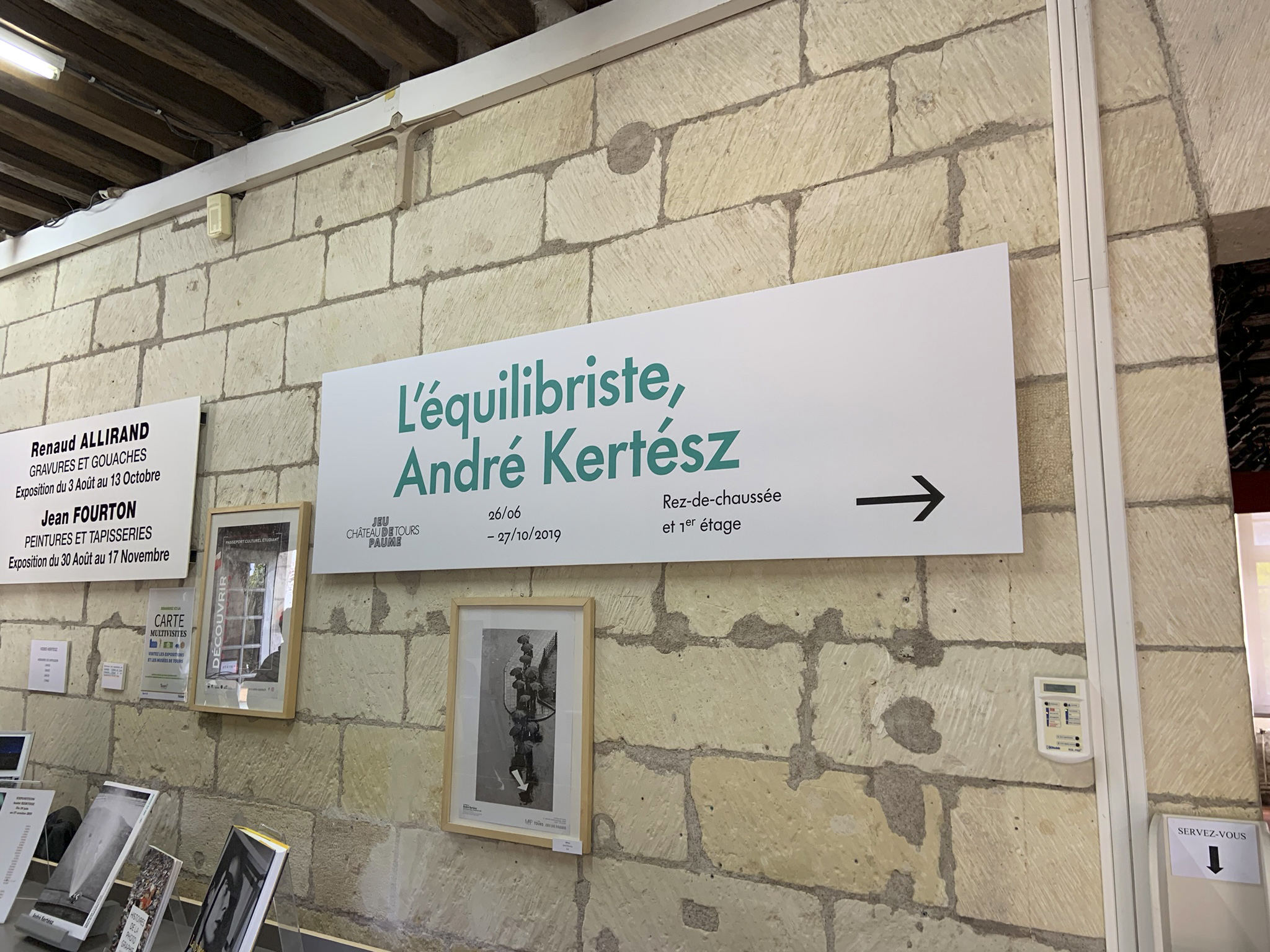
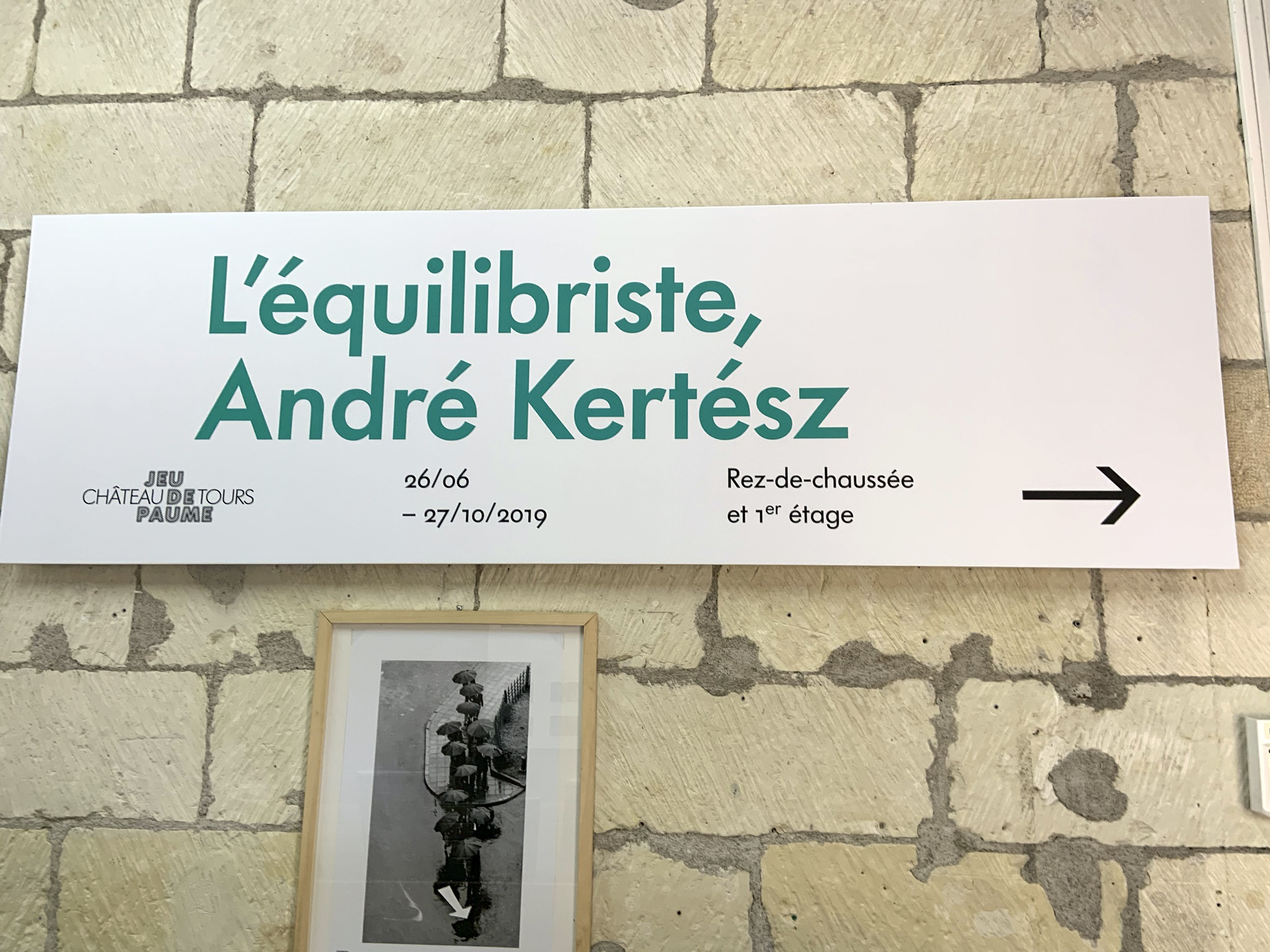
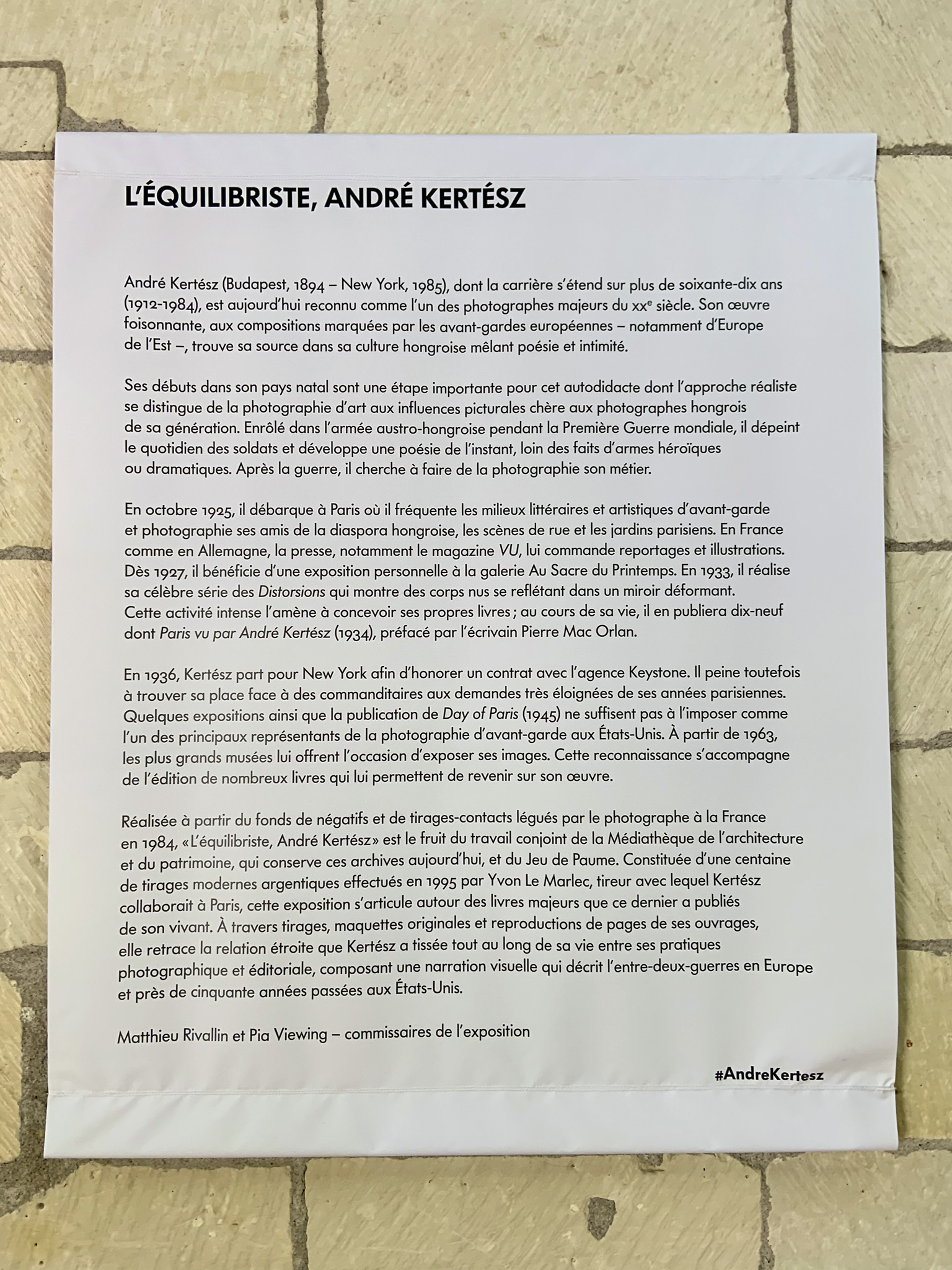
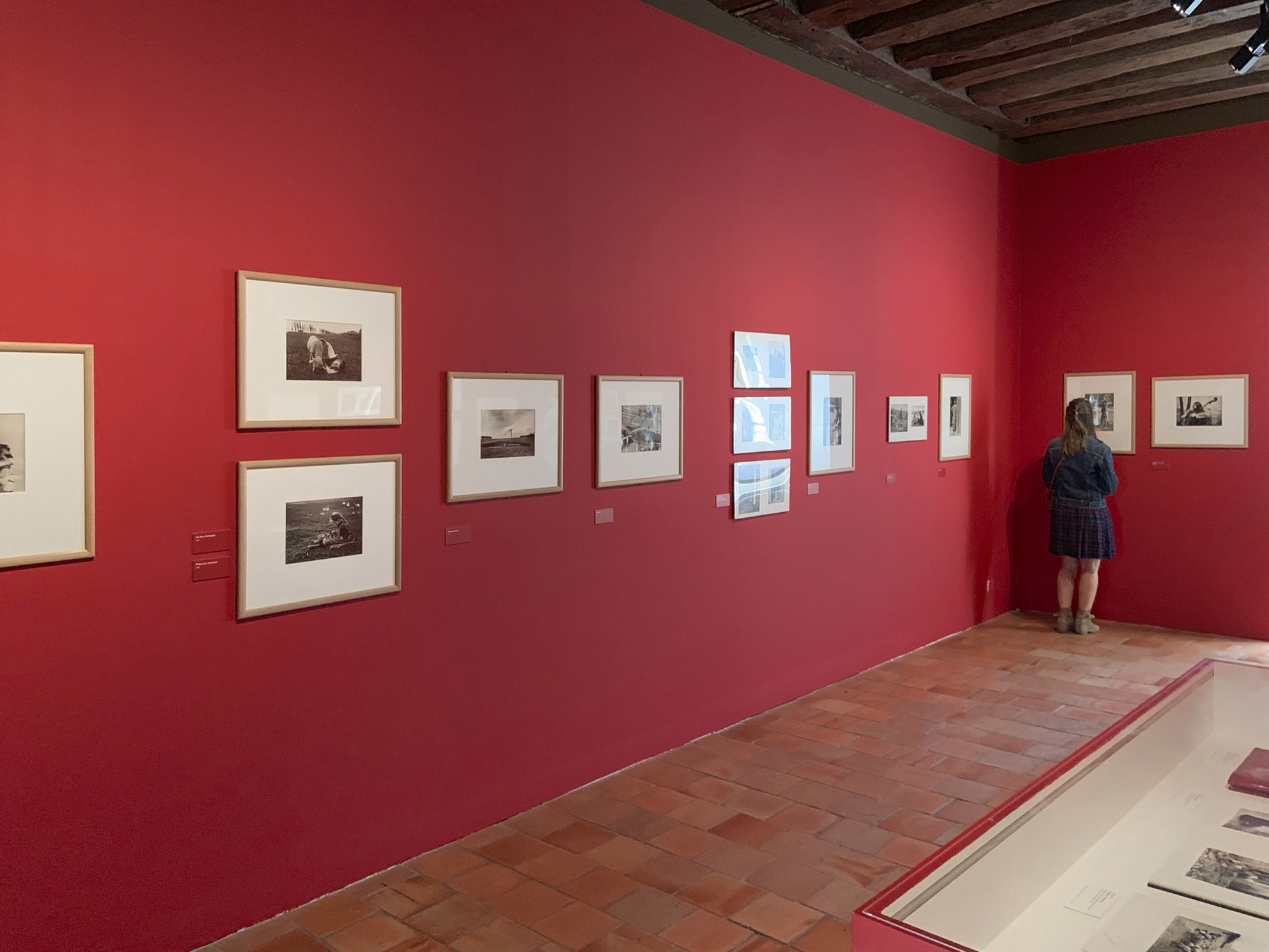


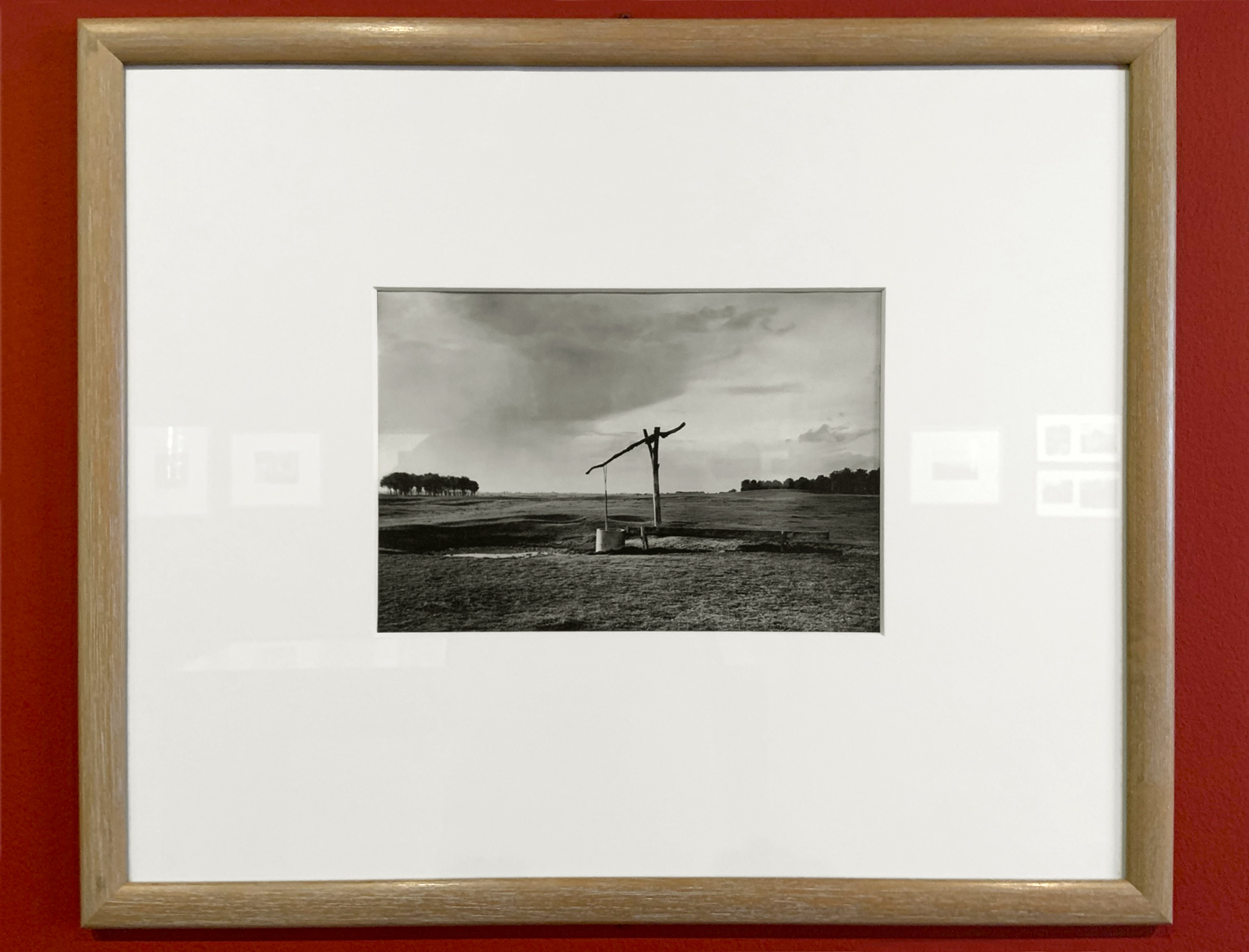

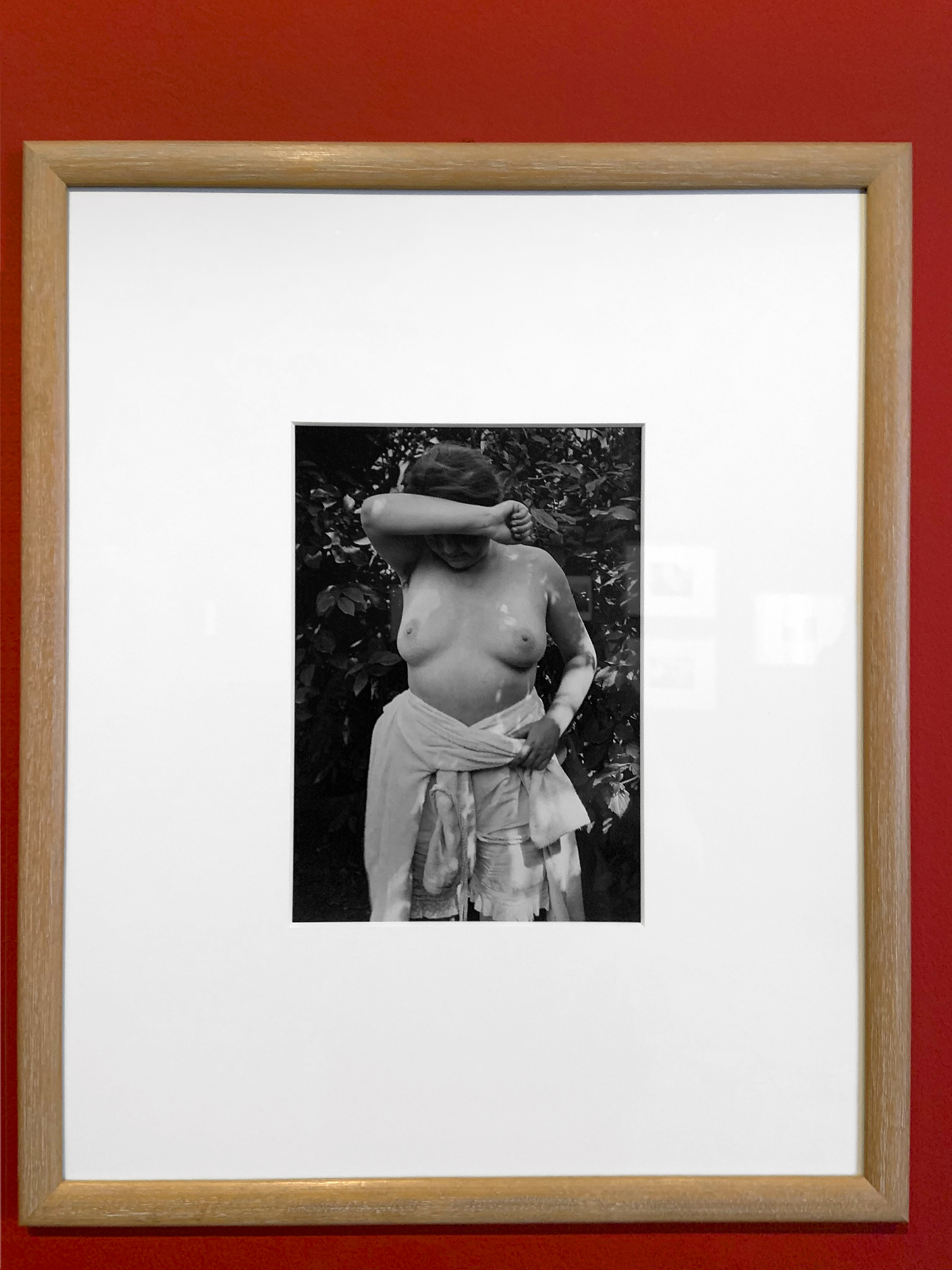
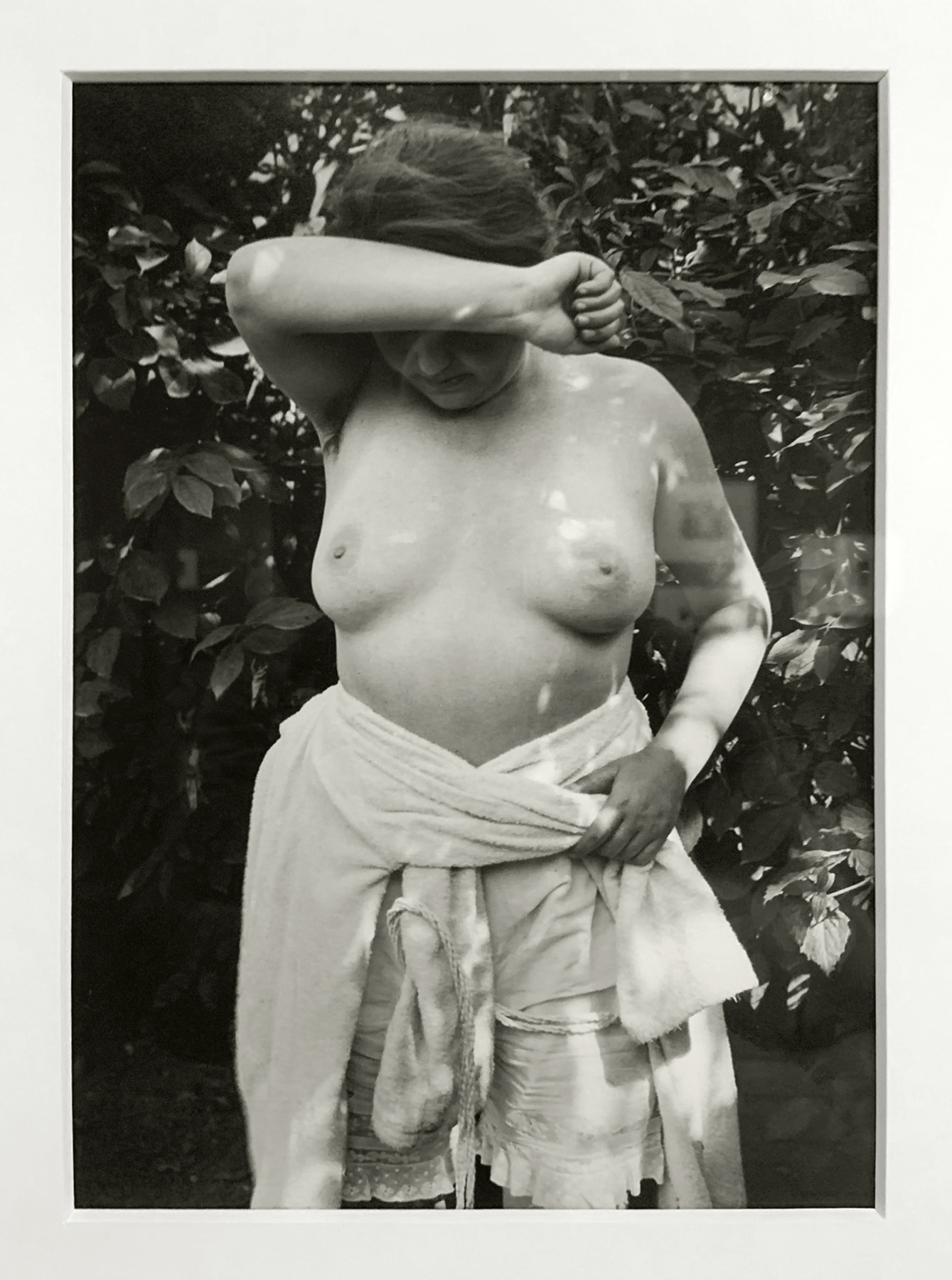
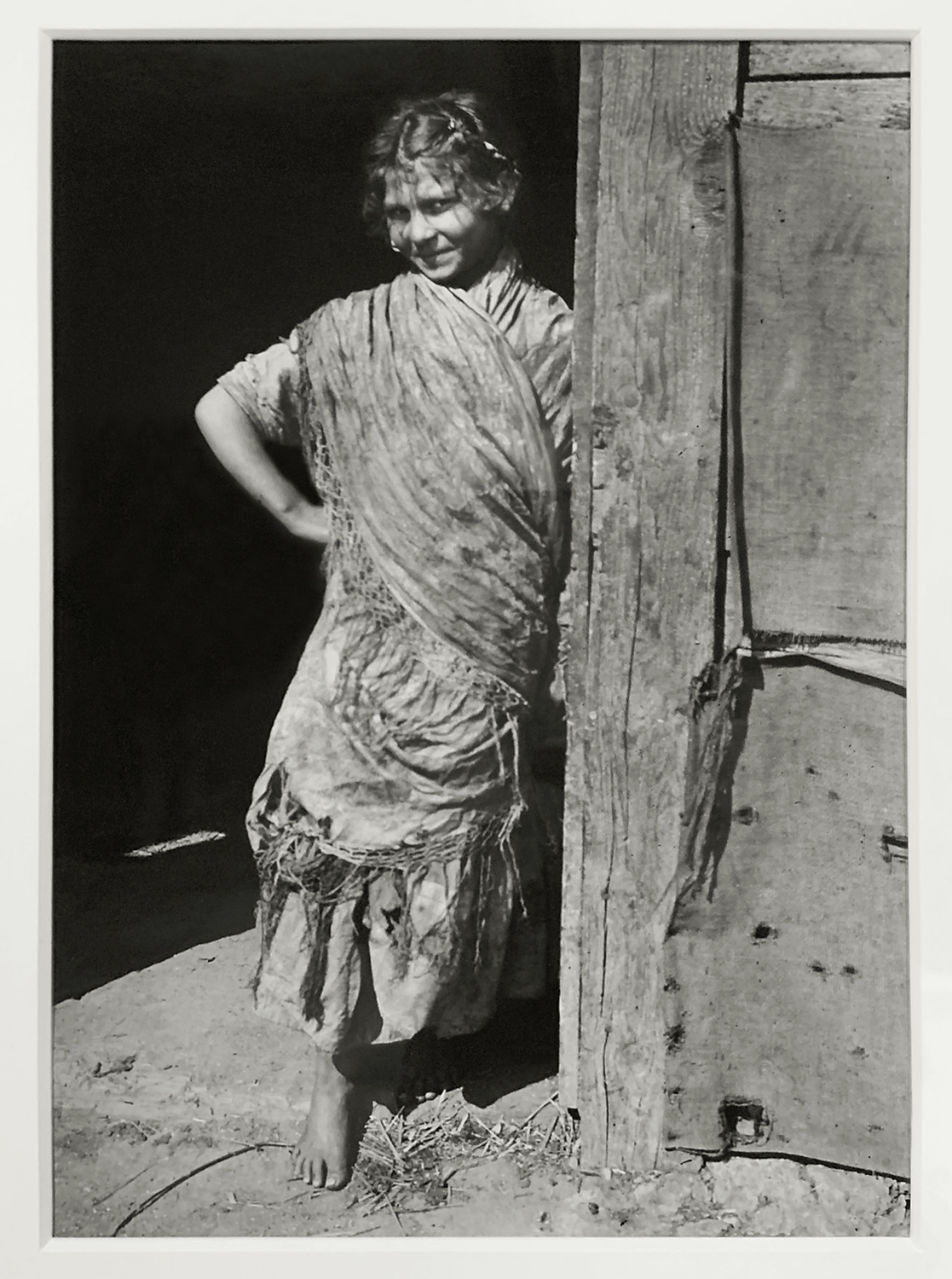


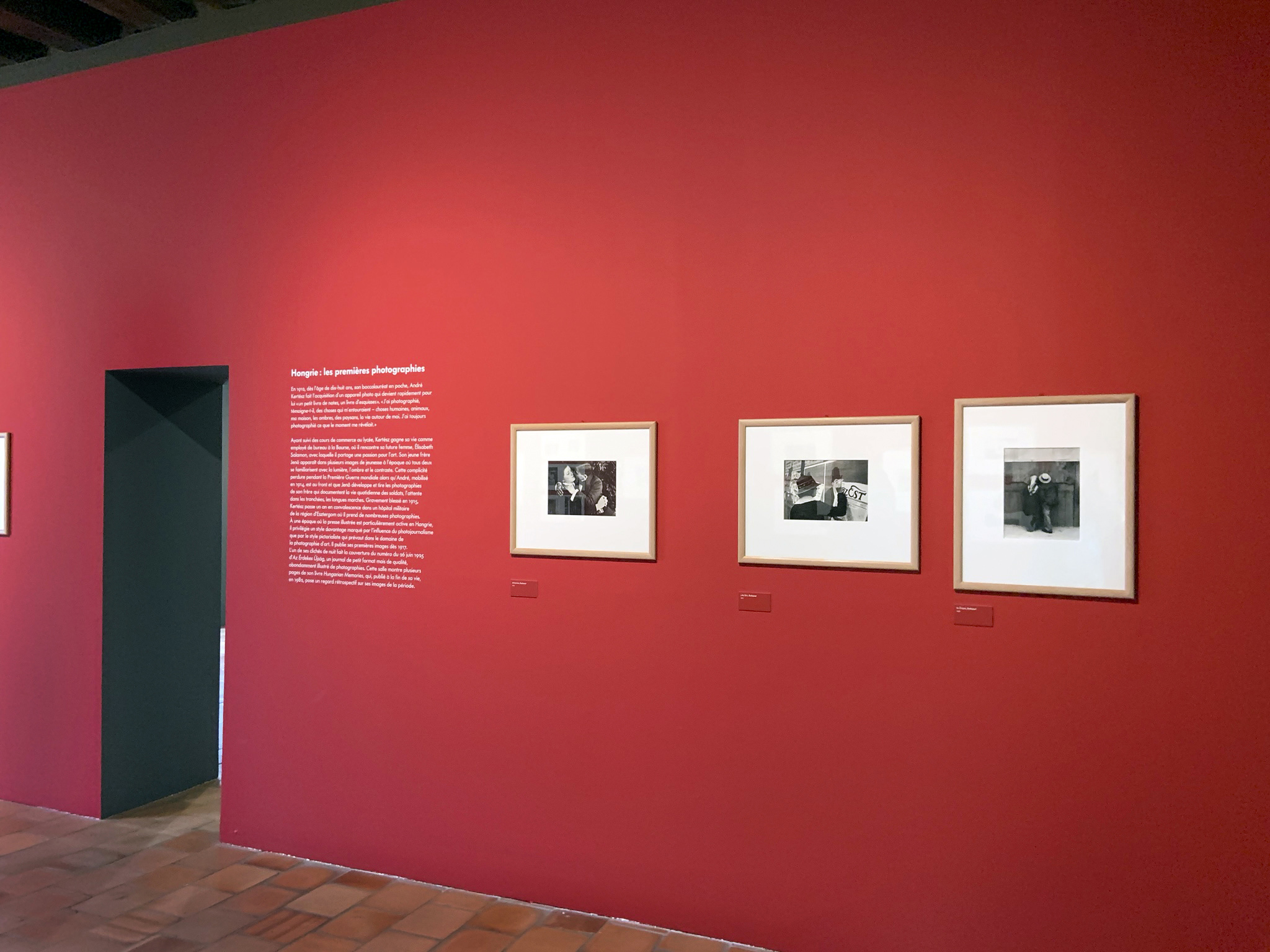

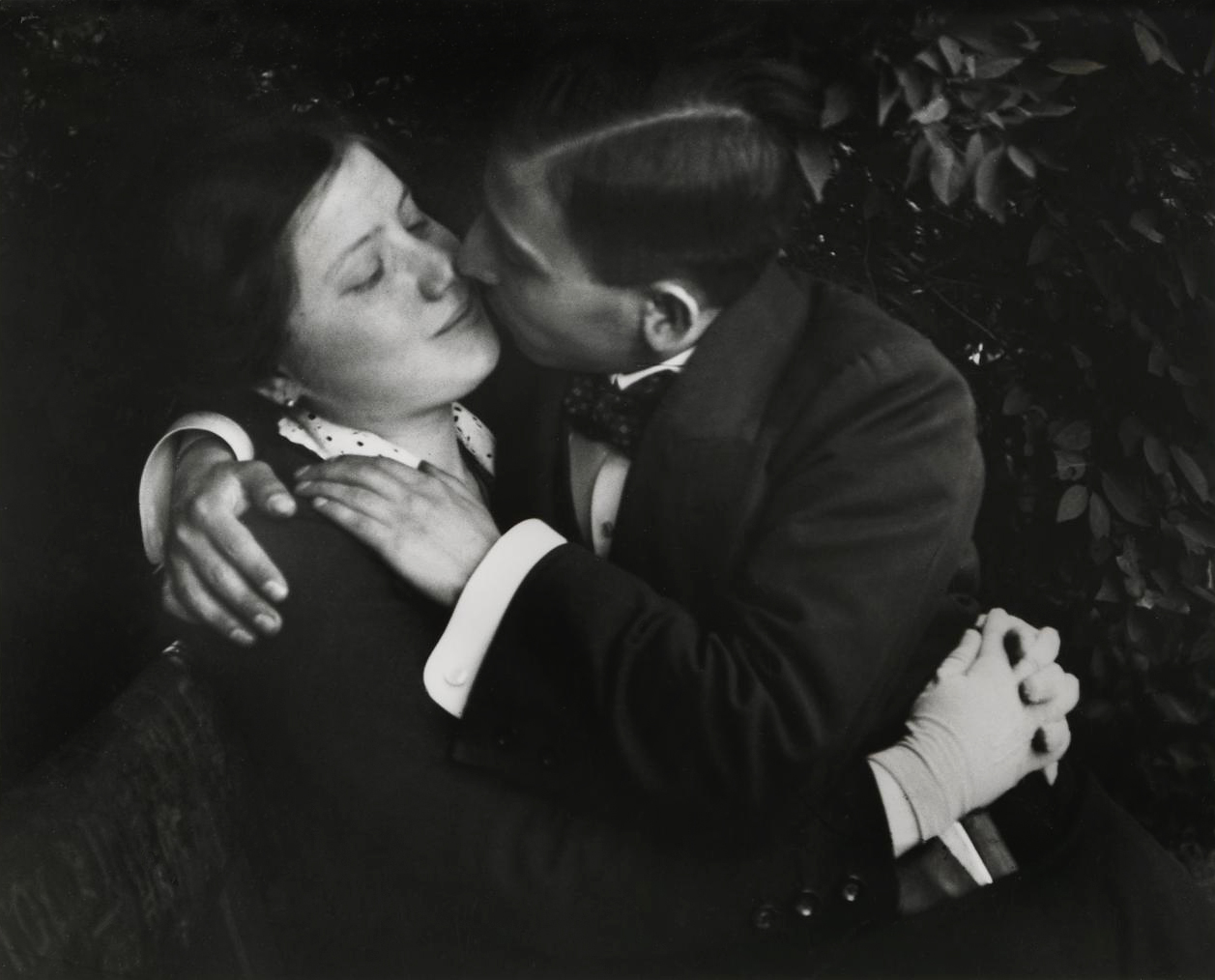
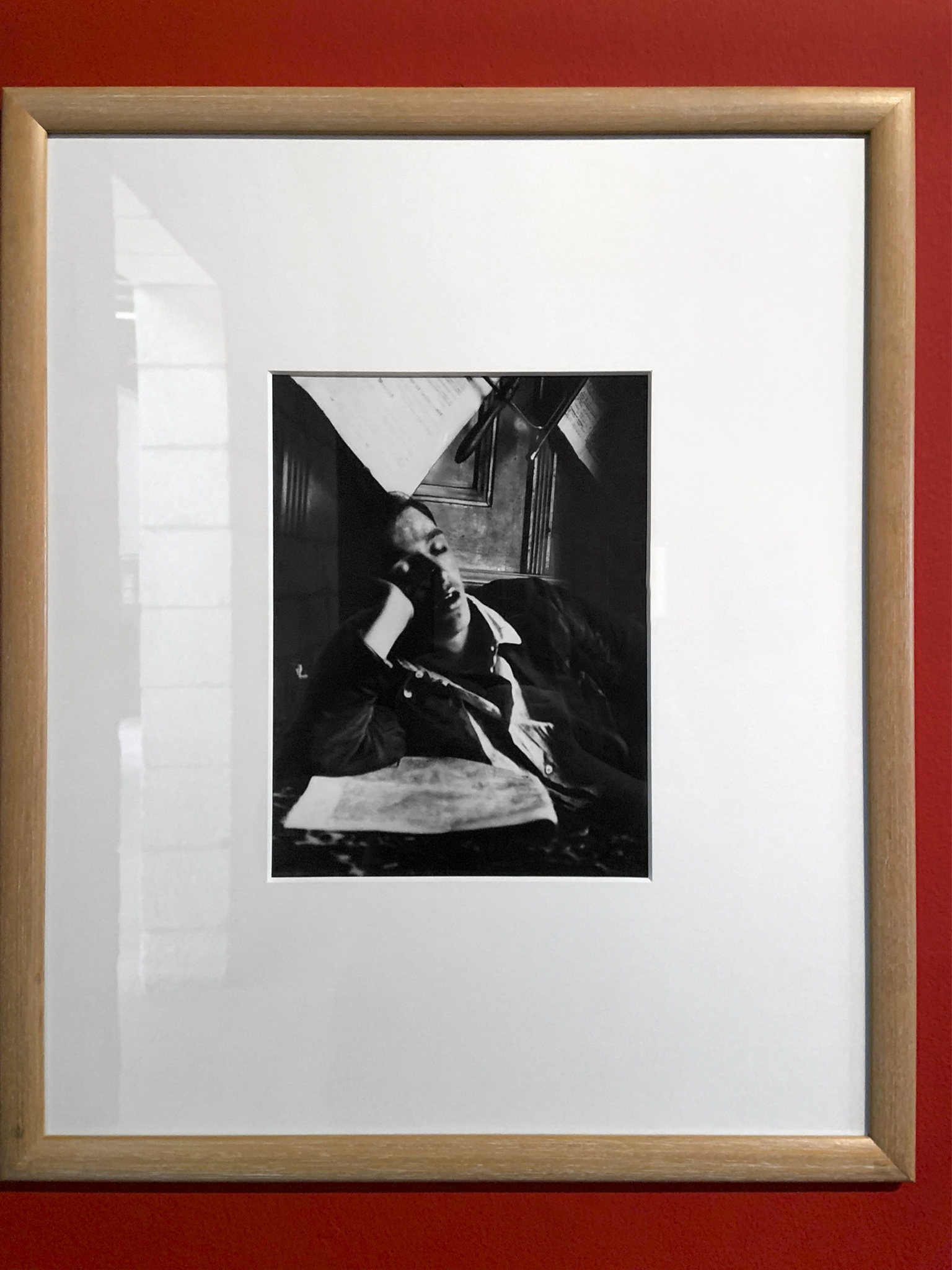

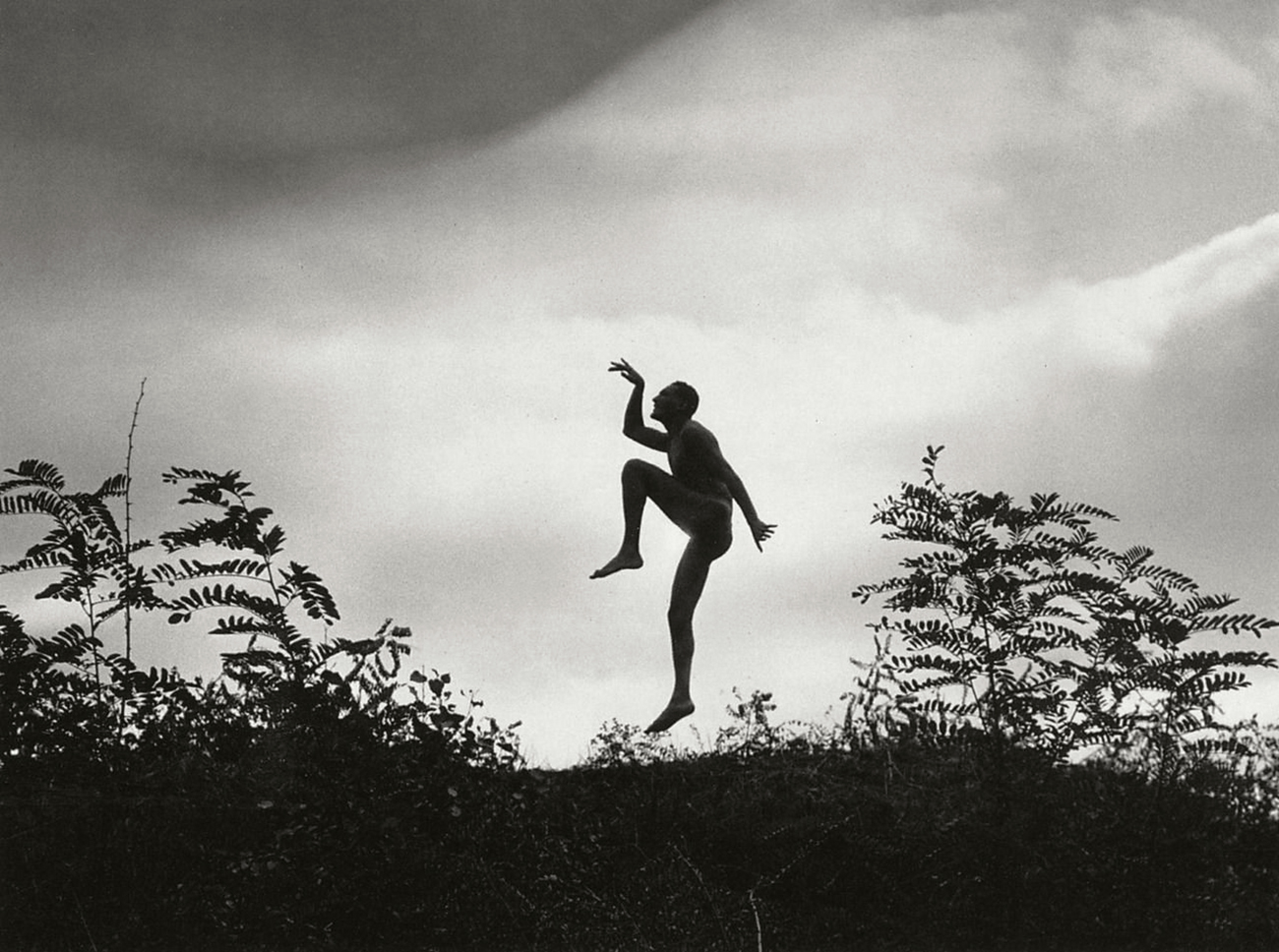
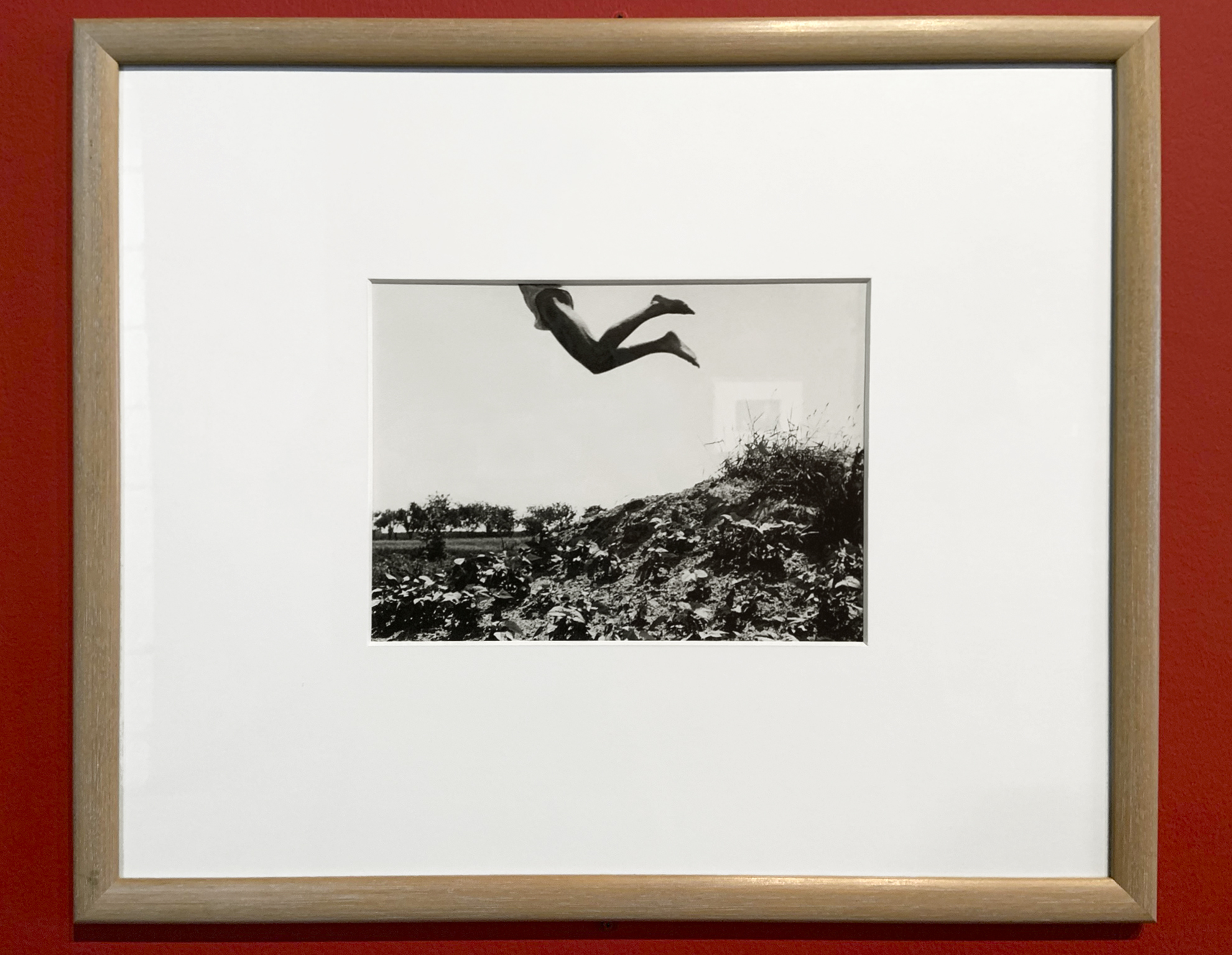


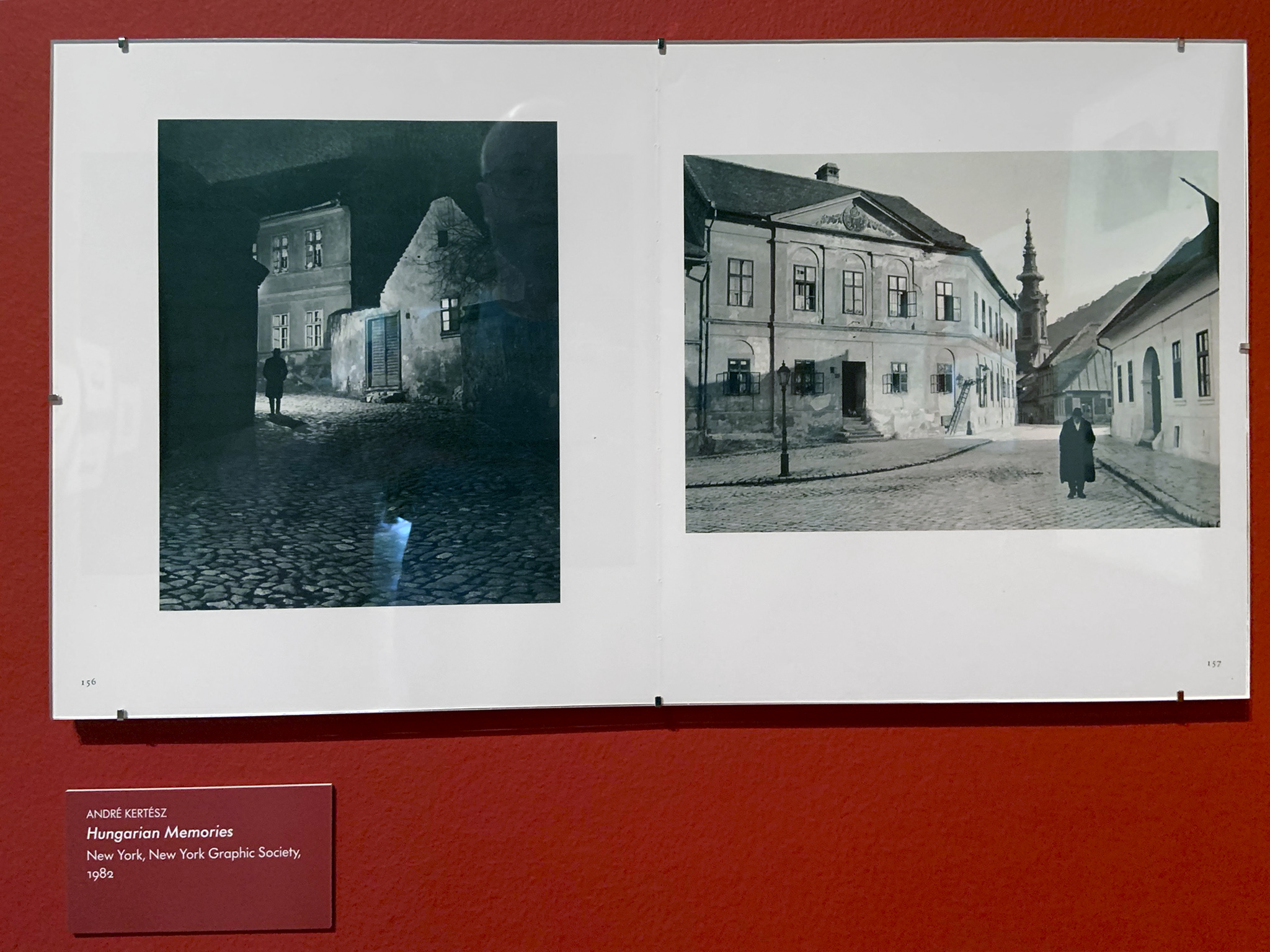


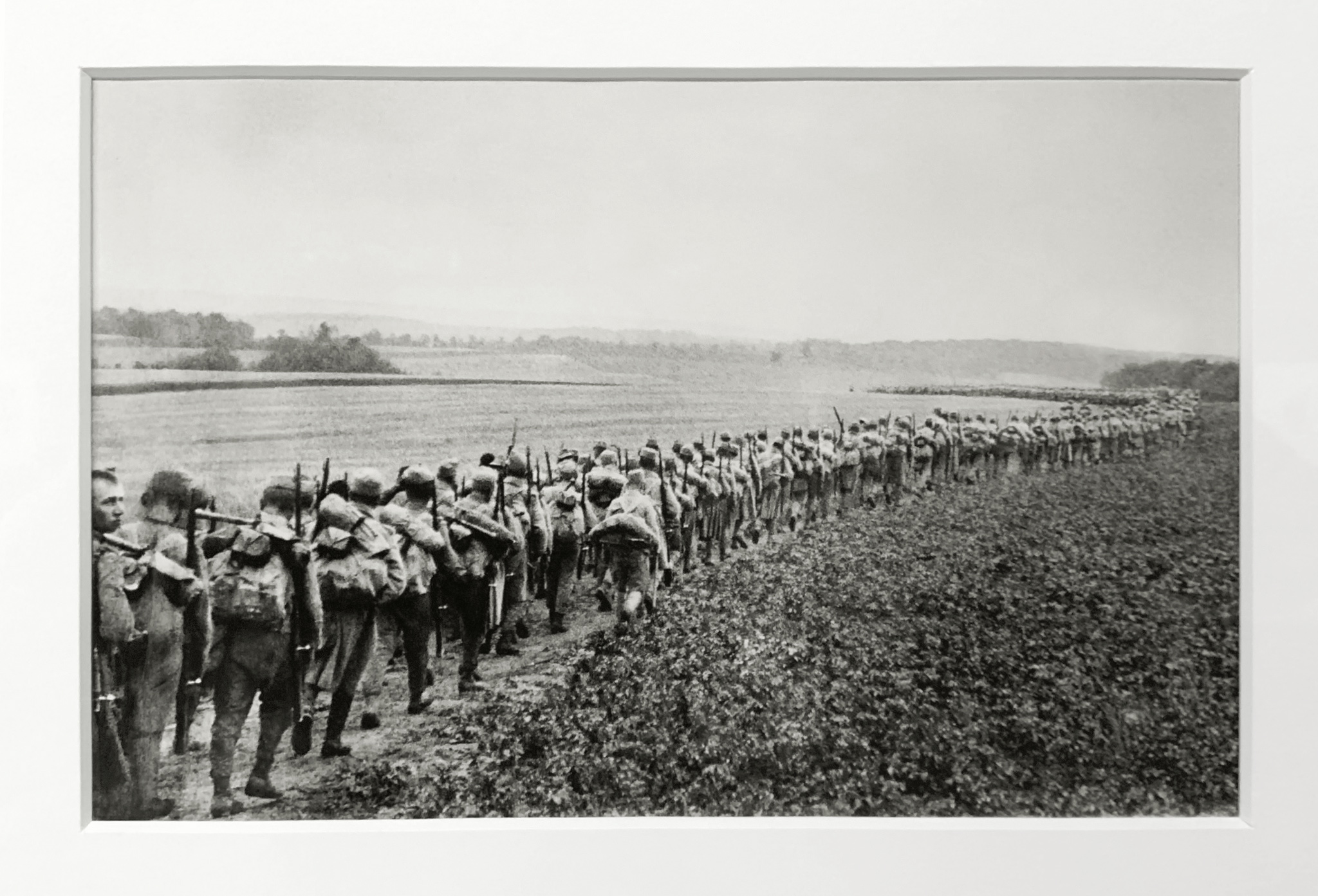
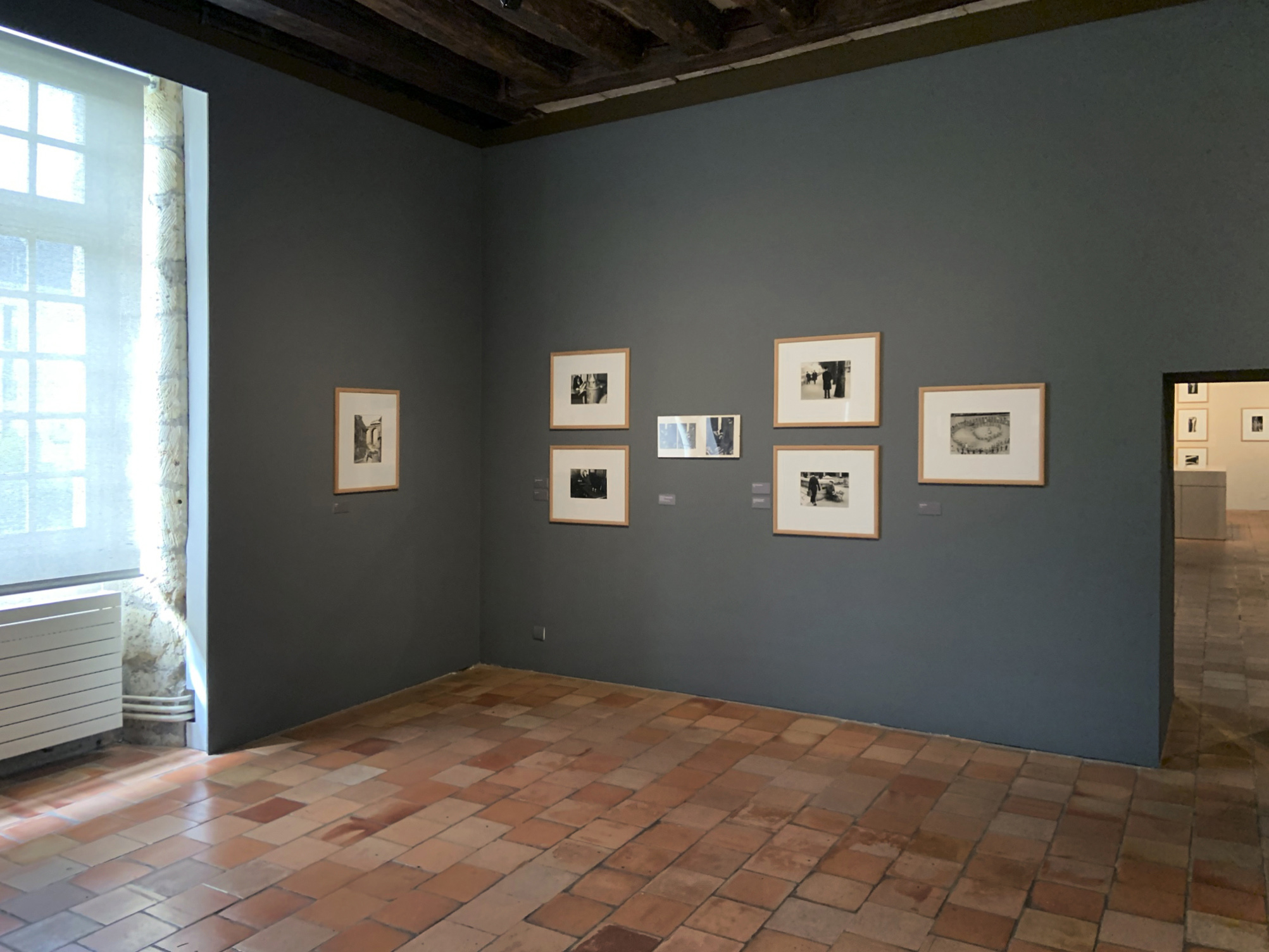
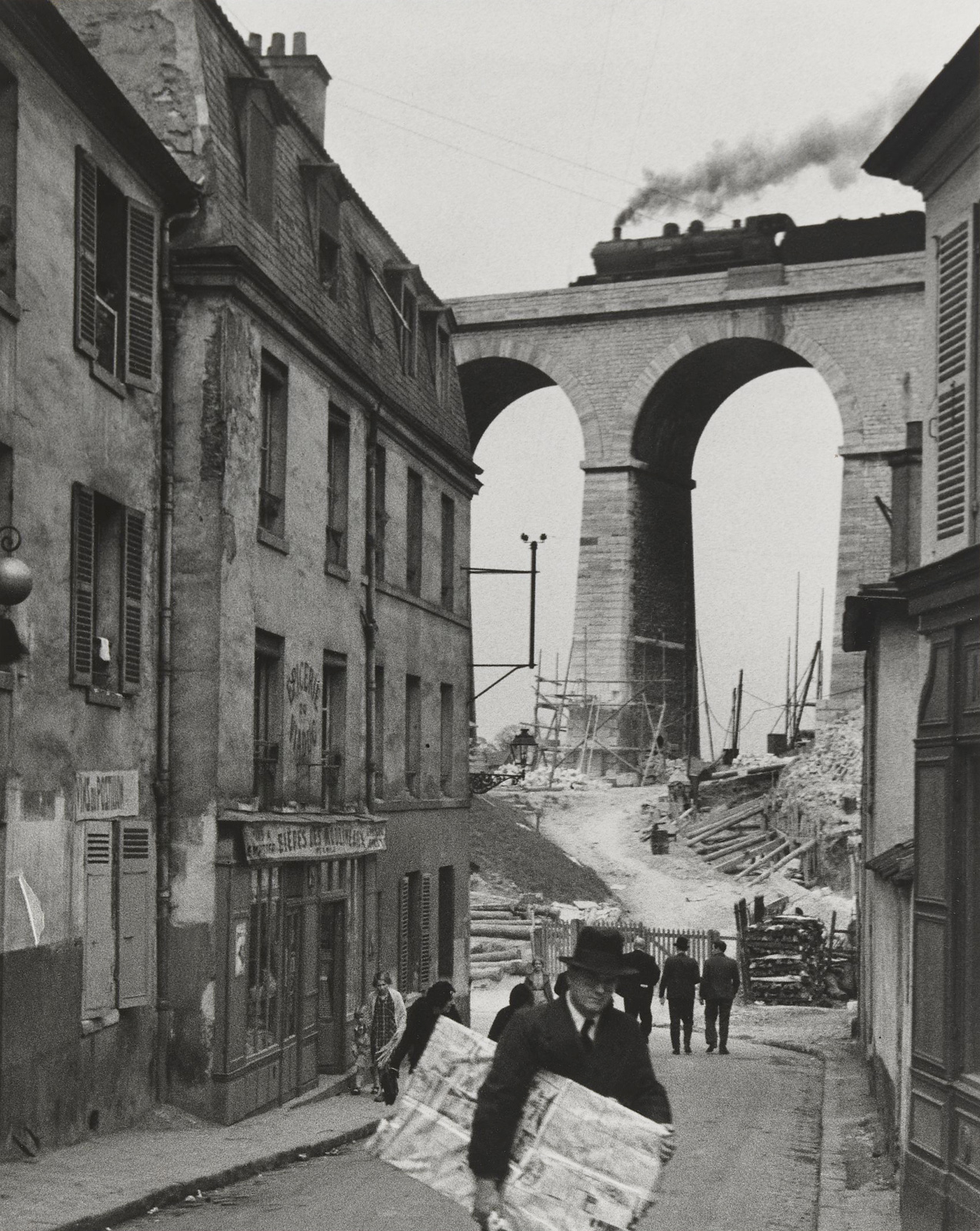
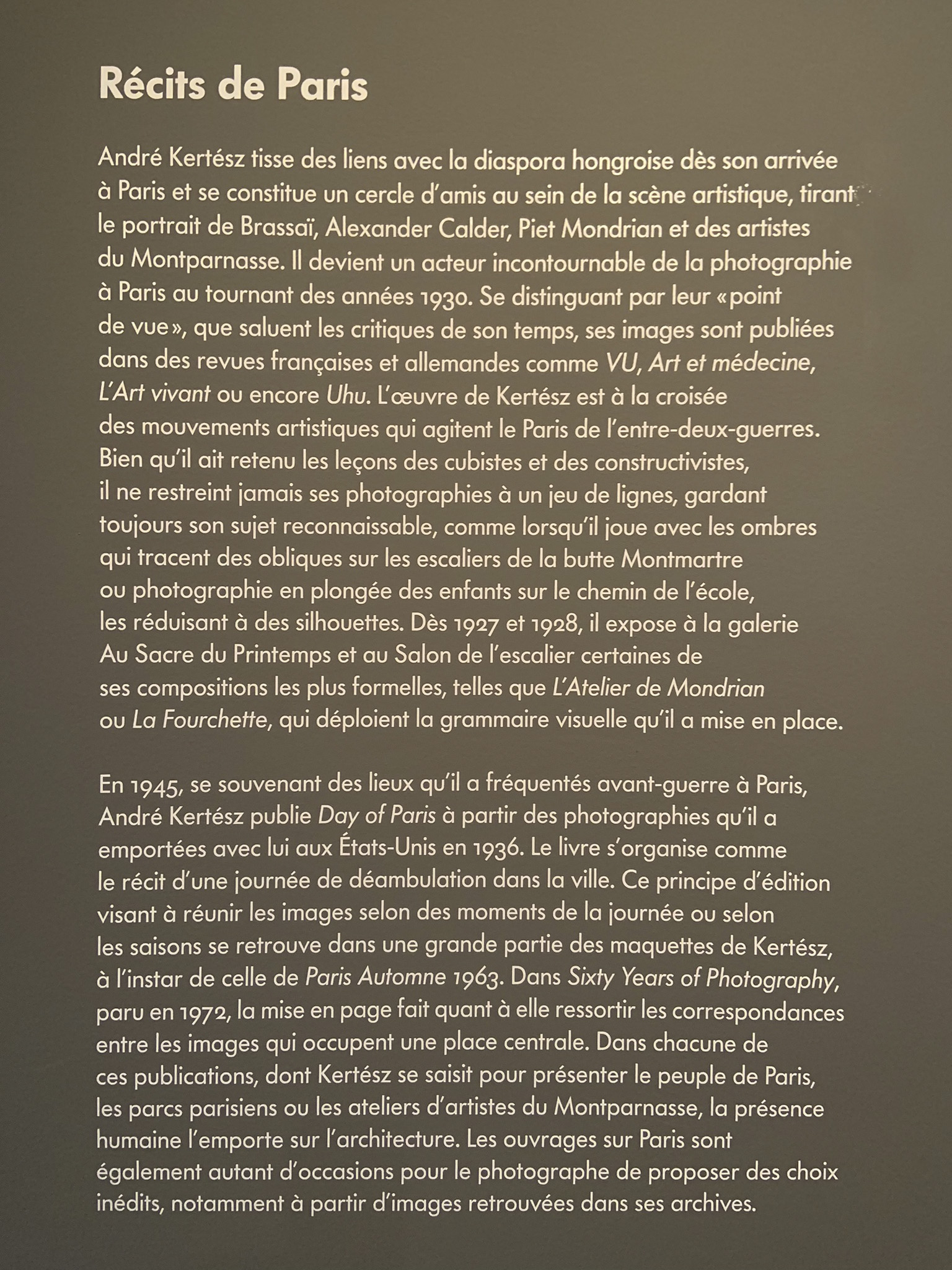
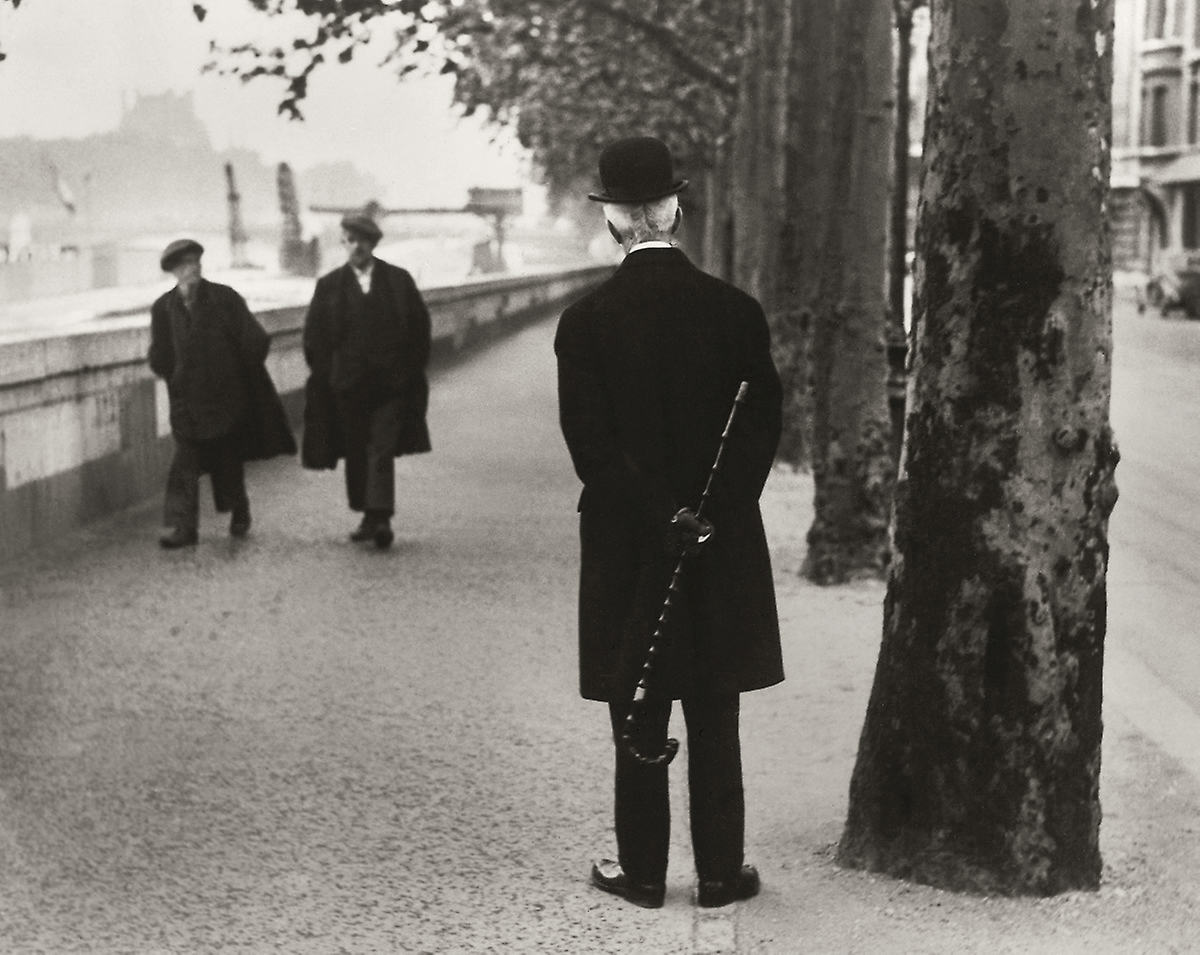
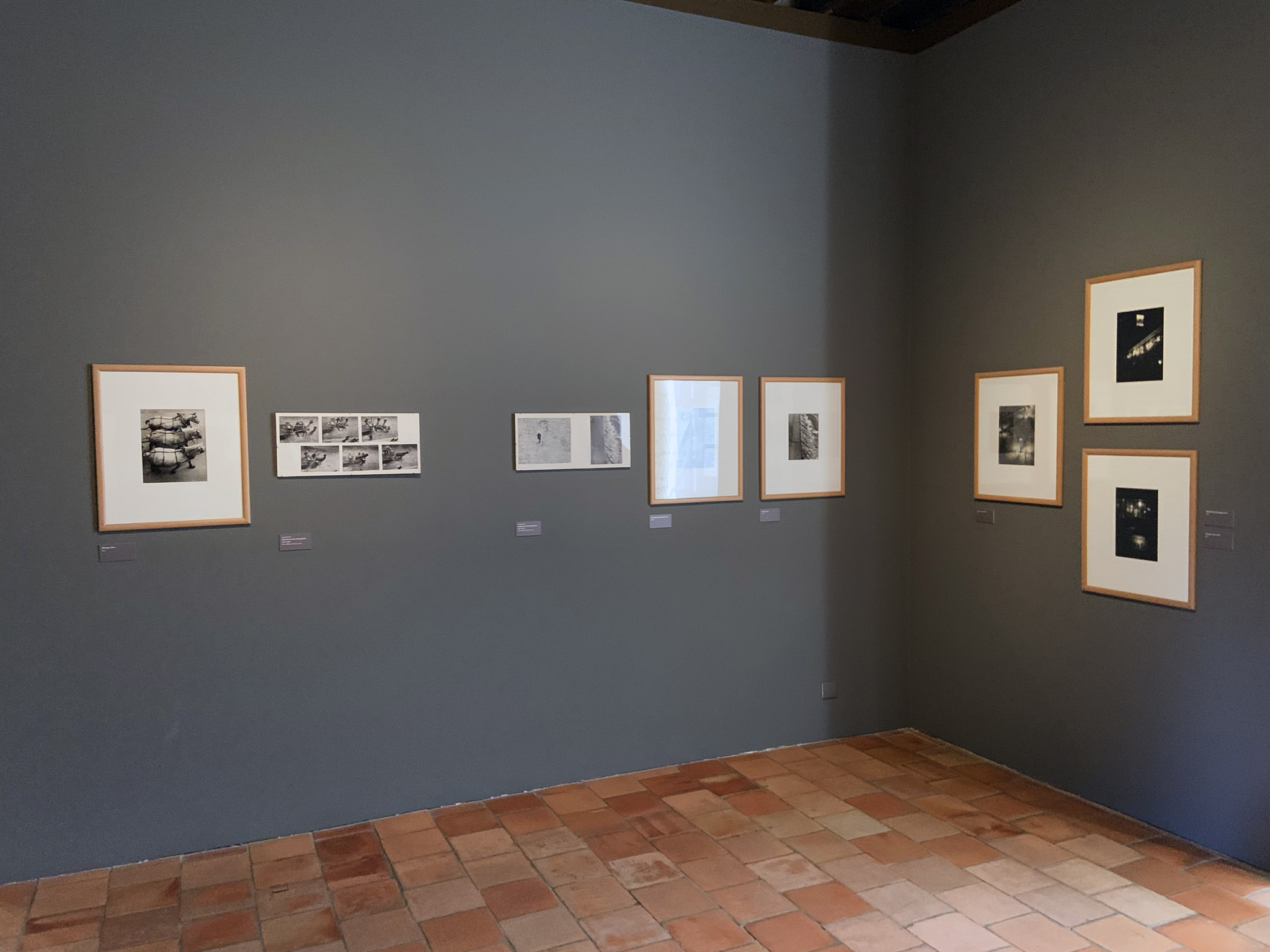

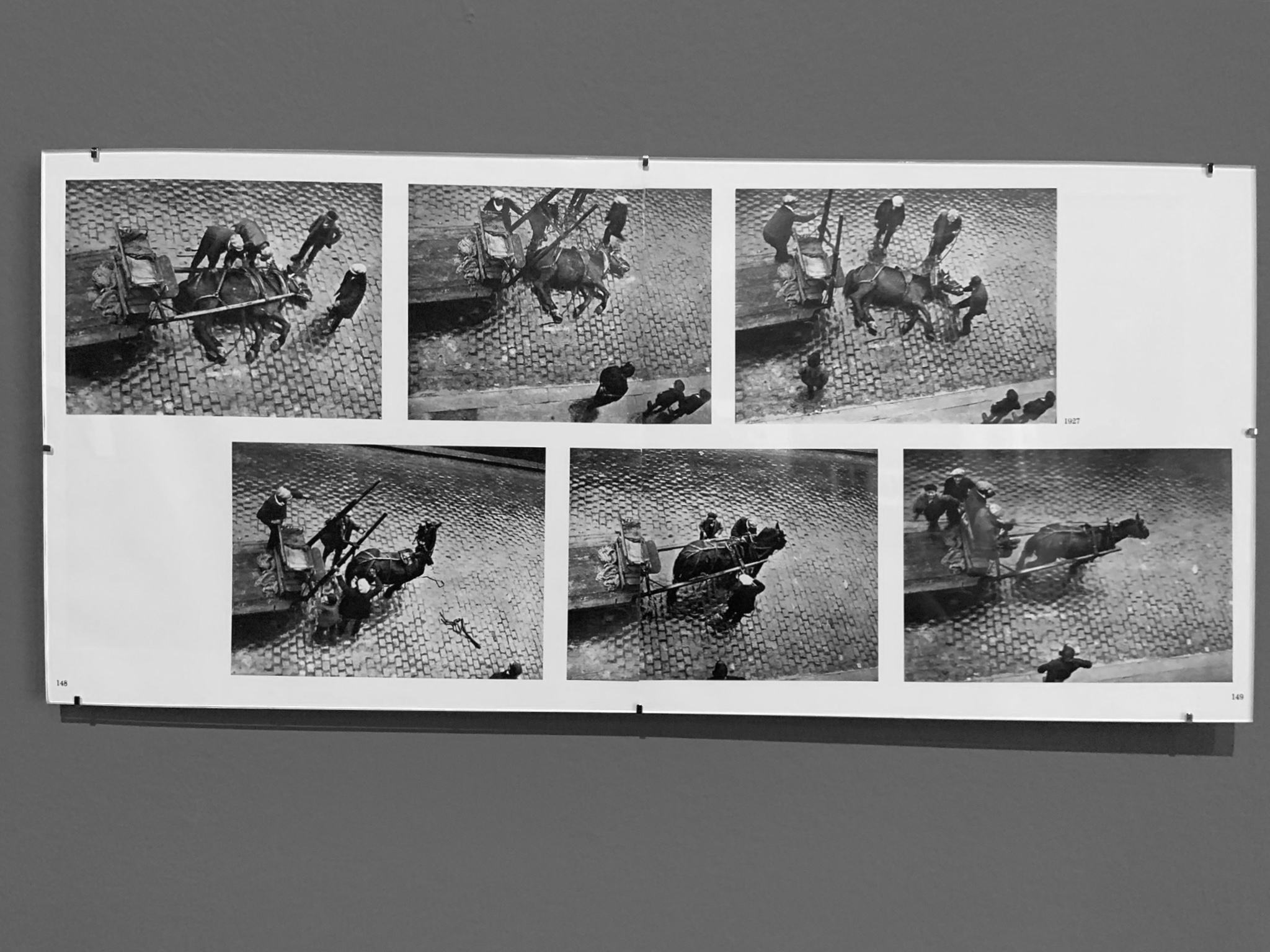

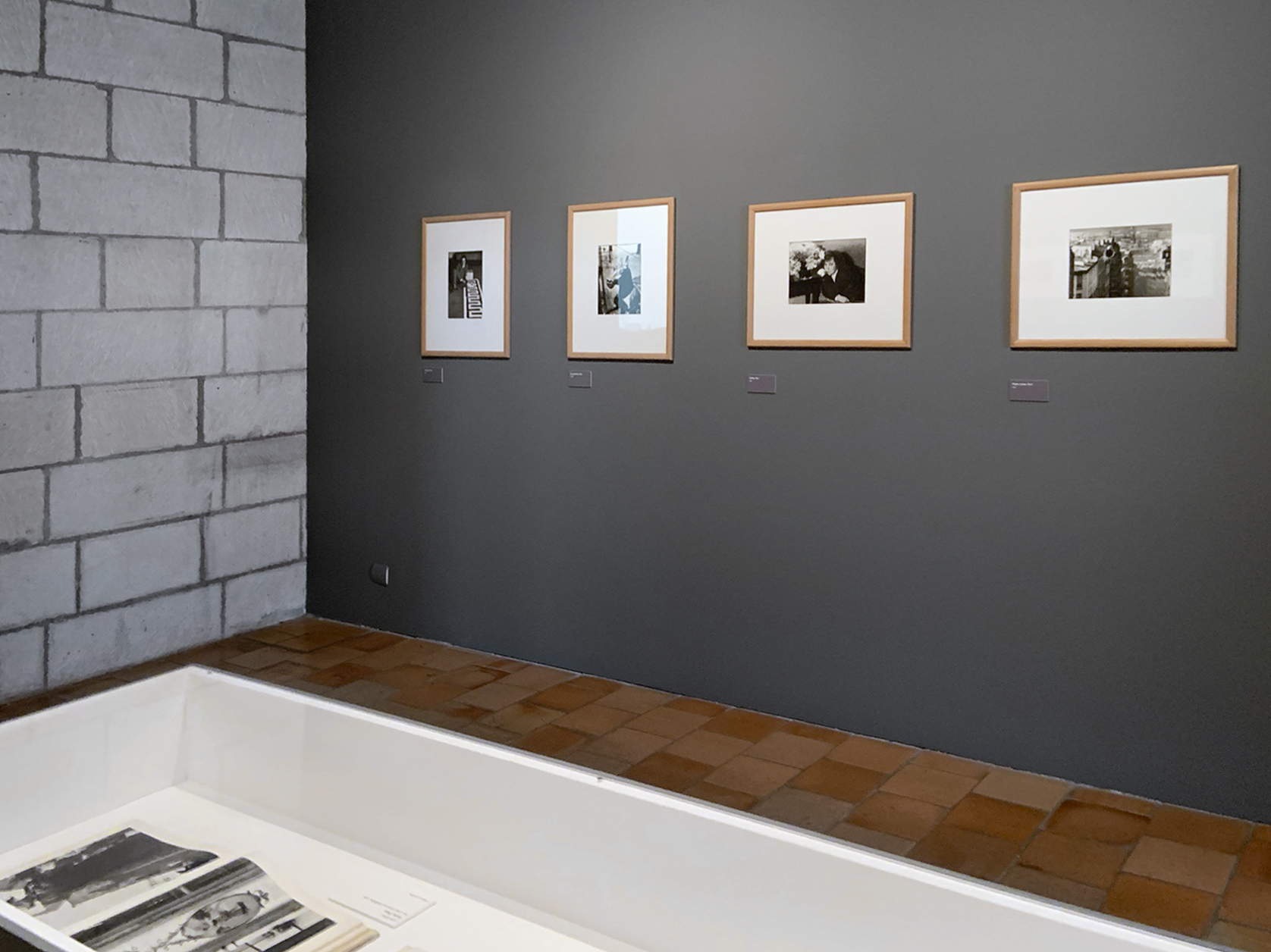
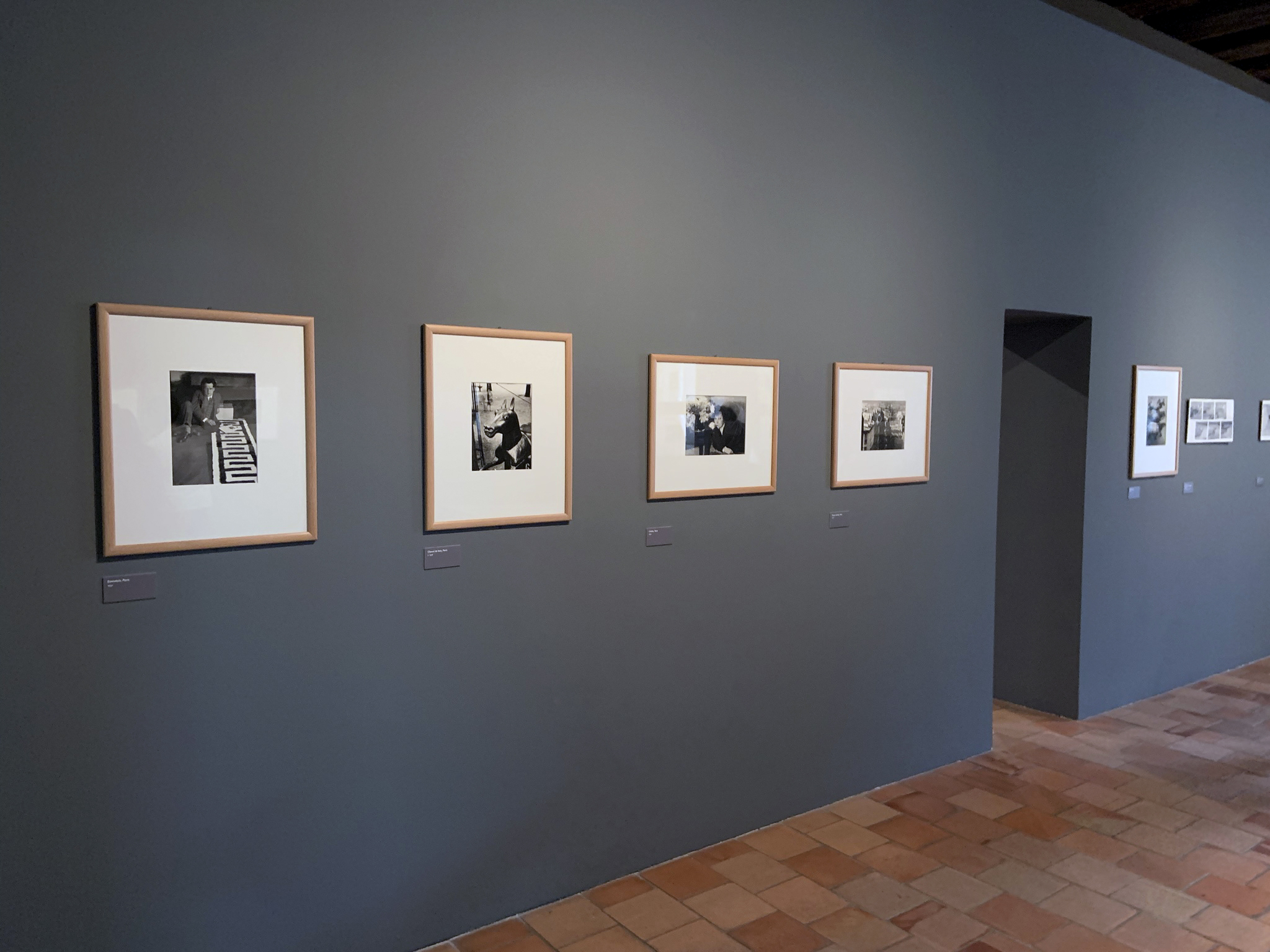


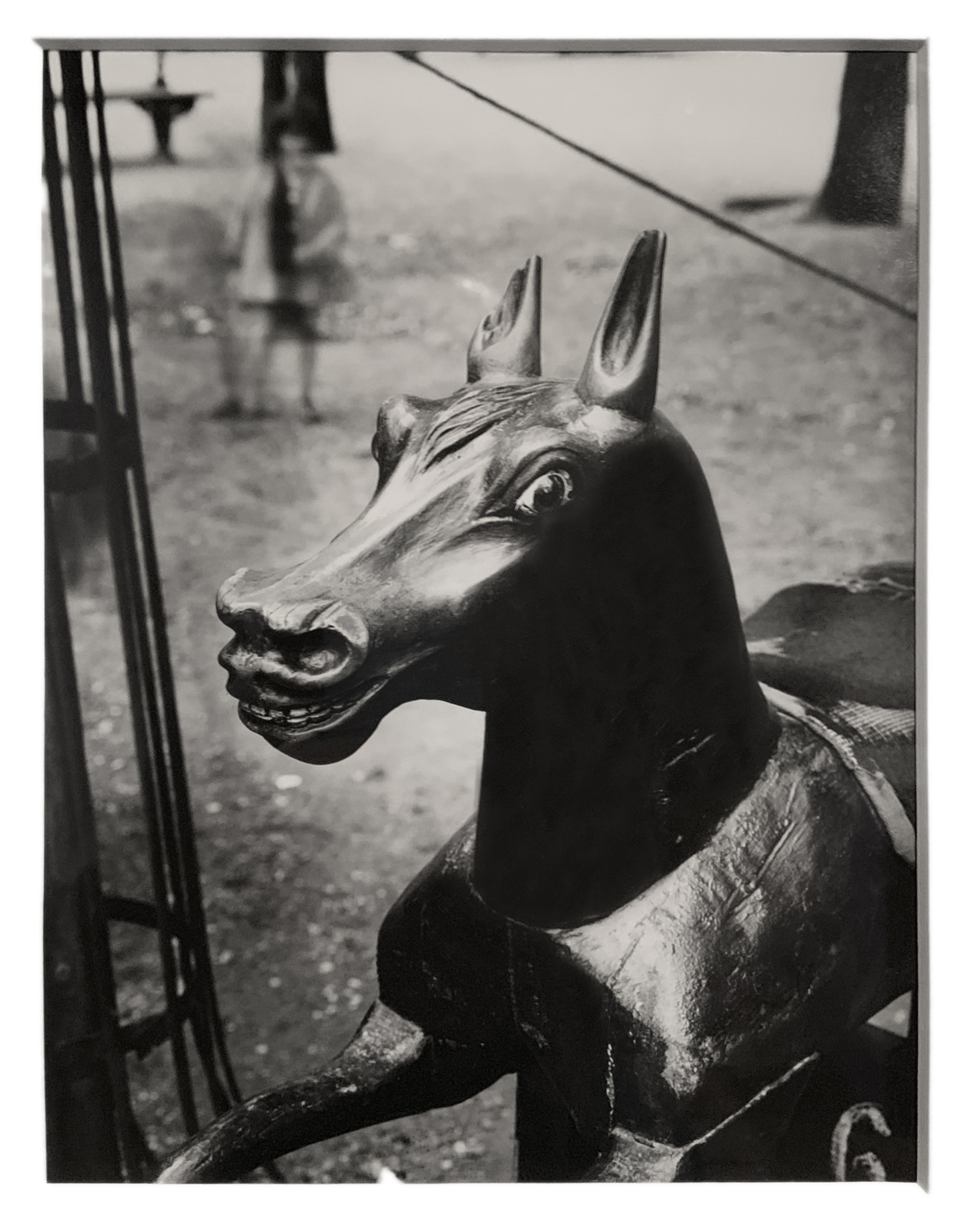
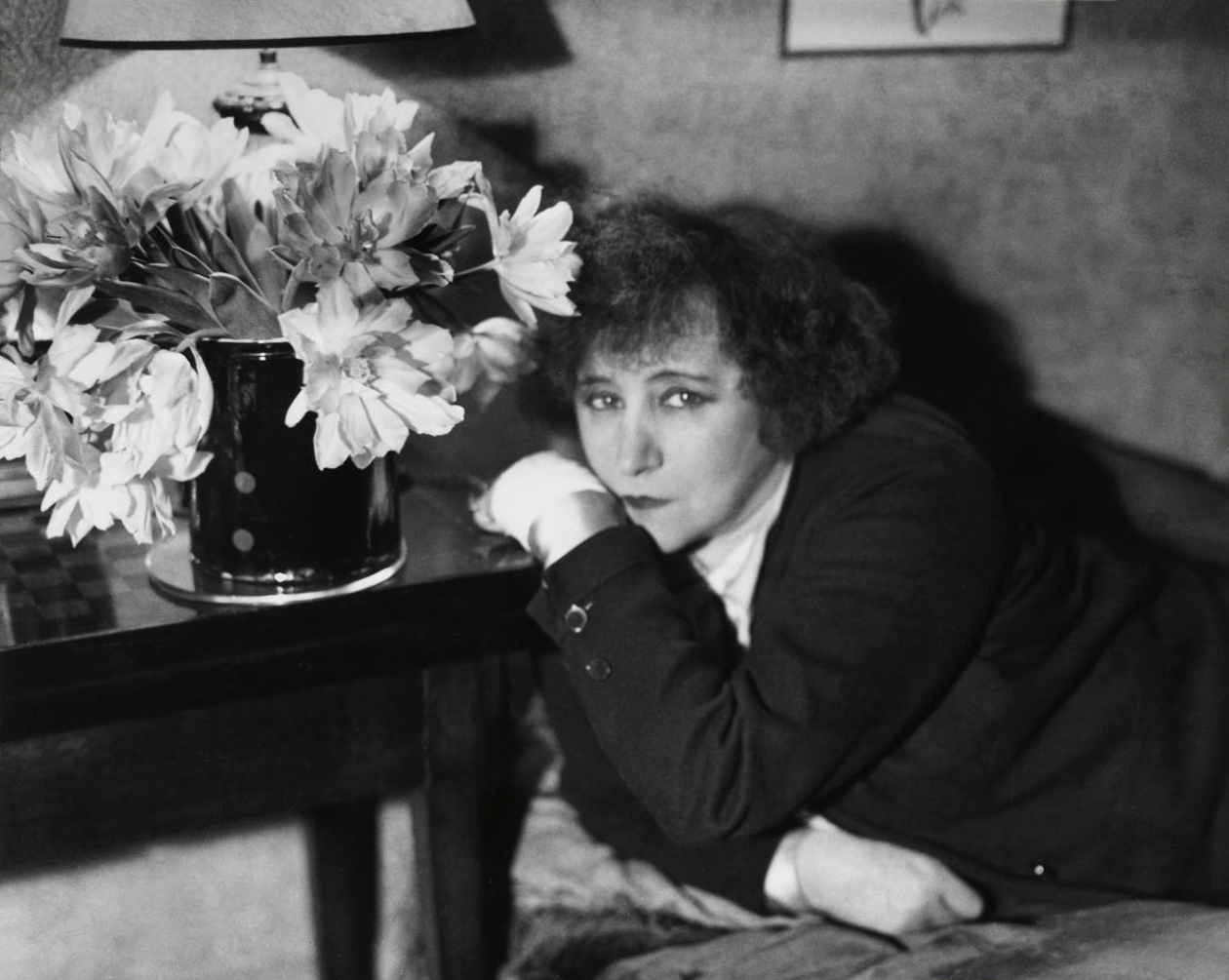
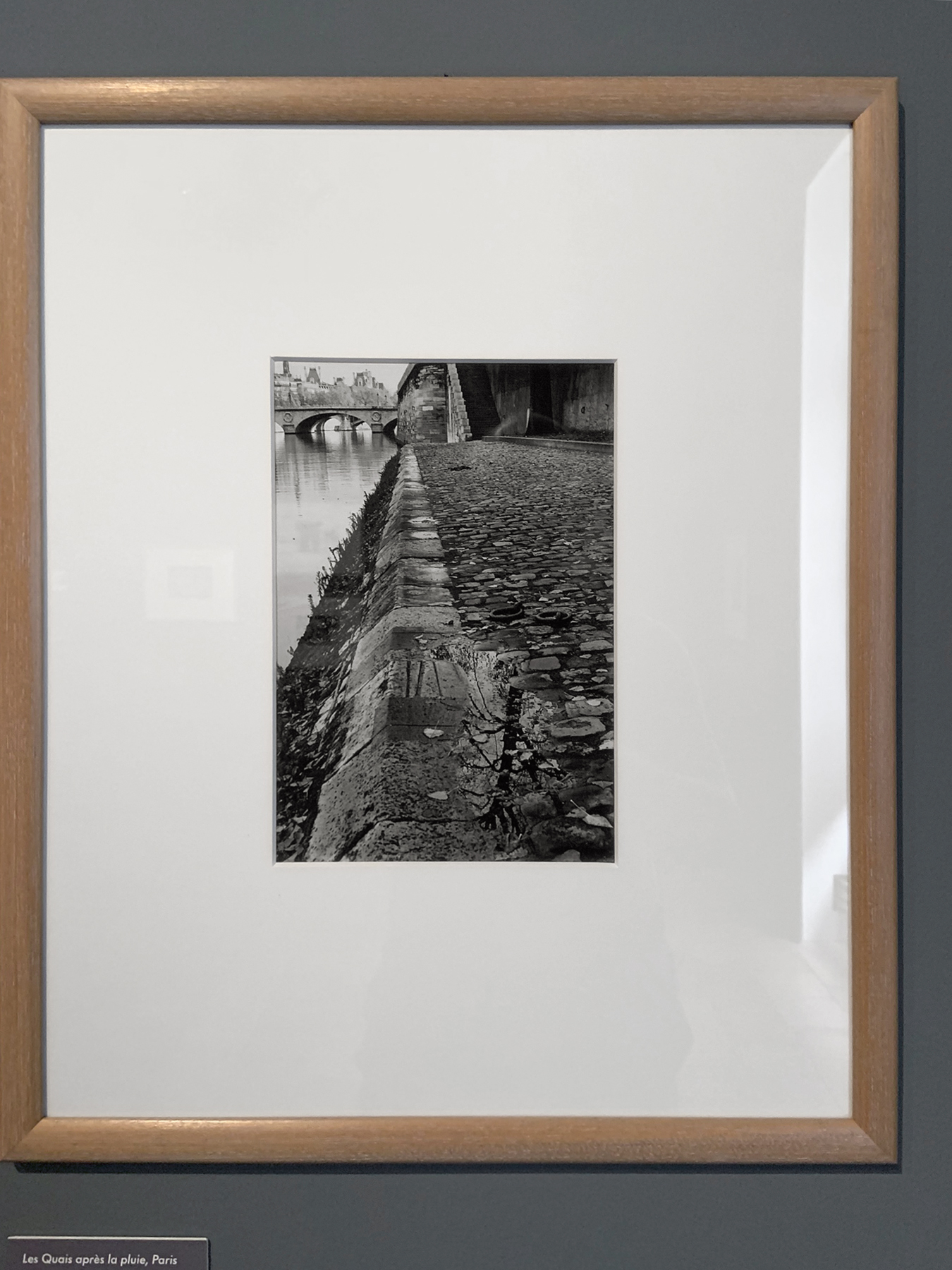
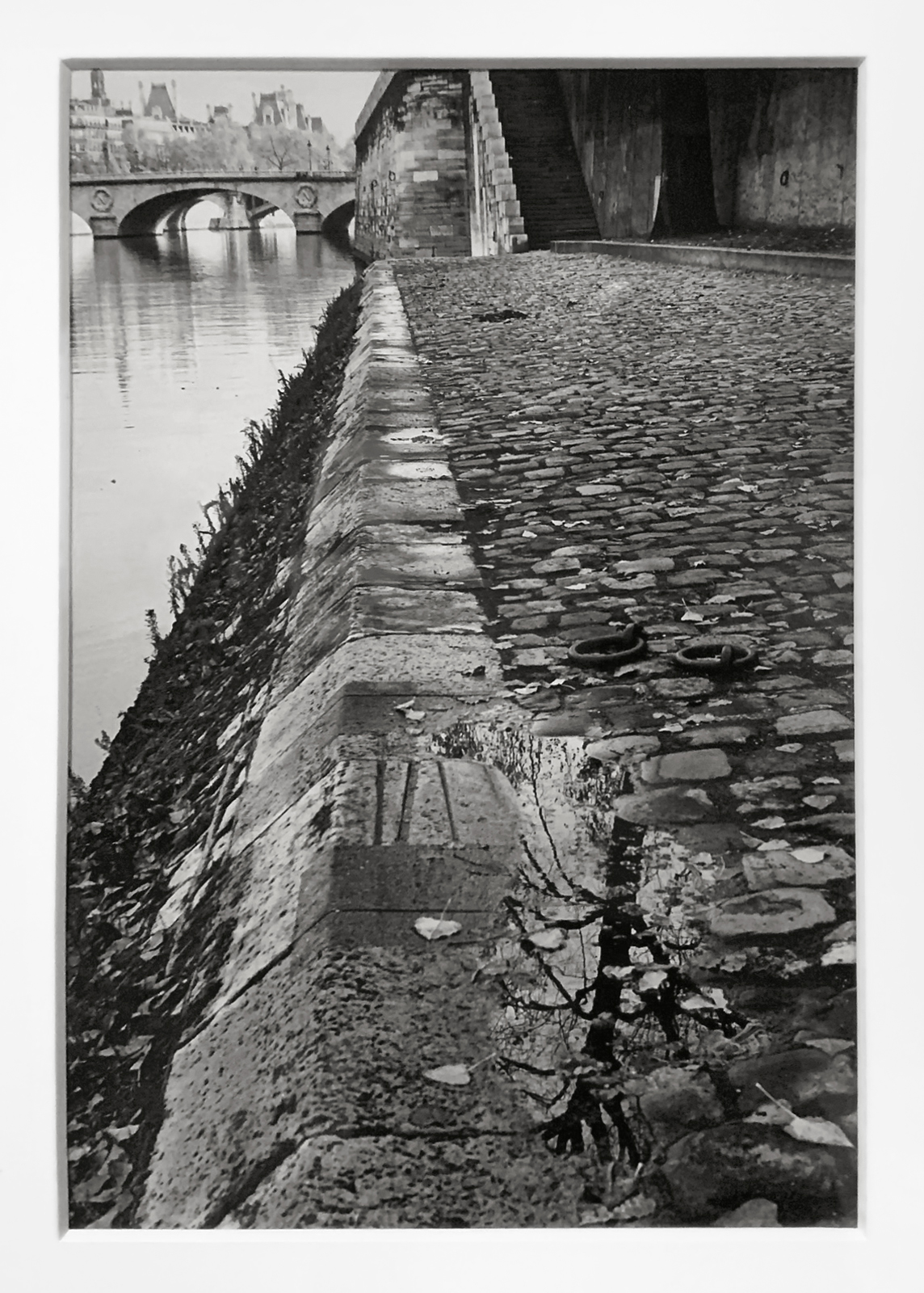
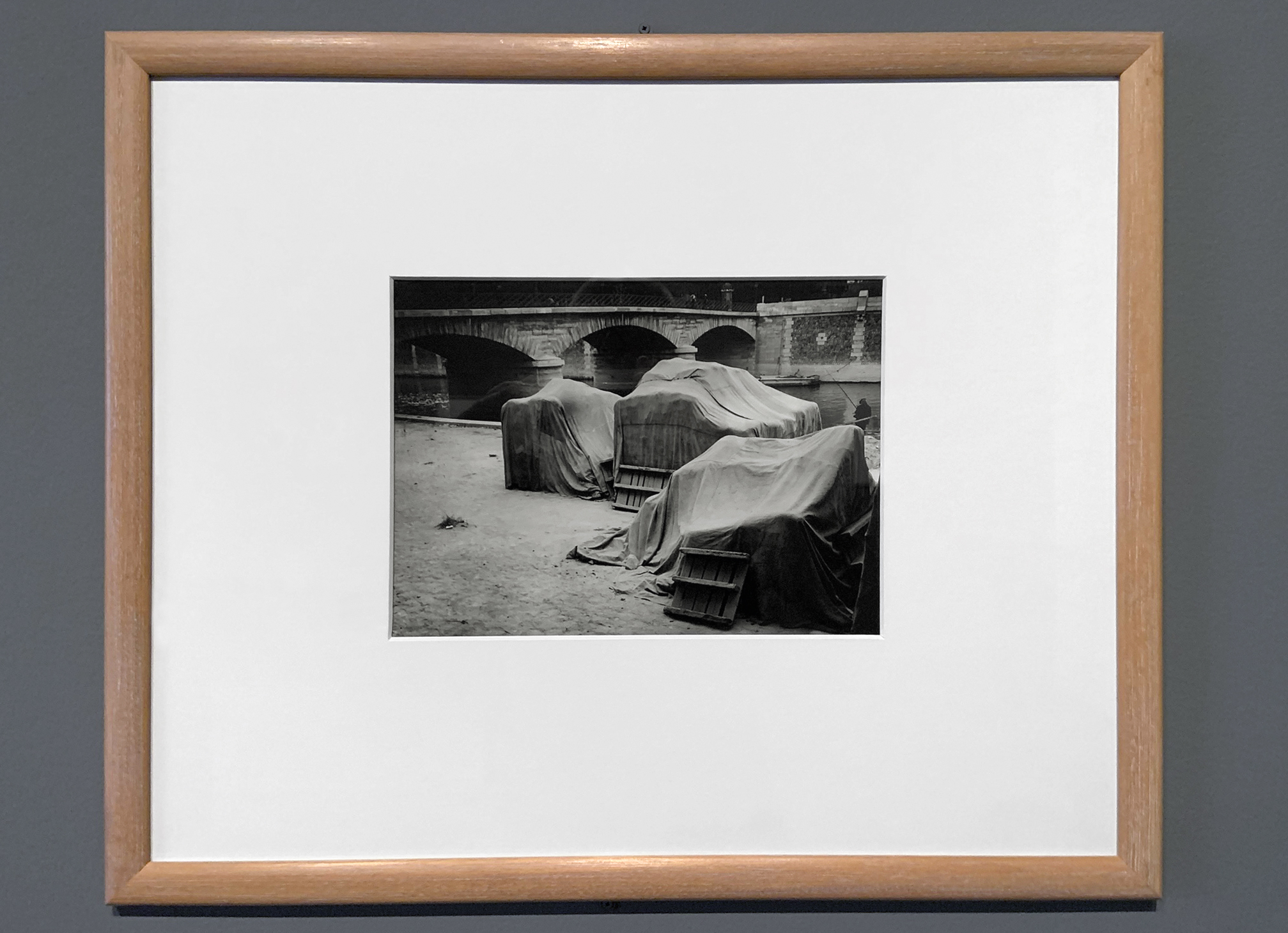
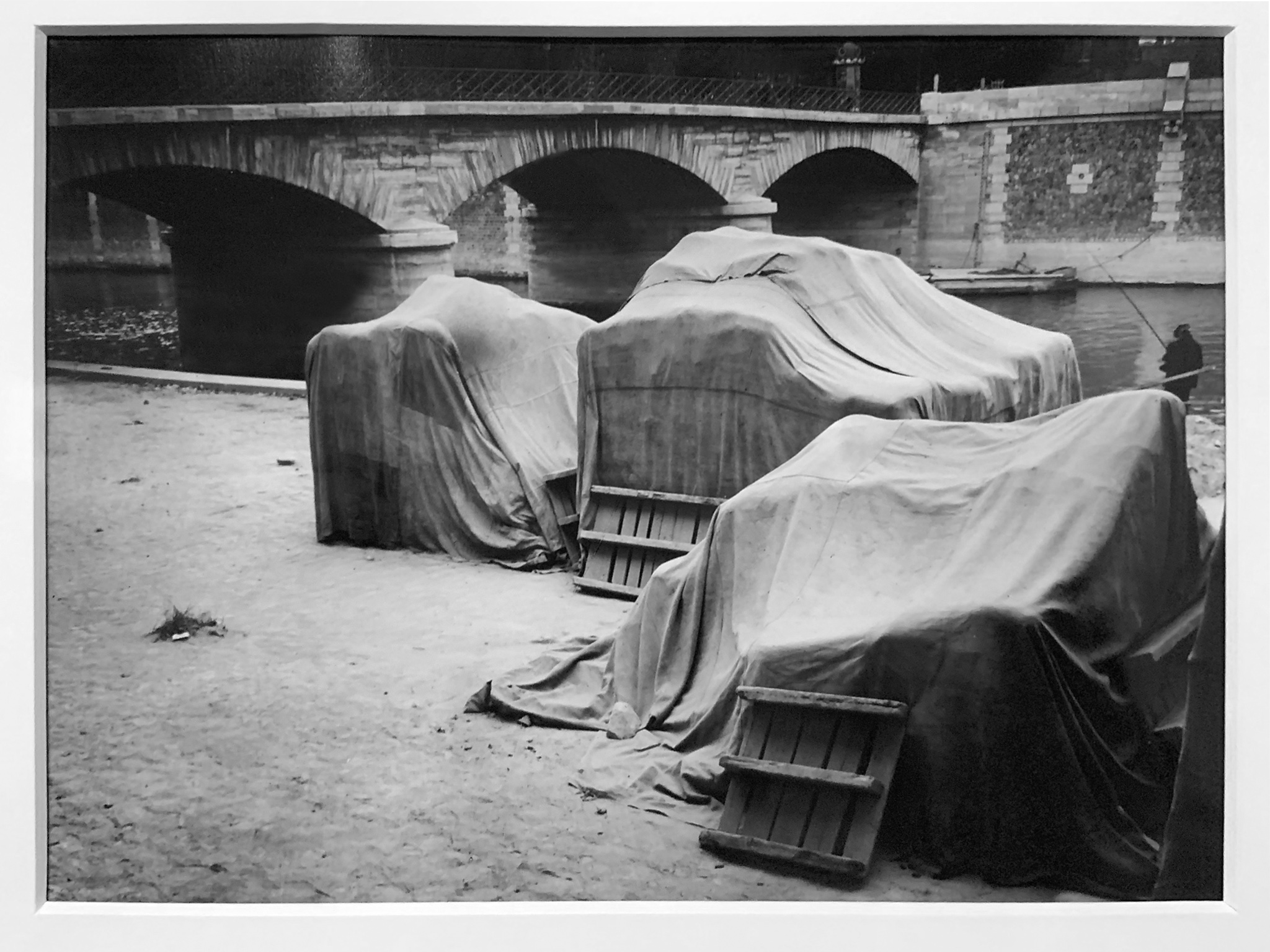

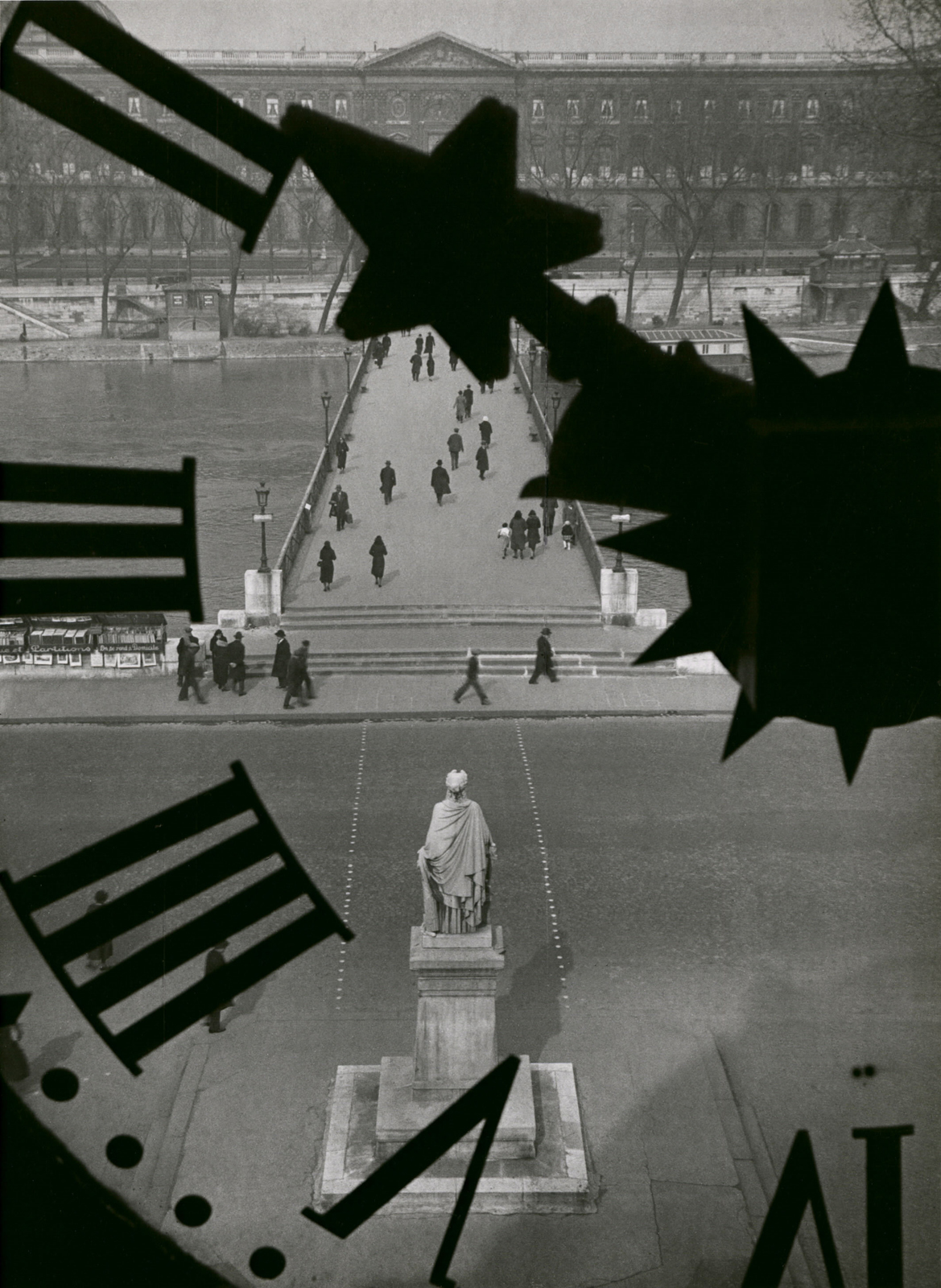
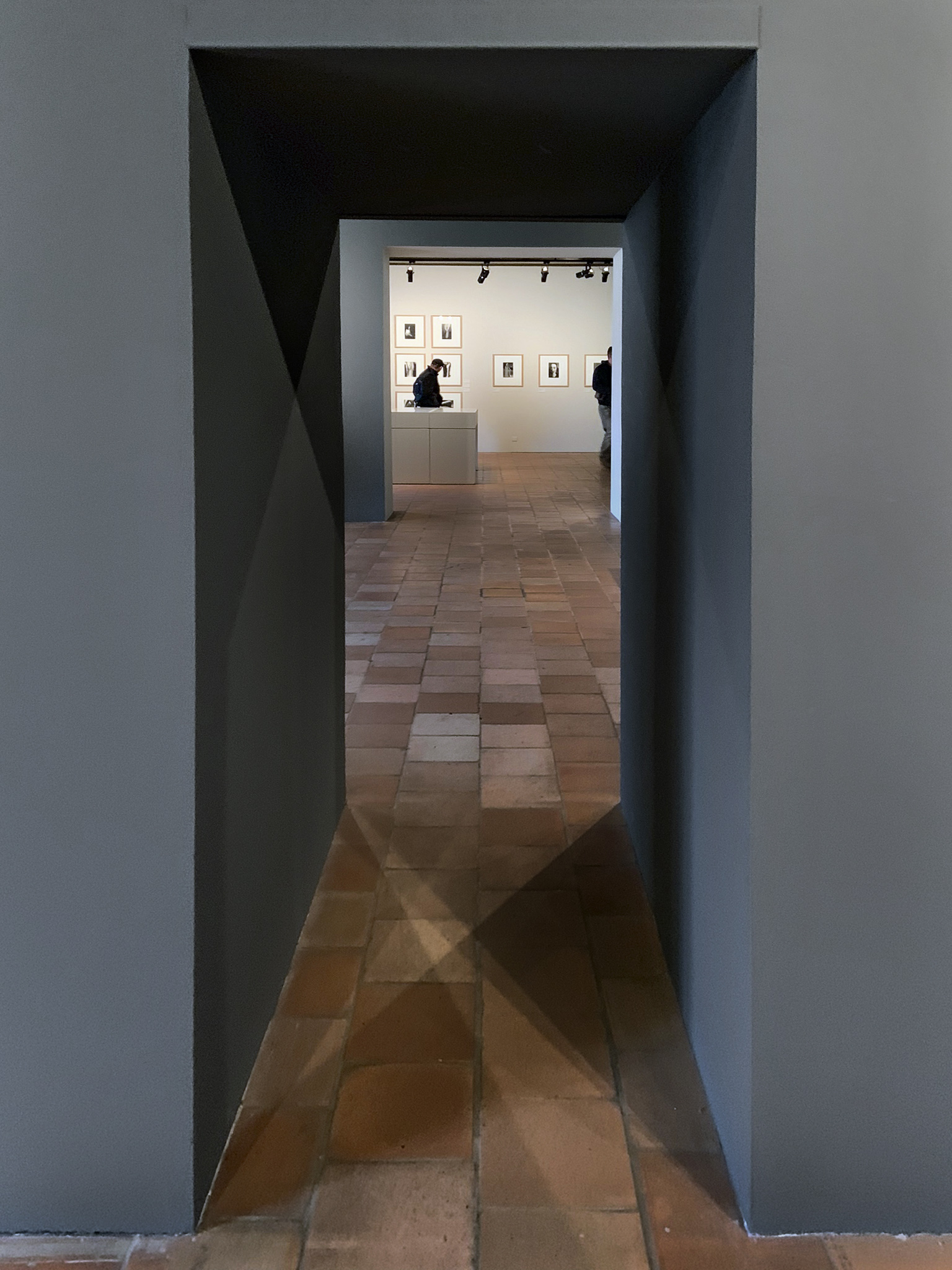
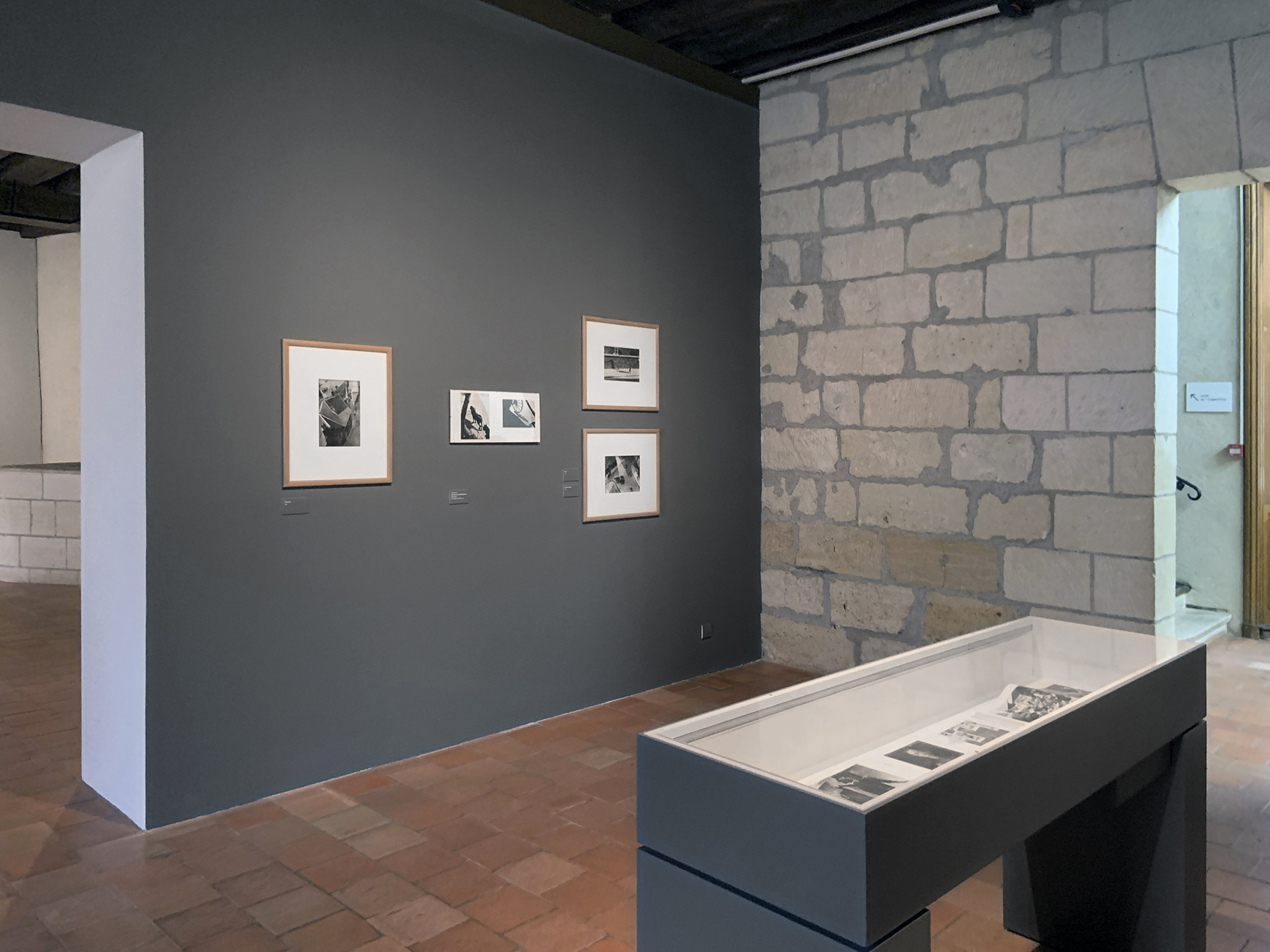


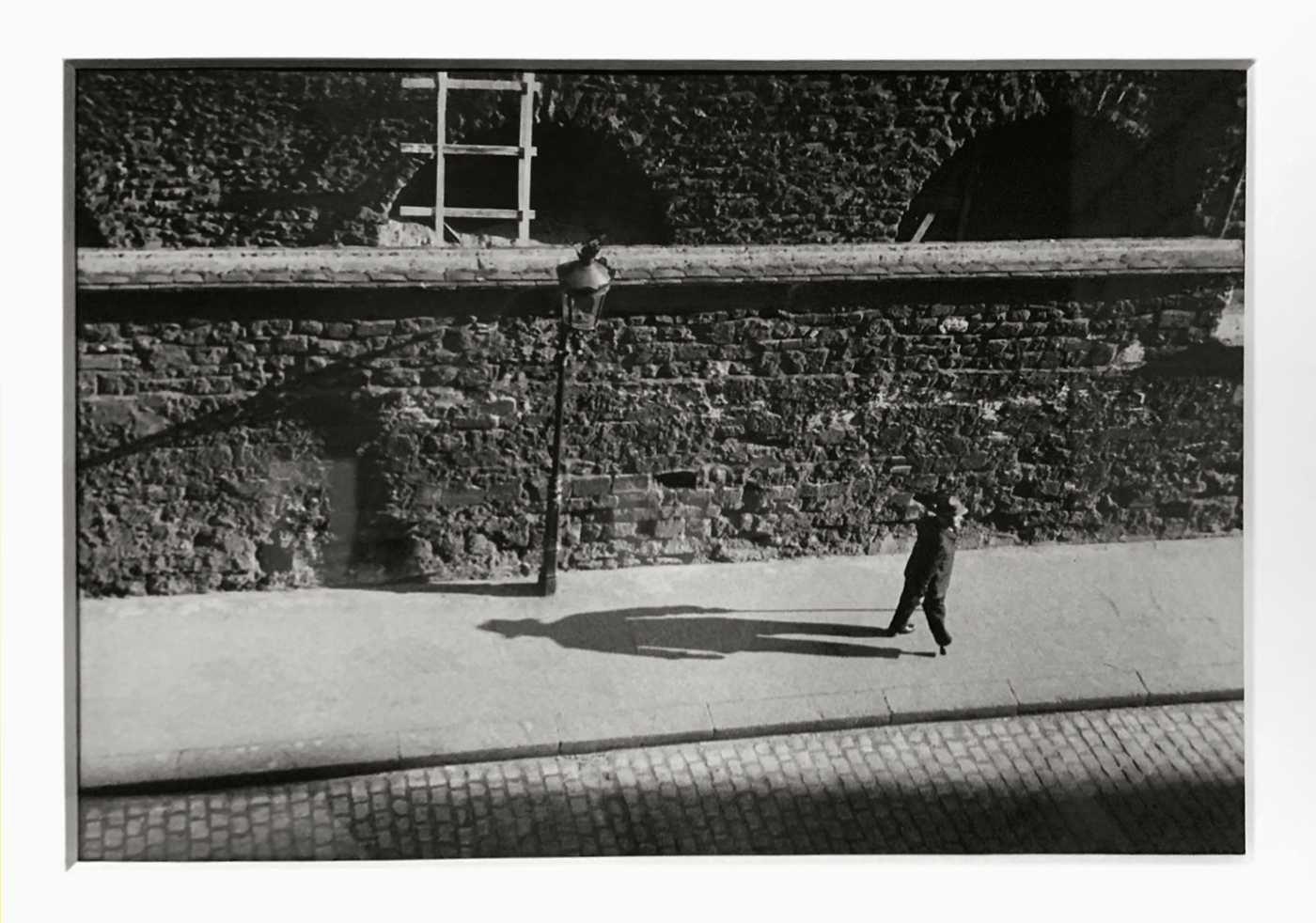

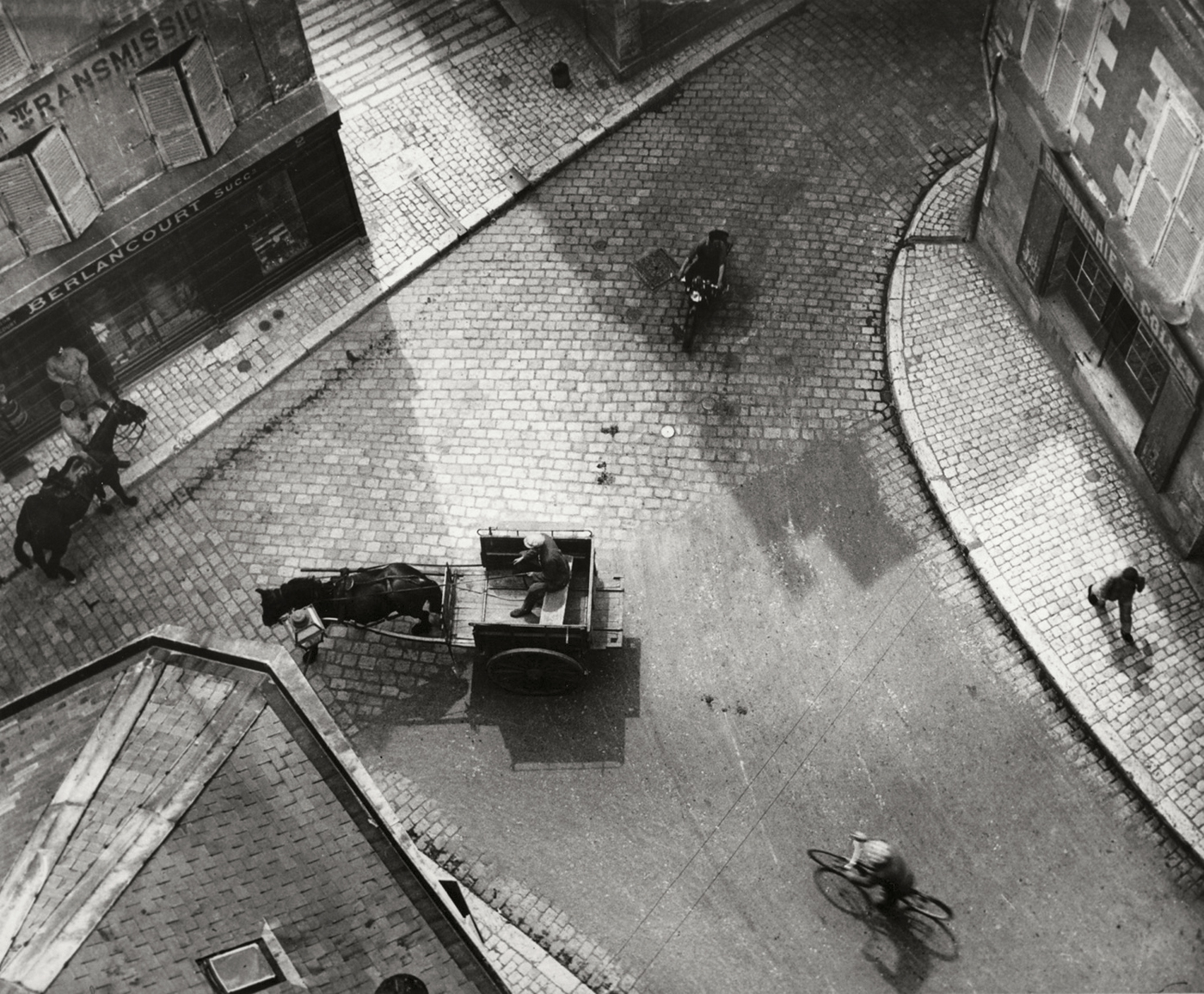
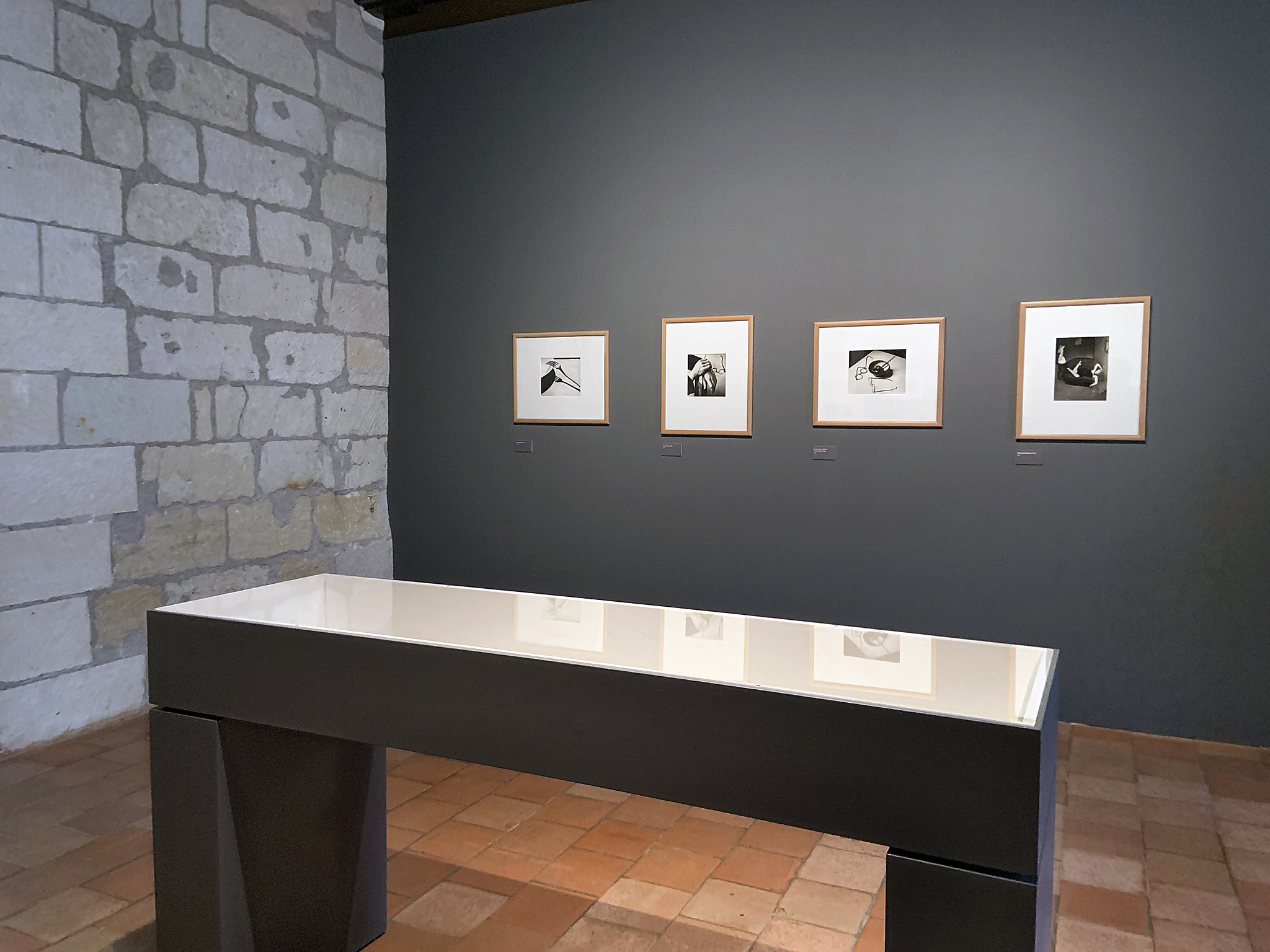
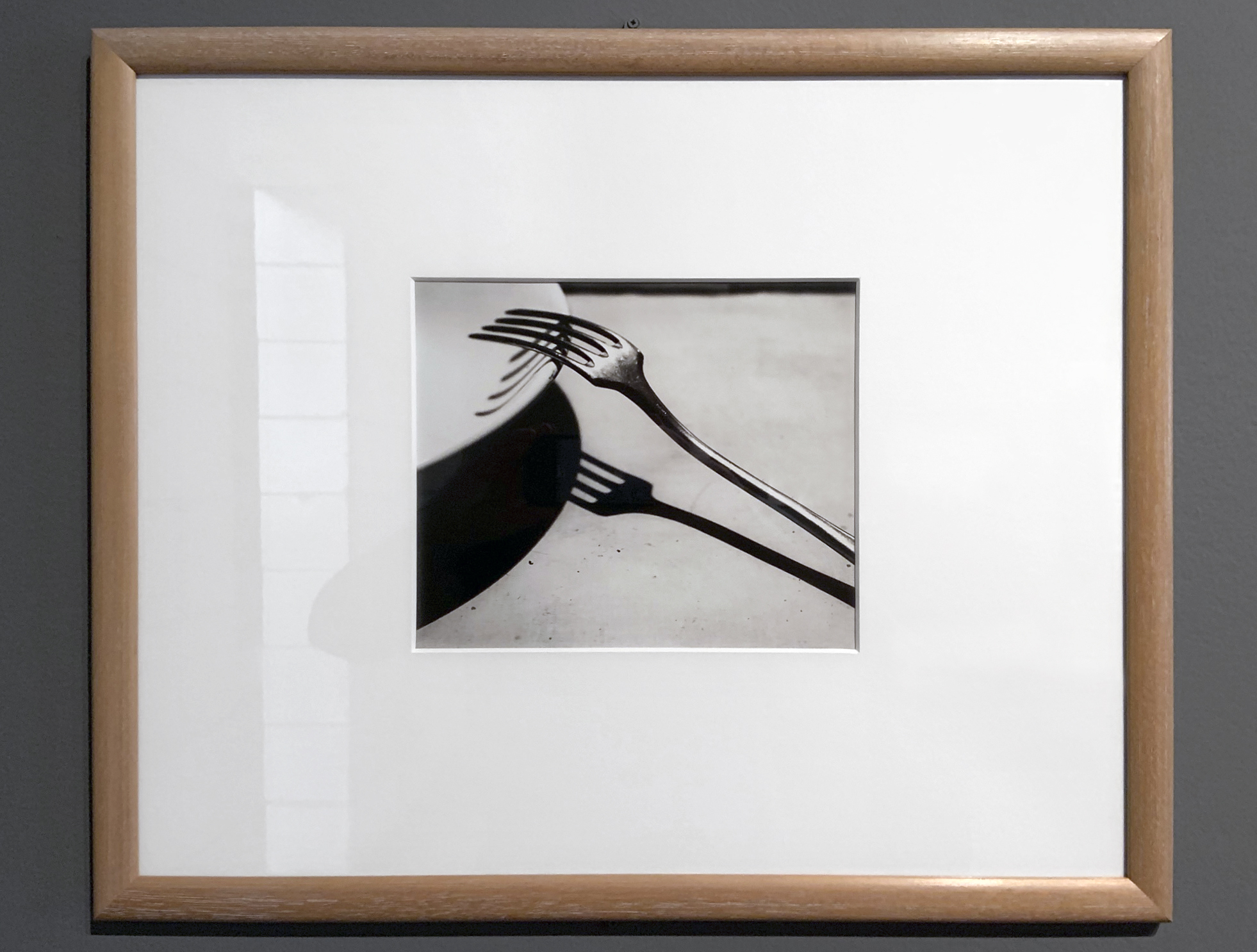


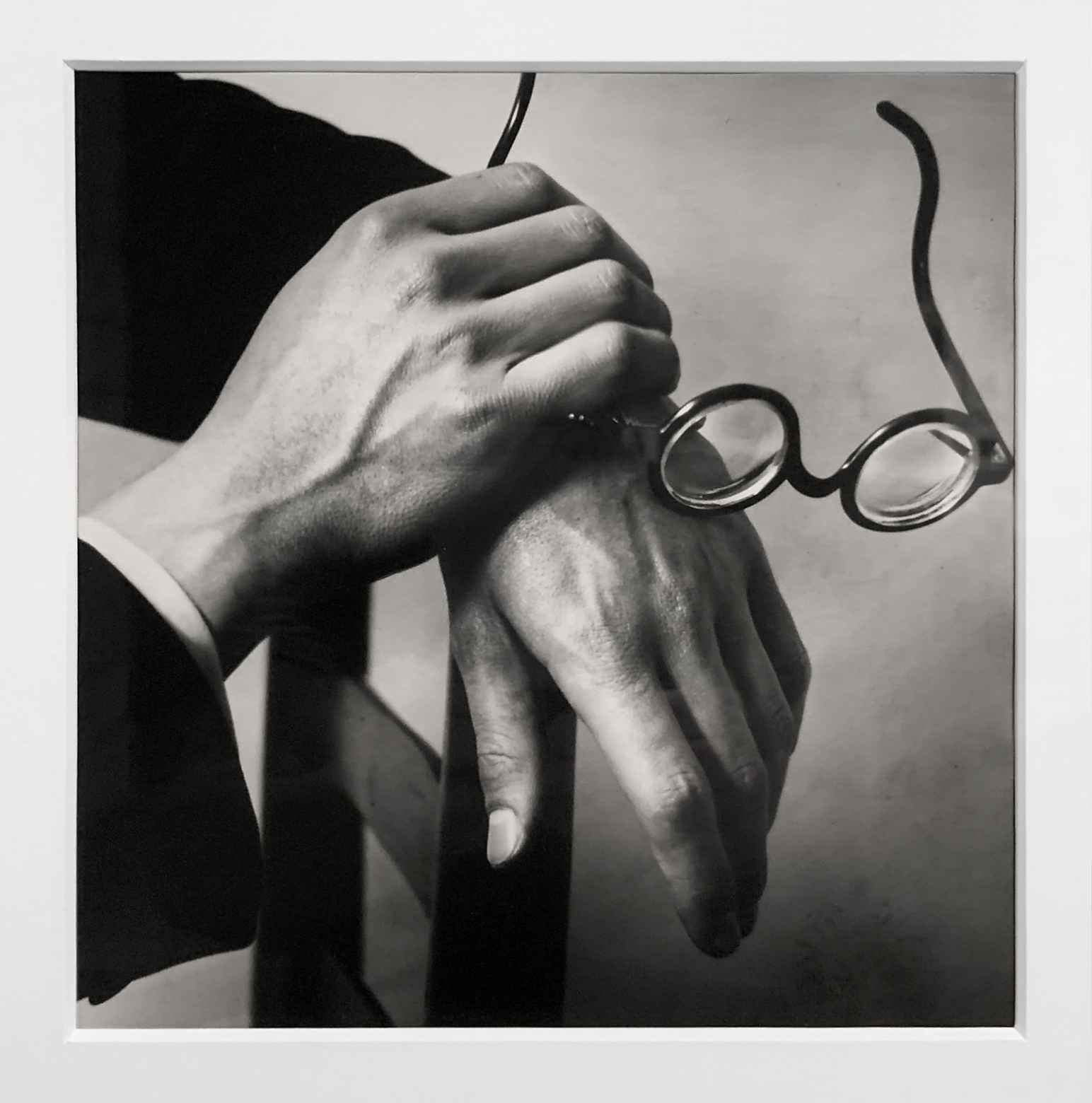
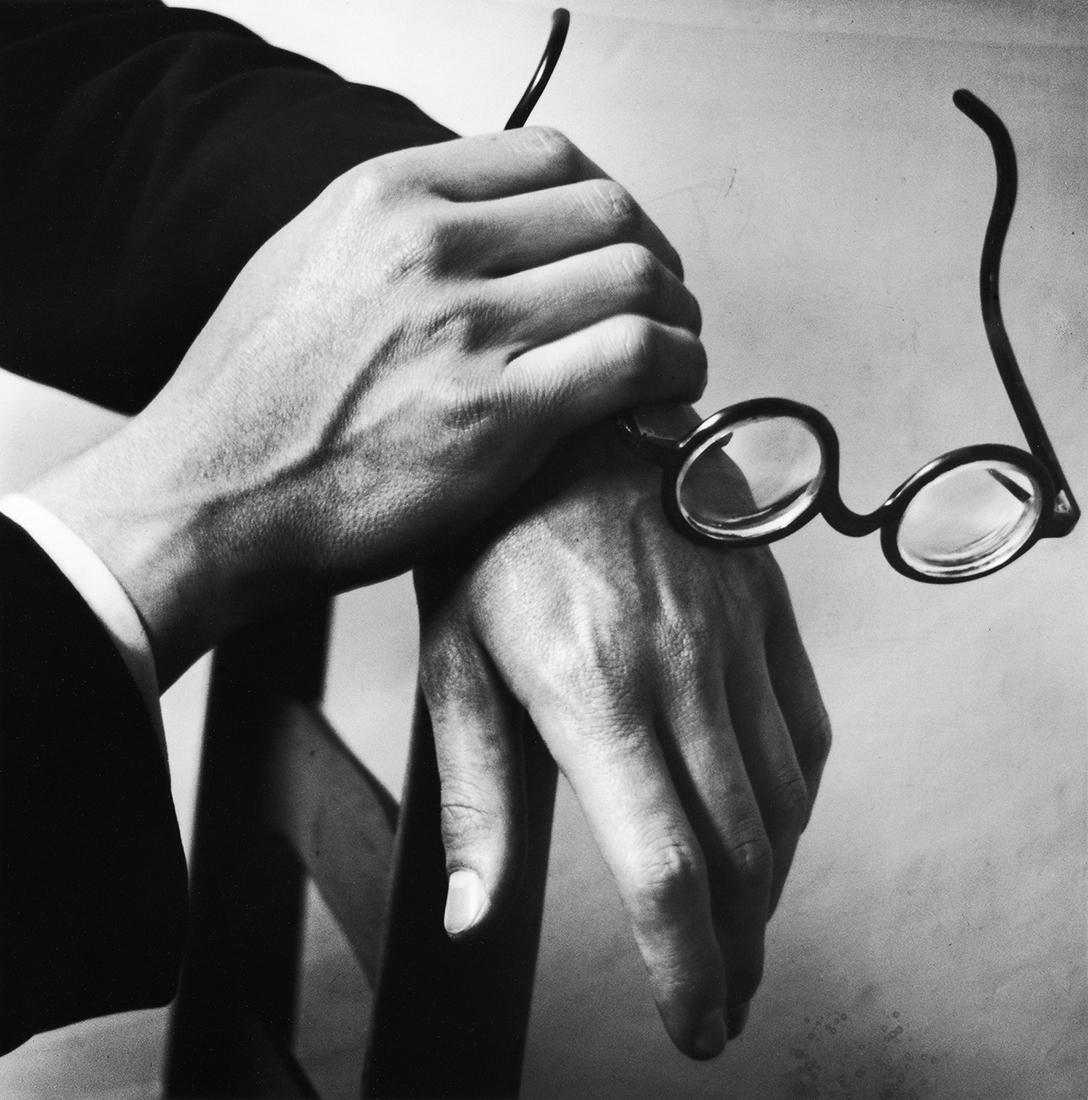
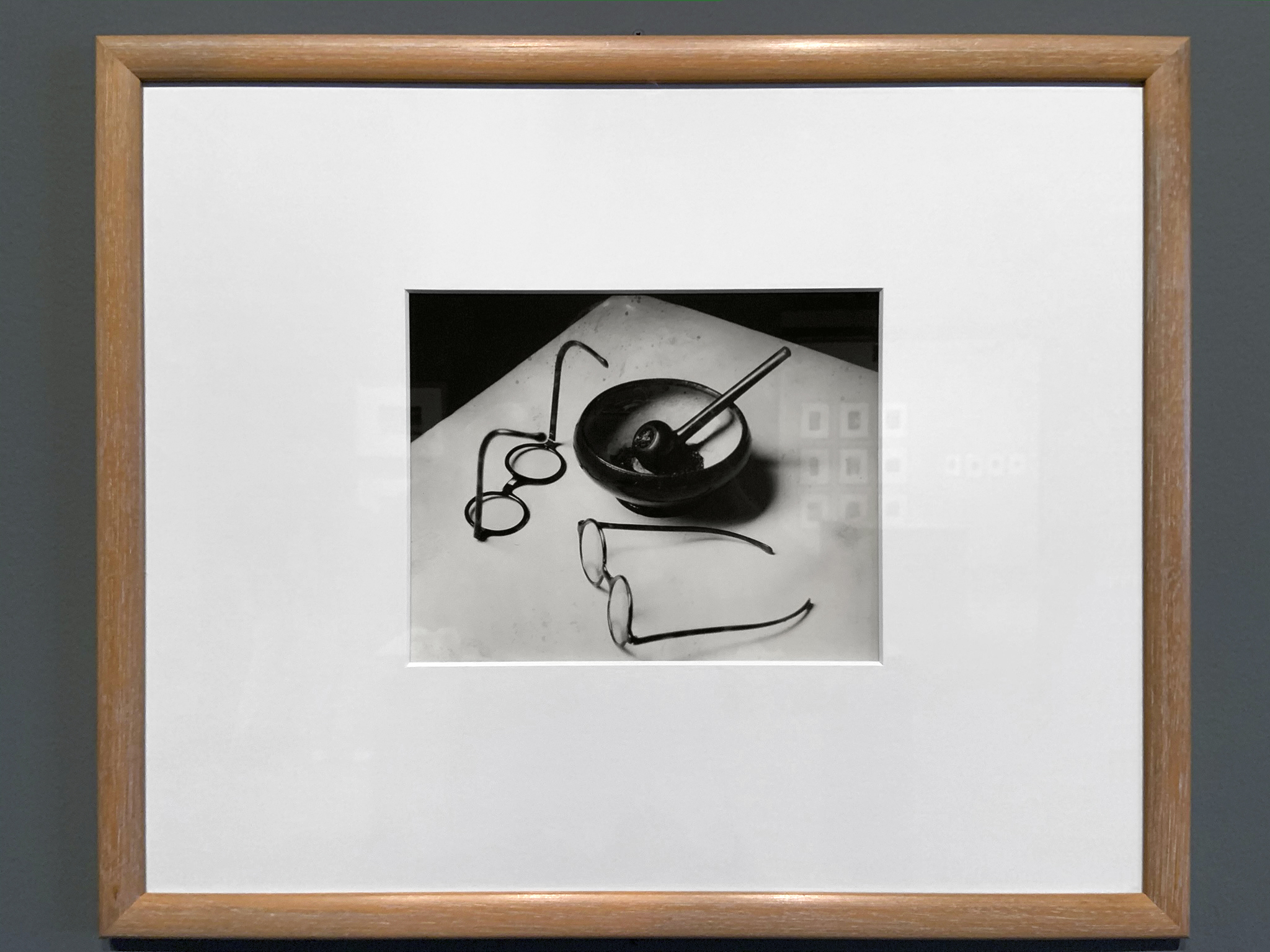
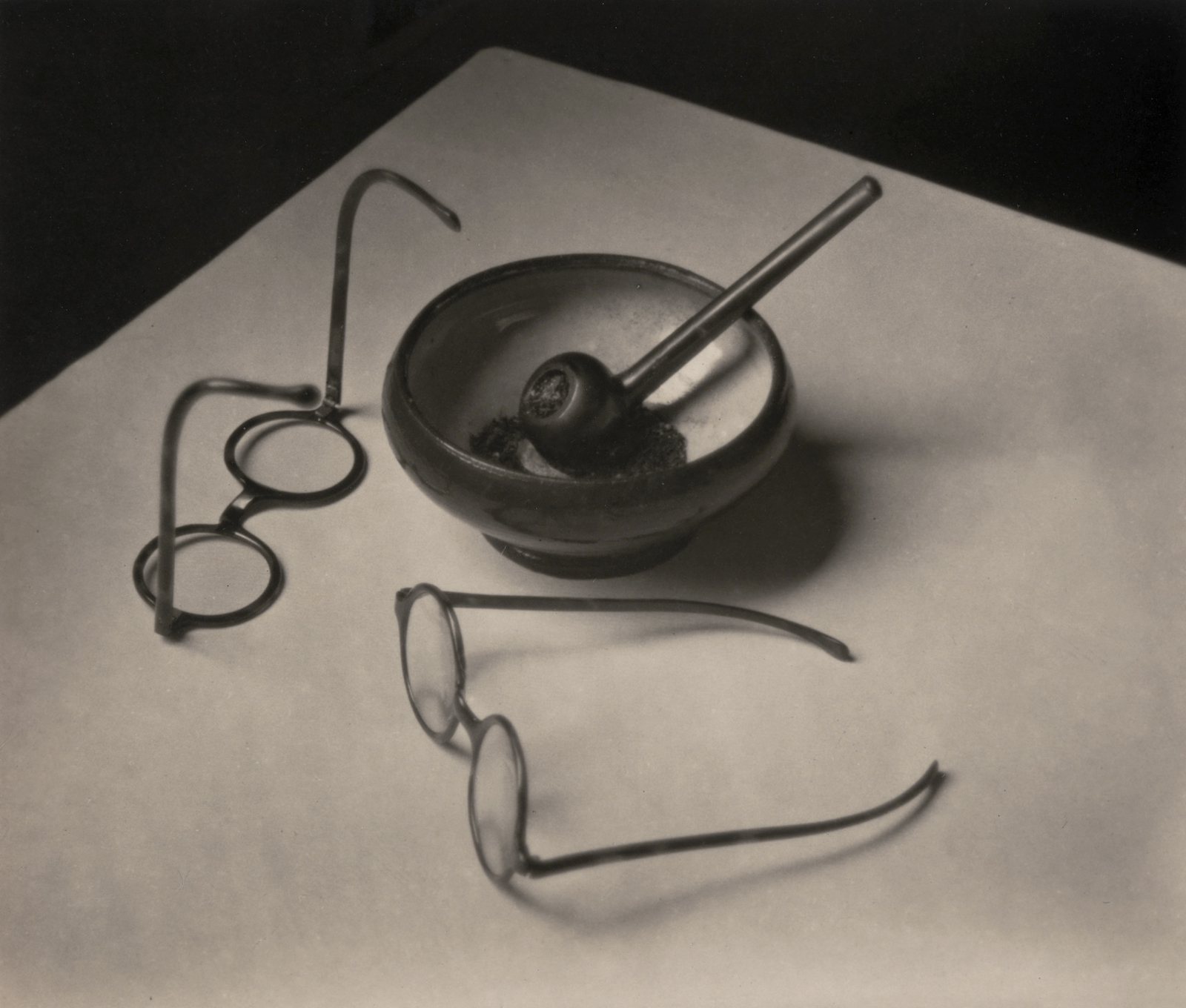
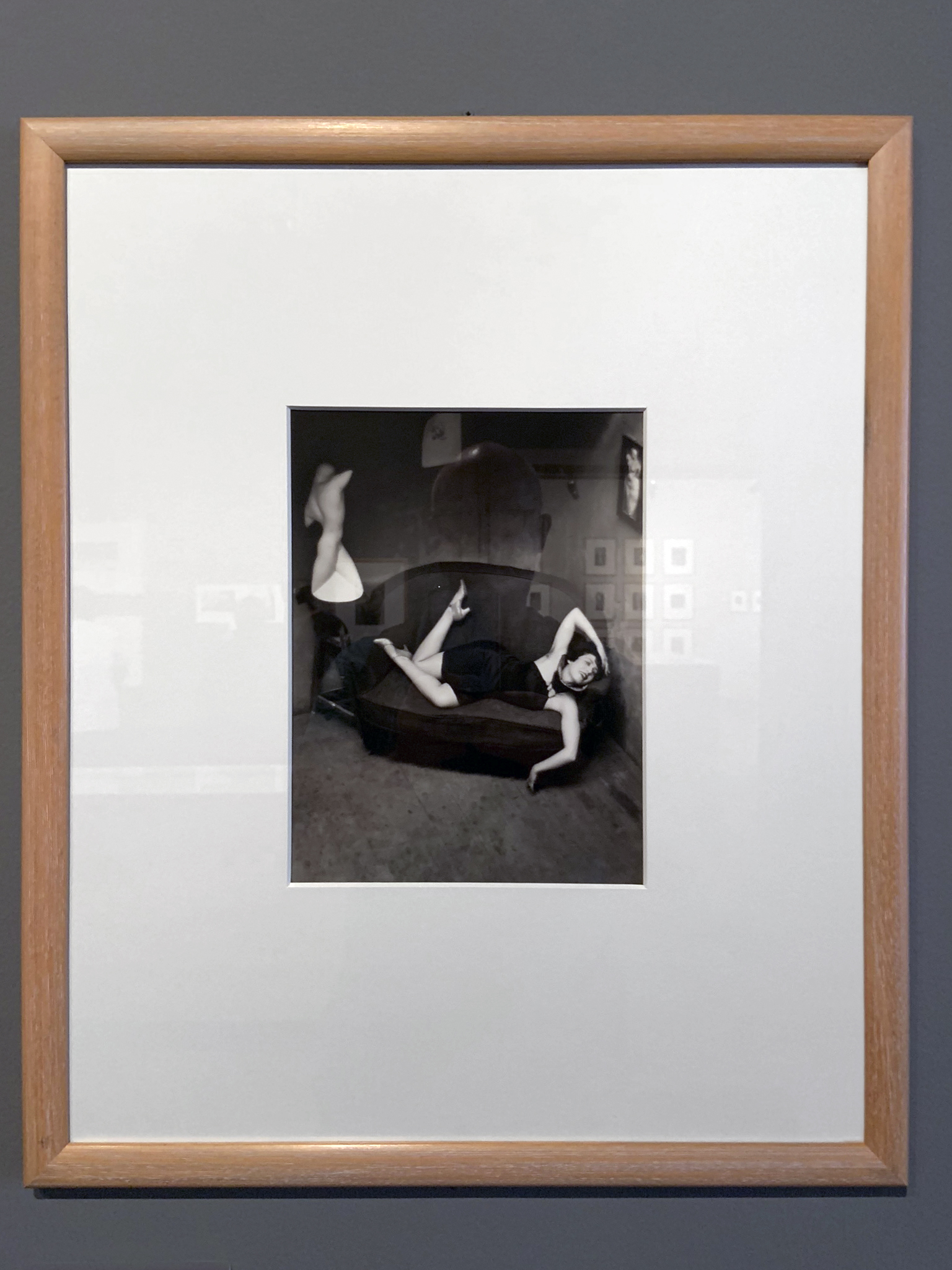
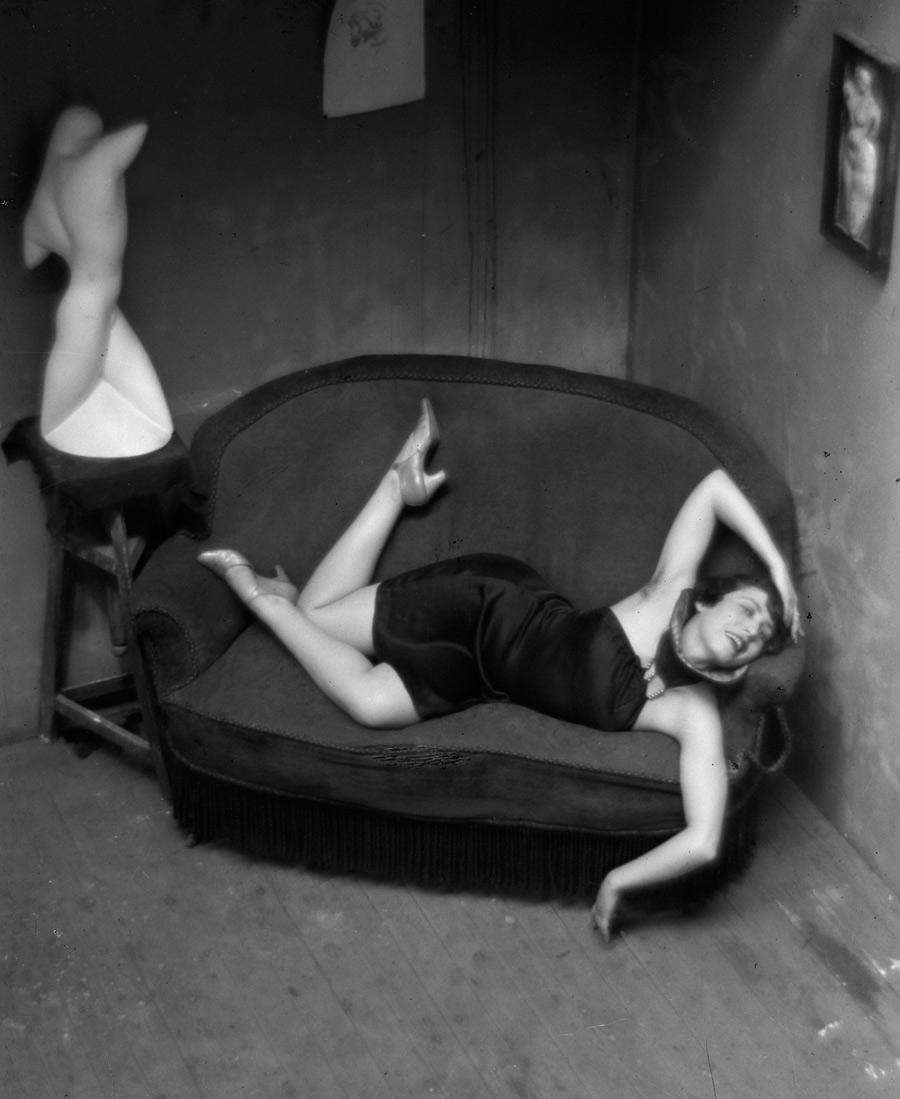
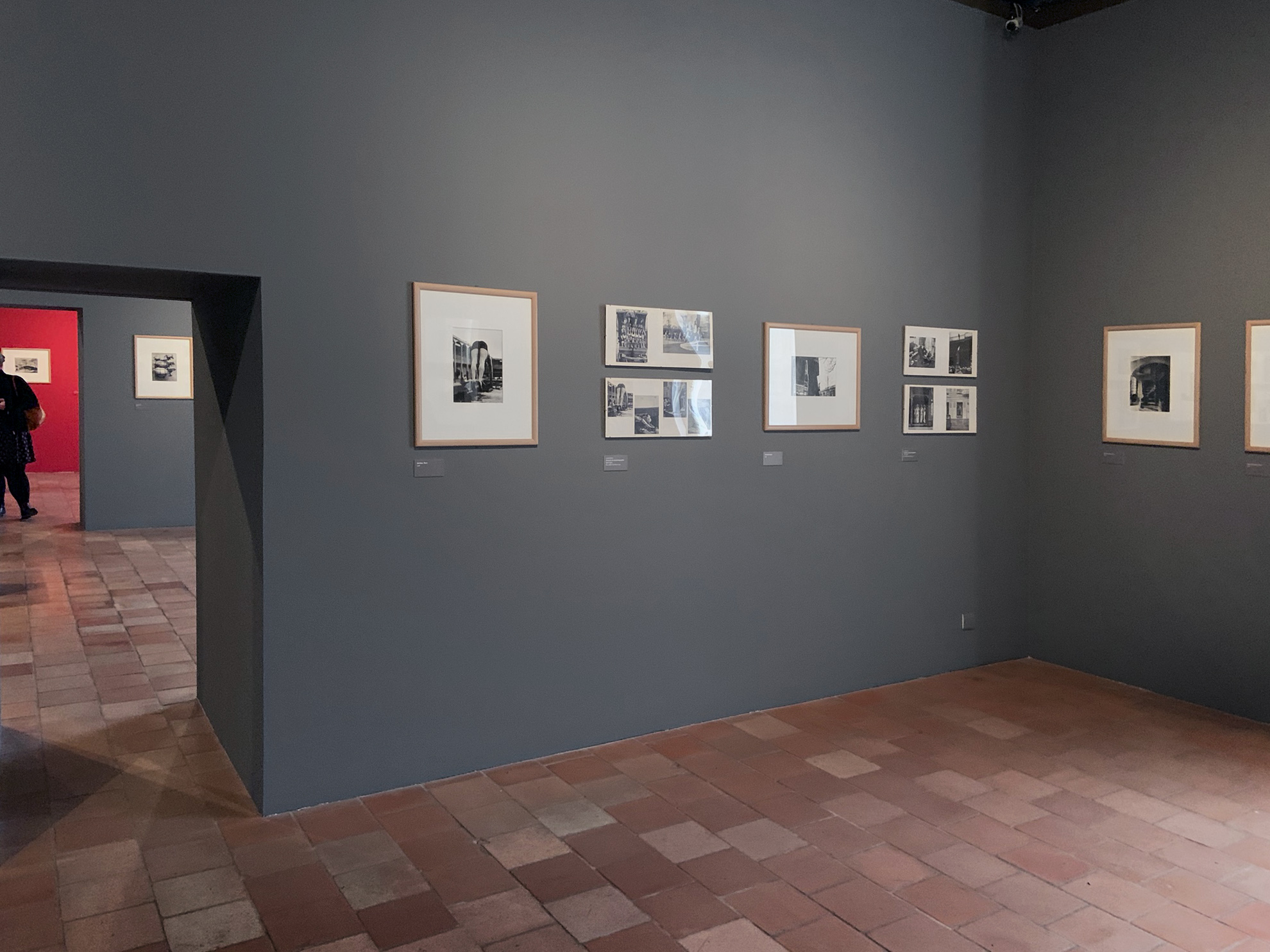
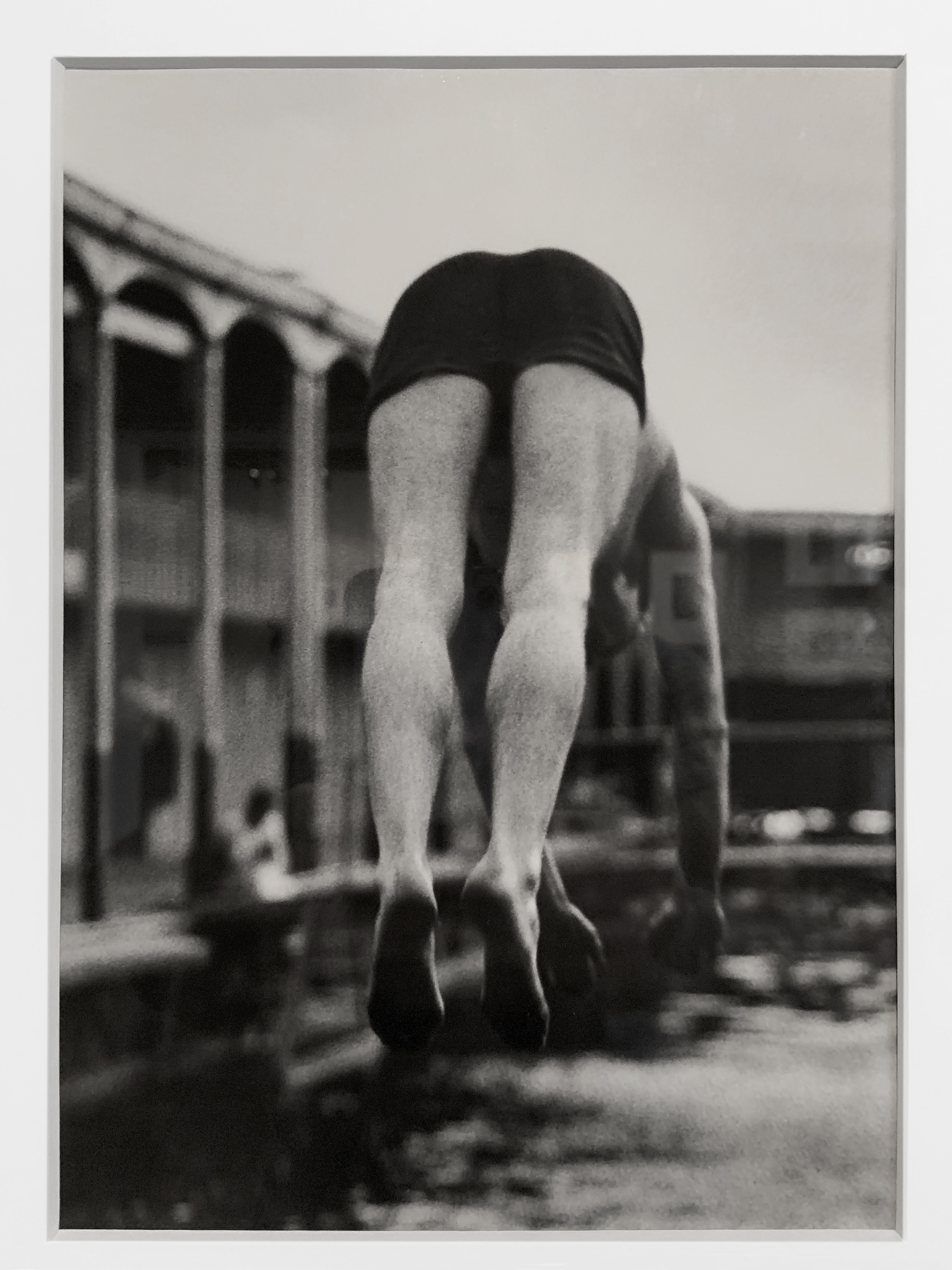
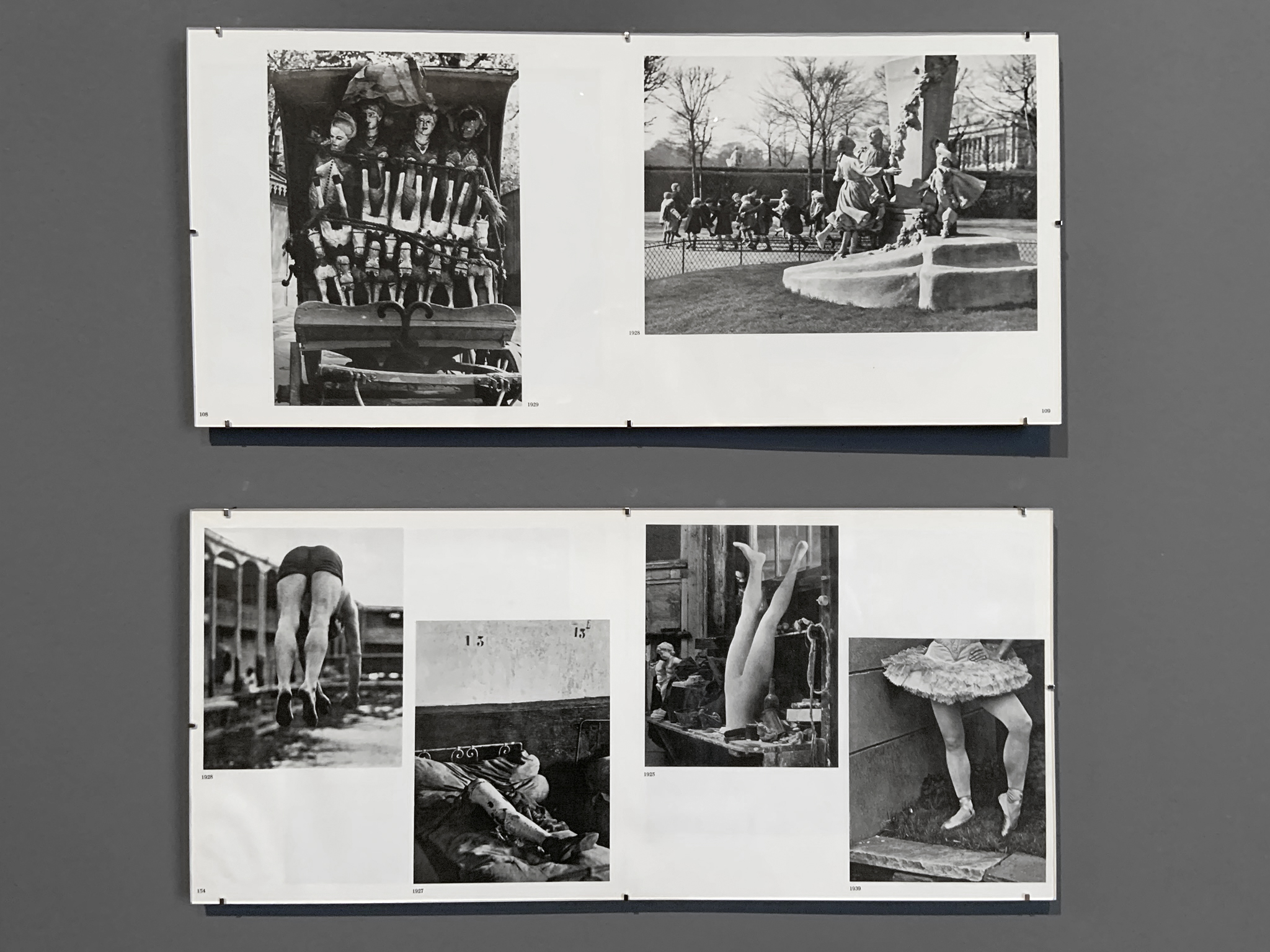
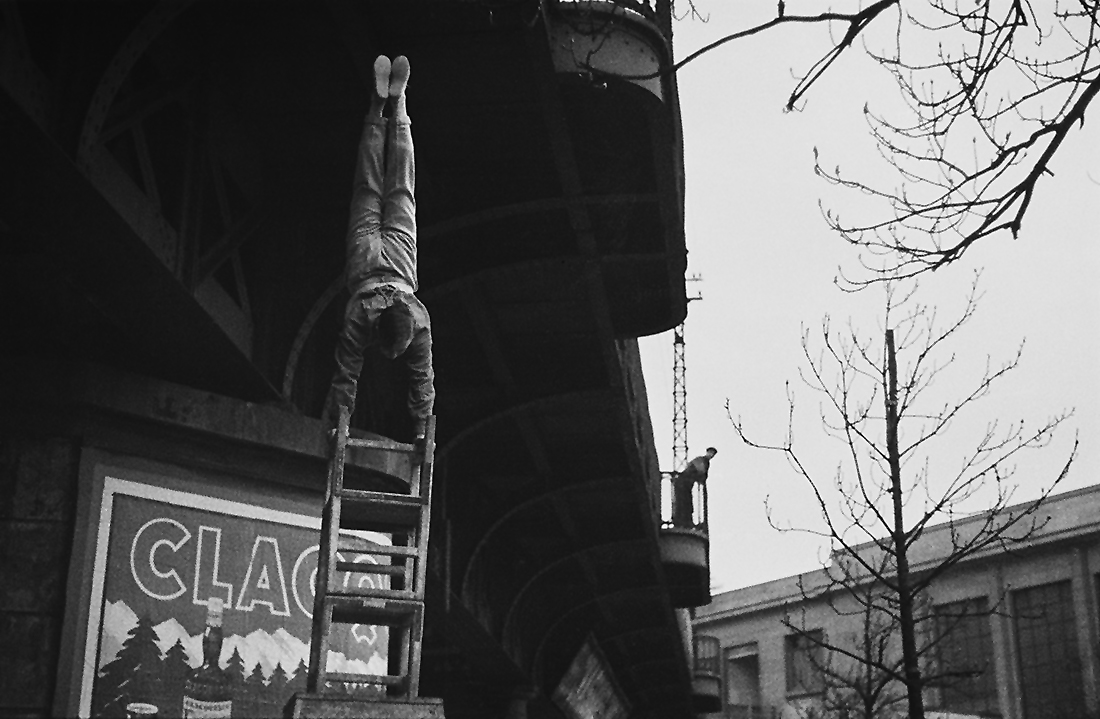

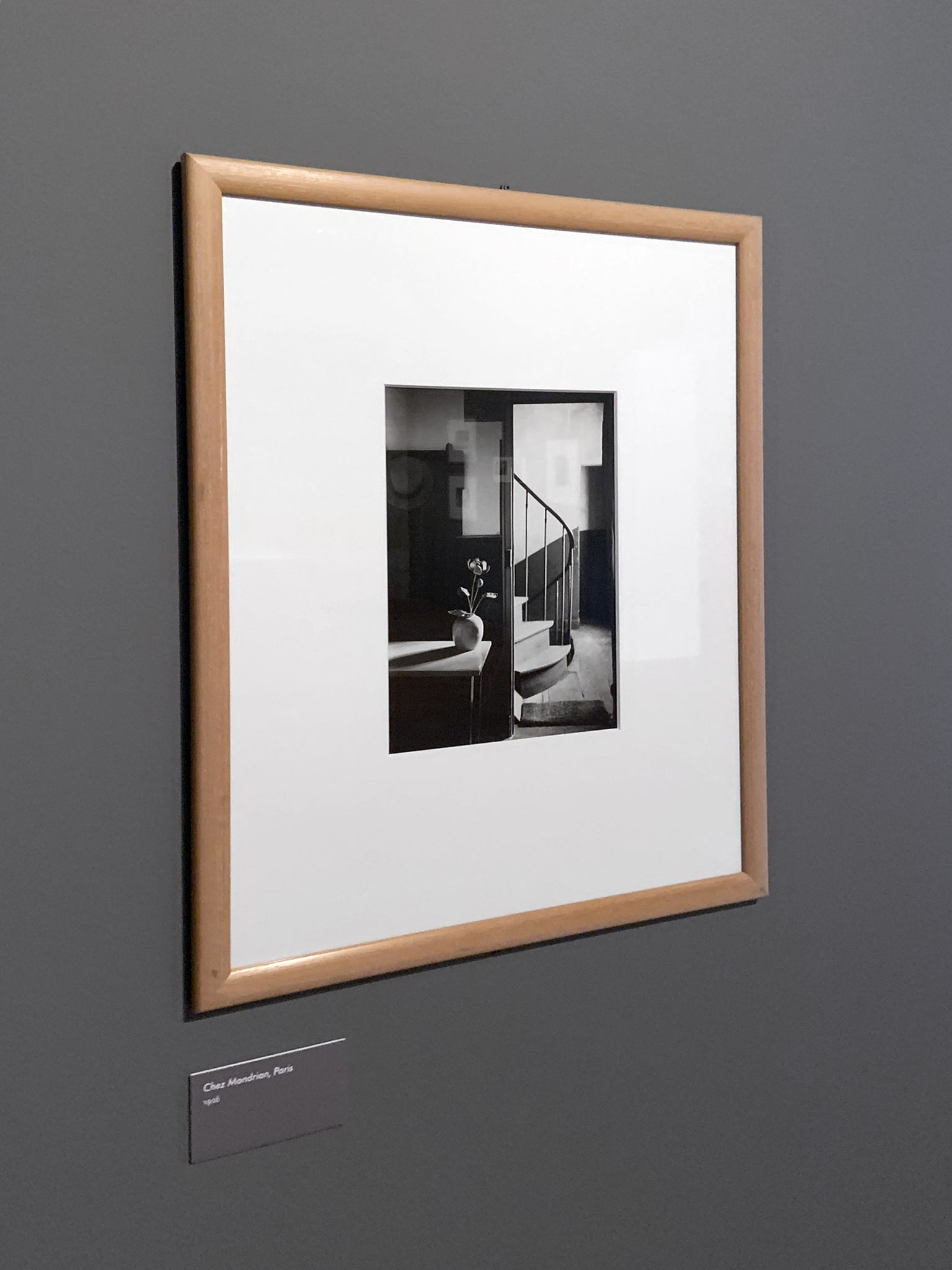
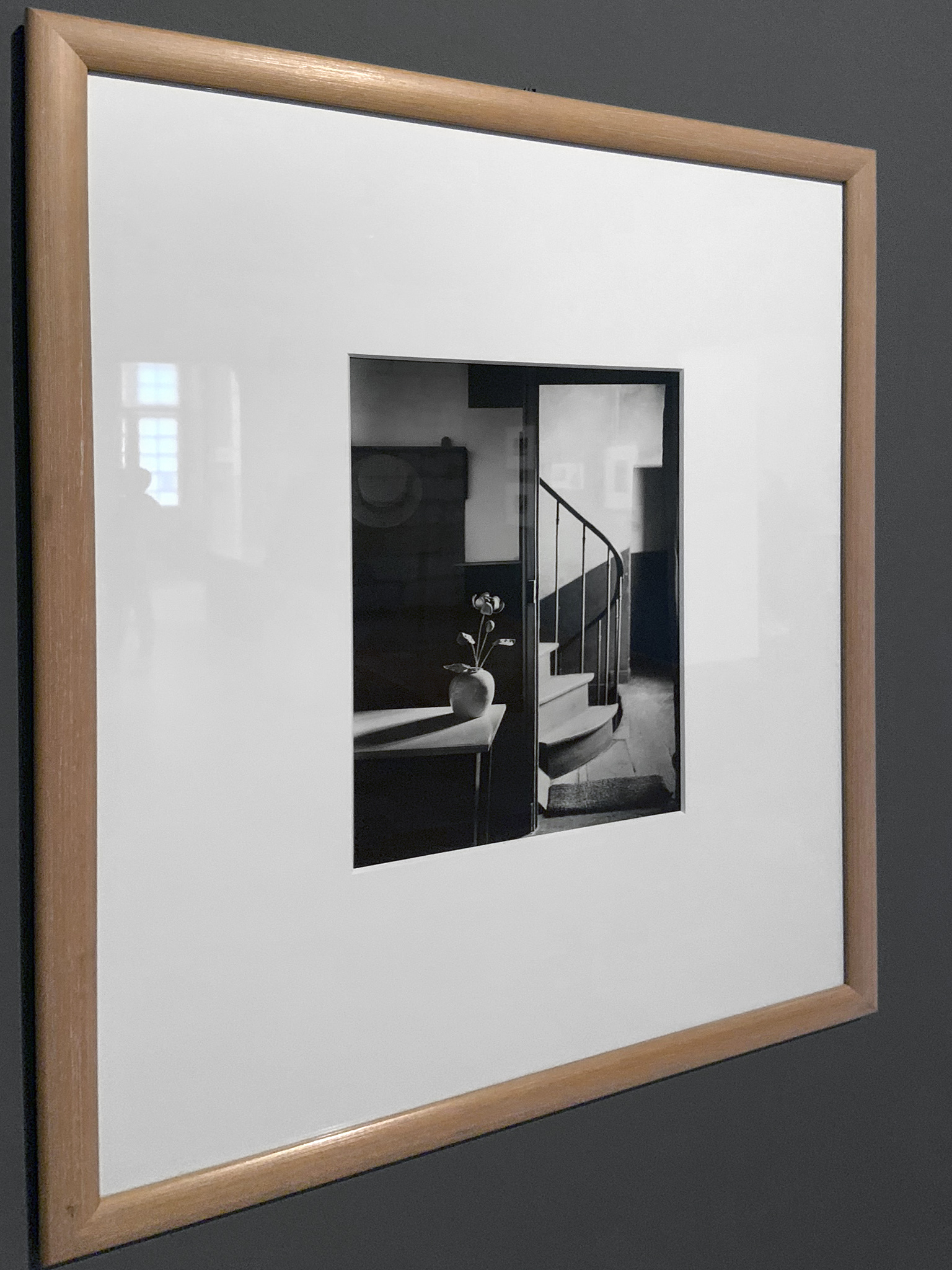

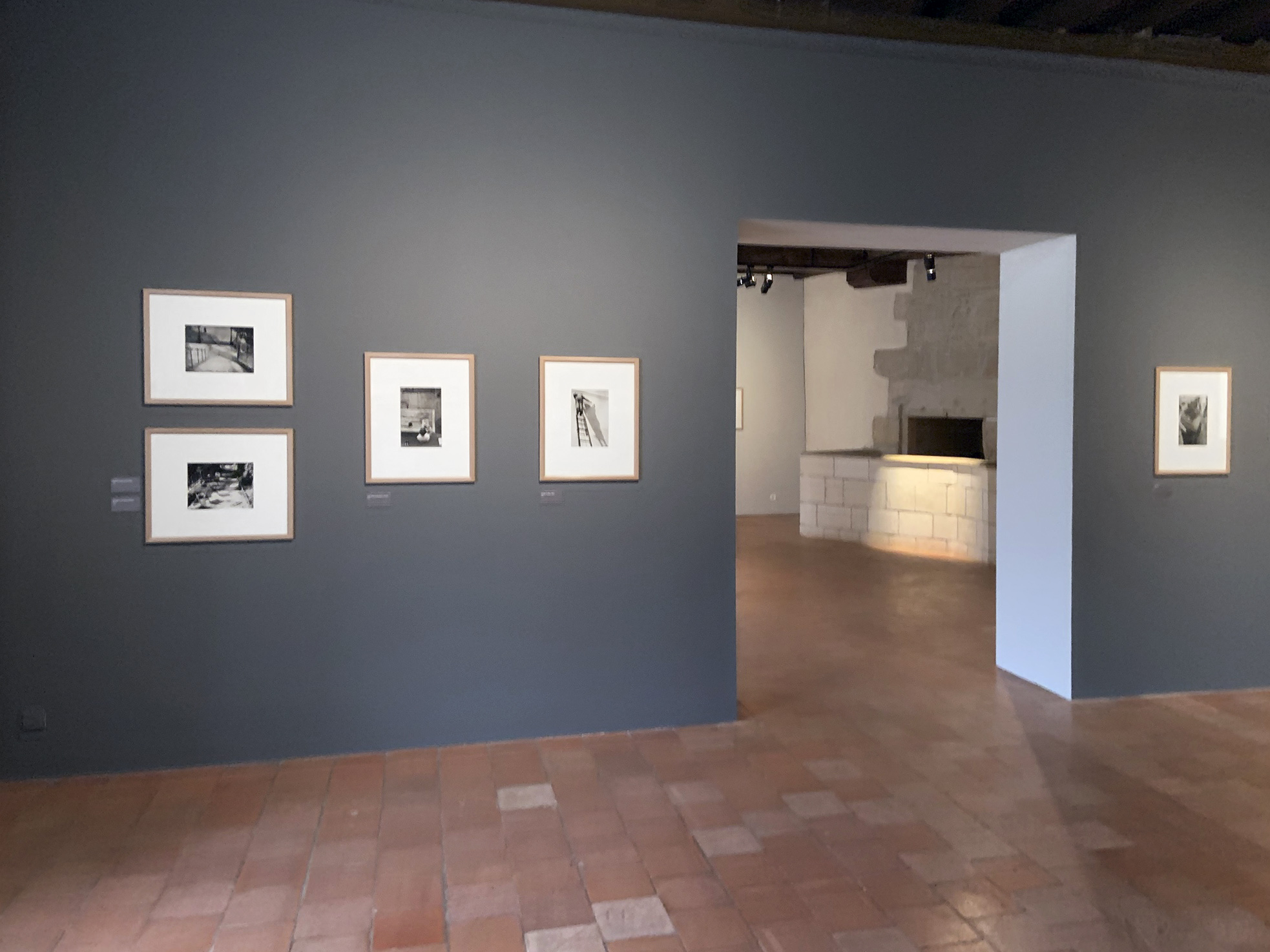
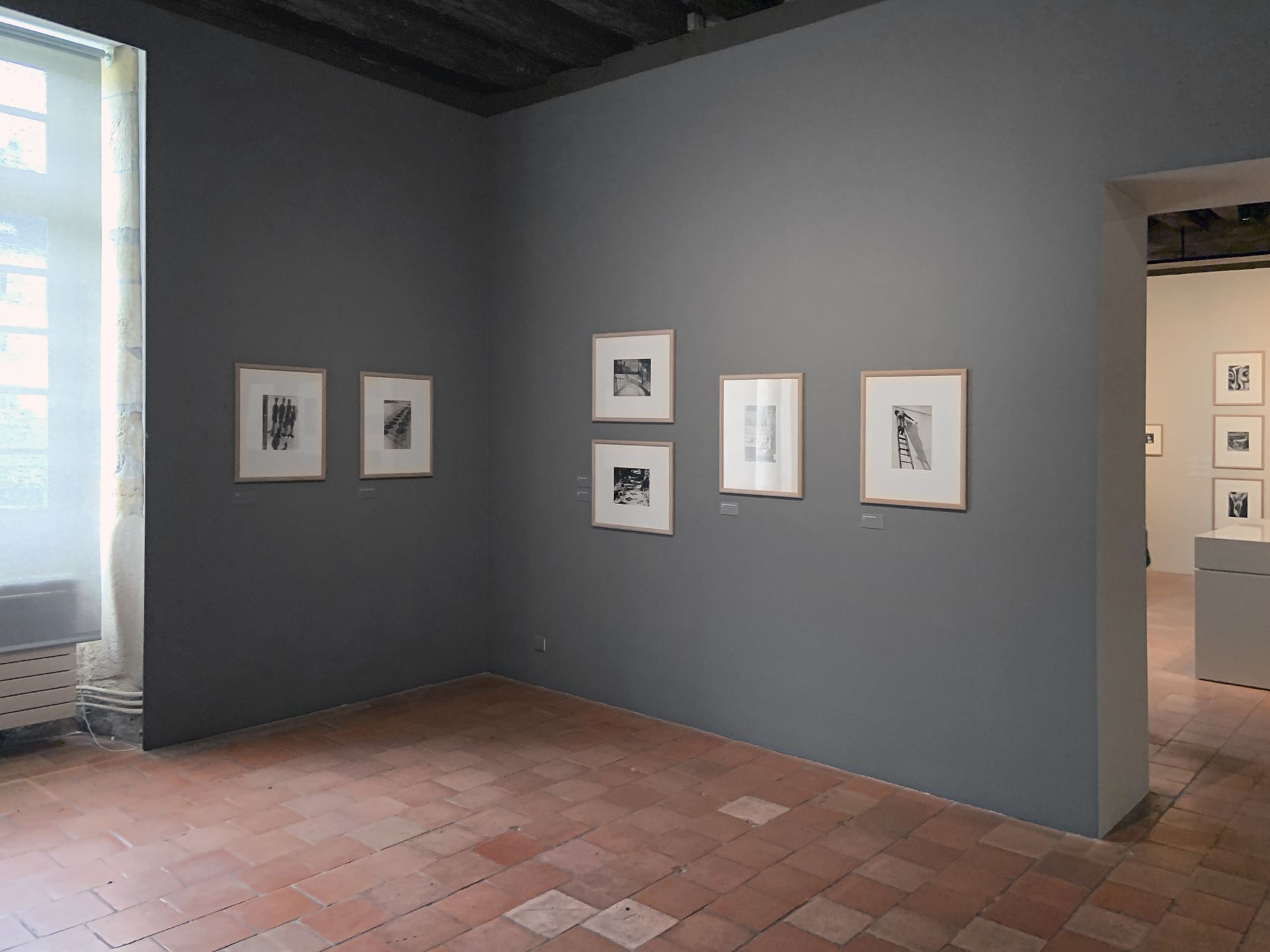

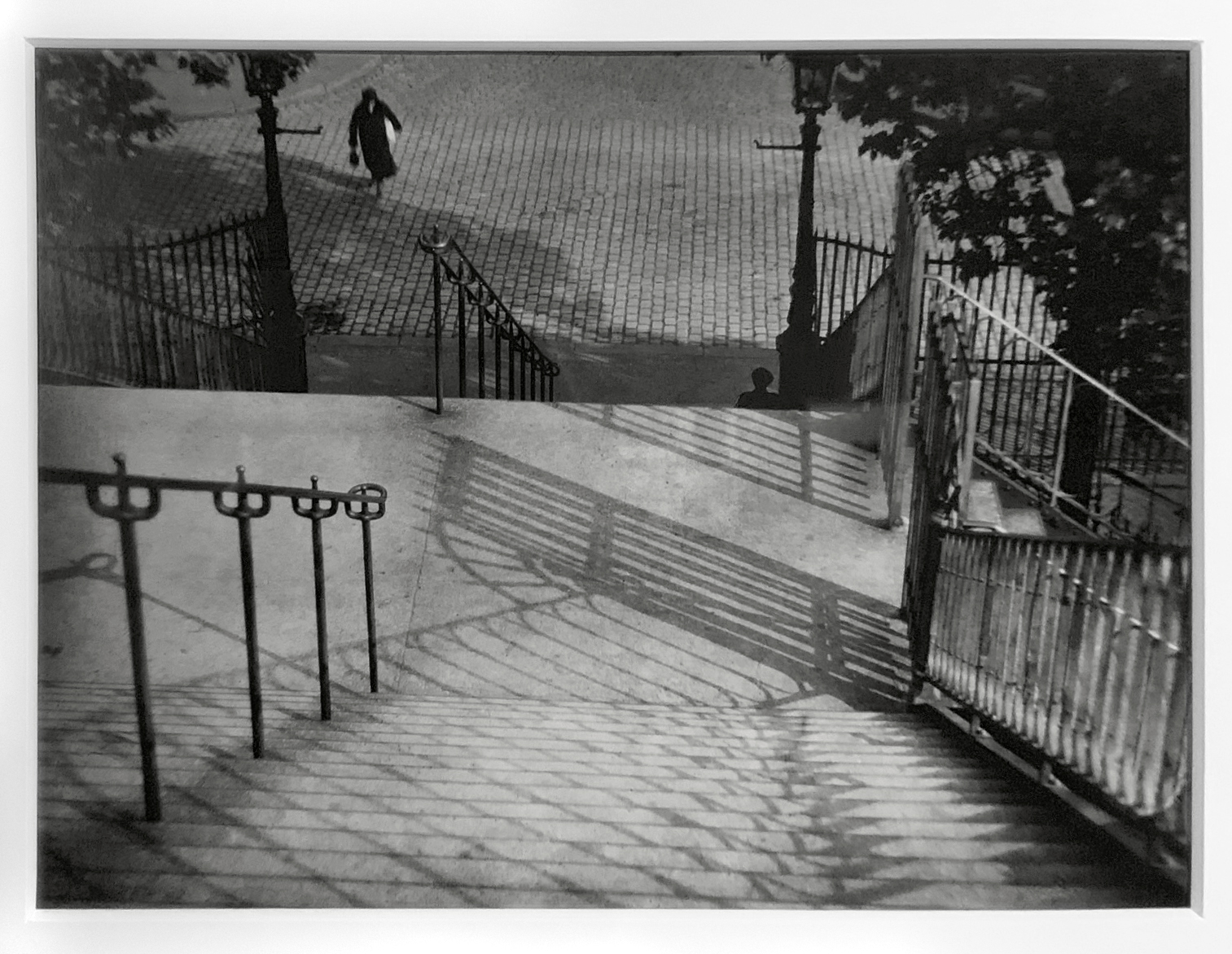


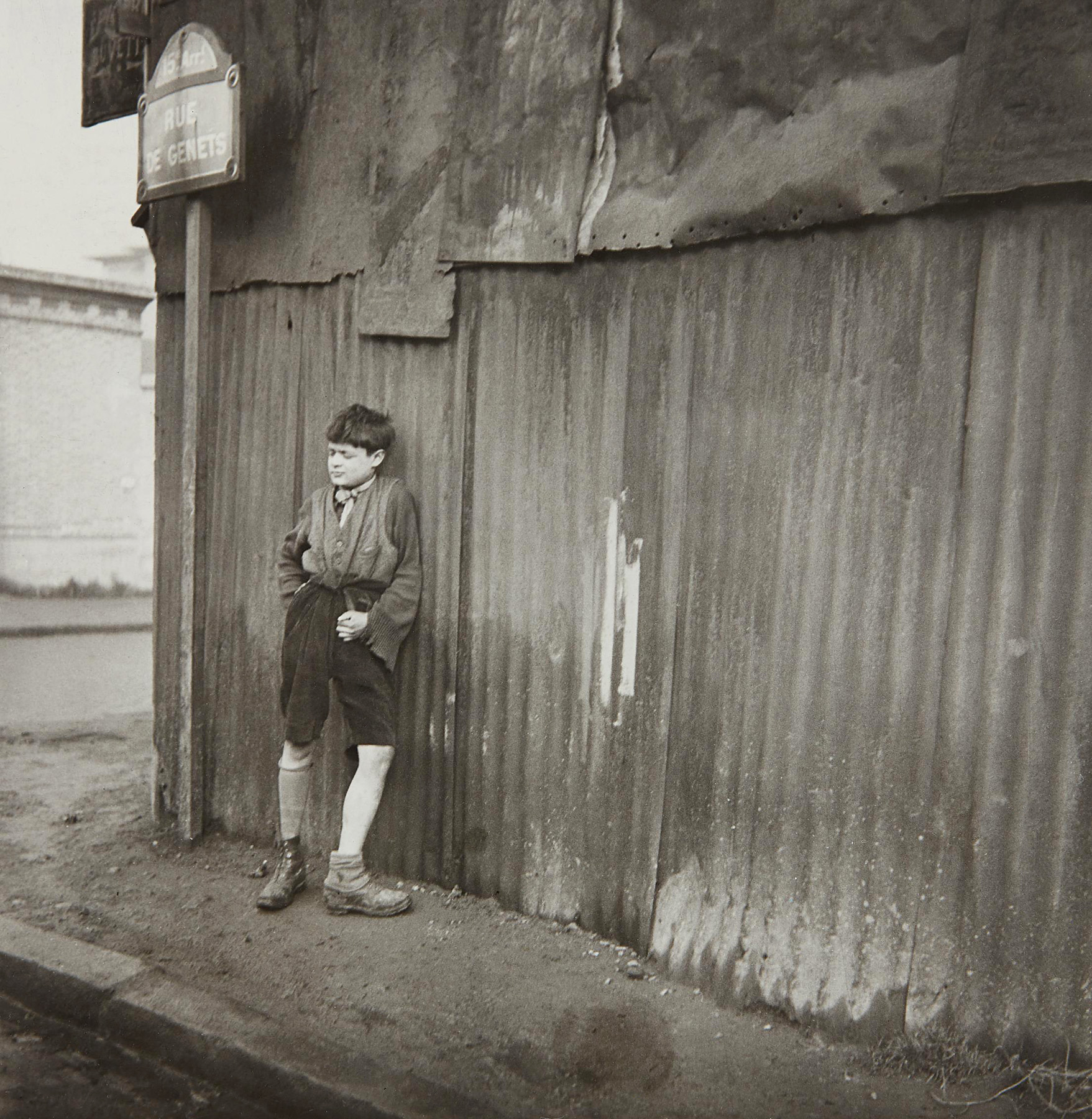

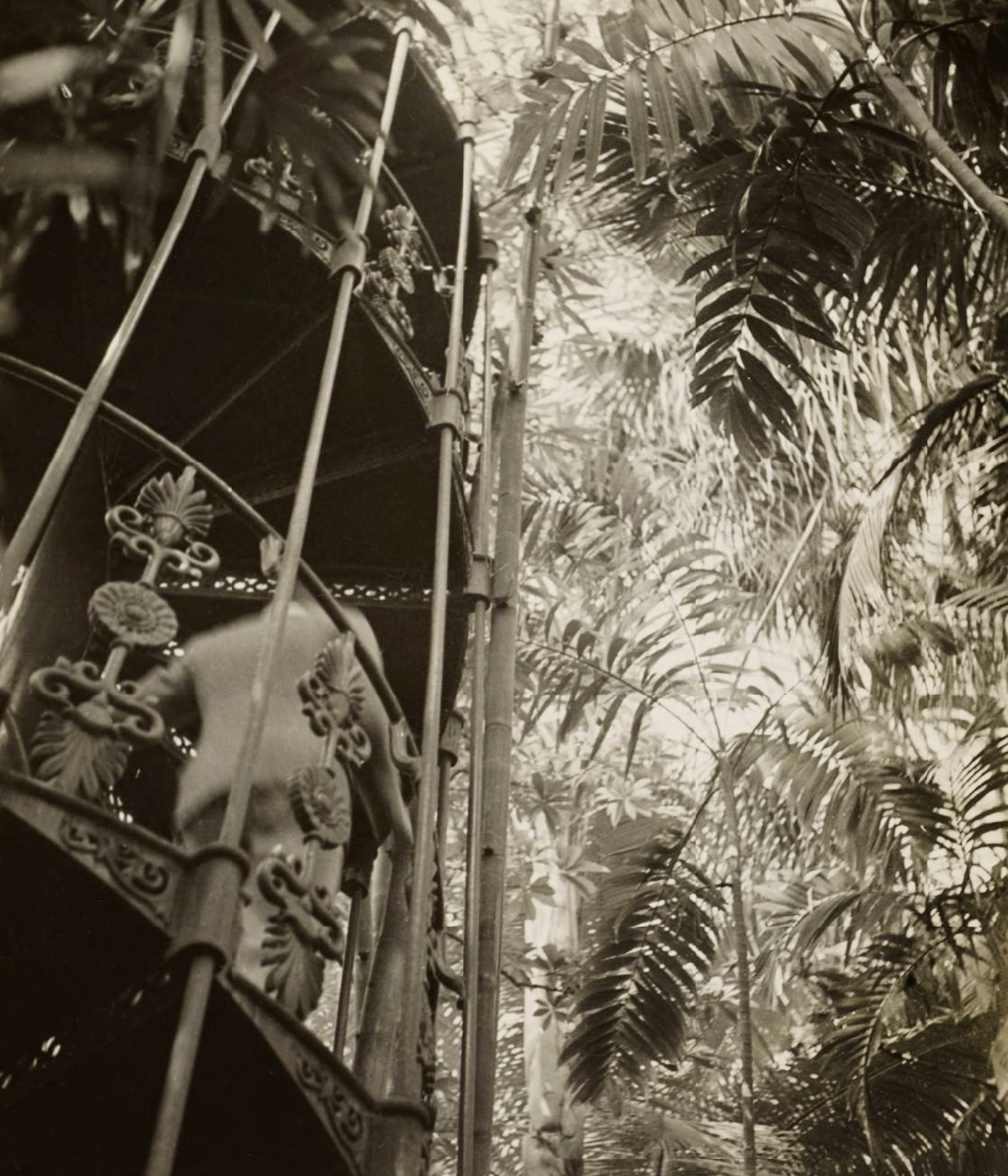
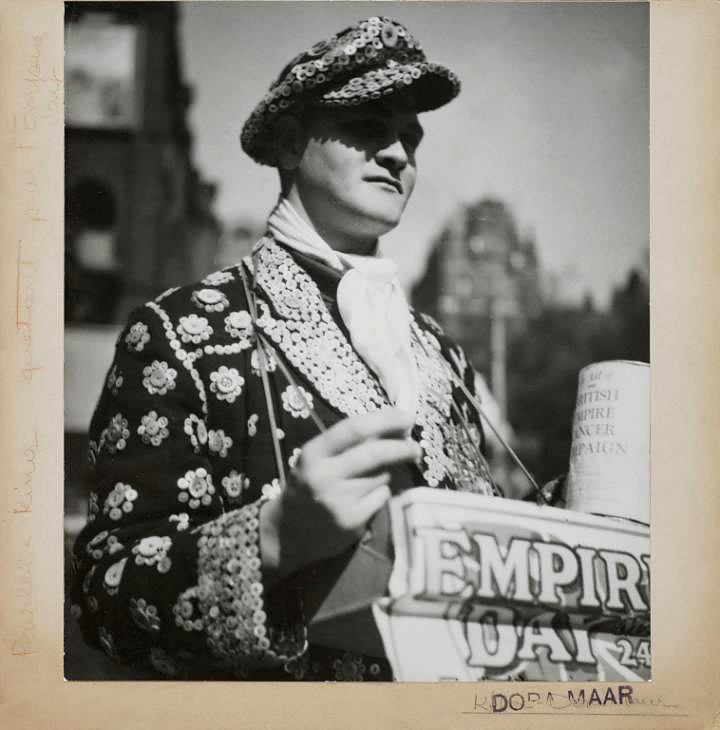

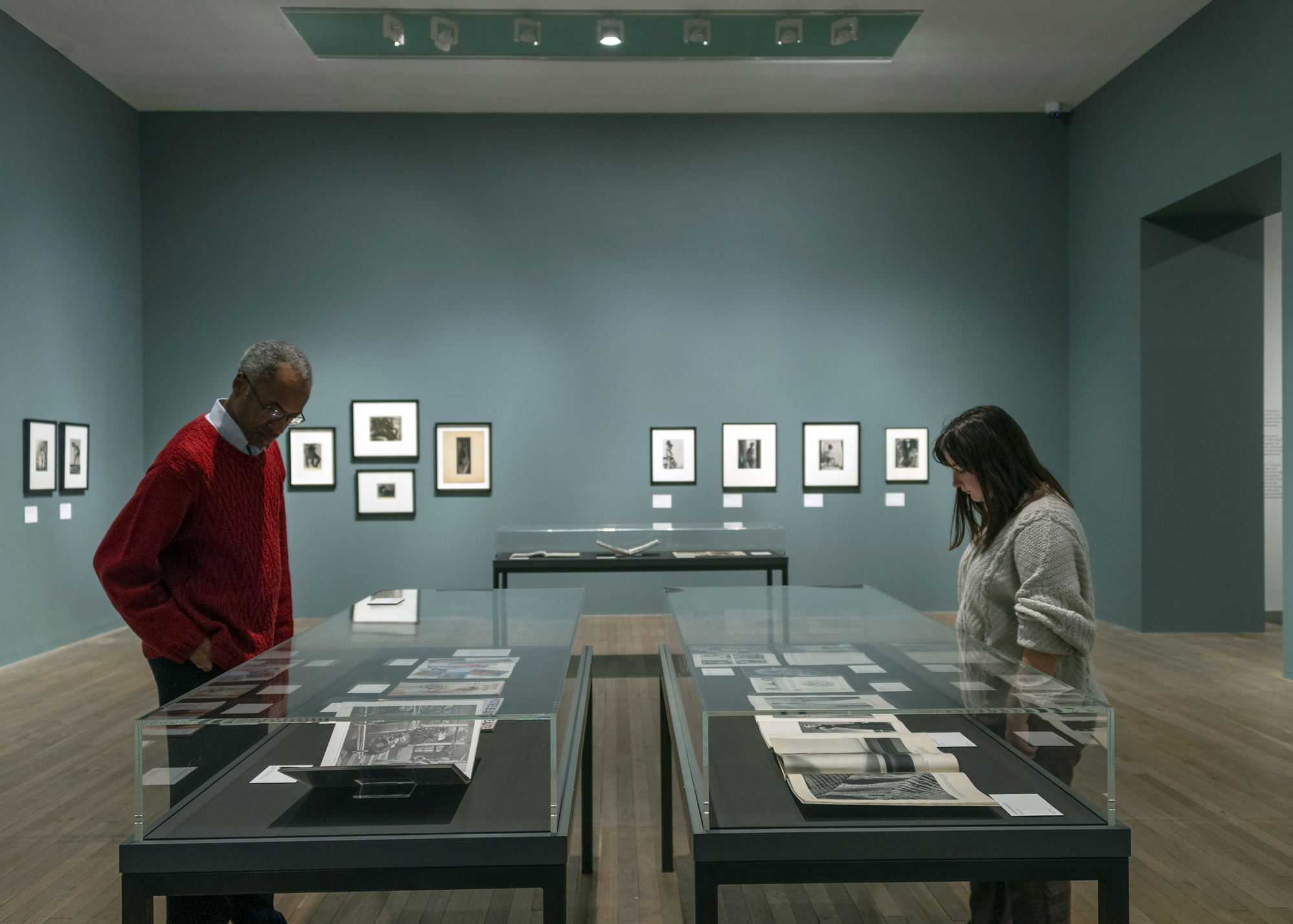

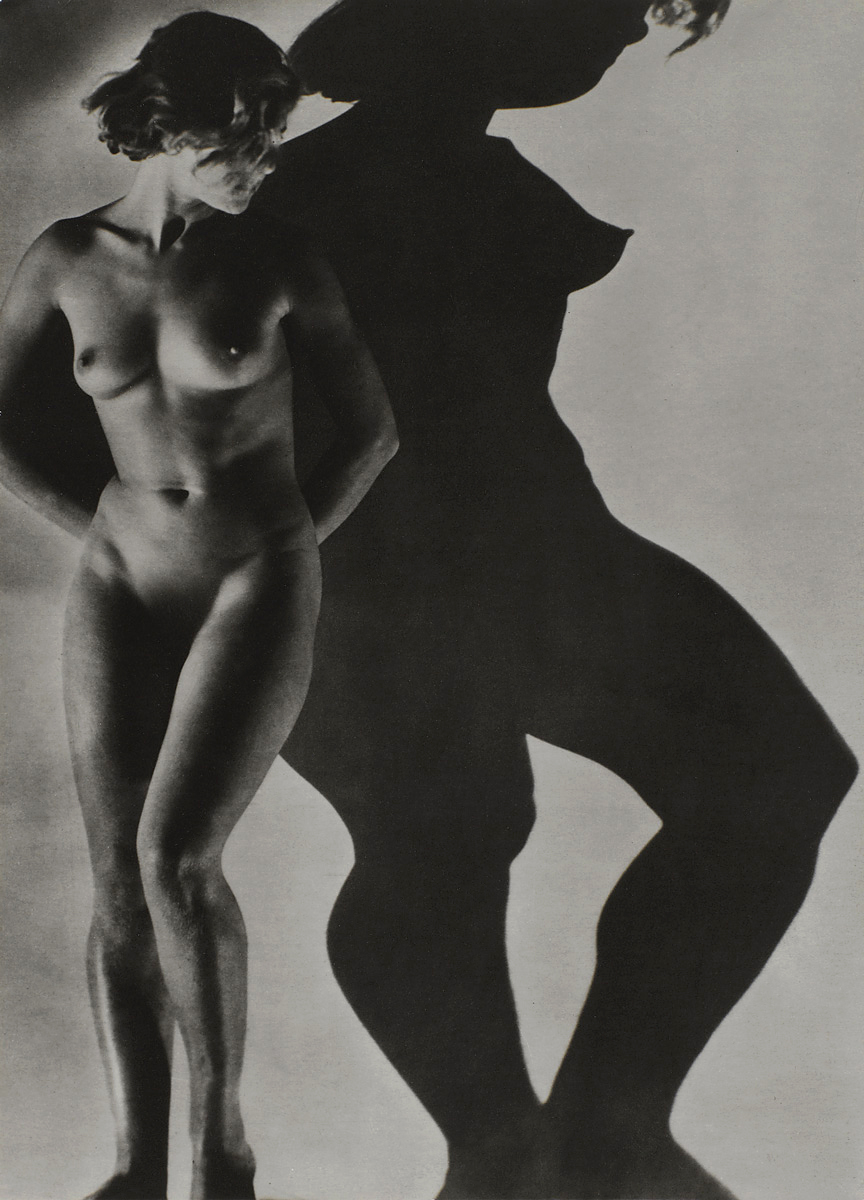


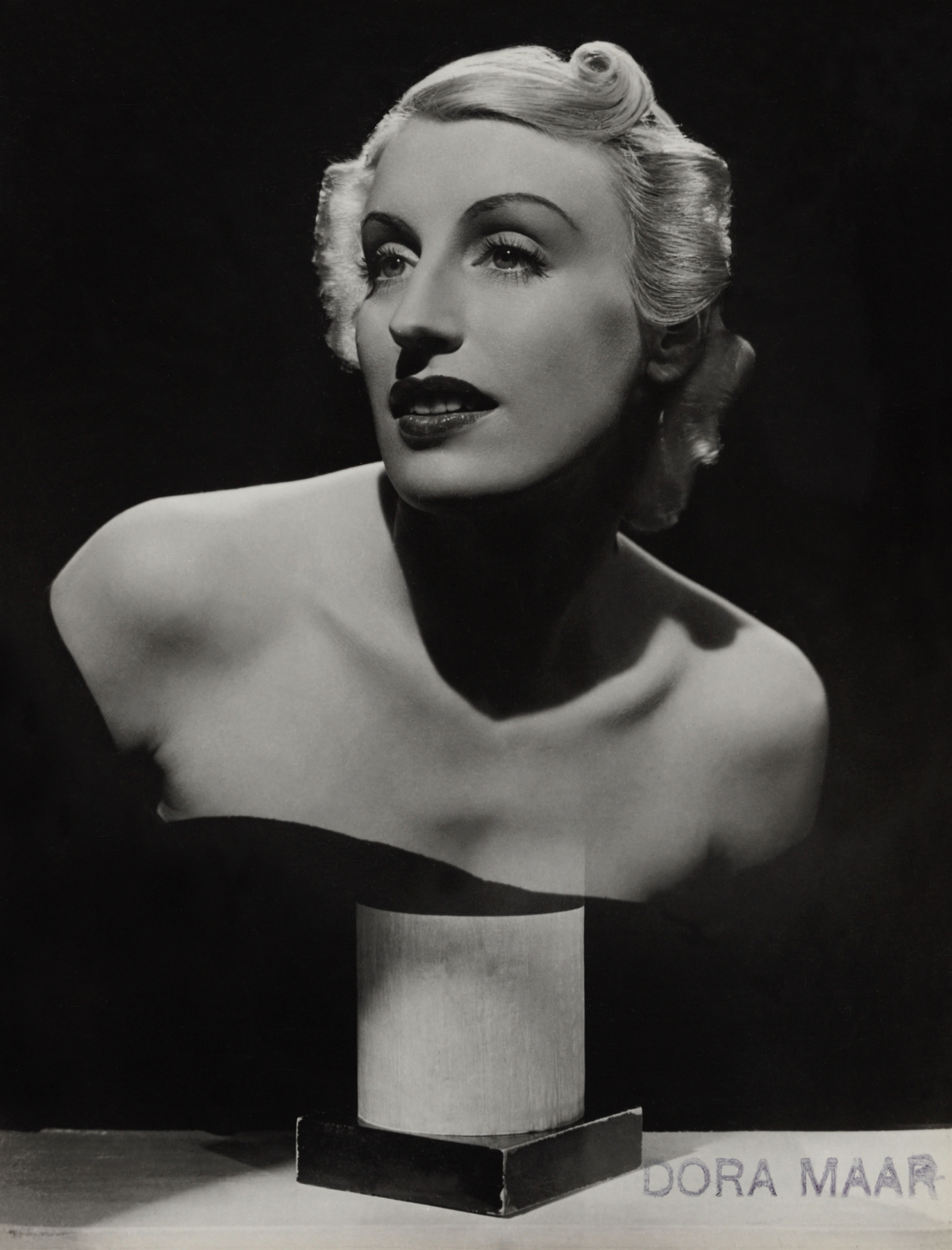
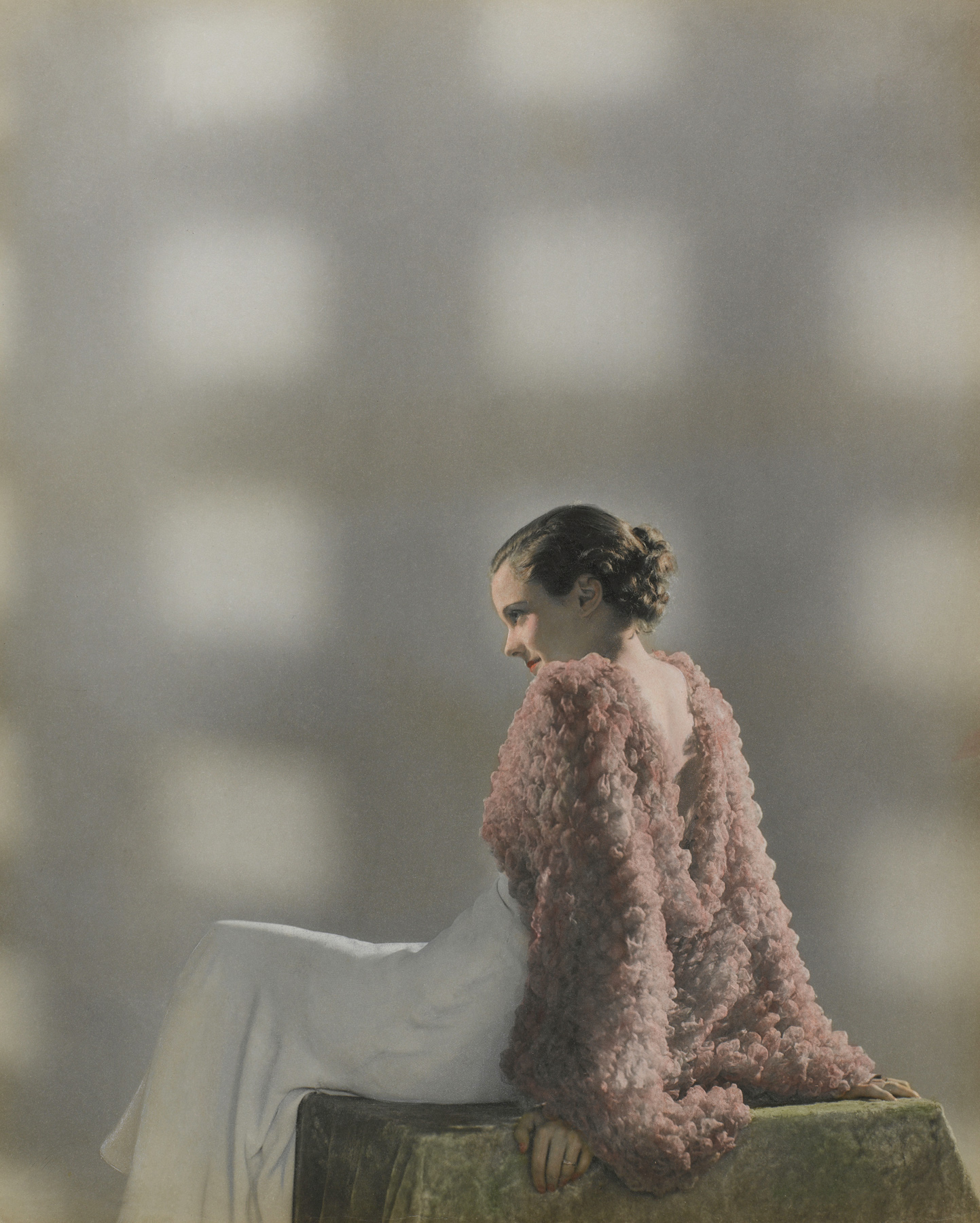
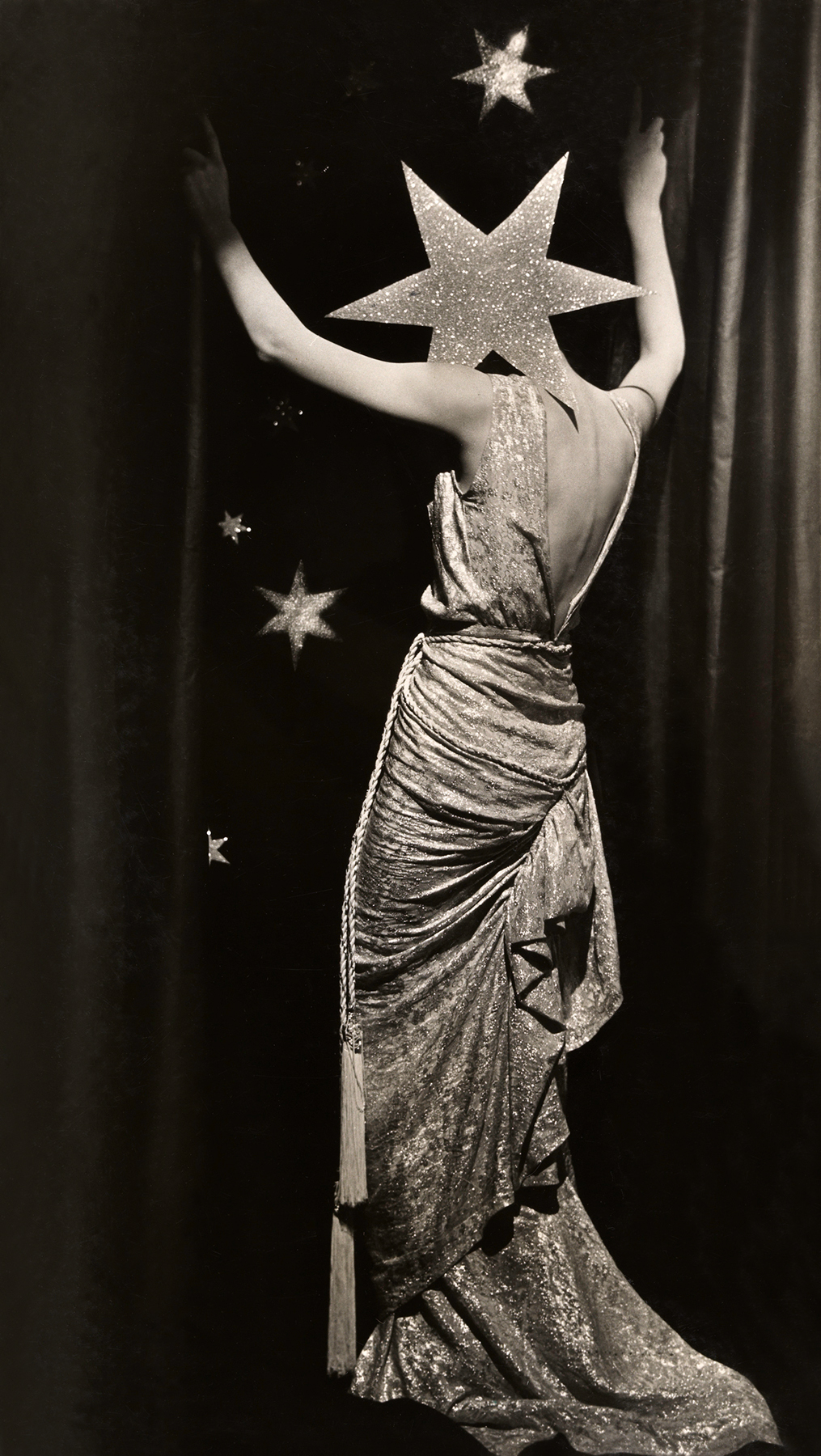
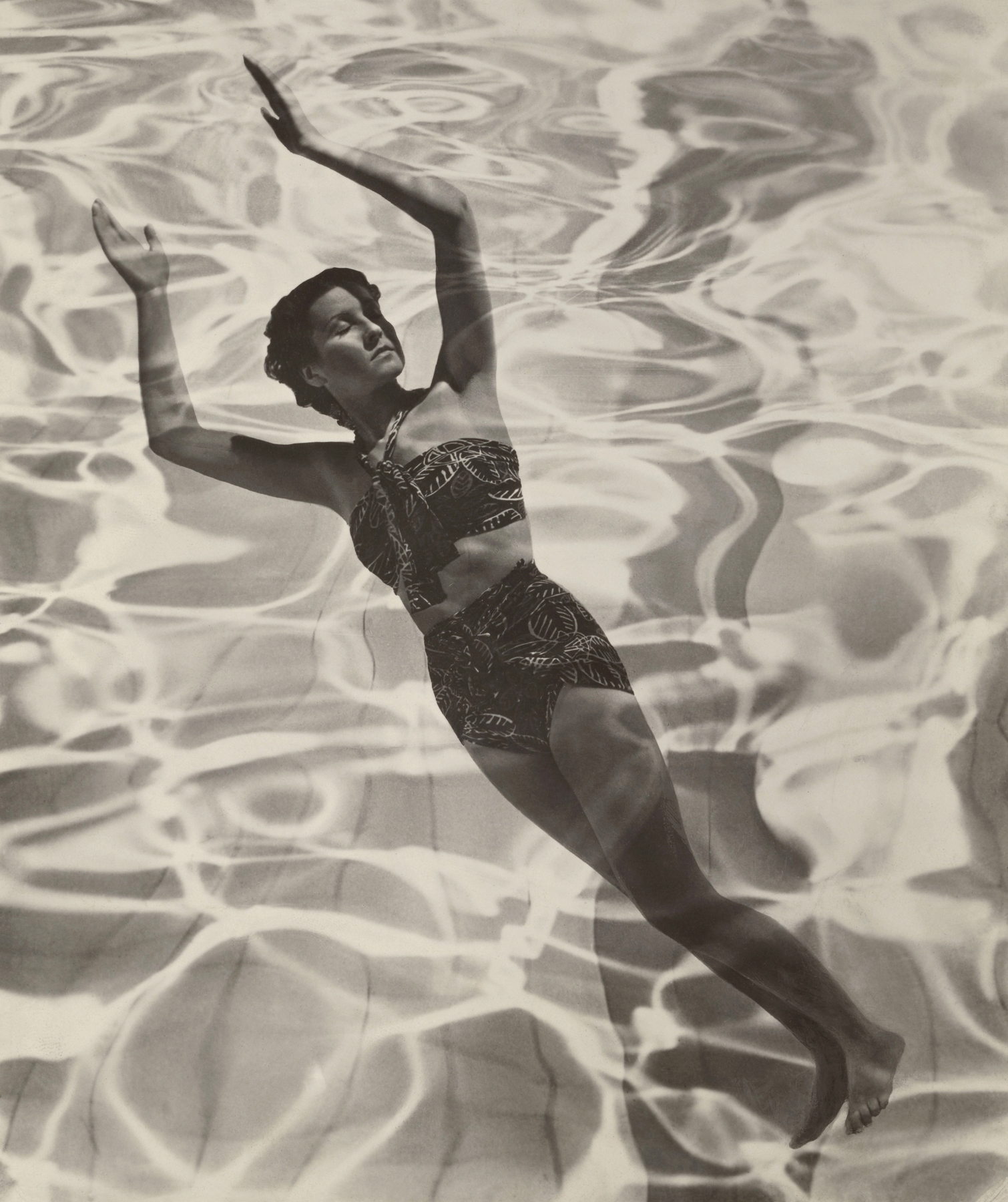
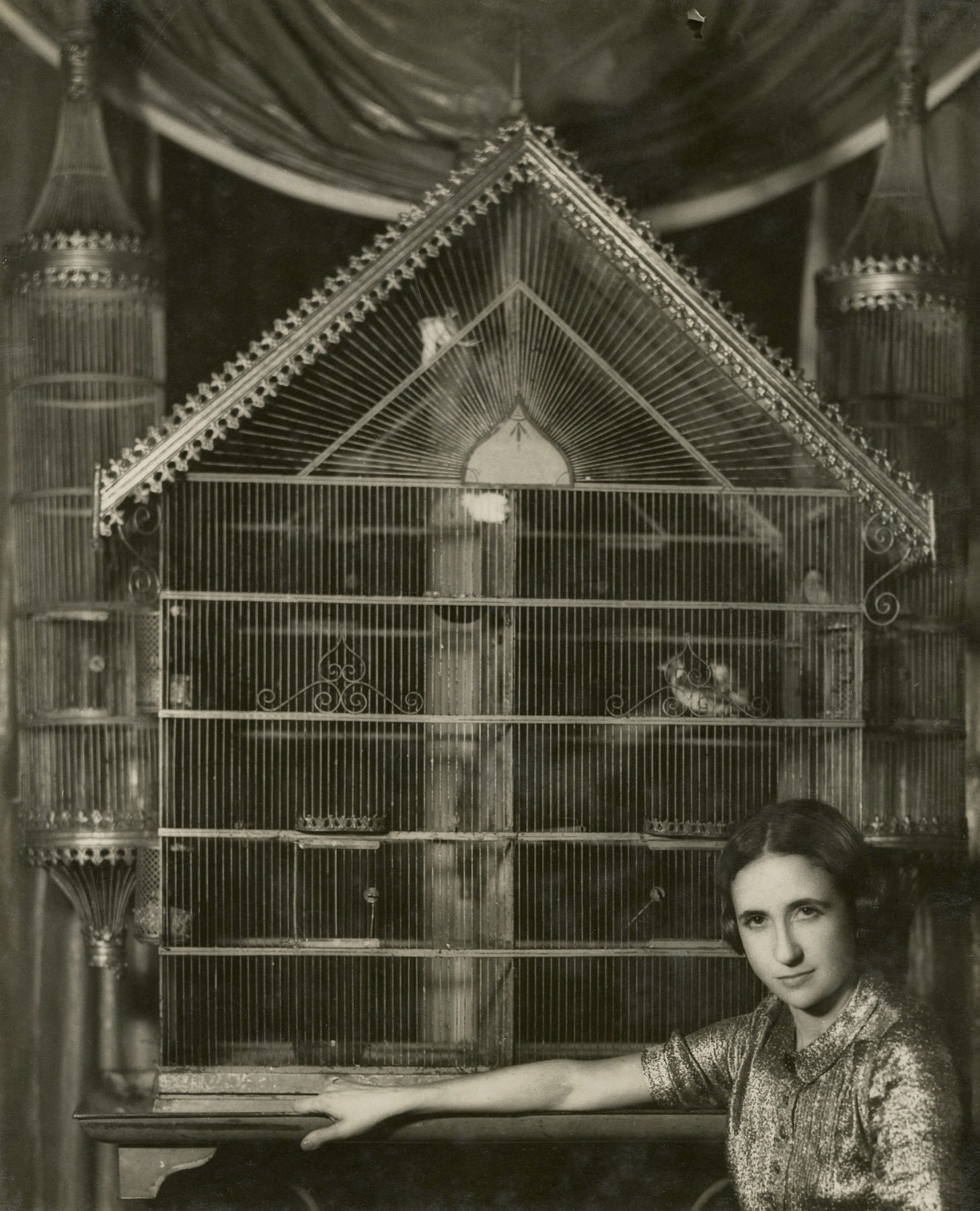
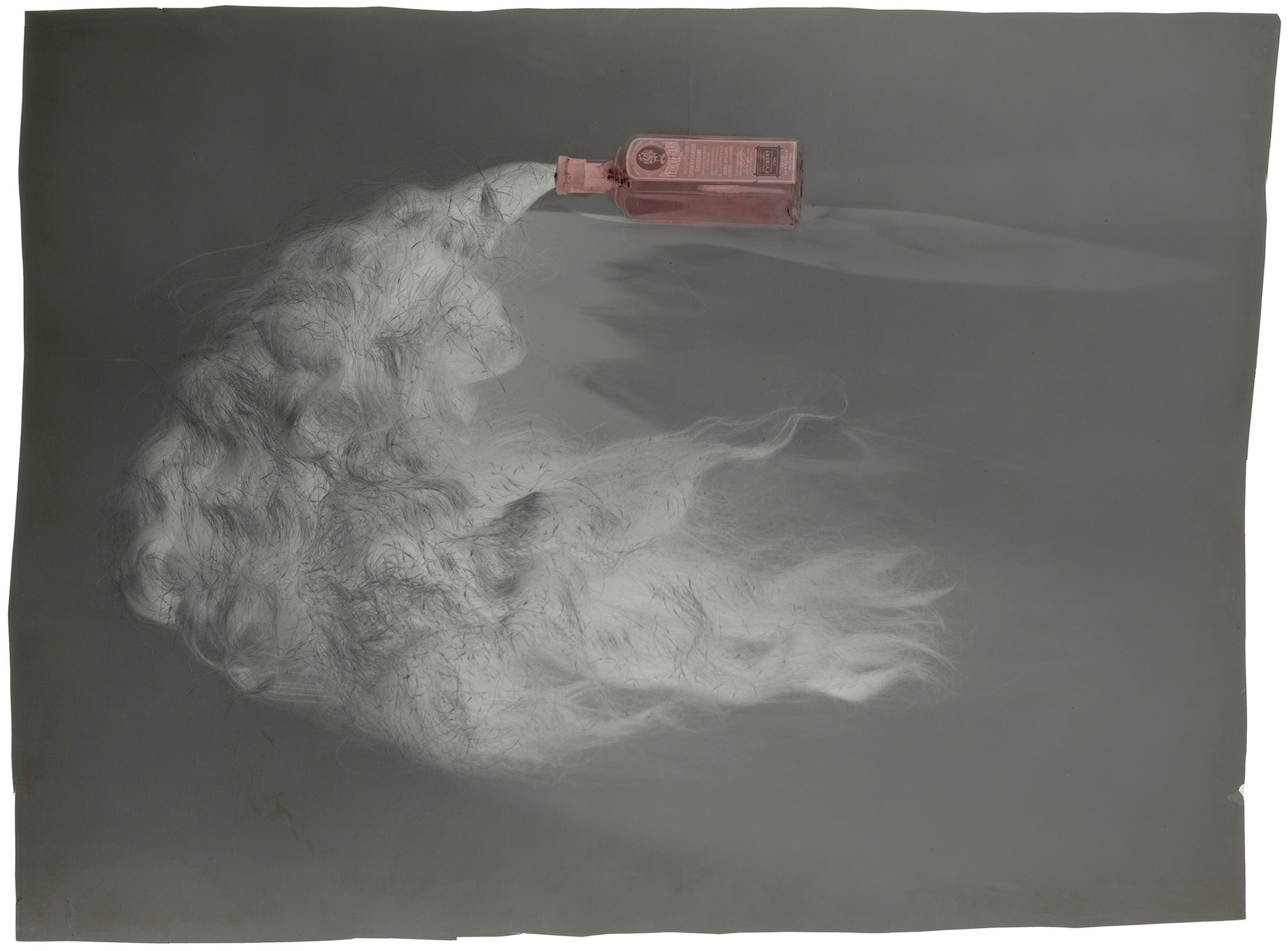
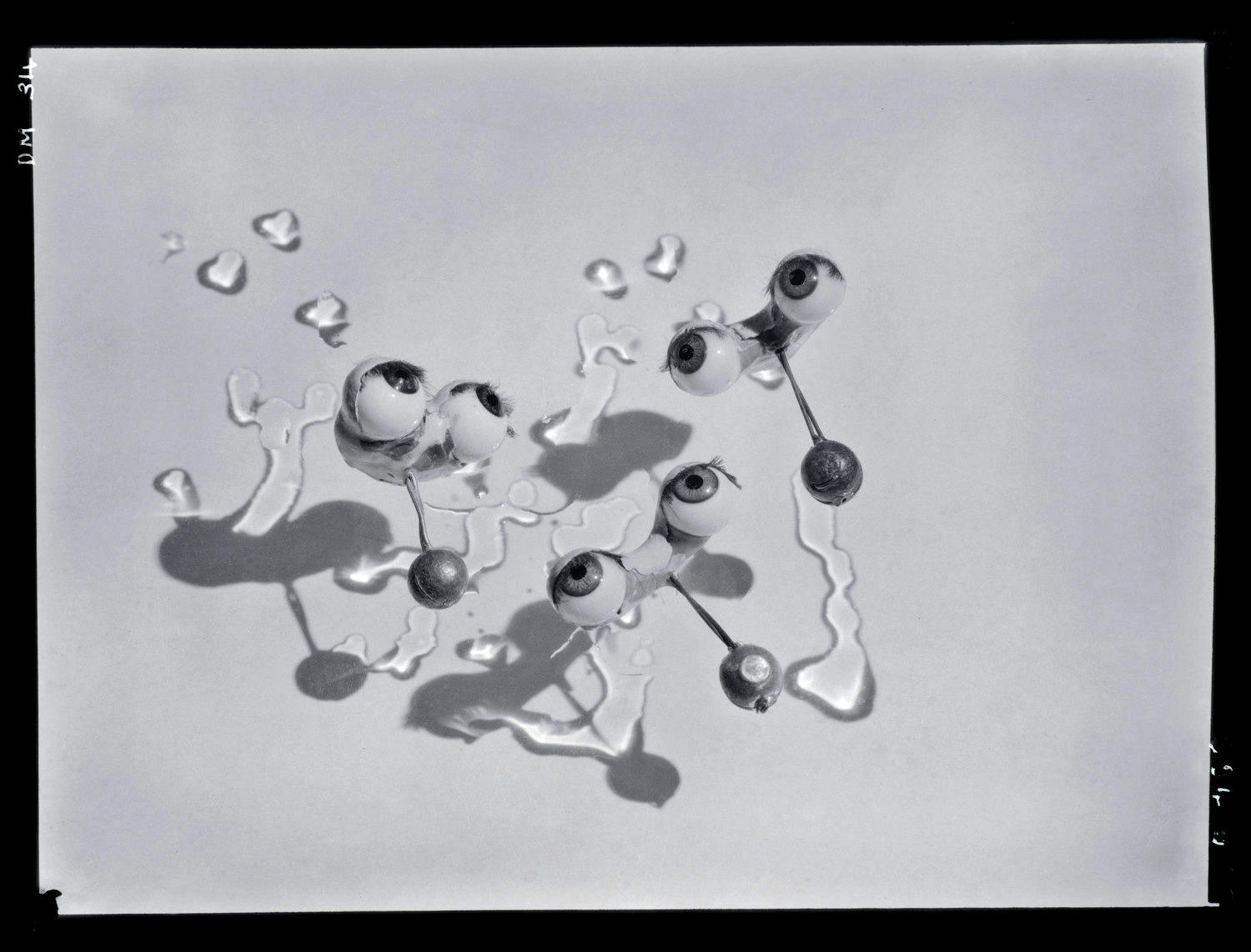
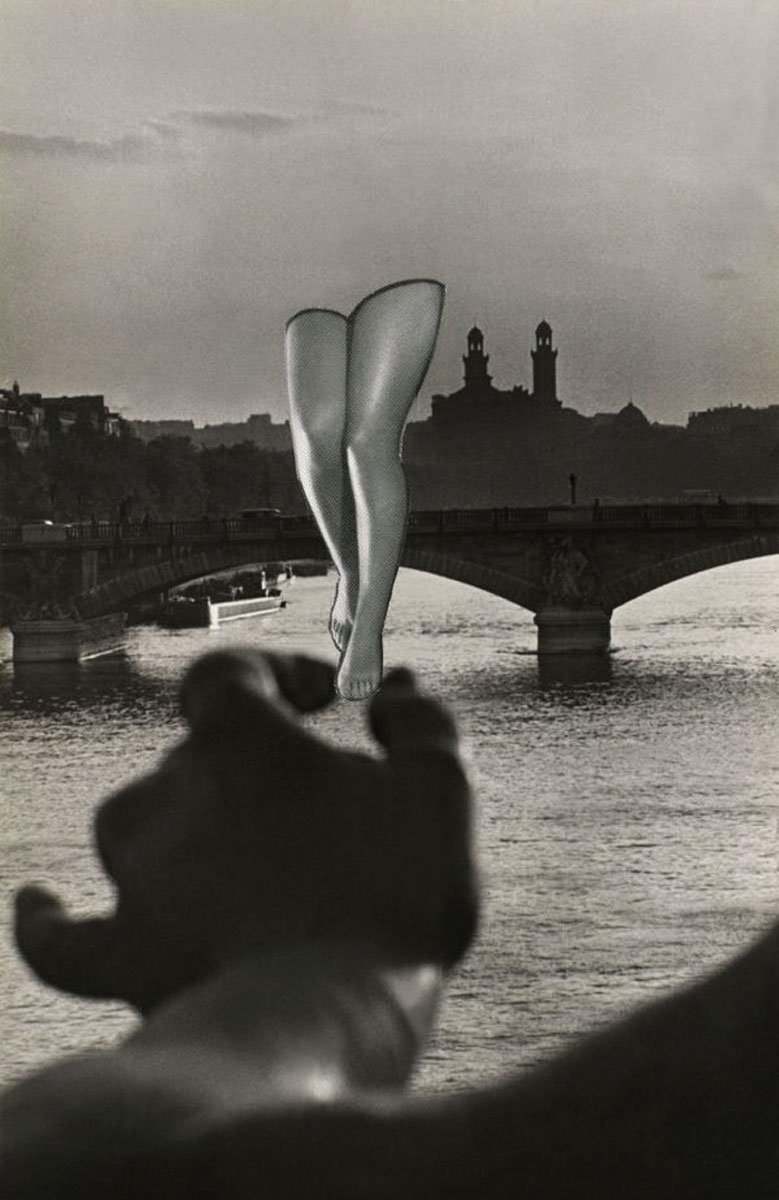
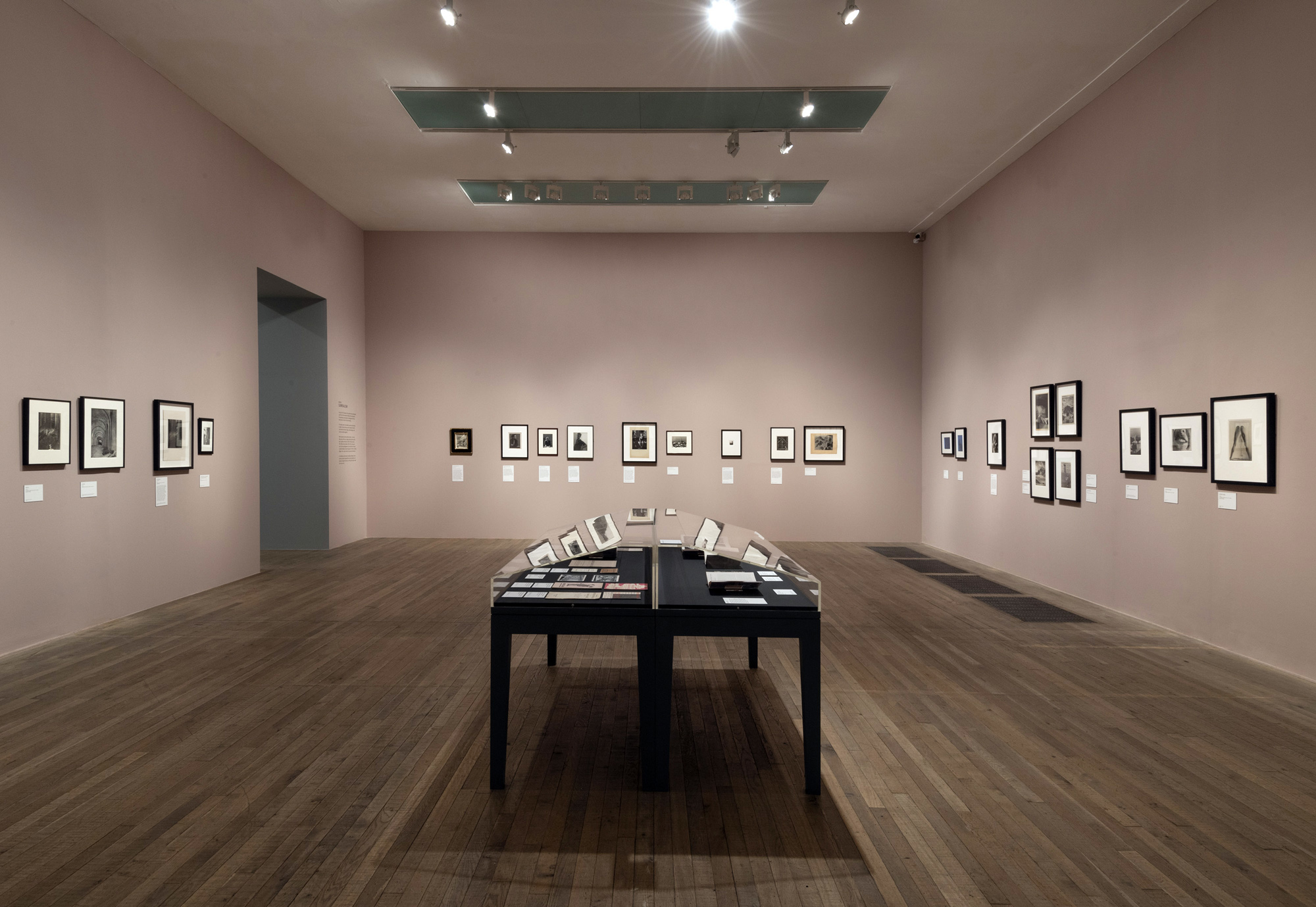
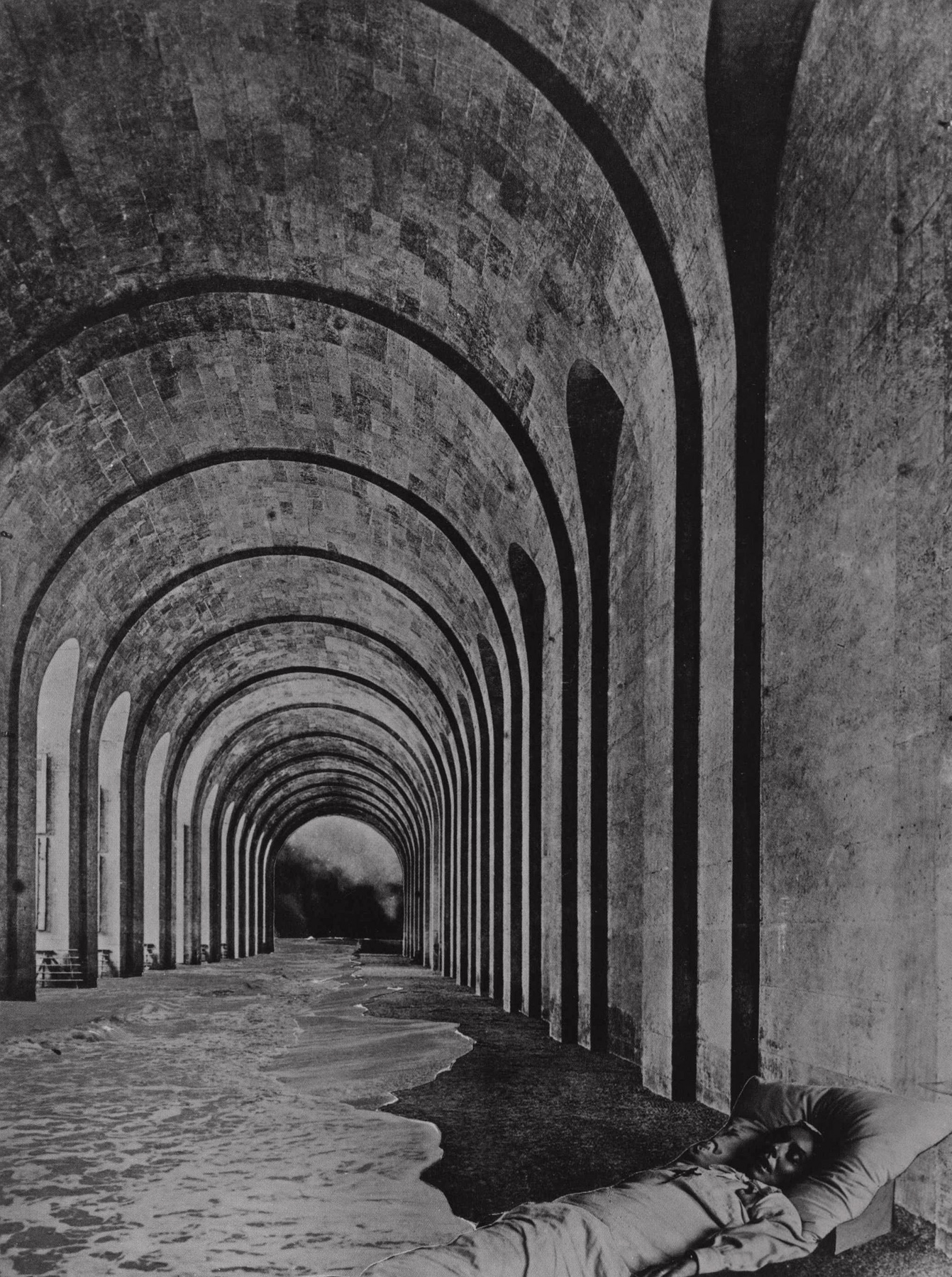
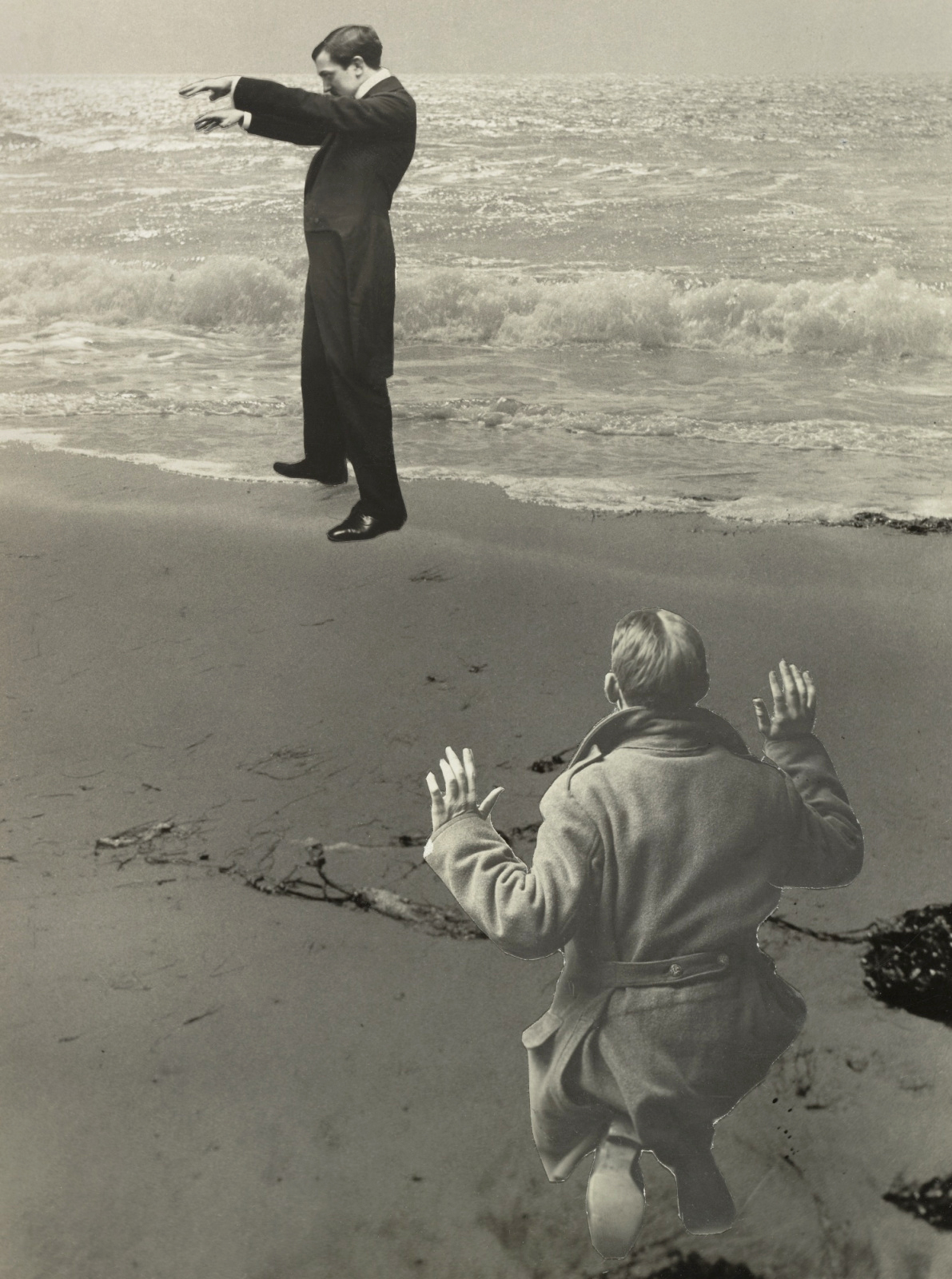


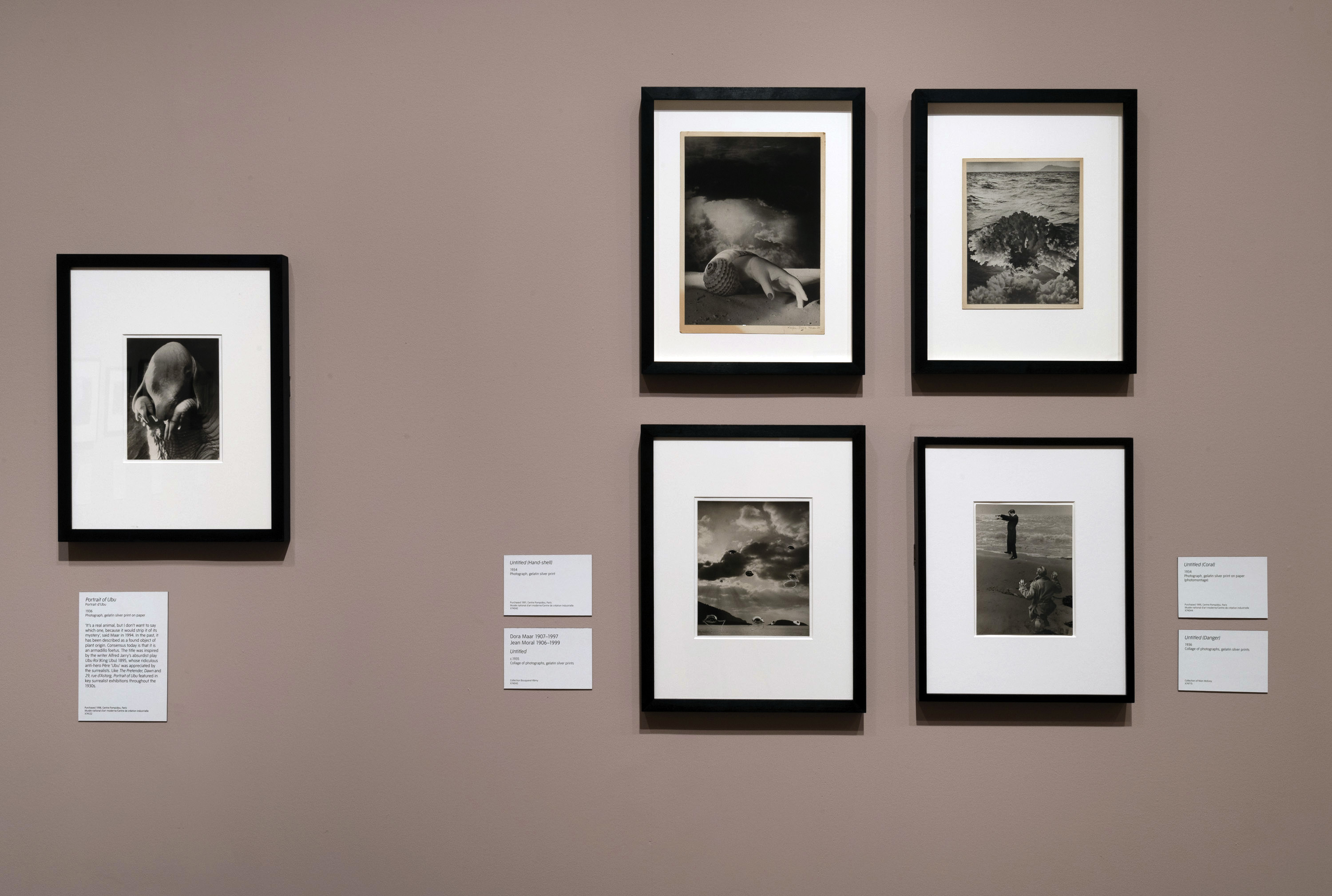
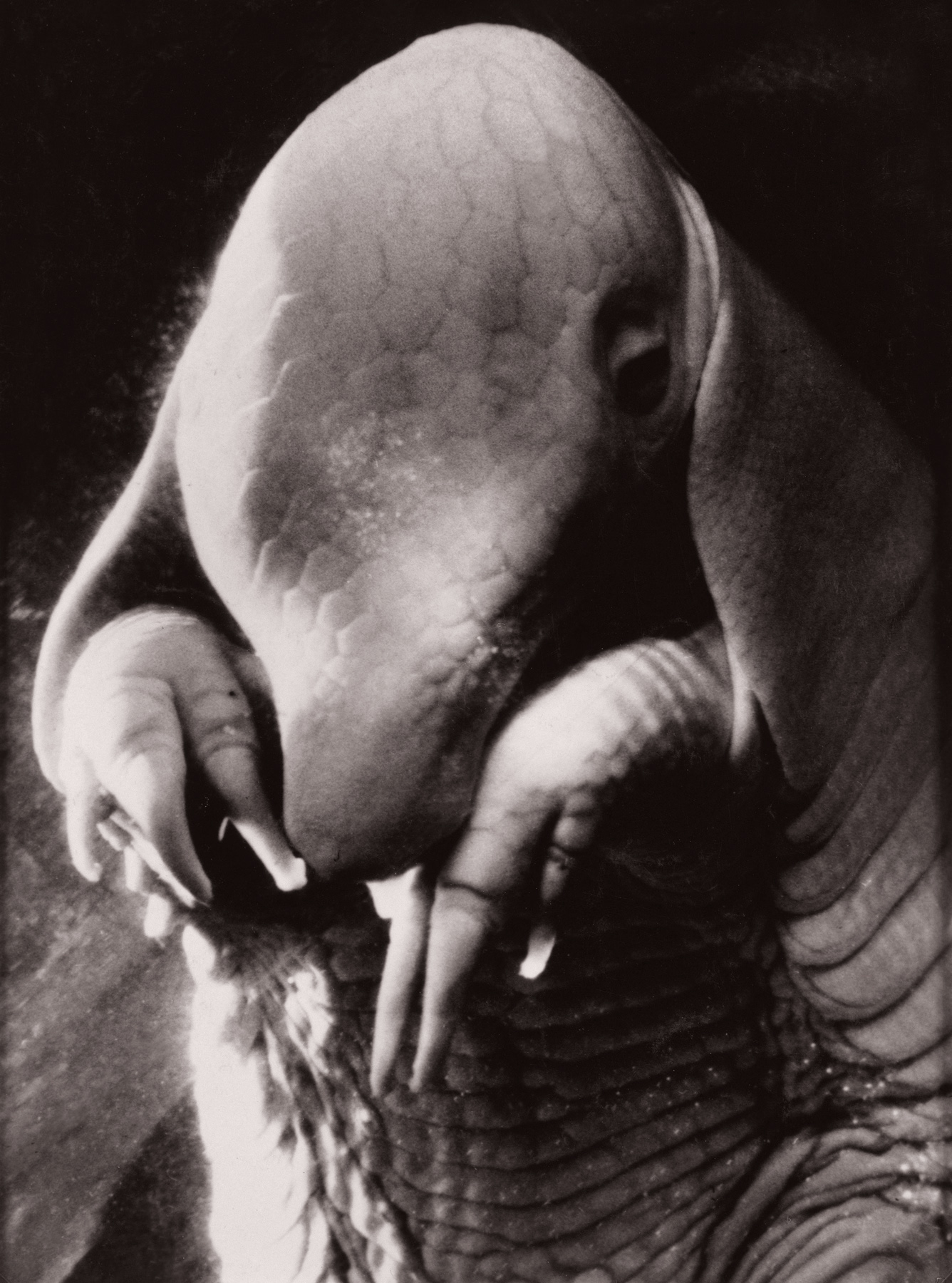

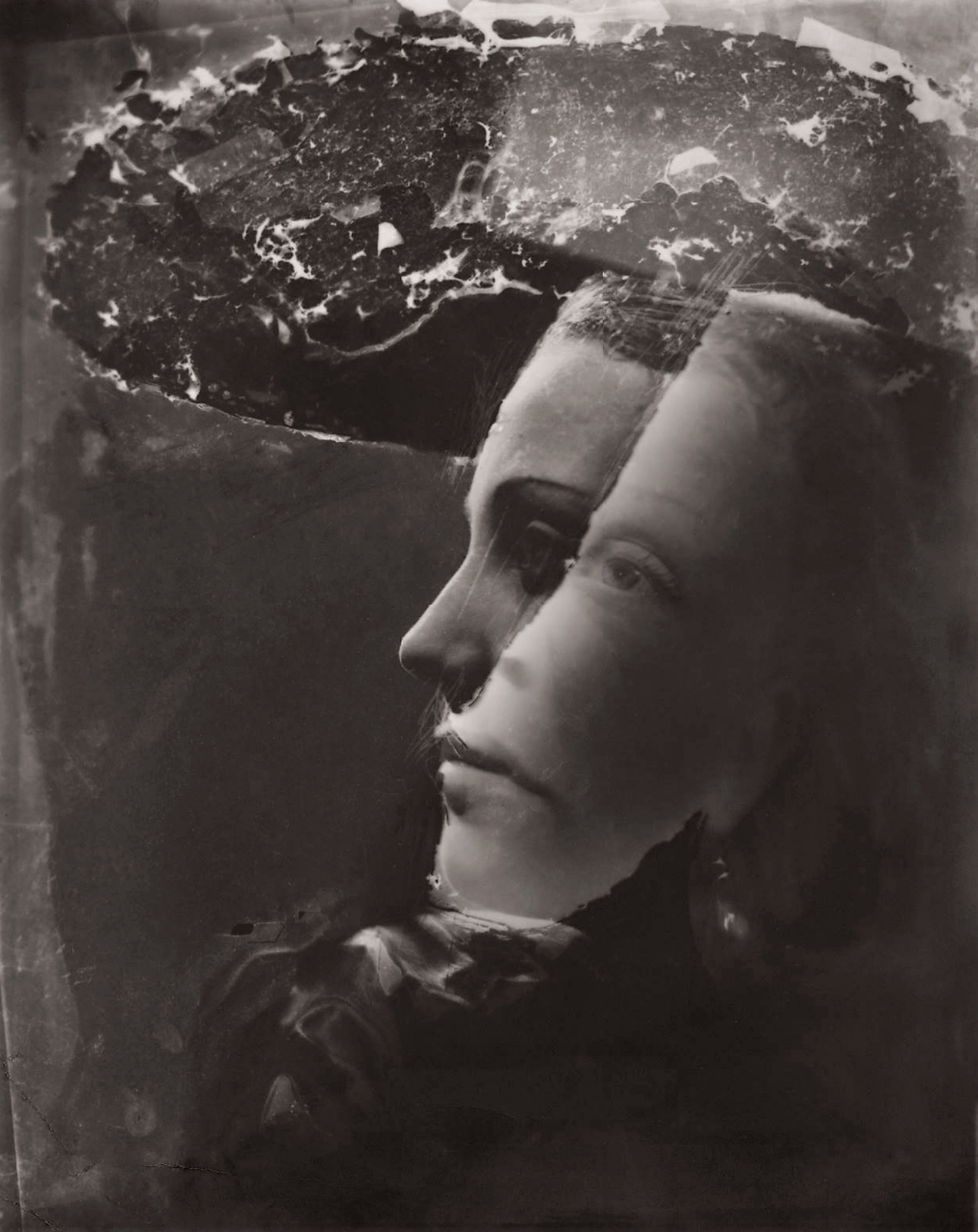


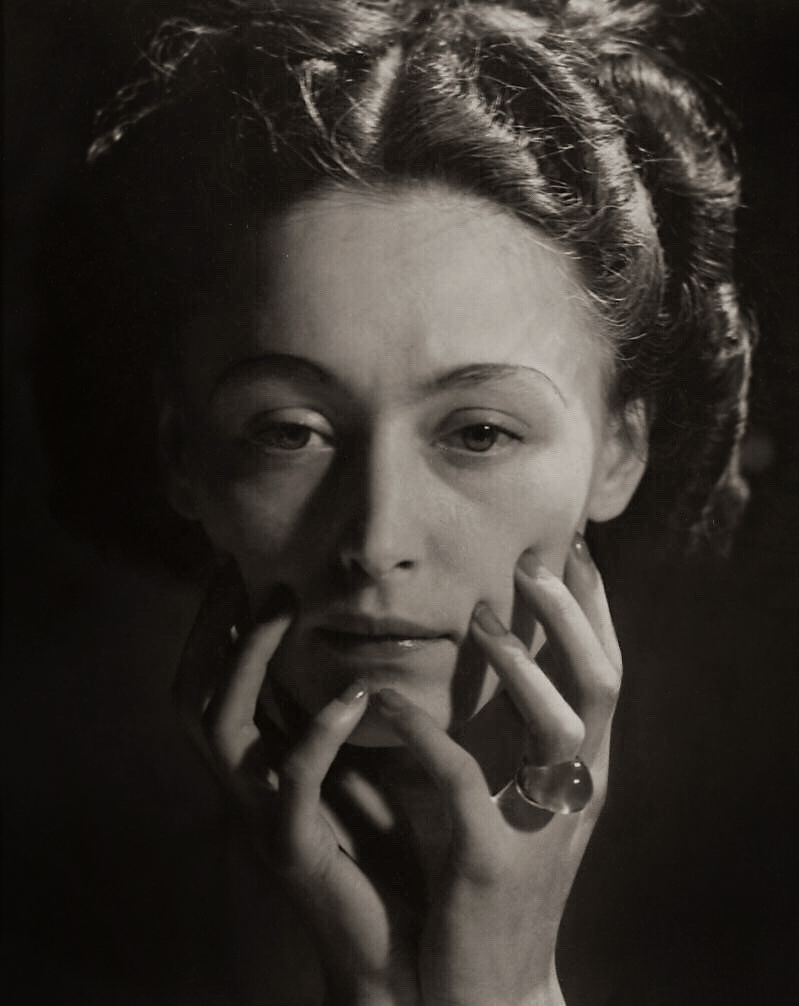
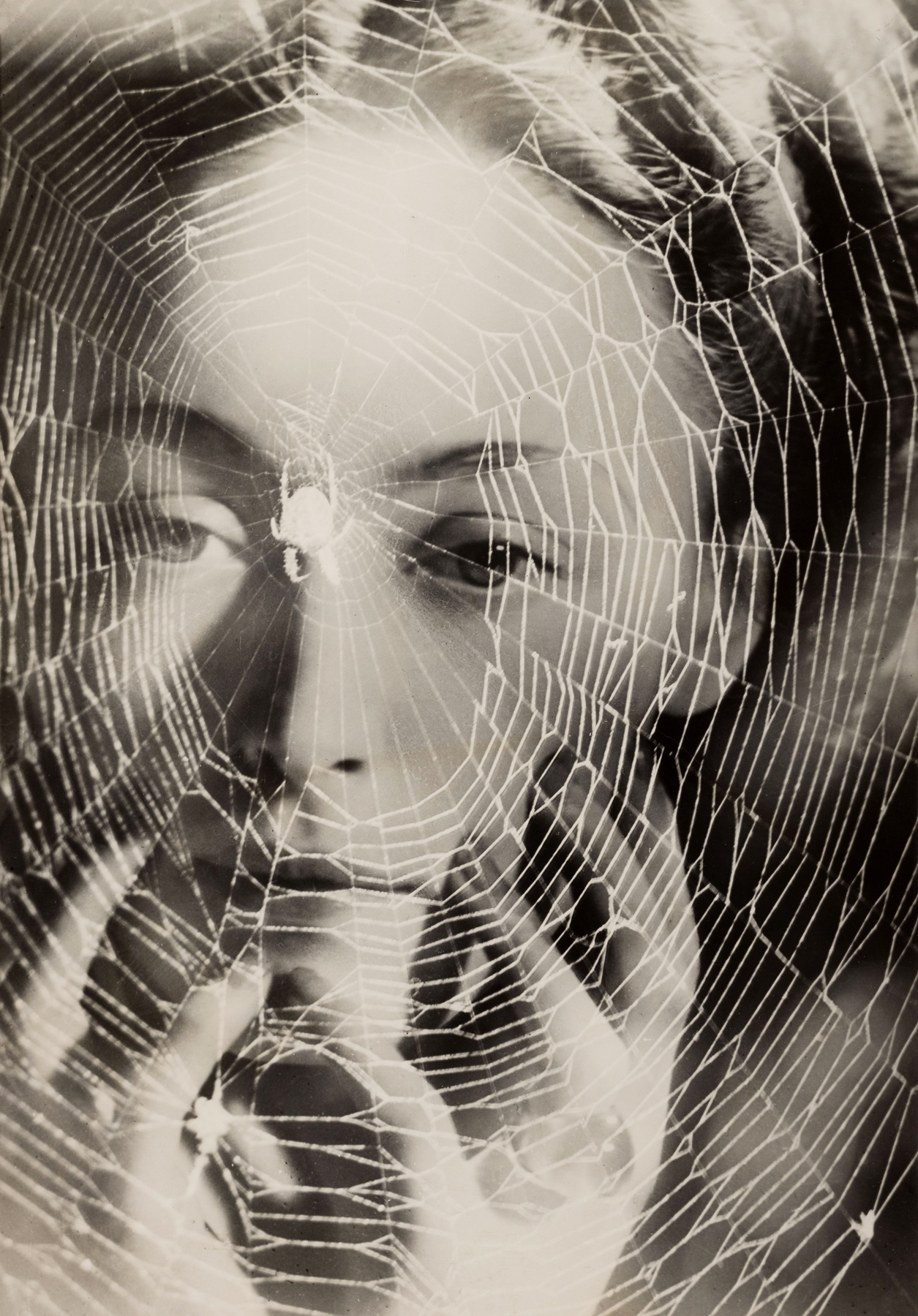

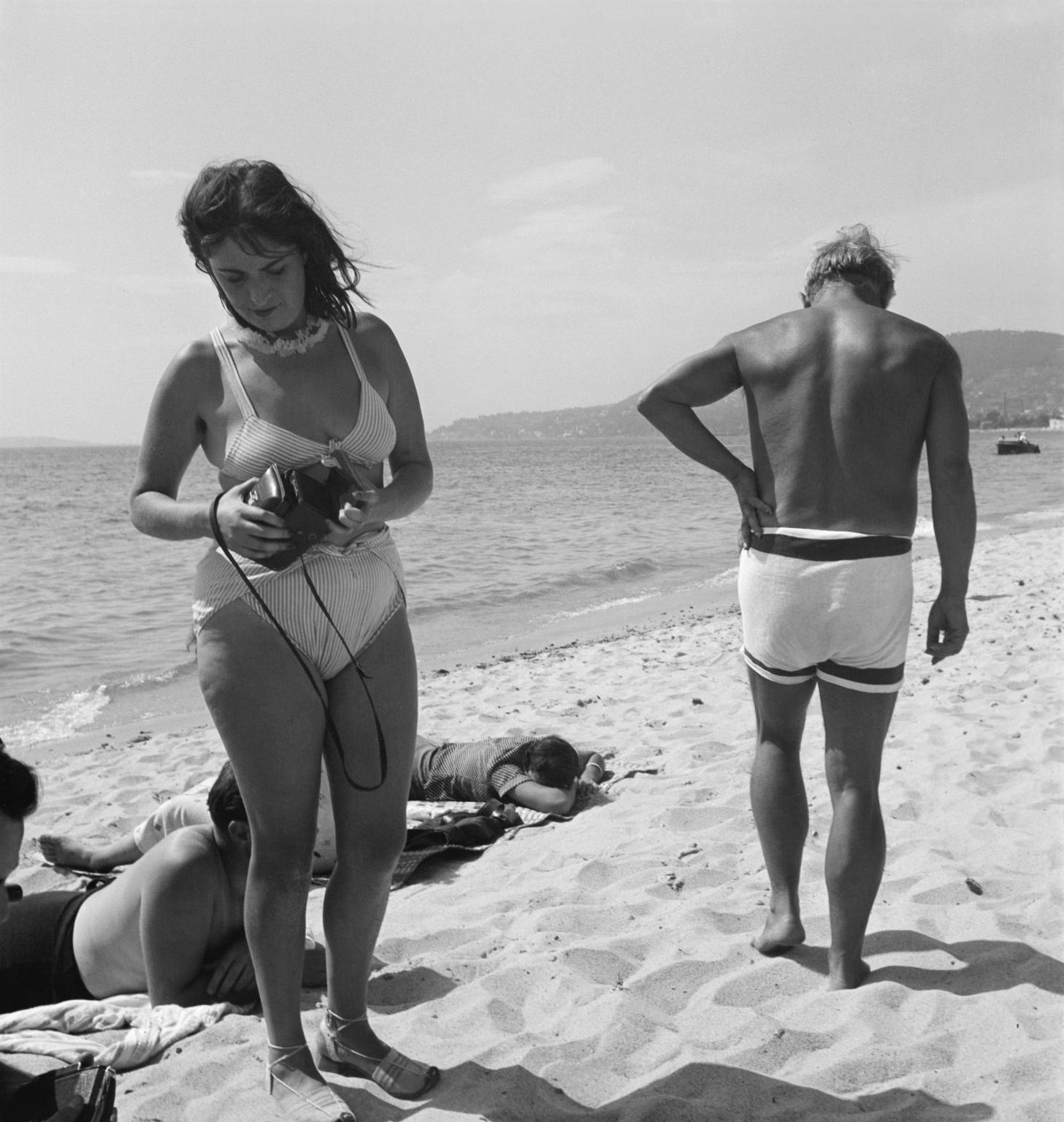
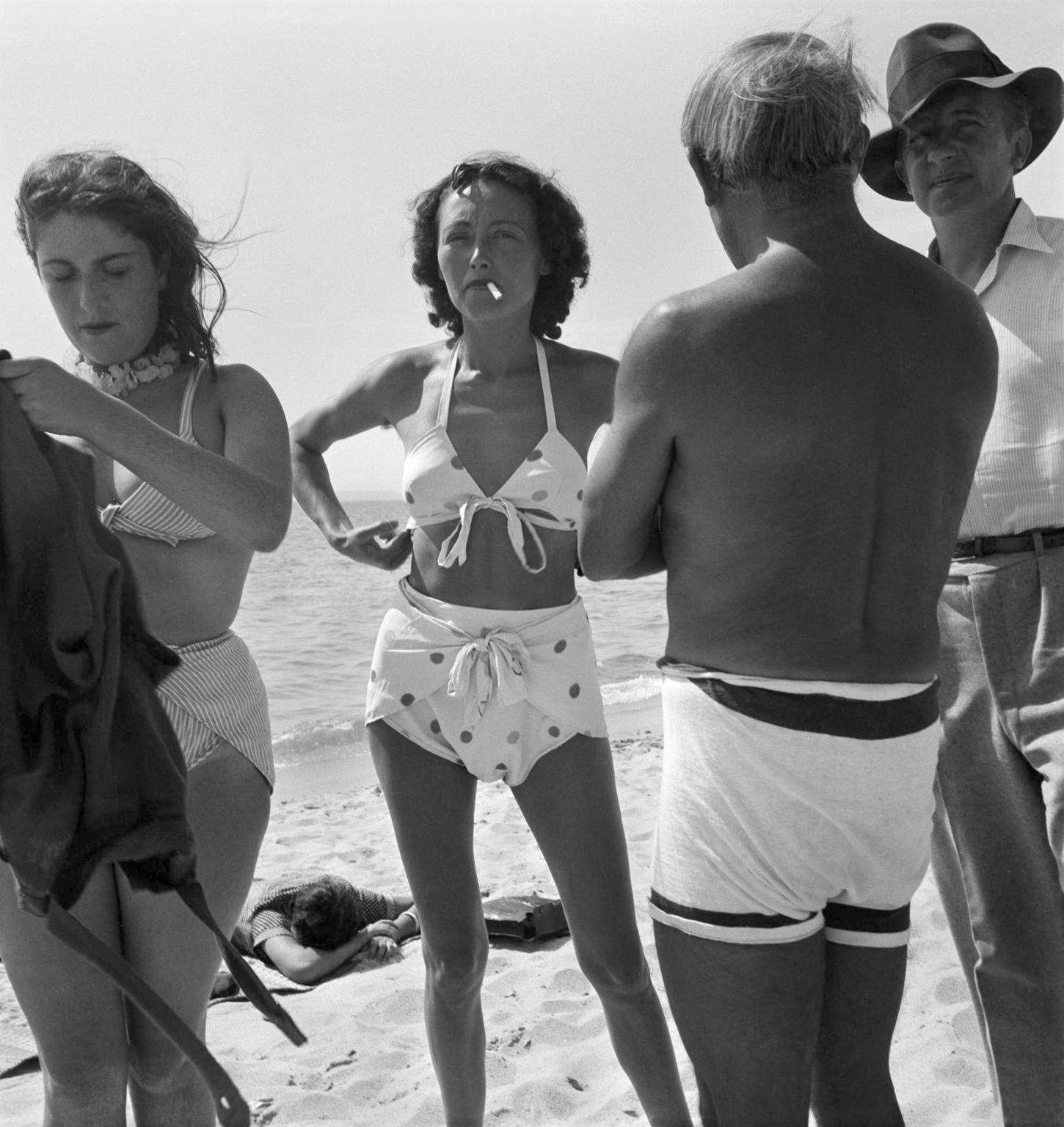
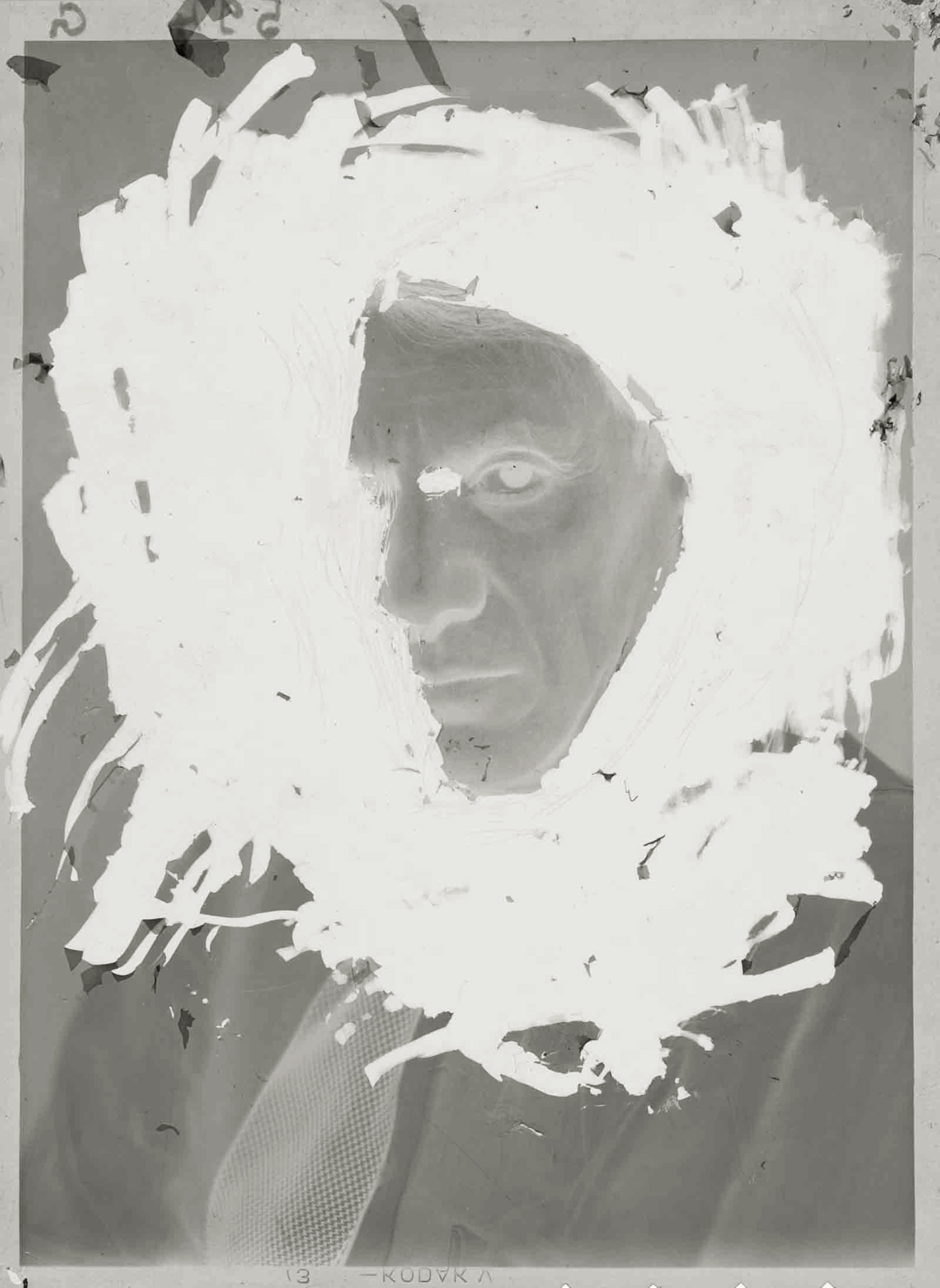
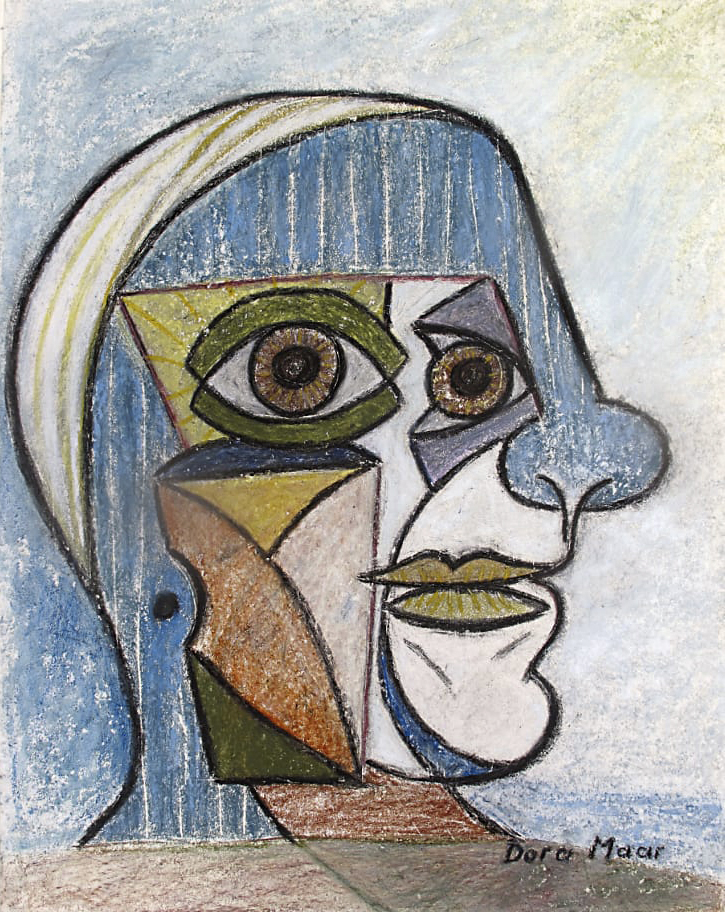
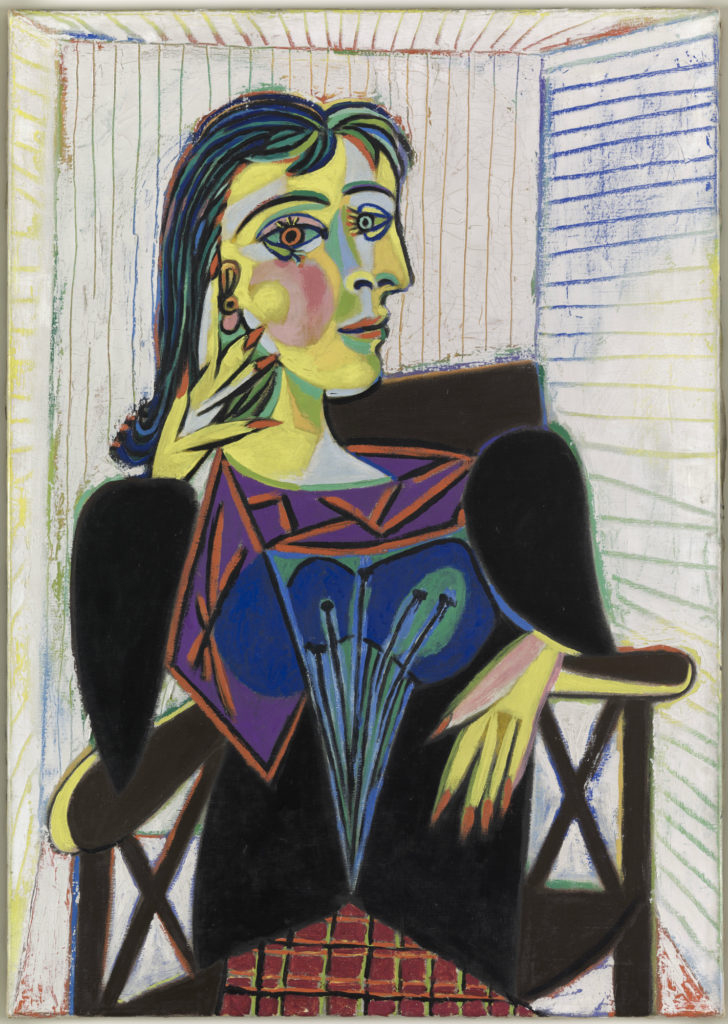
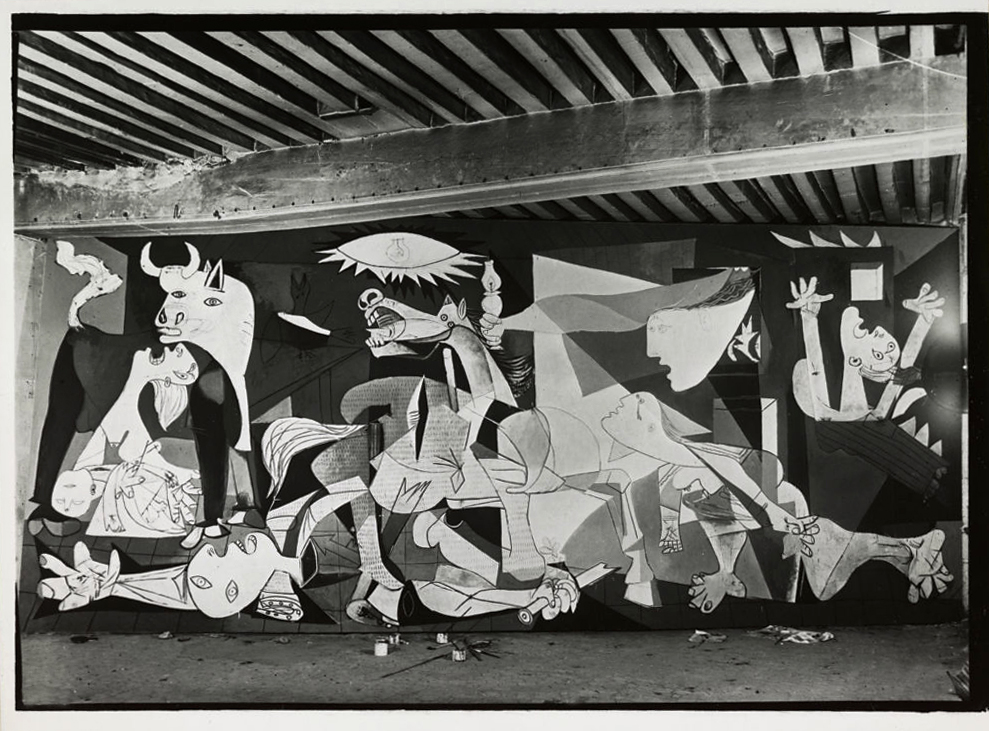
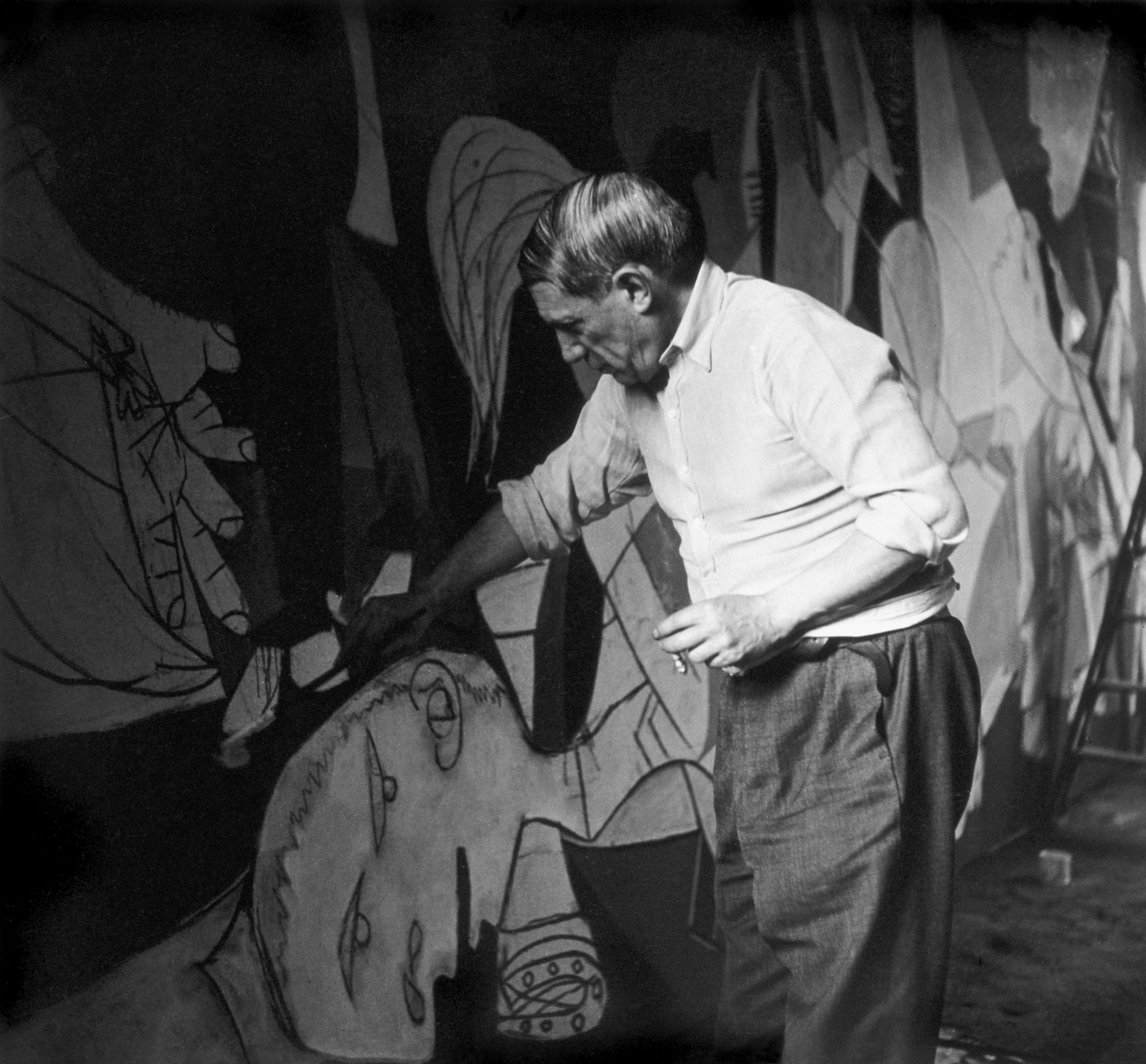
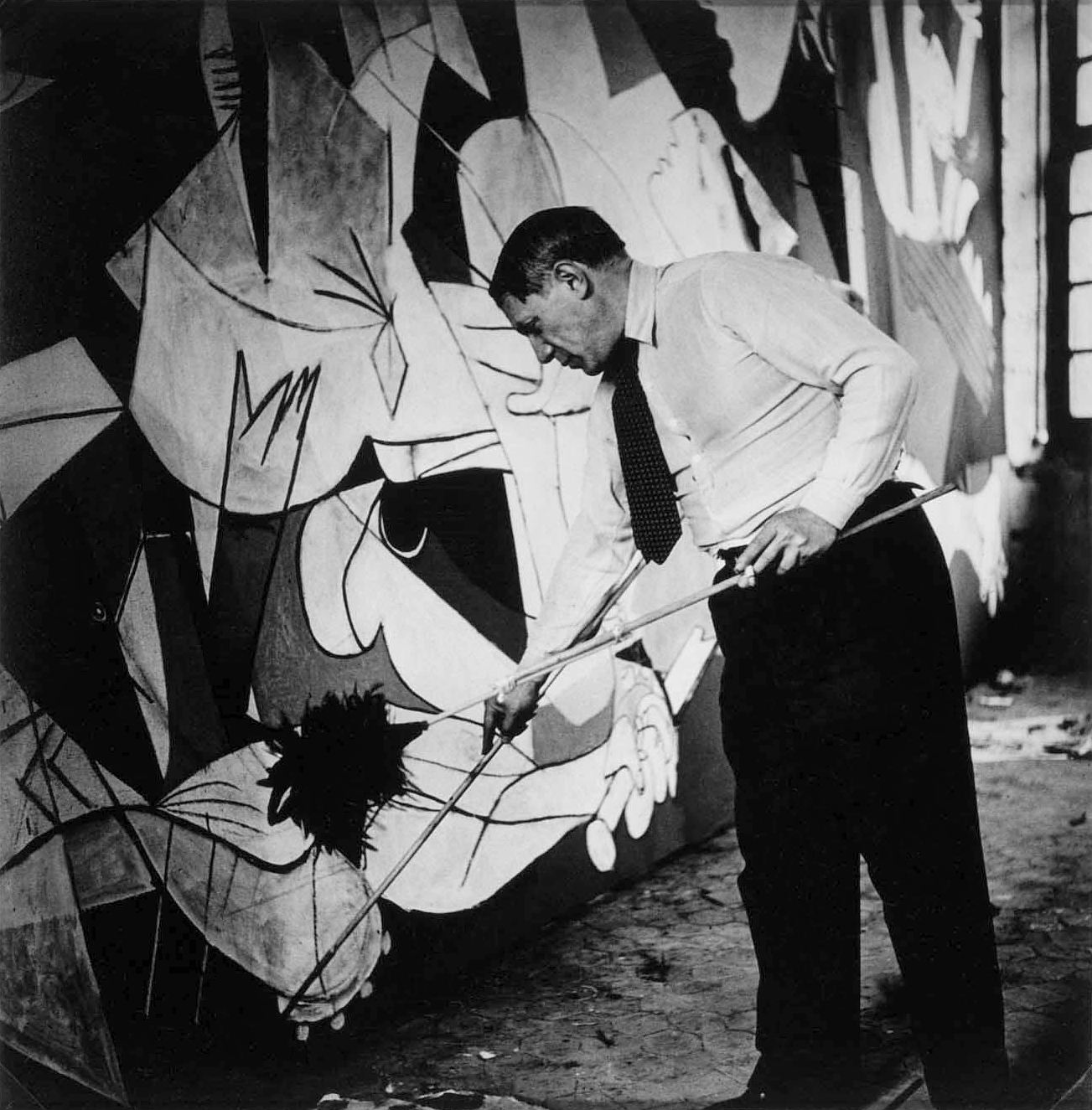
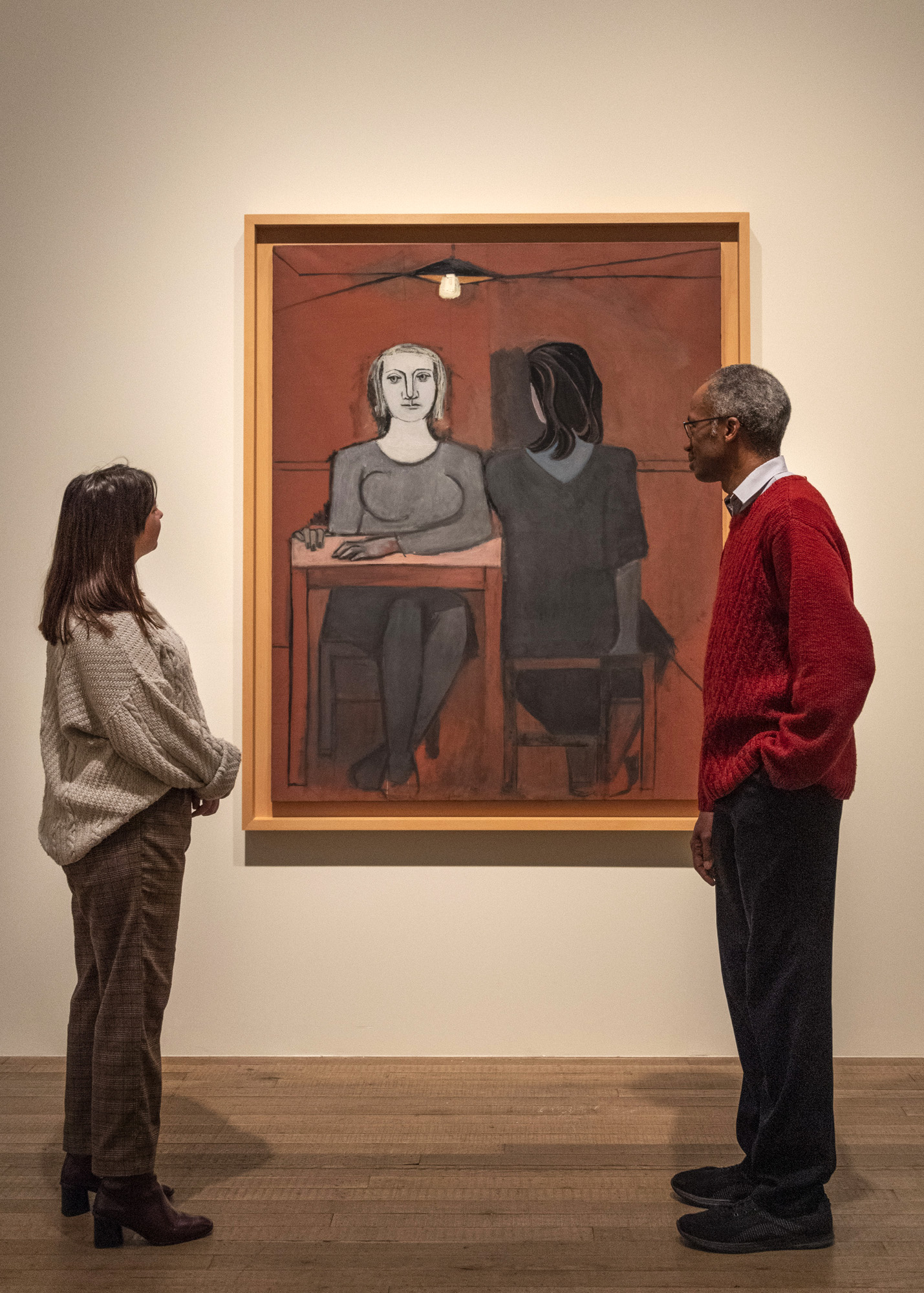
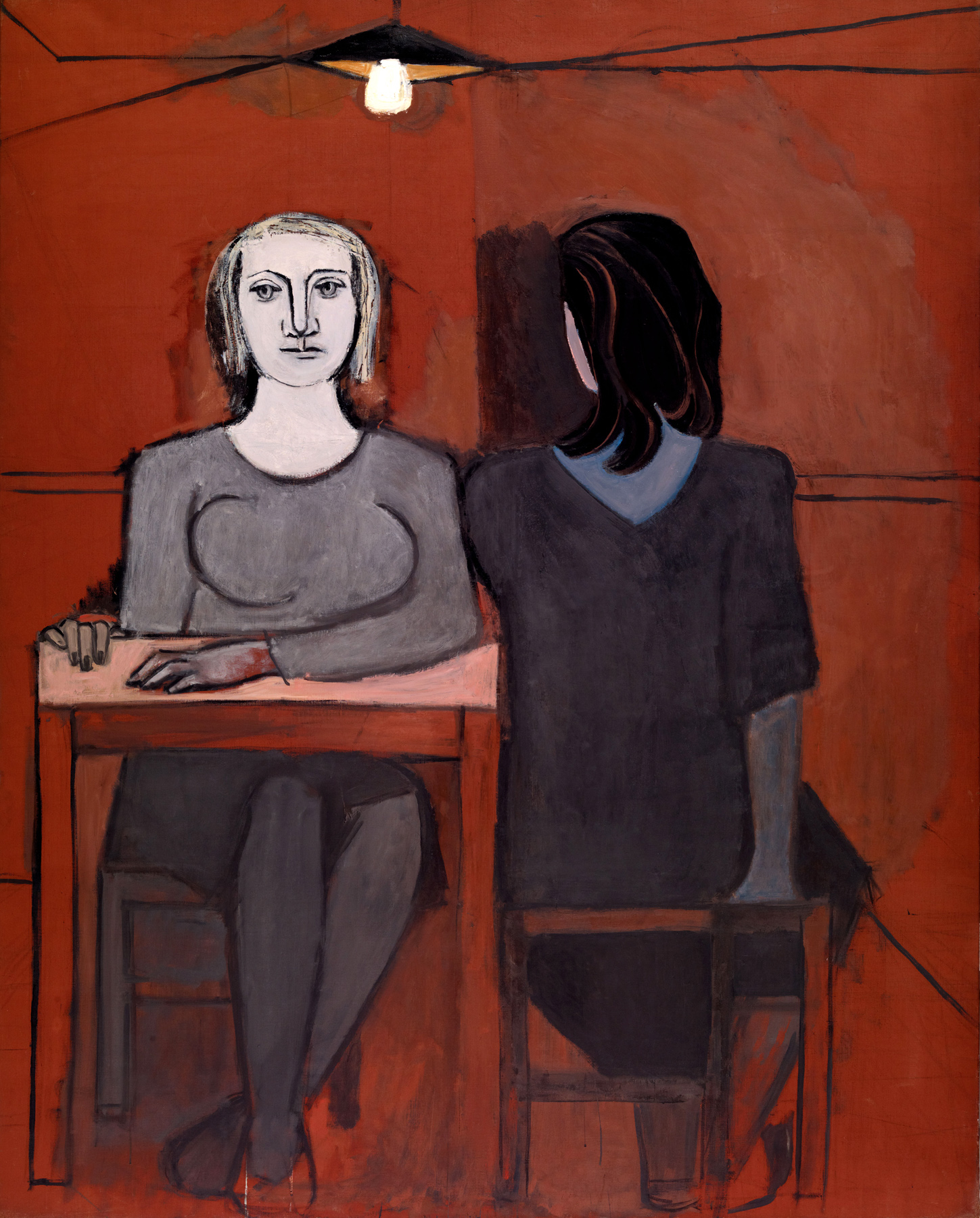
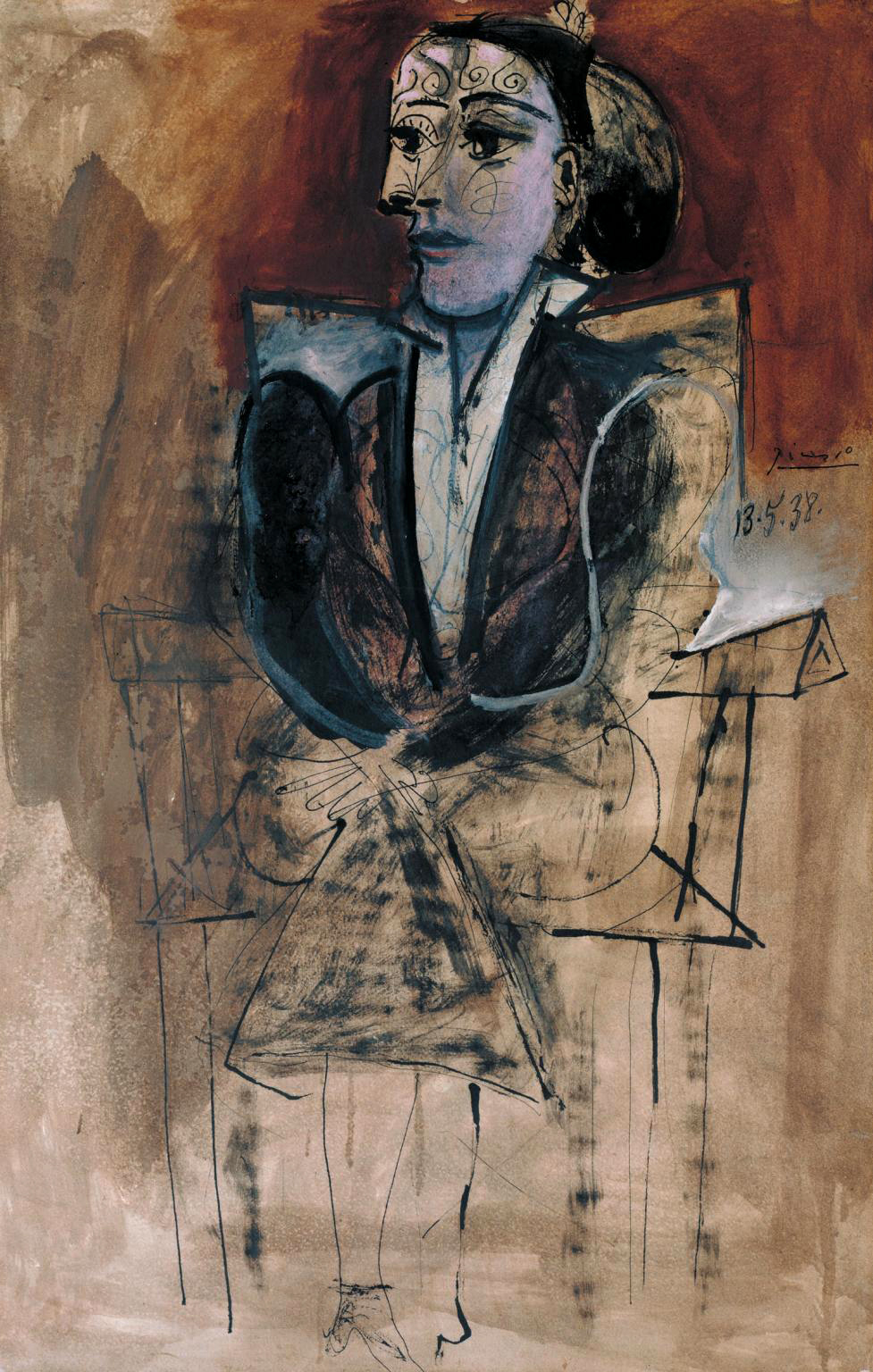
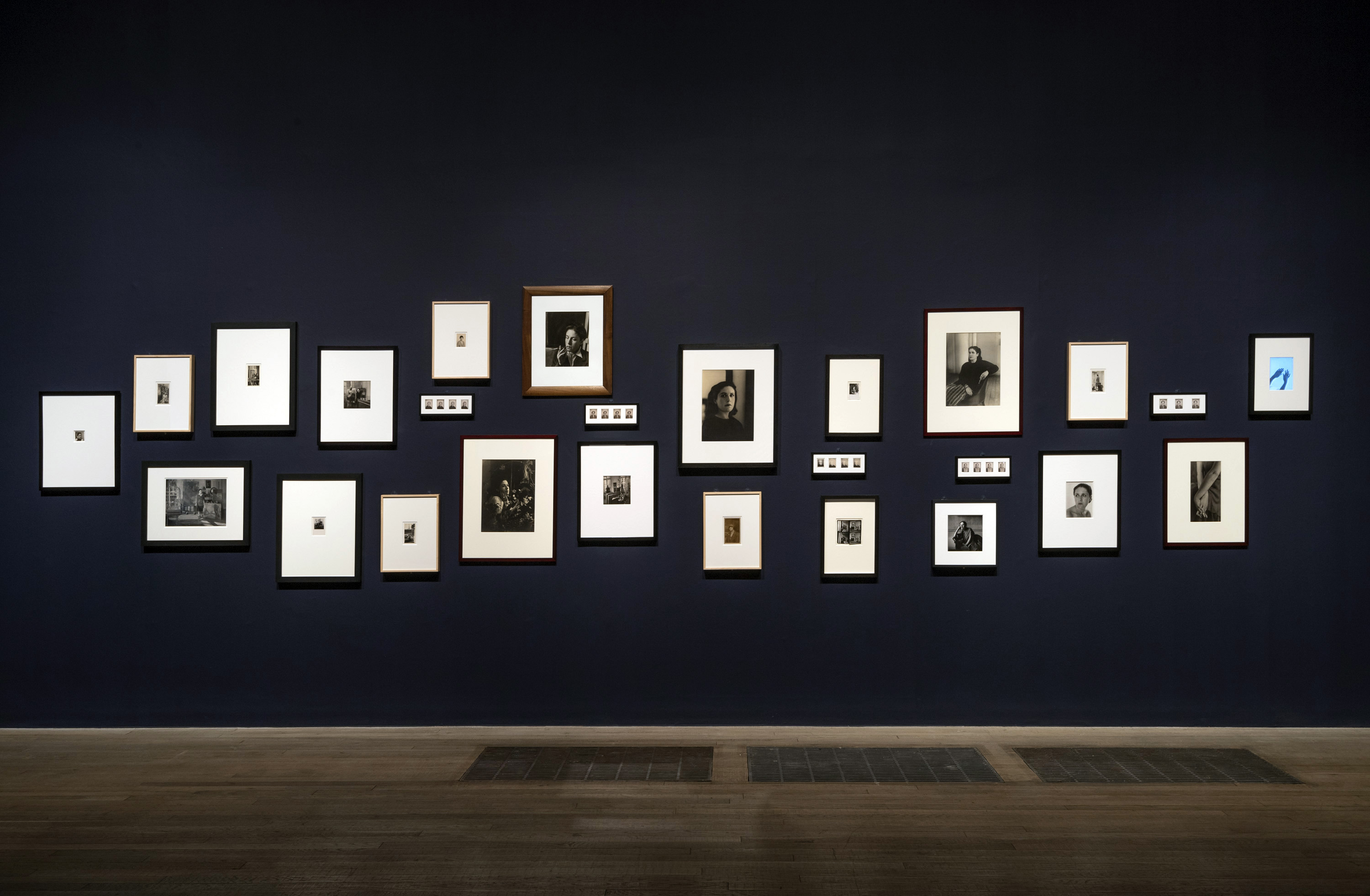
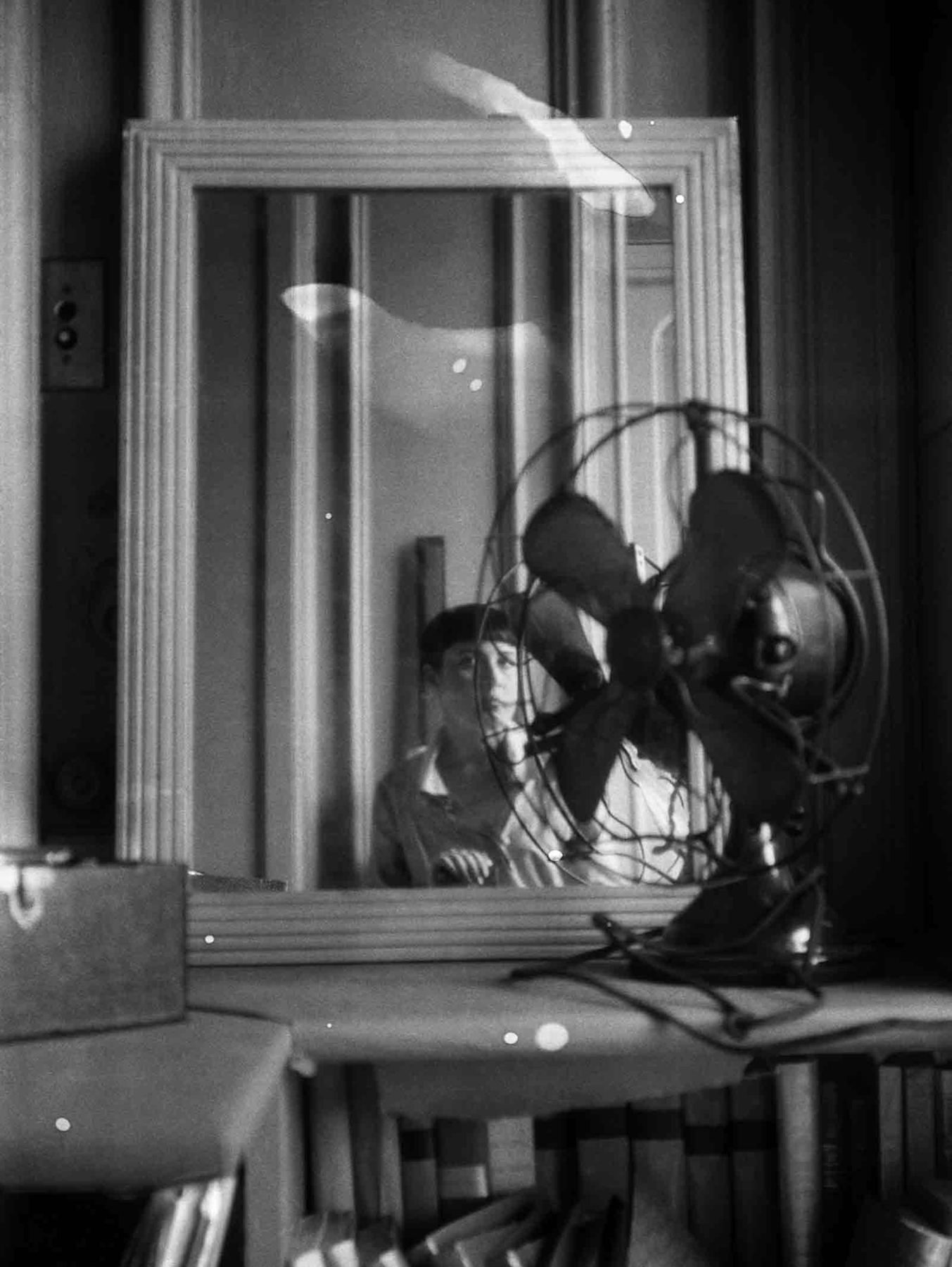
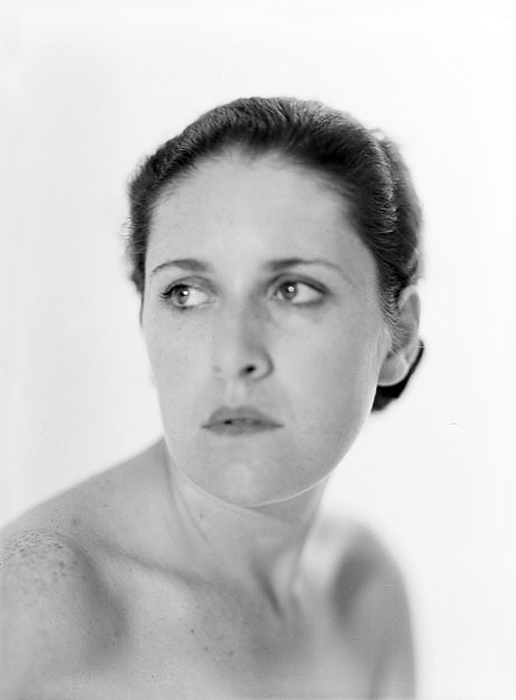
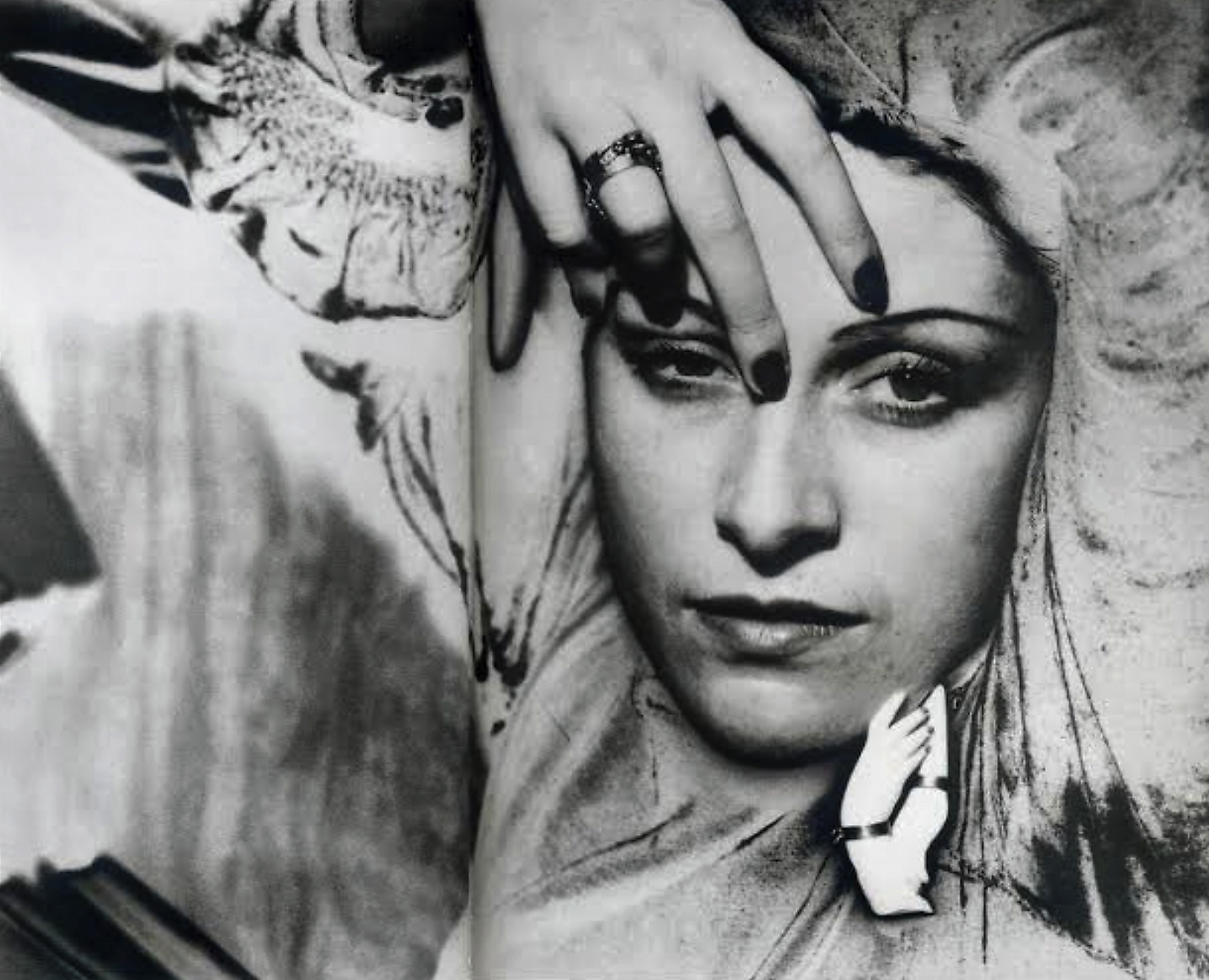
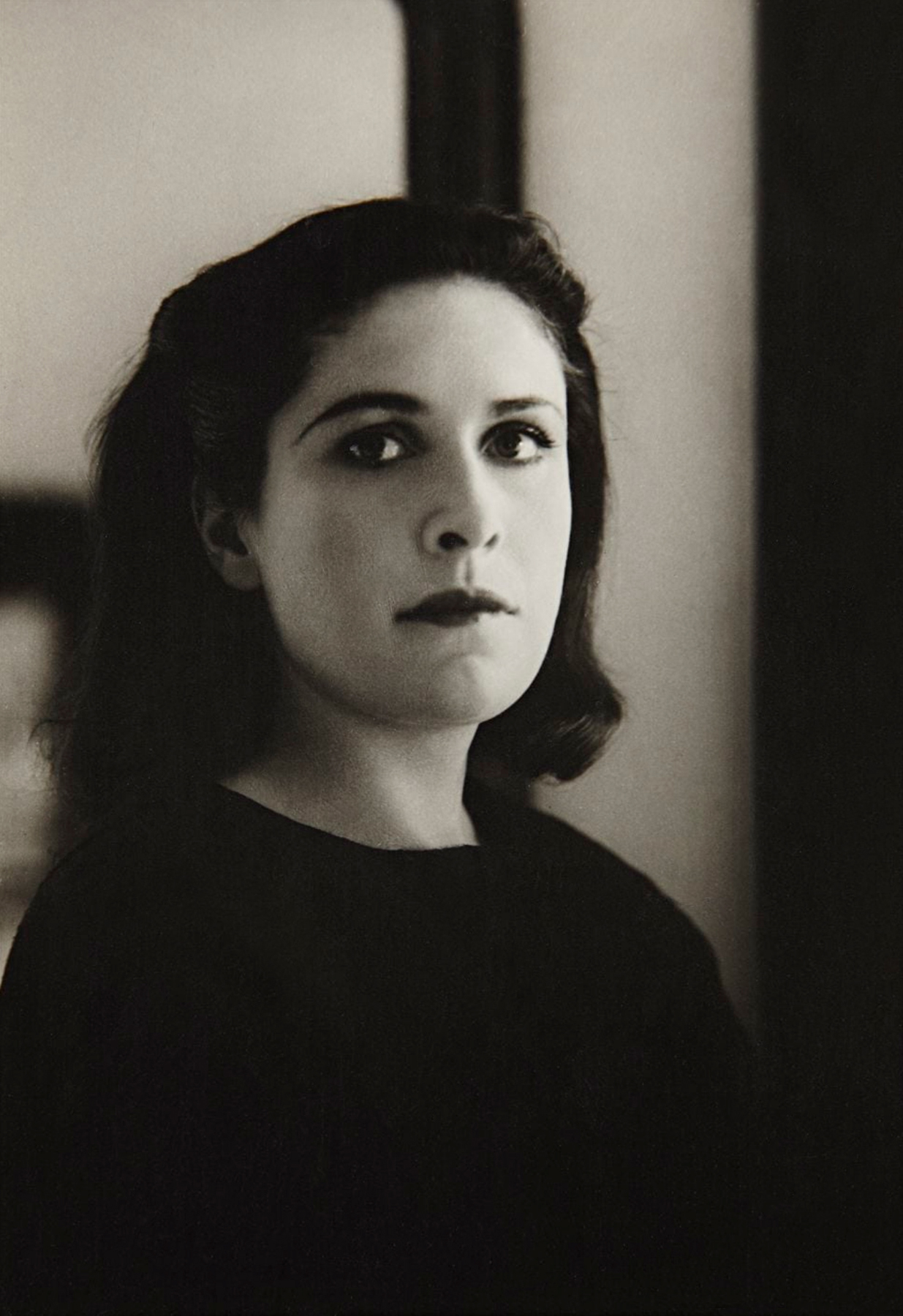
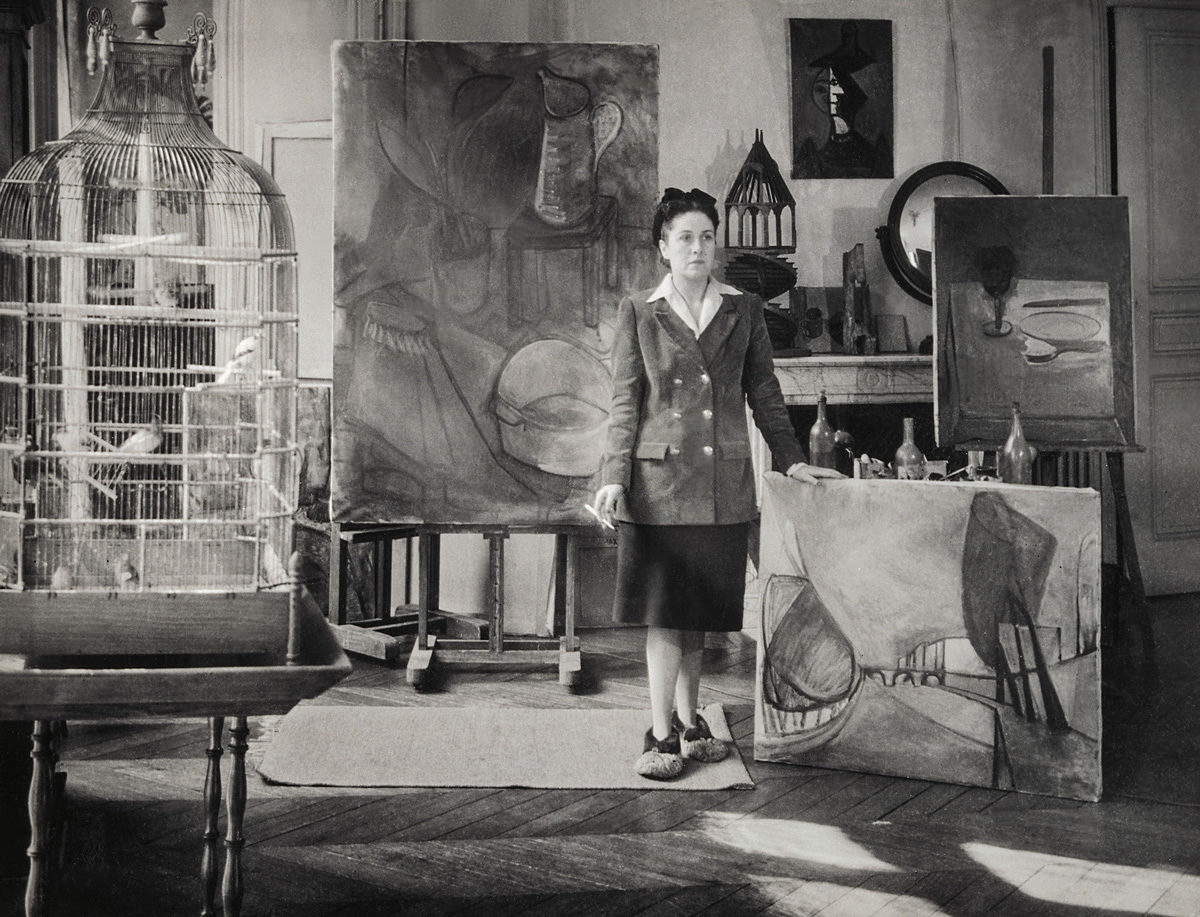
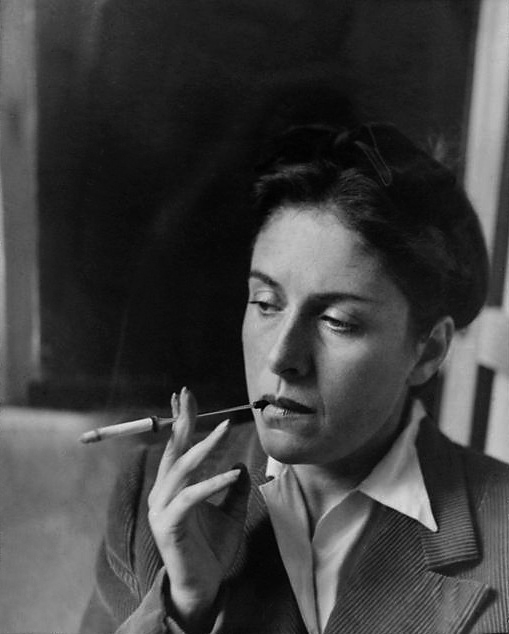

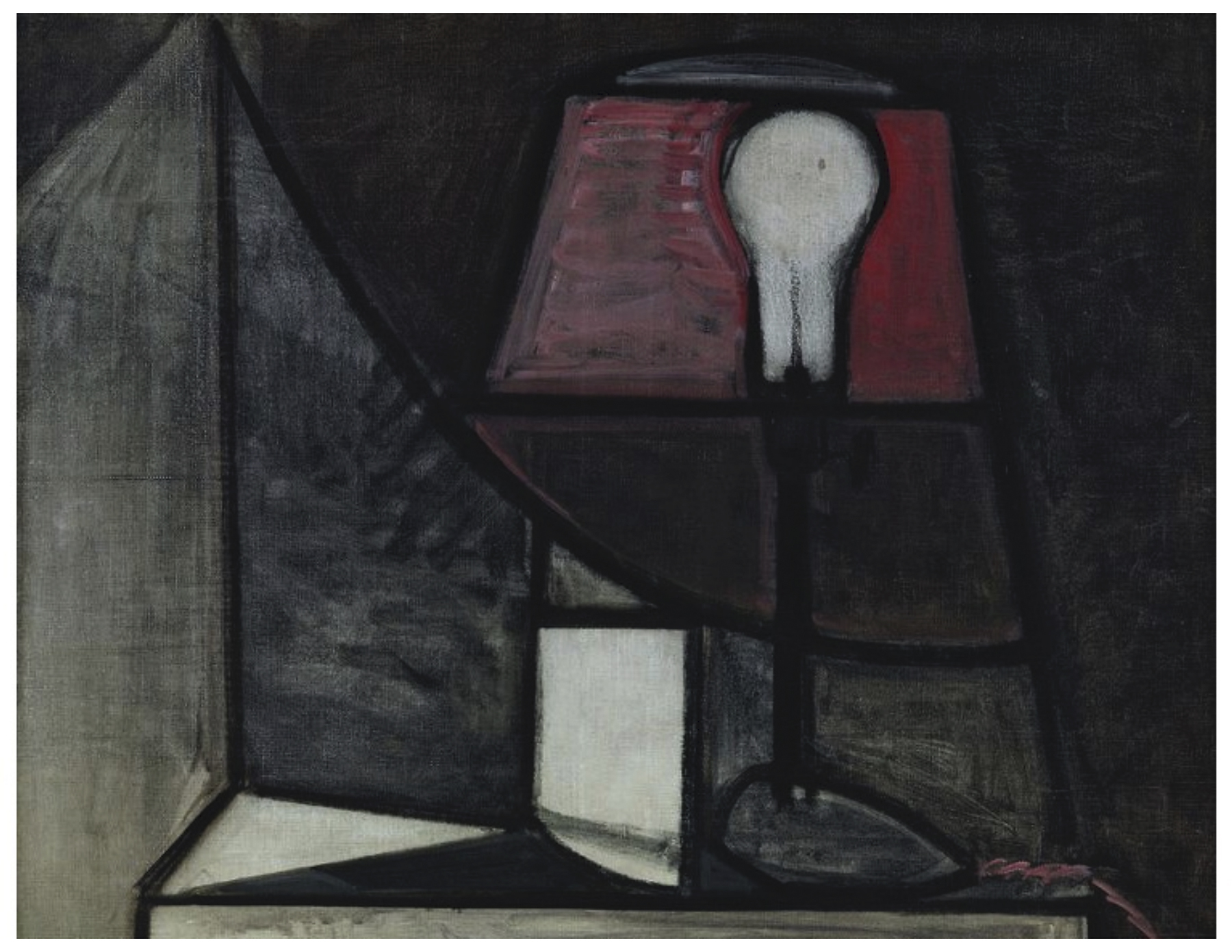
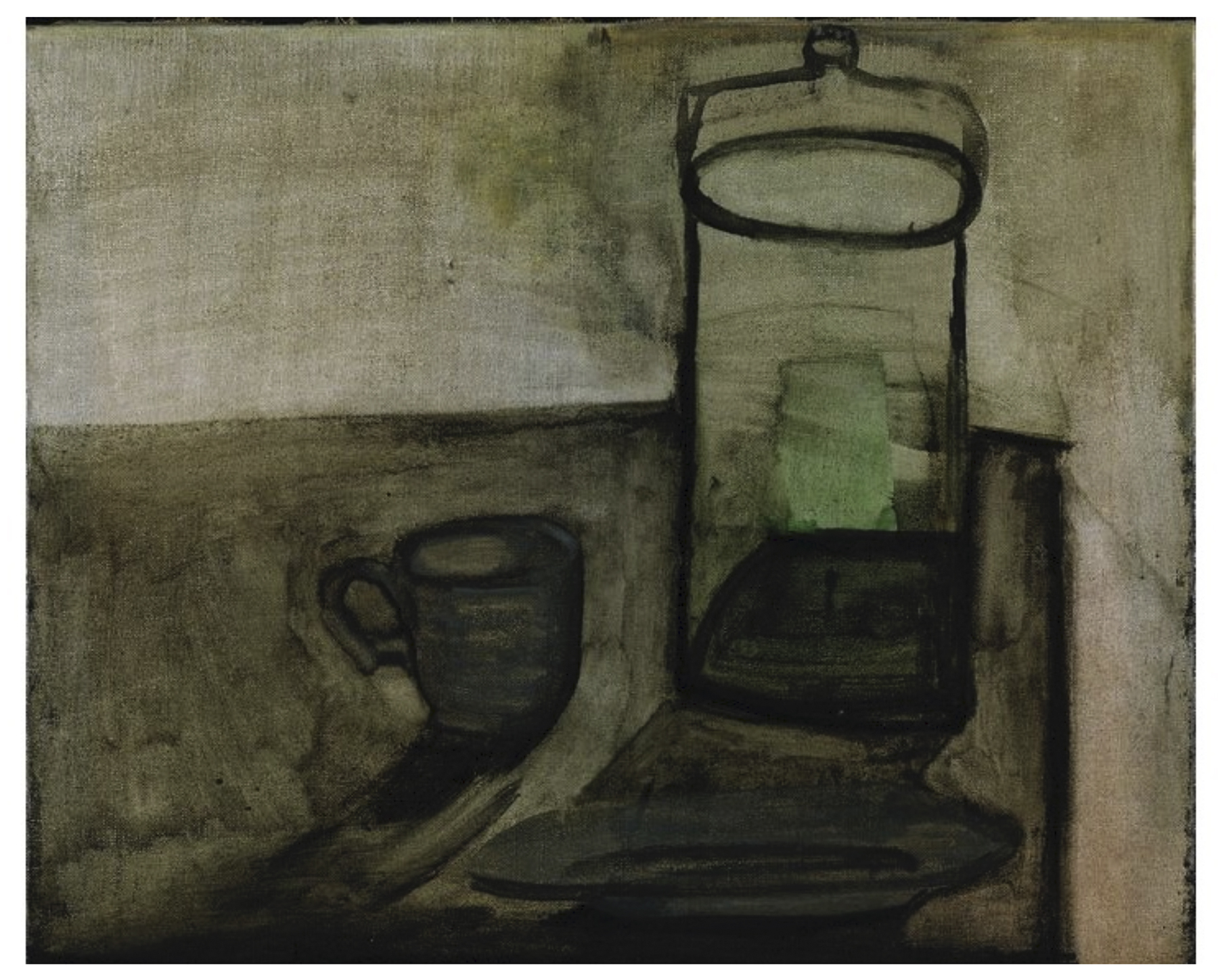

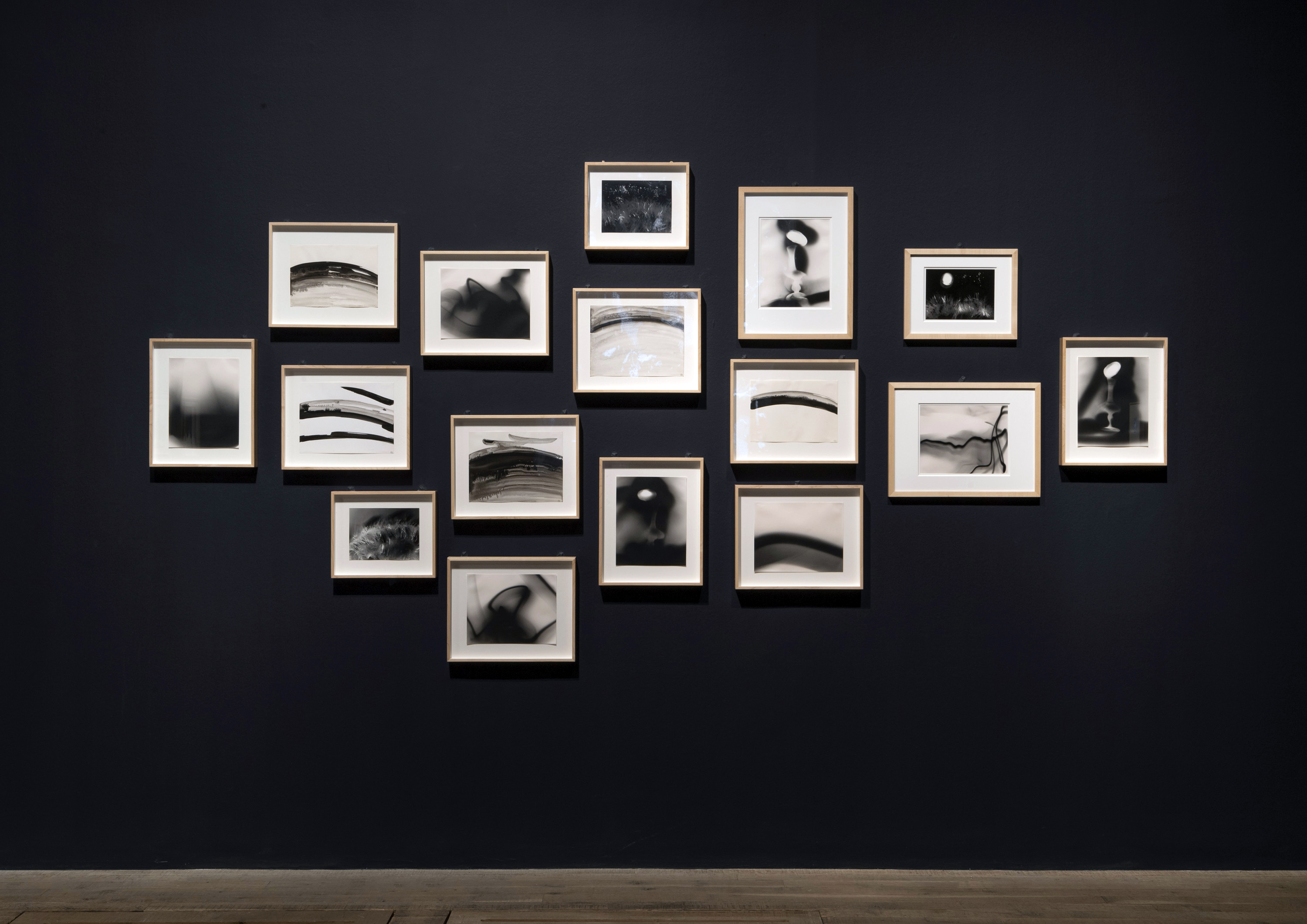

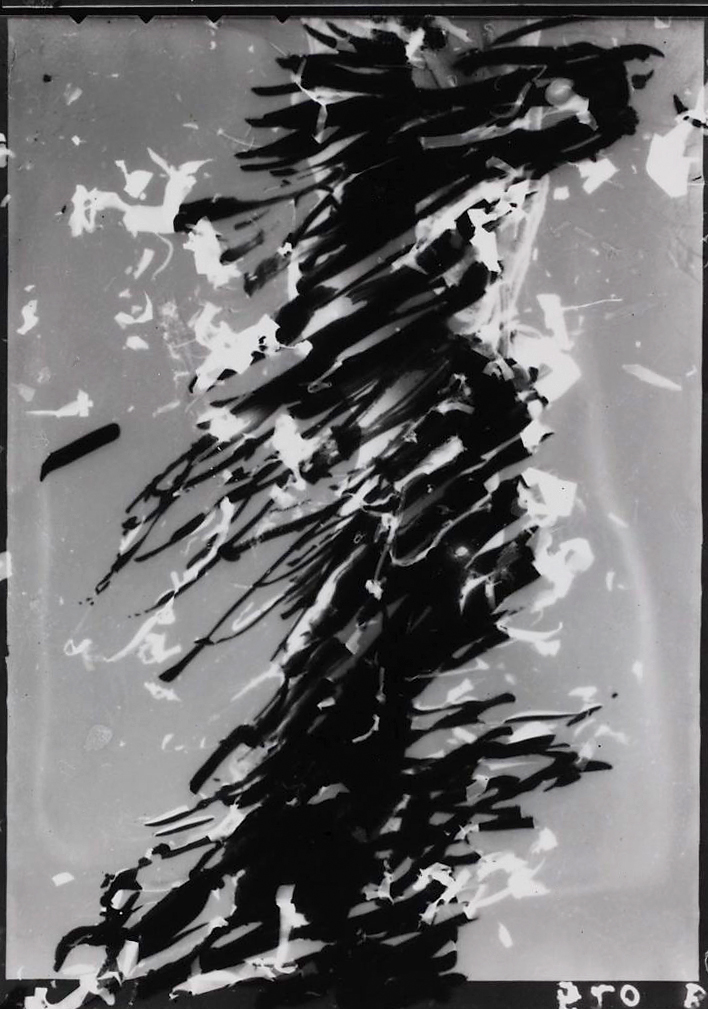


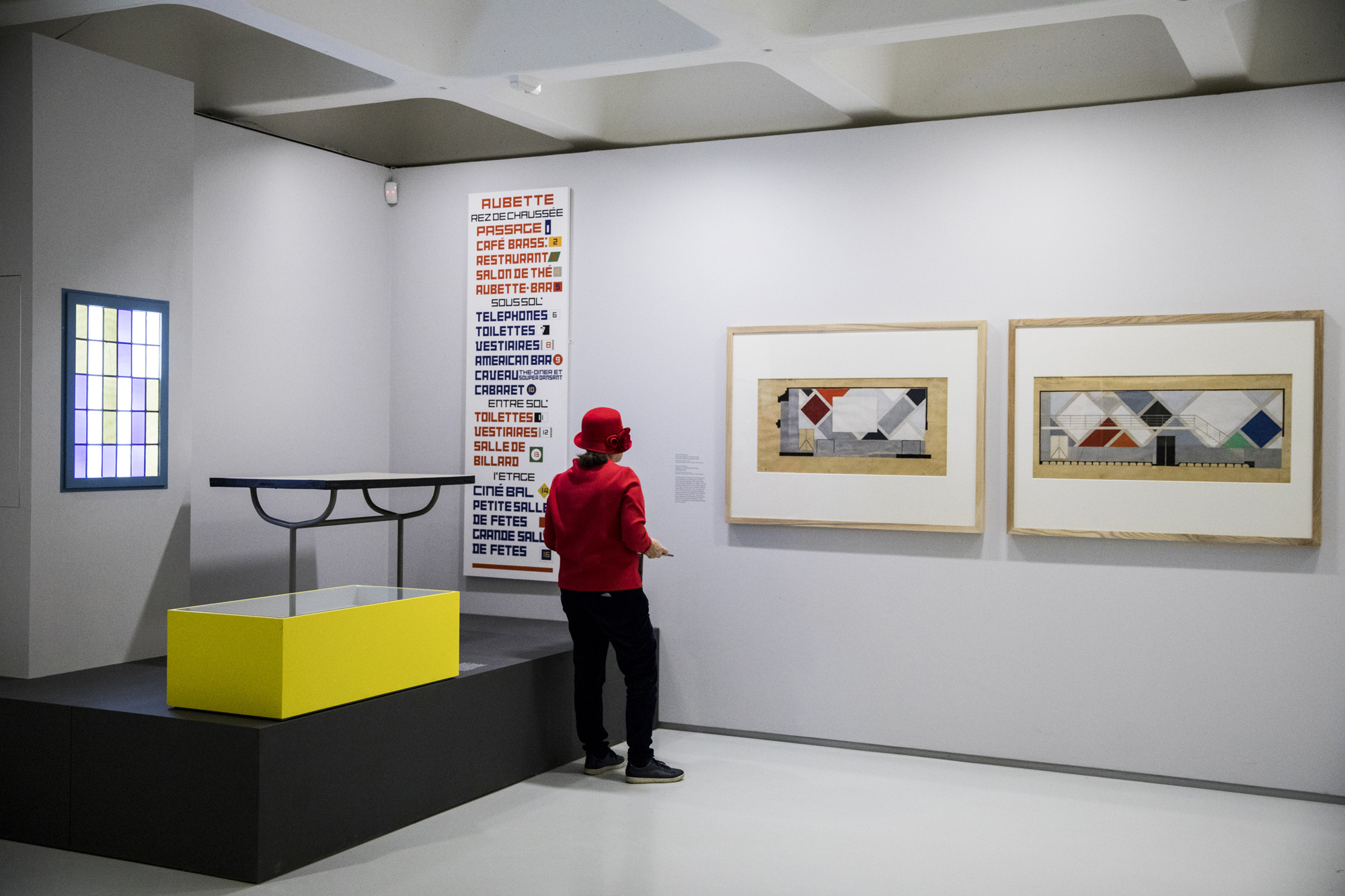
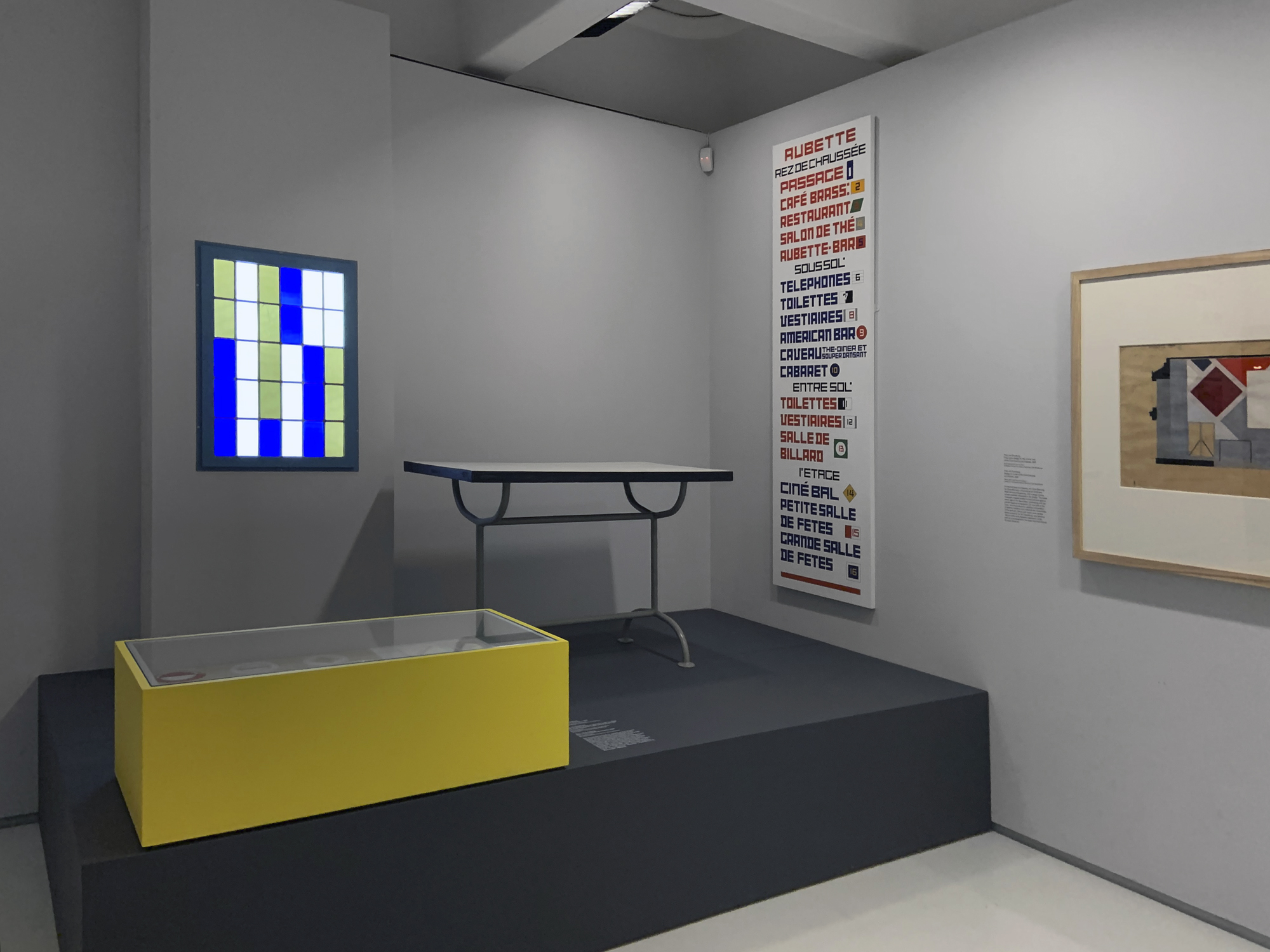


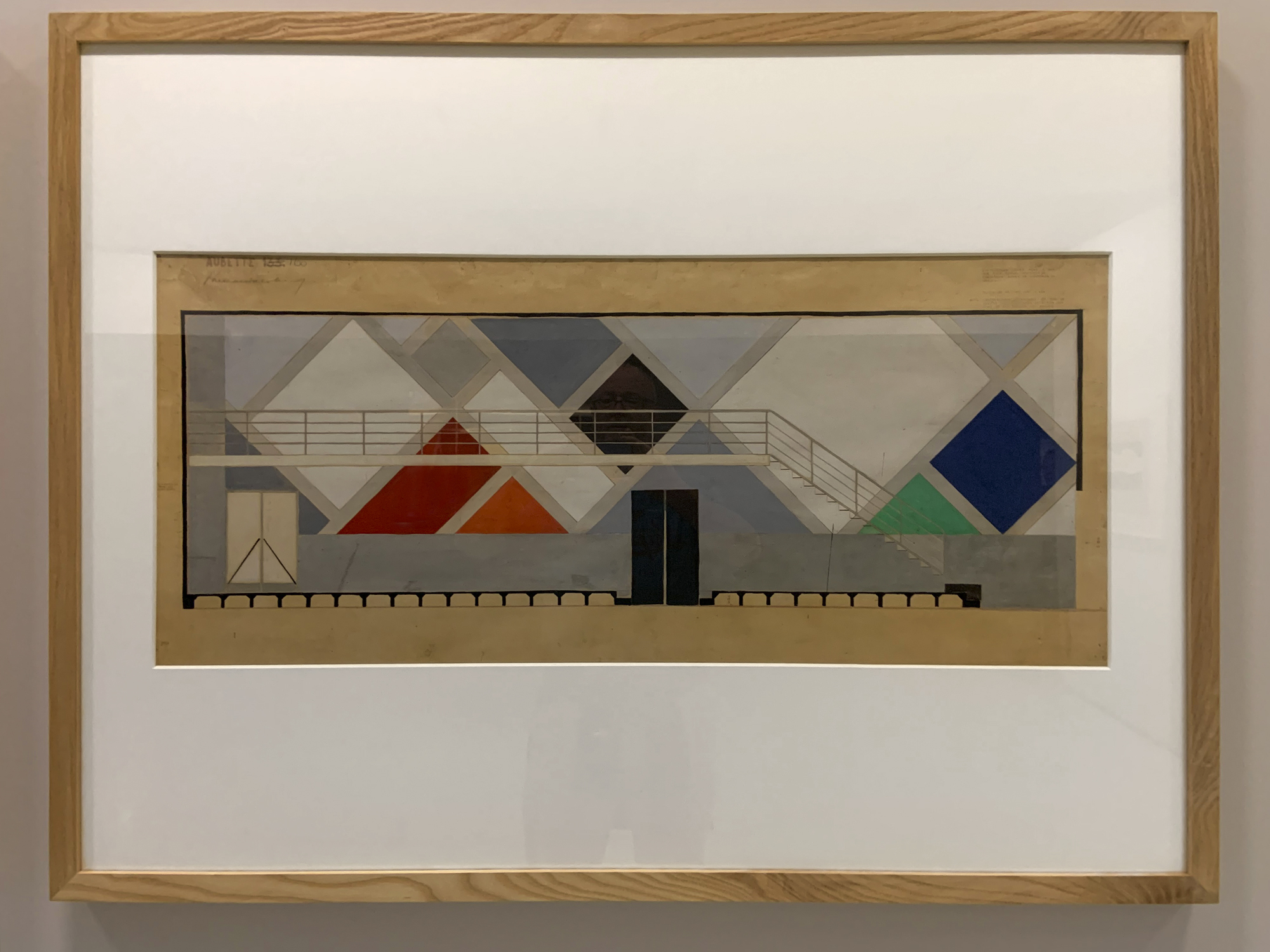


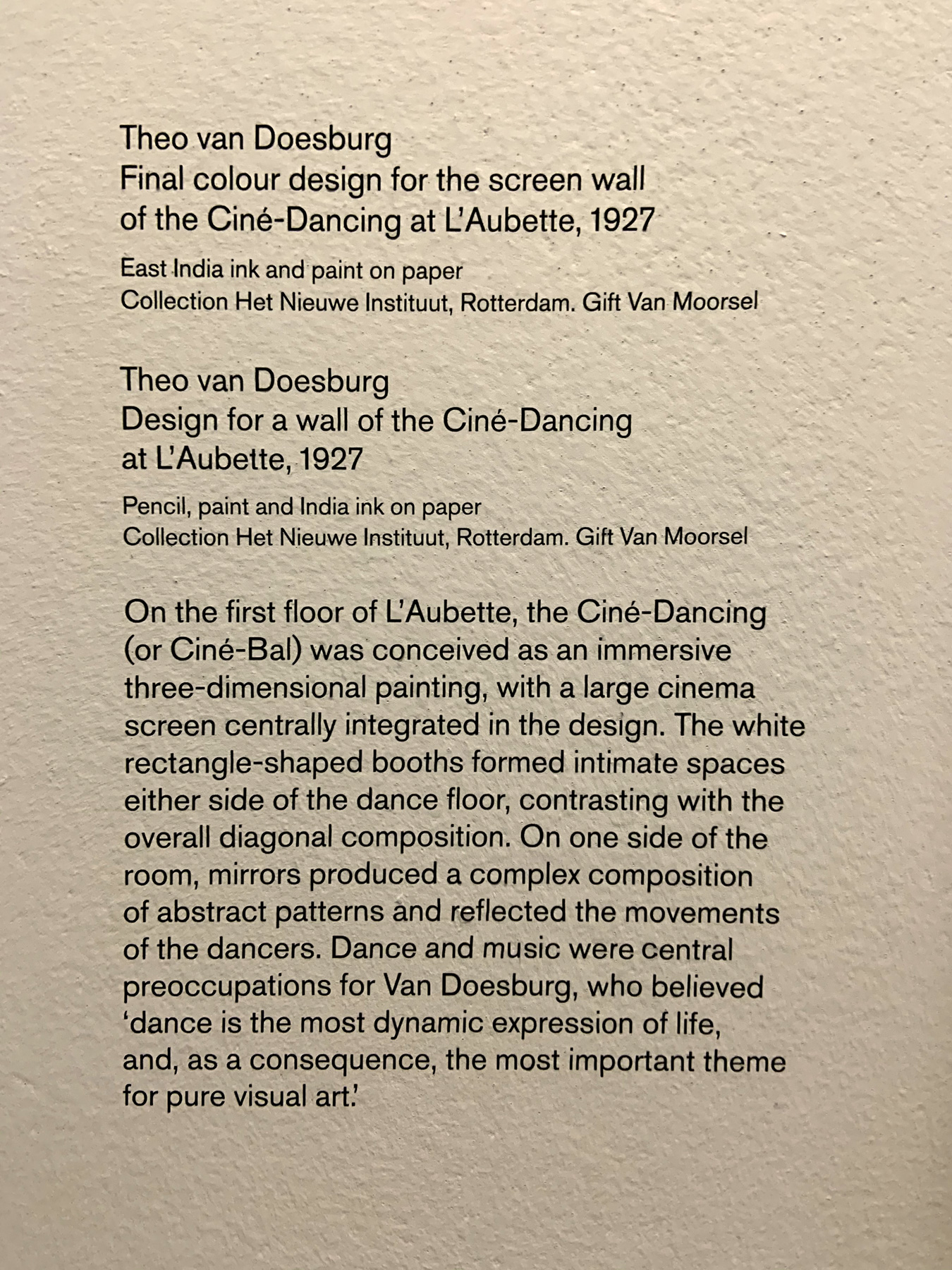

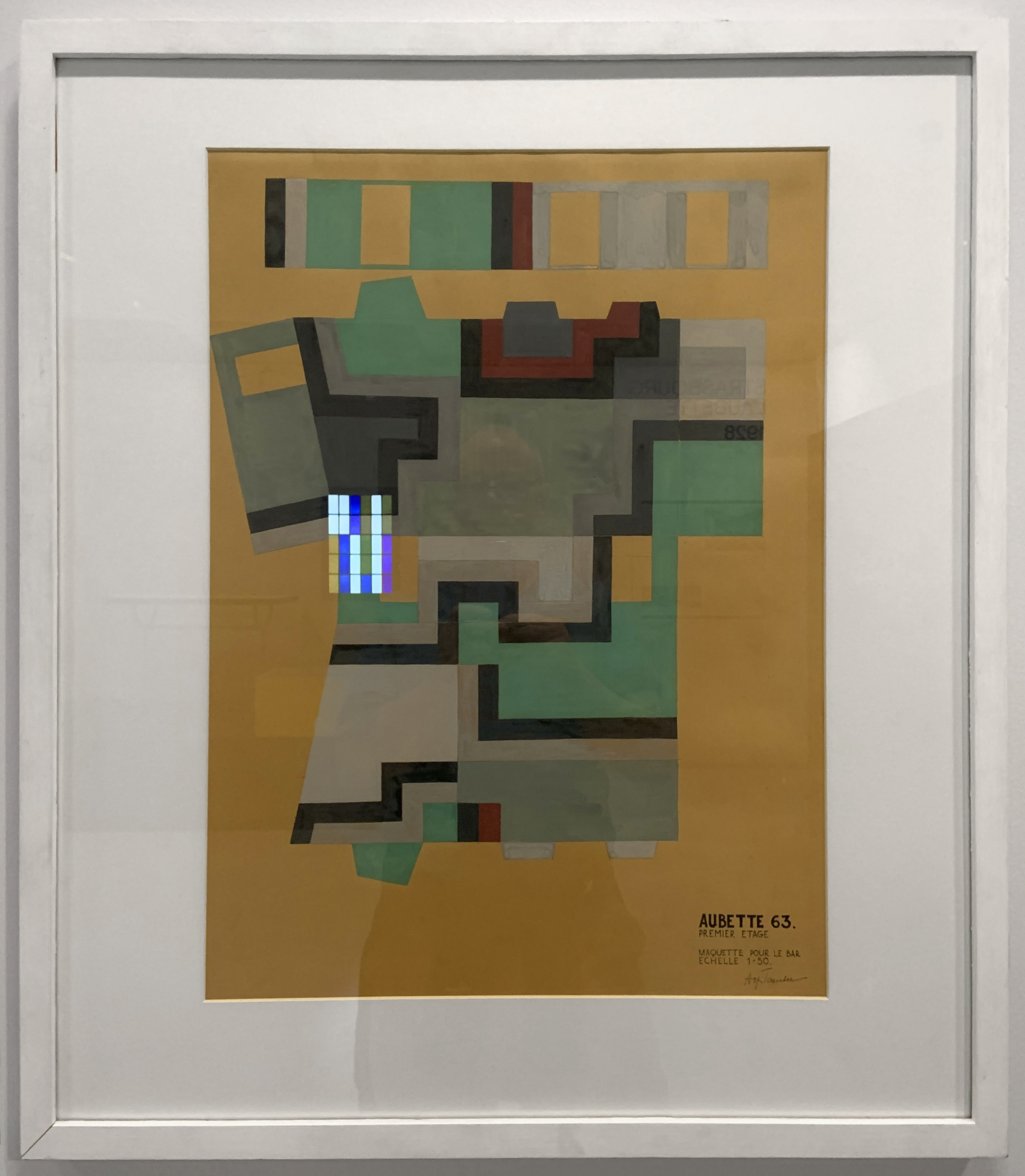

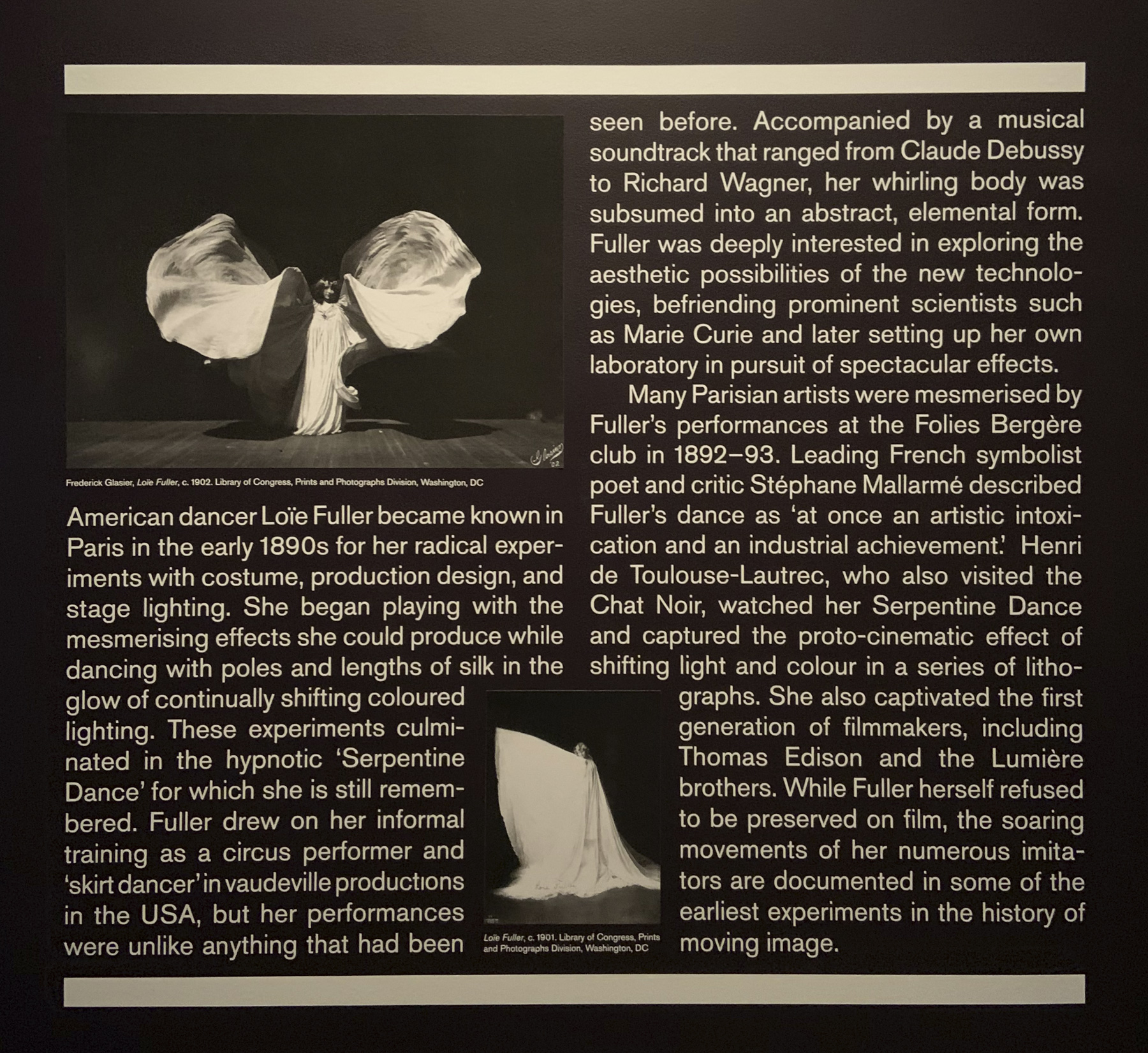


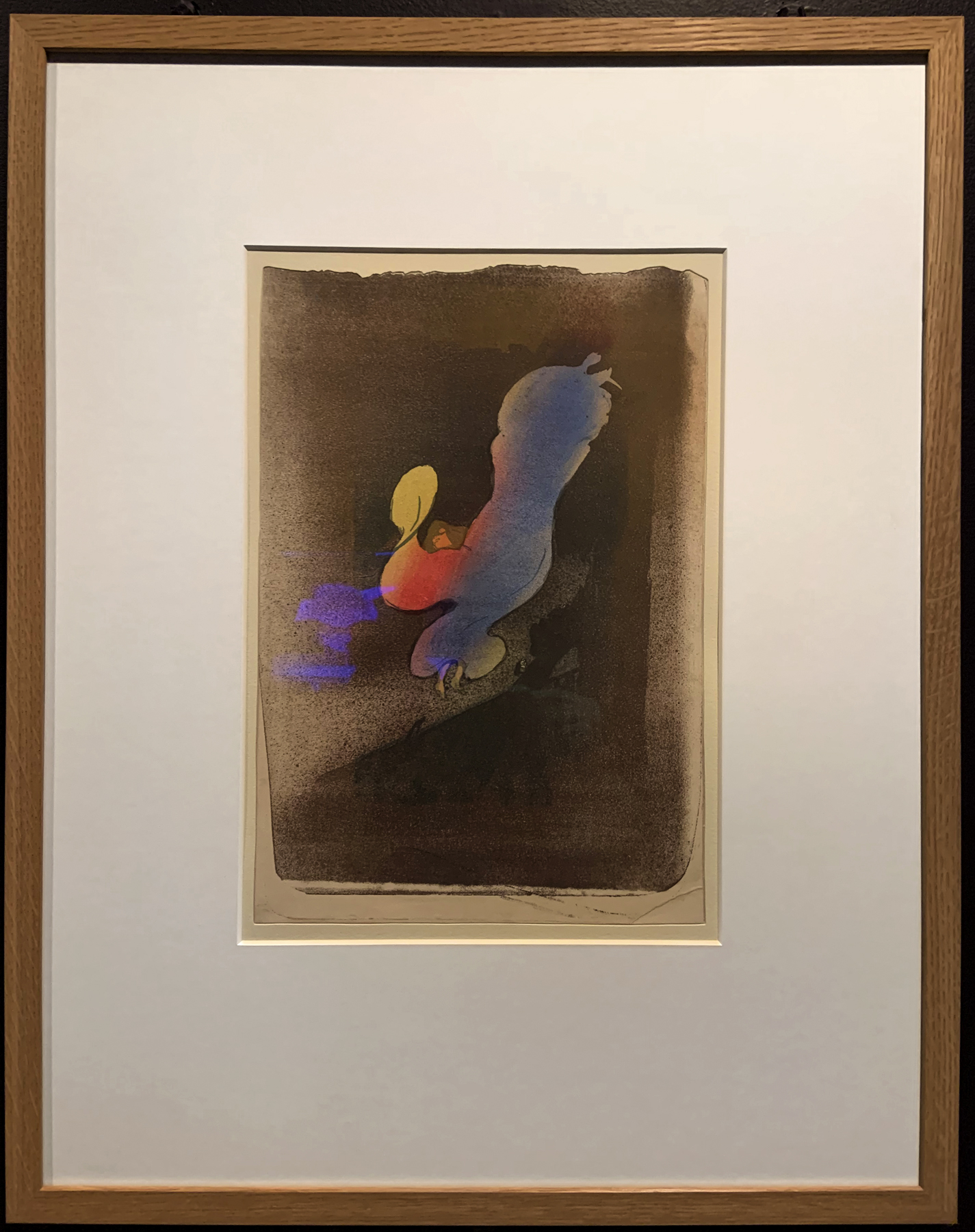
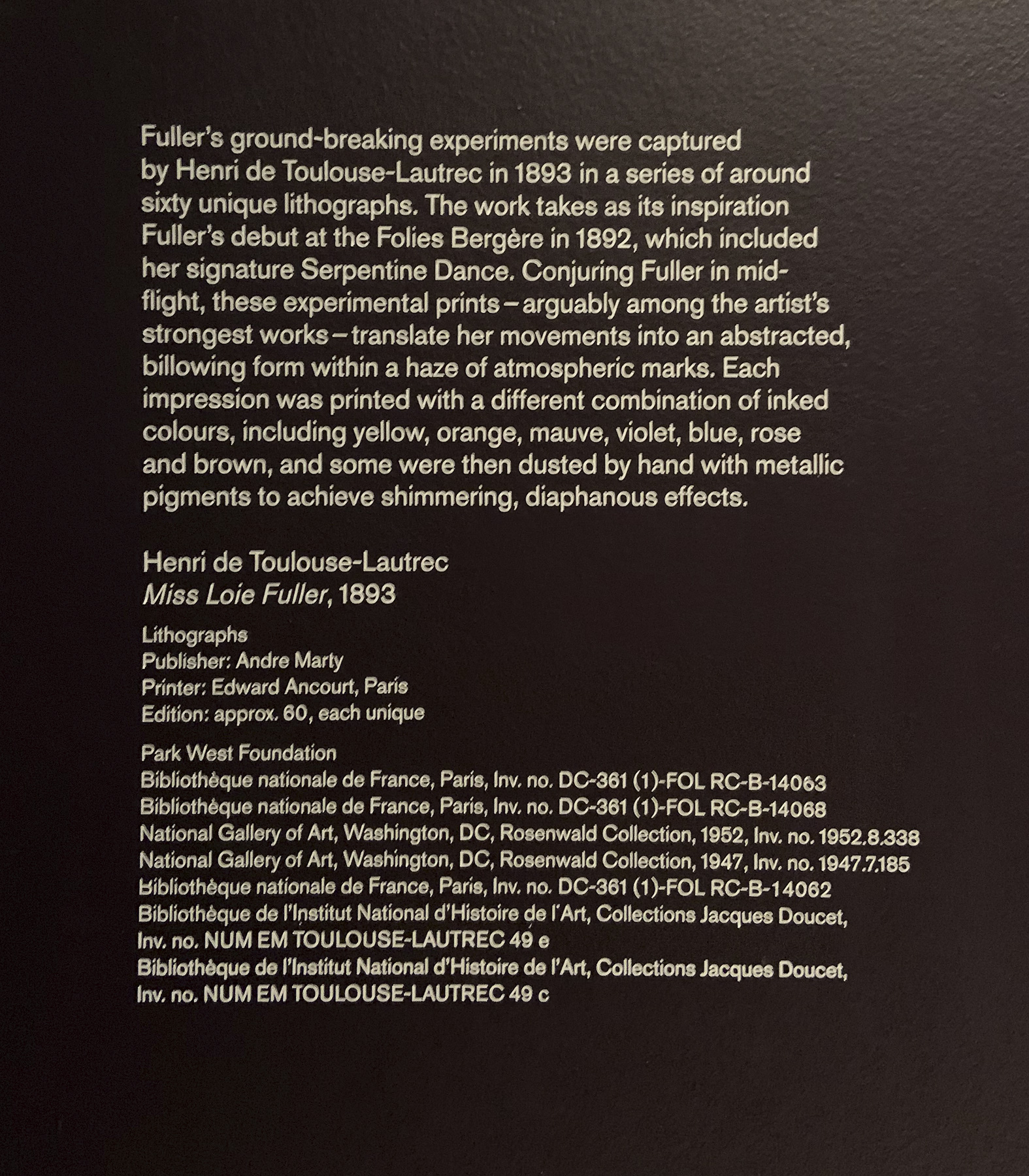
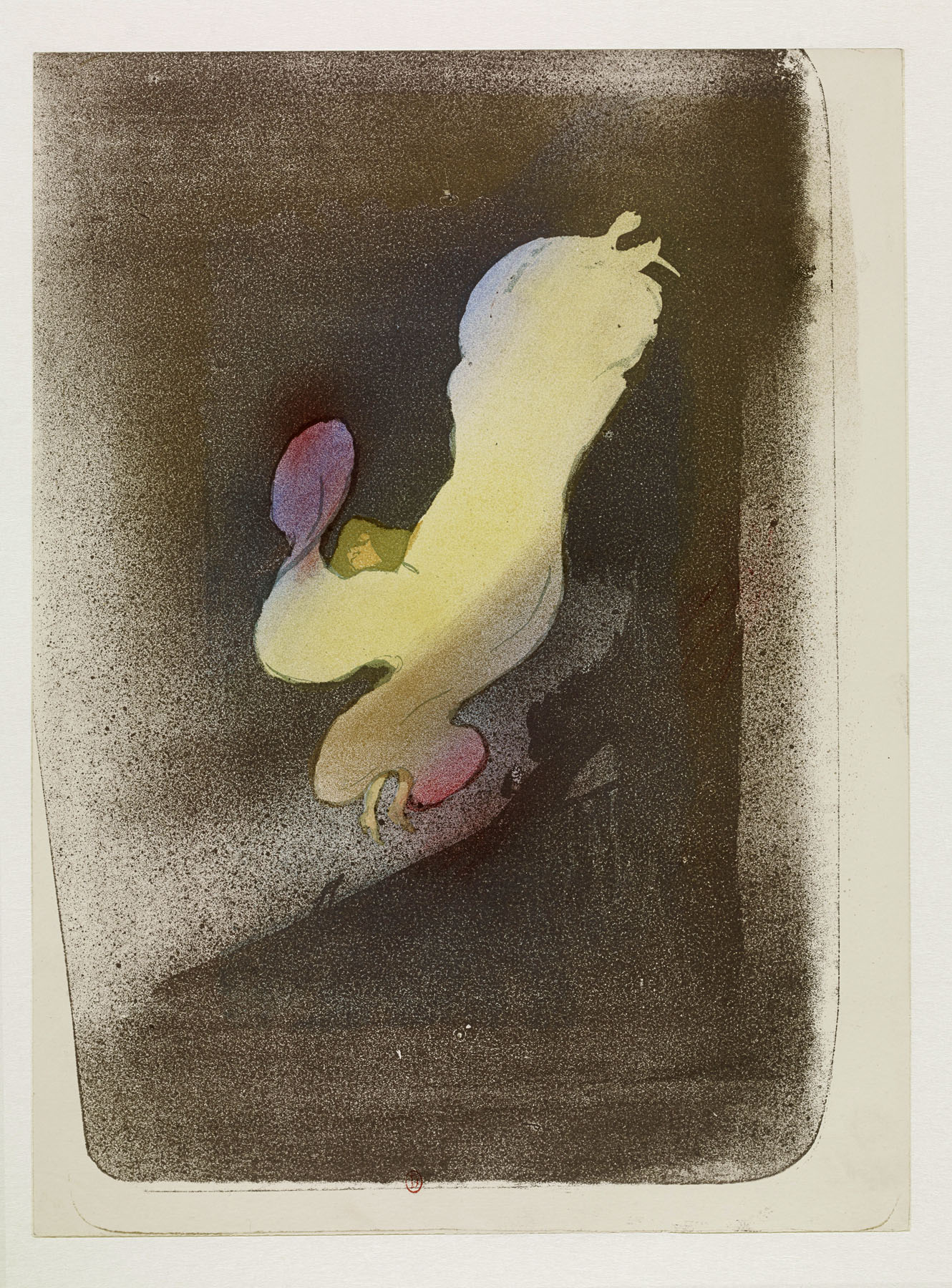
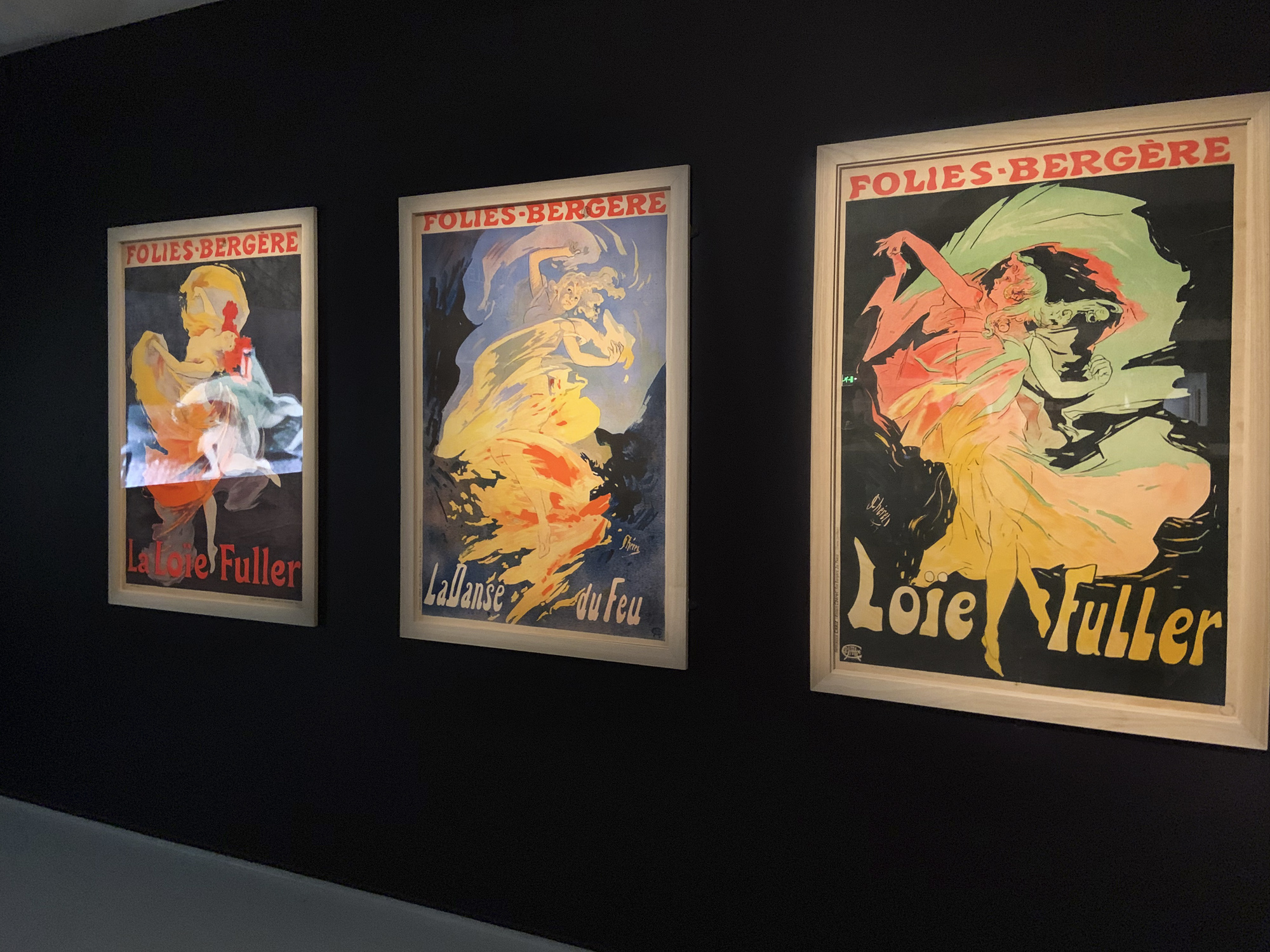

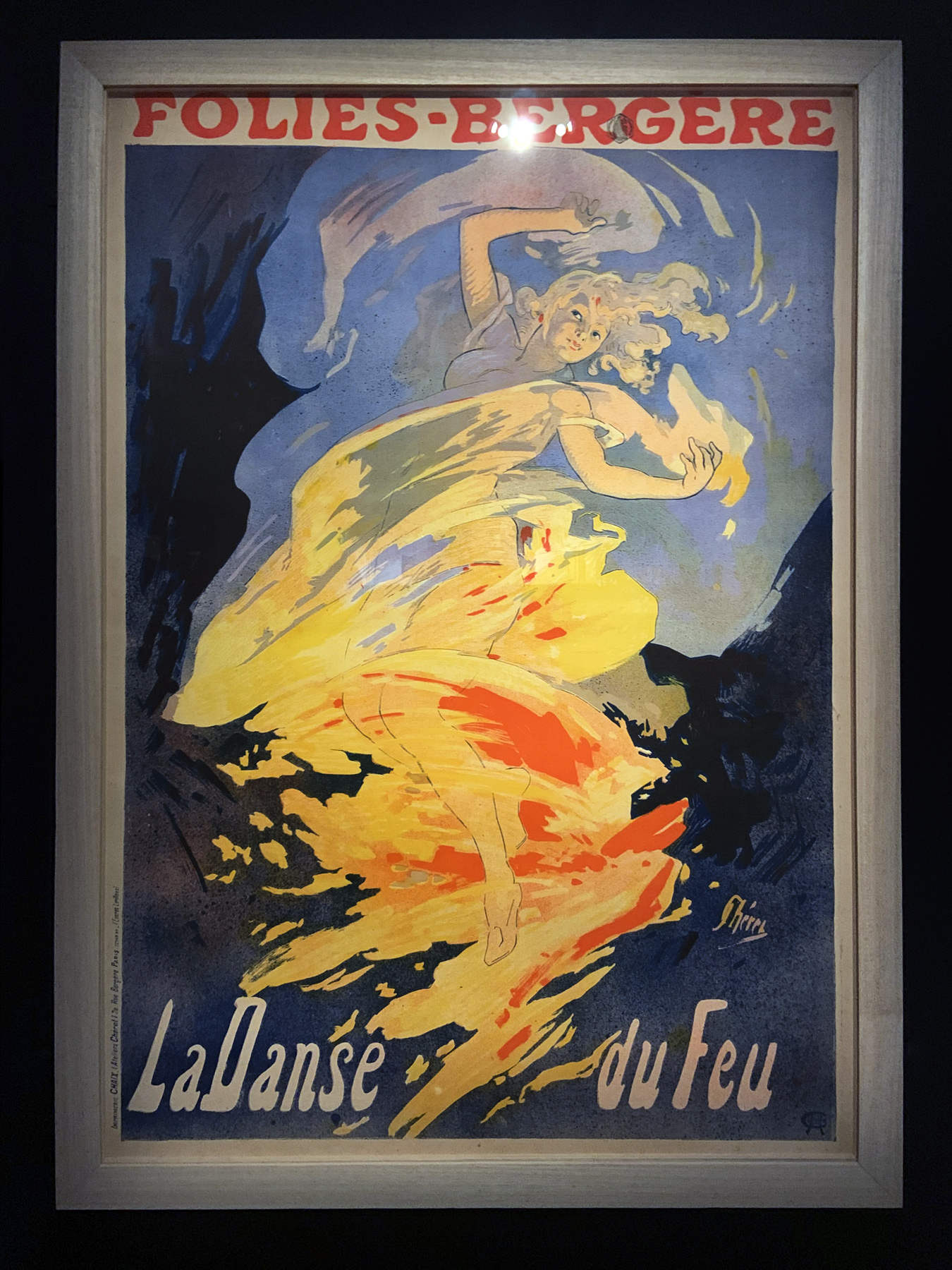
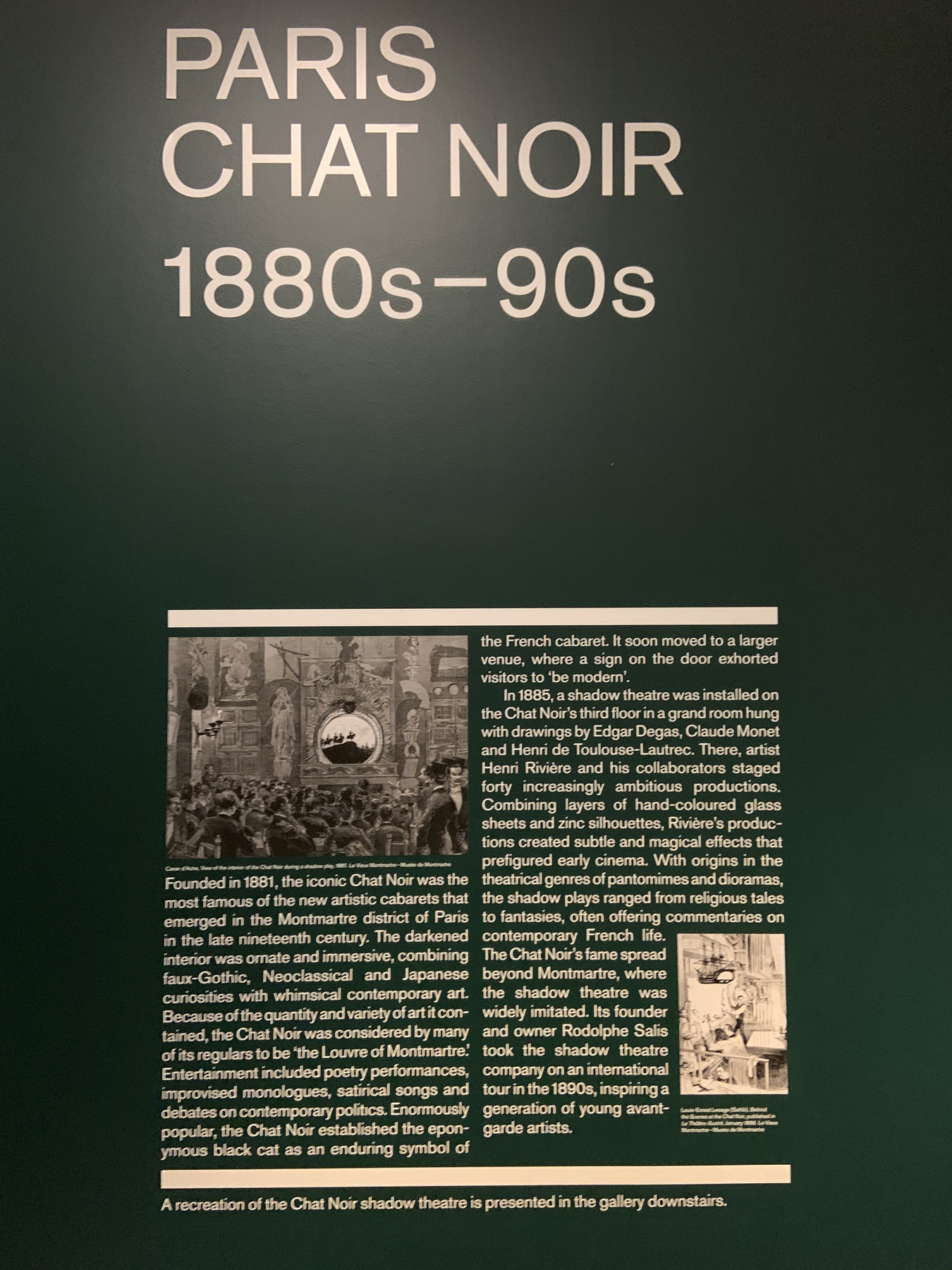

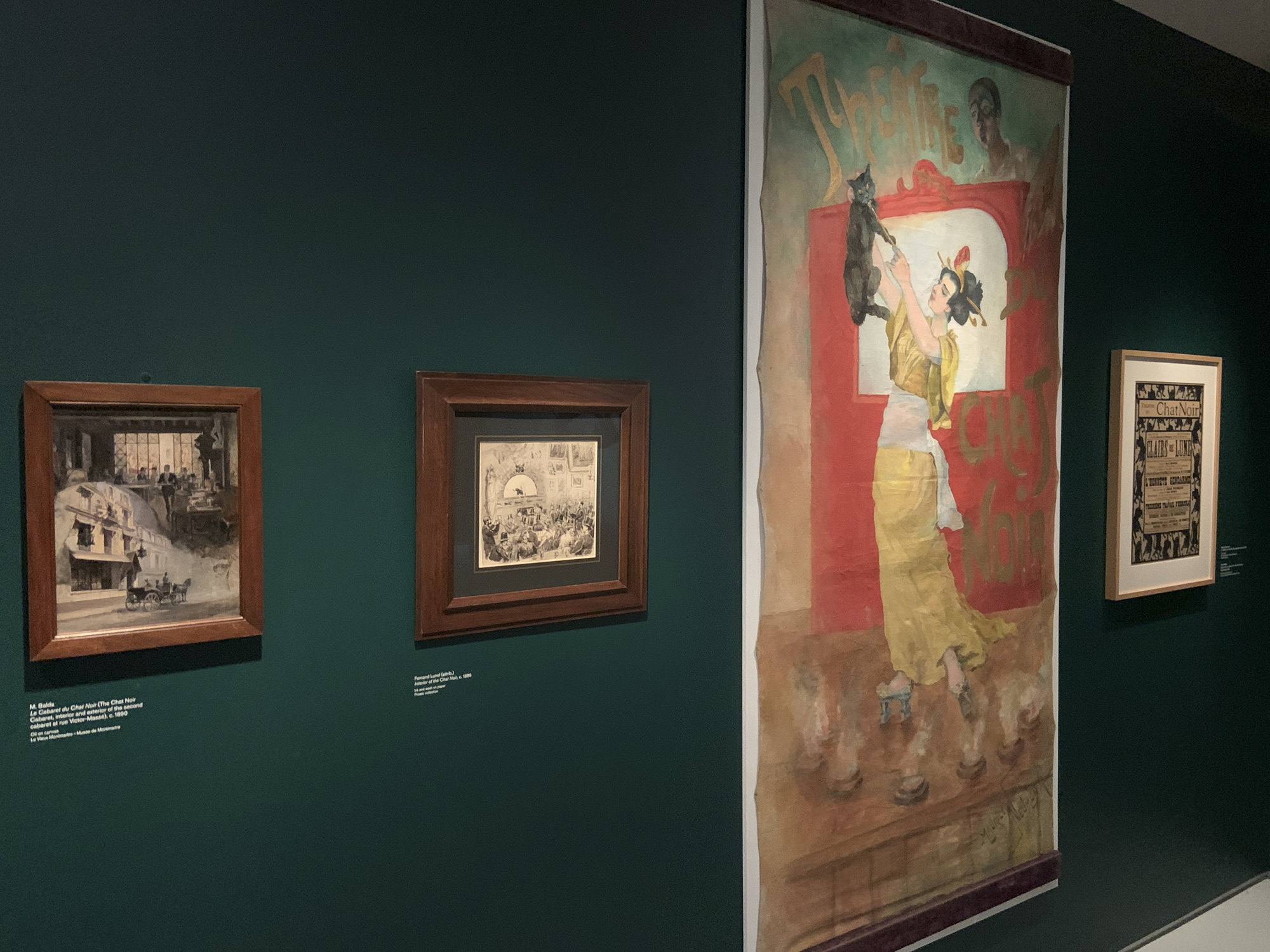
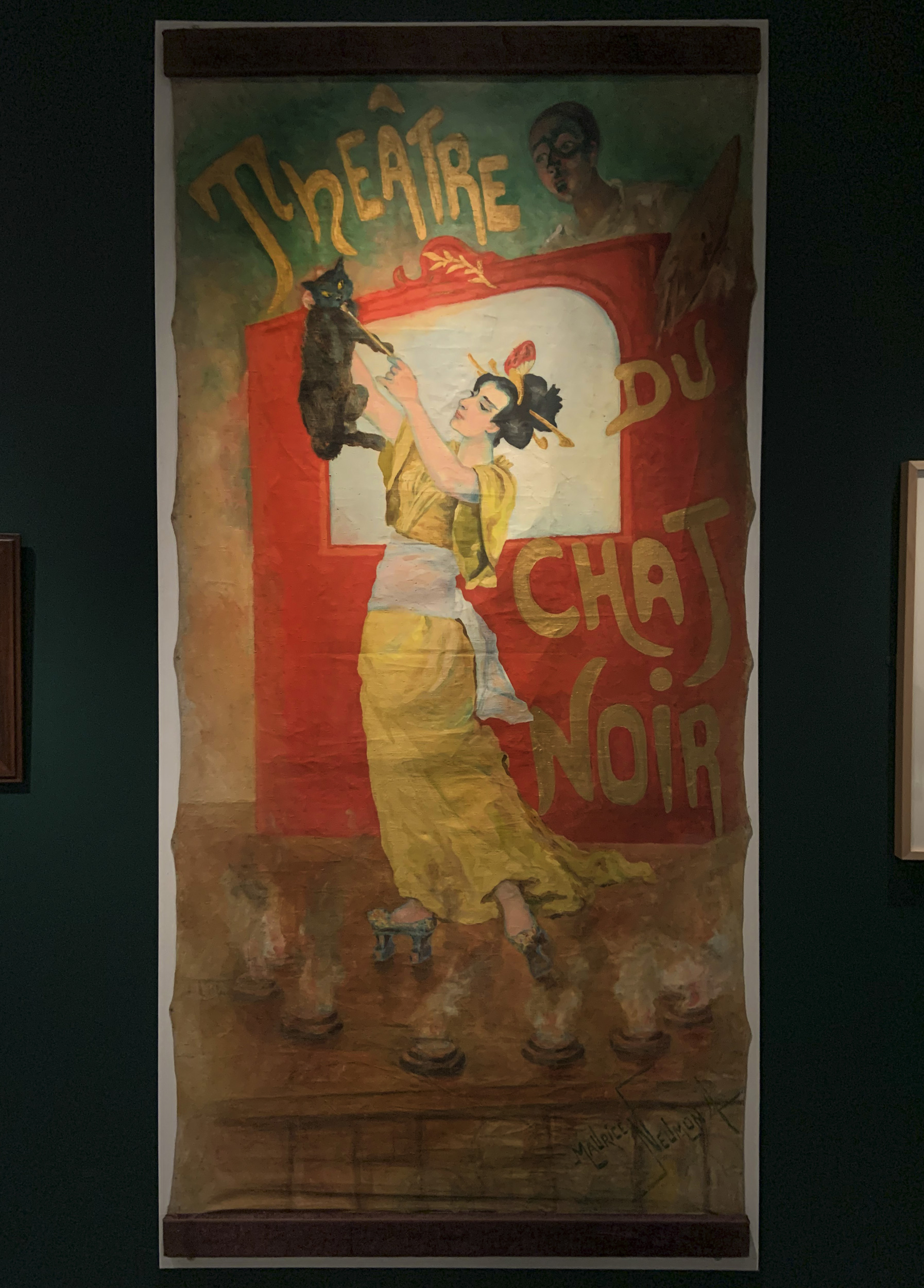

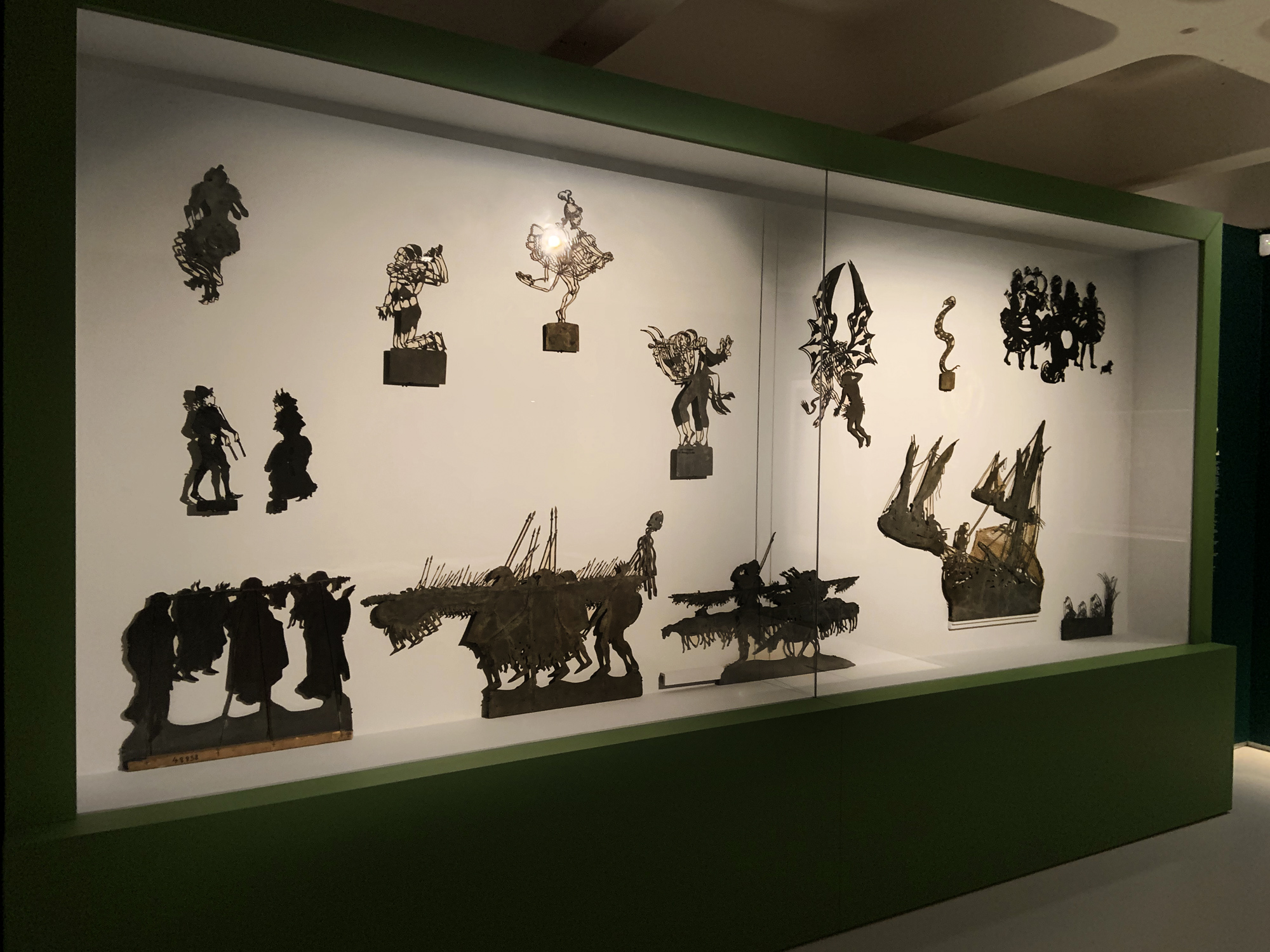
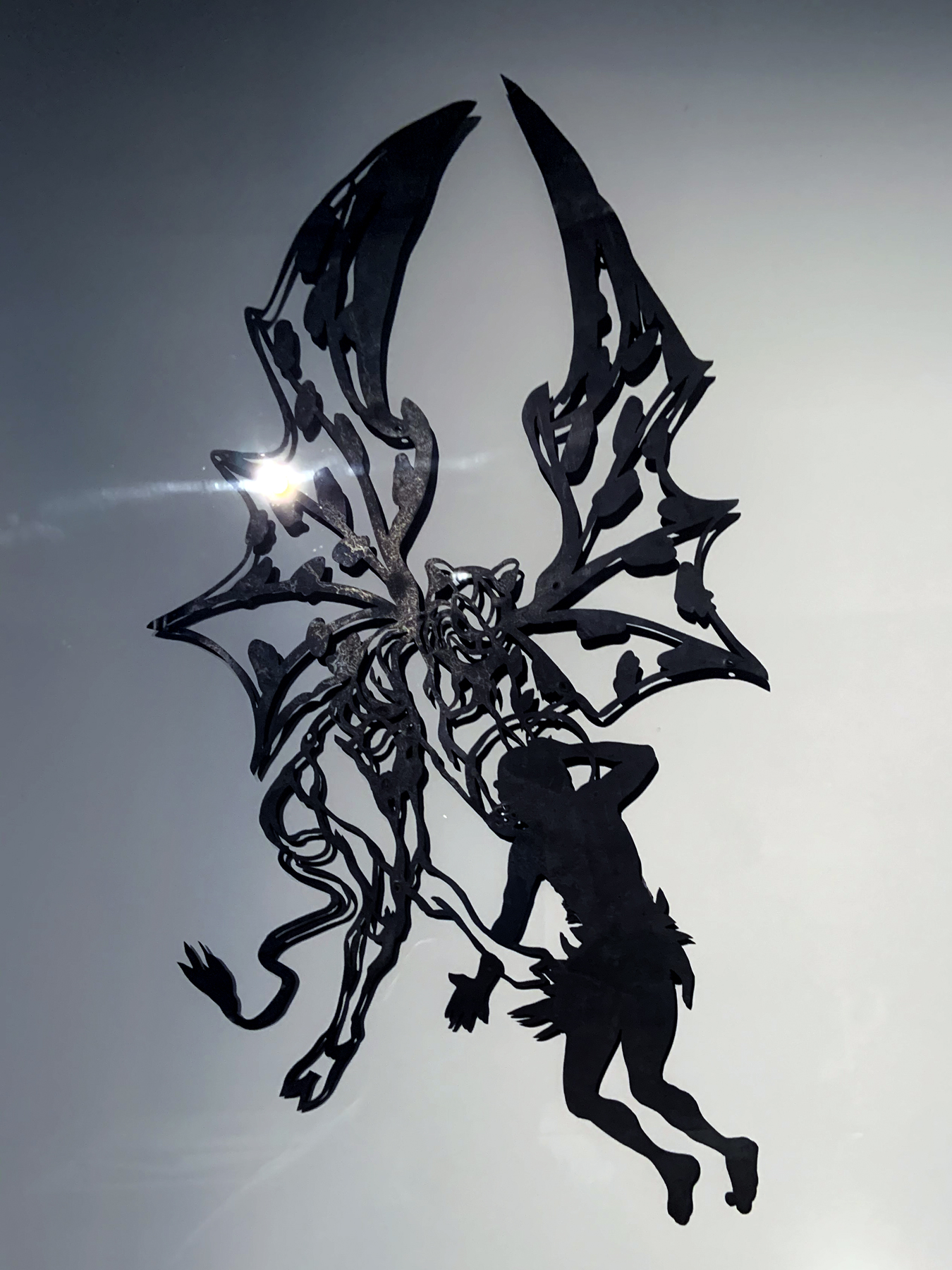


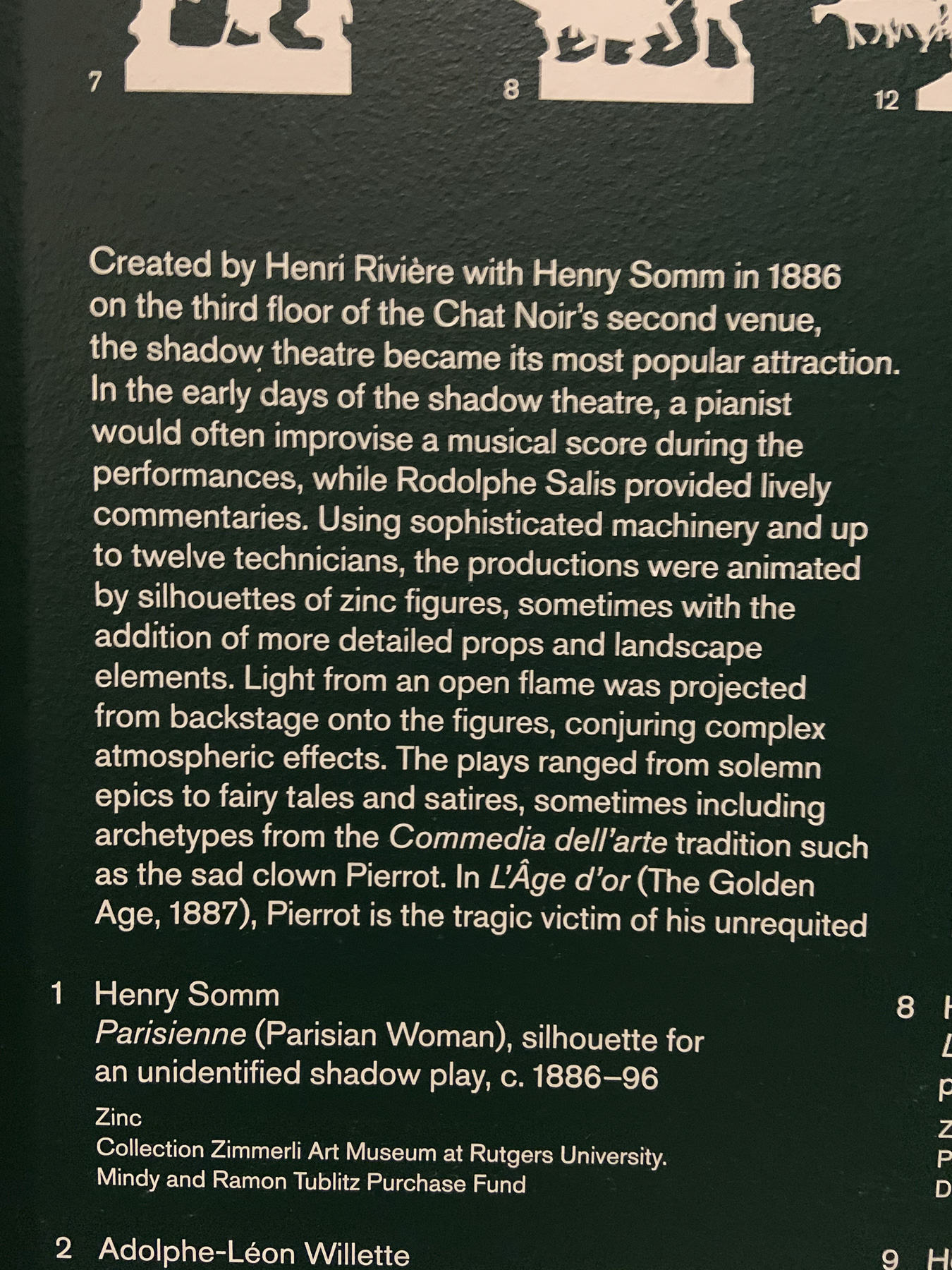

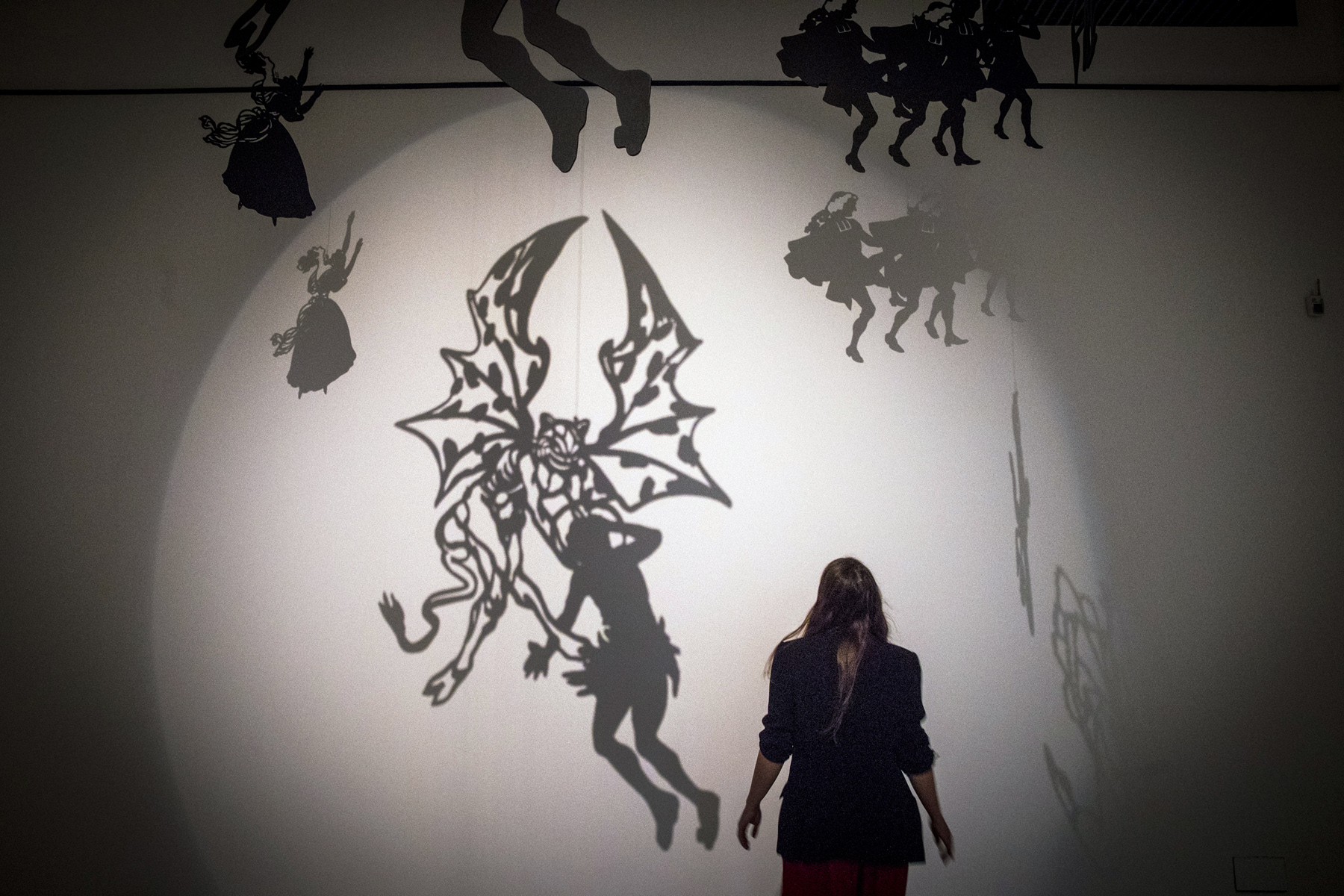


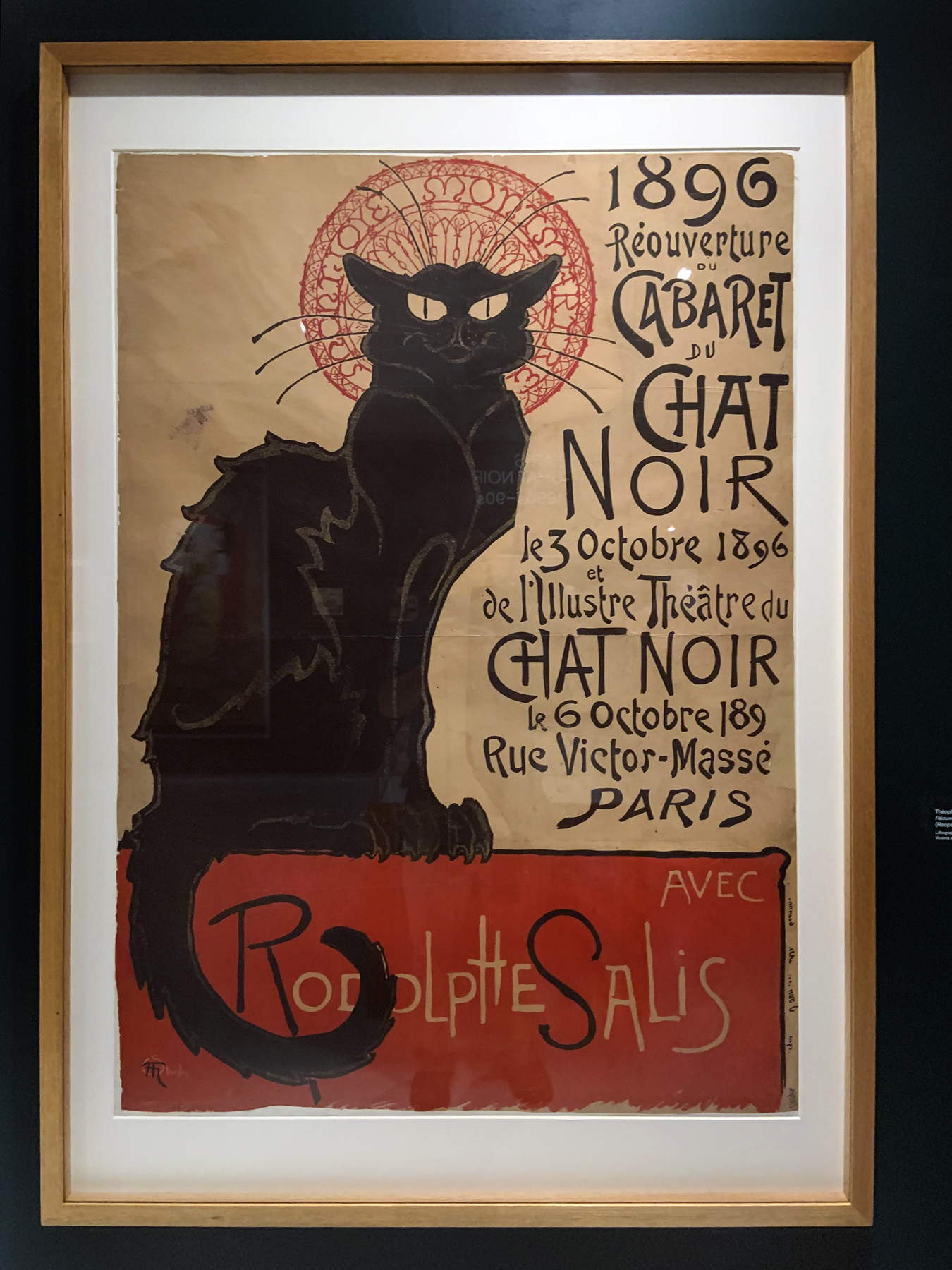
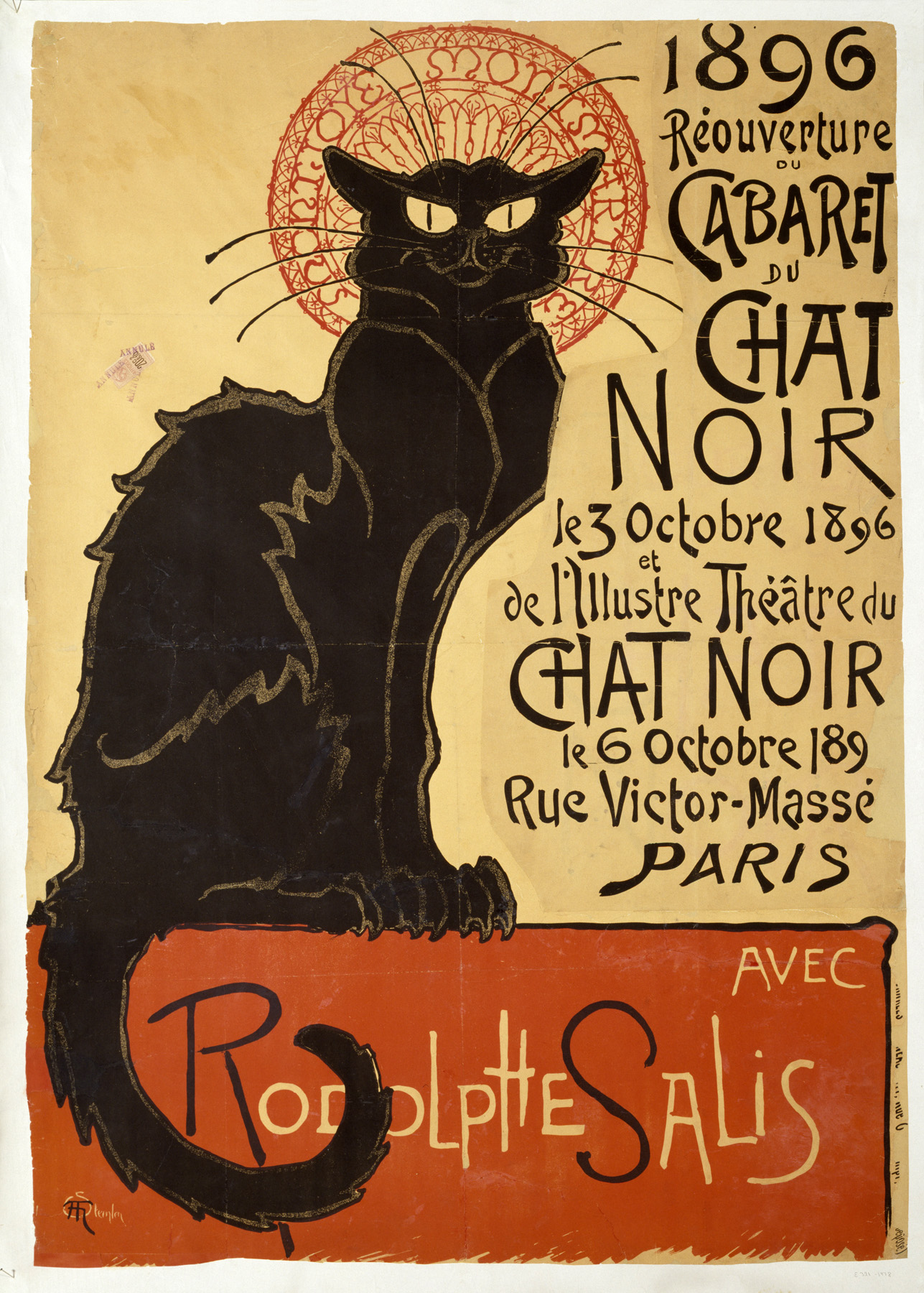
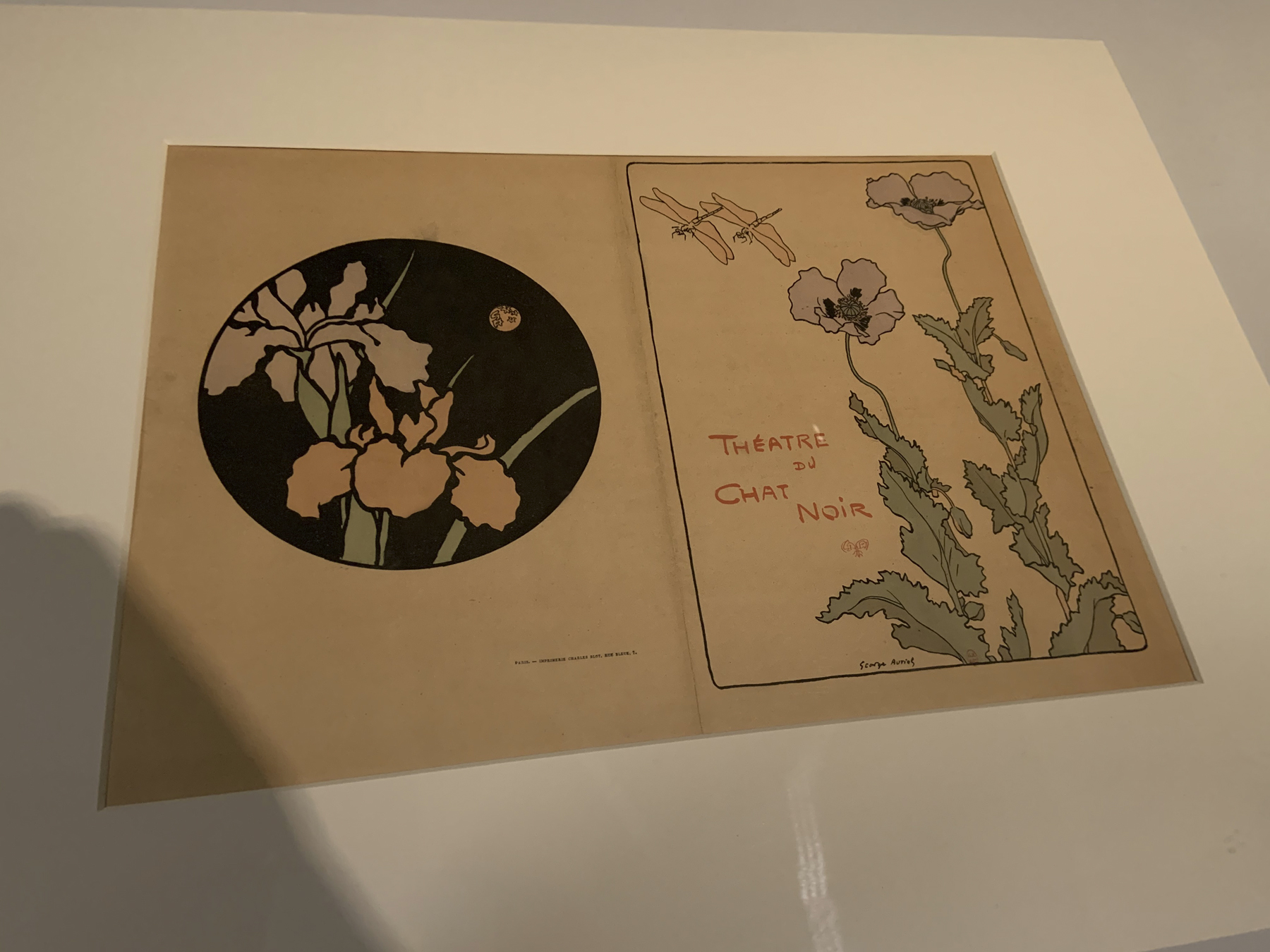
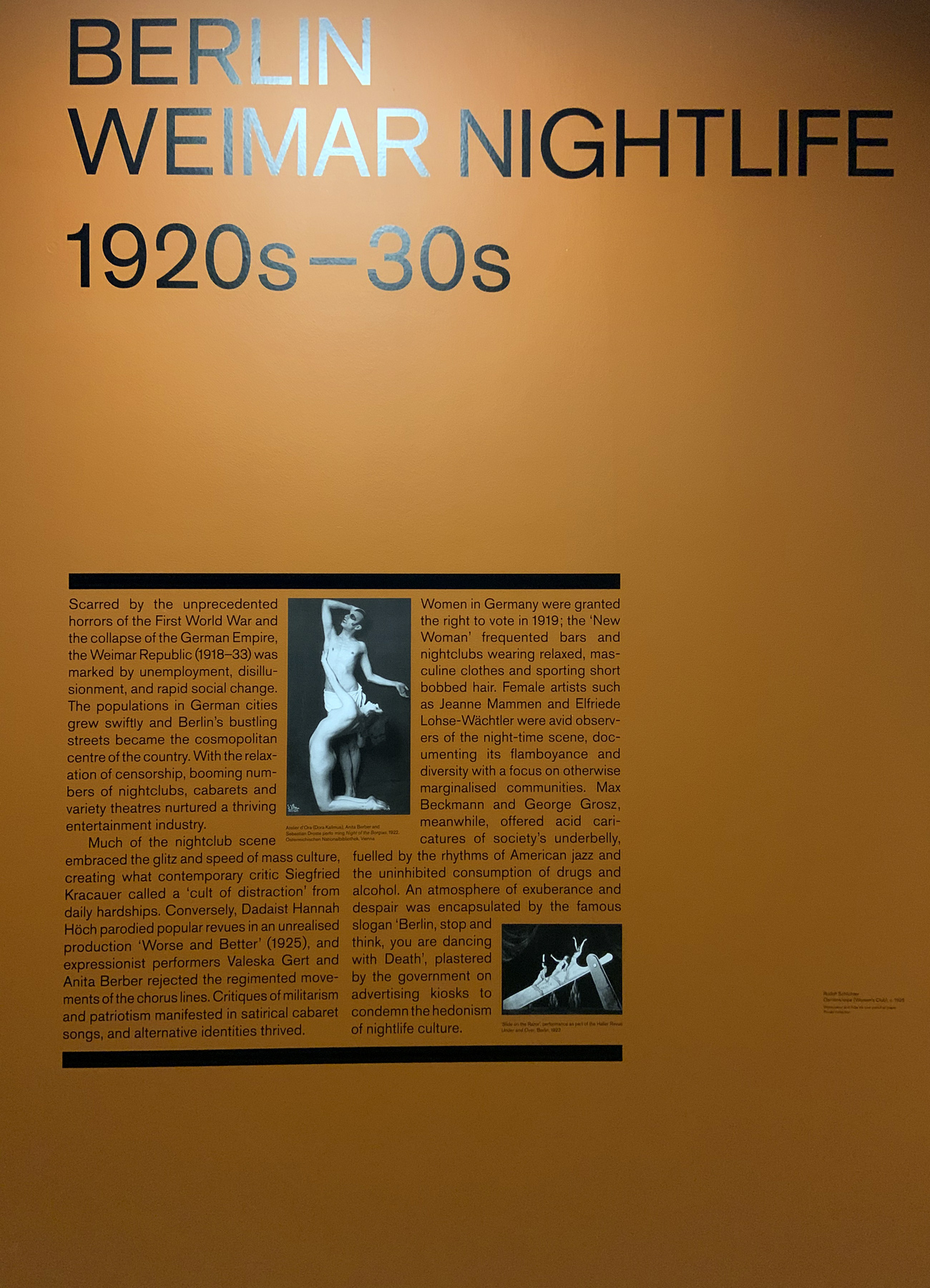
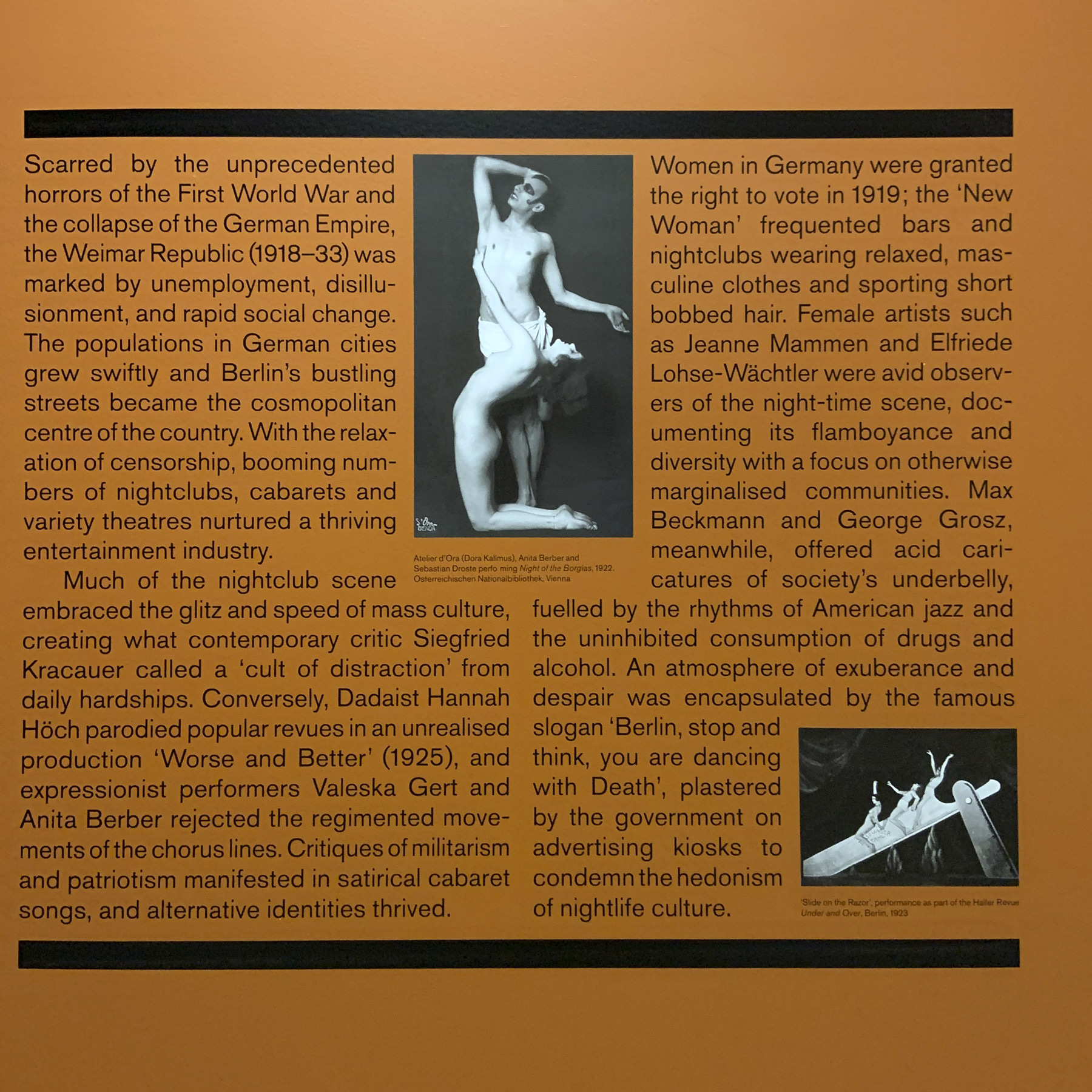
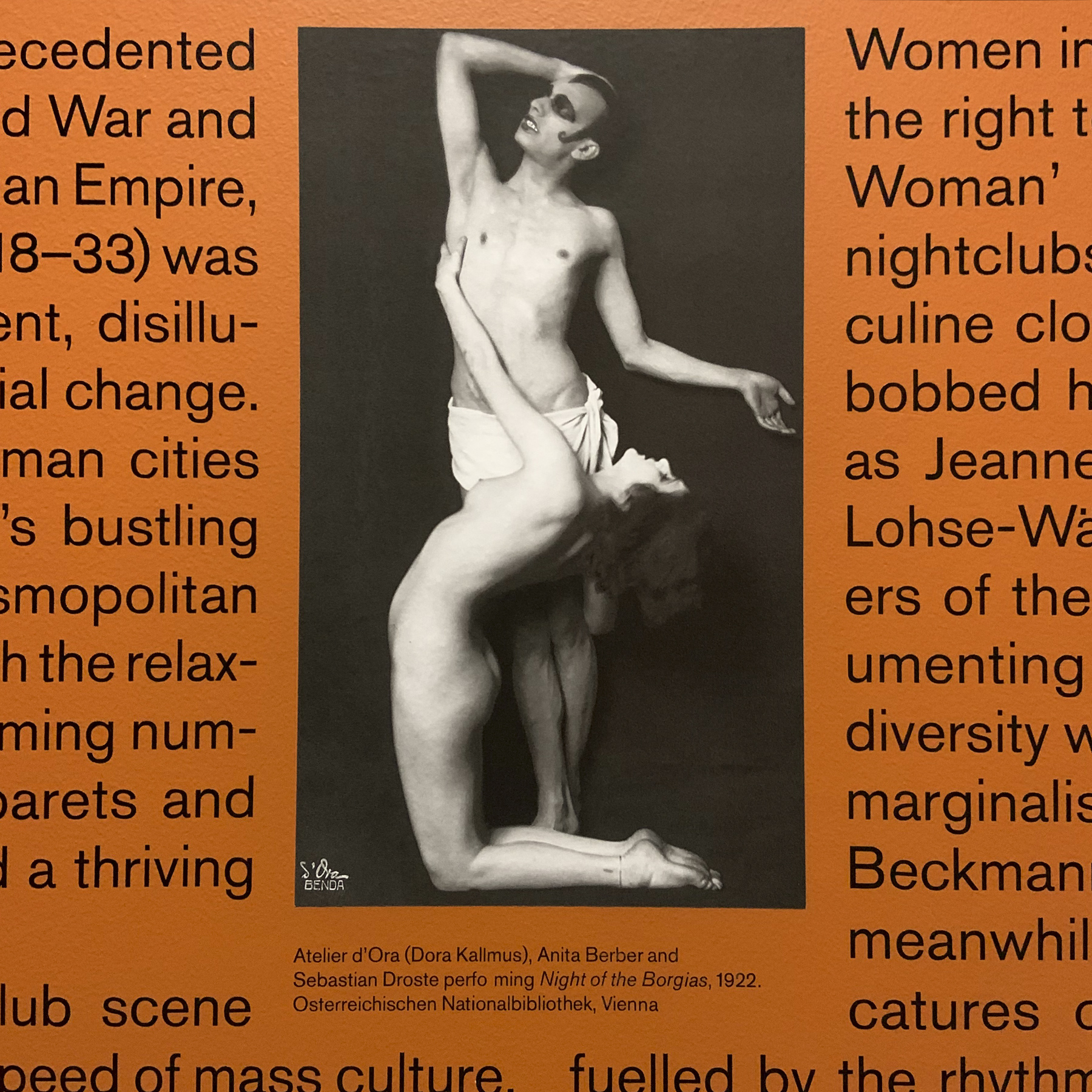
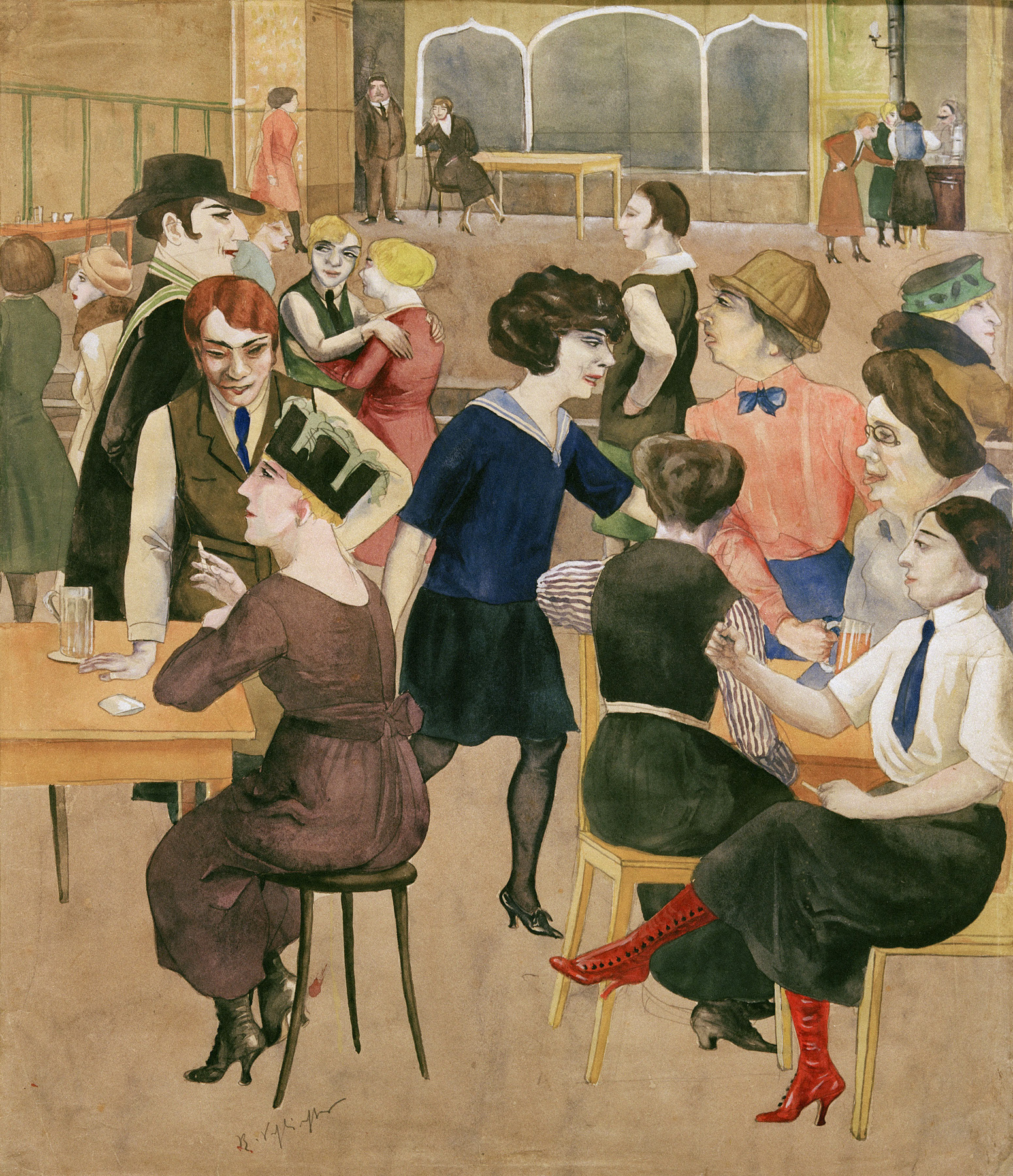

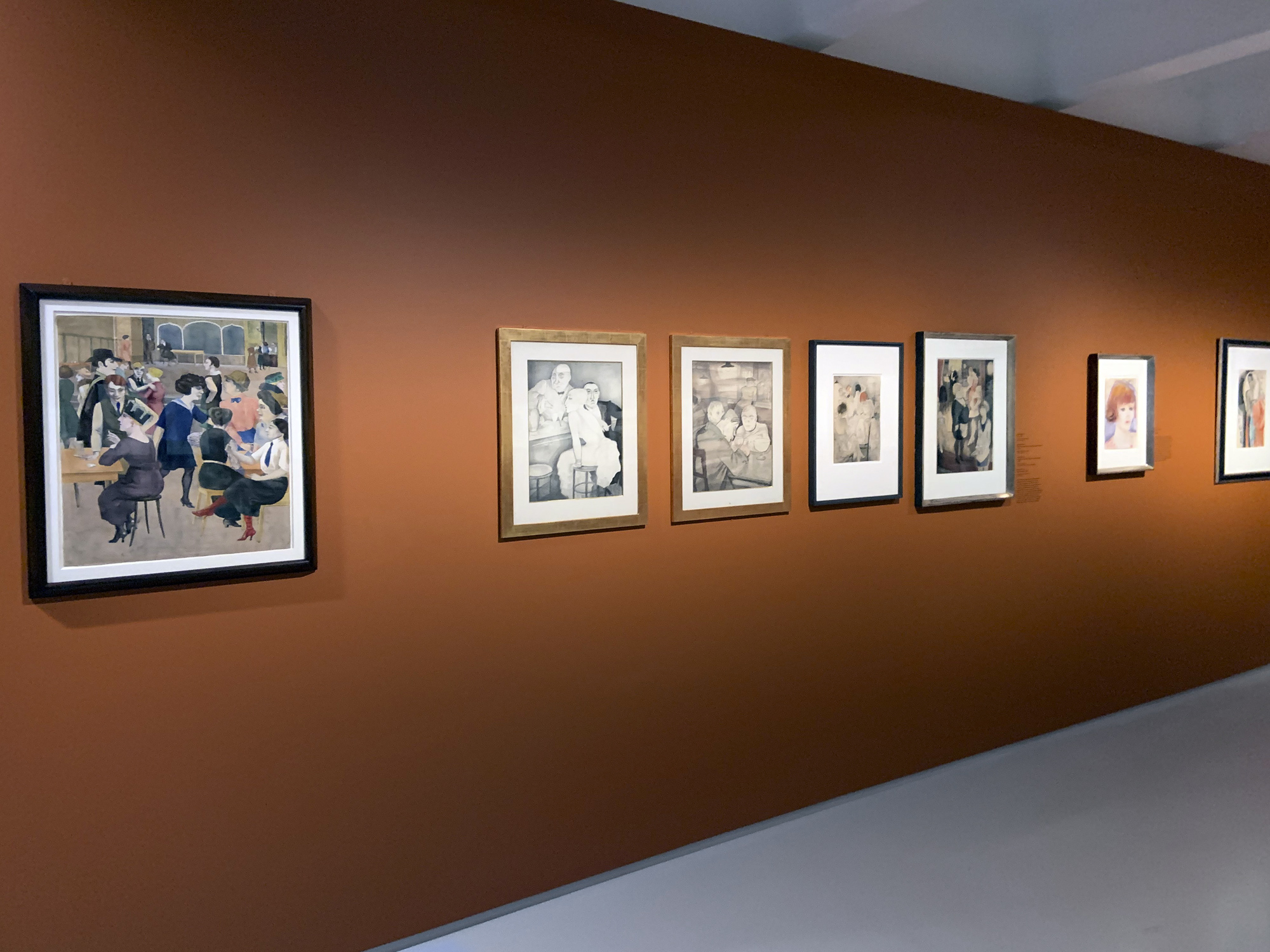
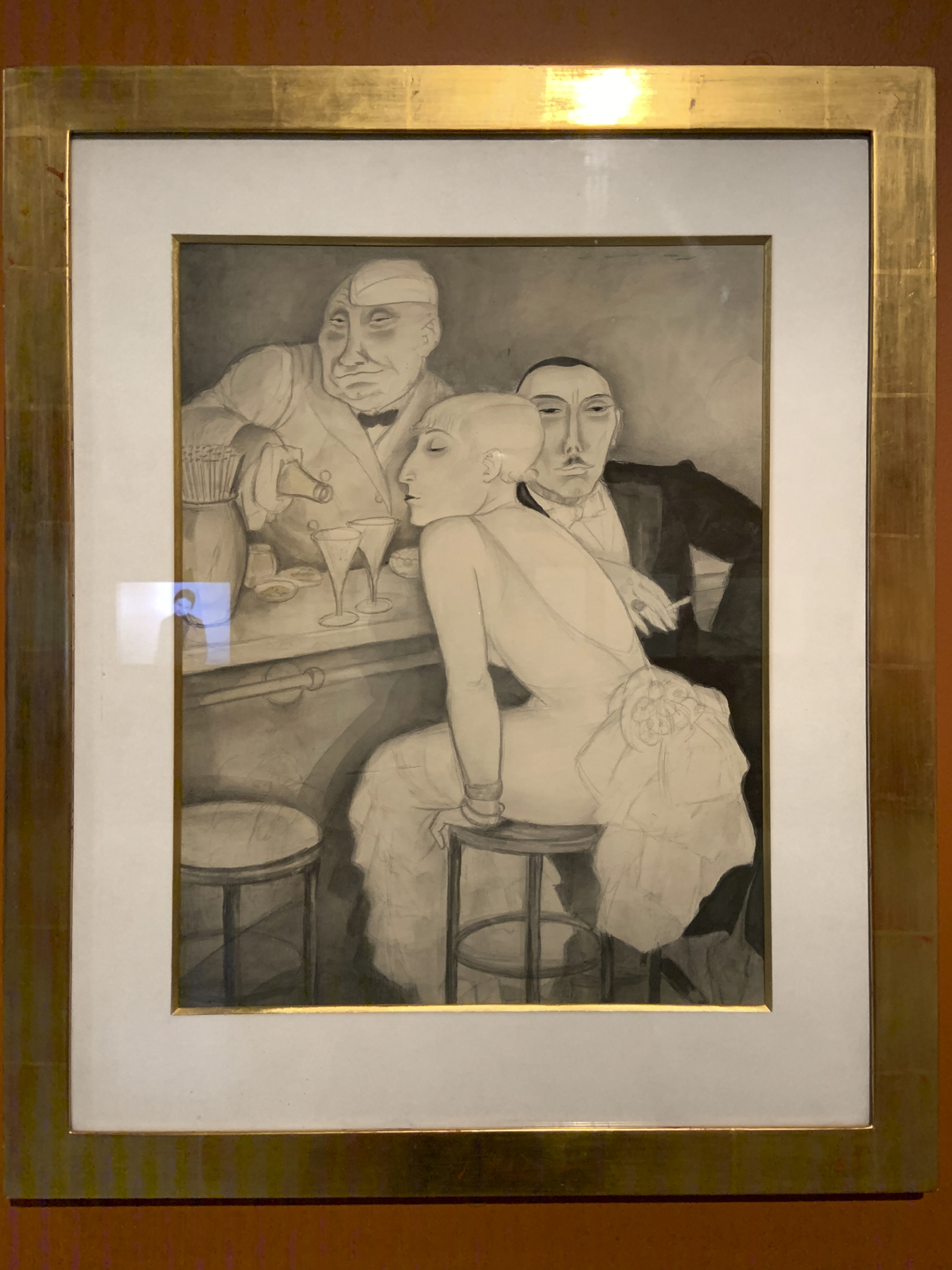


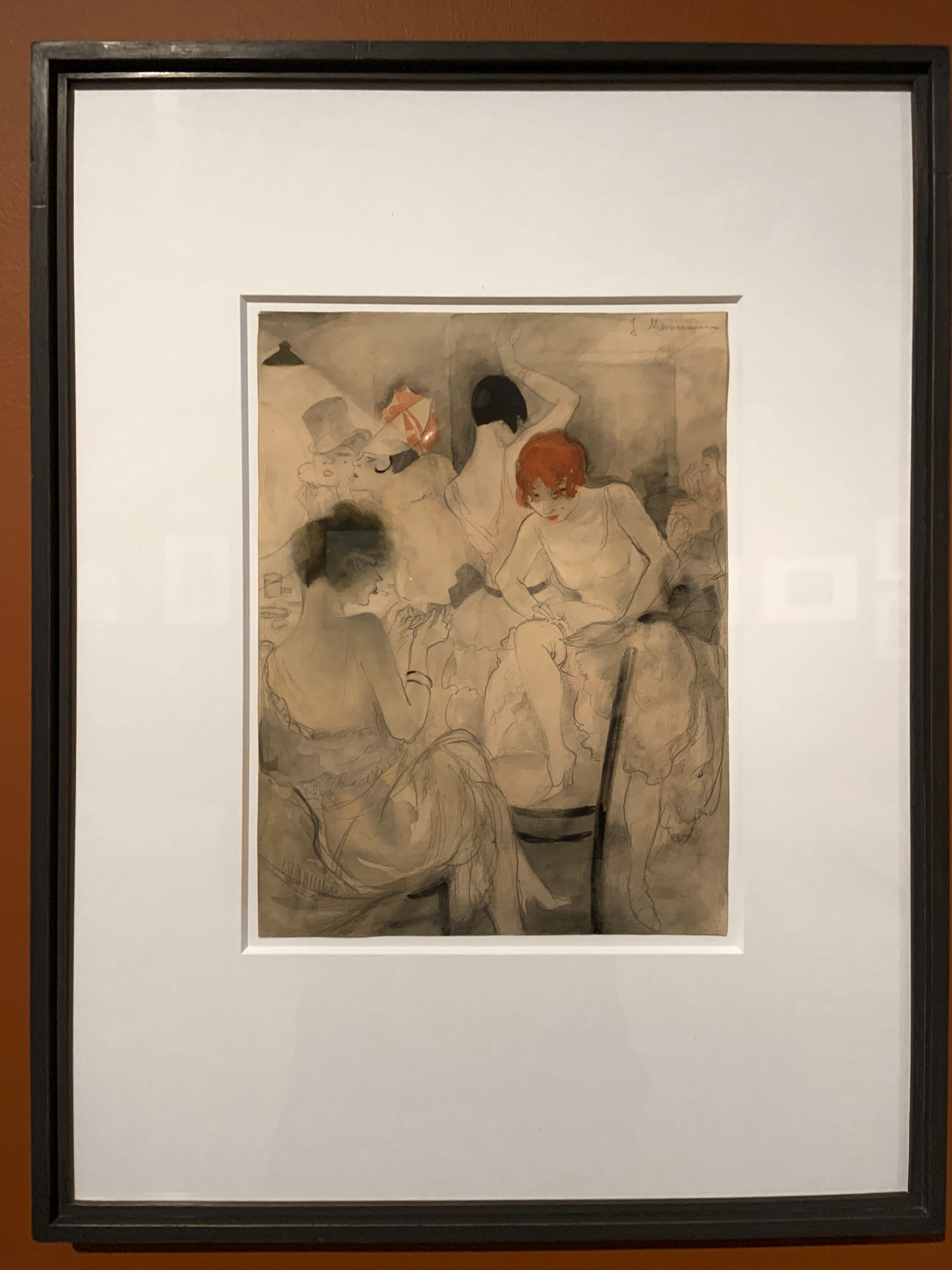
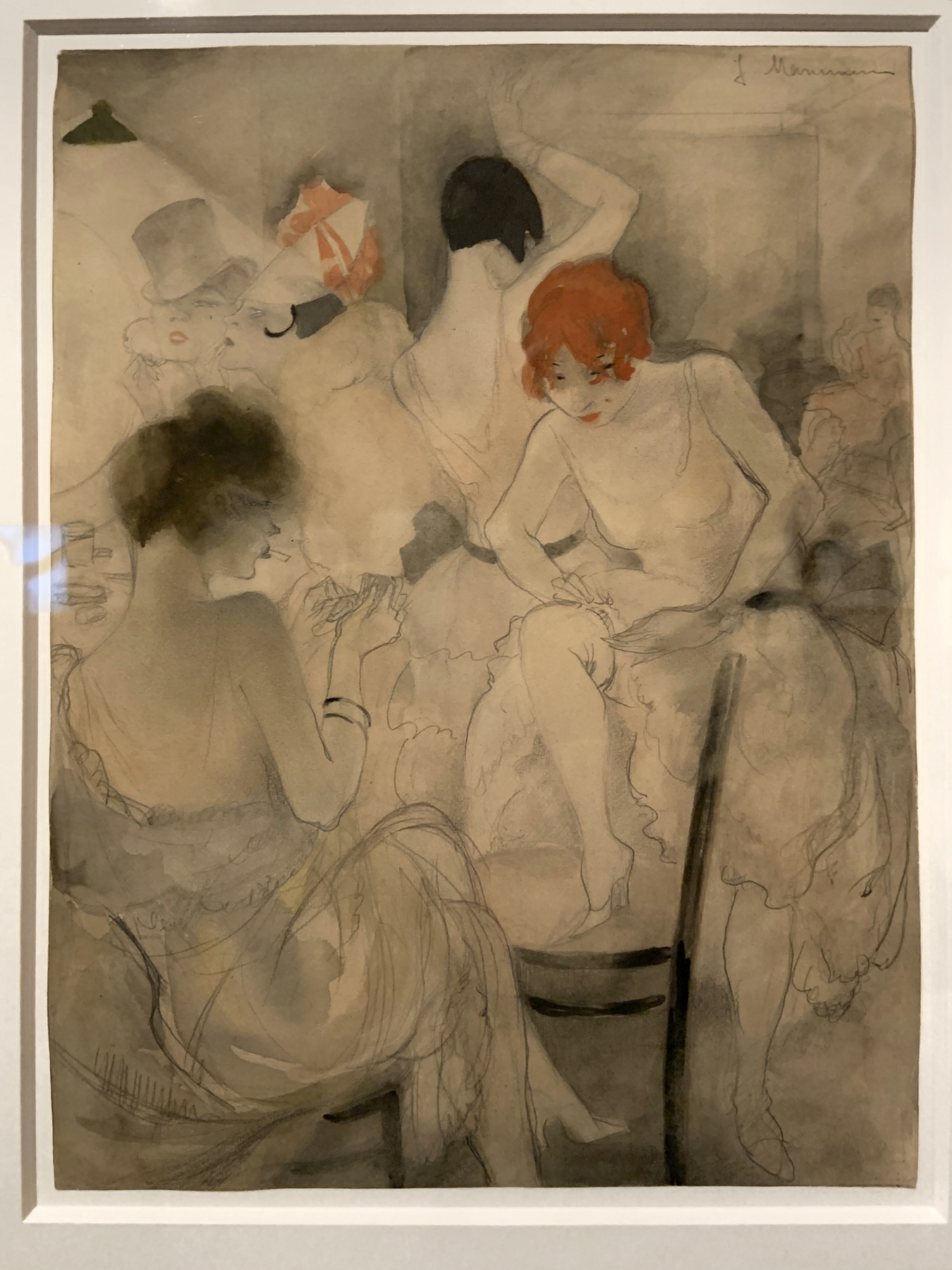

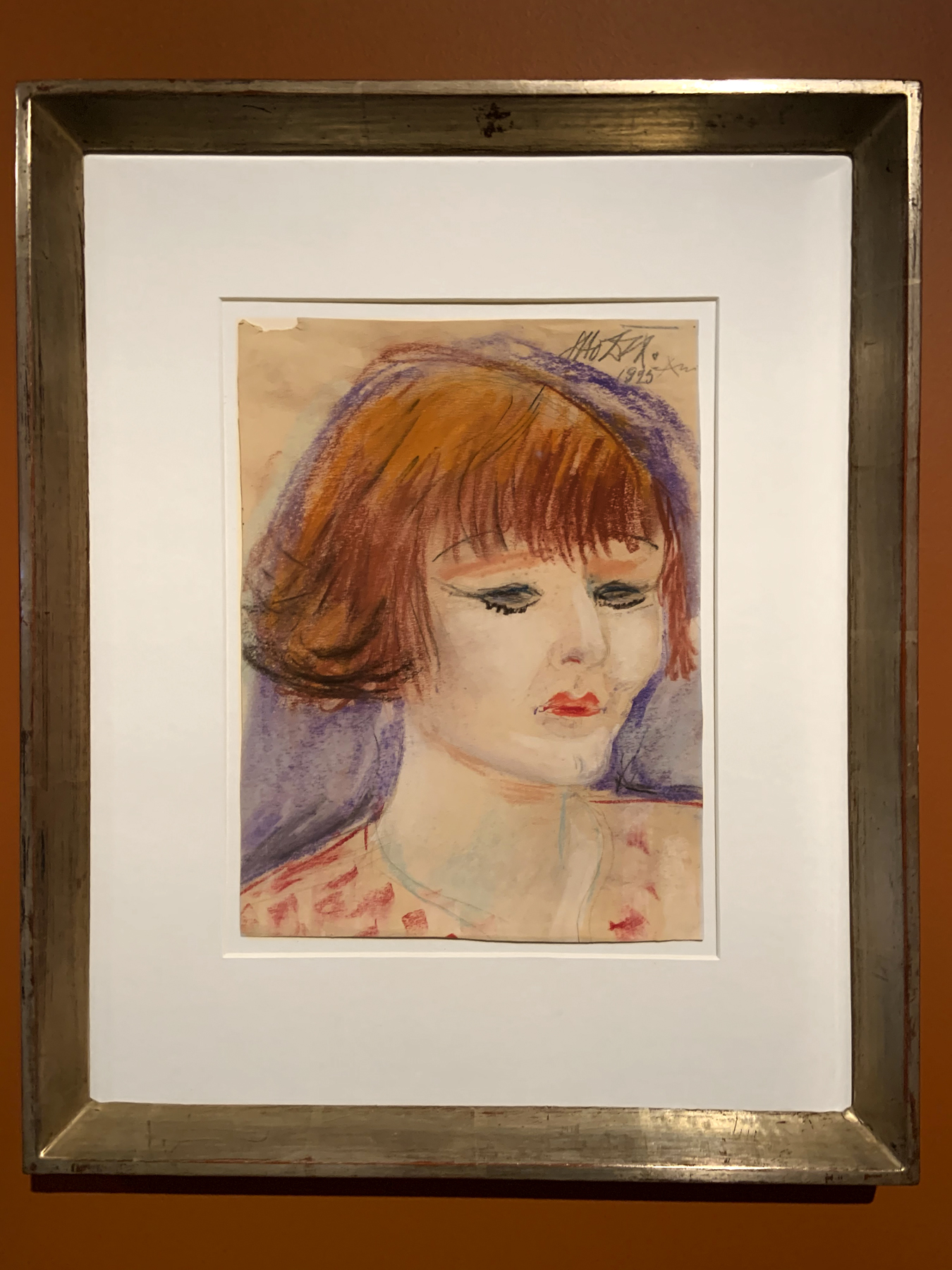
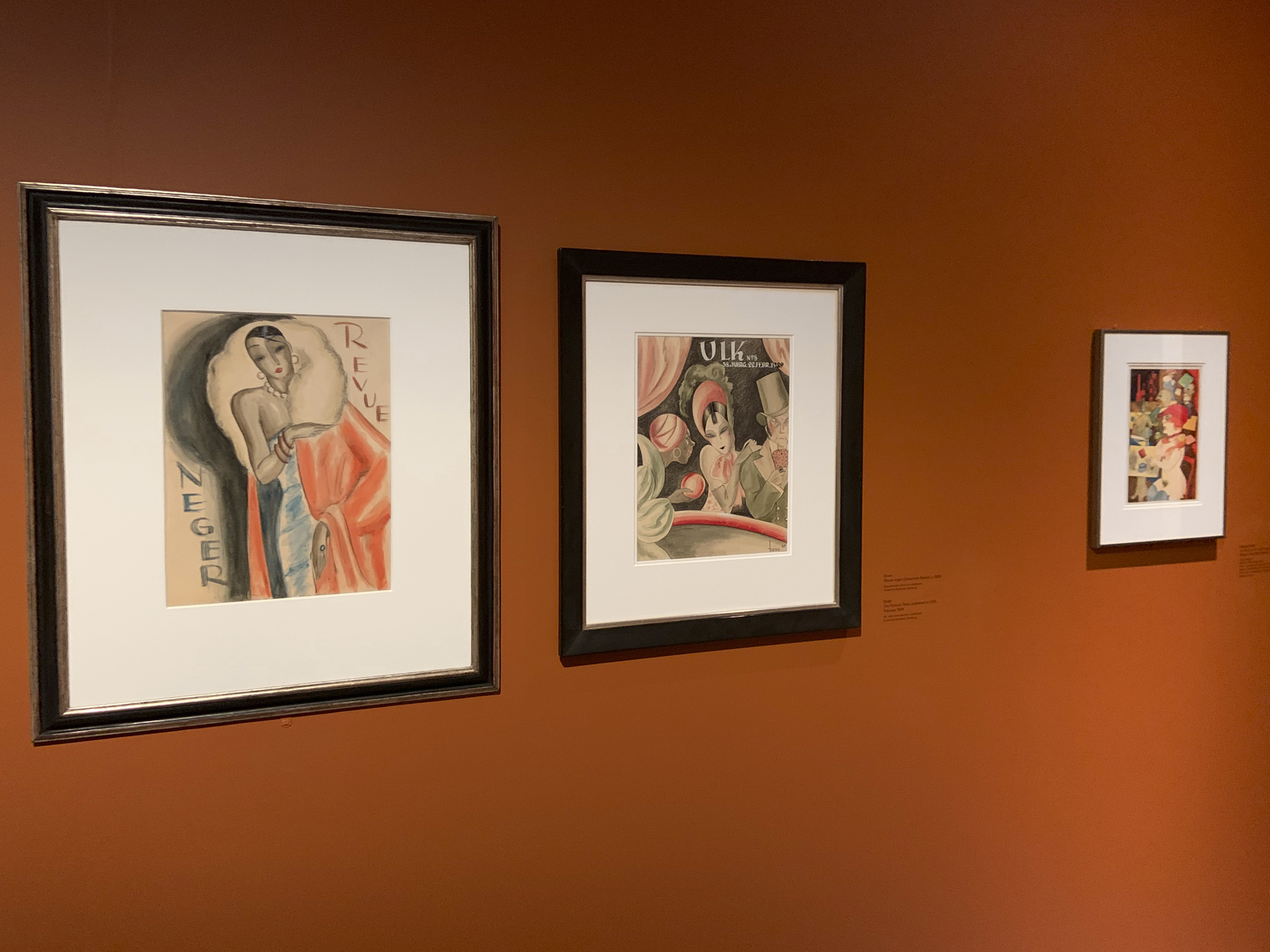


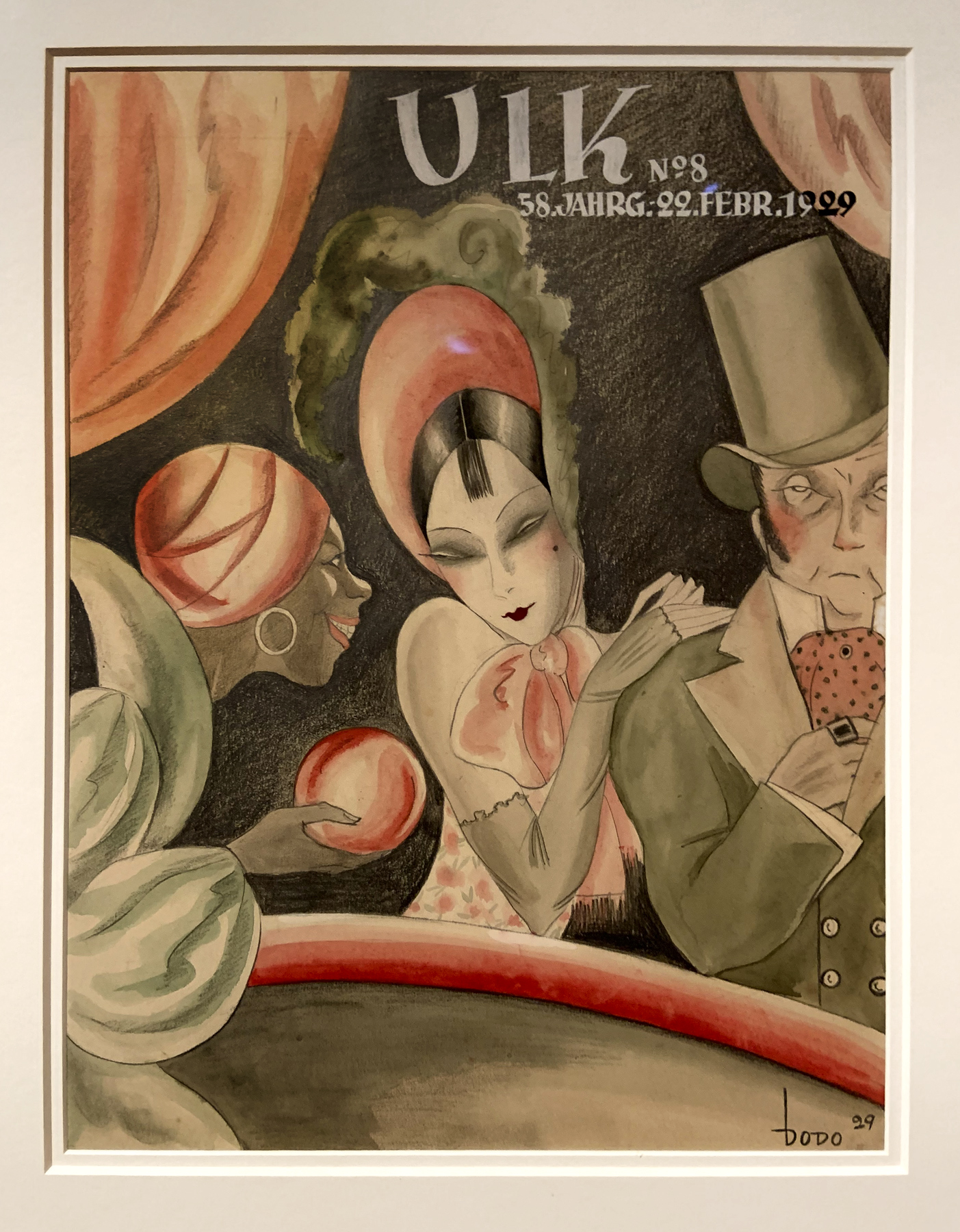

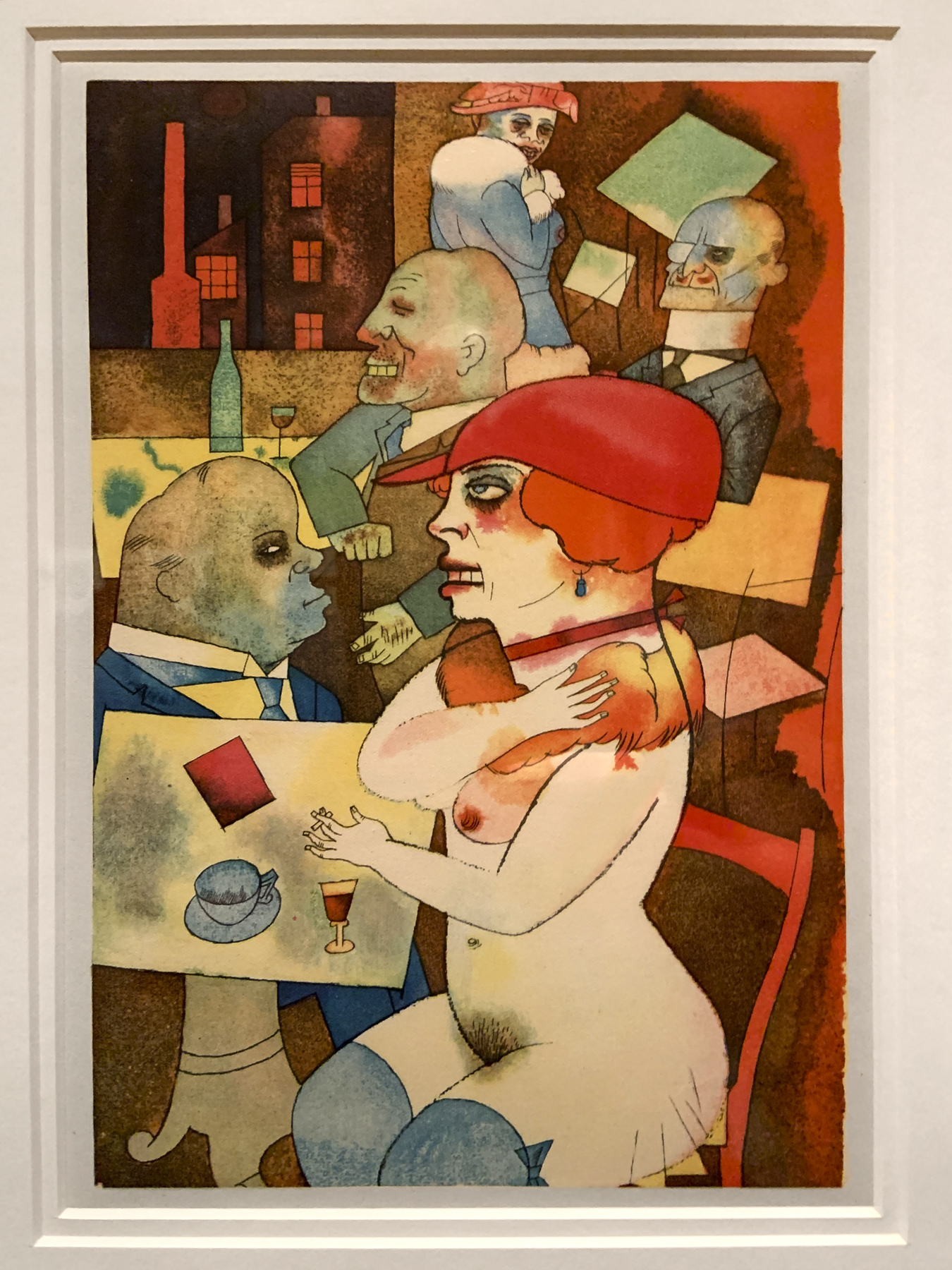

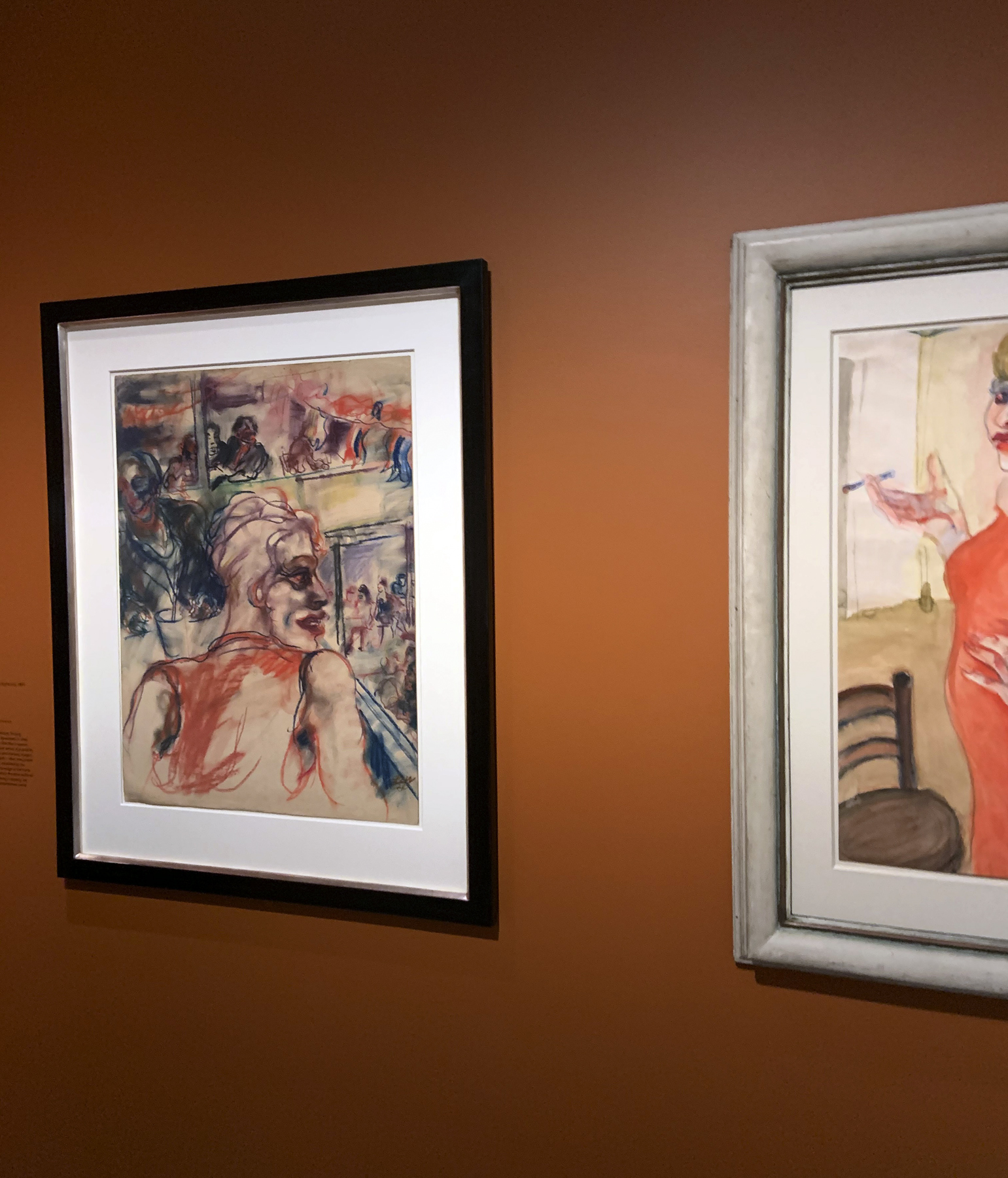


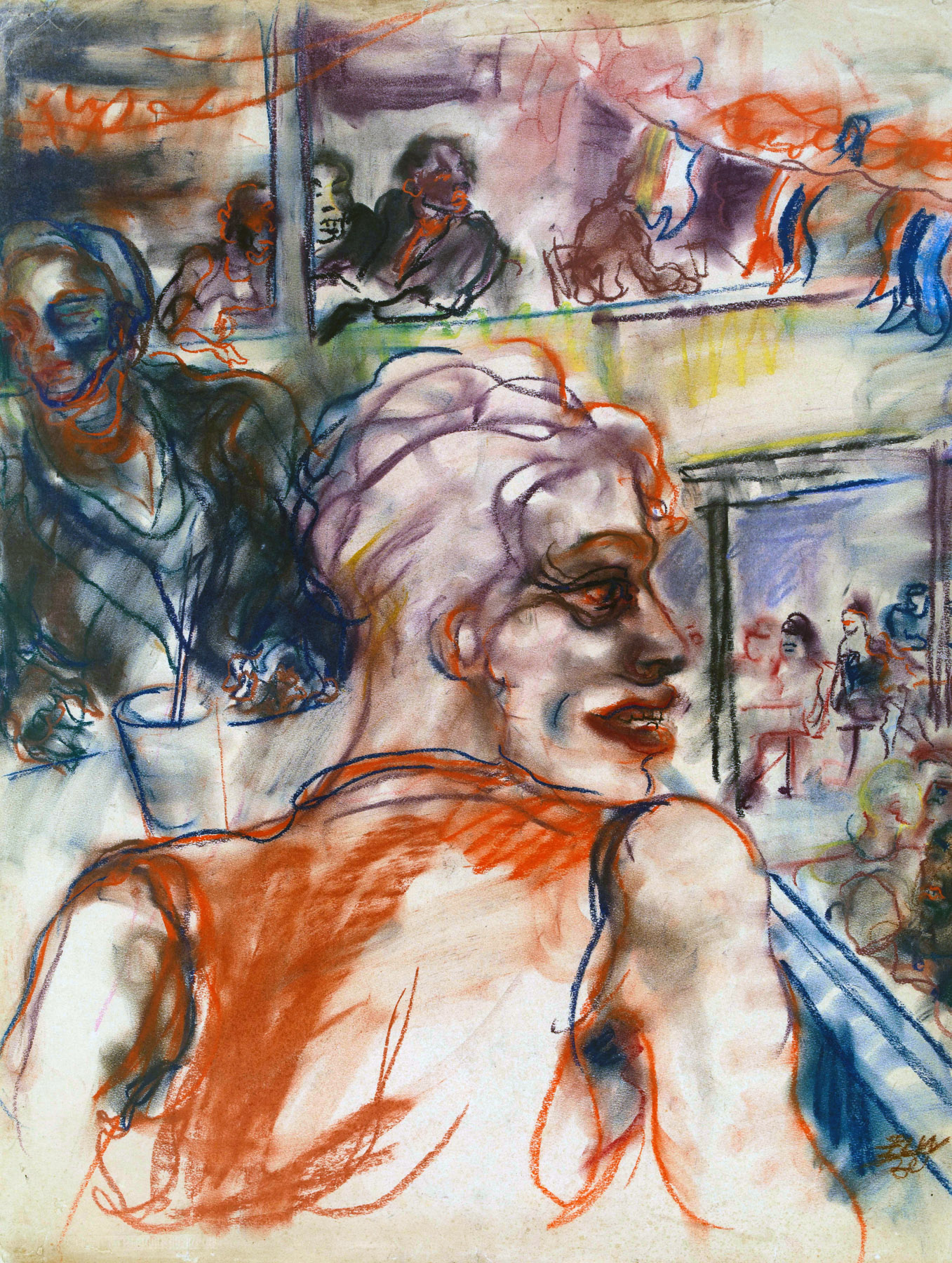
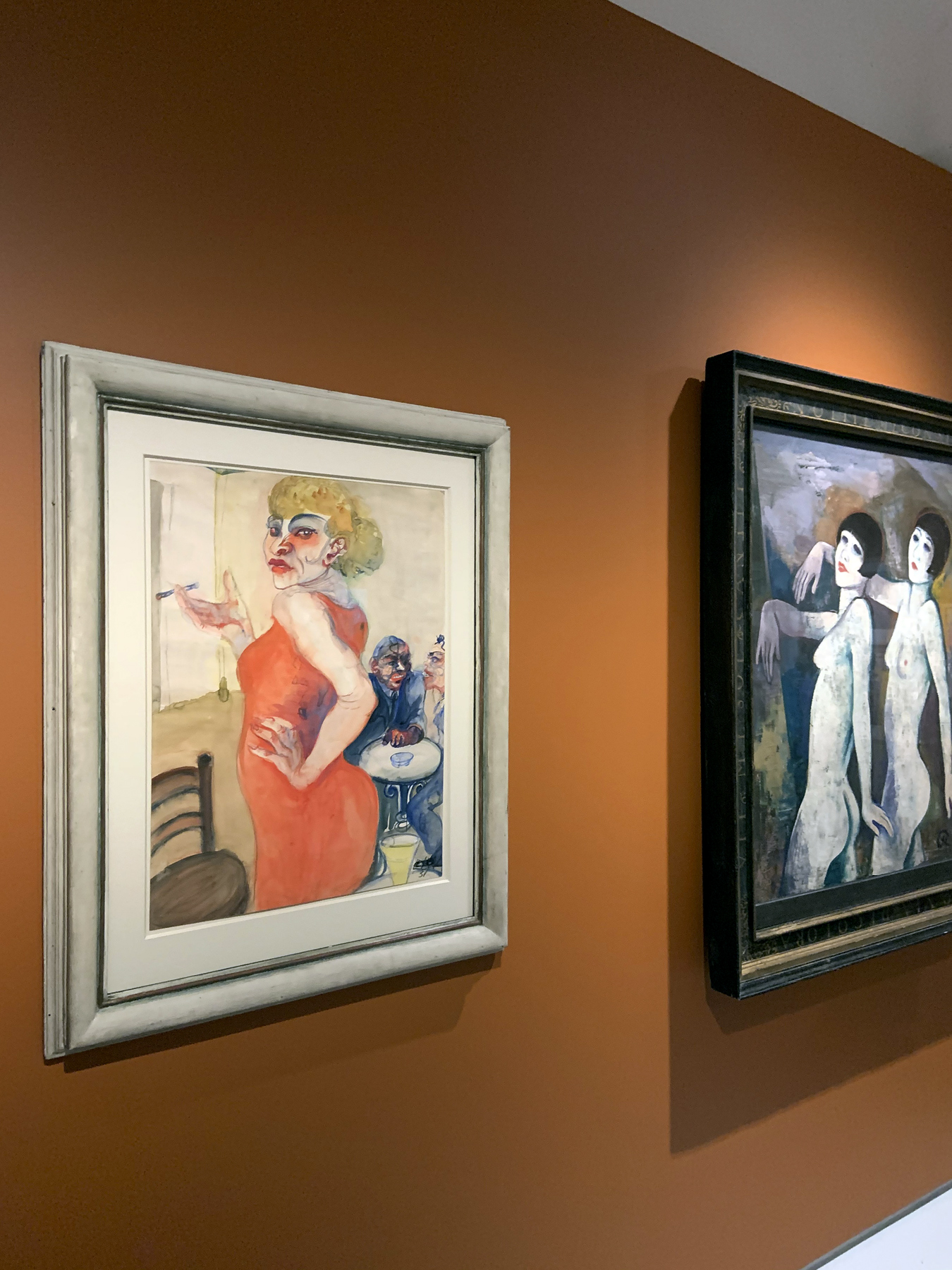
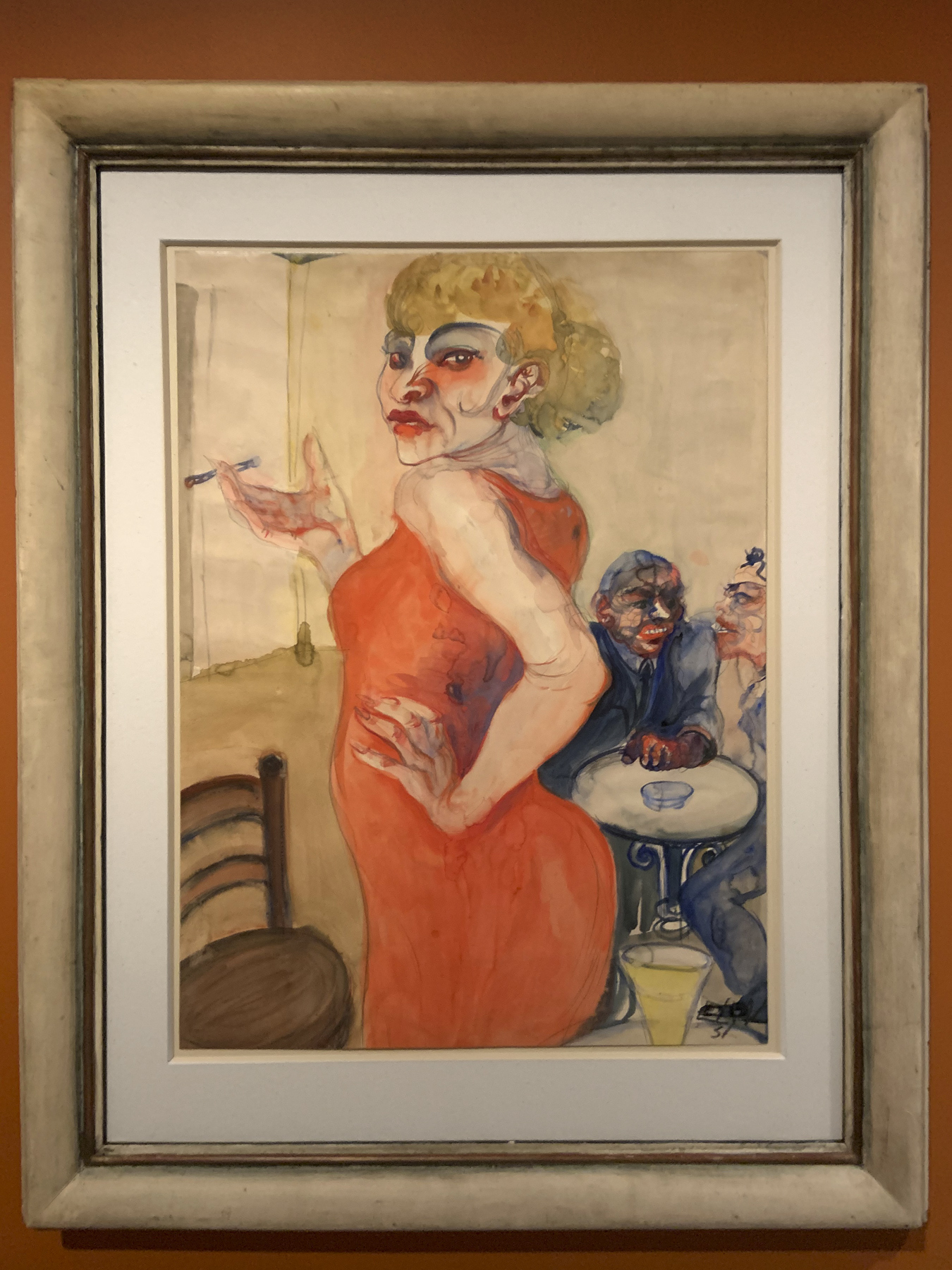
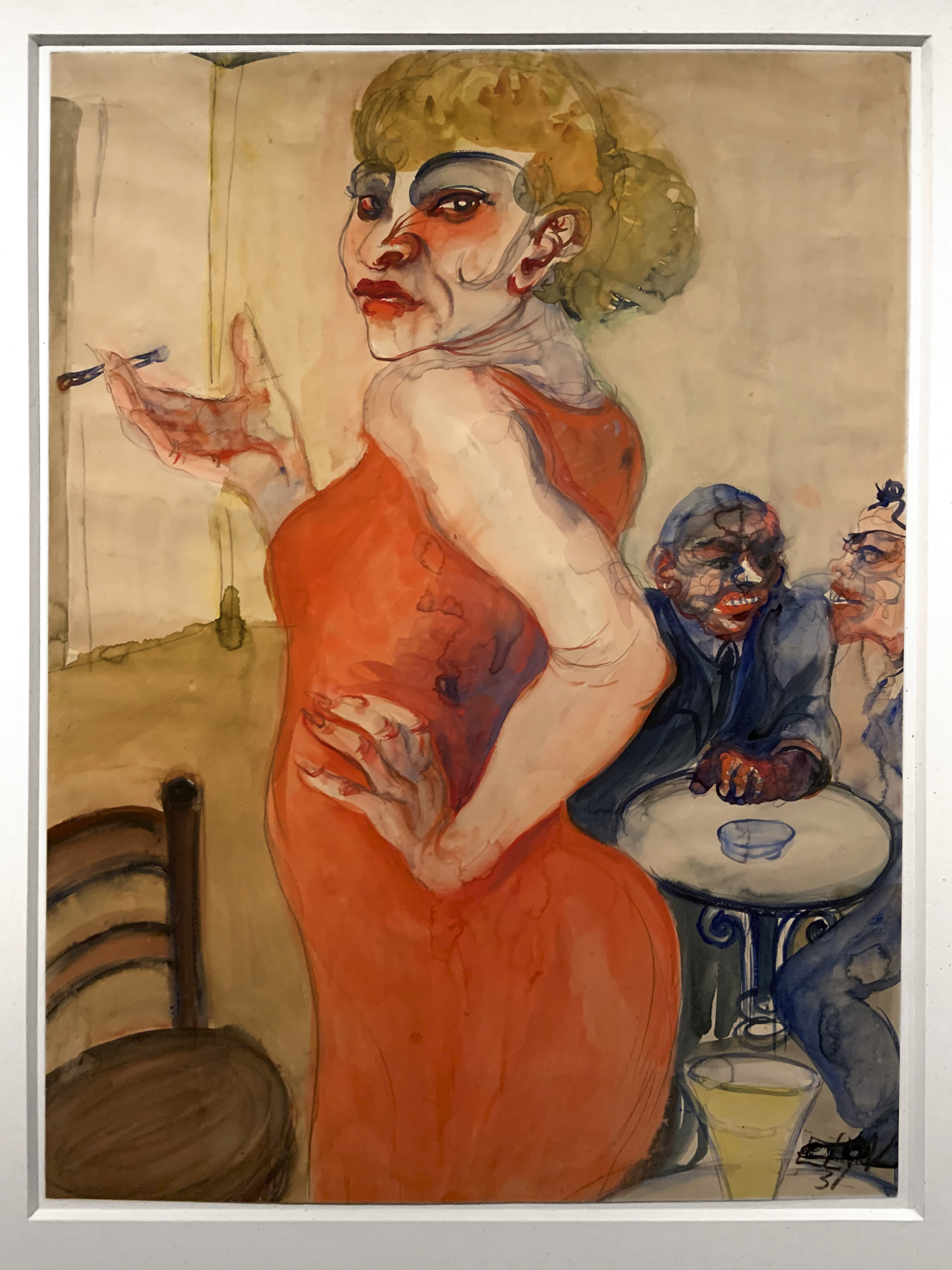
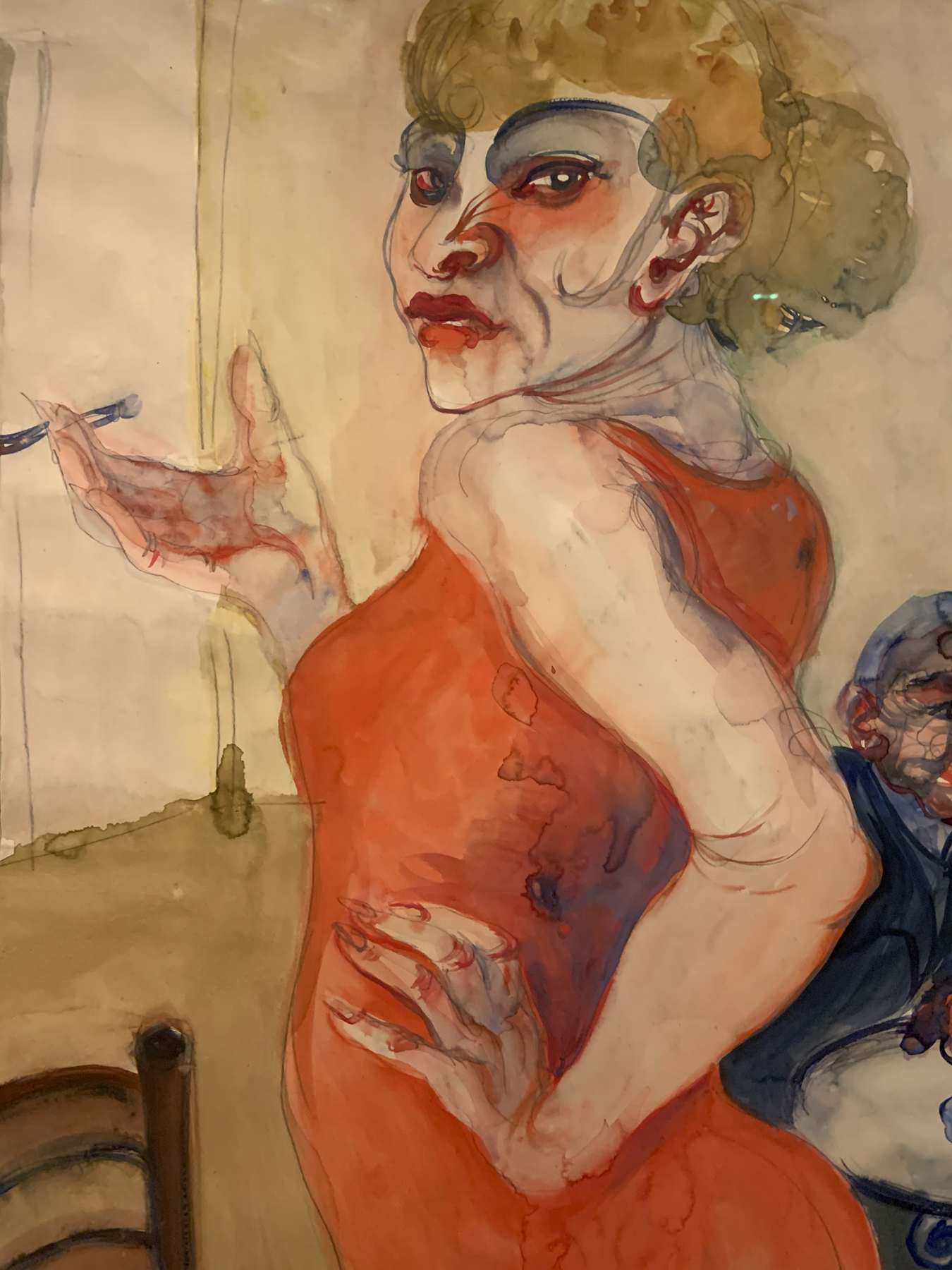
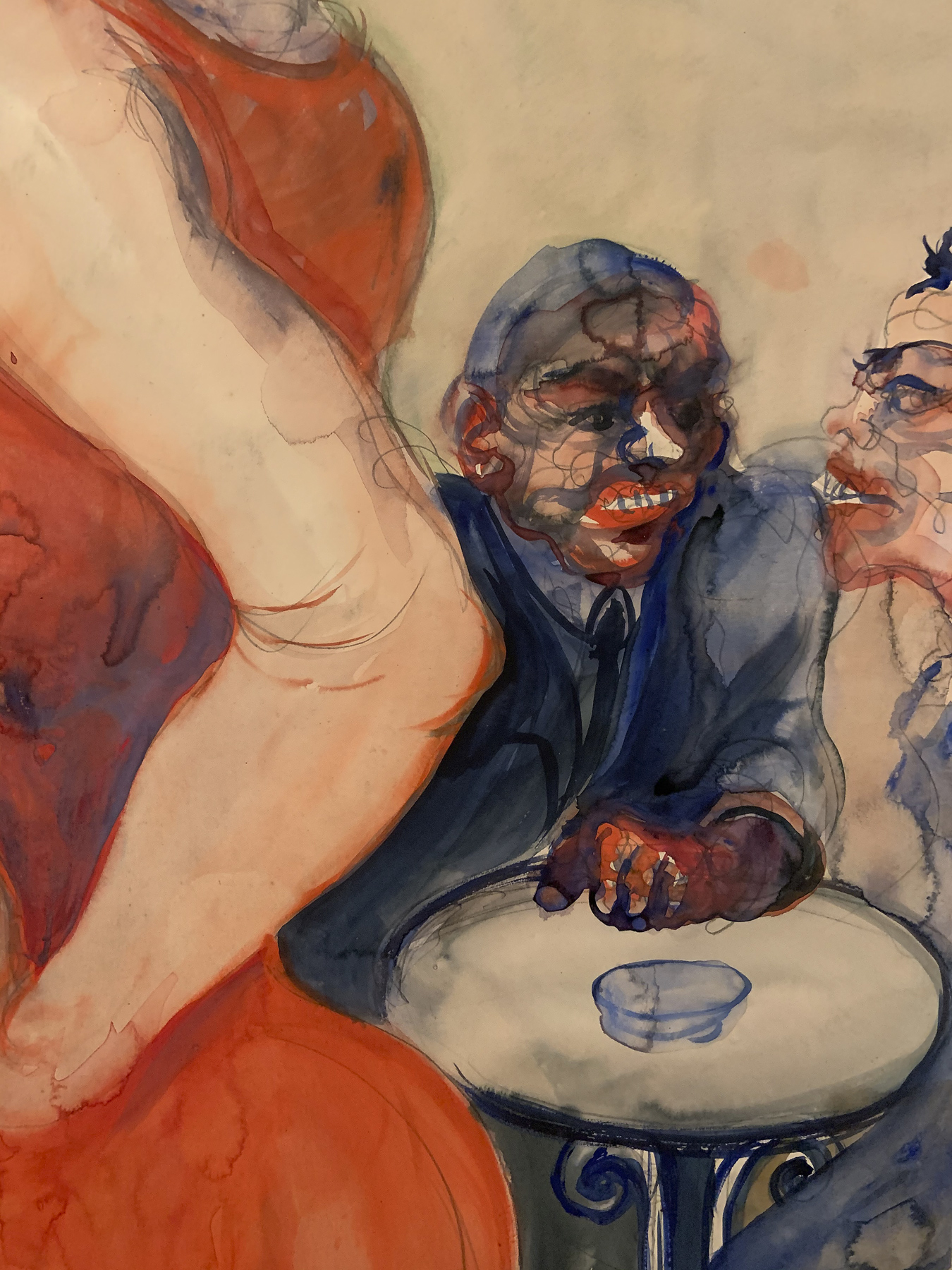
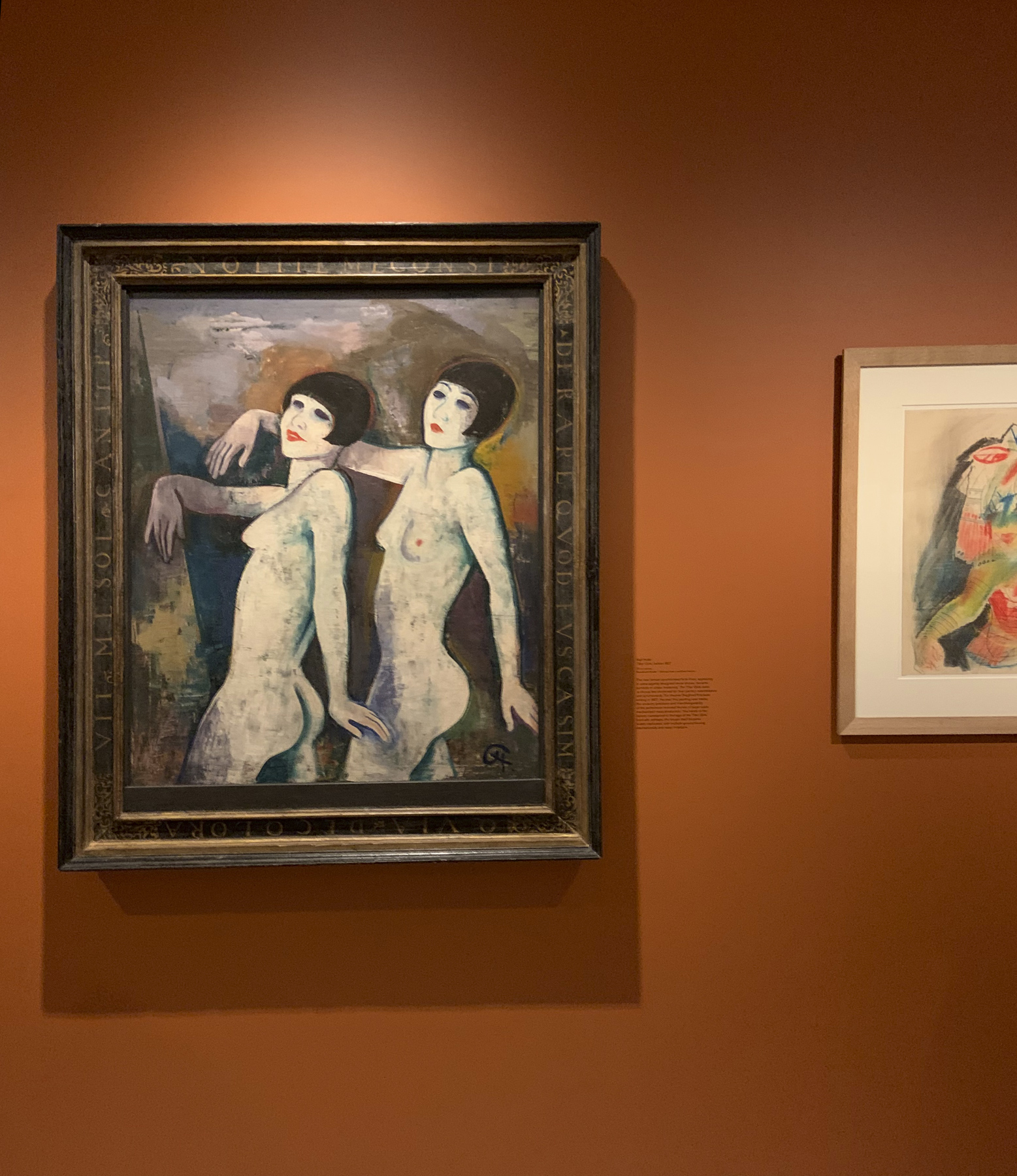
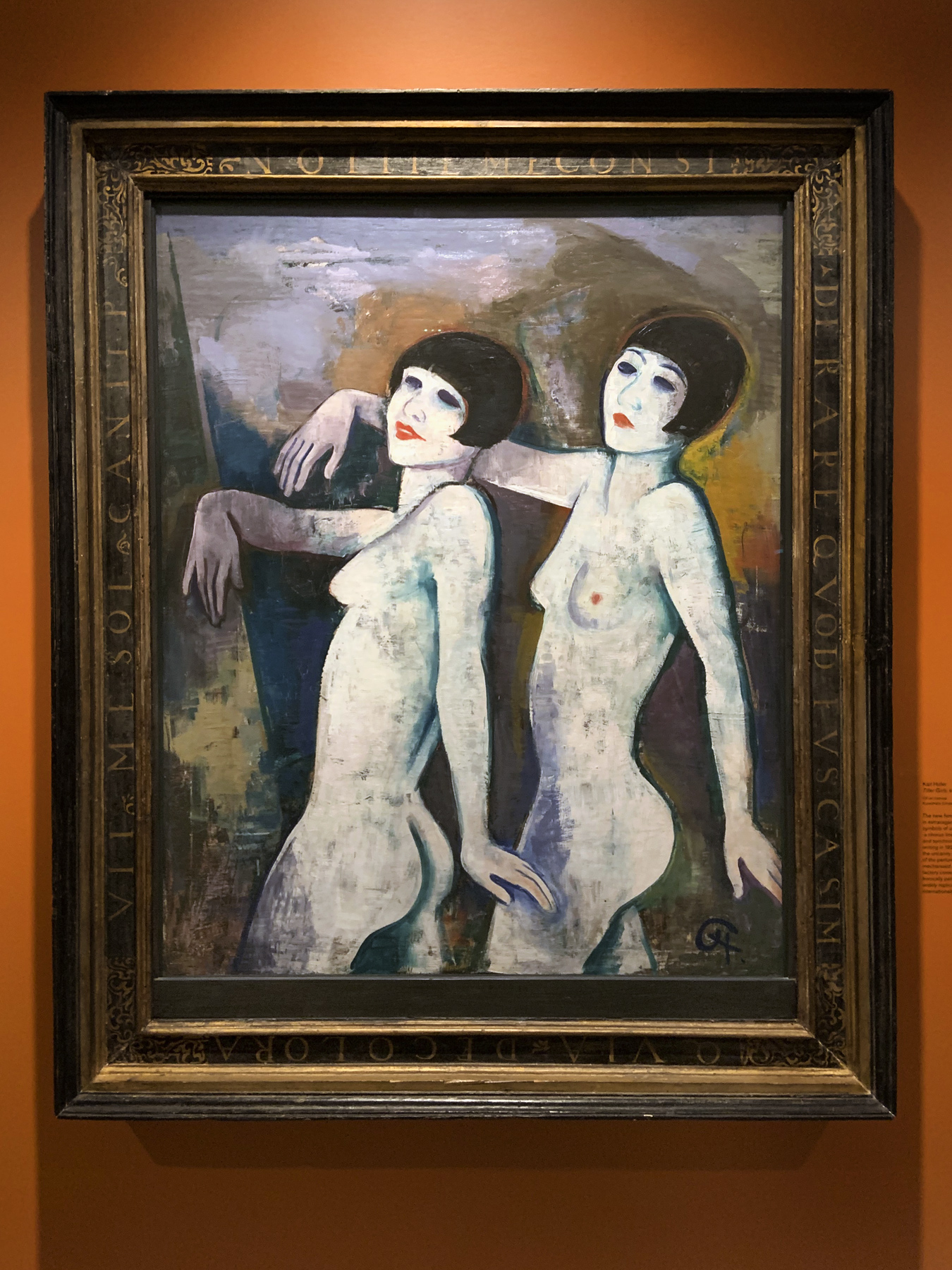
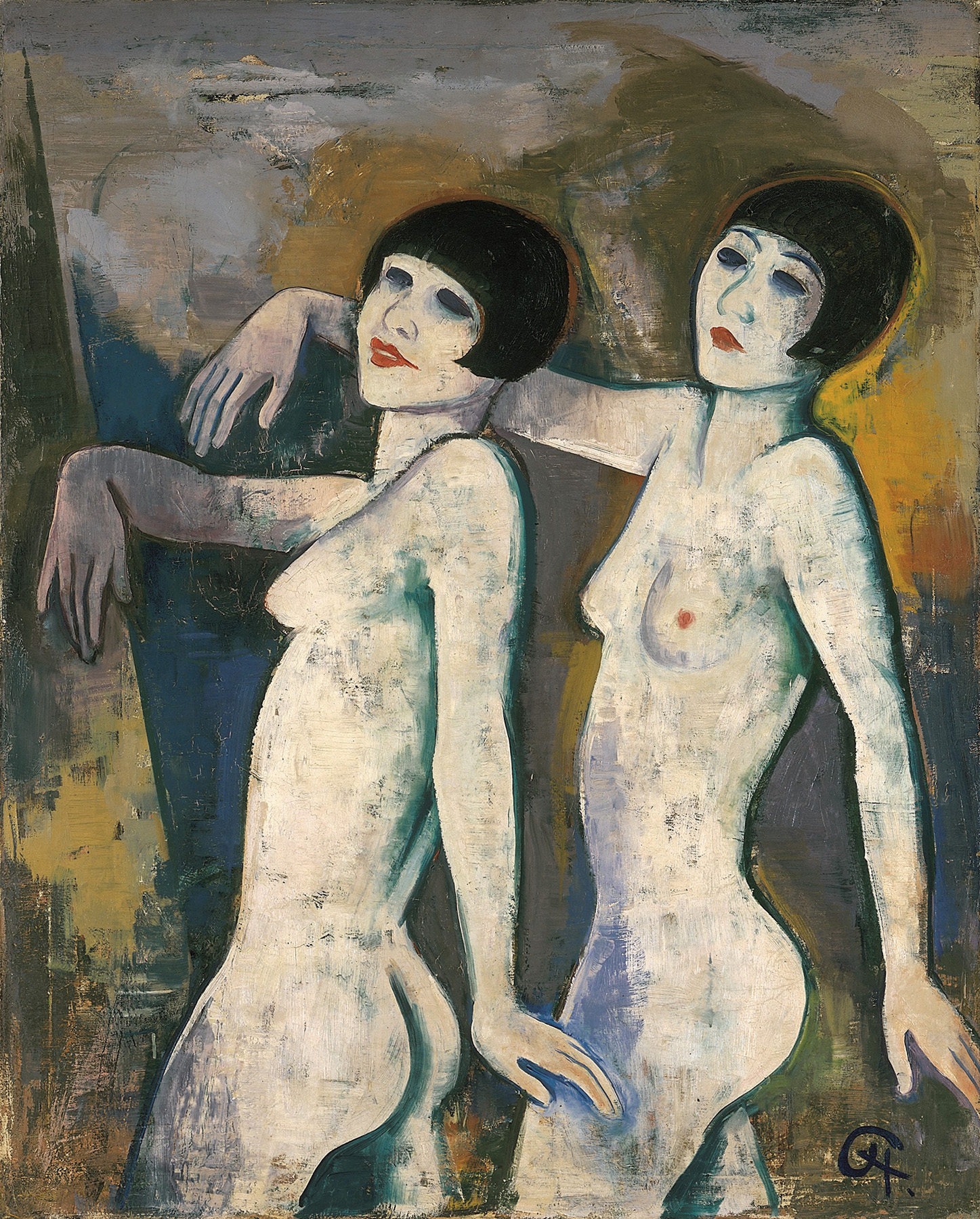
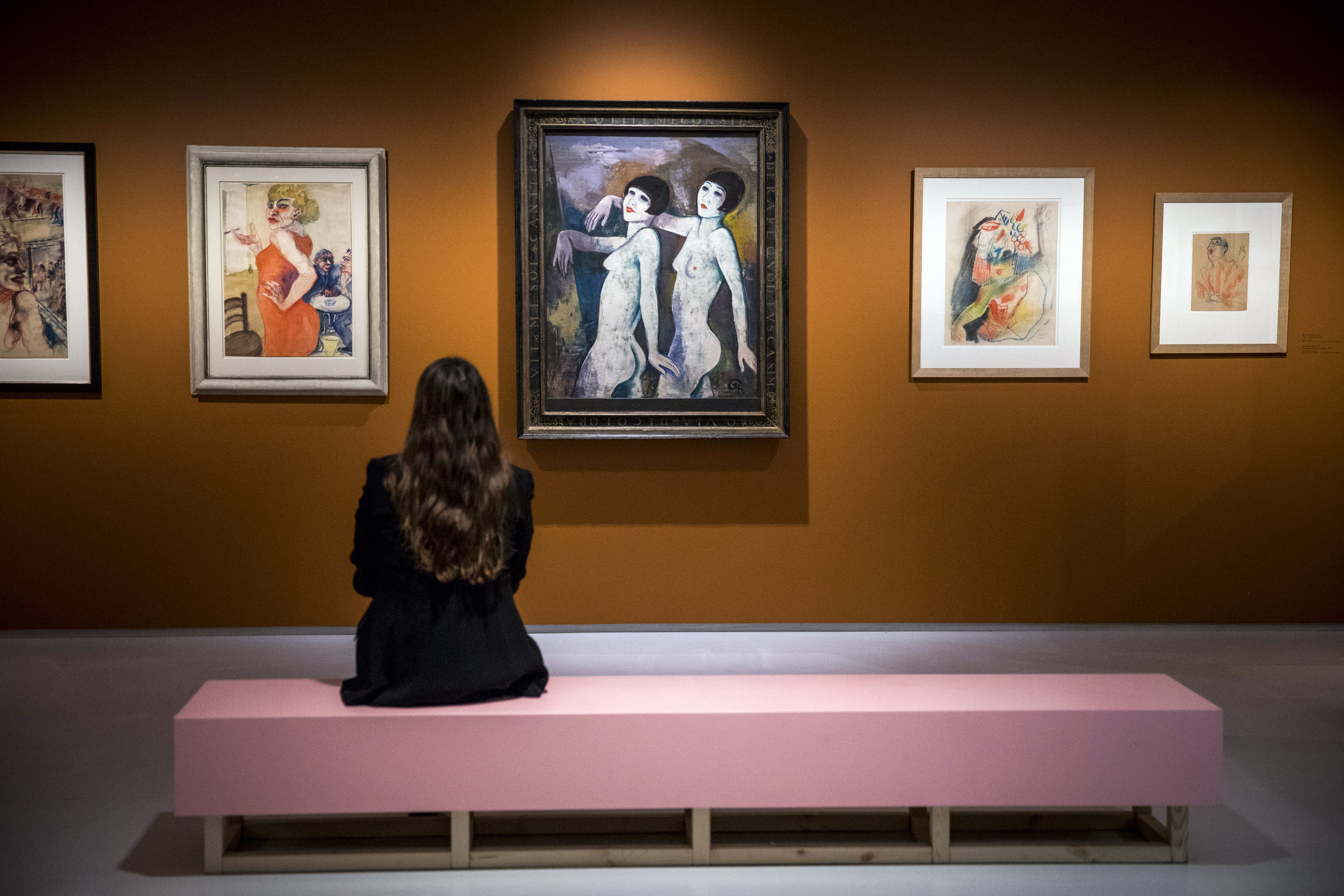
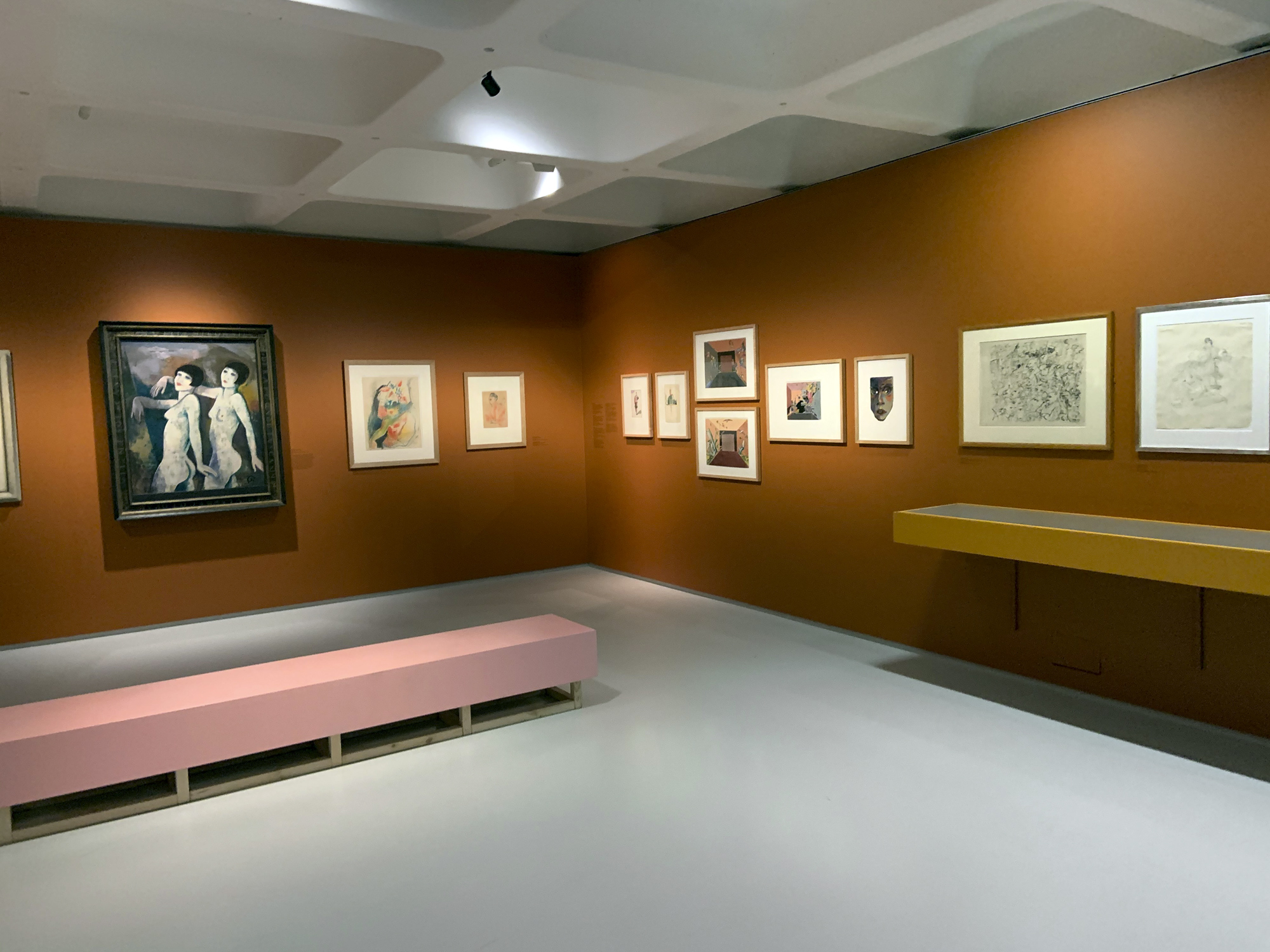
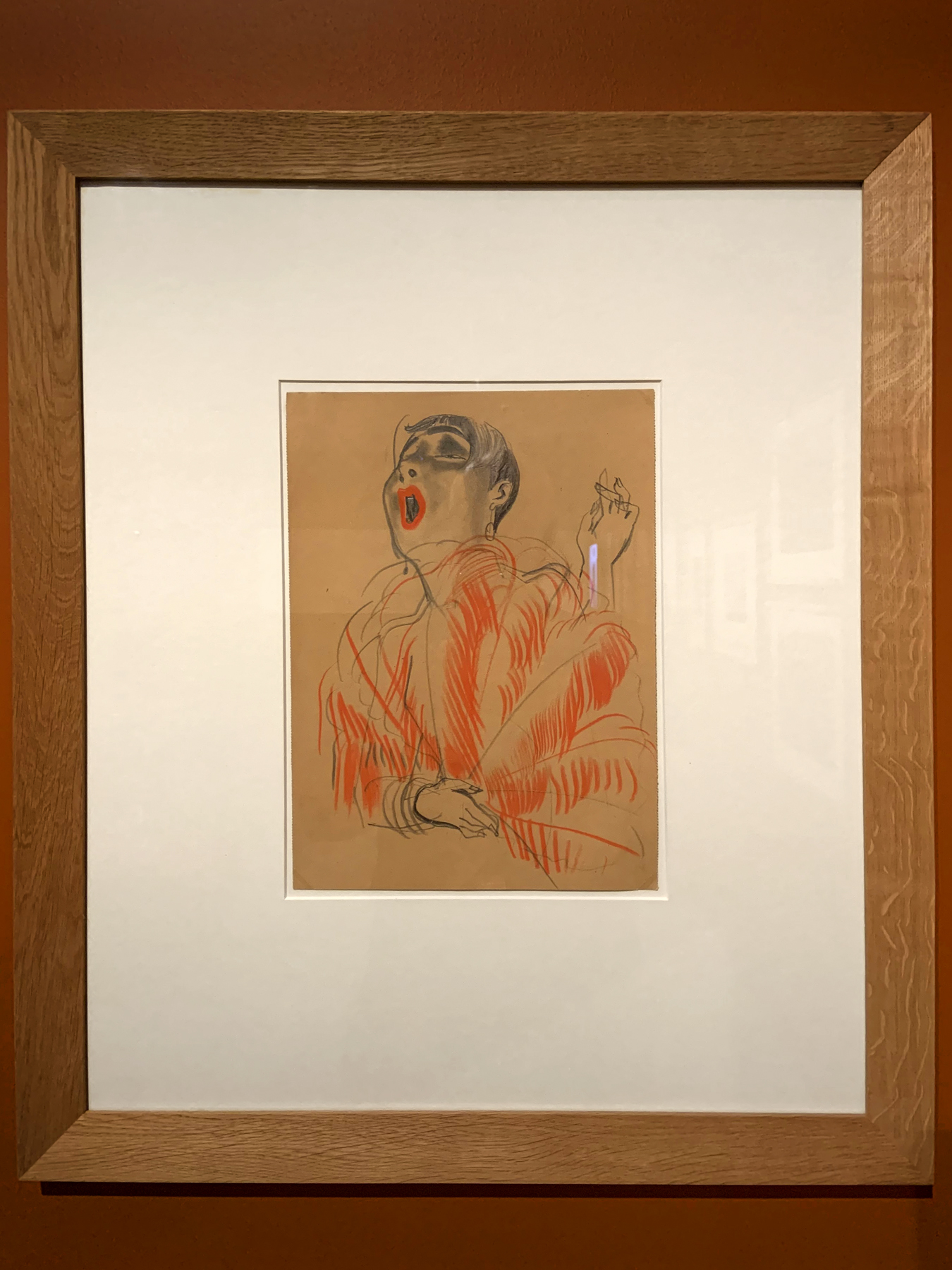

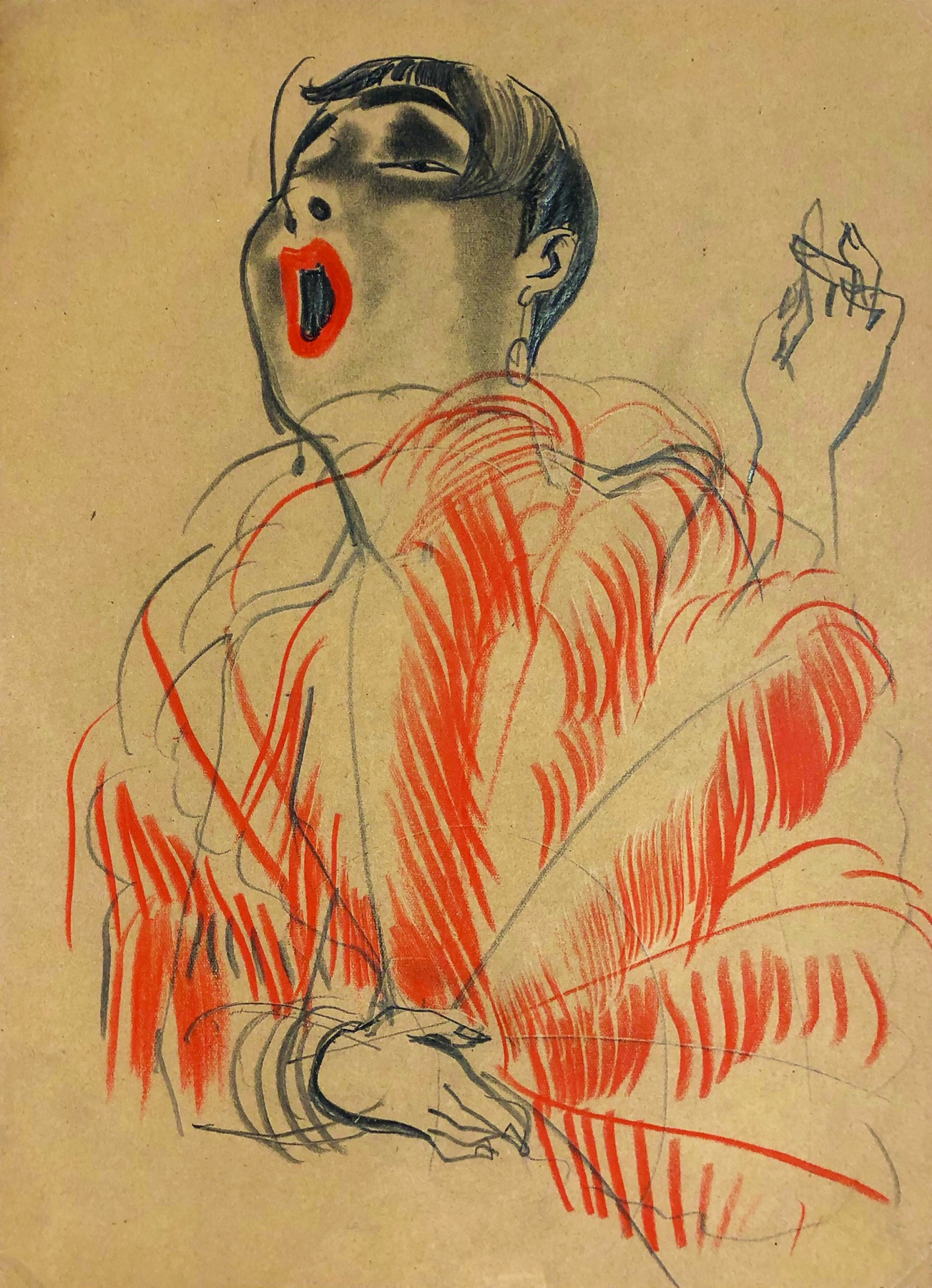
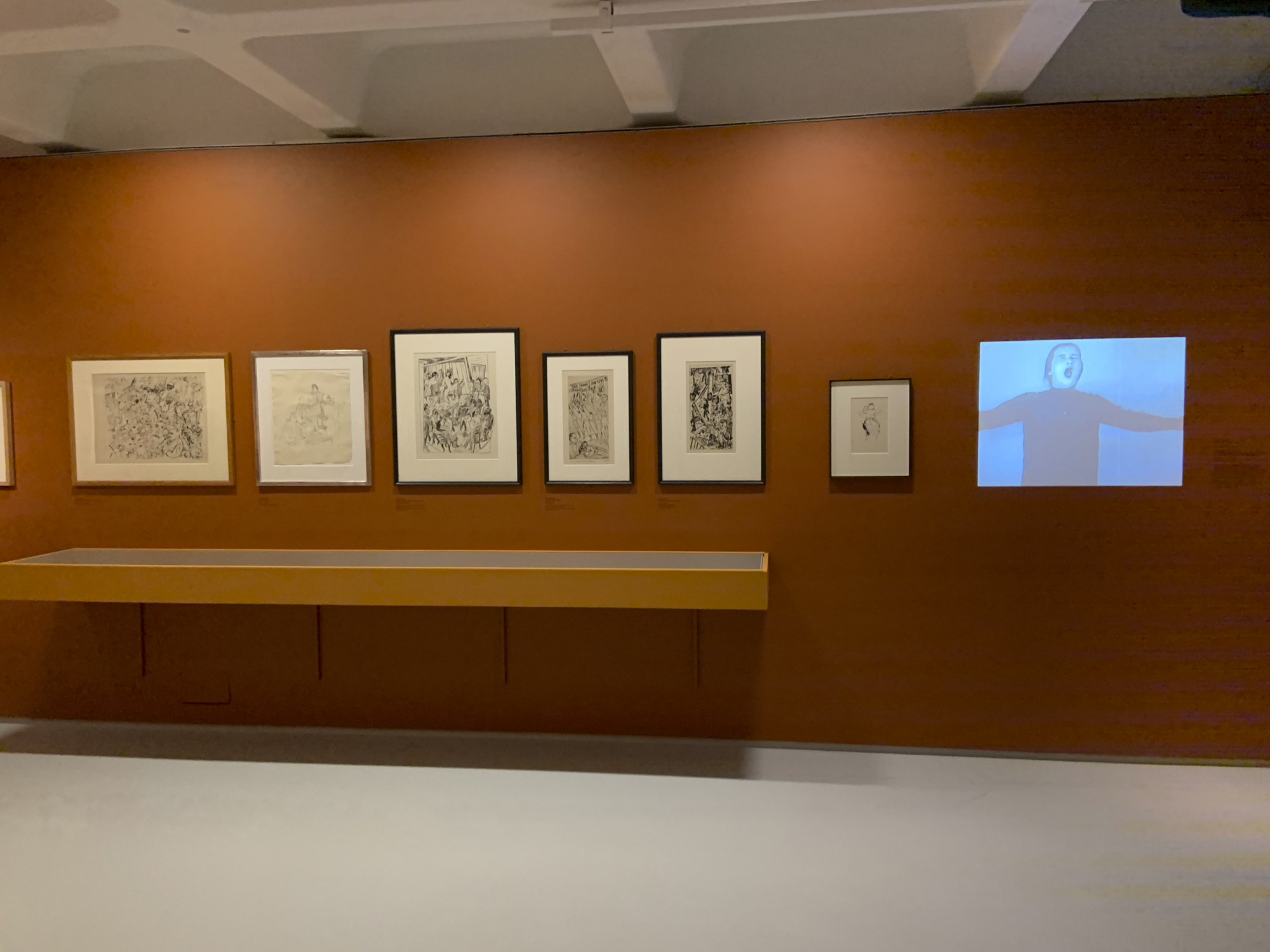
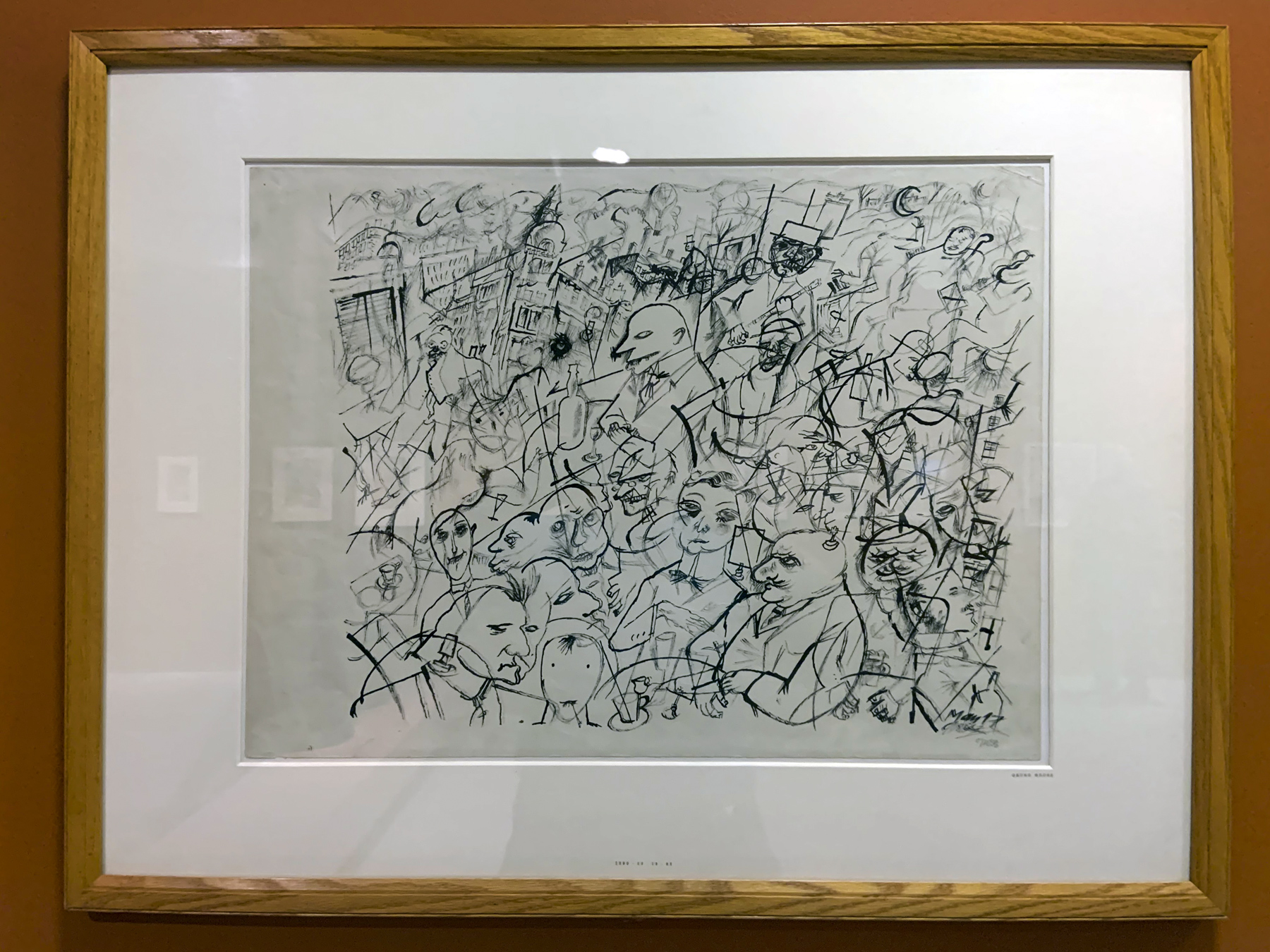
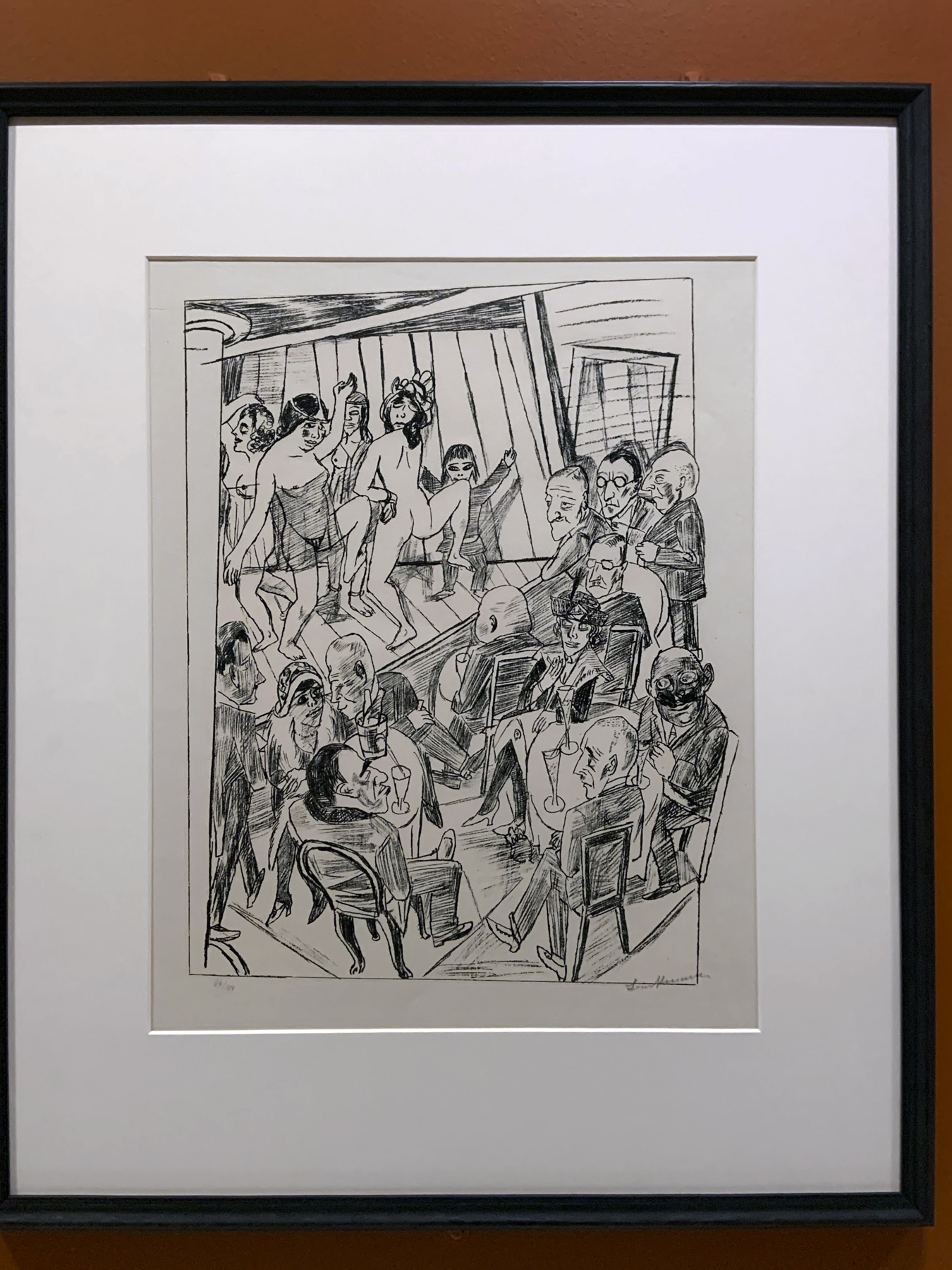
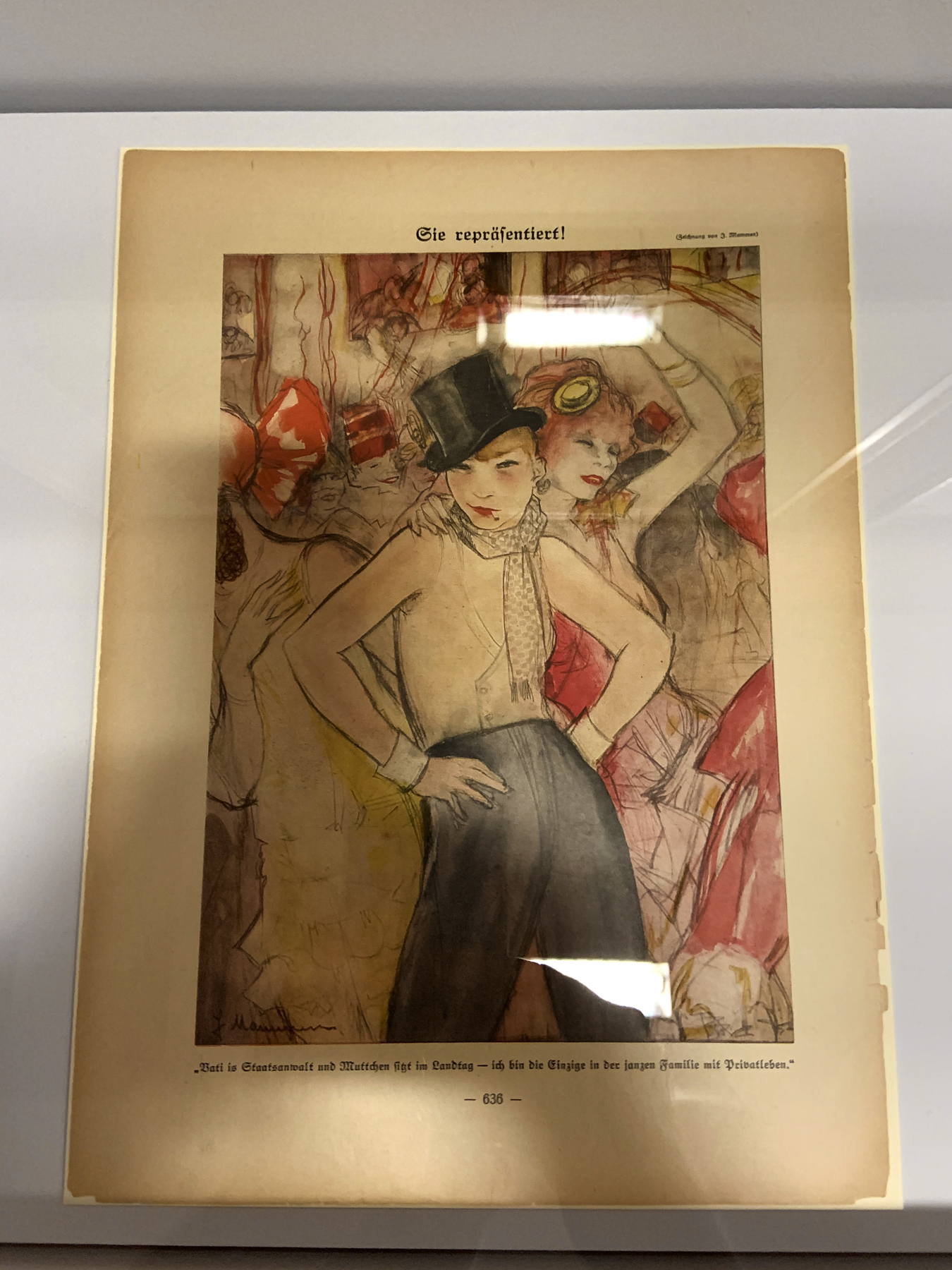
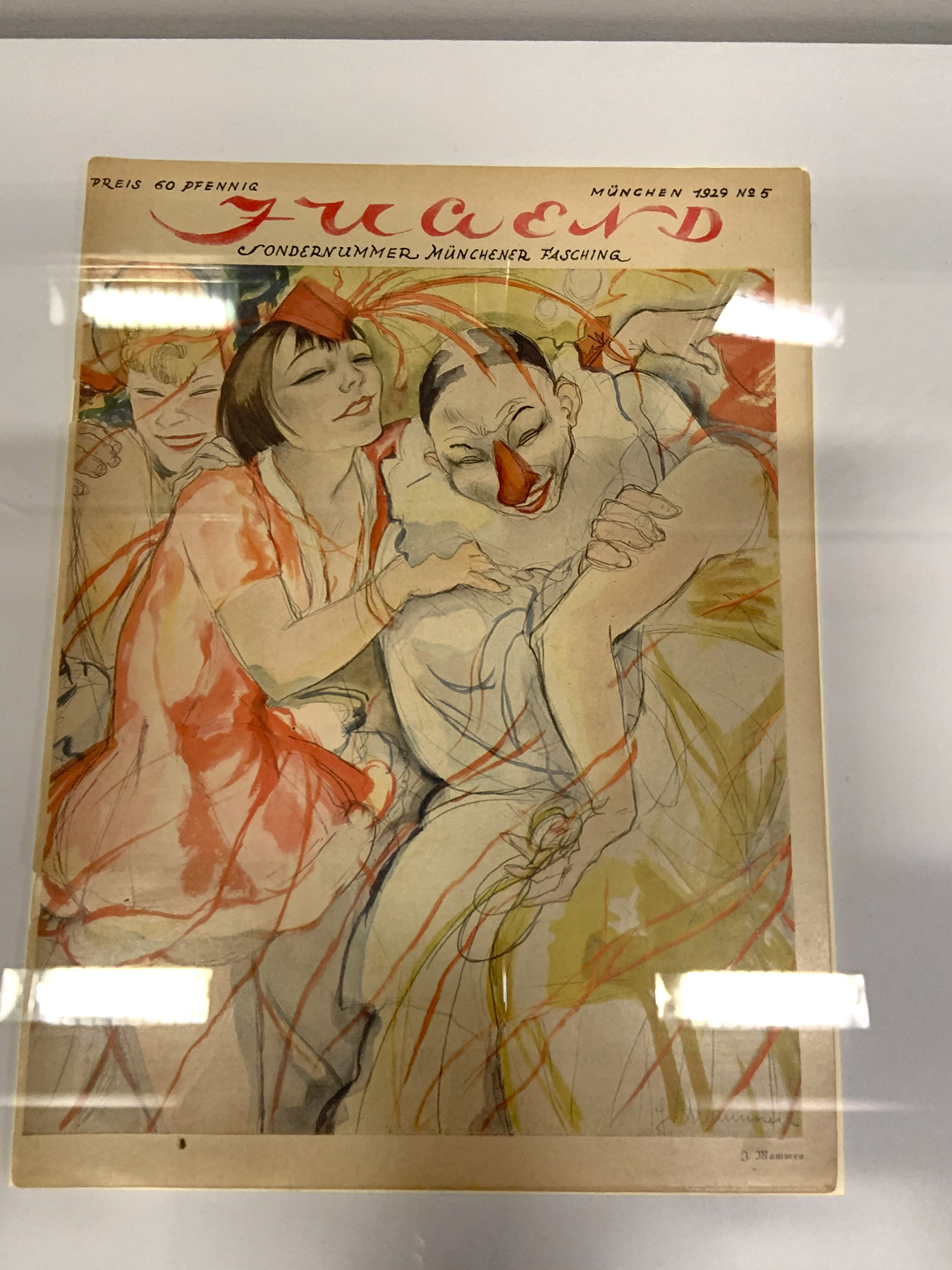
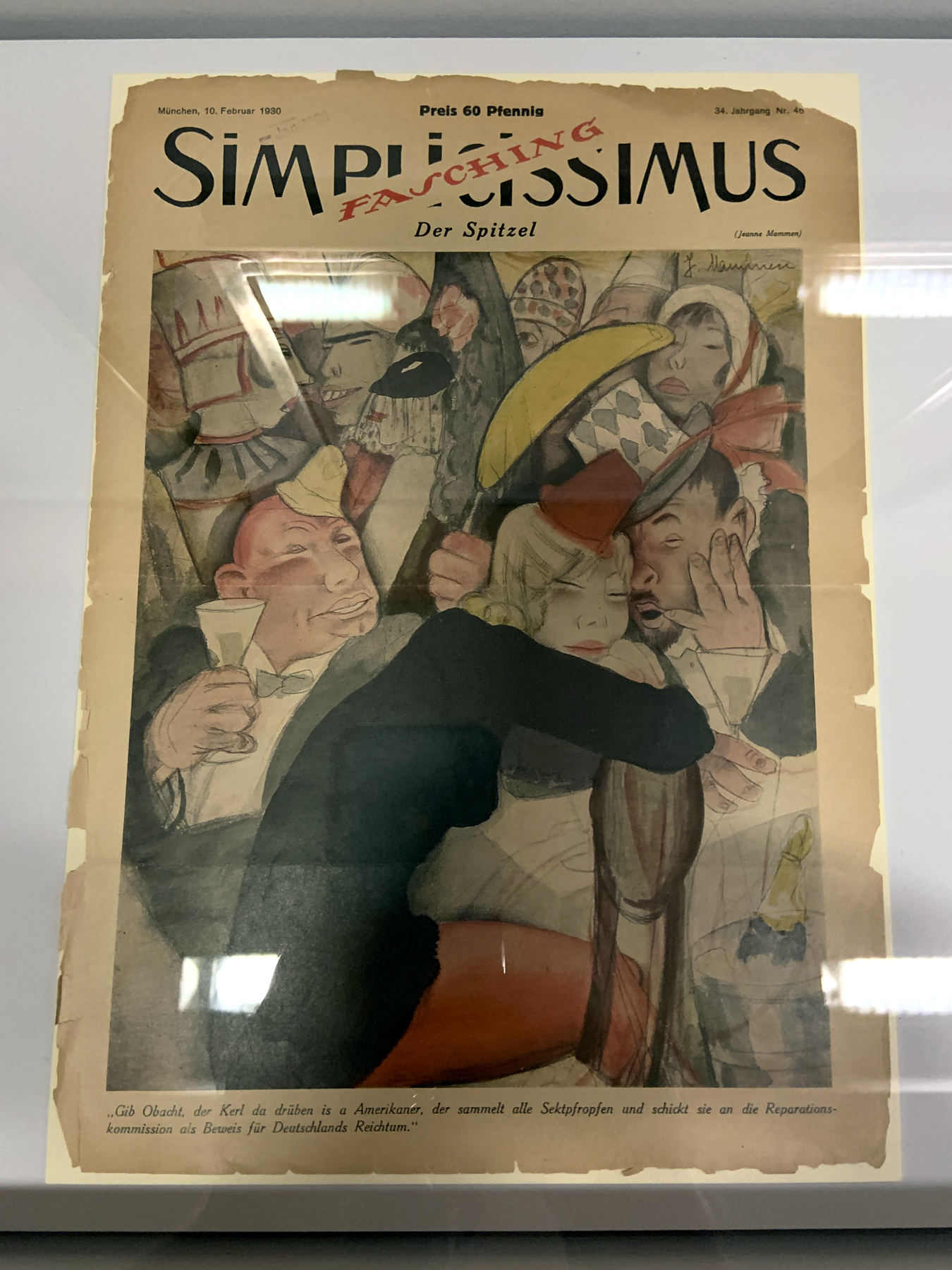


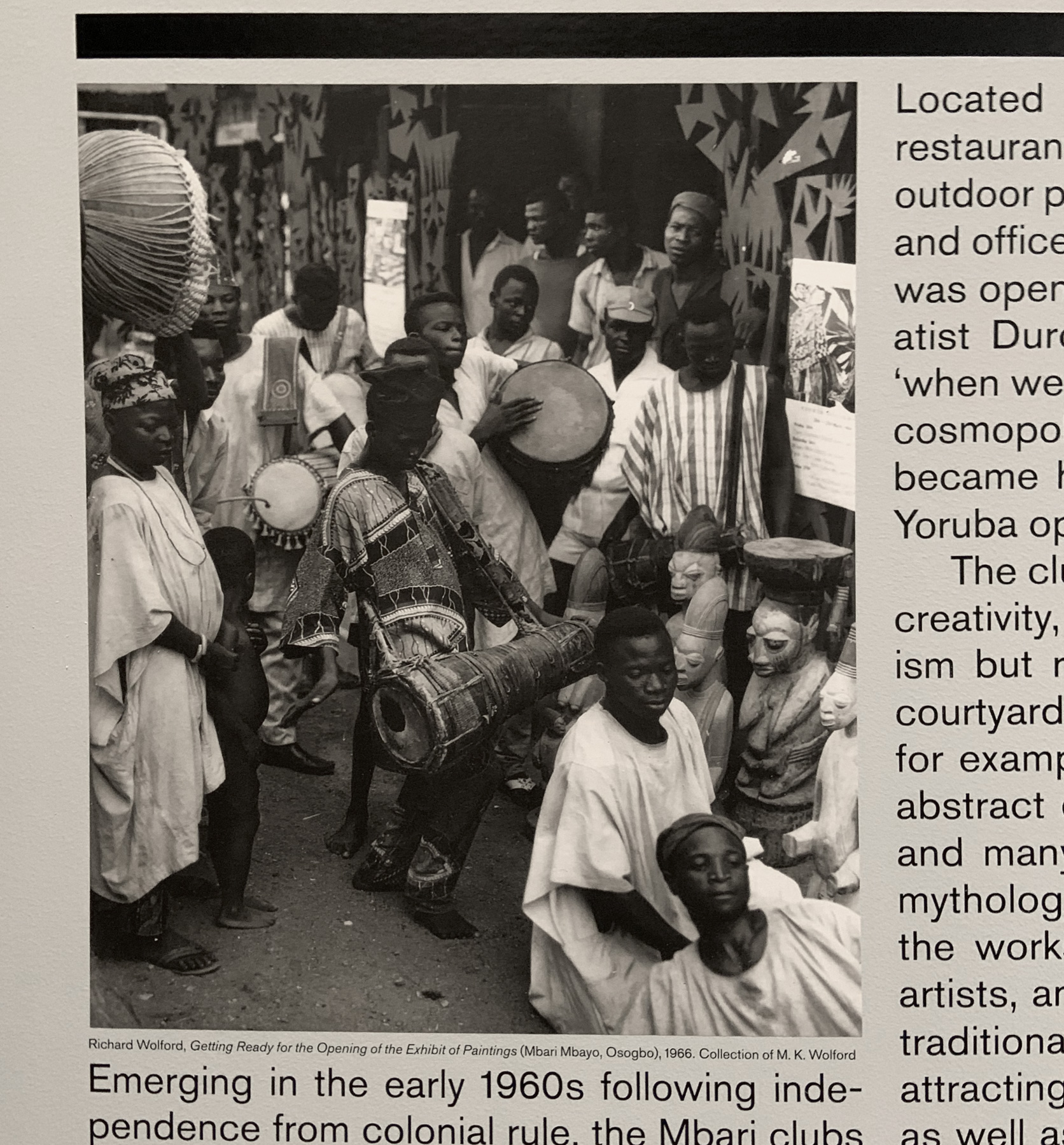

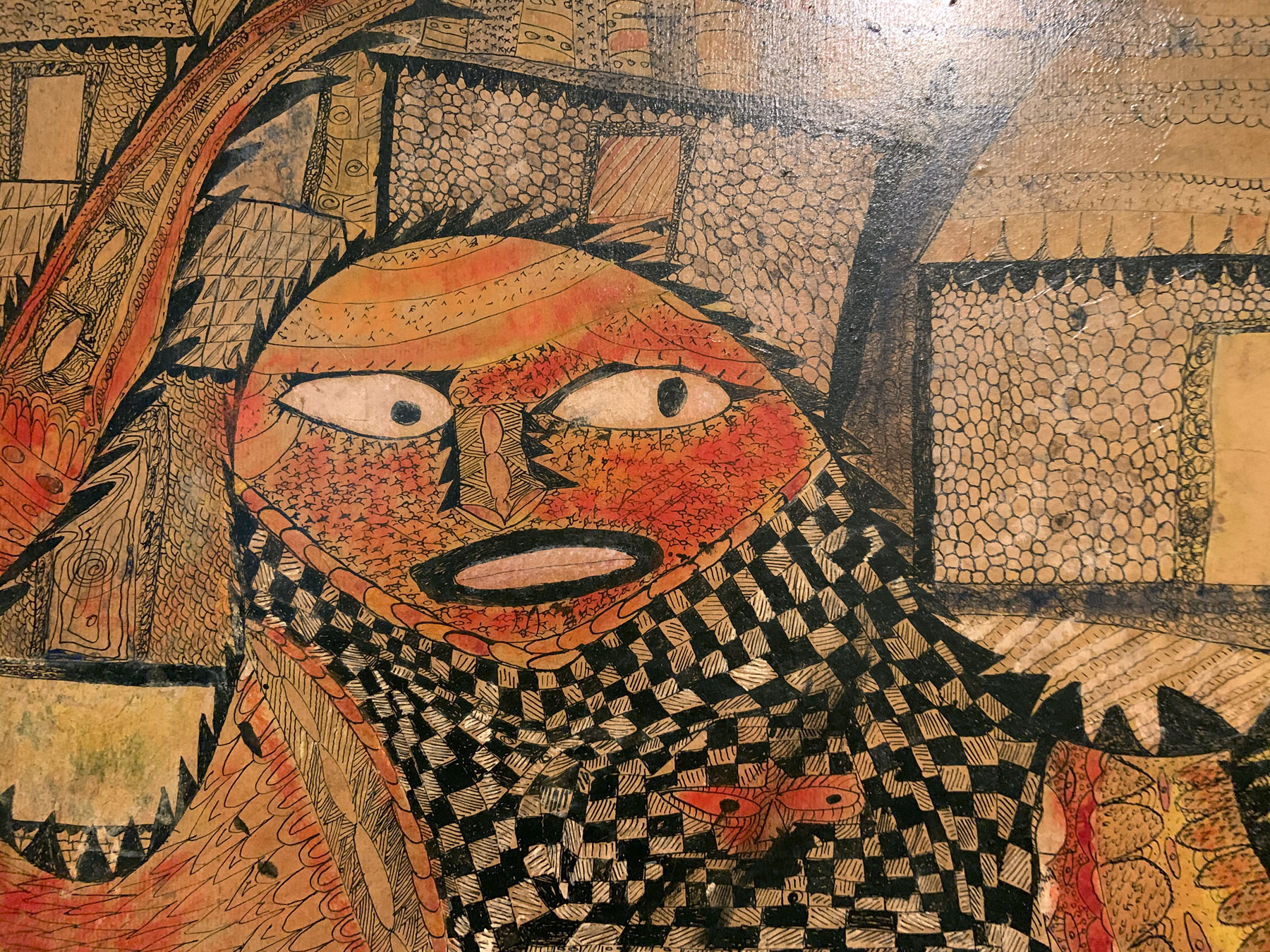


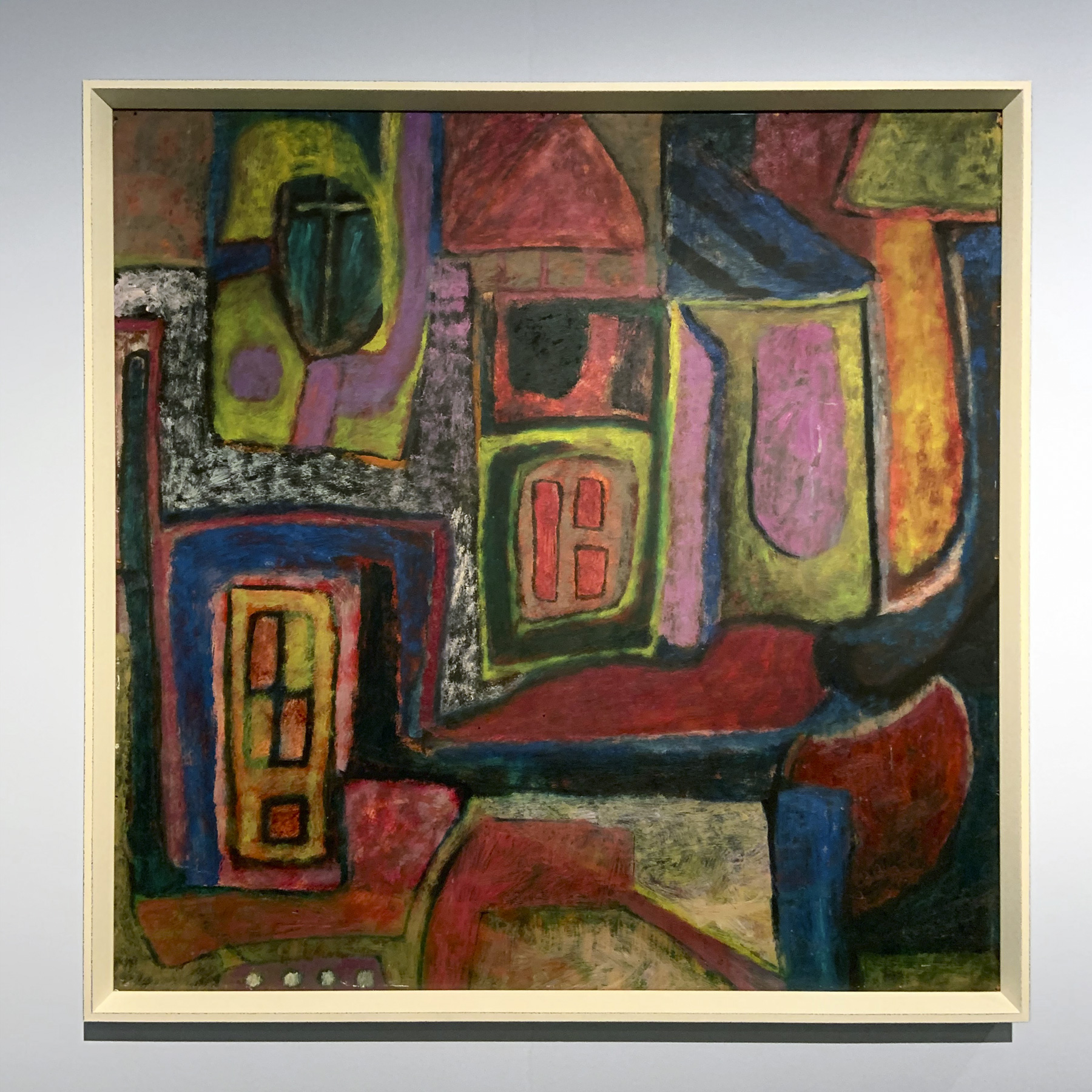


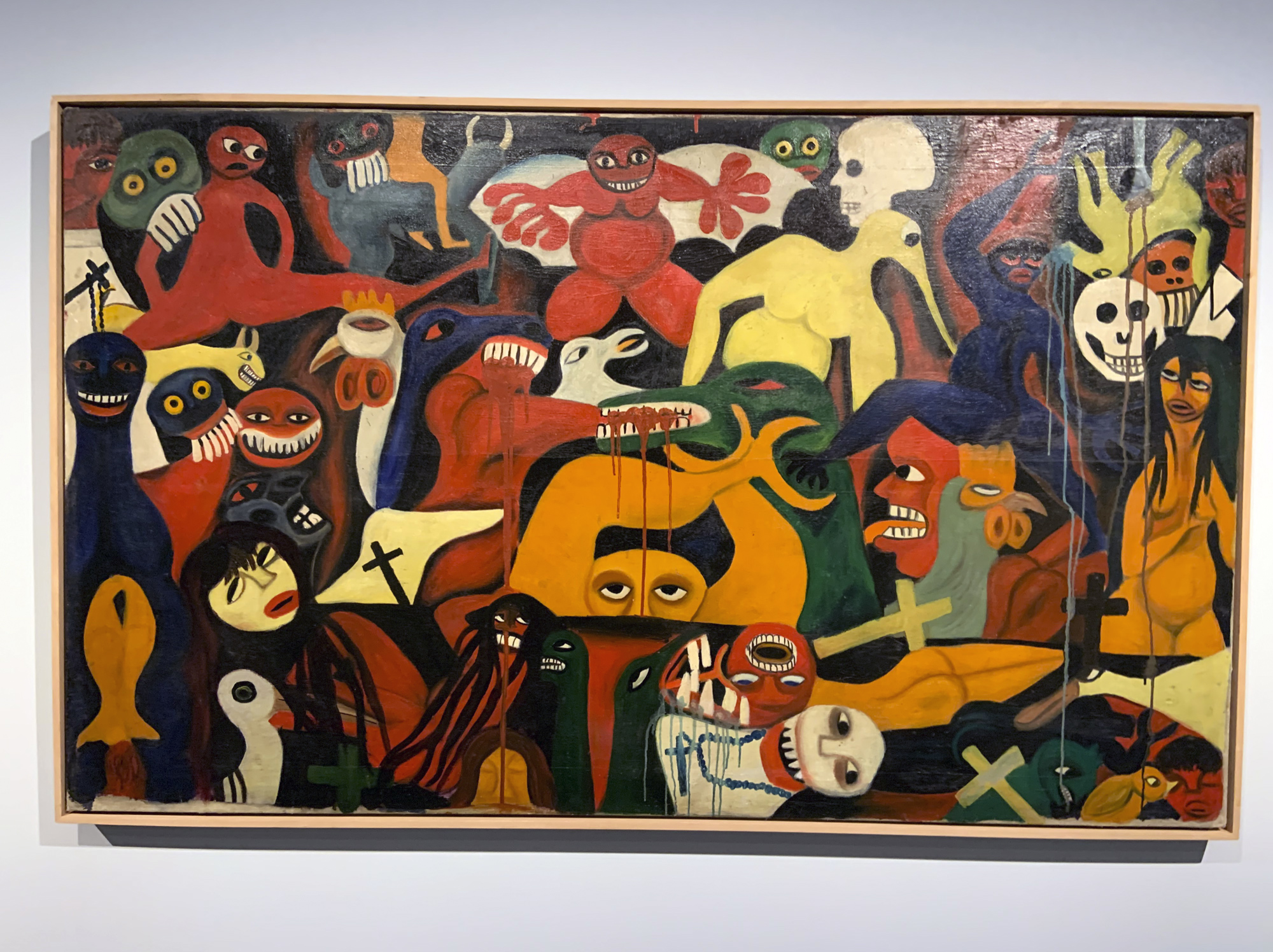

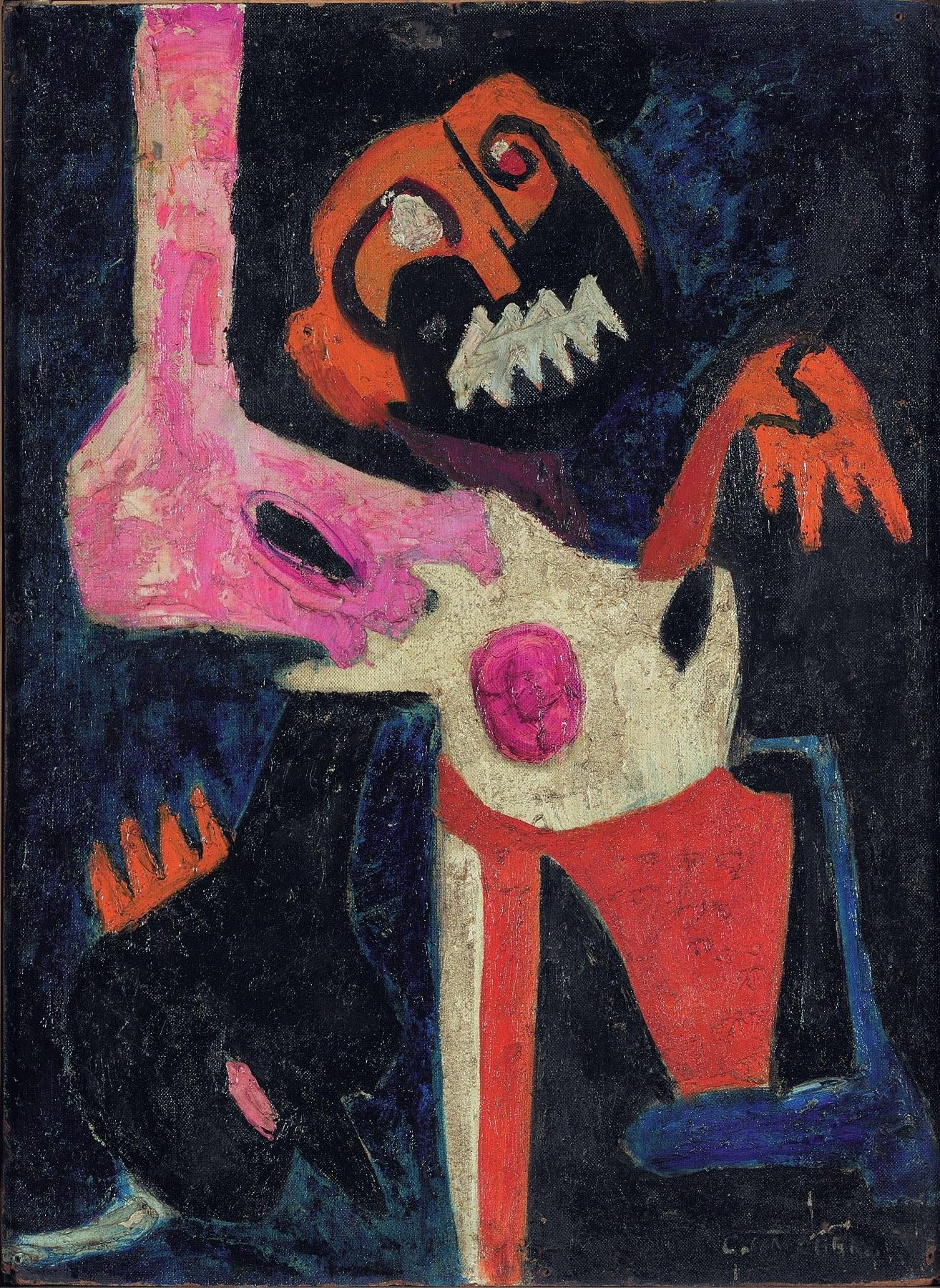
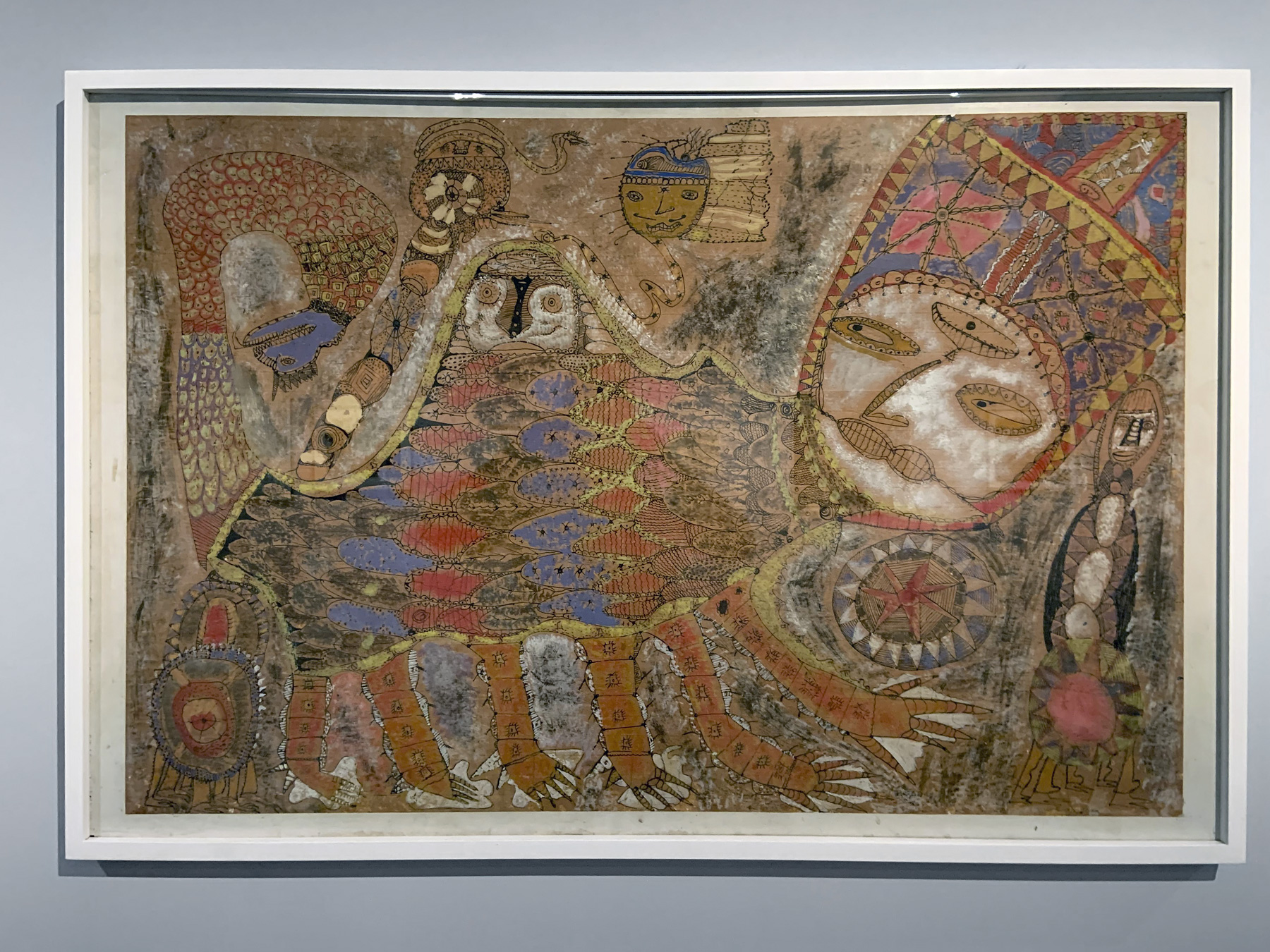
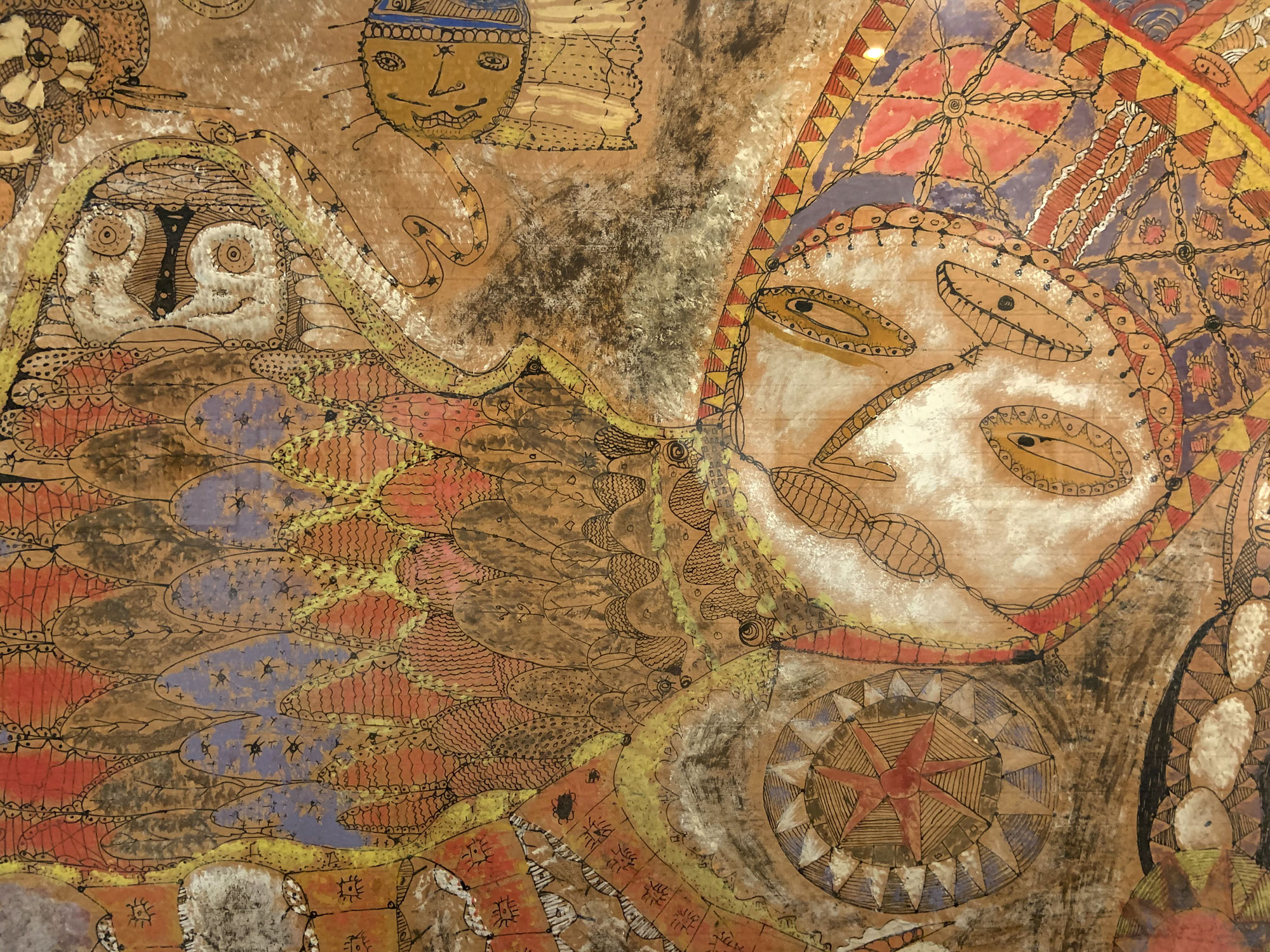

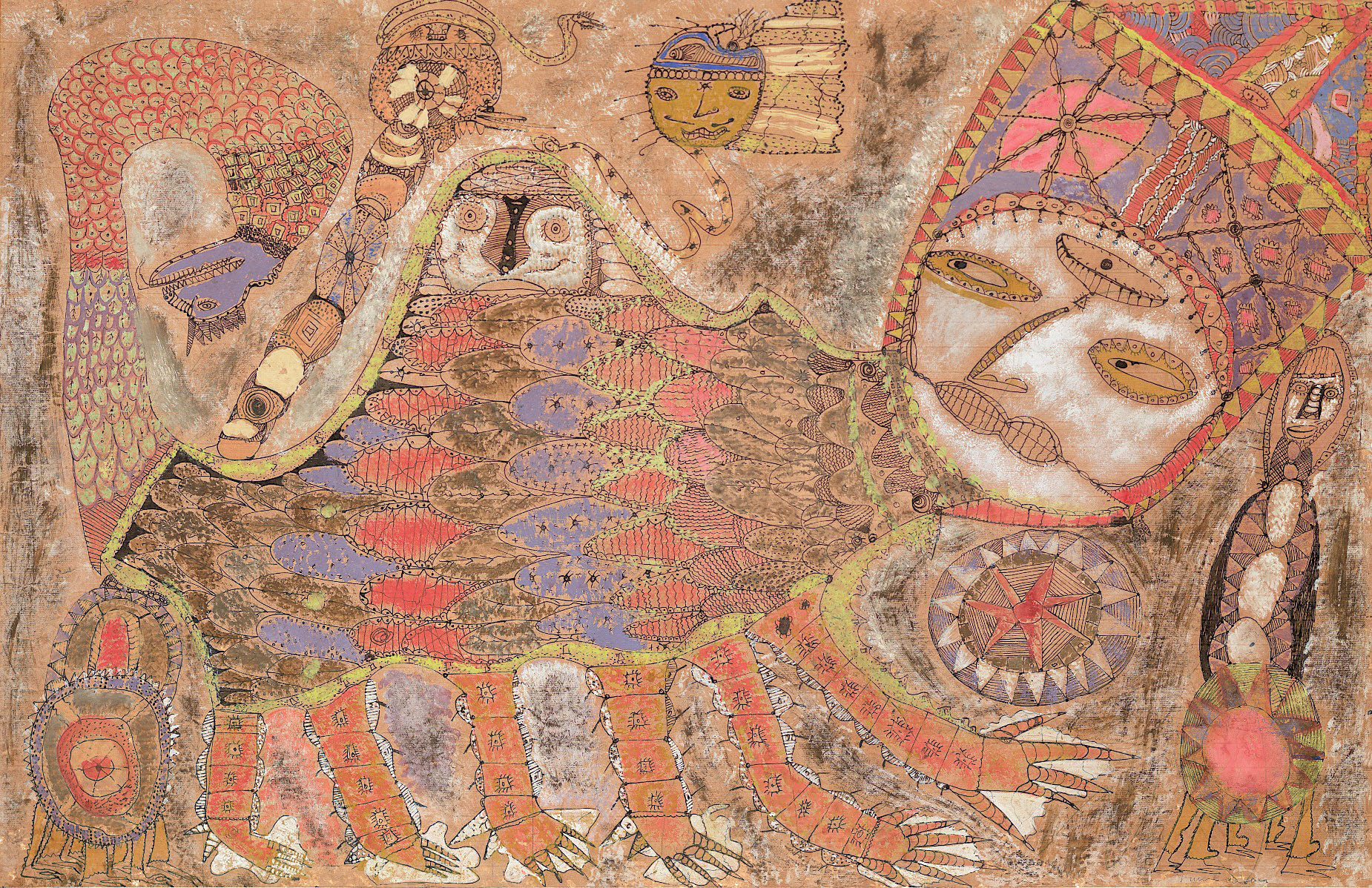
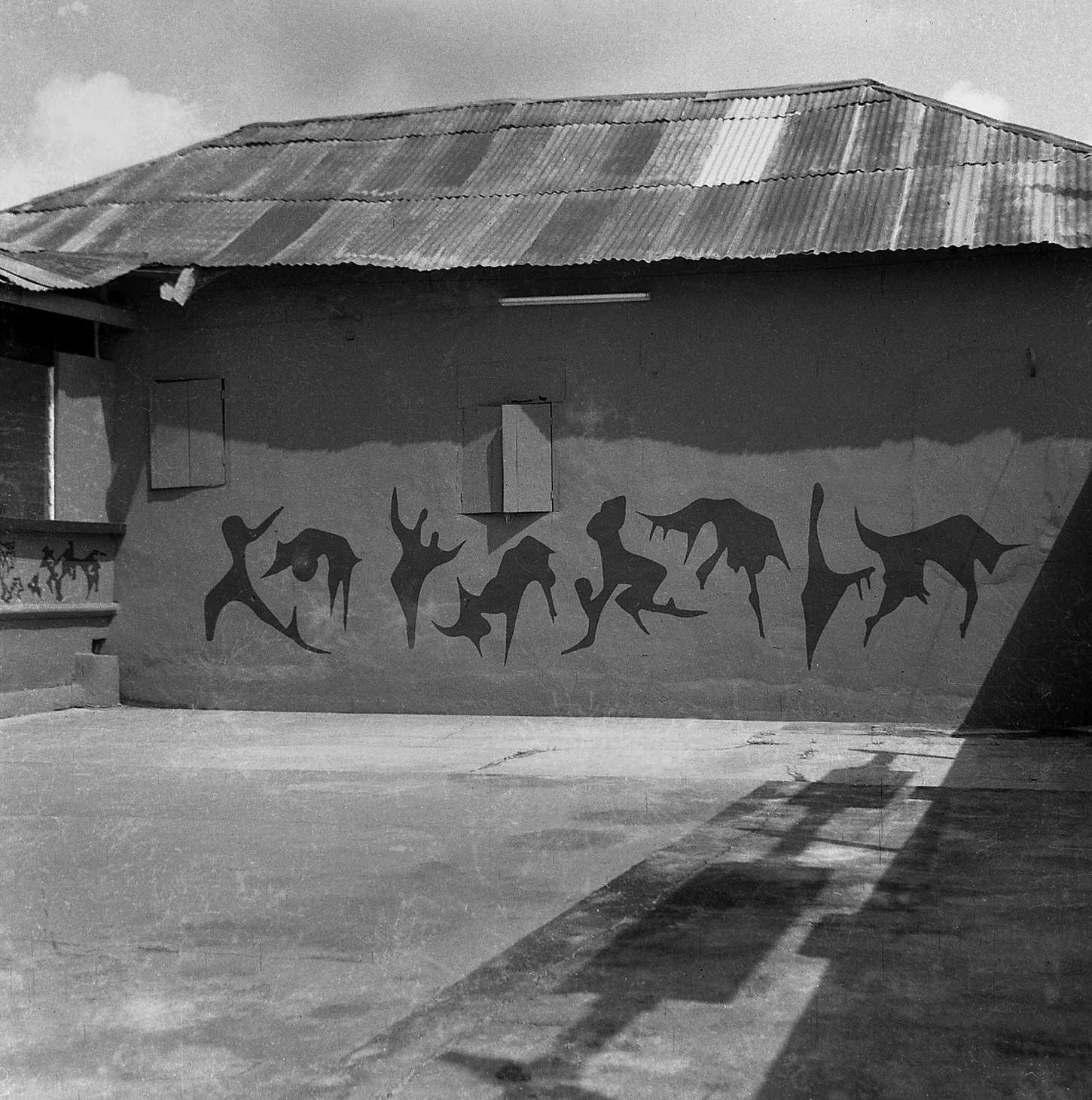
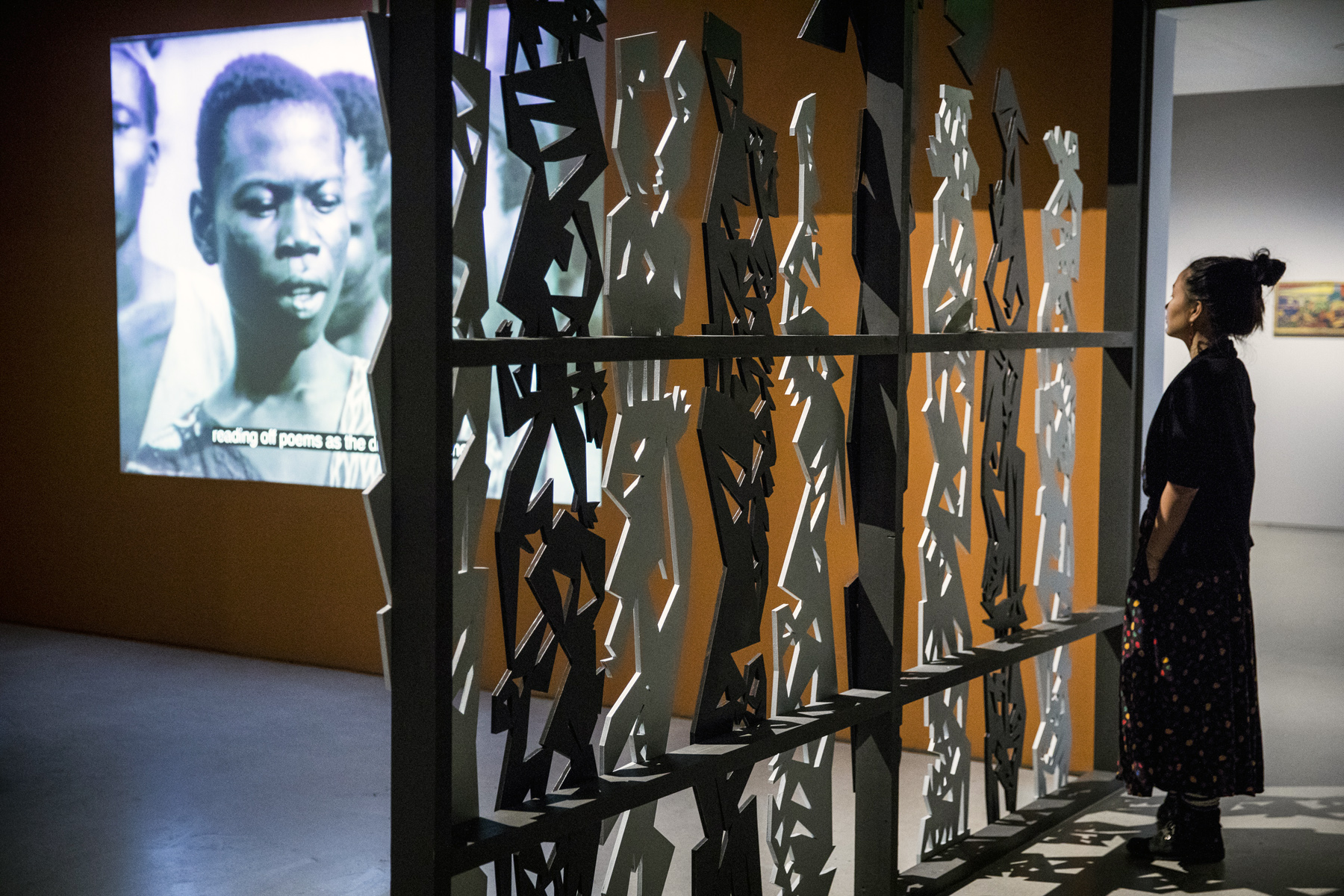

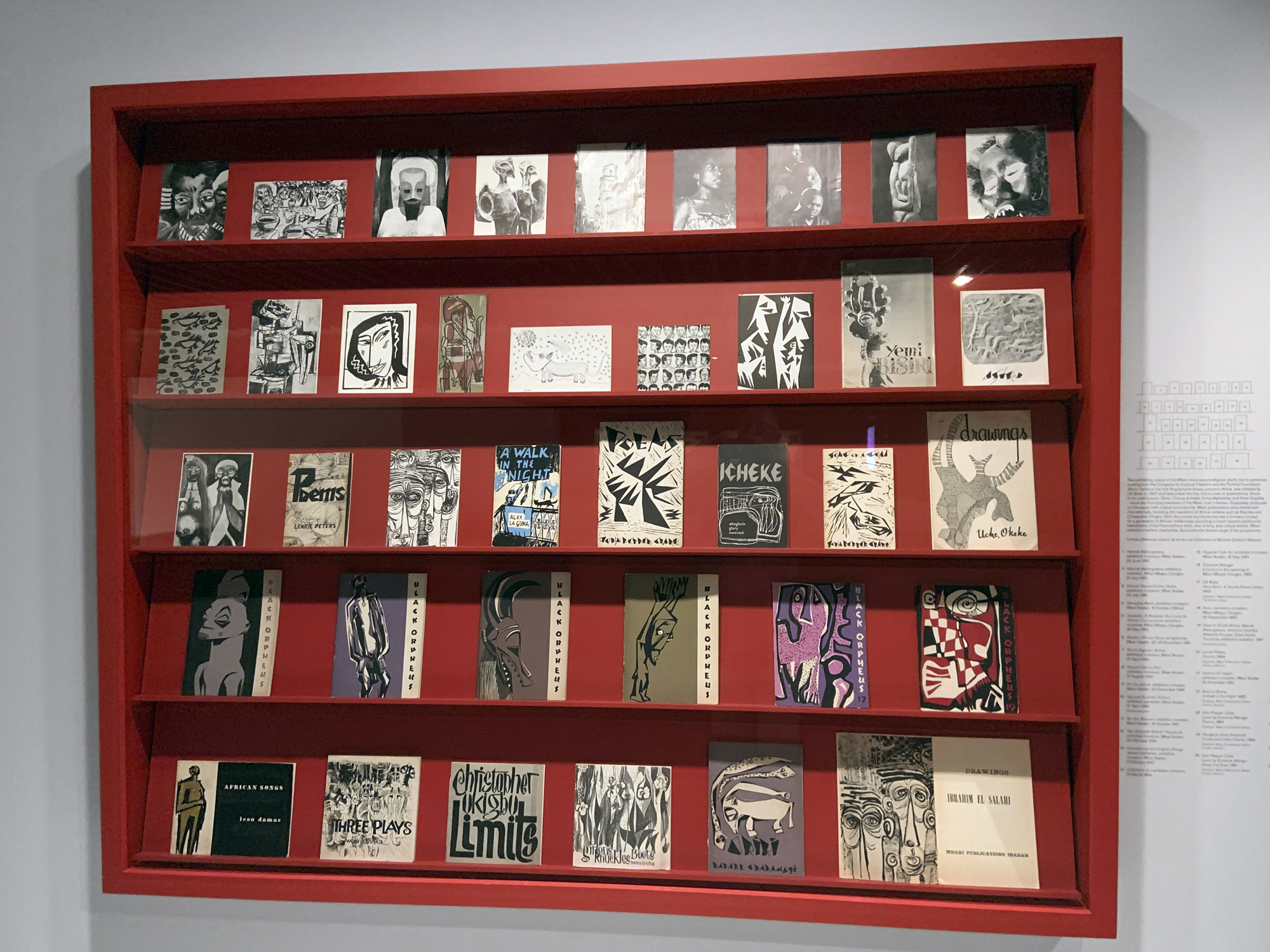
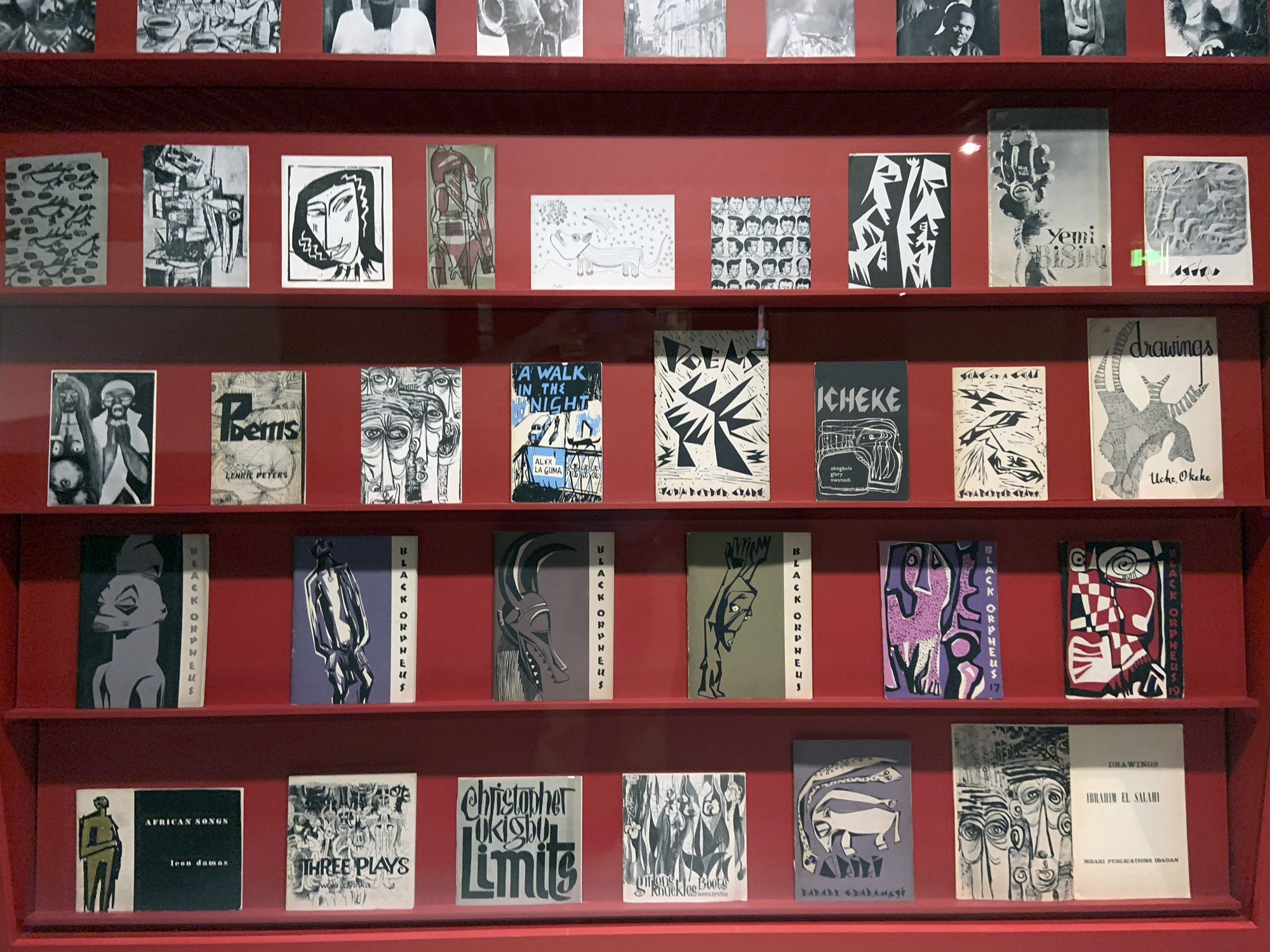
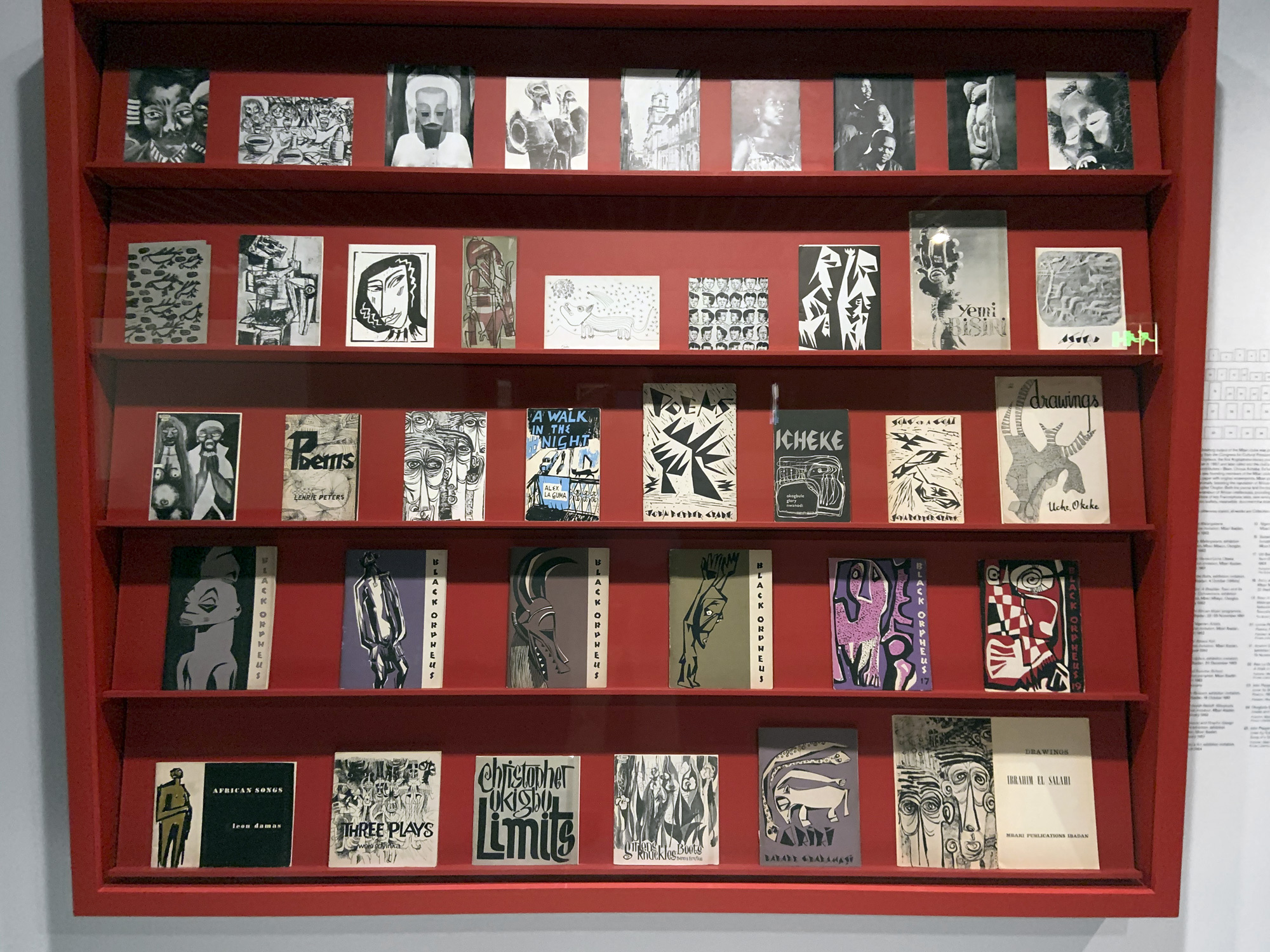
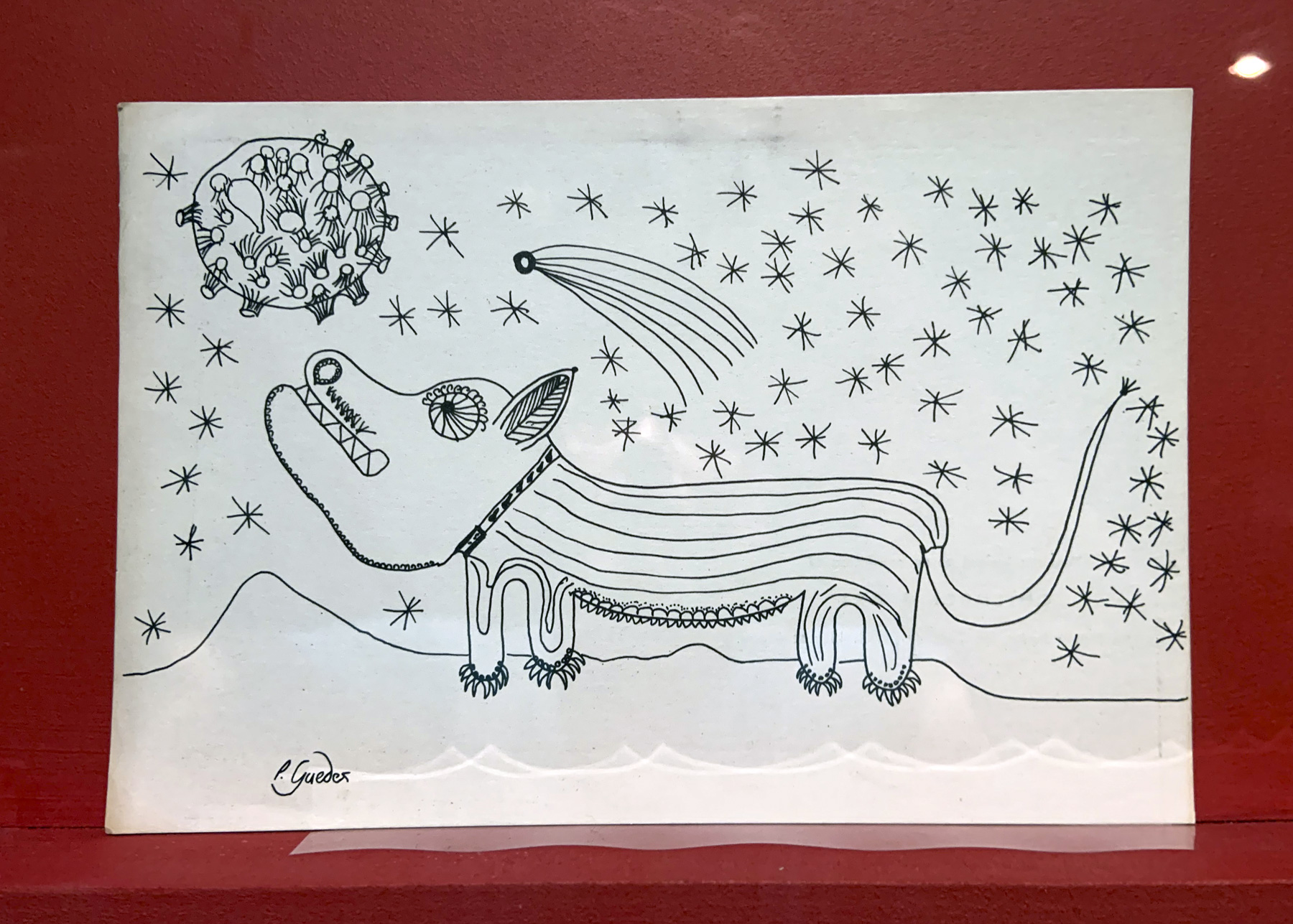

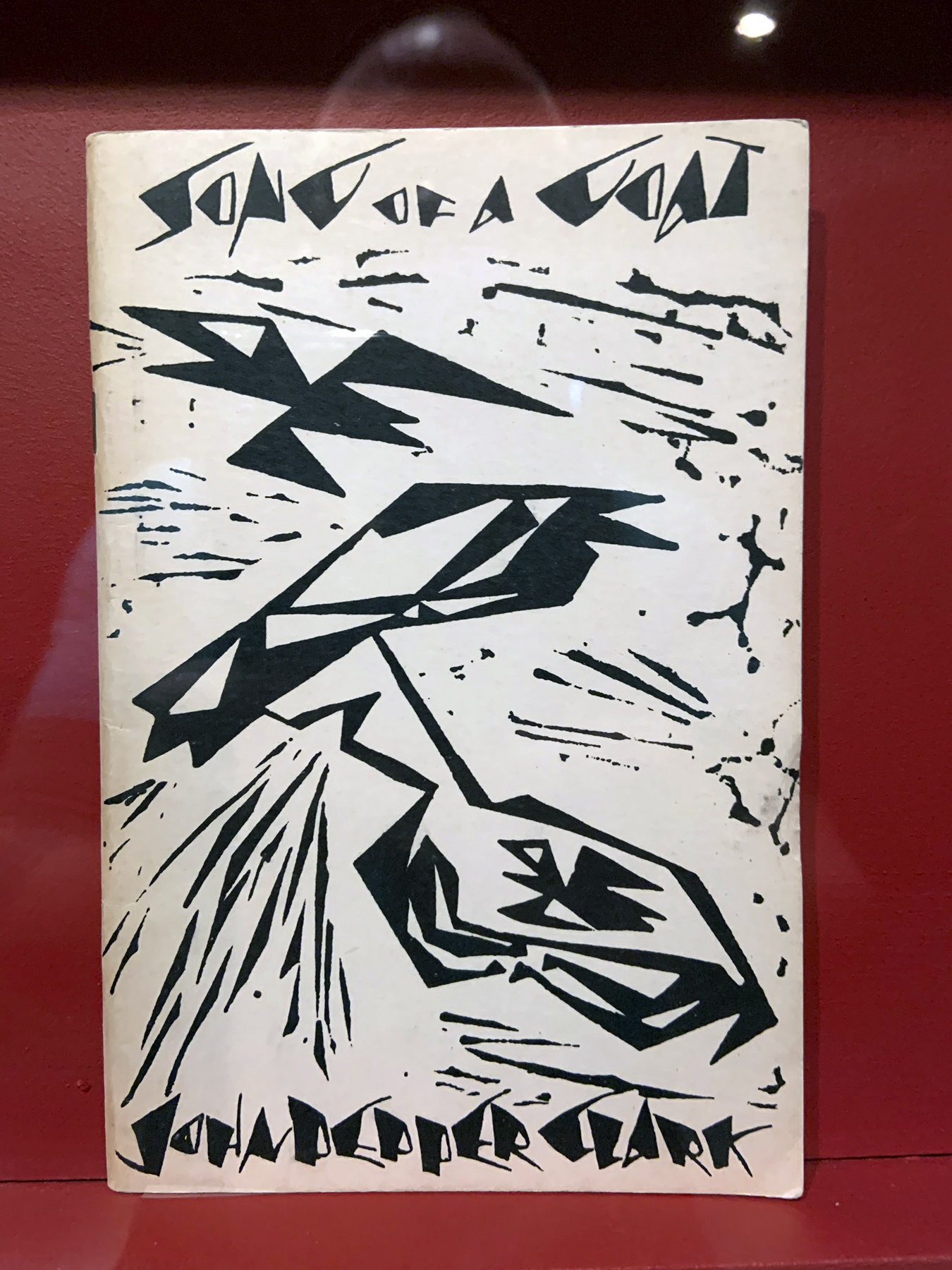

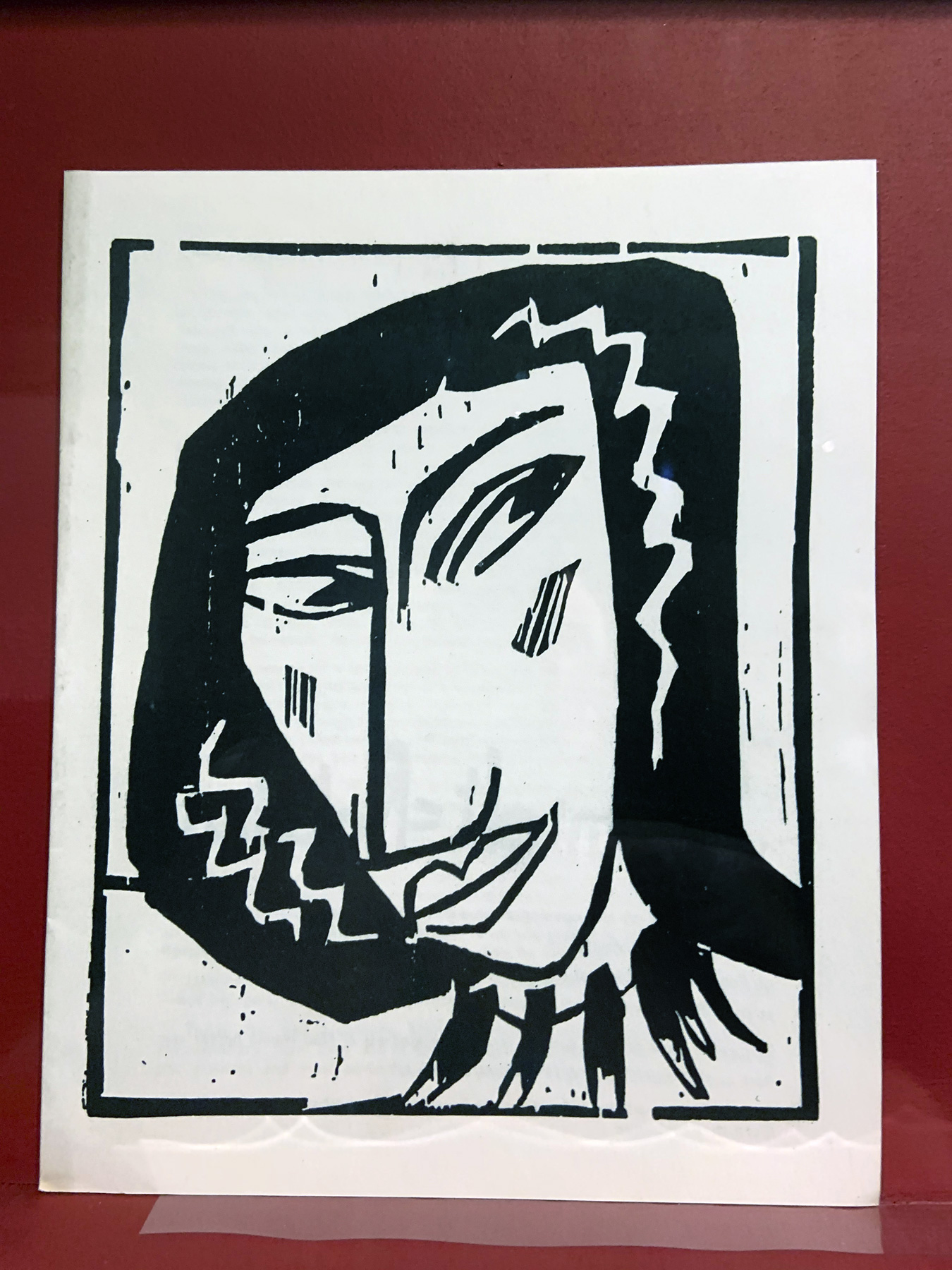
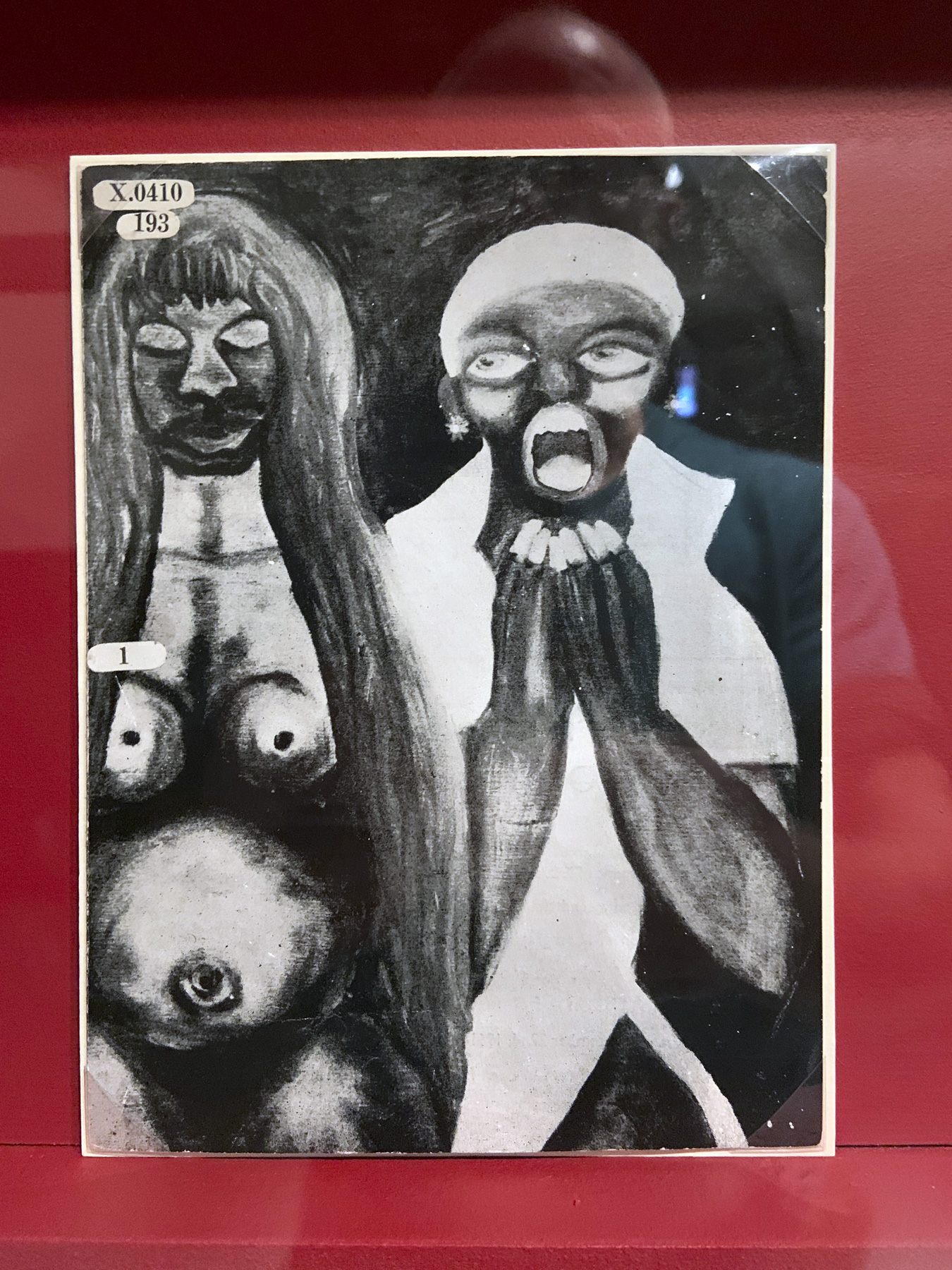


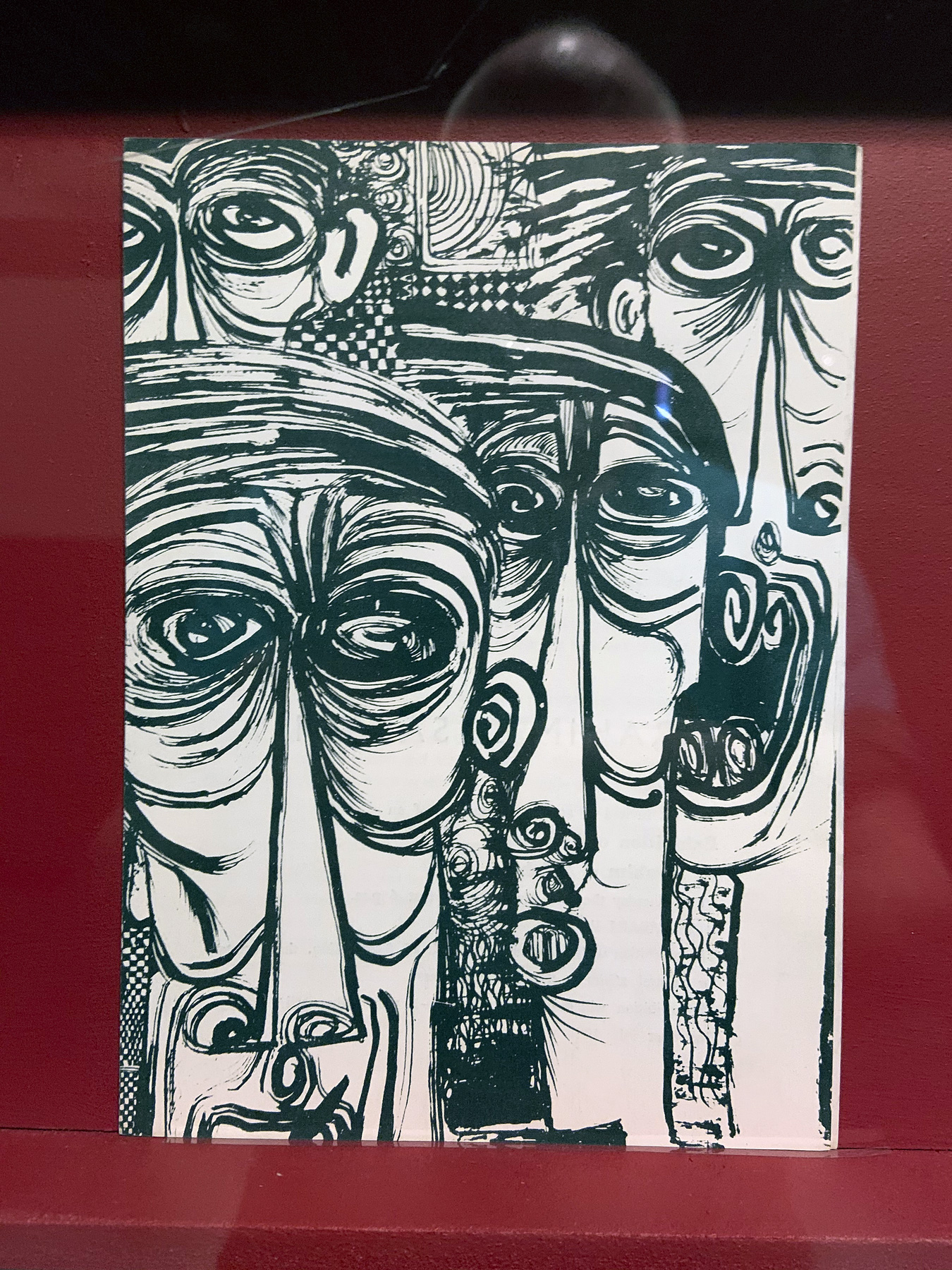
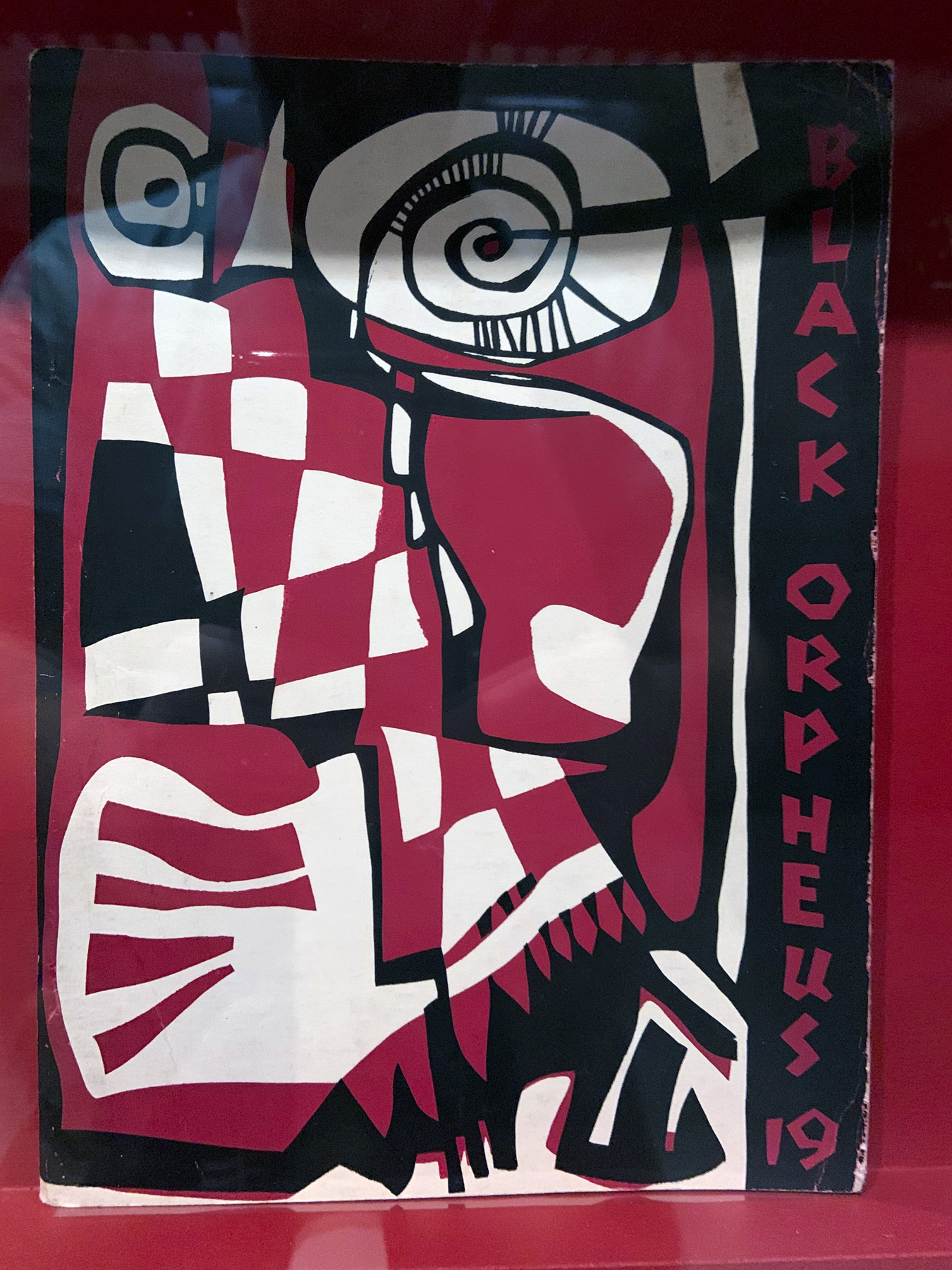

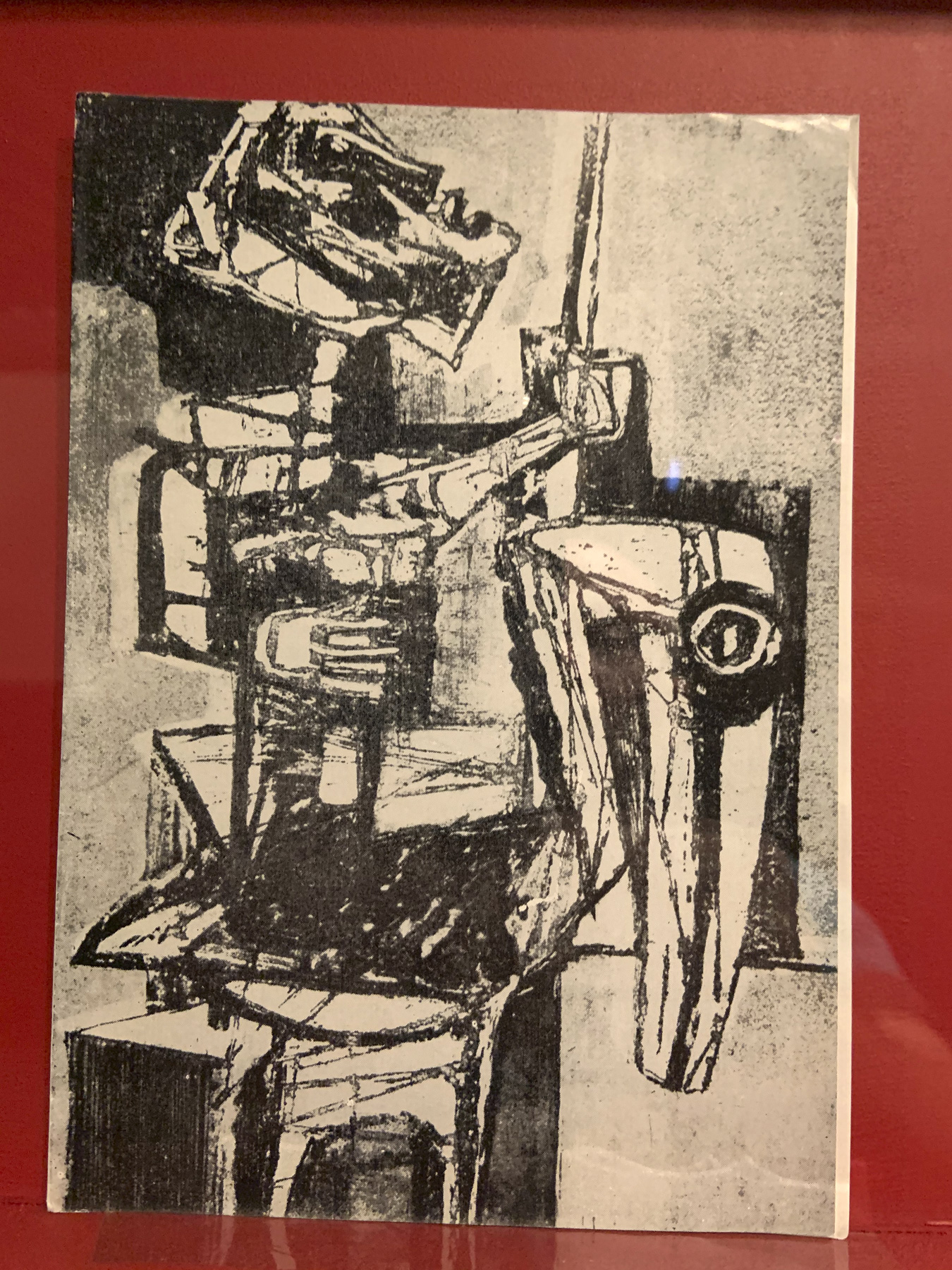


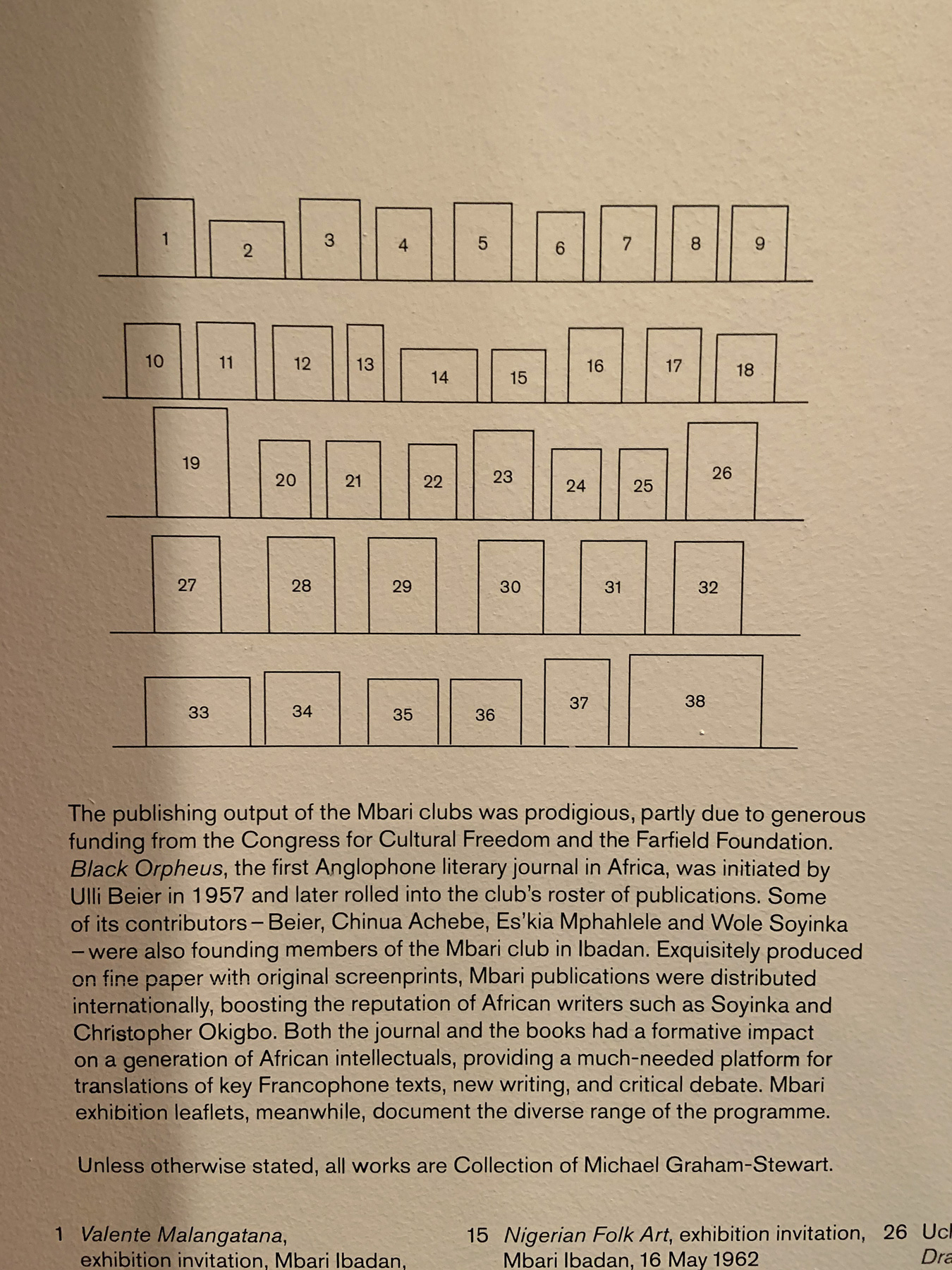
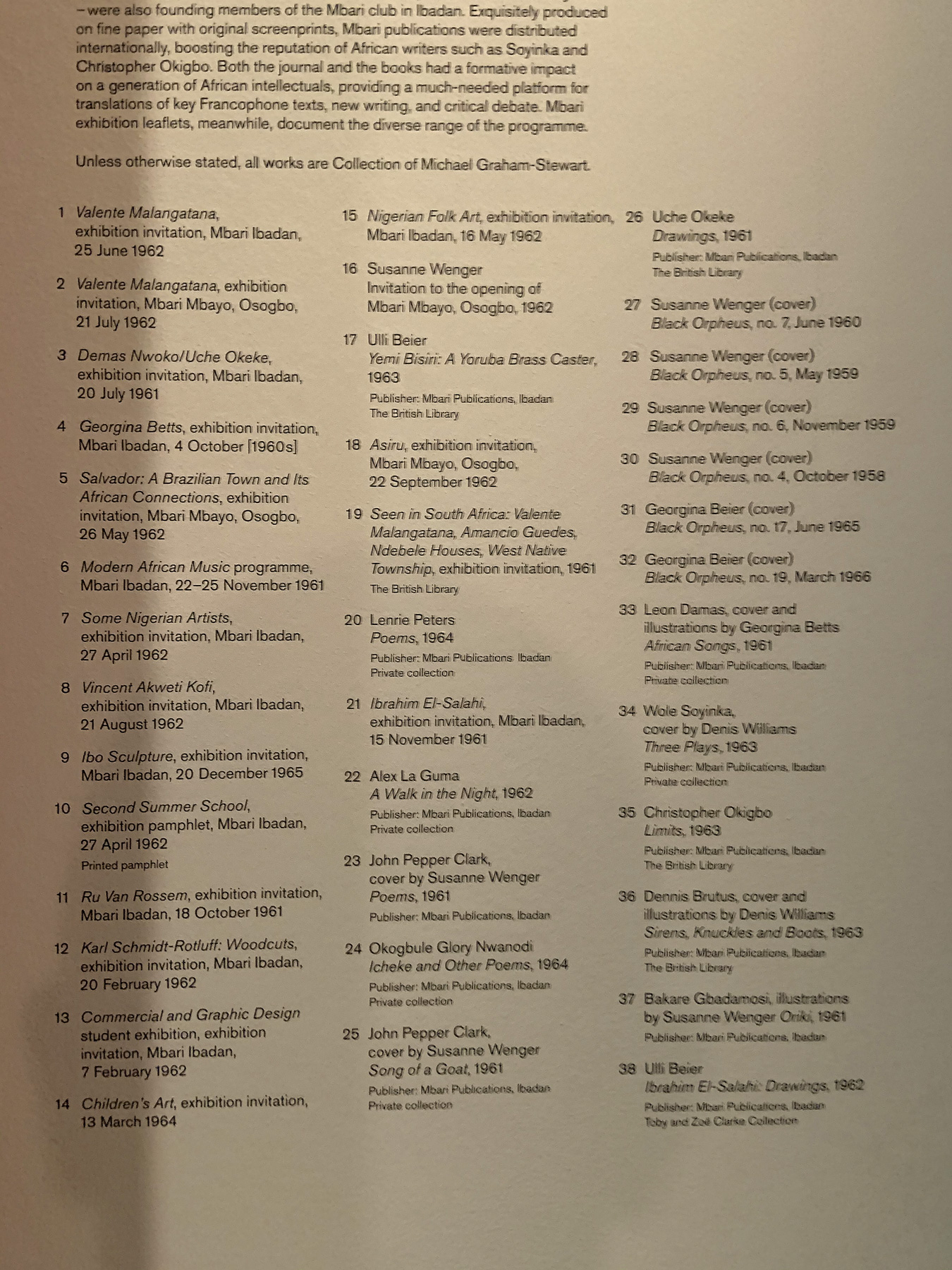
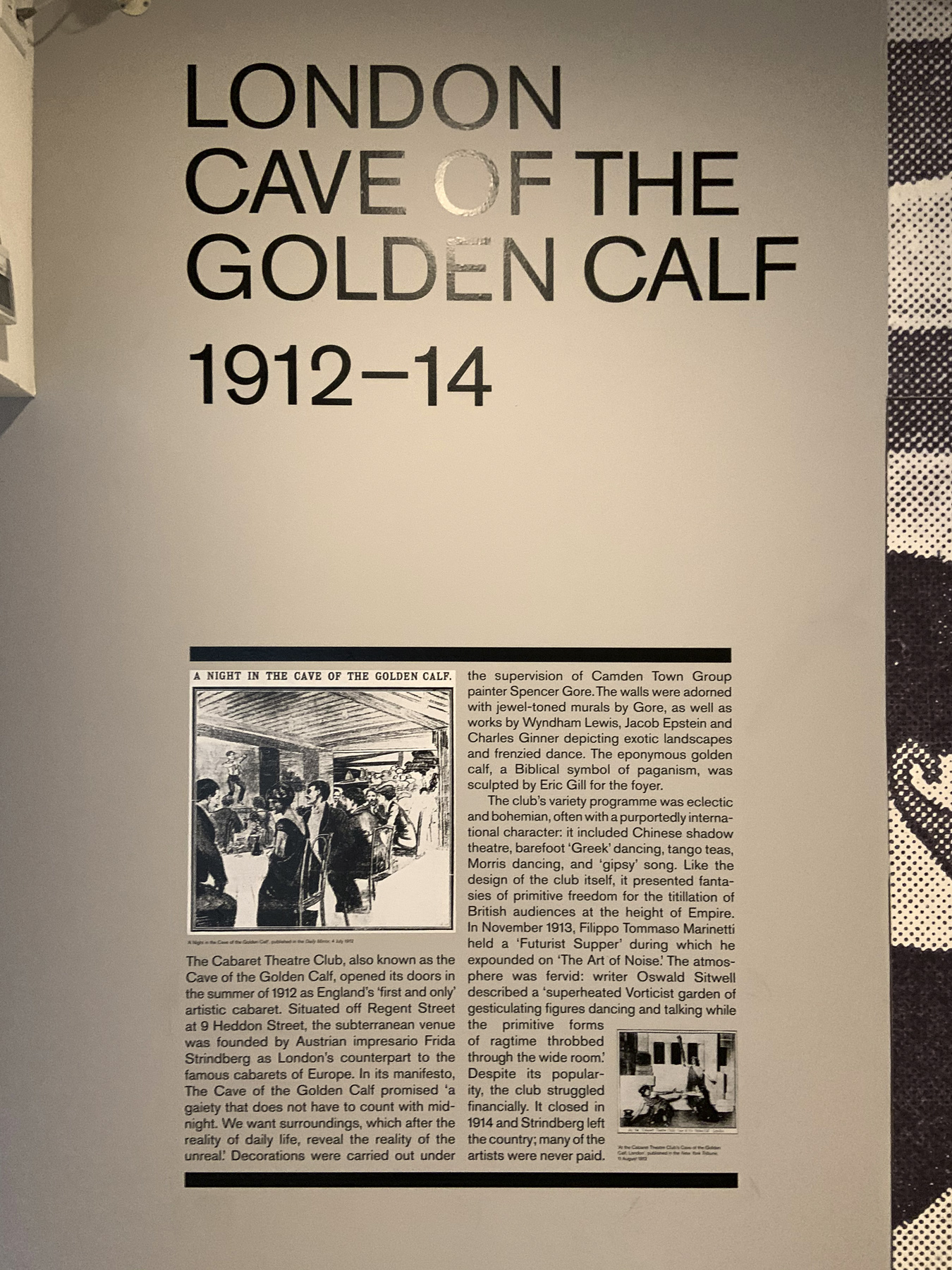

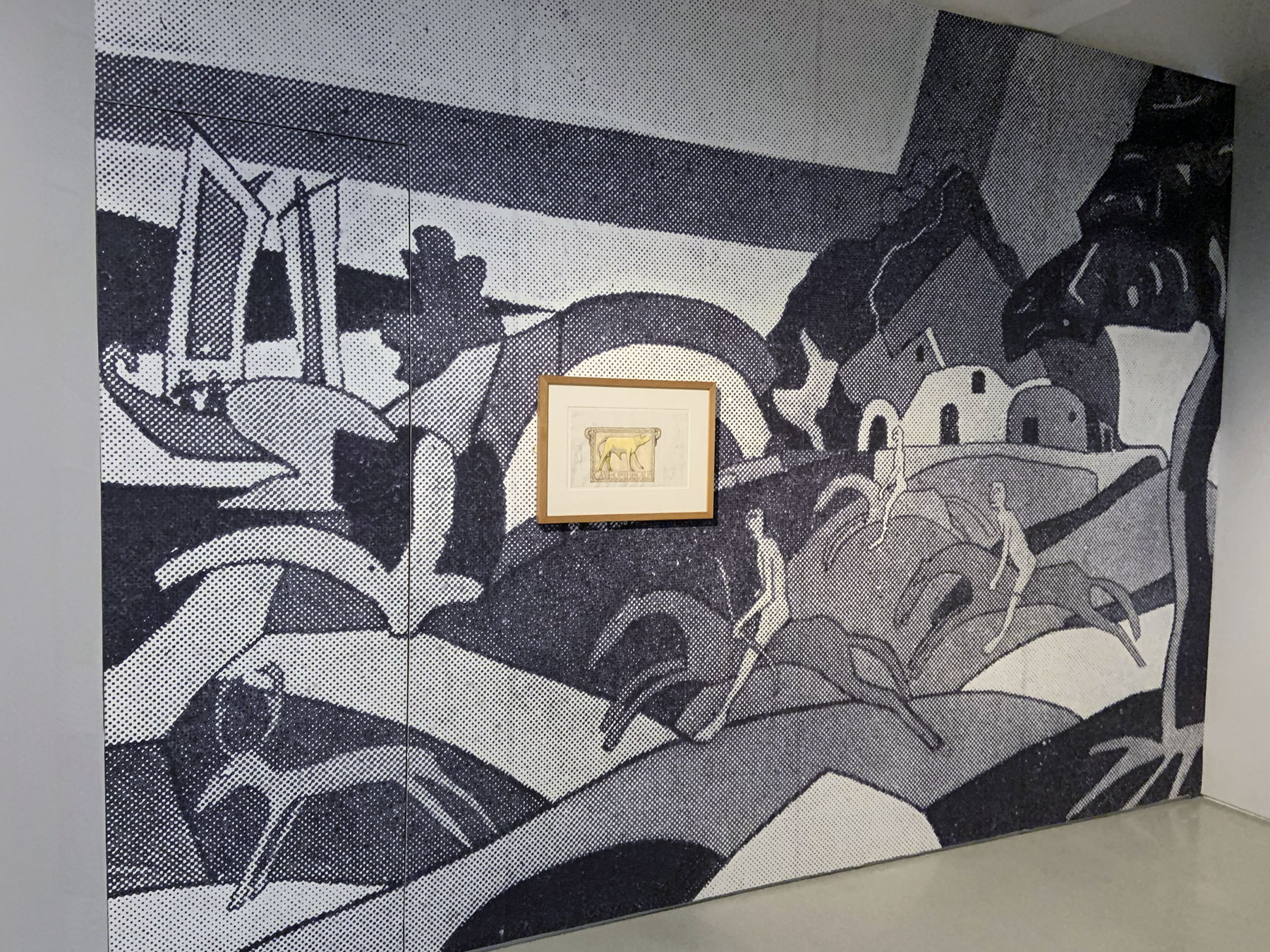

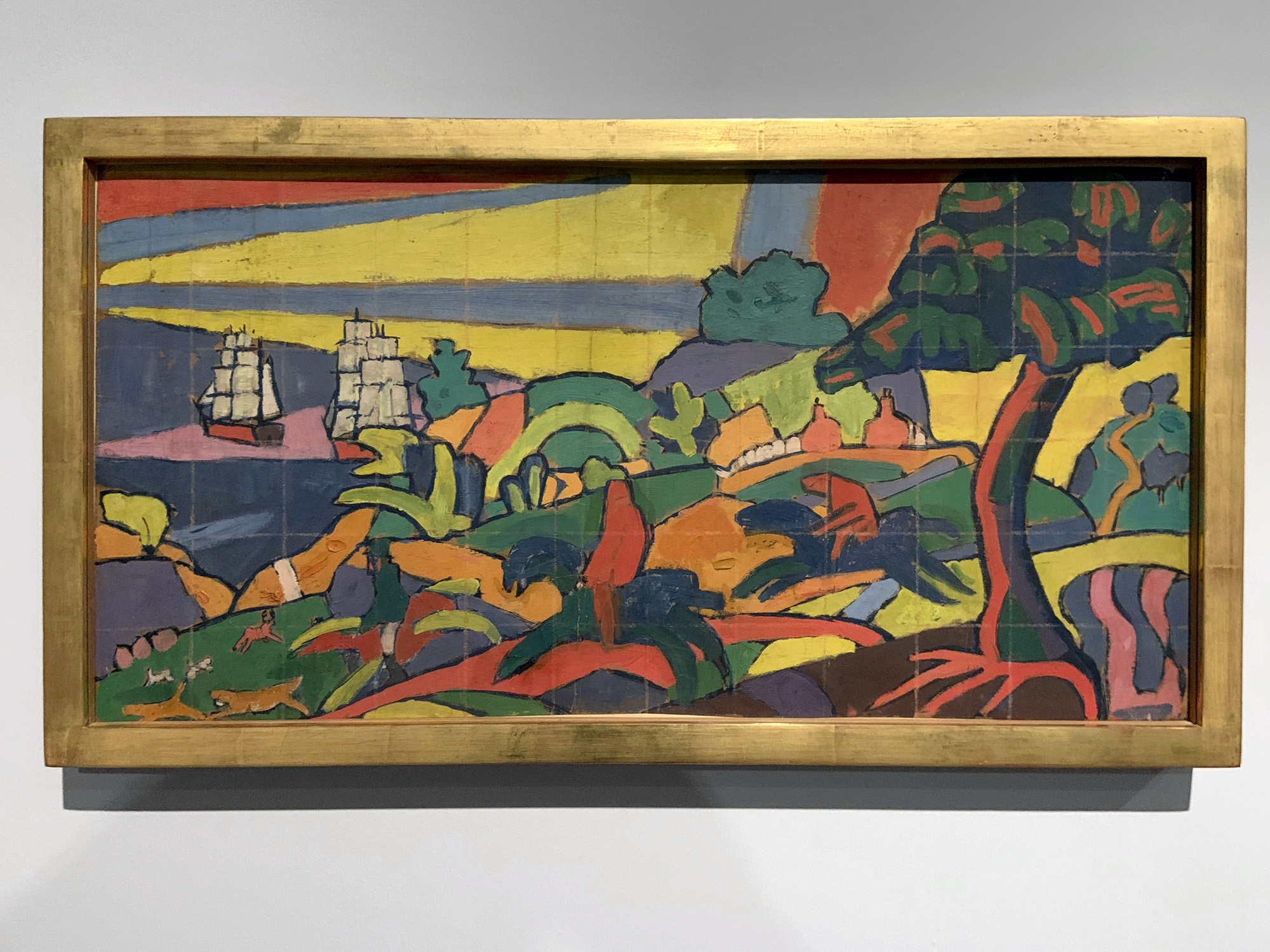

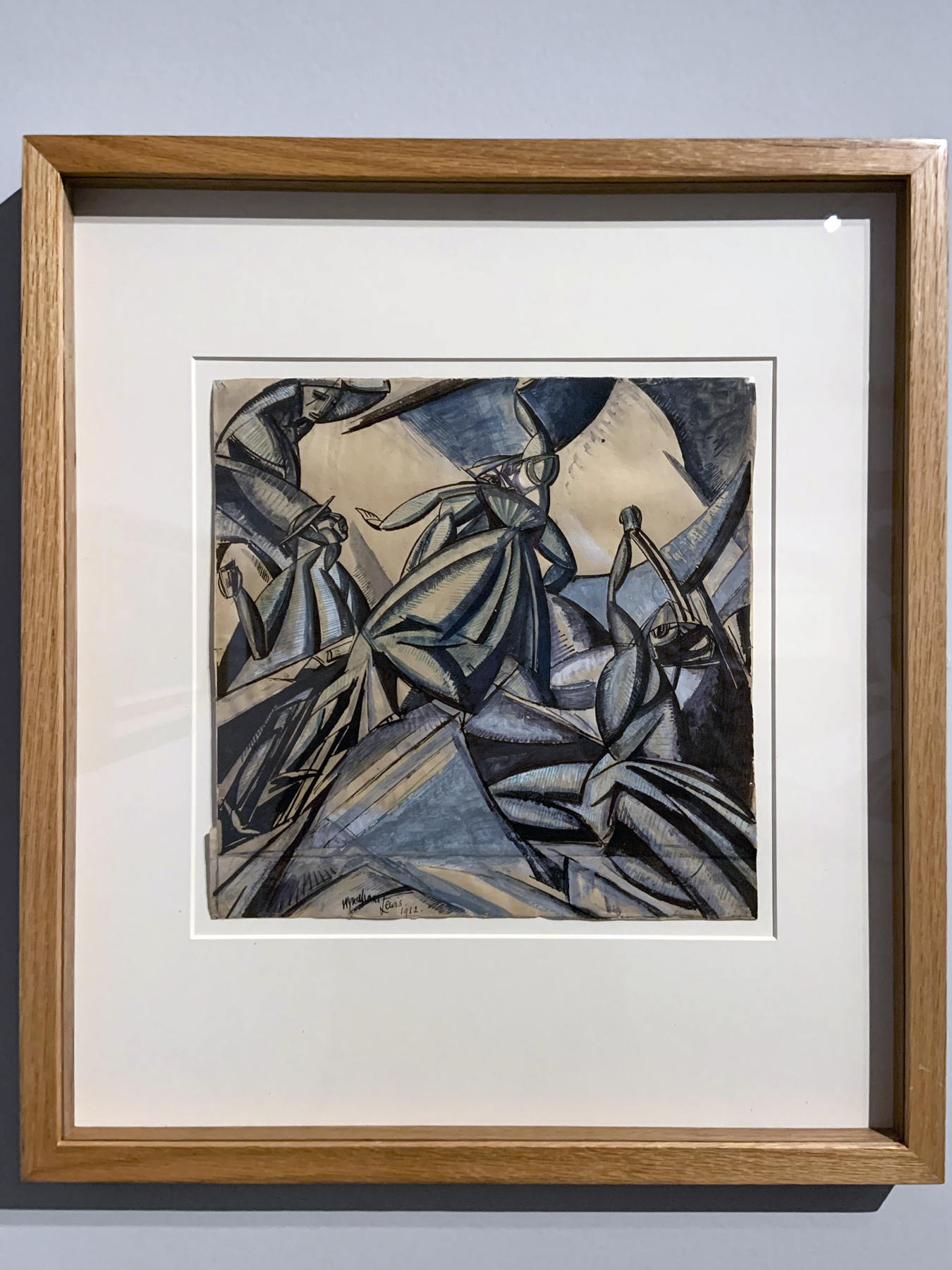
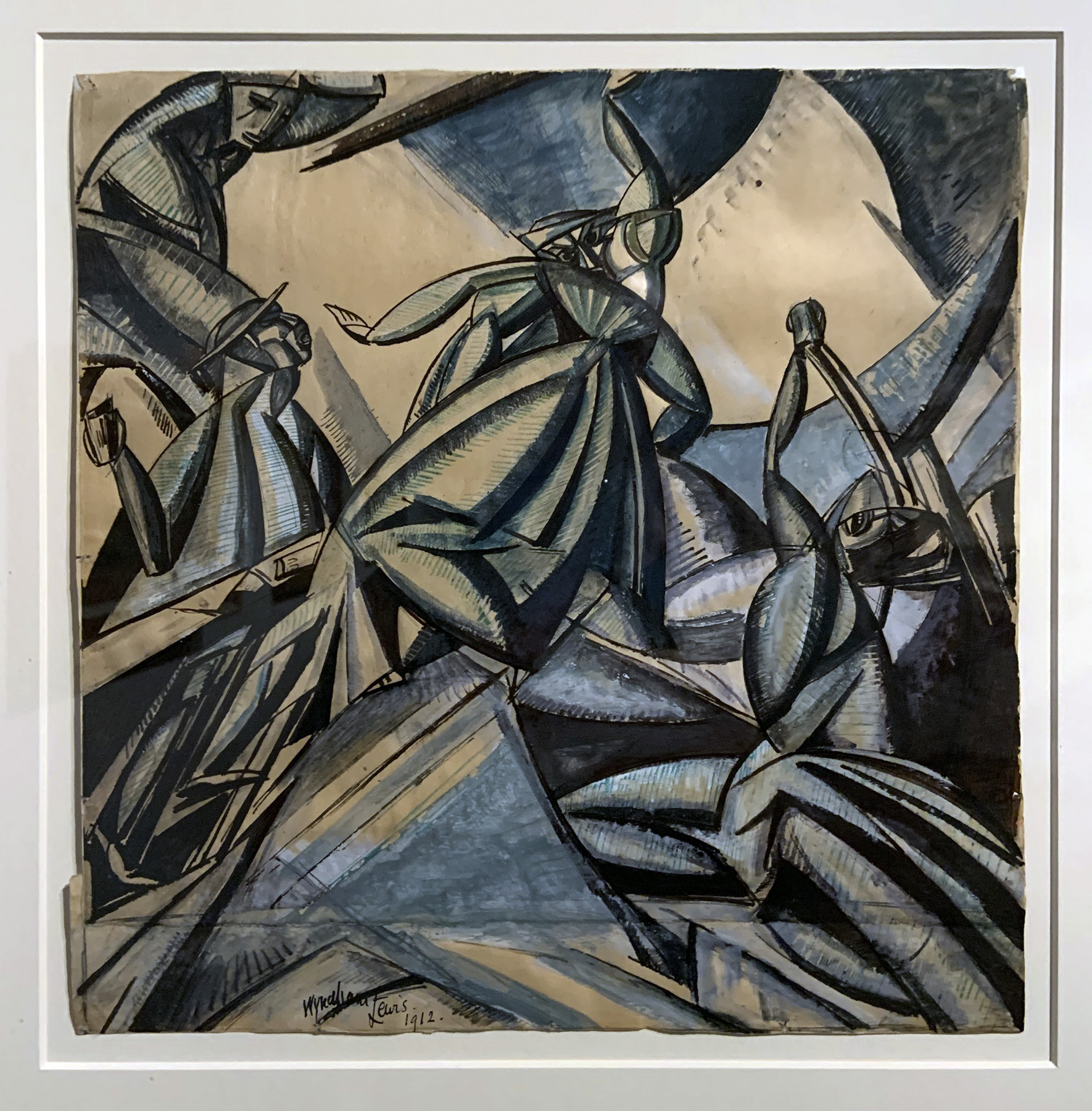
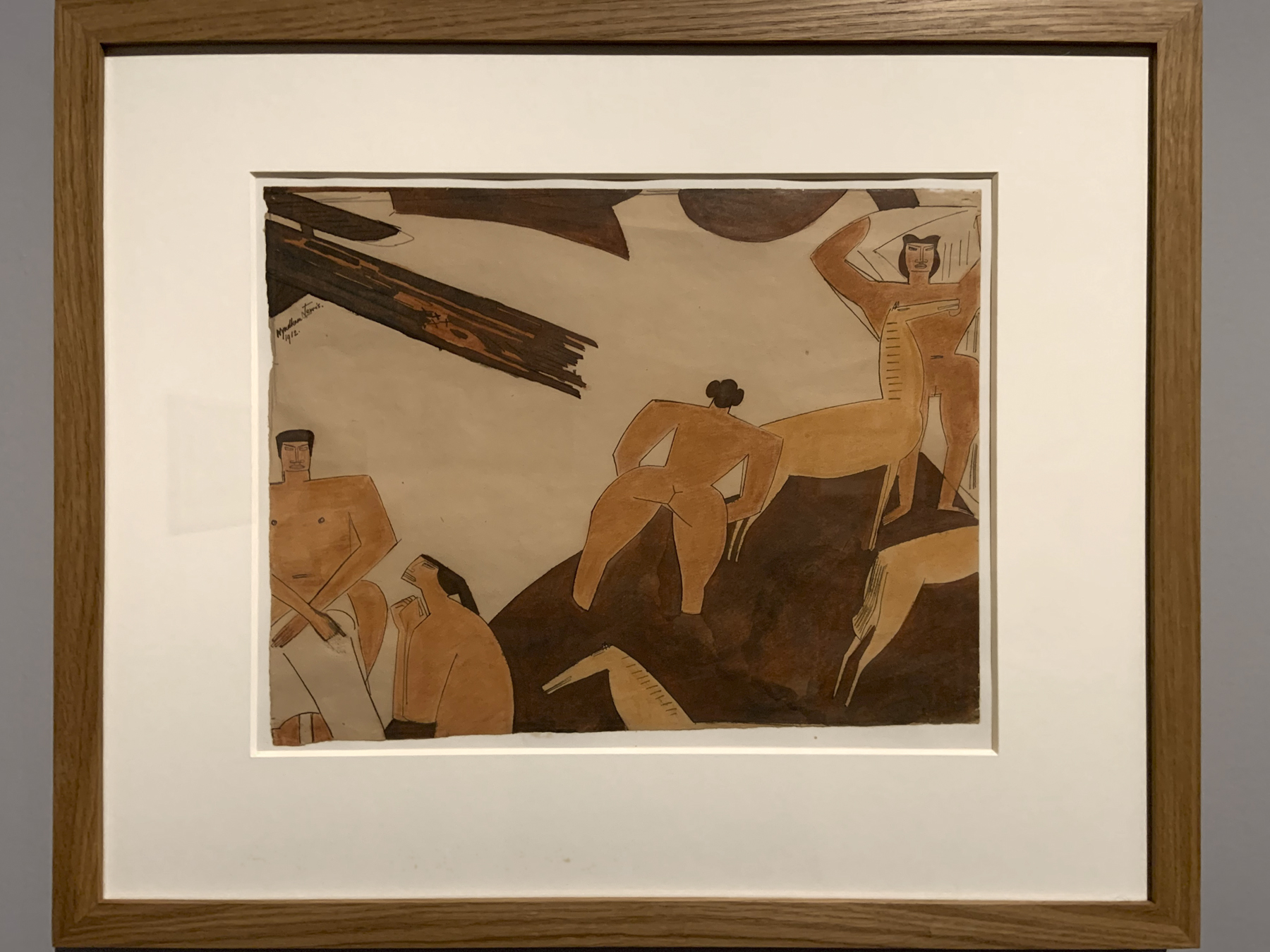


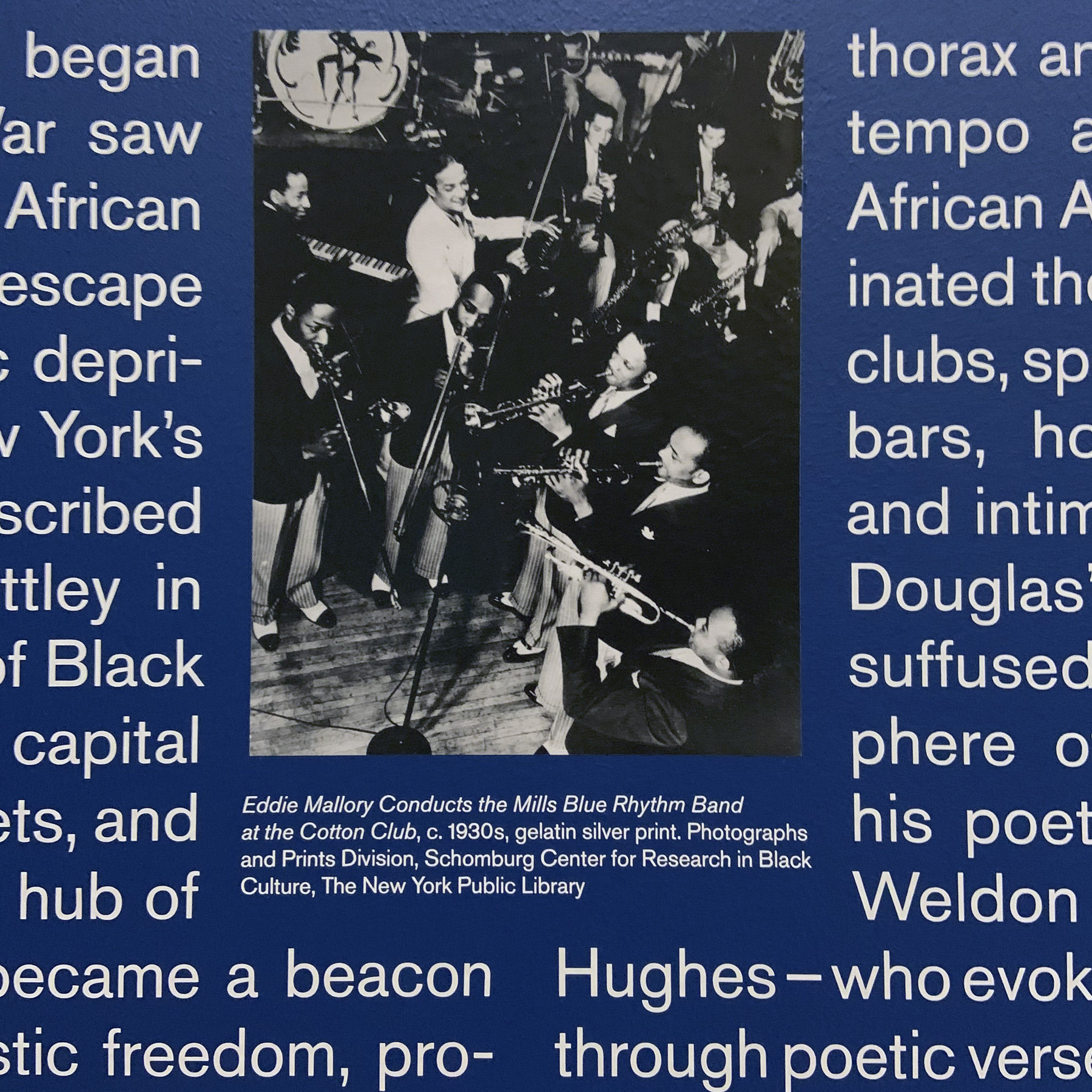
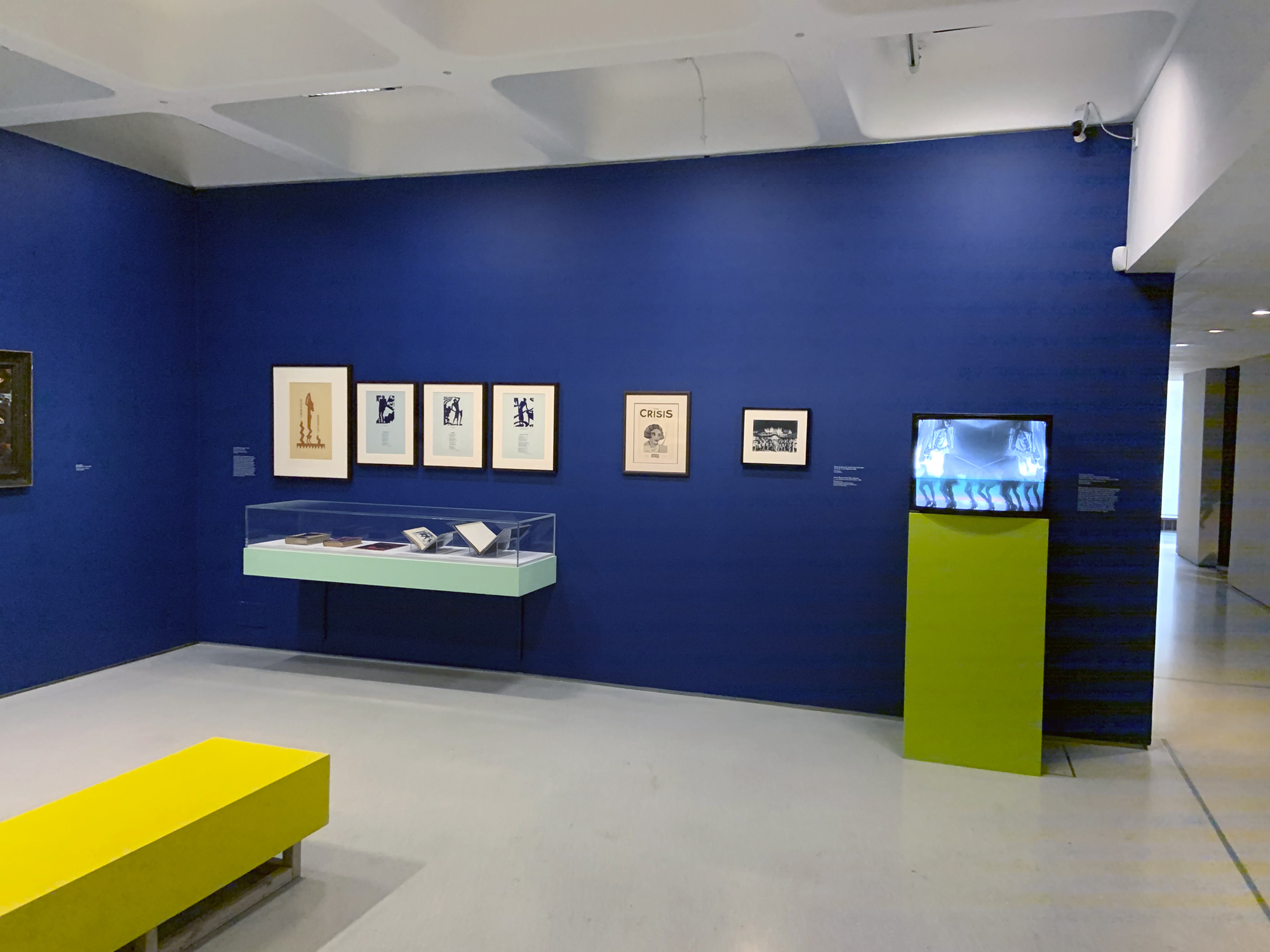


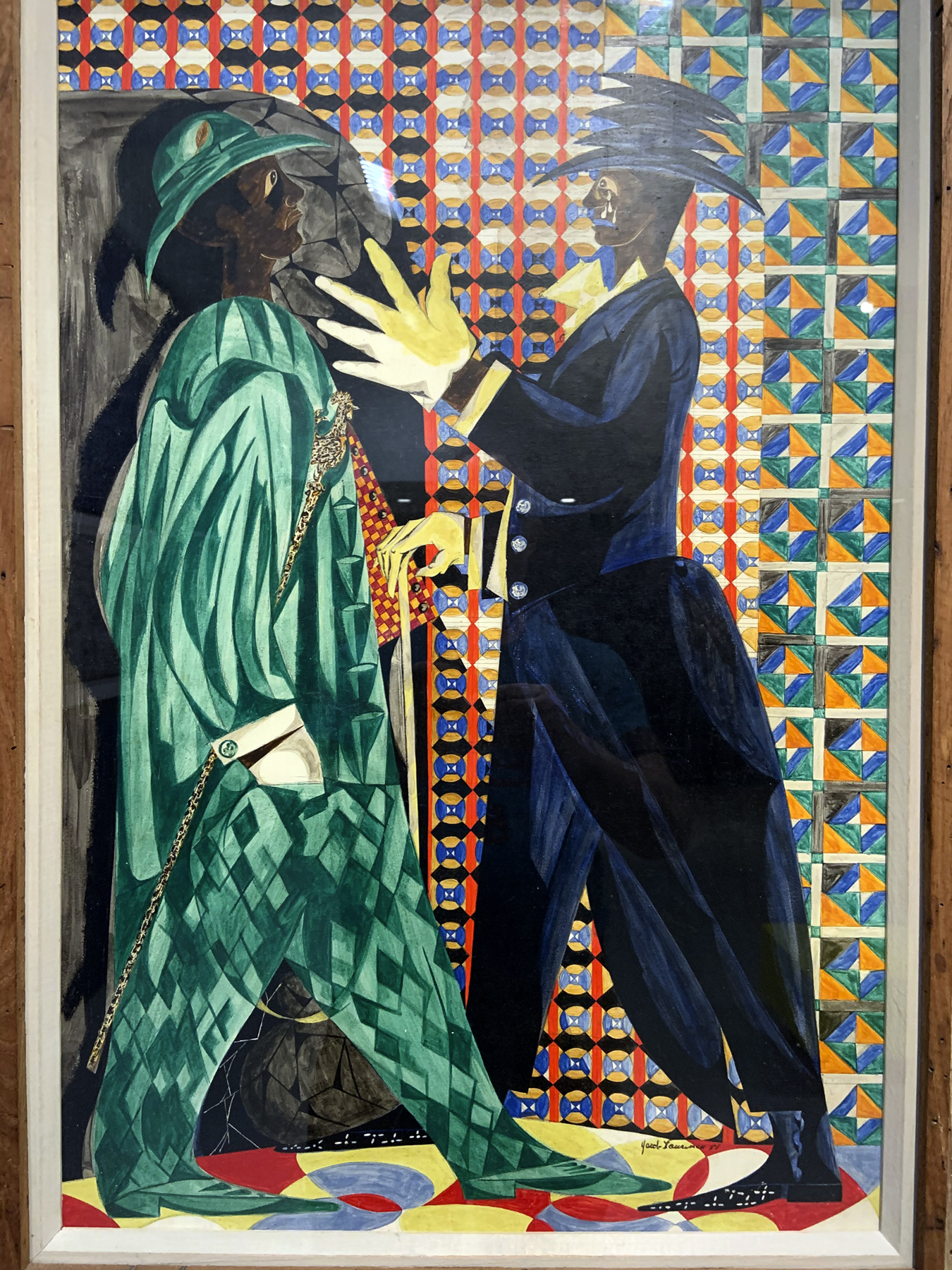
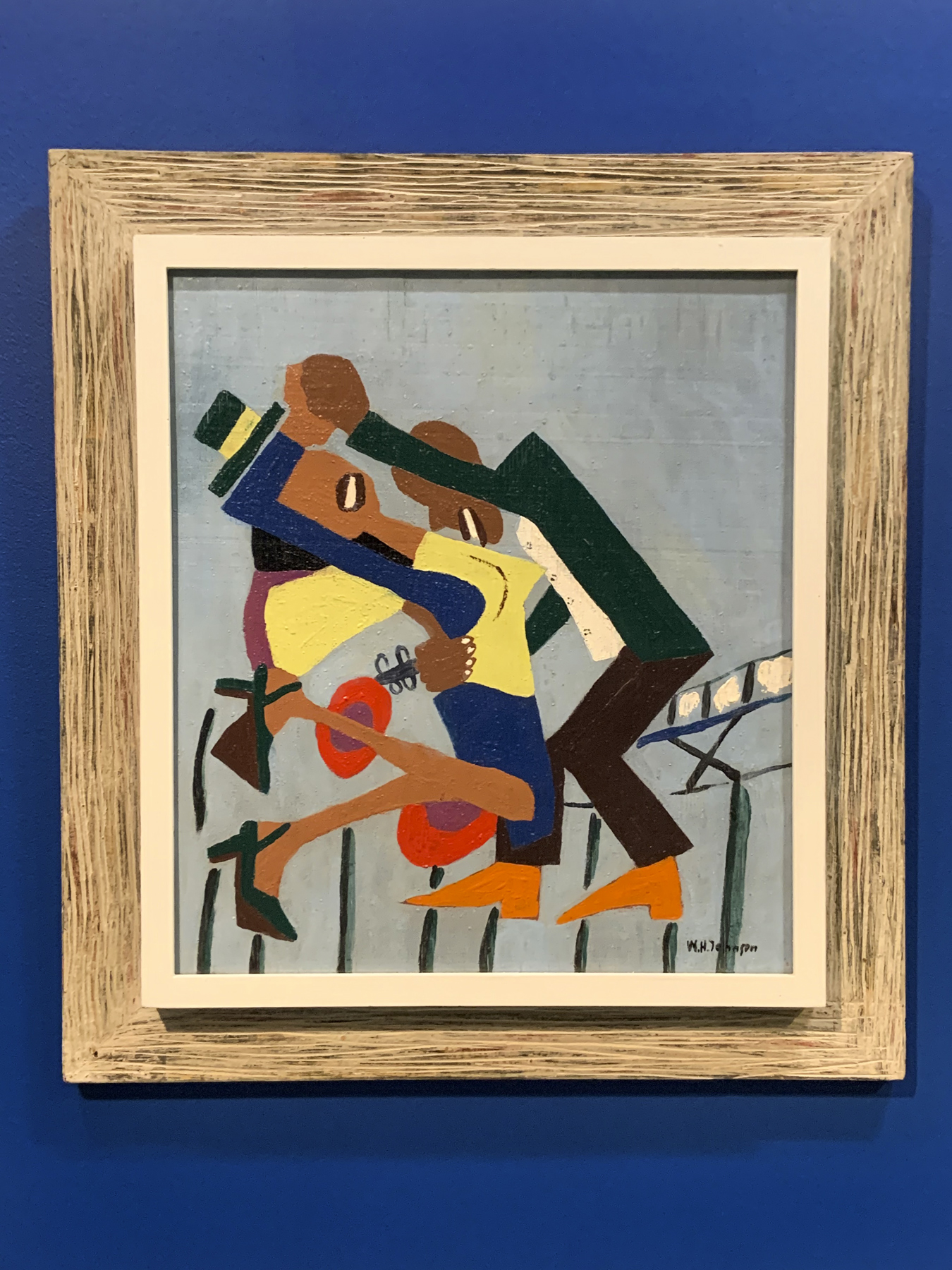


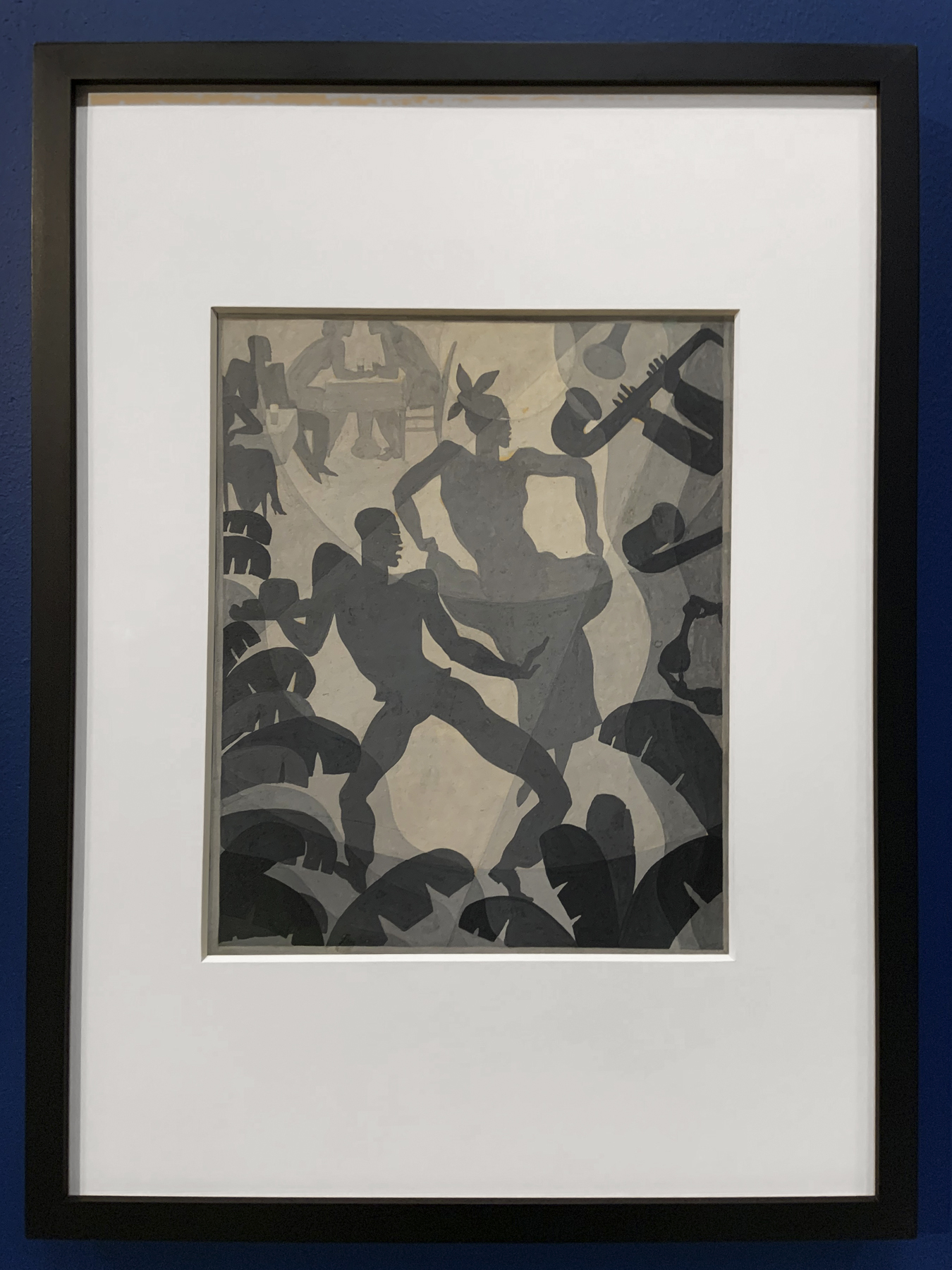
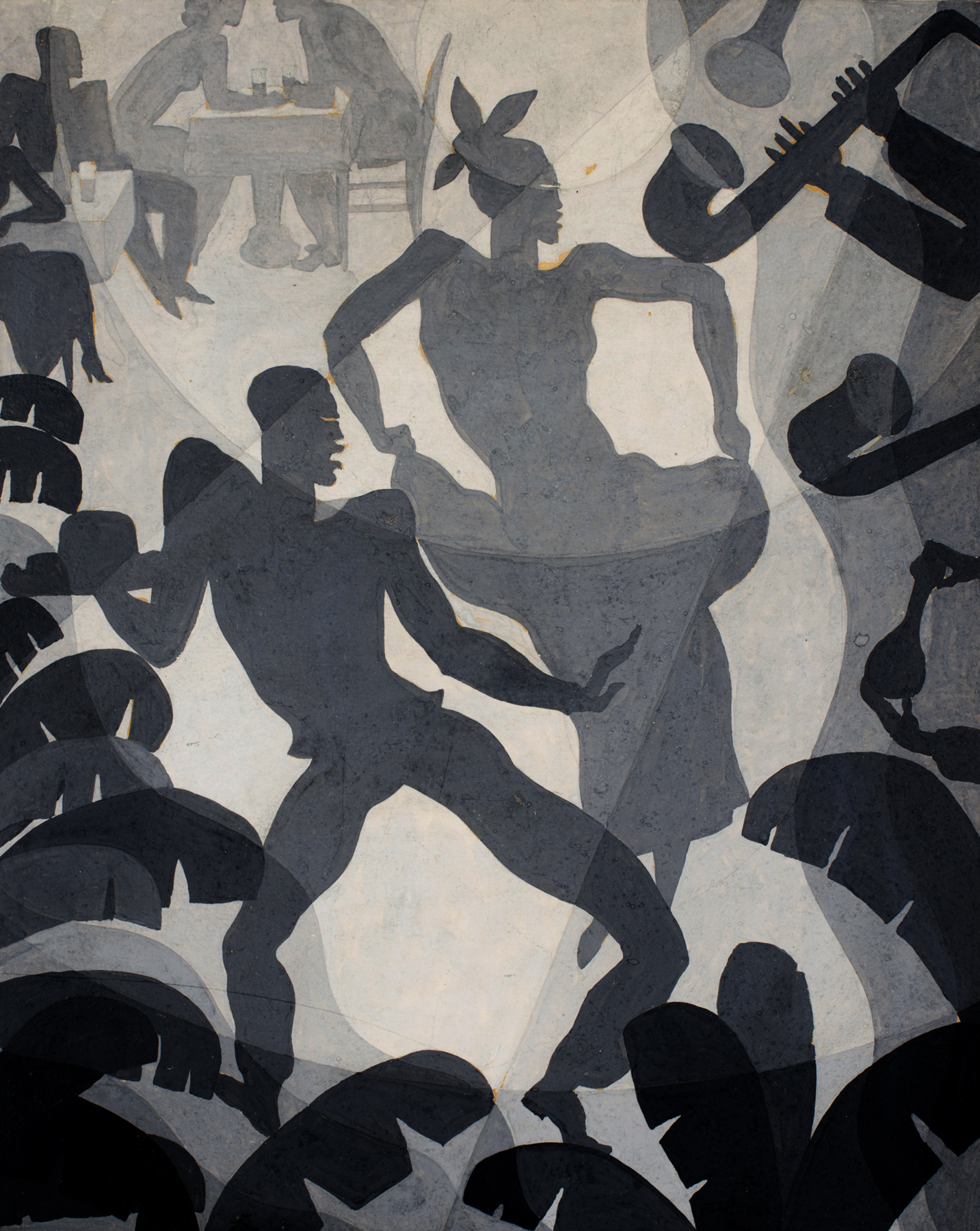

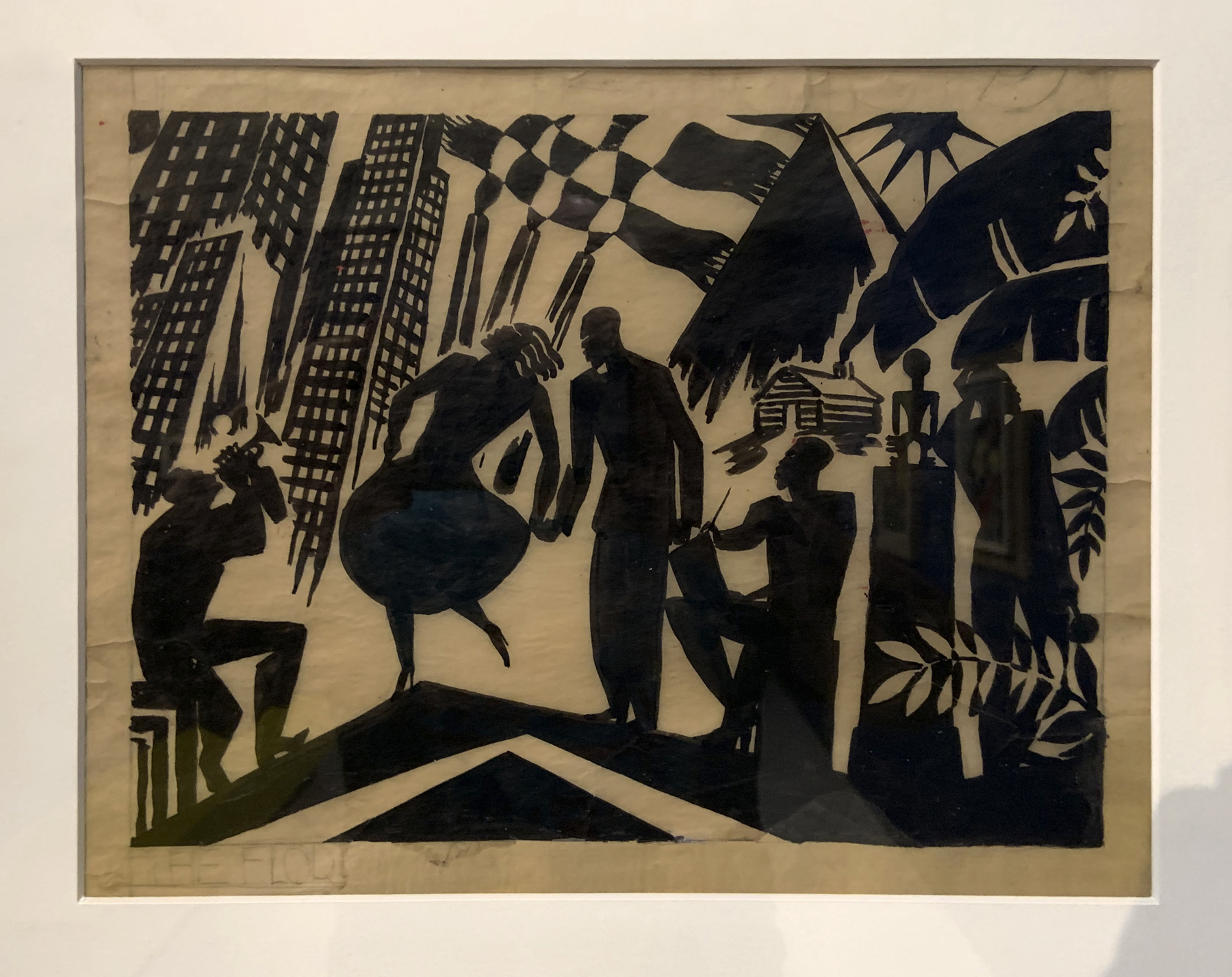

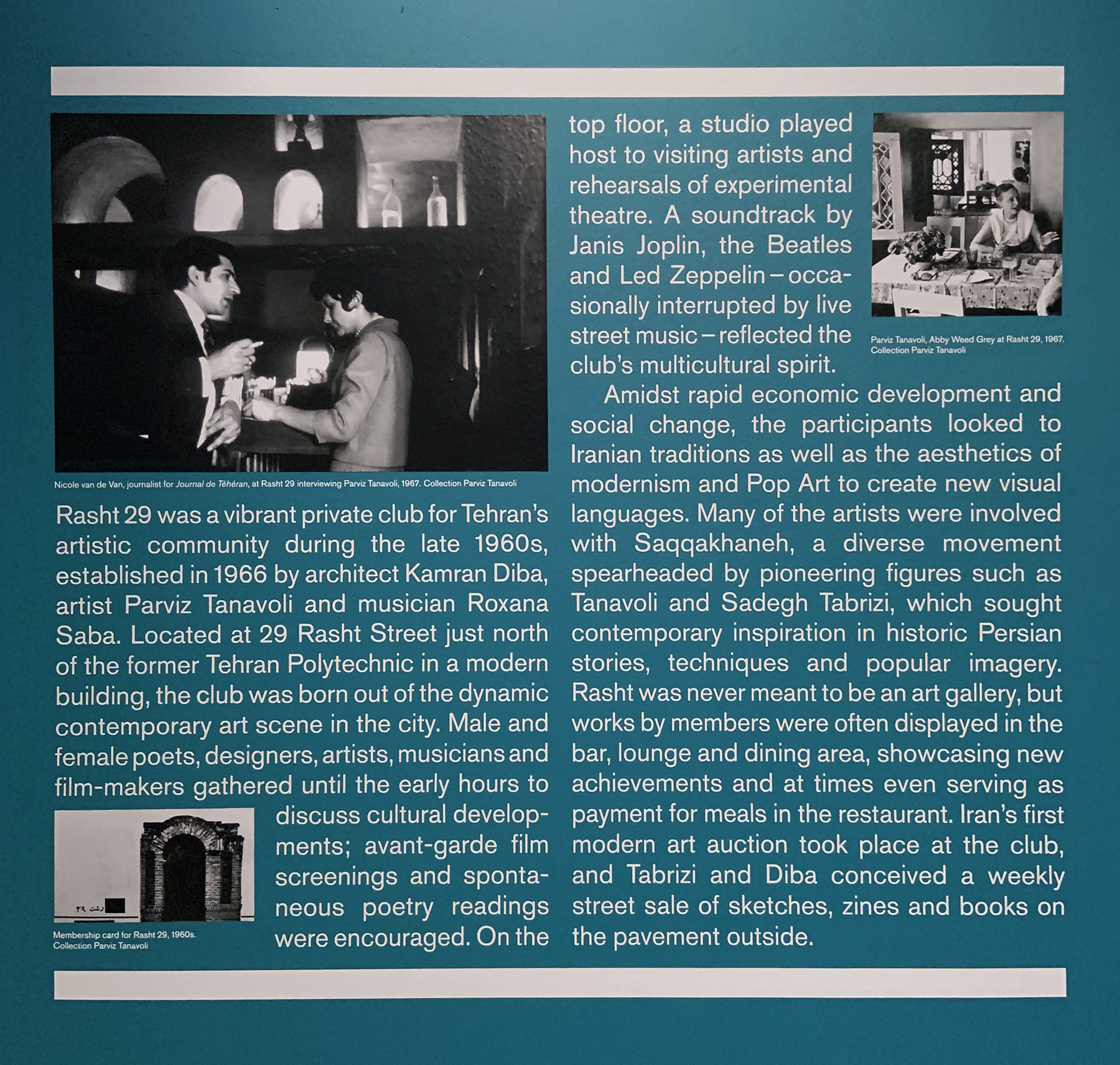


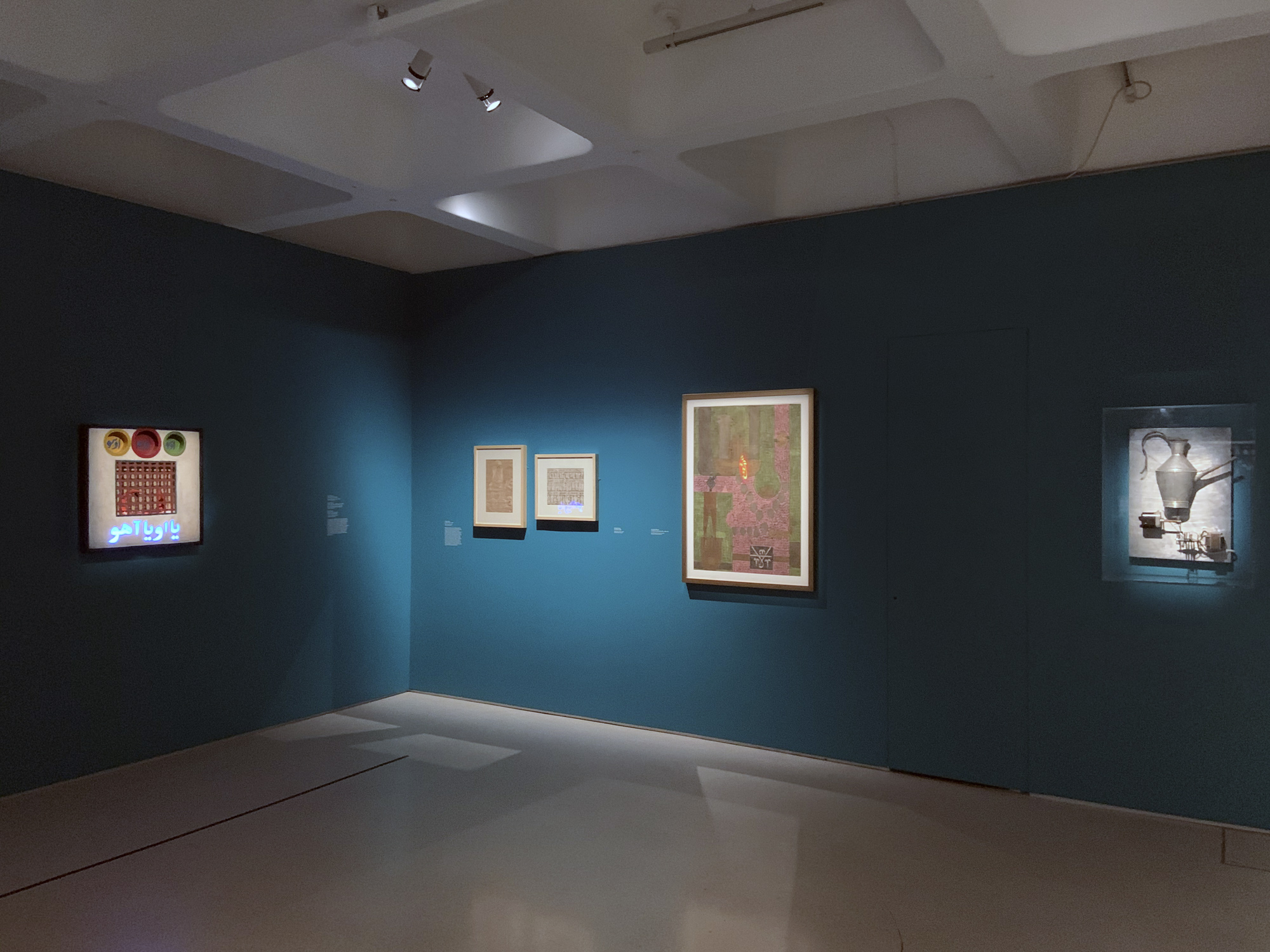
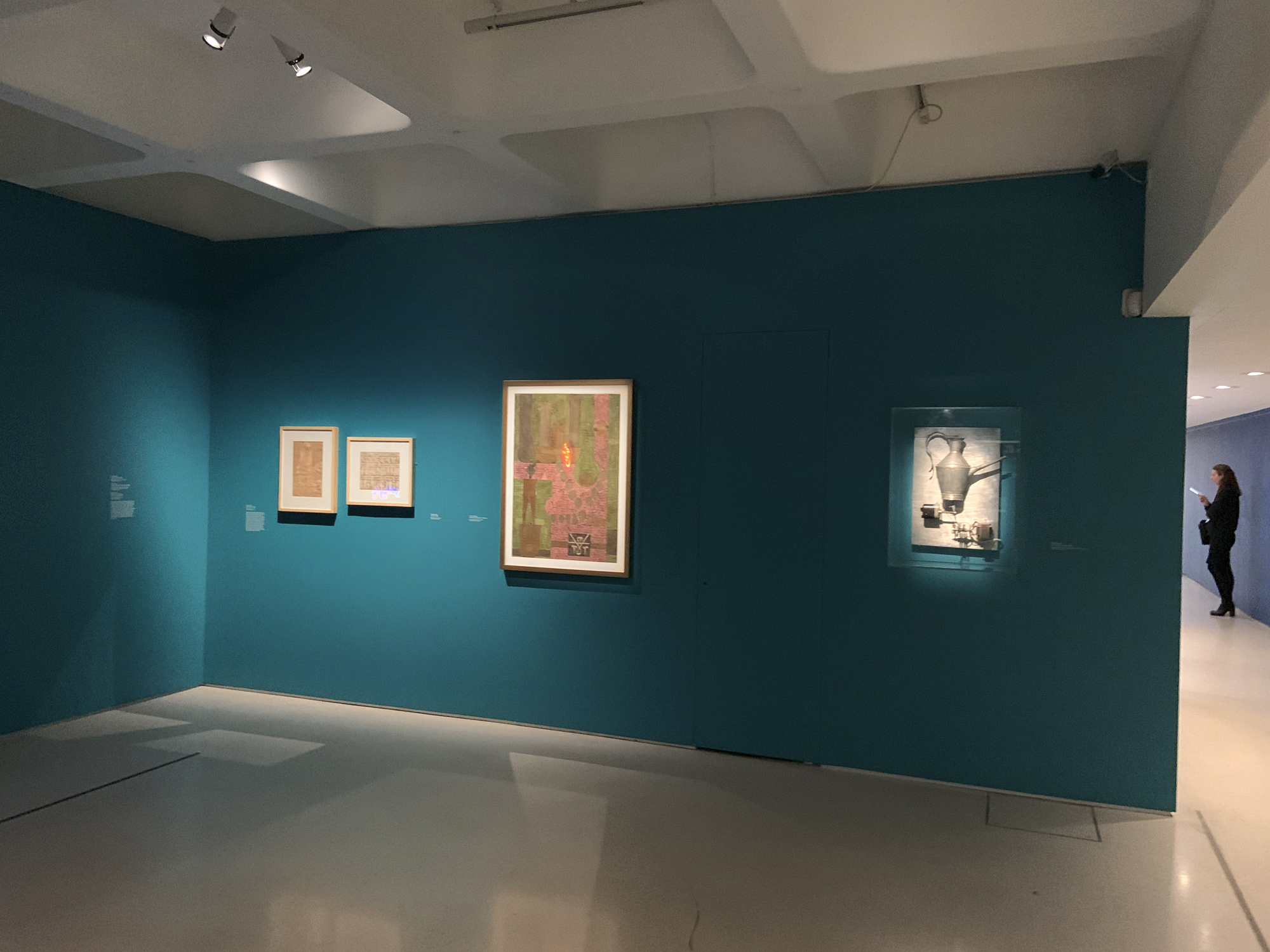
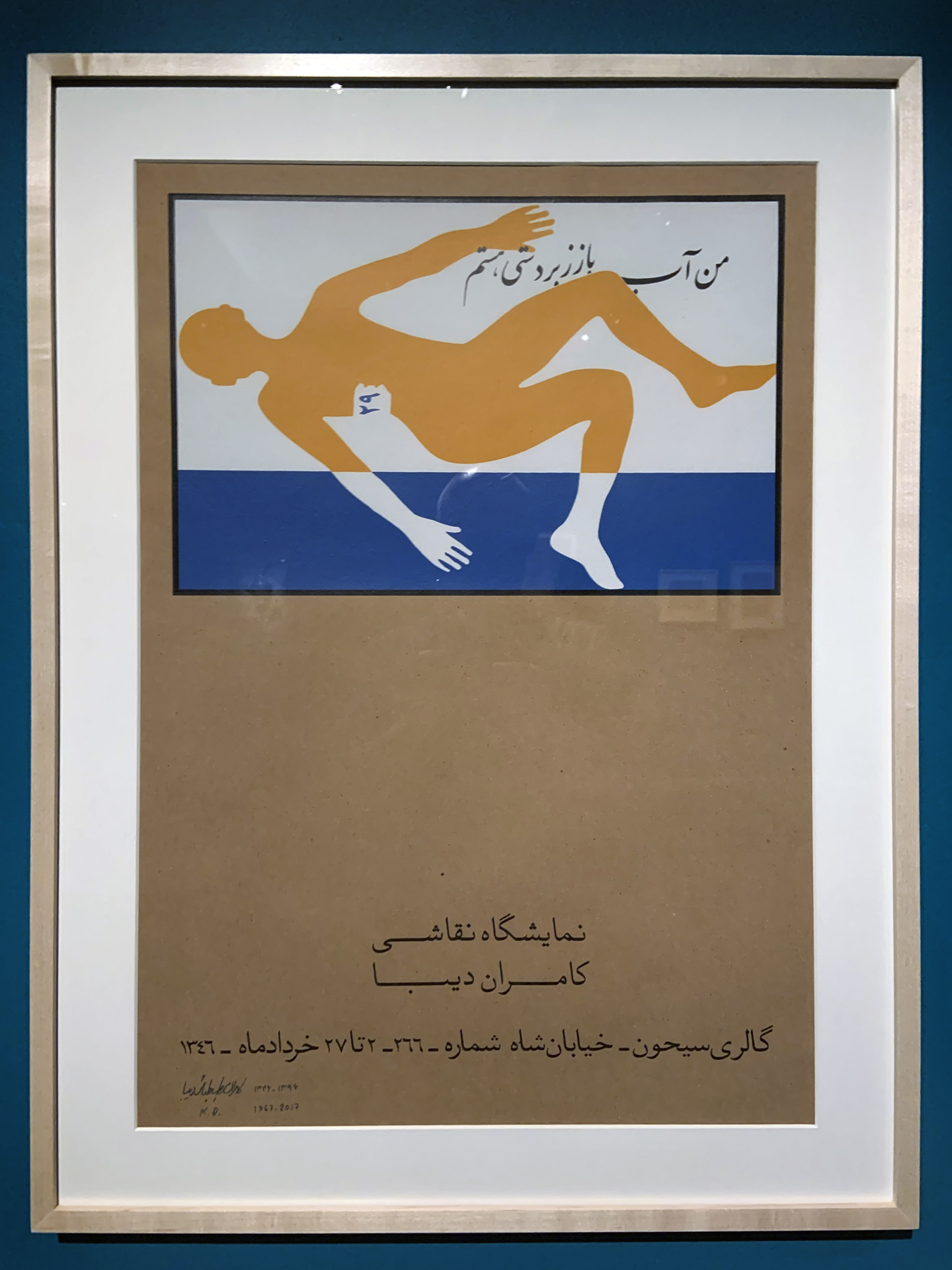
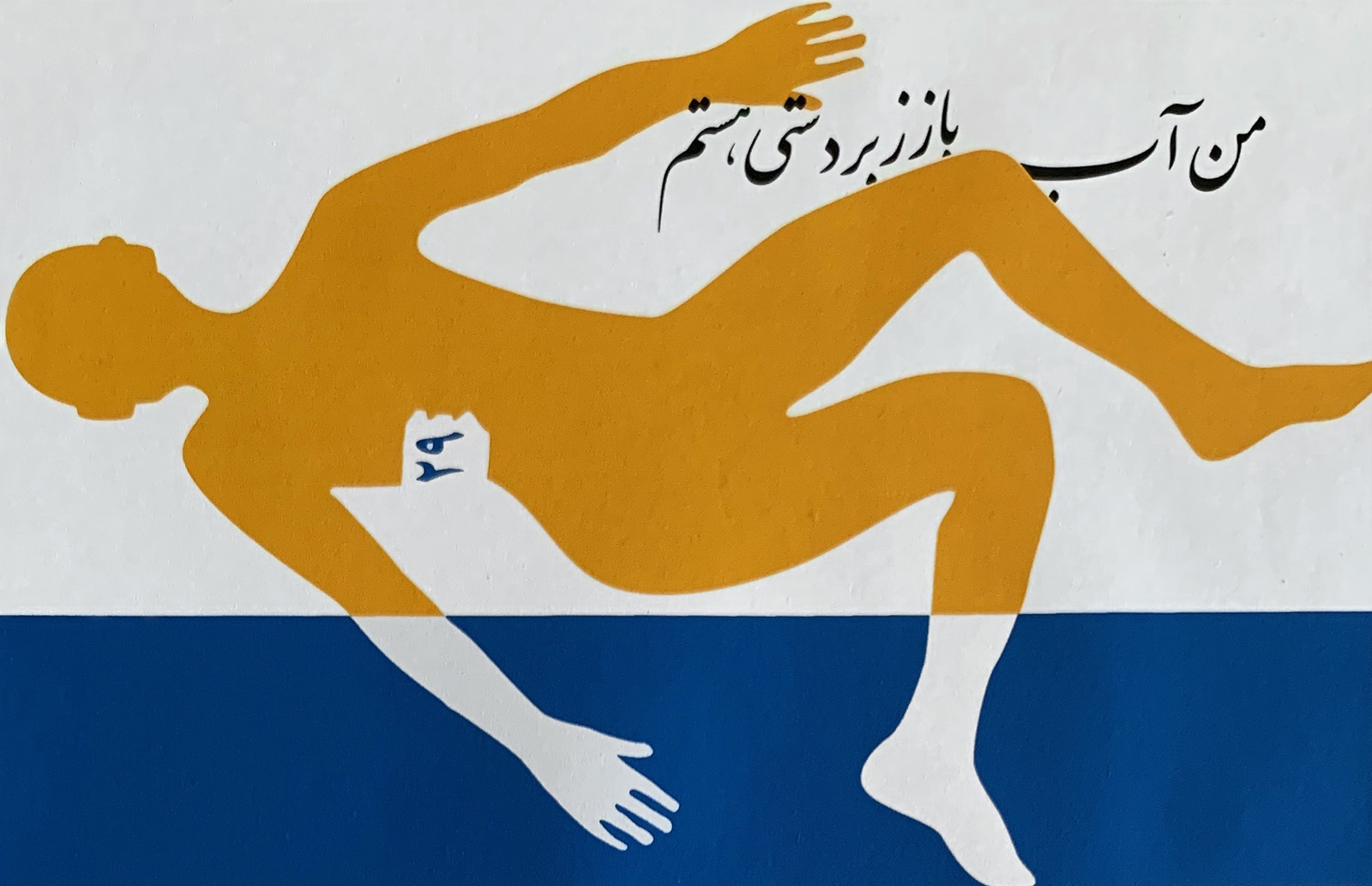


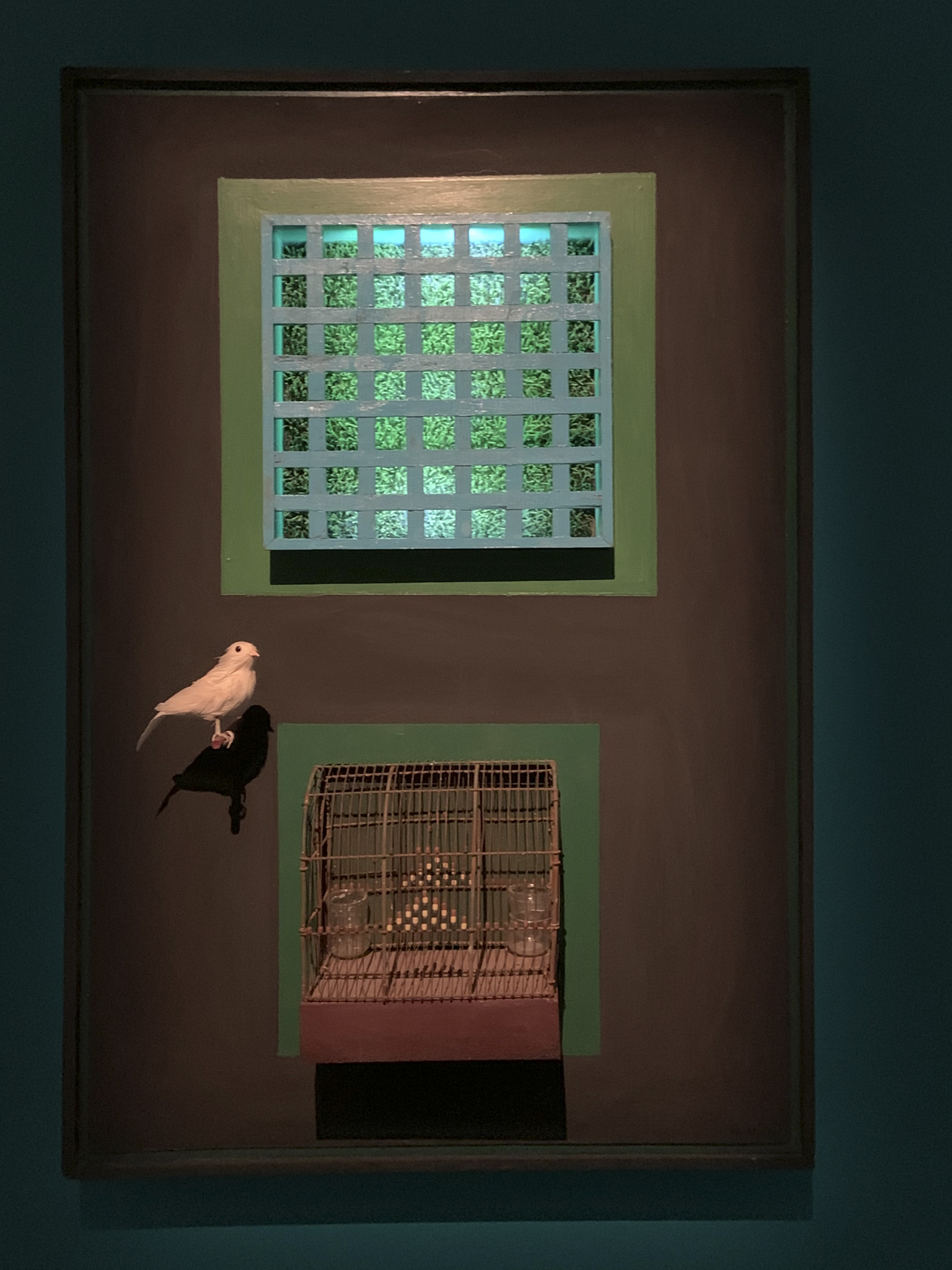

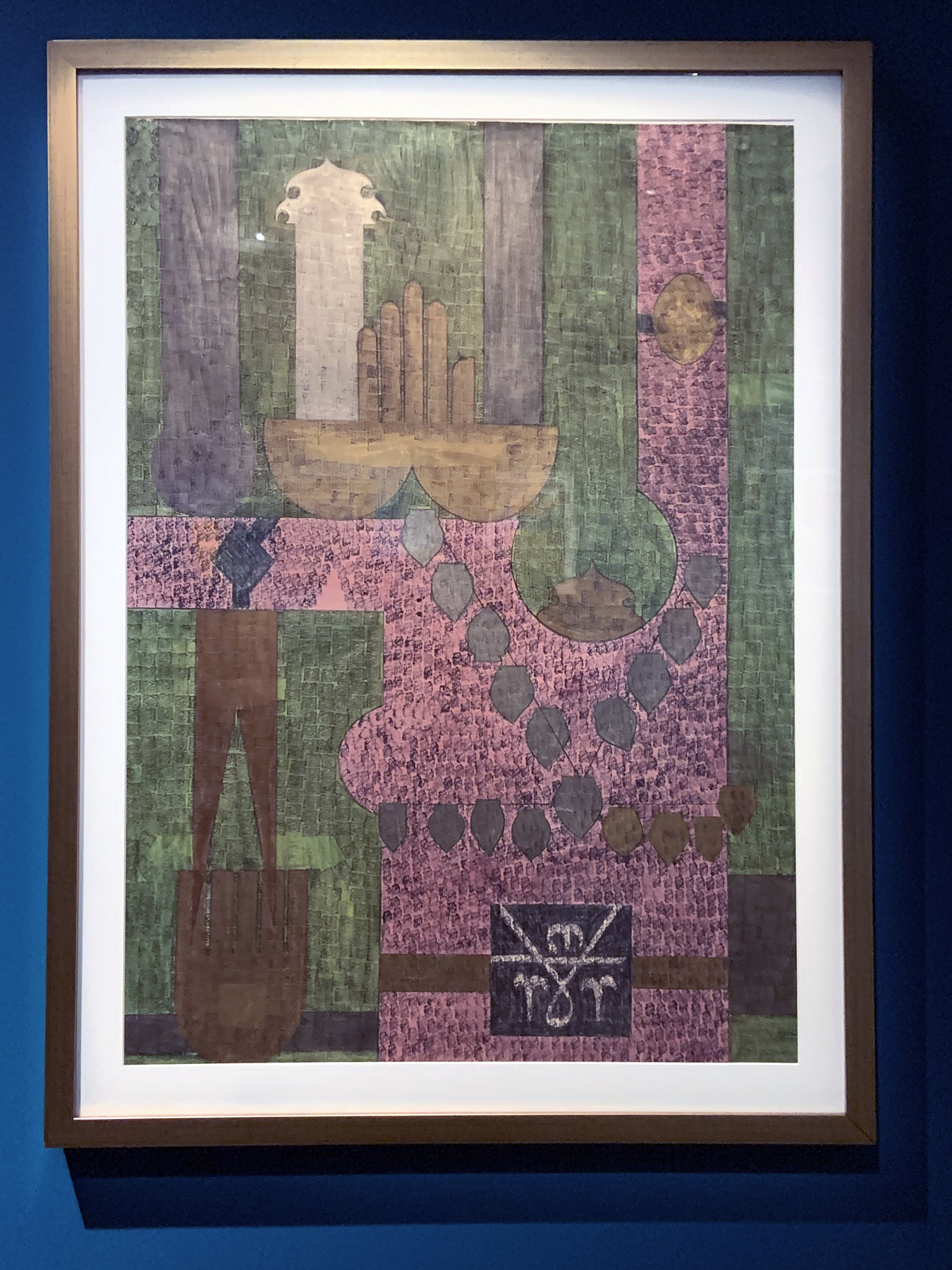


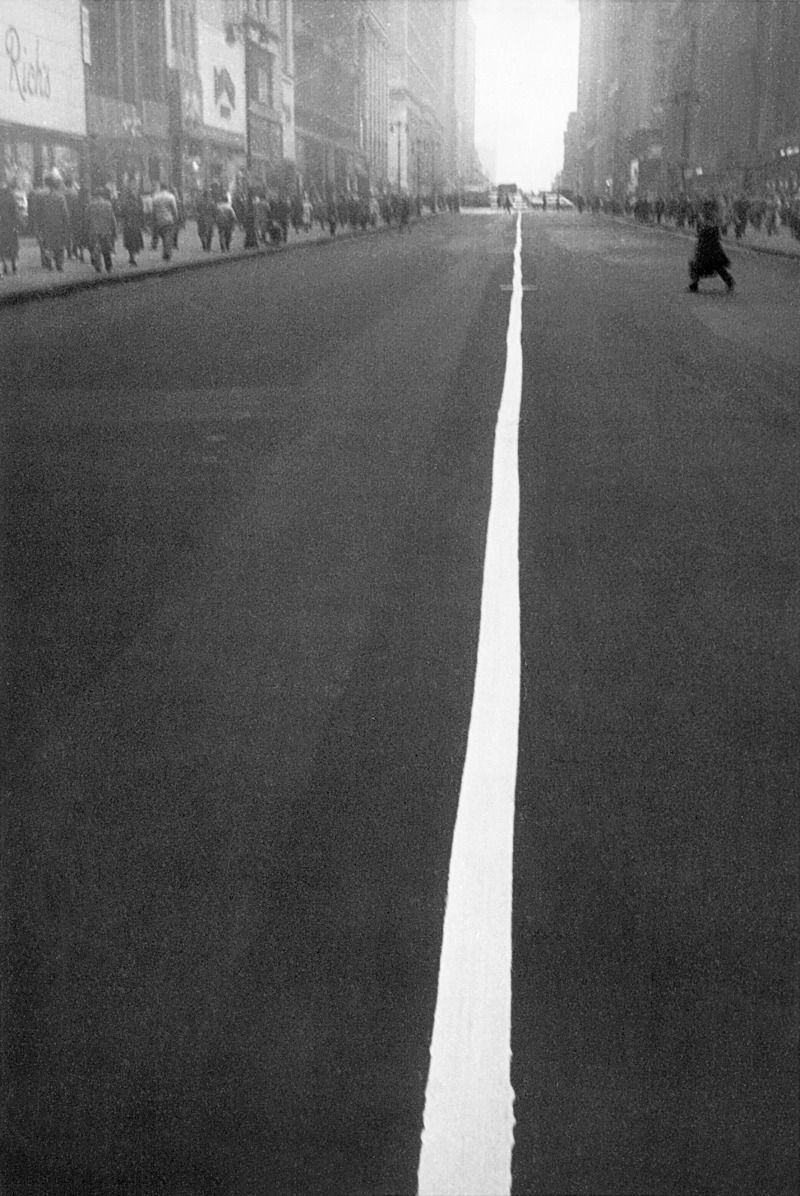


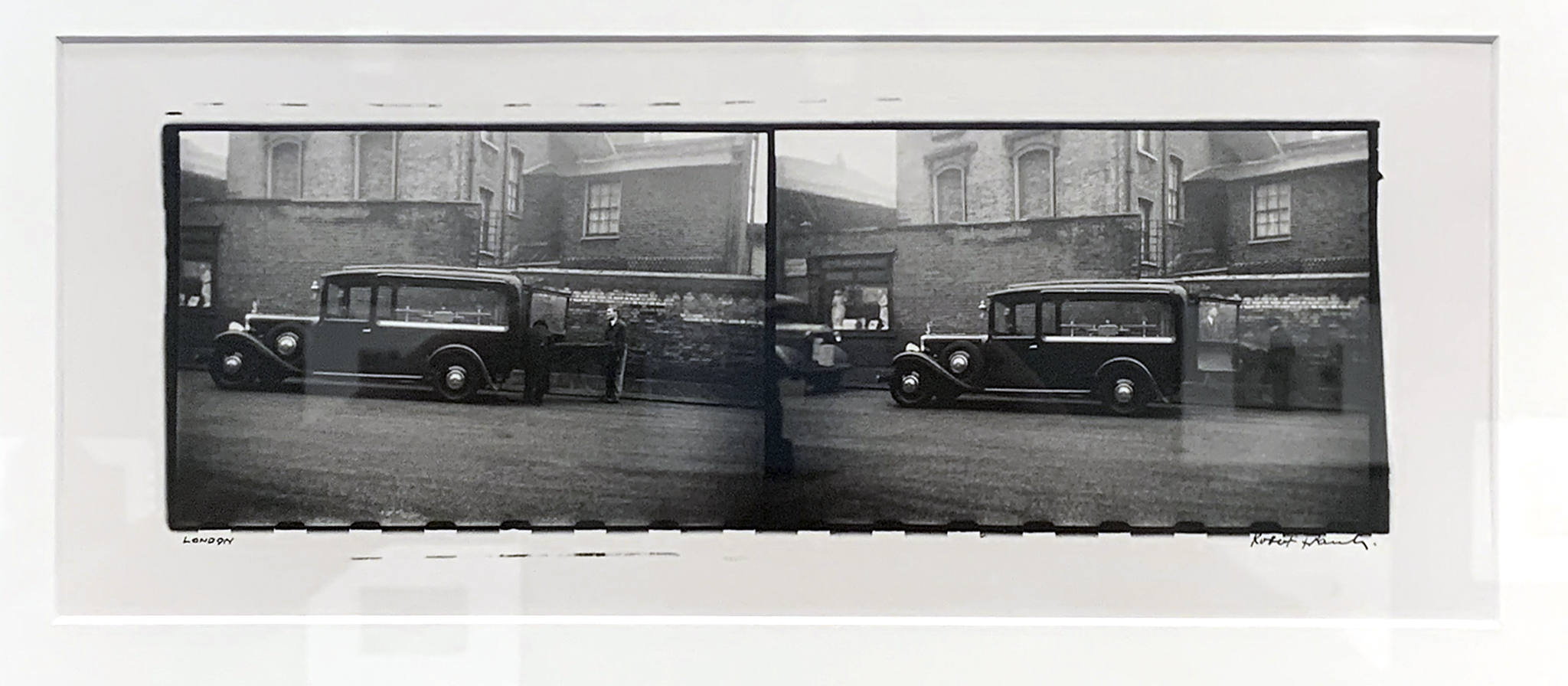















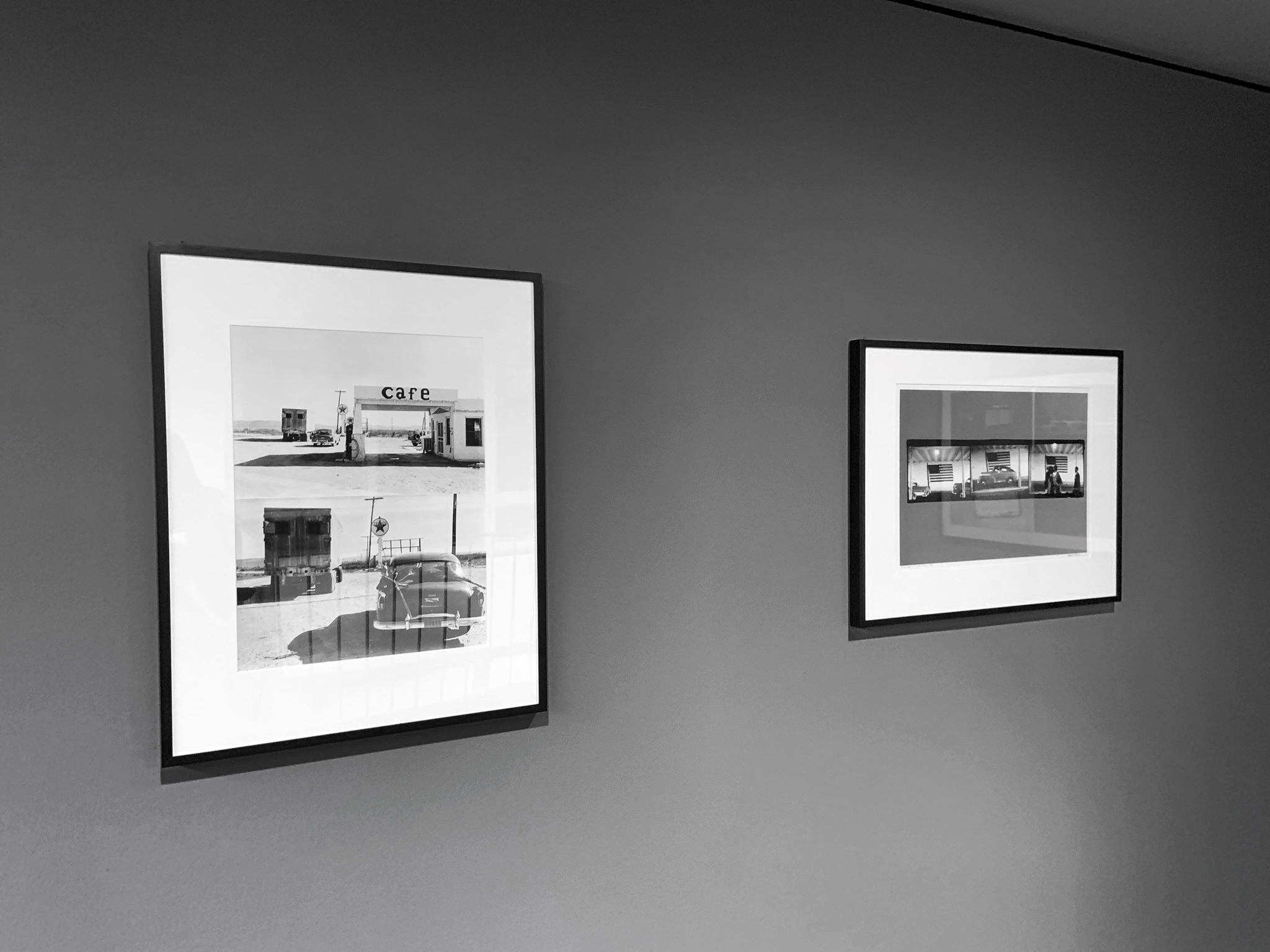


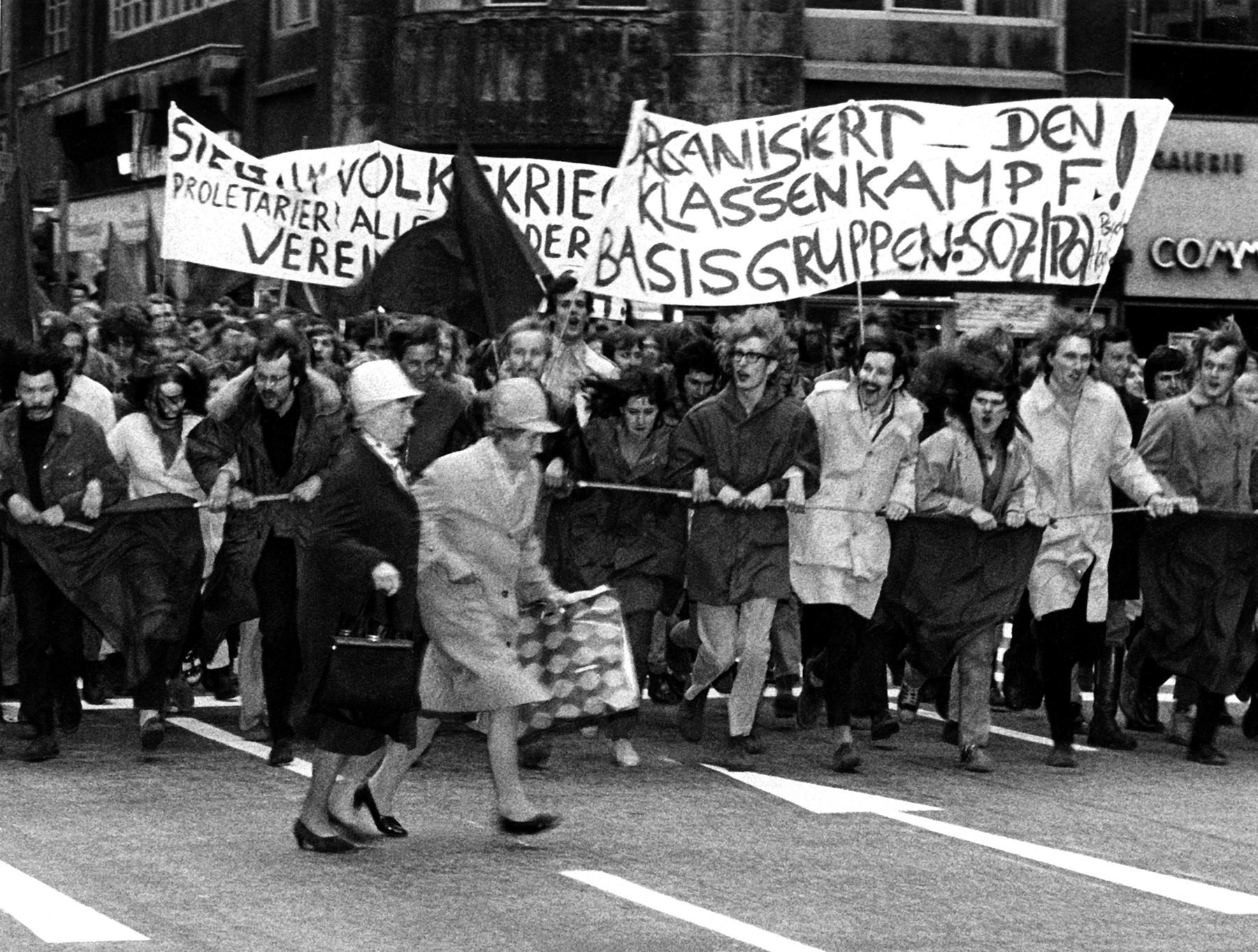
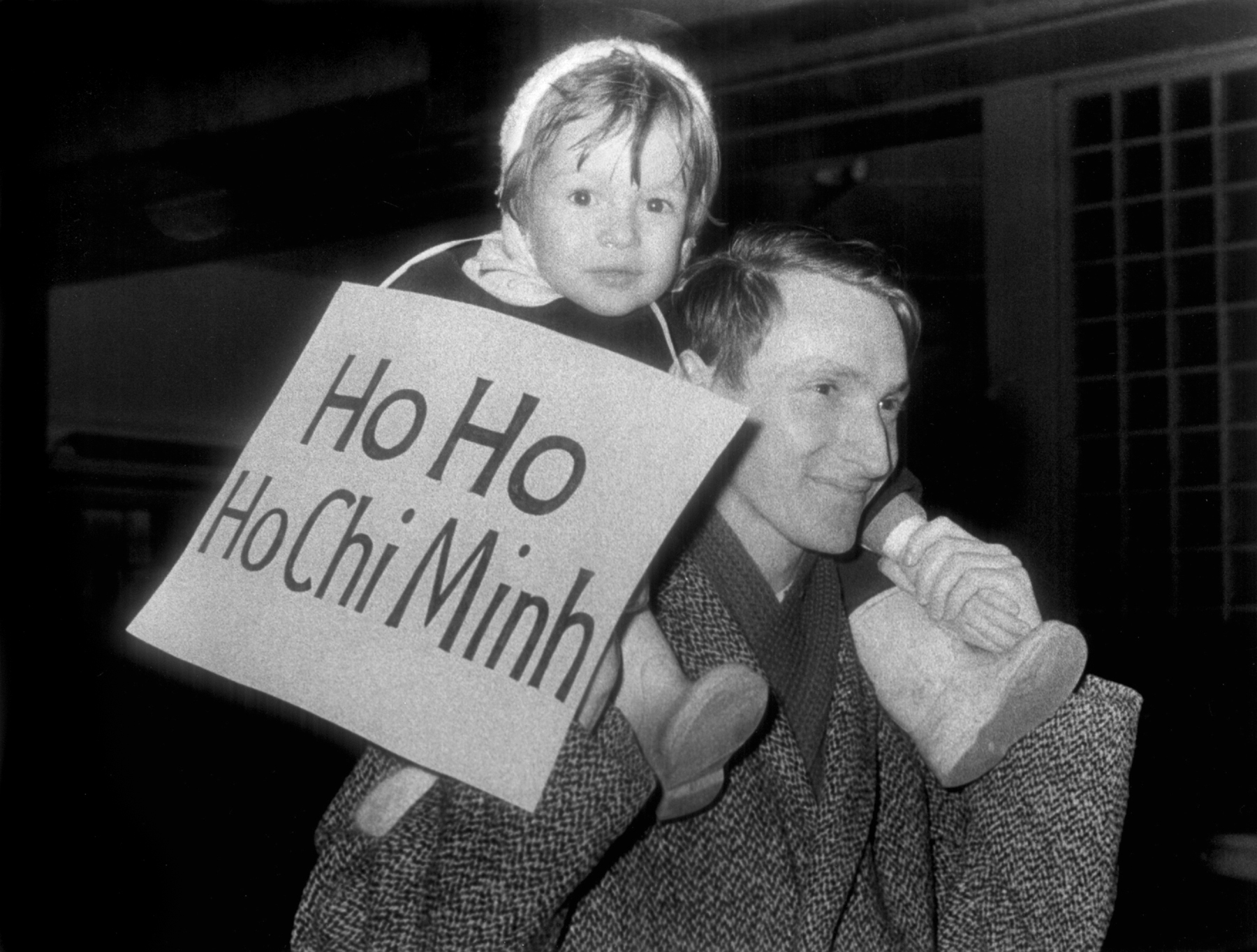
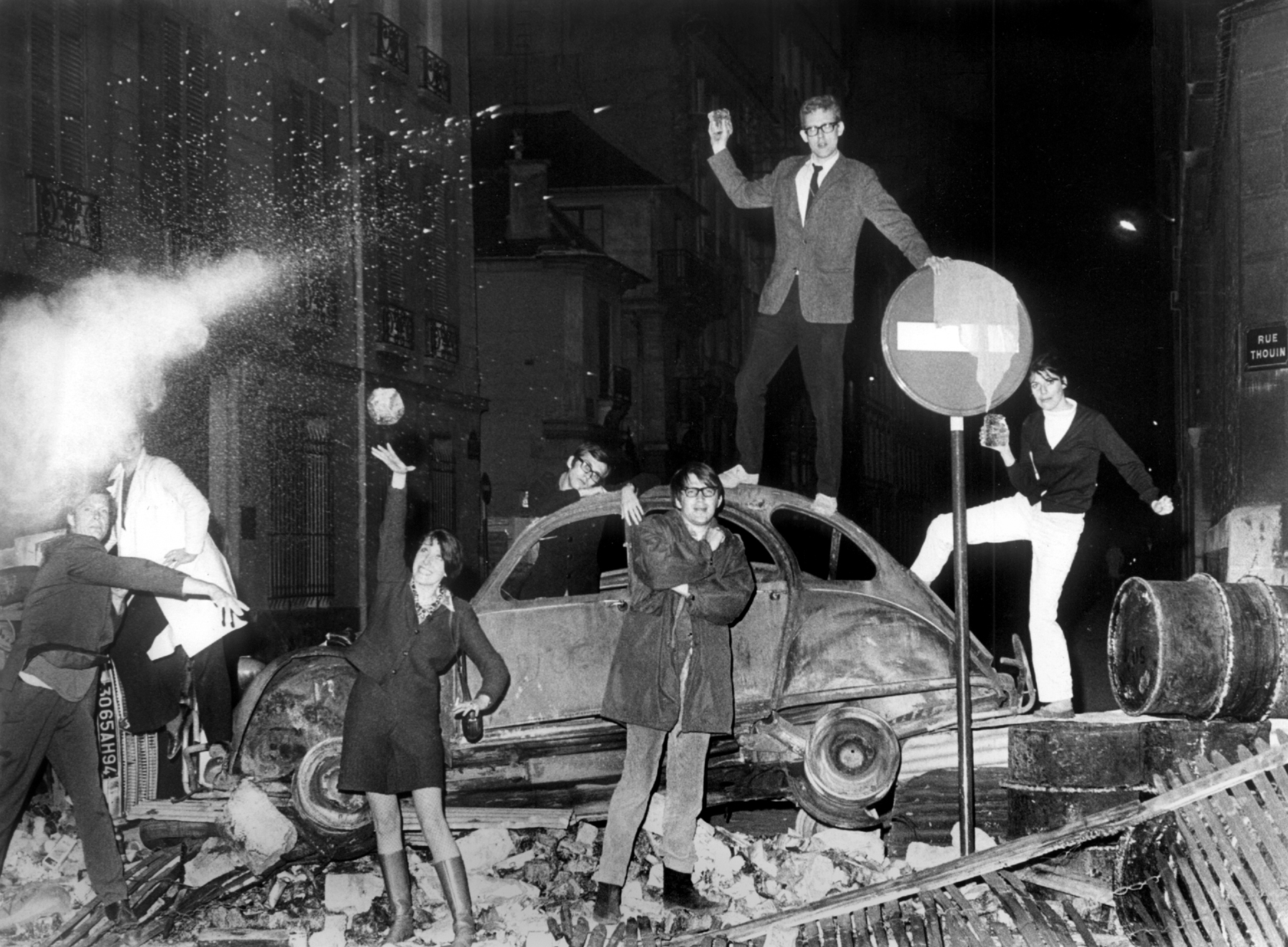

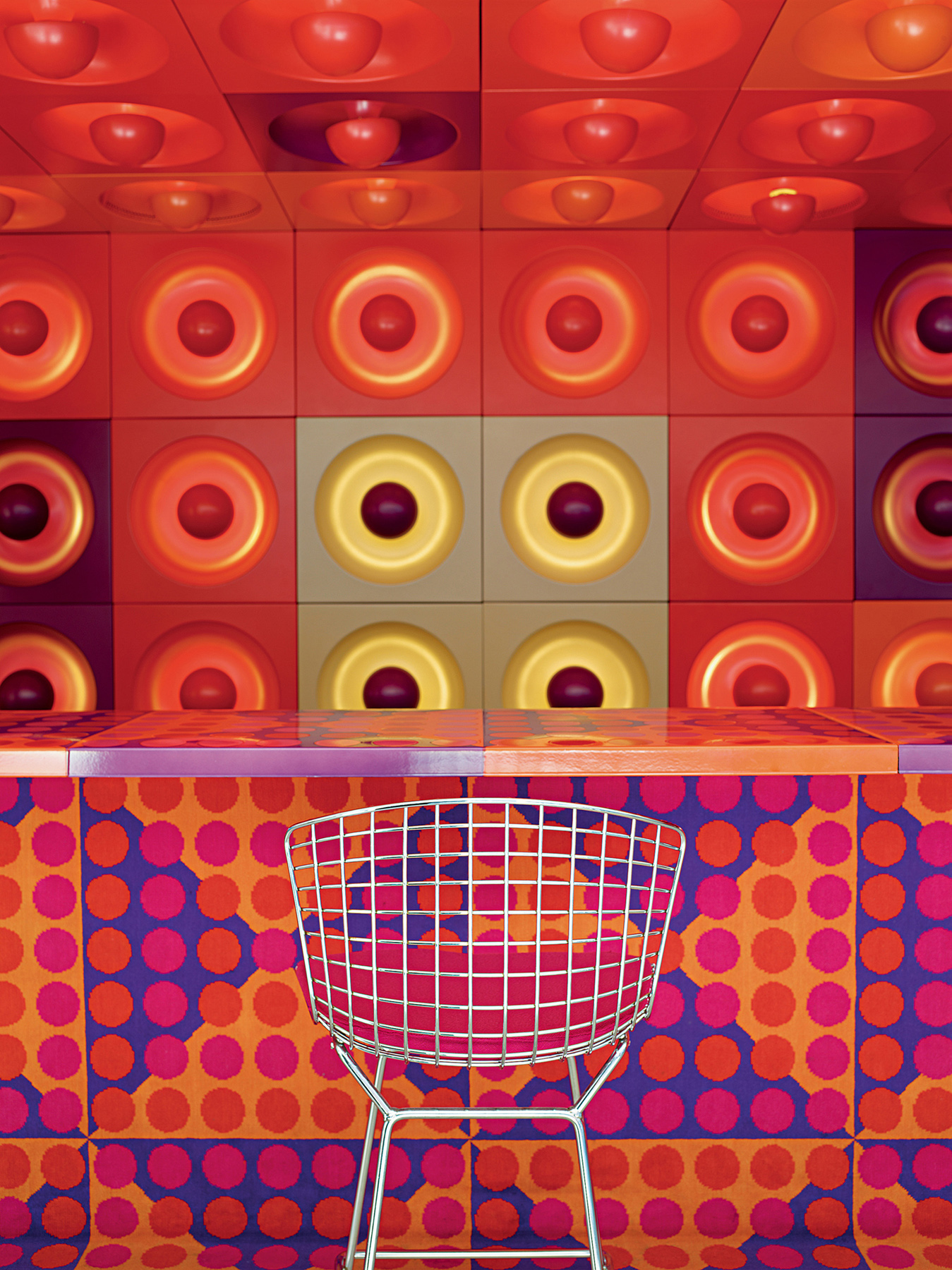
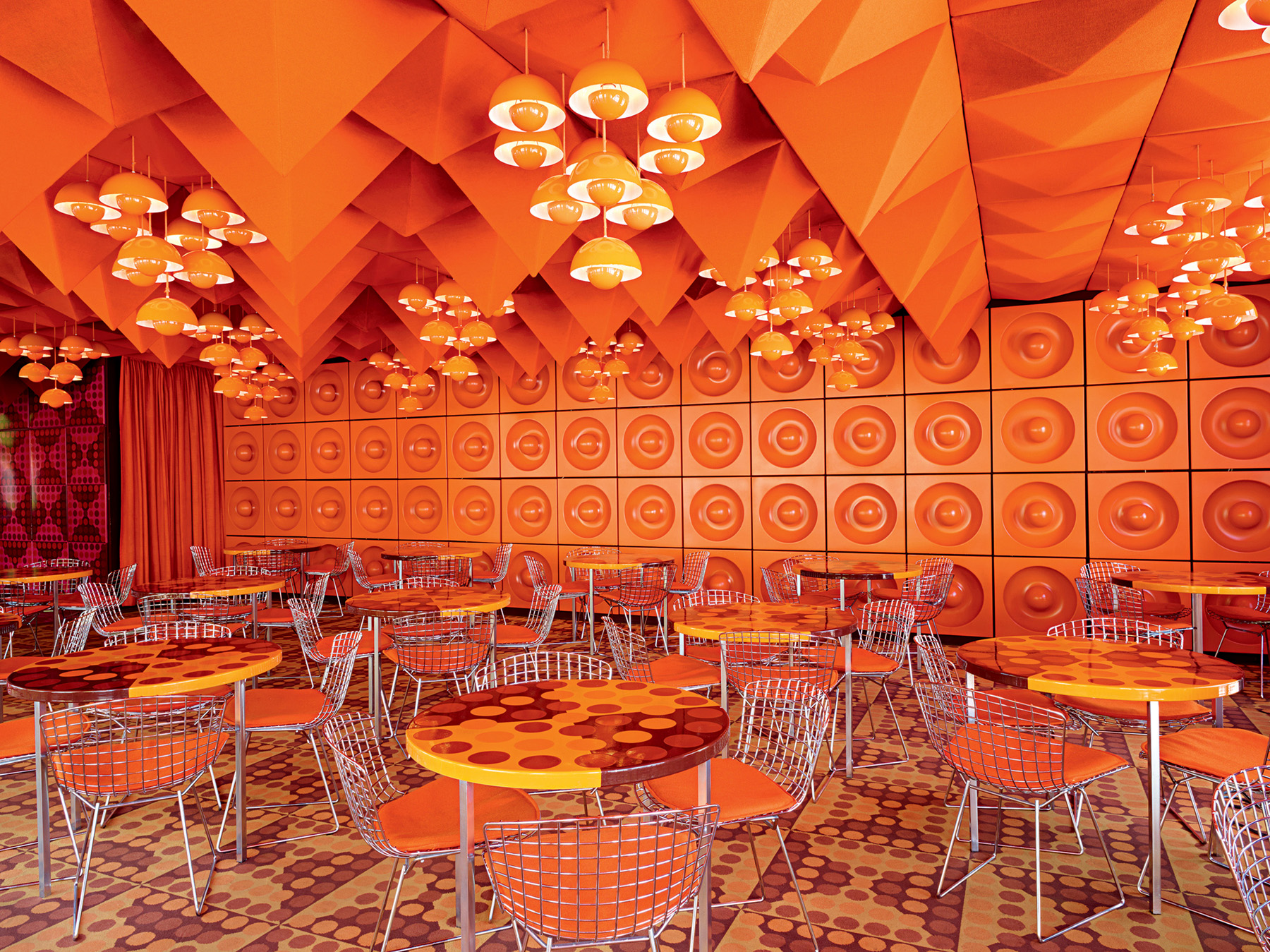





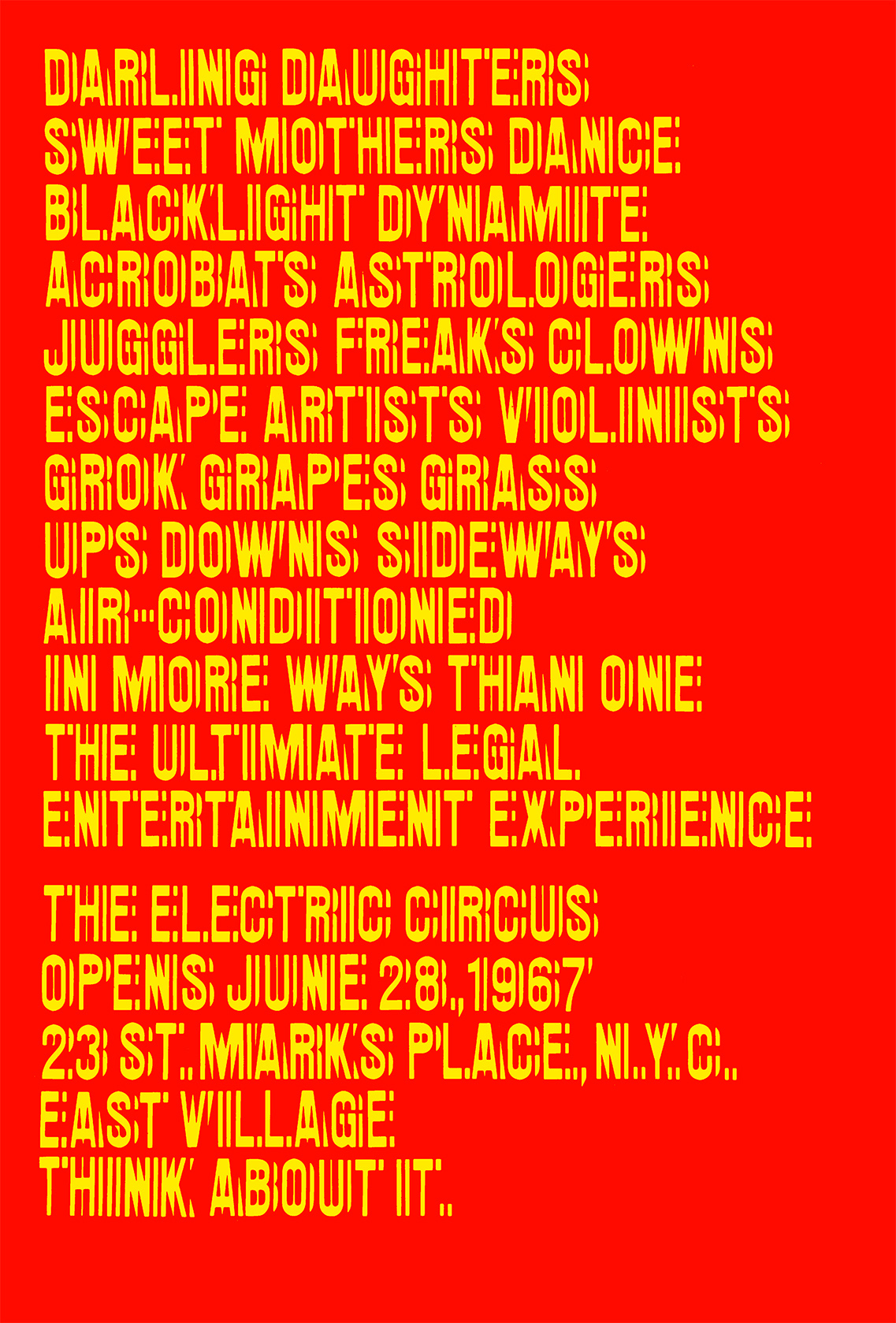


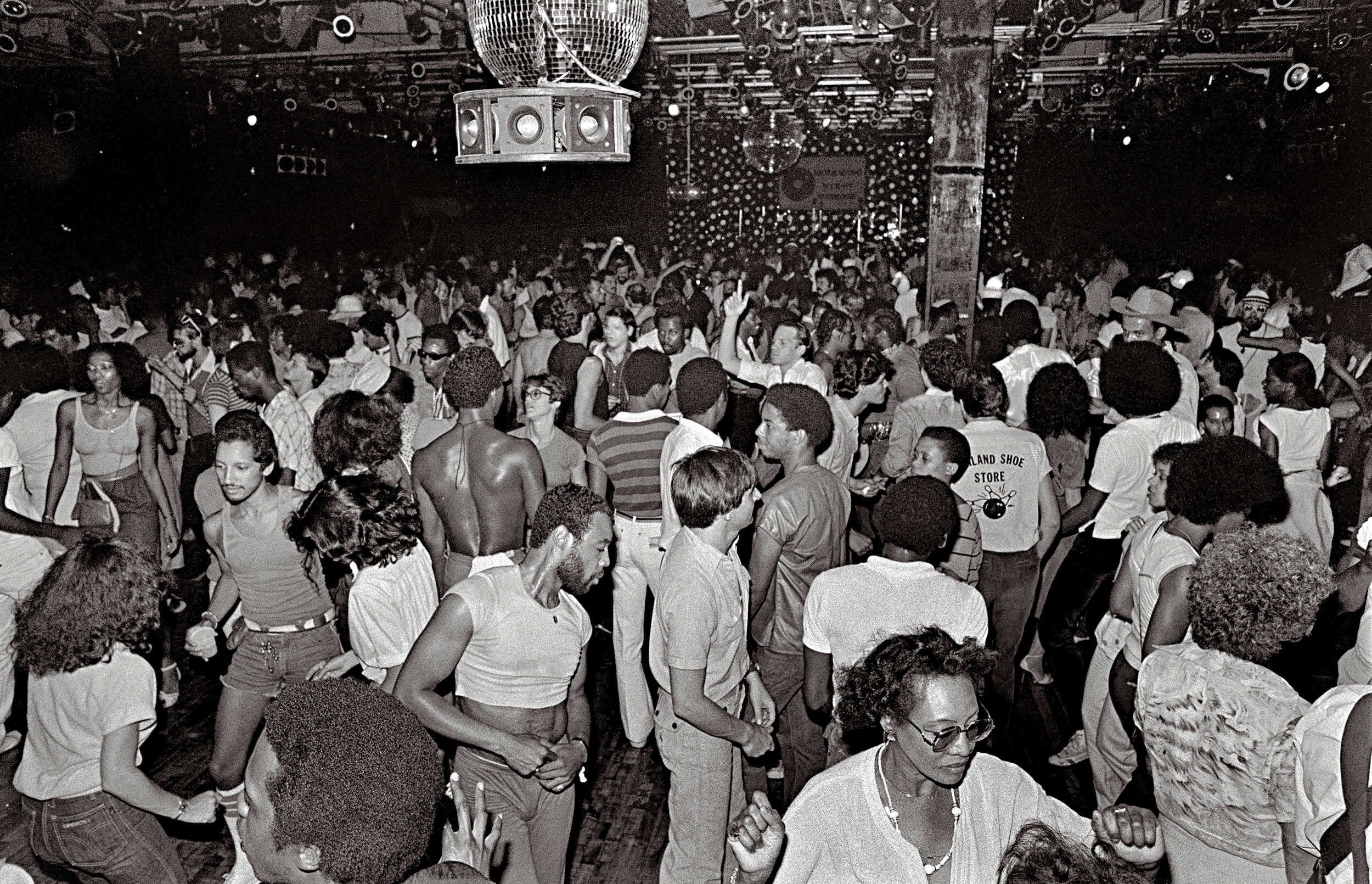


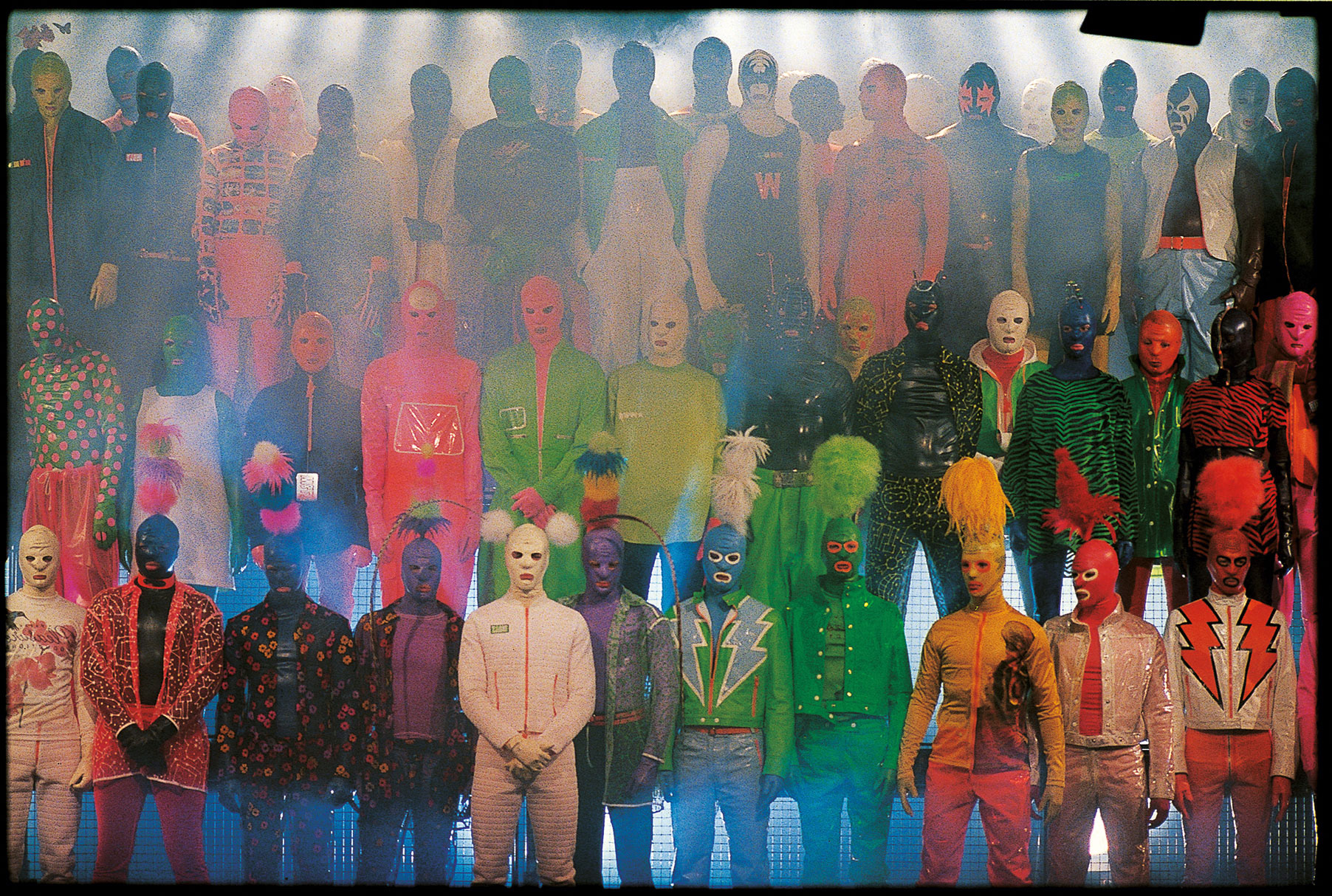


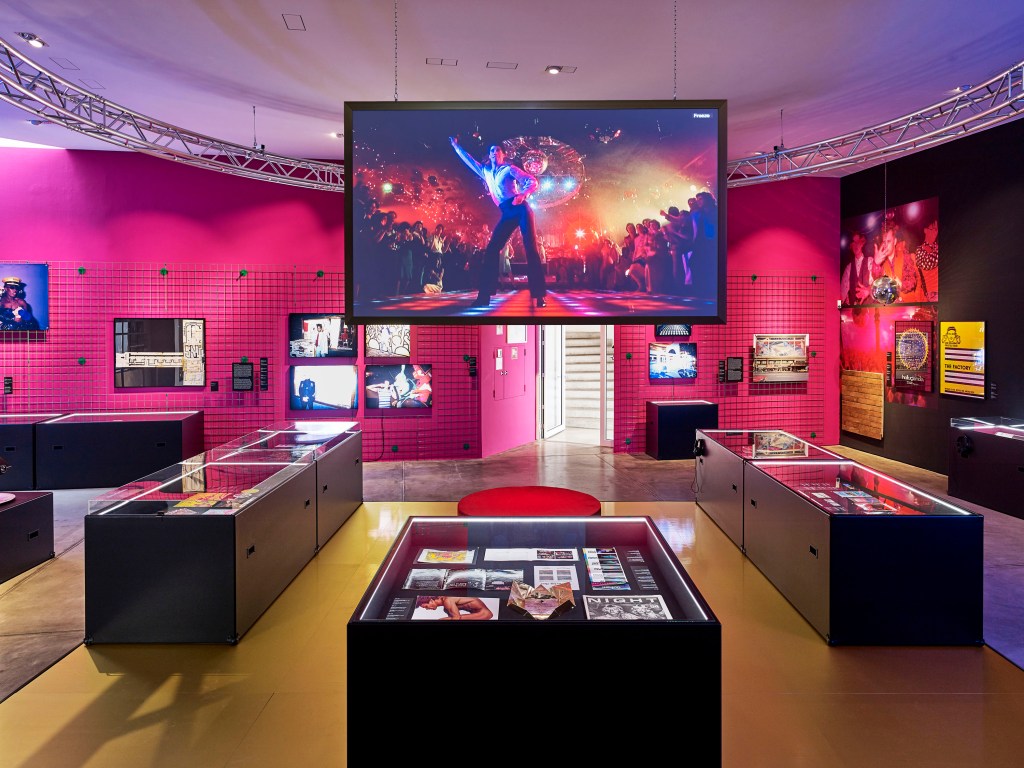
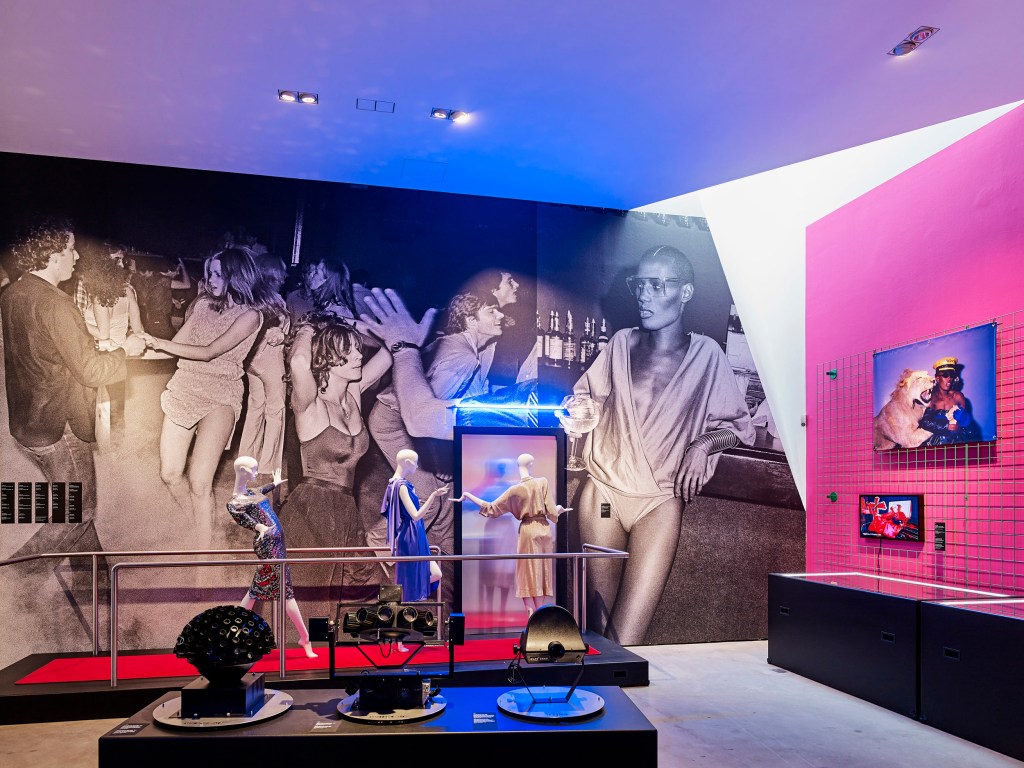
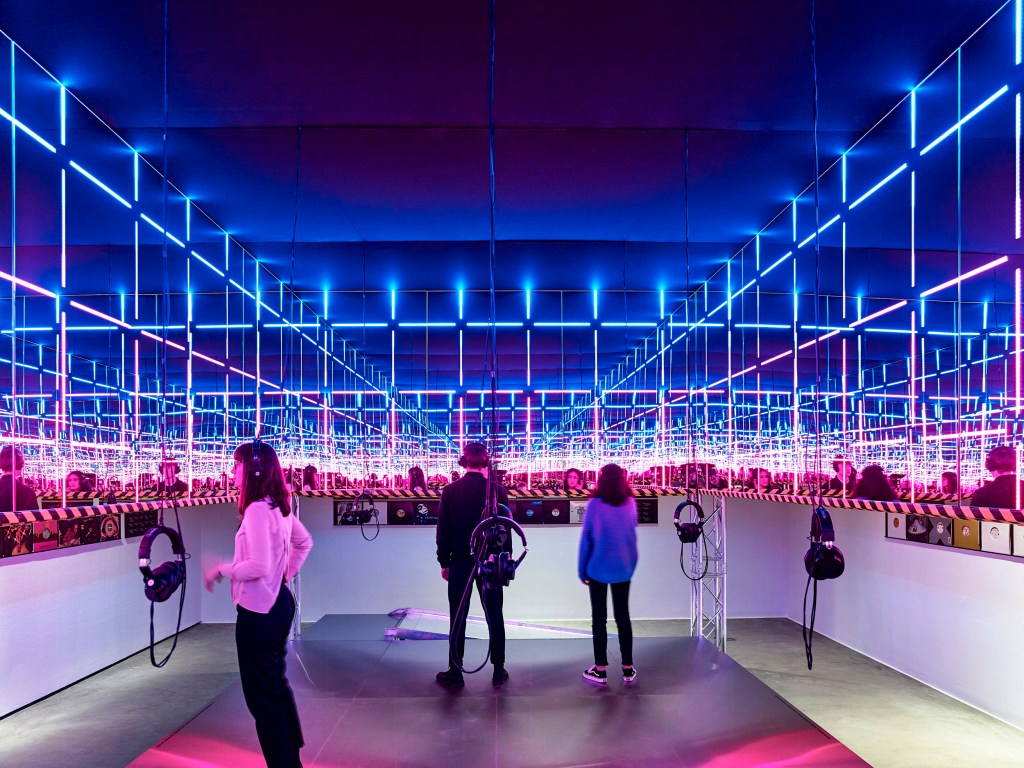
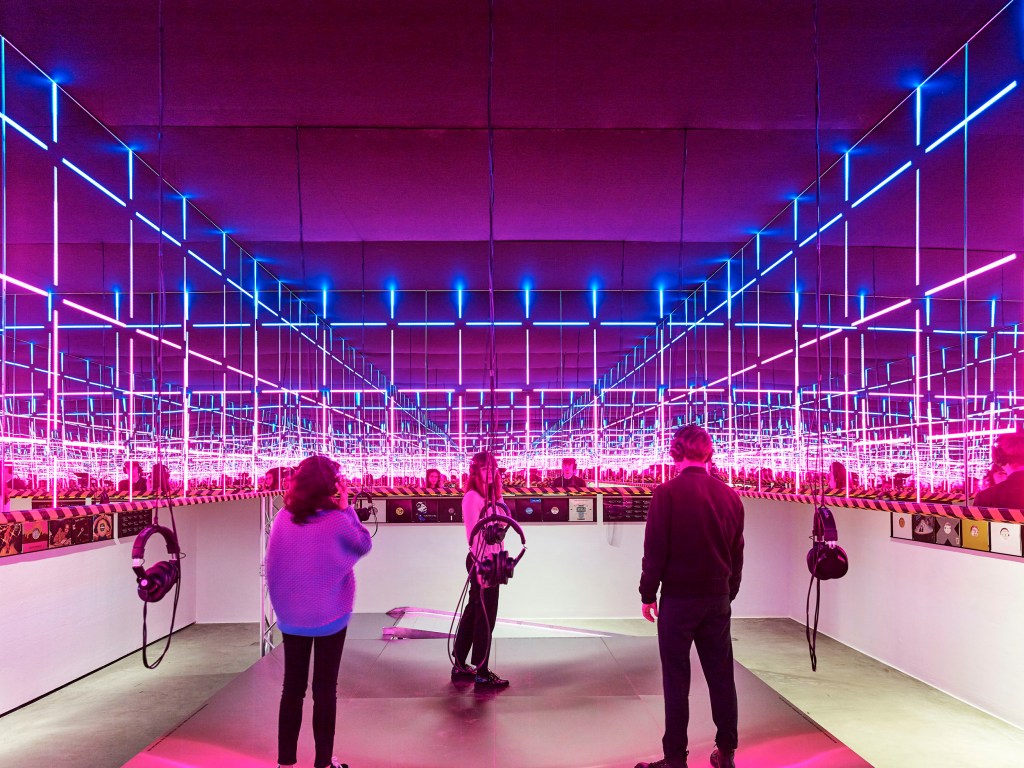
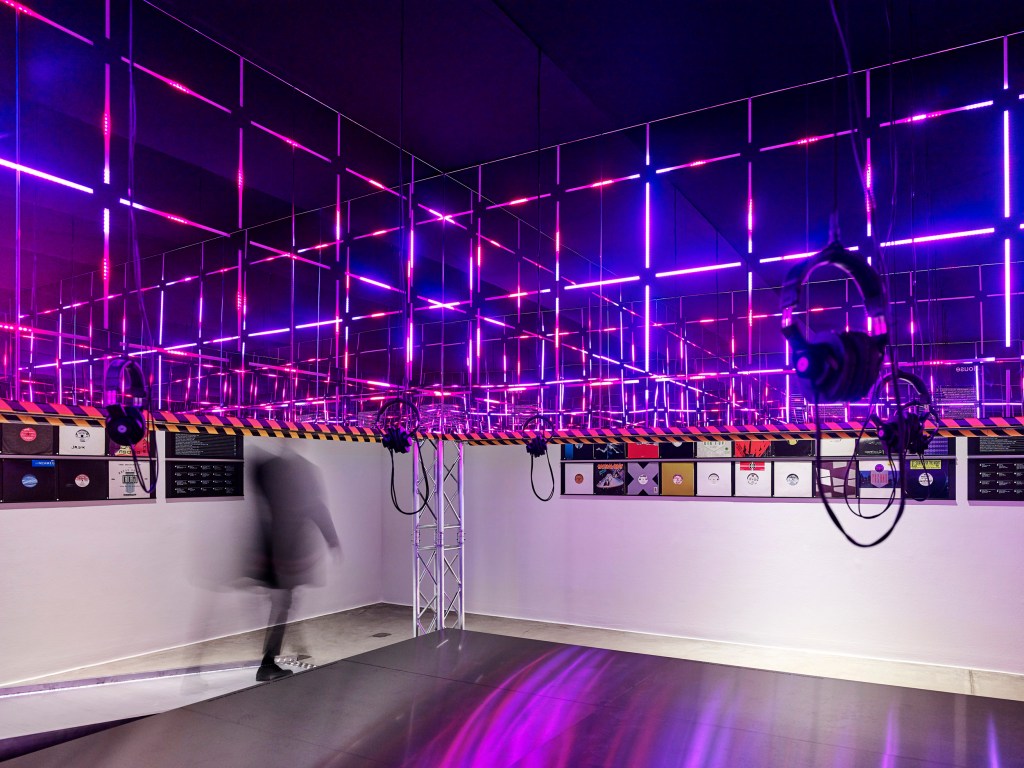
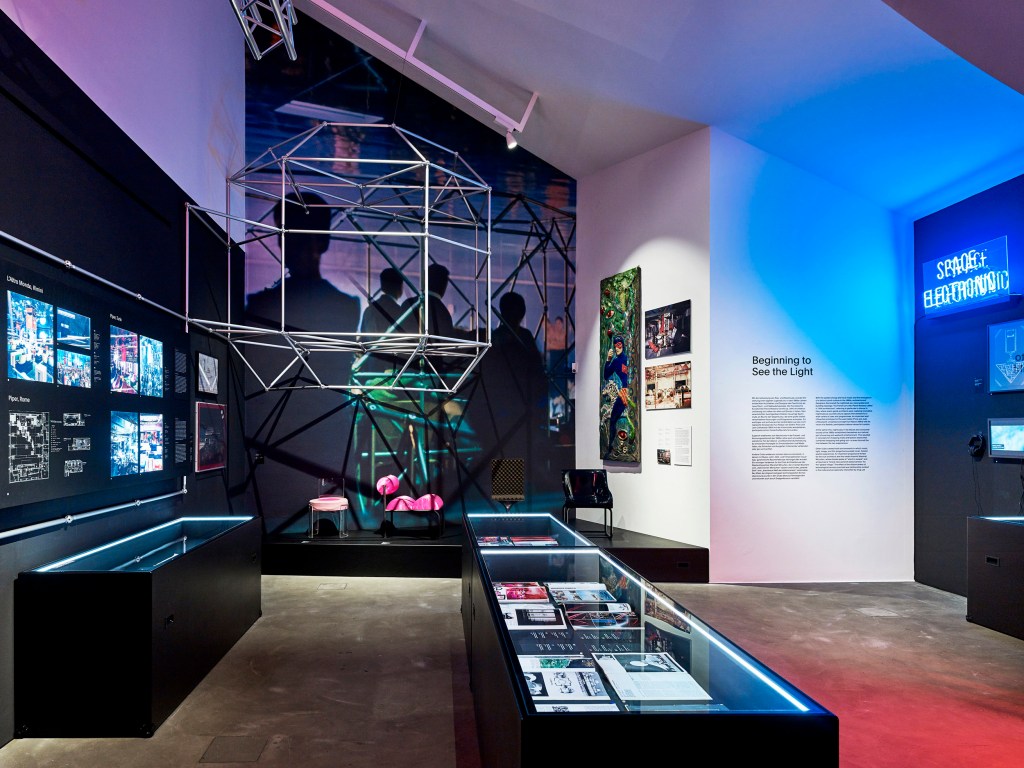
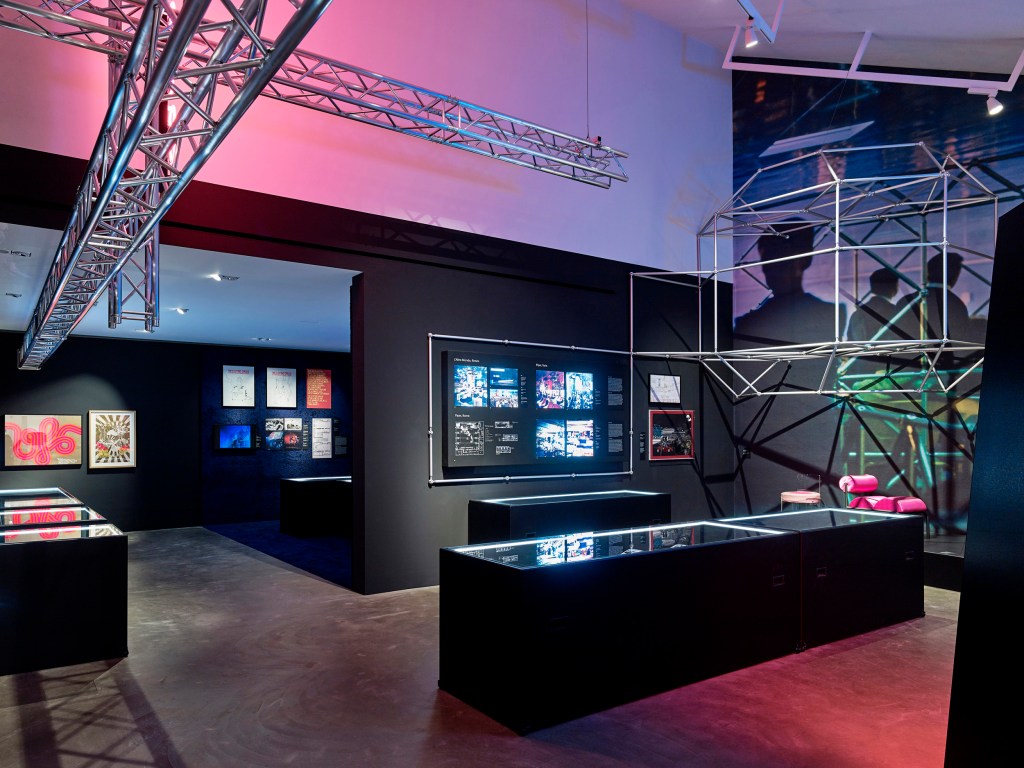
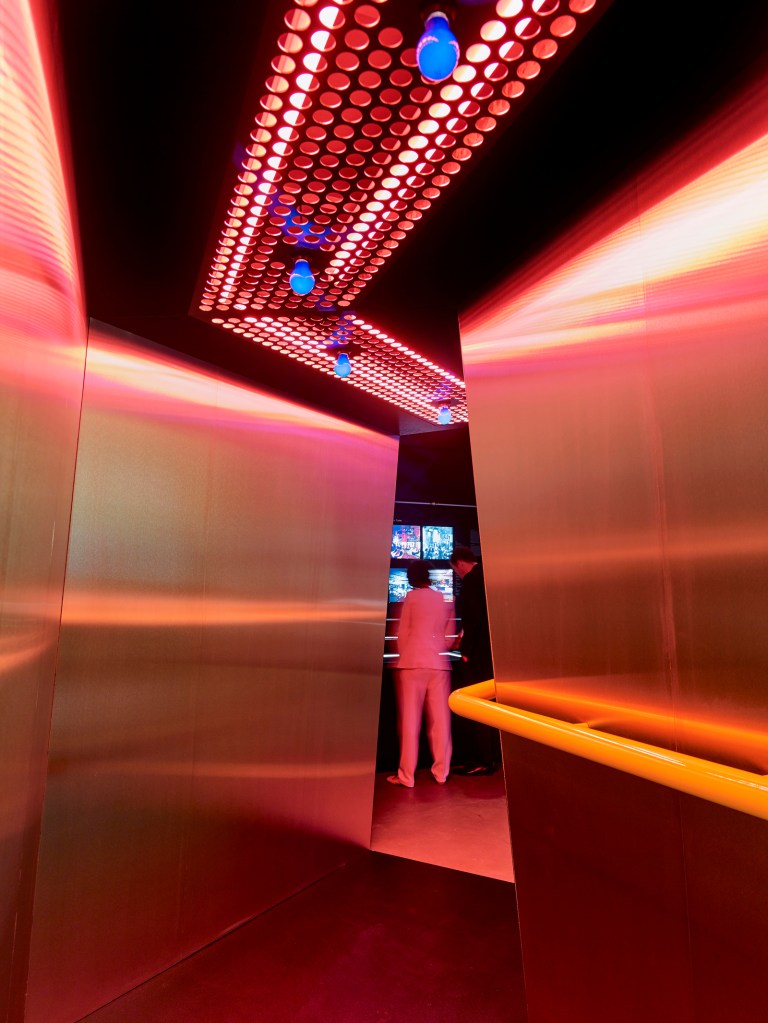
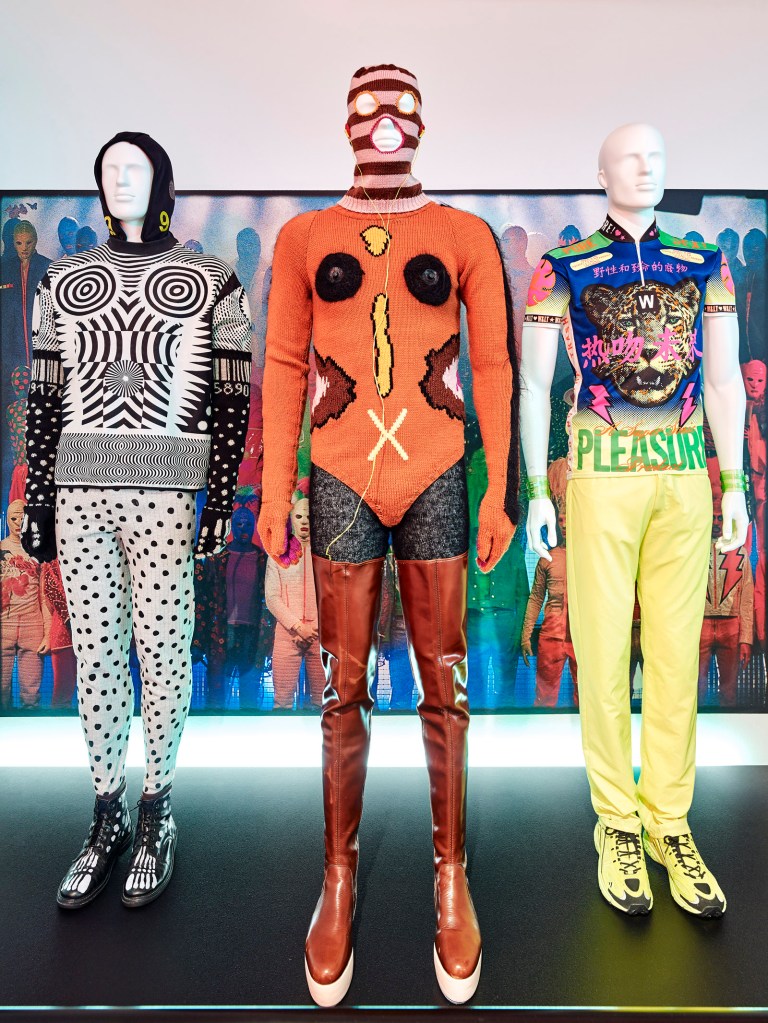
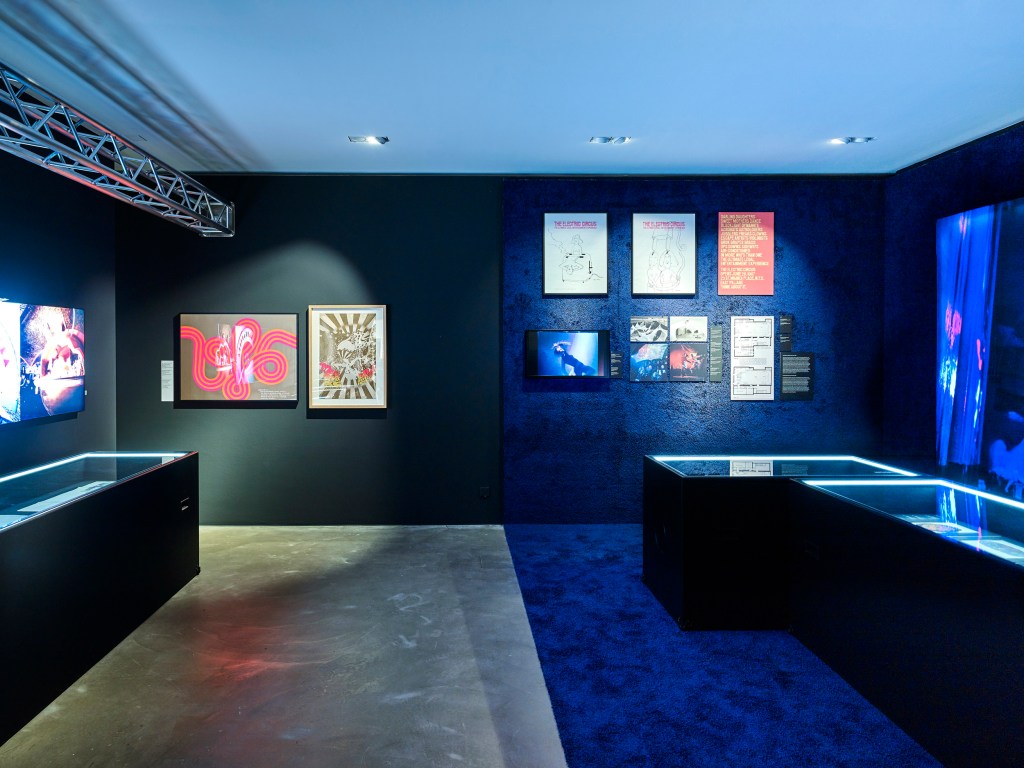
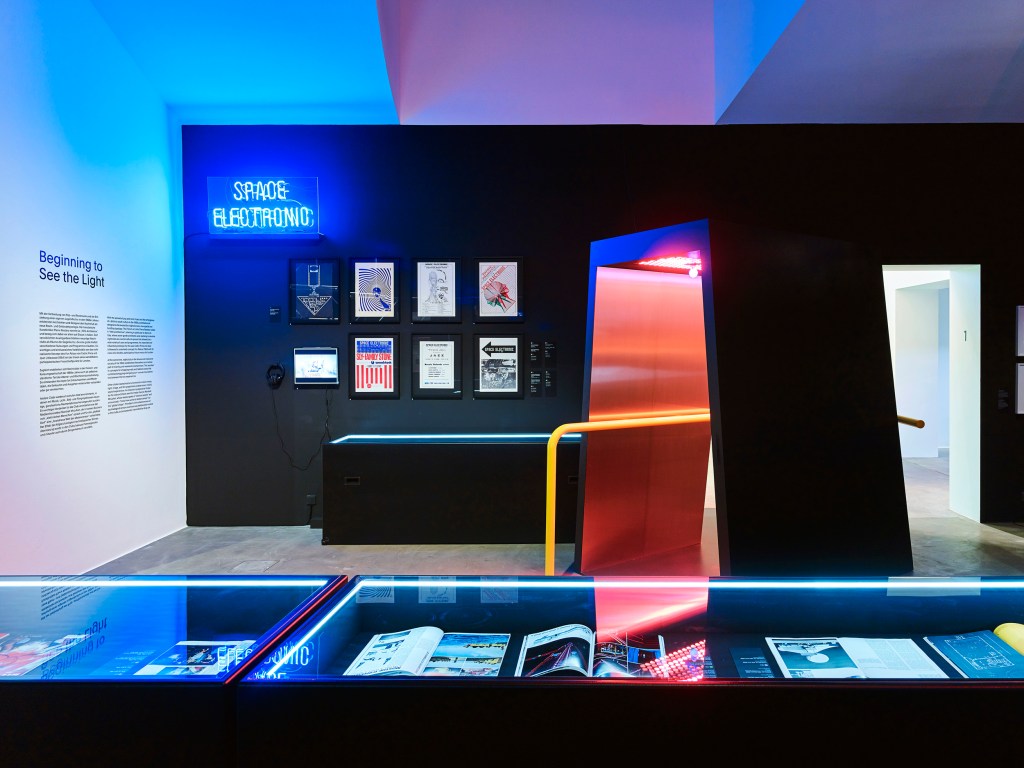
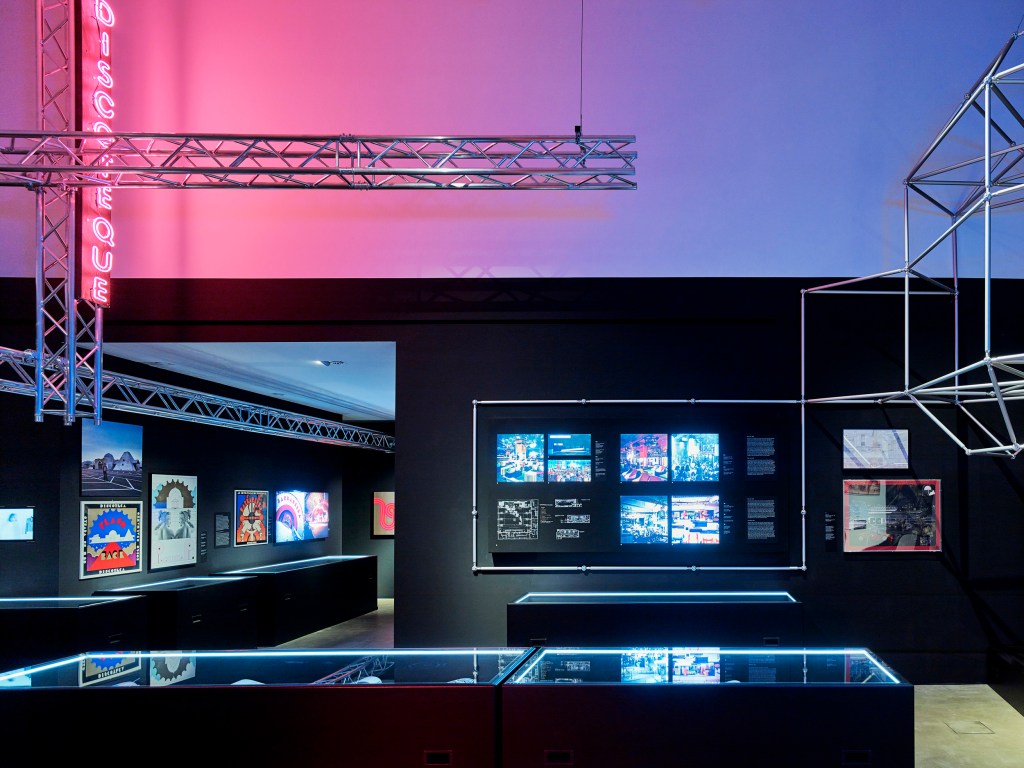
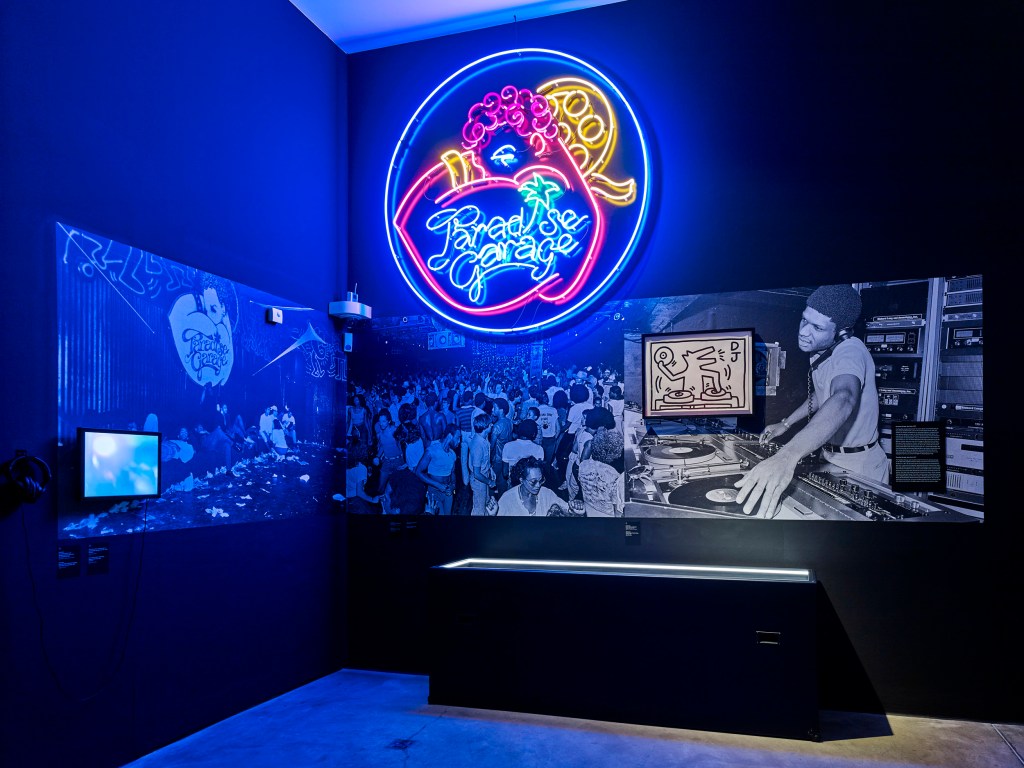
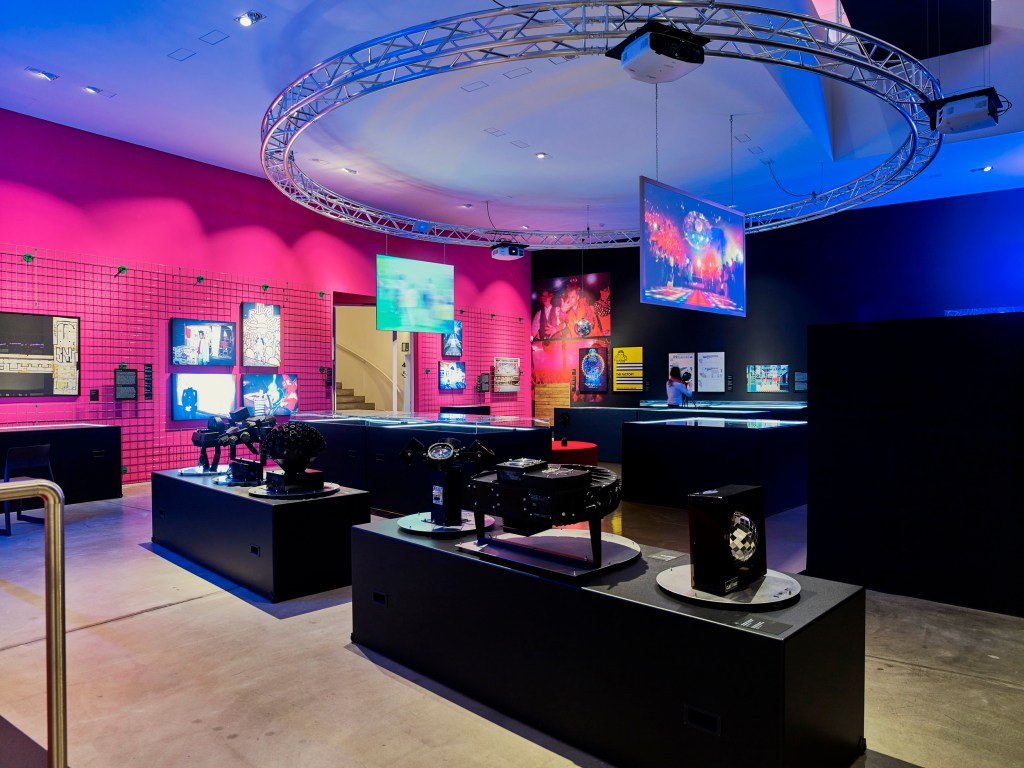
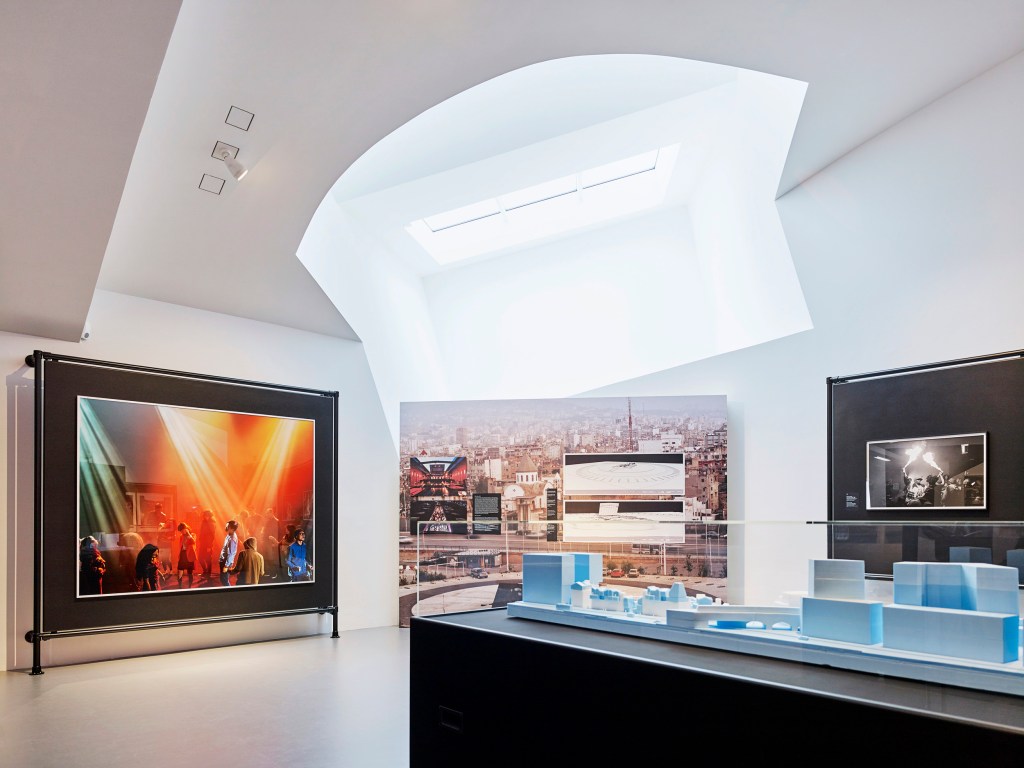
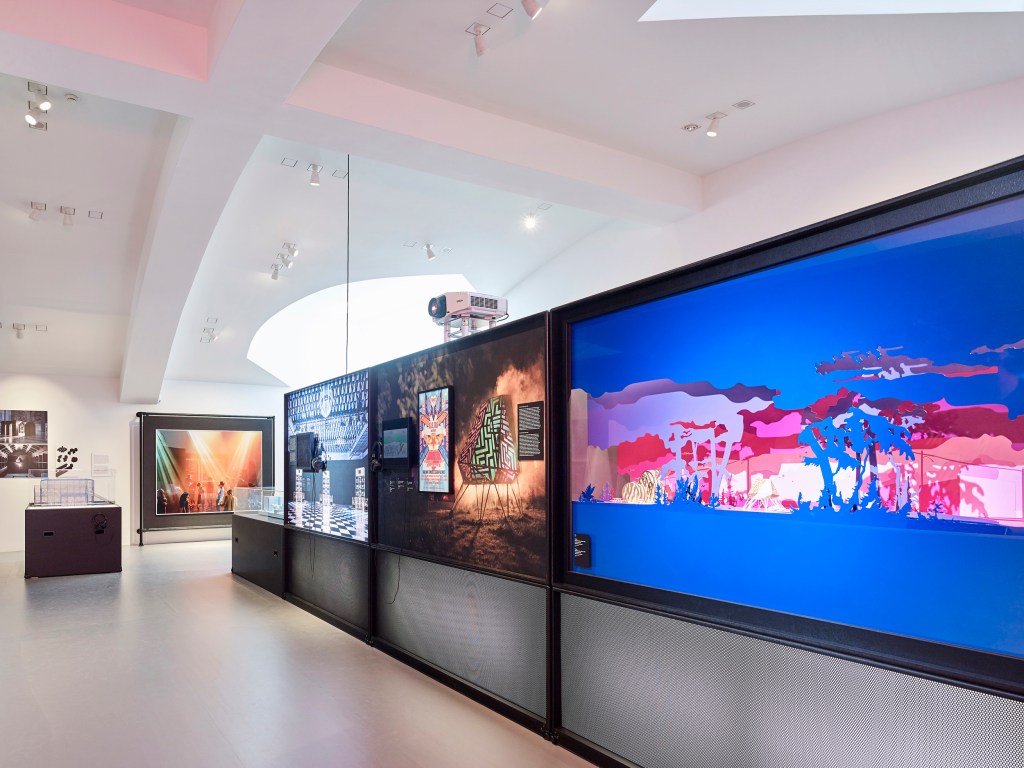
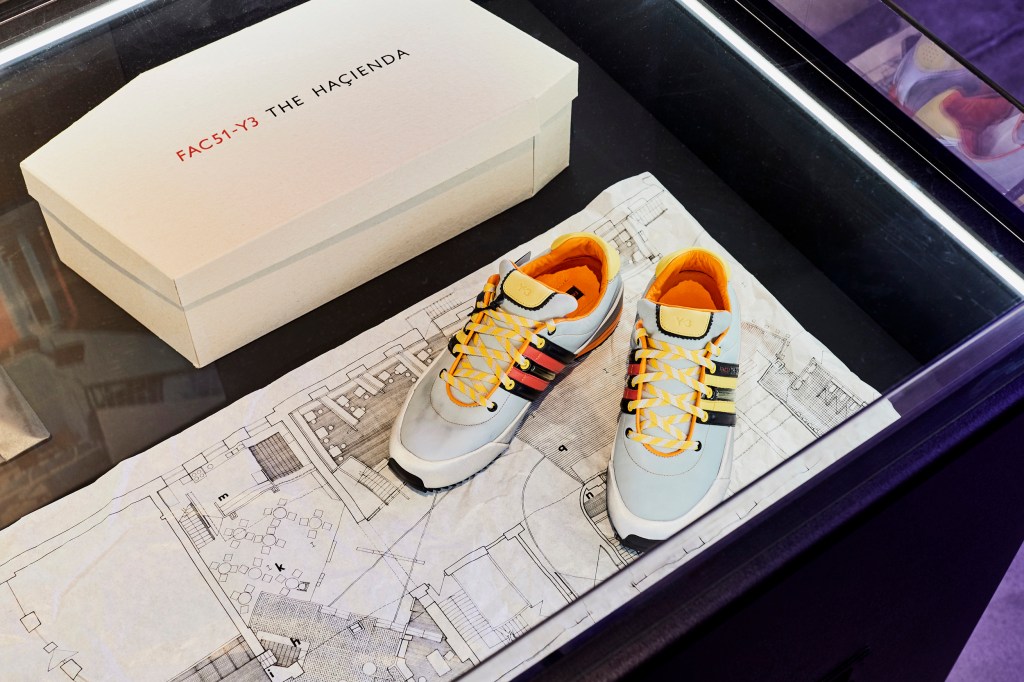
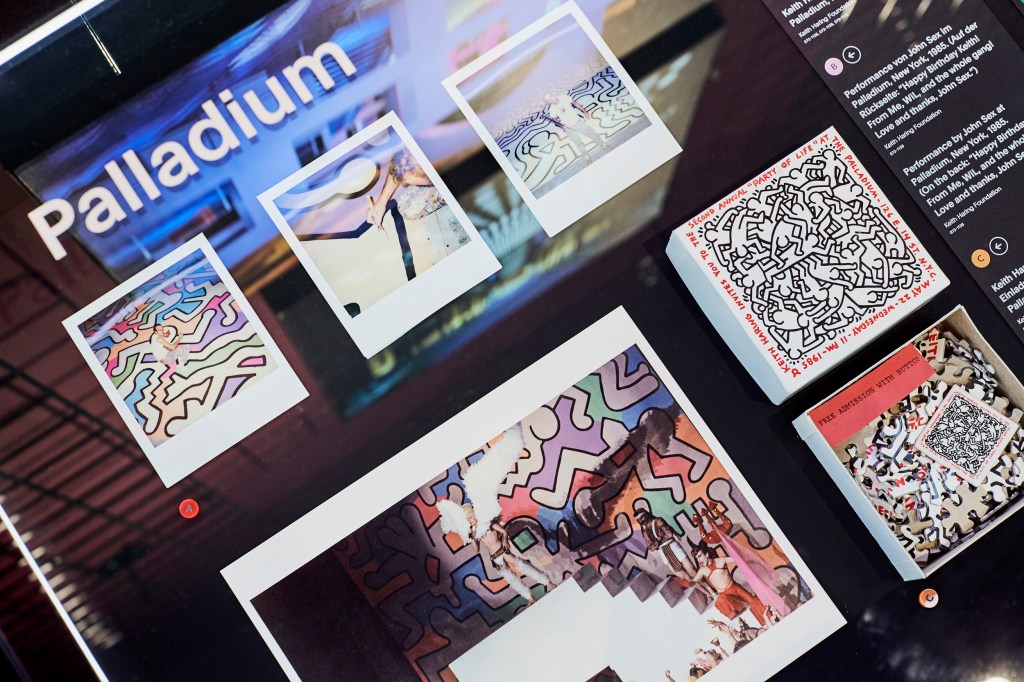
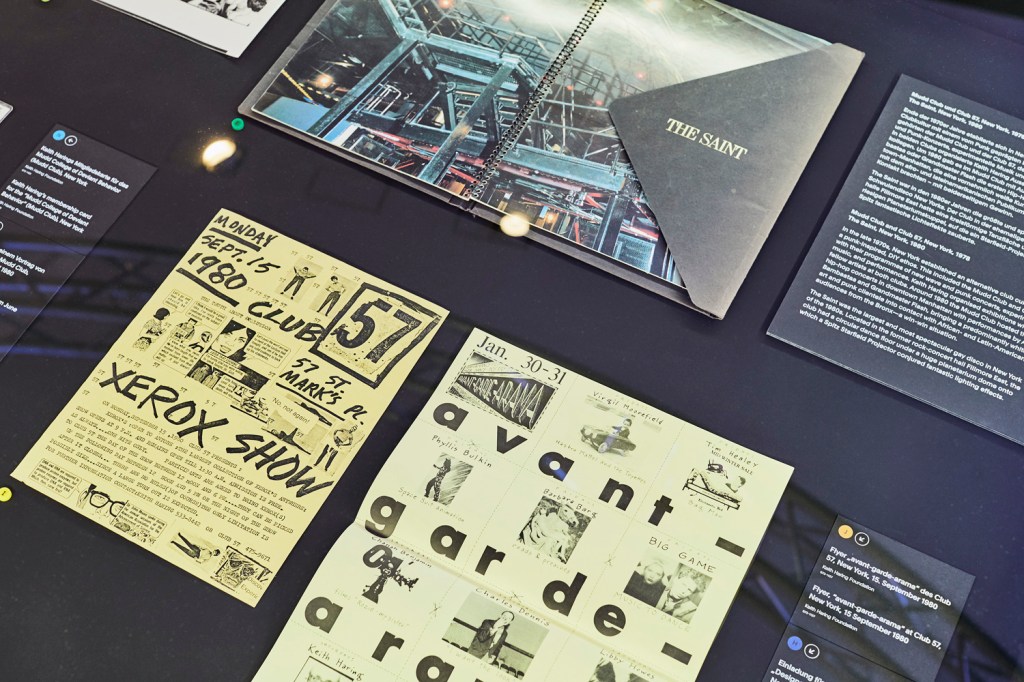


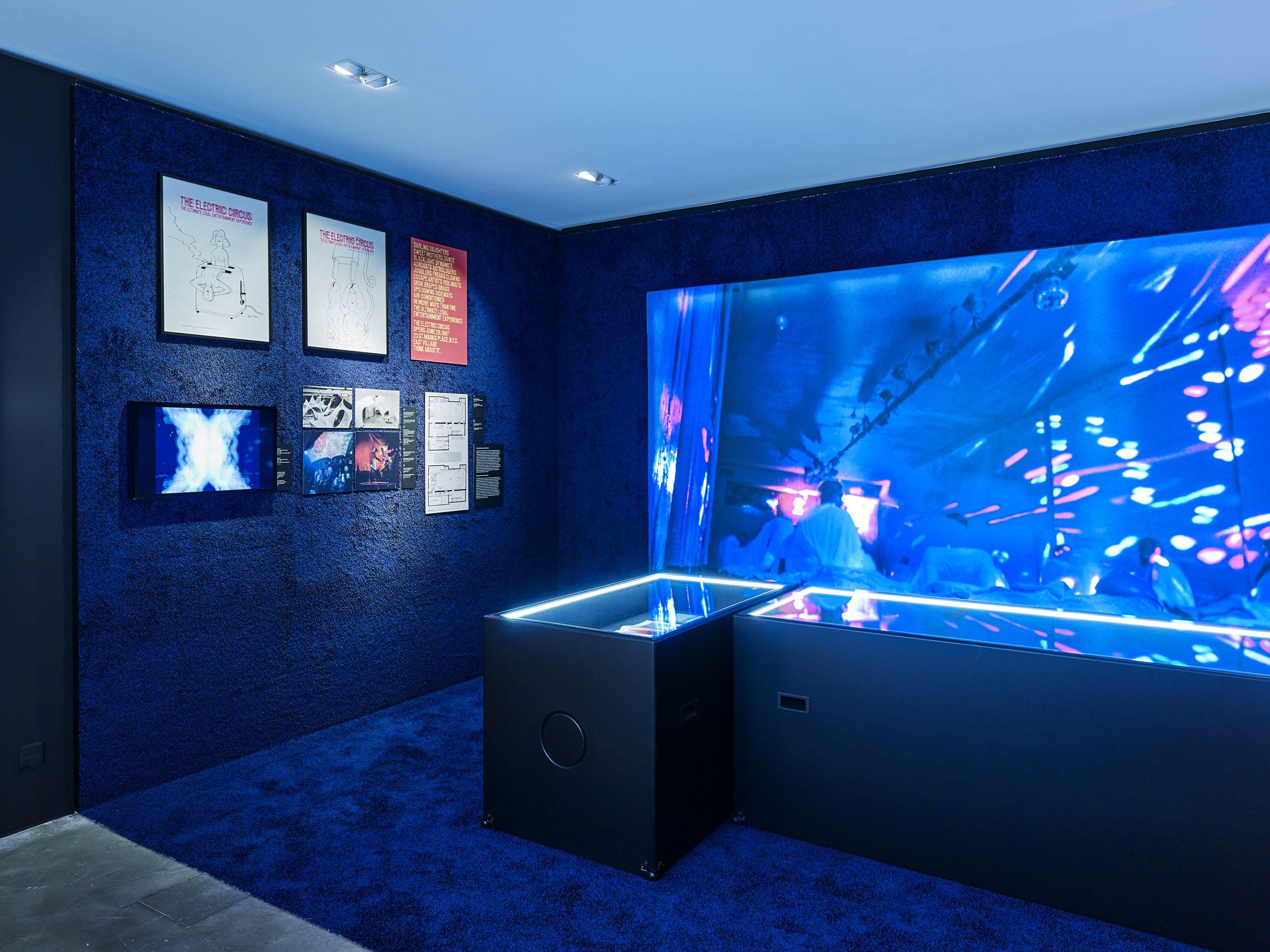


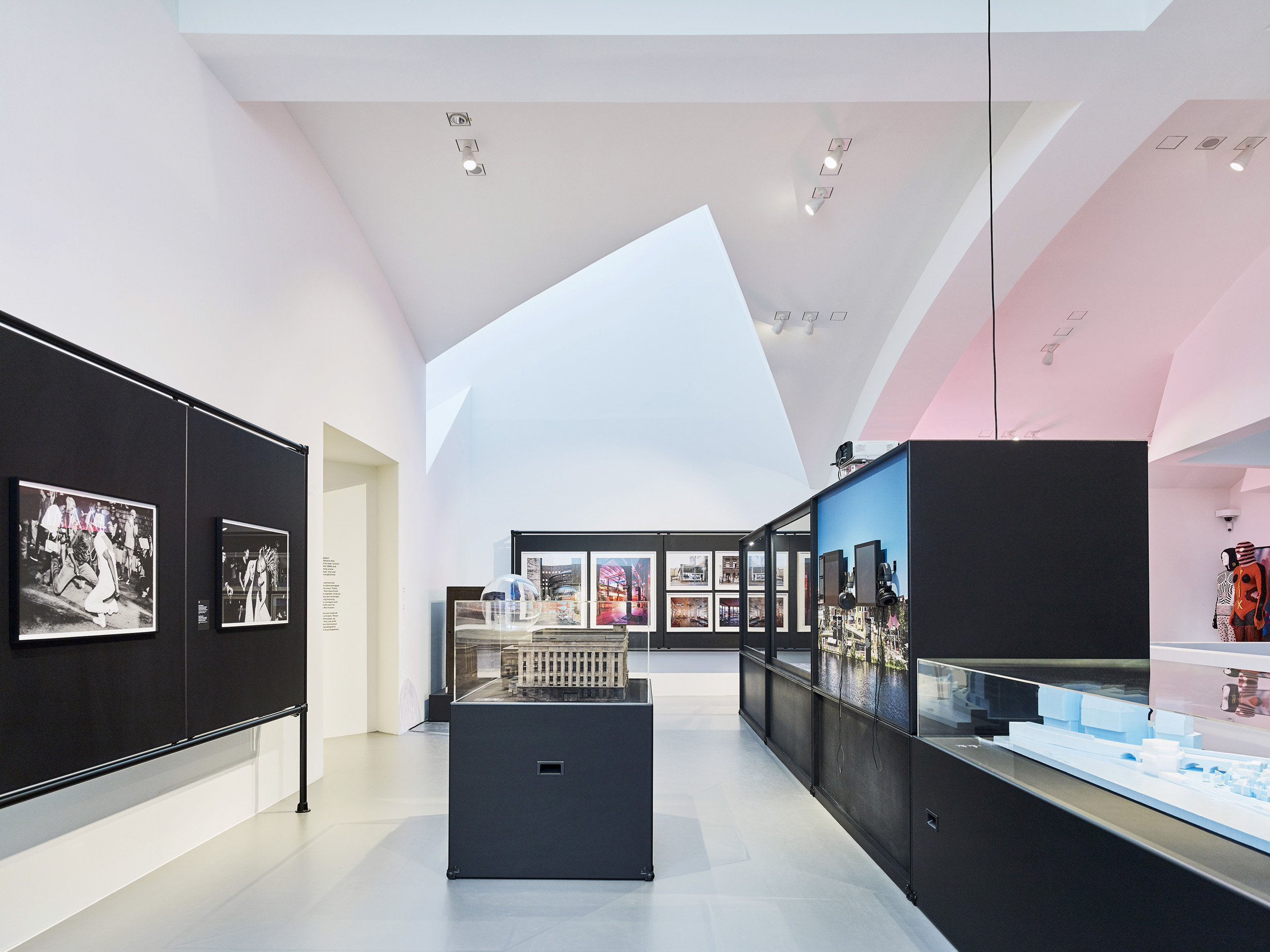
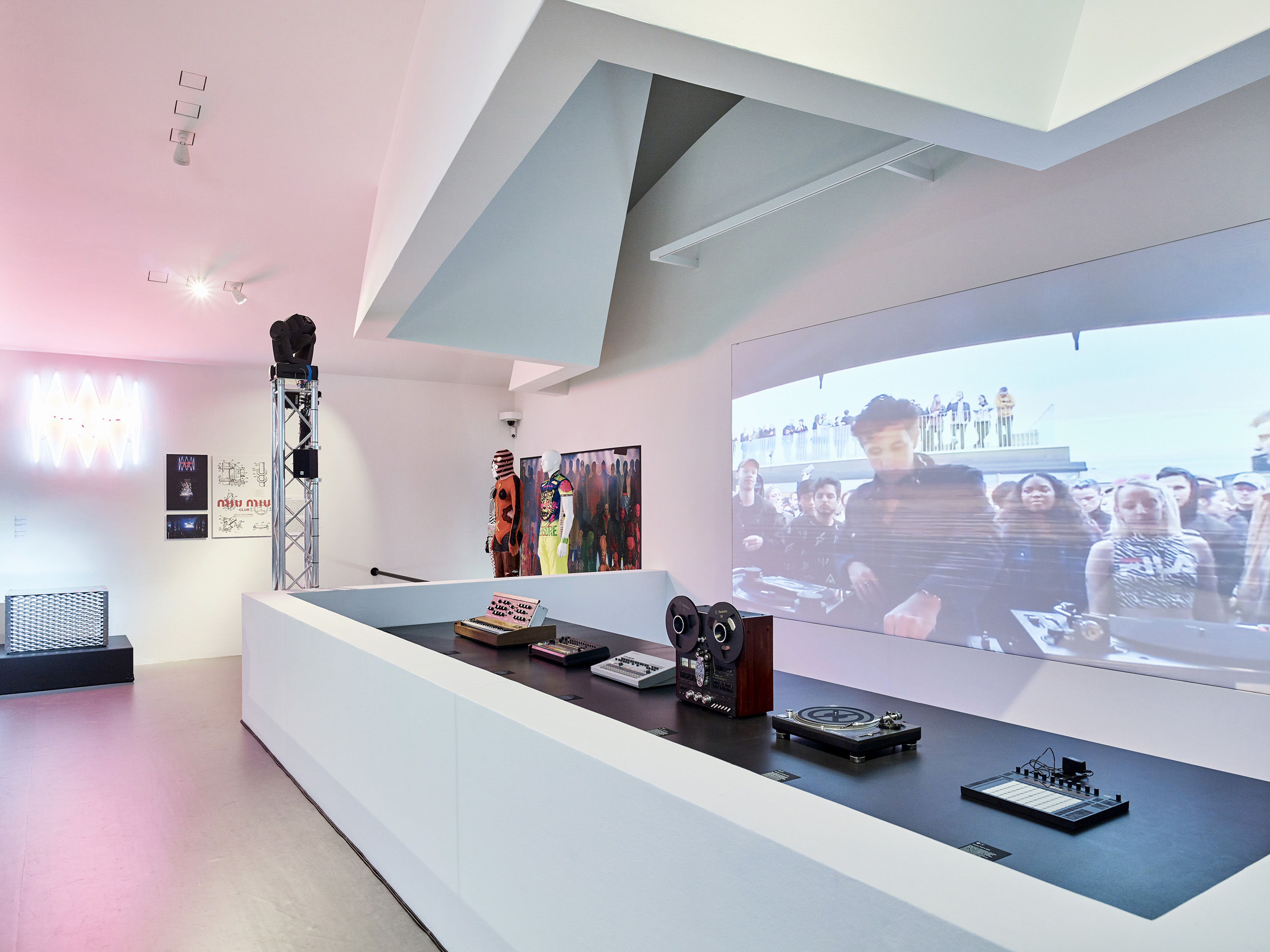










![Raoul Hausmann (Austrian, 1886-1971) 'Enfants de la Frise [Children of Friesland]' Between 1927 and 1933 from the exhibition 'Raoul Hausmann. Vision in Action' at Jeu de Paume, Paris, Feb - May, 2018](https://artblart.com/wp-content/uploads/2018/02/hausmann-6-web1.jpg "Raoul Hausmann (Austrian, 1886-1971) 'Enfants de la Frise [Children of Friesland]' Between 1927 and 1933 from the exhibition 'Raoul Hausmann. Vision in Action' at Jeu de Paume, Paris, Feb - May, 2018")
![Raoul Hausmann (Austrian, 1886-1971) 'Nu sur la plage [Nude on the beach]' Between 1927 and 1933](https://artblart.com/wp-content/uploads/2018/02/hausmann-18-web1.jpg "Raoul Hausmann (Austrian, 1886-1971) 'Nu sur la plage [Nude on the beach]' Between 1927 and 1933")

![Raoul Hausmann (Austrian, 1886-1971) 'Petite Fleur en Herbe [Small flower in grass]' 1932](https://artblart.com/wp-content/uploads/2018/02/hausmann-4-web.jpg "Raoul Hausmann (Austrian, 1886-1971) 'Petite Fleur en Herbe [Small flower in grass]' 1932")

![Raoul Hausmann (Austrian, 1886-1971) 'Deux nus féminins allongés sur une plage [Two naked women lying on a beach]' c. 1931-1934](https://artblart.com/wp-content/uploads/2018/02/raoulhausman-20-web.jpg "Raoul Hausmann (Austrian, 1886-1971) 'Deux nus féminins allongés sur une plage [Two naked women lying on a beach]' c. 1931-1934")
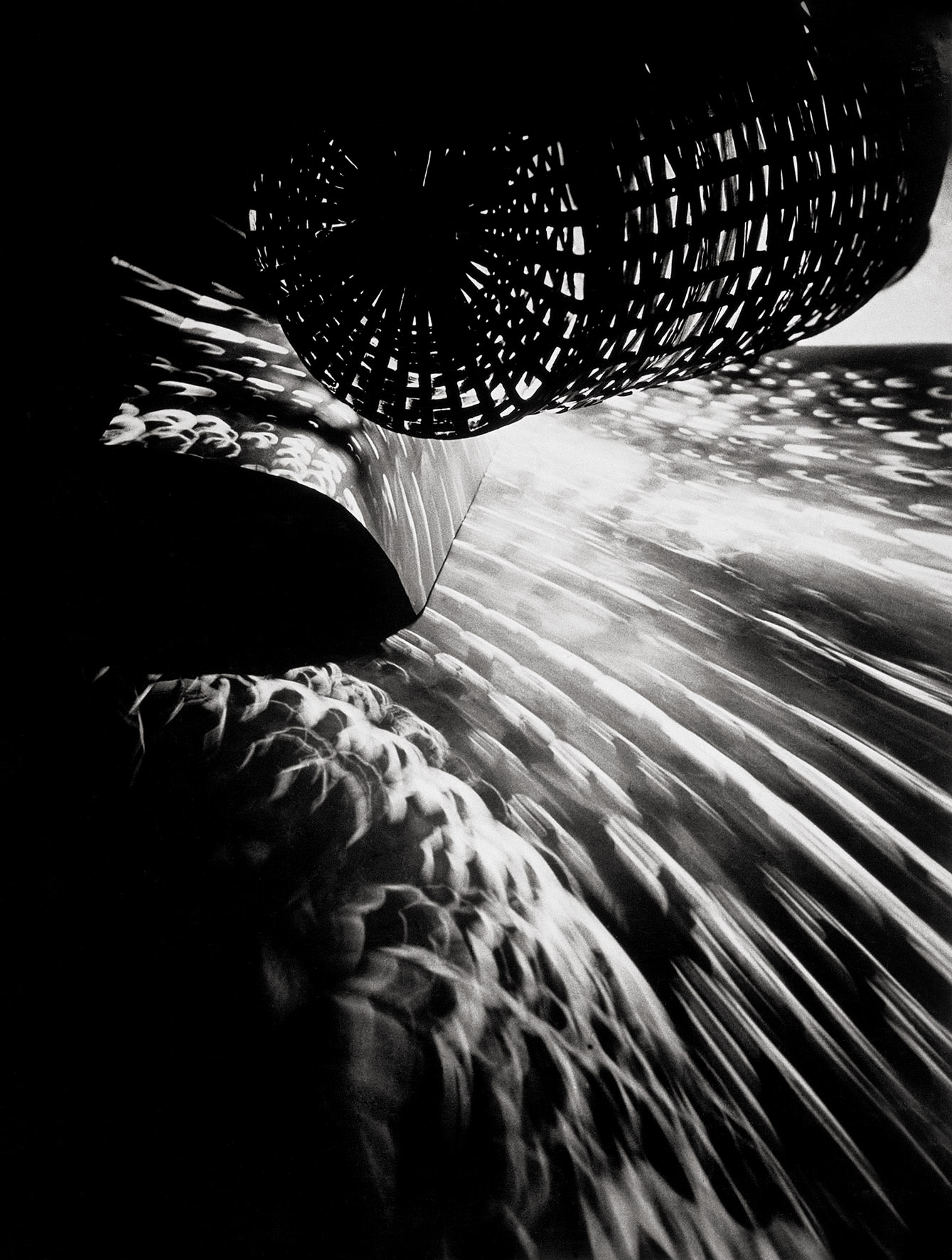


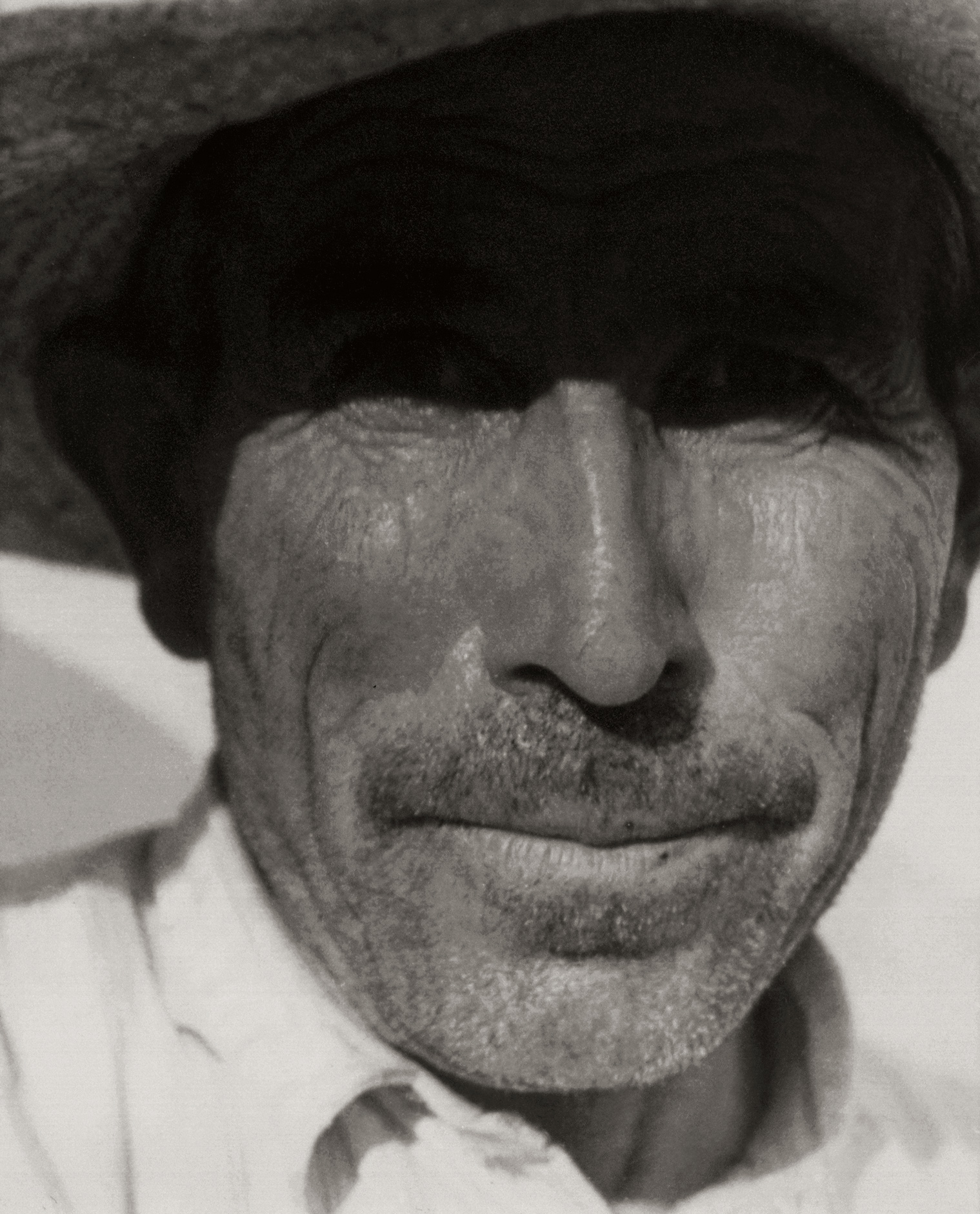

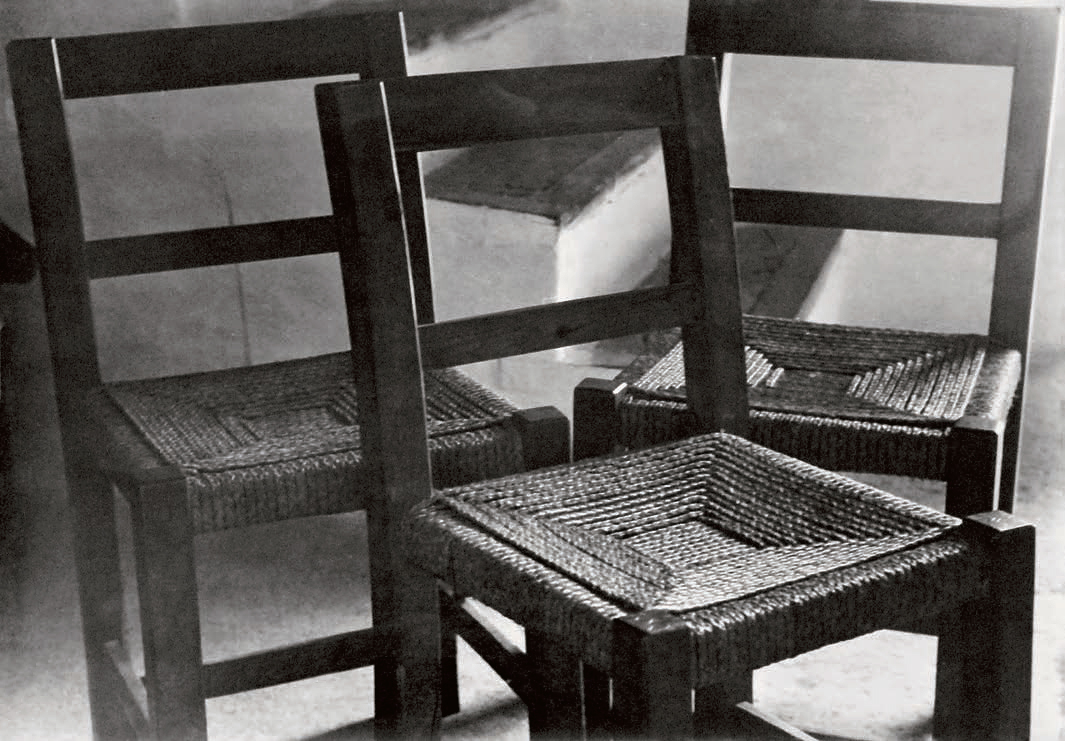

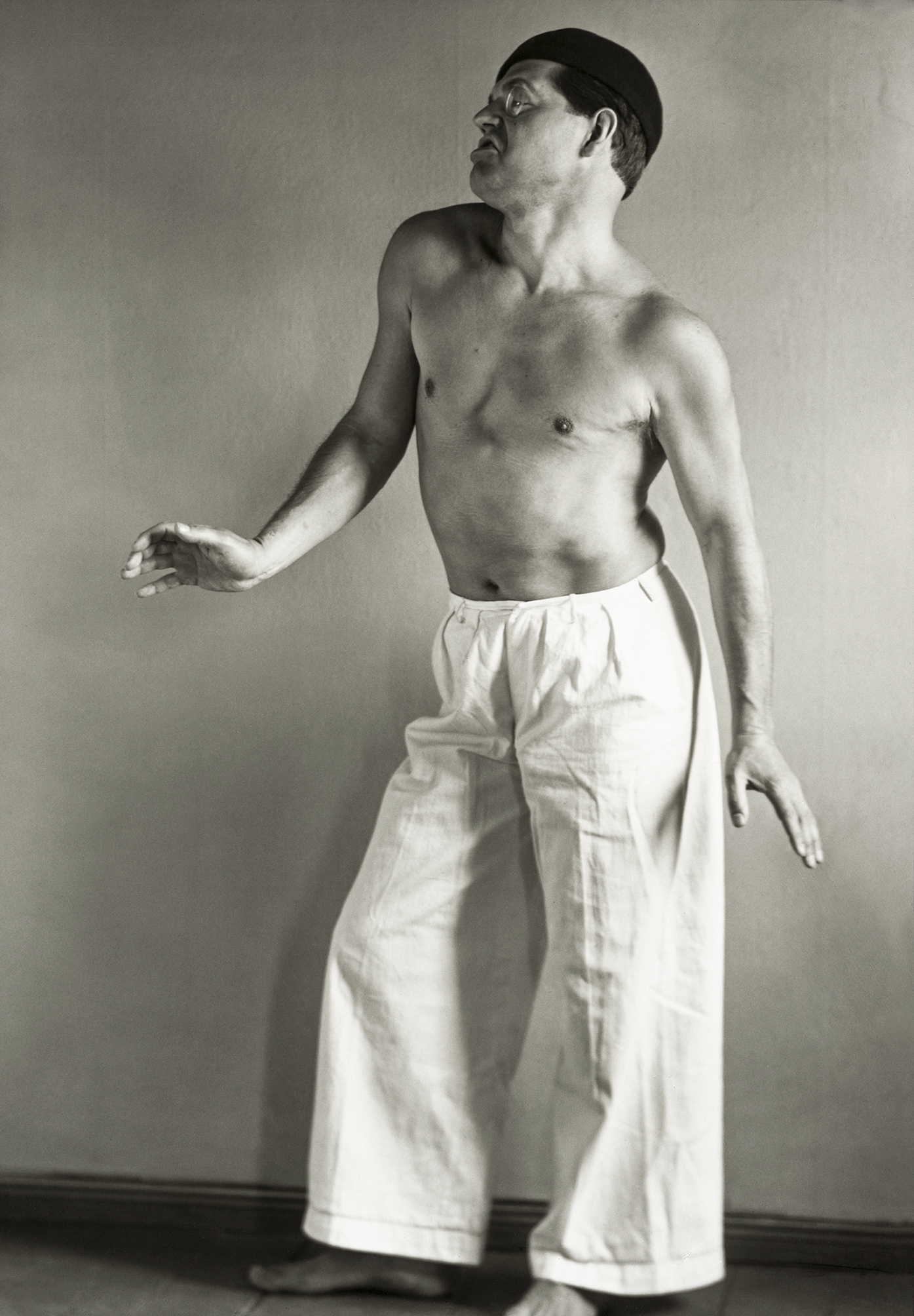

![Brassaï (Gyulá Halász) (Hungarian-French, 1899-1984) 'Vista per sota del Pont Royal cap al Pont de Solférino [View through the pont Royal toward the pont Solférino]' c. 1933 from the exhibition 'Brassaï' at Fundación MAPFRE, Barcelona, Feb - May, 2018](https://artblart.com/wp-content/uploads/2018/04/br-4-web.jpg "Brassaï (Gyulá Halász) (Hungarian-French, 1899-1984) 'Vista per sota del Pont Royal cap al Pont de Solférino [View through the pont Royal toward the pont Solférino]' c. 1933 from the exhibition 'Brassaï' at Fundación MAPFRE, Barcelona, Feb - May, 2018")
![Brassaï (Gyulá Halász) (Hungarian-French, 1899-1984) 'Porteria, París [Concierge's Lodge, Paris]' 1933 from the exhibition from the exhibition 'Brassaï' at Fundación MAPFRE, Barcelona, Feb - May, 2018](https://artblart.com/wp-content/uploads/2018/04/br-1-web.jpg "Brassaï (Gyulá Halász) (Hungarian-French, 1899-1984) 'Porteria, París [Concierge's Lodge, Paris]' 1933 from the exhibition 'Brassaï' at Fundación MAPFRE, Barcelona, Feb - May, 2018")



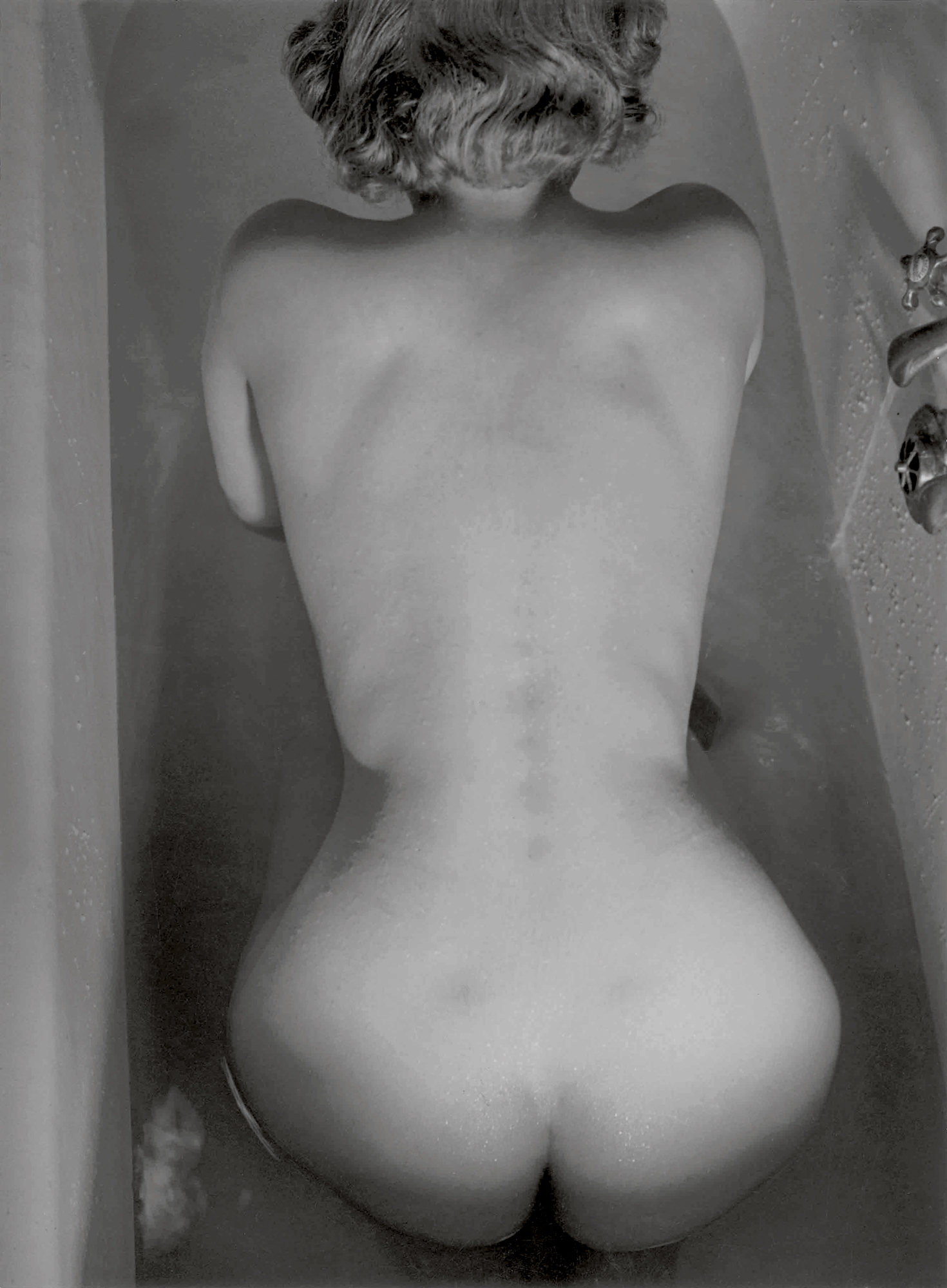


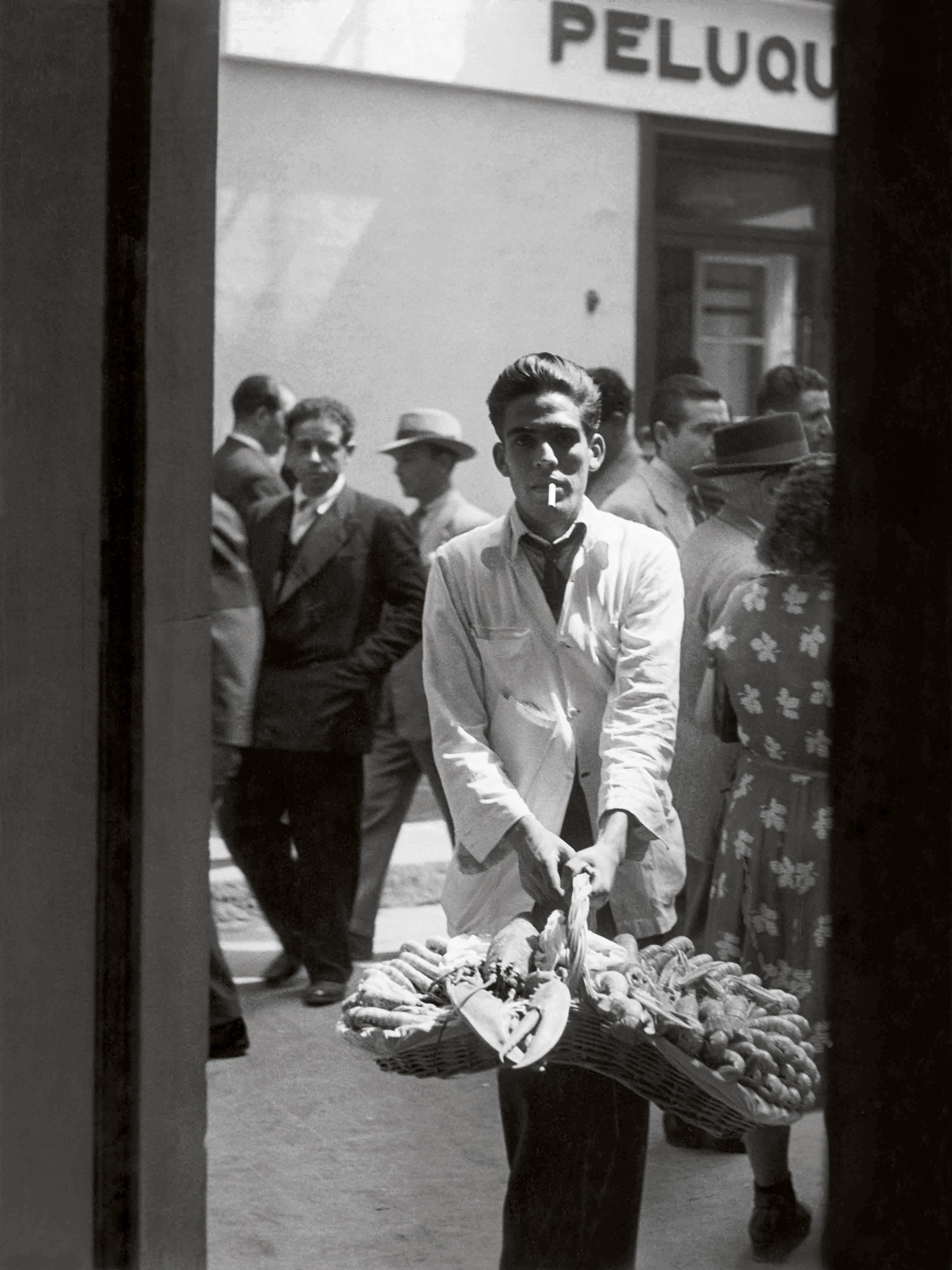
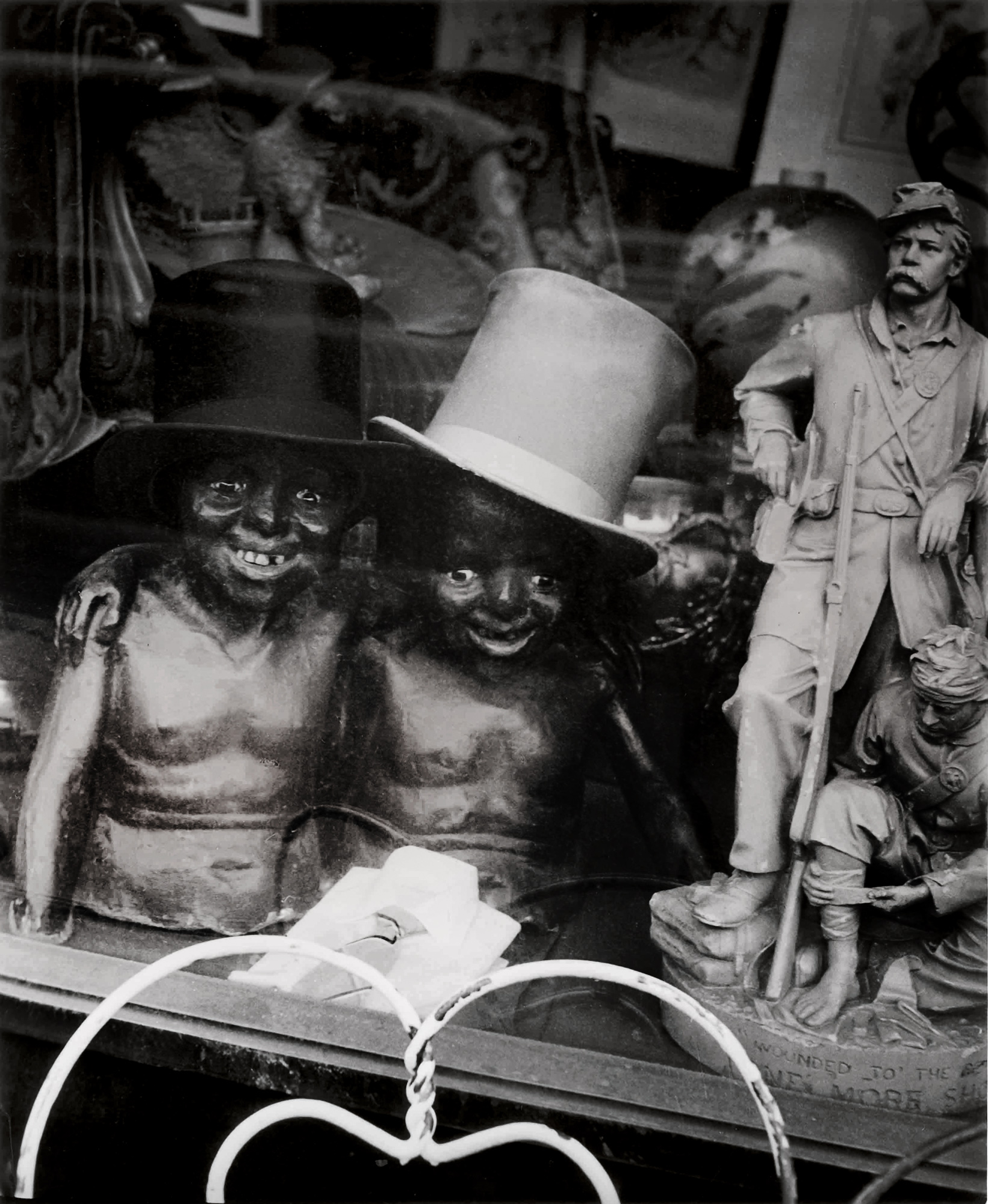

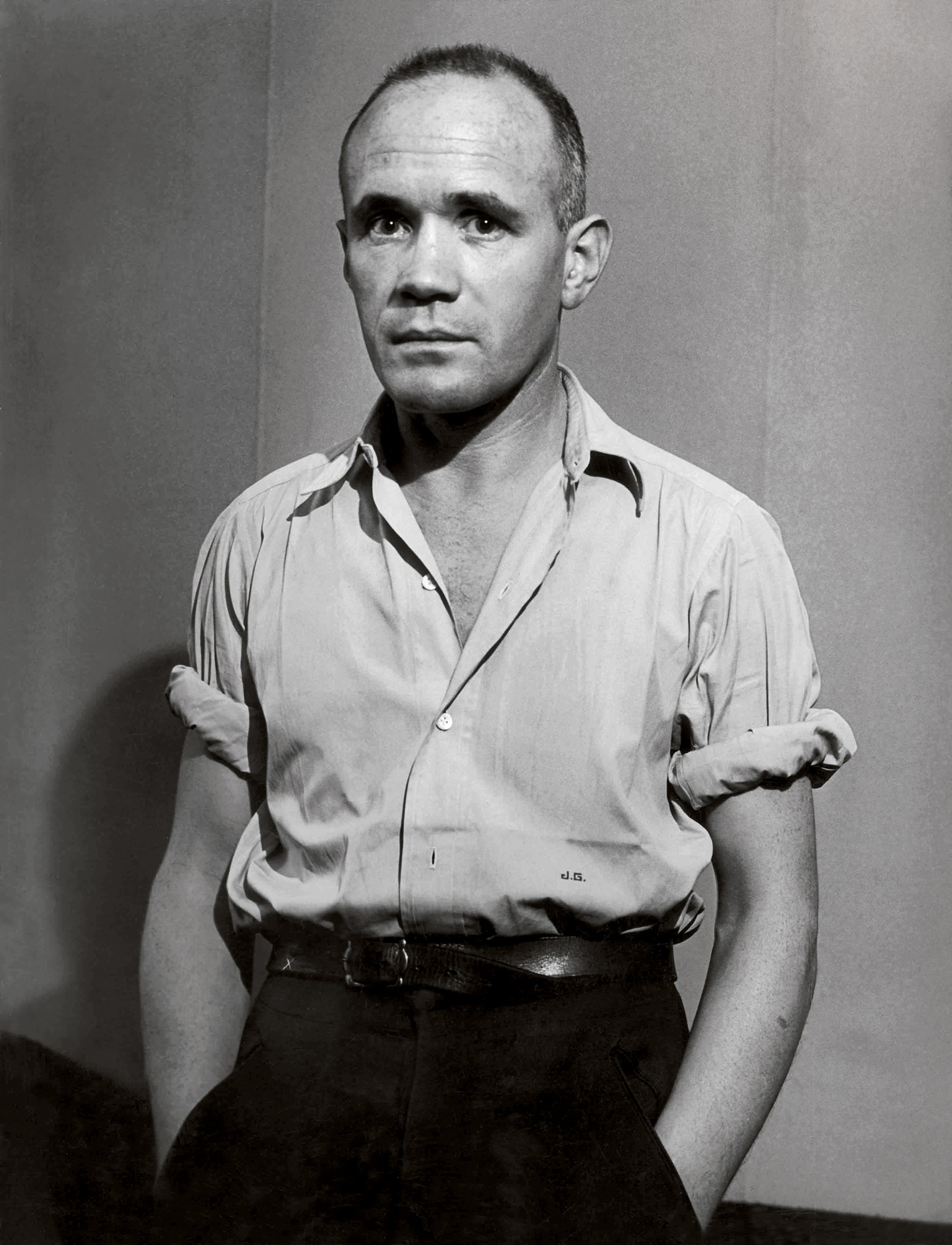

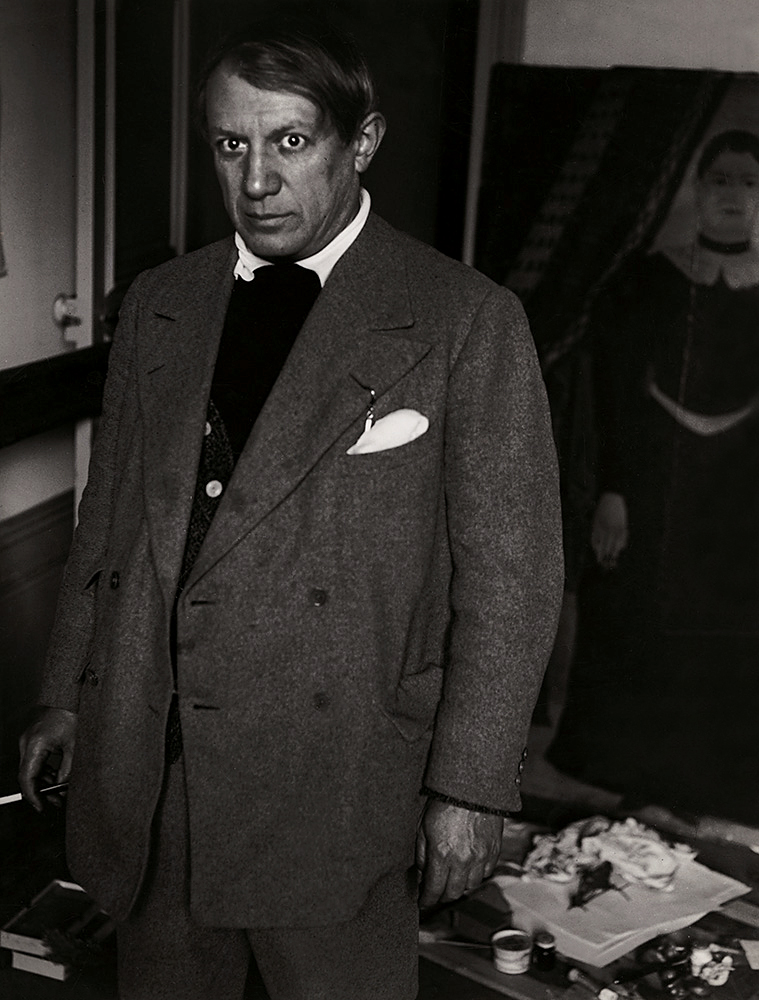
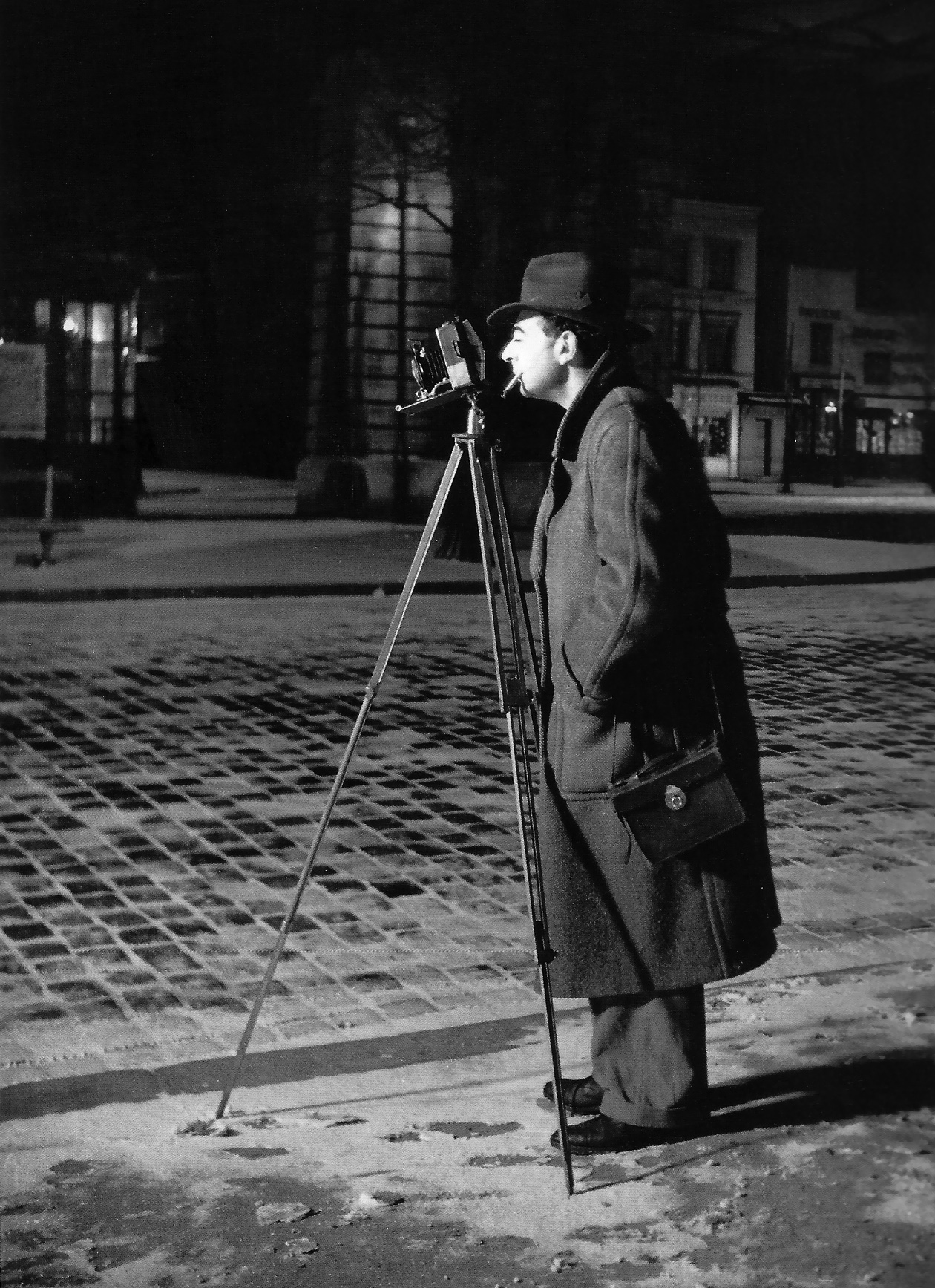
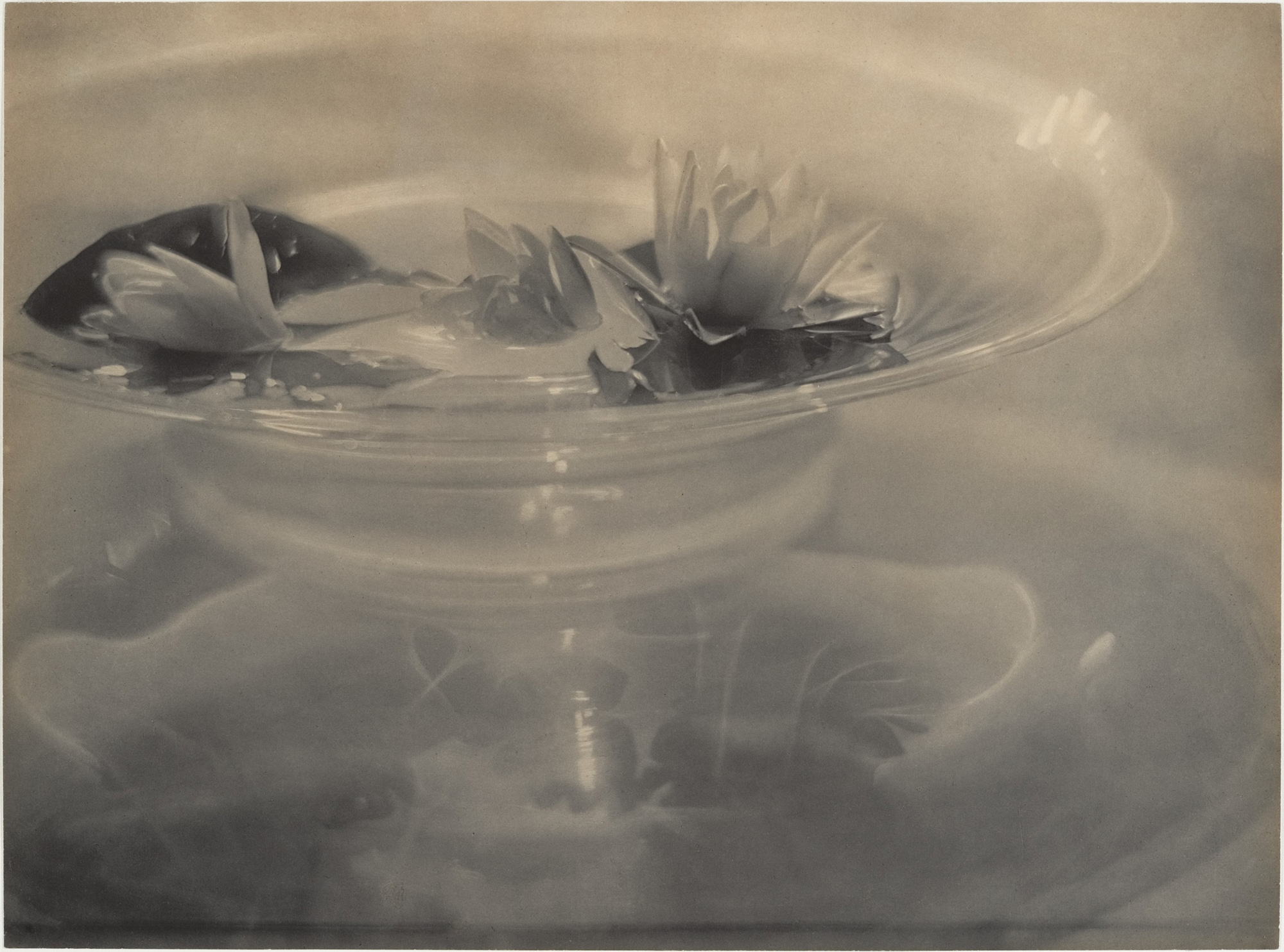
![Adolf de Meyer (American born France, 1868-1946) '[Nude Models Posing for a Painting Class]' 1890s from the exhibition 'Quicksilver Brilliance: Adolf de Meyer Photographs' at the Metropolitan Museum of Art, New York, Dec 2017 - March 2018](https://artblart.com/wp-content/uploads/2018/02/adolf-de-meyer-nude-models-posing-for-a-painting-class-web.jpg "Adolf de Meyer (American born France, 1868-1946) '[Nude Models Posing for a Painting Class]' 1890s from the exhibition 'Quicksilver Brilliance: Adolf de Meyer Photographs' at the Metropolitan Museum of Art, New York, Dec 2017 - March 2018")
![Adolf de Meyer (American born France, 1868-1946) '[Adolf de Meyer Photographing Olga in a Garden]' 1890s](https://artblart.com/wp-content/uploads/2018/02/adolf-de-meyer-photographing-olga-in-a-garden-web.jpg "Adolf de Meyer (American born France, 1868-1946) '[Adolf de Meyer Photographing Olga in a Garden]' 1890s")
![Adolf de Meyer (American born France, 1868-1946) '[Self-Portrait in India]' 1900](https://artblart.com/wp-content/uploads/2018/02/adolf-de-meyer-self-portrait-in-india-web.jpg "Adolf de Meyer (American born France, 1868-1946) '[Self-Portrait in India]' 1900")
![Adolf de Meyer (American born France, 1868-1946) '[Self-Portrait in India]' 1900 (detail)](https://artblart.com/wp-content/uploads/2018/02/adolf-de-meyer-self-portrait-in-india-detail.jpg "Adolf de Meyer (American born France, 1868-1946) '[Self-Portrait in India]' 1900 (detail")
![Adolf de Meyer (American born France, 1868-1946) '[Amida Buddah, Japan]' 1900](https://artblart.com/wp-content/uploads/2018/02/adolf-de-meyer-amida-buddah-web.jpg "Adolf de Meyer (American born France, 1868-1946) '[Amida Buddah, Japan]' 1900")


![Adolf de Meyer (American born France, 1868-1946) '[View Through the Window of a Garden, Japan]' 1900](https://artblart.com/wp-content/uploads/2018/02/adolf-de-meyer-view-through-the-window-of-a-garden-web.jpg "Adolf de Meyer (American born France, 1868-1946) '[View Through the Window of a Garden, Japan]' 1900")


![Adolf de Meyer (American born France, 1868-1946) '[Lady Ottoline Morrell]' c. 1912](https://artblart.com/wp-content/uploads/2018/02/adolf-de-meyer-lady-ottoline-morrell-web.jpg "Adolf de Meyer (American born France, 1868-1946) '[Lady Ottoline Morrell]' c. 1912")


![Adolf de Meyer (American born France, 1868-1946) '[Dance Study]' c. 1912](https://artblart.com/wp-content/uploads/2018/02/adolf-de-meyer-dance-study-web.jpg "Adolf de Meyer (American born France, 1868-1946) '[Dance Study]' c. 1912")
![Adolf de Meyer (American born France, 1868-1946) 'Nijinsky [Plate from Le Prelude à l'Après-Midi d'un Faune]' 1912](https://artblart.com/wp-content/uploads/2018/02/adolf-de-meyer-portrait-of-vaslav-nijinski-1912-web.jpg "Adolf de Meyer (American born France, 1868-1946) 'Nijinsky [Plate from Le Prelude à l'Après-Midi d'un Faune]' 1912")
![Adolf de Meyer (American born France, 1868-1946) 'Nijinsky [Plate from Le Prelude à l'Après-Midi d'un Faune]' 1914](https://artblart.com/wp-content/uploads/2018/02/adolf-de-meyer-nijinsky-plate-from-le-prelude-acc80-laprecc80s-midi-dun-faune-web.jpg "Adolf de Meyer (American born France, 1868-1946) 'Nijinsky [Plate from Le Prelude à l'Après-Midi d'un Faune]' 1914")
![Adolf de Meyer (American born France, 1868-1946) '[Image from "Prelude à l'Après-Midi d'un faune"]' 1914](https://artblart.com/wp-content/uploads/2018/02/adolf-de-meyer-image-from-prelude-web.jpg "Adolf de Meyer (American born France, 1868-1946) '[Image from \"Prelude à l'Après-Midi d'un faune\"]' 1914")

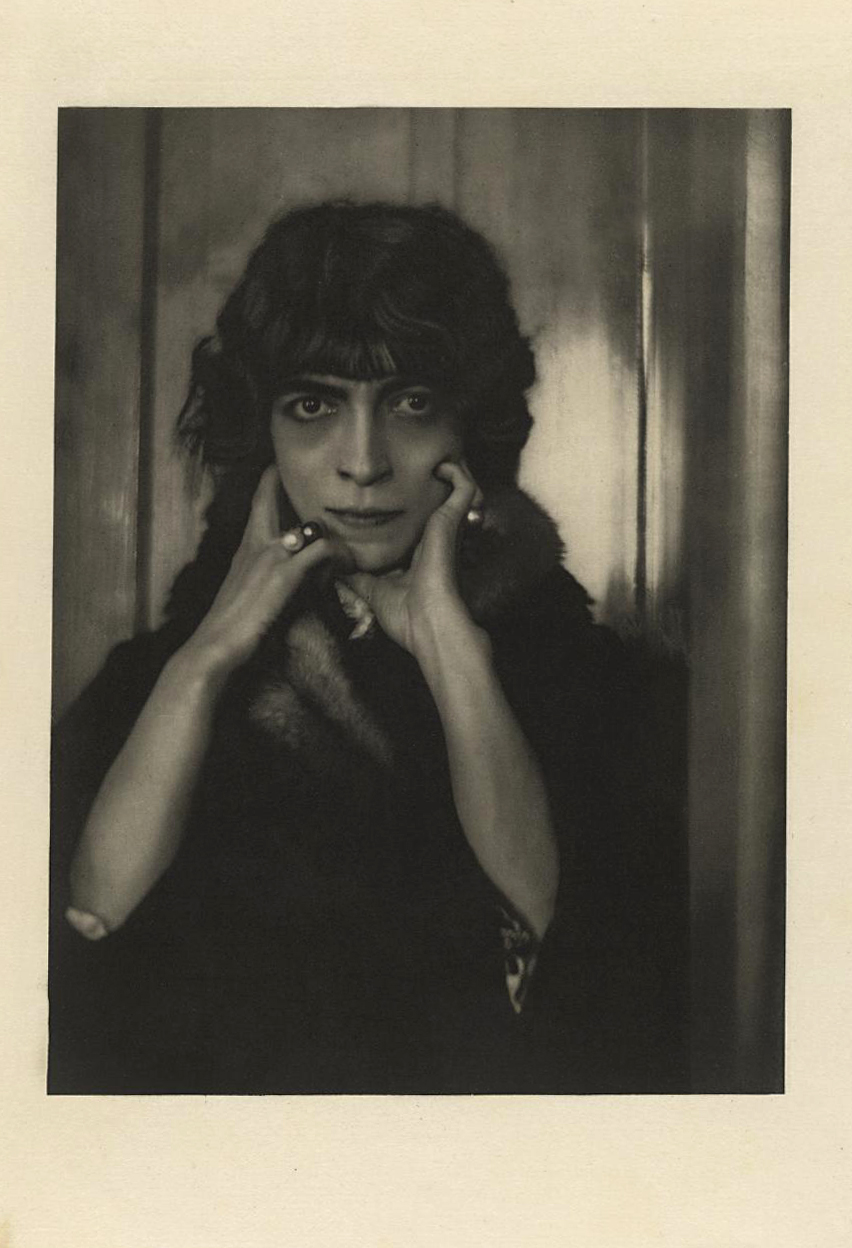
![Adolf de Meyer (American born France, 1868-1946) 'Study for Vogue [Jan 1-1918, Betty Lee, Vogue, page 41]' 1918-1921](https://artblart.com/wp-content/uploads/2018/02/adolf-de-meyer-study-for-vogue-web.jpg "Adolf de Meyer (American born France, 1868-1946) 'Study for Vogue [Jan 1-1918, Betty Lee, Vogue, page 41]' 1918-1921")

![Adolf de Meyer (American born France, 1868-1946) 'Etienne de Beaumont [Count Etienne de Beaumont (French, 1883-1956)]' c. 1923](https://artblart.com/wp-content/uploads/2018/02/adolf-de-meyer-etienne-de-beaumont-web.jpg "Adolf de Meyer (American born France, 1868-1946) 'Etienne de Beaumont [Count Etienne de Beaumont (French, 1883-1956)]' c. 1923")

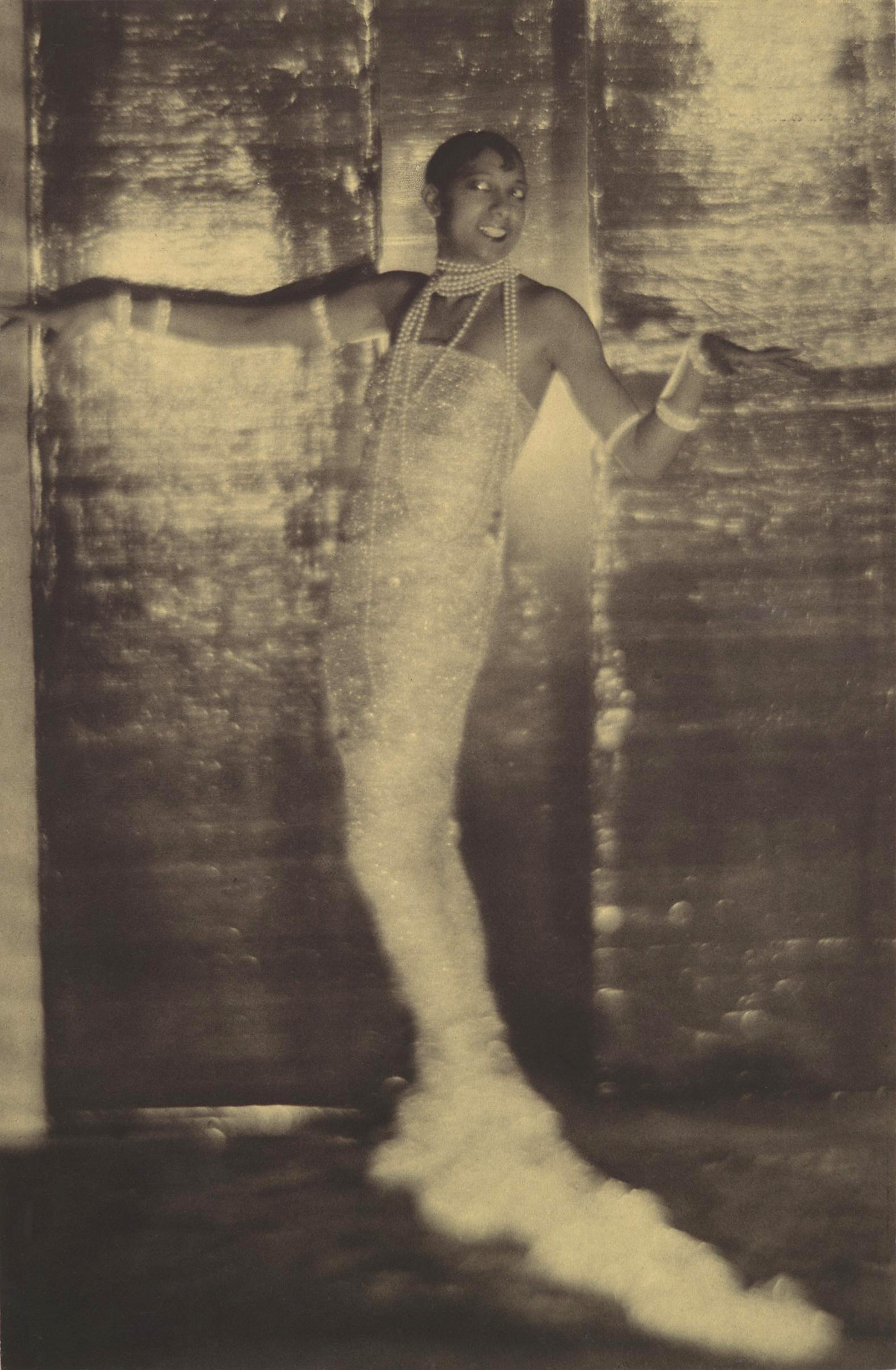


![Sarah Choate Sears (American, 1858-1935) 'A Mexican [Adolf de Meyer (American (born France), Paris 1868-1946 Los Angeles, California)]' 1905](https://artblart.com/wp-content/uploads/2018/02/sears-adolf-de-meyer-web.jpg "Sarah Choate Sears (American, 1858-1935) 'A Mexican [Adolf de Meyer (American (born France), Paris 1868-1946 Los Angeles, California)]' 1905")


You must be logged in to post a comment.