Exhibition: ‘Jewels, Gems, and Treasures: Ancient to Modern’ at the Museum of Fine Arts, Boston

Exhibition dates: 19th July 2011 – 25th November 2012
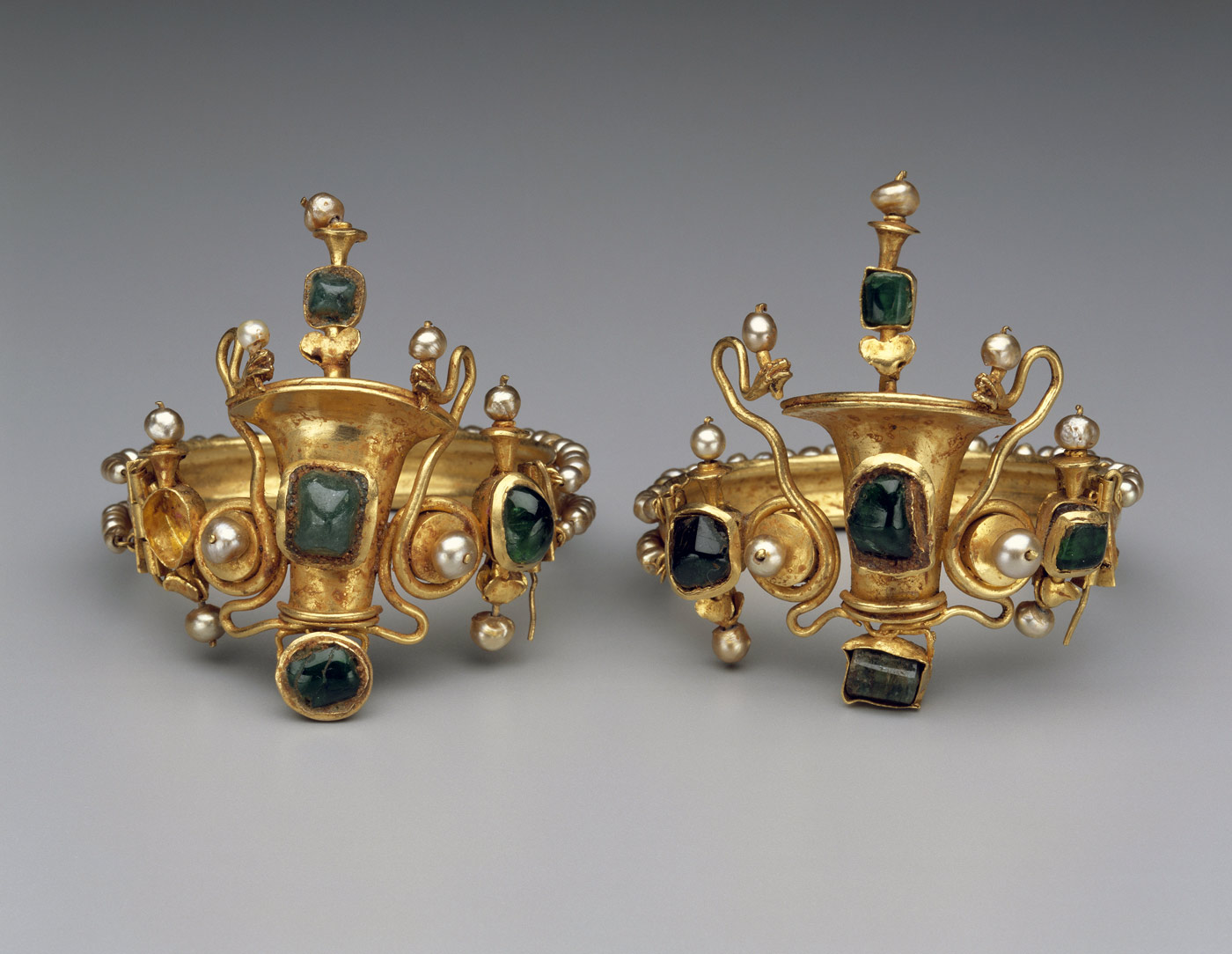
 

Anon. 'Bracelets' about 40-20 BC


Anon
Bracelets
about 40-20 BC
Gold, emeralds, and pearls (modern)
Classical Department Exchange Fund
Photo: © Museum of Fine Arts, Boston


“Today, in the West, we have come to regard diamond, pearl, emerald, sapphire, and ruby as the most precious of materials. That has not always been the case. Other substances have commanded equal attention, from feathers, claws, and mica appliqués to coral and rock crystal, serving a protective role, guarding their wearer from dangerous circumstances or malevolent forces. Other substances, especially those that are rare and available to a select few, are signifiers of wealth and power.”


Museum of Fine Arts, Boston


Continuing my love affair with exquisite jewellery. What splendour! I love them all…

Marcus


Many, many thankx to the Museum of Fine Arts, Boston for allowing me to publish the reproduction of the jewellery in the posting. Please click on the photographs for a larger version of the art works.
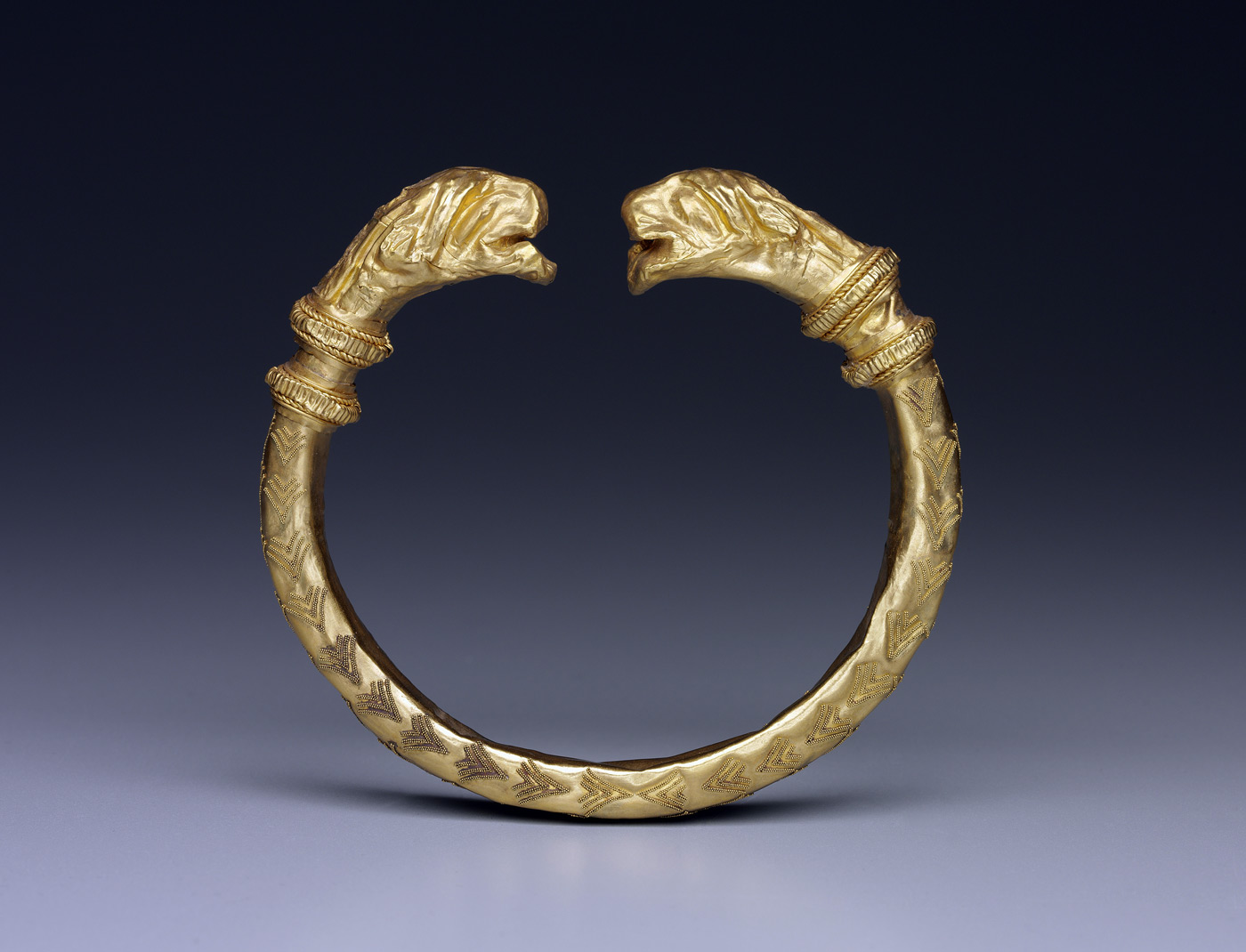


Anon. 'Armlet with feline-head terminals' Late 5th century BC


Anon
Armlet with feline-head terminals
Late 5th century BC
Gold
John Michael Rodocanachi Fund
Photo: © Museum of Fine Arts, Boston
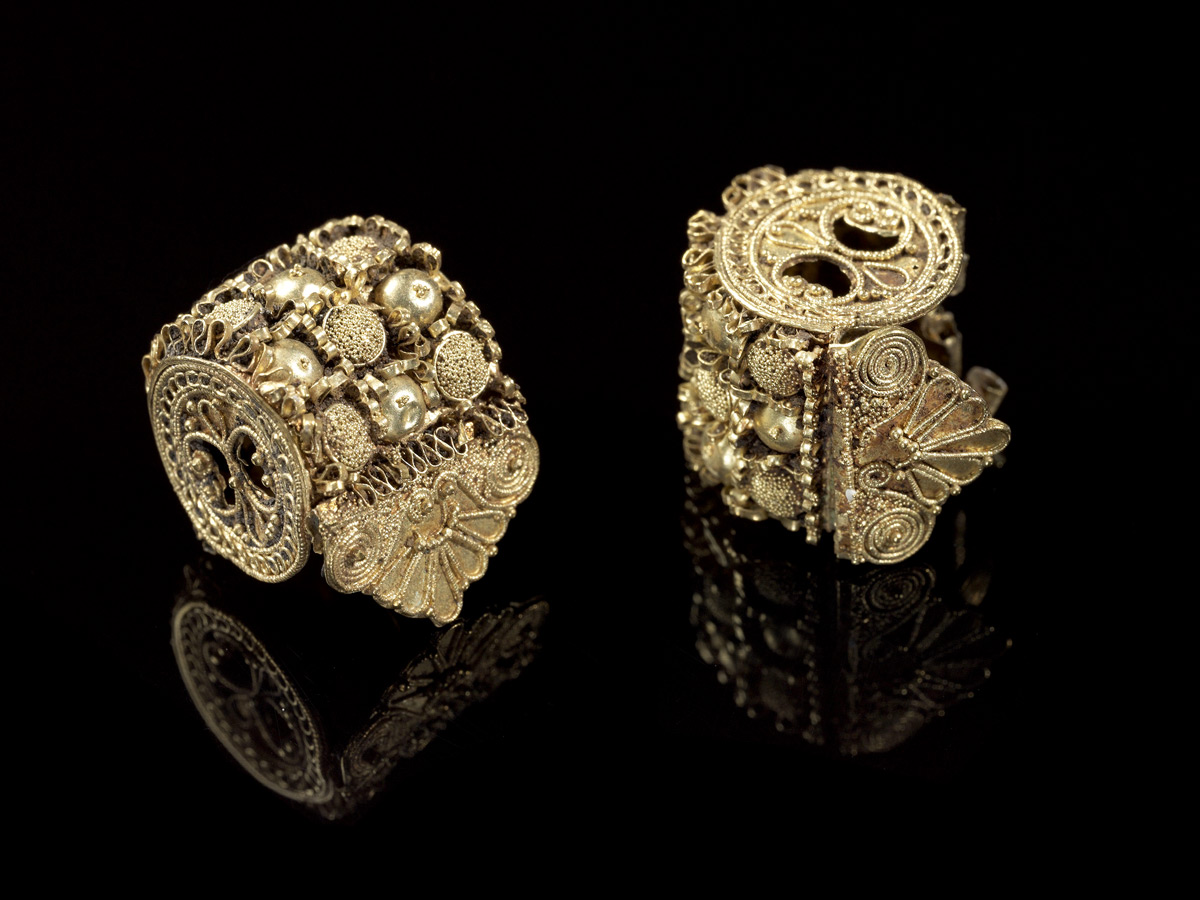
 

Anon. 'Spool earring' Italic, Etruscan, Late Archaic or Classical Period early 5th century BC


Anon
Spool earring
Italic, Etruscan, Late Archaic or Classical Period
early 5th century BC
Gold
Francis Bartlett Donation of 1900
Photo: © Museum of Fine Arts, Boston
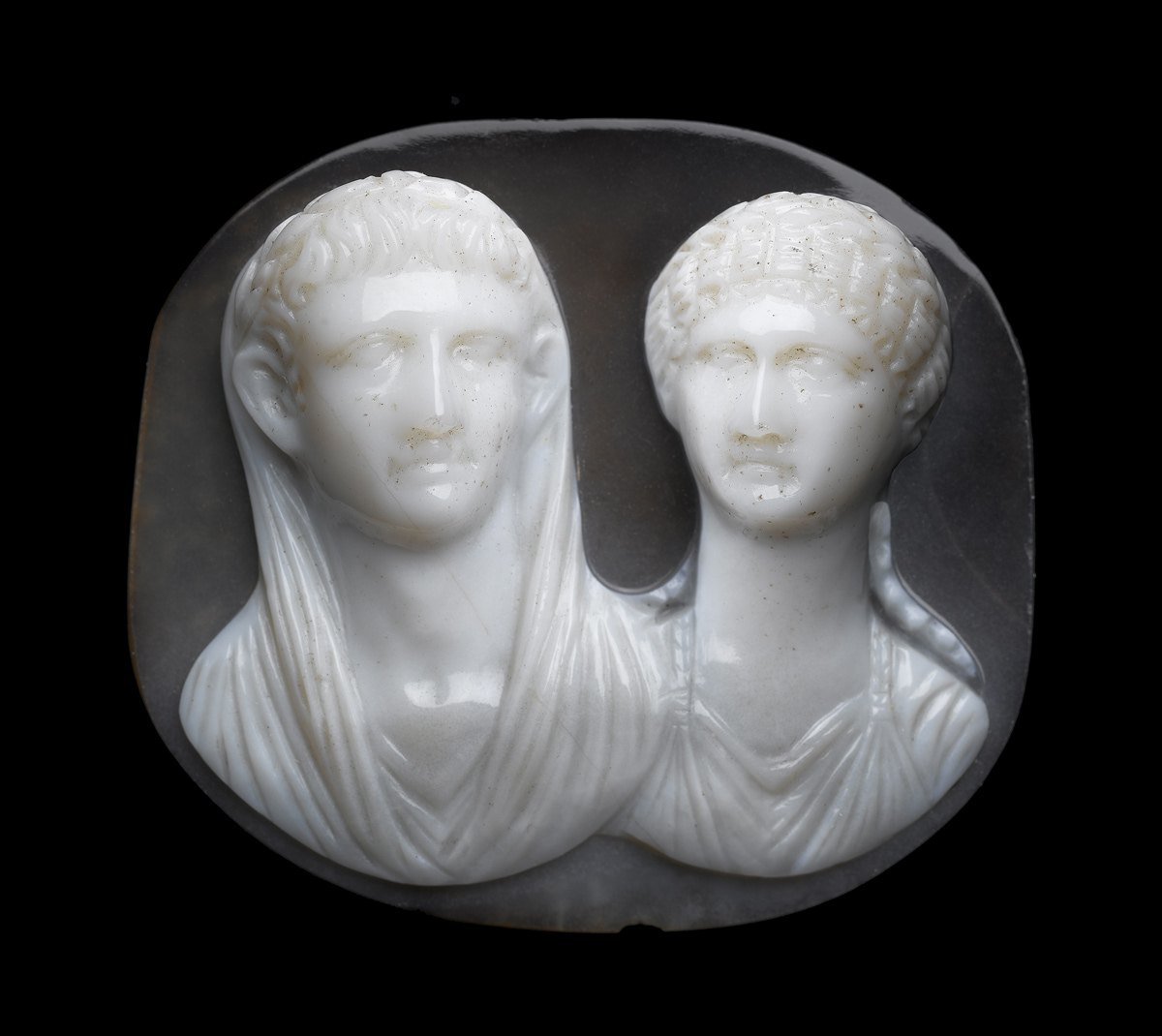
 

Anon. 'Cameo with portrait busts of an Imperial Julio-Claudian couple' mid-1st century AD


Anon
Cameo with portrait busts of an Imperial Julio-Claudian couple
mid-1st century AD
Sardonyx
Henry Lillie Pierce Fund
Photo: © Museum of Fine Arts, Boston
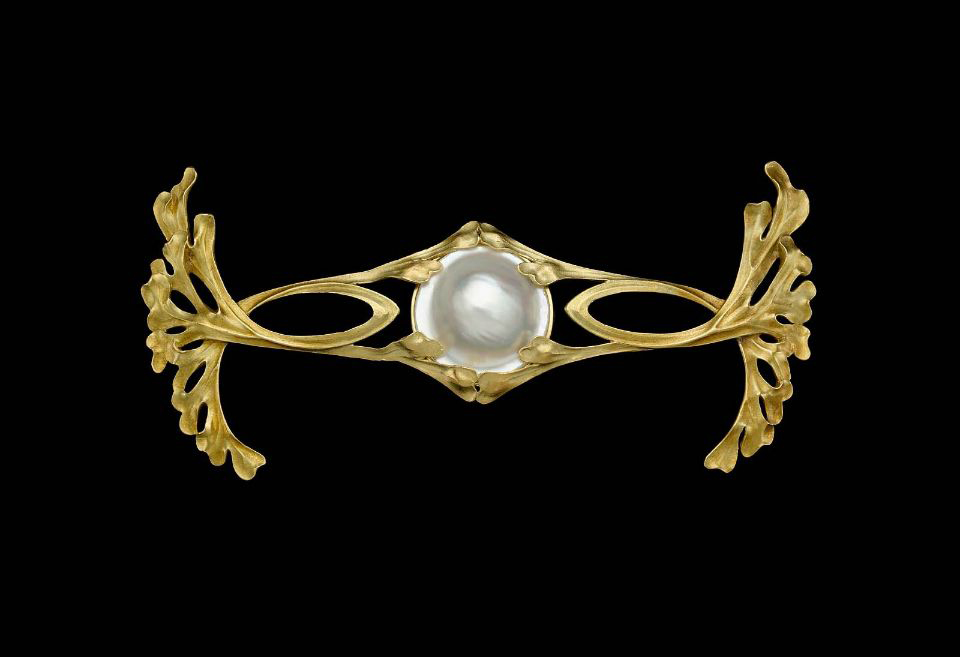
 

Paul Lienard (French, b. 1849) 'Seaweed brooch' French, about 1908


Paul Lienard (French, b. 1849)
Seaweed brooch
French, about 1908
Gold and mabe pearl
Height x width x depth: 5.4 x 11 x 1cm
Photo: © Museum of Fine Arts, Boston


As the saying goes, “diamonds are a girl’s best friend” – at least in modern times – but as the exhibition Jewels, Gem, and Treasures: Ancient to Modern illustrates, ornaments made of ivory, shell, and rock crystal were prized in antiquity, while jewellery made of diamonds, emeralds, sapphires, rubies, and pearls became fashionable in later years. On view July 19, 2011, through November 25, 2012, this exhibition at the Museum of Fine Arts, Boston (MFA), highlights some 75 objects representing the rich variety of jewels, gems, and treasures that have been valued over the course of four millennia.

Drawn from the MFA’s collection and select loans, these range from a 24th-century BC Nubian conch shell amulet, to Mary Todd Lincoln’s 19th-century diamond and gold suite, to a 20th-century platinum, diamond, ruby, and sapphire Flag brooch honouring the sacrifices of the Doughboys in World War I. Jewels, Gems, and Treasures is the inaugural exhibition in the MFA’s new Rita J. and Stanley H. Kaplan Family Foundation Gallery, which debuts on July 19. The gallery – one of only a few at US museums solely dedicated to jewellery – will feature works from the Museum’s outstanding collection of approximately 11,000 ornaments. It is named in recognition of the generosity of the Rita J. and Stanley H. Kaplan Family Foundation.

“The opening of the Museum’s first jewellery gallery provides an ongoing opportunity for the MFA’s collection to shine,” said Malcolm Rogers, Ann and Graham Gund Director of the MFA. “In this inaugural exhibition, visitors will see a wide range of gems that will both inform and dazzle in a beautiful new space that will allow the MFA to showcase its stellar assemblage of jewellery, which ranges from ancient to modern.”

Jewels, Gems, and Treasures sheds light on how various cultures throughout history have defined the concept of “treasure,” showcasing an exquisite array of necklaces, rings, bracelets, pendants, and brooches, as well as mineral specimens. In addition, the exhibition explains the significance of jewellery, which can be functional (pins, clasps, buckles, combs, and barrettes); protective (talismans endowed with healing or magical properties); and ornamental, making the wearer feel beautiful, loved, and remembered. Beyond functionality and adornment, jewellery can also establish one’s status and role in society. Rare gems and precious metals, made into fabulous designs by renowned craftsmen, have often served as symbols of wealth and power. This is especially evident in a section of the show where jewellery worn by celebrities is on view, including fashion designer Coco Chanel’s enamelled cuff bracelets accented with jewelled Maltese crosses (Verdura, New York, first half of 20th century) and socialite Betsey Cushing Whitney’s gold and diamond “American Indian” Tiara (Verdura, New York, about 1955), which she wore to her presentation to Queen Elizabeth II in 1956 as the wife of the US Ambassador to the Court of St. James.

The significance of precious materials in jewellery in the 20th century is explored in the exhibition, where several modern adornments from the MFA’s Daphne Farago Collection examine jewellery’s traditional roles in society. Among them are a 1985 brooch of iron, pyrite, and diamond rough by Falko Marx and a 1993 ring by Dutch jeweller Liesbeth Fit entitled Diamonds Are a Girl’s Best Friend. (The Daphne Farago Collection comprises 650 pieces of contemporary craft jewellery made by leading American and European artists from about 1940 to the present.)

Jewels, Gems, and Treasures begins with a look at jewellery made of organic materials – substances readily available and easy to work with, such as ivory, shell, wood, and coral. These range from a pair of ivory cuff bracelets from Early Kerma culture in modern Sudan (2400-2050 BC) to more sophisticated creations made possible through the advancement of tools. Examples include a gold, silver, carnelian and glass Egyptian Pectoral (1783-1550 BC) and a Nubian gold and rock crystal Hathor-headed crystal pendant (743-712 BC) recovered from the burial of a queen of King Piye, the great Kushite ruler who conquered Egypt in the eighth century BC. In addition to having magical properties that protected the wearer against malevolent forces, adornments such as these were often buried with their owners as their amuletic capabilities were needed during the arduous journey to the afterlife. On the other side of the globe, Mayans wore ear flares – conduits of spiritual energy – made of sacred green jadeite that represented key elements of human life. Various cultures throughout the ages at one point believed that amber could cure maladies, coral could safeguard children, an animal’s tooth or claw could invest the wearer with strength and ferocity, and gold and silver invoked the cosmic power of the sun and moon. In Medieval and Renaissance Europe, many hard stones were believed to have magical properties (some were even ground and consumed), and pendant reliquaries containing a holy person’s cremated ashes or bone fragments were often donned, along with rosaries (Rosary, South German, mid-17th century), as sacred adornments. Even today, zodiac ornaments and good luck charms are sometimes worn as tokens, recalling their earlier mystical importance.

Throughout much of history, jewellery’s role as a symbol of one’s elevated status has inspired the wealthy to seek out stones that sparkle, gold that gleams, and designs that reflect the greatest artistry money can buy. To illustrate this, Jewels, Gems, and Treasures features some of the most opulent works from the Museum’s jewellery collection, including an 1856 diamond wedding necklace and earrings suite given by arms merchant Samuel Colt to his wife (the 41.73-carat suite, purchased for $8,000, is now valued at $190,000) and Mary Todd Lincoln’s gold, enamel, and diamond brooch with matching earrings, which she acquired around 1864, shortly after the death of the Lincolns’ beloved son, Willy, and then sold in 1867 to pay mounting debts. Also on view is a Kashmir sapphire and diamond brooch (around 1900); a gold and diamond necklace made by August Holmström for Peter Carl Fabergé, the famous Russian jeweller to the czars; and cereal heiress Marjorie Merriweather Post’s lavish platinum brooch from the 1920s, featuring a spectacular 60-carat carved Mughal emerald surrounded by diamonds, which she purchased in anticipation of her presentation at the British court in 1929.

Also on view in the exhibition are superb adornments made by leading French Art Nouveau jewellers, which were fashioned for a wealthy and artistic clientele in the late 19th to early 20th centuries. The Art Nouveau movement, which originated in Europe, embraced an aesthetic that was avant-garde, sensuous, and symbolic – one that looked to the natural world, the Impressionists, and the arts of Japan for inspiration. In response to the “tyranny of the diamond” – the all white platinum and diamond jewellery previously in vogue – these elaborate, one-of-a kind pieces often featured coloured gems and unusual materials, such as horn, enamel, irregularly shaped pearls, steel, and glass. Examples in the show include René Lalique’s fanciful gold, silver, steel, and diamond Hair ornament with antennae (about 1900), and Paul Lienard’s gold and mabe pearl Seaweed brooch (about 1908). The Arts and Crafts movement, which emerged in Britain during the 1870s as a reaction to the mechanisation and poor working conditions of the Industrial Revolution, is represented by Marsh-bird brooch (1901-1902) by Charles Robert Ashbee, who sought to create a delicate stained-glass effect with this piece. The refined techniques of the Art Deco movement are evident in Japanesque brooch (about 1925), incorporating platinum, gold, enamel, diamonds, rubies, and onyx. The movement arose after World War I and continued through the 1930s. It was influenced by avant-garde ideology, as was the Art Nouveau and Arts and Crafts movements, but instead chose to express its aesthetic through geometric shapes, linear stylisation, and a return to platinum and diamonds.

Jewels, Gems, and Treasures also highlights a variety of interesting and unique pieces, such as a Suite of hummingbird jewelry (brooch and earrings, about 1870), made out of gold, ruby, and taxidermied hummingbirds; an ebony, ivory, silver lapis lazuli, and amber casket designed to showcase the amber cameos and intaglios collected by Arnold Buffum (about 1880-1885); an Indian silver and tiger claw necklace (19th century); and a gold, silver, agate, diamond, and ruby animal sculpture, The Balletta Bulldog (about 1910) made by the workshop of Peter Carl Fabergé Fabergé. In addition, the exhibition features jewellery as seen in William McGregor Paxton’s painting, The New Necklace (1910).

Press release from the Museum of Fine Arts, Boston website
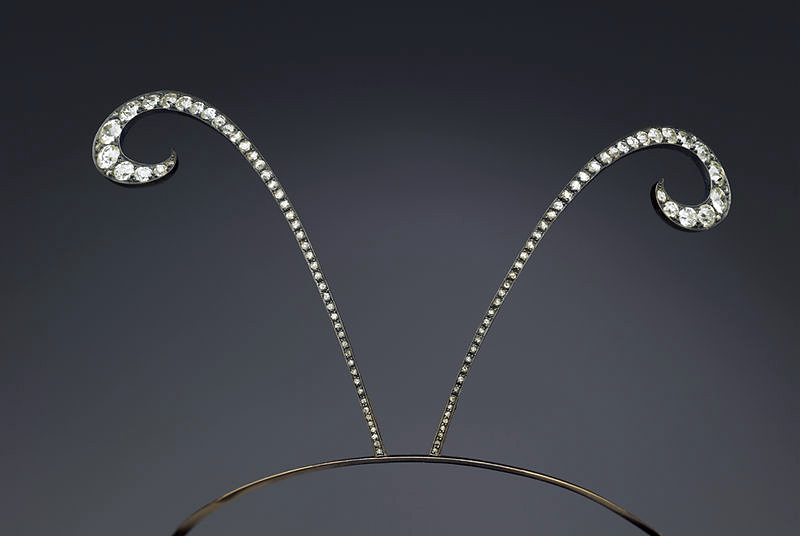
 

René Lalique (French, 1860-1945) 'Hair ornament with antennae' c. 1900


René Lalique (French, 1860-1945)
Hair ornament with antennae
c. 1900
Gold, silver, steel, and diamond
Height x width x depth: 8.8 x 12.5 x 7cm
Museum of Fine Arts, Boston. Gift of the Sataloff and Cluchey Family
© 2011 Artists Rights Society (ARS), New York/ADAGP, Paris
Photo: © Museum of Fine Arts, Boston


This hair ornament with its whimsical character is a unique piece by Lalique. It features the unusual exclusive use of diamonds which were sparingly used by the Art Nouveau jewellers who preferred less precious stones and enamel to provide colour and opalescence. From the gold wire headband emerge two antenna composed of hollow silver cubes in which are set graduated brilliants each secured by four prongs. A steel wire runs through the cubes to form the curved shape of each antenna. Except for the scroll terminals of the antennae, each cube is individually mounted and stacked without being attached to each other so that they tremble when the wearer moves, accentuating the sparkle of the diamonds.
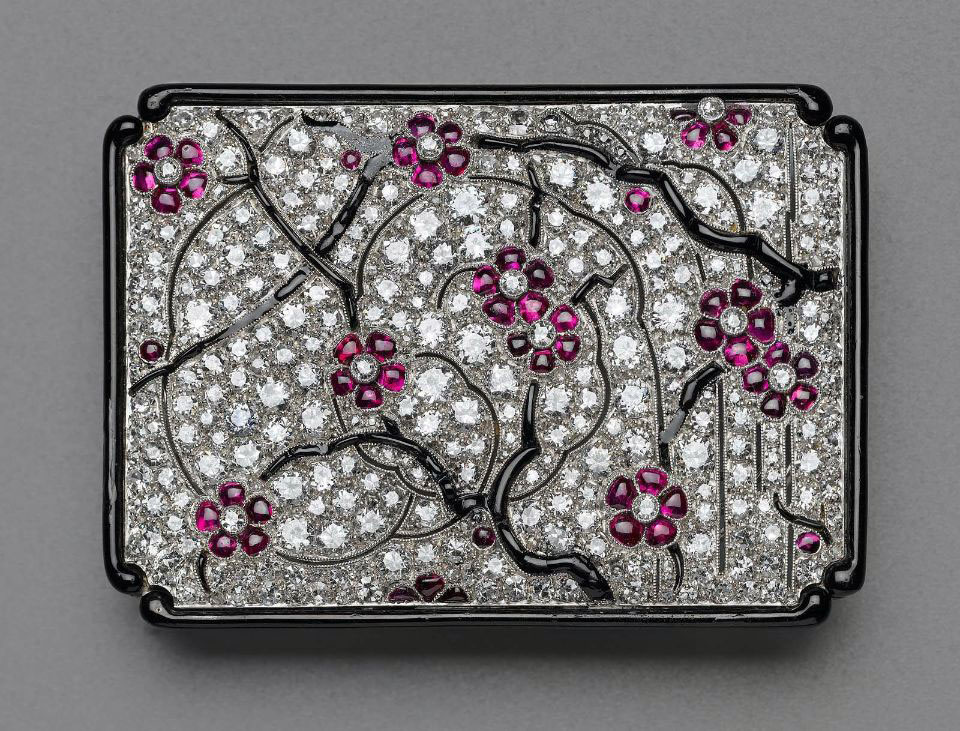
 

Probably by Lacloche Frères, Spanish, founded in 1875 (also working in Paris) 'Japanesque brooch' French, about 1925


Probably by Lacloche Frères, Spanish, founded in 1875 (also working in Paris)
Japanesque brooch
French, about 1925
Platinum, gold, enamel, diamond, ruby, and onyx
Height x width x depth: 3.6 x 5.2 x 0.6cm
Photo: © Museum of Fine Arts, Boston
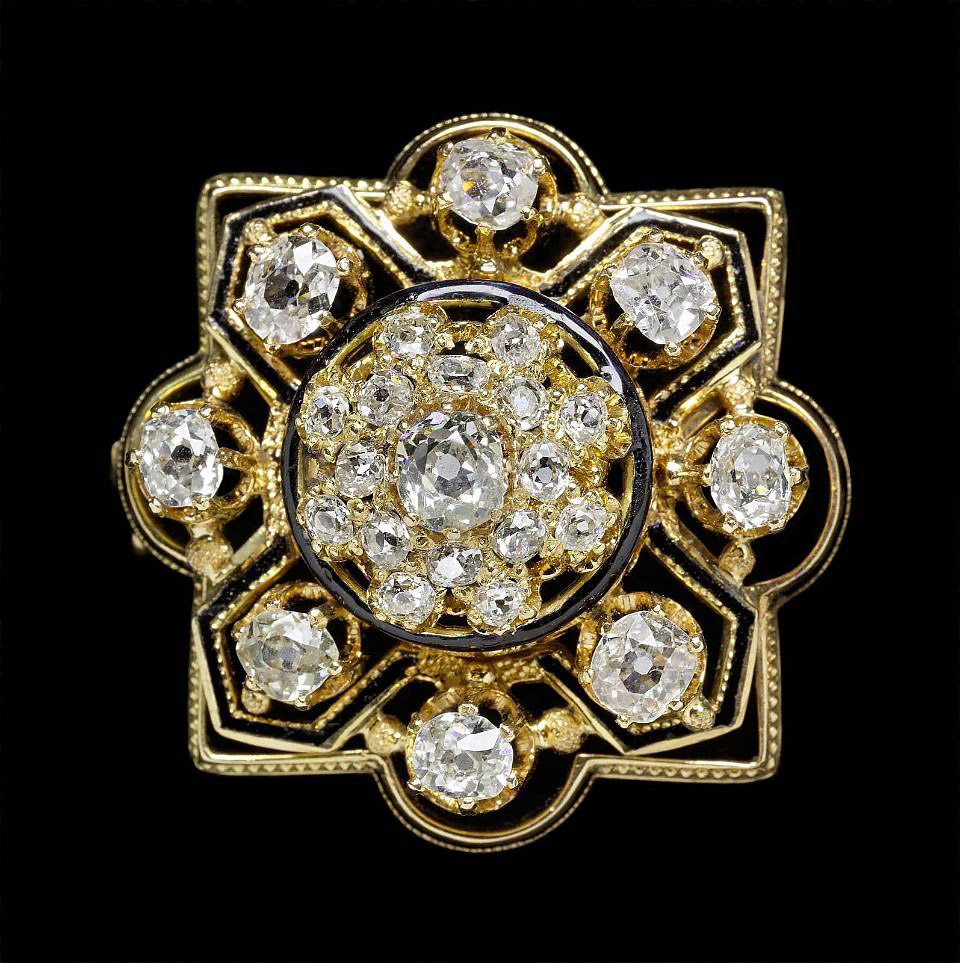
 

Anon. 'Brooch worn by Mary Todd Lincoln' (American, 1818-1882) American, about 1860


Anon
Brooch worn by Mary Todd Lincoln (American, 1818-1882)
American, about 1860
Gold, enamel, and diamond
Depth x diameter: 1.3 x 3cm
Photo: © Museum of Fine Arts, Boston


The brooch is part of a suite with matching earrings. Each element is quatrefoil in shape and has a central diamond with a diamond surround. Eight smaller diamonds form a second tier of stones. The stones are all mine-cut and are probably original to the suite. The colour range is J-K with VS-VS1 clarity. there are some losses to the tracery enamel. The suite was featured in Frank Lesley’s Illustrated Newspaper (Oct. 26, 1867). It was part of a large group of Mrs. Lincoln’s clothes, jewellery, and furnishings that were offered for sale through Brady & Company of New York City. Apparently, Mrs. Lincoln fell into dire financial circumstances after the assassination of her husband, Abraham Lincoln. The sale price was listed as $350.00.
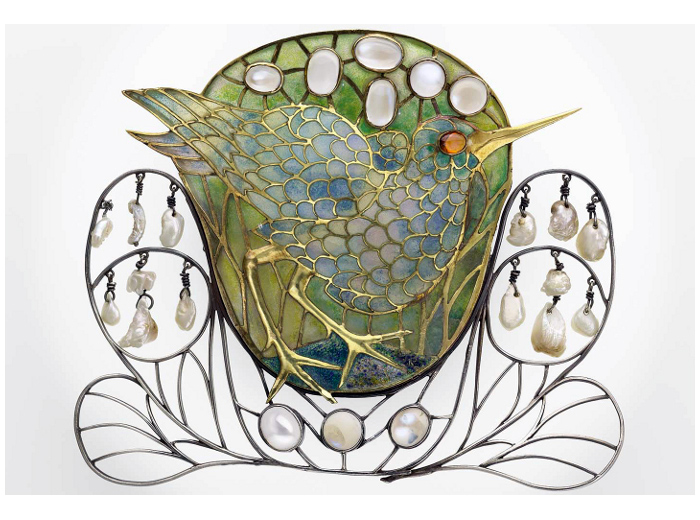
 

Charles Robert Ashbee (English, 1863-1942) 'Marsh-bird brooch' 1901-1902


Charles Robert Ashbee (English, 1863-1942)
Marsh-bird brooch
1901-1902
Gold, silver, enamel, moonstone, topaz, and freshwater pearl
Height x width x depth: 9 x 10.5 x 1.5cm
Photo: © Museum of Fine Arts, Boston


The brooch was originally a hair ornament that was converted to a brooch (silver pin stem and “C” hook added). Conversion probably occurred shortly after the ornament was made. The hair comb was fabricated by A. Gebhardt and enamelist William Mark, both members of the Guild of Handicraft.
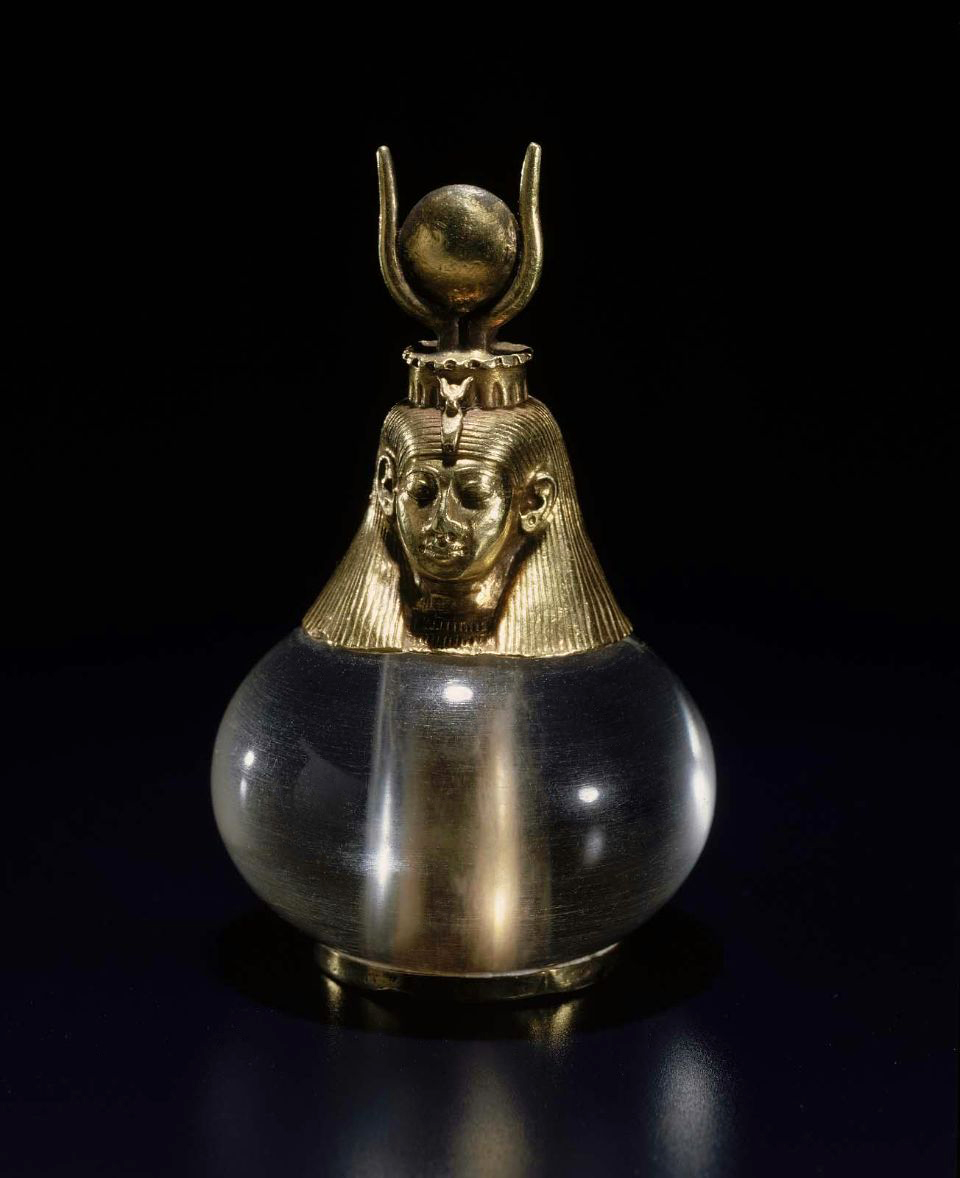
 

Anon. 'Hathor-headed crystal pendant' Napatan Period, reign of King Piye 743-712 BC


Anon
Hathor-headed crystal pendant
Napatan Period, reign of King Piye
743-712 BC
from el-Kurru, tomb Ku 55 (Sudan)
Gold, rock crystal
Height x diameter: 5.4 x 3.3cm
Photo: © Museum of Fine Arts, Boston
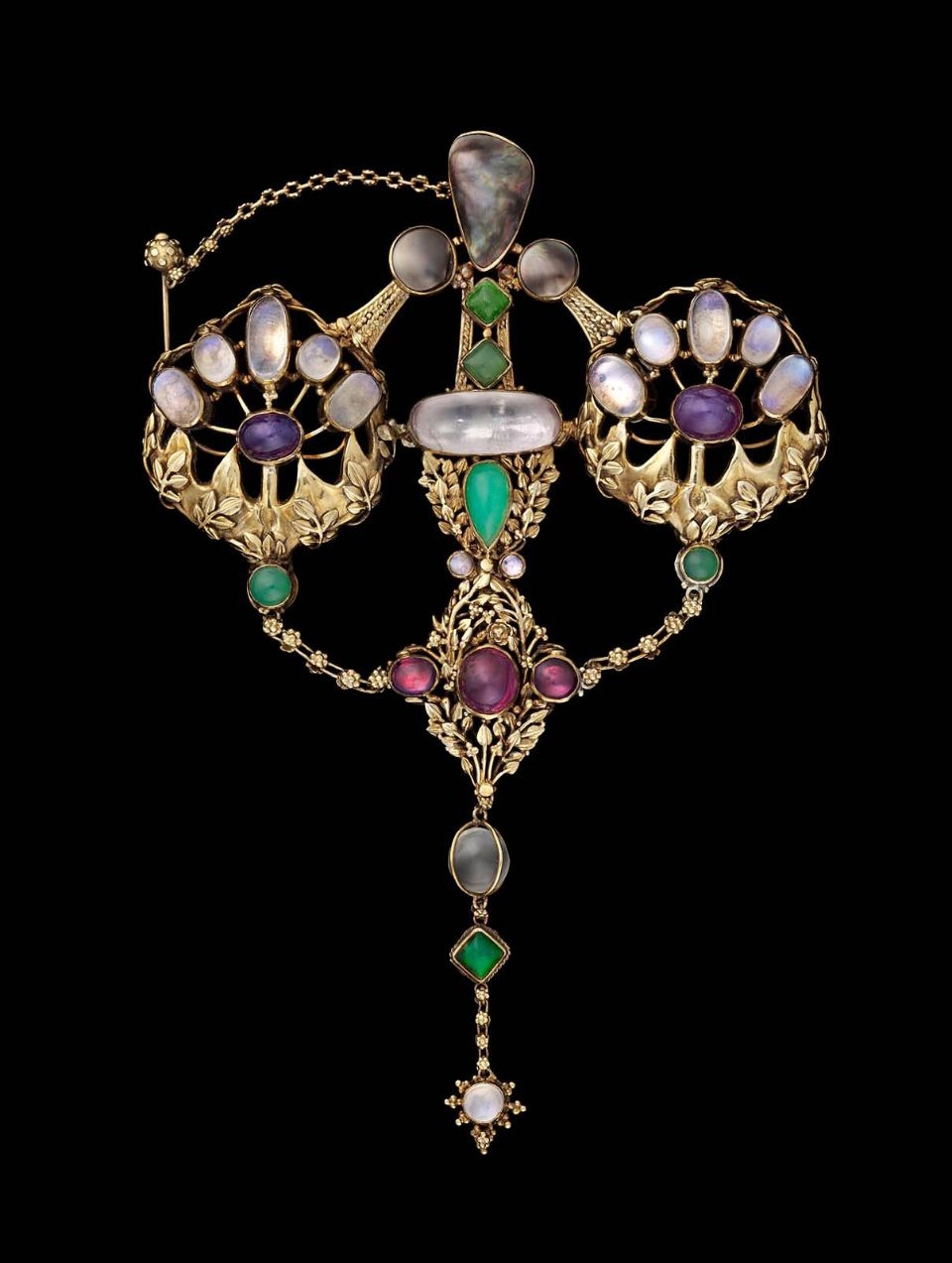
 

John Paul Cooper (English, 1869-1933) 'English Arts and Crafts brooch' 1908


John Paul Cooper (English, 1869-1933)
English Arts and Crafts brooch
1908
Gold (15 kt), ruby, moonstone, pearl, amethyst, and chrysoprase
Height x width x depth: 14 x 9.6 x 0.8cm
Photo: © Museum of Fine Arts, Boston


John Paul Cooper, a leading figure in the British Arts and Crafts movement, was an architect, designer, and metalsmith. Born into an affluent Leicester family, Cooper prepared for a career as a writer but was discouraged from pursuing this endeavour by his industrialist father. Instead, he apprenticed to London architect John D. Sedding, a strong proponent of the ideas of John Ruskin and Henry Wilson, an architect with interests in craft, especially metalwork and jewellery. Afterwards, Cooper joined the “Birmingham Group” and served as head of the Metalwork Department of the Birmingham Municipal Art School (1901-1906). He exhibited regularly at the Arts and Crafts Society exhibitions and completed several important public commissions, including two crosses and a pair of altar vases for Birmingham Cathedral. Additionally, his work often appeared in article published in Studio and Art Journal.

Cooper’s interest in jewellery design and fabrication began shortly after his association with Wilson. Like Wilson, he eventually employed others to fabricate his jewellery designs although he sometimes did the chasing and repoussé work himself. The jewellery was crafted primarily in 15 kt gold, utilising semi-precious cabochons (domed, unfaceted stones) and mother-of-pearl. Unlike many Arts and Crafts jewellery designers, Cooper often worked his designs from a selection of stones, rather than creating a design and then finding suitable gems. He once commented that stones should “… play on one another as two notes of music…”

In addition to jewellery, Cooper’s workshop designed and fabricated ecclesiastical objects and various decorative arts, including hollowware and frames. Many of the objects incorporate unusual materials, such as coconut shell, ostrich-egg shell, and narwhal tusk. At the beginning of his career, he often used gesso and plaster modelling to decorate surfaces and, at the end of the 1890s, he began making wooden boxes which he covered with shagreen, a decorative veneer made from the skin of certain sharks and rays.

This brooch is a major work by Cooper. Created during a period when the artist relied less on chased representational imagery and more on stones, the ornament conveys a sense of refined opulence. Inspired by medieval and Celtic design, the brooch is both airy and graceful. The goldwork is decorated with finely chased leaves and tendrils and the bezel-set stones include ruby, pearl, moonstone, amethyst, and chrysoprase. It took 273 hours to produce the brooch and Lorenzo Colarosi, Cooper’s chief craftsman, was the primary fabricator. It’s possible that Cooper did the chasework. The drawing for the brooch, which is dated 3 December 1908, can be found in Stockbook I, p. 81 in the Cooper Family Archives. Cooper entitled the piece Big double gold brooch.
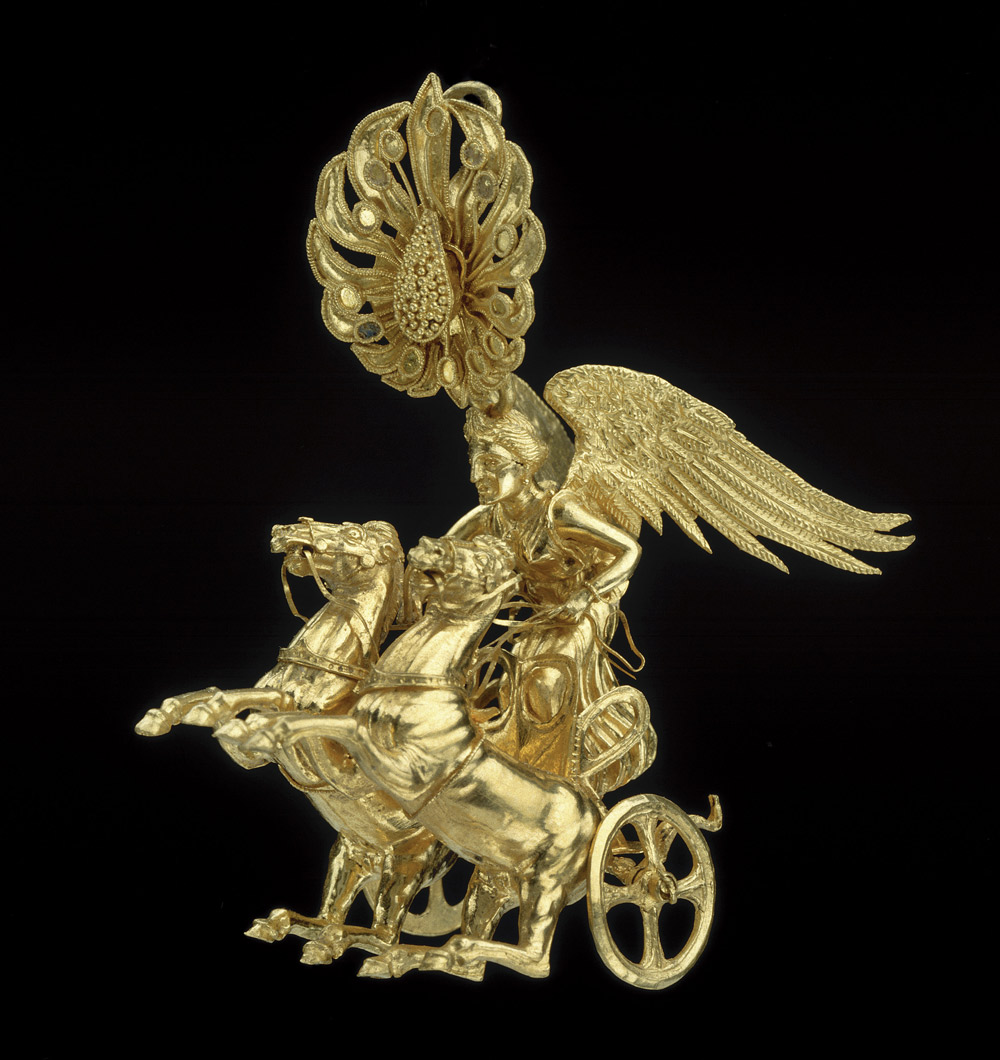
 

Anon. 'Earring with Nike driving a two-horse chariot' about 350-325 BC


Anon
Earring with Nike driving a two-horse chariot
About 350-325 BC
Gold
Henry Lillie Pierce Fund
Photo: © Museum of Fine Arts, Boston
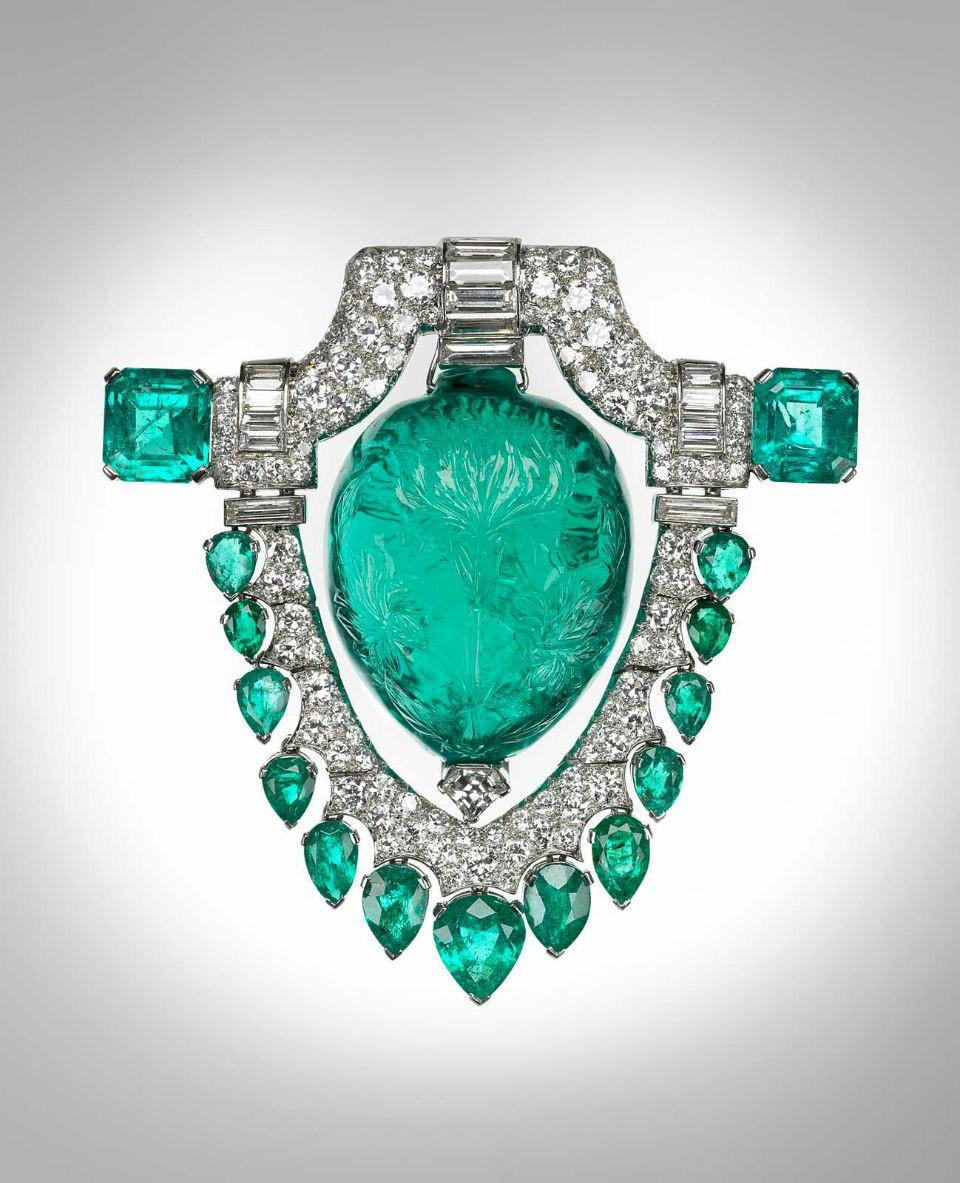
 

Possibly by Oscar Heyman & Bros., American, founded in 1912 for Marcus & Co., American, 1892-1941 Marjorie Merriweather Post's platinum brooch American, late 1920s


Possibly by Oscar Heyman & Bros. (American, founded in 1912 for Marcus & Co., American, 1892-1941)
Marjorie Merriweather Post’s platinum brooch
American, late 1920s
Platinum, diamond, and emerald featuring a spectacular 60-ct carved Mughal emerald surrounded by diamonds, which she purchased in anticipation of her presentation at the British court in 1929
Overall: 5.3 x 5.4 x 1.1cm
Photo: © Museum of Fine Arts, Boston


The brooch was purchased by Marjorie Merriweather Post (1887-1973) and is documented by two portraits; one by Frank O. Salisbury (Palm Beach Bath and Tennis Club) and the other by Douglas Chador (Hillwood Museum). Both date to 1952. The central stone in the brooch is a mid-17th century carved emerald that was purchased by Marcus and Co.’s agent in Bombay in the 1920s. Oscar Heyman & Bros. made many of the jewels marketed by Marcus & Co. during the 1920s.
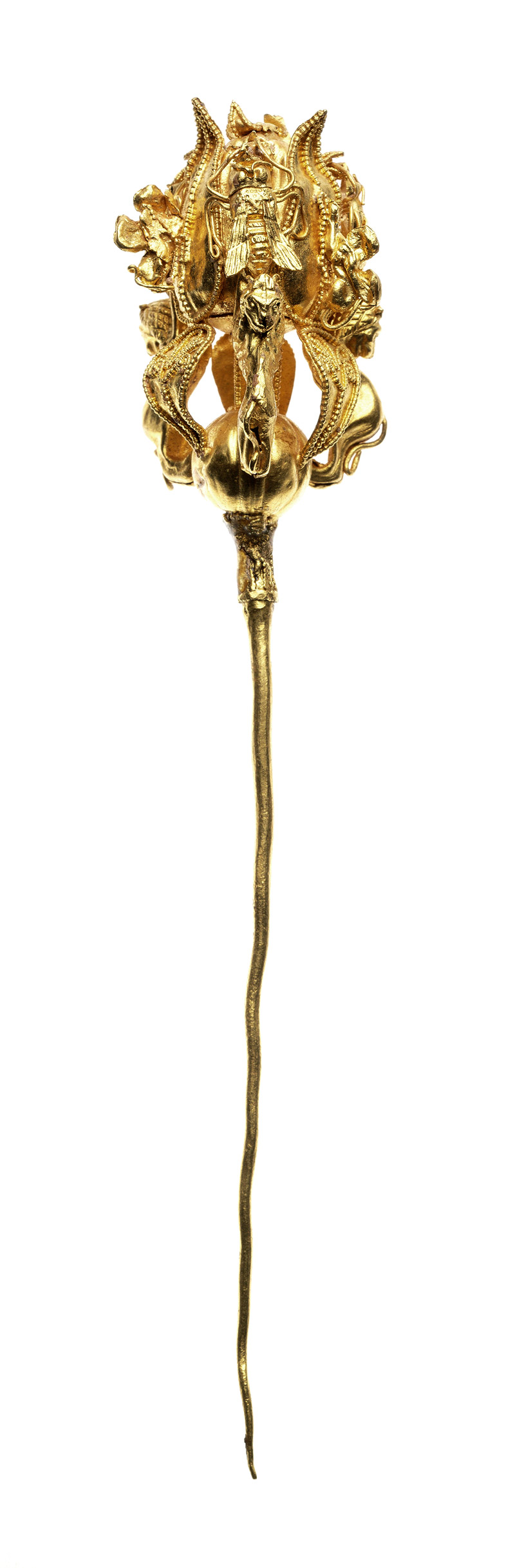
 

Anon. 'Pin with sphinxes, lions, and bees' Late 5th century BC


Anon
Pin with sphinxes, lions, and bees
Late 5th century BC
Gold
Catharine Page Perkins Fund
Photo: © Museum of Fine Arts, Boston.


Museum of Fine Arts, Boston
Avenue of the Arts
465 Huntington Avenue
Boston, Massachusetts

Opening hours:
Saturday – Monday and Wednesday 10am – 5pm
Thursday – Friday 10am – 10pm
Closed Tuesdays
Museum of Fine Arts, Boston website

LIKE ART BLART ON FACEBOOK

Back to top

Exhibition: ‘Portraits of Renown: Photography and the Cult of Celebrity’ at the J. Paul Getty Museum, Los Angeles

Exhibition dates: 3rd April – 26th August 2012


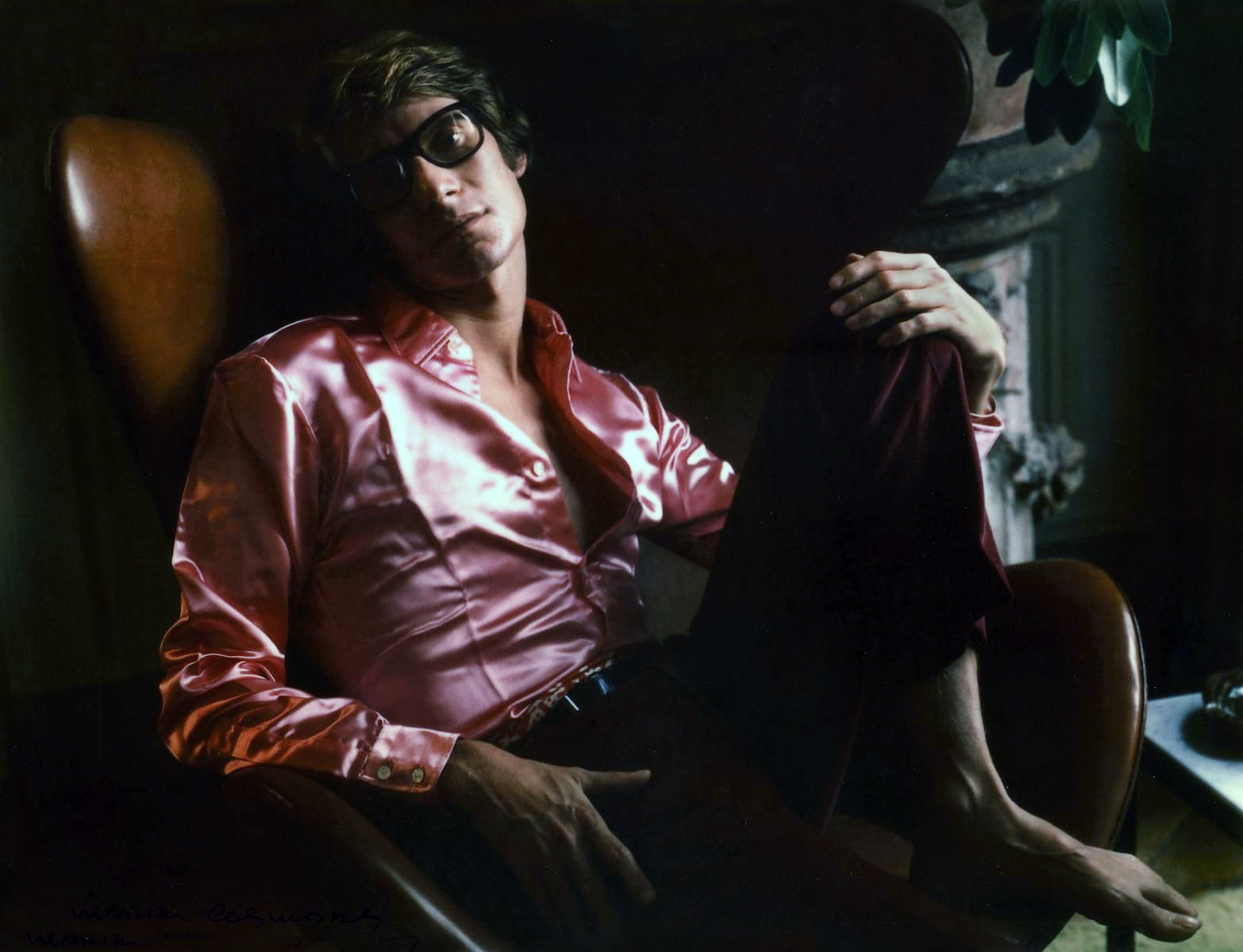
Marie Cosindas (American, 1925-2017) 'Yves Saint Laurent, Paris' 1968


Marie Cosindas (American, 1925-2017)
Yves Saint Laurent, Paris
1968
Dye colour diffusion [Polaroid ®] print
The J. Paul Getty Museum, Los Angeles
© Marie Cosindas


On the Nature of Photography


“To get from the tangible to the intangible (which mature artists in any medium claim as part of their task) a paradox of some kind has frequently been helpful. For the photographer to free himself of the tyranny of the visual facts upon which he is utterly dependent, a paradox is the only possible tool. And the talisman paradox for unique photography is to work “the mirror with a memory” as if it were a mirage, and the camera is a metamorphosing machine, and the photograph as if it were a metaphor… Once freed of the tyranny of surfaces and textures, substance and form [the photographer] can use the same to pursue poetic truth.”


Minor White quoted in Beaumont Hewhall (ed.,). The History of Photography. Boston: Little, Brown, and Co., 1982, p. 281


“Carol Jerrems and I taught at the same secondary school in the 1970’s. In a classroom that was unused at that time, I remember having my portrait taken by her. She held her Pentax to her eye. Carols’ portraits all seemed to have been made where the posing of her subjects was balanced by an incisive naturalness (for want of a better description). As a challenge to myself I tried to look “natural”, but kept in my consciousness that I was having my portrait taken. Minutes passed and neither she nor her camera moved at all.

Then the idea slipped from my mind for just a moment, and I was straightaway bought back by the sound of the shutter. What had changed in my face? – probably nothing, or 1 mm of muscle movement. Had she seen it through the shutter? Or something else – I don’t know.”


Australian artist Ian Lobb on being photographed by the late Carol Jerrems


There is always something that you can’t quite put your finger on in an outstanding portrait, some ineffable other that takes the portrait into another space entirely. I still haven’t worked it out but my thoughts are this: forget about the pose of the person. It would seem to me to be both a self conscious awareness by the sitter of the camera and yet at the same time a knowing transcendence of the visibility of the camera itself. In great portrait photography it is almost as though the conversation between the photographer and the person being photographed elides the camera entirely. Minor White, in his three great mantras, the Three Canons, observes:


Be still with yourself
Until the object of your attention
Affirms your presence

Let the Subject generate its own Composition

When the image mirrors the man
And the man mirrors the subject
Something might take over


Freed from the tyranny of the visual facts something else emerges.

Celebrities know only too well how to “work” the camera but the most profound portraits, even of celebrities, are in those moments when the photographer sees something else in the person being photographed, some unrecognised other that emerges from the shadows – a look, a twist of the head, the poignancy of the mouth, the vibrancy of the dancer Josephine Baker, the sturdiness of the gaze of Walt Whitman with hands in pockets, the presence of the hands (no, not the gaze!) of Picasso. I remember taking a black and white portrait of my partner Paul holding a wooden finial like a baby among some trees, a most beautiful, revealing photograph. He couldn’t bear to look at it, for it stripped him naked before the lens and showed a side of himself that he had never seen before: vulnerable, youthful, beautiful.

Why do great portrait photographers make so many great portraits? Why can’t this skill be shared or taught? Why can’t Herb Ritts (for example) make a portrait that goes beyond a caricature? Why is it that what can be taught is so banal that it has no value?

In photography, maybe we edit out what is expected and then it seems that photography does something that goes beyond language; it goes beyond function that can be described as a part of speech, metonym or metaphor. When this something else takes over I think it is truly “unrecognised” in the best portraits (and landscape / urban photographs) – and it is fantastic and wonderful.

This is my understanding, then, of perception and vision (when spirit takes over) – [which is] the ability to see this certain something in the mind (previsualisation) before seeing it through the viewfinder and to then be able to reveal it in the physicality of the print. It is a liminal moment in time and space.

I believe this is the reality of photography itself in its absolute essential form – and here I am deliberately forgetting about post-photography, post-modernism, modernism, pictorialism, ism, ism – getting down to why I really like photography:

the BEYOND visualisation of a world, the transcendence of time and space that leads, in great photographs, to a recognition of the discontinuous nature of life but in the end, to its ultimate persistence.

This is as close as I have got so far…

Dr Marcus Bunyan
August 2012


Many thankx to the J. Paul Getty Museum for allowing me to publish the photographs in the posting. Please click on the photograph for a larger version of the image.


Mariana Cook (American, b. 1955) 'Barack and Michelle Obama, Chicago' May 26, 1996


Mariana Cook (American, b. 1955)
Barack and Michelle Obama, Chicago
May 26, 1996
Selenium-toned gelatin silver print
The J. Paul Getty Museum, Los Angeles


Marie Cosindas (American, 1925-2017) 'Andy Warhol' 1966


Marie Cosindas (American, 1925-2017)
Andy Warhol
1966
Dye colour diffusion [Polaroid ®] print
11.4 x 8.9cm
The J. Paul Getty Museum, Los Angeles
© Marie Cosindas


Marie Cosindas (American, 1925-2017) 'Yves St Laurent' 1968


Marie Cosindas (American, 1925-2017)
Yves St Laurent
1968
Dye colour diffusion [Polaroid ®] print
11.4 x 8.9cm
The J. Paul Getty Museum, Los Angeles
© Marie Cosindas


Andy Warhol (American, 1928-1987) 'Grace Jones' 1984


Andy Warhol (American, 1928-1987)
Grace Jones
1984
Polaroid Polacolor print
9.5 x 7.3cm
The J. Paul Getty Museum, Los Angeles
© 2011 The Andy Warhol Foundation for the Visual Arts / Artists Rights Society (ARS), New York


Edward Weston (American, 1889-1958) 'Igor Stravinsky' 1935


Edward Weston (American, 1889-1958)
Igor Stravinsky
1935
Gelatin silver print
The J. Paul Getty Museum, Los Angeles


Coy Watson Jr. (American, 1912-2009) 'Joe Louis – “The Brown Bomber”, Los Angeles, February 1935'


Coy Watson Jr. (American, 1912-2009)
Joe Louis – “The Brown Bomber”, Los Angeles, February 1935
1935
Gelatin silver print
The J. Paul Getty Museum, Los Angeles


Edward Steichen (American, 1879-1973) 'Gloria Swanson' 1924


Edward Steichen (American, 1879-1973)
Gloria Swanson
1924
Gelatin silver print
27.8 x 21.6cm (10 15/16 x 8 1/2 in.)
The J. Paul Getty Museum, Los Angeles
© Permission Joanna T. Steichen


Portraits of Renown surveys some of the visual strategies used by photographers to picture famous individuals from the 1840s to the year 2000. “This exhibition offers a brief visual history of famous people in photographs, drawn entirely from the Museum’s rich holdings in this genre,” says Paul Martineau, curator of the exhibition and associate curator of photographs at the J. Paul Getty Museum. “It also provides a broad historical context for the work in the concurrent exhibition Herb Ritts: L.A. Style, which includes a selection of Ritts’s best celebrity portraits.”

Photography’s remarkable propensity to shape identities has made it the leading vehicle for representing the famous. Soon after photography was invented in the 1830s, it was used to capture the likenesses and accomplishments of great men and women, gradually supplanting other forms of commemoration. In the twentieth century, the proliferation of photography and the transformative power of fame have helped to accelerate the desire for photographs of celebrities in magazines, newspapers, advertisements, and on the Internet. The exhibition is arranged chronologically to help make visible some of the overarching technical and stylistic developments in photography from the first decade of its invention to the end of the twentieth century.

A wide range of historical figures are portrayed in Portraits of Renown. A photograph by Alexander Gardner of President Lincoln documents his visit to the battlefield of Antietam during the Civil War. Captured by Nadar, a portrait of Alexander Dumas, best known for his novels The Count of Monte Cristo and The Three Musketeers, shows the author with an energetic expression, illustrating the lively personality that made his writing so popular. Baron Adolf De Meyer’s portrait of Josephine Baker, an American performer who became an international sensation at the Folies Bergère in Paris, showcases her comedic charm, a trait that proved central to her popularity as a performer. An iconic portrait of the silent screen actress, Gloria Swanson, created by Edward Steichen for Vanity Fair reveals both the intensity of its sitter and the skill of the artist. A picture of Pablo Picasso by his friend Man Ray portrays the master of Cubism with a penetrating gaze.

Yves St. Laurent, Andy Warhol, and Grace Jones are among the contemporary figures included in the exhibition. Fashion designer Yves St. Laurent was photographed by Marie Cosindas using instant color film by Polaroid. The photograph, made the year his first boutique in New York opened, graced the walls of the store for ten years. A Cosindas portrait of Andy Warhol shows the artist wearing dark sunglasses, which partially conceal his face. Warhol, who was fascinated by celebrity, delighted in posing public personalities like Grace Jones for his camera.

Press release from the J. Paul Getty Museum website


Man Ray (American, 1890-1976) 'Pablo Picasso' 1934


Man Ray (American, 1890-1976)
Pablo Picasso
1934
Gelatin silver print
25.2 x 20cm
The J. Paul Getty Museum, Los Angeles
© Man Ray Trust ARS-ADAGP


Berenice Abbott (American, 1898-1991) 'James Joyce' 1928


Berenice Abbott (American, 1898-1991)
James Joyce
1928
Gelatin silver print
The J. Paul Getty Museum, Los Angeles


Baron Adolf De Meyer (American born France, 1868-1946) 'Portrait of Josephine Baker' 1925


Baron Adolf De Meyer (American born France, 1868-1946)
Portrait of Josephine Baker
1925
Collotype print
39.1 x 39.7cm
The J. Paul Getty Museum, Los Angeles


In 1925 Josephine Baker, an American dancer from Saint Louis, Missouri, made her debut on the Paris stage in La Revue nègre (The Black Review) at the Théâtre des Champs-Elysées, wearing nothing more than a skirt of feathers and performing her danse sauvage (savage dance). She was an immediate sensation in Jazz-Age France, which celebrated her perceived exoticism, quite the opposite of the reception she had received dancing in American choruses. American expatriate novelist Ernest Hemingway called Baker “the most sensational woman anybody ever saw – or ever will.”

Baron Adolf de Meyer, a society and fashion photographer, took this playful portrait in the year of Baker’s debut. Given the highly sexual nature of her stage persona, this portrait is charming and almost innocent; Baker’s personality is suggested by her face rather than her famous body.

Text from the J. Paul Getty website


Edward Steichen (American, 1879-1973) 'John Barrymore as Hamlet' 1922


Edward Steichen (American, 1879-1973)
John Barrymore as Hamlet
1922
Gelatin silver print
The J. Paul Getty Museum, Los Angeles


Alfred Stieglitz (American, 1964-1946) 'Georgia O'Keeffe: A Portrait' 1918


Alfred Stieglitz (American, 1964-1946)
Georgia O’Keeffe: A Portrait
1918
Gelatin silver print
The J. Paul Getty Museum, Los Angeles


Arnold Genthe (American born Germany, 1869-1942) 'Anna Pavlowa' about 1915


Arnold Genthe (American born Germany, 1869-1942)
Anna Pavlowa
about 1915
Gelatin silver print
33.5 × 25.2cm (13 3/16 × 9 15/16 in.)
The J. Paul Getty Museum, Los Angeles


The Russian ballerina Anna Pavlowa (or Pavlova) so greatly admired Arnold Genthe’s work that she made the unusual decision to visit his studio, rather than have him come to her rehearsals. The resulting portrait of the prolific dancer, leaping in mid-air, is the only photograph to capture Pavlowa in free movement. Genthe regarded this print as one of the best dance photographs he ever made.

Text from the J. Paul Getty website


Alvin Langdon Coburn (British born United States, 1882-1966) 'Mark Twain (Samuel Langhorne Clemens)' Negative December 21, 1908; print 1913


Alvin Langdon Coburn (British born United States, 1882-1966)
Mark Twain (Samuel Langhorne Clemens)
Negative December 21, 1908; print 1913
Photogravure
20.6 × 14.8cm (8 1/8 × 5 13/16 in.)
The J. Paul Getty Museum, Los Angeles


Alfred Stieglitz (American, 1864-1946) '[Self-Portrait]' Negative 1907; print 1930


Alfred Stieglitz (American, 1864-1946)
[Self-Portrait]
Negative 1907; print 1930
Gelatin silver print
24.8 × 18.4cm (9 3/4 × 7 1/4 in.)
The J. Paul Getty Museum, Los Angeles


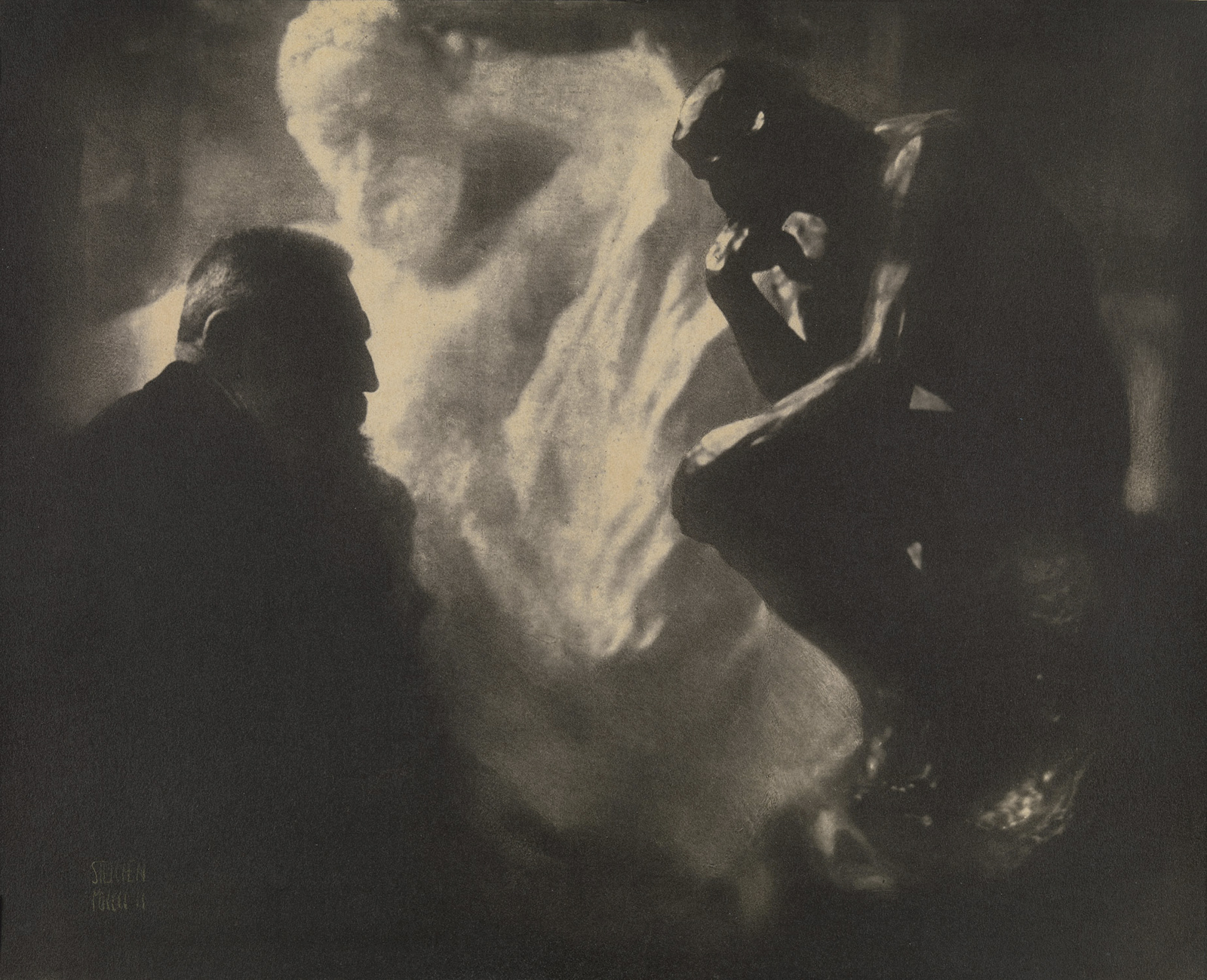
Edward Steichen (American 1879-1973) 'Rodin The Thinker' 1902


Edward Steichen (American, 1879-1973)
Rodin – Le Penseur (The Thinker)
1902
Gelatin-carbon print
The J. Paul Getty Museum, Los Angeles


Sarah Choate Sears (American, 1858-1935) '[Julia Ward Howe]' about 1890


Sarah Choate Sears (American, 1858-1935)
[Julia Ward Howe]
about 1890
Platinum print
23.5 × 18.6cm (9 1/4 × 7 5/16 in.)
The J. Paul Getty Museum, Los Angeles


Julia Ward Howe (May 27, 1819 – October 17, 1910) was an American poet and author, known for writing “The Battle Hymn of the Republic” and the original 1870 pacifist Mother’s Day Proclamation. She was also an advocate for abolitionism and a social activist, particularly for women’s suffrage.


Sarah Choate Sears (American, 1858-1935) 'John Singer Sargent' about 1890


Sarah Choate Sears (American, 1858-1935)
John Singer Sargent
about 1890
Gelatin silver print
The J. Paul Getty Museum, Los Angeles


Although John Singer Sargent was the most famous American portrait painter of his time, he apparently did not like to be photographed. The few photographs that exist show him at work, as he is here, sketching and puffing on a cigar. His friend Sarah Choate Sears, herself a painter of some note, drew many of her sitters for photographs from the same aristocratic milieu as Sargent did for his paintings.

Text from the J. Paul Getty website


Nadar [Gaspard Félix Tournachon] (French, 1820-1910) '[Sarah Bernhardt as the Empress Theodora in Sardou's "Theodora"]' Negative 1884; print and mount about 1889


Nadar (Gaspard Félix Tournachon) (French, 1820-1910)
[Sarah Bernhardt as the Empress Theodora in Sardou’s “Theodora”]
Negative 1884; print and mount about 1889
Albumen silver print
14.6 × 10.5 cm (5 3/4 × 4 1/8 in.)
The J. Paul Getty Museum, Los Angeles


J. Wood (American, active New York, New York 1870s-1880s) 'L.P. Federmeyer' 1879


J. Wood (American, active New York, New York 1870s-1880s)
L.P. Federmeyer
1879
Albumen silver print
14.8 × 10 cm (5 13/16 × 3 15/16 in.)
The J. Paul Getty Museum, Los Angeles


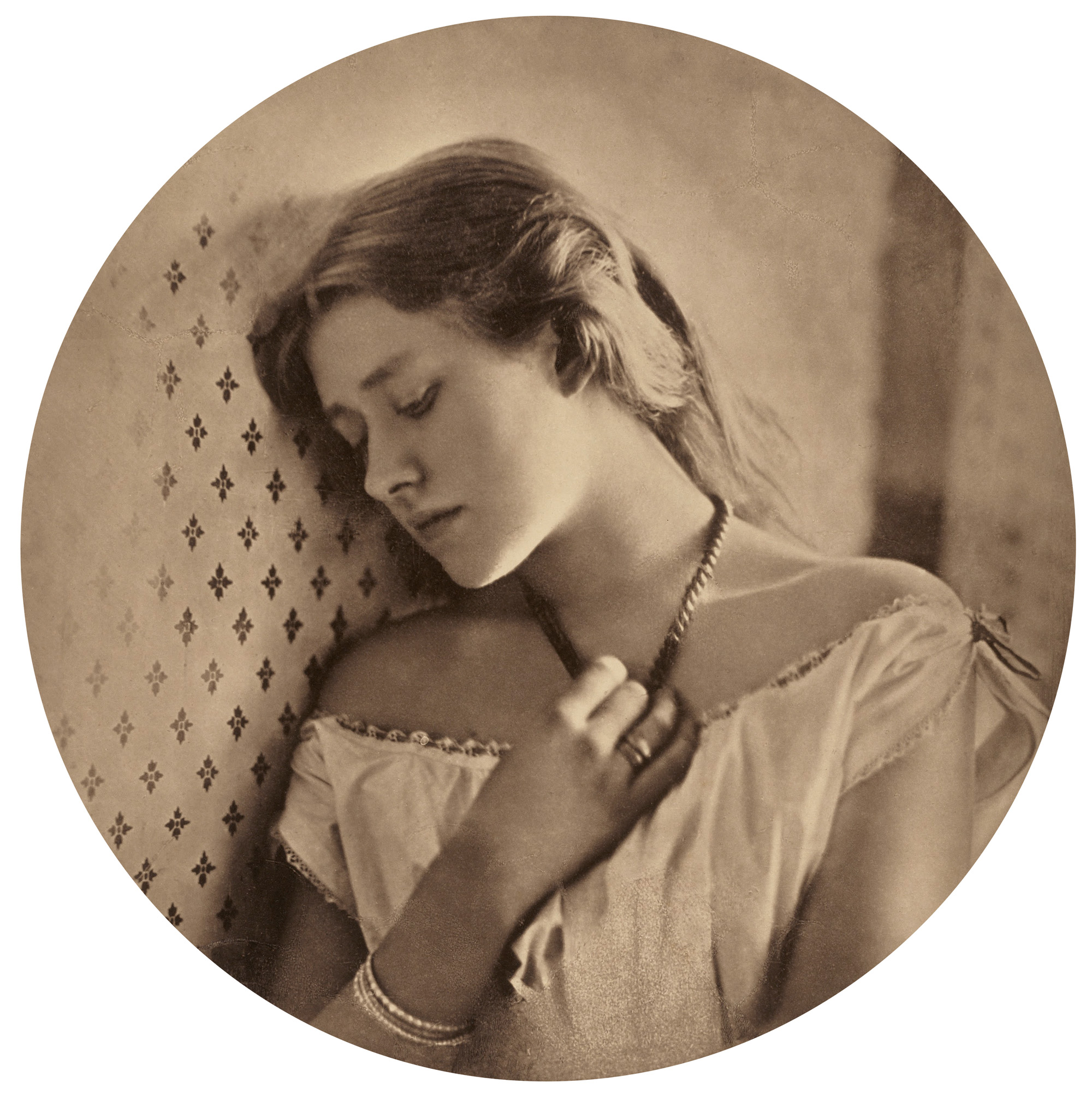
Julia Margaret Cameron (British born India, 1815-1879) 'Ellen Terry at Age Sixteen' 1864


Julia Margaret Cameron (British born India, 1815-1879)
Ellen Terry at Age Sixteen
Negative 1864; print about 1875
Carbon print
24.1cm (9 1/2 in.)
The J. Paul Getty Museum, Los Angeles


This image of Ellen Terry (1847-1928) is one of the few known photographs of a female celebrity by Julia Margaret Cameron. Terry, the popular child actress of the British stage, was sixteen years old when Cameron made this image. This photograph was most likely taken just after she married the eccentric painter, George Frederick Watts (1817-1904), who was thirty years her senior. They spent their honeymoon in the village of Freshwater on the Isle of Wight where Cameron resided.

Cameron’s portrait echoes Watt’s study of Terry titled Choosing (1864, National Portrait Gallery, London). As in the painting, Terry is shown in profile with her eyes closed, an ethereal beauty in a melancholic dream state. In this guise, Terry embodies the Pre-Raphaelite ideal of womanhood rather than appearing as the wild boisterous teenager she was known to be. The round (“tondo”) format of this photograph was popular among Pre-Raphaelite artists.

Cameron titled another print of this image Sadness (see 84.XZ.186.52), which may suggest the realisation of a mismatched marriage. Terry’s anxiety is plainly evident – she leans against an interior wall and tugs nervously at her necklace. The lighting is notably subdued, leaving her face shadowed in doubt. In The Story of My Life (1909), Terry recalls how demanding Watts was, calling upon her to sit for hours as a model and giving her strict orders not to speak in front of distinguished guests in his studio.

This particular version was printed eleven years after Cameron first made the portrait. In order to distribute this image commercially, the Autotype Company of London rephotographed the original negative after the damage had been repaired. The company then made new prints using the durable, non-fading carbon print process. Thus, this version is in reverse compared to Sadness. Terry’s enduring popularity is displayed by the numerous photographs taken of her over the years. Along with the two portraits by Cameron, the Getty owns three more of Terry by other photographers.

Adapted from Julian Cox. Julia Margaret Cameron, In Focus: Photographs from the J. Paul Getty Museum (Los Angeles: J. Paul Getty Museum, 1996), 12. ©1996 The J. Paul Getty Museum; with additions by Carolyn Peter, J. Paul Getty Museum, Department of Photographs, 2019.


Charles DeForest Fredricks (American, 1823-1894) '[Mlle Pepita]' 1863


Charles DeForest Fredricks (American, 1823-1894)
[Mlle Pepita]
1863
Albumen silver print
9 × 5.4cm (3 9/16 × 2 1/8 in.)
The J. Paul Getty Museum, Los Angeles


André Adolphe-Eugène Disdéri (French, 1819-1889) '[Rosa Bonheur]' 1861-1864


André Adolphe-Eugène Disdéri (French, 1819-1889)
[Rosa Bonheur]
1861-1864
Albumen silver print
8.4 × 5.2cm (3 5/16 × 2 1/16 in.)
The J. Paul Getty Museum, Los Angeles


Rosa Bonheur, born Marie-Rosalie Bonheur (16 March 1822 – 25 May 1899), was a French artist, mostly a painter of animals (animalière) but also a sculptor, in a realist style. Her best-known paintings are Ploughing in the Nivernais, first exhibited at the Paris Salon of 1848, and now at the Musée d’Orsay in Paris, and The Horse Fair (in French: Le marché aux chevaux), which was exhibited at the Salon of 1853 (finished in 1855) and is now in the Metropolitan Museum of Art, in New York City. Bonheur was widely considered to be the most famous female painter of the nineteenth century.

Text from the Wikipedia website


Mathew B. Brady (American, about 1823-1896) 'Walt Whitman' about 1870


Mathew B. Brady (American, about 1823-1896)
Walt Whitman
about 1870
Albumen silver print
14.6 x 10.3cm
The J. Paul Getty Museum, Los Angeles


Mathew B. Brady (American, about 1823-1896) 'Robert E. Lee' 1865


Mathew B. Brady (American, about 1823-1896)
Robert E. Lee
1865
Albumen silver print
The J. Paul Getty Museum, Los Angeles


John Robert Parsons (British, about 1826-1909) '[Portrait of Jane Morris (Mrs. William Morris)]' Negative July 1865; print after 1900


John Robert Parsons (British, about 1826-1909)
[Portrait of Jane Morris (Mrs. William Morris)]
Negative July 1865; print after 1900
Gelatin silver print
22.9 × 19.2cm (9 × 7 9/16 in.)
The J. Paul Getty Museum, Los Angeles


Nadar [Gaspard Félix Tournachon] (French, 1820-1910) 'George Sand (Amandine-Aurore-Lucile Dupin), Writer' c. 1865


Nadar (Gaspard Félix Tournachon) (French, 1820-1910)
George Sand (Amandine-Aurore-Lucile Dupin)
about 1865
Albumen silver print
The J. Paul Getty Museum, Los Angeles


Amandine-Aurore-Lucile Dudevant, née Dupin, took the pseudonym George Sand in 1832. She was a successful Romantic novelist and a close friend of Nadar, and during the 1860s he photographed her frequently. Her writing was celebrated for its frequent depiction of working-class or peasant heroes. She was also a woman as renowned for her romantic liaisons as her writing; here she allowed Nadar to photograph her, devoid of coquettish charms but nevertheless a commanding presence.

This portrait is a riot of textural surfaces. The sumptuous satin of Sand’s gown and silken texture of her hair have a rich tactile presence. Her shimmering skirt melts into the velvet-draped support on which she leans, creating a visual triangle with the careful centre part of her wavy hair. The portrait details the exquisite laces, beads, and buttons of her gown, but her face, the apex of the triangle, is out of focus. Sand was apparently unable to remain perfectly still throughout the exposure, and the slight blurring of her facial features erases the unforgiving details that the years had drawn upon her.

Text from the J. Paul Getty website


Alexander Gardner (American born Scotland, 1821-1882) 'President Lincoln, United States Headquarters, Army of the Potomac, near Antietam, October 4, 1862'


Alexander Gardner (American born Scotland, 1821-1882)
President Lincoln, United States Headquarters, Army of the Potomac, near Antietam, October 4, 1862
1862
Albumen silver print
21.9 x 19.7cm (8 5/8 x 7 3/4 in.)
The J. Paul Getty Museum, Los Angeles


Twenty-six thousand soldiers were killed or wounded in the Battle of Antietam on September 17, 1862, after which Confederate General Robert E. Lee was forced to retreat to Virginia. Just two weeks after the victory, President and Commander-in-Chief Abraham Lincoln conferred with General McClernand and Allan Pinkerton, Chief of the nascent Secret Service, who had organised espionage missions behind Confederate lines.

Lincoln stands tall, front and centre in his stovepipe hat, his erect and commanding posture emphasised by the tent pole that seems to be an extension of his spine. The other men stand slightly apart in deference to their leader, in postures of allegiance with their hands covering their hearts. The reclining figure of the man at left and the shirt hanging from the tree are a reminder that, although this is a formally posed picture, Lincoln’s presence did not halt the camp’s activity, and no attempts were made to isolate him from the ordinary circumstances surrounding the continuing military conflict.

Text from the J. Paul Getty website


Alexander Gardner (American born Scotland, 1821-1882) 'President Lincoln, United States Headquarters, Army of the Potomac, near Antietam, October 4, 1862' (detail)


Alexander Gardner (American born Scotland, 1821-1882)
President Lincoln, United States Headquarters, Army of the Potomac, near Antietam, October 4, 1862 (detail)
1862
Albumen silver print
21.9 x 19.7cm (8 5/8 x 7 3/4 in.)
The J. Paul Getty Museum, Los Angeles


Pierre Louis Pierson (French, 1822-1913) 'Napoleon III and the Prince Imperial' about 1859


Pierre Louis Pierson (French, 1822-1913)
Napoleon III and the Prince Imperial
about 1859
Albumen silver print from a wet collodion glass negative
21 × 16cm (8 1/4 × 6 5/16 in.)
The J. Paul Getty Museum, Los Angeles


The Prince Imperial, son of Napoleon III, sits strapped securely into a seat on his horse’s back, a model subject for the camera. An attendant at the left steadies the horse so that the little prince remains picture-perfect in the centre of the backdrop erected for the photograph. The horse stands upon a rug that serves as a formalising element, making the scene appear more regal. The Emperor Napoleon III himself stands off to the right in perfect profile, supervising the scene with his dog and forming a framing mirror-image of the horse and attendant on the other side.

Pierre-Louis Pierson placed his camera far enough back from the Prince to capture the entire scene and all the players, but this was not the version sold as a popular carte-de-visite. The carte-de-visite image was cropped so that only the Prince upon his horse was visible.

Text from the J. Paul Getty website


Nadar [Gaspard Félix Tournachon] (French, 1820-1910) 'Alexander Dumas [père] (1802-1870) / Alexandre Dumas' 1855


Nadar (Gaspard Félix Tournachon) (French, 1820-1910)
Alexander Dumas [père] (1802-1870) / Alexandre Dumas
1855
Salted paper print
Image (rounded corners): 23.5 x 18.7cm (9 1/4 x 7 3/8 in.)
The J. Paul Getty Museum, Los Angeles
Public domain


The writer Alexander Dumas was Nadar’s boyhood idol. Nadar’s father had published Dumas’s first novel and play, and a portrait of Dumas hung in young Nadar’s room. The son of a French revolutionary general and a black mother, Dumas arrived in Paris from the provinces in 1823, poor and barely educated. Working as a clerk, he educated himself in French history and began to write. In 1829 he met with his first success; with credits including The Three Musketeers and The Count of Monte Cristo, published in 1844 and 1845, respectively, his fame and popularity were assured.

Nadar was the first photographer to use photography to enhance the sitter’s reputation. Given Dumas’s popularity, this mounted edition print, signed and dedicated by him, was likely intended for sale.

Dumas is represented as a lively, vibrant man. The self-restraint of his crossed hands, resting on a chair that disappears into the shadows, seems like an attempt to contain an undercurrent of boundless energy that threatened to ruin the necessary stillness of the pose and appears to have found an outlet through Dumas’s hair. Around the time of this sitting, the prolific Dumas and Nadar were planning to collaborate on a theatrical spectacle, which was ultimately never staged.

Text from the J. Paul Getty website


Unknown maker (American) 'Portrait of Edgar Allan Poe' late May - early June 1849


Unknown maker (American)
Portrait of Edgar Allan Poe
1849
Daguerreotype
The J. Paul Getty Museum, Los Angeles
Public domain


“A noticeable man clad in black, the fashion of the times, close-buttoned, erect, forward looking, something separate in his bearing … a beautifully poetic face.” ~ Basil L. Gildersleeve to Mary E. Phillips, 1915 (his childhood recollection of Poe)


Many of Edgar Allan Poe’s contemporaries described him as he appears in this portrait: a darkly handsome and intelligent man who possessed an unorthodox personality. Despite being acknowledged as one of America’s greatest writers of poetry and short stories, Poe’s life remains shrouded in mystery, with conflicting accounts about poverty, alcoholism, drug use, and the circumstances of his death in 1849. Like his life, Poe’s poems and short stories are infused with a sense of tragedy and mystery. Among his best-known works are: The RavenAnnabel Lee, and The Fall of the House of Usher.

This daguerreotype was made several months before Poe’s death at age 40. After his wife died two years earlier in 1847, Poe turned to two women for support and companionship. He met Annie Richmond at a poetry lecture that he gave when visiting Lowell, Massachusetts. Although she was married, they developed a deep, mutual affection. Richmond is thought to have arranged and paid for this portrait sitting. Poe is so forcibly portrayed that historians have described his appearance as disheveled, brooding, exhausted, haunted, and melancholic.

For reasons that are not entirely clear, relatively few daguerreotypes of notable poets, novelists, or painters have survived from the 1840s, and some of the best we have are by unknown makers. The art of the daguerreotype was one in which the sitter’s face usually took priority over the maker’s name, and many daguerreotypists failed to sign their works. This is the case with the Getty’s portrait of Poe.

Adapted from getty.edu, Interpretive Content Department, 2009; and Weston Naef, The J. Paul Getty Museum Handbook of the Photographs Collection (Los Angeles: J. Paul Getty Museum, 1995), 35. © 1995 The J. Paul Getty Museum.


Charles Richard Meade (American, 1826-1858) 'Portrait of Louis-Jacques-Mandé Daguerre' 1848


Charles Richard Meade (American, 1826-1858)
Portrait of Louis-Jacques-Mandé Daguerre
1848
Daguerreotype, hand-coloured
The J. Paul Getty Museum, Los Angeles
Public domain


By New Year’s Day of 1840 – little more than one year after William Henry Fox Talbot had first displayed his photogenic drawings in London and just four to five months after the first daguerreotypes had been exhibited in Paris at the Palais d’Orsay in conjunction with a series of public demonstrations of the process – Daguerre’s instruction manual had been translated into at least four languages and printed in at least twenty-one editions. In this way, his well-kept secret formula and list of materials quickly spread to the Americas and to provincial locations all over Europe. Photography became a gold rush-like phenomenon, with as much fiction attached to it as fact.

Nowhere was the daguerreotype more enthusiastically accepted than in the United States. Charles R. Meade was the proprietor of a prominent New York photographic portrait studio. He made a pilgrimage to France in 1848 to meet the founder of his profession and while there became one of the very few people to use the daguerreotype process to photograph the inventor himself.

A daguerreotype was (and is) created by coating a highly polished silver plated sheet of copper with light sensitive chemicals such as chloride of iodine. The plate is then exposed to light in the back of a camera obscura. When first removed from the camera, the image is not immediately visible. The plate must be exposed to mercury vapours to “bring out” the image. The image is then “fixed” (or “made permanent on the plate”) by washing it in a bath of hyposulfite of soda. Finally it is washed in distilled water. Each daguerreotype is a unique image; multiple prints cannot be made from the metal plate.

Adapted from Weston Naef, The J. Paul Getty Museum Handbook of the Photographs Collection (Los Angeles: J. Paul Getty Museum, 1995), 33, © 1995 The J. Paul Getty Museum; with additions by Carolyn Peter, J. Paul Getty Museum, Department of Photographs, 2019.


The J. Paul Getty Museum
1200 Getty Center Drive
Los Angeles, California 90049

Opening hours:
Daily 10am – 5pm

The J. Paul Getty Museum website

LIKE ART BLART ON FACEBOOK

Back to top

Exhibition: ‘Speed: The Art of the Performance Automobile’ at Utah Museum of Fine Arts (UMFA)

Exhibition dates: 2nd June – 16th September 2012


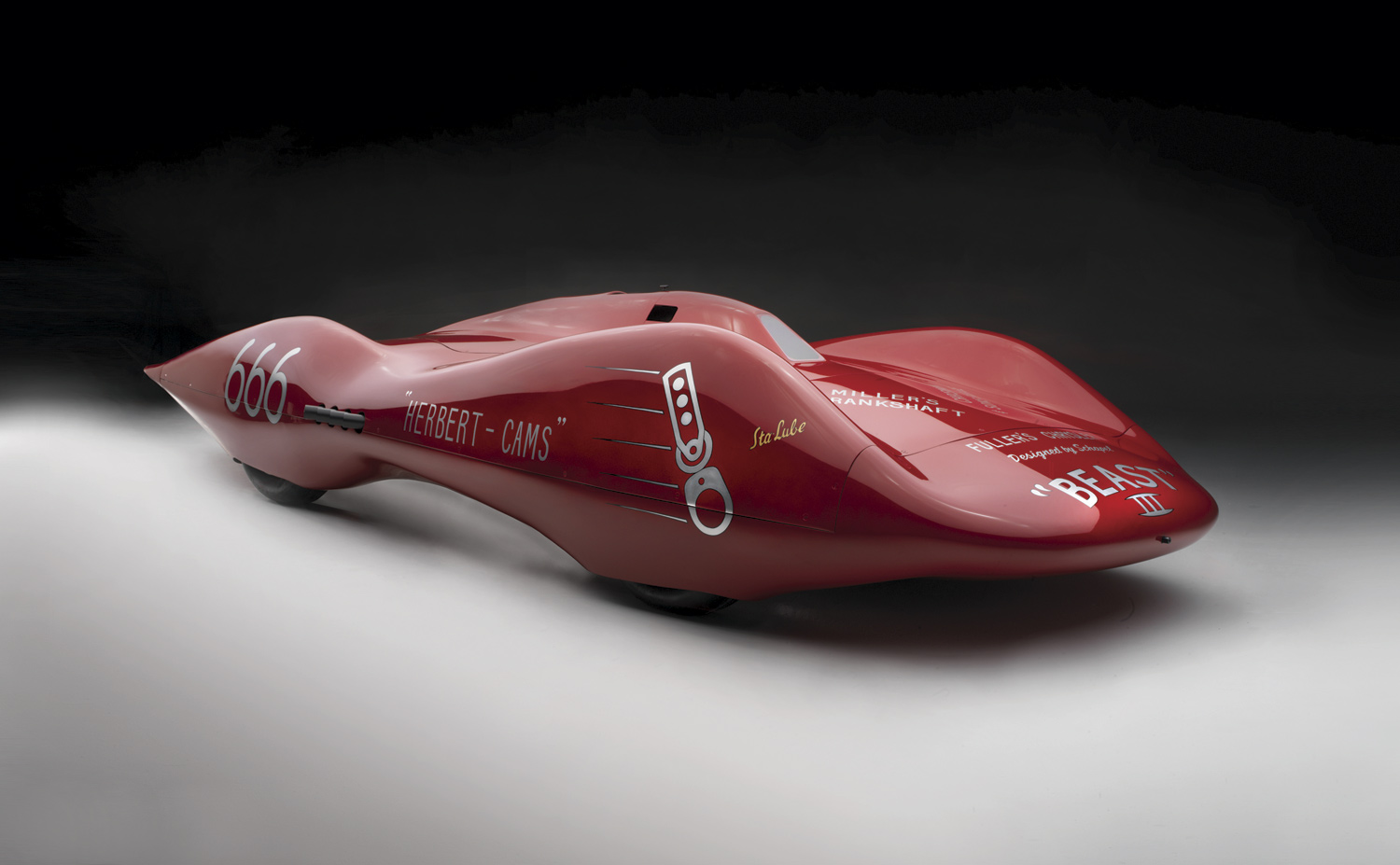
Beast III Streamliner 1952


Beast III Streamliner
1952
Courtesy of Mark and Newie Brinker, Houston, Texas
© Peter Harholdt


The “Beast III” has a Chrysler Hemi engine and was the fastest single-engine car in America in 1952. It was the first car to have its body designed in a wind tunnel.


Continuing my fascination with the design of the automobile, here are another selection of classics!

Marcus


Many thankx to the Utah Museum of Fine Arts for allowing me to publish the photographs in the posting. Please click on the photograph for a larger version of the image.


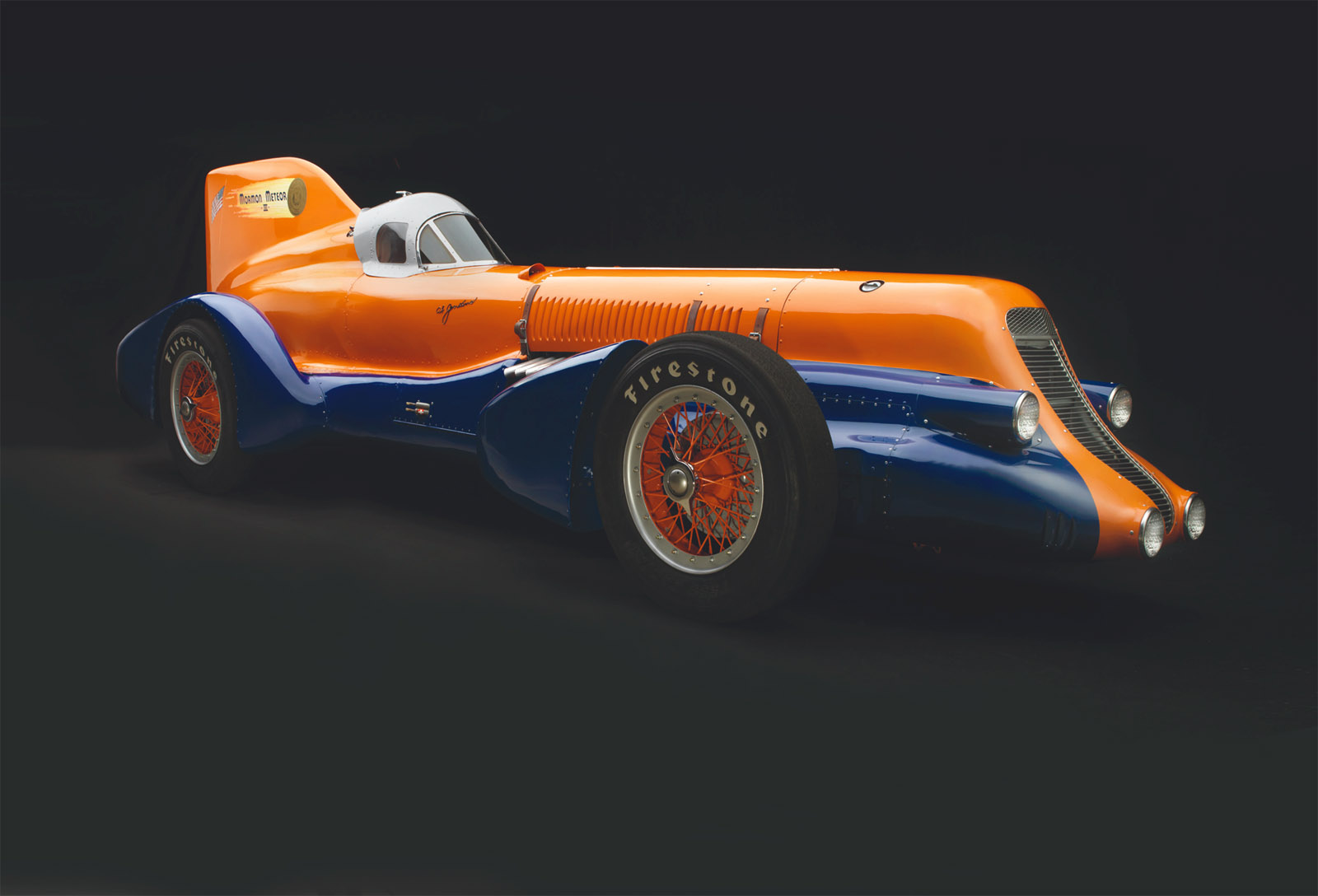
Mormon Meteor III 1938


Mormon Meteor III
1938
Courtesy of Price Museum of Speed, Salt Lake City, Utah
© Peter Harholdt


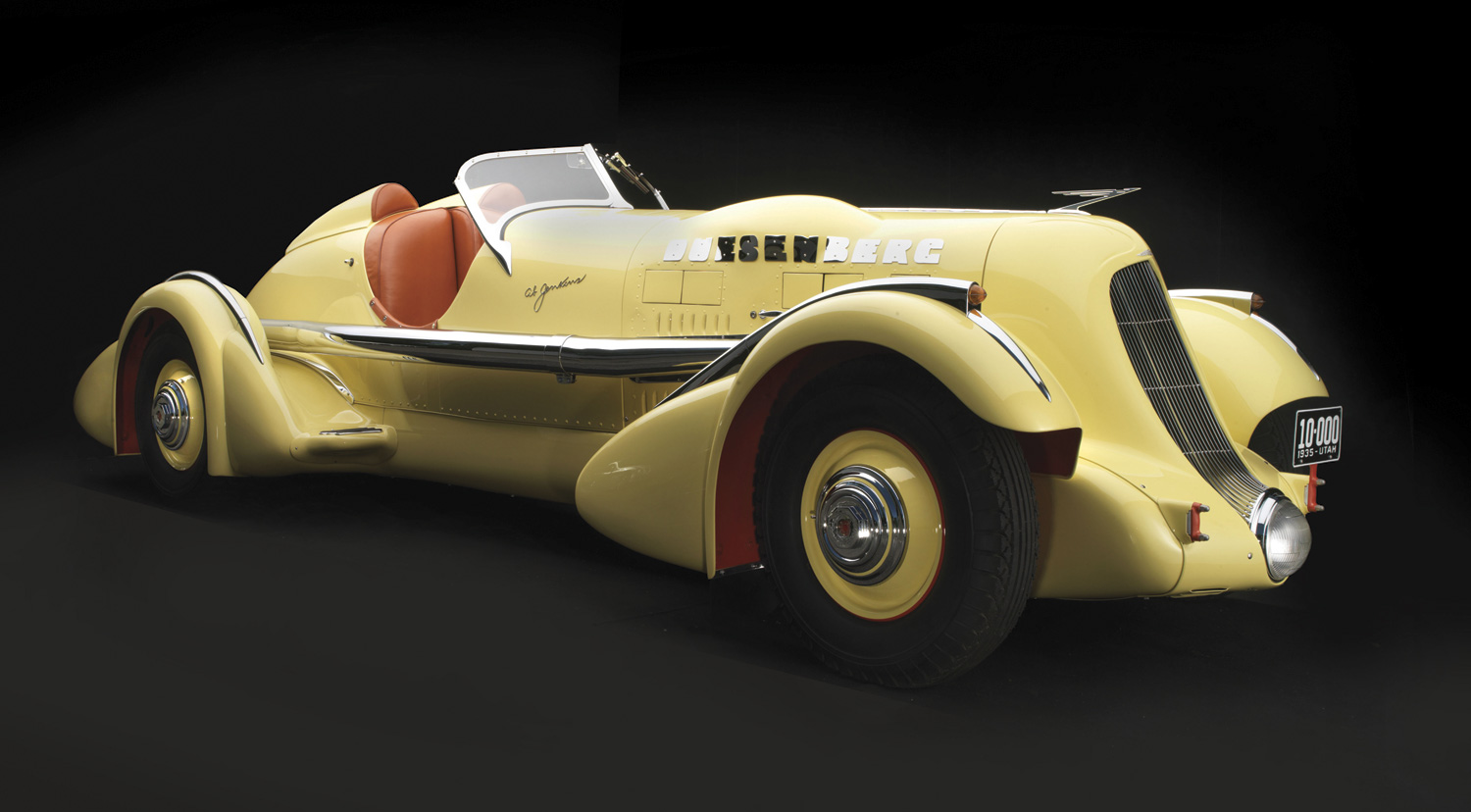
The “Mormon Meteor III,” the last Duesenberg built, set more long-distance land-speed records than any other car in history. It has a handcrafted Curtis Conqueror aircraft V12 engine.


Duesenberg SJ "Mormon Meteor I" 1935


Duesenberg SJ Mormon Meteor I
1935 
Courtesy of Harry Yeaggy Auto Museum, Cincinnati, Ohio
© Peter Harholdt


Ford Modified Roadster 1927


Ford Modified Roadster
1927
Courtesy of Richard V. Munz, Madison, Wisconsin
© Peter Harholdt


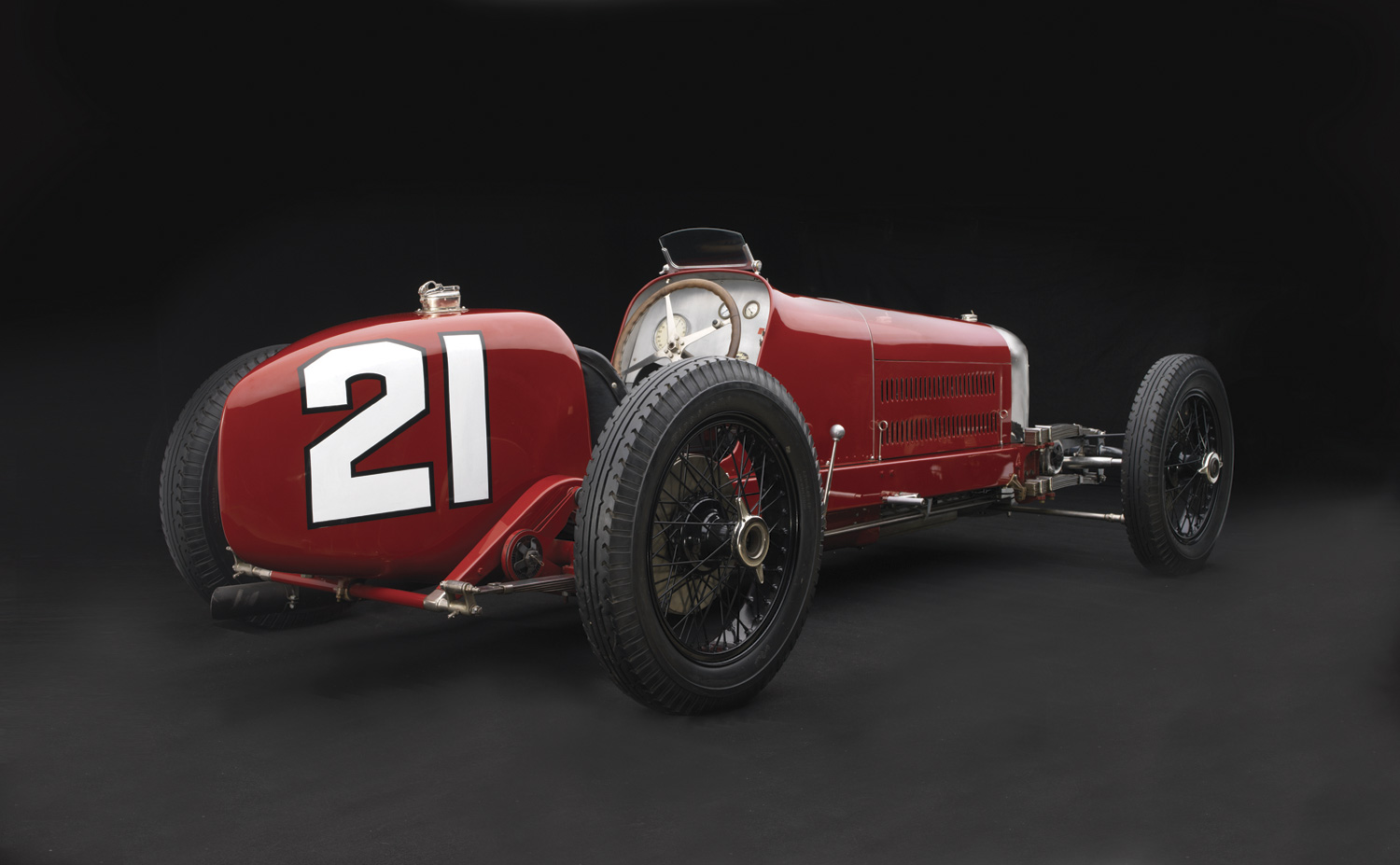
Miller 122 Front-Wheel-Drive 1925


Miller 122 Front-Wheel-Drive
1925 
Courtesy of Price Museum of Speed, Salt Lake City, Utah
© Peter Harholdt


Racing into town this summer, Speed: The Art of the Performance Automobile will be on display at the University of Utah on the first-floor galleries of the Utah Museum of Fine Arts in the Marcia and John Price Museum Building from June 2 – September 16. The exhibition comprises 19 of the world’s finest automobiles and was organised by automotive historian, museum consultant and guest curator Ken Gross.

Speed will showcase a century of automobiles that exemplify premier aerodynamics, engineering, art and design of their eras. The cars range from the menacing 1952 “Beast III” Bonneville racer to the ultra-cool 1957 Jaguar XK-SS Roadster, once owned by Steve McQueen. The cars are on loan from some of the country’s top automobile collections, including the Price Museum of Speed; National Automobile Museum; Petersen Automotive Museum; Bruce Meyer; Peter and Merle Mullin; Jon and Mary Shirley; and the Larry H. Miller Family.

“We are delighted to be presenting ‘Speed: The Art of the Performance Automobile’ and are confident that our visitors will be amazed at the beauty, engineering, and amazing stories of these incredible cars” says Gretchen Dietrich, executive director of the UMFA. “We hope many first time visitors will come to see the exhibition and be introduced to our wonderful museum and collection.”

A number of art museums in America and Europe recently presented popular exhibitions of cars, including Curves of Steel at the Phoenix Art Museum (2007), Allure of the Automobile at the High Museum of Art in Atlanta (2010) and the Portland Art Museum (2011), as well as L’Art de L’Automobile: Chef d’Oeuvres de la Collection Ralph Lauren at the Les Arts Décoratifs in Paris (2011). The first art exhibition of cars was Eight Automobiles, mounted sixty years ago at the Museum of Modern Art in New York City (1951).

The UMFA’s automobile exhibition, however, is the first of its kind. Speed will examine automobiles not only as works of art and design, but as objects of rich racing history. The featured cars were created by legendary engineers, distinguished designers, and storied automobile companies; many are speed record-setters that were owned and raced by famous drivers and other notable people of their time. This is the first and only time these 19 cars have been seen together in one venue.

Many of the cars in Speed: The Art of the Performance Automobile have a special connection to Utah’s famed Bonneville Salt Flats, where racers from all over the world traveled, and continue to travel, in attempts to break land speed records. The “Mormon Meteor III” is perhaps the most famous Bonneville race car. Designed and driven by legendary racer and former Salt Lake City Mayor David Abbott “Ab” Jenkins (1883-1956), the “Mormon Meteor III” set more long distance land speed records than any other automobile in history, and it still holds 12 of them today.

“These 19 special automobiles comprise a remarkable selection of historic racers and high performance cars, spanning more than a century,” notes guest curator Ken Gross. “Unlikely to be repeated, this exhibition represents a once-in-a-lifetime opportunity to see and study these legends on wheels.”

Press release from the UMFA website


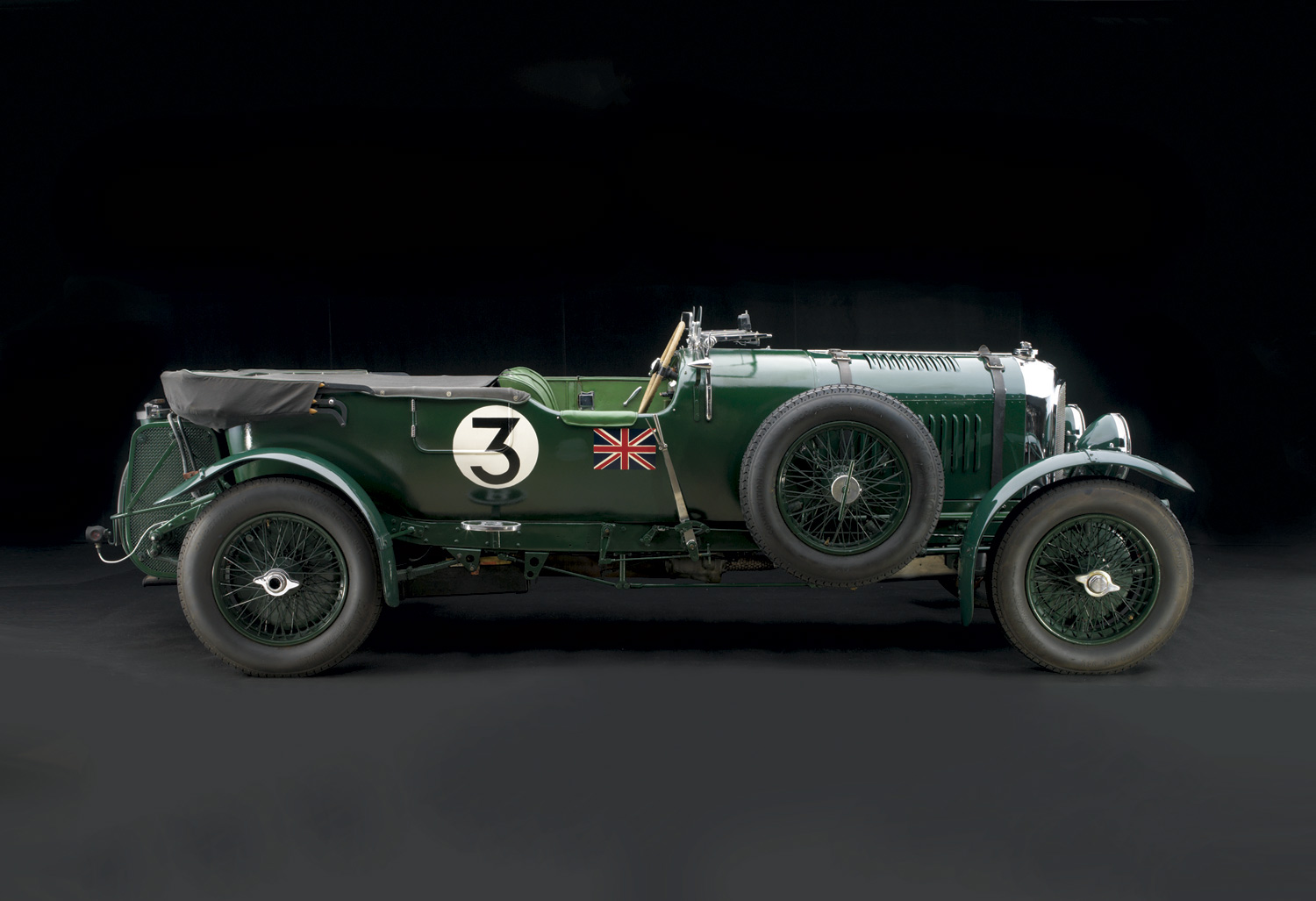
4 1/2-Litre "Blower" Bentley 1931


4 1/2-Litre “Blower” Bentley
1931 
Courtesy of Price Museum of Speed, Salt Lake City, Utah
© Peter Harholdt


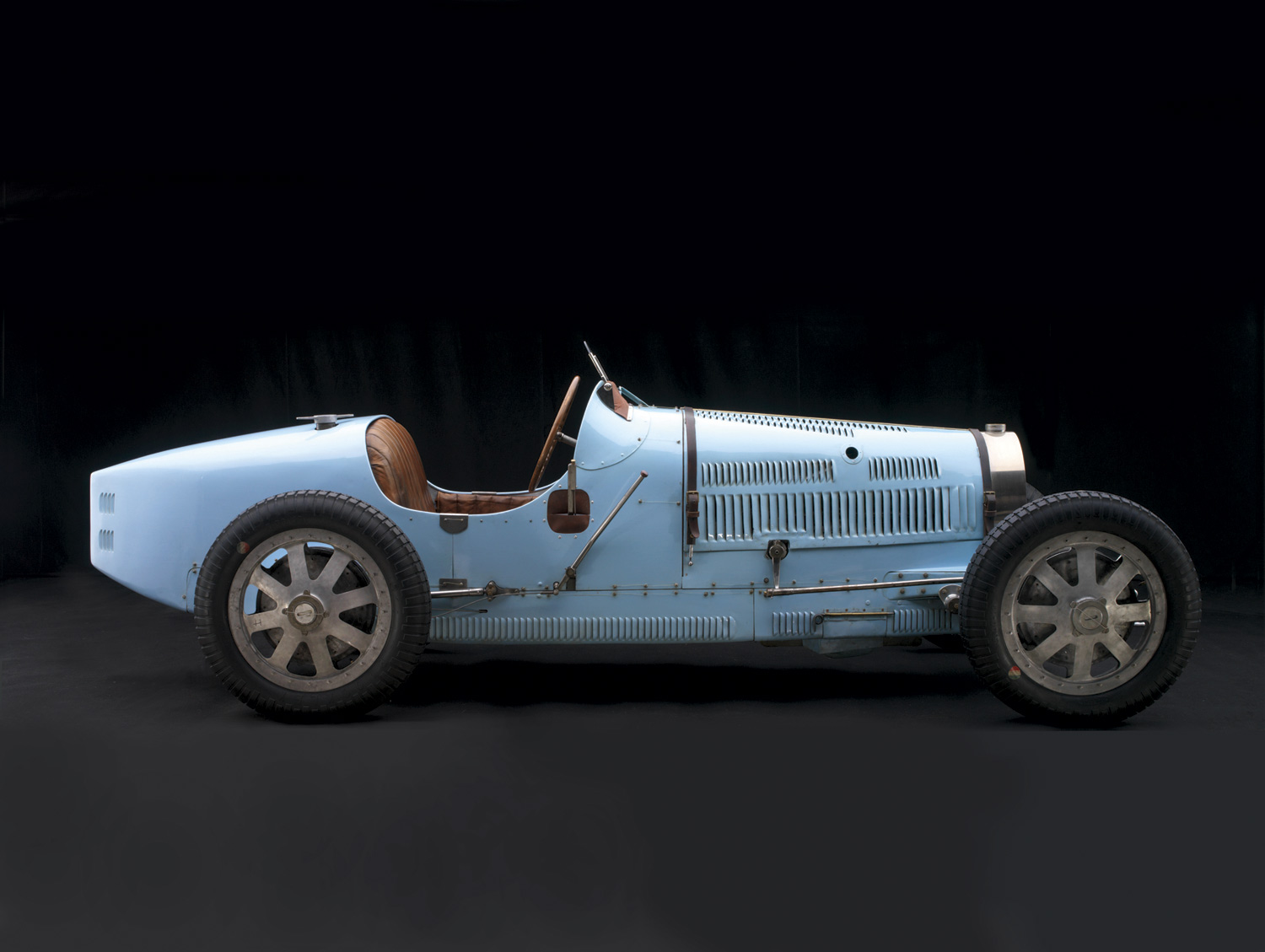
Bugatti Type 35B Grand Prix 1929


Bugatti Type 35B Grand Prix
1929 
Courtesy of Price Museum of Speed, Salt Lake City, Utah
© Peter Harholdt


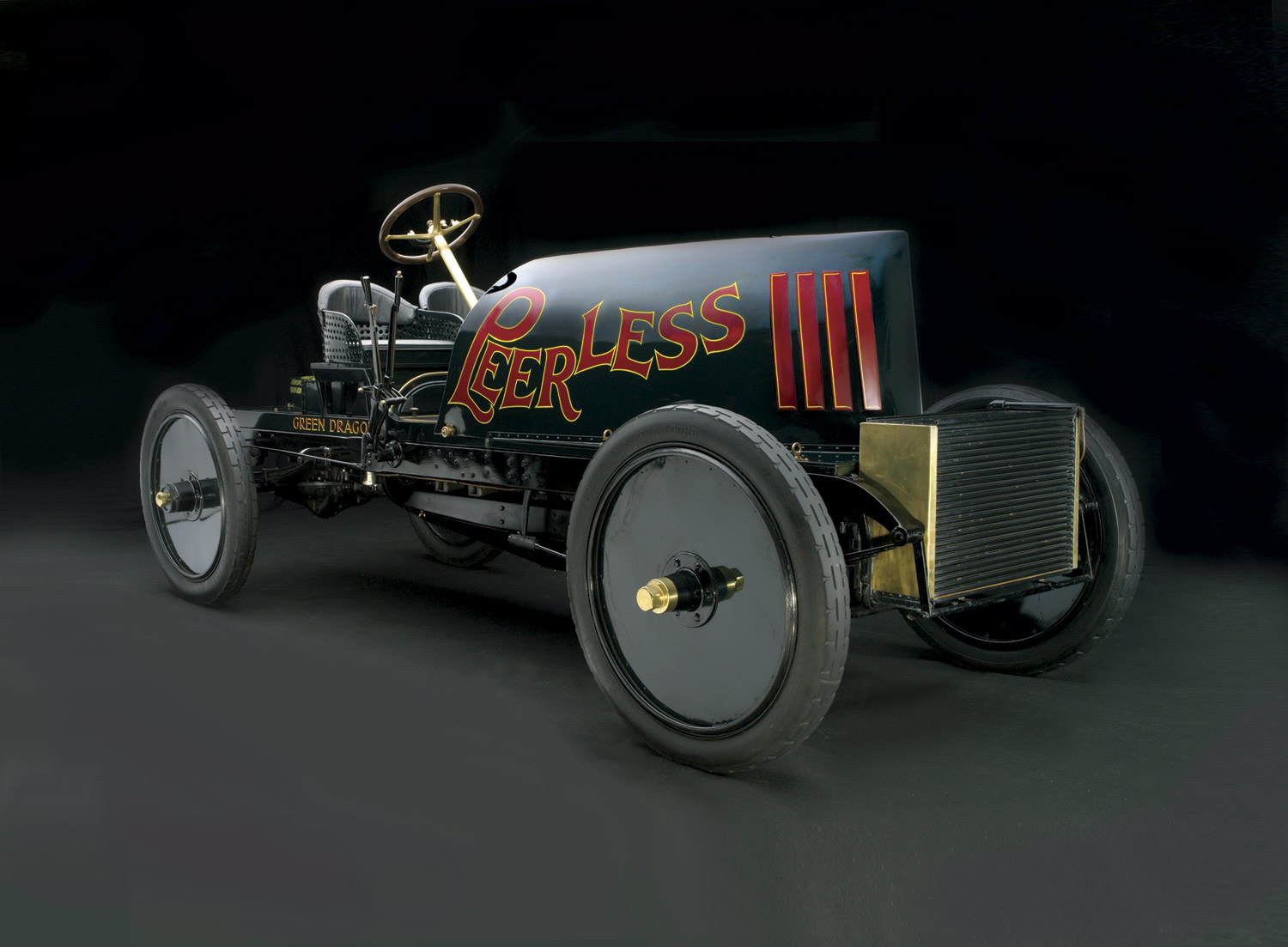
Peerless "Green Dragon" Racer 1904


Peerless “Green Dragon” Racer
1904
Courtesy of Price Museum of Speed, Salt Lake City, Utah
© Peter Harholdt


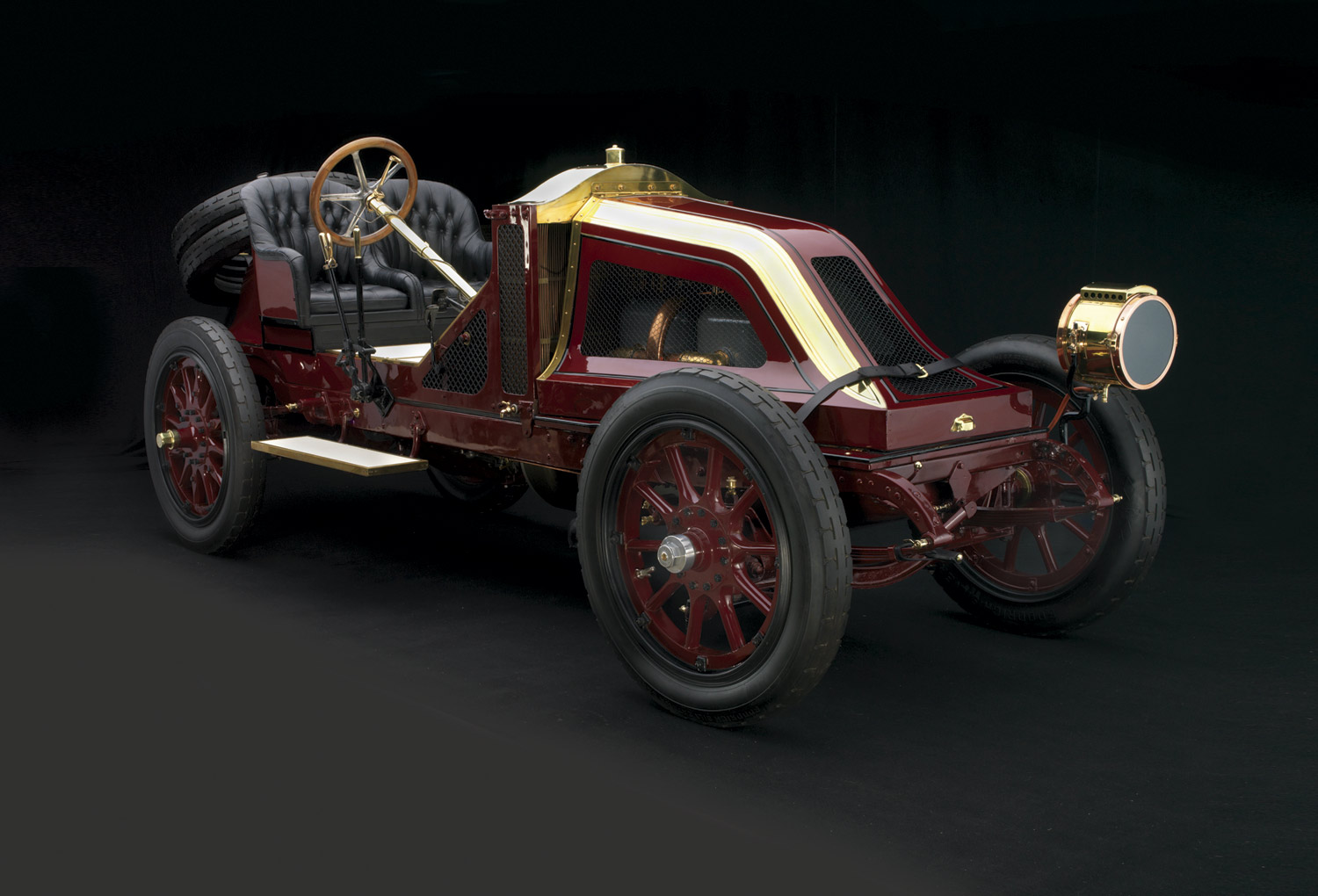
Renault AI 35/45 HP Vanderbilt Racer 1907


Renault AI 35/45 HP Vanderbilt Racer
1907 
Courtesy of Price Museum of Speed, Salt Lake City, Utah
© Peter Harholdt


Ferrari 375MM 1953


Ferrari 375MM
1953
© Peter Harholdt


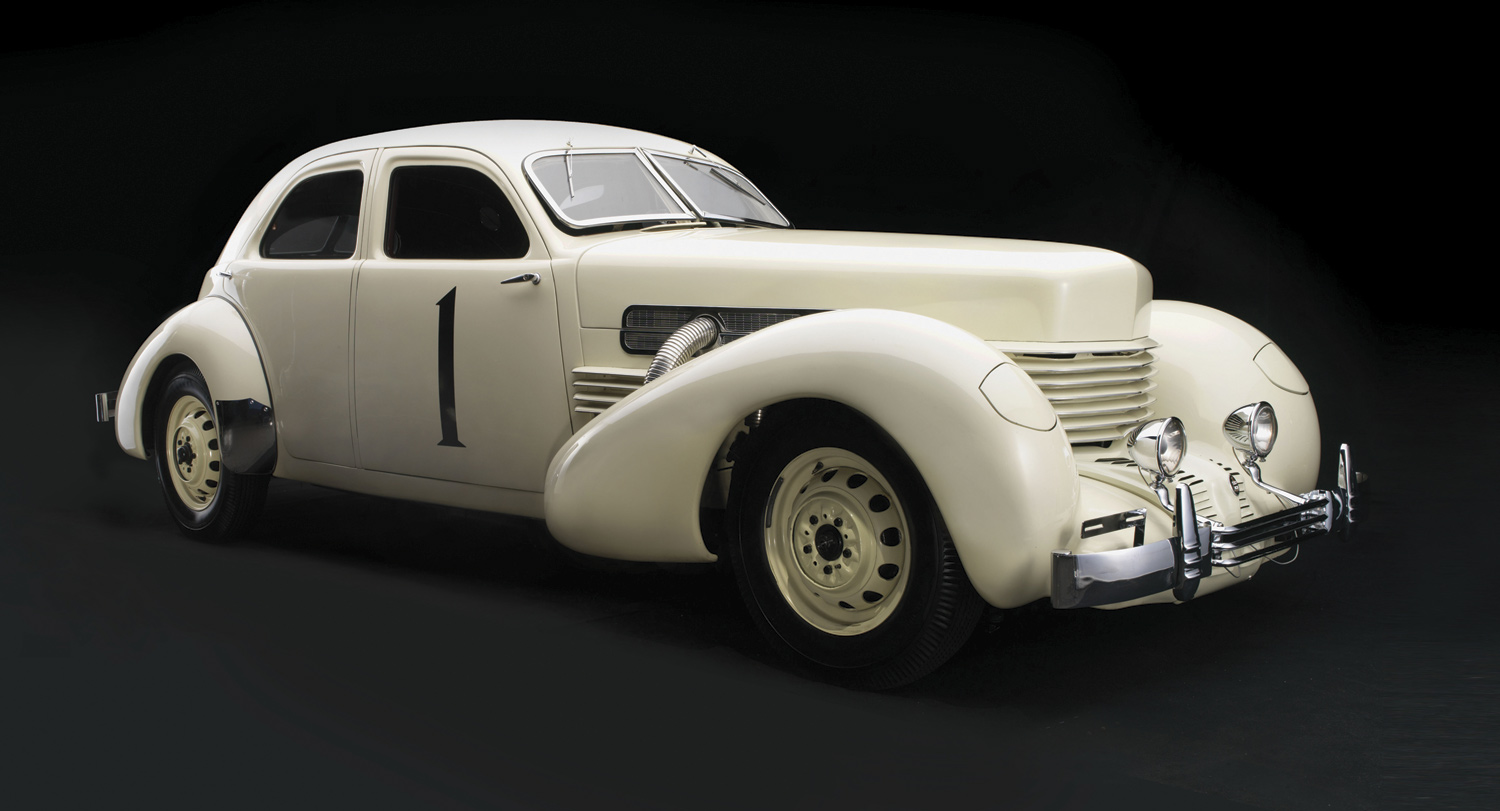
Cord 812 1937


Cord 812
1937 
Courtesy of The National Automobile Museum (The Harrah Collection), Reno, Nevada
© Peter Harholdt


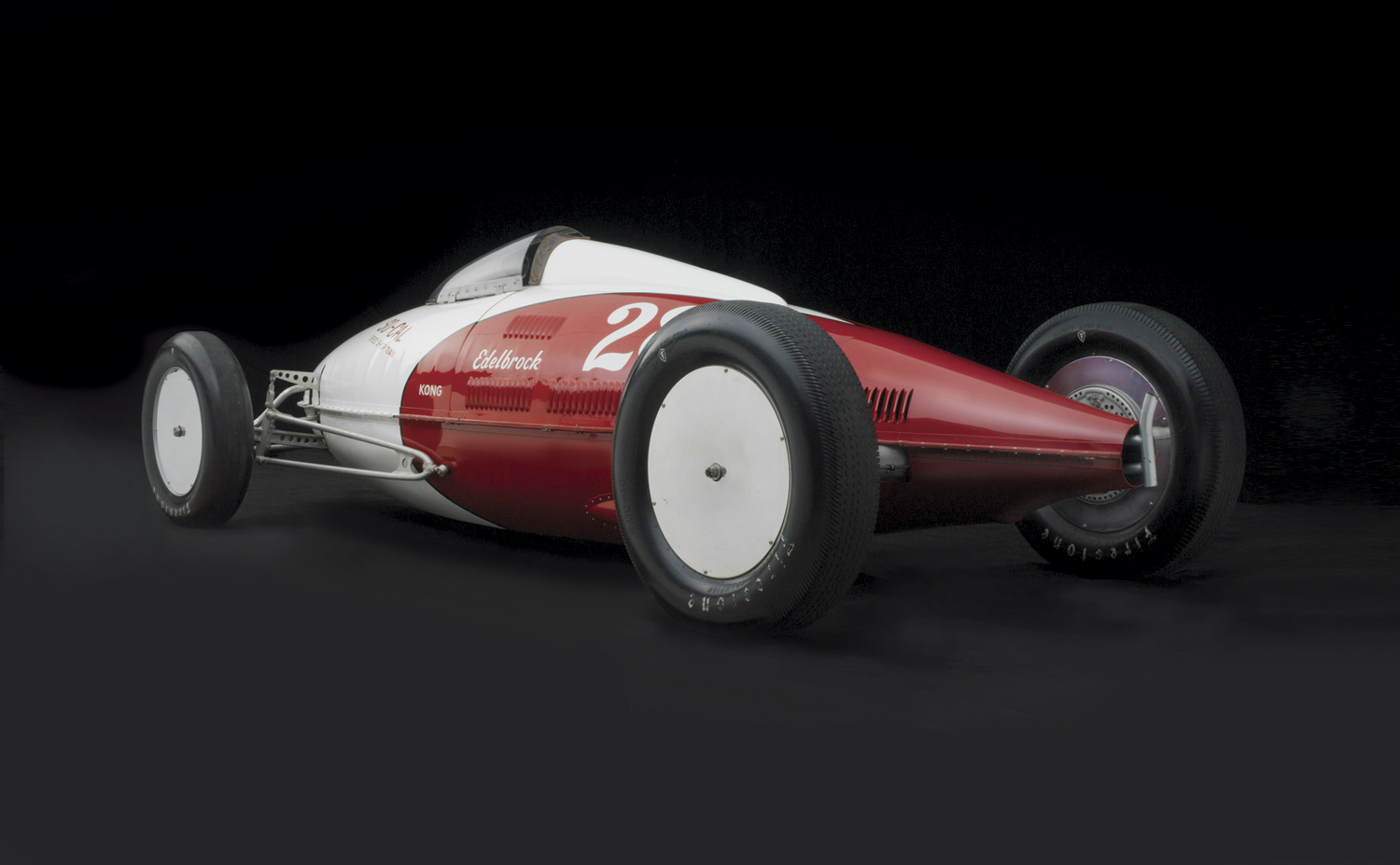
So-Cal Speed Shop Belly Tank 1952


So-Cal Speed Shop Belly Tank
1952 
Courtesy of Collection of Bruce Meyer, Los Angeles, California
© Peter Harholdt


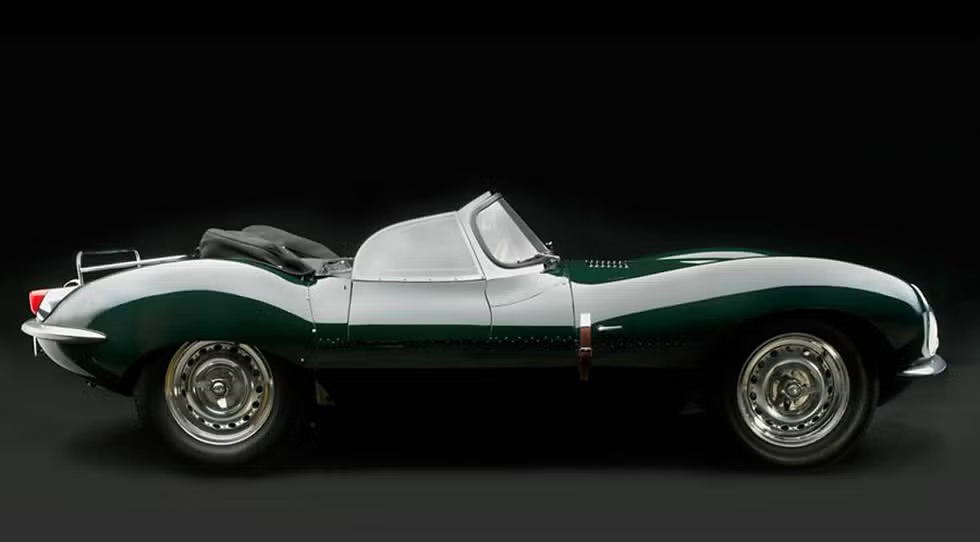
Jaguar XK-SS 1957


Jaguar XK-SS
1957
© Peter Harholdt


The Jaguar XK-SS is just one of 16 built. This particular example was owned by Steve McQueen.


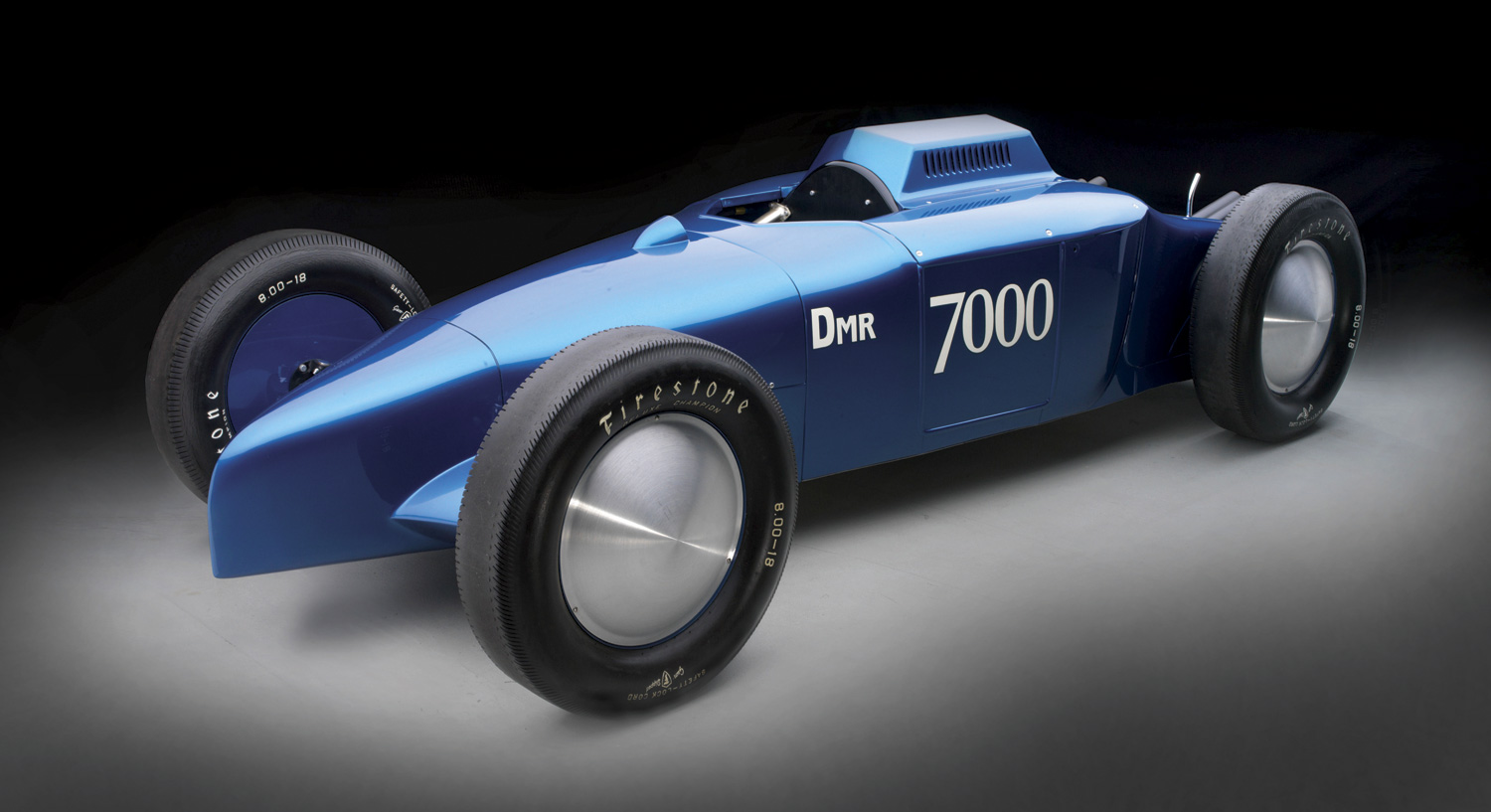
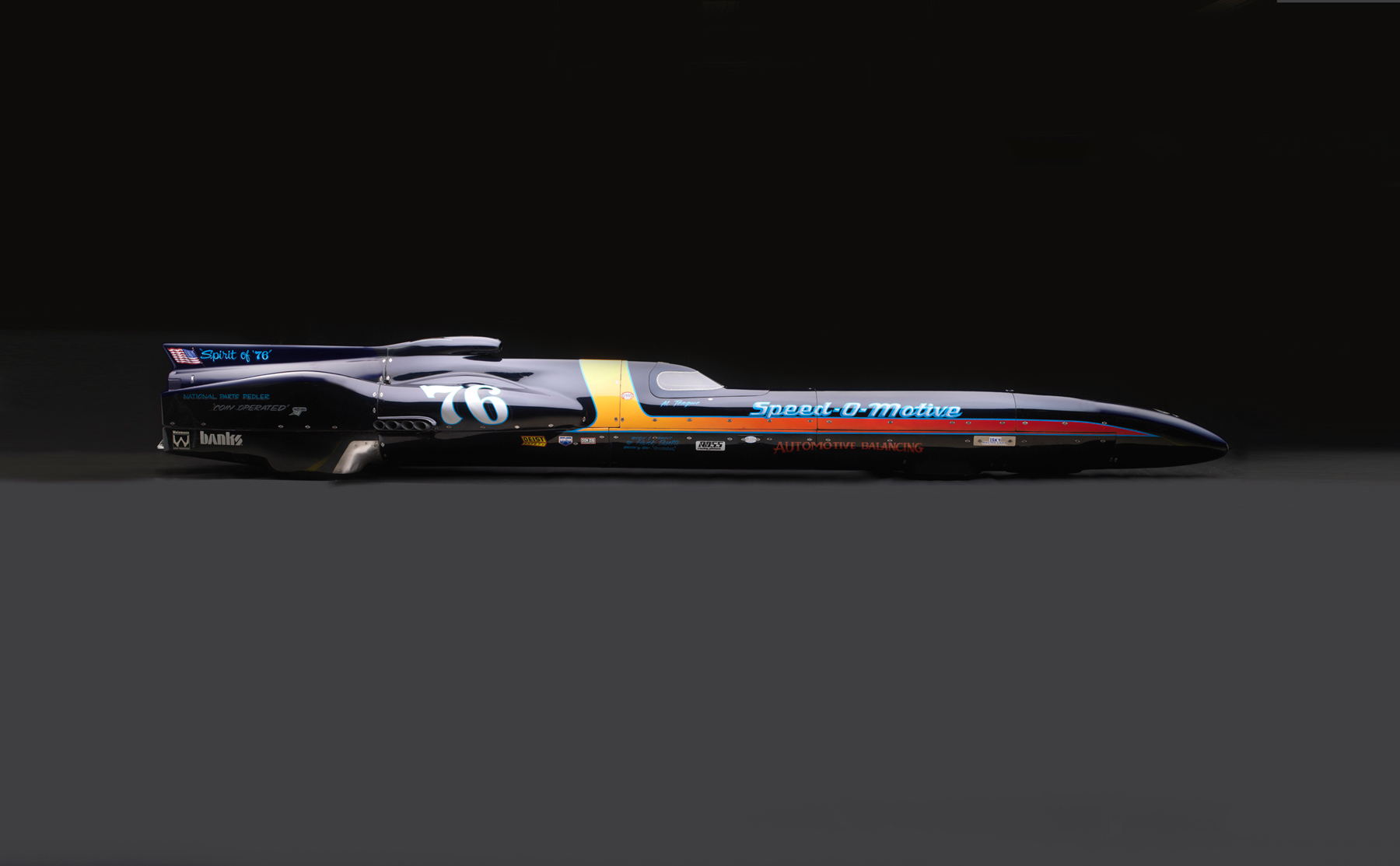
"Speedomotive Special" Streamliner 1975 


“Speedomotive Special” Streamliner
1975 
Courtesy of Price Museum of Speed, Salt Lake City, Utah
© Peter Harholdt


Utah Museum of Fine Arts
University of Utah campus
Marcia and John Price Museum Building
410 Campus Center Drive

Opening hours:
Tuesday – Sunday 10am – 5pm
Closed Mondays

Utah Museum of Fine Arts website

LIKE ART BLART ON FACEBOOK

Back to top

Exhibition: ‘Building the Revolution: 
Soviet Art and Architecture 1915-1935 with photographs by Richard Pare
’ at Martin-Gropius-Bau, Berlin

Exhibition dates: 5th April – 9th July 2012


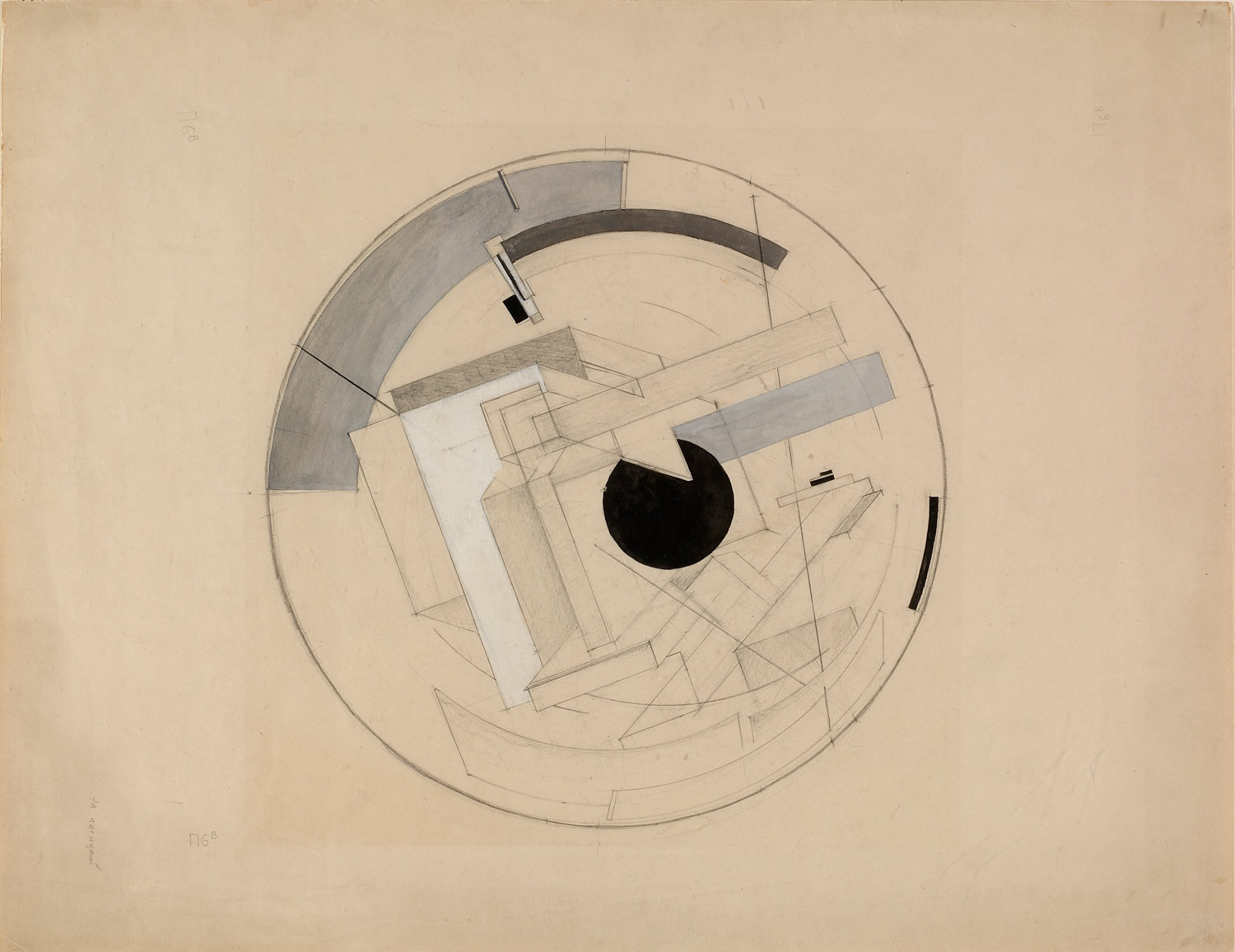
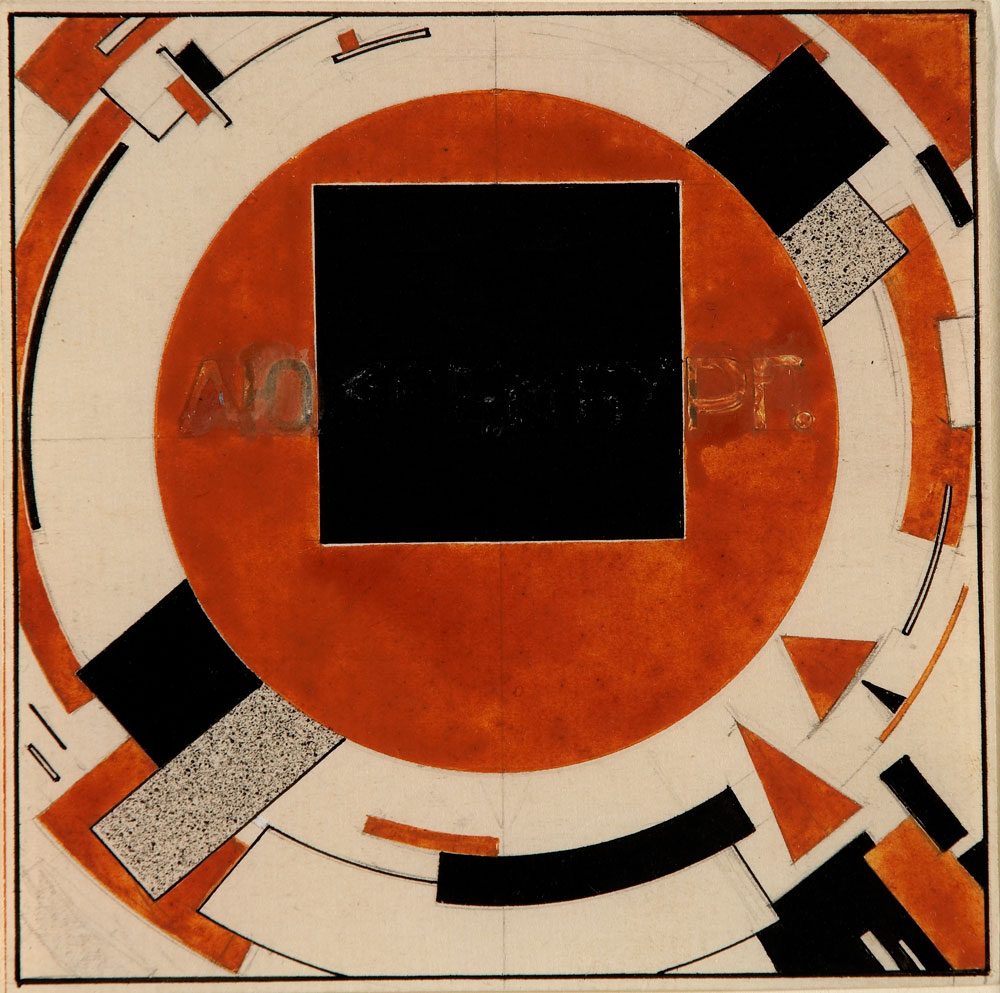
El Lissitzky (Russian, 1890-1941) 'Sketch for Proun 6B' 1919-1921


El Lissitzky (Russian, 1890-1941)
Sketch for Proun 6B
1919-1921
Pencil and gouache on paper
34.6 x 44.7cm
© Courtesy the State Museum of Contemporary Art
Costakis Collection, Thessaloniki


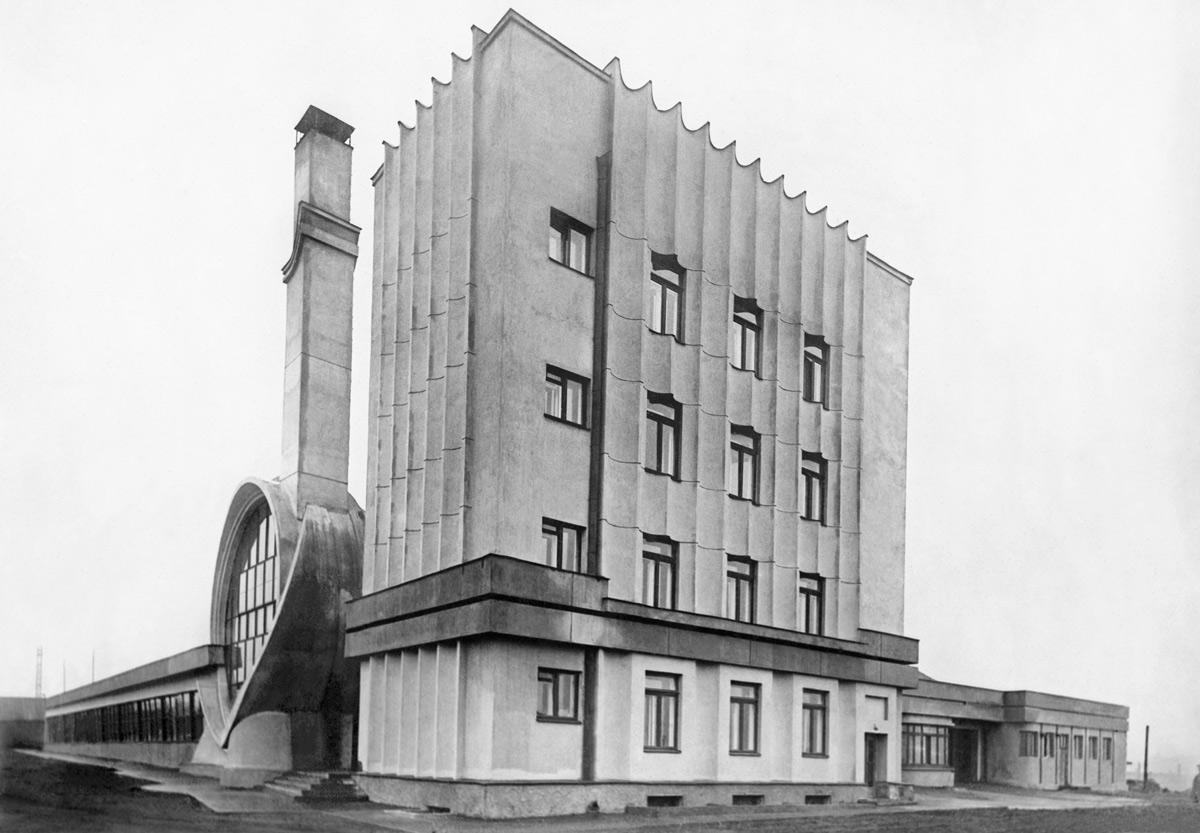
Ooh, ooh, ooh, I’m in love with the design and the photograph of the Gosplan Garage! The garage survived the Second World War but, like the Cathedral Sagrada Familia in Barcelona, it is now hemmed in and surrounded by cars and apartments (see the YouTube video GosPlan Garage (1934-1936) by Konstantin Melnikov). Looking at early photographs of both buildings – in the basement of the Sagrada Familia if you go, the Cathedral surrounded by green fields and cows – you realise what wonderful space they had to breathe, to exist in the world. Unfortunately, no more!

Dr Marcus Bunyan


Many thankx to Martin-Gropius-Bau for allowing me to publish the photographs in the posting. Please click on the photographs for a larger version of the image.


Photographer unknown. 'Gosplan Garage: general view' c. 1936


Photographer unknown
Gosplan Garage: general view
c. 1936
Archival Index Card and photographs(s)
13.6 x 20cm
Architects: Konstantin Melnikov with V. I. Kurochkin, 1936
© Courtesy the Department of Photographs, Schusev
State Museum of Architecture, Moscow


Melnikov, Konstantin Stepanovich (1890-1974)

Born on the outskirts of Moscow into a poor family of peasant origin, Melnikov served a short apprenticeship as an icon painter and was then apprenticed to an engineering firm, one of whose owners noticed his talent for drawing and sent him to the Moscow Institute for Painting, Sculpture and Architecture. He graduated initially in painting and then in 1917 in architecture. From 1918 he worked in a Mossovet architectural studio under Aleksei Schusev and Ivan Zholtovskii but his early projects for housing schemes show him abandoning the Classicism of his teachers. In his pavilion for the Makhorka tobacco firm at the 1923 All-Union Agricultural Exhibition Melnikov developed this exuberant angularity by giving different parts of the pavilion different heights and setting the sloping roofs at right angles to each other. Irregular fenestration and an external staircase – crowded with visitors in some photographs – add to the sense of animation. The construction is entirely of timber, the first evidence of Melnikov’s abiding interest in combining traditional materials with avant-garde design. His Soviet Pavilion for the 1925 Exposition Internationale des Arts Décoratifs et Industriels Modernes in Paris would also feature timber construction, an animated roofscape and an external staircase. However, it achieved a more logical design by simplifying the plan into a rectangle bisected by stairs rising and descending across its centre. During the second half of the 1920s Melnikov completed five workers’ clubs in the Moscow region for the Rusakov (1927), Frunze, Kauchuk, Pravda and Burevestnik trades unions. He favoured interiors with large flexible spaces, sometimes using movable panels, and opposed the Functionalist tendency to create a large number of highly specialised areas. This gave him the freedom to mould bold internal volumes and create dramatic exteriors. His own house, consisting of two interlocking cylinders, was designed on the same principles (1927-1931). His garages – Bahkmetevskaia, Novo Ryanskaia and Gosplan (1936) – on the other hand, though still characterised by dramatic exteriors, are based on a careful analysis of vehicular movement. Despite being briefly associated with ASNOVA, Melnikov appears a rather solitary figure, his beliefs about the design process differing from the main groupings of 1920s architects. Heavily criticised in the 1930s for his ‘Formalism’, he was largely excluded from employment and teaching and no significant buildings were constructed to his design during the last 40 years of his life.


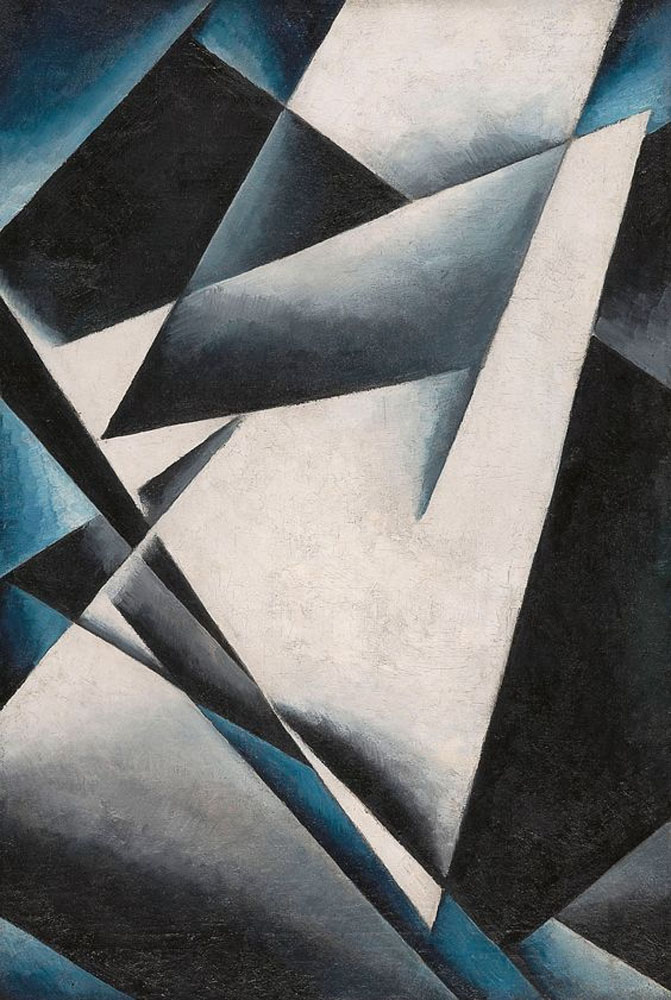
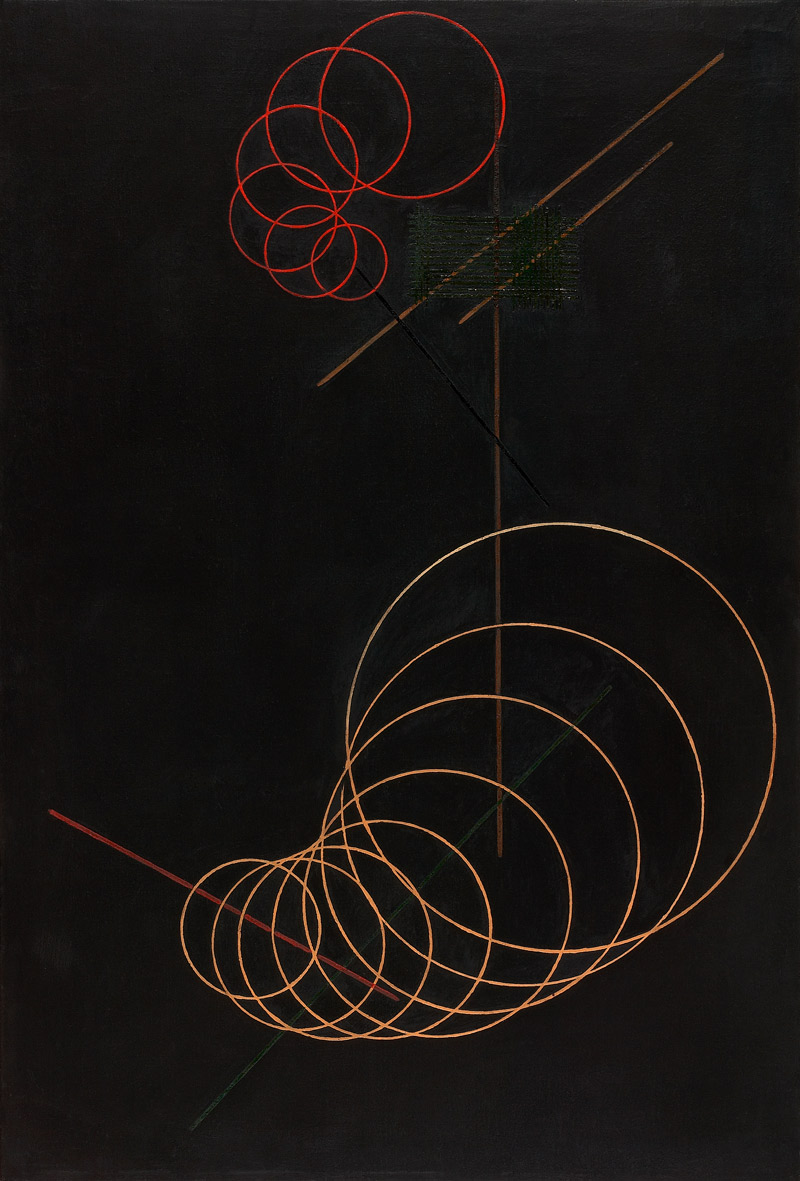
Liubov Popova (Russian-Soviet, 1889-1924) 'Painterly Architectonics' 1918-1919


Liubov Popova (Russian-Soviet, 1889-1924)
Painterly Architectonics
1918-1919
Oil on canvas
73.1 x 48.1cm
State Museum of Contemporary Art – G. Costakis Collection, Thessaloniki, Greece


Liubov Popova (Russian, 1889-1924) 'Spatial Force Construction' 1921


Liubov Popova (Russian, 1889-1924)
Spatial Force Construction
1921
Oil and marble dust on plywood
71 x 63.9cm
© Courtesy the State Museum of Contemporary Art
Costakis Collection, Thessaloniki


Photographer unknown.
Liubov Popova (Russian, 1889-1924) 'Maquette for City of the Future' 1921


Photographer unknown
Liubov Popova (Russian, 1889-1924)
Maquette for City of the Future
1921
© Studio International


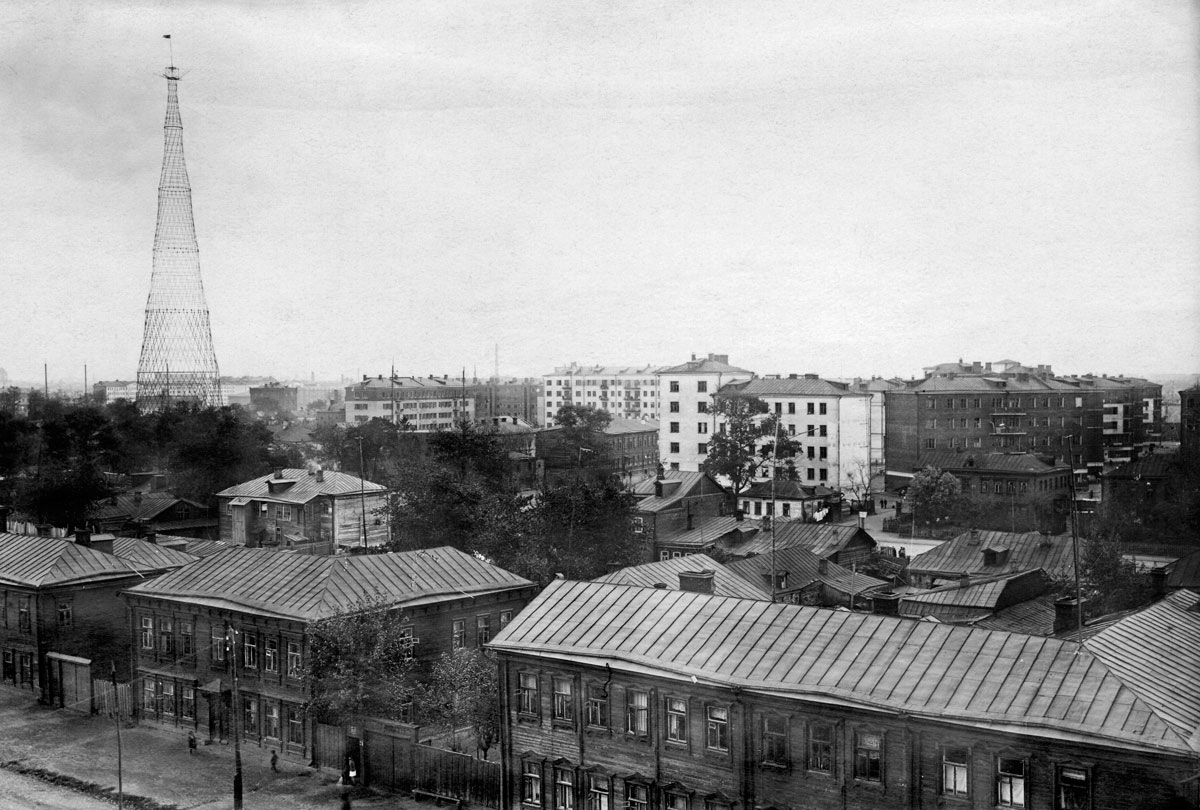
Photographer unknown. 'Havsko-Shabolovskii residential block and Shabolovska Radio tower viewed from the walls of the Donskoy Monastery' 1929


Photographer unknown
Havsko-Shabolovskii residential block and Shabolovska Radio tower viewed from the walls of the Donskoy Monastery
1929
Archival Index Card and photographs(s)
11.5 x 16.9cm
© Courtesy the Department of Photographs, Schusev
State Museum of Architecture, Moscow


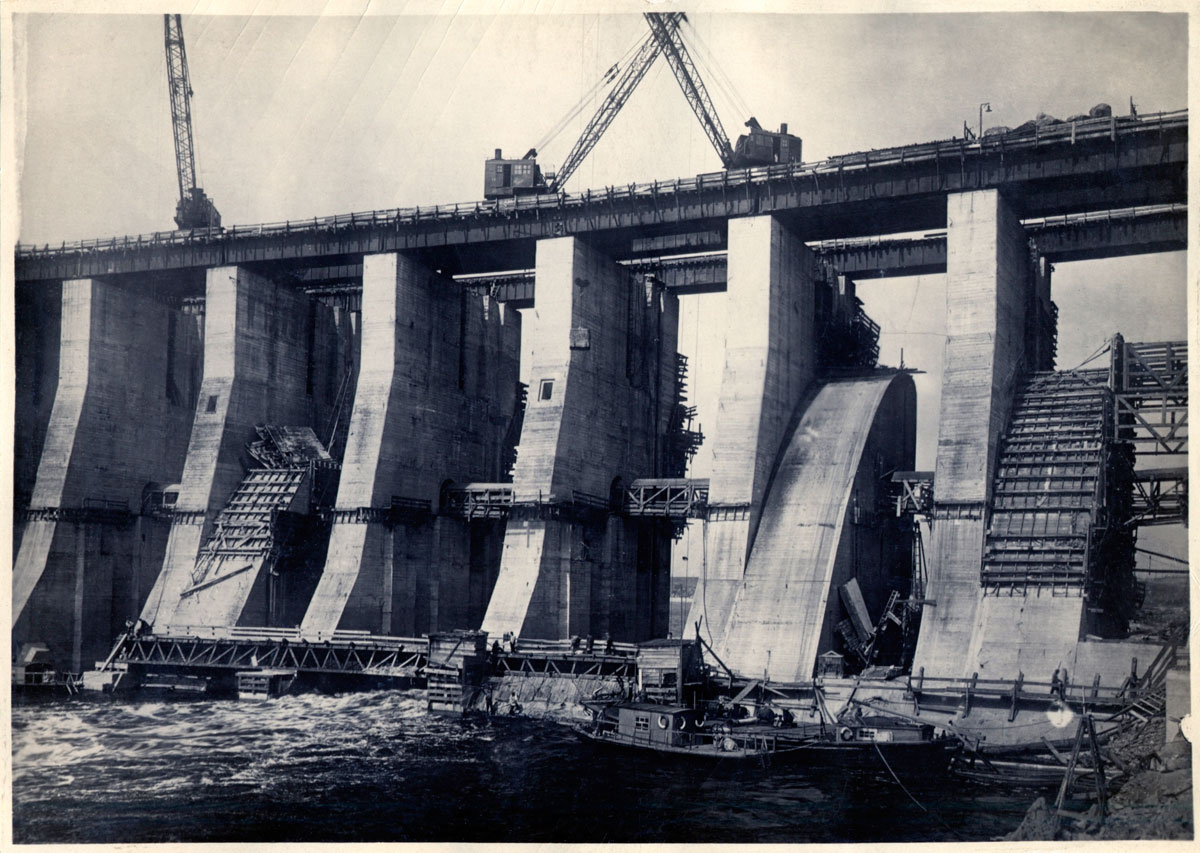
Photographer unknown. 'DneproGES: dam under construction' 1931


Photographer unknown
DneproGES: dam under construction
1931
Archival Index Card and photographs(s)
12.3 x 17.3cm
Aleksandr Vesnin, Nikolai Kolli, Georgii Orlov, Sergei Andrievskii, 1927-32
© Courtesy the Department of Photographs, Schusev
State Museum of Architecture, Moscow


The DneproGES Dam and Hydroelectric Power Station (designed with Nikolai Kolli, Georgii Orlov and Sergei Andrievskii, 1927-32) represents not only Vesnin’s first important industrial project but also a major achievement of Stalin’s First Five Year Plan.


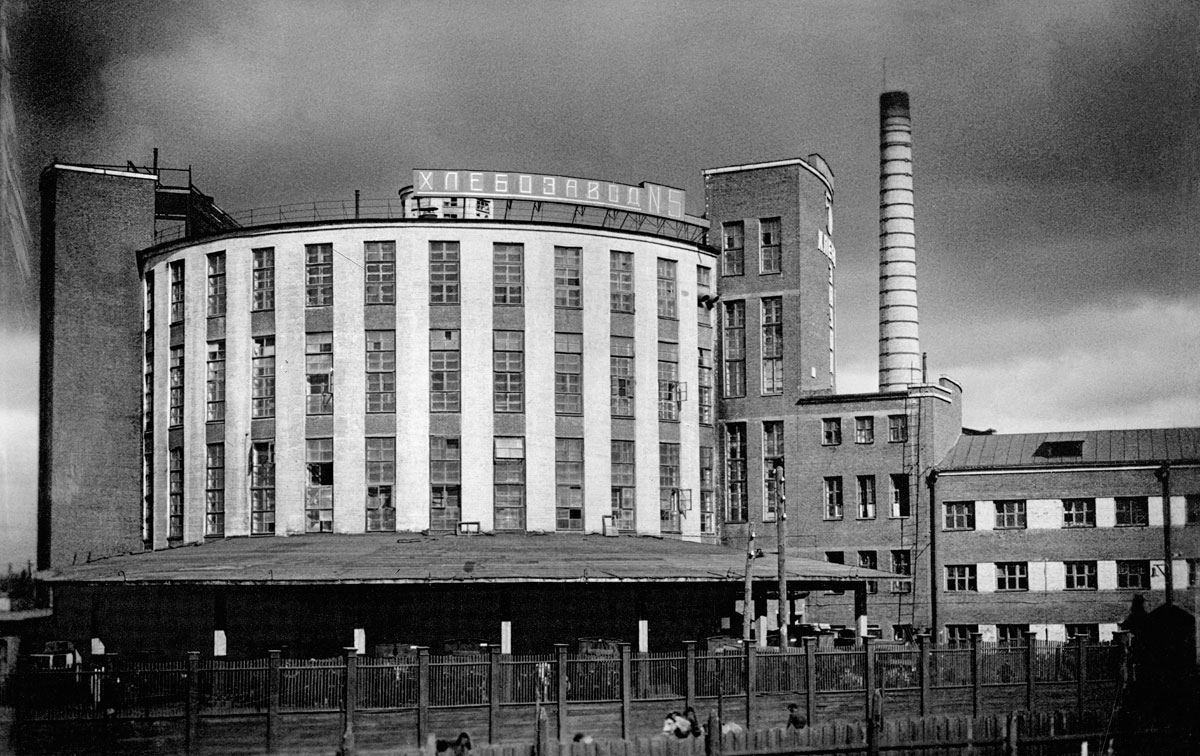
Photographer unkown. 'Bakery: exterior showing the four production levels' 1938


Photographer unkown
Bakery: exterior showing the four production levels
1938
Archival Index Card and photographs(s)
9.3 x 14.6cm
Engineer: Georgii Marsakov, 1931
© Courtesy the Department of Photographs, Schusev
State Museum of Architecture, Moscow


In 1931 the engineer Georgii Marsakov designed a mass-production bakery in Moscow and the Narvskii Factory Kitchen opened in St Petersburg to provide communal eating facilities for local residents. Rapid expansion of motorised transport called for a significant reappraisal of the garage, for which Konstantin Melnikov produced four highly innovative designs in Moscow.


The exhibition Building the Revolution sheds light on an area of the Soviet avant-garde that has remained relatively unknown in Europe and beyond: architecture. Even in Russia and the other successor states of the former Soviet Union the names of most of the architects have been largely forgotten. Their structures have not become part of the collective cultural memory to the extent that the “New Building” movement in the West has.

The exhibition presents this impressive chapter in the history of the avant-garde in an unusual way in that it binds together three thematic strands. Selected works of the early avant-garde, such as those of El Lissitzky, Gustav Klutsis, Liubov Popova, Alexander Rodchenko or Vladimir Tatlin, show the artists’ intense preoccupation from 1915 onwards with questions of form, space and texture. After the Revolution they were active in the various bodies concerned with the implementation of these ideals, such as the Commission for the Synthesis of Painting, Sculpture and Architecture (1919-1920). It was there that the architects Nikolai Ladovskii, Vladimir Krinsky and the painter Rodchenko created the first designs for town planning and communal housing. In 1919 Tatlin produced his famous design for a “Monument to the Third International” – a complex engineering structure with moving spaces. Although never built, its visionary potential, and dynamic formal language influenced the later architecture of Constructivism. Whereas the impressive pictures and drawings of the Costakis Collection in Thessaloniki make clear what a role was played by architectural themes in the early artistic designs, vintage prints from the Shchusev State Museum of Architecture in Moscow give an idea of the unleashing of architectural energies which took place a few years later. The historical photographs show that the new structures embodied a new age, not only in a typological sense, but in terms of scale. They towered above the old urban buildings and acted as a torch signalling the coming industrialisation and transformation of the country. The photographs of the renowned British architectural photographer, Richard Pare, on the other hand, lead the viewer back to the present. Pare had begun to rediscover this lost avant-garde in 1993. In the course of several trips to Moscow and St. Petersburg, as well as to the former Soviet republics, he documented what remained of the buildings. His shots bring out their beauty and the inventiveness of their creators while at the same time tracing the course of their decay. In that sense they draw a picture of a post-Soviet society that is unaware of its extraordinary heritage.

What was new about this architecture was not only the formal idiom, but also the tasks it was supposed to perform. With the building of the new society workers’ clubs, trade union houses, communal apartments, sanatoria for the workers, state-owned department stores, party and administrative buildings, as well as power stations and industrial plants to modernise the country.

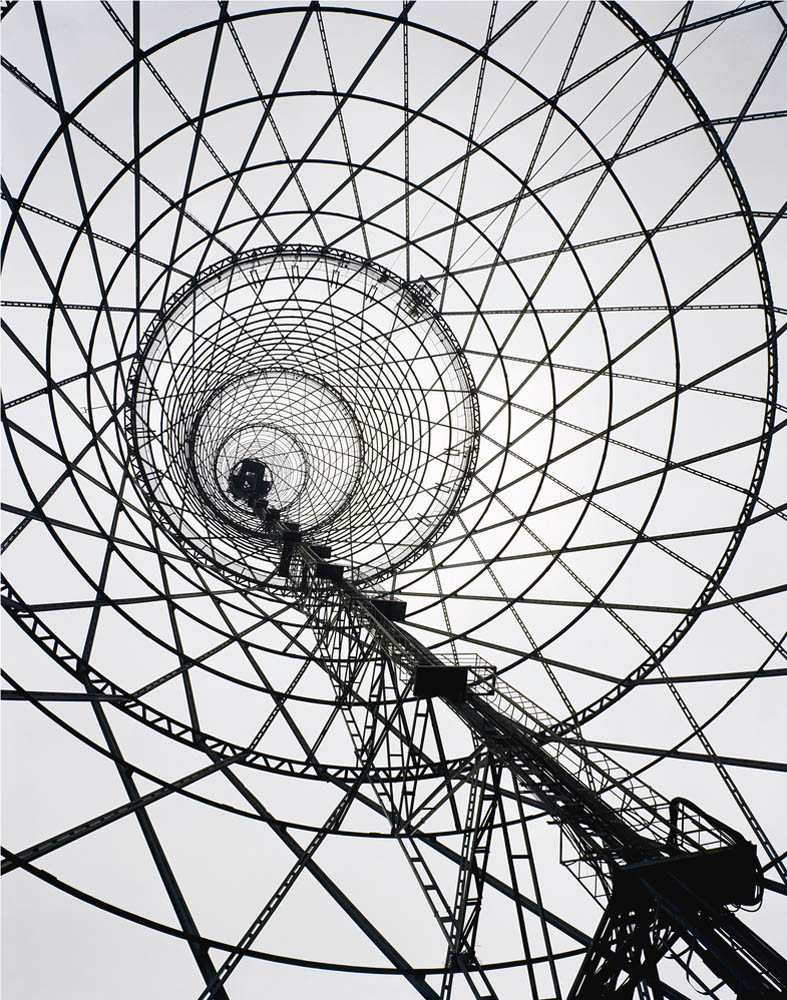
The first important structure to be erected after the Revolution was Vladimir Shukhov’s Shabolovka Radio Tower, built in the years 1919-1922 and consisting of six hyperboloids mounted on top of one another. At 150 metres it was the tallest tower in the world of its kind at the time. Its elegant filigree structure became a symbol of how all that was old and ponderous could be surmounted. Rodchenko’s well-known photos of the radio tower – today seen as icons of avant-garde photography – stress the dynamics from above and below. Pare’s shots of the tower focus more on details, thus emphasising the construction techniques of the time.

The achievements of Russian engineers like Shukhov, with their novel technical designs, influenced the development of an architecture that used clear, geometrical forms that were in keeping with its functions. In the course of the 1920s there arose two clearly defined tendencies in architecture: Rationalism and Constructivism. In 1923 representatives of the first founded the Association of New Architects (ASNOVA), whose leading light was Ladovskii. Among the Constructivists Alexander Vesnin and Moisei Ginzburg played major roles. In 1925 the Constructivist architects of Moscow joined together to form the Society of Contemporary Architects (OSA). There were also other tendencies as well as outstanding individualists, such as Konstantin Melnikov. Despite polemical squabbles among the tendencies a modern style of building had consolidated itself by the end of the 1920s.

In the course of the industrialisation of the country under the first Five-Year Plan (1928-1932) the building of new towns proceeded apace. This gave rise to questions concerning the concept of the city, for which various solutions were proposed, such as the “horizontal skyscrapers” for Moscow or Ladovskii’s “parabola” as the basic pattern of urban development. Quite a few of the buildings photographed by Pare were developed for communal living. The Narkomfin (People’s Commissariat for Finance) residential block built in Moscow in 1930 by Ginzburg and Ignati Milinis was one of the most experimental projects of that era. In addition to two floors of apartments it contained a communal canteen, a crèche, a gymnasium and a scullery. Other types of construction designed to promote the collectivist way of life were canteen kitchens, three of which were built in what was then Leningrad by a group associated with Iosif Meerzon and representing Rationalism. Workers’ clubs and palaces of culture offered numerous educational opportunities, symbolising with their dynamic forms the role of the new class in the urban environment.

When in the mid-1930s the political climate in the Soviet Union underwent a fundamental change, and a monumental style of architecture based on Classical models found favour with the powers that be, this exciting chapter of avant-gardism came to an end and sank into oblivion.


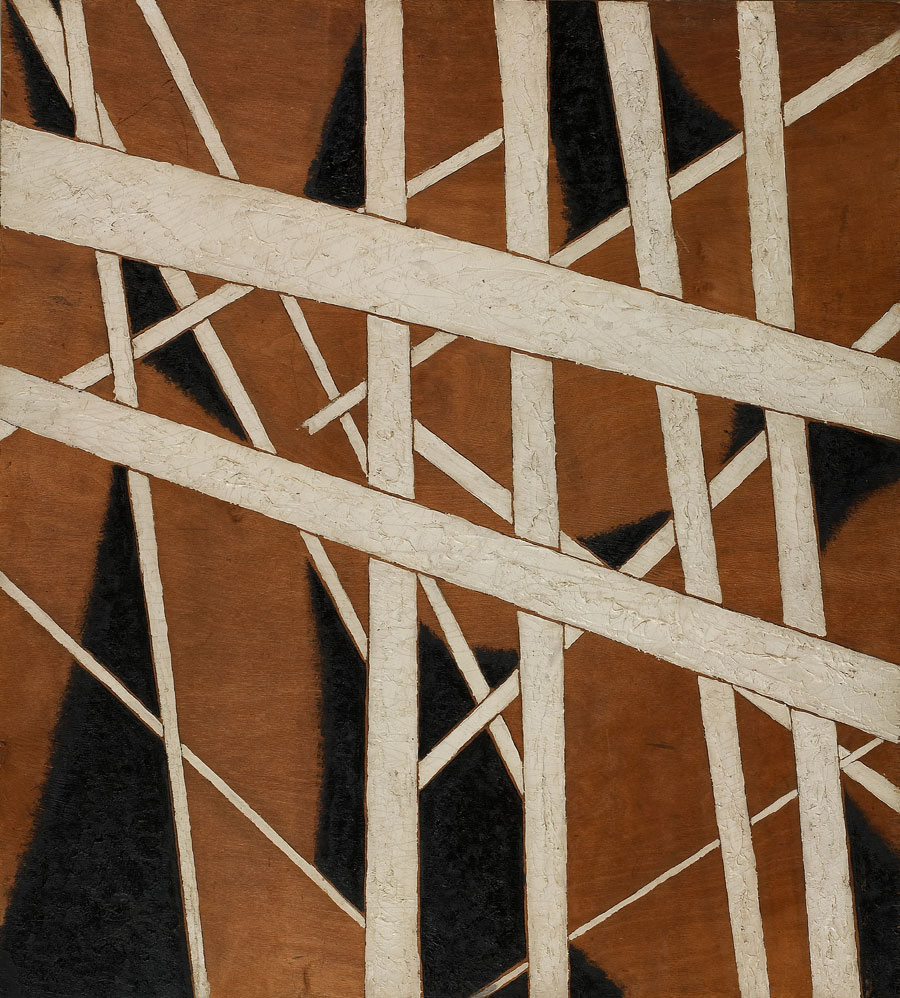
Alexander Rodchenko (Russian, 1891-1956) 'Linearism' 1920


Alexander Rodchenko (Russian, 1891-1956)
Linearism
1920
Oil on canvas
110.5 x 78cm
© Courtesy the State Museum of Contemporary Art
Costakis Collection, Thessaloniki


El Lissitzky (Russian, 1890-1941) 'Monument to Rosa Luxemburg' 1919-1921


El Lissitzky (Russian, 1890-1941)
Monument to Rosa Luxemburg
1919-1921
Pencil, ink and gouache on paper
9.7 x 9.7cm
© Courtesy the State Museum of Contemporary Art
Costakis Collection, Thessaloniki


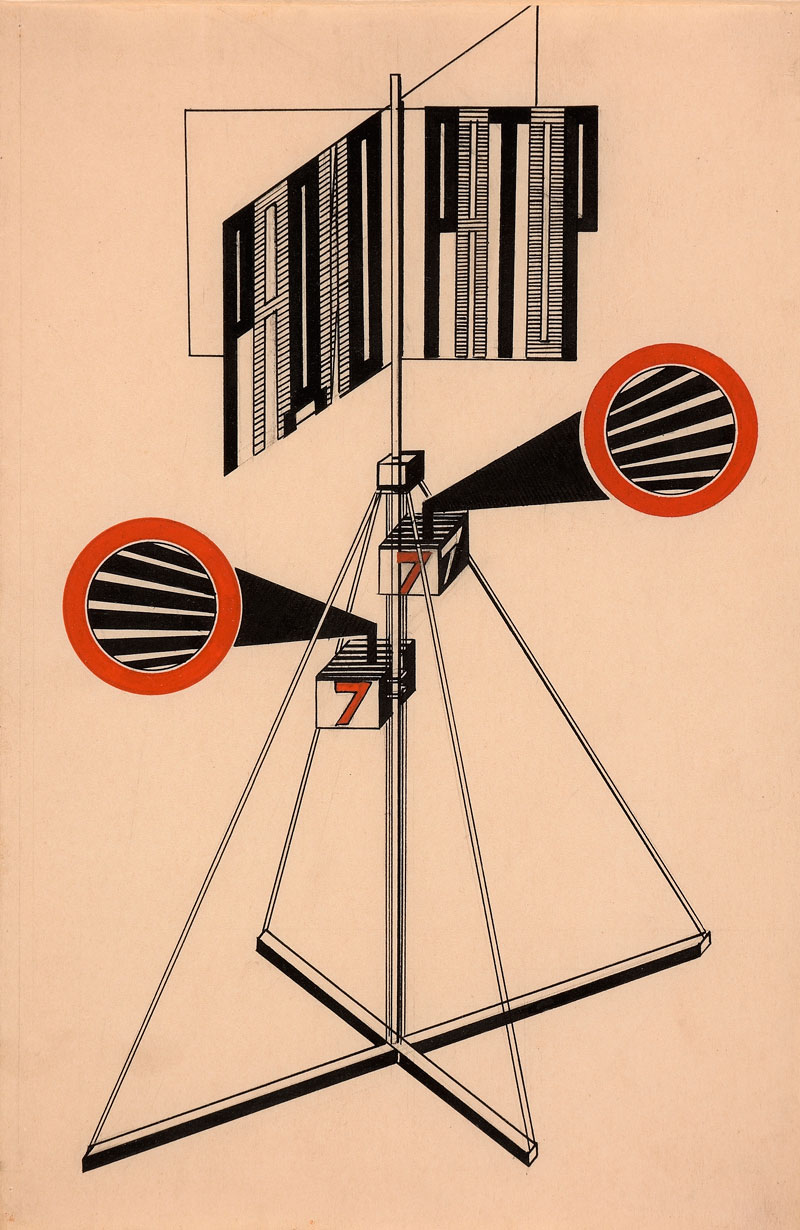
Gustav Klutsis (Latvian, 1895-1938) 'Design for Loudspeaker No.7' 1922


Gustav Klutsis (Latvian, 1895-1938)
Design for Loudspeaker No.7
1922
Pencil, ink and gouache on paper
26.9 x 17.7cm
© Courtesy the State Museum of Contemporary Art
Costakis Collection, Thessaloniki


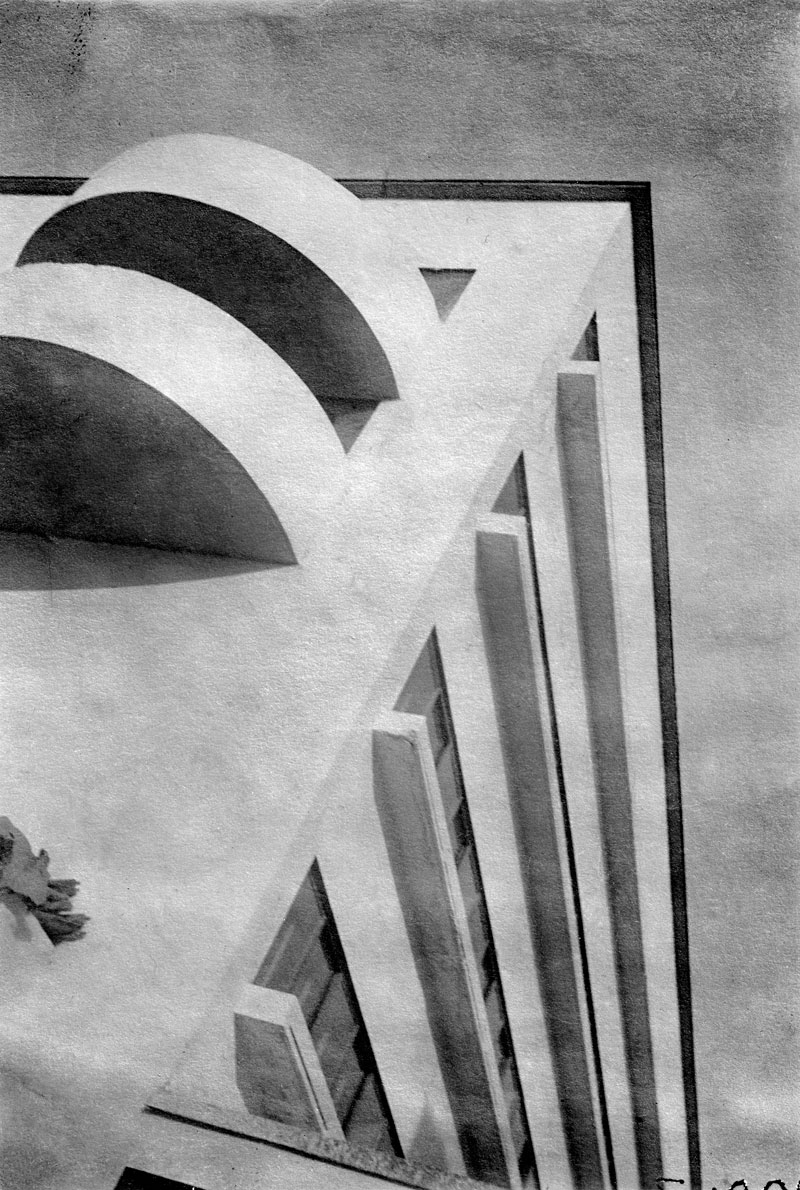
M.A. Ilyin (Russian) 'Narkomfin Communal House: corner detail of residential block' 1931


M.A. Ilyin (Russian)
Narkomfin Communal House: corner detail of residential block
1931
Archival Index Card and photographs(s)
11.6 x 8cm
Architects: Moisei Ginzburg, Ignatii Milinis, 1930
© Courtesy the Department of Photographs, Schusev
State Museum of Architecture, Moscow


Moisei Ginzburg

There was also the exchange with the Europeans. Le Corbusier came to Moscow and met and shared ideas with a number of architects including Moisei Ginzburg, the founder of the Constructivist movement and its chief theoretician. His 1924 treatise Style and Epoch was the most influential document of the Constructivist movement. Because he was Jewish, he was prevented from undertaking his architectural training in Russia and went to the École des Beaux-Arts in Paris and the Accademia di Belle Arti in Milan. Aleksandr Rodchenko travelled to Paris with Melnikov, who built the Soviet Pavilion at the 1925 Exposition Internationale des Arts Décoratifs et Industriels Modernes in Paris. They were all very well versed in European culture of the time. Ginzburg’s Style and Epoch responds to Le Corbusier’s Vers une architecture of the previous year, but Ginzburg takes the warship and the communal house rather than the luxury liner and the private villa as his examples.


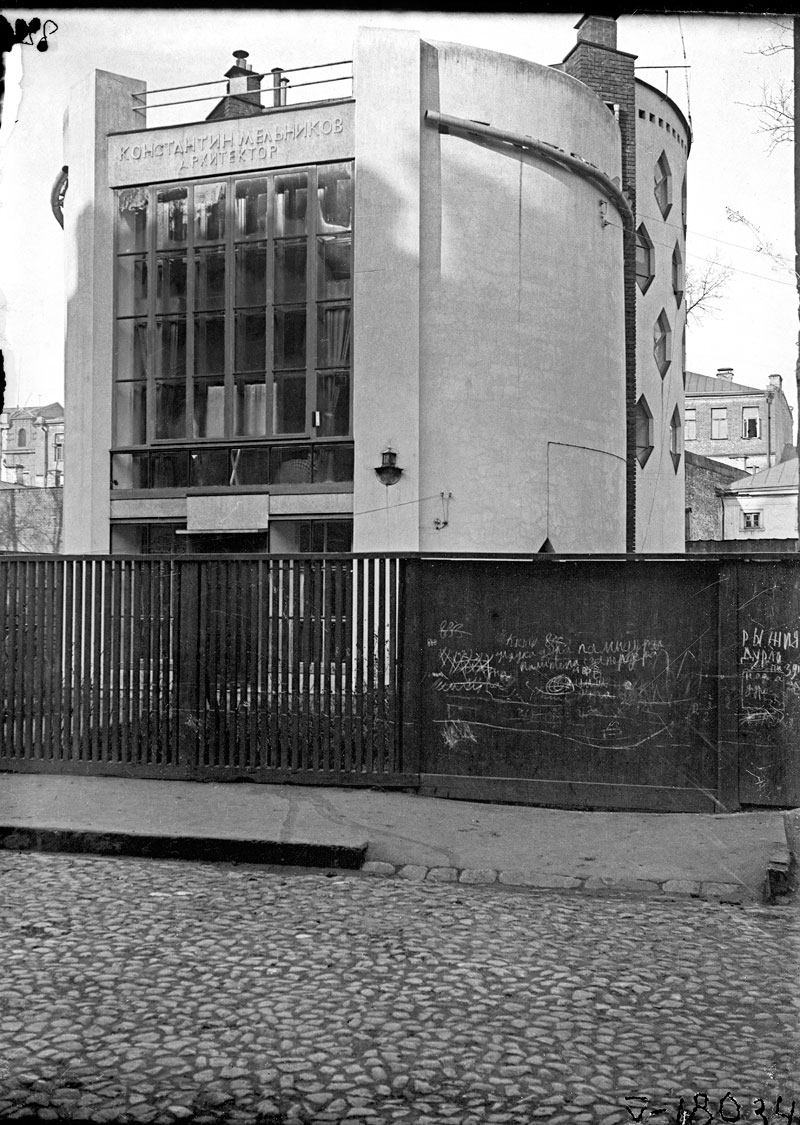
M.A. Ilyin (Russian) 'Melnikov House: entrance façade' 1931


M.A. Ilyin (Russian)
Melnikov House: entrance façade
1931
Archival Index Card and photographs(s)
11.7 x 9cm
Konstantin Melnikov, 1927-31
© Courtesy the Department of Photographs, Schusev
State Museum of Architecture, Moscow


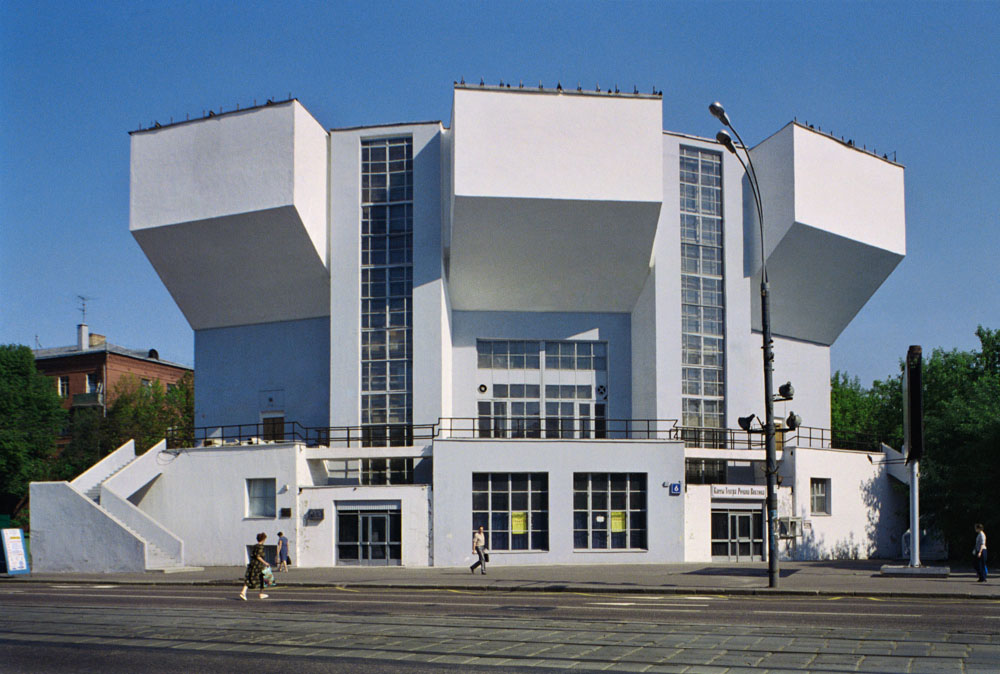
Richard Pare (English, b. 1948) 'Rusakov Workers' Club: general view showing the three auditorium segments' 1995


Richard Pare (English, b. 1948)
Rusakov Workers’ Club: general view showing the three auditorium segments
1995
Gelatin silver print
50.8 x 61cm
Courtesy Kicken Berlin
© Richard Pare


The Rusakov Workers’ Club (Russian: Дом культуры имени И.В.Русакова (рабочий клуб)) in Moscow is a notable example of constructivist architecture. Designed by Konstantin Melnikov, it was constructed in 1927–28. The club is built on a fan-shaped plan, with three cantilevered concrete seating areas rising above the base. Each of these volumes can be used as a separate auditorium, and combined they result in a capacity of over 1,000 people. At the rear of the building are more conventional offices. The only visible materials used in its construction are concrete, brick and glass. The function of the building is to some extent expressed in the exterior, which Melnikov described as a “tensed muscle”.

Text from the Wikipedia website


Richard Pare (English, b. 1948) 'Shabolovka Radio Tower' 1998


Richard Pare (English, b. 1948)
Shabolovka Radio Tower
1998
Gelatin silver print
154.8 x 121.9cm
Richard Pare, courtesy Kicken Berlin
© Richard Pare


The Shukhov Radio Tower (Russian: Шуховская башня), also known as the Shabolovka Tower (Шаболовская башня), is a broadcasting tower deriving from the Russian avant-garde in Moscow designed by Vladimir Shukhov. The 160-metre-high (520 ft) free-standing steel diagrid structure was built between 1920 and 1922, during the Russian Civil War.

Text from the Wikipedia website


Martin-Gropius-Bau Berlin
Niederkirchnerstraße 7
Corner Stresemannstr. 110
10963 Berlin
Phone: +49 (0)30 254 86-0

Opening hours:
Wednesday to Monday 10 – 19 hrs
Tuesday closed

Martin-Gropius-Bau website

LIKE ART BLART ON FACEBOOK

Back to top

Exhibition: ‘Chihuly Garden and Glass’, Seattle Center

June 2012

Long-term exhibition


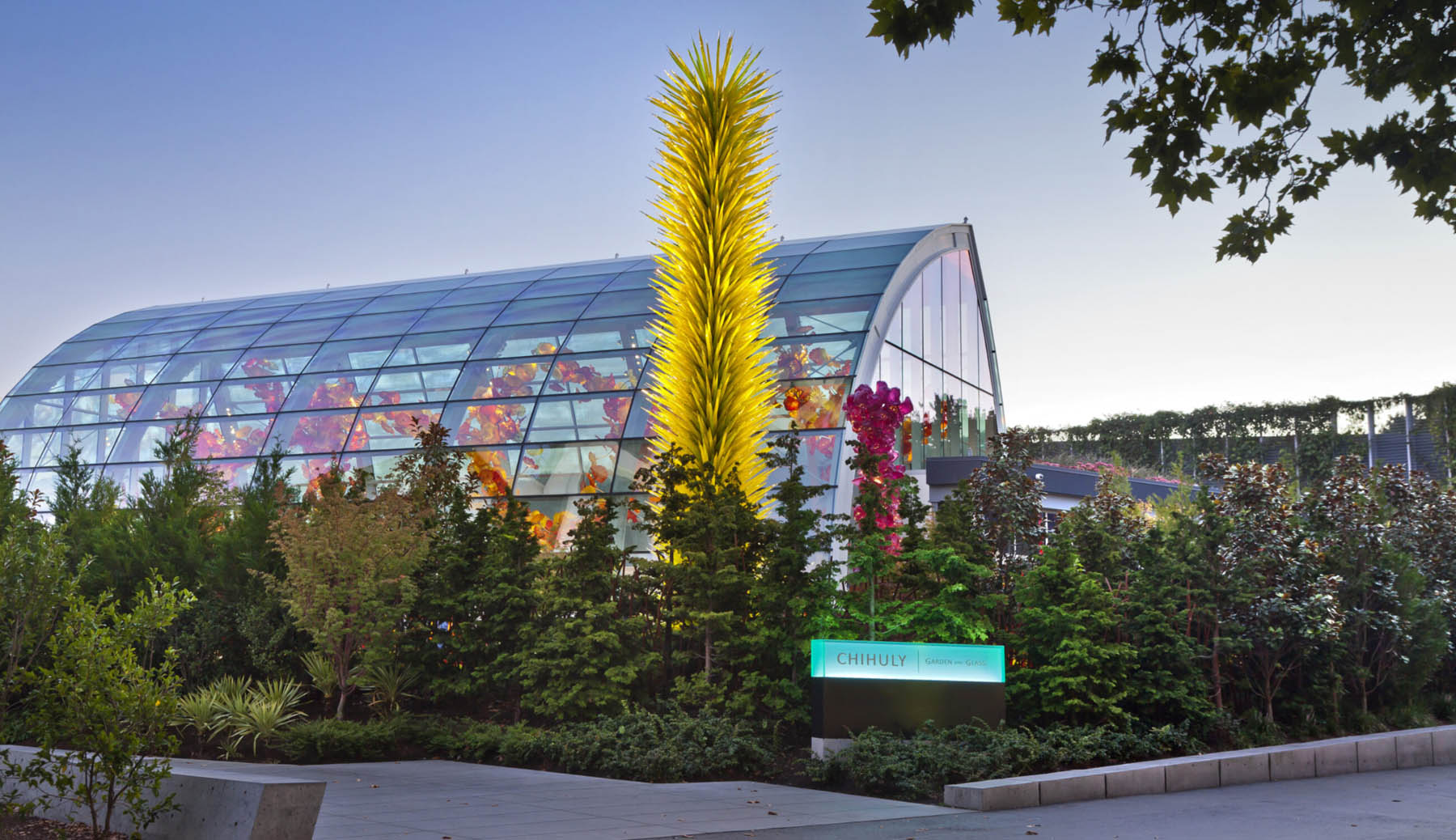
Chihuly Garden and Glass. 'Glasshouse, Pacific Sun and Space Needle' 2012


Chihuly Garden and Glass
Glasshouse, Pacific Sun and Space Needle
2012


Chihuly Garden and Glass 'Glasshouse and Garden' 2012


Chihuly Garden and Glass
Glasshouse and Garden
2012


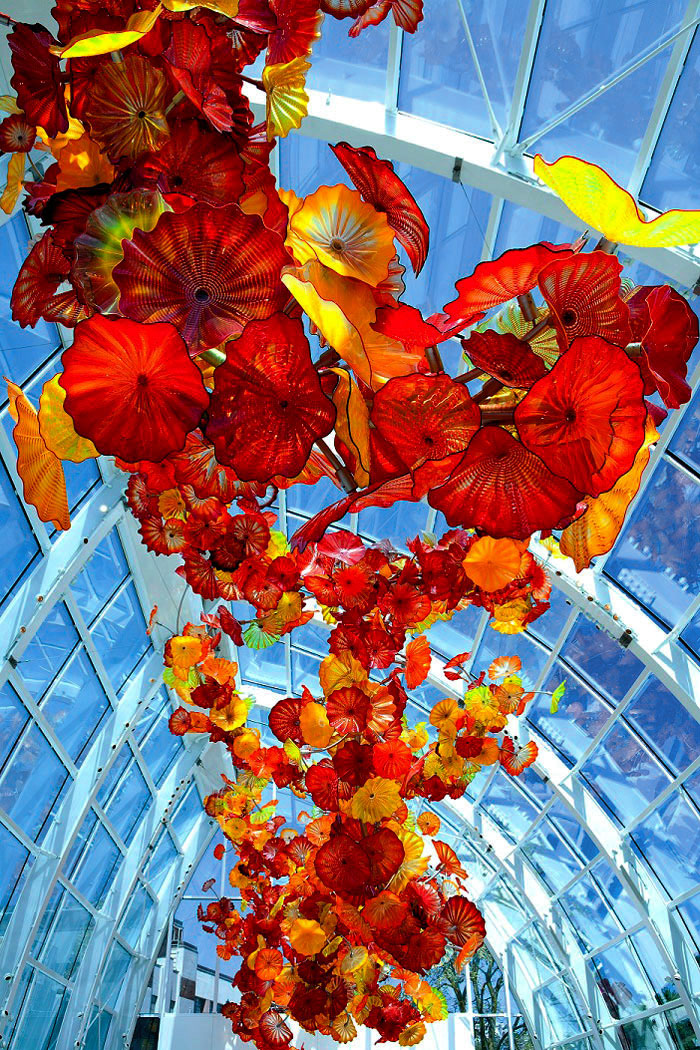
Chihuly Garden and Glass. 'Glasshouse'


Chihuly Garden and Glass
Glasshouse


Chihuly Garden and Glass. 'Glasshouse (day)' 2012


Chihuly Garden and Glass
Glasshouse (day)
2012


After just nine months of construction, Chihuly Garden and Glass, an exhibition looking at the career of Northwest artist Dale Chihuly, will open to the public in Seattle at 11am on Monday, May 21. To mark the occasion, Dale Chihuly will dedicate the exhibition’s centrepiece Glasshouse in a brief ceremony, culminating with the artist signing and dating one of the building’s structural beams. The centrepiece of Chihuly Garden and Glass is the Glasshouse. It is the result of Chihuly’s lifelong appreciation for conservatories with a design that draws inspiration from two of his favourite buildings: Sainte-Chapelle in Paris and the Crystal Palace in London. The Glasshouse sculpture is an expansive installation in a colour palette of reds, oranges, yellows and amber. Made of many individual elements, it is one of Chihuly’s largest suspended sculptures.

Dale Chihuly said, It is every artist’s dream to be able to showcase their work in one place and I am pleased to have this opportunity in my home community. The best works of my career are brought together in this exhibition and I hope everyone likes it.”

Located at the foot of the iconic Space Needle at Seattle Center, the city’s cultural hub, Chihuly Garden and Glass has transformed 1.5 acres of asphalt into a spectacular outdoor garden, a 40-foot-tall Glasshouse and 8 galleries of Chihuly’s art. The exhibition brings together all the elements of Chihuly’s work, including Drawings, signature glass series, large architectural installations and personal collections in a long-term exhibition. The exhibition’s centrepiece Glasshouse features one of the artist’s largest, suspended sculptures created specifically for Chihuly Garden and Glass. In addition to the artworks, the exhibition also features a first look at Chihuly’s extensive personal collections in the Collections Café.

The Exhibition Hall contains eight galleries and two Drawing Walls, offering visitors a comprehensive look at Chihuly’s significant series of work, including:

~ Glass Forest
~ Northwest Room

~ Sealife Room
~ Persian Ceiling
~ Mille Fiori
~ Ikebana and Float Boats
~ Chandeliers
~ Macchia Forest
~ Drawing Walls


Dale Chihuly calls the Pacific Northwest home and supports many arts and civic communities in the region including Hilltop Artists and Pilchuck Glass School, both of which he co-founded. Pilchuck Glass School joins Pratt Fine Arts Center, ArtsFund and Seattle Public Schools as community partners for Chihuly Garden and Glass. Through these organisations Chihuly Garden and Glass supports opportunities for involvement and engagement in the arts, including the creation of a science curriculum based on glass blowing for middle school students in the Public Schools.

It is estimated that over 400,000 people a year will come to Seattle from all corners of the world to view this exhibition.

About Chihuly Garden and Glass

Chihuly Garden and Glass provides a look at the career of artist Dale Chihuly. Located at Seattle Center, the exhibition features an Exhibition Hall offering visitors a comprehensive look at Chihuly’s significant series of work. Visitors will also enjoy the centerpiece Glasshouse – a dramatic structure housing a suspended 1,340-piece, 100-foot-long glass sculpture – and the Garden, which is a backdrop for a number of monumental sculptures and other installations.”
Press release from the Chihuly Garden and Glass website


Chihuly Garden and Glass. 'Pacific Sun and Glasshouse (evening)' 2012


Chihuly Garden and Glass
Pacific Sun and Glasshouse (evening)

2012


Chihuly Garden and Glass. 'Glasshouse and Pacific Sun (evening)' 2012


Chihuly Garden and Glass
Glasshouse and Pacific Sun (evening)
2012


Chihuly Garden and Glass. 'Glasshouse and Pacific Sun (evening)' 2012


Chihuly Garden and Glass
Glasshouse and Pacific Sun (evening)
2012


Chihuly Garden and Glass. 'Viola Crystal Tower and Glasshouse (night)' 2012


Chihuly Garden and Glass
Viola Crystal Tower and Glasshouse (night)
2012


Chihuly Garden and Glass. 'Garden'


Chihuly Garden and Glass
Garden


Chihuly Garden and Glass
305 Harrison St
Seattle, WA 98109

Opening hours:
Daily 9am – 8pm

Chihuly Garden and Glass website

LIKE ART BLART ON FACEBOOK

Back to top

Exhibition: ‘Pacific Standard Time: Art in Los Angeles 1950-1980’ at Martin-Gropuis-Bau Berlin

Exhibition dates: 15th March – 10th June 2012

List of artists represented: Peter Alexander, John Altoon, Chuck Arnoldi, John Baldessari, Larry Bell, Billy Al Bengston, Karl Benjamin, Ed Bereal, Tony Berlant, Wallace Berman, Marjorie Cameron, Cameron, Vija Celmins, Judy Chicago, Mary Corse, Ronald Davis, Richard Diebenkorn, Laddie John Dill, Melvin Edwards, Frederick Eversley, Lorser Feitelson, Llyn Foulkes, Sam Francis, Joe Goode, Robert Graham, Frederick Hammersley, George Herms, David Hockney, Stephan von Huene, Craig Kauffman, Edward Kienholz, Helen Lundeberg, John Mason, Allan McCollum, John McLaughlin, Ron Miyashiro, Ed Moses, Lee Mullican, Bruce Nauman, Helen Pashgian, Ken Price, Noah Purifoy, Ed Ruscha, Betye Saar, Henry Takemoto, DeWain Valentine, Gordon Wagner, Norman Zammitt.


Ed Ruscha (American, b. 1937) 'Standard Station, Amarillo, Texas' 1963


Ed Ruscha (American, b. 1937)
Standard Station, Amarillo, Texas
1963
Oil on Canvas
Hood Museum of Art, Dartmouth College, Hanover, New Hampshire
Gift of James Meeker, Class of 1958, in memory of Lee English, Class of 1958, scholar, poet, athlete and friend to all


What a bumper posting – so much to enjoy and something for everyone!

Marcus


Many thankx to Martin-Gropuis-Bau for allowing me to publish the artwork in the posting. Please click on the photographs for a larger version of the image.


Karl Benjamin (American, 1925-2012) 'Stage II' 1959 


Karl Benjamin (American, 1925-2012)
Stage II
1959
Oil on canvas
50 x 70 inches; 127 x 177.8cm


Karl Stanley Benjamin (December 29, 1925 – July 26, 2012[1]) was an American painter of vibrant geometric abstractions, who rose to fame in 1959 as one of four Los Angeles–based Abstract Classicists and subsequently produced a critically acclaimed body of work that explores a vast array of color relationships. Working quietly at his home in Claremont, California, he developed a rich vocabulary of colors and hard-edge shapes in masterful compositions of tightly balanced repose or high-spirited energy. At once intuitive and systematic, the artist was, in the words of critic Christopher Knight, “a colorist of great wit and inventiveness.”

Text from the Wikipedia website


Judy Chicago (American, b. 1939) 'Car Hood' 1964


Judy Chicago (American, b. 1939)
Car Hood
1964
Sprayed acrylic and lacquer on car hood
109 x 125 x 11cm


Betye Saar (African-American, b. 1926) 'The Phrenologer's Window' 1966


Betye Saar (African-American, b. 1926)
The Phrenologer’s Window
1966
Assemblage of two panel wood frame with print and collage
Private Collection; courtesy of Michael Rosenfeld Gallery, LLC, New York, NY


Lee Mullican (American, 1919-1998) 'Untitled (Venice)' 1967


Lee Mullican (American, 1919-1998)
Untitled (Venice)
1967
Oil on canvas


Ronald Davis (American, b. 1937) 'Vector' 1968


Ronald Davis (American, b. 1937)
Vector
1968
Polyester Resin and Fiberglass
60 1/2 x 132 inches (shaped)
Tate Gallery, London


Ronald “Ron” Davis (born 1937) is an American painter whose work is associated with geometric abstraction, abstract illusionism, lyrical abstraction, hard-edge painting, shaped canvas painting, color field painting, and 3D computer graphics. He is a veteran of nearly seventy solo exhibitions and hundreds of group exhibitions.


Eleanor Antin (American, b. 1935) '100 BOOTS Move On' 1971-1973


Eleanor Antin (American, b. 1935)
100 BOOTS Move On
1971-1973
Halftone reproduction
Getty Research Institute, Los Angeles, CA
© Eleanor Antin


Sam Francis (American, 1923-1994) 'Berlin Red' 1969-1970


Sam Francis (American, 1923-1994)
Berlin Red
1969-1970
Acrylic on canvas
Nationalgalerie, Staatliche Museen zu Berlin
© Sam Francis Foundation, Cailfornia / VG Bild-Kunst, Bonn 2012
Foto: bpk / Nationalgalerie, SMB / Jörg P. Anders


Wallace Berman (American, 1926-1976) 'Semina Cover with Wife (Photograph of Shirley Berman)' 1959


Wallace Berman (American, 1926-1976)
Semina Cover with Wife (Photograph of Shirley Berman)
1959
Halftone reproduction on cardstock
Getty Research Institute, Los Angeles, CA


The exhibition project Pacific Standard Time – Art in Los Angeles, 1950-1980 traces the development of the Los Angeles art scene during the post-war period, when the city on the Pacific hosted an impressively varied and versatile art scene, thus proving that it was more than Hollywood and a sprawling metropolis in the land of sunshine and palm trees. Pacific Standard Time features such internationally esteemed artists as John Baldessari, David Hockney, Edward Kienholz or Ed Ruscha as well as protagonists that are yet to be discovered like the abstract painters Helen Lundeberg and Karl Benjamin, the ceramicists Ken Price and John Mason, and sculptors such as De Wain Valentine.

The mega show – over 60 institutions and galleries in Los Angeles were involved – is taking the two main core exhibitions of the Getty Museum and the Getty Research Institute to Europe. The sole European venue is the Martin-Gropius-Bau in Berlin. The section of the exhibition that was to be seen in Los Angeles’ Getty Museum under the title of Crosscurrents in L.A. – Painting and Sculpture, 1950-1970, presents painting and sculpture. In the second part that was to be seen in Los Angeles under the title of Greetings from L.A. – Artists and Publics, 1950-1980, posters, artists’ catalogues, postcards, invitation cards and other memorabilia are shown which offer a deeper insight into the networks of the Los Angeles art scene at that time. For Berlin the show has been supplemented to include photographs by Julius Shulman, whose architectural shots defined the image of the Californian lifestyle in the 1950s. His incomparable sensibility and intuitive feel for composition and the ‘critical moment’ established him as a master of his craft.

Part One: Crosscurrents

The first part of the Berlin show brings together more than 70 works by over 50 artists and traces the rise of the Southern Californian art scene between 1945 and 1980. The list of names reads like a Who’s Who of today’s internationally esteemed artists, as people like John Baldessari, David Hockney, Edward Kienholz, Bruce Nauman or Ed Ruscha began their careers here.

The entrée into Pacific Standard Time begins with British artist David Hockney’s iconic painting A Bigger Splash from the year 1967. It is one of the key pictures of the exhibition and stands for the hedonistic life under palm trees with permanent sunshine and never-ending parties.

The exhibition is structured both chronologically and thematically, comprising six sections that reflect the entire spectrum of the art trends that sprang up simultaneously in Los Angeles. Abstract works – ceramic sculptures and paintings of bleak clarity – are to be seen in the first section. The second section shows assemblage sculptures and collages by artists like George Herms, Wallace Berman and Ed Bereal, who paved the way for this artistic approach in the 1950s, and their successors, including many African-American artists. The third section documents the rise of Los Angeles to become an important art centre, while the fourth shows paintings by internationally recognised Los Angeles artists as Richard Diebenkorn, David Hockney and Ed Ruscha. It becomes clear that Southern California was one of the leading centres for large-format pop art and abstract painting in the 1960s. The fifth section examines how, at a time when painting was growing in significance on the Atlantic Coast of the USA, artists on the West Coast were beginning to extend their notions of traditional painting and sculpture, with perceptual phenomena and the material processes of artistic production coming to the fore. Here we find works that have arisen out of a collision between art and technology, such as a sculpture by De Wain Valentine, who uses industrial materials like polyester casting resin, or a canvas by Mary Corse, into which the smallest, high-grade reflecting glass microspheres have been worked. We are also introduced to a group of artists whose works show traces of their creation, such as those of Joe Goode, Allan McCollum, Ed Moses and Peter Alexander.

Berlin is supplementing the Getty exhibition by devoting a special room to the early international perception of art in Los Angeles. It will feature the works Berlin Red by Sam Francis, a 8 x 12 metre painting that was commissioned by Berlin’s Neue Nationalgalerie in 1969, and Volksempfängers (People’s Wireless) by Edward Kienholz. As a DAAD scholar Kienholz often lived in Berlin from 1973 on.

Another distinctive feature of the exhibition are the various room installations, including Stuck Red and Stuck Blue by James Turrell and Four Corner Piece by Bruce Nauman. In 1966 Turrell began working on his Light Room installations. In the work displayed in the Martin-Gropius-Bau that he designed in 1970, he uses light to dissolve the borders of spatial structures and transform them. In his Four Corner Piece from 1971 Bruce Nauman creates a particular spatial experience through the interplay of physical information vs. visual information.

Part Two: Greetings from L. A.

In the second part of the exhibition, elaborated by the Getty Research Institute, the Martin-Gropius-Bau shows over 200 objects – photographs, artists’ catalogues, books, posters, postcards, invitations, letters and artworks, of which many are on public view for the first time. We are given a sense of how Californian artists, through the involvement of a wide audience, brought art into contact with the general public. We also see how intensely the international networks linking groups of artists functioned.

Greetings from L.A. begins with Making the Scene and describes the gallery scene in Los Angeles from the 1950s to the 1970s. We are introduced to art dealers and collectors of the kind who congregated at La Cienega Boulevard – Rolf Nelson, Riko Mizuno and Betty Asher. On this gallery-lined boulevard, which crosses the Sunset Boulevard immortalised by Ed Ruscha, the reputation of Los Angeles as a city of modern and contemporary art was made.

Public Disturbances, the second section of the show, is devoted to three important exhibitions which drew fierce criticism and even led to arrests. Wallace Berman’s 1957 exhibition in the Ferus Gallery was closed down by the police. Violent controversies were triggered by the War Babies exhibition (1961) in the Huysman Gallery. There were also strong differences of opinion between the Los Angeles County Museum of Art (LACMA) and the Los Angeles County Board of Supervisors over the inclusion of Kienholz’s installation Back Seat Dodge ’38 (1964) in his grand retrospective of 1966.

The Private Assembly section of the exhibition focuses on the works created by Wallace Berman, George Herms, Charles Brittin and their circle in the 1950s and 1960s. The intimacy of these objects is explained not only by the unmistakable traces of artistic authorship they bear, but also by the fact that they were only accessible to a select, non-public audience. Mainly active outside the commercial gallery scene, this group of assemblage artists concentrated their energies on private artworks, which they handed over personally or sent by mail as a token of friendship.

The fourth section, Mass Media, introduces artists who selected the mass media as a model for their own art. Ed Ruscha, Allen Ruppersberg and Chris Burden occupied themselves with popular culture and mass production as alternative means of production and distribution. They used impersonal forms, such as those of objects or advertising materials commercially produced and sold as consumer goods. By avoiding conventional exhibition rooms, these artists reached a new public. They often exhibited anonymously, thus making the identity of artist and work secondary.

Art School as Audience, the fifth section of the exhibition, sheds light on the important role of art schools in the development of contemporary art forms. They served as the static pole, because in them artists constituted the audience of other fellow artists. The California Institute of the Arts, commonly known as CalArts, and its predecessor, the Chouinard Art Institute, were key venues for important groups of artists, as can be seen from the works of such students as Ed Ruscha and Joe Goode, and such teachers as John Baldessari, Miriam Schapiro and Judy Chicago. Other important forums were the new art faculties that came into existence at the universities and other higher education facilities in Los Angeles County. At the campuses of Irvine or San Diego in particular there was a stimulating audience for the experiments of such artists as Martha Rosler, Barbara Smith and Eleanor Antin.

The last section, The Art of Protest, examines how social and political developments mobilised artists to display their works in the street. In the 1960s Los Angeles became the scene of the first protests led by artists against the Vietnam War. This gave rise in 1966 to the construction of a Peace Tower at the corner of La Cienega and Sunset Boulevards. In the following decade it was feminism that moved many artists to become social activists, as can be seen from the work of Suzanne Lacy and Leslie Labowitz-Starus In Mourning and in Rage 1977, a highly esteemed protest performed on the steps of City Hall.

Greetings from L.A. offers a new look at art in Southern California by showing how the artists of this region changed the conventional relations between art and public and developed alternatives for a public role of art and its place in society.

The exhibition affords glimpses into some recently acquired archives, like those of Betty Asher, Hal Glicksman, George Herms, Wolfgang Stoerchle, High Performance magazine, the galleries of Rolf Nelson, Mizuno and Jan Baum as well as of the papers of Charles Brittin and Edmund Teske. These are supplemented by material from archives not normally associated with Southern California, such as the papers of the critics Irving Sandler, Barbara Rose and Lawrence Alloway of New York; of Marcia Tucker, the founder and curator of New York’s New Museum of Contemporary Art; and of the Kasmin Gallery, London.

Part Three: Julius Shulman

The last part of the Berlin exhibition shows over 50 photographs by Julius Shulman – the most important American photographer of architecture in the post-war period. For more than thirty years he photographed Modernist houses – built by Richard Neutra, Frank Lloyd Wright, or Frank Gehry – thus making many of them into architectural icons. The exhibition shows some of his key works.

Press release from Martin-Gropuis-Bau website


Julius Shulman (American, 1910-2009) 'Malin Residence, "Chemosphere”' 1960


Julius Shulman (American, 1910-2009)
Malin Residence, “Chemosphere”
1960
Gelatin silver print
Getty Research Institute, Los Angeles, CA
© J. Paul Getty Trust


Julius Shulman (American, 1910-2009) 'Case Study House #22' 1960


Julius Shulman (American, 1910-2009)
Case Study House #22
1960
Gelatin silver print
Getty Research Institute, Los Angeles, CA
© J. Paul Getty Trust


Charles Brittin (American, 1928-2011) 'Peace Tower' 1966


Charles Brittin (American, 1928-2011)
Peace Tower
1966
Silver-dye bleach print
Getty Research Institute, Los Angeles, CA
© J. Paul Getty Trust


Peter Alexander (American 1939-2020) 'Cloud Box (Large)' 1966


Peter Alexander (American 1939-2020)
Cloud Box (Large)
1966
Cast polyester resin
Janis Horn and Leonard Feldman
© Peter Alexander
Foto: Brian Forrest


Jerry McMillan (American, b. 1936) 'Ed Bereal in His Studio' c. 1961


Jerry McMillan (American, b. 1936)
Ed Bereal in His Studio
c. 1961
Gelatin silver print mounted on board
Getty Research Institute, Los Angeles, CA
Gift of George Herms
© Jerry McMillan


David Hockney (British, b. 1937) 'A Bigger Splash' 1967


David Hockney (British, b. 1937)
A Bigger Splash
1967
Acrylic on canvas
96″ x 96″
© David Hockney
Tate Gallery, London, 2011


Wallace Berman (American, 1926-1976) 'Untitled (Verifax Collage)' 1969


Wallace Berman (American, 1926-1976)
Untitled (Verifax Collage)
1969
Verifax collage on board
Collection of Michael D. Fox, Berkeley CA, Courtesy Steven Wolf Fine Arts, San Francisco CA
© Courtesy of the Estate of Wallace Berman and Michael Kohn Gallery, Los Angeles
Foto: Joe Schopplein


Martin-Gropius-Bau Berlin
Niederkirchnerstraße 7
Corner Stresemannstr. 110
10963 Berlin
Phone: +49 (0)30 254 86-0

Opening Hours:
Wednesday to Monday 10 – 19hrs
Tuesday closed

Martin-Gropius-Bau website

LIKE ART BLART ON FACEBOOK

Back to top

Exhibition: ‘Entre Nous: The Art of Claude Cahun’ at the Art Institute of Chicago

Exhibition dates:  25th February – 3rd June 2012


Claude Cahun (French, 1894-1954) 'Autoportrait' 1929


Claude Cahun (French, 1894-1954)
Autoportrait
1929
Gelatin silver print
24 x 19cm
Musée des Beaux-Arts de Nantes
© RMN/Gérard Blot


“In many ways, Cahun’s life was marked by a sense of role reversal, and her public identity became a commentary upon not only her own, but the public’s notions of sexuality, gender, beauty, and logic. Her adoption of a sexually ambiguous name, and her androgynous self-portraits display a revolutionary way of thinking and creating, experimenting with her audience’s understanding of photography as a documentation of reality. Her poetry challenged gender roles and attacked the increasingly modern world’s social and economic boundaries. Also Cahun’s participation in the Parisian Surrealist movement diversified the group’s artwork and ushered in new representations. Where most Surrealist artists were men, and their primary images were of women as isolated symbols of eroticism, Cahun epitomised the chameleonic and multiple possibilities of the female identity. Her photographs, writings, and general life as an artistic and political revolutionary continue to influence countless artists, namely Cindy Sherman, Nan Goldin and Del LaGrace Volcano.”


Text from the Wikipedia website


Cahun was a resistance fighter during the Second World War, was arrested, sentenced to death and survived. She lived with her longtime female partner and collaborator on Jersey from 1937 until 1954, the year of her death. Entre Nous means “Between Us,” such an appropriate title for their collaboration, love and partnership. What a talent, what a woman and gay to boot!

Dr Marcus Bunyan


Many thankx to the Art Institute of Chicago for allowing me to publish the photographs in the posting. Please click on the photographs for a larger version of the image.


Claude Cahun (French, 1894-1954) 'Autoportrait' 1929


Claude Cahun (French, 1894-1954)
Autoportrait
1929
Gelatin silver print
11.5 x 8.5cm
Jersey Heritage Collection
© Jersey Heritage


Claude Cahun (French, 1894-1954) 'Autoportrait' 1928


Claude Cahun (French, 1894-1954)
Autoportrait
1928
Gelatin silver print
13.9 x 9cm
Jersey Heritage Collection
© Jersey Heritage


Claude Cahun (French, 1894-1954) 'Autoportrait' 1927


Claude Cahun (French, 1894-1954)
Autoportrait
1927
Gelatin silver print
10.4 x 7.6cm
Soizic Audouard Collection


Claude Cahun (1894-1954) has something approaching cult status in today’s art world. However, her work was almost unknown until the early 1980s, when it was championed by the research of François Leperlier, after which exhibitions at the Musée des Beaux-Arts in Nantes (1994) and the Musée d’Art Moderne de la Ville de Paris (1995) brought it to public attention. Her life and work (both literary and artistic) bespeak an extraordinary libertarian personality who defied sexual, social and ethical conventions in what was an age of avant-garde and moral upheaval. Among her many photographs, it is undoubtedly her self-portraits that have aroused the greatest interest in recent years. Throughout her life, Cahun used her own image to dismantle the clichés surrounding ideas of identity. She reinvented herself through photography, posing for the lens with a keen sense of performance and role-play, dressed as a woman or a man, as a maverick hero, with her hair long or very short, or even with a shaved head. This approach was extended in innovative ways in her photographs of objects and use of photomontages, which asserted the primacy of the imagination and of metamorphosis.

By exploring the many different analyses made of Cahun’s work since the 1990s, and ranging across its different themes: from the subversive self-portraits that question identity, to her surrealist compositions, erotic metaphors and political forays, this exhibition confirms the modernity of a figure who, as a pioneer of self-representation and the poetry of objects, has been an important influence for many contemporary artists.

Metamorphoses of identity and the subversion of gender (I)

This set of photographs, going from 1913 to the end of the 1920s, includes some of Cahun’s major works, in which she staged her own persona, emphasising disguise and masks, and working through variations on gender: feminine, masculine, androgyne, undifferentiated. Sexual ambiguity is consciously cultivated and calls into question established norms and conventions. In 1928, she even represented herself with her head shaved, wearing a singlet, in profile, or with her hands against her face, or wearing a loose man’s jacket. Some of the mise-en-scènes from this period seem to anticipate contemporary performance.

Poetics of the object

The “assemblages of objects,” which make their appearance in around 1925, inventively explore what at the time was still a rather new form. This work came to wider attention in the Surrealist exhibition at the Charles Ratton gallery, in May 1936, and then with the commissioning of 22 photographic plates to illustrate a book of poems by Lise Deharme, Le Coeur de Pic (1937), prefaced by Paul Eluard. These photographs capture ephemeral set-ups, often in a natural setting (garden, beach). Each “sketch” is a composition of heterogeneous elements, both found and made, such as knickknacks in spun glass, sewing items, twigs, bones, insects, feathers, gloves, pieces of fabric, shoes, tools, etc. This “theatre of objects” has both a visual and symbolic significance, which Cahun explained in her text Prenez garde aux objets domestiques (1936).

Metamorphoses of identity and the subversion of gender (continued)

The 1930s saw Cahun continuing to explore images of the self. However, questions of sexual difference and its social and cultural construction were now less to the fore as she went deeper into the potential of situations and disguises and experimented with duplication in a way that extended the work of the photomontages from the late 1920s.

Metaphors of desire

Eschewing the direct and sometimes reifying display of the female body found in many paintings and photographs, Cahun opted for a more subtle kind of “veiled eroticism” using distance and irony. Here we find some very evocative examples of her calculating games with desire. Whether through the contained display of the body, allegory (the bacchante or faun, surrounded by sensuous vegetation), or anthropomorphic objects (the hermaphroditic “père”), she aimed to capture the essence of desire, to bring out its essential grounding in fantasy.

The two of us. Claude Cahun and Suzanne Malherbe (Marcel Moore)

The photograph Entre nous (1926) clearly establishes the spirit of this section, which evokes various aspects of Claude Cahun’s intimate relationship and artistic collaboration with her partner, Suzanne Malherbe. In fact, a number of the photographs here were taken by Suzanne following Claude’s suggestions. A double portrait from 1921 shows a surprising parallel which could be read as a metaphor of their relationship, a deep closeness and understanding between two strong personalities. The linchpin of this section is constituted by the four photomontages used to illustrate Aveux non avenus (1930), Cahun’s most significant literary work, gathering together all the artist’s main themes and obsessive metaphors. The plates were executed by Moore in collaboration with Claude Cahun.

Elective encounters

This series of portraits, which reflect the importance of friendship in the development of Cahun’s work, gives an idea of the figures who were important to her and influenced her, or to whom she felt close, among them Henri Michaux, Robert Desnos, André Breton, Jacqueline Lamba and Suzanne Malherbe. There are also two photographs from performances at Pierre Albert-Birot’s theatre Le Plateau (1929). They attest Cahun’s keen interest in theatre and acting.

Poetry and politics

In the 1930s Cahun’s positions grew increasingly radical in response to the rise of totalitarianism. She joined the Surrealists and associated with a number of groups on the left and far left. This radicalisation is reflected in her aesthetic. In line with the ideas put forward in her pamphlet Les Paris sont ouverts (1934), she exploited the subversive qualities of “indirect action” in the sphere of symbolic expression, making a number of objects in which poetry and politics are intimately intertwined. This process culminated when she used these pieces for two big series of photographs dominated by a mood of irony, revolt and provocation: “La Poupée” (The Doll), a figure fashioned out of newspaper, and “Le Théâtre” (The Theatre), a wooden mannequin surrounded by various elements and placed under a glass dome.

Beyond the visible. The last self-portraits

Close study of Cahun’s photographs reveals the presence of allusions to non-visible phenomena, pointing the way to other realities – and perhaps, too, beyond death. Her attraction to symbolism, her interest in Eastern doctrines and her closeness to Surrealism only confirmed the primacy of fantasy and metamorphosis evidenced in the intellectual and aesthetic approaches she took throughout her life. The series Le Chemin des chats (The Way of Cats, around 1949 and 1953), suggests a mediation on and questioning of reality and appearance. Cahun was a true cat lover: for her, this animal was the great intercessor, the medium of an intuitive contact between the visible and the invisible, leading to sensorial worlds that are both unfamiliar and yet very near.

Juan Vicente Aliaga and François Leperlier, curators of the exhibition


Claude Cahun (French, 1894-1954) 'Autoportrait' 1939


Claude Cahun (French, 1894-1954)
Autoportrait
1939
Gelatin silver print
10 x 8cm
Jersey Heritage Collection
© Jersey Heritage


Claude Cahun (French, 1894-1954) 'Autoportrait' 1926


Claude Cahun (French, 1894-1954)
Autoportrait
1926
Gelatin silver print
11.1 x 8.6cm
IVAM, Institut Valencià d’Art Modern, Generalitat


Born Lucy Schwob to a family of French intellectuals and writers, Claude Cahun (who adopted the pseudonym at age 22) is best known for the staged self-portraiture, photomontages, and prose texts she made principally between 1920 and 1940. Rediscovered in the late 1980s, her work has not only expanded our understanding of the Surrealist era but also serves as an important touchstone to later feminist explorations of gender and identity politics. In her self-portraits, which she began creating around 1913, Cahun dismantled and questioned preexisting notions of self and sexuality. Posing in costumes and elaborate make-up, Cahun appears masked as various personae: man or woman, hero or doll, both powerful and vulnerable. Almost a century after their making, these innovative photographs and assemblages remain remarkably relevant in their treatment of gender, performance, and identity.

From her university years until her death, Cahun was accompanied by her partner and artistic collaborator, Suzanne Malherbe, a childhood friend and stepsister. They surrounded themselves with members of the Surrealist movement and created work that embraced leftist politics. Cahun, with assistance from Malherbe (under the pseudonym Marcel Moore), produced photographs, assemblages, and publications from the 1920s on. The photograph Entre Nous (Between Us), featuring a pair of masks embedded in sand, gives the title to this show and is emblematic of their multifaceted relationship.

The first retrospective exhibition in the United States of Cahun’s work, Entre Nous: The Art of Claude Cahun brings together over 80 photographs and published material by Cahun and Moore, including several photomontages from their 1930 collaborative publication Aveux non avenus (Disavowals), and the only surviving object by Cahun, which is in the Art Institute’s permanent collection.

Organiser: This exhibition was organised by the Jeu de Paume, Paris, and coproduced with La Virreina Centre de la Imatge, Barcelona.

Press release from the Art Institute of Chicago website


Claude Cahun (French, 1894-1954) 'Combat de pierres' 1931


Claude Cahun (French, 1894-1954)
Combat de pierres
1931
Gelatin silver print
21 x 15.5cm
Private collection
© Béatrice Hatala


Claude Cahun (French, 1894-1954) 'Le Père' 1932


Claude Cahun (French, 1894-1954)
Le Père
1932
Gelatin silver print
23.6 x 17.7cm
LAC


Claude Cahun (French, 1894-1954) Marcel Moore (French, 1892-1972) 'Entre nous' (Between Us) 1926


Claude Cahun (French, 1894-1954) Marcel Moore (French, 1892-1972)
Entre nous (Between Us)
1926
Gelatin silver print
4 11/16 × 4 5/8 in (11.9 × 11.7cm)


While the motivation for these remarkable self-portraits seems rooted in a commitment to leftist politics and subversion of gender norms, I also feel a great sense of intimate domesticity beneath the surface. Cahun and Moore first met in 1909 when they were both teenagers. Eight years later, Cahun’s father married Moore’s mother, which must have given the couple a convenient excuse for their close relationship at a time when such lifestyle choices were less than accepted.

Our curators have surmised that Cahun’s camera did not have a timer on it, so many if not all of these self-portraits must have been created with Moore’s assistance. When the two moved to the Isle of Jersey in the 1930s to escape the political climate developing in France, they began to live in almost total seclusion. Though often taken outside around the grounds of their estate, the photographs from this period seem to the most private and familiar. Beyond the thoughtful self-presentation and artistic experimentation, there is a palpable sense of play, of close friends having fun.

An interesting aside: In July of 1940, the Nazis invaded Jersey where Cahun and Moore were still living. For the next four years, they engaged in active resistance against the Germans, producing and distributing counterpropaganda leaflets to Nazi soldiers on the island. Continuing the kind of dress-up they’d played together for years, the two would dress in disguises to infiltrate German outposts where they would disseminate anti-Nazi leaflets signed as “der Soldat ohne Namen” (the solider with no name). They were eventually arrested in 1944 and sentenced to death. Fortunately, the island was liberated before the executions could be carried out.

Extract from Robby Sexton, “Between You and Me,” on the Art Institute of Chicago website March 15, 2012 [Online] Cited 08/10/2024


Claude Cahun (French, 1894-1954) 'Aveux non avenus, planche III' 1929-1930


Claude Cahun (French, 1894-1954)
Aveux non avenus, planche III
1929-1930
Gelatin silver print photomontage
15 x 10cm
Private collection


The Art Institute of Chicago
111 South Michigan Avenue
Chicago, Illinois 60603-6404
Phone: (312) 443-3600

Opening hours:
Thursday – Monday 11am – 5pm
Closed Tuesdays and Wednesdays

The Art Institute of Chicago website

LIKE ART BLART ON FACEBOOK

Back to top

Exhibition: ‘Alexander Calder – The Great Discovery’ at Gemeentemuseum Den Haag, The Netherlands

Exhibition dates: 11th February – 28th May 2012


Alexander Calder (American, 1898-1976) 'Cow' c. 1926


Alexander Calder (American, 1898-1976)
Cow
c. 1926
Wire and wood
8.9 x 20.5 x 9.9cm
Museum of Modern Art, New York
Gift of Edward M. M. Warburg


Always one of my favourites. He only needed some wire, a pair of pliers and his own bare hands to create magic. Through life force Calder transfers his energy into the twists and turns of the wire, his will embodied in the kinetic energy of the sculptures. Wonderful to see the early work which I think has more vigour than the later, more flaccid stabiles.

Marcus

.
Many thankx to Gemeentemuseum Den Haag for allowing me to post the art work in the posting. Please click on the photographs for a larger version of the image.


Alexander Calder (American, 1898-1976) 'Josephine Baker (III)' c. 1927


Alexander Calder (American, 1898-1976)
Josephine Baker (III)
c. 1927
Steel wire
99 x 56.6 x 24.5cm
Museum of Modern Art, New York
Gift of the artist


Alexander Calder (American, 1898-1976) 'Small Feathers' 1931


Alexander Calder (American, 1898-1976)
Small Feathers
1931
Wire, hout, lead and paint
97.8 x 81.3 x 40.6cm
Calder Foundation, New York


Alexander Calder (American, 1898-1976) 'Croisière' 1931


Alexander Calder (American, 1898-1976)
Croisière
1931
Wire, wood, and paint
37″ × 23″ × 23″
Calder Foundation, New York


Alexander Calder (American, 1898-1976) 'Steel Fish' 1934


Alexander Calder (American, 1898-1976)
Steel Fish
1934
Sheet metal, rod, wire, and paint
115″ × 137″ × 120″
Calder Foundation, New York


Last year the Gemeentemuseum Den Haag received the prestigious Turing Art Grant for its exhibition concept for Alexander Calder – The Great Discovery. The award has made it possible to go ahead with this huge project and this spring the Gemeentemuseum will present the first major Dutch Calder retrospective to be held since 1969. This relative neglect of Calder is surprising since he used to be regarded in the Netherlands as the most important American artist of the post-war period. Early on, Calder redefined sculpture by drawing three-dimensional figures and portraits with wire in space. Then, in 1930, he visited Mondrian’s studio in Paris, which was to be a turning point in his career. Calder admired Mondrian’s use of space and converted it into his own artistic expression grounded in gesture and immateriality. That realisation and the way it radically changed his work is the key focus of this exhibition.

Alexander Calder (1898-1976) grew up in a family full of creative energy: his father was a sculptor and his mother painted. As a child, he made small sculptures, model animals and jewellery from whatever materials came to hand. Even so, he trained initially as an engineer and did not attend art school until 1923. His technical education would enable him to translate his passion for movement into art; everything he made was kinetic. This was a major innovation: never again would sculpture be seen as necessarily a matter of chisels and blocks of wood or stone.

Between 1926 and 1933 Calder lived in Paris, then the heart of the modern art movement. At this stage, Calder redefined sculpture by drawing three-dimensional figures and portraits with wire in space and he was famous for the regular performances he gave with the complete and complex miniature circus Cirque Calder (1926-1931) he had concocted from everyday materials like wire, wood, leather, cork and scraps of cloth. All the circus figures could be made to move: acrobats swayed across the tightrope, dogs jumped through hoops and the elephant stood up on its back legs.

The central feature of the forthcoming exhibition is a complete reconstruction of Mondrian’s studio in the Rue du Départ. This exhibit marks Calder’s transition from figurative to abstract art: it was his visit to this studio in 1930 that triggered a radical change in his artistic practice. Abandoning his figurative sculptures, he became an abstract artist. He began to add red, black or white discs to his wire and to produce mobiles of increasing size, in which he constantly sought to combine equilibrium and movement.

The exhibition includes a film that was shown in the Netherlands in the early 1930s. Made by Hans Cürlis in 1929, it shows Alexander Calder creating two wire circus figures with no more than a pair of pliers and his own bare hands. Even then, Calder was regarded as the most innovative sculptor because of his novel choice of methods and materials.

Press release from Gemeentemuseum Den Haag


Alexander Calder (American, 1898-1976) 'Acrobats' c. 1927


Alexander Calder (American, 1898-1976)
Acrobats
c. 1927
Wire and wood
87.6 x 22.9 x 30.5cm
Calder Foundation, New York
Gift of Katherine Merle-Smith Thomas in memory of Van Santvoord Merle-Smith, Jr., 2010


Alexander Calder (American, 1898-1976) 'Circus Scene' 1929


Alexander Calder (American, 1898-1976)
Circus Scene
1929
Wire, wood and paint
127 x 118.7 x 46cm
Calder Foundation, New York


Alexander Calder (American, 1898-1976) '13 Spines' 1940


Alexander Calder (American, 1898-1976)
13 Spines
1940
Painted steel
195cm high
Museum Ludwig, Keulen


Alexander Calder (American, 1898-1976) 'Untitled' c. 1952


Alexander Calder (American, 1898-1976)
Untitled
c. 1952
Painted metal
34.5cm high
Private collection


Alexander Calder (American, 1898-1976) 'Untitled (maquette)' Summer 1976


Alexander Calder (American, 1898-1976)
Untitled (maquette)
Summer 1976
Aluminium and painted metal
65 x 72 x 39cm
Kröller-Müller Museum, Otterlo
Design by Calder, never ultimately executed, for a stabile/mobile to be sited in the sculpture garden at the Kröller-Müller Museum


Gemeentemuseum Den Haag
Stadhouderslaan 41
2517 HV Den Haag
Postbus 72
2501 CB Den haag
Phone: 070-3381111

Opening hours:
Tuesday – Sunday 10.00 – 17.00
Closed Mondays

Gemeentemuseum Den Haag website

LIKE ART BLART ON FACEBOOK

Back to top

Exhibition: ‘Andy Warhol: Polaroids / MATRIX 240’ at Berkeley Art Museum and Pacific Film Archive, University of California

Exhibition dates: 27th January – 20th May 2012

PLEASE NOTE: This posting contains nude photographs. If you do not like please do not look!


Andy Warhol (American, 1928-1987) 'Untitled' Pages 8 and 9 of The Andy Warhol Photographic Legacy Program, Vol. III


Andy Warhol (American, 1928-1987)
Untitled
Pages 8 and 9 of The Andy Warhol Photographic Legacy Program, Vol. III
of The Andy Warhol Foundation for the Visual Arts Twenty-Year Report, 1987–2007


ONE PERSON has found one of the images below offensive; so just for them please note that his posting has a PENIS and A-RRRRRR-SE rating. For all others, enjoy another spectacular Andy posting!

Marcus


Many thankx to BAM/PFA for allowing me to publish the photographs in the posting. Please click on the photographs for a larger version of the image (especially the two images directly below). View the complete The Andy Warhol Photographic Legacy Program Vol. III as a pdf (3.7Mb pdf)


“I’ve never met a person I couldn’t call a beauty.”


Andy Warhol


Andy Warhol (American, 1928-1987) 'Untitled' Pages 38 and 39 of The Andy Warhol Photographic Legacy Program, Vol. III


Andy Warhol (American, 1928-1987)
Untitled
Pages 38 and 39 of The Andy Warhol Photographic Legacy Program, Vol. III
of The Andy Warhol Foundation for the Visual Arts Twenty-Year Report, 1987–2007


The University of California, Berkeley Art Museum and Pacific Film Archive presents Andy Warhol: Polaroids / MATRIX 240. The exhibition features a selection of Warhol’s Polaroid portraits drawn from an extraordinary gift of The Andy Warhol Foundation for the Visual Arts to the museum. From 1970 to 1987, Warhol, armed with his Polaroid Big Shot camera, captured a wide range of individuals – the royalty, rock stars, executives, artists, patrons of the arts, and athletes who epitomised seventies and eighties high society, but also as many unknown subjects. From January 27 through May 20, 2012, BAM/PFA will feature a group of approximately forty of these photographs, including portraits of Caroline, Princess of Monaco; Diane von Furstenberg; and O.J. Simpson.

Famous for his contributions to Pop Art, Warhol used photography as a central part of his art-making process. Before turning to fine art, Warhol worked in advertising and commercial art, experiences that informed his approach to portraiture. In 1962, he debuted his first silkscreen paintings of celebrities, serialising pictures he pulled from magazines and press photos. In addition to using found images, Warhol eventually incorporated his own photography into his practice. In 1969 he launched inter/View magazine, which featured his photos of celebrities. By the 1970s and 1980s, portrait commissions were a major source of his income, and many of his Polaroids would serve as the basis for these works.

While each of the images in Andy Warhol: Polaroids is unique, the consistency of composition, poses, and plain white backdrop equalises the superstars and lesser-known subjects. To Warhol, they were all beautiful people. But even within this uniform staging, we see the artist finding numerous ways to create memorable, varied, and iconic compositions. Though these photos may be small in size, together the Warhol Polaroids provide a glimpse into the artistic process of one of the twentieth century’s most important artists.

From 1970 to 1987 Andy Warhol took scores of Polaroid and black-and-white photographs, the vast majority of which were never seen by the public. These images often served as the basis for his commissioned portraits, silk-screen paintings, drawings, and prints. In 2007, to commemorate its twentieth anniversary, the Andy Warhol Foundation for the Visual Arts launched the Andy Warhol Photographic Legacy Program. Designed to give a broad public greater access to Warhol’s photographs, the program donated over 28,500 of Warhol’s original Polaroids and gelatin silver prints to more than 180 college and university museums and galleries across the country. Each institution received a curated selection of over one hundred Polaroids and fifty black-and-white prints.

The number of images he took at each session varied as greatly as the figures he photographed. Repetition, a recurring motif in Warhol’s paintings, plays both a conceptual and practical role in his photography. By making several Polaroids, he had more material from which to work. By shooting at length, more about the sitter was exposed. Seen all together, the Polaroids destabilise the iconic status that a Warhol image assumes when displayed singly. On its own, a Polaroid image is fully identified with the artwork that ultimately grew out of it; the face depicted becomes a kind of signifier for larger cultural concepts of beauty, power, and worth.

Text adapted from “Andy Warhol’s Photographic Legacy,” in The Andy Warhol Photographic Legacy Program, Vol. III of The Andy Warhol Foundation for the Visual Arts Twenty-Year Report, 1987-2007 (New York: The Andy Warhol Foundation for the Visual Arts, Inc, 2007), 4-5.

View the complete Vol. III as a pdf (3.7Mb pdf)

Text and press release from the BAM/PFA website


Andy Warhol (American, 1928-1987) 'Billy Squier' 1982


Andy Warhol (American, 1928-1987)
Billy Squier
1982
Polacolor 2
4 1/4 x 3 3/8 in
Gift of the The Andy Warhol Center for the Visual Arts
© The Andy Warhol Center for the Visual Arts


Andy Warhol (American, 1928-1987) 'Daryl Lillie' 11/1978


Andy Warhol (American, 1928-1987)
Daryl Lillie
11/1978
Polacolor 2
4 14 x 3 3/8 in
© The Andy Warhol Center for the Visual Arts


Andy Warhol (American, 1928-1987) 'Heather Watts' after June 1986


Andy Warhol (American, 1928-1987)
Heather Watts
after June 1986
Polacolor ER
4 1/4 x 3 3/8 in
© The Andy Warhol Center for the Visual Arts


From 1970 to 1987 Andy Warhol took thousands of Polaroid pictures, the vast majority of which were never seen by the public. These images often served as the basis for his commissioned portraits, silkscreen paintings, drawings, and prints. Warhol captured a wide range of individuals with his Polaroid Big Shot camera. The royalty, rock stars, industrialists, artists, patrons of the arts, and athletes who epitomised 1970s and 1980s high society, as well as unknown sitters, are represented with a sense of dignity and verve. Warhol was interested in a new definition of “Society” that emerged in this period. In the introduction to the 1979 publication Andy Warhol’s Exposures, the artist wrote:

“Now it doesn’t matter if you came over on the Mayflower, so long as you can get into Studio 54. Anyone rich, powerful, beautiful, or famous can get into Society. If you’re a few of those things you can really get to the top.”1

Warhol’s images not only documented, but participated in, the creation of this new social world, satisfying both the need of his subjects to be seen and the desire of the viewer to gain access to this milieu through the act of looking. Warhol worked in advertising and commercial art before turning to fine art, experiences that informed his approach to portraiture. In 1962, he debuted his first silk-screen paintings of celebrities, serialising pictures appropriated from magazines or press photos of the time. In addition to employing found images, Warhol eventually incorporated photography into his practice and, in 1969, started a magazine (originally called inter/VIEW) that often featured his own photographs of celebrities. By the 1970s and 1980s, portrait commissions became a main source of his income.

Warhol’s Polaroids are strikingly intimate, an effect achieved in part by his personal relationship with the sitters and in part by formal aspects of the images. The artist often provided a luncheon in advance of the photo session, establishing a bond with his subject and a tone for the shoot. In the resulting Polaroids, the sitter is in direct eye contact with Warhol and the camera. The strong sense of immediacy created by the sitter’s open gaze is enhanced by the tight compositions in which the subject, pressed up close to the picture plane, is isolated from any context. A feeling of vulnerability appears in some of the portraits (as suggested by the bared shoulders of Unidentified woman (blond with bangs), for example), indicating a willingness to be exposed as well as the seductive nature of the artist and the photo shoot itself. The closeness forged between photographer and sitter and captured by the camera offers an illusion of sharing these private moments and of entering into Warhol’s circle of beautiful people and their glamorous lives.

While each image is unique, the consistency of composition, poses, and plain white backdrop equalises the celebrities and the unknown subjects of Warhol’s Polaroids. After all, to Warhol, they were all beautiful people. Polaroids of individuals who are not immediately recognisable pique our curiosity. Who is the enigmatic Frau Buch? Like many of Warhol’s subjects, she is photographed with a prop. The small dog that she hugs may not identify her, but it suggests a dimension of her personality. In other Polaroids, Warhol used props as identifying elements like the attributes in Renaissance portraiture – major-league baseball pitcher Tom Seaver is shown with his mitt and NFL legend O.J. Simpson clutches a football. The teddy bear in the arms of the subject of Unidentified girl (blue t-shirt with teddy bear) represents an aspect childhood that everyone can relate to, although the girl is actually a scion of the new high society: Jade, the daughter of Mick and Bianca Jagger.

Warhol’s Polaroids were designed to be source material for his canvases. He would direct the sitter in a series of poses, which gave the artist ample material from which to create the subsequent silkscreen portraits. Subjects such as fashion designer Diane Von Furstenberg and patron of the arts Daryl Lillie are photographed wearing thick white makeup, black eyeliner, and bright red lipstick that evoke the stage or a high-fashion photo shoot; however, the makeup also served to flatten the images for a smooth effect in the screen-print transfer. The Polaroid Big Shot’s strong flash overexposes many images and increases the contrast, an effect Warhol deployed in the subsequent silkscreens; the flash also seems to catch each sitter – celebrities and unknowns alike – in the sudden glare of a paparazzo’s camera.

Warhol’s Polaroids borrow from paparazzi and high-fashion photography and at the same time elevate an inexpensive, everyday medium to the realm of high art. Warhol embossed his name in capital letters in the lower right-hand border of most of the Polaroids, marking them as a painter would sign a canvas. For Warhol, coming from the world of advertising, this was also a kind of branding. He wrote of Jade Jagger: “She never calls me Andy always Andywarhol, as if it were one word – or a brand name, which I wish it were.”2 Warhol’s portraits confuse the boundaries of advertising and art, high and low, celebrity portraiture and the depiction of everyday people, and even photography and painting. His subjects are perpetually illuminated by the afterimage of a flashbulb, their faces immortalised by Warhol’s style

Fabian Leyva-Barragan, Curatorial Intern
Stephanie Cannizzo, Assistant Curator


1/ Warhol, Andy and Colacello, Bob . Andy Warhol’s Exposures (New York: Andy Warhol Books / Grosset & Dunlop, Inc., 1979), p. 19

2/ Ibid., pp. 28-29


Andy Warhol (American, 1928-1987) 'John Lennon' 1971


Andy Warhol (American, 1928-1987)
John Lennon
1971
Polacolor ER
4 1/4 x 3 3/8 in
Gift of the The Andy Warhol Center for the Visual Arts
© The Andy Warhol Center for the Visual Arts


Andy Warhol (American, 1928-1987) 'Apollonia Von Ravenstein' c. 1979


Andy Warhol (American, 1928-1987)
Apollonia Von Ravenstein
c. 1979
Polacolor ER
4 1/4 x 3 3/8 in
Gift of the The Andy Warhol Center for the Visual Arts
© The Andy Warhol Center for the Visual Arts


Andy Warhol (American, 1928-1987) 'Sylvester Stallone' 2/1980


Andy Warhol (American, 1928-1987)
Sylvester Stallone
2/1980
Polacolor ER
4 1/4 x 3 3/8 in
Gift of the The Andy Warhol Center for the Visual Arts
© The Andy Warhol Center for the Visual Arts


Andy Warhol (American, 1928-1987) 'Pia Zadora' 1983


Andy Warhol (American, 1928-1987)
Pia Zadora
1983
Polacolor ER
4 1/4 x 3 3/8 in
Gift of the The Andy Warhol Center for the Visual Arts
© The Andy Warhol Center for the Visual Arts


Andy Warhol (American, 1928-1987) 'Tom Seaver' 1977


Andy Warhol (American, 1928-1987)
Tom Seaver
1977
Polacolor Type 108
4 14 x 3 3/8 in
Gift of the The Andy Warhol Center for the Visual Arts
© The Andy Warhol Center for the Visual Arts


Andy Warhol (American, 1928-1987) 'R.C. Gorman' 1979


Andy Warhol (American, 1928-1987)
R.C. Gorman
1979
Polacolor Type 108
4 1/4 x 3 3/8 in
© The Andy Warhol Center for the Visual Arts


Berkeley Art Museum and Pacific Film Archive

BAMPFA is located at 2155 Center Street
between Oxford Street and Shattuck Avenue, in downtown Berkeley
Phone: (510) 642-0808

Opening hours:
Wednesday – Sunday, 11am – 7pm
Closed Mondays and Tuesdays

Berkeley Art Museum and Pacific Film Archive website

LIKE ART BLART ON FACEBOOK

Back to top

Exhibition: ‘Out of the Forest: Art Nouveau Lamps’ at the Nevada Museum of Art, Reno

Exhibition dates: 11th February – 20th May 2012


The Duffner & Kimberly Company. 'Lamp with Nasturtium Motif' Early 20th century. Collection of Dr. Byron Vreeland. Photo courtesy Christopher Martin


The Duffner & Kimberly Company
Lamp with Nasturtium Motif
Early 20th century
Collection of Dr. Byron Vreeland
Photo courtesy Christopher Martin


I always love the beauty of a great light. I have some fantastic examples at home, mainly Italian (including the Tizio lamp created by Richard Sapper for Artemide in 1972 and a Pipistrello Lamp by Gae Aleunti, 1966) so I couldn’t resist publishing these photographs of Art Nouveau lamps. They are just magnificent!

This exhibition features 20 exquisite lamps manufactured in the early twentieth century by Tiffany Studios, Handel, Durand, and Duffner & Kimberly. The exhibition focuses on themes related to the Art Nouveau style and its inspiration in nature. Discussion will also unfold related to various companies who competed for customers to sell lamps at the turn of the century and the competition between them. The exhibition will also explore the intricate copper foil production process used for the creation of glass lamps. All of the objects in Out of the Forest are from the private collection of Byron Vreeland.

Dr Marcus Bunyan


Many thankx to the Nevada Museum of Art for allowing me to publish the photographs in the posting. Please click on the photographs for a larger version of the image.


Tiffany Studios. 'Lamp with Turtleback Motif' Early 20th century. Collection of Dr. Byron Vreeland. Photo courtesy Christopher Martin


Tiffany Studios
Lamp with Turtleback Motif
Early 20th century
Collection of Dr. Byron Vreeland
Photo courtesy Christopher Martin


The Duffner & Kimberly Company. 'Lamp with Wisteria Motif' Early 20th century. Collection of Dr. Byron Vreeland. Photo courtesy Christopher Martin


The Duffner & Kimberly Company
Lamp with Wisteria Motif
Early 20th century
Collection of Dr. Byron Vreeland
Photo courtesy Christopher Martin


Tiffany Studios. 'Lamp with Grape Motif' Early 20th century Collection of Dr. Byron Vreeland Photo courtesy Christopher Martin

Tiffany Studios
Lamp with Grape Motif
Early 20th century
Collection of Dr. Byron Vreeland
Photo courtesy Christopher Martin


Nevada Museum of Art
160 West Liberty Street
Reno, NV 89501, United States
Phone: (775) 329-3333

Opening hours:
Tuesday – Sunday 10am – 6pm
Thursdays – 10am – 8pm
Closed Mondays and national holidays

Nevada Museum of Art website

LIKE ART BLART ON FACEBOOK

Back to top