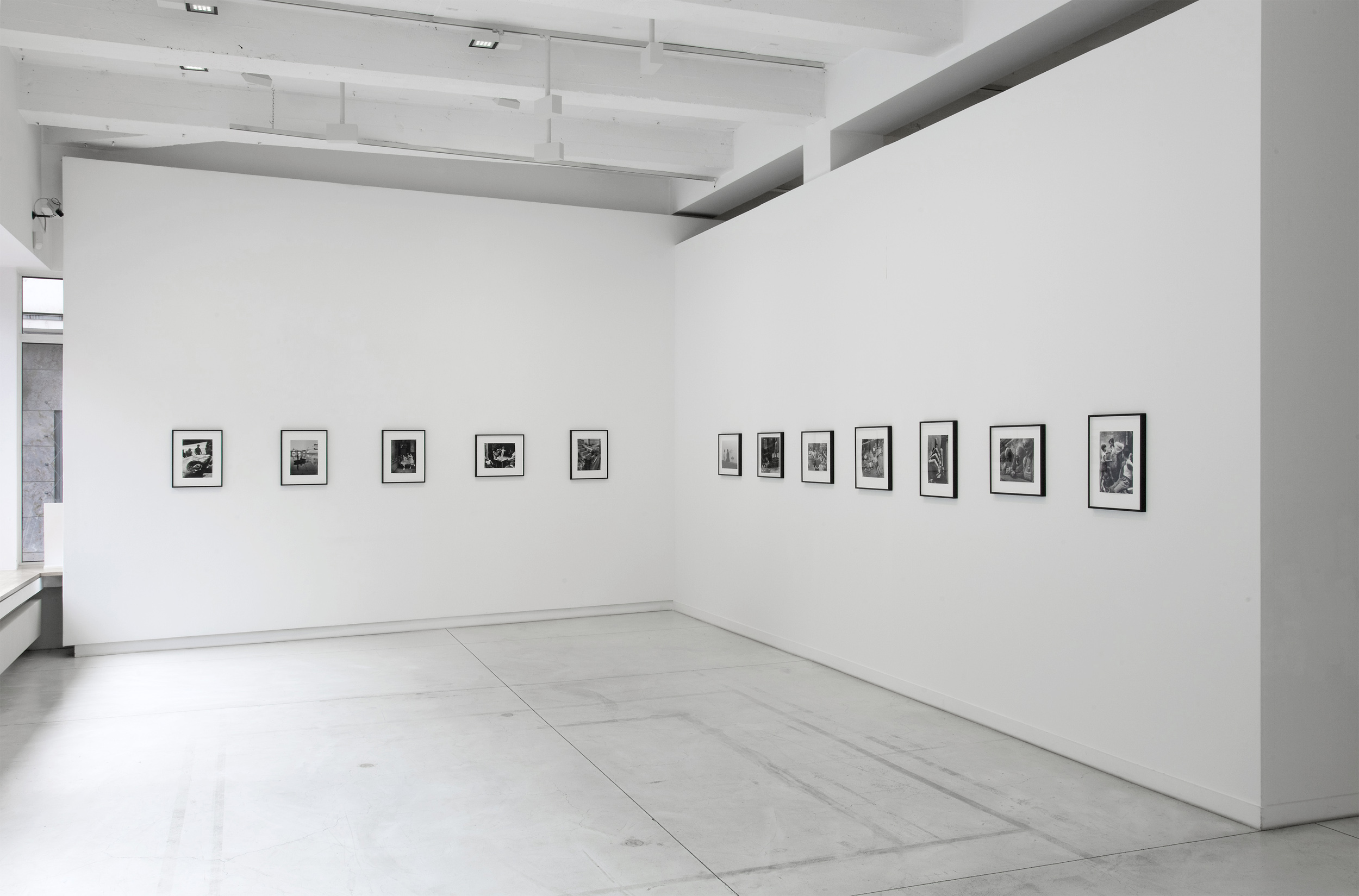
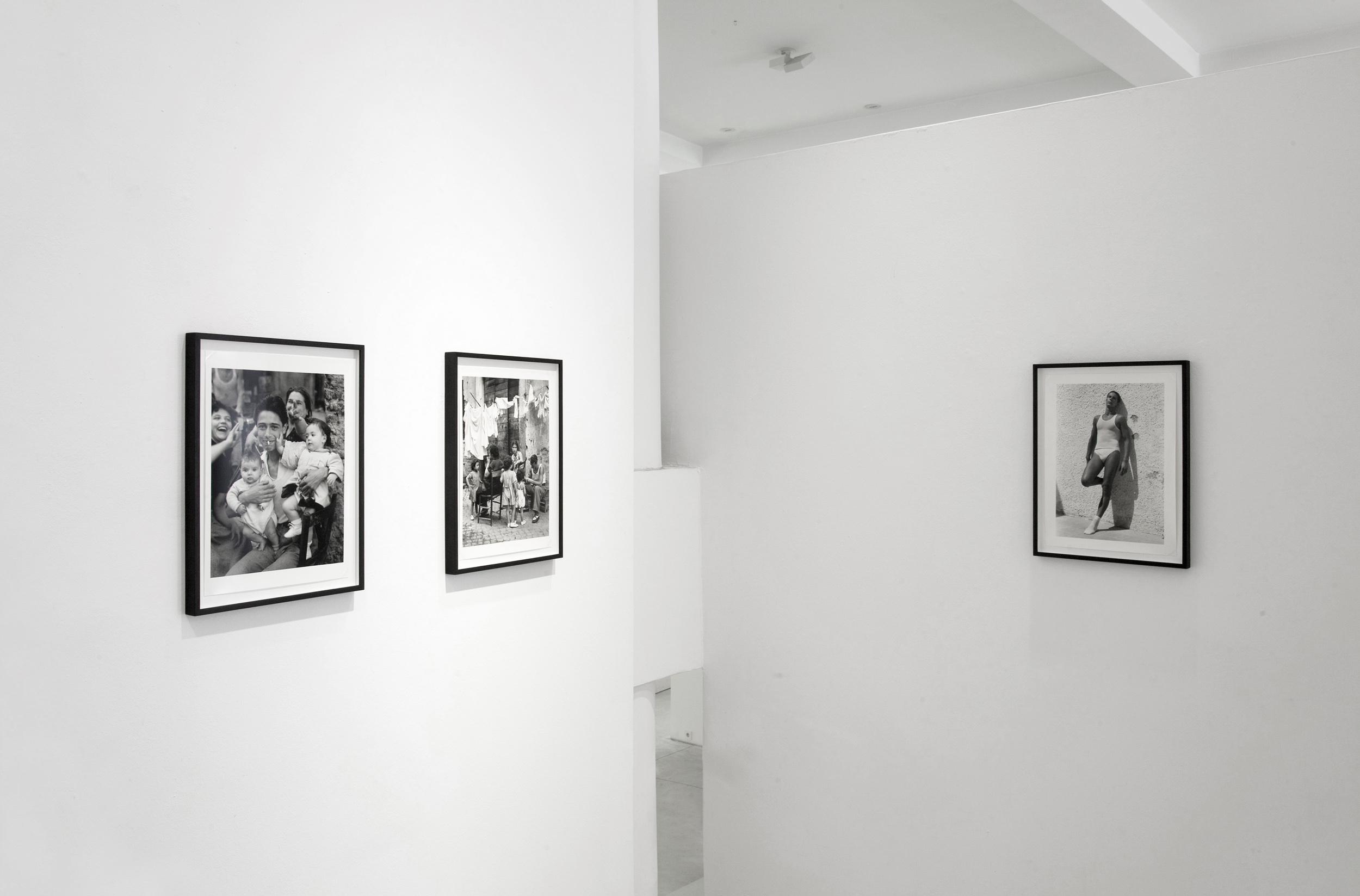
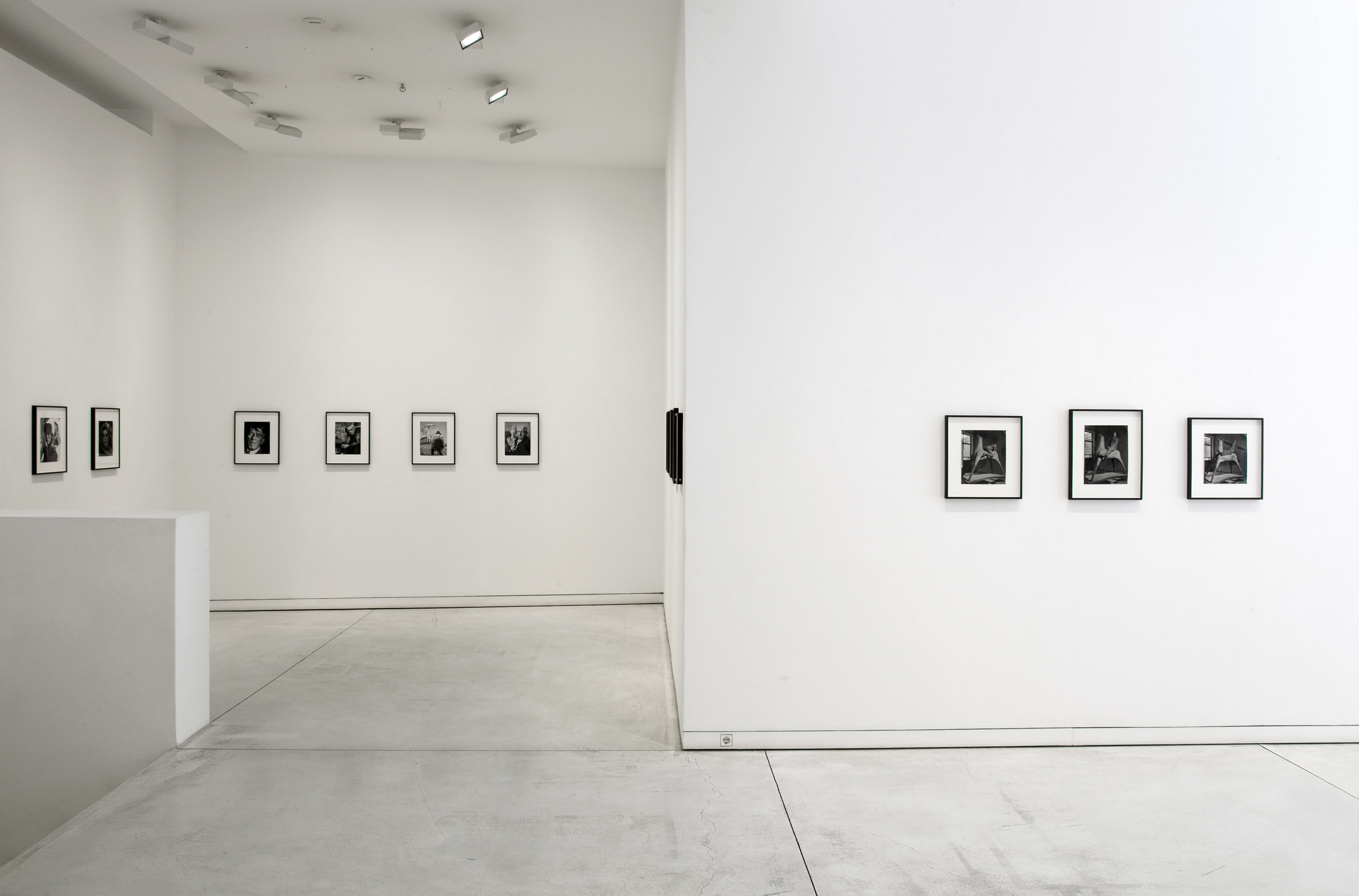
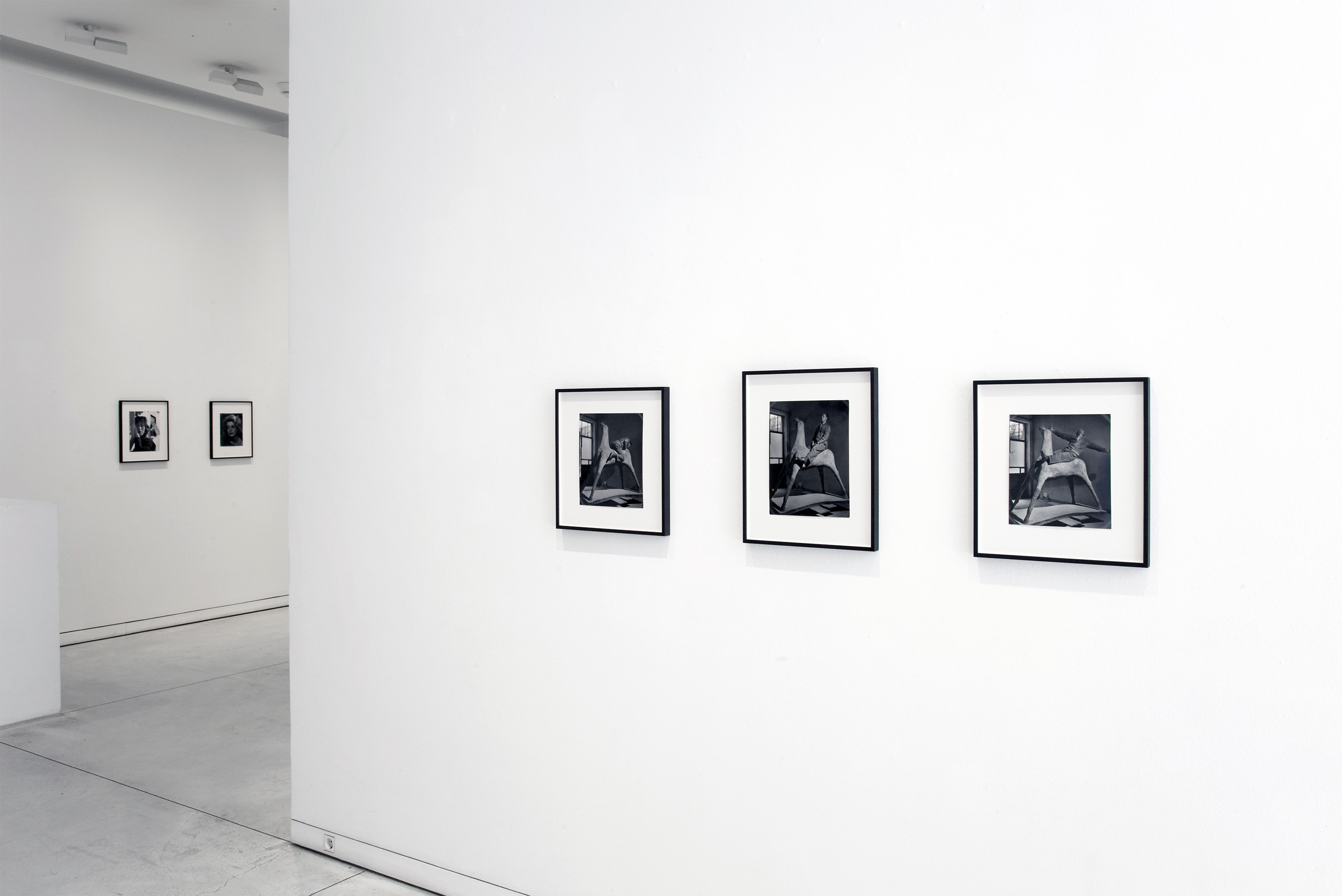
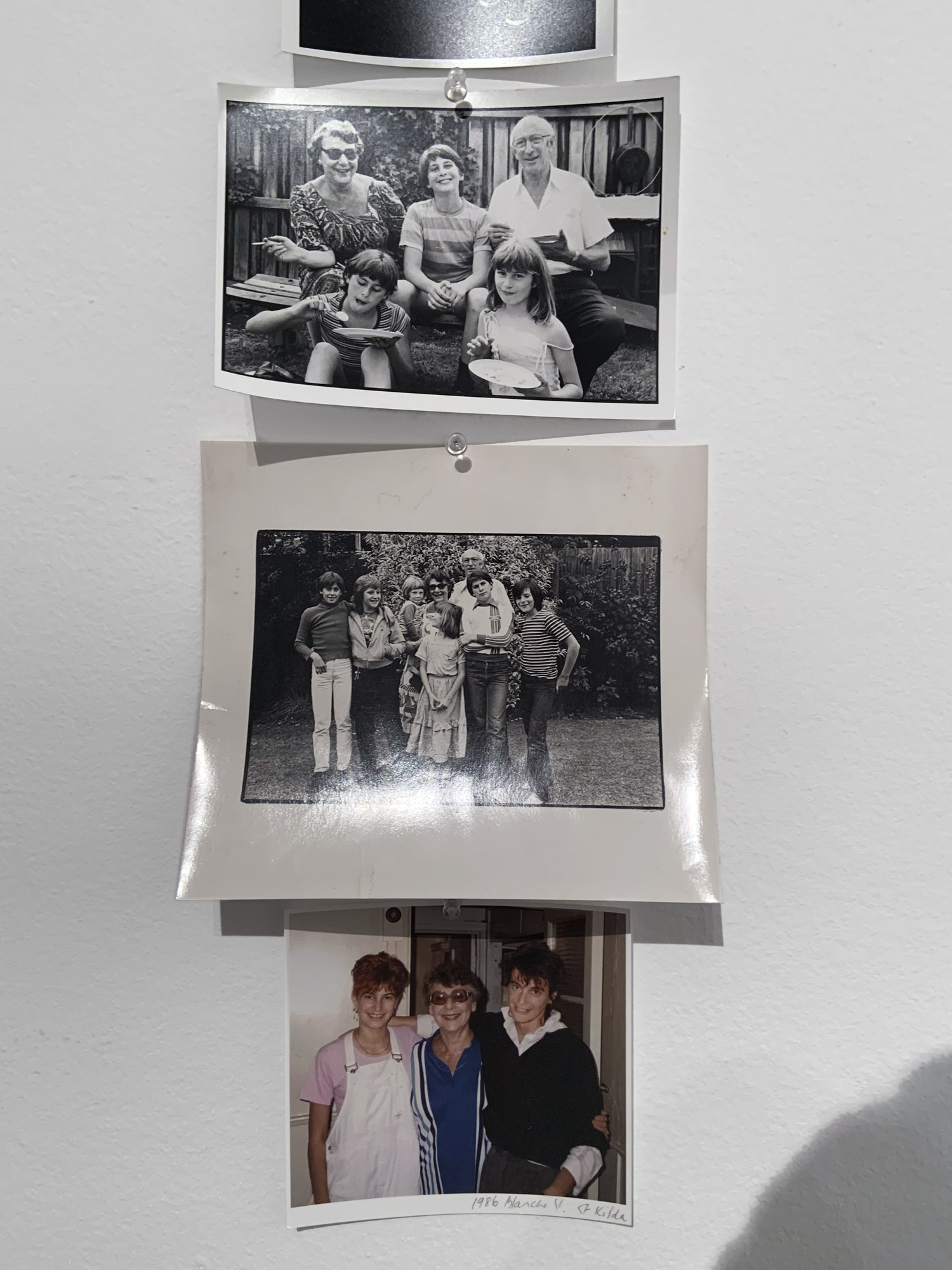
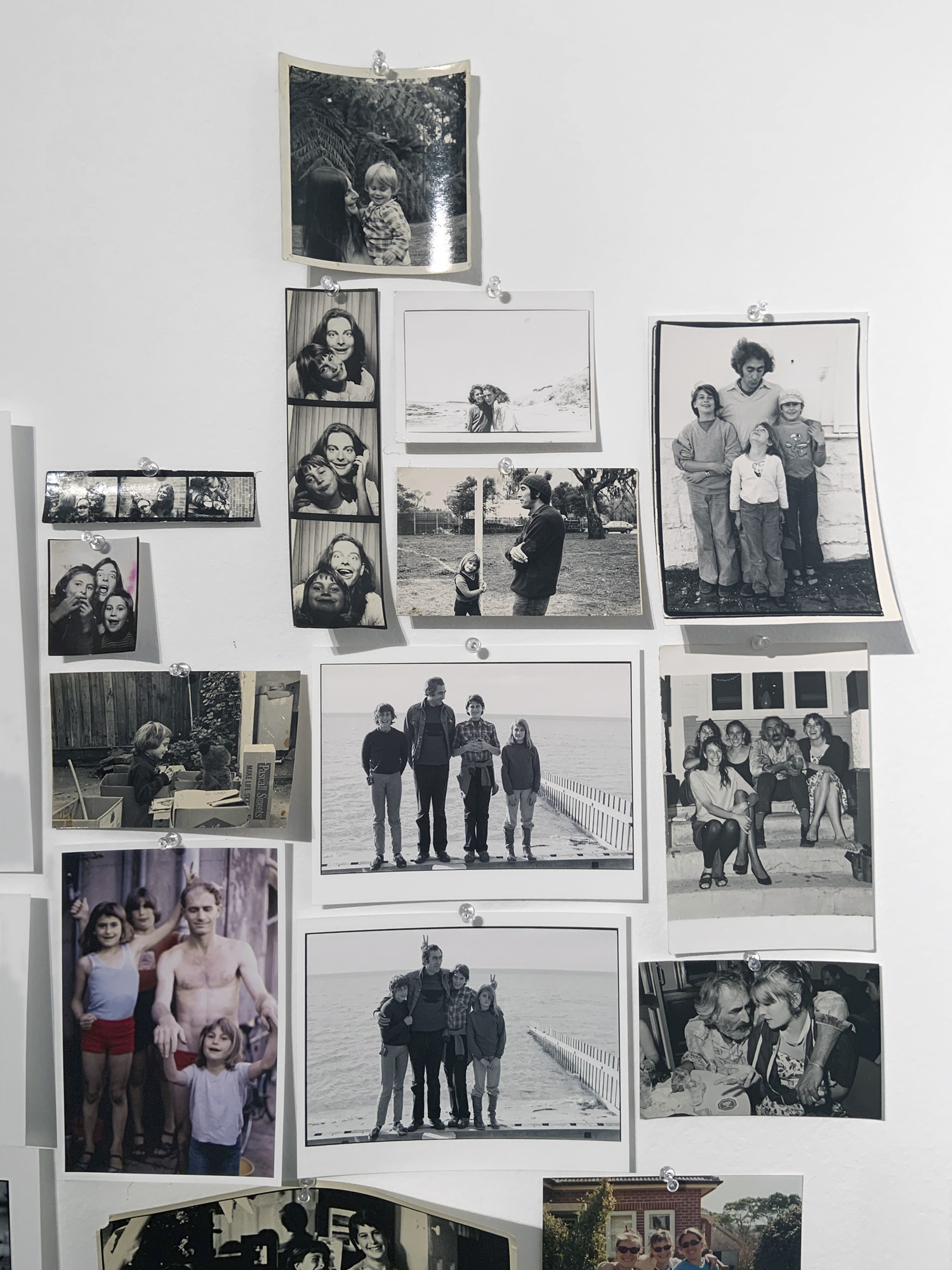
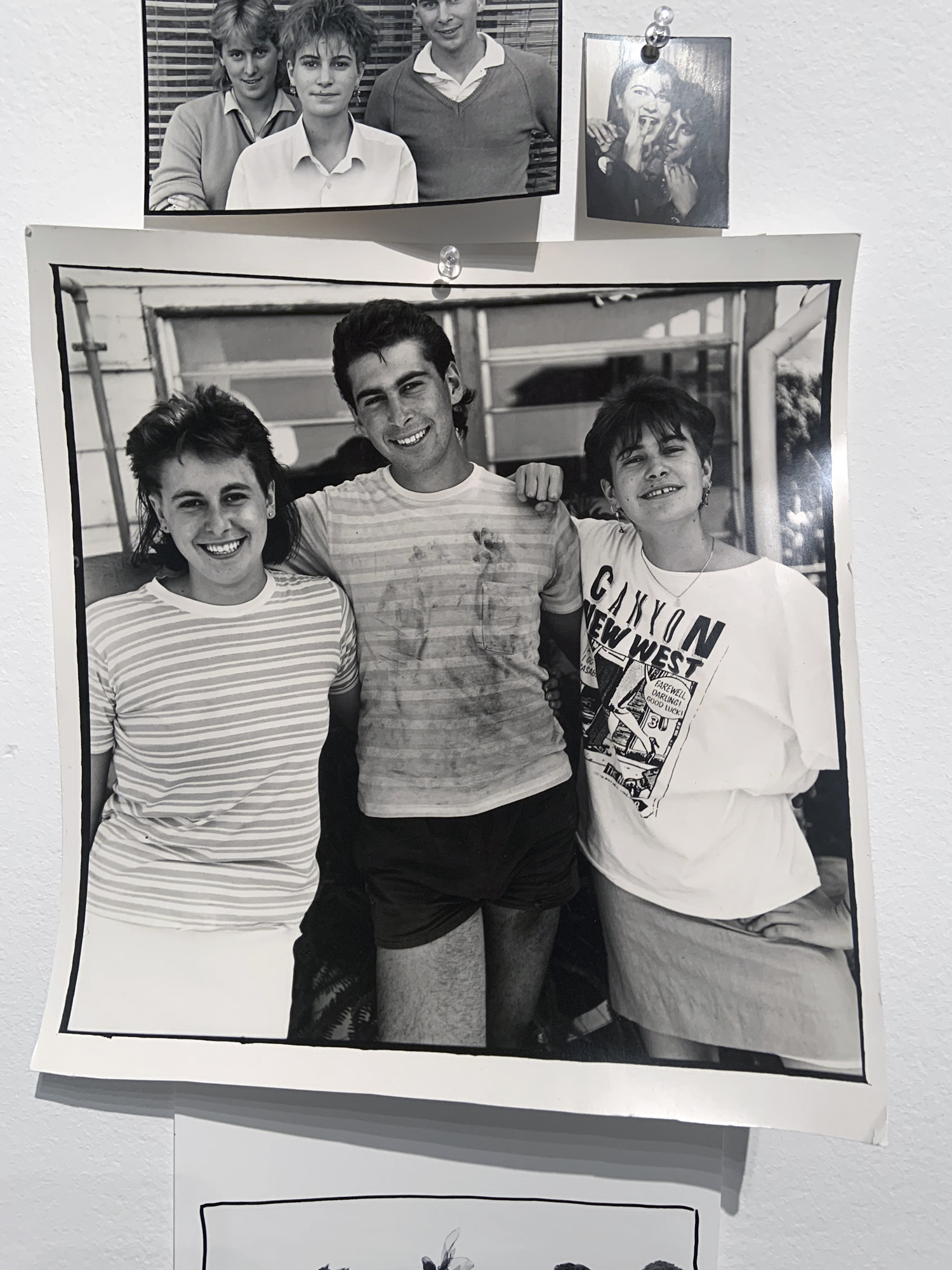
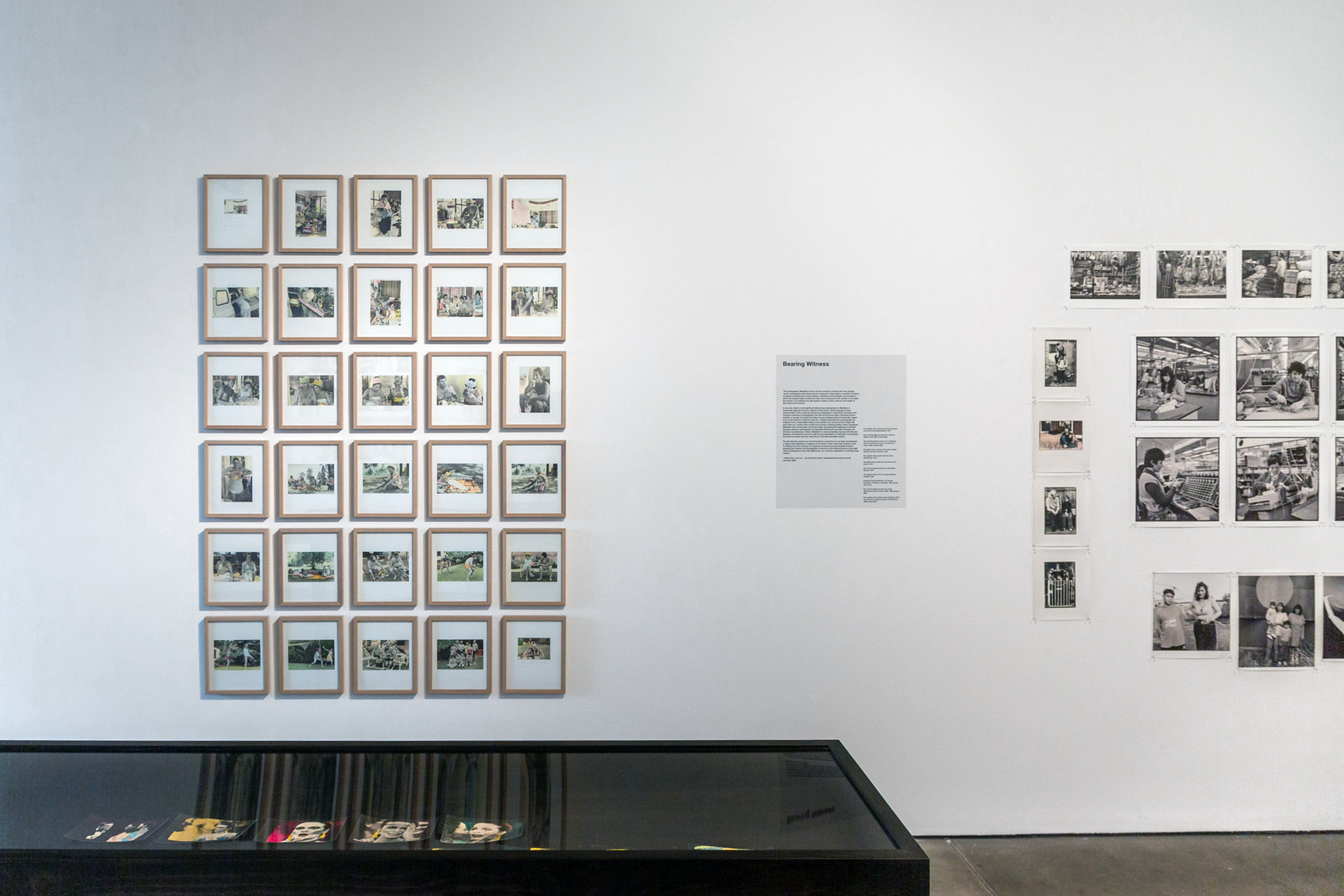
Review: ‘Ruth Maddison: It was the best of times, it was the worst of times’ at the Centre for Contemporary Photography, Melbourne

Exhibition dates: 26th February  –  18th April, 2021

Curators: a collaboration of Adam Harding CCP Director, Jack Willet CCP Curator, Ruth Maddison and independent Curator Olivia Poloni, with inceptive curatorial work from Linsey Gosper and Madé Spencer-Castle.


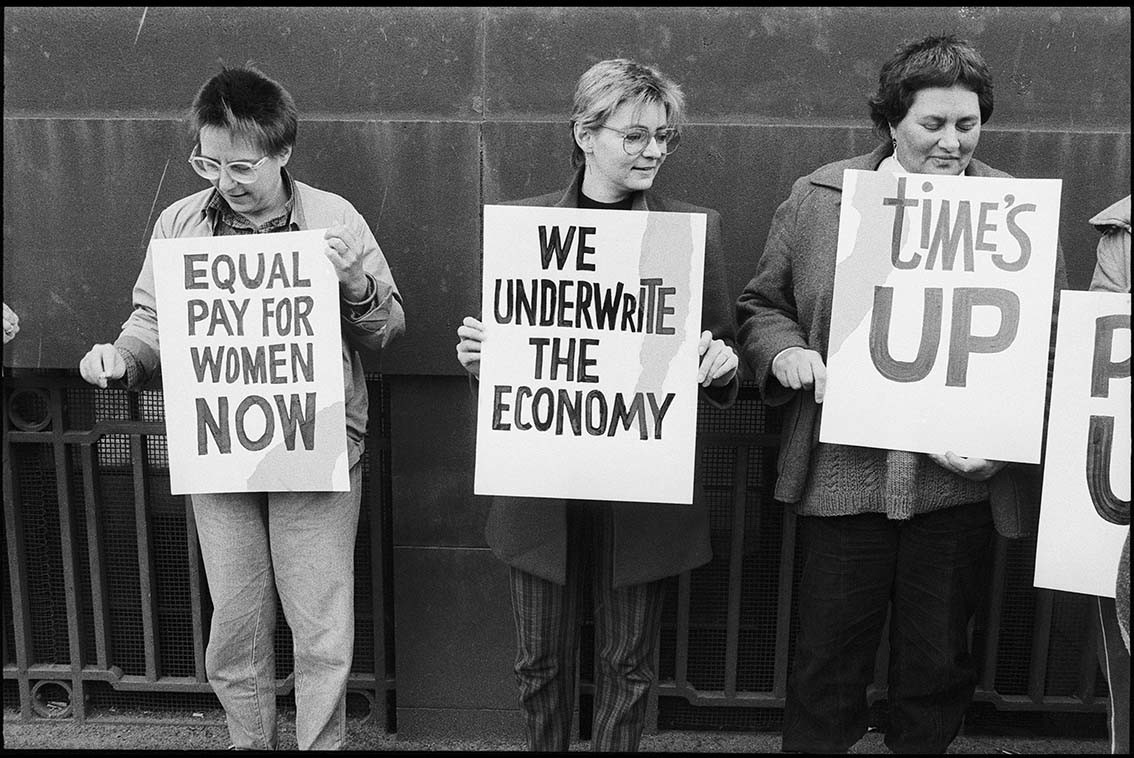
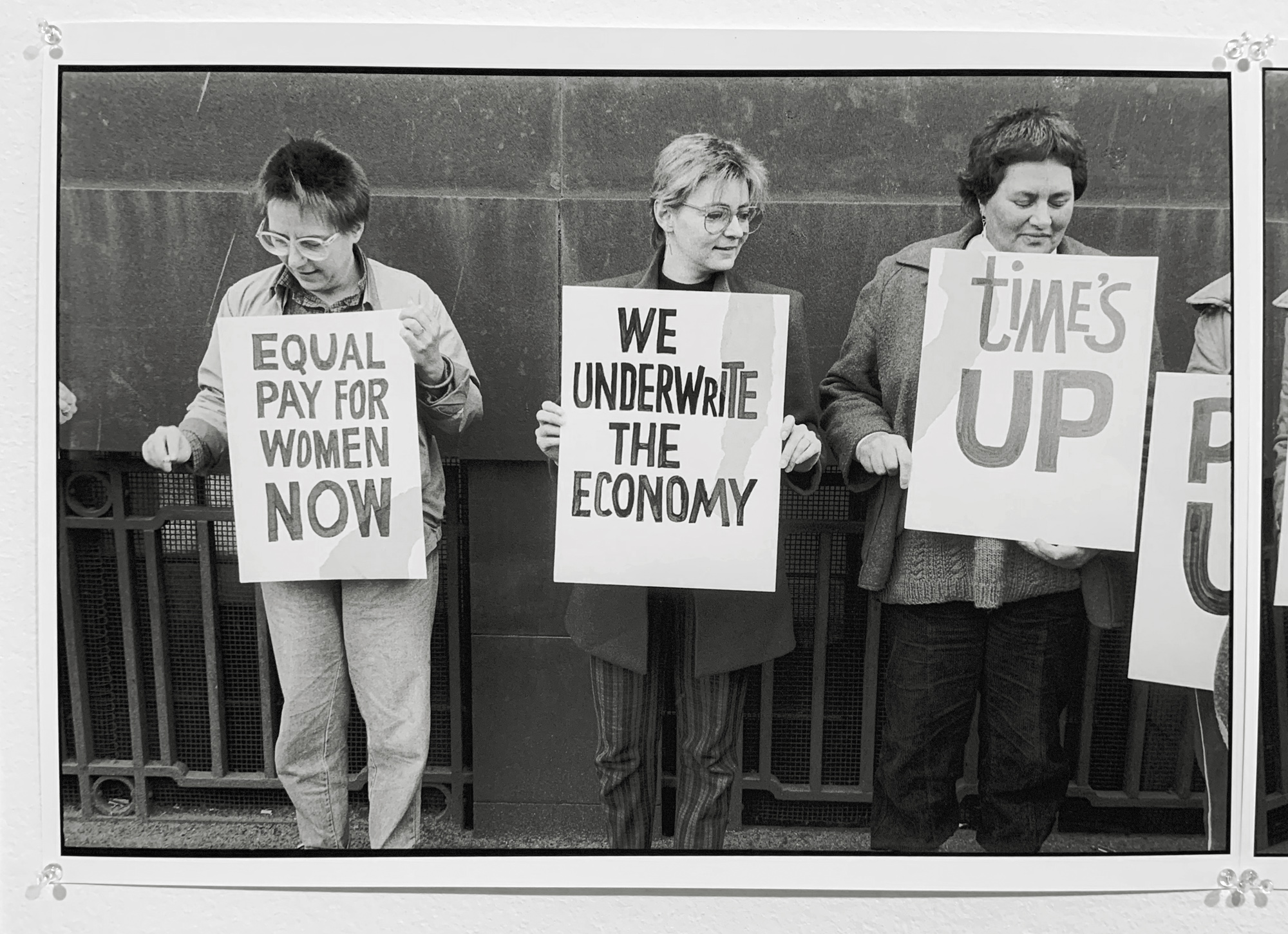
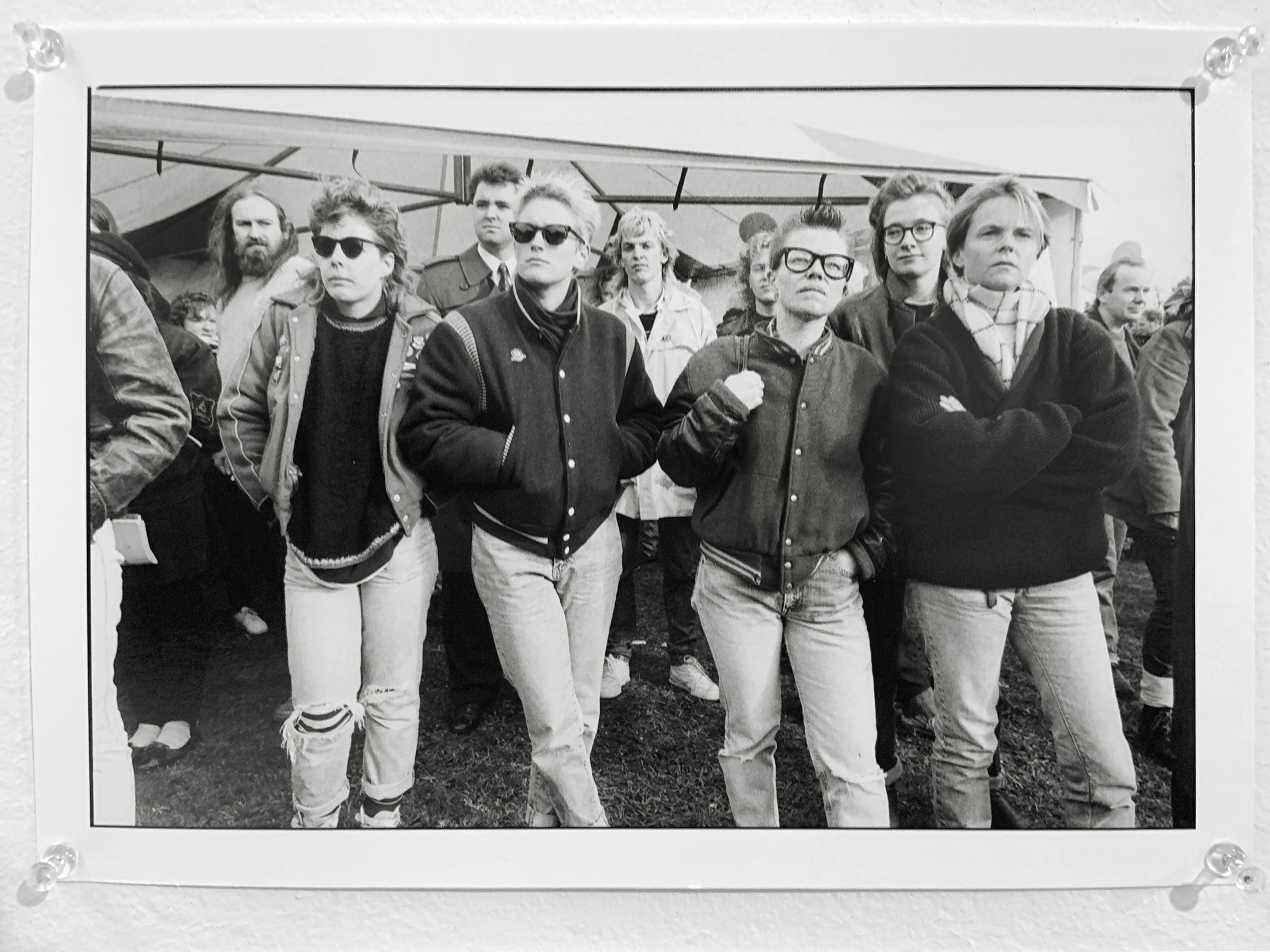
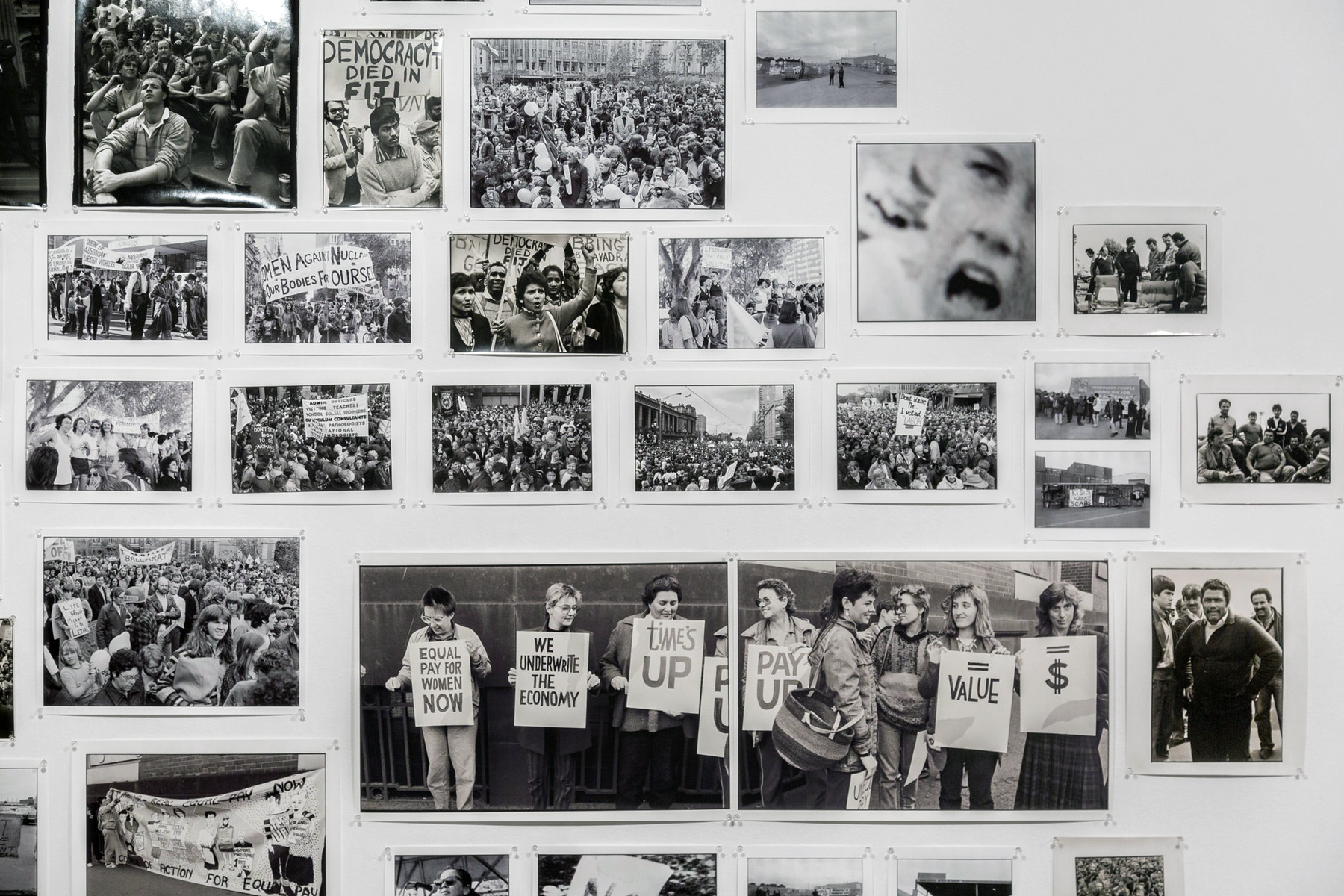
Ruth Maddison (Australian, b. 1945) 'Equal pay demo, Bourke Street Melbourne' 1985 from the exhibition 'Ruth Maddison: It was the best of times, it was the worst of times' at the Centre for Contemporary Photography, Melbourne, Feb - April, 2021


Ruth Maddison (Australian, b. 1945)
Equal pay demo, Bourke Street Melbourne
1985
Pigment print from scanned negative
39 x 58cm (image size)
Courtesy of the artist and the Centre for Contemporary Photography


“One can also pursue politics with art.
Everything that intervenes in the processes of life, and transforms them, is politics.”


Hans Richter


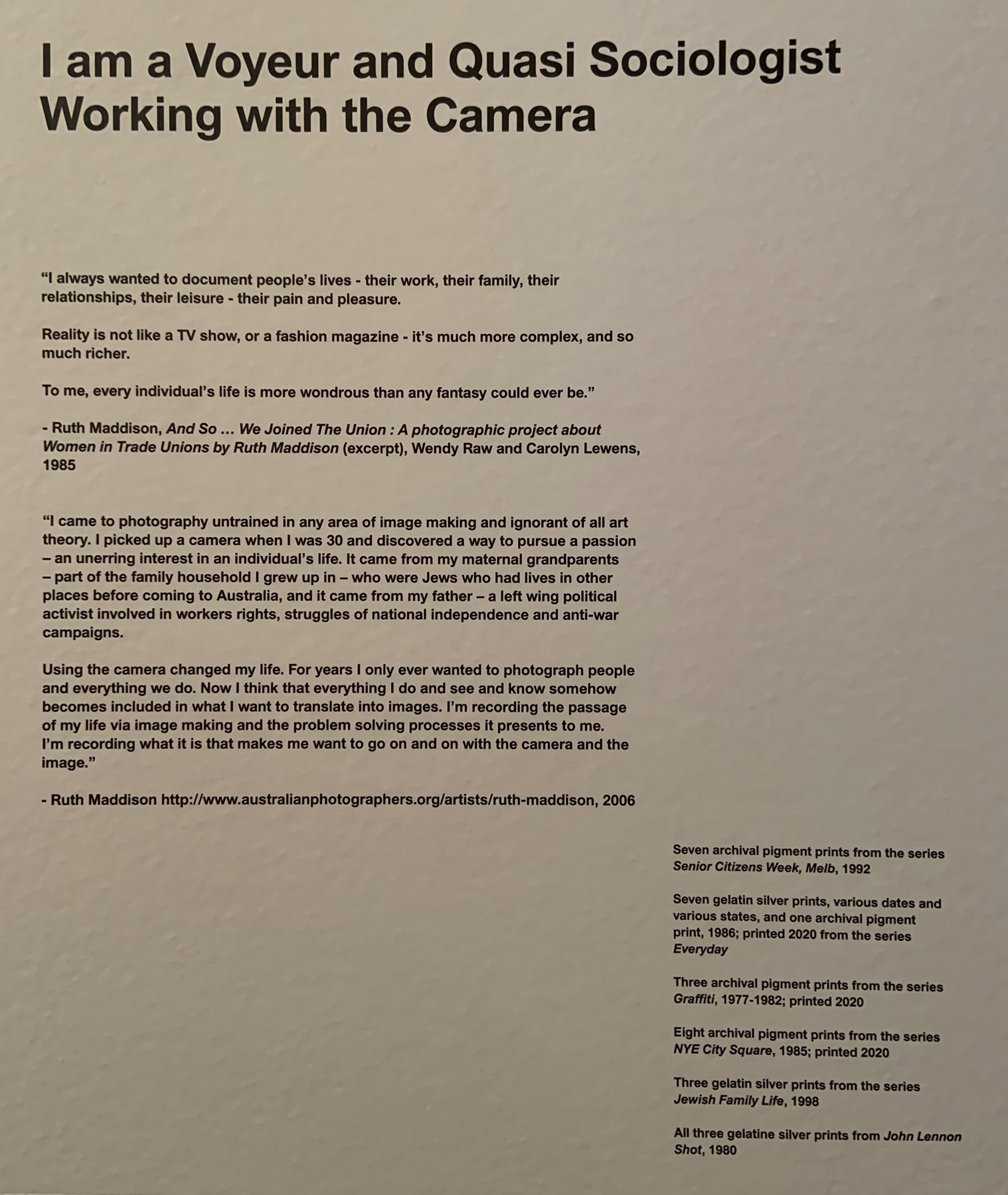
“I always wanted to document people’s lives – their work, their family, their relationships, their leisure – their pain and pleasure.

“To me, every individual’s life is more wondrous than any fantasy could ever be.”


Ruth Maddison


The Art of a Fellow Traveller

Since the 1970s Australia has been blessed with many talented women photographers… Sue Ford, Carol Jerrems, Joyce Evans, Ponch Hawkes, Micky Allan, Ruth Maddison, Rosemary Laing, Hoda Afshar, Anne Ferran, Katrin Koenning, Robyn Stacey, Janina Green, Bindi Cole, Tracey Moffatt, Polixeni Papapetrou, Pat Brassington, Claire Rae, Claudia Terstappen, Jacqui Stockdale, Siri Hayes, Petrina Hicks, Kim Lawler, Carolyn Lewens, Nicola Loder, Jill Orr, Kim Percy, Patricia Piccinini, Elizabeth Gertsakis, Jane Brown, to name just a few…

 ** Thinking. Australia. For such a small (in population) and isolated (geographically) country, rarely in the history of photography can there have been such an accumulated wealth of talent within the space of 60 years or so. I have suggested to a major public gallery in Melbourne a group exhibition of these artists but it went nowhere. Why? This is world class talent! **


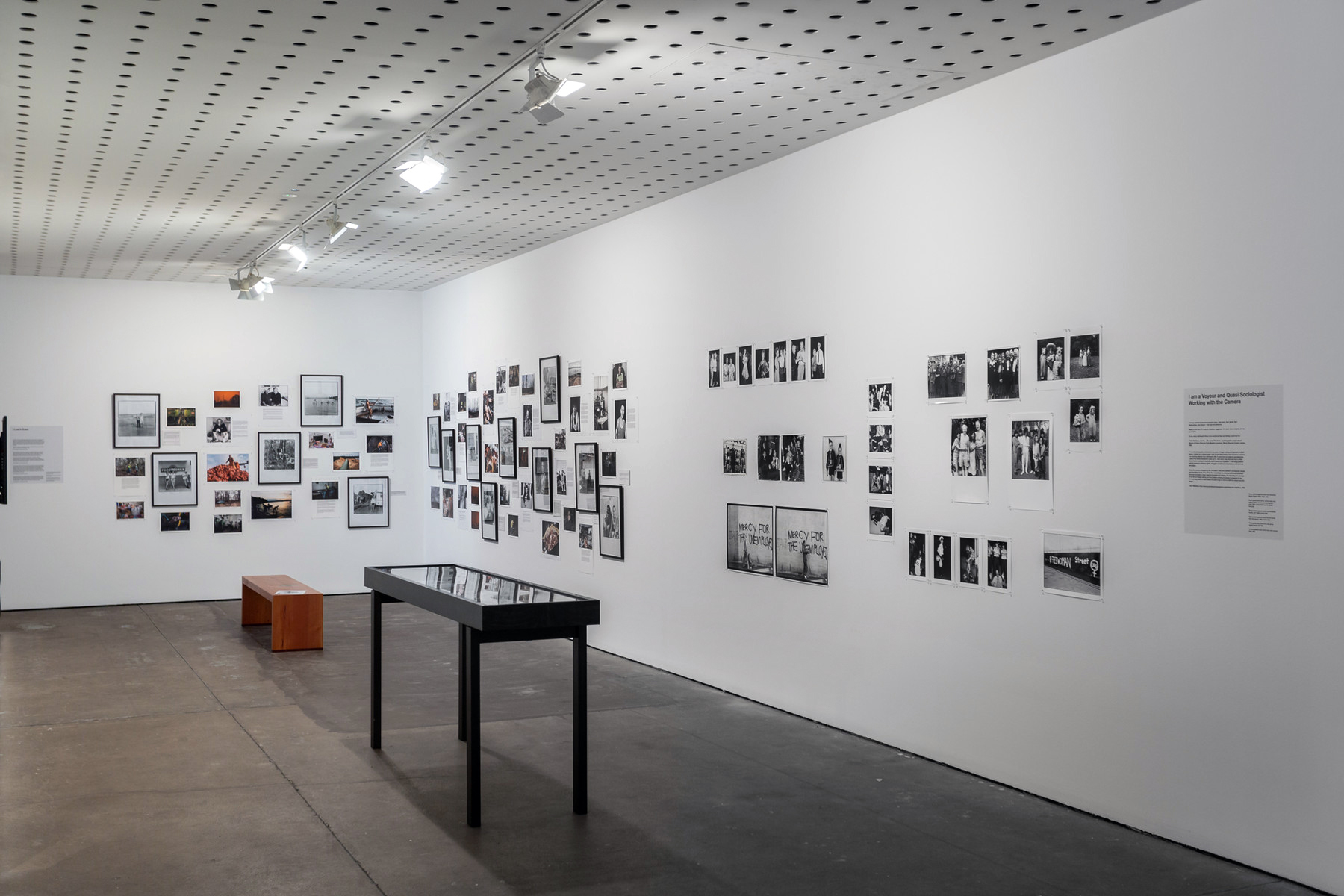
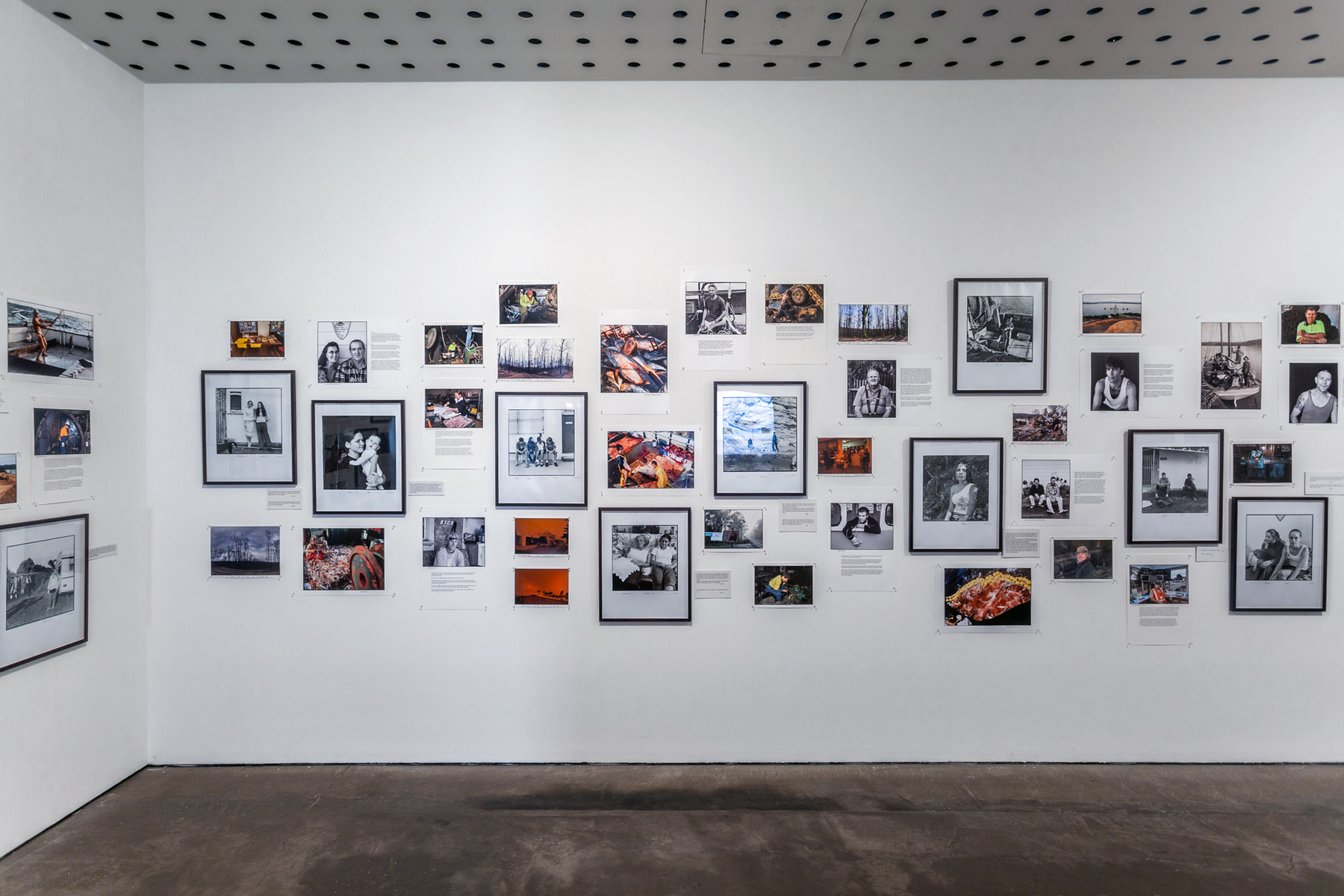
Which brings me to the exhibition Ruth Maddison: It was the best of times, it was the worst of times which occupies all galleries at the Centre for Contemporary Photography, Melbourne.

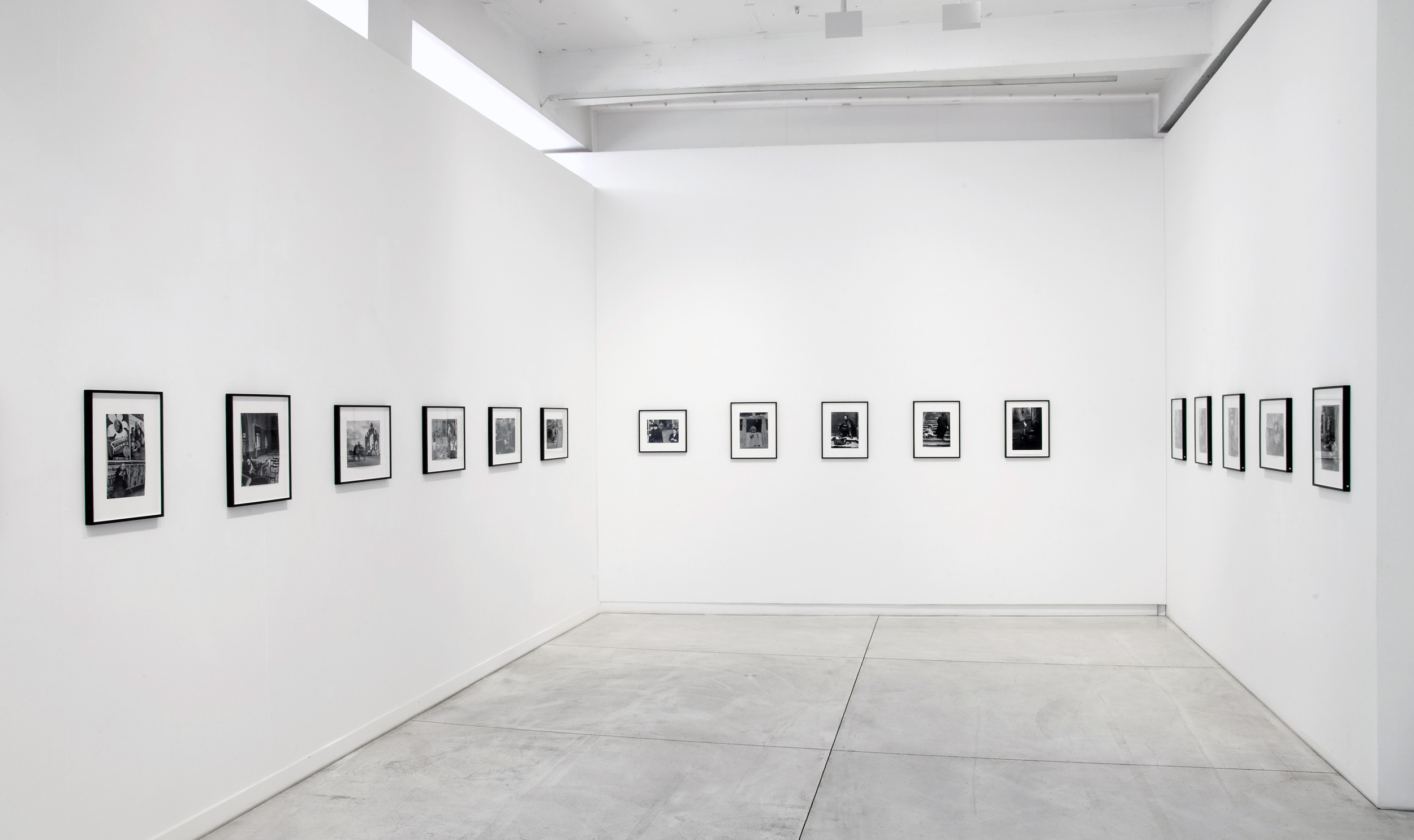
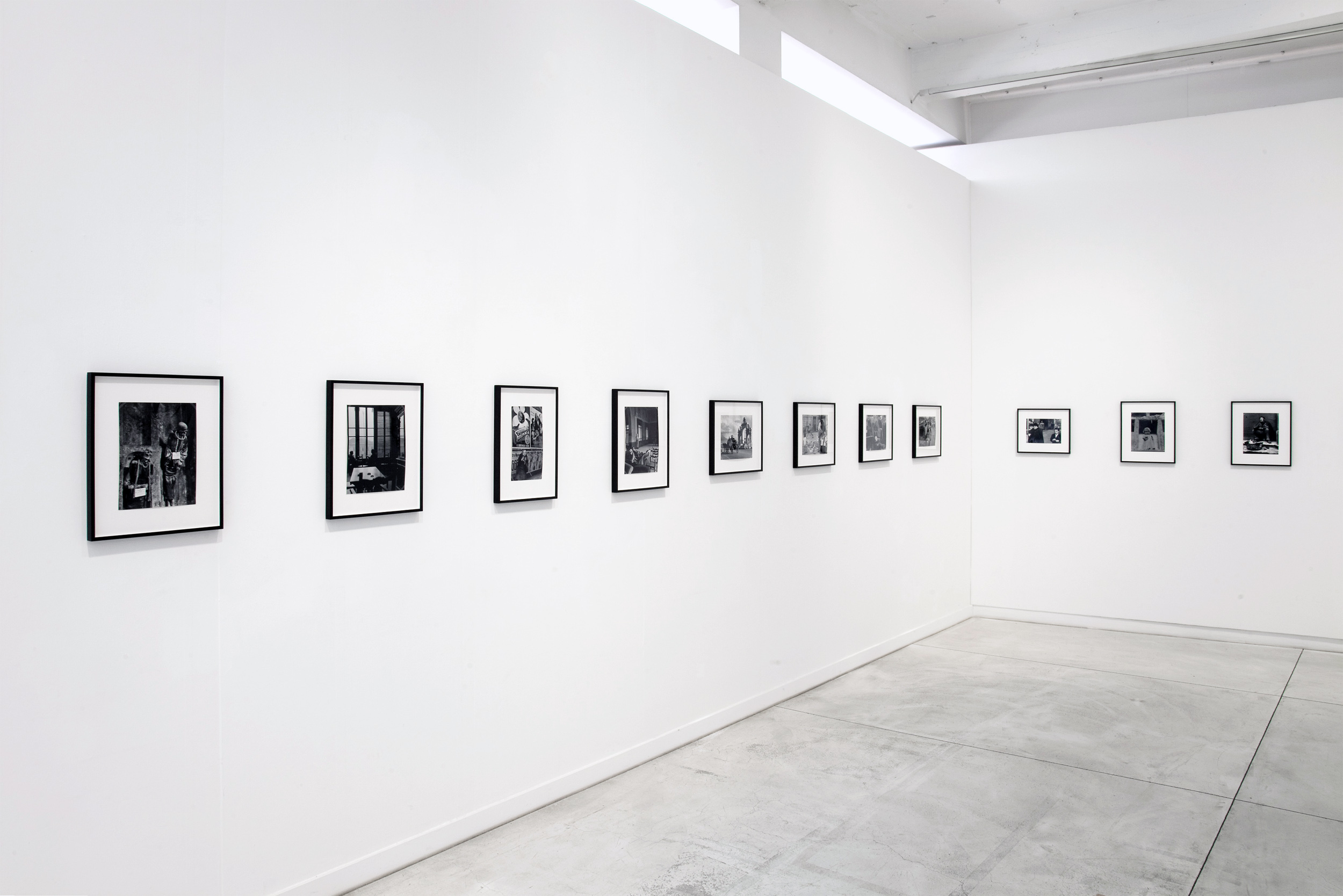
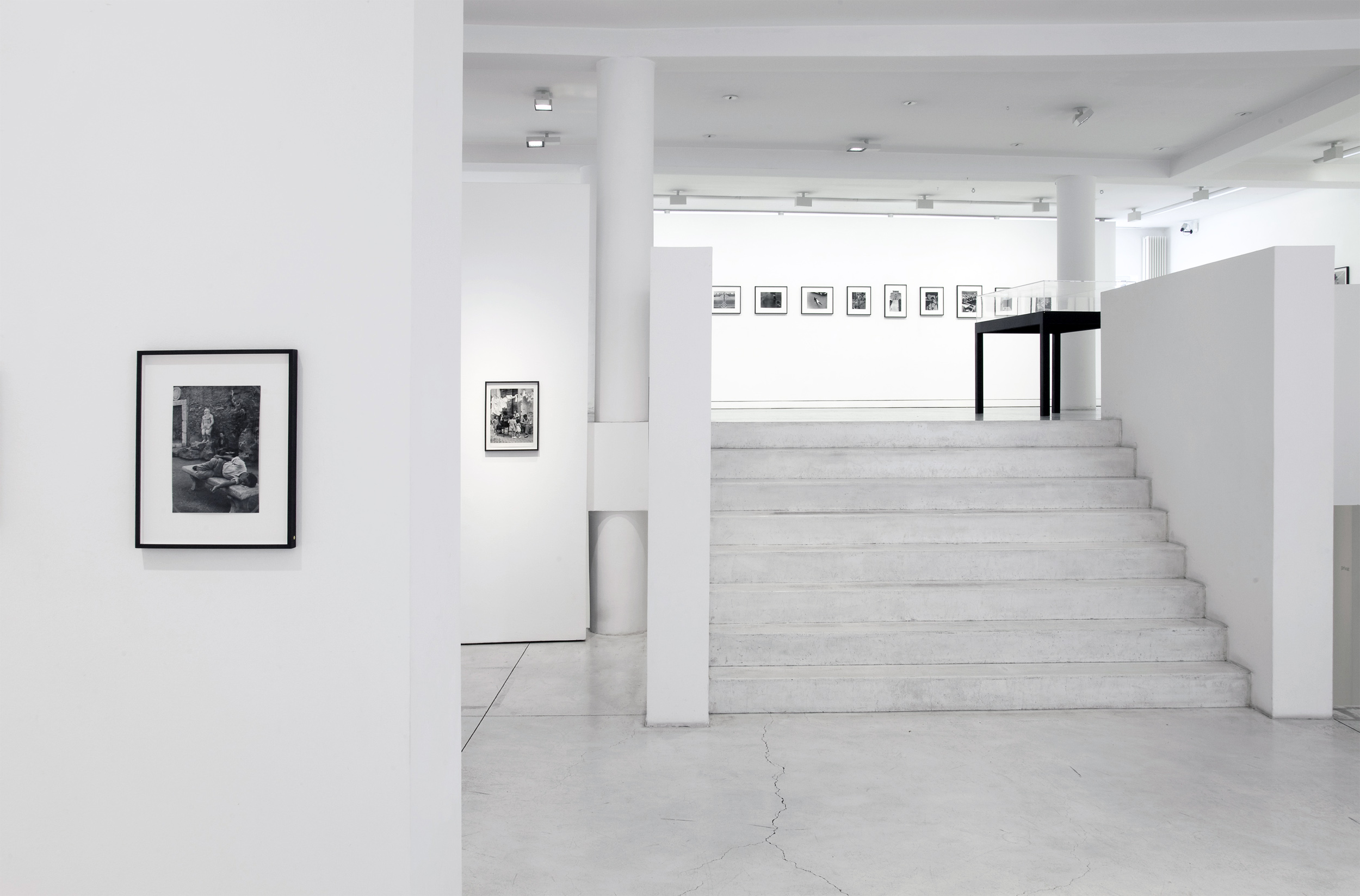
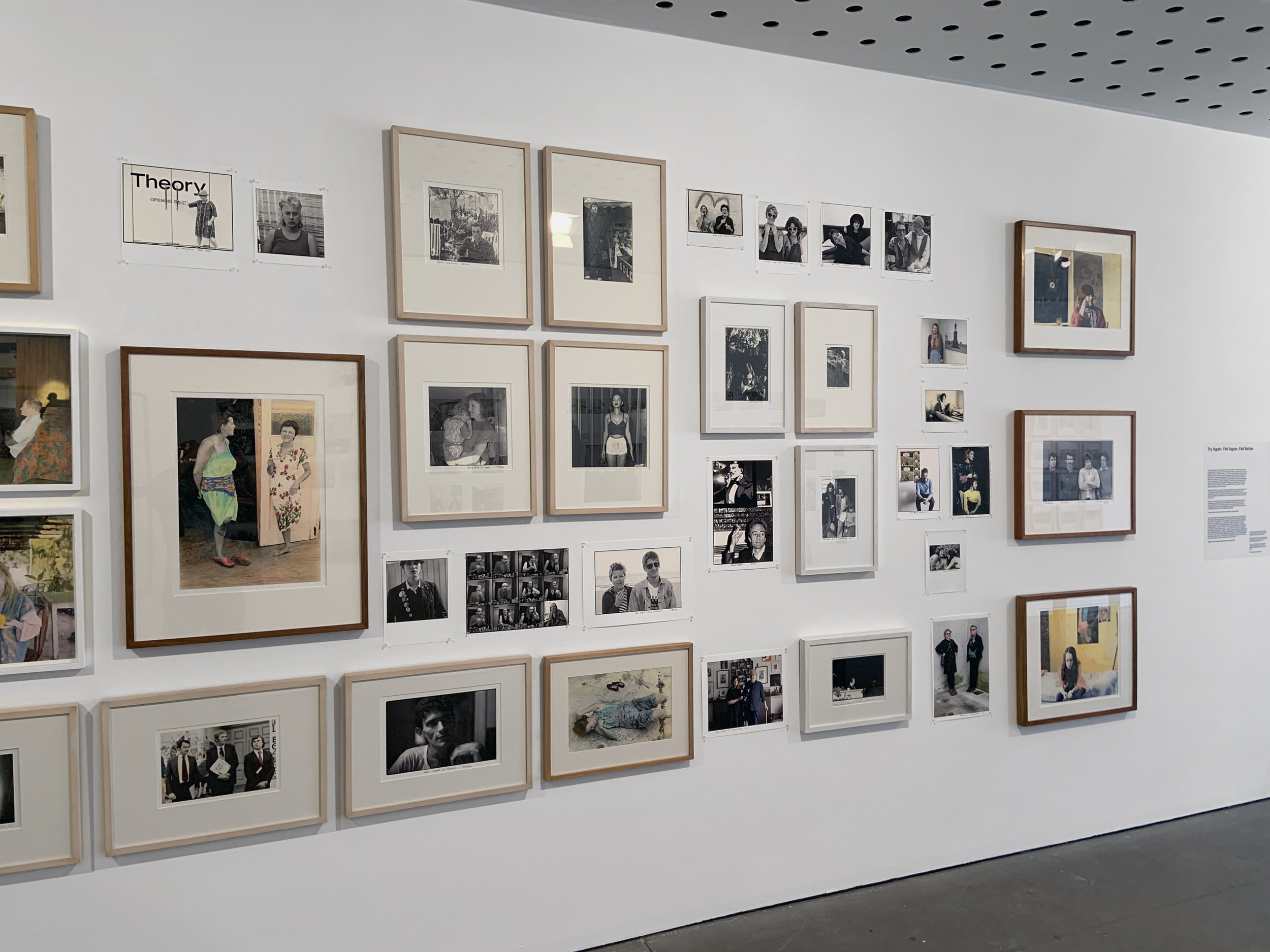
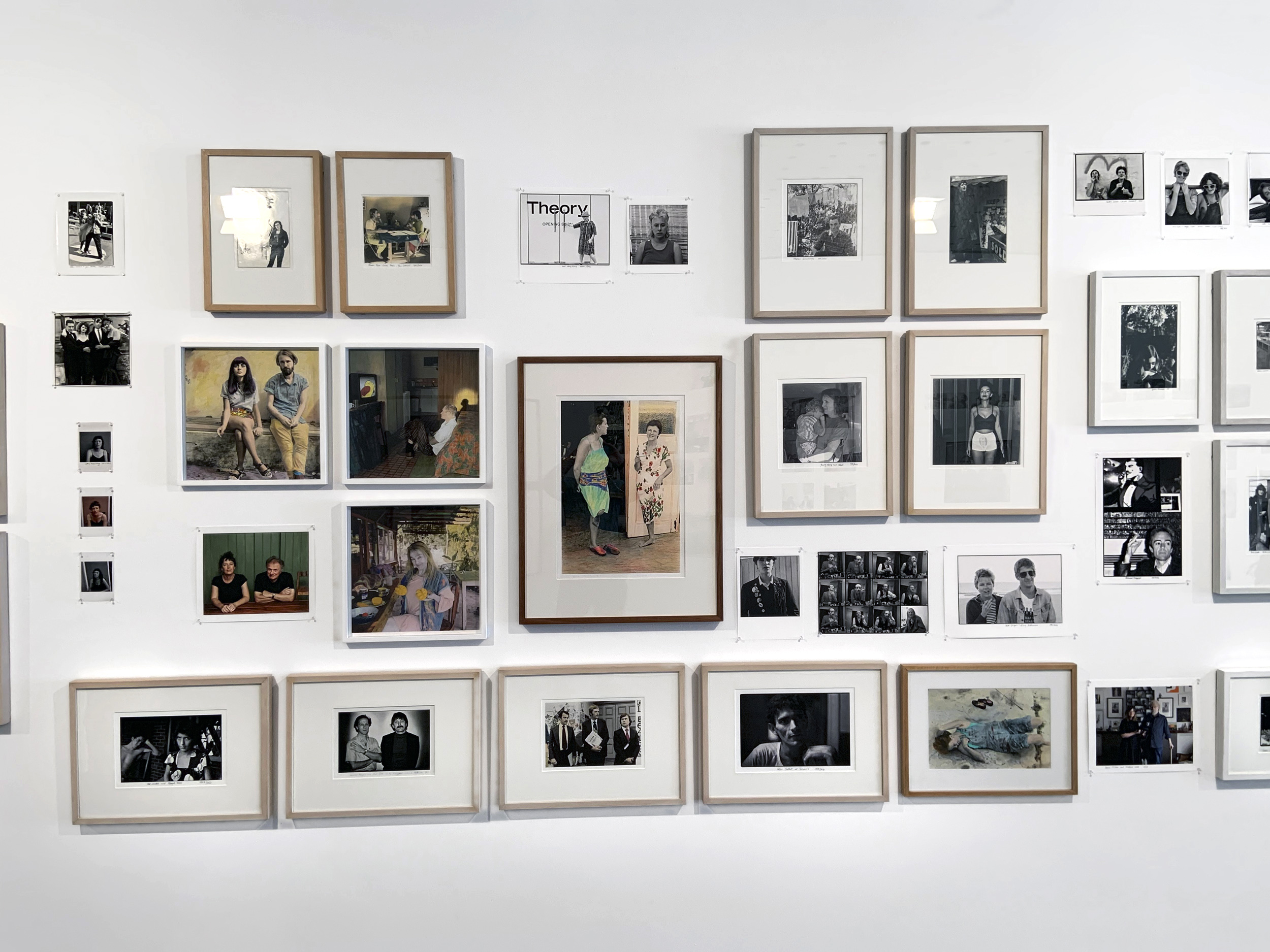
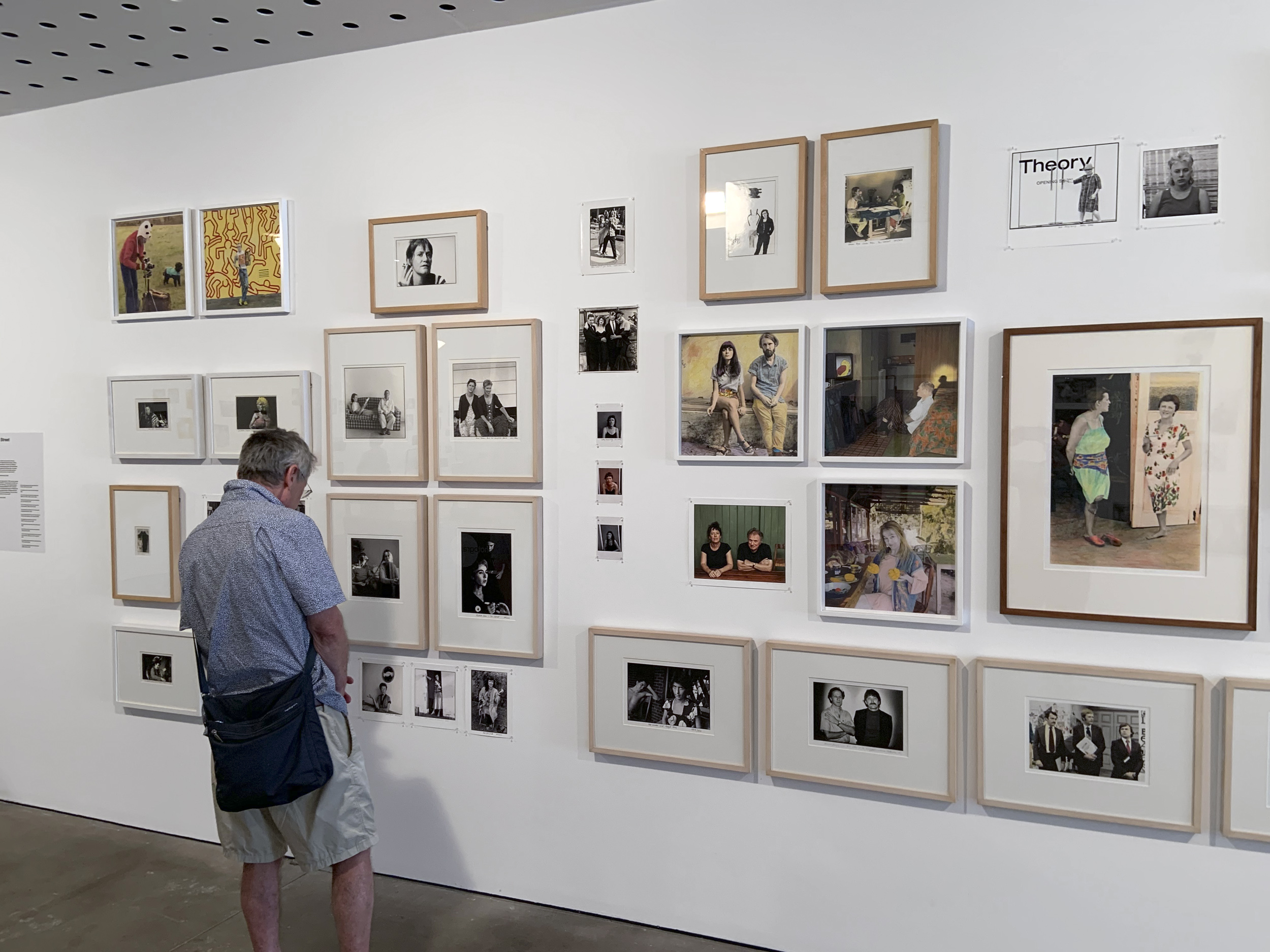
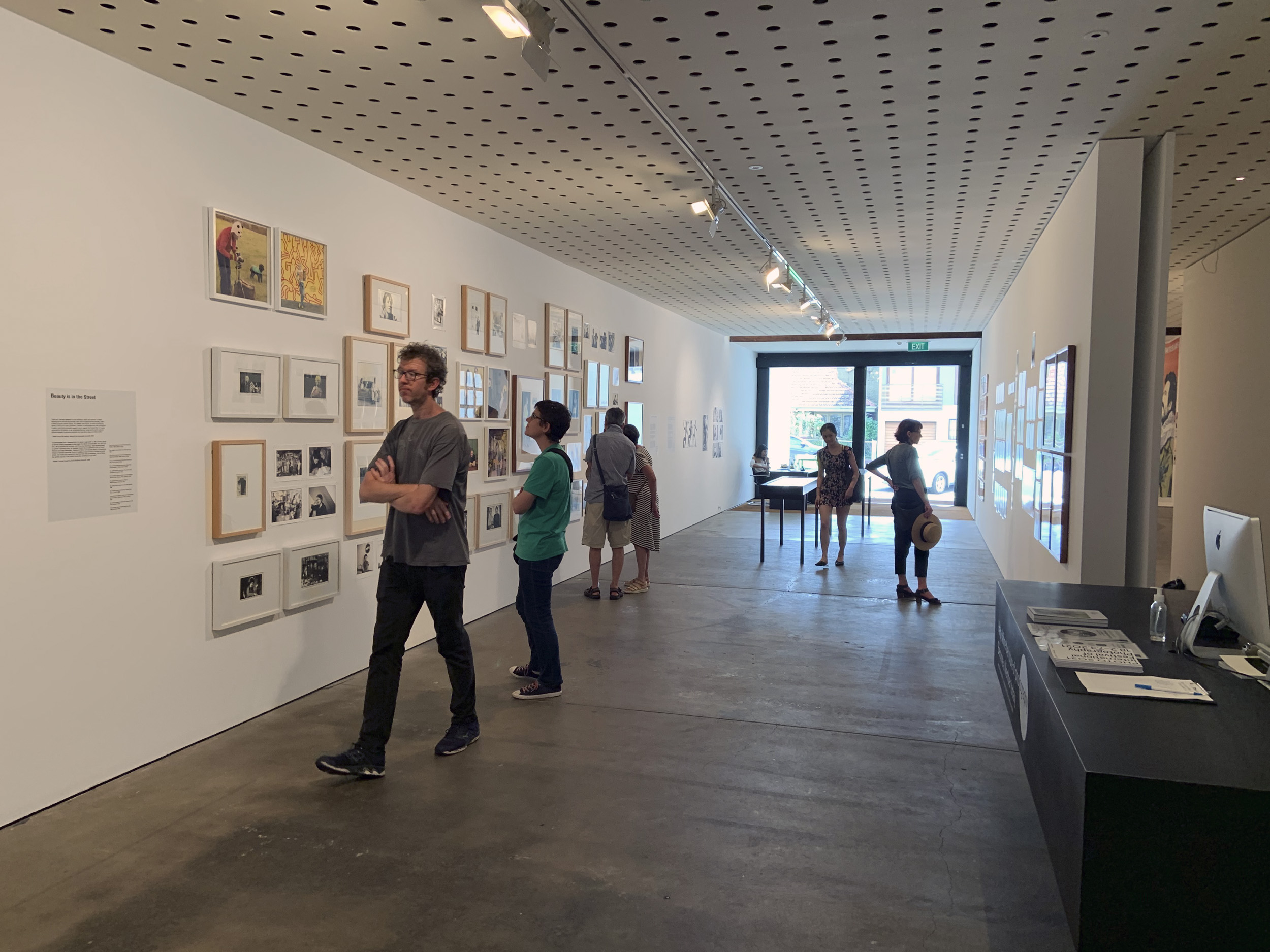
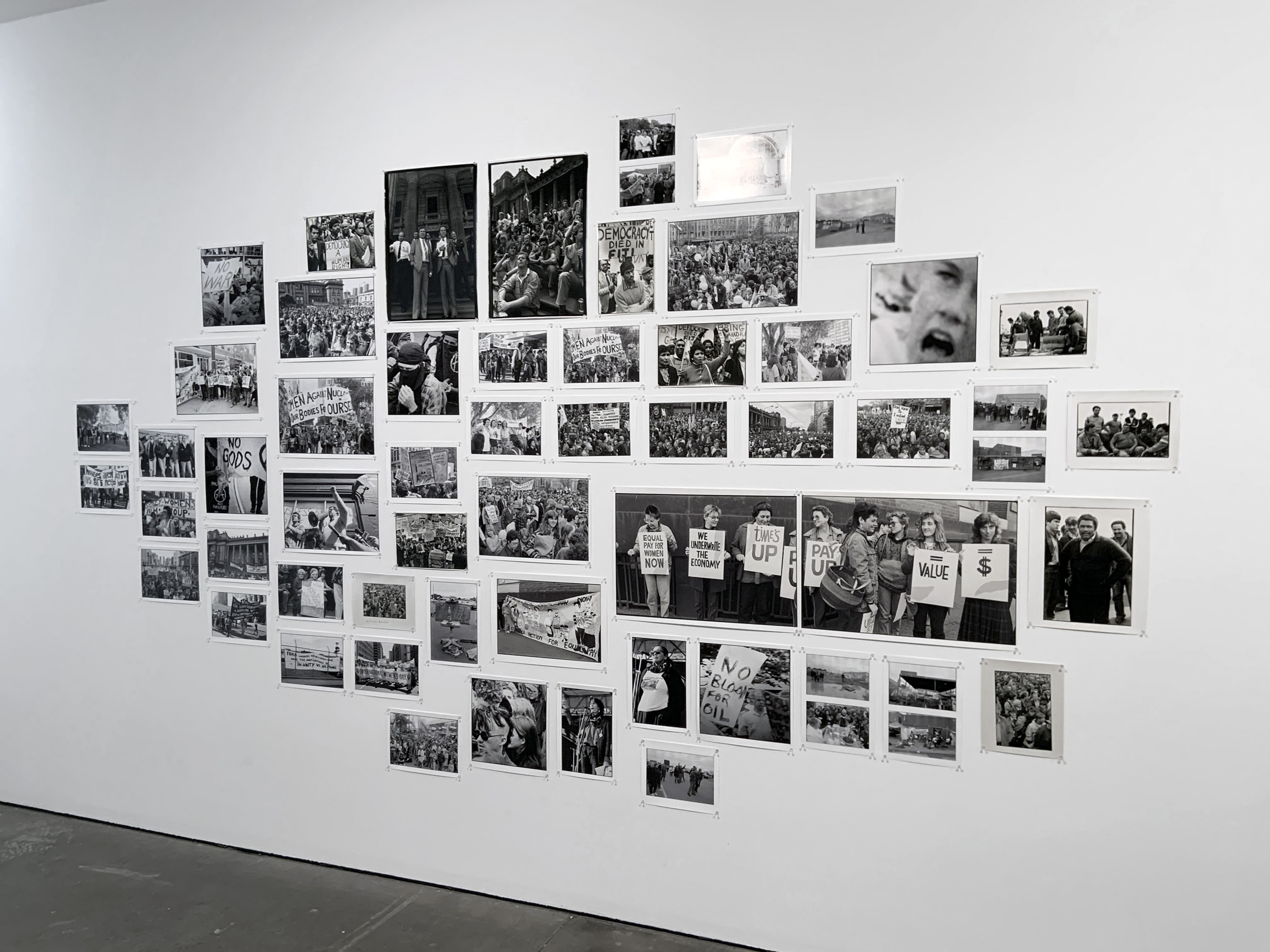
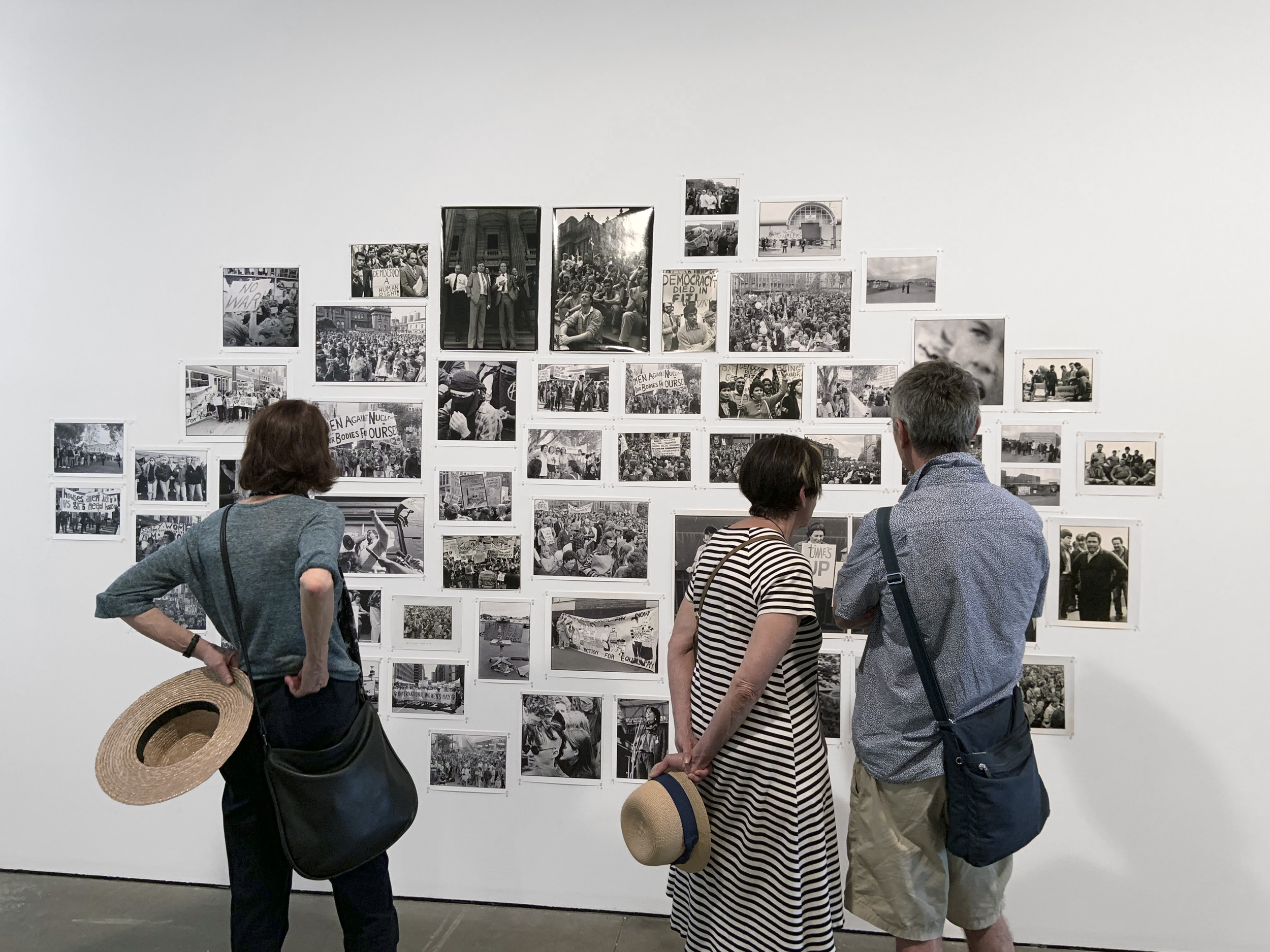
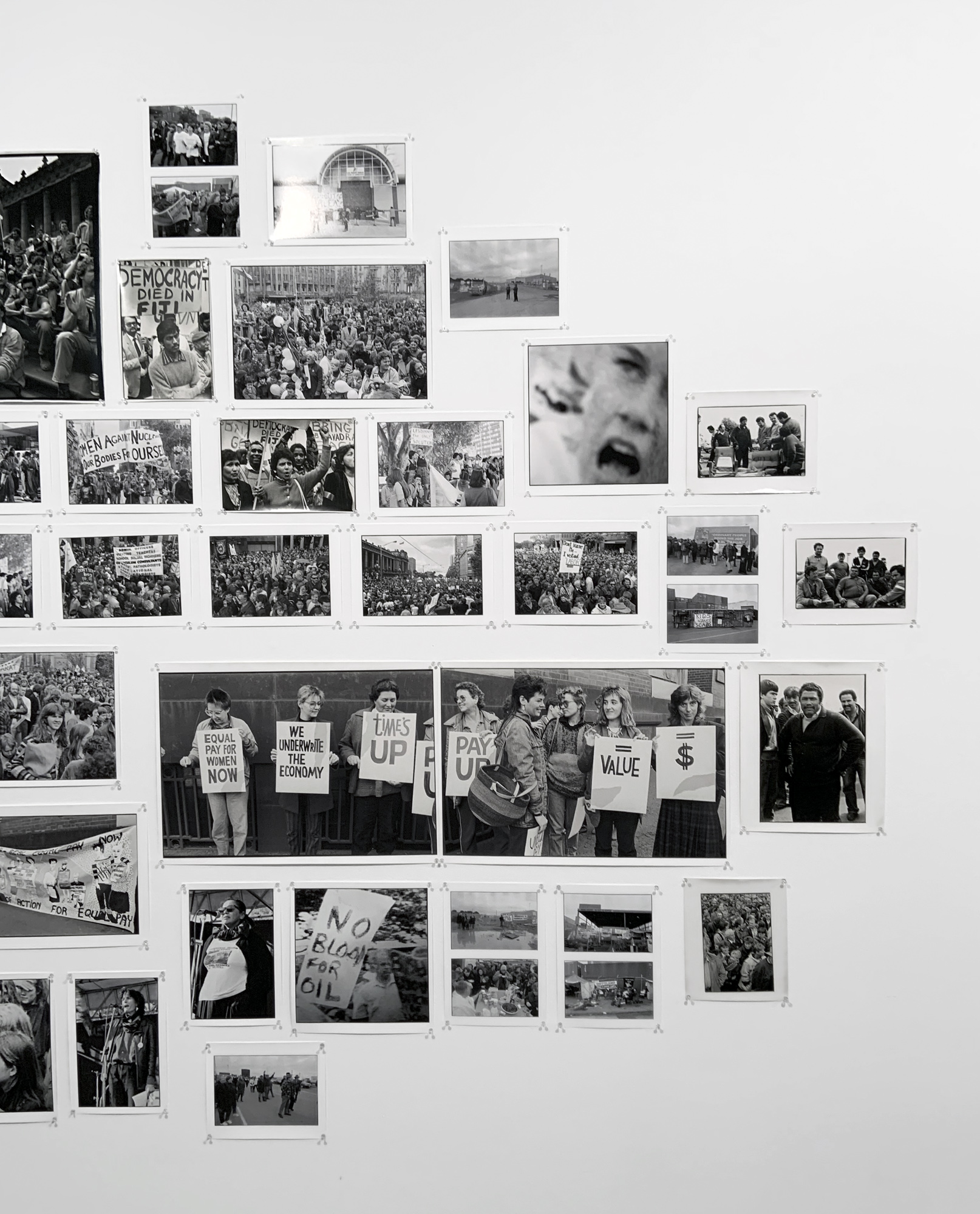
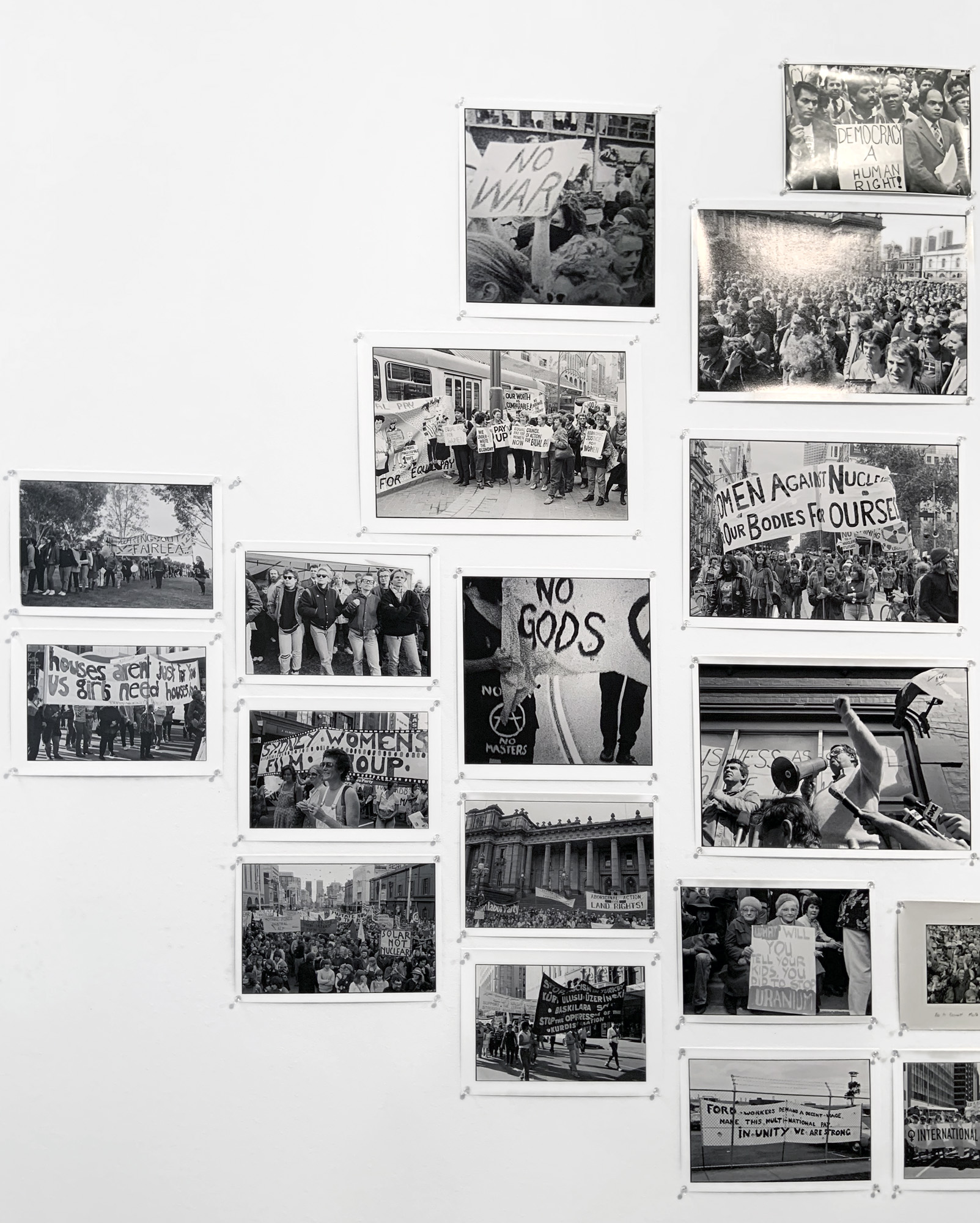
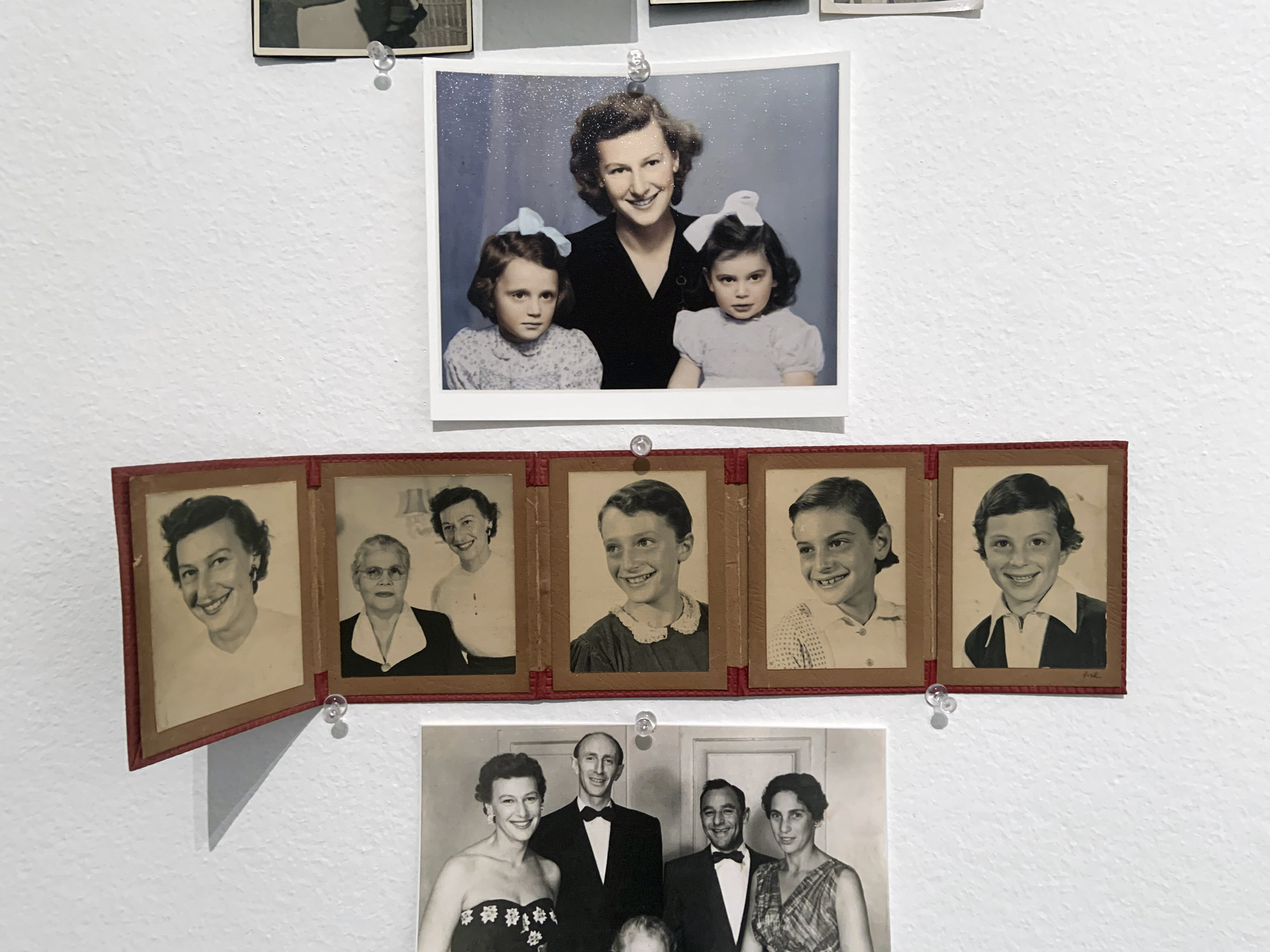
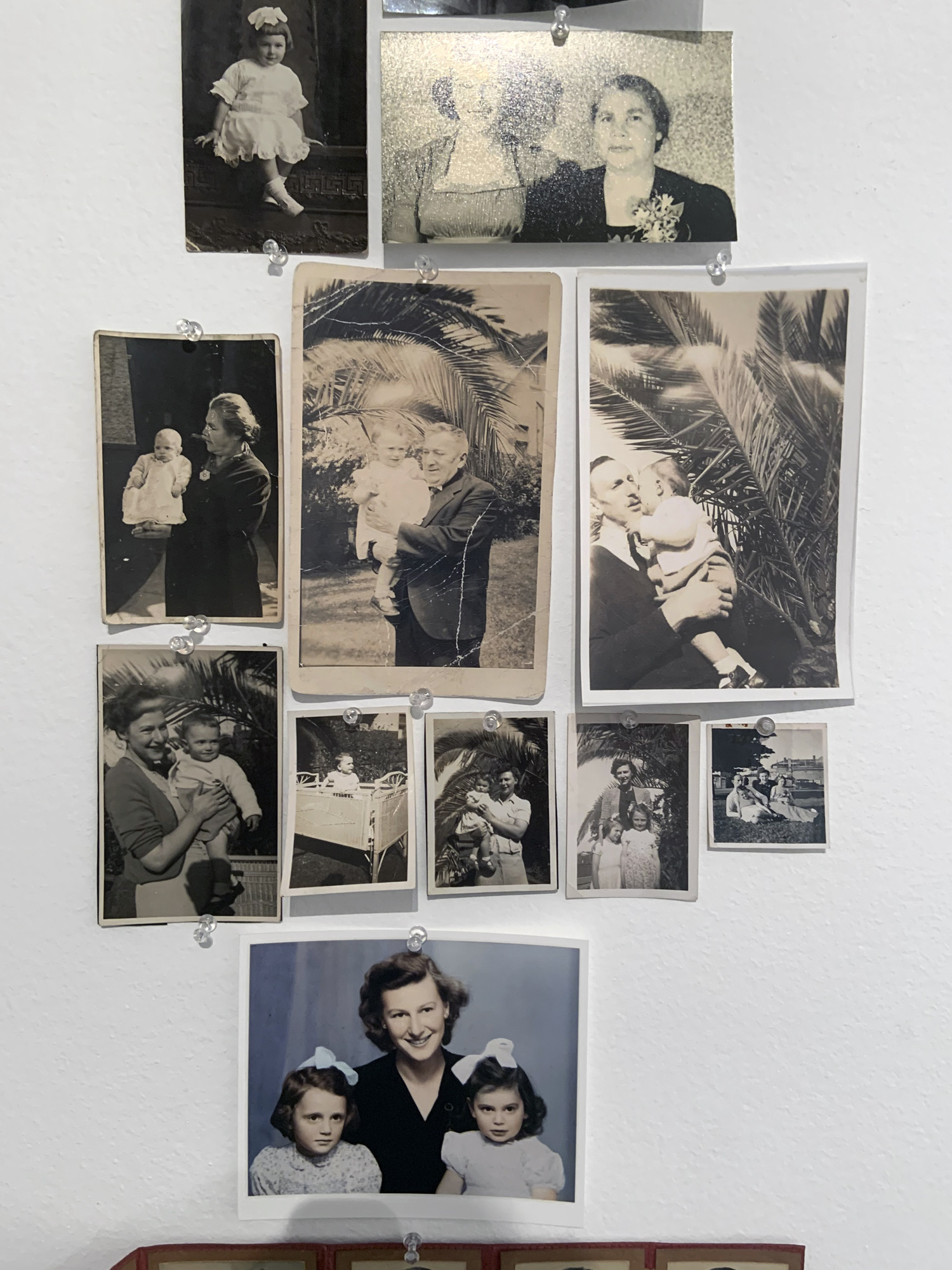
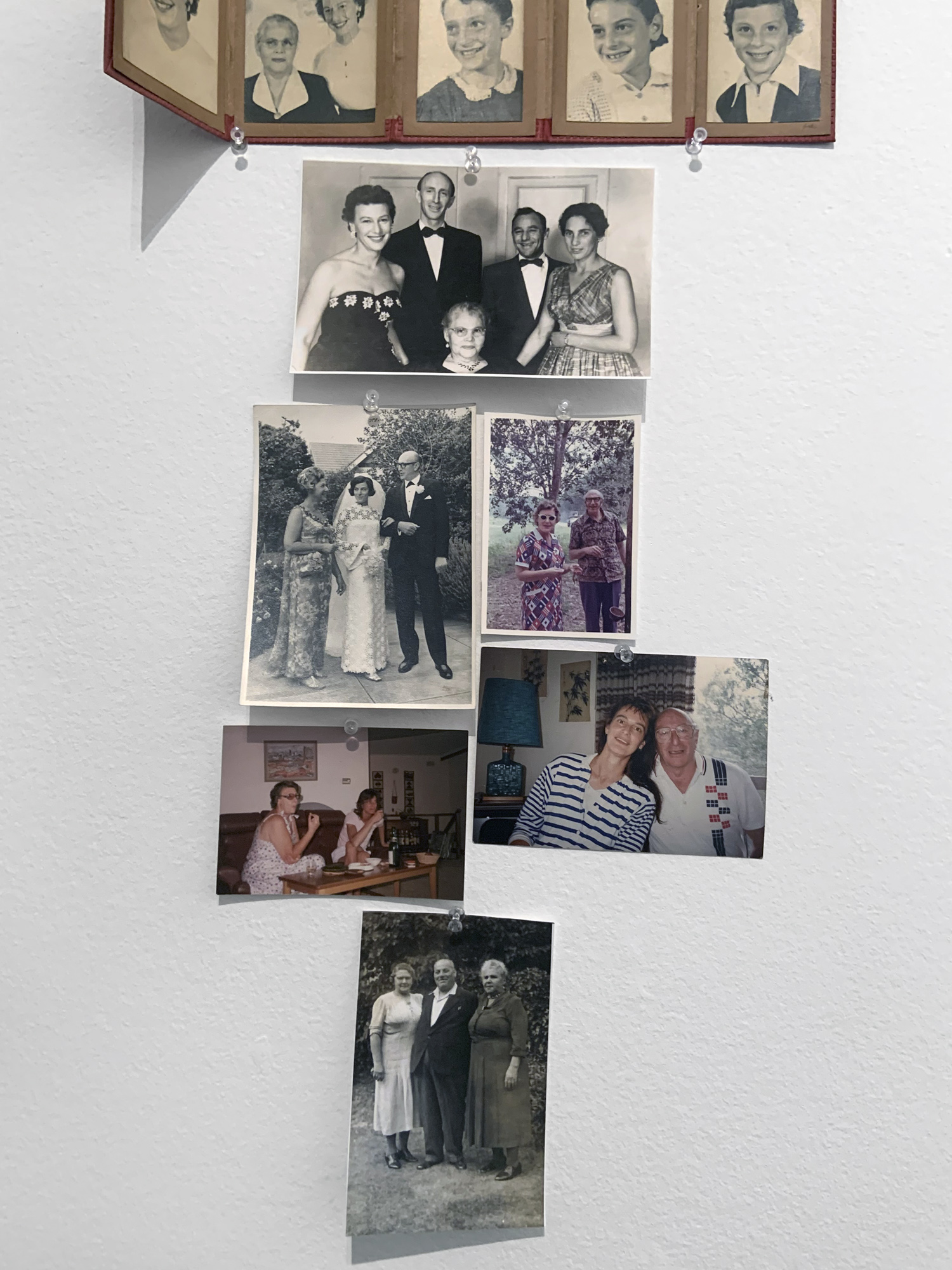
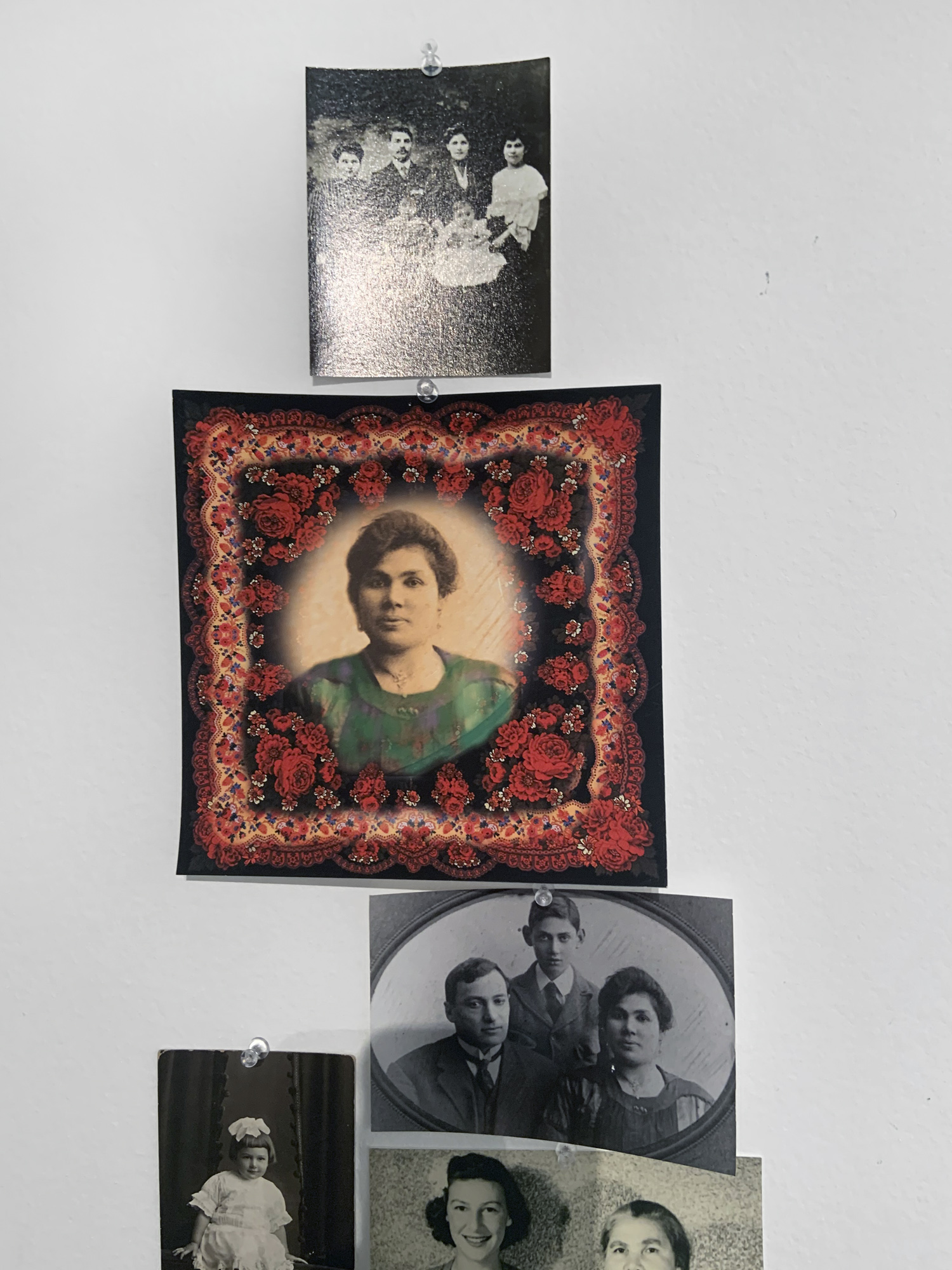
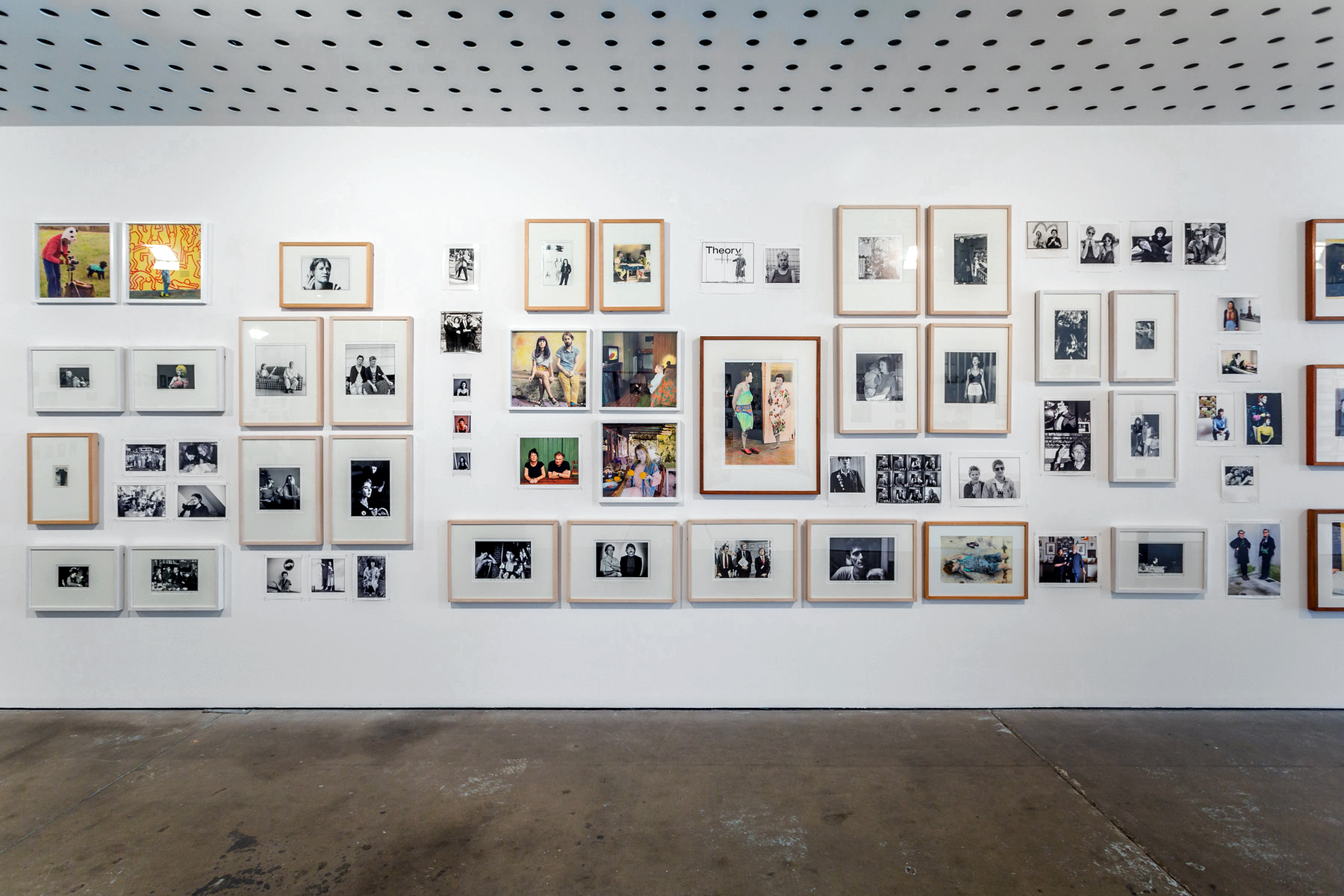
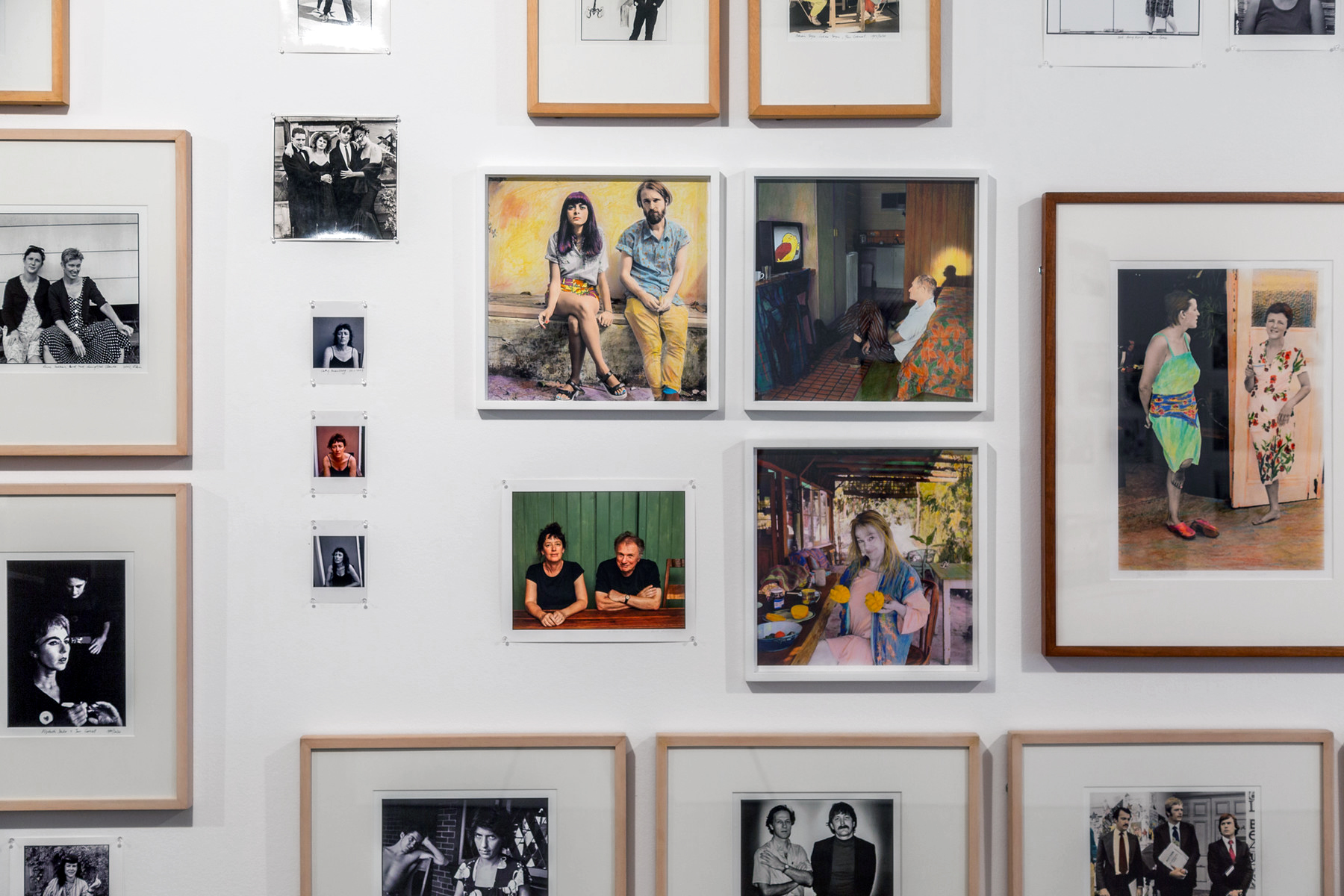
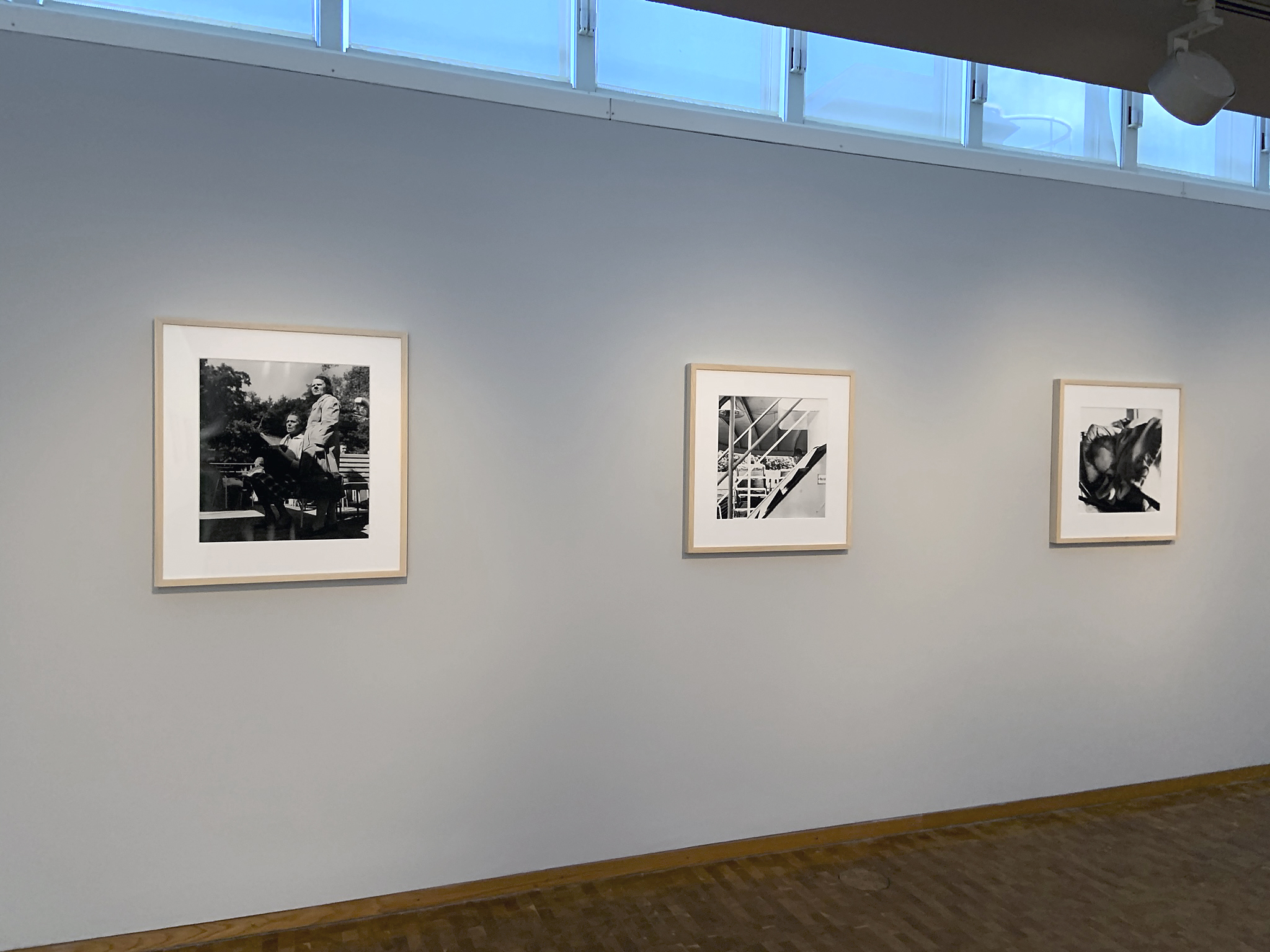
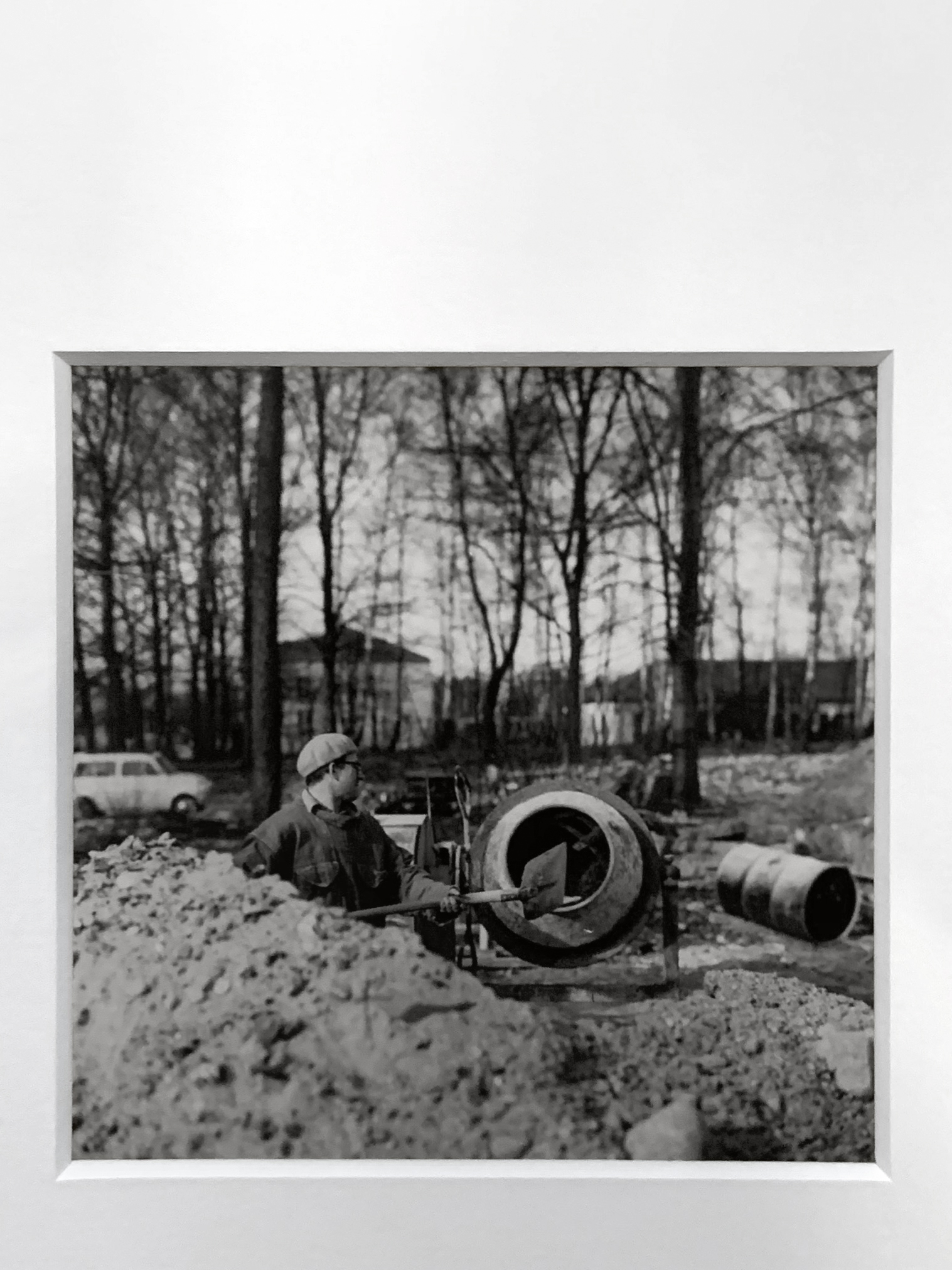
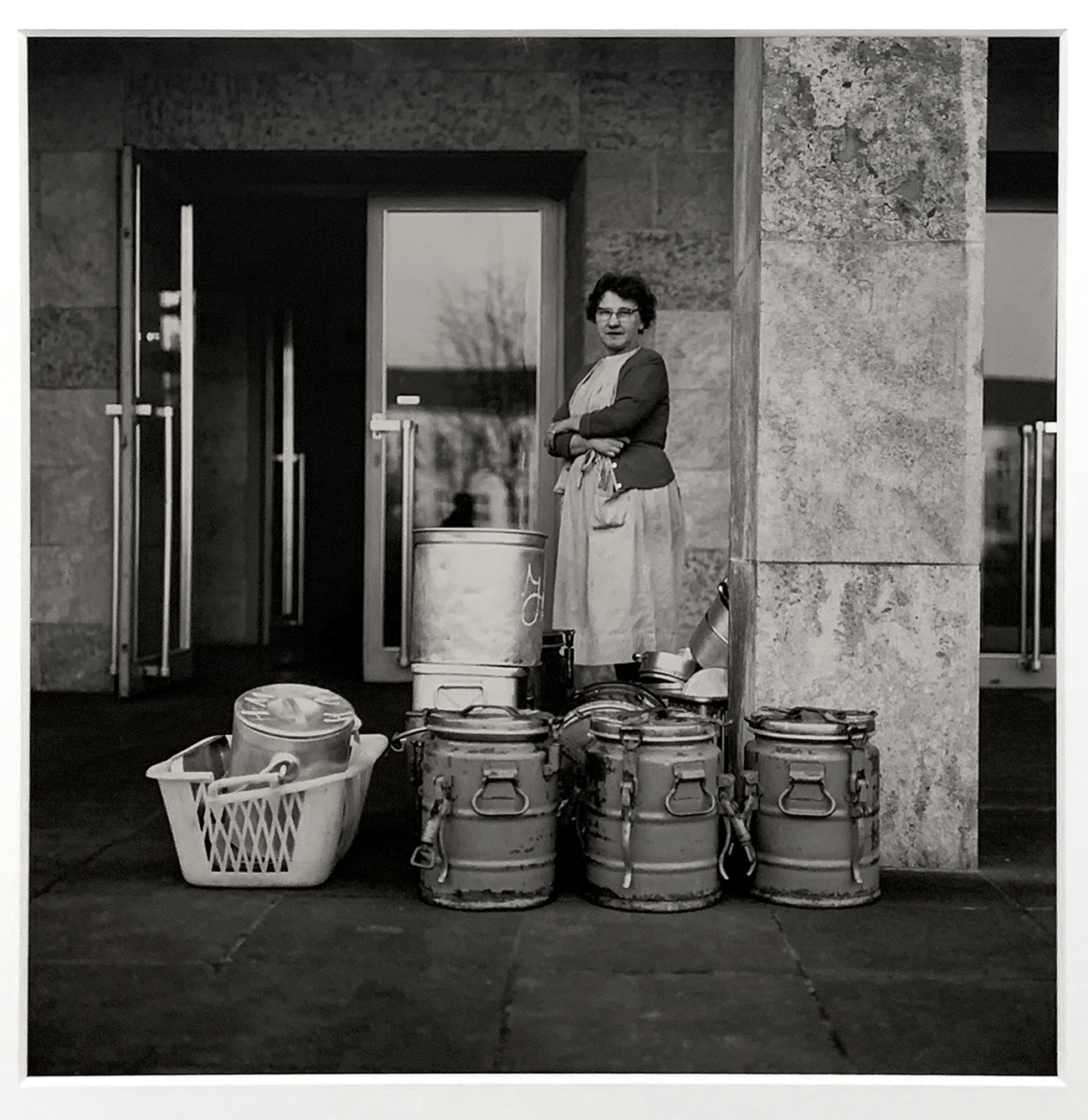
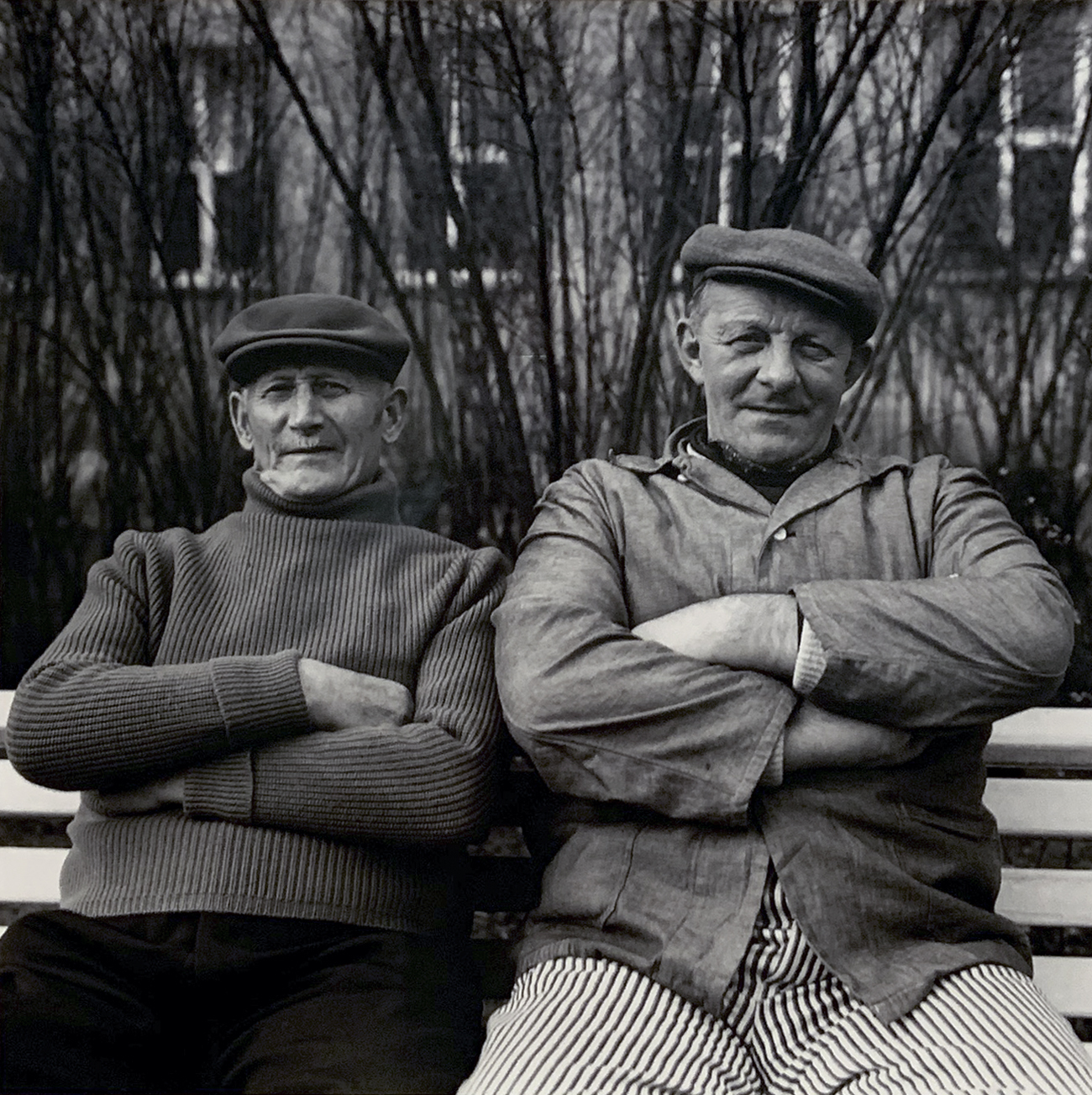
What a delight it is to see this artist in full flight in this exceptionally strong exhibition. As pictured in the flow of images, Maddison has carved her name as a social documentary and feminist photographer, her holistic body of work providing a “significant contribution to the documentation of Australian life and society from the 1970s to the present – from her earliest iconic hand-coloured works, the working life of women, Melbourne’s social and cultural life of the 1980s, and Maddison’s documentation of the people and industries of her adopted home of Eden.”

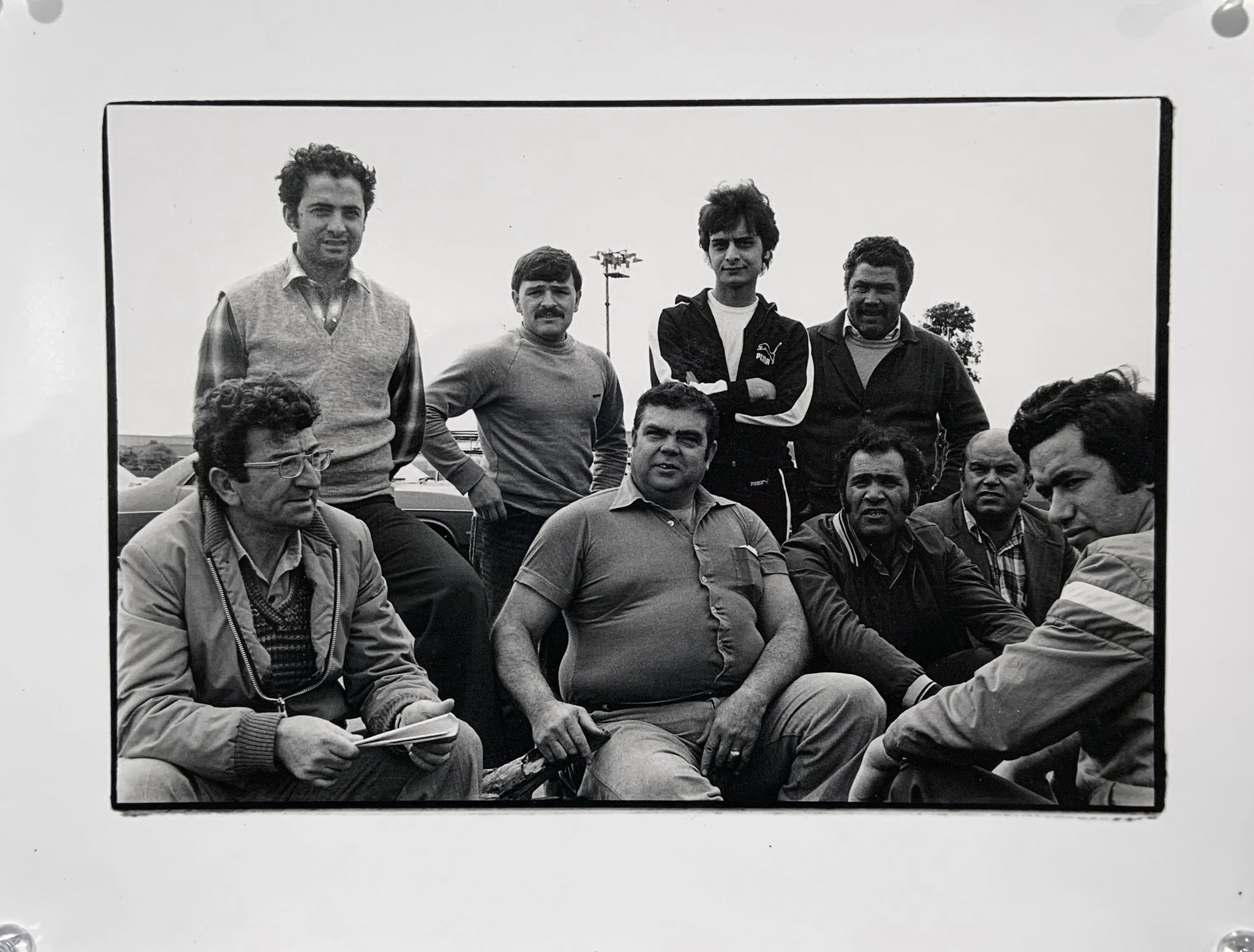
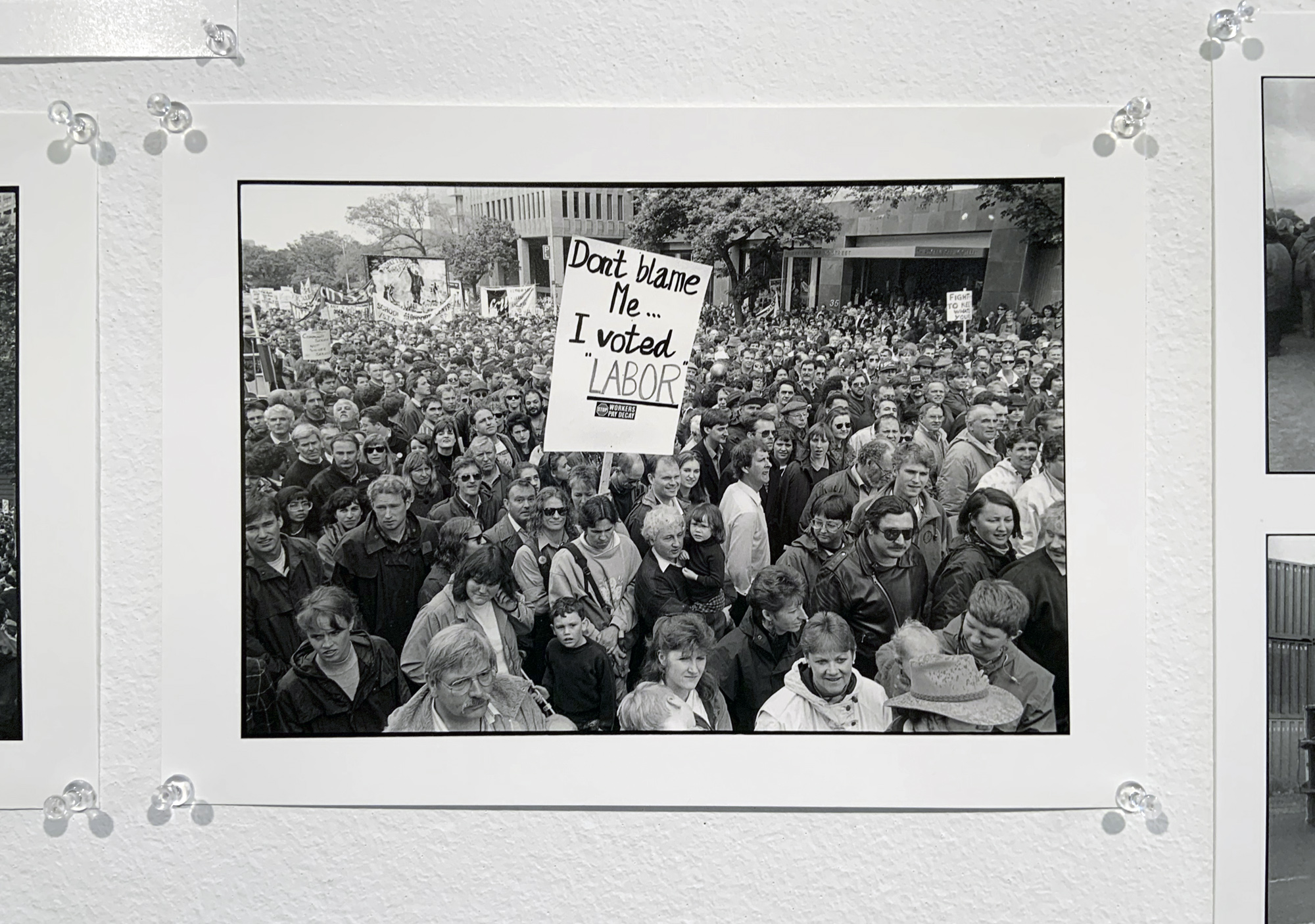
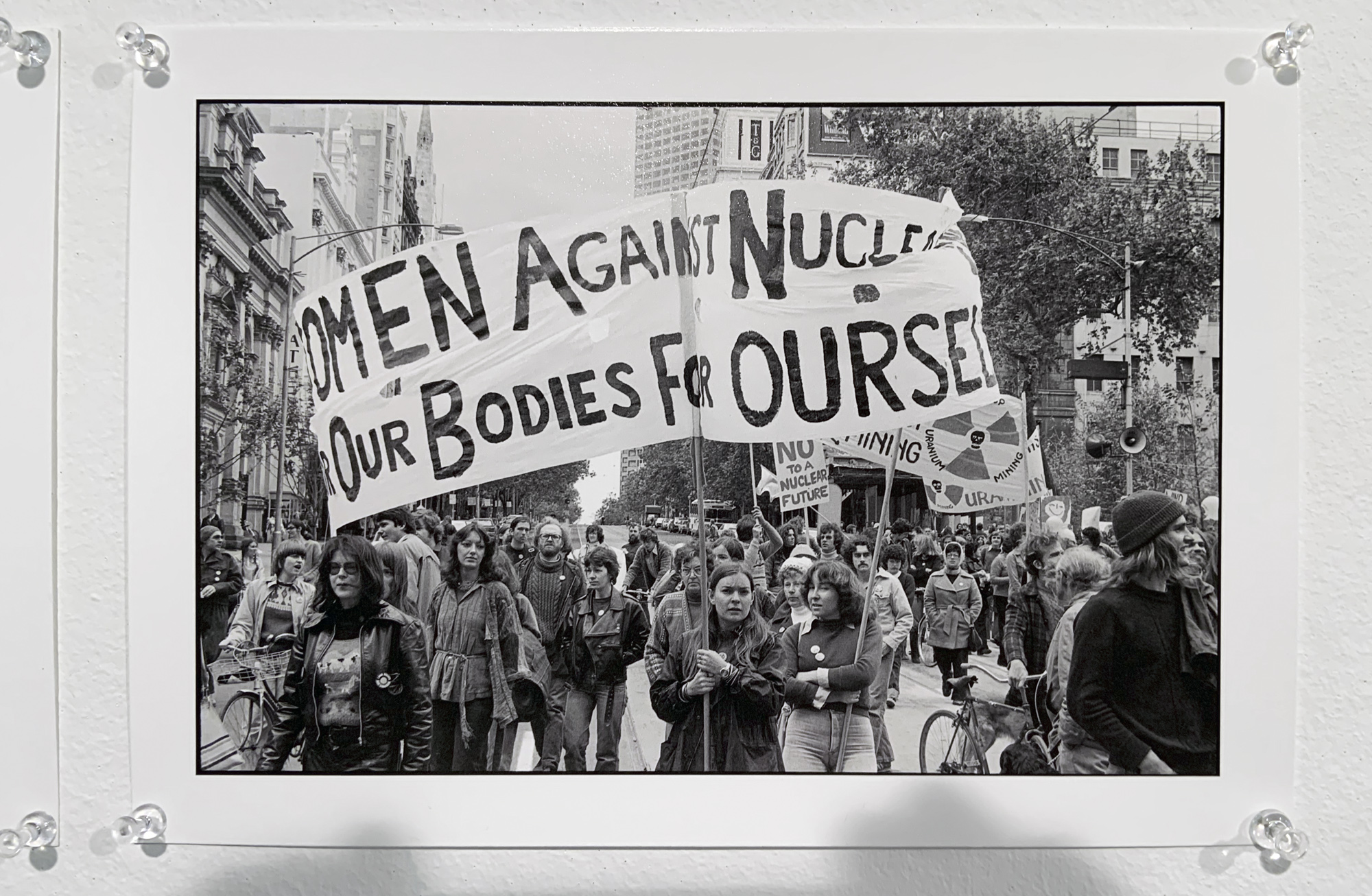
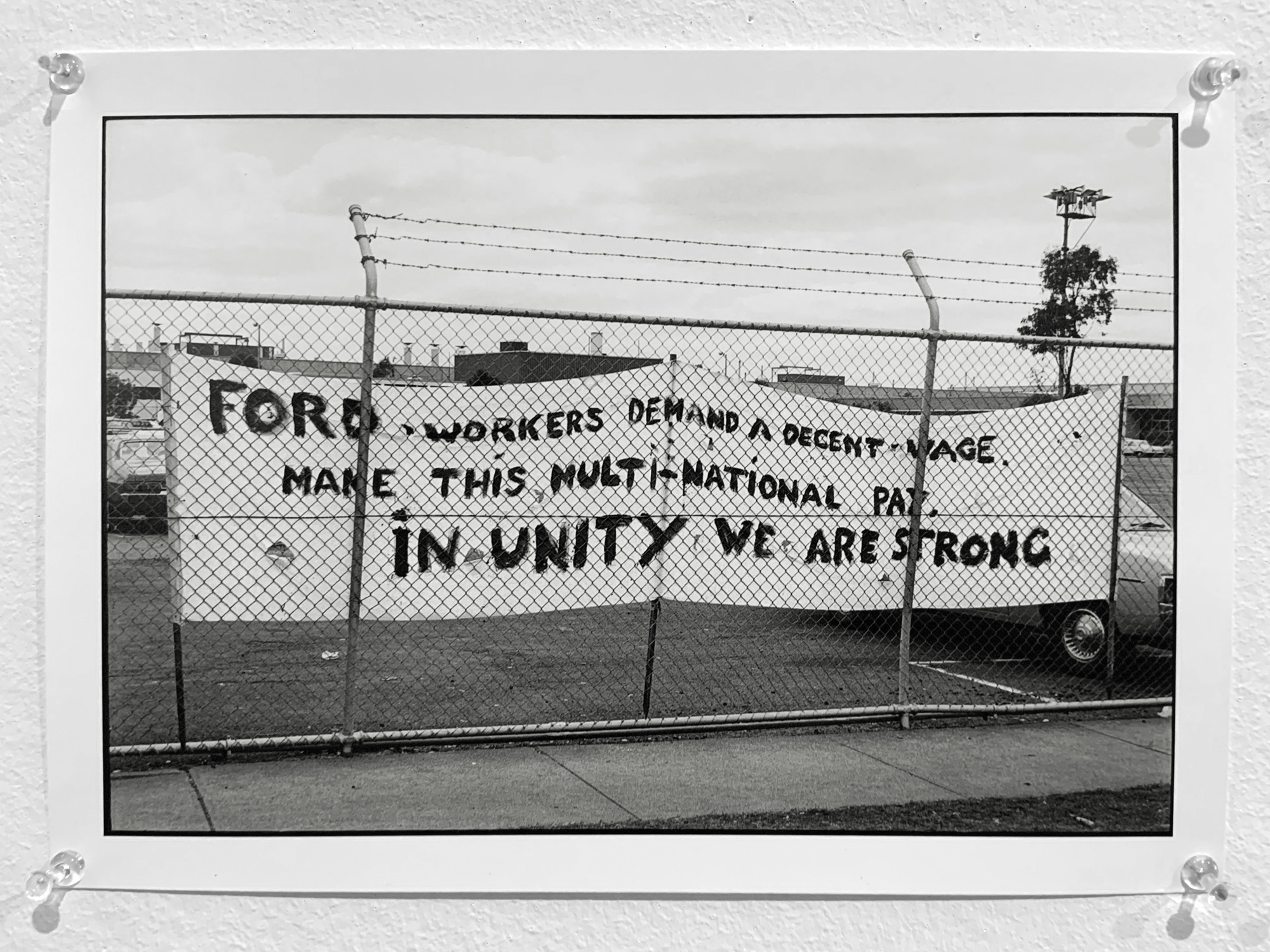
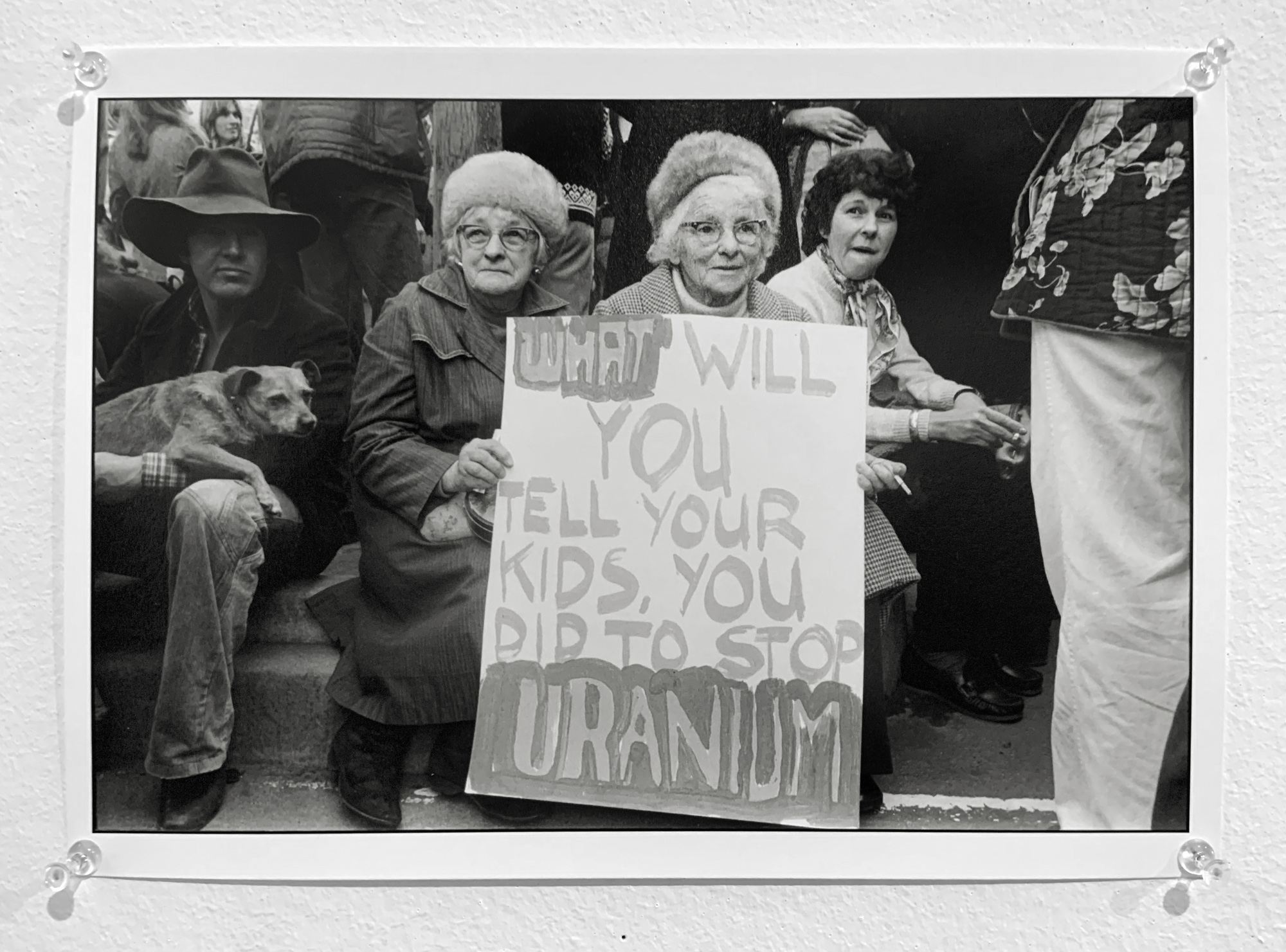
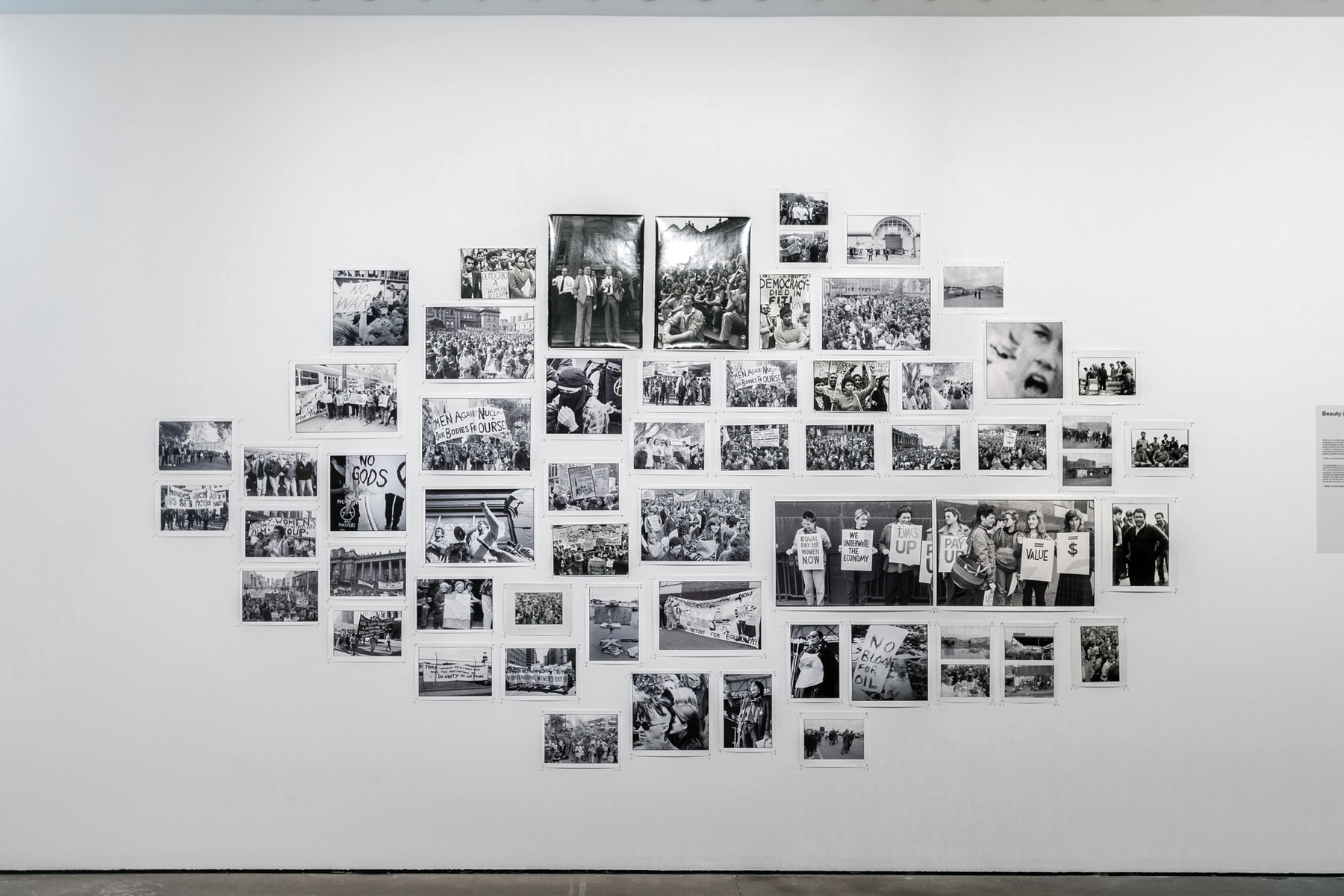
Through direct, frontal mainly black and white / hand coloured photographs, Maddison builds compelling stories in her work, stories which explore the cultures and sub-cultures of Australia: the political upheavals, alternative lifestyles and counter culture, the women’s movement, gay liberation, Vietnam, union, nuclear, anti-fascist and other protests; the fight for equality and equal pay, the fight against discrimination and other actions that fight for fairness, acceptance and respect for all, within Australian society. With compassion and understanding Maddison pictures youth and exuberance, old age and protest, life on the land and sea, and life leaving it for the cities. Her photographs serve a testificatory function – related to BOTH a person who has witnessed these events (the artist) AND an object used as evidence (the photograph).

Maddison’s testimony to such events creates a polyperspectivity – not so much in terms of what the camera sees in individual images, but in what it sees directed by the artist over an entire career, comprising more than 40 years. Of looking, of being present, of being ethical. In her work, “the shadows already become immortal while still alive.”1

This is the crux of the matter. Since the very day that Maddison picked up a camera being ethical when representing the world around her has been a gut reaction. “Ethics is concerned with what is good for individuals and society and is also described as moral philosophy. The term is derived from the Greek word ethos which can mean custom, habit, character or disposition.” Her presentation of the world reflects her character and disposition. Her ethos is embedded in her being and psyche – the human soul, mind AND spirit. You can’t make this stuff up, you either have it or you don’t.

Maddison has this generosity of spirit in spades. The belief in balance, fairness, and equality for all. Yes, her photographs document people’s pleasure and pain, their lives, their existence but only through her own presence and vision. Her photographs are a reflection of her inner being, her spirit. What she believes the world can be, should be. It is this force of nature, her own being, that propels the investigation forwards. Never more so than now, in the midst of a pandemic, the world needs such ethical artists. To remind us for what we fight for.

For example, Netflix have recently announced a new “docu-soap” series “Byron Baes” (babes) to be filmed in the northern NSW beachside town of Byron Bay, which will reveal “hot Instagrammers, living their best lives, being their best selves,” with a cast of “celebrity-adjacent-adjacent influencers.” Who cares about these egotistical non-entities, when in the town drug use is rampant, housing is unaffordable and people cannot get a job! That is the real story, one which an artist such as Maddison would recognise and document with empathy and insight.

Maddison is a fellow traveller2 and I travel with her. She doesn’t follow “the running dog of capitalism” – or as people used to call them, “running dogs”3 – nipping at your heels, constantly harassing you, but these days not even that… just lackadaisical multinational corporations who don’t even care to hide their disdain for the working class, or their ecological disdain for the health of the world. All that matters is money and keeping the shareholders happy. She follows her own path and long may that continue. Looking and documenting is always both personal and political and this is Maddison’s story: “Everything that intervenes in the processes of life, and transforms them, is politics.” Blessings to her.

Dr Marcus Bunyan


1/ Joseph Roth, quoted, in translation, from Ulrich Raulff. “Umbrische Figuren,” in Floris M. Neusüss. Fotogramme – die lichtreichen Schatten. Kassel 1983, p. 16.

2/ A person who travels with another; a person who is not a member of a particular group or political party … but who sympathises with the group’s aims and policies.

3/ A servile follower, especially of a political system.

Many thankx to the Centre for Contemporary Photography for allowing me to publish the installation photographs at the bottom of the posting. All other iPhone photographs © Marcus Bunyan and the artist. Please click on the photographs to view a larger version of the image.


Gallery One


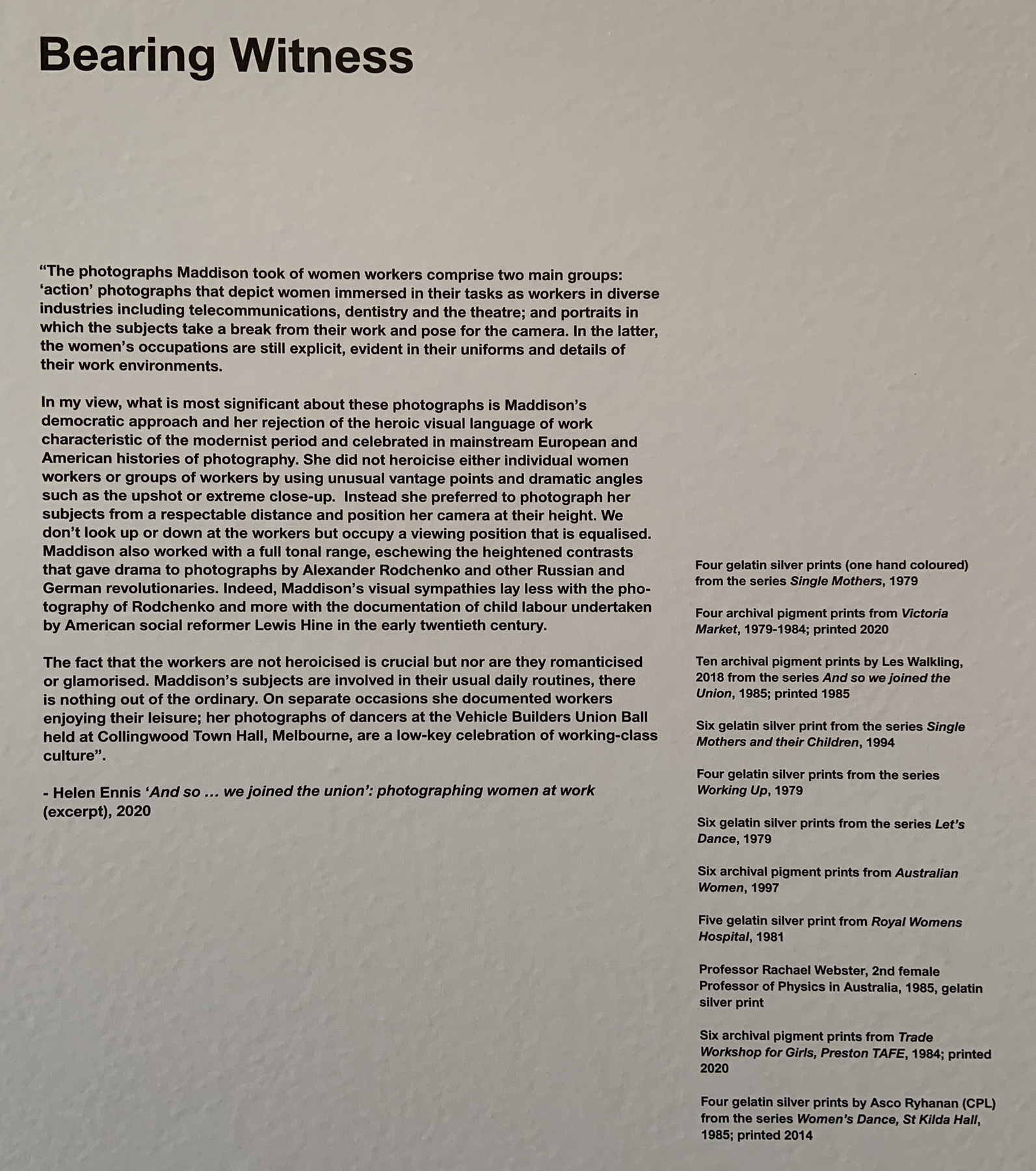
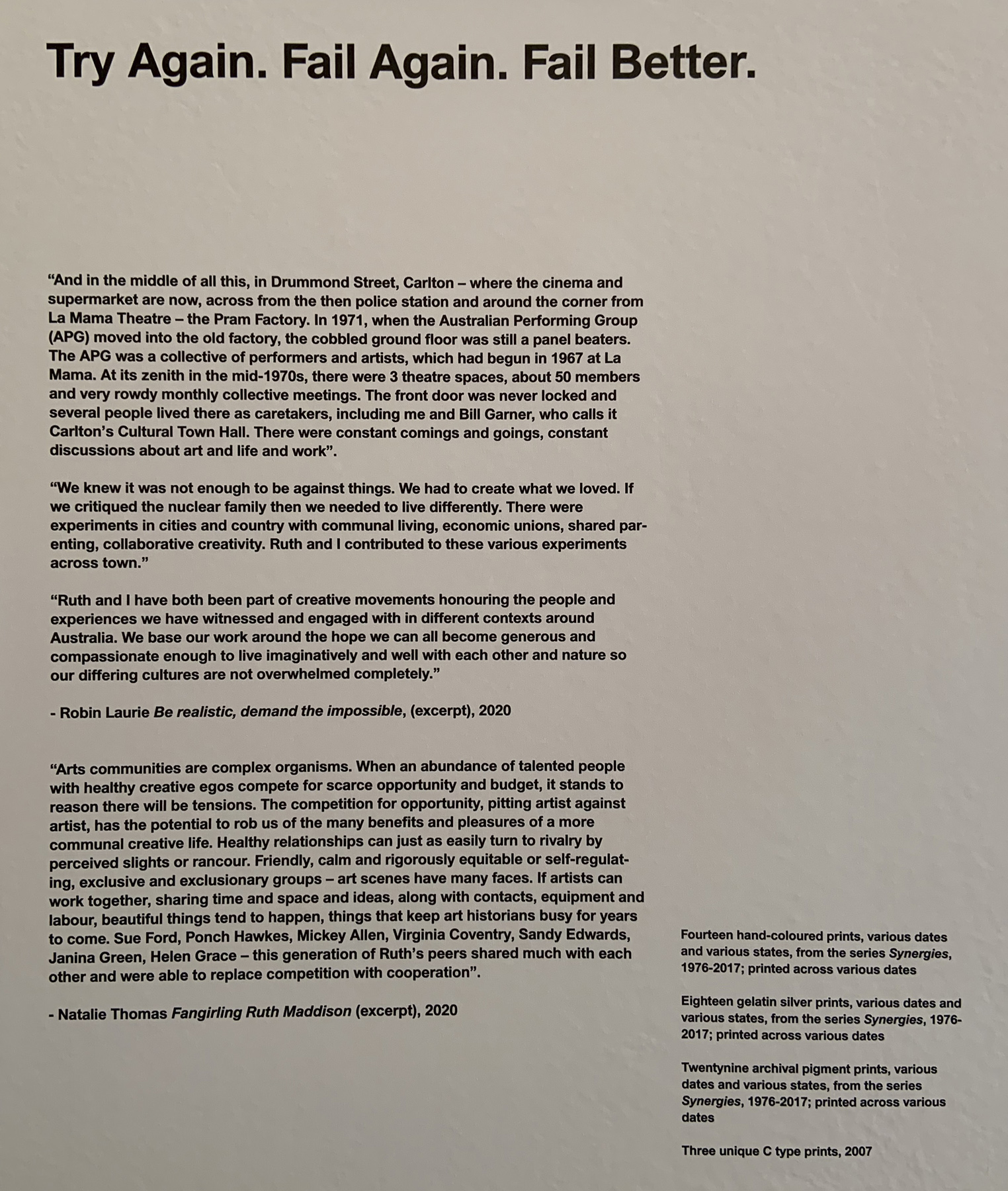
Text from the exhibition 'Ruth Maddison It was the best of times, it was the worst of times' at the Centre for Contemporary Photography, Melbourne

Text from the exhibition 'Ruth Maddison It was the best of times, it was the worst of times' at the Centre for Contemporary Photography, Melbourne


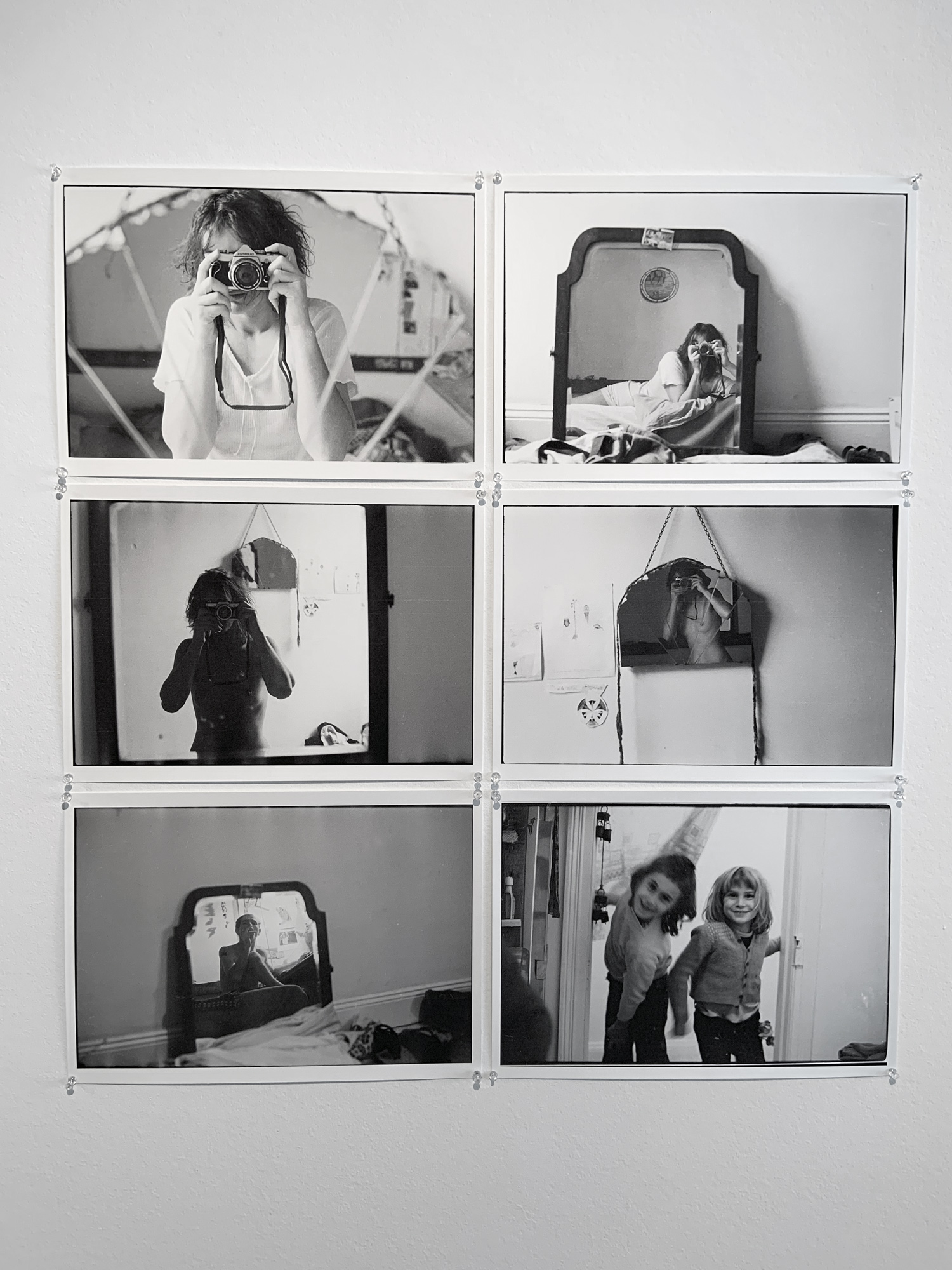
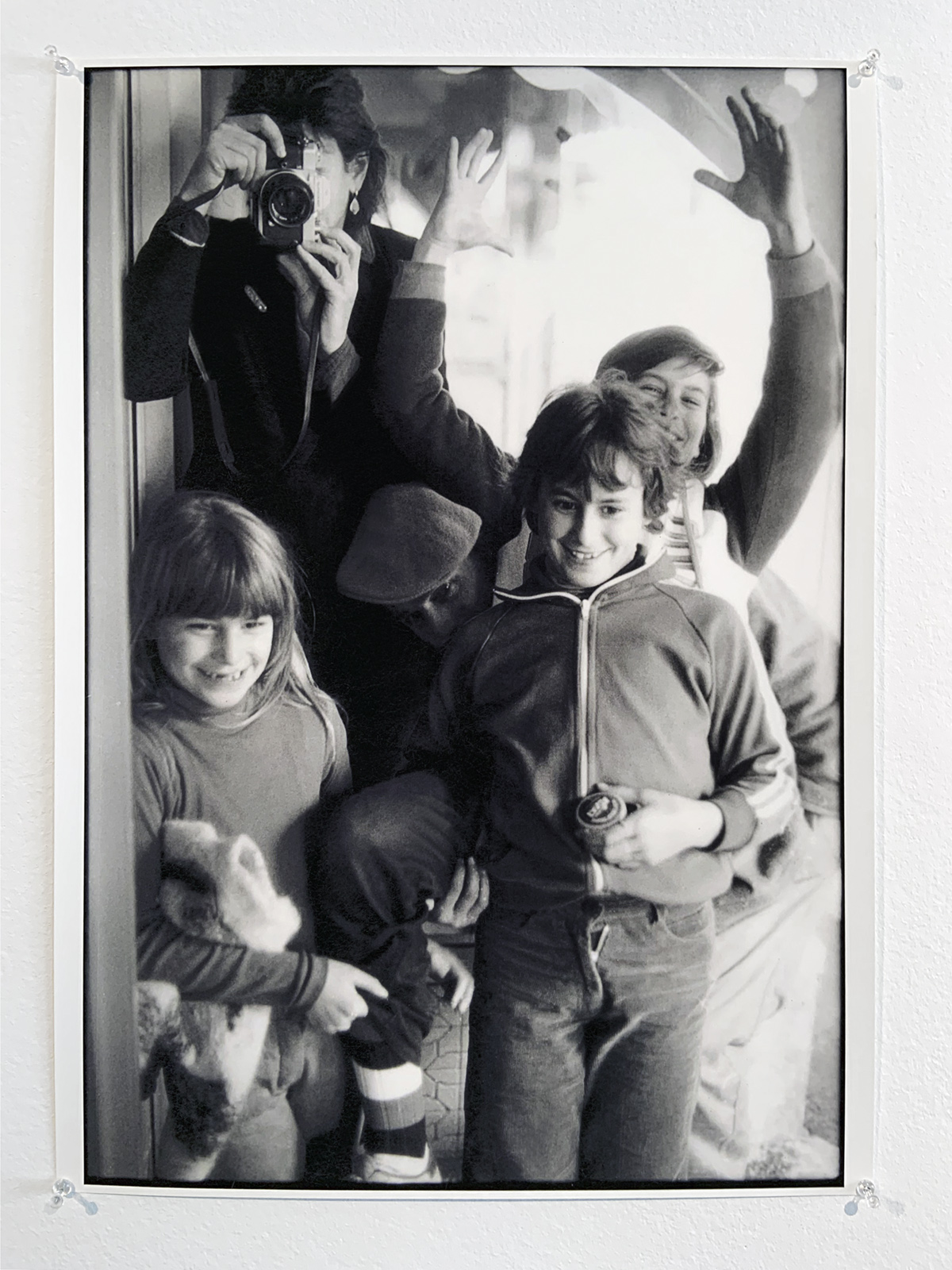
Ruth Maddison (Australian, b. 1945) 'First roll of film' 1976 (installation view) from the exhibition 'Ruth Maddison: It was the best of times, it was the worst of times' at the Centre for Contemporary Photography, Melbourne, Feb - April, 2021


Ruth Maddison (Australian, b. 1945)
From First roll of film (installation view)
1976
Photo: Marcus Bunyan


Ruth Maddison (Australian, b. 1945) 'First roll of film' 1976 (installation view)


Ruth Maddison (Australian, b. 1945)
From First roll of film (installation view)
1976
Photo: Marcus Bunyan


Ruth Maddison (Australian, b. 1945) 'First roll of film' 1976


Ruth Maddison (Australian, b. 1945)
From First roll of film (installation view)
1976
Photo: Marcus Bunyan


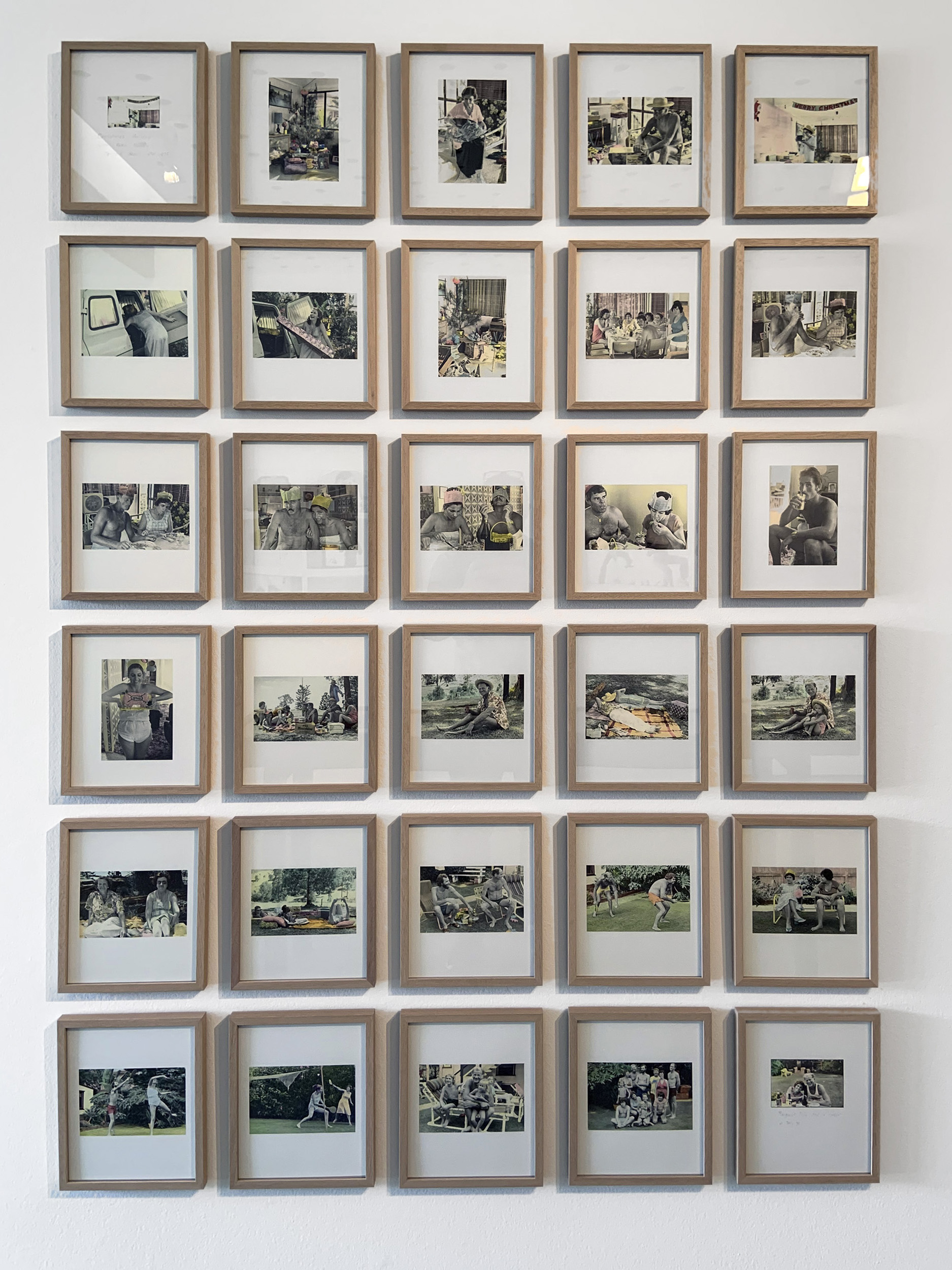
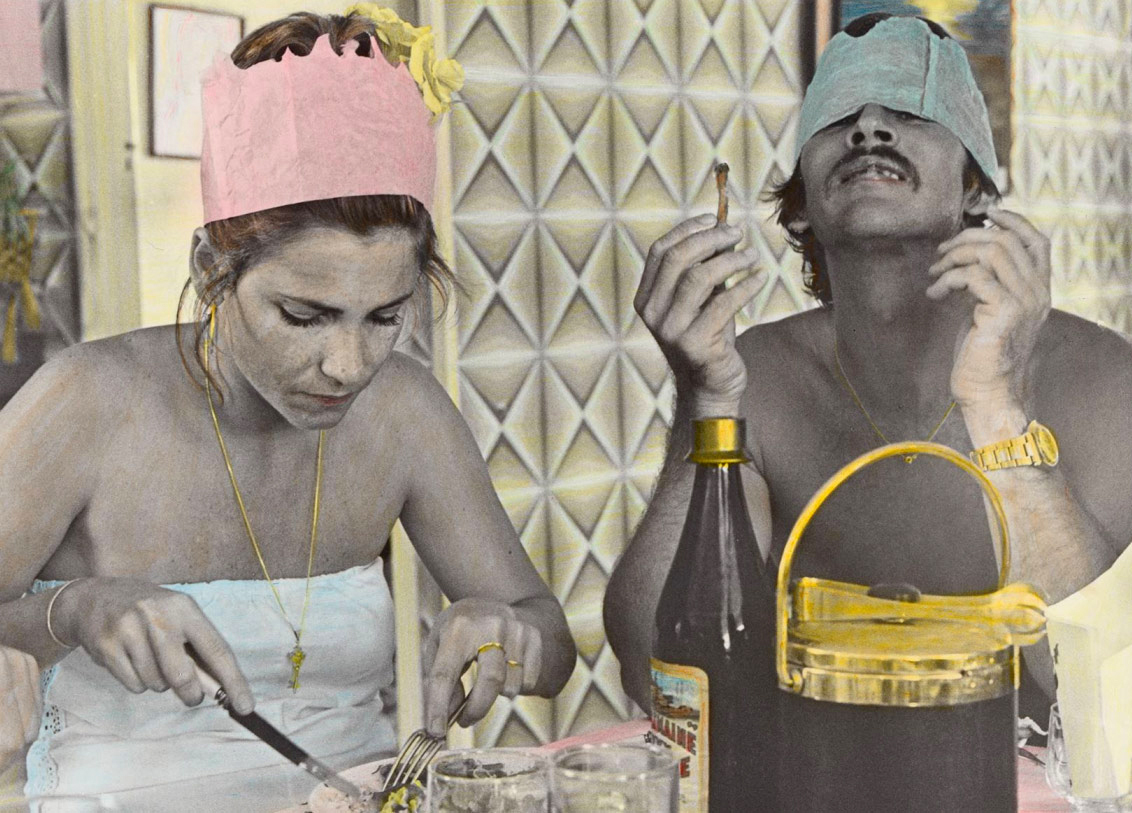
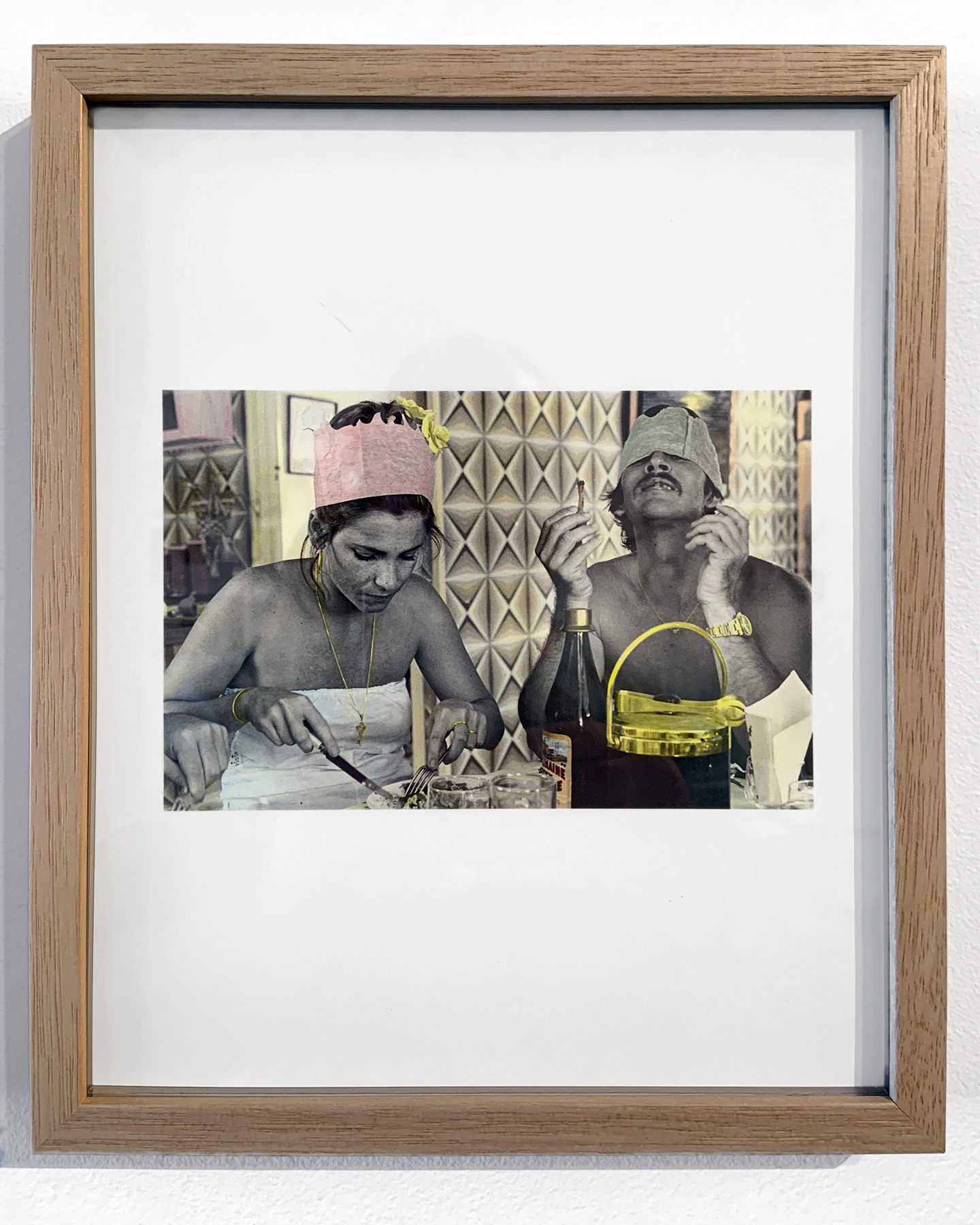
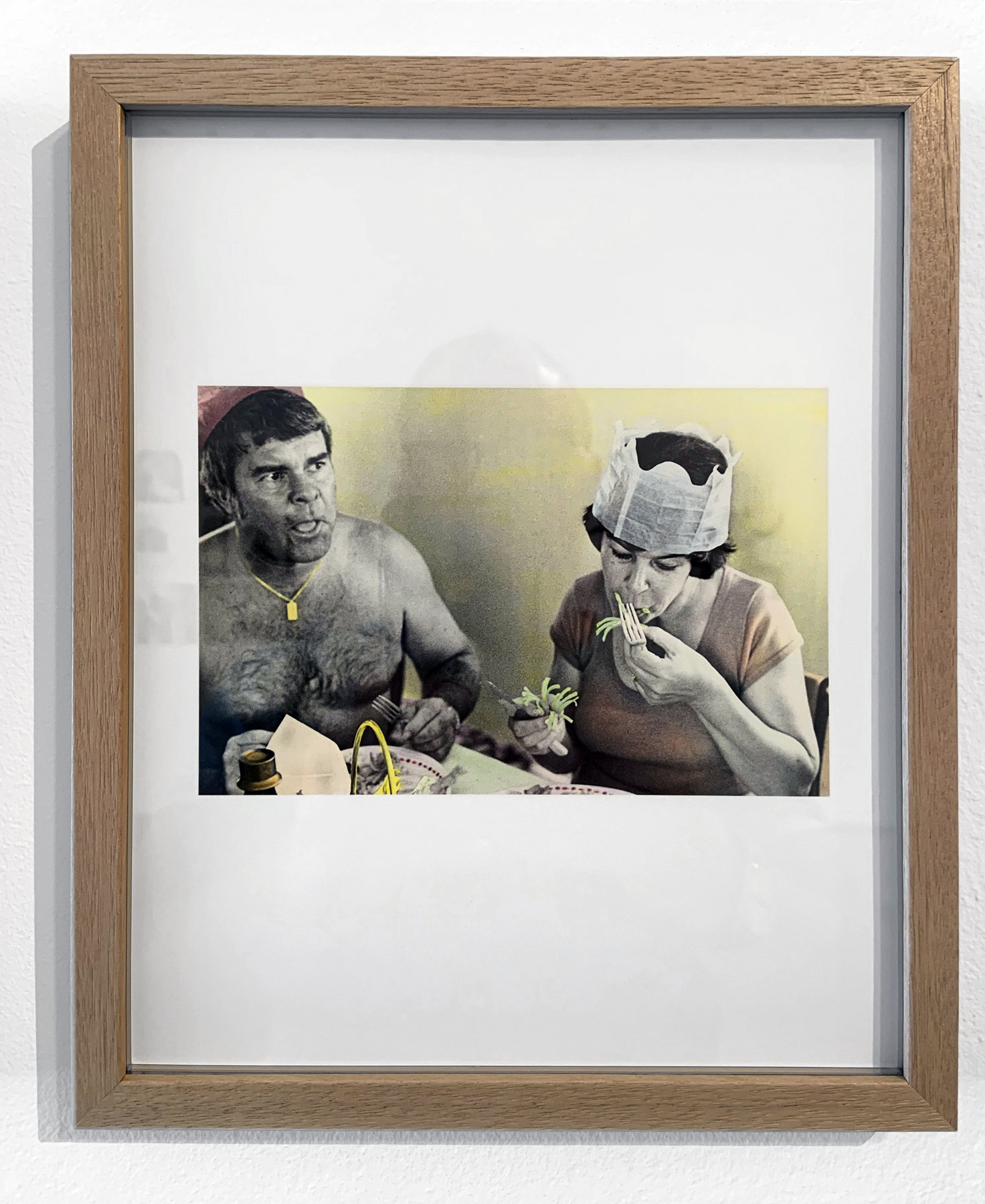
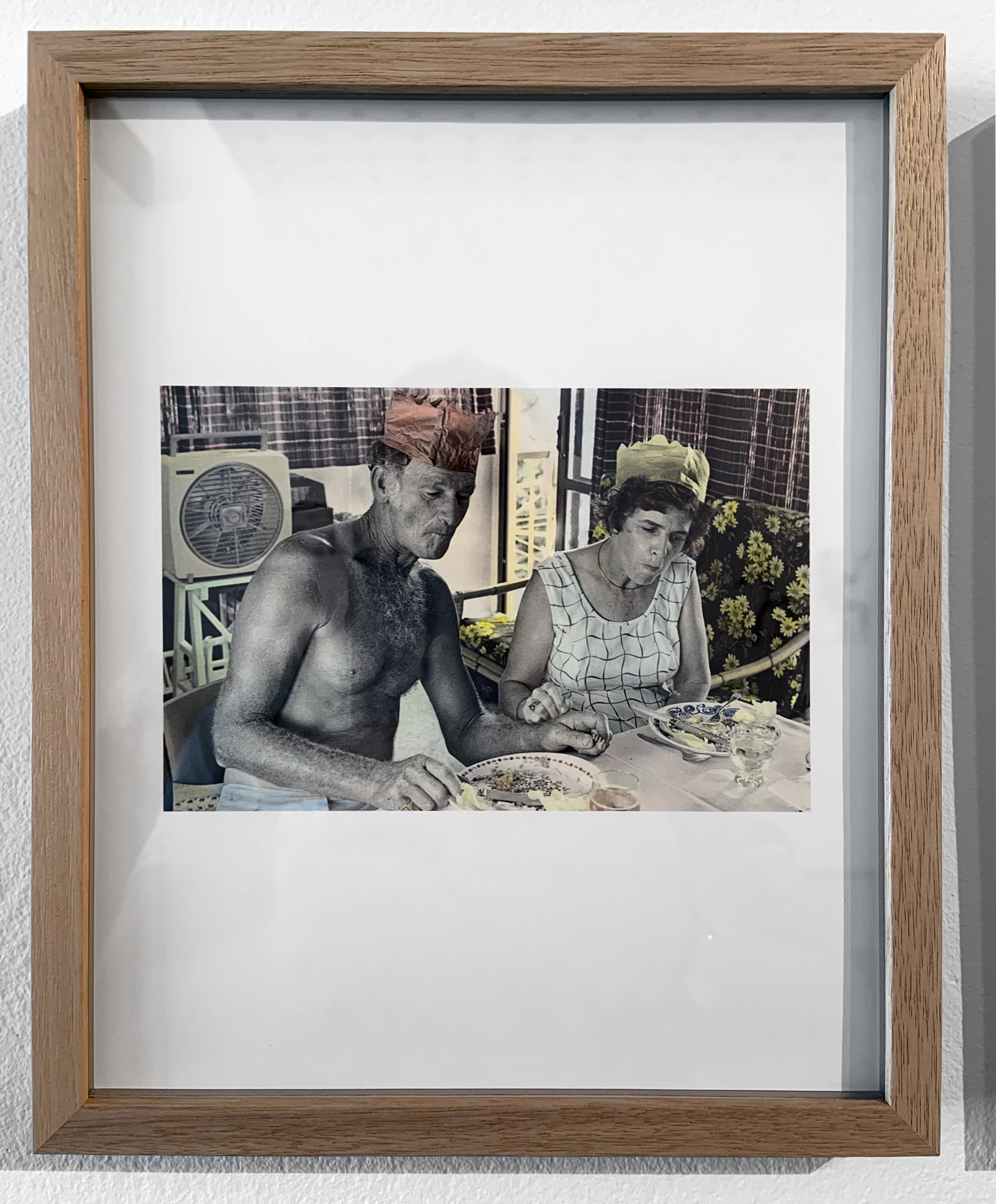
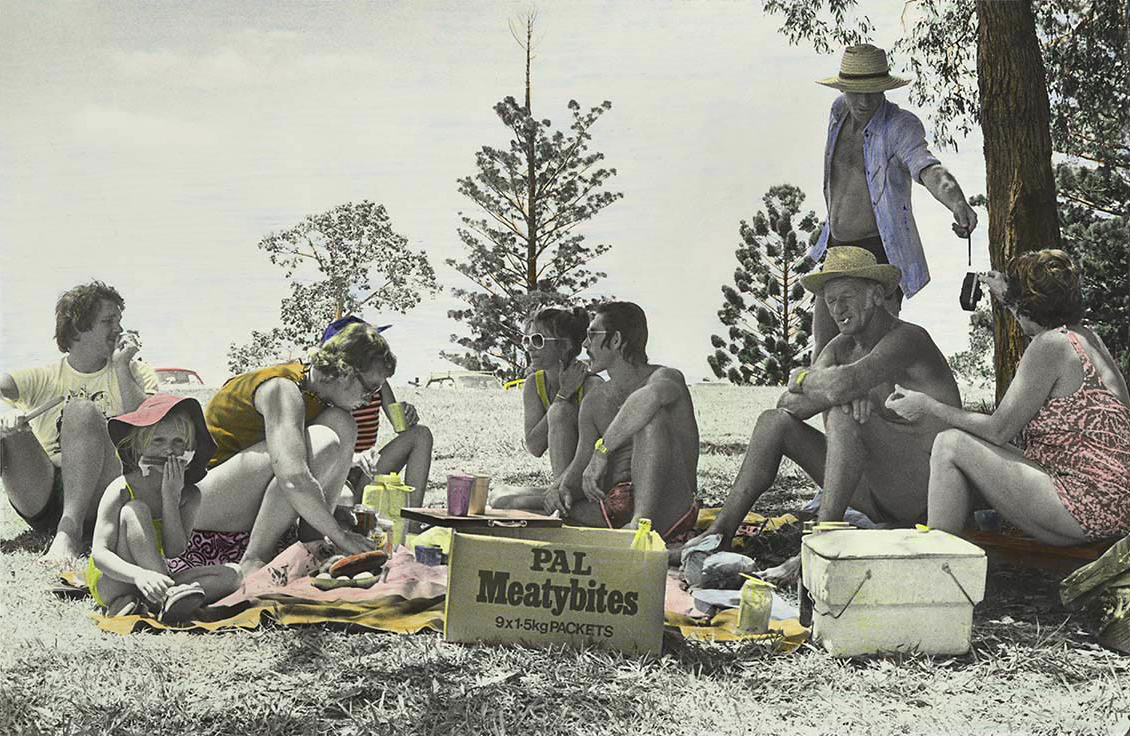
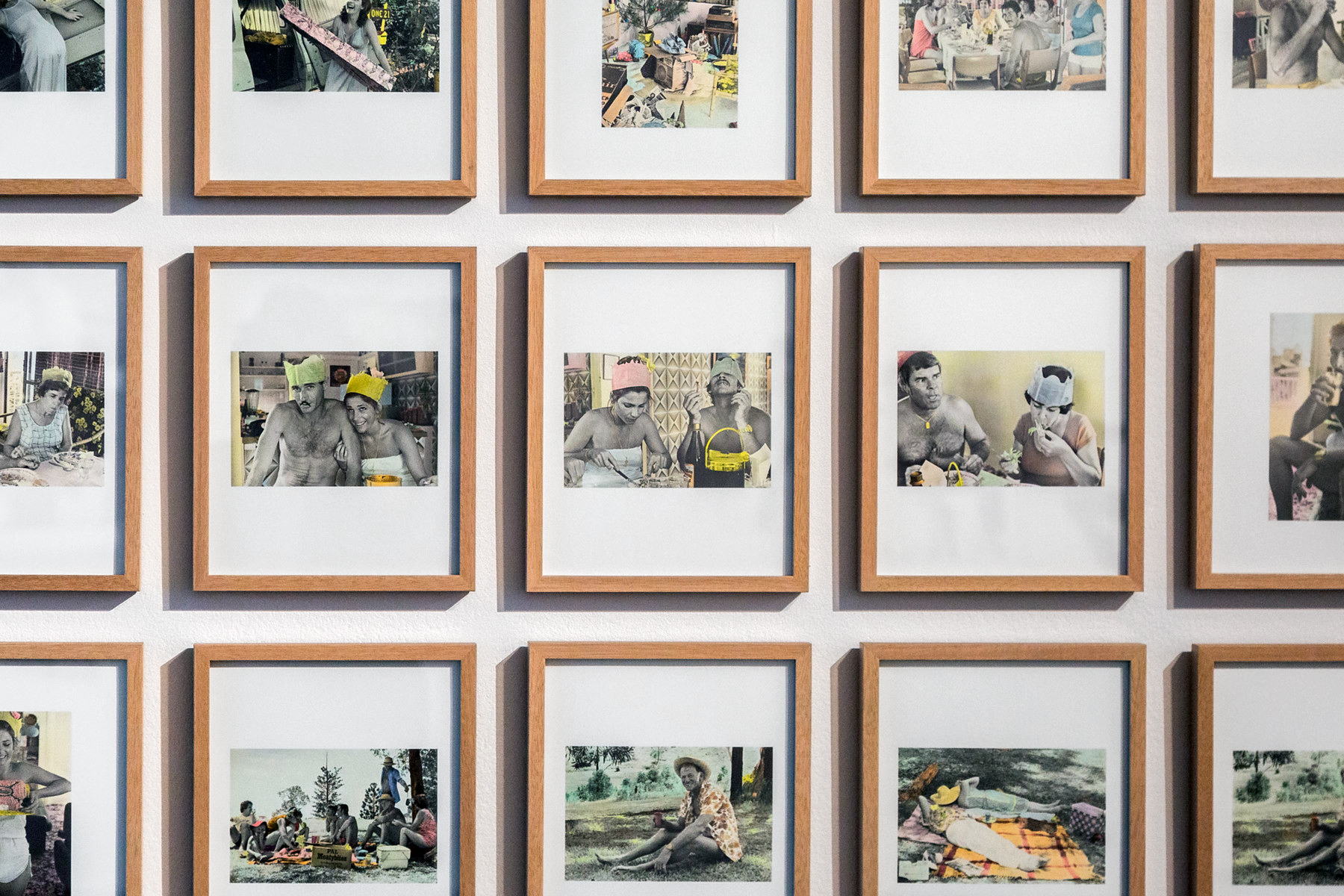
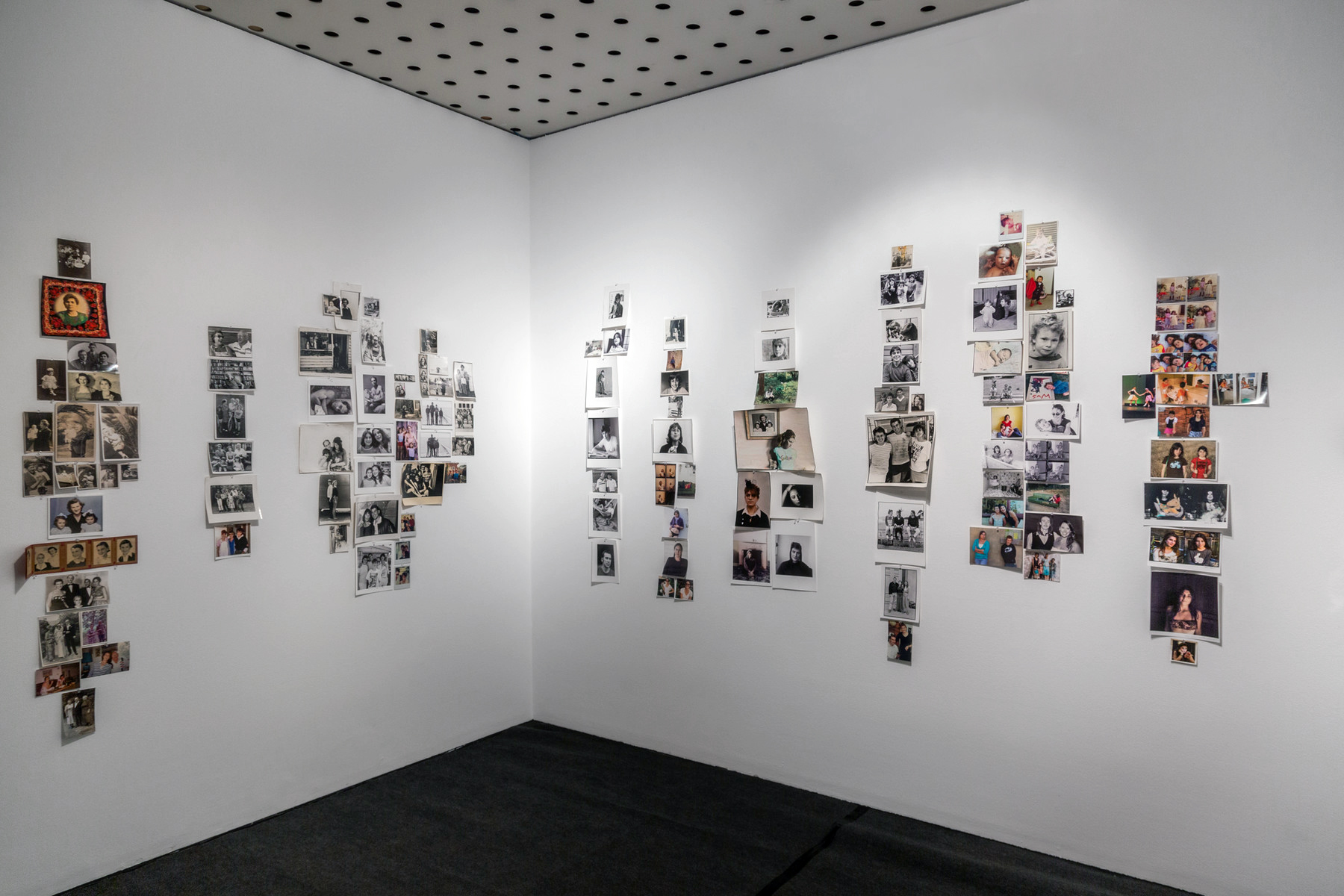
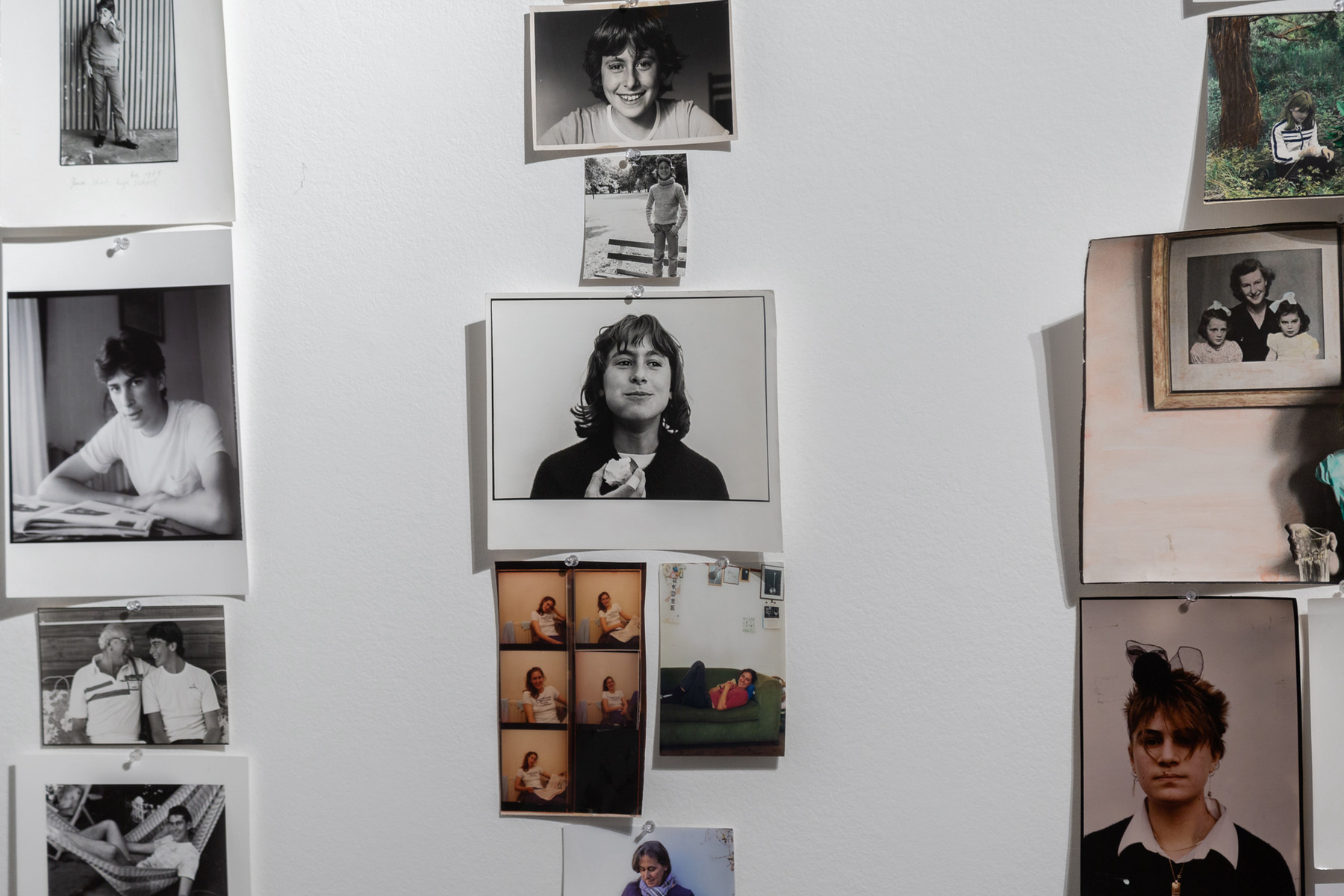
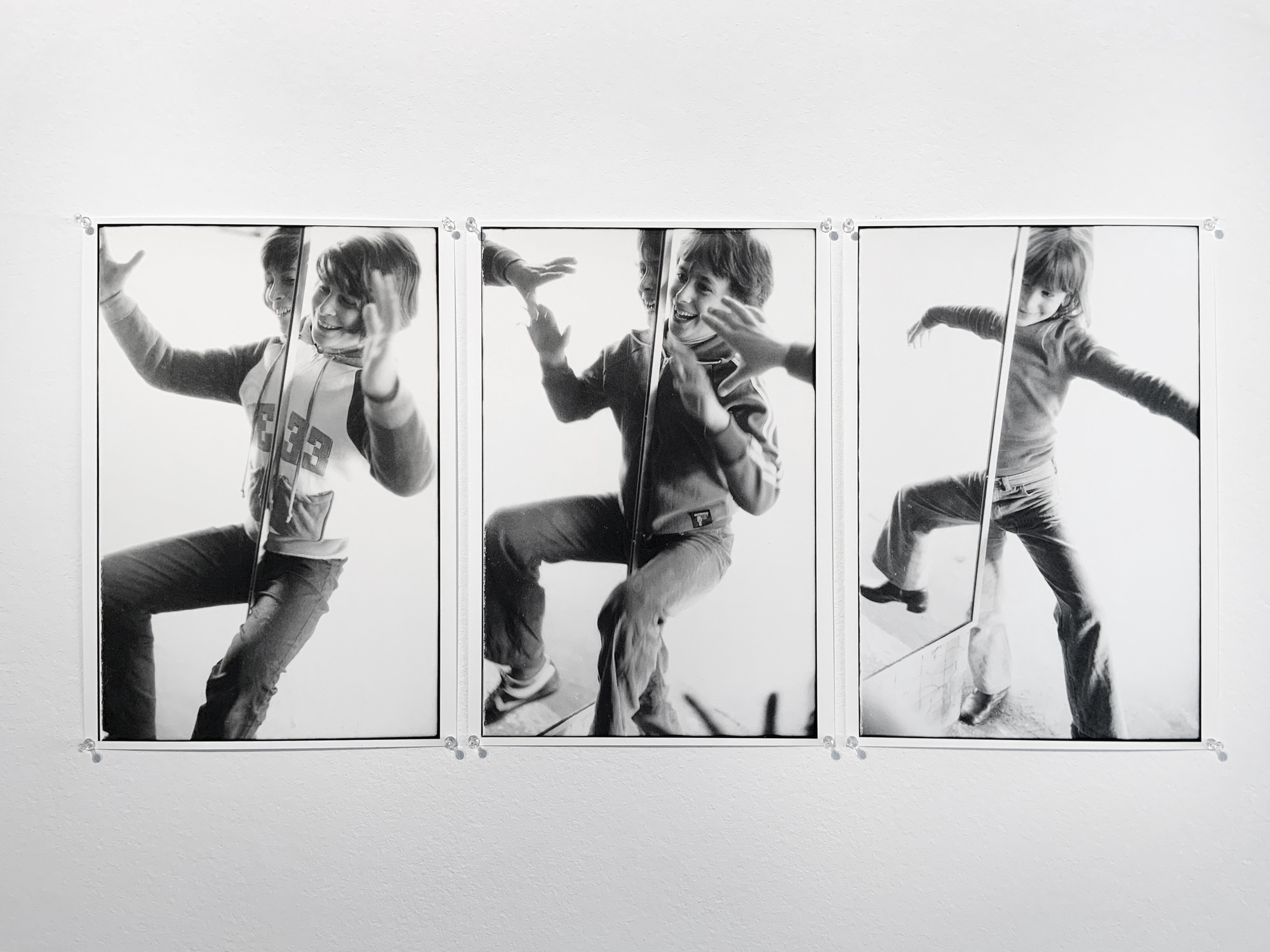
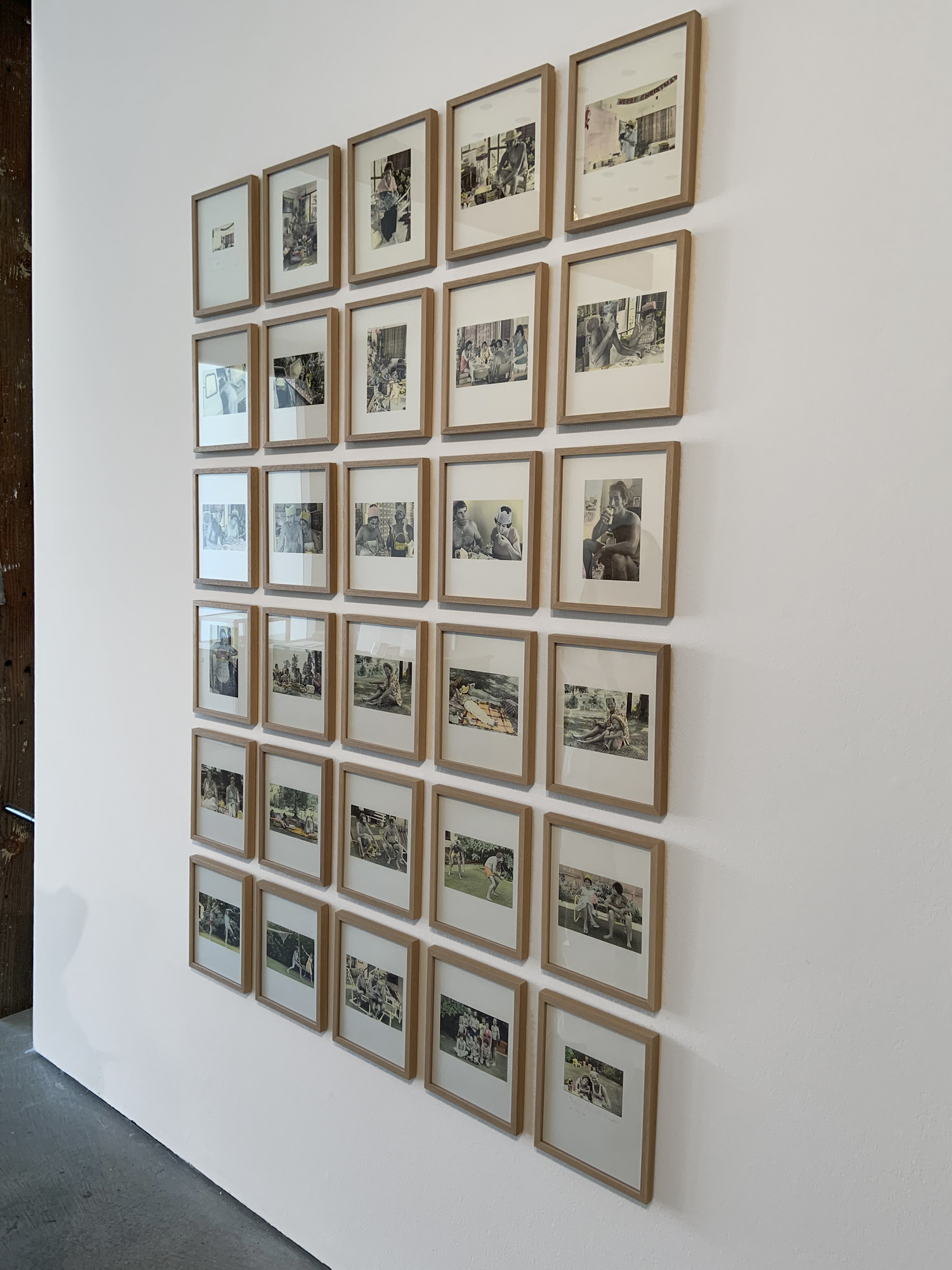
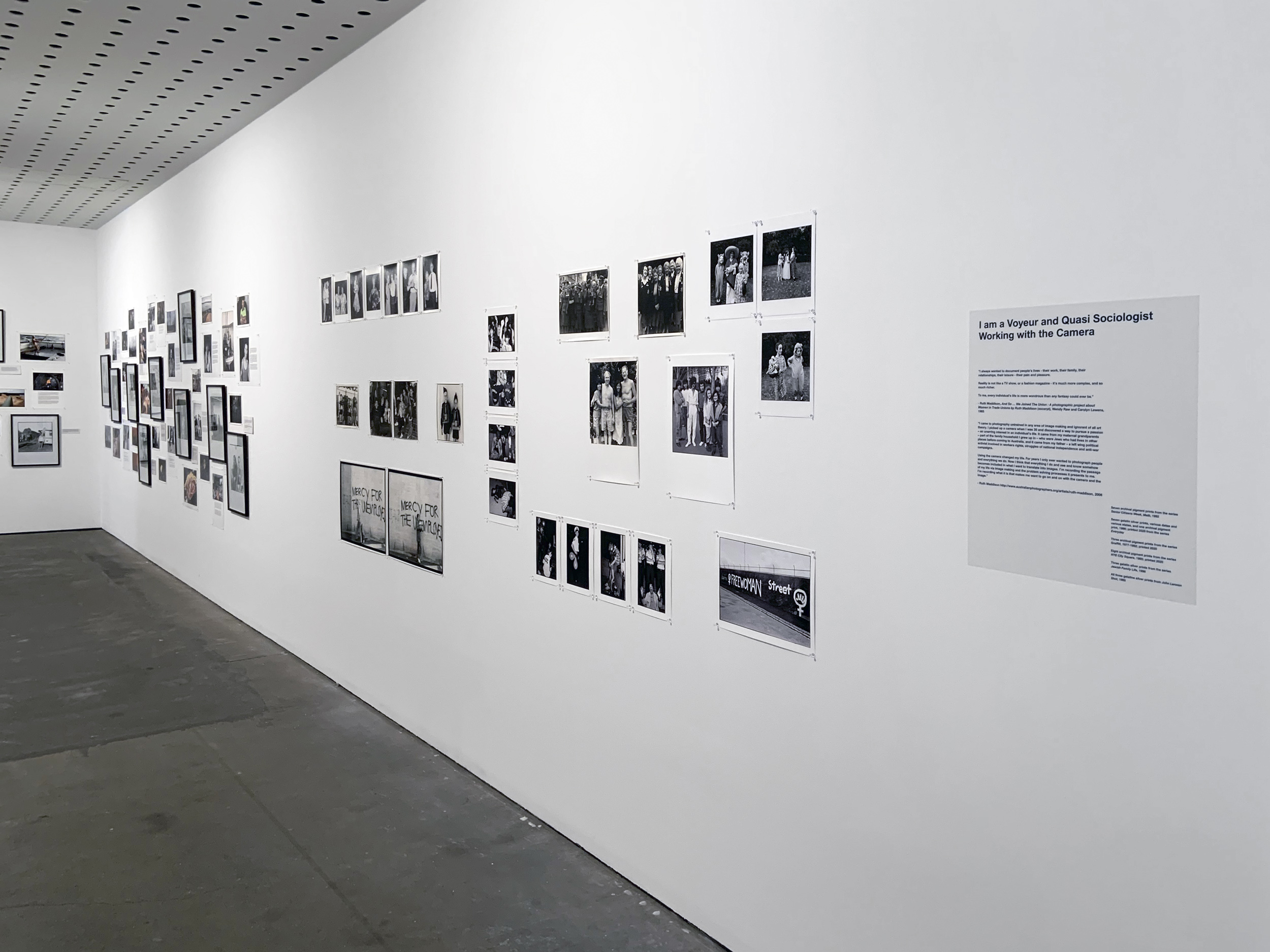
Installation view of the exhibition 'Ruth Maddison It was the best of times, it was the worst of times' at the Centre for Contemporary Photography, Melbourne showing at left the series 'Christmas Holidays with Bob's Family, Mermaid Beach, Queensland' (1979)


Installation view of the exhibition Ruth Maddison It was the best of times, it was the worst of times at the Centre for Contemporary Photography, Melbourne showing at left the series Christmas Holidays with Bob’s Family, Mermaid Beach, Queensland (1979)
Photo: Marcus Bunyan


Installation view of the exhibition 'Ruth Maddison It was the best of times, it was the worst of times' at the Centre for Contemporary Photography, Melbourne


Installation view of the exhibition 'Ruth Maddison It was the best of times, it was the worst of times' at the Centre for Contemporary Photography, Melbourne Installation view of the exhibition 'Ruth Maddison It was the best of times, it was the worst of times' at the Centre for Contemporary Photography, Melbourne showing the series 'Christmas Holidays with Bob's Family, Mermaid Beach, Queensland' (1979)

Installation view of the exhibition 'Ruth Maddison It was the best of times, it was the worst of times' at the Centre for Contemporary Photography, Melbourne Installation view of the exhibition 'Ruth Maddison It was the best of times, it was the worst of times' at the Centre for Contemporary Photography, Melbourne showing the series 'Christmas Holidays with Bob's Family, Mermaid Beach, Queensland' (1979)


Installation views of the exhibition Ruth Maddison It was the best of times, it was the worst of times at the Centre for Contemporary Photography, Melbourne showing the series Christmas Holidays with Bob’s Family, Mermaid Beach, Queensland (1979)
Photos: Marcus Bunyan


Ruth Maddison (born Australia 1945) 'No title (Woman collecting a Christmas present from the car)' 1977-1978


Ruth Maddison (Australia, b. 1945)
No title (Woman collecting a Christmas present from the car)
1977-1978
From the series Christmas Holidays with Bob’s Family, Mermaid Beach, Queensland 1979


Ruth Maddison. 'Christmas holiday with Bob's family, Mermaid Beach, Queensland' 1977/78


Ruth Maddison (Australia, b. 1945)
From Christmas Holidays with Bob’s family, Mermaid Beach, Queensland
1979


Ruth Maddison (Australia, b. 1945) 'Christmas Holidays with Bob's family, Mermaid Beach, Queensland' 1979


Ruth Maddison (Australia, b. 1945)
From Christmas Holidays with Bob’s family, Mermaid Beach, Queensland
1979


Installation view of the series 'Christmas Holidays with Bob's family, Mermaid Beach, Queensland' (1979) from the exhibition 'Ruth Maddison It was the best of times, it was the worst of times' at the Centre for Contemporary Photography, Melbourne

Installation view of the series 'Christmas Holidays with Bob's family, Mermaid Beach, Queensland' (1979) from the exhibition 'Ruth Maddison It was the best of times, it was the worst of times' at the Centre for Contemporary Photography, Melbourne

Installation view of the series 'Christmas Holidays with Bob's family, Mermaid Beach, Queensland' (1979) from the exhibition 'Ruth Maddison It was the best of times, it was the worst of times' at the Centre for Contemporary Photography, Melbourne


Installation views of the series Christmas Holidays with Bob’s family, Mermaid Beach, Queensland (1979) from the exhibition Ruth Maddison It was the best of times, it was the worst of times at the Centre for Contemporary Photography, Melbourne
Photos: Marcus Bunyan


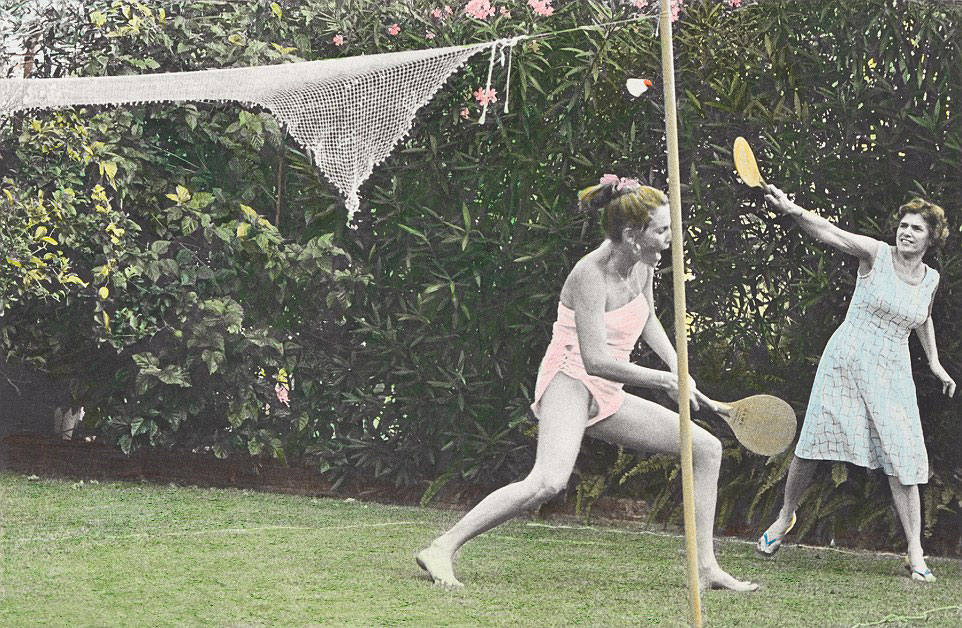
Ruth Maddison (Australian, b. 1945) 'Untitled #18' 1979


Ruth Maddison (Australian, b. 1945)
Untitled #18
1979
From the series Christmas holidays with Bob’s family. Mermaid Beach, Queensland 1979
Pigment print from scan, edition 1/1
10.5 x 16.2cm
Courtesy of the artist and the Centre for Contemporary Photography


Text from the exhibition 'Ruth Maddison It was the best of times, it was the worst of times' at the Centre for Contemporary Photography, Melbourne


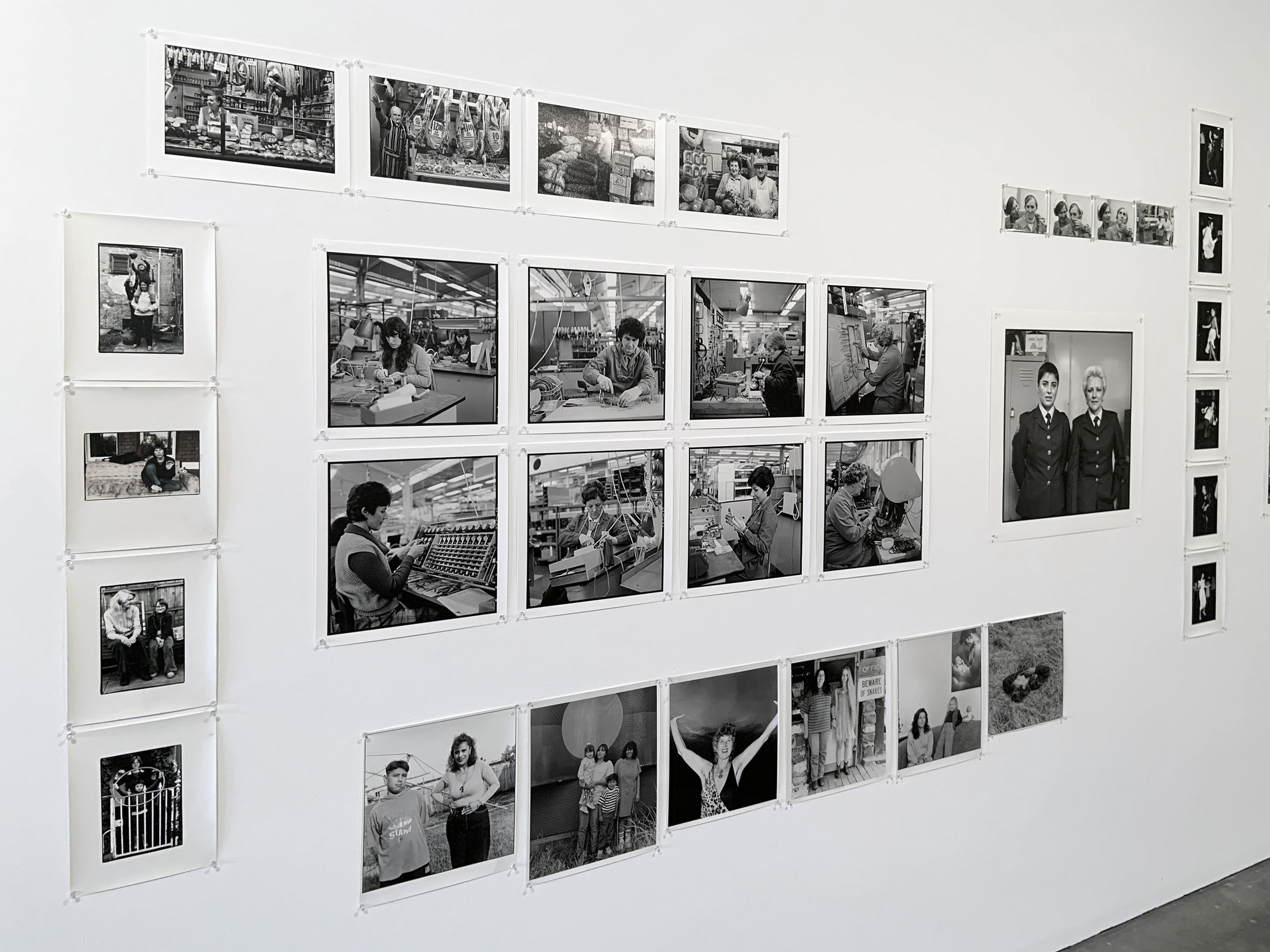
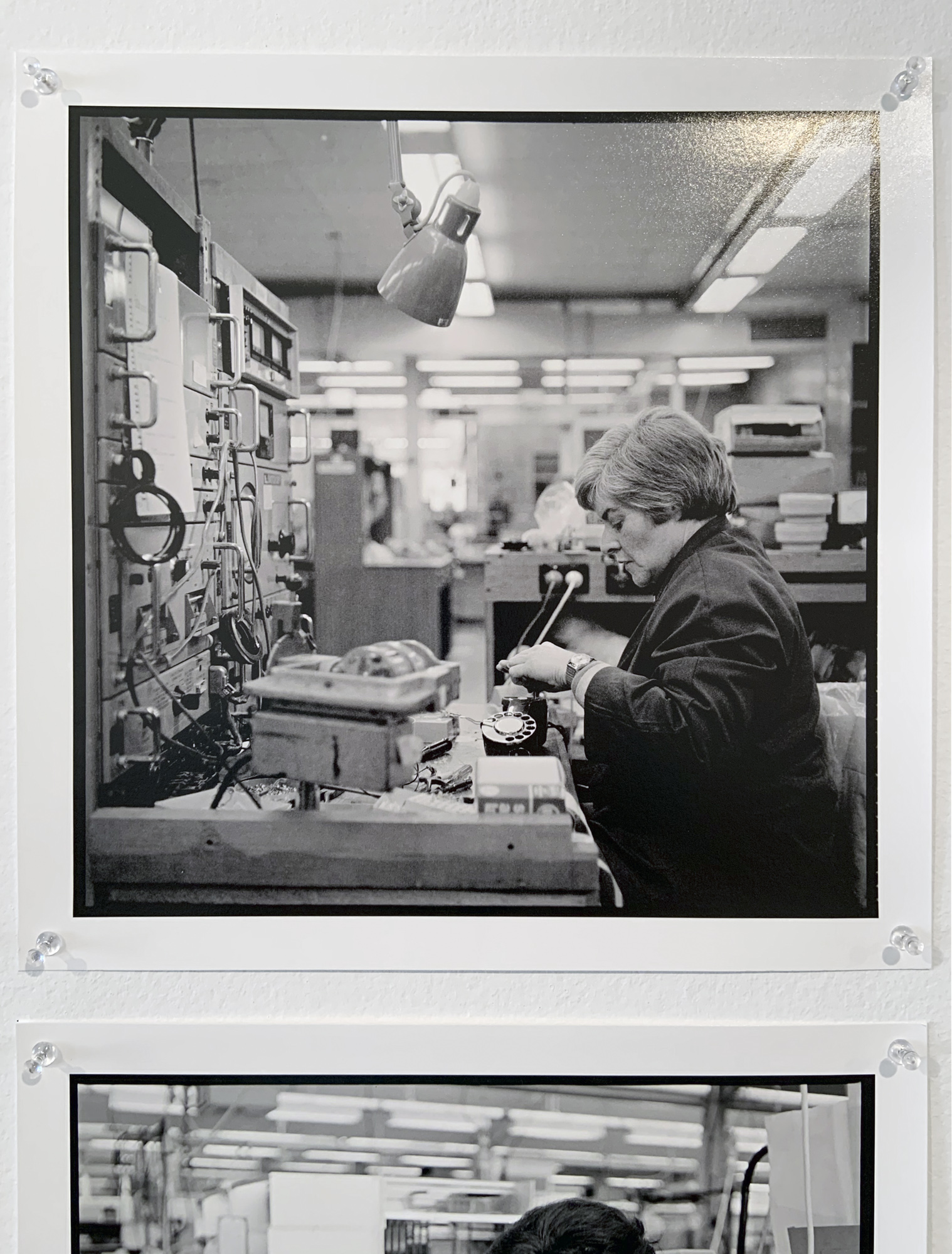
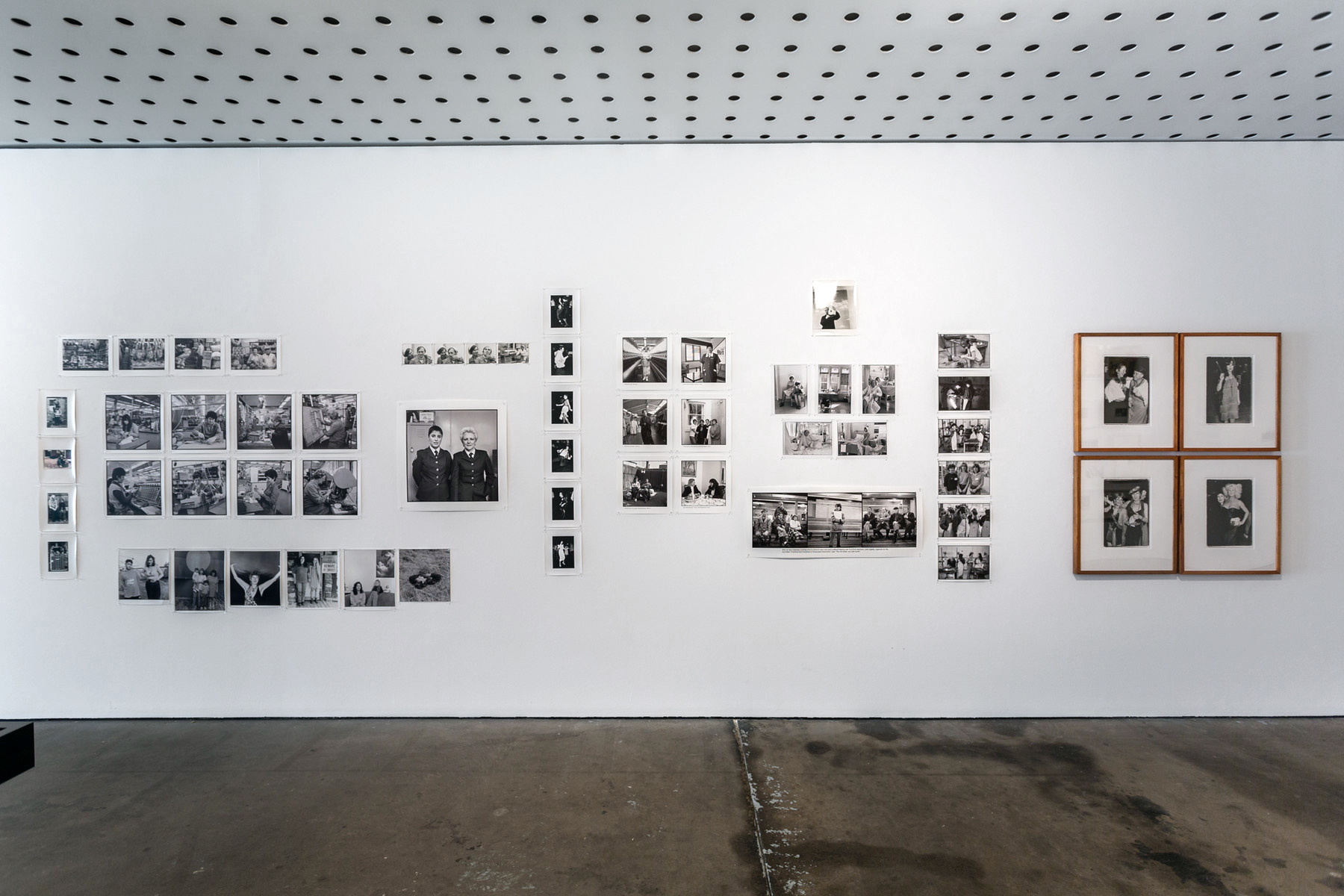
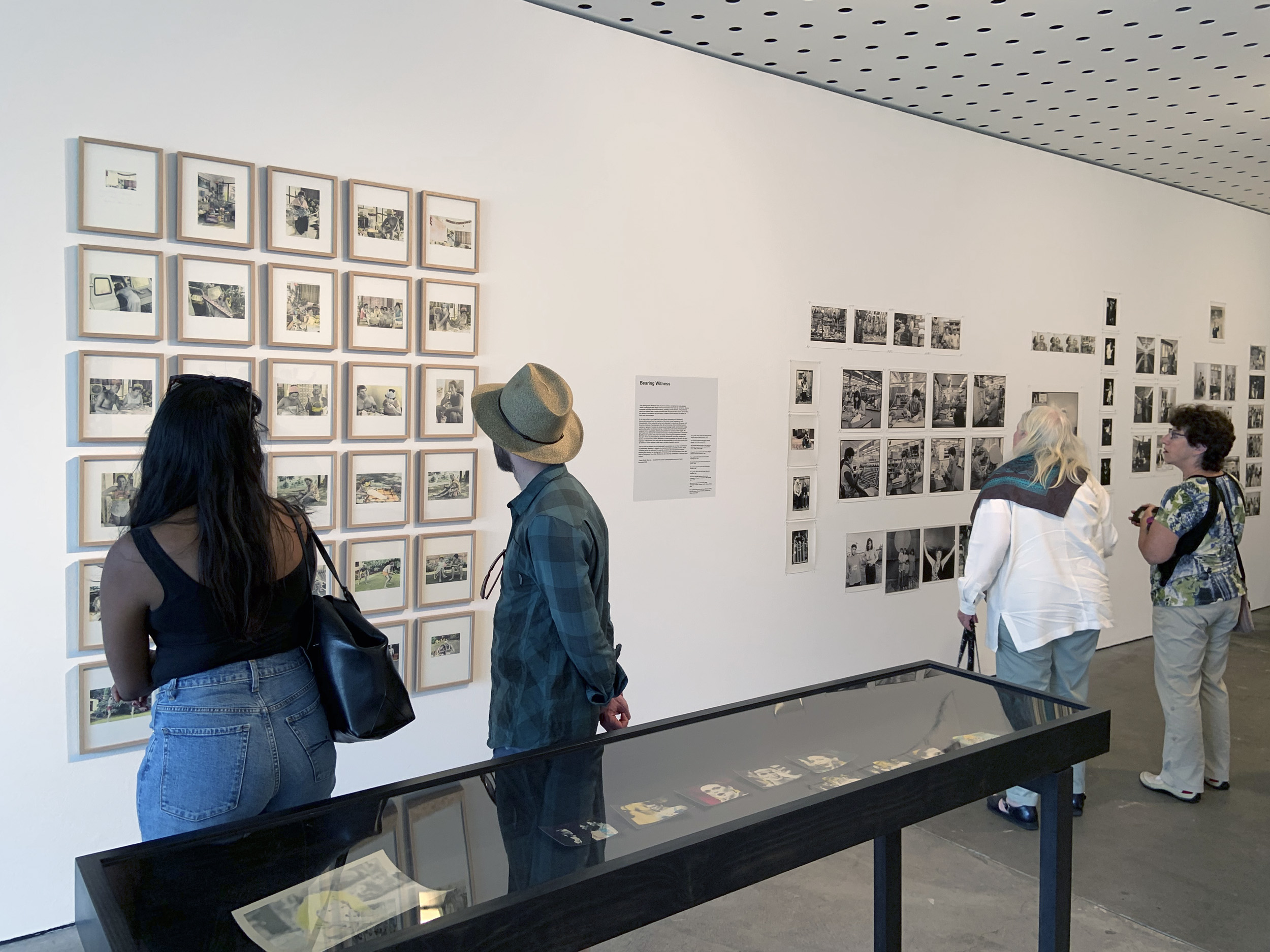
Installation view of the exhibition 'Ruth Maddison It was the best of times, it was the worst of times' at the Centre for Contemporary Photography, Melbourne showing photographs of women workers and single mothers (various dates and series, see above)


Installation view of the exhibition Ruth Maddison It was the best of times, it was the worst of times at the Centre for Contemporary Photography, Melbourne showing photographs of women workers and single mothers (various dates and series, see above)
Photo: Marcus Bunyan


Installation views of the exhibition 'Ruth Maddison It was the best of times, it was the worst of times' at the Centre for Contemporary Photography, Melbourne showing images from the series 'And so we joined the Union' (1985)

Installation views of the exhibition 'Ruth Maddison It was the best of times, it was the worst of times' at the Centre for Contemporary Photography, Melbourne showing images from the series 'And so we joined the Union' (1985)

Installation views of the exhibition 'Ruth Maddison It was the best of times, it was the worst of times' at the Centre for Contemporary Photography, Melbourne showing images from the series 'And so we joined the Union' (1985)

Installation views of the exhibition 'Ruth Maddison It was the best of times, it was the worst of times' at the Centre for Contemporary Photography, Melbourne showing images from the series 'And so we joined the Union' (1985)

Installation views of the exhibition 'Ruth Maddison It was the best of times, it was the worst of times' at the Centre for Contemporary Photography, Melbourne showing images from the series 'And so we joined the Union' (1985)

Installation views of the exhibition 'Ruth Maddison It was the best of times, it was the worst of times' at the Centre for Contemporary Photography, Melbourne showing images from the series 'And so we joined the Union' (1985)


Installation views of the exhibition Ruth Maddison It was the best of times, it was the worst of times at the Centre for Contemporary Photography, Melbourne showing images from the series And so we joined the Union (1985)
Photos: Marcus Bunyan


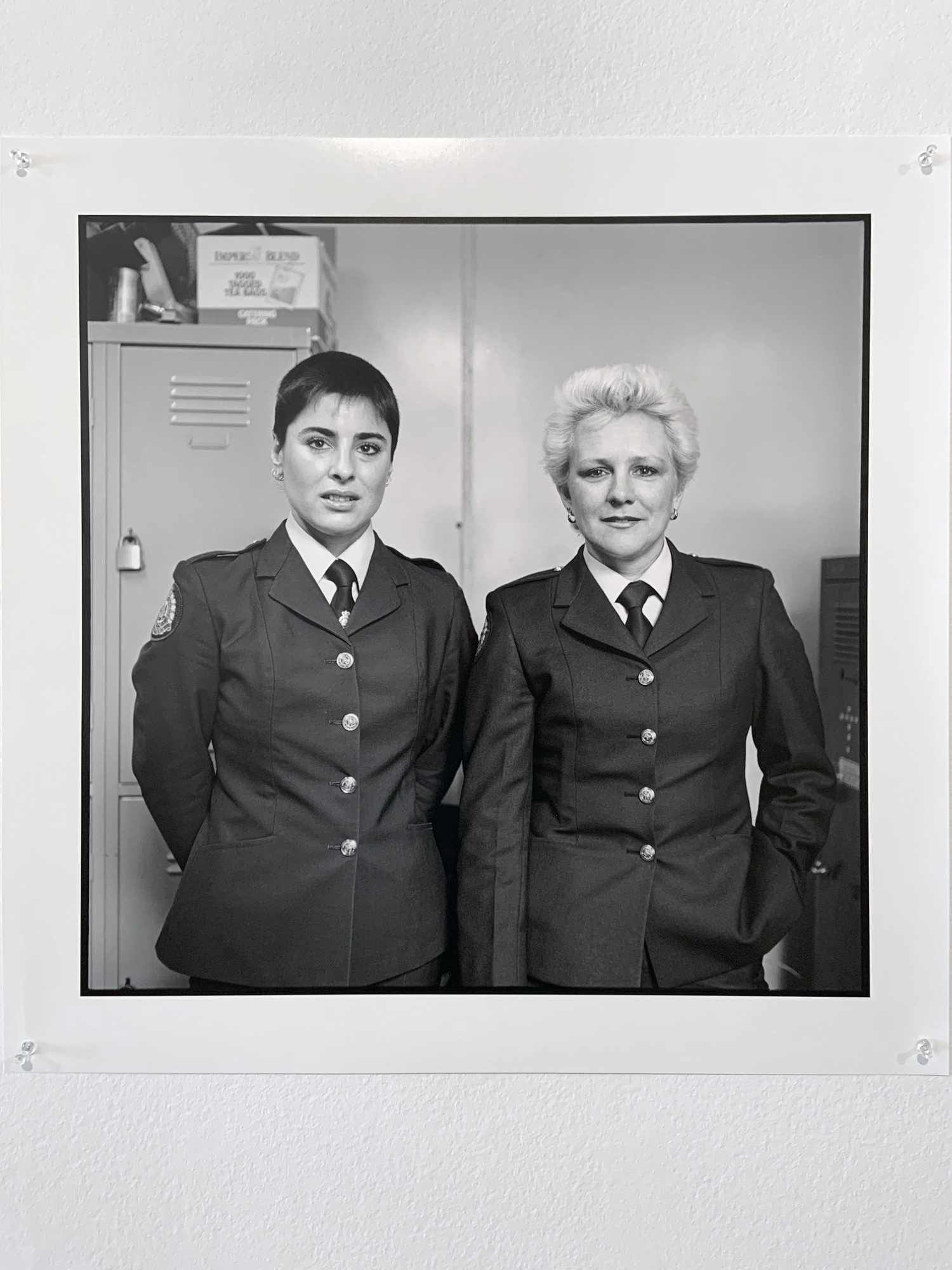
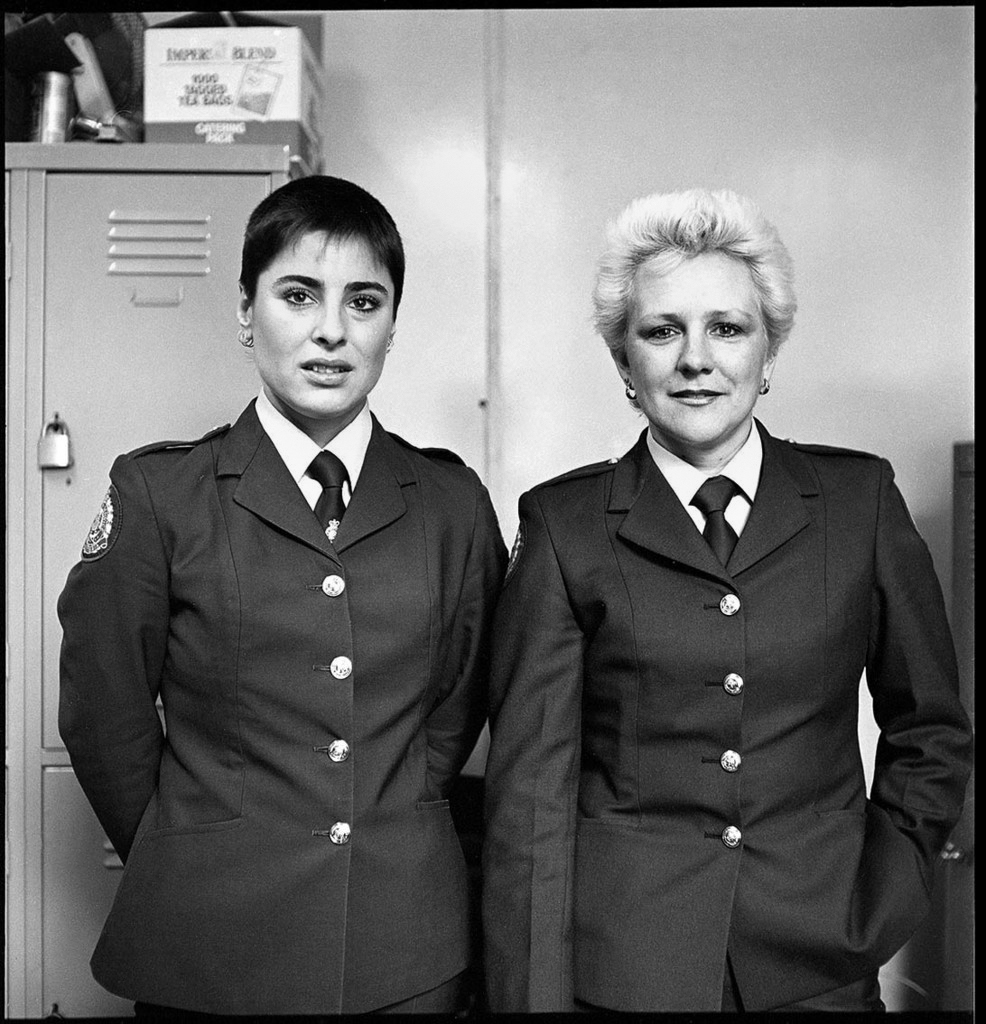
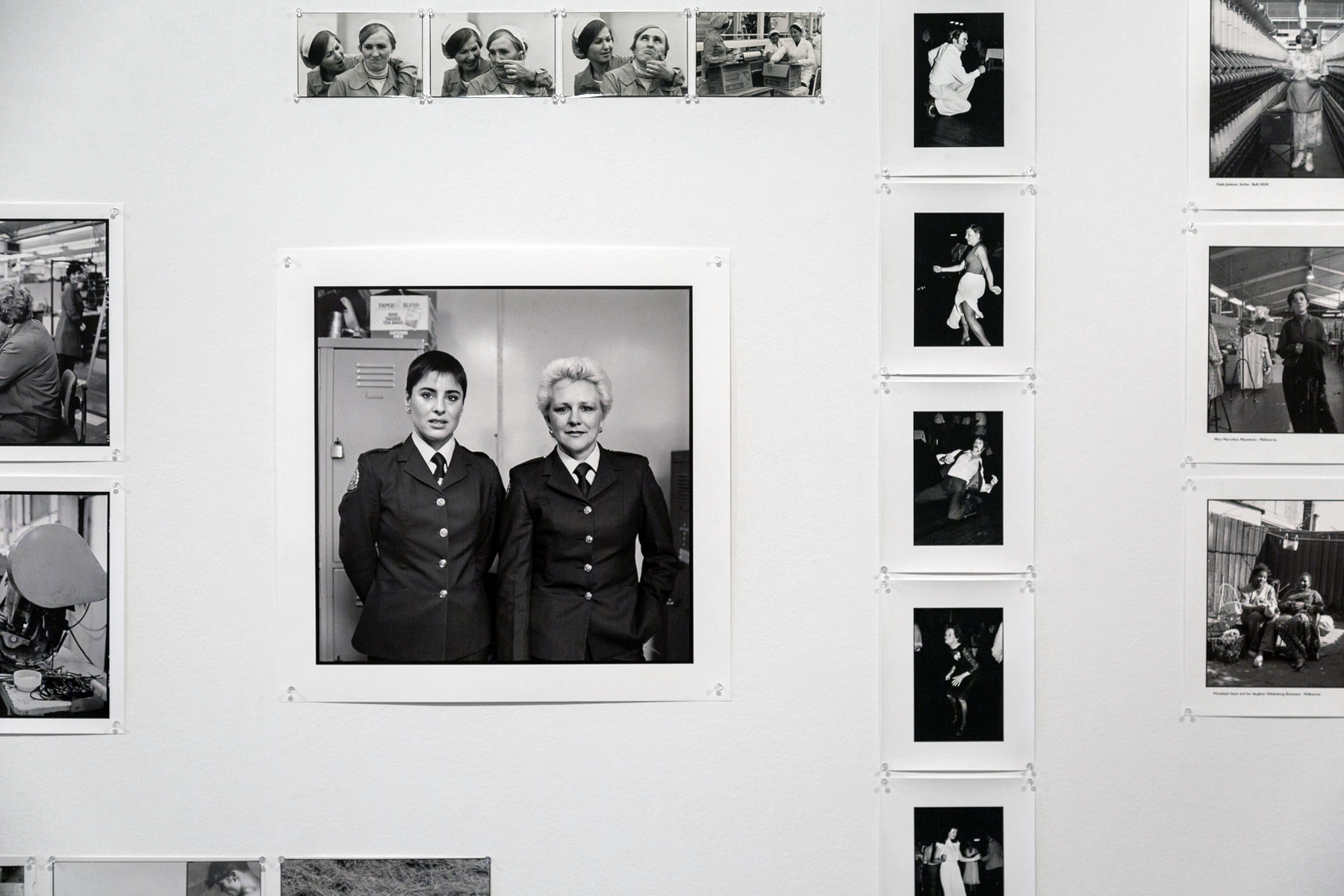
Ruth Maddison (Australian, b. 1945) 'Prison Officers, Pentridge' 1985


Ruth Maddison (Australian, b. 1945)
Prison Officers, Pentridge
1985
Pigment print from scanned negative (Print by Les Walkling)
50 x 50cm (image size)
Courtesy of the artist and the Centre for Contemporary Photography


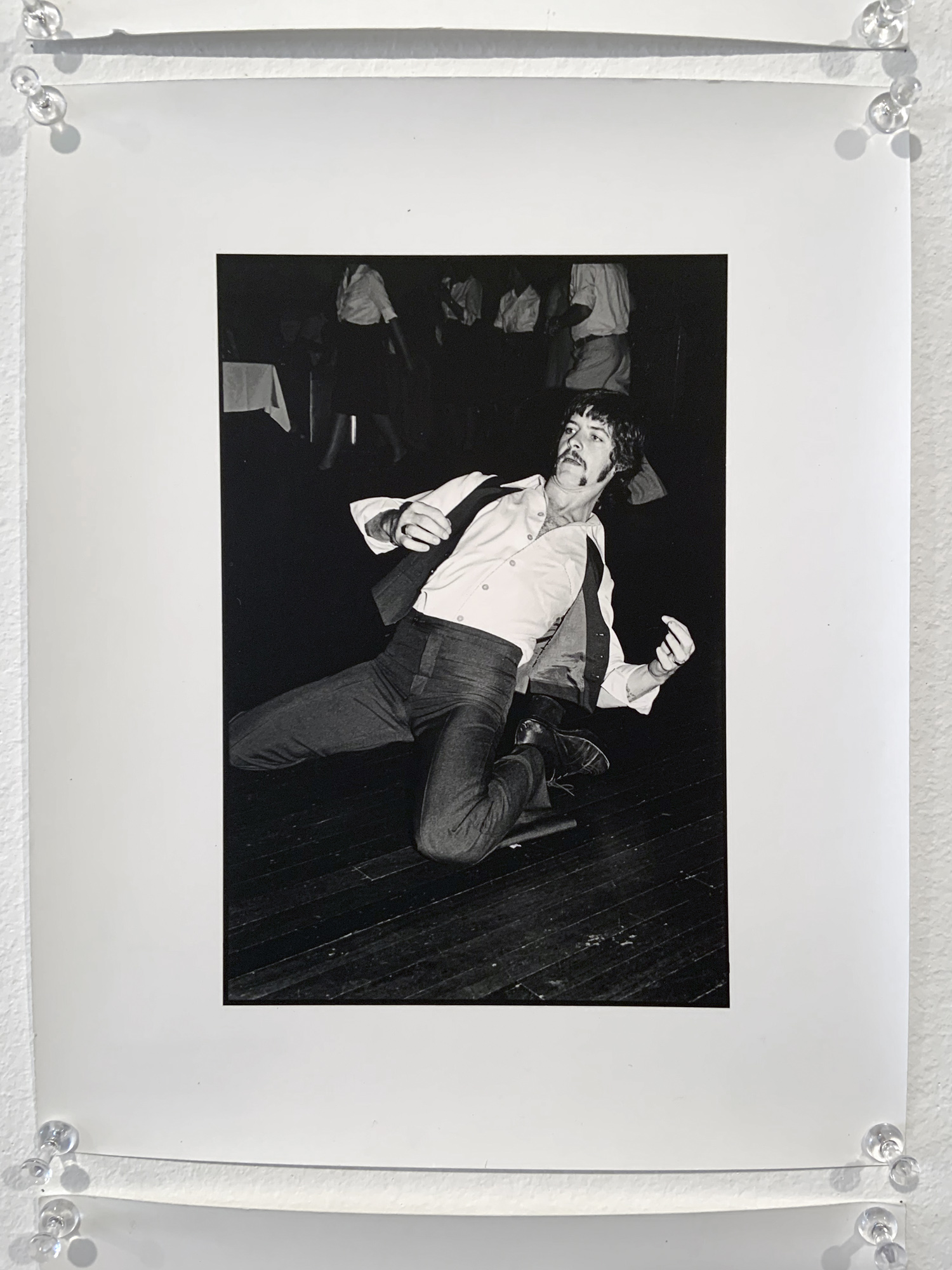
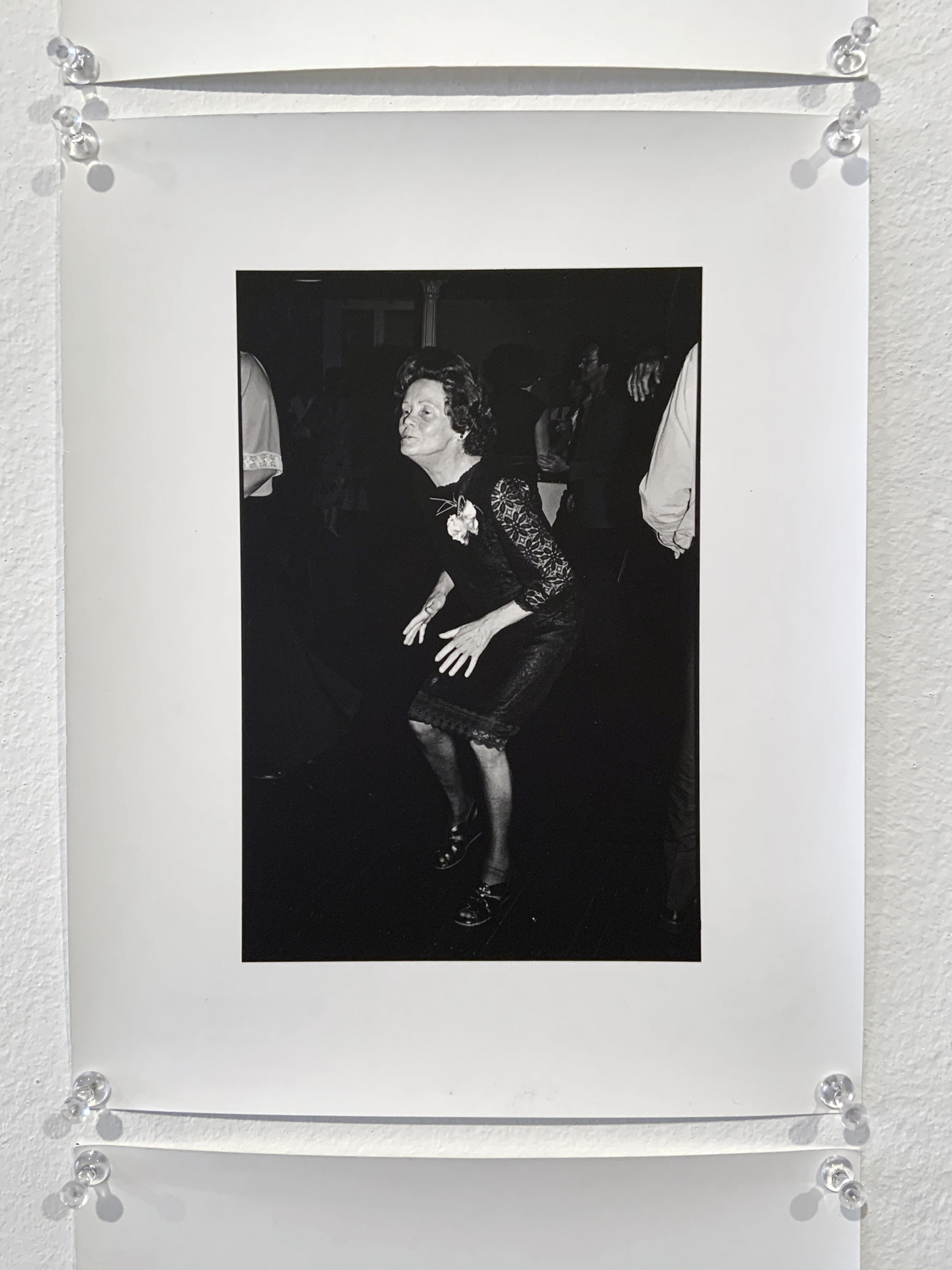
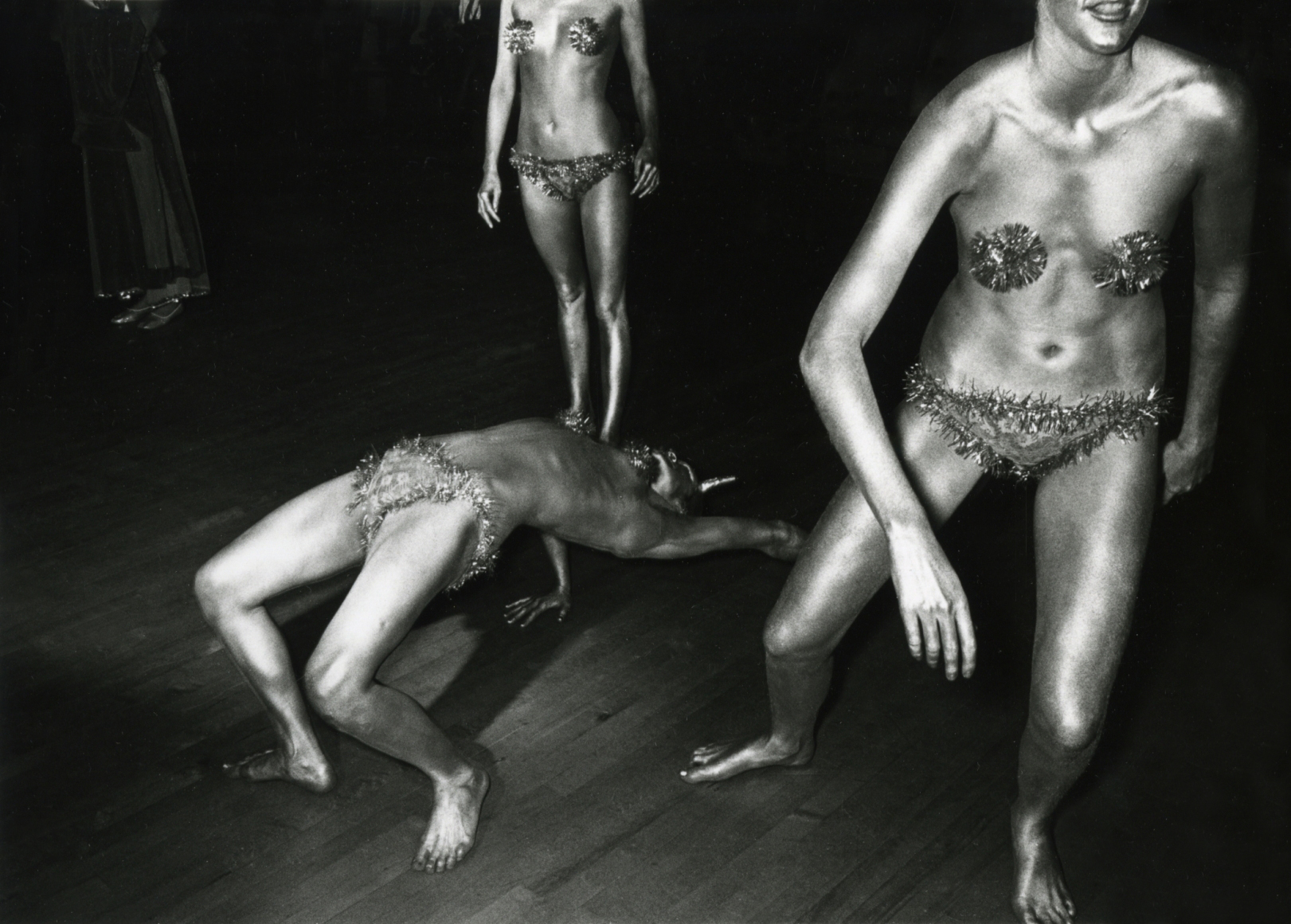
Ruth Maddison (Australian, b. 1945) From the series 'Let's Dance' 1979 (installation view)

Ruth Maddison (Australian, b. 1945) From the series 'Let's Dance' 1979 (installation view)


Ruth Maddison (Australian, b. 1945)
From the series Let’s Dance (installation views)
1979
Photos: Marcus Bunyan


Ruth Maddison photographed the social spaces that had been important to activist communities but which were in the process of passing away. These were mainly commissioned projects for labour and social movements, otherwise these histories would have been lost.

Dancing and entertainment were features of Ruth Maddison’s work throughout the 1980s. These photographs reflected Maddison’s own social life, which often revolved around Melbourne’s pubs and nightclubs. But there was also a classical documentary function to her photographs of trade union dances and the annual women’s dance at St Kilda Town Hall. These pictures reflected social spaces that had been important to activist communities, but which by the mid-1980s were in the process of passing away; as women’s groups began to fragment, and as the membership of labour organisations changed. The photograph shown here of the Vehicle Builders’ Union Ball at Collingwood Town Hall were part of a commission. Like many photographers in this exhibition (including Helen Grace, Sandy Edwards and Ponch Hawkes), political affiliation and professional practice often came together in commissioned projects for labour and social movements.

Text from the Monash Gallery of Art website
 

Ruth Maddison. 'Vehicle Builders' Union Ball, Collingwood Town Hall, Melbourne' 1979


Ruth Maddison (Australian, b. 1945)
Vehicle Builders’ Union Ball, Collingwood Town Hall, Melbourne
1979
Gelatin silver print


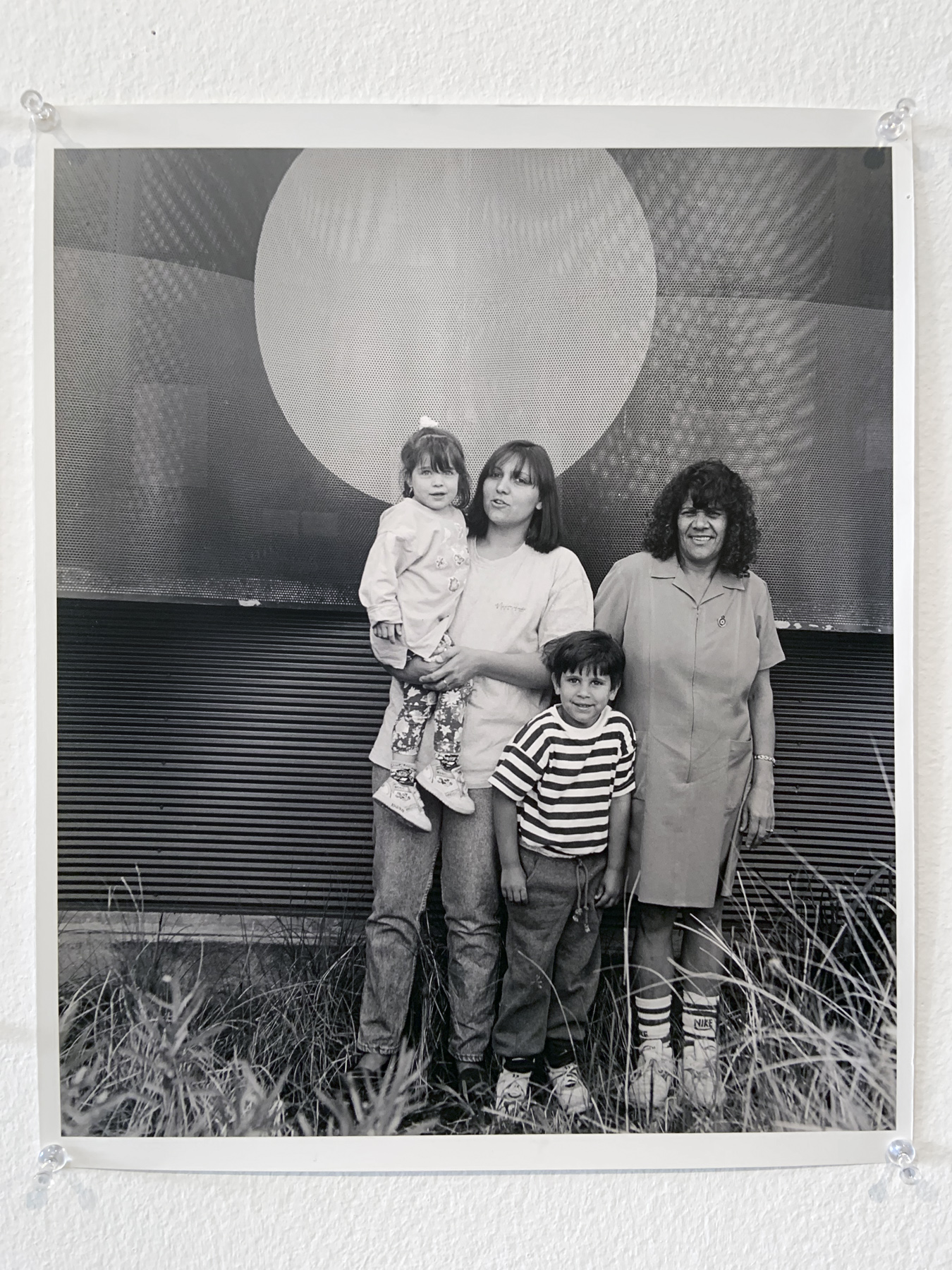
Ruth Maddison (Australian, b. 1945) 'Single Mothers and their Children' 1994 (installation view)


Installation view of a work from Ruth Maddison’s series Single Mothers and their Children 1994
Photo: Marcus Bunyan


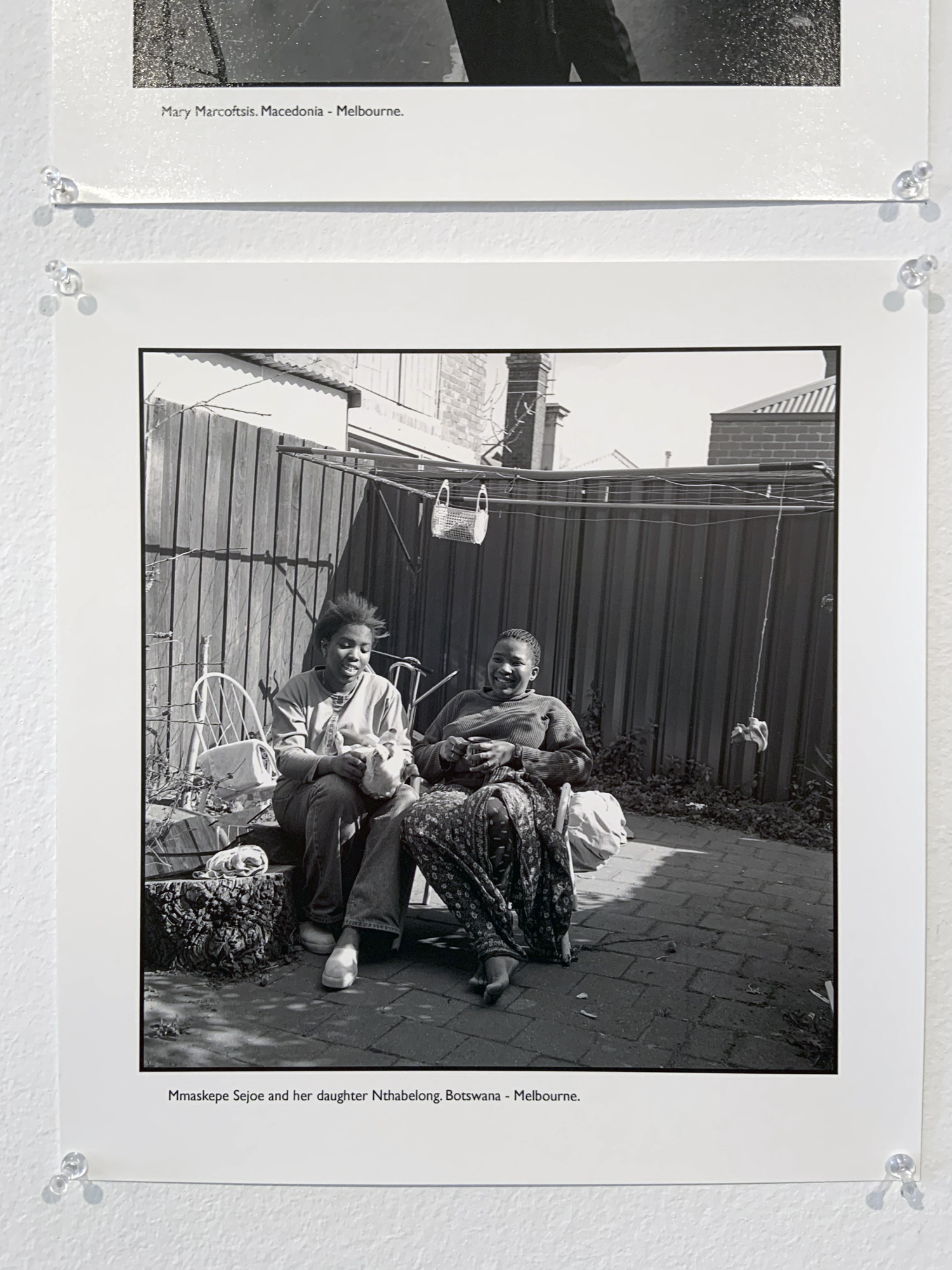
Ruth Maddison (Australian, b. 1945) 'Mmaskepe Sejoe and her daughter Nthabelong. Botswana - Melbourne' 1997 (installation view)


Ruth Maddison (Australian, b. 1945)
Mmaskepe Sejoe and her daughter Nthabelong. Botswana – Melbourne (installation view)
1997
From the series Australian Women
Photo: Marcus Bunyan


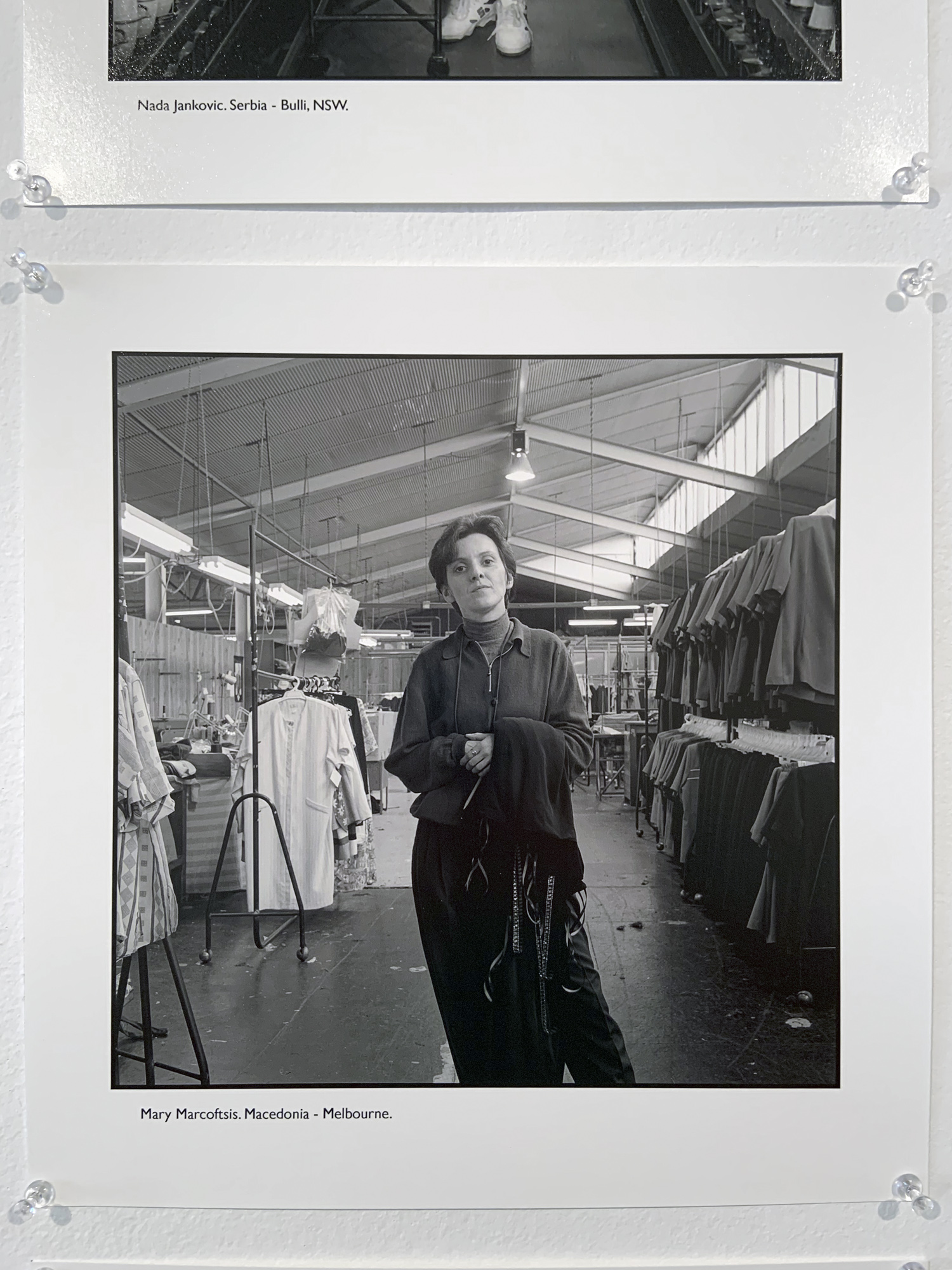
Ruth Maddison (Australian, b. 1945) 'Mary Marcoftsis. Macedonia – Melbourne' 1997 (installation view)


Ruth Maddison (Australian, b. 1945)
Mary Marcoftsis. Macedonia – Melbourne (installation view)
1997
From the series Australian Women
Photo: Marcus Bunyan


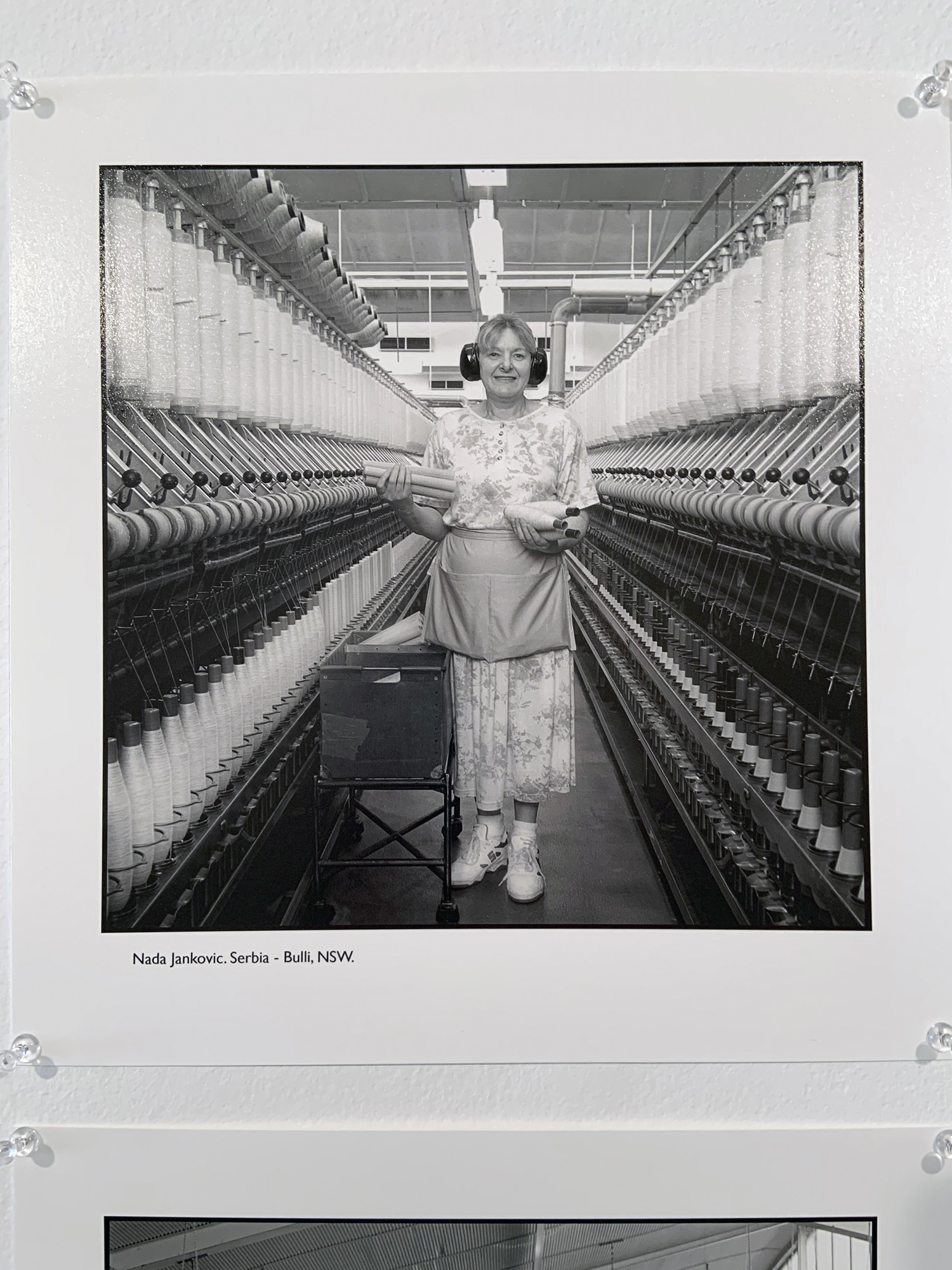
Ruth Maddison (Australian, b. 1945) 'Nada Jankovic. Serbia – Buli, NSW' 1997 (installation view)


Ruth Maddison (Australian, b. 1945)
Nada Jankovic. Serbia – Buli, NSW (installation view)
1997
From the series Australian Women
Photo: Marcus Bunyan


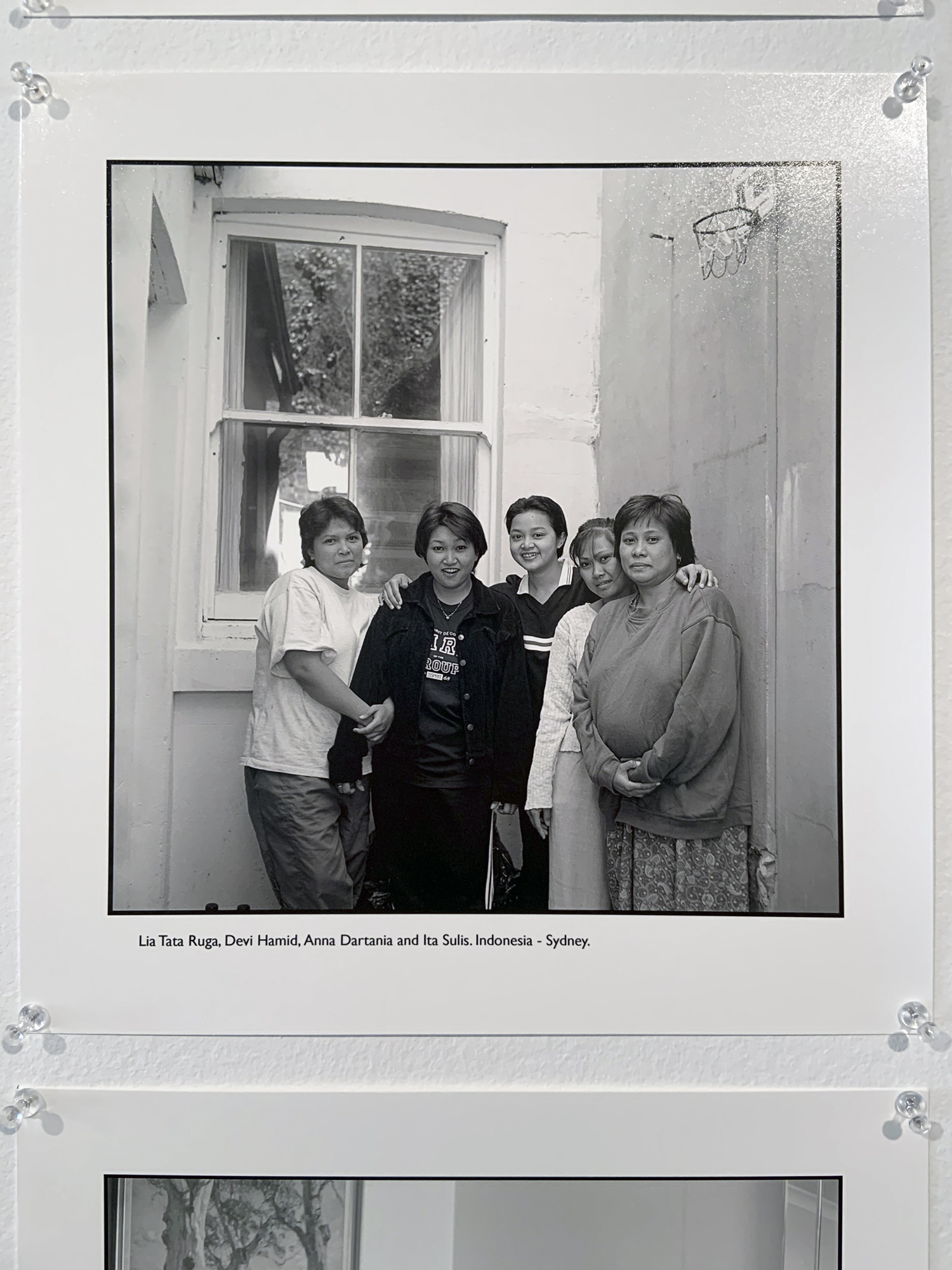
Ruth Maddison (Australian, b. 1945) 'Lia Tata Ruga, Devi Hamid, Anna Dartania and Ita Sulis. Indonesia – Sydney' 1997 (installation view)


Ruth Maddison (Australian, b. 1945)
Lia Tata Ruga, Devi Hamid, Anna Dartania and Ita Sulis. Indonesia – Sydney (installation view)
1997
From the series Australian Women
Photo: Marcus Bunyan


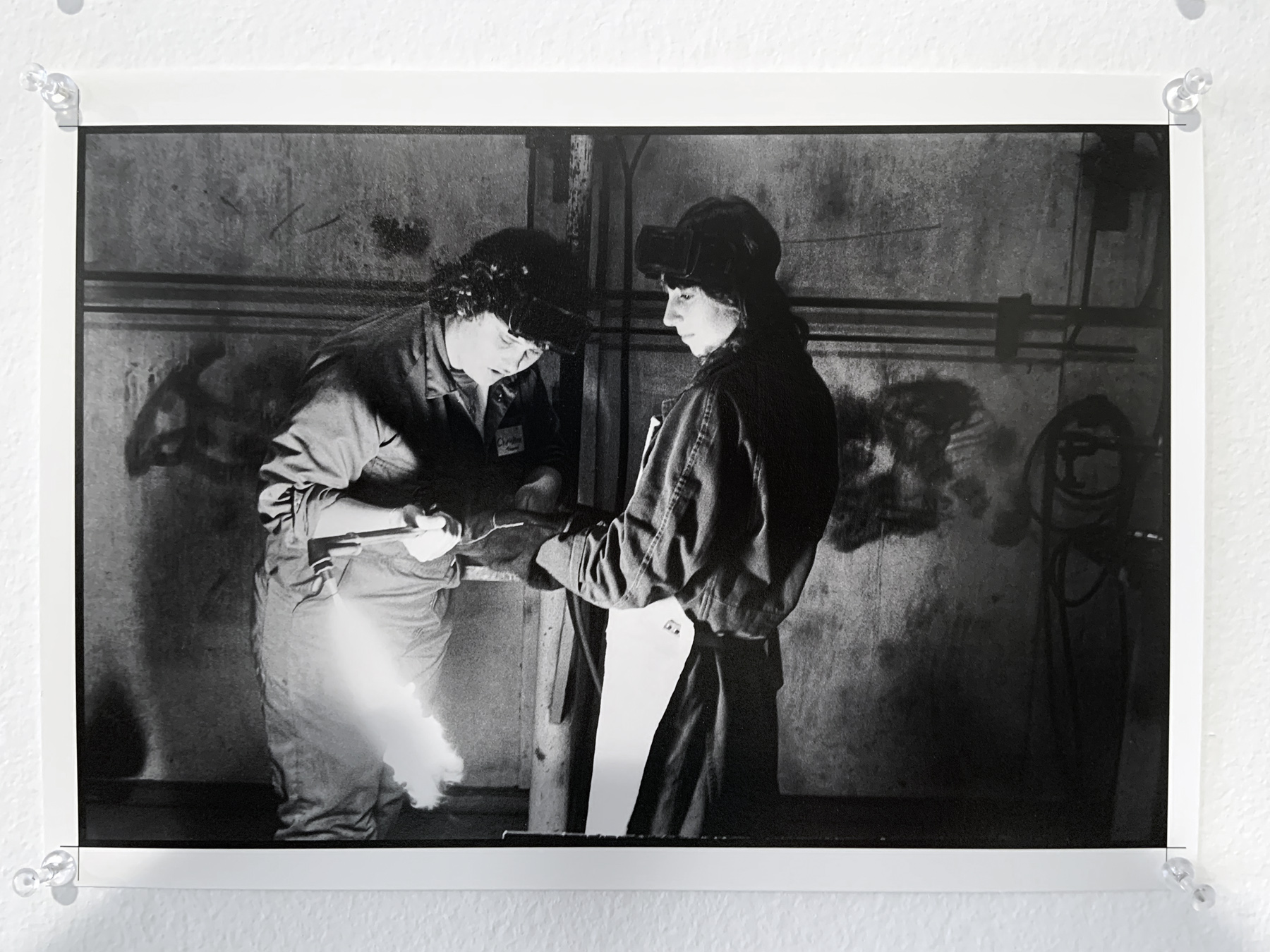
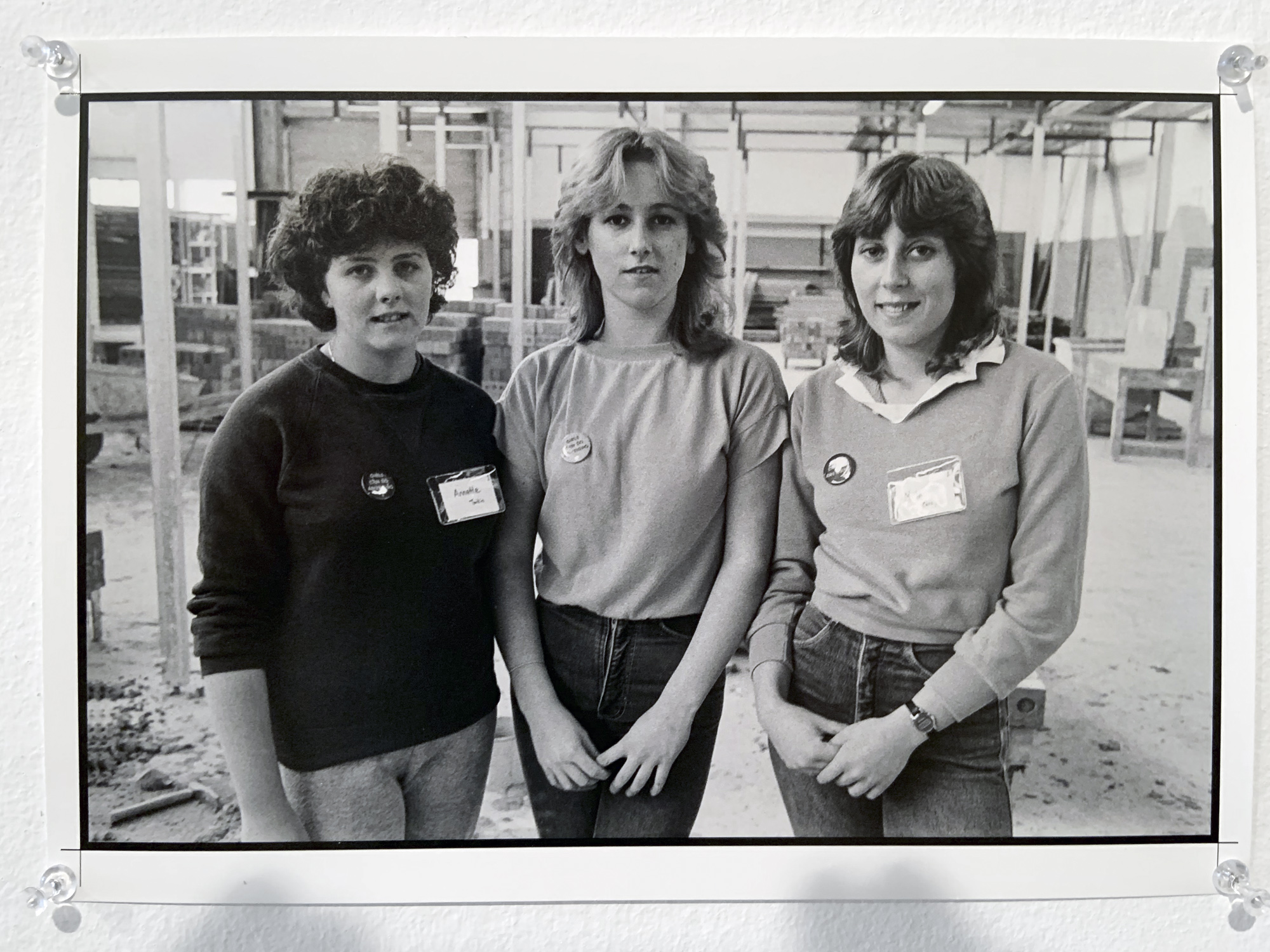
Ruth Maddison (Australian, b. 1945) 'Trade workshop for girls, Preston TAFE' 1984 (installation view)


Ruth Maddison (Australian, b. 1945)
Trade workshop for girls, Preston TAFE (installation view)
1984, printed 2020
Pigment print from scanned negative
18.6 x 28cm
Photo: Marcus Bunyan


Ruth Maddison (Australian, b. 1945) 'Trade workshop for girls, Preston TAFE' 1984 (installation view)


Ruth Maddison (Australian, b. 1945)
Trade workshop for girls, Preston TAFE (installation view)
1984, printed 2020
Pigment print from scanned negative
18.6 x 28cm
Photo: Marcus Bunyan


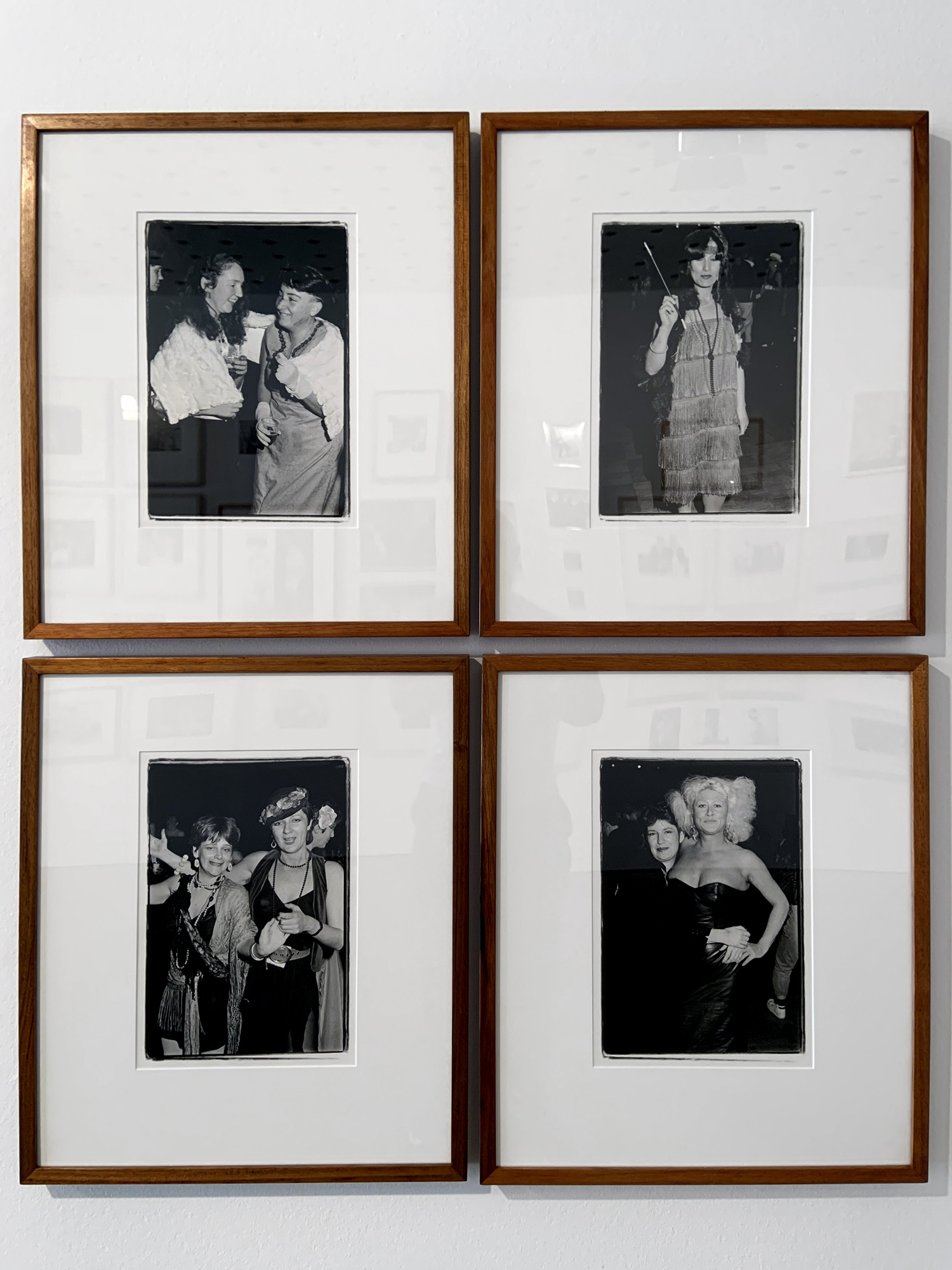
Ruth Maddison (Australian, b. 1945) 'Women's Dance, St Kilda Hall' 1985, printed 2014 (installation view)


Ruth Maddison (Australian, b. 1945)
Women’s Dance, St Kilda Hall (installation view)
1985, printed 2014
Gelatin silver prints


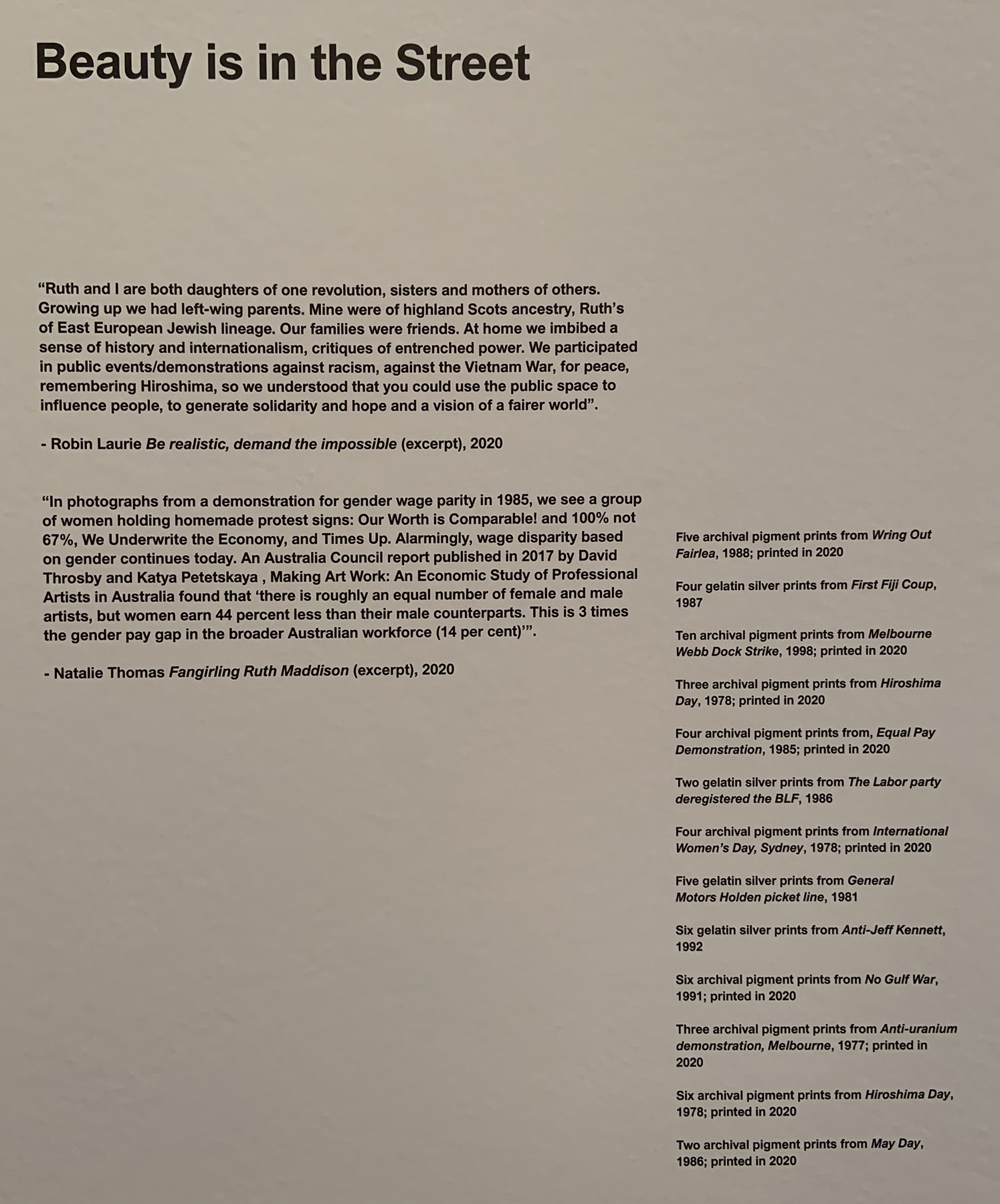
Text from the exhibition 'Ruth Maddison It was the best of times, it was the worst of times' at the Centre for Contemporary Photography, Melbourne


Installation view of the exhibition 'Ruth Maddison It was the best of times, it was the worst of times' at the Centre for Contemporary Photography, Melbourne

Installation view of the exhibition 'Ruth Maddison It was the best of times, it was the worst of times' at the Centre for Contemporary Photography, Melbourne

Installation view of the exhibition 'Ruth Maddison It was the best of times, it was the worst of times' at the Centre for Contemporary Photography, Melbourne


Installation views of the exhibition Ruth Maddison It was the best of times, it was the worst of times at the Centre for Contemporary Photography, Melbourne
Photos: Marcus Bunyan


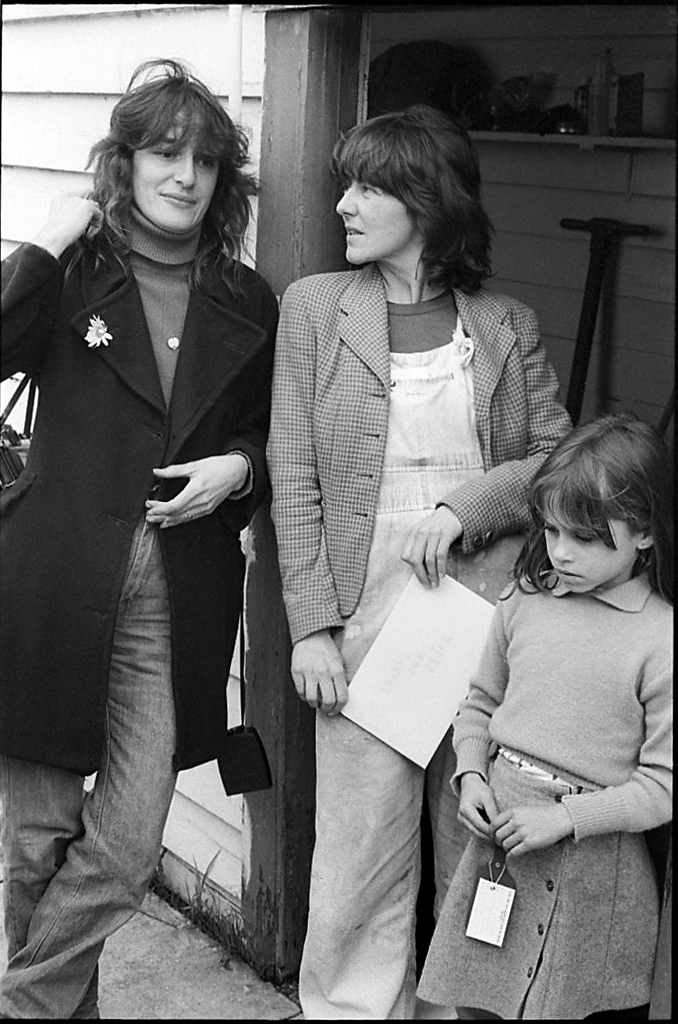
Ruth Maddison (Australian, b. 1945) 'Ponch Hawkes, Helen and Alice Garner' 1978-2018


Ruth Maddison (Australian, b. 1945)
Ponch Hawkes, Helen and Alice Garner
1978-2018
Pigment print from scanned negative
Image: 22.6 x 15cm
Courtesy of the artist and the Centre for Contemporary Photography


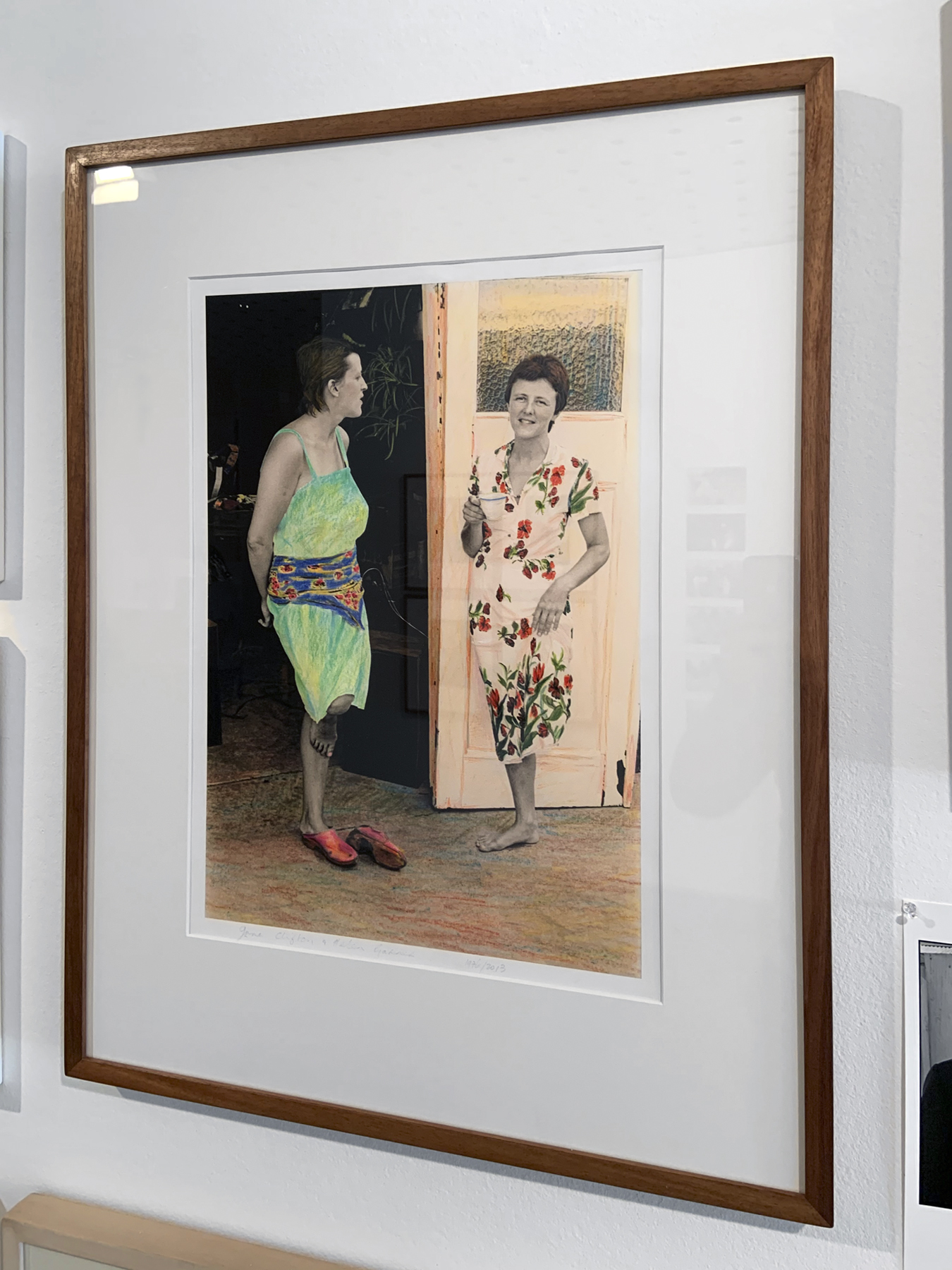
Ruth Maddison (Australian, b. 1945) 'Jane Clifton and Helen Garner' 1976-2013 (installation view)

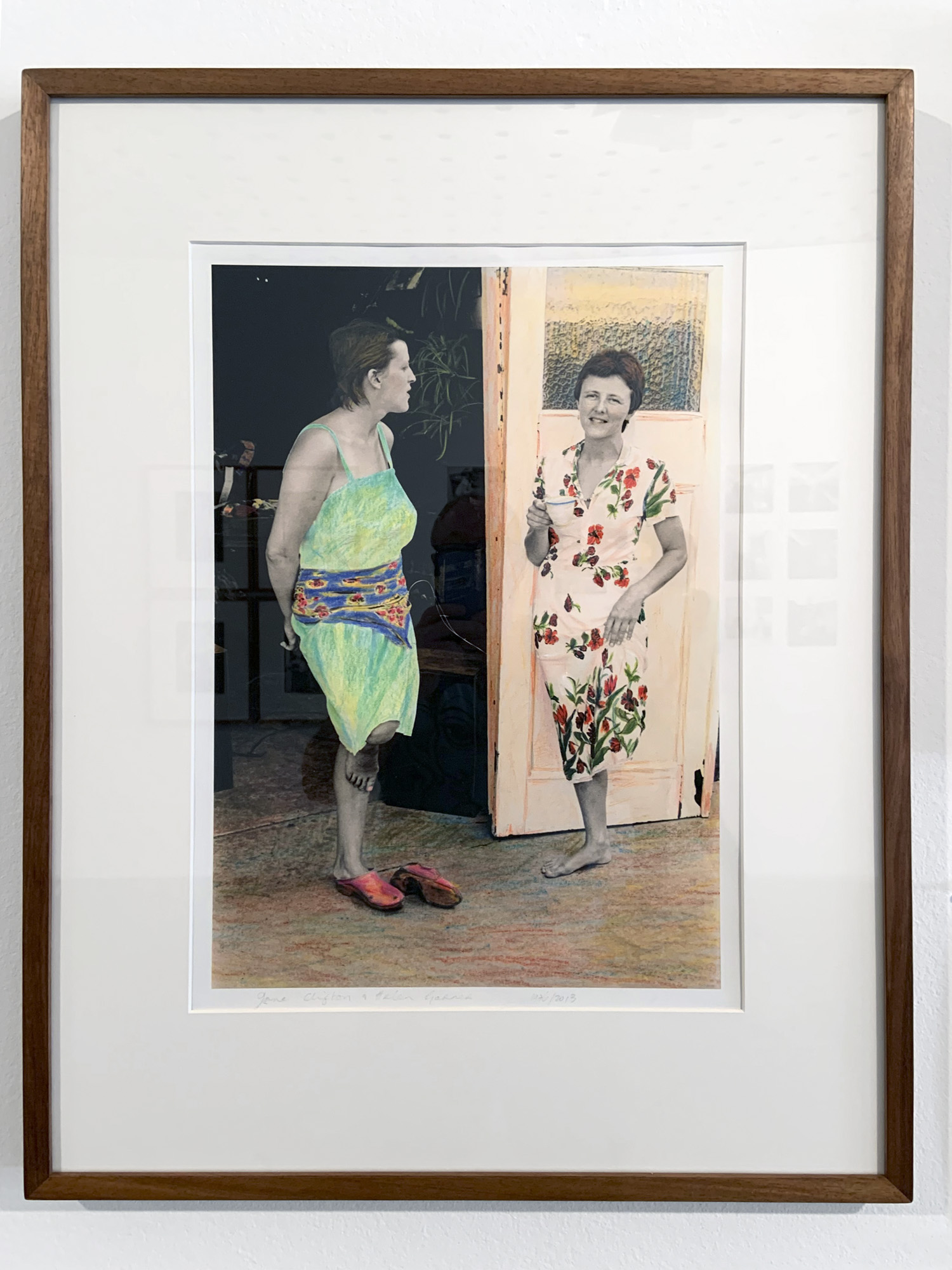
Ruth Maddison (Australian, b. 1945) 'Jane Clifton and Helen Garner' 1976-2013 (installation view)


Ruth Maddison (Australian, b. 1945)
Jane Clifton and Helen Garner (installation views)
1976-2013
Photos: Marcus Bunyan


Text from the exhibition 'Ruth Maddison It was the best of times, it was the worst of times' at the Centre for Contemporary Photography, Melbourne


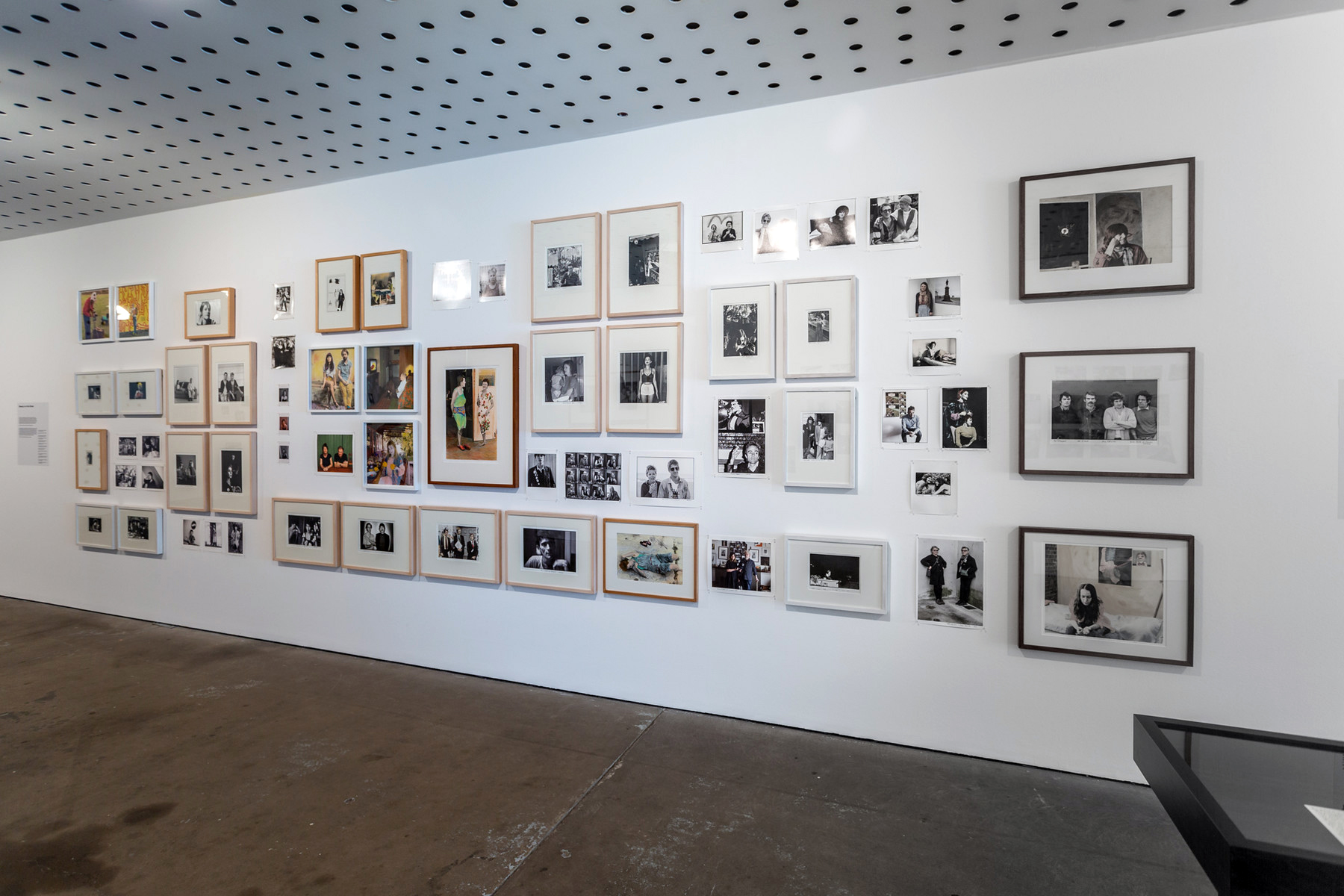
Installation view of the exhibition 'Ruth Maddison It was the best of times, it was the worst of times' at the Centre for Contemporary Photography, Melbourne


Installation view in gallery one of the exhibition Ruth Maddison It was the best of times, it was the worst of times at the Centre for Contemporary Photography, Melbourne
Photo: Marcus Bunyan


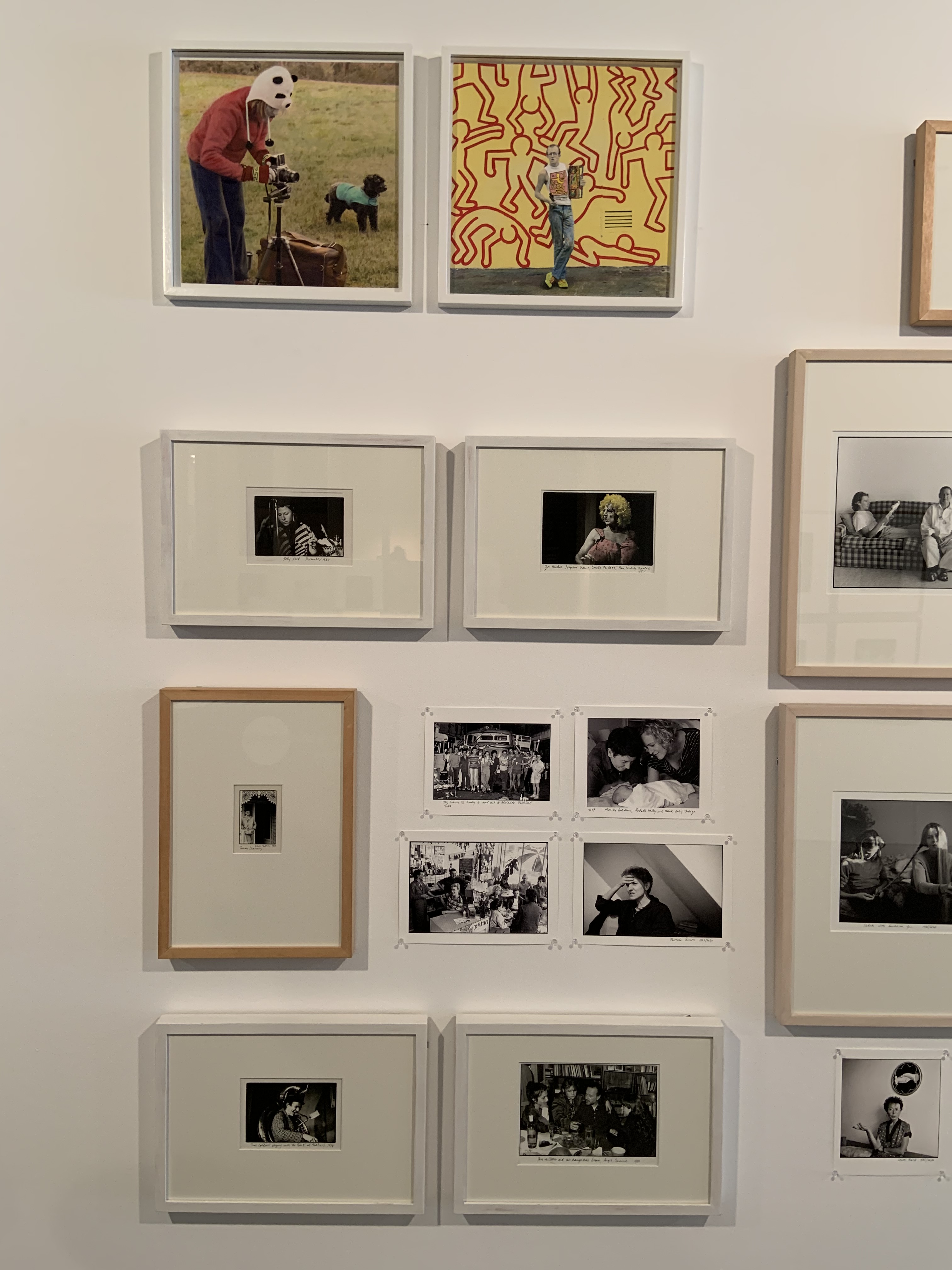
Installation view of the exhibition 'Ruth Maddison It was the best of times, it was the worst of times' at the Centre for Contemporary Photography, Melbourne showing at second top left, 'Keith Haring' (1985-2014)


Installation view of the exhibition Ruth Maddison It was the best of times, it was the worst of times at the Centre for Contemporary Photography, Melbourne showing at second top left, Keith Haring (1985-2014)
Photo: Marcus Bunyan


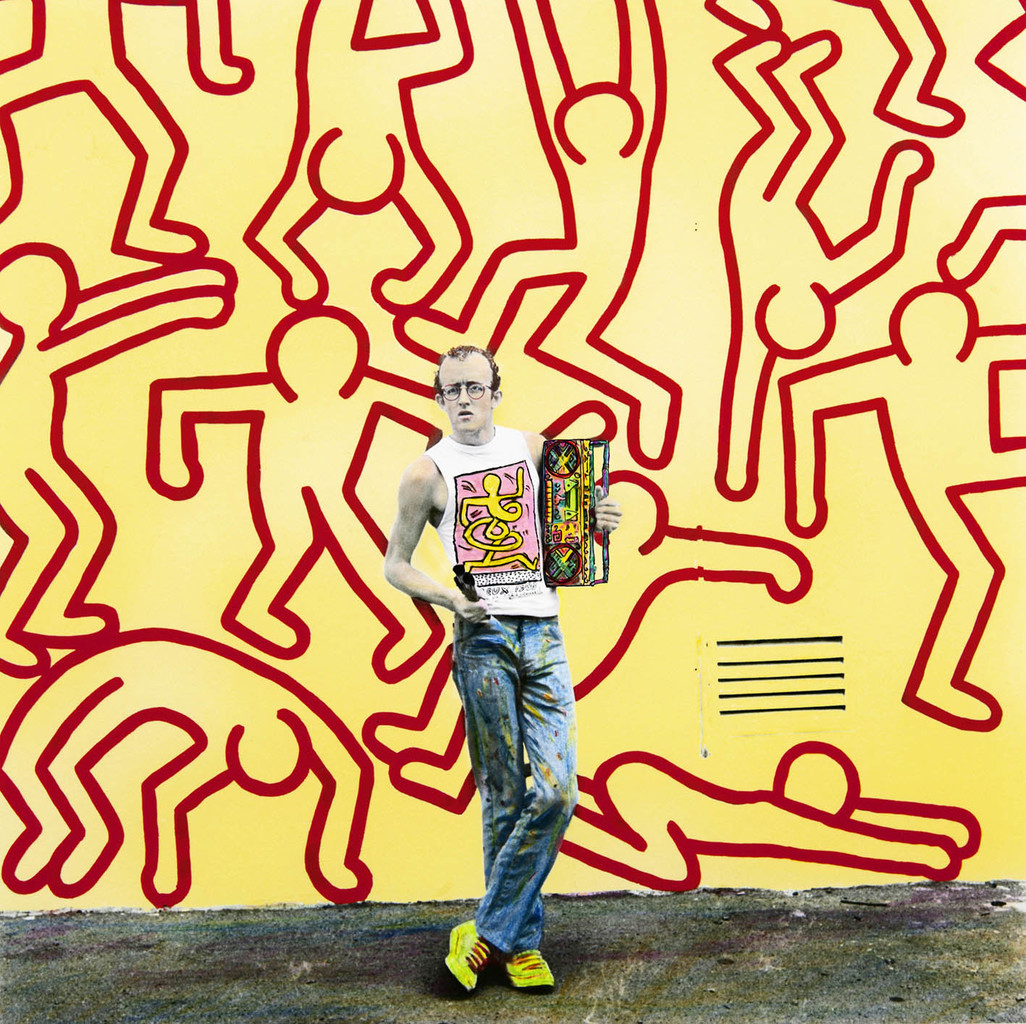
Ruth Maddison (Australian, b. 1945) 'Keith Haring' 1985-2014


Ruth Maddison (Australian, b. 1945)
Keith Haring
1985-2014
Pigment print from scanned negative, hand-coloured and digitally enhanced
40 x 40cm
Courtesy of the artist and the Centre for Contemporary Photography


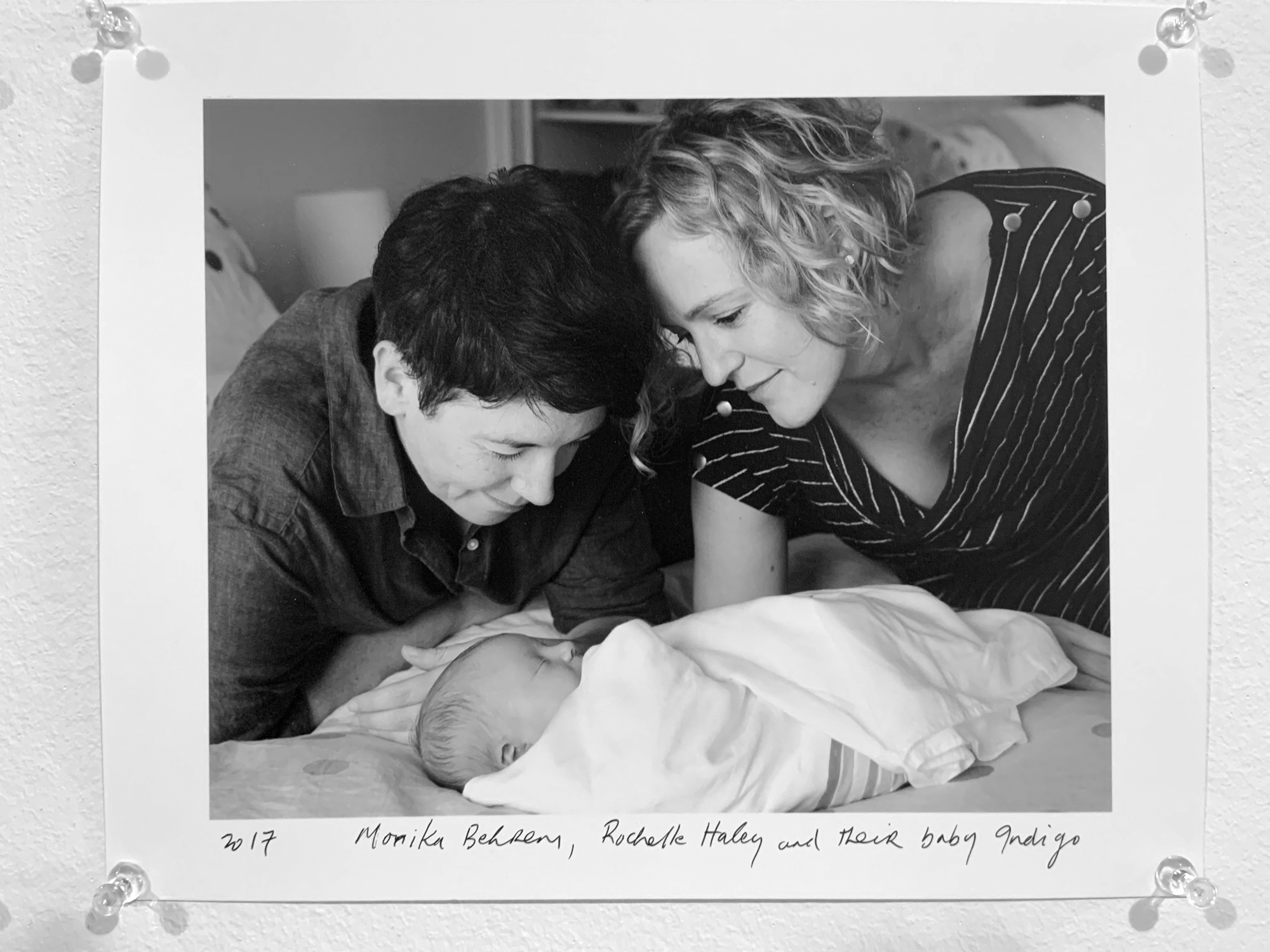
Ruth Maddison (Australian, b. 1945) 'Monika Behrem, Rochelle Haley and their baby Indigo' 2017 (installation view)


Ruth Maddison (Australian, b. 1945)
Monika Behrem, Rochelle Haley and their baby Indigo (installation view)
2017
Photo: Marcus Bunyan


Installation view of the exhibition 'Ruth Maddison It was the best of times, it was the worst of times' at the Centre for Contemporary Photography, Melbourne

Installation view of the exhibition 'Ruth Maddison It was the best of times, it was the worst of times' at the Centre for Contemporary Photography, Melbourne

Installation view of the exhibition 'Ruth Maddison It was the best of times, it was the worst of times' at the Centre for Contemporary Photography, Melbourne

Installation view of the exhibition 'Ruth Maddison It was the best of times, it was the worst of times' at the Centre for Contemporary Photography, Melbourne


Installation views of the exhibition Ruth Maddison It was the best of times, it was the worst of times at the Centre for Contemporary Photography, Melbourne
Photos: Marcus Bunyan


Ruth Maddison (Australian, b. 1945) 'Equal pay demo, Bourke Street Melbourne' 1985 (installation view)


Ruth Maddison (Australian, b. 1945)
Equal pay demo, Bourke Street Melbourne (installation view)
1985
Photo: Marcus Bunyan


Installation view of the exhibition 'Ruth Maddison It was the best of times, it was the worst of times' at the Centre for Contemporary Photography, Melbourne

Installation view of the exhibition 'Ruth Maddison It was the best of times, it was the worst of times' at the Centre for Contemporary Photography, Melbourne

Installation view of the exhibition 'Ruth Maddison It was the best of times, it was the worst of times' at the Centre for Contemporary Photography, Melbourne

Installation view of the exhibition 'Ruth Maddison It was the best of times, it was the worst of times' at the Centre for Contemporary Photography, Melbourne

Installation view of the exhibition 'Ruth Maddison It was the best of times, it was the worst of times' at the Centre for Contemporary Photography, Melbourne

Installation view of the exhibition 'Ruth Maddison It was the best of times, it was the worst of times' at the Centre for Contemporary Photography, Melbourne


Installation view of the exhibition Ruth Maddison It was the best of times, it was the worst of times at the Centre for Contemporary Photography, Melbourne
Photos: Marcus Bunyan


Gallery two


Text from the exhibition 'Ruth Maddison It was the best of times, it was the worst of times' at the Centre for Contemporary Photography, Melbourne


Installation view of the exhibition 'Ruth Maddison It was the best of times, it was the worst of times' at the Centre for Contemporary Photography, Melbourne

Installation view of the exhibition 'Ruth Maddison It was the best of times, it was the worst of times' at the Centre for Contemporary Photography, Melbourne


Installation views in gallery two of the exhibition Ruth Maddison It was the best of times, it was the worst of times at the Centre for Contemporary Photography, Melbourne
Photos: Marcus Bunyan


Installation view of the exhibition 'Ruth Maddison It was the best of times, it was the worst of times' at the Centre for Contemporary Photography, Melbourne

Installation view of the exhibition 'Ruth Maddison It was the best of times, it was the worst of times' at the Centre for Contemporary Photography, Melbourne

Installation view of the exhibition 'Ruth Maddison It was the best of times, it was the worst of times' at the Centre for Contemporary Photography, Melbourne

Installation view of the exhibition 'Ruth Maddison It was the best of times, it was the worst of times' at the Centre for Contemporary Photography, Melbourne

Installation view of the exhibition 'Ruth Maddison It was the best of times, it was the worst of times' at the Centre for Contemporary Photography, Melbourne

Installation view of the exhibition 'Ruth Maddison It was the best of times, it was the worst of times' at the Centre for Contemporary Photography, Melbourne

Installation view of the exhibition 'Ruth Maddison It was the best of times, it was the worst of times' at the Centre for Contemporary Photography, Melbourne


Installation views of the exhibition Ruth Maddison It was the best of times, it was the worst of times at the Centre for Contemporary Photography, Melbourne
Photos: Marcus Bunyan


Text from the exhibition 'Ruth Maddison It was the best of times, it was the worst of times' at the Centre for Contemporary Photography, Melbourne


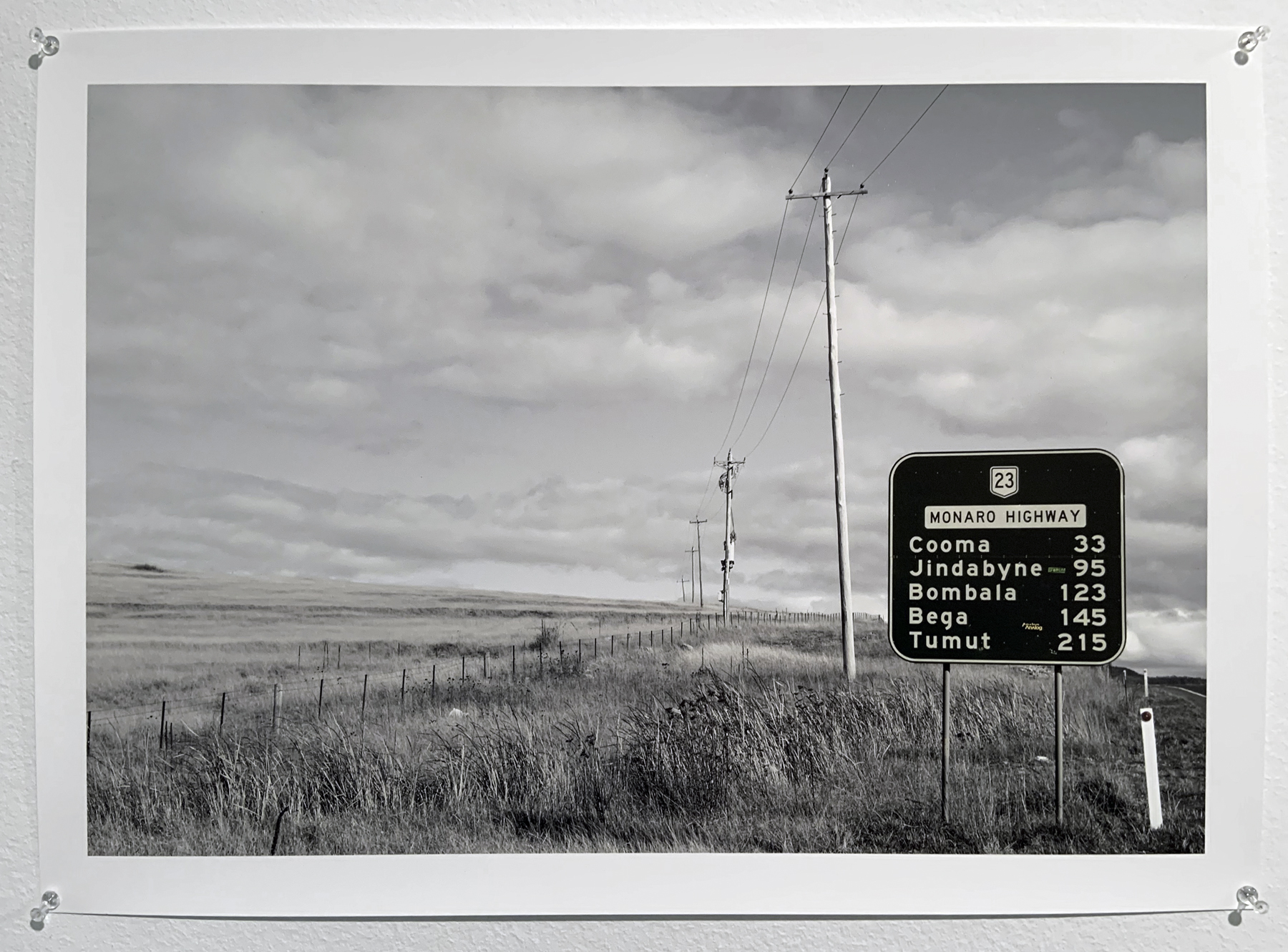
Ruth Maddison (Australian, b. 1945) 'Highway 23' 2009 (installation view)


Ruth Maddison (Australian, b. 1945)
Highway 23 (installation view)
2009
Type C print from digital file
Photo: Marcus Bunyan


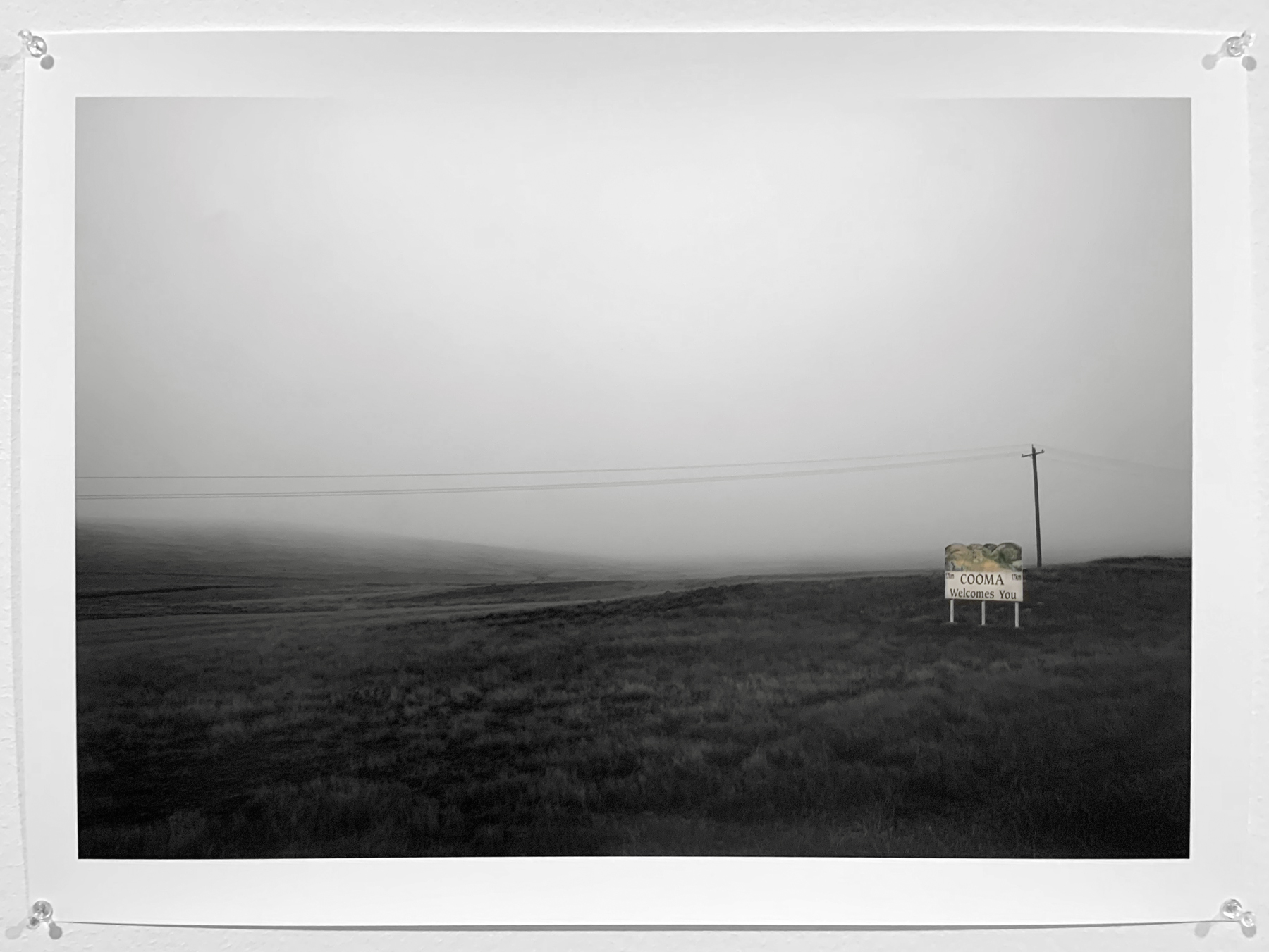
Installation view showing work from the series 'Crossing the Monaro' (2009) in the exhibition 'Ruth Maddison It was the best of times, it was the worst of times' at the Centre for Contemporary Photography, Melbourne

Installation view showing work from the series 'Crossing the Monaro' (2009) in the exhibition 'Ruth Maddison It was the best of times, it was the worst of times' at the Centre for Contemporary Photography, Melbourne

Installation view showing work from the series 'Crossing the Monaro' (2009) in the exhibition 'Ruth Maddison It was the best of times, it was the worst of times' at the Centre for Contemporary Photography, Melbourne


Installation views showing work from the series Crossing the Monaro (2009) in the exhibition Ruth Maddison It was the best of times, it was the worst of times at the Centre for Contemporary Photography, Melbourne
Photos: Marcus Bunyan


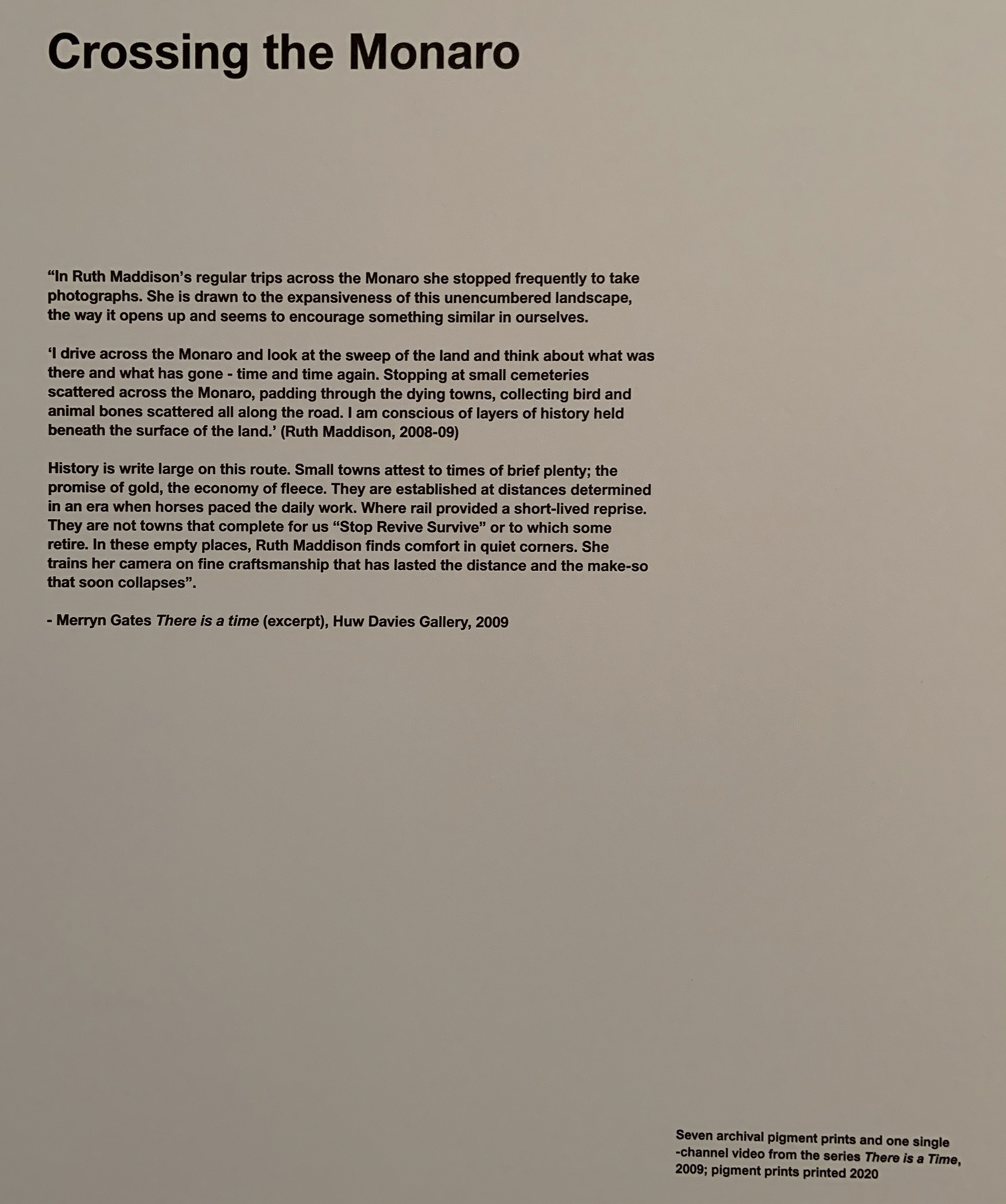
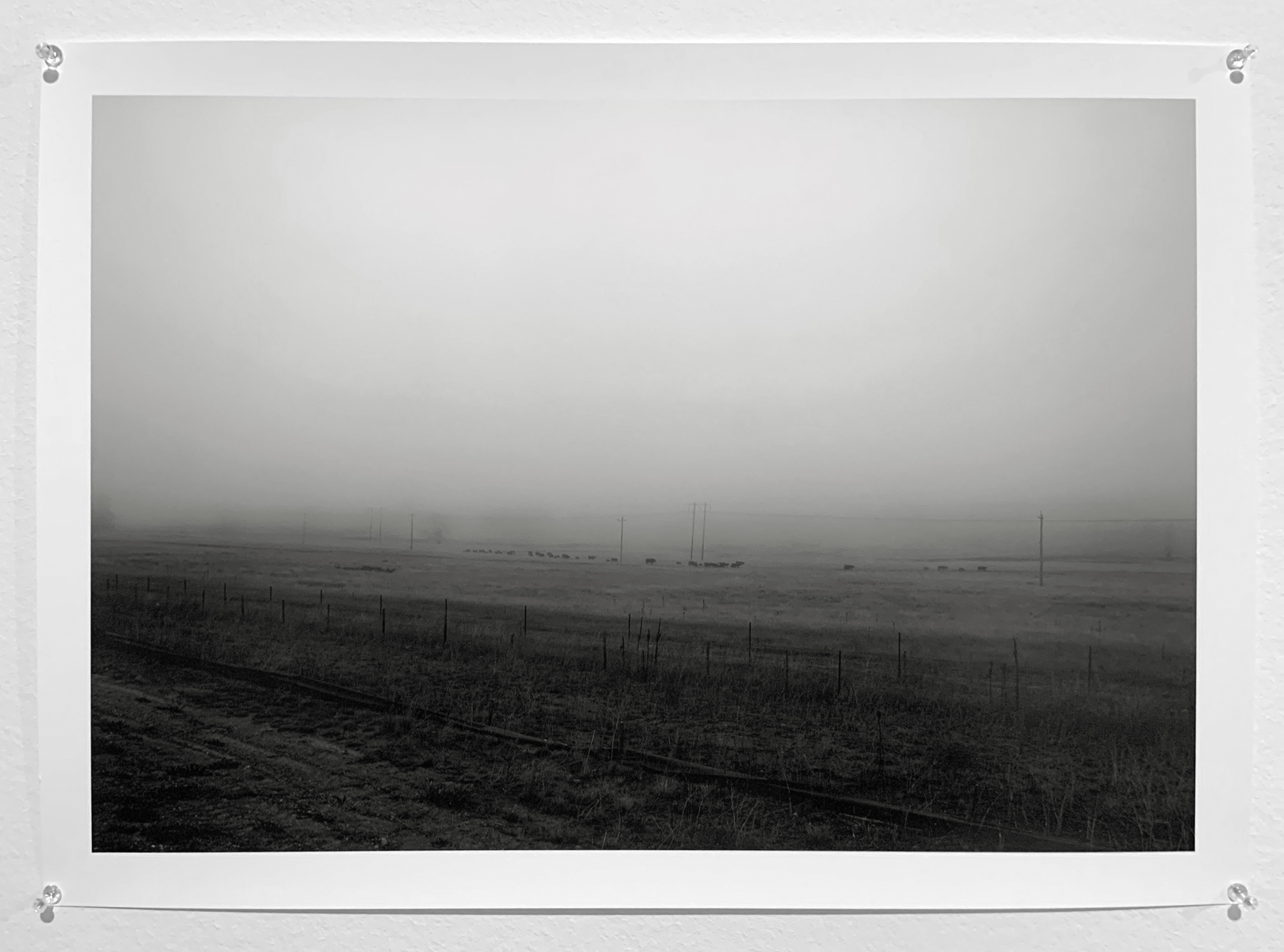
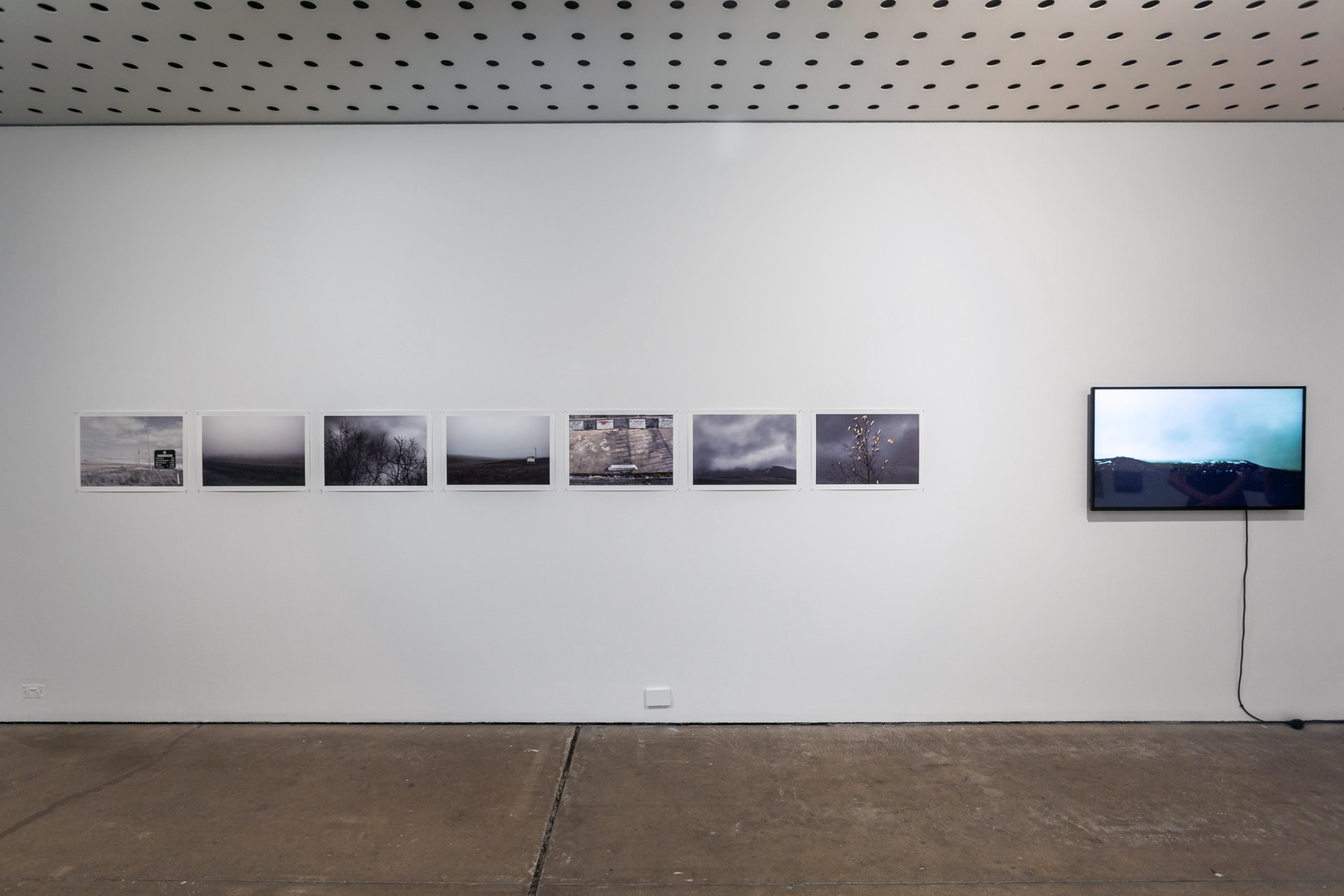
In Ruth Maddison’s regular trips across the Monaro she stopped frequently to take photographs. She is drawn to the expansiveness of this unencumbered landscape, the way it opens up and seems to encourage something similar in ourselves.

“I drive across the Monaro and look at the sweep of the land and think about what was there and what has gone – time and time again. Stopping at small cemeteries scattered across the Monaro, passing through the dying towns, collecting bird and animal bones scattered all along the way, watching grass seeds blowing across the road. I am conscious of layers of history held beneath the surface of the land. …

History is writ large on this route. Small towns attest to times of brief plenty: the promise of gold, the economy of fleece. They are established at distances determined in an era when horses paced the daily work. Where rail provided a short-lived reprise. They are now towns that compete for use to “Stop Revive Survive” or to which some retire…

This new body of work is a departure from the people-focused documentary / portrait based work that has informed my public practice for 30 years. This departure is the outcome of my social and professional isolation [in Eden], which I sought and have embraced. Yet I consider this work a documentary piece – I am documenting the passage of my life through a place and a time via photography and the problem solving processes it presents to me. I am documenting what it is that makes me want to go on and on with the work.”

Ruth Maddison artist statements 2008-09 quoted in Merryn Gates. “There is a time,” (catalogue essay) from the exhibition There is a time at the Huw Davies Gallery, September 2009 [Online] Cited 05/04/2021


Text from the exhibition 'Ruth Maddison It was the best of times, it was the worst of times' at the Centre for Contemporary Photography, Melbourne


Installation view of the exhibition 'Ruth Maddison It was the best of times, it was the worst of times' at the Centre for Contemporary Photography, Melbourne


Installation view in gallery two of the exhibition Ruth Maddison It was the best of times, it was the worst of times at the Centre for Contemporary Photography, Melbourne
Photo: Marcus Bunyan


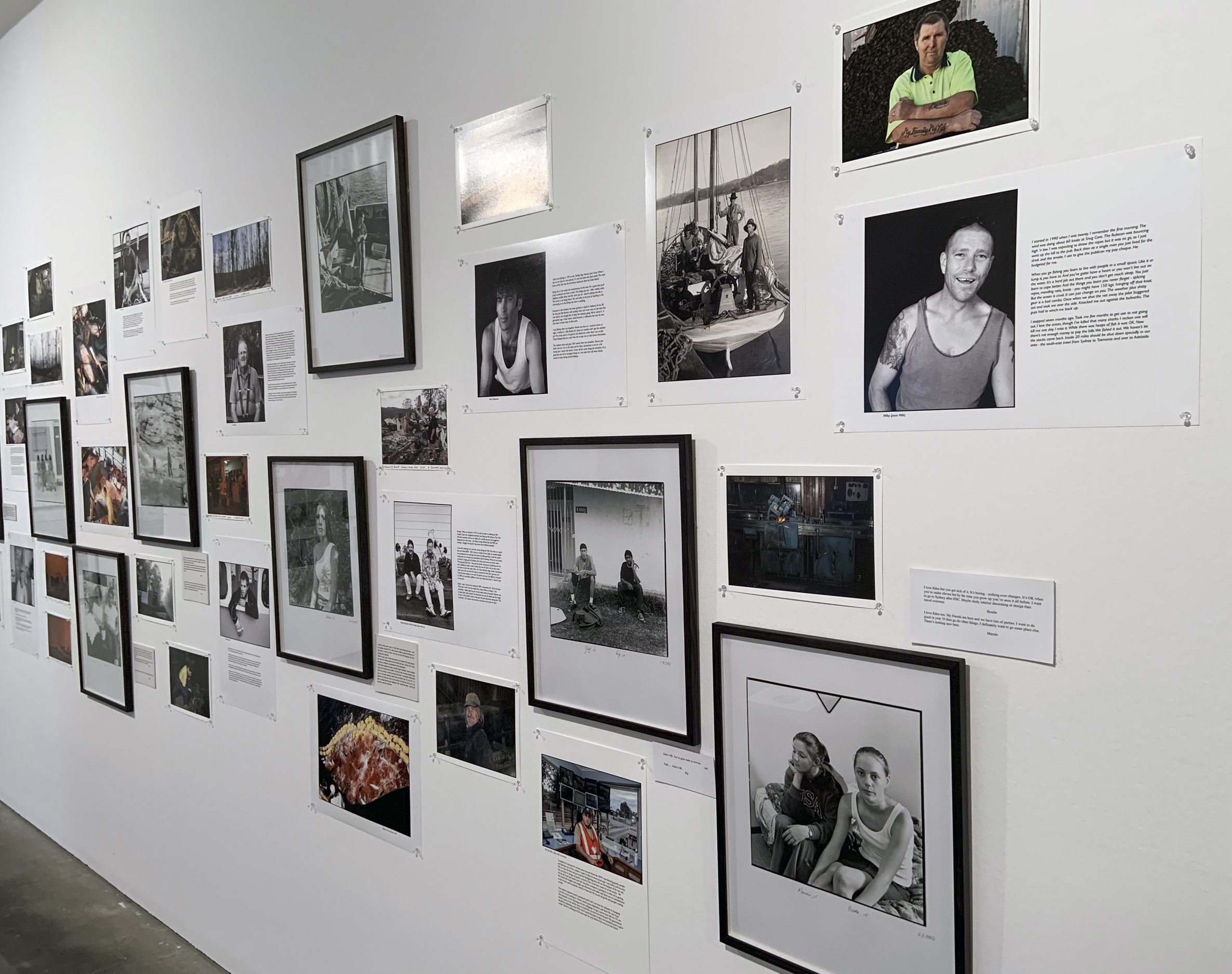
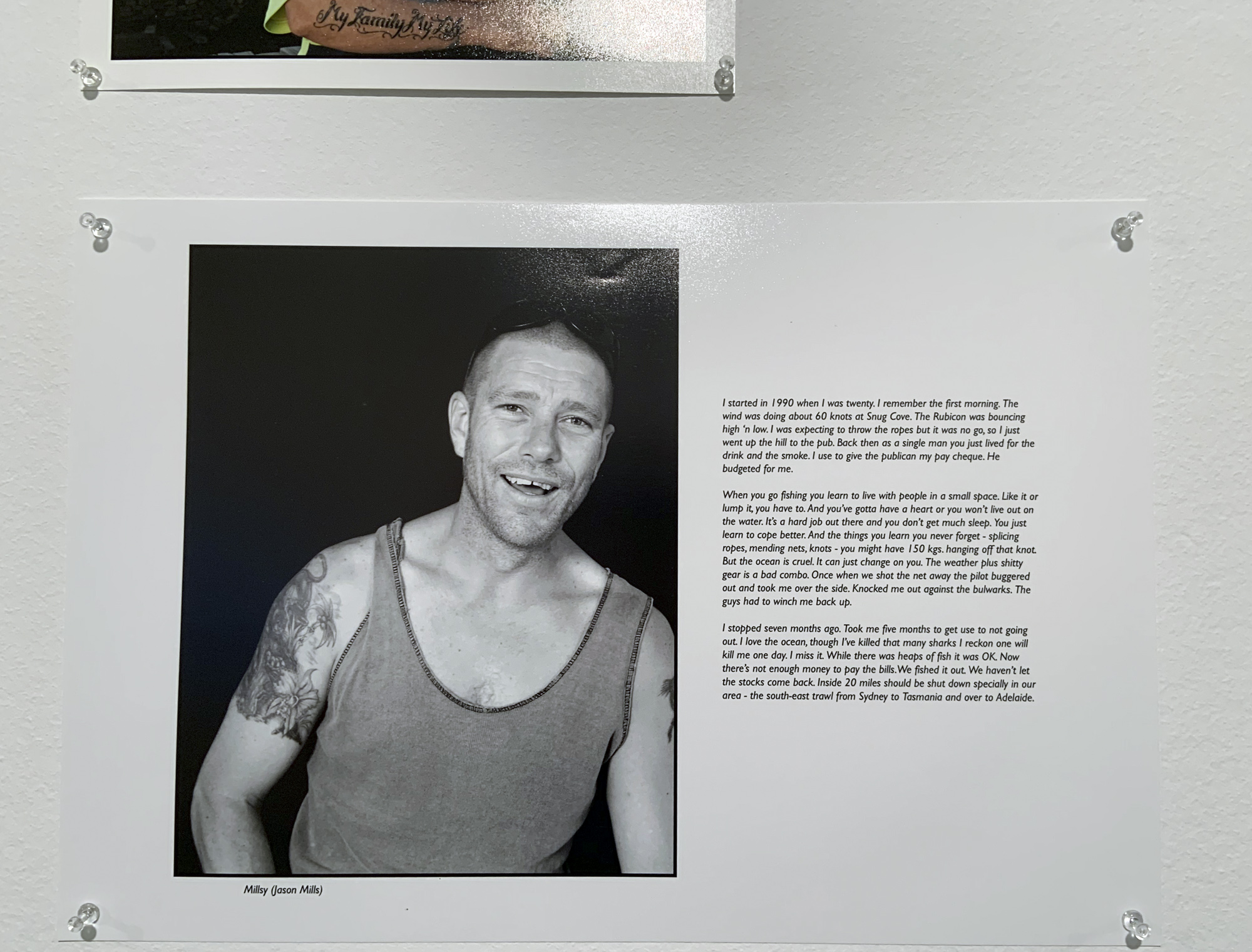
Ruth Maddison (Australian, b. 1945) 'Millsy (Jason Mills)' 2000-2002 (installation view)


Ruth Maddison (Australian, b. 1945)
Millsy (Jason Mills) (installation view)
2000-2002
From the series Now a river went out of Eden
Photo: Marcus Bunyan


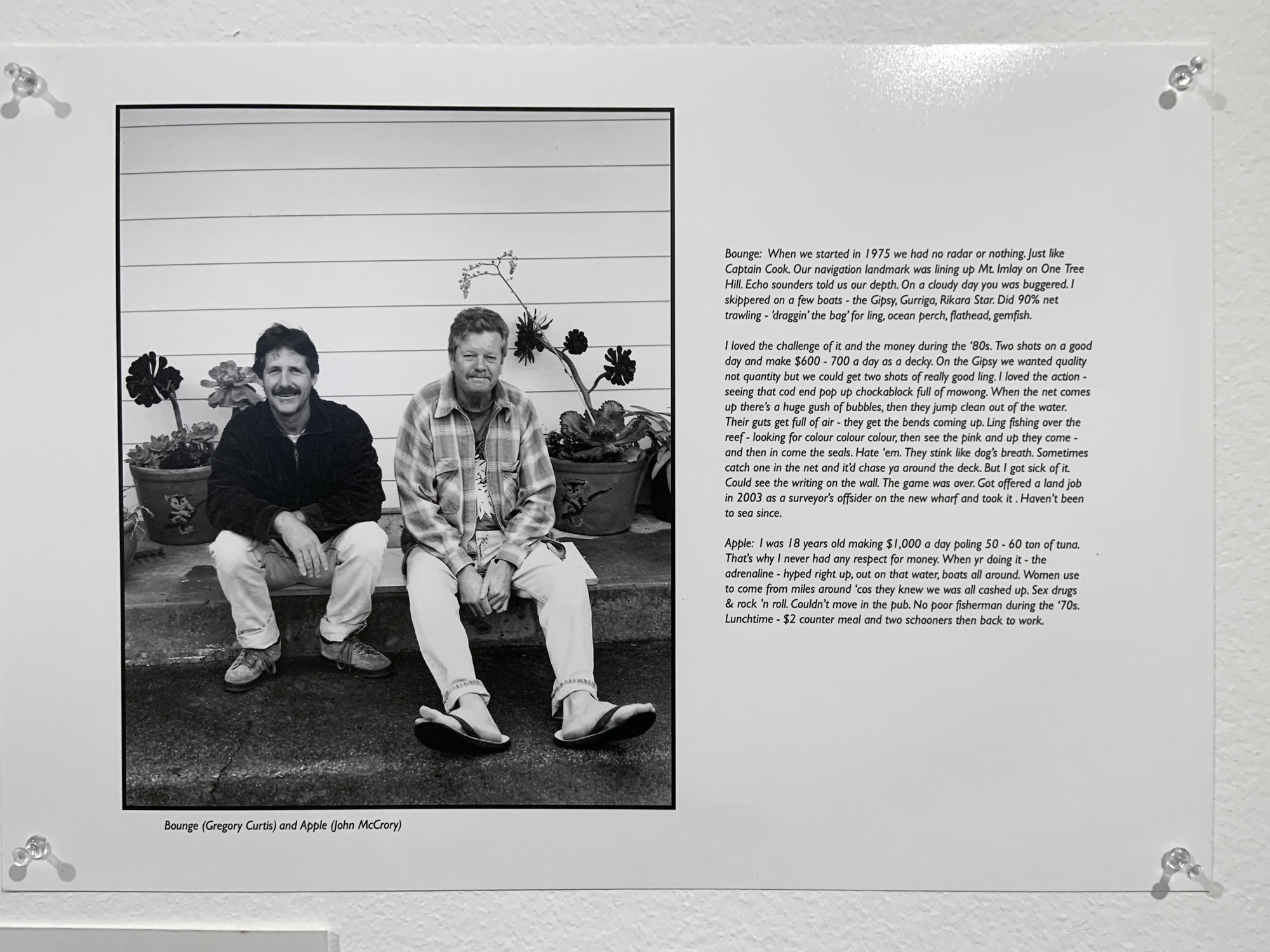
Ruth Maddison (Australian, b. 1945) 'Bounge (Gregory Curtis) and Apple (John McCrory)' 2000-2002 (installation view)


Ruth Maddison (Australian, b. 1945)
Bounge (Gregory Curtis) and Apple (John McCrory) (installation view)
2000-2002
From the series Now a river went out of Eden
Photo: Marcus Bunyan


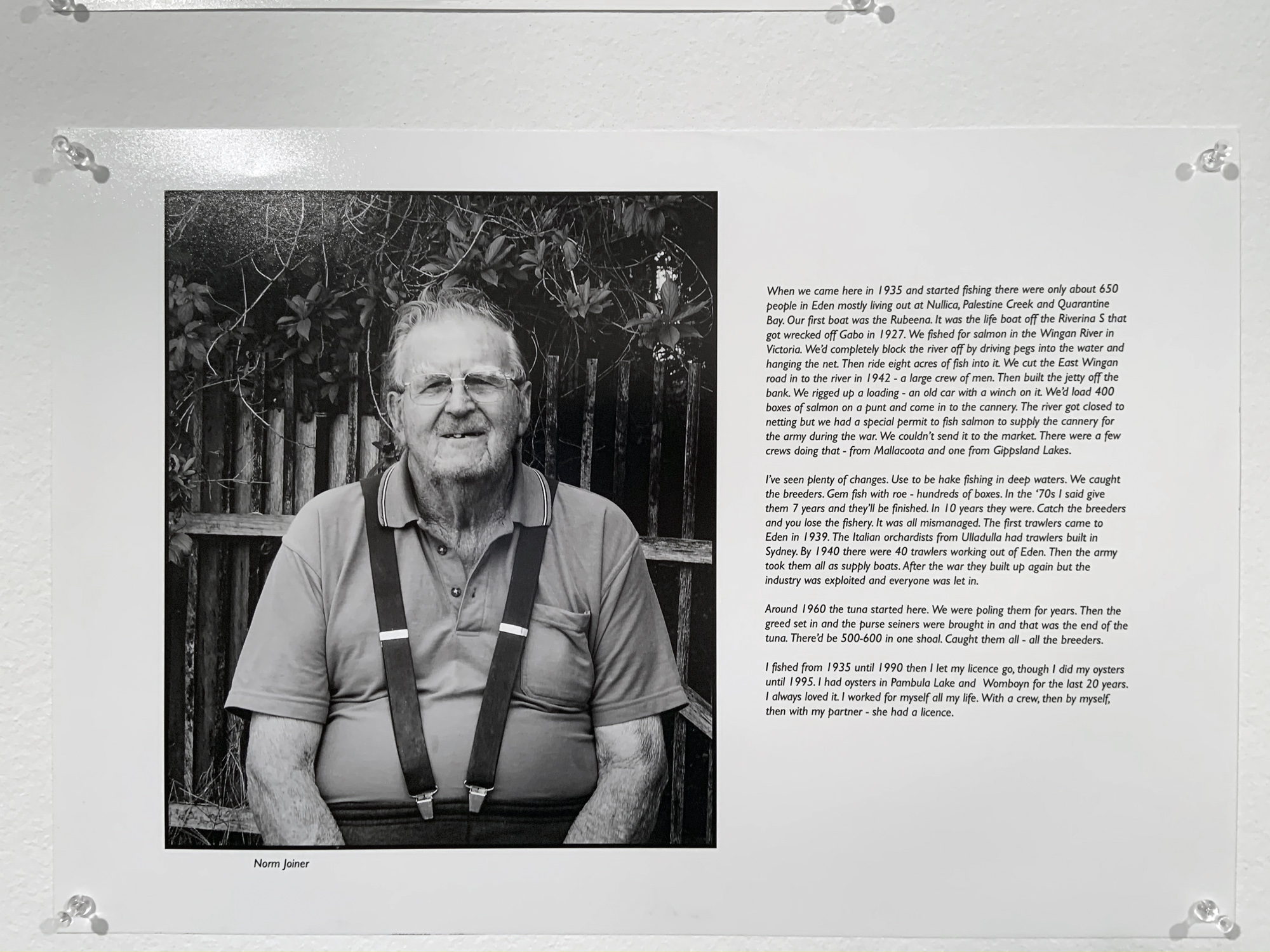
Ruth Maddison (Australian, b. 1945) 'Norm Joiner' 2000-2002 (installation view)


Ruth Maddison (Australian, b. 1945)
Norm Joiner (installation view)
2000-2002
From the series Now a river went out of Eden
Photo: Marcus Bunyan


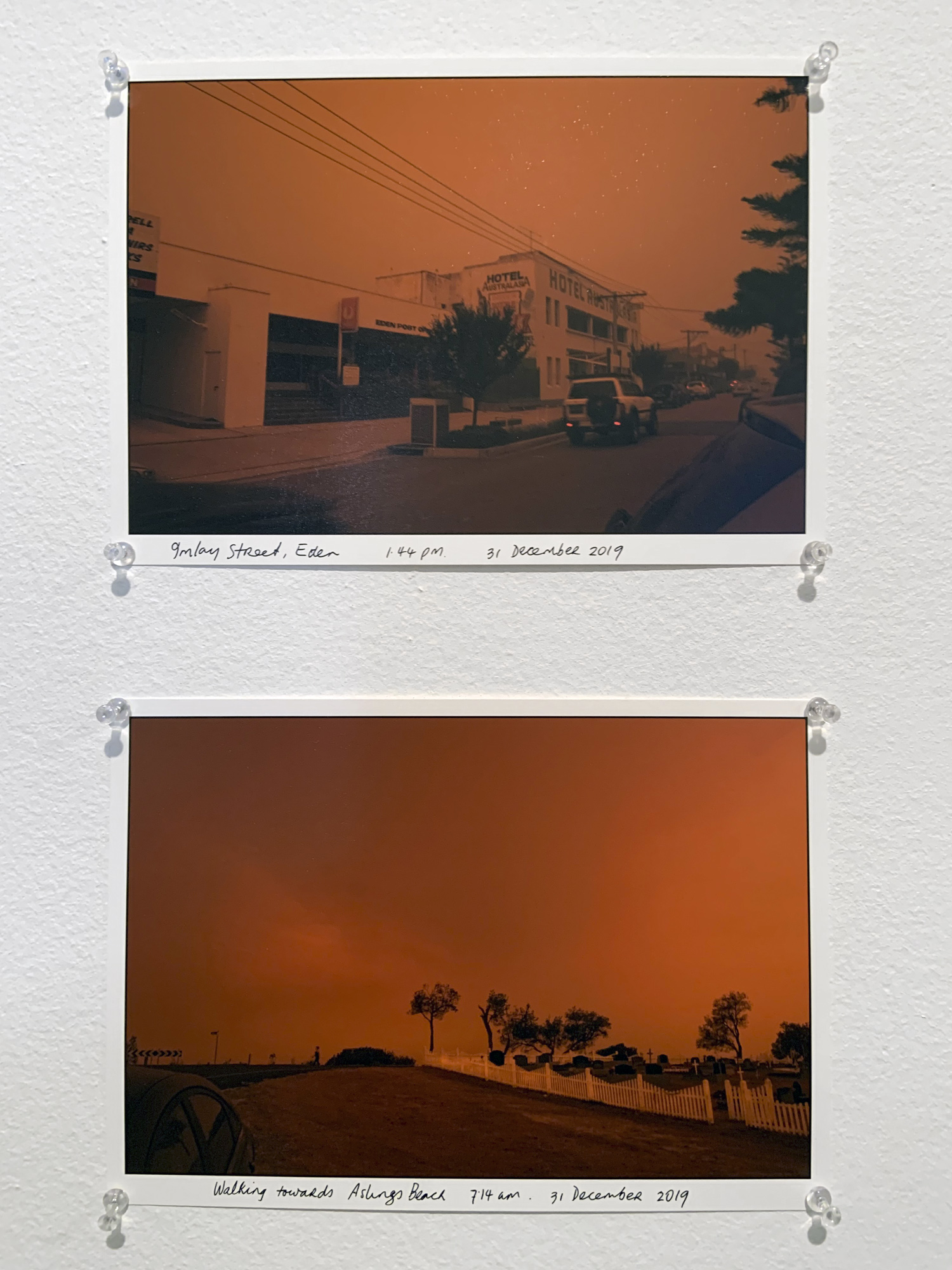
Ruth Maddison (Australian, b. 1945) 'Imlay Street, Eden 1.44 pm 31 December 2019' and 'Walking towards Aslings Beach 7.14 am 31 December 2019' 2019 (installation view)


Ruth Maddison (Australian, b. 1945)
Imlay Street, Eden 1.44 pm 31 December 2019 (installation view)
Walking towards Aslings Beach 7.14 am 31 December 2019
2019
From the series When No Birds Sing 2020
Photo: Marcus Bunyan


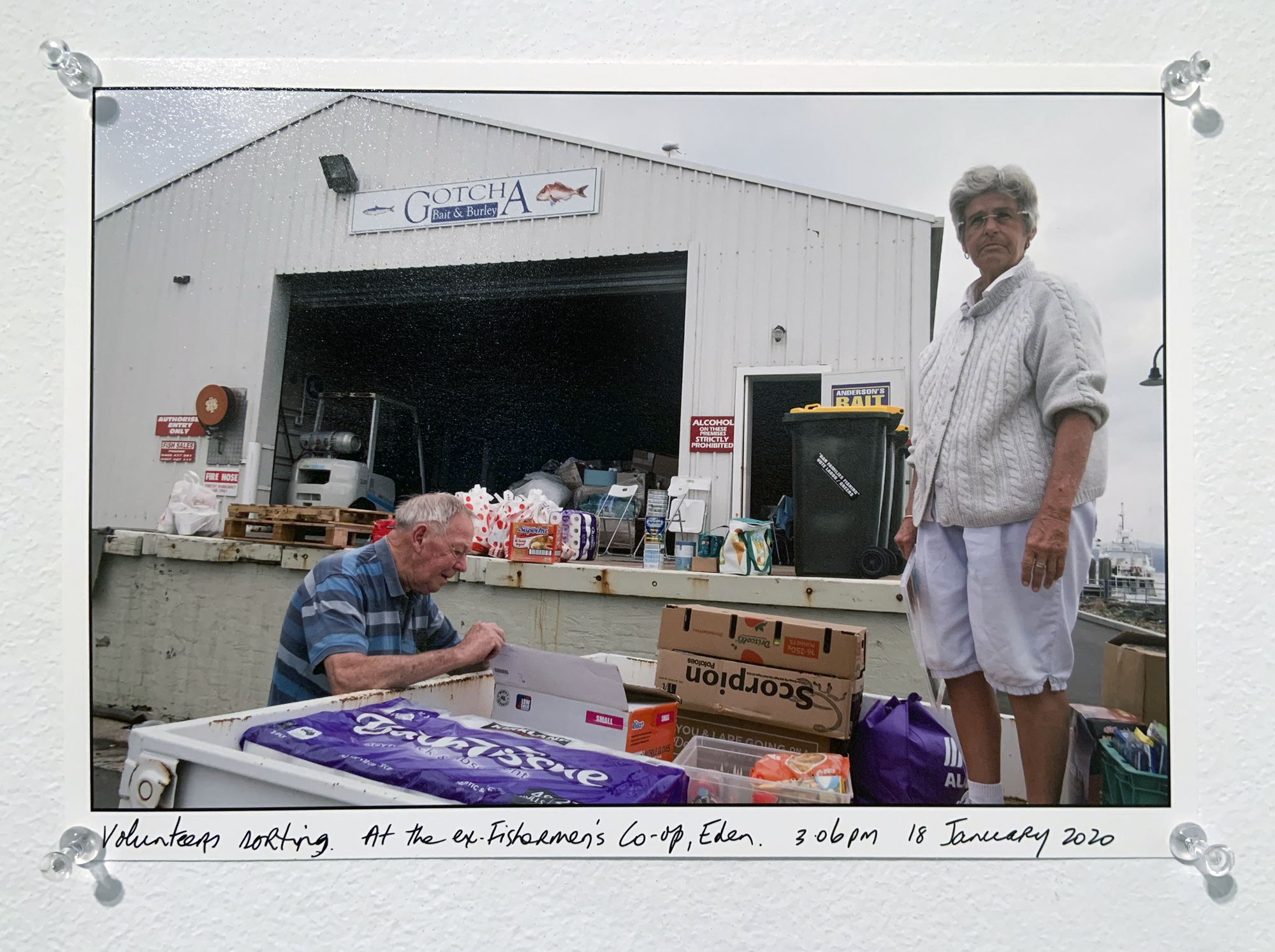
Ruth Maddison (Australian, b. 1945) 'Volunteers sorting. At the Fishermen's Co-op, Eden. 3.06 pm 18 January 2020' 2020 (installation view)


Ruth Maddison (Australian, b. 1945)
Volunteers sorting. At the Fishermen’s Co-op, Eden. 3.06 pm 18 January 2020 (installation view)
2020
From the series When No Birds Sing 2020
Photo: Marcus Bunyan


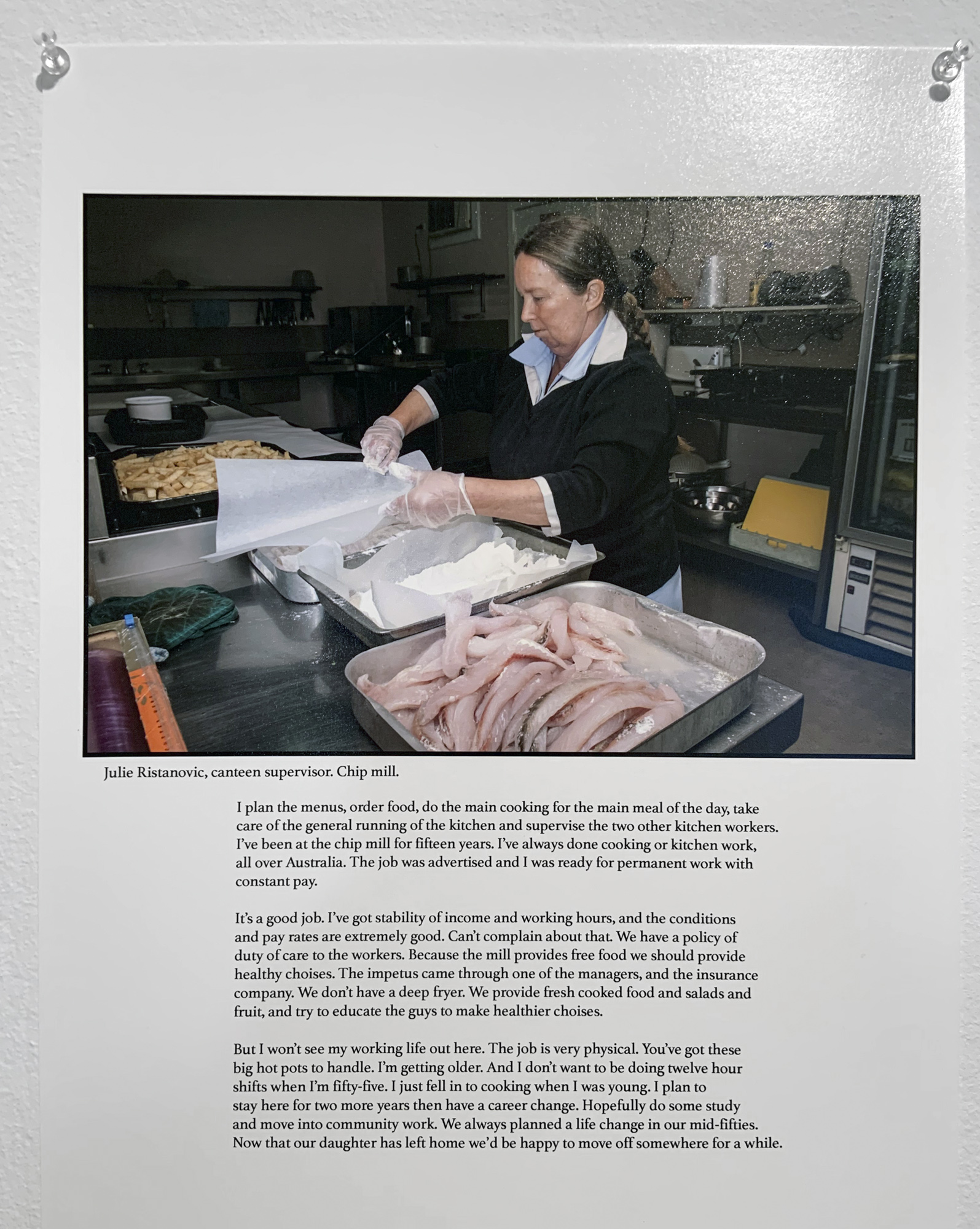
Ruth Maddison (Australian, b. 1945) 'Julie Ristanovic, canteen supervisor. Chip mill' Nd (installation view)


Ruth Maddison (Australian, b. 1945)
Julie Ristanovic, canteen supervisor. Chip mill (installation view)
Nd
Photo: Marcus Bunyan


Gallery three


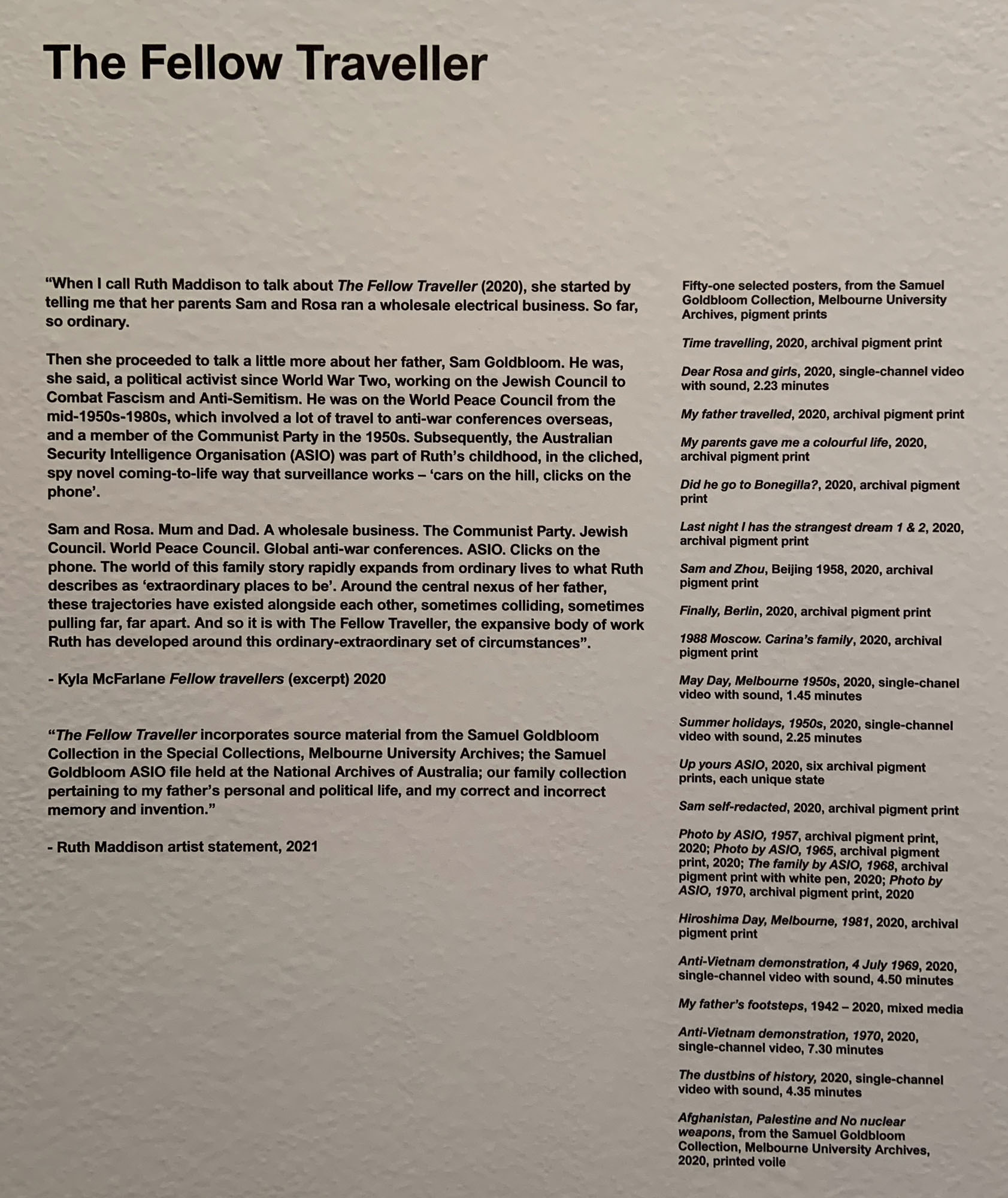
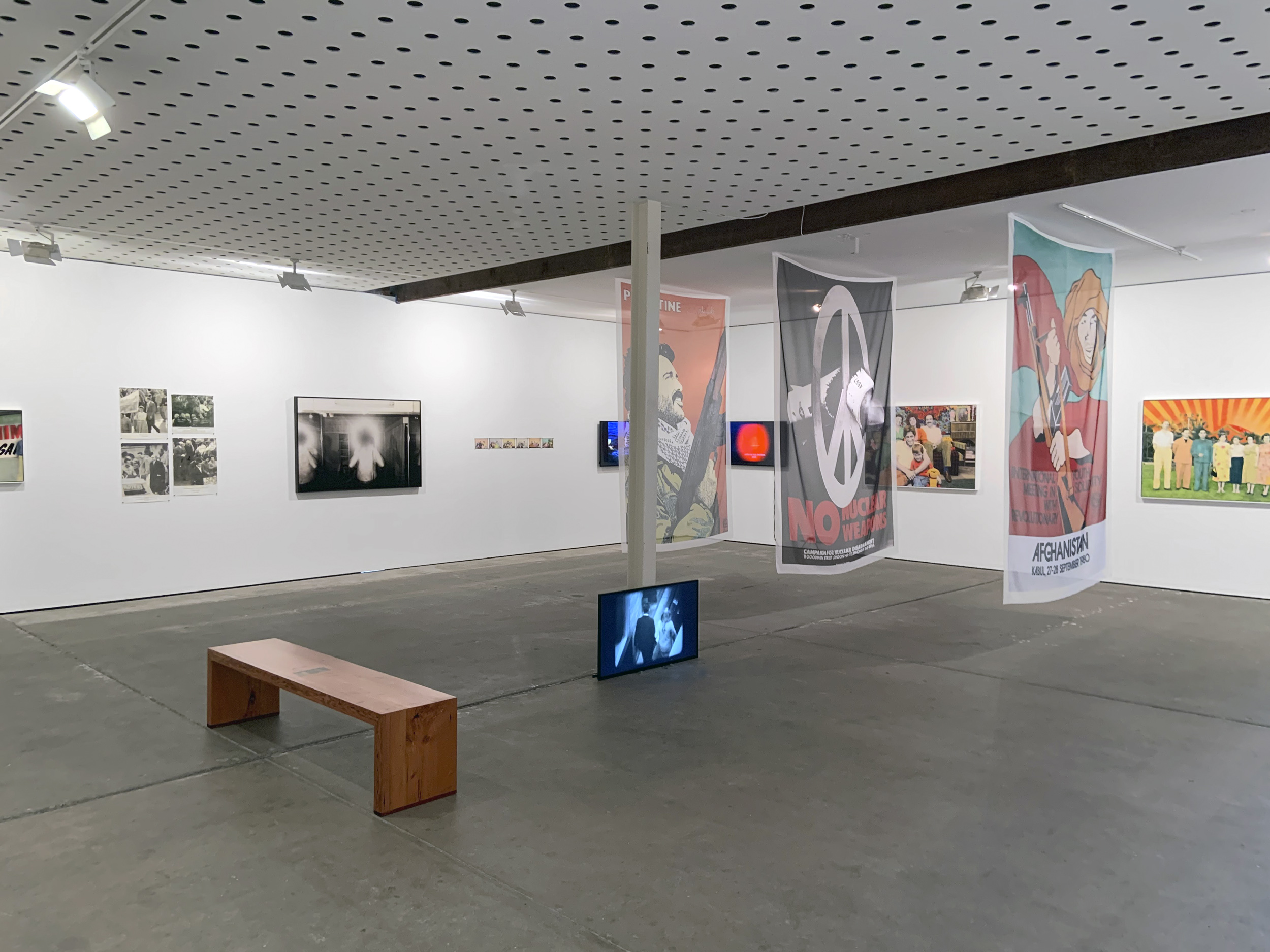
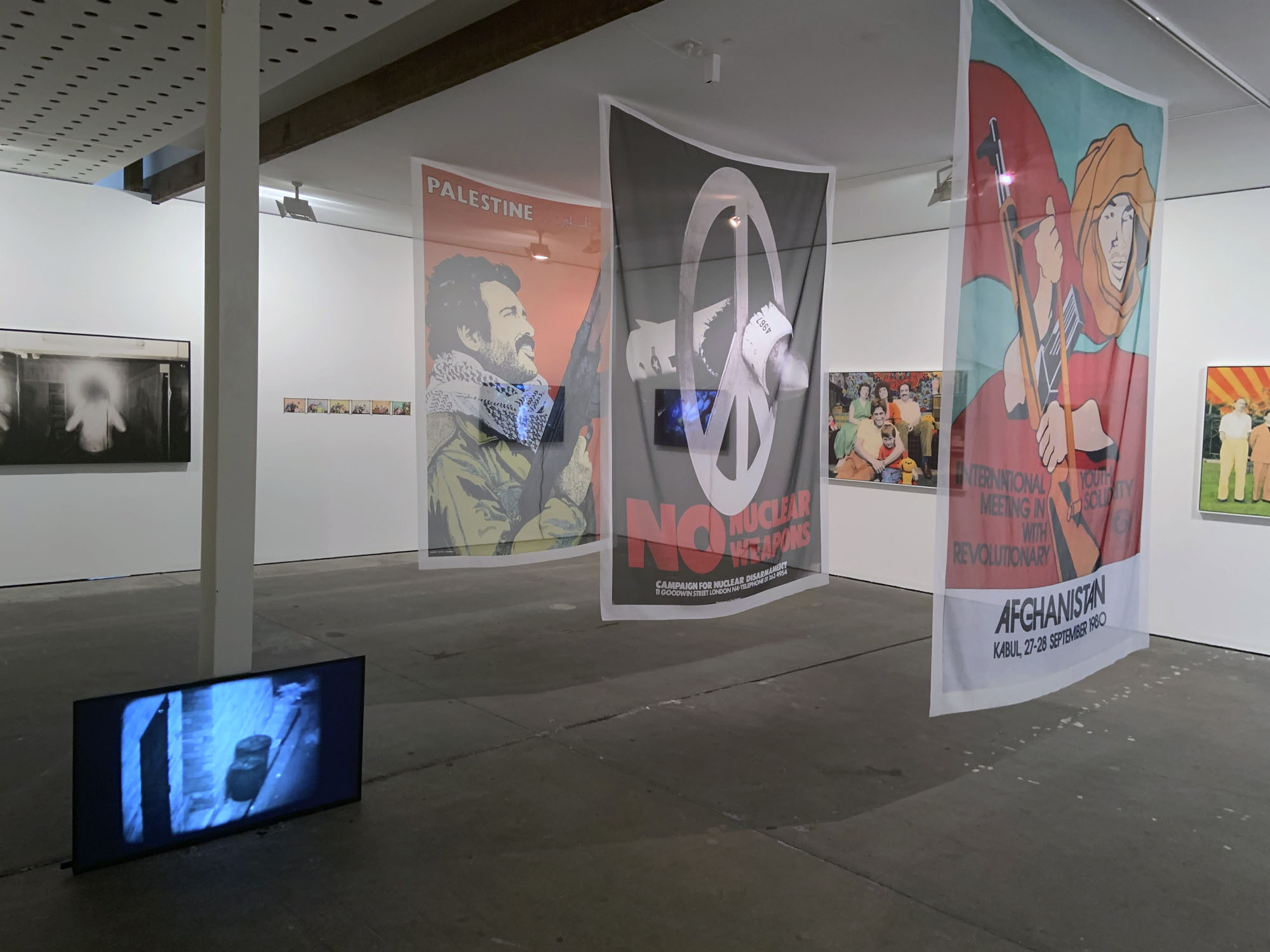
Text from the exhibition 'Ruth Maddison It was the best of times, it was the worst of times' at the Centre for Contemporary Photography, Melbourne

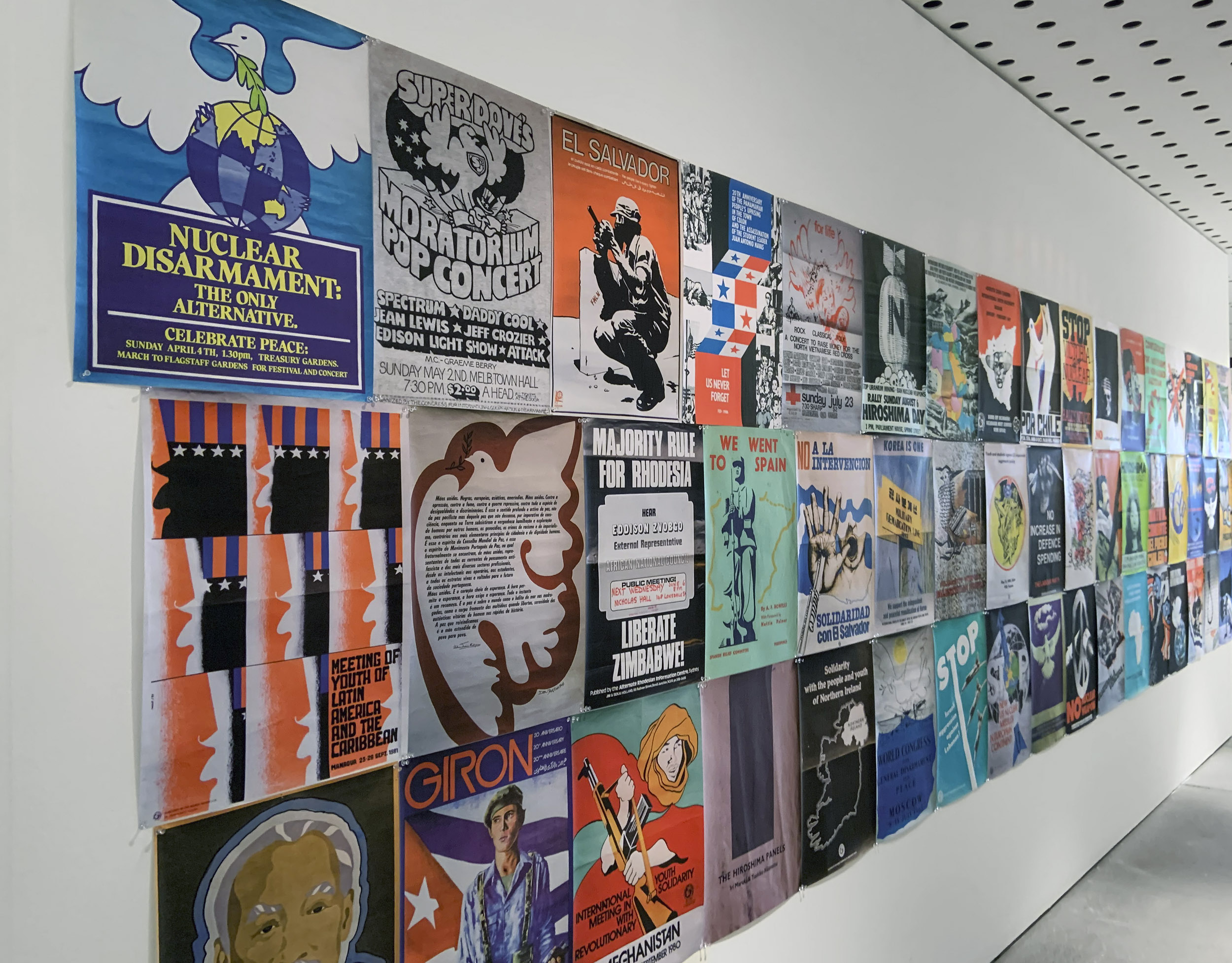
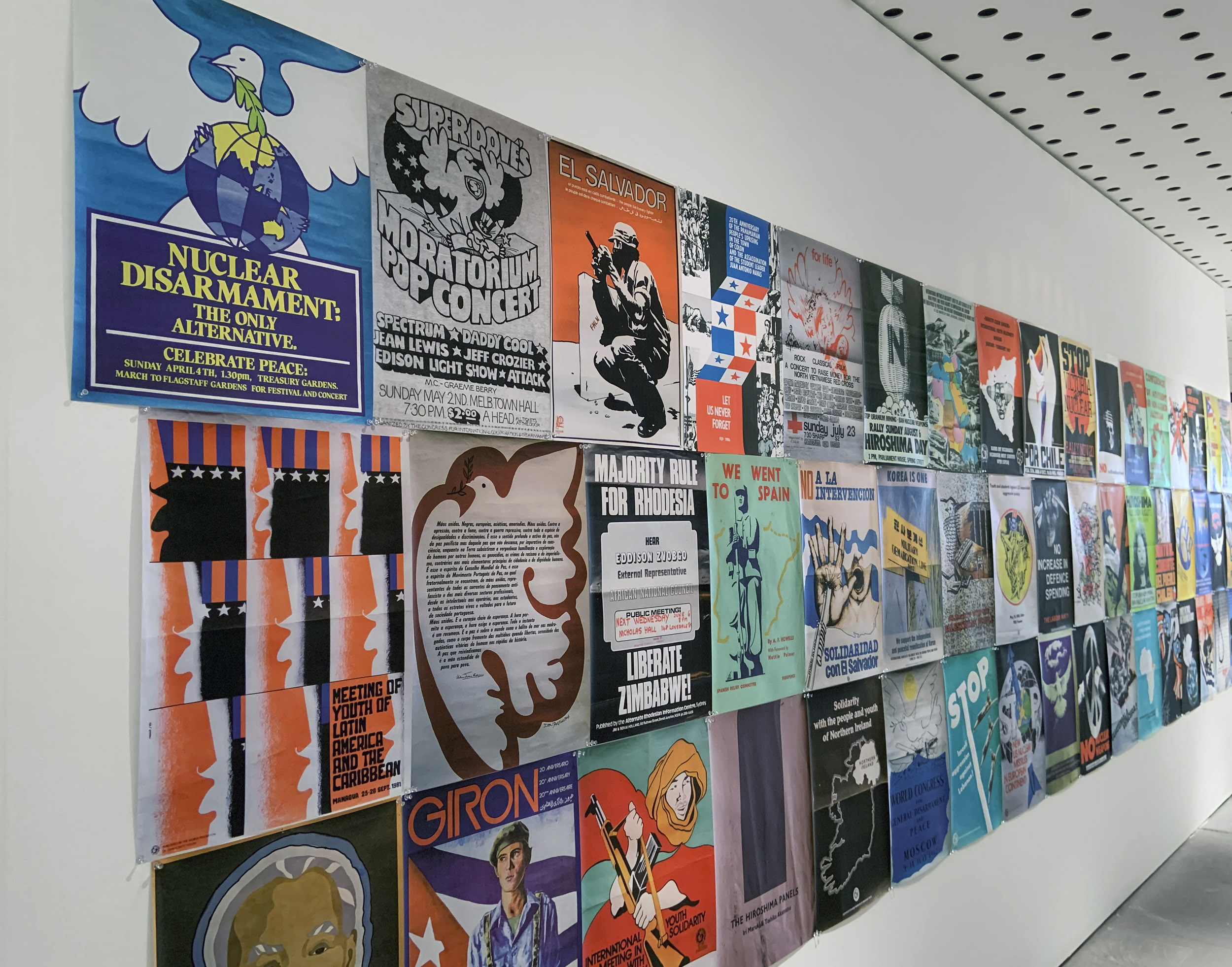
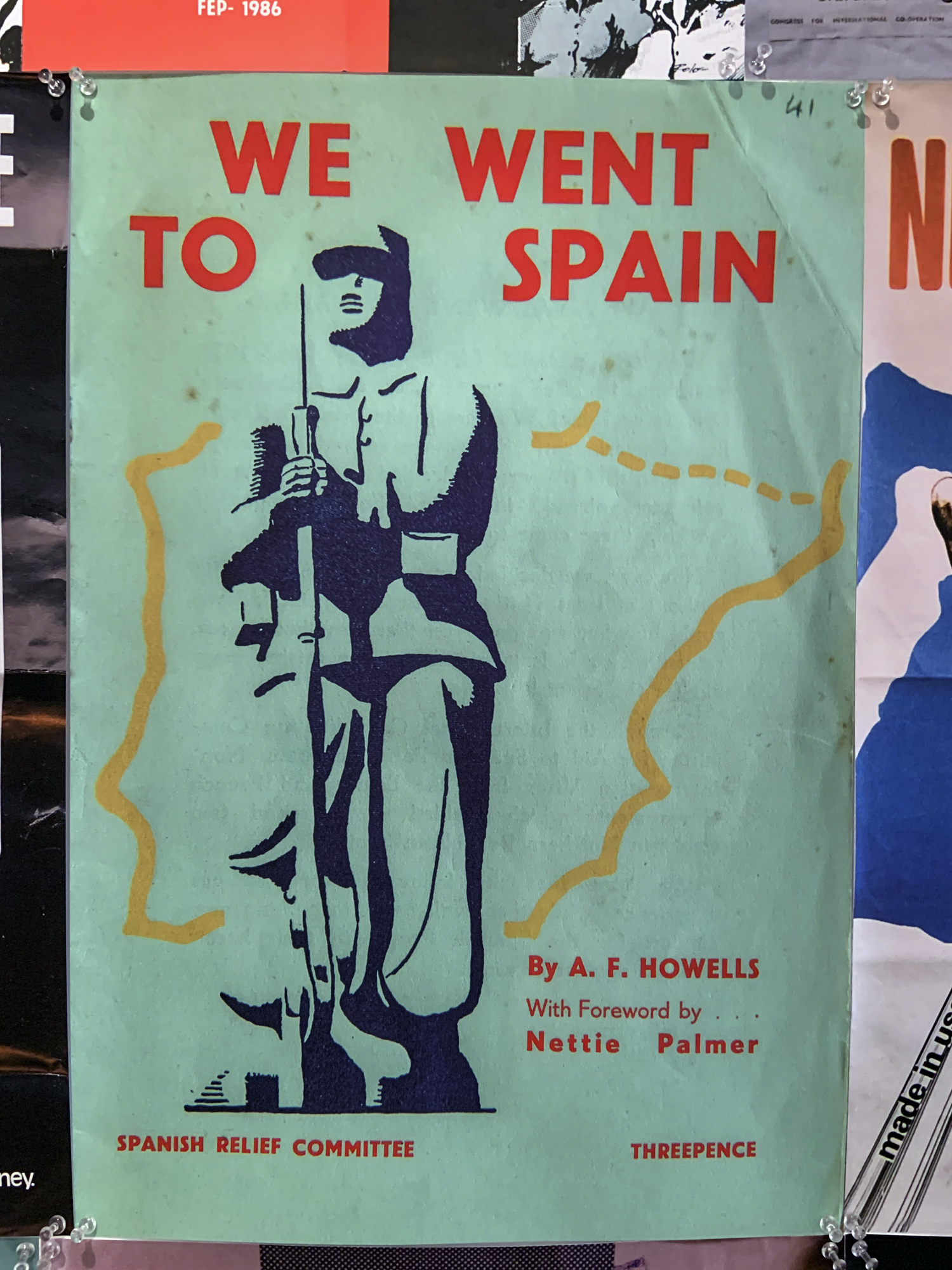
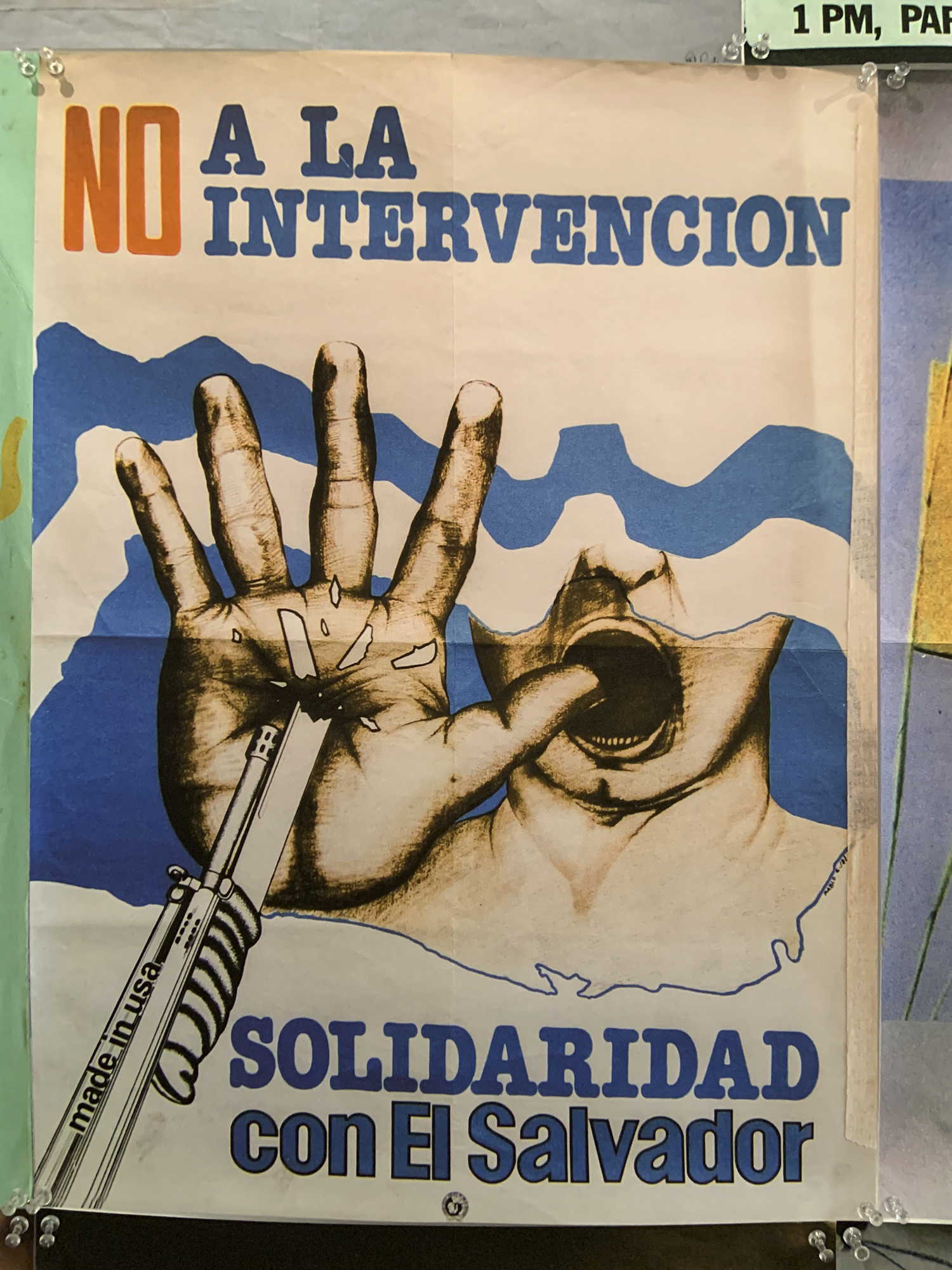
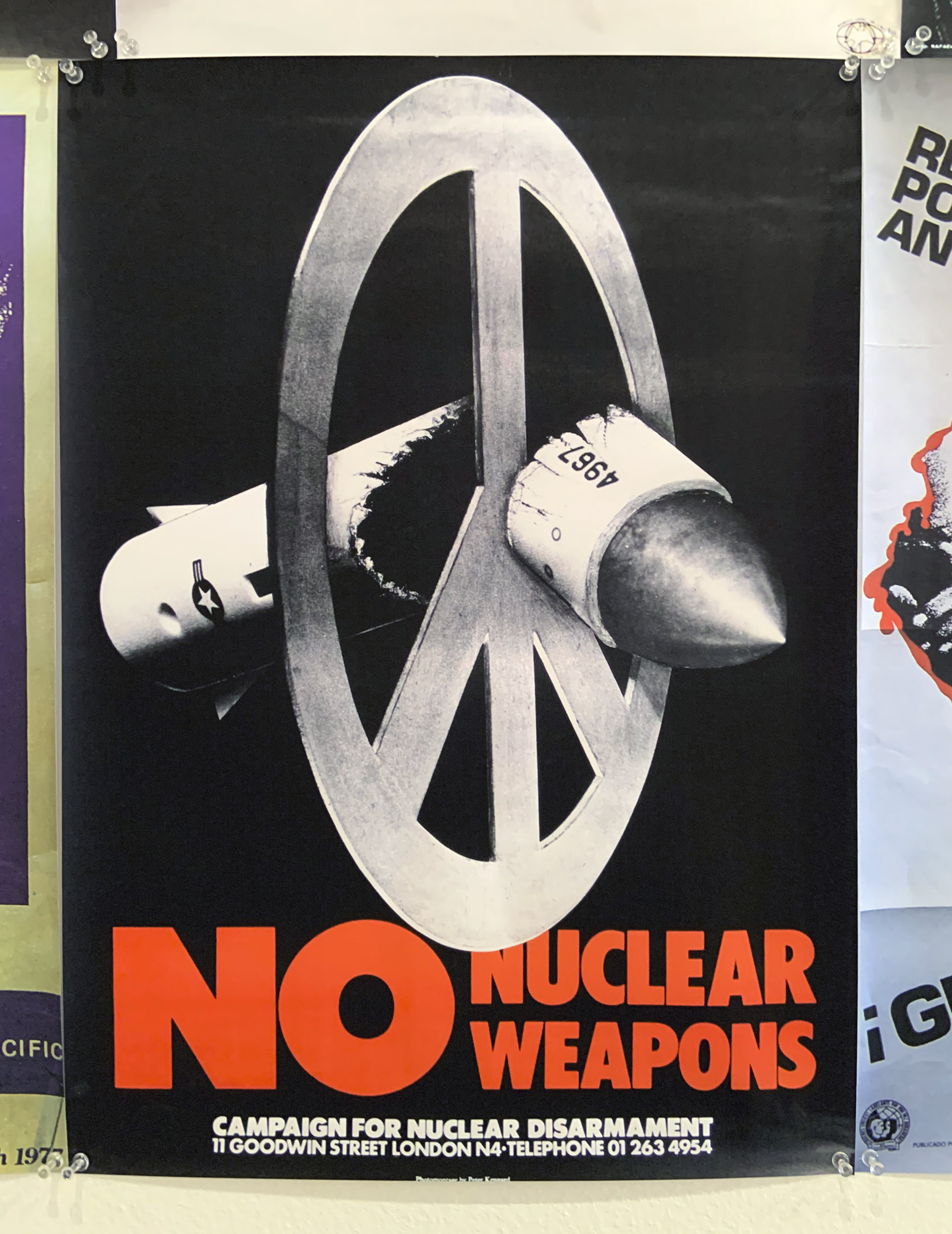
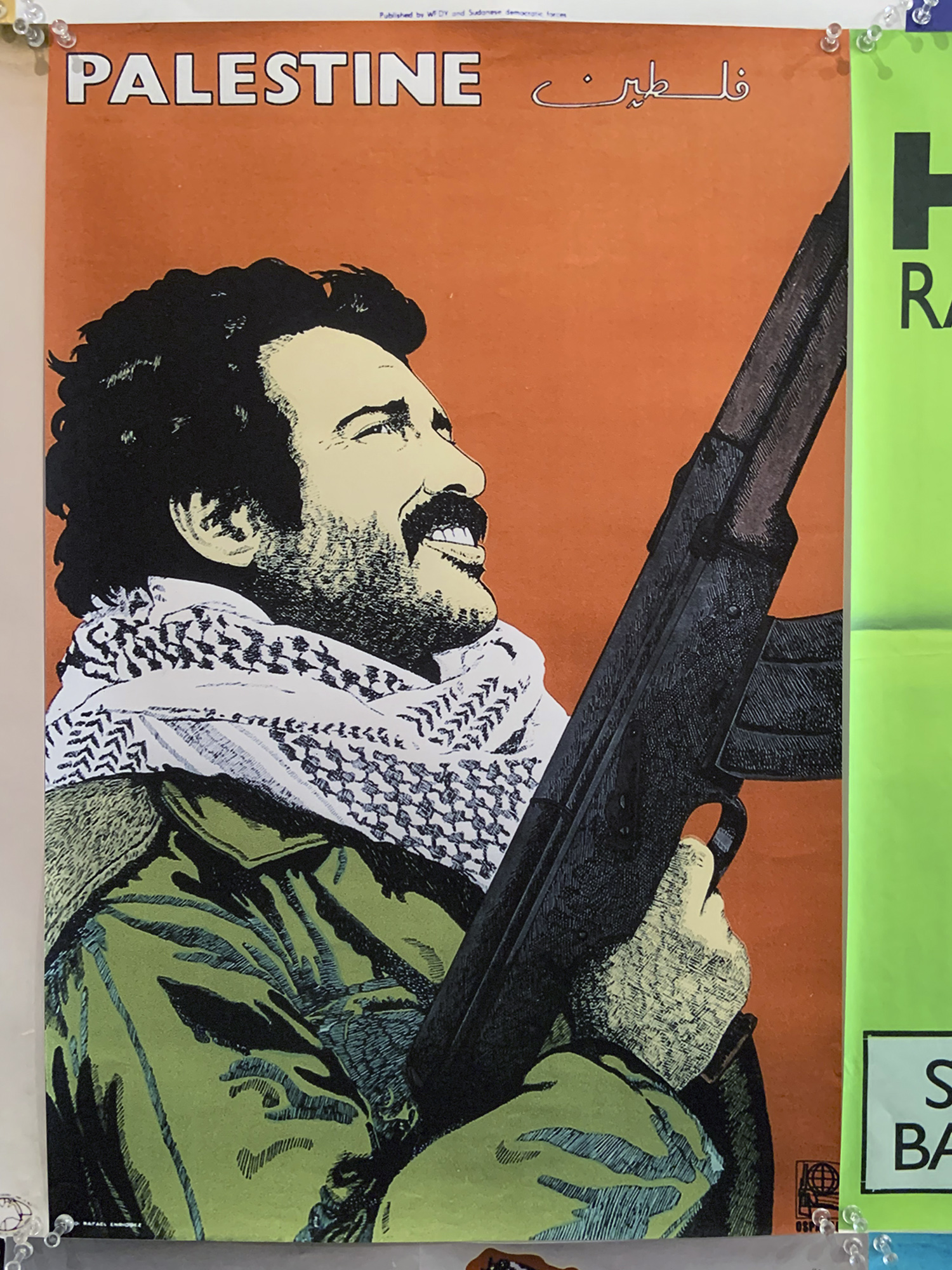
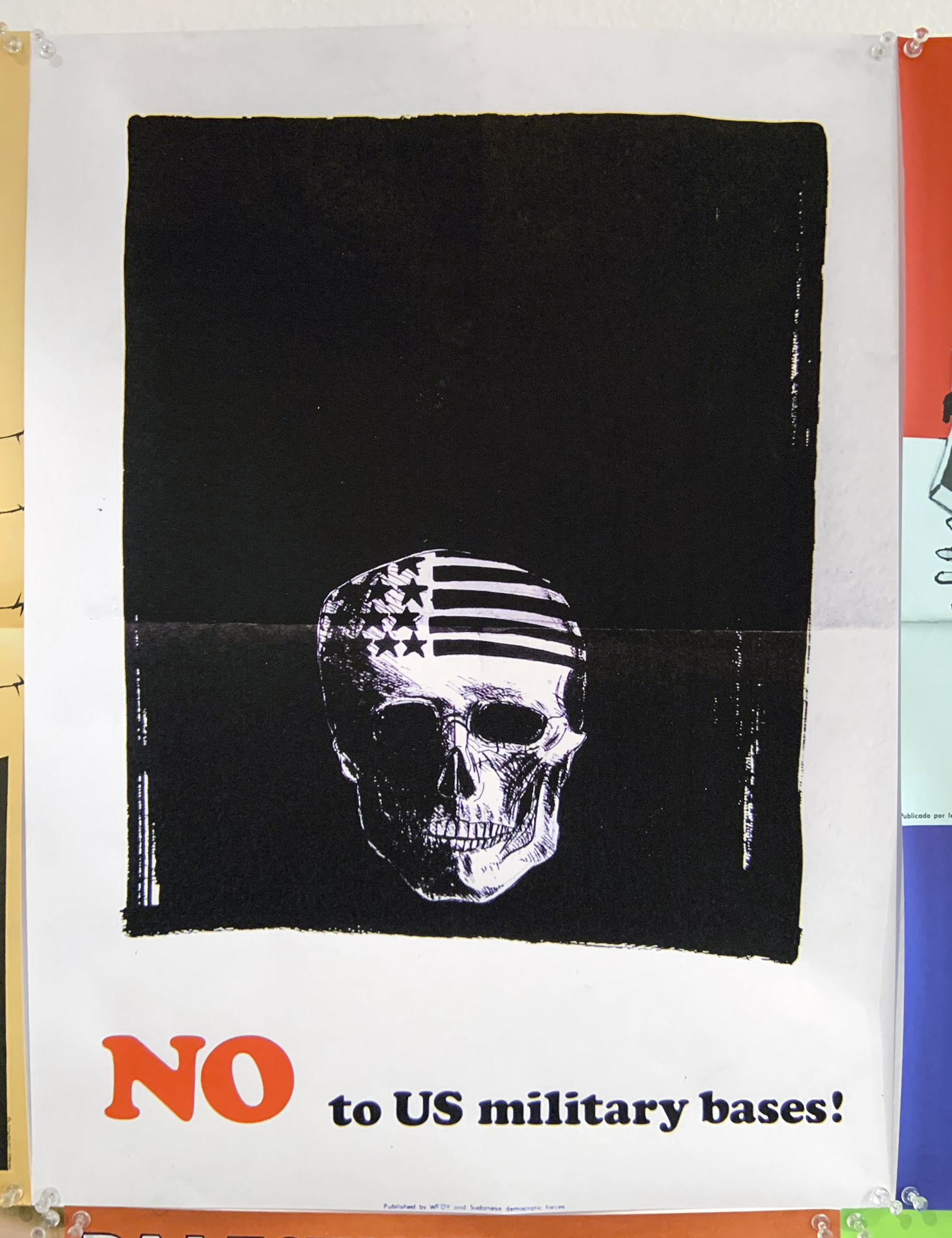
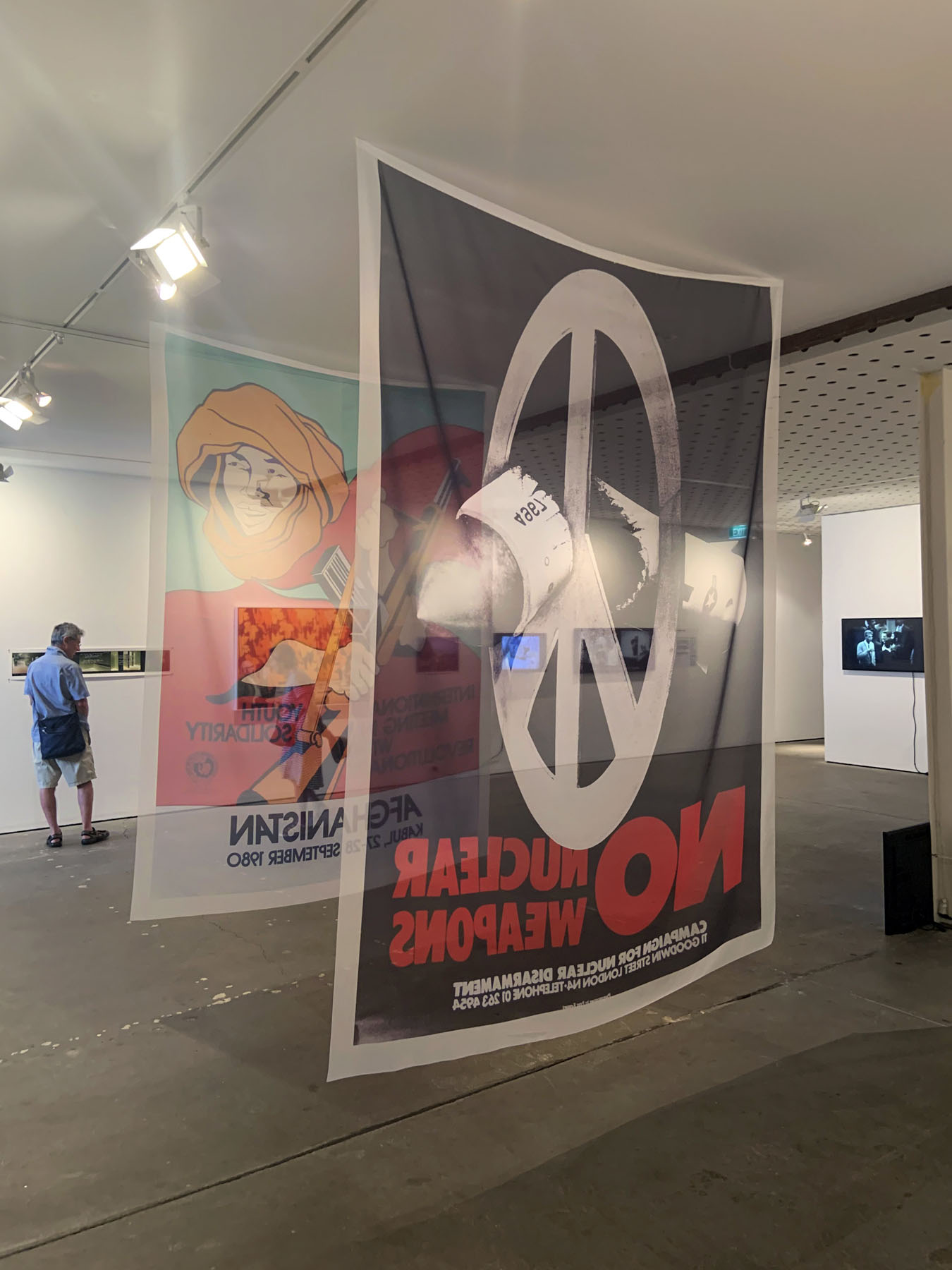
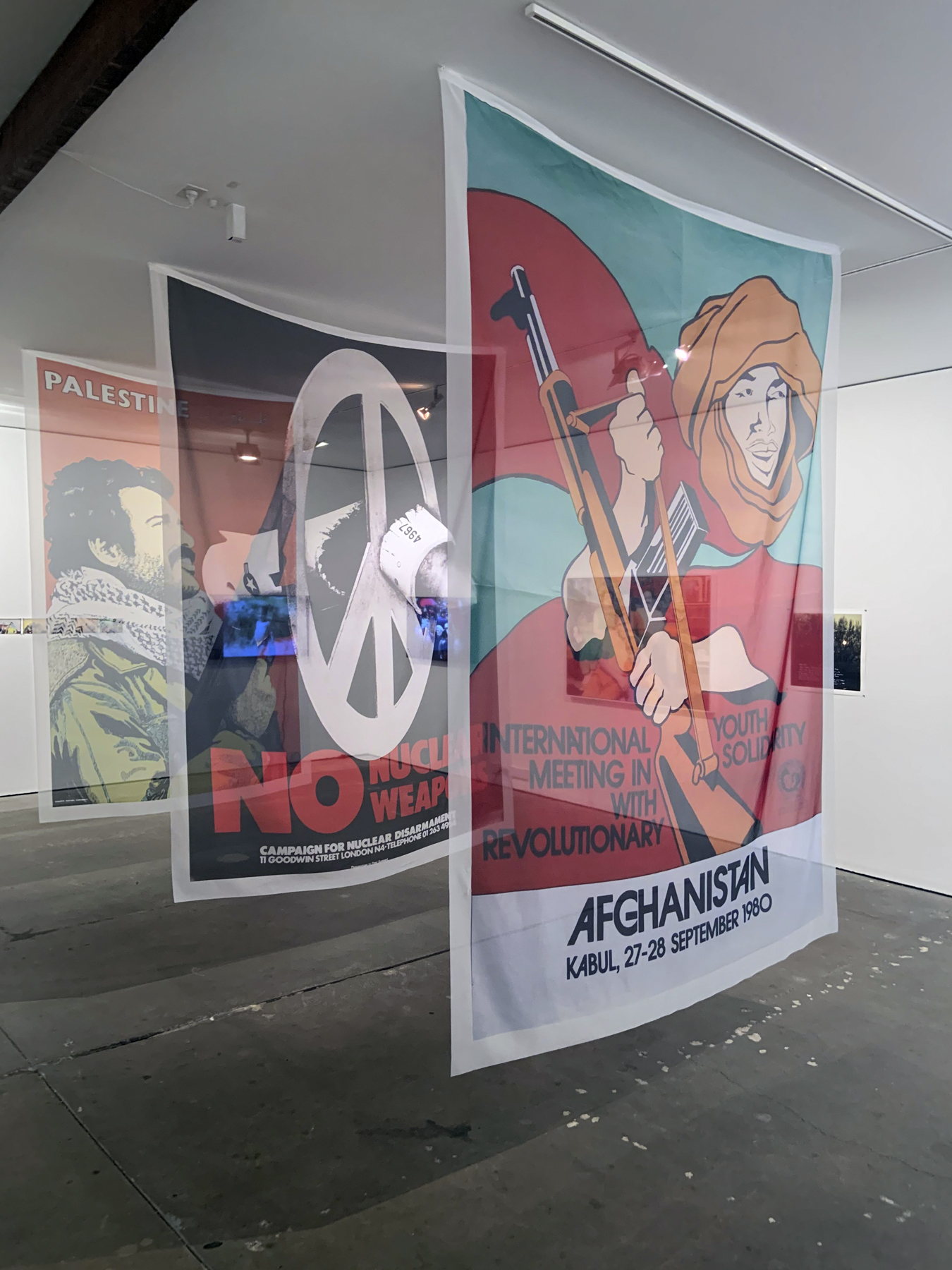
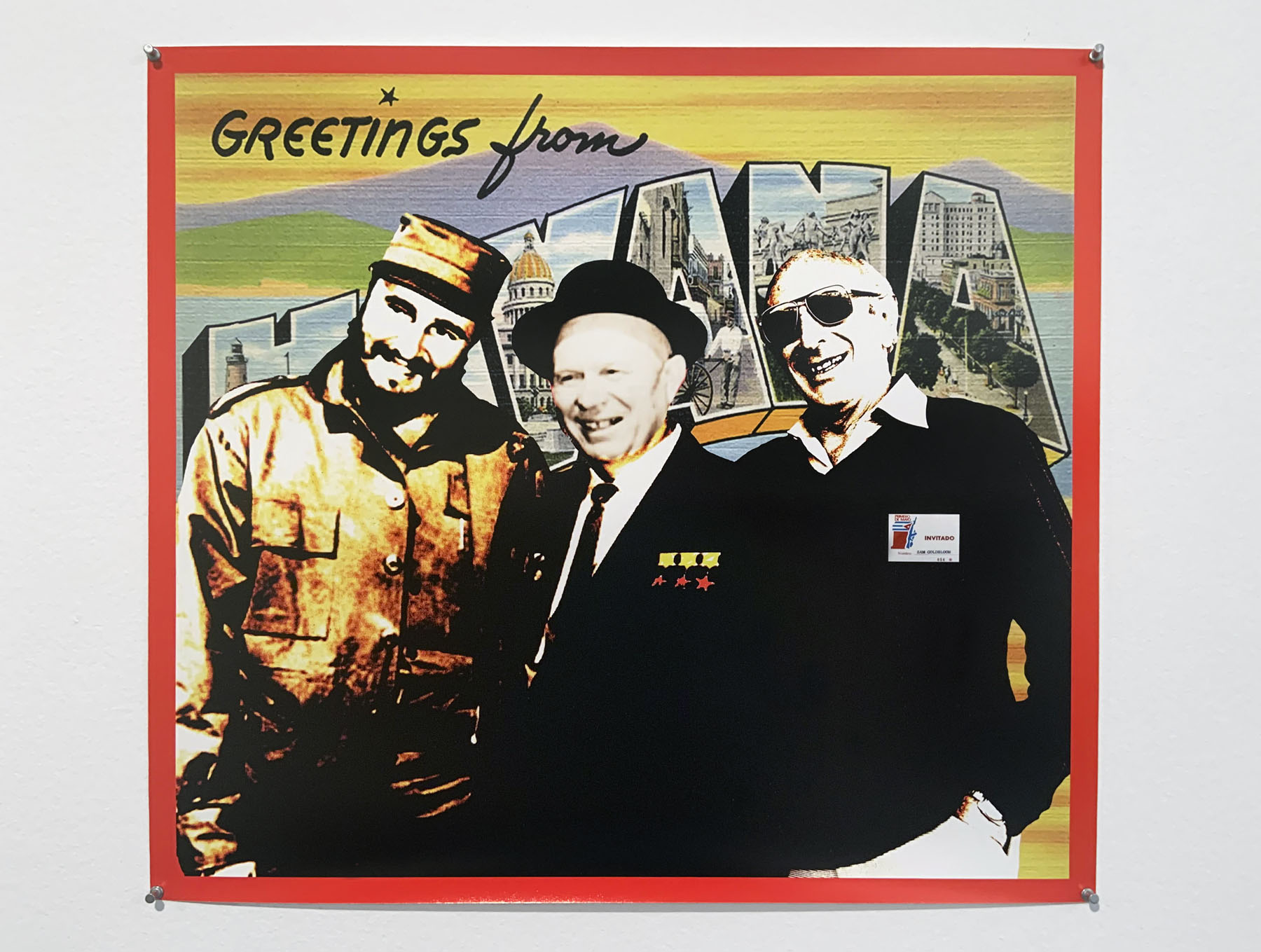
Fifty-one selected posters, from the Samuel Goldbloom Collection, Melbourne University Archives, pigment prints

Fifty-one selected posters, from the Samuel Goldbloom Collection, Melbourne University Archives, pigment prints

Fifty-one selected posters, from the Samuel Goldbloom Collection, Melbourne University Archives, pigment prints

Fifty-one selected posters, from the Samuel Goldbloom Collection, Melbourne University Archives, pigment prints

Fifty-one selected posters, from the Samuel Goldbloom Collection, Melbourne University Archives, pigment prints

Fifty-one selected posters, from the Samuel Goldbloom Collection, Melbourne University Archives, pigment prints

Fifty-one selected posters, from the Samuel Goldbloom Collection, Melbourne University Archives, pigment prints


Fifty-one selected posters, from the Samuel Goldbloom Collection, Melbourne University Archives, pigment prints
Photos: Marcus Bunyan


Installation view of the exhibition 'Ruth Maddison It was the best of times, it was the worst of times' at the Centre for Contemporary Photography, Melbourne

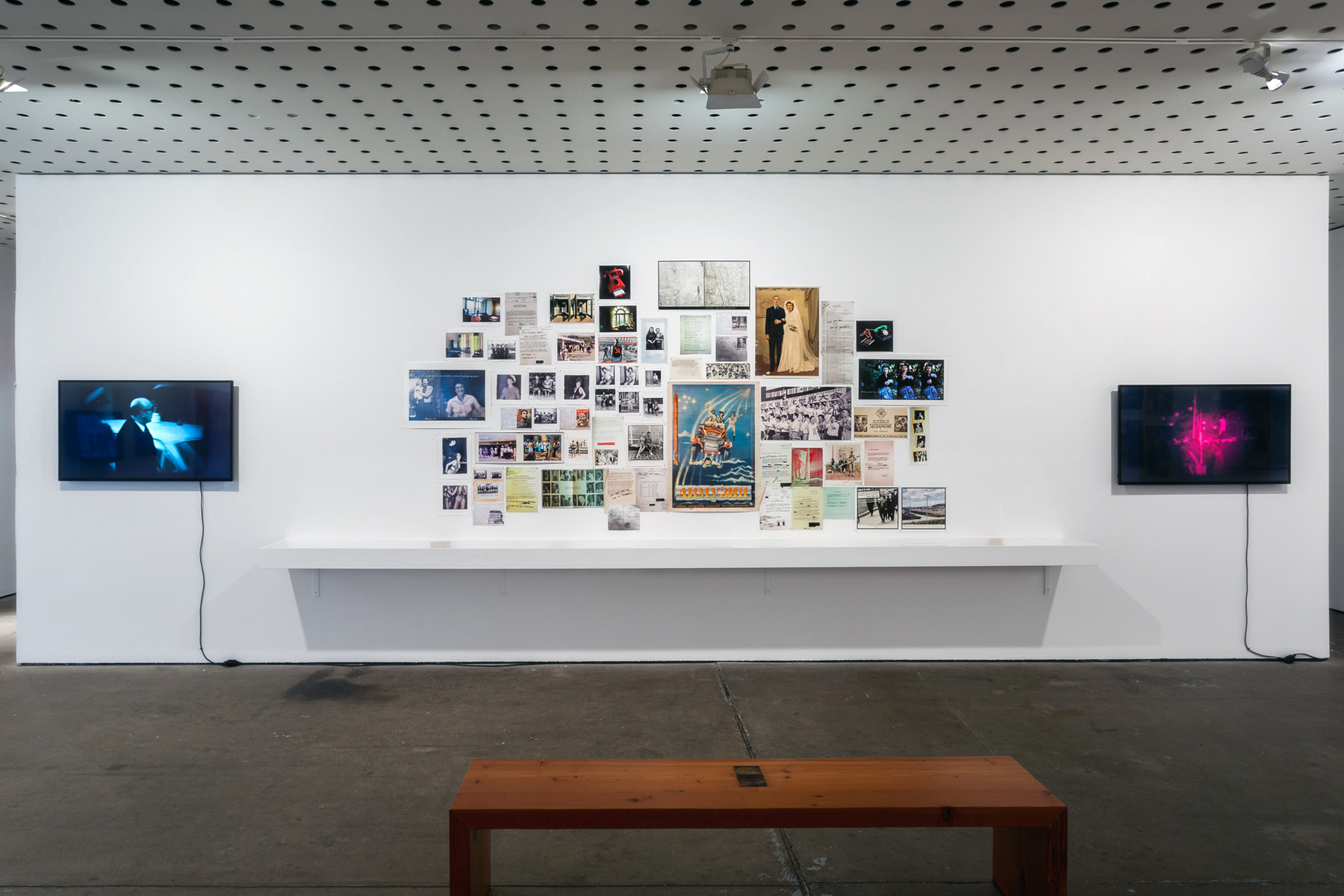
Installation view of the exhibition 'Ruth Maddison It was the best of times, it was the worst of times' at the Centre for Contemporary Photography, Melbourne showing on the television 'The Dustbins of History' (1950s/2020), edited from ASIO footage sourced from the National Archives of Australia


Installation views in gallery three of the exhibition Ruth Maddison It was the best of times, it was the worst of times at the Centre for Contemporary Photography, Melbourne showing on the television The Dustbins of History (1950s / 2020), edited from ASIO footage sourced from the National Archives of Australia
Photos: Marcus Bunyan


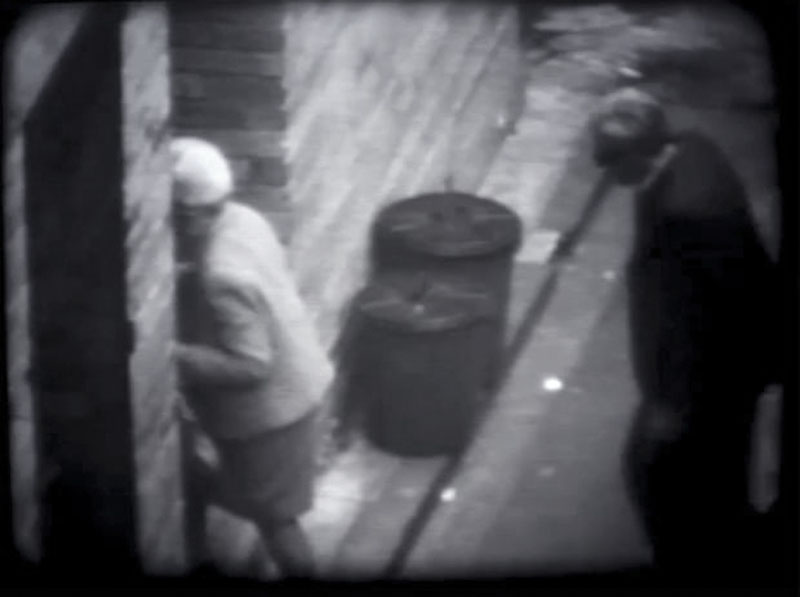
'The Dustbins of History' (1950s), edited from Asio footage sourced from the National Archives of Australia.


Still from The Dustbins of History (1950s / 2020), edited from ASIO footage sourced from the National Archives of Australia


She [Maddison] also discovered reels of surveillance film documenting suspected members of the Communist party as they arrived at a secret meeting in one of Melbourne’s laneways in the 50s. This footage appears in the exhibition as The Dustbins of History, a short film that is comedic in its ambiguity and monotony. All that’s missing is the Keystone Cops.

Alison Stieven-Taylor. “The communist who raised me: photographer Ruth Maddison interrogates her father’s Asio file,” on the Guardian website Thurs 25 February 2021 [Online] Cited 05/04/2021
 

Installation view of the exhibition 'Ruth Maddison It was the best of times, it was the worst of times' at the Centre for Contemporary Photography, Melbourne

Installation view of the exhibition 'Ruth Maddison It was the best of times, it was the worst of times' at the Centre for Contemporary Photography, Melbourne

Installation view of the exhibition 'Ruth Maddison It was the best of times, it was the worst of times' at the Centre for Contemporary Photography, Melbourne


Installation views in gallery three of the exhibition Ruth Maddison It was the best of times, it was the worst of times at the Centre for Contemporary Photography, Melbourne
Photos: Marcus Bunyan


Installation view of the exhibition 'Ruth Maddison It was the best of times, it was the worst of times' at the Centre for Contemporary Photography, Melbourne showing works from the series 'My father's footsteps' (1942-2020)

Installation view of the exhibition 'Ruth Maddison It was the best of times, it was the worst of times' at the Centre for Contemporary Photography, Melbourne showing works from the series 'My father's footsteps' (1942-2020)

Installation view of the exhibition 'Ruth Maddison It was the best of times, it was the worst of times' at the Centre for Contemporary Photography, Melbourne showing works from the series 'My father's footsteps' (1942-2020)

Installation view of the exhibition 'Ruth Maddison It was the best of times, it was the worst of times' at the Centre for Contemporary Photography, Melbourne showing works from the series 'My father's footsteps' (1942-2020)

Installation view of the exhibition 'Ruth Maddison It was the best of times, it was the worst of times' at the Centre for Contemporary Photography, Melbourne showing works from the series 'My father's footsteps' (1942-2020)

Installation view of the exhibition 'Ruth Maddison It was the best of times, it was the worst of times' at the Centre for Contemporary Photography, Melbourne showing works from the series 'My father's footsteps' (1942-2020)

Installation view of the exhibition 'Ruth Maddison It was the best of times, it was the worst of times' at the Centre for Contemporary Photography, Melbourne showing works from the series 'My father's footsteps' (1942-2020)

Installation view of the exhibition 'Ruth Maddison It was the best of times, it was the worst of times' at the Centre for Contemporary Photography, Melbourne showing works from the series 'My father's footsteps' (1942-2020)

Installation view of the exhibition 'Ruth Maddison It was the best of times, it was the worst of times' at the Centre for Contemporary Photography, Melbourne showing works from the series 'My father's footsteps' (1942-2020)

Installation view in gallery three of the exhibition 'Ruth Maddison It was the best of times, it was the worst of times' at the Centre for Contemporary Photography, Melbourne showing works from the series 'My father's footsteps' (1942-2020)

Installation view in gallery three of the exhibition 'Ruth Maddison It was the best of times, it was the worst of times' at the Centre for Contemporary Photography, Melbourne showing works from the series 'My father's footsteps' (1942-2020)


Installation views in gallery three of the exhibition Ruth Maddison It was the best of times, it was the worst of times at the Centre for Contemporary Photography, Melbourne showing works from the series My father’s footsteps (1942-2020)
Photos: Marcus Bunyan


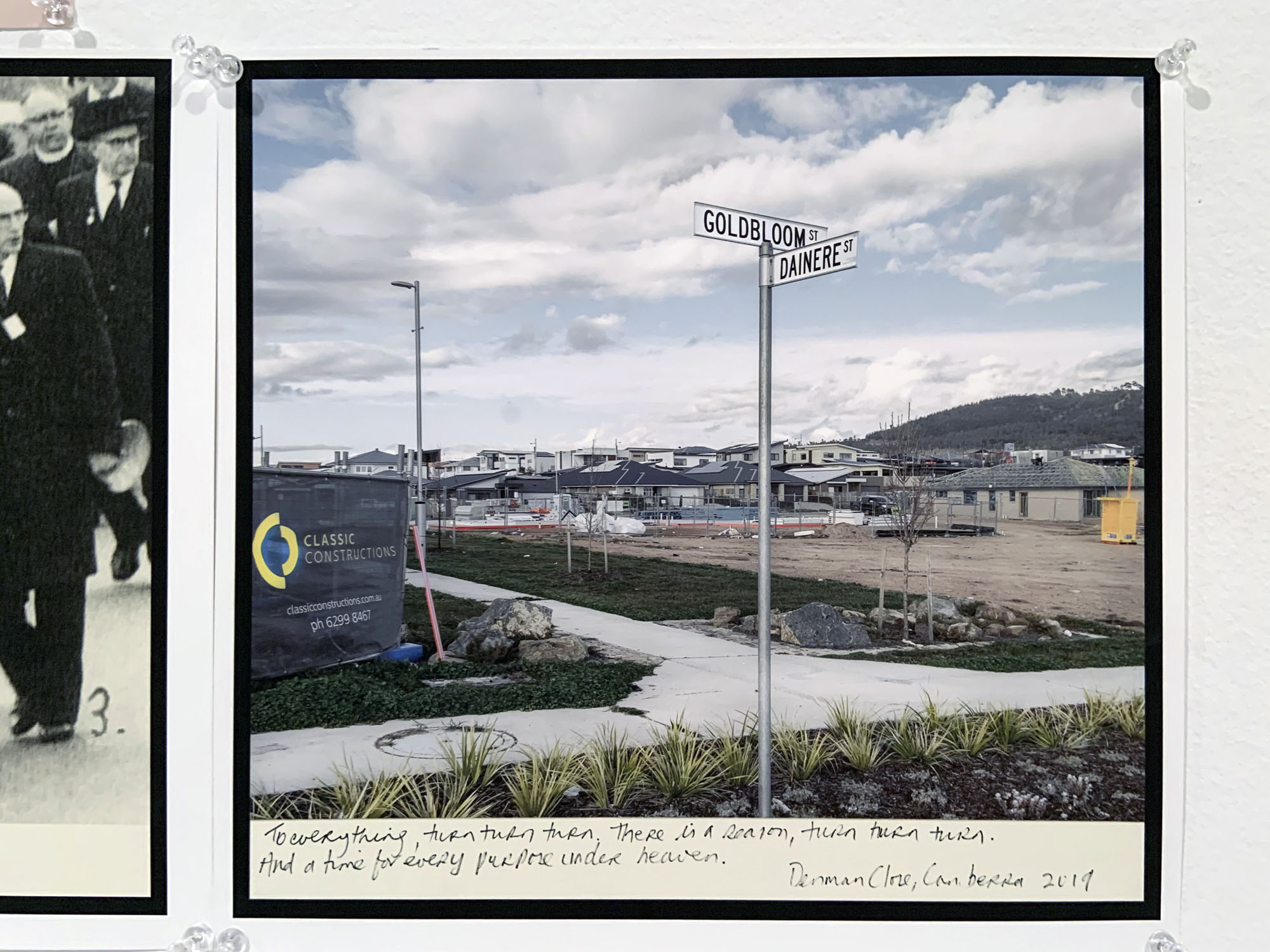
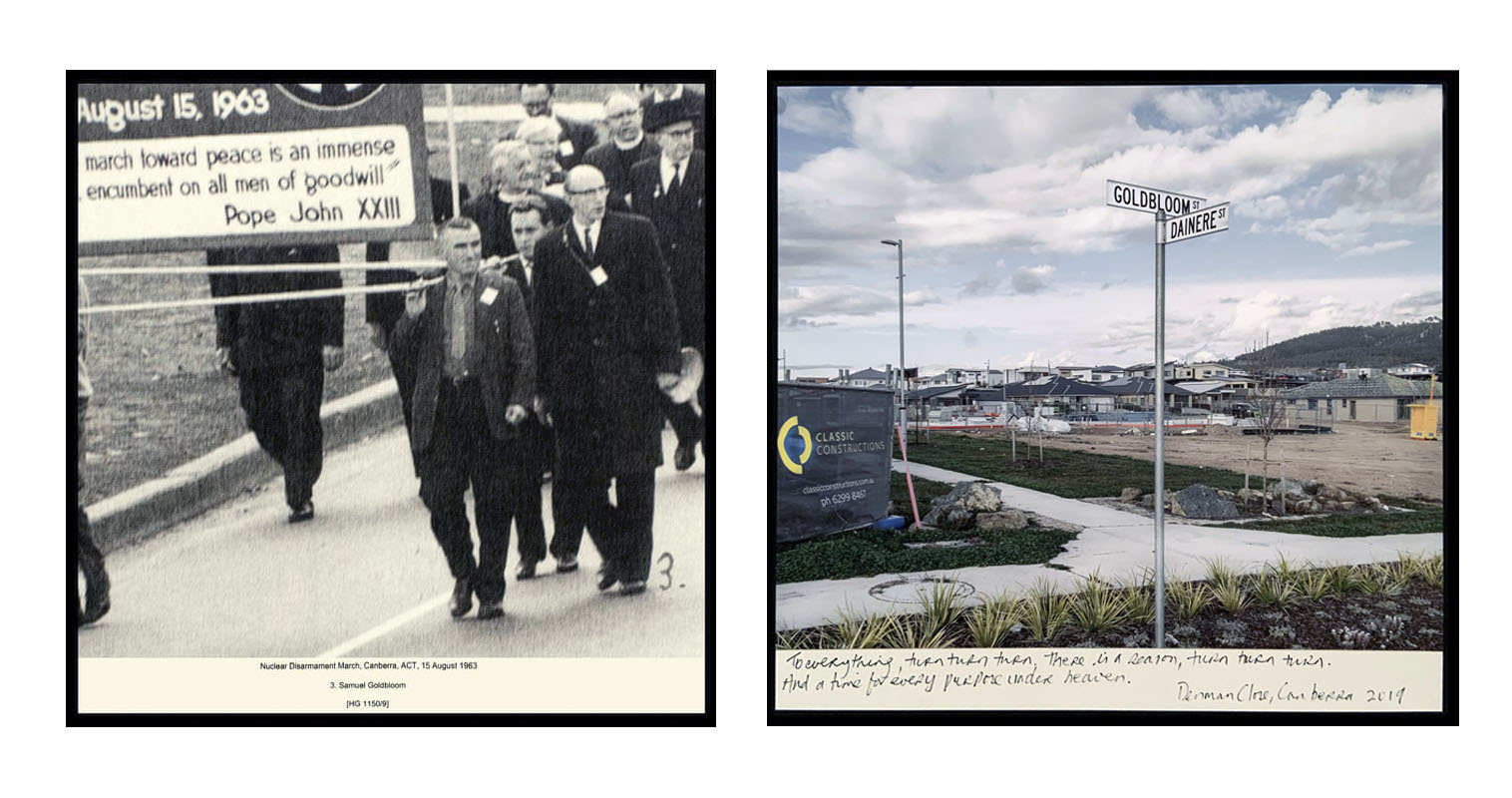
Ruth Maddison (Australian, b. 1945) 'To everything there is a turn, turn, turn' 2020


Ruth Maddison (Australian, b. 1945)
To everything there is a turn, turn, turn
2020
From the series My father’s footsteps (1942-2020)
Diptych
Pigment print from ASIO files


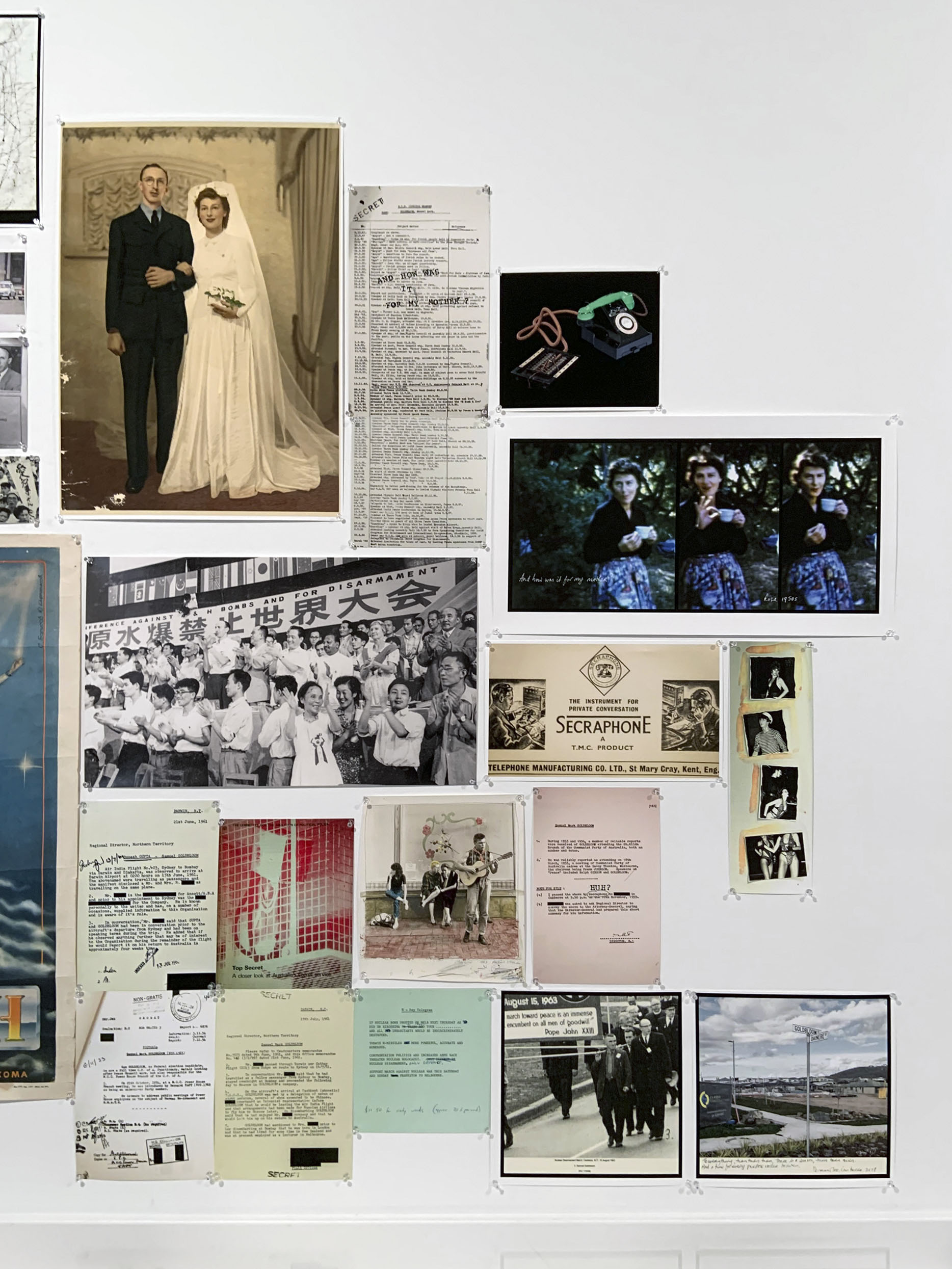
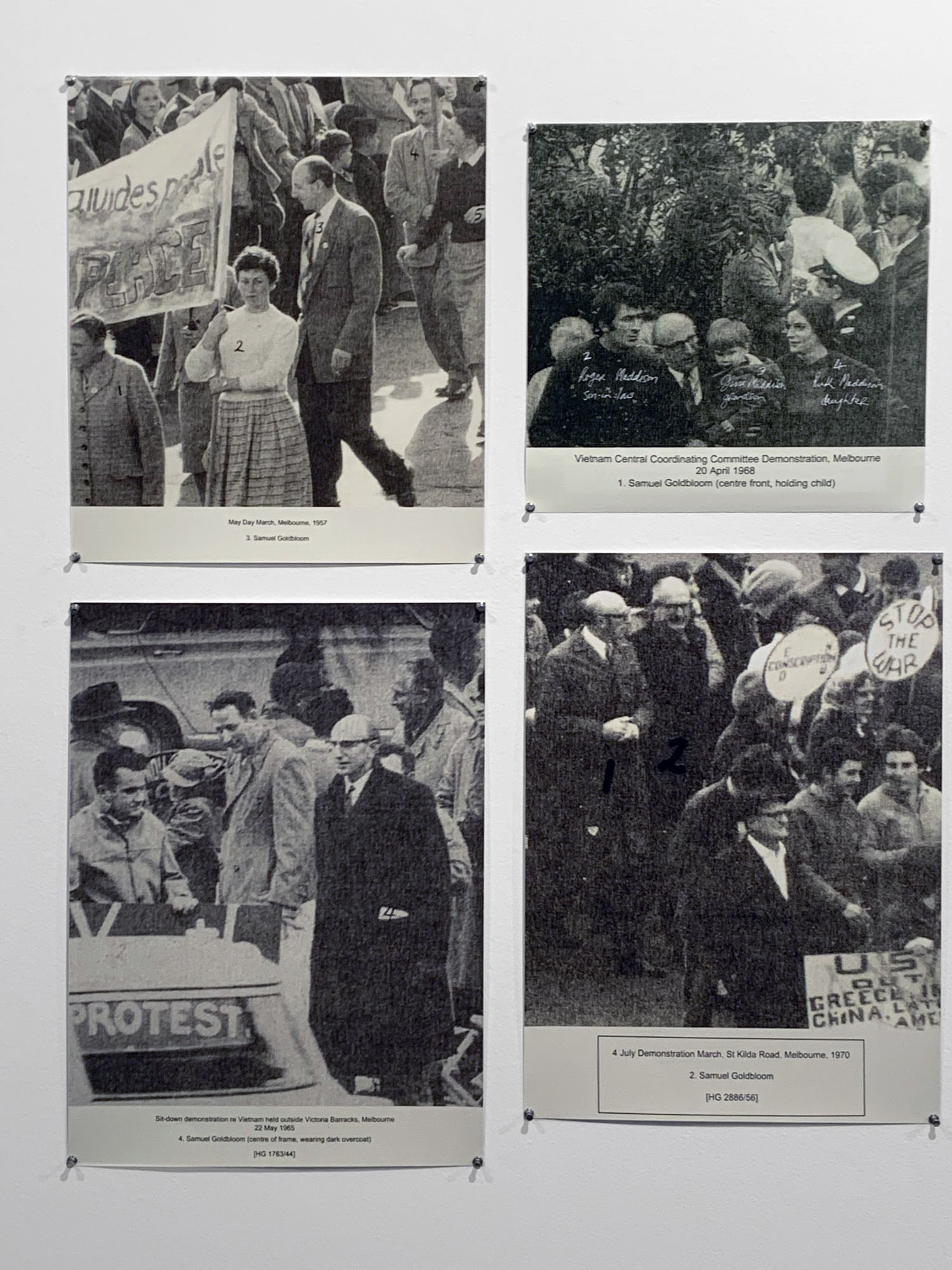
After decades of being denigrated in the press and parliament, in 1990 Goldbloom was awarded an OAM for his service as an activist for peace. Later, a street was named after him in Canberra. Maddison has paired an ASIO image of her father at a peace rally in 1965 with the Goldbloom street sign, evidence she says of “history doing the wheel again”.

Alison Stieven-Taylor. “The communist who raised me: photographer Ruth Maddison interrogates her father’s Asio file,” on the Guardian website Thurs 25 February 2021 [Online] Cited 05/04/2021
 

Installation view of the exhibition 'Ruth Maddison It was the best of times, it was the worst of times' at the Centre for Contemporary Photography, Melbourne


Installation view in gallery three of the exhibition Ruth Maddison It was the best of times, it was the worst of times at the Centre for Contemporary Photography, Melbourne
Photo: Marcus Bunyan


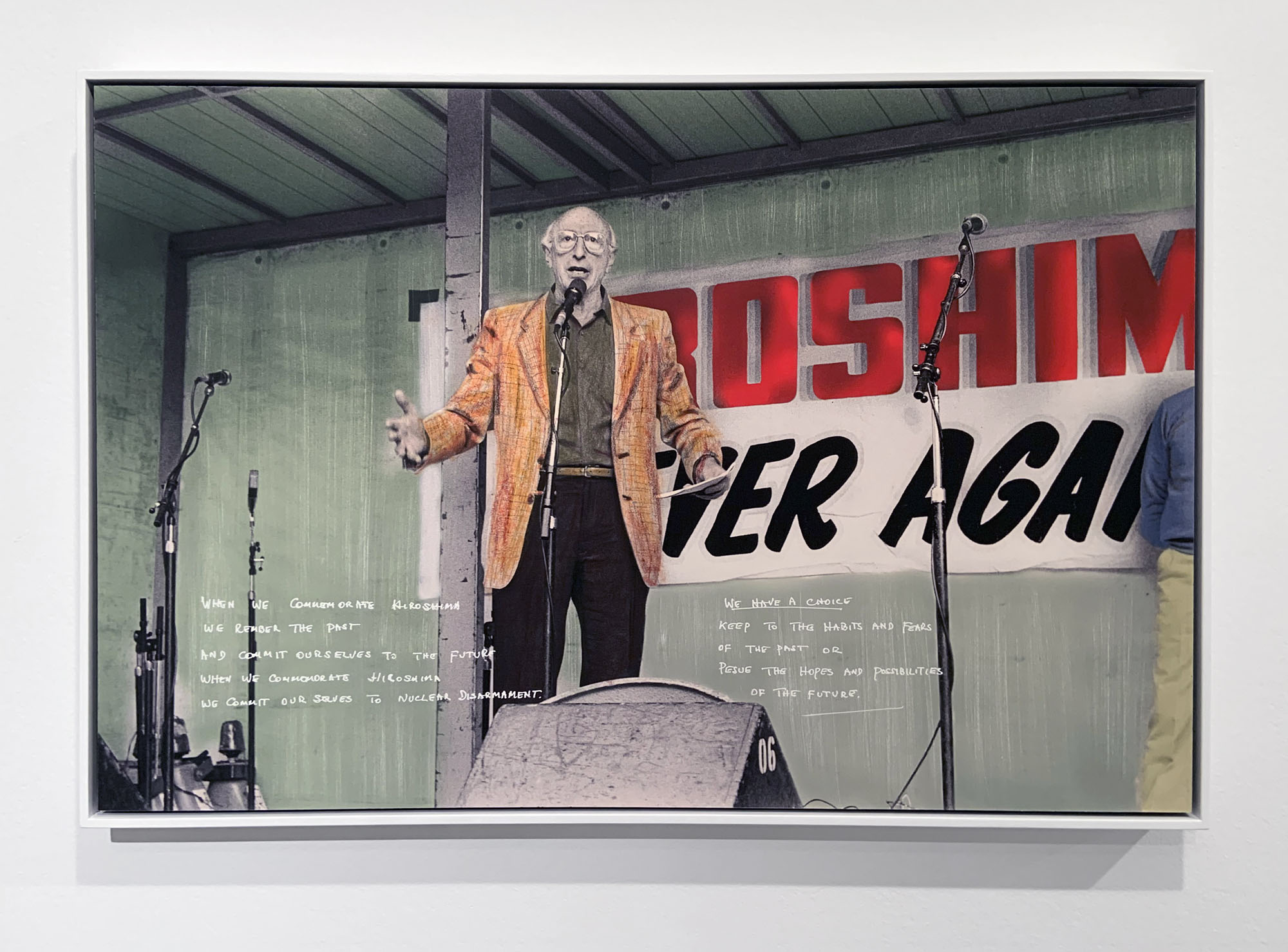
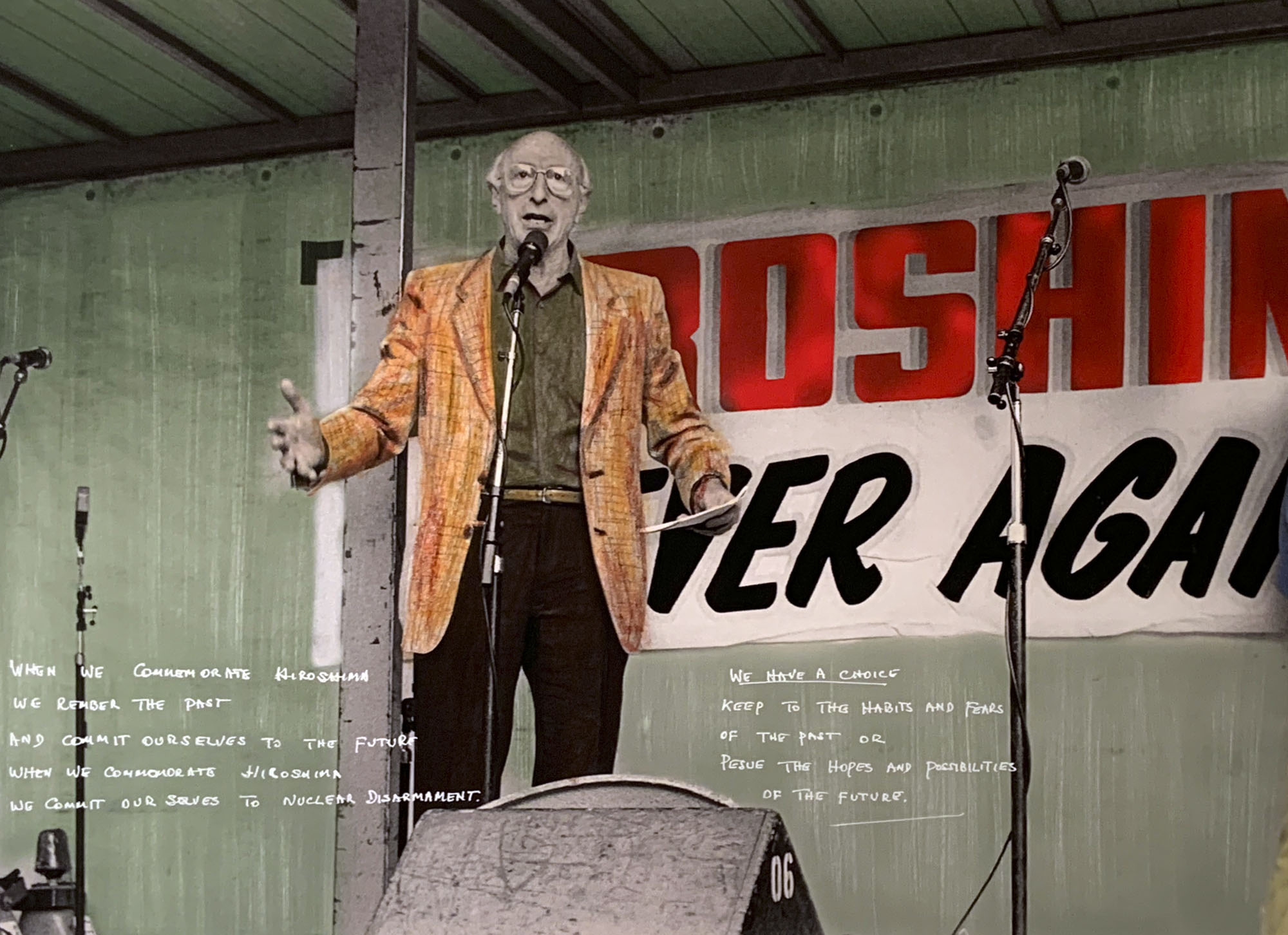
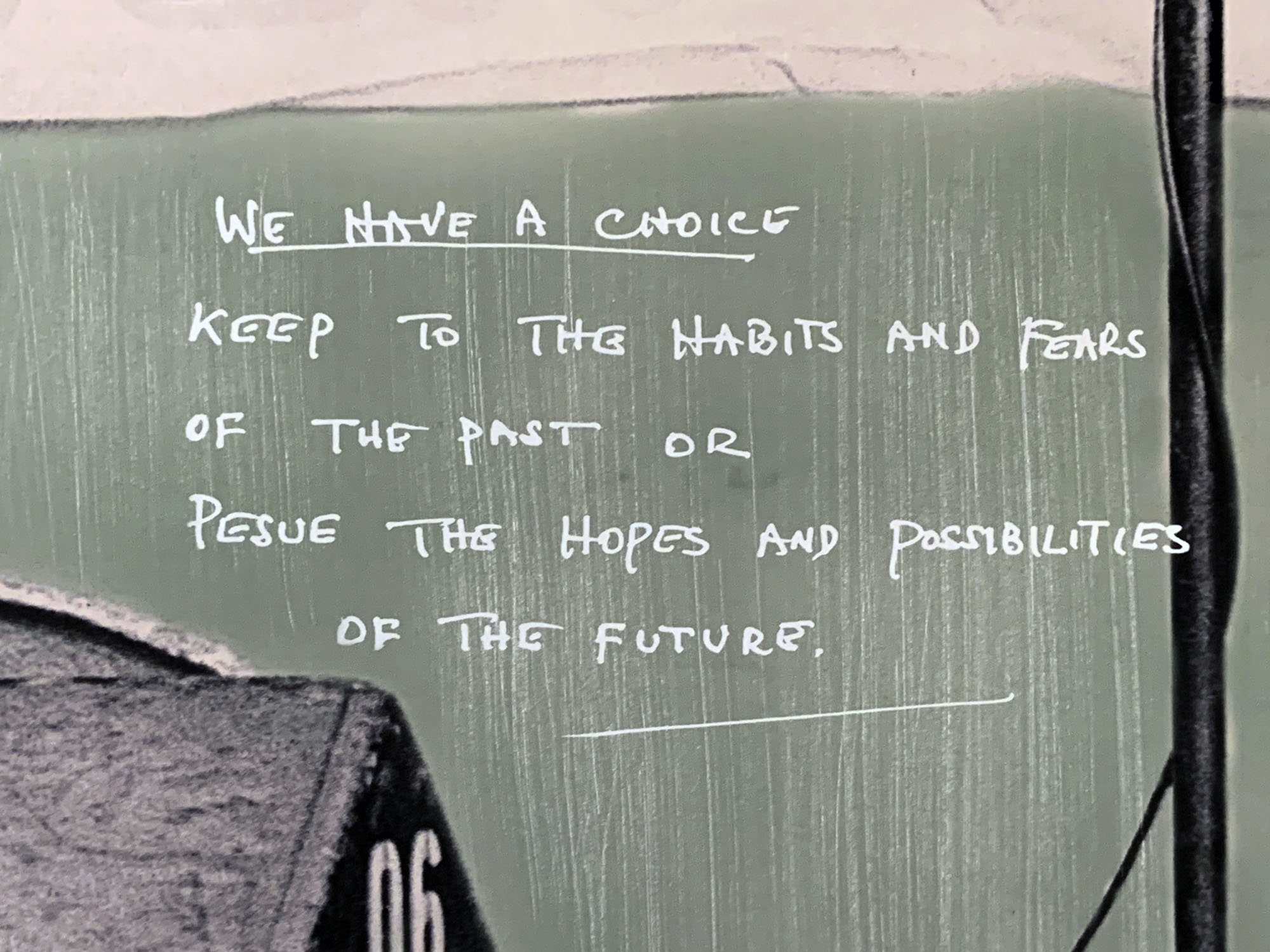
Ruth Maddison (Australian, b. 1945) 'Hiroshima Day, Melbourne' 1981/2020 (installation view)

Ruth Maddison (Australian, b. 1945) 'Hiroshima Day, Melbourne' 1981/2020 (installation view detail)

Ruth Maddison (Australian, b. 1945) 'Hiroshima Day, Melbourne' 1981/2020 (installation view detail)


Ruth Maddison (Australian, b. 1945)
Hiroshima Day, Melbourne (installation views)
1981/2020
Pigment print from scanned black and white negative. Hand coloured and digitally enhanced
Photos: Marcus Bunyan


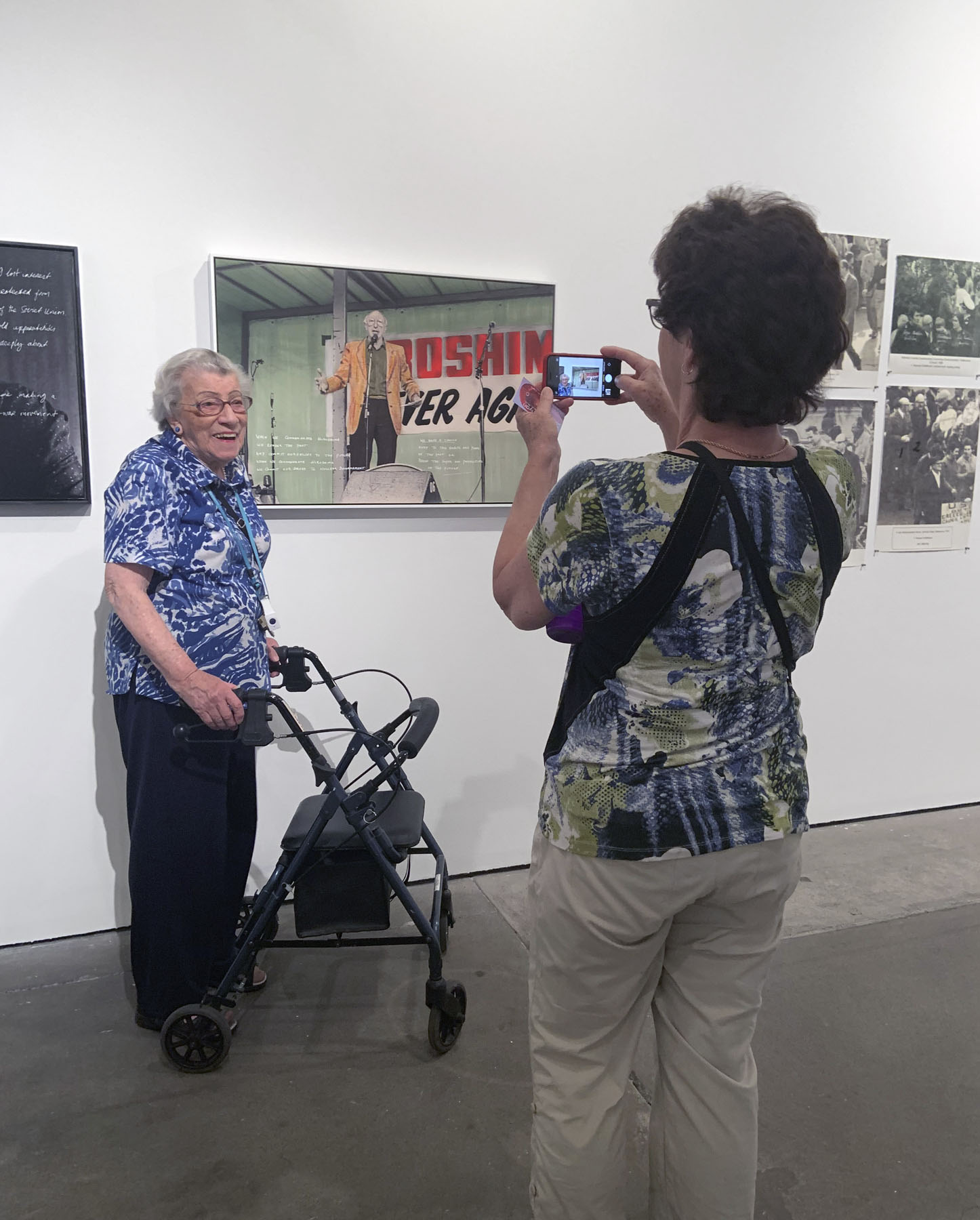
Herta and Jill Koppel


I just met the most wonderful lady at the Ruth Maddison exhibition at the Centre for Contemporary Photography, Melbourne.

100 year old Herta Koppel (pictured with her daughter Jill) was as bright as a button. She escaped the Nazis from Vienna with her two sisters in 1939, a few weeks before the war, leaving behind her parents who did not make it.

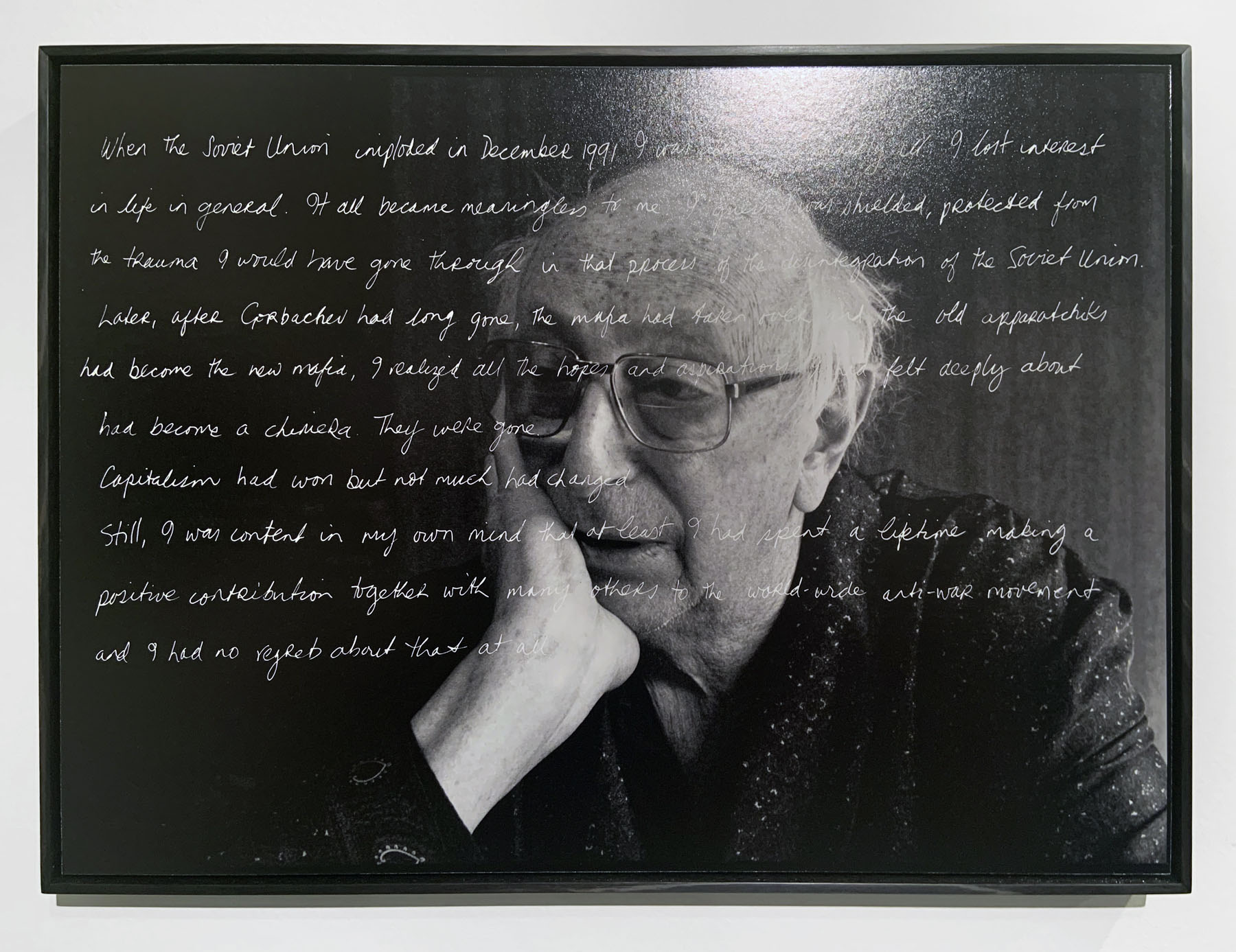
In the gallery the family were reminiscing on the people they knew in Ruth’s photographs while ‘The Internationale’ played in the background. How fitting.

Marcus

Photo: Marcus Bunyan


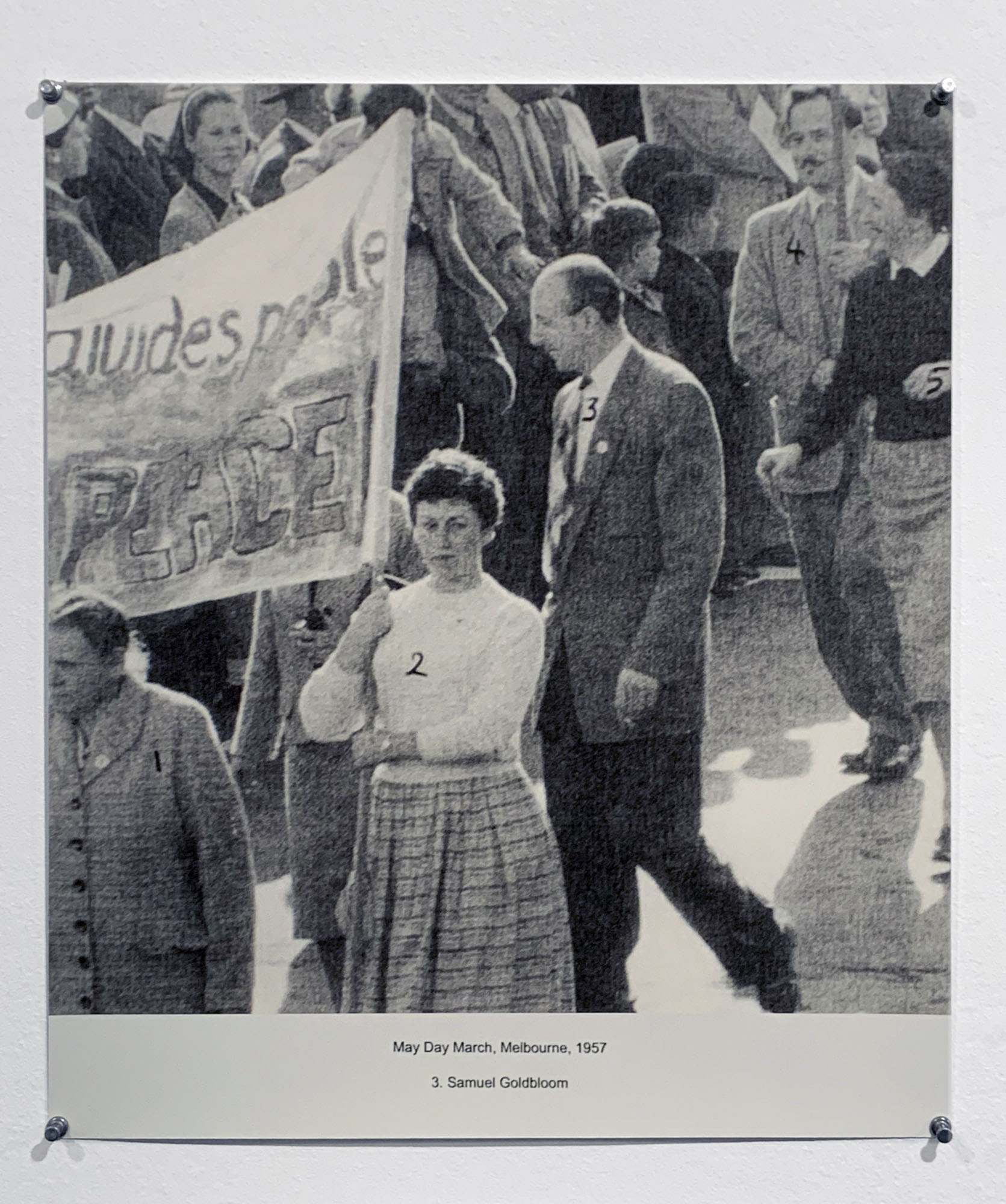
Samuel Goldbloom. Four photographs by ASIO 1957/1965/1968/1970 archival pigments prints 2020 (installation view)

Samuel Goldbloom. Four photographs by ASIO 1957/1965/1968/1970 archival pigments prints 2020 (installation view)


Samuel Goldbloom. Four photographs by ASIO 1957/1965/1968/1970 archival pigments prints 2020 (installation view)
Photos: Marcus Bunyan


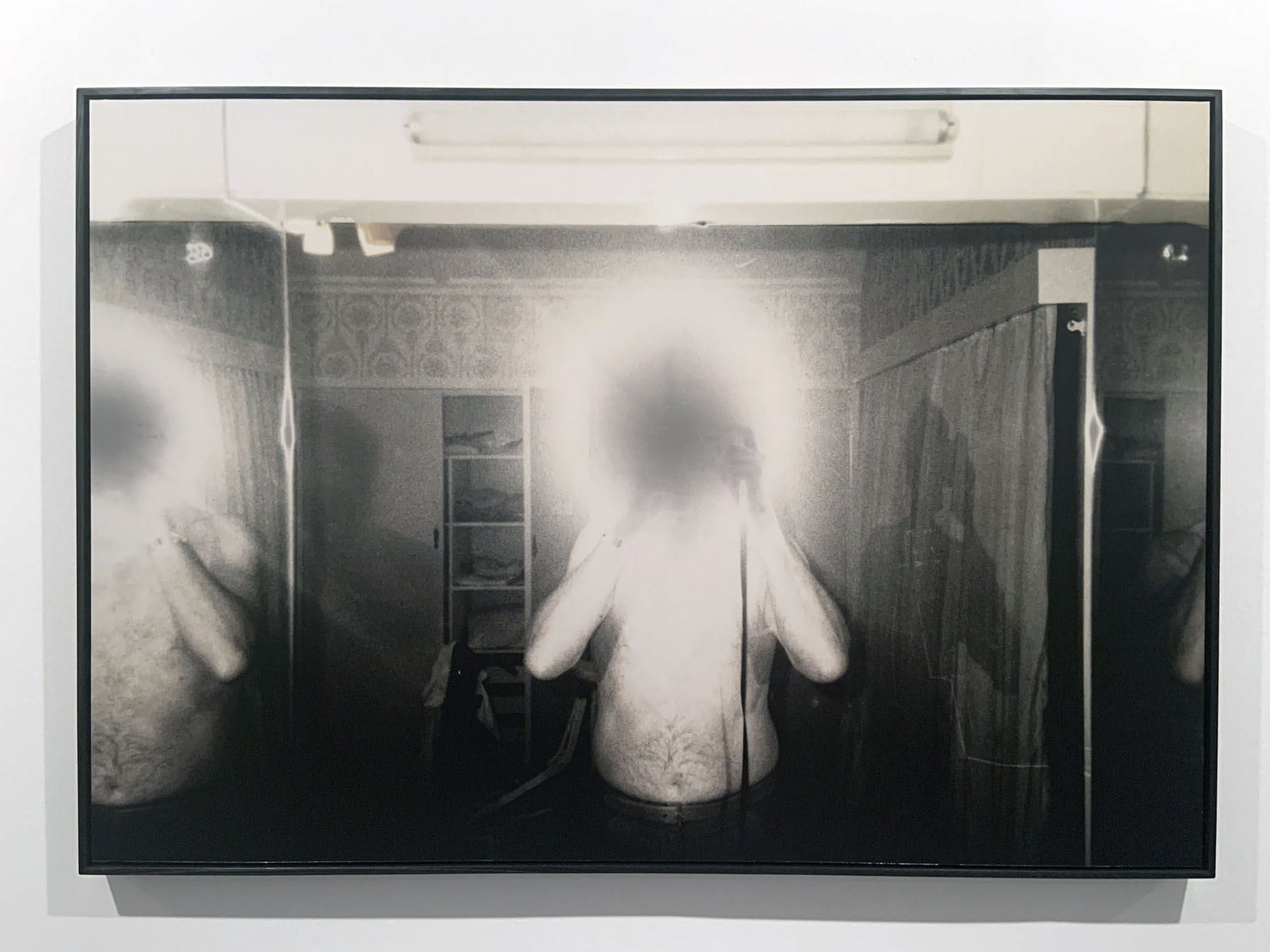
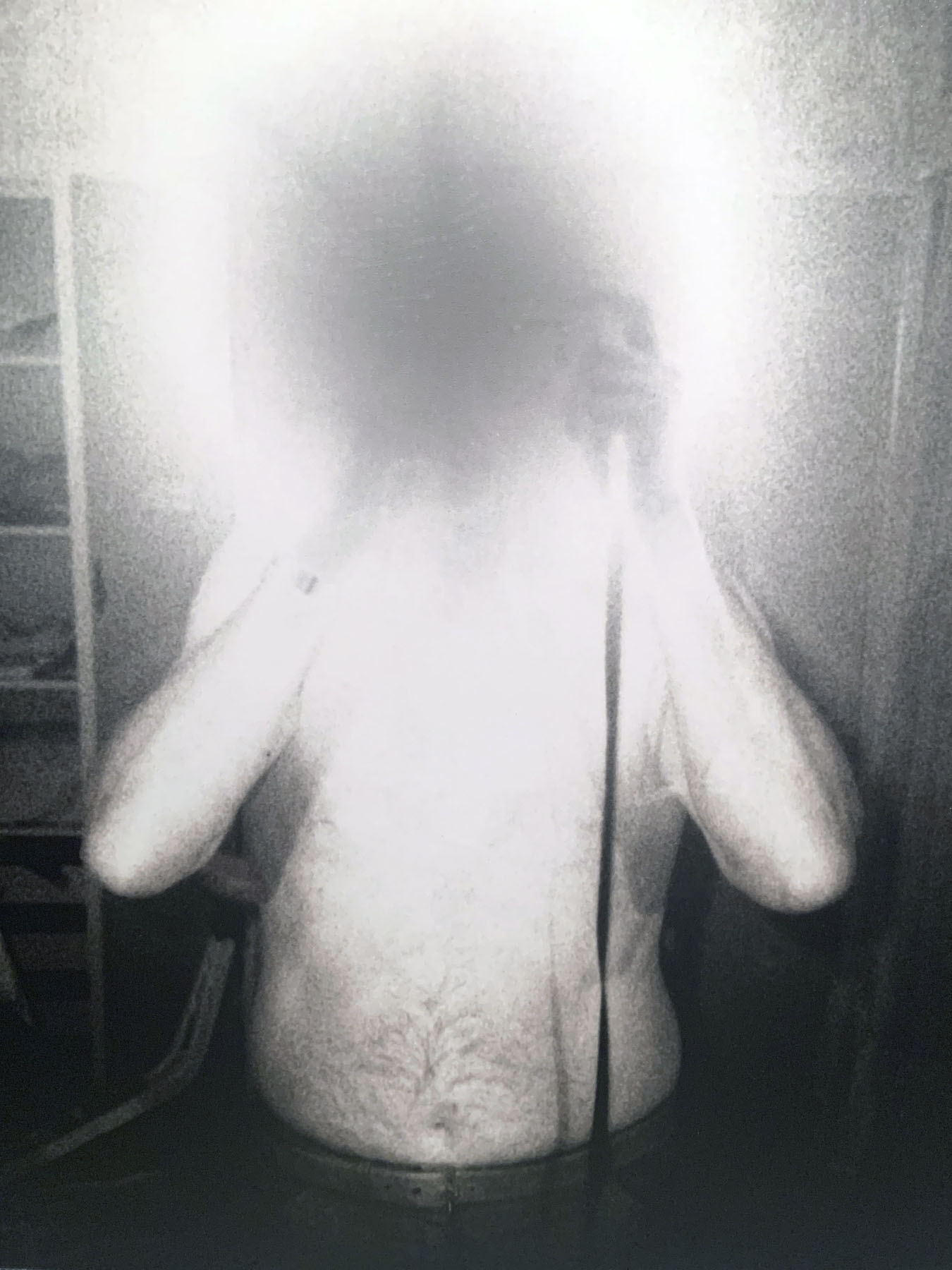
Ruth Maddison (Australian, b. 1945) Sam self-portrait, self-redacted Nd (installation view)


Ruth Maddison (Australian, b. 1945)
Sam self-portrait, self-redacted (installation view)
Nd
Pigment print from scanned negative
Photo: Marcus Bunyan


Ruth Maddison (Australian, b. 1945) 'Sam self-portrait, self-redacted' Nd (installation view detail)


Ruth Maddison (Australian, b. 1945)
Sam self-portrait, self-redacted (installation view detail)
Nd
Pigment print from scanned negative
Photo: Marcus Bunyan


Installation view of the exhibition 'Ruth Maddison It was the best of times, it was the worst of times' at the Centre for Contemporary Photography, Melbourne

Installation view of the exhibition 'Ruth Maddison It was the best of times, it was the worst of times' at the Centre for Contemporary Photography, Melbourne

Installation view of the exhibition 'Ruth Maddison It was the best of times, it was the worst of times' at the Centre for Contemporary Photography, Melbourne


Installation views in gallery three of the exhibition Ruth Maddison It was the best of times, it was the worst of times at the Centre for Contemporary Photography, Melbourne
Photos: Marcus Bunyan


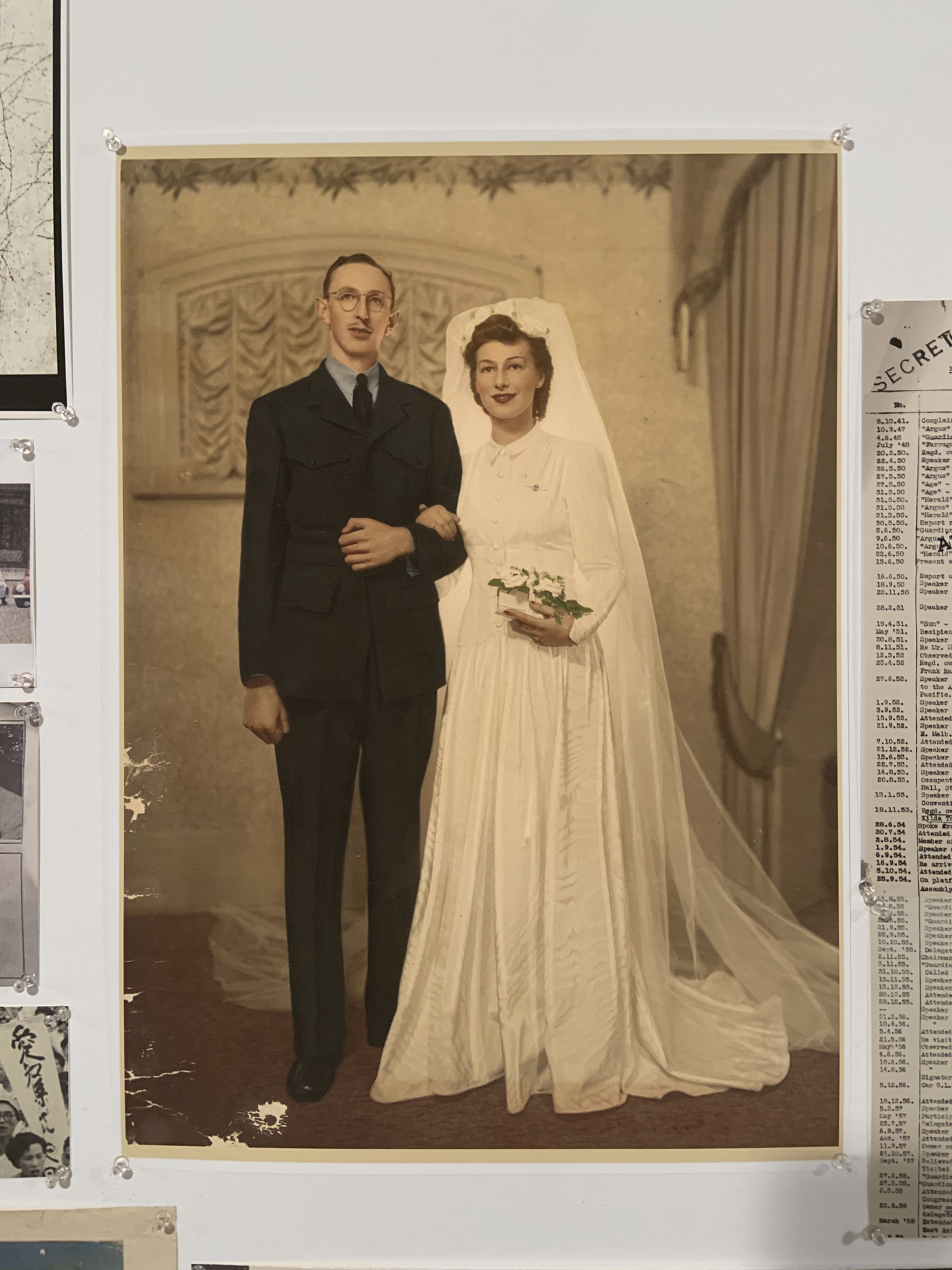
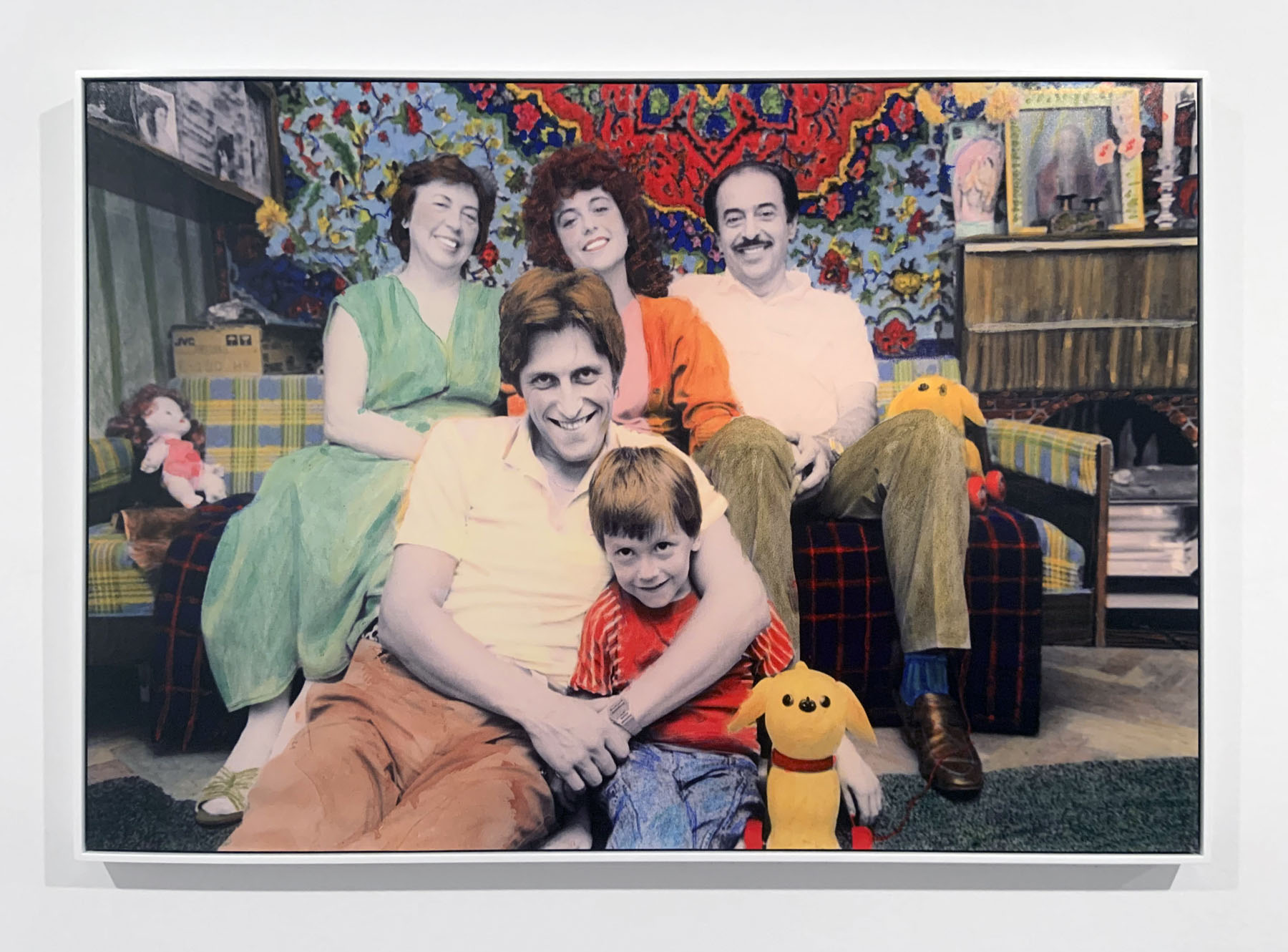
Ruth Maddison (Australian, b. 1945) 'Maddison's parents' Nd (installation view)


Ruth Maddison (Australian, b. 1945)
Maddison’s parents (installation view)
Nd
Pigment print from scanned black and white negative
Photo: Marcus Bunyan


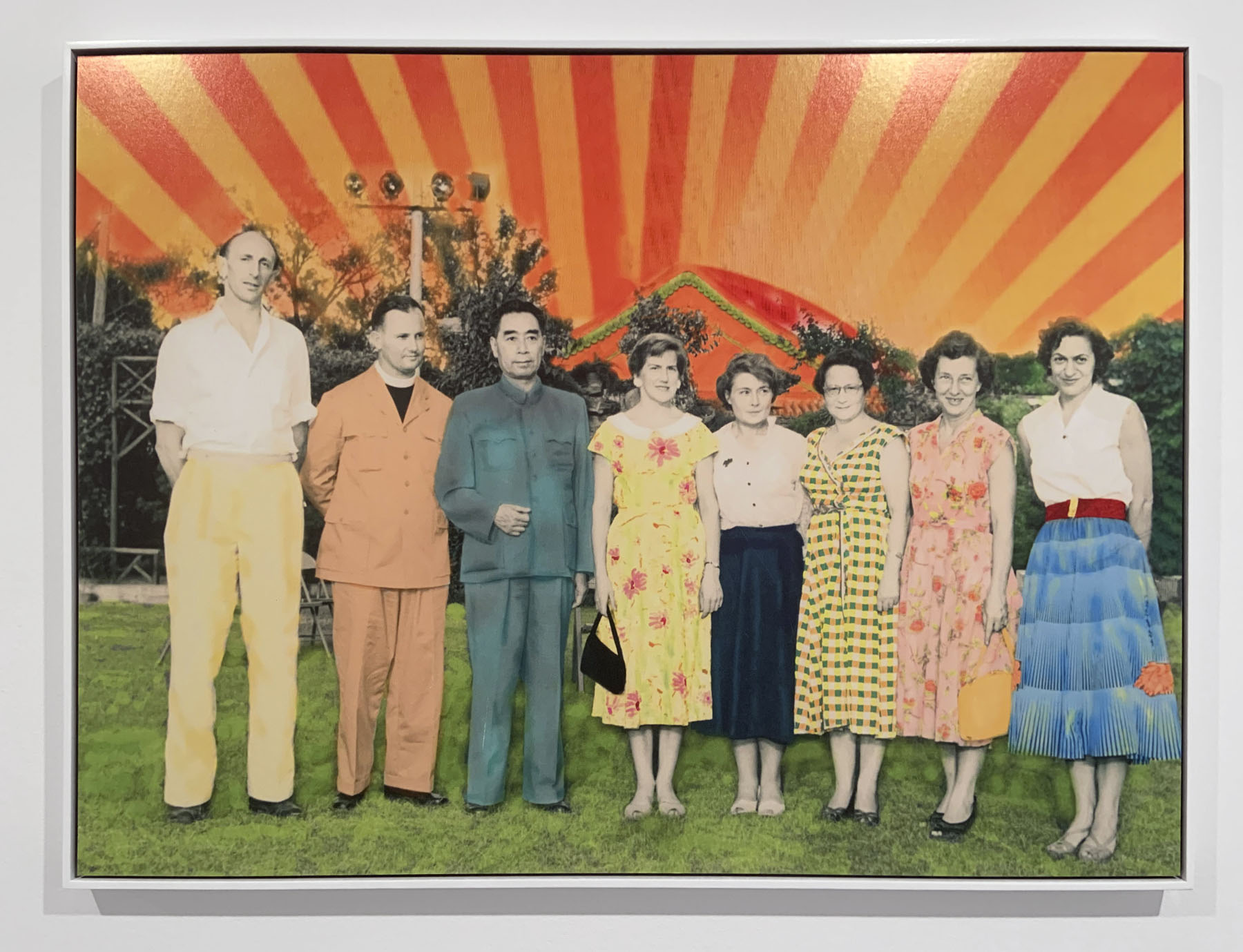
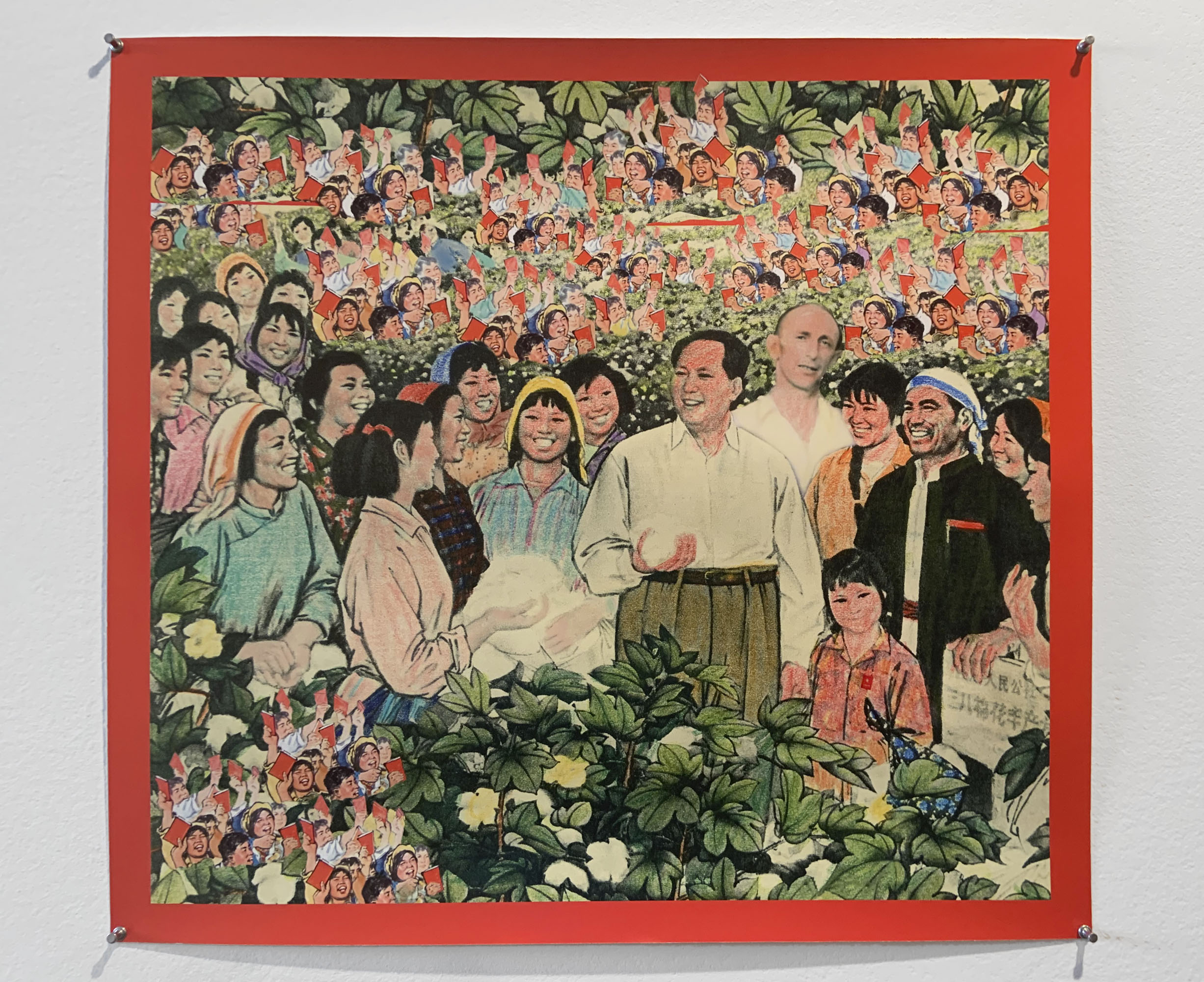
Ruth Maddison (Australian, b. 1945) 'Last night I had the strangest dream (#1)' 2020 (installation view)


Ruth Maddison (Australian, b. 1945)
Last night I had the strangest dream (#1) (installation view)
2020
Pigment print, hand coloured and digitally enhanced
64 x 70cm
Photo: Marcus Bunyan


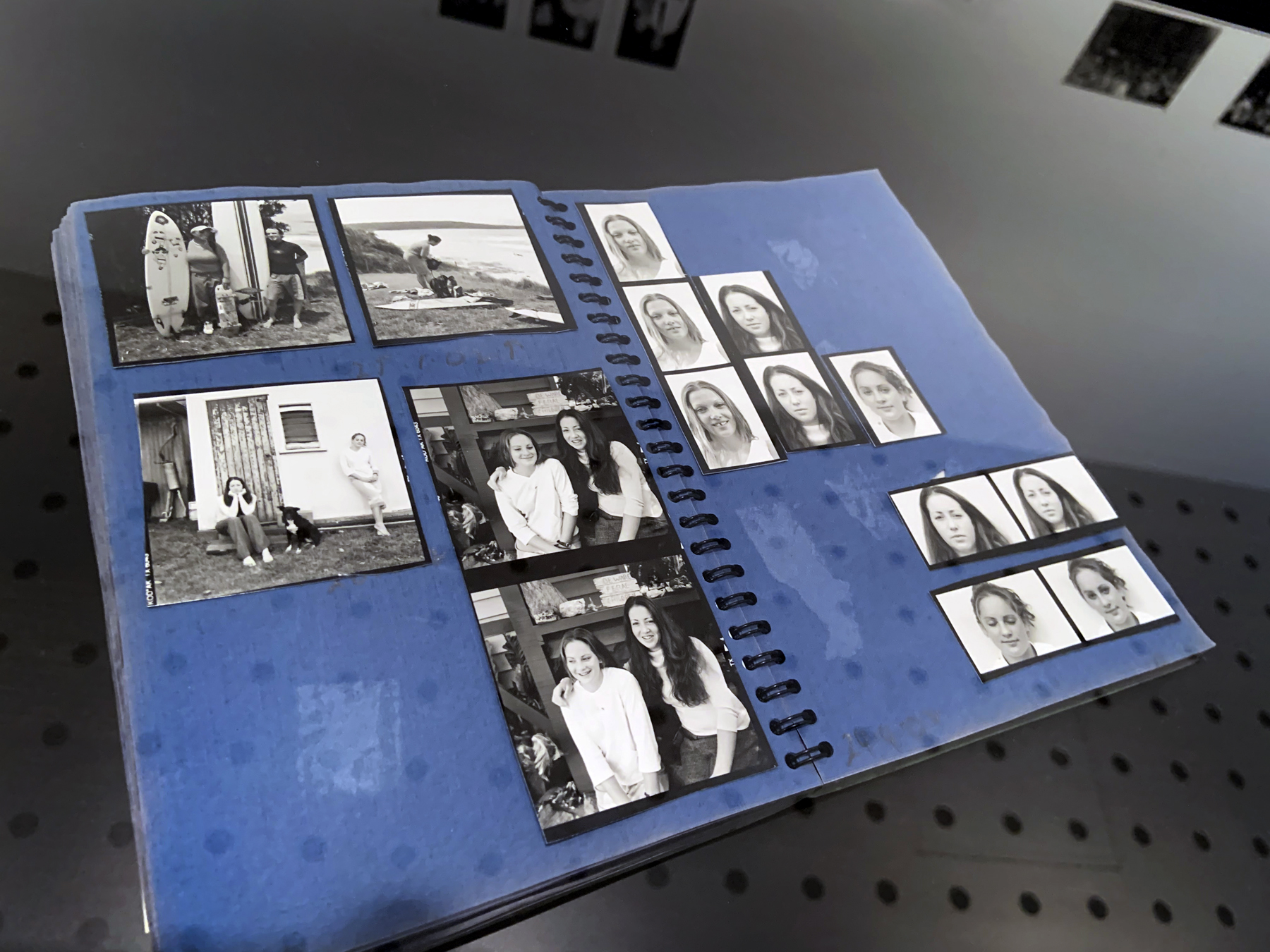
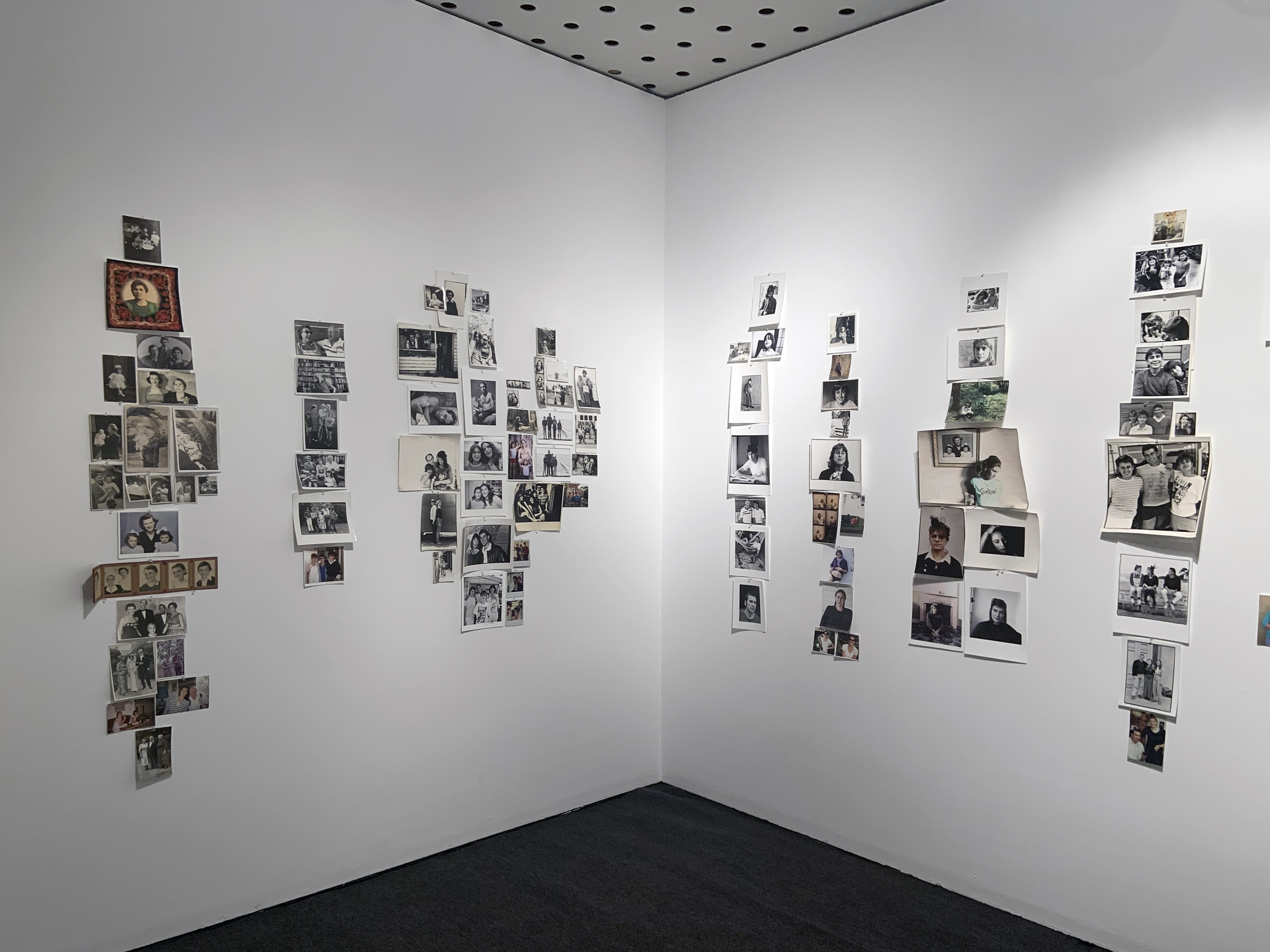
From an early age, Ruth Maddison knew her father, Sam Goldbloom, was being watched. “He used to tell us not to worry about the men sitting in the car in front of the house … we were aware the clicks on the phone meant ‘they’ were listening too,” the award-winning Melbourne-born photographer says.

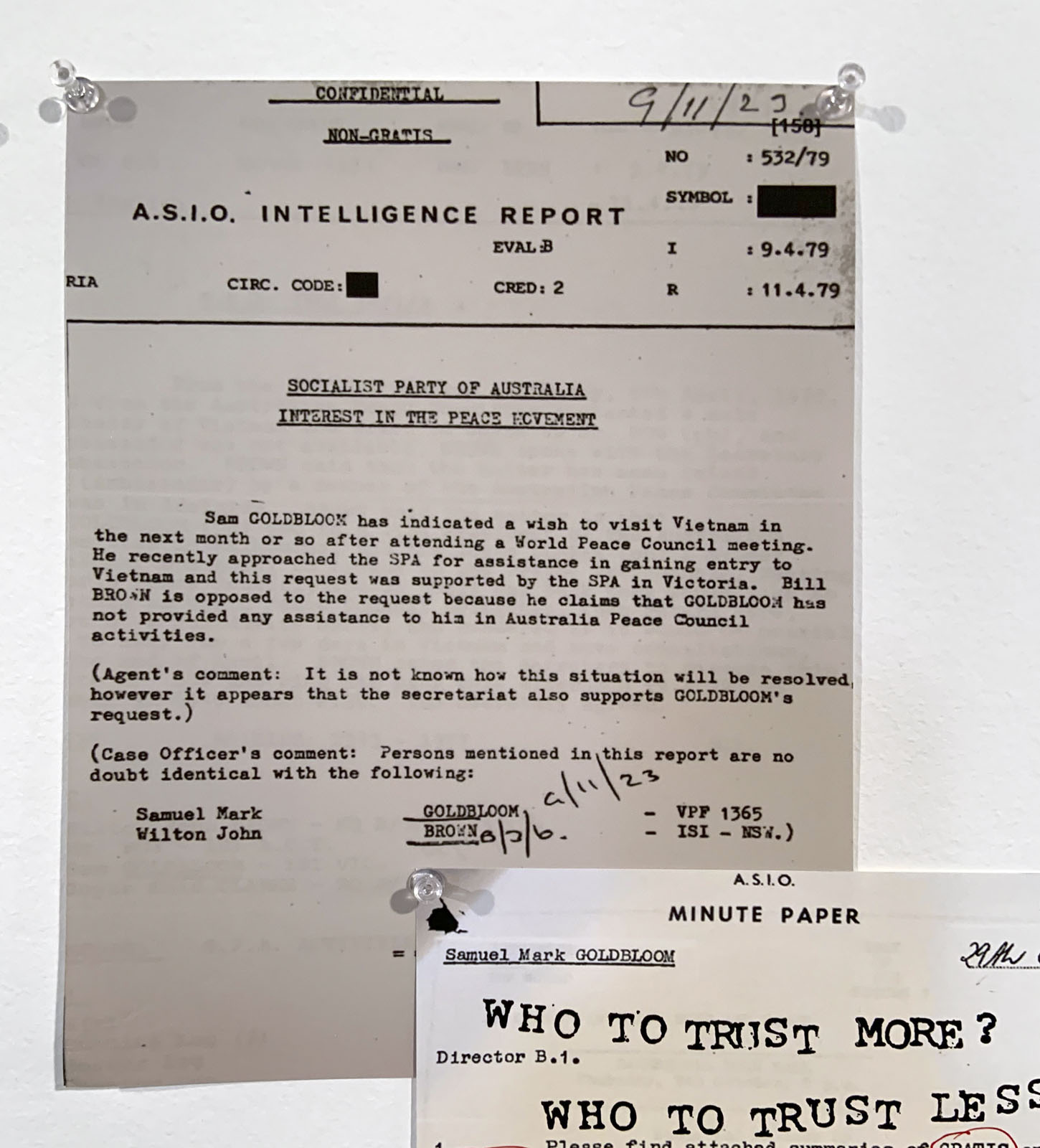
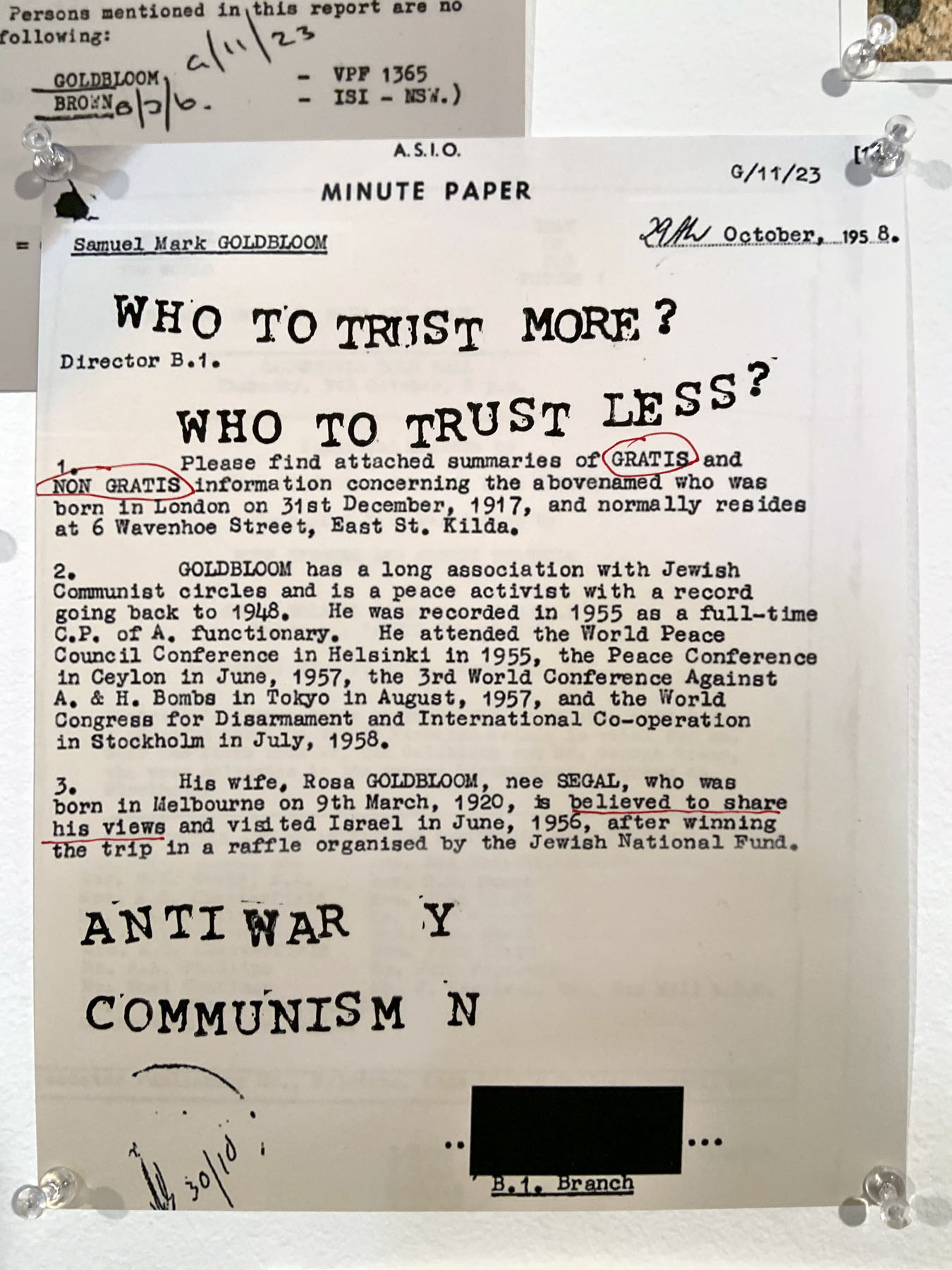
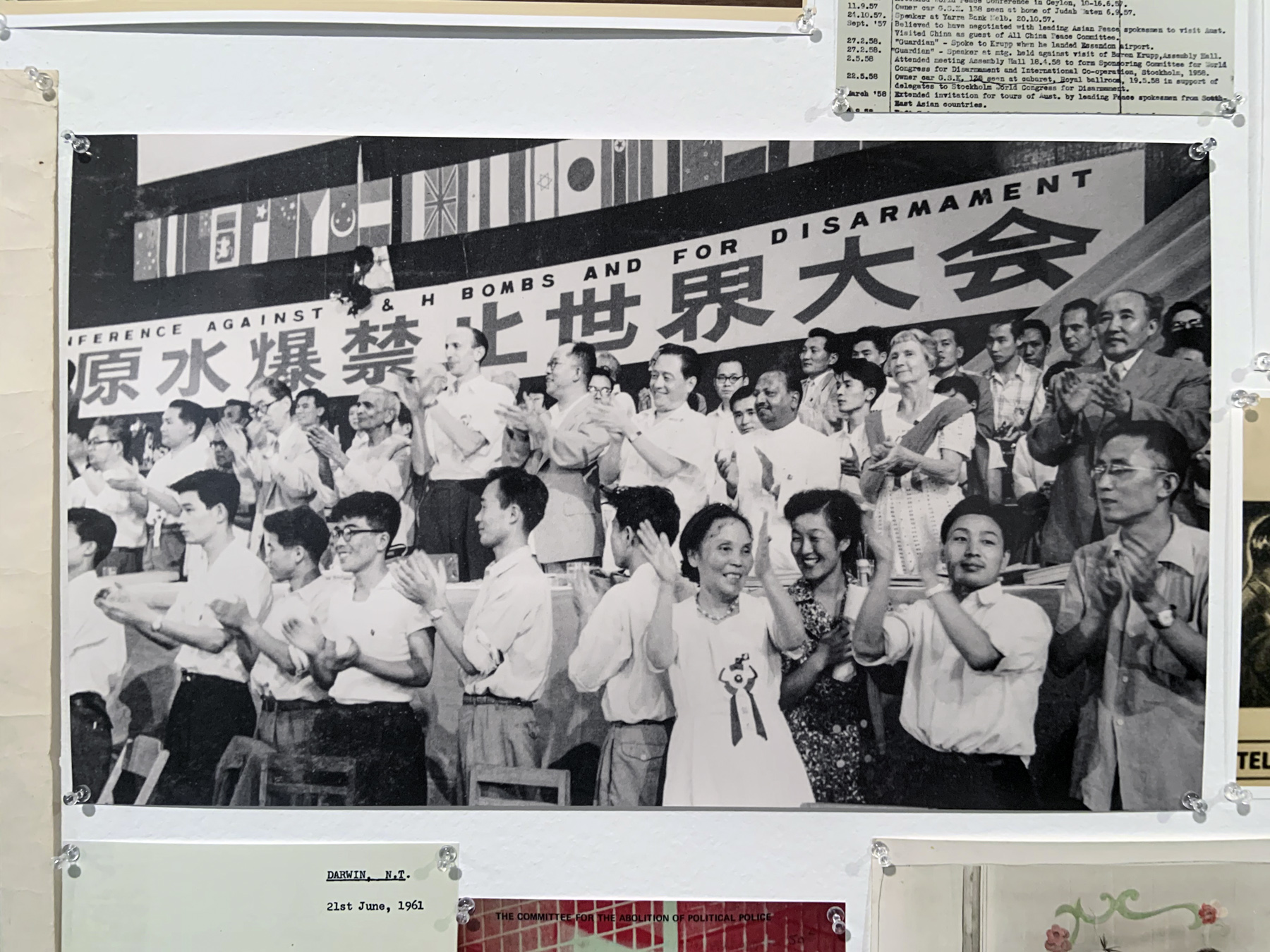
“They” were the Australian Security Intelligence Organisation. In the 1940s, Goldbloom’s anti-fascist ideals drew ASIO’s attention. He later joined the Communist party before becoming a major player in the World Peace Council. These associations made him a person of interest for more than 30 years. …

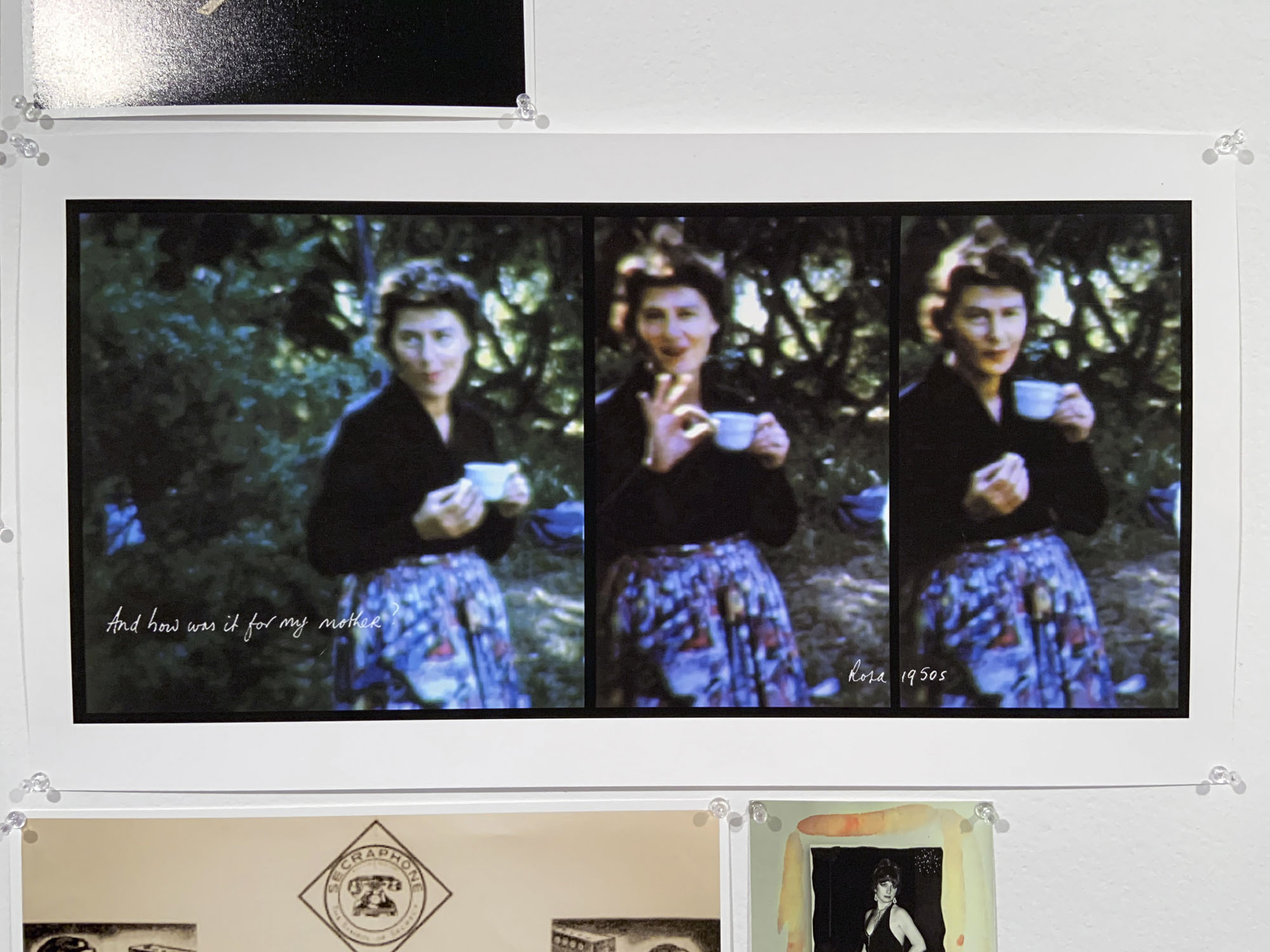
While the spy agency’s prolonged surveillance of her father was not news, Maddison says that when her mother, Rosa, died in 2008, she discovered a much more layered history. As she and her two sisters packed up the family home, Maddison was tasked with clearing out her father’s shed. He had died in 1999 but until then no one had gone through “Sam’s stuff”.

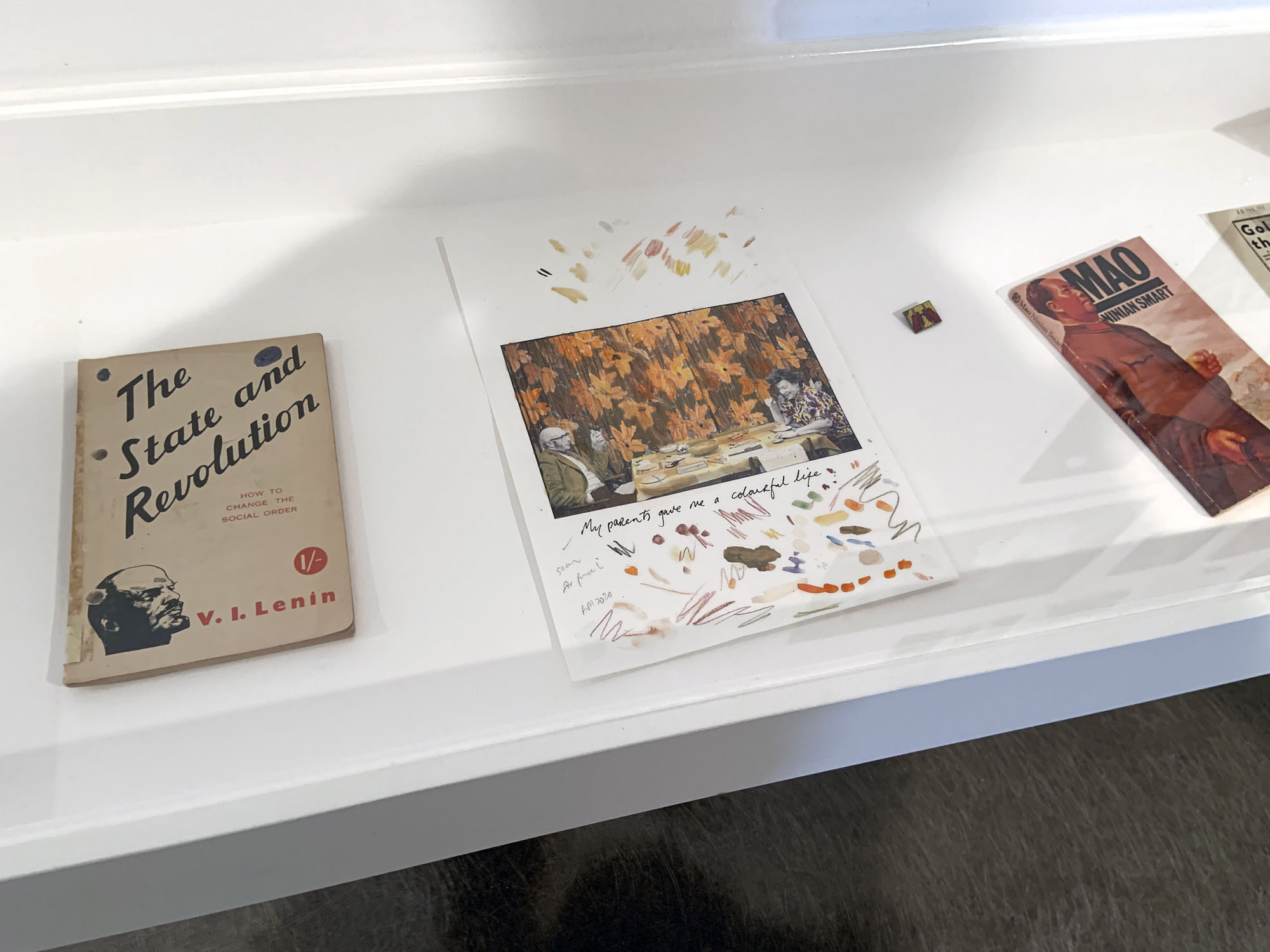
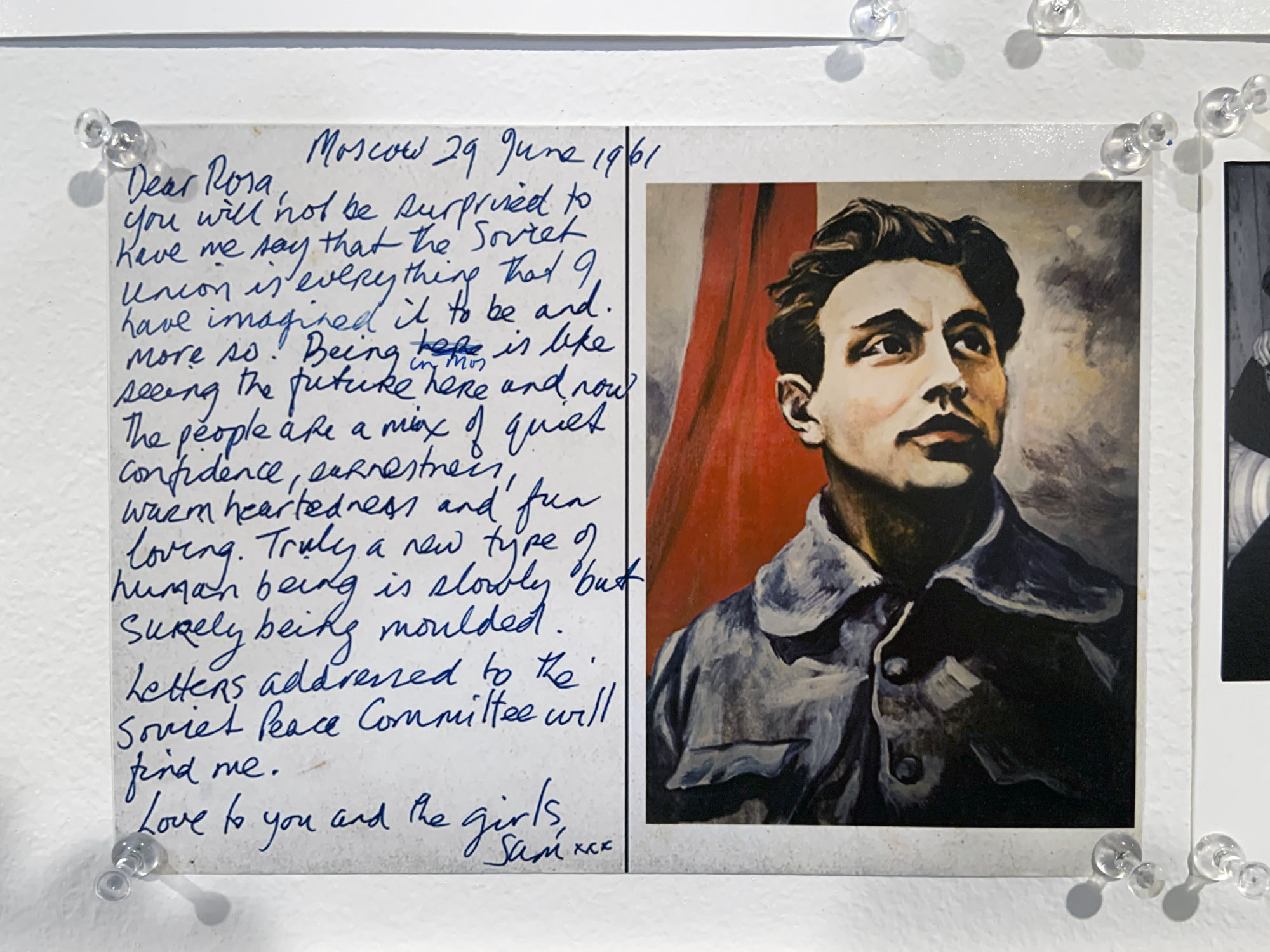
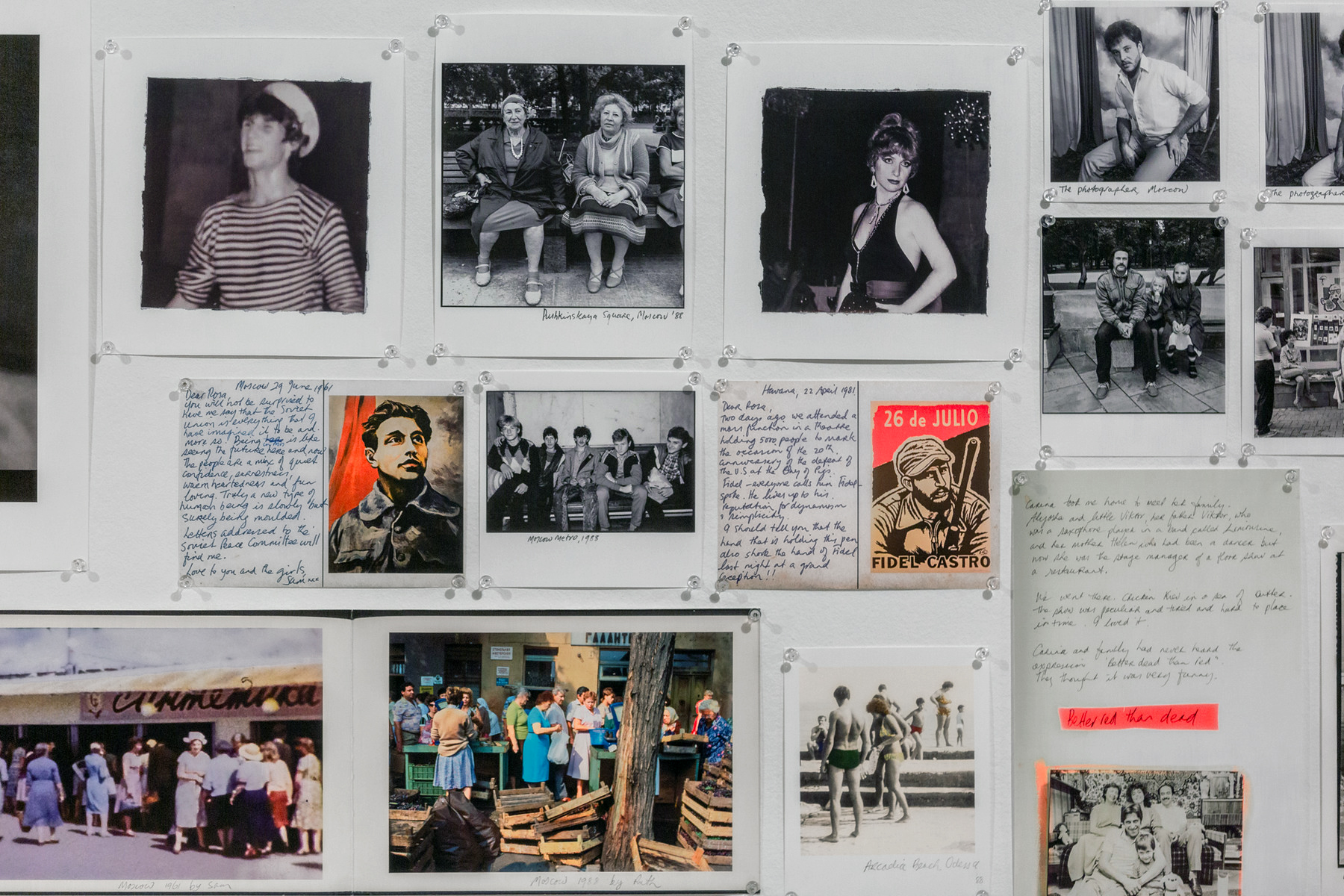
There she found packs of slides, video footage from Goldbloom’s numerous peace missions to communist regimes including the USSR, East Germany and Cuba, as well as home movies, correspondence and other paraphernalia related to his activist work. This discovery became the entry point to The Fellow Traveller, the centrepiece for the first major survey of Maddison’s work, “It was the best of times, it was the worst of times”.

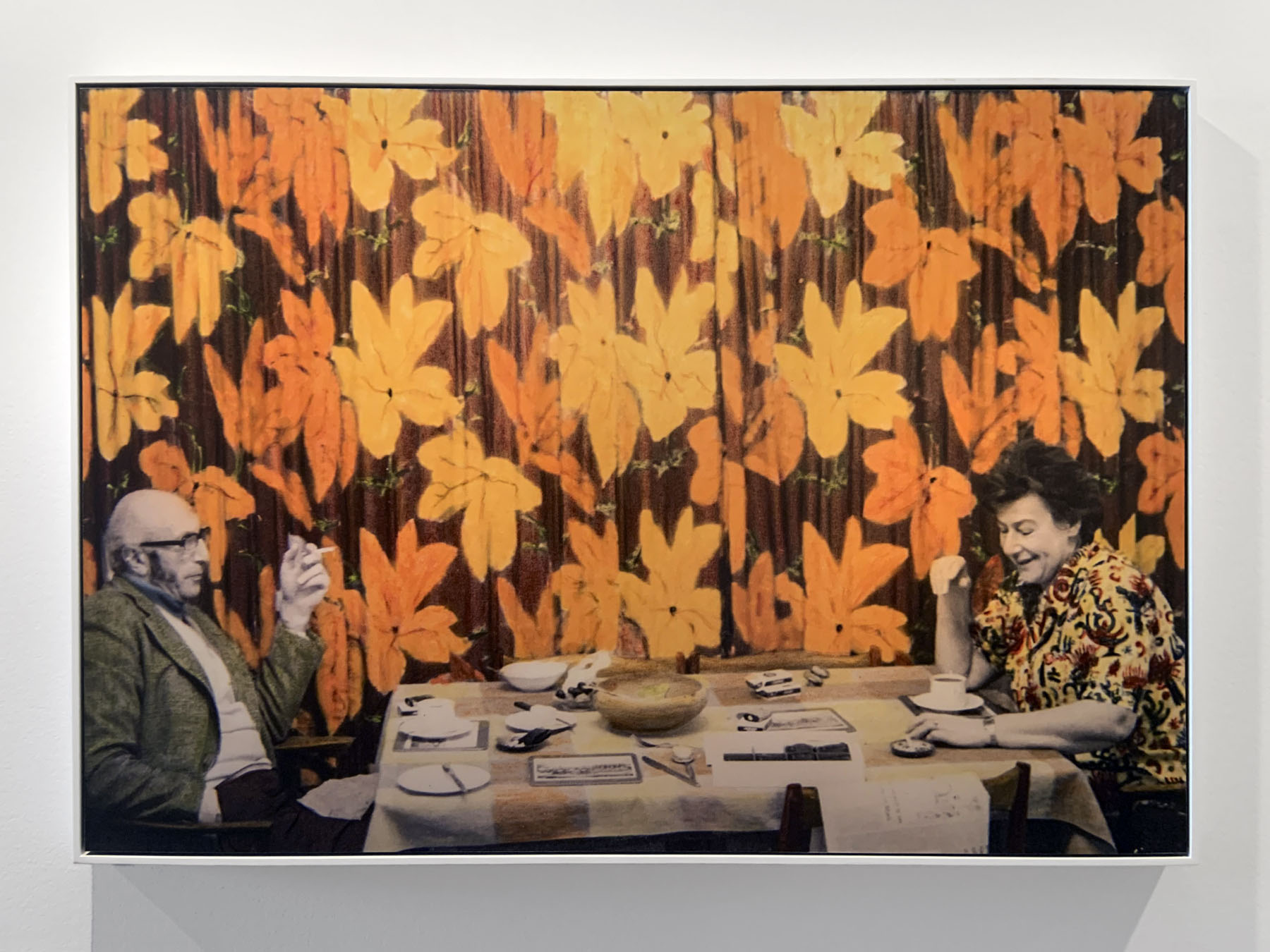
She [Maddison] uses her camera to explore the influence of politics on everyday life, often focusing on the personal. In The Fellow Traveller she exposes the social and political climate of the postwar years through a very intimate and at times painful lens.

“For my father, politics was number one,” she says. “To see it all laid out in the ASIO files, you know, night after night after night Sam was at meetings, and then this year he’s overseas for one month, and then another year for two months, then three. While I was looking at all of that I realised family wasn’t number one for him.”

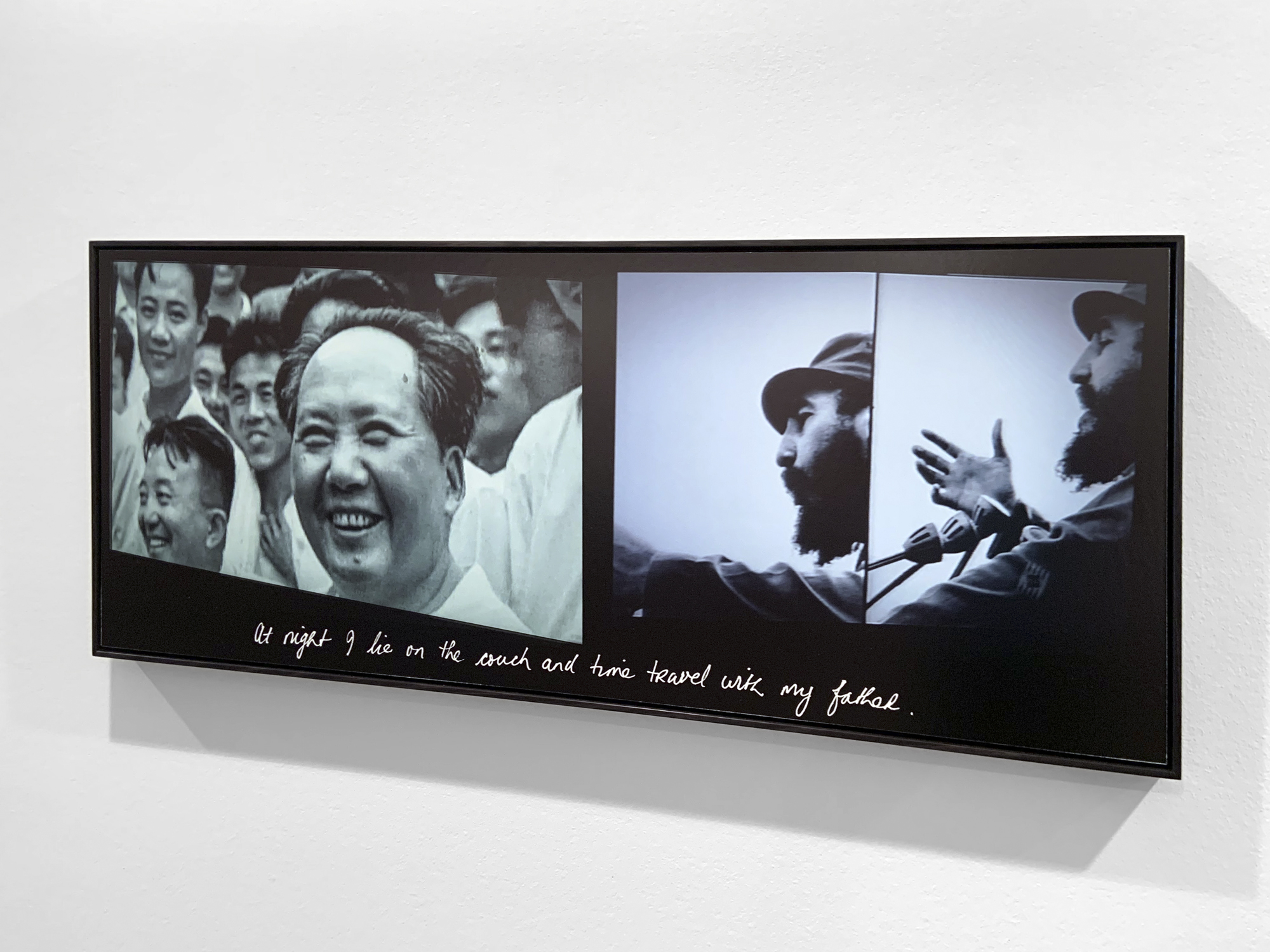
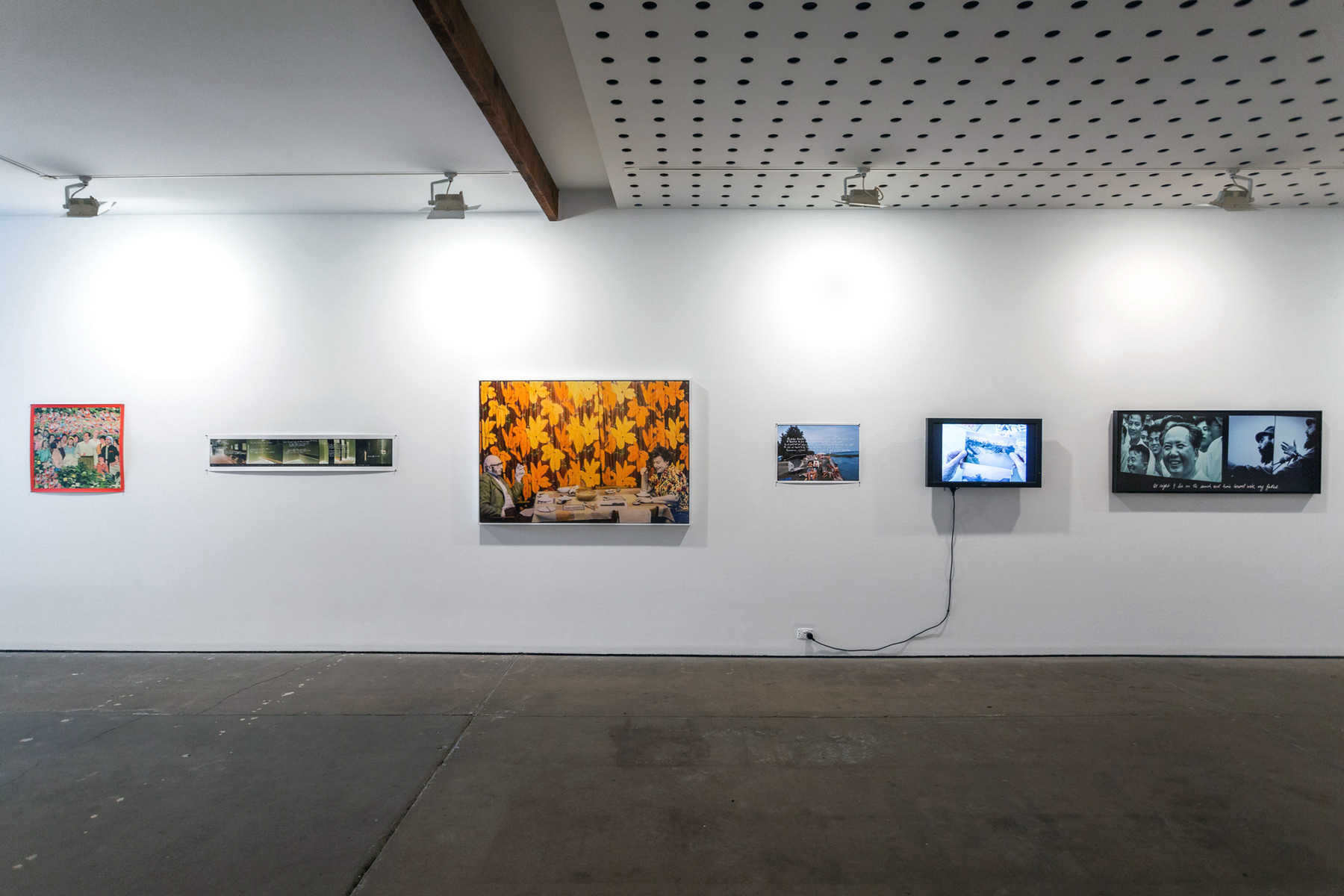
While Maddison was not witness to her father’s interactions with world leaders, she imagined him meeting men like Mao and Khrushchev. In a series, “Last night I had the strangest dream” Maddison has inserted Goldbloom into pictures with his political heroes [see Last night I had the strangest dream (#1) below].

“It’s not about reinterpreting history, I am playing with him and his life, and wondering if he ever daydreamed these images like I am now.” These hand-coloured photographs are also visual evidence of the fiction ASIO pursued.

Maddison describes her treatment of the archival materials as “part real, part desire and part imaginary”, which parallels the narrative in the ASIO files. In the endless reams of observational notes, innocuous photographs and informers’ statements lies the hope that Goldbloom was up to something.

After decades of being denigrated in the press and parliament, in 1990 Goldbloom was awarded an OAM for his service as an activist for peace. Later, a street was named after him in Canberra. Maddison has paired an ASIO image of her father at a peace rally in 1965 with the Goldbloom street sign, evidence she says of “history doing the wheel again”. [See the diptych To everything there is a turn, turn, turn 2020 above]

Alison Stieven-Taylor. “The communist who raised me: photographer Ruth Maddison interrogates her father’s Asio file,” on the Guardian website Thurs 25 February 2021 [Online] Cited 05/04/2021
 

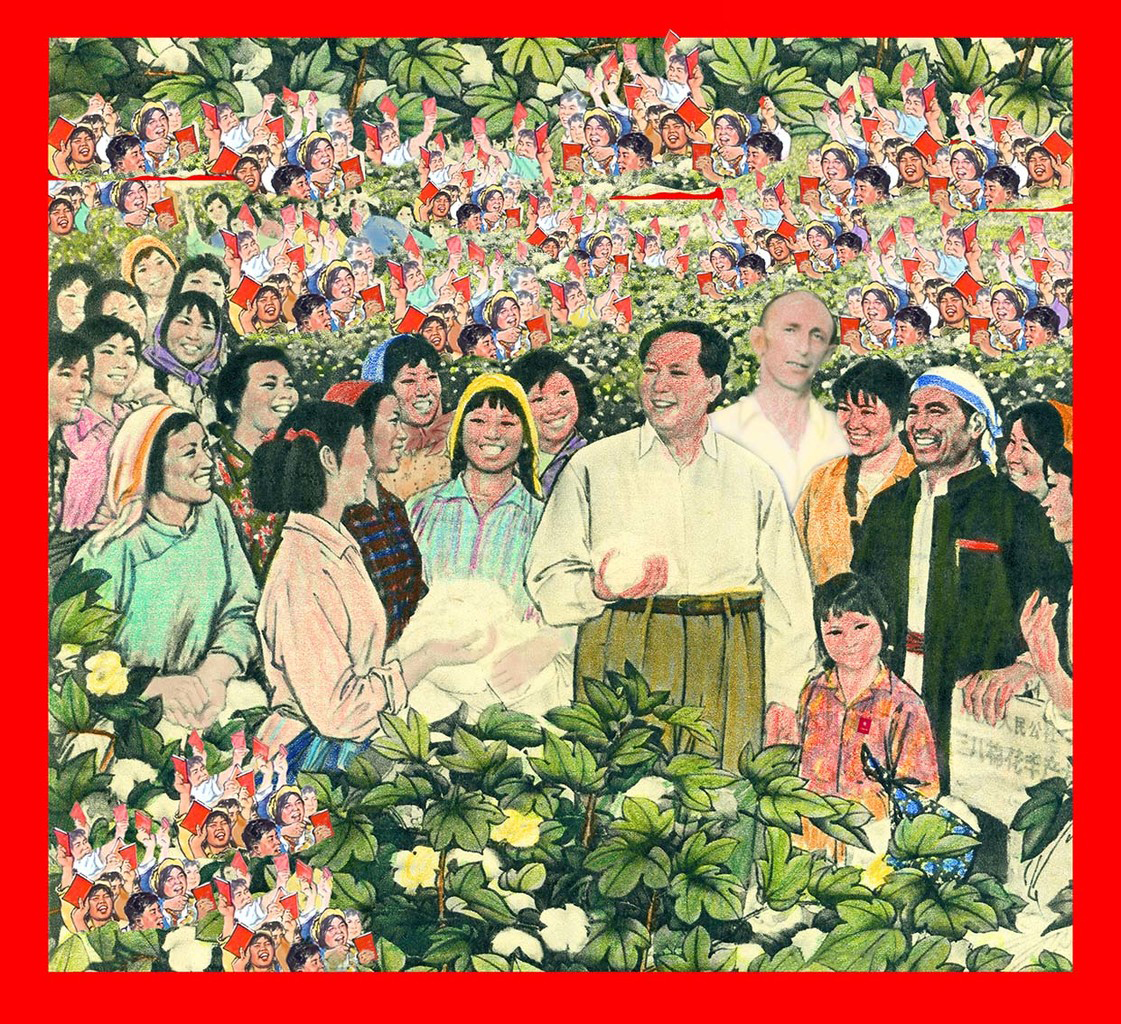
Ruth Maddison (Australian, b. 1945) 'Last night I had the strangest dream (#1)' 2020


Ruth Maddison (Australian, b. 1945)
Last night I had the strangest dream (#1)
2020
Pigment print, hand coloured and digitally enhanced
64 x 70cm
Courtesy of the artist and the Centre for Contemporary Photography


Gallery four


Text from the exhibition 'Ruth Maddison It was the best of times, it was the worst of times' at the Centre for Contemporary Photography, Melbourne


Installation view of the exhibition 'Ruth Maddison It was the best of times, it was the worst of times' at the Centre for Contemporary Photography, Melbourne

Installation view of the exhibition 'Ruth Maddison It was the best of times, it was the worst of times' at the Centre for Contemporary Photography, Melbourne

Installation view of the exhibition 'Ruth Maddison It was the best of times, it was the worst of times' at the Centre for Contemporary Photography, Melbourne

Installation view of the exhibition 'Ruth Maddison It was the best of times, it was the worst of times' at the Centre for Contemporary Photography, Melbourne

Installation view of the exhibition 'Ruth Maddison It was the best of times, it was the worst of times' at the Centre for Contemporary Photography, Melbourne

Installation view of the exhibition 'Ruth Maddison It was the best of times, it was the worst of times' at the Centre for Contemporary Photography, Melbourne

Installation view of the exhibition 'Ruth Maddison It was the best of times, it was the worst of times' at the Centre for Contemporary Photography, Melbourne

Installation view of the exhibition 'Ruth Maddison It was the best of times, it was the worst of times' at the Centre for Contemporary Photography, Melbourne

Installation view of the exhibition 'Ruth Maddison It was the best of times, it was the worst of times' at the Centre for Contemporary Photography, Melbourne

Installation view of the exhibition 'Ruth Maddison It was the best of times, it was the worst of times' at the Centre for Contemporary Photography, Melbourne


Installation views in gallery four of the exhibition Ruth Maddison It was the best of times, it was the worst of times at the Centre for Contemporary Photography, Melbourne
Photos: Marcus Bunyan


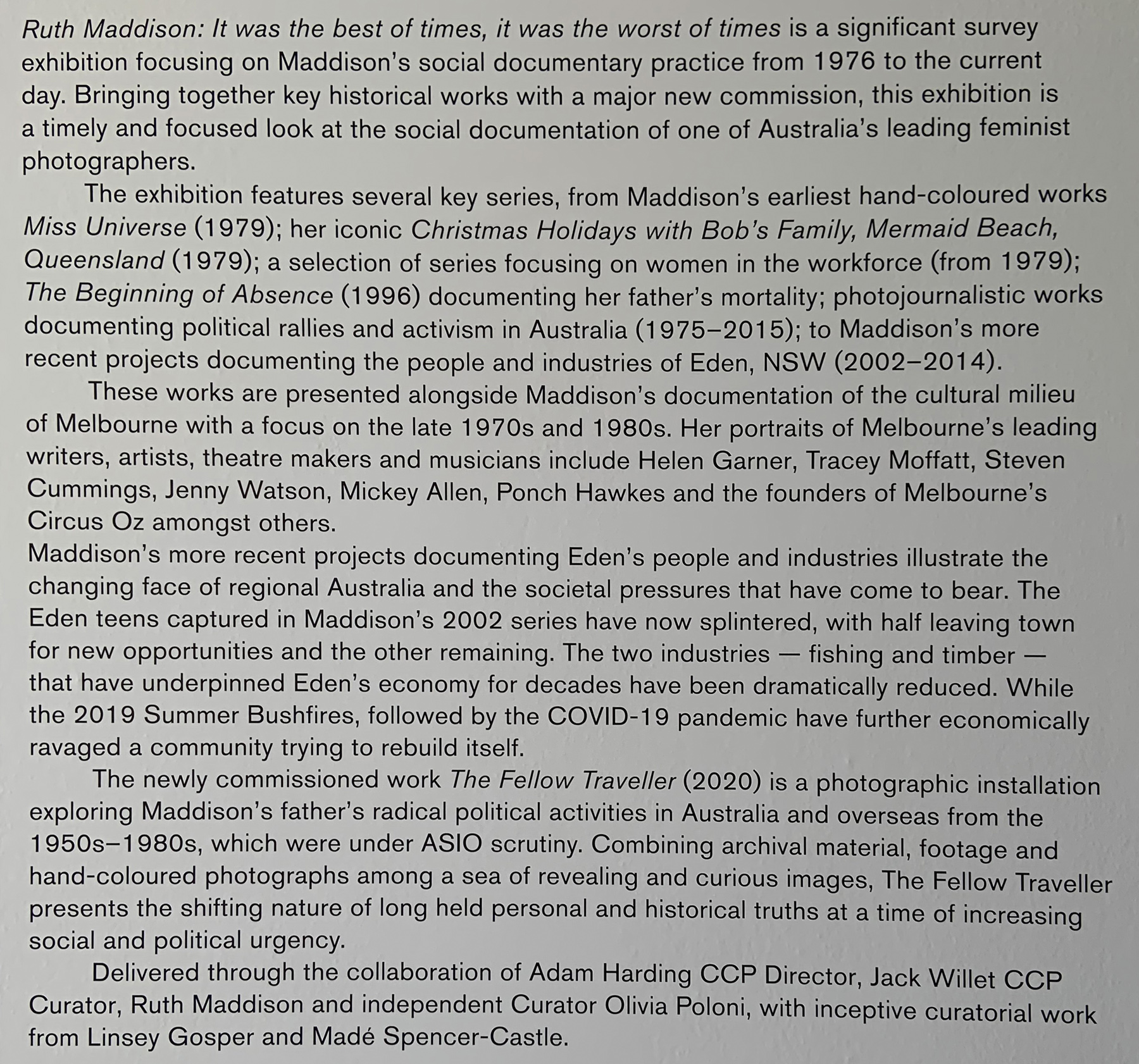
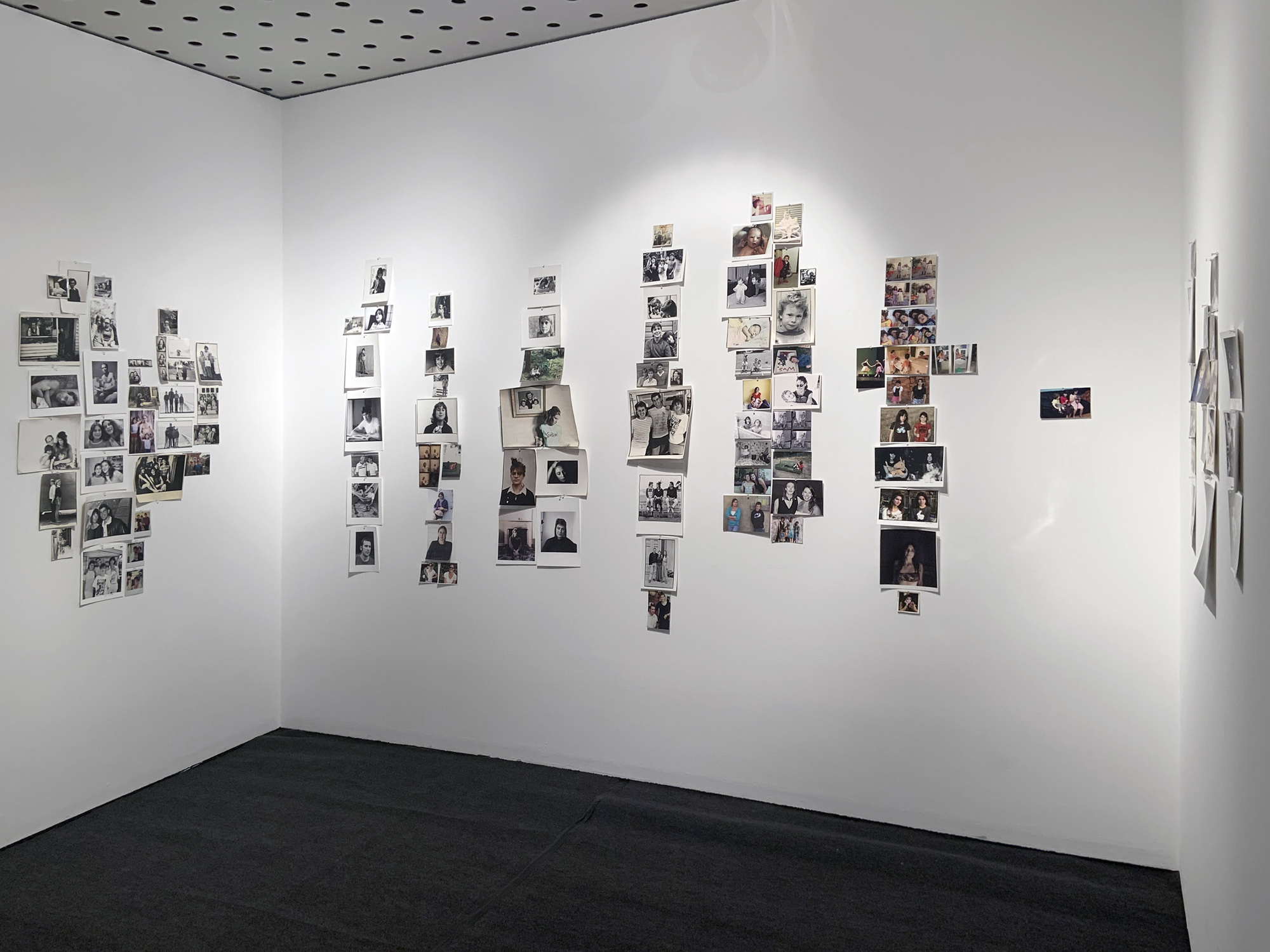
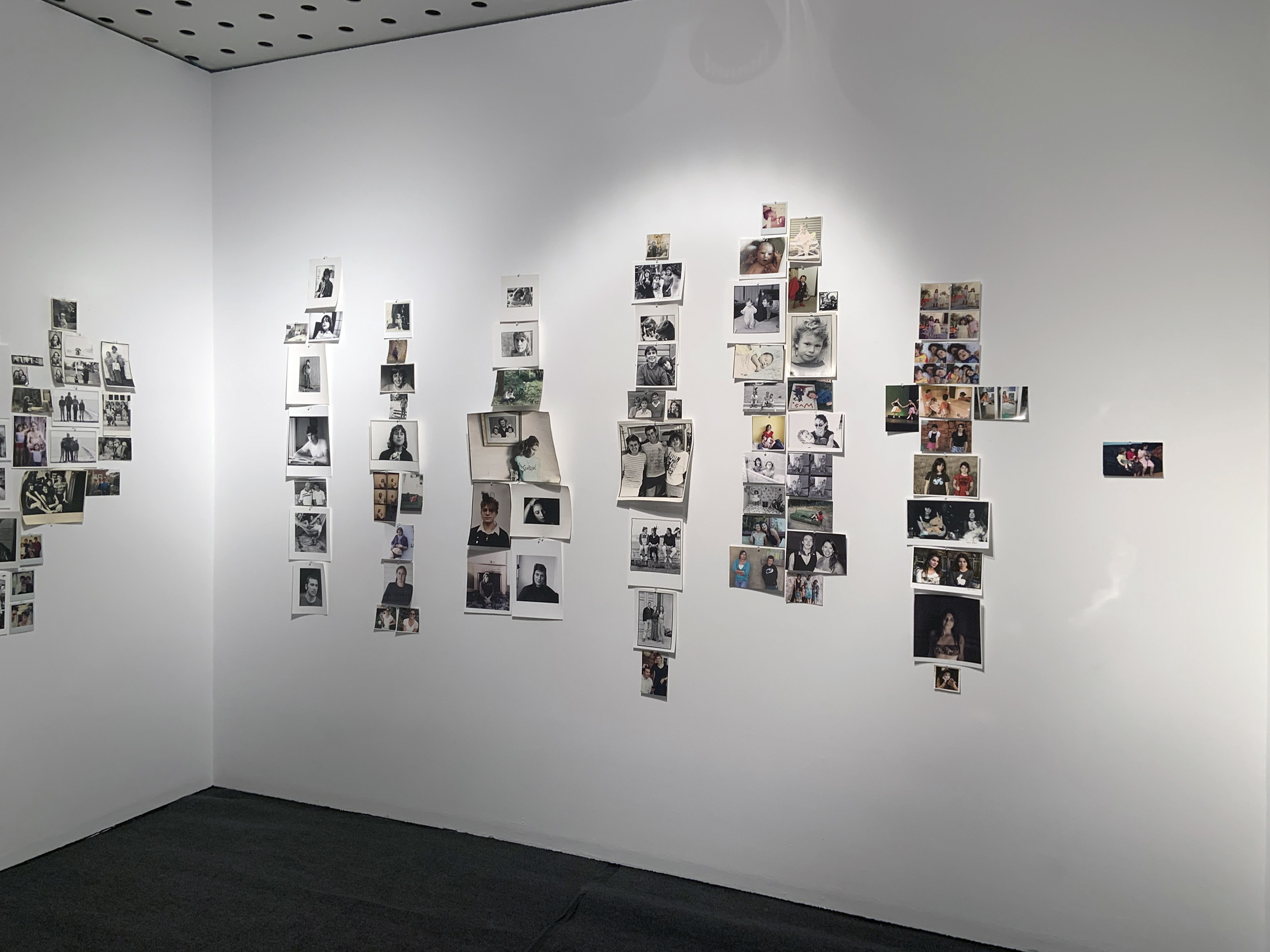
Ruth Maddison: It was the best of times, it was the worst of times is a significant survey exhibition focusing on Maddison’s social documentary practice from 1976 to the current day. Bringing together key historical works with a major new commission, this exhibition is a timely and focused look at one of Australia’s leading feminist photographers.

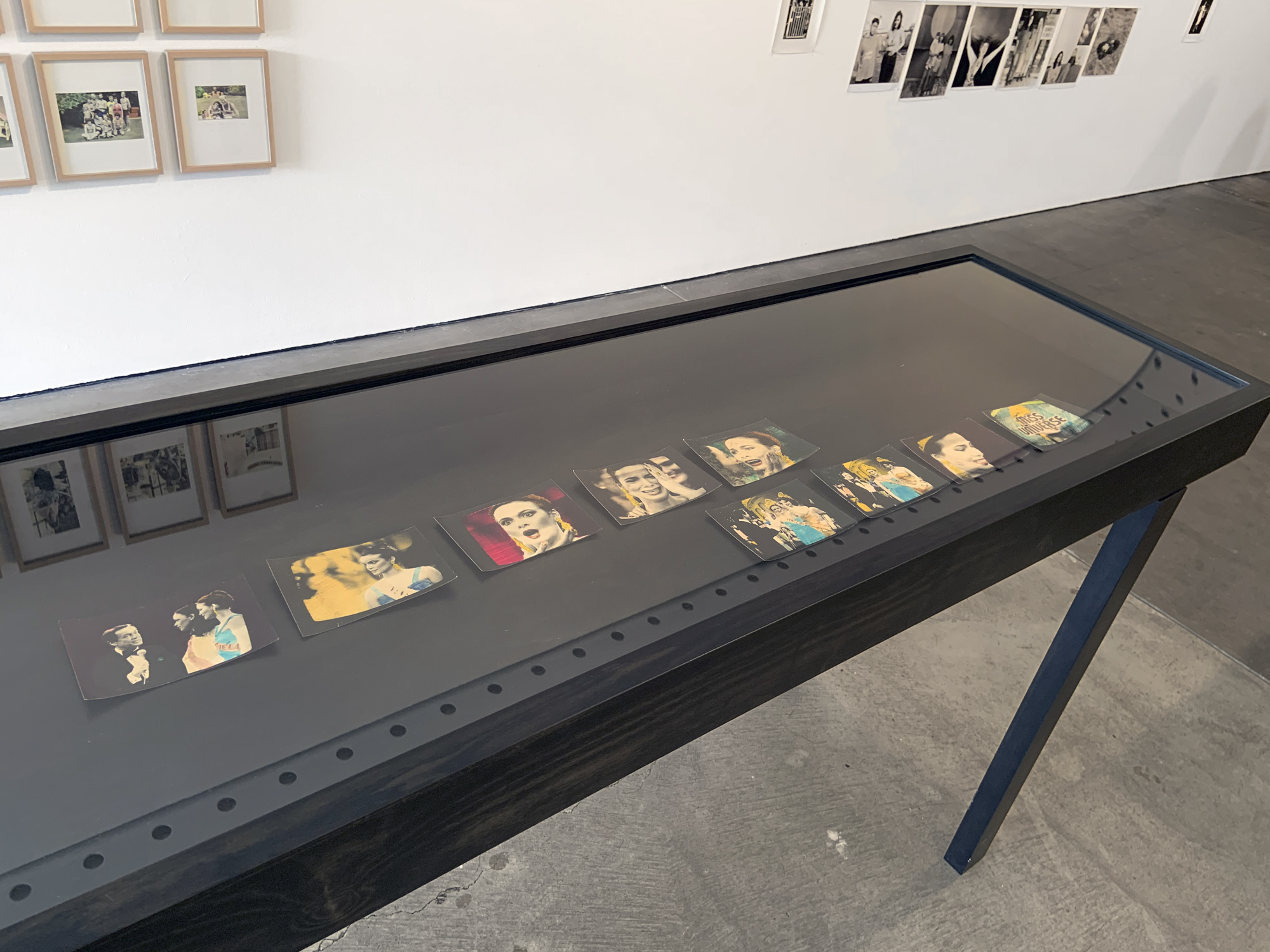
The exhibition features several key series, from Maddison’s earliest hand-coloured works Miss Universe (1979); her iconic Christmas Holidays with Bob’s Family, Mermaid Beach, Queensland (1979); a selection of series focusing on women in the workforce (from 1979); The Beginning of Absence (1996) documenting her father’s mortality; photojournalistic works documenting political rallies and activism in Australia (1975-2015); to Maddison’s more recent projects documenting the people and industries of Eden, NSW (2002-2014).

These works are presented alongside Maddison’s documentation of the cultural milieu of Melbourne with a focus on the late 1970s and 1980s. Her portraits of Melbourne’s leading writers, artists, theatre makers and musicians include Helen Garner, Tracey Moffatt, Steven Cummings, Jenny Watson, Mickey Allen, Ponch Hawkes and the founders of Melbourne’s Circus Oz amongst others.

Maddison’s more recent projects documenting Eden’s people and industries illustrate the changing face of regional Australia and the societal pressures that have come to bear. The Eden teens captured in Maddison’s 2002 series have now splintered, with half leaving town for new opportunities and the other remaining. The two industries – fishing and timber – that have underpinned Eden’s economy for decades have been dramatically reduced. While the 2019 bushfires, followed by the COVID-19 pandemic have further economically ravaged a community trying to rebuild itself.

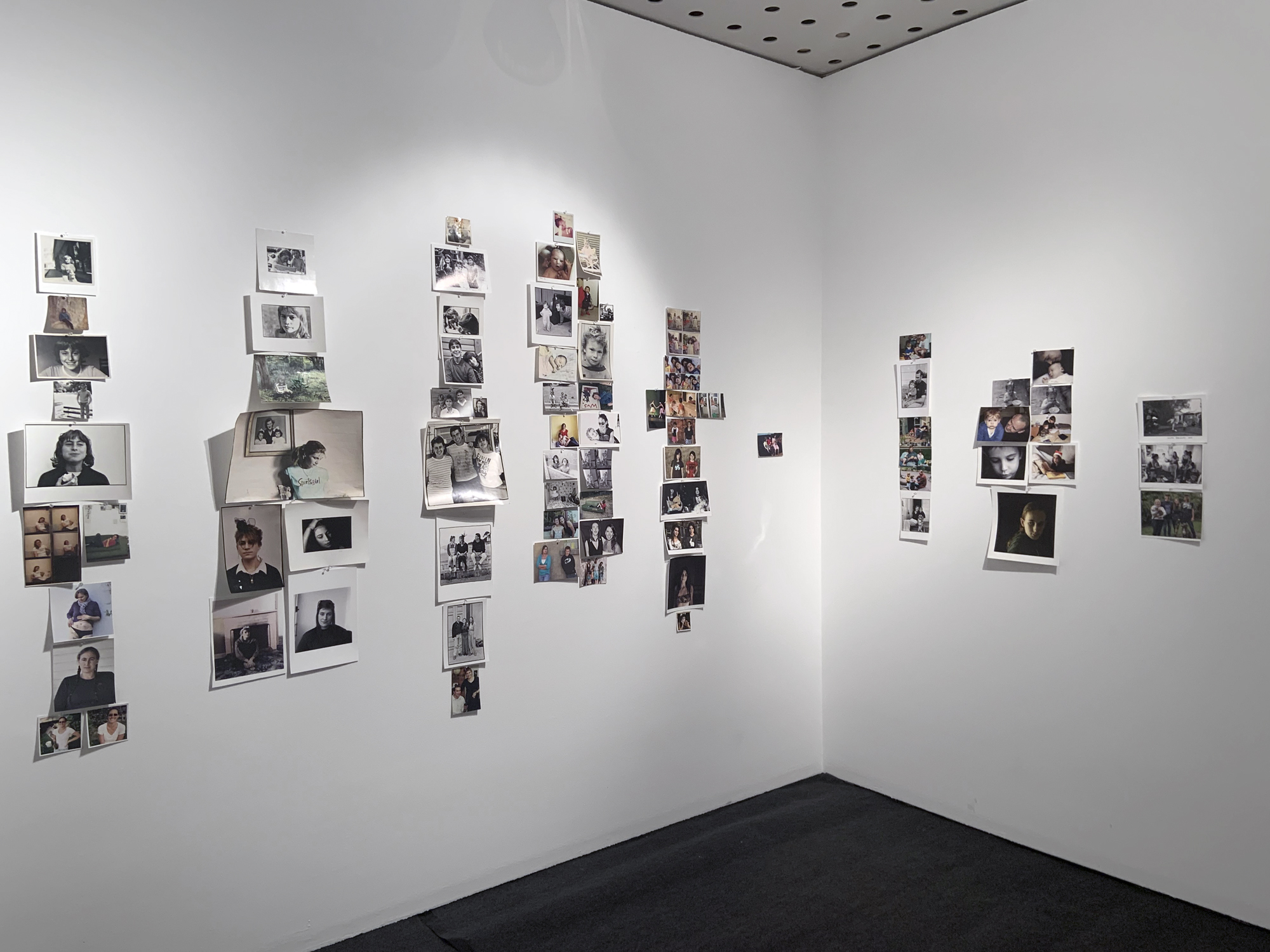
The newly commissioned work The Fellow Traveller (2020) is an immersive photographic installation exploring Maddison’s father’s radical political activities in Australia and overseas from the 1950s-1980s, which were under ASIO scrutiny. Combining archival material, footage and hand-coloured photographs among a sea of revealing and curious images, The Fellow Traveller presents the shifting nature of long held personal and historical truths at a time of increasing social and political urgency.

Delivered through the collaboration of Adam Harding CCP Director, Jack Willet CCP Curator, Ruth Maddison and independent Curator Olivia Poloni, with inceptive curatorial work from Linsey Gosper and Madé Spencer-Castle.

Biography

Ruth Maddison (b. Melbourne, 1945, lives and works in Eden) is one of Australia’s foremost senior feminist photographers. Best known for her hand-coloured series, Christmas Holidays with Bob’s Family, Mermaid Beach, Queensland (1977-78), for over 40 years Maddison has been exploring ideas surrounding relationships, working lives, and communities through portraiture and social documentary photography.

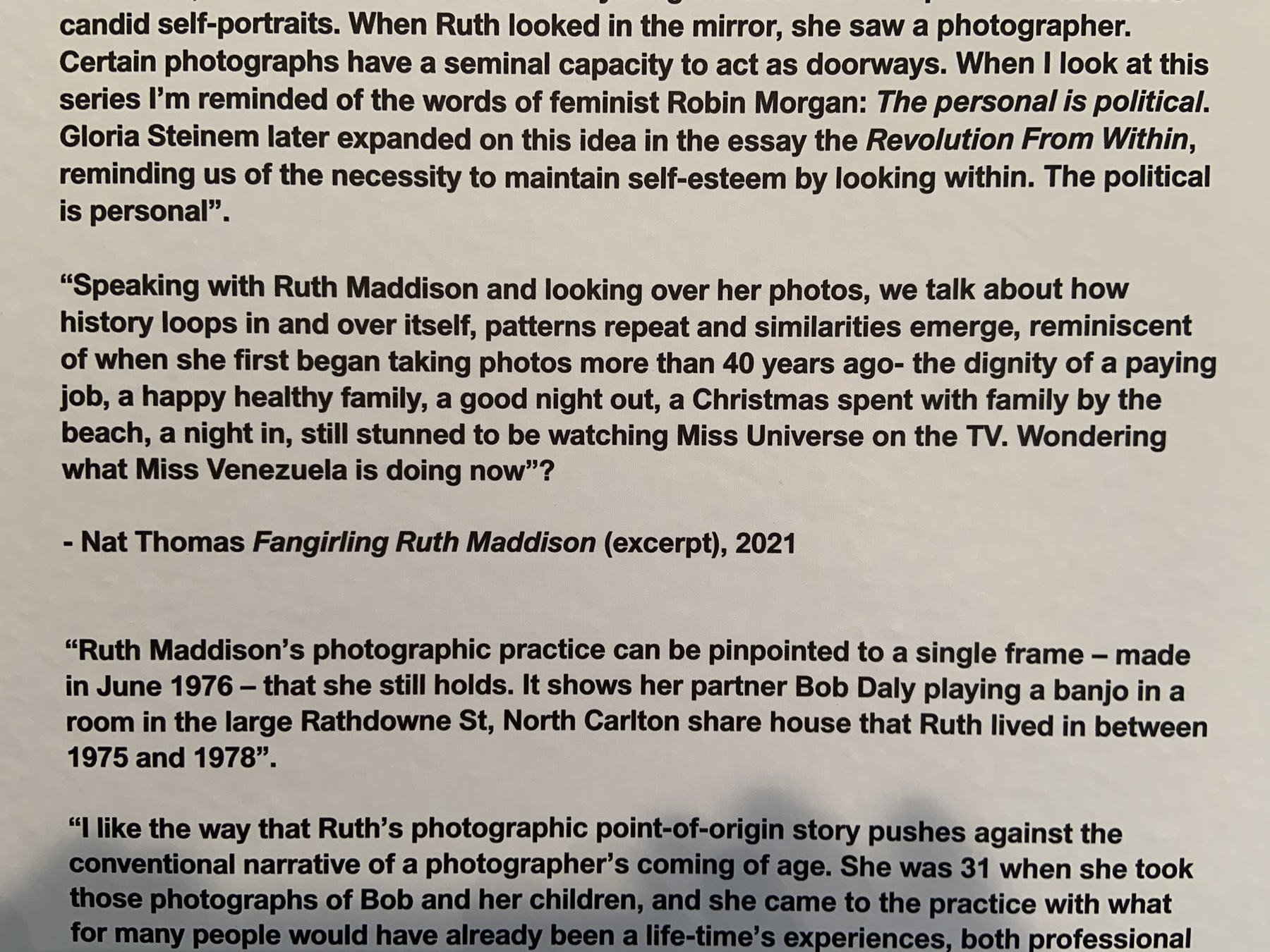
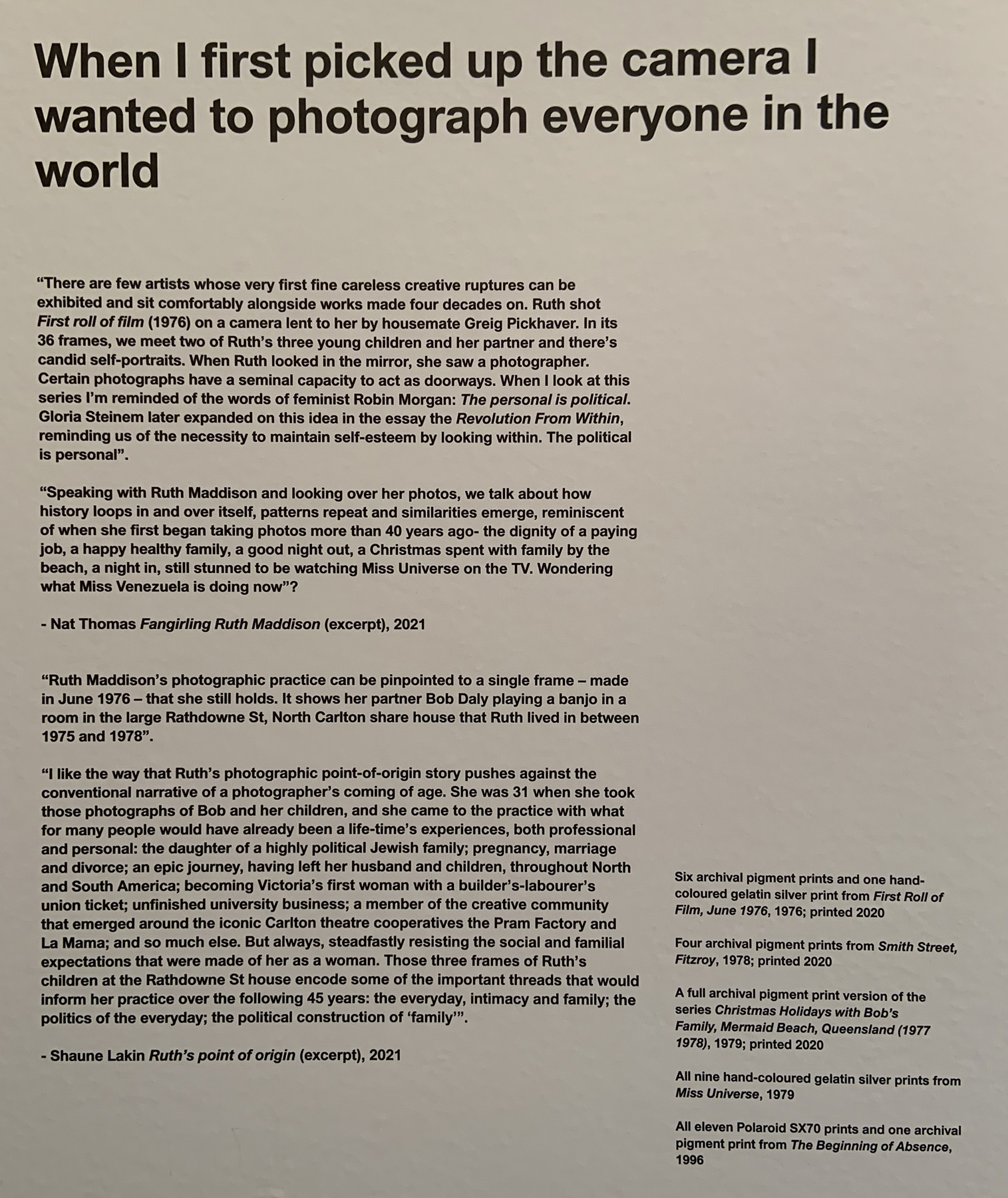
An entirely self-taught practitioner, Maddison shot her first roll of film in 1976 under the encouragement of longtime friend Ponch Hawkes, and has hardly put down a camera since. Maddison’s work is represented in major public collections, including the National Gallery of Australia, National Gallery of Victoria, the Museum of Contemporary Art, the National Library and the State Libraries of Victoria and New South Wales.

Text from the CCP website [Online] Cited 28/03/2021
 

Gallery one

Documentation photography J Forsyth


’Ruth Maddison: It was the best of times, it was the worst of times’, installation view Centre for Contemporary Photography, 2021. Documentation photography J Forsyth.

’Ruth Maddison: It was the best of times, it was the worst of times’, installation view Centre for Contemporary Photography, 2021. Documentation photography J Forsyth.

’Ruth Maddison: It was the best of times, it was the worst of times’, installation view Centre for Contemporary Photography, 2021. Documentation photography J Forsyth.

’Ruth Maddison: It was the best of times, it was the worst of times’, installation view Centre for Contemporary Photography, 2021. Documentation photography J Forsyth.

’Ruth Maddison: It was the best of times, it was the worst of times’, installation view Centre for Contemporary Photography, 2021. Documentation photography J Forsyth.

’Ruth Maddison: It was the best of times, it was the worst of times’, installation view Centre for Contemporary Photography, 2021. Documentation photography J Forsyth.

’Ruth Maddison: It was the best of times, it was the worst of times’, installation view Centre for Contemporary Photography, 2021. Documentation photography J Forsyth.

’Ruth Maddison: It was the best of times, it was the worst of times’, installation view Centre for Contemporary Photography, 2021. Documentation photography J Forsyth.

’Ruth Maddison: It was the best of times, it was the worst of times’, installation view Centre for Contemporary Photography, 2021. Documentation photography J Forsyth.


Gallery two


’Ruth Maddison: It was the best of times, it was the worst of times’, installation view Centre for Contemporary Photography, 2021. Documentation photography J Forsyth.

’Ruth Maddison: It was the best of times, it was the worst of times’, installation view Centre for Contemporary Photography, 2021. Documentation photography J Forsyth.

’Ruth Maddison: It was the best of times, it was the worst of times’, installation view Centre for Contemporary Photography, 2021. Documentation photography J Forsyth.


Gallery three


’Ruth Maddison: It was the best of times, it was the worst of times’, installation view Centre for Contemporary Photography, 2021. Documentation photography J Forsyth.

’Ruth Maddison: It was the best of times, it was the worst of times’, installation view Centre for Contemporary Photography, 2021. Documentation photography J Forsyth.

’Ruth Maddison: It was the best of times, it was the worst of times’, installation view Centre for Contemporary Photography, 2021. Documentation photography J Forsyth.


Gallery four


’Ruth Maddison: It was the best of times, it was the worst of times’, installation view Centre for Contemporary Photography, 2021. Documentation photography J Forsyth.

’Ruth Maddison: It was the best of times, it was the worst of times’, installation view Centre for Contemporary Photography, 2021. Documentation photography J Forsyth.


Ruth Maddison: It was the best of times, it was the worst of times, installation views Centre for Contemporary Photography, 2021.
Documentation photography J Forsyth


Centre for Contemporary Photography

No permanent exhibition space at the moment

Centre for Contemporary Photography website
LIKE ART BLART ON FACEBOOK

Back to top

Exhibition: ‘Gary Krueger’s City of Angels, 1971-1980’ at the Joseph Bellows Gallery, La Jolla, California

Exhibition dates: 18th January – 2nd April, 2021


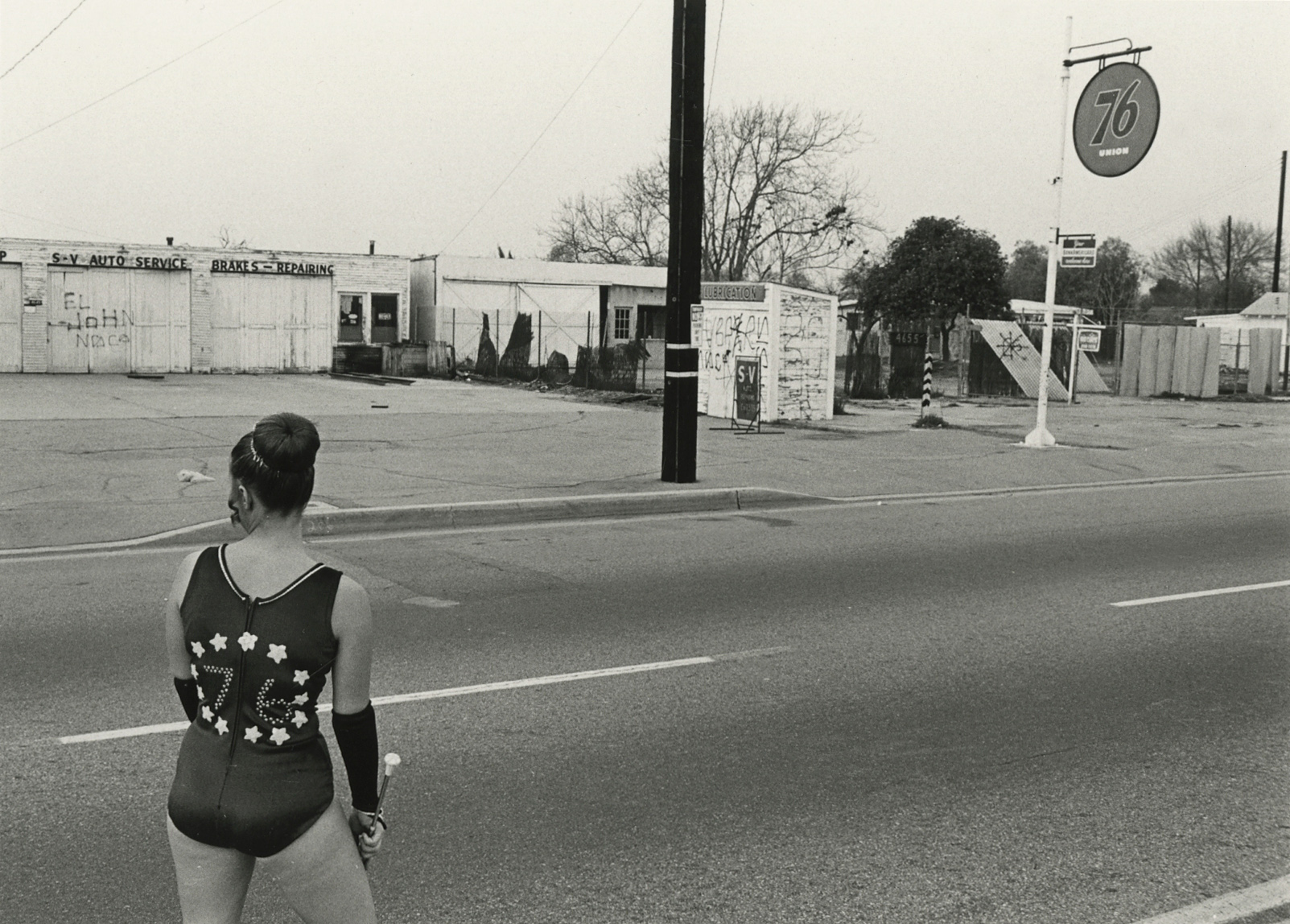
Gary Krueger (American, b. 1945) 'Los Angeles, 1975' 1975 from the exhibition Exhibition: 'Gary Krueger's City of Angels, 1971-1980' at the Joseph Bellows Gallery, La Jolla, California, Jan - April, 2021


Gary Krueger (American, b. 1945)
Los Angeles, 1975
1975
8 x 10 inches
Vintage gelatin silver print
Signed, titled and dated in pencil on verso


Fallen Angels

Love these.

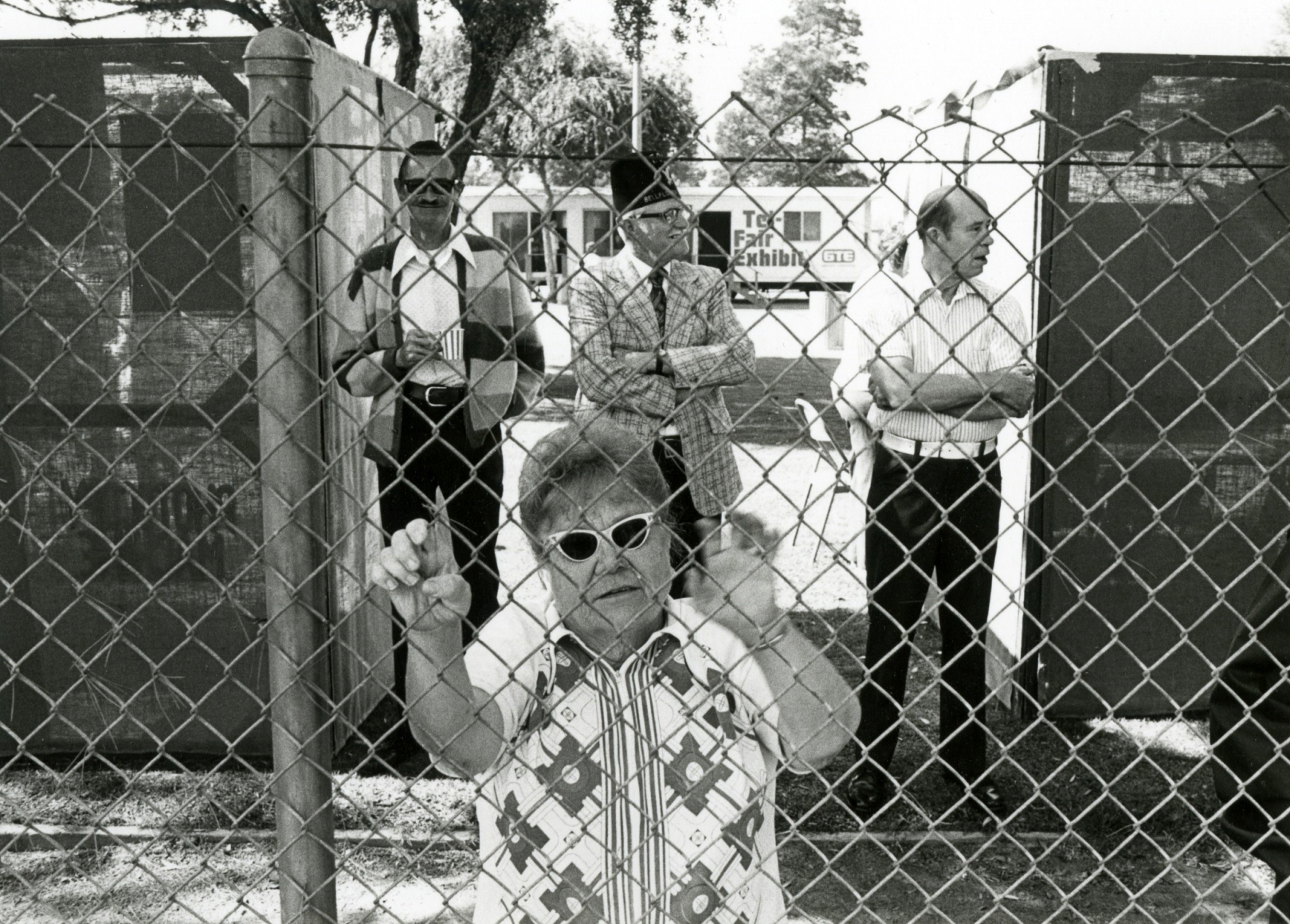
Krueger’s street photography inverts the normal meaning of bathos… in that a silly or very ordinary subject suddenly changes to a beautiful or important one.

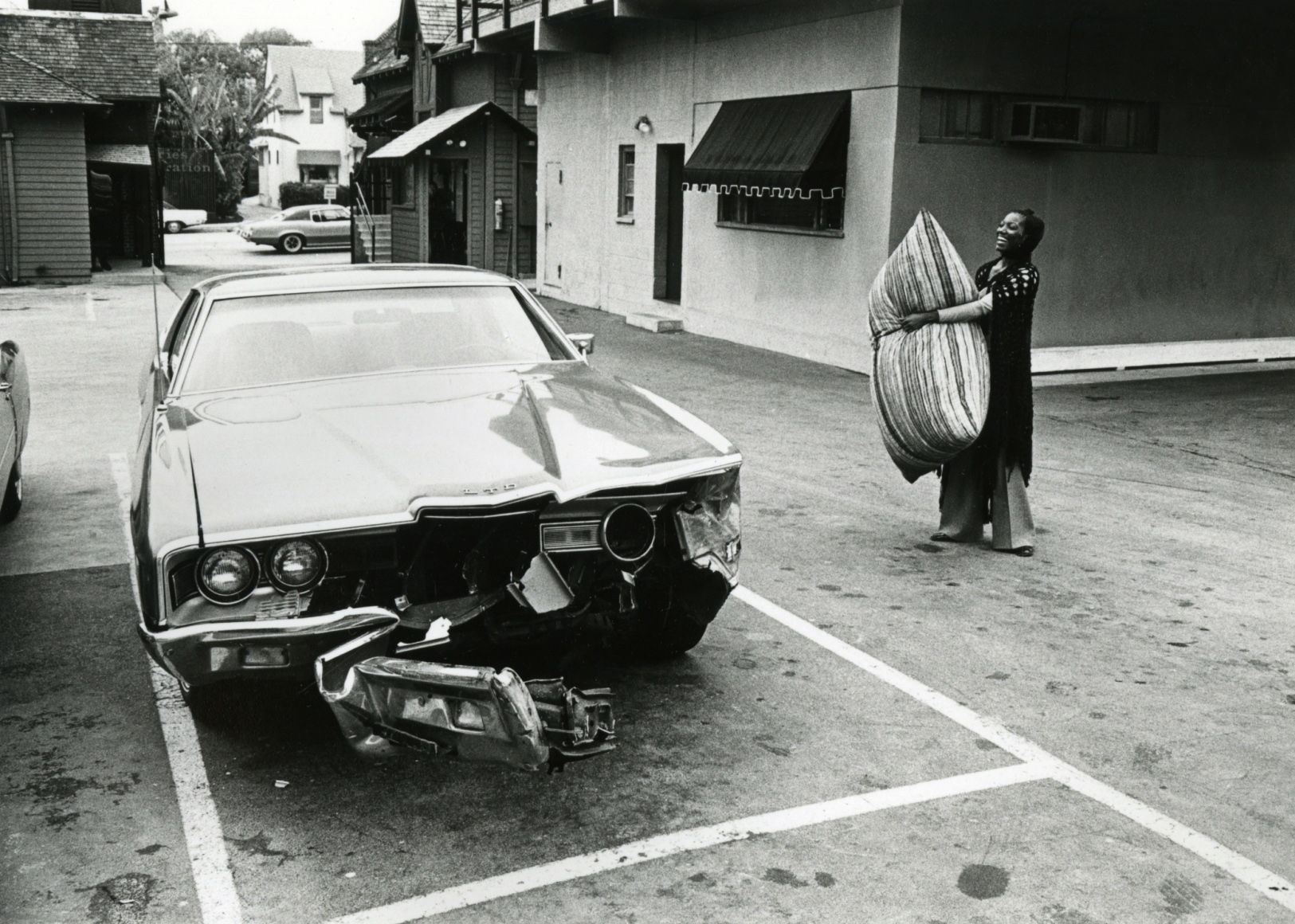
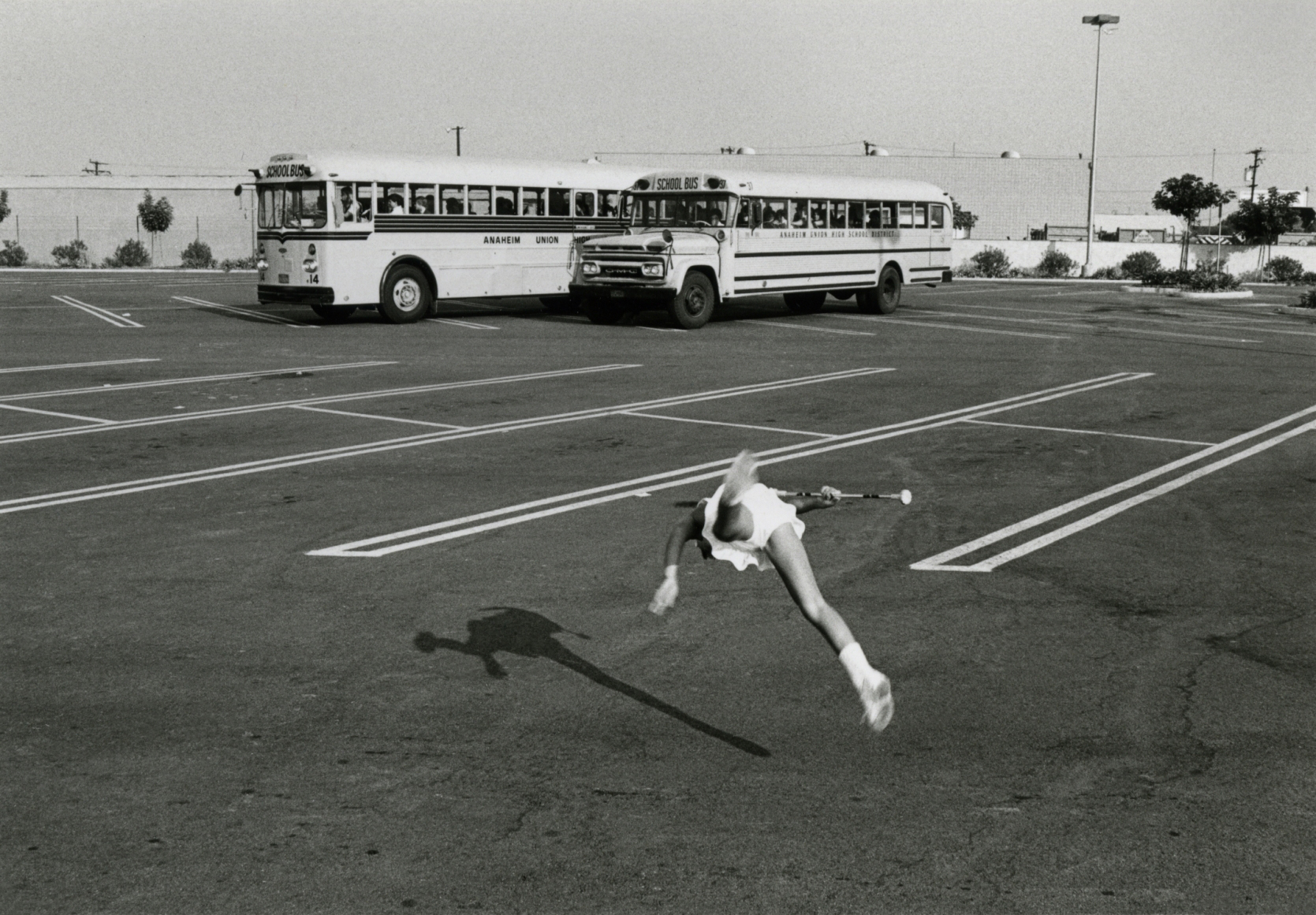
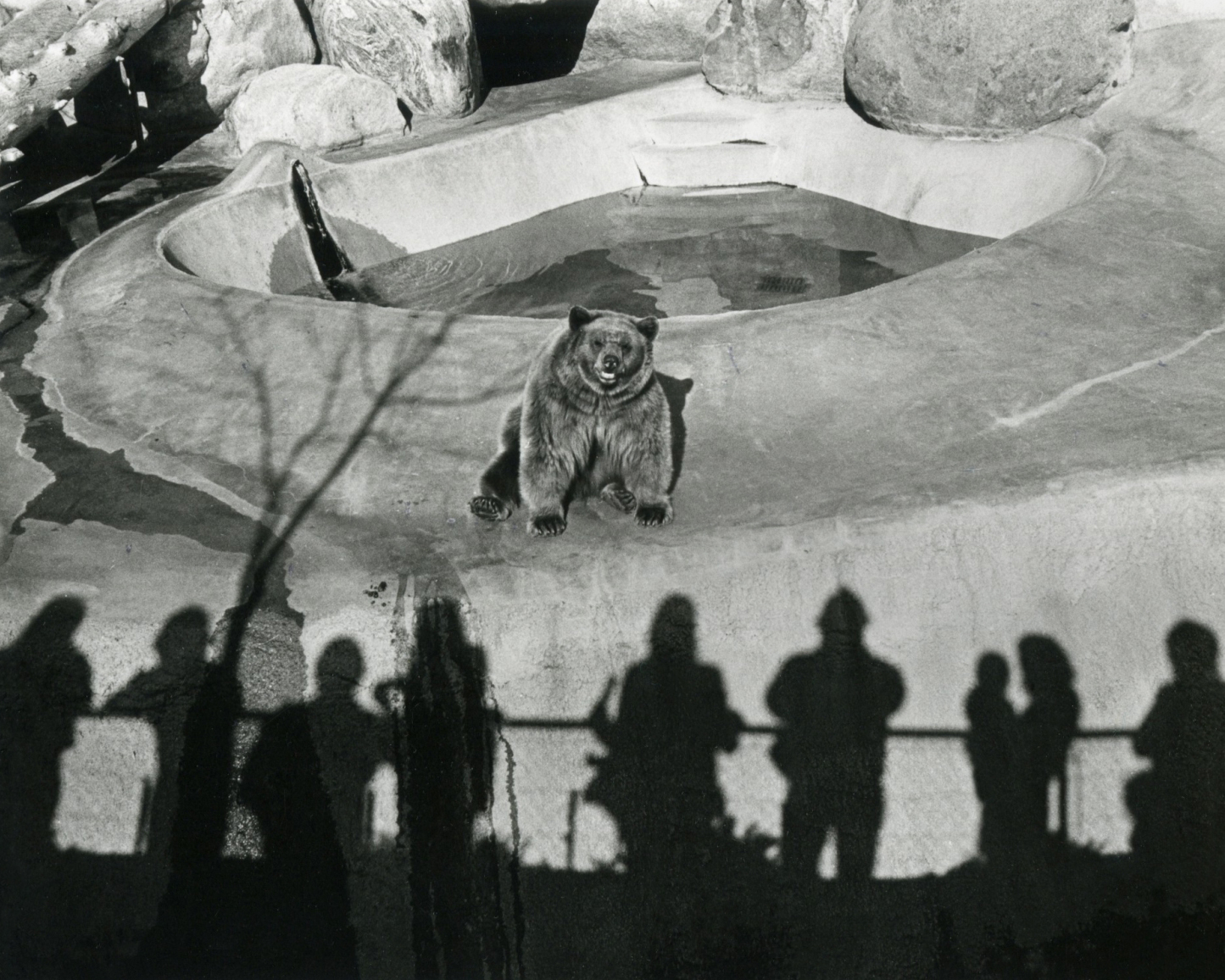
For no reason that we can see, a clown stands in sunlight next to a tree on a street in Los Angeles. What is he doing there? How did he get there? The incongruity of the scene takes on an importance and pathos that is hard to decipher. A pair of 76’s; a snarling dog in a Mustang; the legs of a man on a contraption doing god knows what; and a “majorette” captured mid-air: was she pushed, did she trip, will she fall or recover from this impossible angle, this suspended aerobatic display silently watched by the camera lens and two parked School Buses.

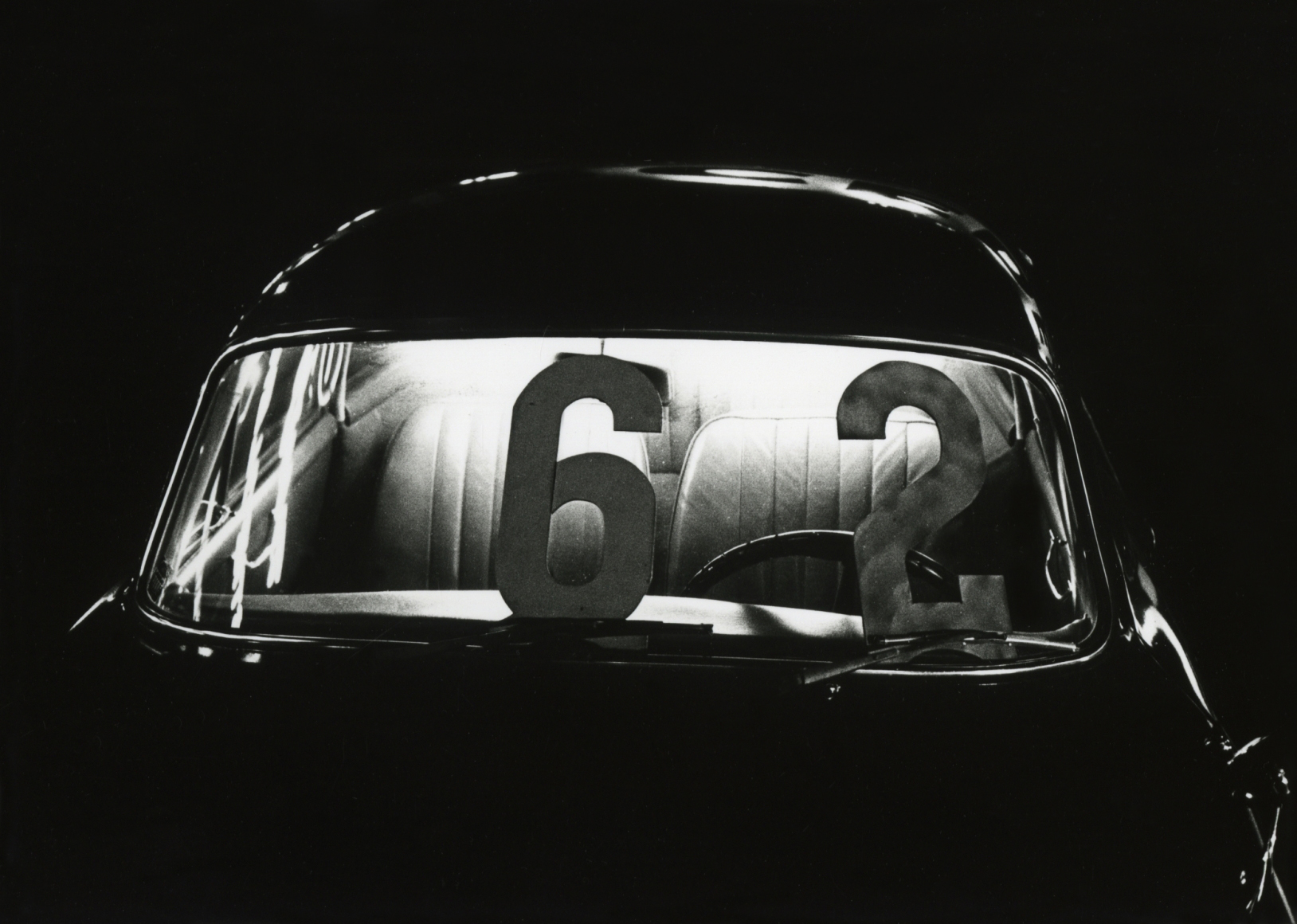
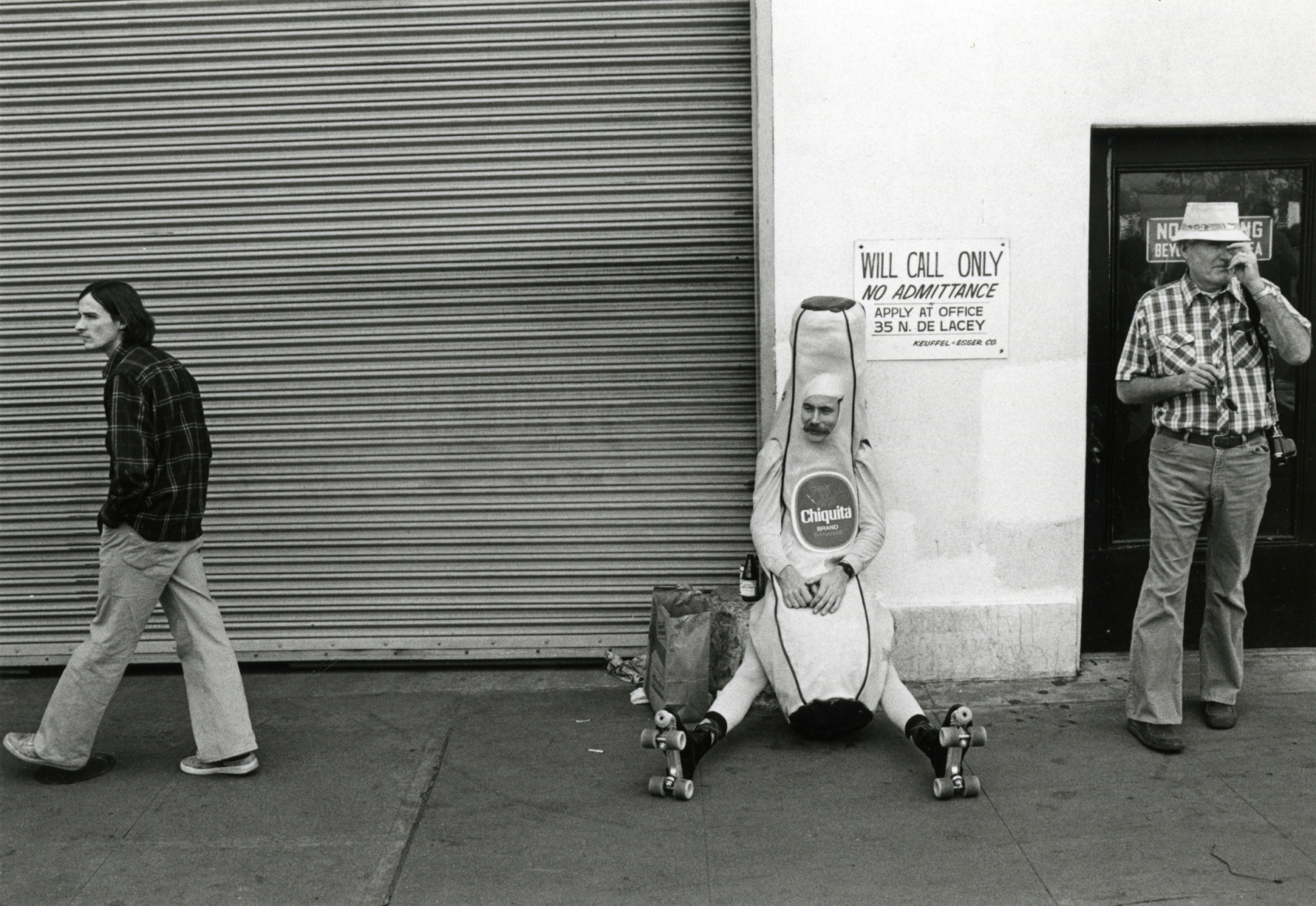
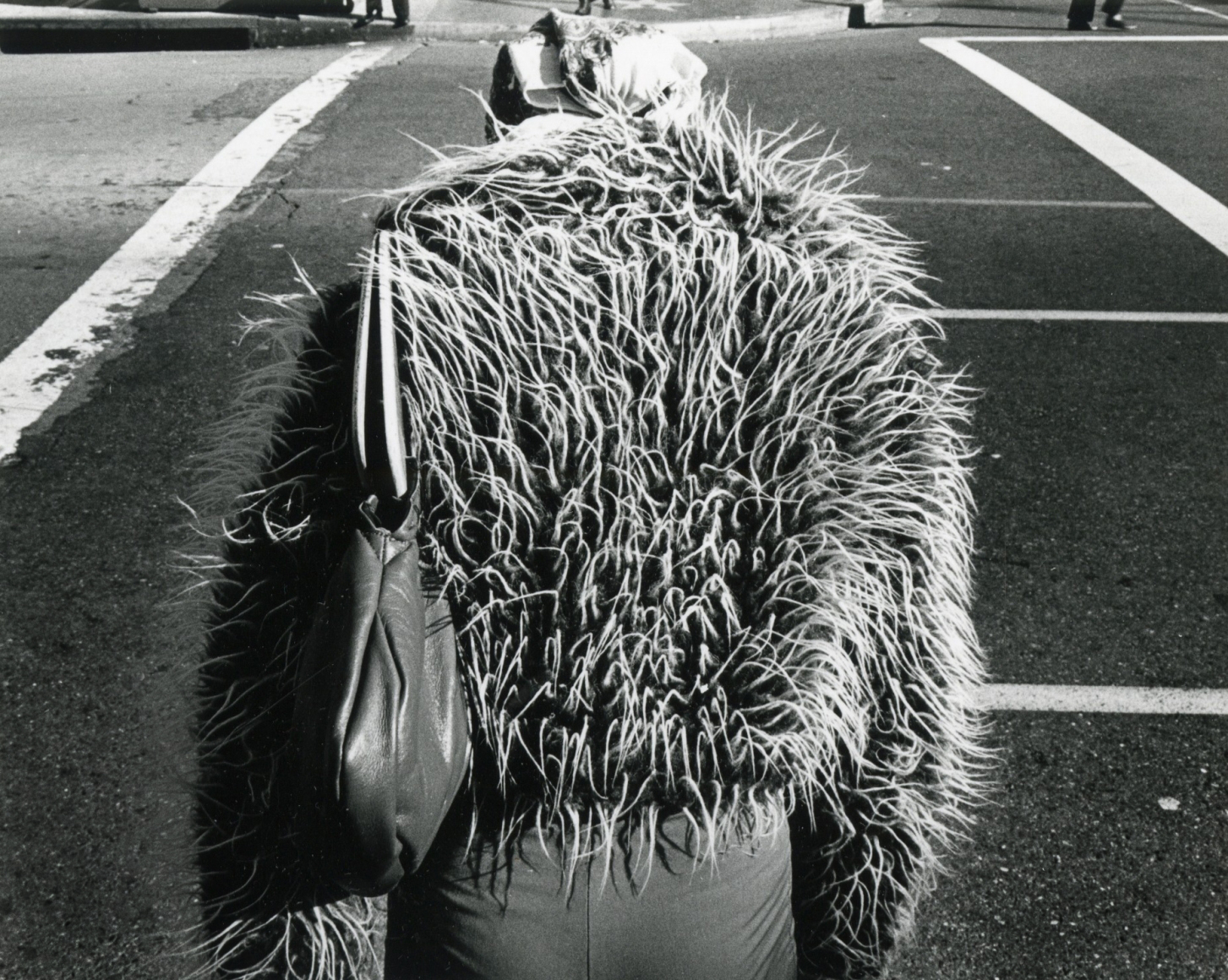
There is black humour aplenty in these photographs, as they picture the happenstance anachronisms of a major American city. They make me think, they make me laugh in that small, tight way when you are not sure you should be laughing at all. The banana on roller skates, the hairy jacket and the man covered in Band Aids, his head wrapped in bandages. What the hell!

Remember what was happening in 1971-80 in Los Angeles. A 6.6-magnitude earthquake centred in Sylmar causes 65 deaths and $505 million in damage; an oil tanker explodes in Los Angeles Harbor killing five people and injuring 50; Los Angeles passes its gay and lesbian civil rights bill; Eula Love, a 39-year-old African-American mother was shot and killed on January 3, 1979 by Los Angeles Police Department (nothing changes!); the Skid Row Stabber (who has never been found) kills 11 homeless people; Los Angeles experiences severe flooding and mudslides; and in 1981 the first case of AIDS appears in Los Angeles County. The man with the Band AIDS seems rather prescient now.

“Through the 20th century, immigrants were attracted by a promised paradise: endless orange groves, a temperate climate and money to be made, as described by aggressively promoted booster campaigns. Families were told to leave the cold, increasingly crowded cities of the east and midwest far behind – the City of Angels was portrayed as a heaven on Earth.” While Neil Simon once described Los Angeles as “like paradise with a lobotomy,” Krueger’s bizarre photographs depict ‘the City of Angels’ as everything and anything but, a utopian paradise.
Dr Marcus Bunyan


Many thankx to Joseph Bellows Gallery for allowing me to publish the photographs and the text (reproduced with permission) in the posting. Please click on the photographs for a larger version of the image.


“It’s not what I put into a photo;

it’s what I take out of a photo.”


Gary Krueger


Gary Krueger (American, b. 1945) 'Los Angeles, 1976' 1976 from the exhibition Exhibition: 'Gary Krueger's City of Angels, 1971-1980' at the Joseph Bellows Gallery, La Jolla, California, Jan - April, 2021


Gary Krueger (American, b. 1945)
Los Angeles, 1976
1976
8 x 10 inches
Vintage gelatin silver print
Signed, titled and dated in pencil on verso


Gary Krueger (American, b. 1945) 'Los Angeles, 1973' 1973


Gary Krueger (American, b. 1945)
Los Angeles, 1973
1973
8 x 10 inches
Vintage gelatin silver print
Signed, titled and dated in pencil on verso


Gary Krueger (American, b. 1945) 'Los Angeles, 1973' 1973


Gary Krueger (American, b. 1945)
Los Angeles, 1973
1973
8 x 10 inches
Vintage gelatin silver print
Signed, titled and dated in pencil on verso


Gary Krueger (American, b. 1945) 'Hollywood, 1971' 1971


Gary Krueger (American, b. 1945)
Hollywood, 1971
1971
8 x 10 inches
Vintage gelatin silver print
Signed, titled and dated in pencil on verso


Gary Krueger (American, b. 1945) 'Los Angeles, 1971' 1971


Gary Krueger (American, b. 1945)
Los Angeles, 1971
1971
8 x 10 inches
Vintage gelatin silver print
Signed, titled and dated in pencil on verso


Gary Krueger (American, b. 1945) 'Los Angeles, 1973' 1973


Gary Krueger (American, b. 1945)
Los Angeles, 1973
1973
8 x 10 inches
Vintage gelatin silver print
Signed, titled and dated in pencil on verso


Gary Krueger (American, b. 1945) 'Los Angeles, 1974' 1974


Gary Krueger (American, b. 1945)
Los Angeles, 1974
1974
8 x 10 inches
Vintage gelatin silver print
Signed, titled and dated in pencil on verso


Joseph Bellows Gallery is pleased to present Gary Krueger’s City of Angels, 1971-1980, a collection of sometimes frenetic and often bizarre photographs of Los Angeles, California. Krueger’s curiosity and instincts helped to create a remarkable body of street photography that he describes as “split-second juxtapositions in life.” After graduating High School in 1963, Gary Krueger (1945- ) drove his 1954 Ford west from Cleveland, Ohio, to study graphic design and photography at the Chouinard Art Institute in Los Angeles from 1964 to 1967. Later Cal Arts, Chouinard was a professional art school founded in 1921 by Nelbert Murphy Chouinard. In 1961, Walt and Roy Disney guided the merger of Chouinard and the Los Angeles Conservatory of Music to establish the California Institute of the Arts. Notable alumni include Ed Ruscha, Larry Bell, Robert Irwin, Joe Goode, and Allen Ruppersberg, with whom Krueger collaborated on Ruppersberg’s narrative photo works, including 23 Pieces (1969) and 24 Pieces (1970). Upon graduation from Chouinard, Krueger was hired by WED, Disney’s “Imagineering” Division to photograph the Park and its events. He eventually left WED to pursue a successful career as a commercial and editorial photographer.

“Gary Krueger’s plain ol’ photographs (unless I’m missing a point) – small, tough, and sharp – are good, granite reportage. Baldessari’s “Fables” and Krueger’s no-nonsense photos cut like a hot ripsaw through the cool, marshmallow quality of both exhibitions.” – Peter Plagens, from a 1973 ARTFORUM review of the exhibition, Southern California: Attitudes 1972, at the Pasadena Art Museum.

Krueger’s work is represented in The Minneapolis Institute of Art, Museum of Fine Arts, Houston, Center for Creative Photography, Tucson, AZ, the Los Angeles County Museum of Art, and the Santa Barbara Museum of Art.

Press release from the Joseph Bellows Gallery [Online] Cited 28/02/2021


Gary Krueger (American, b. 1945) 'Los Angeles, 1972' 1972


Gary Krueger (American, b. 1945)
Los Angeles, 1972
1972
8 x 10 inches
Vintage gelatin silver print
Signed, titled and dated in pencil on verso


Gary Krueger (American, b. 1945) 'Los Angeles, 1970' 1970


Gary Krueger (American, b. 1945)
Los Angeles, 1970
1970
8 x 10 inches
Vintage gelatin silver print
Signed, titled and dated in pencil on verso


Gary Krueger (American, b. 1945) 'Los Angeles, 1974' 1974


Gary Krueger (American, b. 1945)
Los Angeles, 1974
1974
8 x 10 inches
Vintage gelatin silver print
Signed, titled and dated in pencil on verso


Gary Krueger (American, b. 1945) 'Los Angeles, 1971' 1971


Gary Krueger (American, b. 1945)
Los Angeles, 1971
1971
8 x 10 inches
Vintage gelatin silver print
Signed, titled and dated in pencil on verso


Gary Krueger (American, b. 1945) 'Los Angeles, 1971' 1971


Gary Krueger (American, b. 1945)
Los Angeles, 1971
1971
8 x 10 inches
Vintage gelatin silver print
Signed, titled and dated in pencil on verso


Gary Krueger (American, b. 1945) 'Hollywood, CA, 1971' 1971


Gary Krueger (American, b. 1945)
Hollywood, CA, 1971
1971
8 x 10 inches
Vintage gelatin silver print
Signed, titled and dated in pencil on verso


Gary Krueger (American, b. 1945) 'Los Angeles, 1973' 1973


Gary Krueger (American, b. 1945)
Los Angeles, 1973
1973
8 x 10 inches
Vintage gelatin silver print
Signed, titled and dated in pencil on verso


Gary Krueger (American, b. 1945) 'Los Angeles, 1976' 1976


Gary Krueger (American, b. 1945)
Los Angeles, 1976
1976
8 x 10 inches
Vintage gelatin silver print
Signed, titled and dated in pencil on verso


Gary Krueger (American, b. 1945) 'Los Angeles, 1979' 1979


Gary Krueger (American, b. 1945)
Los Angeles, 1979
1979
8 x 10 inches
Vintage gelatin silver print
Signed, titled and dated in pencil on verso


Gary Krueger (American, b. 1945) 'Los Angeles Zoo, 1971' 1971


Gary Krueger (American, b. 1945)
Los Angeles Zoo, 1971
1971
8 x 10 inches
Vintage gelatin silver print
Signed, titled and dated in pencil on verso


Gary Krueger (American, b. 1945) 'Los Angeles, 1980' 1980


Gary Krueger (American, b. 1945)
Los Angeles, 1980
1980
8 x 10 inches
Vintage gelatin silver print
Signed, titled and dated in pencil on verso


Gary Krueger (American, b. 1945) 'Hollywood, 1971' 1971


Gary Krueger (American, b. 1945)
Hollywood, 1971
1971
8 x 10 inches
Vintage gelatin silver print
Signed, titled and dated in pencil on verso


Gary Krueger (American, b. 1945) 'Los Angeles, 1980' 1980


Gary Krueger (American, b. 1945)
Los Angeles, 1980
1980
8 x 10 inches
Vintage gelatin silver print
Signed, titled and dated in pencil on verso


Gary Krueger (American, b. 1945) 'Los Angeles, 1975' 1975


Gary Krueger (American, b. 1945)
Los Angeles, 1975
1975
8 x 10 inches
Vintage gelatin silver print
Signed, titled and dated in pencil on verso


Joseph Bellows Gallery
7661 Girrard Avenue
La Jolla, California
Phone: 858 456 5620

Opening hours:
Tuesday – Saturday 11am – 5pm and by appointment

Joseph Bellows Gallery website
LIKE ART BLART ON FACEBOOK

Back to top

Exhibition: ‘Dawoud Bey: An American Project’ at the High Museum of Art, Atlanta

Exhibition dates: 7th November, 2020 – 14th March, 2021

Curator: Sarah Kennel, the High’s Donald and Marilyn Keough Family curator of photography


Dawoud Bey (American, b. 1953) 'A Man in a Bowler Hat, Harlem, NY, 1976' 1976 from the exhibition 'Dawoud Bey: An American Project' at the High Museum of Art, Atlanta, Nov 2020 - March 2021


Dawoud Bey (American, b. 1953)
A Man in a Bowler Hat, Harlem, NY, 1976
1976
Gelatin silver print
© Dawoud Bey


Early in his career, Bey realised the importance of collaborating with his subjects to make a picture that would also serve as a dialogue between artist and subject: “I wanted to photograph this man in the bowler hat who was talking to a group of three friends and I had no idea how to interrupt their conversation in order to do so. This is when I first realised that it wasn’t just about the photograph; it was also about establishing a relationship out of which comes the photograph.”


I have always admired artists who have a social conscience, who investigate their subject matter with intelligence, empathy and insight.

I have always admired artist who examine their subject matter from different perspectives, turning the diamond of the world in light, to probe the moral and existential questions of existence.

I have always admired artists who develop their practice, never repeating for the sake of it the same constructs over and over – from a lack of imagination, to be successful, or to follow the money trail.

One such artist is Dawoud Bey.

From formal to informal portraiture, through conceptual “bodies”, Bey’s work visualises Black American history in the present moment, not by using the trope of reusing colonial photographs or memorabilia, but by presenting afresh the history of injustice enacted on a people and a culture, picturing their ongoing pain and disenfranchisement – in the here and now – through powerful and deeply political photographs. As the press release observes, Bey “has used his camera to create poignant meditations on visibility, race, place, and American history.”

“His art is grounded in the concept of citizenship, community and belonging, and especially in centring the experiences and histories of Black Americans at the forefront of our culture. His photographs actively work to provide space, voice and visibility for communities who have long been excluded from dominant narratives, especially in institutions like museums.”

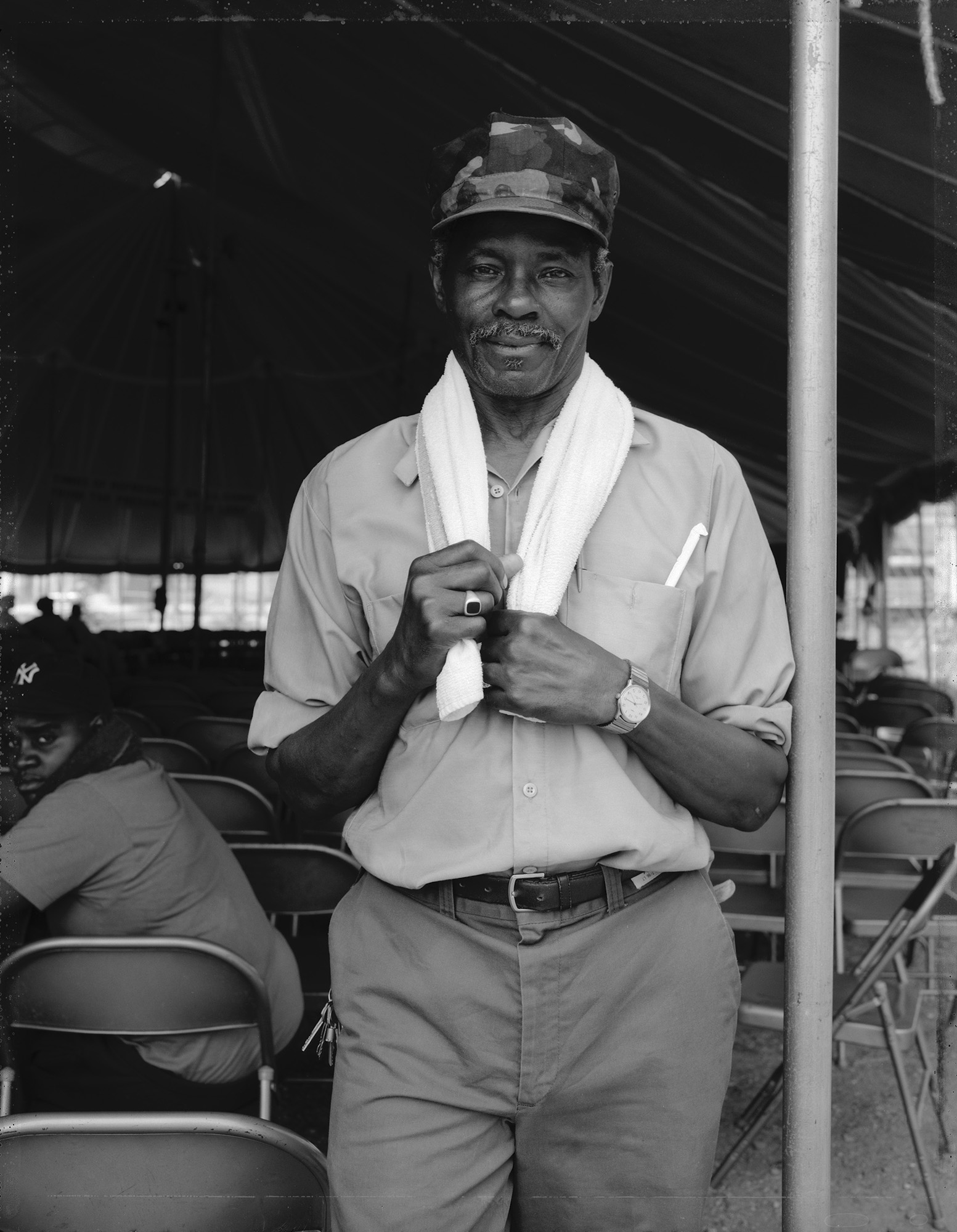
From his early street photographs through the later large format Polaroid work and on to the conceptual series, Bey’s photographs have an engaging directness and candour to them. There are no photographic or subjective histrionics here, just immensely rich social documentary photographs that speak truth to subject. The subjects stare directly at the camera and reveal themselves with a poignant honesty.

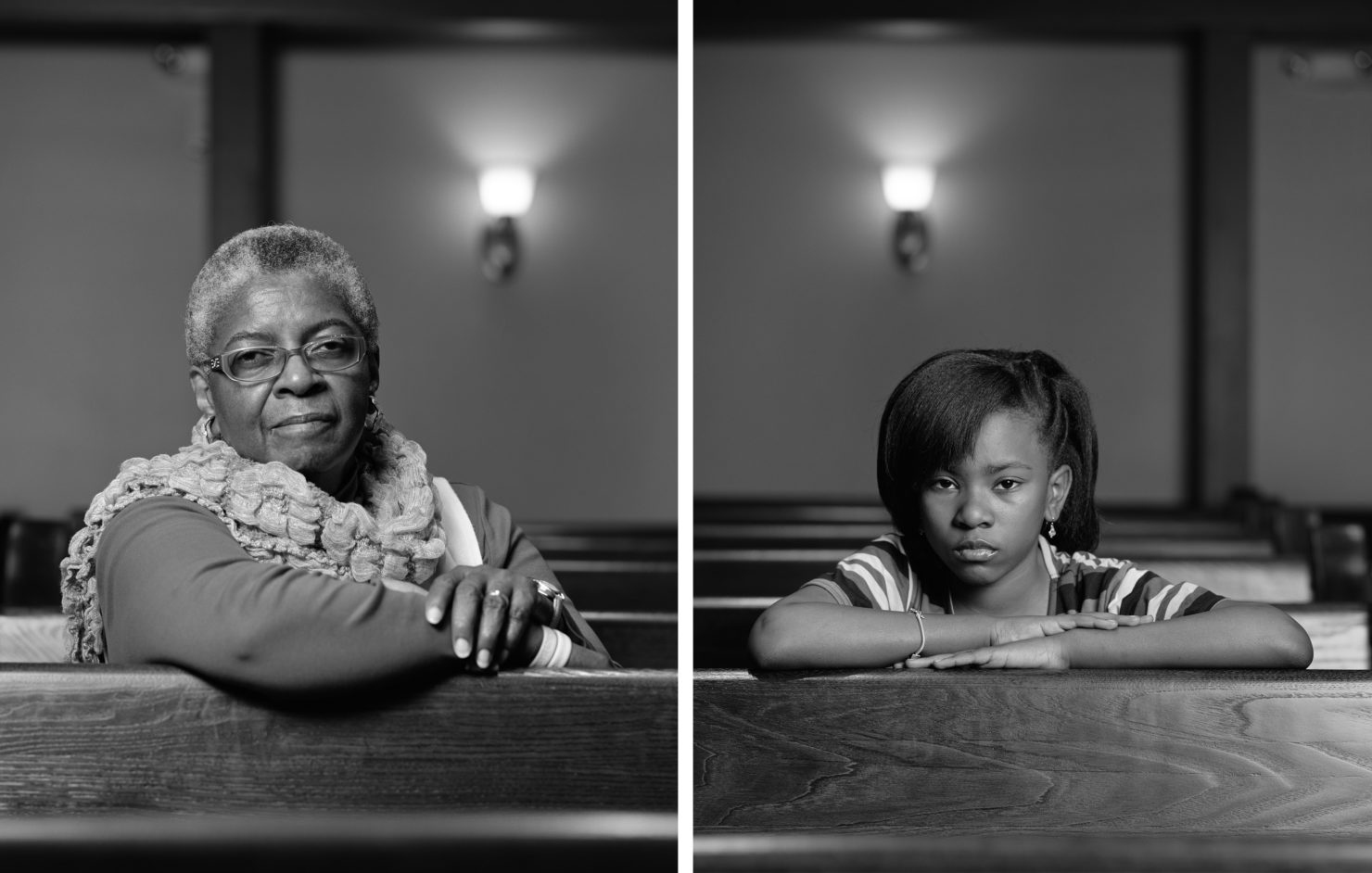
The series that affected me most deeply was The Birmingham Project.

“On September 15, 1963, the Ku Klux Klan dynamited the 16th Street Baptist Church in Birmingham, Alabama, murdering four African American girls inside. Two Black boys were also killed later that same day in the violence that ensued. Bey’s series The Birmingham Project commemorated the fiftieth anniversary of this horrific event, rendering it painfully immediate. Bey made formal portraits of Birmingham children the same ages as the victims and adults fifty years older – the ages the victims would have been had they lived. He then paired the photographs in diptychs that both honour the community’s unthinkable loss and make tangible the continued impact of racism, violence, and trauma in the present.”

All the suffering, all the ongoing pain and misery of an unfair world was, to me, wrapped up in these unforgettable images. The violence against other human beings, against people of difference 50 years ago brought into the present. Thinking about what these people could have achieved in the world, what life they would have led, what they would have looked like. Photography transcending time and space, Bey intelligently bringing past into present future. As Bey says, “I wanted to give those young people a more tangible, less-mythic, palpable presence… I wanted to figure out how to show the passage of time and the tragic loss of possibility.”

In my imagination I try to construct this tragic loss of possibility through the agency of Bey’s photographs. They produce sadness, anger, and empathy in me. They bring the possibility of change to the forefront of my mind, and an acknowledgment that we can all do better, that the world must do better. And that experience is a powerful thing.

Dr Marcus Bunyan.


Many thankx to the High Museum of Art for allowing me to publish the photographs in the posting. Please click on the photographs for a larger version of the image.


“I’ve come to believe that the best works tend to result not from the imposition of an idea on a situation, but to be responsive to what’s going on once you get there.”

“How can one visualise African American history and make that history resonate in the contemporary moment?”


Dawoud Bey


“Dreams are spaces that do not yet exist, except by escape through an unknown night.”


Anna Mirzayan


“I Never Had White Folks That Was Good To Me, EVER… We all worked jest like dogs and had about half enough to eat and got whupped for everything. Our days was a constant misery to us… My old Master was Dave Giles, the meanest man that ever lived. He didn’t have many slaves, my mammy, and me, and my sister, Uncle Bill, and Truman. He had owned my grandma but he give her a bad whupping and she never did git over it and died. We all done as much work as a dozen niggers – we knowed we had to. I seen old Master git mad at Truman and he buckled him down across a barrel and whupped him till he cut the blood out of him and then he rubbed salt and pepper in the raw places. It looked like Truman would die it hurt so bad. I know that don’t sound reasonable that a white man in a Christian community would do such a thing but you can’t realise how heartless he was. People didn’t know about it and we dassent tell for we knowed he’d kill us if we did. You must remember he owned us body and soul and they wasn’t anything we could do about it. Old Mistress and her three girls was mean to us too. One time me and my sister was spinning and old Mistress went to the well-house and she found a chicken snake and killed it. She brought it back and she throwed it around my sister’s neck. She jest laughed and laughed about it. She thought it was a big joke. Old Master stayed drunk all the time. I reckon that is the reason he was so fetched mean. My, how we hated him! He finally killed hisself drinking and I remember Old Mistress called us in to look at him in his coffin. We all marched by him slow like and I jest happened to look up and caught my sister’s eye and we both jest natchelly laughed – Why shouldn’t we? We was glad he was dead. It’s a good thing we had our laugh fer old Mistress took us out and whupped us with a broomstick. She didn’t make us sorry though.”


Annie Hawkins, formerly enslaved Afrikan who was sold from Georgia to Texas. This interview was done in Colbert, Oklahoma where her and her family moved after emancipation. Interview, conducted Spring, 1937 with a date stamp of August 16, 1937. Ms. Hawkins was 90 years old at the time of the interview and what she relates occurred in Texas. Source: Library of Congress


Since the beginning of his career in the 1970s, Dawoud Bey (American, b. 1953) has used his camera to create poignant meditations on visibility, race, place, and American history. From early street portraits made in Harlem to a recent series imagining an escape from slavery on the Underground Railroad, Bey explores photography’s potential to reveal communities and stories that have been underrepresented or even unseen. Both a form of personal expression and an act of political responsibility, Bey’s art insists on the power of photography to transform stereotypes, convene communities, and create dialogue.

Dawoud Bey: An American Project traces these through lines across the forty-five years of Bey’s career and his profound engagement with the young Black subject and African American history. The title intentionally inserts his photographs into a long-running conversation about what it means to represent America with a camera. The questions of who is considered an American photographer, or simply an American, and whose story is an American story are particularly urgent today. Bey’s work offers a potent corrective to the gaps in our picture of American society and history – and an emphatic reminder of the ongoing impact of those omissions.


Dawoud Bey on visualising history

Photographer Dawoud Bey’s work grapples with history. The artist asks, “How can one visualise African American history and make that history resonate in the contemporary moment?” Here he discusses several series, sited from Harlem to Birmingham to the Underground Railroad routes of northeastern Ohio, each of which works to make histories visible.


Dawoud Bey: An American Project – Part 1


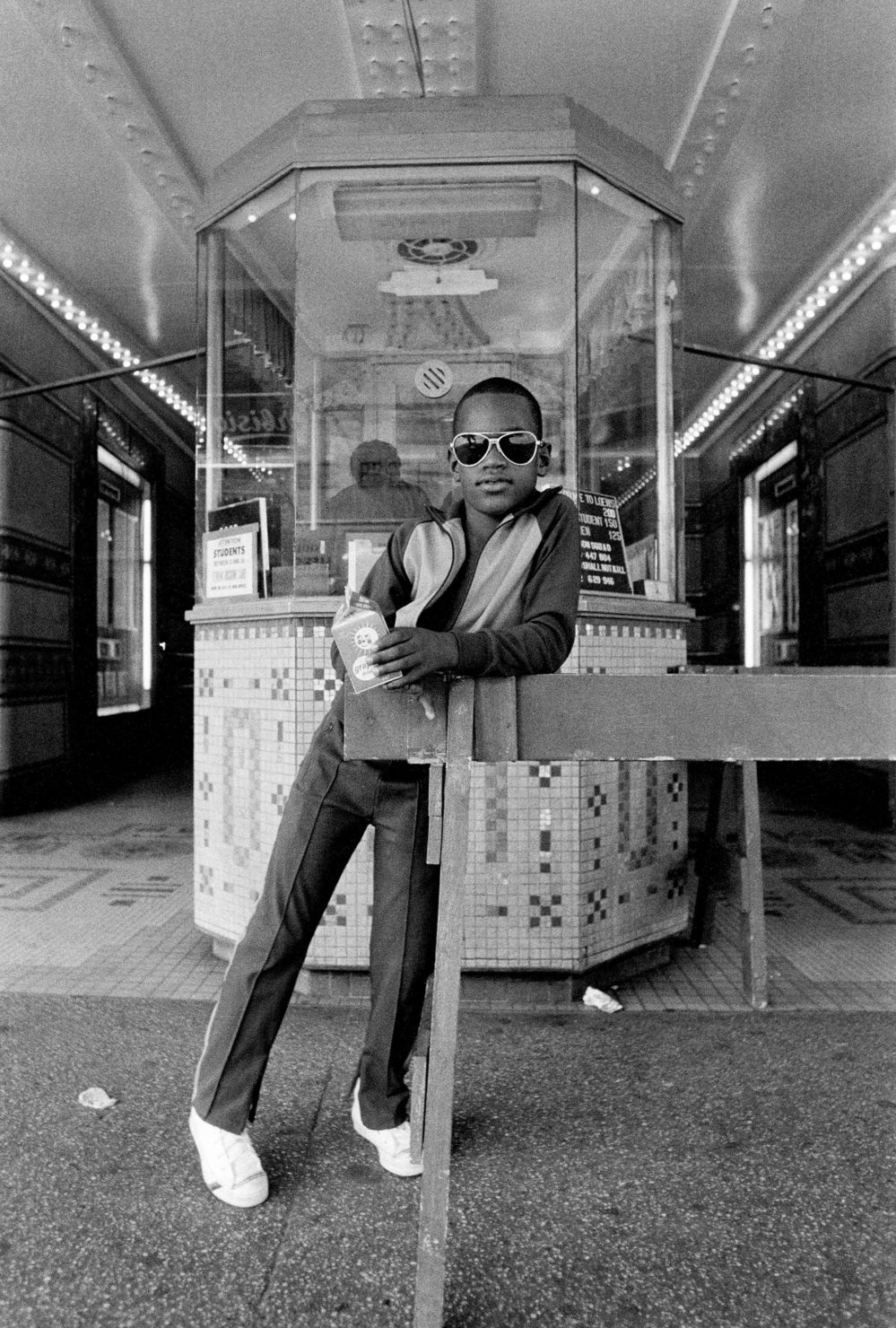
Dawoud Bey (American, b. 1953) 'A Boy in Front of the Loew's 125th Street Movie Theater, Harlem, NY, 1976' 1976 from the exhibition 'Dawoud Bey: An American Project' at the High Museum of Art, Atlanta, Nov 2020 - March 2021


Dawoud Bey (American, b. 1953)
A Boy in Front of the Loew’s 125th Street Movie Theater, Harlem, NY, 1976
1976
Gelatin silver print
© Dawoud Bey


The Street

Bey’s landmark black-and-white 1975-78 series “Harlem, USA” documents portraits and street scenes with locals of the historic neighbourhood in New York. As a young man growing up in Queens, Bey was intrigued by his family’s history in Harlem, where his parents met and where he visited family and friends throughout childhood. The series premiered at the Studio Museum in Harlem in 1979, when Bey was just 26.


Dawoud Bey (American, b. 1953) 'A Woman at Convent Avenue Baptist Church, Harlem, NY, 1977' 1977


Dawoud Bey (American, b. 1953)
A Woman at Convent Avenue Baptist Church, Harlem, NY, 1977
1977
Gelatin silver print
11 x 14 inches
Image courtesy of the artist and Stephen Daiter Gallery, Chicago
© Dawoud Bey


In his hands, portraiture conveys contradiction – diffident joy, resistant sorrow – and tells the truth.


Dawoud Bey (American, b. 1953) 'Three Women at a Parade, Harlem, NY, 1978' 1978


Dawoud Bey (American, b. 1953)
Three Women at a Parade, Harlem, NY, 1978
1978
Gelatin silver print
© Dawoud Bey


“His art is grounded in the concept of citizenship, community and belonging, and especially in centring the experiences and histories of Black Americans at the forefront of our culture. His photographs actively work to provide space, voice and visibility for communities who have long been excluded from dominant narratives, especially in institutions like museums.”


Dawoud Bey (American, b. 1953) 'Two Boys at a Handball Court, Syracuse, NY, 1985' 1985


Dawoud Bey (American, b. 1953)
Two Boys at a Handball Court, Syracuse, NY, 1985
1985
Gelatin silver print
© Dawoud Bey


Throughout the 1980s, Bey continued to use a handheld 35 mm camera. This lightweight apparatus allowed him to respond intuitively and quickly to whatever captivated his eye, and his photographs during this time reflect his knowledge of contemporary street photography and his growing interest in capturing flux, movement, and the play of light and shadow. Although he continued to photograph people, he moved away from formal portraiture, instead endeavouring to capture individuals in more spontaneous ways.


Dawoud Bey (American, b. 1953) 'Clothes Drying on the Line, Syracuse, NY, 1985' 1985


Dawoud Bey (American, b. 1953)
Clothes Drying on the Line, Syracuse, NY, 1985
1985
Gelatin silver print
20 x 24 inches
Image courtesy of the artist and Stephen Daiter Gallery, Chicago
© Dawoud Bey


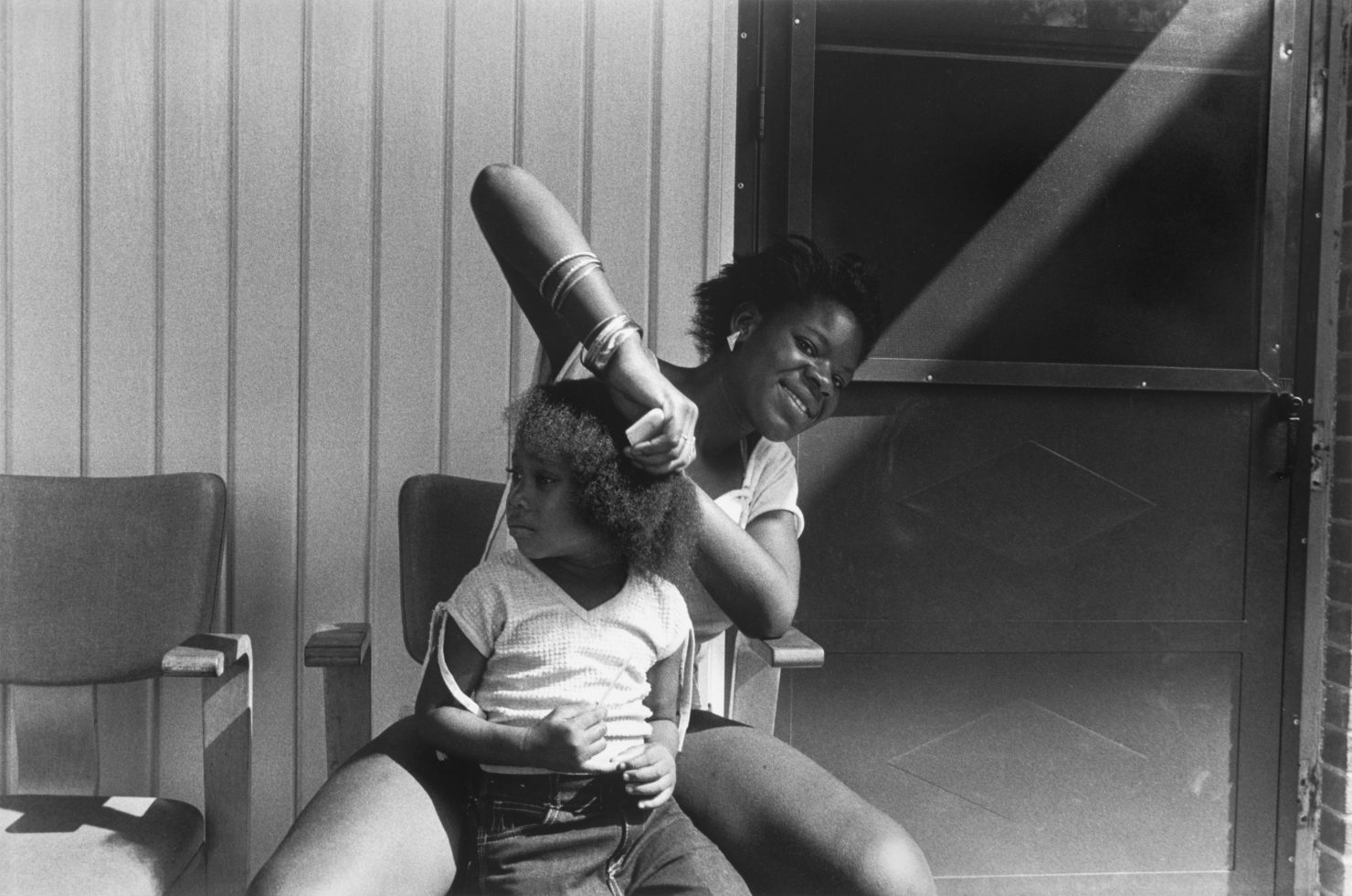
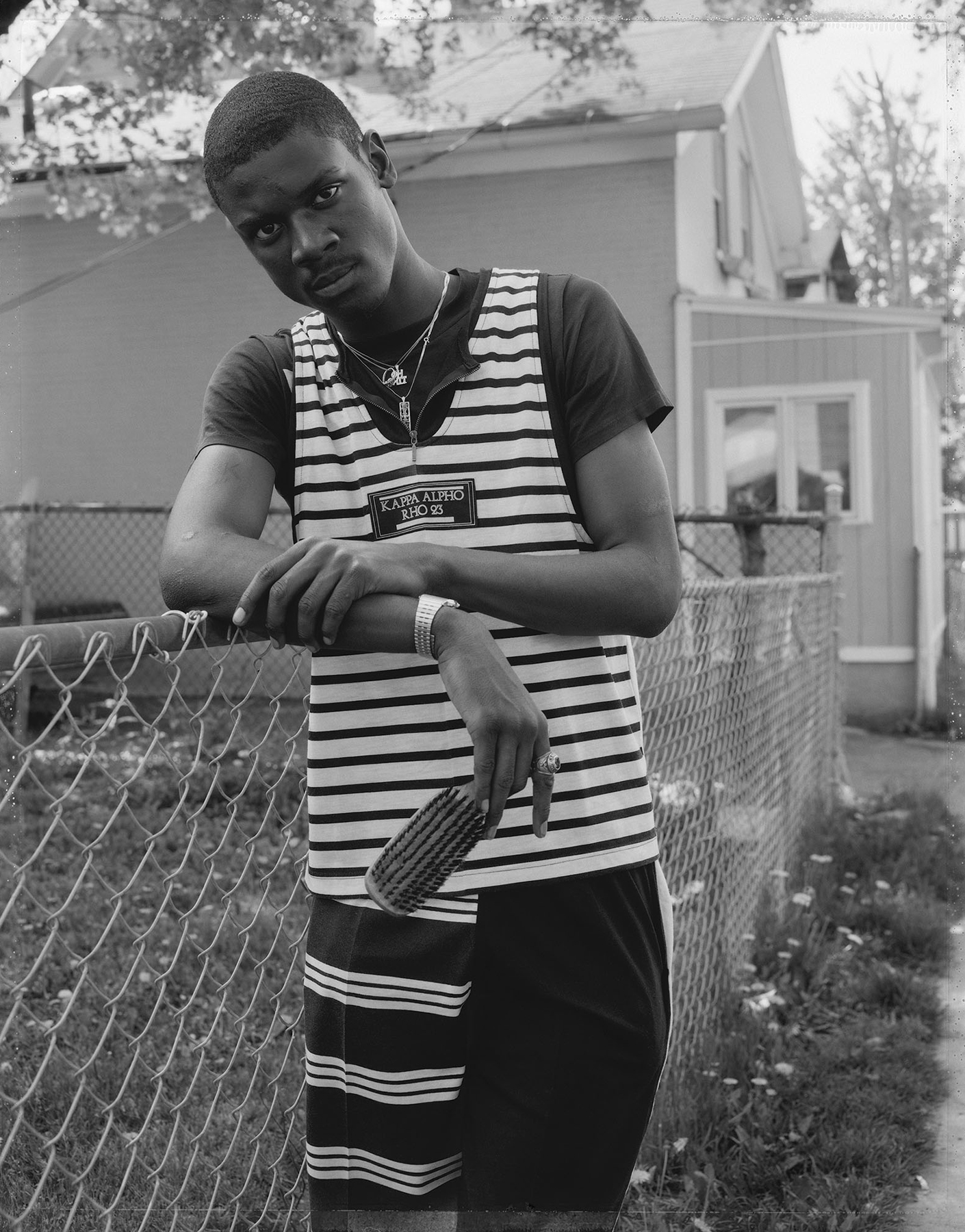
Dawoud Bey (American, b. 1953) 'Combing Hair, Syracuse, NY, 1986' 1986


Dawoud Bey (American, b. 1953)
Combing Hair, Syracuse, NY, 1986
1986
Gelatin silver print
© Dawoud Bey


In 1985, during a residency at Light Work, a photography nonprofit affiliated with Syracuse University, New York, Bey photographed the city’s African American community. For him, it was both a political and aesthetic choice: “By then I felt that was part of my agenda: to make the African American subject a visible and resonant presence through my photographs […] it was as much about making a certain kind of photograph, and operating within a certain tradition, as it was a deliberate choice to foreground the black subject […] giving them a place … on the wall of galleries and museums.”


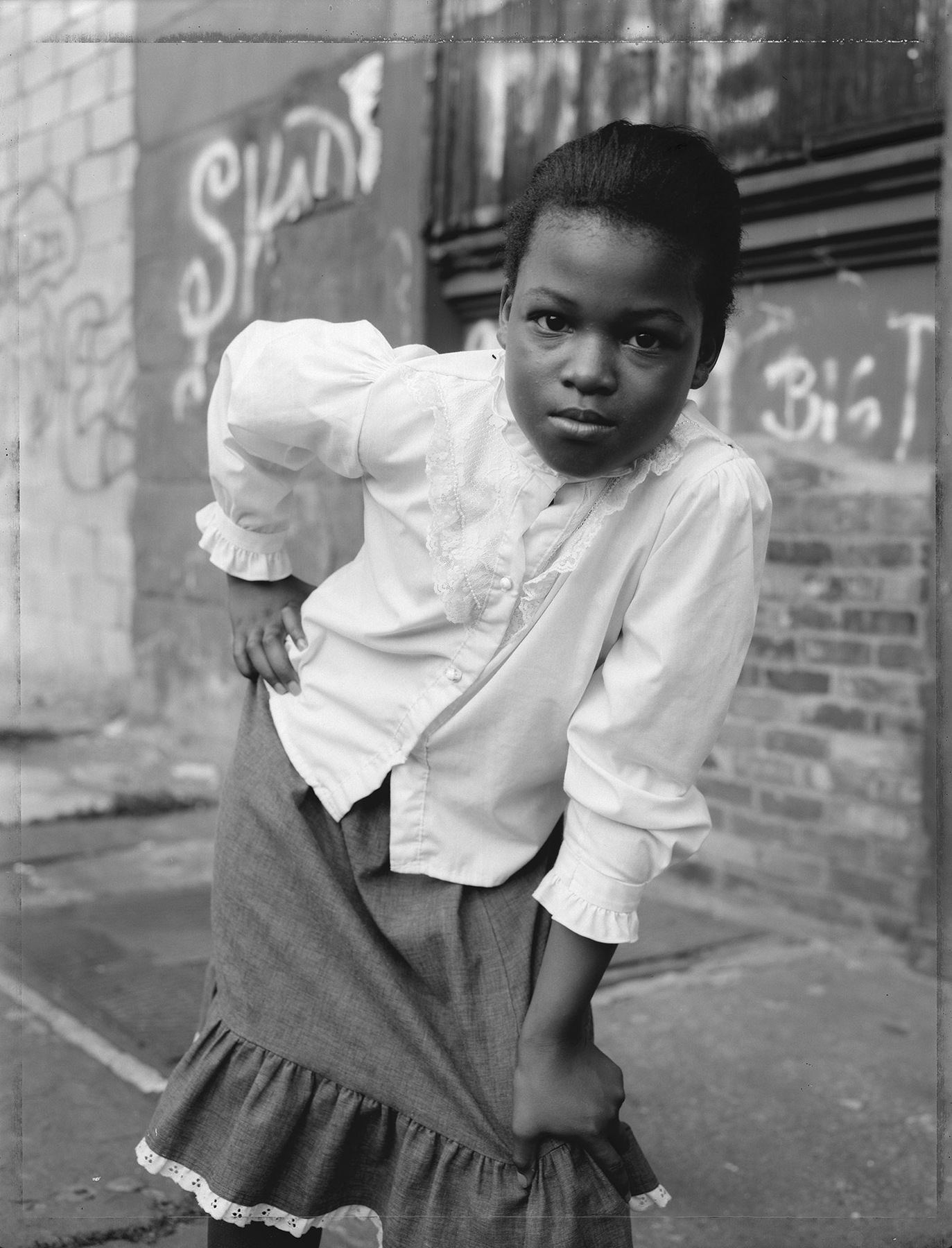
Dawoud Bey (American, b. 1953) 'A Woman at Fulton Street and Washington Avenue, Brooklyn, NY, 1988' 1988


Dawoud Bey (American, b. 1953)
A Woman at Fulton Street and Washington Avenue, Brooklyn, NY, 1988
1988
Gelatin silver print
© Dawoud Bey


By the end of the 1980s, Bey had thoroughly digested the lessons of working spontaneously with a small camera and desired to work in a way that would allow him to engage more directly with his subjects. He began to make formal “street portraits” with a large-format (4 × 5-inch) camera and Polaroid Type 55 film, which produced both instant pictures that he gave to the sitters and negatives that he used to make large-scale, highly detailed prints that could be enlarged to create monumental portraits. Bey was increasingly ambivalent about the ethics of traditional documentary photography and sought more equitable, reciprocal relationships with his sitters. He began to approach the strangers he wished to portray openly and deliberately, giving, as he writes, “the black subjects [a space] to assert themselves and their presence in the world, with their gaze meeting the viewer’s on equal footing.”


Dawoud Bey (American, b. 1953) 'A Young Man Resting on an Exercise Bike, Amityville, NY, 1988' 1988


Dawoud Bey (American, b. 1953)
A Young Man Resting on an Exercise Bike, Amityville, NY, 1988
1988
Gelatin silver print
© Dawoud Bey


Dawoud Bey (American, b. 1953) 'A Young Girl Striking A Pose, Brooklyn, NY, 1988' 1988


Dawoud Bey (American, b. 1953)
A Young Girl Striking A Pose, Brooklyn, NY, 1988
1988
Gelatin silver print
© Dawoud Bey


Dawoud Bey (American, b. 1953) 'A Young Man with Buttons Brooklyn NY 1988' 1988


Dawoud Bey (American, b. 1953)
A Young Man with Buttons Brooklyn NY 1988
1988
Gelatin silver print
© Dawoud Bey


Dawoud Bey (American, b. 1953) 'A Young Woman Coming from the Store, Rochester, NY 1989' 1989


Dawoud Bey (American, b. 1953)
A Young Woman Coming from the Store, Rochester, NY 1989
1989
Gelatin silver print
© Dawoud Bey


Dawoud Bey (American, b. 1953) 'A Young Man with His Hair Brush, Rochester, NY 1989' 1989


Dawoud Bey (American, b. 1953)
A Young Man with His Hair Brush, Rochester, NY 1989
1989
Gelatin silver print
© Dawoud Bey


Dawoud Bey (American, b. 1953) 'Alfonso, Washington, DC, 1989' 1989


Dawoud Bey (American, b. 1953)
Alfonso, Washington, DC, 1989
1989
Gelatin silver print
© Dawoud Bey


Dawoud Bey (American, b. 1953) 'A Woman Wearing Denim, Rochester, NY 1989' 1989


Dawoud Bey (American, b. 1953)
A Woman Wearing Denim, Rochester, NY 1989
1989
Gelatin silver print
© Dawoud Bey


Dawoud Bey (American, b. 1953) 'A Man with a Towel, Brooklyn, NY 1989' 1989


Dawoud Bey (American, b. 1953)
A Man with a Towel, Brooklyn, NY 1989
1989
Gelatin silver print
© Dawoud Bey


Dawoud Bey (American, b. 1953) 'Poppy Brooklyn, NY, 1989' 1989


Dawoud Bey (American, b. 1953)
Poppy, Brooklyn, NY, 1989
1989
Gelatin silver print
© Dawoud Bey


Dawoud Bey (American, b. 1953) 'A Girl Holding a Hotdog and Gum, Brooklyn, NY, 1989' 1989


Dawoud Bey (American, b. 1953)
A Girl Holding a Hotdog and Gum, Brooklyn, NY, 1989
1989
Gelatin silver print
© Dawoud Bey


Dawoud Bey (American, b. 1953) 'A Couple in Prospect Park, Brooklyn, NY, 1990' 1990


Dawoud Bey (American, b. 1953)
A Couple in Prospect Park, Brooklyn, NY, 1990
1990
Gelatin silver print
© Dawoud Bey


Few images of tenderness have such resounding power as this lush portrait of a young, stylish couple embracing in Brooklyn’s Prospect Park. Note how perfectly their bodies fit together as he relaxes his shoulders, allowing her to easily wrap her arms around him protectively, declaring with the upward tilt of her chin and her direct gaze at us that they are together, united in love. Pictures as openly intimate as this one emerged from Bey’s deep and abiding interest in “wanting to describe the Black subject in a way that’s as complex as the experiences of anyone else.”


Dawoud Bey (American, b. 1953) 'Two Girls from a Marching Band, Harlem, NY, 1990' 1990


Dawoud Bey (American, b. 1953)
Two Girls from a Marching Band, Harlem, NY, 1990
1990
Gelatin silver print
Courtesy of the artist, Sean Kelly Gallery, Stephen Daiter Gallery, and Rena Bransten Gallery
© Dawoud Bey


For more than four decades, renowned photographer Dawoud Bey has created powerful and tender photographs that portray underrepresented communities and explore African American history. From portraits in Harlem and classic street photography to nocturnal landscapes and large-scale studio portraits, his works combine an ethical imperative with an unparalleled mastery of his medium. The High Museum of Art celebrates his important contributions to photography as the exclusive Southeast venue for Dawoud Bey: An American Project, the artist’s first full career retrospective in 25 years.

Co-organised by the San Francisco Museum of Modern Art (SFMOMA) and the Whitney Museum of American Art, New York, the exhibition features approximately 80 works that span the breadth of Bey’s career, from his earliest street portraits made in Harlem in the 1970s to his most recent series reimagining sites of the Underground Railroad (2017).

The High has enjoyed a long and fruitful relationship with Bey, who was commissioned in 1996 for the Museum’s inaugural “Picturing the South” series, which asks noted photographers to turn their lens toward the American South. For his project, Bey collaborated with Atlanta high school students to create empathetic, larger-than-life portraits. Made with the monumental 20-by-24-inch Polaroid camera, these photographs explore the complexity of adolescence as a time of critical identity formation and expand the concept of portraiture. The High now holds more than 50 photographs by Bey, one of the most significant museum collections of his work.

“Bey’s portraits are remarkable for their keen sensitivity and for how they elicit and honour their subjects’ sense of self, which is partly an outcome of the artist’s collaborative practice,” remarked Sarah Kennel, the High’s Donald and Marilyn Keough Family curator of photography. “Given the museum’s long relationship with Bey and the strength of our holdings, we are thrilled to present this important retrospective. We look forward to sharing the artist’s photographs and his powerful and moving reflections on African American history and identity in their country with our visitors.”

Bey, born in 1953 in Queens, New York, began to develop an interest in photography as a teenager. He received his first camera as a gift from his godmother in 1968, and the next year, he saw the exhibition “Harlem on My Mind” at The Metropolitan Museum of Art. Widely criticised for its failure to include significant numbers of artworks by African Americans, the exhibition’s representation of Black subjects nonetheless made an impression on Bey and inspired him to develop his own documentary project about Harlem in 1975. Since that time, he has worked primarily in portraiture, making tender, psychologically rich and direct portrayals, often in collaboration with his subjects. More recently, he has explored seminal moments in African American history through both portraiture and landscape.

Dawoud Bey: An American Project includes work from the artist’s eight major series and is organised to reflect the development of Bey’s vision throughout his career and to highlight his enduring engagement with portraiture, place and history.

Press release from The High Museum of Art


Installation view of the exhibition 'Dawoud Bey: An American Project' at the High Museum of Art, Atlanta

Installation view of the exhibition 'Dawoud Bey: An American Project' at the High Museum of Art, Atlanta


Installation views of the exhibition Dawoud Bey: An American Project at the High Museum of Art, Atlanta.
Images courtesy of the artist and High Museum. Photos by Mike Jensen.


Dawoud Bey


Dawoud Bey
Photo: Sean Kelly Gallery


About Dawoud Bey

Dawoud Bey was born in Queens, New York, and began his career as a photographer in 1975 with a series of photographs, Harlem, USA, that were later exhibited in his first solo exhibition at the Studio Museum in Harlem in 1979.

Since then his work has been featured in exhibitions at numerous institutions worldwide, including the Addison Gallery of American Art, Andover, Massachusetts; the Art Institute of Chicago; the Brooklyn Museum; the Detroit Institute of Arts; the Fogg Museum, Harvard University; the High Museum of Art, Atlanta; the Museum of Contemporary Art, Chicago; the Museum of Contemporary Photography (MoCP), Chicago; the National Gallery of Art, Washington, D.C.; and the Walker Art Center, Minneapolis, among many others.

His photographs are represented in collections worldwide, and his critical writings on photography have appeared in numerous publications and exhibition catalogues. Bey received the prestigious MacArthur “Genius” fellowship in 2017 and is also the recipient of fellowships from the Guggenheim Foundation and the National Endowment for the Arts. He holds a Master of Fine Arts degree from Yale University and is currently Professor of Art and a Distinguished College Artist at Columbia College Chicago, where he has taught since 1998.


Dawoud Bey (American, b. 1953) 'Gerard, Edgewater High School, Orlando, FL, 2003' 2003


Dawoud Bey (American, b. 1953)
Gerard, Edgewater High School, Orlando, FL, 2003
2003
Inkjet print
© Dawoud Bey


Behind his Class Pictures series:

“It was a sort of snapshot of America through its young people at that particular moment. I started working in Chicago, then to New York, California and Florida. I wanted it to be geographically representative of the country. I’ve always been acutely aware that photographs tell you a lot less than what they do tell you. There’s certain things you would never know just from looking at them. You wouldn’t know from a portrait if someone is an only child, whether they have siblings, who their parents are. There’s a lot of information outside of a photograph. For Class Pictures, I thought that was important to bring that information into the construct of work and to create a space of self-representation. The young people who I photographed could give a sense of who they were.”

Summer Evans. “Photographer Dawoud Bey Shines A Light On America’s Underrepresented Communities,” on the WABE website Nov 18, 2020 [Online] Cited 01/03/2021
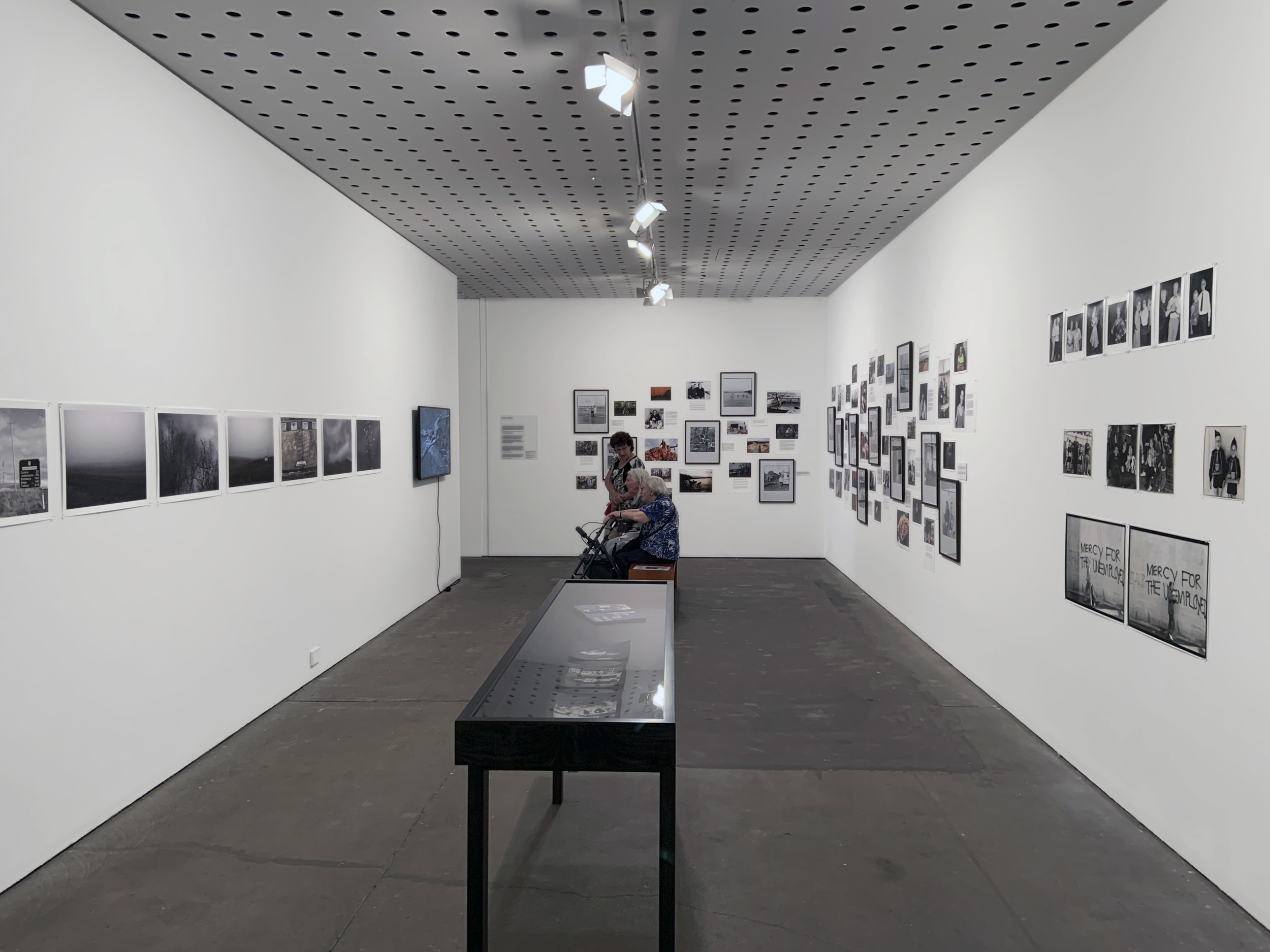
 

Dawoud Bey (American, b. 1953) 'Usha, Gateway High School, San Francisco, CA, 2006' 2006


Dawoud Bey (American, b. 1953)
Usha, Gateway High School, San Francisco, CA, 2006
2006
Inkjet print
© Dawoud Bey


Bey has long understood that the act of representation – as well as the corollary act of being seen – is both powerful and deeply political. In this series, he once again turned his attention to teenagers, a population he felt was underrepresented and misjudged, seen either as “socially problematic or as engines for a certain consumerism.” Class Pictures (2001-2006) originated during a residency at the Smart Museum of Art in Chicago, where Bey began working with local high school students. He later expanded it to capture a geographically and socioeconomically diverse slice of American adolescence.

Working in empty classrooms between class periods, Bey made formal colour portraits of teens that attend, carefully and tenderly, to their gestures and expressions. He also invited them to write brief autobiographical statements, giving his subjects visibility as well as voice. Class Pictures can also be understood as a play on words, for in several cases, Bey chose to photograph students at elite private schools as well as teens from nearby, poorer neighbourhoods, bringing together these subjects in a single space.


Dawoud Bey (American, b. 1953) 'Don Sledge and Moses Austin' 2012


Dawoud Bey (American, b. 1953)
Don Sledge and Moses Austin
2012
From The Birmingham Project
Inkjet prints
Rennie Collection, Vancouver
© Dawoud Bey


On September 15, 1963, the Ku Klux Klan dynamited the 16th Street Baptist Church in Birmingham, Alabama, murdering four African American girls inside. Two Black boys were also killed later that same day in the violence that ensued. Bey’s series The Birmingham Project commemorated the fiftieth anniversary of this horrific event, rendering it painfully immediate. Bey made formal portraits of Birmingham children the same ages as the victims and adults fifty years older – the ages the victims would have been had they lived. He then paired the photographs in diptychs that both honour the community’s unthinkable loss and make tangible the continued impact of racism, violence, and trauma in the present.


Dawoud Bey (American, b. 1953) 'Mary Parker and Caela Cowan' 2012


Dawoud Bey (American, b. 1953)
Mary Parker and Caela Cowan
2012
From The Birmingham Project
Inkjet prints
Rennie Collection, Vancouver
© Dawoud Bey


“Together the sitters for The Birmingham Project are simultaneously surrogates, mourners, witnesses, community, and agents of their own narratives. These subjects, then are not symbols but flesh and bone.”


In 2012, the project was created as a commission from the Birmingham Museum of Art. It memorialises the victims of the 1963 bombing of the 16th Street Baptist Church in Birmingham. Four African-American girls were killed in the bombing, and two boys were later killed in riots that followed.

“I decided to make portraits of young African-Americans in Birmingham who were the exact same ages as those six young people who had been killed that day. I wanted to give those young people a more tangible, less-mythic, palpable presence.” Bey continues, “It still felt somewhat complete. I wanted to figure out how to show the passage of time and the tragic loss of possibility. Then, I started thinking about making portraits of African-Americans in Birmingham who were the ages of the six young people would have been their age today. I begun pairing those portraits with those young people, which embodied 50 years.”

Summer Evans. “Photographer Dawoud Bey Shines A Light On America’s Underrepresented Communities,” on the WABE website Nov 18, 2020 [Online] Cited 01/03/2021
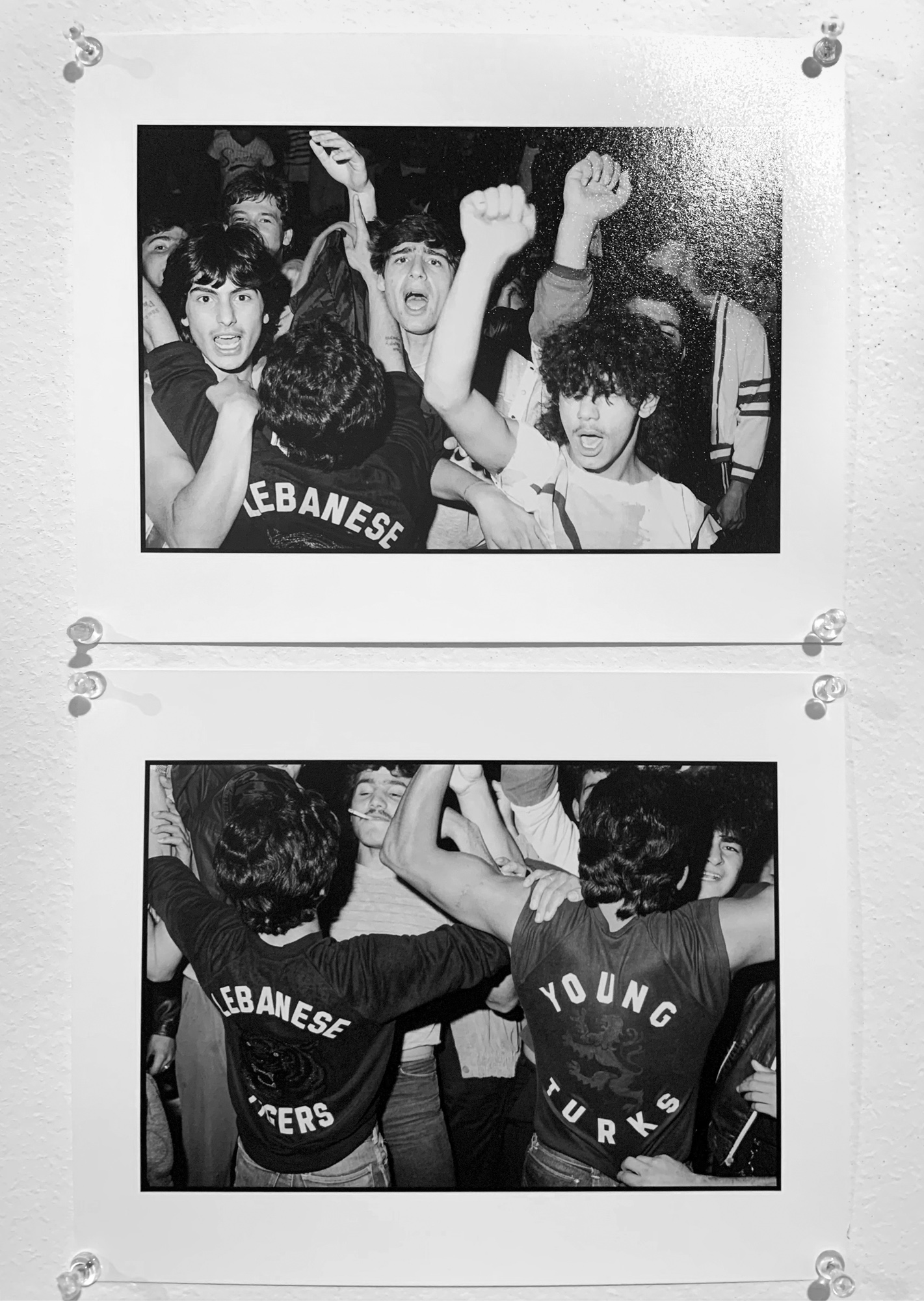
 

Night Coming Tenderly, Black

Dawoud Bey’s large-scale photographs dive into art and literary history while trying to re-create the experience of slaves fleeing on the Underground Railroad.

“I consider myself to be making photographs both in conversation with the history of photography and also the history of Black representation within photography. I wanted to use what I learned early on from looking at photographs by Irving Penn, Richard Avedon, Walker Evans and Mike Disfarmer – along with what I learned from Roy DeCarava, who was African American – and apply all of that to my own African American subjects as I began to build my vocabulary of picture-making. Because I’m African American myself, and because so few representations of African Americans are made from inside that experience, I set out to make that my space, to make work that operated at the level of those other photographs but with Black subjects, since those were the people I knew best. I also wanted to add something to the history of Black expressive culture. …

Night Coming Tenderly, Black continues my interest in visualising African American history by visualising the past in the contemporary moment. It takes as its conceptual touchstones the photographs of DeCarava, which are about the Black subject and often printed very darkly, some almost black. The blackness of his prints is a very beautiful and materially lush blackness. And the Black subjects inhabit this wonderful material darkness in a way that is not foreboding but is beautiful.” ~ Dawoud Bey


Dawoud Bey. ‘Untitled #1 (Picket Fence and Farmhouse)’ 2017


Dawoud Bey (American, b. 1953)
Untitled #1 (Picket Fence and Farmhouse)
2017
From the series Night Coming Tenderly, Black
Gelatin silver print
© Dawoud Bey


The photographs in this series are some of the most sensual and layered. These are sights that are at first confining then liberating when you understand them through the lens of history.

In their grandeur and mystery, they transform houses masked in darkness, bodies of water, and fields into an emblematic hope. A pristine fencepost and a homestead visible through the haze of the darkness; a wetland glistening in nightfall; a jungle thick with small trees; an image of Lake Erie, with the expansive sky and horizon forewarning the freedom that lies beyond.


The Underground Railroad

Night Coming Tenderly, Black contains 25 large-scale images of homesteads with wooded or grassy grounds that are believed to have formed the part of the said Underground Railroad. The Underground Railroad is an actual invisible web of routes and safe houses believed to have made the final way station for more than 100,000 fugitive slaves escaping to Canada. But according to the artist himself, some of the images may be of actual Underground Railroad.

The meaning of the title

This series is also a tribute to poet Langston Hughes (1901-1967) and photographer Roy DeCarava (1919-2009), who each played significant roles in addressing the experience of African Americans by representing what DeCarava described as a world shaped by blackness. Bey was inspired by DeCarava’s incredible ability to print a spectrum of dark hues, making him picture landscapes of twilight uncertainty.

On the other hand, Hughes Langston wrote a poem titled Dream Variations in 1926, in which he yearned for a time when the black American worker, extremely tired by the daily hustle of hard labor and prejudice, might be truly free. However, this freedom, he imagined, would not be obtained in the glare of daylight, but instead under the ominous, protective cover of the night.

Upending a dominant literary conceit, blackness, rather than whiteness, functioned as an allegory for hope and transcendence. A night coming tenderly, black like me, (Hughes poem), helped the fight for racial equality and justice. The metaphor in the poem is central to Dawoud Bey’s series Night Coming Tenderly, Black.

Influenced by Roy DeCarava

Bey has never stopped waxing lyrical on the influence of the two figures that inspired his artistic career, especially Roy DeCarava, who was one of the most prominent photographers of his generation. The images he took were visually rich and redolent, and they pushed the aesthetic limits of photography…

Dawoud Bey noted that DeCarava’s images were characteristically printed in dark and rich colour range. In this context, the dark prints served as a symbol for black subjects and experience. Bey says:

“DeCarava used blackness as an affirmative value, as a kind of beautiful blackness through which his subjects both moved and emerged. His work was formative to my own thinking early on, and these dark landscapes are a kind of material conversation with his work, using the darkness of the landscape and the photographic print as an evocative space of blackness through which the unseen and imaginary black fugitive subject is moving.” …

The artist printed these images in a large size to encase the viewer and deliberately dark to reveal his subject matter: He took the photos of the sites in and near Cleveland associated with the Underground Railroad that guided the slaves to liberation.

Anonymous. “Dawoud Bey’s somber ‘Night Coming Tenderly, Black’ project,” on the Public Delivery website  January 30, 2021 website [Online] Cited 02/03/2021
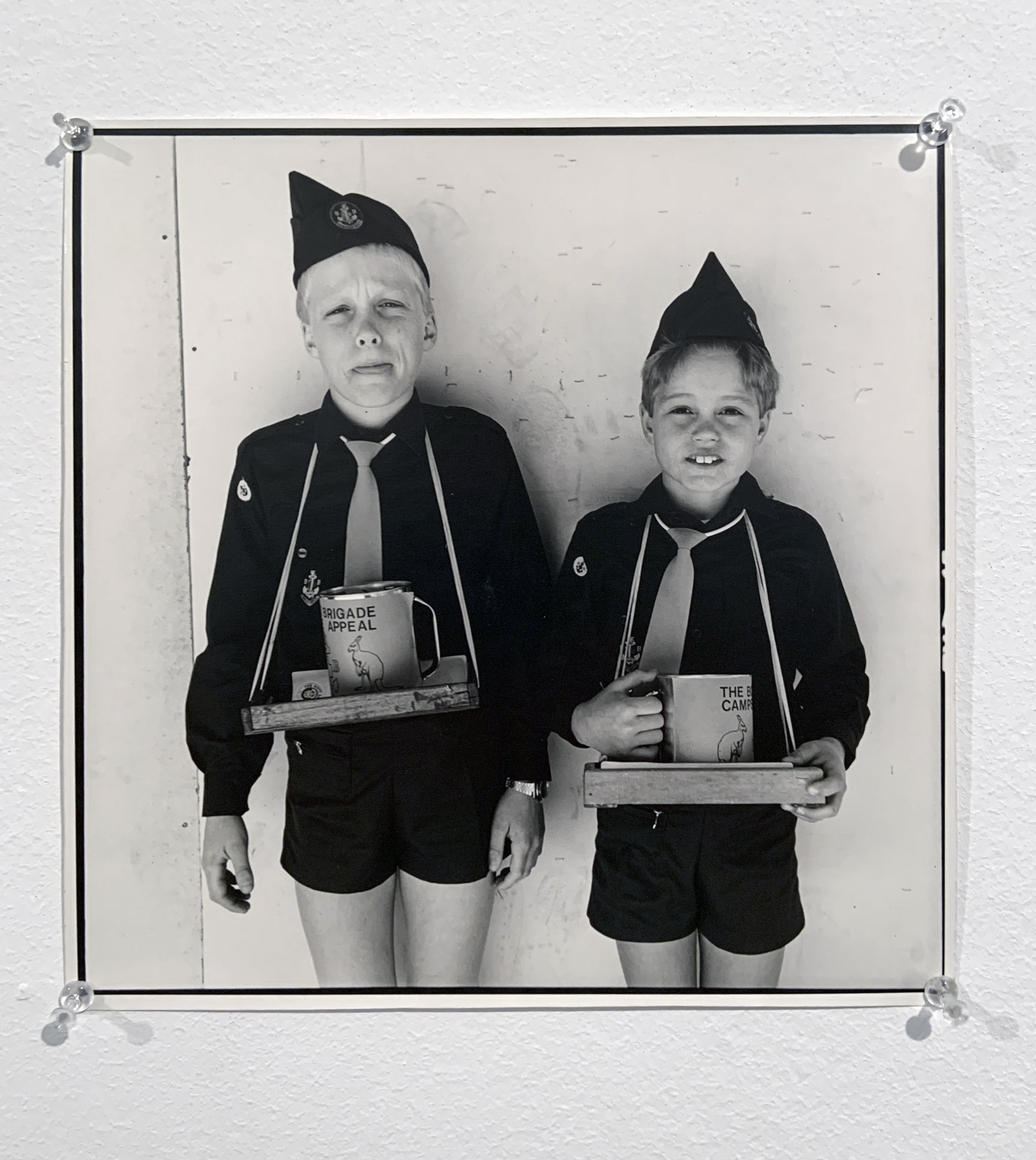
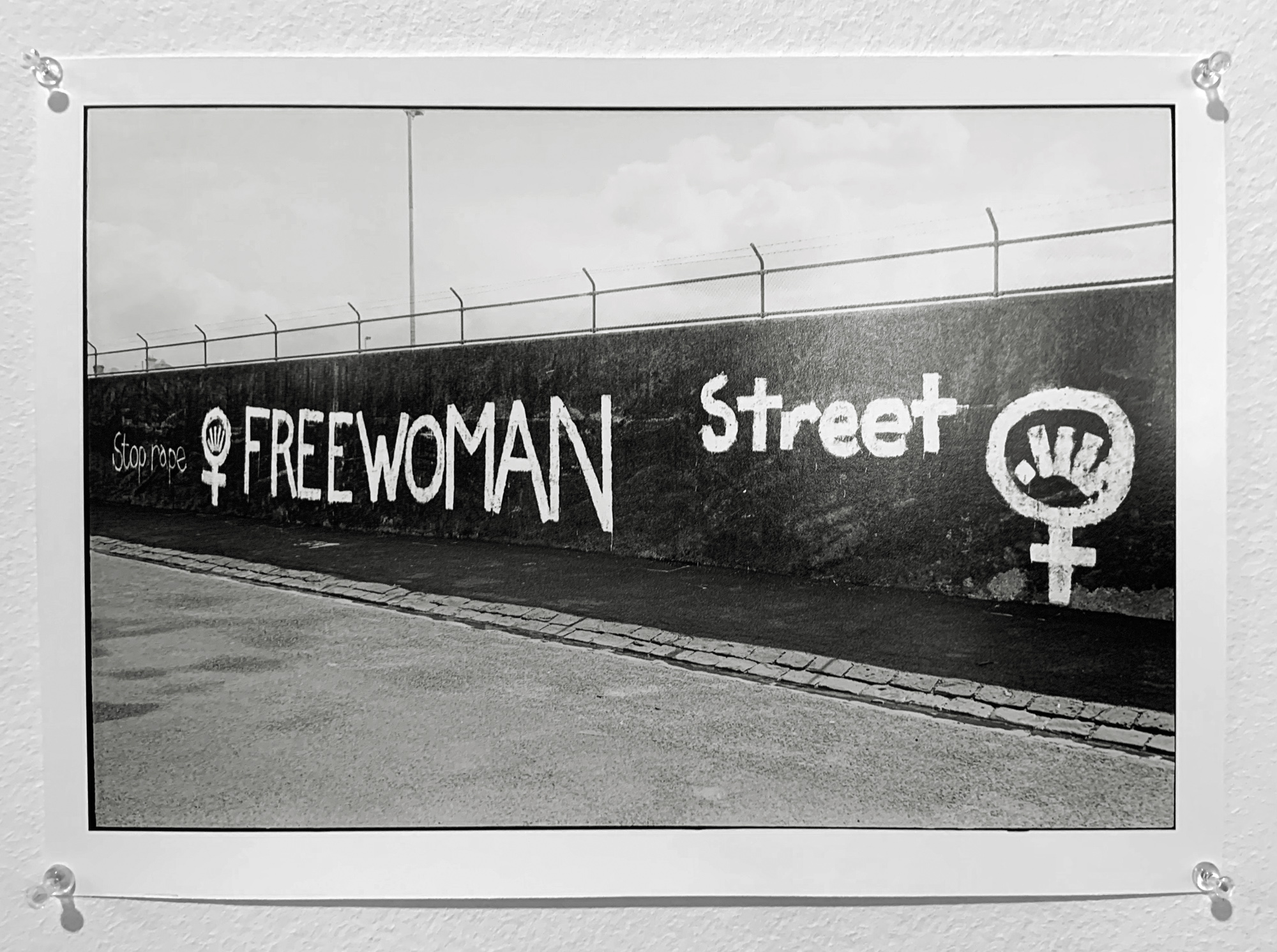
 

Dawoud Bey (American, b. 1953) 'Untitled #11 (Bent Branches)' 2017


Dawoud Bey (American, b. 1953)
Untitled #11 (Bent Branches)
2017
From the series Night Coming Tenderly, Black
Gelatin silver print
© Dawoud Bey


Dawoud Bey (American, b. 1953) 'Untitled #12 (The Marsh)' 2017


Dawoud Bey (American, b. 1953)
Untitled #12 (The Marsh)
2017
From the series Night Coming Tenderly, Black
Gelatin silver print
© Dawoud Bey


“I ranged far and wideout there since there were expansive rural landscapes that looked as they might have in the 18th and 19th centuries. The landscape and the history there have not been built over…

Some of the photographs, to the extent that we know, are actual Underground Railroad sites, and the majority of them are placed in the landscape that I identified in proximity to some of those locations, where I could make work that suggested the movement of fugitive slaves through the landscape…

I wanted the photographs to almost involuntarily pull you back to the experience of the landscape through which those fugitive black bodies were moving in the 19th century to escape slavery. So I had to learn, for the first time, how to make photographs in the kind of space…

It is a tender one, through which one moves. That is the space I imagined the fugitive black subjects moving through as they sought their self-liberation, moving through the dark landscape of America and Ohio toward freedom under cover of a munificent and blessed blackness.” ~ Dawoud Bey


Dawoud Bey (American, b. 1953) 'Untitled #14 (Site of John Brown's Tannery)' 2017
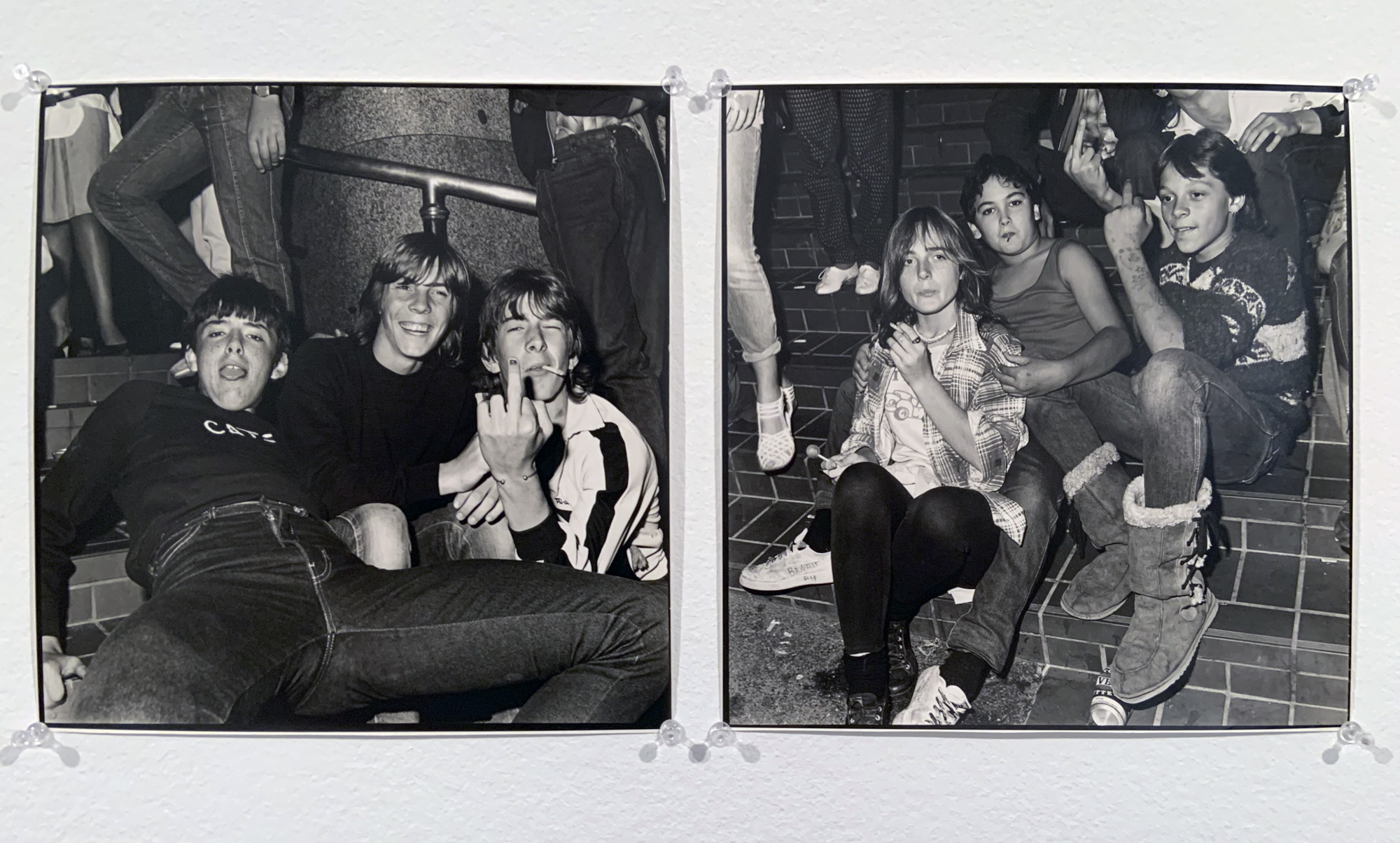
 

Dawoud Bey (American, b. 1953)
Untitled #14 (Site of John Brown’s Tannery)
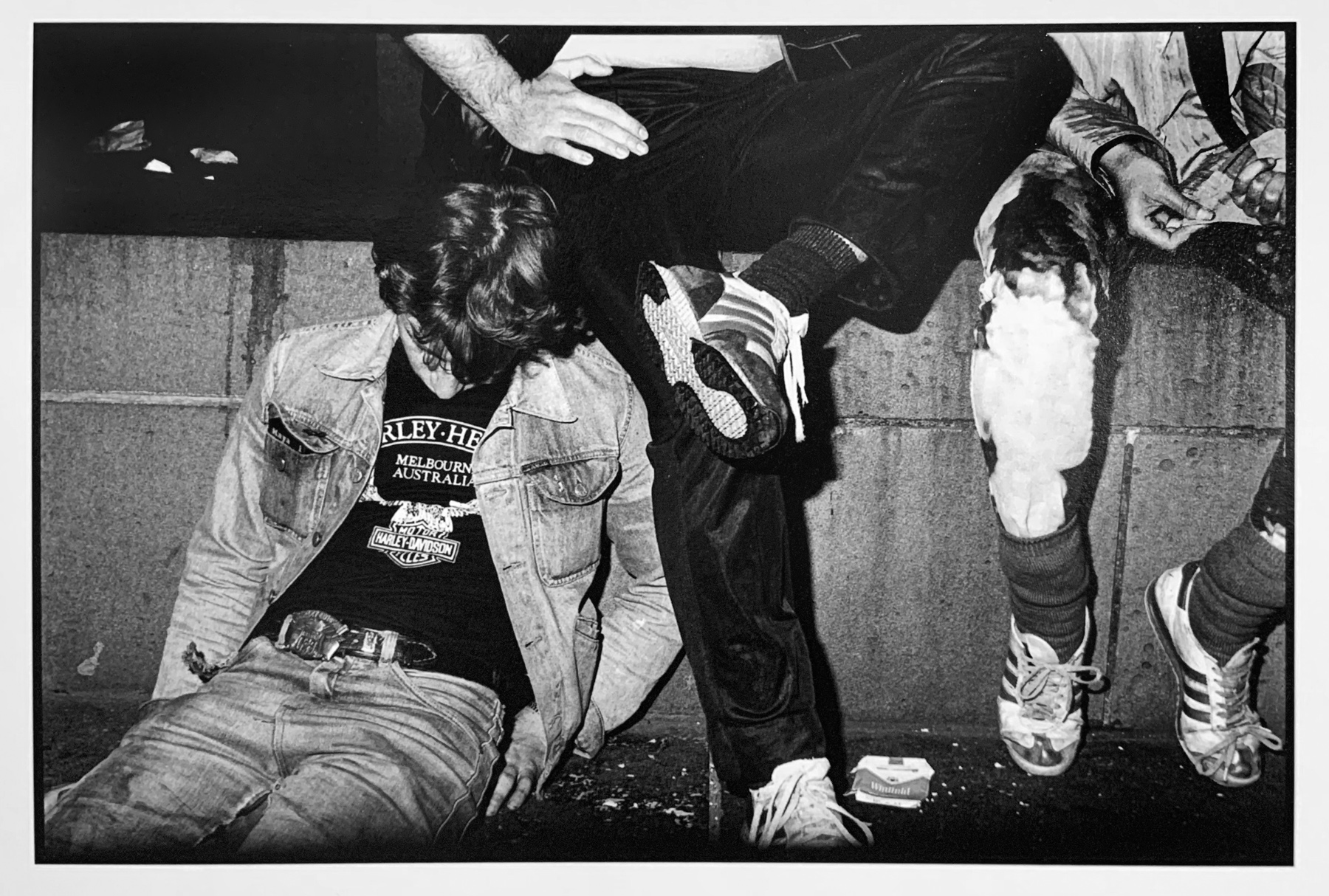
2017
From the series Night Coming Tenderly, Black
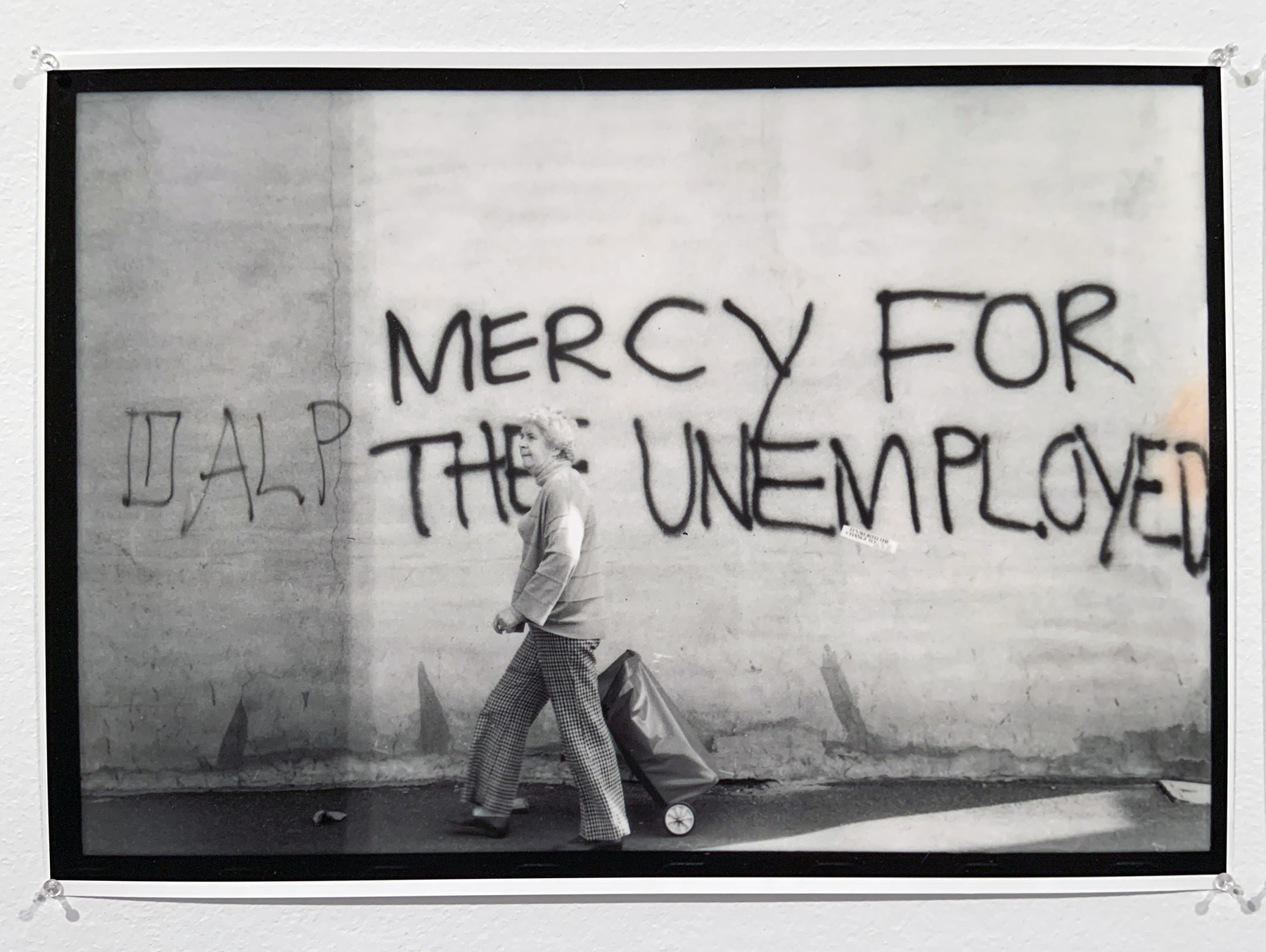
Gelatin silver print
© Dawoud Bey


Dawoud Bey (American, b. 1953) 'Untitled #17 (Forest)' 2017


Dawoud Bey (American, b. 1953)
Untitled #17 (Forest)
2017
From the series Night Coming Tenderly, Black
Gelatin silver print
© Dawoud Bey


Bey’s most recent work imagines the flight of enslaved Black Americans along the leg of the Underground Railroad that operated in Ohio – the last fifty or so miles before they reached the vast expanse of Lake Erie, on the other side of which lay Canada, and freedom.


Dawoud Bey (American, b. 1953) 'Untitled #19 (Creek and Trees)' 2017


Dawoud Bey (American, b. 1953)
Untitled #19 (Creek and Trees)
2017
From the series Night Coming Tenderly, Black
Gelatin silver print
© Dawoud Bey


Behind his Night Coming Tenderly, Black series:

“The photographs are meant to imagine or reimagine the path of self-liberation in Northeastern Ohio along what is called the ‘Underground Railroad’. Formerly slaved Africans, and then African-Americans moved towards freedom by way of Lake Eerie in Ohio. I began to think about the fugitive moving through this tender space of blackness.”

Anonymous. “Dawoud Bey’s somber ‘Night Coming Tenderly, Black’ project,” on the Public Delivery website  January 30, 2021 website [Online] Cited 02/03/2021


Dawoud Bey (American, b. 1953) 'Untitled #20 (Picket Fence and Farmhouse I)' 2017


Dawoud Bey (American, b. 1953)
Untitled #20 (Picket Fence and Farmhouse I)
2017
From the series Night Coming Tenderly, Black
Gelatin silver print
© Dawoud Bey


The gelatin silver prints in Night Coming Tenderly, Black are moody and dim, overlaid with a sheen that is almost gritty in texture thanks to the coated paper they are printed on. The trees, fences, lakes, and buildings in the photos are initially obscured, purposefully made more difficult to see through Bey’s printing methods (which take advantage of the light sensitivity of silver particles as well as their ability to be chemically “toned” through the introduction of other substances). These images resist both reproduction and easy interpretation. That one also has to wait for one’s eyes to adjust to the darkness, before slowly traveling over the terrain of each picture, reminds the viewer that the formerly enslaved people who traversed these sites often did so under cover of darkness. Darkness here is multivalent: its obscuring power, which prevents viewers from immediately processing the whole of Bey’s photographs, aided formerly enslaved people in their escape. The Underground Railroad, as the artist has noted, occupies a semi-mythological place in American history, and some of the places Bey photographs are only cannot be confirmed to have been stops on the Railroad. Like the experience of slavery, these places are unrepresentable. They are half-shrouded locales that evade being captured on a map or in a photo.

Though these photographs are dark, they are shot in the daylight and processed in such a way as to make them initially appear to be taken at night. They bring to mind Hiroshi Sugimoto’s eerily beautiful “Seascapes” series (1980 – ongoing), which are shot at night, the film exposed for different lengths of time in order to reveal how light plays even after dark. Yet there is no analogous method for bringing night to the day. Bey may make his photos dark, but this is achieved through processing and glazing the finish image, which occurs after the initial act of taking the photograph. How can we account for Bey’s artificial night?

The philosopher François Laruelle’s 2011 book The Concept of Non-Photography suggests one answer to this question. In essence, Laruelle starts with the premise that works of art cannot and do not represent anything, be it objects, thoughts, concepts, or movements. He posits art as an entirely self-sufficient engagement with the world (which he calls the Real), independent even of viewer and creator. Art is a machine; the medium, processes, and even the artist are its materials. What art “shows,” Laurelle argues, is only the world according to itself – which he terms the world-in-painting, the world-in-photo, and so on. He turns to photography in part because of its connection to modern scientific advancement and its attempts literally to illuminate the world “objectively.” Non-photography aims to re-conceptualise the photographic flash, which Laruelle associates with the flash of logos or reason, as a form of potential insurrection against its traditional association with illumination, and against photography’s constant reproduction of the asymmetrical dichotomy between light and dark.

Anna Mirzayan. “”Artificial night”: on Dawoud Bey’s America,” on the Art Agenda website December 15 2020 [Online] Cited 01/03/2021


Dawoud Bey (American, b. 1953) 'Untitled #23 (Near Lake Erie)' 2017


Dawoud Bey (American, b. 1953)
Untitled #23 (Near Lake Erie)
2017
From the series Night Coming Tenderly, Black
Gelatin silver print
© Dawoud Bey


“I was thinking about this narrative of the Black subject — the unseen Black subject, in this case — a fugitive slave moving through the darkness of night,” Bey explains. “And that darkness of night being the kind of Black space that would lead to liberation.”


Dawoud Bey (American, b. 1953) 'Untitled #25 (Lake Erie and Sky)' 2017


Dawoud Bey (American, b. 1953)
Untitled #25 (Lake Erie and Sky)
2017
From the series Night Coming Tenderly, Black
Gelatin silver print
© Dawoud Bey


As a covert network of safe houses and churches, the sites of the Underground Railroad were by necessity secret, and Bey’s landscapes suggest, rather than document, the experience. Photographed by day but printed in shades of grey and black so deep they resemble nocturnes, the sensuous prints conjure a darkness at once ominous and lush. The series title, which is drawn from the last couplet of Langston Hughes’s poem “Dream Variations” (1926), suggests a black night that envelops the fugitives in a darkness that serves as a protective embrace: “Night coming tenderly / Black like me.”


The High Museum of Art
1280 Peachtree St NE
Atlanta, GA
30309

Opening hours:
Tuesday – Saturday 10am – 5pm
Sunday 12 – 5pm
Monday closed

The High Museum of Art website

LIKE ART BLART ON FACEBOOK

Back to top

European photographic research tour exhibition: ‘Brassaï’ at Foam, Amsterdam

Exhibition dates: 13th September – 4th December 2019
Visited September 2019 posted July 2020


Installation view of the exhibition 'Brassaï' at Foam, Amsterdam


Installation view of the exhibition Brassaï at Foam, Amsterdam
Photo: Marcus Bunyan


These are my thoughts at the time of my seeing the exhibition.


I have been blessed this trip by seeing an amazing selection of master photographers… Brassaï being no exception.

Every print in this exhibition is a vintage print. They were made by Brassaï before 1968. If larger than 30 x 40cm they were made after 1945 when he started printing with an enlarger.

As usual, the iPhone camera makes all the images too light and adds too much contrast. Think darker, less contrast in these vintage prints.

Brassaï’s prints are – just like those of Josef Sudek and August Sander that I have seen on this trip – much softer and with a more limited tonal range than I imagined. They are all the more atmospheric and magical because of it.

To walk around the exhibition and then arrive at an alcove (see walk through below)… to stand in front of Le Môme Bijou, the old lady with the jewellery and Billiard Player, is such a privilege. I am surrounded by the presence of these famous images. I peer intently at each of them, observing the details, feeling their eyes stare back at me. No deflection of intent, just these human beings and their spirit presented in a photograph. Brassaï captured their essence before they drifted away, just in that moment.

In the latter print the dark billiard ball was almost indistinguishable from the baize; in the former, the circular light in the woman’s eyes means that Brassaï must have set up a light, or that there was a light source, above and behind the camera. Specular highlights twinkle off jewellery and pearls. Even as she is draped in her bourgeois, bohemian ornamentation this dame of the night possesses a resilient, composed, determined air.

Personally, I think Brassaï’s Graffiti series are far stronger than Lee Friedlander’s series of the same name.

The juxtaposition of the photographs in Paris at Night is something I will always remember.

Dr Marcus Bunyan


Please click on the photographs for a larger version of the image. All iPhone installation photographs © Marcus Bunyan


The more scrupulously [the photographer] has respected the independence and autonomy of his subject, and the closer he has gone toward it instead of bringing it nearer to himself, the more completely his own personality has become incorporated into his pictures.


Brassaï


Foam is proud to present the first retrospective of Brassaï in the Netherlands. The French photographer of Hungarian descent is considered a key figure of 20th-century photography.

Brassaï (1899-1984) created countless iconic images of 1930s Parisian life. He was famous for capturing the grittier aspects of the city, but also documented high society, including the ballet, opera, and intellectuals – among them his friends and contemporaries like Pablo Picasso, Salvador Dalí and Henri Matisse. The exhibition at Foam traces his career with over 170 vintage prints, plus a selection of drawings, a sculpture and documentary material.

Brassaï gathers many of the artistic facets of the photographer, from photos to drawings of female nudes. It is organised in twelve thematic sections: Paris by Day, and by Night, Minotaure, Graffiti, Society, Places and Things, Personages, Sleep, Pleasures, Body of a Woman, Portraits – Artists, Writers, Friends and The Street. Each is very different from the next – reflecting the diversity of Brassaï’s photographic work.


Digital walk through of the exhibition Brassaï at Foam, Amsterdam in September 2019


Installation view of the exhibition 'Brassaï' at Foam, Amsterdam

Installation view of the exhibition 'Brassaï' at Foam, Amsterdam

Installation view of the exhibition 'Brassaï' at Foam, Amsterdam showing at second right, Brassaï's 'Paris' 1937, and at right 'Paris' c. 1932


Installation views of the exhibition Brassaï at Foam, Amsterdam showing at second right in the bottom image, Brassaï’s Paris 1937, and at right Paris c. 1932
Photo: Marcus Bunyan


Brassaï (French, 1899-1984) 'Paris' c. 1932 (installation view)


Brassaï (French, 1899-1984)
Paris (installation view)
c. 1932
Gelatin silver print
Photo: Marcus Bunyan


Brassaï (French, 1899-1984) 'Paris' 1937 (installation view)


Brassaï (French, 1899-1984)
Paris (installation view)
1937
Gelatin silver print
Photo: Marcus Bunyan


Brassaï (French, 1899-1984) 'Paris' 1937 (installation view)


Brassaï (French, 1899-1984)
Paris (installation view)
1937
Gelatin silver print
Photo: Marcus Bunyan


Installation view of the exhibition 'Brassaï' at Foam, Amsterdam

Wall text from the exhibition 'Brassaï' at Foam, Amsterdam


Installation views of the exhibition Brassaï at Foam, Amsterdam
Photos: Marcus Bunyan


Foam is proud to announce the first retrospective of Brassaï in the Netherlands. This French photographer of Hungarian descent is considered as one of the key figures of 20th-century photography. Brassaï (1899-1984) created countless iconic images of 1930s Parisian life. He was famous for capturing the grittier aspects of the city, but also documented high society, including the ballet, opera, and intellectuals – among them his friends and contemporaries like Pablo Picasso, Salvador Dalí and Henri Matisse. The exhibition at Foam traces his career with over 170 vintage prints, plus a selection of drawings, a sculpture and documentary material.

Gyula Halász, Brassaï’s original name, was born in 1899 in Brassó, Transylvania (then part of the Austro-Hungarian empire, nowadays Brasov, Romania). He studied at the University of Arts in Berlin before finally settling in Paris in 1924, a city that was to become the main subject of his work. He started as a painter but soon discovered that his strongest and most original talent lay in photography. To keep his real name for his paintings, he signed journalistic work, caricatures and photographs with ‘Brassaï’ (from Brassó). His photos would make this pseudonym more famous than his real name. Brassaï’s work of the 1930s would become a cornerstone of a new tradition as photography was discovered as a medium with aesthetic potential. A generation earlier photographers had merely emulated the established arts. Now photography became an art in itself and the perfect medium to capture modern life.

The nocturnal scenes collected in his book Paris by Night (1933) are complemented by his work that reveals the everyday life of the city by day. The monuments, picturesque spots, scenes from daily life and architectural details are present in his work as a reflection of the irresistible fascination the artist felt for the French capital. In his quest to cover all of the facets of Paris, he also immersed himself in the city’s darker side. For Brassaï the gang members, outcasts, prostitutes and drug addicts all represented the least cosmopolitan aspect of Paris, an aspect that was more alive and more authentic. He compiled a huge collection of images of entertainment venues, ranging from night clubs to popular festivals and featuring the people who frequented them. Brassaï was deeply immersed in a wide circle of friends among the writers and artists of Montparnasse, who also became the subjects for some of his portraits. Most of the portraits taken by Brassaï were of well-known people, putting him into a very comfortable position. He collaborated with the luxury art magazine Minotaure right from its very first issue and enjoyed a prominent role for the publication over the years. After the war, he also travelled regularly on commissioned shoots for the American magazine Harper’s Bazaar.

The exhibition at Foam gathers many of the artistic facets of the photographer, from photos to drawings of female nudes. It is organised in twelve thematic sections: Paris by Day, and by Night, Minotaure, Graffiti, Society, Places and Things, Personages, Sleep, Pleasures, Body of a Woman, Portraits – Artists, Writers, Friends and The Street. Each is very different from the next – reflecting the diversity of Brassaï’s photographic work.

Press release from the Foam gallery website


Brassaï (French, 1899-1984) 'Staircase, Montmartre' 1937 (installation view)


Brassaï (French, 1899-1984)
Staircase, Montmartre (installation view)
1937
Gelatin silver print
Photo: Marcus Bunyan


Brassaï (French, 1899-1984) 'Les Escaliers de Montmartre, Paris' 1936 from the exhibition 'Brassaï' at Foam, Amsterdam, Sept - Dec, 2019


Brassaï (French, 1899-1984)
Les Escaliers de Montmartre, Paris
1936
Gelatin silver print


Brassaï (French, 1899-1984) 'La rue Quincampoix' c. 1932 (installation view)


Brassaï (French, 1899-1984)
La rue Quincampoix (installation view)
c. 1932
Gelatin silver print
Photo: Marcus Bunyan


Brassaï (French, 1899-1984) 'La rue Quincampoix' c. 1932 (installation view)


Brassaï (French, 1899-1984)
La rue Quincampoix (installation view)
c. 1932
Gelatin silver print
Photo: Marcus Bunyan


Brassaï (French, 1899-1984) 'Pillar of the Elevated, Metro Glacière' 1932 (installation view)


Brassaï (French, 1899-1984)
Pillar of the Elevated, Metro Glacière (installation view)
1932
Gelatin silver print
Photo: Marcus Bunyan


Brassaï (French, 1899-1984) 'Near the rue Mouffetard' c. 1945 (installation view)


Brassaï (French, 1899-1984)
Near the rue Mouffetard (installation view)
c. 1945
Gelatin silver print
Photo: Marcus Bunyan


Installation view of the exhibition 'Brassaï' at Foam, Amsterdam

Installation view of the exhibition 'Brassaï' at Foam, Amsterdam showing at centre, Brassaï's 'Concierge's Lodge, Paris' 1933


Installation views of the exhibition Brassaï at Foam, Amsterdam showing in the lower image at centre, Brassaï’s Concierge’s Lodge, Paris, 1933
Photos: Marcus Bunyan


Brassaï (French, 1899-1984) 'Concierge's Lodge, Paris' 1933 (installation view)


Brassaï (French, 1899-1984)
Concierge’s Lodge, Paris (installation view)
1933
Gelatin silver print
Photo: Marcus Bunyan


Brassaï (French, 1899-1984) 'Concierge's Lodge, Paris' 1933 (installation view)


Brassaï (French, 1899-1984)
Concierge’s Lodge, Paris (installation view)
1933
Gelatin silver print
Photo: Marcus Bunyan


Brassaï (French, 1899-1984) 'Concierge's Lodge, Paris' 1933 from the exhibition 'Brassaï' at Foam, Amsterdam, Sept - Dec, 2019


Brassaï (French, 1899-1984)
Concierge’s Lodge, Paris
1933
Gelatin silver print
Photo: Marcus Bunyan


Brassaï (French, 1899-1984) 'Lovers at the gare Saint Lazare' c. 1937 (installation view)


Brassaï (French, 1899-1984)
Lovers at the gare Saint Lazare (installation view)
c. 1937
Gelatin silver print
Photo: Marcus Bunyan


Brassaï (French, 1899-1984) 'Sunday Painter, avenue du Général Leclerc' 1946 (installation view)


Brassaï (French, 1899-1984)
Sunday Painter, avenue du Général Leclerc (installation view)
1946
Gelatin silver print
Photo: Marcus Bunyan


Brassaï (French, 1899-1984) 'Sunday Painter, avenue du Général Leclerc' 1946 (installation view)


Brassaï (French, 1899-1984)
Sunday Painter, avenue du Général Leclerc (installation view)
1946
Gelatin silver print
Photo: Marcus Bunyan


Brassaï (French, 1899-1984) 'Annecy' 1936 (installation view)


Brassaï (French, 1899-1984)
Annecy (installation view)
1936
Gelatin silver print
Photo: Marcus Bunyan


Brassaï (French, 1899-1984) 'Hôtel de la Belle Étoile' 1945 (installation view)


Brassaï (French, 1899-1984)
Hôtel de la Belle Étoile (installation view)
1945
Gelatin silver print
Photo: Marcus Bunyan


Brassaï (French, 1899-1984) 'A Corpse on the Banks on the Seine' 1931 (installation view)


Brassaï (French, 1899-1984)
A Corpse on the Banks on the Seine (installation view)
1931
Gelatin silver print
Photo: Marcus Bunyan


Brassaï (French, 1899-1984) 'Les Fétes de Paris: La Nuit Féerique de Longhamp' 1937


Brassaï (French, 1899-1984)
Les Fétes de Paris: La Nuit Féerique de Longhamp
1937
In L’illustration, no. 4, 923 (July 10, 1937)
13. Rue Saint-Georges, Paris (9°)
Photo: Marcus Bunyan


Regards, no. 155 (December 31, 1936)


Regards, no. 155 (December 31, 1936)
Back cover
Photo: Marcus Bunyan


Installation view of the exhibition 'Brassaï' at Foam, Amsterdam


Installation view of the exhibition Brassaï at Foam, Amsterdam showing at at left, Brassaï’s Meat Porters, Les Halles c. 1935 and at second left, Au Cochon Limousin 1935
Photo: Marcus Bunyan


Brassaï (French, 1899-1984) 'Meat Porters, Les Halles' c. 1935 (installation view)


Brassaï (French, 1899-1984)
Meat Porters, Les Halles (installation view)
c. 1935
Gelatin silver print
Photo: Marcus Bunyan


Brassaï (French, 1899-1984) 'Au Cochon Limousin' 1935 (installation view)


Brassaï (French, 1899-1984)
Au Cochon Limousin (installation view)
1935
Gelatin silver print
Photo: Marcus Bunyan


Brassaï (French, 1899-1984) 'Les Halles' 1930-32 (installation view)


Brassaï (French, 1899-1984)
Les Halles (installation view)
1930-1932
Gelatin silver print
Photo: Marcus Bunyan


Brassaï (French, 1899-1984) 'Cesspool cleaners' c. 1931 (installation view)


Brassaï (French, 1899-1984)
Cesspool cleaners (installation view)
c. 1931
Gelatin silver print
Photo: Marcus Bunyan


Paris de nuit / Paris at night

Brassaï had been making photographs for barely two years when luck and ambition brought him a contract for a book on nocturnal Paris. When Paris de nuit (Paris at Night) was published to acclaim in December 1932, “Brassaï” became a familiar name in the world of photography. The book’s rich photogravures, marginalises pages, and bold design made it an icon of modernity. Many of Brassaï’s best night picture were made after Paris de nuit appeared, however, and many of his greatest images of Parisian nightlife were not published until 1976.

In the self-portrait here we see Brassaï’s first camera, a Voigtländer Bergheil that used 6.5 x 9 cm glass plates one at a time. The long exposures of night photography – often five minutes or more – required a tripod, which Brassaï frequently used for other pictures as well. While much of the adventurous European photography of the 1920s and 1930s celebrated mobility and speed, spontaneity was alien to Brassaï’s sensibility. He favoured images that are sharp, deliberate, and stable.


Installation view of the exhibition 'Brassaï' at Foam, Amsterdam showing a modern enlargement of Brassaï's 'Morris Column, avenue de l'Observatoire' 1934 

Installation view of the exhibition 'Brassaï' at Foam, Amsterdam showing a modern enlargement of Brassaï's 'Morris Column, avenue de l'Observatoire' 1934 

Installation view of the exhibition 'Brassaï' at Foam, Amsterdam showing at left a modern enlargement of Brassaï's 'Morris Column, avenue de l'Observatoire' 1934 


Installation views of the exhibition Brassaï at Foam, Amsterdam showing a modern enlargement of Brassaï’s Morris Column, avenue de l’Observatoire 1934
Photos: Marcus Bunyan


Brassaï (French, 1899-1984) 'Morris Column, avenue de l'Observatoire' 1934 (installation view)


Brassaï (French, 1899-1984)
Morris Column, avenue de l’Observatoire (installation view)
1934
Gelatin silver print
Photo: Marcus Bunyan


Brassaï (French, 1899-1984) 'Morris Column, avenue de l'Observatoire' 1934


Brassaï (French, 1899-1984)
Morris Column, avenue de l’Observatoire
1934
Gelatin silver print


Installation view of the exhibition 'Brassaï' at Foam, Amsterdam showing at right, Brassaï's 'Self portrait, On the boulevard Saint-Jacques' 1930-1932


Installation view of the exhibition Brassaï at Foam, Amsterdam showing at right, Brassaï’s Self portrait, On the boulevard Saint-Jacques 1930-1932
Photo: Marcus Bunyan


Brassaï (Gyulá Halász, 1899 - 1984) 'Self-portrait, Boulevard Saint-Jacques, Paris 14ème' c. 1931-1932


Brassaï (French, 1899-1984)
Self portrait, On the boulevard Saint-Jacques
1930-1932
Gelatin silver print


Voigtländer Bergheil Built in 1932


Voigtländer
Bergheil
Built in 1932
6.5 x 9cm negative
Green


Installation view of the exhibition 'Brassaï' at Foam, Amsterdam

Installation view of the exhibition 'Brassaï' at Foam, Amsterdam showing at left, Brassaï's 'The Tour Saint-Jacques' 1932-1933, and at third right 'View through the pont Royal toward the pont Solférino' c. 1933


Installation view of the exhibition Brassaï at Foam, Amsterdam showing in the bottom image at left, Brassaï’s The Tour Saint-Jacques 1932-1933, and at third right View through the pont Royal toward the pont Solférino c. 1933
Photos: Marcus Bunyan


Brassaï (French, 1899-1984) 'The Tour Saint-Jacques' 1932-33 (installation view)


Brassaï (French, 1899-1984)
The Tour Saint-Jacques (installation view)
1932-1933
Gelatin silver print
Photo: Marcus Bunyan


Brassaï (French, 1899-1984) 'View through the pont Royal toward the pont Solférino' c. 1933


Brassaï (French, 1899-1984)
View through the pont Royal toward the pont Solférino
c. 1933
Gelatin silver print


Installation view of the exhibition 'Brassaï' at Foam, Amsterdam showing at right, Brassaï's 'Avenue de l'Observatoire in the Fog' c. 1937


Installation view of the exhibition Brassaï at Foam, Amsterdam showing at right, Brassaï’s Avenue de l’Observatoire in the Fog c. 1937
Photo: Marcus Bunyan


Brassaï (French, 1899-1984) 'Avenue de l'Observatoire in the Fog' c. 1937 (installation view)


Brassaï (French, 1899-1984)
Avenue de l’Observatoire in the Fog (installation view)
c. 1937
Gelatin silver print
Photo: Marcus Bunyan


Brassaï (French, 1899-1984) 'Avenue de l'Observatoire in the Fog' c. 1937


Brassaï (French, 1899-1984)
Avenue de l’Observatoire in the Fog
c. 1937
Gelatin silver print


Brassaï (French, 1899-1984) 'Paris de Nuit' (Paris at Night) 1932


Brassaï (French, 1899-1984)
Paris de Nuit (Paris at Night) pp. 9-10
1932
Book


Brassaï (French, 1899-1984) 'Paris de Nuit' (Paris at Night) 1932


Brassaï (French, 1899-1984)
Paris de Nuit (Paris at Night) pp. 13-14
1932
Book


Digital flick through of Brassaï’s Paris de Nuit (Paris at Night) book 1932
Video: Marcus Bunyan


Brassaï (French, 1899-1984) 'Paris de Nuit' (Paris at Night) 1932 (installation view)


Brassaï (French, 1899-1984)
Paris de Nuit (Paris at Night) pp. 19-20 (installation view)
1932
Book
Photo: Marcus Bunyan


Minotaure, no. 7 (June 1935)


Minotaure, no. 7 (June 1935)
Pages 24-25: Photographs by Brassaï, “Nuits parisiennes” (Parisian Nights)
Pages 26-29: Photographs by Brassaï
Photo: Marcus Bunyan


Portraits – artists, writers and friends

In Brassaï’s era, portraits and nudes were bread-and-butter genres for any professional photographer. As a portraitist Brassaï made a speciality of artists and writers, who often were his friends, and in 1982 he collected many of the best pictures in Les artistes de ma vie (The Artists of My Life), for which he also wrote the lively text. He excelled at two distinct types of portraiture: In one, the artist is framed by his environment – the studio. In the other, the subjects confronts the photographer frankly, and the setting hardly matters. In an undated note, Brassaï summed up his approach to the second type: “To oblige the model to behave as if the photographer isn’t there really is to stage a comic performance. What’s natural is precisely not to dodge the photographer’s presence. The natural thing in that situation is for the model to pose honestly.”


Installation view of the exhibition 'Brassaï' at Foam, Amsterdam showing at right, 'Oskar Kokoschka in his Studio, Paris' 1931-1932

Installation view of the exhibition 'Brassaï' at Foam, Amsterdam at third right, Brassaï's 'Kiki de Montparnasse and her Friends, Thérèse Treize and Lily' c. 1932


Installation views of the exhibition Brassaï at Foam, Amsterdam showing in the top photograph at right, Oskar Kokoschka in his Studio, Paris 1931-1932 (below) and in the bottom photograph at third right, Brassaï’s Kiki de Montparnasse and her Friends, Thérèse Treize and Lily c. 1932 (below)
Photos: Marcus Bunyan


Brassaï (French, 1899-1984) 'Oskar Kokoschka in his Studio, Paris' 1931-1932


Brassaï (French, 1899-1984)
Oskar Kokoschka in his Studio, Paris (installation view)
1931-1932
Gelatin silver print
Photo: Marcus Bunyan


Brassaï (French, 1899-1984) 'Kiki de Montparnasse and her Friends, Thérèse Treize and Lily' c. 1932 (installation view)


Brassaï (French, 1899-1984)
Kiki de Montparnasse and her Friends, Thérèse Treize and Lily (installation view)
c. 1932
Gelatin silver print
Photo: Marcus Bunyan


Installation view of the exhibition 'Brassaï' at Foam, Amsterdam

Installation view of the exhibition 'Brassaï' at Foam, Amsterdam

Installation view of the exhibition 'Brassaï' at Foam, Amsterdam

Installation view of the exhibition 'Brassaï' at Foam, Amsterdam showing at left, Brassaï's 'Jean Genet' 1948


Installation views of the exhibition Brassaï at Foam, Amsterdam showing in the bottom photograph at left, Brassaï’s Jean Genet 1948 (below)
Photos: Marcus Bunyan


Brassai. 'Jean Genet' 1948


Brassaï (French, 1899-1984)
Jean Genet
1948
Gelatin silver print


Graffiti

The appreciation of graffiti as a powerful if anonymous art form began to blossom in the twentieth century. Like African tribal objects and the art of children, graffiti was admired as more expressive and vital than the refined forms of traditional Western art. Brassaï was among the first to embrace it. He was an inveterate magpie who collected all manner of neglected artefacts and natural specimens throughout his life. Virtually as soon as he began making photographs, he used the medium to collect the graffiti that appeared abundantly on the walls of Paris – predominantly images that had been scratched or gouged rather than drawn or painted and, as he pointed out, in which irregularities of the wall itself played a role. He compiled hundreds of these pictures, a small sample of which is presented here.

Minotaure

Between arriving in Paris in early 1924 and taking up photography six years later, Brassaï developed a wide circle of friends among the international community of artists and writers in Montparnasse. Among them were Les deux aveugles (The Two Blind Men), as the art critics Maurice Raynal and E. Tériade called themselves. In December 1932 – the same month Brassaï’s book Paris de unit (Paris at Night) appeared – Tériade invited Brassaï to photograph Pablo Picasso and his studios in and near Paris for the first issue of Minotaure, a lavish art magazine launched in June 1933 by the Swiss published Albert Skira. Thus began one of the key friendships of Brassaï’s life. Over the next few years he played prominent role in Minotaure, notable as a collaborator of Salvador Dalí, as an illustrator of texts by André Breton, and, on a few occasions, as an artist in his own right.


Installation view of the exhibition 'Brassaï' at Foam, Amsterdam showing to the right, photographs from Brassaï's series 'Graffiti'


Installation views of the exhibition Brassaï at Foam, Amsterdam showing to the right, photographs from Brassaï’s series Graffiti
Photo: Marcus Bunyan


Minotaure, nos. 3-4 (December 1933)

Minotaure, nos. 3-4 (December 1933)


Minotaure, nos. 3-4 (December 1933)
Pages 6-7: Photographs and text by Brassaï, “Du mur des cavernes au mur d’usine” (From the Wall of the Caves to the Wall of the Factory).
Photos: Marcus Bunyan


This was the first appearance in print of Brassaï’s series Graffiti.


Brassaï (French, 1899-1984) 'The Sun King' 1945-1950 (installation view)


Brassaï (French, 1899-1984)
The Sun King (installation view)
1945-1950
From the series Graffiti
Gelatin silver print
Photo: Marcus Bunyan


Brassai. 'Untitled' from the series 'Graffiti' 1950


Brassaï (French, 1899-1984)
Untitled (installation view)
1950
From the series Graffiti
Gelatin silver print
Photo: Marcus Bunyan


Brassai. 'Untitled' from the series 'Graffiti' 1945-1955


Brassaï (French, 1899-1984)
Untitled (installation view)
1945-1955
From the series Graffiti
Gelatin silver print
Photo: Marcus Bunyan


Brassai. 'Untitled' from the series 'Graffiti' 1945-1955


Brassaï (French, 1899-1984)
Untitled (installation view)
1945-1955
From the series Graffiti
Gelatin silver print
Photo: Marcus Bunyan


Installation view of the exhibition 'Brassaï' at Foam, Amsterdam showing photographs from the section Personages including at left 'La Môme Bijou, Bar de la Lune, Montmartre' 1932; and in the centre, 'Billiard Player, boulevard Rochechouart' 1932-1933 and 'Market Porter, Les Halles' 1939


Installation view of the exhibition Brassaï at Foam, Amsterdam showing photographs from the section Personages including at left La Môme Bijou, Bar de la Lune, Montmartre 1932; and in the centre, Billiard Player, boulevard Rochechouart 1932-1933 and Market Porter, Les Halles 1939
Photo: Marcus Bunyan


Personages

In the introduction to a book of his photographs that was published in 1949, Brassaï linked the modern arts of photography and film to the work of artists of the past who had depicted everyday life, among them Rembrandt van Rijn, Honoré Daumier, Edgar Degas, and Henri de Toulouse-Lautrec. He praised them for the “desire to get beyond the anecdotal and to promote [their] subjects to the dignity of types.” Brassaï himself had a talent for rendering at the same time a generic social role and a particular individual who inhabited it, as if his attentiveness to the person would elevate him or her into a distinctive personage.


Installation view of the exhibition 'Brassaï' at Foam, Amsterdam showing photographs from the section Personages including at left, 'Festival in Seville' 1951; and at right, 'La Môme Bijou, Bar de la Lune, Montmartre' 1932


Installation view of the exhibition Brassaï at Foam, Amsterdam showing photographs from the section Personages including at left, Festival in Seville 1951; and at right, La Môme Bijou, Bar de la Lune, Montmartre 1932
Photo: Marcus Bunyan


Installation view of the exhibition 'Brassaï' at Foam, Amsterdam showing photographs from the section Personages including at left, 'Festival in Seville' 1951; at centre, 'La Môme Bijou, Bar de la Lune, Montmartre' 1932; and at right, 'Billiard Player, boulevard Rochechouart' 1932-1933


Installation view of the exhibition Brassaï at Foam, Amsterdam showing photographs from the section Personages including at left, Festival in Seville 1951; at centre, La Môme Bijou, Bar de la Lune, Montmartre 1932; and at right, Billiard Player, boulevard Rochechouart 1932-1933
Photo: Marcus Bunyan


Installation view of the exhibition 'Brassaï' at Foam, Amsterdam showing a photograph from the section Personages, 'La Môme Bijou, Bar de la Lune, Montmartre' 1932


Installation view of the exhibition Brassaï at Foam, Amsterdam showing a photograph from the section Personages, La Môme Bijou, Bar de la Lune, Montmartre 1932
Photo: Marcus Bunyan


Brassaï (French, 1899-1984) 'La Môme Bijou, Bar de la Lune, Montmartre' 1932 (installation view)


Brassaï (French, 1899-1984)
La Môme Bijou, Bar de la Lune, Montmartre (installation view)
1932
Gelatin silver print
Photo: Marcus Bunyan


Brassaï (French, 1899-1984) 'La Môme Bijou, Bar de la Lune, Montmartre' 1932


Brassaï (French, 1899-1984)
La Môme Bijou, Bar de la Lune, Montmartre
1932
Gelatin silver print


Installation view of the exhibition 'Brassaï' at Foam, Amsterdam showing photographs from the section Personages including at left 'La Môme Bijou, Bar de la Lune, Montmartre' 1932; and at right, 'Billiard Player, boulevard Rochechouart' 1932-1933


Installation view of the exhibition Brassaï at Foam, Amsterdam showing photographs from the section Personages including at left La Môme Bijou, Bar de la Lune, Montmartre 1932; and at right, Billiard Player, boulevard Rochechouart 1932-1933
Photo: Marcus Bunyan


Brassaï (French, 1899-1984) 'Billiard Player, boulevard Rochechouart' 1932-33 (installation view)


Brassaï (French, 1899-1984)
Billiard Player, boulevard Rochechouart (installation view)
1932-1933
Gelatin silver print
Photo: Marcus Bunyan


Brassaï (French, 1899-1984) 'Billiard Player, boulevard Rochechouart' 1932-1933


Brassaï (French, 1899-1984)
Billiard Player, boulevard Rochechouart
1932-1933
Gelatin silver print


Installation view of the exhibition 'Brassaï' at Foam, Amsterdam showing photographs from the section Personages including at left 'Billiard Player, boulevard Rochechouart' 1932-1933; and at right, 'Market Porter, Les Halles' 1939


Installation view of the exhibition Brassaï at Foam, Amsterdam showing photographs from the section Personages including at left Billiard Player, boulevard Rochechouart 1932-1933; and at right, Market Porter, Les Halles 1939
Photo: Marcus Bunyan


Brassaï (French, 1899-1984) 'Market Porter, Les Halles' 1939 (installation view)


Brassaï (French, 1899-1984)
Market Porter, Les Halles (installation view)
1939
Gelatin silver print
Photo: Marcus Bunyan


Brassaï (French, 1899-1984) 'Bal des Quatre Saisons, rue de Lappe' c. 1932


Brassaï (French, 1899-1984)
Bal des Quatre Saisons, rue de Lappe
c. 1932
Gelatin silver print


Brassaï (French, 1899-1984) 'Chez Suzy' 1931-1932


Brassaï (French, 1899-1984)
Chez Suzy
1931-1932
Gelatin silver print


Brassaï (French, 1899-1984) 'At the Hôtel des Terrasses' c. 1932 (installation view)


Brassaï (French, 1899-1984)
At the Hôtel des Terrasses (installation view)
c. 1932
Gelatin silver print
Photo: Marcus Bunyan


Installation view of the exhibition 'Brassaï' at Foam, Amsterdam showing photographs from Brassaï's series 'Sleep'


Installation view of the exhibition Brassaï at Foam, Amsterdam showing photographs from Brassaï’s series Sleep
Photo: Marcus Bunyan


Sleep

In 1945 Brassaï wrote a brief essay to accompany some of his pictures of sleepers. It reads in part “All things that stand against their inclination – a tree, a column, a tower, a rock – are regarded with a malign eye by gravity … She especially has a grudge against man, that foolhardy being who, in open collusion with the sunlight, alone among his brothers under the spell of gravitation, dares to stand up. For sunlight and gravity fight over living beings, the one turning over what the other has put up. Alas! Sunlight lives a long way away and can never be found when she is needed the most. Thus gravity is suited to have the last word.”


Installation view of the exhibition 'Brassaï' at Foam, Amsterdam showing photographs from Brassaï's series 'Sleep' with at left, 'Paris' c. 1934; and at centre, 'Sleeping' c. 1935


Installation view of the exhibition Brassaï at Foam, Amsterdam showing photographs from Brassaï’s series Sleep with at left, Paris c. 1934; and at centre, Sleeping c. 1935
Photo: Marcus Bunyan


Brassaï (French, 1899-1984) 'Paris' c. 1934 (installation view)


Brassaï (French, 1899-1984)
Paris (installation view)
c. 1934
Gelatin silver print
Photo: Marcus Bunyan


Brassaï (French, 1899-1984) 'Sleeping' c. 1935 (installation view)


Brassaï (French, 1899-1984)
Sleeping (installation view)
c. 1935
Gelatin silver print
Photo: Marcus Bunyan


Brassaï (French, 1899-1984) 'Montmartre' 1930-1931


Brassaï (French, 1899-1984)
Montmartre
1930-1931
Gelatin silver print


Foam
Keizersgracht 609
1017 DS Amsterdam
The Netherlands
Phone: + 31 20 5516500

Opening hours:
Monday – Wednesday 10am – 6pm
Thursday – Friday 10am – 9pm
Sat-Sun 10am – 6pm

Foam website

LIKE ART BLART ON FACEBOOK

Back to top

Exhibition: ‘Women War Photographers – From Lee Miller to Anja Niedringhaus’ at the Fotomuseum Winterthur, Zurich

Exhibition dates: 29th February – 24th May, 2020

Curators: Anne-Marie Beckmann and Felicity Korn and adapted by Nadine Wietlisbach for Fotomuseum Winterthur.


Gerda Taro (German, 1910-1937) 'Republican militiawoman training on the beach outside Barcelona, Spain' August 1936 from the exhibition 'Women War Photographers – From Lee Miller to Anja Niedringhaus' at the Fotomuseum Winterthur, Zurich, Feb - May, 2020


Gerda Taro (German, 1910-1937)
Republican militiawoman training on the beach outside Barcelona, Spain
August 1936
Gelatin silver print
© International Center of Photography, New York


“Moments even of beauty. “Well I speak of ‘the lust of the eye’ – a biblical phrase – because much of the appeal of battle is simply this attraction of the outlandish, the strange… but, there is of course an element of beauty in this. And I must say that this, is, surely from ancient times one of the most enduring appeals of battle.””


Anonymous. From Episode 26 of ‘The World At War’, 1973-1974


The lust of the eye

While “there has been a long tradition of female photographers working in crisis zones”, and this exhibition “explodes the commonly held notion that war photography is a professional world entirely populated by men,” how do war photographs taken by women differ from their male counterparts? What does being a woman bring to the table of war photography that is different, in terms of engagement with people, feeling, context, and time and place? Do they have to differ?

The press release states that, “Even though the staging and narrative strategies of female photographers do not differ in any fundamental way from those of their male colleagues, women have had to repeatedly carve out their position on the front line and operate outside the structures envisaged for them.” In other words they defy the patriarchal structures that define contemporary society, because they operate outside what is expected of them. But does that make their photographs any different to that of men? Or, while defying hegemonic structures, do they still buy into a systematic photographic representation of war that has existed for decades?

While the press release offers a sop to difference – positing that, “in some regions and cultural milieus, their gender has also given them privileges denied to their male colleagues granting them access to families and to people affected by the conflict. This has enabled them to paint a nuanced picture of the effects of war on the civilian population” – this nuancing is not greatly evident in the photographs in this posting.

Personally what I am looking for is a more empathetic way photography can portray the effects of war through storytelling, not just the physical evidence – I was there, I captured this – but the feelings that war evokes. I, for one, never get this from the war photography of the photojournalists. The images they make are made for the fast-moving world of news reportage, and they are always working to find the one image, the one instance, that bears “witness to unimaginable realities, to move viewers.” Rarely does this strategy work.

Much of the display of the appeal of battle in the history of war photography “is simply this attraction of the outlandish, the strange…” With much war photography, “there is of course an element of beauty in this.” Consider Carolyn Cole’s ethereally beautiful photograph Dozens of bodies are laid in a mass grave on the outskirts of Monrovia, Liberia (2003, below). Who could not agree with the artist that there is not an element of beauty in this – held in opposition to its being “other” than reportage.

But if you read the poem Vergissmeinnicht (Forget Me Not) by the British war poet Keith Douglas (below), dead at 24 on the battlefield of Normandy, this poem has more engagement, more heartfelt feeling about war, death, love and loss in its prophetic lines than a thousand images I will never remember.

Dr Marcus Bunyan


Many thankx to Fotomuseum Winterthur for allowing me to publish the photographs in the posting. Please click on the photographs for a larger version of the image.


Vergissmeinnicht (Forget Me Not) (1943)

Keith Douglas 

Three weeks gone and the combatants gone,
returning over the nightmare ground
we found the place again, and found
the soldier sprawling in the sun.

The frowning barrel of his gun
overshadowing. As we came on
that day, he hit my tank with one
like the entry of a demon.

Look. Here in the gunpit spoil
the dishonoured picture of his girl
who has put: Steffi. Vergissmeinnicht.
in a copybook gothic script.

We see him almost with content,
abased, and seeming to have paid
and mocked at by his own equipment
that’s hard and good when he’s decayed.

But she would weep to see today
how on his skin the swart flies move;
the dust upon the paper eye
and the burst stomach like a cave.

For here the lover and killer are mingled
who had one body and one heart.
And death who had the soldier singled
has done the lover mortal hurt.


Remember the war poet Keith Douglas (English, 1920-1944) killed in the Invasion of Normandy on June 9, 1944 at the age of 24.


Gerda Taro (German, 1910-1937) 'Man with child in militia dress, Barcelona, Spain' August 1936 from the exhibition 'Women War Photographers – From Lee Miller to Anja Niedringhaus' at the Fotomuseum Winterthur, Zurich, Feb - May, 2020


Gerda Taro (German, 1910-1937)
Man with child in militia dress, Barcelona, Spain
August 1936
Gelatin silver print
© International Center of Photography, New York


Gerda Taro (German, 1910-1937) 'Republican soldiers with artillery, Monte Aragon, east of Huesca, Spain' August 1936


Gerda Taro (German, 1910-1937)
Republican soldiers with artillery, Monte Aragon, east of Huesca, Spain
August 1936
Gelatin silver print
© International Center of Photography, New York


Gerda Taro (German, 1910-1937) 'War orphan eating soup, Madrid, Spain' 1937


Gerda Taro (German, 1910-1937)
War orphan eating soup, Madrid, Spain
1937
Gelatin silver print
© International Center of Photography, New York


Lee Miller (American, 1907-1977) 'View of the landing craft, Normandy Beach, France' 1944


Lee Miller (American, 1907-1977)
View of the landing craft, Normandy Beach, France
1944
Gelatin silver print
© Lee Miller Archives, England 2019. All rights reserved


Lee Miller (American, 1907-1977) 'Fall of the citadel' 1944


Lee Miller (American, 1907-1977)
Fall of the citadel. The black cloud of smoke mounts high after first bombs have been dropped by P38s, Saint-Malo, France
1944
Gelatin silver print
© Lee Miller Archives, England 2019. All rights reserved


Lee Miller (American, 1907-1977) 'Freed prisoners scavenging in the rubbish dump, Dachau' Germany, 1945


Lee Miller (American, 1907-1977)
Freed prisoners scavenging in the rubbish dump, Dachau
Germany, 1945
Gelatin silver print
© Lee Miller Archives, England 2019. All rights reserved


Lee Miller wrote: ‘Prisoners were prowling these heaps, some of which were burning, in the hope of finding something more presentable than what they were wearing already’


Lee Miller (American, 1907-1977) 'Homeless children, Budapest, Hungary' 1946


Lee Miller (American, 1907-1977)
Homeless children, Budapest, Hungary
1946
Gelatin silver print
© Lee Miller Archives, England 2019. All rights reserved


Catherine Leroy (French, 1944-2006) 'Vietnam' April 1967


Catherine Leroy (French, 1944-2006)
Vietnam. US Navy officer Vernon Wike with a dying US Marine at the Battle of Hill 881, near Khe Sanh
April 1967
Gelatin silver print


Catherine Leroy (French, 1944-2006) 'Vietnam' September 1966


Catherine Leroy (French, 1944-2006)
Vietnam. US bombs pummel Binh Dinh province
September 1966
Gelatin silver print


Françoise Demulder (French, 1947-2008) 'Massacre at Quarantaine in Beirut, Lebanon' 1976


Françoise Demulder (French, 1947-2008)
Massacre at Quarantaine in Beirut, Lebanon
1976
Gelatin silver print
© Succession Françoise Demulder/Roger-Viollet


Françoise Demulder (French, 1947-2008) 'The capture of Addis Ababa: a partisan of the Revolutionary Democratic Front of the Ethiopian Peoples, Ethiopia' 30 May 1991


Françoise Demulder (French, 1947-2008)
The capture of Addis Ababa: a partisan of the Revolutionary Democratic Front of the Ethiopian Peoples, Ethiopia
30 May 1991
Pigment print on baryta paper
42 x 29.7cm
© Succession Françoise Demulder/Roger-Viollet


Fall of Addis Ababa. F.D.R.P.E. (Revolutionary Democratic Front of the Ethiopian People). Ethiopia, May 30, 1991


Christine Spengler (French, b. 1945) 'Nouenna, Western Sahara' December 1976


Christine Spengler (French, b. 1945)
Nouenna, Western Sahara. A woman holds her child and a rifle during training of Polisario soldiers in Western Sahara. The Polisario was an army dedicated to fighting Moroccan and Mauritanian occupation
December 1976
Gelatin silver print
© Christine Spengler


The exhibition Women War Photographers – From Lee Miller to Anja Niedringhaus is devoted to photojournalistic coverage of international wars and conflicts. On display are some 140 images shot between 1936 and 2011 by a number of women photojournalists and documentary photographers: Carolyn Cole (b. 1961), Françoise Demulder (1947-2008), Catherine Leroy (1944-2006), Susan Meiselas (b. 1948), Lee Miller (1907-1977), Anja Niedringhaus (1965-2014), Christine Spengler (b. 1945) and Gerda Taro (1910-1937). Their pictures provide a fragmentary insight into the complex reality of war, taking in a range of military theatres from the Spanish Civil War, World War II and the Vietnam War to more recent international conflicts in the Balkans, Afghanistan, Iraq and Libya.

The positions of the eight photographers present different ways of engaging with war and its effects – from traditional war reporting and embedded photojournalism to innovative approaches to social documentary photography. The particular perspectives chosen for the exhibition shift between objective distance and personal emotional involvement.

Curated by Anne-Marie Beckmann and Felicity Korn and adapted by Nadine Wietlisbach for Fotomuseum Winterthur, the exhibition focuses on women’s positions, making clear the long tradition of female photographers working in crisis zones. In the process, it explodes the commonly held notion that war photography is a professional world entirely populated by men. Even though the staging and narrative strategies of female photographers do not differ in any fundamental way from those of their male colleagues, women have had to repeatedly carve out their position on the front line and operate outside the structures envisaged for them. On the other hand, in some regions and cultural milieus, their gender has also given them privileges denied to their male colleagues granting them access to families and to people affected by the conflict. This has enabled them to paint a nuanced picture of the effects of war on the civilian population.

The pictures shown in the exhibition were primarily intended for the fast-moving world of news reportage. Their distribution via mass media has made them a significant force, influencing the discourses being conducted around war and discussions about the controversial impact of images of war. Shot over a period of almost a century, these pictures also bear witness to the evolution of photojournalism as a professional field – especially when seen in the context of a constantly changing media landscape that is once again undergoing radical upheaval as the digital revolution takes its course.

The photographers’ choice of visual and narrative strategies is the product of an ongoing quest, as they seek to bear witness to unimaginable realities, to move viewers, to sensitise them to the complex geo- and sociopolitical circumstances in the combat zones, and ultimately to have an effect on people’s attitudes and actions by making these situations visible. In an age when global conflict is a constant, these strategies continue to express the belief that engaging with images of violence can help us to take responsibility and bring about change.

The Women behind the Camera

In her pictures of the Spanish Civil War, German Jewish photographer Gerda Taro (1910-1937) sided with the political agenda of the Republicans. With the genre of photo essays still in its infancy, her pictures found their way into magazines like Vu and Regards. Taro was the first woman war photographer to be killed in the field: her tragic death in 1937 at the age of only twenty-six garnered international attention. However, she faded into oblivion soon afterwards, as picture agencies increasingly accredited her photographs to her partner Robert Capa.

In 1944, as a correspondent for the fashion magazine Vogue, American photographer Lee Miller (1907-1977) began documenting the Allied push against the German Reich. Initially commissioned to take pictures in a military hospital, Miller found herself on the front line owing to an internal error in military communications. She accompanied the Allied troops as they advanced from Normandy into southern Germany. Miller was one of the group of photojournalists who witnessed the Dachau and Buchenwald concentration camps at firsthand directly after their liberation.

One of the best-known photojournalists of the Vietnam War is French photographer Catherine Leroy (1944-2006). Her pictures give a clear indication of the freedom of movement she enjoyed on the front lines, where she took photographs of the conflict both from the air and on the ground, often creating short sequences of images showing a particular chain of events. Magazines like Paris Match and Life made use of the narrative potential of these pictures and printed full-page spreads of her work.

Françoise Demulder (1947-2008) likewise began her career in Vietnam, where in 1975, after most foreign journalists had already left the country, she took exclusive pictures of North Vietnamese troops invading Saigon. While working for the Gamma and Sipa Press photo agencies, Demulder also turned her attention to military actions and their impact on the civilian population.

Christine Spengler (b. 1945), who was born in Alsace, took her first photographs of an armed conflict in Chad. Later, in the 1970s, she began documenting a range of conflicts and crises in different parts of the world, including Vietnam as well as Cambodia, Iran, Western Sahara and Lebanon. A particular focus of her photographs are the local women and children and the lives they lead behind the front lines.

As an independent photographer, American Susan Meiselas (b. 1948) documented the Sandinista uprising against the Somoza regime in Nicaragua in the late 1970s. Her photo of the “Molotov Man” went on to become a cult image and is still in circulation today as a symbol of protest used in a wide range of contexts. Meiselas, who would become a Magnum photographer, chose colour as a medium for her documentary work at a time when its use was mainly limited to commercial projects. Her book Nicaragua is one of the earliest colour publications documenting war.

American Carolyn Cole (b. 1961), who has worked for the Los Angeles Times since 1994, also takes pictures in colour. She has worked as a photojournalist in the Kosovo War, Afghanistan, Liberia and Iraq. Her photographs, which are still used today in both print and online media, reveal a contemporary approach to war photography that is a reflection as much as anything of technical changes within the profession.

In the 1990s German photographer Anja Niedringhaus (1965-2014) began working in war and crisis zones ranging from the Balkans to Iraq, Afghanistan and Libya. Niedringhaus felt a special sense of connection to the civilian population, whose living conditions she documented. As an “embedded journalist”, she would accompany soldiers on operations, reporting up-close on their deployment in the different combat zones. On 4 April 2014, Niedringhaus was shot and killed inside a base used by security forces in Khost Province during her coverage of the elections in Afghanistan.

Press release from the Fotomuseum Winterthur website [Online] Cited 11/03/2020


Susan Meiselas (American, b. 1948) 'Traditional Indian dance mask from the town of Monimbó, adopted by the rebels during the fight against Somoza to conceal identity, Nicaragua' 1978


Susan Meiselas (American, b. 1948)
Traditional Indian dance mask from the town of Monimbó, adopted by the rebels during the fight against Somoza to conceal identity, Nicaragua
1978
© Susan Meiselas / Magnum Photos


Susan Meiselas (American, b. 1948) 'Wall graffiti on Somoza supporter's burned house in Monimbó, asking "Where is Norman Gonzales? The dictatorship must answer", Nicaragua' 1978


Susan Meiselas (American, b. 1948)
Wall graffiti on Somoza supporter’s burned house in Monimbó, asking “Where is Norman Gonzales? The dictatorship must answer”, Nicaragua
1978
© Susan Meiselas / Magnum Photos


Susan Meiselas (American, b. 1948) 'Sandinistas at the walls of the Estelí National Guard headquarters, Nicaragua' July 1979


Susan Meiselas (American, b. 1948)
Sandinistas at the walls of the Estelí National Guard headquarters, Nicaragua
July 1979
© Susan Meiselas / Magnum Photos


Susan Meiselas (American, b. 1948) 'Wall, Managua, Nicaragua' 1979


Susan Meiselas (American, b. 1948)
Wall, Managua, Nicaragua
1979
© Susan Meiselas / Magnum Photos


Susan Meiselas (American, b. 1948) 'Soldiers search bus passengers along the Northern Highway, El Salvador' 1980


Susan Meiselas (American, b. 1948)
Soldiers search bus passengers along the Northern Highway, El Salvador
1980
© Susan Meiselas / Magnum Photos


Carolyn Cole (American, b. 1961) 'An image of Saddam Hussein, riddled with bullet holes' April 2003


Carolyn Cole (American, b. 1961)
An image of Saddam Hussein, riddled with bullet holes, is painted over by Salem Yuel. Symbols of the leader disappeared quickly throughout Baghdad soon after US troops arrived in the city and took control, Baghdad, Iraq
April 2003
© Carolyn Cole / Los Angeles Times


Carolyn Cole (American, b. 1961) 'Iraqi police officers line up in combat gear to take part in one of several war preparation exercises, Baghdad, Iraq' 2003


Carolyn Cole (American, b. 1961)
Iraqi police officers line up in combat gear to take part in one of several war preparation exercises, Baghdad, Iraq
2003
© Carolyn Cole / Los Angeles Times


Carolyn Cole (American, b. 1961) Refugee children line up for a meagre handout of rice, the only food they receive at the refugee camp where they are staying on the outskirts of Monroiva, Liberia August 2003


Carolyn Cole (American, b. 1961)
Refugee children line up for a meagre handout of rice, the only food they receive at the refugee camp where they are staying on the outskirts of Monroiva, Liberia
August 2003
Gelatin silver print
© Carolyn Cole / Los Angeles Times


Carolyn Cole (American, b. 1961) 'Dozens of bodies are laid in a mass grave on the outskirts of Monrovia, Liberia' August 2003


Carolyn Cole (American, b. 1961)
Dozens of bodies are laid in a mass grave on the outskirts of Monrovia, Liberia
August 2003
© Carolyn Cole / Los Angeles Times


Carolyn Cole (American, b. 1961) 'A US marine is covered in camouflage face paint during the battle for Najaf, Iraq' August 2004


Carolyn Cole (American, b. 1961)
A US marine is covered in camouflage face paint during the battle for Najaf, Iraq, where American forces spent weeks bombing and fighting their way to the city’s holy Imam Ali Shrine, before negotiating an end to the fighting, Najaf, Iraq
August 2004
© Carolyn Cole / Los Angeles Times


Anja Niedringhaus (German, 1965-2014) 'Afghan men on a motorcycle overtake Canadian soldiers' September 2010


Anja Niedringhaus (German, 1965-2014)
Afghan men on a motorcycle overtake Canadian soldiers with the Royal Canadian Regiment during a patrol in the Panjwaii district, southwest of Kandahar, Salavat, Afghanistan
September 2010
© picture alliance / AP Images


Anja Niedringhaus (German, 1965-2014) 'An Afghan boy holds a toy gun' September 2009


Anja Niedringhaus (German, 1965-2014)
An Afghan boy holds a toy gun as he enjoys a ride with others on a merry-go-round to celebrate the end of Ramadan, Kabul, Afghanistan
September 2009
© picture alliance / AP Images


Anja Niedringhaus (German, 1965-2014) 'A US Marine of the 1st Division carries a GI Joe mascot as a good luck charm' November 2004


Anja Niedringhaus (German, 1965-2014)
A US Marine of the 1st Division carries a GI Joe mascot as a good luck charm in his backpack while his unit pushes further into the western part of the city, Fallujah, Iraq
November 2004
© picture alliance / AP Images


Anja Niedringhaus (German, 1965-2014) 'Baghdad, Iraq. US Marines raid the house of an Iraqi delegate in the Abu Ghraib district' November 2004


Anja Niedringhaus (German, 1965-2014)
Baghdad, Iraq. US Marines raid the house of an Iraqi delegate in the Abu Ghraib district
November 2004
© picture alliance / AP Images


Anja Niedringhaus (German, 1965-2014) 'A Canadian soldier with the Royal Canadian Regiment chases a chicken during a patrol in Salavat' September 2010


Anja Niedringhaus (German, 1965-2014)
A Canadian soldier with the Royal Canadian Regiment chases a chicken during a patrol in Salavat. Seconds later, the Canadian patrol comes under attack by militants who toss grenades over the wall, Salavat, Afghanistan
September 2010
© picture alliance / AP Images


Anja Niedringhaus (German, 1965-2014) 'Palestinians enjoy a ride at an amusement park outside Gaza City, Gaza City, Gaza Strip' March 2006


Anja Niedringhaus (German, 1965-2014)
Palestinians enjoy a ride at an amusement park outside Gaza City, Gaza City, Gaza Strip
March 2006
© picture alliance / AP Images


'Women War Photographers - From Lee Miller to Anja Niedringhaus' book cover


Women War Photographers – From Lee Miller to Anja Niedringhaus book cover


Discover eight remarkable women war photographers who have documented harrowing and unforgettable crises and combat around the world for the past eighty years.

Women have been on the front lines of war photography for more than a century. With access to places men cannot go and with startling empathy in the face of danger, the women who photograph war lend a unique perspective to the consequences of conflict. From intimate glimpses of daily life to the atrocities of conflict, this powerful book reveals the range and depth of eight women photographers’ contributions to wartime photojournalism.

Each photographer is introduced by a brief, informative essay followed by reproductions of a selection of their works. Included here are images by Lee Miller, who documented the liberation of Dachau and Buchenwald. The first woman to parachute into Vietnam, Catherine Leroy was on the ground during the Tet Offensive and was captured by the North Vietnamese Army at the age of 22. Susan Meiselas raised international awareness around the Somoza regime’s catastrophic effects in Nicaragua.

German reporter Anja Niedringhaus worked on assignment in nearly every major conflict of the 1990s, from the Balkans to Libya, Iraq to Afghanistan. The work of Carolyn Cole, Francoise Demulder, Christine Spengler, and Gerda Taro round out this collective profile of courage under pressure and of humanity in the face of war.

163 colour photographs

About the Authors

Anne-Marie Beckmann is an art historian and curator. She is Director of the Deutsche Borse Photography Foundation in Frankfurt, Germany. She has published several books on photography. Felicity Korn is an art historian, curator, and an advisor to the Director General at the Museum Kunstpalast in Dusseldorf, Germany. She was previously a curator at the Stadel Museum in Frankfurt.


'Women War Photographers - From Lee Miller to Anja Niedringhaus' book pages

'Women War Photographers - From Lee Miller to Anja Niedringhaus' book pages

'Women War Photographers - From Lee Miller to Anja Niedringhaus' book pages

'Women War Photographers - From Lee Miller to Anja Niedringhaus' book pages

'Women War Photographers - From Lee Miller to Anja Niedringhaus' book pages

'Women War Photographers - From Lee Miller to Anja Niedringhaus' book pages


Women War Photographers – From Lee Miller to Anja Niedringhaus book pages


Fotomuseum Winterthur
Grüzenstrasse 44 + 45
CH-8400
Winterthur (Zürich)

Opening hours:
Tuesday to Sunday 11am – 6pm
Wednesday 11am – 8pm
Closed on Mondays

Fotomuseum Winterthur website

LIKE ART BLART ON FACEBOOK

Back to top

European photographic research tour exhibition: ‘Benjamin Katz Berlin Havelhöhe, 1960/61’ at Museum Ludwig, Cologne

Exhibition dates: 7th June – 22nd September, 2019
Visited September 2019 posted March 2020

Cu­ra­tor: Bar­bara En­gel­bach


Benjamin Katz (Belgian, b. 1939)
'Untitled' 1960-1961 from the series 'Ber­lin Havel­höhe (1960/1961)' from the exhibition 'Benjamin Katz Berlin Havelhöhe, 1960/61' at Museum Ludwig, Cologne, June - Sept, 2019


Benjamin Katz (Belgian, b. 1939)
Untitled
1960-1961
From the series Ber­lin Havel­höhe (1960/1961)
Gelatin silver print


The eye of the law guards

I saw this TERRIFIC exhibition at Museum Ludwig while I was on my European photography research trip. None of the photographs are available online, so I am grateful that I took some iPhone installation images while I was there.

Tight, focused social documentary images that have real presence and power. They feel cooly and directly observed, essential, gritty, a unique take on an in/hospitable institution and the people in it. The word Havelhöhe translates to “hospital”. Katz was there for 18 months for the treatment of tuberculosis.

I admire the light, subject matter and the photographer’s point of view, his frontal and demanding perspective.

Dr Marcus Bunyan


All iPhone installation images taken by Marcus Bunyan. Please click n the photographs for a larger version of the image.


Installation view of the exhibition 'Benjamin Katz Berlin Havelhöhe, 1960/61' at the Museum Ludwig, Cologne

Installation view of the exhibition 'Benjamin Katz Berlin Havelhöhe, 1960/61' at the Museum Ludwig, Cologne


Installation views of the exhibition Benjamin Katz Berlin Havelhöhe, 1960/61 at the Museum Ludwig, Cologne
Photos: Marcus Bunyan


Ben­jamin Katz became known in the 1980s as a fixture of the art scene in West Germany. He took portraits of artists such as Ge­org Baselitz, James Lee Byars, A.R. Penck, Cindy Sh­er­man, and Rose­marie Trock­el, pho­to­graphed the bustling art scene at openings, and doc­u­ment­ed the cre­a­tion of major ex­hi­bi­tions such as West­kunst in Cologne in 1981, doc­u­men­ta 7 in Kas­sel in 1982, and von hi­er aus in Düs­sel­dorf in 1984.

On the oc­ca­sion of the eightieth birthday of Benjamin Katz (born on June 14, 1939, in An­tw­erp, Bel­gi­um), the Mu­se­um Lud­wig will present his series of photographs Ber­lin Havel­höhe (1960/1961), which has never before been shown in its en­tire­ty. The series was re­cent­ly acquired di­rect­ly from the artist’s archive. Even before Katz de­vot­ed himself pro­fes­sio­n­al­ly to pho­tog­ra­phy, he captured his sur­round­ings in 1960 and 1961 during an eighteen-month stay at the Havel­höhe hospital. Suf­fer­ing from tu­ber­cu­lo­sis, he spent his time there as a patient and pho­to­graphed ev­ery­day life: his fellow patients, the hos­pi­tal staff, the buildings built during the Nazi era as an air force academy, and the sur­round­ing area. The pho­to­graphs rep­re­sent a socio-historical as well as an artistic and per­so­noal doc­u­ment, since they record Katz’s be­gin­n­ings as a photographer. Ber­lin Havel­höhe also ex­em­pli­fies the image of the artist as a young man.

Di­rec­tor Yil­maz Dziewior: “The Mu­se­um Lud­wig has a large col­lec­tion of Katz’s por­traits of artists span­n­ing sev­er­al de­cades. It al­so in­cludes his ex­ten­sive docu­men­ta­tion of the 1981 ex­hi­bi­tion West­kunst as well as pho­to­graphs from the in­s­tal­la­tion of many ex­hi­bi­tions. I am all the more de­light­ed that we were able to ac­quire Ber­lin Havel­höhe, a sig­ni­f­i­cant ear­ly se­ries by Katz. We would like ex­press our warmest thanks for his trust and for shar­ing his me­m­ories with us.”

The en­tire se­ries will be shown in the form of for­ty-one pho­to­graphs print­ed in three dif­fer­ent sizes and 318 vin­tage prints mount­ed on A4 pa­per. On the first floor, as part of the per­ma­nent col­lec­tion, the Mu­se­um Lud­wig will al­so pre­sent Katz’s well-known por­traits of artists, which he took dur­ing his stu­dio vis­its begin­n­ing in the 1980s, in­clud­ing Ge­org Baselitz, A.R. Penck, Ger­hard Richter, and Rose­marie Trock­el.

Ben­jamin Katz: Ber­lin Havel­höhe, 1960/1961 is the sixth pre­sen­ta­tion in the pho­tog­ra­phy room, which since 2017 has fea­tured chang­ing se­lec­tions of the approx­i­mate­ly 70,000 works from the Mu­se­um Lud­wig pho­tog­ra­phy col­lec­tion. The pho­tog­ra­phy room is lo­cat­ed in the per­ma­nent col­lec­tion on the se­cond floor.

Text from the gallery website [Online] Cited 04/03/2020


Wall text from the exhibition 'Benjamin Katz Berlin Havelhöhe, 1960/61' at the Museum Ludwig, Cologne


Wall text from the exhibition Benjamin Katz Berlin Havelhöhe, 1960/61 at the Museum Ludwig, Cologne
Photo: Marcus Bunyan


Photograph from the exhibition 'Benjamin Katz Berlin Havelhöhe, 1960/61' (installation view)


Benjamin Katz (Belgian, b. 1939)
Untitled (installation view)
1960-1961
From the series Ber­lin Havel­höhe (1960/1961)
Gelatin silver print
Photo: Marcus Bunyan


Benjamin Katz (Belgian, b. 1939)
'Untitled' 1960-1961 from the series 'Ber­lin Havel­höhe (1960/1961)' from the exhibition 'Benjamin Katz Berlin Havelhöhe, 1960/61' at Museum Ludwig, Cologne, June - Sept, 2019


Benjamin Katz (Belgian, b. 1939)
Untitled
1960-1961
From the series Ber­lin Havel­höhe (1960/1961)
Gelatin silver print


Installation view of the exhibition 'Benjamin Katz Berlin Havelhöhe, 1960/61' at the Museum Ludwig, Cologne


Installation view of the exhibition Benjamin Katz Berlin Havelhöhe, 1960/61 at the Museum Ludwig, Cologne
Photo: Marcus Bunyan


Photograph from the exhibition 'Benjamin Katz Berlin Havelhöhe, 1960/61' (installation view)


Benjamin Katz (Belgian, b. 1939)
Untitled (installation view)
1960-1961
From the series Ber­lin Havel­höhe (1960/1961)
Gelatin silver print
Photo: Marcus Bunyan


Benjamin Katz (Belgian, b. 1939)
'Untitled' 1960-1961 from the series 'Ber­lin Havel­höhe (1960/1961)' from the exhibition 'Benjamin Katz Berlin Havelhöhe, 1960/61' at Museum Ludwig, Cologne, June - Sept, 2019


Benjamin Katz (Belgian, b. 1939)
Untitled
1960-1961
From the series Ber­lin Havel­höhe (1960/1961)
Gelatin silver print


Photograph from the exhibition 'Benjamin Katz Berlin Havelhöhe, 1960/61' (installation view)


Benjamin Katz (Belgian, b. 1939)
Untitled (installation view)
1960-1961
From the series Ber­lin Havel­höhe (1960/1961)
Gelatin silver print
Photo: Marcus Bunyan


Installation view of the exhibition 'Benjamin Katz Berlin Havelhöhe, 1960/61' at the Museum Ludwig, Cologne


Installation view of the exhibition Benjamin Katz Berlin Havelhöhe, 1960/61 at the Museum Ludwig, Cologne
Photo: Marcus Bunyan


Photograph from the exhibition 'Benjamin Katz Berlin Havelhöhe, 1960/61' (installation view)


Benjamin Katz (Belgian, b. 1939)
Untitled (installation view)
1960-1961
From the series Ber­lin Havel­höhe (1960/1961)
Gelatin silver print
Photo: Marcus Bunyan


Benjamin Katz (Belgian, b. 1939)
'Untitled' 1960-1961 from the series 'Ber­lin Havel­höhe (1960/1961)' from the exhibition 'Benjamin Katz Berlin Havelhöhe, 1960/61' at Museum Ludwig, Cologne, June - Sept, 2019


Benjamin Katz (Belgian, b. 1939)
Untitled
1960-1961
From the series Ber­lin Havel­höhe (1960/1961)
Gelatin silver print


Installation view of the exhibition 'Benjamin Katz Berlin Havelhöhe, 1960/61' at the Museum Ludwig, Cologne


Installation view of the exhibition Benjamin Katz Berlin Havelhöhe, 1960/61 at the Museum Ludwig, Cologne
Photo: Marcus Bunyan


Photograph from the exhibition 'Benjamin Katz Berlin Havelhöhe, 1960/61' (installation view)


Benjamin Katz (Belgian, b. 1939)
Untitled (installation view)
1960-1961
From the series Ber­lin Havel­höhe (1960/1961)
Gelatin silver print
Photo: Marcus Bunyan


Benjamin Katz (Belgian, b. 1939)
'Untitled' 1960-1961 from the series 'Ber­lin Havel­höhe (1960/1961)' from the exhibition 'Benjamin Katz Berlin Havelhöhe, 1960/61' at Museum Ludwig, Cologne, June - Sept, 2019


Benjamin Katz (Belgian, b. 1939)
Untitled
1960-1961
From the series Ber­lin Havel­höhe (1960/1961)
Gelatin silver print


Installation view of the exhibition 'Benjamin Katz Berlin Havelhöhe, 1960/61' at the Museum Ludwig, Cologne


Installation view of the exhibition Benjamin Katz Berlin Havelhöhe, 1960/61 at the Museum Ludwig, Cologne
Photo: Marcus Bunyan


Photograph from the exhibition 'Benjamin Katz Berlin Havelhöhe, 1960/61' (installation view)


Benjamin Katz (Belgian, b. 1939)
Untitled (installation view)
1960-1961
From the series Ber­lin Havel­höhe (1960/1961)
Gelatin silver print
Photo: Marcus Bunyan


Photograph from the exhibition 'Benjamin Katz Berlin Havelhöhe, 1960/61' (installation view)


Benjamin Katz (Belgian, b. 1939)
Untitled (installation view)
1960-1961
From the series Ber­lin Havel­höhe (1960/1961)
Gelatin silver print
Photo: Marcus Bunyan


Photograph from the exhibition 'Benjamin Katz Berlin Havelhöhe, 1960/61' (installation view)


Benjamin Katz (Belgian, b. 1939)
Untitled (installation view)
1960-1961
From the series Ber­lin Havel­höhe (1960/1961)
Gelatin silver print
Photo: Marcus Bunyan


Photograph from the exhibition 'Benjamin Katz Berlin Havelhöhe, 1960/61' (installation view)


Benjamin Katz (Belgian, b. 1939)
Untitled (installation view)
1960-1961
From the series Ber­lin Havel­höhe (1960/1961)
Gelatin silver print
Photo: Marcus Bunyan


Photograph from the exhibition 'Benjamin Katz Berlin Havelhöhe, 1960/61' (installation view)


Benjamin Katz (Belgian, b. 1939)
Untitled (installation view)
1960-1961
From the series Ber­lin Havel­höhe (1960/1961)
Gelatin silver print
Photo: Marcus Bunyan


Photograph from the exhibition 'Benjamin Katz Berlin Havelhöhe, 1960/61' (installation view)


Benjamin Katz (Belgian, b. 1939)
Untitled (installation view)
1960-1961
From the series Ber­lin Havel­höhe (1960/1961)
Gelatin silver print
Photo: Marcus Bunyan


Photograph from the exhibition 'Benjamin Katz Berlin Havelhöhe, 1960/61' (installation view)


Benjamin Katz (Belgian, b. 1939)
Untitled (installation view)
1960-1961
From the series Ber­lin Havel­höhe (1960/1961)
Gelatin silver print
Photo: Marcus Bunyan


Some of the text translates as: ‘The English finder’ (bottom left) and ‘The eye of the law guards’ (centre)


Photograph from the exhibition 'Benjamin Katz Berlin Havelhöhe, 1960/61' (installation view)


Benjamin Katz (Belgian, b. 1939)
Untitled (installation view)
1960-1961
From the series Ber­lin Havel­höhe (1960/1961)
Gelatin silver print
Photo: Marcus Bunyan


Photograph from the exhibition 'Benjamin Katz Berlin Havelhöhe, 1960/61' (installation view)


Benjamin Katz (Belgian, b. 1939)
Untitled (installation view)
1960-1961
From the series Ber­lin Havel­höhe (1960/1961)
Gelatin silver print
Photo: Marcus Bunyan


Installation view of the exhibition 'Benjamin Katz Berlin Havelhöhe, 1960/61' at the Museum Ludwig, Cologne


Installation view of the exhibition Benjamin Katz Berlin Havelhöhe, 1960/61 at the Museum Ludwig, Cologne
Photo: Marcus Bunyan


Photograph from the exhibition 'Benjamin Katz Berlin Havelhöhe, 1960/61' (installation view)


Benjamin Katz (Belgian, b. 1939)
Untitled (installation view)
1960-1961
From the series Ber­lin Havel­höhe (1960/1961)
Gelatin silver print
Photo: Marcus Bunyan


Benjamin Katz (Belgian, b. 1939)
'Untitled' 1960-1961 from the series 'Ber­lin Havel­höhe (1960/1961)' from the exhibition 'Benjamin Katz Berlin Havelhöhe, 1960/61' at Museum Ludwig, Cologne, June - Sept, 2019


Benjamin Katz (Belgian, b. 1939)
Untitled
1960-1961
From the series Ber­lin Havel­höhe (1960/1961)
Gelatin silver print


Photograph from the exhibition 'Benjamin Katz Berlin Havelhöhe, 1960/61' (installation view)


Benjamin Katz (Belgian, b. 1939)
Untitled (installation view)
1960-1961
From the series Ber­lin Havel­höhe (1960/1961)
Gelatin silver print
Photo: Marcus Bunyan


Photograph from the exhibition 'Benjamin Katz Berlin Havelhöhe, 1960/61' (installation view)


Benjamin Katz (Belgian, b. 1939)
Untitled (installation view)
1960-1961
From the series Ber­lin Havel­höhe (1960/1961)
Gelatin silver print
Photo: Marcus Bunyan


Benjamin Katz (Belgian, b. 1939)
'Untitled' 1960-1961 from the series 'Ber­lin Havel­höhe (1960/1961)' from the exhibition 'Benjamin Katz Berlin Havelhöhe, 1960/61' at Museum Ludwig, Cologne, June - Sept, 2019


Benjamin Katz (Belgian, b. 1939)
Untitled
1960-1961
From the series Ber­lin Havel­höhe (1960/1961)
Gelatin silver print


Museum Ludwig
Heinrich-Böll-Platz, 50667 Köln, Germany

Opening hours:
Tues­­day through Sun­­day: 10 am – 6 pm

Museum Ludwig website

LIKE ART BLART ON FACEBOOK

Back to top

European photographic research tour exhibition: ‘Ara Güler: Two Archives, One Selection: Tracing Ara Güler’s Footsteps in Istanbul’ at the Istanbul Museum of Modern Art

Exhibition dates: 29th May – 17th November, 2019
Visited August 2019 posted November 2019


Installation view of the exhibition 'Ara Güler: Two Archives, One Selection: Tracing Ara Güler's Footsteps in Istanbul' at the Istanbul Museum of Modern Art


Installation view of the exhibition Ara Güler: Two Archives, One Selection: Tracing Ara Güler’s Footsteps in Istanbul at the Istanbul Museum of Modern Art
Photo: Istanbul Museum of Modern Art


“A moment of experience”

This is the first of my catch up postings on exhibitions and art I saw during my European art and photographic research tour.

I know very little about the history of Turkish photography, and knew nothing of the work of “The eye of Istanbul”, Ara Güler, before I saw this exhibition.

Visually, Güler’s images are atmospheric renditions of people and place, grounding the representation of a city in the people who live and work there. They share a mainly male gaze, a patriarchal perspective on the treasured secrets of Istanbul, for this perspective is how the culture at that time (and possibly now?) was structured.

Güler’s visual histories of rare and subtle perception, “make visible the unseen, the unknown, and the forgotten.”1 They implicate “the urban discourse as a system in which culture enlists the medium (of photography) for representational tasks – nation building, identity construction, city scapes2,” highlighting photography’s ineradicable role for interpretation in the construction of knowledge and memory.3

As the press release states, Güler’s photographs have made a very significant contribution to the formation of the public’s collective imagination and memories of the city, but these memories of the city can only ever be reflections of concepts of identity that have developed across the social spectrum from within the self, within the culture, and within the political arena. One informs the other.

Güler’s cityscapes can only be a partial representation of what a city was and what it was moving to become. Paraprashing Eyelet Carmi when she talks of Sally Mann’s landscape photographs of the Deep South of America, we might say that the urban landscape, the photograph shows us, is never a neutral space. It is always historically constructed, politically used and emotionally complex.4 It is where national history is mediated by and intertwines with patriarchal assumptions, emotions, memories and personal experiences of everyday life. The personal is national and vice versa, for “the notion of home and place (national and personal alike) is inevitably unfixed, unstable and partial.”5

In an erudite and instructive piece of writing by Zeynep Uğur, “After Ara Güler: Capturing the Feeling of Loss in Modernizing Istanbul”, an extract of which is presented below, Uğur expertly places Güler’s photographs in the era of their composition, filling in the cultural background that surrounds their creation… depictions of the urban poor and their small routines – smoking, having a cup of tea, coffee, or an alcoholic drink – mainly men in their coffee shops and old fashioned bars, enacting traditions that have not changed for centuries, swept up in the modernisation of the city. “An emotional relation is established between people and the space they inhabit by enacting the space in the body and the body in the public sphere, hence humanising the city and spatially contextualising the people. As Jacques Lecoq announces in his pedagogy of movement in theater, only the body engaged in the work can feel, and thus reflect the evidence of the space. Güler’s urban poor portrayed in their work express the social reality with their bodies.”6

Where I disagree with Uğur is in her proposal that that these men, who are “waiting” instead of actively circulating or producing, proffer “a sense of disbelonging, being removed from the context, being out of place, a sense of invisibility, immobility and arbitrariness.”7 In other words, a sense of alienation from the existence and surroundings in which they find themselves (alienation of the individual in modernity is a trope that goes back to the beginnings of Romanticism). Uğur proposes that Güler’s photographs possess hüzün, “a feeling of melancholia, nostalgia and loss in a multilayered city where multiple spatialities and temporalities are superposed. Guler’s photography reflects this singularity of Istanbul, its vibe and the ambiance experienced when wandering in the city.”8

This idea of a singularity is a very modernist way of perceiving the world. In this singular world a unified self can be easily alienated from itself (through concepts such as social alienation, the alienated body (Sartre), the phenomenologists’ ‘body for others’, the objectified body, the social body), and objectified by the gaze and discourse of others.9 “… Marx expresses his conceptualization of the state of alienation as a loss of sensuous fulfilment, poorly replaced by a pride of possession, and a lack of self-consciousness and hence actualization of one’s own real desires and abilities.”10 Leading to the feelings of melancholia, nostalgia and loss allegedly seen in the work of Ara Güler.

Postmodernism on the other hand sees no decentering of the self from the centre to the periphery for there is no centre, no periphery, only fragmentation. Fredric Jameson wrote that, “in the postmodern world, the subject is not alienated but fragmented. He explained that the notion of alienation presumes a centralized, unitary self who could become lost to himself or herself. But if, as a postmodernist sees it, the self is decentred and multiple, the concept of alienation breaks down. All that is left is an anxiety of identity.”11 Through the fragmentation of the subject the “existential model of “authenticity” and “inauthenticity” is thus challenged.”12 When there is no centre, no periphery – where one cannot move to the centre because there is no unified centre – there can be no unified self and therefore no alienation or, alien nation. There is no unified self, no appeal to nostalgia and melancholy, for the people in the photographs just are: and this is my point here, Güler was a visual archivist who documented life as it exists, not how we now look back on those times through the misty eyes of loss.

All we are left with, then, is the fact that Güler’s photographs are “a moment of experience” which document change not loss. His photographs document people and places that are not being lost (for that proposes a unified perspective), but images which picture an anxiety (and presence) in their radical potential, in their political context, which is both then and now – the receiver (the subject) and the viewer recognising the categories of perception and appreciation as it applies to him or her.13 An experience, existence and anxiety that is both then and now. As Garry Winogrand has observed, “The photograph isn’t what was photographed. It’s something else. It’s a new fact.” Time after time, again and again.

Dr Marcus Bunyan

Word count: 1,040


Many thankx to the Istanbul Museum of Modern Art for allowing me to publish the photographs in the posting. Please click on the photographs for a larger version of the image. All iPhone images © Marcus Bunyan and the Istanbul Museum of Modern Art.


1/ Marianne Fulton, Eyes of Time: Photojournalism in America, Boston: Little, Brown, 1988, p. 107

2/ -scape. a combining form extracted from landscape, with the meaning “an extensive view, scenery,” or “a picture or representation” of such a view, as specified by the initial element: cityscape; moonscape

3/ Alison Winter, Memory: Fragments of a Modern History. Chicago and London: University of Chicago Press, 2012, p. 5

4/ Ayelet Carmi, “Sally Mann’s American vision of the land,” in Journal of Art Historiography Number 17 December 2017, p. 25

5/ Ibid., p. 13

6/ Zeynep Uğur, “After Ara Güler: Capturing the Feeling of Loss in Modernizing Istanbul,” on the Ajam Media Collective website 26 November 2018 [Online] Cited 22/10/2019

7/ Ibid.,

8/ Ibid.,

9/ Jean-Paul Sartre, Being and Nothingness. London: Methuen, 1969, pp. 339-351

10/ Harry Brod, “Pornography and the Alienation of Male Sexuality,” in Kimmel, Michael and Messner, Michael. Men’s Lives. Boston: Allyn and Bacon, 1989, p. 397

11/ Sherry Turkle, Life on The Screen: Identity in the Age of the Internet. New York: Simon and Schuster, 1995, p. 49

12/ Katarzyna Marciniak, “Introduction,” in Fredric Jameson. Postmodernism, or the Cultural Logic of late Capitalism. Duke University Press, 1991

13/ Pierre Bourdieu, Distinction: A Social Critique of the Judgement of Taste. (trans. Richard Nice). London: Routledge and Kegan Paul, 1986, p. 207


‘I believe that photography is a form of magic by which a moment of experience is seized for transmission to future generations,’ Güler once said when asked to explain his art


Anonymous photographer. 'Ara Güler' Nd


Anonymous photographer
Ara Güler
Nd
Gelatin silver print
Photo: Istanbul Museum of Modern Art


Installation view of the exhibition 'Ara Güler: Two Archives, One Selection: Tracing Ara Güler's Footsteps in Istanbul' at the Istanbul Museum of Modern Art

Installation view of the exhibition 'Ara Güler: Two Archives, One Selection: Tracing Ara Güler's Footsteps in Istanbul' at the Istanbul Museum of Modern Art

Installation view of the exhibition 'Ara Güler: Two Archives, One Selection: Tracing Ara Güler's Footsteps in Istanbul' at the Istanbul Museum of Modern Art


Installation views of the exhibition Ara Güler: Two Archives, One Selection: Tracing Ara Güler’s Footsteps in Istanbul at the Istanbul Museum of Modern Art
Photos: Istanbul Museum of Modern Art


Installation view of the exhibition 'Ara Güler: Two Archives, One Selection: Tracing Ara Güler's Footsteps in Istanbul' at the Istanbul Museum of Modern Art

Installation view of the exhibition 'Ara Güler: Two Archives, One Selection: Tracing Ara Güler's Footsteps in Istanbul' at the Istanbul Museum of Modern Art

Installation view of the exhibition 'Ara Güler: Two Archives, One Selection: Tracing Ara Güler's Footsteps in Istanbul' at the Istanbul Museum of Modern Art

Installation view of the exhibition 'Ara Güler: Two Archives, One Selection: Tracing Ara Güler's Footsteps in Istanbul' at the Istanbul Museum of Modern Art


Installation views of the exhibition Ara Güler: Two Archives, One Selection: Tracing Ara Güler’s Footsteps in Istanbul at the Istanbul Museum of Modern Art
Photos: Marcus Bunyan


Istanbul Modern, in collaboration with the Ara Güler Museum, presents an exhibition of works by Ara Güler, “the man who writes history with his camera.” Titled “Two Archives, One Selection: Tracing Ara Güler’s Footsteps in Istanbul” the exhibition follows the changes that have taken place in the city since the 1950s, and is open to public between May 29 – November 17, 2019.

A collaboration between Istanbul Modern and the Ara Güler Museum, the exhibition draws on the archives of both institutions to portray the changes that have taken place in the city from the mid-20th century to the present.

It also shows the influential role of Ara Güler’s photographs in the development of the public’s collective memory of Istanbul following these changes.

All signed by him

The exhibition brings together photographs from different periods that were signed by him, as well as various dark room prints, objects and ephemera from the archives of the Istanbul Modern Photography Collection and the Ara Güler Museum, and maps that situate the works in different neighbourhoods and angles. As a whole, the exhibition aims to address the relationship between photography and a photographer’s subjectivity through the works of Güler, who defines himself as a photojournalist and photojournalists as “people who write history with their cameras.”

When it comes to Istanbul, Ara Güler’s photographs have made a very significant contribution to the formation of the public’s collective imagination and memories of the city. The exhibition combines Ara Güler’s photographs, which invite viewers to look at them again and again, with archival materials in order to highlight Güler’s practice as well as his role in the creation of our perception of Istanbul.

Curated by Demet Yıldız, Photography Department Manager at the Istanbul Museum of Modern Art, with Umut Sülün, Manager of the Ara Güler Museum and Research Center, acting as consultant, the exhibition can be visited until November 17. Throughout the duration of the exhibition, there will be talks and various programs that focus on the city and collective memory.

About Ara Güler

As a youth he was greatly influenced by the cinema, and while in high school he worked at film studios in every branch of the industry. In 1951 Güler graduated from the Getronagan Armenian High School and began training in theatre and acting under Muhsin Ertugrul, aspiring to be either a director or a scriptwriter. At that time, some of his stories were published in literary magazines and Armenian newspapers. He continued his education in the Faculty of Economics at Istanbul University. However, on deciding to become a photojournalist, he left the university and completed his military service.

He began his journalism career with the newspaper Yeni İstanbul in 1950. He became a photojournalist for Time Life in 1956, and for Paris Match and Stern in 1958. Around the same time, the Magnum Agency started distributing his photographs internationally. One of his first features was on the ruins of Noah’s Ark, and more than one hundred of those photographs were distributed by Magnum. Also during these years he reported on Mount Nemrut, introducing it to the world. Another of his important features was on the rediscovery of the forgotten city of Aphrodisias, through which it likewise was revealed to the world.

From 1956 until 1961 Güler headed the photography section of Hayat magazine. In the 1961 edition of the British Journal of Photography Year Book, he was named one of the seven best photographers in the world. That same year he was accepted as a member of the ASMP (American Society of Media Photographers) and was its only Turkish member. In 1962 he received the Master of Leica award in Germany and was the subject of a special issue of the journal Camera, then the most important photography publication in the world. His works were exhibited at the “Man and His World” show in Canada in 1967; and at the Photokina Fair in Cologne in 1968. He took the photographs for Lord Kinross’s book about Hagia Sophia, published in 1971.

His photograph was on the cover of the English, French, and German editions of the book Picasso: Métamorphose et Unité, published by Skira on the occasion of Picasso’s ninetieth birthday. In 1974 Güler was invited to the United States, where he photographed many famous personalities; the images were later exhibited under the title Creative Americans in many cities around the world. Also in 1974 he made a documentary film called End of a Hero about the scrapping of the battle cruiser Yavuz. His photographs on art and art history were used in articles in Time-Life, Horizon, and Newsweek, and published around the world by Skira. Starting in 1989 Güler joined the project A Day in the Life of… and collaborated with some the world’s most famous photographers in Indonesia, Malaysia, and Brunei.

In 1992 his photographs of the great architect Mimar Sinan’s works, which he had been working on for many years, were published under the title Sinan, Architect of Süleyman the Magnificent in France by Editions Arthaud, and in the United States and the UK by Thames & Hudson. In the same year his book Living in Turkey was published by Thames & Hudson in the United States and the UK, in Singapore by Archipelago under the title Turkish Style, and as Demeures Ottomanes de Turquie by Albin Michel in France.

In 2002, France decorated Güler with the Legion d’Honneur Officier des Arts et des Lettres, and in 2009 he received La Médaille de la Ville Paris from the city of Paris. He was awarded honorary doctorates by Yıldız Technical University in 2004, Mimar Sinan Fine Art University in 2013, and Boğaziçi University in 2014; the Presidential Culture and Arts Grand Award in 2005; the Award for Service to Culture and the Arts of the Ministry of Culture and Tourism in 2008; and the Outstanding Service Award of the Grand National Assembly of Turkey in 2009. Also in 2009 he received a lifetime achievement award from the Lucie Foundation in the United States.

Hundreds of exhibitions all over the world have featured Güler’s work, and his images have been published in dozens of books. Güler interviewed and photographed numerous celebrities, from Bertrand Russell and Winston Churchill to Arnold Toynbee, Pablo Picasso, and Salvador Dalí. As an outcome of the partnership created between Güler and Doğuş Group, two art institutions, Ara Güler Museum and Ara Güler Archives and Research Center, have opened their doors to visitors in Istanbul.

Ara Güler passed away on October 17, 2018, at the age of ninety.

Text from the Istanbul Modern Photography Gallery website


Installation view of the exhibition 'Ara Güler: Two Archives, One Selection: Tracing Ara Güler's Footsteps in Istanbul' at the Istanbul Museum of Modern Art


Installation view of the exhibition Ara Güler: Two Archives, One Selection: Tracing Ara Güler’s Footsteps in Istanbul at the Istanbul Museum of Modern Art
Photo: Marcus Bunyan


Ara Güler (Turkish, 1928-2018) 'Taşlıtarla, Gaziosmanpaşa' 1959


Ara Güler (Turkish, 1928-2018)
Taşlıtarla, Gaziosmanpaşa
1959
Gelatin silver print
Ara Güler Archive and Research Center Collection
Photo: Istanbul Museum of Modern Art


Ara Güler (Turkish, 1928-2018) 'Feriköy' (installation view) 1985


Ara Güler (Turkish, 1928-2018)
Feriköy (installation view)
1985
Gelatin silver print
Ara Güler Archive and Research Center Collection
Photo: Marcus Bunyan


Ara Güler (Turkish, 1928-2018) 'Galata' 1950 (installation view)


Ara Güler (Turkish, 1928-2018)
Galata (installation view)
1950
Gelatin silver print
Ara Güler Archive and Research Center Collection
Photo: Marcus Bunyan


Ara Güler (Turkish, 1928-2018) 'Hallç, Vapuru'nda [In the Golden Horn Ferry]' 1969 (installation view)


Ara Güler (Turkish, 1928-2018)
Hallç, Vapuru’nda (In the Golden Horn Ferry) (installation view)
1969
Gelatin silver print
Ara Güler Archive and Research Center Collection
Photo: Marcus Bunyan


Wall text from the exhibition 'Ara Güler: Two Archives, One Selection: Tracing Ara Güler's Footsteps in Istanbul' at the Istanbul Museum of Modern Art


Wall text from the exhibition Ara Güler: Two Archives, One Selection: Tracing Ara Güler’s Footsteps in Istanbul at the Istanbul Museum of Modern Art
Photo: Marcus Bunyan


Ara Güler (Turkish, 1928-2018) 'Persembe Pazan, Karaköy [Thursday Market, Karaköy]' 1957 (installation view)


Ara Güler (Turkish, 1928-2018)
Persembe Pazan, Karaköy (Thursday Market, Karaköy) (installation view)
1957
Gelatin silver print
Istanbul Museum of Modern Art Photography Collection
Photo: Marcus Bunyan


Ara Güler (Turkish, 1928-2018) 'Persembe Pazan, Karaköy [Thursday Market, Karaköy]' 1957


Ara Güler (Turkish, 1928-2018)
Persembe Pazan, Karaköy (Thursday Market, Karaköy)
1957
Gelatin silver print
Istanbul Museum of Modern Art Photography Collection
Photo: Istanbul Museum of Modern Art


Wall text from the exhibition 'Ara Güler: Two Archives, One Selection: Tracing Ara Güler's Footsteps in Istanbul' at the Istanbul Museum of Modern Art


Wall text from the exhibition Ara Güler: Two Archives, One Selection: Tracing Ara Güler’s Footsteps in Istanbul at the Istanbul Museum of Modern Art
Photo: Marcus Bunyan


Ara Güler (Turkish, 1928-2018) 'Hazzopulo Pasajl, Beyoglu [Hazzopulo Passage, Beyoglu]' 1958 (installation view)


Ara Güler (Turkish, 1928-2018)
Hazzopulo Pasajl, Beyoglu (Hazzopulo Passage, Beyoglu) (installation view)
1958
Gelatin silver print
Istanbul Museum of Modern Art Photography Collection
Photo: Marcus Bunyan


Ara Güler (Turkish, 1928-2018) 'Hazzopulo Pasajl, Beyoglu [Hazzopulo Passage, Beyoglu]' 1958


Ara Güler (Turkish, 1928-2018)
Hazzopulo Pasajl, Beyoglu (Hazzopulo Passage, Beyoglu)
1958
Gelatin silver print
Istanbul Museum of Modern Art Photography Collection
Photo: Istanbul Museum of Modern Art


Ara Güler (Turkish, 1928-2018) 'Eyüp Sultan Camii [Eyüp Sultan Mosque]' 1965 (installation view)


Ara Güler (Turkish, 1928-2018)
Eyüp Sultan Camii (Eyüp Sultan Mosque) (installation view)
1965
Gelatin silver print
Istanbul Museum of Modern Art Photography Collection
Photo: Marcus Bunyan


Ara Güler (Turkish, 1928-2018) 'Eyüp Sultan Camii [Eyüp Sultan Mosque]' 1965


Ara Güler (Turkish, 1928-2018)
Eyüp Sultan Camii (Eyüp Sultan Mosque)
1965
Gelatin silver print
Istanbul Museum of Modern Art Photography Collection
Photo: Istanbul Museum of Modern Art


Ara Güler (Turkish, 1928-2018) 'Tarlabaşi' 1965 (installation view)


Ara Güler (Turkish, 1928-2018)
Tarlabaşi (installation view)
1965
Gelatin silver print
Istanbul Museum of Modern Art Photography Collection
Photo: Marcus Bunyan


Installation view of the exhibition 'Ara Güler: Two Archives, One Selection: Tracing Ara Güler's Footsteps in Istanbul' at the Istanbul Museum of Modern Art


Installation view of the exhibition Ara Güler: Two Archives, One Selection: Tracing Ara Güler’s Footsteps in Istanbul at the Istanbul Museum of Modern Art
Photo: Marcus Bunyan


Wall text from the exhibition 'Ara Güler: Two Archives, One Selection: Tracing Ara Güler's Footsteps in Istanbul' at the Istanbul Museum of Modern Art


Wall text from the exhibition Ara Güler: Two Archives, One Selection: Tracing Ara Güler’s Footsteps in Istanbul at the Istanbul Museum of Modern Art
Photo: Marcus Bunyan


Ara Güler (Turkish, 1928-2018) 'Sirkeci' 1956 (installation view)


Ara Güler (Turkish, 1928-2018)
Sirkeci (installation view)
1956
Gelatin silver print
Istanbul Museum of Modern Art Photography Collection
Photo: Marcus Bunyan


Ara Güler (Turkish, 1928-2018) 'Sirkeci' 1956


Ara Güler (Turkish, 1928-2018)
Sirkeci
1956
Gelatin silver print
Istanbul Museum of Modern Art Photography Collection
Photo: Istanbul Museum of Modern Art Photography


Ara Güler (Turkish, 1928-2018) 'Cagaloglu Hamami' 1965 (installation view)


Ara Güler (Turkish, 1928-2018)
Cagaloglu Hamami (installation view)
1965
Gelatin silver print
Ara Güler Archive and Research Center Collection
Photo: Marcus Bunyan


Ara Güler (Turkish, 1928-2018) 'Sokollu Mehmet Paşa Camii, Kadirga [Sokollu Mehmet Pasha Mosque, Kadirga]' 1988 (installation view)


Ara Güler (Turkish, 1928-2018)
Sokollu Mehmet Paşa Camii, Kadirga (Sokollu Mehmet Pasha Mosque, Kadirga) (installation view)
1988
Gelatin silver print
Ara Güler Archive and Research Center Collection
Photo: Marcus Bunyan


Installation view of the exhibition 'Ara Güler: Two Archives, One Selection: Tracing Ara Güler's Footsteps in Istanbul' at the Istanbul Museum of Modern Art


Installation view of the exhibition Ara Güler: Two Archives, One Selection: Tracing Ara Güler’s Footsteps in Istanbul at the Istanbul Museum of Modern Art
Photo: Marcus Bunyan


Ara Güler (Turkish, 1928-2018) 'Kandilli [A Bosphorus passenger boat leaving the European shores of Istanbul for the Asian shore]' 1965


Ara Güler (Turkish, 1928-2018)
Kandilli (A Bosphorus passenger boat leaving the European shores of Istanbul for the Asian shore)
1965
Gelatin silver print
Istanbul Museum of Modern Art Photography Collection
Photo: Istanbul Museum of Modern Art Photography


Ara Güler (Turkish, 1928-2018) 'Büyükdere' 1972 (installation view)


Ara Güler (Turkish, 1928-2018)
Büyükdere (installation view)
1972
Gelatin silver print
Ara Güler Archive and Research Center Collection
Photo: Marcus Bunyan


Ara Güler (Turkish, 1928-2018) 'Büyükdere' 1972


Ara Güler (Turkish, 1928-2018)
Büyükdere (installation view)
1972
Gelatin silver print
Ara Güler Archive and Research Center Collection
Photo: Istanbul Museum of Modern Art Photography


Ara Güler (Turkish, 1928-2018) 'Kandilli' 1985 (installation view)


Ara Güler (Turkish, 1928-2018)
Kandilli (installation view)
1985
Gelatin silver print
Ara Güler Archive and Research Center Collection
Photo: Marcus Bunyan


Installation view of the exhibition 'Ara Güler: Two Archives, One Selection: Tracing Ara Güler's Footsteps in Istanbul' at the Istanbul Museum of Modern Art


Installation view of the exhibition Ara Güler: Two Archives, One Selection: Tracing Ara Güler’s Footsteps in Istanbul at the Istanbul Museum of Modern Art
Photo: Marcus Bunyan


Ara Güler (Turkish, 1928-2018) 'Kapaliçarsi [The Grand Bazaar]' 1972 (installation view)


Ara Güler (Turkish, 1928-2018)
Kapaliçarsi (The Grand Bazaar) (installation view)
1972
Gelatin silver print
Photo: Marcus Bunyan


Ara Güler (Turkish, 1928-2018) 'Eminönü' 1954 (installation view)


Ara Güler (Turkish, 1928-2018)
Eminönü (installation view)
1954
Gelatin silver print
Istanbul Museum of Modern Art Photography Collection
Photo: Marcus Bunyan


Ara Güler (Turkish, 1928-2018) 'Eminönü' 1954


Ara Güler (Turkish, 1928-2018)
Eminönü
1954
Gelatin silver print
Istanbul Museum of Modern Art Photography Collection
Photo: Istanbul Museum of Modern Art


Ara Güler (Turkish, 1928-2018) 'Sehzadebaşı' 1958


Ara Güler (Turkish, 1928-2018)
Sehzadebaşı
1958
Gelatin silver print
Ara Güler Archive and Research Center Collection
Photo: Istanbul Museum of Modern Art


Ara Güler (Turkish, 1928-2018) 'Tahtakale' 1966 (installation view)


Ara Güler (Turkish, 1928-2018)
Tahtakale (installation view)
1966
Gelatin silver print
Photo: Marcus Bunyan


Ara Güler (Turkish, 1928-2018) 'Zeyrek' 1974 (installation view)


Ara Güler (Turkish, 1928-2018)
Zeyrek (installation view)
1974
Gelatin silver print
Photo: Marcus Bunyan


Ara Güler (Turkish, 1928-2018) 'Zeyrek' 1960 (installation view)


Ara Güler (Turkish, 1928-2018)
Zeyrek (installation view)
1960
Gelatin silver print
Photo: Marcus Bunyan


Ara Güler (Turkish, 1928-2018) 'Nightfall in the district of Zeyrek, Istanbul' 1960


Ara Güler (Turkish, 1928-2018)
Nightfall in the district of Zeyrek, Istanbul
1960
Gelatin silver print


Wall text from the exhibition 'Ara Güler: Two Archives, One Selection: Tracing Ara Güler's Footsteps in Istanbul' at the Istanbul Museum of Modern Art


Wall text from the exhibition Ara Güler: Two Archives, One Selection: Tracing Ara Güler’s Footsteps in Istanbul at the Istanbul Museum of Modern Art
Photo: Marcus Bunyan


Installation view of the exhibition 'Ara Güler: Two Archives, One Selection: Tracing Ara Güler's Footsteps in Istanbul' at the Istanbul Museum of Modern Art


Installation view of the exhibition Ara Güler: Two Archives, One Selection: Tracing Ara Güler’s Footsteps in Istanbul at the Istanbul Museum of Modern Art
Photo: Marcus Bunyan


Ara Güler (Turkish, 1928-2018) 'Tophane' 1954 (installation view)


Ara Güler (Turkish, 1928-2018)
Tophane (installation view)
1959
Gelatin silver print
Istanbul Museum of Modern Art Photography Collection
Photo: Marcus Bunyan


Ara Güler (Turkish, 1928-2018) 'A drunk man at a bar in Tophane' 1959


Ara Güler (Turkish, 1928-2018)
A drunk man at a bar in Tophane
1959
Gelatin silver print
Istanbul Museum of Modern Art Photography Collection


Ara Güler (Turkish, 1928-2018) 'Tophane' 1954 (installation view)


Ara Güler (Turkish, 1928-2018)
Tophane (Atrium of a house) (installation view)
1954
Gelatin silver print
Ara Güler Archive and Research Center Collection
Photo: Marcus Bunyan


Ara Güler (Turkish, 1928-2018) 'Tophane [Atrium of a house]' 1954


Ara Güler (Turkish, 1928-2018)
Tophane (Atrium of a house)
1954
Gelatin silver print
Ara Güler Archive and Research Center Collection


Ara Güler (Turkish, 1928-2018) 'Galata' 1955 (installation view)


Ara Güler (Turkish, 1928-2018)
Galata (installation view)
1955
Gelatin silver print
Istanbul Museum of Modern Art Photography Collection
Photo: Marcus Bunyan


Extract from “After Ara Güler: Capturing the Feeling of Loss in Modernizing Istanbul”

Our focus is Güler’s portrayal of Istanbul in black and white in 1950s and 1960s, where Istanbul appears as a metropole “in progress”, or under construction. As described by the sociologist Nilüfer Göle, in the context of non-Western countries modernisation, involves a cultural shift, a process of changing habitus, aesthetic norms, values, and lifestyles in the public sphere. The economic development of the country goes along with this social and cultural transformation. In 1950s and 60s Turkey, the construction of highways and railways connected the national periphery to the centre. Istanbul received a mass wave of migration and expanded with slums during this improvised, unplanned urbanisation process. The city became the scene where centre and periphery, modern and traditional lifestyles encountered, confronted, and transformed one another and found ways to coexist. Urban poverty became an issue with this contrast becoming more and more visible in the city. …

Güler starts from the micro level, photographing people in their small routines: working, smoking, having a cup of tea, coffee, or an alcoholic drink. These people can be defined as the urban poor, not synchronised with the rapid urban growth and the modern ideal of progress. They are portrayed in the public sphere rather than in the intimacy of their private sphere. Their eyes, facial expressions, hands, and postures incarnates their poverty, highlighting modes of being that contrast sharply with the Westernising public sphere they have entered. An emotional relation is established between people and the space they inhabit by enacting the space in the body and the body in the public sphere, hence humanising the city and spatially contextualising the people. As Jacques Lecoq announces in his pedagogy of movement in theatre, only the body engaged in the work can feel, and thus reflect the evidence of the space. Güler’s urban poor portrayed in their work express the social reality with their bodies. …

People are also photographed in coffee shops and old fashioned bars where they socialise. Coffee shops have a particular significance in Istanbul’s urban culture, as they emerged as alternative public spheres to mosques in the 16th century. Coffee houses became popular by offering a venue for social occasions including leisure and political dialogue between men in the Ottoman world, thus creating a public culture, as noted by the historian Cemal Kafadar. As gender-mixed modern coffee houses gained popularity, traditional kahvehane became considered places of unproductive time pass activity. These alternative spaces, in turn, become a shelter for men alienated from the emerging modern public sphere and lifestyles. Güler’s men in coffee houses are “waiting”, as the opposite of circulating or producing that increasingly characterised the fast rhythm of the modern city.

In the absence of plans in the present and for the deferred future, a temporal slowing manifests itself. Hence, it points out to a suspension referring to the interruption of social ties, the feeling of being cut-off, a sense of disbelonging, being removed from the context, being out of place, a sense of invisibility, immobility and arbitrariness. These traits resonate with people waiting in the photographs, who seem slightly erased, detached from the space and time surrounding them. Güler’s choice of décor, the Ottoman ruins, emphasises this detachment by fixing our regard on the remains of the past embodied in the present and the obsolete corners of the city, not “illuminated” yet by the city lights.

Perhaps this is the very reason why Güler’s Istanbul appears as the visual reflection of the Nobel winning author Orhan Pamuk’s description of the grayscale Istanbul, marked by the feeling of hüzün. Comparable to Baudelaire’s description of Paris Spleenhüzün is a feeling of melancholia, nostalgia and loss in a multilayered city where multiple spatialities and temporalities are superposed. Guler’s photography reflects this singularity of Istanbul, its vibe and the ambiance experienced when wandering in the city. Given that urban heritage is never patrimonialised and the events of the imperial and republican past haven’t been confronted, they haunt city’s present. …

Ara Güler might be referred as a Proustian in search of lost time, however his madeleine would be persons; the urban poor in the streets of Istanbul. His quest to seize what is being lost is not an interior process of romanticisation, but comes from the external world. He always insisted that he is not an artist who proposes an interpretation of reality, but a visual archivist who documents life as it exists. In his photographs, it is the people who craft the urban sphere by sitting, waiting, settling, investing, appropriating it. Güler composes the cityscape of Istanbul by parting from the margins to join the center, the core of the city. This composition identifies the singularity of Istanbul, hüzün, a feeling of loss of firm ground, a loss of an emotional root, which opens up a wide range of emotions and experiences.

Zeynep Uğur. “After Ara Güler: Capturing the Feeling of Loss in Modernizing Istanbul,” on the Ajam Media Collective website 26 November 2018 [Online] Cited 22/10/2019. Reproduced with the kind permission of the author.

Zeynep Uğur Academia website


Wall text from the exhibition 'Ara Güler: Two Archives, One Selection: Tracing Ara Güler's Footsteps in Istanbul' at the Istanbul Museum of Modern Art


Wall text from the exhibition Ara Güler: Two Archives, One Selection: Tracing Ara Güler’s Footsteps in Istanbul at the Istanbul Museum of Modern Art
Photo: Marcus Bunyan


Ara Güler (Turkish, 1928-2018) 'Children playing in Tophane, Istanbul' 1986


Ara Güler (Turkish, 1928-2018)
Children playing in Tophane, Istanbul
1986
Gelatin silver print
Istanbul Museum of Modern Art Photography Collection


Istanbul Museum of Modern Art
Asmalımescit Mahallesi, Meşrutiyet Caddesi, No: 99, Beyoğlu, 34430 İstanbul

Opening hours:
Tuesday, Wednesday, Thursday, Saturday: 10.00 am – 6.00 pm
Friday: 10.00am – 8.00pm
Sunday: 11.00am – 6.00pm
Monday: Closed

Istanbul Museum of Modern Art website

LIKE ART BLACK ON FACEBOOK

Back to top

Vale Robert Frank ‘The American’

September 2019


Robert Frank (American-Swiss, 1924-2019) 'Parade – Hoboken, New Jersey' 1955


Robert Frank (American-Swiss, 1924-2019)
Parade – Hoboken, New Jersey
1955
Gelatin silver print


The flags will be all askew.
The jukeboxes will be playing.
And the light will never falter from his incandescent images.

Vale.

Dr Marcus Bunyan


Please click on the photographs for a larger version of the image.


Robert Frank (American-Swiss, 1924-2019) 'Bar, New York City' 1955-1956


Robert Frank (American-Swiss, 1924-2019)
Bar, New York City
1955-1956
Gelatin silver print


LIKE ART BLART ON FACEBOOK

Back to top

Text: Marcus Bunyan. “Nothing emerges from nothing,” Foreword to ‘We Had Such High Hopes: Student Activism and the Peace Movement 1949-1952, A Photographic Memoir by Joyce Evans’ 2019

August 2019

Publisher: Australian Scholarly Publishing
ISBN: 9781925801859
Hardback
Purchase


Book cover to 'We Had Such High Hopes: Student Activism and the Peace Movement 1949-1952, A Photographic Memoir by Joyce Evans' 2019


Book cover to We Had Such High Hopes: Student Activism and the Peace Movement 1949-1952, A Photographic Memoir by Joyce Evans. Australian Scholarly Publishing 2019.


The book We Had Such High Hopes: Student Activism and the Peace Movement 1949-1952, A Photographic Memoir by Joyce Evans has now been published by Australian Scholarly Publishing and is available to purchase from their website.

I just want to say a big thank you to everyone who worked on the book, and an especially big thank you to the wonderful Jenner Zimmer who edited the book and without whose help it would not be the book it turned out to be. Her research in tracking down who the people were in the photographs, their correct names, the location of some of the photographs, and her layout of the book, was magnificent to say the least. Through her excellent work, we can now place these photographs not only in a personal context, but in an important historical context in relation to the development of the civil rights movement in Australia directly after the Second World War.

The book is a reflection of the times, an insight into the nascent civil rights movement of the late 1940s-1950s that reached full bloom in the 1960s. As I observe in the foreword below it also becomes a reflection on how photography and friendship go hand in hand… and how this transformative process leads us to reassess our relationship to the world through the act of taking photographs.

Dr Marcus Bunyan


Please click on the photographs for a larger version of the image.


Foreword

Nothing emerges from nothing


“… every human being is a poet, a masker, a warrior, a dancer: and in his innocent artistry he projects, against the turmoil of the street, an image of human existence.”

Helen Levitt. ‘In the Street’ 1948.1


The gift of friendship between two people is a truly magical thing, a relationship built on the nurturing of respect between them, over time. The alchemical gift of a photograph does not arrive fully formed in a moment, for its magic is grounded in the context of its taking, informed by the wisdom, vision and creativity of the photographer. How Joyce Evans was touched by a connection between photography and friendship is another transformative process, one that leads her to reassess her relationship to the world through the act of taking photographs. Nothing ever emerges from nothing.

My friendship with Joyce Evans began when a joint acquaintance who knew of our love of photography introduced us. Over numerous years since – through trips to Sydney to see Joyce’s favourite photographer Julia Margaret Cameron; through visits to many exhibitions where we have discussed our reactions to the work (often with completely opposing views); through vigorous debate about the merits of different artists; through her promotion of Australian photography; and through her deep knowledge of the world, of life, and of art – I have come to know and love this vibrant and intelligent women. To begin to understand this complex human being and her approach to photography and life. The photographs, text and poetry in this book show evidence of the early maturing of this spirit of life.

Imagine being a nineteen year old who has been studying in America after the end of the Second World War, who has arrived in poverty-stricken England to meet friends who were mutually interested in the peace movement. Imagine travelling across Europe by car with those same friends, as mass migrations of people across Europe were still happening after the war, staying in youth hostels, to camp outside the city of Vienna. Then to cross the “Iron Curtain” and journey with thousands of other people from eight-two countries around the world to the city of Budapest for the Second World Festival of Youth and Students – a festival movement that grew out of the ashes of the war to proclaim, to shout, that youth would never again allow the horrors of fascism to terrorise the world. What a journey of discovery, love, friendship, excitement and danger that must have been!

Using her intelligence and the informed nature of her artistic being to define what interested her most, Joyce documented what she saw of the world around her.2 In so doing, these early photographs set the stage for concerns that have remained consistent in her work to this very day: peace, freedom, place, identity and humanity. While the photographs are a mirror of the times, portraying the improvisational vitality of everyday life, they also represent how the mind of the photographer can be embodied in the physical world, providing a glimpse into that most secret room of all – the core beliefs of a human being, their humanity, their soul.

The Australian photographer Max Dupain stated that the ‘mission of the photograph is to clarify the subject’.3 But perhaps the mission of the photograph is also to help clarify the identity of the artist. As the Austrian-born American photographer Inge Morath eloquently observes:

“Photography is a strange phenomenon. In spite of the use of that technical instrument, the camera, no two photographers, even if they were at the same place at the same time, come back with the same pictures. The personal vision is usually there from the beginning; result of a special chemistry of background and feelings, traditions and their rejection, of sensibility and voyeurism. You trust your eye and you cannot help but bare your soul. One’s vision finds of necessity the form suitable to express it.”4


The form that Joyce found so early in her life was the music and poetry of humanist photographs, images that are subjective, lyrical, and reveal a state-of-mind. Here is passion and belief in the life of human beings, and the exquisiteness, beauty (and death) of the lived moment. You could label them “social documentary photography” if you were so inclined, but labels don’t capture the frisson of the creative process nor the joyous outcome of Joyce’s portraits. It’s as though Joyce, in a mixture of consciousness and unconsciousness, is making love to the world through her images: neither rational nor cerebral they evoke sensations and feelings, of being here and there, in that past space and time, now, all these years later. These were epic days of change and transformation – of nations, of continents, of cultures and of people. There was death and destruction but there was also such happiness, hope and joy.

Further, what her photographs also depict is the rise of an informed Australian social consciousness after the Second World War. Her important historical and personal photographs shine a light on forgotten people, times, places and actions, such as the broad based youth movements opposition to the atomic bomb, associations and friendships which eventually form the basis for the progressive social and political protest movements of the 1960s. The voices raised later in support of feminism, gay liberation, free love and Vietnam anti-war protests did not appear fully formed, for there was a history of activism… a slow build, a groundswell of public opinion that was the basis for such emerging actions. Nothing ever emerges from nothing.

As much as Joyce’s photographs engage the viewer in memory, they also engage in the moment, both past and present. Not only an engagement with the history and nostalgia of the images, but in their present day hope and joy. It is such a pleasure to see these strong images, of people now old, still young, a moving image of humanity. This is the heart of the matter: a moving image of humanity. The photographs represent an understanding of (a) life, well formed and well lived, of a courageous and visionary woman who told it her way, who still tells it her way to this day.

I have a deep sense of gratitude for both our friendship and for Joyce Evans’ prescient vision in recording these remarkable stories so that they can be shared today. At the time they had such high hopes, for their lives and for the future, energy that eventually morphed into something else (as is its want). This leaves these images, written memory, as both poem and testimonial to the uncertainty of human dreams and to the percipience of the artist who embodied and enabled them… in feeling, in love and in spirit. Nothing ever emerges from nothing. Good on ya Bert!

Dr Marcus Bunyan
Melbourne, February 2019


Endnotes

1/ Levitt, Helen (ed.,). In the Street. Directed by Helen Levitt, Janice Loeb and James Agee. Black and white film, 14 mins. 1948 (VHS) New York: Arthouse, Inc., 1996.
2/ Joyce was ever attentive to the power of the historical for she had been studying the Baroque painters in Paris and on her travels through Italy, evidence of which can be seen in the grouping of human figures in her photographs.
3/ Anonymous label. “Max Dupain, (Factory chimney stacks) 1940,” on the National Gallery of Australia website [Online] Cited 15/02/2019.
4/ Morath, Inge; Folie, Sabine and Matt, Gerald. Inge Morath, Life as a Photographer. Munich: Gina Kehayoff Verlag, 1999, p. 13.


Joyce Evans (Australian, 1929-2019) 'Good on yer Bert' 1949


Joyce Evans (Australian, 1929-2019)
Good on yer Bert
1949
Gelatin silver print
From We Had Such High Hopes: Student Activism and the Peace Movement 1949-1952, A Photographic Memoir by Joyce Evans (Australian Scholarly Publishing 2019)


Joyce Evans (Australian, 1929-2019) 'Untitled [Budapest crowd]' 1949


Joyce Evans (Australian, 1929-2019)
Budapest crowd
1949
Gelatin silver print
From We Had Such High Hopes: Student Activism and the Peace Movement 1949-1952, A Photographic Memoir by Joyce Evans (Australian Scholarly Publishing 2019)


Joyce Evans (Australian, 1929-2019) 'Stalin banner, Budapest' 1949


Joyce Evans (Australian, 1929-2019)
Stalin banner, Budapest
1949
Gelatin silver print
From We Had Such High Hopes: Student Activism and the Peace Movement 1949-1952, A Photographic Memoir by Joyce Evans (Australian Scholarly Publishing 2019)


Joyce Evans (Australian, 1929-2019) 'Farewell to Delegates' 1951


Joyce Evans (Australian, 1929-2019)
Farewell to Delegates
1951
Gelatin silver print
From We Had Such High Hopes: Student Activism and the Peace Movement 1949-1952, A Photographic Memoir by Joyce Evans (Australian Scholarly Publishing 2019)


Joyce Evans (Australian, 1929-2019) 'Farewell to Delegates Townsend' 1951


Joyce Evans (Australian, 1929-2019)
Farewell to Delegates
1951
Gelatin silver print
From We Had Such High Hopes: Student Activism and the Peace Movement 1949-1952, A Photographic Memoir by Joyce Evans (Australian Scholarly Publishing 2019)


Joyce Evans (Australian, 1929-2019) 'Joyce with camera' 1951


Joyce Evans (Australian, 1929-2019)
Joyce with camera
1951
Gelatin silver print
From We Had Such High Hopes: Student Activism and the Peace Movement 1949-1952, A Photographic Memoir by Joyce Evans (Australian Scholarly Publishing 2019)


Joyce Evans (Australian, 1929-2019) 'Joyce onboard ship' 1951


Joyce Evans (Australian, 1929-2019)
Joyce onboard ship
1951
Gelatin silver print
From We Had Such High Hopes: Student Activism and the Peace Movement 1949-1952, A Photographic Memoir by Joyce Evans (Australian Scholarly Publishing 2019)


Joyce Evans (Australian, 1929-2019) 'Joyce with lifeboat' 1951


Joyce Evans (Australian, 1929-2019)
Joyce with lifeboat
1951
Gelatin silver print
From We Had Such High Hopes: Student Activism and the Peace Movement 1949-1952, A Photographic Memoir by Joyce Evans (Australian Scholarly Publishing 2019)


Joyce Evans (Australian, 1929-2019) 'Faith Bandler' 1951


Joyce Evans (Australian, 1929-2019)
Faith Bandler
1951
Gelatin silver print
From We Had Such High Hopes: Student Activism and the Peace Movement 1949-1952, A Photographic Memoir by Joyce Evans (Australian Scholarly Publishing 2019)


Joyce Evans (Australian, 1929-2019) 'Edward 'Woods Lloyd' Drummond' 1951


Joyce Evans (Australian, 1929-2019)
Edward ‘Woods Lloyd’ Drummond
1951
Gelatin silver print
From We Had Such High Hopes: Student Activism and the Peace Movement 1949-1952, A Photographic Memoir by Joyce Evans (Australian Scholarly Publishing 2019)


“We believed we had an obligation, neither social nor political, to make a difference. We were brought up as children to believe that we had an obligation to make that difference.

If we can find out what we are… that is the artist. This goes to the core element of your being, and the core element of your enquiry remains the same.

If the core part of your life is the search for the truth then that becomes a core part of your identity for the rest of your life. It becomes embedded in your soul.”


Joyce Evans


Description

Some think it all happened in the 1960s but Joyce Evans, acclaimed photographer of Australia’s land and its people, goes back to her youth and memories of her many adventures as a student activist. In 1949, aged 19, she set sail for Soviet-occupied Budapest to join the post-war demonstrations at ‘The World Festival of Youth and Students for Peace’. It was a time when young Australians dreamed of change and travelled to war-torn Europe in the hope of peace becoming the new reality. Among them were many who would later become important figures in Australia’s government, legal profession, diplomatic corps and academia. People like Frank Hardy, John Bluthal, Faith Bandler, Clyde Holding, Irving Saulwick and Richard Woolcott appear in Joyce Evans’ photographs of these events.

This story, with its cast of endearing and passionate characters, records voyages across battle-scarred Europe, clashes with draconian authorities, daring escapes, betrayals, lost idealism and a wealth of unlikely friendships. It describes the adventures of a youthful cohort who felt empowered and believed it could fulfil its dream of world-wide peace. Joyce says: ‘If such a dream existed then, such high hopes can be reclaimed by the youth of today!’

Text from the Australian Scholarly Publishing website [Online] Cited 08/08/2019


World Federation of Democratic Youth

The World Federation of Democratic Youth (WFDY) is an international youth organisation, recognised by the United Nations as an international youth non-governmental organisation, and has historically characterised itself as anti-imperialist and left-wing. WFDY was founded in London in 1945 as a broad international youth movement, organised in the context of the end of World War II with the aim of uniting youth from the Allies behind an anti-fascist platform that was broadly pro-peace, anti-nuclear war, expressing friendship between youth of the capitalist and socialist nations. The WFDY Headquarters are in Budapest, Hungary. The main event of WFDY is the World Festival of Youth and Students. The last festival was held in Sochi, Russia, in October 2017. It was one of the first organisations granted general consultative status with the United Nations Economic and Social Council.

History

On 10 November 1945, the World Youth Conference, organised in London, founded the World Federation of Democratic Youth. This historic conference was convened at the initiative of the World Youth Council which was formed during World War II to encourage the fight against fascism by the youth of the allied nations. The conference brought together, for the first time in the history of the international youth movement, representatives of more than 30,000,000 young people of diverse different political ideologies and religious beliefs from 63 nations. It adopted a pledge for peace.

Shortly after, with the onset of the Cold War and Winston Churchill’s Iron Curtain speech, the organisation was accused by the US State Department of being a “Moscow front”. Many of the founding organisations quit, leaving mostly youth from socialist nations, national liberation movements, and communist youth. Like the International Union of Students (IUS) and other pro-Soviet organisations, the WFDY became a target and victim of CIA espionage as well as part of active measures conducted by the Soviet state security.

The WFYD’s first General Secretary, Alexander Shelepin, was a former leader of the Young Communist International which had been dissolved in 1943. Shelepin had been a guerilla fighter during World War II (after his work with the WFDY, he was appointed head of Soviet State Security). Both the WFDY and IUS vocally criticised the Marshall Plan, supported the Czechoslovak coup d’état of 1948 and the new People’s Democracies in Europe. They opposed the Korean War.

The main event of the WFDY became the World Festival of Youth and Students, a massive political and cultural celebration for peace and friendship between the youth of the world. Most, but not all, of the early festivals were held in socialist nations in Europe.

Text from the Wikipedia website


World Festival of Youth and Students

The World Festival of Youth and Students is an international event, organised by the World Federation of Democratic Youth (WFDY), a United Nations-recognised international youth non-governmental organisation, jointly with the International Union of Students since 1947. Initially pluralist, the event became an outlet for Soviet propaganda for foreign audiences during the Cold War.

The festival has been held regularly since 1947 as an event of global youth solidarity for democracy and against war and imperialism. The largest festival was the 6th, held in 1957 in Moscow, when 34,000 young people from 131 countries attended the event. This festival also marked the international debut of the song “Moscow Nights”, which subsequently went on to become perhaps the most widely recognised Russian song in the world. Until the 19th festival in Sochi, Russia in 2017 (with 185 countries participating), the largest festival by number of countries with participants was the 13th, held in 1989 in Pyongyang when 177 countries attended the event.

The World Federation of Democratic Youth was founded to bring together young people of both the socialist and capitalist countries to promote peaceful cooperation and mutual rejection of war. However, with the onset of the Cold War soon after, the organisation and the festivals became a matter of contention within the rivalry. Because of the enormous expenditure and coordination required to support a youth festival, most of the early festivals were held in cities in the socialist countries of Europe. However, many festivals, both then and more so since, have been held in non-socialist countries, affirming the commitment to peaceful coexistence between the peoples living under the different systems. The most recent festival took place in Sochi, Russia, from 13 to 22 October 2017.

Text from the Wikipedia website


2nd World Festival of Youth and Students

The Second World Festival of Youth and Students (WFYS) was held in 1949, in Budapest, a city still recuperating from World War II. The 2nd WFYS was one of three major youth events held in Hungary in 1949, along with the World University Summer Games and the World Youth Congress. It was organised by the World Federation of Democratic Youth and the International Union of Students

On August 14, 1949, 20,000 young people from 82 countries, gathered in the Ujpest Stadium, inaugurating the festival. For two weeks, the participants took part in cultural, sport, and political activities. The festival expressed its solidarity for the “anti-colonialist struggle” of the peoples of Indonesia, Malaysia and French Indochina and also for the “anti-fascist struggle” of the Spanish and Greek peoples. It was the first time that a delegation from what would become East Germany took part.

It featured a sports programme, including an athletics competition.

The motto of the festival was: Youth Unite! Forward for Lasting Peace, Democracy, National Independence and a better future for the people!

Text from the Wikipedia website


Joyce Evans (Australian, 1929-2019) 'No Coal for War, May Day March' 1951


Joyce Evans (Australian, 1929-2019)
No Coal for War, May Day March
1951
Gelatin silver print
From We Had Such High Hopes: Student Activism and the Peace Movement 1949-1952, A Photographic Memoir by Joyce Evans (Australian Scholarly Publishing 2019)


Joyce Evans (Australian, 1929-2019) 'Reduce Armaments Ban Atomic Bomb, May Day March, Flinders Street, Melbourne' 1951


Joyce Evans (Australian, 1929-2019)
Reduce Armaments Ban Atomic Bomb, May Day March, Flinders Street, Melbourne
1951
Gelatin silver print
From We Had Such High Hopes: Student Activism and the Peace Movement 1949-1952, A Photographic Memoir by Joyce Evans (Australian Scholarly Publishing 2019)


Pictured image-right, Professor Bernard Rechter.


Joyce Evans (Australian, 1929-2019) 'University Labour Club banner, May Day March, Flinders Street, Melbourne' 1951


Joyce Evans (Australian, 1929-2019)
University Labour Club banner, May Day March, Flinders Street, Melbourne
1951
Gelatin silver print
From We Had Such High Hopes: Student Activism and the Peace Movement 1949-1952, A Photographic Memoir by Joyce Evans (Australian Scholarly Publishing 2019)


In far-left, John Clendenin, philosopher and president of University of Melbourne SRC. Banner-bearer Jill Warwick, later a TV Producer, vice-president UniMelb SRC.


Joyce Evans (Australian, 1929-2019) 'Want Peace and Freedom, May Day March, Flinders Street, Melbourne' 1951


Joyce Evans (Australian, 1929-2019)
Want Peace and Freedom, May Day March, Flinders Street, Melbourne
1951
Gelatin silver print
From We Had Such High Hopes: Student Activism and the Peace Movement 1949-1952, A Photographic Memoir by Joyce Evans (Australian Scholarly Publishing 2019)


Joyce Evans (Australian, 1929-2019) 'Richard 'Dicky' Woolcott, delegate to conference, at NUAUS encampment' 1951


Joyce Evans (Australian, 1929-2019)
Richard ‘Dicky’ Woolcott, delegate to conference, at NUAUS encampment
1951
Gelatin silver print
From We Had Such High Hopes: Student Activism and the Peace Movement 1949-1952, A Photographic Memoir by Joyce Evans (Australian Scholarly Publishing 2019)


Joyce Evans (Australian, 1929-2019) 'John O'Neil' 1951


Joyce Evans (Australian, 1929-2019)
John O’Neil
1951
Gelatin silver print
From We Had Such High Hopes: Student Activism and the Peace Movement 1949-1952, A Photographic Memoir by Joyce Evans (Australian Scholarly Publishing 2019)


Joyce Evans (Australian, 1929-2019) 'Jenny Lloyd and Clyde Holding' 1951


Joyce Evans (Australian, 1929-2019)
Jenny Lloyd and Clyde Holding
1951
Gelatin silver print
From We Had Such High Hopes: Student Activism and the Peace Movement 1949-1952, A Photographic Memoir by Joyce Evans (Australian Scholarly Publishing 2019)


Joyce Evans Photographer website

Australian Scholarly Publishing website

LIKE ART BLART ON FACEBOOK

Back to top

Review: ‘Why Take Pictures?’ at the Centre for Contemporary Photography, Fitzroy, Melbourne

Exhibition dates: 15th June – 11th August, 2019

Artists: Alan Constable, Lyndal Irons, Glenn Sloggett, Michelle Tran, David Wadelton

Curator: Madé Spencer-Castle


Lyndal Irons (Australian) 'Backstage before Parade of Champions' 2015 from the exhibition 'Why Take Pictures?' at the Centre for Contemporary Photography, Fitzroy, Melbourne, June - August, 2019


Lyndal Irons (Australian)
Backstage before Parade of Champions
2015
From the series Physie
Courtesy of the artist


Picturing themselves

This is another strong exhibition at the Centre for Contemporary Photography, Melbourne, principally due to the integrity of the work and not the investigation of the theme for the exhibition, why take pictures?

I have always loved Alan Constable’s tactile cameras every since I first saw them. Constable is legally blind. He holds photographs of old cameras up to his eyes, a couple of inches away, and scans the images, committing them to memory. He then creates these most wonderful evocations of a seeing machine, almost as though he is transferring his in/sight into these in/operable, beautifully glazed structures. He twists two dimensional, photographic reality into these lumpy, misshapen sculptures, evocations of his memory and imagination. I have three of these cameras in my own collection. I treasure them.

Glen Sloggett’s works is, well… Glen Slogett’s work. What I mean by the statement is that you can always recognise his photographs through his signature as an artist. There is a delicious irony and dark humour present in his work… the cat / dead. The rose / a brothel. The scree of concrete / solidified. Slogett’s insightfulness into our existential condition is evidenced through his unique view of the world, pictured in thought provoking photographs. Nothing is quite as it seems. He has a fantastic eye and aesthetic. I remember the image Cheaper and Deeper (1996) from a book I saw many years ago and it so resonated with me. Just the sensibility of looking at these spaces and contexts. He pokes around in the strangeness of the world and reflects what he sees back to us: life hidden in plain sight, revealed in all its intricacies, in all its mundanity and glory. I really like his work.

Another artist I have a great affection for is David Wadelton. Again, the signature of his work is striking. You know it’s a Wadelton image. What I admire about his work is the persistence of his vision. His intellectual vision, his photographic vision. He sets out on a project and he puts his whole mind and soul into the work, documenting the shifting and changing spaces and places of Melbourne’s suburbs since 1975. What a great eye! The black and white objective newsagents, all Becher frontality, with this seeming emotional detachment when in fact each image is so emotionally charged – through the signage, and through the knowledge that these newsagents are disappearing from our city landscape. And then the colour, some might say kitsch, Suburban Baroque living rooms which picture “mid-century suburban interiors of the formerly working-class northern areas that were the destination of choice for many post-war immigrants from Europe.” Here a different technique, photographed at an angle, off to one side, from above, sometimes central, letting the spaces and colours speak for themselves. Now vanishing, these habitats redolent with pathos and longing for the motherland.

And then Lyndal Irons, an artist whose work I have never seen before. Again, beautifully composed images, the use of a limited colour palette and rouge highlights in Grooming Routine being particularly effective. There is something unnerving about the entire scenario – the fake tans, the too bright lipstick, the fervent admiration, the ecstatic posing… the winners having their photograph taken with their trophies while off to the side others watch (enviously?); the lines of young competitors and a photograph with the instructions: ‘Ideas For Photo Poses’ and ‘Make Sure The Photographer Can See your Number’. The whole charade reminds me of the hideous child beauty pageants in the good ol’ US of A. I would have liked to have seen more photographs from this body of work.

Where the exhibition fails is in its investigation into the theme, why take pictures? The exhibition does not interrogate with any rigour, in fact does not really scratch the surface of why we humans are so obsessed with taking photographs. Through the few lines of text that accompanies the exhibition (below), it offers a few titbits as way of remediation, a few possible ideas to cling to so as to answer the question: perhaps desire, perhaps obsession, curiosity, nostalgia and information. It then throws the photographic work of these artists at us as an answer, but what we are actually looking at is just representation, the outcome of the desire to picture, not an examination of the act itself. What the exhibition really needed was a thoroughly insightful text that examined our impulse to take pictures.

Here is a controversial statement. Every photograph is a self-portrait. What do I mean by this?

When we think back to the cave paintings of the Neolithic period, human beings picture the world around them by painting in colour on the rock that is earth. They picture themselves in that scene by painting what they know of the world around them. Through their imagination and creativity they place themselves in the scene – physically as hunters in the scene, and metaphorically through their relationship to the animals that they know and the objects that they carve, pictured on the cave walls. Theirs is a conscious decision to picture themselves as an infinite presence.

The same with photographs. Every time we press the shutter of a camera, it is a conscious decision to picture our relationship with the world. Through our will (to power), though our imagination and our desire, we place ourselves metaphorically (and physically when actually appear in the photograph) in every photograph. We stand behind the camera but imagine ourselves in that environment, have placed ourselves there to take the photograph. Every photograph is a self-portrait, one that establishes our relationship to the world, our identity, our values, who we are and how we react in each and every context.

These photographs are not memories at the time of their taking, although they make be taken under an impulse to memorialise. They will become memories, as when looking at old photo albums. They are not simply documents either, a recording of this time and place, because there is always the personal, the subjective relationship to the objective. Look at David Wadelton’s photographs of living rooms. Why was he present in all of these spaces? Just to observe, to document, to capture? No… he was their, to imagine, to create, to place himself at the scene, in the scene. Human beings make conscious choices to take photographs for all different kinds of reasons. But the one reason that is never mentioned is that, in reality, they are always picturing themselves.

Dr Marcus Bunyan


Many thankx to the Centre for Contemporary Photography for allowing me to publish the photographs in the posting. Please click on the photographs to view a larger version of the image.


Installation view of the exhibition 'Why Make Pictures?' at the Centre for Contemporary Photography, Melbourne

Installation view of the exhibition 'Why Make Pictures?' at the Centre for Contemporary Photography, Melbourne

Installation view of the exhibition 'Why Make Pictures?' at the Centre for Contemporary Photography, Melbourne

Installation view of the exhibition 'Why Make Pictures?' at the Centre for Contemporary Photography, Melbourne

Installation view of the exhibition 'Why Make Pictures?' at the Centre for Contemporary Photography, Melbourne


Installation views of the exhibition Why Make Pictures? at the Centre for Contemporary Photography, Melbourne
Photographs: J. Forsyth


Why Take Pictures? returns to one of the fundamental questions in photography, to consider our desire-drive and obsession with taking photographs, the apparatus of the camera and diverse approaches of looking through, or at, the lens. Featuring work by Alan Constable (VIC), Michelle Tran (VIC), Lyndal Irons (NSW), Glenn Sloggett (VIC) and David Wadelton (VIC), Why Take Pictures? considers the divergent motivations and compulsions as to why we take images in the first place.

We all take pictures, leaving every one of us with an extensive collection of images, historically as physical artefacts, but now stored within our digital devices. These collections become vessels of information and nostalgia, desire and curiosity. Why Takes Pictures? interrogates how and why we build up these storehouses of images, as considered through the lens of five exceptional artists.

Traversing documentary, commercial, political and highly personal modes, Why Take Pictures? presents a broad cross-section of different approaches to making photographs. Whether documenting social environments in states of change, examining the discarded or overlooked, prying at the strange behaviour of humans; or through examining the obsession with the camera itself, the artists in Why Take Pictures? are driven to continue to take photographs, like an itch that can’t be scratched.

Press release from the Centre for Contemporary Photography 21/09/2019


Biographies

Alan Constable is a multi-disciplinary artist whose practice spans drawing, painting and ceramics. His ceramic sculptures, which he began developing in 2007, reflects his life-long fascination with old cameras, which started at the age of eight when he would make replicas from cardboard cereal boxes. Constable’s finger impressions can be seen clearly on the clay surface, leaving the mark of the maker as a lasting imprint. Constable has been a regular studio artist at Arts Project Australia since 1991. Alongside selection in group exhibitions throughout Australia (including the Museum of Old and New Art in 2017), Constable has presented in a number of solo exhibitions including Andrew Baker Art Dealer, Brisbane; Darren Knight Gallery, Sydney; South Willard (curated by Ricky Swallow), Los Angeles; Stills Gallery, Sydney; and Helen Gory Galerie, Melbourne. Alan Constable is represented by Arts Projects Australia, Melbourne; Darren Knight Gallery, Sydney; and DUTTON, New York.

Hand-built from slabs of clay, Alan Constable’s charing sculptural cameras and optical devices … evoke and absolute obsession with the photographic apparatus. Legally blind, Constable creates his work through appropriating photographs from old books and magazines, holding the images close to his face and committing them to memory. Through recall, Constable reinterprets these images, transforming them from high-precision consumer objects, to tactile sculptures imbued with vitality, personality and warmth. Elegantly clunky, anthropomorphic and on the edge of the surreal, Constable’s compelling works all have ‘fictional’ apertures or viewfinders that can be physically seen through. Asking us to consider the functionality of vision, Constable’s ceramics have a human touch and sensibility that connects us directly to the devices we often consider merely utilitarian.


Alan Constable (Australian, b. 1956) 'Not titled' 2018 from the exhibition 'Why Take Pictures?' at the Centre for Contemporary Photography, Fitzroy, Melbourne, June - August, 2019


Alan Constable (Australian, b. 1956)
Not titled
2018
Earthenware and glaze
9 x 19 x 8cm
Courtesy of the artist
Alan Constable is represented by Arts Project Australia, Melbourne; Darren Knight, Sydney; Dutton, New York
Image copyright the artist, courtesy Arts Projects Australia
Photo: Andrew Barcham


Alan Constable (Australian, b. 1956) 'Not titled' 2019


Alan Constable (Australian, b. 1956)
Not titled
2019
Earthenware and glaze
Courtesy of the artist
Alan Constable is represented by Arts Project Australia, Melbourne; Darren Knight, Sydney; Dutton, New York
Image copyright the artist, courtesy Arts Projects Australia
Photo: Andrew Barcham


Alan Constable (Australian, b. 1956) 'Not titled' 2019


Alan Constable (Australian, b. 1956)
Not titled
2018
Earthenware and glaze
Courtesy of the artist
Alan Constable is represented by Arts Project Australia, Melbourne; Darren Knight, Sydney; Dutton, New York
Image copyright the artist, courtesy Arts Projects Australia
Photo: Andrew Barcham


Lyndal Irons (Australian) 'Mermaid Beach' 2015


Lyndal Irons (Australian)
Mermaid Beach
2015
From the series Physie
Archival inkjet print
37 x 55cm
Courtesy the artist


Lyndal Irons is a Sydney-based photographer and writer focused on local reportage, who is interested in seeking out parts of Australian society that are familiar and accessible, yet not often closely encountered. By recording social histories and building legacies using photographs and words, her work encourages curiosity and a deeper connection to daily life. Irons has presented solo exhibitions at the State Library of New South Wales (2015), the Australian Centre for Photography (2014), and Elizabeth Street Gallery (2014). Lyndal has been a finalist in the National Photographic Portrait Prize (2017), the Bowness Prize (2015) and the Olive Cotton Award for Portraiture (2015). Lyndal Irons’ Physie series documents one of Australia’s oldest sporting institutions: physical culture (physie) and calisthenics.


Lyndal Irons (Australian) 'Fans' 2015


Lyndal Irons (Australian)
Fans
2015
From the series Physie
Archival inkjet print
37 x 55cm
Courtesy the artist


Lyndal Irons (Australian) 'Grooming Routine' 2015


Lyndal Irons (Australian)
Grooming Routine
2015
From the series Physie
Archival inkjet print
37 x 55cm
Courtesy the artist


Lyndal Irons (Australian) 'Junior National Repecharge' 2015


Lyndal Irons (Australian)
Junior National Repecharge
2015
From the series Physie
Archival inkjet print
37 x 55cm
Courtesy the artist


Lyndal Irons (Australian) 'Ideas for Photo Poses' 2015


Lyndal Irons (Australian)
Ideas for Photo Poses
2015
From the series Physie
Archival inkjet print
37 x 55cm
Courtesy the artist


Glenn Sloggett (Australian, b. 1964) 'Pawn shop' 2018


Glenn Sloggett (Australian, b. 1964)
Pawn shop
2018
C-type print
120 x 100cm
Courtesy the artist


Glenn Sloggett has been exhibiting since the mid-90s. He won the prestigious Josephine Ulrick & Win Schubert Photography Award in 2008, and the inaugural John and Margaret Baker Memorial Fellowship for an Emerging Artist in 2001. He has held numerous solo exhibitions, including Cheaper and Deeper, a national touring show organised by the Australian Centre for Photography (2007). Sloggett’s work was featured on the ABC program The Art Life, and has been included in significant survey exhibitions of Australian art, including Australian Vernacular Photography, Art Gallery of New South Wales (2014); Melbourne Now, National Gallery of Victoria (2013-2014); internationally touring Photographica Australis (2002–2004); and nationally touring New Australiana, Australian Centre for Photography (2001). His work is held in numerous private and public collections including the Art Gallery of New South Wales, the National Gallery of Victoria and Monash Gallery of Art.

Interested in failure as a mechanism, Glenn Sloggett’s series of medium format photograph made with his twin-lens Rolleiflex could almost have been taken on a single walk around the neighbourhood on a strange, sunlit day. Wryly infused with dark humour and intermittent text punctuations such as “ICE IS A BAD THING” and “DO NOT LEAVE CHILDREN IN CARS”, Sloggett ask us to look beneath the surface of his documentary-style images. Why are people leaving their children in their cars? What precarious situation has driven someone to graffiti “is a bad thing” on this sign?

Sloggett’s work is at times bleak, and at others sublime. Looking closely, a cat that appears to be peacefully sunbaking has sunken eyes, an innocuous rose bush was taken in a brothel carpark. dumped concrete on the sidewalk looks like it has been churned up from a Friday night on the town.


Glenn Sloggett (Australian, b. 1964) 'Industrial dumping' 2019


Glenn Sloggett (Australian, b. 1964)
Industrial dumping
2019
C-type print
120 x 100cm
Courtesy the artist


Glenn Sloggett (Australian, b. 1964) 'Dead cat' 2019


Glenn Sloggett (Australian, b. 1964)
Dead cat
2019
C-type print
120 x 100cm
Courtesy the artist


Glenn Sloggett (Australian, b. 1964) 'Brothel car park' 2019


Glenn Sloggett (Australian, b. 1964)
Brothel car park
2019
C-type print
120 x 100 cm
Courtesy the artist


Michelle Tran (Australian, b. 1985) 'Sachi' 2019


Michelle Tran (Australian, b. 1985)
Sachi
2019
Archival inkjet print
79 x 54cm
Courtesy the artist and Hart & Co., Melbourne


Michelle Tran is a fashion and portrait photographer, born and raised in Melbourne by Vietnamese refugee parents. She began her photographic studies at the Victorian College of the Arts with an exploration into cultural identity through portraiture. Commercially, she has applied her interest in people to fashion, creating an approach that is both delicate and candid. Making a connection with her subjects, Michelle puts people at ease in front of the camera. Her portfolio includes portraits of celebrities such as Kendrick Lamar and Christian Louboutin, while her fashion and advertising work spans across brands including Adidas, MECCA, Amazon, Moroccan Oil, L’Oréal and Myer. Michelle lives in Melbourne with her partner, daughter and two rabbits. Michelle Tran is represented by Hart & Co., Melbourne.


Michelle Tran (Australian, b. 1985) 'Madison Shauna' 2019


Michelle Tran (Australian, b. 1985)
Madison Shauna
2019
Archival inkjet print
79 x 54cm
Courtesy the artist and Hart & Co., Melbourne


Michelle Tran (Australian, b. 1985) 'Sachi In Shadow' 2019


Michelle Tran (Australian, b. 1985)
Sachi In Shadow
2019
Archival inkjet print
79 x 54cm
Courtesy the artist and Hart & Co., Melbourne


Installation view of the exhibition 'Why Make Pictures?' at the Centre for Contemporary Photography, Melbourne

Installation view of the exhibition 'Why Make Pictures?' at the Centre for Contemporary Photography, Melbourne

Installation view of the exhibition 'Why Make Pictures?' at the Centre for Contemporary Photography, Melbourne

Installation view of the exhibition 'Why Make Pictures?' at the Centre for Contemporary Photography, Melbourne

Installation view of the exhibition 'Why Make Pictures?' at the Centre for Contemporary Photography, Melbourne


Installation views of the exhibition Why Make Pictures? at the Centre for Contemporary Photography, Melbourne showing the work of David Wadelton and his series Living Rooms (top), Milk Bars (middle) and Small business (bottom)


David Wadelton is a Melbourne-based painter and photographer who has documented the changing face of Melbourne’s Northern suburbs since 1975. Wadelton has held over 20 solo exhibitions, including three career surveys: Pictorial Knowledge, Geelong Art Gallery (1998); Icons Of Suburbia, McClelland Gallery, Langwarrin (2011) and The Northcote Hysterical Society, Bundoora Homestead Gallery (2015). Wadelton’s work has been included in Vision In Disbelief, 4th Biennale of Sydney (1982); Australian Culture Now, National Gallery of Victoria (2004); Far-Famed City of Melbourne, Ian Potter Museum of Art (2013); Melbourne Now, National Gallery of Victoria (2014); Crossing paths with Vivian Maier, Centre for Contemporary Photography (2014); The Documentary Take, Centre for Contemporary Photography (2016); Romancing the Skull, Ballarat Art Gallery (2017) and Beyond boundaries – Discoveries in contemporary photography, Aperture Gallery, New York (2019).


David Wadelton (Australian, b. 1955) 'Coburg' 2018


David Wadelton (Australian, b. 1955)
Coburg
2018
From the series Living Rooms
Courtesy the artist


David Wadelton (Australian, b. 1955) 'Reservoir' 2017-2019


David Wadelton (Australian, b. 1955)
Reservoir
2017-2019
From the series Living Rooms
Courtesy the artist


David Wadelton (Australian, b. 1955) 'Pascoe Vale South' 2018


David Wadelton (Australian, b. 1955)
Pascoe Vale South
2018
From the series Living Rooms
Courtesy the artist


David Wadelton (Australian, b. 1955) 'Reservoir' 2017


David Wadelton (Australian, b. 1955)
Reservoir
2017
From the series Living Rooms
Courtesy the artist


David Wadelton (Australian, b. 1955) 'Reservoir' 2017


David Wadelton (Australian, b. 1955)
Reservoir
2017
From the series Living Rooms
Courtesy the artist


David Wadelton (Australian, b. 1955) 'Glenferrie Road, Hawthorn' 2018


David Wadelton (Australian, b. 1955)
Glenferrie Road, Hawthorn
2018
From the series Newsagents
Courtesy the artist


David Wadelton (Australian, b. 1955) 'Broadway, Reservoir' 2019


David Wadelton (Australian, b. 1955)
Broadway, Reservoir
2019
From the series Newsagents
Courtesy the artist


David Wadelton (Australian, b. 1955) 'Watsonia Road Watsonia' 2016


David Wadelton (Australian, b. 1955)
Watsonia Road, Watsonia
2016
From the series Newsagents
Courtesy the artist


Centre for Contemporary Photography

No permanent exhibition space at the moment

Centre for Contemporary Photography website

LIKE ART BLART ON FACEBOOK

Back to top