Unknown photographer (Australian) The Nobbies, Phillip Island, Victoria, Australia 1960s Ektachrome medium format transparency scanned
Further Australian photographs from scans of 73 medium format Kodak Ektakchrome slides found in a country town in Victoria, Australia taken in Australia, Mexico, United States of America and Canada in the mid-1960s. I believe that the photographer was an Australian who was on holiday in Mexico, United States of America and Canada.
In nearly 40 years of being a photographer I have never seen colour medium format slides from the 1960s. There was no colour fading to the slides. The person who took the photographs was shooting medium format colour in the 1960s so they would have been a photographic aficionado. Just by holding the slides up to the light I could see the photographs were compositionally very interesting. Whoever the photographer was they had a great eye!
There are some beautiful photographs of the Australian landscape here. And the Australian “light” and colour are so different from the rest of the photographs (see part 1 of the posting).
I have also included an example of how incredibly dirty these slides were, see Untitled (Australian landscape) (detail uncleaned and cleaned) 1960s (below), and note how much work and many hours were required to bring these images back into a state of grace … and preservation.
Unknown photographer (Australian) Untitled (Australian landscape) 1960s Ektachrome medium format transparency scanned
The fault at left appears in several other slides in these Ektachromes and must have been in the camera as it’s not in the slide itself…
Unknown photographer (Australian) Untitled (Australian landscape) 1960s Ektachrome medium format transparency scanned
Unknown photographer (Australian) Untitled (Australian landscape) 1960s Ektachrome medium format transparency scanned
There is a Mini panel van on the causeway!
Unknown photographer (Australian) Untitled (Australian landscape) 1960s Ektachrome medium format transparency scanned
The same landscape as the two photographs below
Unknown photographer (Australian) Untitled (Australian landscape) 1960s Ektachrome medium format transparency scanned
Unknown photographer (Australian) Untitled (Australian landscape) 1960s Ektachrome medium format transparency scanned
Unknown photographer (Australian) Untitled (Australian landscape) (detail uncleaned and cleaned) 1960s Ektachrome medium format transparency scanned
Unknown photographer (Australian) Untitled (Man holding his movie camera, Australia) 1960s Ektachrome medium format transparency scanned
Australian built Ford XR Falcon station wagon
Unknown photographer (Australian) Unknown woman 1960s Ektachrome medium format transparency scanned
I don’t know where this is but it feels Australian to me, especially the fashion…
Unknown photographer (Australian) Untitled (Australian landscape, possibly South Point, Wilson’s Prom, Victoria) 1960s Ektachrome medium format transparency scanned
Australian coastal she oak and tea tree.
Unknown photographer (Australian) Untitled (Australian landscape) 1960s Ektachrome medium format transparency scanned
Wonderful photograph of the Australian landscape…
Unknown photographer (Australian) Untitled (Australian landscape) 1960s Ektachrome medium format transparency scanned
Unknown photographer (Australian) Untitled (Australian landscape) 1960s Ektachrome medium format transparency scanned
Unknown photographer (Australian) Untitled (Australian landscape) 1960s Ektachrome medium format transparency scanned
Max Dupain (Australian, 1911-1992) Silos through windscreen 1935 Gelatin silver print
Unknown photographer (Australian) Untitled (Australian landscape) 1960s Ektachrome medium format transparency scanned
The second photograph taken through the windscreen of a car
Unknown photographer (Australian) Untitled (Australian landscape) 1960s Ektachrome medium format transparency scanned
Unknown photographer (Australian) Untitled 1960s Ektachrome medium format transparency scanned
I’m not sure what they are doing or where this is (possibly Australia) but I like the photo!
Unknown photographer (Australian) Untitled 1960s Ektachrome medium format transparency scanned
A geologist hammer in his hand?
Unknown photographer (Australian) Untitled (Visitors must not leave pathway) 1960s Ektachrome medium format transparency scanned
Edgar Finlay (Australian, 1893-1974) Untitled Streetscape 1919 Oil on board 32.2 x 27.2cm
This is a near perfect exhibition of Australian Tonalist paintings from the John and Peter Perry Collection at the Town Hall Gallery, Hawthorn, Melbourne.
From the beautiful colour of the gallery walls which compliments the art work to the subtle grouping of the paintings to the individual nuances in style of each artist’s work … this is a stunning exhibition which envelops the viewer in the paintings sublime, minimalist intimacies.
From portrait to landscape, from cityscape to still life, I was enraptured by the presence of each painting. Blow Monet or Cezanne, here is Australian colour, context, identity, place, perspective at its suffused finest!
I have always adored the work of Clarice Beckett (Australian, 1887-1935) ever since I saw her paintings at Lauraine Diggins Fine Art way back in 2015, and normally she would be the start of the show … but not here. Here she is surrounded by visions / visionaries of equal stature, led by the redoubtable painter and teacher Max Meldrum (Australian, 1875-1955).
The wall of five of his paintings of trees (see installation photo below) including The Glade, Eltham (c. 1920, below), The Pool (1923, below), The Bottom of the Hill (Eltham Reserve) (1925, below) is one of the most rigorous conceptual investigations into that subject I have seen in Australian painting, yet at the same time I was emotionally moved by their subtle nuances of form, tone and inhabitation. It was as though the artist had internalised the transcendence of his subject.
Believe me when I say that I inhaled the canvases in this exhibition, I breathed their suffused glow.
It was a real privilege to see the exhibition and to be able to construct this post. There are not many reproductions of Australian Tonalist paintings online by many of these artists so here is a record their achievement, and that of John and Peter Perry for having the foresight and perspicacity to collect them.
Enveloped in a pall of opaque density I see clearly.
Installation view of the exhibition Australian Tonalism: A selection from the John and Peter Perry Collection at the Town Hall Gallery, Hawthorn, Melbourne, May – July, 2025 showing at left, George Coates’ portrait of Max Meldrum, c. 1895 (below); at centre, Edgar Finlay’s Untitled Streetscape 1919 (above); and at right, three paintings by Clarice Beckett (below)
Australian Tonalism
Australian Tonalism is characterised by a particular “misty” or atmospheric quality created by the Meldrum painting method of building “tone on tone”. Tonalism developed from Meldrum’s “Scientific theory of Impressions”; claiming that social decadence had given artists an exaggerated interest in colour and, to their detriment, were paying less attention to tone and proportion. Art, he said, should be a pure science based on optical analysis; its sole purpose being to place on the canvas the first ordered tonal impressions that the eye received. All adornments and narrative and literary references should be rejected.
Tonalism opposed Post-Impressionism and Modernism, and is now regarded as a precursor to Minimalism and Conceptualism. The whole movement had been under fierce controversy and they were without doubt the most unpopular group of artists, in the eyes of most other artists, in the history of Australian art. Influential Melbourne artist and teacher George Bell described Australian Tonalism as a “cult which muffles everything in a pall of opaque density”.
George Coates (Australian, 1869-1930) Max Meldrum c. 1895 Oil on canvas 49.7 x 39.5cm
Clarice Beckett (Australian, 1887-1935) The Solitary Bathing Box c. 1933 Oil on beaver board 22.7 x 30cm
Clarice Beckett (Australian, 1887-1935) Street Scene (Collins Street) c. 1931 Oil on canvas board 17.6 x 24cm
Clarice Beckett (Australian, 1887-1935) (Beaumaris Coast) c. 1927 Oil on academy board 17.7 x 23.5cm
Wall text from the exhibition Australian Tonalism: A selection from the John and Peter Perry Collection at the Town Hall Gallery, Hawthorn, Melbourne, May – July, 2025
Installation view of the exhibition Australian Tonalism: A selection from the John and Peter Perry Collection at the Town Hall Gallery, Hawthorn, Melbourne, May – July, 2025 showing the work of Carl Hampel
Carl Hampel (Australian, 1891-1940) At Eltham 1920 Oil on prepared board 30.5 x 23cm
Carl Hampel (Australian, 1891-1940) Coming Light c. 1924 Evening 1920
Installation view of the exhibition Australian Tonalism: A selection from the John and Peter Perry Collection at the Town Hall Gallery, Hawthorn, Melbourne, May – July, 2025 showing at left in the bottom image the work of A E Newbury
A E Newbury (Australian, 1891-1941) White Gum and Pines 1919 Morning Light 1919 The Old Garden 1919
A E Newbury (Australian, 1891-1941) The Old Garden 1919 Oil on prepared board 30.5 x 23cm
Installation view of the exhibition Australian Tonalism: A selection from the John and Peter Perry Collection at the Town Hall Gallery, Hawthorn, Melbourne, May – July, 2025 showing the work of William Frater
William Frater (Scottish, 1890-1974) Untitled Landscape c. 1920 Oil on canvas 30 x 41.5cm
William Frater (Scottish, 1890-1974) Olympus c. 1928 Oil on canvas on board 32 x 46cm
William Frater (Scottish, 1890-1974) Tree forms on the Yarra c. 1926 Oil on canvas on board 30.5 x 39cm
William Frater (Scottish, 1890-1974) The River (Homage to Cezanne) 1930 Oil on board 43 x 54.5cm
Installation views of the exhibition Australian Tonalism: A selection from the John and Peter Perry Collection at the Town Hall Gallery, Hawthorn, Melbourne, May – July, 2025
Discover the artistic legacy of Max Meldrum (1875-1955) in this exhibition showcasing the lifelong dedication of John and Peter Perry to collecting works by this pioneering Australian artist and his influential school. Meldrum, a key figure in 20th-century Australian art, revolutionised the painting scene between the two World Wars, creating a distinctive style that has left a lasting imprint on the nation’s artistic landscape.
The exhibition features a selection of works from a collection of over 320 pieces, including paintings, sculptures, drawings, and etchings. Highlights include landscapes from both France and Australia, still lifes, portraits and animal studies – all embodying the unique approach of Meldrum and his followers. The ‘Meldrumites’ – a talented group of artists such as A M E Bale, Clarice Beckett, Colin Colahan and Polly Hurry – were deeply influenced by Meldrum’s teachings, and their works are also prominently featured. Many of these artists either lived or worked in the area now known as the City of Boroondara.
Also on display are fascinating studio artifacts, including plaster casts, palettes and photographs, offering a deeper insight into the artists’ creative processes. The exhibition will be accompanied by a limited-edition publication, providing further context and reflection on this significant collection.
Featuring: A M E Bale, Clarice Beckett, Colin Colahan, Archie and Amalie Colquhoun, Polly Hurry, John Farmer, Alma Figuerola, Justus Jorgensen, William Frater, Carl Hampel, Percy Leason, Max Meldrum, Jim Minogue, A E Newbury, Arnold Shore and others.
Text from the Boroondara Arts website
Installation view of the exhibition Australian Tonalism: A selection from the John and Peter Perry Collection at the Town Hall Gallery, Hawthorn, Melbourne, May – July, 2025
A D Colquhoun (Australian, 1894-1983) Self Portrait c. 1922 Oil on oak panel 21 x 15.8cm
L August Cornehls (Australian, 1887-1962) Self Portrait c. 1924 Oil on canvas on cardboard 26.7 x 22cm (oval)
Alma Figuerola (Australian, 1902-1970) Self Portrait c. 1926 Oil on cardboard 19.5 x 15cm
John Farmer (Australian, 1897-1989) Self portrait c. 1926 Oil on canvas 20.5 x 15.3cm
Australian Tonalism wall text Meldrum’s Painting Theory
Installation views of the exhibition Australian Tonalism: A selection from the John and Peter Perry Collection at the Town Hall Gallery, Hawthorn, Melbourne, May – July, 2025 showing the work of Max Meldrum
Max Meldrum (Scottish, 1875-1955) Brume (Mist) c. 1907 Study, Le Clocher c. 1908
Max Meldrum (Scottish, 1875-1955) Lever de Soleil (Sunrise) 1910 Oil on canvas 35 x 26.8cm
Max Meldrum (Scottish, 1875-1955) Chene et Peupliers (Oak Tree and Poplars) c. 1907 Oil on canvas 33.5 x 32cm
Max Meldrum (Scottish, 1875-1955) Esquisse (Sketch) c. 1904 Haystacks, Brittany c. 1908
Australian Tonalism wall text Meldrum in France
Max Meldrum (Scottish, 1875-1955) Pont de Grenelle, Paris 1929 Oil on canvas sketching panel 33.3 x 40.5cm
Installation view of the exhibition Australian Tonalism: A selection from the John and Peter Perry Collection at the Town Hall Gallery, Hawthorn, Melbourne, May – July, 2025 showing the work of Max Meldrum
Max Meldrum (Scottish, 1875-1955) The Glade, Eltham c. 1920 Oil on canvas on board 44 x 42cm
Max Meldrum (Scottish, 1875-1955) The Pool 1923 Oil on canvas on board 34 x 37.5cm
Max Meldrum (Scottish, 1875-1955) The Bottom of the Hill (Eltham Reserve) 1925 Oil on canvas on board 32.5 x 42cm
Installation view of the exhibition Australian Tonalism: A selection from the John and Peter Perry Collection at the Town Hall Gallery, Hawthorn, Melbourne, May – July, 2025
Max Dupain (Australian, 1911-1992) Photograph of Max Meldrum 1937 Gelatin silver photograph 47.5 x 33.7cm (image)
Installation views of the exhibition ‘Australian Tonalism: A selection from the John and Peter Perry Collection’ at the Town Hall Gallery, Hawthorn, Melbourne, May – July, 2025 showing the work of Colin Colahan
Colin Colahan (Australian, 1897-1987) Bridge Road, Evening c. 1929 Oil on linen on board 33 x 40.8cm
Colin Colahan (Australian, 1897-1987) Untitled (Streetscape) 1919 Oil on cardboard 32.2 x 23cm
Colin Colahan (Australian, 1897-1987) Kings Road, Chelsea 1940 Oil on board 46 x 38cm
Colin Colahan (Australian, 1897-1987) The Green Fence 1930 Oil on canvas on board 45.3 x 38cm
Colin Colahan (Australian, 1897-1987) Swanston Street, Melbourne c. 1930 Oil on canvas on board 45 x 37.7cm
Colin Colahan (Australian, 1897-1987) Swanston Street, Melbourne (detail) c. 1930 Oil on canvas on board 45 x 37.7cm
Tone, Proportion and Colour: A Brief Overview of the Exhibition
John R. Perry, March 2025
In 1974 Peter and I purchased a small sketch of a Brittany sunset by Max Meldrum. We have continued collecting works by Meldrum and painters associated with him for over forty-five years. Our aim has been to develop a representative, well composed collection of quality work by Australian Tonalists. The emphasis has been on Meldrum’s earlier works and those of his early associates. His work was at its most sensitive and his influence greatest in this period.
We have in this exhibition some of Meldrum’s rare early French landscapes including several by his brother-in-law Charles Nitsch. There are also works which I believe to be the first truly modern Australian paintings, produced at Eltham in 1917. Meldrum developed a simplified approach to his art and two works, The Three Trees (1917) and Cloudy Summer Afternoon, Eltham (1917) illustrate this progress. They give a true sense of space and atmosphere, all the more striking when seen with what a direct and simple means these effects are obtained. These compact and luminous studies show us the first evidence of the painter putting his perceptual theory into practice.
William Frater and Arnold Shore were major figures in the development of the modern movement in Melbourne and are included in this exhibition to illustrate the influence Meldrum had on these two under-appreciated painters…
The works of Clarice Beckett and Polly Hurry are generally one of soft-focus, for these lovers of mist and crepuscular fogs pay homage to the painters Eugene Carriere and James McNeill Whistler. The works of John Farmer, A E Newbury and to some degree Richard McCann, evolved into their respective personal styles which owe more to Camille Corot than to Meldrum. Their landscapes of subtle delicacy and feathery texture elicit many comparisons with the work of the great French Barbizon School painters…
Having both decided early on our collecting paths, that conventional collecting was not for us, we decided to be more objective, learning to appreciated and admire the work of the Australian Tonalists. As our collection grew, we were willing to leave the beat track, avoiding art dealers, art writers and critics, committing ourself to dealing directly with those painters associated with the Tonalist movement.
Like John Constable, Meldrum believed that, “… in such an age as this, painting should be understood, not looked on with blind wonder, nor considered only as a poetic aspiration, but as a pursuit legitimate, scientific and mechanical.”2
John Constable, quoted in The Letters of John Constable, ed. by R.B. Beckett (London: Longmans, Green and Co., 1955), p. 530.
Alice Marian Ellen Bale (Australian, 1875-1955) Self portrait 1925 Oil on canvas 75 x 62.5cm Town hall Gallery Collection
Australian Tonalism Alice Bale self portrait wall text
Installation view of the exhibition Australian Tonalism: A selection from the John and Peter Perry Collection at the Town Hall Gallery, Hawthorn, Melbourne, May – July, 2025 showing the work of A M E Bale
A M E Bale (Australian, 1876-1955) Interior (83 Walpole Street, Kew) c. 1928 Oil on board 31 x 23.5cm
A M E Bale (Australian, 1876-1955) Pompon Dahlias c. 1936 Oil on canvas 56 x 46cm
A M E Bale (Australian, 1876-1955) In Castlemaine Gardens (The Wall of Poplars) 1922 Oil on canvas 28.5 x 23cm
Richard McCann (Australian, 1889-1970) The Cottage 1919 Eltham c. 1920 Heyington from Hawthorn 1927 Pont Neuf & Henri IV, Paris 1924
Richard McCann (Australian, 1889-1970) Eltham c. 1920 Oil on academy board 24.5 x 39.5cm
Richard McCann (Australian, 1889-1970) Heyington from Hawthorn 1927 Oil on cedar panel 24 x 35cm
Richard McCann (Australian, 1889-1970) The Cottage 1919 Oil on academy board 24 x 30.5cm
Justus Jorgensen (Australian, 1893-1975) On the way to Toulon, Cassis 1927 Oil on canvas on flyboard 32.5 x 40.5cm
Justus Jorgensen (Australian, 1893-1975) Cassis 1927 Oil on canvas on board 40.5 x 33cm
John Rowell (Australian, 1894-1973) The Roadway c. 1920 Oil on canvas on flyboard 21.7 x 21.5cm
William Rowell (Australian, 1898-1946) The Barn 1926 Oil on academy board 28.5 x 30.5cm
Charles Nitsch (French, 1882-1972) Picherit’s Farm, Pace, Brittany c. 1910 Oil on cotton on board 32.5 x 40cm
Australian Tonalism wall text Charles Nitsch
A D Colquhoun (Australian, 1894-1983) The Avenue de l’Observatoire 1925 The Fountain in the Luxembourg Gardens c. 1925
A D Colquhoun (Australian, 1894-1983) The Avenue de l’Observatoire 1925 Oil on wood panel 16 x 21.6cm
A D Colquhoun (Australian, 1894-1983) The Fountain in the Luxembourg Gardens c. 1925 Oil on board 15.8 x 21.5cm
John Farmer (Australian, 1897-1989) Misty Morning, London (detail) 1934 Oil on canvas on board 19 x 24cm
Town Hall Gallery 360 Burwood Road Hawthorn VIC 3122 Phone: (03) 9278 4770
Exhibition dates: 13th October 2023 – 4th February 2024
Warning: Aboriginal and Torres Strait Islander readers should be aware that this posting contains images and names of people who may have since passed away.
O. G. Rejlander (British born Sweden, 1813-1875) No title (The Virgin in prayer)
c. 1858-1860
Albumen silver photograph
20.2 × 15.4cm irreg. (image and sheet)
National Gallery of Victoria, Melbourne
Purchased, 2002
Public domain
This is an ambitious, complex but flawed exhibition of photographic works from the NGV Collection. Further comment in Part 2 of the posting…
Dr Marcus Bunyan
Many thankx to the NGV for allowing me to publish the media images in the posting. Other photographs in the posting are public domain. All installation images are by Marcus Bunyan.
Photography: Real and Imagined examines two perspectives on photography; photography grounded in the real world, as a record, a document, a reflection of the world around us; and photography as the product of imagination, storytelling and illusion. On occasion, photography operates in both realms of the real and the imagined.
Highlighting major photographic works from the NGV Collection, including recent acquisitions on display for the very first time, Photography: Real and Imagined examines the complex, engaging and sometimes contradictory nature, of all things photographic. The NGV’s largest survey of the photography collection, the exhibition includes more than 300 works by Australian and international photographers and artists working with photo-media from the nineteenth, twentieth and twenty-first centuries.
Text from the NGV website
Installation view of the entrance to the exhibition Photography: Real & Imagined at The Ian Potter Centre: NGV Australia, Melbourne with introduction wall text to the right Photo: Marcus Bunyan
Introduction
Photography was once described by writer and critic Lucy Lippard as having ‘a toe in the chilly waters of verisimilitude’. Photographs, Lippard posits, may be a close – rather than exact – reflection of truth. This proposition raises a raft of questions. Is reality so uncomfortable that we only engage with it partially, or out of necessity? Can a photograph show the truth, and if it does, whose truth is it showing – the photographer’s, the subject’s or the viewer’s? If truth is the end game, what does this mean for creative practice and other types of photography? The suggestion that photography is only partially, and somewhat uncomfortably, engaged with the notion of truth highlights the complexity encountered when trying to nearly encapsulate any selection of photographs.
Through works from the NGV Collection, Photography: Real and Imagined teases out connections between iconic and lesser known photographs, putting them in a dialogue with one another that both explores and transcends the time in which they were made. It dos not set out to be a history of photography, but historical context does inform the content, leading to nuanced discussions of past and present, real and imagined.
Introductory wall text from the exhibition
Installation view of the exhibition Photography: Real & Imagined at The Ian Potter Centre: NGV Australia, Melbourne showing at right, Mike and Doug Starn’s Invictus (1992); and at left works by John Kauffmann, Norman Deck and Edward Steichen (see below) Photo: Marcus Bunyan
The sun was the light source that enabled the earliest photographs to be made in the 1830s. More than 150 years later the sun is the subject of this photographic sculpture by Mike and Doug Starn that embraces the possibilities of light and its potential effects on photography, in terms of both producing an image and as a force contributing to its irreparable damage. In the centre of their installation, the circular form of a sun seems to pulse and leach out of the layers of exposed orthographic film, which is stretched and layered across steel beams and held with pipe clamps and tape.
Wall text from the exhibition
Installation view of the exhibition Photography: Real & Imagined at The Ian Potter Centre: NGV Australia, Melbourne showing at top left, John Kauffmann’s The Cloud (c. 1905, below); at bottom left, Kauffmann’s The grey veil c. 1919; at top right, Norman Deck’s Sunset, Parramatta River (1909); and a bottom right, Edward Steichen’s Moonrise (1904) Photo: Marcus Bunyan
John Kauffmann (Australian, 1864-1942) The cloud
c. 1905
Gelatin silver photograph
28.2 × 37.2cm
National Gallery of Victoria, Melbourne
Gift of Mr John Bilney, 1976
Public domain
John Kauffmann (Australian, 1864-1942) The grey veil
c. 1919
Gelatin silver photograph
National Gallery of Victoria, Melbourne
Purchased through The Art Foundation of Victoria with the assistance of the Herald & Weekly Times Limited, Fellow, 1990
Public domain
The Yarra River, the Princes Bridge and the Melbourne city skyline beyond shimmer in this photograph by John Kauffmann. And yet, they are not the image’s subject. Using a highly refined Pictorialist treatment, a reduced tonal range and luminous mid tones, the artist has manipulated light to the extent that the feeling and atmospheric qualities become the focus of the image – it is the impression that is paramount. With the choice of title, too, the photograph moves away from a specific documentation of place or time.
Wall text from the exhibition
Norman Deck (Australian 1882-1980) Sunset, Parramatta River
1909
Gelatin silver photograph
30.5 × 24.9cm
National Gallery of Victoria, Melbourne
Gift of Joyce Evans, 1993
Public domain
Installation view of the exhibition Photography: Real & Imagined at The Ian Potter Centre: NGV Australia, Melbourne showing at centre, David Thomas’ The Movement of Colour (White), Taking a Monochrome for a Walk (London) (2010-2011), with at right works by David Noonan, Hiroshi Sugimoto, László Moholy-Nagy and Susan Fereday (see below) Photo: Marcus Bunyan
David Thomas (British, b. 1951, Australia 1958- ) The Movement of Colour (White), Taking a Monochrome for a Walk (London) (installation view)
2010-2011
National Gallery of Victoria, Melbourne
Gift of an anonymous donor through the Australian Government’s Cultural Gifts Program 2015 Photo: Marcus Bunyan
“It was made during a residency at the Centre for Drawing Research at Wimbledon School of Art University of the Arts London… and plays on Paul Klee’s definition of drawing as taking a line for a walk on a page… this is taking a monochrome for a walk in the world where the monochrome becomes a key for seeing other colours… an interval in the world. It also suggests the ideas of movement in time and feelings of impermanence.”
~ David Thomas
Installation view of the exhibition Photography: Real & Imagined at The Ian Potter Centre: NGV Australia, Melbourne showing at top right, David Noonan’s Untitled (1992); at bottom left, Hiroshi Sugimoto’s Winnetka Drive-In, Paramount (1993); at top right, László Moholy-Nagy’s Fotogram, 1925 (1925); and at bottom right, Susan Fereday’s Untitled (2001) Photo: Marcus Bunyan
Light and time are both the means and subject of Hiroshi Sugimoto’s Drive-In Theaters series. To produce the images, the artist directs his camera at the movie screen. Once the film starts, Sugimoto opens the lens shutter of his large-format camera and shuts it the moment the movie ends. The result is a visual condensation of the moving images and projected light of the film for its duration into a vivid, hovering rectangle of virtually pulsating light and, in the case of this drive-in cinema, the surrounding human-made and astronomical light, too.
Wall text from the exhibition
Installation view of the exhibition Photography: Real & Imagined at The Ian Potter Centre: NGV Australia, Melbourne showing David Noonan’s Untitled (1992) Photo: Marcus Bunyan
László Moholy-Nagy (Hungarian 1895-1946, Germany 1920-1934, England 1935-1937, United States 1937-1946) Fotogram, 1925
1925
Gelatin silver photograph
National Gallery of Victoria, Melbourne
Presented by the National Gallery Society of Victoria, 1985
Public domain
From 1922 to 1943 László Moholy-Nagy experimented extensively with the photogram process – he was passionate about the optical effects and inherent properties of these camera-less images freed from a purely representational mode. In this work a pale shape, an organic swathe, streams across a page while curved shapes dance at the base. A halo above emits small geometric patterns. The work is a celebration of abstraction of the image – of the effects of playing with light, objects and photographic paper in a darkroom.
Wall text from the exhibition
Installation view of the exhibition Photography: Real & Imagined at The Ian Potter Centre: NGV Australia, Melbourne showing at left, Barbara Kasten’s Composition 8T (2018, below); and at right, Lydia Wegner’s Purple square (2017, below) Photo: Marcus Bunyan
This photograph from Barbara Kasten’s Collisions/Compositions series continues her practice of creating architectural spaces in the studio using a range of materials, such as plexiglas and mirrors, which she lights and photographs at close range. Influenced by Constructivism and the teachings of the Bauhaus, specifically the work of László Moholy-Nagy, Kasten has experimented with the parameters of abstract photography for around five decades. She has written of her ongoing fascination with light in the creation and conceptual development of her photographs, saying, ‘The interdependency of shadow and light is the essence of photographic exploration and an inescapable part of the photographic process’.
Wall text from the exhibition
Installation view of the exhibition Photography: Real & Imagined at The Ian Potter Centre: NGV Australia, Melbourne showing Lydia Wegner’s Purple square (2017) Photo: Marcus Bunyan
Installation view of the exhibition Photography: Real & Imagined at The Ian Potter Centre: NGV Australia, Melbourne showing at left, Todd McMillan’s Equivalent VIII (2014); and at right, Sue Pedley’s Sound of lotus 1 (2000) Photo: Marcus Bunyan
Installation view of the exhibition Photography: Real & Imagined at The Ian Potter Centre: NGV Australia, Melbourne showing at back left, Thomas Ruff’s Portrait (V. Liebermann D) (1999); and at back second left, Ruff’s Portrait (A. Koschkarow) (2000) Photo: Marcus Bunyan
Installation view of the exhibition Photography: Real & Imagined at The Ian Potter Centre: NGV Australia, Melbourne showing at left, Thomas Ruff’s Portrait (V. Liebermann D) (1999); and at right, Ruff’s Portrait (A. Koschkarow) (2000) Photo: Marcus Bunyan
The earnest gazes of the man and woman in these two monumental photographs by Thomas Ruff are so calm and serene that they bely the intense experience of viewing their enlarged faces. Applying a standardised approach – similar to a generic passport photograph – these portraits have a timeless quality that invites you to attempt to ‘read’ their faces and to search for clues as to the inner state of the person. Ruff, however, lets nothing slip. The faces are known to the artist but remain anonymous to the viewer.
Wall text from the exhibition
Installation view of the exhibition Photography: Real & Imagined at The Ian Potter Centre: NGV Australia, Melbourne showing Robert Rooney’s AM-PM: 2 Dec 1973-28 Feb 1974 (1973-1974) (detail) Photo: Marcus Bunyan
Featuring some of the most iconic photographs ever created alongside contemporary approaches to the photographic medium, Photography: Real & Imagined is the largest survey of the NGV’s Photography collection in the institution’s history and features more than 270 photographs by Australian and international practitioners.
Four years in the making, this landmark exhibition features photographs from across the 200-year period since the invention of photography in the 19th century, including work by leading international photographers including Man Ray, Cindy Sherman, Wolfgang Tillmans, Gilbert & George and Nan Goldin, alongside Australian photographers Max Dupain, Olive Cotton, Mervyn Bishop, Polly Borland, Destiny Deacon and Darren Sylvester.
Through twenty-one thematic sections, this large-scale exhibition explores the proposition that a photograph can be grounded in the real world, recording, documenting and reflecting the world around us; or be the product of imagination, storytelling and illusion; and on occasion operate in both realms. The thematic sections explore subject matter such as light, place and environment, consumption, conflict, community, and death.
Exhibition highlights include Mervyn Bishop’s important photograph of former Prime Minister of Australia, Gough Whitlam, pouring sand into the open palm of Gurindji Elder Vincent Lingiari. The 1975 image captures the historic meeting between these two figures where Lingiari received the crown lease of his ancestral lands. Also on display is Joe Rosenthal’s World War II photograph Raising the flag on Iwo Jima, 1945, in which American marines raise their country’s flag over the Japanese Island. Both Bishop and Rosenthal’s photographs were staged, or re-constructed for better pictorial effect, illustrating the fluid space between the real and imagined.
The exhibition also presents fashion and advertising photography, including key examples by Lilian Bassman, Athol Smith, Horst P. Horst and Dora Maar. These images showcase a world of designer fashion and high-end products, which set a standard in advertising that continues today. Ilse Bing’s Surrealist inspired photograph commissioned by Elsa Schiaparelli to launch her new perfume Salut in 1934 is a highlight of the exhibition.
Highlighting an area of focused collecting for the NGV, the exhibition recognises the work of women practicing in the early 20th century, including Barbara Morgan whose acclaimed photo montage City shell, 1938, shows an unexpected view of the then recently completed Empire State Building.
Through to the current day, Photography: Real & Imagined presents contemporary photographers of the 21st century including Zanele Muholi, Richard Mosse and Alex Prager. Highlights include Cindy Sherman’s celebrated self-portrait in the guise of Renaissance aristocrat. Also on display will be the oldest photographic work in the NGV Collection, an early 19th century portrait by Englishman William Henry Fox Talbot, one of the inventors of the medium, as well as examples of daguerreotypes, unique images on silver plated copper sheets that are amongst the earliest forms of photography.
The exhibition is accompanied by a major publication – the most ambitious book published on the NGV Photography Collection, generously supported by the Bowness Family Foundation. The publication comprises essays from NGV Senior Curator of Photography, Susan van Wyk, Susan Bright and David Campany; alongside texts by Curator of Photography, Maggie Finch and external authors from Australia, Europe, North America and Southeast Asia.
Regular introductory talks for students are held on weekdays during term times, and free drop-by guided tours each Thursday and Sunday at 10.30am during the exhibition period.
Tony Ellwood AM, Director, NGV, said: ‘This exhibition celebrates the collections and achievements of the NGV’s photography department, which has presented more than 180 exhibitions in its 55-year history. The exhibition is a testament to the strength of the NGV Collection, with so many key examples of the history of photography represented, from the earliest examples from the 19th century, through to contemporary images being produced right now in the twenty-first century. We are grateful for the support of the many donors and philanthropists, such as the Bowness Family Foundation, who have helped to grow and strengthen the NGV’s photography collection.’
Press release from the NGV
Installation view of the exhibition Photography: Real & Imagined at The Ian Potter Centre: NGV Australia, Melbourne at top left, O. G. Rejlander’s The Virgin in prayer (c. 1858-1860, below); at bottom left, Henry Peach Robinson’s Elaine watching the shield of Lancelot (1859); at centre, Ruth Hollick’s Thought (1921); and at right Cindy Sherman’s Untitled (1988) from the History Portraits series 1988-1990 Photo: Marcus Bunyan
Describing the complex conundrum presented by Cindy Sherman in this photograph, photographer and curator Patrick Pound once wrote: ‘Fake chested and with a face like a mask, here Cindy Sherman is costumed to the max. She stares out like a disapproving Renaissance figure who has just walked off set from a Peter Greenaway extravaganza. Here we have a photographer looking like a painting that walked out of a film. Sherman’s photographs speak of the fragilities of the visage in an image-saturated world where information and construction slip into foreplay. In Sherman’s photographic world gender and identity is a compilation album. There is a toughness to the excess that is all her own’.
Wall text from the exhibition
Installation view of the exhibition Photography: Real & Imagined at The Ian Potter Centre: NGV Australia, Melbourne showing O. G. Rejlander’s The Virgin in prayer (c. 1858-1860, below) Photo: Marcus Bunyan
Henry Peach Robinson (English, 1830-1901) Elaine watching the shield of Lancelot
1859
Albumen silver photograph
24.3 × 19.3cm (image and sheet)
National Gallery of Victoria, Melbourne
Purchased from Admission Funds, 1988
Public domain
In the 1850s Henry Peach Robinson was renowned for producing elaborately staged narrative images based on scenes from popular literary sources. He was particularly interested in Arthurian legends and drew upon these stories as inspiration for some of his most admired photographs. Elaine watching the shield of Lancelot is based on Alfred Tennyson’s version of the story of Lancelot and Elaine. Peach Robinson has recreated the scene in which the lovelorn Elaine gazes dreamily at the shield of Lancelot. She is shown as a woman who has shunned reason and propriety and abandoned herself to the intensity of her emotions, making this photograph both a tragic love story and a cautionary narrative.
Wall text from the exhibition
Ruth Hollick (Australian, 1883-1977) Thought
1921
Gelatin silver photograph
37.4 × 25.3cm
National Gallery of Victoria, Melbourne
Presented through The Art Foundation of Victoria by Mrs Lucy Crosbie Morrison, Member, 1993
Public domain
Installation view of the exhibition Photography: Real & Imagined at The Ian Potter Centre: NGV Australia, Melbourne Photo: Marcus Bunyan
Installation view of the exhibition Photography: Real & Imagined at The Ian Potter Centre: NGV Australia, Melbourne showing Bernd and Hilla Becher’s Coal tipple, Goodspring, Pennsylvania 1975 from the Artists and Photographs folio 1975 Photo: Marcus Bunyan
In 1959, German-born artists Bernd and Hilla Becher began travelling throughout Europe to create photographic typologies of vanishing industrial architecture (a practice they continued for more than four decades). While predominantly documenting German structures and landscapes, they occasionally worked overseas. This image, four views of a coal tipple, was taken on their first trip to North America in the mid 1970s. The Bechers constructed a system for comparing structures: photographed from a consistent angle, with virtually identical lighting conditions, printed at the same size and often displayed in grids.
Wall text from the exhibition
Edward Ruscha (American, b. 1937) Twentysix Gasoline Stations (installation view)
1963, published 1967
Artist’s book: photo-offset lithograph and printed text, 48 pages, printed cover, glued binding
National Gallery of Victoria, Melbourne
Gift of Robert Rooney through the Australian Government’s Cultural Gifts Program, 2009 Photos: Marcus Bunyan
With the first publication of Twentysix Gasoline Stations, and his subsequent artist books, Edward Ruscha’s work was influential in initiating the widespread interest in photographic book publishing that continues today. Ruscha’s use of photographs as a means of recording – a seemingly unemotional, detached cataloguing of the world – and simply as a ‘device to complete the idea’ influenced the interest in serial imaging adopted by many conceptual artists. Ruscha’s use of the book format was also crucial, providing a transportable way of presenting art in varied contexts that existed as a type of ‘map’ to be read and interpreted, with the subject matter becoming less important than the documentation as a whole.
Wall text from the exhibition
John Baldessari (American 1931-2020) Fable: A Sentence of Thirteen Parts (with Twelve Alternate Verbs) Ending in a Fable (installation views)
1977
Artist’s book: photo-offset lithography on concertina fold-out in cross formation, folded paper cover
9.8 × 14.0 × 1.8cm (closed) 70.0 × 126.5cm approx. (overall, opened)
National Gallery of Victoria, Melbourne
Purchased, Friends of the Gallery Library, 2017 Photos: Marcus Bunyan
Conceptual artist John Baldessari, is renowned for his often-playful investigations into ideas of language, image and authenticity, once said: ‘I was always interested in language. I thought, why not? … And then I also had a parallel interest in photography … I could never figure out why photography and art had separate histories. So I decided to explore both’. Taking art off the walls and requiring someone to unfold and activate it is a central idea of this artist’s book. A visual puzzle, it invites an interaction between looking and reading, creating your own fables as you jump from image to word to image again.
Wall text from the exhibition
Eve Sonneman (American, b. 1946) Real time (installation view)
1968-1974, published 1976
Artist’s book: photo-offset lithograph and printed text, 46 folios, printed paper cover, glued binding
National Gallery of Victoria, Melbourne
Purchased NGV Supporters of Photography, 2021 Photos: Marcus Bunyan
Eve Sonneman’s photobook Real time includes paired photographs, each separated by a black line border. The diptychs allow for the occurrence of movement and gestures and changes between the artist’s camera clicks. The ordered presentation, however, takes the images away from a straight documentary reading and to a consideration of their ‘objectness’. After first showing the photographs at MoMA, New York, then photography curator, John Szarkowski, set up a mentorship for Sonneman with the photographer Diane Arbus. As Sonneman recalled: ‘[Arbus] loved my pictures and we got along great. For two years she helped me edit’. Sonneman then published the images through the newly established Printed Matter in New York in 1976.
Wall text from the exhibition
Installation view of the exhibition Photography: Real & Imagined at The Ian Potter Centre: NGV Australia, Melbourne showing at top left, Carol Jerrems and Virginia Fraser’s book A Book About Australian Women (published 1974); at top centre, Nan Goldin’s book The Ballad of Sexual Dependency (published 1986); and at bottom left, Tracey Emin’s Exploration of the Soul (published 1994) Photo: Marcus Bunyan
Installation view of the exhibition Photography: Real & Imagined at The Ian Potter Centre: NGV Australia, Melbourne showing at bottom left, Harold Cazneaux’s book The Bridge Book (published 1930); and at top right, Lee Friedlander’s book The American Monument (published 1976) Photo: Marcus Bunyan
Lee Friedlander (American, b. 1934) The American Monument (installation view)
Published by The Eakins Press Foundation, New York, 1976
Half-tone plate
Shaw Research Library, National Gallery of Victoria Photo: Marcus Bunyan
Berenice Abbott (American 1898-1991, worked in France 1921-1929) Changing New York (installation view)
Published by E. P. Dutton & Co, New York, 1939
Half-tone plate and letterpress text
National Gallery of Victoria, Melbourne
Purchased NGV Foundation, 2022 Photo: Marcus Bunyan
Installation view of the exhibition Photography: Real & Imagined at The Ian Potter Centre: NGV Australia, Melbourne showing at top left, Man Ray’s book Photographs by Man Ray Paris 1920-1934 (published 1934); at bottom left, Claude Cahun and Marcel Moore’s book Aveux non Avenus (Disavowals or Cancelled Confessions) (published 1930); at top right, Bill Brandt’s book Perspective of Nudes (published 1961); and at bottom right, Germaine Krull’s book Nude studies (Études de nu) (published 1930) Photo: Marcus Bunyan
Photographs today are often viewed in galleries in frames, hung on walls. Many photographs, however, were originally created for display in combination with text and graphic design; to be laid out on a page and reproduced in different formats; to be held, worn on the body, published, and shared.
With recognition of these expanded histories of photography, and the contemporary resurgence in publishing, this exhibition includes artist books, magazines and photobooks that use the photographic image in print, publishing and design. These two cases include examples that show the influence of Surrealism, the New Objectivity and Constructivist graphic design in dynamic modern publications.
Artist and author Martin Parr has described the photobook as the ‘supreme platform’ for photographers to share the work with a broad audience. The 1920s to the 1970s were arguably the most important period for the publication of photobooks. These two cases include examples that show the influence of modernist, humanist and documentary photography traditions in innovative publications from this time. These include exhibition catalogues, examples of first edition books, publications published in larger un-editioned print runs and coveted collectable limited-edition books and portfolios.
Wall text from the exhibition
Installation view of the exhibition Photography: Real & Imagined at The Ian Potter Centre: NGV Australia, Melbourne showing Man Ray’s book Photographs by Man Ray Paris 1920-1934 (published 1934) with at right, Man Ray’s Anatomies (1930, below) Photo: Marcus Bunyan
Man Ray (Emmanuel Radnitzky) (American, 1890-1976) Anatomies
1930
Gelatin silver photograph
Please note: this photograph is not in the exhibition
Claude Cahun (French, 1894-1954) Marcel Moore (French, 1892-1972) Aveux non Avenus (Disavowals or Cancelled Confessions) (installation view)
Published by Éditions du Carrefour, Paris, 1930
Illustrated book: photogravure, letterpress text, 237 pages, 10 leaves of plates, paper cover, stitched binding
National Gallery of Victoria, Melbourne
Shaw Research Library, acquired through the Friends of the Gallery Library endowment, 2017 Photos: Marcus Bunyan
Aveux non Avenus, by the celebrated poet, writer, sculptor and photographer Claude Cahun, was published in 1930 by Éditions du Carrefour, Paris, in an edition of five hundred. The book comprises a series of texts in French: poems, literary aphorisms, recollections of dream sequences and philosophical thoughts, ideas and meanderings. Pierre Mac Orlan, a French novelist who wrote the preface to the book, described Mademoiselle Claude Cahun’s text as ‘de poèmes-essais et d’essais-poèmes’, or ‘poem-essays and essay-poems’, and said that overall ‘the book is virtually entirely dedicated to the word adventure’
The alliterative title presents a conundrum for English translation – ‘aveux’ meaning ‘avowals’ or ‘confessions’, and ‘non avenus’ meaning ‘voided’ – and is variously translated as Disavowals, Denials, and Unavowed confessions, among other things. Curator Jennifer Mundy has written that the title suggests ‘an affirmative expression immediately followed by some form of negation or retraction’.
Ambiguities around the title aside, there is a strong visual aspect to the book too. The texts are each demarcated with a complex and fantastical photogravure created by Cahun’s partner, Marcel Moore. These photogravure (where an image from the negative of a photograph is etched into a metal plate, similar to printmaking) are collages made up of photographic images of, and by, Cahun. Throughout the book, graphic devices of stars, eyes and lips are also used to separate sections of text. Aveux non Avenus, which has been described as an anti-realist or surrealist-autobiography of the multi-disciplinary Cahun, exists as a potential critique of the autobiography format altogether, is wonderfully irreducible.
Maggie Finch and Isobel Crombie. “Claude Cahun,” in the 2019 July/August edition of NGV Magazine on the NGV website 9th April 2020 [Online] Cited 28/01/2024
Claude Cahun (French, 1894-1954) and Marcel Moore (French, 1892-1972) Untitled
1930
In Aveux non avenus 1930
published by Éditions du Carrefour, Paris
illustrated book: heliographs
National Gallery of Victoria, Melbourne
Shaw Research Library, acquired through the Friends of the Gallery Library endowment, 2017
Germaine Krull (German, 1897-1985) Nude Studies (Études de Nu) (installation view)
Published by Librarie des arts décoratifs, Paris, 1930
24 photogravures, letterpress on paper, white cloth-backed orange paper-covered board portfolio with ribbons
National Gallery of Victoria
Purchased, NGV Foundation, 2022 Photo: Marcus Bunyan
Bill Brandt (English born Germany, 1904-1983) Perspective of Nudes (installation view)
Published Bodley Head, London, 1961
Half-tone plate
Shaw Research Library, National Gallery of Victoria Photo: Marcus Bunyan
Karl Blossfeldt (German, 1865-1932) Art Forms in Nature: Examples from the Plant World Photographed Direct from Nature (installation view)
Published by A. Zwemmer, London, 1929
Half-tone plate
Shaw Research Library, National Gallery of Victoria Photo: Marcus Bunyan
Karel Teige typographer (Czechoslovakia 1900-1951) Karel Paspa photographer (Czechoslovakia 1862-1936) ABECEDA (Alphabet) (installation view)
Published by J. Otto, Prague, 1926
Photomontage
National Gallery of Victoria
Shaw Research Library, acquired through the Friends of the Gallery Library endowment, 2017 Photo: Marcus Bunyan
Aleksandr Rodchenko (Russian, 1891-1958) and Varvara Stepanova (Russian, 1894-1958) USSR in Construction, no. 12 (Parachute issue) (URSS en Construction) (installation view)
1935
Illustrated journal: colour rotogravure, 22 pages with fold-out inserts, lithographic cover
National Gallery of Victoria
Purchased, NGV Supporters of Prints and Drawings, 2019 Photo: Marcus Bunyan
Installation view of the exhibition Photography: Real & Imagined at The Ian Potter Centre: NGV Australia, Melbourne showing at top left, Eliza Hutchinson’s No. 9 (2010); at bottom left, Ewa Narkiewicz’s Copper flax #4 (1999); at centre top, Harry Nankin’s The first wave: fragment 2 (1996); at centre bottom, Peter Peryer’s Seeing (1989); and at right, Aaron Siskind’s New York (1950) Photo: Marcus Bunyan
In much the same way that tactile writing systems such as braille are impenetrable to those with vision, a photograph printed in two dimensions can be incomprehensible for people with vision impairment. Each system presents a conversion – of letters, texts and illustration – into raised dots on a page; of visible wavelengths of light into an image on a light-sensitive surface. Each relies on an irreversible alteration of the surface. Seeing, the title of this Peter Peryer photograph, infers an action – seeing something. Yet the conversion into a photographic image draws attention to the impenetrability of both acts.
Wall text from the exhibition
Installation view of the exhibition Photography: Real & Imagined at The Ian Potter Centre: NGV Australia, Melbourne showing at left, Gregory Crewdson’s Untitled (1999) from the Twilight series (1998-2002); at centre, Malerie Marder’s Untitled (2001); and at right, Anne Zahalka’s Sunday, 2:09pm (1995) Photo: Marcus Bunyan
Gregory Crewdson (American, b. 1962) Untitled (installation view)
1999
From the Twilight series 1998-2002
Type C photograph
121.9 × 152.4cm
National Gallery of Victoria, Melbourne
Kaiser Bequest, 2000 Photo: Marcus Bunyan
Anne Zahalka (Australian, b. 1957) Sunday, 2:09pm
1995, printed 2019
From the Open House series 1995
Colour cibachrome transparency, light box
121.7 × 161.4cm
National Gallery of Victoria, Melbourne
Purchased, Victorian Foundation for Living Australian Artists, 2019 Photo: Marcus Bunyan
Installation view of the exhibition Photography: Real & Imagined at The Ian Potter Centre: NGV Australia, Melbourne showing at left, Polly Borland’s Untitled (2018); and at right, Anne Zahalka’s Sunday, 2:09pm (1995) Photo: Marcus Bunyan
Installation view of the exhibition Photography: Real & Imagined at The Ian Potter Centre: NGV Australia, Melbourne showing at rear from left to right, Gregory Crewdson’s Untitled (1999) from the Twilight series (1998-2002); at second left, Malerie Marder’s Untitled (2001); and centre, Anne Zahalka’s Sunday, 2:09pm (1995); and at right, Alex Prager’s Crowd #11 (Cedar and Broad Street) (2013, below) Photo: Marcus Bunyan
Installation view of the exhibition Photography: Real & Imagined at The Ian Potter Centre: NGV Australia, Melbourne showing Alex Prager’s Crowd #11 (Cedar and Broad Street)(2013, below) Photos: Marcus Bunyan
Alex Prager (American, b. 1979) Crowd #11 (Cedar and Broad Street)
2013
Inkjet print
149.7 × 142.0cm (image and sheet)
National Gallery of Victoria, Melbourne
Bowness Family Fund for Contemporary Photography, 2014
Alex Prager’s staged photographs openly reference the aesthetics of mid-twentieth century American cinema, fashion photography and the photographs of Cindy Sherman. Her images resemble film stills and are packed with emotion and human melodrama. Working with actors, directing their placement and interaction to create a hyperreal dramatisation of crowd behaviour, Prager’s narrative tableaux pair the banal and fantastic, the everyday and the theatrical, real life and cinematic representation. In this image we have a bird’s eye view of a mass of people crossing the road. We can see the patterns of movement, contact and avoidance and a suggestion of the narrative possibilities of the interacting crowd.
Wall text from the exhibition
Installation view of the exhibition Photography: Real & Imagined at The Ian Potter Centre: NGV Australia, Melbourne showing at second right, Pat Brassington’s Rosa (2014); and at right, Yvonne Todd’s Werta (2005) Photo: Marcus Bunyan
Zoë Croggon (Australian, b. 1989) Fonteyn (installation view)
2012
Digital type C print
102.8 × 99.9cm
Purchased with funds arranged by Loti Smorgon for Contemporary Australian Photography, 2013 Photo: Marcus Bunyan
Installation view of the exhibition Photography: Real & Imagined at The Ian Potter Centre: NGV Australia, Melbourne showing Loretta Lux’s The Drummer (2004, below) Photo: Marcus Bunyan
Loretta Lux is known for her eerie, hyperreal photographs of children. The luminous pallor of the boy’s skin and the subtle tonal range throughout the photograph is achieved through Lux’s delicate use of digital manipulation to reduce the palette in her image. Lux’s history as a painter informs photographs such as this, which seem to owe as much of a debt to Old Master paintings as modern technology. Her skilful combination of photographic reality and painterly effect gives the image a profoundly disconcerting quality that is reminiscent of the fantastical (and disturbing) character of Oskar, the little drummer boy, in the Günter Grass novel The Tin Drum (1959).
Wall text from the exhibition
Installation view of the exhibition Photography: Real & Imagined at The Ian Potter Centre: NGV Australia, Melbourne showing at bottom left, Raoul Ubac’s Penthésilée (c. 1938, below); at top centre, André Kertész’s Satiric Dancer, Paris (1926, below); and at right, Max Dupain’s Impassioned clay (1936, below) Photo: Marcus Bunyan
Raoul Ubac (Belgian, 1909-1985) Penthésilée
c. 1938
Gelatin silver photograph
31.0 × 41.5cm
National Gallery of Victoria, Melbourne
Purchased NGV Foundation, 2013
From the mid 1930s onwards Surrealist photographer Raoul Ubac experimented with collage, photomontage and solarisation. These processes disrupted the surface of his photographs, enabling him to create new and fantastic realities and introducing an element of chance into his image making. Penthésilée is from his most important series of photographs. The image is based on the story of Penthesilea, queen of the Amazons, who was killed by Achilles while fighting alongside the Trojans. To represent this mythic battle Ubac created this complex photomontage by cutting up, collaging, rephotographing and solarising photographs of nude female figures. The resulting image has an uncanny sense of movement suggesting the height of battle.
Wall text from the exhibition
André Kertész (Hungarian 1894-1985, France 1925-1936, United States 1936-1985) Satiric Dancer, Paris
1926, printed c. 1972
Gelatin silver photograph
Purchased, 1973
Installation view of the exhibition Photography: Real & Imagined at The Ian Potter Centre: NGV Australia, Melbourne showing Max Dupain’s Impassioned clay (1936, below) Photo: Marcus Bunyan
Max Dupain (Australian 1911-1992) Impassioned clay
1936
Gelatin silver photograph
50.4 × 36.7cm irreg.
National Gallery of Victoria, Melbourne
William Kimpton Bequest, 2016
Public domain
Installation view of the exhibition Photography: Real & Imagined at The Ian Potter Centre: NGV Australia, Melbourne showing at left, Pat Brassington’s Rosa (2014); and at right, Yvonne Todd’s Werta (2005) Photo: Marcus Bunyan
Yvonne Todd selects her subjects, most often young women, from ‘call outs’ seeking certain types, people encountered on the street, or modelling agencies where she invariably chooses those with little or no industry experience. In her studio Todd uses costumes, heavy make-up and wigs to style her models. Costuming is an important aspect of Todd’s practice; her interest lies in in what she describes as, ‘the way they carry character and narrative connotations’. Todd’s finished photographs are heavily reworked using Photoshop so that they appear obviously artificial. This overt use of artifice shifts her images from simply being nostalgic recreations to being strangely familiar and undeniably creepy.
Wall text from the exhibition
Installation view of the exhibition Photography: Real & Imagined at The Ian Potter Centre: NGV Australia, Melbourne showing at back left, Robyn Stacey’s Nothing to see here (2019) and at back centre, Polly Borland’s Untitled (2018) Photo: Marcus Bunyan
Robyn Stacey (Australian, b. 1952) Nothing to see here
2019
From the Nothing to See Here series 2019
Lenticular image
155.5 × 119cm
National Gallery of Victoria, Melbourne
Purchased, Victorian Foundation for Living Australian Artists, 2020
This large-scale lenticular photograph shows the face of a woman projected onto a curtain. The curtain suggests a hidden cinema screen; however, Robyn Stacey’s curtains cannot be pulled back. From one viewpoint a beautiful face with eyes softly closed as if in sleep appears, but as you move past the image you can only see the curtain. The curtain becomes what the artist described as ‘a membrane between reality and allegory’ and acts as the screen as the portrait appears and disappears.
Wall text from the exhibition
Installation views of the exhibition Photography: Real & Imagined at The Ian Potter Centre: NGV Australia, Melbourne showing Polly Borland’s lenticular photograph Untitled (2018) from the MORPH series Photos: Marcus Bunyan
Installation view of the exhibition Photography: Real & Imagined at The Ian Potter Centre: NGV Australia, Melbourne showing at left, Narelle Autio’s two photographs Untitled from The Seventh Wave series (1999-2000); and at centre right, Selina Ou’s Convenience (2001) Photo: Marcus Bunyan
Installation view of the exhibition Photography: Real & Imagined at The Ian Potter Centre: NGV Australia, Melbourne showing Narelle Autio’s two photographs Untitled from The Seventh Wave series (1999-2000) Photo: Marcus Bunyan
Narelle Autio (Australian, b. 1969) Untitled (installation view)
2000
From The Seventh Wave series 1999-2000
Gelatin silver photograph
90.0 × 134.1cm
National Gallery of Victoria, Melbourne
Purchased with funds arranged by Loti Smorgon for Contemporary Australian Photography, 2001 Photo: Marcus Bunyan
Installation view of the exhibition Photography: Real & Imagined at The Ian Potter Centre: NGV Australia, Melbourne showing at back centre, Selina Ou’s Convenience (2001); and at right, Rosemary Laing’s welcome to Australia (2004) Photo: Marcus Bunyan
Installation view of the exhibition Photography: Real & Imagined at The Ian Potter Centre: NGV Australia, Melbourne showing at back left, Ben Shahn’s Young cotton picker, Pulaski County, Arkansas. Schools for coloured children do not open until January 1st so as not to interfere with cotton picking 1935; and back right, Lewis Hine’s Finishing garments, 10 Hanover Ave., Boston, Massachusetts 1912; and at right in the cabinet, Kusakabe Kimbei’s album (Landscape and portraits) (1880s-1910s) Photo: Marcus Bunyan
Ben Shahn (Lithuanian 1898-1969, United States c. 1925-1969) Young cotton picker, Pulaski County, Arkansas. Schools for coloured children do not open until January 1st so as not to interfere with cotton picking (installation view)
1935, printed c. 1975
Gelatin silver photograph
21.7 × 32.8cm
National Gallery of Victoria, Melbourne
Purchased, 1975 Photo: Marcus Bunyan
Lewis Hine (American, 1874-1940) Finishing garments, 10 Hanover Ave., Boston, Massachusetts
1912
Gelatin silver photograph
11.4 × 16.4cm
National Gallery of Victoria, Melbourne
Purchased, 1980
Public domain
Installation view of the exhibition Photography: Real & Imagined at The Ian Potter Centre: NGV Australia, Melbourne showing Kusakabe Kimbei’s album (Landscape and portraits) (1880s-1910s) Photo: Marcus Bunyan
Installation view of the exhibition Photography: Real & Imagined at The Ian Potter Centre: NGV Australia, Melbourne showing at left, John Thomson’s The crawlers (1876-1877, below); at top right, Heather George’s Stockyards, stockmen in distance. Wave Hill Station, Northern Territory (1952); and at bottom right, Fred Kruger’s Group of Aborigines in hop gardens, Coranderrk (1876, below) Photo: Marcus Bunyan
Installation view of the exhibition Photography: Real & Imagined at The Ian Potter Centre: NGV Australia, Melbourne showing John Thomson’s The crawlers (1876-1877, below) Photo: Marcus Bunyan
John Thomson (Scottish 1837-1921) The crawlers
1876-1877
From the Street Life in London series 1877
Woodbury type
11.5 × 8.7cm (image and sheet)
National Gallery of Victoria, Melbourne
Felton Bequest, 1977
Public Domain
Heather George (Australian 1907-1983) Stockyards, stockmen in distance. Wave Hill Station, Northern Territory (installation view)
1952, printed 1978
From the Northern Territory series 1952
Gelatin silver photograph
Purchased, 1980 Photo: Marcus Bunyan
In 1952 the Australian magazine Walkabout included a series of images made by photojournalist Heather George at Wave Hill Station in the Northern Territory. The vast pastoral lease on the lands of the dispossessed Gurindji people would later become famous as a turning point in the recognition of land rights for Australia’s First Nations peoples, but when George visited, it was a place of entrenched, officially sanctioned discrimination. In George’s photograph, the Gurindji stockmen appear overshadowed by the stockyards in the foreground, perhaps reflecting the attitude of pastoralists who, having been granted leases, took advantage of people living on Country, exploiting them as an unpaid workforce.
Wall text from the exhibition
Fred Kruger (German 1831-1888, Australia 1860-1888) Group of Aborigines in hop gardens, Coranderrk
1876
Albumen silver photograph
13.3 × 20.2cm
National Gallery of Victoria, Melbourne
Gift of Mrs Beryl M. Curl, 1979
Public domain
In 1876 Fred Kruger was commissioned to produce two series of photographs at Coranderrk, a settlement and working farm established to rehouse dispossessed people of the Kulin Nation. One of the many subjects he photographed was the productive farmland and the activities of the community working the land. Kruger’s photograph shows a multigenerational group of people in the lush Arcadian setting of the hop garden, but what it obscures is the reality of exploitation and poverty that afflicted First Nations people in this place. Kruger’s photographs met a brief to promote the so-called ‘civilising’ work of colonial authorities but in doing so represented a largely imagined reality and created an effective form of propaganda.
Wall text from the exhibition
Selina Ou (Australian, b. 1977) Convenience (installation view)
2001
From the Serving You Better series 2001
Type C photograph
National Gallery of Victoria, Melbourne
Purchased with funds arranged by Loti Smorgon for Contemporary Australian Photography, 2005 Photo: Marcus Bunyan
Installation view of the exhibition Photography: Real & Imagined at The Ian Potter Centre: NGV Australia, Melbourne showing at top left, Kusakabe Kimbei’s Vegetable peddler (1880s, below); at bottom left, David Wadelton’s Richmond hairdresser (1979, below); at top centre, Rennie Ellis’ Between strips, Kings Cross (1970-1971, below); at bottom centre, Brassai’s Washing up in a brothel, Rue Quincampoix (La Toilette, rue Quincampoix (Bidet)) (1932, below); and at right, Wolfgang Sievers’ Shiftchange at Kelly and Lewis engineering works, Springvale, Melbourne (1949, below) Photo: Marcus Bunyan
Kusakabe Kimbei (Japanese, 1841-1934) Vegetable peddler
1880s
Albumen silver photograph, colour dyes
20.6 × 26.3cm (image and sheet)
National Gallery of Victoria, Melbourne
Gerstl Bequest, 2000
Public domain
Japanese photographer Kusakabe Kimbei established his studio in 1881, making photographs for the domestic and tourist markets. Most of the photographs in this elaborate album are conventional, staged domestic scenes; picturesque views of popular tourist attractions; and street scenes. This image, however, stands alone in the album as an unusual view of contemporary life. Despite the women weavers wearing traditional dress and working hand-operated looms, the factory in which they are working is lit by electric lights and they are supervised by men wearing European-style dress. Unlike its companion works in Kimbei’s album, this photograph speaks to the industrialisation that was part of the Meiji-era modernisation in Japan.
Wall text from the exhibition
Kusakabe Kimbei (Japanese, 1841-1934)
Kusakabe Kimbei (日下部 金兵衛; 1841-1934) was a Japanese photographer. He usually went by his given name, Kimbei, because his clientele, mostly non-Japanese-speaking foreign residents and visitors, found it easier to pronounce than his family name
Kusakabe Kimbei worked with Felice Beato and Baron Raimund von Stillfried as a photographic colourist and assistant. In 1881, Kimbei opened his own workshop in Yokohama, in the Benten-dōri quarter. From 1889, the studio operated in the Honmachi quarter. By 1893, his was one of the leading Japanese studios supplying art to Western customers. Many of the photographs in the studio’s catalogue featured depictions of Japanese women, which were popular with tourists of the time. Kimbei preferred to portray female subjects in a traditional bijinga style, and hired geisha to pose for the photographs. Many of his albums are mounted in accordion fashion.
Around 1885, Kimbei acquired the negatives of Felice Beato and of Stillfried, as well as those of Uchida Kuichi. Kusakabe also acquired some of Ueno Hikoma’s negatives of Nagasaki. Kimbei retired as a photographer in 1914.
Installation view of the exhibition Photography: Real & Imagined at The Ian Potter Centre: NGV Australia, Melbourne showing David Wadelton’s Richmond hairdresser (1979, below) Photo: Marcus Bunyan
Installation view of the exhibition Photography: Real & Imagined at The Ian Potter Centre: NGV Australia, Melbourne showing Brassaï’s Washing up in a brothel, Rue Quincampoix (La Toilette, rue Quincampoix (Bidet)) (1932, below) Photo: Marcus Bunyan
Brassaï (Hungarian-French, 1899-1984) Washing up in a brothel, Rue Quincampoix (La Toilette, rue Quincampoix (Bidet))
1932; printed c. 1979
from The secret of Paris in the 30s series 1931–1935
Gelatin silver photograph
20.5 × 29.2cm (image and sheet)
National Gallery of Victoria, Melbourne
Purchased, 1980
Public Domain
In the 1930s Brassaï became well-known for his photographs of the nightlife of Paris, but it was the sex workers, along with other characters of the city’s underbelly, who excited his imagination. Reflecting on this time, he wrote, ‘Rightly or wrongly, I felt at that time that this underground world represented Paris at its least cosmopolitan, at its most alive, its most authentic, that in these colourful faces of its underworld there had been preserved, from age to age, almost without alteration, the folklore of its remote past’. This photograph presents a matter-of-fact view – there is nothing exotic or erotic about the woman washing herself as her client ties his shoes and prepares to leave.
Wall text from the exhibition
Installation view of the exhibition Photography: Real & Imagined at The Ian Potter Centre: NGV Australia, Melbourne showing Wolfgang Sievers’ Shiftchange at Kelly and Lewis engineering works, Springvale, Melbourne (1949, below) Photo: Marcus Bunyan
Wolfgang Sievers arrived in Australia in 1938, bringing photographic equipment, rigorous training in modernist photography, a firmly held belief in the union of art and industry, left-leaning political views, and the self-declared desire to ‘assist this country through my knowledge as thanks for the freedom I can enjoy here’. The human face of industrial Australia is captured in Sievers’s celebrated photograph of the change of shift at a Melbourne engineering works, showing a sea of men and women surging into work. The upturned, smiling faces of the masses speaking to Sievers’s firmly held belief in the dignity of work.
Wall text from the exhibition
Rosemary Laing (Australian, 1959-2024) welcome to Australia (installation view)
2004
Type C photograph
110.8 × 224.4cm
National Gallery of Victoria, Melbourne
Purchased with funds from the Victorian Foundation for Living Australian Artists, 2005 Photo: Marcus Bunyan
This photograph by Rosemary Laing makes an obviously ironic statement, as curator Kyla MacFarlane notes: ‘The title and compositional beauty of this photograph … purposefully jar against its subject matter – the remote Woomera Immigration Detention and Processing Centre in South Australia. Photographing the site while the sun sits low in the sky, Laing observes the Centre’s mechanisms of containment and surveillance – a violent presence on the red dirt and gravel road, and sun-tinged, cloudless sky of its remote location’. The photograph’s formal emptiness reflects the lack of freedom imposed on those seeking asylum and the loss of their civil liberties once detained.
Wall text from the exhibition
Installation view of the exhibition Photography: Real & Imagined at The Ian Potter Centre: NGV Australia, Melbourne showing at left, Rosemary Laing’s welcome to Australia (2004, above); and at right, four photographs from Michael Cook’s Civilised series (2012) Photo: Marcus Bunyan
Installation view of the exhibition Photography: Real & Imagined at The Ian Potter Centre: NGV Australia, Melbourne showing Dorothea Lange’s Towards Los Angeles, California (1936, below) Photo: Marcus Bunyan
Dorothea Lange (United States 1895-1965) Towards Los Angeles, California 1936; c. 1975 {printed}
Gelatin silver photograph
39.6 x 39.1cm
National Gallery of Victoria, Melbourne
Purchased, 1975
In this photograph Dorothea Lange has ironically juxtaposed the aspiration of clean, comfortable train travel with the exhausting reality of the unemployed traversing America in search of work in the 1930s. Renowned for making photographs that combine empathy and clear-eyed observation, Lange also believed that photographs and text should be presented together to amplify the messages carried in both mediums. She understood that captions ‘fortified’ her photographs and that they should ‘not only (carry) factual information, but also add clues to attitudes, relationships and meanings’. Although it doesn’t have a caption, the opportunistic combination of image and text in this image highlights the gulf between the haves and have nots.
Wall text from the exhibition
Installation view of the exhibition Photography: Real & Imagined at The Ian Potter Centre: NGV Australia, Melbourne showing at top left, Alfred Stiegliz’s The steerage (1907, below); at bottom left, David Moore’s Migrants arriving in Sydney (1966, below); at centre, Charles Nettleton’s Hobsons Bay railway pier (1870s, below); at top right, Maggie Diaz’s The Canberra, Port Melbourne (1961-1967); and at bottom right, Paul Haviland’s Passing steamer (1910) Photo: Marcus Bunyan
Alfred Stieglitz (American 1864-1946, Germany 1881-1990) The steerage
1907, printed 1911
Photogravure
National Gallery of Victoria, Melbourne
Purchased, 1979
Public domain
Alfred Stieglitz was a pioneering photographer, publisher and gallery director. The steerage, arguably his most important photograph, is regarded as his first great modernist work. The composition, with its compressed space, apparent lack of horizon and striking diagonal lines, is suggestive of avant-garde painting of the time. Showing the densely packed lower decks of the of the transatlantic steamer Kaiser Wilhelm II, Stieglitz’s oblique reference to the return movement of unsuccessful immigrants to America offers an insight into the social outcomes and complexities of mass global migration in the early twentieth century.
David Moore was Australia’s pre-eminent photojournalist of the 1960s. His work was regularly seen in leading local and international magazines. Moore’s Migrants arriving in Sydney, was commissioned and published by National Geographic in 1966. This now iconic image shows the climactic moment when a ship carrying migrants to Australia docks at Sydney harbour. The tightly framed photograph reveals a range of emotions on the faces of a group of people about to disembark and begin a new life. “We must do more than record the sensational, the bizarre, and the tragic. The lens of the camera must probe, with absolute sincerity, deep into the lives of ordinary men and women and show how we work and play.” David Moore, 1953
Text from the National Gallery of Victoria website
THIS IS NOT CORRECT NGV!
In 2015, Judy Annear [Head of Photography at the Art Gallery of New South Wales] said of this famous photograph: “It’s great to consider that it’s not actually what it seems.” Years after the photo was published, it emerged that four of the passengers in it were not migrants but Sydneysiders returning home from holiday.
Charles Nettleton (English 1825-1902, Australia 1854-1902) Hobsons Bay railway pier
1870s
Albumen silver photograph
12.8 × 19.2cm
National Gallery of Victoria, Melbourne
Purchased, 1992
Public domain
Maggie Diaz (American, 1925-2016, Australia 1961-2016) The Canberra, Port Melbourne
1961-1967, printed 2014
Pigment print
National Gallery of Victoria, Melbourne
Purchased, Victorian Foundation for Living Australian Artists, 2015
As a young woman, Maggie Diaz had been fascinated by the work of French photographer Henri Cartier-Bresson. Her photographs are a ‘slice of life’ offering similar insights into the everyday experiences of people wherever she encountered them. The ship she photographed at Melbourne’s Station Pier in the 1960s was The Canberra, the largest of the passenger ships sailing between Britain and Australia at that time. Often bringing British migrants on assisted passages, the ship also held personal significance for Diaz: as a migrant from the United States, she travelled one-way from the US to Australia on The Canberra’s maiden voyage in 1961.
Wall text from the exhibition
Installation view of the exhibition Photography: Real & Imagined at The Ian Potter Centre: NGV Australia, Melbourne showing four photographs from Michael Cook’s Civilised series (2012) Photo: Marcus Bunyan
Bidjara artist Michael Cook poses a question in his Civilised series: ‘What makes a person civilised?’ In these photographs he represents the ways Europeans – English, French, Portuguese and Spanish colonists – responded to First Nations people when they arrived on these shores. The artist asserts that his Civilised series ‘suggests how different history might have been if those Europeans had realised that the Aborigines were indeed civilised’.
Wall text from the exhibition
Installation view of the exhibition Photography: Real & Imagined at The Ian Potter Centre: NGV Australia, Melbourne showing at right, Narelle Autio’s two photographs Untitled from The Seventh Wave series (1999-2000) Photo: Marcus Bunyan
Installation view of the exhibition Photography: Real & Imagined at The Ian Potter Centre: NGV Australia, Melbourne showing at third left bottom, Henri Cartier-Bresson’s Sunday on the banks of the Marne (1938, below); at fourth left top, Gabriel de Rumine’s Caryatid porch of Erechtheum, Acropolis, Athens (1859, below); at fourth left bottom, Lee Friedlander’s Mount Rushmore (1969, below); at centre top, John Williams’ Clovelly Beach, Sydney (1969, below); at top right, Eugène Atget’s The roller coaster, Invalides funfair (Montagnes russes, fête des Invalides) (1898, below); and at bottom right, Roger Scott’s Ghost train, Sydney Royal Easter Show (1972? 1975? below) Photo: Marcus Bunyan
Installation view of the exhibition Photography: Real & Imagined at The Ian Potter Centre: NGV Australia, Melbourne showing David Goldblatt’s The playing fields of Tladi, Soweto, Johannesburg, August 1972 Photo: Marcus Bunyan
Harold Cazneaux was one of the most important and influential Australian photographers of the early twentieth century. He had a great love of the natural world but early in his career also found a rich subject in the inner-city streets of Sydney. Cazneaux made photographs that appear lively and spontaneous, although given the limitations of the equipment at the time they are almost certain to have been staged to a degree. His charming studies of children at play in city streets transformed the bleak, impoverished urban environments of inner-city Sydney into a wonderful playground.
Wall text from the exhibition
Installation view of the exhibition Photography: Real & Imagined at The Ian Potter Centre: NGV Australia, Melbourne showing Helen Levitt’s New York (Boys fighting on a pediment) c. 1940 Photo: Marcus Bunyan
Helen Levitt (American, 1913-2009) New York (Boys fighting on a pediment)
c. 1940
Gelatin silver print
31.8 × 21.1cm
National Gallery of Victoria, Melbourne
Bowness Family Fund for Photography, 2022
Public domain
Francis Bedford (attributed to) (English, 1815-1894) Fairy Glen, Betws-y-Coed (Ffos Noddyn, Betws-y-Coed)
c. 1860
from the No title (Stephen Thompson album) (1859 – c. 1868)
Albumen silver photograph
13.7 × 17.8cm (image and sheet)
National Gallery of Victoria, Melbourne
Purchased from Admission Funds, 1988
Public domain
In 1938 Henri Cartier-Bresson photographed a group of people picnicking on the banks of the river Marne. It is a celebratory image showing a quintessential aspect of everyday life in France: long Sunday lunches. But it also reveals something of the revolutionary politics of the period and their profound influence on Cartier-Bresson in the 1930s. In 1938 the left-wing Popular Front swept into power in France and the newly elected government mandated two weeks paid leave for all workers. At the time, Cartier-Bresson worked for the Paris-based communist press and was commissioned by Regards magazine to photograph an extended series that looked at the social impact of this initiative.
Wall text from the exhibition
Gabriel de Rumine (European, 1841-1871) No title (Caryatid porch of Erechtheum, Acropolis, Athens)
1859
Albumen silver photograph
25.7 × 35.8cm irreg. (image and sheet)
National Gallery of Victoria, Melbourne
Presented by the National Gallery Women’s Association, 1995
Public domain
Installation view of the exhibition Photography: Real & Imagined at The Ian Potter Centre: NGV Australia, Melbourne showing Lee Friedlander’s Mount Rushmore (1969, below) Photo: Marcus Bunyan
Installation views of the exhibition Photography: Real & Imagined at The Ian Potter Centre: NGV Australia, Melbourne showing John Williams’ Clovelly Beach, Sydney (1969, below) Photos: Marcus Bunyan
Eugène Atget (French, 1857-1927) The roller coaster, Invalides funfair (Montagnes russes, fête des Invalides)
1898
From the Festivals and Fairs series in the Art in Old Paris series 1898-1927
Albumen silver photograph
National Gallery of Victoria, Melbourne
Gift of Patrick Pound through the Australian Government’s Cultural Gifts Program, 2020
Public domain
Hippolyte Bayard (French, 1801-1887) Self portrait as a drowned man 18 October 1840 Direct positive print Public domain
Since the demise of my old website, my PhD research Pressing the Flesh: Sex, Body Image and the Gay Male (RMIT University, Melbourne, 2001) has no longer been available online.
I have now republished the first of twelve chapters, “Historical Pressings”, so that it is available to read. The chapter examines the history of photographic images of the muscular male body from the Victorian to contemporary era, as well as focusing on photographs of the gay male body and photographs of the male body that appealed to gay men. The pages are not a fully comprehensive guide to the history and context of this complex field, but may offer some insight into its development.
More chapters will be added as I get time. I hope the text is of some interest.
Other chapters of my Phd that have been published include In Press which investigates the photographic representation of the muscular male body in the (sometimes gay) media and gay male pornography; Re-pressentation which alternative investigates ways of imag(in)ing the male body and the issues surrounding the re-pressentation of different body images for gay men; and Bench Press which investigates the development of gym culture, its ‘masculinity’, ‘lifestyle’, and the images used to represent it.
Dr Marcus Bunyan November 2022
Through plain language English (not academic speak) the text of this chapter examines the history of photographic images of the male body, including the male body as desired by gay men, and the portrayal in photography of the gay male body.
NB. This chapter should be read in conjunction with the Bench Press and Re-Pressentation chapters for a fuller overview of the development of the muscular male body. This chapter also contains descriptions of sexual activity.
Keywords
male body image, gay beauty myth, history of photographs of the male body, development of bodybuilding, queer body, gay male body, gay male body and HIV/AIDS, HIV/AIDS, photographic images of the male body, male2male sex, ephebe, muscular mesomorph, muscular male body, photography, art, erotic art, physique photography, Kinsey Institute, One Institute, gay pornography magazines, Physique Pictorial, Tom of Finland.
Sections
1/Beginnings 2/ Frederick Holland Day and Baron von Gloeden 3/ The Development of Bodybuilding 4/ WWI, Nature Worship, The Body and Propaganda 5/ Surrealism and the Body: George Platt Lynes 6/ 1930s Australian Body Architecture 7/ Minor White 8/ Physique Culture after WW2 9/ Tom of Finland 10/ 1950s Australia 11/ Later Physique Culture and gay pornography photographs 12/ Diane Arbus 13/ Robert Mapplethorpe 14/ Arthur Tress, Bill Henson and Bruce Weber 15/ Herb Ritts, Queer Press, Queer body 16/ And so it goes…
Please note: all photographs are used under “fair use” condition for the purposes of education and research.
Beginnings
Since the invention of the camera people have taken photographs of the male body. The 1840 image by Hippolyte Bayard, “Self-portrait as a drowned man” is a self-portrait by the photographer depicting his fake suicide, taken in protest at being ignored as one of the inventors of photography. It is interesting because it is one of the earliest known photographic images of the unclothed male body and also a reflection of his self, an act of self-reflexivity. It is not his actual body but a reflection on how he would like to be seen by himself and others. This undercurrent of being seen, of projecting an image of the male body, has gradually been sexualised over the history of photography. The body in a photograph has become a canvas, able to mask or reveal the sexuality, identity and desires of the body and its owner. The male body in photography has become an object of desire for both the male and female viewer. The body is on display, open to the viewers gaze, possibly a desiring gaze. In the latter half of the twentieth century it is the muscular male body in particular that has become eroticised as an object of a desiring male2male gaze. In consumer society the muscular male body now acts as a sexualised marketable asset, used by ourselves and others, by the media and by companies to sell product. How has this sexual image of the muscular male body developed?
Within the history of art there is a profundity of depictions of the nude female form upon which the desiring gaze of the male could linger. With the advent of photography images of the nude male body became an accessible space for men desiring to look upon the bodies of other men. The nude male images featured in the early history of photography are endearing in their supposed lack of artifice. The bodies are of a natural type: everyday, normal run of the mill bodies reveal themselves directly to the camera as can be seen in the anonymous c. 1843 French daguerreotype, “Male Nude Study”.1 Although posed and required to hold the stance for a long period of time in order to expose the mercury plate, the model in this daguerreotype assumes a quiet confidence and comfort in his own body, staring directly at the camera whilst revealing his manhood for all to see. This period sees the first true revealing of the male body since the Renaissance, and the beginning of the eroticising of the male body as a visual ‘spectacle’ in the modern era.
Artists with an inclination towards the beauty of naked men were drawn towards the new medium. The photograph opened up the male body to the desiring gaze of the male viewer. The photograph reflected both reality and deception: the reality that these bodies existed in the flesh and the deception that they could be ‘had’, that the viewer could possess the body by looking, by eroticising, and through purchasing the photograph. Friendship between men was generally accepted up until the 18th century but in Victorian times homosexuality was named and classified as a sexual orientation in the early 1870’s. According to Michel Foucault2 this ‘friendship’ only became a problem with the rise of the powers of the police and the judiciary, who saw it as a deviant act; of course photography, as an instrument of ‘truth’, could prove the criminal activities of homosexuals and lead to their prosecution. When homosexual acts did come to the attention of the police and the medical profession it led to great scandals such as the trial and imprisonment of Oscar Wilde for sodomy.
Eadweard Muybridge (English, 1830-1904) Nude men wrestling, lock (plate 345) 1884/1886 Public domain
Eadweard Muybridge. Animal locomotion: an electro-photographic investigation of consecutive phases of animal movements. 1872-1885 / published under the auspices of the University of Pennsylvania. Plates. The plates printed by the Photo-Gravure Company. Philadelphia, 1887
On reflection there seems to have been an explosion of images around the late 1880’s to early 1890’s onwards of what we can now call homoerotic imagery; to contemporary eyes the 1887 photographs of nude wrestlers by Eadweard Muybridge have a distinct air of homo-eroticism about them. To keep such images above moral condemnation and within the bounds of propriety men where photographed in poses that were used for scientific studies (as in the case of the Muybridge photographs), as studies for other artists, or in religious poses. They appealed to the classical Greek ideal of masculinity and therefore avoided the sanctions of a society that was, on the surface, deeply conservative. For a brief moment imagine being a homosexual man in the Victorian and Edwardian eras, gazing for the first time at men in close physical proximity, touching each other in the nude, pressing each others flesh when such behaviour was thought of as subversive and illegal – what erotic desires photographs of the male body must have caused to those that appreciated such delicious pleasures, seeing them for the first time!
Frederick Holland Day and Baron von Gloeden
Two of the most famous photographers of the late Victorian and early Edwardian era who used the male body significantly in their work were Frederick Holland Day in America and Baron Wilhelm von Gloeden in Europe. Frederick Holland Day’s photographs of the male body concentrated on mythological and religious subject matter. In these photographs he tried to reveal a transcendence of spirit through an aesthetic vision of androgynous physical perfection. He revelled in the sensuous hedonistic beauty of what he saw as the perfection of the youthful male body. In the 1904 photograph “St. Sebastian,” (below) for example, the young male body is presented for our adoring gaze in the combined ecstasy and agony of suffering. In his mythological photographs Holland Day used the idealism of Ancient Greece as the basis for his directed and staged images. These are not the bodies of muscular men but of youthful boys (ephebes) in their adolescence; they seem to have an ambiguous sexuality. The models genitalia are rarely shown and when they are, the penis is usually hidden in dark shadow, imbuing the photographs with a sexual mystery. The images are suffused with an erotic beauty of the male body never seen before, a photographic reflection of a seductive utopian beauty seen through the desiring eye of a homosexual photographer.
Frederick Holland Day (American, 1864-1933) Saint Sebastian c. 1906 Platinum print
See Frederick Holland Day. “Saint Sebastian.” Platinum print, c. 1906, in Woody, Jack and Crump, James. F. Holland Day: Suffering The Ideal. Santa Fe: Twin Palms Publishers, 1995, Plate 53. Courtesy: Library of Congress
In Europe Wilhelm von Gloeden’s photographs of young ephebes (males between boy and man) have a much more open and confronting sexual presence. Using heavily set Sicilian peasant youths with rough hands and feet von Gloeden turned some of these bodies into heroic images of Grecian legend, usually photographing his nude figures in their entirety. In undertaking research into von Gloedens’ photographs at The Kinsey Institute, I was quite surprised at how little von Gloeden used classical props such as togas and vases in his photographs, relying instead on just the form of the body with perhaps a ribbon in the hair. His photographs depict the penis and the male rump quite openly and he hints at possible erotic sexual encounters between models through their intimate gaze and physical contact.
The photographs were collected by some people for their chaste and idyllic nature but for others, such as homosexual men, there is a subtext of latent homo-eroticism present in the positioning and presentation of the youthful male body. The imagery of the penis and the male rump can be seen as totally innocent, but to homosexual men desire can be aroused by the depiction of such erogenous zones within these photographs.
In both photographers work there is a reliance on the ‘natural’ body. In von Gloeden’s case it is the smooth peasant body with rough hands and feet; in Holland Day’s it is the smooth sinuous body of the adolescent. At the same time in both Europe and America, however, there began to emerge a new form for the body of a man, that of the muscular mesomorph, the V-shaped masculine ‘ideal’ expressed through the image of the bodybuilder, photographed in all his muscular splendour!
Baron Wilhelm von Gloeden (German, 1856-1931) Two nude men standing in a forest Taormina, Sicily, 1899 Albumen print
The Development of Bodybuilding
Frederick Mueller, better known to the world as the Prussian bodybuilder Eugen Sandow, was launched on the public at the World’s Colombian Exposition in Chicago in 1893. He was the world’s first true bodybuilder and he had a thick set muscular body with an outstanding back and abdominal muscles.
Bodybuilding came into existence as a result of the perceived effeminization of men brought on by the effects of the industrial revolution – boxing, gymnastics and weightlifting were undertaken to combat slothfulness, lack of exercise and unmanliness. This led to the formation of what Elliott Gorn in his book The Manly Art (Robson Books, 1986) has called ‘The Cult of Muscularity’,3 where the ‘ideal’ of the perfect masculine body can be linked to a concern for the position and power of men in an industrialised world. Sandow promoted himself not as the strongest man in the world but as the man with the most perfect physique, the first time this had ever happened in the history of the male body. He projected an ideal of physical perfection. He used photography of his muscular torso to promote himself and his products such as books, dumbbells and a brand of cocoa. He often performed and was photographed in the nude by leading photographers in Europe and America and was not at all bashful about exposing his naked body to the admiring gaze of both men and women.
His torso appeared on numerous cartes de visite, inspiring other young men to take up bodybuilding and gradually the muscular male body became an object of adulation for middle-class men and boys. The popularity of the image of his perfect body encouraged other men to purchase images of such muscular edifices and allowed them to desire to have a body like Sandow’s themselves. It also allowed homosexual men to eroticise the body of the male through their desiring gaze. But the ‘normal’ standards of heterosexual masculinity had to be defended. A desiring male gaze (men looking at the bodies of other men) could not be allowed to be homosexual; homosexuals were portrayed by the popular press and society as effete and feminine in order to deny the fact that a ‘real’ man could desire other men.4 (See the Femi-nancy Press chapter of the CD ROM for more details on how homosexuals were portrayed as feminine). A man had to be a ‘real’ man otherwise he could be queer, an arse bandit!
Napoleon Sarony (French, 1821-1896) Eugen Sandow 1893 Photographic print on cabinet card Library of Congress, Washington, D.C.
Still, photographs of Greco-Roman wrestling continued to offer the opportunity for homosexual men to look upon the muscular bodies of other men in close physical proximity and intimacy. A classical wrestling style and classical props legitimised the subject matter. In static poses, which most photographs were at this time because of the length of the exposure, the genitalia were usually covered with a discreetly placed fig leaf or loin cloth, or the fig leaf / posing pouch were added later by retouching the photograph (as can be seen in the anonymous undated image of two wrestlers, “Otto Arco and Adrian Deraiz”).5 People such as Bernard MacFadden, publisher of Physical Culture, said these images were not at all erotic when viewed by other men. I think I would have found these images very horny (if a little illicit), if I had been a poof back in those days.
The physique of the muscular body had appeal across all class boundaries and bodybuilding was one of the first social activities that could be undertaken by any man no matter what his social position. Bodybuilding reinforced the power of traditional heterosexual behaviour – to be the breadwinner and provider for women, men had to see themselves as strong, tough and masculine. A fit, strong body is a productive body able to do more work through its shear physical bulk and endurance. Unlike the anonymous bodies in the photographs of Holland Day and von Gloeden here the bodies are named as individuals, men proud of their masculine bodies. It is the photographers that are anonymous, as though they are of little consequence in comparison to the flesh that is placed before their lenses.
I suggest that the impression the muscular body made on individual men was also linked to developments in other areas (art, construction and architecture for example), which were themselves influenced by industrialisation and its affect on social structure. In her book Space, Time and Perversion: Essays on the Politics of Bodies (Routledge, 1995), Elizabeth Grosz says that the city is an important element in the social production of sexually active bodies. As the cities became further industrialised and the population of cities increased in the Victorian era, space to build new buildings was at a premium. The 1890s saw the building of the first skyscrapers in America, impressive pieces of engineering that towered above the city skyline. Their object was to get more internal volume and external surface area into the same amount of space so that the building held more and was more visible to the human eye. I believe this construction has parallels in the similar development of the muscular male body, a facade with more surface area than other men’s bodies, which makes that man more visible, admired and (secretly) desired.
Further, in art the Futurists believed in the ultimate power of the machine and portrayed both the machine and the body in a blur of speed and motion. In the Age of the Machine the construction of the body became industrialised, the body becoming armoured against the outside world and the difficulty of living in it. The body became a machine, indestructible, superhuman. Within this demanding world men sought to confirm their dominance over women (especially after women achieved the ability to vote), and other men. Domination was affirmed partially through images of the muscular male (as can be seen in the image Charles Atlas and Tony Sansone in “The Slave” below), although viewed through contemporary eyes a definite homo-erotic element is also present.
Charles Atlas and Tony Sansone in “The Slave” also presents us with a man who challenged the fame of Eugen Sandow. His name was Tony Sansone and he emerged as the new hero of bodybuilding around the year 1925. Graced with a perfect physique for a taller man, Sansone was more lithe than the stocky, muscular Sandow and can be seen to represent a classical heroic Grecian body, perfect in it’s form. He had Valentino like features, perfect bone structure and was very photogenic, always a useful asset when selling a book of photographs of yourself.
Grace Salon of Art Charles Atlas and Tony Sansone in “The Slave” 1930s
Edwin F. Townsend (American, 1877-1948) Portrait of Tony Sansone Nd (1930s)
WWI, Nature Worship, The Body and Propaganda
The First World War caused a huge amount of devastation to the morale and confidence of the male population of Europe and America. Millions of young men were slaughtered on the killing fields of Flanders and Galipolli as the reality of trench warfare set in. Here it did not matter what kind of body a man had – every body was fodder for the machine guns that constantly ranged the lines of advancing men during an assault. A bullet or nerve gas kills a strong, muscular body just as well as a thin, natural body. The war created anxieties and conflicts in men and undermined their confidence and ability to cope in the world after peace came. During the war images of men were used to reinforce the patriotic message of fighting for your country. After the war the Surrealist and German Expressionist movements made use of photography of the body to depict the dreams, deprivations and abuse that men were suffering as a result of it. In opposition to this avant-garde art and to reinforce the message of the strong, omnipotent male – images of muscular bodies were again used to shore up traditional ‘masculine’ values. They were used to advertise sporting events such as boxing and wrestling matches and sporting heroes appeared on cigarette cards emphasising skills and achievements. These images and events ensured that masculinity was kept at the forefront of human endeavour and social cognisance.
After the devastation of The First World War, the 1920’s saw the development in Germany, America and England of the cult of ‘nature worship’ – a love of the outdoors, the sun and the naturalness of the body that would eventually lead to the formation of the nudist movement. This movement was exploited by governments and integrated into the training regimes of their armies in the search for a fitter more professional soldier. But the nudity aspect was frowned upon because of its homo-erotic overtones: Hitler banned all naturist clubs in Germany in 1933 and the obvious eroticism of training in the nude would not have been overlooked. Physical training had been introduced into the armies and navies of the Western world at the end of the 19th century and as the new century progressed physical fitness was seen as an integral part of the discipline and efficiency of such bodies. As fascist states started to emerge during the latter half of the 1920’s and the beginning of the 1930’s they started making use of the muscular male body as a symbol of physical perfection.
The idealised muscularity of the body was used by the state to encourage its aims. The use of classical images of muscular bodies reflected a nostalgia for the past and an appeal to nationalism. Heroic statues were recreated in stadiums in Italy and Germany, symbols that represented the power, strength and virility of the state and its leaders. In a totalitarian regime the body becomes the property of the state, and is used as a tool in collusion with the state’s moral and political agendas. Propaganda became a major tool of the state. During the decade leading up to the Second World War and during the war itself images of the body were used to help support the policies of the government, to encourage enlistment and bolster the morale of soldiers and public. Such images appealed to the patriotic nature of the population but could still include suspicions of homo-erotic activity, such as in the (probably Russian) poster from 1935 (below).
Anonymous photographer The Ball Throwers c. 1925 Army Training Germany
“The training methods of Major Hans Suren, Chief of the German Army School of Physical Exercise in the 1920’s, involved training naked – pursuing ideals of physical perfection which were later promoted by Hitler as a sign of Aryan racial superiority.”
Anonymous photographer. “The Ball Throwers.” Army Training. Germany. c. 1925, in Dutton, Kenneth. The Perfectible Body. London: Cassell, 1995, p. 208
Unknown photographer Josef Thorak “Comradeship” 1937 German Pavilion at the Paris Exposition Internationale
“Comradeship”, at the entrance to the German pavilion at the Paris World Exhibition 1937, by Josef Thorak, who was one of two “official sculptors” of the 3rd Reich. Nazi era statues were often strangely homoerotic.6
Here comradeship should not be confused with friendship which was discussed at the beginning of this chapter.
Anonymous artist Propaganda poster 1935
Surrealism and the Body: George Platt Lynes
In contrast to the fascistic depictions of the male body used for propaganda, Surrealism (formed in the 1920s) was adapted by several influential gay photographers in the 1930s to express their own artistic interest in the male body. Although Surrealism was heavily anti-feminine and anti-homosexual, these gay male photographers, the Germans Herbert List, Horst P. Horst, and George Hoyningen-Huene and the American George Platt Lynes, made extensive use of the liberation of fantasies that Surrealism offered. Although the open depiction of homosexuality was still not possible in the 1930s there is an intuitive awareness on the part of the photographers and the viewer of the presence of sexual rituals and interactions. There is also the knowledge that there is a ready audience for these photographs, not only in the close circle of friends that surrounded the photographers, but also from gay men that instinctively recognise the homo-erotic quality of these images when shown them. The bodies in the images of the above photographers tend to be of two distinct types, the ephebe and the muscular mesomorphic body.
George Platt Lynes (American, 1907-1955) A Forgotten Model c. 1937 Gelatin silver print
George Platt Lynes (American, 1907-1955) The Sleepwalker 1935 Gelatin silver print
Herbert List (German, 1903-1975) Armor II 1934 Gelatin silver print 15 7/10 × 11 4/5 in (40 × 30cm)
Herbert List (German, 1903-1975) Young men on Naxos 1937 Gelatin silver print
George Platt Lynes (American, 1907-1955) Untitled 1936 Gelatin silver print
In America George Platt Lynes was working as a fashion photographer. George Platt Lynes had his own studio in New York where he photographed dancers, artists and celebrities amongst others. He undertook a series of mythological photographs on classical themes (which are amazing for their composition which features Surrealist motifs). Privately he photographed male nudes but was reluctant to show them in public for fear of the harm that they could do to his reputation and business with the fashion magazines. Generally his earlier nude photographs concentrate on the idealised youthful body or ‘ephebe’. The 1936 photograph “Untitled” (above) is an exception. Here we gaze upon a smooth, defined muscular torso, the man (too old to be an ephebe) both in agony and ecstasy, his head thrown back, his eyes covered by one of his arms. Sightless he does not see the ‘other’ male hand that encloses his genitals, hiding them but also possibly about to molest them / release them at the same time. (NB. See my research notes on George Platt Lynes photographs in the Collection at the Kinsey Institute).
We can relate this photograph to Fred Holland Day’s photograph of “St. Sebastian” discussed earlier, this image stripped bare of most of the religious iconography of the previous image. The body is displayed for our adoration in all its muscularity, the lighting picking up the definition of diaphragm, ribs and chest, the hand hiding and perhaps, in the future, offering release to a suppressed sexuality. Here an-‘other’ hand is much closer to the origin of male2male sexual desire. Looking at this photograph you can visualise a sexual fantasy, so I imagine that it would have had the same effect on homosexual men when they looked at it in the 1930s.
In the slightly later nude photographs by George Platt Lynes the latent homo-eroticism evident in his earlier work becomes even more apparent.
In his image from 1942 “Untitled” we observe three young men in bare surroundings, likely to be Platt Lynes studio. The faces of the three men are not visible at all, evoking a sexual anonymity (According to David Leddick the models are Charles ‘Tex’ Smutney, Charles ‘Buddy’ Stanley, and Bradbury Ball.7 The image comes from a series of 30 photographs of these three boys undressing and lying on a bed together; please see my notes on Image 483 and others from this series in the Collection at The Kinsey Institute).
George Platt Lynes (American, 1907-1955) Untitled [Charles ‘Tex’ Smutney, Charles ‘Buddy’ Stanley, and Bradbury Ball] c. 1942 Gelatin silver print
On a chair sits a pile of discarded clothes and in the background a man is removing the clothing of another man. The bulge of the man’s penis is quite visible through the material of the underpants. On the bed lies another man, face down, passive, unresisting, head turned away from us, the curve of his arse signalling a site of erotic activity for a gay man. Our gaze is directed to the arse of the man lying on the bed as a site of sexual desire and although nothing is actually happening in the photograph, there is a sexual ‘frisson’ in its composition.
As Lynes became more despondent with his career as a fashion photographer his private photographs of male nudes tended to take on a darker and sharper edge. After a period of residence in Hollywood he returned to New York nearly penniless. His style of photographing the male nude underwent a revision. While the photographs of his European colleagues still relied on the sun drenched bodies of young adolescent males evoking memories of classical beauty and the mythology of Ancient Greece the later nudes of Platt Lynes feature a mixture of youthful ephebes and heavier set bodies which appear to be more sexually knowing. The compositional style of dramatically lit photographs of muscular torsos of older men shot in close up (see the undated image “Untitled,” Frontal Male Nude, for example; see also my notes on this image, Image 144, in the Collection at The Kinsey Institute), were possibly influenced by a number of things – his time in Hollywood with its images of handsome, swash-buckling movie stars with broad chests and magnificent physiques; the images of bodybuilders by physique photographers that George Platt Lynes visited; the fact that his lover George Tichenor had been killed during WWII; and the knowledge that he was penniless and had cancer. There is, I think, a certain perhaps not desperation but sadness and strength in much of his later photographs of the male nude that harnesses the inherent sexual power embedded within their subject matter.
George Platt Lynes (American, 1907-1955) Untitled [Frontal Male Nude] Nd Gelatin silver print
Platt Lynes, George. “Untitled,” Nd in Ellenzweig, Allen. The Homoerotic Photograph. New York: Columbia University Press, 1992, p. 103. Courtesy: Estate of George Platt Lynes.
“The depth and commitment he had in photographing the male nude, from the start of his career to the end, was astonishing. There was absolutely no commercial impulse involved – he couldn’t exhibit it, he couldn’t publish it.”
Allen Ellenzweig. Introduction to George Platt Lynes: The Male Nudes. Rizzoli, 2011.
George Platt Lynes (American, 1907-1955) Untitled Date unknown (early 1950s) Gelatin silver print
George Platt Lynes (American, 1907-1955) Untitled 1953 Gelatin silver print
George Platt Lynes (American, 1907-1955) Ted Starkowski (standing, arms behind back) c. 1950 Gelatin silver print from a paper negative
The monumentality of body and form was matched by a new openness in the representation of sexuality. There are intimate photographs of men in what seem to be post-coital revere, in unmade beds, genitalia showing or face down showing their butts off (See my description of Untitled Nude, 1946, in the Collection at The Kinsey Institute). Some of the faces in these later photographs remain hidden, as though disclosure of identity would be detrimental for fear of persecution. The “Untitled,” Frontal Male Nude photograph (above) is very ‘in your face’ for the conservative time from which it emerges, remembering it was the era of witch hunts against communists and subversives (including homosexuals).
This photograph is quite restrained compared to one of the most striking series of GPL’s photographs that I saw at The Kinsey Institute which involves an exploration the male anal area. A photograph from the 1951 series can be found in the book titled George Platt Lynes: Photographs from The Kinsey Institute.8 This image is far less explicit than other images of the same model from the same series that I saw during my research into GPL’s photographs at The Kinsey Institute,9 in particular one which depicts the model with his buttocks in the air pulling his arse cheeks apart (See my description of Images 186-194 in the Collection at The Kinsey Institute). After Lynes found out he had cancer he started to send his photographs to the German homoerotic magazine Der Kries under the pseudonym Roberto Rolf,10 and in the last years of his life he experimented with paper negatives, which made his images of the male body even more grainy and mysterious (See the photograph Ted Starkowski (1950, above), and see my notes on Male Nude 1951, in the Collection at The Kinsey Institute).
Personally I believe that Lynes understood, intimately, the different physical body types that gay men find desirable and used them in his photographs. He visited Lon of New York (a photographer of beefcake men) in his studio and purchased photographs of bodybuilders for himself, as did the German photographer George Hoyningen-Huene, another artist who was gay. It is likely that these images of bodybuilders did influence his later compositional style of images of men; it is also possible that he detected the emergence of this iconic male body type as a potent sexual symbol, one that that was becoming more visible and sexually available to gay men.
Max Dupain (Australian, 1911-1992) Sunbaker 1937 Gelatin silver print
1930s Australian Body Architecture
Around the time that George Platt Lynes was photographing his earlier male nudes Max Dupain took what is seen to be an archetypal photograph of the Australian way of life. Called Sunbaker (1937, above), the photograph expresses the bronzed form of man lying prone on the ground, the man pressing his flesh into the warm sand as the sun beats down on a hot summers day. His hand touches the earth and his head rests, egg-like, on his arm. His shoulders remind me of the outline of Uluru (or Ayres Rock) in the centre of Australia, sculptural, almost cathedral like in their geometry and outline, soaring into the sky. Here the male body is a massive edifice, towering above the eye line, his body wet from the sea expressing the essence of Australian beach culture. In this photograph can be seen evidence of an Australian tradition of photographing hunky lifesavers and surfies to the delight of a gay audience which reached a peak in the late 1980’s and early 1990’s, although I’m not sure that Max Dupain would have realised the homoerotic overtones of the photograph at the time.
Minor White
Another photographer haunted by his sexuality was the American Minor White. Disturbed by having been in battle in the Second World War and seeing some of his best male friends killed, White’s early photographs of men (in their uniforms) depict the suffering and anguish that the mental and physical stress of war can cause. He was even more upset than most because he was battling his own inner sexual demons at the same time, his shame and disgust at being a homosexual and attracted to men, a difficulty compounded by his religious upbringing. In his photographs White both denied his attraction to men and expressed it. His photographs of the male body are suffused with both sexual mystery and a celebration of his sexuality despite his bouts of guilt. After the war he started to use the normal everyday bodies of his friends to form sequences of photographs, sometimes using the body as a metaphor for the landscape and vice versa. Based on a religious theme the 1948 photograph Tom Murphy (San Francisco) (1948, below) from The Temptation of Saint Anthony is Mirrors, 1948, presents us with a dismembered hairy body front on, the hands clutching and caressing the body at the same time, the lower hand hovering near the exposed genitalia. As in the photographs of Platt Lynes we see the agony and ecstasy of a homo-erotic desire wrapped up in a religious or mythological theme.
Minor White (American, 1908-1976) Tom Murphy (San Francisco) 1948 From The Temptation of Saint Anthony is Mirrors 1948 Gelatin silver print
Minor White (American, 1908-1976) Nude Foot, San Francisco 1947 Gelatin silver print
Other images (such as Nude Foot 1947, above) seem to have an aura of desire, mysticism, vulnerability and inner spirituality. White photographed when he was in a state of meditation, hoping for a “revelation,” a revealing of spirit in the subsequent negative and finally print. Perhaps this is why the young men in his photographs always seem vulnerable, alone, available, and have an air of mystery – they reflect his inner state of mind, and consequently express feelings about his own sexuality. In reading through my research notes on his photographs at The Minor White Archive, I notice that I found them a very intense, rich and rewarding experience. It was amazing to find Minor White photographs of erect penises dating from the 1940s amongst the archive but even more amazing was the presence that these photographs had for me. The other overriding feeling was one of perhaps loneliness, sadness, anguish(?), for the bodies seemed to be just observed and not partaken of. As with Platt Lynes photographs of men, very few of Minor White’s male portraits were ever exhibited in his lifetime because of his fear of being exposed as a homosexual.
Physique Culture after WW2
At the same time that Minor White was exploring anxieties surrounding his sexuality and his war experiences, many other American men were returning home from WWII to America to find that they had to reaffirm the traditional place of the male as the breadwinner within the family unit. Masculinity and a muscular body image was critical in this reaffirmation. Powerful in build and strong in image it was used to counter the threat of newly independent females, females who had taken over the jobs of men while they were away at war. Conversely, many gay men returned home to America after the war knowing that they were not as alone as they had previously thought, having socialised, associated, fought and had sex with others of their kind. There were other gay men out there in the world and the beginnings of contemporary gay society started to be formed. A desire by some gay men for the masculine body image found expression in the publications of body-building books and magazines that continued to be produced within the boundaries of social acceptability after the Second World War.
Photographers such as Russ Warner, Al Urban, Lon of New York (who began their careers in the late 1930’s), Bob Mizer (started Physique Pictorial in 1945), Charles Renslow (started Kris studio in 1954), and Bruce of Los Angeles, sought out models on both sides of the Atlantic (See my notes on the images of some of these photographers held in the Collection at the Kinsey Institute). Models appeared in posing pouches or the negatives were again airbrushed to hide offending genitalia. Some unpublished images from 1942-1950 by Bruce of Los Angeles show an older man sucking off a stiff younger man (See my notes on Images No. 52001-52004 from the link above) but this is the rare exception rather than the rule.
Bob Mizer (American, 1922-1992) / Athletic Model Guild Irwin Kosewski and Jerry Ross Nd
Mizer, Bob/Athletic Model Guild. “Irwin Kosewski and Jerry Ross,” Nd, in Domenique (ed.,). Art in Physique Photography. Vol. 1. Man’s World Publishing Company. Chesham: The Carlton Press, Nd, p. 19.
Joe Corey Bill Henry and Bob Baker Nd
Corey, Joe. “Bill Henry and Bob Baker,” Nd, in Domenique (ed.,). Art in Physique Photography. Vol. 1. Man’s World Publishing Company. Chesham: The Carlton Press, Nd, p. 27.
Appealing to a closeted homosexual clientele the published images seem, on reflection, to have had a more open, homo-erotic quality to them than earlier physique photographs. This can be observed in the two undated images, “Irwin Kosewski and Jerry Ross,” by Bob Mizer / Athletic Model Guild and “Bill Henry and Bob Baker,” by Joe Carey (both above). The first image carries on the tradition of the Sansone image “The Slave,” but further develops the sado-masochistic overtones; such wrestling photographs became popular just because the models were shown touching each other, which could provide sexual arousal for gay men looking at the photographs.
Some photographs were taken out of doors instead of always in the studio, possibly an expression of a more open attitude to ways of depicting the nude male body. The bodies in the ‘beefcake’ magazines of the 1950’s tend to be bigger than that of the ephebe, even when the models were quite young in some cases. As the name ‘beefcake’ implies, the muscular mesomorphic shape was the attraction of these bodies – perfectly proportioned Adonis’s with bulging pectorals, large biceps, hard as rock abdomens and small waists. The 1950’s saw the beginning of the fixation of gay men with the muscular mesomorph as the ultimate ideal image of a male body. The lithe bodies of young dancers and swimmers now gives way to muscle – a built body, large in its construction, solid and dependable, sculpted like a piece of rock. These bodies are usually smooth and it is difficult to find a hirsute body11 in any of the photographs from the physique magazines of this time. According to Alan Berube in his book, Coming Out Under Fire,
“The post-war growth and commercialization of gay male erotica in the form of mail-order 8 mm films, photographic stills, and physique magazines were developed in part by veterans and drew heavily on World War II uniforms and iconography for erotic imagery.”12
Looking through images from the 1940s in the collection at The Kinsey Institute, I did find that uniforms were used as a fetish in some of the explicitly erotic photographs as a form of sexual iconography. These photographs of male2male sex were for private consumption only. I found little evidence of the use of uniforms as sexual iconography in the published photographs of the physique magazines. Here image composition mainly featured classical themes, beach scenes, outdoor and studio settings.
Touko Valio Laaksonen (Tom of Finland) (Finnish, 1920-1991) Untitled 1973
Physique Pictorial Volume 7, Number 1, Spring 1957. Tom of Finland, Touko Laaksonen (cover)
This issue features the debut American appearance of “Tom, a Finnish artist,” a.k.a. Tom of Finland who produced both the cover illustration of loggers and an interior companion shot.
Bob Mizer (American, 1922-1992) / Athletic Model Guild Cover of Physique Pictorial Vol. 14, No. 2, 1964 32 pages, black and white illustrations Illustrated saddle-stapled self-wrappers 21cm x 13cm
Tom of Finland
Although not a photographer one gay artist who was heavily influenced by the uniforms and muscularity of soldiers he lusted after and had sex with during the war was Touko Laaksonen, known as ‘Tom of Finland’. His images featured hunky, leather clad bikers, sailors, and rough trade ploughing their enlarged, engorged penises up the rears of chunky men in graphic scenes of male2male sex. His images portrayed gay men as the hard-bodied epitome of masculinity, contrary to the nancy boy image of the limp wristed poof that was the stereotype in the hetero / homosexual community up until the 1960s and even later. His early images were again only for private consumption. His first success was a (non-sexual) drawing of a well built male body that he sent to America. It appeared on the cover of the spring 1957 issue of Physique Pictorial (above). Here we see a link between the drawings of Tom of Finland and the construction of a body engineered towards selling to a homosexual market, the male body as marketable commodity. His drawings of muscular men were influenced by the bodies in the beefcake magazines and the bodies of the soldiers he desired. Tom of Finland, in an exaggerated way, portrayed the desirability of this type of body for gay men by emphasising that, for him, gay sex and gay bodies are ultimately ‘masculine’.
1950s Australia
Very little of this iconography of the muscular male was available to gay men in Australia throughout the 1950’s. The few publications that became available were likely to have come from America or the United Kingdom. Instead heterosexual photographers such as Max Dupain took images of Australian beach culture such as the 1952 image At Newport, Australia, 1952 (below). Dupain took a series of photographs of this beautiful young man, ‘the lad’ as he calls him,13 climbing out of the pool. Elegant in its structural form ‘the lad’ is oblivious to the camera’s and our gaze. Although the body is toned and tanned this body image is a much more ‘natural’ representation of the male body than the photographs in the physique magazines, with all their posing and preening for the camera.
Max Dupain (Australian, 1911-1992) At Newport, Australia, 1952 1952 Gelatin silver print
Dupain, Max. “At Newport, Australia, 1952.” 1952, in Bilson, Amanda (ed.,). Max Dupain’s Australia. Ringwood: Viking, 1986, p. 157.
John Graham Clive Norman Nd
Graham, John. “Clive Norman,” Nd in Domenique (ed.,). Art in Physique Photography Vol. 1. Man’s World Publishing Company. Chesham: The Carlton Press, Nd, p. 38.
John Graham Detail from Parthenon Frieze Elgin Marble Friezes, British Museum Nd
Lon of New York in London Jim Stevens Nd
Graham, John. “Detail from Parthenon Frieze.” Elgin Marble Friezes, British Museum, Nd in Domenique (ed.,). Art in Physique Photography. Vol. 1. Man’s World Publishing Company. Chesham: The Carlton Press, Nd, p. vi.
Lon of New York in London. “Jim Stevens,” Nd in Domenique (ed.,). Art in Physique Photography. Vol. 1. Man’s World Publishing Company. Chesham: The Carlton Press, Nd, p. 13.
Later Physique Culture and gay pornography photographs
Images of the body in the physique magazines of the 1940s-1960s are invariably smooth, muscular and defined. A perfect example of the type can be seen in the undated image Clive Norman by John Graham (above). The images rely heavily on the iconography of classical Rome and Greece to legitimise their homo-erotic overtones. Use was made of columns, drapery, and sets that presented the male body as the contemporary equivalent of idealised male beauty of ancient times.
As the 1950s turned into the 1960s other stereotypes became available to the photographers – for example the imagery of the marine, the sailor, the biker, the boy on a tropical island, the wrestler, the boxer, the mechanic. The photographs become more raunchy in their depiction of male nudity. In the 1950s, however, classical aspirations were never far from the photographers minds when composing the images as can be seen in the undated photograph Jim Stevens by Lon of New York in London (above) taken from a book called Art in Physique Photography.14 This book, illustrated with drawings of classical warrior figures by David Angelo, is subtitled: ‘An Album of the world’s finest photographs of the male physique’.
Here we observe a link between art and the body. This connection was used to confirm the social acceptability of physique photographs of the male body while still leaving them open to other alternative readings. One alternative reading was made by gay men who could buy these socially acceptable physique magazines to gaze with desire upon the naked form of the male body. It is interesting to note that with the advent of the first openly gay pornography magazines after the ruling on obscenity by the Supreme Court in America in the late 1960s (See my research notes on this subject from The One Institute),15 classical figures were still used to justify the desiring gaze of the camera and viewer upon the bodies of men. Another reason used by early gay pornography magazines to justify photographs of men having sex together was that the images were only for educational purposes!
Even in the mid 1970s companies such as Colt Studios, which has built a reputation for photographing hunky, very well built masculine men, used classical themes in their photography of muscular young men. Most of the early Colt magazines have photographs of naked young men that are accompanied by photographs and illustrations based on classical themes as can be seen in the image below. In their early magazines quite a proportion of the bodies were hirsute or had moustaches as was popular with the clone image at the time. Later models of the early 1980s tend towards the buff, tanned, stereotypical muscular mesomorph in even greater numbers. Sometimes sexual acts are portrayed in Colt magazines but mainly they are not. It is the “look” of the body and the face that the viewers desiring gaze is directed towards – not the sexual act itself. As the Colt magazine says,
“Our aim in Olympus is to wed the classic elegance of ancient Greece and Rome to the contemporary look of the ’70s. With some models that takes some doing: they may have one or two exceptional features, but the overall picture doesn’t make it … Erron, our current subject, comes closer to the ideal – in his own way … Erron stands 5’10”. He is 22 years old and is the spirit of the free-wheeling, unhampered single stud … And to many the morning after, he is ‘the man that got away’.”16
Anonymous photographer Erron Olympus from Colt Studios Vol. 1. No 2. 1973
Erron does attempt to come closer to the ‘ideal’ but not, I think, in his own way for it is an ‘ideal’ based on a stereotypical masculine image from a past culture. Is he doing his own thing or someone else’s thing, based on an image already prescribed from the past?
As social morals relaxed in the age of ‘free love’, physique photographers such as Bob Mizer from Athletic Model Guild produced more openly homo-erotic images. In his work from the 1970s full erections are not prevalent but semi-erect penises do feature, as do revealing “moon” shots from the rear focusing on the arsehole as a site for male libidinal desires. A less closeted, more open expression of homosexual desire can be seen in the photographs of the male body in the 1970s.17 What can also be seen in the images of gay pornography magazines from the mid 1970s onwards is the continued development of the dominant stereotypical ‘ideal’ body image that is present in contemporary gay male society – that of the smooth, white, tanned, muscular mesomorphic body image.
Diane Arbus (American, 1923-1971) Muscle Man in his dressing room with trophy, Brooklyn, N.Y. 1962 Gelatin silver print
Diane Arbus (American, 1923-1971) Seated man in a bra and stockings, N.Y.C., 1967 1967 Gelatin silver print
Diane Arbus
In the 1960s and 1970s other photographers were also interested in alternative representations of the male body, notably Diane Arbus. Arbus was renowned for ‘in your face’ photographs of the supposed oddities and freaks of society. She photographed body-builders with their trophies, dwarfs, giants, and all sorts of interesting people she found fascinating because of their sexual orientation, hobbies and fetishes. She photographed gay men, lesbians and transsexuals in their homes and hangouts.
I think the image Seated man in a bra and stockings, N.Y.C., 1967 (above), reveals a different side of masculinity, not conforming to the stereotypical depiction of ‘masculinity’ proposed by the form of the muscular body. Yes, the subject is wary of the camera, hand gripping the chair arm, legs crossed in a protective manner. But I think that the important significance of this photograph lies in the fact that the subject allowed himself to be photographed at all, with his face visible, prepared to reveal this portion of his life to the probing of Arbus’ lens. In the closeted and conservative era of the 1960s (remember this is before Gay Liberation), to allow himself to be photographed in this way would have taken an act of courage, because of the fear of discrimination and persecution including the possible loss of job, home, friends, family and even life if this photograph ever came to the attention of employers, landlords and bigots.
Robert Mapplethorpe (American, 1946-1989) Charles and Jim 1974 Gelatin silver prints
Mapplethorpe, Robert. Charles and Jim, 1974, in Holborn, Mark and Levas, Dimitri. Mapplethorpe Altars. London: Jonathan Cape, 1995, pp. 26-27.
Robert Mapplethorpe (American, 1946-1989) White Sheet (detail) 1974 Gelatin silver print
Mapplethorpe, Robert. Detail of White Sheet, 1974, in Holborn, Mark and Levas, Dimitri. Mapplethorpe Altars. London: Jonathan Cape, 1995, p. 74.
Robert Mapplethorpe
Robert Mapplethorpe. The name of one of the most controversial photographers of the 20th century. Well known to gay men around the world for his ground breaking depiction of sexuality and the body through his photographs of black men and the sadomasochistic acts within the leather scene in gay community. The exhibiting of his images was only possible after the liberation of sexualities brought about by Stonewall and the start of the fight for Gay Liberation in 1969. Early images, such as three from the sequence of photographs Charles and Jim (1974, above) feature ‘natural’ bodies – hairy, scrawny, thin – in close physical proximity with each other, engaged in gay sex, sucking each others dicks in other photographs from this sequence. There is a tenderness and affection to the whole sequence, as the couple undress, suck, kiss and embrace. Compare the photographs with the photograph by Minor White of Tom Murphy (San Francisco) (1948, above) Gone is the religious agony, loneliness and isolation of a man (the photographer), who fears an open expression of his sexuality, replaced by the gaze and touch of a man comfortable with his sexuality and the object of his desire.
Although Mapplethorpe used the bodies of his friends and himself in the early photographs he was still drawn to images of muscular men that had a definite homoerotic quality to them, as can be seen in the detail of the 1974 work White Sheet. Blatant in its hard muscularity the boys stare at each other, flexing their muscles, one arm around the back of the others neck. This attraction to the perfect muscular body became more obvious in the later work of Mapplethorpe, especially in his depiction of black men and their hard, graphic bodies. Mapplethorpe even used to coat his black models in graphite so that the skin took on a grey lustre, adding to the feeling that the skin was made of marble and was impenetrable. Mapplethorpe’s photographs of black men come from a lineage that can be traced back through Frederick Holland Day (see below) to Herbert List and George Platt Lynes who all photographed black men. In the 1979 image of Bob Love (below), Mapplethorpe worships the body and the penis of Bob Love, placing him on a pedestal reminiscent of those used in the physique magazines of an earlier era.
F. Holland Day (American, 1864-1933) Ebony and Ivory 1899
Robert Mapplethorpe (American, 1946-1989) Bob Love 1979 Gelatin silver print
Mapplethorpe, Robert. Bob Love, 1979, in Holborn, Mark and Levas, Dimitri. Mapplethorpe Altars. London: Jonathan Cape, 1995, p. 71.
Around the same time that Mapplethorpe was photographing the first of his black nudes he was also portraying acts of sexual pleasure in his photographs of the gay S/M scene. In these photographs the bodies are usually shielded from scrutiny by leather and rubber but are more revealing of the intentions and personalities of the people depicted in them, perhaps because Mapplethorpe was taking part in these activities himself as well as just depicting them. There is a sense of connection with the people and the situations that occur before his lens in the S/M photographs. In the photograph of Bob, however, Bob stares out at the viewer in a passive way, revealing nothing of his own personality, directed by the photographer, portrayed like a trophy. I believe this isolation, this objectivity becomes one of the undeniable criticisms of most of Mapplethorpe’s later photographs of the body – they reveal nothing but the clarity of perfect formalised beauty and aesthetic design, sometimes fragmented into surfaces. Mapplethorpe liked to view the body as though cut up into pieces, into different libidinal zones, much as in the reclaimed artefacts of classical sculpture. The viewer is seduced by the sensuous nature of the bodies surfaces, the body objectified for the viewers pleasure. The photographs reveal very little of the inner self of the person being photographed. This surface quality can also be seen in earlier work such as the 1976 photograph of bodybuilder Arnold Schwarzenegger (1976, below).
Lorenzo Lotto (Italian, c. 1480 – 1556/1557) Young Man Before a White Curtain c. 1506/1508 Oil on canvas
Lotto, Lorenzo. Young Man Before a White Curtain, Oil on Canvas. c. 1506/1508, in Schneider, Norbert. The Art of the Portrait. Koln: Benedikt Taschen, 1994, p. 66.
Robert Mapplethorpe (American, 1946-1989) Arnold Schwarzenegger 1976 Gelatin silver print
Mapplethorpe, Robert. Arnold Schwarzenegger, 1976, in Ellenzweig, Allen. The Homoerotic Photograph. New York: Columbia University Press, 1992, p. 139.
Diane Arbus (American, 1923-1971) A naked man being a woman, N.Y.C. 1968 1968 Gelatin silver print
Arbus, Diane. A naked man being a woman, N.Y.C. 1968, 1968, in An Aperture Monograph. Diane Arbus. New York: Millerton, 1972.
In the photograph Schwarzenegger is placed on bare floorboards with a heavy curtain pulled back to reveal a white wall. We can see connections to an oil painting by the Italian Lorenzo Lotto. According to Norbert Schneider in his book The Art of the Portrait the curtain motif is adapted from devotional painting and was used as a symbolic, majestical backdrop for saints.18 The curtain may be seen as a ‘velum’ to veil whatever was behind it, or by an act of ‘re-velatio’, or pulling aside of the curtain, reveal what is behind. In both the painting and the photograph very little is revealed about the person’s inner self, despite the fact that in Mapplethorpe’s photograph the curtain has been tied back. Schwarzenegger stands before a barren white wall, on bare floorboards. The photograph reveals nothing about his inner self or his state of mind; it is a barren landscape. Nothing is revealed about his personality or identity save that he is a bodybuilder with a body made up of large muscles that has been posed for the camera; his facial expression and look are blank much like the wall behind him. The body becomes a marketable product, the polished surface fetishised in its perfection.
Compare this photograph with the A naked man being a woman, N.Y.C. 1968, by Diane Arbus taken six years earlier (above). Again a figure stands before parted curtains in a room. Here we see an androgynous figure of a man being a woman surrounded by the physical evidence of his/her existence. The body is not muscular but of a ‘natural’ type, one leg slightly bent in quite a feminine gesture, a hand on the hip. Behind the figure is a bed, covered in a blanket. On the chair in front of the curtains and on the bed behind lies discarded clothing and the detritus of human existence. We can also see a suitcase behind the chair leg, an open beer or soft drink can on the floor and what looks like an electrical heater behind the figures legs. We are made aware we are looking at the persons place of living, of sleeping, of the bed where the person sleeps and possibly has sex. Framed by the open curtains the painted face with the plucked eyebrows stares back at us with a much more engaging openness, the body placed within the context of its lived surroundings, unlike the photograph of Schwarzenegger. Much is revealed about the psychological state of the owner and how he lives and what he likes to do. The black and white shading behind the curtains reveals the yin/yang dichotomy, the opposite and the same of his personality far better than the blank white wall that stands behind Mapplethorpe’s portrait of Arnold Schwarzenegger.
Arthur Tress (American, b. 1940) Superman Fantasy 1977 Gelatin silver print
Arthur Tress. Superman Fantasy, 1977, in Ellenzweig, Allen. The Homoerotic Photograph. New York: Columbia University Press, 1992, p. 143.
Bill Henson (Australian, b. 1955) Image No.9 from an Untitled Sequence 1977 1977 Gelatin silver print
Henson, Bill. Image No.9 from an Untitled sequence 1977, 1977, in Henson, Bill. Bill Henson: Photographs 1974-1984. (exhibition catalogue). Melbourne: Deutscher Fine Art, 1989.
Arthur Tress, Bill Henson and Bruce Weber
Arthur Tress was not a photographer that pandered to the emerging “lifestyle” cult of gay masculinity that was beginning to formulate towards the end of the 1970’s and the early 1980’s. Borrowing elements from both a ‘camp’ aesthetic and Surrealism, his images from this time parodied the inner identity of gay men, prodding and poking beneath the surface of both the gay male psyche and their fantasies. In the 1977 image Superman Fantasy (above), Tress conveys the desire of some gay men for the ‘ideal’ of the superhero, powerful, with muscular body and large penis. But the desiree has a ‘natural’ body and it is his penis that projects between the Superman’s thighs. Superman is only a fantasy, a cut out figure with no relief, and Tress pokes fun at gay men who desire heroic masculine body images to reinforce their own sense masculinity.
At the same time in Australia there emerged the work of the photographer Bill Henson. Again, he did not use stereotypical masculine body images. In an early 1977 sequence of his work (above), we see a young man who looks emaciated (almost like a living skeleton) at rest, a moment of stasis while apparently in the act of masturbating. Here Henson links the sexual act (although never seen in the photographs) with death. Visually Henson represents Georges Bataille’s idea that the ecstasy of an orgasm is like the oblivion of death. The body in sex uses power as part of its attraction and the ultimate expression of power is death; this sequence of photographs links the two ideas together visually. With the explicit medical link between sex and death because of the HIV/AIDS virus these photographs have a powerful resonance within a contemporary social context, the emaciated body now associated in people’s minds with a person dying from AIDS.
Other photographers, notably Bruce Weber, confirmed the constructed ‘ideal’ of the commodified masculine body. Body became product, became part of an overall purchased “lifestyle,” chic, beautiful and available if you have enough money. Working mainly as a fashion photographer with an aspiration to high art, Weber paraded a plethora of stunning white, buff, muscular males before his lens. Advertising companies, such as Calvin Klein swooped on this image of perfect male flesh and played with the ambiguous homo-erotic possibilities inherent within the images. Gay men fell for what they saw as the epitome of ‘masculinity’, a reflection of their own “straight-acting” masculinity. These photographs, with a genetic lineage dating from Sansone and the photographs of sportsmen by German photographer Leni Riefenstahl in the 1930’s, are almost utopian in their aesthetic idealisation of the body.
In his personal work, examples of which can be seen below, Bruce Weber maintains his interest in the perfection of the male form. These men are just All American Jocks, supposedly your everyday boy next door, possessing no sexuality other than a placid, flaccid non-threatening penis, no messy secretions or interactions being attached to the bodies at all. There is no hint of disease or dis-ease among these images or models, even though AIDS was emerging at this time as a major killer of gay men. Perhaps even the possibility of homo/sexuality/identity is denied in the perfection of their form placed, like the Mapplethorpe photograph of Schwarzenegger, against a non-descriptive background, a context-less body in a context-less photograph.
Bruce Weber (American, b. 1946) Dan Harvey, New York Jets Trainer 1983 Gelatin silver print
Weber, Bruce. Dan Harvey, New York Jets Trainer, 1983, 1983, in Cheim, John. Bruce Weber. New York: Alfred Knopf, 1988.
Bruce Weber (American, b. 1946) Paul Wadina, Santa Barbara California 1987 Gelatin silver print
Weber, Bruce. Paul Wadina, Santa Barbara, California, 1987, 1987, in Cheim, John. Bruce Weber. New York: Alfred Knopf, 1988.
Herb Ritts (American, 1952-2002) Fred with Tires 1984 Gelatin silver print 24 × 20 in (61 × 50.8cm)
Ritts, Herb. Fred with Tires, 1984, in Ellenzweig, Allen. The Homoerotic Photograph. New York: Columbia University Press, 1992, p. 195.
Herb Ritts, Queer Press, Queer body
Fred with Tires (1984, above) became possibly the archetypal photograph of the male body in the 1980’s and made the world-wide reputation of its commercial photographer, Herb Ritts. Gay men flocked to buy it, including myself. I was drawn by the powerful, perfectly sculpted body, the butchness of his job, the dirty trousers, the boots and the body placed within the social context. At the time I realised that the image of this man was a constructed fantasy, ie., not the ‘real’ thing, and this feeling of having been deceived has grown ever since. His hair is teased up and beautifully styled, the grease is applied to his body just so, his body twisted to just the right degree to accentuate the muscles of the stomach and around the pelvis. You can just imagine the stylist standing off camera ready to readjust the hair if necessary, the assistants with their reflectors playing more light onto the body. This/he is the seduction of a marketable homoeroticsm, the selling of an image as sex, almost camp in its overt appeal to gay archetypal stereotypes. Herb Ritts, whether in his commercial work or in his personal images such as those of the gay bodybuilders Bob Paris and Rod Jackson, has helped increase the acceptance of the openly homo-erotic photograph in a wider sphere but this has been possible only with an increased acceptance of homosexual visibility within the general population. Openly gay bodies such as that of Australian rugby league star Ian Roberts or American diver Greg Luganis can become heroes and role models to young gay men coming out of the closet for the first time, visible evidence that gay men are everywhere in every walk of life. This is great because young gay men do need gay role models to look up to but the bodies they possess only conform to the one type, that of the muscular mesomorph and this reinforces the ideal of a traditional virile masculinity. Yes, the guy in the shower next to you might be a poofter, might be queer for heavens sake, but my God, what a body he’s got!
Herb Ritts photographs are still based on the traditional physique magazine style of the 1950’s as can be seen from the examples below. He also borrows heavily from the work of George Platt Lynes and the idealised perfection of Mapplethorpe. The bodies he uses construct themselves (through going to the gym) as the ‘ideal’ of what men should look like. Seduced by the perfection of his bodies gay men have rushed to the gym since the early 1980’s in an attempt to emulate the ideal that Ritts proposes, to belong to the ‘in’ crowd, to have “the look”. (This idealisation continues to this day in 2022).
From different cultures around the world other artists who are gay have also succumbed to the heroic musculature that is the modern day epitome of the representation of gay masculinity. Although he denies any linkage to the work of ‘Tom of Finland’, Sadao Hasegawa portrays the body as a demigod using traditional Japanese and Western iconography to emphasise his themes of homosexual bondage and ritual (see below). The body in his Shunga (Japanese erotic) paintings and drawings, as in most art and images of the muscular male, becomes a phallus, the armoured body being a metaphor for the hidden power of the penis, signifying the power of mesomorphic men over women and ‘other’ not so well endowed men.
Bob Delmonteque (American) Glenn Bishop 1950s Gelatin silver print
Delmonteque, Bob. Glenn Bishop, 1950s, in Domenique (ed.,). Art in Physique Photography. Vol. 1. Man’s World Publishing Company. Chesham: The Carlton Press, Nd, p. 8.
Herb Ritts (American, 1952-2002) Male Nude with Bubble, Los Angeles 1987 Gelatin silver print
Ritts, Herb. Male Nude with Bubble, Los Angeles, 1987, in Ellenzweig, Allen. The Homoerotic Photograph. New York: Columbia University Press, 1992, p. 194.
Hasegawa, Sadao. Untitled, 1990, in Blue Magazine. Sydney: Studio Magazines, April 1997, p. 50.
But there are still other artists who are gay who challenge the orthodoxy of such stereotypical images, using as their springboard the ‘sensibility’ of queer theory, a theory that critiques perspectives of social and cultural ‘normality’. With the explosion of the HIV/AIDS pandemic in the mid 1980’s, numerous artists started to address issues of the body: isolation, disease, death, beauty, gay sex, friendship between men, the inscription of the bodies surface, and the place of gay men in the world in a critical and valuable way. Ted Gott, commenting on Lex Middleton’s 1992 image Gay Beauty Myth (below) in the book Don’t Leave Me This Way: Art in the Age of AIDS observes that the image,
“… reconsiders Bruce Weber’s luscious photography of the naked male body for Calvin Klein’s celebrated underwear advertising campaigns of the early 1980s. The proliferation of Weber / Klein glistening pectorals and smouldering body tone across the billboards of the United States was reaching its crescendo at the same time as the gay male ‘body’ came under threat from a ‘new’ disease not yet identified as HIV/AIDS. In opposing the rippling musculature and perfect visage of an athlete with the fragmented image of a Calvin Klein Y-fronted ‘ordinary’ man, Middleton questions the ‘gay beauty myth’, both as it touches gay men who do not fit the ‘look’ that advertising has decreed applicable to their sexuality, and from the projected perspective of HIV positive gay men who face the reality of the daily decay of their bodies.”19
Other artists, such as David McDiarmid in his celebrated series of safe sex posters for the AIDS Council of New South Wales (below)) critique the body as site for libidinal and deviant pleasures for both positive and negative gay men as long as this is always undertaken safely. In the example from the series “Some of Us Get Out of It, Some of Us Don’t. All of Us Fuck With a Condom, Every Time,” 1992, we see a brightly coloured body, both positive and negative, filled with parties, drugs and alcohol, spreading the arse cheeks to make the arsehole the site of gay male desire. Note however, that the body still has huge arms, strong legs, and a massive back redolent of the desire of gay men for the muscular mesomorphic body image.
David McDiarmid (Australian, 1952-1995) Some of Us Get Out of It, Some of Us Don’t. All of Us Fuck With a Condom, Every Time! 1992 Colour offset print on paper 67.1 x 44.5cm
AIDS Council of New South Wales / McDiarmid, David (designer). Some of Us Get Out of It, Some of Us Don’t. All of Us Fuck With a Condom, Every Time! 1992, in Gott, Ted (ed.,). Don’t Leave Me This Way: Art in the Age of AIDS. Melbourne: Thames and Hudson/NGA, 1994, p. 154.
Heath-Kerr, Brenton. “Homosapien,” 1994, in Gott, Ted (ed.,). Don’t Leave Me This Way: Art in the Age of AIDS. Melbourne: Thames and Hudson/NGA, 1994, p. 75.
More revealing (literally) was the work and performance art of Brenton Heath-Kerr. Growing out of his involvement in the dance party scene in Sydney, Australia in 1991, Heath-Kerr’s combination of costume and photography made his creations come to life, and he sought to critique the narcissistic elements of this gay dance culture, such as the Mardi Gras and Sleaze Ball parties. Later work included the figure Homosapiens (1994, above) which observes the workings of the body laid bare by the ravages of HIV/AIDS and comments on the politics of governments who control funding for drugs to treat those who are infected.
Californian photographer Albert J. Winn, in his series My Life until Now (1993, below) does not seek to elicit sympathy for his incurable disease, but positions his having the disease as only a small part of his overall personality and life. Other photographs in the series feature pictures of his lover, his home, old family photographs, and texts reflecting on his childhood, sexuality, and religion. As Albert J. Winn comments,
“The pictures from My Life Until Now are a progression of thinking about identity. Now I am a gay man, a gay man with AIDS, a Jew, a lover, a person who has books on the shelf, etc., not just another naked gay man with another naked gay man, and I tried to load the photograph(s) with information. I feel I am determining my identity by making the choice to show all this stuff.”20
Personally I believe that integrating your sexuality into your overall identity is the last, most important part of ‘coming out’ as a gay man, and this phenomenon is what Albert J. Winn, in his own way, is commenting on.
One of my favourite artists, now dead, who just happened to be gay and critiqued the social landscape was named David Wojnarowicz. Using an eclectic mix of black and white and colour photography (mainly 35mm), drawing, painting, collage, documenting of performances and sculpture, Wojnarowicz created a commentary on his world, the injustices, the sex, the politics, the brutality, the environments, and the people who inhabited them to name just a little of his subject matter. The Untitled 1988-1989 image from the Sex Series (below) is not a collage but a photomontage, two colour slides reverse printed onto black and white paper to make the negative image. Images from the series feature text, babies, all manner of different sexual persuasions, tornadoes, trains, ships, war images, and cells. Wojnarowicz himself states that,
“By mixing variation of sexual expressions there is an attempt to dismantle the structures formed by category; all are affected by laws and policies. The spherical structures embedded in the series are about examination and or surveillance. Looking through a microscope or looking through a telescope or the monitoring that takes place in looking through the lens of a set of binoculars. Its all about oppression and suppression.”
Oppression and suppression are the continuing themes in Wojnarowicz’s 1989 image, Bad Moon Rising (below). Here the wounded body of St. Sebastian, a recurring figure in gay iconography, has been impaled not just by arrows but by a tree, the mythological ‘tree of life’ growing up/down, from/into the ‘earth’ of money, the politics of consumerism and the illness of consumption. Again, in the small vignettes we observe the home, the sex, time, cells and their surveillance.
Albert J Winn (American, 1947-2014) Drug Related Skin Rashes 1993 Silver gelatin photograph
Winn, Albert J. Drug Related Skin Rashes, from the series My Life Until Now, 1993, in Gott, Ted (ed.,). Don’t Leave Me This Way: Art in the Age of AIDS. Melbourne: Thames and Hudson/NGA, 1994, p. 224.
David Wojnarowicz (American, 1954-1992) Untitled 1989 From the Sex Series
David Wojnarowicz (American, 1954-1992) Untitled 1989 From the Sex Series
David Wojnarowicz (American, 1954-1992) Bad Moon Rising 1989 Black and white photographs, acrylic, string, and collage on Masonite
Wojnarowicz, David. Bad Moon Rising, 1989, in Harris, Melissa. Brushfires in the Social Landscape. New York: Aperture Publications, 1994, p. 39.
And so it goes…
Meanwhile in Australia, the burgeoning cult of body worship was being fuelled by the more traditional homo-erotic photographs from America. This iconography was assimilated by local commercial photographers. They played with the traditions of surf, sand, sun and sea for which Australia is renowned and Dennis Maloney, in particular, concentrated his attention on the surf lifesavers that patrolled the beach during surf carnivals. He photographed the guys with their well built tanned bodies, good looks, swimming costumes pulled up between buttocks, and let the homosexual market for such images do the rest. He also photographed what I would classify as soft-core porn images such as the Untitled 1990 image from the series Sons of Beaches (below), the idyllic man in his reverie, wet bathing costume moulded to the curve of his buttocks, legs spread invitingly in a suggestive homo-erotic sexual position.
This trend of using images of the muscular, smooth male body for both commercial purposes and as the ‘ideal’ of what a gay man should look like continues unabated to this day. Pick up any local gay newspaper or magazine and they are full of adverts for chat lines or escorts that feature this body type. The news photographs from around the clubs also feature nearly naked well built men with their buffed torsos.
Most images on the Internet also feature this particular body type (below), whether they belong to commercial sites or as the images that are chosen, desired and lusted after in the galleries of private home pages. The most alternative photographs of the male body I have found on the Internet occur when they are the personal photographs of their authors, when they picture themselves (below). These images exhibit a massive variety in the shape, size, hirsuteness and colour of gay men, most of whom don’t come anywhere near to the supposed ‘ideal’. And what of the future for the male body? Perhaps you would like to read the Future Press chapter in the CD ROM to get a few ideas.
Dr Marcus Bunyan 2001
Denis Maloney (Australian) Untitled c. 1990 From the series Sons of Beaches Colour photograph
Anonymous photographer Untitled 1998 Image from a commercial Internet web page
Anonymous photographer Untitled 1998 Image from a commercial Internet web page
Footnotes
1/ Anonymous (French). “Male Nude Study.” Daguerreotype, c. 1843, in Ewing, William. The Body. San Francisco: Chronicle Books, 1994, p. 65. Courtesy: Stefan Richter, Reutlingen, Germany.
2/ “One of the things that interests me is the problem of friendship … You can find, from the sixteenth century on, texts explicitly criticize friendship as something dangerous. The army, bureaucracy, administration, universities, schools, et cetera – in the modern senses of these words – cannot function with such intense friendships. I think there can be seen a very strong attempt in all these institutions to diminish, or minimize, the affectional relations … One of my hypotheses … is that homosexuality became a problem – that is, sex between men became a problem – in the eighteenth century. We see the rise of it as a problem with the police, within the justice system, and so on. I think the reason it appears as a problem, as a social issue, at this time is that friendship has disappeared. As long as friendship was something important, was socially accepted, nobody realized men had sex together. You couldn’t say that men didn’t have sex together – it just didn’t matter … Once friendship disappeared as a culturally accepted relation, the issue arose, “What is going on between men?” And that’s when the problem appears … I’m sure I’m right, that the disappearance of friendship as a social relation and the declaration of homosexuality as a social / political / medical problem are the same process.” (My emphasis).
Gallagher, Bob and Wilson, Alexander. “Sex and the Politics of Identity: An Interview with Michel Foucault,” in Thompson, Mark. Gay Spirit: Myth and Meaning. New York: St. Martin’s Press, 1987, pp. 32-34.
3/ The formation of ‘The Cult of Muscularity’ in the last decade of the 19th century was a reaction to the perceived effeminisation of heterosexual masculinity. The position of the active, heroic hetero-male was under attack from the passivity of industrialisation, from the expansion of women’s rights and their ability to become breadwinners, and through the naming of deviant sexualities that were seen as a threat to the stability of society. By naming deviant sexualities they became visible to the general public for the fist time, creating apprehension in the minds of men gazing upon the bodies of other men lest they be thought of as ‘pansies’… Muscles became the sign of heterosexual power, prowess, and virility. A man had control over his body and his physical world. His appearance affected how he interacted with this world, how he saw himself, and was seen by others, and how closely he matched the male physical ‘ideal’ impacted on his own levels of self-esteem. The gymnasium became a meeting point for exercise, for health, for male bonding, and to show off your undoubted ‘masculinity’. Sporting and war heroes became national icons. Muscle proved the ‘masculinity’ of men, fit for power, fit to dominate women and less powerful men. By the 1950s this masculine identity construction was well established in America and many gay men sought to hid their perceived feminine traits, their (homo)sexuality from public view for fear of persecution.
Bunyan, Marcus. “Bench Press,” in Marcus Bunyan. Pressing the Flesh: Sex, Body Image and the Gay Male. RMIT University, Melbourne, 2001.
4/ “The fear that swept gay men at the height of the McCarthy Era cannot be underestimated. It exploited a prevailing fear in American culture at large of effeminate men and instilled it further, even among gay men. Not only would men, gay and straight, not want to appear effeminate lest someone think they were homosexual, but the profusely masculine pose that straight men adopted in the 1950s had a profound effect on gay men that lasted for generations. Homosexuals are, after all, attracted to men, and if men in a given culture are assuming an even more masculine appearance than previously, thus redefining once again what it means to be a man, homosexuals will perhaps by default become more attracted to that more masculine appearance … The effeminate homosexual continued to become at best someone to avoid, even among a great many gay men themselves.”
Signorile, Michelangelo. Life Outside: The Signorile Report on Gay Men: Sex, Drugs, Muscles, and the Passages of Life. New York: HarperCollins Publishers, 1997, pp. 46-47 quoted in Bunyan, Marcus. Pressing the Flesh: Sex, Body Image and the Gay Male. Melbourne: RMIT University, 2000. Femi-nancy Press chapter, p. 1.
5/ Anonymous. “Otto Arco and Adrian Deraiz.” Nd in Berry, Mark. Physical Improvement. Vol. II. Philadelphia: Milo Publishing Company, 1930, p. 39.
6/ This sculpture tightly adheres to the many criteria of the Nazi aesthetic and therefore contains the visual and thematic aspects of the Nazi aesthetic. The sculpture depicts two men in front, both in an athletic pose. This sculpture depicts the Nazi ideals of masculinity and virility. It does this by depicting an extremely athletic, in-shape fighter. The static image idolized the idealized athletic form as a goal for the rest of the nation. The figure furthers the Nazi state’s anti-Bolshevist stance as it depicts a Nazi ideal of a strong and vigorous German man, in contrast to the degraded figures often portrayed in Bolshevik art, suffering as victims of class oppression.
Anonymous. “The Nazi Aesthetic: A Vehicle of Nazi Values,” on the Grappling with the Nazi Past website May 8, 2019 [Online] Cited 10/09/2022
7/ Leddick, David. Naked Men: Pioneering Male Nudes 1935-1955. New York: Universe Publishing, 1997, p. 21.
8/ Kinsey Institute and Crump, James. George Platt Lynes: Photographs From the Kinsey Institute. Boston: Bullfinch Press, 1993, Plate 78.
9/ Whole series of studio shots of male butt and arsehole in different positions. Quite explicit. Some close-up, others full body shots with legs in the air. Not his best work but interesting for its era. Very sexually anal or anally sexual! As in GPL’s work, very about form as well. In one photograph a guy spreads his cheeks while bending over from the waist, in another photograph he spreads his cheeks while standing slightly bent forward. These are the most explicit of GPL’s images in the Collection that I saw, though perhaps not the most successful or interesting photographically. 8″ x 10″ contact print.
See Plate 78 in Kinsey Institute and Crump, James. George Platt Lynes: Photographs From the Kinsey Institute. Boston: Bulfinch Press, 1993, for an image from this series.
10/ Der Kries. No. 1. Zurich: No Publisher, January, 1952. Homosexual magazine. Typical photographs of the era in this magazine. No frontal nudity even up to the later 1965 editions. Lithe young men, drawings and articles, including one on the Kinsey Report in the 1952 first edition (pp. 6-7). Some of the photographs in Der Kries of young European men are similar to German naturist movement photographs (Cat. No. 52423 – Oct, Nov, Dec 1949. Cat. No. 52452 – May, June 1949 showing 5 nude boys outdoors throwing medicine ball in the air with their arms upraised). Also some photographs are similar to von Gloeden’s Italian peasants (Cat. No. 52424 – July 1952. Cat. No. 52425 – August 1960. Cat. No. 52426 – May, Oct 1956: all 4 photographs). The 1949 photographs are possibly taken from earlier German magazines anyway? Discus, javelin, archer, and shot putter images. Mainly nudes. George Platt Lynes contributed to the magazine under the pseudonym Roberto Rolf.
11/ Image No. 52006. Bruce of Los Angeles. Kinsey Institute acquired 1950. Annotation: Tom Matthews, 24 years old. Older man, dark hair. Big pecs, arms, tanned, hairy arms and chest, looking down and away from camera. Nude, limp cut dick. Sitting on a pedestal which is on a raffia mat. Metal chain wrapped around both wrists which are crossed. Lighting seems to be from 2 sources – high right and mid-left. Unusual in that this physique photograph shows an older, hairy man who is nude.
12/ Bérubé, Allan. Coming Out Under Fire: The History of Gay Men and Women in World War Two. New York: The Free Press, 1990, pp. 272-273.
13/ Dupain, Max. Max Dupain’s Australia. Ringwood, Victoria: Viking/Penguin Books Australia, 1986, p. 157.
14/ Domenique (ed.,). Art in Physique Photography Vol. 1. (illus. by David Angelo, designed and produced by Lon of New York in London). Worcester Park, England: Man’s World Publishing Company Ltd., 195?
15/ Album 1501: A Study of Sexual Activity Between Males. Los Angeles: Greyhuff Publishing, 1970.
Bodies in this magazine are smooth, young toned men, much as in the early photographs of George Platt Lynes. The perform both oral and anal sex on each other in a lounge room lit by strong lights (shadows on walls). Black and white photographs, well shot, magazine is about 5″ wide and 10″ high, well laid out and printed. The magazine is a thin volume and features just the two models in one sex scene of them undressing each other and then having sex. One man wears a Pepsi-Cola T-shirt at first and he also has tattoos one of which says ‘Cheri’. The photographs almost have a private feel to them.
This is the earliest commercial gay pornography magazine that I have seen that features m2m anal and oral sex and comes after the American Supreme Court ruled on obscenity laws in the late 1960s. Note the progression from physique magazines and models in posing pouches in 1966-1968, then to full erection and stories of anal penetration in Action Line in 1969, to full on photographs of gay sex in this magazine in 1970. Bodies are all smooth, quite solid, toned natural physiques, not as ‘built’ as in earlier physique magazines, but still featuring younger smooth men and not older heavier set men. In their introduction the publishers disclaim any agreement with the content of the magazine and are only publishing it for the freedom of everybody to study the material in the privacy of their own homes. In other words m2m sex is a natural phenomenon and the publication is educational. This was a common ploy in early nudist and pornographic publications to justify the content – to claim that the material was for private educational purposes only.
16/ Anonymous quotation in Colt Studios. Olympus from Colt Studios Vol. 1. No 2. Hollywood, California: Colt Studios, 1973, p. 42.
17/ During my research at The One Institute in Los Angeles I investigated the type of body images that appeared in the transitional phase from physique magazines of the mid-late 1960s into the early gay pornography magazines of 1969-1970 in America which occurred after the Supreme Court ruling on obscenity. I wanted to find whether there had been a crossover, a continuation of the muscular mesomorphic body image that was a favourite of the physique photographers into the early pornography magazines. From the evidence of the images in the magazines I would have to say that there was a limited crossover of the bigger muscular bodies but most bodies that appeared in the early gay porn mags were of the youthful, smooth, muscular ephebe-type body image.
Most of the men featured in the early gay pornography magazines and films have bodies that appear to be quite ‘natural’ in their form. Models are mostly young, smooth, quite solid with toned physiques, not as ‘built’ as in the earlier physique magazines but still well put together. Examining the magazines at the One Institute I found that the bodies of older muscular / hairy men were not well represented. Perhaps this was due to the unavailability of the bigger and older bodybuilders to participate in such activity? In the male bodies of the c. late-1970s Super 8 mm pornography films we can observe the desirable image of the smooth youthful ephebe being presented for our erotic pleasure.
Bunyan, Marcus. “Gay Male Pornography,” in the ‘In-Press’ chapter in Marcus Bunyan. Pressing the Flesh: Sex, Body Image and the Gay Male. RMIT University, Melbourne, 2001.
18/ Schneider, Norbert. The Art of the Portrait. Koln: Benedikt Taschen, 1994, p. 67.
19/ Gott, Ted. “Agony Down Under: Australian Artists Addressing AIDS,” in Gott, Ted. (ed.,). Don’t Leave Me This Way: Art in the Age of AIDS. Melbourne: Thames and Hudson/NGA (National Gallery of Australia, Canberra), 1994, p. 4.
20/ Winn, Albert J. quoted in Grover, Jan. “OI: Opportunistic Identification, Open Identification in PWA Portraiture,” in Gott, Ted. (ed.,). Don’t Leave Me This Way: Art in the Age of AIDS. Melbourne: Thames and Hudson/NGA (National Gallery of Australia, Canberra), 1994, p. 223.
Max Dupain (Australian, 1911-1992) (Seven Yachts in the Bay) Nd Gelatin silver print 29 x 37cm (11.4 x 14.6 in.)
A second tranche of photographs from the Australian photographer Max Dupain. This means that Art Blart has one of the largest groups of his work online with larger images.
In this posting I have grouped the images through ships and boats; surf and beach; nudes / montage / surrealism; city and Harbour Bridge; dance and abstraction; portraits and Pictorialism – finishing with two stunning bromoil landscapes.
All images are used under fair use conditions for the purpose of educational research. Please click on the photographs for a larger version of the image.
Max Dupain (Australian, 1911-1992) Hero Towing Pamir to Sydney Heads c. 1940s Gelatin silver print 41 x 39.5cm
Pamir was a four-masted barque built for the German shipping company F. Laeisz. One of their famous Flying P-Liners, she was the last commercial sailing ship to round Cape Horn, in 1949. By 1957, she had been outmoded by modern bulk carriers and could not operate at a profit. Her shipping consortium’s inability to finance much-needed repairs or to recruit sufficient sail-trained officers caused severe technical difficulties. On 21 September 1957, she was caught in Hurricane Carrie and sank off the Azores, with only six survivors rescued after an extensive search.
Text from the Wikipedia website
A model of Pamir, a four-masted barque that was one of the famous Flying P-Liner sailing ships of the German shipping company F. Laeisz
Max Dupain (Australian, 1911-1992) Rigging Sails Nd Gelatin silver print 25.5 x 25cm
Max Dupain (Australian, 1911-1992) Life at the Spit Nd Gelatin silver print 23.5 x 22cm
Max Dupain (Australian, 1911-1992) (Aerial of Waters Edge) 1930s Gelatin silver print 26 x 24cm
Max Dupain (Australian, 1911-1992) (Aerial View of Manly Beach) 1938 Gelatin silver print 23 x 31cm
Max Dupain (Australian, 1911-1992) (Life Guards Marching with Reel) Nd Gelatin silver print 34.5 x 30cm
Max Dupain (Australian, 1911-1992) (Sunbaking by the Wall) Nd Gelatin silver print 30.5 x 32cm
Max Dupain (Australian, 1911-1992) (Surfboard, Umbrella and Crowds) Nd Gelatin silver print 29 x 25.5cm
Max Dupain (Australian, 1911-1992) Stiff Nor’Easter 1940s Gelatin silver print 38 x 40.5cm
Max Dupain (Australian, 1911-1992) Beach Watchers, Bondi 1940s Gelatin silver print 28.5 x 25.5cm
Max Dupain (Australian, 1911-1992) Surf Race Start 1947 Gelatin silver print 36 x 37cm
Max Dupain (Australian, 1911-1992) Picnicker Leaving the Beach Nd Gelatin silver print 30 x 34.5cm
Max Dupain (Australian, 1911-1992) Beach Play 1937 Gelatin silver print 30.5 x 36cm
Max Dupain (Australian, 1911-1992) (Nude Figures) 1930s Gelatin silver print 24 x 20cm
Max Dupain (Australian, 1911-1992) (Nude in Shadow on the Sand) 1937 Gelatin silver print 35.5 x 30cm
Max Dupain (Australian, 1911-1992) (Nude Montage) 1930s Gelatin silver print 34.5 x 33cm
Max Dupain (Australian, 1911-1992) (Standing Nude on Sand) 1930s Gelatin silver print 39 x 33.5cm
Max Dupain (Australian, 1911-1992) (Nude Sunbaker) 1939 Gelatin silver print 35 x 46.5cm
Max Dupain (Australian, 1911-1992) (Rhythmic Form) 1935 Gelatin silver print
Max Dupain (Australian, 1911-1992) Debussy Quartet in G 1937 Gelatin silver print 30.5 x 23.5cm
Max Dupain (Australian, 1911-1992) (Solarised Nude and Rays of Light) 1935 Gelatin silver print 12.5 x 9.5cm
Max Dupain (Australian, 1911-1992) (Nude and Pole) 1934 Gelatin silver print 45.5 x 36cm
Max Dupain (Australian, 1911-1992) Little Nude 1938 Gelatin silver print 41 x 31cm
Max Dupain (Australian, 1911-1992) Spontaneous Composition 1935 Gelatin silver print 38 x 41cm
Max Dupain (Australian, 1911-1992) (Moira in the Mirror) 1931 Gelatin silver print 25.5 x 28cm
Max Dupain (Australian, 1911-1992) (Elizabeth Street, Melbourne) Nd Gelatin silver print 40.5 x 39cm
Max Dupain (Australian, 1911-1992) (Angel Statue, 392 Bus and Terraces) Nd Gelatin silver print 28 x 38cm
Max Dupain (Australian, 1911-1992) (Australian Hotel, The Rocks) Nd Gelatin silver print 31 x 38cm
Max Dupain (Australian, 1911-1992) (Hickson Road) Nd Gelatin silver print 39 x 50.5cm
Max Dupain (Australian, 1911-1992) Darling Harbour from Studio Window 1940s Gelatin silver print 32 x 45cm
Max Dupain (Australian, 1911-1992) Brooms for Sale 1950 Gelatin silver print 31.5 x 44.5cm
Max Dupain (Australian, 1911-1992) George Street Silhouette 1940 Gelatin silver print 30.5 x 29.5cm
Max Dupain (Australian, 1911-1992) Central Station, Sydney 1939 Gelatin silver print 40 x 39cm
Max Dupain (Australian, 1911-1992) Collins Street, Melbourne 1946 Gelatin silver print 42 x 39.5cm
Max Dupain (Australian, 1911-1992) Morning, Kings Cross Ice Wagon Nd Gelatin silver print 45 x 40.5cm
Max Dupain (Australian, 1911-1992) Parking, Macquarie Street 1930s Gelatin silver print 39 x 48.5cm
Max Dupain (Australian, 1911-1992) Suburban Terraces Nd Gelatin silver print 28 x 38cm
Max Dupain (Australian, 1911-1992) Hobart Siesta 1947 Gelatin silver print 38.5 x 38cm
Max Dupain (Australian, 1911-1992) Diver, Northbridge Baths Nd Gelatin silver print 23 x 18.5cm
Max Dupain (Australian, 1911-1992) (Milson’s Point) Nd Gelatin silver print 30.5 x 32.5cm
Max Dupain (Australian, 1911-1992) (Harbour Bridge at Dusk) Nd Gelatin silver print 31 x 28.5cm
Max Dupain (Australian, 1911-1992) Sydney from South Pylon 1938 Gelatin silver print 38 x 50.5cm
Max Dupain (Australian, 1911-1992) (Harbour Bridge Closed at Night) 1946 Gelatin silver print 18 x 24cm
Max Dupain (Australian, 1911-1992) (Harbour Bridge with Traffic, Buses and Policeman) 1940-1950s Gelatin silver print 17.5 x 24cm
Max Dupain (Australian, 1911-1992) Observatory Hill, Looking North to the Sydney Harbour Bridge 1940 Gelatin silver print 40.5 x 40cm
Max Dupain (Australian, 1911-1992) (Four Graces) Nd Gelatin silver print 37 x 48cm
Max Dupain (Australian, 1911-1992) (Four Graces) Nd Gelatin silver print 24 x 30.5cm
Max Dupain (Australian, 1911-1992) Design – Suburbia 1933 Gelatin silver print 29.5 x 23cm
Max Dupain (Australian, 1911-1992) Design in Barred Light Nd Gelatin silver print 25 x 18.5cm
Max Dupain (Australian, 1911-1992) (Timelapse Nude Figure) Nd Gelatin silver print 23.5 x 29.5cm
Max Dupain (Australian, 1911-1992) (Nude Figure and Light) 1930s Gelatin silver print 30.5 x 36cm
Max Dupain (Australian, 1911-1992) (Portrait and Shadows) Nd Gelatin silver print 50 x 40cm
Max Dupain (Australian, 1911-1992) Domestic Poem, Douglas Stewart Nd Gelatin silver print 27 x 26cm
Max Dupain (Australian, 1911-1992) Jean 1936-1937 Gelatin silver print 37 x 31cm
Max Dupain (Australian, 1911-1992) Tired Soldier in Queensland Train 1943 Gelatin silver print 45 x 40.5cm
Max Dupain (Australian, 1911-1992) Hostel Breakfast Nd Gelatin silver print 31 x 41cm
Max Dupain (Australian, 1911-1992) (Three Men at Work) 1940s Gelatin silver print 52 x 49cm
Max Dupain (Australian, 1911-1992) Waiting for the Queen 1954 Gelatin silver print 38.5 x 39.5cm
Max Dupain (Australian, 1911-1992) (Waiting for the Queen) Nd Gelatin silver print 24.5 x 24cm
Max Dupain (Australian, 1911-1992) Enter The Queen 1954 Gelatin silver print 50 x 50cm
Max Dupain (Australian, 1911-1992) Gloucester Landscape 1951 Gelatin silver print 40.5 x 50.5cm
Max Dupain (Australian, 1911-1992) Sundown, Mona Vale Marshes 1932 18.5 x 24cm
Max Dupain (Australian, 1911-1992) The Flight of the Spectres 1932 Bromoil 27.5 x 29cm
Max Dupain (Australian, 1911-1992) Sydney Harbour Crepuscule 1937 Gelatin silver print 32.5 x 47cm
Noun. crépuscule m (plural crépuscules) twilight, dusk (the time of the day when the sun sets)
Iv’e been saving up these images for some time. This, the first of a two-part posting, features many images that are rare online, especially in a large size.
Dupain was a master of the use of light and form (Tea Towel Trio, 1934), an early proponent of Modernist photography in Australia (Silos at Pyrmont; Silos through windscreen, both 1935), an expert in night photography (Mosman Bay at dusk, 1937) and the use of chiaroscuro (Passengers Disembarking from Ferry, 1950s; Newsstand, Nd). He was an innovator in surrealist photography (Night with her train of stars and her gift of sleep, 1936-37), photomontage (Nude Figure with Shell Transposed, 1936), and advertising photography. His nude studies evidence an experimentation towards the representation of the human body (Jean with Wire Mesh, 1938; Nude Figure behind Wire Mesh, 1930s), his portraits possess a sensitivity and feeling towards subject matter (Portrait of Boy in Sunlight, 1936), while his portrayal of Australian culture – the body as architecture (Bondi, 1939); the myth of the surf lifesaver (Life Guards with Flag and Reel March, Nd); and the bustling metropolis (Rush Hour, Kings Cross, 1938) address the burgeoning self confidence of the Australian nation in the 1930s.
Seemingly, there was nothing that Dupain could not turn his hand too, that he could not photograph.
What strikes me most when looking at his photographs is the precision of his visual inquiry. His focus, his previsualisation, in knowing exactly what he wanted to say in that image – even while shifting genres and points of view. Like the subtle camera positioning of Atget where the angles are not what you would expect, Dupain rarely puts his camera where a mere mortal would stand to take a photograph. He looks, down (Manly, 1940s), up (crouching on his haunches to make the Life Guards and the Bondi couple seem monumental) and across – framing his compositions with diagonals, arches, and waves of people, almost like musical annotation. Everything looks simple and eloquent, elegant, but beneath the surface these are sophisticated images.
Far from being nostalgic, I look at Dupain’s body of work, and then at an individual photograph like Buses, Eddy Avenue (Nd) – and marvel at Dupain’s contemporary rendition (rending?) of time and space. Placing his camera as far to the right as he dared, Dupain captures the diagonal line of the parked buses in sunlight framed by the dark arch of the tunnel, the tram passing from left to right, the perfectly positioned clocktower and willowy flag giving a sense of movement… and then that man, that man, standing stock still at right with his shadow falling in front of him. IF he was not there, the whole focus of the image, the punctum, would be gone. It would just be a serviceable image. But he IS there and Dupain recognised that!
Similarly, in one of my favourite photographs by Dupain, At Newport (1952) “Dupain’s viewpoint turns the top of the wall into a taught line across the picture and his five bathers are strung out along it and held in tension like forms on a wire. As one prepares to dive, his counterweight, the sinewy young man, descends on the dry side. At the picture’s edges, the girls in bathing caps counterbalance the boy with hunched shoulders.” Birds on a wire, notes on a musical stave. Can you imagine being Dupain standing there and recognising that composition and the distorted shadow, in that very instance of its emergence, its flowering, for that ever so brief second in the existence of the cosmos….
Simply put, Max Dupain is the greatest Australian male photographer that has ever lived.
All images are used under fair use conditions for the purpose of educational research. Please click on the photographs for a larger version of the image.
Max Dupain (Australian, 1911-1992) Mosman Bay at dusk 1937 Gelatin silver print 28 x 37.5cm
Max Dupain (Australian, 1911-1992) Night with her train of stars and her gift of sleep 1936-37 Gelatin silver print 30 x 36cm
Max Dupain (Australian, 1911-1992) (Rhythmic Form) 1935 Gelatin silver print 22.5 x 30.5cm
Max Dupain (Australian, 1911-1992) (Nude Figure with Trombone Shadow) 1930s Gelatin silver print 25 x 17.5cm
Max Dupain (Australian, 1911-1992) (Nude Figure with Shell Transposed) 1936 Gelatin silver print 50 x 35.5cm
Max Dupain (Australian, 1911-1992) Two forms 1939 Gelatin silver print 50.5 x 38.5cm
This photograph relates conceptually to Dupain’s experiments with photographs of nudes. According to the vitalist philosophies of the time, the spiralling rounded shell being shaped by nature is feminine, while the hard metallic tool is man-made and represents the masculine principle. Photographed on a plain surface and lit with raking light, the sense of space is ambiguous. Dupain retained an interest in still-lifes throughout his career, returning to them particularly towards the end of his life. In the 1930s his most well-known still-life was Shattered intimacy 1936 (AGNSW collection) where an image of broken glass and a broken classical statue has been solarised, producing a powerful narrative. Two forms is a more contemplative image as the shell and the head of a hammer lie side by side and are of similar scale. Interestingly, the two forms are distant from each other, rather than close together, and their scale gives them equality. It is not known whether Dupain necessarily subscribed to the contemporaneous anxiety about the ‘new woman’, but certainly one can read this image as an examination of difference.
Max Dupain (Australian, 1911-1992) Tea Towel Trio 1934 Gelatin silver print 29.5 x 22cm
Max Dupain (Australian, 1911-1992) Still Life 1935 Gelatin silver print 29.5 x 21.5cm
Max Dupain (Australian, 1911-1992) Blankets Nd Gelatin silver print 31 x 24cm
Max Dupain (Australian, 1911-1992) (Male Nude with Discus) Nd Gelatin silver print 39 x 32cm
Max Dupain (Australian, 1911-1992) Dart 1935 Gelatin silver print 50 x 37.5cm
Max Dupain (Australian, 1911-1992) Dart 1935 Gelatin silver print
Max Dupain (Australian, 1911-1992) Sleeping Boy 1941 Gelatin silver print
Max Dupain (Australian, 1911-1992) Portrait of Boy in Sunlight 1936 Gelatin silver print 29 x 26cm
Max Dupain (Australian, 1911-1992) Jean with Wire Mesh 1938 Gelatin silver print 49.5 x 39.5cm
In 1937, [Jean] Bailey posed for Jean with wire mesh, which some experts hail as the single most powerful image ever taken by Max Dupain, generally regarded as Australia’s greatest lensman.
It’s more subtle than his most famous image, Sunbaker, also shot in 1937. It’s less frozen in time than his striking scenes of wartime Australians serving in New Guinea. It’s more universal than his evocative tableaux of shearers, cattle drovers, miners and “six o’clock swillers”. And it’s less contrived than the commissioned portraits he took of wealthier women for the equivalent of today’s social pages.
Of all the many women who posed for his camera, Bailey was regarded as Dupain’s muse. Even by her own admission, she was not the most beautiful woman in 1930s Sydney.
In some pictures, by other photographers, she looks quite plain. …
But Dupain saw something special in her, though even Bailey does not know what it was.
“It’s not enormously erotic,” says [Alan] Davies. “But it is incredibly sensual, masterful in its use of light and shade. To photograph someone with her forehead in full sunlight and the rest of her figure cloaked in shadow is an extraordinary technical achievement. Most photographers would regard it as professional suicide. They wouldn’t attempt it.”
The image, he says, “is an astonishing masterpiece of chiaroscuro”. Unlike so many of Dupain’s images, this – and another outstanding work in the exhibition of an unknown model called Nude with pole – are timeless, betraying none of the nostalgia for which Dupain is so often noted.
White, who under Dupain’s tutelage became an accomplished photographer herself, says simply, “I think Jean with wire mesh is his most beautiful image. It leaves Sunbaker for dead.”
Anonymous. “Portrait of a lady,” on The Sydney Morning Herald website, July 12, 2003 [Online] Cited 24/10/2020
Max Dupain (Australian, 1911-1992) (Nude Figure behind Wire Mesh) 1930s Gelatin silver print 50.5 x 40 cm
Max Dupain (Australian, 1911-1992) Hands of a Dancer 1935 Gelatin silver print 29 x 27.5cm
Max Dupain (Australian, 1911-1992) Artist and Model 1938 Gelatin silver print 35.5 x 30.5cm
Max Dupain (Australian, 1911-1992) (Super-Imposed Woman and Night Cityscape) 1937 Gelatin silver print 46 x 35cm
Max Dupain (Australian, 1911-1992) Fire Stairs at Bond Street Studio (Solarised) 1935 Gelatin silver print 30 x 21.5cm
Max Dupain (Australian, 1911-1992) Fire Stairs at Bond Street Studio 1930s Gelatin silver print 24.5 x 9cm
Max Dupain (Australian, 1911-1992) (Olive Cotton in Wheat Fields) Nd Gelatin silver print 30 x 30cm
Max Dupain (Australian, 1911-1992) (Fire Stairs at Bond Street) 1934 Gelatin silver print 26 x 21cm
Max Dupain is Australia’s most celebrated modernist photographer. Born in the Sydney, Dupain practiced photography as a teenager, receiving his first camera in 1924. In 1929 he joined the New South Wales Photographic Society, and in 1930 was employed in the studio of prominent Pictorialist Cecil Bostock, where he received solid training in all aspects of photography. He established his own studio in Sydney in 1934, servicing commercial clients and producing still lifes, figure photography and portraits. In his personal work, he explored the surrealist aesthetic of Man Ray, experimenting with formal abstraction and montage. With the outbreak of World War II, Dupain worked with the Camouflage Unit in 1941, travelling to New Guinea and the Admiralty Islands. His photography of the 1960s and 70s was shaped by architectural interests and he fostered working relationships with several prominent architects, most notably Harry Seidler.
Text from the Art Gallery of New South Wales website [Online] Cited 24/10/2020
Max Dupain (Australian, 1911-1992) Silos through windscreen 1935 Gelatin silver print 40 x 43cm
While cars and machinery were rarely Max Dupain’s personal choice of forms to photograph, his Silos through windscreen 1935 embraces the new age from a new perspective. It is an uncharacteristically complex composition. The view of the silos from the front seat shows off the car’s smart dashboard; at the same time his camera records a fragment of a brick factory reflected in the rear vision mirror.
Max Dupain (Australian, 1911-1992) Silos at Pyrmont 1935 Gelatin silver print 49 x 37cm
Pyrmont silos is one of a number of photographs that Dupain took of these constructions in the 1930s. In all cases Dupain examined the silos from a modernist perspective, emphasising their monumentality from low viewpoints under a bright cloudless sky. Additionally, his use of strong shadows to emphasise the forms of the silos and the lack of human figures celebrates the built structure as well as providing no sense of scale. Another photograph by Dupain in the AGNSW collection was taken through a car windscreen so that the machinery of transport merges explicitly with industrialisation into a complex hard-edge image of views and mirror reflections. There were no skyscrapers in Sydney until the late 1930s so the silos, Walter Burley Griffin’s incinerators and the Sydney Harbour Bridge were the major points of reference for those interested in depicting modern expressions of engineering and industrial power.
Dupain was the first Australian photographer to embrace modernism. One of his photographs of the silos was roundly criticised when shown to the New South Wales Photographic Society but Dupain forged on regardless with his reading, thinking and experimentation. Some Australian painting and writing had embraced modernist principles in the 1920s, but as late as 1938 Dupain was writing to the Sydney Morning Herald:
“Great art has always been contemporary in spirit. Today we feel the surge of aesthetic exploration along abstract lines, the social economic order impinging itself on art, the repudiation of the ‘truth to nature criterion’ … We sadly need the creative courage of Man Ray, the original thought of Moholy-Nagy, and the dynamic realism of Edouard [sic] Steichen.”1
1/ Dupain, M. 1938, ‘Letter to the editor’, Sydney Morning Herald, 30 March
Max Dupain (Australian, 1911-1992) Bondi 1939 Gelatin silver print 37 x 37.5cm
Dupain was one of the first Australian photographers to embrace Modernism. The simplicity of form and unusually low vantage point of this picture reflect the influence of German photography that he saw in the journal Das Deutsche Lichtbild. At first Dupain preferred another version of the image; when it was published in 1948, the photograph shows the woman standing with her arms folded. Here, she leans toward the man, their bodies slightly overlapping. Standing parallel to the picture plane, their bodies and those of the young men at their sides form a pyramid – one of Dupain’s preferred forms at this time.
Max Dupain (Australian, 1911-1992) At Newport 1952 Gelatin silver print 25 x 29cm
There is a strong sense of masculinity found in many of Dupain’s beach works. In At Newport this is emphasised by the strong, angular lines of the figures, an image that seems to capture the essence of male youth at the beach. In this image, three male swimmers are positioned in the foreground of a beachside pool setting. The long shadows of the late summer sun place further emphasis on the angularity and thus the masculinity that is a feature of this image.
Text from the Annette Larkin Fine Art website
Max Dupain (Australian, 1911-1992) At Newport 1952 Gelatin silver print 45.0 x 40.0cm National Gallery of Australia Purchased 1976
Dupain took At Newport in 1952 at the Newport Baths, as it was then known, a sea-water pool next to the Pacific Ocean about 20 miles north of Sydney. It’s an ambiguous photograph in more ways than one because the angle of the shot makes it seem as if the tremendous weight of the sea is being held back by nothing stronger than a low wall, with the water rising almost to the brim. Dupain’s viewpoint turns the top of the wall into a taught line across the picture and his five bathers are strung out along it and held in tension like forms on a wire. As one prepares to dive, his counterweight, the sinewy young man, descends on the dry side. At the picture’s edges, the girls in bathing caps counterbalance the boy with hunched shoulders. The distant pillars along the side of the pool duplicate these intervals. There appears to be some indecision, though, about the crop Dupain intended on the right. A print in his archive shows space between the right-hand girl and the edge, which is better, while a print in a national collection omits her entirely. Losing her disembodied head and intense concentration on the diver weakens the photograph. (There is also a second picture of bathers from the same group (below))
At Newport can be straightforwardly construed as another celebration by Dupain the dedicated modernist of the vitalising power of sunlight and the exuberant Australianness of the beach, but there is an alternative way of reading it. An essay in Dupain’s Sydney (1999) notes that the photographer didn’t like people very much, valued solitude, and would rather be doing something than have to talk. (He was remarkably industrious, leaving an archive of more than a million pictures.) This group of bathers is together but disconnected. Two faces are hidden and unknowable, looking down at the water, and the others are half-concealed in shadow, lost in their own thoughts. Then there is the ungainly shape cast by the young man’s long legs, which serves as a foil to the dark tones of the rising land. The shadow introduces an element of discord and adds to the mood of subtle disquiet.
Rick Poynor. “Exposure: Newport Baths by Max Dupain,” on the Design Observer website 23/06/2015 [Online] Cited 24/10/2020
Max Dupain (Australian, 1911-1992) Newport Baths I 1952 Gelatin silver print 23.5 x 25.5cm
Max Dupain (Australian, 1911-1992) Bondi Couple 1950s Gelatin silver print 20.5 x 20.5cm
Max Dupain (Australian, 1911-1992) Manly 1940s Gelatin silver print 47 x 37.5cm
From 1938, and throughout the late 1940s after his return from the war, Dupain took many photographs of Manly beach from the high vantage point offered by its iconic shark tower. These landscapes often found striking diagonal obliques in the convergence of incoming surf, the activities of lifesavers, the lines of beachgoers, and the surrounding modernist architecture, including promenades. These photographs tell us as much about Dupain’s leisure time as they do his artistic interests: the beach was ‘how I used to spend my weekends’, Dupain later wrote. More than its convenience, Manly offered a very local experience of modernity. Dupain strongly believed in and advocated for a contemporary photography, that it was important to consciously be part of the age into which one was born.
Max Dupain (Australian, 1911-1992) (Life Guards with Flag and Reel March) Nd Gelatin silver print 26 x 26.5cm
Max Dupain (Australian, 1911-1992) (Life Savers at Attention in a Row) 1940s Gelatin silver print 25.5 x 30 cm
Max Dupain (Australian, 1911-1992) Lifesavers 1940s Gelatin silver print 36.5 x 47.5cm
Max Dupain (Australian, 1911-1992) (Passengers Disembarking from Ferry) 1950s Gelatin silver print 30.5 x 30.5cm
Max Dupain (Australian, 1911-1992) (Male Commuters departing Ferry) Nd Gelatin silver print 27 x 26cm
Max Dupain (Australian, 1911-1992) (Newsstand) Nd Gelatin silver print 36 x 30.5cm
Max Dupain (Australian, 1911-1992) Meat Queue, Sydney 1946 Gelatin silver print 40.5 x 50.5cm
Meat queue, Sydney was one in a series of pictures Sydney photographer Max Dupain undertook for the Department of Information. When interviewed by curator Helen Ennis in 1991 Dupain said:
“We were doing a story on queues after the war. They were all over the place – queues for buses, vegetables, fruit. I just happened to come across this butcher shop in Pitt Street, I think it was. Here they were all lined up, and I went around it, took a number of pictures, ultimately ending up with this sort of architectural approach with four of five females all dressed in black with black hats, not looking too happy about the world. Suddenly one of them breaks the queue when I’m focused up all ready to go, pure luck.”1
The solidity of the linear figures taken from mid distance beneath a meat coupon scale which will weigh a proportion of meat with the allowable coupons democratises the women. The picture is given a sudden focus as the central figure decides to move from the queue and unwanted contact is made with the woman ahead. Described as both a documentary photograph, but not necessarily a social comment, the economic food-rationing of postwar Australia is shown in this clear modernist image of black-and-white shapes in shallow space. Form rather than content defines this image. The central figure in a lighter coloured coat is balanced on either side by the darker coats as the black hats, which make a wave along the horizontal, parallel the line of meat hooks.
1/ Ennis, H. 1991, Max Dupain: photographs, Australian National Gallery, Canberra p. 18.
Publisher: Australian Scholarly Publishing ISBN: 9781925801859 Hardback Purchase
Book cover to We Had Such High Hopes: Student Activism and the Peace Movement 1949-1952, A Photographic Memoir by Joyce Evans. Australian Scholarly Publishing 2019.
I just want to say a big thank you to everyone who worked on the book, and an especially big thank you to the wonderful Jenner Zimmer who edited the book and without whose help it would not be the book it turned out to be. Her research in tracking down who the people were in the photographs, their correct names, the location of some of the photographs, and her layout of the book, was magnificent to say the least. Through her excellent work, we can now place these photographs not only in a personal context, but in an important historical context in relation to the development of the civil rights movement in Australia directly after the Second World War.
The book is a reflection of the times, an insight into the nascent civil rights movement of the late 1940s-1950s that reached full bloom in the 1960s. As I observe in the foreword below it also becomes a reflection on how photography and friendship go hand in hand… and how this transformative process leads us to reassess our relationship to the world through the act of taking photographs.
Dr Marcus Bunyan
Please click on the photographs for a larger version of the image.
Foreword
Nothing emerges from nothing
“… every human being is a poet, a masker, a warrior, a dancer: and in his innocent artistry he projects, against the turmoil of the street, an image of human existence.”
Helen Levitt. ‘In the Street’ 1948.1
The gift of friendship between two people is a truly magical thing, a relationship built on the nurturing of respect between them, over time. The alchemical gift of a photograph does not arrive fully formed in a moment, for its magic is grounded in the context of its taking, informed by the wisdom, vision and creativity of the photographer. How Joyce Evans was touched by a connection between photography and friendship is another transformative process, one that leads her to reassess her relationship to the world through the act of taking photographs. Nothing ever emerges from nothing.
My friendship with Joyce Evans began when a joint acquaintance who knew of our love of photography introduced us. Over numerous years since – through trips to Sydney to see Joyce’s favourite photographer Julia Margaret Cameron; through visits to many exhibitions where we have discussed our reactions to the work (often with completely opposing views); through vigorous debate about the merits of different artists; through her promotion of Australian photography; and through her deep knowledge of the world, of life, and of art – I have come to know and love this vibrant and intelligent women. To begin to understand this complex human being and her approach to photography and life. The photographs, text and poetry in this book show evidence of the early maturing of this spirit of life.
Imagine being a nineteen year old who has been studying in America after the end of the Second World War, who has arrived in poverty-stricken England to meet friends who were mutually interested in the peace movement. Imagine travelling across Europe by car with those same friends, as mass migrations of people across Europe were still happening after the war, staying in youth hostels, to camp outside the city of Vienna. Then to cross the “Iron Curtain” and journey with thousands of other people from eight-two countries around the world to the city of Budapest for the Second World Festival of Youth and Students – a festival movement that grew out of the ashes of the war to proclaim, to shout, that youth would never again allow the horrors of fascism to terrorise the world. What a journey of discovery, love, friendship, excitement and danger that must have been!
Using her intelligence and the informed nature of her artistic being to define what interested her most, Joyce documented what she saw of the world around her.2 In so doing, these early photographs set the stage for concerns that have remained consistent in her work to this very day: peace, freedom, place, identity and humanity. While the photographs are a mirror of the times, portraying the improvisational vitality of everyday life, they also represent how the mind of the photographer can be embodied in the physical world, providing a glimpse into that most secret room of all – the core beliefs of a human being, their humanity, their soul.
The Australian photographer Max Dupain stated that the ‘mission of the photograph is to clarify the subject’.3 But perhaps the mission of the photograph is also to help clarify the identity of the artist. As the Austrian-born American photographer Inge Morath eloquently observes:
“Photography is a strange phenomenon. In spite of the use of that technical instrument, the camera, no two photographers, even if they were at the same place at the same time, come back with the same pictures. The personal vision is usually there from the beginning; result of a special chemistry of background and feelings, traditions and their rejection, of sensibility and voyeurism. You trust your eye and you cannot help but bare your soul. One’s vision finds of necessity the form suitable to express it.”4
The form that Joyce found so early in her life was the music and poetry of humanist photographs, images that are subjective, lyrical, and reveal a state-of-mind. Here is passion and belief in the life of human beings, and the exquisiteness, beauty (and death) of the lived moment. You could label them “social documentary photography” if you were so inclined, but labels don’t capture the frisson of the creative process nor the joyous outcome of Joyce’s portraits. It’s as though Joyce, in a mixture of consciousness and unconsciousness, is making love to the world through her images: neither rational nor cerebral they evoke sensations and feelings, of being here and there, in that past space and time, now, all these years later. These were epic days of change and transformation – of nations, of continents, of cultures and of people. There was death and destruction but there was also such happiness, hope and joy.
Further, what her photographs also depict is the rise of an informed Australian social consciousness after the Second World War. Her important historical and personal photographs shine a light on forgotten people, times, places and actions, such as the broad based youth movements opposition to the atomic bomb, associations and friendships which eventually form the basis for the progressive social and political protest movements of the 1960s. The voices raised later in support of feminism, gay liberation, free love and Vietnam anti-war protests did not appear fully formed, for there was a history of activism… a slow build, a groundswell of public opinion that was the basis for such emerging actions. Nothing ever emerges from nothing.
As much as Joyce’s photographs engage the viewer in memory, they also engage in the moment, both past and present. Not only an engagement with the history and nostalgia of the images, but in their present day hope and joy. It is such a pleasure to see these strong images, of people now old, still young, a moving image of humanity. This is the heart of the matter: a moving image of humanity. The photographs represent an understanding of (a) life, well formed and well lived, of a courageous and visionary woman who told it her way, who still tells it her way to this day.
I have a deep sense of gratitude for both our friendship and for Joyce Evans’ prescient vision in recording these remarkable stories so that they can be shared today. At the time they had such high hopes, for their lives and for the future, energy that eventually morphed into something else (as is its want). This leaves these images, written memory, as both poem and testimonial to the uncertainty of human dreams and to the percipience of the artist who embodied and enabled them… in feeling, in love and in spirit. Nothing ever emerges from nothing. Good on ya Bert!
Dr Marcus Bunyan Melbourne, February 2019
Endnotes
1/ Levitt, Helen (ed.,). In the Street. Directed by Helen Levitt, Janice Loeb and James Agee. Black and white film, 14 mins. 1948 (VHS) New York: Arthouse, Inc., 1996. 2/ Joyce was ever attentive to the power of the historical for she had been studying the Baroque painters in Paris and on her travels through Italy, evidence of which can be seen in the grouping of human figures in her photographs. 3/ Anonymous label. “Max Dupain, (Factory chimney stacks) 1940,” on the National Gallery of Australia website [Online] Cited 15/02/2019. 4/ Morath, Inge; Folie, Sabine and Matt, Gerald. Inge Morath, Life as a Photographer. Munich: Gina Kehayoff Verlag, 1999, p. 13.
Joyce Evans (Australian, 1929-2019) Good on yer Bert 1949 Gelatin silver print From We Had Such High Hopes: Student Activism and the Peace Movement 1949-1952, A Photographic Memoir by Joyce Evans(Australian Scholarly Publishing 2019)
Joyce Evans (Australian, 1929-2019) Budapest crowd 1949 Gelatin silver print From We Had Such High Hopes: Student Activism and the Peace Movement 1949-1952, A Photographic Memoir by Joyce Evans(Australian Scholarly Publishing 2019)
Joyce Evans (Australian, 1929-2019) Stalin banner, Budapest 1949 Gelatin silver print From We Had Such High Hopes: Student Activism and the Peace Movement 1949-1952, A Photographic Memoir by Joyce Evans(Australian Scholarly Publishing 2019)
Joyce Evans (Australian, 1929-2019) Farewell to Delegates 1951 Gelatin silver print From We Had Such High Hopes: Student Activism and the Peace Movement 1949-1952, A Photographic Memoir by Joyce Evans(Australian Scholarly Publishing 2019)
Joyce Evans (Australian, 1929-2019) Farewell to Delegates 1951 Gelatin silver print From We Had Such High Hopes: Student Activism and the Peace Movement 1949-1952, A Photographic Memoir by Joyce Evans(Australian Scholarly Publishing 2019)
Joyce Evans (Australian, 1929-2019) Joyce with camera 1951 Gelatin silver print From We Had Such High Hopes: Student Activism and the Peace Movement 1949-1952, A Photographic Memoir by Joyce Evans(Australian Scholarly Publishing 2019)
Joyce Evans (Australian, 1929-2019) Joyce onboard ship 1951 Gelatin silver print From We Had Such High Hopes: Student Activism and the Peace Movement 1949-1952, A Photographic Memoir by Joyce Evans(Australian Scholarly Publishing 2019)
Joyce Evans (Australian, 1929-2019) Joyce with lifeboat 1951 Gelatin silver print From We Had Such High Hopes: Student Activism and the Peace Movement 1949-1952, A Photographic Memoir by Joyce Evans(Australian Scholarly Publishing 2019)
Joyce Evans (Australian, 1929-2019) Faith Bandler 1951 Gelatin silver print From We Had Such High Hopes: Student Activism and the Peace Movement 1949-1952, A Photographic Memoir by Joyce Evans(Australian Scholarly Publishing 2019)
Joyce Evans (Australian, 1929-2019) Edward ‘Woods Lloyd’ Drummond 1951 Gelatin silver print From We Had Such High Hopes: Student Activism and the Peace Movement 1949-1952, A Photographic Memoir by Joyce Evans(Australian Scholarly Publishing 2019)
“We believed we had an obligation, neither social nor political, to make a difference. We were brought up as children to believe that we had an obligation to make that difference.
If we can find out what we are… that is the artist. This goes to the core element of your being, and the core element of your enquiry remains the same.
If the core part of your life is the search for the truth then that becomes a core part of your identity for the rest of your life. It becomes embedded in your soul.”
Joyce Evans
Description
Some think it all happened in the 1960s but Joyce Evans, acclaimed photographer of Australia’s land and its people, goes back to her youth and memories of her many adventures as a student activist. In 1949, aged 19, she set sail for Soviet-occupied Budapest to join the post-war demonstrations at ‘The World Festival of Youth and Students for Peace’. It was a time when young Australians dreamed of change and travelled to war-torn Europe in the hope of peace becoming the new reality. Among them were many who would later become important figures in Australia’s government, legal profession, diplomatic corps and academia. People like Frank Hardy, John Bluthal, Faith Bandler, Clyde Holding, Irving Saulwick and Richard Woolcott appear in Joyce Evans’ photographs of these events.
This story, with its cast of endearing and passionate characters, records voyages across battle-scarred Europe, clashes with draconian authorities, daring escapes, betrayals, lost idealism and a wealth of unlikely friendships. It describes the adventures of a youthful cohort who felt empowered and believed it could fulfil its dream of world-wide peace. Joyce says: ‘If such a dream existed then, such high hopes can be reclaimed by the youth of today!’
The World Federation of Democratic Youth (WFDY) is an international youth organisation, recognised by the United Nations as an international youth non-governmental organisation, and has historically characterised itself as anti-imperialist and left-wing. WFDY was founded in London in 1945 as a broad international youth movement, organised in the context of the end of World War II with the aim of uniting youth from the Allies behind an anti-fascist platform that was broadly pro-peace, anti-nuclear war, expressing friendship between youth of the capitalist and socialist nations. The WFDY Headquarters are in Budapest, Hungary. The main event of WFDY is the World Festival of Youth and Students. The last festival was held in Sochi, Russia, in October 2017. It was one of the first organisations granted general consultative status with the United Nations Economic and Social Council.
History
On 10 November 1945, the World Youth Conference, organised in London, founded the World Federation of Democratic Youth. This historic conference was convened at the initiative of the World Youth Council which was formed during World War II to encourage the fight against fascism by the youth of the allied nations. The conference brought together, for the first time in the history of the international youth movement, representatives of more than 30,000,000 young people of diverse different political ideologies and religious beliefs from 63 nations. It adopted a pledge for peace.
Shortly after, with the onset of the Cold War and Winston Churchill’s Iron Curtain speech, the organisation was accused by the US State Department of being a “Moscow front”. Many of the founding organisations quit, leaving mostly youth from socialist nations, national liberation movements, and communist youth. Like the International Union of Students (IUS) and other pro-Soviet organisations, the WFDY became a target and victim of CIA espionage as well as part of active measures conducted by the Soviet state security.
The WFYD’s first General Secretary, Alexander Shelepin, was a former leader of the Young Communist International which had been dissolved in 1943. Shelepin had been a guerilla fighter during World War II (after his work with the WFDY, he was appointed head of Soviet State Security). Both the WFDY and IUS vocally criticised the Marshall Plan, supported the Czechoslovak coup d’état of 1948 and the new People’s Democracies in Europe. They opposed the Korean War.
The main event of the WFDY became the World Festival of Youth and Students, a massive political and cultural celebration for peace and friendship between the youth of the world. Most, but not all, of the early festivals were held in socialist nations in Europe.
The World Festival of Youth and Students is an international event, organised by the World Federation of Democratic Youth (WFDY), a United Nations-recognised international youth non-governmental organisation, jointly with the International Union of Students since 1947. Initially pluralist, the event became an outlet for Soviet propaganda for foreign audiences during the Cold War.
The festival has been held regularly since 1947 as an event of global youth solidarity for democracy and against war and imperialism. The largest festival was the 6th, held in 1957 in Moscow, when 34,000 young people from 131 countries attended the event. This festival also marked the international debut of the song “Moscow Nights”, which subsequently went on to become perhaps the most widely recognised Russian song in the world. Until the 19th festival in Sochi, Russia in 2017 (with 185 countries participating), the largest festival by number of countries with participants was the 13th, held in 1989 in Pyongyang when 177 countries attended the event.
The World Federation of Democratic Youth was founded to bring together young people of both the socialist and capitalist countries to promote peaceful cooperation and mutual rejection of war. However, with the onset of the Cold War soon after, the organisation and the festivals became a matter of contention within the rivalry. Because of the enormous expenditure and coordination required to support a youth festival, most of the early festivals were held in cities in the socialist countries of Europe. However, many festivals, both then and more so since, have been held in non-socialist countries, affirming the commitment to peaceful coexistence between the peoples living under the different systems. The most recent festival took place in Sochi, Russia, from 13 to 22 October 2017.
The Second World Festival of Youth and Students (WFYS) was held in 1949, in Budapest, a city still recuperating from World War II. The 2nd WFYS was one of three major youth events held in Hungary in 1949, along with the World University Summer Games and the World Youth Congress. It was organised by the World Federation of Democratic Youth and the International Union of Students
On August 14, 1949, 20,000 young people from 82 countries, gathered in the Ujpest Stadium, inaugurating the festival. For two weeks, the participants took part in cultural, sport, and political activities. The festival expressed its solidarity for the “anti-colonialist struggle” of the peoples of Indonesia, Malaysia and French Indochina and also for the “anti-fascist struggle” of the Spanish and Greek peoples. It was the first time that a delegation from what would become East Germany took part.
It featured a sports programme, including an athletics competition.
The motto of the festival was: Youth Unite! Forward for Lasting Peace, Democracy, National Independence and a better future for the people!
Joyce Evans (Australian, 1929-2019) No Coal for War, May Day March 1951 Gelatin silver print From We Had Such High Hopes: Student Activism and the Peace Movement 1949-1952, A Photographic Memoir by Joyce Evans(Australian Scholarly Publishing 2019)
Joyce Evans (Australian, 1929-2019) Reduce Armaments Ban Atomic Bomb, May Day March, Flinders Street, Melbourne 1951 Gelatin silver print From We Had Such High Hopes: Student Activism and the Peace Movement 1949-1952, A Photographic Memoir by Joyce Evans(Australian Scholarly Publishing 2019)
Pictured image-right, Professor Bernard Rechter.
Joyce Evans (Australian, 1929-2019) University Labour Club banner, May Day March, Flinders Street, Melbourne 1951 Gelatin silver print From We Had Such High Hopes: Student Activism and the Peace Movement 1949-1952, A Photographic Memoir by Joyce Evans(Australian Scholarly Publishing 2019)
In far-left, John Clendenin, philosopher and president of University of Melbourne SRC. Banner-bearer Jill Warwick, later a TV Producer, vice-president UniMelb SRC.
Joyce Evans (Australian, 1929-2019) Want Peace and Freedom, May Day March, Flinders Street, Melbourne 1951 Gelatin silver print From We Had Such High Hopes: Student Activism and the Peace Movement 1949-1952, A Photographic Memoir by Joyce Evans(Australian Scholarly Publishing 2019)
Joyce Evans (Australian, 1929-2019) Richard ‘Dicky’ Woolcott, delegate to conference, at NUAUS encampment 1951 Gelatin silver print From We Had Such High Hopes: Student Activism and the Peace Movement 1949-1952, A Photographic Memoir by Joyce Evans(Australian Scholarly Publishing 2019)
Joyce Evans (Australian, 1929-2019) John O’Neil 1951 Gelatin silver print From We Had Such High Hopes: Student Activism and the Peace Movement 1949-1952, A Photographic Memoir by Joyce Evans(Australian Scholarly Publishing 2019)
Joyce Evans (Australian, 1929-2019) Jenny Lloyd and Clyde Holding 1951 Gelatin silver print From We Had Such High Hopes: Student Activism and the Peace Movement 1949-1952, A Photographic Memoir by Joyce Evans(Australian Scholarly Publishing 2019)
Exhibition dates: 14th October – 3rd December, 2017
Curator: Richard Perram OAM
Warning: this posting contains male nudity. If you don’t want to see please do not look.
Todd Fuller (Australian, b. 1988) and Amy Hill (Australian, b. 1988) They’re Only Words (video still) 2009 Film, sound duration: 2:42 mins Courtesy the artists and May Space, Sydney
I must congratulate curator and gallery Director, Richard Perram OAM and the Bathurst Regional Art Gallery for putting on such a fine exhibition, worthy of many a large gallery in a capital city. An incredible achievement, coming at the same time as Latrobe Regional Art Gallery put on the recent René Magritte exhibition. All power to these regional galleries. Now on with the show…
Show and tell
The male body. The female body. The trans body. The gay body. Etc. etc. etc. … The male gaze. The female gaze. The trans gaze. The gay gaze. Etc. etc. etc. …
I did my Doctor of Philosophy, all four and a half years of it, on the history of photography and its depiction of the male body so I know this subject intimately. It is such a complicated subject that after all of time, nothing is ever certain, everything is changeable and fluid.
To start, the definition of masculinity that I used as a determination for the term in my PhD is included as the first quotation below. The quotation is followed by others – on the optic experience and the creation of body image; on body image and our relation to other people; on the anxiety caused by the crisis of looking as it intersects with the crisis of the body; and how we can overcome the passivity of objective truth (accepting dominant images in this case, as they are presented to us) through an active struggle for subjective truth, or an acceptance of difference. A further, longer quote in the posting by Chris Schilling examines Ernst Goffman’s theories of body, image and society in which Goffman states that the body is characterised by three main features: firstly, that the body as material property of individuals; secondly, that meanings attributed to the body are determined by ‘shared vocabularies of body idiom’ such as dress, bearing, movements and position, sound level, physical gestures such as waving and saluting, facial decorations, and broad emotional expressions; and thirdly; that the body plays an important role in mediating the relationship between people’s self-identity and their social identity. These quotations just start to scratch the surface of this very complicated, negotiated social area.
What we can say is this: that masculinity is always and forever a construct; that male body image is always and forever a further construct built on the first construct; and that photo media images of the male body are a construct, in fact a double or triple construct as they seek to capture the surface representation of the previous two conditions.
What strikes me with most of the photographs in this posting is that they are about a constructed “performance” of masculinity, performances that challenge cultural signifiers of mainstream and marginalised aspects of Western patriarchal culture. In most the masculine subject position is challenged through complex projections of masculinity, doubled through the construction of images. In fact, spectatorship is no longer male and controlling but polymorphous and not organised along normative gender lines.
Thus, these artists respond to four defined action problems in terms of representation of body usage: “… control (involving the predicability of performance); desire (whether the body is lacking or producing desire); the body’s relation to others (whether the body is monadic and closed in on itself or dyadic and constituted through either communicative or dominating relations with others); and the self-relatedness of the body (whether the body associates and ‘feels at home’ in itself, or dissociates itself from its corporeality).”1 Further, four ideal types of body usage can be defined in terms of these action problems: the disciplined body where the medium is regimentation, the model of which is the rationalisation of the monastic order; the mirroring body where the medium is consumption, the model of which is the department store; the dominating body where the medium is force, the model of which is war; and the communicative body where the medium is recognition, the model of which could be shared narratives, communal rituals (such as sex) and caring relationships.2
As Chris Schilling observes, “The boundaries of the body have shifted away from the natural and on to the social, and the body now has ‘a thoroughly permeable “outer layer” through which the reflexive project of the self and externally formed abstract systems enter.” In other words, masculinity and male figure can be anything to any body and any time in any context. The male body can be prefigured by social conditions. But the paradox is, the more we know masculinity and the male body, the more knowledge we have, the more we can alter and shape these terms, the less certain we are as to what masculinity and the male body is, and how or if it should be controlled. Taking this a step further, Schilling notes that the photographic image of the body itself has become an abstract system/symbolic token which is traded without question, much as money is, without the author or participants being present.3 You only have to look into some of the gay chats rooms to know this to be true!
The most difficult question I had to ask myself in relation to this exhibition was, what is it to be male? Such a question is almost impossible to answer…
Is being male about sex, a penis, homosociality, homosexuality, heterosexuality, friendship, braveness, dominance, perversity, fantasy, love, attraction, desire, pleasure, Ockerism, respect, loyality, spirituality, joy, happiness etc. etc. It is all of these and more besides. And this is where I find some most of these images to be just surface representations of deeper feelings: I just like dressing in drag; I like pulling a gun on someone; I like holding a knife next to my penis to make my phallus and my armoured body look “butch”. It’s as though the “other”, our difference from ourselves (and others), has been normalised and found wanting. I want to strip them away from this performative, normalising aspect. Most of these photographs are male figures dressed up to the nines, projecting an image, a surface, to the outside world (even though the performative tells us a great deal about the peculiarities of the human imagination). I want them to be more essential, not just a large penis dressed up for show. Only in the image Untitled (Auschwitz victim) (Nd, below), where the performance for the camera and the clothing the man is wearing is controlled by others – does some sense of an inner strength of a male come through. In times of unknown horror and dire circumstances, this man stares you straight in the eye with a calm presence and inner composure.
For me personally, being male is about a spiritual connection – to myself, to the earth and to the cosmos. I hope it is about respect for myself and others. Of course I use the systems above as a projection of myself into the world, as to who I am and who I want people to see through my image. But there is so much more to being male than these defined, representational personas. This is not some appeal to, as David Smail puts it, “a simple relativity of ‘truths'” (anything to anybody at anytime in any context), nor a essentialist reductionism to a “single truth” about our sense of being, but an appeal for a ‘non-finality’ of truth, neither fixed nor certain, that changes according to our values and what we understand of ourselves, what it is to be male. This understanding requires intense, ongoing inner work, something many males have no desire to undertake…
Dr Marcus Bunyan
Word count: 1,230
Footnotes
1/ Chris Schilling, The Body and Social Theory, Sage Publications, London, 1993, p.95.
2/ Ibid., p. 95.
3/ Ibid., p. 183.
Many thankx to Director Richard Perram, Assistant Curator Julian Woods and the Bathurst Regional Art Gallery for allowing me to publish the photographs in the posting. Please click on the photographs for a larger version of the image.
“The category of “masculinity” should be seen as always ambivalent, always complicated, always dependent on the exigencies (necessary conditions and requirements) of personal and institutional power … [masculinity is] an interplay of emotional and intellectual factors – an interplay that directly implicates women as well as men, and is mediated by other social factors, including race, sexuality, nationality, and class … Far from being just about men, the idea of masculinity engages, inflects, and shapes everyone.”
Berger, Maurice; Wallis, Brian and Watson, Simon. Constructing Masculinity. Introduction. New York: Routledge, 1995, pp. 3-7.
“We choose and reject by action … Nietzsche calls the body ‘Herrschaftsgebilde’ (creation of the dominating will). We may say the same about body-image. Since optic experience plays such an enormous part in our relation to the world, it will also play a dominating role in the creation of the body-image. But optic experience is also experience by action. By actions and determinations we give the final shape to our bodily self. It is a process of continual active development.” (My underline)
Schilder, Paul. The Image and Appearance of The Human Body. New York: International Universities Press, 1950, pp. 104-105.
“Body images should not exist in isolation. We desire the relation of our body-images to the body-images of all other persons, and we want it especially concerning all sexual activities and their expression in the body-image. Masturbation is specifically social. It is an act by which we attempt to draw the body-images of others, especially in their genital region, nearer to us.”
Schilder, Paul. The Image and Appearance of The Human Body. New York: International Universities Press, 1950, p. 237.
“As the French critic Maurice Blanchot wrote, “The image has nothing to do with signification, meaning, as implied by the existence of the world, the effort of truth, the law and the brightness of the day. Not only is the image of an object not the meaning of that object and of no help in comprehending it, but it tends to withdraw it from its meaning by maintaining it in the immobility of a resemblance that it has nothing to resemble” … It is this severance of meaning and its object, this resemblance of nothing, that the crisis of looking intersects with the crisis of the body. In contemporary culture we promote the body as infinitely extendable and manageable. Indeed, we mediate this concept through the permeation of the photographic image in popular culture – through advertising and dominant discourse that place the young, beautiful, erotic body as the desirable object of social attention. This is a body apparently conditioned by personal control (moral concern). But the splitting apart of image and meaning pointed to by Blanchot suggests that such control is illusory. There is no single truth; there are only competing narratives and interpretations of a world that cannot be wholly, accurately described.” (My underline)
Blanchot, Maurice. The Gaze of Orpheus. New York: Barrytown, 1981, p. 85, quoted in Townsend, Chris. Vile Bodies: Photography and the Crisis of Looking. Munich: Prestel, 1998, p. 10.
“Where objective knowing is passive, subjective knowing is active – rather than giving allegiance to a set of methodological rules which are designed to deliver up truth through some kind of automatic process [in this case the construction of the male figure through the image], the subjective knower takes a personal risk in entering into the meaning of the phenomena to be known … Those who have some time for the validity of subjective experience but intellectual qualms about any kind of ‘truth’ which is not ‘objective’, are apt to solve their problem by appealing to some kind of relativity. For example, it might be felt that we all have our own versions of the truth about which we must tolerantly agree to differ. While in some ways this kind of approach represents an advance on the brute domination of ‘objective truth’, it in fact undercuts and betrays the reality of the world given to our subjectivity. Subjective truth has to be actively struggled for: we need the courage to differ until we can agree. Though the truth is not just a matter of personal perspective, neither is it fixed and certain, objectively ‘out there’ and independent of human knowing. ‘The truth’ changes according to, among other things, developments and alterations in our values and understandings … the ‘non-finality’ of truth is not to be confused with a simple relativity of ‘truths’.” (My underline).
Smail, David. Illusion and Reality: The Meaning of Anxiety. London: J.M. Dent & Sons, 1984, pp. 152-153.
The Unflinching Gaze: photo media & the male figure
The Unflinching Gaze: photo media & the male figure surveys how the male figure has been depicted by Australian and international artists in photo media over the last 140 years. It includes historic and contemporary fine art photography and film, fashion photography, pop videos and homoerotic art. Images range from the beautiful to the banal to the confounding.
The Unflinching Gaze: photo media & the male figure is a Bathurst Regional Art Gallery exhibition in partnership with Leslie-Lohman Museum of Gay and Lesbian Art, New York. Curated by Richard Perram OAM. This exhibition is supported by the Dobell Exhibition Grant, funded by the Sir William Dobell Art Foundation and managed by Museums & Galleries of NSW.
Installation views of the exhibition The Unflinching Gaze: photo media and the male figure at the Bathurst Regional Art Gallery, New South Wales Photos: Sharon Hickey Photography
In line with current thinking the exhibition posits masculinity, and gender itself, as a kind of performance – a social construct that is acquired rather than biologically determined.
This idea has its limits, with most people happy to accept anatomy as destiny. Nevertheless, there is much we view as ‘natural’ that might be more accurately described as ‘cultural’. In an exceptional catalogue essay, Peter McNeil refers to Jonathan Ned Katz’s book, The Invention of Heterosexuality, which notes that the term “heterosexual” was first published in the United States in 1892. This is a remarkably late entry for a concept often viewed as a cornerstone of social orthodoxy.
A condition doesn’t require a word to make it a reality but it sure helps. Wittgenstein’s famous dictum: “The limits of my language are the limits of my world,” reminds us of the power of naming and categorisation.
To establish anything as an unquestionable norm is to stigmatise other views as abnormal. From the perception of abnormality comes the fear and hatred that surfaced during a same-sex marriage postal survey that revealed more about political cowardice than it did about Australian social attitudes. Although Perram has no qualms about celebrating gay sexuality his chief concern is to encourage a broader, more inclusive understanding of masculinity. …
One of the most striking moments in Perram’s show is a juxtaposition of Mapplethorpe’s 1983 portrait of gay porn star, Roger Koch, aka Frank Vickers, wearing a wig, bra and fishnets, his hands clasped demurely over his groin. The feminine coyness is at odds with Vickers’s musclebound torso and biceps which are fully on display in his self-portrait of the same year, along with his semi-erect penis.
The photos may be two versions of camp but the comparison shows how an individual’s sexual identity can be reconfigured with the appropriate props and body language. In the case of performance artist, Leigh Bowery, captured in a series of photos by Fergus Greer, the play of fantasy transcended the simple binary opposition of male and female, to create monstrous hybrids that question the limits of what it is to be human.”
Tony Albert (Australian, b. 1981) Brother (Our Past) 2013 Brother (Our Present) 2013 Brother (Our Future) 2013 Pigment on paper, edition of 3 150 x 100cm each Courtesy UTS Art, Corrigan Collection
Blow Job is a silent film directed by Andy Warhol. It depicts the face of an uncredited DeVeren Bookwalter as he apparently receives fellatio from an unseen partner. While shot at 24 frames per second, Warhol specified that it should be projected at 16 frames per second, slowing it down by a third.
Whether it is a male or a female performing the act is not stated, and the viewer must assume that fellatio is occurring. The salaciousness has also been speculated to be entirely in the title with no fellatio actually being performed. The identity of the person performing the act is disputed. Warhol states in his book Popism: The Warhol Sixties (1980) that five different boys performed the fellatio. In this book, Warhol writes that he originally asked Charles Rydell, the boyfriend of filmmaker Jerome Hill, to star in the film, promising that there would be “five beautiful boys” to perform the act.
However, when Warhol set up the film shoot at The Factory on a Sunday, Rydell failed to show up. Warhol phoned Rydell at Hill’s suite at the Algonquin Hotel and asked where Rydell was. Rydell replied that he thought Warhol was kidding and had no intention of appearing in such a film. When he declined Andy used “a good-looking kid that happened to be hanging around the Factory that day”, who was later identified as Bookwalter. According to Peter Gidal, the film distances the viewer from the experience it purportedly depicts, “Sometimes the young actor looks bored, sometimes as if he is thinking, sometimes as if he is aware of the camera, sometimes as if he is not.” Douglas Crimp states that after a few minutes, “it becomes clear that we will see nothing more than the repetition, with slight variations, of what we’ve already seen”. This frees the mind to look in a different way. Likewise, the sexual act has the effect of distracting the actor from the presence of the camera, creating a unique kind of unselfconsciousness.
Critic Roy Grundmann argues that “Blow Job‘s self-reflexive devices create a new kind of spectatorial address that dislodges audiences from their contemplative positions in a number of ways. Blow Job‘s reflexivity makes spectators intensely aware that seeing a film makes projecting onto and investing into an image a part of oneself which is also a socialized acculturated act”. Grundmann further claims that “viewers oscillate between an awareness of their contingency on the larger scheme and the promise of ocular centric mastery of the image”.
Text from the YouTube website
Robert Wilson (American, b. 1941) Brad Pitt 2004 Video portrait, looped Dimensions variable Courtesy the artist and the Byrd Hoffman Water Mill Foundation, New York
Robert Wilson (American, b. 1941) Brad Pitt video portrait 2004
Nikki Johnson (American, b. 1972) David Amputation Fetishist 2007 Digital print (from a set of images) Courtesy the artist
Luke Parker (Australian, b. 1975) Double hanging 2005 Photograph, cotton thread, pins 15 x 40cm Courtesy the artist and 55 Sydenham Rd
Gregory Collection Mr Cullen & Mr Gornall Date unknown Digital copy from scanned negative Courtesy the Bathurst Historical Society
Two hundred photos and videos by sixty two leading artists (twenty four Australian and thirty eight international) will be exhibited at Bathurst Regional Art Gallery (BRAG) from Saturday 14 October until Sunday 3 December 2017.
Curated by BRAG Director Richard Perram OAM, an openly gay man, The Unflinching Gaze: photo media and the male figure surveys how the male figure has been depicted by Australian and international artists in photo media over the last 140 years. It includes historic and contemporary fine art photography and film, fashion photography, pop videos and homoerotic art. Images range from the beautiful to the banal to the confounding.
Key artists in the exhibition include iconic American artists Robert Mapplethorpe, Andy Warhol, and avant-garde theatre director Robert Wilson with a video portrait of Brad Pitt; European artists such as Eadweard Muybridge, and Baron Wilhelm Von Gloeden; and historic and contemporary Australian artists including Beaufoy Merlin and Charles Bayliss, Max Dupain, Deborah Kelly, William Yang, Gary Carsley, Owen Leong and Liam Benson. Works have been sourced from Australian and international collections, including a major loan of 60 works from the Leslie-Lohman Museum of Gay and Lesbian Art, New York.
The exhibition brings an unflinching gaze to how concepts of humanity and the male figure are intertwined and challenged. Themes include the Pink Triangle, which deals with the persecution, torture and genocide of homosexuals in concentration camps during World War II to those in Chechyna today; and the AIDS crisis in the 1980s.
The Unflinching Gaze exhibition is a unique opportunity for audiences in the Bathurst Region to access a world class photo-media exhibition, says Richard Perram OAM. The Unflinching Gaze not only deals with aesthetic concerns but also engages the community in a discussion around social issues. BRAG is working with local Bathurst LGBTI community groups to ensure that one of the most important outcomes of the exhibition will be to inform and educate the general Bathurst community and support and affirm the Bathurst LGBTI community.
The Unflinching Gaze: photo media and the male figure is a Bathurst Regional Art Gallery exhibition in partnership with Leslie Lohman Museum of Gay and Lesbian Art, New York. Curated by Richard Perram OAM. This exhibition is supported by the Dobell Exhibition Grant, funded by the Sir William Dobell Art Foundation and managed by Museums & Galleries of NSW.
Press release from the Bathurst Regional Art Gallery (BRAG)
American & Australian Photographic Company (Beaufoy Merlin and Charles Bayliss) Mssrs. Bushley & Young Nd Digital reproductions from glass photo negatives, quarter plate From the Collections of the State Library of NSW
Horst P. Horst (Germany; United States, 1906-1996) Male Nude I NY 1952 Silver gelatin print 25.4 x 20.3cm Leslie-Lohman Museum of Gay & Lesbian Art, gift of Ricky Horst
Liam Benson (Australian, b. 1980) The Crusader 2015 The Executioner 2015 The Terrorist 2015 Inkjet print on cotton rag paper, edition of 5 90 x 134cm Photograph by Alex Wisser Courtesy of the artist and Artereal Gallery
George Platt Lynes (American, 1907-1955) Blanchard Kennedy 1936 Gelatin silver photograph 23 x 18.2cm National Gallery of Australia, Canberra. Purchased 1981
Christopher Makos (American, b. 1948) Altered Image: One Photograph of Andy Warhol 1982 Gelatin silver photograph 50.6 x 40.8cm each National Gallery of Australia, Canberra. Purchased 1982
Goffman’s approach to the body is characterised by three main features. First, there is a view of the body as material property of individuals. In contrast to naturalistic views … Goffman argues that individuals usually have the ability to control and monitor their bodily performances in order to facilitate social interaction. Here, the body is associated with the exercise of human agency, and it appears in Goffman’s work as a resource which both requires and enables people to manage their movements and appearances.
Second, while the body is not actually produced by social forces, as in Foucault’s work, the meanings attributed to it are determined by ‘shared vocabularies of body idiom’ which are not under the immediate control of individuals (E. Goffman, Behaviour In Public Places: Notes on the Social Organisation of Gatherings, The Free Press, New York, 1963, p.35). Body idiom is a conventionalized form of non-verbal communication which is by far the most important component of behaviour in public. It is used by Goffman in a general sense to refer to ‘dress, bearing, movements and position, sound level, physical gestures such as waving and saluting, facial decorations, and broad emotional expressions’ (Goffman, 1963:33). As well as allowing us to classify information given off by bodies, shared vocabularies of body idiom provide categories which label and grade hierarchically people according to this information. Consequently, these classifications exert a profound influence over ways in which individuals seek to manage and present their bodies.
The first two features of Goffman’s approach suggest that human bodies have a dual location. Bodies are the property of individuals, yet are defined as significant and meaningful by society. This formulation lies at the core of the third main feature of Goffman’s approach to the body. In Goffman’s work, the body plays an important role in mediating the relationship between people’s self-identity and their social identity. The social meanings which are attached to particular bodily forms and performances tend to become internalized and exert a powerful influence on an individuals sense of self and feelings of inner worth.
Goffman’s general approach to the body is revealed through his more specific analyses of the procedures involved in what he terms the ‘interaction order’. Goffman conceptualises the interaction order as somehow autonomous sphere of social life (others include the economic sphere) which should not be seen as ‘somehow prior, fundamental, or constitutive of the shape of macroscopic phenomena’ (Goffman, 1983:4). His analysis of this sphere of life demonstrates that intervening successfully in daily life, and maintaining a single definition in the face of possible disruptions, requires a high degree of competence in controlling the expressions, movements and communications of the body.” (Goffman, 1969).
Schilling, Chris. The Body and Social Theory. London: Sage Publications, 1993, pp. 82-83.
Owen Leong (Australian, b. 1979) Resistance Training 2017 Archival pigment print on cotton paper, edition of 5 + 2 AP 120 x 120cm Courtesy the artist and Artereal Gallery, Sydney Commissioned by BRAG for The Unflinching Gaze: photo media & the male figure with funds from BRAGS Inc. (Bathurst Regional Art Gallery Society Inc.)
Owen Leong (Australian, b. 1979) Milk Teeth 2014 Archival pigment print on cotton paper, edition of 5 + 2Ap 120 x 120cm Courtesy of the artists and Artereal Gallery Sydney
Samuel J Hood (Australian, 1872-1953) The 9th Field Brigade (four images) 24/2/1938 (Liverpool, NSW) Photo negative (copied from original nitrate photograph) 35mm From the Collections of the State Library of NSW
Anthony Sansone (Italy; United States, 1905-1987) Untitled 1935 Bromide print 24.1 x 18.9cm Leslie-Lohman Museum of Gay & Lesbian Art, gift of David Aden Gallery
Fergus Greer (United Kingdom, 1961-1994) Leigh Bowery, Session V Look 27 February 1992 Digital reproduction Courtesy Fergus Greer
Fergus Greer (United Kingdom, 1961-1994) Leigh Bowery, Session VII Look 34, June 1994 Digital reproduction Courtesy Fergus Greer
Unknown American photographer Vintage photograph from the Closeted History/Wunderkamera Nd Tintypes, paper photographs Collection of Luke Roberts
Frank Vickers (American, 1948-1991) Untitled (self-portrait) 1983 Silver gelatin print 17.8 x 12.4cm Leslie-Lohman Museum of Gay & Lesbian Art, Founders’ gift
Baron Wilhelm von Gloeden (Germany; Italy, 1856-1931) Untitled c. 1910 Albumen silver print 20.3 x 15.2cm Leslie-Lohman Museum of Gay and Lesbian Art, Founders’ gift
Andy Warhol (American, 1928-1987) Untitled (Victor Hugo’s Penis) Date unknown Polaroid 8.5 x 10.5cm Collection of Byrd Hoffman Water Mill Foundation
Gary Carsley (Australian, b. 1957) YOWL [still] 2017 Single Channel HD Video on Layered A3 Photocopy substrate 360 x 247cm Duration 4.32 min Videography Ysia Song, Soundscape Tarun Suresh, Art Direction Shahmen Suku
Royale Hussar (Basil Clavering and John Parkhurst) Queens Guard 3 1959-1960 Digital print from original negative
William Yang (Australian-Chinese, b. 1943) ‘Allan’ from the monologue ‘Sadness’ 1992 19 gelatin silver photographs in the monologue 51.0 x 41.0cm each sheet Photograph: William Yang/Bathurst Regional Art Gallery
A photograph from the Sadness series, which depicts the slow death of his sometime lover, Allan Booth, from AIDS.
This prisoner was sent to Auschwitz under Section 175 of the German Criminal Code, which criminalised homosexuality.
The picture may have been taken by Wilhelm Brasse who was born on this date, 3 December in 1917, who became known as the “photographer of Auschwitz concentration camp”, though he was one of several, including Alfred Woycicki , Tadeusz Myszkowski, Józef Pysz, Józef Światłoch, Eugeniusz Dembek, Bronisław Jureczek, Tadeusz Krzysica, Stanisław Trałka, and Zdzisław Pazio whom the Camp Gestapo kept alive for the job of recording thousands of photographs of their fellow prisoners, supervised by Bernhard Walter, the head of Erkenundienst.
The photographs themselves present a transgression of the subject’s own self-image. The carte-de-visite format forces a confrontation of the victim (which in this situation, they are) with themselves in a visual interrogation, by placing a profile and a three-quarter view either side of a frontal mug shot. The final image seems to depict the subject beholden to a higher authority.
Brasse had been arrested in 1940, at age 23, for trying to leave German-occupied Poland and sent to KL Auschwitz-Birkenau where because he had been a Polish professional photographer in his aunt’s studio his skills were useful. Brasse has estimated that he took 40,000 to 50,000 “identity pictures” from 1940 until 1945.
Brasse and another prisoner Bronisław Jureczek preserved the photographs when in January 1945, during the evacuation of the camp, they were ordered to burn all of the photographs. They put wet photo paper in the furnace first and followed by such a great number of photos and negatives that the fire was suffocated. When the SS-Hauptscharfürer Walter left the laboratory, Brasse and Jureczek swept undestroyed photographs from the furnace, scattering them in the rooms of the laboratory and boarding up the door to the laboratory. 38,916 photographs were saved.
James McCardle. “Ghosts,” on the On This Day in Photography website 03/12/2017
M. P. Rice (American) American poet Walt Whitman and his ‘rebel soldier friend’, Pete Doyle Walt Whitman and Peter Doyle, Washington DC. c. 1865 Charles E. Feinberg Collection, Library of Congress Photograph: Library of Congress/Library of Congress/Bathurst Regional Art Gallery
The first extant photo of Whitman with anyone else, here Peter Doyle, Whitman’s close friend and companion in Washington. Doyle was a horsecar driver and met Whitman one stormy night in 1865 when Whitman, looking (as Doyle said) “like an old sea-captain,” remained the only passenger on Doyle’s car. They were inseparable for the next eight years.
Christopher Makos (American, b. 1982) Altered Image: Five Photographs of Andy Warhol 1982 Portfolio of five gelatin silver prints Each sheet: 20 x 16 in. (50.8 x 40.6cm) Each image: 18 x 12 3/4 in. (45.7 x 32.3cm)
Bathurst Regional Art Gallery (BRAG) 70 -78 Keppel St Bathurst NSW 2795
Opening hours: Tues to Sat 10am – 5pm Sundays 11am – 2pm
Exhibition dates: 30th September – 12th November, 2017
Curators: Naomi Cass and Pippa Milne
Living artists include: Laurence Aberhart, Brook Andrew, Rushdi Anwar, Warwick Baker, Paul Batt, Robert Billington, Christian Boltanski, Pat Brassington, Jane Brown, Daniel Bushaway, Sophie Calle, Murray Cammick, Christian Capurro, Steve Carr, Mohini Chandra, Miriam Charlie, Maree Clarke, Michael Cook, Bill Culbert, Christopher Day, Luc Delahaye, Ian Dodd, William Eggleston, Joyce Evans, Cherine Fahd, Fiona Foley, Juno Gemes, Simryn Gill, John Gollings, Helen Grace, Janina Green, Andy Guérif, Siri Hayes, Andrew Hazewinkel, Lisa Hilli, Eliza Hutchison, Therese Keogh, Leah King-Smith, Katrin Koenning, O Philip Korczynski, Mac Lawrence, Kirsten Lyttle, Jack Mannix, Jesse Marlow, Georgie Mattingley, Tracey Moffatt, Daido Moriyama, Harry Nankin, Jan Nelson, Phuong Ngo.
Historic photographers: Hippolyte Bayard (French, 1801-1887), Charles Bayliss (Australian born England, 1850-1897), Bernd and Hilla Becher (German; Bernd Becher 1931-2007, Hilla Becher 1934-2015), Lisa Bellear (Australian / Goernpil, 1962-2006), James E. Bray (Australian, 1832-1891), Jeff Carter (Australian, 1928-2010), Harold Cazneaux (Australian, 1878-1953), Olive Cotton (Australian, 1911-2003), Peter Dombrovskis (Australian, 1995-1996), Max Dupain (Australian, 1911-1992), Joyce Evans (Australian, 1929-2019), Walker Evans (American, 1903-1975), Sue Ford (Australian, 1943-2009), Marti Friedlander (New Zealand born Britain, 1928-2016), Kate Gollings (Australian, 1943-2017), André Kertész (Hungarian, 1894-1985), J. W. Lindt (Australian born Germany, 1845-1926), W. H. Moffitt (Australian, 1888-1948), David Moore (Australian, 1927-2003), Michael Riley (Australian / Wiradjuri/Kamilaroi, 1960-2004), Robert Rooney (Australian, 1937-2017), Joe Rosenthal (American, 1911-2006), Mark Strizic (Australian, 1928 -2012), Ingeborg Tyssen (Australian, 1945-2002), Aby Warburg (German, 1866-1929), Charles Woolley (Australian, 1834-1922).
(1) J W Lindt (Australian, 1845-1926) Body of Joe Byrne, member of the Kelly Gang, hung up for photography, Benalla 1880 Courtesy State Library Victoria, Pictures Collection
Thought to be the first press photograph in Australia, this shows Joe Byrne, a member of the Kelly Gang, strung up for documentation days after his death, which followed the siege at Glenrowan. Byrne is displayed for an unknown photographer and the painter Julian Ashton who is standing to the left with possibly a sketchbook under his arm. Lindt’s photograph captures not only the spectacle of Byrne’s body but the contingent of documentarians who arrived from Melbourne to record and widely disseminate the event for public edification.
Double take
I was a curatorial interlocutor for this exhibition so it was very interesting to see this exhibition in the flesh.
An unorthodox flow of images is a strong exhibition, splendidly brought to fruition by curators Naomi Cass and Pippa Milne at the Centre for Contemporary Photography (CCP), Melbourne. To be able to bring so many themes, images, ideas and people together through a network of enabling, and a network of images, is an impressive achievement.
The exhibition explores the notion of connectivity between images in our media saturated world – across context, time and space. “With a nod to networked image viewing behaviour and image sharing – in one long line – the flow also impersonates the form of a sentence.” While the viewer makes their own flows through the works on view, they must interpret the interpolation of images (much like a remark interjected in a conversation) in order to understand their underlying patterns of connection. Like Deleuze and Guattari’s horizontal rhizome theory1 – where the viewer is offered a new way of seeing: that of infinite plateaus, nomadic thought and multiple choices – here the relationship between the photograph and its beholder as a confrontation between self and other, and the dynamic relation between time, subjectivity, memory and loss is investigated … with the viewer becoming an intermediary in an endless flow of non-hierarchical images/consciousness.
In this throng of dialects, the exhibition meanders through different “sections” which are undefined in terms of their beginning and end. The starting point for this flow is the public demonstration of trauma for the edification of society (the photographs of the aftermath of the siege of Ned Kelly and his gang at Glenrowan), notably what is thought to be the first press photograph in Australia, J W Lindt’s Body of Joe Byrne, member of the Kelly Gang, hung up for photography, Benalla (1880, above), and the flow then gathers its associations through concepts such as studio work, the gaze, disruption, truth, performance and traces, to name just a few. The exhibition ceaselessly establishes connections between semiotic chains, organisations of power and contextual circumstances, moving forward and backwards in time and space, jumping across the gallery walls, linking any point to any point if the beholder so desires. In this sense (that of an expanded way of thinking laterally to create a democracy of sight and understanding), the exhibition succeeds in fostering connections, offering multiple entryways into the flow of images that proposes a new cultural norm.
For Deleuze and Guattari these assemblages (of images in this case), “… are the processes by which various configurations of linked components function in an intersection with each other, a process that can be both productive and disruptive. Any such process involves a territorialization; there is a double movement where something accumulates meanings (re-territorialization), but does so co-extensively with a de-territorialization where the same thing is disinvested of meanings.”2 Now here’s the rub (or the trade-off if you like) of this exhibition, for everything in life is a trade-off: the accumulation of new meaning that such a flow of images creates is balanced by what has been lost. Both an accumulation and disinvestment of meaning.
I have a feeling that in such a flow of images the emotion and presence of the subject has been lost, subsumed into a networked, hypermedia flow where, “images become more and more layered until they are architectural in design, until their relationship to the context from which they have grown cannot be talked about through the simple models offered by referentiality, or by attributions of cause and effect.”3 The linear perspective developed during the Renaissance and its attendant evidence of truth / objective reality (the logic of immediacy) is disrupted. It is no longer about being there, about the desire for presence, but about a logic of hypermediacy that privileges fragmentation, process, and performance. Of course, immediacy / hypermediacy are part of a whole and are not exclusionary to each other. But here contemporary art, and in particular contemporary photography, keeps coming back to the surface, redefining conceptual and aesthetic spaces.
This is where I was plainly unmoved by the whole exhibition. Conceptually and intellectually the exhibition is very strong but sequentially and, more importantly, emotionally – the flow of images failed to engage me. The dissociative association proposed – like a dissociative identity disorder – ultimately becomes a form of ill/literation, in which the images seem drained of their passion, a degenerative illness in which all images loose their presence and power. In a media saturated world what does it mean to pluck these images from a variable spatio-temporal dimensionality and sequence them together and hope they give meaning to each other? Ultimately, it’s a mental exercise of identity organisation that is pure construct.
Further, this (re)iteration is a repetition that is supposed to bring you successively closer to the solution of a problem: what is the relevance of the stream of image consciousness in contemporary society? What happens to the referentiality and presence of the individual image?
With this in mind, let us return to the first image in the flow of images, J W Lindt’s Body of Joe Byrne, member of the Kelly Gang, hung up for photography, Benalla (1880, above). Here Byrne is displayed for an unknown photographer and the painter Julian Ashton who is standing to the left with possibly a sketchbook under his arm. Amongst other things, the image is by a photographer taking a photograph of another photographer taking a photograph of the body of Joe Byrne. Immediately, the triangular relationship of camera / subject / viewer (cause and effect) is disrupted with the addition of the second photographer. There is a doubling of space and time within this one image, as we imagine the image the photographer in the photograph would have taken. And then we can see two variations of that internal photograph: Photographer unknown Joe Byrne’s Body, Benalla Gaol, 29 June 1880 (below) and William J. Burman’s Joe Byrne’s Body, Benalla Gaol, 29 June 1880 (1880, below) which 1/ appears to solve who the “photographer unknown” is (unless Burman purchase the rights to use another’s photographers’ negatives); and 2/ is a more tightly framed image than the first iteration. If you look at the top of the head in the second image the hair goes over the metal hinge of the door behind… so the photographer (the same one) has moved closer and dropped the height of the camera, so that the camera looks up more, at the body.
Other details fascinate. The ring on the left finger of Joe Byrne; his stripped shirt; the rope under his arms used to help support his weight; the rope disappearing out of picture to help string him up; and questions such as, how did they get his left hand to stay in that position? This is also, “an image of an audience as much as a portrait of the deceased … Members of the public are also documented; children, men – trackers perhaps, bearing witness to the public display of retribution that was intended to restore social order.” To the left we have what is presumably the photographers’ coat hung on a tree; a man wiping his nose with his thumb; and Aboriginal man; and a boy looking at the camera. Through his silhouette the Aboriginal man can probably be identified as Tracker Johnny, one of five trackers who helped track Ned Kelly, and we can see a portrait of him in an albumen photograph held by the Queensland Police Museum (1880, below). A picture of the ‘Other’, both outsiders, the outlaw and the Aboriginal, detailing the social order. The blurred image of the boy looking at the camera shows the length of the time exposure for the glass plate, but it is his “Janus-faced” visage that I am fascinated with… as he both looks forwards and backwards in time. Whilst most images within An unorthodox flow of images are conceptually grounded, they also evidence only one direct meaning in relationship to themselves within that network, “each one connected to those on either side,” – from point to point to point. Conversely, in this image the interpretation is open-ended, WITHIN THE ONE IMAGE. It is a network all of its own. I also remember, emotionally, the other images of the burnt out Glenrowan Inn, the place where the rails were taken up (I was there!), the bodies in the coffins, the preparation for the photograph of the Kelly Gang Armour laid out in a muddy field for documentation, and the burnt to a cinder, charred remains rescued from the ashes of the Glenrowan Inn laid out on a piece of wood. There is a physicality to these photographs, and an emotional charge, that no other photograph in this exhibition matches. I think, then, not of Joe Bryne’s lifeless body and its/the photographs morbidity, but of him as a younger man – standing legs crossed, one hand on hip, the other resting on the surface of a table, imagining his touch on that table in reality – a son, an outlaw, a living being.
I wish the curators had been braver. I wish that they had given these images more chance to breathe. I wish they had cut the number of images and sequenced them so that the space between them (what Minor White calls ice/fire, that frisson of space between two images that adds to their juxtaposed meaning) provided opportunity for a more emotional engagement with what was being presented. Yes, this is a strong exhibition but it could have been so much more powerful if the flow had not just meandered through the sentence, but cried out, and declaimed, and was quiet. Where was the punctum? Where was the life blood of the party, if only disappearing in a contiguous flow of images.
Dr Marcus Bunyan
Word count: 1,642
Footnotes
1/ Deleuze, Gilles and Guattari, Felix. A Thousand Plateaus: Capitalism and Schizophrenia. Minneapolis and London: University of Minneapolis Press, 1987
2/ Wood, Aylish. “Fresh Kill: Information technologies as sites of resistance,” in Munt, Sally (ed.,). Technospaces: Inside the New Media. London: Continuum, 2001, p. 166
3/ Burnett, Ron. Cultures of Vision: Images, Media, & the Imaginary. Bloomington: Indiana University Press, 1995, pp. 137-138.
Many thankx to the CCP for allowing me to publish the photographs in the posting. Please click on the photographs for a larger version of the image. The numbers in brackets refer to the number of the image in the field guide. The text is taken from the field guide to the exhibition [Online] Cited 01/11/2017. No longer available online.
J W Lindt (Australian, 1845-1926) Body of Joe Byrne, member of the Kelly Gang, hung up for photography, Benalla (details) 1880 Courtesy State Library Victoria, Pictures Collection
An unorthodox flow of images commences with what is known as the first press photograph in Australia and unfurls through historic, press, portraiture, popular and art photography, some in their intended material form and others as reproductions. An unbroken thread connects this line of still and moving images, each tied to those on either side through visual, conceptual, temporal, material or circumstantial links.
This is a proposition about photography now. Relationships between images are sometimes real, and sometimes promiscuous. Unorthodox brings new contexts to existing artworks whilst celebrating the materiality of real photographs, in real time and critically, honouring the shared democratic experience of the public gallery space.
This image appears to the one of the images taken by the photographer in J. W. Lindt’s Body of Joe Byrne, member of the Kelly Gang, hung up for photography, Benalla 1880(above)
William J. Burman (Australian born England, 1814-1890) Joe Byrne’s Body, Benalla Gaol, 29 June 1880 1880 At 209 Bourke Street, East Melbourne 1878-1888 Albumen carte de visite 6.5 × 10.5cm
This image appears to the one of the images taken by the photographer in J. W. Lindt’s Body of Joe Byrne, member of the Kelly Gang, hung up for photography, Benalla 1880.
Unknown photographer Untitled [Portrait of Tracker Johnny from Maryborough District one of five trackers who helped track Ned Kelly] (detail, not in exhibition) c. 1880 Albumen photograph Queensland Police Museum Non-commercial – Share Alike (cc)
“As objects of contemplation, images of the atrocious can answer to several different needs. To steel oneself against weakness. To make oneself more numb. To acknowledge the existence of the incorrigible.”
~ Susan Sontag, Regarding the Pain of Others (2003)
In her comments on a related photograph by Bray, Helen Ennis writes, “What you see pictured, presumably as part of the official documentation are the thoroughly blackened remains of either Dan Kelly or Steve Hart… Relatives raked what remained of the bodies… from the ashes of the Glenrowan Inn. These were then photographed before family members took them home on horseback and buried them. … [These photographs] also underscore the brutality and barbarism of the post-mortem photographs – the violence physically enacted on the body in the first instance and then visually in terms of the photographic representation.”
Helen Ennis. “Portraiture in extremis” in Photogenic Essays / Photography / CCP 2000-2004, Daniel Palmer (ed.), 2005, CCP, pp. 23-39, p. 34
W. E. (William Edward) Barnes (Australian, 1841-1916) Steve Hart (1859-1880) (not in exhibition) c. 1878 Albumen carte de visite State Library of Victoria
(9) Piero della Francesca (Italian, 1415-1492) Flagellation of Christ 1455-1460 Oil and tempera on wood, reproduced as digital print on wallpaper 58.4 × 81.5 cm, reproduced at 20 × 30 cm
The meaning of della Francesca’s Flagellation and exact identity of the three foreground figures in fifteenth century dress, is widely contested. In the context of this flow of images, the painting represents the pubic display of suffering as punishment, for the edification of society. In both J.W. Lindt’s documentary photograph and the possibly allegorical Flagellation, the broken body of Joe Byrne and that of Christ are isolated from other figures and subject of conversation and debate by gathered figures. Other formal similarities include framing of the tableau into shallow and deep space the organising role of architecture in signifying the key subject.
(10) Joosep Martinson Police Hostage Situation Developing at the Lindt Café in Sydney 2014 Digital print on wallpaper 20 × 30cm
The scene outside the Lindt Cafe siege, caught by the photojournalist in a moment of public trauma. This bears formal resemblance to J.W. Lindt’s photograph of Joe Byrne, and even further back to Piero della Francesca.
(13) Tracey Moffatt (Australian, b. 1960) I made a camera 2003 photolithograph 38 × 43cm, edition 201 of 750 Private collection
Returning to J.W. Lindt’s photograph in particular the hooded central figure photographing Joe Byrne – Tracey Moffatt’s picturing of children role-playing calls to mind the colonial photographer’s anthropological gesture.
(14) Siri Hayes (Australian, b. 1977) In the far reaches of the familiar 2011 C-type print 88 × 70 cm, exhibition print Courtesy the artist
The photographer’s hood is the photographer.
(15) Janina Green (Australian born Germany, b. 1944) Self Portrait 1996 Digital version of a hand-coloured work in early Photoshop 44 × 60cm Courtesy the artist and M.33, Melbourne
(16) Georgie Mattingly Portrait IV (After Arthroplasty) 2016 Hand-tinted silver gelatin print 36 × 26cm Unique hand print Courtesy the artist
The photographer’s hood has become a meat-worker’s protective gear, tenderly hand-coloured. [And spattered with blood ~ Marcus]
(17) Lisa Hilli (Makurategete Vunatarai (clan) Gunantuna / Tolai People, Papua New Guinea) In a Bind 2015 Pigment print on cotton rag 76 × 51.5cm Courtesy the artist
‘The woven material that hoods the artist’s identity is a reference to collected Pacific artefacts, which are usually of a practical nature. Magimagi is a plaited coconut fibre used for reinforcing architectural structures and body adornment within the Pacific. Here it emphasises the artist’s feeling of being bound by derogatory Western and anthropological labels used by museums and the erasure of Pacific bodies and narratives within public displays of Pacific materiality.’ ~ Lisa Hilli 2017, in an email to the curator
In an era of ‘tumbling’ images, An unorthodox flow of images presents visual culture in a novel way: commencing with Australia’s first press photograph, 150 images unfurl in flowing, a-historical sequences throughout the gallery. Each work is connected to the one before through formal, conceptual or material links.
An unorthodox flow of images draws upon the photographic image in its many forms, from significant historical photographs by major Australian artists, such as J.W. Lindt, Olive Cotton and Max Dupain, through to contemporary international and Australian artists, such as Tracey Moffatt, Michael Parekowhai, Christian Boltanski and Daido Moriyama. This exhibition brings early career artists into the flow, including Georgie Mattingley, Jack Mannix and James Tylor.
Celebrating the breadth of photographic technologies from analogue through to digital, including hand made prints, a hand-held stereoscope, early use of Photoshop, iPhone videos and holography, An unorthodox flow of images propels the viewer through a novel encounter with technology, art, and the act of looking. Rather than a definitive narrative, this exhibition is a proposition about relationships between images: sometimes real and sometimes promiscuous, and is inevitably open to alternative readings. Contemporary culture necessitates quick, networked visual literacy. So viewers are invited to make their own readings of this unorthodox flow.
Akin to how images are experienced in our personal lives and perhaps to how artists are influenced by the multiverse of photography, this extraordinary gathering also includes spirited incursions from other kinds of images – rare prints of grizzly 19th century photojournalism abuts contemporary video first shared on Instagram, and surrealist French cinema nestles in with Australian image-makers.
This exhibition aims to bring new contexts to existing artworks to highlight networked image-viewing behaviour, whilst honouring the materiality of real photographs, in real time and critically, honouring the shared democratic experience of the public gallery space. An unorthodox flow of images is presented as part of the 2017 Melbourne Festival.
Press release from the CCP
(30)Siri Hayes (Australian, b. 1977) Plein air explorers 2008 C-type print 108 × 135cm, edition 4 of 6 Collection of Jason Smith
An artist’s studio in the landscape.
(31) Robyn Stacey (Australian, b. 1952) Wendy and Brett Whiteley’s Library 2016 From the series Dark Wonder C-type print 110 × 159cm, edition of 5 + 3 artist proofs Courtesy the artist and Jan Manton Gallery, Brisbane
The landscape brought into the studio by a camera obscura. Robyn Stacey captures the perfect moment of light and clarity, in this instance, also turning the egg-object into an orb of light.
(37) Pat Brassington (Australian, b. 1942) Vedette 2015 Pigment print 75 × 60cm, edition of 8, Courtesy the artist and ARC ONE Gallery, Melbourne and Bett Gallery, Hobart
Two orbs, a positive and a negative space.
(38) Anne Noble (New Zealand, b. 1954) Ruby’s Room 10 1998-2004 Courtesy the artist and Two Rooms Gallery Auckland
(43) Leah King-Smith (Australian / Bigambul, b. 1957) Untitled #3 1991 From the series Patterns of connection C-type print 102 × 102cm, edition 6 of 25 Private collection
‘I was seeing the old photographs as both sacred family documents on one hand, and testaments of the early brutal days of white settlement on the other. I was thus wrestling with anger, resentment, powerlessness and guilt while at the same time encountering a sense of deep connectedness, of belonging and power in working with images of my fellow Indigenous human beings.’ ~ L King-Smith, White apron, black hands, Brisbane City Hall Gallery, 1994, p. 7. In this series, the artist superimposes the colonial portrait onto images of the subject’s own landscape, returning the dispossessed to country.
Unorthodox: a field guide
We could have started anywhere. Perhaps every image ever made connects with another image in some way. But, we have begun with what is known as the first press photograph in Australia – a grisly depiction of Kelly Gang member Joe Byrne, strung up some days after his execution, for a group of onlookers, including a group of documentarians who came in by train to record the event: a painter and several photographers. This is an image of an audience as much as a portrait of the deceased. A hooded photographer bends to his tripod, and a painter waits in line. Perhaps a seminal moment between competing technologies of record, magnificently captured by colonial photographer, J. W. Lindt (1845-1926): this is as decisive a moment as current technology permitted. Members of the public are also documented; children, men – trackers perhaps, bearing witness to the public display of retribution that was intended to restore social order.
From here, Unorthodox draws a thread of images together, each one connected to those on either side, whether through visual, conceptual, temporal, material or circumstantial ties, or by something even more diffuse and smoky – some images just conjure others, without a concrete reason for their bond. Spanning the entire gallery space, nearly 150 images unfurl with links that move through historic, press, portraiture, popular and art photography.
You are invited to wander through CCPs nautilus galleries, and make what you will of this flow because unlike a chain of custody, there is no singular narrative or forensic link: you are invited to explore not just connections between works but to see individual works in a new light.
At the core of this exhibition is an attempt to lay bare the way that images inform and seep into everyday life, underpinning the way that we see, interpret and understand the world. With a nod to networked image viewing behaviour and image sharing – in one long line – the flow also impersonates the form of a sentence.
The act of looking. Looking is a process, informed by context – where and when we see something, and what surrounds it. Here, images are unbuckled from their original context, indeed there are no museum labels on the wall. But this is often the way when viewing images on the internet, or reproduced in books, referenced in ads, reenacted in fashion shoots, or reinterpreted by artists. The notion of reproductions within photography is slippery, made more so by the rapid circulation of images whereby we sometimes only know certain originals through their reproductions. In this exhibition, sometimes we have the original images, at others we proffer ‘reproductions’, setting out a swathe of contemporary and historical approaches to the craft of photography and video, unhampered by traditional constraints of what we can or cannot show within a non-collecting contemporary art space.
This exhibition moves through a number of notional chapters, for example visual connections can be made between orbs made by soap bubbles (no. 32, 34) and moons (no. 33); eyes (no. 40, 41, 42), gaping mouths (no. 37), the balletic body in space (no. 45); and light from orbs (no. 44, 46) and then moonlight on the ocean (no. 47), which tumbles into salty connections, with photographs exposed by the light of the moon through seawater (no. 48) connecting to an image of salt mines (no. 50), and on to salt prints (no. 51).
We have been influenced by observing how audiences view exhibitions, traversing the space, seemingly drawing connections, making their own flows through works on view. In spite of its indexicality to the world, photography is particularly open to multiple readings due to its reproducibility and its vulnerability to manipulation. A key to this permeability is the intention of the photographer, which can become opaque over time. For example, installation artist Christian Boltanski’s found photograph (no. 137) has been taken out of its time and context so as to mean something quite different from what the photographer intended.
Importantly, due to their multiple readings, many works could be equally effective if placed in other sections of the exhibition. For example, of the many places to position Leah King-Smith’s Untitled #3 (no. 43), we have elected to locate it amongst compositions that include orbs. However, it is also a staged work; a constructed or collaged photograph; it embodies an Indigenous artist returning the colonial gaze and, due to the age of her source photograph, it represents a deceased person. And, in her own words King-Smith is responding to the trauma of settlement. ‘I was thus wrestling with anger, resentment, powerlessness… while at the same time encountering a sense of deep connectedness, of belonging and power in working with images of my fellow Indigenous human beings.’
A curious process indeed, we have been open to many repositories of images while gathering this flow – from our work with artists at CCP; to childhood memories of images and personal encounters with photography and video; to our trawling of the Internet and books; as well as conversations with writers, artists and collectors. From these stores, we have also considered which works were available in their material form, as opposed to reproductions on wallpaper, postcards and record covers. While we exhibit a broad timespan and multiple technologies, our primary desire as a contemporary art space is to create new contexts for the exhibition of contemporary photography and video.
Unorthodox is a proposition about relationships between images: sometimes real and sometimes promiscuous, and is inevitably open to alternative readings. It brings new contexts to existing artworks whilst celebrating the materiality of real photographs, in real time and critically, honouring the shared democratic experience of the public gallery space.
Naomi Cass and Pippa Milne
(62) Brook Andrew (Australian, b. 1970) I Split Your Gaze 1997, printed 2005 Silver gelatin print 160 × 127cm Private collection Courtesy the artist and Tolarno Galleries, Melbourne; Roslyn Oxley9 Gallery, Sydney; and Galerie Nathalie Obadia, Paris and Brussels
(63) Brassaï (French, 1899-1984) Young couple wearing a two-in-one suit at Bal De La Montagne Saint-Genevieve c. 1931 Gelatin silver print Reproduced as digital print on wallpaper 23.2 × 15.9cm, reproduced at 24.5 × 19cm
(64) William Yang (Australian, b. 1943) Alter Ego 2000 from the series Self Portraits Inkjet print, edition 2 of 30 68 × 88cm Courtesy the artist
(65) Sue Ford (Australian, 1943-2009) Lyn and Carol 1961 Silver gelatin print, edition 3 of 5 44 × 38cm Courtesy Sue Ford Archive
(76) Harold Cazneaux (Australian, 1878-1953) Spirit of Endurance 1937 Silver gelatin print 16.8 × 20.4cm Private collection
In the following two works, a critical change of title by the artist reveals what, alone, the eye cannot see. This photograph had already achieved iconic status as a symbol of the noble Australian landscape when, following the loss of his son who died aged 21 at Tobruk in 1941, Cazneaux flipped the negative and presented the image under the new title Spirit of Endurance. The tree is now classified on the National Trust of South Australia’s Register of Significant Trees.
(77) Jeff Carter (Australian, 1928-2010) The Eunuch, Marree, South Australia 1964 Silver gelatin print 37.5 × 27.2cm Private collection
Changing a title can dramatically alter the meaning of an image. This work has had several titles:
Morning Break 1964; Dreaming in the sun at Marree, outside the towns single store 1966; At times there is not too much to do except just sit in the sun… 1968; ‘Pompey’ a well known resident of Marree; and finally The Eunuch, Marree, South Australia 2000
Under early titles, the photograph appeared to be a simple portrait of “Pompey”, a local Aboriginal man in Marree who worked at the town’s bakery. The final title draws viewers’ attention away from what might have seemed to be the man’s relaxed approach to life, and towards the violence enacted on Aboriginal communities in castrating young boys.
(82) Photographer undisclosed Persons Of Interest – ASIO surveillance images 1949 -1980 ‘Frank Hardy under awning Caption: Author Frank Hardy shelters under an awning, in the doorway of the Building Workers Industrial Union, 535 George St, Sydney, August 1955’ C-type prints 22 × 29cm each Private collection
The Australian Security and Intelligence Organisation (ASIO) employed photographers to spy on Australian citizens. The photographs which were annotated to indicate persons of interest, were retained by ASIO along with other forms of material gathered through espionage.
(85) Luc Delahaye (French, b. 1962) L’Autre (detail) 1999 Book published by Phaidon Press, London 17 × 22cm Private collection
In the footsteps of Walker Evans’ classic candid series, Rapid Transit 1956
(94) David Moore (Australian, 1927-2003) Migrants arriving in Sydney 1966 Silver gelatin print 35.7 × 47cm Private collection
In 2015, Judy Annear said of this famous photograph: “It’s great to consider that it’s not actually what it seems.” Years after the photo was published, it emerged that four of the passengers in it were not migrants but Sydneysiders returning home from holiday.
(95) Joe Rosenthal (American, 1911-2006) Raising the Flag on Iwo Jima 1945 Digital print on wallpaper, reproduced at 20 × 25cm
While not present at the the raising of the first flag over Iwo Jima, Rosenthal witnessed the raising of the replacement flag. Some maintain that this Pulitzer Prize winning photograph was staged, while others hold that it depicts the replacement of the first flag with a larger one.
(103) Charles Kerry (Australian, 1857-1928) Aboriginal Chief c. 1901-1907 Carte de visite 13.7 × 8.5 cm Private collection
No name or details are recorded of this sitter from Barron River, QLD. He was a member of the touring Wild West Aboriginal troupe, which staged corroborees, weapon skills and tableaux of notorious encounters between armed Native Police and unarmed local communities.
(104) Brook Andrew (Australian, b. 1970) Sexy and Dangerous 1996 Computer-generated colour transparency on transparent synthetic polymer resin, included here as postcard of artwork original 146.0 × 95.6cm, included here at 15.3 × 10.5cm The artist is represented by Tolarno Galleries, Melbourne; Roslyn Oxley9 Gallery, Sydney; and Galerie Nathalie Obadia, Paris and Brussels
(116) William Eggleston (American, b. 1939) Untitled (glass on plane) 1965-1974 C-type print 41 × 56cm Private collection
(117) Bill Culbert (New Zealand, b. 1935) Small glass pouring Light, France 1997 Silver gelatin print, edition of 25 40.5 × 40.5cm Courtesy the artist and Roslyn Oxley9 Gallery, Sydney and Hopkinson Mossman Gallery, Auckland
(118) Olive Cotton (Australian, 1911-2003) Teacup Ballet 1935 Silver gelatin print 35.5 × 28cm Courtesy Tony Lee
(119) David Moore (Australian, 1927-2003) Sisters of Charity 1956 Silver gelatin print 40.5 × 27.1cm Private collection
(123) Max Dupain (Australian, 1911-1992) Backyard, Forster, New South Wales 1940 Silver gelatin print 44 × 39cm Private collection
(138) Joyce Evans (Australian, 1929-2019) Budapest Festival 1949 Inkjet print 7.6 × 7.6cm Courtesy the artist
(145) Jeff Wall (Canadian, b. 1946) A sudden gust of wind (after Hokusai) 1993 Transparency on lightbox, included here as postcard of artwork 250 × 397 × 34cm, included here at 15.3 × 10.5cm Artist is represented by Marian Goodman Gallery; Gagosian; and White Cube Gallery
(147) Masayoshi Sukita (Japanese, b. 1938) David Bowie – Heroes 1977 Record cover 31 × 31cm
Sukita: In gesture and gaze, Sukita’s photograph for David Bowie’s 1977 cover harks back 60 years to Weimar Republic artist, Erich Heckel’s 1917 painting, Roquairol, which is in Bowie’s art collection.
(148) Francis Alÿs (Belgian based Mexico, b. 1959) Railings (Fitzroy square) London, 2004 4.03 min. Francis Alÿs website
We posit Fitzroy Square at this point; in honour of your journey through this unorthodox flow of images.
Exhibition dates: 30th September – 12th November, 2017
Curators: Naomi Cass and Pippa Milne
Living artists include: Laurence Aberhart, Brook Andrew, Rushdi Anwar, Warwick Baker, Paul Batt, Robert Billington, Christian Boltanski, Pat Brassington, Jane Brown, Daniel Bushaway, Sophie Calle, Murray Cammick, Christian Capurro, Steve Carr, Mohini Chandra, Miriam Charlie, Maree Clarke, Michael Cook, Bill Culbert, Christopher Day, Luc Delahaye, Ian Dodd, William Eggleston, Cherine Fahd, Fiona Foley, Juno Gemes, Simryn Gill, John Gollings, Helen Grace, Janina Green, Andy Guérif, Siri Hayes, Andrew Hazewinkel, Lisa Hilli, Eliza Hutchison, Therese Keogh, Leah King-Smith, Katrin Koenning, O Philip Korczynski, Mac Lawrence, Kirsten Lyttle, Jack Mannix, Jesse Marlow, Georgie Mattingley, Tracey Moffatt, Daido Moriyama, Harry Nankin, Jan Nelson, Phuong Ngo.
Historic photographers: Hippolyte Bayard (French, 1801-1887), Charles Bayliss (Australian born England, 1850-1897), Bernd and Hilla Becher (German; Bernd Becher 1931-2007, Hilla Becher 1934-2015), Lisa Bellear (Australian / Goernpil, 1962-2006), James E. Bray (Australian, 1832-1891), Jeff Carter (Australian, 1928-2010), Harold Cazneaux (Australian, 1878-1953), Olive Cotton (Australian, 1911-2003), Peter Dombrovskis (Australian, 1995-1996), Max Dupain (Australian, 1911-1992), Joyce Evans (Australian, 1929-2019), Walker Evans (American, 1903-1975), Sue Ford (Australian, 1943-2009), Marti Friedlander (New Zealand born Britain, 1928-2016), Kate Gollings (Australian, 1943-2017), André Kertész (Hungarian, 1894-1985), J. W. Lindt (Australian born Germany, 1845-1926), W. H. Moffitt (Australian, 1888-1948), David Moore (Australian, 1927-2003), Michael Riley (Australian / Wiradjuri/Kamilaroi, 1960-2004), Robert Rooney (Australian, 1937-2017), Joe Rosenthal (American, 1911-2006), Mark Strizic (Australian, 1928 -2012), Ingeborg Tyssen (Australian, 1945-2002), Aby Warburg (German, 1866-1929), Charles Woolley (Australian, 1834-1922).
Installation photographs of the exhibition
The installation photographs (some of the 148 images in the exhibition) proceed in spatial order, in the flow that they appear in the gallery spaces. The numbers in brackets refer to the number of the image in the field guide. The text is taken from the field guide to the exhibition (Online cited 01/11/2017. No longer available online).
An unorthodox flow of images commences with what is known as the first press photograph in Australia and unfurls through historic, press, portraiture, popular and art photography, some in their intended material form and others as reproductions. An unbroken thread connects this line of still and moving images, each tied to those on either side through visual, conceptual, temporal, material or circumstantial links.
This is a proposition about photography now. Relationships between images are sometimes real, and sometimes promiscuous. Unorthodox brings new contexts to existing artworks whilst celebrating the materiality of real photographs, in real time and critically, honouring the shared democratic experience of the public gallery space.
Text from the CCP website
Installation view of the exhibition An Unorthodox Flow of Images at the CCP, Melbourne with at right, wallpaper of J. W. Lindt’s Body of Joe Byrne, member of the Kelly Gang, hung up for photography, Benalla 1880, to open the exhibition Photo: Marcus Bunyan
(1) J W Lindt (Australian, 1845-1926) Body of Joe Byrne, member of the Kelly Gang, hung up for photography, Benalla 1880 Courtesy State Library Victoria, Pictures Collection
J W Lindt: Thought to be the first press photograph in Australia, this shows Joe Byrne, a member of the Kelly Gang, strung up for documentation days after his death, which followed the siege at Glenrowan. Byrne is displayed for an unknown photographer and the painter Julian Ashton who is standing to the left with possibly a sketchbook under his arm. Lindt’s photograph captures not only the spectacle of Byrne’s body but the contingent of documentarians who arrived from Melbourne to record and widely disseminate the event for public edification.
J. E. Bray: “As objects of contemplation, images of the atrocious can answer to several different needs. To steel oneself against weakness. To make oneself more numb. To acknowledge the existence of the incorrigible.”
~ Susan Sontag, Regarding the Pain of Others (2003)
Installation view of the exhibition An Unorthodox Flow of Images at the CCP, Melbourne showing (7) J. E. Bray’s Untitled [“McDonnell’s Tavern opposite Railway Station, remains of Dan Kelly and Hart in coffins”] 1880 cabinet card (right) and (8) a photograph by an unknown photographer Hunters of Ned Kelly 1880 (left) Photo: Marcus Bunyan
Installation views of the exhibition An Unorthodox Flow of Images at the CCP, Melbourne showing (13) Tracey Moffatt’s I Made a Camera 2003 Photos: Marcus Bunyan
Moffatt: Returning to J.W. Lindt’s photograph – in particular the hooded central figure photographing Joe Byrne – Tracey Moffatt’s picturing of children role-playing calls to mind the colonial photographer’s anthropological gesture.
Installation view of the exhibition An Unorthodox Flow of Images at the CCP, Melbourne showing (14) Siri Hayes’ In the far reaches of the familiar 2011 (right) and (15) Janina Green’s Self Portrait 1996 (left) Photo: Marcus Bunyan
Installation view of the exhibition An Unorthodox Flow of Images at the CCP, Melbourne showing (15) Janina Green’s Self Portrait 1996 Photo: Marcus Bunyan
Green: Although celebrated for her hand coloured prints, this is in fact made with the second version of Photoshop.
Installation view of the exhibition An Unorthodox Flow of Images at the CCP, Melbourne showing (16) Georgie Mattingley’s Portrait IV (After Arthroplasty) 2016 (right) and (17) Lisa Hilli’s In a Bind 2015 (middle) Photo: Marcus Bunyan
Mattingley: The photographer’s hood has become a meat-worker’s protective gear, tenderly hand-coloured.
Hilli: ‘The woven material that hoods the artist’s identity is a reference to collected Pacific artefacts, which are usually of a practical nature. Magimagi is a plaited coconut fibre used for reinforcing architectural structures and body adornment within the Pacific. Here it emphasises the artist’s feeling of being bound by derogatory Western and anthropological labels used by museums and the erasure of Pacific bodies and narratives within public displays of Pacific materiality.’ ~ Lisa Hilli 2017, in an email to the curator
Installation view of the exhibition An Unorthodox Flow of Images at the CCP, Melbourne showing (18) Fiona Pardington’s Saul 1986 (right), (19) Fiona MacDonald’s 12 Artists 1987 (postcard, middle), and (20) Jack Mannix’s Still Life, Footscray 2013 (left) Photo: Marcus Bunyan
Pardington: A portrait of Joe Makea in his beekeeper’s helmet.
MacDonald: A vintage Victorian Centre for Photography (VCP) postcard, prior to its change of name to CCP.
Mannix: A vanitas is a still life artwork which includes various symbolic objects designed to remind the viewer of their mortality and of the worthlessness of worldly goods and pleasures.
Installation view of the exhibition An Unorthodox Flow of Images at the CCP, Melbourne showing (27) Wolfgang Sievers’ The writer Jean Campbell, in her flat in East Melbourne 1950 (right); (26) André Kertész’s Chez Mondrian, Paris 1926 (middle top); (28) Gisèle Freund’s Vita Sackville-West 1938 (middle bottom); and (29) Anne Zahalka’s Home #3 (mirror) 1998 (left) Photo: Marcus Bunyan
Sievers: Wolfgang’s inscription on the back of this particular print reads: The writer Jean Campbell in her near-eastern flat with her portrait by Lina Bryans.
Kertész: A studio is site for the artist’s gathering of images.
Freund: Vita Sackville-West’s writing studio was in an Elizabethan tower at Sissinghurst in Kent, overlooking her famous white garden. It remains, exactly as she left it.
Zahalka: The boundary between home and studio is often blurred when an artist has a small child.
Installation views of the exhibition An Unorthodox Flow of Images at the CCP, Melbourne showing in the bottom image (30) Siri Hayes’ Plein air explorers 2008 Photos: Marcus Bunyan
Hayes: An artist’s studio in the landscape.
Installation view of the exhibition An Unorthodox Flow of Images at the CCP, Melbourne showing (31) Robyn Stacey’s Wendy and Brett Whiteley’s Library from the series Dark Wonder 2016 Photo: Marcus Bunyan
Stacey: The landscape brought into the studio by a camera obscura. Robyn Stacey captures the perfect moment of light and clarity, in this instance, also turning the egg-object into an orb of light.
Installation view of the exhibition An Unorthodox Flow of Images at the CCP, Melbourne showing (33) NASA Images’ A lunar disc as seen from the Apollo 15 spacecraft 1971 (top); (34) Steve Carr’s Smoke Bubble No. 30 2010 (right); and (35) National Geographic Vol. 174, No. 6, December 1988 (left) Photo: Marcus Bunyan
Carr: Smoke filled soap orb, reminiscent of a planet.
National Geographic: The subtitle to this special 1988 issue of National Geographic, which has a holographic front and back cover is: “As We Begin Our Second Century, the Geographic Asks: Can Man Save this Fragile Earth?”
Installation view of the exhibition An Unorthodox Flow of Images at the CCP, Melbourne showing (39) Jesse Marlow’s Santa 2002 Photo: Marcus Bunyan
Installation view of the exhibition An Unorthodox Flow of Images at the CCP, Melbourne showing (44) Susan Fereday’s Köln 2016 Photo: Marcus Bunyan
Installation view of the exhibition An Unorthodox Flow of Images at the CCP, Melbourne showing (49) W. H. Moffitt’s Beach Scene, Collard #3 c. 1944 Photo: Marcus Bunyan
W. H. Moffitt: The bromoil process was invented in 1907 by Englishman C. Wellbourne Piper. A bromoil print is simply a black and white photograph printed on a suitable photographic paper from which the silver image is removed and lithography inks applied.
Installation view of the exhibition An Unorthodox Flow of Images at the CCP, Melbourne showing (51) Sarah Brown’s Quietly 2017 (right); (52) Robert Billington’s Narrabeen Baths 1994 (middle bottom); and (53) Trent Parke’s Untitled #92 1999-2000 (middle top) Photo: Marcus Bunyan
Brown: The salted paper technique was created in the mid-1830s by Henry Fox Talbot. He made what he called “sensitive paper for “photogenic drawing” by wetting a sheet of writing paper with a weak solution of ordinary table salt, blotting and drying it, then brushing one side with a strong solution of silver nitrate.
Installation view of the exhibition An Unorthodox Flow of Images at the CCP, Melbourne showing (55) Charles Bayliss’ Ngarrindjeri people, Chowilla Station, Lower Murray River, South Australia 1886 (right) and (56) Anne Noble’s Antarctic diorama, Polaria Centre, Tromso, Norway 2005 (left) Photos: Marcus Bunyan
Bayliss: Water looks like glass in this colonial photograph where the subjects perform for Bayliss. “Bayliss here re-creates a ‘native fishing scene’ tableau, reminiscent of a museum diorama.”
Noble: Water is glass in this diorama; photographed as if it were from nature.
Installation view of the exhibition An Unorthodox Flow of Images at the CCP, Melbourne showing (55) Charles Bayliss’ Ngarrindjeri people, Chowilla Station, Lower Murray River, South Australia 1886 Photo: Marcus Bunyan
Installation view of the exhibition An Unorthodox Flow of Images at the CCP, Melbourne showing (58) Andrew Hazewinkel’s Staring together at the stars, #1 2013 (right); (59) Ian Dodd’s Wet Hair 1974 (second right); (60) Juno Gemes’ One with the Land 1978 (middle); (61) David Rosetzky’s Milo 2017 (upper left); and (62) Brook Andrew’s I Split Your Gaze 1997 (left) Photo: Marcus Bunyan
Gemes: The subtitle to this photograph in some collections reads: ‘waiting for the sacred fish the Dunya and Wanra to come in, Mornington Island, Queensland’.
Installation views of the exhibition An Unorthodox Flow of Images at the CCP, Melbourne showing at centre right in the bottom image (64) William Yang’s Alter Ego 2000 and at right, Brook Andrew’s I Split Your Gaze 1997 Photos: Marcus Bunyan
Brook Andrew (Australian, b. 1970) I Split Your Gaze 1997 Gelatin silver print
Installation view of the exhibition An Unorthodox Flow of Images at the CCP, Melbourne showing (65) Sue Ford’s Lyn and Carol 1961 (right) Photo: Marcus Bunyan
Sue Ford (Australian, 1943-2009) Lyn and Carol 1961 Gelatin silver print
Installation view of the exhibition An Unorthodox Flow of Images at the CCP, Melbourne showing (67) a stereoscope by an unknown photographer titled Affection c. 1882 Photo: Marcus Bunyan
Kilburn Brothers, Littleton, N. H. (publisher): In the stereoscope, the double image combines to create the illusion of three-dimensional space. Compelled to make meaning from disrupted information, the brain merges two slightly different images into a seemingly single three-dimensional image.
Installation view of the exhibition An Unorthodox Flow of Images at the CCP, Melbourne showing (68) a photograph by an unknown photographer (Courret Hermanos Fotografía – Eugenio Courret 1841 – c. 1900) titled Lima Tapadas c. 1887 Photo: Marcus Bunyan
Installation view of the exhibition An Unorthodox Flow of Images at the CCP, Melbourne showing (76) Harold Cazneaux’s Spirit of Endurance 1937 Photo: Marcus Bunyan
Cazneaux: In the following two works, a critical change of title by the artist reveals what, alone, the eye cannot see. This photograph had already achieved iconic status as a symbol of the noble Australian landscape when, following the loss of his son who died aged 21 at Tobruk in 1941, Cazneaux flipped the negative and presented the image under the new title Spirit of Endurance. The tree is now classified on the National Trust of South Australia’s Register of Significant Trees.
Harold Cazneaux (Australian born New Zealand, 1878-1953) Spirit of endurance 1937 Gelatin silver print
Installation view of the exhibition An Unorthodox Flow of Images at the CCP, Melbourne showing (77) Jeff Carter’s The Eunuch, Marree, South Australia 1964 (NB. note reflections in the image from the gallery) Photo: Marcus Bunyan
Carter: Changing a title can dramatically alter the meaning of an image. This work has had several titles:
Morning Break 1964; Dreaming in the sun at Marree, outside the towns single store 1966; At times there is not too much to do except just sit in the sun… 1968; ‘Pompey’ a well known resident of Marree; and finally The Eunuch, Marree, South Australia 2000
Under early titles, the photograph appeared to be a simple portrait of “Pompey”, a local Aboriginal man in Marree who worked at the town’s bakery. The final title draws viewers’ attention away from what might have seemed to be the man’s relaxed approach to life, and towards the violence enacted on Aboriginal communities in castrating young boys.
Jeff Carter (Australian 1928-2010) Morning Break, Marnee SA 1964 Silver gelatin print
Installation view of the exhibition An Unorthodox Flow of Images at the CCP, Melbourne showing (78) Lisa Bellear’s The Black GST Protest at Camp Sovereignty 2006 Photo: Marcus Bunyan
Bellear (Minjungbul/Goernpil/Noonuccal/Kanak): Is the demonstrator leading the policeman? Is the policeman arresting this demonstrator? Or is this tenderness between two men? This is a photograph of a photograph. As was her practice, Lisa Bellear always gave the original to her subject.
Installation views of the exhibition An Unorthodox Flow of Images at the CCP, Melbourne showing (82) photographer undisclosed ASIO surveillance images 1949-1980 Photos: Marcus Bunyan
ASIO: The Australian Security and Intelligence Organisation (ASIO) employed photographers to spy on Australian citizens. The photographs which were annotated to indicate persons of interest, were retained by ASIO along with other forms of material gathered through espionage.
Installation view of the exhibition An Unorthodox Flow of Images at the CCP, Melbourne showing (83) O. Philip Korczynski’s Unwanted Witness and Run 1980s Photo: Marcus Bunyan
Installation views of the exhibition An Unorthodox Flow of Images at the CCP, Melbourne showing (85) pages from Luc Delahaye’s book L’Autre 1999 Photos: Marcus Bunyan
Delahaye: In the footsteps of Walker Evans’ classic candid series, Rapid Transit 1956.
Installation view of the exhibition An Unorthodox Flow of Images at the CCP, Melbourne showing (88) Tracey Lamb’s Surveillance Image #3 2015 Photo: Marcus Bunyan
Installation view of the exhibition An Unorthodox Flow of Images at the CCP, Melbourne showing (89) Walker Evans’ Family Snapshots on Farmhouse Wall 1936 (right) with (91) Photographer unknown Lee family portrait before the funeral c. 1920 (top left); and (92) Photographer unknown Lee family portrait with portrait of dead father added c. 1920 (bottom left) Photo: Marcus Bunyan
Evans: During his celebrated work for the Farm Security Administration documenting the effects of the Great Depression, Walker Evans secretly removed these photographs from the home of his subject, and seemingly hurriedly pinned them to the exterior wall of the house, and photographed them without permission.
Installation view of the exhibition An Unorthodox Flow of Images at the CCP, Melbourne showing (90) photographer unknown In memoriam album 1991 Photo: Marcus Bunyan
Memoriam: Double exposure enables the impossible in this personal memorial album.
Installation view of the exhibition An Unorthodox Flow of Images at the CCP, Melbourne showing (91) Photographer unknown Lee family portrait before the funeral c. 1920 (top) and (92) photographer unknown Lee family portrait with portrait of dead father added c. 1920 (bottom) Photo: Marcus Bunyan
Funeral: When the family photographer arrived at the Lee home – the day of grandfather’s funeral – he asked them to pose with smiles so that, in the absence of a family portrait, he could create a composite portrait, which was given to the family some days later.
Installation view of the exhibition An Unorthodox Flow of Images at the CCP, Melbourne showing (93) Kate Gollings’ Lee family portrait 1986 (right) and (94) David Moore’s Migrants arriving in Sydney 1966 (left) Photo: Marcus Bunyan
Gollings: A studio portrait of the Lee family, some 60 years following the previous two photographs. The young man is now grandfather. Still the photographer continues to craft the family, in this case through positioning the subjects, in ways which may or may not reflect actual family relationships.
Moore: In 2015, Judy Annear said of this famous photograph: “It’s great to consider that it’s not actually what it seems.” Years after the photo was published, it emerged that four of the passengers in it were not migrants but Sydneysiders returning home from holiday.
Installation view of the exhibition An Unorthodox Flow of Images at the CCP, Melbourne showing (98) Hippolyte Bayard’s Self-portrait as a Drowned Man 1840 (right); (99) J. W. Lindt’s Untitled (Seated Aboriginal man holding Boomerangs) c. 1874 (top middle); (100) J. W. Lindt’s Untitled (Aboriginal man with Snake) c. 1875 (bottom middle); and (101) Charles Woolley’s Truccanini, last female Aborigine of Tasmania with shell necklace 1886 (left) Photo: Marcus Bunyan
Bayard: With its telling title, this staged image is the first instance of intentional photographic fakery, made in protest by Bayard because he felt aggrieved that his role in the invention of photography was unrecognised.
Lindt: For white colonialists, photography became “a vehicle for recording new and exotic lands and informing the ‘unexotic’ Europe of the strange landscape, flora, fauna, and people. In the case of the postcard print fashion from around 1900; to entice tourists to cruise to [exotic] places … Ultimately and blatantly however, photography became another tool of colonialism, to label, control, dehumanise and disempower their subjects who could only reply in defiant gaze at the lens controlled by someone else.” ~ Djon Mundine from Fiona Foley: River of Corn, exh. cat. University of South Florida Contemporary Art Museum, Tampa, USA, 2001
Installation view of the exhibition An Unorthodox Flow of Images at the CCP, Melbourne showing (101) Charles Woolley’s Truccanini, last female Aborigine of Tasmania with shell necklace 1886 (right); (102) Christian Thompson’s (Bidjara) Untitled (self portrait) Image No 1 from Emotional Striptease 2003 (middle); (103) Charles Kerry’s Aboriginal Chief c. 1901-1907 (top left); and (104) Brook Andrew’s Sexy and Dangerous 1996 (bottom left) Photo: Marcus Bunyan
Thompson: Contemporary Indigenous artists return the colonial photographer’s gaze. “For Indigenous people the camera’s central role has been in transforming but really stereotyping our cultures.” In more recent times, “Indigenous people have moved behind the camera, firstly replacing the documenter, then creatively reinterpreting their photographic history.” ~ Djon Mundine from Fiona Foley: River of Corn, exh. cat. University of South Florida Contemporary Art Museum, Tampa, USA, 2001
Kerry: No name or details are recorded of this sitter from Barron River, QLD. He was a member of the touring Wild West Aboriginal troupe, which staged corroborees, weapon skills and tableaux of notorious encounters between armed Native Police and unarmed local communities.
Installation view of the exhibition An Unorthodox Flow of Images at the CCP, Melbourne showing (105) Fiona Foley’s (Badtjala) Wild Times Call 2 2001 (right); (106) Murray Cammick’s Bob Marley p owhiri, White Heron Hotel, April 1979 1979 (second right); and (107) Kirsten Lyttle’s (Waikato, Tainui A Whiro, Ngāti Tahinga) Twilled Work 2013 (middle left) Photo: Marcus Bunyan
Foley: Referencing Hollywood’s representation of the Wild West, Fiona Foley stands with Seminole Indians.
Lyttle: This is woven using the Maori raranga (plaiting) technique for making kete whakario (decorated baskets). According to Mick Pendergrast, the pattern is not named, but attributed to Te Hikapuhi, (Ngati Pikiao), late 19th Century. ~ Pendergrast, M (1984), Raranga Whakairo, Coromandel Press, NZ, pattern 19.
Installation view of the exhibition An Unorthodox Flow of Images at the CCP, Melbourne showing (107) Kirsten Lyttle’s (Waikato, Tainui A Whiro, Ngāti Tahinga) Twilled Work 2013 (right) and (108) Michael Riley’s (Wiradjuri/Kamilaroi) Maria 1985 (left) Photo: Marcus Bunyan
Installation view of the exhibition An Unorthodox Flow of Images at the CCP, Melbourne showing (109) Maree Clarke’s (Mutti Mutti, Yorta Yorta, BoonWurrung) Nan’s House (detail of installation) 2017 (right); (110) photographer unknown Writer, Andre Malraux poses in his house of the Boulogne near Paris working at his book Le Musee Imaginaire or Imaginary Museum 2nd volume 1953 (middle top); and (111) Clare Rae’s Law Library 2016 (bottom left) Photo: Marcus Bunyan
Clarke: This work is currently on display at the National Gallery of Australia, Canberra, as a hologram of the artist’s grandmother’s house, as remembered by the artist.
Unknown: ‘The imaginary museum’ or ‘the museum without walls’ (as it is often translated) is a collection reflecting Andre Malraux’s eurocentric conception of art history.
Installation view of the exhibition An Unorthodox Flow of Images at the CCP, Melbourne showing (117) Bill Culbert’s Small glass pouring Light, France 1997 (right) and (119) David Moore’s Sisters of Charity 1956 (left) Photo: Marcus Bunyan
David Moore (Australian, 1927-2003) Sisters of Charity 1956 Gelatin silver print
Installation view of the exhibition An Unorthodox Flow of Images at the CCP, Melbourne showing (119) David Moore’s Sisters of Charity 1956 (bottom right); (118) Olive Cotton’s Teacup Ballet c. 1935 (top right); and (120) Bernd and Hilla Becher’s Kies-und Schotterwerke (Gravel Plants) 2006 (left) Photo: Marcus Bunyan
Installation view of the exhibition An Unorthodox Flow of Images at the CCP, Melbourne showing (120) Bernd and Hilla Becher’s Kies-und Schotterwerke (Gravel Plants) 2006 Photo: Marcus Bunyan
Installation view of the exhibition An Unorthodox Flow of Images at the CCP, Melbourne showing (120) Bernd and Hilla Becher’s Kies-und Schotterwerke (Gravel Plants) 2006 (right) and (121) Robert Rooney’s Garments: 3 December – 19 March 1973 1973 (left) Photo: Marcus Bunyan
Installation view of the exhibition An Unorthodox Flow of Images at the CCP, Melbourne showing (122) Helen Grace’s Time and motion study #1 ‘Women seem to adapt to repetitive-type tasks…’ 1980, printed 2011 (detail) Photo: Marcus Bunyan
Installation view of the exhibition An Unorthodox Flow of Images at the CCP, Melbourne showing (122) Helen Grace’s Time and motion study #1 ‘Women seem to adapt to repetitive-type tasks…’ 1980, printed 2011 (detail, right) and (123) Max Dupain’s Backyard, Forster 1940 (left) Photo: Marcus Bunyan
Max Dupain (Australian, 1911-1992) Backyard, Forster, New South Wales 1940 Gelatin silver print
Installation view of the exhibition An Unorthodox Flow of Images at the CCP, Melbourne showing (123) Max Dupain’s Backyard Forster 1940 (right) and (124) Marie Shannon’s Pussy 2016 (left) Photo: Marcus Bunyan
Shannon: Also a trace of the cat.
Installation view of the exhibition An Unorthodox Flow of Images at the CCP, Melbourne showing (127) Mac Lawrence’s Five raised fingers 2016 Photo: Marcus Bunyan
Lawrence: Watery trace.
Installation view of the exhibition An Unorthodox Flow of Images at the CCP, Melbourne showing (136) Simon Terrill’s Arsenal vs Fenerbahce 2009
Terrill: The long exposure leaves only a trace of the football crowd, that has disappeared for the day.
Installation view of the exhibition An Unorthodox Flow of Images at the CCP, Melbourne showing (137) Christian Boltanski’s L’ecole de la Große Hamburger Straße, Berlin 1938 1993 Photo: Marcus Bunyan
Boltanski: Photography records the passing or death of a particular moment. This is a photograph of a Jewish School in Berlin in 1938.
Installation view of the exhibition An Unorthodox Flow of Images at the CCP, Melbourne showing (138) Joyce Evans’ Budapest Festival 1949 (top) and (139) photographer unknown Nina Dumbadze, Honoured Master of Sports of the USSR, world champion in discus throwing from the series Women of the Soviet Georgia c. 1953 (bottom) Photo: Marcus Bunyan
Installation view of the exhibition An Unorthodox Flow of Images at the CCP, Melbourne showing (139) photographer unknown Nina Dumbadze, Honoured Master of Sports of the USSR, world champion in discus throwing from the series Women of the Soviet Georgia c. 1953 Photo: Marcus Bunyan
Installation view of the exhibition An Unorthodox Flow of Images at the CCP, Melbourne showing (141) Harry Burrell’s Thylacine or Tasmanian Tiger, cover image for The Australian Magazine 1958, September, Vol 12, No 11 1958 Photo: Marcus Bunyan
Burrell: Published in this museum journal, there is now some contention as to whether Burrell’s series of photographs of the extinct thylacine were made from life, or staged using a taxidermied animal.
Installation view of the exhibition An Unorthodox Flow of Images at the CCP, Melbourne showing (148) Francis Alÿs’ Fitzroy Square 2004 (video stills) Photos: Marcus Bunyan
(148) Francis Alÿs Railings (Fitzroy square) London, 2004 4.03 min. Francis Alÿs website
We posit Fitzroy Square at this point; in honour of your journey through this unorthodox flow of images.

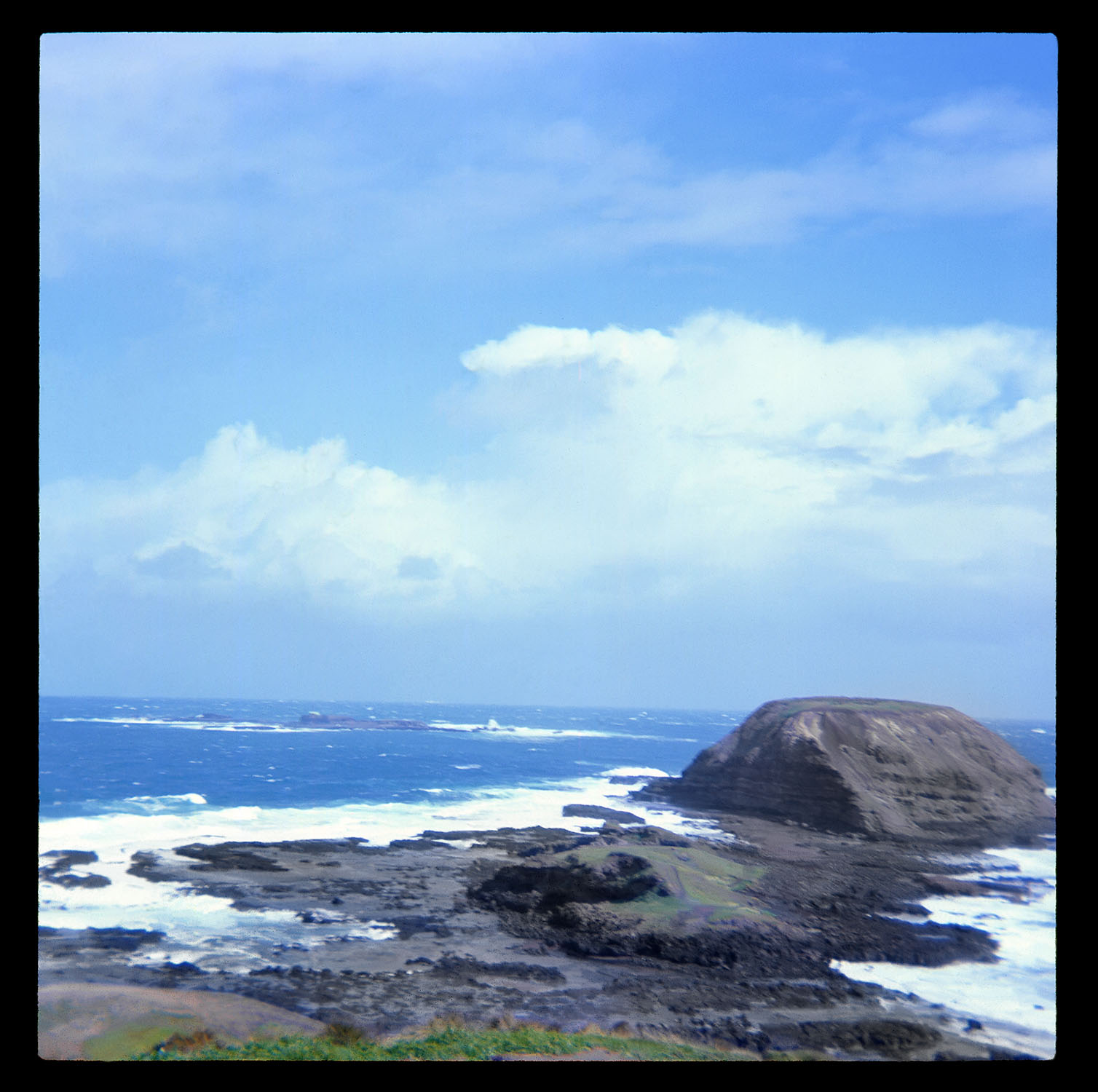
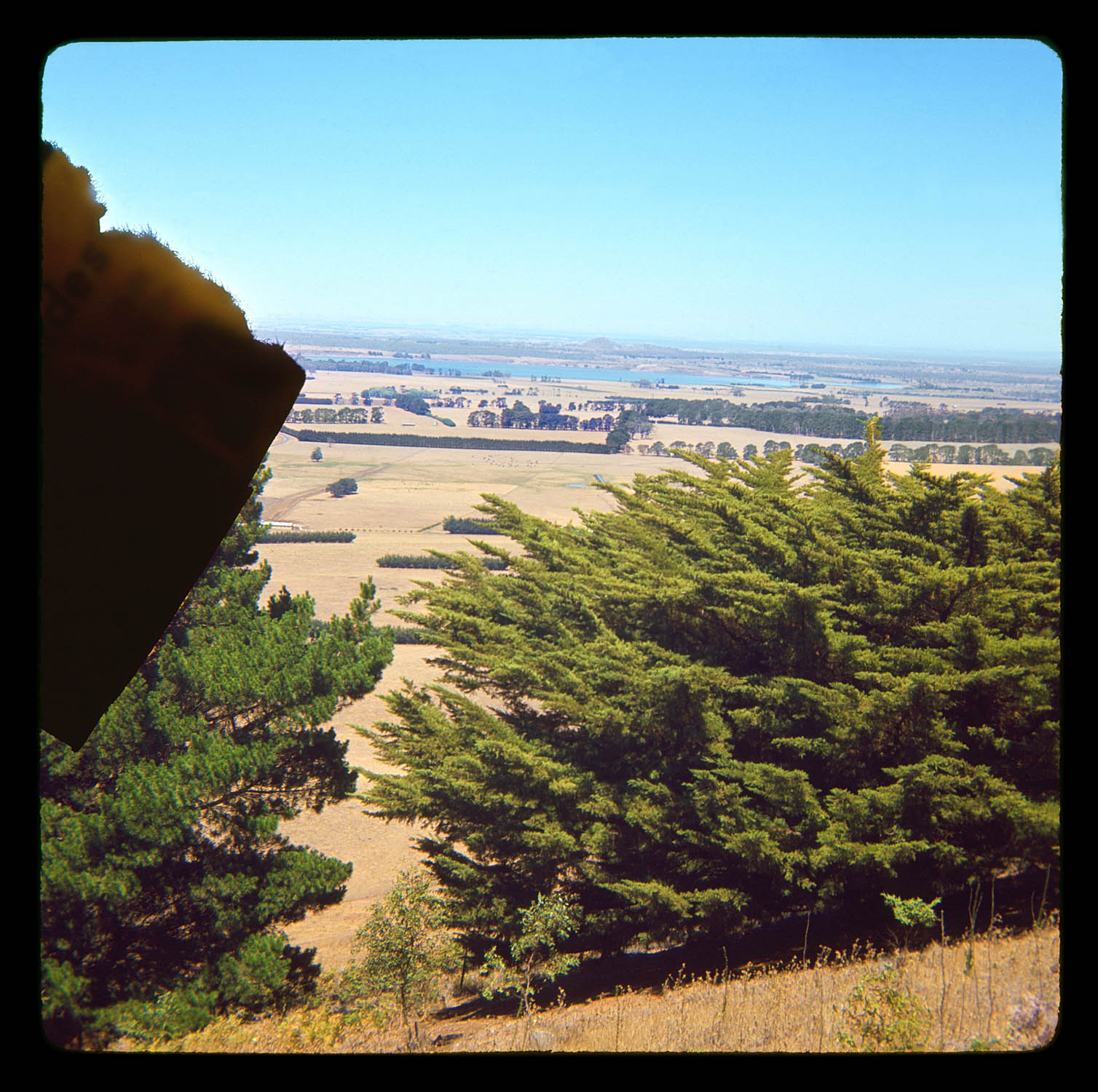
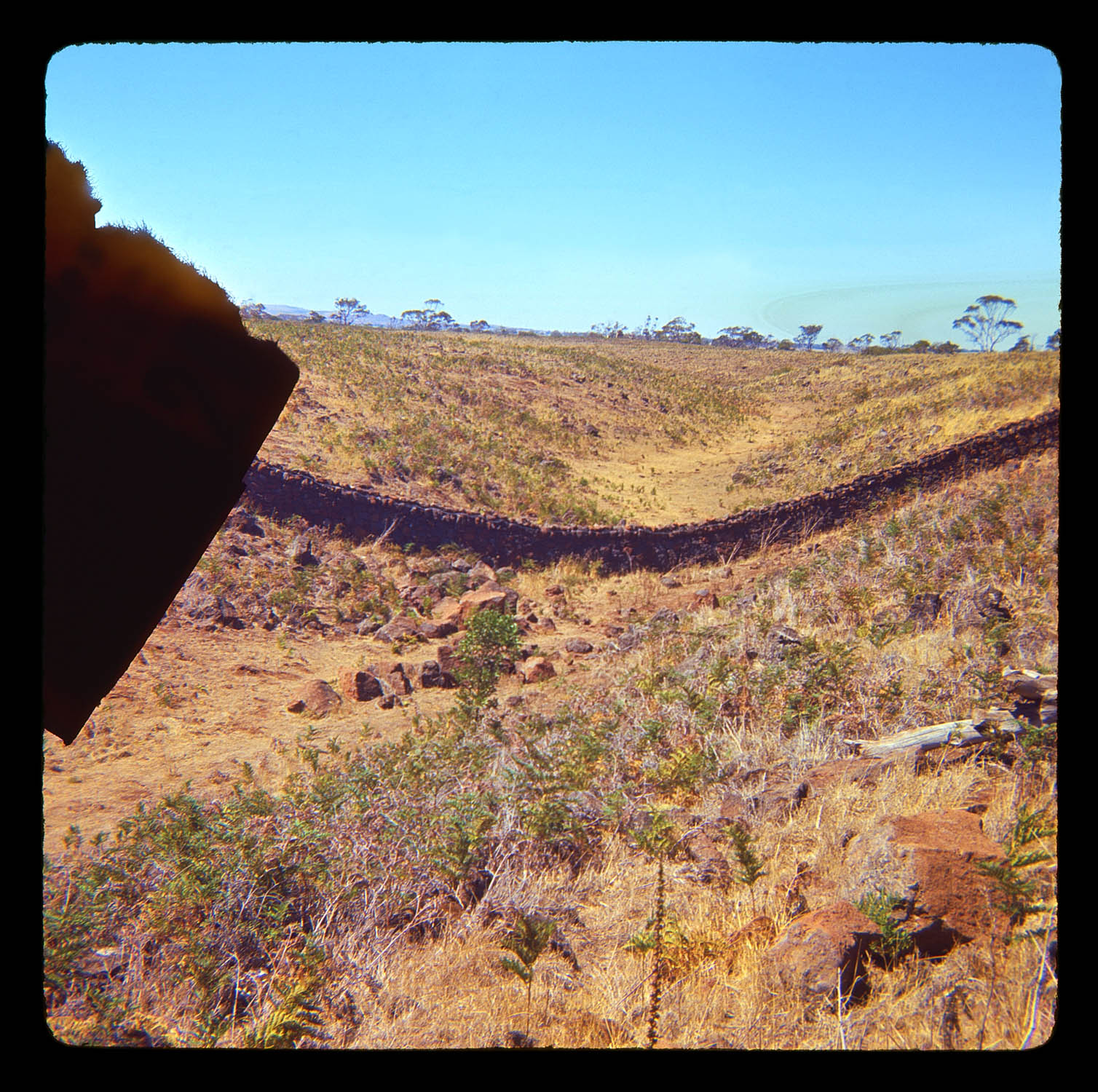
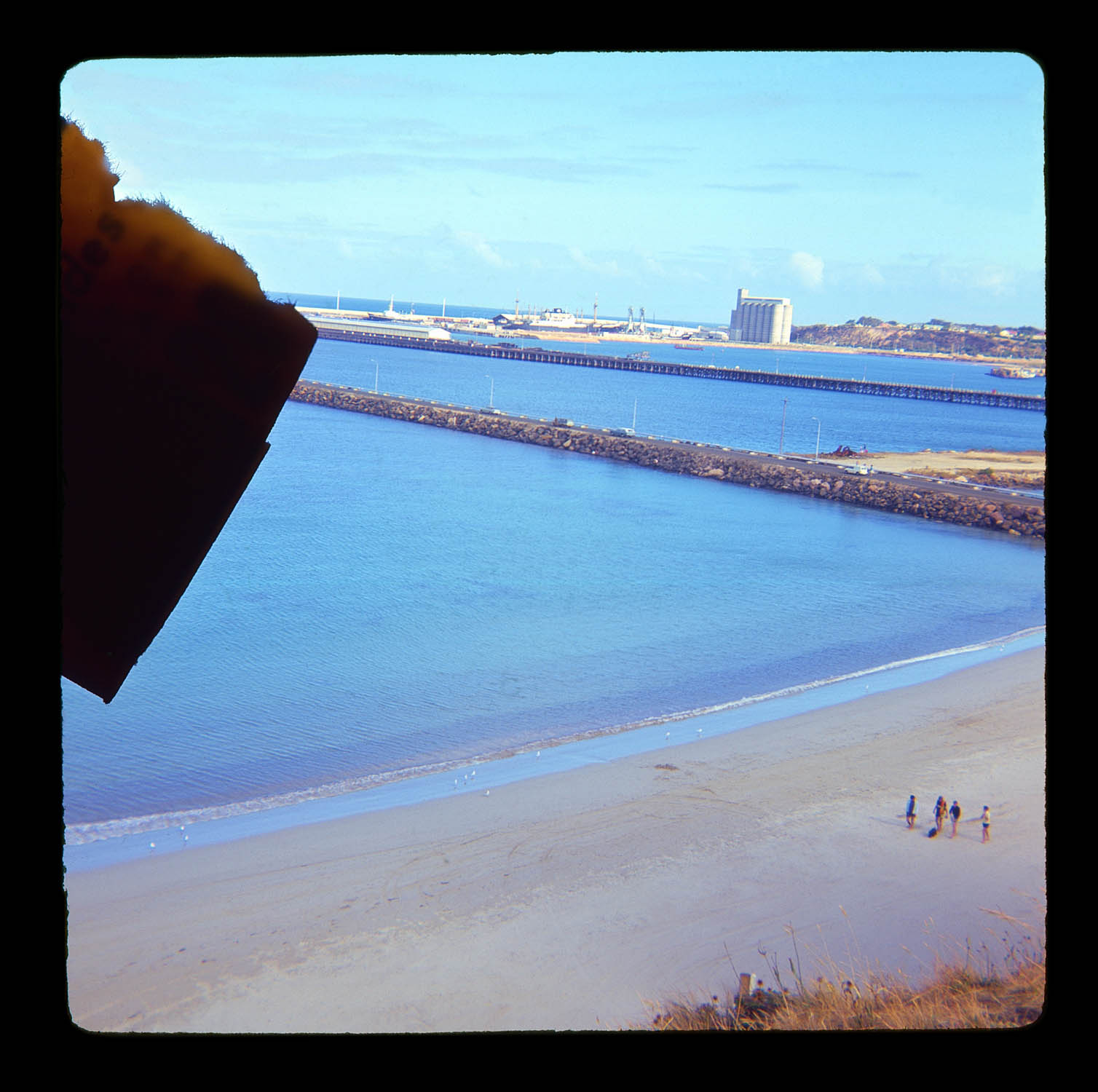
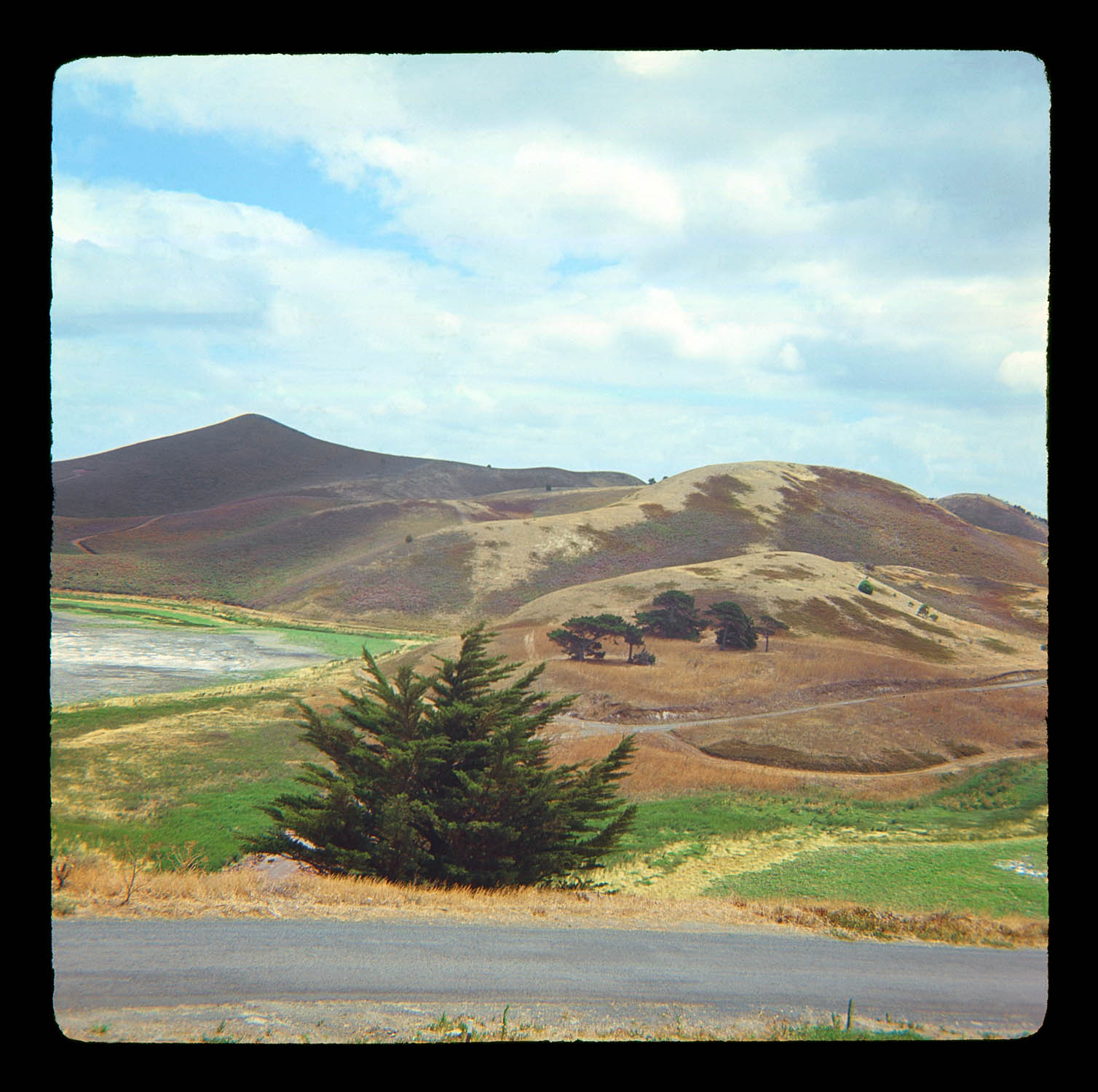
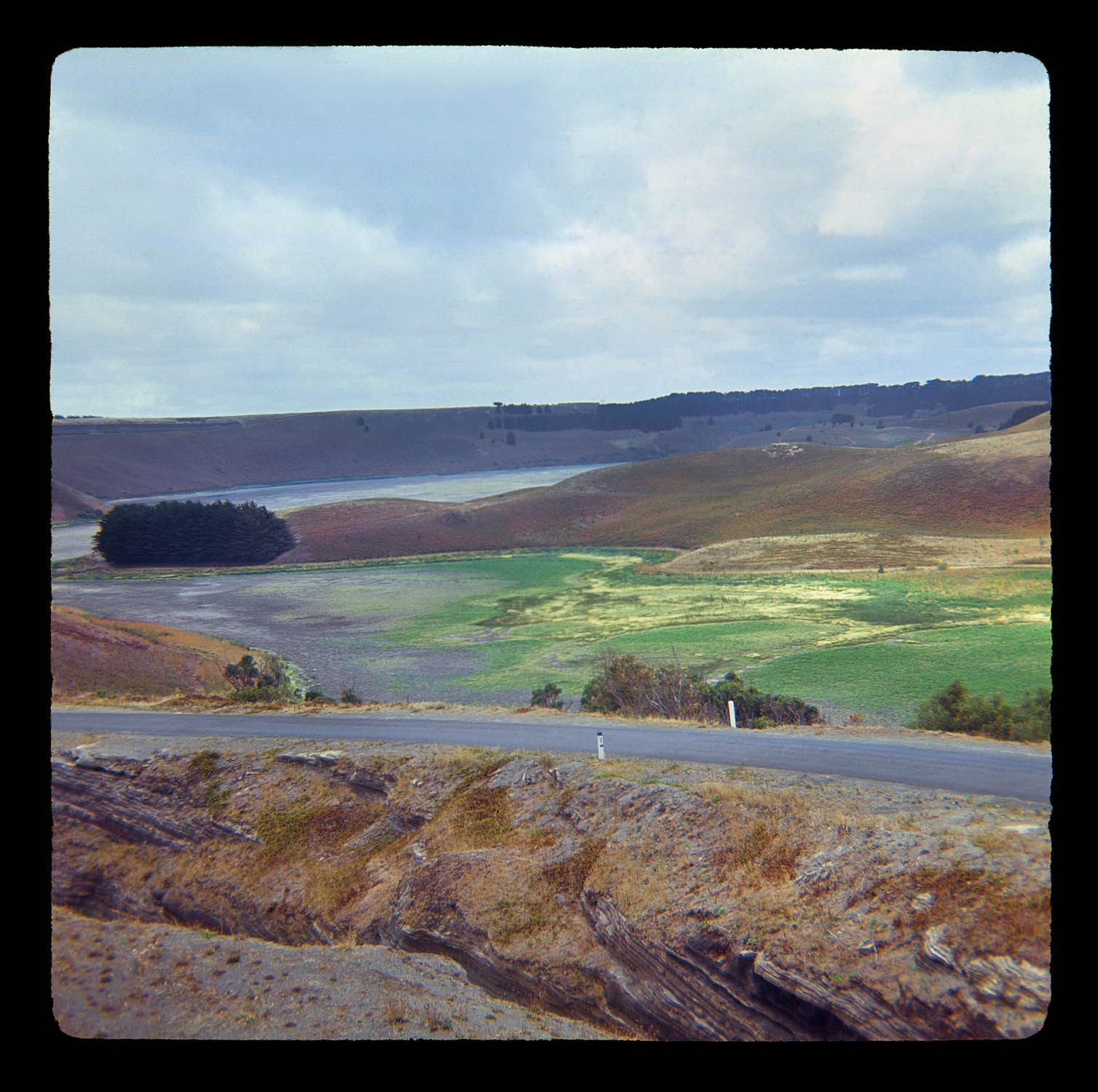

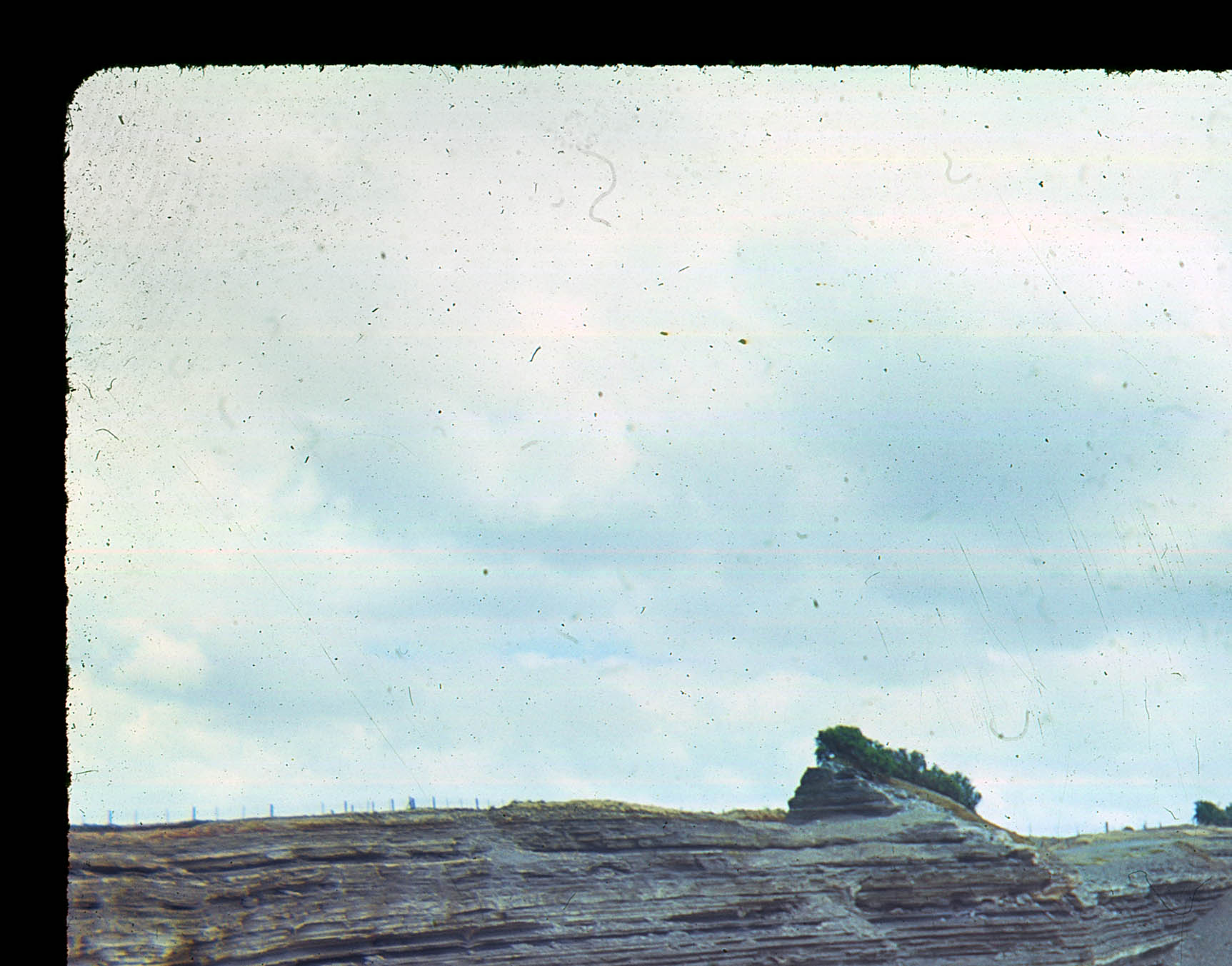
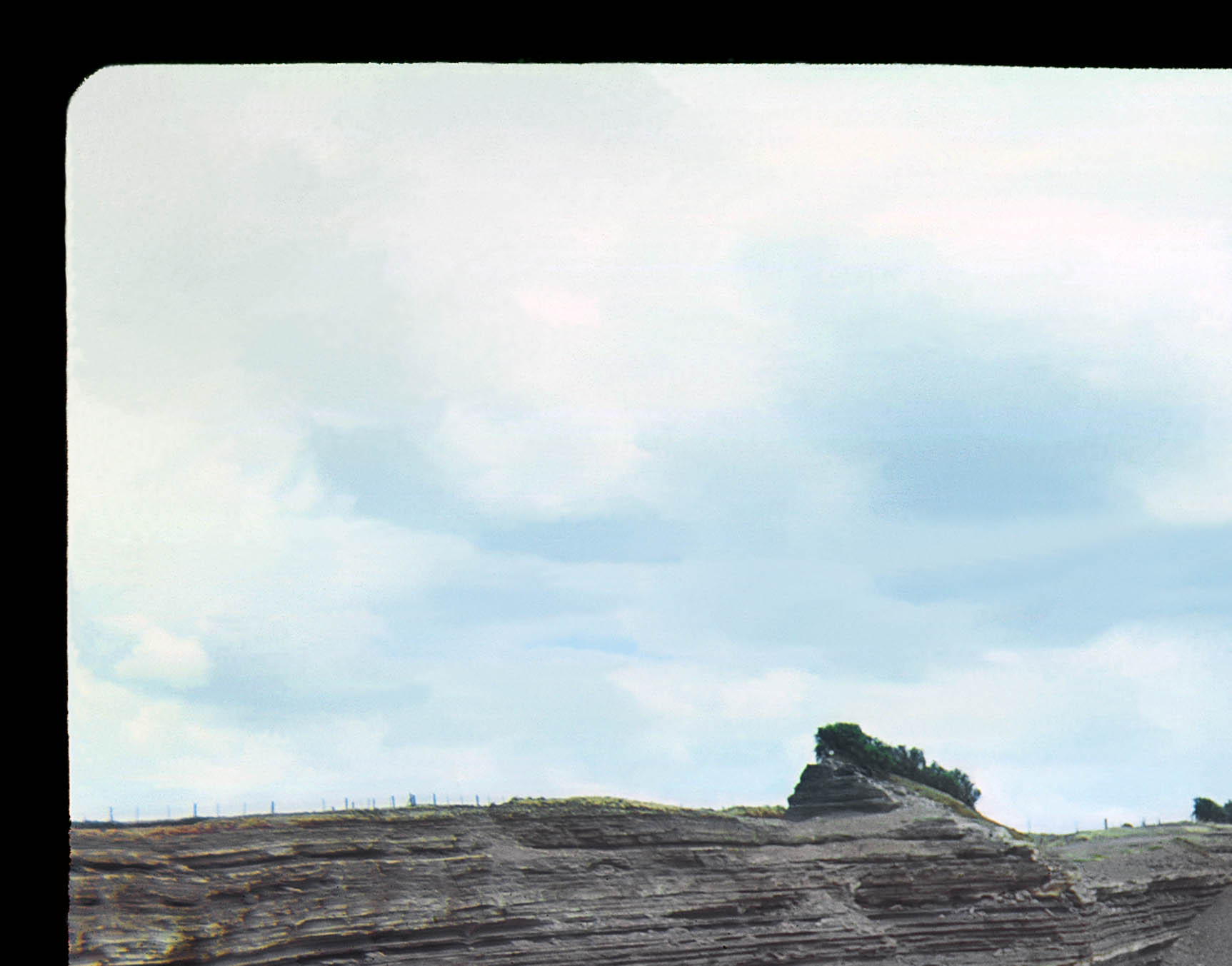
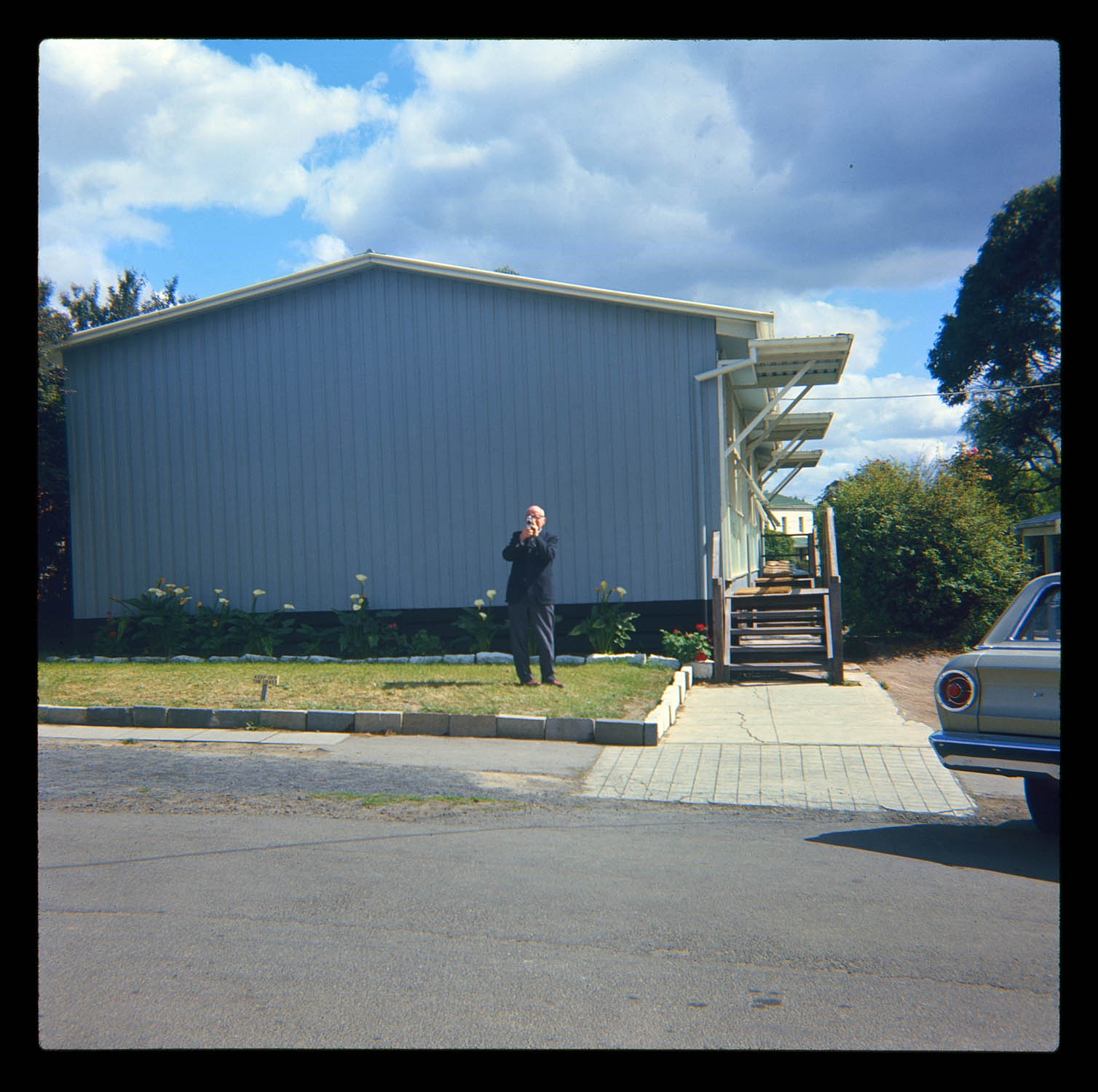
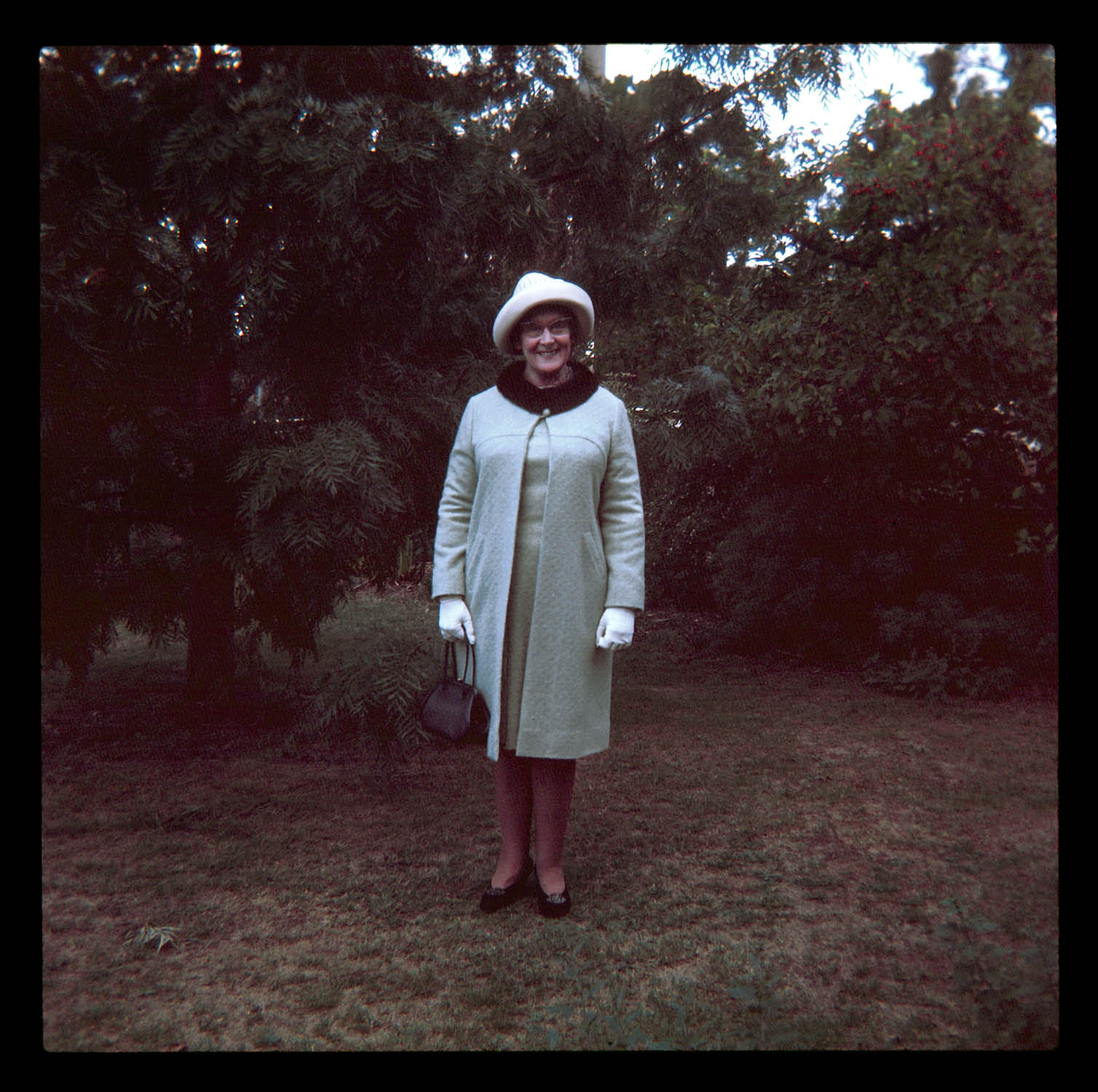
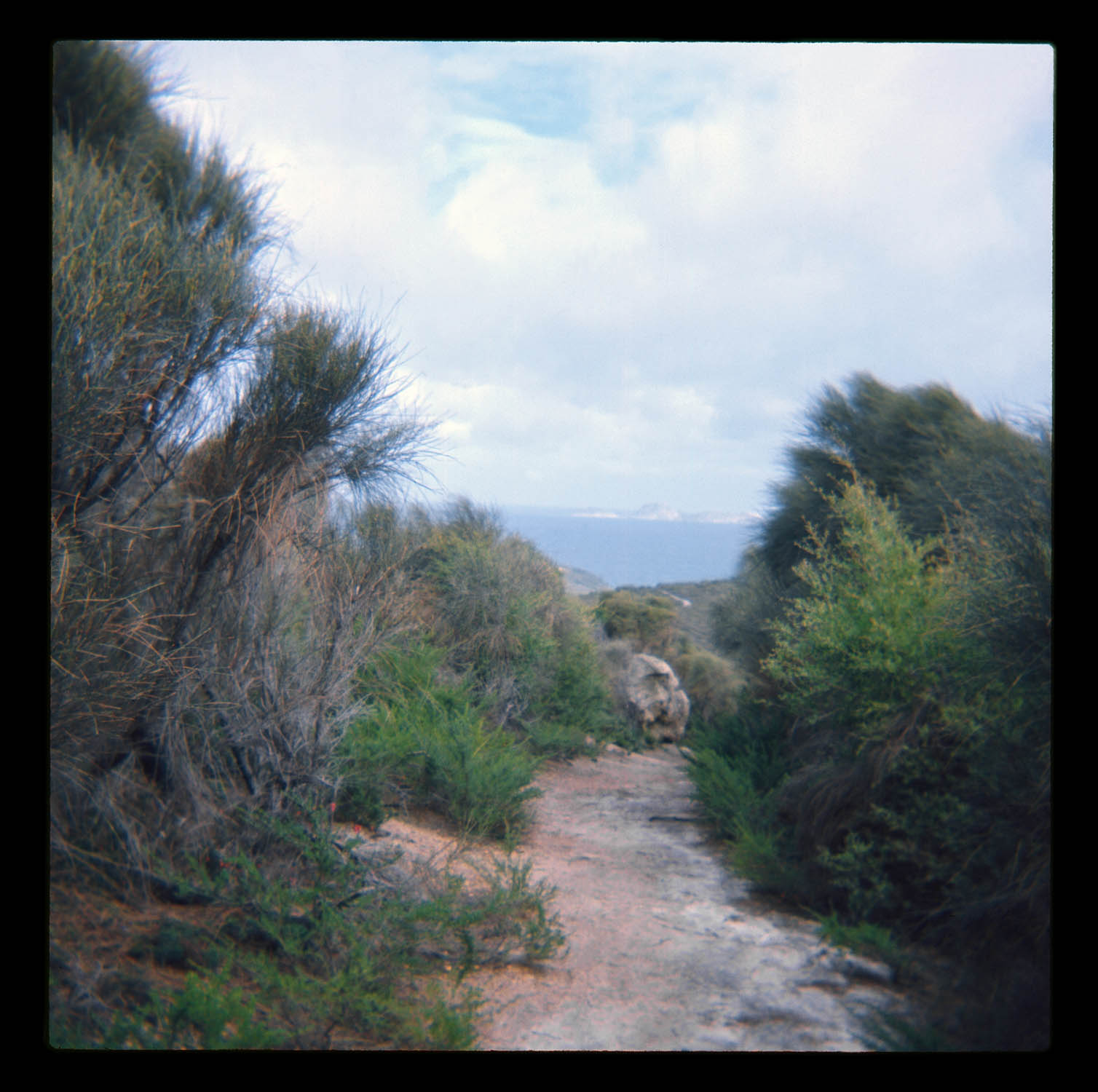
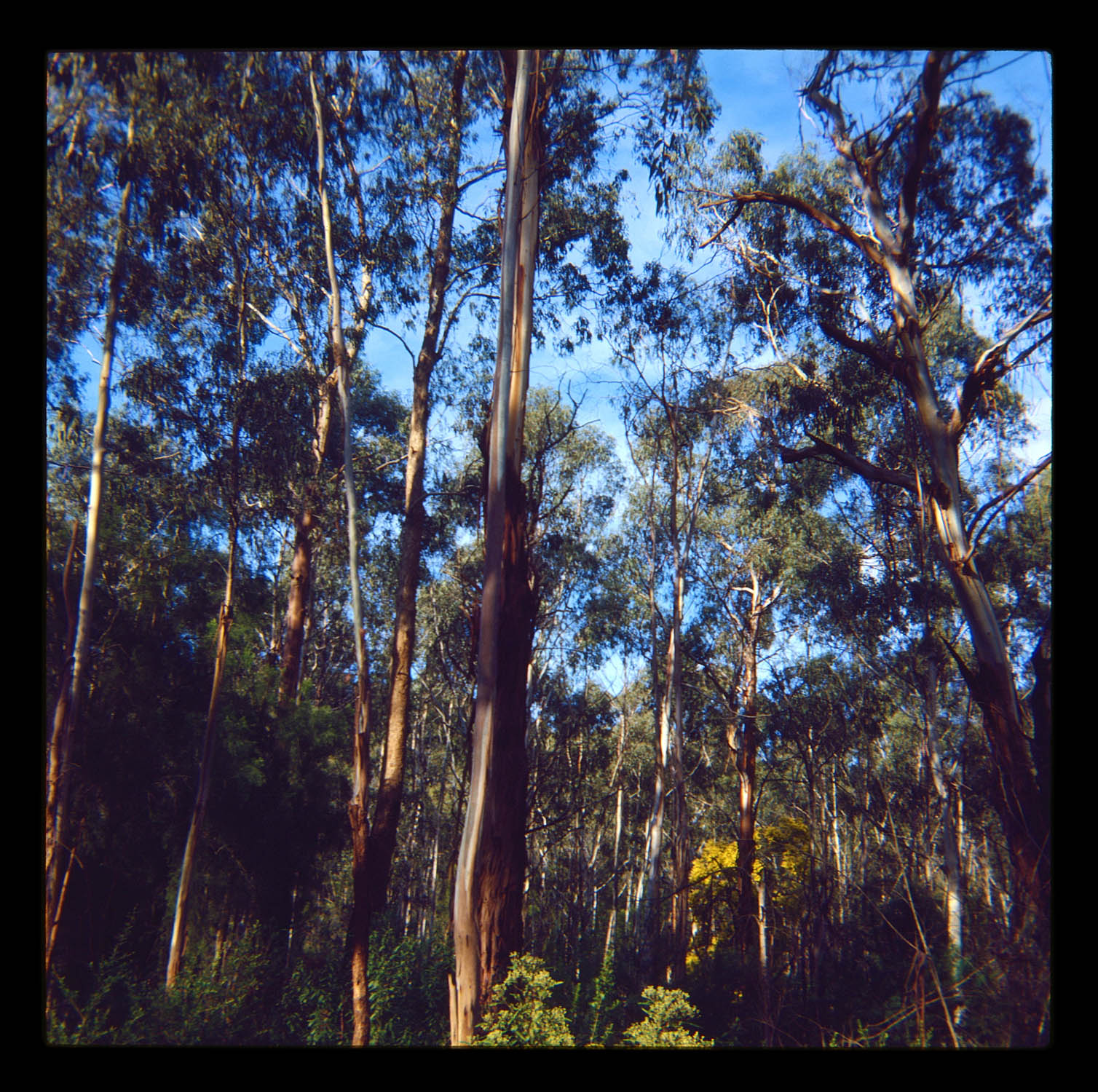
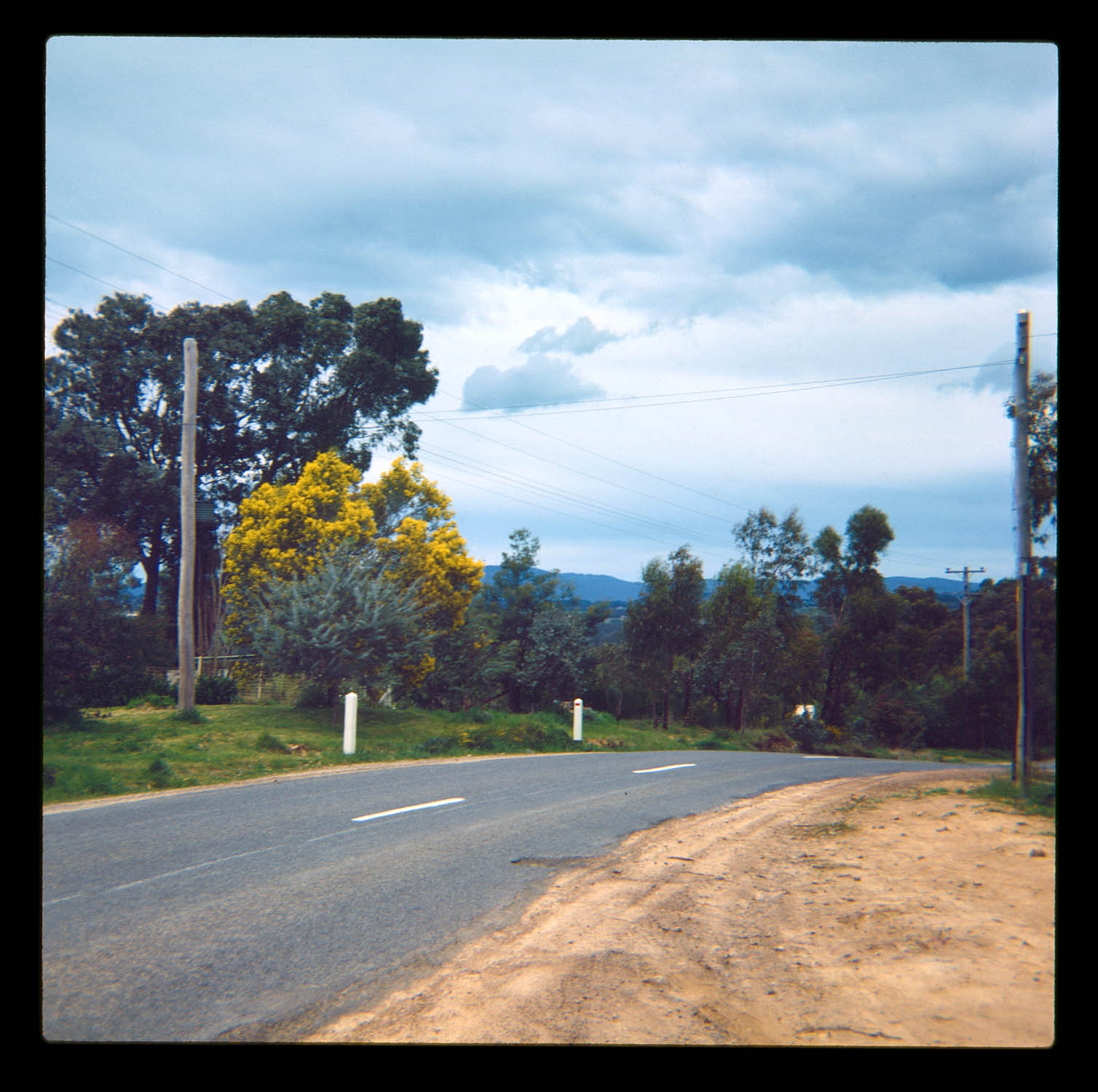
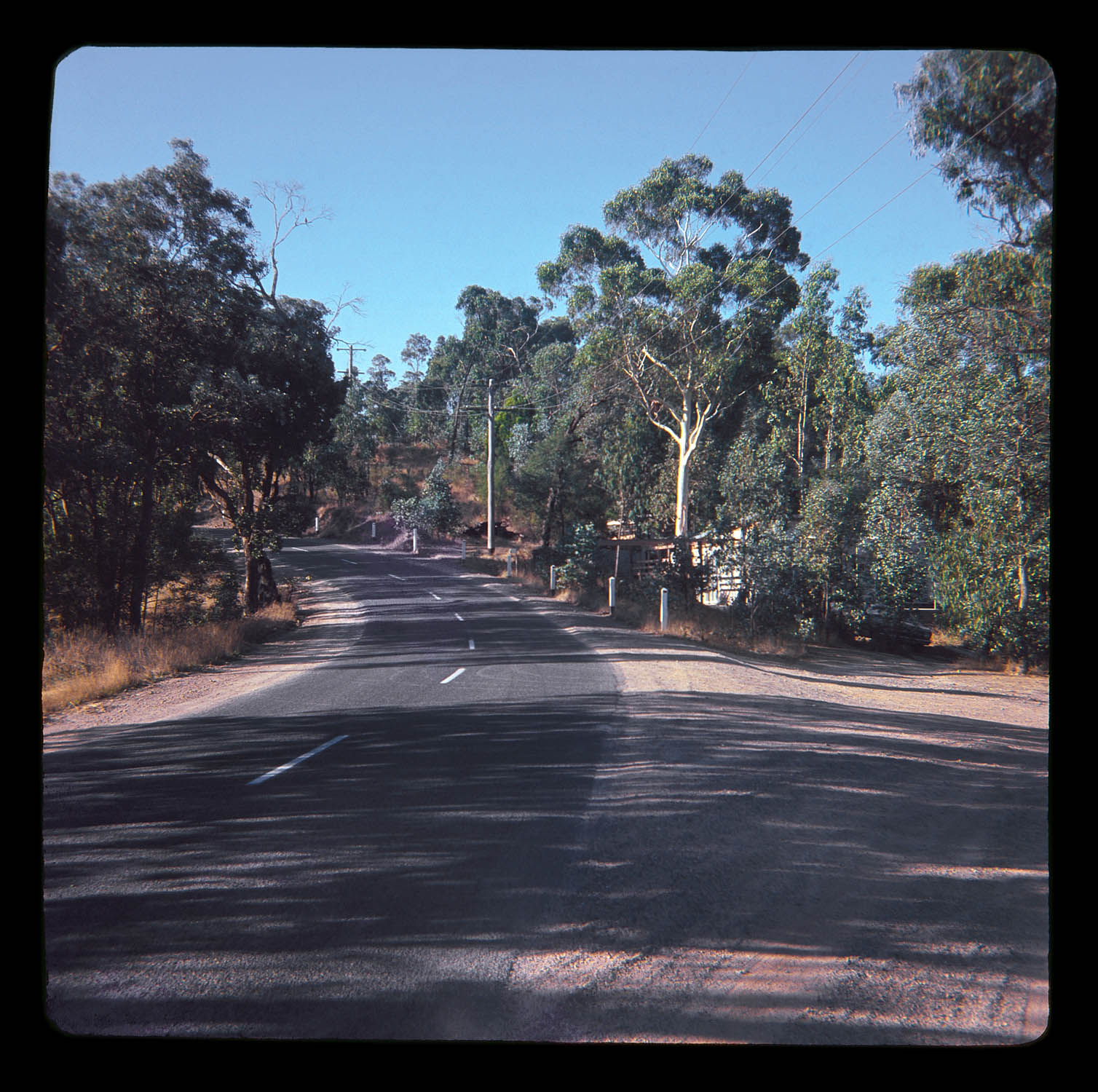
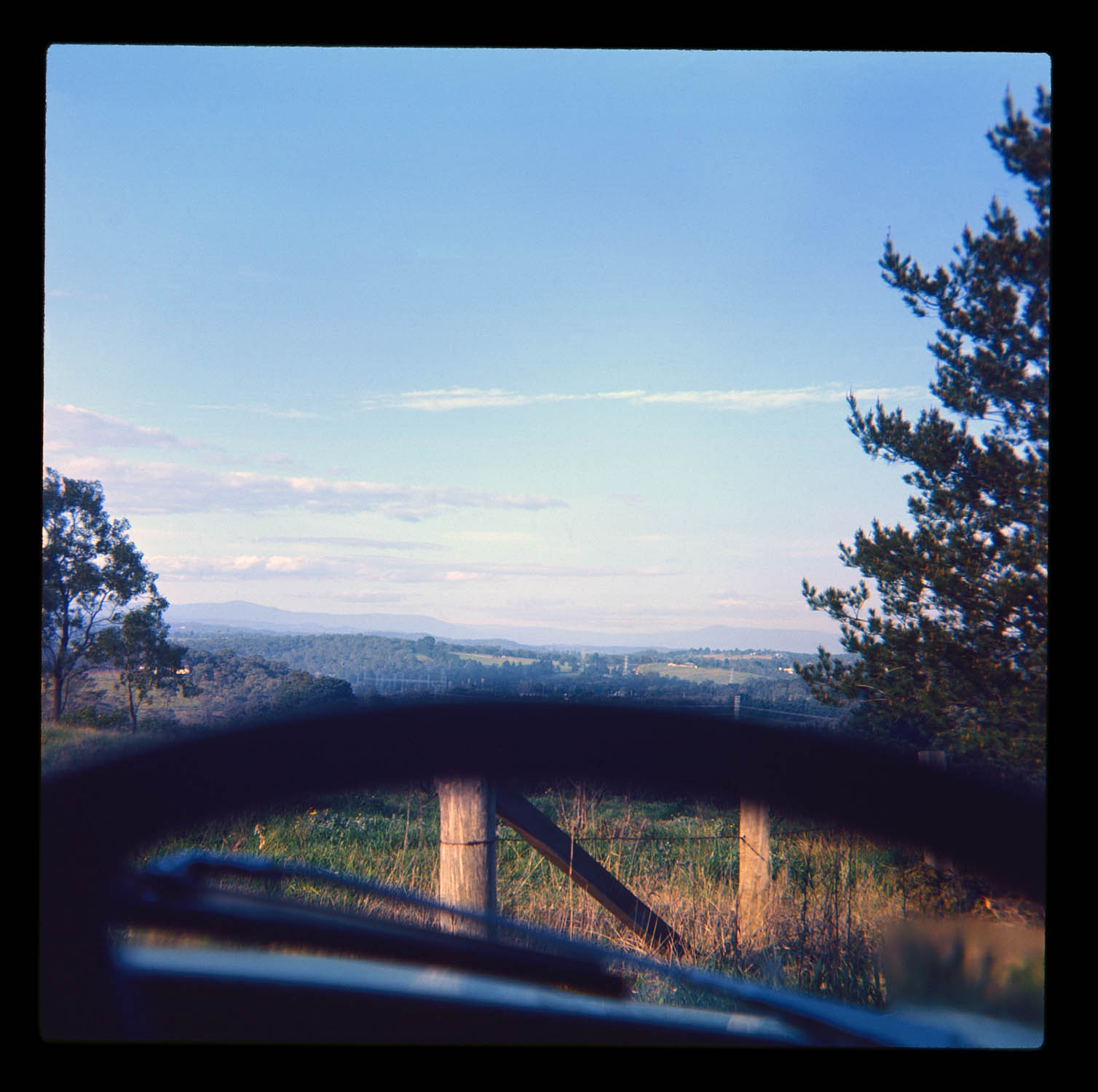

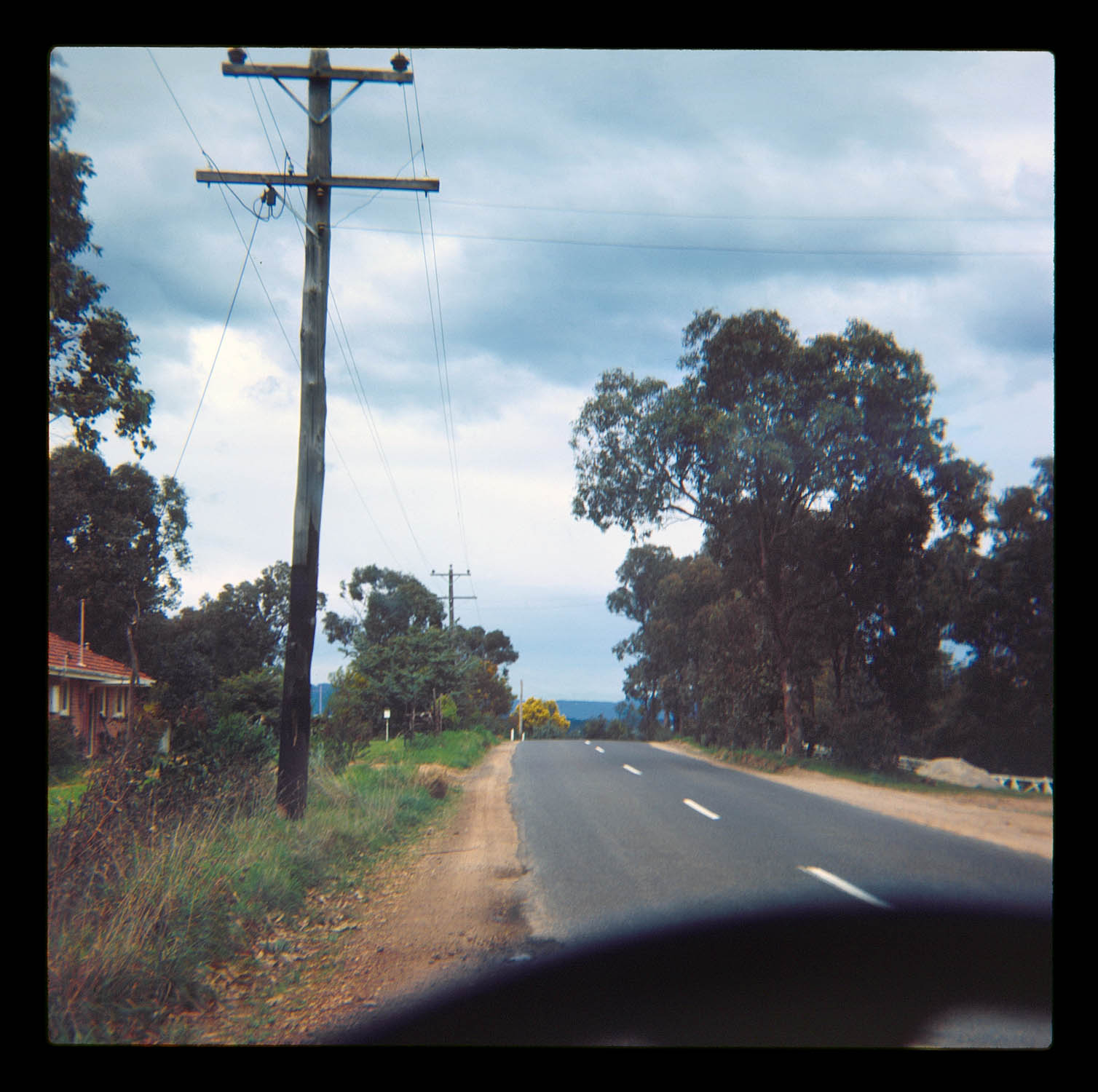
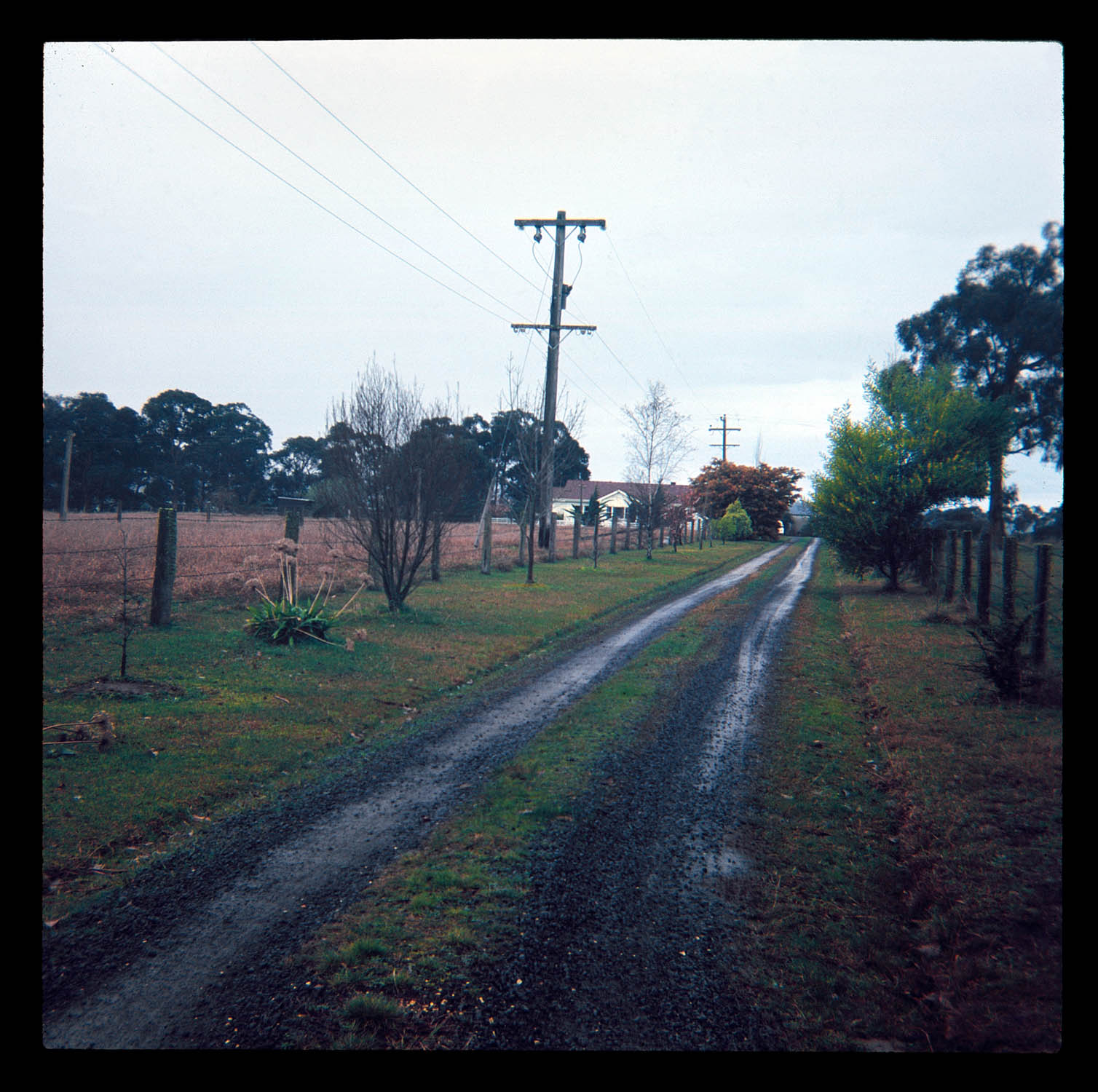
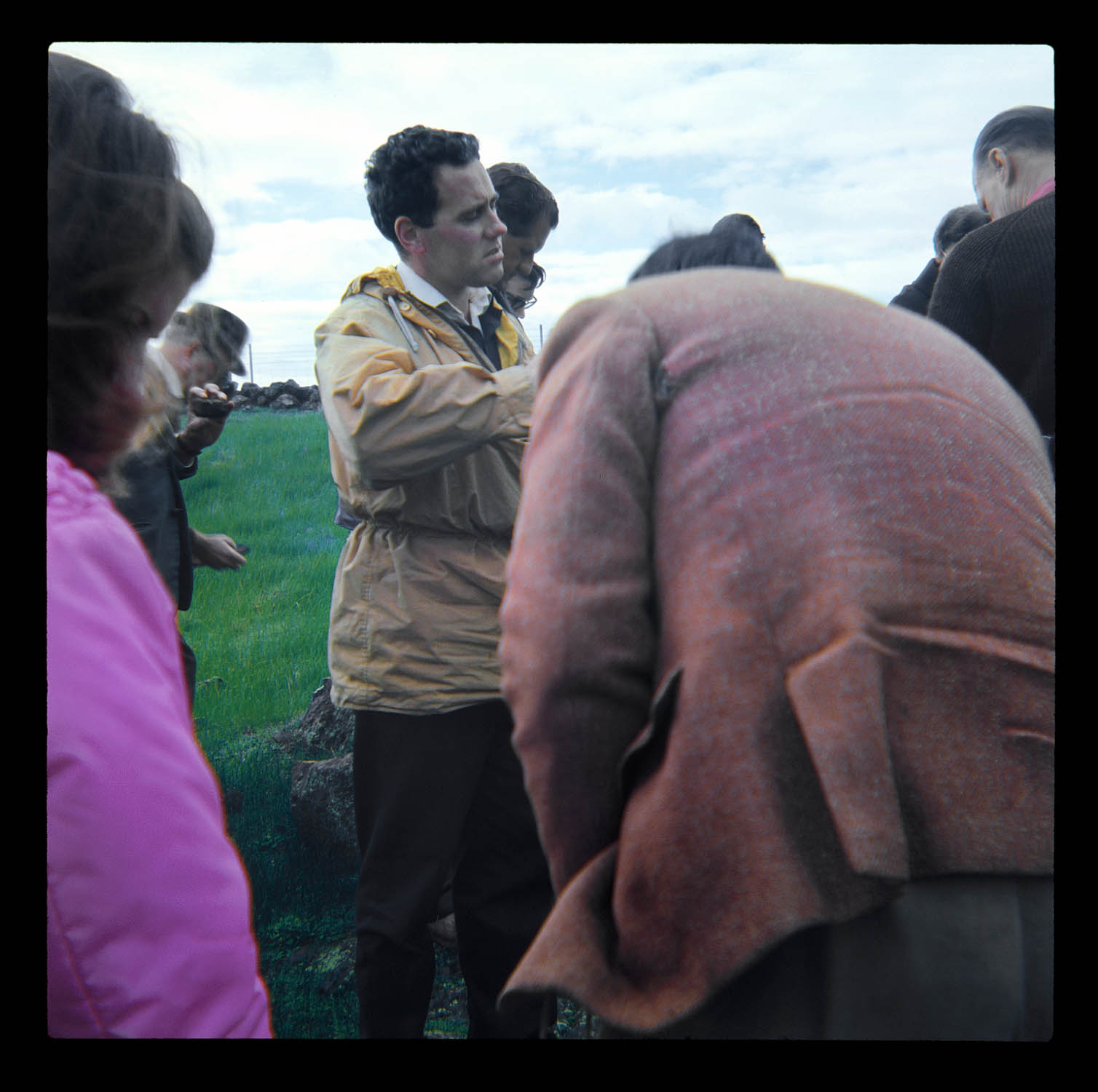
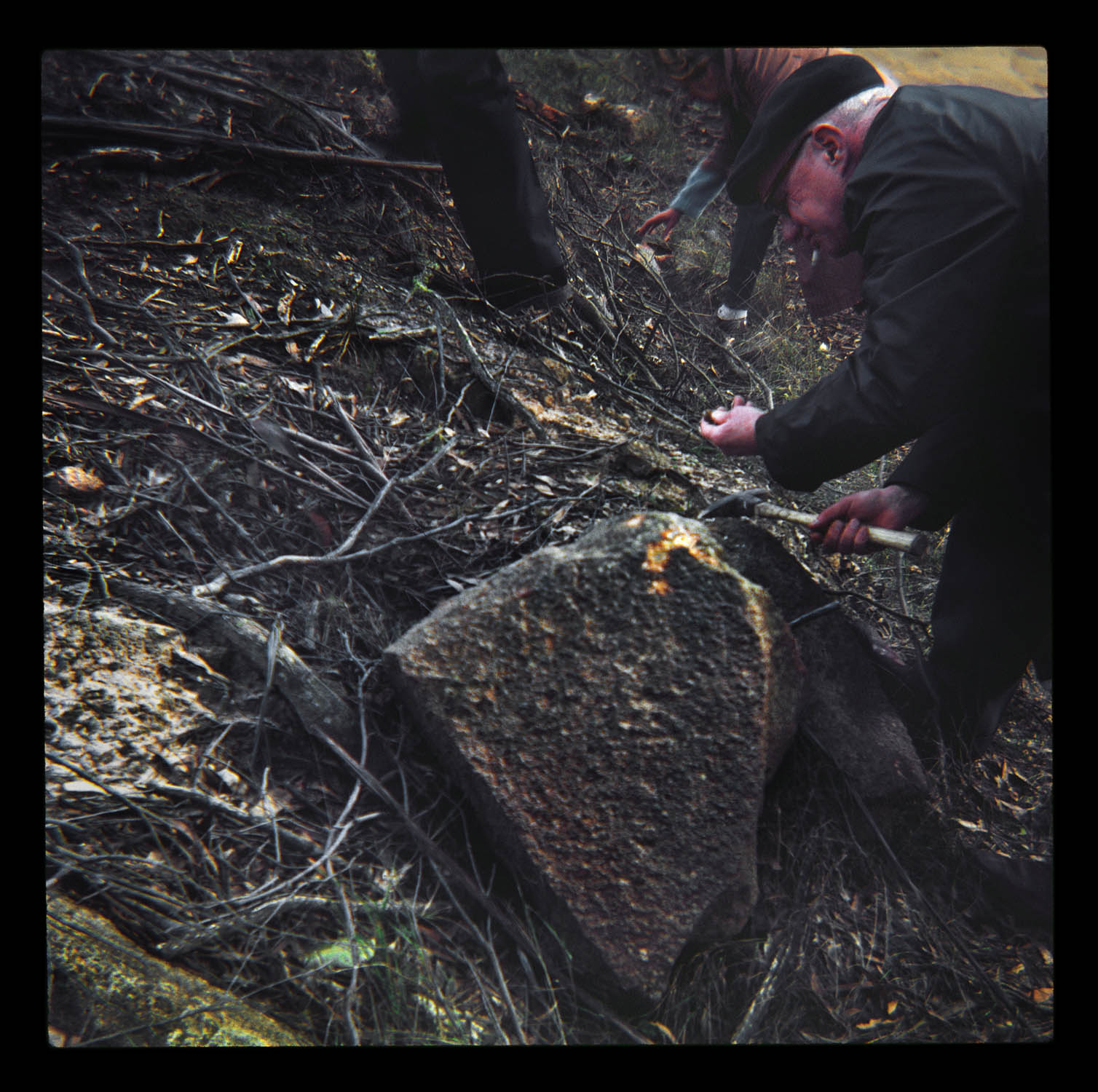
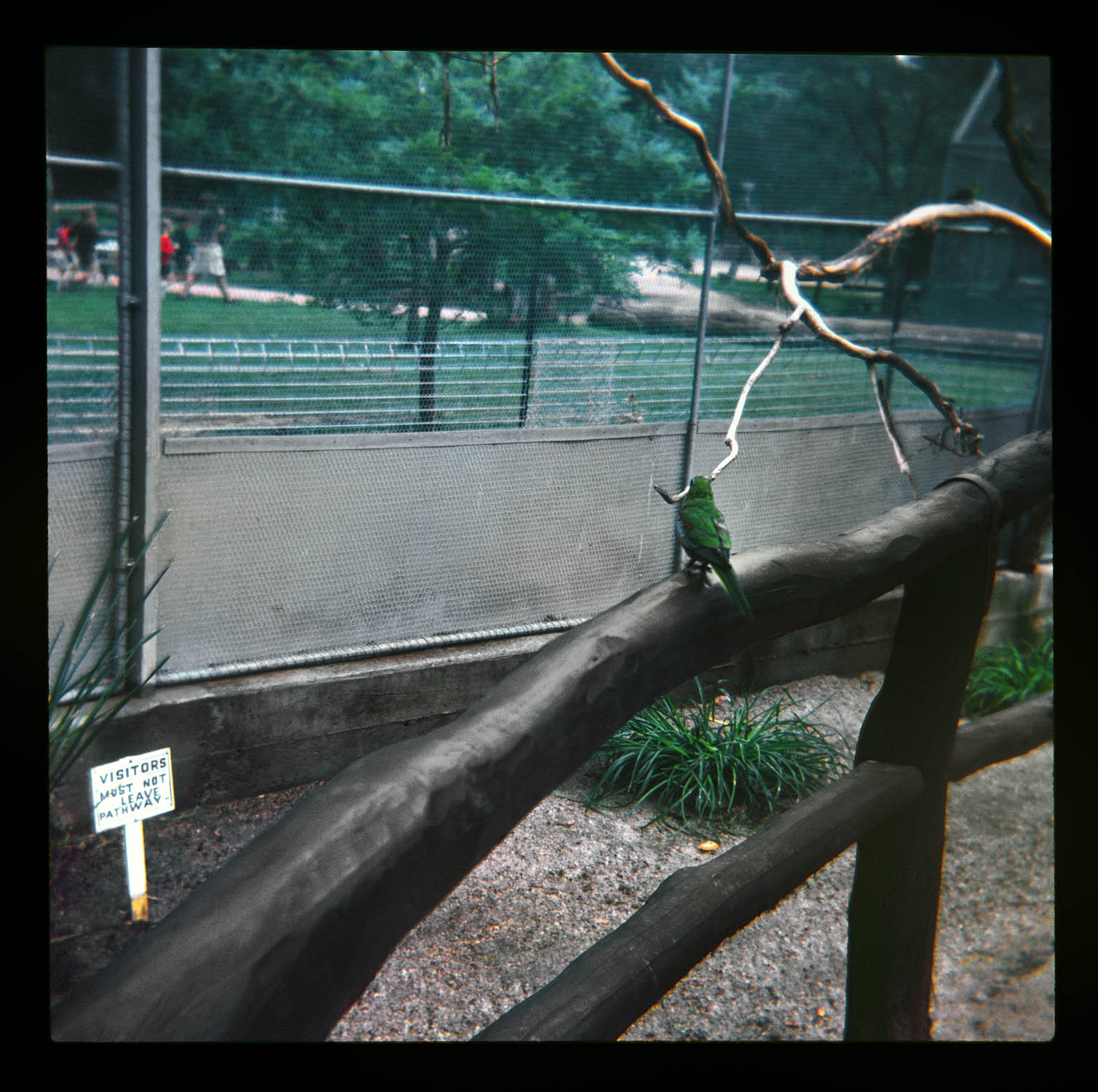

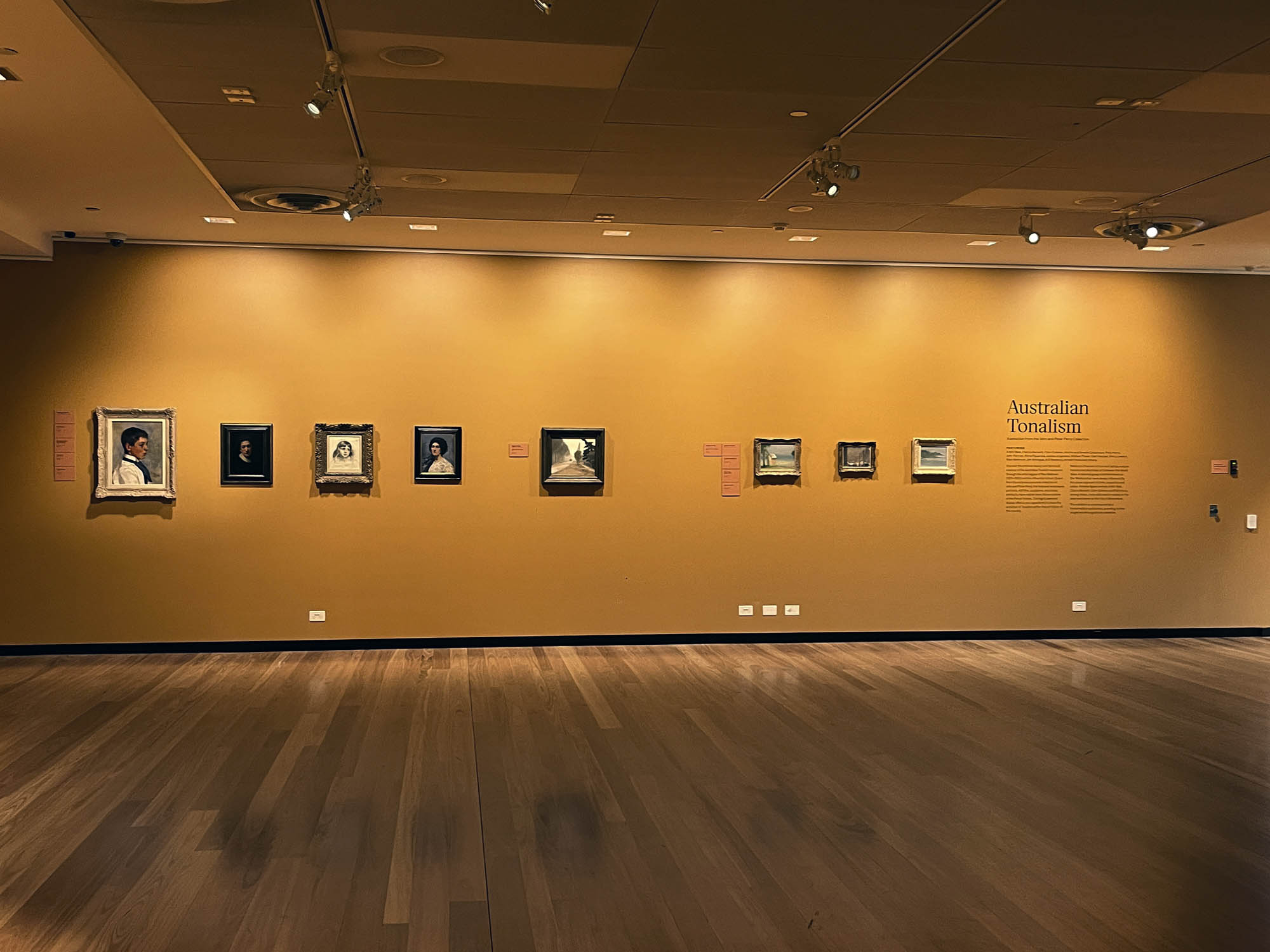

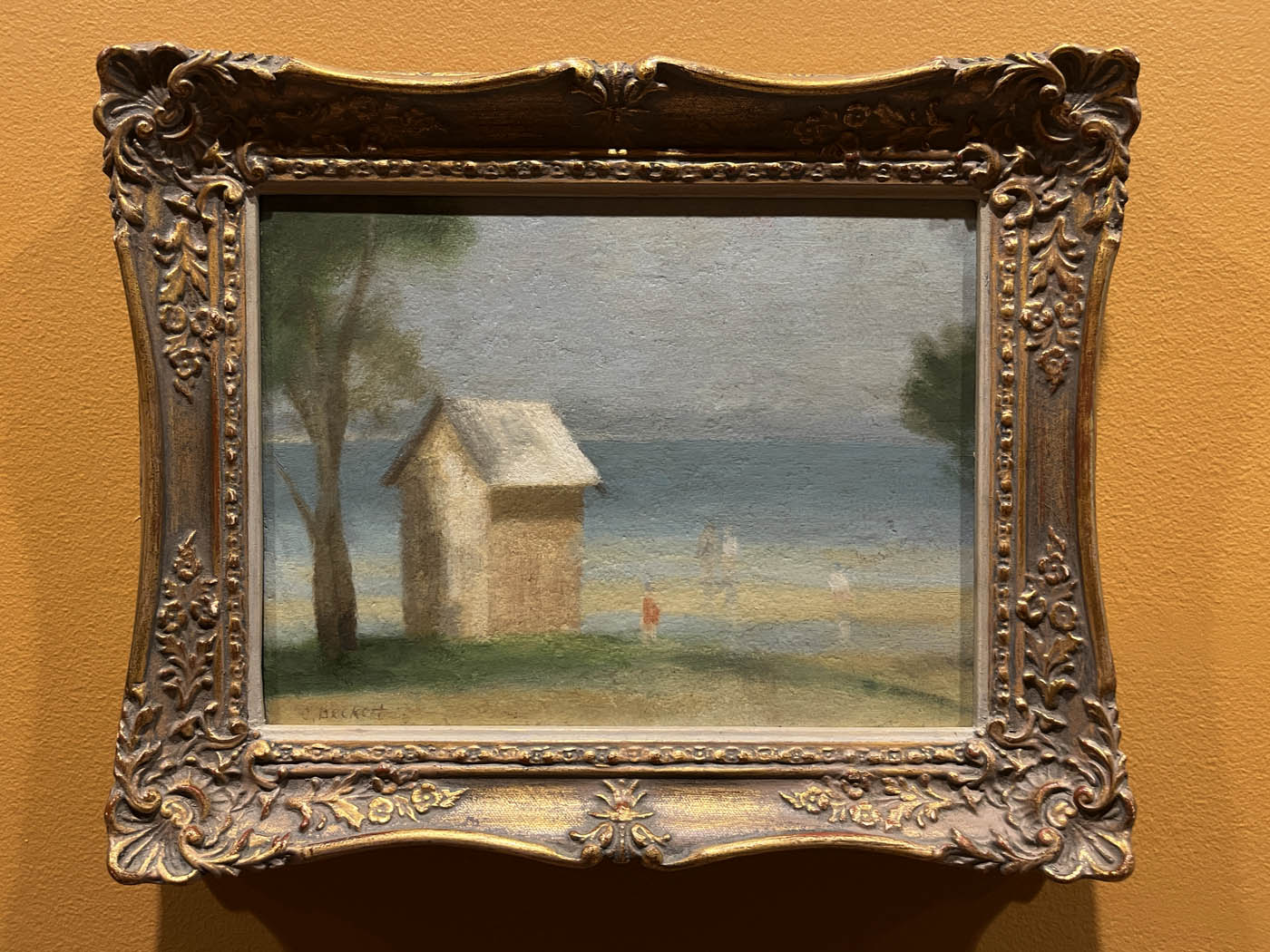

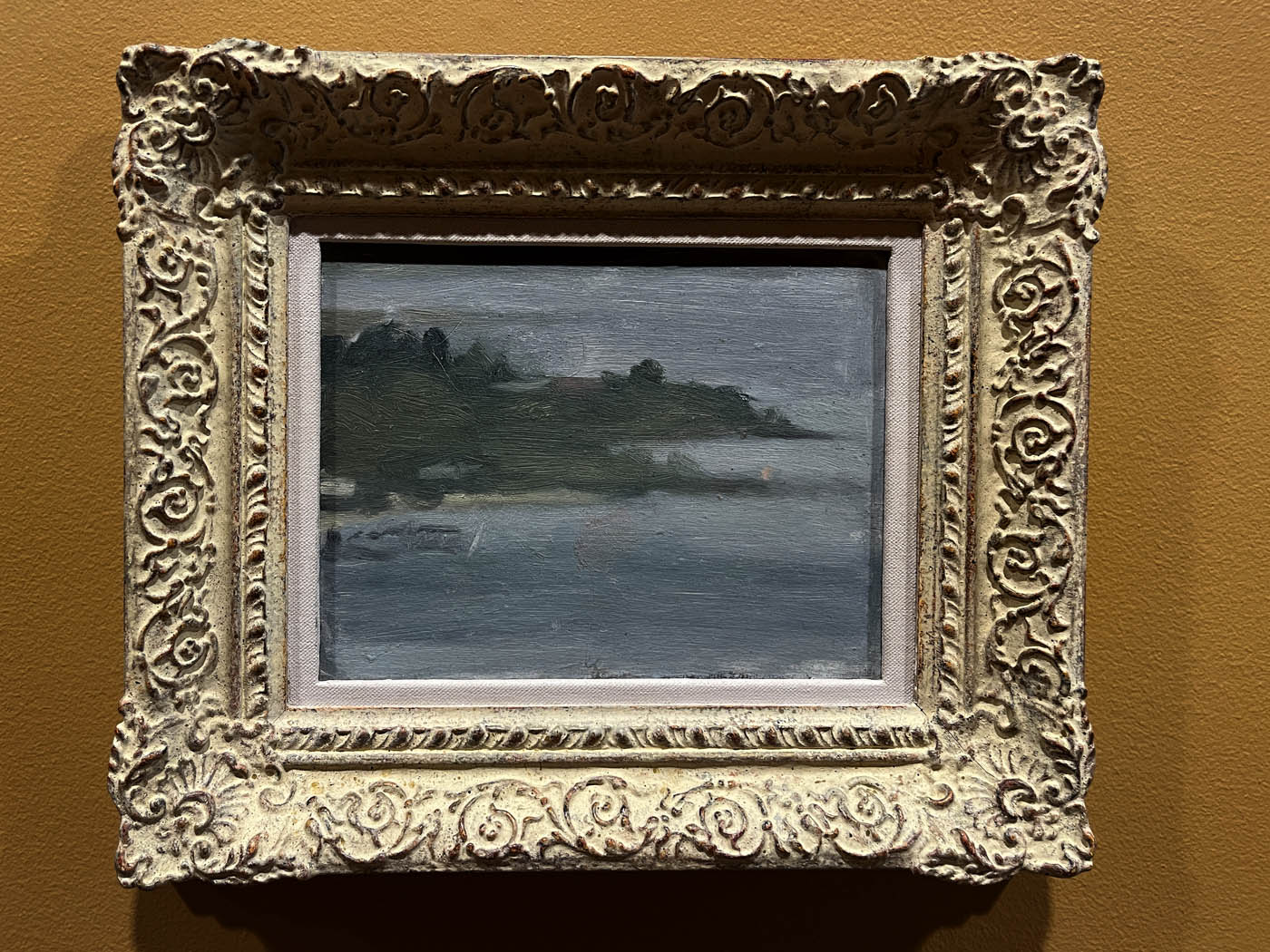
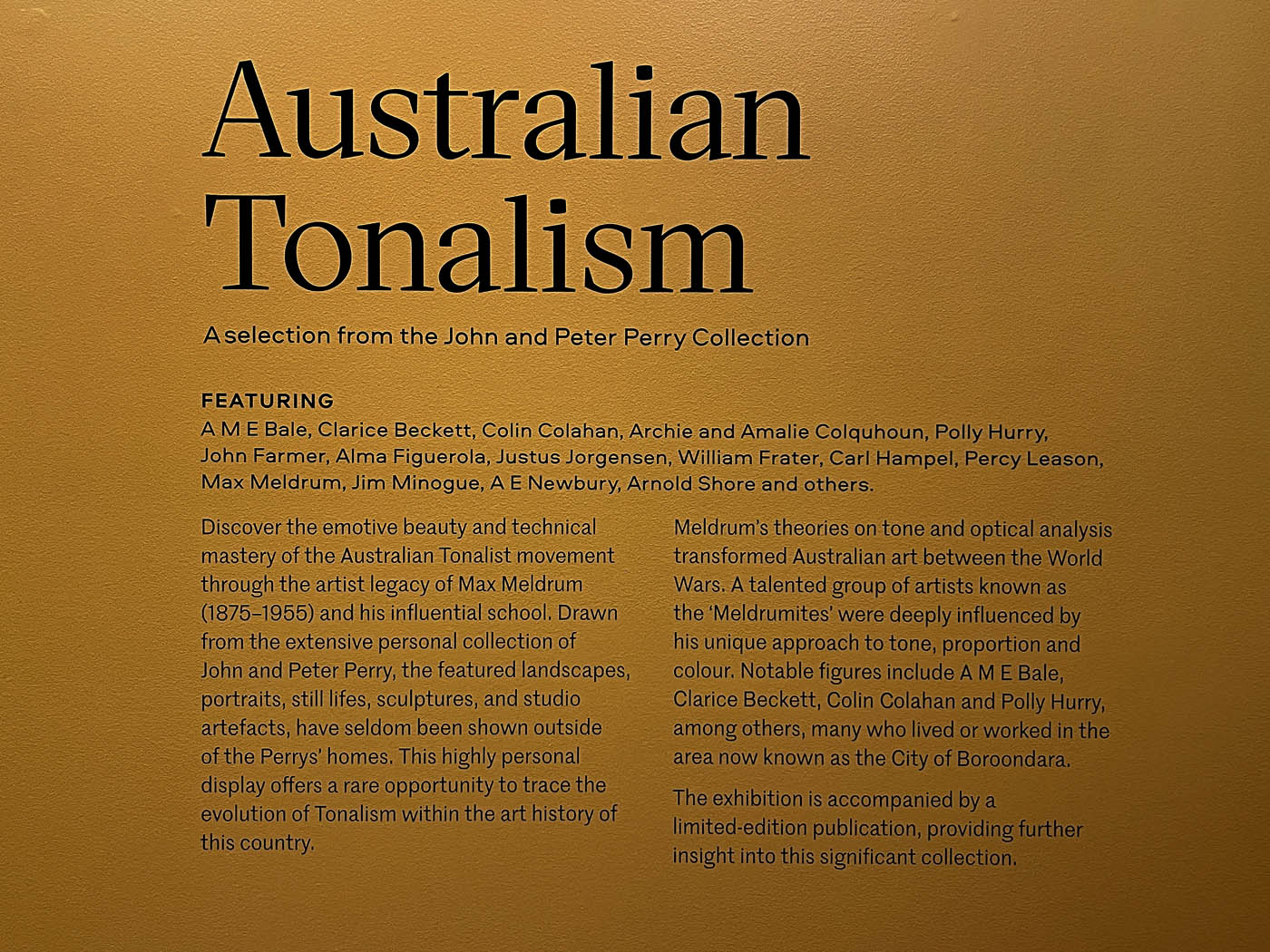
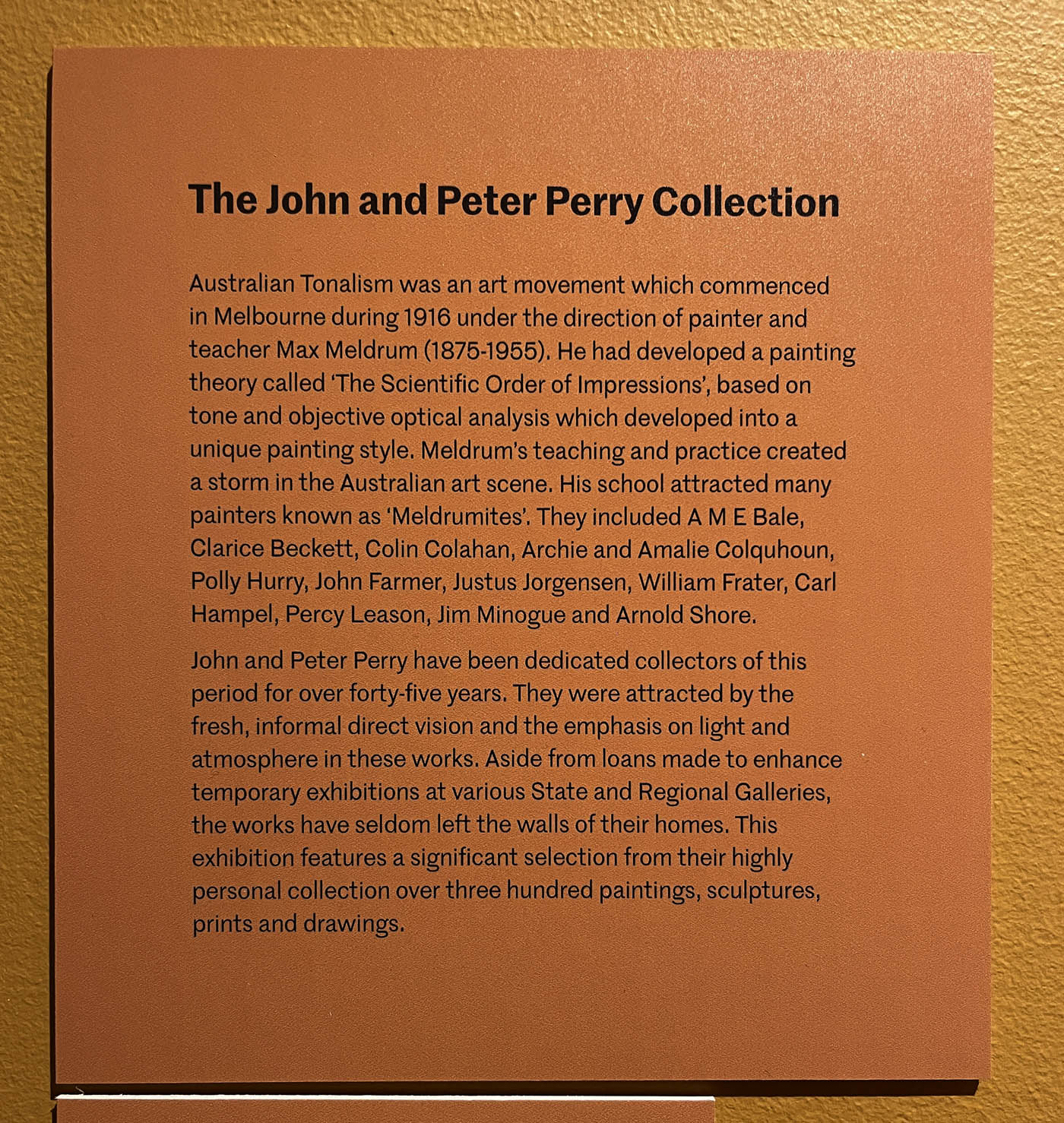
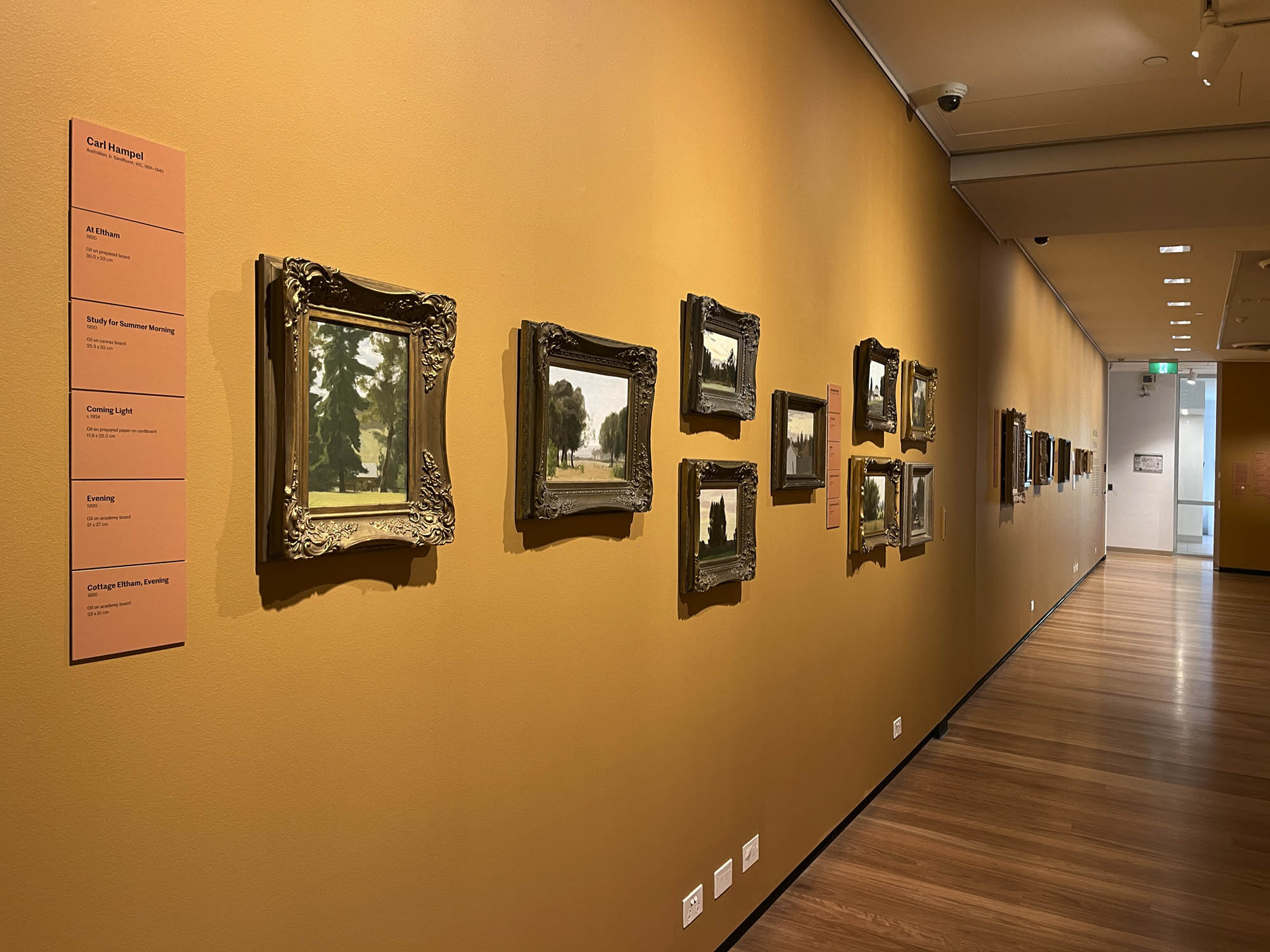
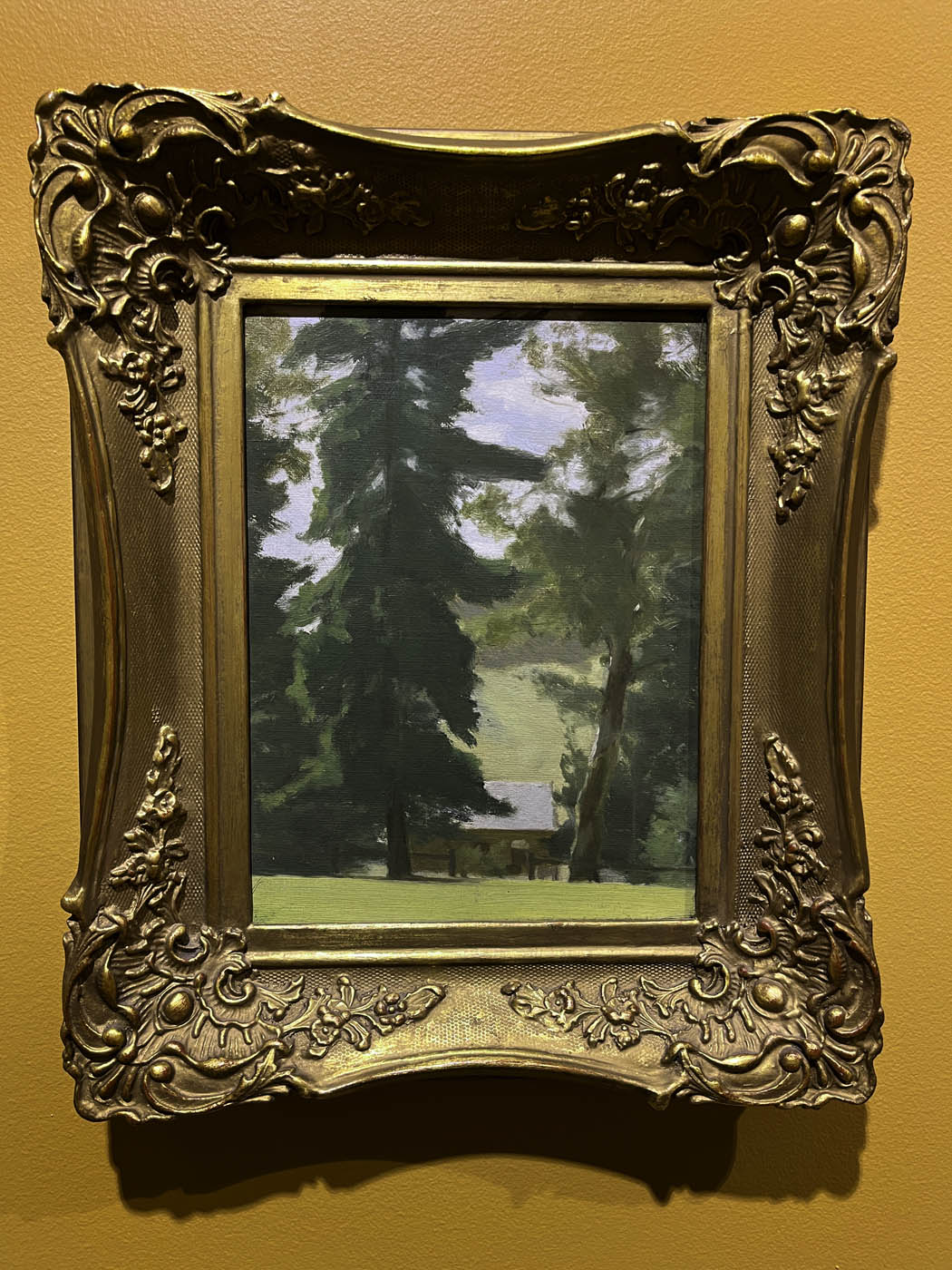
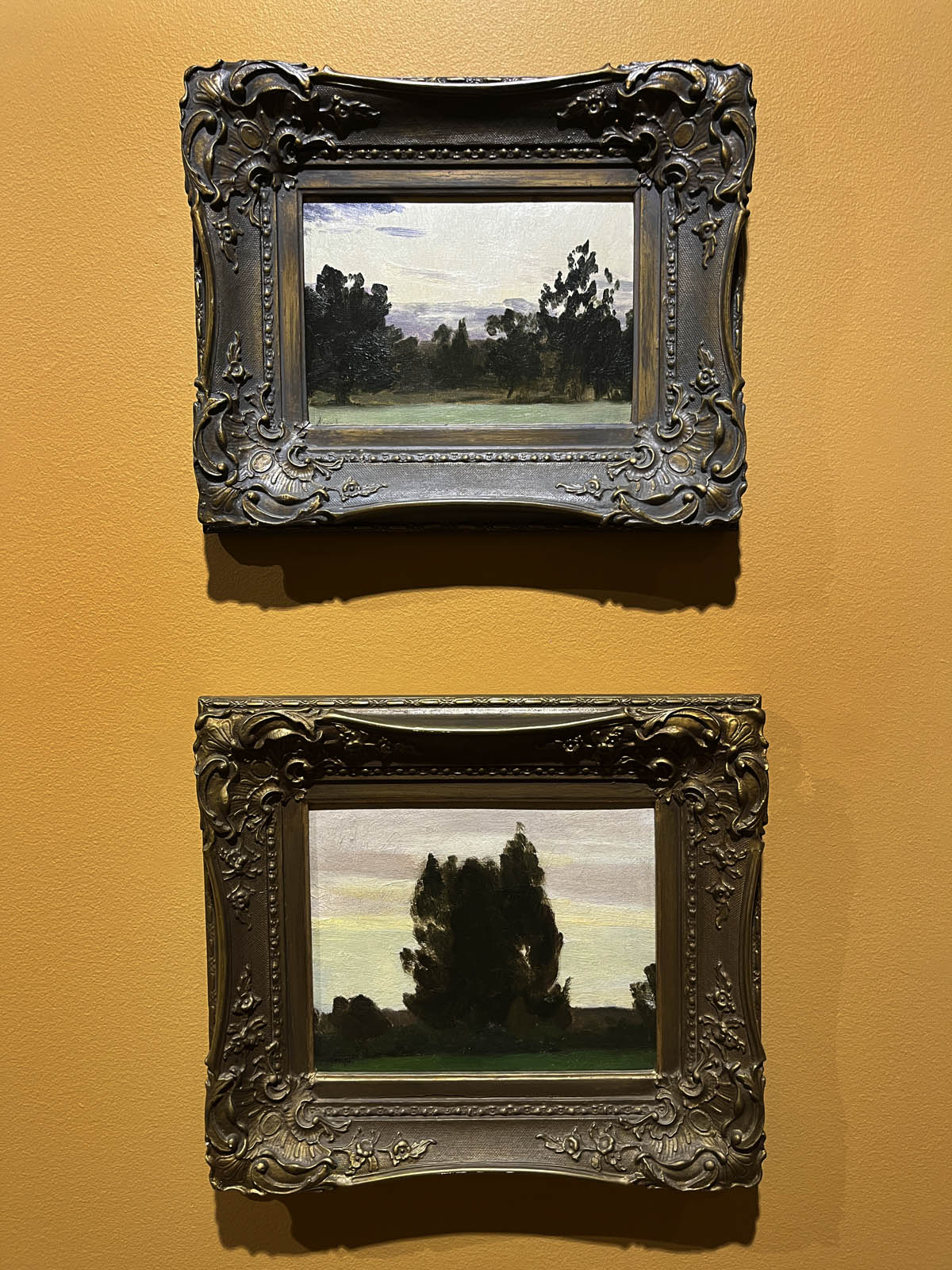
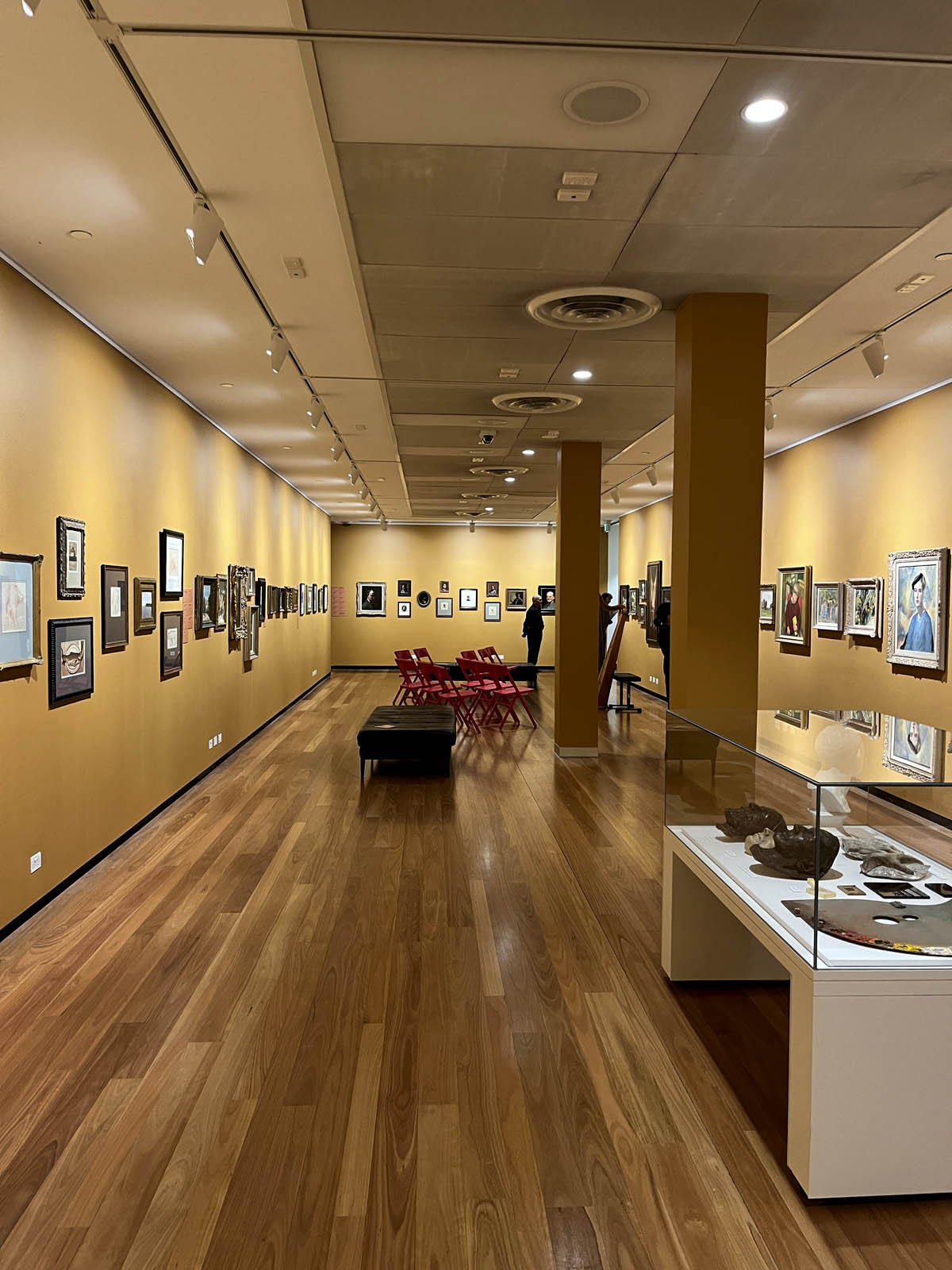


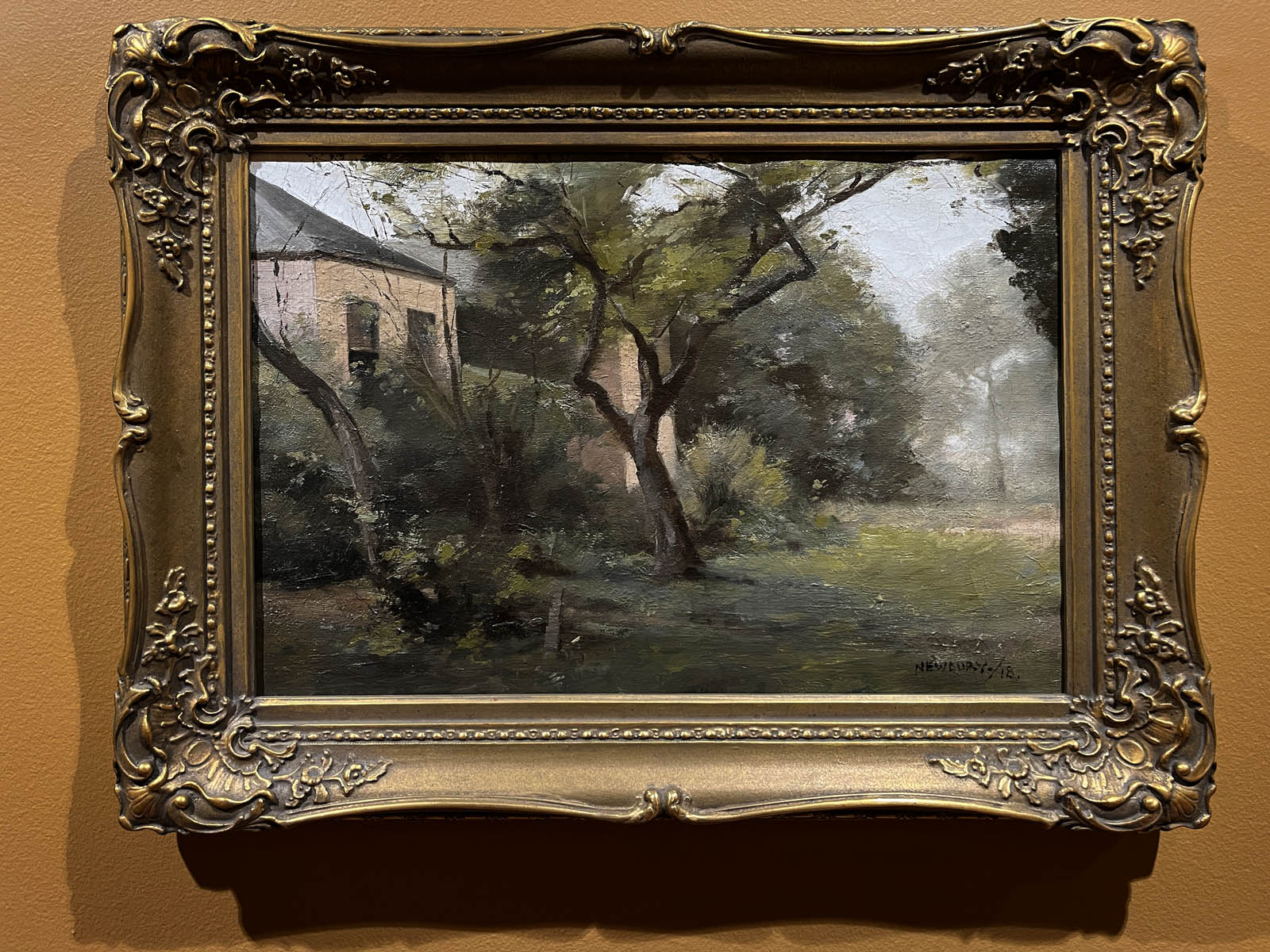

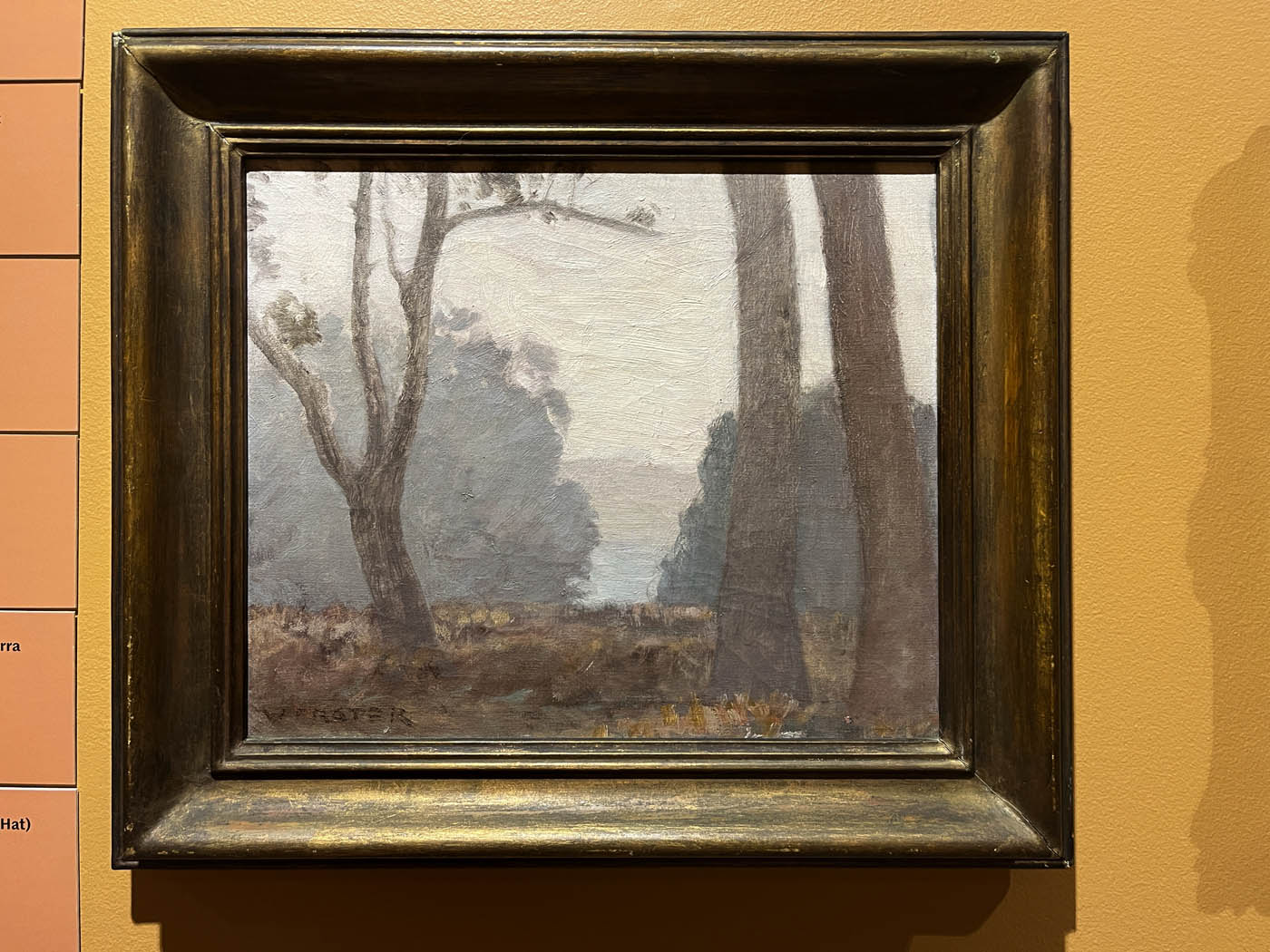
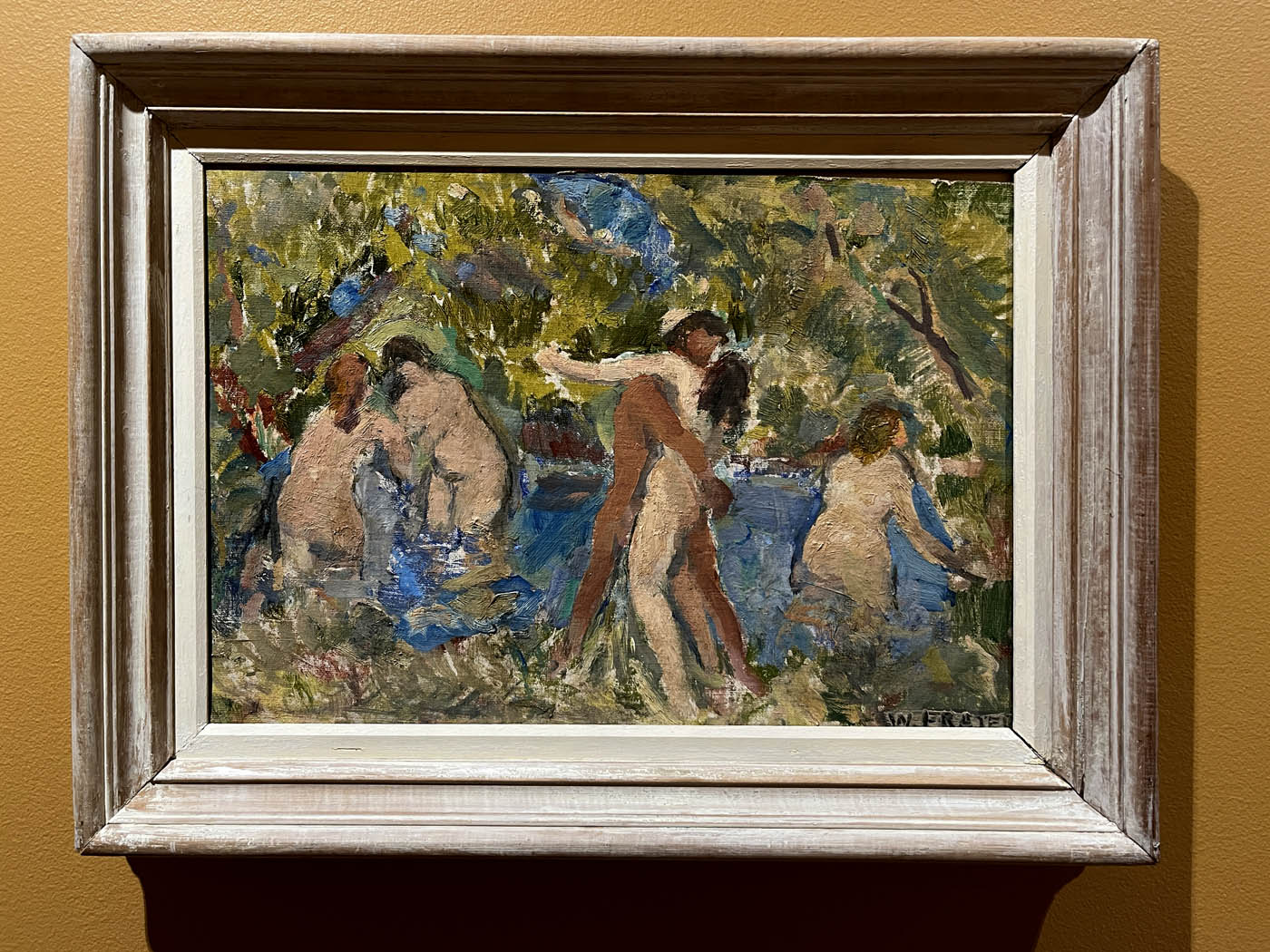
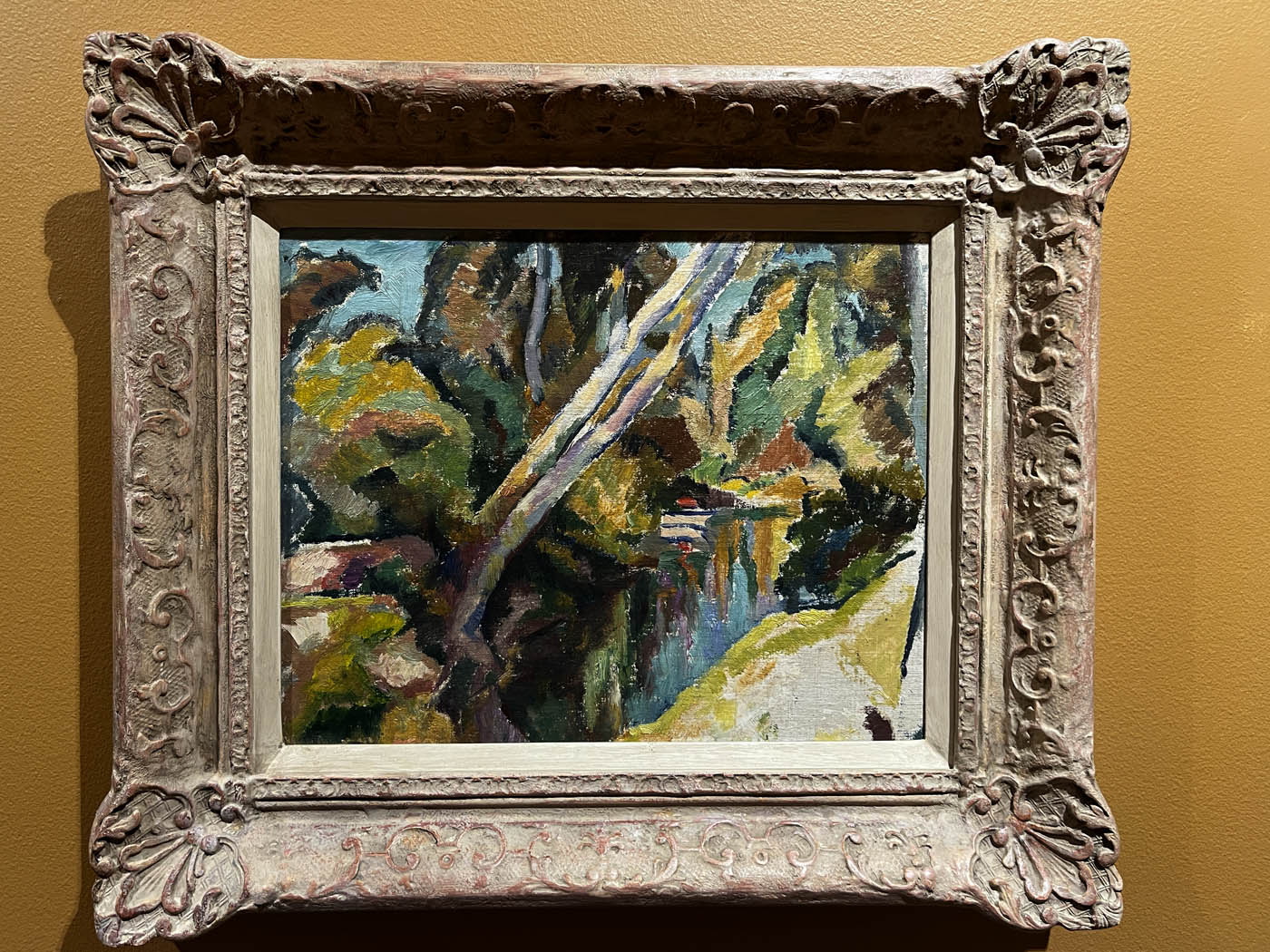
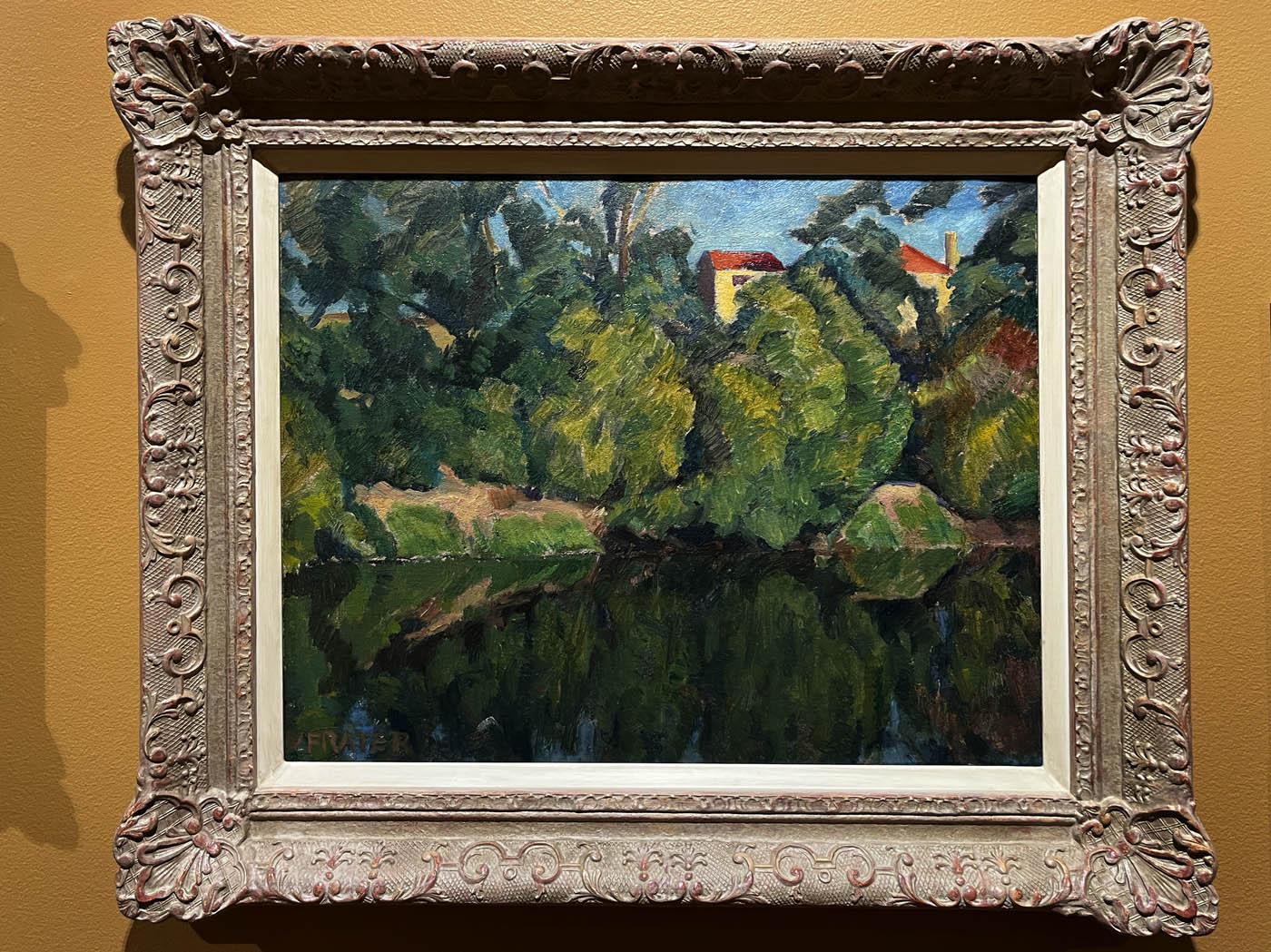

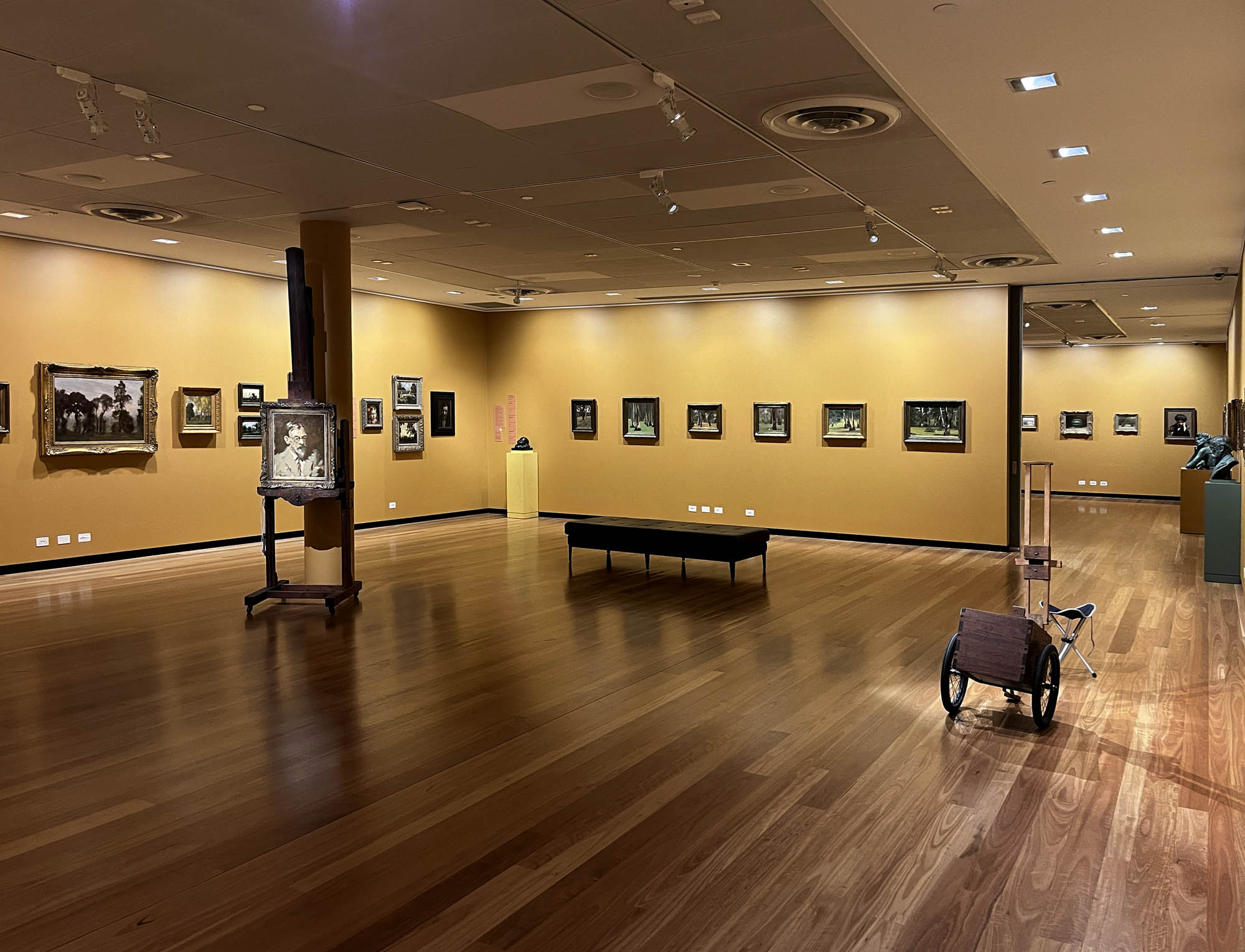
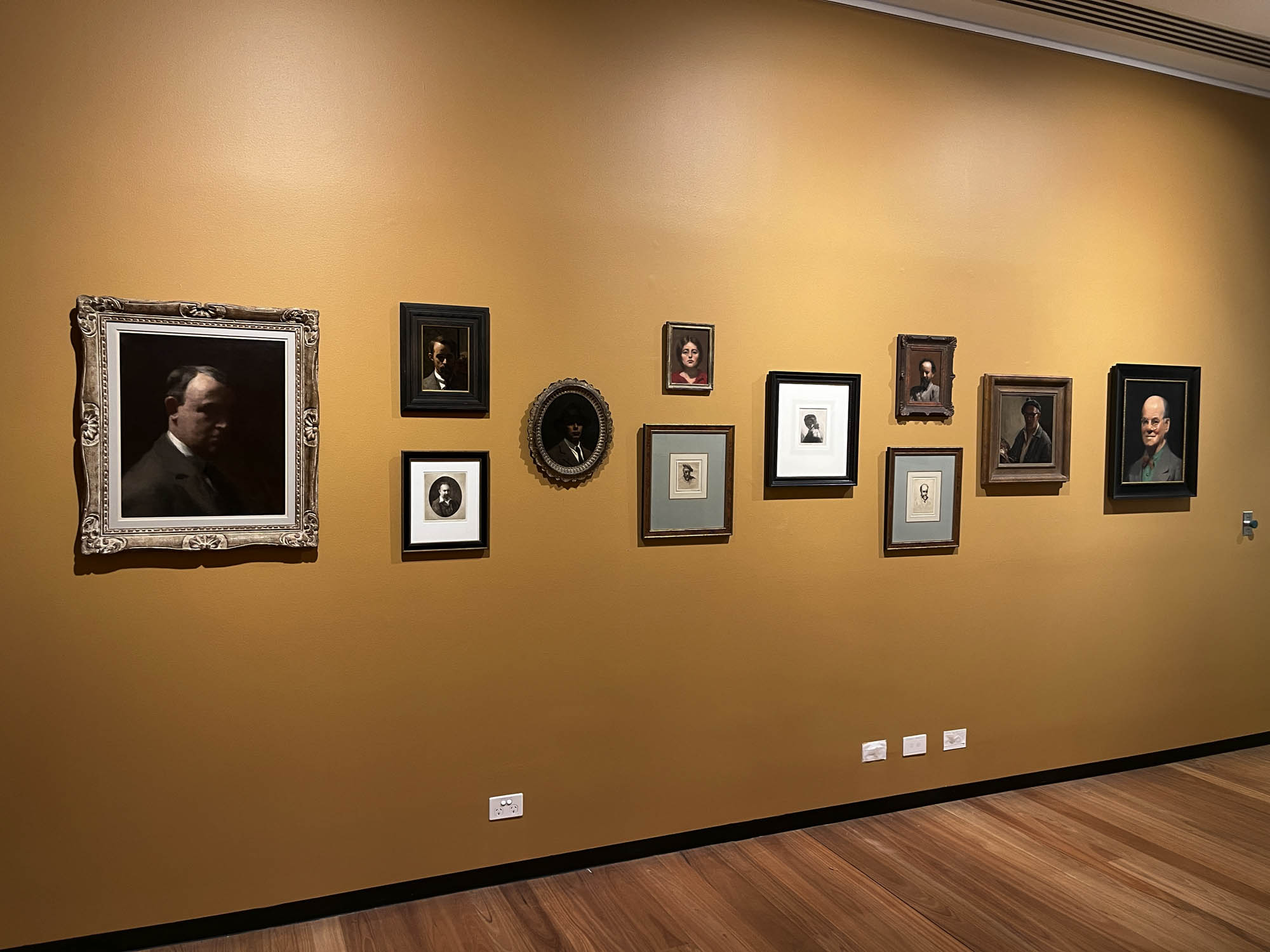
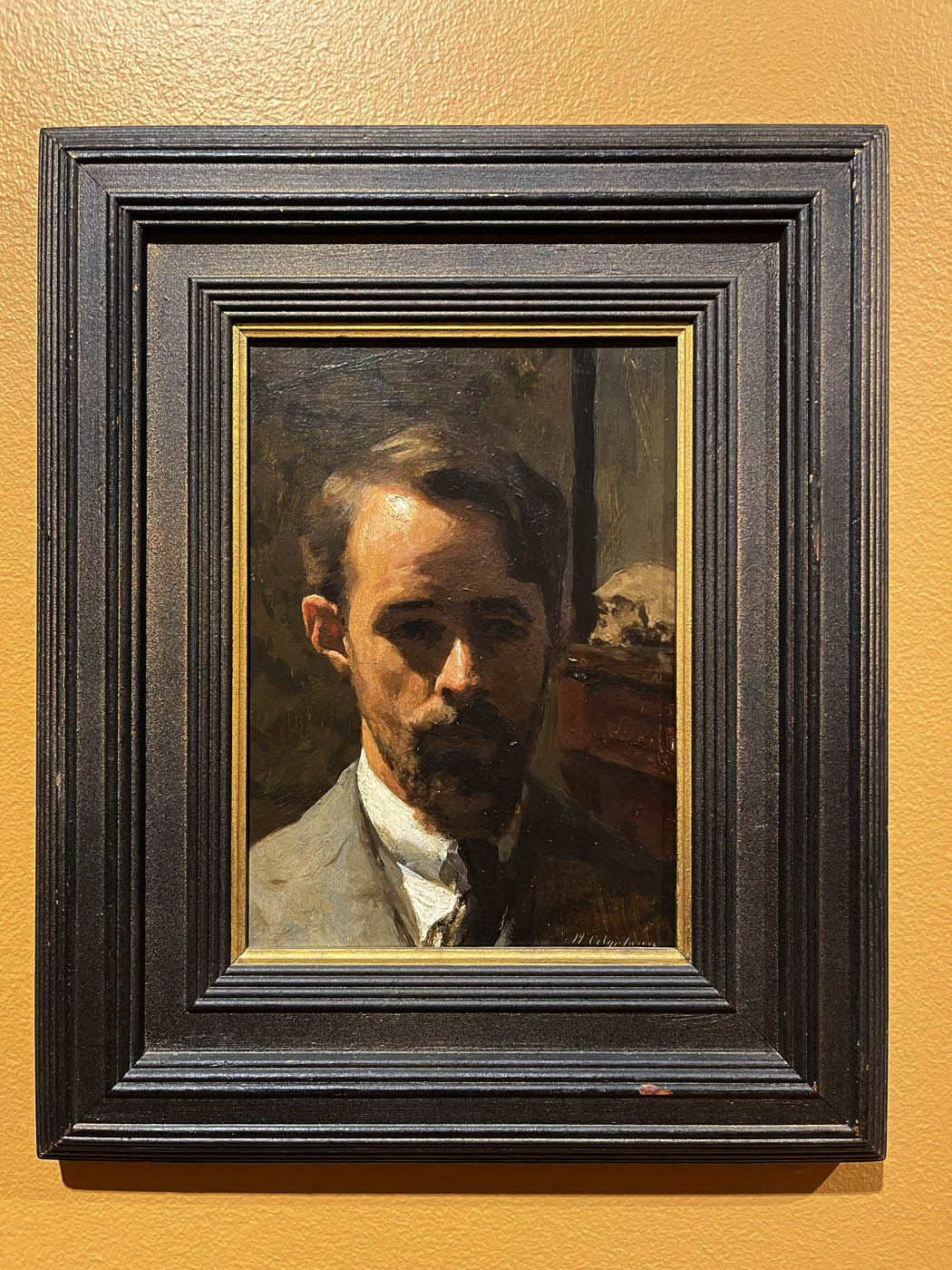
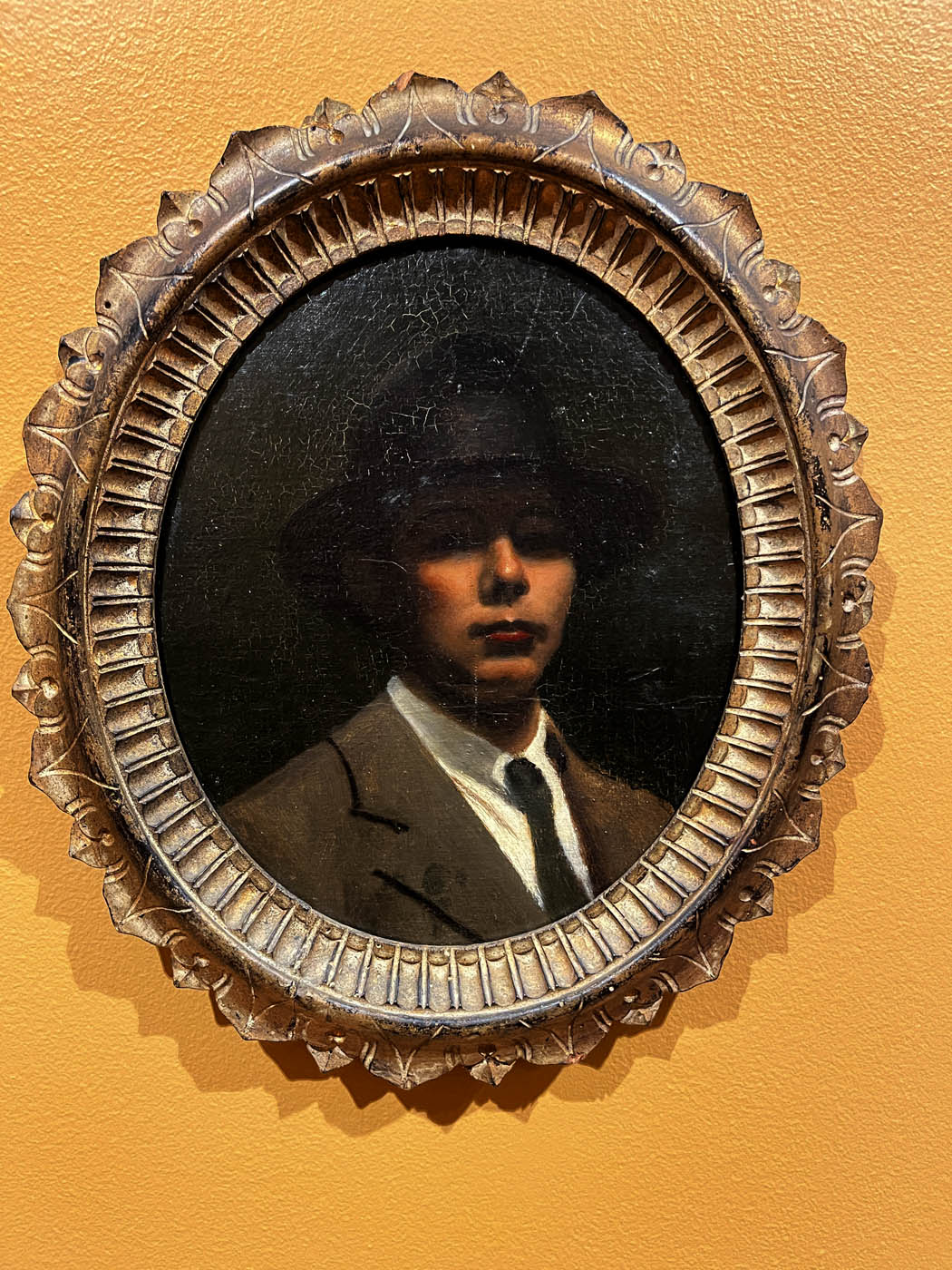
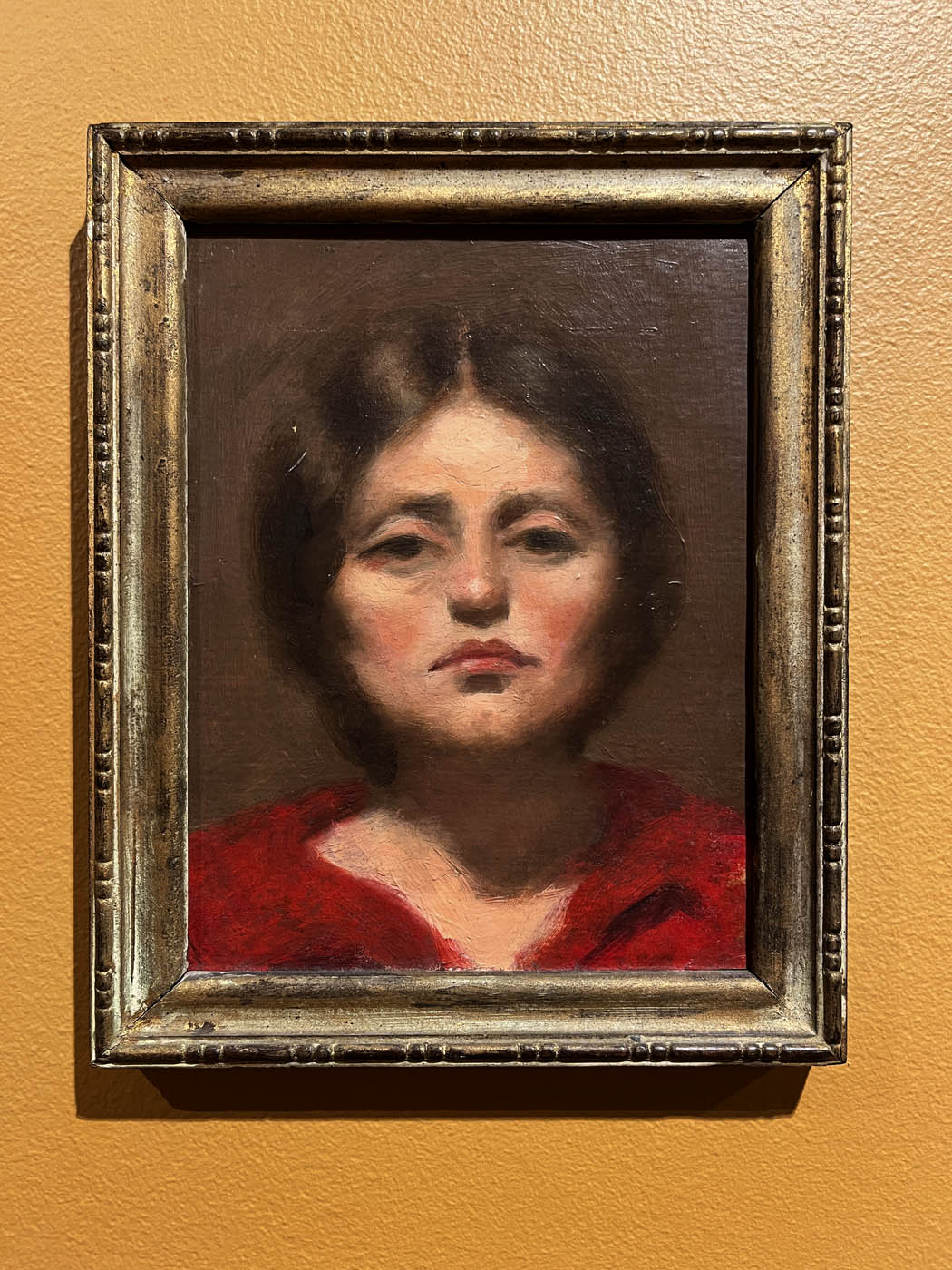
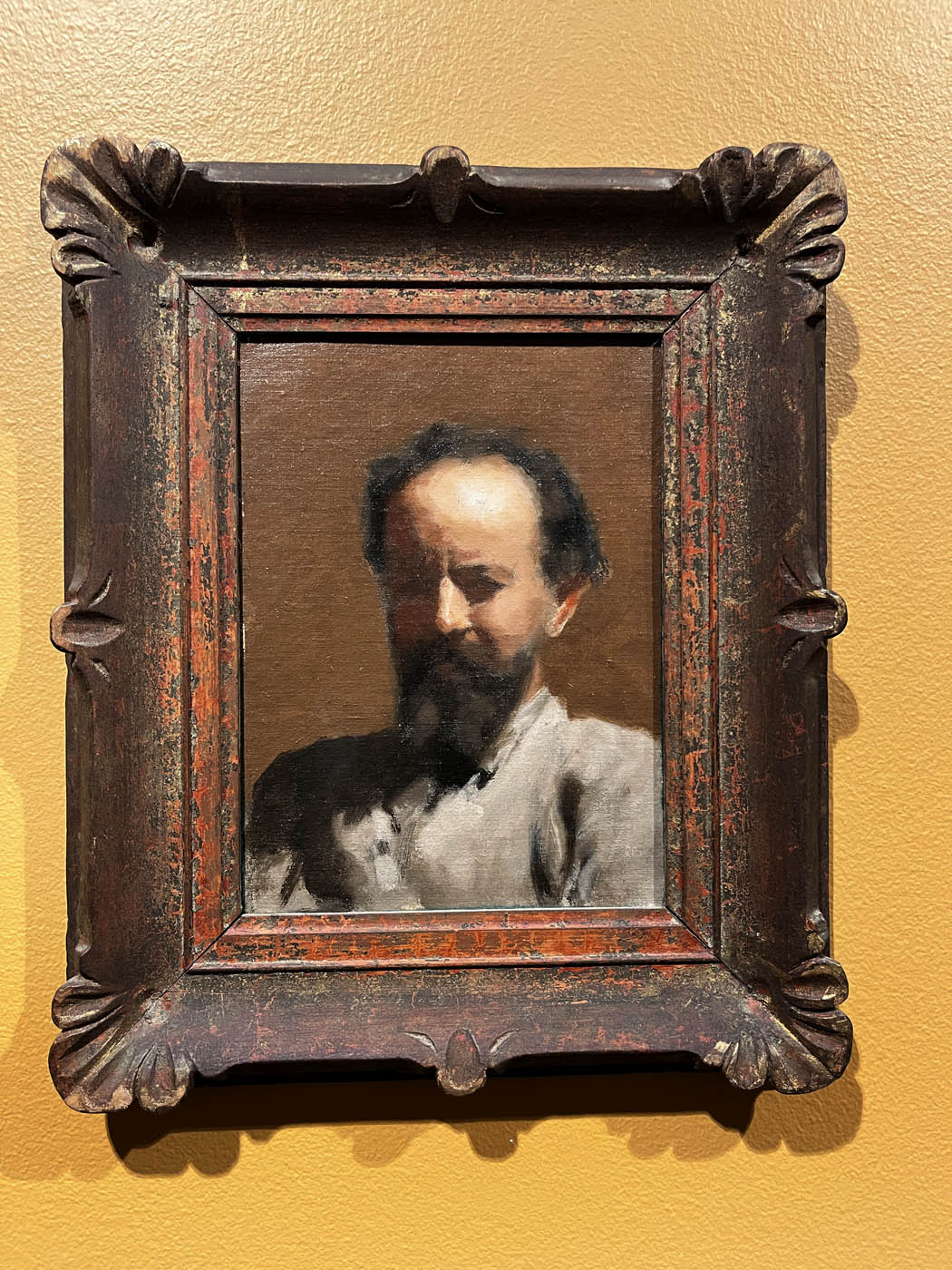
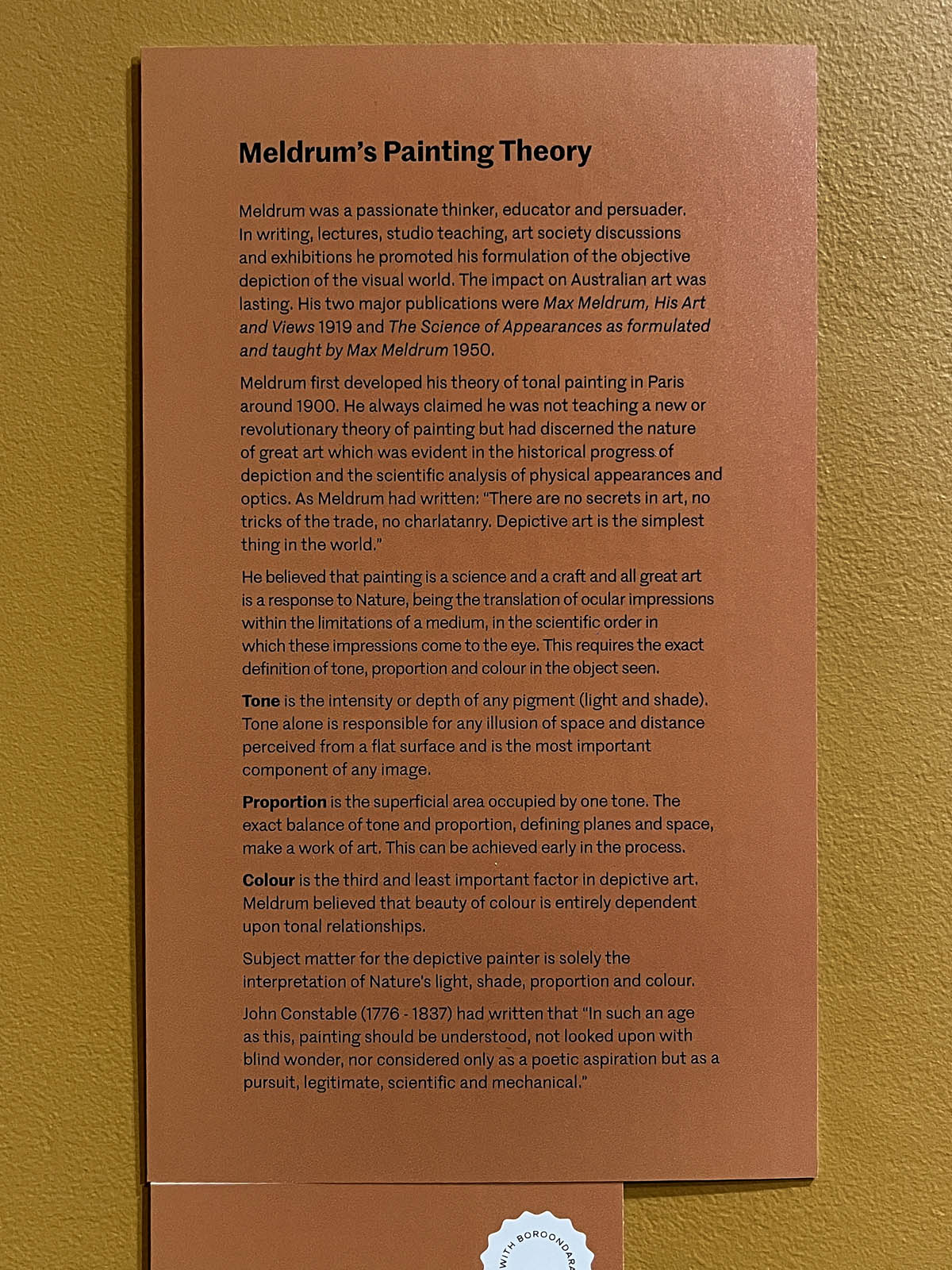

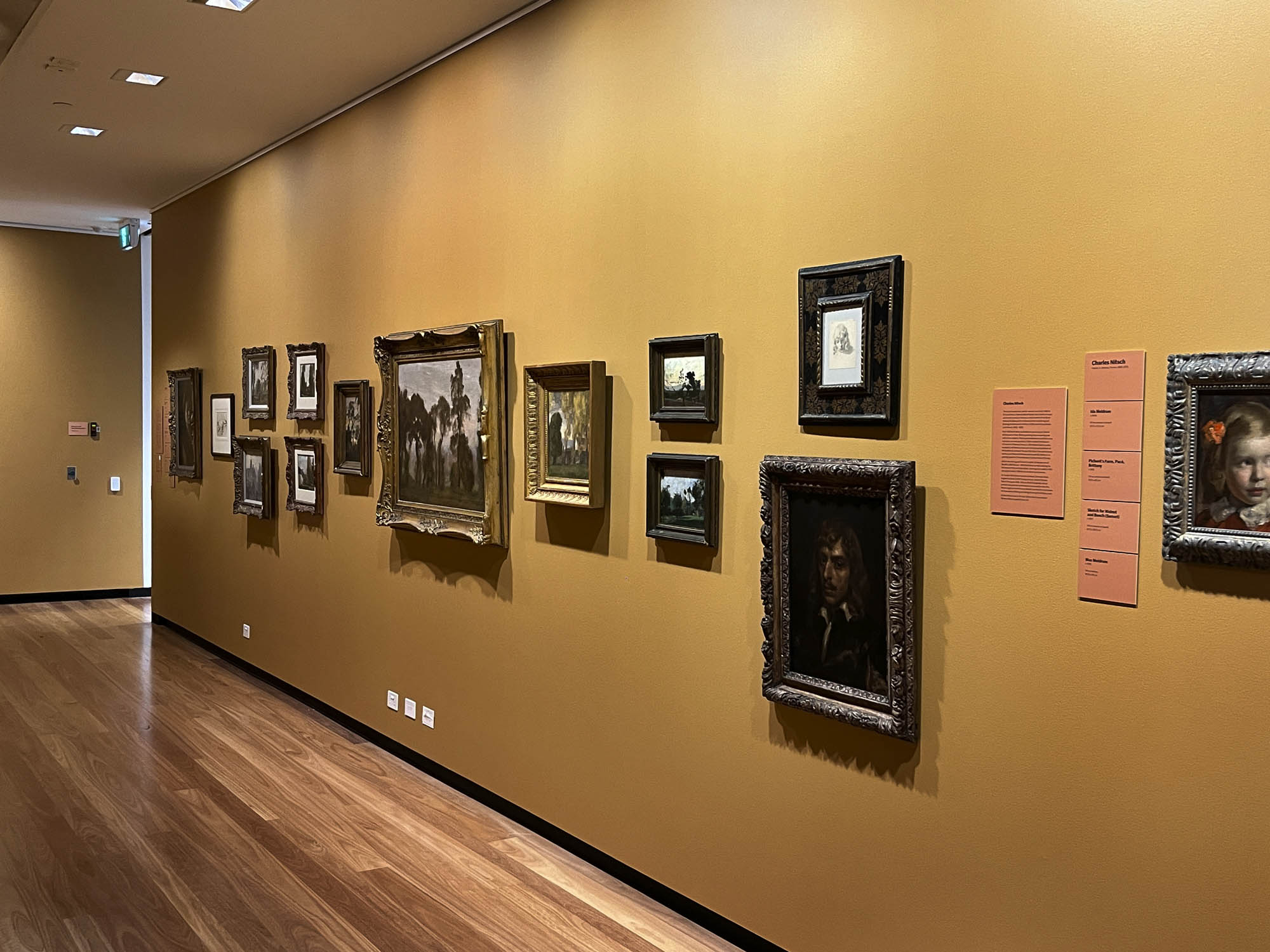
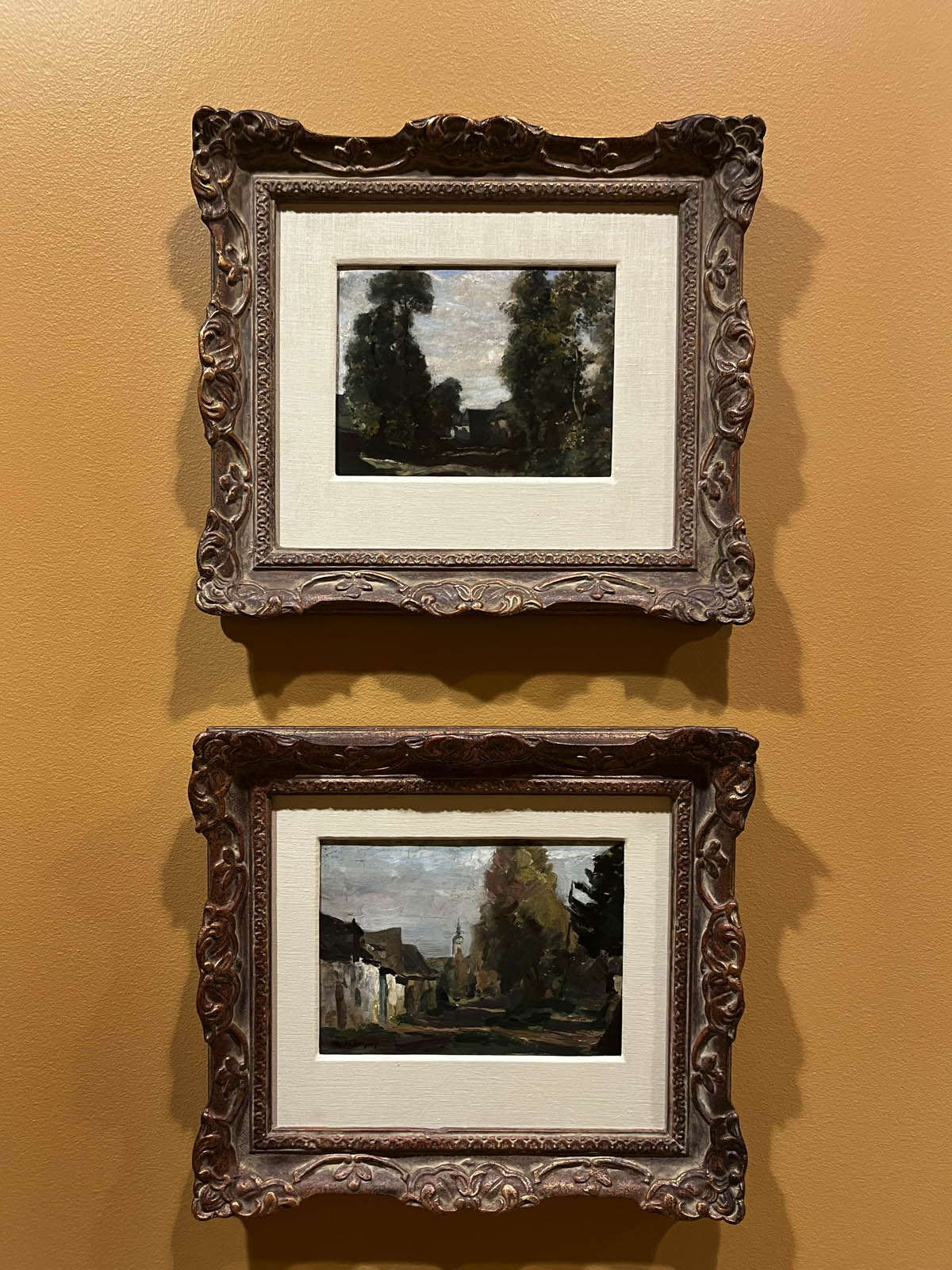
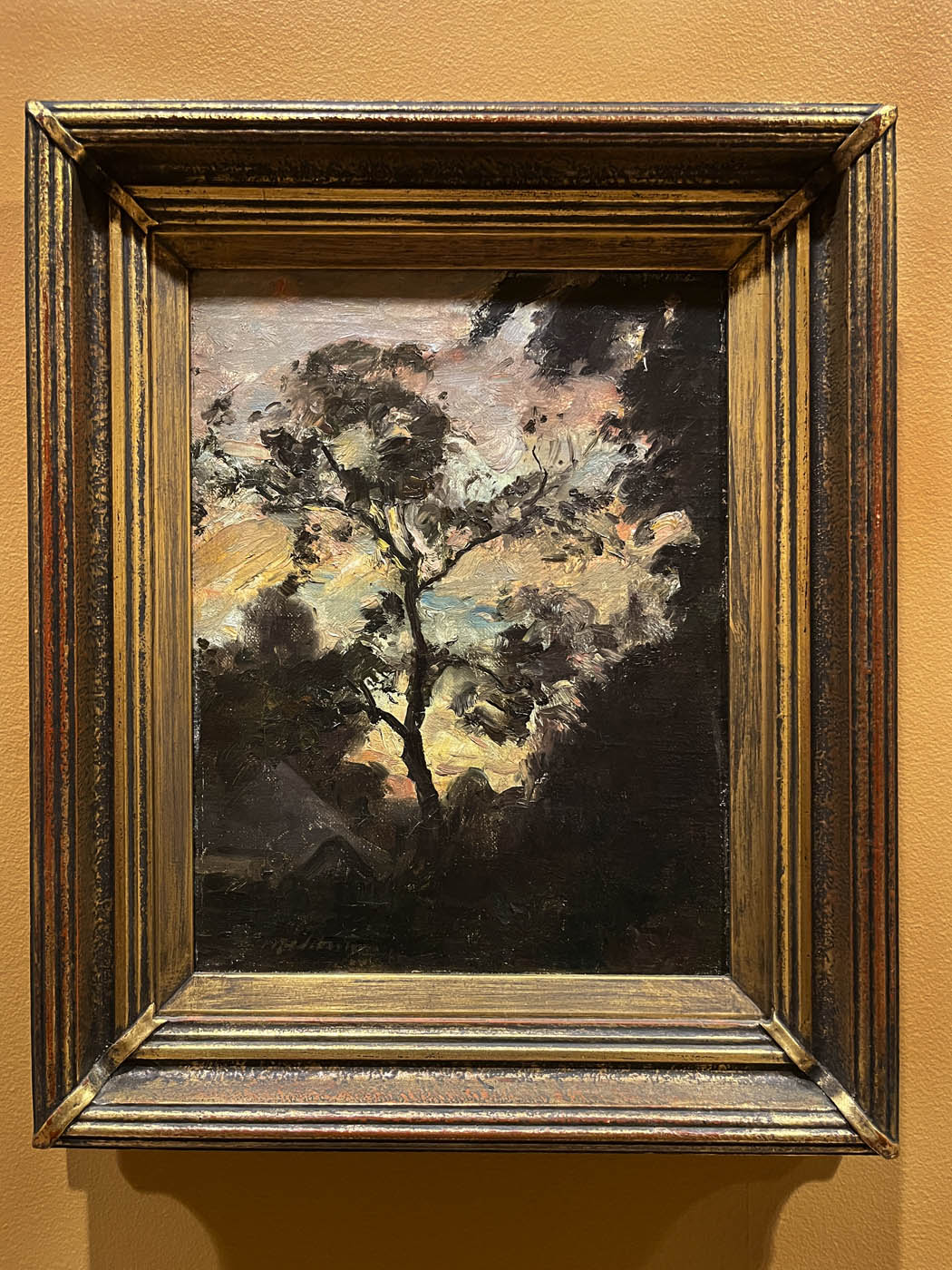
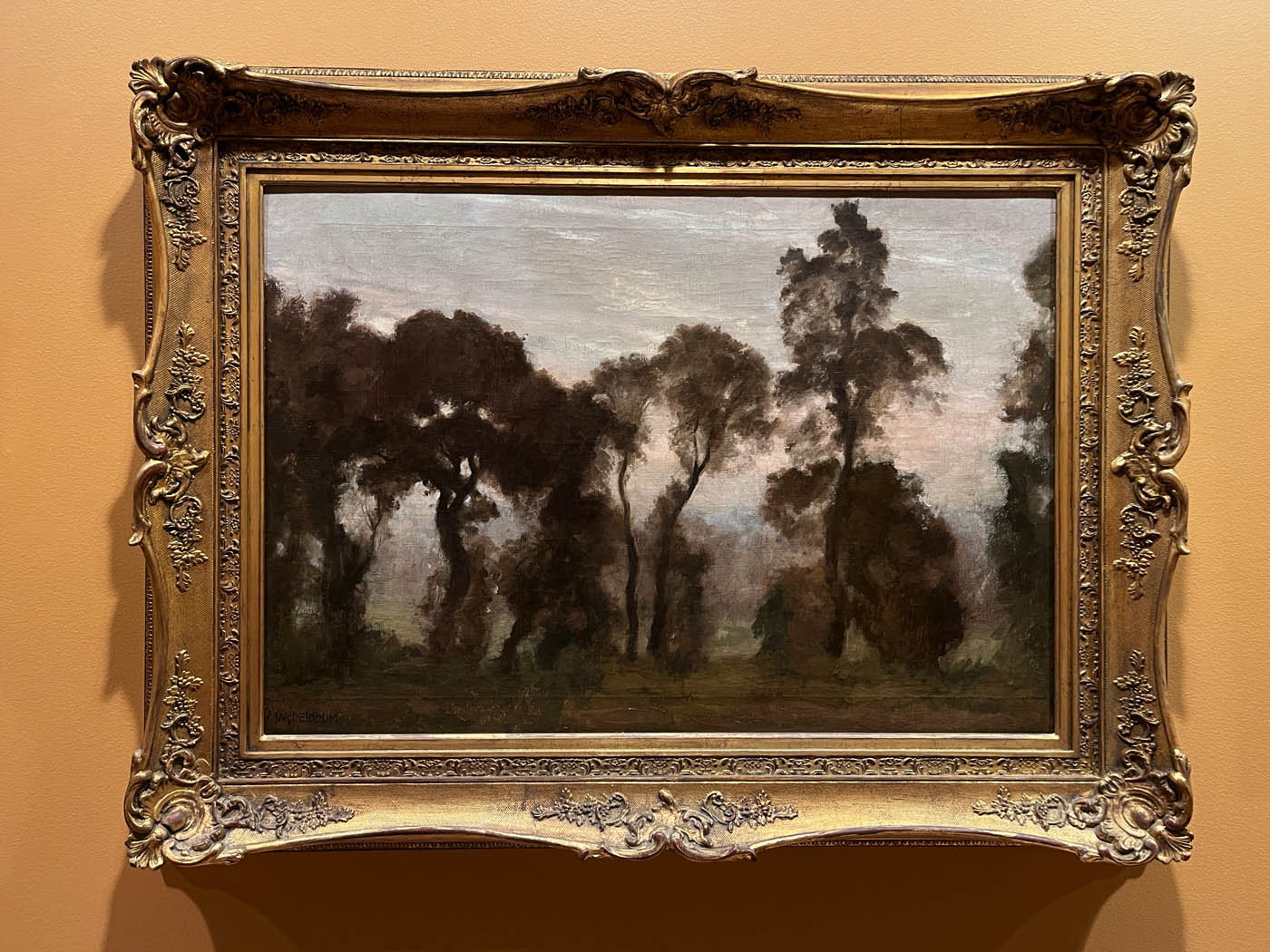
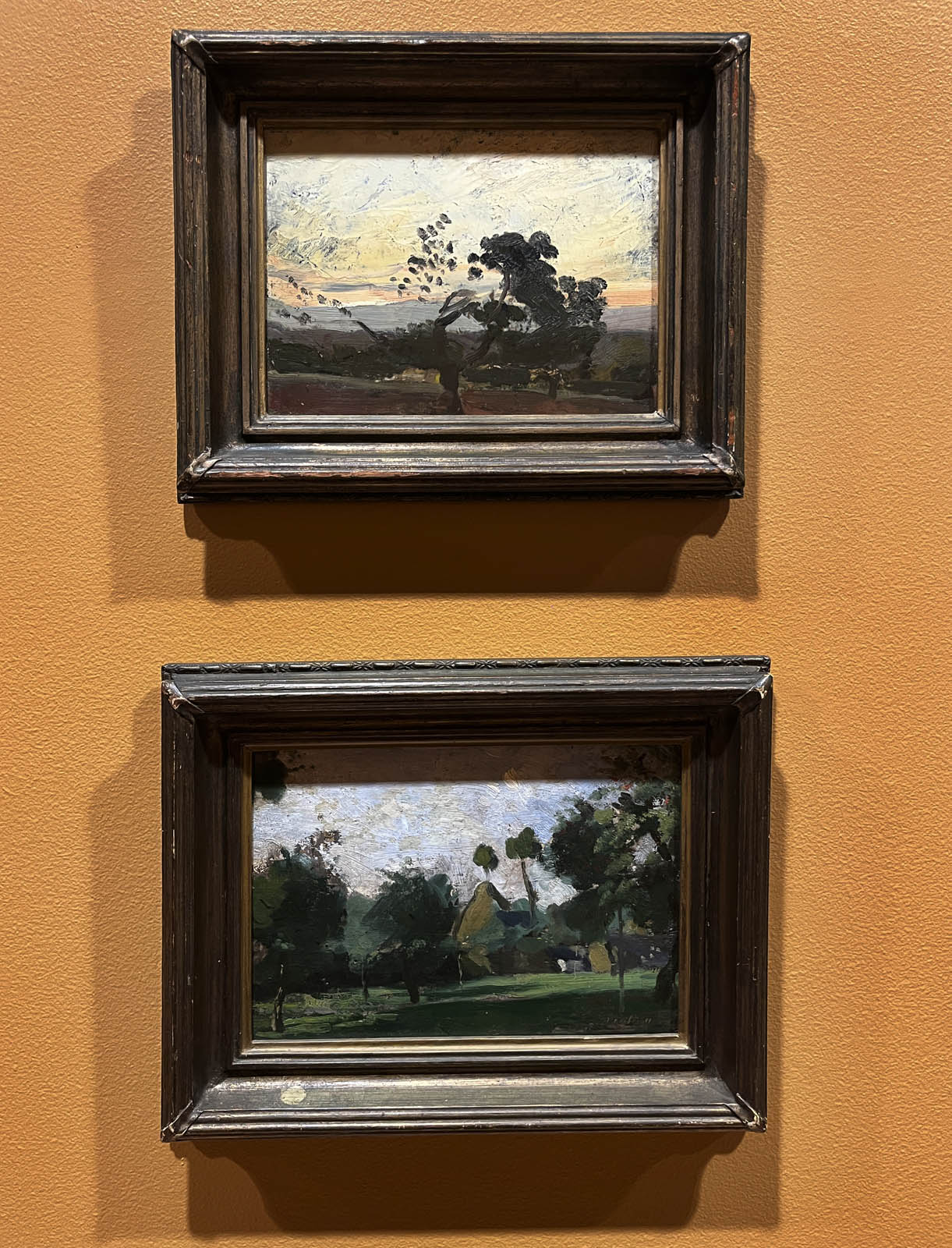
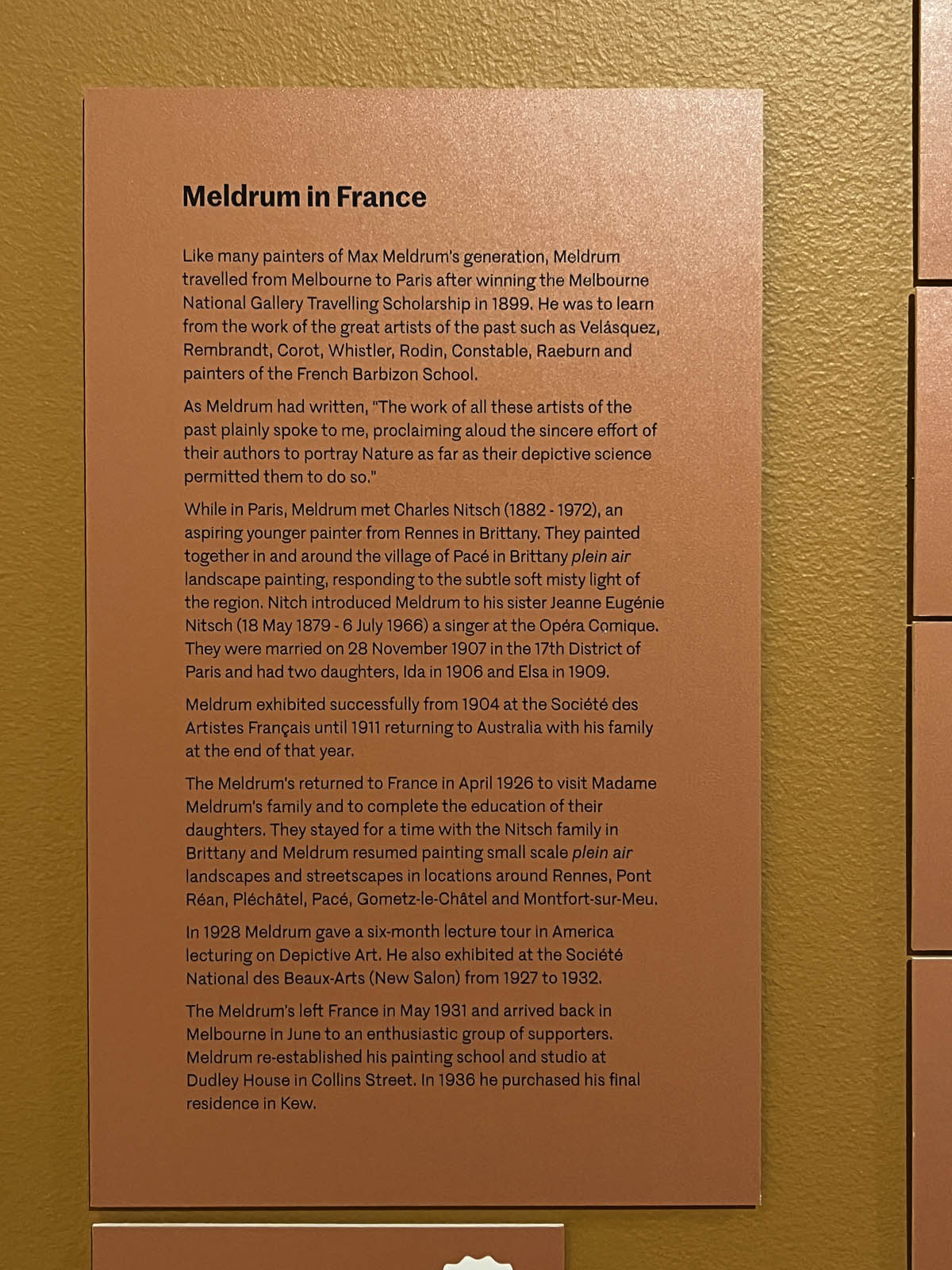
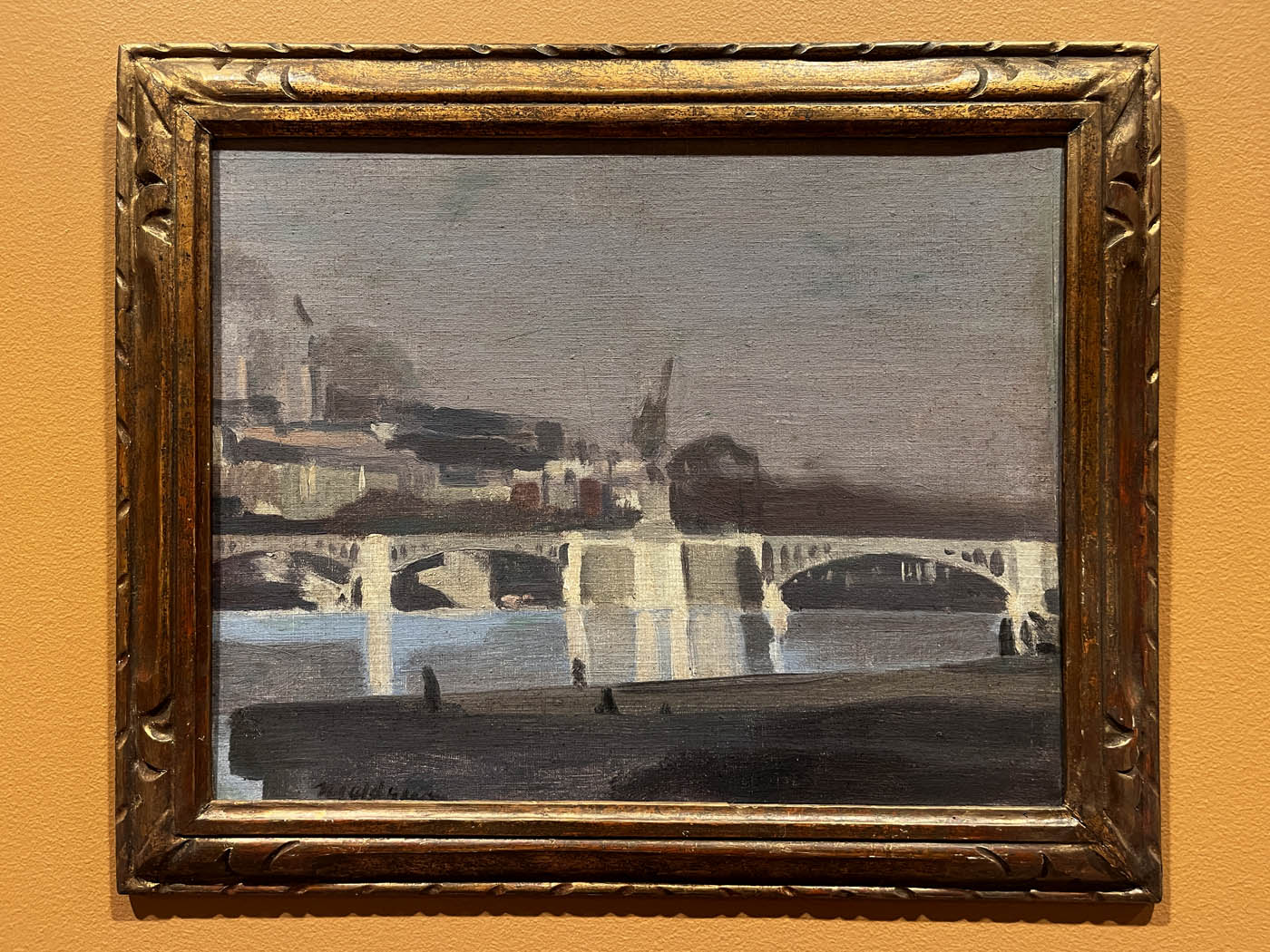
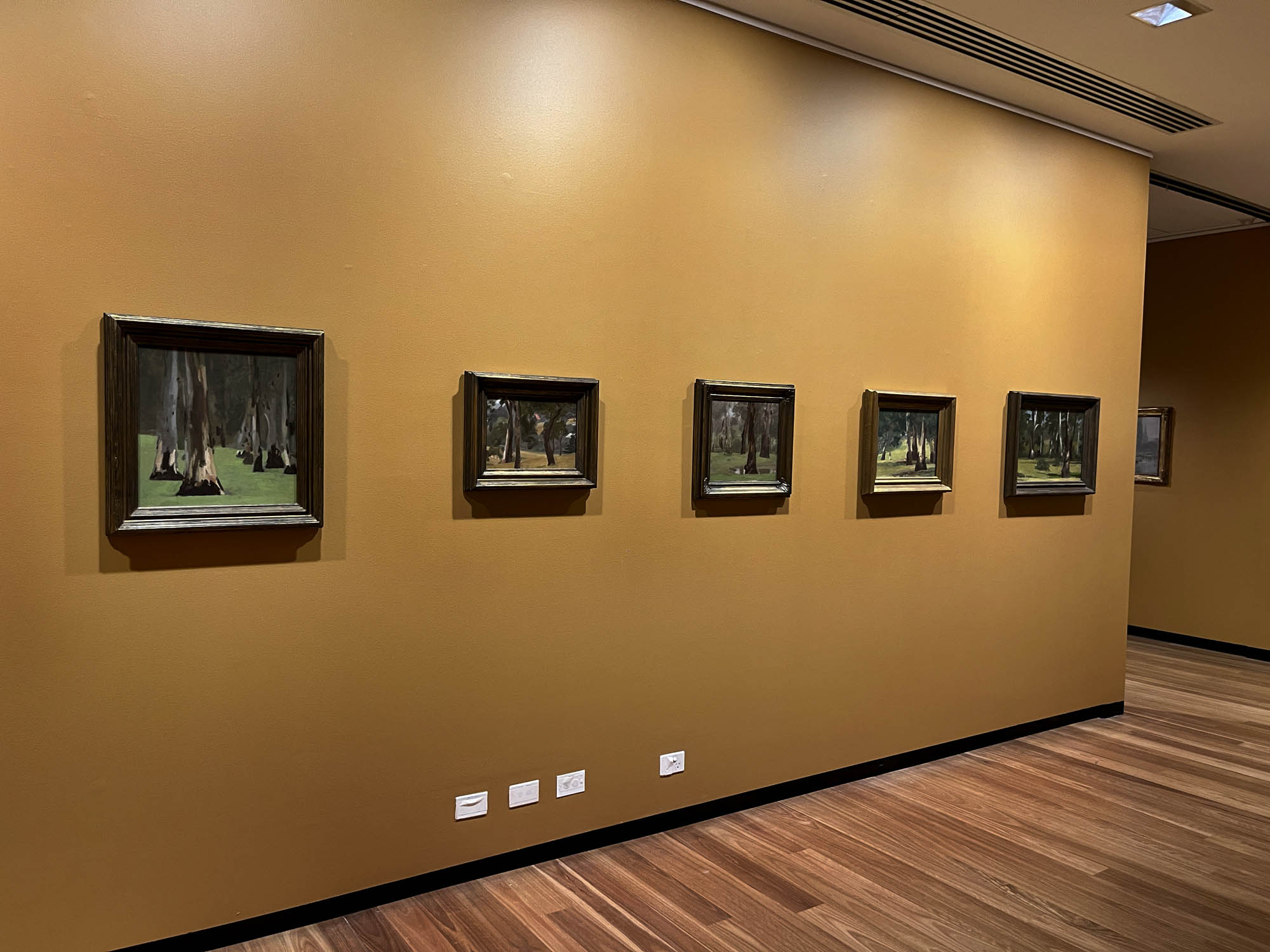
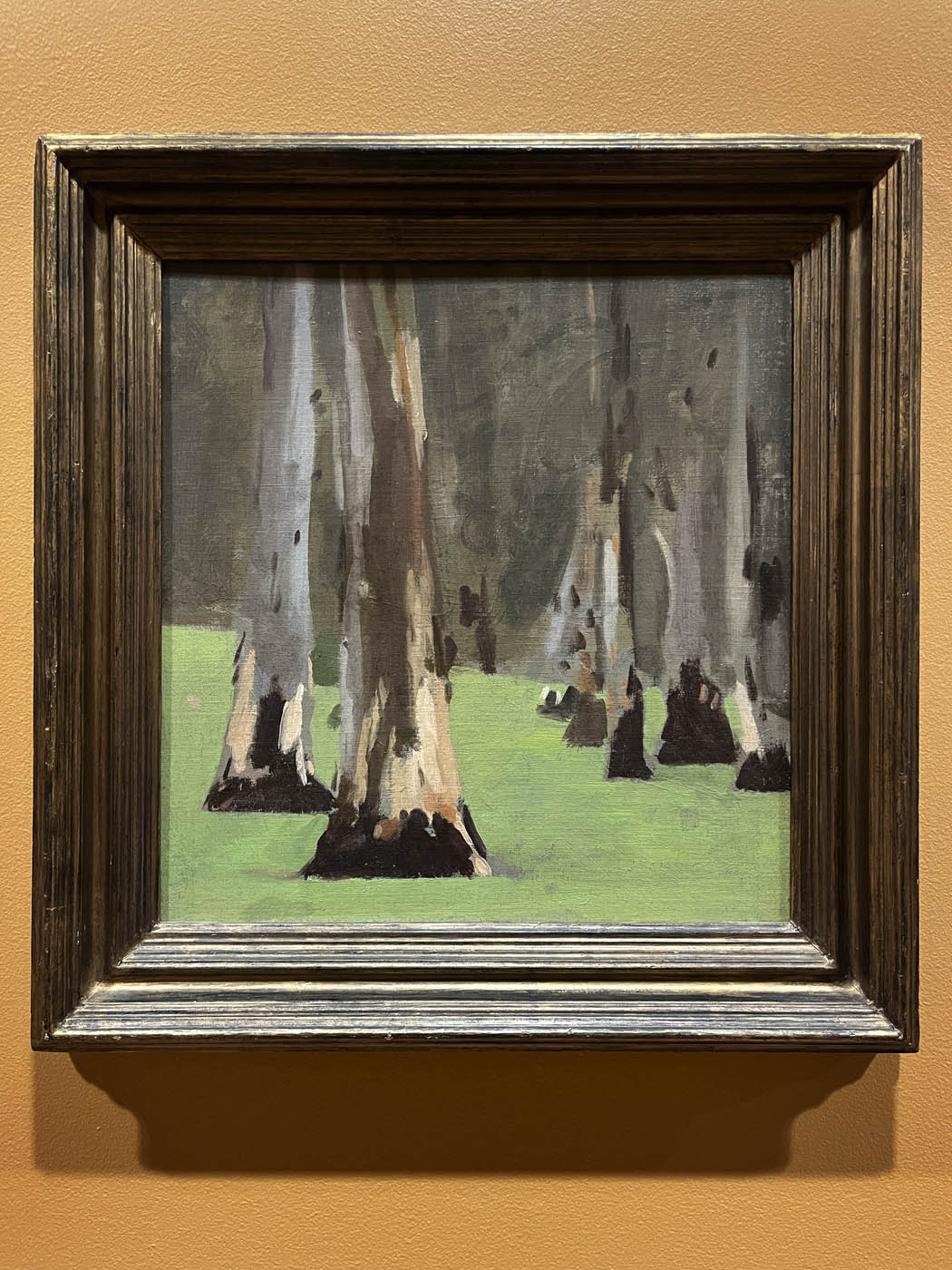
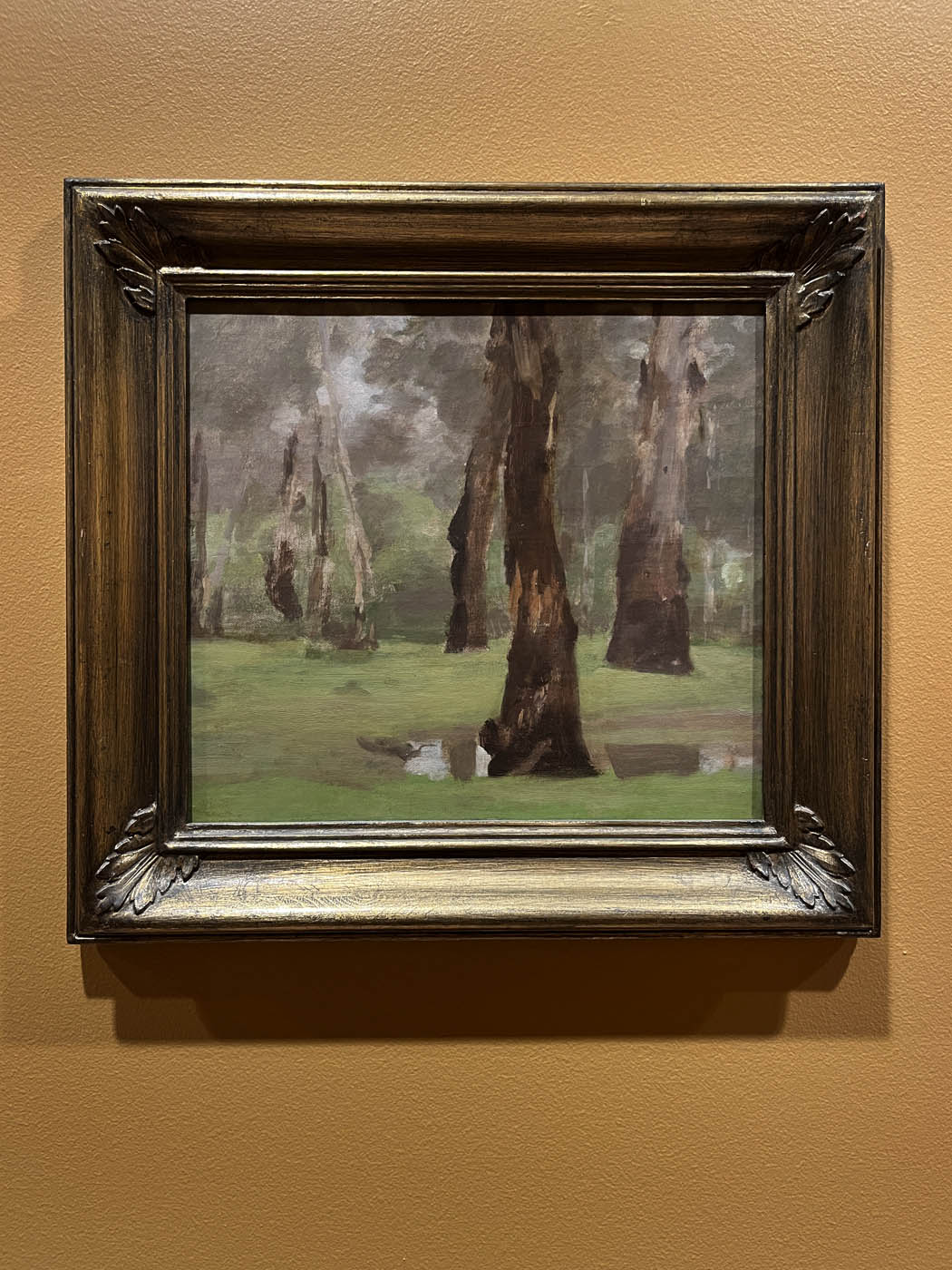
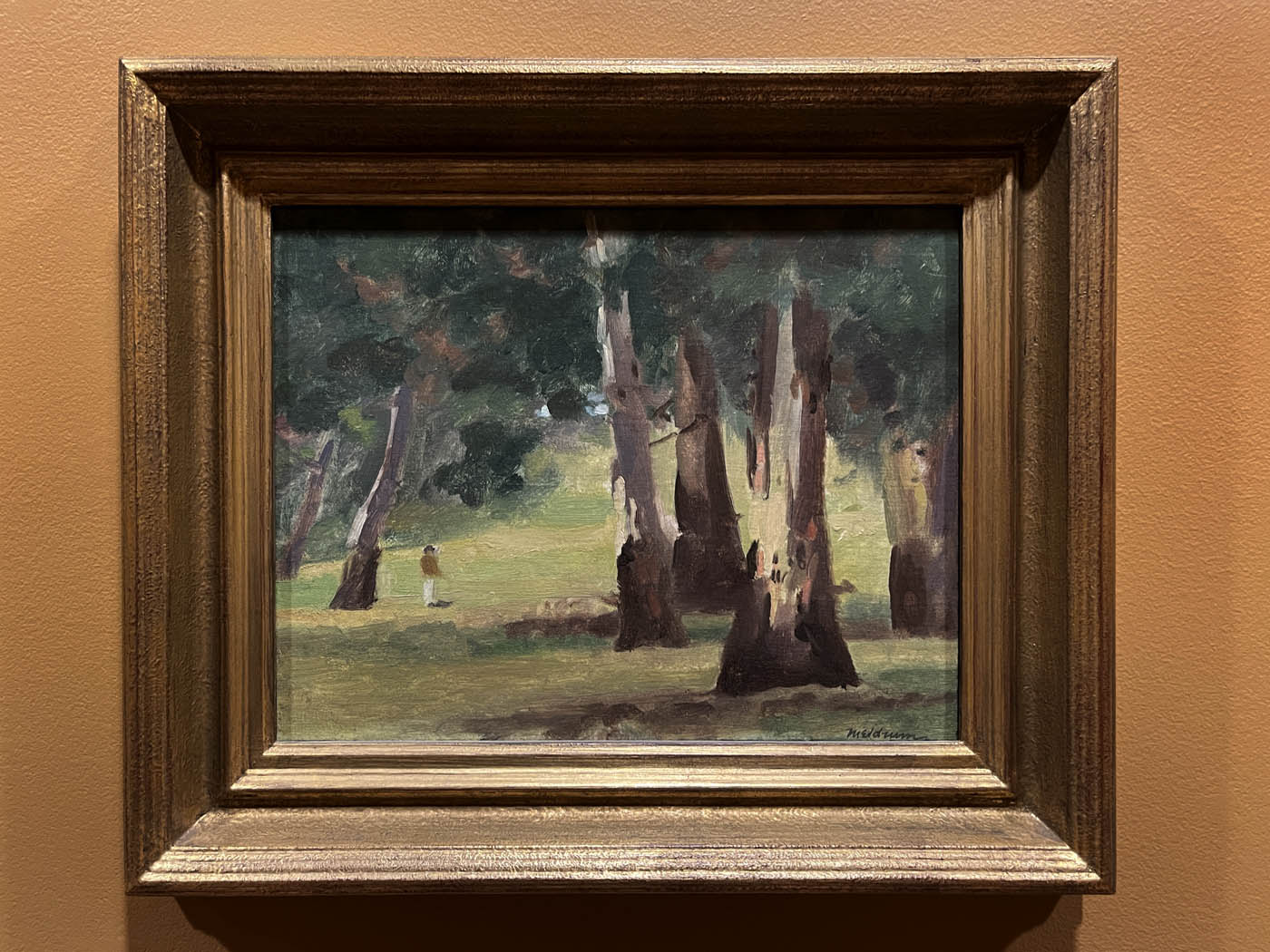
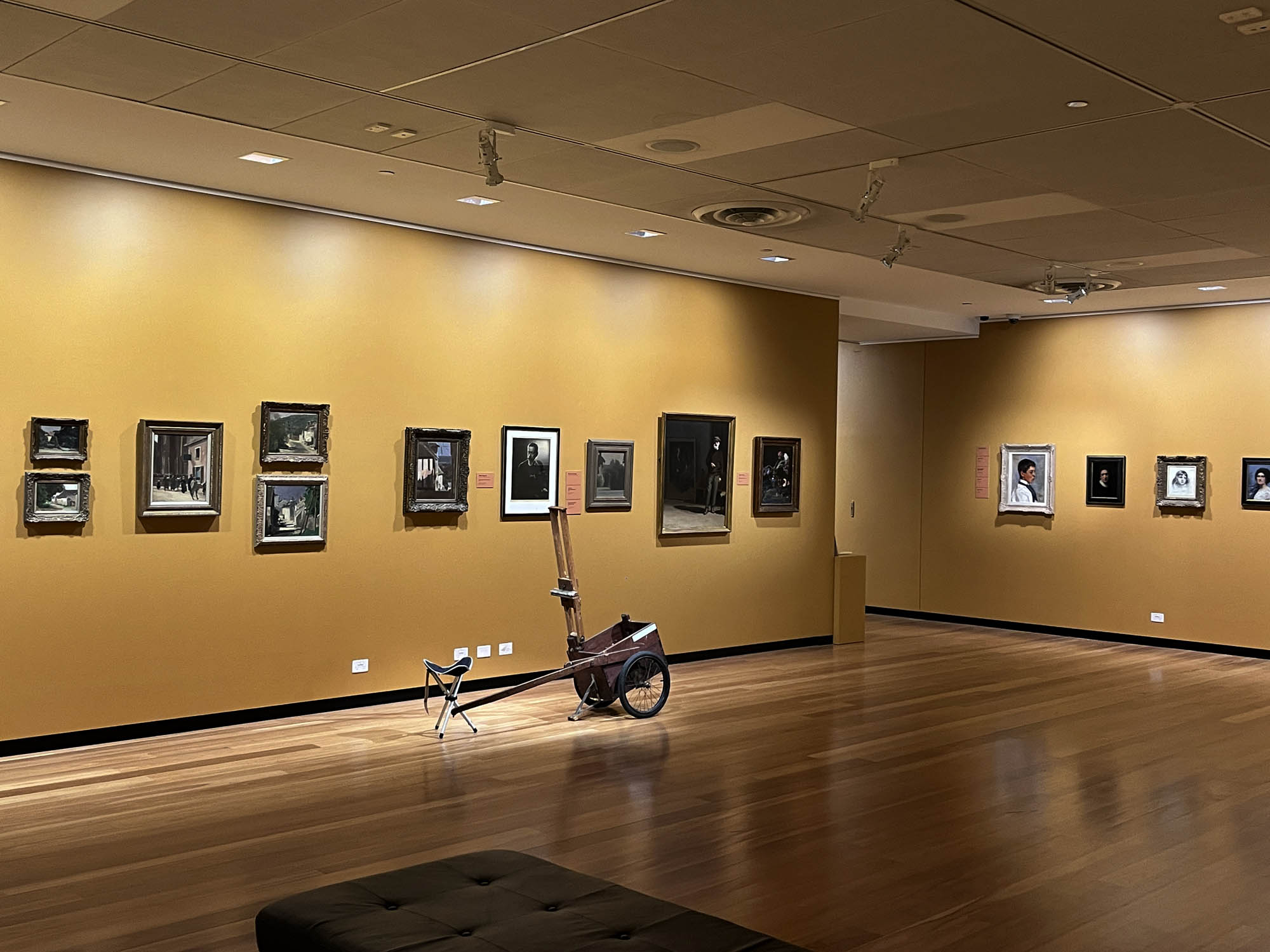
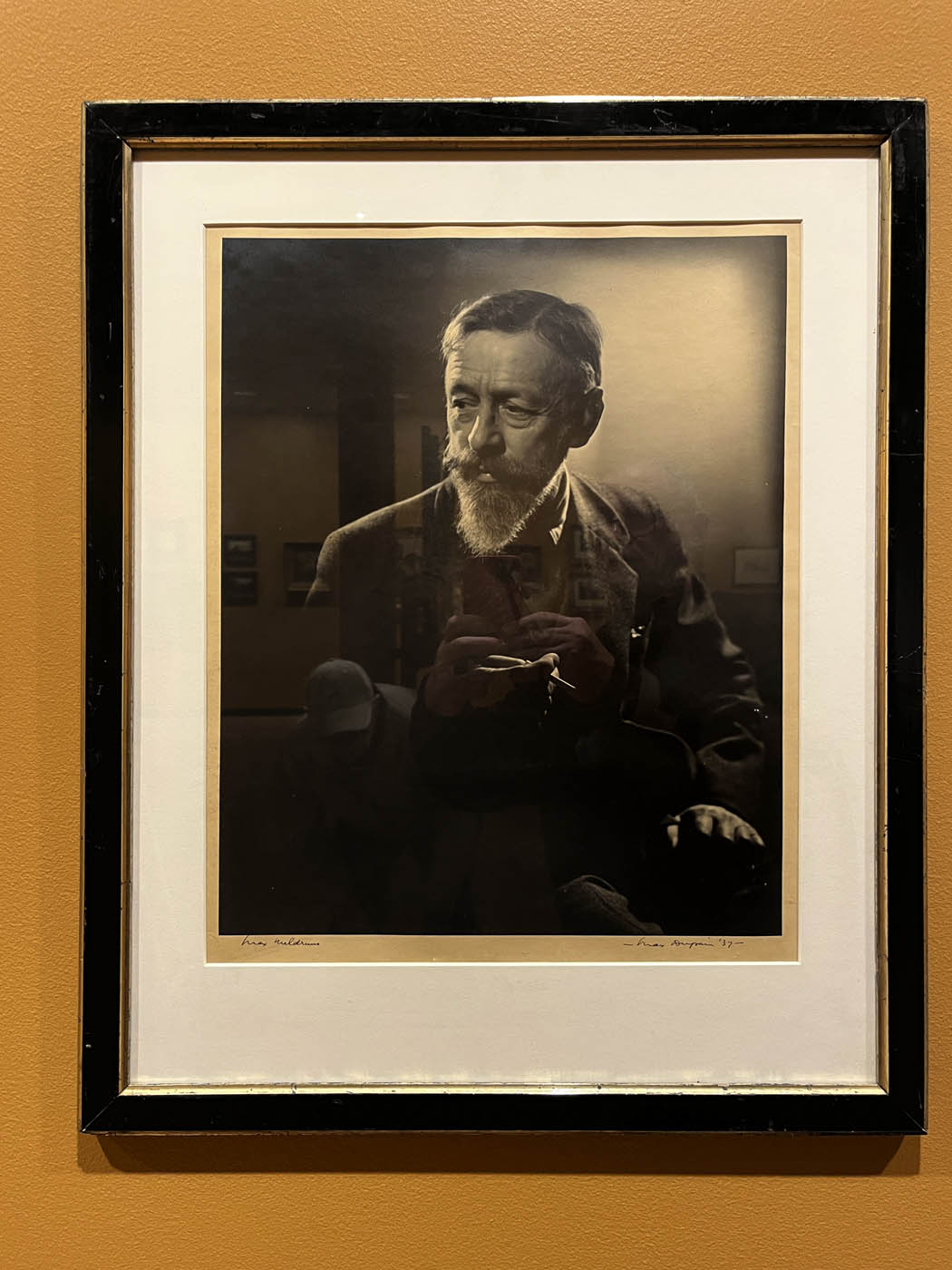

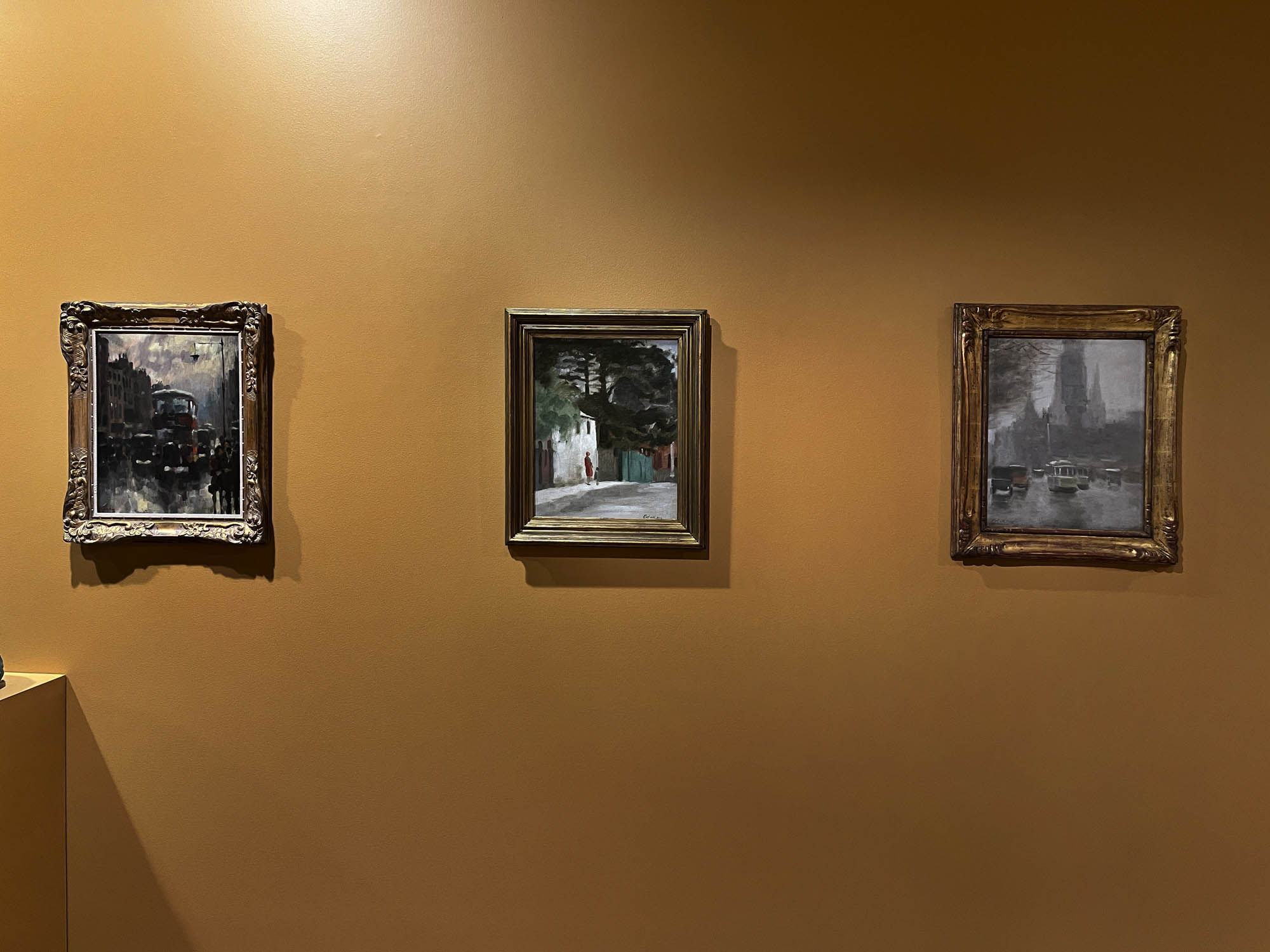

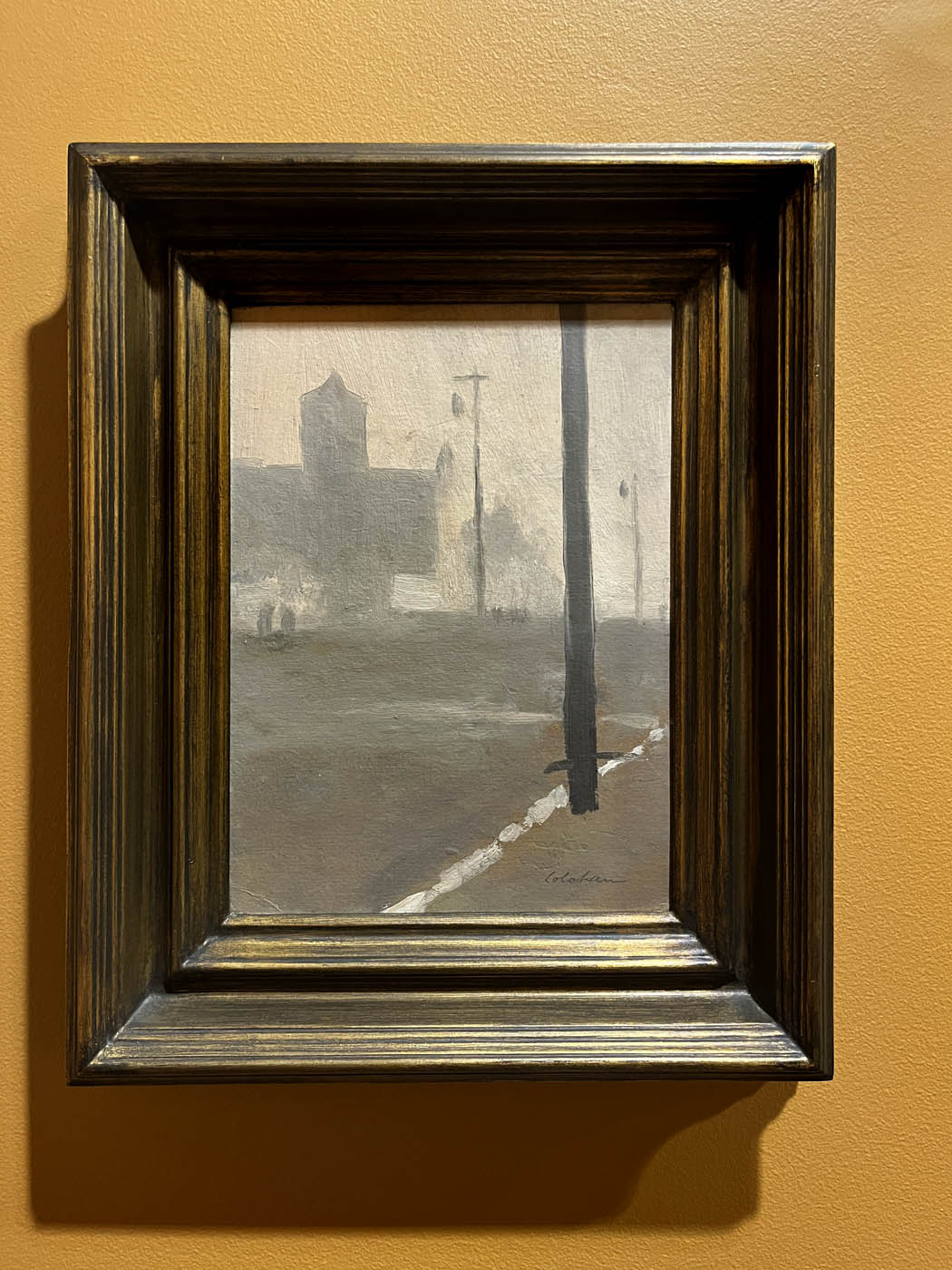
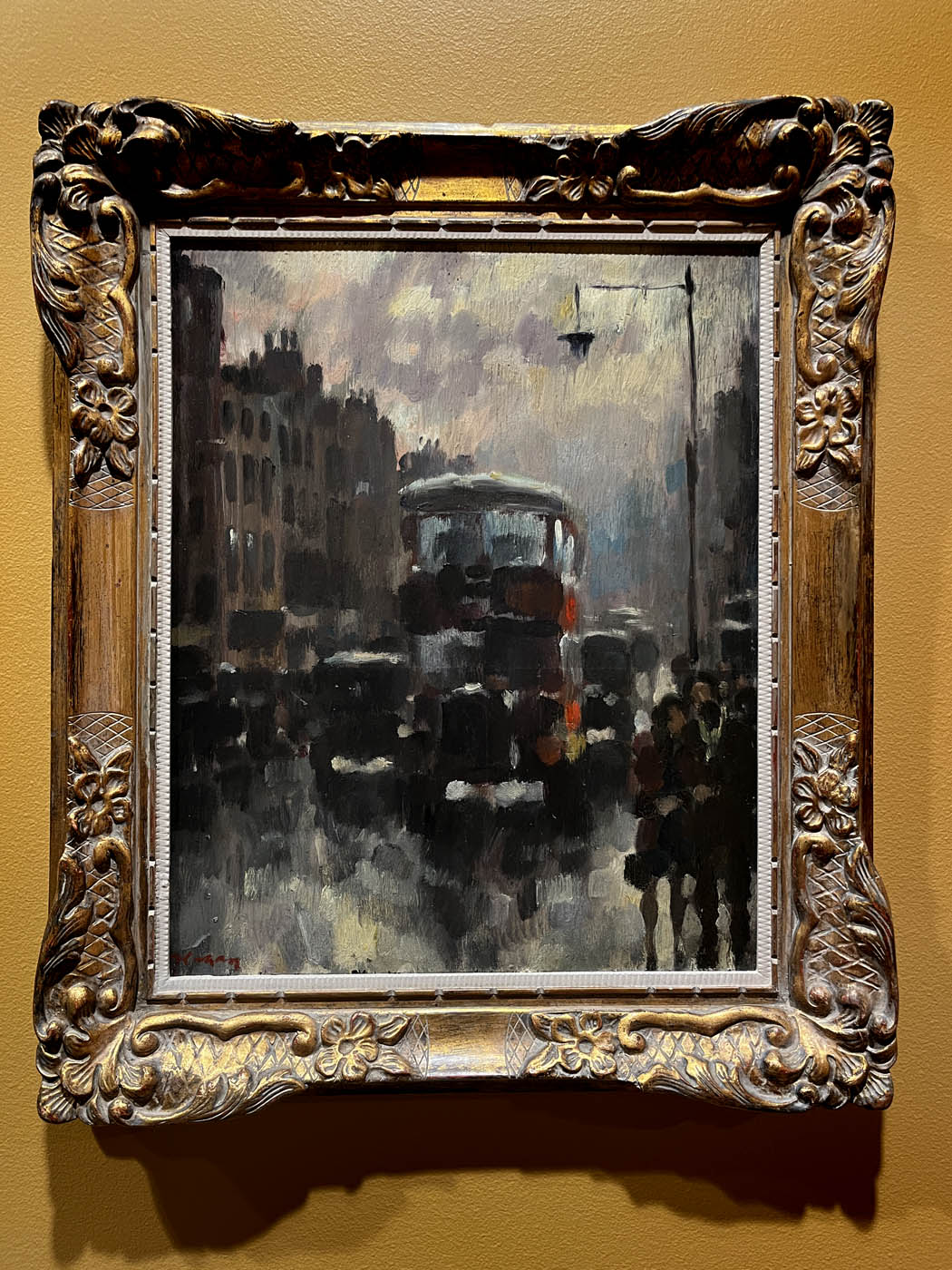
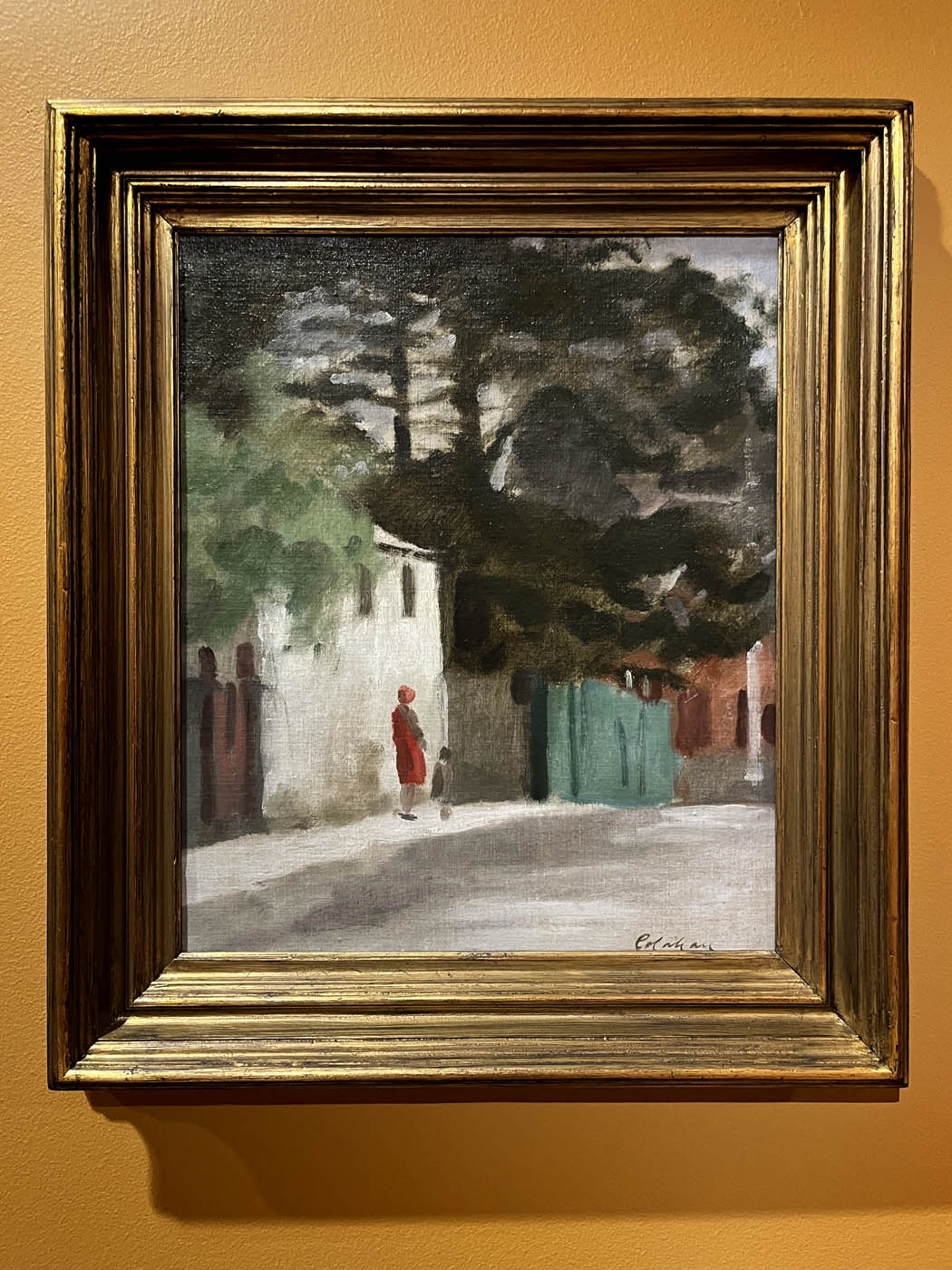

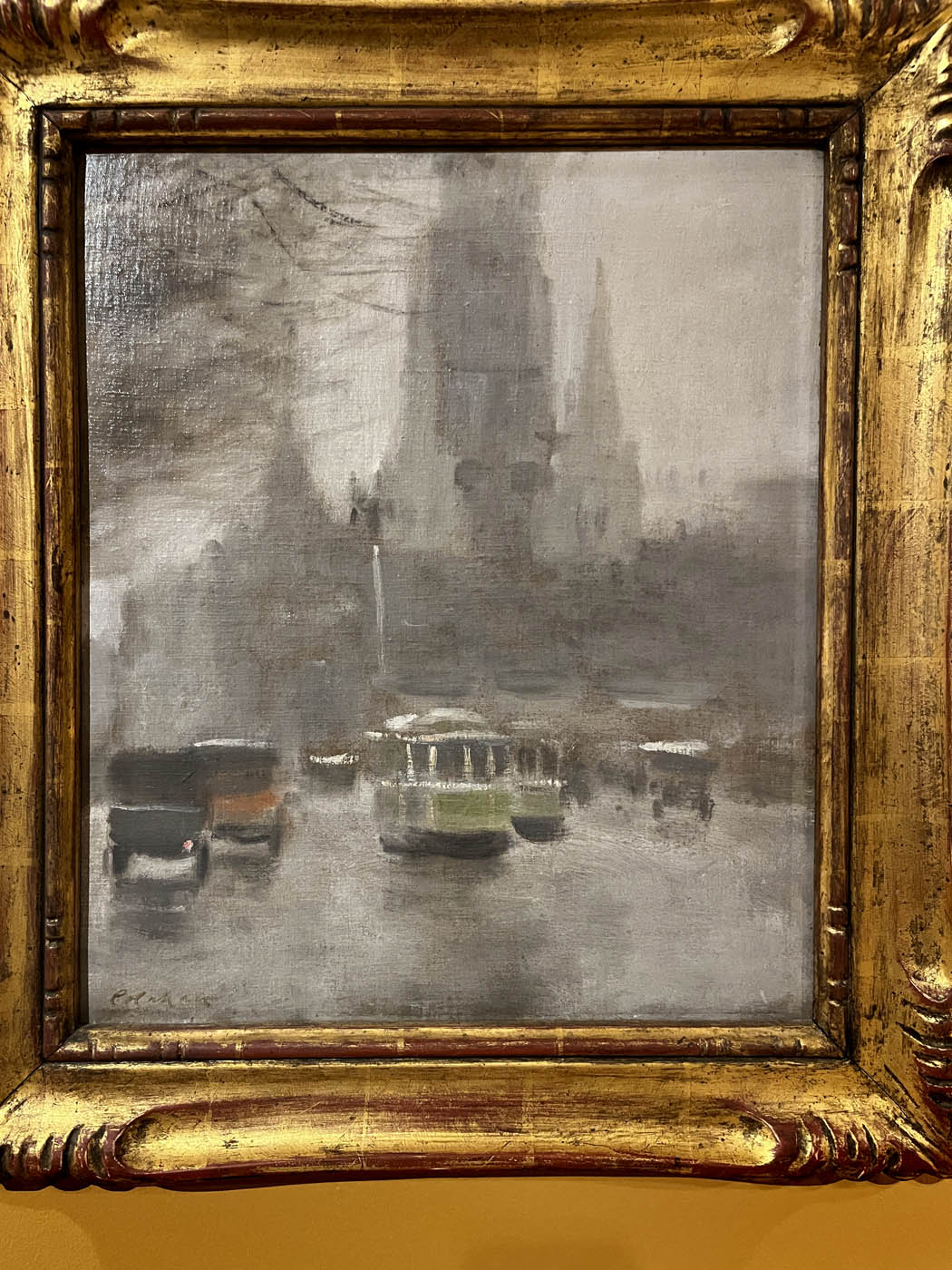
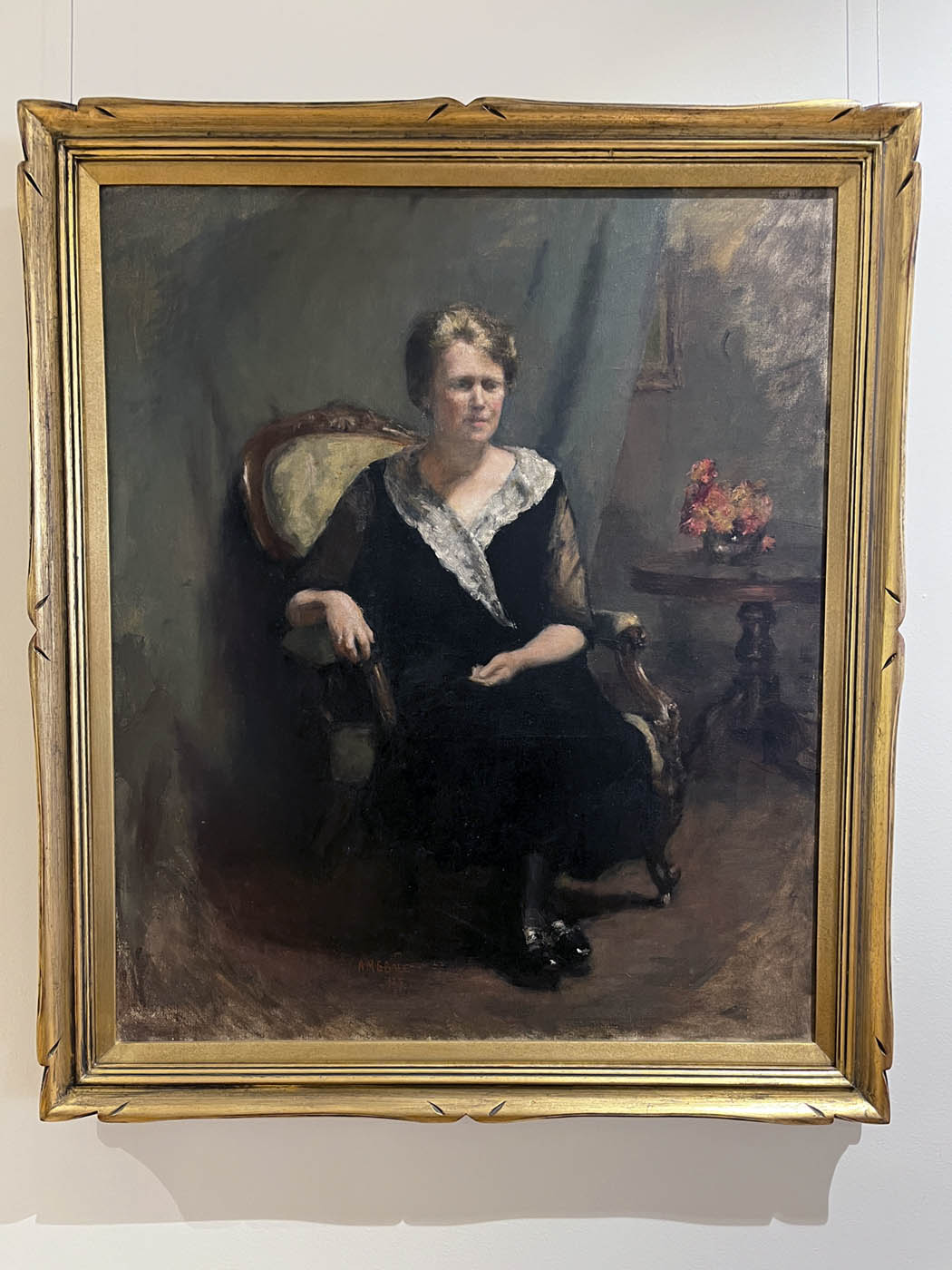
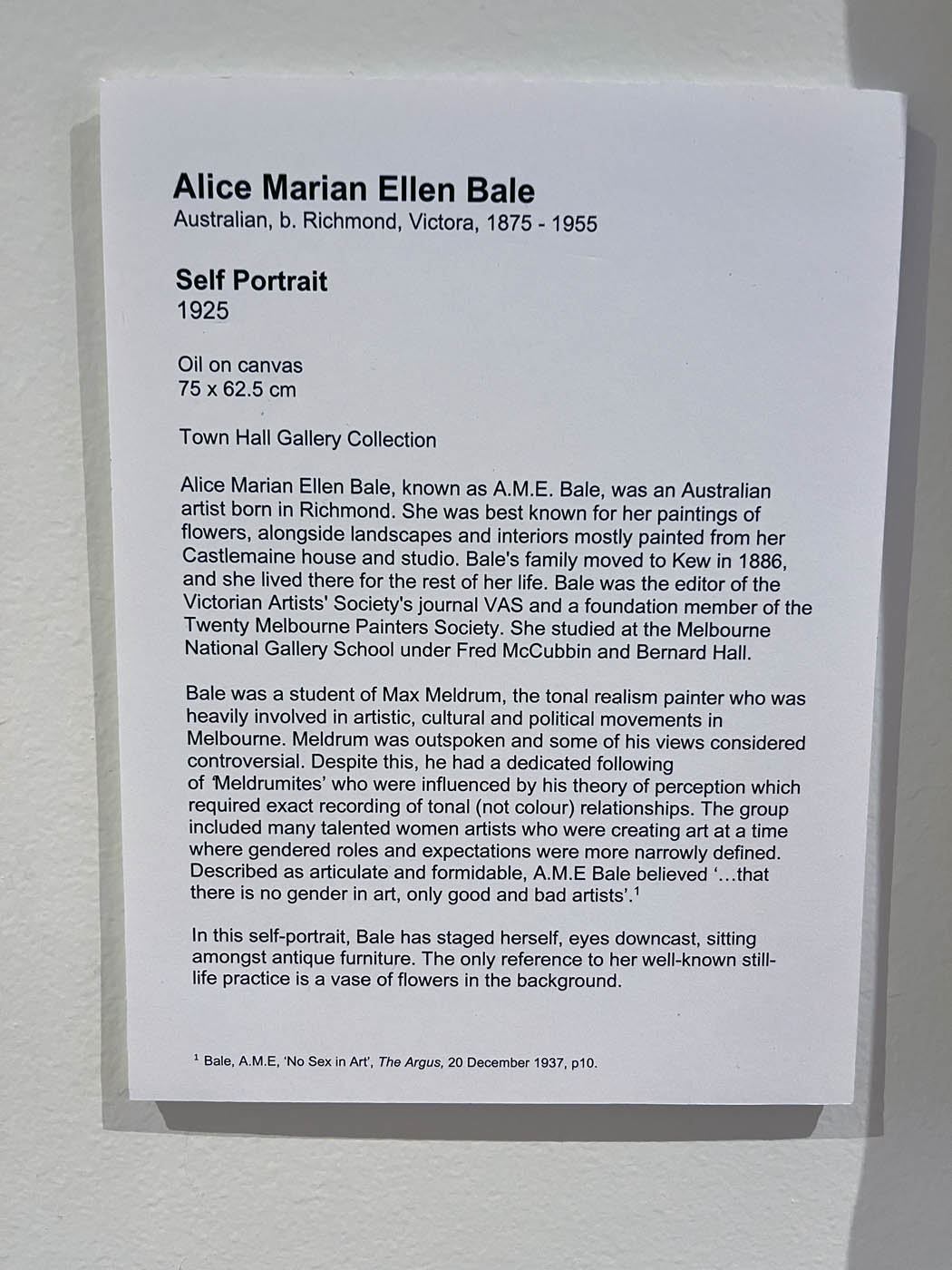
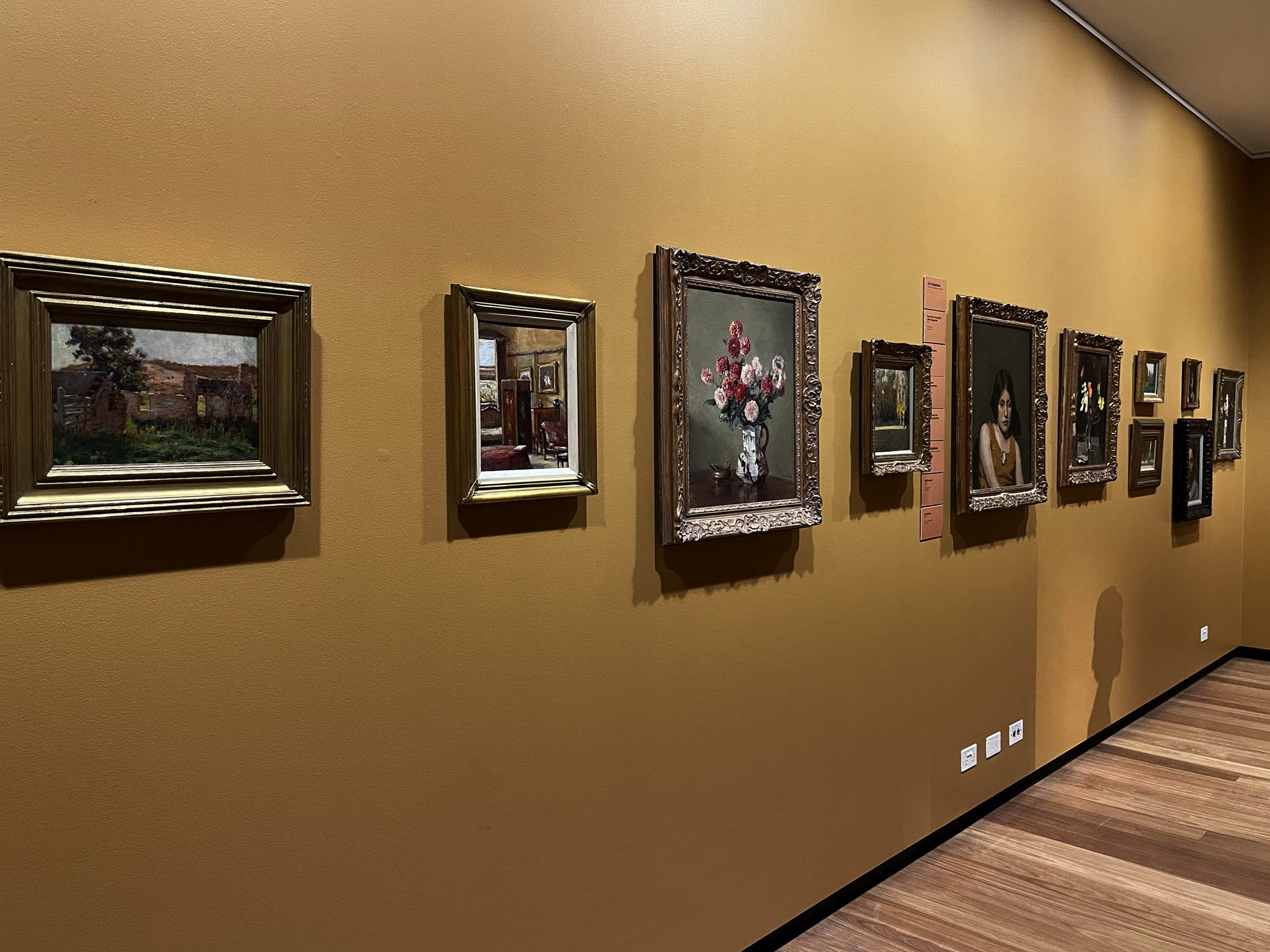
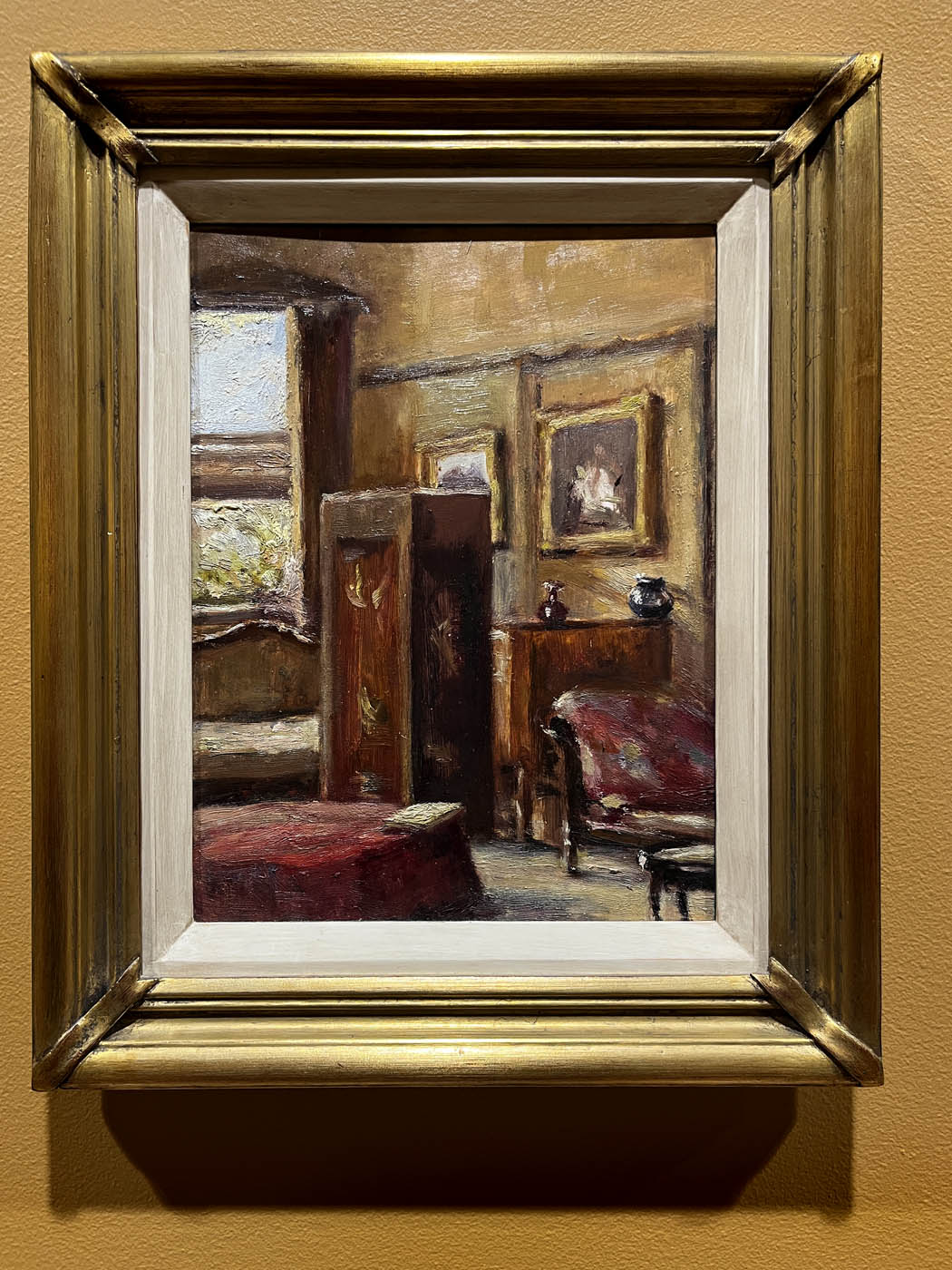
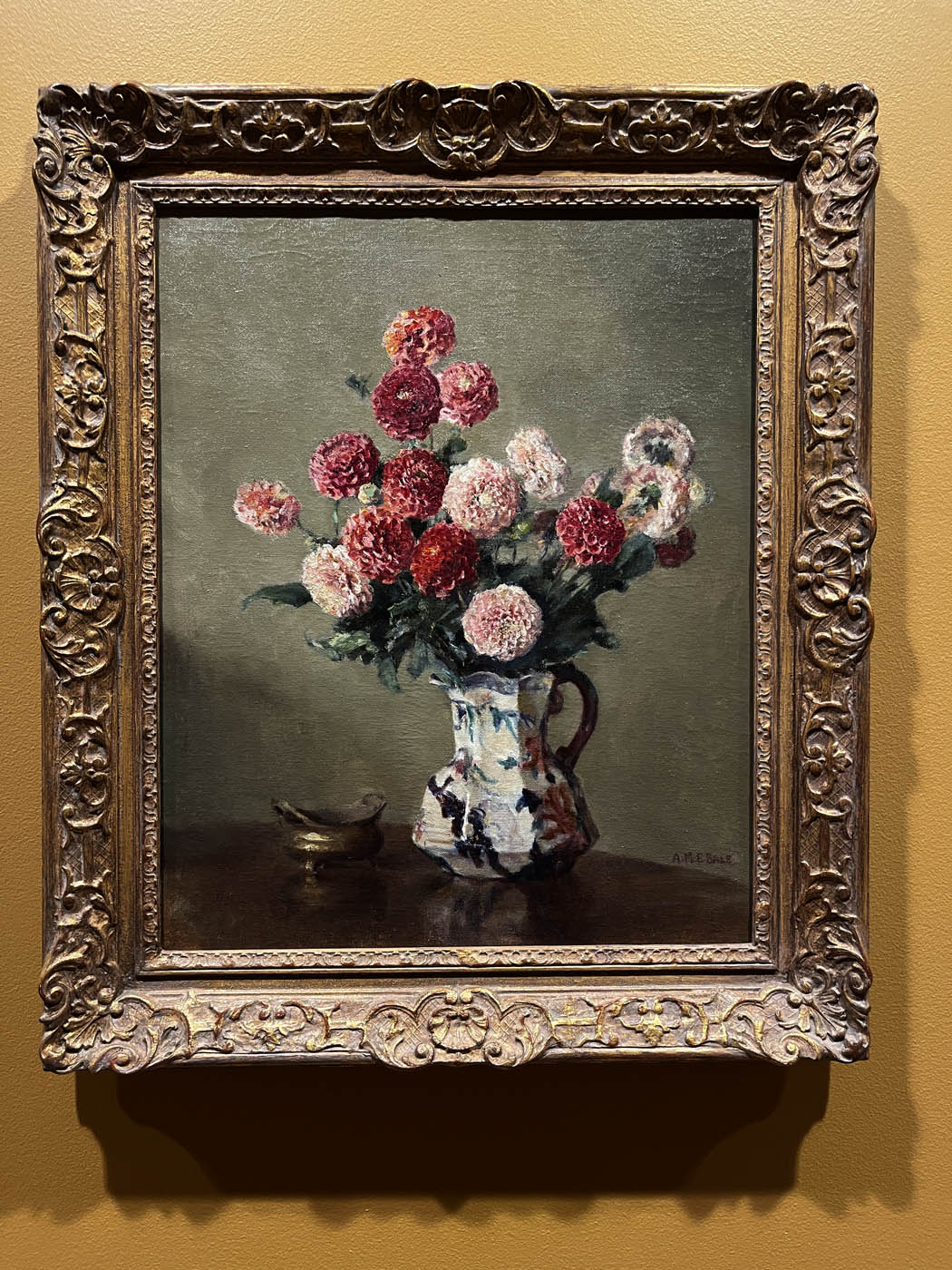
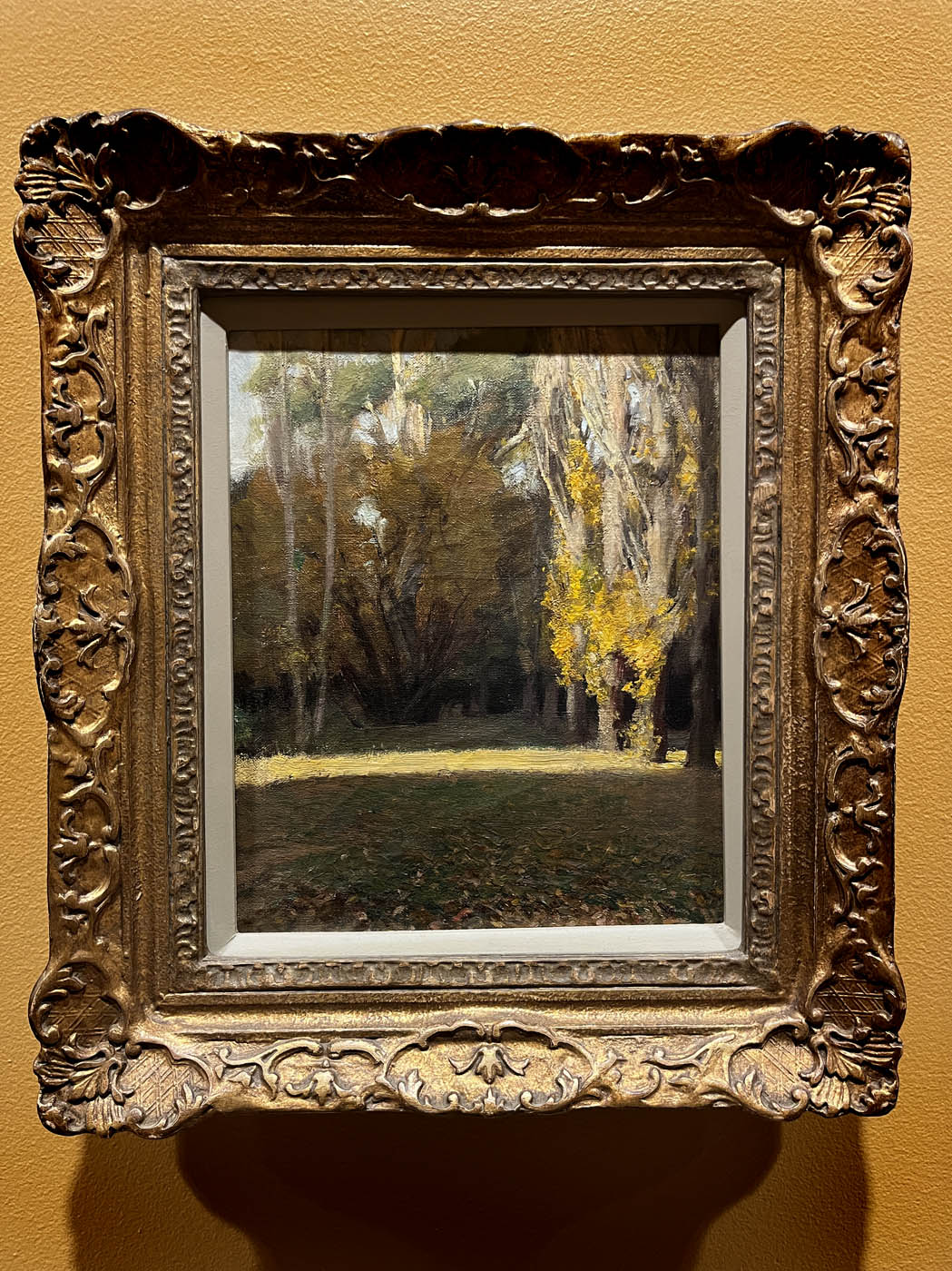
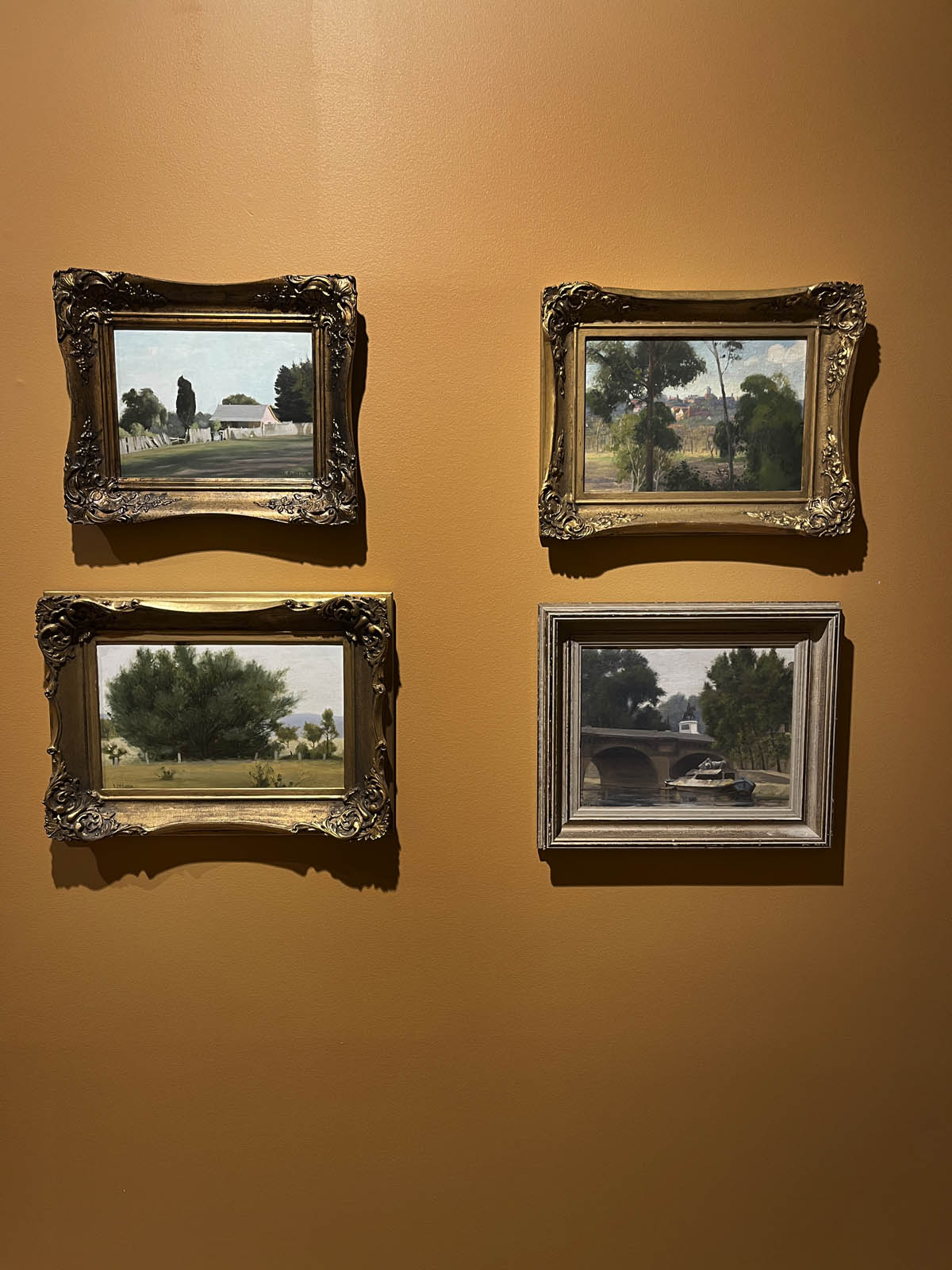
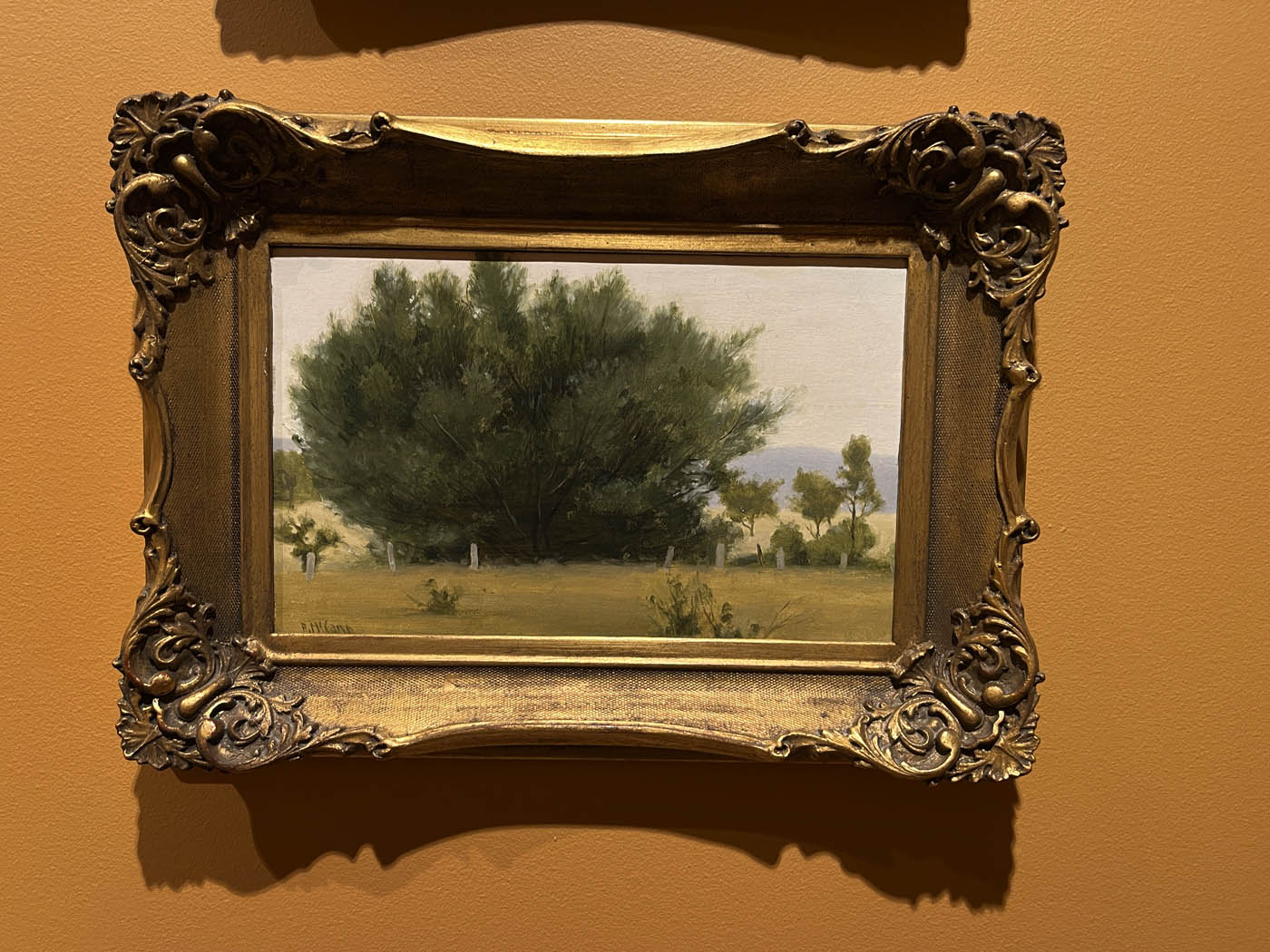
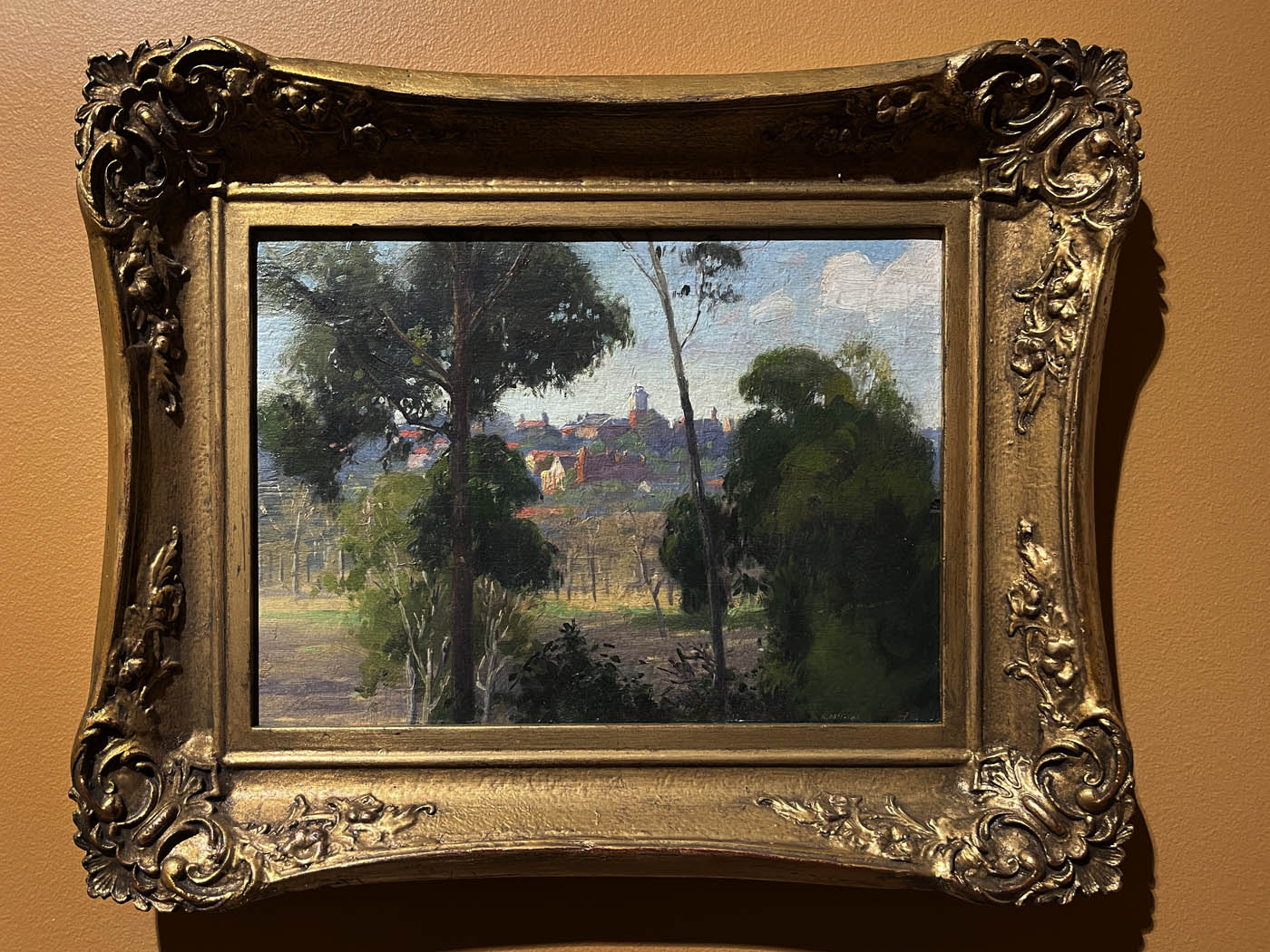
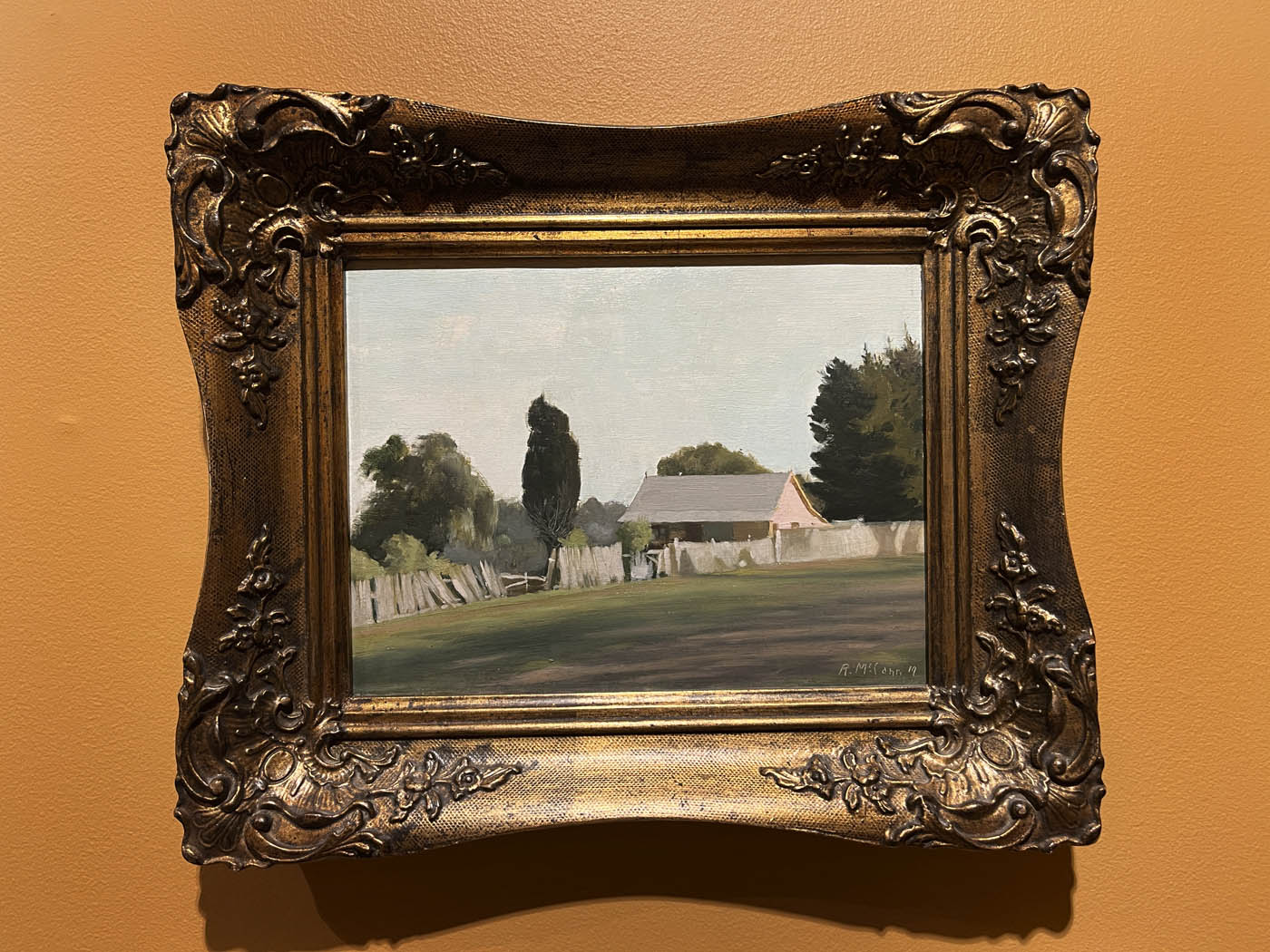
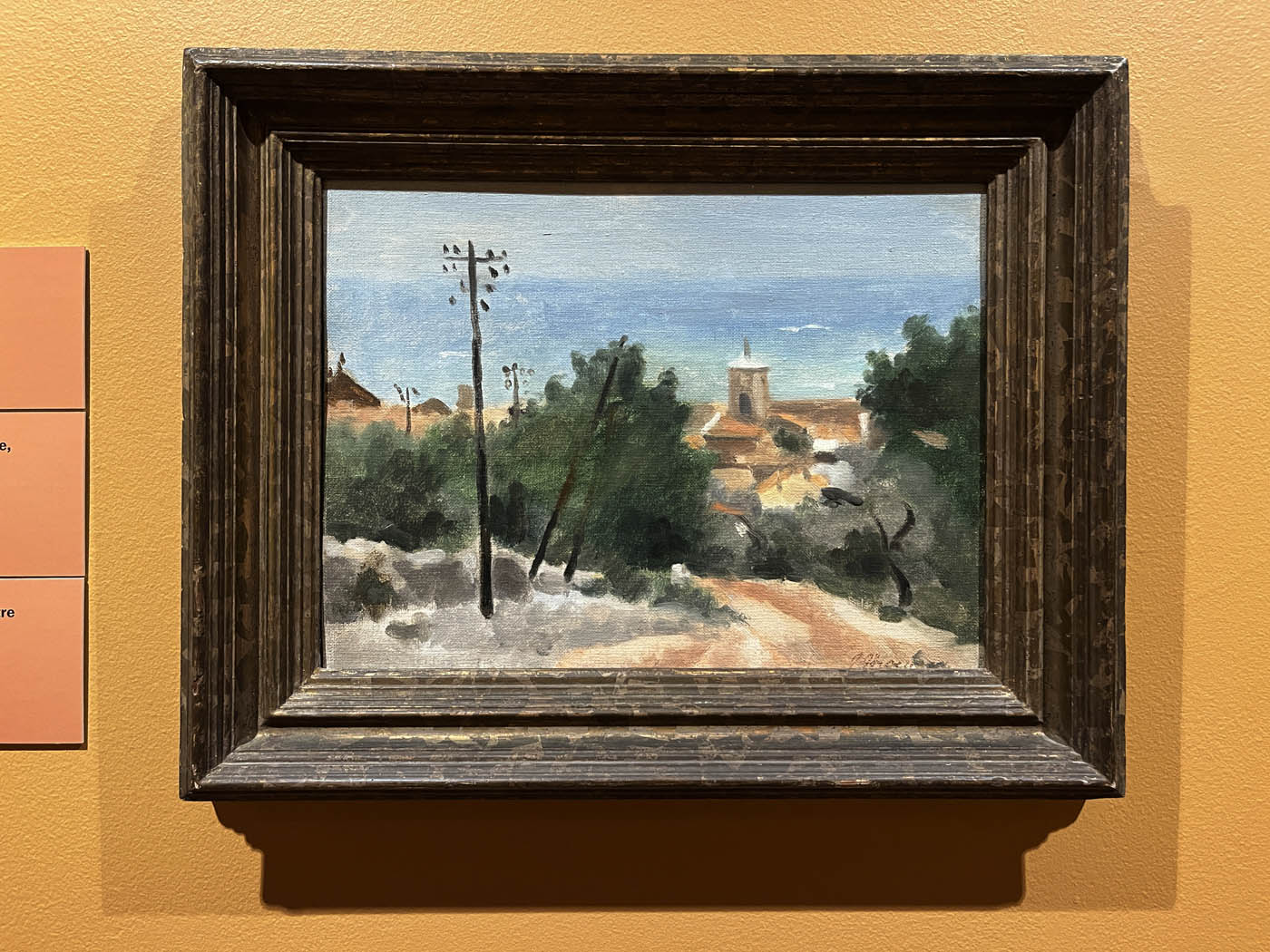


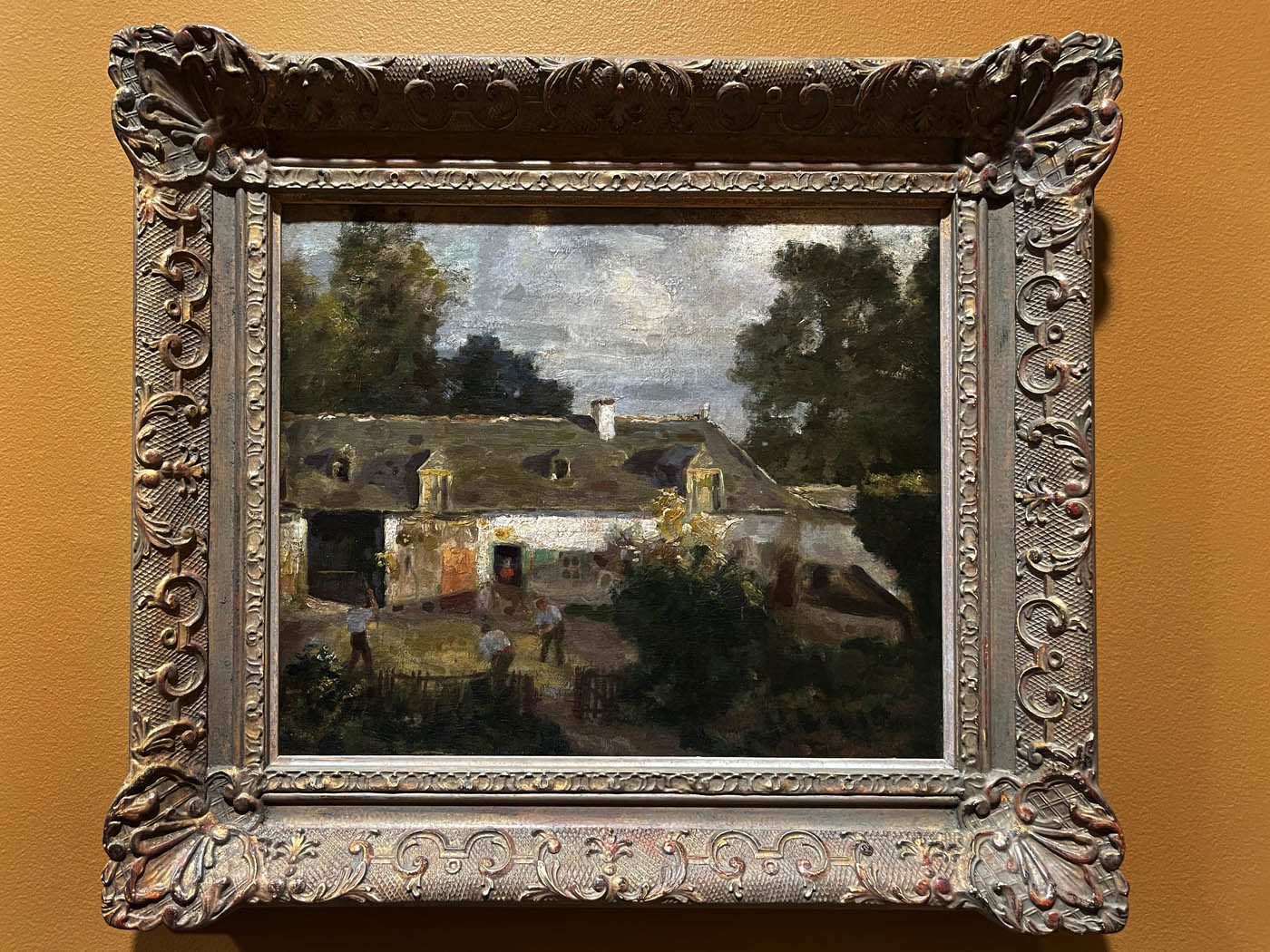
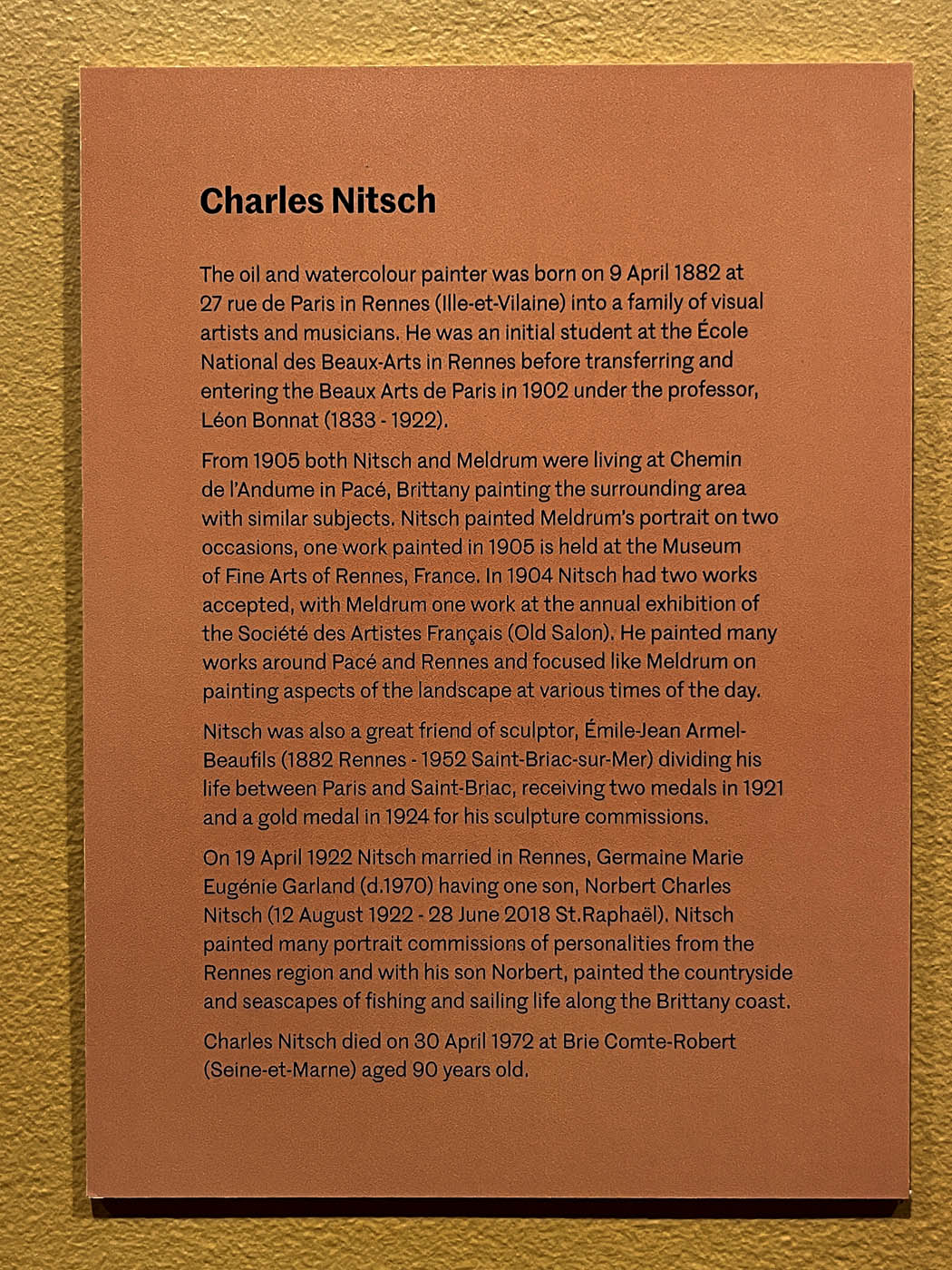
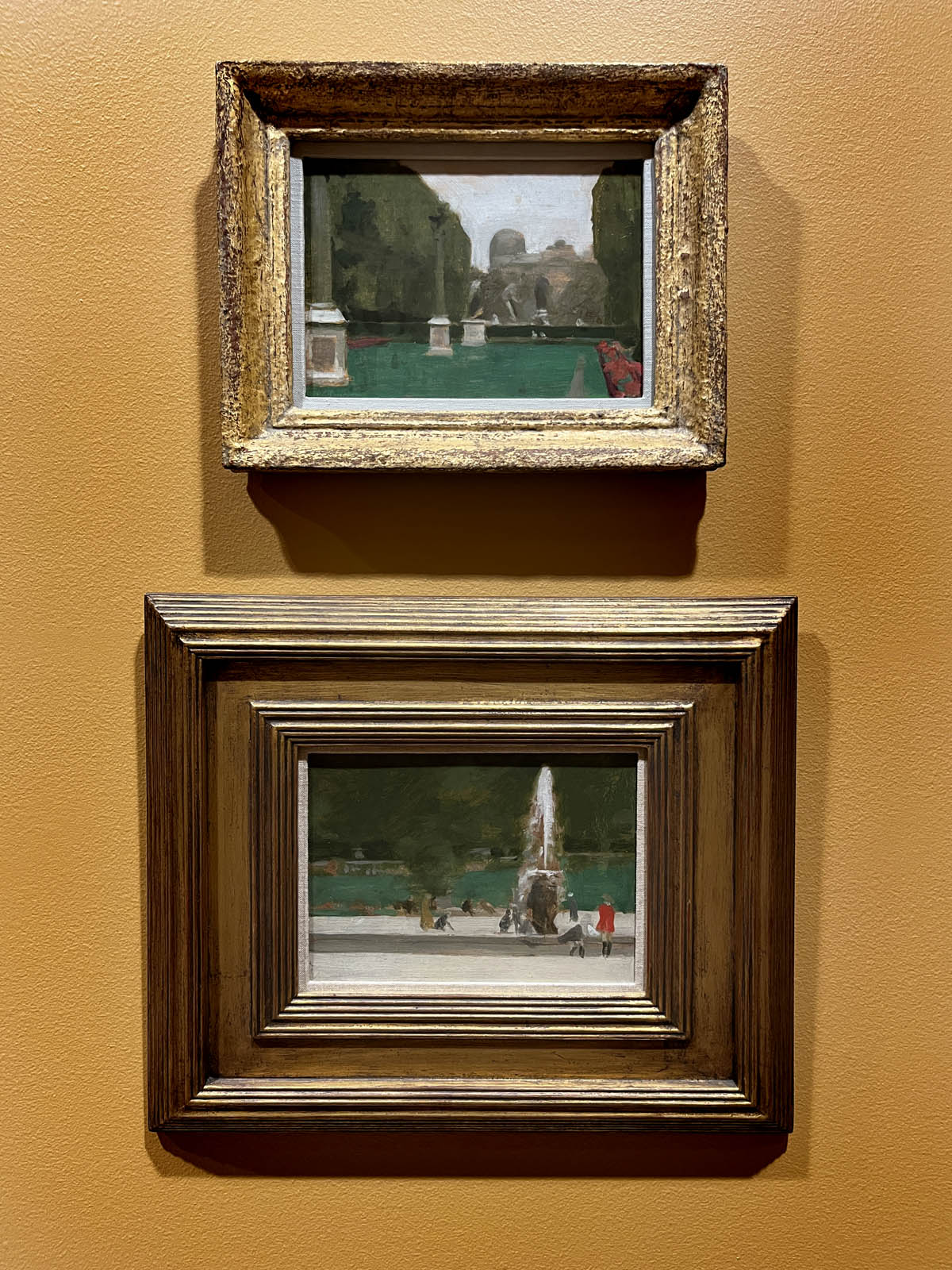
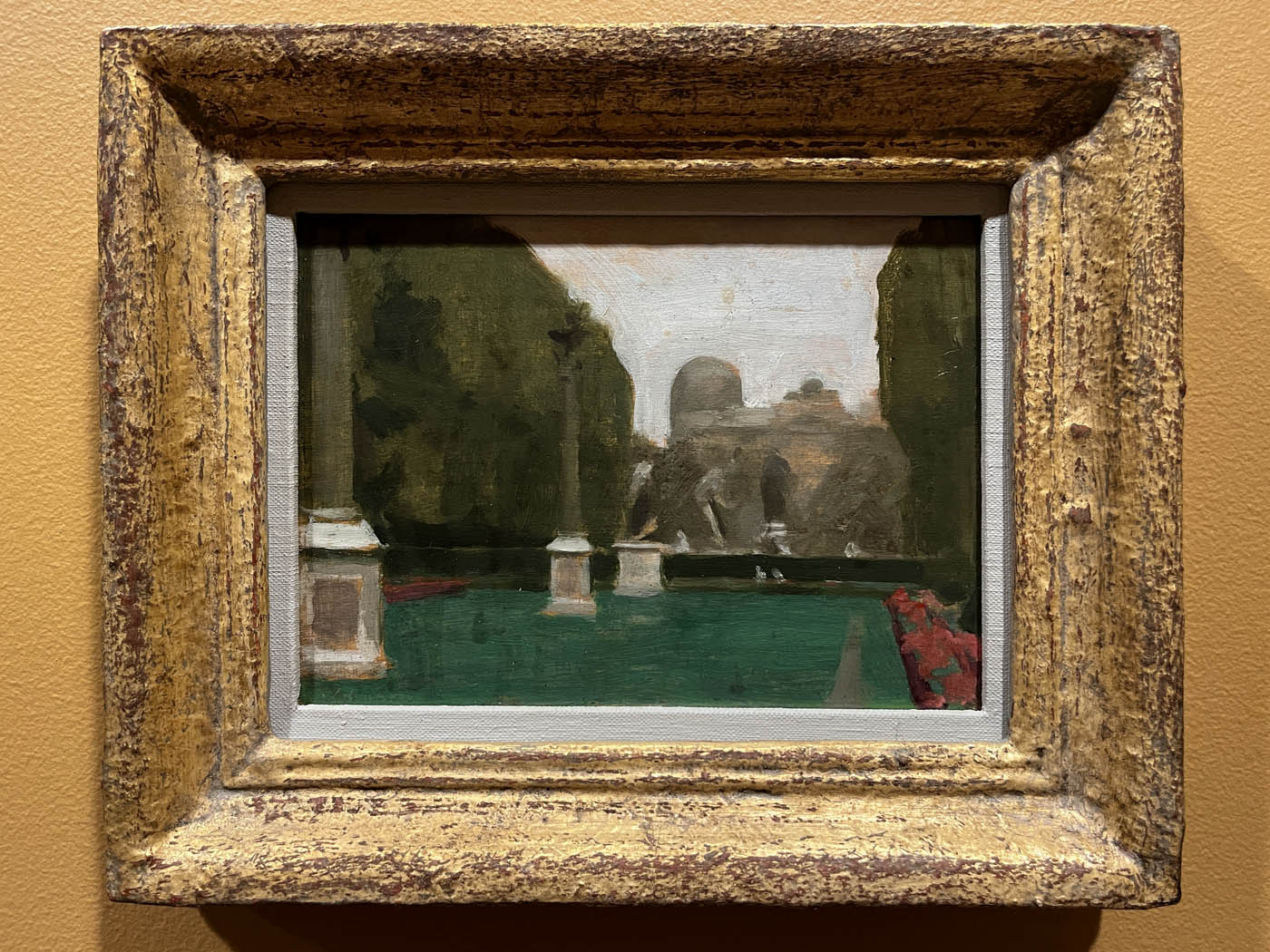
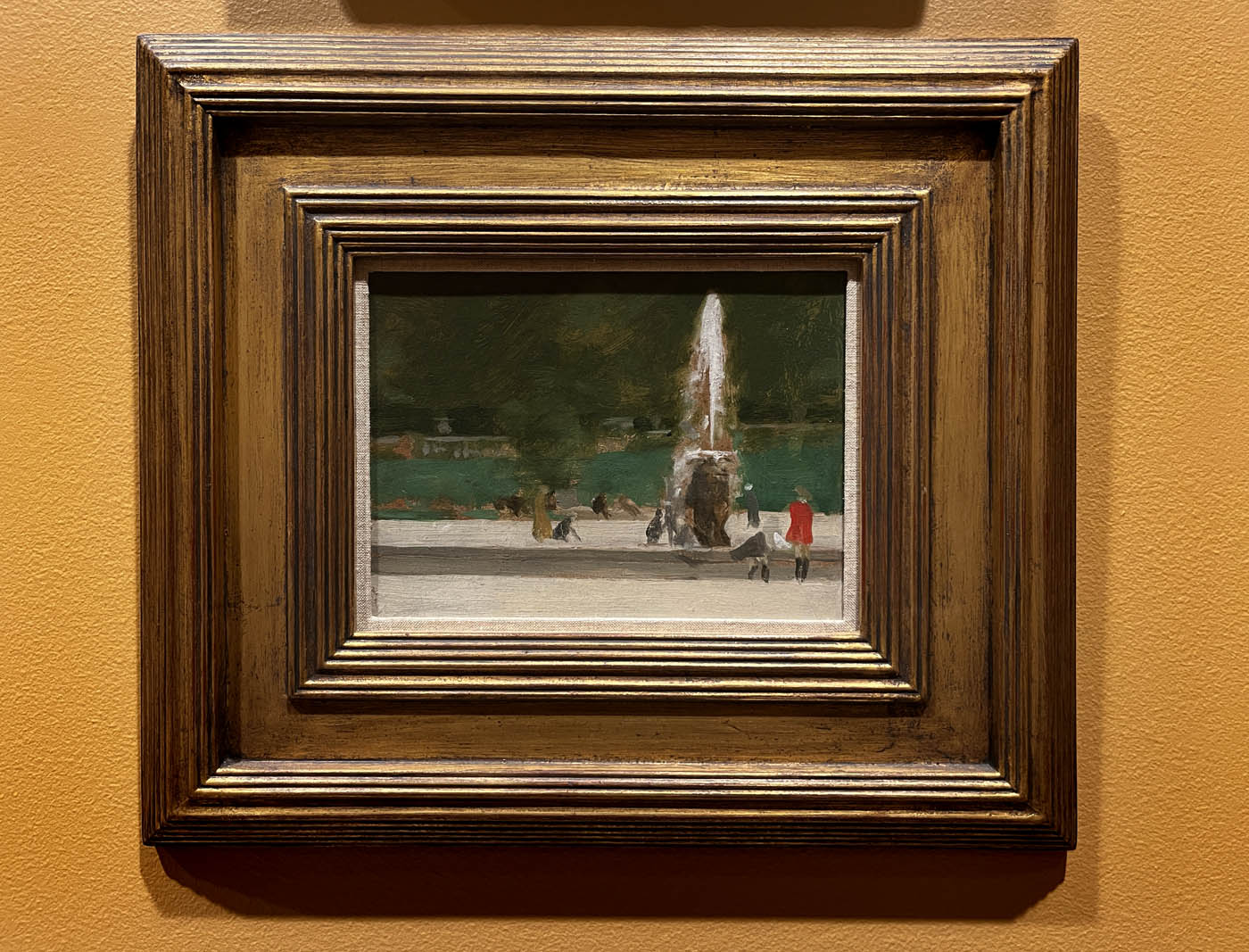
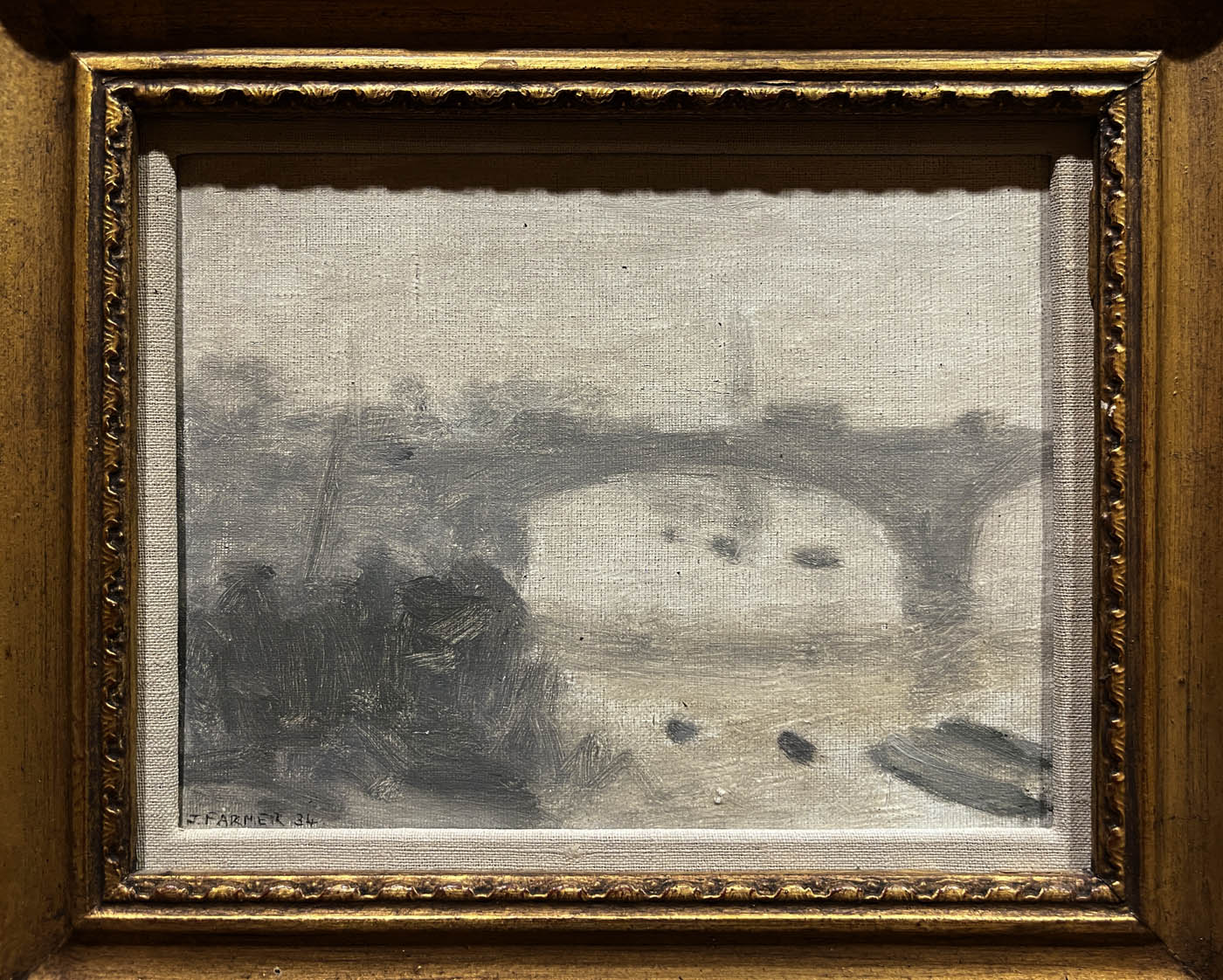
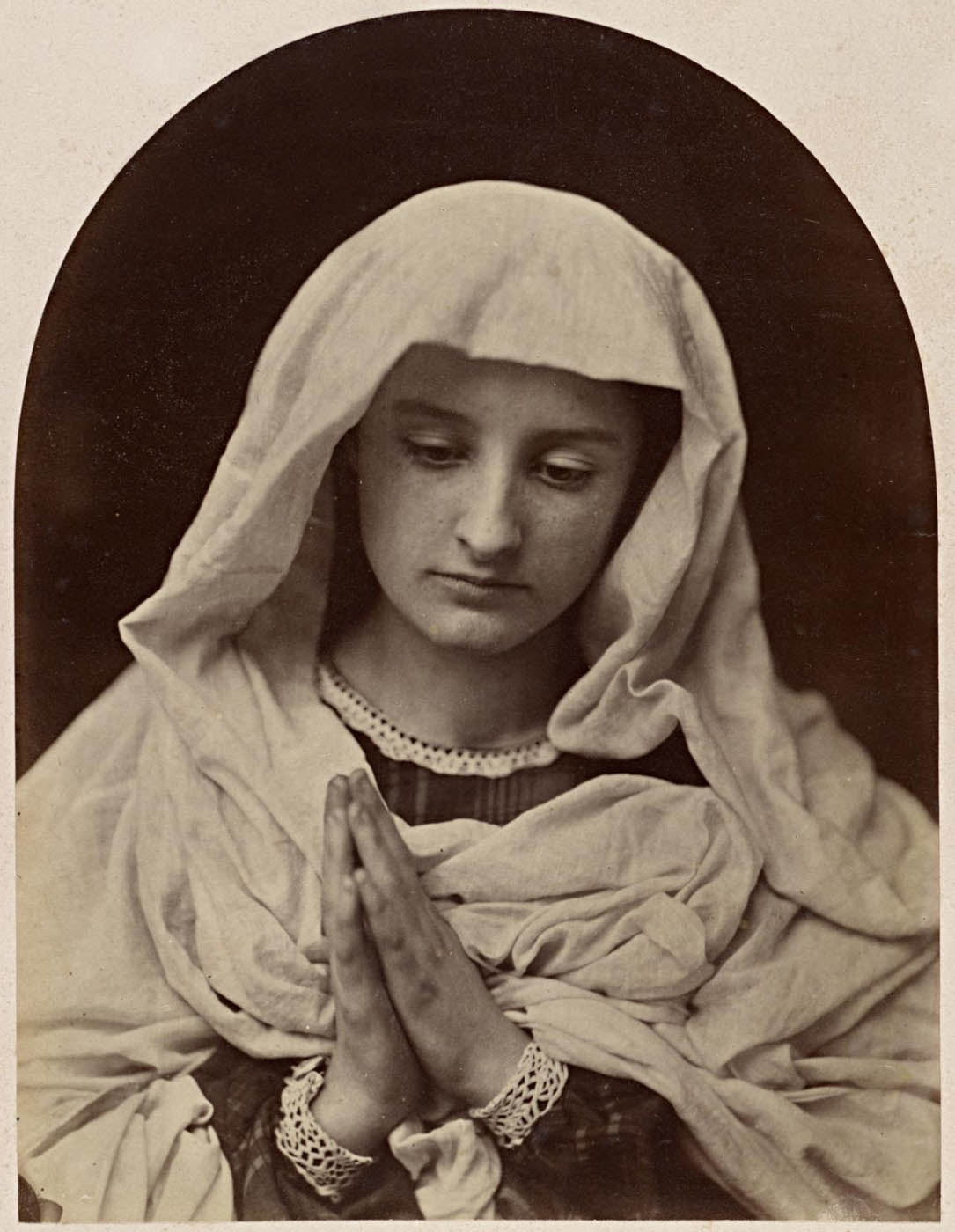
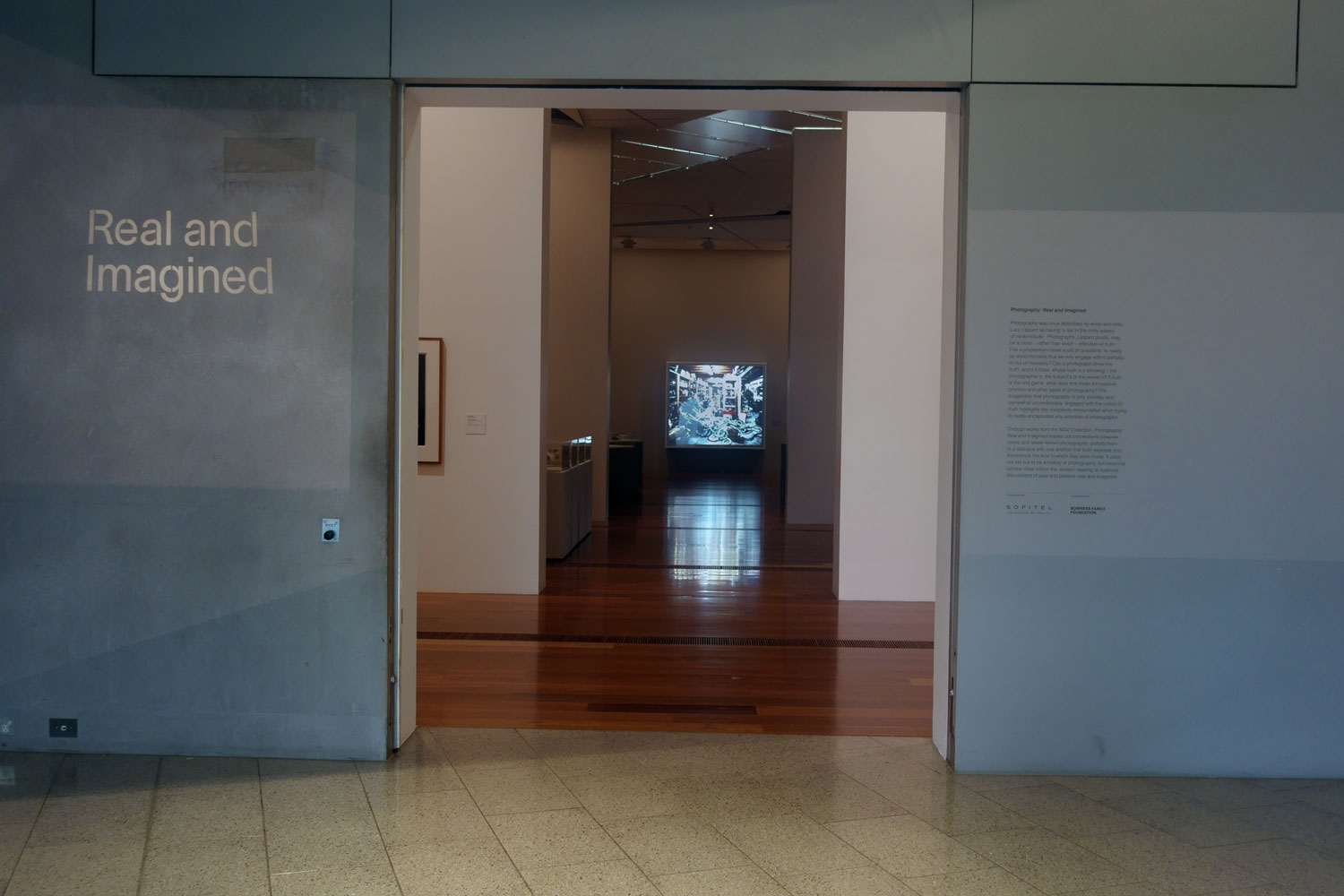

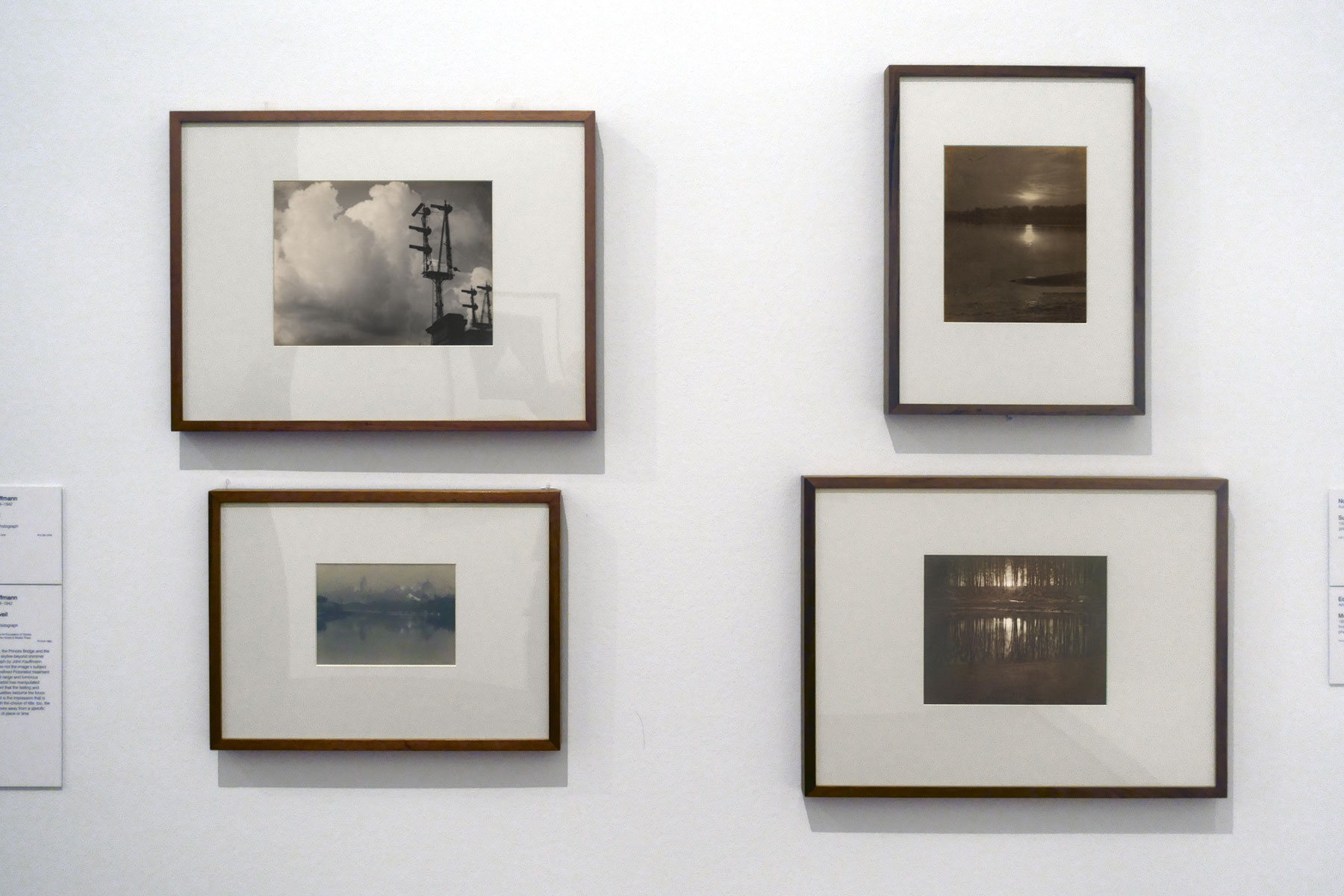
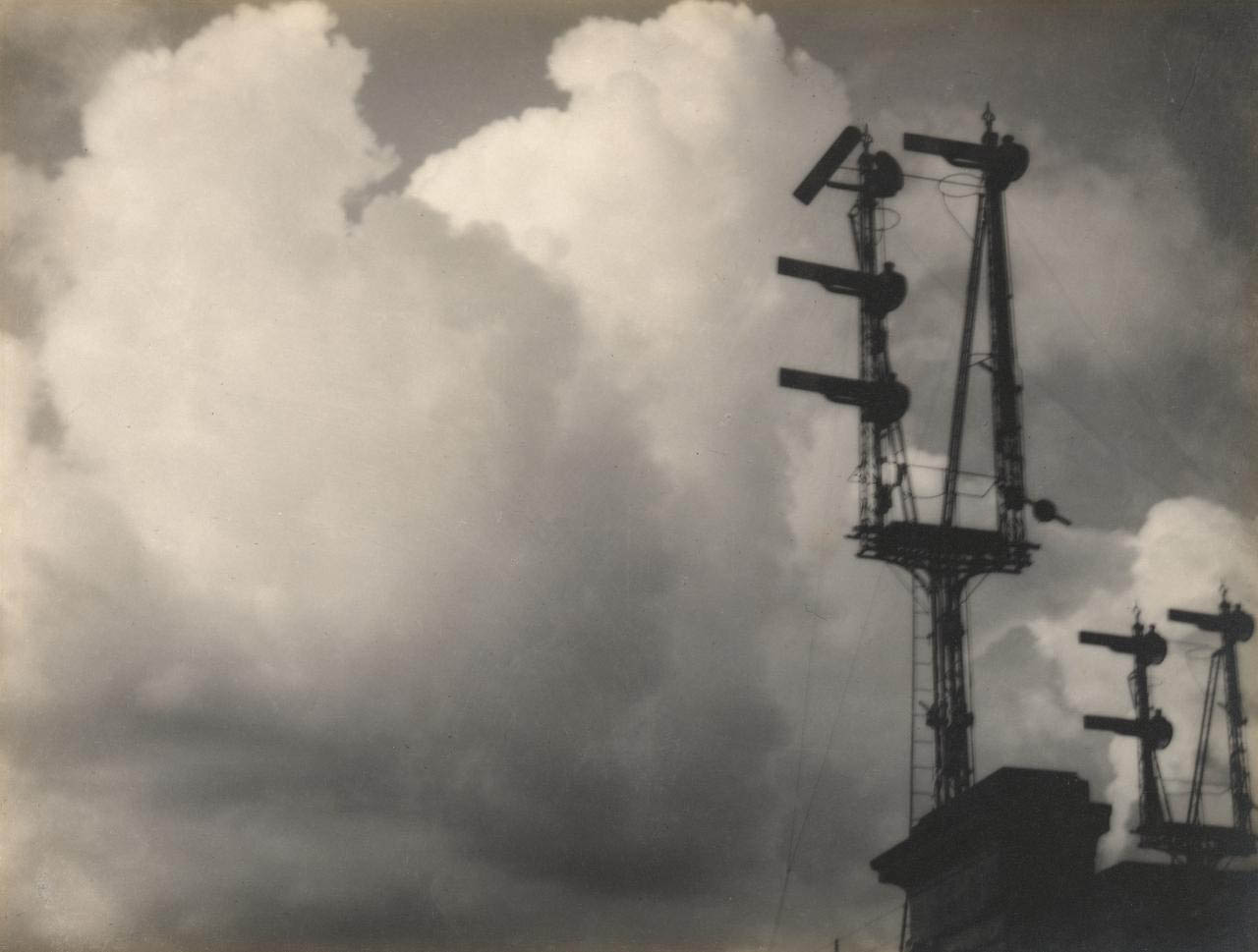


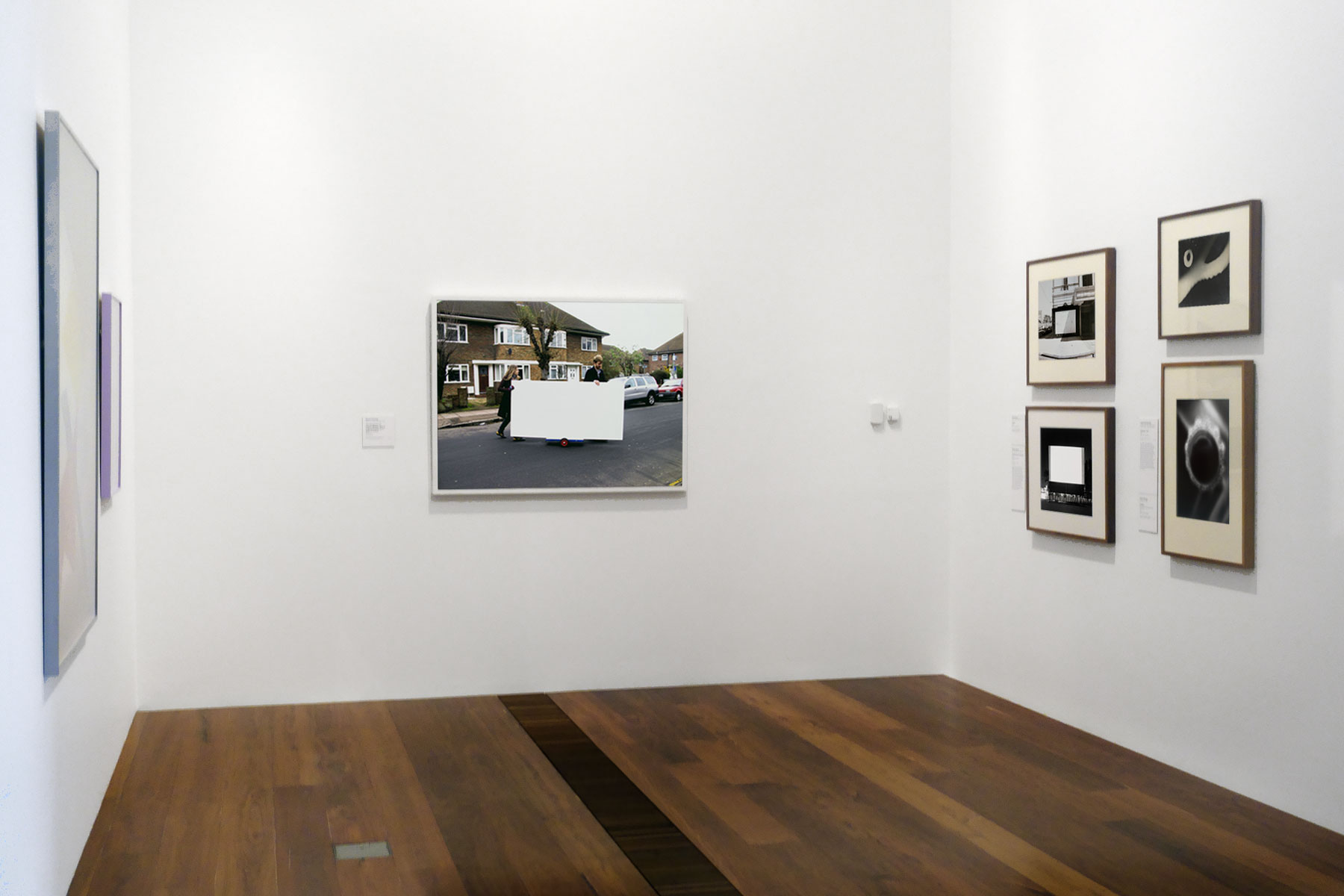
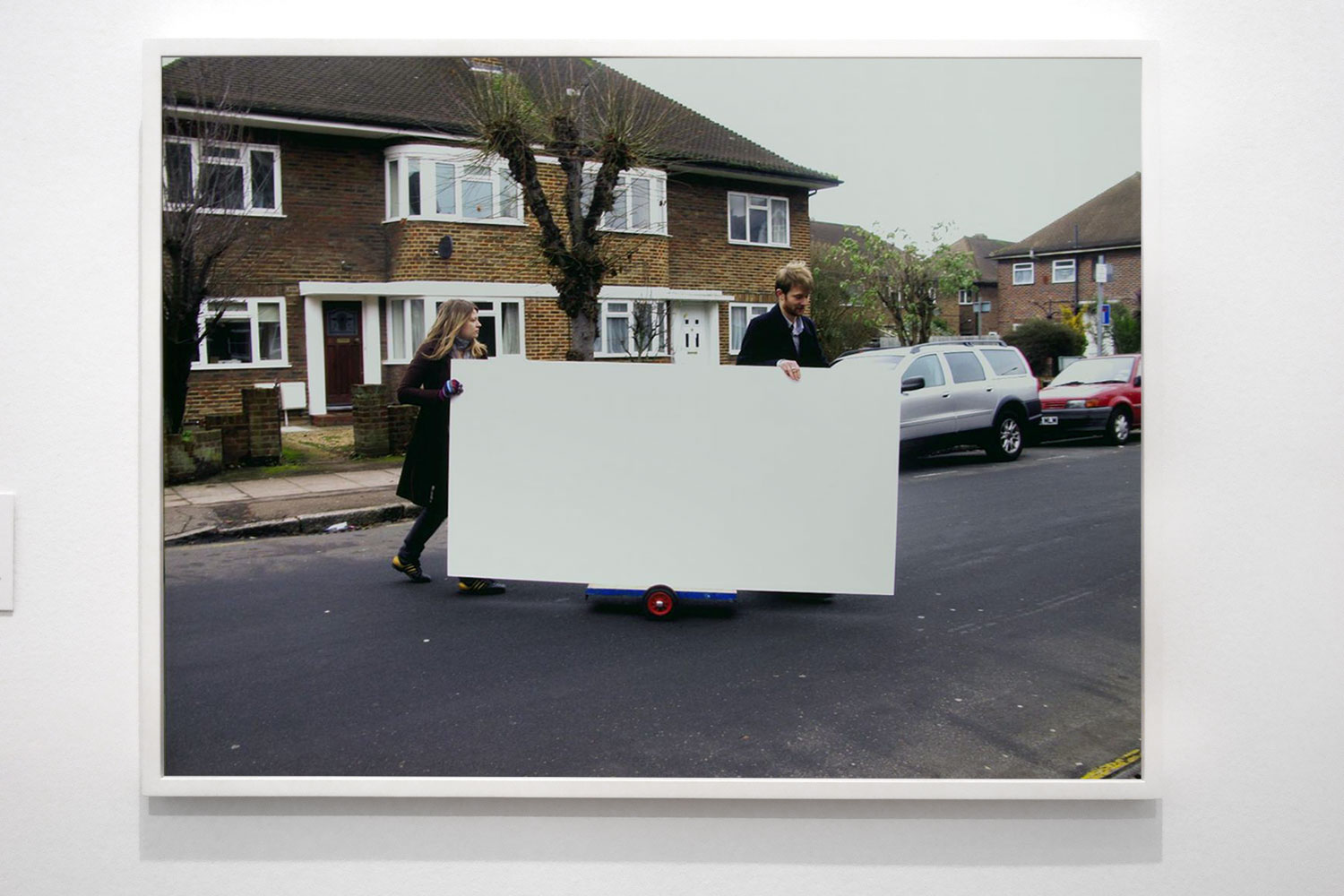
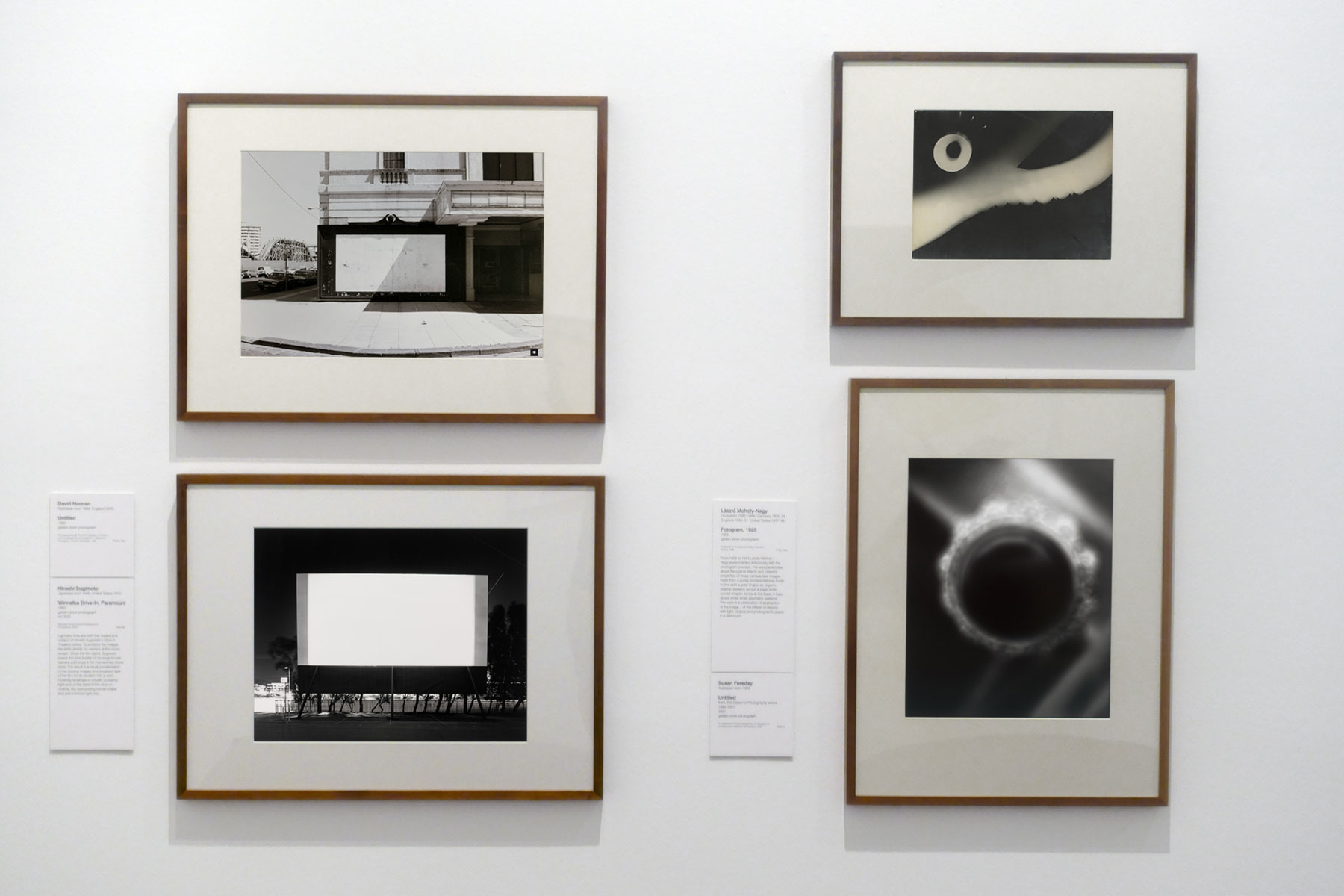
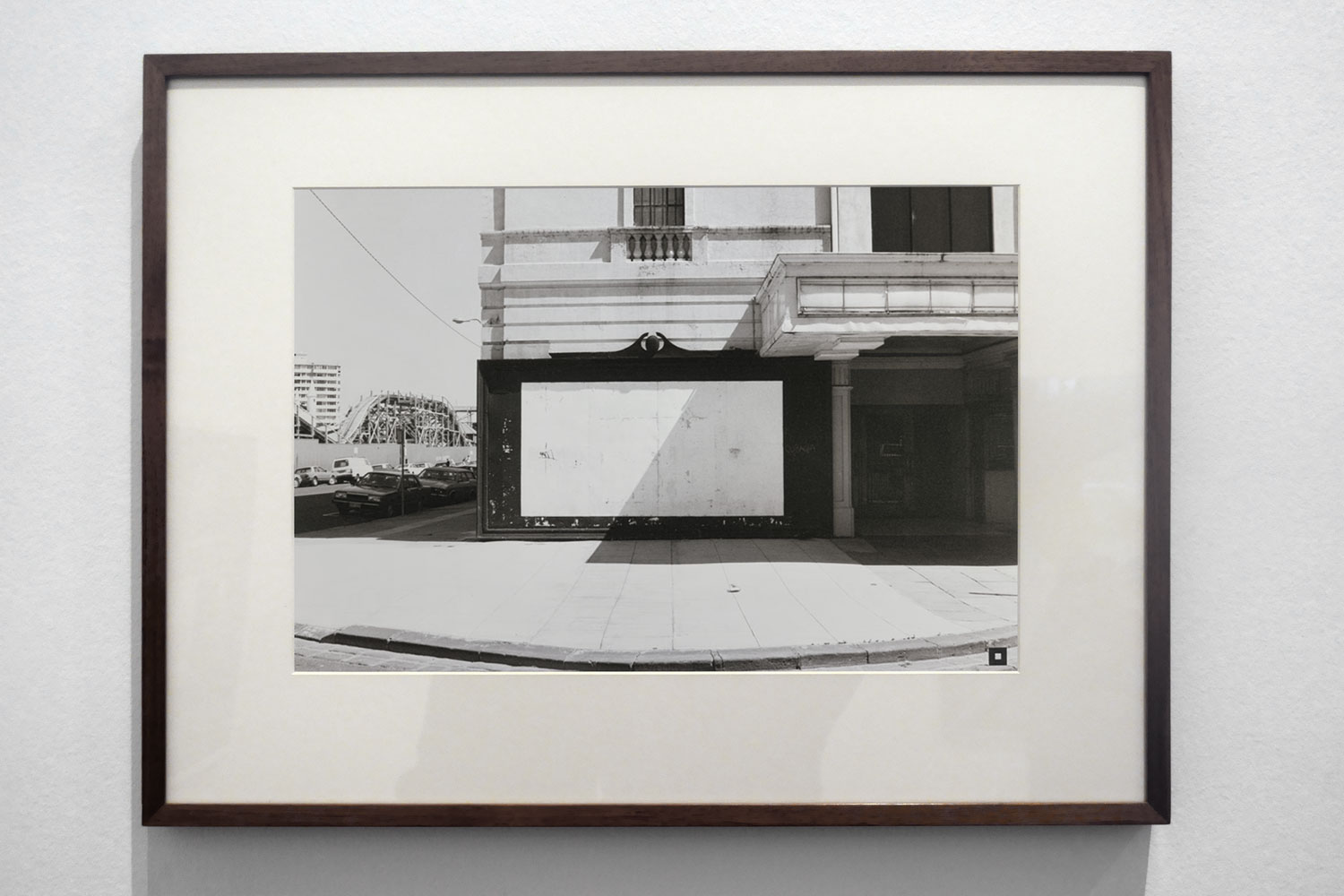


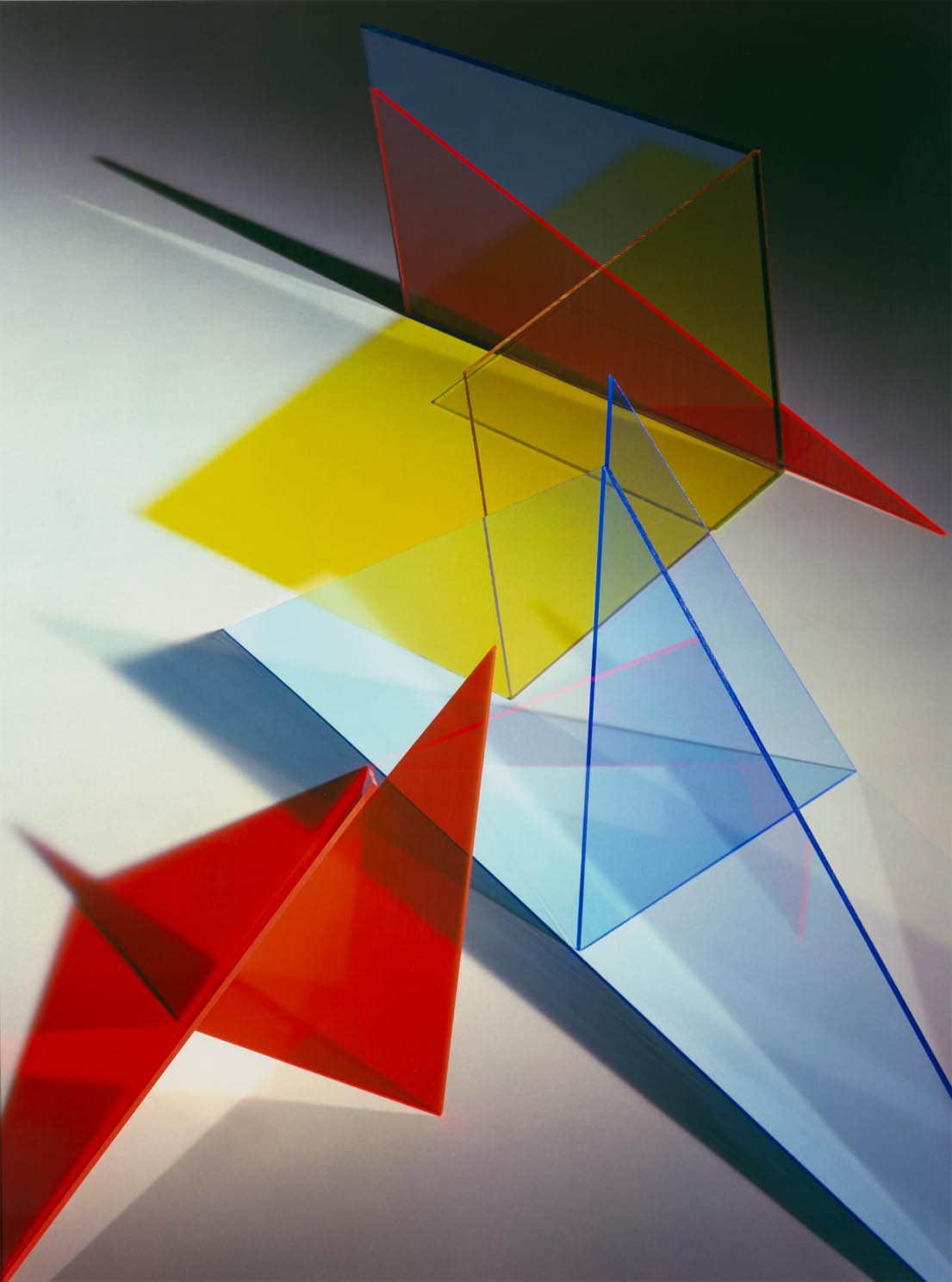


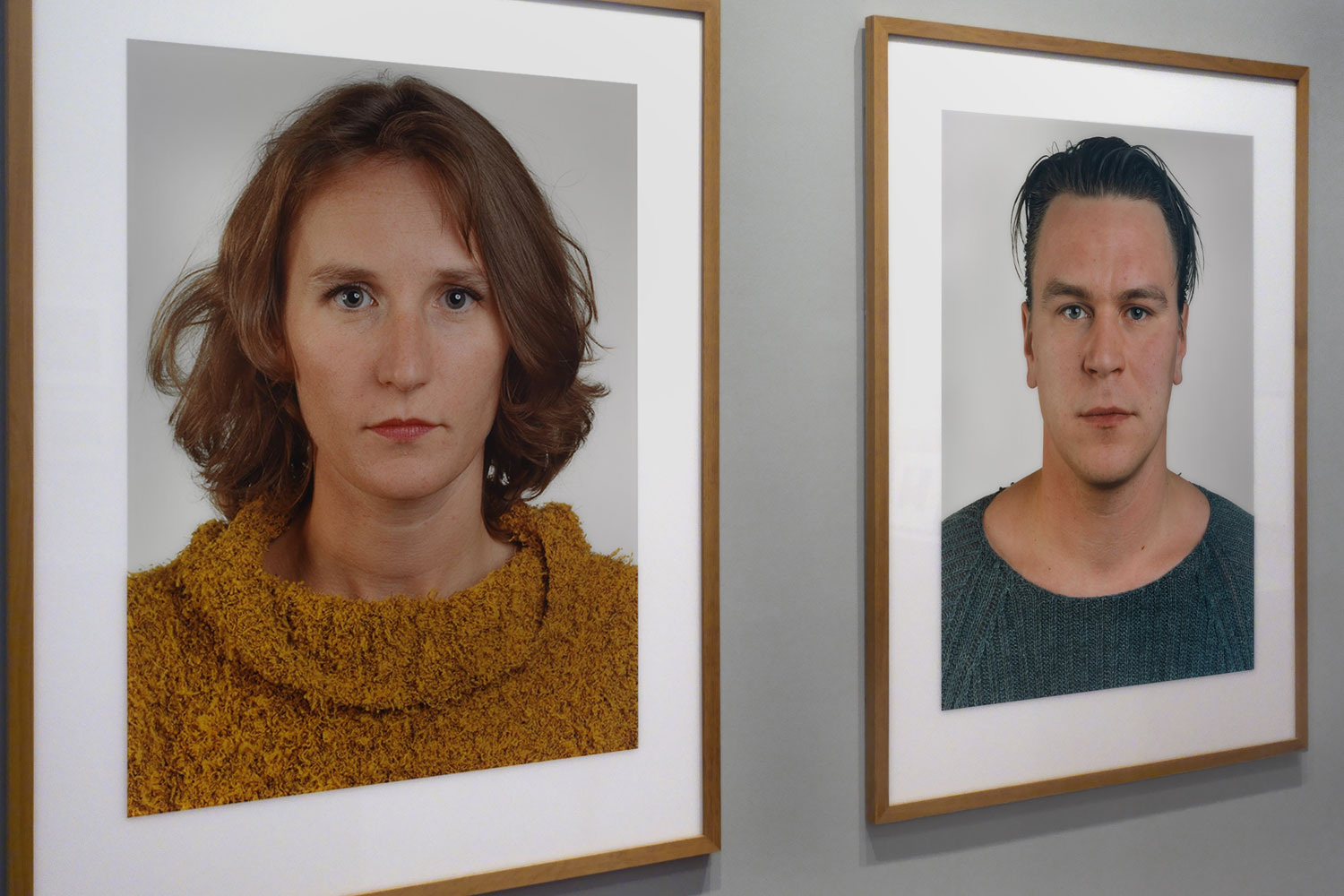


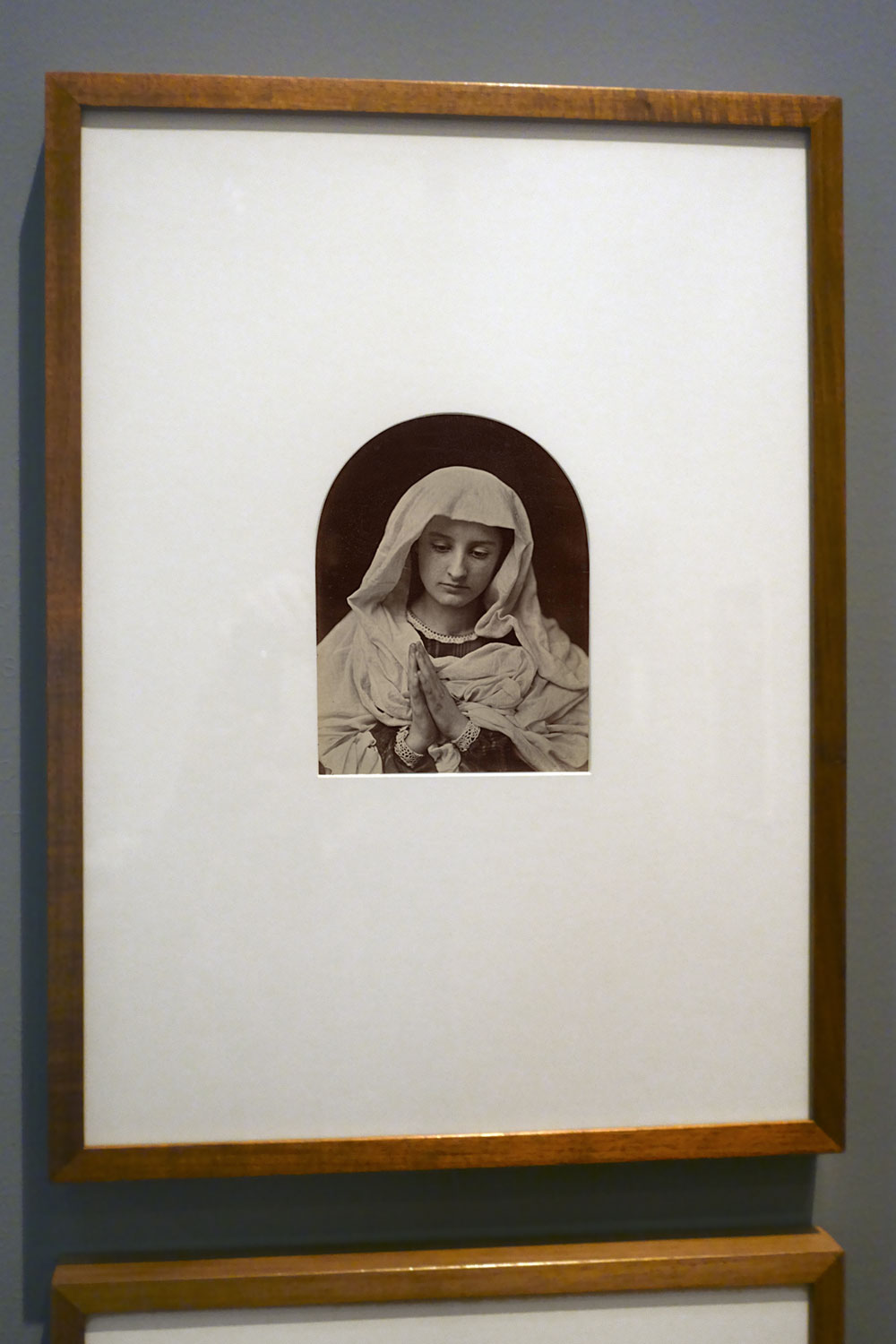
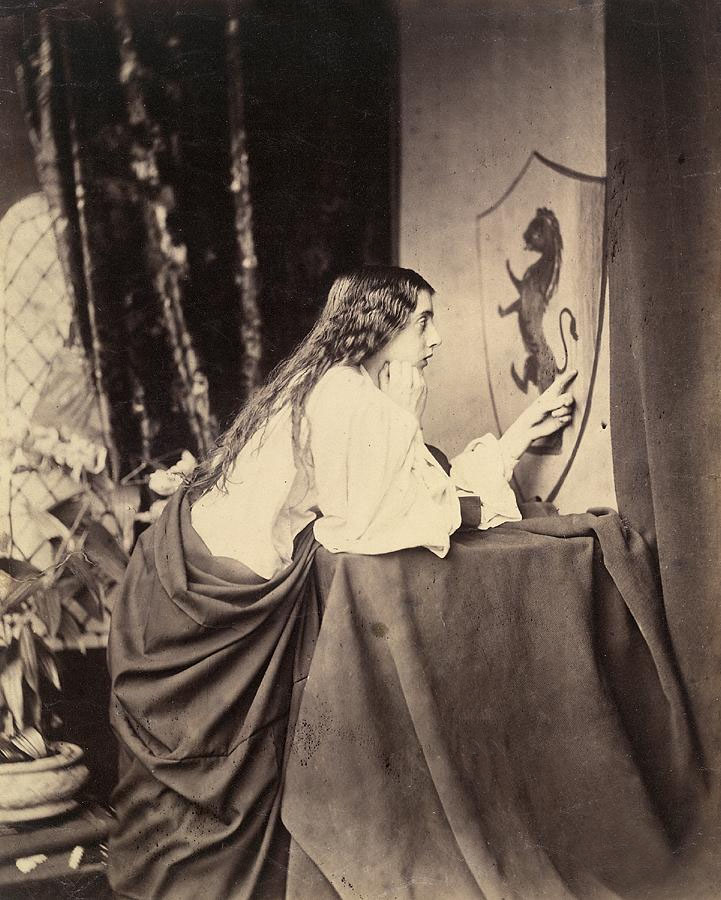
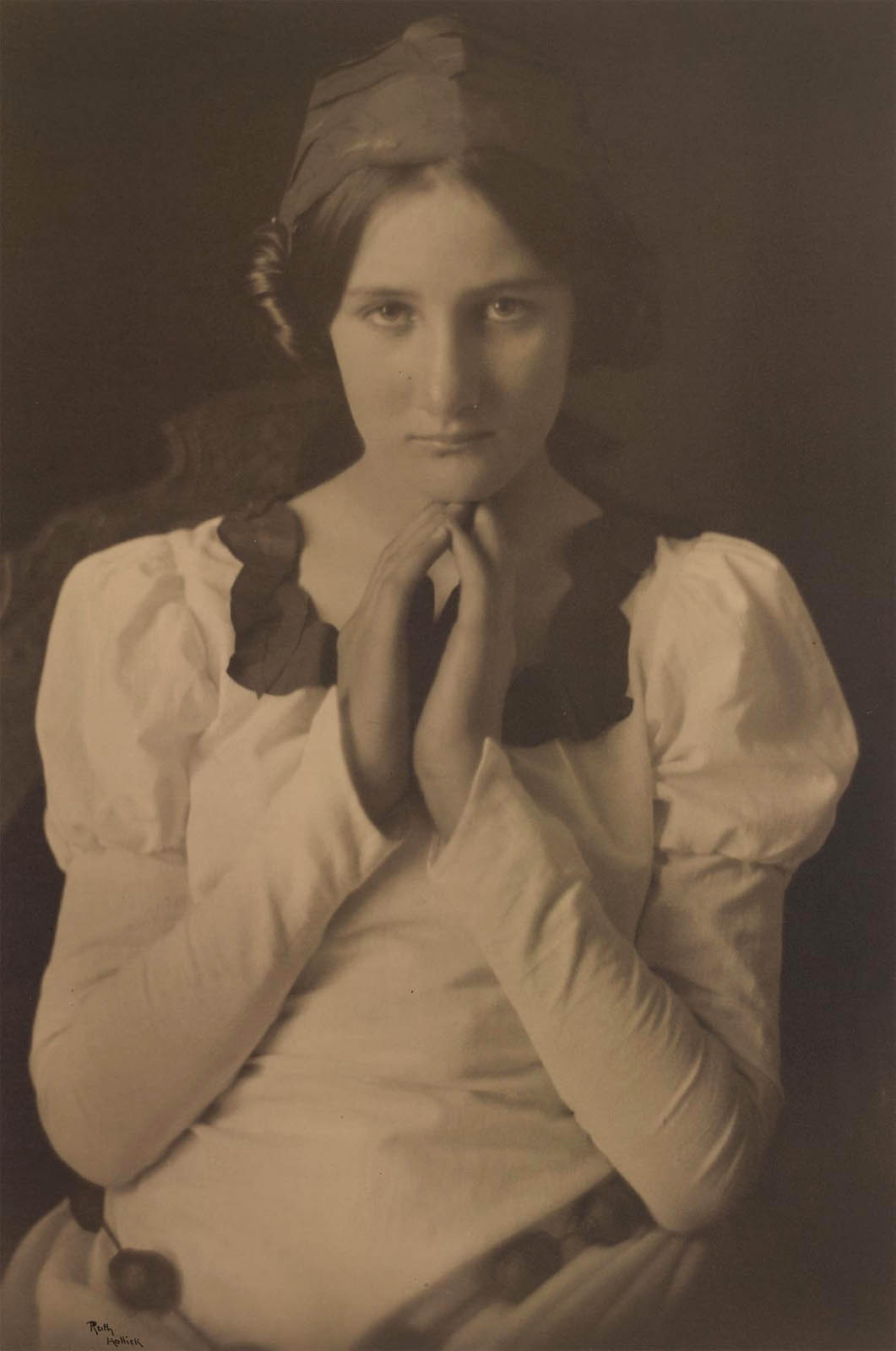

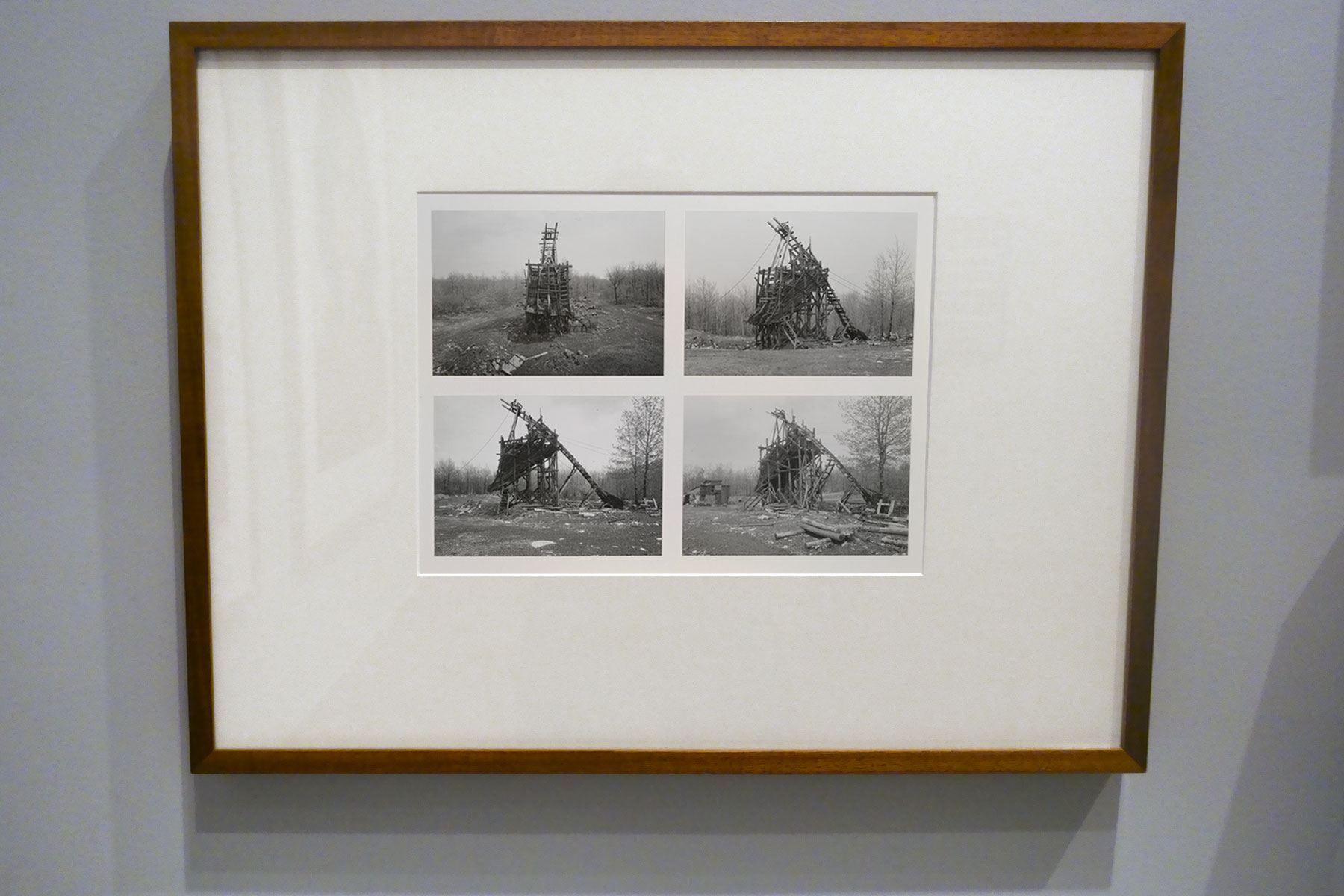
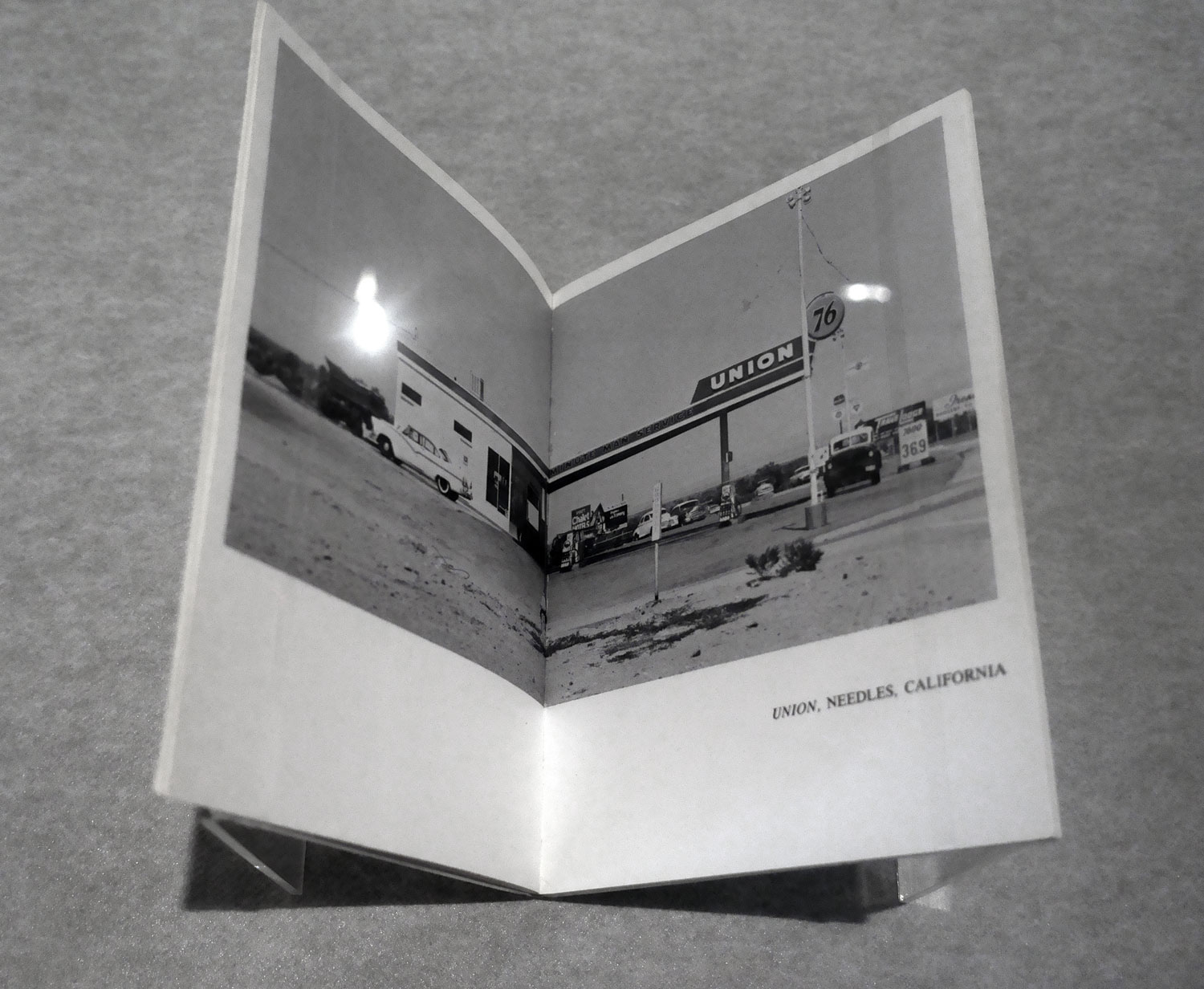
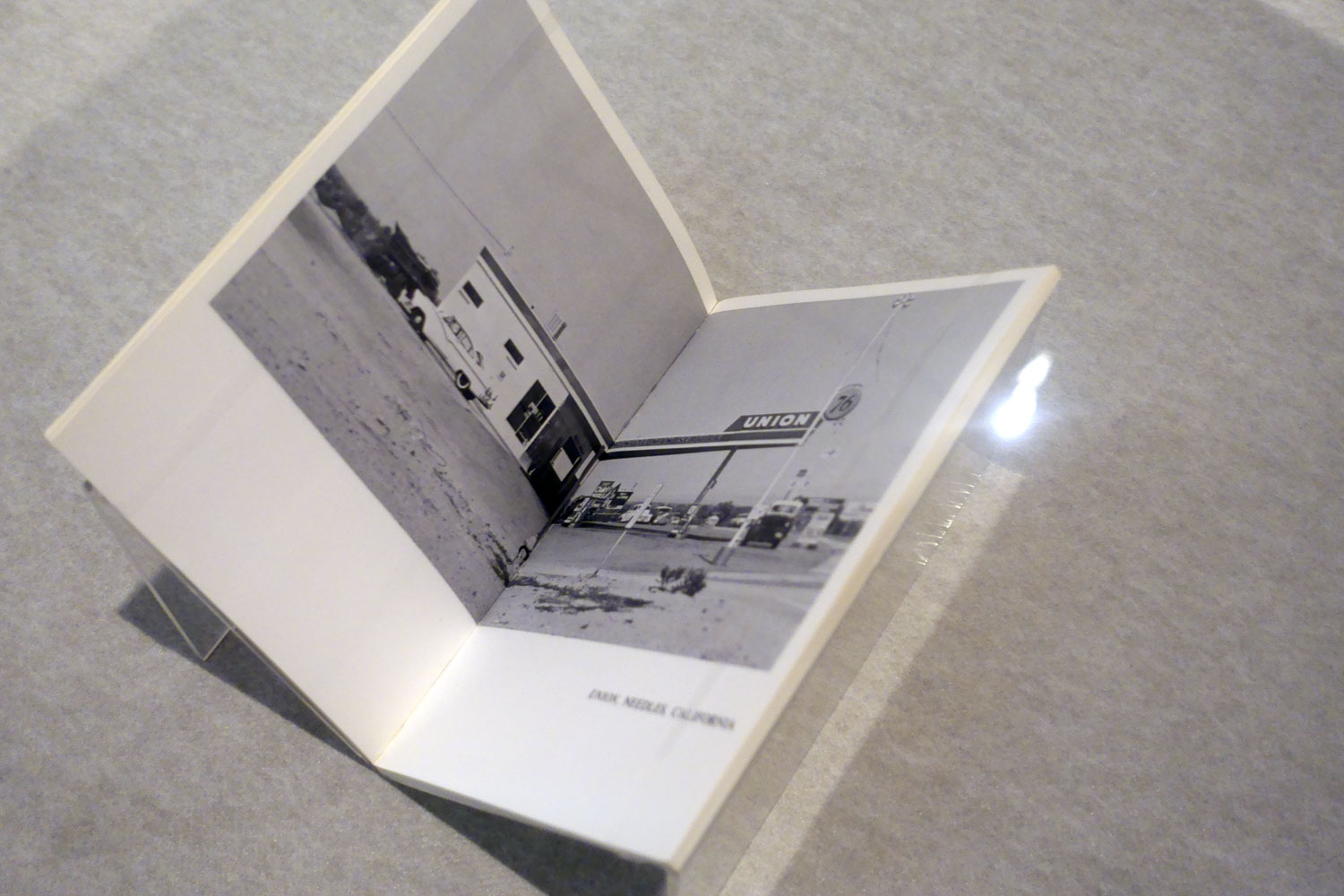
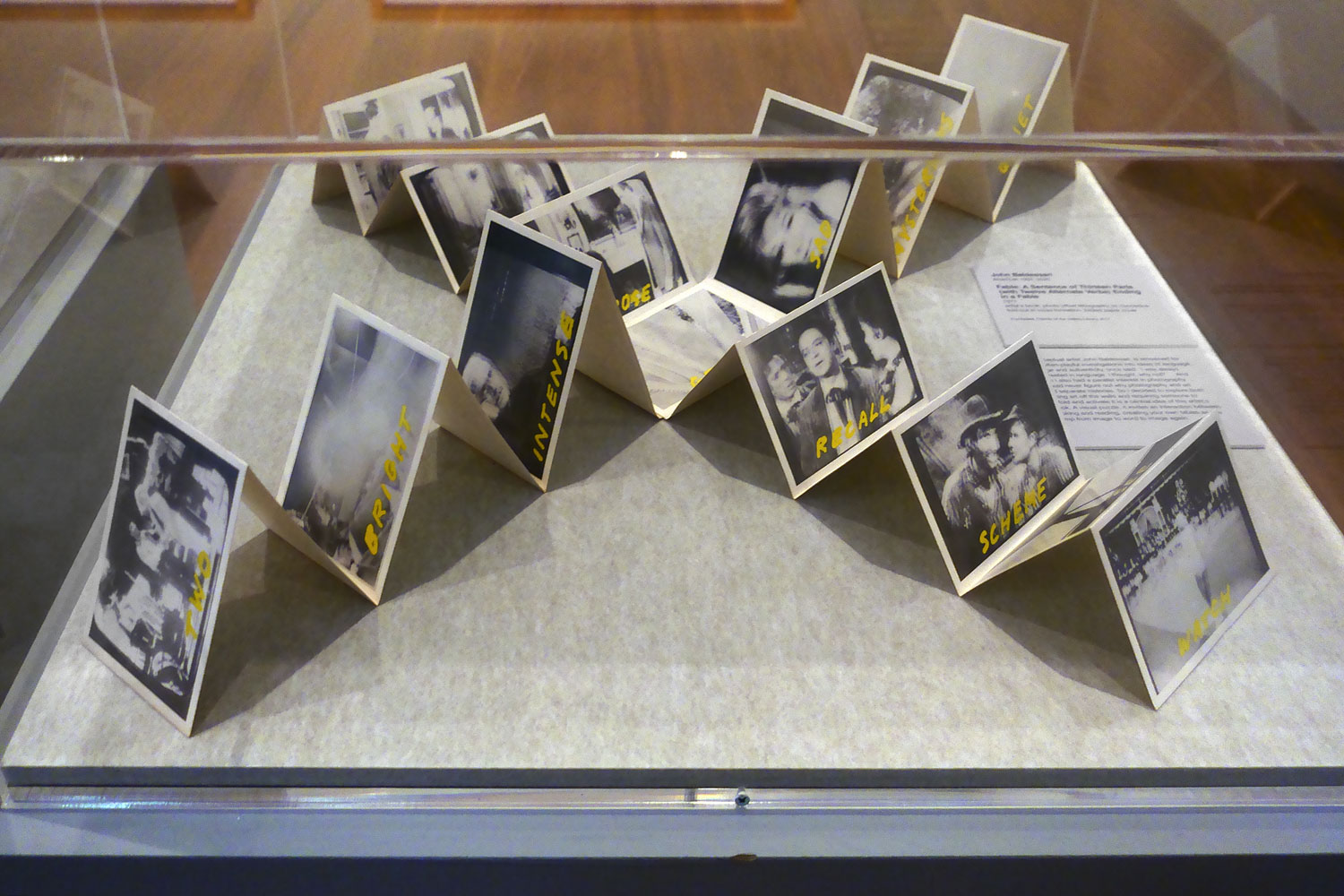

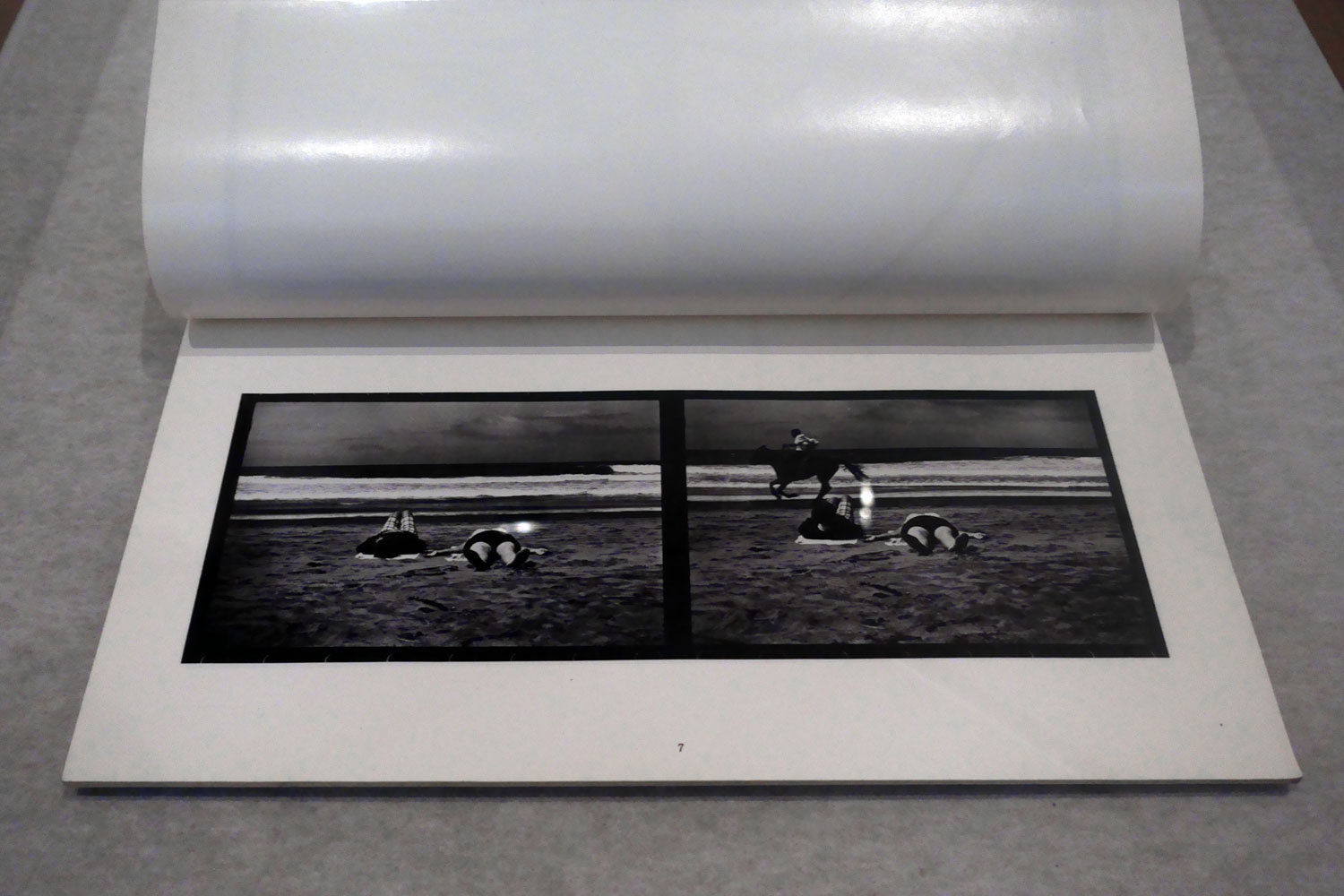
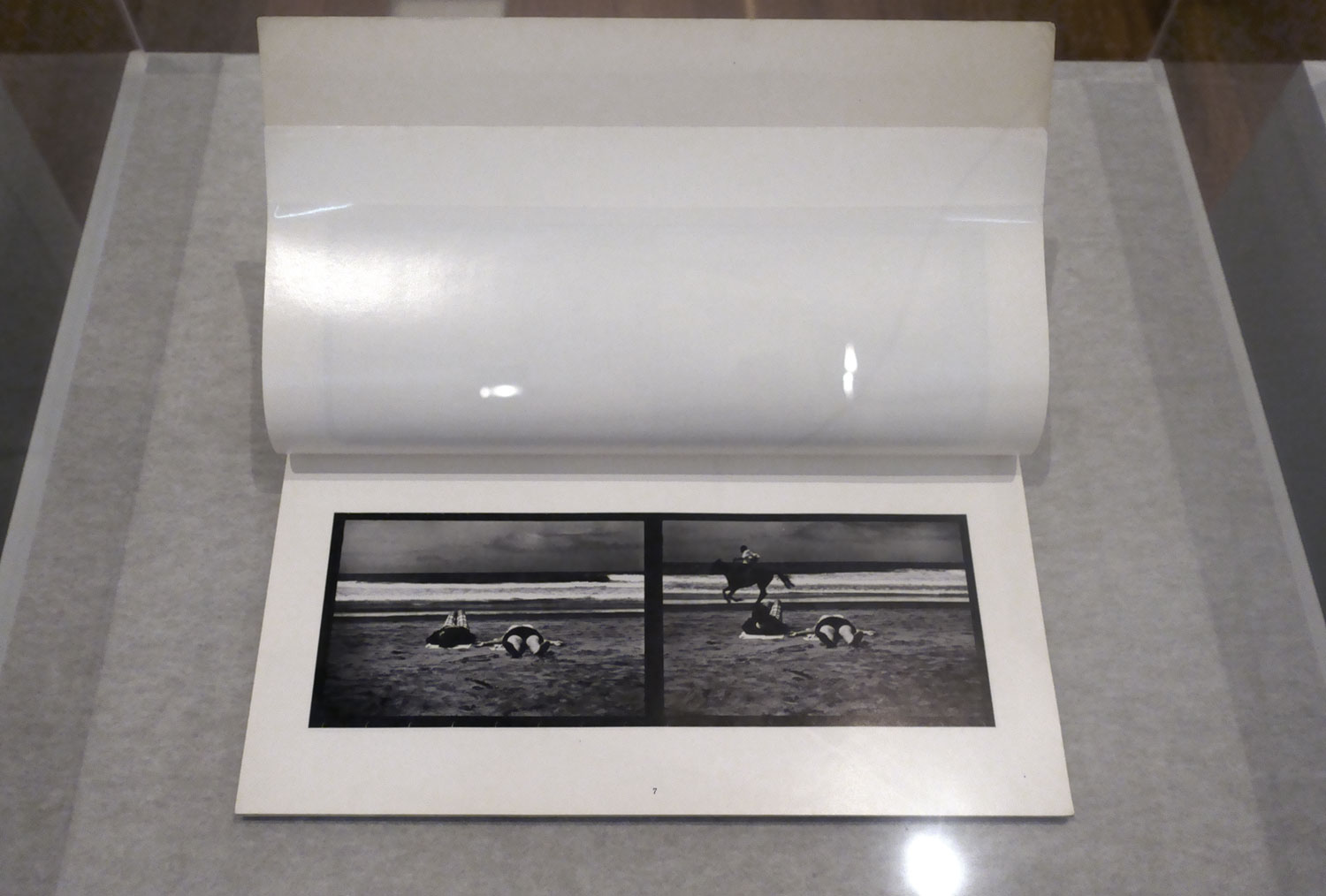


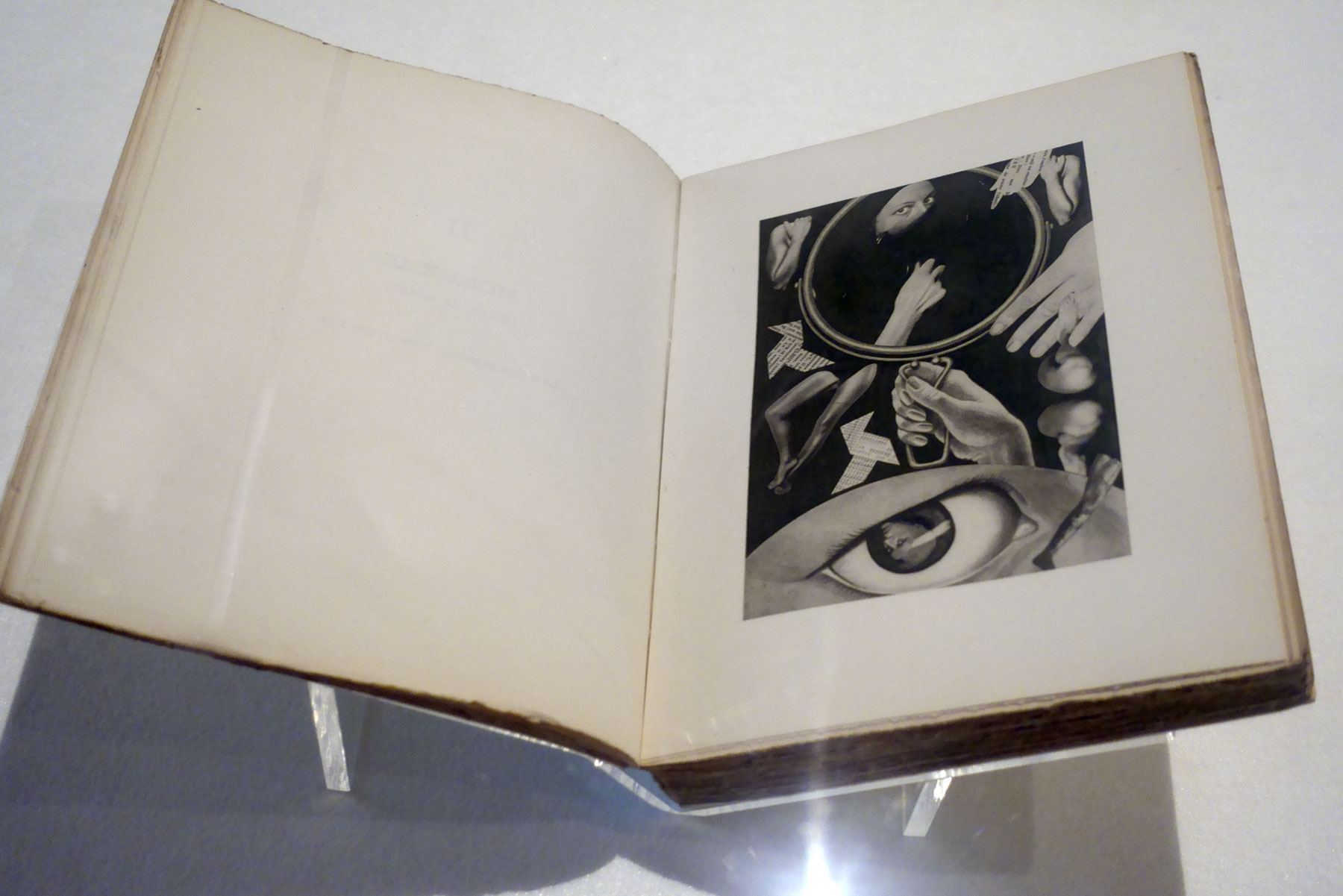


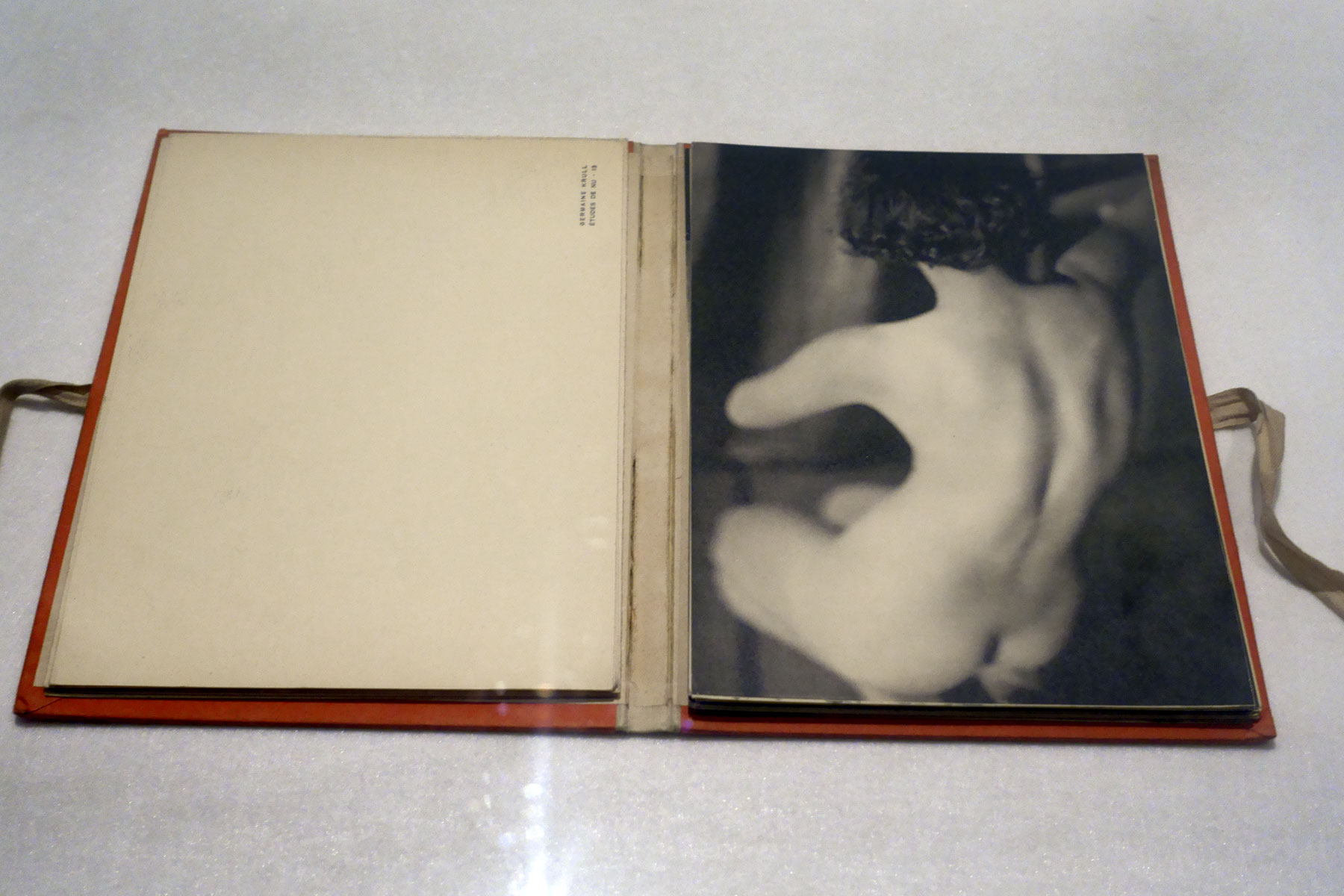

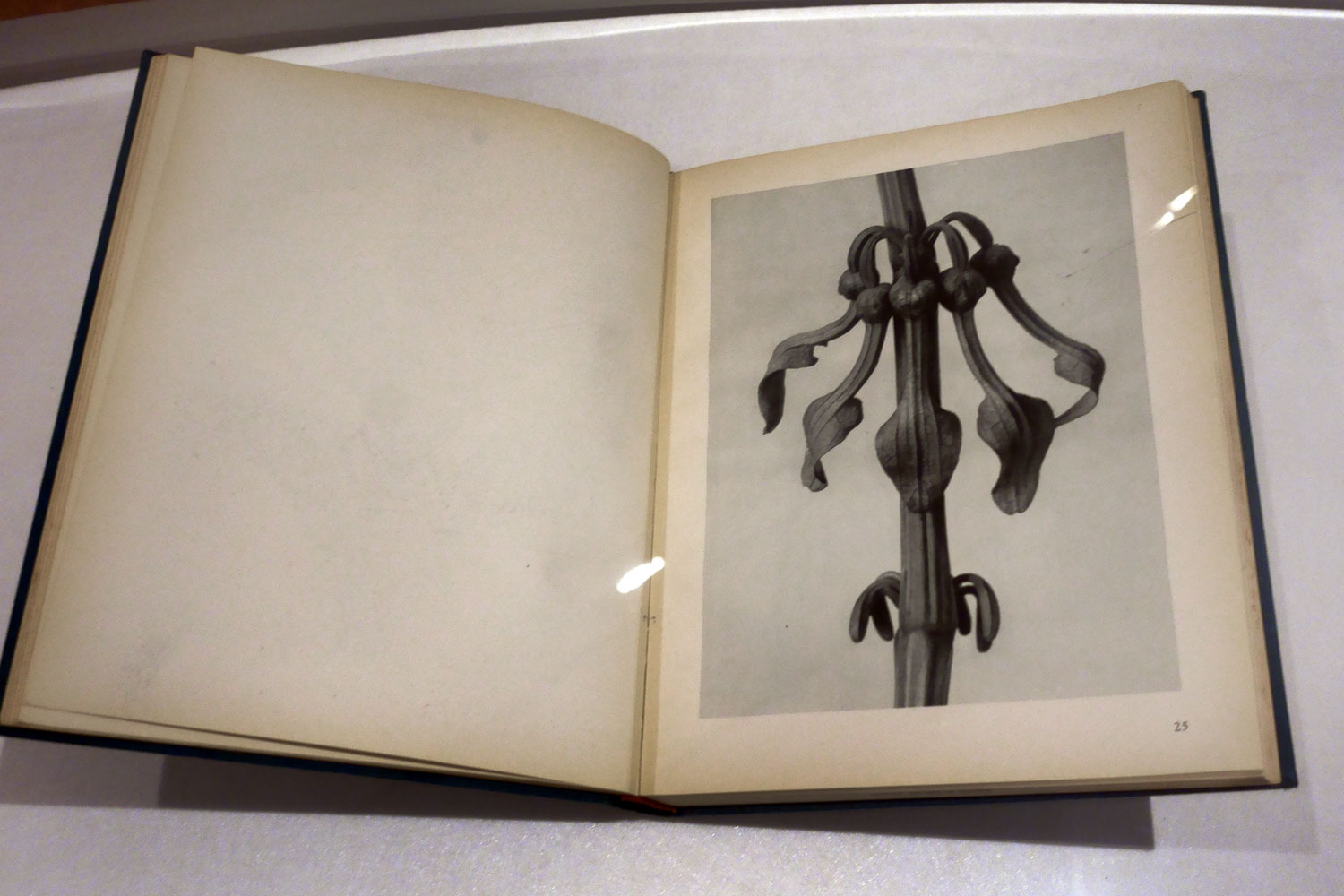


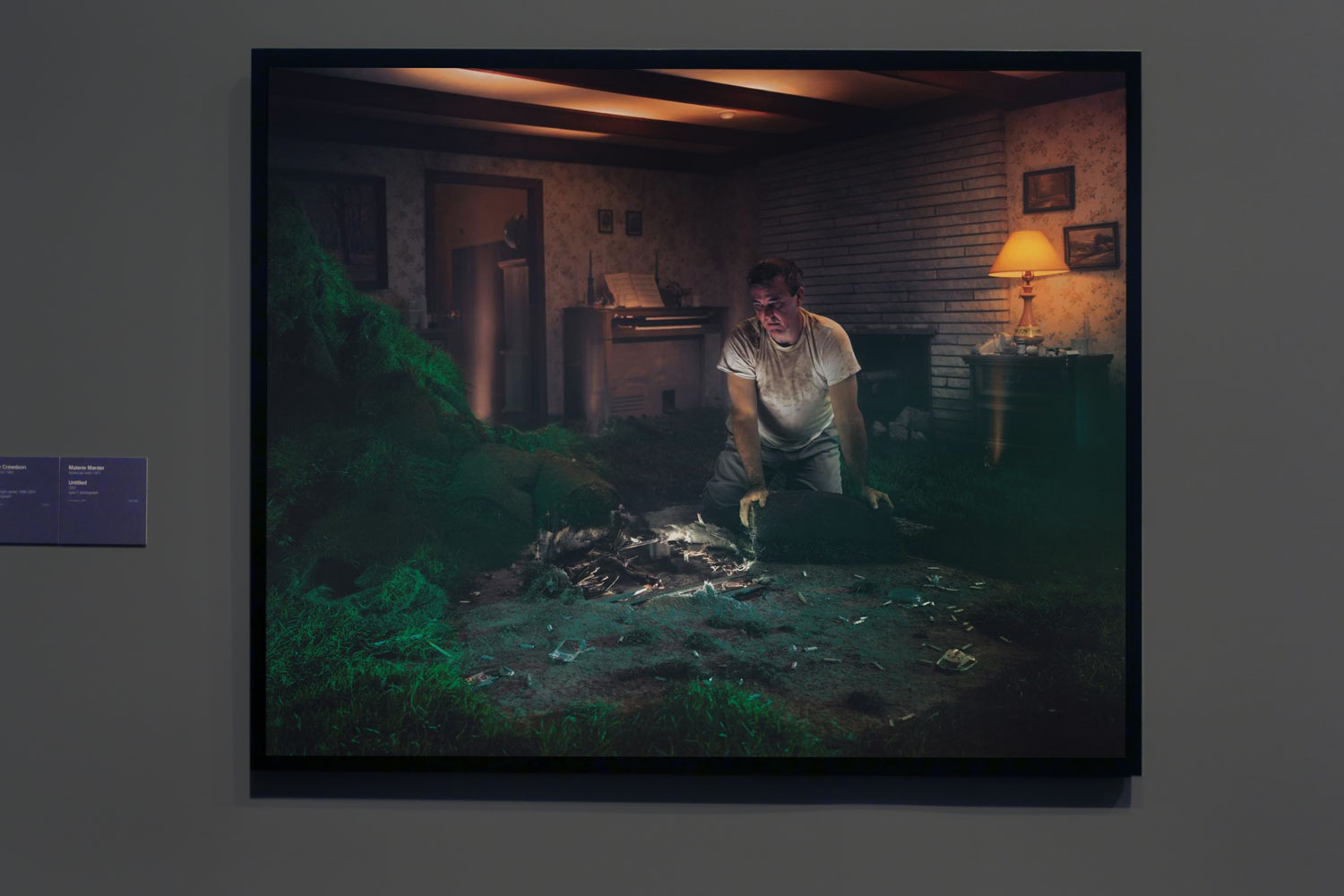

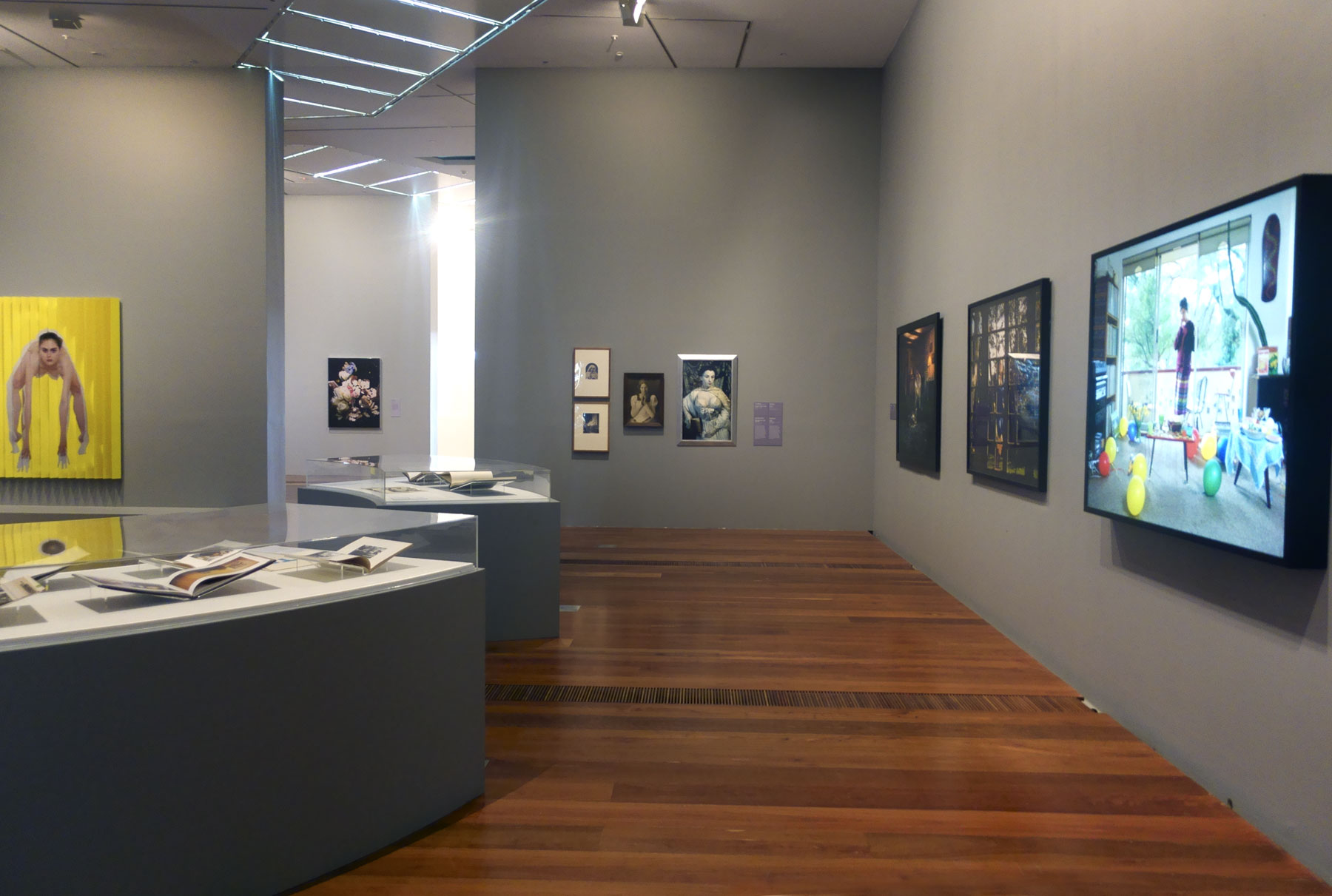
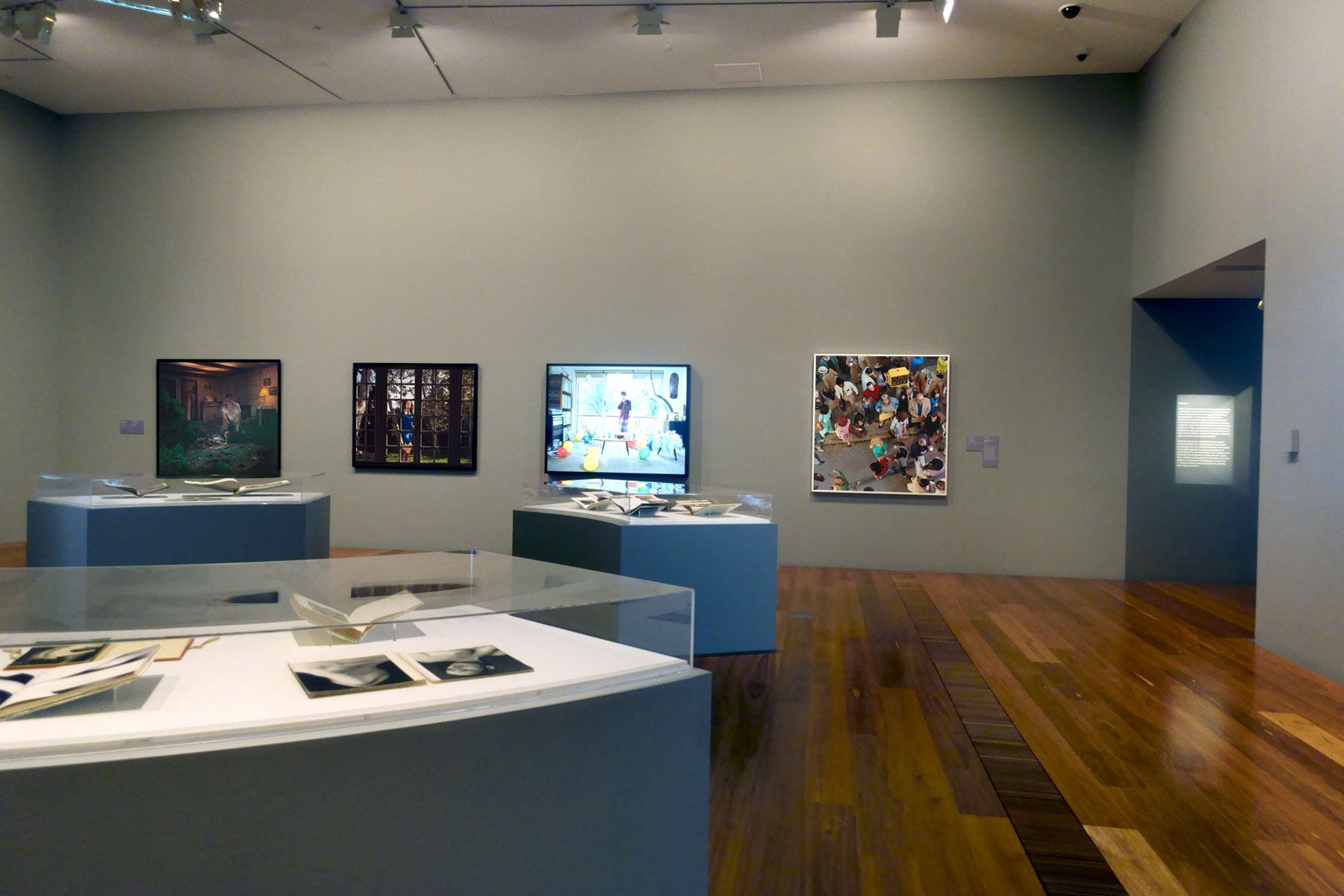


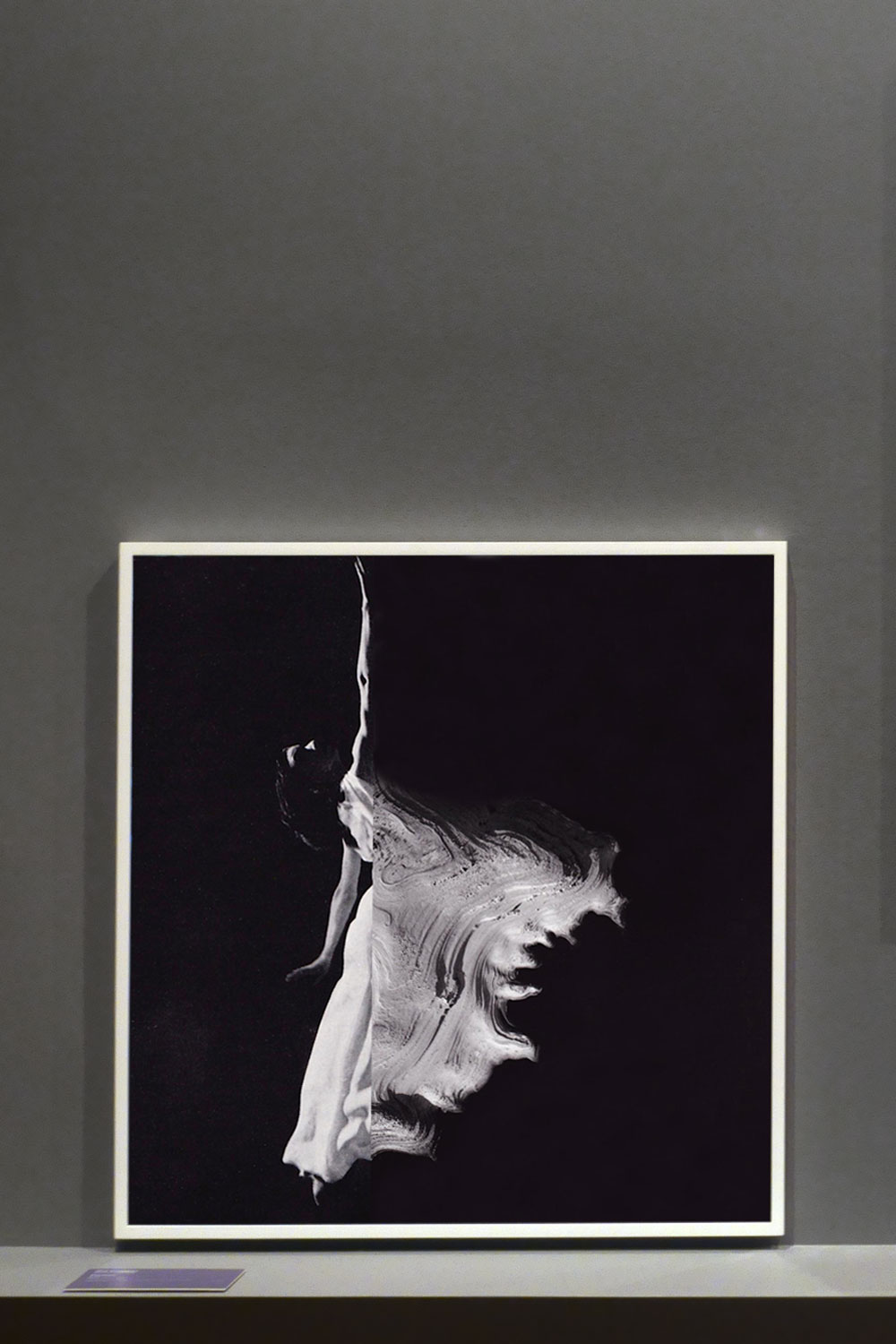
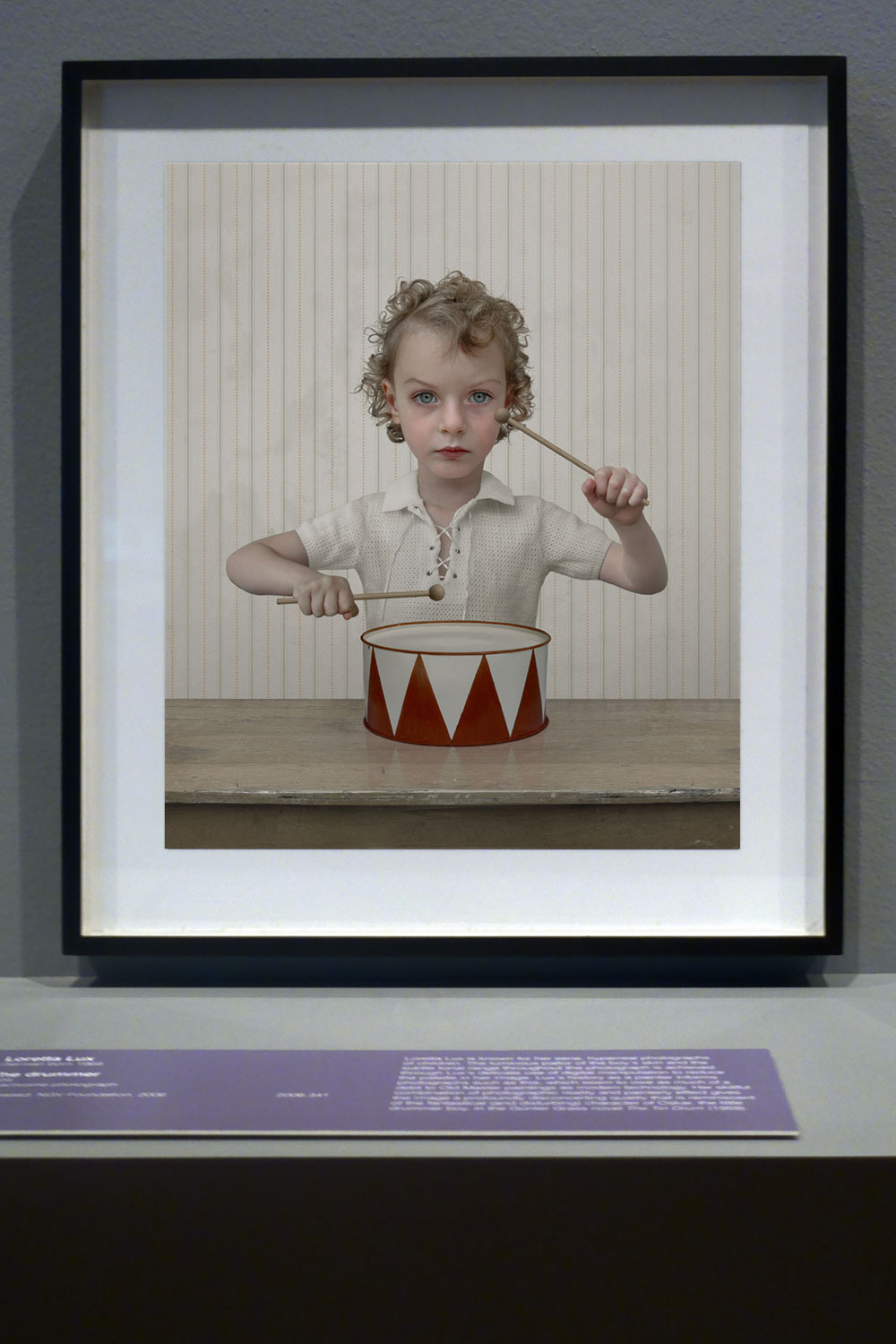
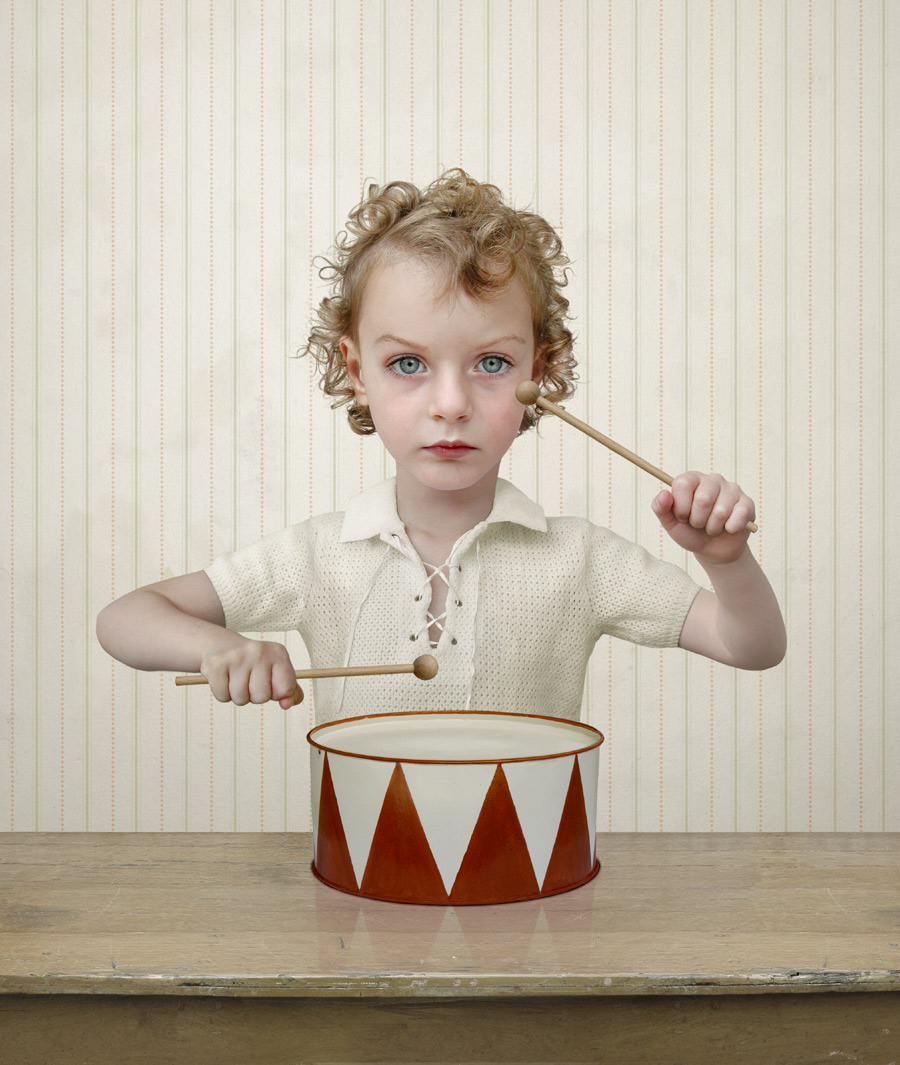


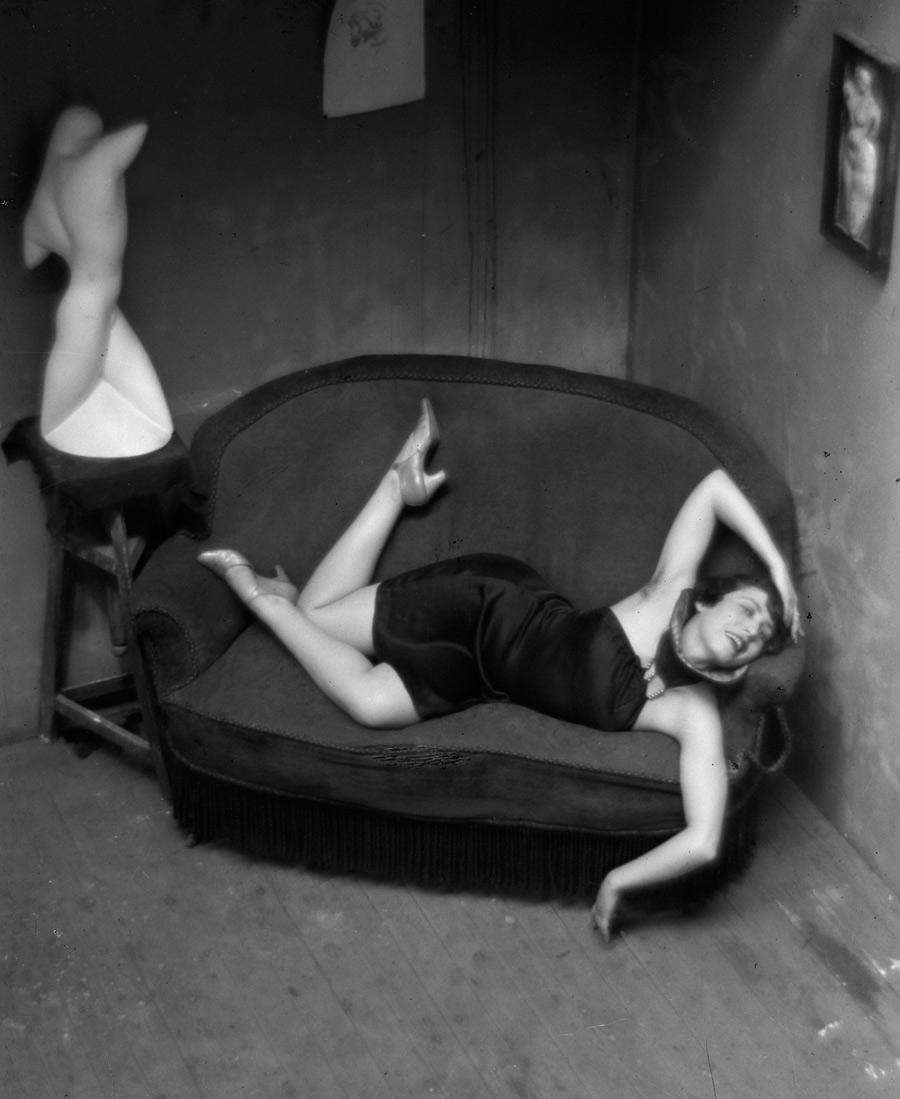


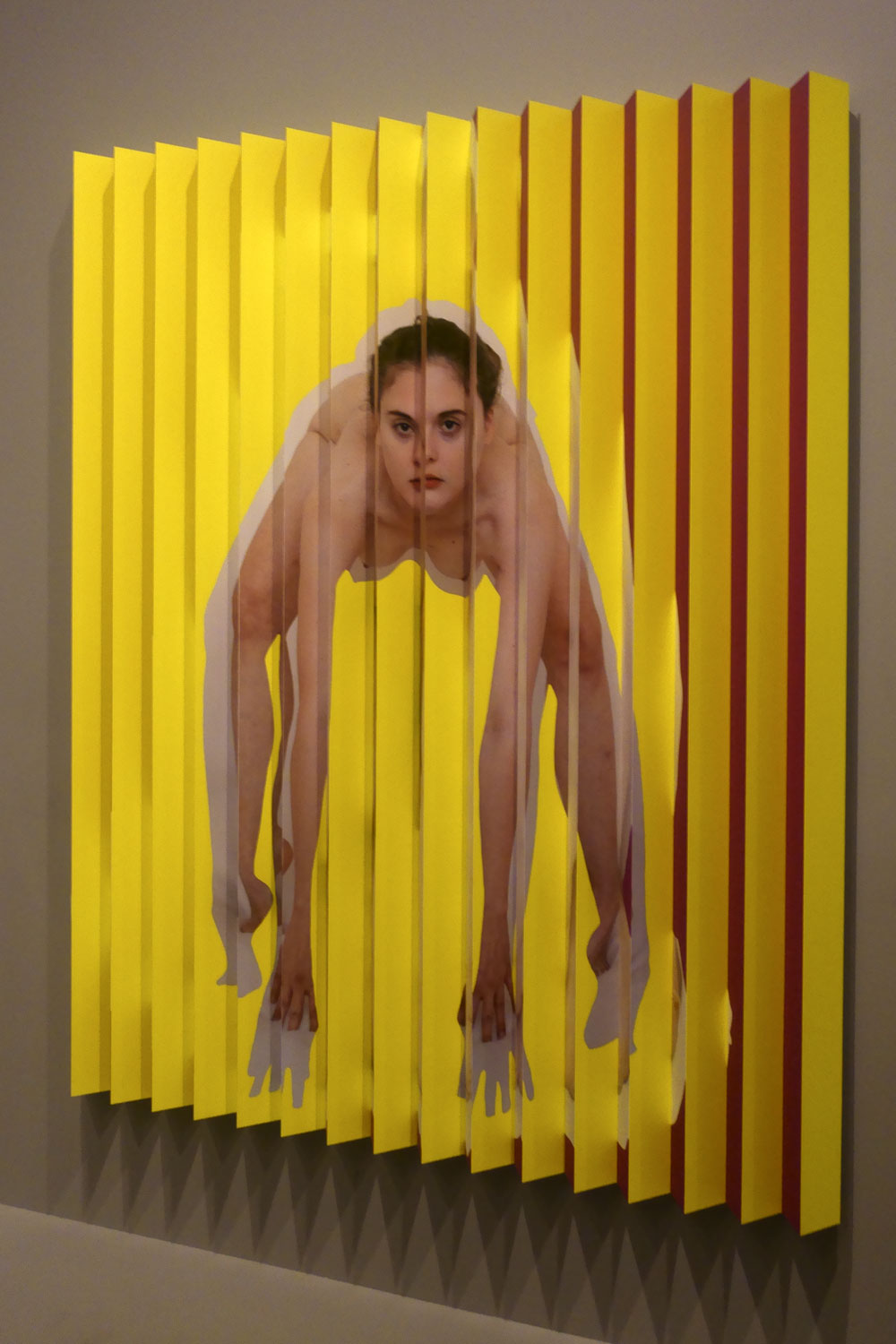
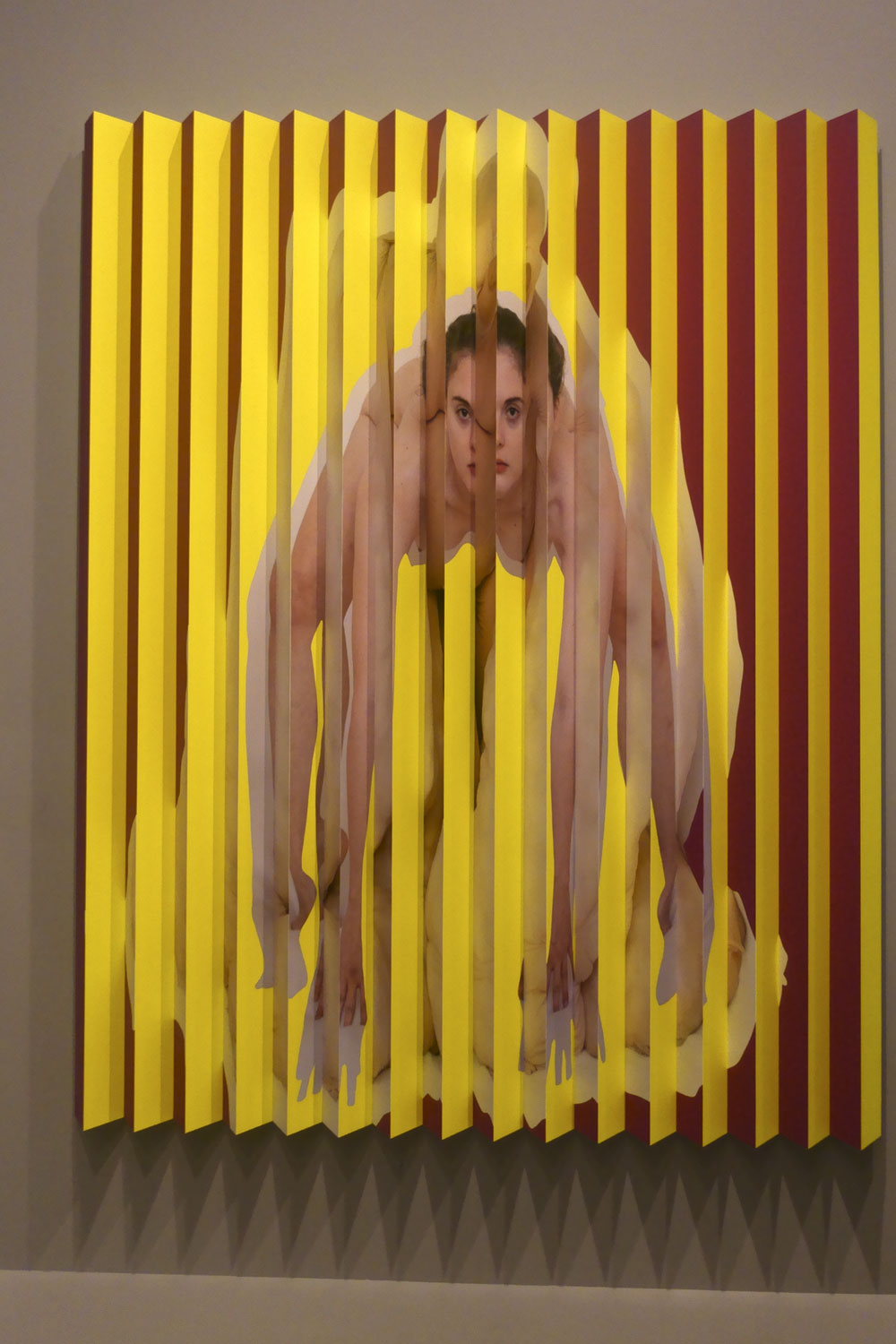
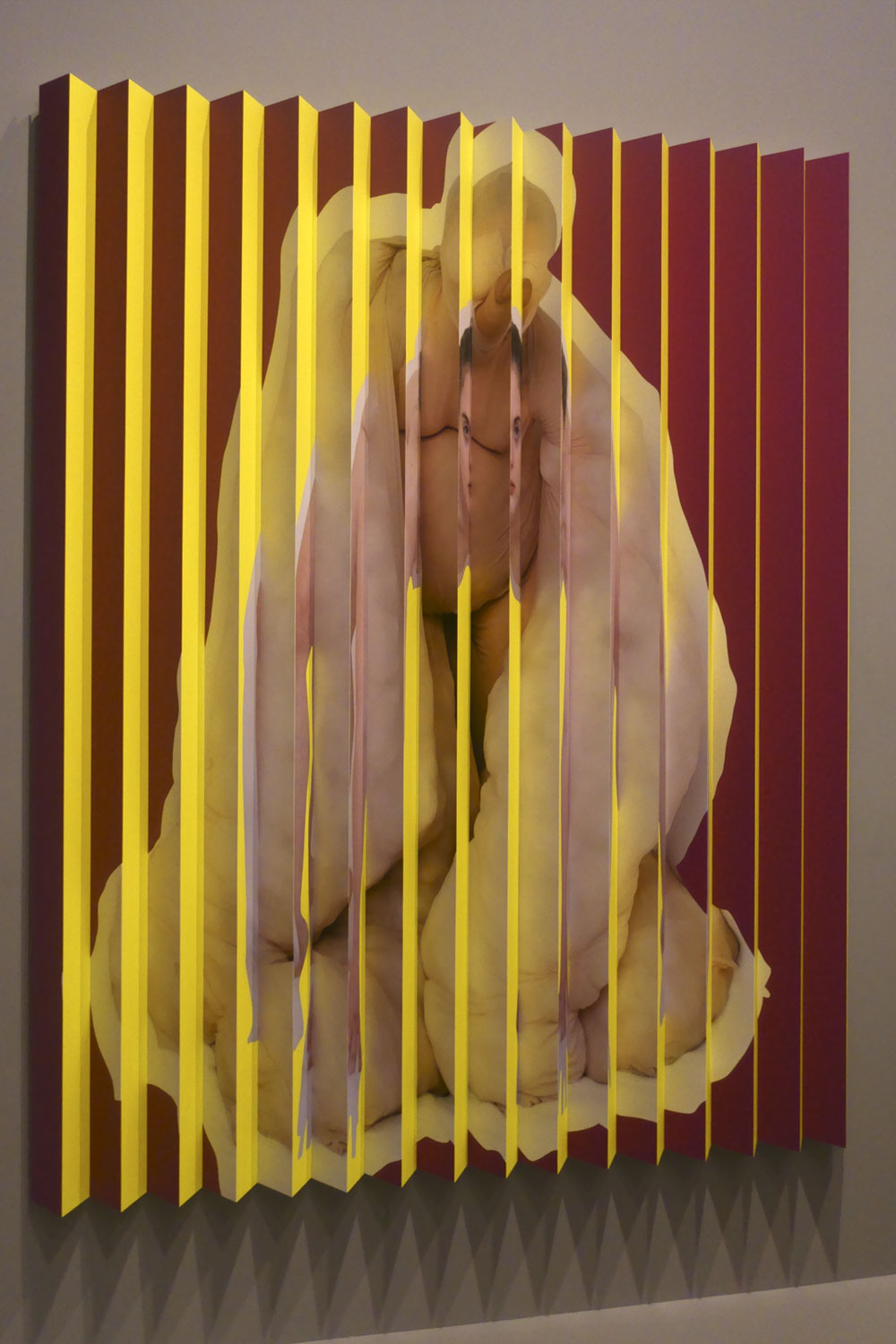
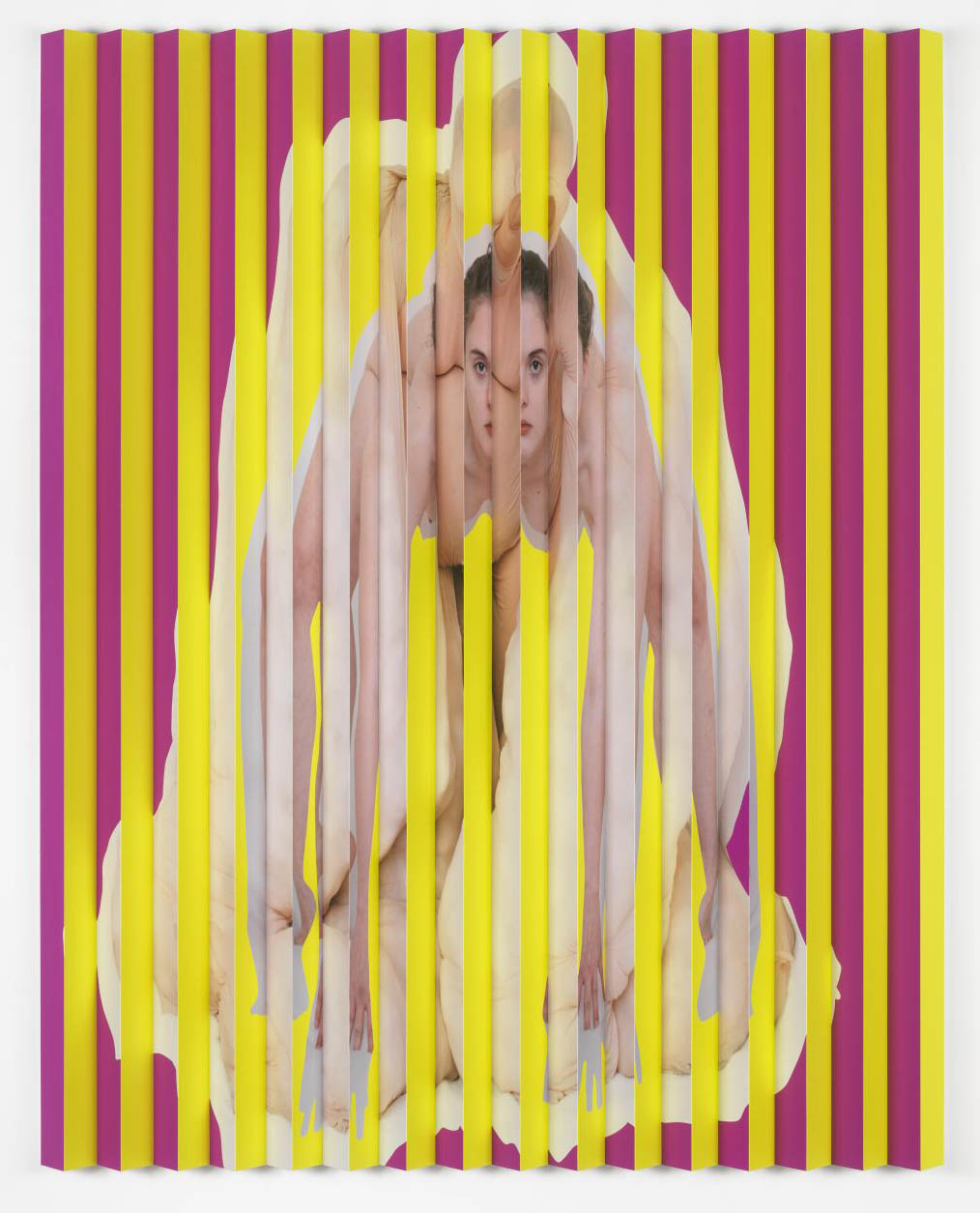
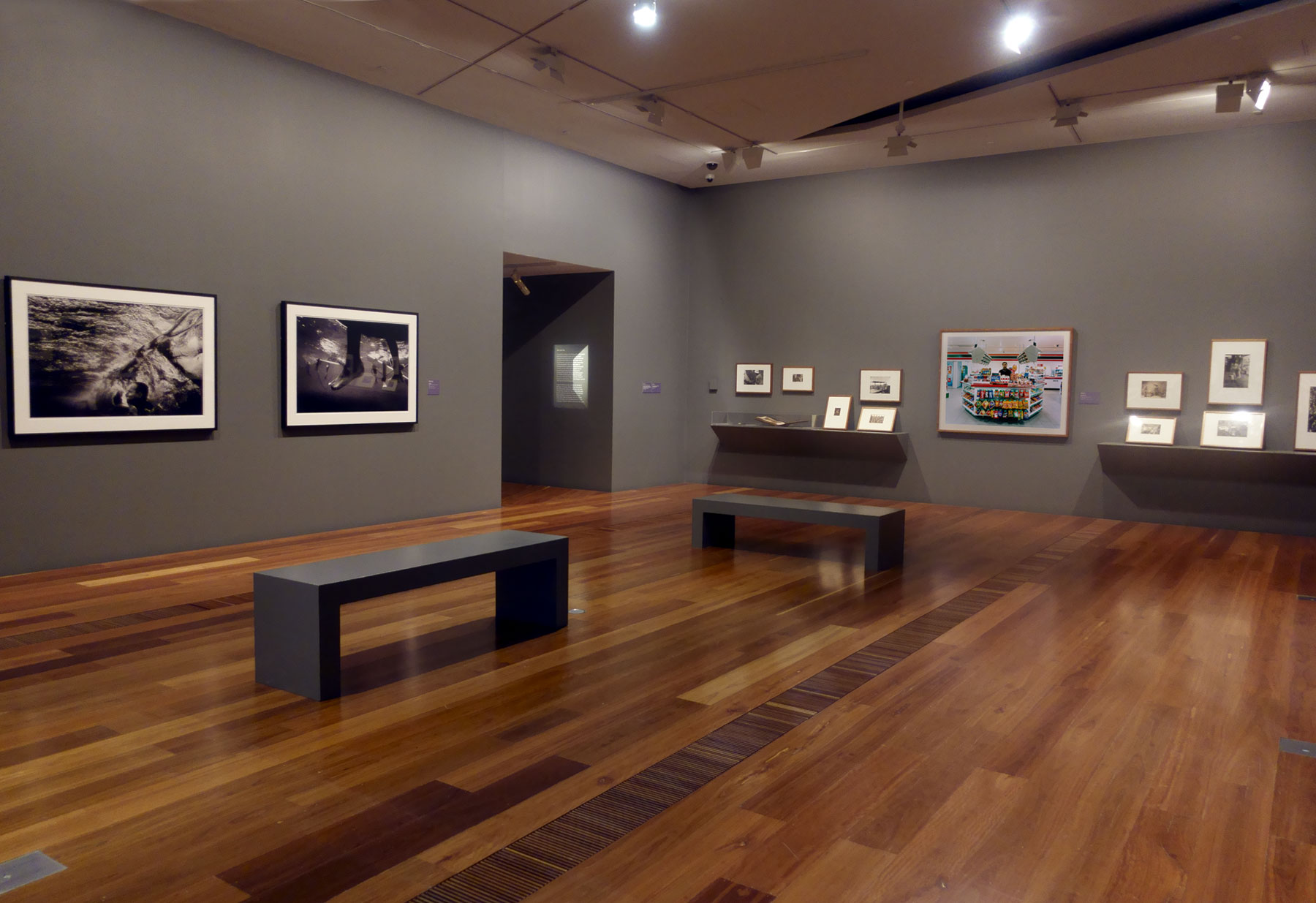


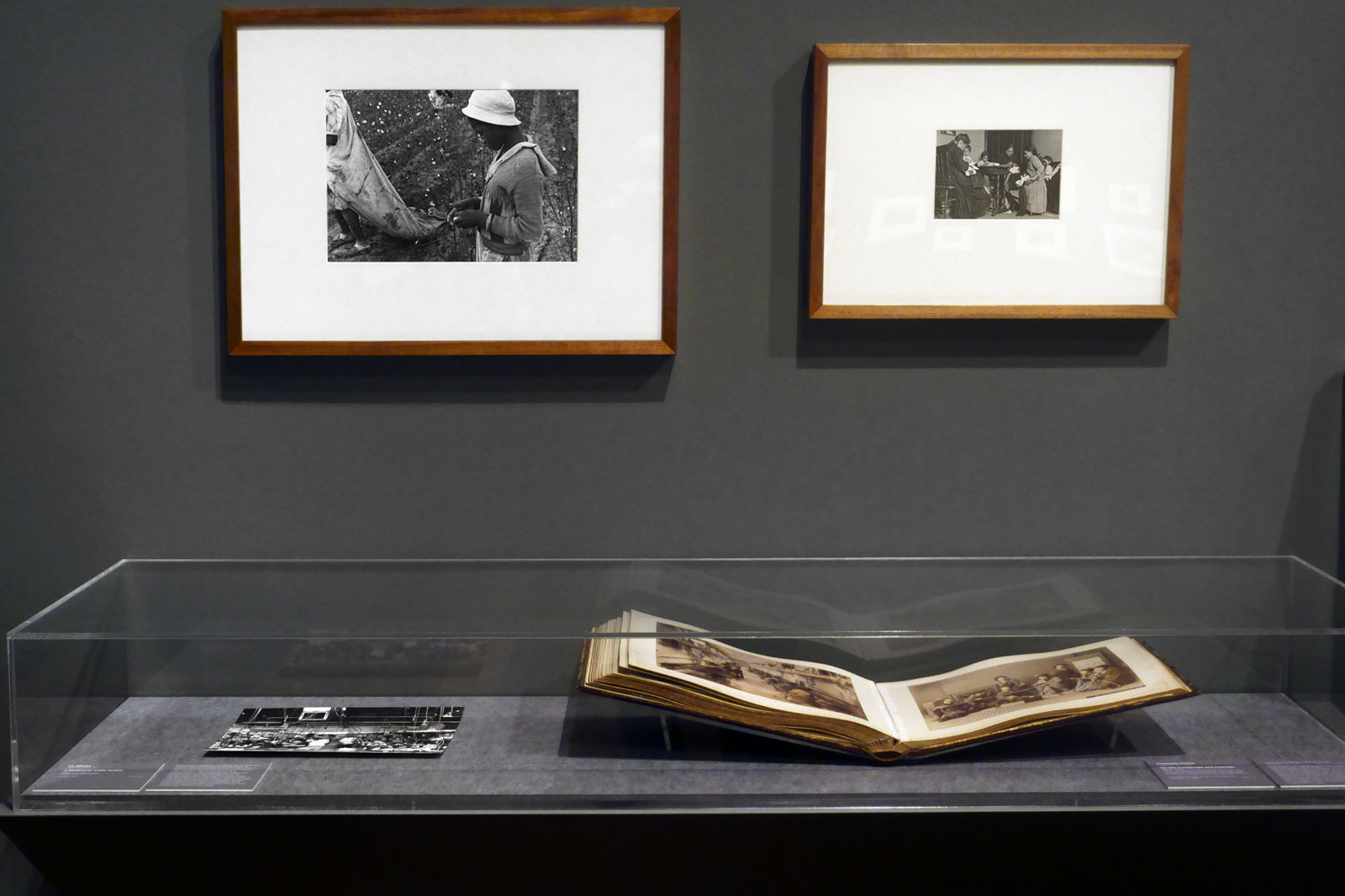

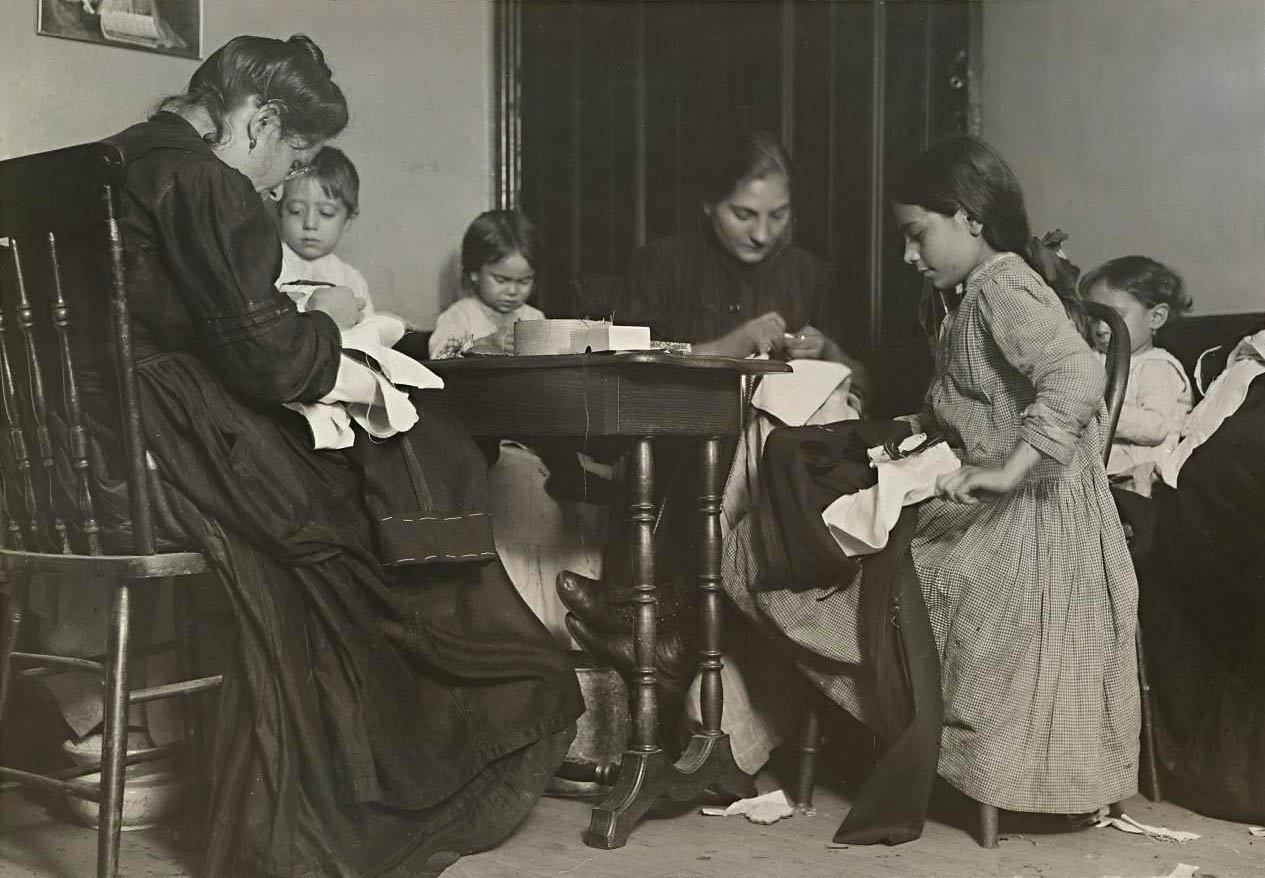

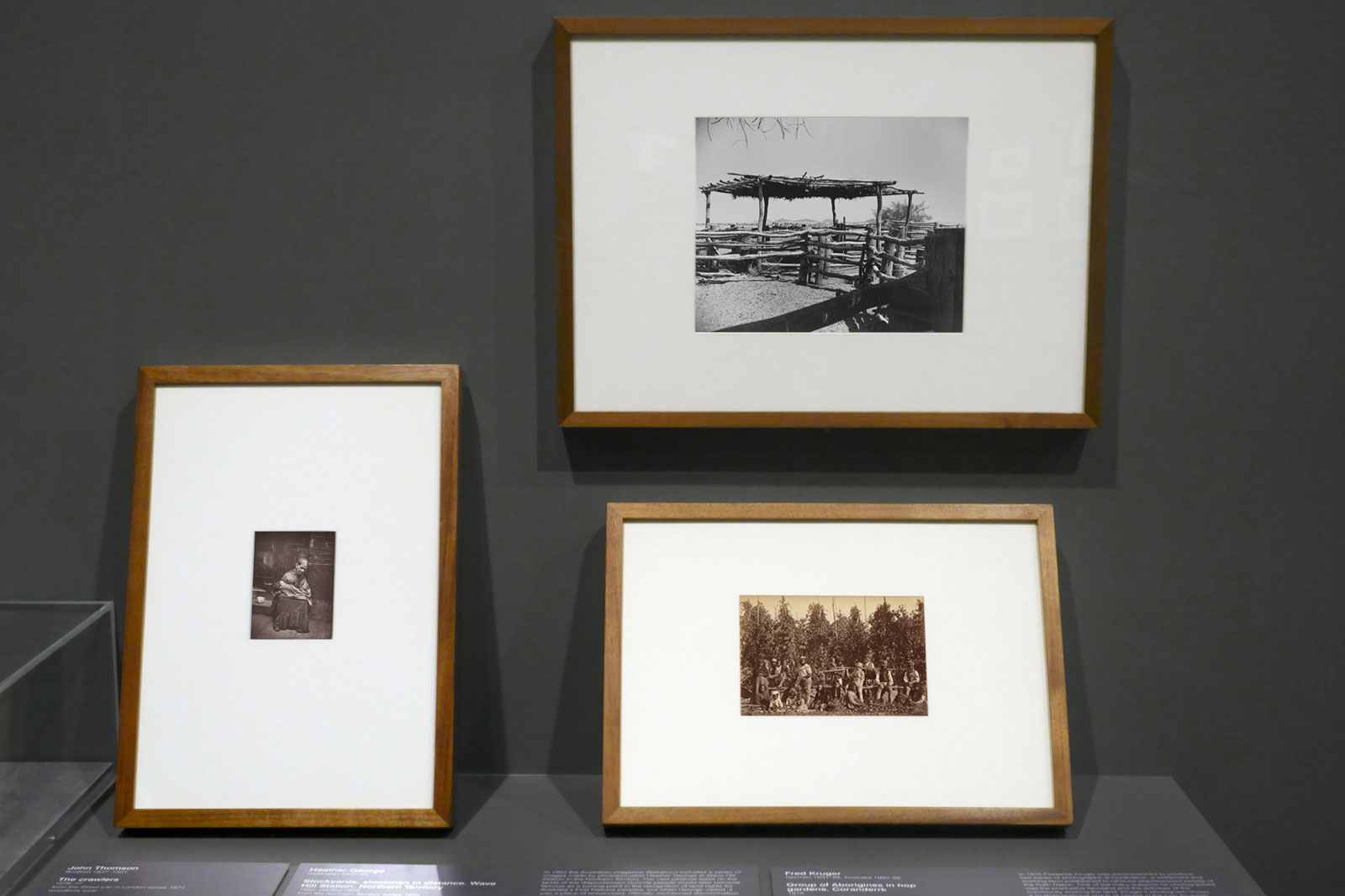
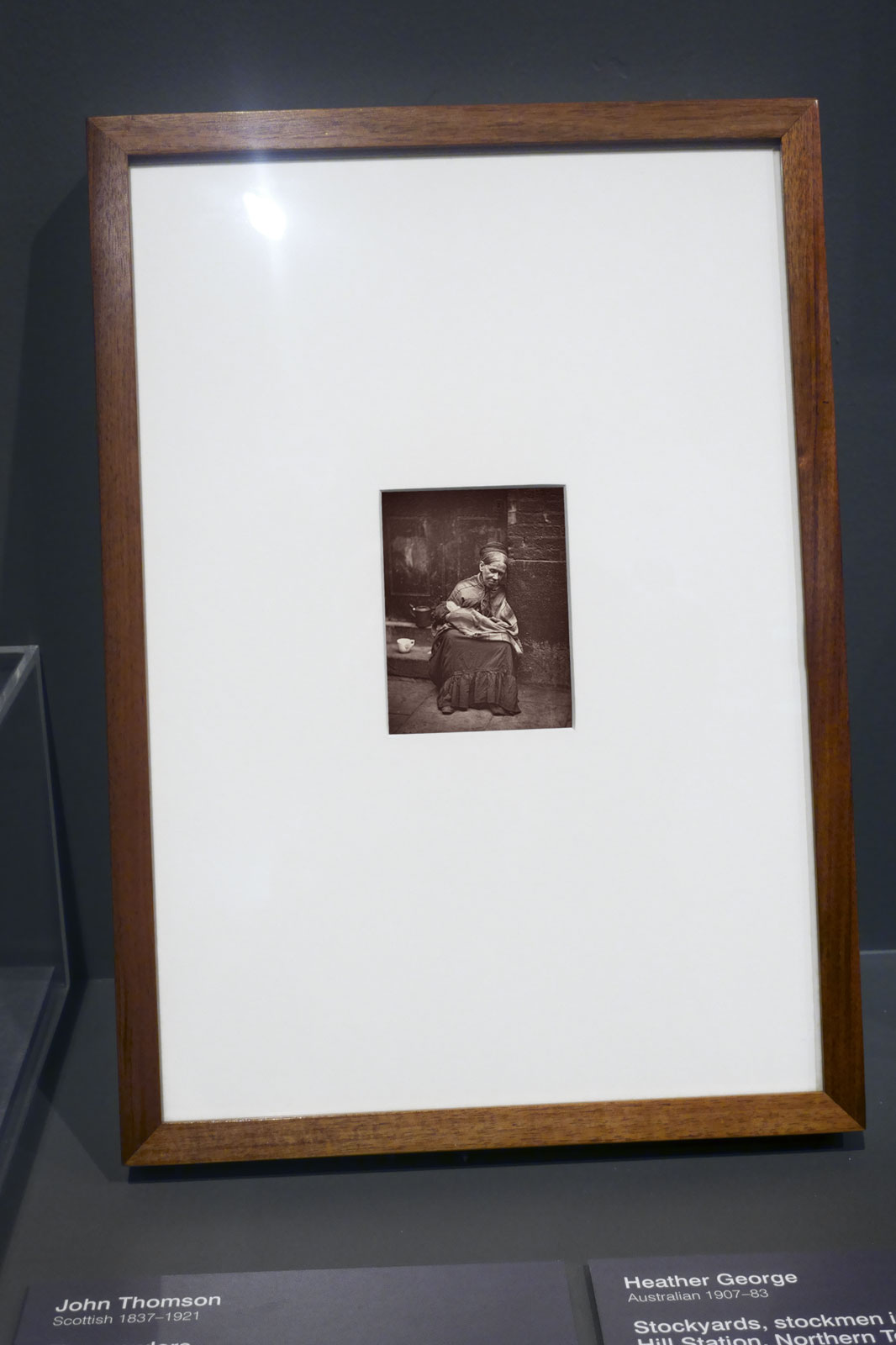

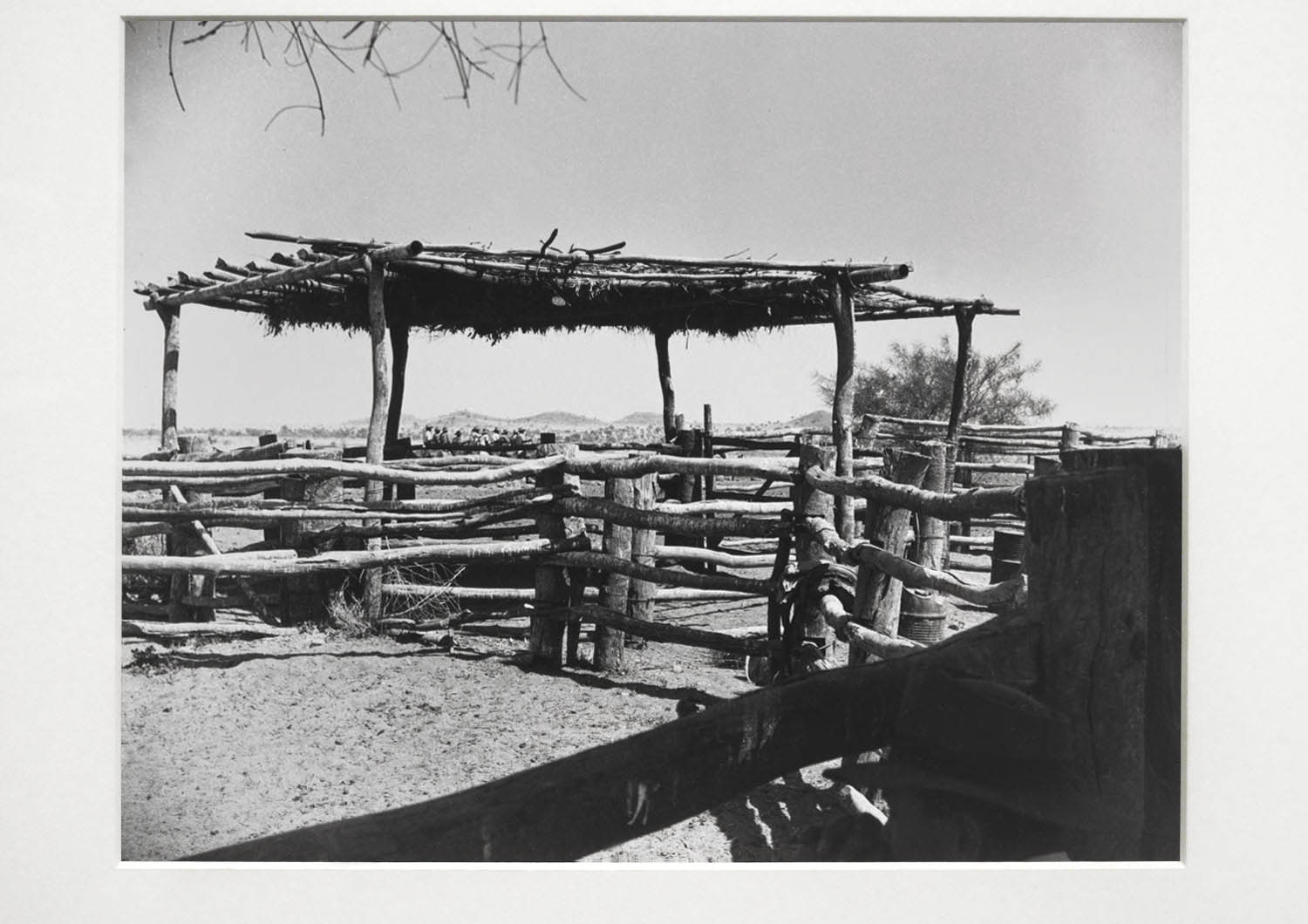

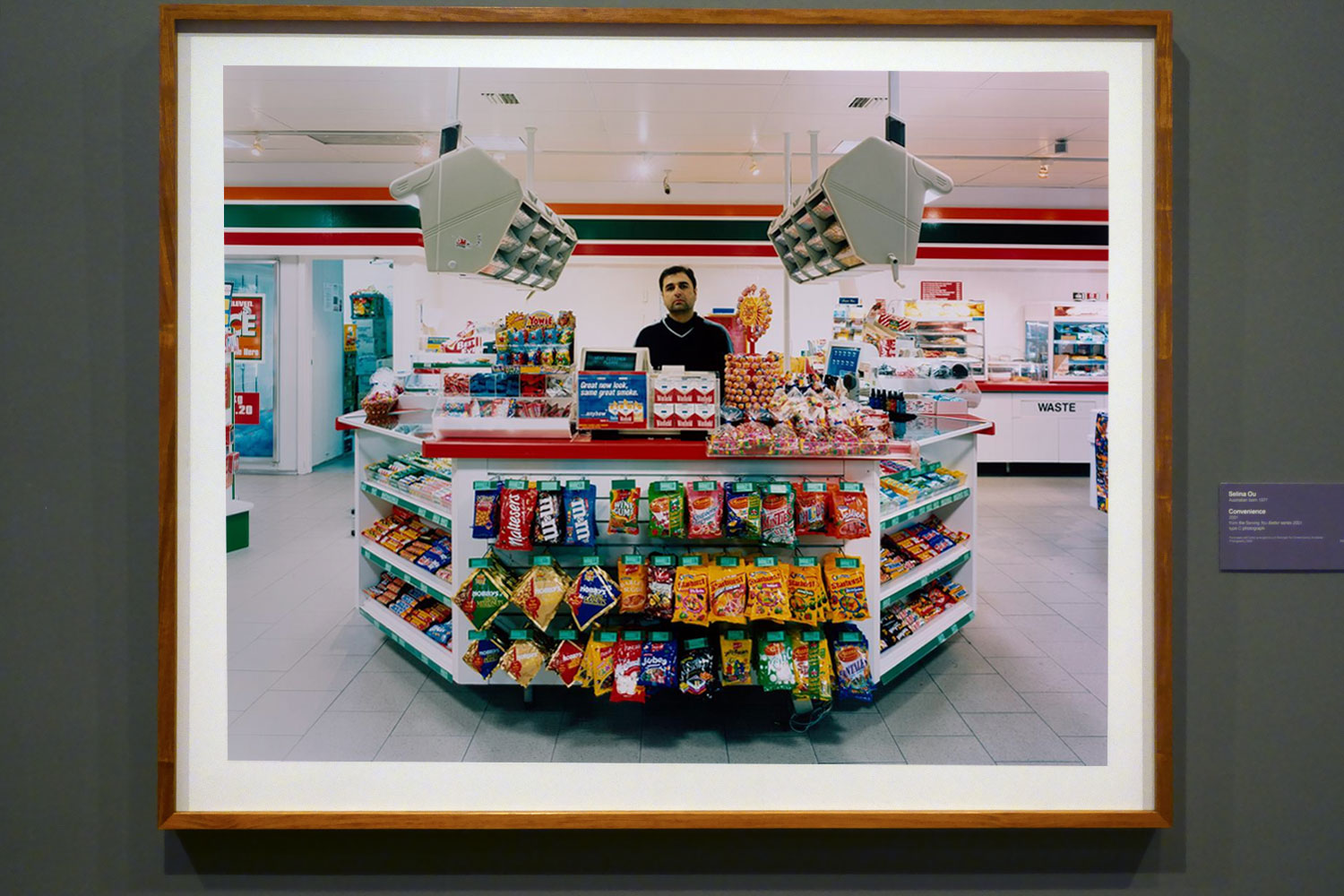

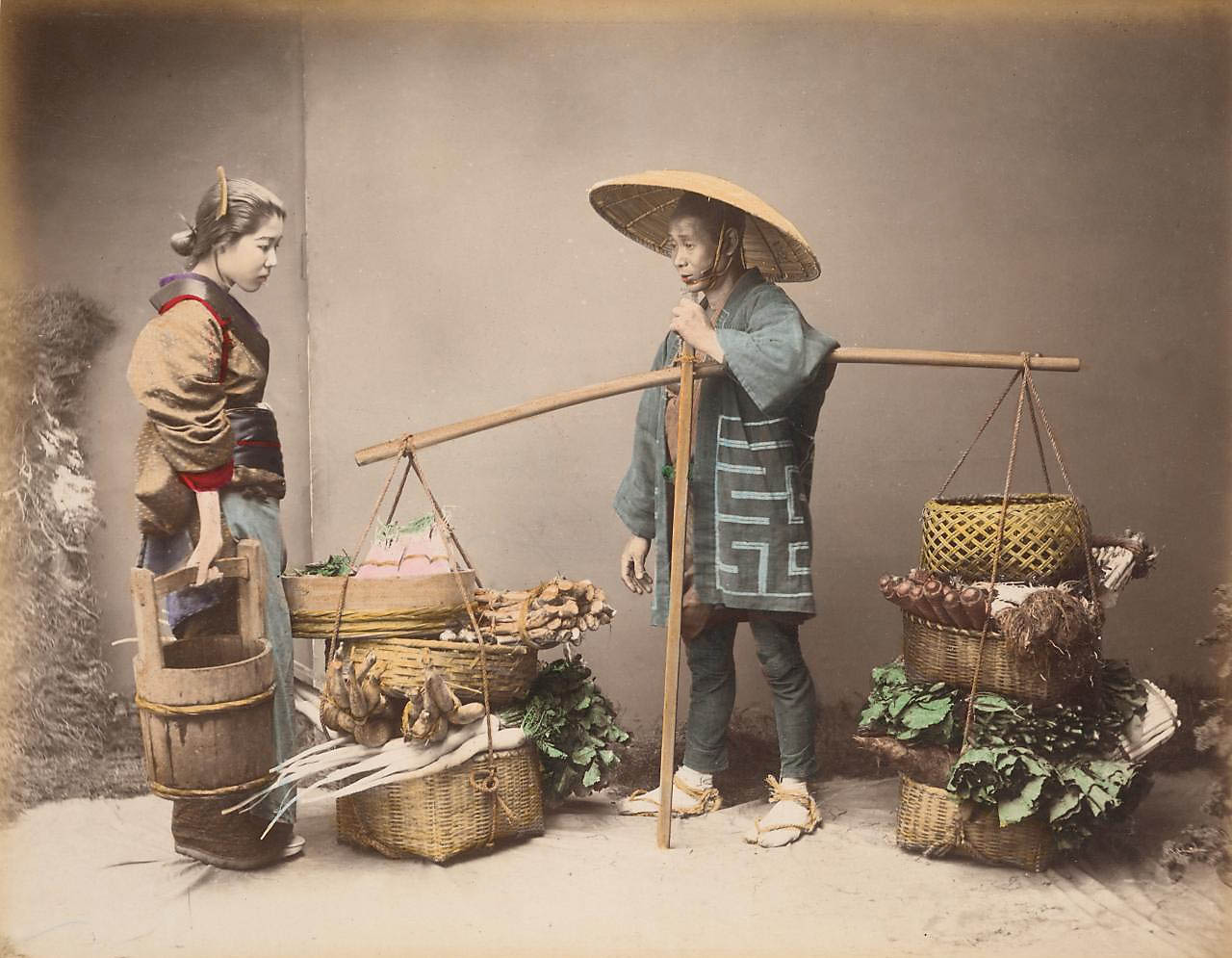
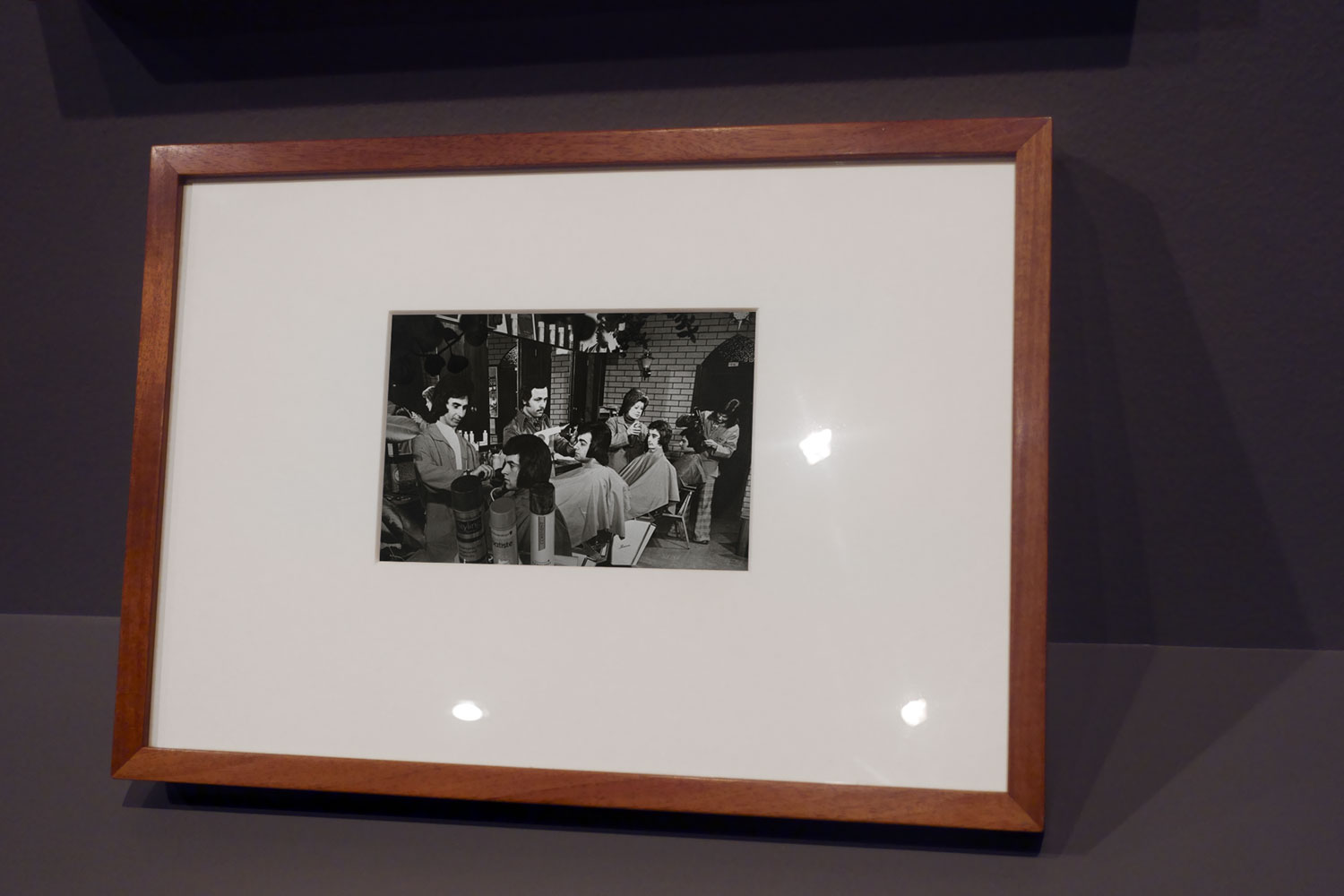
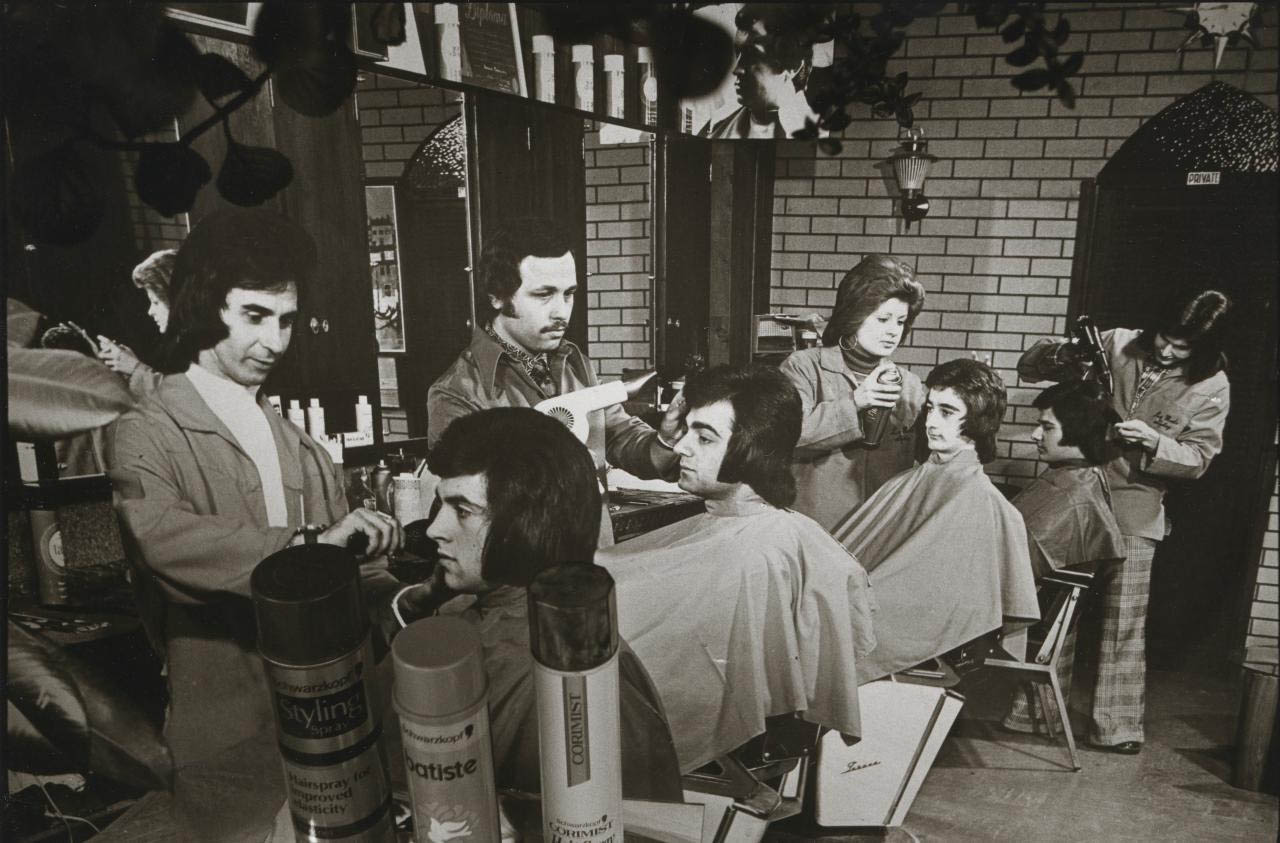
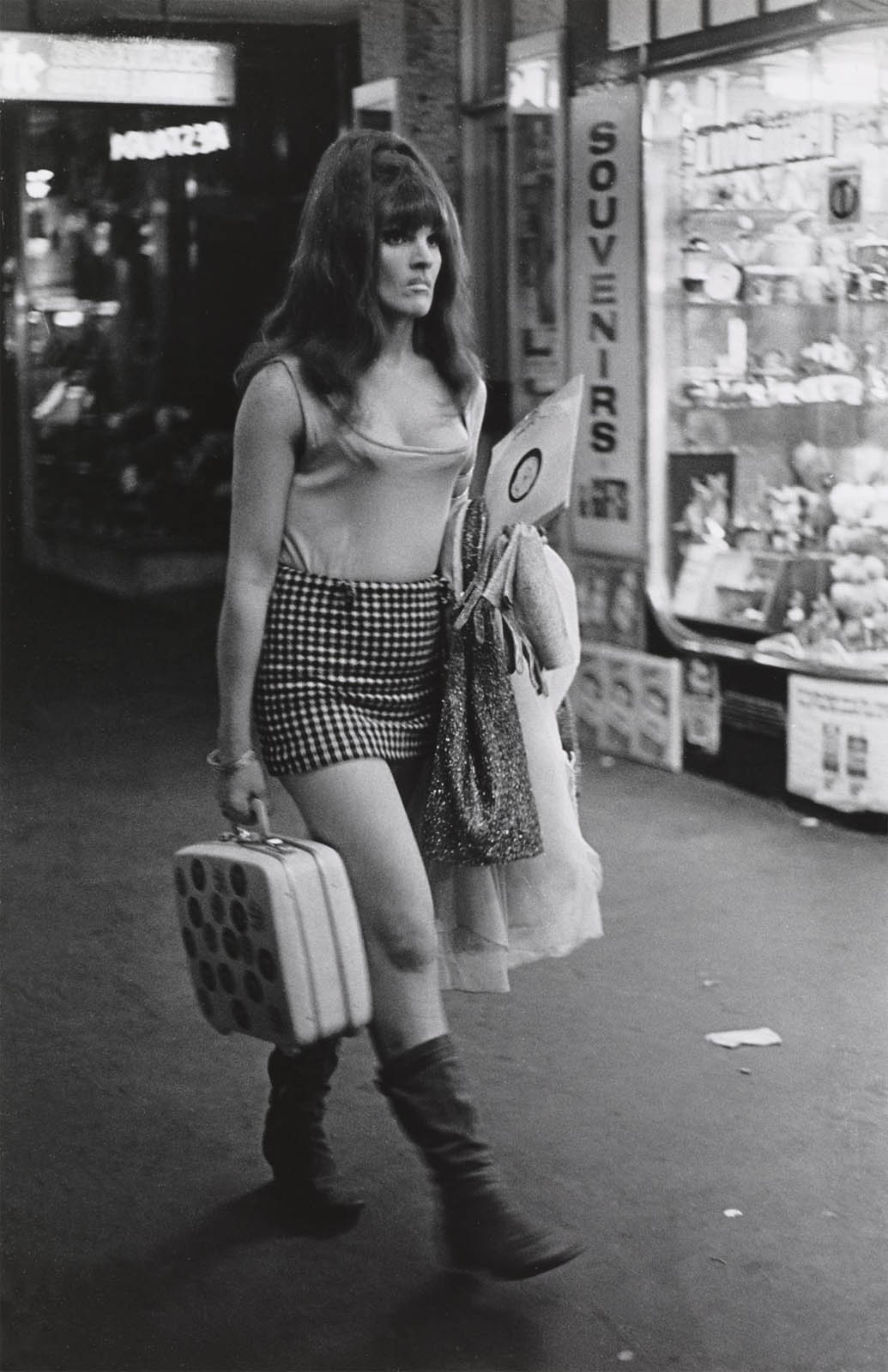

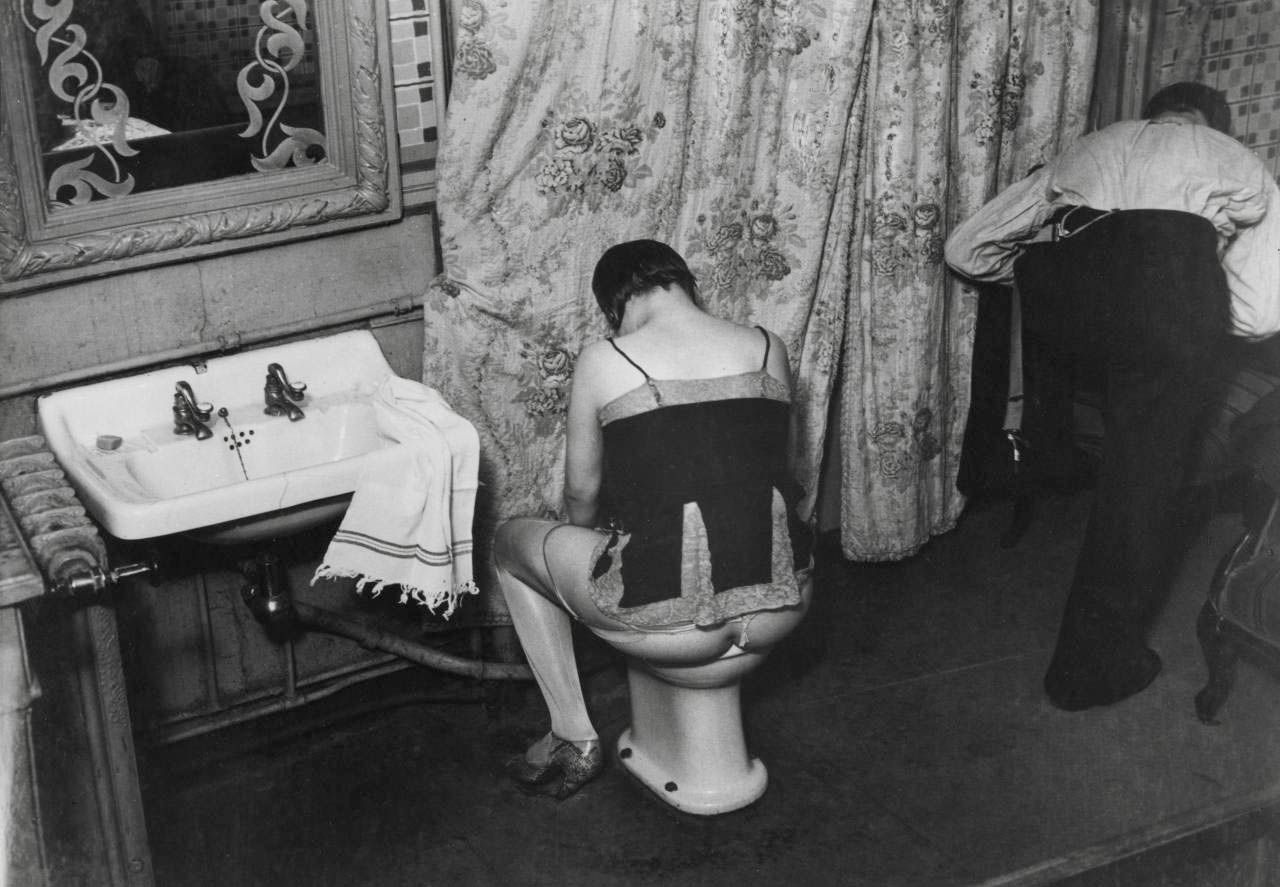
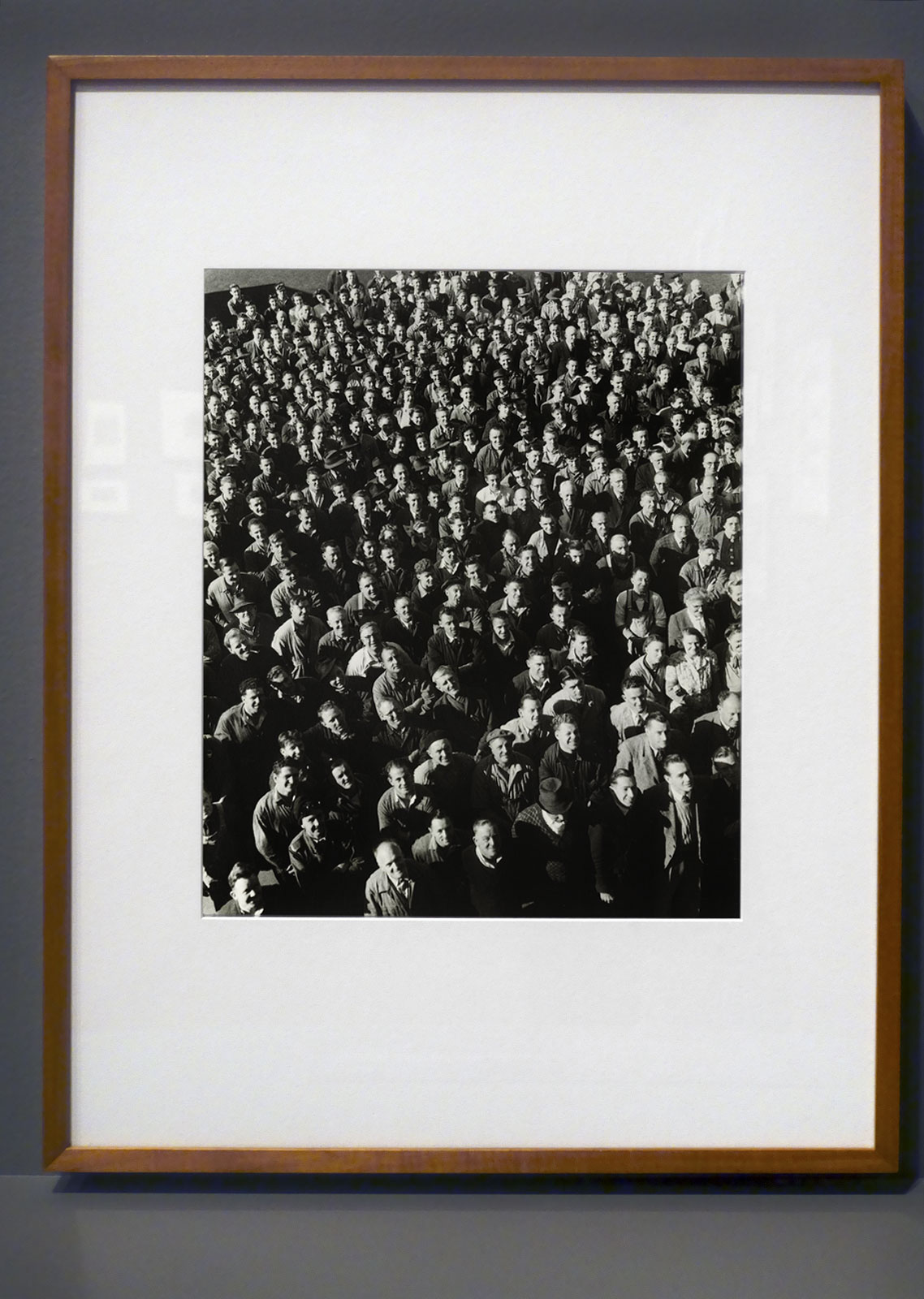


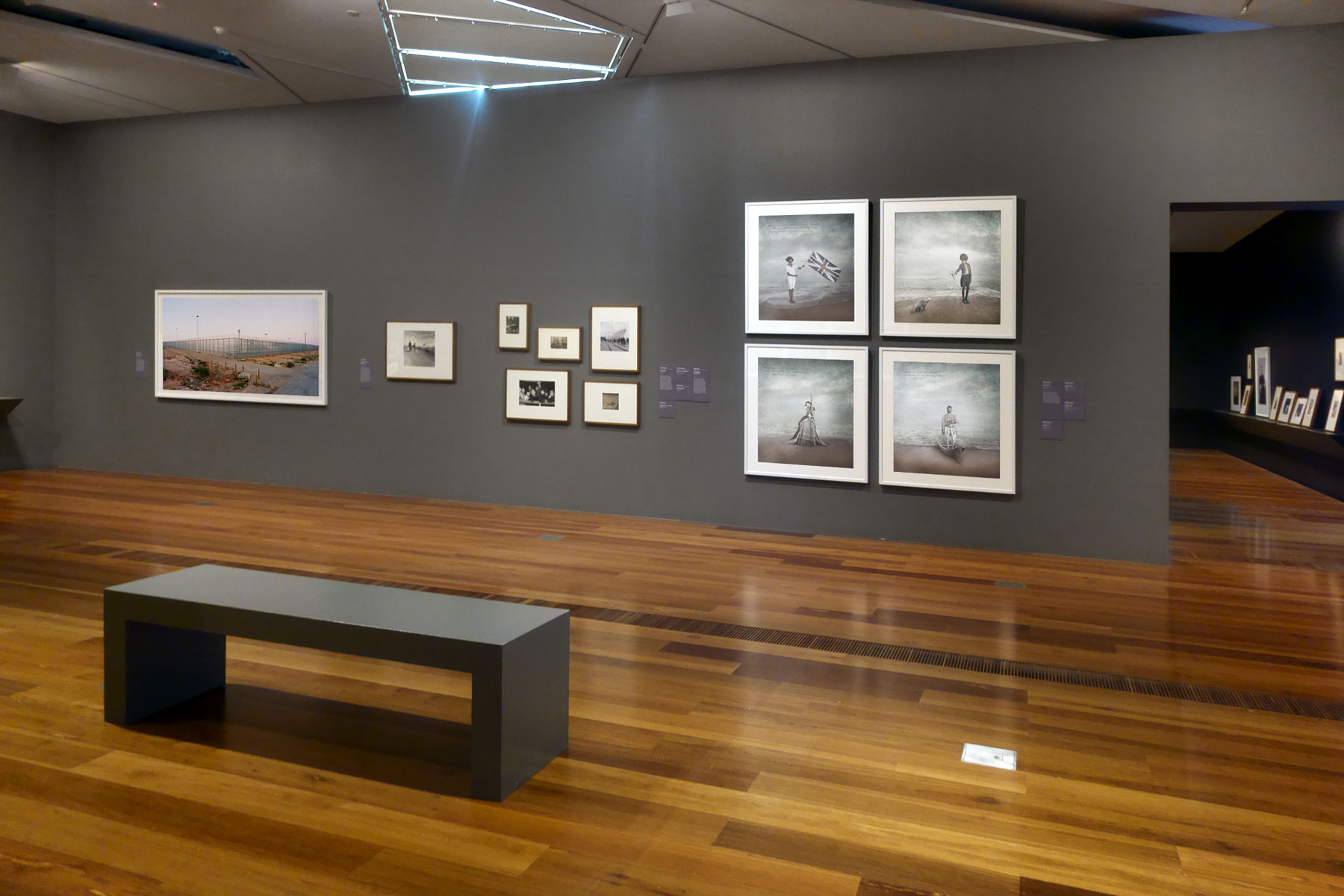

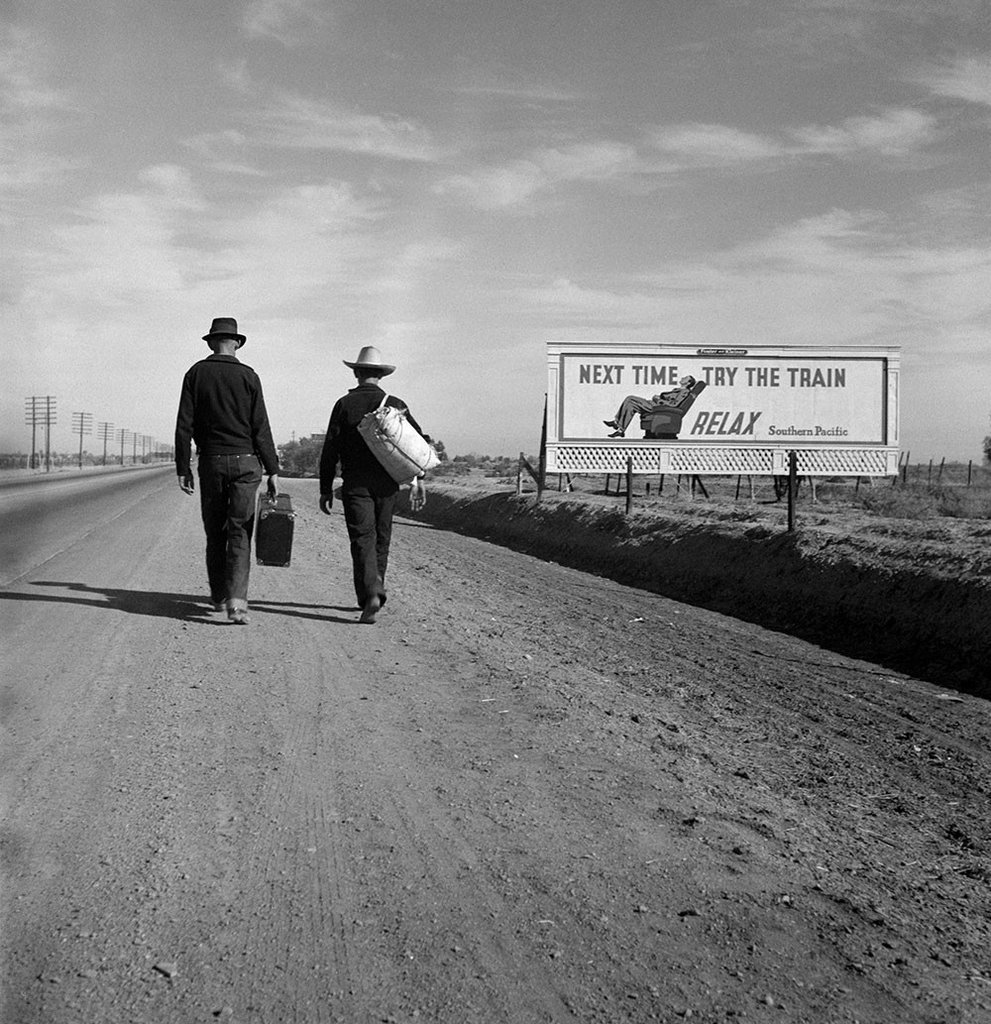


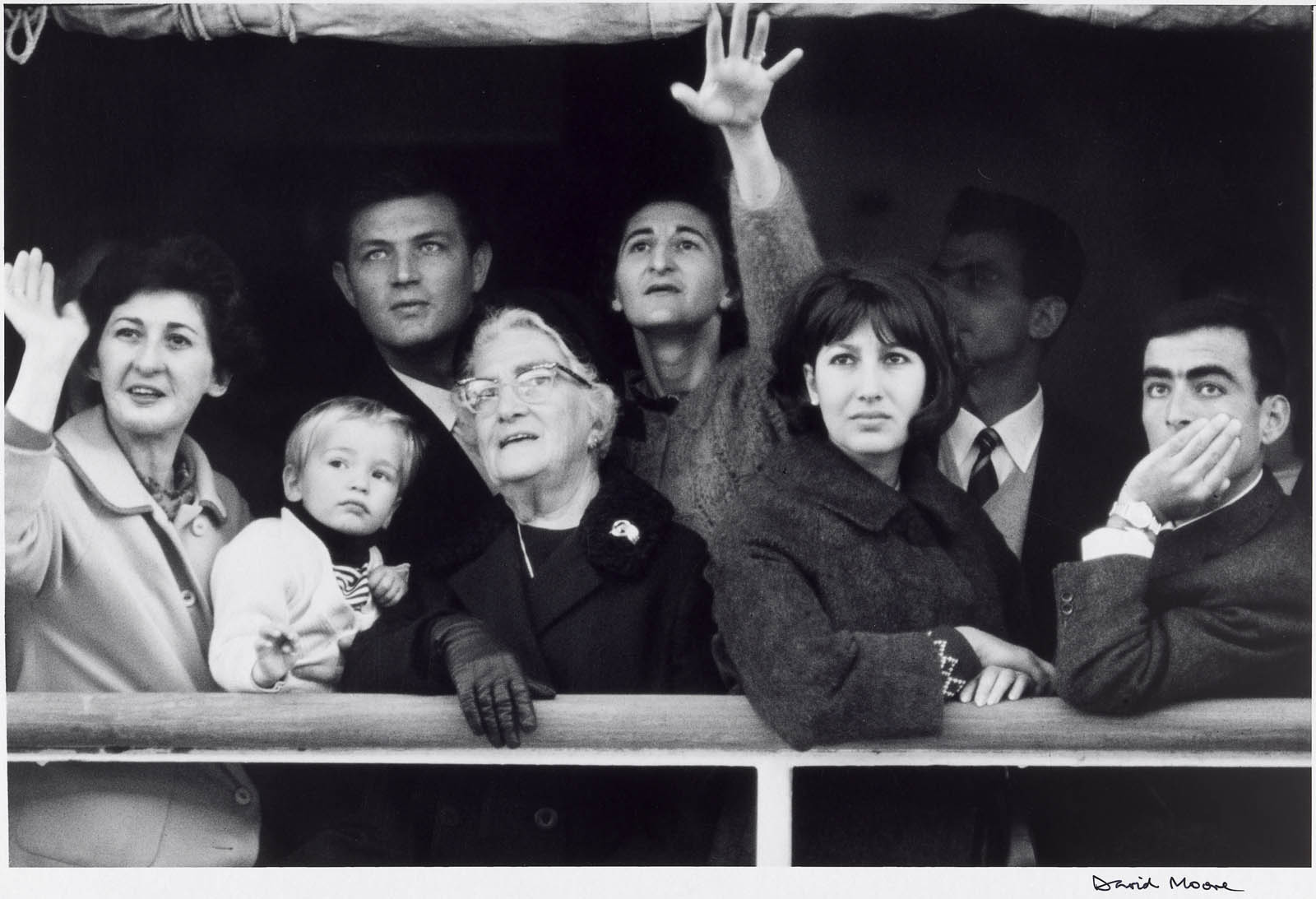
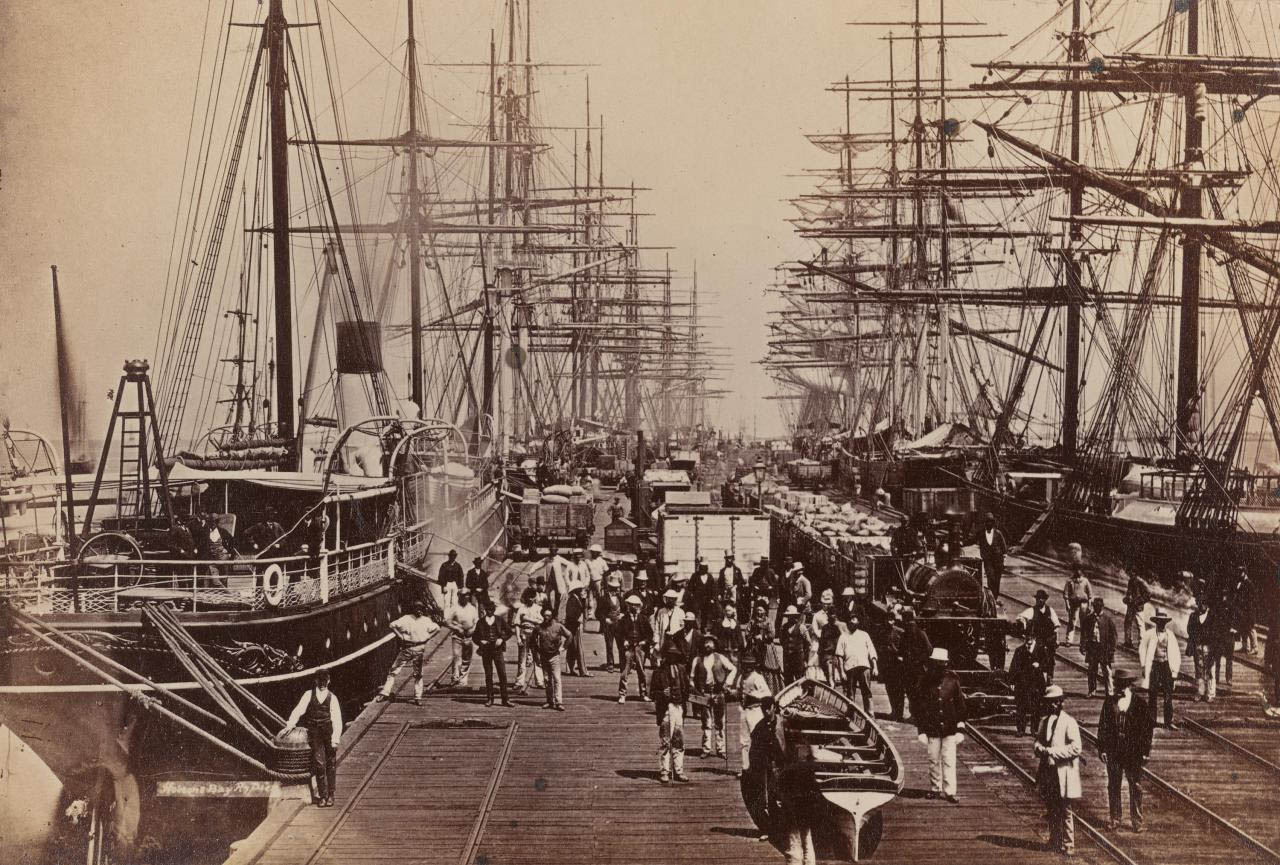


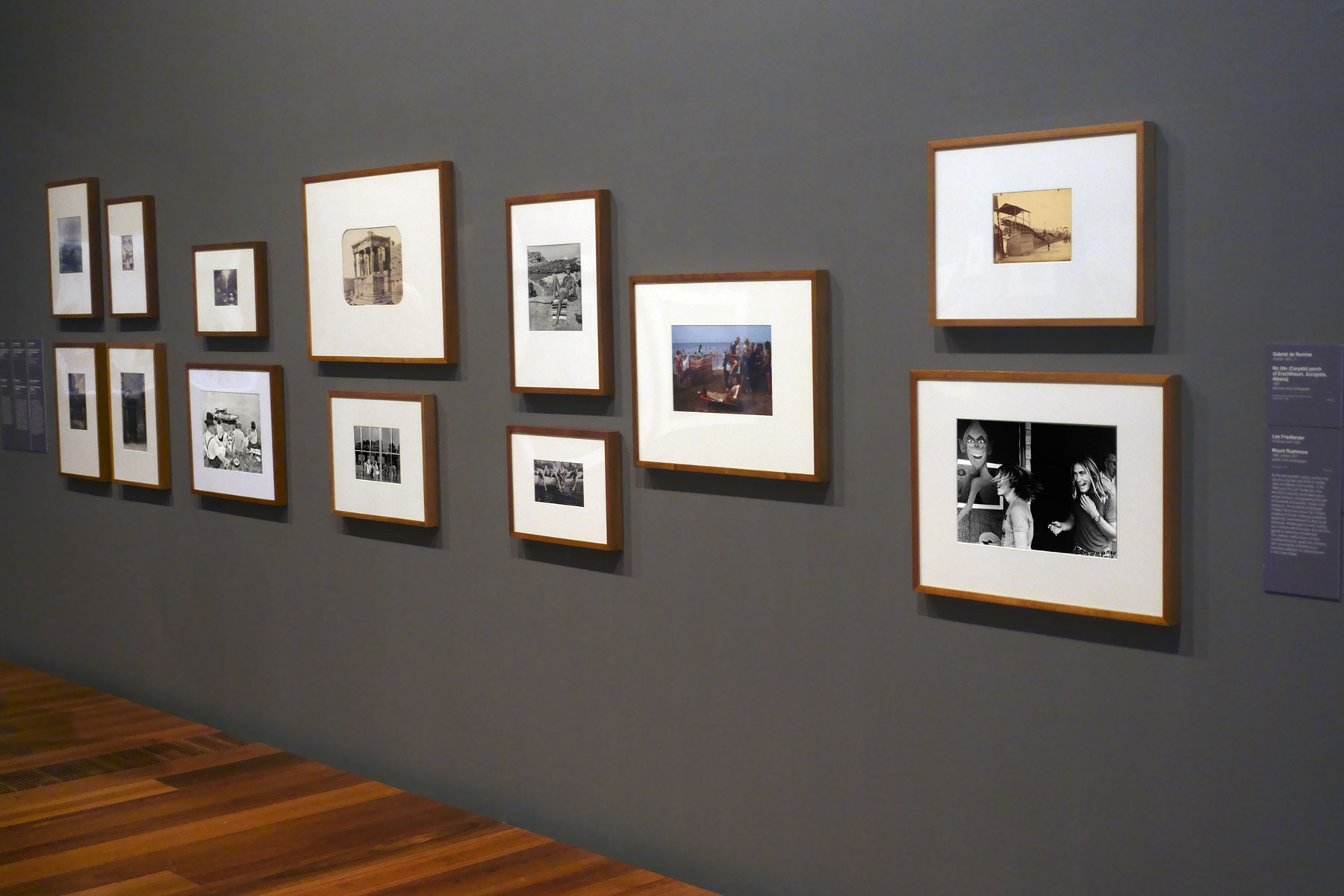


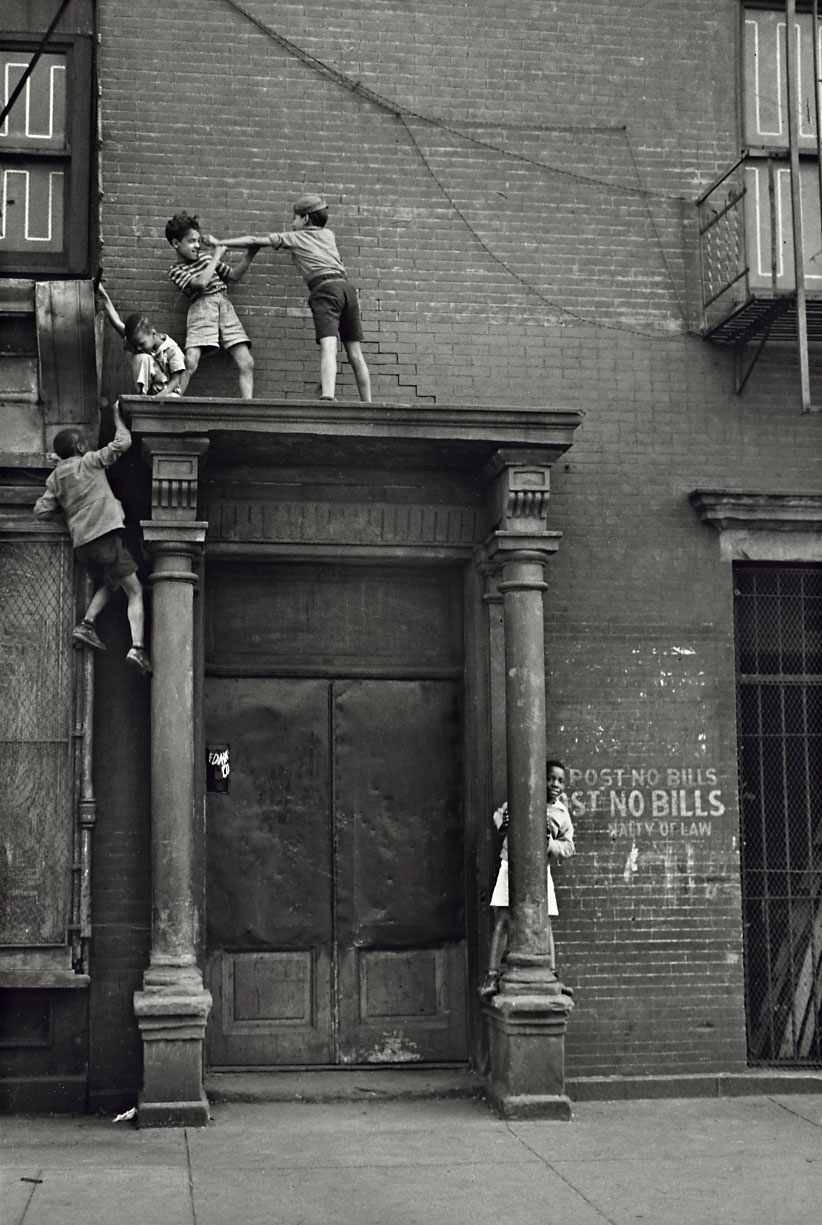
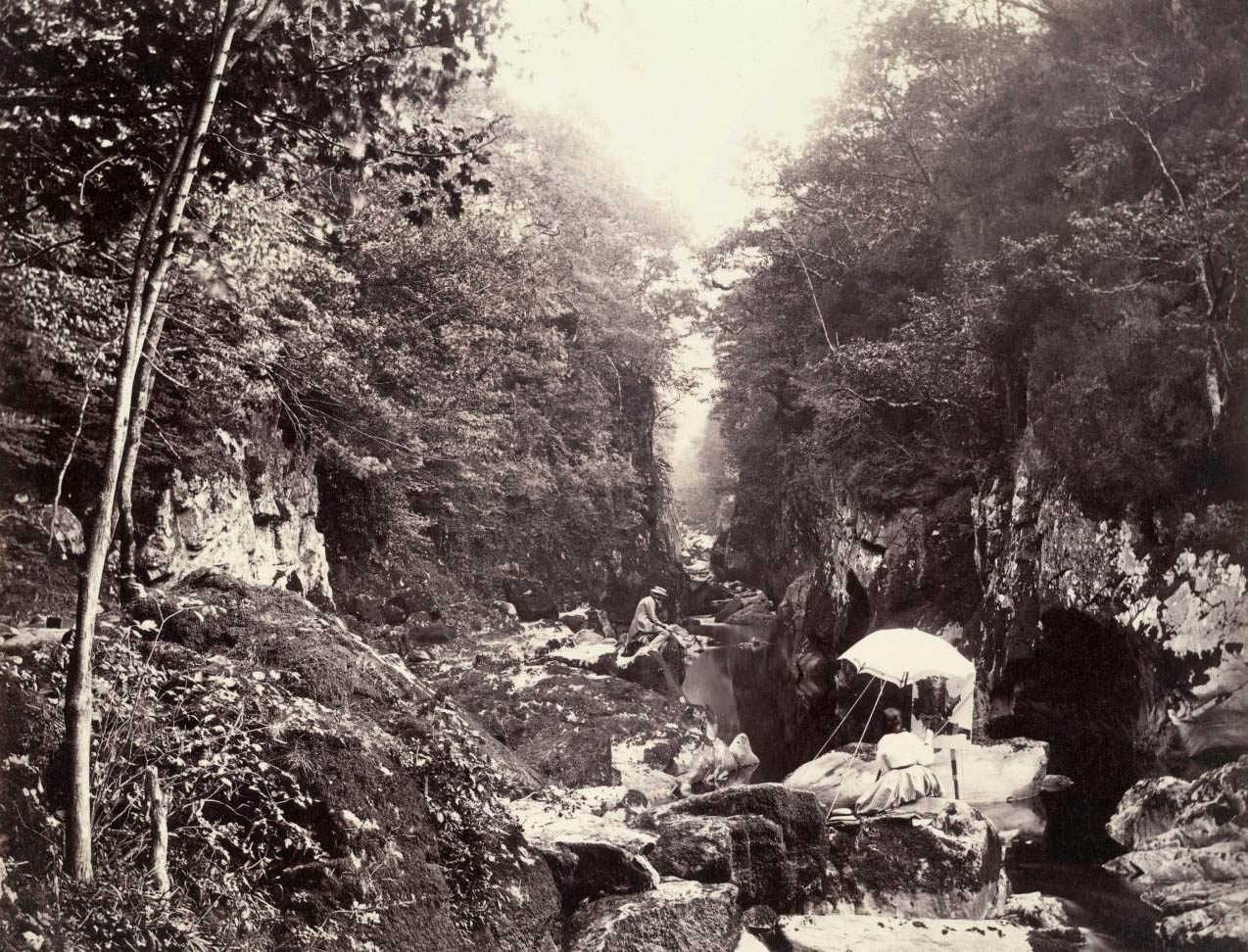
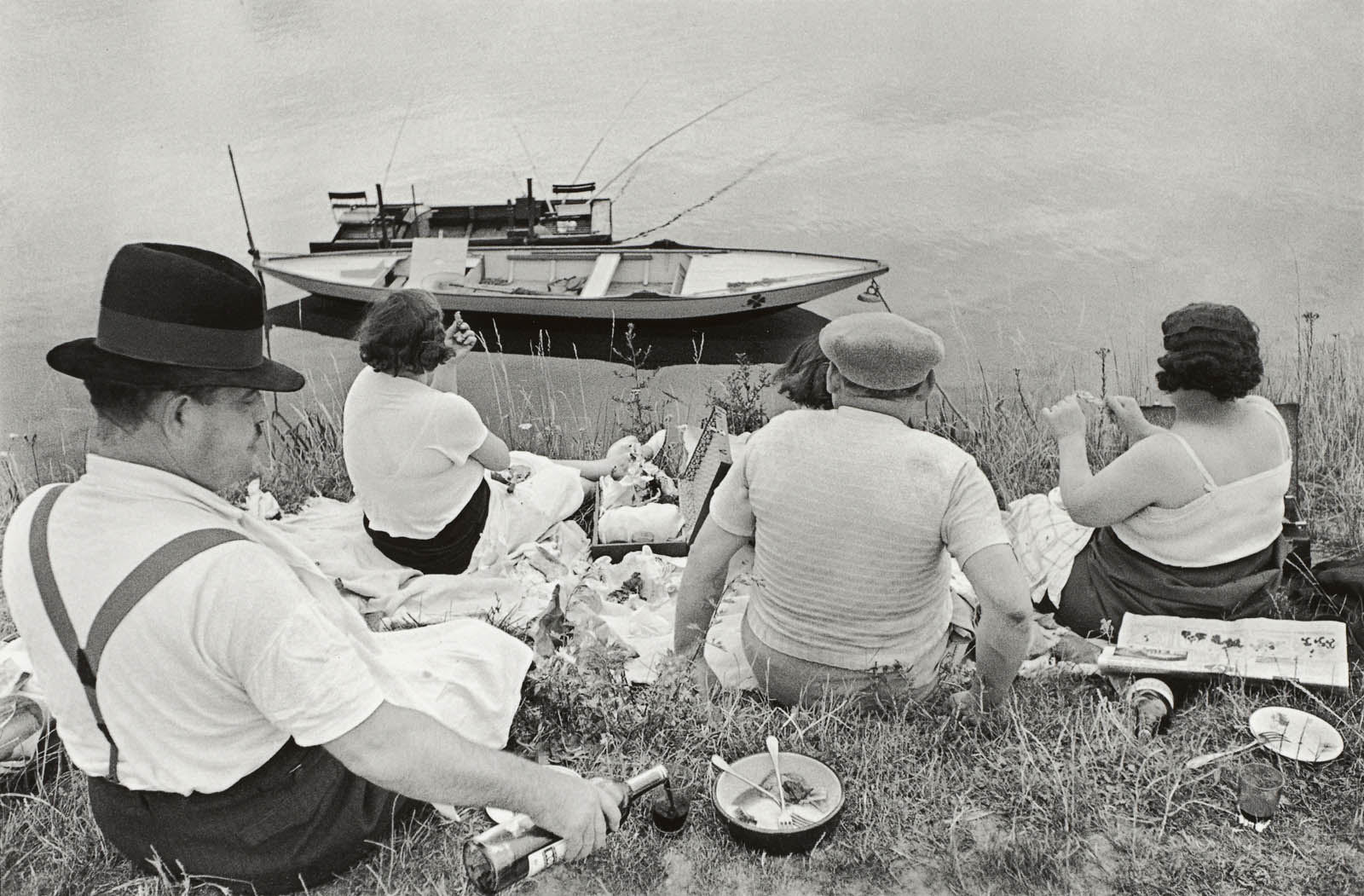
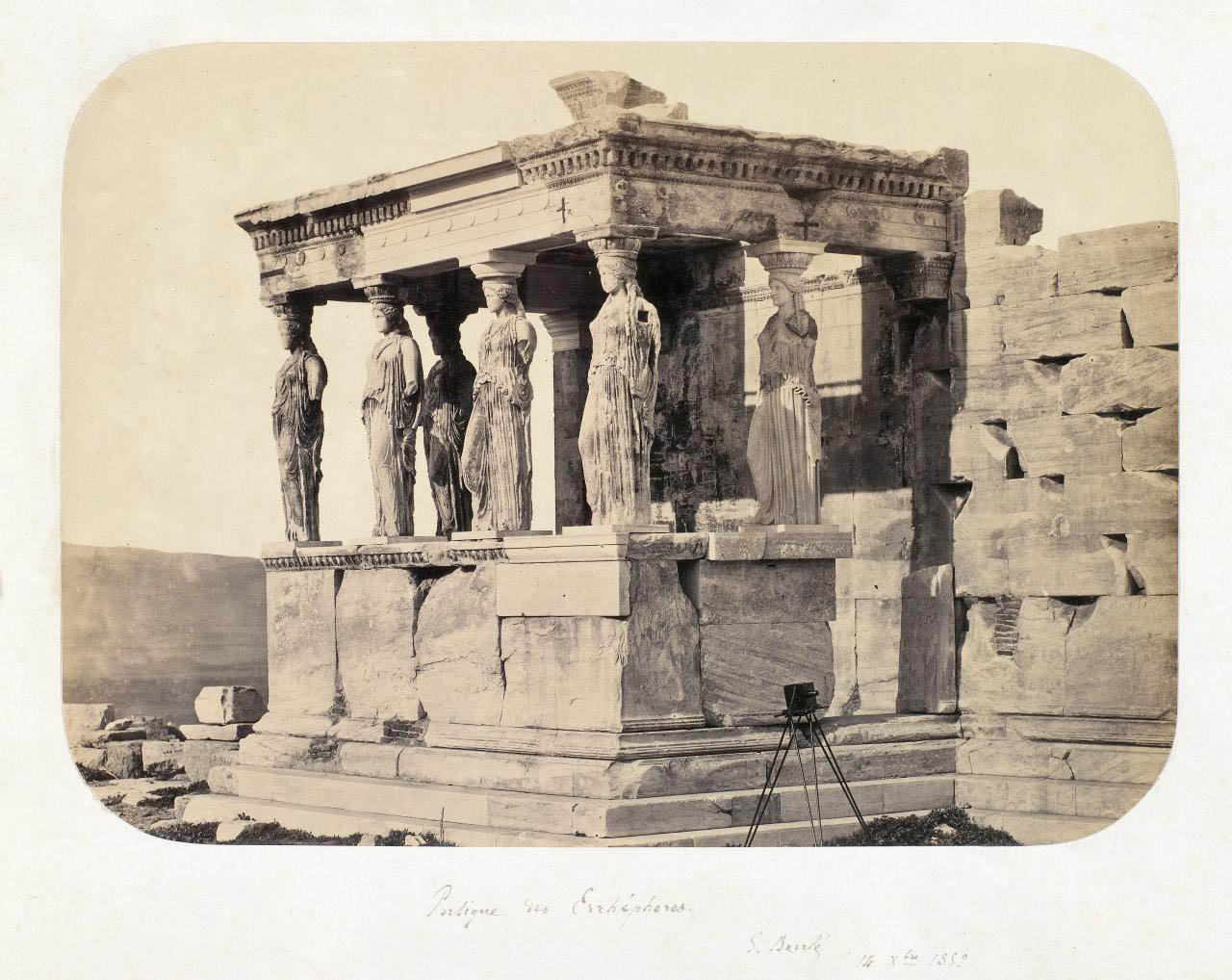


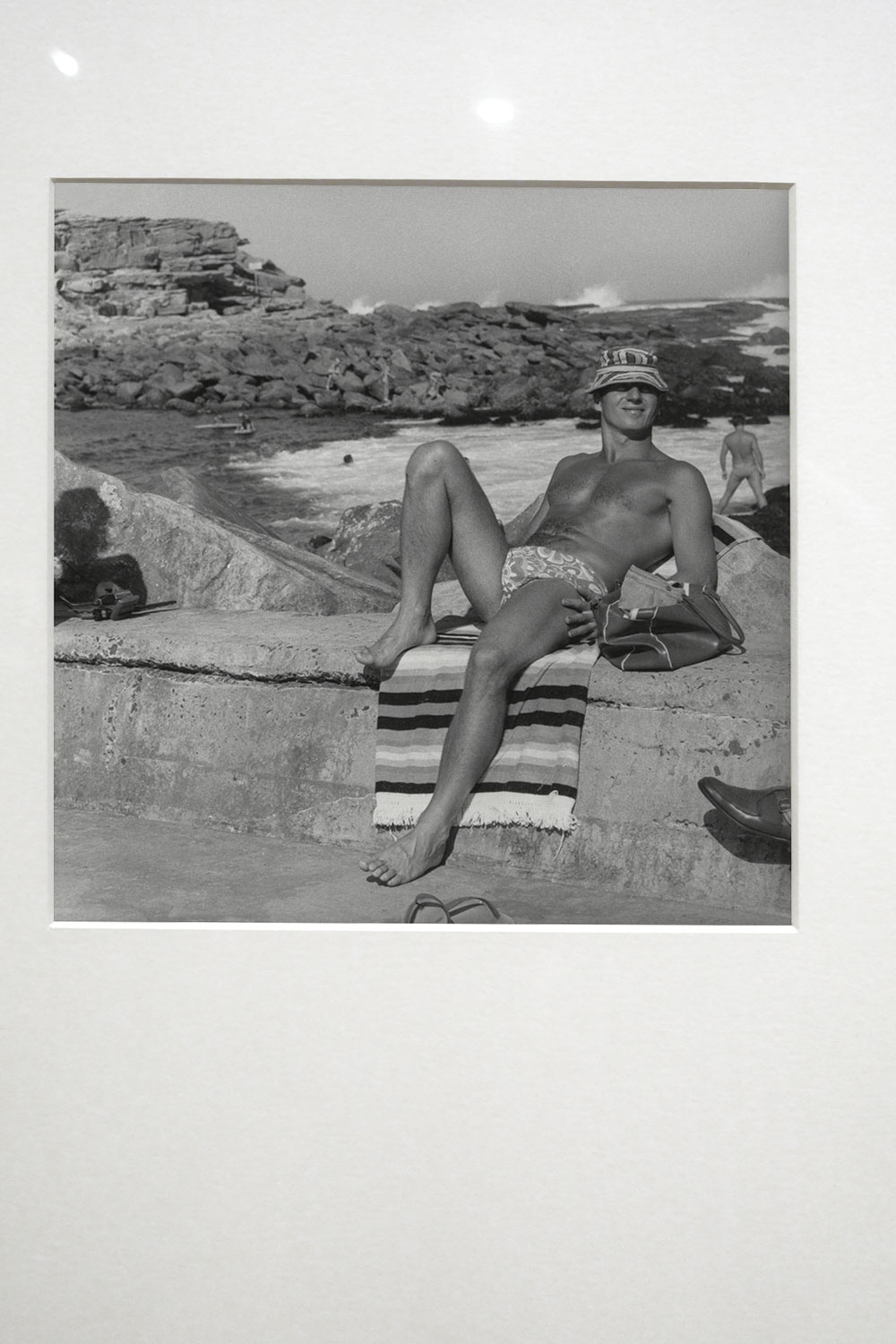
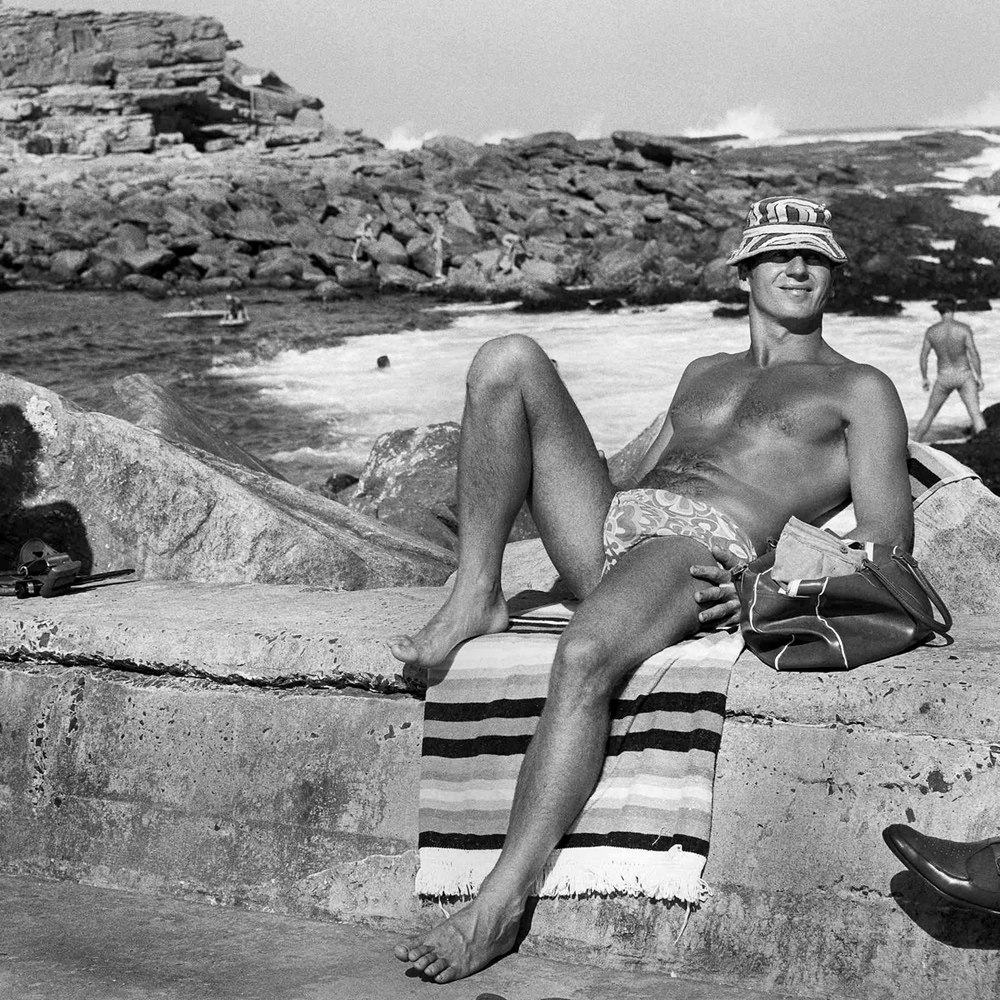
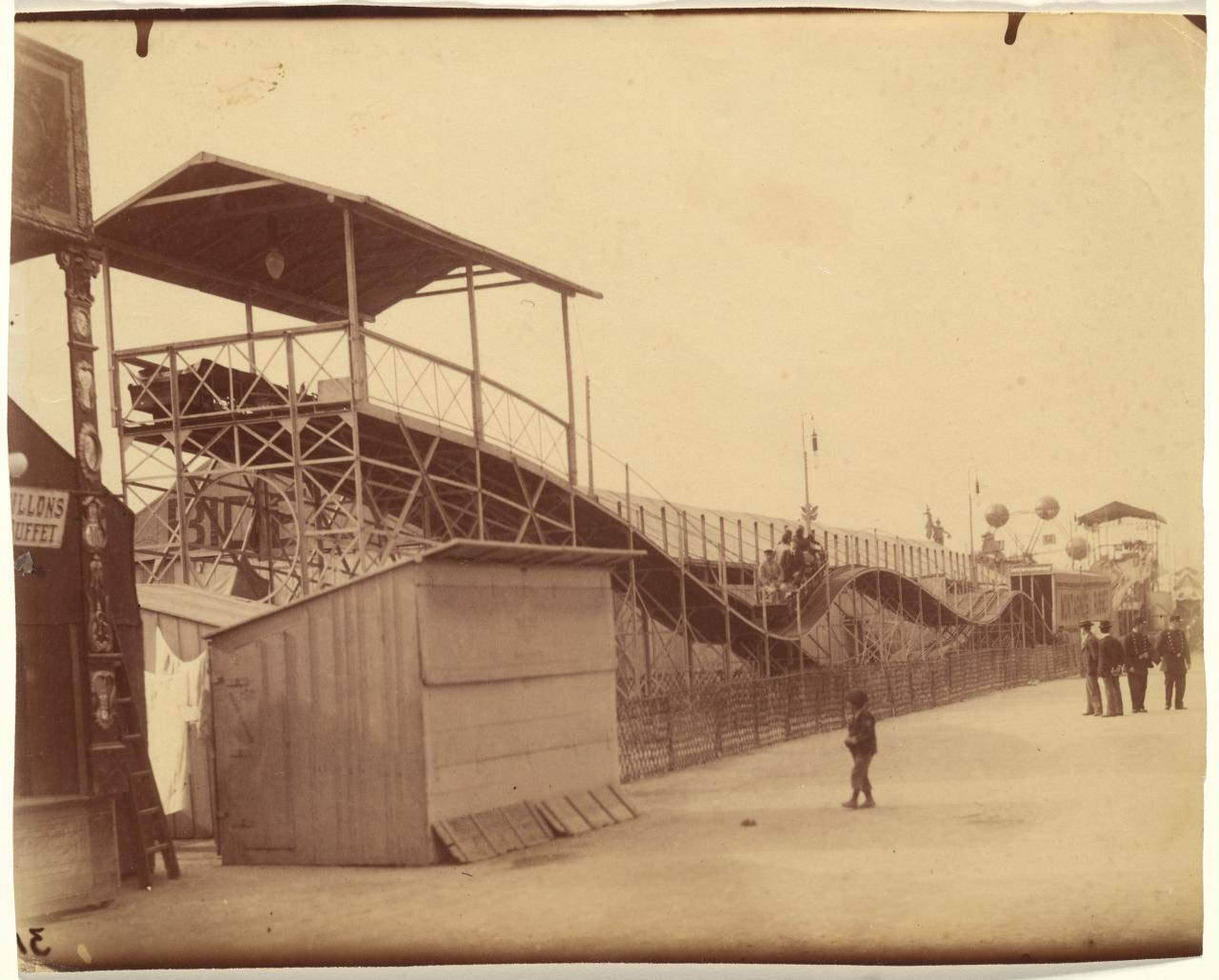

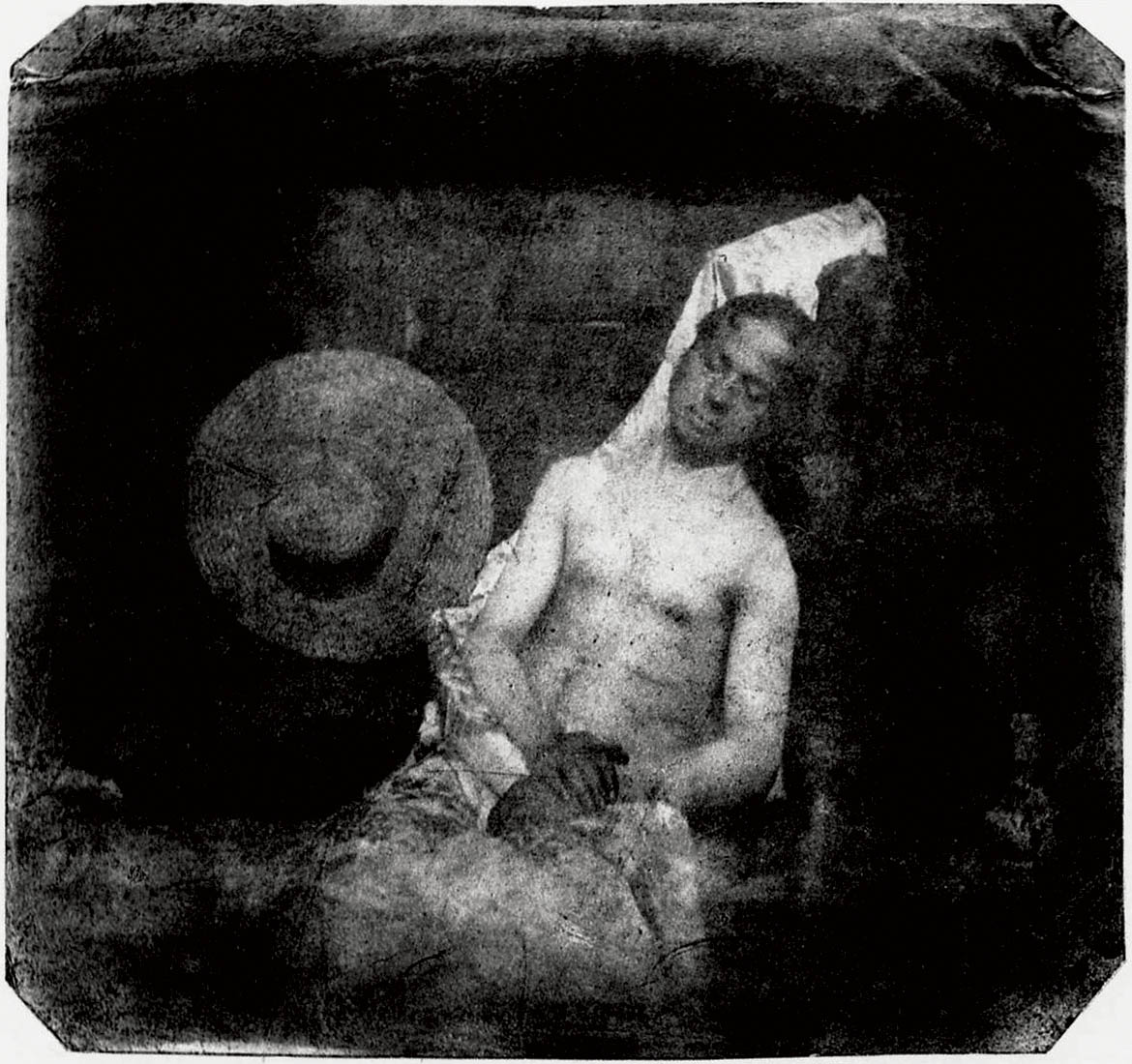
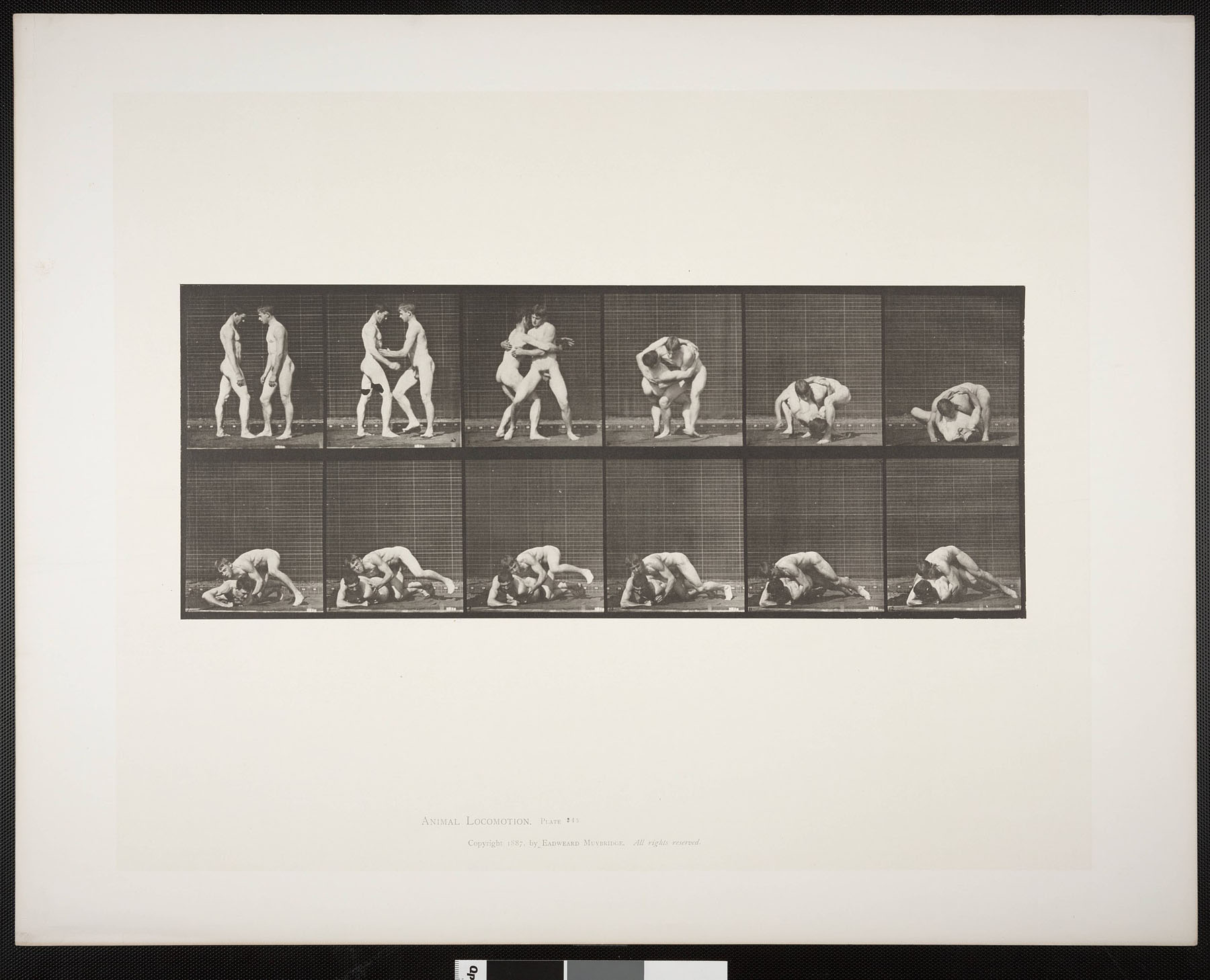
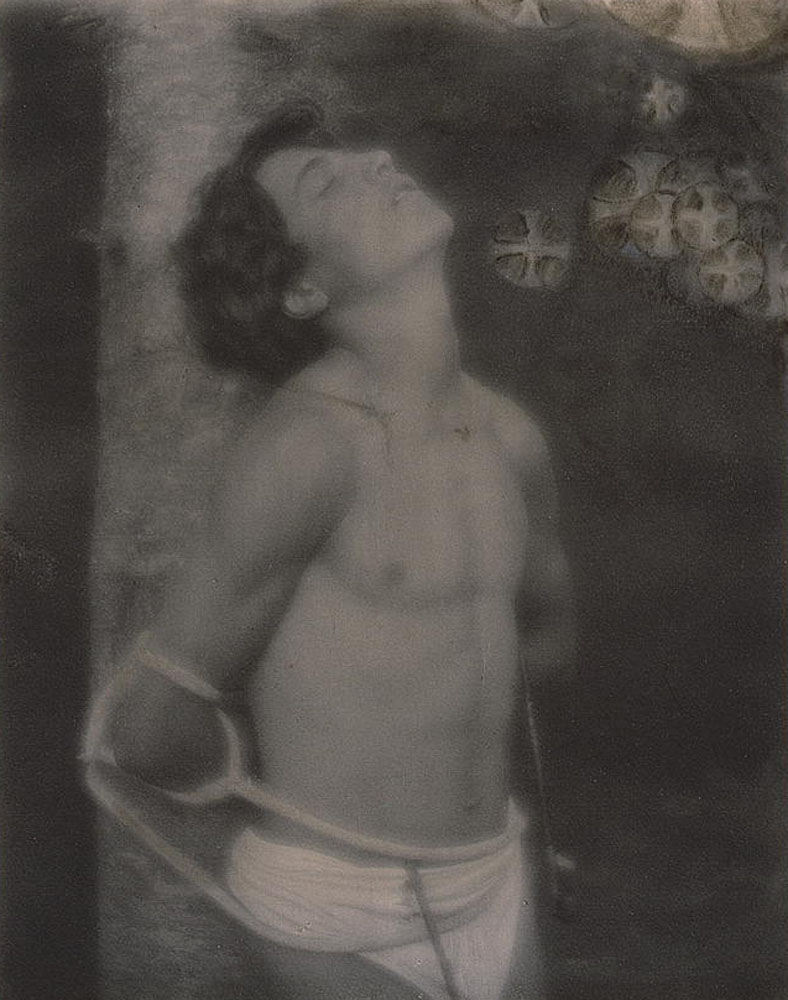
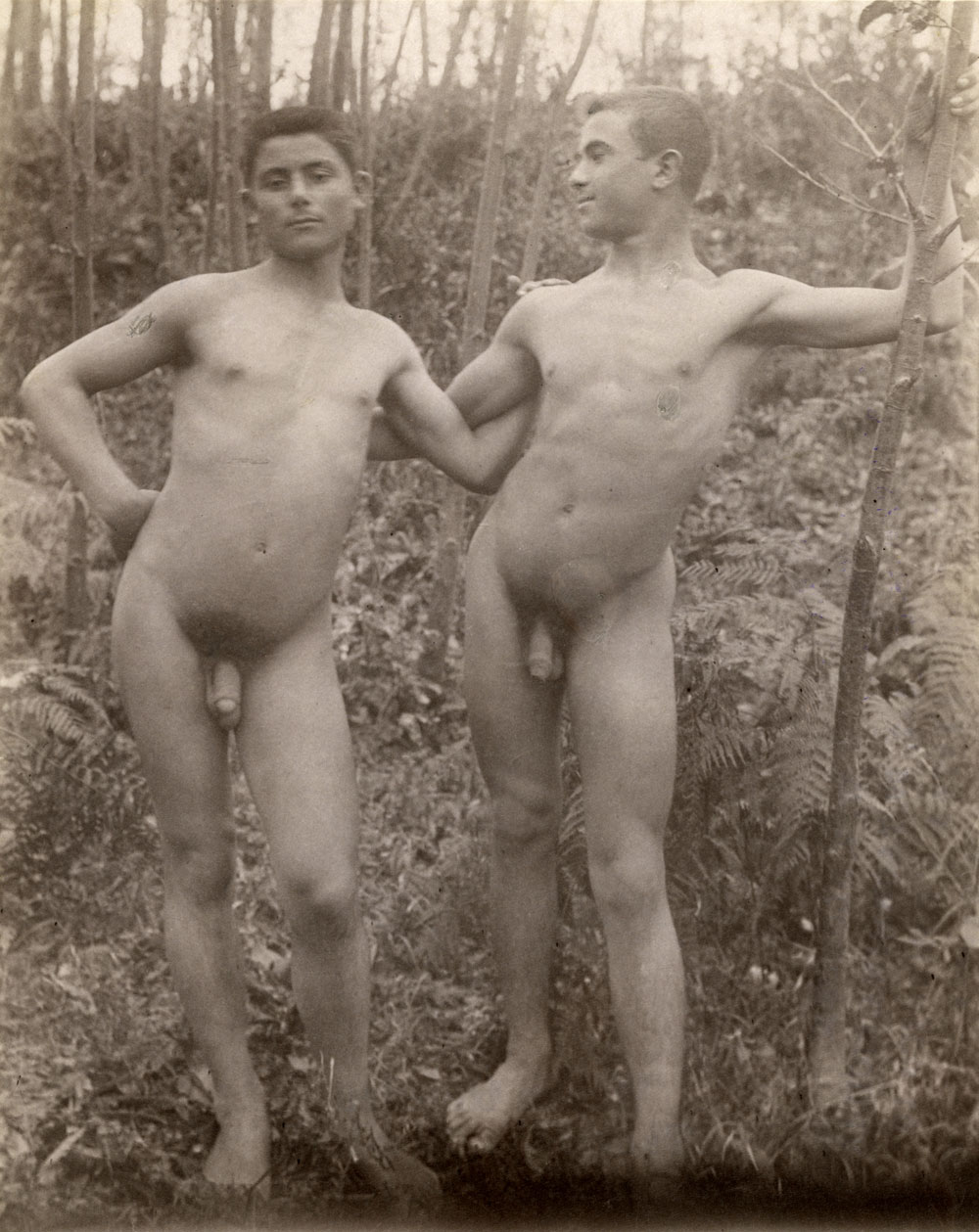


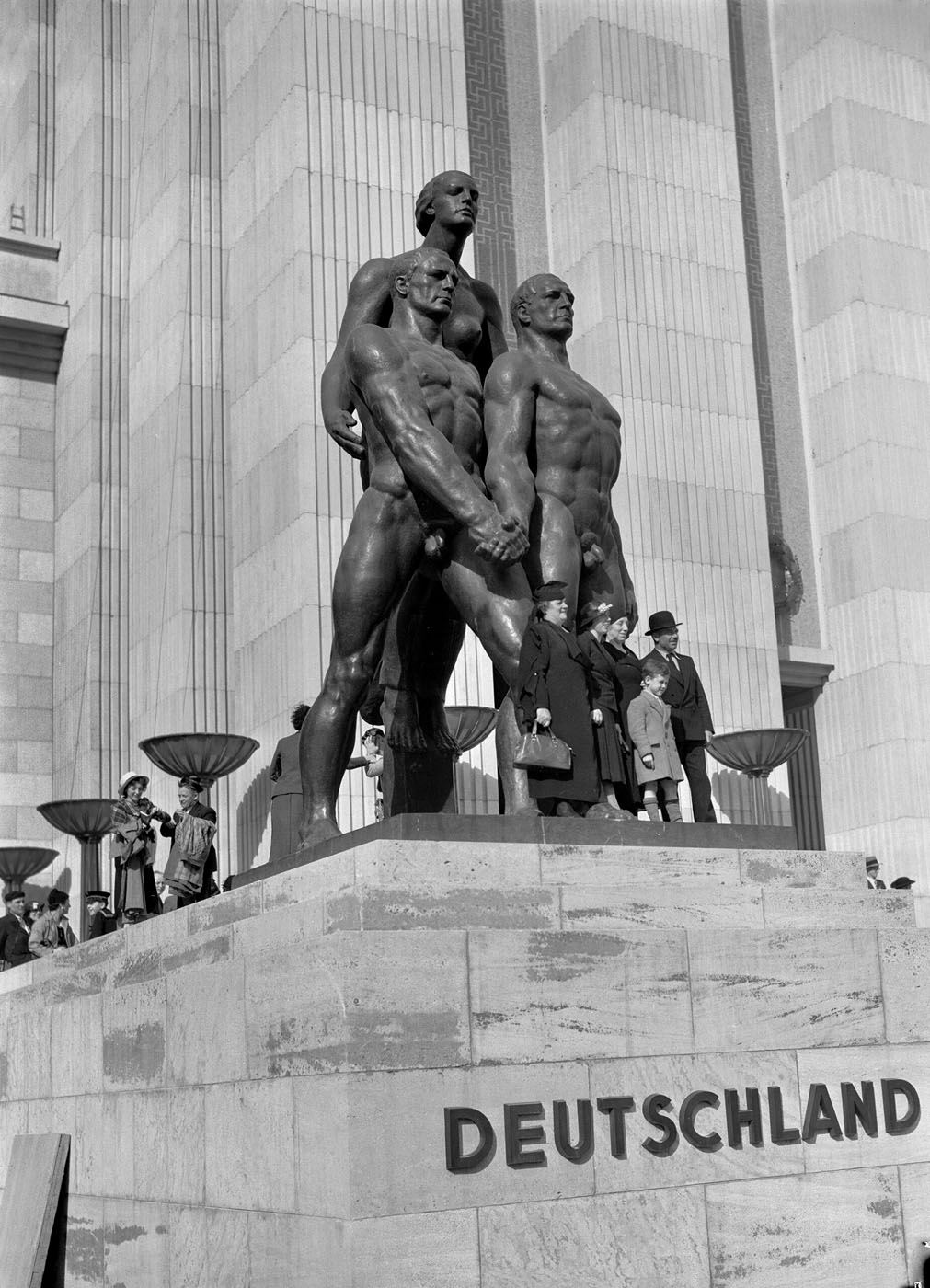


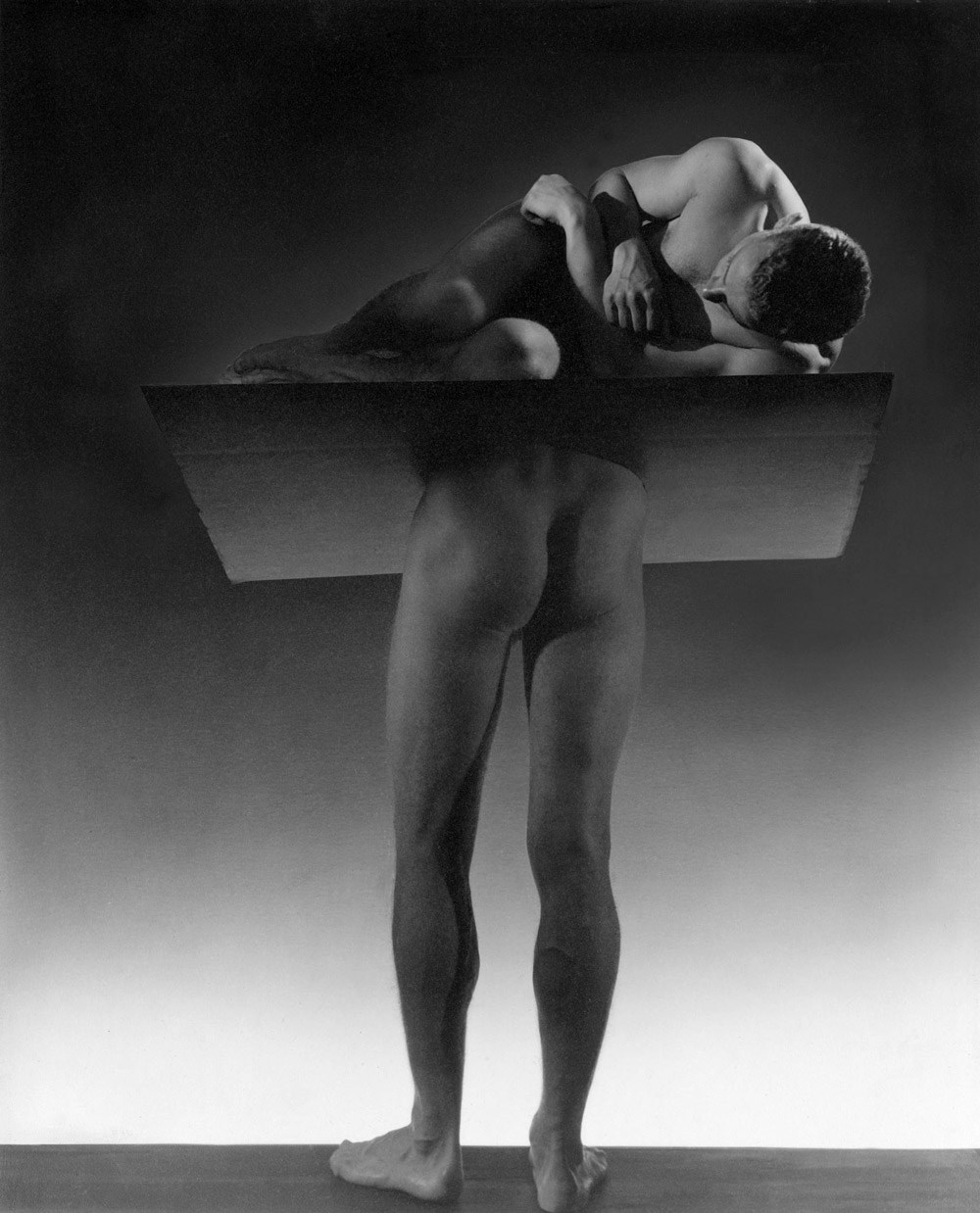
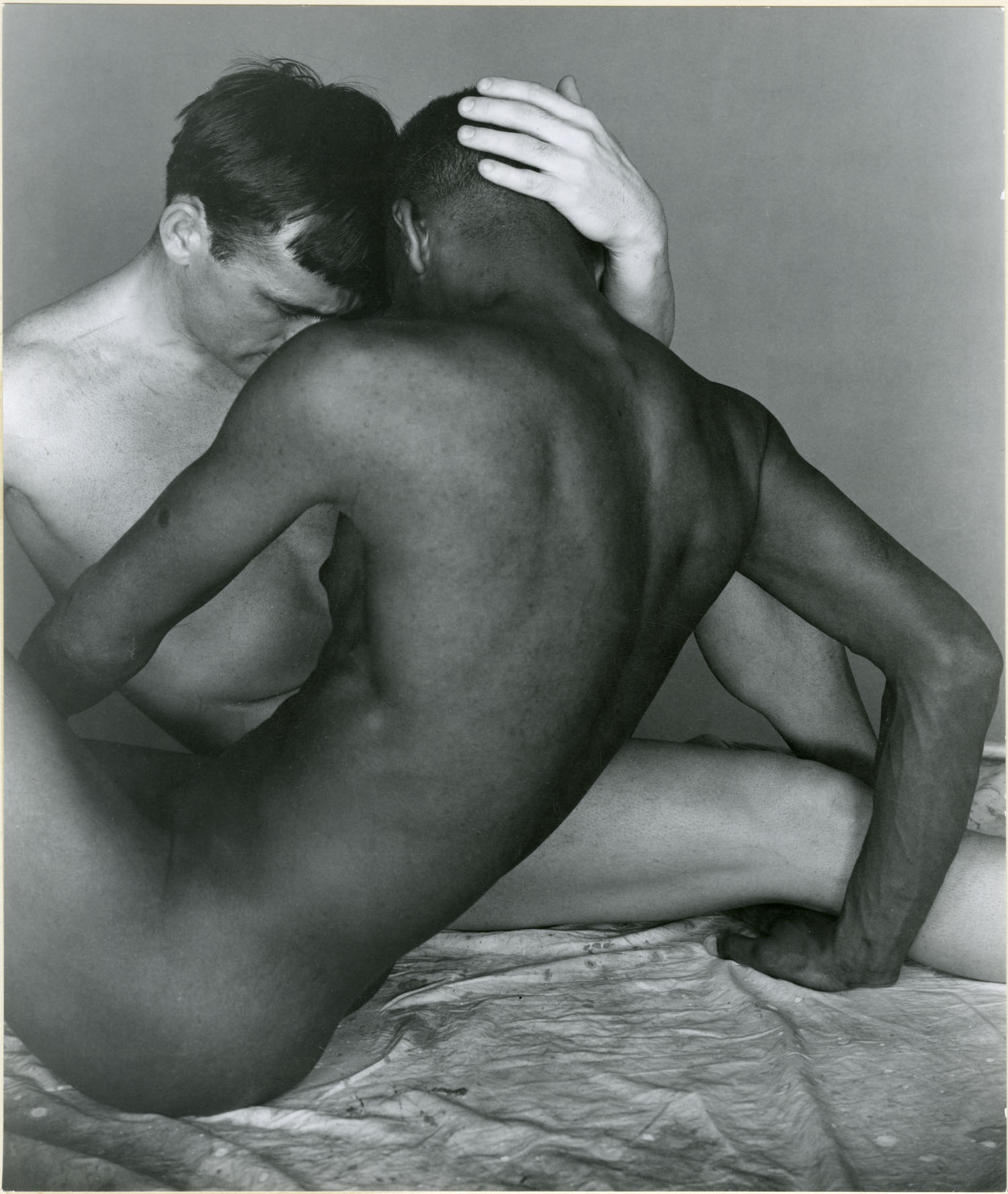

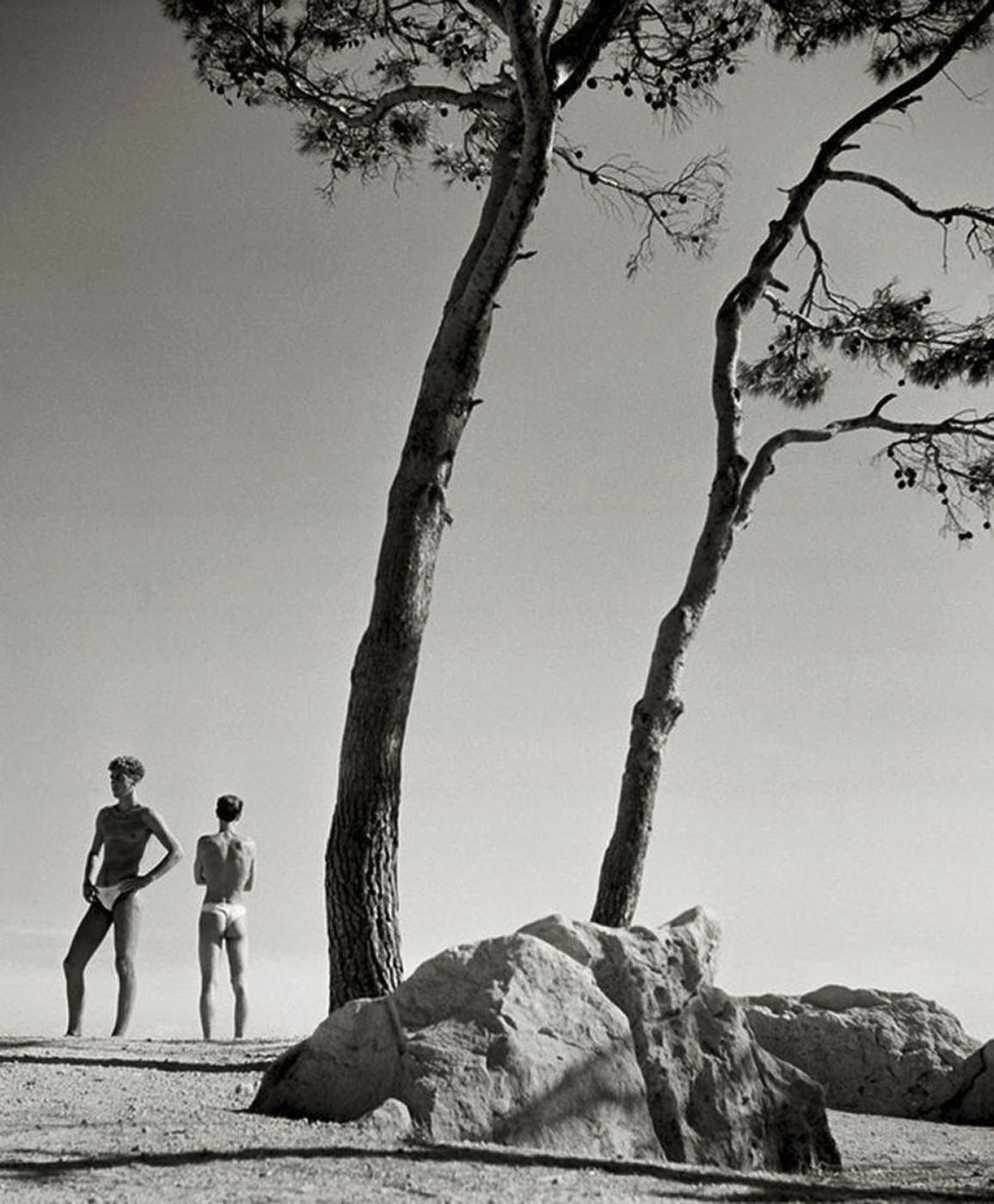
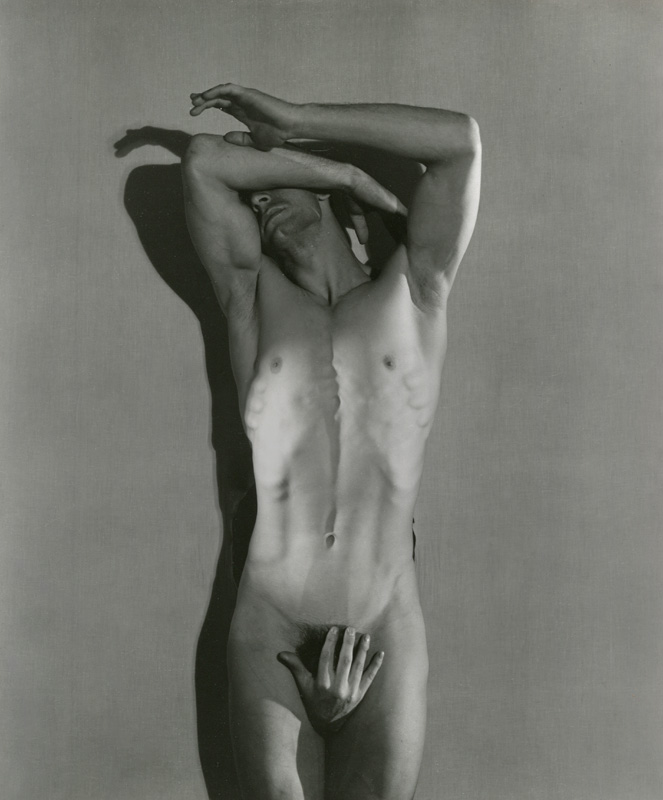
![George Platt Lynes. 'Untitled [Charles 'Tex' Smutney, Charles 'Buddy' Stanley, and Bradbury Ball]' c. 1942](https://artblart.com/wp-content/uploads/2014/06/lynes-c-1942.jpg "George Platt Lynes. 'Untitled [Charles 'Tex' Smutney, Charles 'Buddy' Stanley, and Bradbury Ball]' c. 1942")

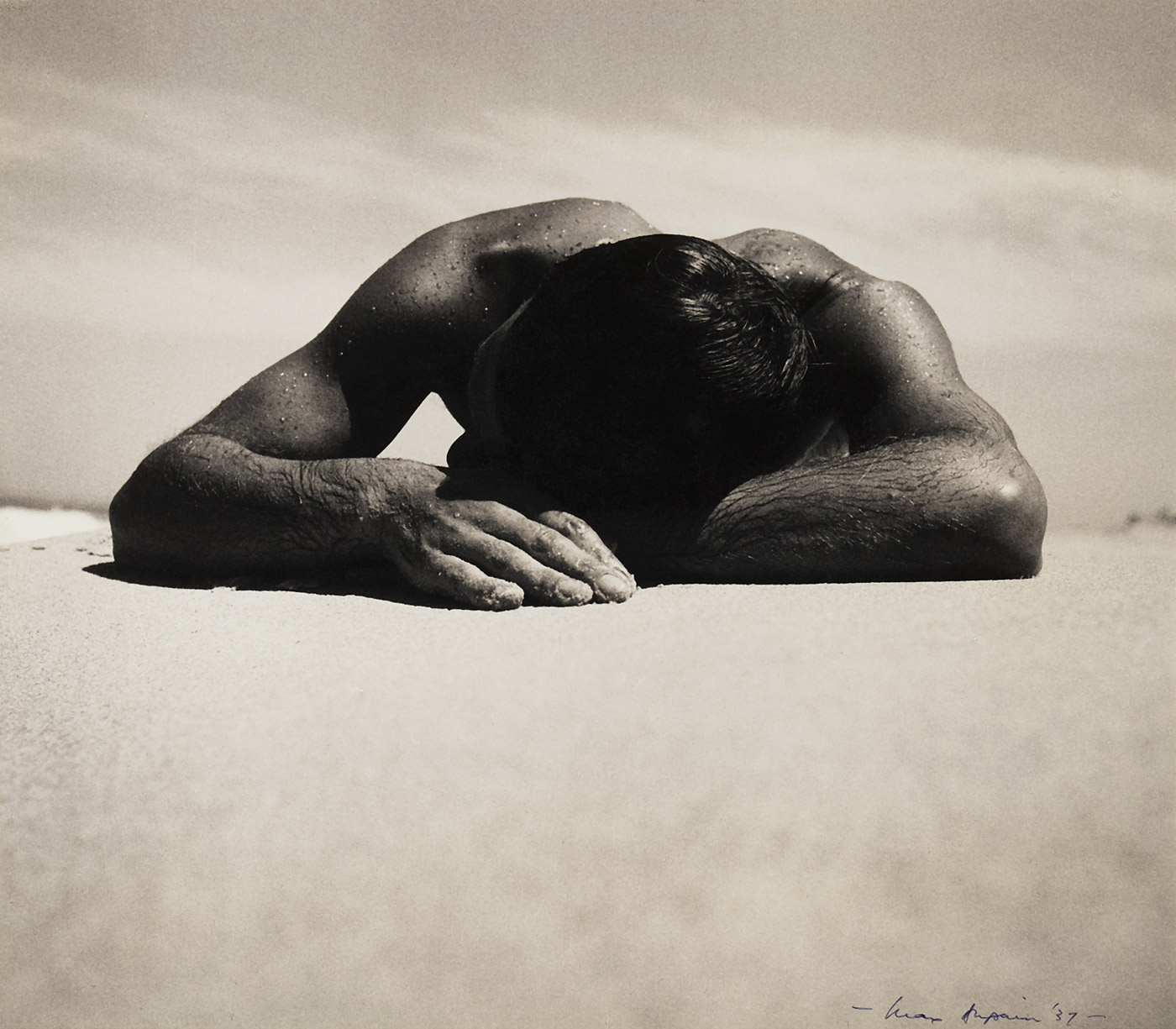



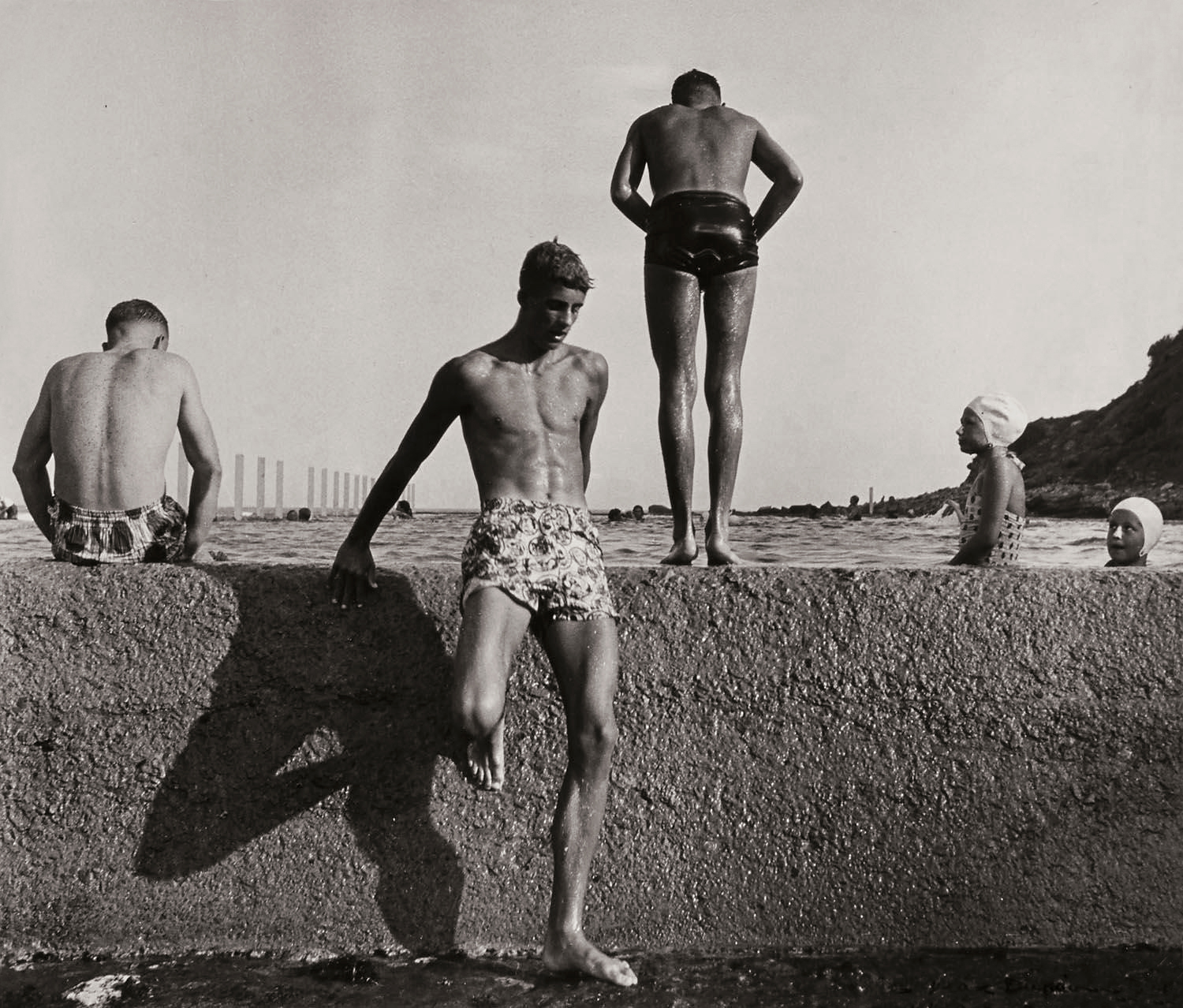

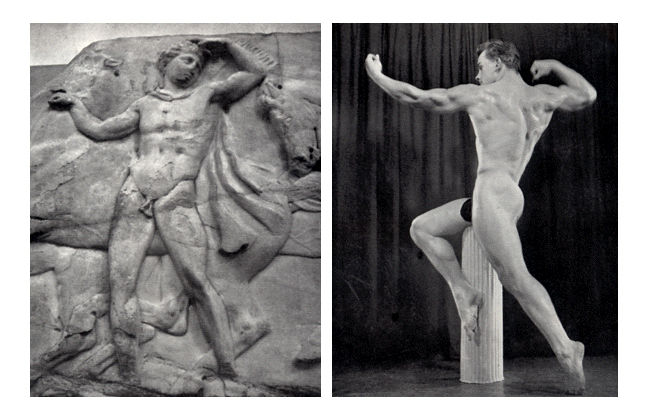
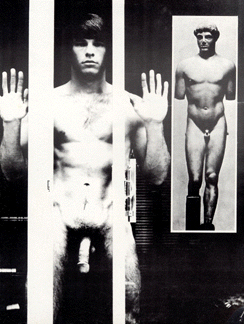
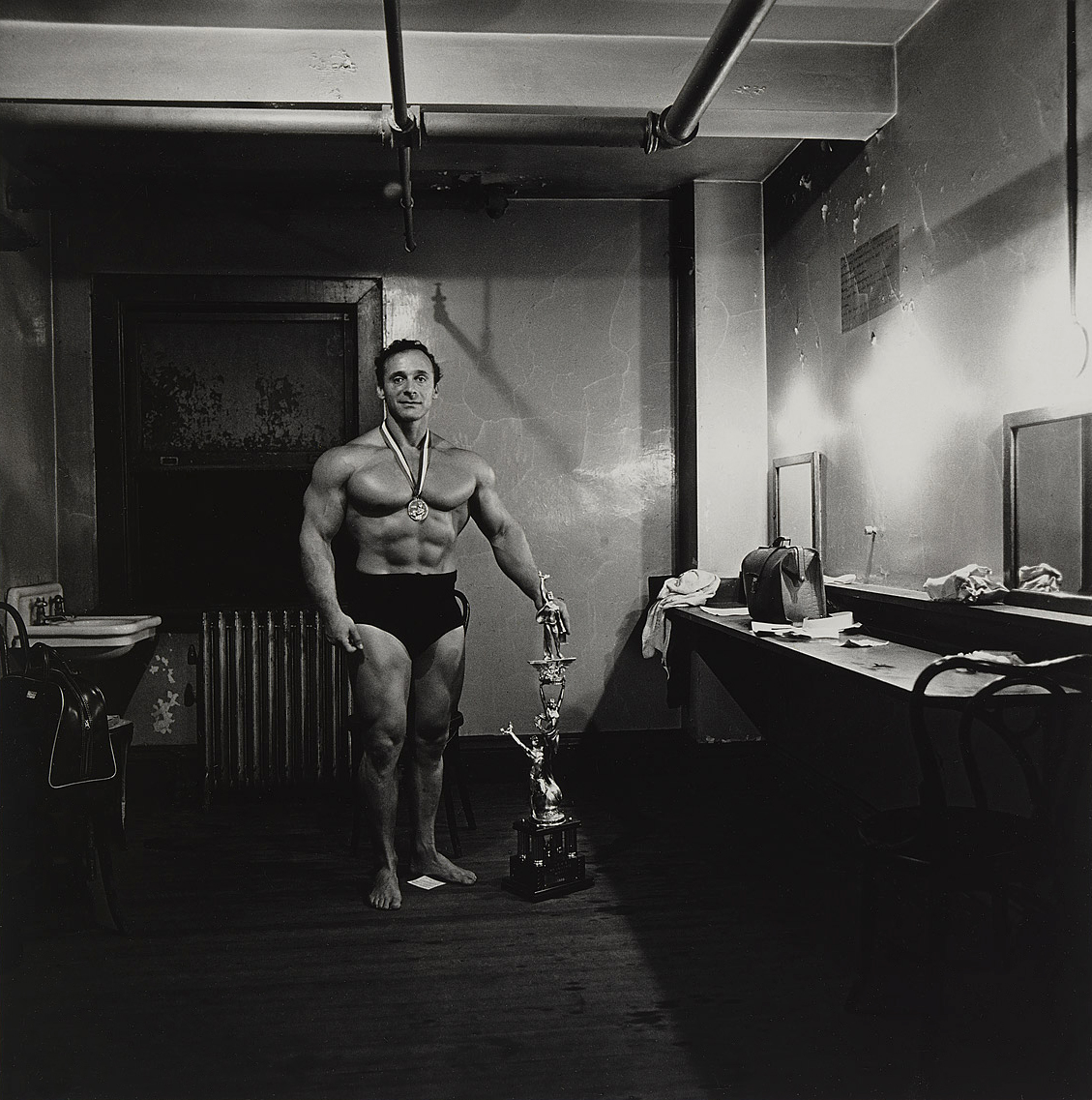



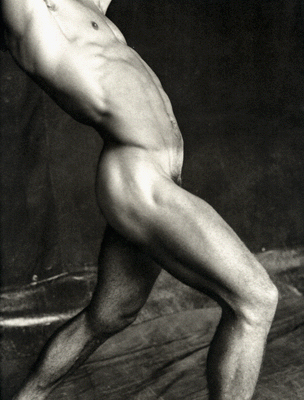
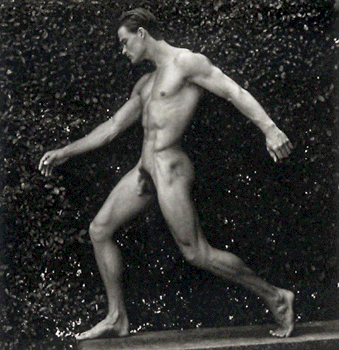


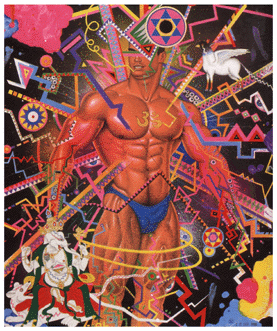
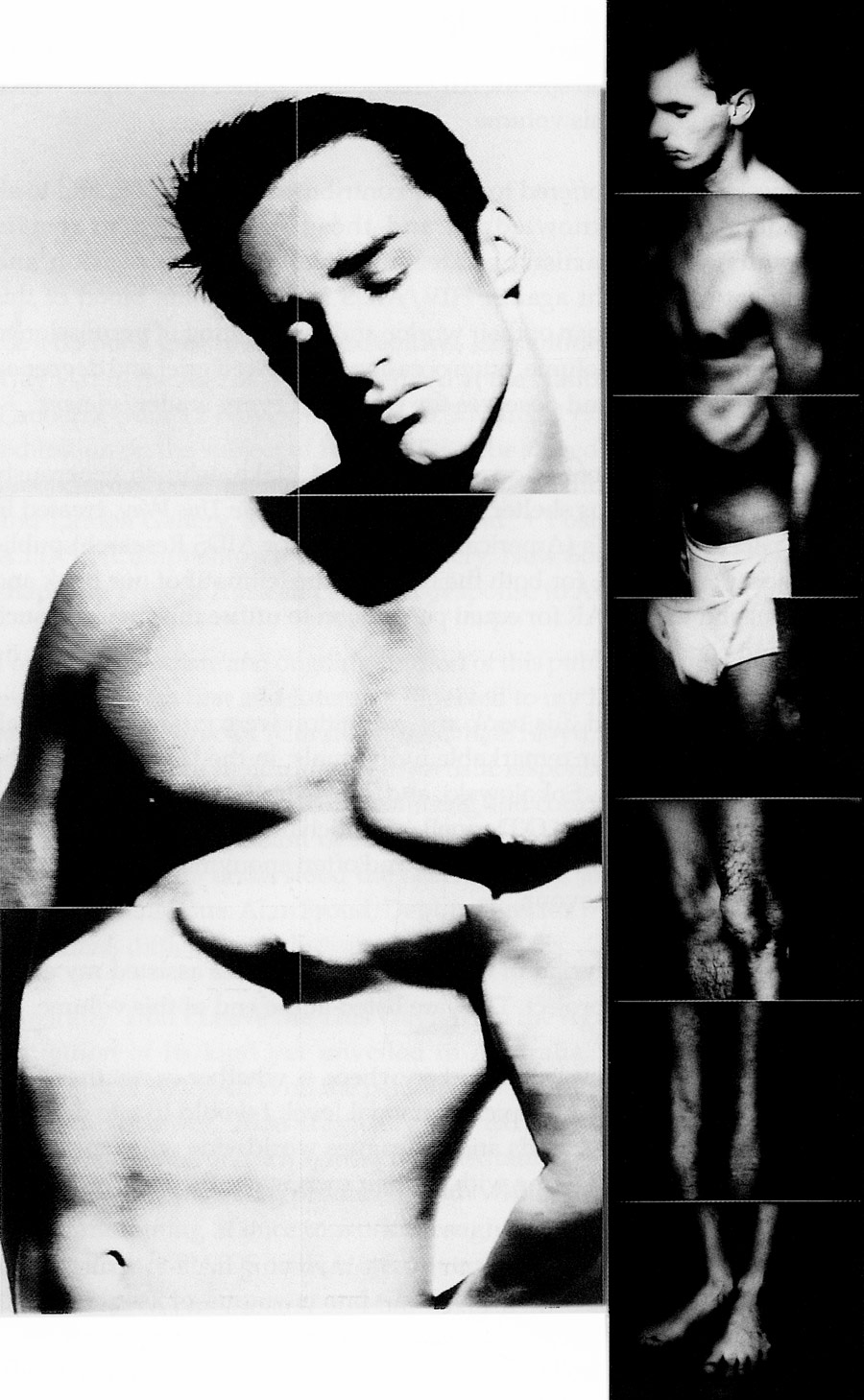



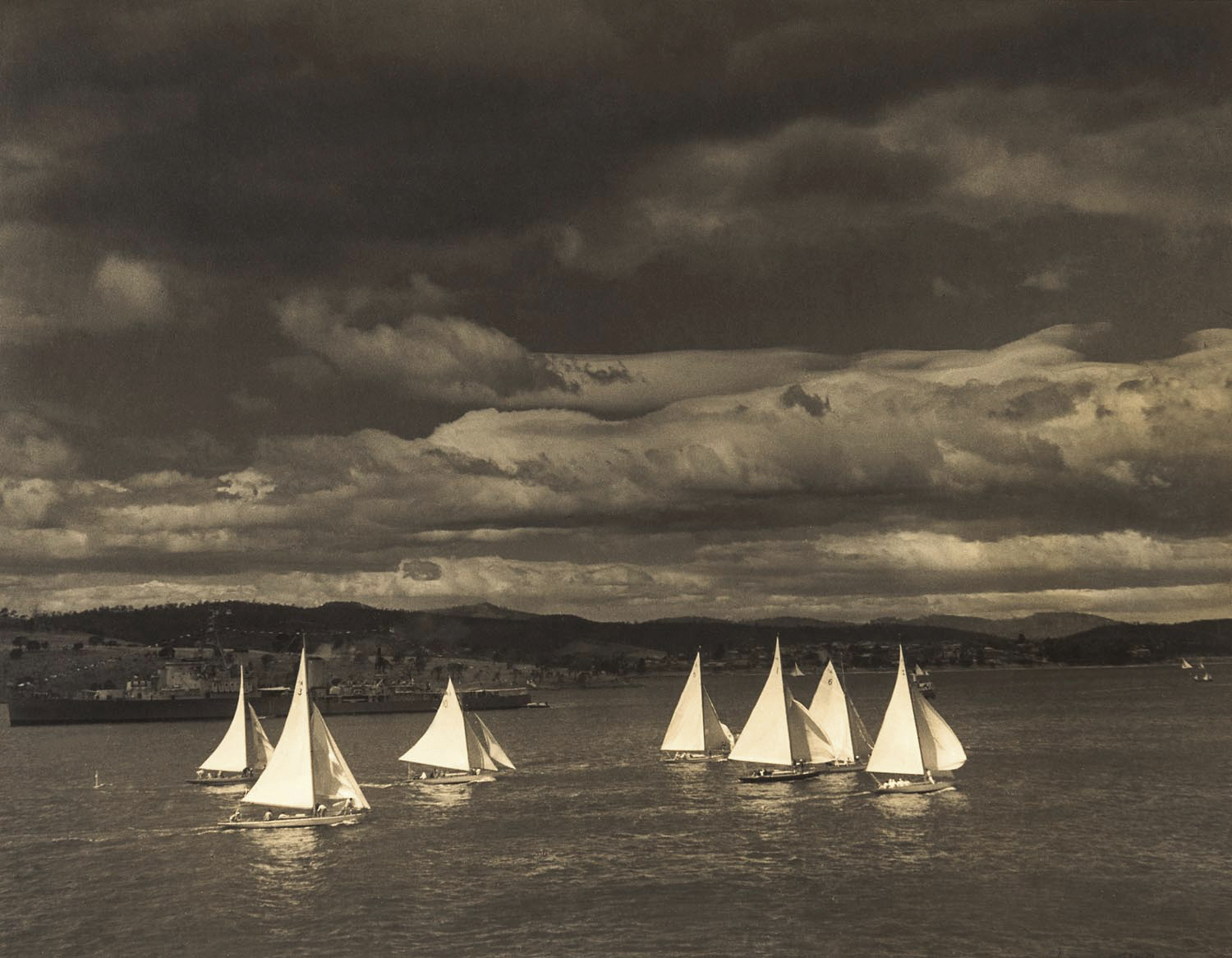
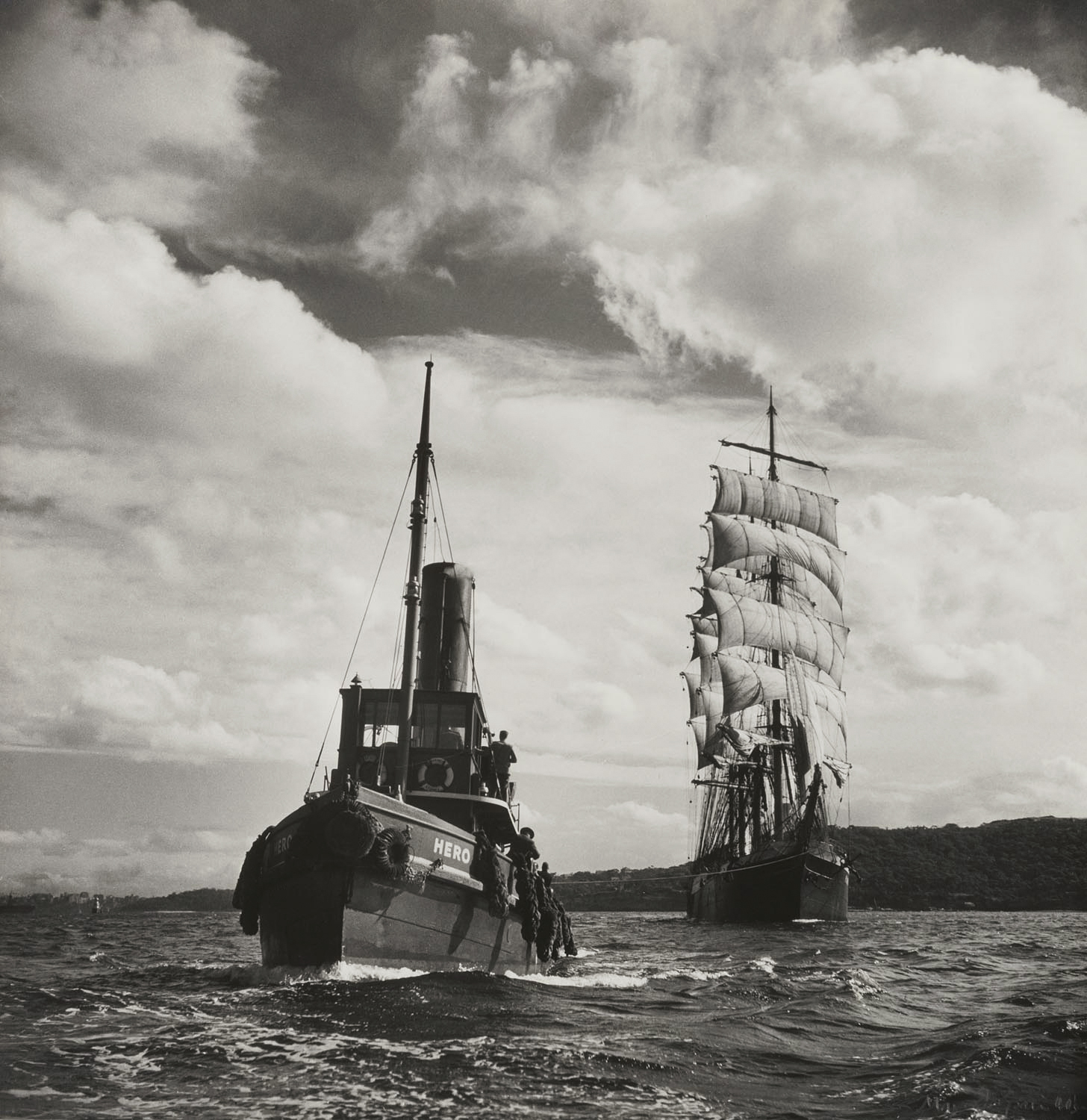
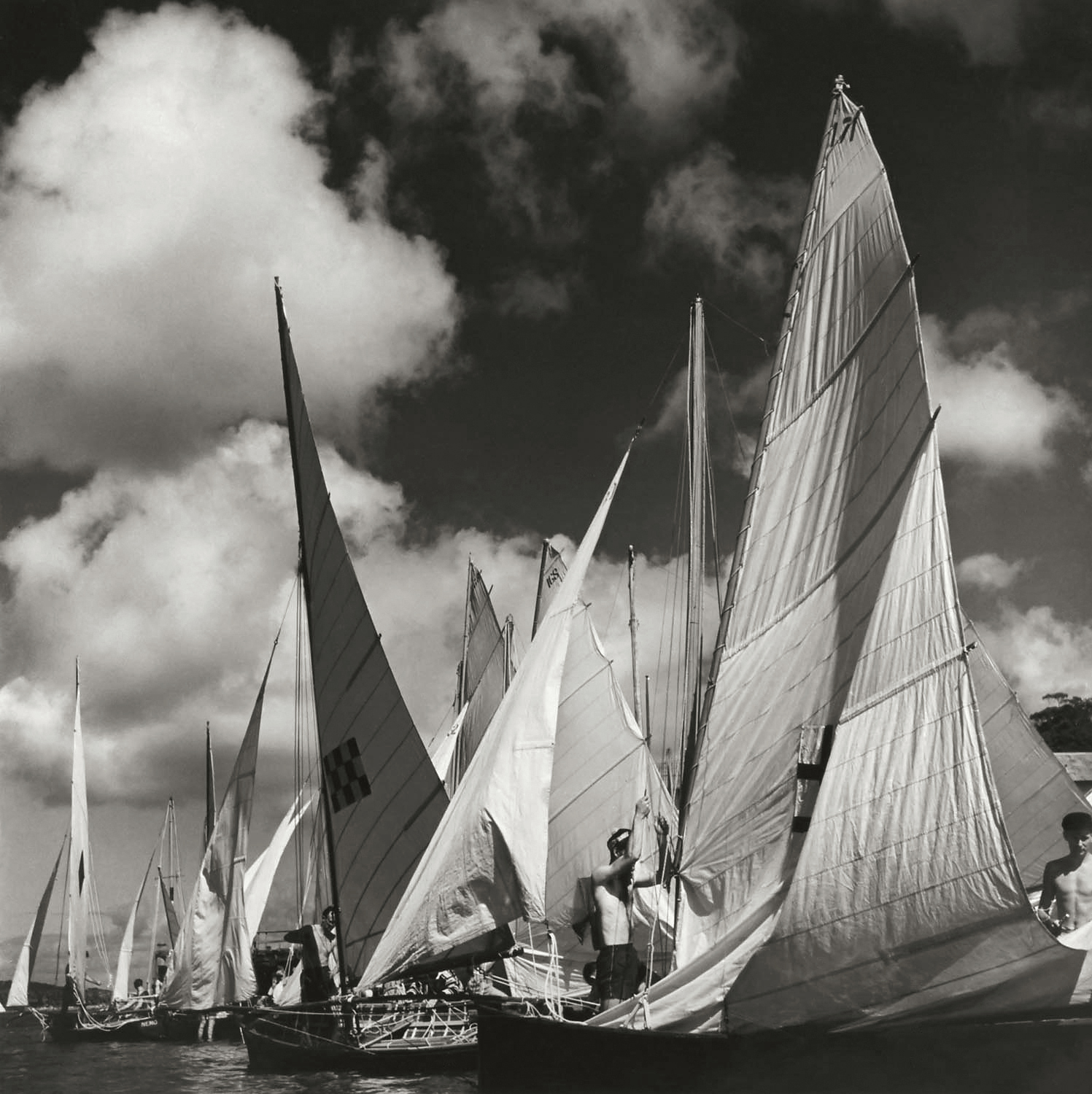
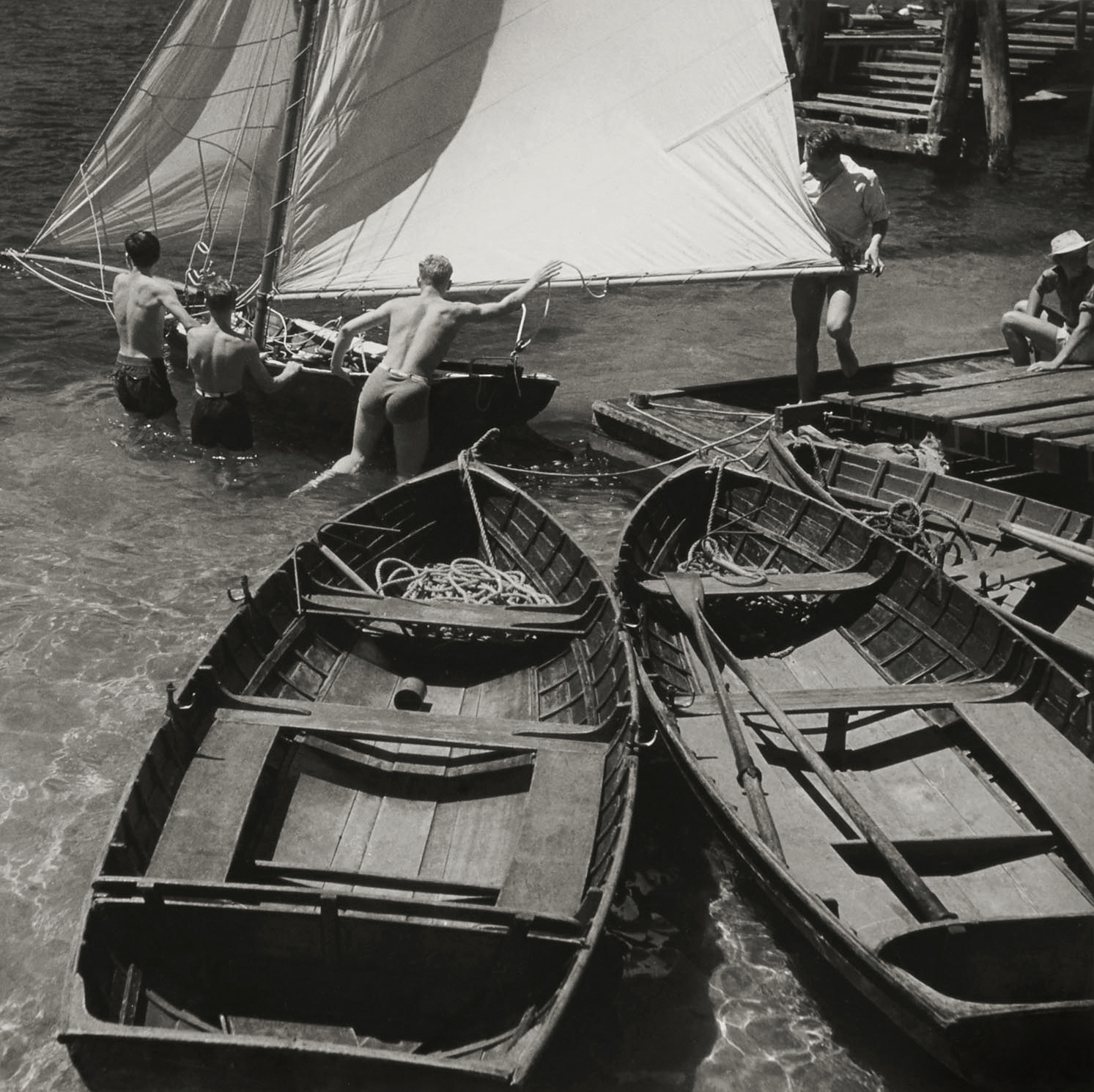
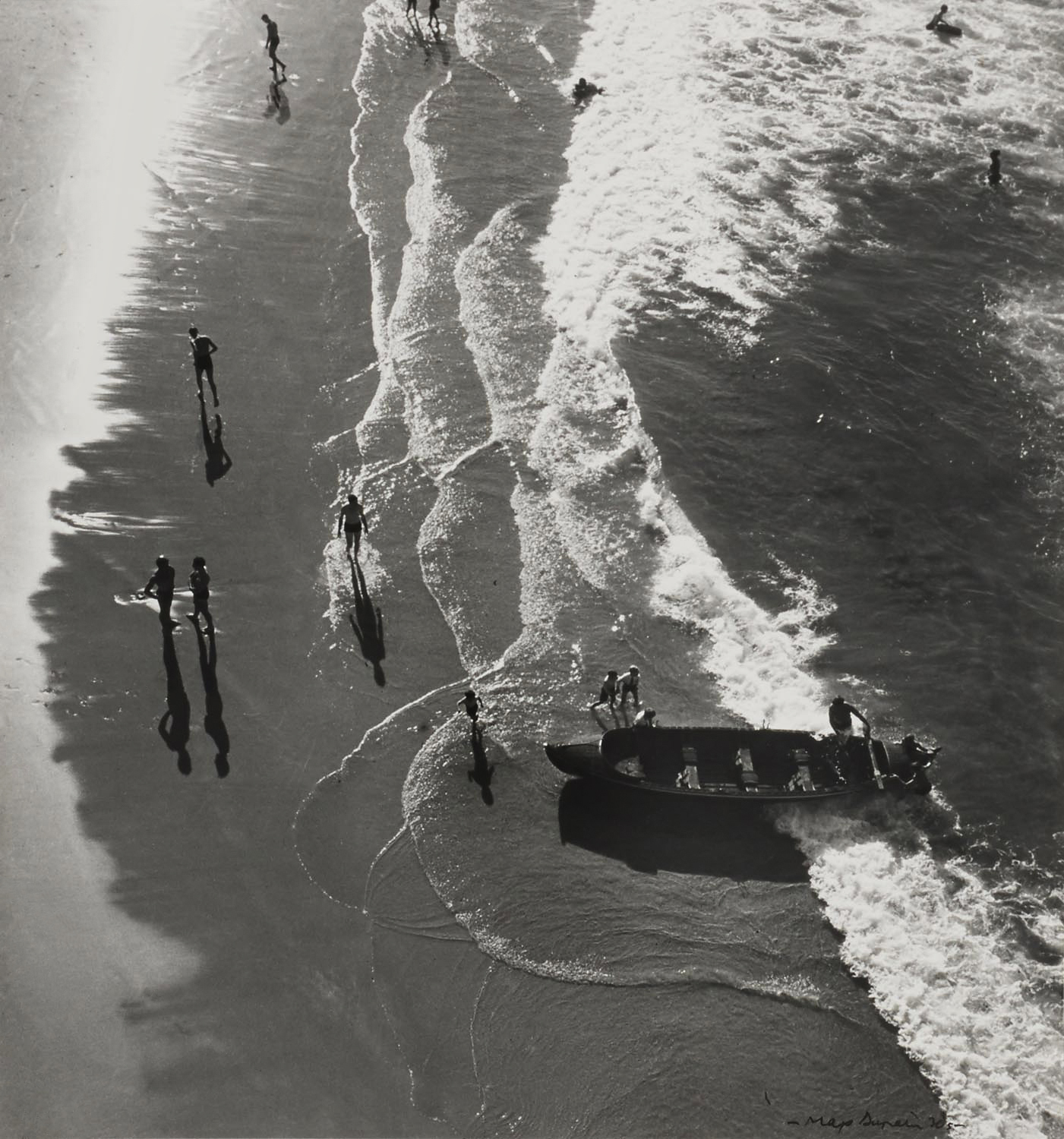
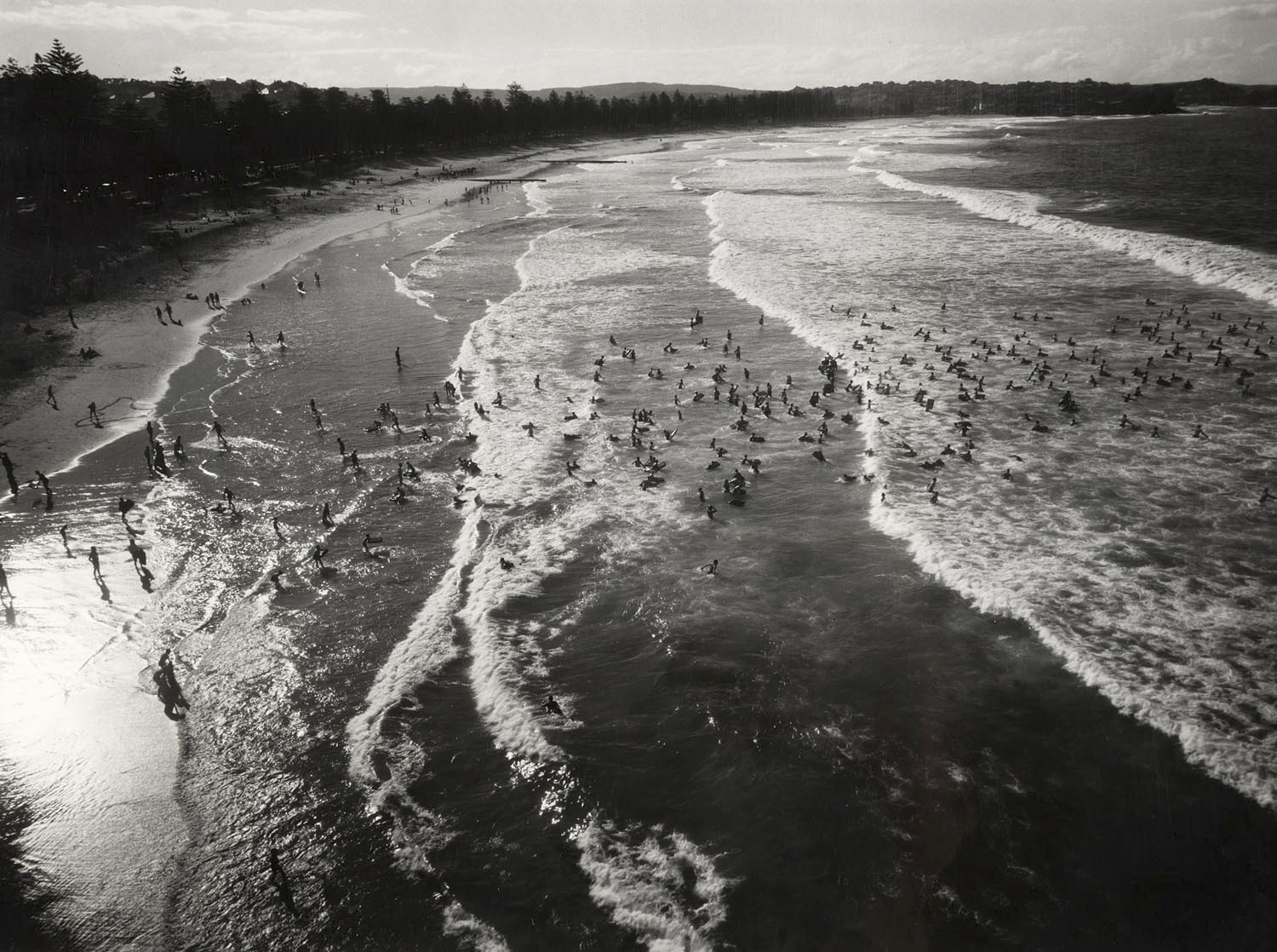
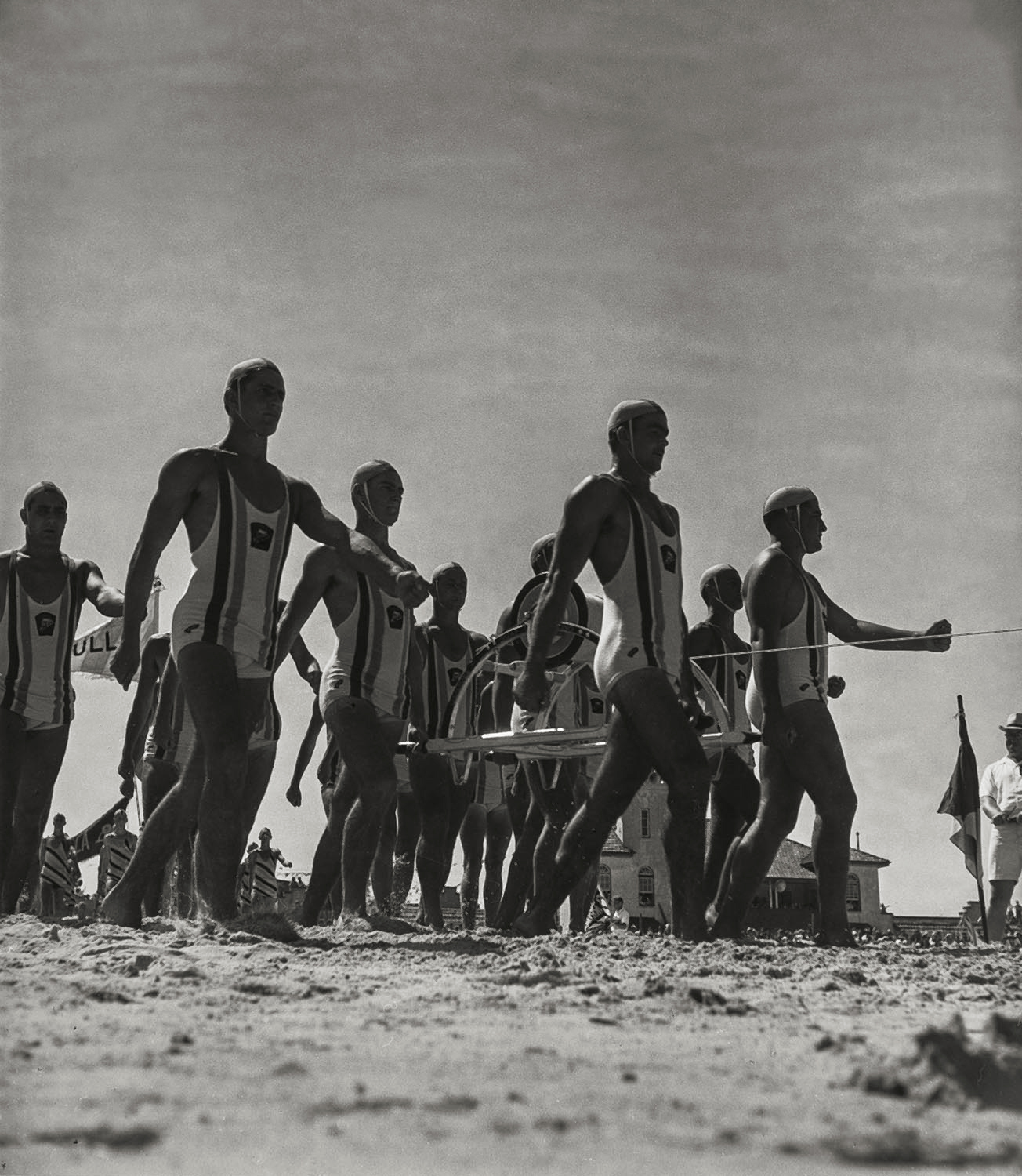
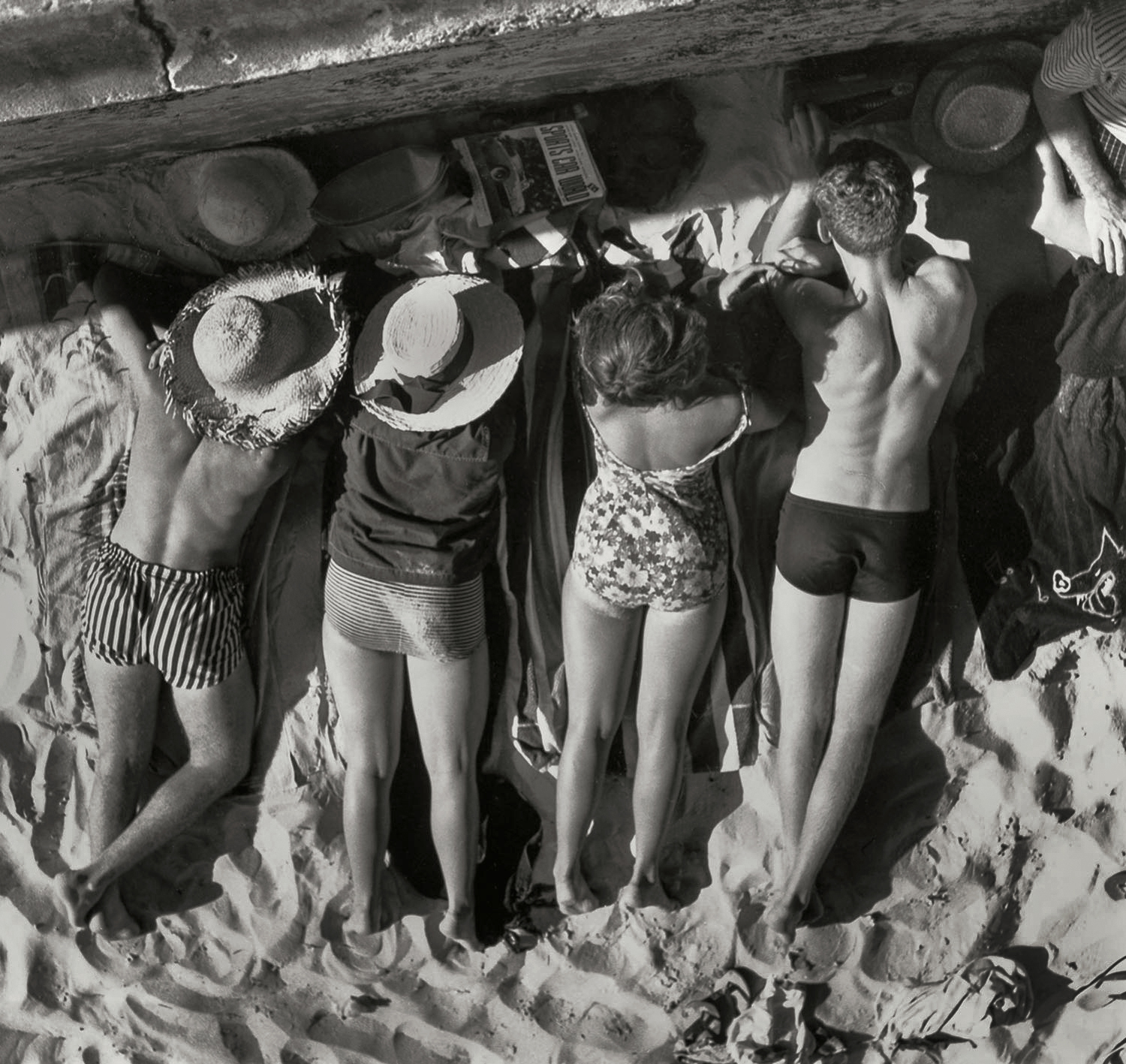
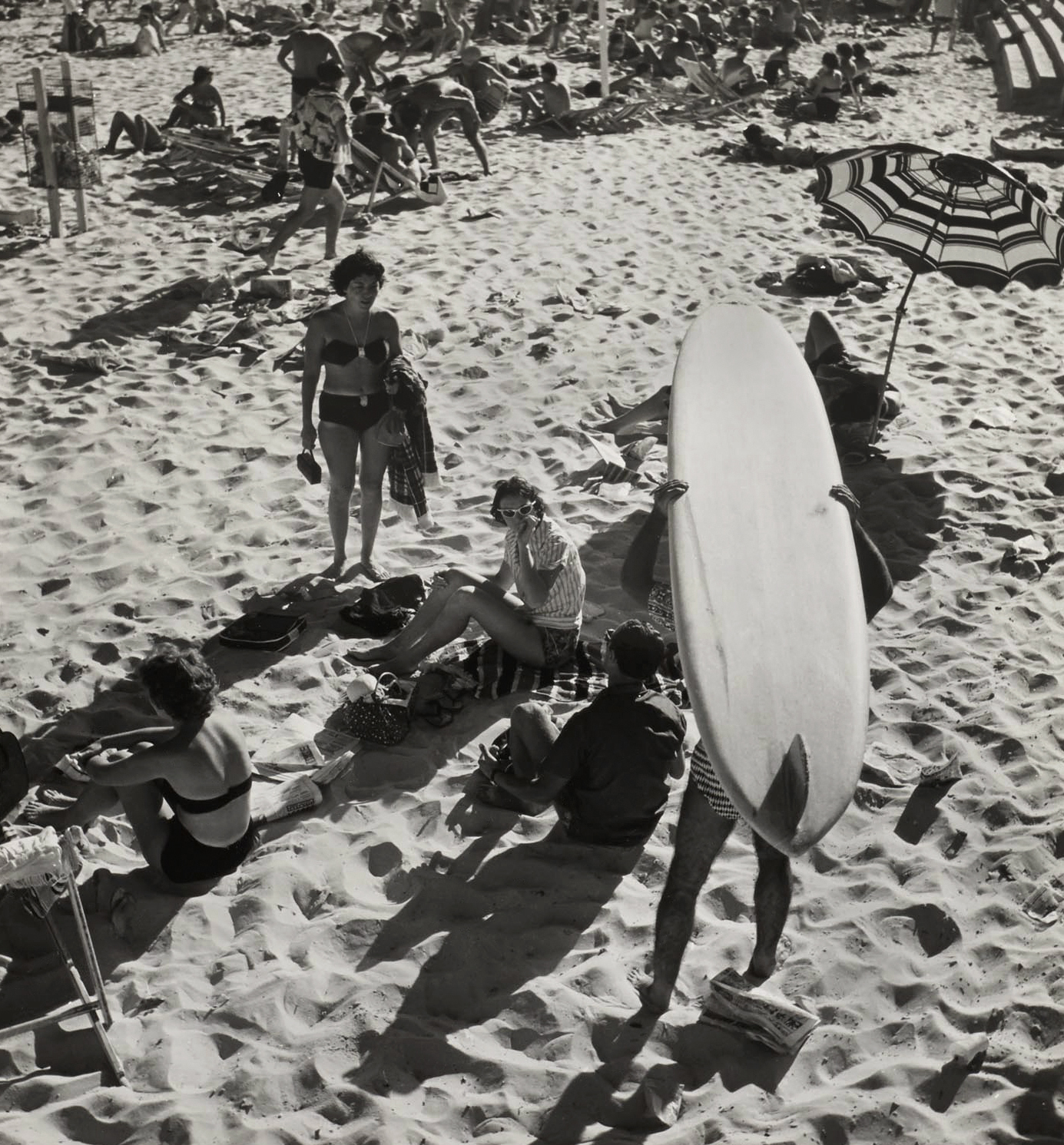
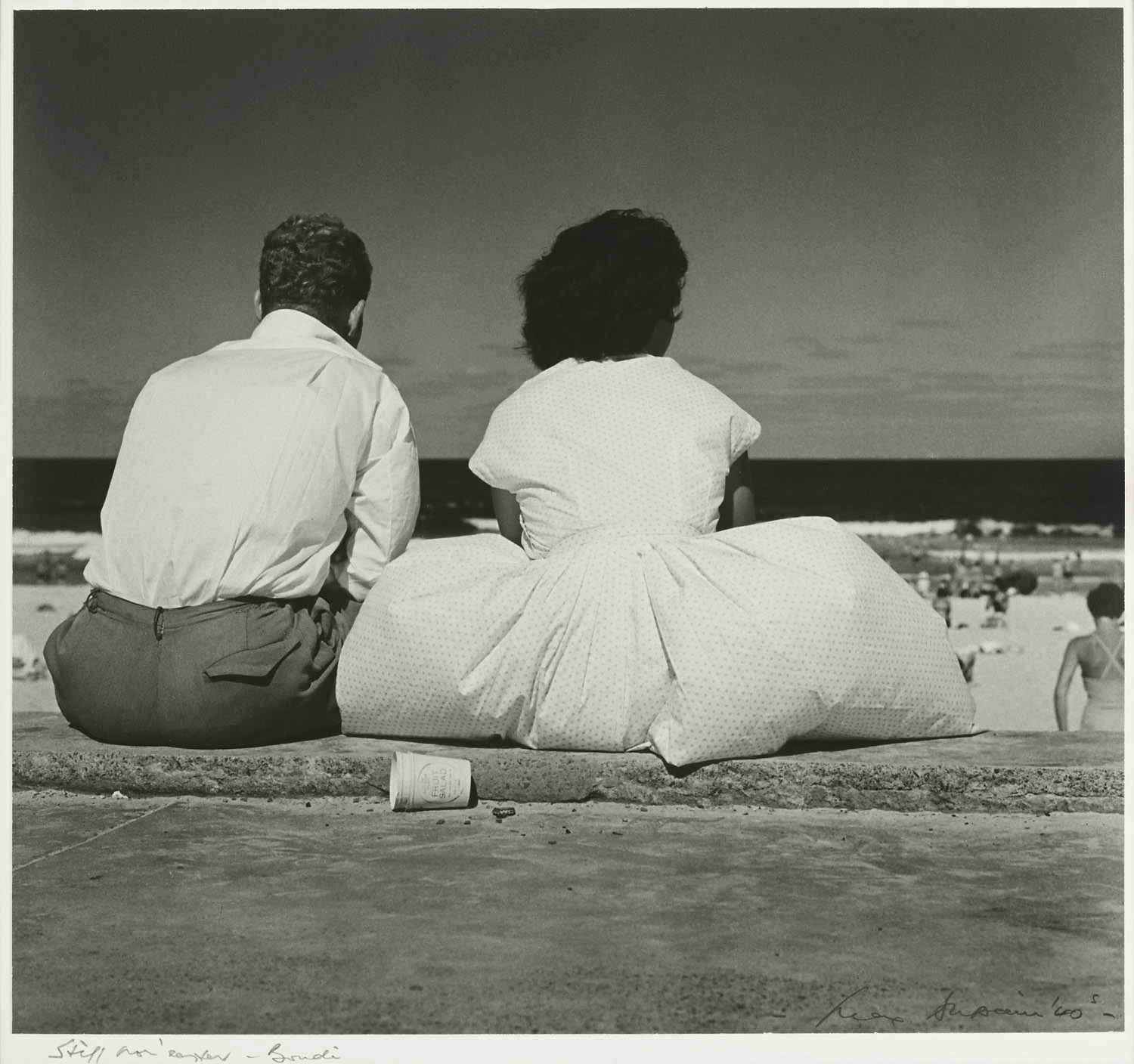
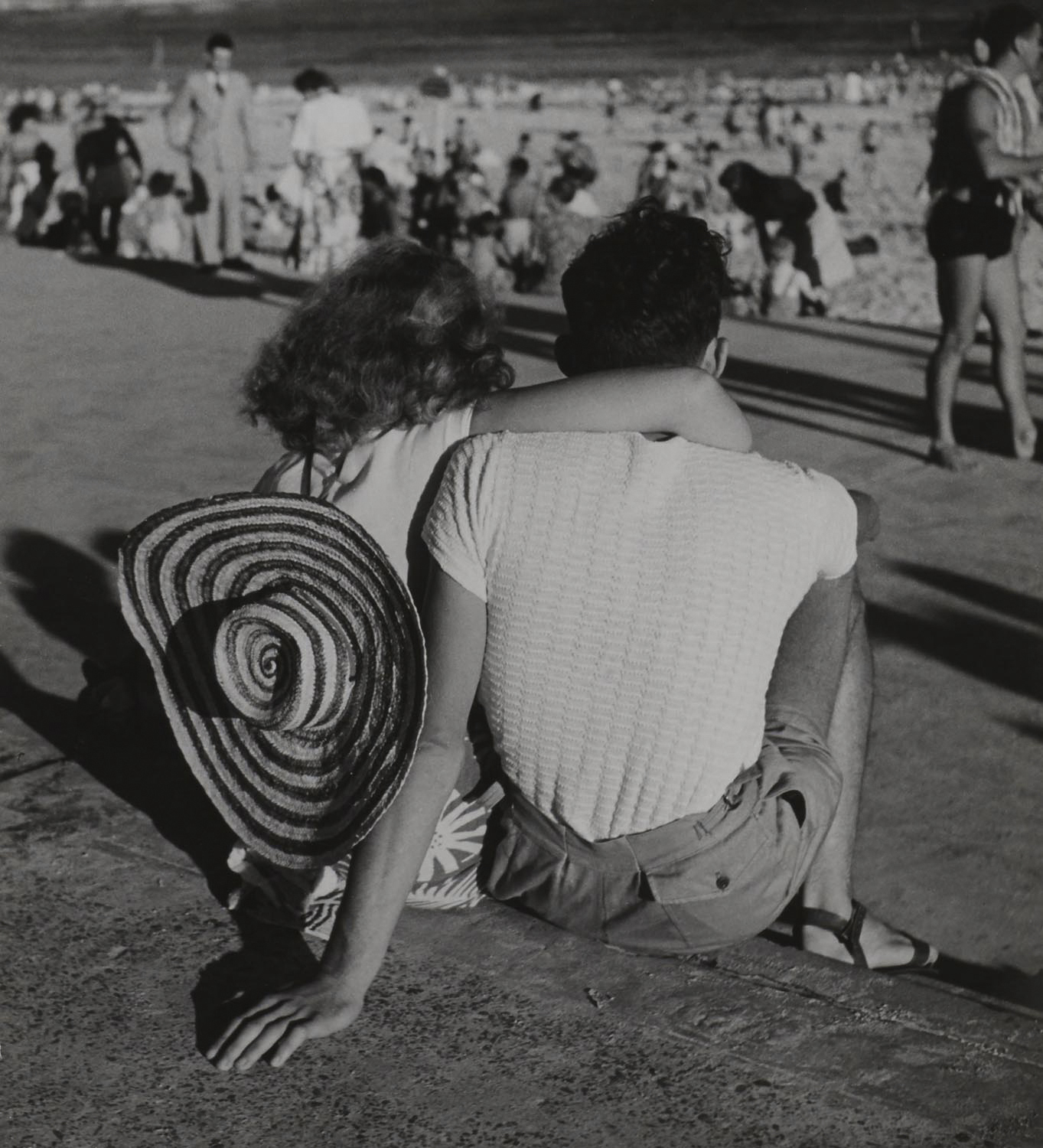
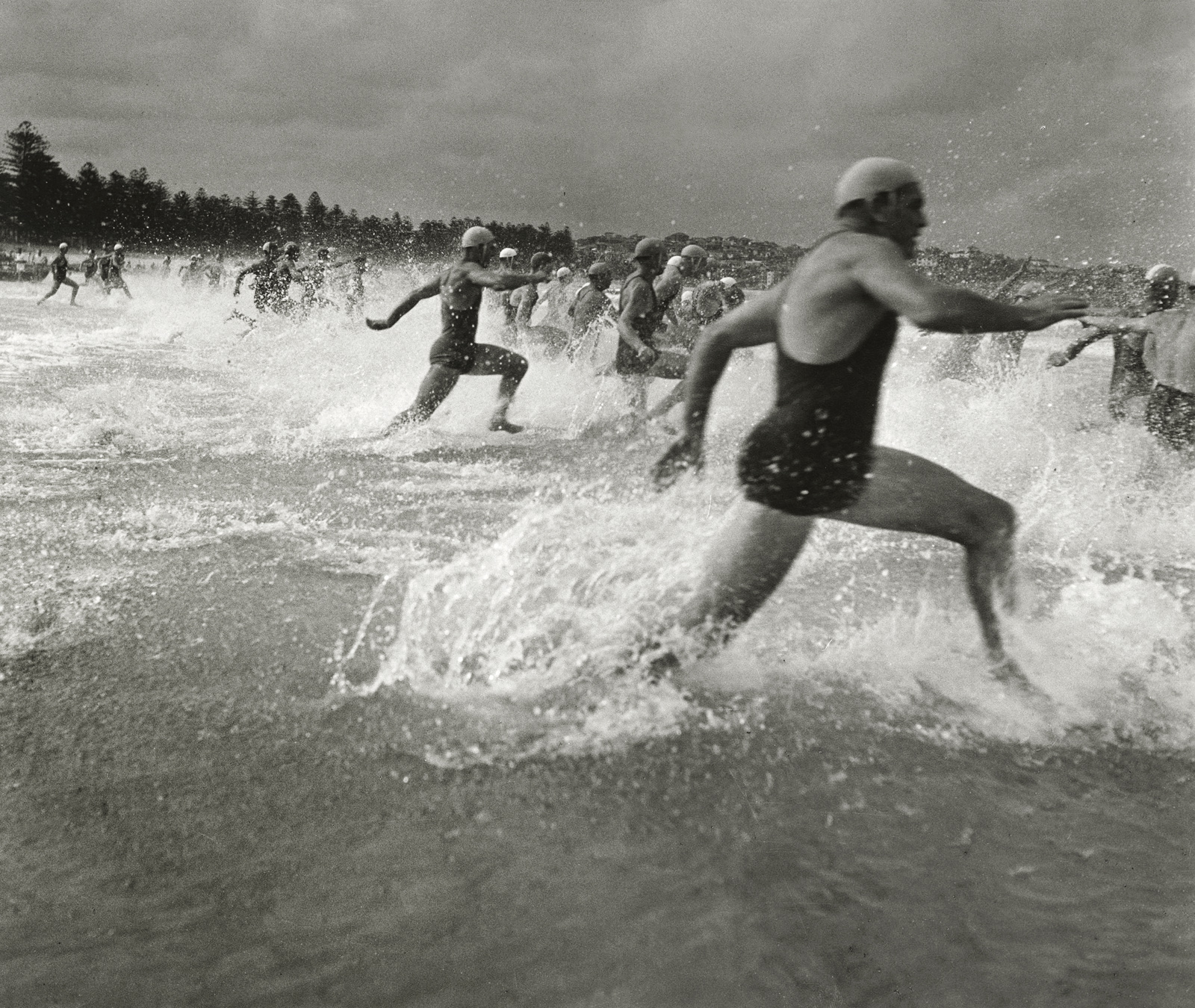
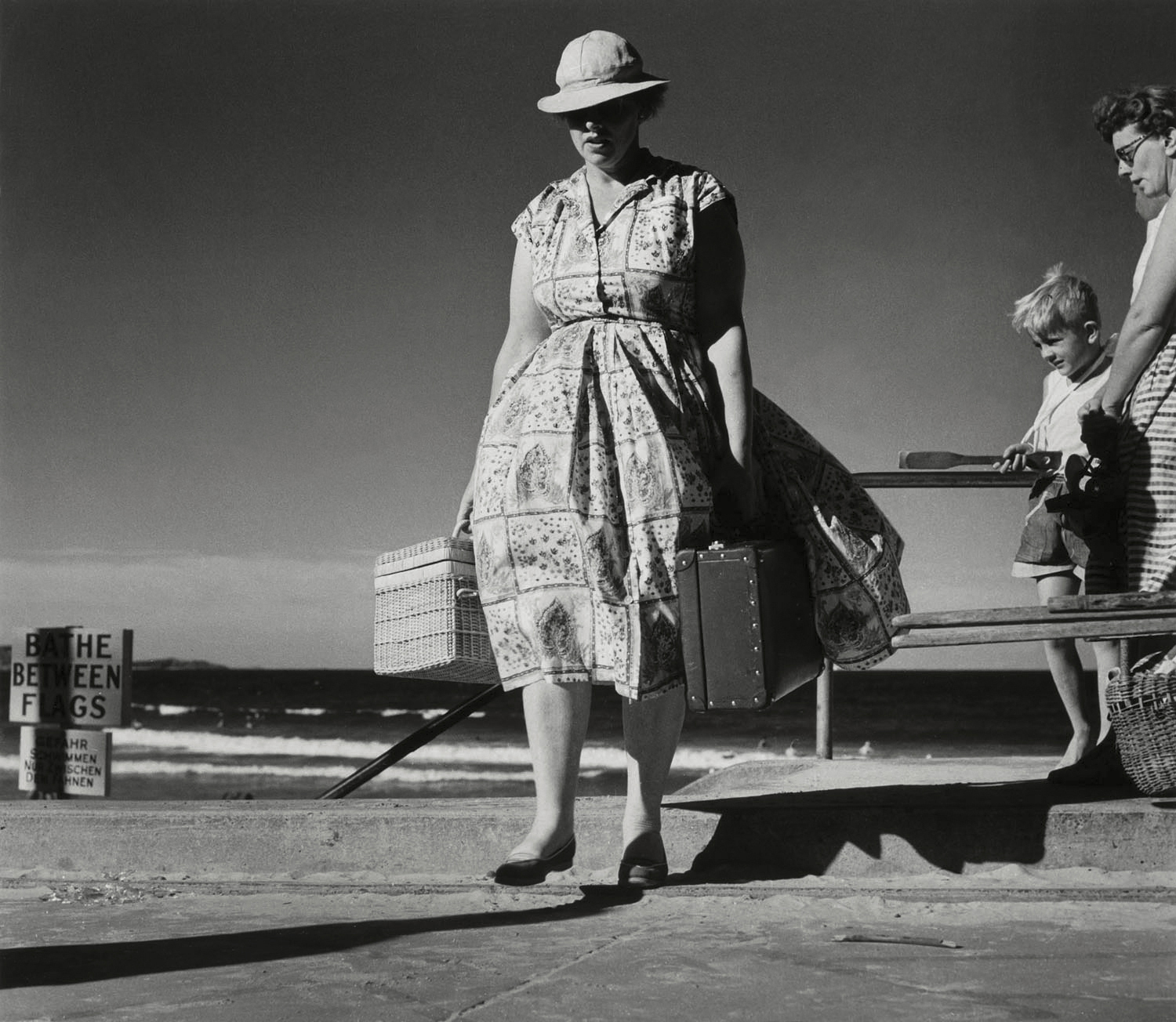
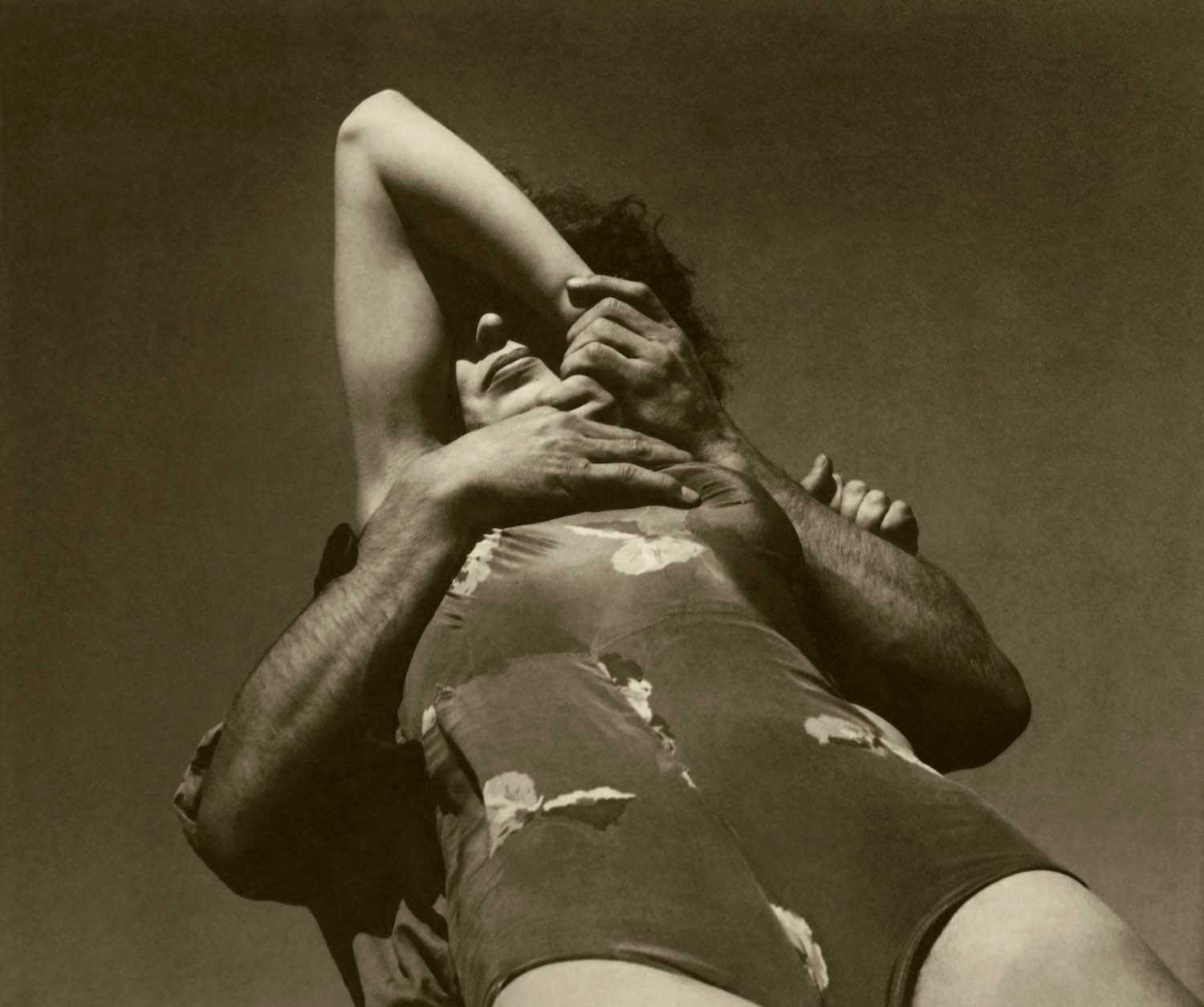
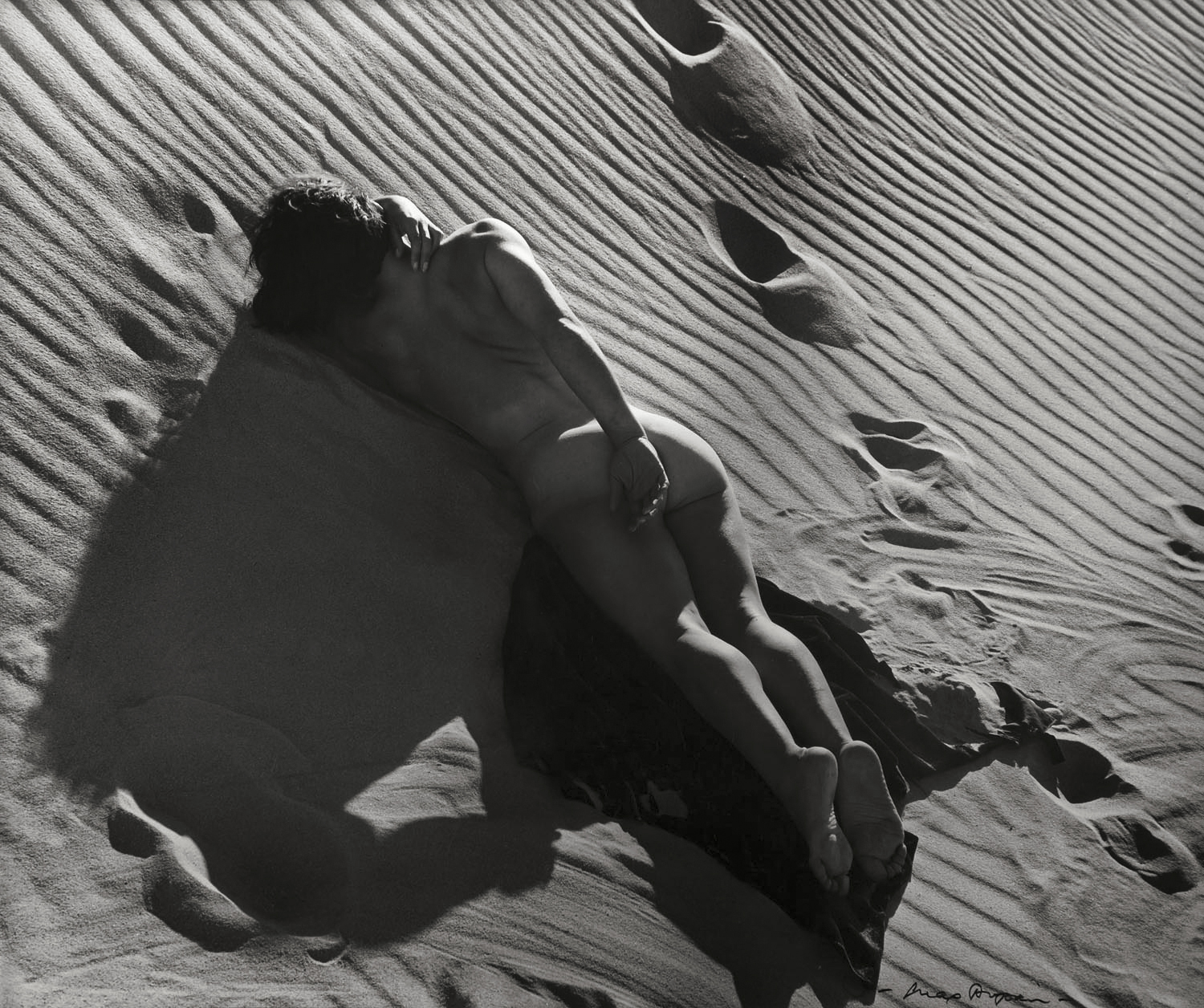
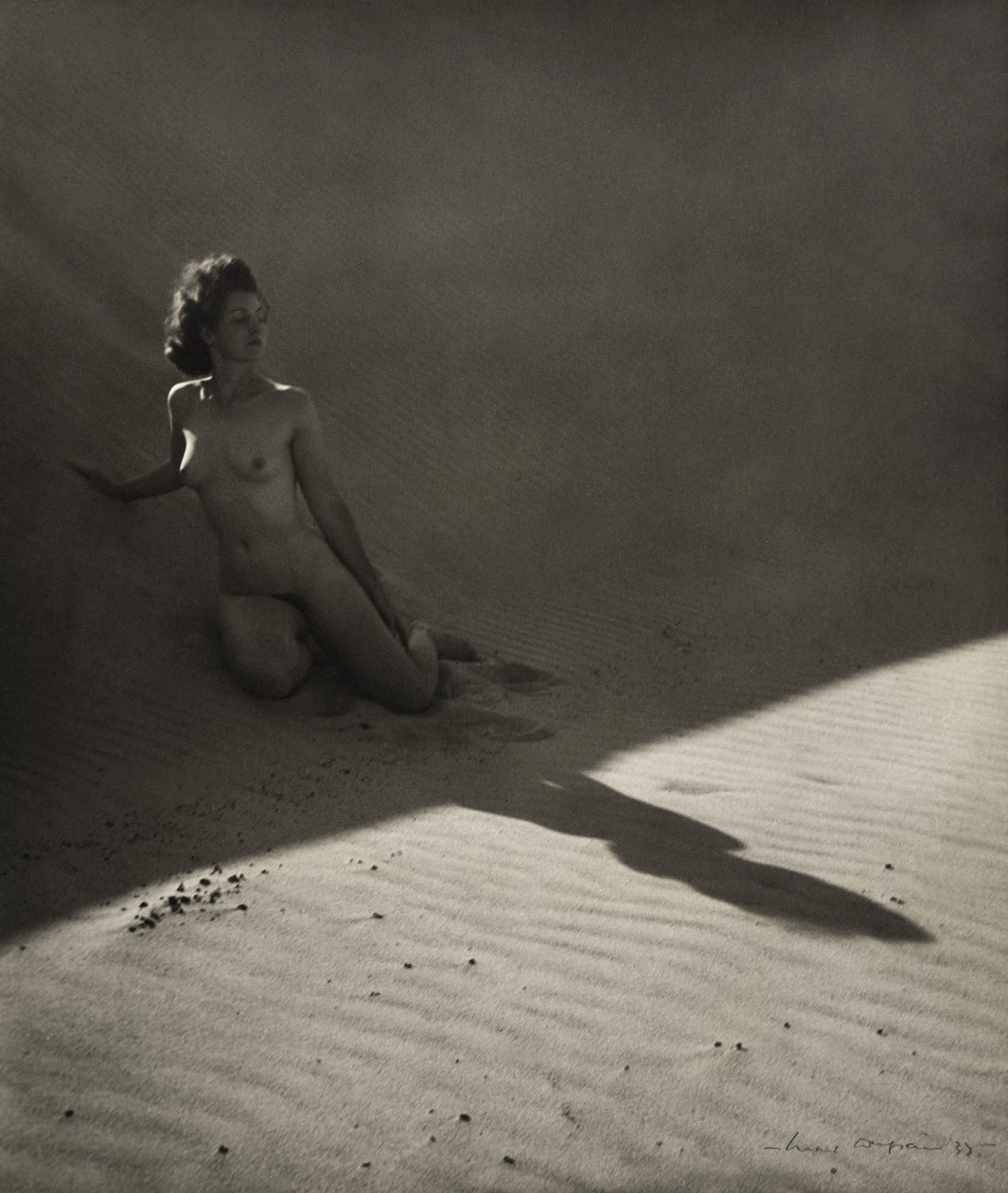
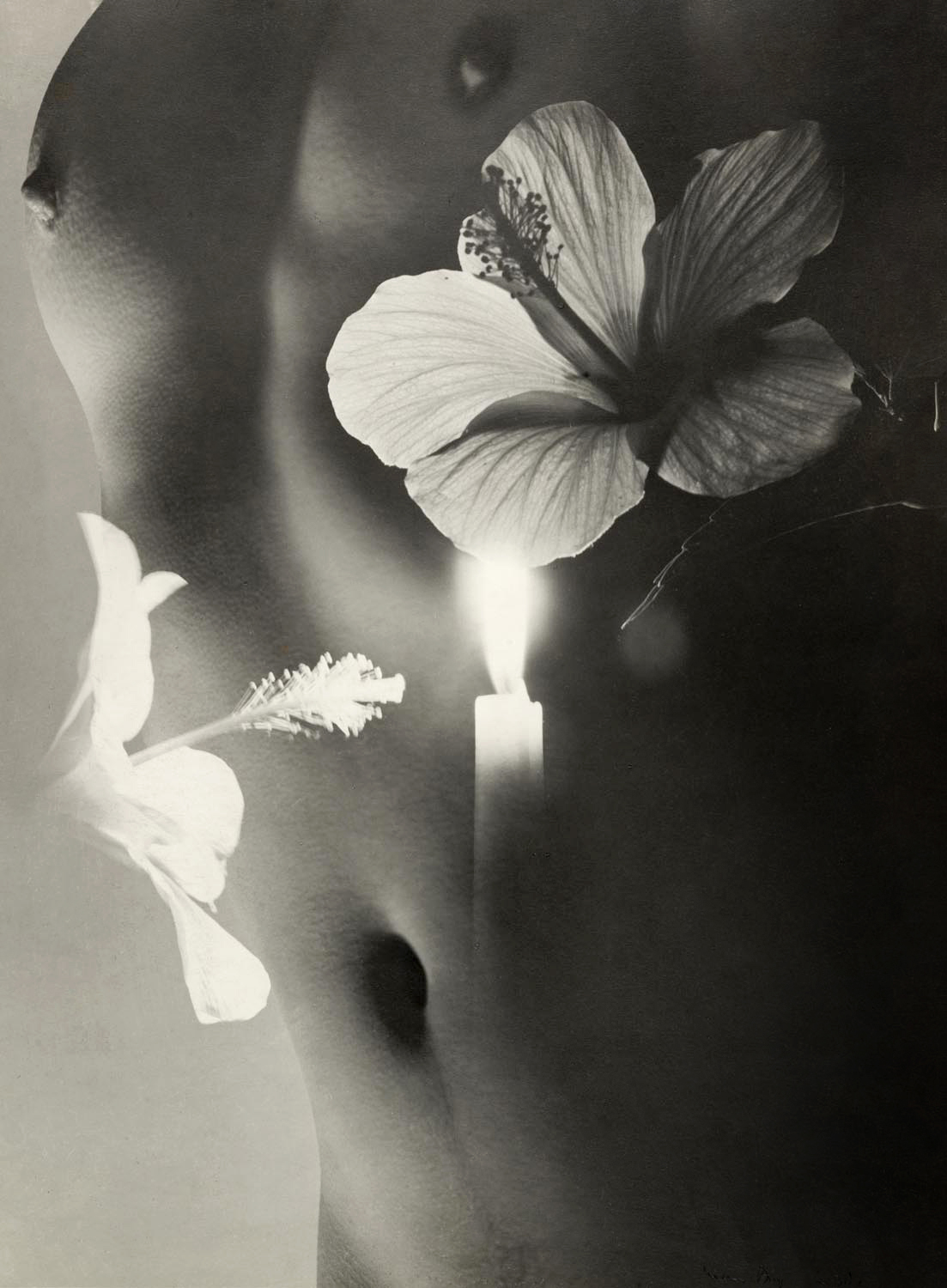
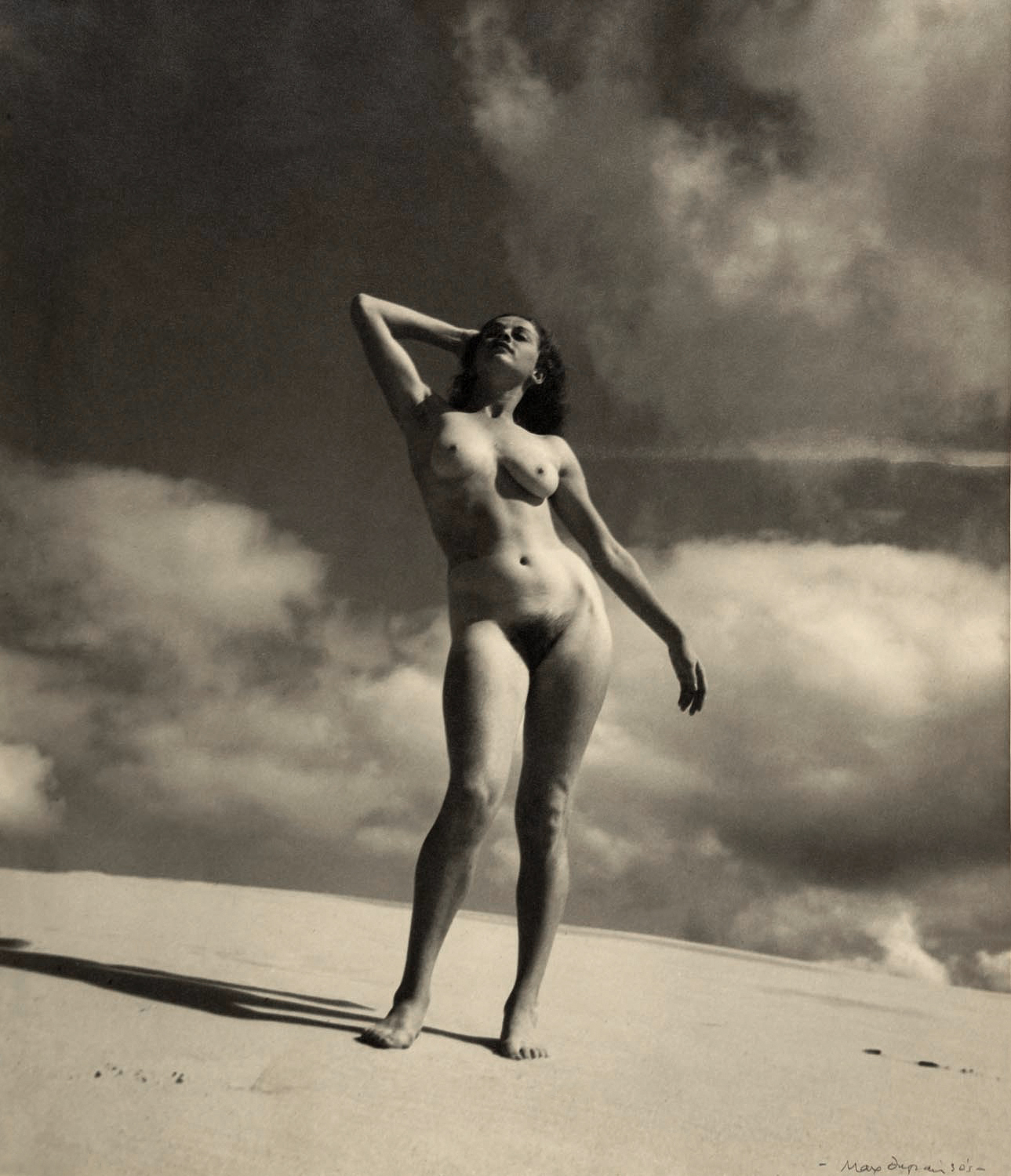
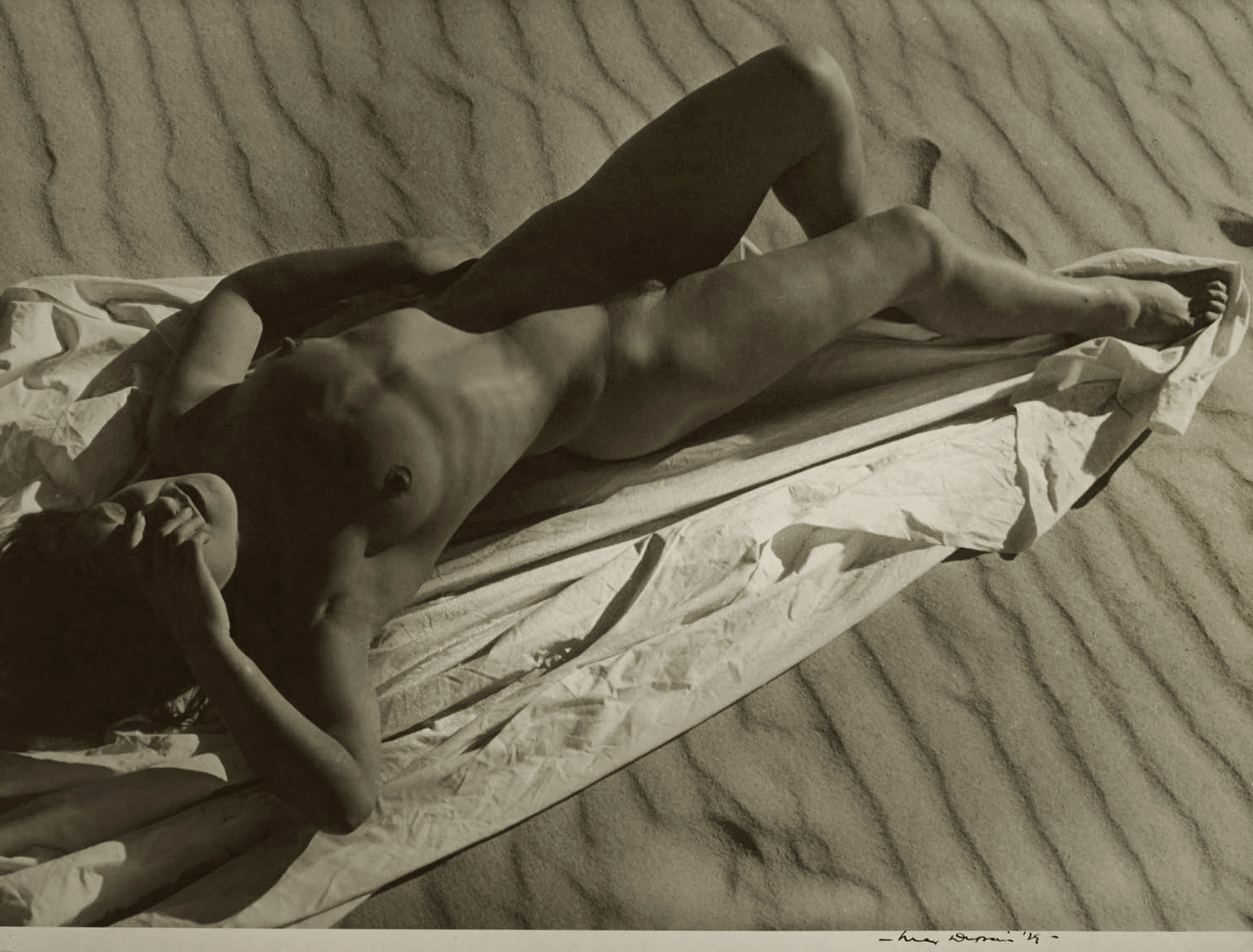
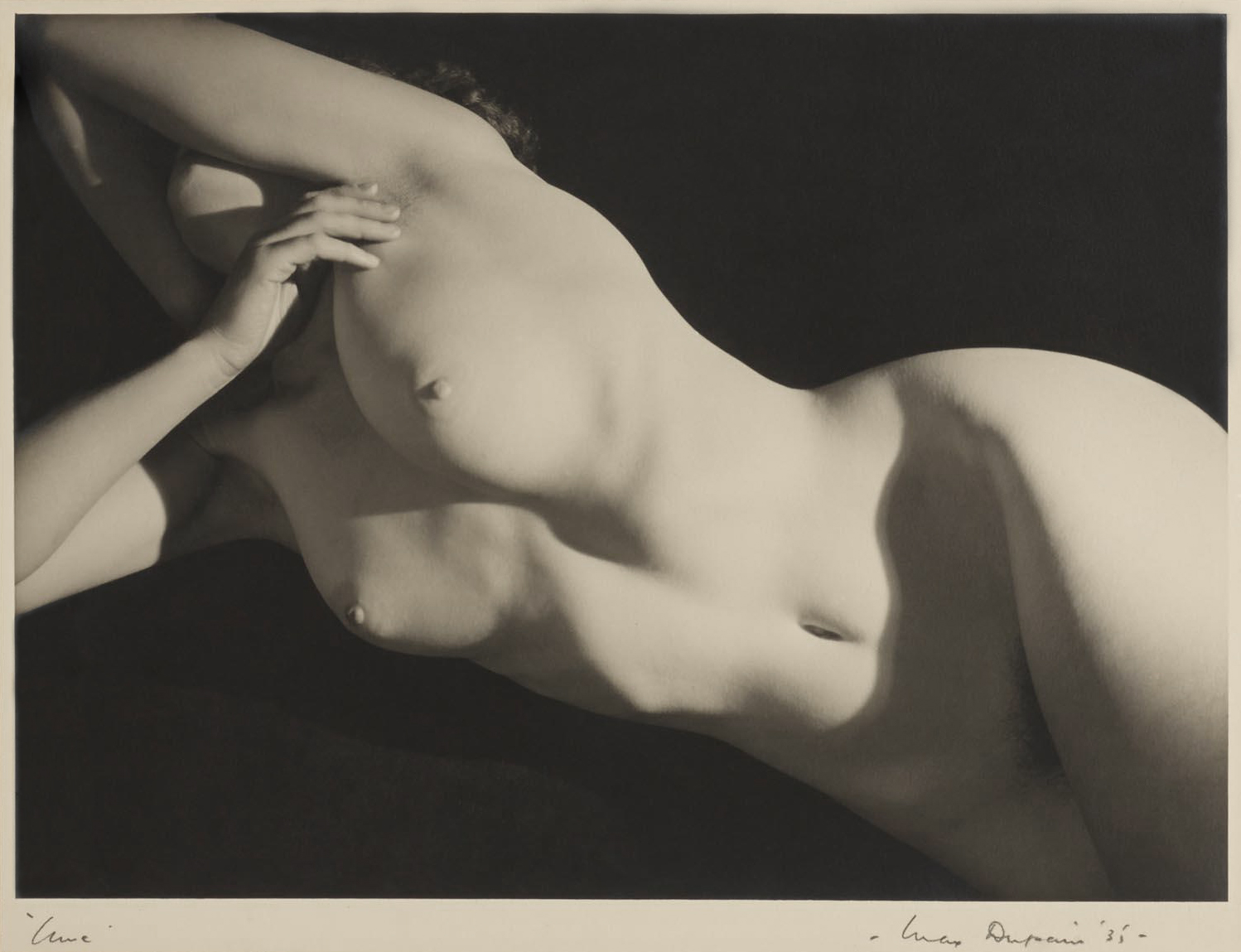
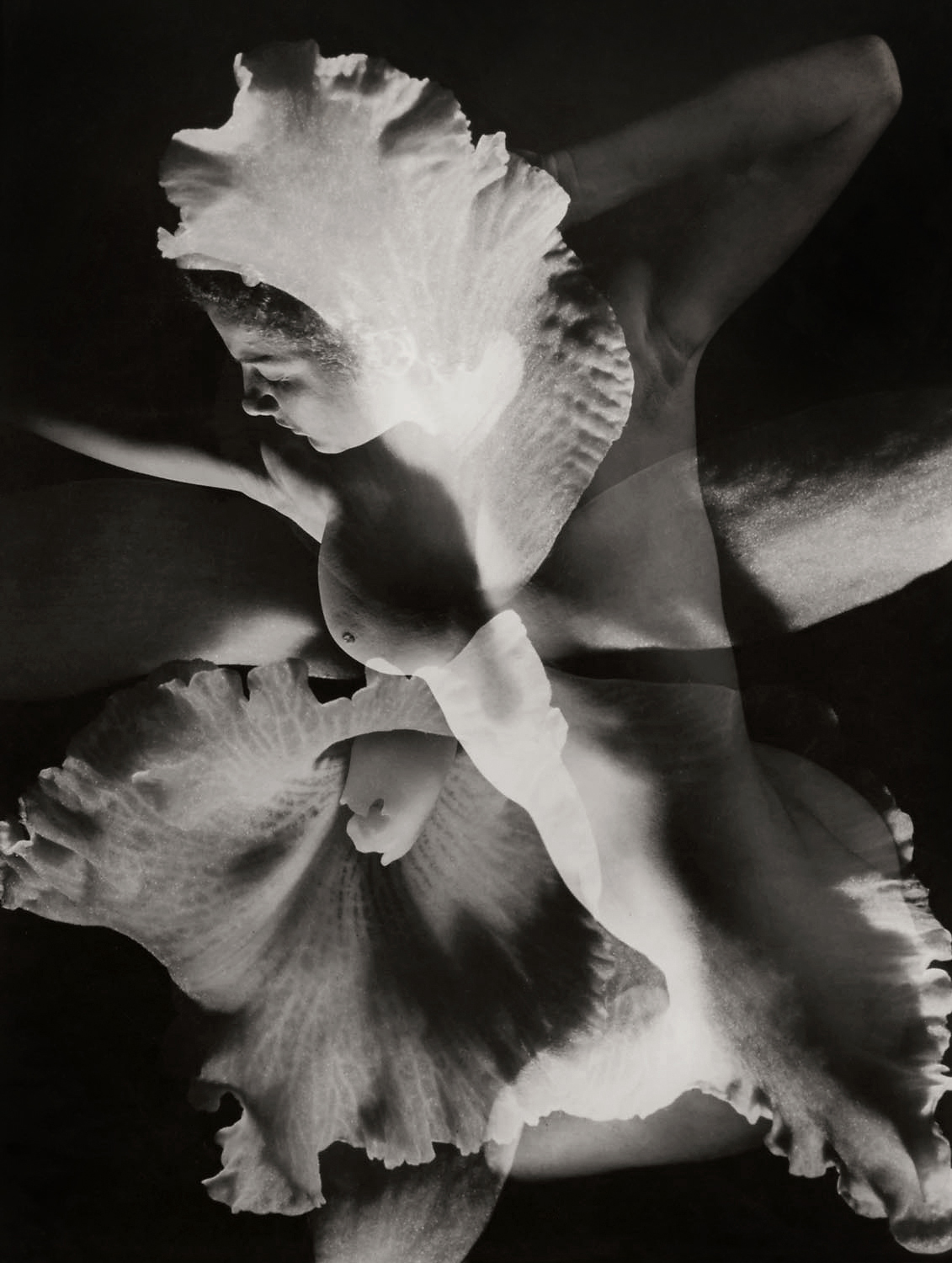
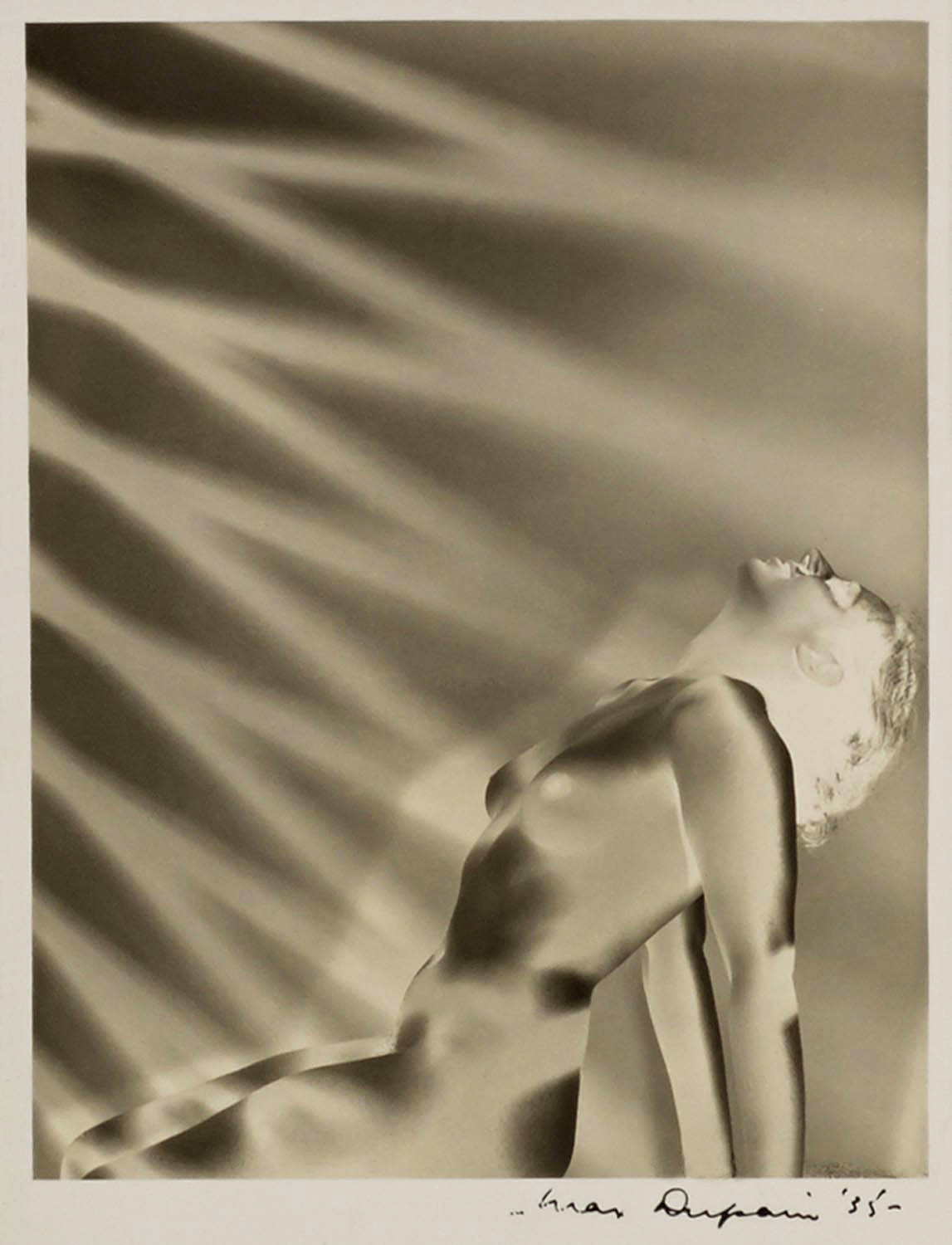
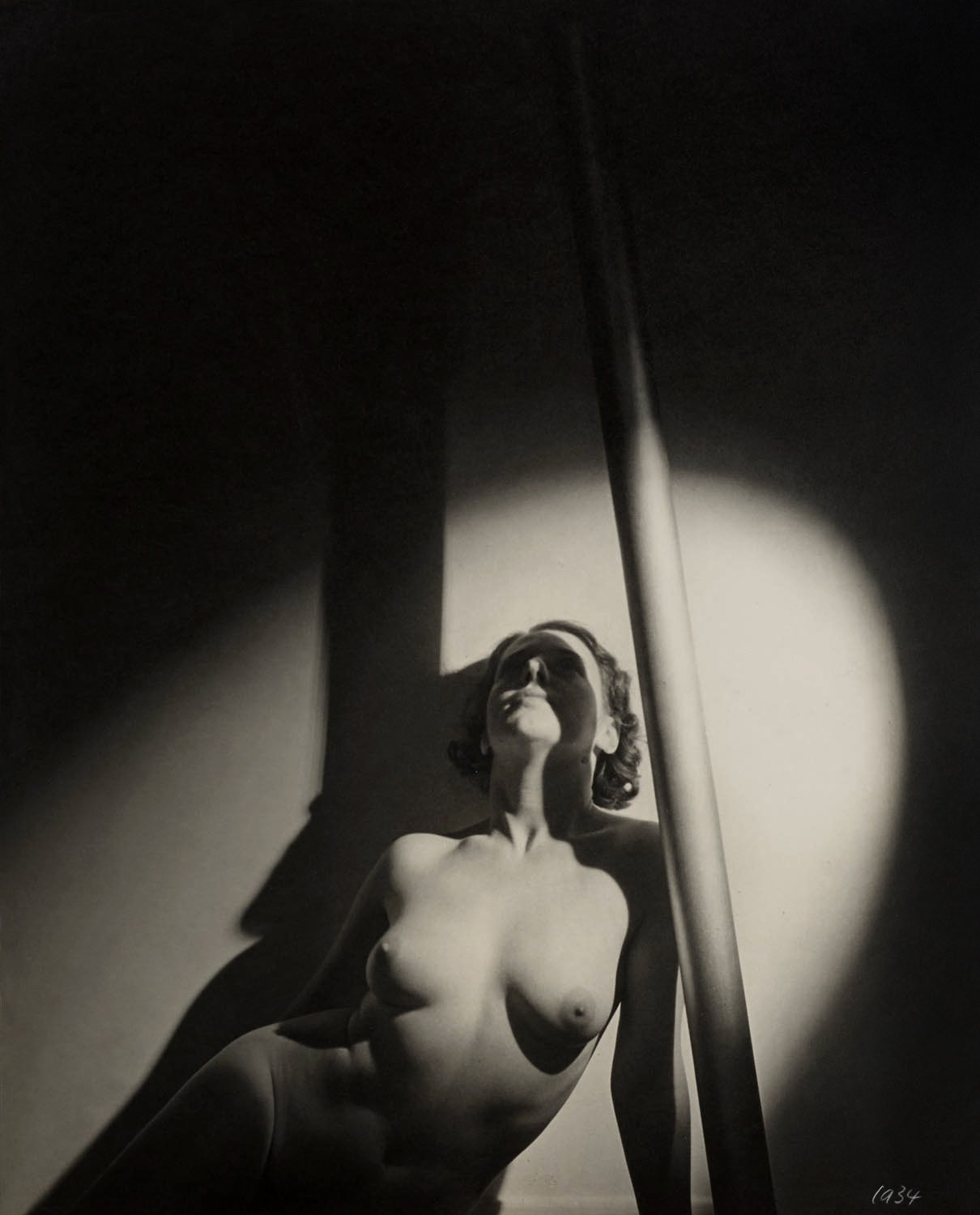
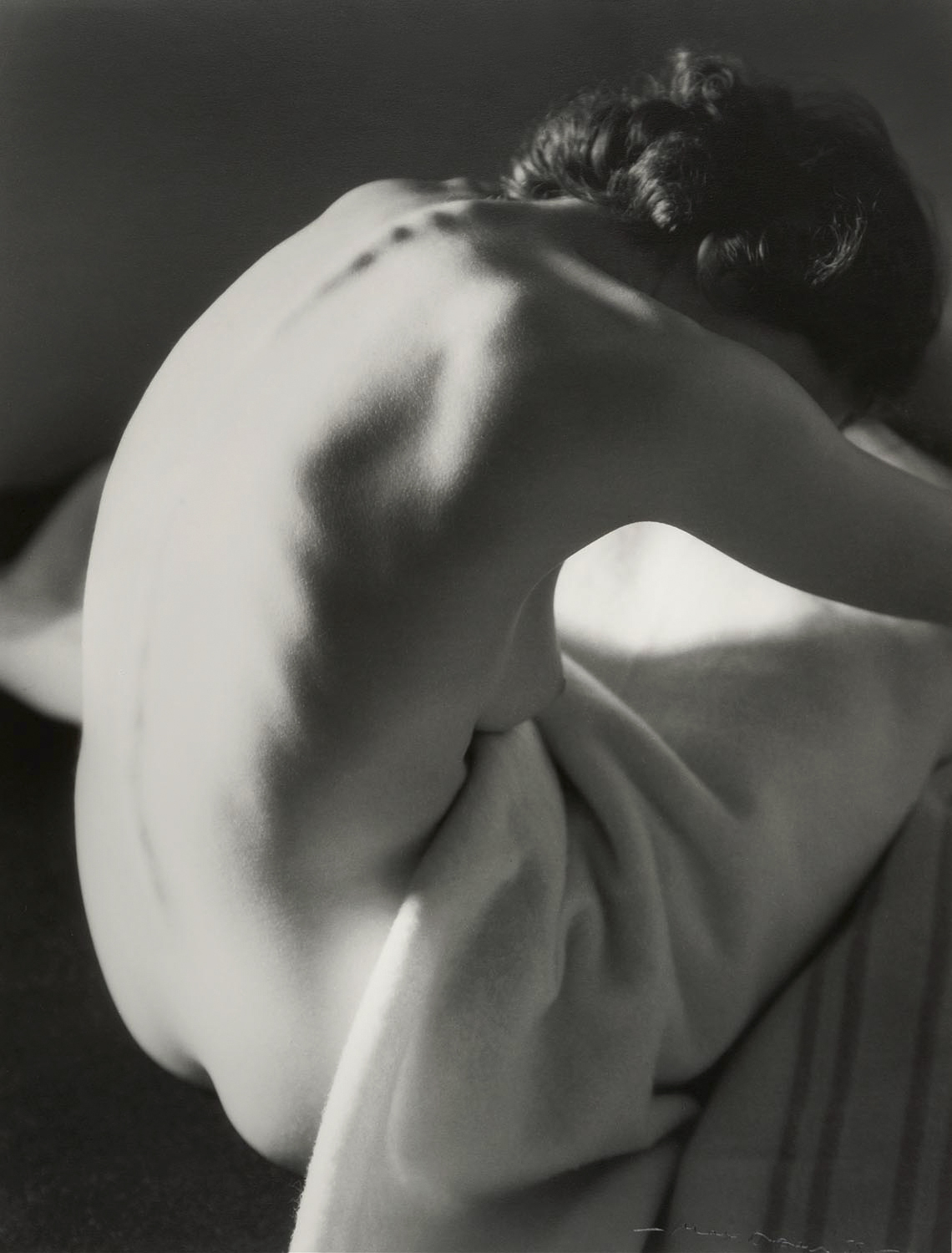
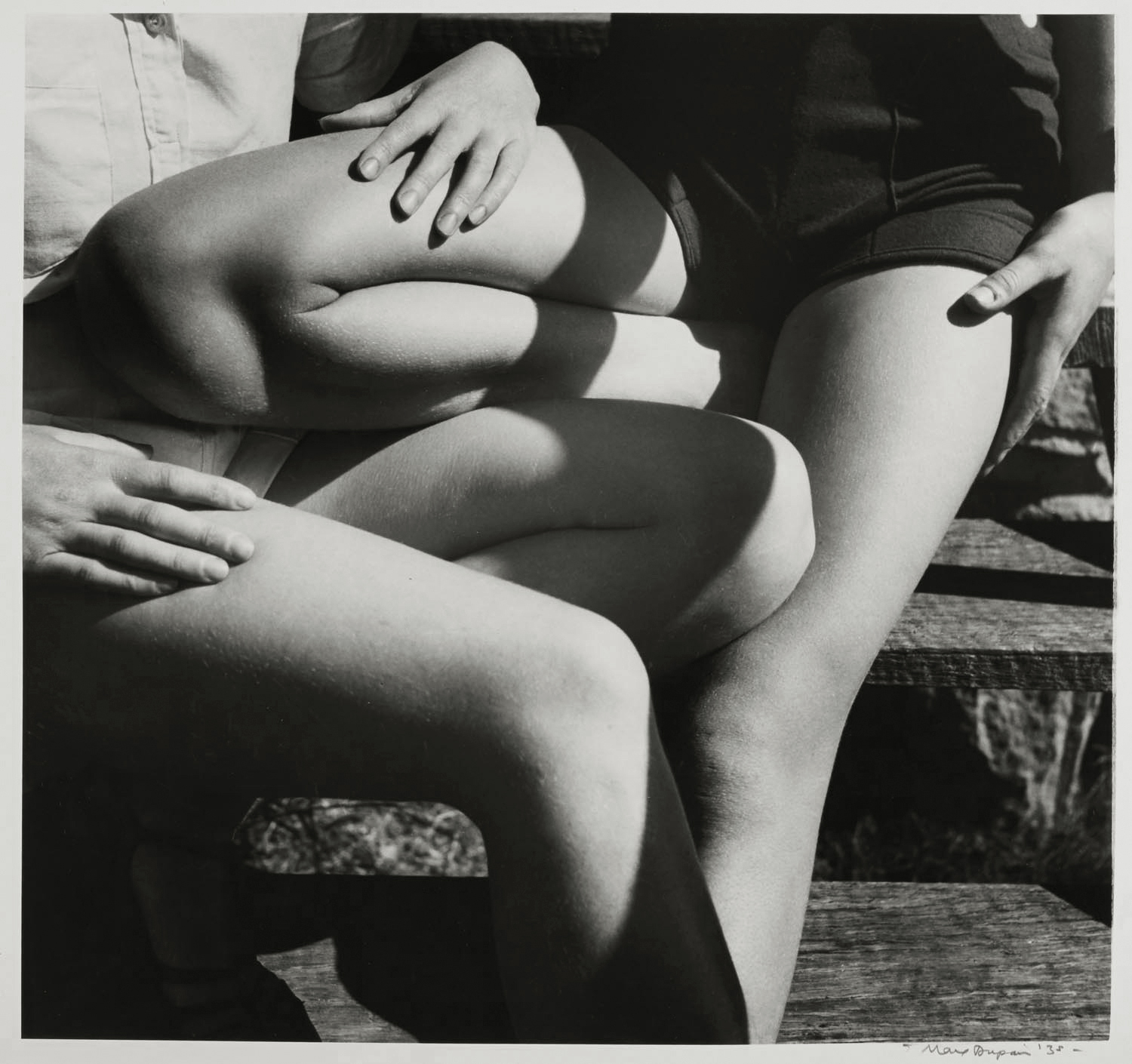
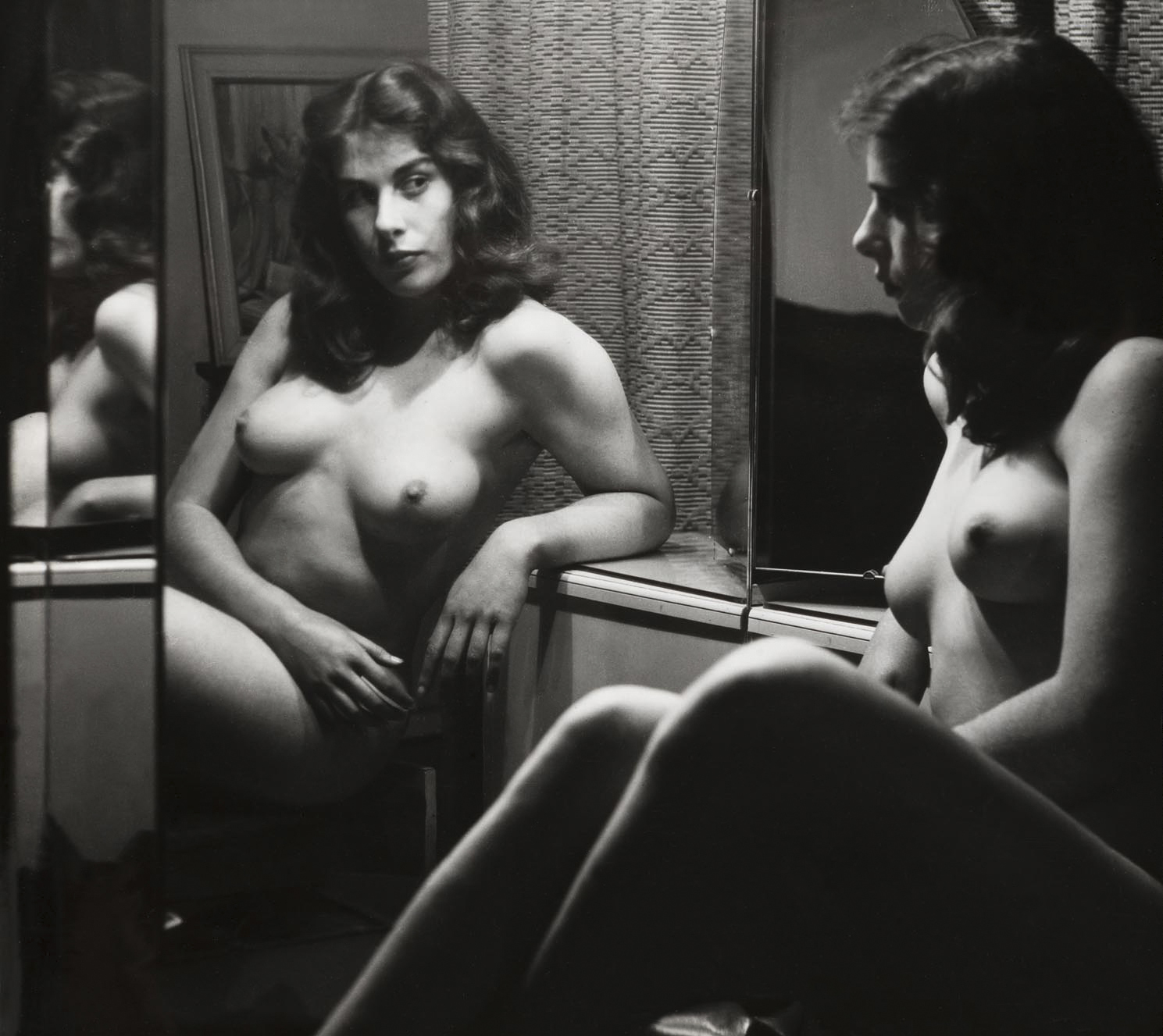
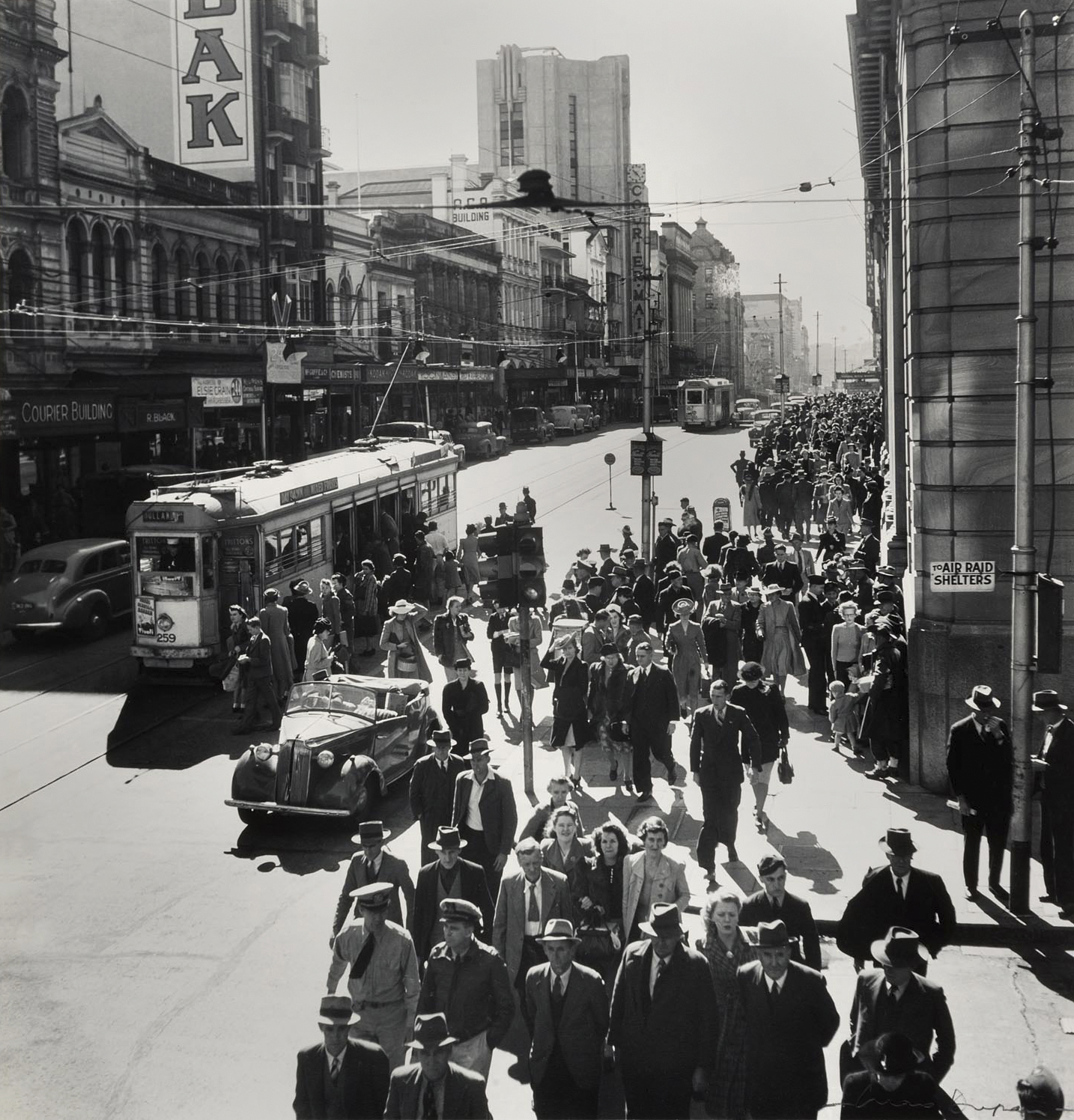
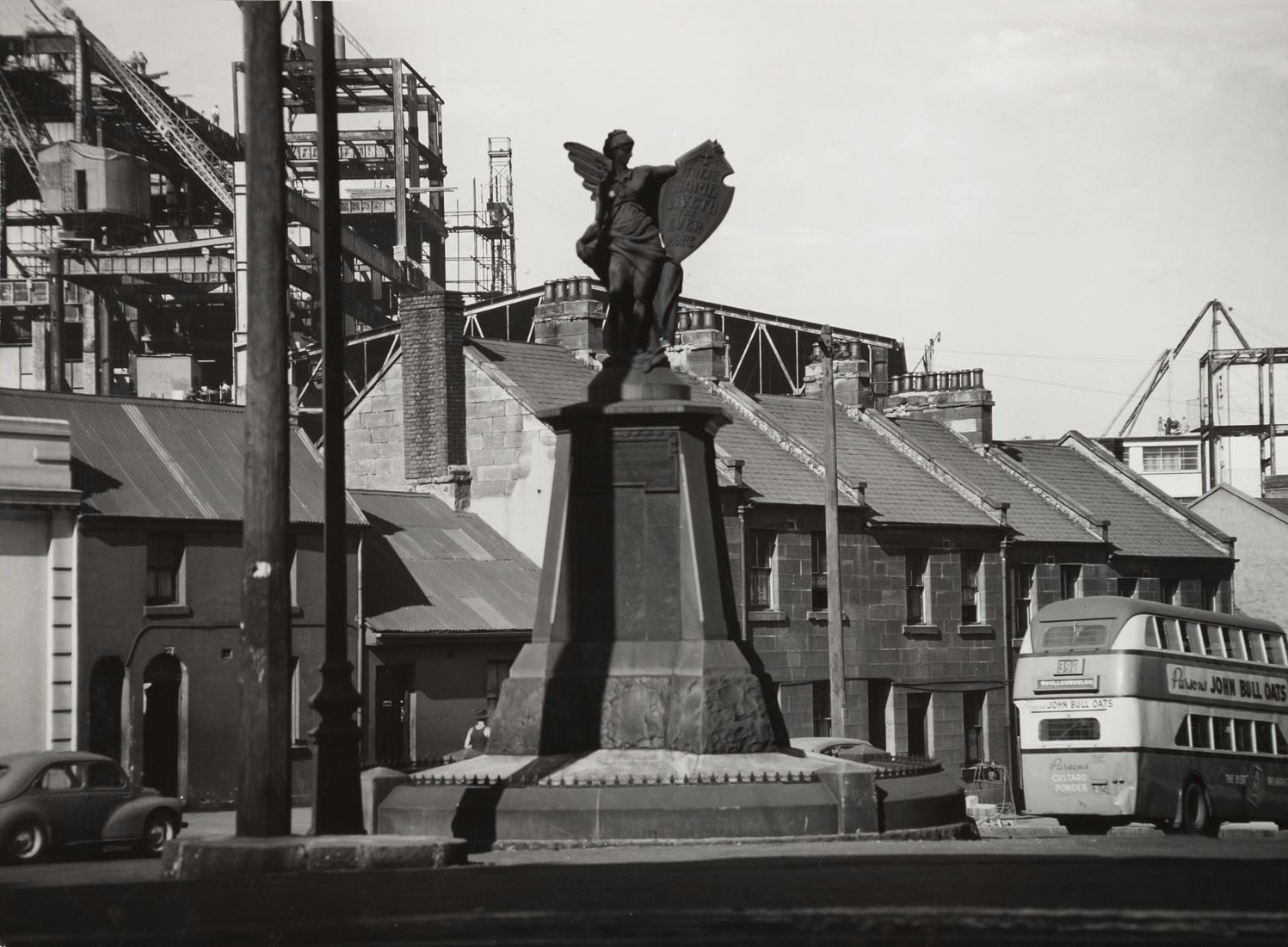
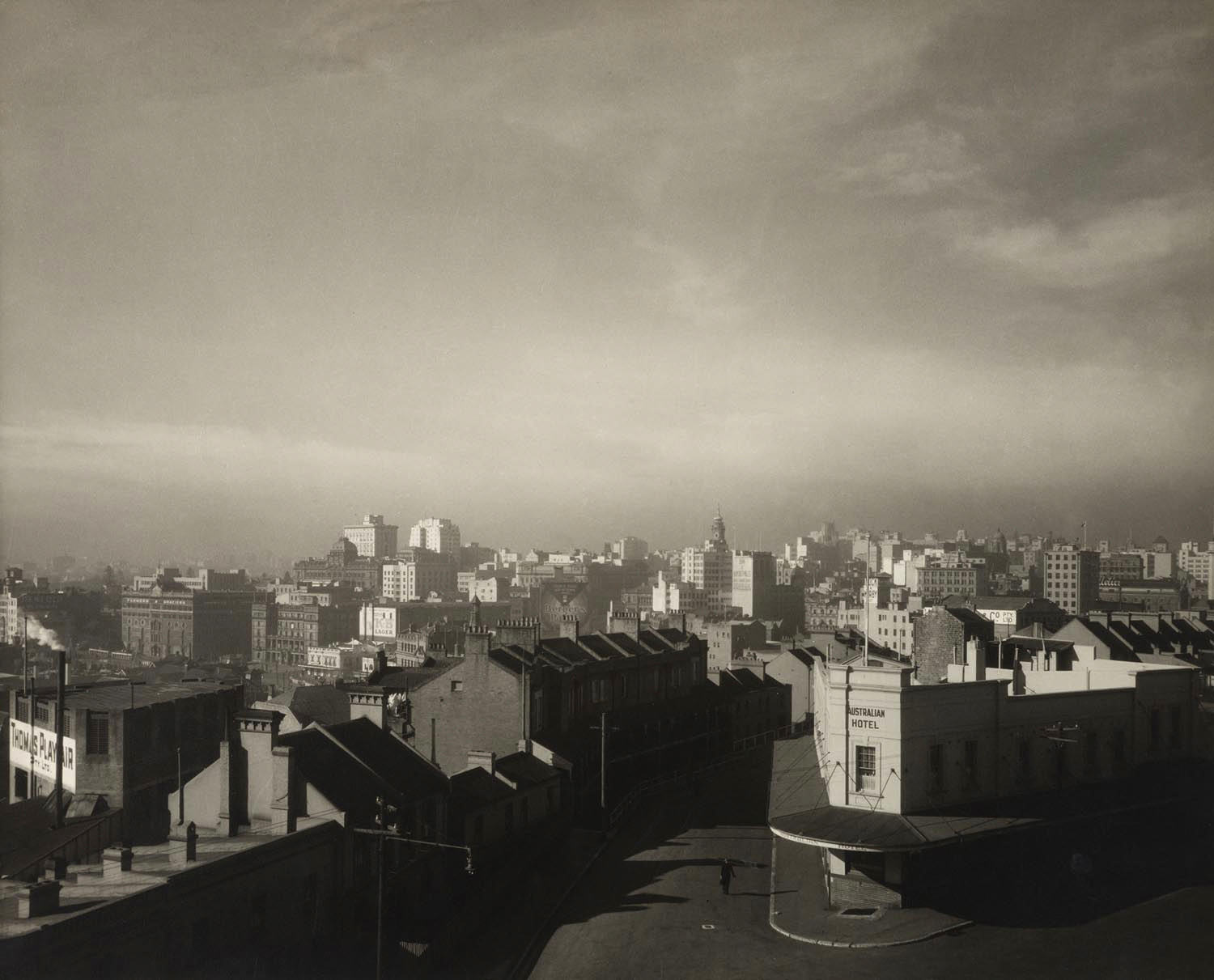
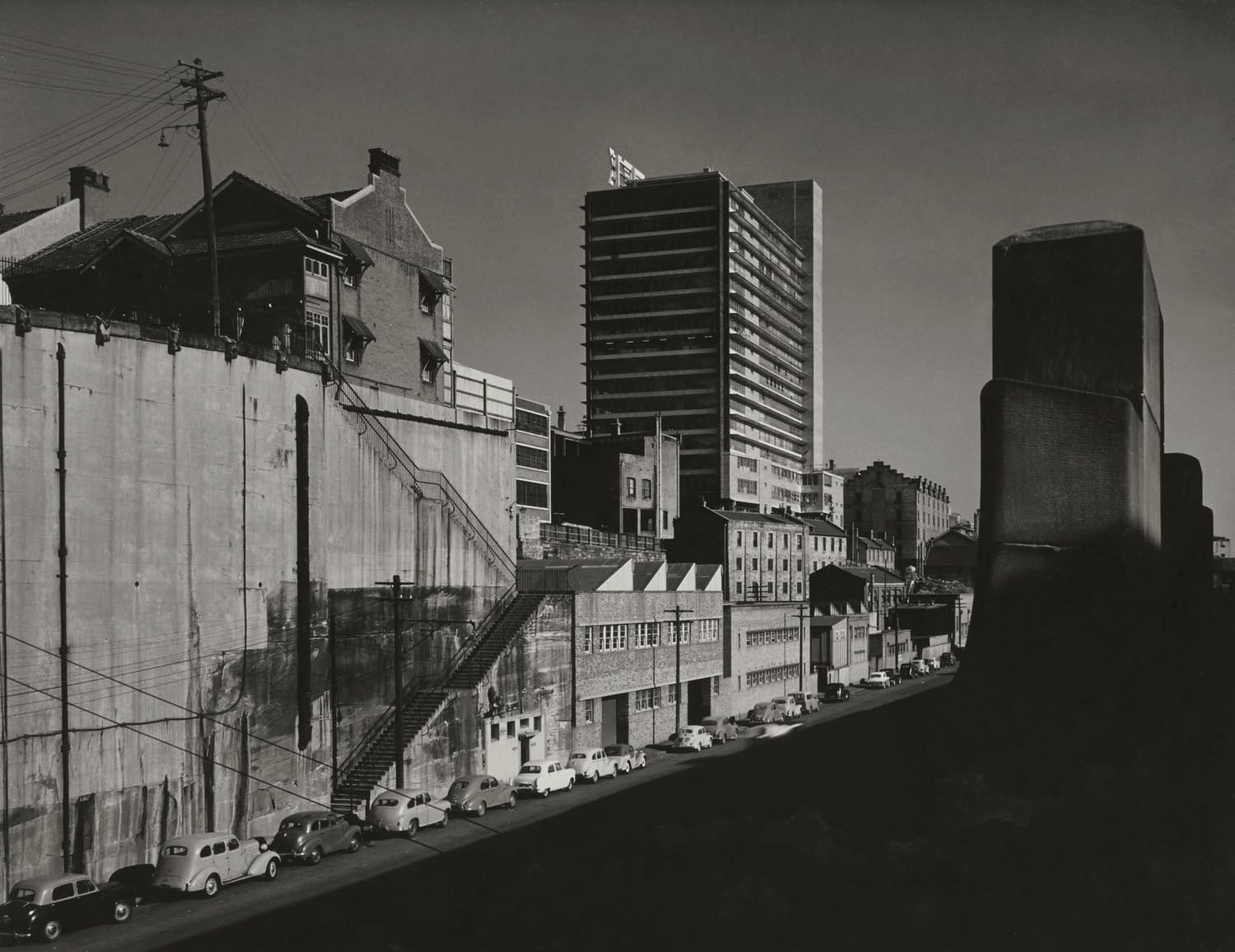
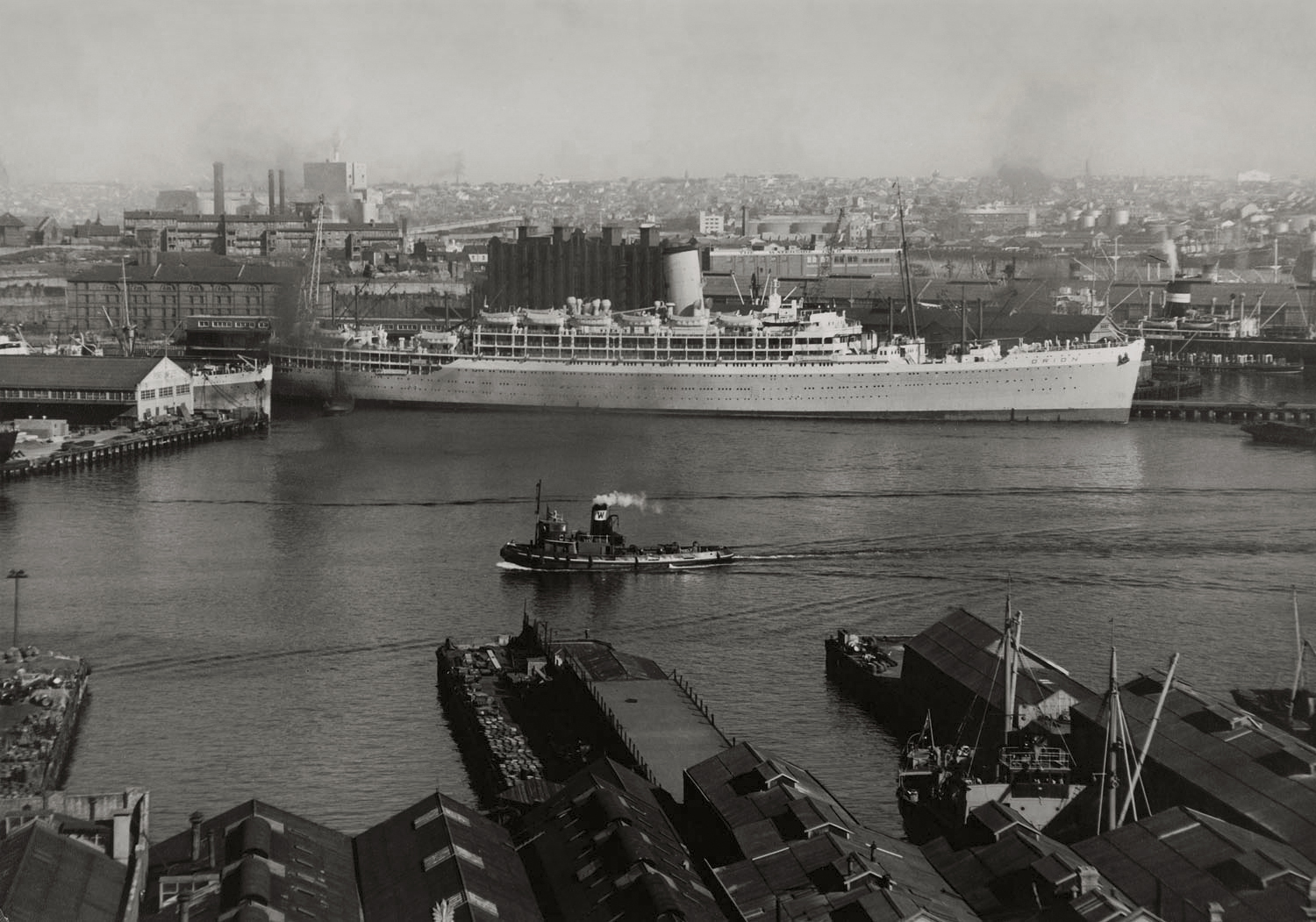
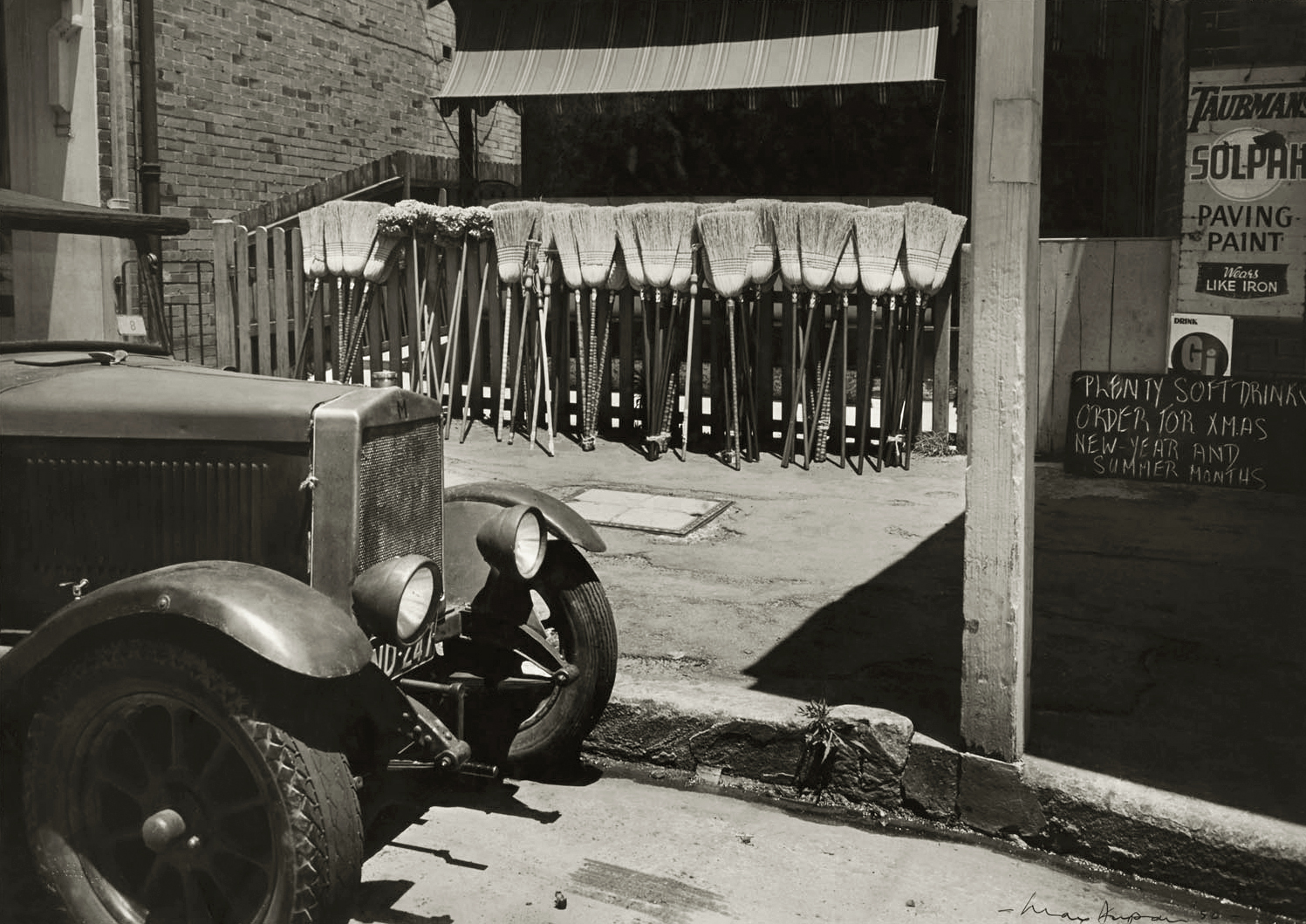
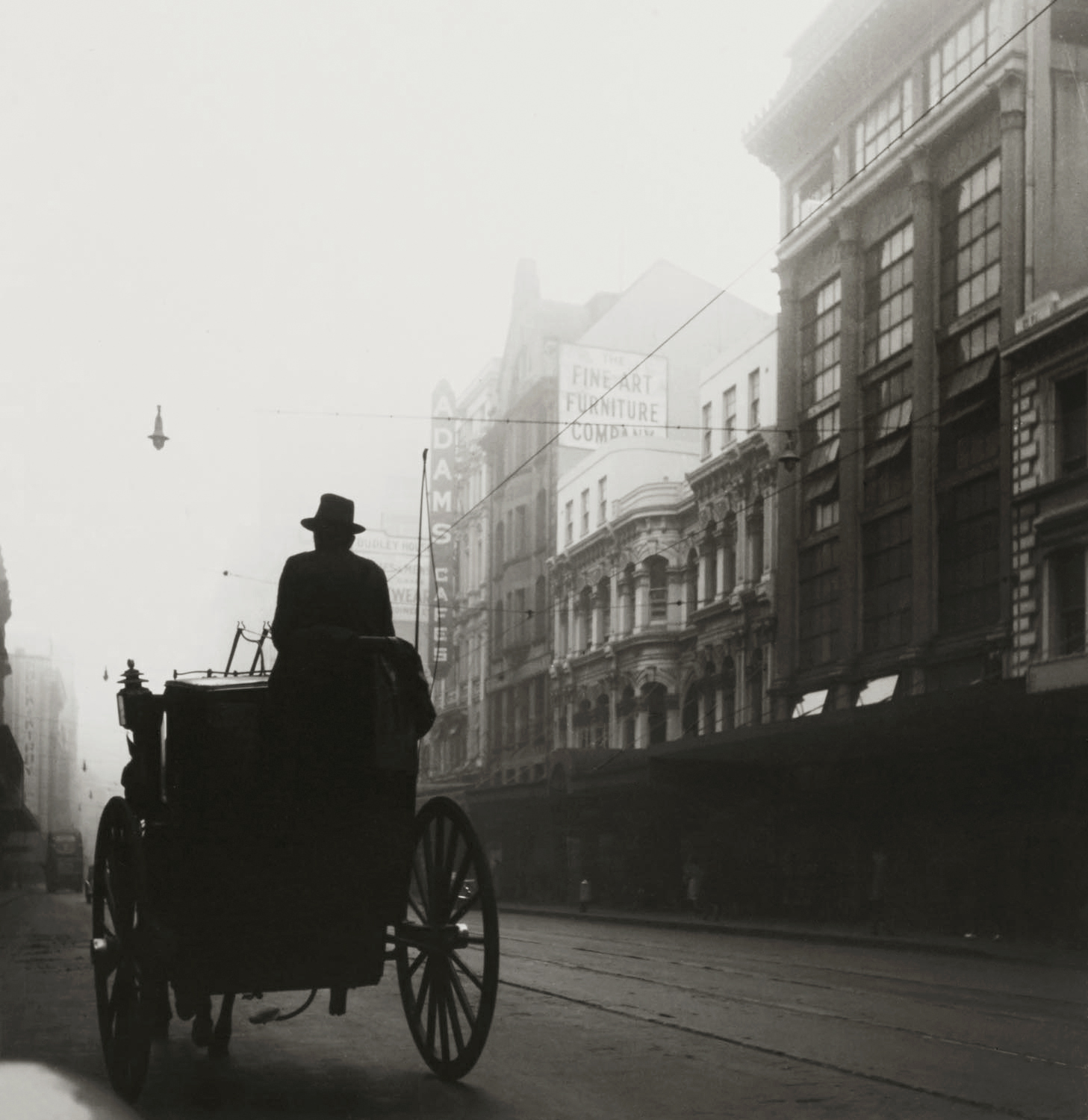
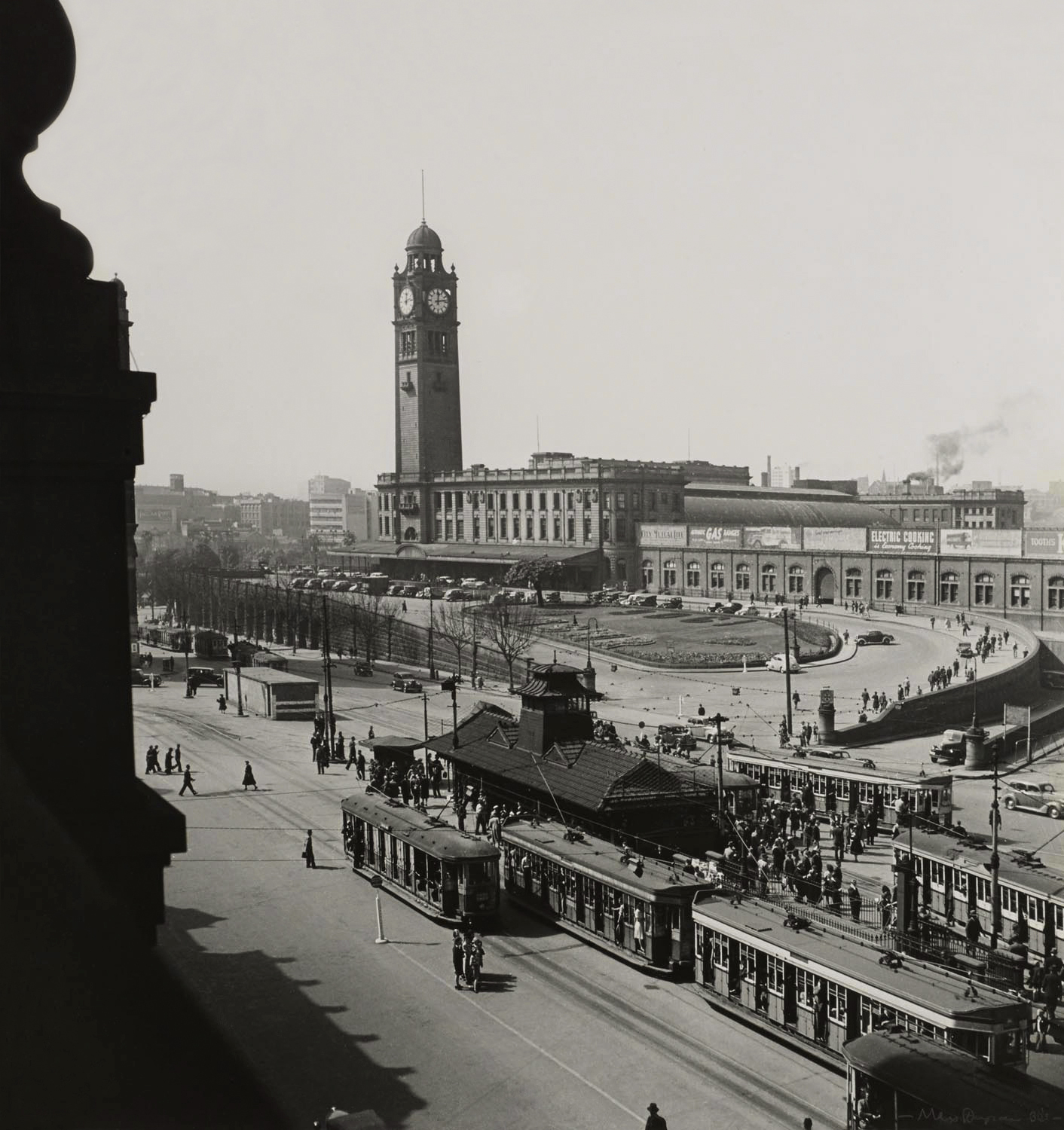
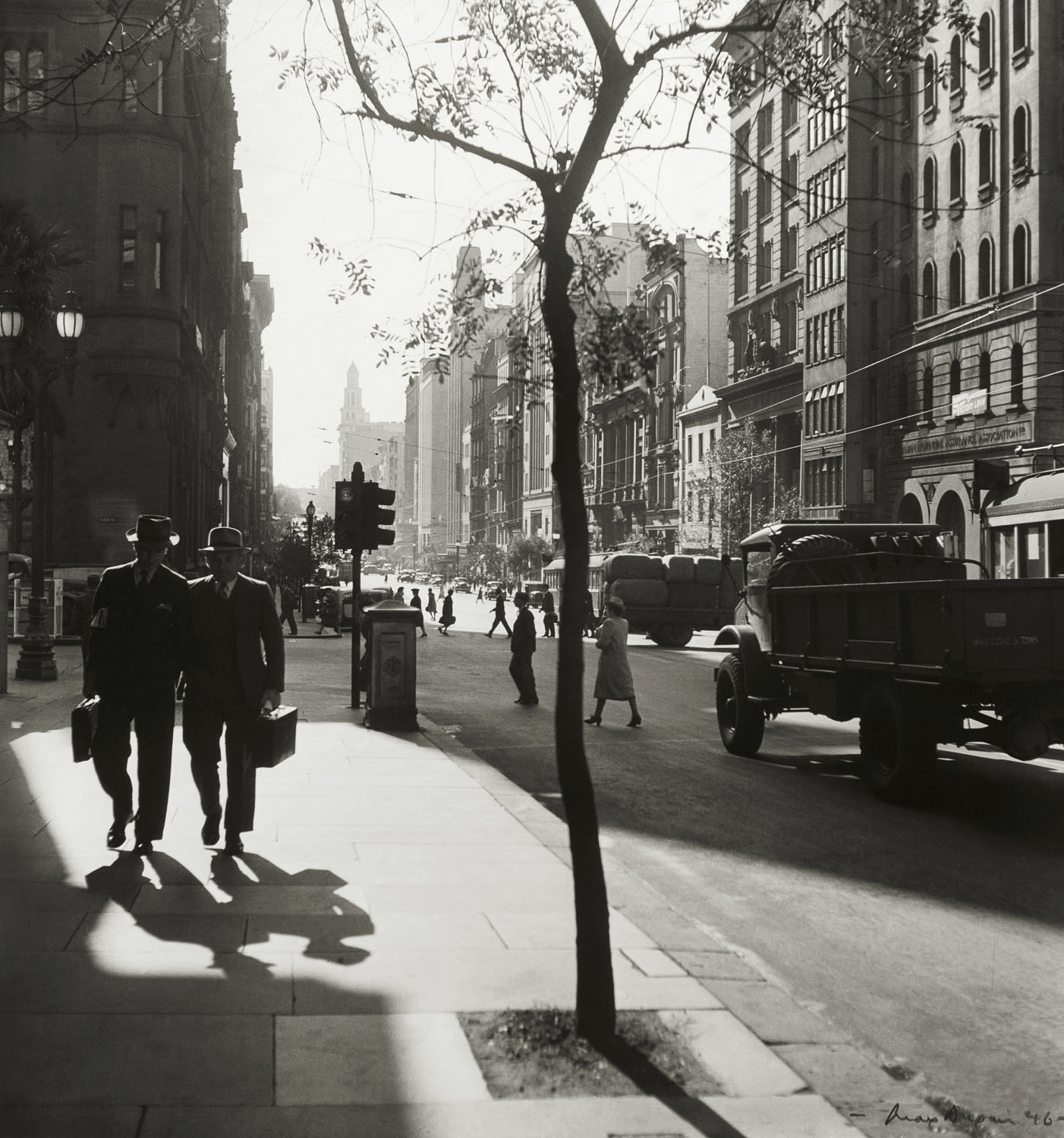
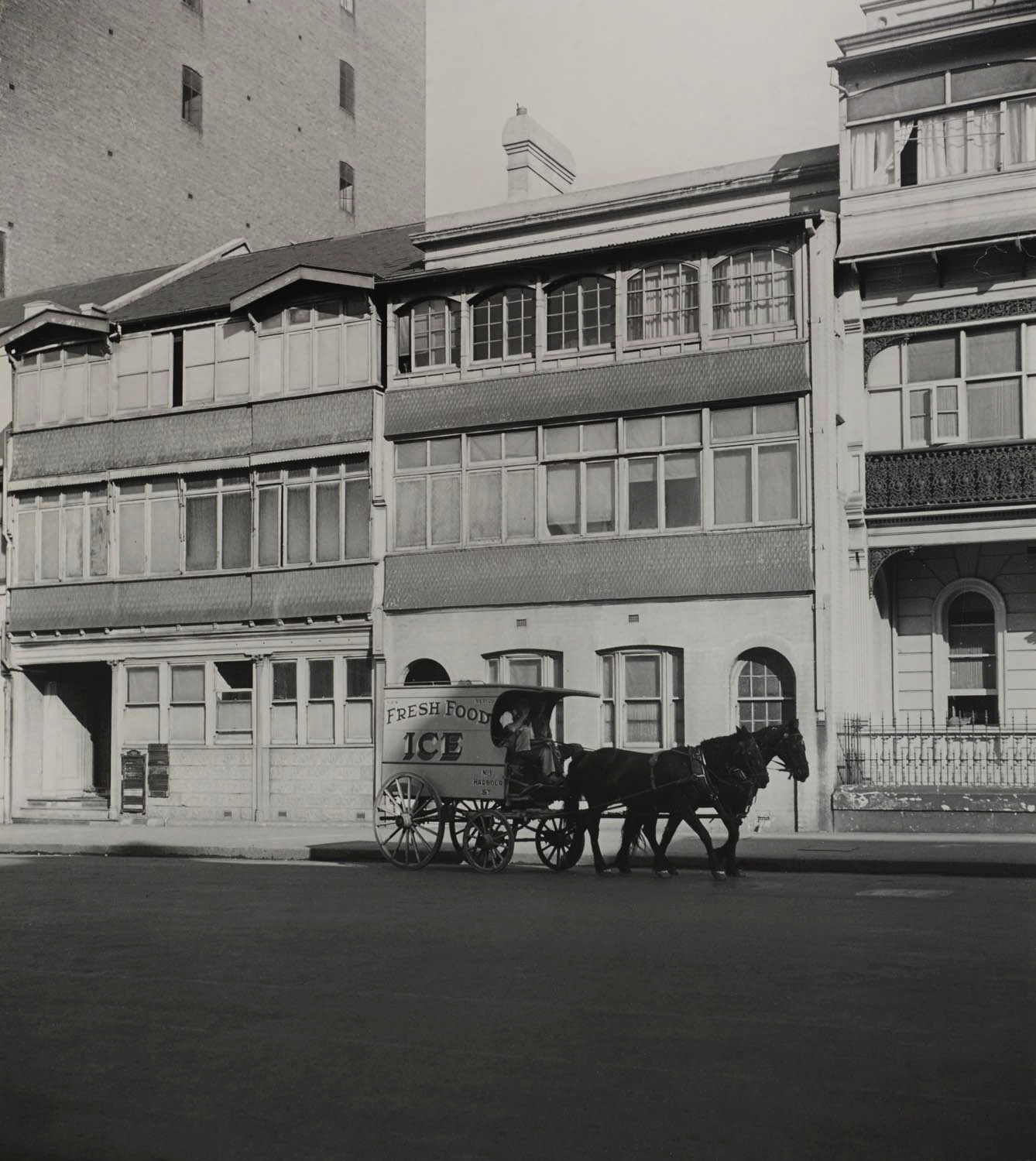
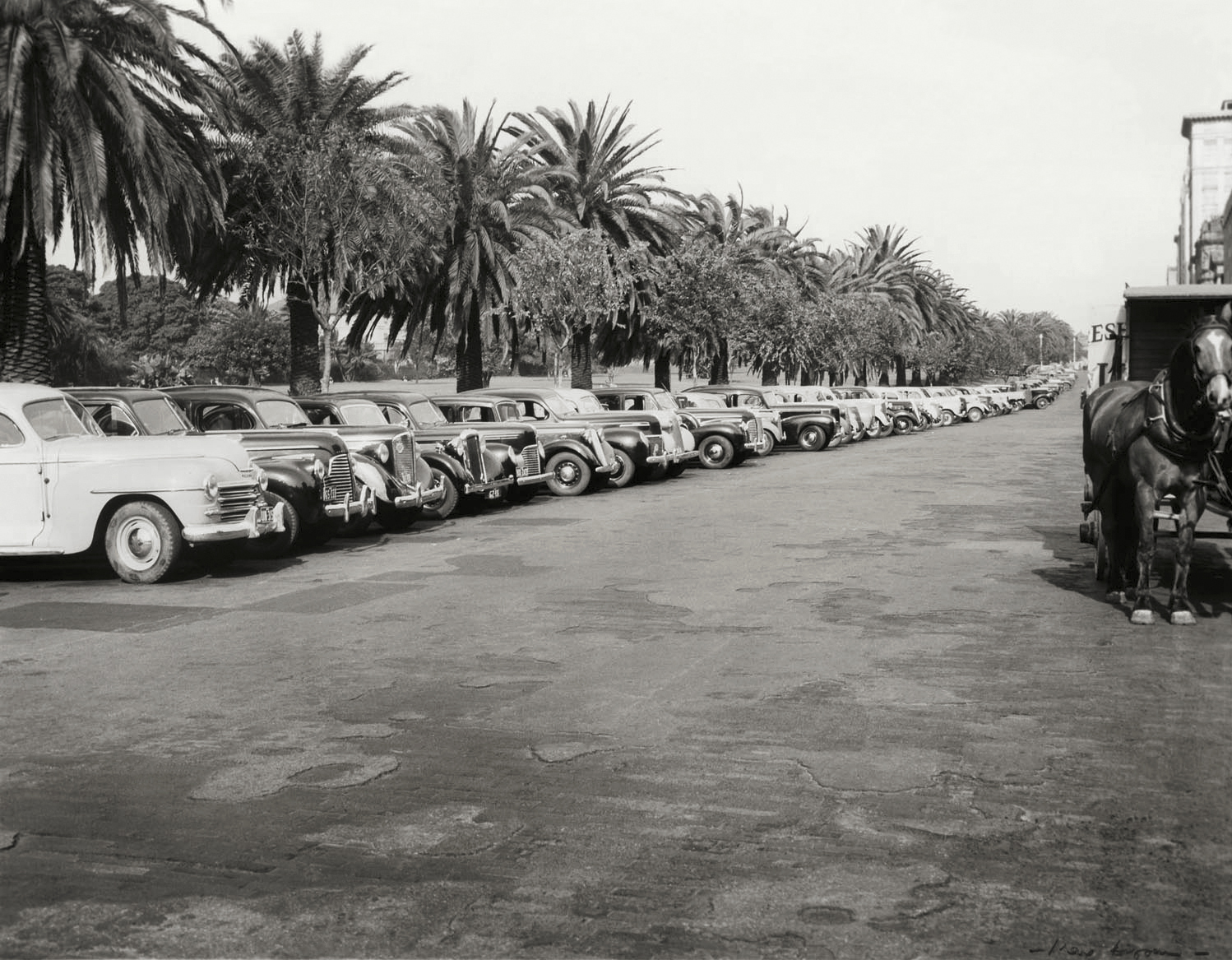
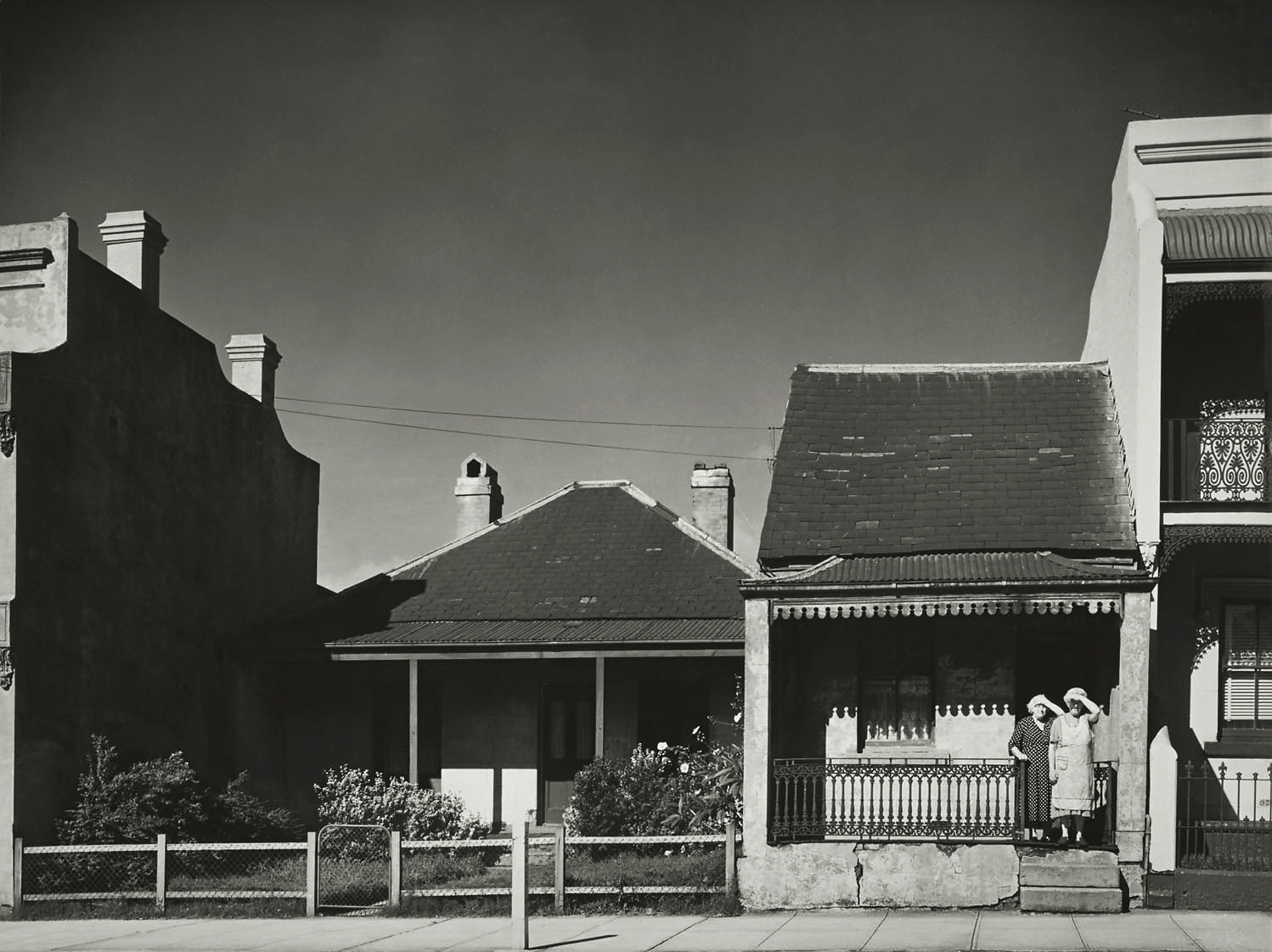
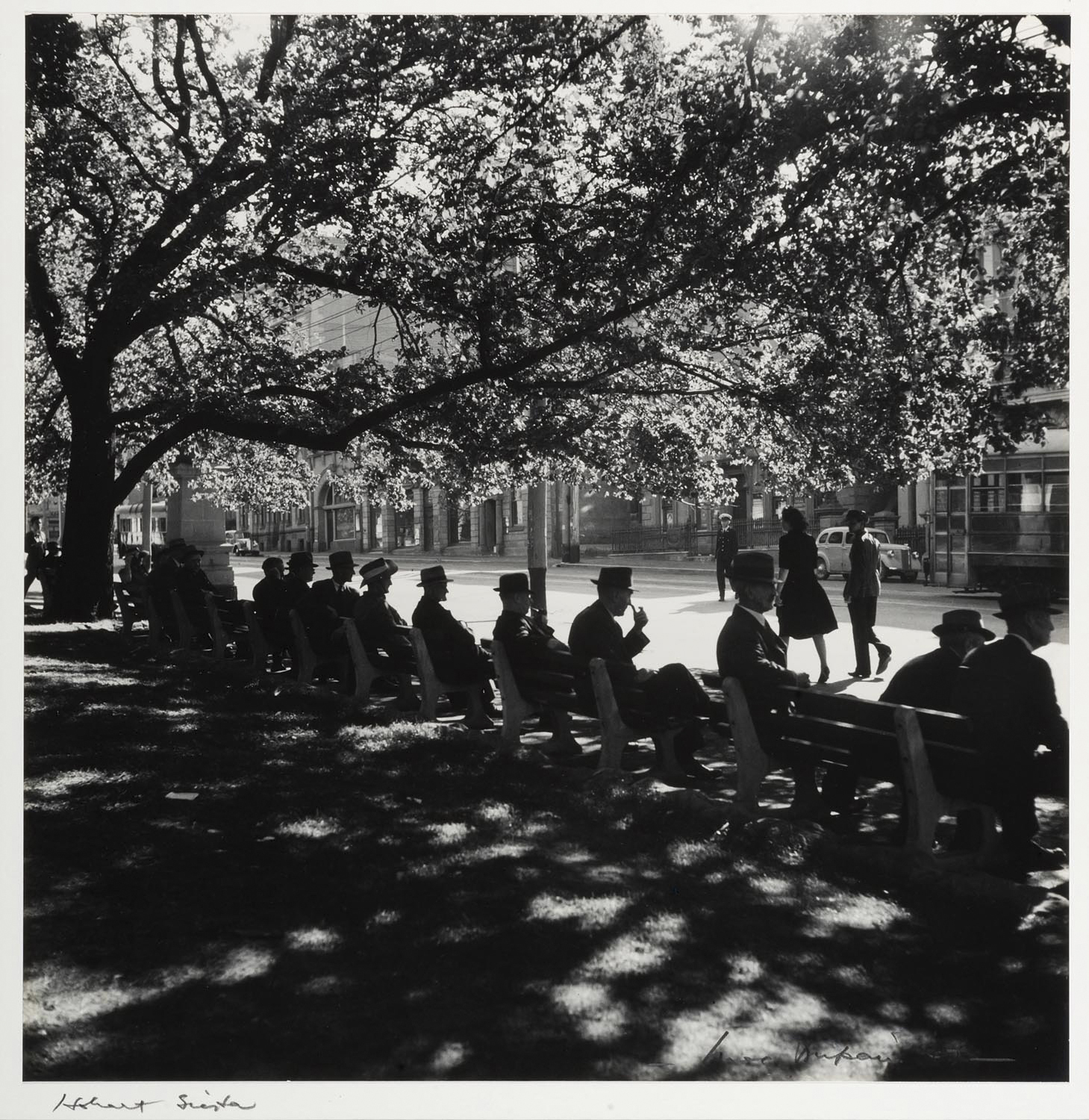
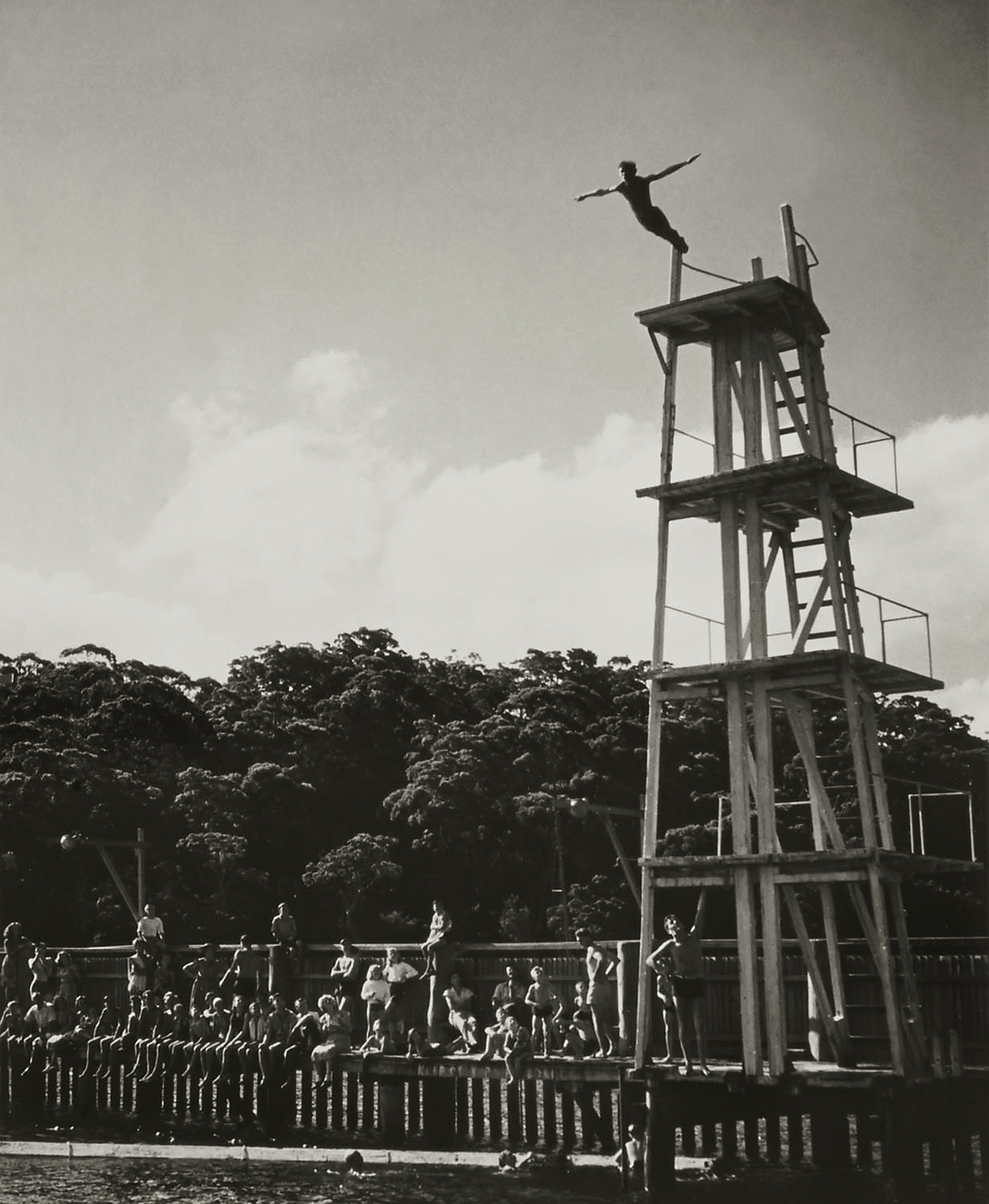
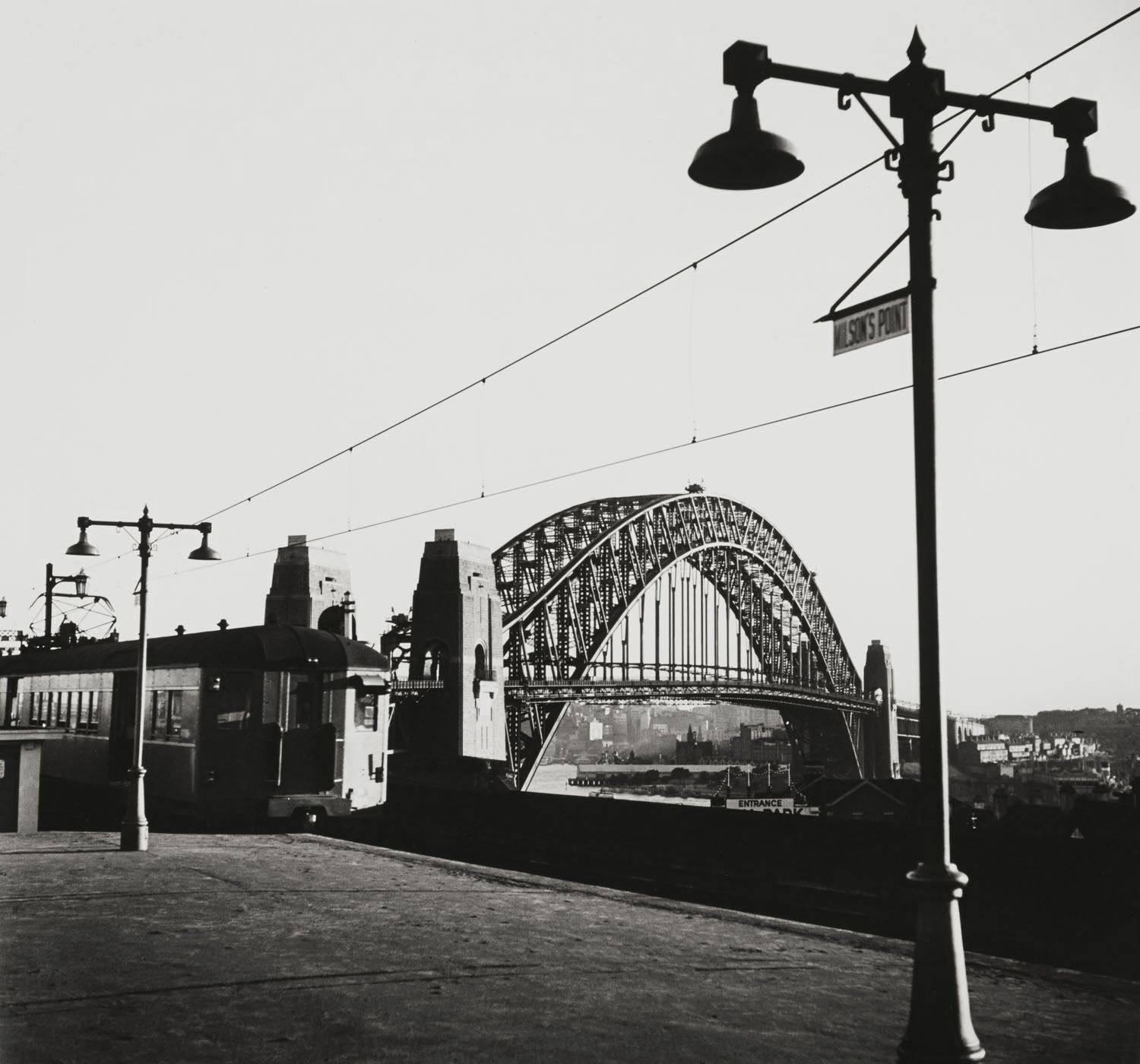
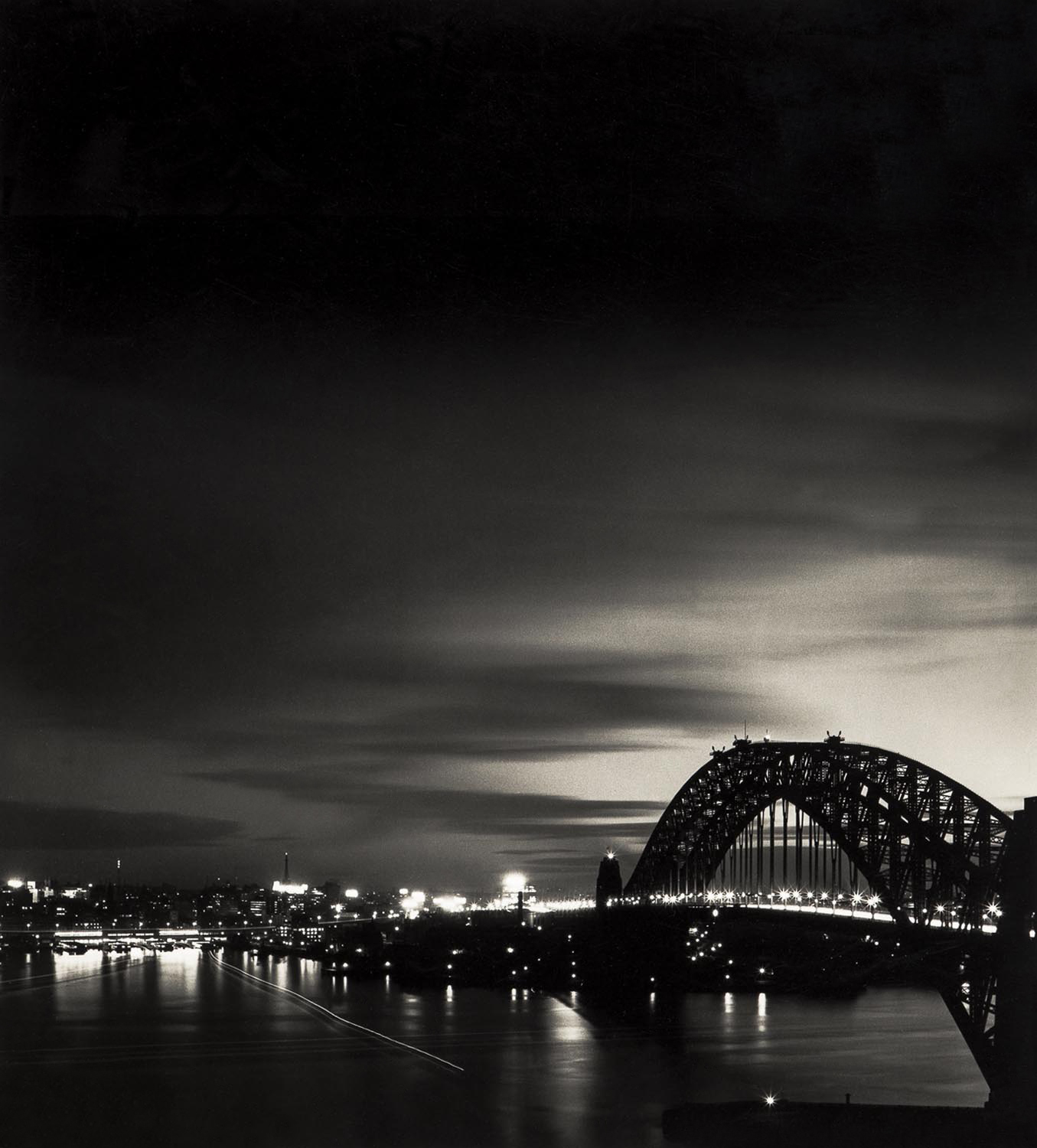
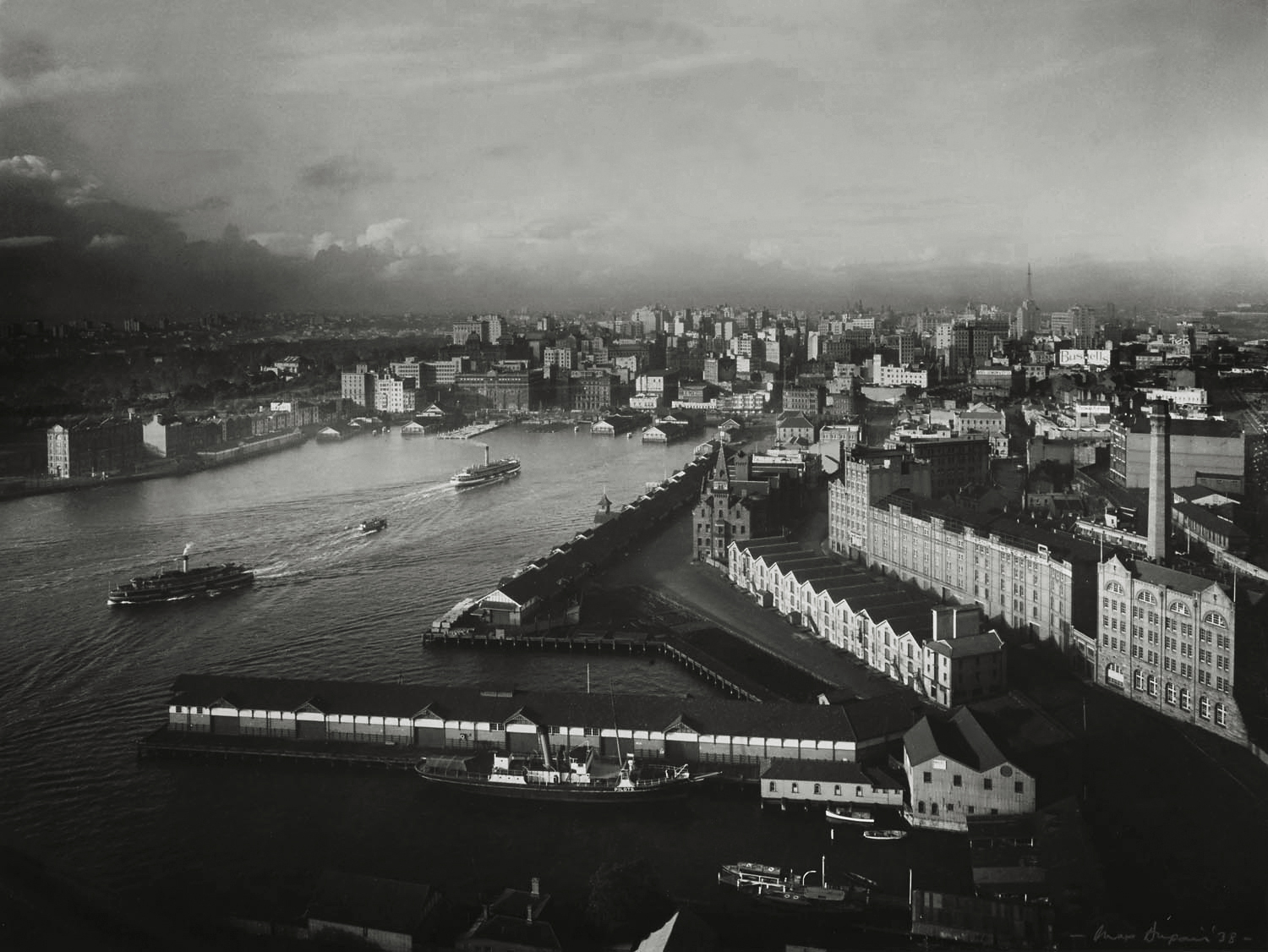
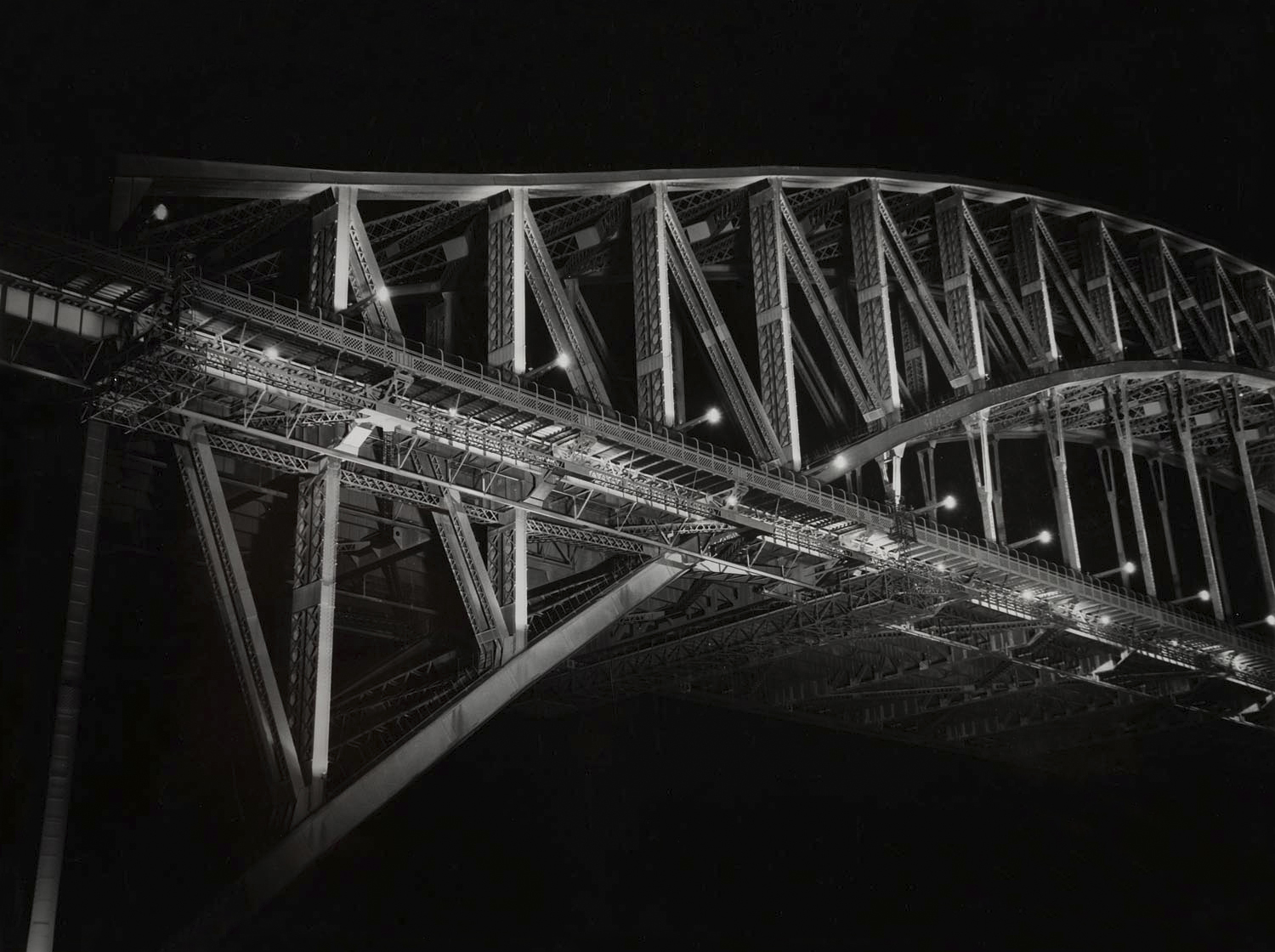
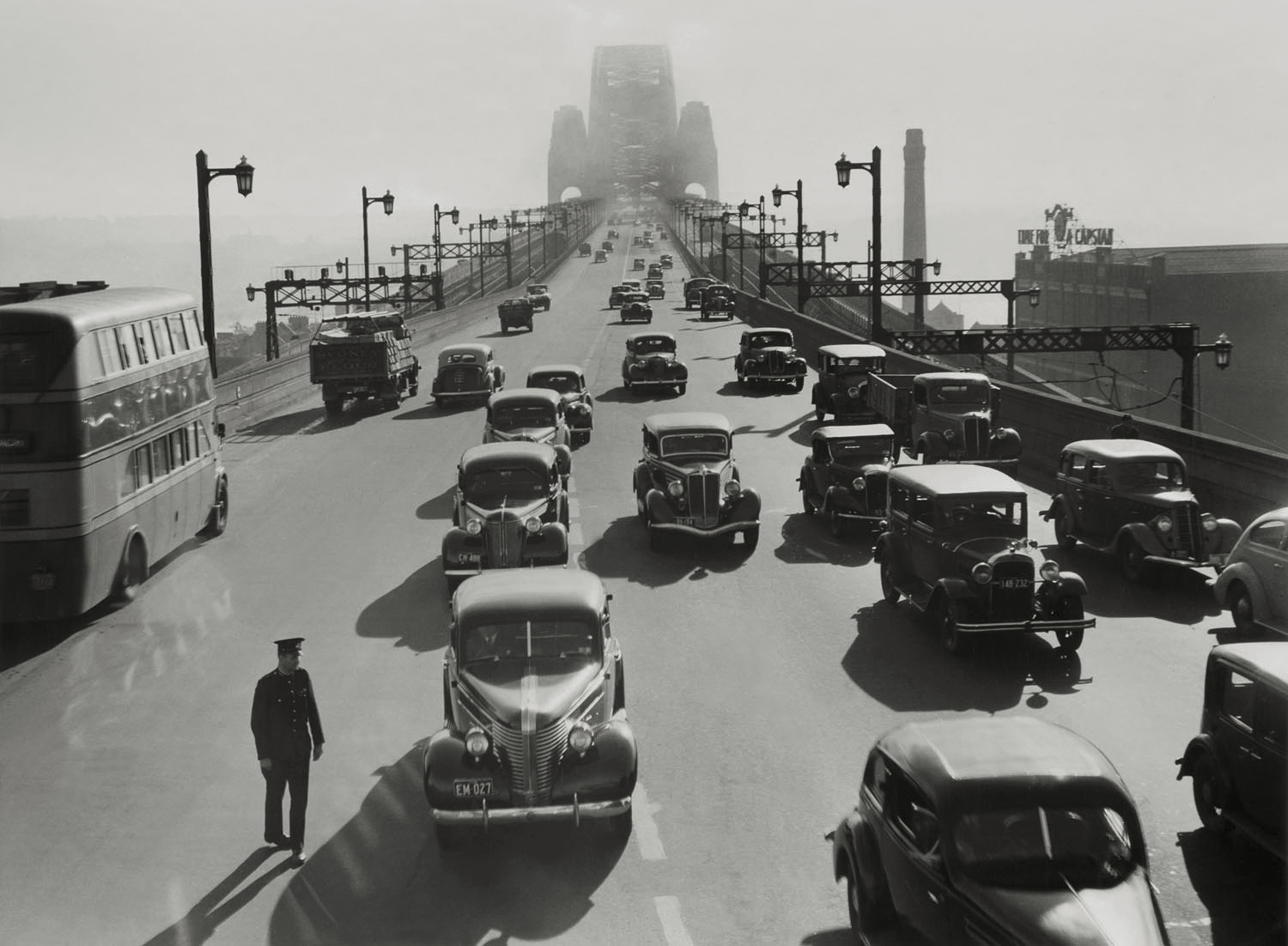
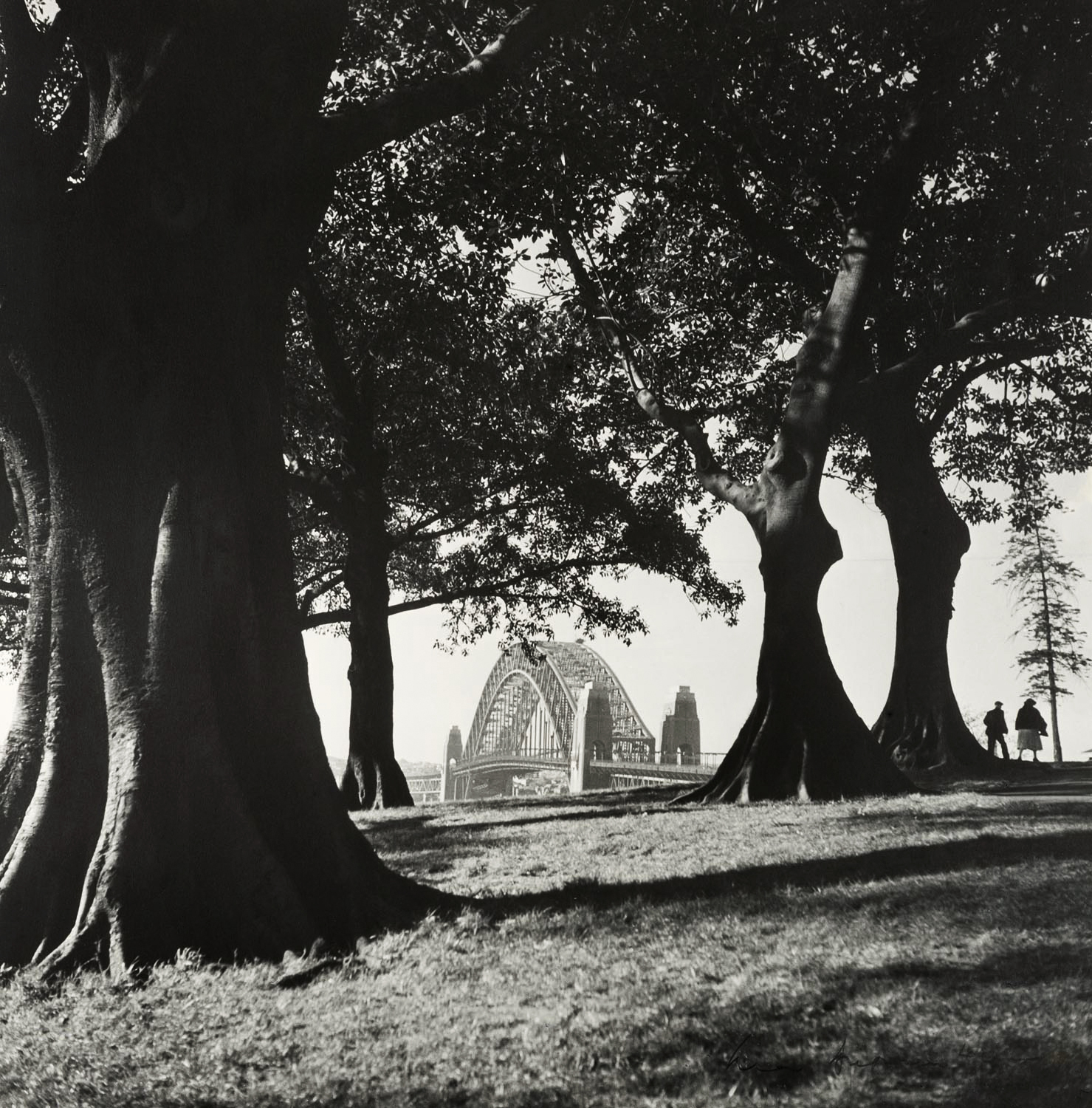
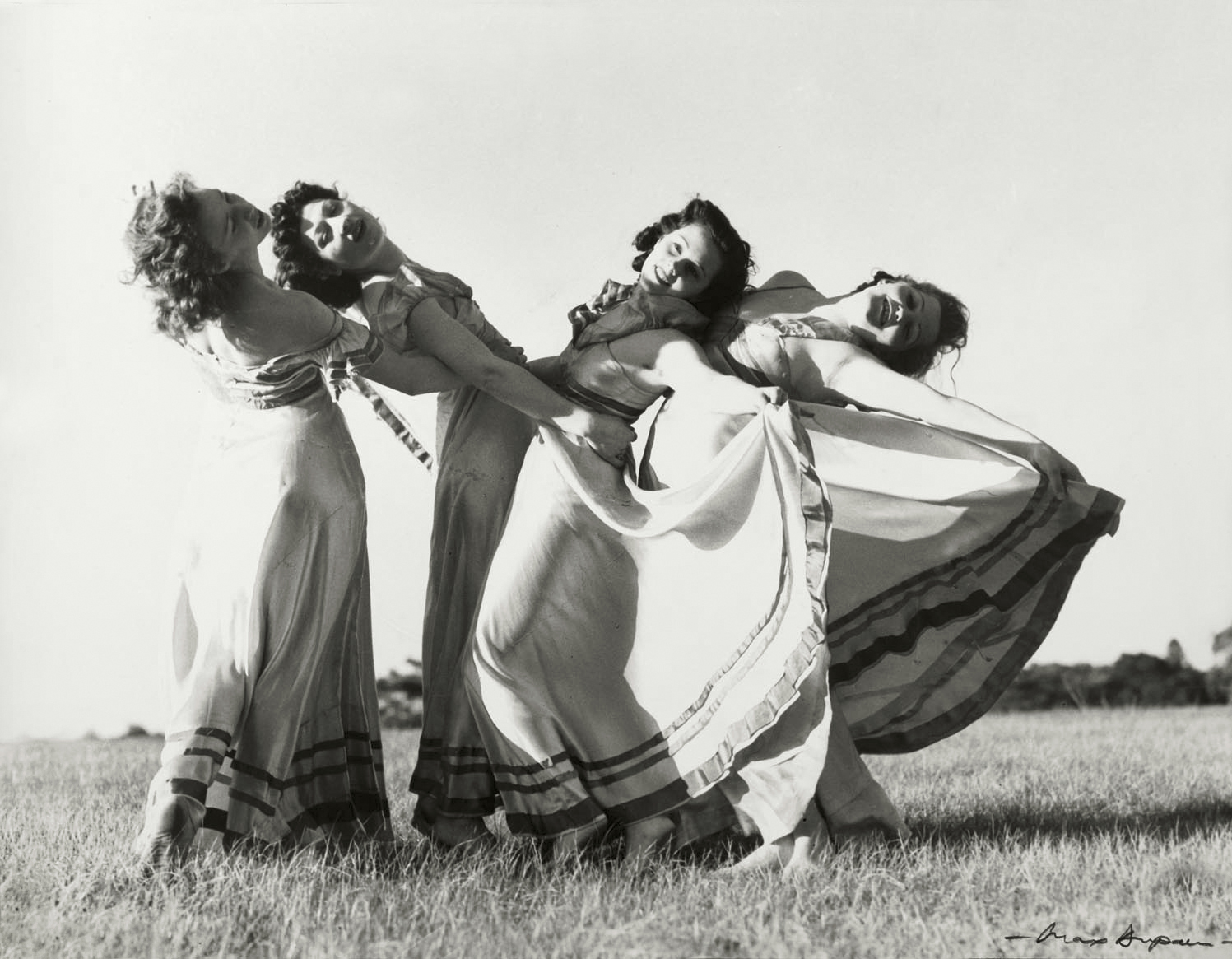
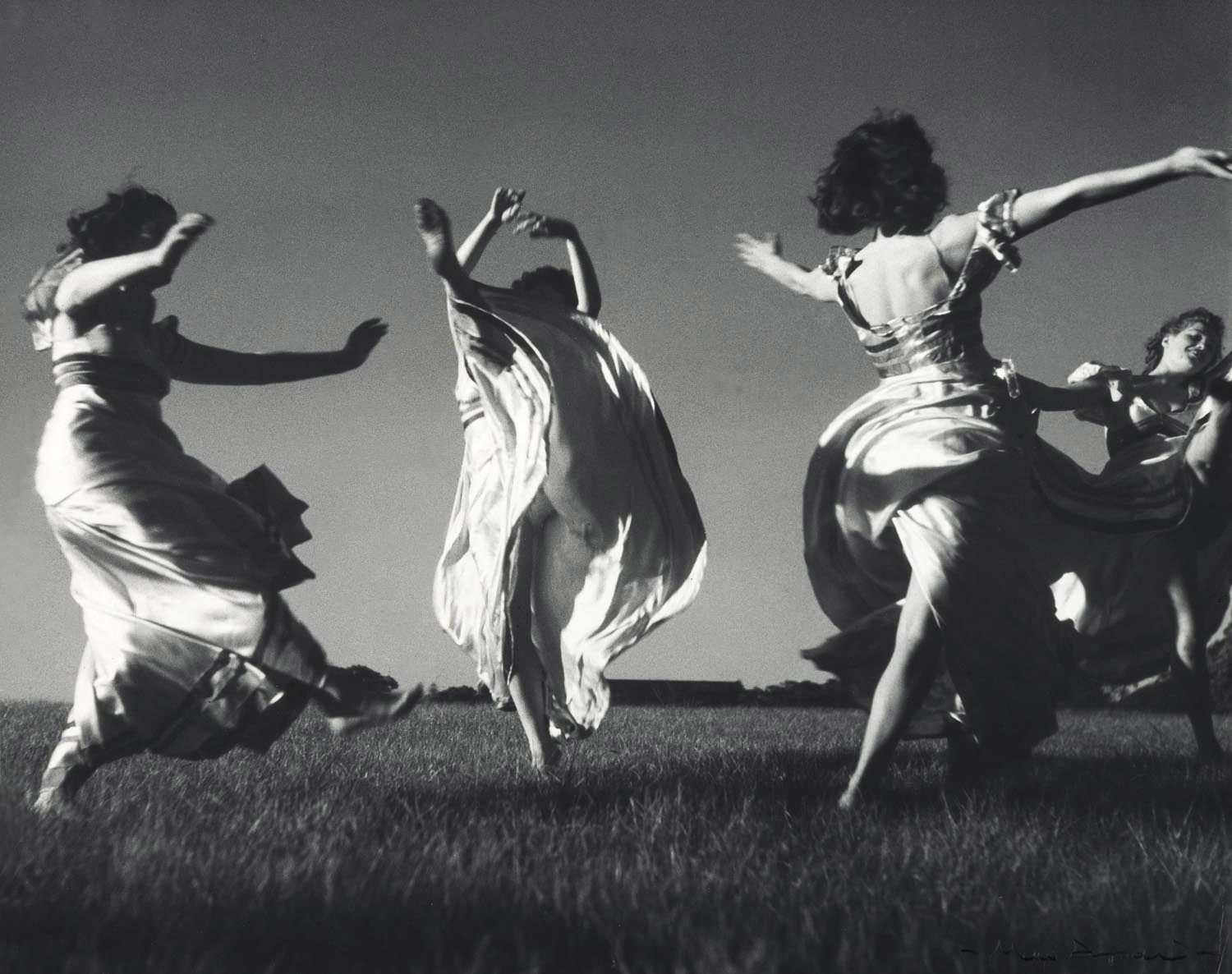
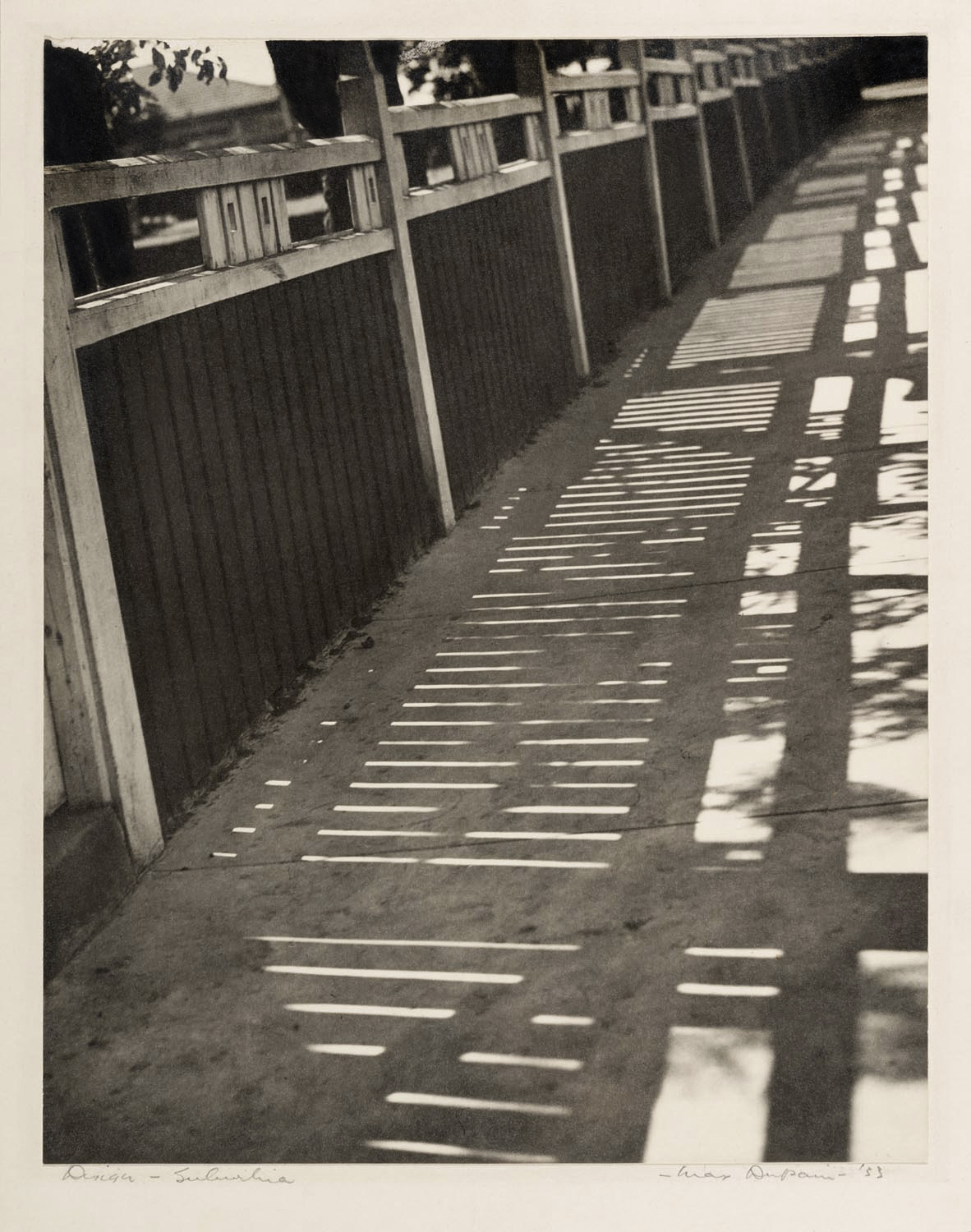
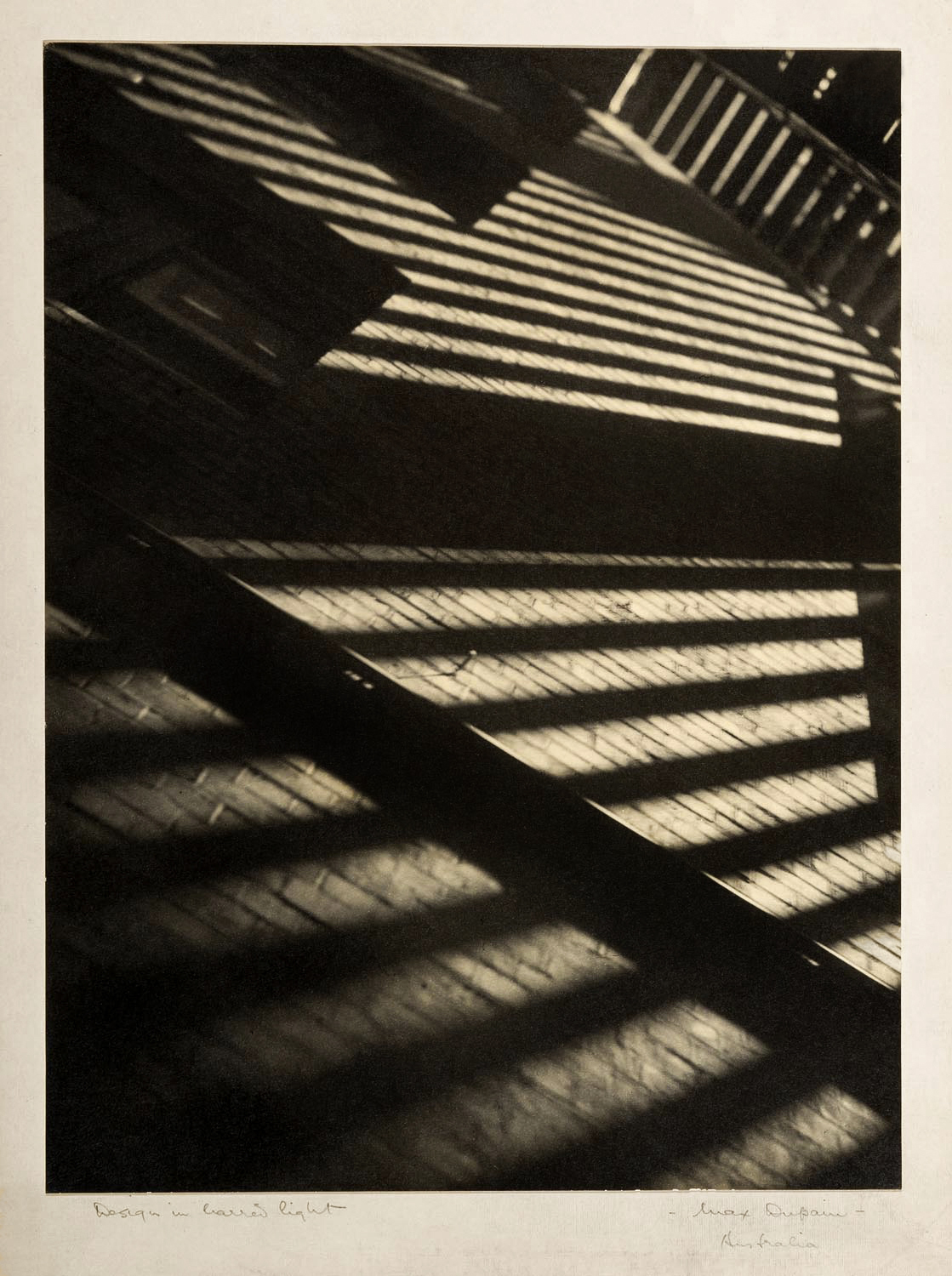
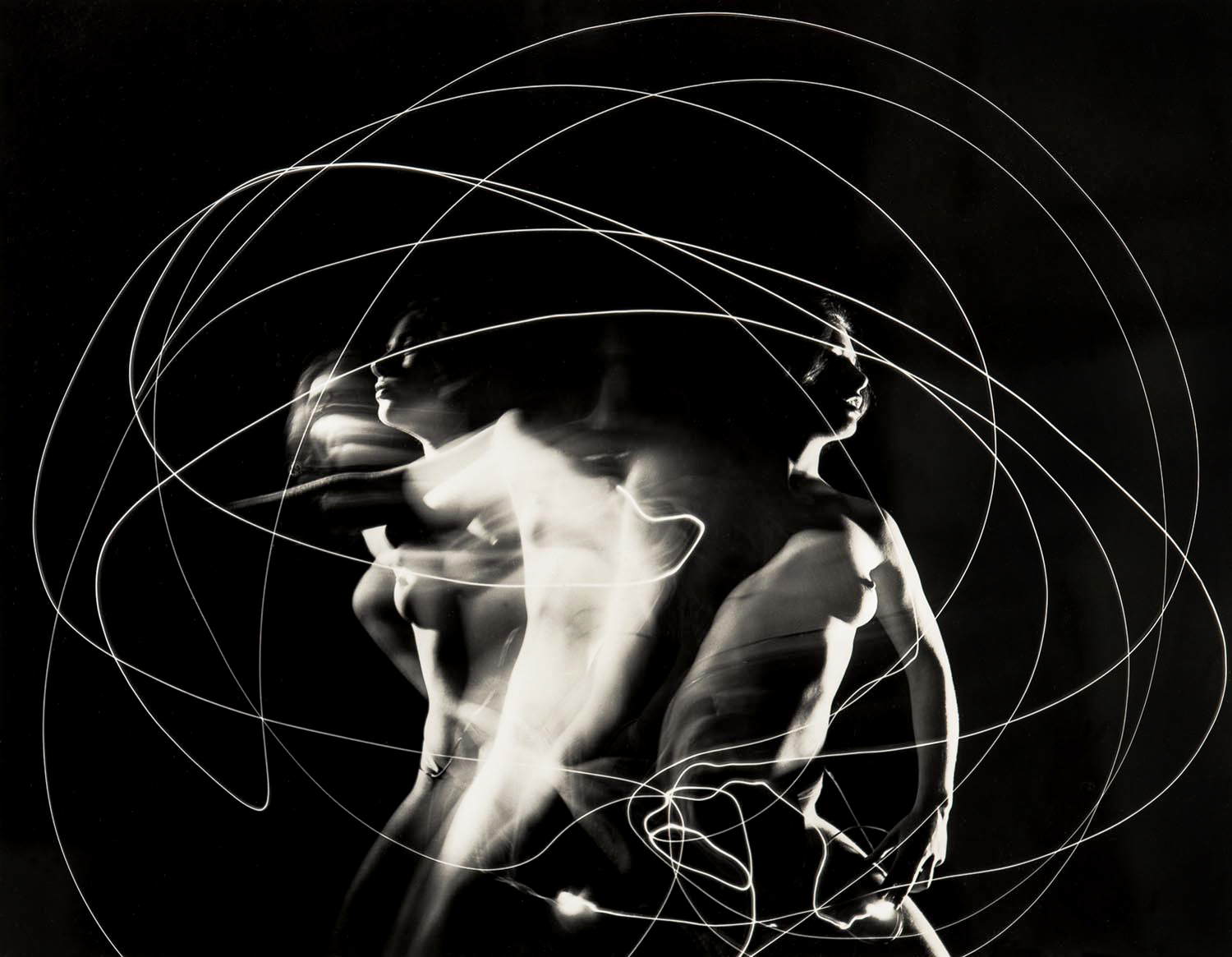
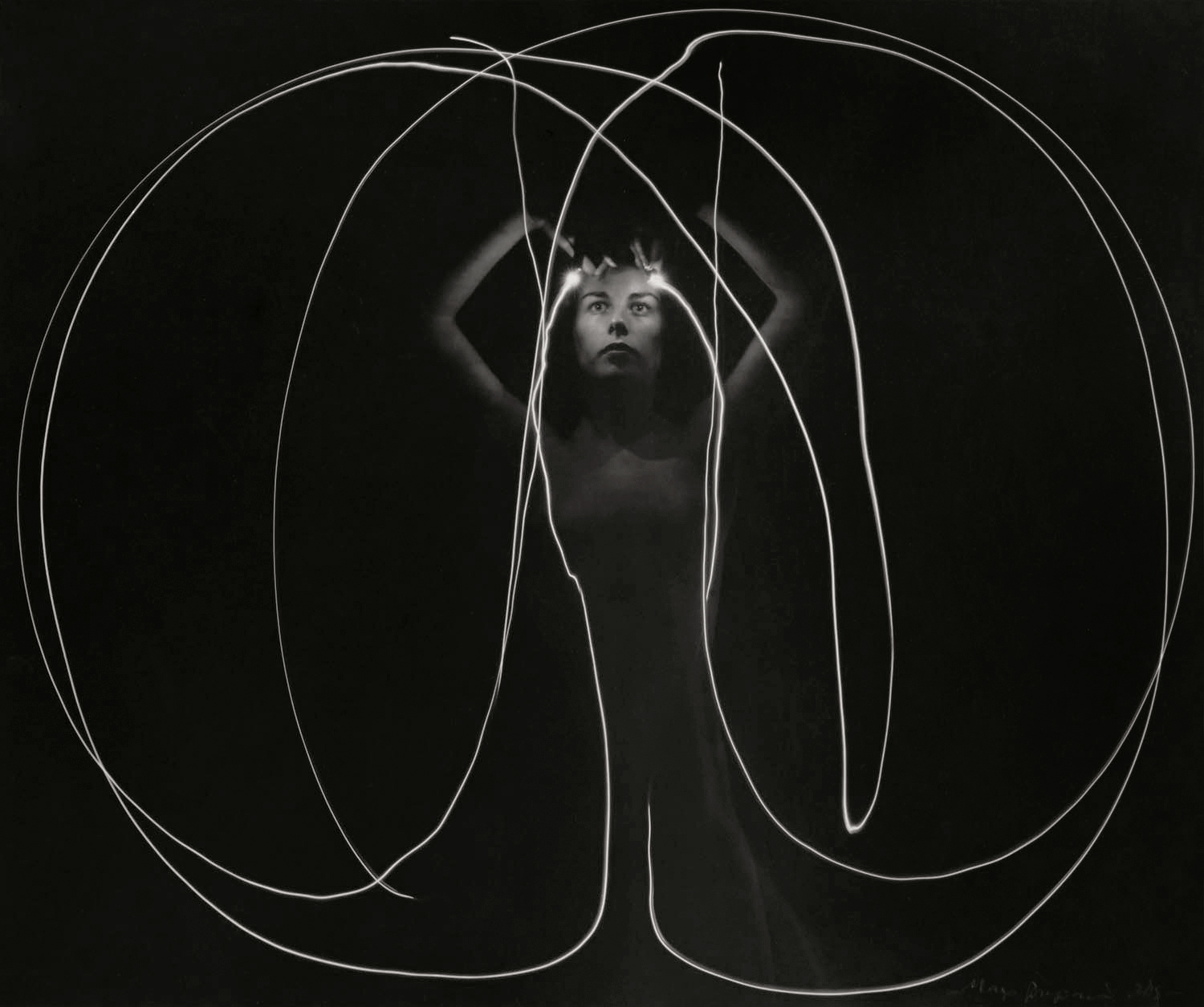
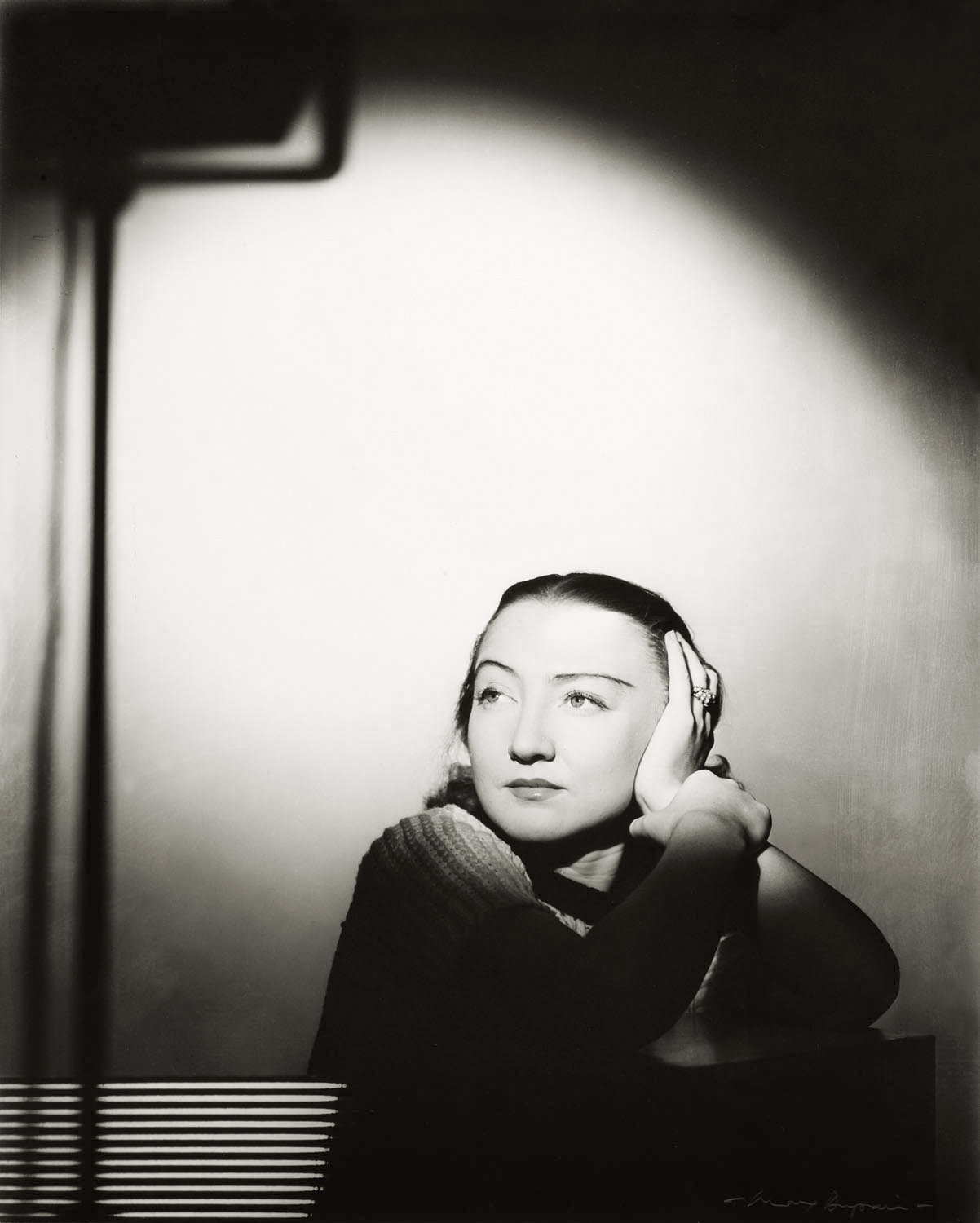
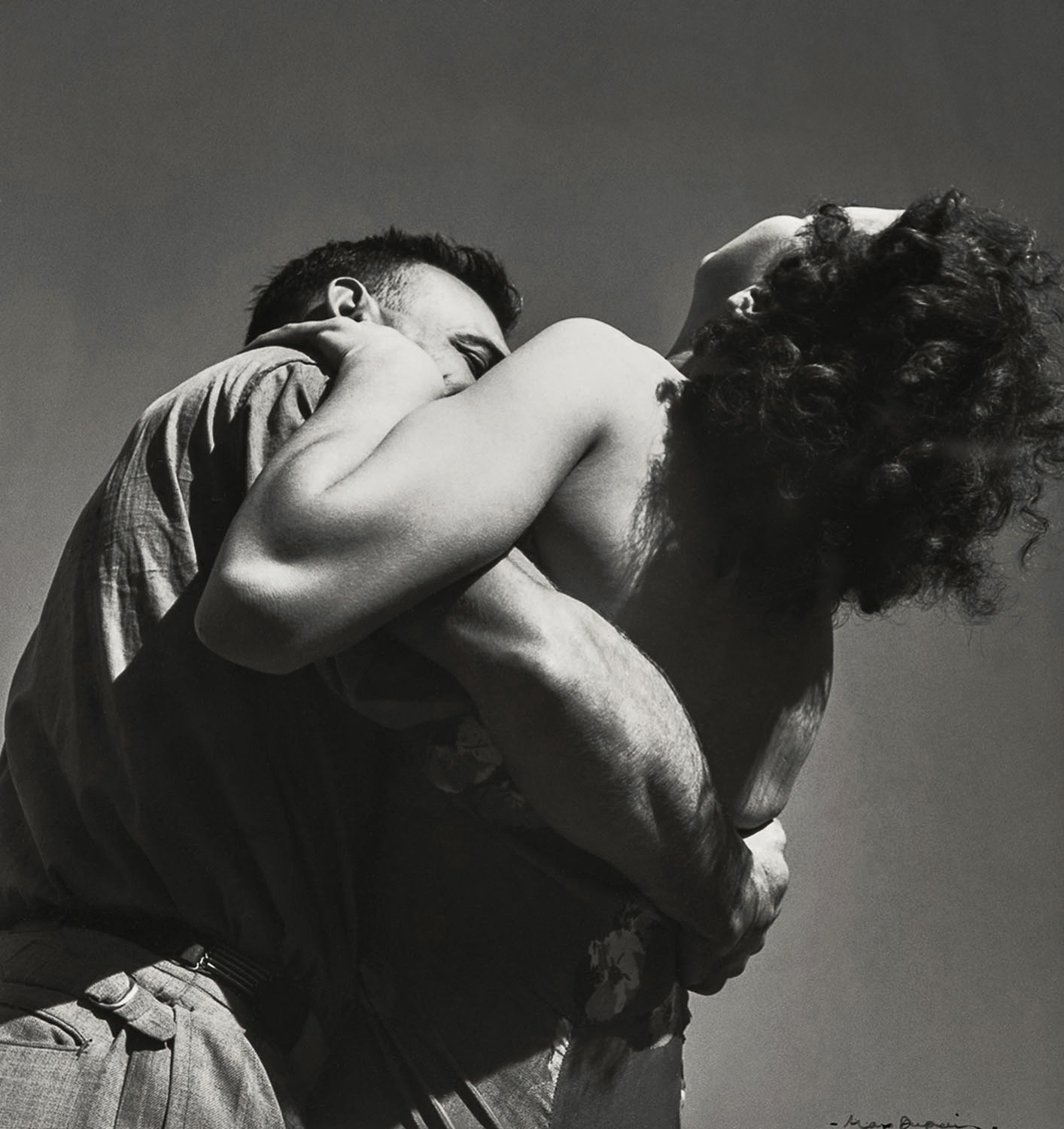
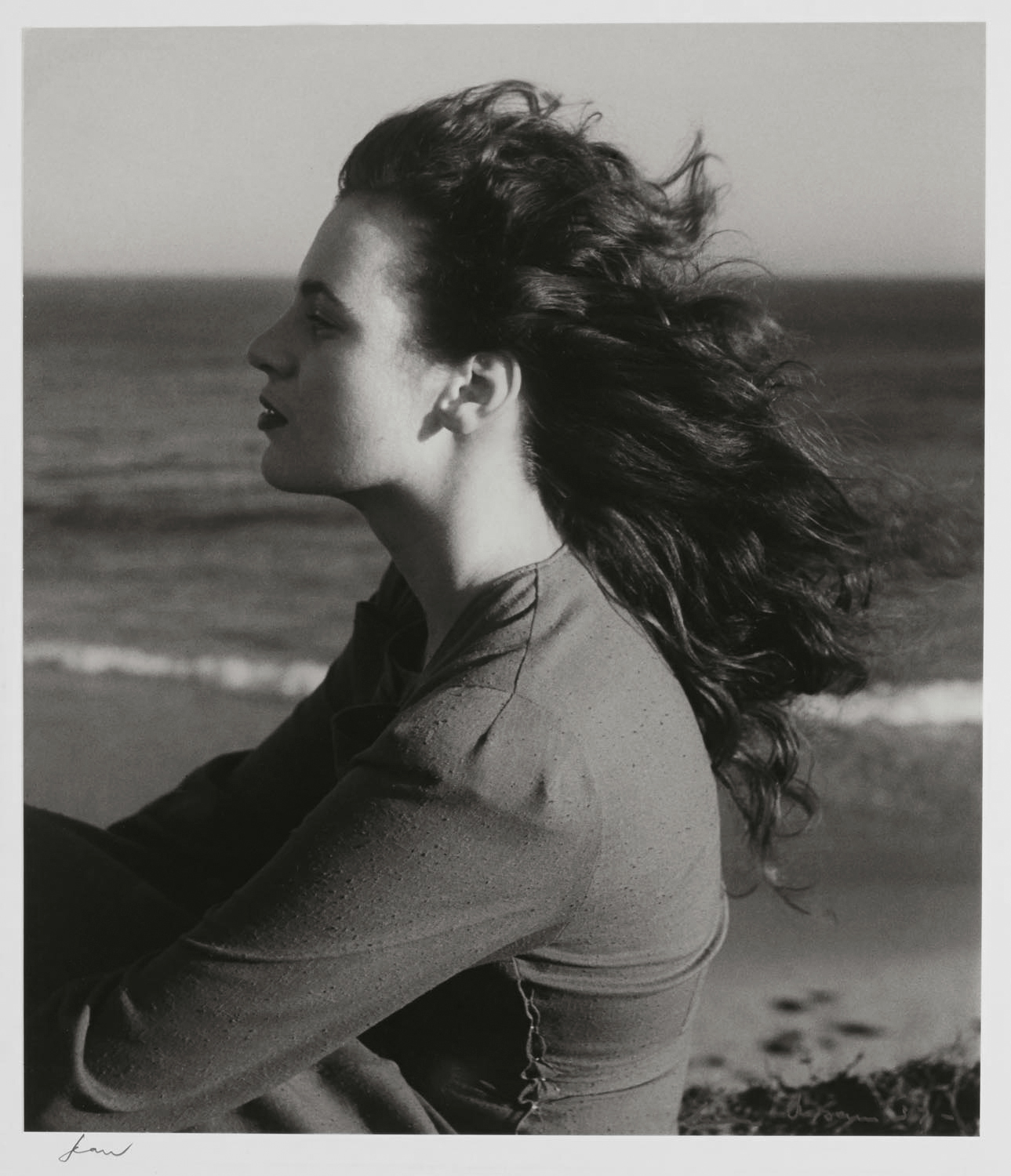
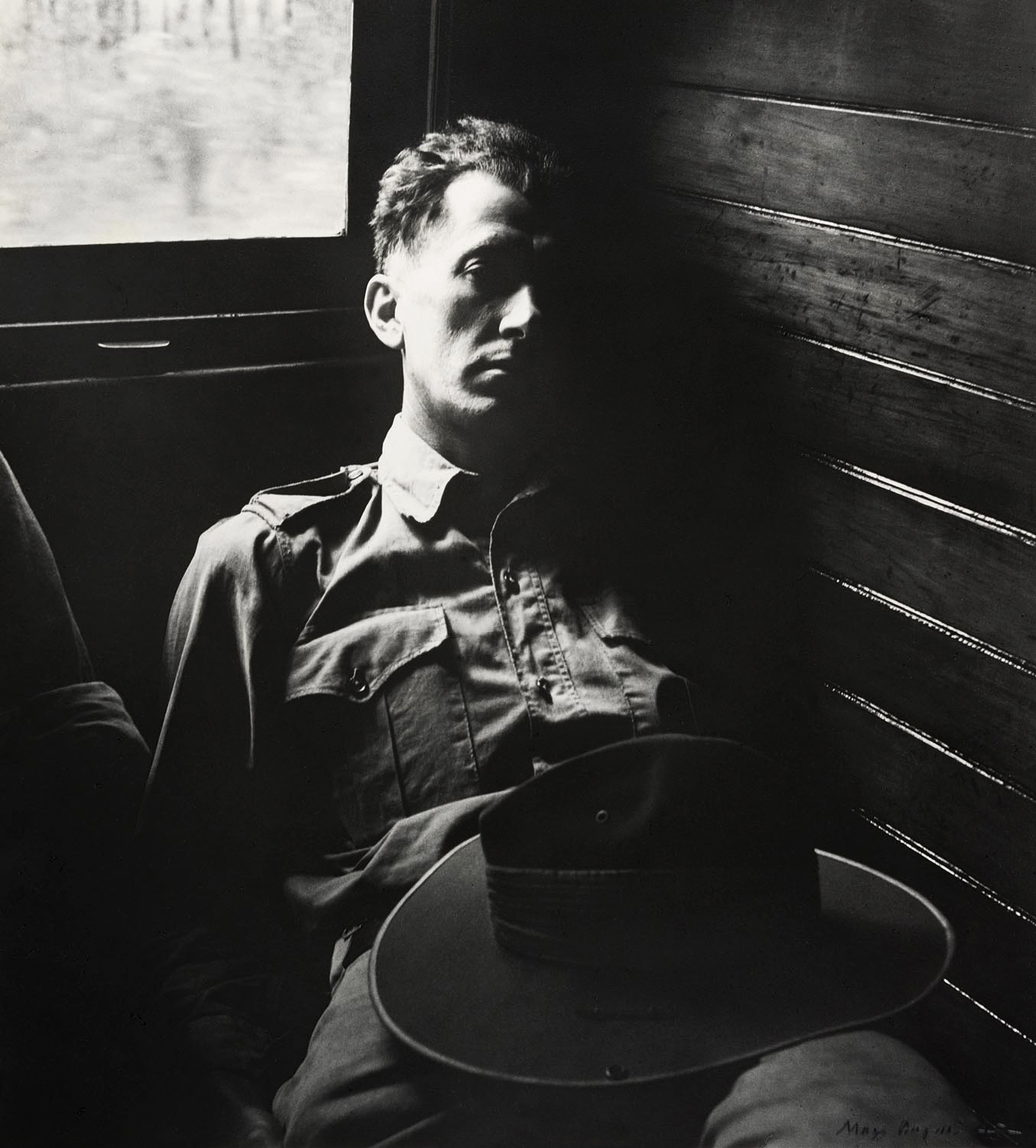
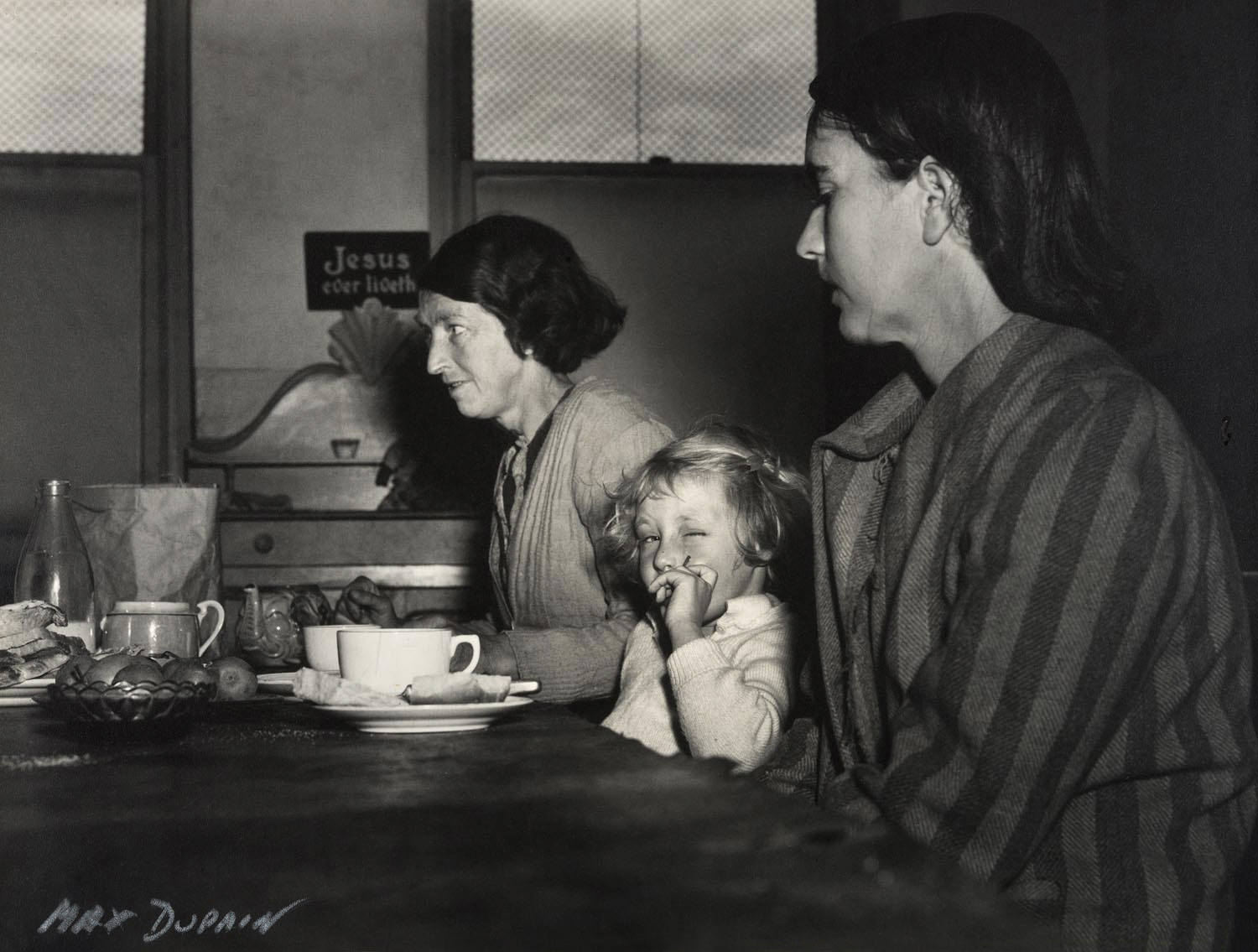
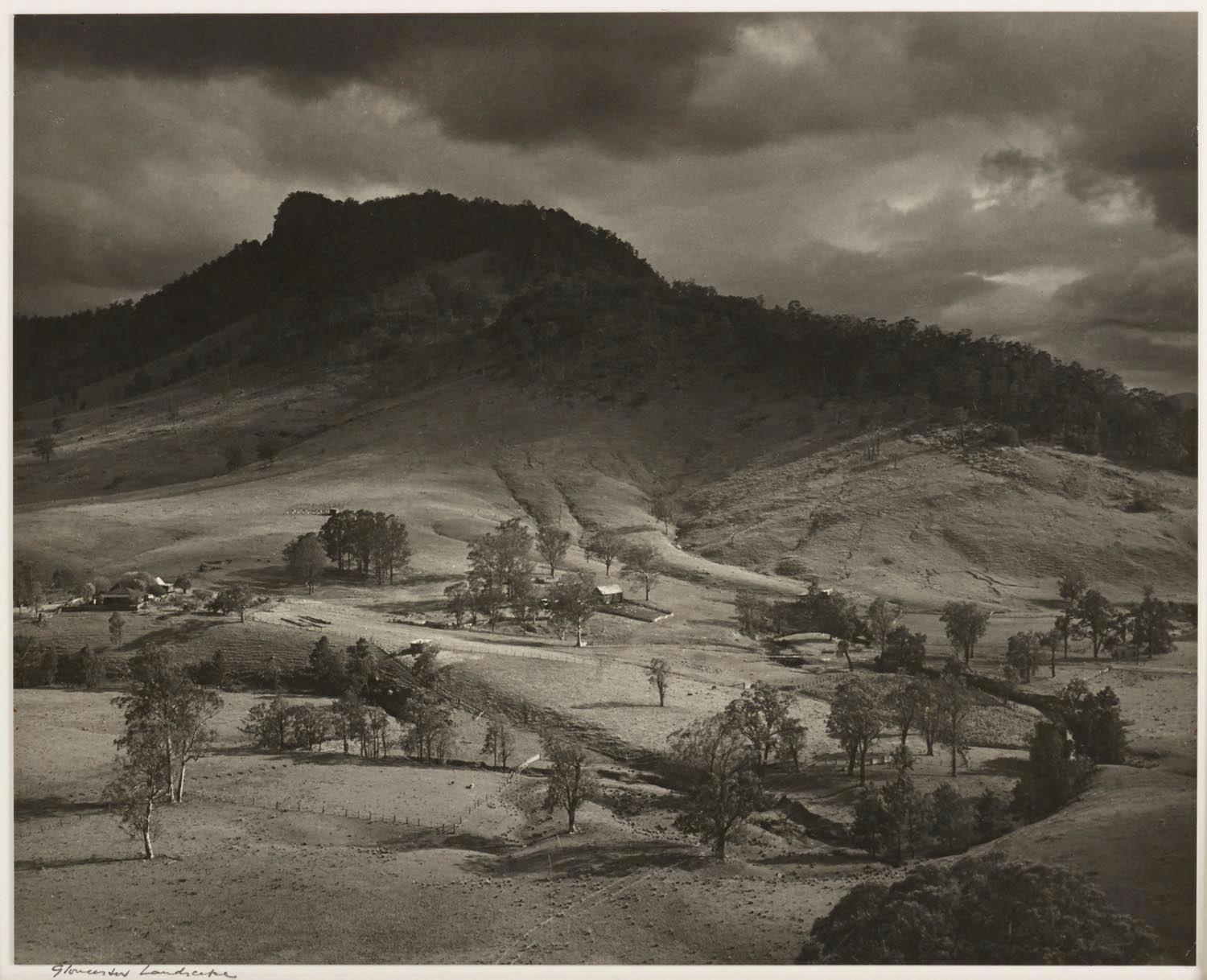
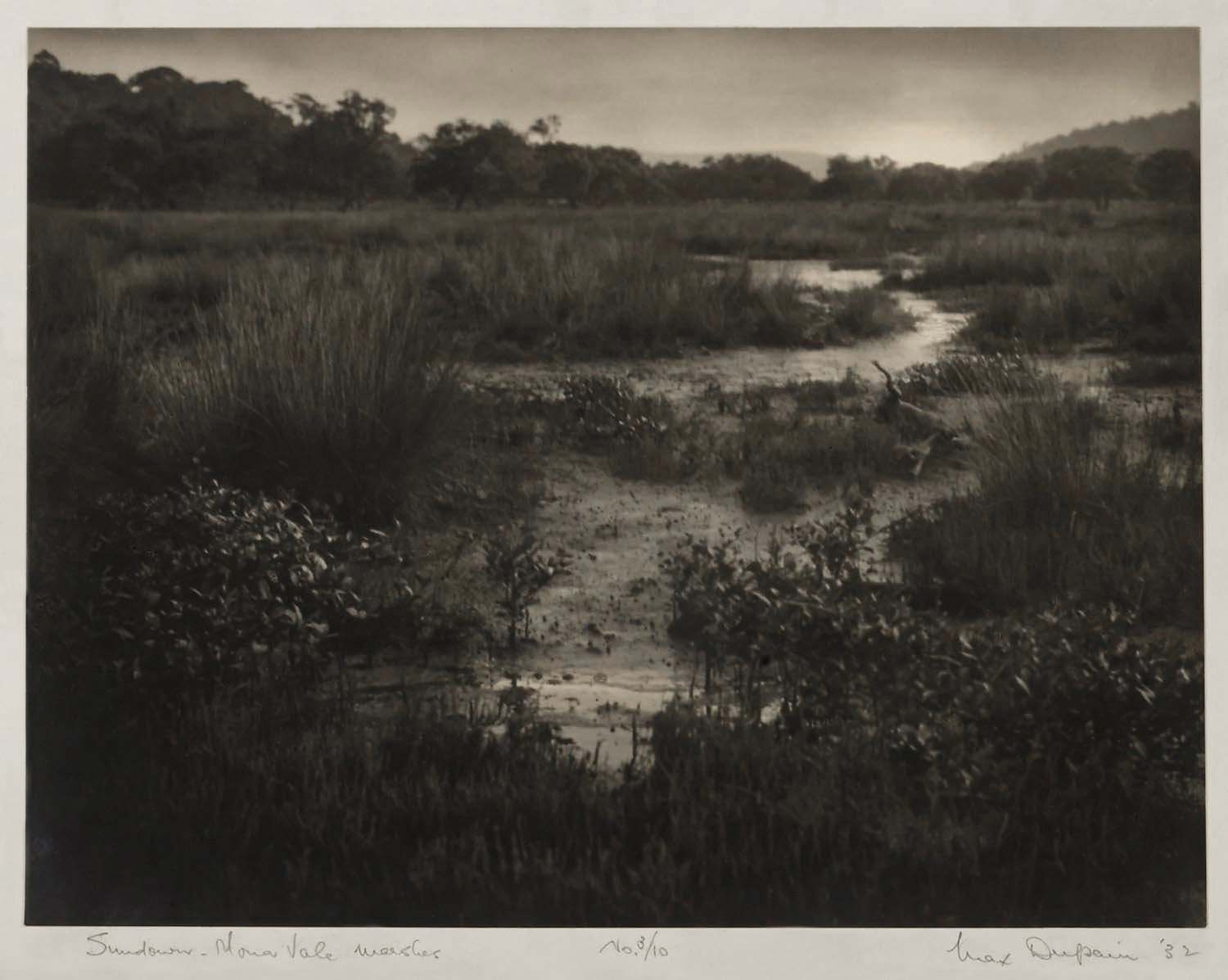
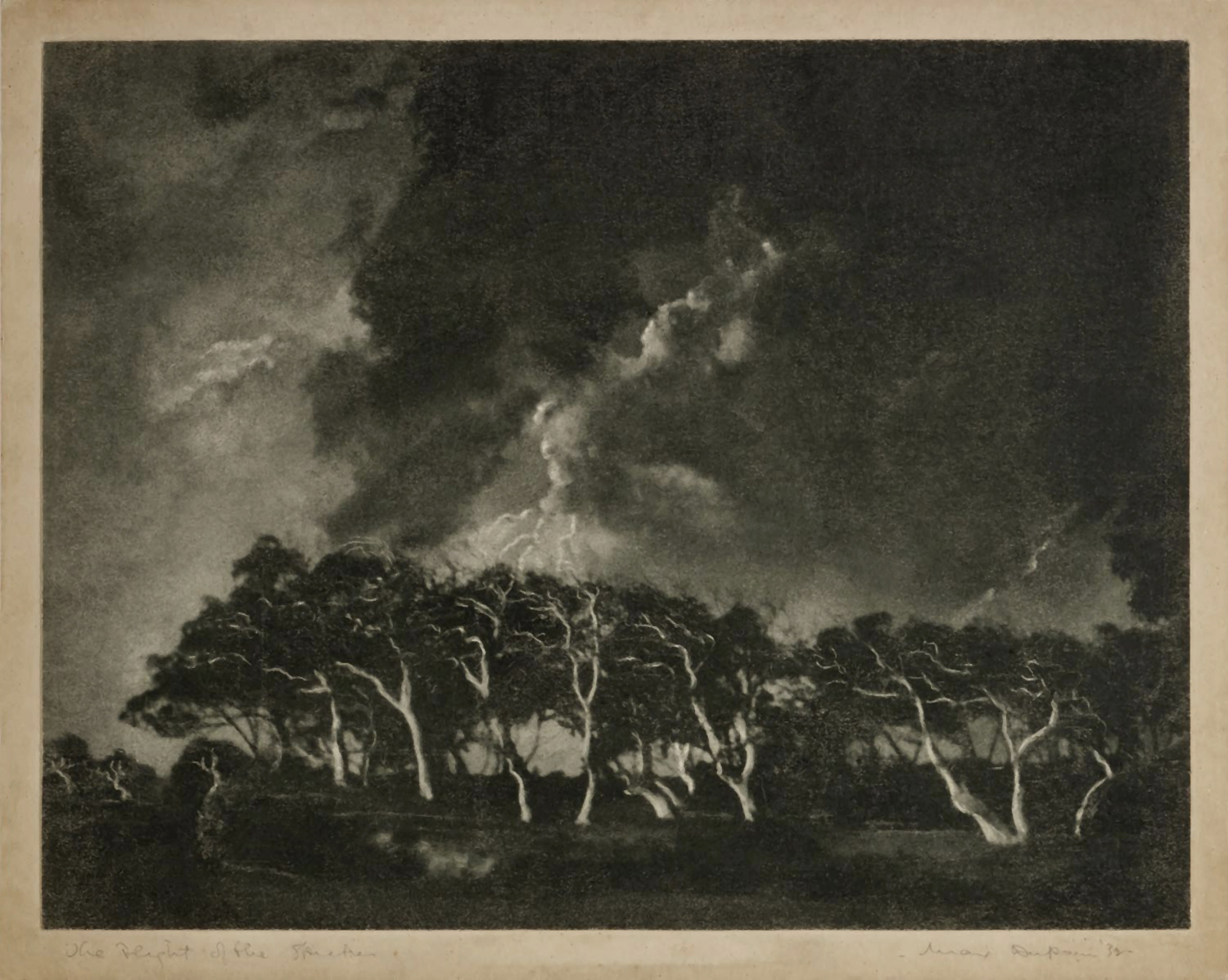


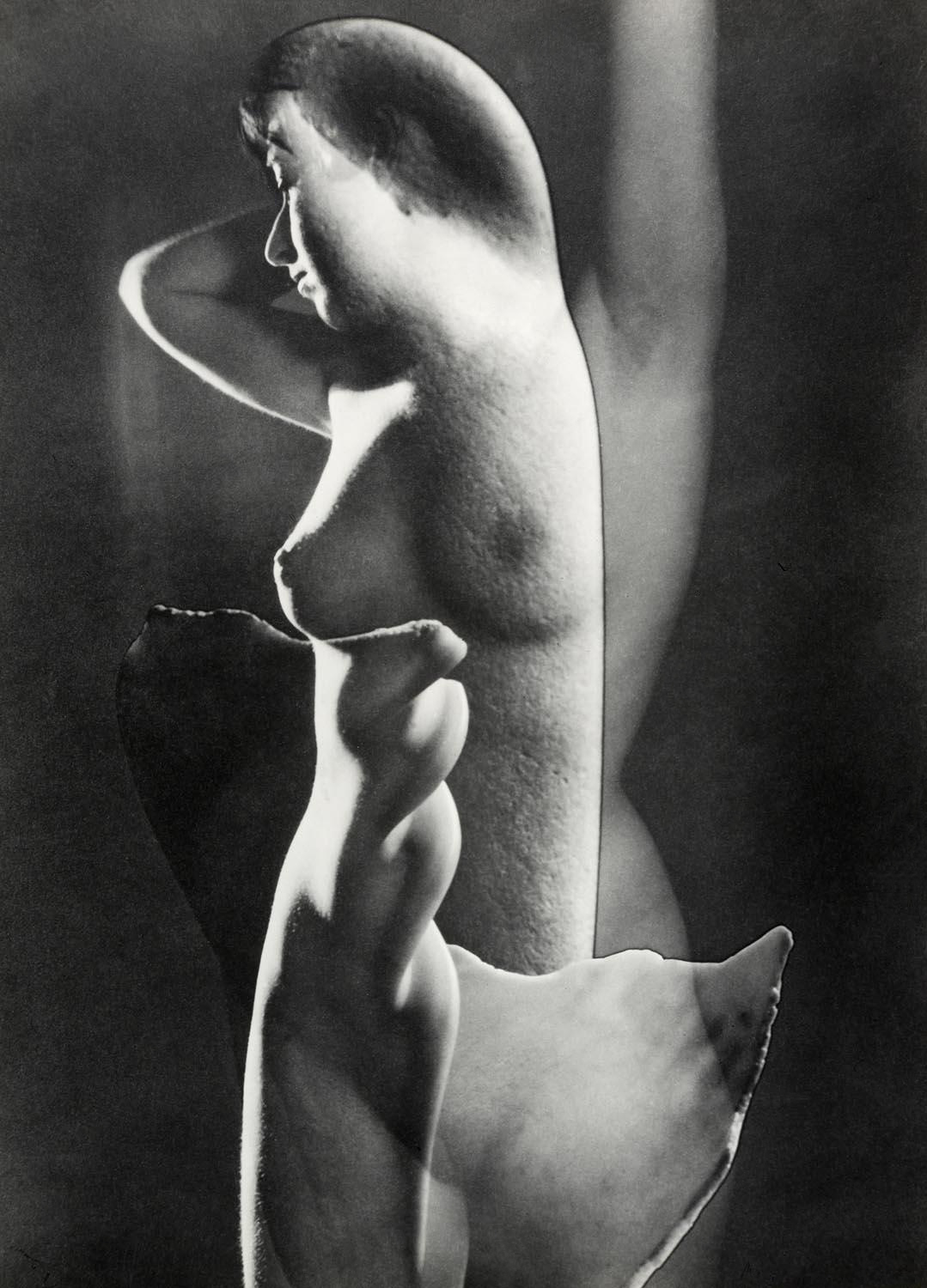


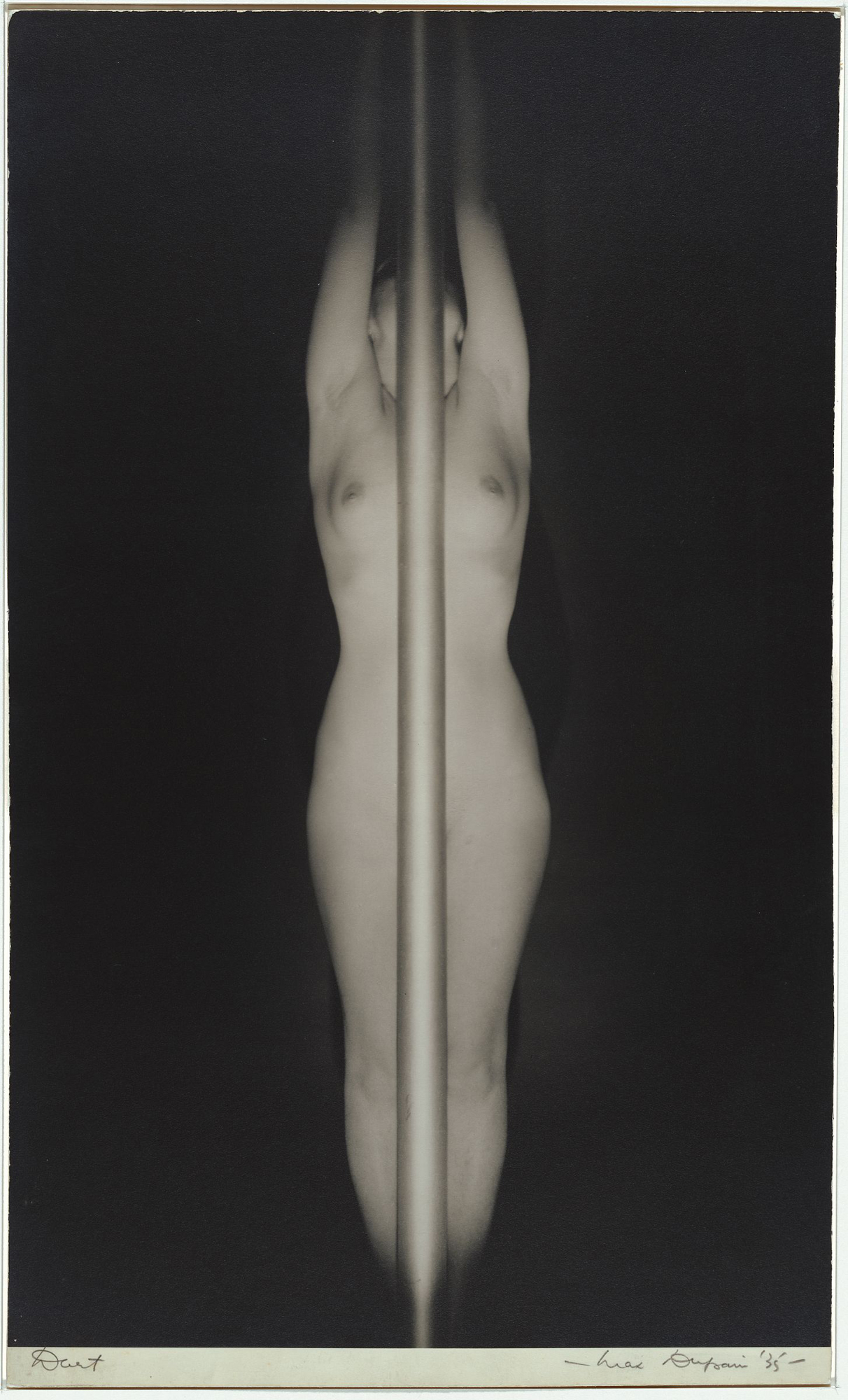
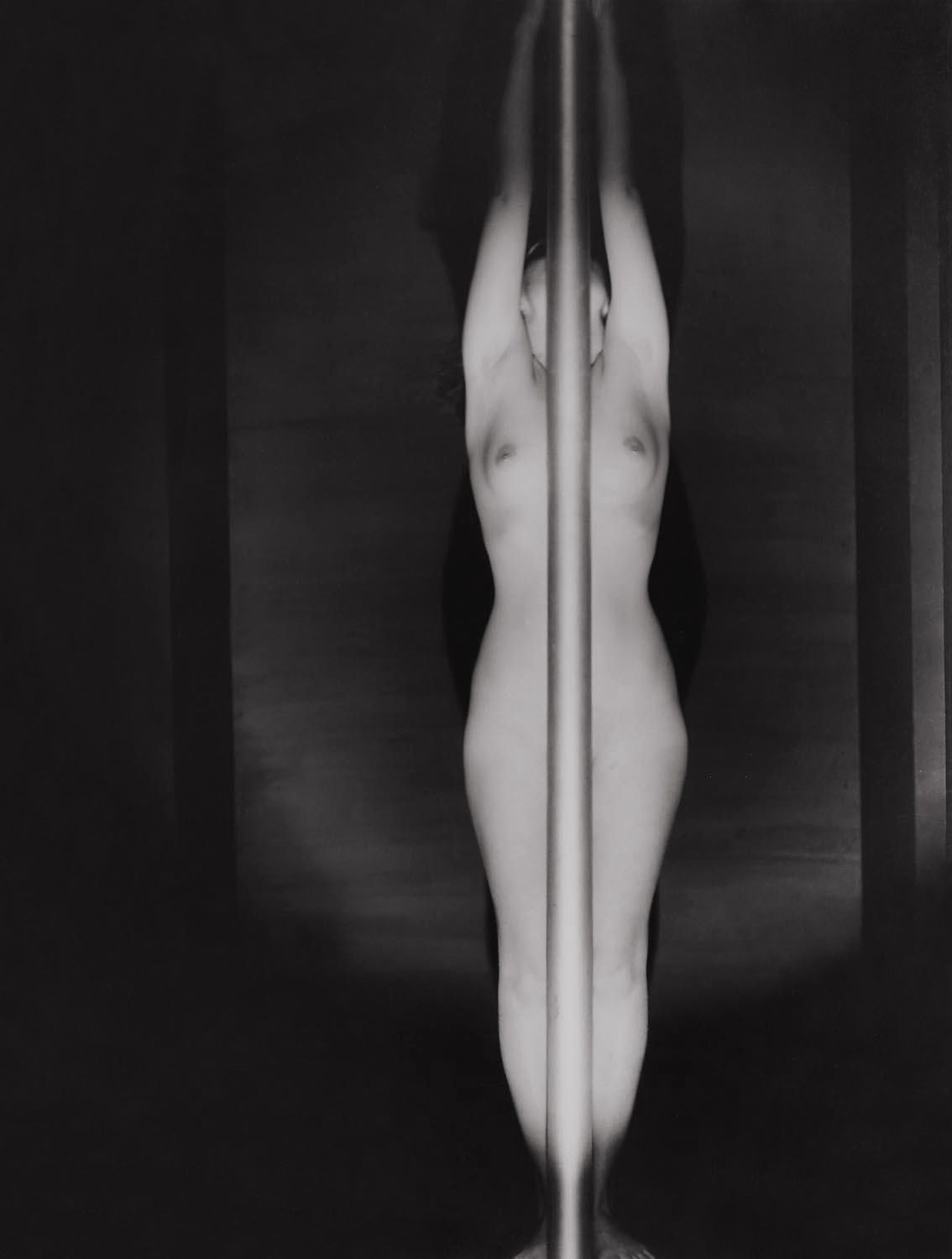


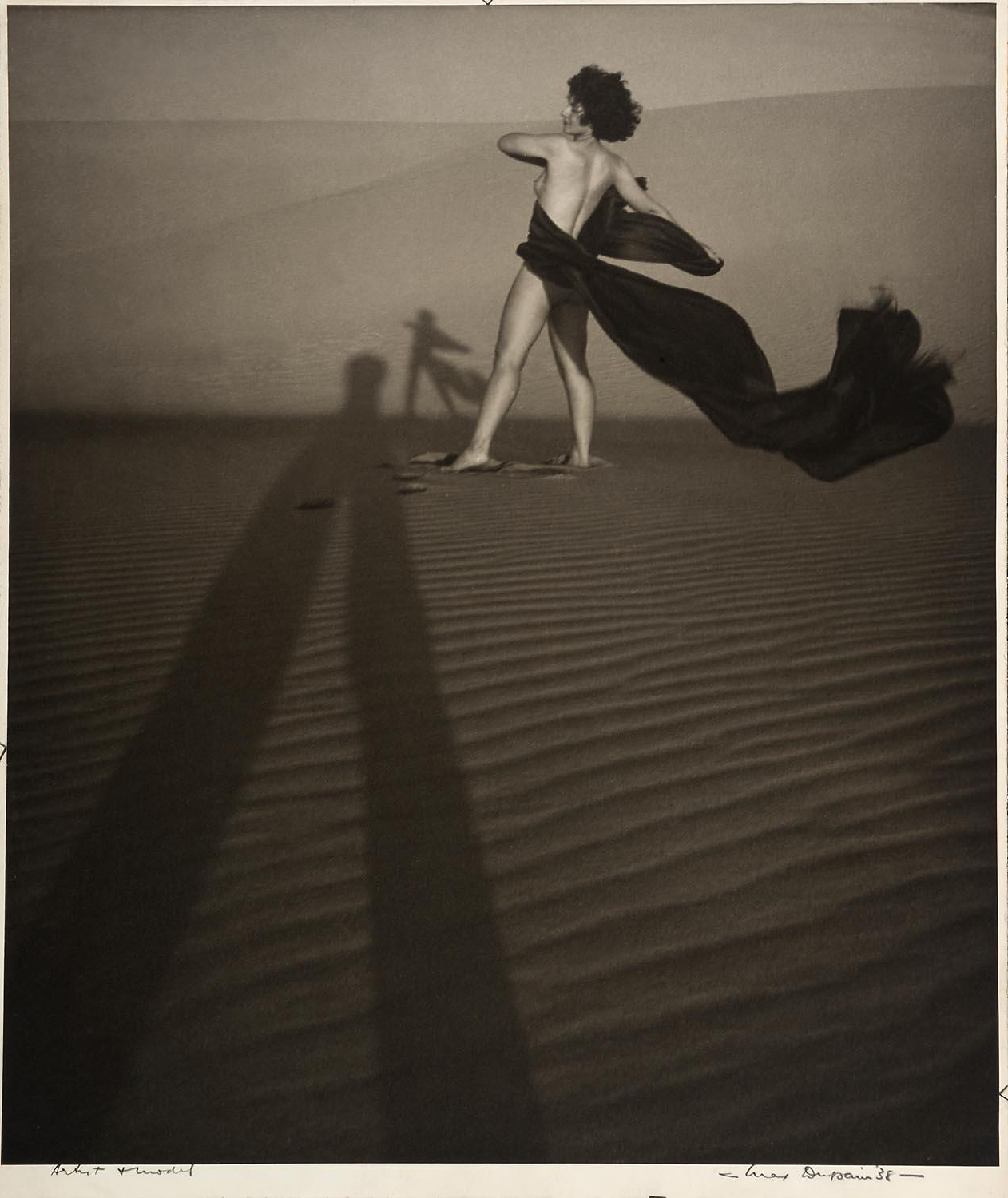


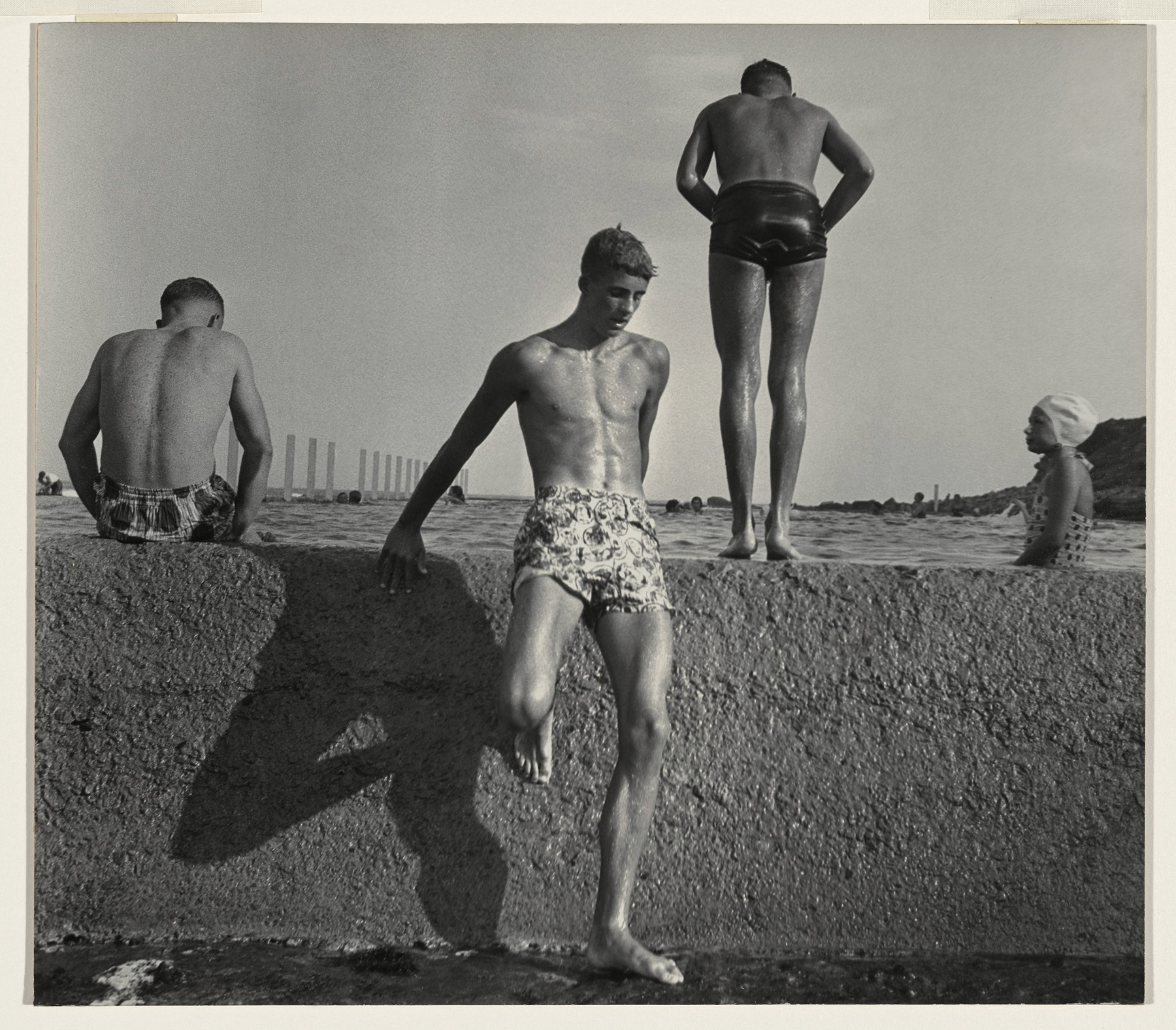


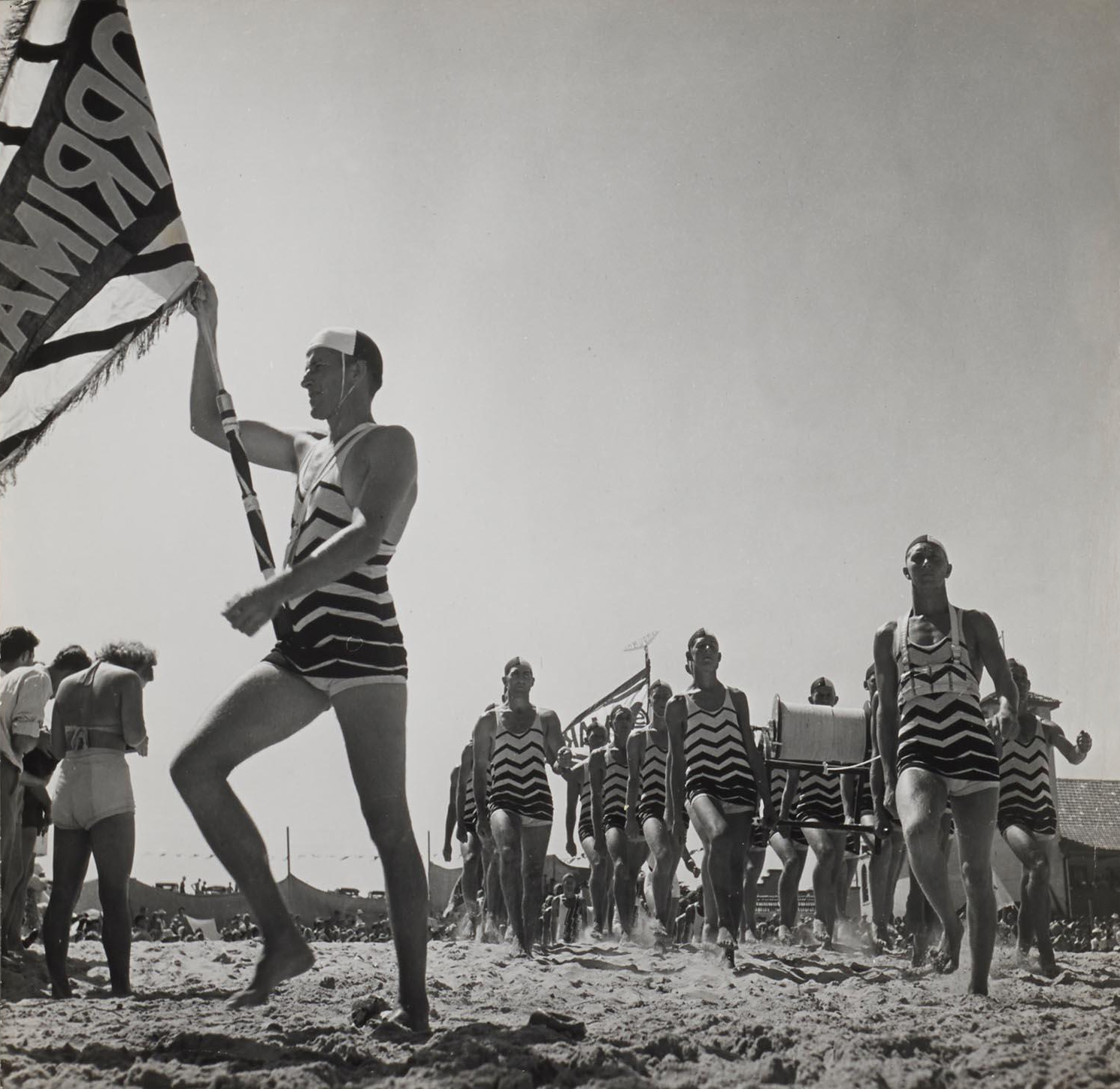


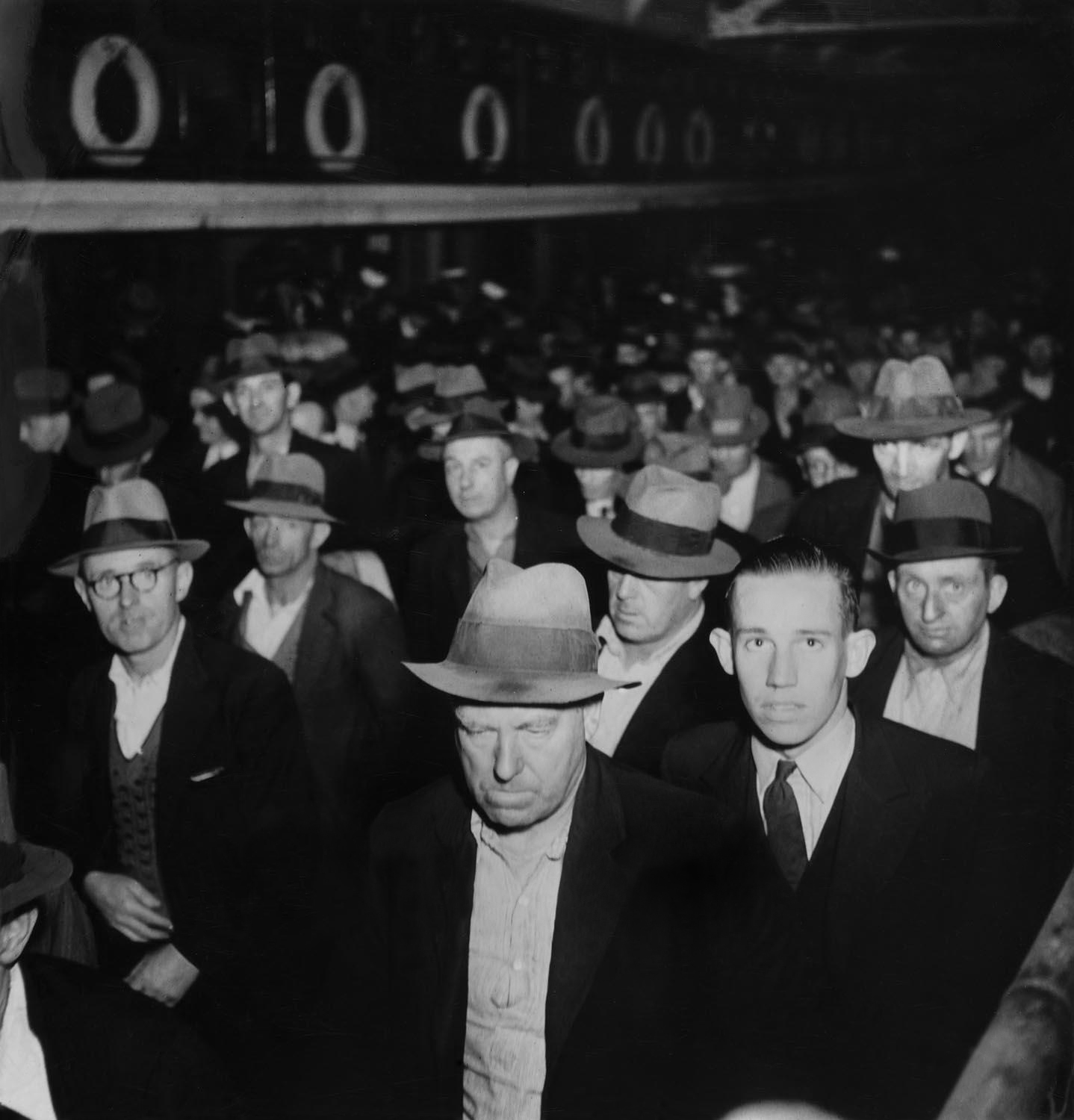


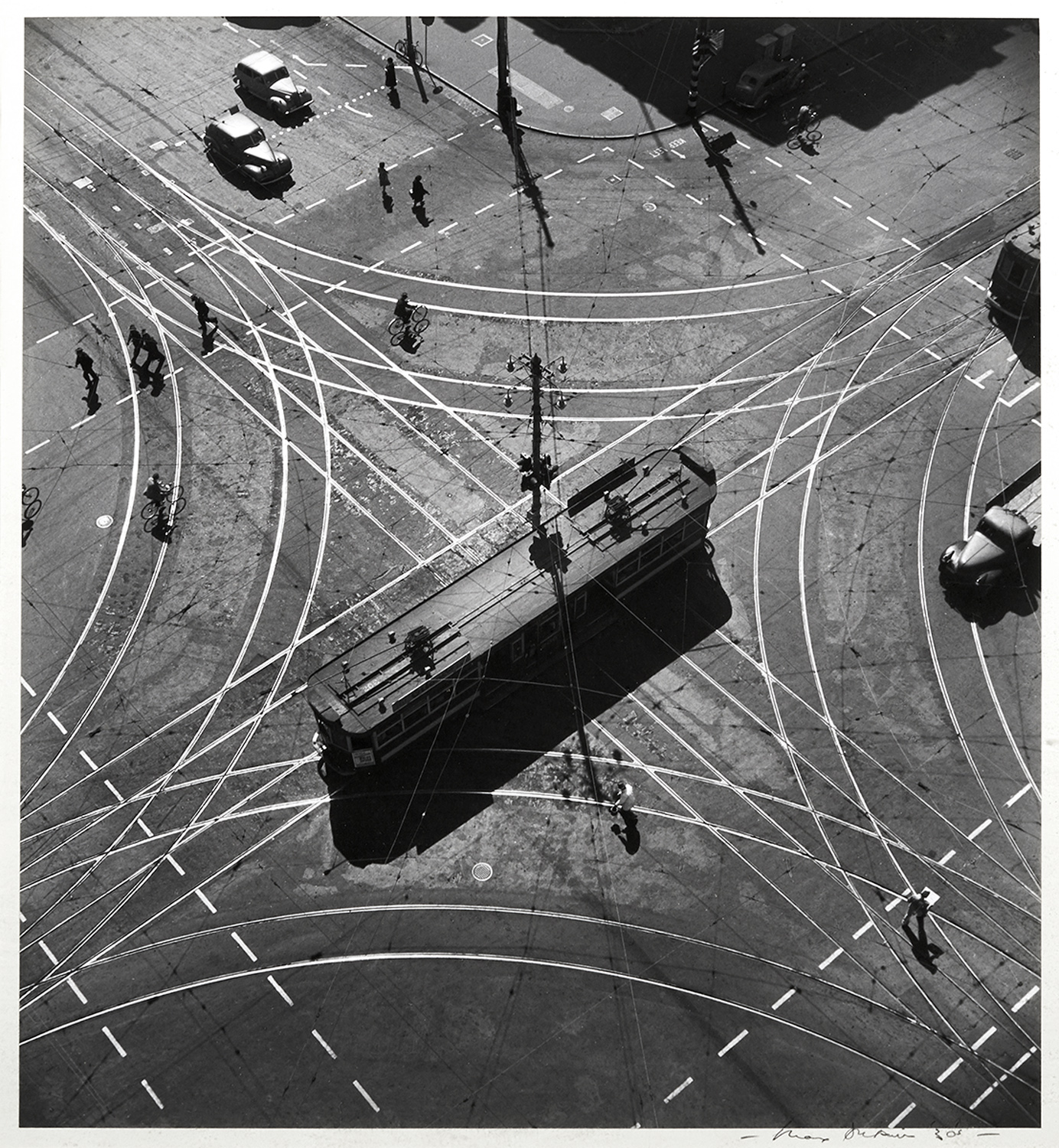


![Joyce Evans (Australian, 1929-2019) 'Untitled [Budapest crowd]' 1949](https://artblart.com/wp-content/uploads/2019/08/joyce-evans-budapest-crowd-1949-web.jpg "Joyce Evans (Australian, 1929-2019) 'Untitled [Budapest crowd]' 1949")
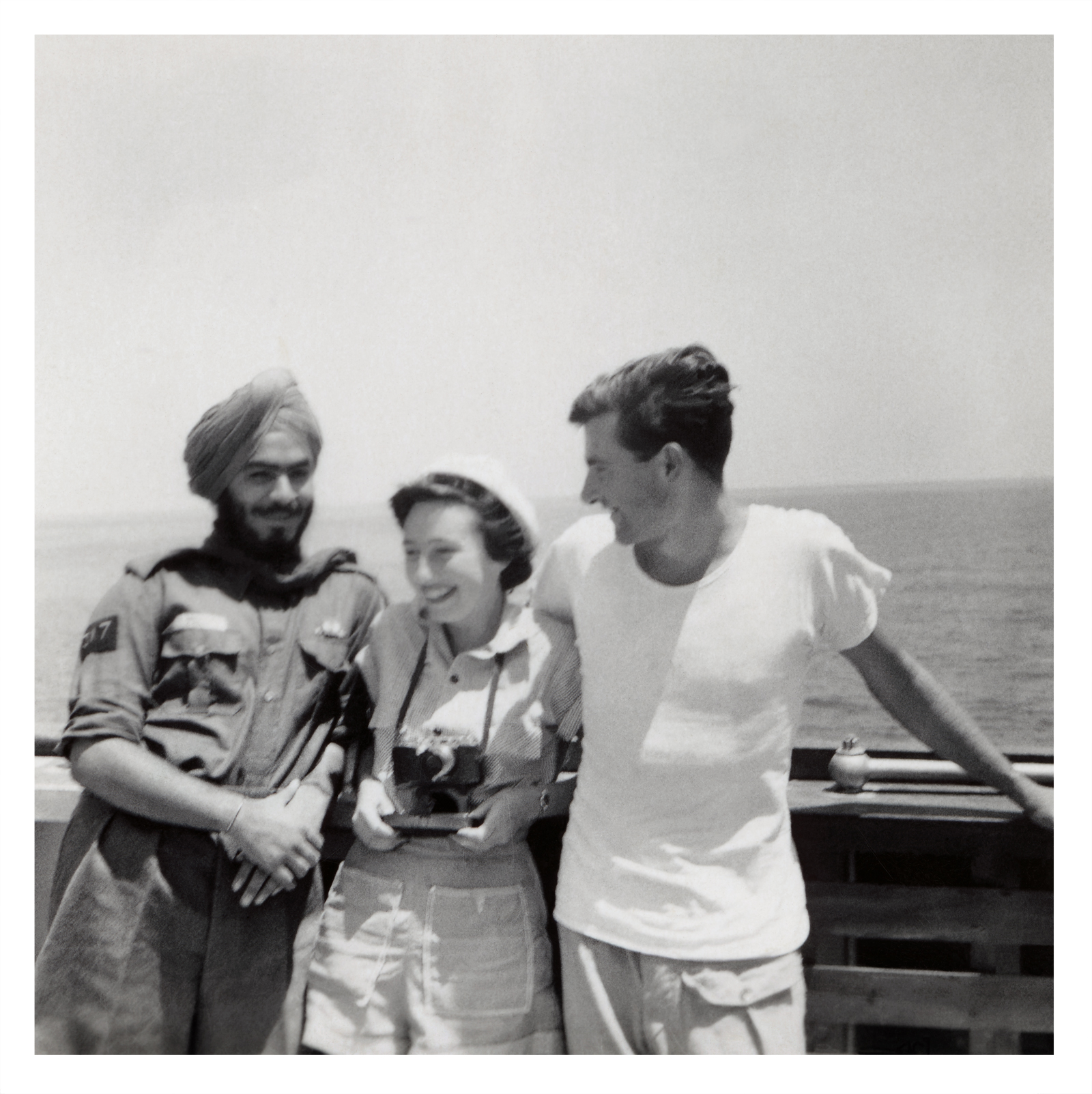
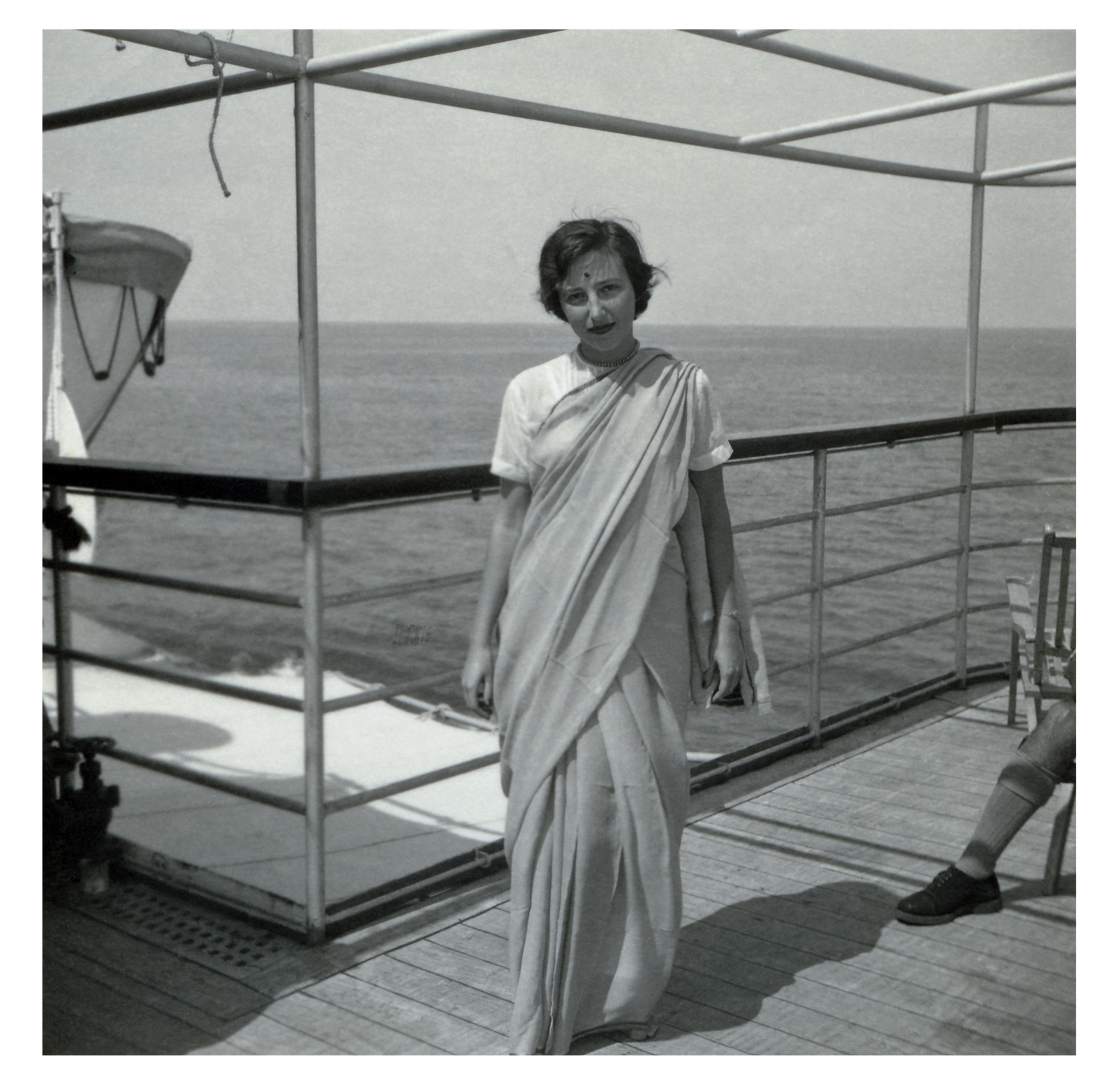
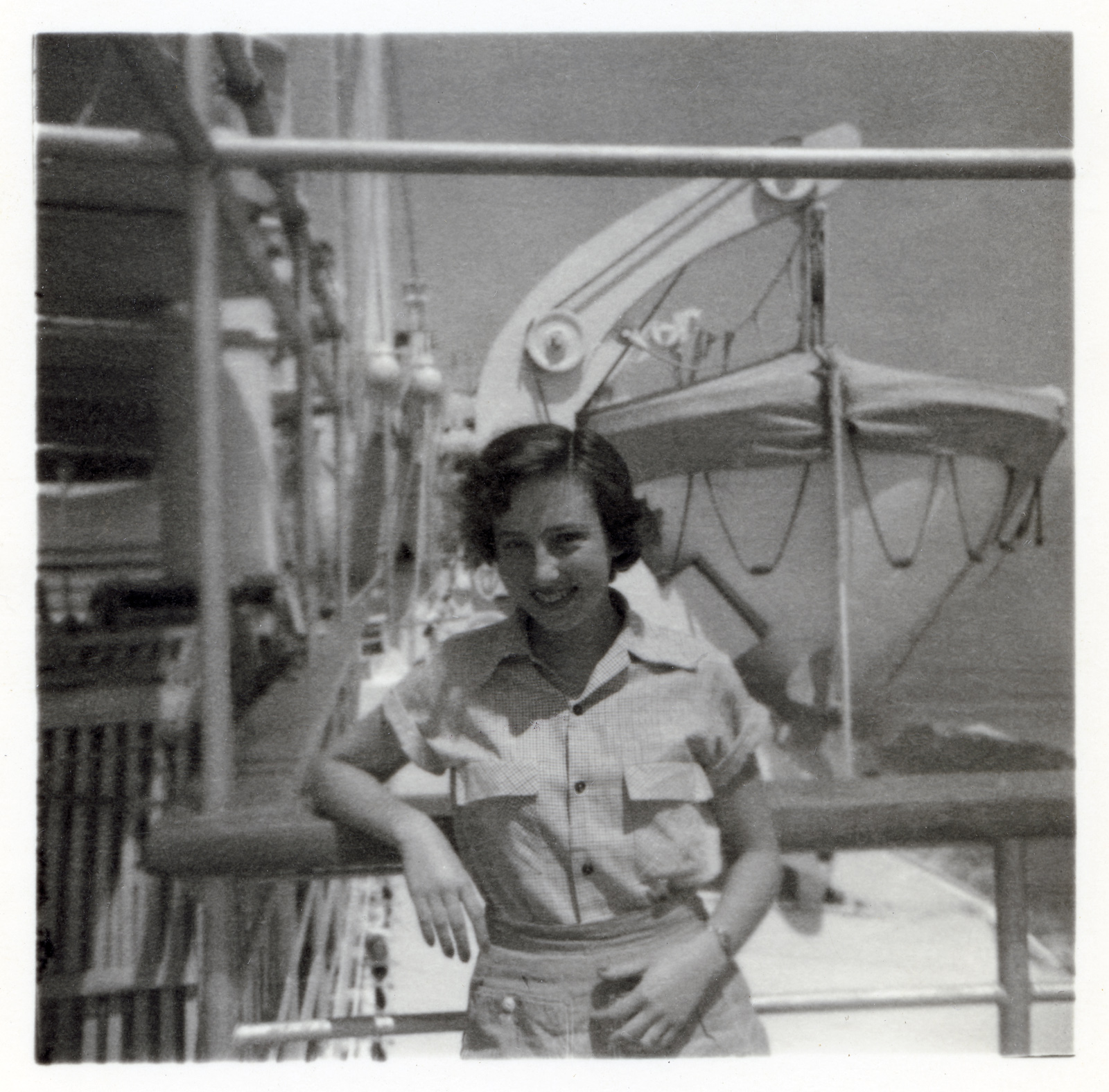
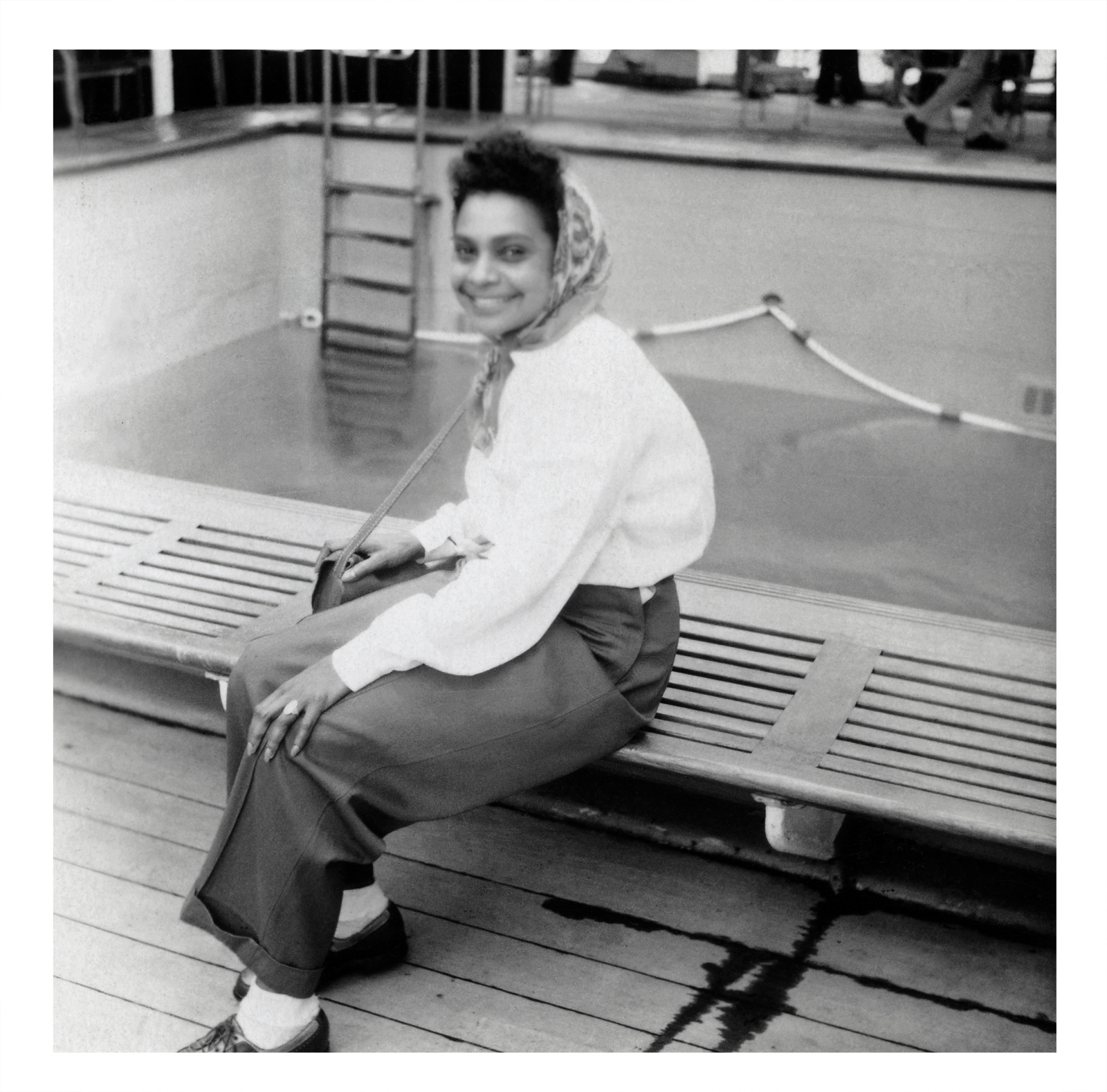
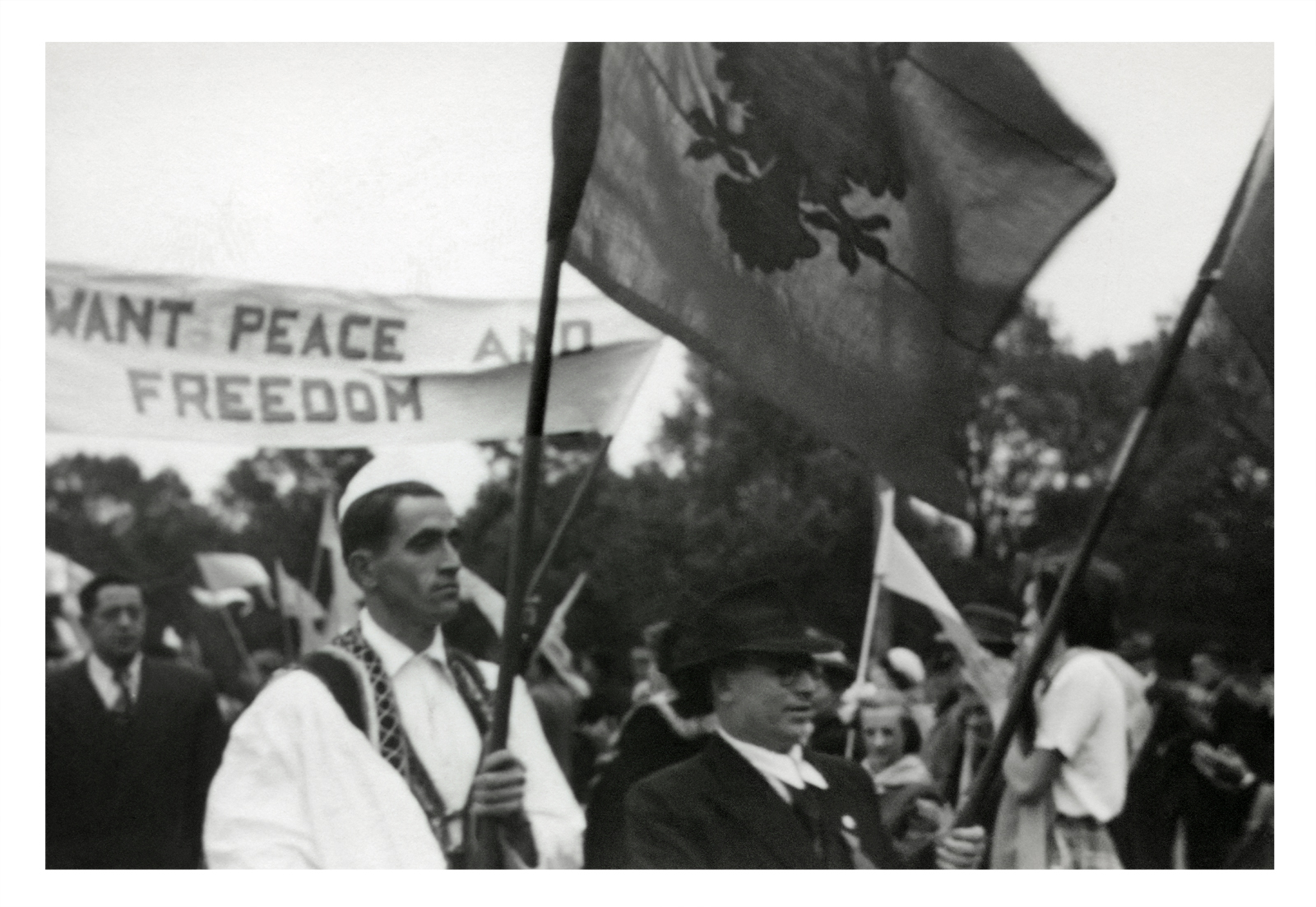
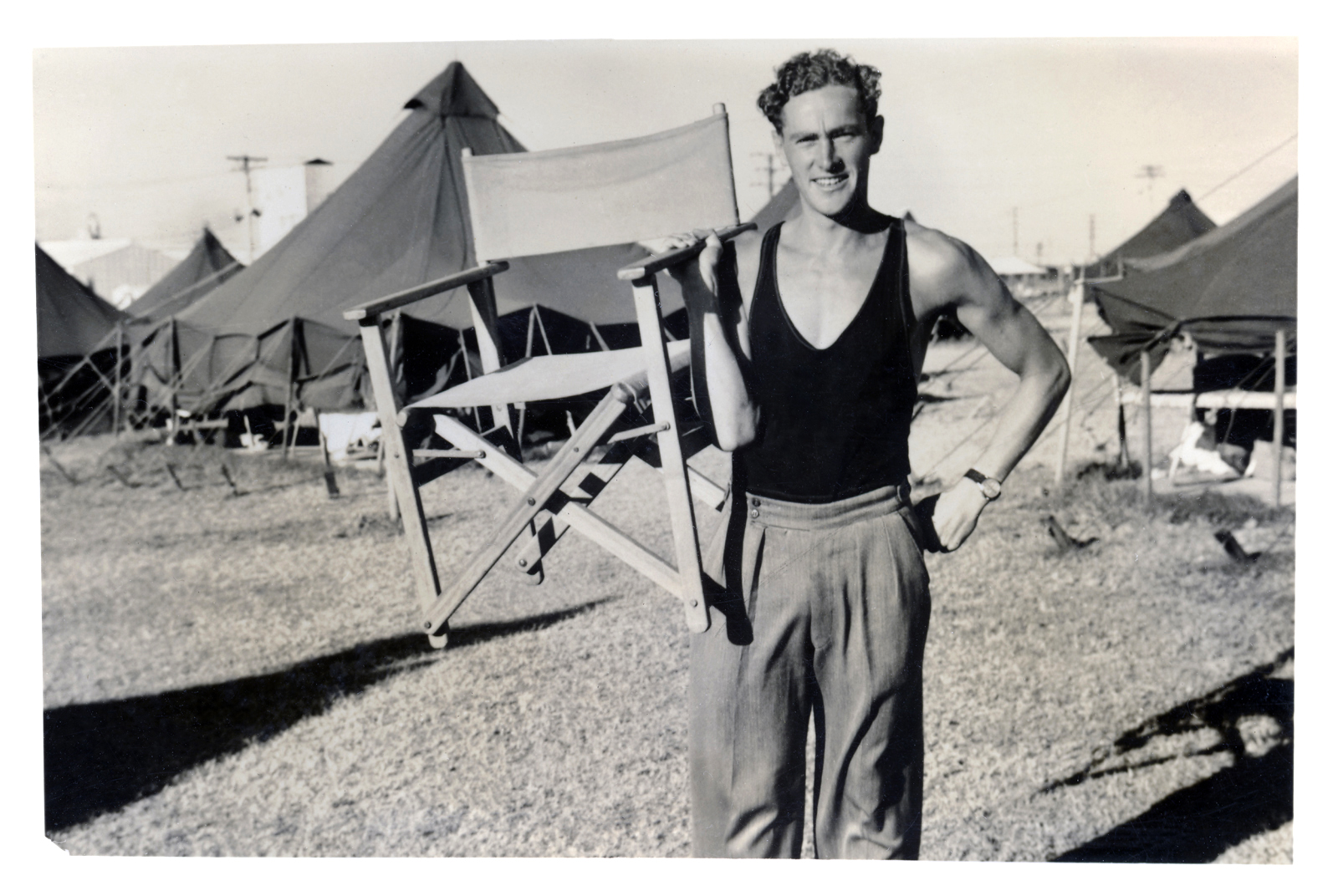
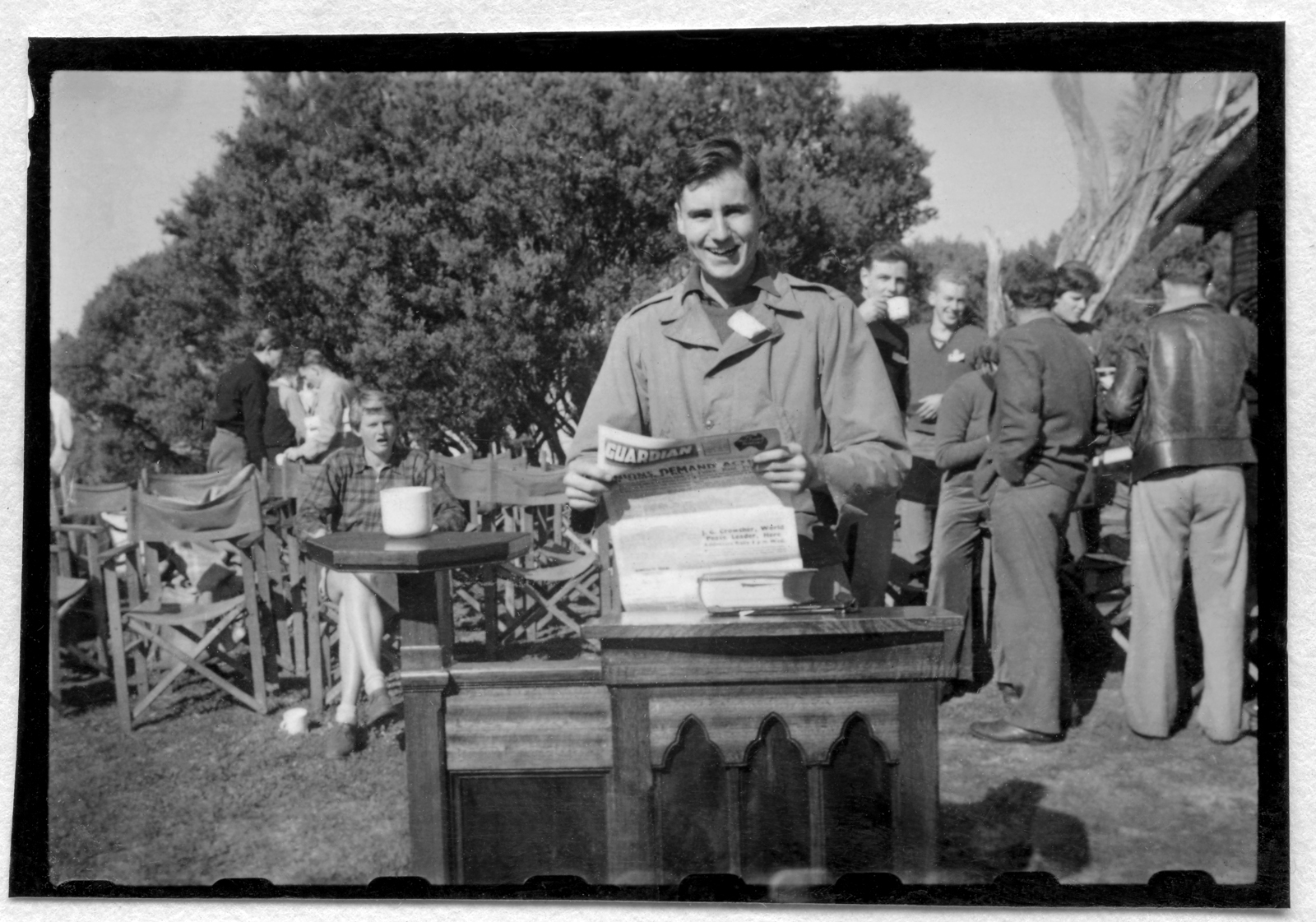
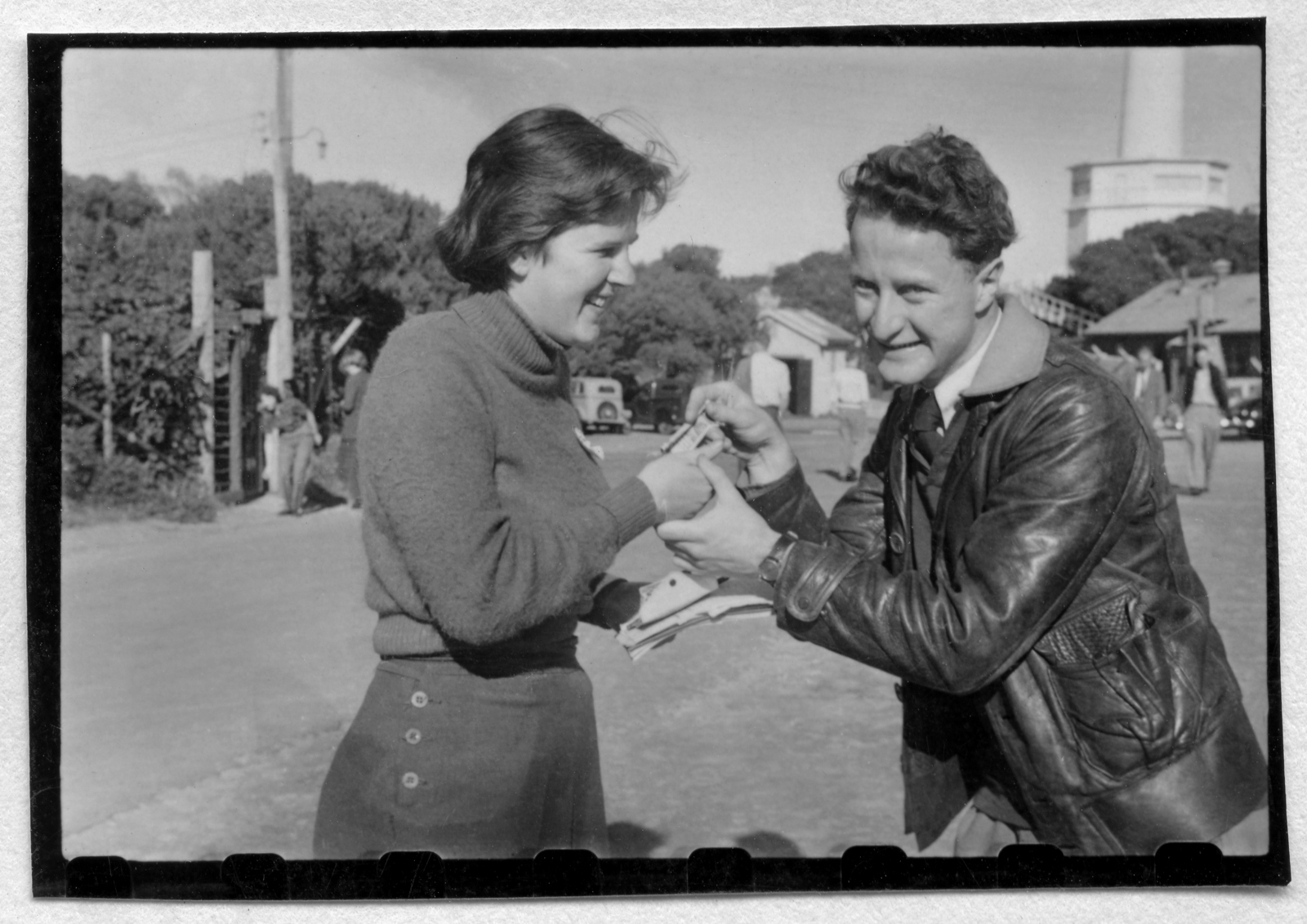
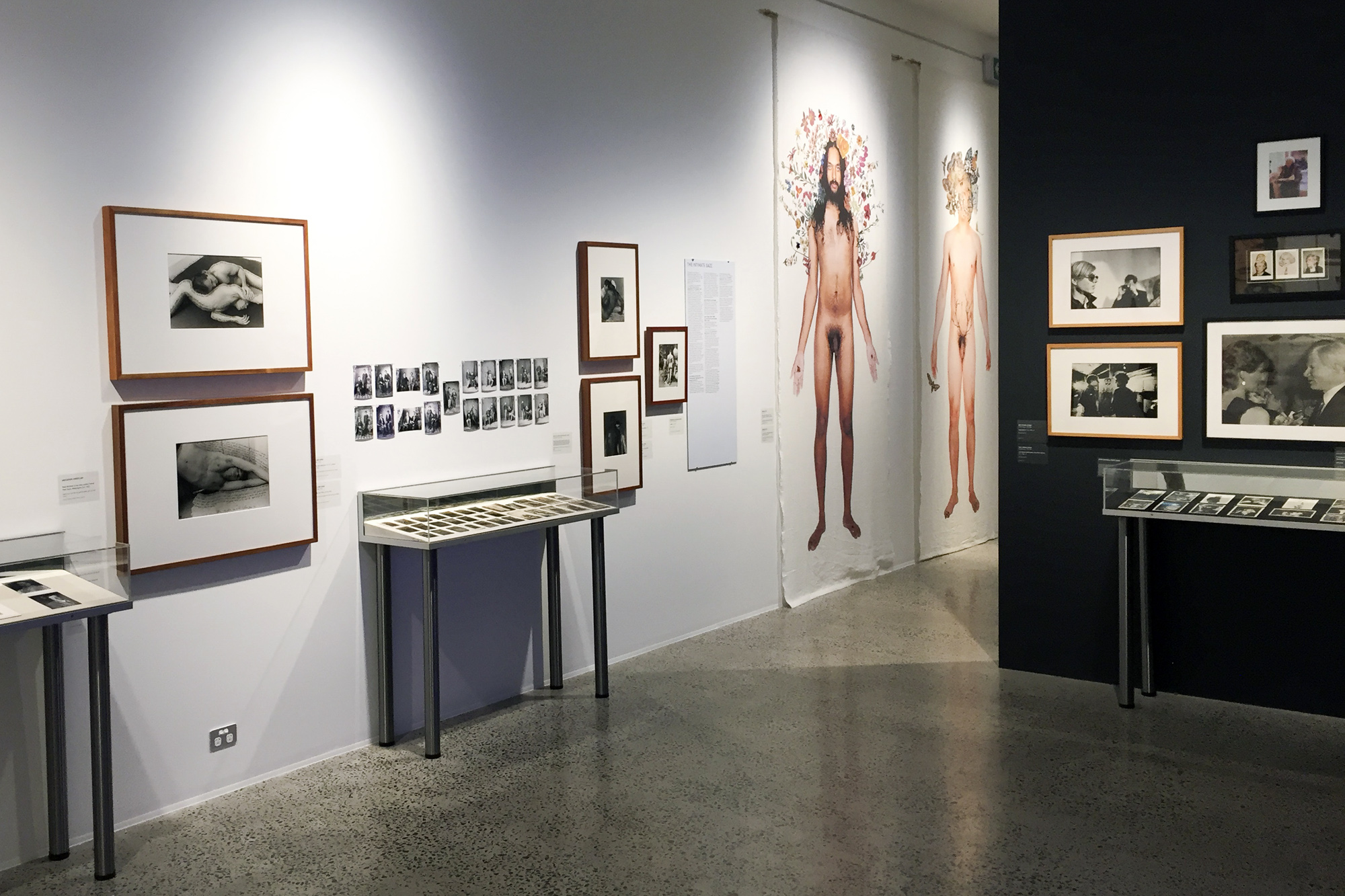
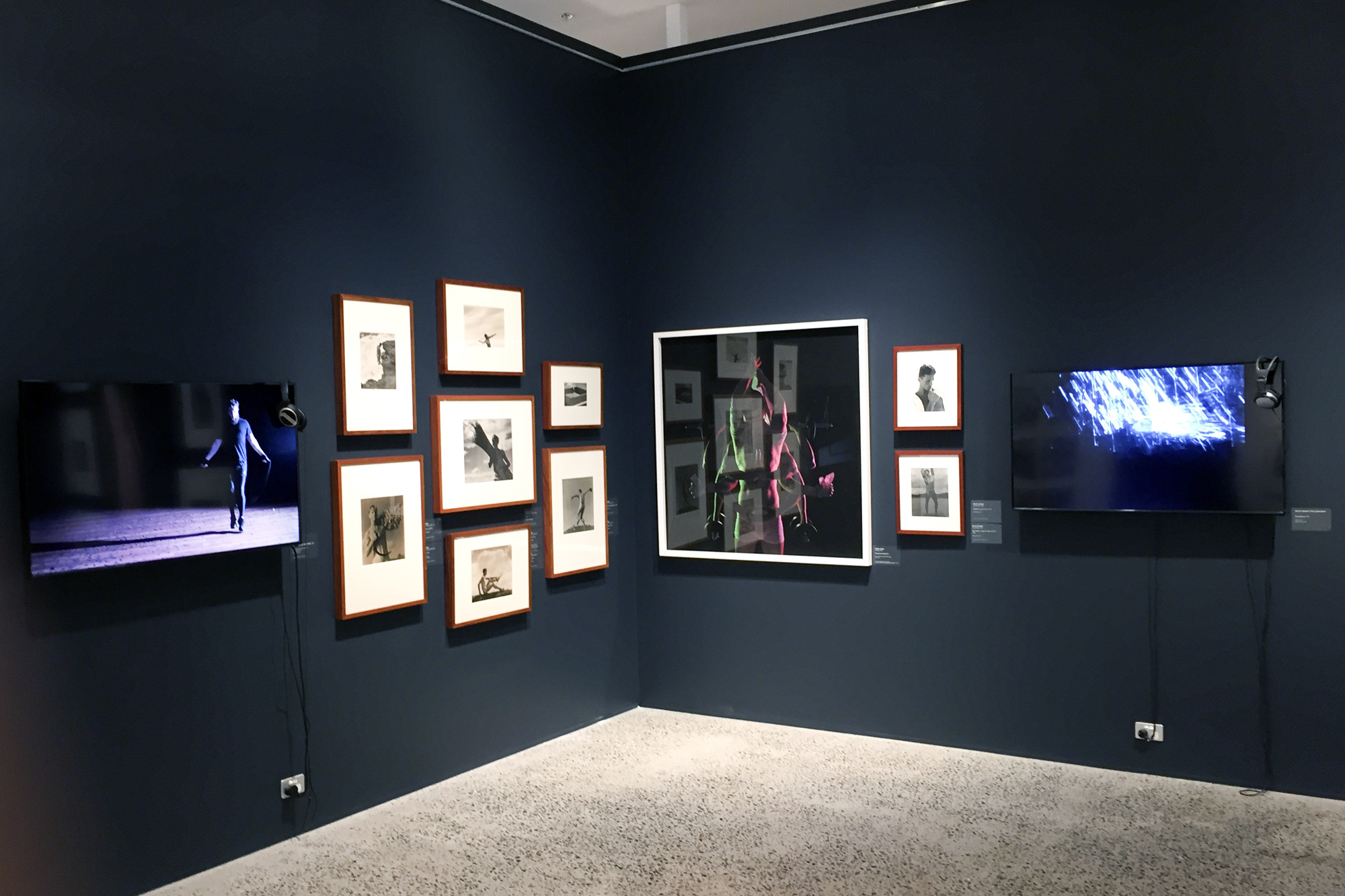
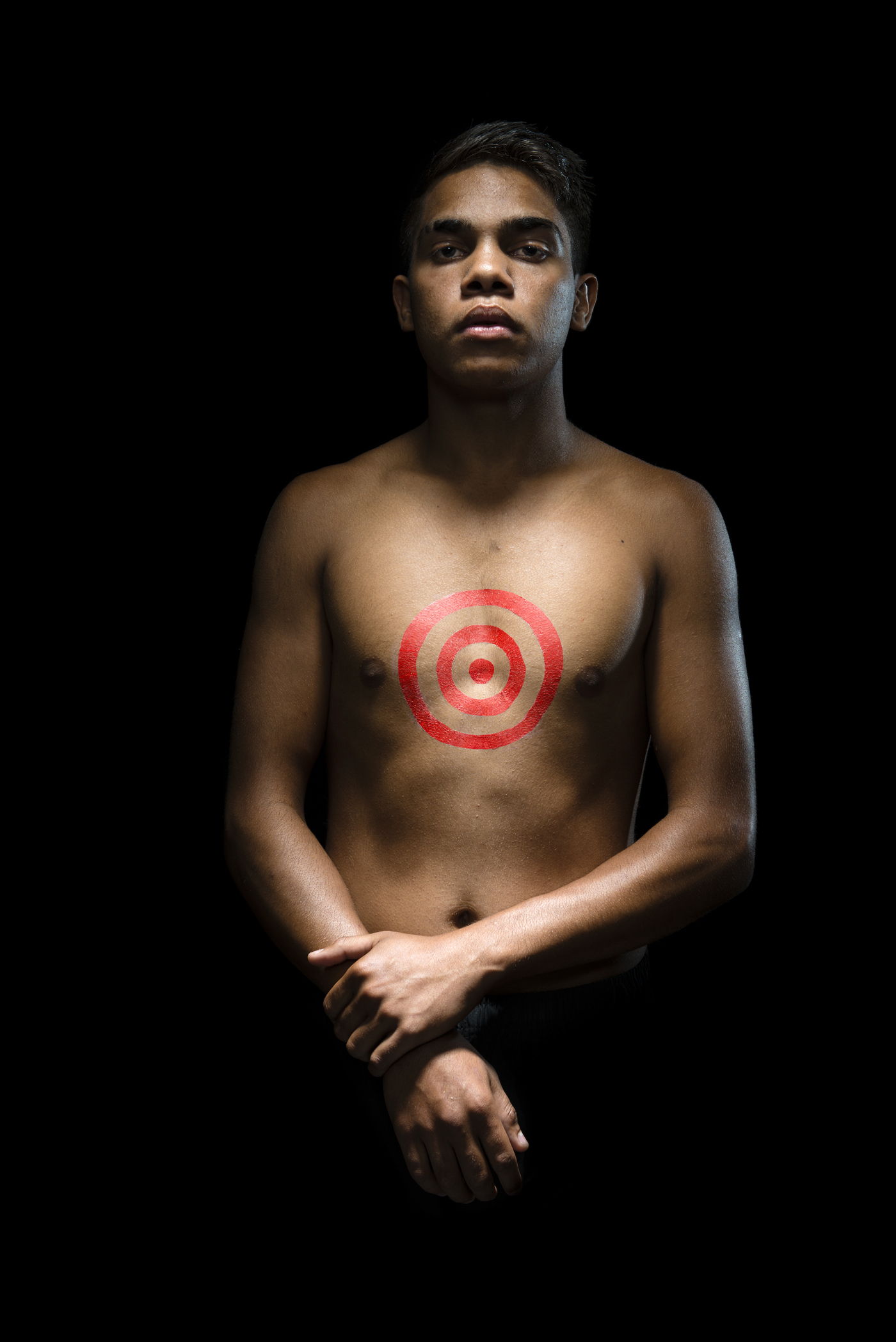
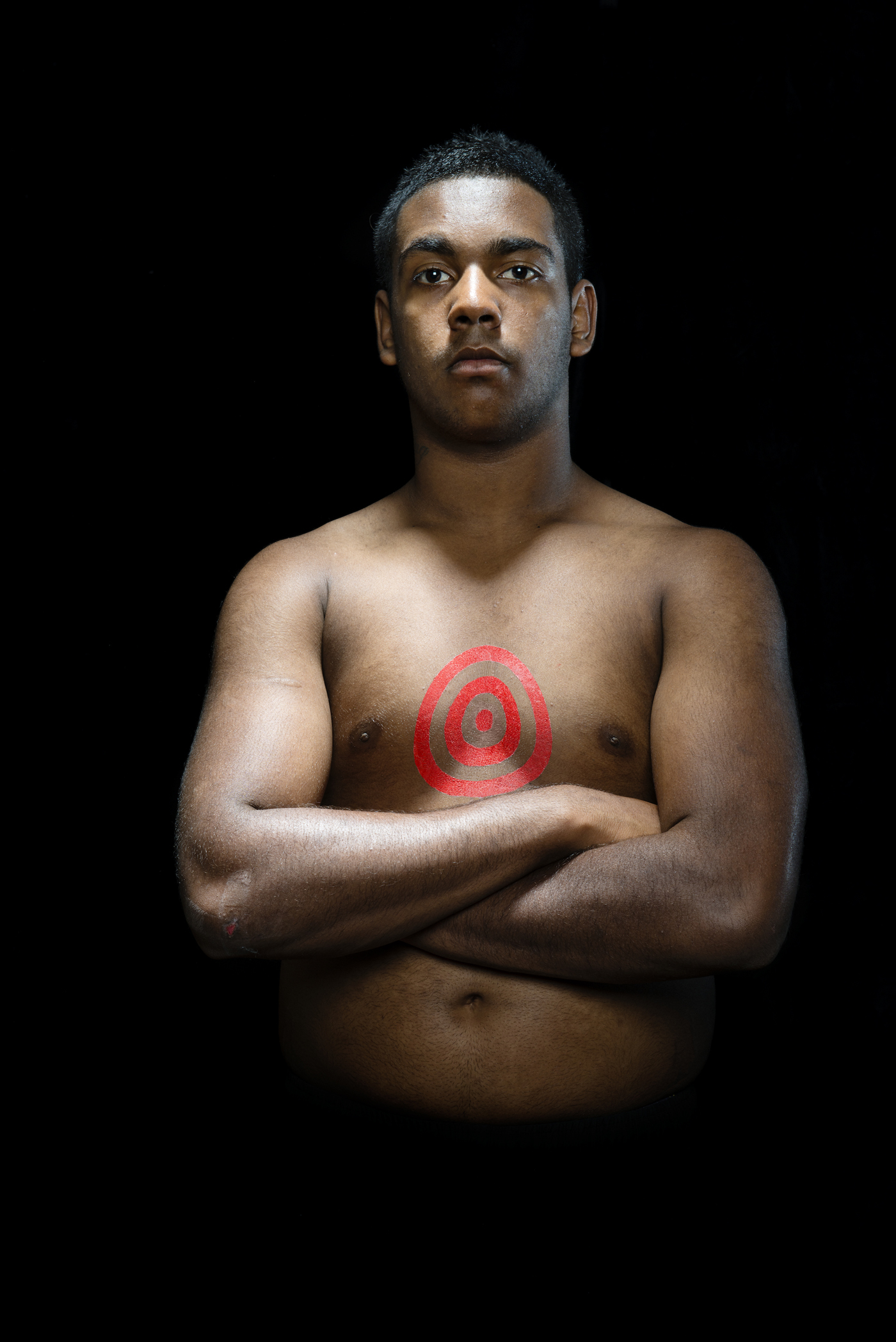
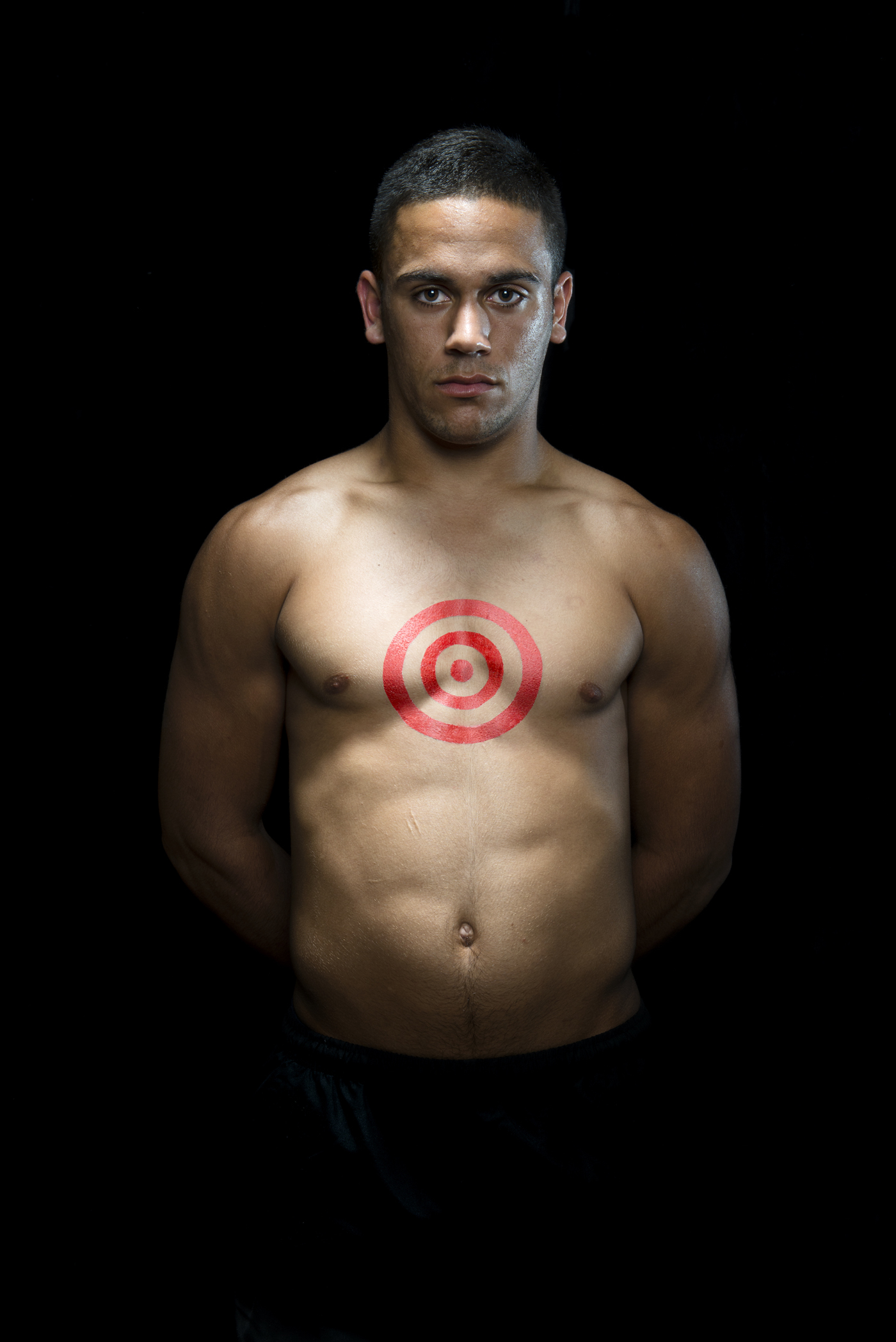
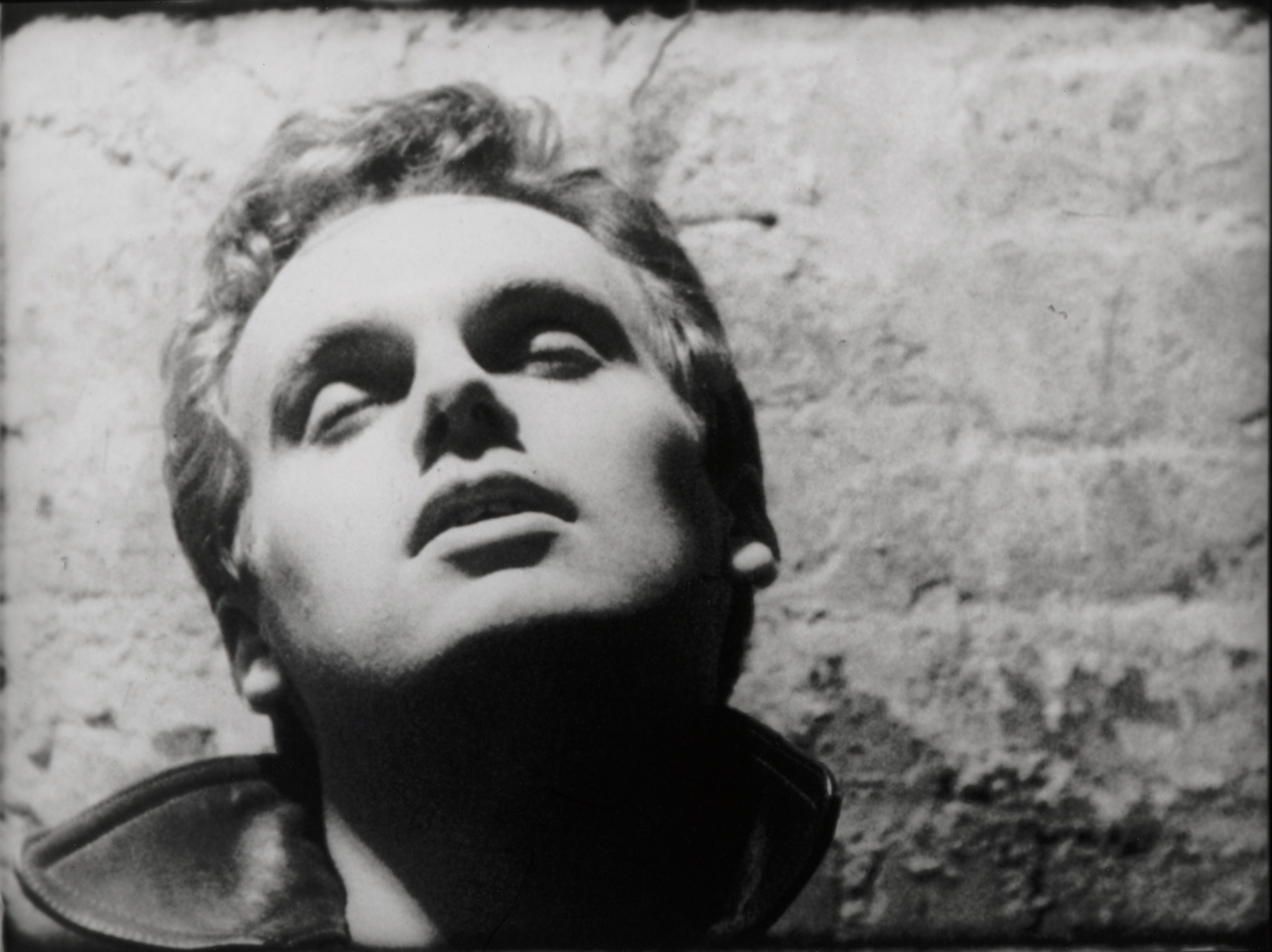
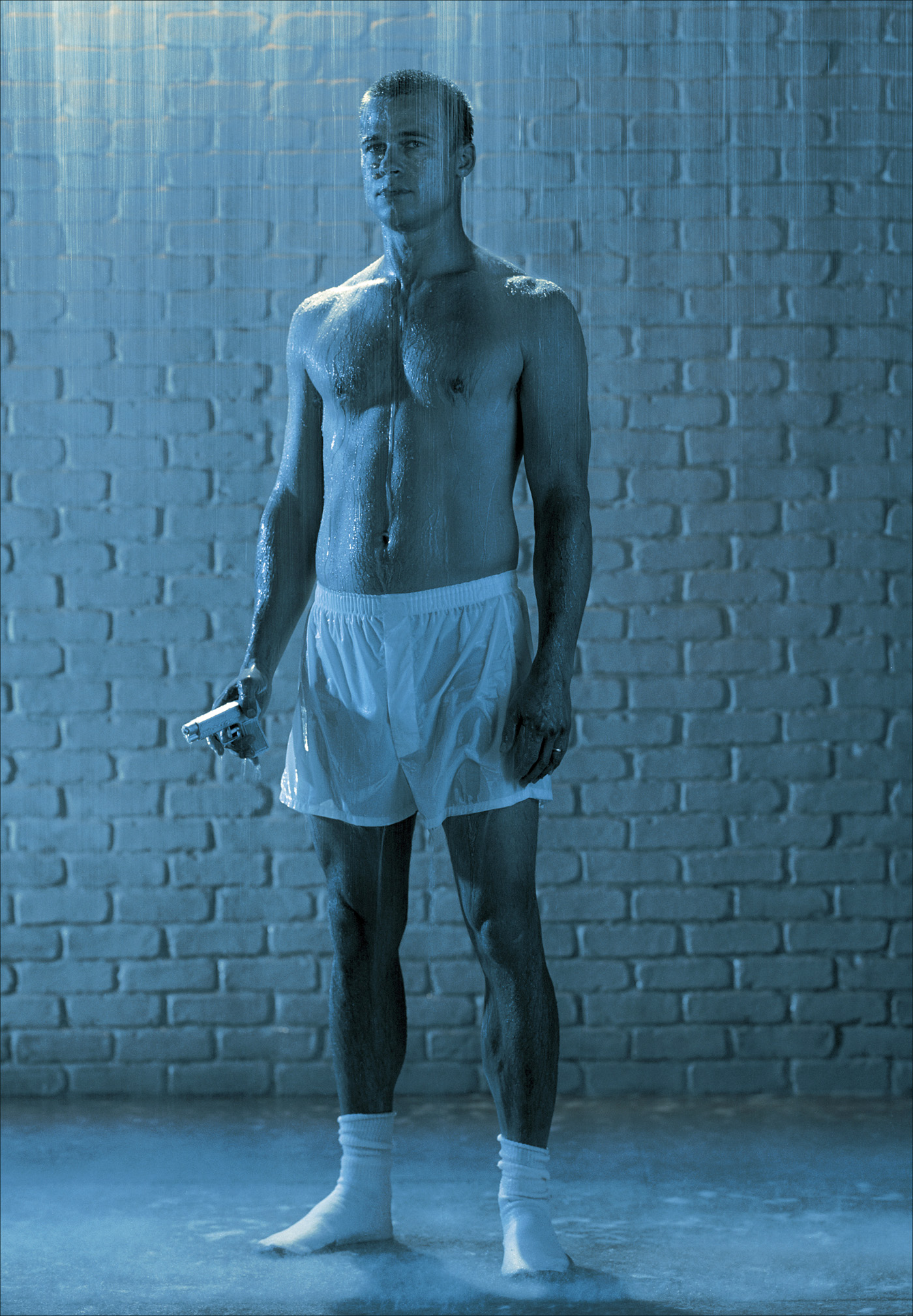
![Peter Elfes (Australia, b. 1961) 'Brenton [Heath-Kerr] as Tom of Finland' 1992](https://artblart.com/wp-content/uploads/2017/11/elfes-brenton-heath-kerr-web.jpg "Peter Elfes (Australia, b. 1961) 'Brenton [Heath-Kerr] as Tom of Finland' 1992")

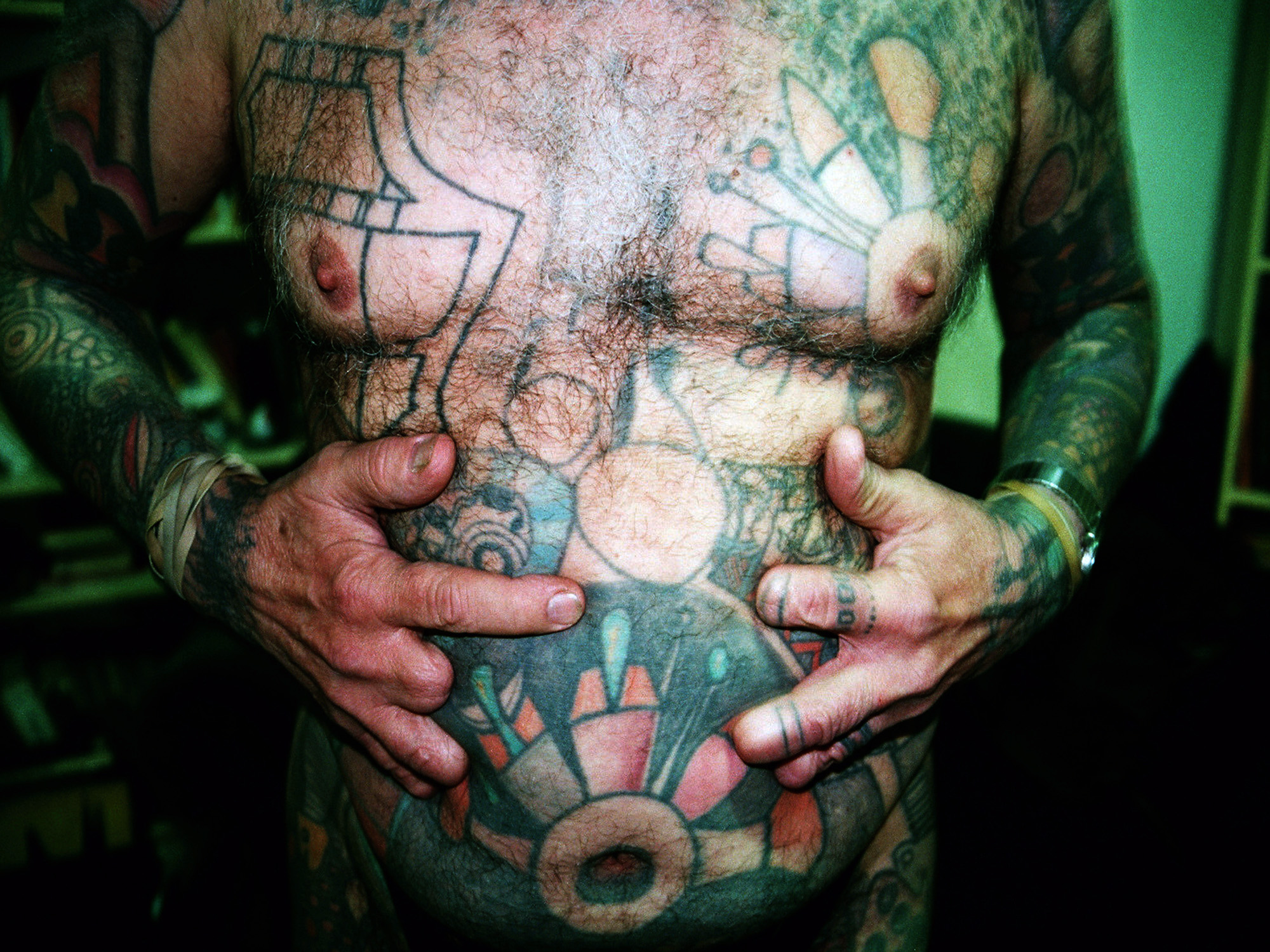
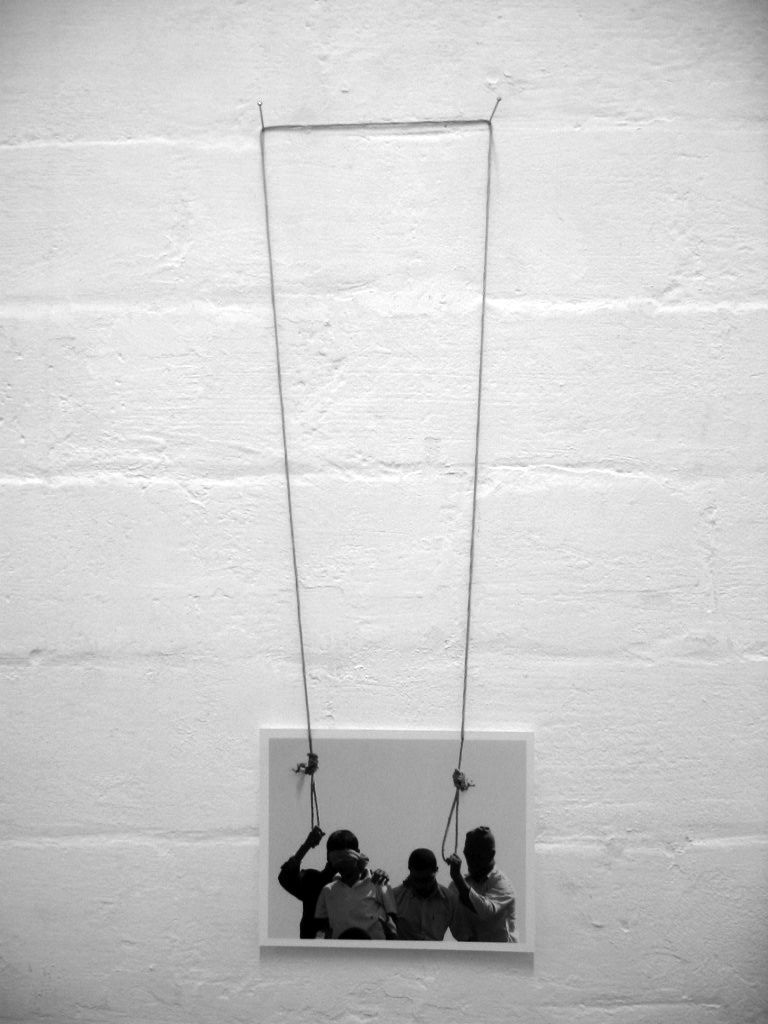
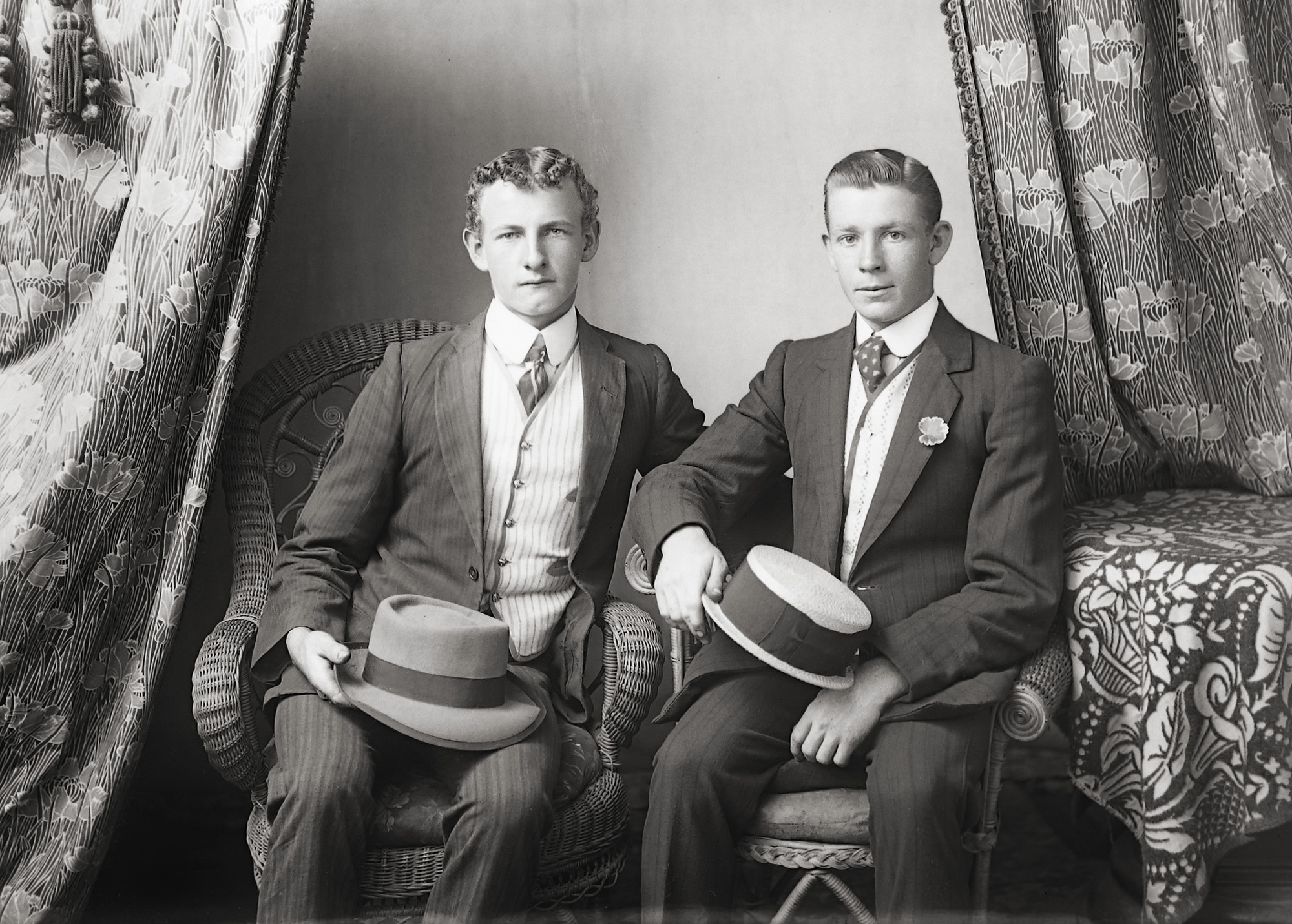
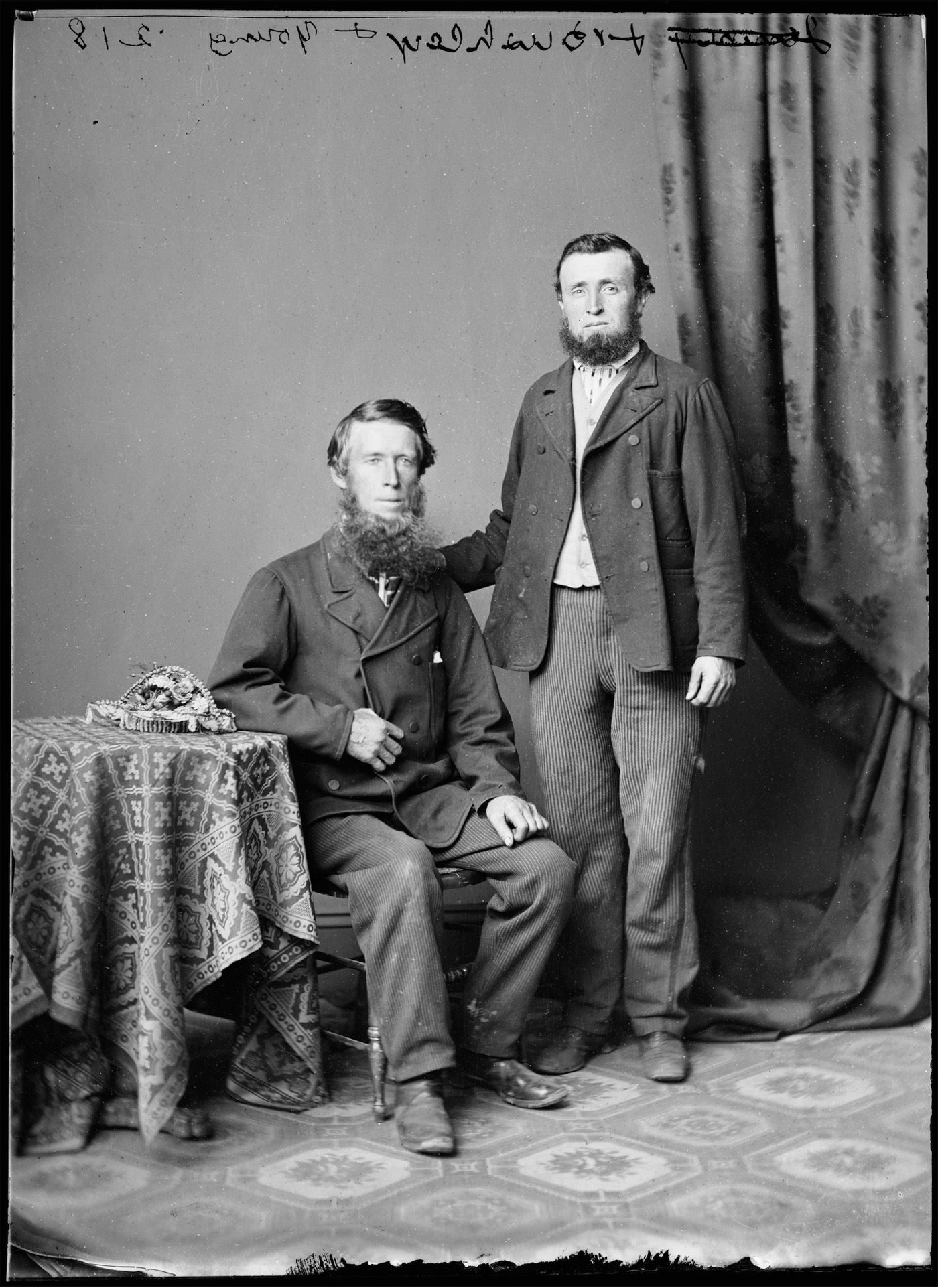
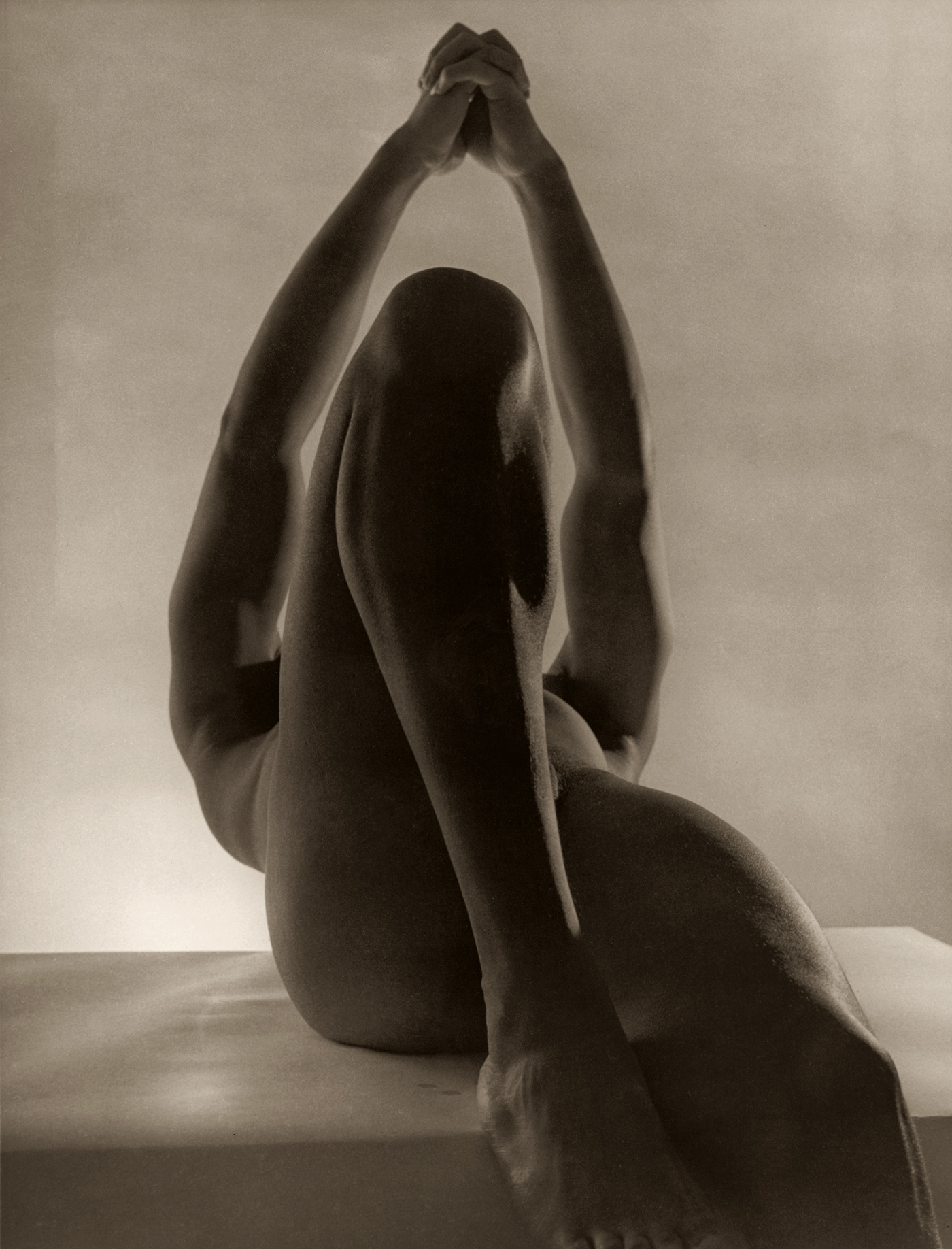
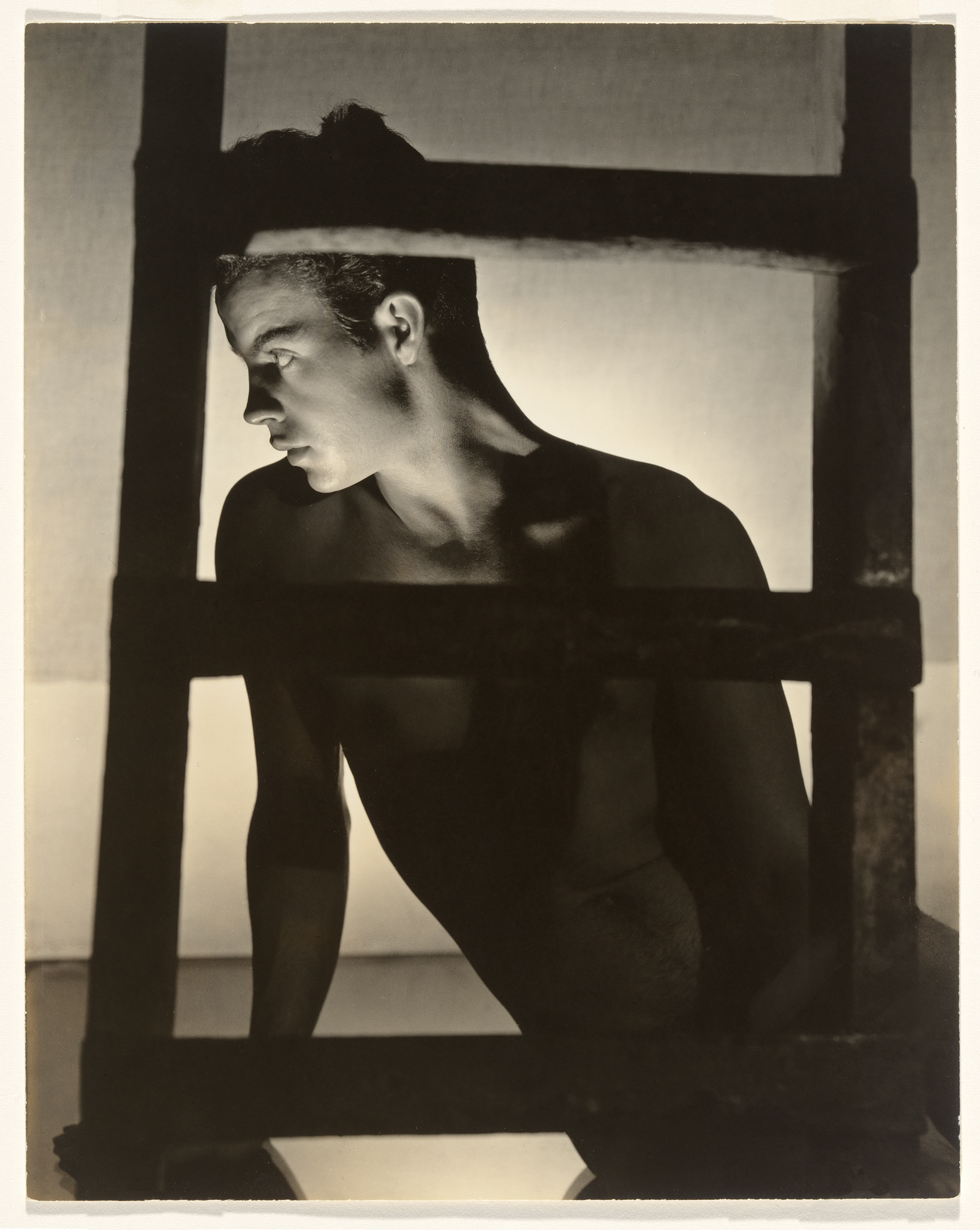
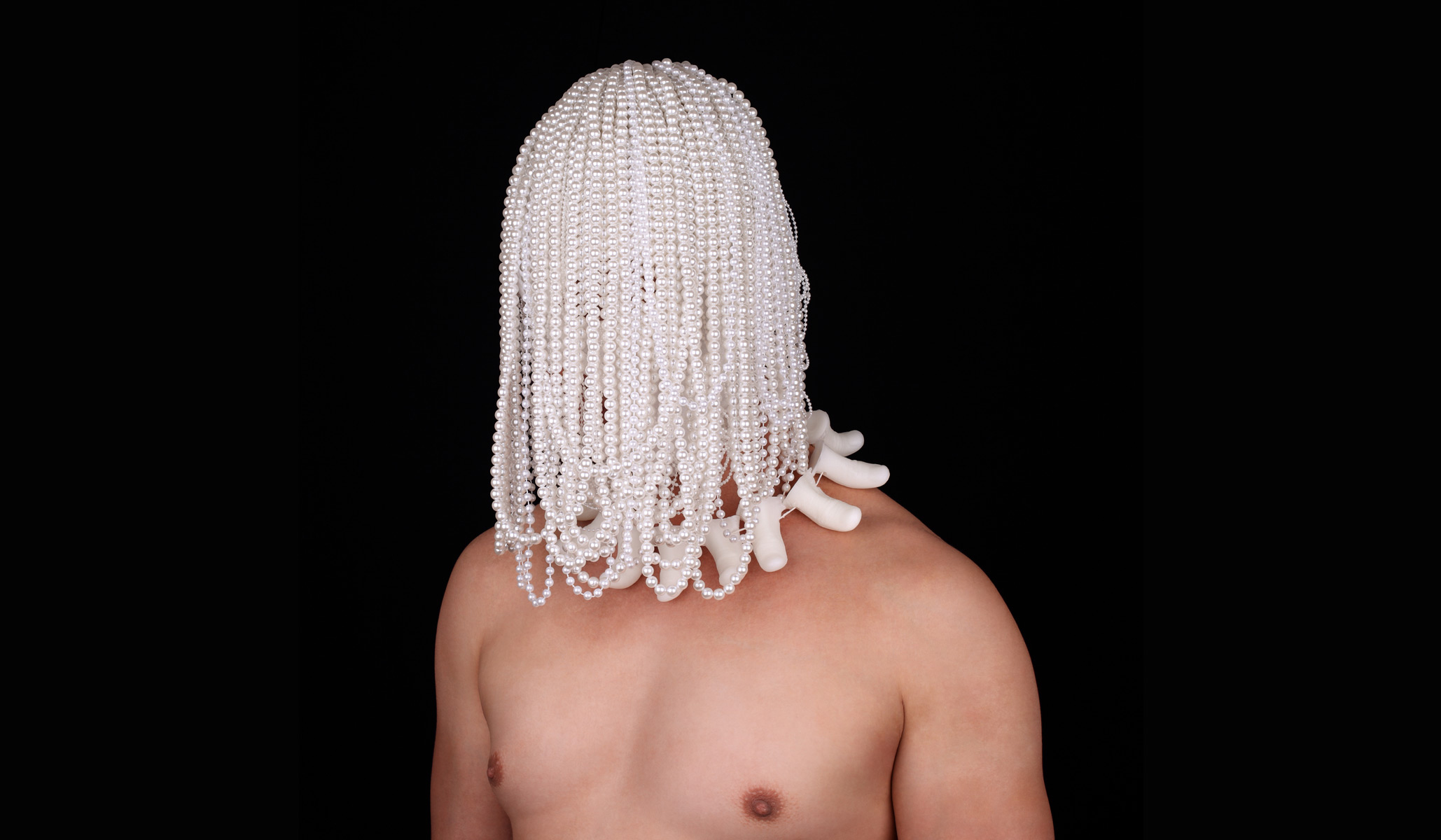
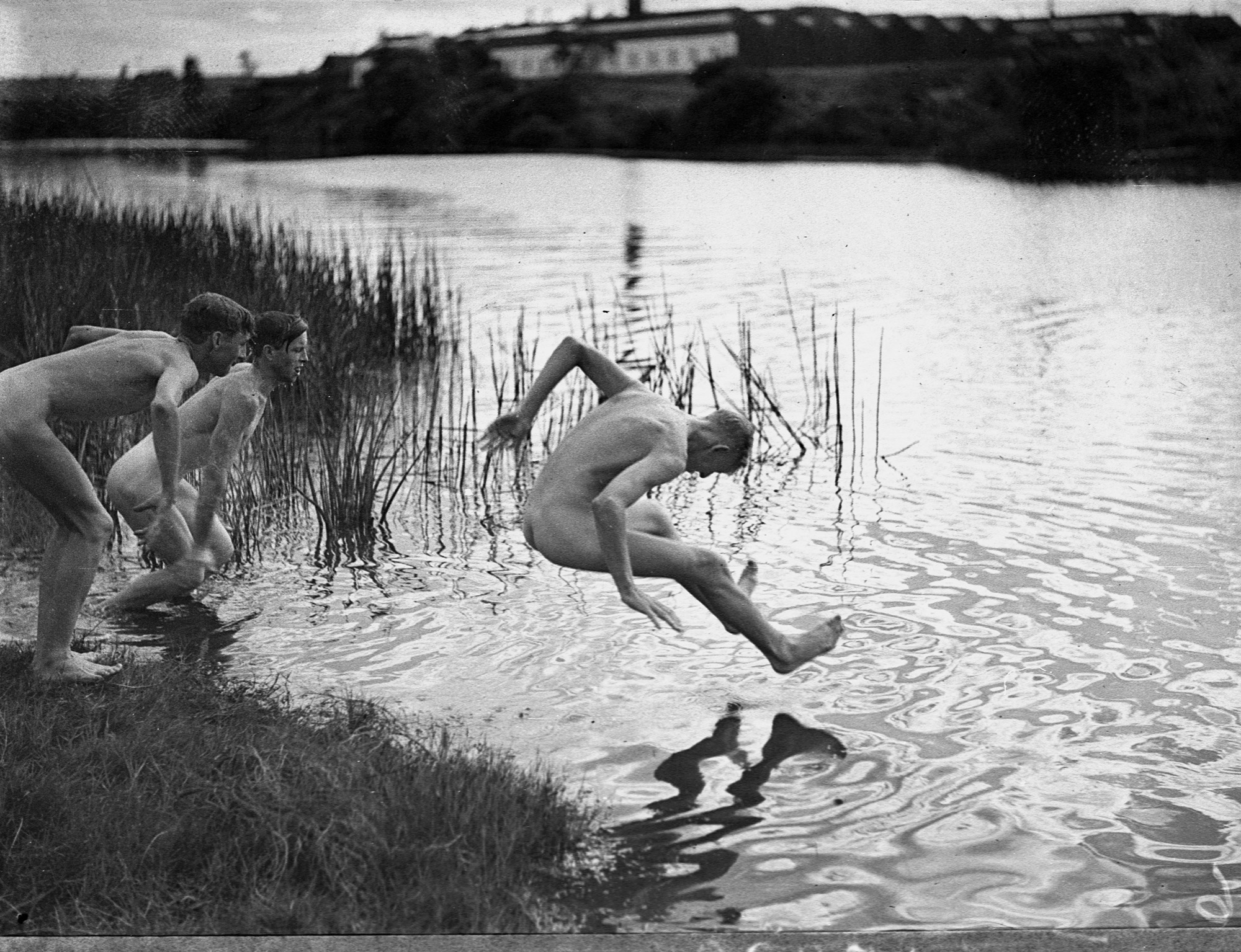
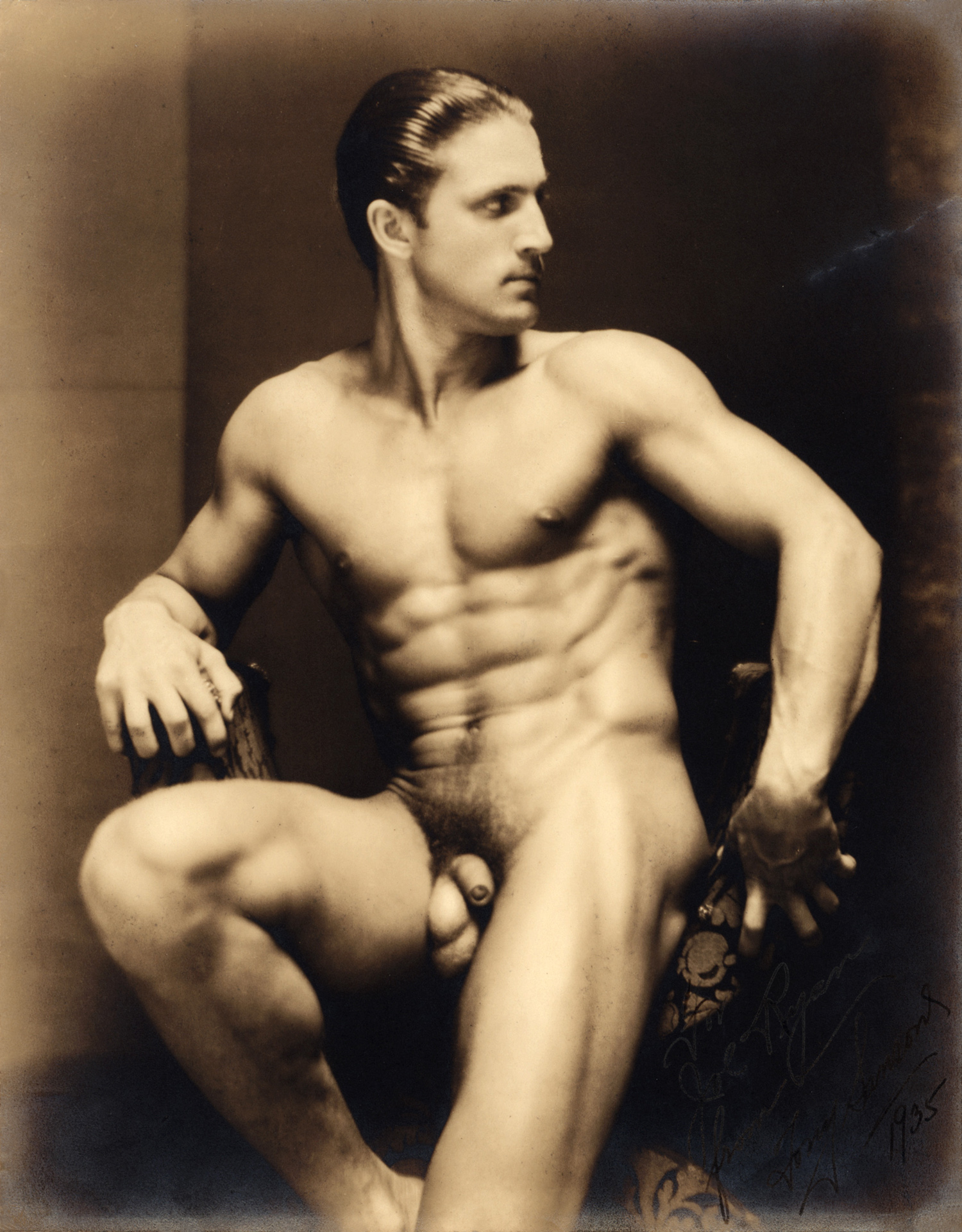
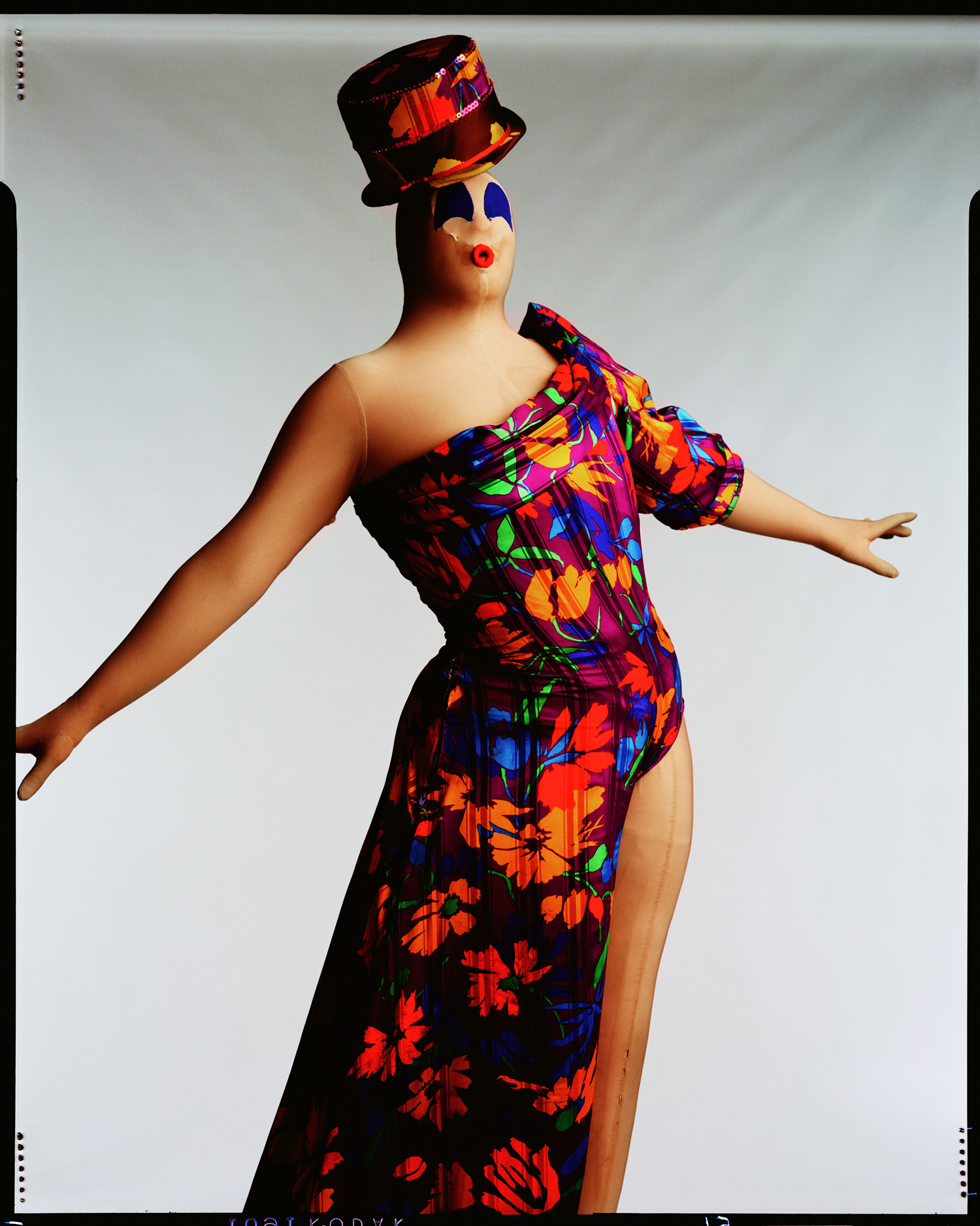
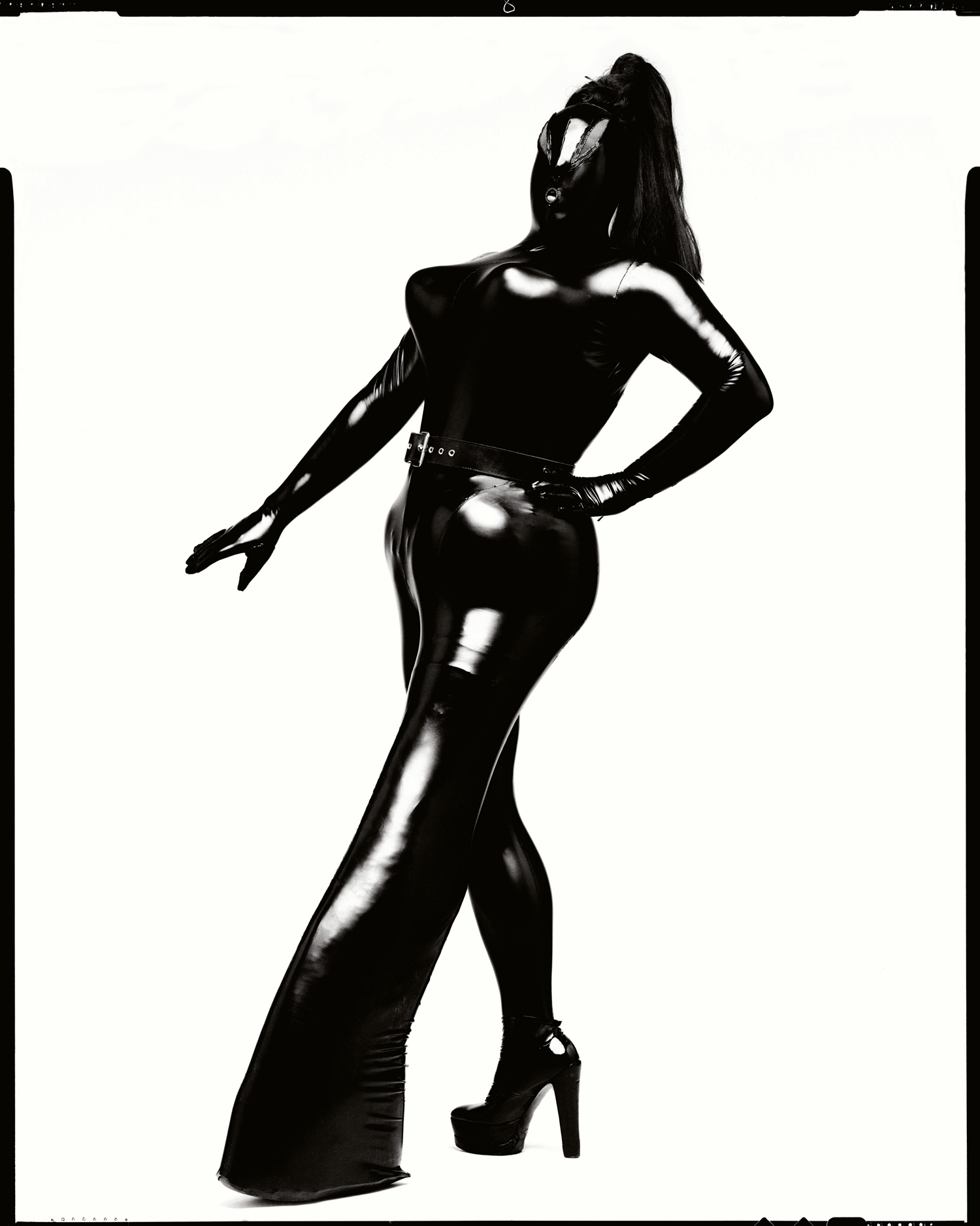
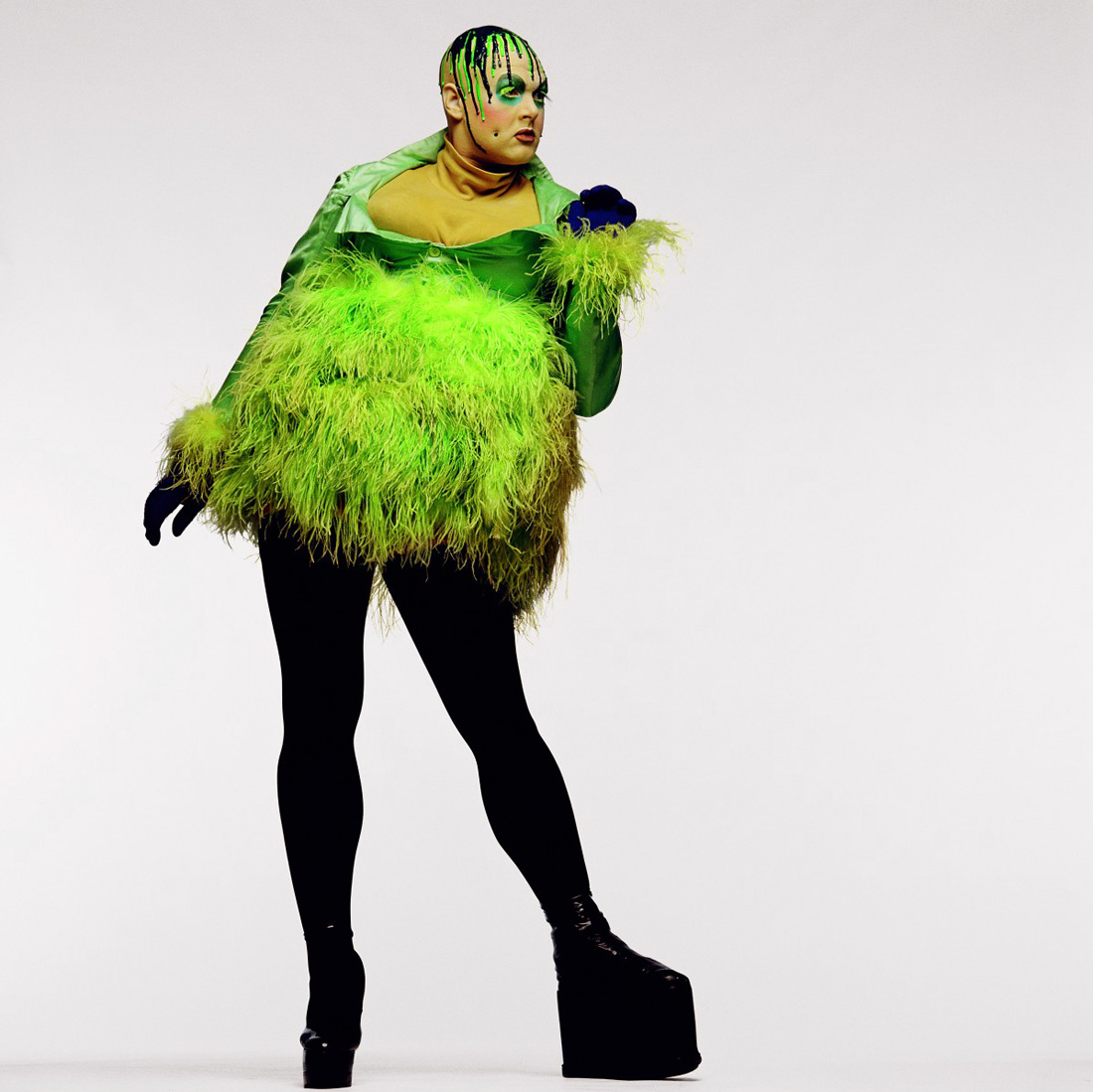
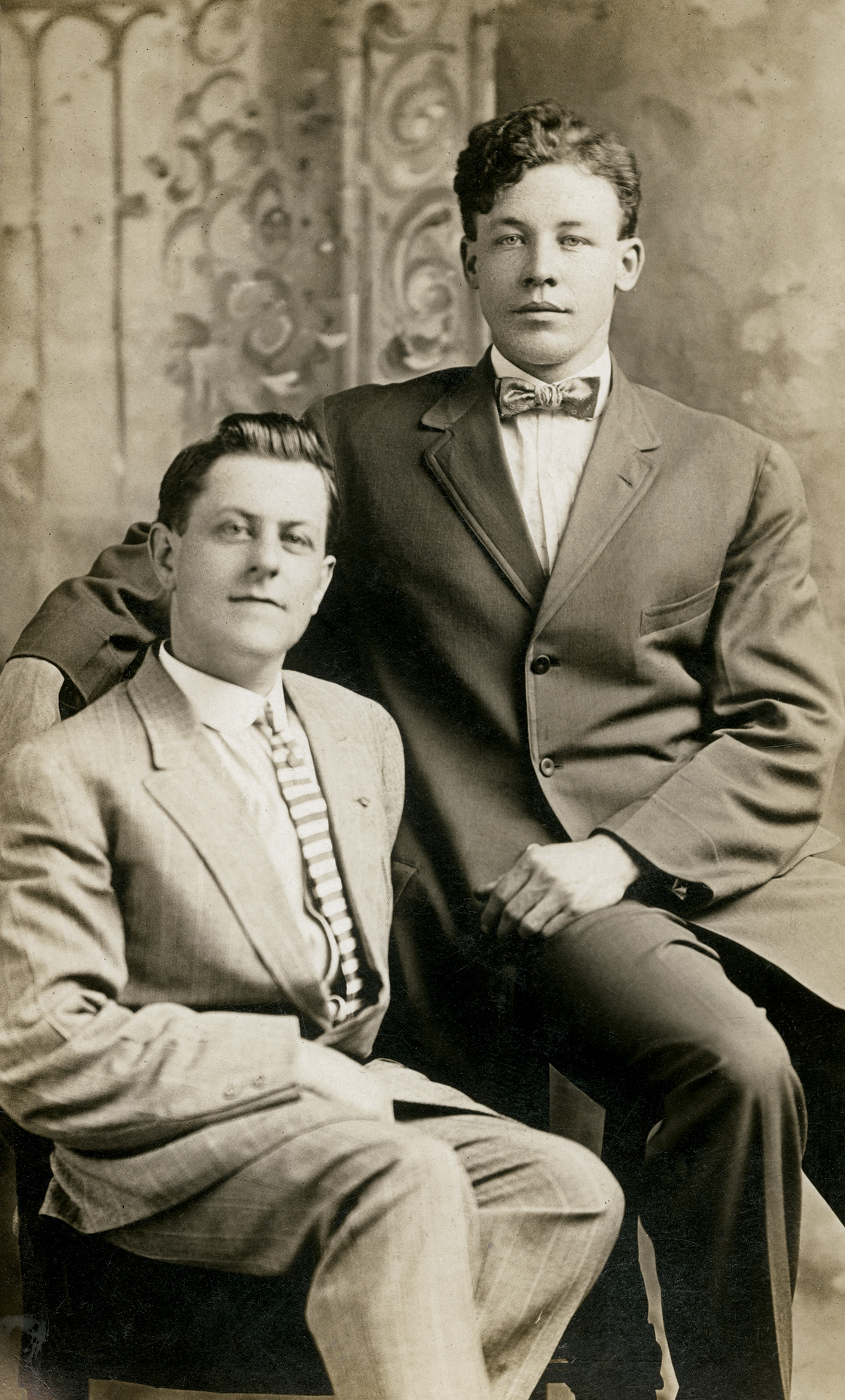
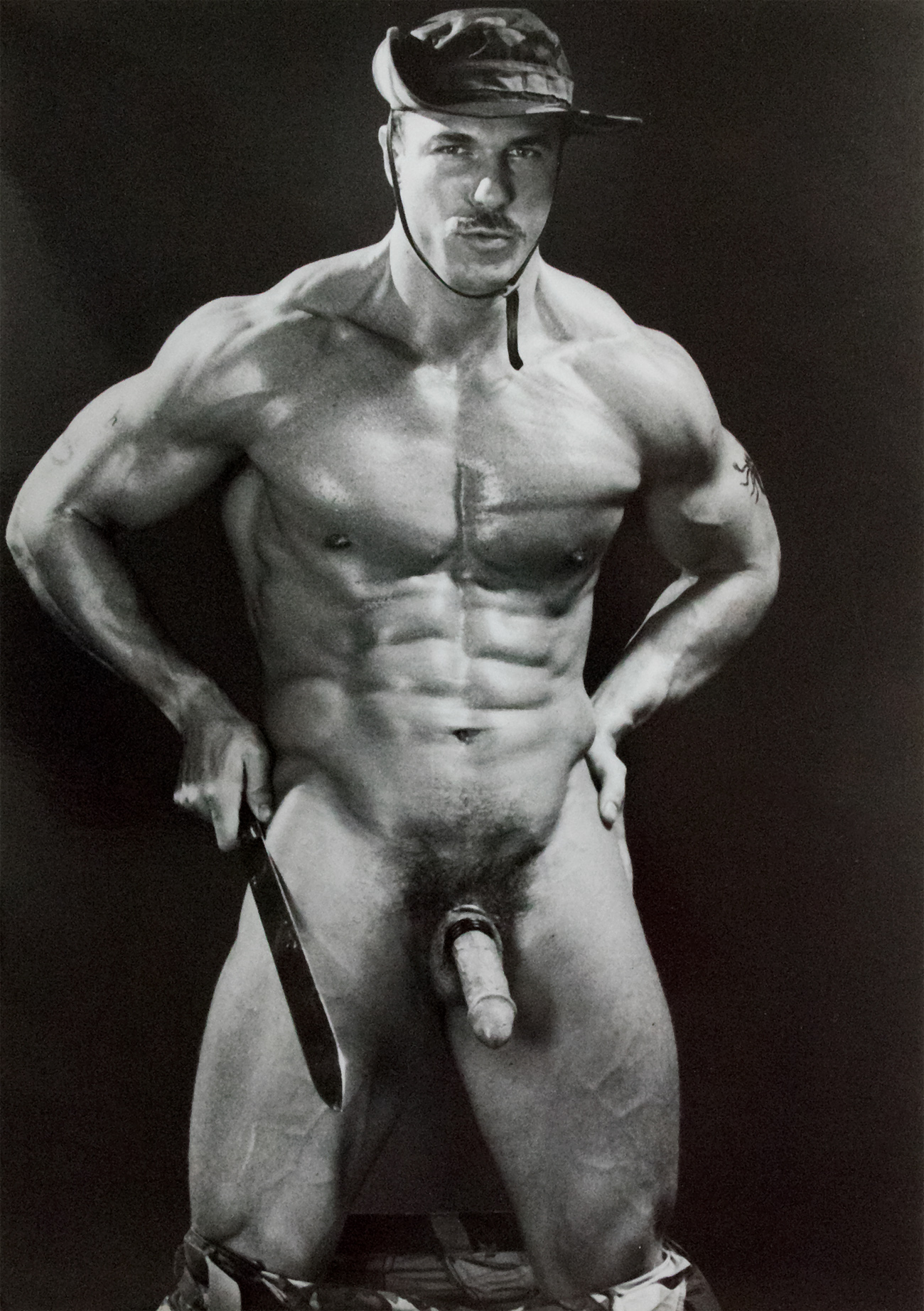
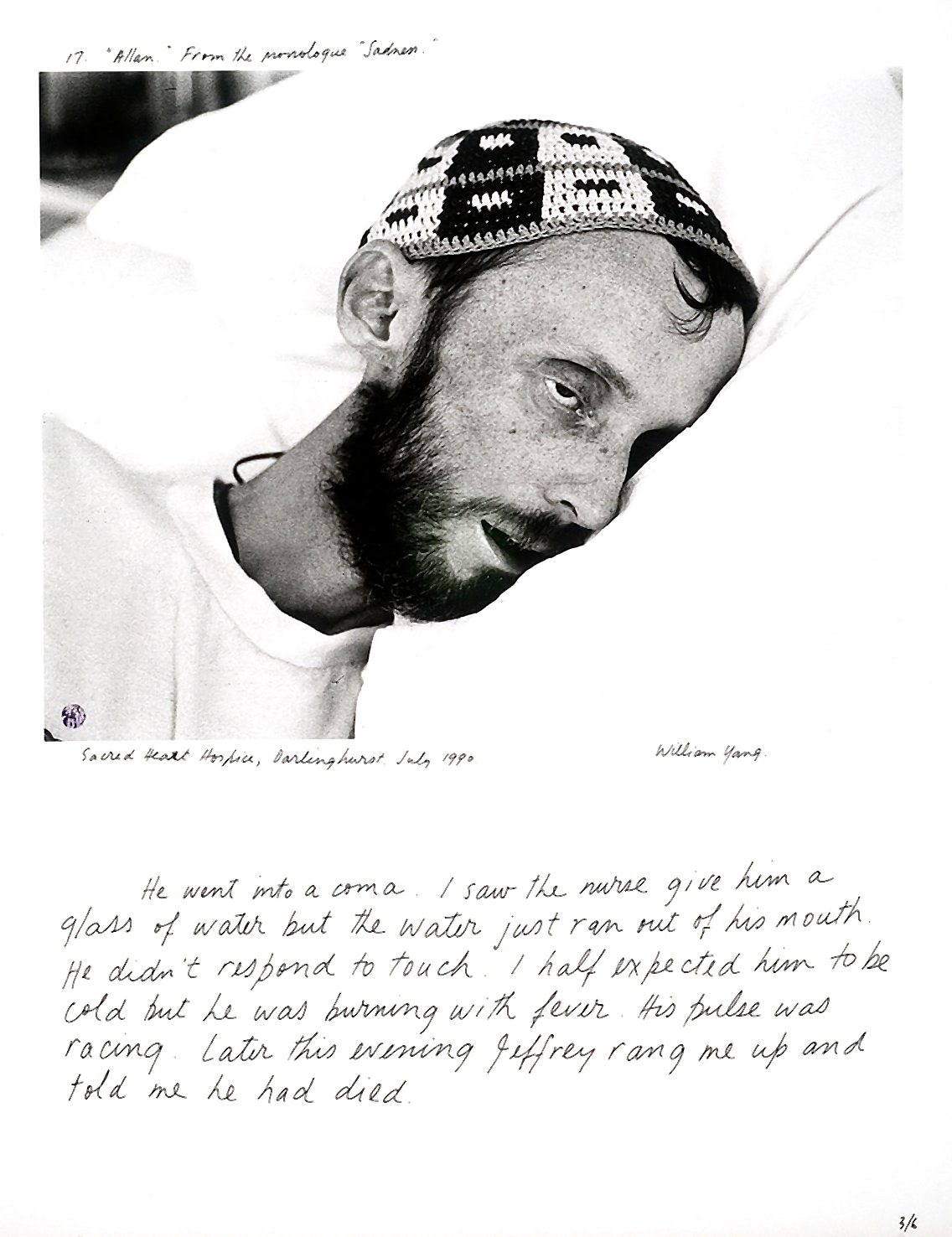
![Unknown photographer. 'Untitled [Auschwitz victim]' Nd](https://artblart.com/wp-content/uploads/2017/11/unknown-photographer-untitled-auschwitz-victim-nd-web.jpg "Unknown photographer. 'Untitled [Auschwitz victim]' N")
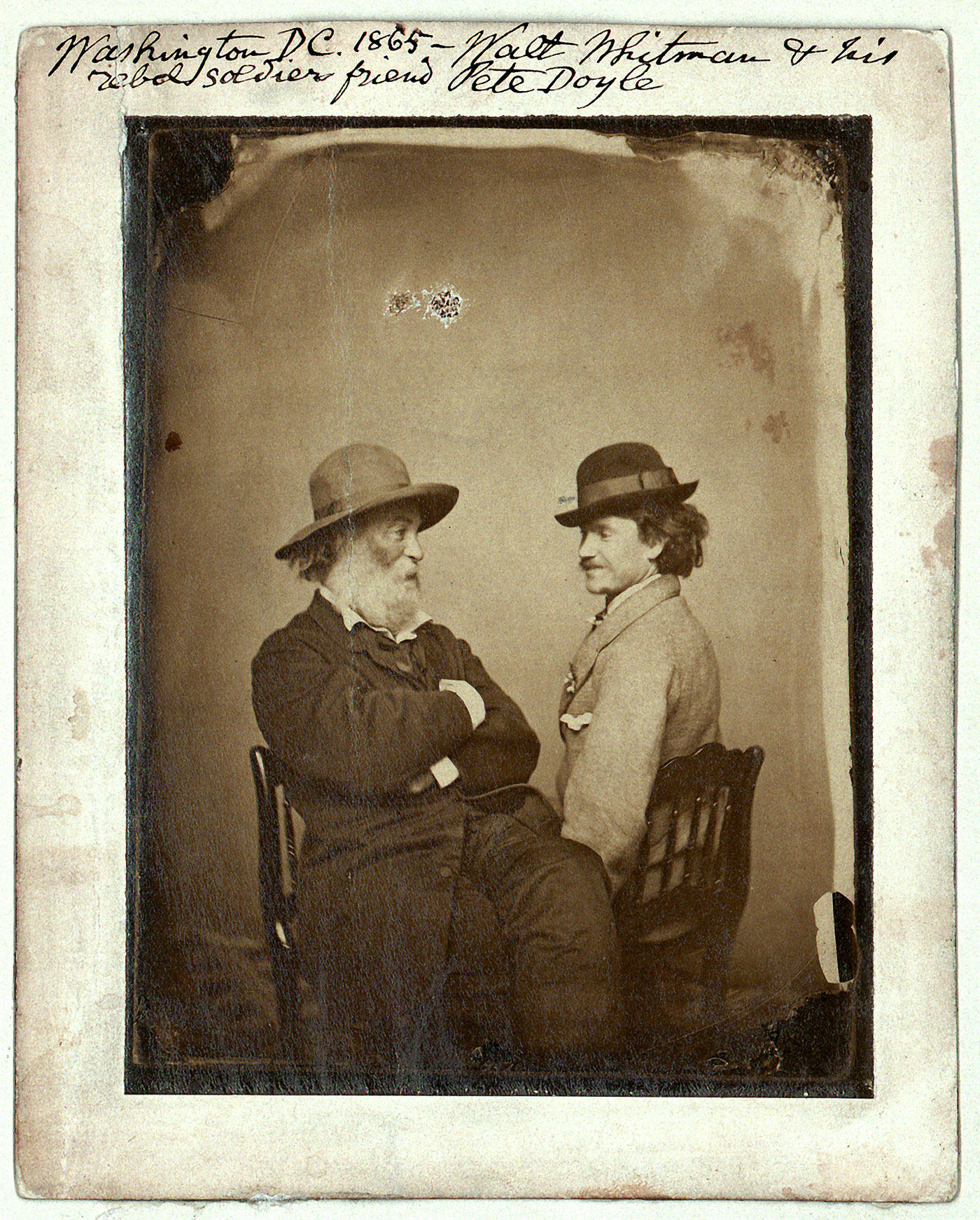
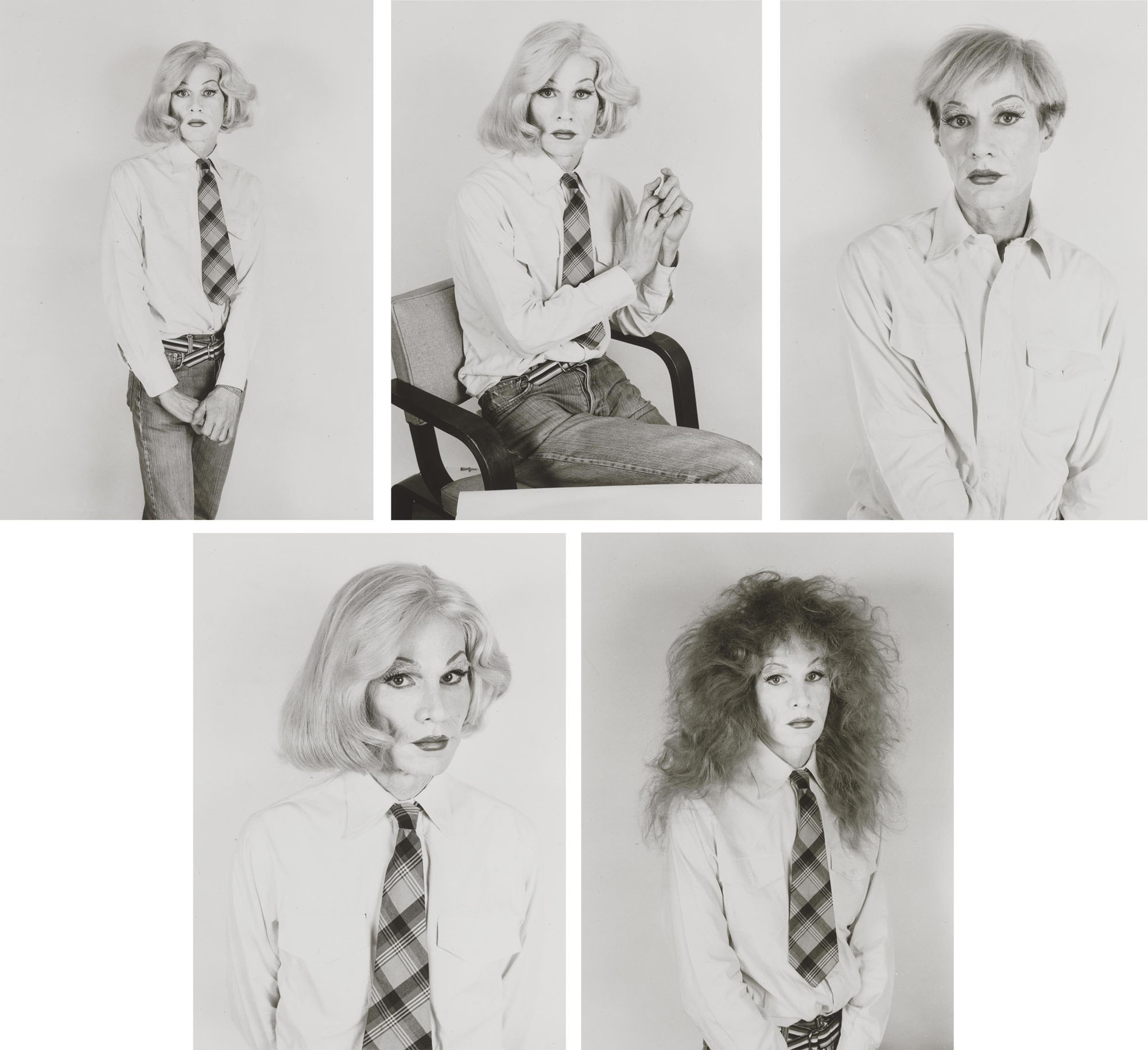


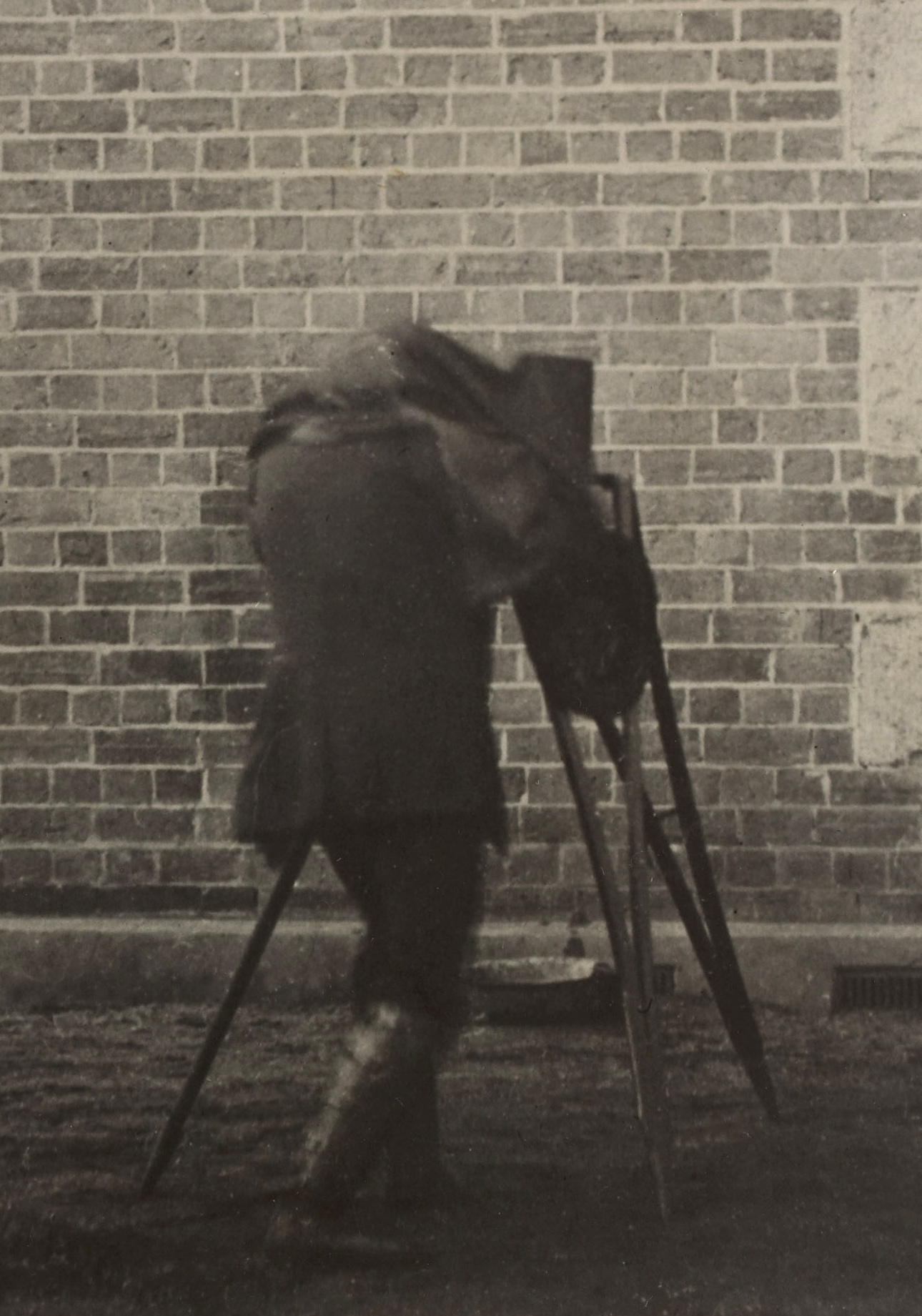

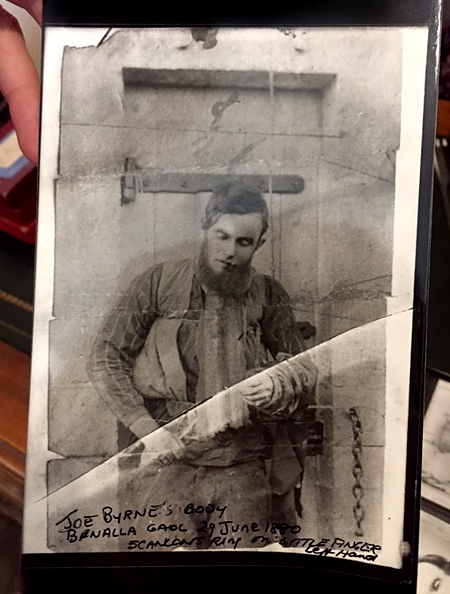

![Unknown photographer. 'Untitled [Portrait of Tracker Johnny from Maryborough District one of five trackers who helped track Ned Kelly]' c. 1880](https://artblart.com/wp-content/uploads/2017/10/portrait-of-tracker-johnny-from-maryborough-district-web.jpg "Unknown photographer. 'Untitled [Portrait of Tracker Johnny from Maryborough District one of five trackers who helped track Ned Kelly]' c. 1880")


![J. E. Bray (Australian, 1832-1891) 'Untitled ["McDonnell's Tavern opposite Railway Station, remains of Dan Kelly and Hart in coffins"]' 1880](https://artblart.com/wp-content/uploads/2017/10/bray-je-mcdonnells-railway-tavern-web.jpg "J. E. Bray (Australian, 1832-1891) 'Untitled [\"McDonnell's Tavern opposite Railway Station, remains of Dan Kelly and Hart in coffins\"]' 1880")
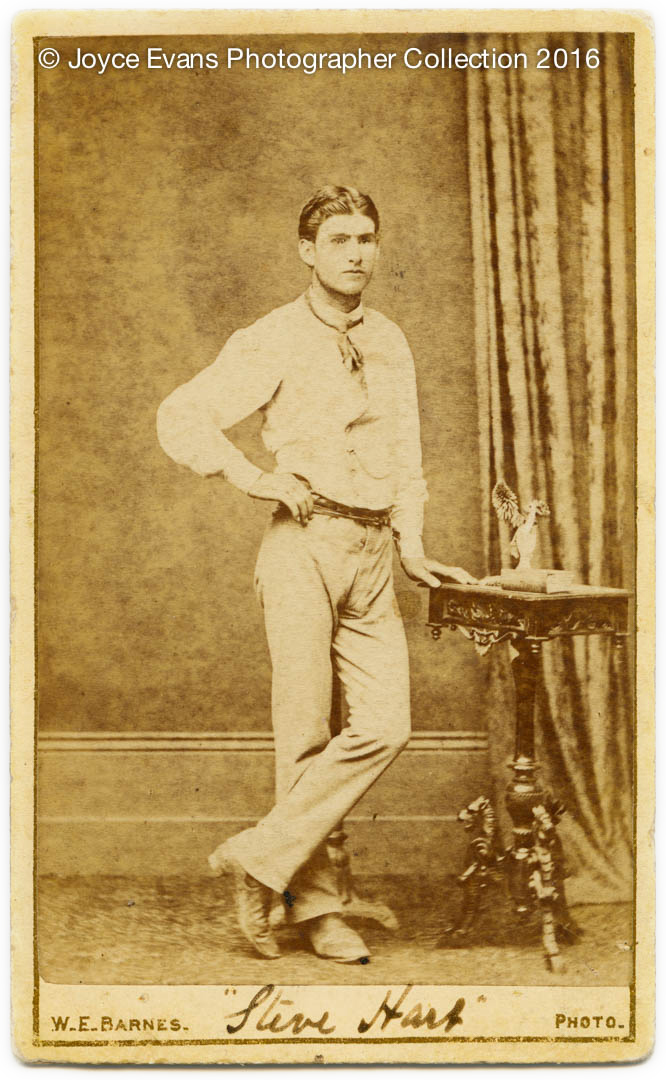


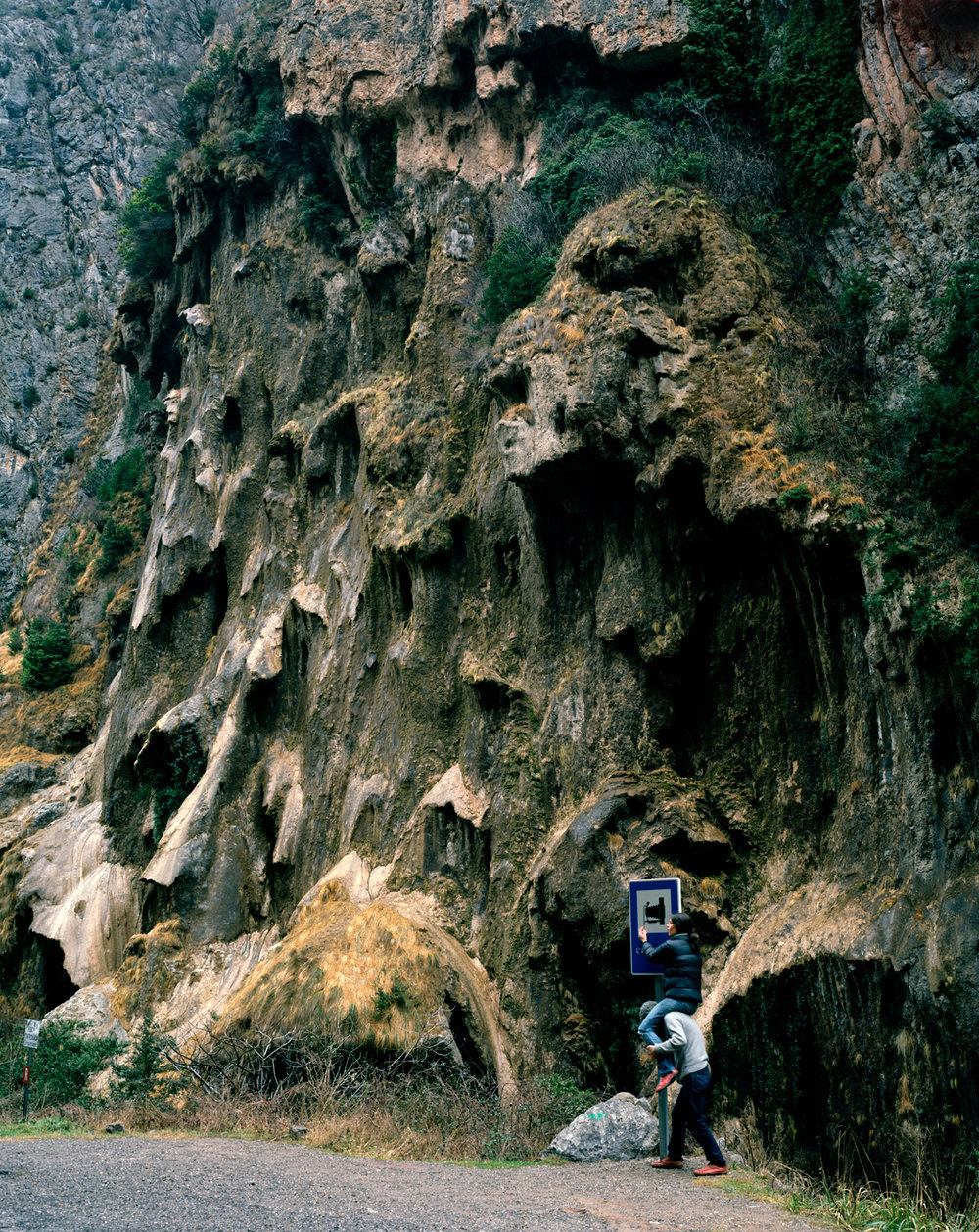


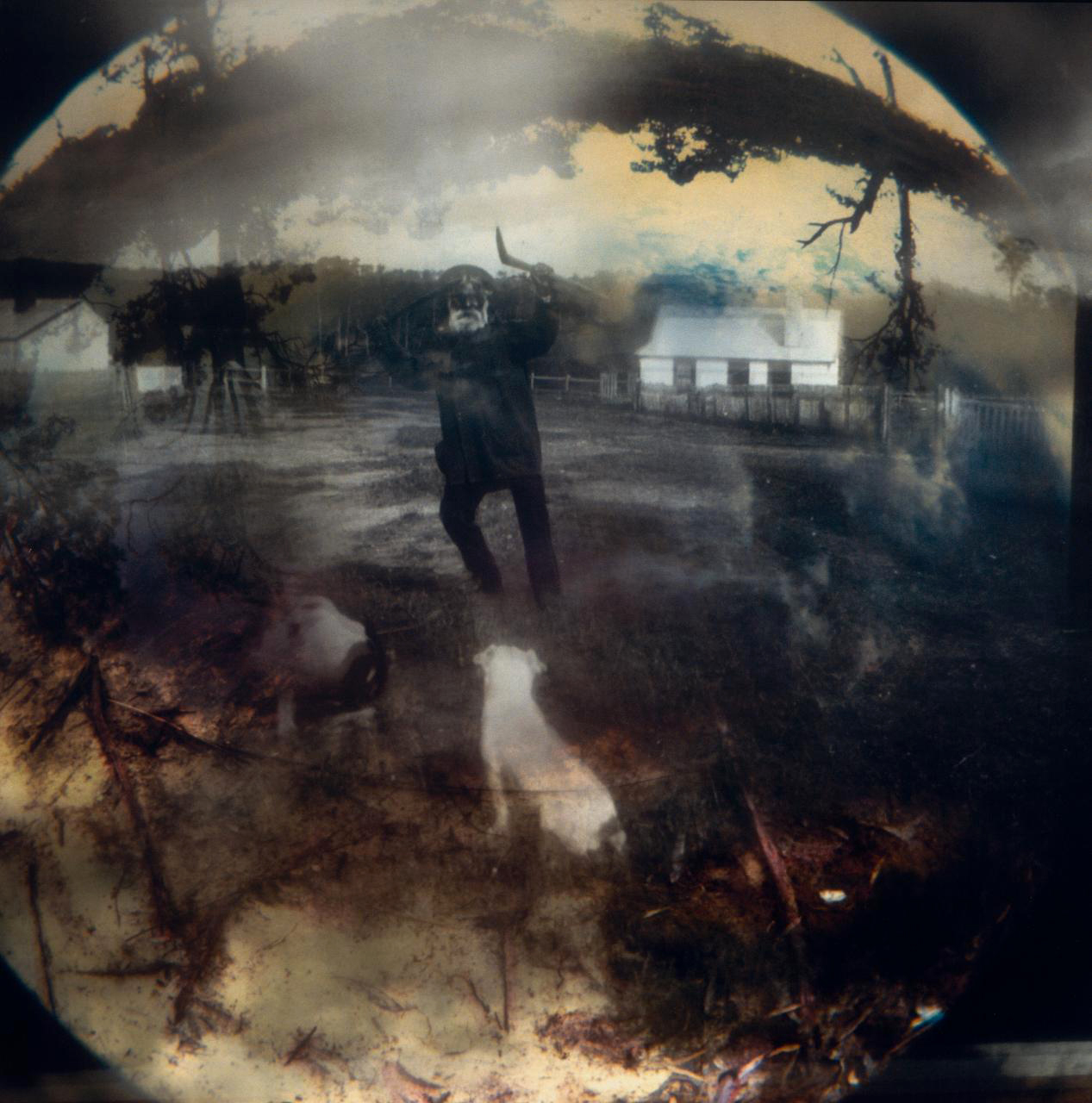

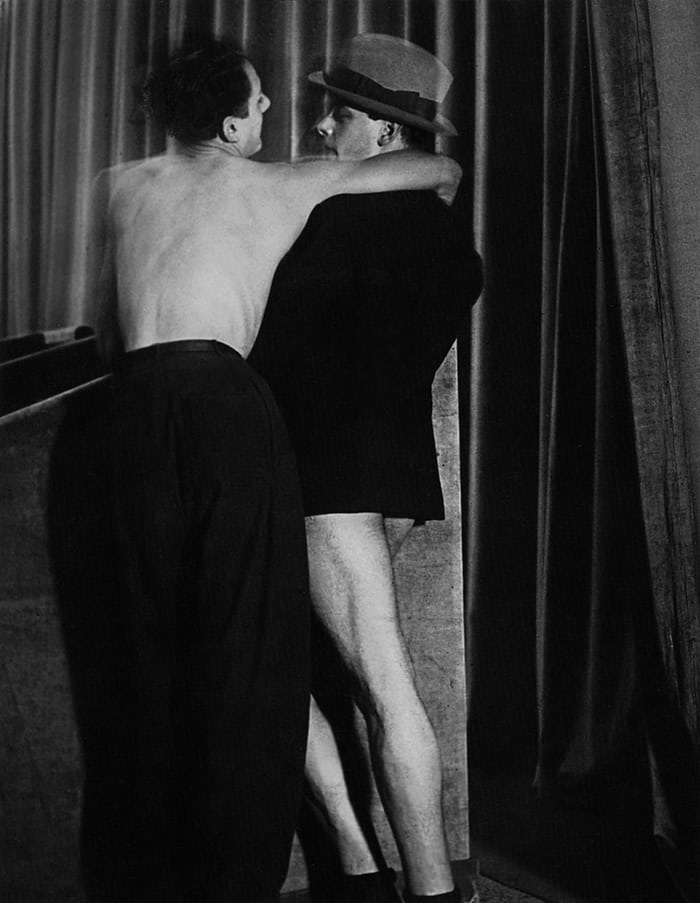


![Installation view of the exhibition 'An Unorthodox Flow of Images' at the Centre for Contemporary Photography (CCP), Melbourne, September - November 2017 showing (7) J. E. Bray's 'Untitled ["McDonnell's Tavern opposite Railway Station, remains of Dan Kelly and Hart in coffins"]' 1880 cabinet card (right) and (8) a photograph by an unknown photographer Hunters of Ned Kelly 1880 (left)](https://artblart.com/wp-content/uploads/2017/10/installation-d-web.jpg "Installation view of the exhibition 'An Unorthodox Flow of Images' at the Centre for Contemporary Photography (CCP), Melbourne, September - November 2017 showing (7) J. E. Bray's 'Untitled [\"McDonnell's Tavern opposite Railway Station, remains of Dan Kelly and Hart in coffins\"]' 1880 cabinet card (right) and (8) a photograph by an unknown photographer Hunters of Ned Kelly 1880 (left)")


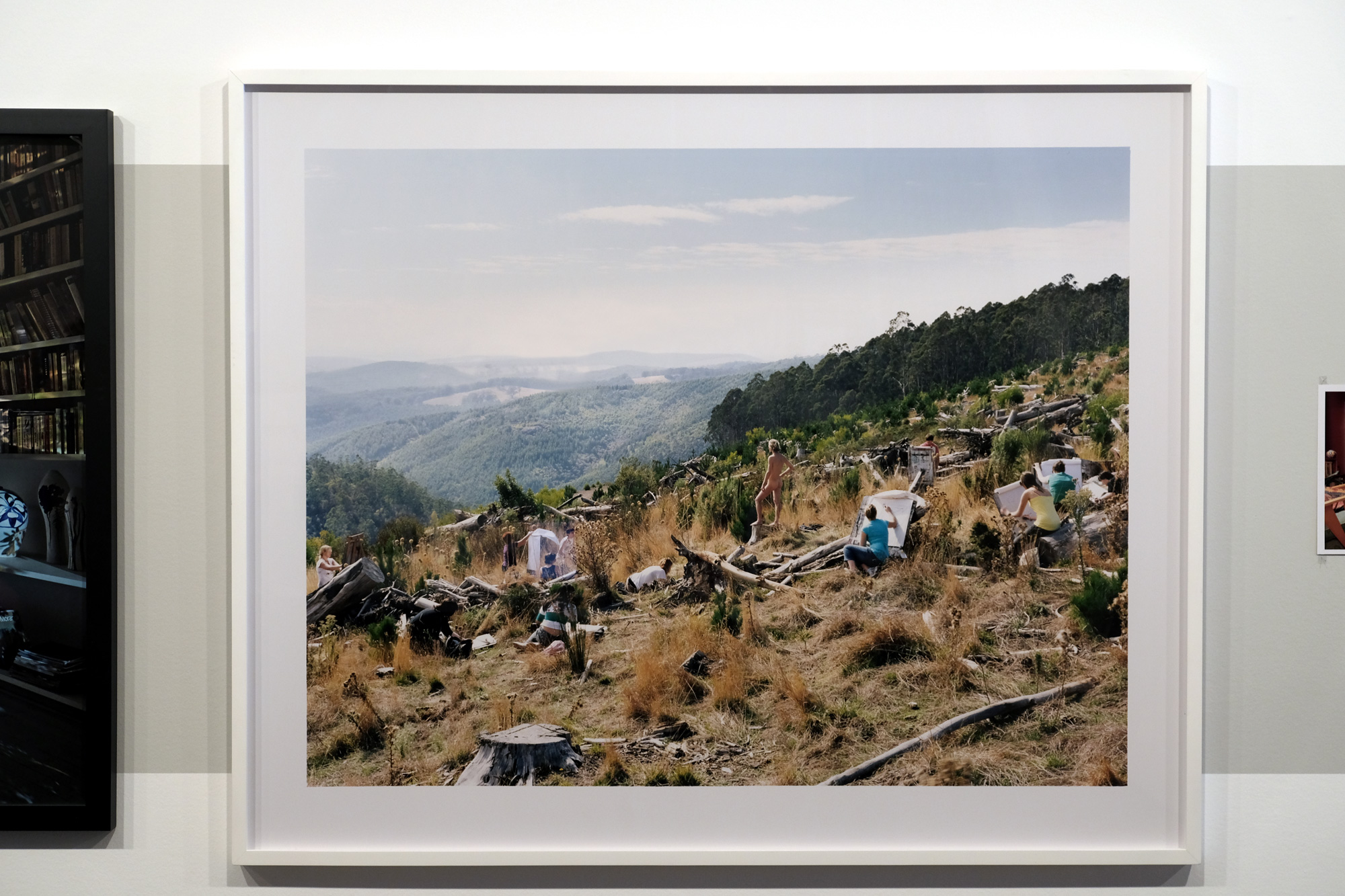


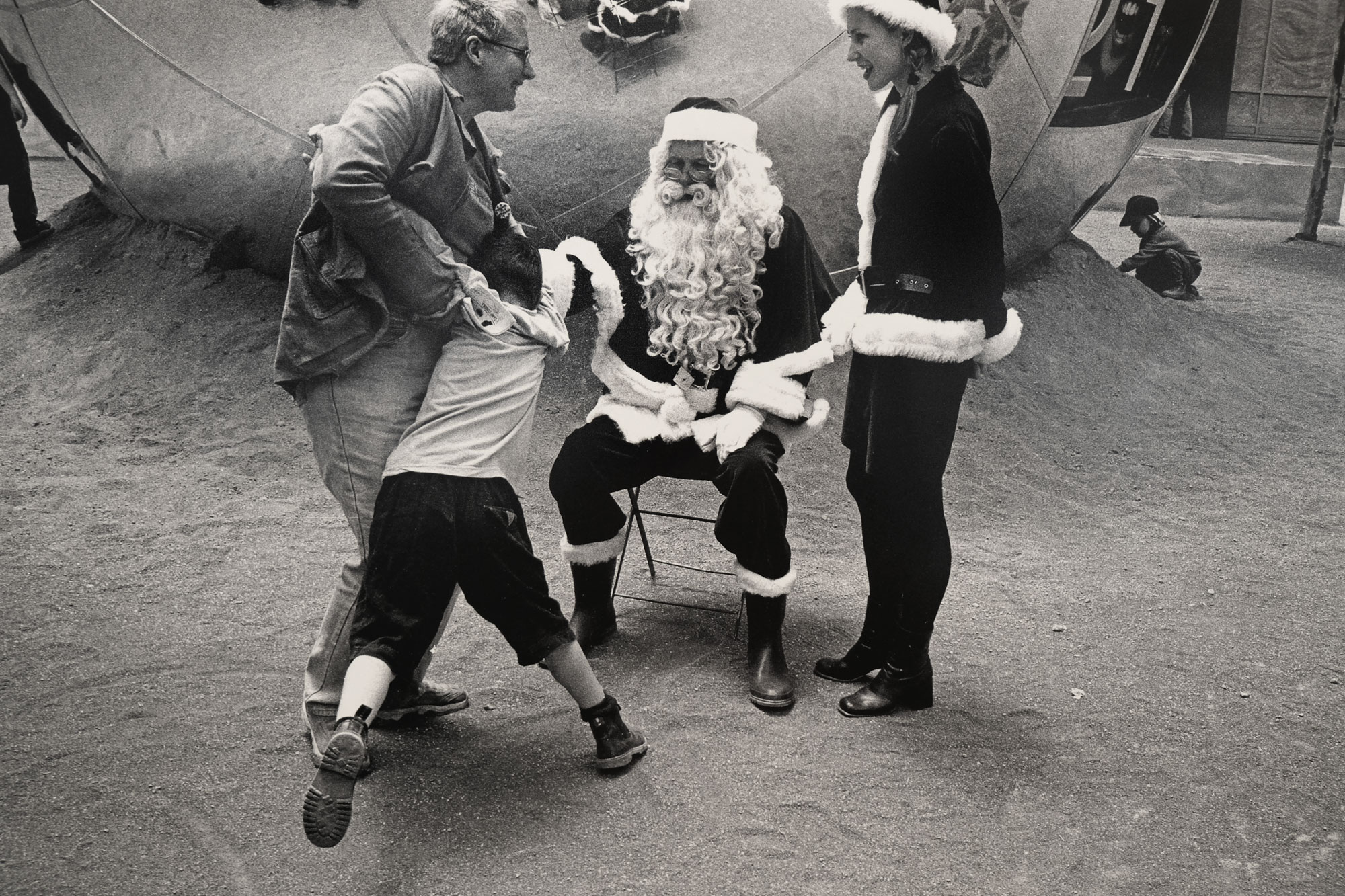
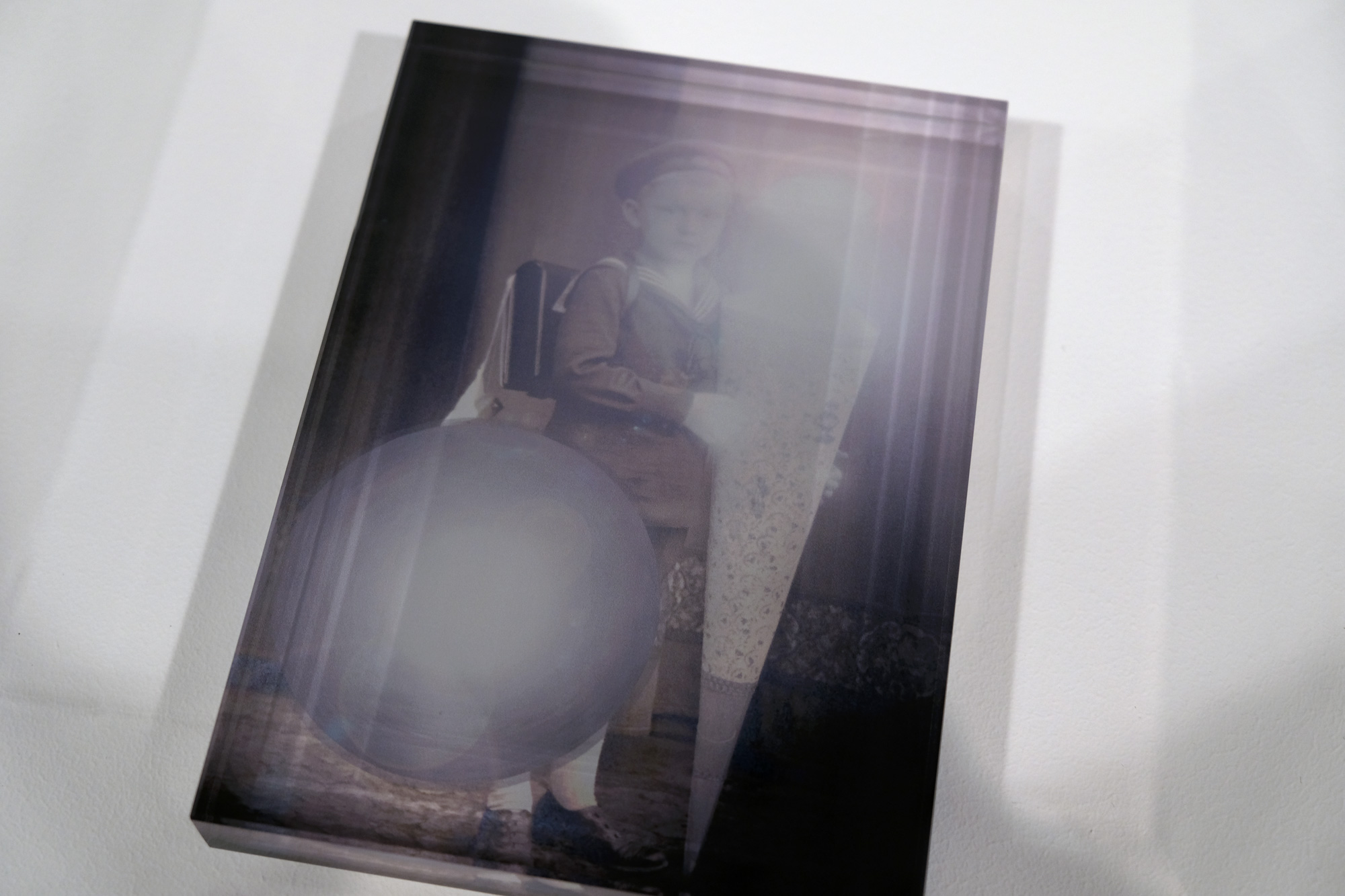


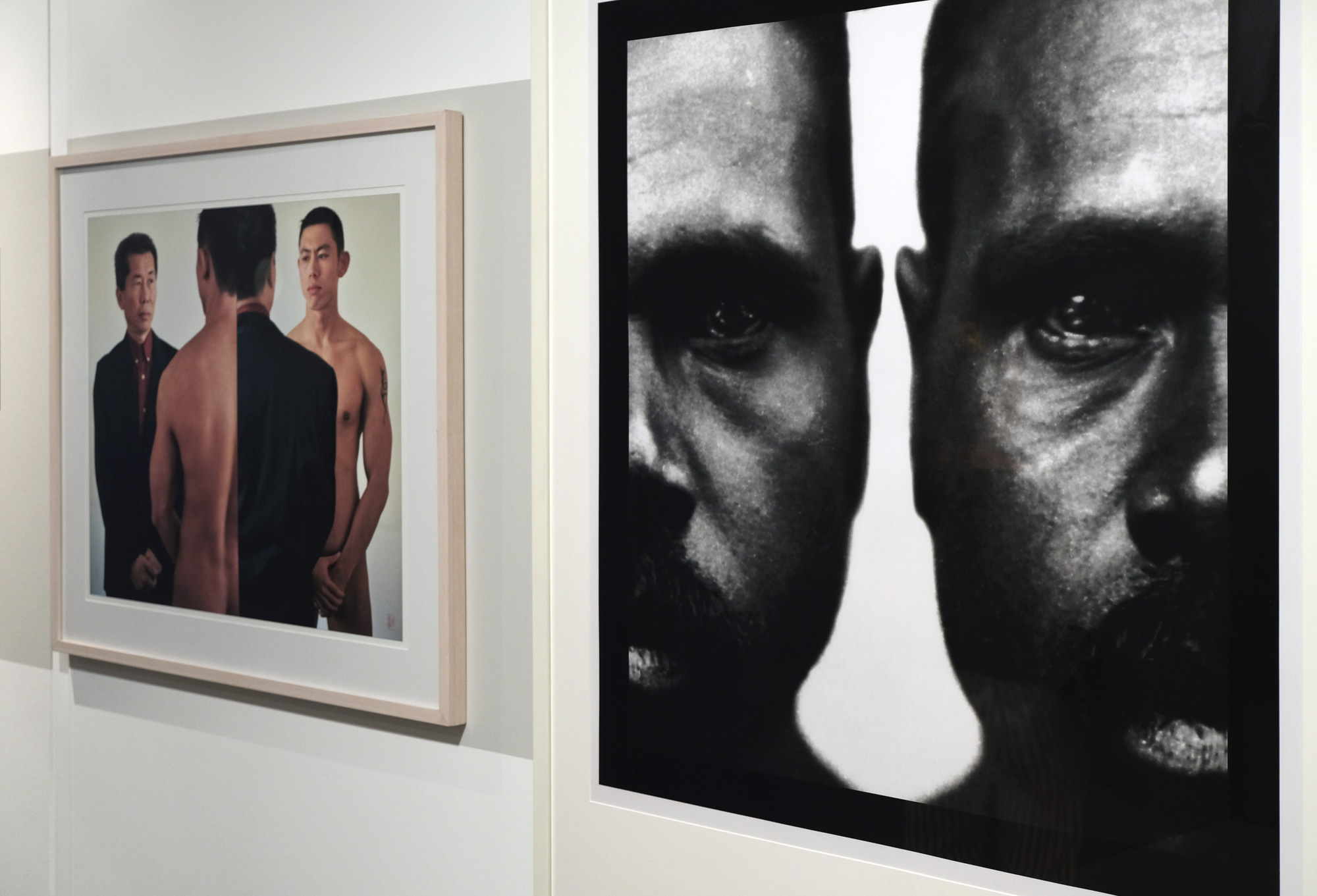


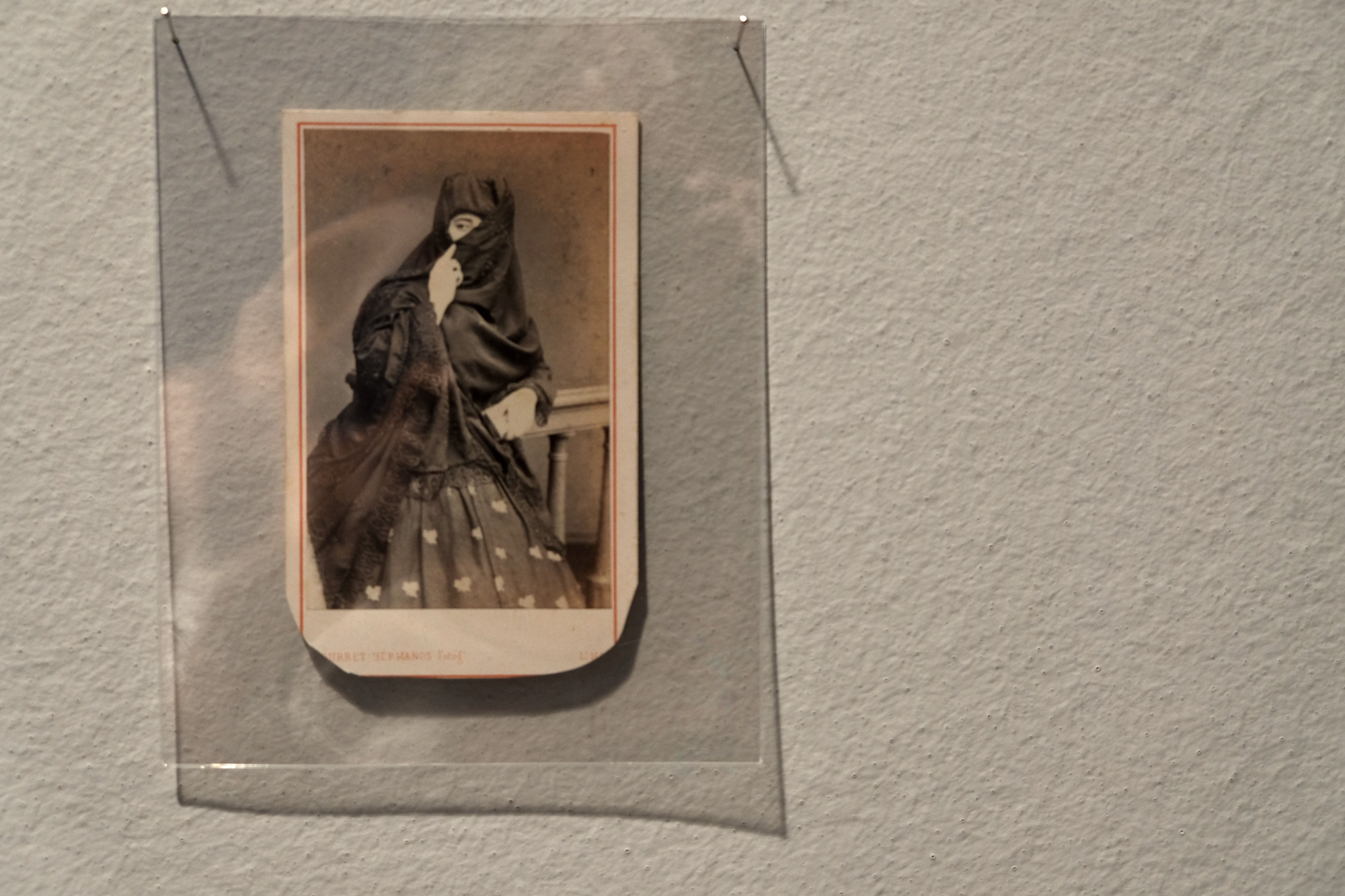


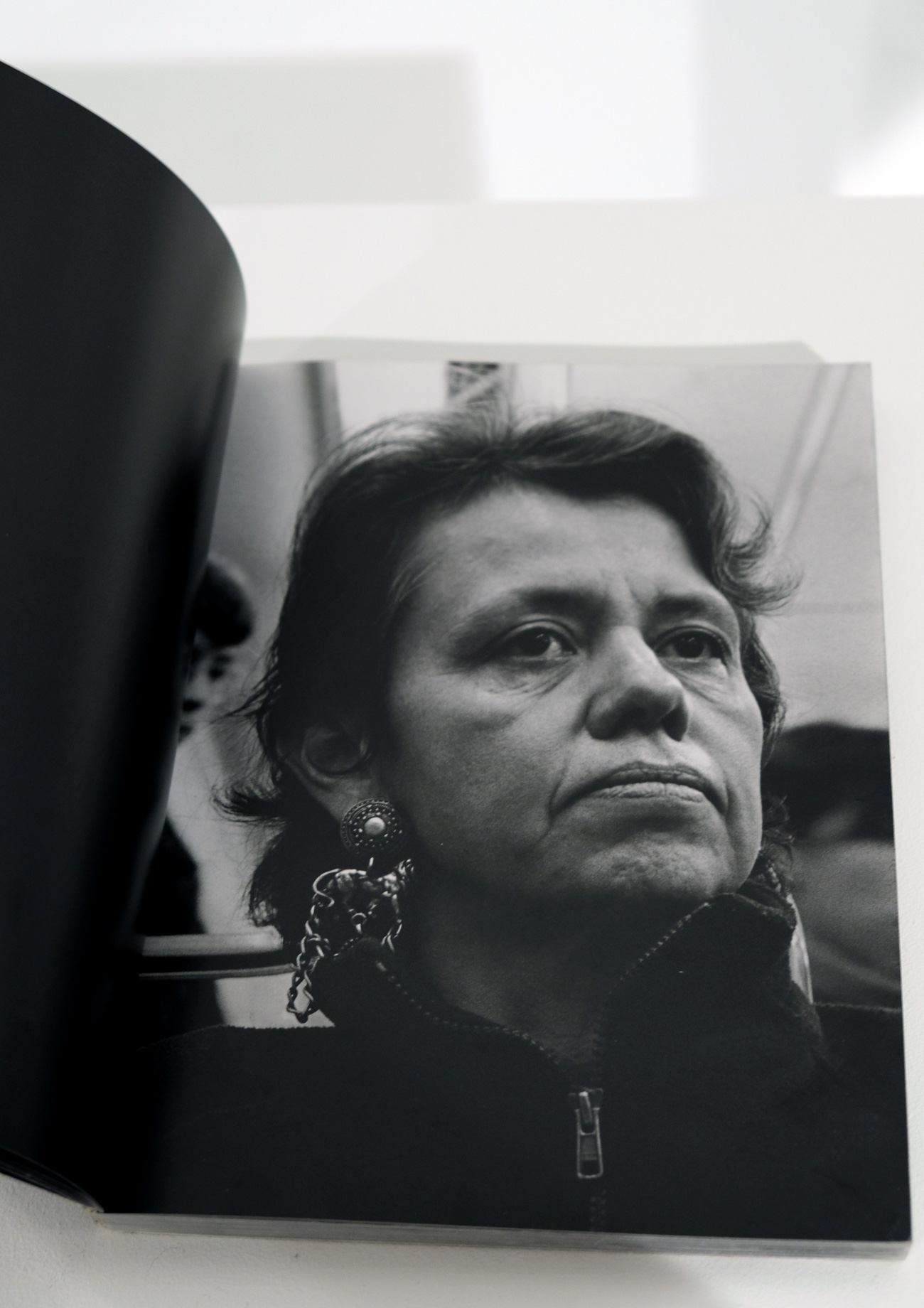


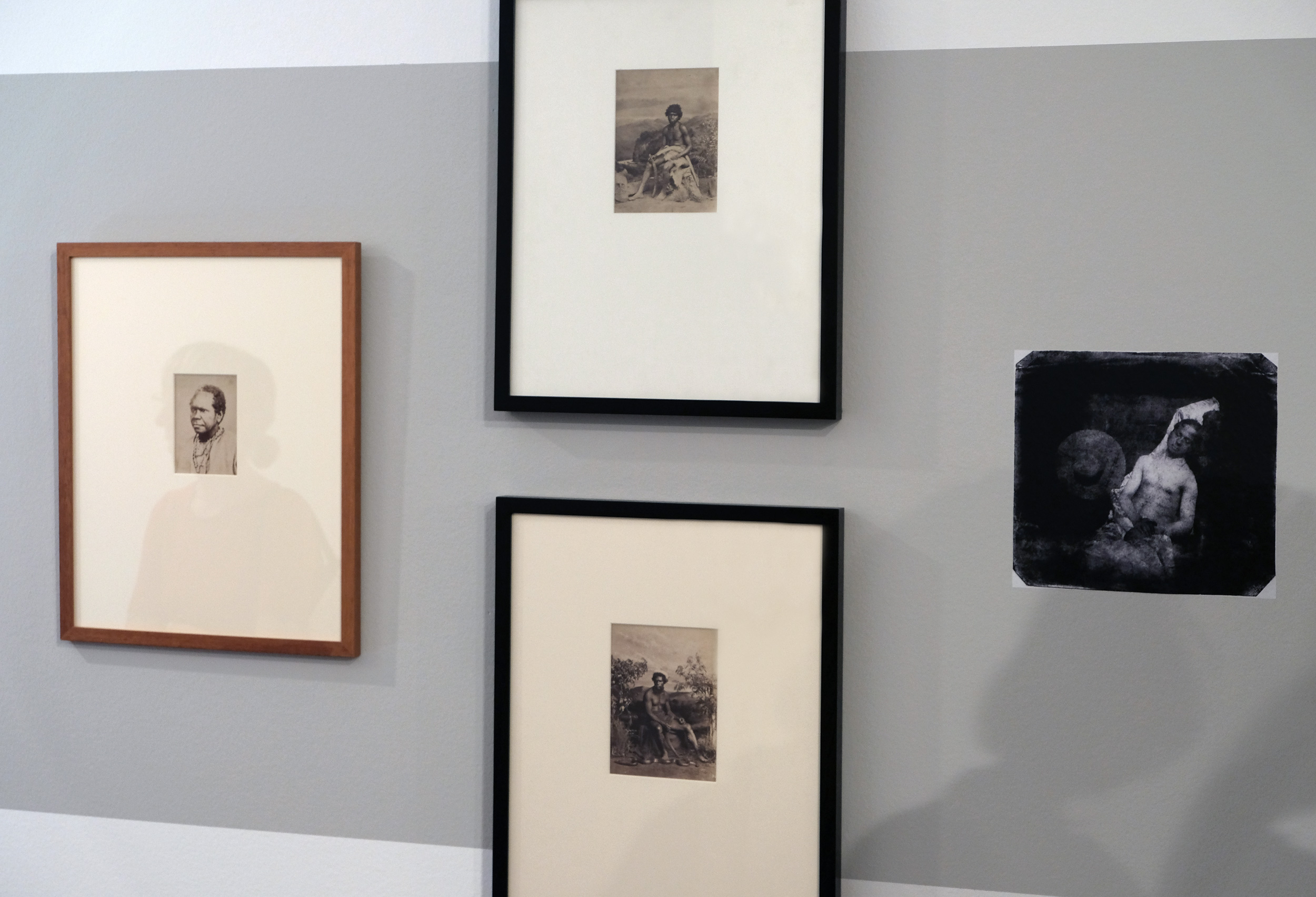


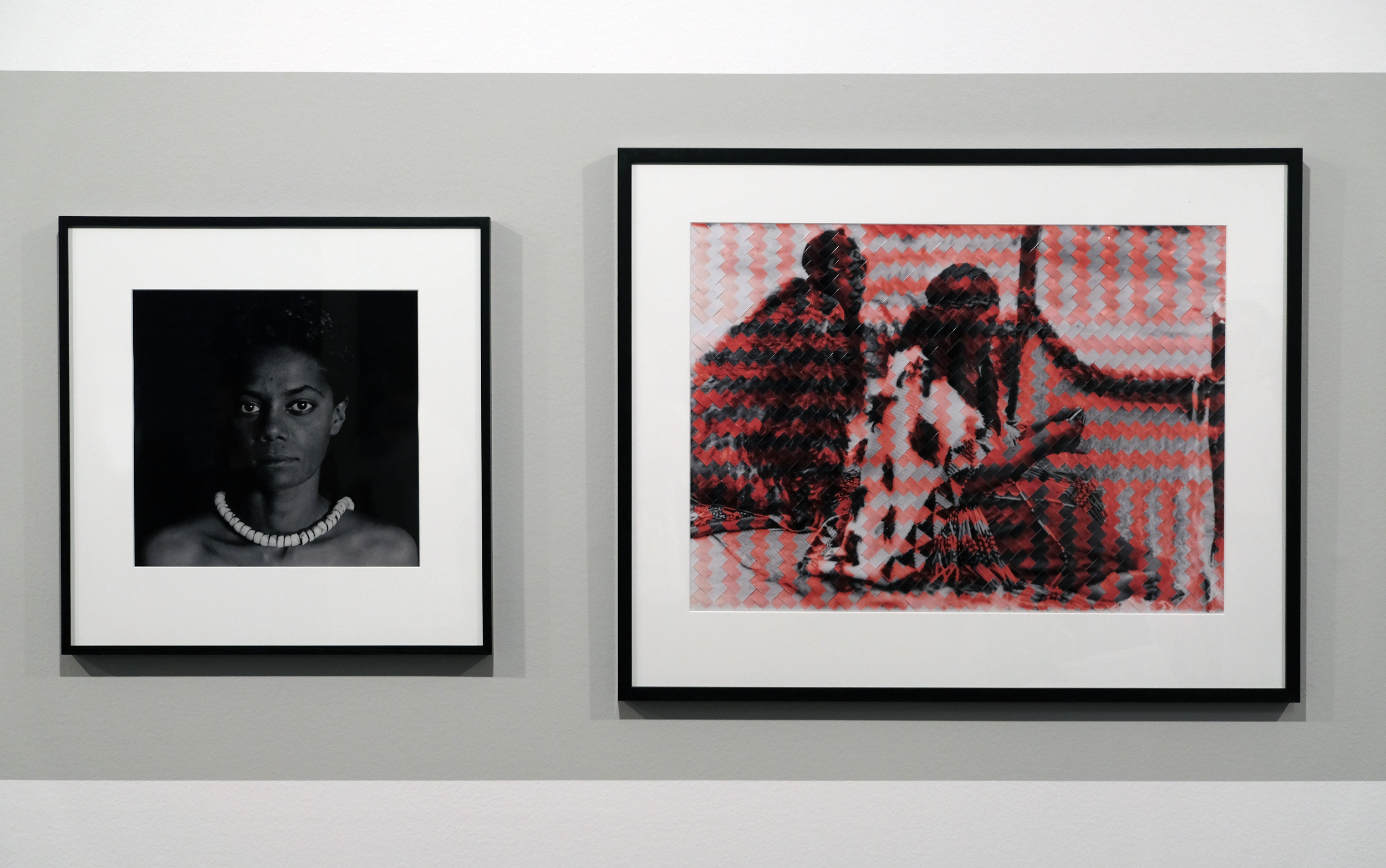


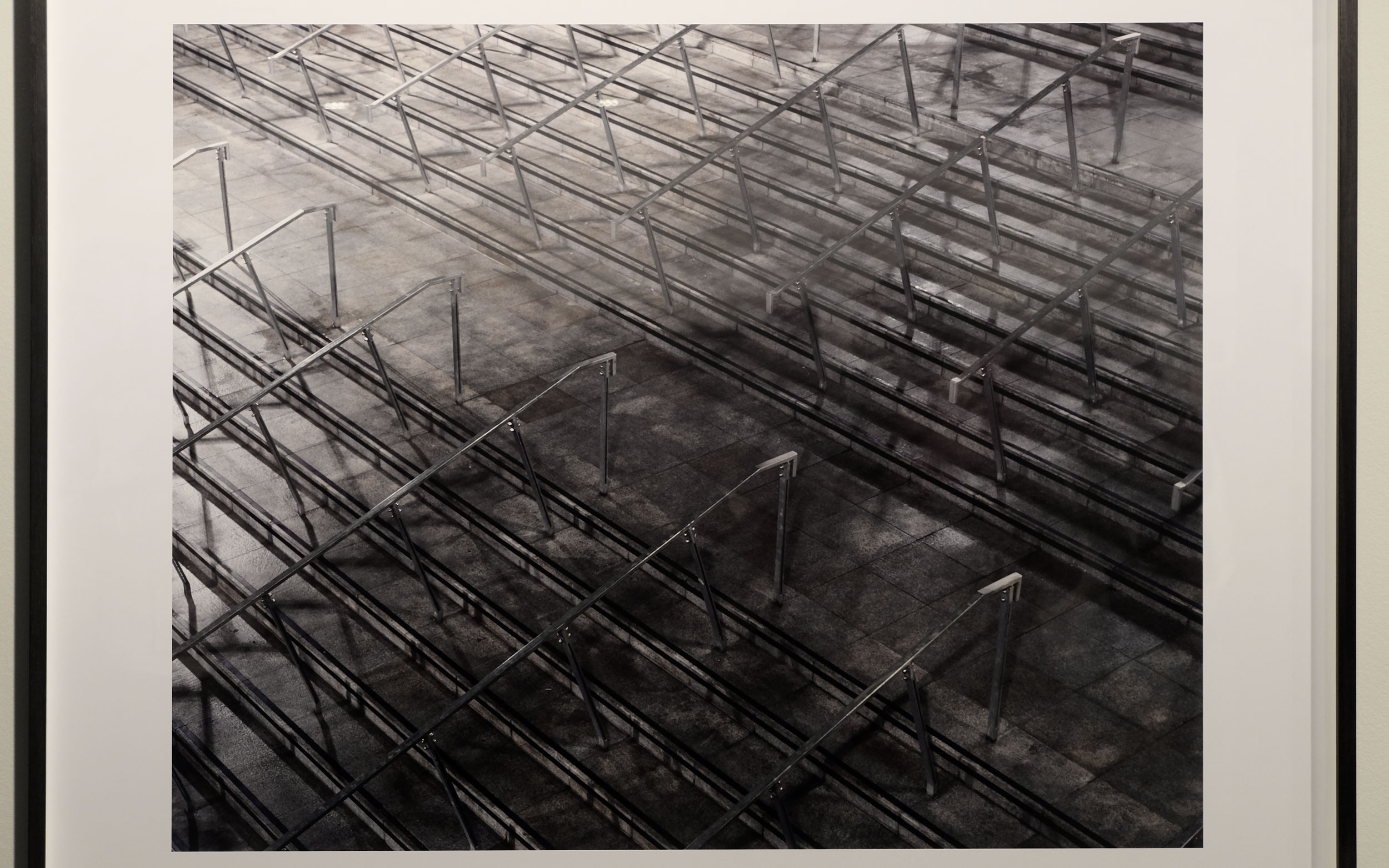
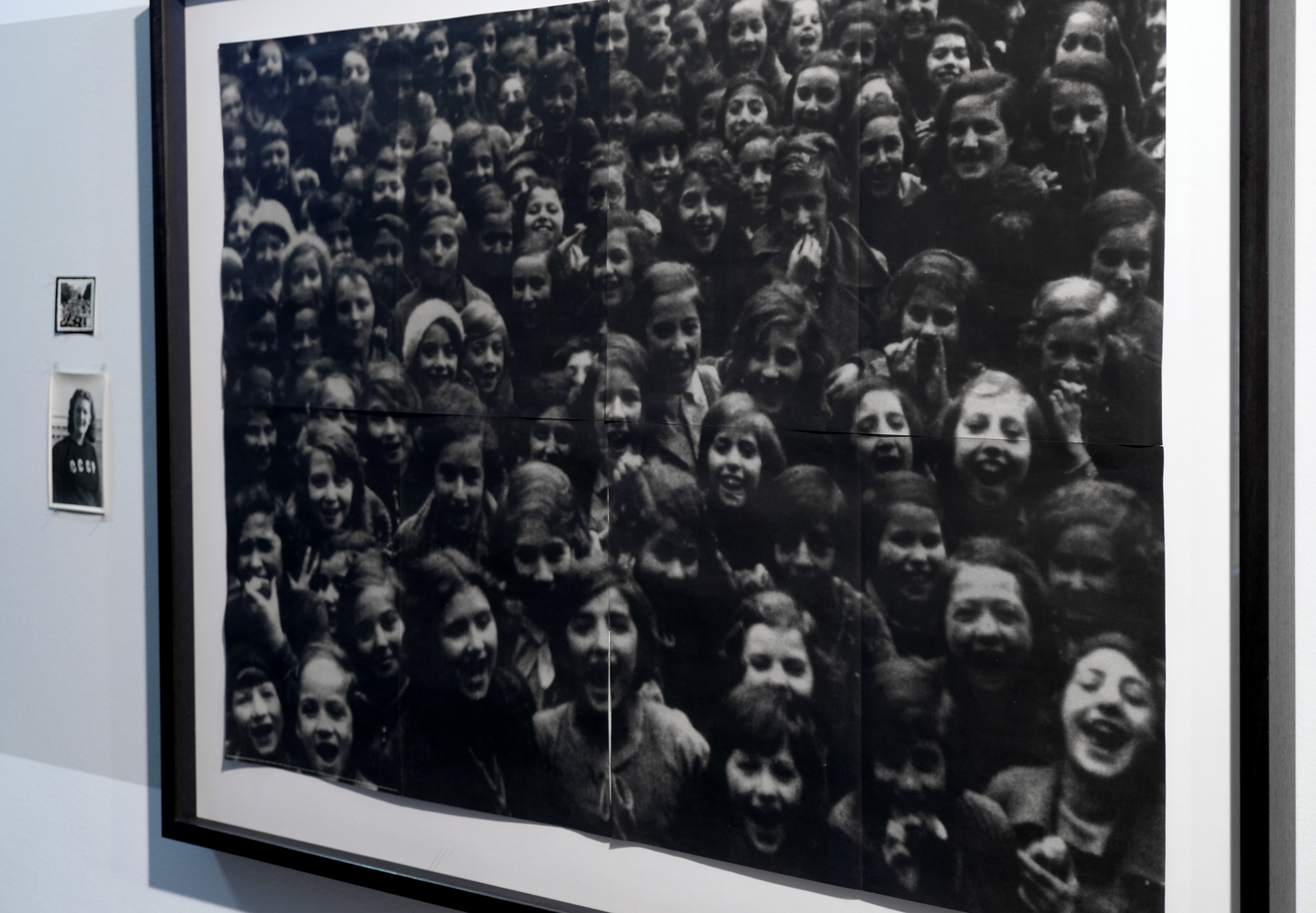



 Art Blart _ art and cultural memory archive
You must be logged in to post a comment.