Another strong, passionate photographer has gone. One of his best images and one of my favourites is Men on a rooftop (1960, above). For more images see my earlier posting René Burri: A Retrospective at Flo Peters Gallery, Hamburg, November 2009 – January 2010.
Marcus
Please click on the photographs for a larger version of the image.
“When Burri left Zurich in the 1950s, he set out to discover the world and some sense of man’s smallness within it. Switzerland was landlocked, bordered by mountains; a camera was a way out. Even then, he worried about what he could do that was new – “when shutters rattle from morning to night in every corner of the world … when every continent is lit with the flash of cameras.” His job, he believes, has been to “trace the enormous social changes taking place in our age, conveying my thoughts and images of them.” And, more poetically, “to put the intensity that you yourself have experienced into the picture – otherwise it is just a document.” He retired from reporting once that intensity, that sense of the bigness of the world, was gone.”
It is with great sadness that the Musée de l’Elysée has learned of the death of René Burri, on Monday October 20 in Zurich, at the age of 81. In his later years, René Burri wished to create a foundation for the preservation of his work. The Musée de l’Elysée in Lausanne hosts the Fondation René Burri established in June 2013.
The members of the Fondation de l’Elysée as well as the Musée de l’Elysée team extend their deepest sympathies to the family. A member of Magnum, René Burri was without a doubt one of the most talented photographers of his generation. He was present wherever history was being made and an acute witness of the major events of his time.
On the occasion of his 80th year, René Burri wished to create a foundation for the conservation and promotion of his work in museums and among the public, both in Switzerland and around the world. The Musée de l’Elysée hosts the Fondation René Burri and has been working closely with the artist and his family since June 2013 toward this goal.
“Thanks to the work being undertaken by the Musée de l’Elysée, we feel confident that René Burri’s legacy, which is of universal importance, will be passed on to future generations in the best possible conditions,” says the family.
This major Swiss patrimony has been bestowed to the Musée de l’Elysée on a 20-year loan, with the possibility for renewal. The René Burri photographic archives consist of approximately 30,000 images (vintage and modern prints, contact sheets and slides), in black and white and in colour. One third of this collection has already been received by the museum and an open-air exhibition will be organised in Lausanne as early as next year.
“Maier doesn’t have a partner to dance with. She sees something well enough, whereas Lee Friedlander expects something. If there is an idea out there in the ether she grabs onto it in a slightly derivative way. Maier states that these things happened with this subject matter but with Arbus, for example, she meets something extra/ordinary and alien – and goes beyond, beyond, beyond.”
Dr Marcus Bunyan May 2014
The next best thing
The photographs of Vivian Maier. Unknown in her lifetime (nanny as secretive photographer), her negatives discovered at an auction after her death – some developed, all scanned, in some cases cropped, the medium format images then printed. The latest “must have” for any self respecting photography collection, be it private or public. But are they really that good?
To be unequivocal about it, they are good – but, in most cases, they are not “great”. Maier is a very good photographer but she will never be a great photographer. This might come as a surprise to the legions of fans on Facebook (and the thousands of ‘Likes’ for each image), those who think that she is the best thing since sliced bread. But let’s look at the evidence – the work itself.
The photographs can seen on the Vivian Maier Official website and I have spent quite a lot of time looking at them. As with any artist, there are some strong images and some not so strong ones but few reach ‘master’ status. The lighting is good, the use of low depth of field, the location and the presence of the people she photographed are all there, as are the influences that you recite in your mind as to the people her photographs remind you of: Lewis Hine, Berenice Abbott, Lisette Model, Diane Arbus, Helen Levitt, Lee Friedlander et al.
Somehow through all this she makes the photographs she takes her own for she has a “rare sense of photographic vision” as Edward Petrosky expressed it on my LinkedIn page, but ultimately they don’t really take you anywhere. It’s like she has an addiction to taking photographs (a la Gary Winogrand), but no way of advancing her art to the next level.
Vivien Maier’s photographs stand out because she hasn’t withheld enough within them. What do I mean by that? Let’s look at some examples to explain what I mean…
Included in the postings are two comparisons: Vivian Maier, June 19, 1961, Chicago IL, 1961 / Lee Friedlander, Stony Point, New York, 1966; and Vivian Maier, New York, Nd 1966 / Berenice Abbott, New York at Night, 1932. As with most of Maier’s photography, she relies on intuition when taking a photograph and a bloody good intuition it is too. This intuition usually stands her in good stead and she almost always gets the shot, but there is an underlying lack of structure to her images. Here I am talking as much about psychological structure as physical structure, for both go hand in hand.
If we compare the Maier with the Friedlander we can say that, if we look at the windows in the Friedlander, every one is a masterpiece! From the mother and son at left with the white-coated marchers, to the central window with the miniature house, dog and tree, to the dark-suited marchers at right. Everything feels compelling, intricate weavings of a narrative that the viewer has to try and make sense of. Each part of the Friedlander image is absolutely necessary for that picture… whereas there are so many things in the Vivien Maier that belong in other pictures ie. a good picture but a lot that doesn’t belong in that picture. Things that should have been held back, by making another image somewhere else. Her narrative is confusing and thus the eye is also confused.
A similar scenario can be observed when comparing the photographs of New York at night by Abbott and Maier. Abbott’s photograph is a tight, orchestrated and muscular rendition of the city which seethes with energy and form. Maier’s interpretation fades off into nothingness, the main arterials of the city leading the eye up to the horizon line and then [nothing]. It is a pleasant but wishy-washy photograph, with all the energy of the city draining away in the mind and in the eye.
One of Maier’s photographs that most resonates with me is September 1953, New York, NY (1953, below). This IS a masterpiece. There is a conciseness of vision here, reminiscent of Weston’s Nude of 1938 with its link to the anamorphic structure of his photographs of peppers. There is nothing auxiliary to the purpose of the photograph, yet there is that indefinable something that takes it out of itself. The dirt of the clothes, under the fingers, the ring on the hand, the shape that no human should be in and its descent onto the pavement, the despair of that descent captured in the angle of the camera looking down on the victim. The photograph has empathy, promotes understanding and empathy in the viewer. Most of us have been there. Other photographs that approach a higher perspective are Maier’s self-portraits, in which there is a conscious exploration of her reflection in/of the world: a slightly dour, serious figure reflected back from the world into the lens of the camera – a refracted identity, the phenomenon of self as light passing obliquely through the interface between one medium and another, between living, the camera and memory.
But too often Maier’s photographs are just so… obvious. Did she wait long enough for the composition to reveal itself to her more, god what’s the word, more ambiguously. Maier doesn’t have a partner to dance with. She sees something well enough, whereas Lee Friedlander expects something. If there is an idea out there in the ether she grabs onto it in a slightly derivative way. Maier states that these things happened with this subject matter but with Arbus, for example, she meets something extra/ordinary and alien – and goes beyond, beyond, beyond.
What we can say is that Maier’s vision is very good, her intuition excellent, but there is, critically, not that indefinable something that takes her images from good to great. This is the key thing – everything is usually thrown at the image, she withholds nothing, and this invariably stops them taking that step to the next level. This is a mighty difficult step for any artist to take, let alone one taking photographs in the shadows.
Personally I don’t believe that these images are a “photographic revelation” in the spirit of Minor White. What is a revelation is how eagerly they have been embraced around the world as great images without people really looking deeply at the work; how masterfully they have been promoted through films, books, websites and exhibitions; how Maier’s privacy has been expunged in the quest for dollars; and how we know very little about her vision for the negatives as there are no extant prints of the work.
Dr Marcus Bunyan
Many thankx to the Château de Tours for allowing me to publish the photographs in the posting. Please click on the photographs for a larger version of the image.
Edward Weston (American, 1886-1958) Nude 1936 Gelatin silver print
Vivian Maier was the archetypal self-taught photographer with a keen sense of observation and an eye for composition. She was born in New York in 1926, but spent part of her childhood in France before returning to New York in 1951 when she started taking photos. In 1956, she moved to Chicago, where she lived until her death in 2009.
Her talent is comparable with that of the major figures of American street photography such as Lisette Model, Helen Levitt, Diane Arbus and Garry Winogrand. The exhibition presented at the Château de Tours by the Jeu de Paume, in partnership with the Municipality of Tours and diChroma photography, is the largest ever exhibition in France devoted to Vivian Maier. It includes 120 black and white and colour gelatin silver prints from the original slides and negatives, as well as extracts from Super 8 films she made in the 60s and 70s. This project, which is sourced from John Maloof’s collection, with the valuable assistance of Howard Greenberg Gallery in New York, reveals a poetic vision that is imbued with humanity.
John Maloof discovered Vivian Maier’s astonishing photos completely by chance in 2007 at an auction in Chicago. At the time, this young collector was looking for historical documentation about a specific neighbourhood of the city and he bought a sizeable lot of prints, negatives and slides (of which a major part had not even been developed) as well as some Super 8 films by an unknown and enigmatic photographer, Vivian Maier. By all accounts, Vivian Maier was a discreet person and somewhat of a loner. She took more than 120,000 photos over a period of thirty years and only showed this consequential body of work to a mere handful of people during her lifetime.
Vivian Maier earned her living as a governess, but all her free time and every day off was spent walking through the streets of New York, then later Chicago, with a camera slung around her neck (first of all box or folding cameras, later a Leica) taking photos. The children she looked after describe her as a cultivated and open-minded woman, generous but not very warm. Her images on the other hand bear witness to her curiosity for everyday life and the attention she paid to those passers – by who caught her eye: facial features, bearing, outfits and fashion accessories for the well-to-do and the telltale signs of poverty for those who were less fortunate.
While some photos are obviously furtively taken snapshots, others bear witness to a real encounter between the photographer and her models, who are photographed face-on and from close up. Her photos of homeless people and people living on the fringe of society demonstrate the depth of her empathy as she painted a somewhat disturbing portrait of an America whose economic boom was leaving many by the wayside.
Vivian Maier remained totally unknown until her death in April 2009. She had been taken in by the Gensburgs, for whom she had worked for almost seventeen years, and many of her possessions as well as her entire photographic output had been placed in storage. It was seized and sold in 2007 to settle unpaid bills.
Her biography has now been reconstructed, at least in part, thanks to a wealth of research and interviews carried out by John Maloof and Jeffrey Goldstein after the death of Vivian Maier. Jeffrey Goldstein is another collector who purchased a large part of her work. According to official documents, Vivian Maier was of Austro-Hungarian and French origin and her various trips to Europe, in particular to France (in the Alpine valley of Champsaur where she spent part of her childhood) have been clearly identified and documented. However, the circumstances that led her to take an interest in photography and her life as an artist remain veiled in mystery.
Photography seemed to be much more than a passion: her photographic activity was the result of a deeply felt need, almost an obsession. Each time she changed employers and had to move house, all her boxes and boxes of films (that she hadn’t had developed for want of money), as well as her archives comprising books and press cuttings about various stories in the news, came along too.
Vivian Maier’s body of work highlights those seemingly insignificant details that she came across during her long walks through the city streets: odd gestures, strange figures and graphic arrangements of figures in space. She also produced a series of captivating self-portraits from her reflection in mirrors and shop windows.
Australian vernacular photography. Such a large subject. Such a small exhibition.
With only 27 photographs from various artists (18 of which are shown in this posting), this exhibition can only ever be seen as the runt of the litter. I would have thought such a large area of photographic investigation needed a more expansive exposition than is offered here. There are no photobook, photo booth, Aboriginal, anonymous, authorless, family, gay or marginalised cultural photographs / snapshots. There are no light leaks, blur, fingers obstructing lenses, double exposures – all examples of serendipity and happenstance which could enter into an aesthetic arena.
Vernacular photography1 can be defined as the “creation of photographs, usually by amateur or unknown photographers both professional and amateur, who take everyday life and common things as subjects… Examples of vernacular photographs include travel and vacation photos, family snapshots, photos of friends, class portraits, identification photographs, and photo-booth images. Vernacular photographs are types of accidental art, in that they often are unintentionally artistic.”2 ‘Found photography’ is the recovery of a lost, unclaimed, or discarded vernacular photograph or snapshot.
While all of the photographs in the exhibition are unique images, some are definitely not vernacular in their construction – they are planned and staged photographs, what I would call planned happenstance (after John Krumboltz’s theory of career development). A perfect example of this are the photographs by Sue Ford (Sue Pike, 1963, printed 1988, below), Anne Zahalka (The girls #2, Cronulla beach, 2007, below) and Fiona Hall (Bondi Beach, Sydney, Australia, October 1975, below) which have an air of ceremonial seriousness that belies their classification as part of this exhibition. My favourites are the fantastic images by Glen Sloggett – witty, colourful, humorous with the photographer “acutely aware of the photographer and photograph’s role in pointedly constructing a narrative around Australian identity and history” – they are nevertheless self-deprecating enough that this does not impact on their innate “found” quality, as though the artist had just wandered along and captured the shot.
The route that the AGNSW has taken is similar to that of MoMA. Residing in the collection and shot by artists, these “vernacular” photographs are placed in a high art context. Their status as amateur or “authorless” photographs is undermined. This exhibit does not present vernacular photographs as just that. As the article on the One Street blog notes, what is being exhibited is as much about what has been collected by the AGNSW, its methodical and historicising classification, as it is about vernacular photographic form: chance, mistake and miscalculation. It is about creating a cliché from which to describe an ideal Australian identity, be it the beach, larrikinism, or the ANZAC / sporting “warrior”, and not about a true emotional resonance in the image that is created by, or come upon by, chance.
Dr Marcus Bunyan
Many thankx to the Art Gallery of New South Wales for allowing me to publish the photographs in the posting. Please click on the photographs for a larger version of the image.
1/ “What is vernacular photography? Too broad to be understood as a genre per se, it can encompass anonymous snapshots, industrial photography, scientific photography, “authorless” photography, advertising, smut, as well as work that might be perceived as “other” than any of this random list. It could be understood as an oppositional photography – outside technical or artistic histories, yet, especially with the snapshot, it could also be entirely conventionalised, a manifestation of visual banalities, or an image so enigmatic that its meaning or genesis is entirely obscured. It is mistakes & failures as much as it may not be, & how we understand the images may or may not be separate from their initial intents. Is this a category we are making up?
The idea of the vernacular in photography is also an indication of photography as a medium informing the everyday, prevalent, “naturalised.””
One Way Street. “Vernacular photography,” on One Way Street blog 20th October 2007 [Online] Cited 11/05/2014
2/ Szarkowski, John. “INTERVIEW: “Eyes Wide Open: Interview with John Szarkowski” (2006)” by Mark Durden, Art in America, May, 2006, cited in “Vernacular photography,” on the Wikipedia website [Online] Cited 11/05/2014. No longer available online. Used under fair use conditions for the purposes of education and research
Words and Photos: Geoffrey Batchen’s Writing About Vernacular Photography
“At first, I was simply interested in bringing attention to a diverse range of photographic objects and practices that had not been much written about. But I soon recognised that these objects represented a significant challenge to the predominant history of photography. This history, dominated by the values and tropes of art history, was not well-equipped to talk about photographs that were openly commercial, hybrid and mundane. Ie: the history of photography ignores most types of photography. My interest, therefore, has become more methodological and theoretical, in an effort to establish new ways to think of photography that could address the medium as a whole. I suggest that any substantial inclusion of vernacular photographs into a general history of photography will require a total transformation of the character of that history…
I suggest that any inclusion of vernacular photography in the larger story, will require a complete transformation of the character of that story; it will require a new kind of history altogether. My writings may have encouraged this idea, but I am just one of many scholars who have been pursuing this goal. Indeed, I would say that this idea is now the norm. The next step is to look beyond this and engage other parts of the history of photography that have been similarly neglected. For example, there are many researchers at the moment that are examining the photographs produced outside Europe and the United States, such as China, Indonesia, and Africa…
Snapshots are complicated objects. They are unique to each maker and almost always completely generic. They happily adopt the visual economy that mediates most photographic practices: same but different. You might say that every snapshot is an authentic copy of a prescribed set of middle-class values and familiar pictorial clichés. That does not make them any less fascinating, especially for people who treasure them. But it does make them difficult to write about…
It is certainly possible to recognise the existence of regional practices of photography. I wrote, for example, about the making of fotoescultura in Mexico, and about a specific form of ambrotype in Japan. No doubt one could claim to see some regional aspects of snapshots made in the United States that distinguish them from ones made in Australia or, say, Indonesia. But the more challenging task is to talk about those things that can’t be seen. For example, snapshots made in Australia and China may look exactly the same to my eye, but it stands to reason that they don’t mean the same thing (after all, access to the camera for personal photos is a fairly recent phenomenon in China). We must learn how to write these kind of differences.”
Interview by LG. “Words and Photos: Geoffrey Batchen’s Writing About Vernacular Photography,” on the LesPHOTOGRAPHES.com website Nd (translated from the French) [Online] Cited 04/05/2014. No longer available online. Used under fair use conditions for the purposes of education and research
After relocating from USA to Australia in 1973, Ed Douglas spent a few years living in the country prior to taking on a teaching position at Sydney College for the Arts in 1976. The series City-spaces was commenced in Sydney and then developed further when Douglas moved to Adelaide in 1977. Having been schooled in the formal traditions of American documentary photography, Douglas’s images appear like notations of an urban explorer attempting to locate himself in a new country. Seemingly fragmentary, they look at the specificities of the mundane and the ordinary. Close acquaintances such as photographers Ingeborg Tyssen and John F. Williams appear in City spaces #29 and City spaces #28, indicating the personal nature of the series.
Intimately scaled and tonally rich, the black and white images exalt the formal beauty which can be found in the random textures of daily existence. They are also permeated with gentle humour and a sense of quiet drama that unfolds in the strangely misplaced confluences of objects, figures and spaces. Douglas’s interest in the formal and emotional qualities of topography was emblematic of new approaches in documentary photography of the time. His 1983 series of colour photographs depicting the gypsum mine on Kangaroo Island (collection of AGNSW) developed this trajectory further by fusing the aesthetics of abstraction and objective documentation.
Gerrit Fokkema’s photographs of everyday Sydney and Canberra in the early 1980s are examples of Australian photography becoming more self-aware. These decisive snapshots of suburban life reveal an irony and conjure Fokkema’s own history growing up in Queanbeyan. Though captured in seemingly banal settings, the images intrigue, pointing to issues beyond what is represented in the frame. The housewife watering the road and a young tattooed man in front of a car are both depicted alone within a sprawling suburban landscape, suggesting the isolation and boredom in the Australian dream of home ownership. The sense of strangeness in these images is consciously sought by Fokkema, aided by his embrace of the glaring and unforgiving ‘natural’ Australian light.
Gerrit Fokkema’s Woman hosing, Canberra is an affectionate and gently ironic portrait of suburban life in Canberra. Fokkema was familiar with his subject matter, raised as he was in the nearby township of Queanbeyan. After studying photography at Canberra Technical College 1974-77 he became the staff photographer for the Canberra Times in 1975. He held his first exhibition in the same year at the Australian Centre for Photography, Sydney. His career as a photo-journalist lead him to work with the Sydney Morning Herald in 1980 and participation with several international Day in the life of…. projects between 1986 and 1989.
Fokkema uses the ‘decisive moment’ of photo-journalism to reveal the incidental quirks of ordinary life in this image. The bland uniformity of the streetscape, with its identical archways and mundanely shuttered doors, is punctuated by the absurd proposition of a woman watering the street rather than the adjacent grass. Her presence is the only sign of life in an otherwise inanimate scene, and her actions suggest a kind of strangeness that lies within the normality of suburbia. Many of Fokkema’s images play with such chance incidences and odd juxtapositions, revealing his interest in surrealism and the notion of automatism. Indeed, the repeated archways and the lone figure inhabiting otherwise empty urban space of Woman hosing, Canberra recall the proto-typical surrealist painting, Mystery and melancholy of a street 1914, by Giorgio de Chirico. Fokkema’s image is, however, very much a product of Australia – of its bright ‘available’ light and of the dream of home-ownership. Fokkema has continued to document the Australian way of life. In 1986 he left newspapers to freelance as a commercial photographer and published Wilcannia, portrait of an Australian town. He has since exhibited works based on tender observations of his family members and of family life.
The work of Gerrit Fokkema exhibits a particular sensitivity to the uneasiness of people in Australian landscapes, both urban and rural. Fokkema was born in New Guinea in 1954, but raised in Canberra and worked as a press photographer before freelancing from 1986. Although his photographs demonstrate an interest in the formal qualities of landscape, the sense of rhythm his compositions generate also evoke the monotony of Australian space – sweeping terracotta roofs and long straight paths. This monotony is only interrupted by the presence of the human figure, usually isolated, alone and awkwardly out of place. In Blacktown Man 1983, the flat image of the man appears dramatically superimposed on the land and sky of the suburban street. By reminding us of our sometimes uncomfortable relationship with the spaces we inhabit, Fokkema’s work rejects any attempt to romanticise Australian life.
Australian vernacular photography traces developments in photographic practice from the postwar period through to the present day, with images ranging from documentary or ‘straight’ photography (where the subjects are usually unaware of the camera), through to those that look self-reflexively at the constructed nature of the medium.
The increasing role of photography in the latter part of the 20th century attests to the rising need Australians felt to apprehend the nation, personal identity and society through images. Many of these photographs offer frank perspectives on Australian culture without the romanticising tendencies of earlier photographers. Photographing the everyday became a way of understanding how Australia saw (and sees) itself, with recurrent themes such as beach culture, suburbia, race relations, protest and the role of women among the central concerns of image-makers then and now.
By the 1960s Australian photographers were comparing their work with international peers, thanks to photographic publications and the watershed 1959 tour of The family of man exhibition organised by the Museum of Modern Art, New York. Institutional support for photography didn’t come until the 1970s; however those committed to the medium forged on, intent on capturing their visions of Australia photographically. The family of man exhibition toured Australia in 1959 and was enormously influential, with its themes of birth, love and death common to all humanity. However, possibilities for Australian photographers to be noticed were rare until the 1970s due to the lack of institutional support. Nonetheless, photographers from David Moore and Robert McFarlane to the young Sue Ford forged on, trying to find their own vision of Australian life and how it could be represented photographically. This exhibition looks at some of the photographers from then as well as those working more recently – such as Anne Zahalka, Trent Parke and Glenn Sloggett – to consider their various approaches to the depiction of modern Australian life.
In the Australian Photography Annual of 1947, photographer and director of the Art Gallery of NSW Hal Missingham wrote: “In a country supposedly occupied by people indulging in a vigorous outdoor life, where are the [photographic] records of beach and sport… where are the photographs of the four millions of people who live and work in our cities? What are they like – what do they do – what do they wear, and think?”
“I don’t regard photography as an art form, although I know it can be for others… To me the camera is simply an unrivalled reporter’s tool. It is an aid to getting the story “properly true,”” Jeff Carter said in 2006. Working mainly as a photojournalist, Carter wanted to make images that depicted social reality. He aimed to show the ‘unknown’, those people who are rarely seen. His approach resulted in frank, arguably even unflattering, images of Australian life, such as this of a beach-goer in the 1960s, heralding the changing social mores of the time.
Sydney photographer, lecturer and historian John F. Williams has a long and personal interest in the ramifications of the Allies’ commitment to and sacrifice in the First World War which he later explored in his 1985 series From the flatlands. Williams became an amateur street photographer, inspired by Henri Cartier-Bresson and the photojournalist W. Eugene Smith. He read The family of man catalogue and saw the exhibition in 1959 but he rejected its “saccharine humanism and deliberate ahistoricism” choosing instead to socially document the raw character of Australia.1
When interviewed in 1994 Williams said: “After the [First World War] you had a range of societies which were pretty much exhausted, and they tended to turn inwards. In a society like Australia which had a poorly formed image of itself, where there was no intellectual underpinning, the image of the soldier replaced everything else as a national identity.”2
Sydney expresses the ‘Anzac spirit’ born in the battlefields of Gallipoli, the Somme and Flanders, a character study of an independent, introspective soldier. With an air of grit, determinedly smoking and wearing his badge, ribbons and rosemary as remembrance, Sydney stands apart from the crowd, not marching with his regiment. Williams embraced the ‘element of chance’ or the ‘decisive moment’ as he documented the soldier in a public place observing the procession. Taken from a low angle and very close up the man is unaware of the photographer at the moment the shot was taken, apparently lost in his own memories. The old soldier represents a generation now lost to history but portraits such as these continue to reinforce the myth of national identity.
1/ Jolly, M. “Faith sustained,” in Art Monthly, September 1989, pp. 18-19
2/ “John Williams – photographer and historian: profile,” in Sirius, winter, Macquarie University, Sydney, 1994, p. 5
Photographer and former Art Gallery of NSW director, Hal Missingham wrote in the 1947 Australian Photography annual: “In a country supposedly occupied by people indulging in a vigorous outdoor life, where are the [photographic] records of beach and sport…? Where are the photographs of the four millions of people who live and work in our cities? What are they like – What do they do – What do they wear, and think?” This image points to Missingham’s own attempts to answer that question. An interesting counterpoint to the images taken at Cronulla around 40 years later, here Missingham shows a group of young women standing behind a fence watching as young men train to be lifesavers.
Hal Missingham often holidayed at his beach house at Garie in the Royal National Park south of Sydney, not far from Cronulla. In 1970 he published Close focus a book of photographic details of rocks, pools, sand and driftwood. As a beachcomber and observer of beach culture Missingham delighted in his immediate environment. Surf carnival, Cronulla is a quintessential Australian scene, one that frames an important aspect of national identity and culture. As passive observers, the 1960s was a time when many girls were still ‘minding the towels’ for the boys who surfed or competed in carnivals. Barricaded from the beach and its male activity the young women in bikinis are oblivious to the photographer who has foregrounded their relaxed tanned bodies behind the wire as they in turn observe and discuss the surf lifesavers in formation at the water’s edge. Although a beach is accessible for the majority of Australians and is now an accepted egalitarian space where women bodysurf, ride surfboards and compete along with beachgoers from diverse ethnic backgrounds, Surf carnival, Cronulla suggests a specific demography.
Australian vernacular photography considers how photographers have used their cameras to depict Australian life, and how ideas of the nation have been constructed through photographic images.
Sixteen Australian photographers are represented by some 27 photographs taken from the 1960s to the 2000s. The photographs range from the more conventionally photo-documentary through to later works by photographers positioned more consciously in an art context. A selection of photography books of the period are also on display.
Artists include: Jeff Carter, Ed Douglas, Peter Elliston, Gerrit Fokkema, Sue Ford, Fiona Hall, Robert McFarlane, Hal Missingham, David Moore, Trent Parke, Roger Scott, Glenn Sloggett, Ingeborg Tyssen, John F Williams, William Yang and Anne Zahalka. Each of these artists in their own way interweave personal, documentary and fictional aspects through their images.
The works in Australian vernacular photography expose the sense of humour or larrikinism often seen as typical to Australia through showing aspects of beach and urban culture that hadn’t been imaged so bluntly before the 1960s. The characters that emerge range from leathery sunbathers, beer-drinking blokes and hippies, to beach babes, student protesters and suburban housewives, shedding light on the sense of liberation and self-recognition that arose during this period.
As photography struggled to gain recognition as an art form in the mid 20th century, the influence of exhibitions such as the Museum of Modern Art, New York’s Family of Man, which toured Australia in 1959, was vital in allowing Australian photographers to compare their work to that of their international peers.
Throughout the 1960s and ’70s, photographers such as Jeff Carter, Sue Ford, David Moore, Roger Scott and John F Williams worked in a photo-documentary mode that was less about staging a shot or creating formal harmony within the frame than about capturing a moment of lived reality. To this end, such photographs involved minimal intervention from the photographer, both before and after the shutter release. Subjects were often unaware of being photographed and extensive darkroom manipulation was frowned upon, the rawness of prints was supposed to signal authenticity.
This approach resulted in images that seemed to offer a frank perspective on Australian culture, without the romanticising tendencies of earlier photography, which had sought to construct ideals rather than document what was actually there. As artists began to realise what they could do with the camera, so too did the images evolve. By the 1980s and ’90s photographers were making images that showed the subject’s awareness of being photographed, as with Gerrit Fokkema, or presented a harsh, even aggressive perspective on the depicted situations by removing people altogether, as with Peter Elliston. This signalled the increasingly self-conscious role of photographers themselves in the equation, suggesting the influence of post-modern theories of subjectivity and their effect on the images produced.
By the time we reach the 2000s, artists such as William Yang, Anne Zahalka and Trent Parke are acutely aware of the photographer and photograph’s role in pointedly constructing a narrative around Australian identity and history. The exhibition maps out this history and offers unexpected insight into the construction of a particularly Australian vernacular within photographic practice.
Sue Ford’s photograph of her friend Sue Pike blow-drying her hair in the kitchen captures the young woman preparing for a night out. Ford often photographed those close to her as well as continually making self-portraits throughout her career. The photograph is domestic and intimate, showing a common aspect of life for young women in the 1960s. It suggests the procedure of preening necessary to go out and find ‘marriage and children’, while the alcohol and cigarette indicates the emerging movement for women’s liberation.
“My earliest “studio portraits” … were of my friends from school … These photo sessions were approached with a ceremonial seriousness, My friends usually brought different clothes with them and during the sessions we would change clothes and hairstyles.” Sue Ford 1987 1
Sue Ford took the majority of her photographs at this time with the camera set on a 1/60th of a second at f/11, a ‘recipe’ she wrote which had more chance of success. Poetic, fragmentary text relating to Ford’s 1961 photo-essay in “A sixtieth of a second: portraits of women 1961-1981” identify the young women’s recipe for flirtatious endeavour – ‘gossamer hairspray’, ‘peroxide’, ‘plucked eyebrows’, ‘big hair rollers to achieve “La Bouffant”‘, ‘Saturday nite’ and ‘Jive’. Sue Pike exemplifies the era of girls preparing for a night out with the boys in their ‘FJ Holdens and Hot Rods’. Staged in the kitchen, probably on a Saturday afternoon, Sue Pike, in a padded brunch coat with hair in rollers plugged into a portable hair dryer, will be a part of the action, the gossip and camaraderie. A further portrait taken in the same year shows Sue Pike metamorphosed as a beautiful bride, carefully coifed ash blonde hair under a white net veil, eyes momentarily shut, traditionally decorated with pearls and posy. Ford suggests in her prose and portraits that there are choices to be made – ‘marriage and children’ or mini-skirts and the Pill, as her old school friends go in different directions.
1/ Ford. S. “A sixtieth of a second: portraits of women 1961-1981,” Experimental Art Foundation, Adelaide, 1987, p. 4
As part of a generation of Australian women artists who came to the fore in the early 1980s, Anne Zahalka’s practice has always been concerned with questioning dominant myths and cultural constructs. The broad sweep of Zahalka’s oeuvre has often been underpinned by a common strategy: the world in her images appears as theatre where place, gender and national identity are questioned.
Many of Zahalka’s more recent works are located outside the studio though the natural environment can be seen to be equally constructed. In The girls #2, Cronulla beach, the photographer has returned to the seaside, which was the setting for one of her most iconic series, Bondi: playground of the Pacific 1989. The girls was made as a response to the Cronulla riots and after an introduction to Aheda Zanetti, the designer of the burqini. Zahalka “also knew of a documentary film being made following the recruiting of Lebanese men and women into the lifesaving club. It seemed like there was change adrift on the beachfront.”1 The permutations and post-modern anxiety about what constitutes Australian identity seen in the Bondi… series, have spilled out into the real world. But the image of these young Muslim women lifeguards seems to celebrate the potential to transgress accepted value systems.
Anne Zahalka said in 1995: “I am primarily concerned with… representations to do with place, identity and culture. Through the appropriation and reworking of familiar icons and styles I seek to question (and understand) their influence, meaning and value.” Twelve years later, Zahalka continues this line of inquiry with the series Scenes from the Shire. In this image, three Muslim girls wearing Burqinis (swimwear made for Muslim women conceived by Lebanese-Australian designer Aheda Zanetti) are standing cross-armed on Cronulla beach, a lifesaving raft is in the background. Zahalka made this work in response to the Cronulla riots of 2005. The image juxtaposes Muslim tradition with the Australian icon of the lifesaver, suggesting cultural overlap and changing national identity.
1/ A. Zahalka et al, “Hall of mirrors: Anne Zahalka portraits 1987-2007,” Australian centre of photography, Sydney 2007, p. 43
William Yang was born in North Queensland, a third generation Chinese-Australian. He is known both as a photographer and for his monologues with slides which he has presented around the world to great acclaim. One of these, Sadness 1992, was adapted for the screen by Tony Ayres and won AWGIEs amongst other awards. A major retrospective of Yang’s work, Diaries, was held at the State Library of NSW in 1998. Through April 24 – June 1, 2003 Yang presented all his monologues at Belvoir St Theatre, Sydney.
Yang has documented various subcultures over the last 30 years and this is reflected in his photographs as well as his monologues. A remarkable storyteller with a unique style, his current work is a synthesis of his ongoing concerns. While these concerns spring very much from his experiences growing up with a Chinese background in far north Queensland, through to his exploration of the gay community in Sydney, the work transcends the personal and becomes a meditation on the subtleties of the ordinary and everyday.
This series of images reflects Yang’s current life of travel and contact with his far flung friends and extended family. Though the subject, at its most superficial, is food, where, when and who is there at the time is of equal importance. Consequently each photograph in the series presents a web of connections and is underpinned with similar intentions to Yang’s other work, regardless of the subject.
“I don’t think I have a great technical attitude but I am interested in people,” William Yang said in 1998. Yang is known for his candid photographs of friends and situations he encounters. The images are usually accompanied by a story about his life, sometimes handwritten on the print itself, sometimes spoken aloud in performative contexts. He uses narrative as a way of locating his images in a particular moment in his personal history as well as social history at large. Yang explores themes around Australian and gay identity in a way that is frank and sometimes confronting. In this work, from a series about food, a chunk of kangaroo meat sits casually atop a laminate bench; other Australian icons such as Wonder White and Weet-Bix are also visible. The work allows for a multiplicity of signs to coexist: the slaughtered Australian mascot, the drab generic kitchen, the processed ‘white’ bread, with the Chinese-Australian photographer observing it all.
Based in Melbourne, Glen Sloggett has exhibited extensively across Australia, including a touring exhibition with the Australian Centre for Photography, New Australiana 2001. Internationally, his work was included in the 11th Asian Art Biennale in Bangladesh, 2004 and the 9th Mois de la Photo ‘Image and Imagination’ in Montreal 2005.
Sloggett’s work depicts scenes from Australian suburbia with a startling mix of warmth and melancholy. Devoid of people, his photographs reflect the isolation and abandonment that afflicts the fringes of Australian urban centres. His images don’t flinch from the ugly, kitsch, and bleak. Sloggett says, “No matter where I go, I always find places and environments that are in the process of falling down. These are the images of Australia that resonate most strongly for me as an artist. I want to capture the last signs of optimism before inevitable disrepair.” (Glen Sloggett, quoted in A. Foster. Cheaper and deeper, ex. Bro. ACP 2005) His images of disrepair are infused with black humour and at the same time, affection for Australian suburbia.
From dumpy derelict flats to pavements graffitied with the words ‘mum killers’, Sloggett’s photographs capture an atmosphere of neglect. One classic image depicts a pink hearse, with the slogan Budget burials cheaper & deeper!! stencilled in vinyl on the side window. Another image shows an industrial barrel, on which is scrawled the evocative word ‘Empty’. In a third image, a dog rests on the pavement outside ‘Kong’s 1 hour dry cleaning’ – the bold red and yellow lettering on its window in stark contrast to the cracked paint of the exterior wall, and half-clean sheet that forms a makeshift curtain. These images have a profundity that is at once touching and surprising; as Alasdair Foster has commented, “In a world of rabid materialism and shallow sentiment, Sloggett’s photographs show us that life really is much cheaper and deeper.”
These five works by Glenn Sloggett serve as forms of photographic black humour. Devoid of people and always in colour, his photographs often take mundane elements from the world and make us notice their tragicomedy. This group is rooted in a play with text, where the tension between what is written and what we see is paramount. Sloggett makes comment on Australian life and culture, showing how the fringes of towns and the paraphernalia of the everyday give insight into the Australian psyche.
Ansel Adams (American, 1902-1984) Birds on wire, evening, Manzanar Relocation Center
1943
Silver gelatin print
Just a small celebration = this is the 900th posting on Art Blart since it started…
I sifted through all the photographs of the “war relocation center” (euphemism for concentration camp) named Manzanar that Ansel Adams took – over 220 photographs on the Library of Congress website – to bring you these, the best of the bunch. Adams wasn’t a particularly good documentary photographer and it was a struggle to come up with these images, but sprinkled in with the prosaic are some absolutely stunning landscape and still life images.
What is noteworthy however, is Adams moral stance towards the unlawful incarceration of Japanese Americans, something that went against everything American citizenship is supposed to stand for. In 1944 he published a book called Born Free and Equal which protests the treatment of these American citizens. Through photography and text he showed how they suffered under a great injustice – by portraying “Japanese American internees as loyal Americans going about their lives like regular citizens, not as dangerous aliens.”
As curator Robert Flynn Johnson notes, “Adams saved his harshest attack on their unjust imprisonment for the language of his book… In the text Adams struggled with the argument that the incarceration of these citizens was not just but justified by military necessity. However, he rejected that argument, clearly and forcefully articulating his opposition to the internment. The book was not well received. Adams was called a “Jap lover” and copies of the book were burned. To fully understand the “profiles in Courage” stand Ansel Adams took by publishing Born Free and Equal while the war was still raging, one must understand the emotionally volatile nature of those times in which it was published. Adams’s strong convictions are fully apparent when one reads his forceful words while viewing his beautiful photographic imagery…”
Can you imagine what courage it must have taken to publish a book in the middle of the Second World War – with all that was going on with America and the war in the Pacific against Japan – titled Born Free and Equal, a book that lays bare the hypocrisy of democracy as only contingent on those in power.This man and his supporters have my utmost admiration. In Australia it’s a pity – no, it’s shameful – that those elected people on both sides of major politics do not possess similar fortitude. The guts to stand up for justice and freedom against the evils of incarceration and oppression when they see it staring them in the face.
Dr Marcus Bunyan
PS. What is also interesting is how Adams laid out this work for exhibition in the camp itself. The size of the prints, how they are displayed both vertically and horizontally, and how they move up and down and are not hung ‘on the line’ – plus the artefacts they are also displayed with. Fascinating stuff.
These photographs were sourced from the Prints & Photographs Online Catalog of the Library of Congress. The online archive contains all of Ansel Adams photographs of Manzanar War Relocation Center to download in high resolution, with no known restrictions on publication. Please note: publication of these images in the posting does NOT mean that these images are in the exhibition.
Ansel Adams (American, 1902-1984) Frank Hirosama [i.e., Hirosawa] in laboratory, Manzanar Relocation Center
1943
Silver gelatin print
Foreword to Born Free and Equal
“Moved by the human story unfolding in the encirclement of desert and mountains, and by the wish to identify my photography in some creative way with the tragic momentum of the times, I came to Manzanar with my cameras in the fall of 1943. For many years, I have photographed the Sierra Nevada, striving to reveal by the clear statement of the lens those qualities of the natural scene which claim the emotional and spiritual response of the people. In these years of strain and sorrow, the grandeur, beauty, and quietness of the mountains are more important to us than ever before. I have tried to record the influence of the tremendous landscape of Inyo on the life and spirit of thousands of people living by force of circumstance in the Relocation Center of Manzanar. …
I believe that the acrid splendour of the desert, ringed with towering mountains, has strengthened the spirit of the people of Manzanar. I do not say all are conscious of this influence, but I am sure most have responded, in one way or another, to the resonances of their environment. From the harsh soil they have extracted fine crops; they have made gardens glow in the firebreaks and between the barracks. Out of the jostling, dusty confusion of the first bleak days in raw barracks they have modulated to a democratic internal society and a praiseworthy personal adjustment to conditions beyond their control. The huge vistas and the stern realities of sun and wind and space symbolise the immensity and opportunity of America – perhaps a vital reassurance following the experience of enforced exodus. …
I trust the content and message of this book will suggest that the broad concepts of American citizenship, and of liberal, democratic life the world over, must be protected in the prosecution of the war, and sustained in the building of the peace to come.”
Ansel Adams, Foreword to Born Free and Equal, 1944
Library of Congress text
Well-known fine art and landscape photographer, Ansel Adams, took on several war-related assignments. When offering the Manzanar photos to the Library in 1965, Adams wrote in an accompanying letter, “The purpose of my work was to show how these people, suffering under a great injustice … had overcome the sense of defeat and dispair [sic] by building for themselves a vital community in an arid (but magnificent) environment.”
Summary: Photographs document the lives of Japanese Americans interned during World War II at the Manzanar Relocation Center, in Inyo County, California. There are numerous close-up and occupational portraits of individuals, including Roy Takeno, editor of the Manzanar Free Press, and photographer Tōyō Miyatake. Group portraits include families, women and children. Other photographs show people posed in their living quarters and engaged in indoor daily life such as shopping, religious services, health care, and education; more informal views portray outdoor agricultural scenes and sports and leisure activities. Landscape views feature the background mountains and desert as well as camp facilities and buildings.
Text from the Library of Congress website
Ansel Adams (American, 1902-1984) Manzanar street scene, spring, Manzanar Relocation Center
1943
Silver gelatin print
Ansel Adams (American, 1902-1984) Benji Iguchi driving tractor in field, Manzanar Relocation Center
1943
Silver gelatin print
“… that all Japanese, whether citizens or not, be placed in inland concentration camps. As justification for this, I submit that if an American born Japanese, who is a citizen, is really patriotic and wishes to make his contribution to the safety and welfare of this country, right here is his opportunity to do so, namely, by permitting himself to be placed in a concentration camp, he would be making his sacrifice. … Millions of other native-born citizens are willing to lay down their lives, which is a far greater sacrifice, of course, than being placed in a concentration camp.”
Secretary of War Henry Stinson, January 16, 1942
The Jundt Art Museum will display Manzanar: The Wartime Photographs of Ansel Adams in the Jundt Galleries Jan. 4 through March 29. The exhibition features 50 of the renowned photographer’s images of the Japanese-American relocation camp in Manzanar, Calif. during World War II. The photographs are included in the controversial book Born Free and Equal, which protests the treatment of these American citizens. The book was published in 1944 while the war was in progress. Also included in the exhibition are various photographs, documents and other works of art that further contextualise the images. Robert Flynn Johnson, curator emeritus for the Achenbach Foundation for Graphic Arts at the Fine Arts Museums of San Francisco, curated the exhibition.
Born in San Francisco, Adams was a visionary in nature photography and wilderness preservation. He has become an environmental folk hero for his work in conservation as well as a symbol of the American West, particularly for his photographs of Yosemite National Park. Adams’ Manzanar work is a departure from his signature style of landscape photography. Most of the Manzanar photographs are portraits, views of daily life, agricultural scenes, and sports and leisure activities. The Ansel Adams photographs taken between 1943-1944 are prints made from the original negatives in the Library of Congress. They were previously exhibited in the exhibition, Born Free and Equal: An Exhibition of Ansel Adams Photographs, organised by the Fresno Metropolitan Museum of Art, History and Science in 1984.
Robert Flynn Johnson, Curator Emeritus, Achenbach Foundation for Graphic Arts, Fine Arts Museums of San Francisco, in his essay for the exhibition writes, “This exhibition recounts one of the darkest moments in the history of the United States, one that the distinguished author John hersey referred to as ‘a mistake of terrifyingly horrible proportions.’ It is a story of ignorance and prejudice, but also a story of perseverance and nobility. What happened should never be forgotten so that it should never happen again.” Johnson continues, “This is not only an art exhibition, a history lesson, or a study in race relations; it is all three. My hope is that it educates us about an unfortunate moment in our country’s history that must be better understood. It also should serve as a warning as to what can occur when emotion and fear overwhelm clarity and courage.”
Also included in the exhibition is a first edition copy of Adams’s 1944 book, Born Free and Equal; a vintage gelatin silver print by Adams titled A Photograph of Yosemite, c. 1938; three reproductions of Dorothea Lange photographing Japanese-Americans being evacuated; a watercolour painting of a camp by an internee; an original 1942 poster of the Civilian Exclusion Order that announced that Japanese-Americans were to be rounded up for imprisonment; seven original magazine covers and a poster that documents the virulent anti-Japanese attitudes present at the time; a watercolour by Henry Minakata of one of the Relocation Camps; and three original drawings by the famous artist Chiura Obata, who was imprisoned in the Topaz Camp. The exhibition, which will tour museums in the United States over the next few years, was organised by Photographic Traveling Exhibitions of Los Angeles.”
Press release from the Jundt Art Gallery website
Ansel Adams (American, 1902-1984) Manzanar from guard tower, summer heat, view SW, Manzanar Relocation Center
1943
Silver gelatin print
Ansel Adams (American, 1902-1984) Manzanar from Guard Tower, view west (Sierra Nevada in background), Manzanar Relocation Center
1943
Silver gelatin print
The first morning in Manzanar when I woke up and saw what Manzanar looked like, I just cried. And then I saw the high Sierra mountain, just like my native country’s mountain, and I just cried, that’s all.” Haruko Niwa, interned at Manzanar from 1942 until 1945.
Ten war relocation centres were built in remote deserts, plains, and swamps of seven states; Arkansas, Arizona, California, Colorado, Idaho, Utah, and Wyoming. Manzanar, located in the Owens Valley of California between the Sierra Nevada on the west and the Inyo mountains on the east, was typical in many ways of the 10 camps. About two-thirds of all Japanese Americans interned at Manzanar were American citizens by birth. The remainder were aliens, many of whom had lived in the United States for decades, but who, by law, were denied citizenship.
The first Japanese Americans to arrive at Manzanar, in March 1942, were men and women who volunteered to help build the camp. On June 1 the War Relocation Authority (WRA) took over operation of Manzanar from the U.S. Army. The 500-acre housing section was surrounded by barbed wire and eight guard towers with searchlights and patrolled by military police. Outside the fence, military police housing, a reservoir, a sewage treatment plant, and agricultural fields occupied the remaining 5,500 acres. By September 1942 more than 10,000 Japanese Americans were crowded into 504 barracks organised into 36 blocks. There was little or no privacy in the barracks – and not much outside. The 200 to 400 people living in each block, consisting of 14 barracks each divided into four rooms, shared men’s and women’s toilets and showers, a laundry room, and a mess hall. Any combination of eight individuals was allotted a 20-by-25-foot room. An oil stove, a single hanging light bulb, cots, blankets, and mattresses filled with straw were the only furnishings provided.
Coming from Los Angeles and other communities in California and Washington, Manzanar’s internees were unaccustomed to the harsh desert environment. Summer temperatures soared as high as 110ºF. In winter, temperatures frequently plunged below freezing. Throughout the year strong winds swept through the valley, often blanketing the camp with dust and sand. Internees covered knotholes in the floors with tin can lids, but dust continued to blow in between the floorboards until linoleum was installed in late 1942…
Two thirds of the Japanese Americans interned at Manzanar were under the age of 18. 541 babies were born at Manzanar. A total of 11,070 Japanese Americans were processed through Manzanar. From a peak of 10,046 in September 1942, the population dwindled to 6,000 by 1944. The last few hundred internees left in November 1945, three months after the war ended. Many of them had spent three-and-a-half years at Manzanar.
Anon. “Japanese Americans at Manzanar,” on the Manzanar National Historic Site (U. S. National Park Service) website [Online] Cited 08/03/2014
Ansel Adams (American, 1902-1984) Manzanar street scene, clouds, Manzanar Relocation Center
1943
Silver gelatin print
Ansel Adams (American, 1902-1984) Manzanar street scene, winter, Manzanar Relocation Center
1943
Silver gelatin print
Ansel Adams (American, 1902-1984) View south from Manzanar to Alabama Hills, Manzanar Relocation Center
1943
Silver gelatin print
Ansel Adams (American, 1902-1984) View SW over Manzanar, dust storm, Manzanar Relocation Center
1943
Silver gelatin print
This exhibition recounts one of the darkest moments in the history of the United States, one that the distinguished author John Hersey referred to as “a mistake of terrifyingly horrible proportions.”1 It is a story of ignorance and prejudice, but it is also a story of perseverance and nobility. What happened should never be forgotten so that it should never happen again.
Background
In the aftermath of the Japanese surprise attack on Pearl Harbor and the subsequent declaration of war by the United States, a wave of fear and paranoia swept the western United States and the Hawaiian Islands. Anxiety over possible invasion by Japanese forces or sabotage by fifth columnist Japanese and Japanese Americans living amongst the general American population overrode common sense in Government circles. Despite the protestations of Attorney General Francis Biddle, Interior Secretary Harold Ickes, and even F.B.I. Director J. Edgar Hoover.
President Franklin Delano Roosevelt, in the most unfortunate act of an otherwise admirable presidency, allowed public opinion and biased, racist attitudes of elements within the U.S. Army to induce him into issuing on February 19, 1942, Executive Order 9066: the forced evacuation of persons of Japanese ancestry from the West Coast. This evacuation was done despite the fact that the F.B.I. had, within three days of Pearl Harbor, rounded up and arrested 857 Germans, 147 Italians, and 1,291 Japanese (367 in Hawaii and 924 on the mainland) for subversive activities. The government did not inter Germans, Italians, nor, with few exceptions, Japanese residing in Hawaii. Instead they rounded up Japanese and Japanese Americans residing in the western United States. In the end, these individuals were interred in ten camps spread over underpopulated areas of the West and in Arkansas in the Midwest…
The act of rounding up civilians and imprisoning them in camps had occurred in earlier centuries. The term “concentration camp” was first used to describe the actions of the British against the Boers during the Second Boer War (1899-1902), but today it is indistinguishable from the horrors of the extermination camps perpetrated by the Nazis against Jews, Russians, and other victims of the Reich in World War II. American authorities euphemistically labeled the Japanese internments as “war relocation centers,” but given the harsh conditions Japanese Americans suffered, a more appropriate term might be war relocation “camps.”
Mine Okubo describes the conditions: “The camps represented a prison: no freedom, no privacy, no America. Internment camps were also guarded by U.S. military personnel and had a barbed wire perimeter.”2
Manzanar
The brilliant social activist photographer Dorothea Lange (1895-1965) was hired by the U.S. government in the spring of 1942 to document this forced relocation. Her assignment included the camp at Manzanar, located in the remote Owens Valley in the northern reaches of Death Valley, California. However, when her photographs were submitted, they were viewed with alarm for showing the government in a bad light; the decision was made to impound (censor) her images until the end of the war.
It was only in 1943 that Ralph Merritt, the enlightened second director at Manzanar, invited his old friend Ansel Adams to come and photograph there. By that time, the internees had settled into their lives there coping as best they could. In 1942 a confrontation with camp guards had led to shots being fired, resulting in the deaths of two internees and the wounding of nine. There were no further incidents. Some historians have criticised Adams’s photographs, comparing them to the more politicised imagery of Lange. Linda Gordon wrote,
“Ansel Adams photographed at Manzanar a year after Lange did, producing work that, by contrast, reveals much about Lange’s perspective. He tried to walk a cramped line, opposing anti-Asian racism, but avoiding identification with the opposition to the internment. Adams’s pictures, primarily portraits – surprisingly for a landscape photographer – emphasised the internees’ stoic, polite, even cheerful making the best of it. His subjects were almost exclusively happy, smiling. His goal was to establish the internees as unthreatening, Americanised, open – scrutable rather than inscrutable. By making mainly individual portraits, he masked collective racial discrimination. The resultant hiding of the internment’s violation of human rights was not an unintended consequence of this goal, but an expression of Adams’s patriotism.”3
There is no question that Lange was the stronger documentary photographer. However, Adams was working out of his comfort zone as a landscape photographer and his point was not to use his images to indict the authorities. Instead, he wished to portray the Japanese American internees as loyal Americans going about their lives like regular citizens, not as dangerous aliens. Adams saved his harshest attack on their unjust imprisonment for the language of his book, Born Free and Equal, published the following year, 1944.
In the text Adams struggled with the argument that the incarceration of these citizens was not just but justified by military necessity. However, he rejected that argument, clearly and forcefully articulating his opposition to the internment. The book was not well received. Adams was called a “Jap lover” and copies of the book were burned. To fully understand the “profiles in Courage” stand Ansel Adams took by publishing Born Free and Equal while the war was still raging, one must understand the emotionally volatile nature of those times in which it was published. Adams’s strong convictions are fully apparent when one reads his forceful words while viewing his beautiful photographic imagery…
Conclusion
This is not only an art exhibition, a history lesson, or a study in race relations; it is all three. My hope is that it educates us about an unfortunate moment in our country’s history that must be better understood and should serve as a warning against allowing emotion, prejudice and fear to overwhelm clarity and courage. Harold L. Ickes, the Secretary of the Interior, in his 1944 foreword to Born Free and Equal sums up the essence of this human drama,
“It has long been my belief that the greatness of America has arisen in large part out of the diversity of her peoples. Before the war, peoples of Japanese ancestry were a small but valuable element in our population. Their record of law-abiding, industrious citizenship was surpassed by no other group. Their contributions to the arts, agriculture, and science were indisputable evidence that the majority of them believed in America and were growing with America.
Then war came with the nation of their parental origin. The ensuing two and a half years have brought heartaches to many in our population. Among the causalities of war has been America’s Japanese minority. It is my hope that the wounds which it has received in the great uprooting will heal. It is my prayer that other Americans will fully realise that to condone the whittling away of the rights of any one minority group is to pave the way for us all to lose the guarantees of the Constitution.”4
Robert Flynn Johnson
Curator Emeritus
Achenbach Foundation for Graphic Arts, Fine Arts Museums of San Francisco
1/ John Hersey, “A Mistake of Terrifically Horrible proportions,” in Manzanar, by John Armor and Peter Wright (New York Times Books, 1988)
2/ Sara Ann McGill, “Internment of Japanese Americans,” accessed May 3, 2010. No longer available online
3/ Linda Gordon and Gary Y. Okihiro, ed., Impounded: Dorothea Lange and the Censored Images of Japanese American Internment (New York: W. W. Norton and Co., 2006), 34
4/ Ansel Adams, Born Free and Equal: The Story of Loyal Japanese-Americans (New York: U.S. Camera, 1944), 7
Ansel Adams (American, 1902-1984) Pictures and mementoes on phonograph top – Yonemitsu home, Manzanar Relocation Center
1943
Silver gelatin print
Ansel Adams (American, 1902-1984) Roy Takeno’s desk, Manzanar Relocation Center
1943
Silver gelatin print
Ansel Adams (American, 1902-1984) Manzanar museum (Ansel Adams exhibit), Manzanar Relocation Center
1943
Silver gelatin print
Ansel Adams (American, 1902-1984) Line crew at work in Manzanar, Manzanar Relocation Center
1943
Silver gelatin print
Jundt Art Gallery
502 East Boone Avenue
Spokane, WA 99258-0001
This is the main address for Gonzaga University
As people may know, I am not a great fan of the photography of Garry Winogrand. Wile other people rave over this “master” of street snapshot photography, his work has never won me over, and possibly never will. There is something a little… what’s the word… creepy? voyeuristic? plain downright predatory about his photography. All the oblique angles in the world aren’t going to change my opinion.
For me, this series represents the pinnacle of Winogrand’s photography. The affection of the photographer toward the subject is clearly evident, coupled with a stealthy hunting instinct. It’s almost as if he is stalking these women to peer up their skirts (as in Woman in a Telephone Booth, New York, about 1972, below). The scenario is pretty unedifying. There are odd moments of joy (such as is in Woman Laughing, New York 1968, below) and beauty, as in the rightly famous Centennial Ball, Metropolitan Museum, New York (1969, below).
However, I feel like the human being in Woman Crossing Street, New York (about 1970, below) where the look on her face says that she could just bop him on the nose with a good left hook. And I wouldn’t have blamed her, either.
Dr Marcus Bunyan
Many thankx to the Worcester Art Museum for allowing me to publish the photographs in the posting. Please click on the photographs for a larger version of the image.
Worcester Art Museum is pleased to announce the photography exhibition, Winogrand’s Women are Beautiful, on view August 10 through November 10, 2013. Worcester Art Museum owns a complete portfolio of the Women are Beautiful series by photographer Garry Winogrand (American, 1928-1984). 68 of the 85 images will be on view. Photographs feature black and white images of young adult women taken primarily during the 1960s and early 1970s.
Hailed as a pioneer of the “snapshot aesthetic” within the genre of documentary photography, Winogrand used a wide-angle Leica M4 camera to produce spontaneous images emphasising how everyday subjects, like people, dogs, or crowds, interact with the landscape around them. His work features oblique perspectives, often resulting in uniquely composed photographs made by the stealthy eye of a private investigator. However, Winogrand is also routinely criticised for exploiting the subjects of his work, particularly women.
Organised by Assistant Curator of Prints, Drawings and Photographs, Nancy Burns, Winogrand’s Women are Beautiful, presents the photographer’s most popular portfolio through the lens of five varying themes. These themes seek to promote Winogrand’s significance within the canon of photography, while engaging directly with the censure his works receive from art historians and feminists alike.
Catherine Opie (American, b. 1961) Untitled #4
2012
Pigment print
40 x 60 inches (101.6 x 152.4cm)
Edition 1/5, +2 APs
In a nutshell: good presentation, good idea – just needs really good pictures. In fact the presentation is too good for the pictures, so in the end it feels a bit ridiculous.
There IS something here (the relationship between young and old, wisdom and penitence, love and abuse, tondo and ethereal landscape), but it seems a bit of a muddle. For me, too many easy decisions have been made – obvious opposites, too much reliance on “black”, sometimes caricature rather than real observation… but then again there is occasionally something inside that caricature.
This feeling of muddling through is not helped by an abysmal press release. Along with zen and ironic (both of which seem to have any meaning a writer wants today), we now have sublime joining the pack. Maybe if anything is out of focus (such as these forgettable landscapes) it is sublime. As I go through each sentence I get shivers from either how generic or incorrect or meaningless or (especially) SELF-SERVING they are (… and now the new photographs make a trajectory… and now Opie draws on documentary photography AND the history of photography… and seduction, and formalism, and painting, and high aesthetic, and abstraction, and conceptualisation, a(n)d nauseum… )
I have seen “the Unphotographable” … and it is not as good as one hoped!
Dr Marcus Bunyan
PS. When you walk across a room, you can remark about your chiaroscuro.
Installation views of the exhibition Catherine Opie at Regen Projects, Los Angeles, February 23 – March 29, 2013
Photography by Brian Forrest
Catherine Opie (American, b. 1961) Jonathan
2012
Pigment print
50 x 38.4 inches (127 x 97.5cm) Oval
Edition 1/5, + 2 APs
Catherine Opie (American, b. 1961) Idexa
2012
Pigment print
50 x 38.4 inches (127 x 97.5cm) Oval
Edition 1/5, + 2 APs
Regen Projects is pleased to announce an exhibition of new portraits and landscapes by Catherine Opie. These photographs mark both a progression and a departure for the artist. Opie’s work has always investigated the figure in relation to the landscape, disregarding the polarities typically found within these approaches. This new body of work draws upon Opie’s beginnings in documentary photography, the traditions of painting, and the history of photography.
Opie’s new portraits evoke the sublime and the inner psychological space of both the viewer and subject. Utilising techniques of chiaroscuro, colour, and formal composition found in classical 17th century portraiture, Opie arranges her subjects in allegorical poses that suggest an emotional state. Evoking formal classicism, these beautifully elegant and technically masterful compositions immerse and seduce the eye. Opie’s subjects have always been part of her personal community, and the range of individuals in these new works illustrates how this community has shifted and expanded.
Catherine Opie’s work is deeply rooted in the history of photography. The new landscapes draw upon this trajectory – both contemporary and historical. In addition to utilising motifs that informed the California Pictorialists, these works reference the painterly tradition. Images of iconic landscapes float in abstraction and are reduced to elementary blurred light drawings. The viewer no longer relies on traditional markers of recognition of place, but instead on the visceral reaction to the sensate images Opie captures. These painterly, poetic, and lyrical visions resonate with oblivion, the sublime, and the unknown.
Catherine Opie’s complex and diverse body of work is political, personal, and high aesthetic – the formal, conceptual, and documentary are always at play. Her work consistently engages in formal issues and maintains a formal rigour and technical mastery that underscores an aestheticised oeuvre. Visual pleasure can always be found in her arresting and seductive images.
Opie very knowingly engages art-historical conventions of representation like this in order to seduce her viewers: “I have to be interested in art history since so much of my work is related to painting and photography history. It gives me the ability to use a very familiar language that people understand when looking at my work and seduce the viewer into considering work that they might not normally want to look at. It is very classical and formal in so many ways… In a way, it is elegant in the seduction I was talking about earlier, that this device really can draw the viewer in through the perfection of the image. It is like wearing armour for a battle in a way, the battle for people to look into themselves for the prejudices that keep them from having an open mind.”
(Jennifer Blessing. “Catherine Opie: American Photographer” in Catherine Opie: American Photographer, published by The Solomon R. Guggenheim Museum, New York, 2008, p. 14).
Press release from the Regen Projects website
Catherine Opie (American, b. 1961) Diana
2012
Pigment print
33 x 25 inches (83.8 x 63.5cm)
Edition 1/5, + 2 APs
Catherine Opie (American, b. 1961) Mary
2012
Pigment print
33 x 25 inches (83.8 x 63.5cm)
Edition 1/5, + 2 APs
Catherine Opie (American, b. 1961) Untitled #5
2012
Pigment print
40 x 60 inches (101.6 x 152.4cm)
Edition 1/5, + 2 APs
Catherine Opie (American, b. 1961) Oliver & Mrs. Nibbles
2012
Pigment print
33 x 25 inches (83.8 x 63.5cm)
Edition 2/5, + 2 APs
Catherine Opie (American, b. 1961) Kate & Laura
2012
Pigment print
77 x 58 inches (195.6 x 147.3cm)
Edition 2/5, 2 APs
Catherine Opie (American, b. 1961) Guinevere
2012
Pigment print
33 x 25 inches (83.8 x 63.5cm)
Edition 1/5, + 2 APs
Catherine Opie (American, b. 1961) Untitled #2
2012
Pigment print
40 x 60 inches (101.6 x 152.4cm)
Edition 1/5, + 2 APs
Catherine Opie (American, b. 1961) Friends
2012
Pigment print
24 x 18 inches (61 x 45.7cm)
Edition 1/5, + 2 APs
Catherine Opie (American, b. 1961) Untitled #1
2012
Pigment print
40 x 60 inches (101.6 x 152.4cm)
Edition 1/5, +2 APs
Regen Projects
6750 Santa Monica Blvd
Los Angeles, CA 90038, United States Phone: +1 310-276-5424
Exhibition dates: 21st September 2012 – 13th January 2013
Unknown artist (American) Providence Panorama from Grosvenor or Bannigan Building
c. 1900
Six cyanotype prints
RISD Museum: Mary B. Jackson Fund
I hope you enjoy this HUGE posting. There are some rare photographs and little known artists. I have kept the photographs in the sections of the exhibition as explained by the accompanying wall text. Three essays from the catalogue investigating history, landscape and photography can be found as pdfs below, essential reading for anyone interested in the subject (especially the first two essays):
Many thankx to the Museum of Art Rhode Island School of Design for allowing me to publish the text and most of the photographs in the posting (the others I researched myself). Please click on the photographs for a larger version of the image.
“An understanding of landscape theory therefore suggests that not every photograph of land is a landscape, and not every landscape necessarily features the land. The standard definition points to places – places in the world, or places seen in pictures – which take on the quality of a thing. But “landscape” is probably better understood as that set of expectations and beliefs – about both the environment and the conventions of its representation – that we project upon the world. These conventions and expectations are subject to historical change and are culturally specific…”
Douglas Nickel. ‘Photography, Perception, and the Landscape’ 2012 in ‘America in View: Landscape Photography 1865 to Now’ catalogue, p. 26
“Once continental expansion had reached its limits, however, and no existential threats to white settlement remained, American landscape images began to reflect a new criticality – at turns romantic and realistic – that persists to this day. Indeed, for the last century, landscape photography has consistently mirrored Americans’ anxieties about nature, or rather its imminent loss, whether due to industrialisation, pollution, population growth, real estate profiteering, or bioengineering. Alternately portraying nature as a balm for the alienated modern soul or a dystopian fait accompli, modern and postmodern photographic landscapes mark a progressively disquieting understanding of humanity’s relationship to the natural universe.”
Deborah Bright. Photographing Nature, Seeing Ourselves 2012 in America in View: Landscape Photography 1865 to Now catalogue, p. 32
William Henry Jackson (American, 1843-1942) Gardiners River Hot Springs, Diana’s Baths
1871
From U.S. Geological Survey of the Territories
Albumen print
RISD Museum: Jesse Metcalf Fund
In this photograph William Henry Jackson captures the painter Thomas Moran, who was also part of the 1871 survey team. Shot from slightly below and at a distance, the photograph emphasises the textures of the mineral deposits in the foreground, while Moran’s figure seems dwarfed by the rock formations around him. Jackson often included figures in his photographs to impart a sense of scale. This inclusion of a single figure also heightens the impression that the photograph has captured a moment of discovery, the first contact between intrepid explorers and an uncharted land.
Carleton E. Watkins (American, 1829-1916) Cape Horn, Columbia River
1867
Helen M. Danforth Acquisition Fund.
Museum of Art Rhode Island School of Design, Providence
Cape Horn, Columbia River exemplifies not only the fine detail characteristic of Carleton Watkins’s images, but also his close attention to pictorial structure. Unlike many of the photographers represented in this gallery, Watkins worked independently of industrial concerns or government sponsorship. To make images that would appeal to an audience more familiar with traditional art forms, Watkins borrowed long-established conventions of landscape paintings, in particular carefully modulated lighting effects and harmonious compositions. Like the painters he emulated, Watkins depicts the West as a romantic wilderness and place of spiritual refuge.
William H. Bell (American, 1830-1910) Perched Rock, Rocker Creek, Arizona
1872
From the album Explorations and Surveys West of the 100th Meridian
Albumen print
Jesse Metcalf Fund. Museum of Art Rhode Island School of Design, Providence
Surveying the Field
At the end of the American Civil War photographers turned their lenses toward both the wild territories of the West and scenic tourist destinations in the newly established national parks. Although these images are now commonly exhibited in art museums, they were not originally considered art objects, nor were the photographers who made them considered artists. Instead, many of the photographers represented here were hired to document the projects of governmental agencies and the progress of federal survey expeditions to the western territories. Others produced images for the growing tourist market or recorded the construction of tracks through the country’s interior for railroad companies. The majority of these images were published in governmental reports and presentation albums.
The albumen prints produced in America through the 1880s were made from glass-plate negatives created by the laborious process of coating glass plates the size of the prints with a thick photosensitive solution called collodion. These plates had to be prepared on-site, exposed, and developed before the collodion dried, so photographers traveled with portable darkrooms. The prints were made later in a studio by placing paper coated with albumen (solution suspended in egg whites) under a glass-plate negative and exposing the paper to sunlight. By contact printing on this glossy surface, the image was recorded in minute detail.
Timothy O’Sullivan (American born Ireland, 1840-1882) Water Rhyolites, Near Logan Springs, Nevada
1871
From the album Explorations and Surveys West of the 100th Meridian
Albumen print
RISD Museum: Jesse Metcalf Fund
Timothy O’Sullivan and William H. Bell, official photographers on survey expeditions through Nevada and Arizona from 1871 to 1873, disavowed the traditional conventions of landscape painting in favour of unadorned observation. Spare and anti-picturesque, O’Sullivan’s radical views – depicting the western territories as foreign-looking, even hostile – accorded perfectly with the interests of those invested in seeing these empty territories studied, secured, and settled. One scholar has postulated that O’Sullivan’s photographs were intentionally crafted to look like products of technology – optically precise, printed on glossy albumen papers – a look that stood for industrial progress within a milieu that valued the machine-made over the handmade. In Perched Rock, Rocker Creek, Arizona and Rock Carved by Drifting Sand, Below Fortification Rock, Arizona, the two photographers treat unusual rock formations like specimens, isolating them from the surrounding landscape to be examined and measured.
Luminous Realms
Kodak’s introduction of the handheld camera in 1888 made photography an affordable and popular leisure-time amusement, creating a generation of amateur photographers seemingly overnight. At the same time, photographers with artistic ambitions feared that the mechanical, point-and-shoot approach of the new “button pressers” would jeopardise the medium’s elevation to the status of high art. In response, this group of artists – who called themselves Pictorialists – emphasised the photographer’s expertise and embraced labor-intensive processes to create expressive and impressionistic images. Many favoured platinum prints because of their wide range of tones, soft contrast, and matte surface – qualities of more traditional artistic media such as drawings and etchings. The Pictorialists’ landscape photographs are especially evocative. Rather than capturing a particular place and time, they transformed the landscape into a backdrop for human emotions and actions through visual effects and the inclusion of figures.
Clarence H. White (American, 1871-1925) Morning
1905
From Camera Work, No. 23, July 1908
Photogravure
RISD Museum: Walter H. Kimball Fund
Laura Gilpin (American, 1891-1979) Footprints in the Sand
1931
Platinum print
RISD Museum: Museum purchase with funds from the National Endowment for the Arts
Laura Gilpin portrays the Colorado sand dunes in the soft-focus style of the Pictorialists, but the reductive forms of her composition are strikingly modern. The sinuous lines of the wind-sculpted dunes are echoed in the subtle patterning of the figure’s footprints. His presence not only provides a sense of scale, but suggests that the human impact on the landscape can be small, fleeting, and beautiful.
Abstracting Nature
In the 1920s, photographers began to question whether Pictorialism was the style best suited to win acceptance for photography as a fine art. On the east coast, Alfred Stieglitz, who had formerly championed Pictorialism, became its most vocal critic. In northern California, a group of photographers who would come to call themselves Group f/64 developed a new style. Opposing the soft focus, painterly approach, the f/64 photographers embraced a hard-edged, sharp-focus machine aesthetic. Optical reality was transformed into surface pattern, rhythm, tone, and line in prints precisely detailed on glossy, gelatin silver papers. Indeed, f/64 refers to the smallest aperture on their large-format cameras, which resulted in sharp focus from foreground to background.
This period revitalised landscape photography, with many photographers looking to views of nature as a place to escape from the problems of urban life. These photographers captured instants of intensified vision that only the camera offered, creating the photograph mentally before it was realised physically. Whether majestic views of dramatic natural features or abstracted details of quiet settings, these images expressed metaphysical, ethical, or personal reflections on humankind’s relationship to nature.
This photograph depicts the iconic tourist destination of Yosemite as sublime and untouched. By removing any evidence of human impact, Ansel Adams allows us to escape (at least temporarily) from the intrusions of culture. High contrast adds visual drama to an already majestic view, capturing the textures of the rock wall and the light filtering through the blowing snow. Throughout his life, Adams embraced the notion that nature could provide the harried, urbanised citizen of the modern age with a place of spiritual refuge. A long-time member of the Sierra Club, he was a devoted and vocal advocate for wilderness conservation and his photographs were crucial to the conservation effort.
Arthur Rothstein (American, 1915-1985) Father and Sons Walking in the Face of a Dust Storm, Cimarron County, Oklahoma
1936
Gelatin silver print
RISD Museum: Gift of Mr. and Mrs. Gilman Angier
In 1936 Arthur Rothstein traveled to the Oklahoma panhandle, the area of the country most affected by drought, wind, and erosion. In his image (above) he captured one of the few families in the area that had not yet abandoned their farm. His portrayal of the farmer and his sons fighting to make their way home through the elements can be read as a larger statement about the struggle between man and nature. Rothstein’s dark, low contrast print further conveys the oppressive atmosphere of the dust storm.
Aaron Siskind (American, 1903-1991) Martha’s Vineyard, 114B
1954
Gift of Mr. Robert B. Menschel. Courtesy Aaron Siskind Foundation
Museum of Art Rhode Island School of Design, Providence
In Martha’s Vineyard 114B, Aaron Siskind focuses on two small rocks nestled in a stone wall. As Siskind explained, he “began to feel the importance of how these rocks hovered over each other, touched each other, pushed against each other.” He likened this contiguity to family relationships, especially that between mother and child. He believed that the pair of rocks pictured in the photograph would – consciously or not – evoke emotions in the viewer, and that these emotions were both deep-seated and universal. In his depiction of the landscape, he found metaphors for what he called “human drama.”
Frederick Sommer (American, 1905-1999) Arizona Landscape
1943
Gelatin silver print
Promised gift from the collection of Marc Harrison
Frederick Sommer’s photographs of the Arizona desert, made between about 1939 and 1945, omit the horizon line to create an overall field of pattern where scale and orientation are confounded. The vast space of the desert is pulled to the surface of the image, making the work less a landscape and more an independent construction. Sommer intently considered much of his work before executing it. He might study an area of the desert for days before deciding how to take the picture and then spend weeks in the darkroom perfecting the print.
Walker Evans (American, 1903-1975) View of Easton, Pennsylvania
1936
From the portfolio American Photographs II
Gelatin silver print
RISD Museum: Gift of James Dow
By compressing distance and flattening perspective, Walker Evans collapses the two cityscapes of Easton, Pennsylvania, and Phillipsburg, New Jersey, into one plane. Evans’s aesthetically neutral style seems to depict the world without the intervention of the photographer’s point of view. At the same time, he forces the details of every building and smokestack to the surface of the image, making the plight of the cities and their inhabitants – the Depression had crippled the shipping and manufacturing industries that were the lifeblood of both towns – impossible to ignore.
Jack Warren Welpott (American, 1923-2007) White Sands
1977
Gelatin silver print
RISD Museum: Gift of Aaron Siskind
Joe Deal (American, 1947-2010) (RISD Provost 1999–2005, Faculty 2005-2009) Indio, California
1978
From The Fault Zone 1981
Portfolio of 19 gold-toned gelatin silver prints
RISD Museum: Museum Purchase: Georgianna Sayles Aldrich Fund and Gift of James D. and Diane D. Burke
Joe Deal (American, 1947-2010) (RISD Provost 1999–2005, Faculty 2005-2009) Santa Barbara, California
1978
From The Fault Zone 1981
Portfolio of 19 gold-toned gelatin silver prints
RISD Museum: Museum Purchase: Georgianna Sayles Aldrich Fund and Gift of James D. and Diane D. Burke
Inspired by conceptual art, Joe Deal generally developed his work in series, choosing a particular location and adhering to a strict visual formula. As in The Fault Zone, his landscapes were typically square in format, viewed from above, lacking a horizon, and empty of people. Edges and divisions in nature and the landscape fascinated him, and the fault lines in California, though invisible on the surface, in many ways define that landscape. Using maps from the Los Angeles County engineering office that indicated where the fault lines were apt to be, Deal looked for sites that would metaphorically suggest volatility. The first image in the series is the only one that was actually taken on the San Andreas Fault; all others symbolically represent the fault lines with torn or disrupted terrain.
Topographic Developments
By the time the landmark exhibition New Topographics: Photographs of a Man-Altered Landscape opened in 1975, the accelerating degradation of the environment had become an inescapable reality. Inverting the Ansel Adams principle of exclusion, the exhibit voiced the belief that the landscape could no longer be portrayed as a refuge from the ills of industrial life: any consideration of the modern environment had to include both wilderness areas and the vacant lot next door.
The New Topographics photographers captured recently constructed tract homes, industrial parks, and highway culture with medium and large format cameras. As aesthetically neutral as real estate snapshots, the photographs showed the facts without offering their opinions about the rapid development they recorded. Seemingly stripped of expressivity, their photographs have the appearance of objective or “topographic” renderings rather than subjective impressions. In emphasising the landscape of the American West and experimenting with anti-Romantic landscape imagery, these photographers looked back to the works of 19th-century survey photographers and to Walker Evans’s documentary style.
In Nevada, Lewis Baltz alternates unbuilt views with home construction, trailer parks, and roads in a documentation of a rapidly changing landscape in the desert valleys surrounding Reno, an area he once described as “landscape-as-real-estate.” Baltz, like Joe Deal and Harold Jones, whose works are on view in this gallery, developed projects as portfolios, believing that a single photograph cannot capture a complete portrait of a place. In Baltz’s series, a multifaceted, occasionally contradictory image of Nevada emerges through the accumulation of photographs.
Barrow scratched through his landscape negatives, calling attention to the materiality of the medium itself and the fact that regardless of how much information is given, reality remains an accumulation of belief, knowledge, and one’s own experience.
Harold Jones moved to Tucson sight unseen in 1974. The Tucson Portfolio documents his first years living in, exploring, and adapting to this unfamiliar landscape. In an accompanying text he relates his initial impressions of the Southwest, a landscape he had only seen in Westerns and “in the background of Roadrunner cartoons.” It was, he writes, “white bright and oven hot. Driving through the spiney leafless plants of the desert gave me the impression of being on an ocean floor – except someone had removed the water. A primordial landscape in a sea of light. Shocking and enchanting, at the same time.”
Frank Gohlke (American, b. 1942) Near Crowley, Texas
1978
Gelatin silver print
RISD Museum: Gift from the Collection of Joe Deal and Betsy Ruppa
Lee Friedlander (American, b. 1934) Atlantic City, New Jersey
1971
Gelatin silver print
RISD Museum: Museum purchase with funds from the National Endowment for the Arts
Garry Winogrand (American, 1928-1984) Utah
1964
From the portfolio Garry Winogrand, 1978
Gelatin silver print
Gelatin silver prints RISD Museum: Gift of Frederick J. Myerson
In the 1960s nature was apt to be viewed from a car window or in a rear-view mirror rather than from a hilltop. The large-format magisterial views of Ansel Adams and Edward Weston were replaced by a 35mm “grab-shot” style that captured the flux and contradictions of modern life with a fresh immediacy. Photographers were among the restless peripatetics crisscrossing the continent on new interstates and side roads, retrieving evidence of the “Americas” they found. The grainy, gritty aesthetic matched the sensations and energy of this environment.
America in View: Landscape Photography 1865 to Now accompanies a major exhibition of that title tracing a history of photographs of the American landscape primarily through the collection of the RISD Museum. The show takes a broad look at the ever-evolving definition of American landscape photography – from seemingly pristine views of nature captured with 19th-century view cameras to images of the decaying contemporary urban streets composed from Google Street View. The RISD Museum’s collection of American landscape photography begins at the end of the Civil War in 1865, when photographers traveled west with government survey teams and railroad companies to record the country’s extraordinary natural features and resources. Ever since, the landscape has remained a compelling subject for photographers who have revealed through their images our nation’s ambition and failings, beauty and degradation, politics and personal stories.
The Museum of Art Rhode Island School of Design announces its major fall exhibition, America in View: Landscape Photography 1865 to Now, a broad panorama of our country’s topographies and correlating narratives that reveals a nation’s ambitions and failings, beauty and loss, politics and personal stories through about 150 photographs spanning nearly 150 years. “The landscape has inspired and challenged artists since the earliest days of our nation,” says Museum Director John W. Smith. “The remarkable works in this exhibition not only capture photography’s evolving relationship with the landscape but also trace the larger narrative of America itself.”
From the earliest images in the show, it is clear how purpose guided style. Carlton Watkins’ 1860s painterly and atmospheric views of the sublime landscape portray the wilderness as a place of spiritual renewal and a refuge from urban problems. In contrast, Timothy O’Sullivan, employed for the government’s geological surveys in the 1870s, made purposefully spare and anti-picturesque images that seemingly provide proof of empty territories needing to be studied, secured, and settled.
In her essay for America in View’s accompanying catalogue, photographer Deborah Bright, chair of the Fine Art Department at Pratt Institute, suggests that some of the historical shifts in environmental consciousness seen in the photographs “illuminate how the works also reflect changing conceptions of landscapes as bearers of cultural meaning.” Ansel Adams, whose mid-20th-century views of nature’s majesty and vastness represent many people’s ideals of American landscape photography, omitted human impact on the land. Widely used by the Sierra Club, his stunning images of untouched wilderness encouraged conservation in the face of an increasingly industrial society.
By the 1970s, artists including the late RISD provost and photography professor Joe Deal saw that the environment entailed both wilderness and the vacant lot next door. Their “New Topographics” imagery depicts recently constructed tract homes, industrial parks, and highway culture – inverting Adams’ exclusion. “‘Landscape’ is probably better understood as that set of expectations and beliefs… we project upon the world,” explains Brown University art historian Douglas Nickel, in the catalogue. “Not every photograph of land is a landscape, and not every landscape necessarily features the land.”
The past 20 years reveal a return to romantic views of the landscape, even in its degraded state, often including figures to create narratives. Justine Kurland’s landscape under an overpass shows a stunning place of fantasy and escape. RISD alumnus Justin Kimball explores fantasies of finding wilderness in public parks – where instead we find others seeking the same.
Press release from the RISD website
Barbara Bosworth (American, b. 1953) Niagara Falls
1986
Gelatin silver print
Private collection
Emmet Gowin (American, b. 1941) (RISD MFA 1967) Old Hanford City Sites and the Columbia River, Hanford Nuclear Reservation near Richland, Washington
1986
Toned gelatin silver prints
Promised gift of Dr. and Mrs. William G. Tsiaras
Emmet Gowin (American, b. 1941) (RISD MFA 1967) Alluvial Fan, Natural Drainage near Yuma Proving Ground and the California Arizona Border
1988
Toned gelatin silver prints
Promised gift of Dr. and Mrs. William G. Tsiaras
Emmet Gowin (American, b. 1941) (RISD MFA 1967) Aeration Pond, Toxic Water Treatment Facility, Pine Bluff, Arkansas
1989
Toned gelatin silver print
RISD Museum: Mary B. Jackson Fund
Emmet Gowin’s carefully constructed prints of strip mining sites, nuclear testing fields, large-scale agriculture, and other scars in the natural landscape seductively draw us in to examine what these lushly patterned and toned images represent. Predating Google Earth, these photographs are shot from the air and provide information about the environment that questions our role as stewards of the planet. A master darkroom printer, Gowin makes images come alive through hand-toning. Each print is transformed from grayscale into hues ranging from warm highlights to cool shadows, emphasising the illusion of three-dimensionality.
Terry Evans (American, b. 1944) Terraced Plowing with a Grass Waterway
1991
From the series Inhabited Prairie
Gelatin silver print
RISD Museum: Gift of Jan Howard and Dennis Teepe in honour of Joe Deal
Neither the striking abstract design of the terraced field nor the effectiveness of this type of farming are what interests Terry Evans. She is drawn to the specific place and how the marks on the land, as she has said, “contain contradictions and mysteries that raise questions about how we live on the prairie. All of these places are beautiful to me, perhaps because all land, like the human body, is beautiful.”
Justine Kurland (American, b. 1969) Smoke Bombs
2000
From the series Runaway Girls
Colour chromogenic print
RISD Museum: Mary B. Jackson Fund
The neglected space under a New Jersey highway overpass was an ideal spot for three girls to act out Justine Kurland’s fictive story about fugitive teenagers. The figurative grouping recalls pastoral scenes in historical paintings so that the danger of the girls’ pursuit in this dicey no-man’s land is temporarily suspended in the hazy romantic fantasy of escape. The strong light streaming across the scene and the overall beauty of the composition suggests a desire to pursue the sublime even in the most degraded landscapes.
Justin Kimball (American, b. 1961) Deep Hole, New Hampshire
2002
From the series Where We Find Ourselves
Gift of the artist in honour of Joe Deal
Museum of Art Rhode Island School of Design, Providence
Deep Hole, New Hampshire captures light filtering through the trees as a dozen young men and women distribute themselves among rocky outcroppings, poised for adventure in the water below. The composition recalls the quiet drama of Thomas Eakins’s 19th-century painting of nude swimmers. This reference drew Kimball to the picture as it played out in front of him, along with the palpable sense of elation in the youths’ encounter with the landscape, no matter the deteriorating state of the site due to its heavy use. Kimball’s series Where We Find Ourselves explores the fantasy of finding wilderness in state and national parks, where we only find other people looking for it, too.
Current representations of the American landscape reveal a continually fraught relationship with the environment. Recent landscape photography reflects its history while constructing new notions of what such an image can be. Some artists continue to see the landscape as a place of refuge or spirituality. Others focus on its more disturbing psychological impact, even haunted with battle scars. Some pick up from the 1970s New Topographics approach with a more pointed investigation of environmentalism, documenting and questioning the impact of industry and development on the natural world. Still others have found that with the introduction of the figure the landscape can act as a stage, albeit one charged with political and social resonance.
Notable shifts have also been driven by new processes and techniques. The photographs of the last several decades are predominantly in colour and are much larger than their precedents. While many artists working today use digital technology, their motive is rarely to alter or fabricate imagery but instead to have easier and better control over how these larger images are presented. Surprisingly, many of today’s photographers are using large format cameras very similar to those of the 19th century to create negatives or digital files capable of being enlarged to the scale of contemporary work.
Steven B. Smith (American, b. 1963) (RISD Faculty 1996-present) Coolers, Ivins, Utah
2007
From the series Irrational Exuberance
Colour inkjet print
RISD Museum: Gift of Heather Smith in honour of Joe Deal
Steven Smith’s subject matter follows in the tradition of the 1970s New Topographic artists. What differentiates Smith’s view of a recently suburbanised desert from his predecessors is the humour with which he captures the extravagant building in this arid place. In this image, from the aptly titled series Irrational Exuberance, fluorescent-coloured coolers, like the red rocks, become part of the landscape, even creating their own waterfall.
Joe Deal often found his picture at the border between the built and unbuilt landscape. The driveway makes for a convenient spot to fly a kite, surrounded as it is here with a bit of open space remaining in a new development. In the distance to the right the residential growth that will soon cover this piece of land is visible through the atmospheric smog. In the distance to the left are still untouched hills. The inclusion of people – evidence of a rapidly exploding community near the intersection of the Pomona and Orange freeways – marks a shift in Deal’s photography to embracing the landscape as a site for narrative.
Uta Barth (German, b. 1958) Field #14
1996
Colour chromogenic print
RISD Museum: Gift of the Buddy Taub Foundation, Jill and Dennis Roach, Directors
Uta Barth radically softens the camera’s focus to remove all signs of historical specificity and to saturate a flat industrial-looking non-place with a dream-like atmosphere. As such she creates a generic landscape as viewed through a heavily fogged window, with an uncanny sense that is deeply familiar.
Henry Wessel (American, b. 1942) Night Walk, Los Angeles, No. 28
1995
From the series Night Walk: LA
Gelatin silver print
RISD Museum: Gift of Mark Pollack
Millee Tibbs (American, b. 1976) (RISD MFA 2007) Self-Portrait in the Fog
2009
From the portfolio Self Portraits
Colour inkjet print
RISD Museum: Gift of the artist in honour of Joe Deal
Robert Frank (Swiss, 1924-2019) U.S. 285, New Mexico
1955
Silver gelatin photograph
This slideshow requires JavaScript.
Installation views of America in View: Landscape Photography 1865 to Now at the Museum of Art Rhode Island School of Design, Providence
Museum of Art Rhode Island School of Design (RISD)
224 Benefit Street, Providence, RI 02903 Phone: 401 454-6500
We were asked to choose our favourite photograph, one that we could nominate as a great photograph. I chose a slightly different take on proceedings.
Marcus
Many thankx to my fellow speakers for their talks and to Director of the Centre for Contemporary Photography Naomi Cass for inviting me to speak at a wonderful evening. Please click on the photographs for a larger version of the image.
Alexander Gardner (American, 1821-1882) Lewis Paine 26th April, 1865 Albumen silver print from a Collodion glass plate negative
This is not my favourite photograph
A minute’s silence…
This is not my favourite photograph Nor may it be a great photograph… More interestingly to me, it is a remarkable photograph – one that you are able to make remarks on.
It is also a photograph that has haunted me for years.
Taken by Alexander Gardner in April 1865, this photograph is a portrait of Lewis Thornton Powell (aka Lewis Payne or Paine) who was one of the conspirators in the assassination of Abraham Lincoln which had happened the same month. The photograph has a background of dark metal, and was taken on one of the ironclads U.S.S. Montauk or Saugus, where the conspirators were for a time confined. Paine was executed in July 1865 just eight short weeks later.
Alexander Gardner (American, 1821-1882) Three photographs of Lewis Paine 26th April, 1865
This is the triptych of photographs by Gardner in the form they are usually displayed, like a three-panel renaissance altar-piece. The left and right hand photographs were taken within minutes of each other, with the camera in the same position, whereas in the centre photograph the camera has been lowered to show more of the body, and the image has been cropped at the top. In the central plate the figure of Paine has been raised up in the frame – almost prematurely brought back to life by his placement.
The centre image is the only one where Paine stares directly at the camera. He surveys the viewer with a gaze I find enigmatic.
This is a very modern face, a very contemporary face. His hair is just like Justin Beiber’s.
Who brushed his hair across for this picture, and would it normally be this long, or has it just been ignored because of his fate?
He still has good muscle tone – has he been exercising in his cell?
And finally his clothing – is it navy issue, as his top appears to have been given to him, perhaps the coarse, navy blue wool of the Northern states.
Noel Cordle Hot Dead Guys: Lewis Powell Posted on September 5th, 2010 Mere Musings blog [Online] Cited 01/12/2012 no longer available online
There’s even a web page dedicated to him on “hot dead guys” where there’s that awkward moment when one of Lincoln’s conspirators is so sexy its ridiculous…
He wasn’t all bad. Biographers of Powell describe him as a quiet, introverted boy who enjoyed fishing and caring for sick and injured animals. Apparently, Lewis was an intelligent, sensitive, soul with great potential.
Descriptions of Lewis from “The Life, Crime and Capture”
.
Alexander Gardner (American, 1821-1882) Lewis Paine (detail) 26th April, 1865 Albumen silver print from a Collodion glass plate negative
Could we say that he is left-handed given the different size of his fingers (?)
Roland Barthes (French, 1915-1980) Camera Lucida (La Chambre claire) 1980
Roland Barthes in his seminal work Camera Lucida said in Section 39: “He is dead and he is going to die…
“The photograph is handsome, as is the boy: that is the studium. But the punctum is: he is going to die. I read at the same time: this will be and this has been; I observe with horror an anterior future of which death is the stake. By giving me the absolute past of the pose, the photograph tells me death in the future. What pricks me is the discovery of this equivalence.”
If we were to place this image within the metaphysical school of photography which peaked with Paul Caponigro and Minor White we could say:
Hovering above his head, has his spirit already begun to leave his body?
One reading of his gaze is that he is really interested in what the photographer is doing – almost the gaze of an apprentice wanting to apply these skills in the future.
Given his fate is he insane because of his interest?
What is really going on in his mind – what is his perspective?
Another reading could be as looking out to the future in the hope of finding that he will be judged in another way.
And another is the immediacy of his gaze – it is a gaze that is happening now!
The other thing that I find quite mysterious is the distance of the photographer from the subject.
Was it fear that stopped him getting any closer or are there deck fittings we cannot see that prevented his approach?
What brought Paine to this place?
Michel Foucault calls the methods and techniques through which human beings constitute themselves, “Technologies of the self.” Foucault argued that we as subjects are perpetually engaged in processes whereby we define and produce our own ethical self-understanding. According to Foucault, technologies of the self are the forms of knowledge and strategies that “permit individuals to effect by their own means or with the help of others a certain number of operations on their own bodies and souls, thoughts, conduct, and way of being, so as to transform themselves in order to attain a certain state of immortality.”1
As we look into his eyes he knows that we know he is going to die, has already died but the intensity of that knowledge is brought into present time. What Paine emanates is a form of i-mortality.
I wonder, did Gardner ever show him the finished photographs before he died?
This is Barthes anterior future, a moment where truth is interpreted in the mind of the photographer, not out there but in here [points to head and heart], where past, present and future coalesce into single point in time – his death and our death are connected through his gaze, the knowledge of our discontinuity. Eons contracted into an eternal moment.
In this moment in time, what we are doing is we are making a list about the human condition when we talk about something that is remarkable. We are moving towards a language that defines the human condition…
But ultimately language can never fully describe the human condition, much as it may try… and this is why this photograph is remarkable, because it is ineffable, unknowable.
This photograph inhabits you, it haunts you like few others.
Early Wittgenstein described a world of facts pictured by thoughts. he said, “Don’t Think, But Look!”
I would add “Don’t think, but feel and look”
This photograph is a memoriam to a young man and his present death. As such it is a REMARKABLE photograph that haunts us all.
Dr Marcus Bunyan December 2012
1/ Foucault, Michel. “Technologies of the self,” in L. H. Martin, H. Gutman and P. H. Hutton (eds.). Technologies of the self. Amherst: University of Massachusetts Press, 1988,p. 18.
Postscript
George Cook (American, 1819-1902) Union ironclads firing on Fort Moultrie, S.C., 8th September 1863 Photo courtesy of the Cook Collection, Valentine Richmond History
George Cook’s photograph of Union ironclads firing on Fort Moultrie, S.C., believed to be the world’s first combat photograph. Monitors engage Confederate batteries on Sullivan’s Island, Charleston, South Carolina. Photographed from one of the Confederate emplacements, the ships are identified as (from left to right): Weehawken, Montauk and Passaic. The monitor on the right appears to be firing its guns. Date is given as 8 September 1863, when other U.S. Navy ships were providing cover for Weehawken, which had gone aground on the previous day. She was refloated on the 8th after receiving heavy gunfire from the Confederate fortifications.
Kilburn Brothers (Edward and Benjamin Kilburn, American) Four monitors laid up in the Anacostia River, off the Washington Navy Yard c. 1866 Ships are (from left to right): USS Mahopac, USS Saugus, USS Montauk (probably), and either USS Casco or USS Chimo Photo mounted on a stereograph card, marked: “Photographed and published by Kilburn Brothers, Littleton, N.H.”
Anonymous photographer ‘Montauk’ at left, and ‘Lehigh’ at right, laid up at the Philadelphia Navy Yard, Pennsylvania c. late 1902 or early 1903 U.S. Naval Historical Center photograph
Anonymous photographer Saugus, in Trent’s Reach on the James River, Virginia c. early 1865 Note the mine sweeping “rake” attached to her bow U.S. Naval Historical Center photograph
Anonymous photographer Officers pose on deck of the Saugus, in front of the gun turret, probably while the ship was serving on the James River, Virginia c. early 1865 Note ship’s bell and other details of the turret and deck fittings U.S. Naval Historical Center photograph
Another photographer whose work was largely unknown to me. His work can be seen to reference Pictorialism, Eugene Atget, Constructivism and Modernism, the latter in the last three photographs of the Bauhaus buildings at night which are just beautiful! The capture of form, light (emanating from windows) and atmosphere is very pleasing.
Dr Marcus Bunyan
P.S. Don’t be confused when looking at the photographs in the posting. Note the difference in the work of Lynonel and his two sons Andreas and Theodore (nicknamed Lux).
Many thankx to the J. Paul Getty Museum for allowing me to publish the photographs in the posting. Please click on the photographs for a larger version of the image.
Werner Zimmermann (German, 1906-1975) In Der Werkstatt [In The Workshop]
About 1929
Gelatin silver print
7.9 × 11cm (3 1/8 × 4 5/16 in.)
The J. Paul Getty Museum, Los Angeles
Widely recognised as a painter, printmaker, and draftsman who taught at the Bauhaus, Lyonel Feininger (American, 1871-1956) turned to photography later in his career as a tool for visual exploration. Drawn mostly from the collections at Harvard University in Cambridge, Massachusetts, Lyonel Feininger: Photographs, 1928-1939 at the J. Paul Getty Museum, Getty Center, October 25, 2011 – March 11, 2012, presents for the first time Feininger’s unknown body of photographic work. The exhibition is accompanied by a selection of photographs by other Bauhaus masters and students from the Getty Museum’s permanent collection. The Getty is the first U.S. venue to present the exhibition, which will have been on view at the Kupferstichkabinett, Staatliche Museen zu Berlin from February 26 – May 15, 2011 and the Staatliche Graphische Sammlung, Pinakothek der Moderne in Munich from June 2 – July 17, 2011. Following the Getty installation, the exhibition will be shown at the Harvard Art Museums from March 30 – June 2, 2012. At the Getty, the exhibition will run concurrently with Narrative Interventions in Photography.
“We are delighted to be the first U.S. venue to present this important exhibition organised by the Harvard Art Museums / Busch-Reisinger Museum,” says Virginia Heckert, curator of photographs at the J. Paul Getty Museum and curator of the Getty’s installation. “The presentation at the Getty provides a unique opportunity to consider Lyonel Feininger’s achievement in photography, juxtaposed with experimental works in photography at the Bauhaus from our collection.”
Lyonel Feininger Photographs
When Lyonel Feininger (1871-1956) took up the camera in 1928, the American painter was among the most prominent artists in Germany and had been on the faculty of the Bauhaus school of art, architecture, and design since it was established by Walter Gropius in 1919. For the next decade, he used the camera to explore transparency, reflection, night imagery, and the effects of light and shadow. Despite his early skepticism about this “mechanical” medium, Feininger was inspired by the enthusiasm of his sons Andreas and Theodore (nicknamed Lux), who had installed a darkroom in the basement of their house, as well as by the innovative work of fellow Bauhaus master, László Moholy-Nagy.
Although Lyonel Feininger would eventually explore many of the experimental techniques promoted by Moholy-Nagy and practiced by others at the school, he remained isolated and out of step with the rest of the Bauhaus. Working alone and often at night, he created expressive, introspective, otherworldly images that have little in common with the playful student photography more typically associated with the school. Using a Voigtländer Bergheil camera (on display in the exhibition), frequently with a tripod, he photographed the neighbourhood around the Bauhaus campus and masters’ houses, and the Dessau railway station, occasionally reversing the tonalities to create negative images.
Lyonel Feininger: Photographs, 1928-1939 also includes the artist’s photographs from his travels in 1929-1931 to Halle, Paris, and Brittany, where he investigated architectural form and urban decay in photographs and works in other media. In Halle, while working on a painting commission for the city, Feininger recorded architectural sites in works such as Halle Market with the Church of St. Mary and the Red Tower (1929-1930), and experimented with multiple exposures in photographs such as Untitled (Street Scene, Double Exposure, Halle) (1929-1930), a hallucinatory image that merges two views of pedestrians and moving vehicles.
Since 1892 Feininger had spent parts of the summer on the Baltic coast, where the sea and dunes, along with the harbours, rustic farmhouses, and medieval towns, became some of his most powerful sources of inspiration. During the summers Feininger also took time off from painting, focusing instead on producing sketches outdoors or making charcoal drawings and watercolours on the veranda of the house he rented. Included in the exhibition are photographs Feininger created in Deep an der Rega (in present-day Poland) between 1929 and 1935 which record the unique character of the locale, the people, and the artistic and leisure activities he pursued.
In the months after the Nazis closed the Bauhaus, and prior to Feininger’s departure from Dessau in March 1933, he made a series of unsettling photographs featuring mannequins in shop windows such as Drunk with Beauty (1932). Feininger’s images emphasise not only the eerily lifelike and strangely seductive quality of the mannequins, but also the disorienting, dreamlike effect created by reflections on the glass.
In 1937 Feininger permanently settled in New York City after a nearly 50-year absence, and photography served as an important means of reacquainting himself with the city in which he had lived until the age of sixteen. The off-kilter bird’s eye view he made from his eleventh-floor apartment of the Second Avenue elevated train tracks, Untitled (Second Avenue El from Window of 235 East 22nd Street, New York) (1939), is a dizzying photograph of an American subject in the style of European avant-garde photography, and mirrors the artist’s own precarious and disorienting position between two worlds, and between past and present.
The Bauhaus
Walter Gropius, director of the Bauhaus from 1919 to 1928, changed the face of art education with his philosophy of integrating art, craft, and technology with everyday life at the Bauhaus. When Gropius’s newly designed building in Dessau was completed in December 1926, its innovative structure did more than house the various components of the school; it became an integral aspect of life at the Bauhaus and a stage for its myriad activities, from studies and leisurely pursuits to theatrical performances. From the beginning, the camera recorded the architecture as the most convincing statement of Gropius’ philosophy as well as the fervour with which the students embraced it. The photographs in this complementary section of the exhibition also examine the various ways photography played a role at the Bauhaus, even before it became part of the curriculum.
In addition to the collaborative environment encouraged in workshops, students found opportunities to bond during their leisure time, whether in a band that played improvisational music or on excursions to nearby beaches, parks, and country fairs. One of the most active recorders of life at the Bauhaus was Lyonel Feininger’s youngest son, T. Lux, who was also a member of the jazz band.
Masters and students alike at the Bauhaus took up the camera as a tool with which to record not only the architecture and daily life of the Bauhaus, but also one another. Although photography was not part of the original curriculum, it found active advocates in the figures of László Moholy-Nagy and his wife Lucia Moholy. With his innovative approach and her technical expertise, the Moholy-Nagys provided inspiration for others to use the camera as a means of both documentation and creative expression. The resulting photographs, which included techniques such as camera-less photographs (photograms), multiple exposures, photomontage and collages (“photo-plastics”), and the combination of text and image (“typo-photo”), contributed to Neues Sehen, or the “new vision,” that characterised photography in Germany between the two world wars.
It was not until 1929 that photography was added to the Bauhaus curriculum by Hannes Meyer, the new director following Gropius’s departure. A part of the advertising department, the newly established workshop was led by Walter Peterhans, who included technical exercises as well as assignments in the genres of portraiture, still life, advertisement, and photojournalism in the three-year course of study.”
Press release from the J.Paul Getty Museum website
Lyonel Feininger took up the camera at the age of 58 in fall 1928. Despite his early skepticism about this “mechanical” medium, the painter was inspired by the enthusiasm of his sons Andreas and Theodore (nicknamed Lux), as well as by the innovative work of László Moholy-Nagy, a fellow master at the Bauhaus in Dessau, Germany.
Photography remained a private endeavour for Feininger. He never exhibited his prints, publishing just a handful during his lifetime and sharing them only with family and a few friends.
Bauhaus Experiments in Photography
Although Feininger explored many of the experimental photographic techniques being practiced at the Bauhaus, he remained isolated and out of step with the rest of the school. Working alone and often at night, he created expressive, introspective, otherworldly images that have little in common with the playful student photography more typically associated with the school.
Using a Voigtländer Bergheil camera (on display in the exhibition), frequently with a tripod, he photographed the neighbourhood around the masters’ houses, the Bauhaus campus, and the Dessau railway station, experimenting with night imagery, reversed tonalities, and severe weather conditions.
Halle, 1929-1931
In 1929 Feininger created numerous photographic sketches to prepare for a series of paintings he was commissioned to make of the city of Halle, Germany.
A photograph of Halle included in the exhibition, Untitled (Bölbergasse, Halle), was the basis for one of these paintings, which is now lost. It was perhaps the most inventive and photographic of the Halle series, transforming a view of an unremarkable street into a dramatic, almost abstract composition through tight framing and an unusual perspective. The painting is visible in a 1931 photograph of the artist’s studio also included in the exhibition
Feininger also made many photographs of his Halle studio and the paintings he produced there. While many are purely documentary, others are sophisticated compositions that explore formal relationships between a particular painting and the space in which it was created, such as the one shown at right.
Feininger would never again use photography so extensively in connection with his paintings as he did in conjunction with the Halle series.
France, 1931
After completing his painting commission in Halle, Feininger spent several weeks in June and July of 1931 in France. In Paris and in the village of Bourron, he created images with his Voigtländer Bergheil camera as well as with his newly acquired Leica (also on display in the exhibition), in which he used 35 mm film for the first time. He also sketched and photographed Brittany on a bicycle tour with his son Lux, capturing views of the architecture and seaside.
In Paris, primed by his recent experience of photographing historic buildings in the streets of Halle, Feininger was drawn to architectural views and urban scenes. On returning from a day trip, he wrote to his wife Julia: “I wandered on foot through the city, flâné! Armed with both cameras, I made photographs… From ‘Boul-Miche’ I crisscrossed through the Quartier Mouffetard… through all possible old narrow and fabulous lanes and I hope that I snapped some very, very good things. Luckily the ‘Leica’ functioned flawlessly” (June 16, 1931, Feininger Papers, Houghton Library).
The Baltic Coast, 1929-1935
Beginning in 1892 Lyonel Feininger spent parts of his summers on the Baltic coast, where the sea and dunes, along with the harbours, rustic farmhouses, and medieval towns, became some of his most powerful sources of inspiration.
Every summer between 1929 and 1935, he used the camera to document family trips to Deep an der Rega (in present-day Poland), where the beach became a playground for his three athletic sons, Andreas, Laurence, and Lux. Feininger looked forward to his time in Deep and the restorative, transformative effect it always had on him.
Shop Windows, 1932-1933
From September 1932, when the National Socialist majority of the Dessau city council voted to close the Bauhaus, through March 1933, when he and his family left for Berlin, Feininger made a series of unsettling photographs that feature mannequins in shop windows. Feininger’s images emphasise not only the eerily lifelike and strangely seductive quality of the mannequins but also the disorienting, dreamlike effect created by reflections on the glass.
In the work shown here, the reflection seems to transport the languid central figure – “drunk with beauty” and oblivious to the camera – beyond the confines of the glass.
Germany to America, 1933 to 1939
Feininger came under increasing scrutiny by the National Socialists, who had stepped up their campaign against the avant-garde after rising to power in January 1933. He produced few paintings during this oppressive period, but continued to photograph regularly in spite of having little access to darkroom facilities. In 1937 he and his wife moved to the United States, renting an apartment in Manhattan – marking his permanent return to New York after an absence of nearly 50 years.
In the years that followed, photography remained an important part of Feininger’s life, though few prints exist from his time in America.
The exhibition Lyonel Feininger: Photographs, 1928-1939 features a complementary selection of over 90 photographs from the Getty Museum’s permanent collection made at the Bauhaus.
The Bauhaus was founded in 1919 in Weimar, Germany, by the architect Walter Gropius. Students entered specialised workshops after completing a preliminary course that introduced them to materials, form, space, colour, and composition. Lyonel Feininger was one of the first masters appointed by Gropius.
The school moved to Dessau in 1925 and to Berlin in 1932, closing under pressure from the National Socialists in 1933.
The Bauhaus Building as Stage
Walter Gropius’s building in Dessau became an integral aspect of life at the Bauhaus. The camera recorded the architecture as the most convincing statement of Gropius’s philosophy of uniting art, design, and technology with everyday life, and captured the fervor with which the students embraced this philosophy.
Tight framing, dramatic use of light and shadow, and unusual angles from above and below underscored the dynamism generated by the program. The campus’s architecture was often incorporated into rehearsals and performances by the school’s theater workshop.
Masters and Students
Bauhaus masters and students alike took up the camera as a tool for documentation and creative expression.
Photography served as a medium to record student life at the Bauhaus. In addition to the collaborative environment encouraged in classes and workshops, students found opportunities to bond during their leisure time, whether in a band that played improvisational music, in excursions to nearby beaches, parks, and fairs, or at Saturday-night costume parties.
One of the most active recorders of life at the Bauhaus was Lyonel Feininger’s youngest son Theodore, nicknamed Lux, a student who also became a member of the jazz band.
László Moholy-Nagy
At the Bauhaus, photography found active advocates in the figures of László Moholy-Nagy and his wife Lucia Moholy. Hired in 1923 to head the metal workshop and teach the preliminary course, Moholy-Nagy promoted photography as a form of visual literacy and encouraged experimental techniques of what he called a “new vision,” which included dramatic camera angles, multiple exposures, negative printing, collage and photomontage (fotoplastik), the combination of text and image (typofoto), and cameraless photography (the photogram, made by placing objects on photosensitised paper).
Moholy-Nagy did not differentiate between commercial assignments and personally motivated projects; he used the same strategies in both sectors of his practice.
Walter Peterhans
A photography workshop was established at the Bauhaus in 1929, led by Walter Peterhans, a professional photographer and the son of the director of camera lens manufacturer Zeiss Ikon A.G. The three-year course of study included technical exercises as well as assignments in portraiture, still life, advertisement, and photojournalism.
In his own work, Peterhans created haunting still lifes and portraits that are at once straightforward and evocative. Titles such as Portrait of the Beloved, Good Friday Magic, and Dead Hare lend surrealistic overtones to the meticulous arrangements of richly textured, disparate objects that he photographed from above, resulting in ambiguous spatial relationships.
Irene Bayer-Hecht (American, 1898-1991) Untitled [Students on the Shore of the Elbe River, near Dessau (Georg Muche, Hinnerk Scheper, Herbert Bayer, Unknown, Unknown, Marcel Breuer, László Moholy Nagy, Unknown, Xanti Schawinsky)]
1925
Gelatin silver print Image: 7.5 x 5.4cm (2 15/16 x 2 1/8 in)
The J. Paul Getty Museum, Los Angeles
The J. Paul Getty Museum
1200 Getty Center Drive
Los Angeles, California 90049
In the 1970s, Daniel Meadows was at the forefront of the independent photography movement. His practice is complex, passionate and sometimes deeply autobiographical.
Daniel Meadows’ early work broke with tradition and infused the medium with new energies and ways of seeing. Between 1971 and 1987, he produced an astonishing record of urban society in Britain, working in a uniquely collaborative way through his interviews with – and writing about – his subjects.
Text from the National Science and Media Museum website
The National Science and Media Museum presents the first retrospective of the career of Daniel Meadows – photographer, documentarian, digital storyteller and unofficial co-founder of a uniquely British photography movement. Daniel Meadows was one of a group of photographers who spearheaded the independent photography movement in the early 1970s, breaking with tradition and infusing the medium with new energies and ways of seeing. His practice is complex, passionate and sometimes deeply autobiographical.
Between 1971 and 1987, he produced an astonishing record of urban society in Britain, working in a uniquely collaborative way through his interviews with – and writing about – his subjects. Meadows is a documentarist and an exceptional storyteller. He reveals historic and culturally significant aspects of people’s lives, dating from the 1970s to the present day. This exhibition displays photographic works alongside oral testimonies by some of the people featured in the photographs and Digital Stories.
Meadows’ practice developed at Manchester Polythechnic, where he trained alongside fellow photographers Martin Parr, Brian Griffin, Charlie Meecham and Peter Fraser. Together they spearheaded a new documentary movement intent on establishing an independent method for making and disseminating photographs, outside the existing conventions of commercial practitioners and photojournalists. Meadows’ resulting work displays complexity and passion, and confers a personal and sometimes deeply autobiographical imprint. During his career he has produced an astonishing record of urban British society, working in a uniquely collaborative way, through photography, digital stories and recorded interviews, to capture extraordinary aspects of everyday life.
His career began in 1972, when he opened a photographic studio in a former barber’s shop in the Moss Side area of Manchester. The Shop on Greame Street features residents from the district who posed for a portrait which they then received free of charge. None has been previously exhibited, and a selection will be on public display for the first time from October.
Two further early projects are also included in the exhibition, both undertaken in partnership with Martin Parr. June Street, 1973, is an intimate portrayal of working class households in an area of Salford, which have since been demolished. Butlin’s by the Sea, 1972, presents a fascinating record of the holiday camp in Filey, North Yorkshire, just after the heyday of this style of British resort.
In 1973, Meadows, aged 21, also bought a 25-year-old Leyland PD1 double-decker bus for £360.20. He removed the seats to make space for a darkroom and living quarters and named it the Free Photographic Omnibus. He spent 14 months taking his Greame Street studio philosophy of free portraits on tour around England. Original photographs from the journey appear in the retrospective, along with a selection from a follow-up project in which Meadows sought out his Photobus subjects more than 20 years later to re-photograph them for National Portraits: Now and Then, 1995-2000.
Other notable works displayed include Decline in the Cotton Industry, 1975-1978, Welfare State International, 1976-1983, and Nattering in Paradise, 1984-1987. The gallery will also screen a selection of Meadows’ Digital Storytelling films. Condensing personal stories into two-minute features of approximately 250 heartfelt words and 12 images, he created “multimedia sonnets from the people”, leading American commentator J.D Lasica to call him “one of the icons of the Digital Storytelling movement.”
This exhibition and the accompanying publication is the product of research by Professor Val Williams as part of an ongoing study into British photography of 1970s and 1980s at the University of the Arts London. It is preceded by the research project, The New British Photography, 1968-1981, funded by the Arts and Humanities Research Council.
Together Val Williams and Daniel Meadows have brought to light the photographer’s incredible archive of prints and negatives, along with ephemera and audio recordings. They have unearthed unpublished and sometimes forgotten treasures which add to a remarkable document – a dramatic, moving and empathetic evocation of a recognisable, yet increasingly alien era.
Press release from the National Science and Media Museum website



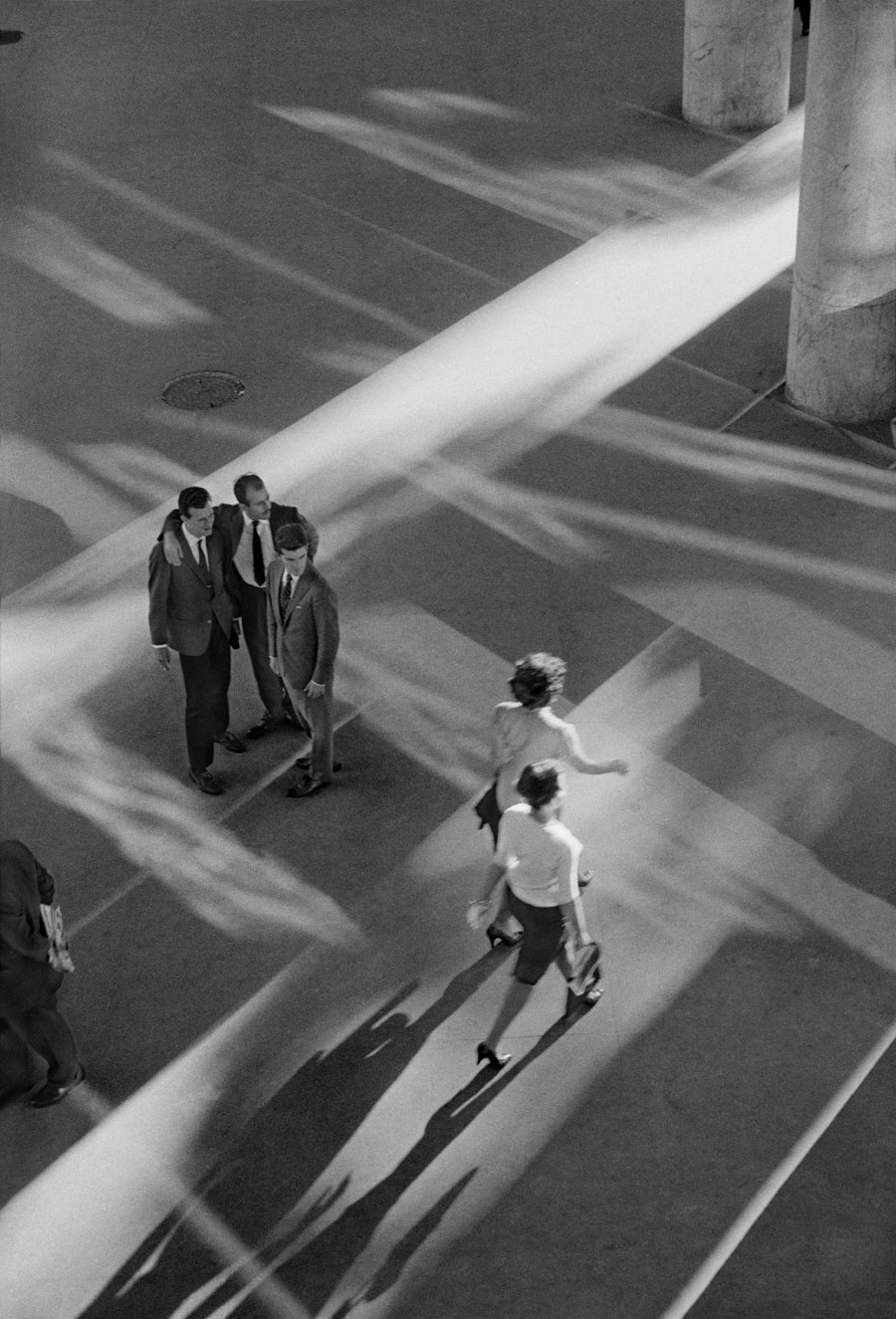

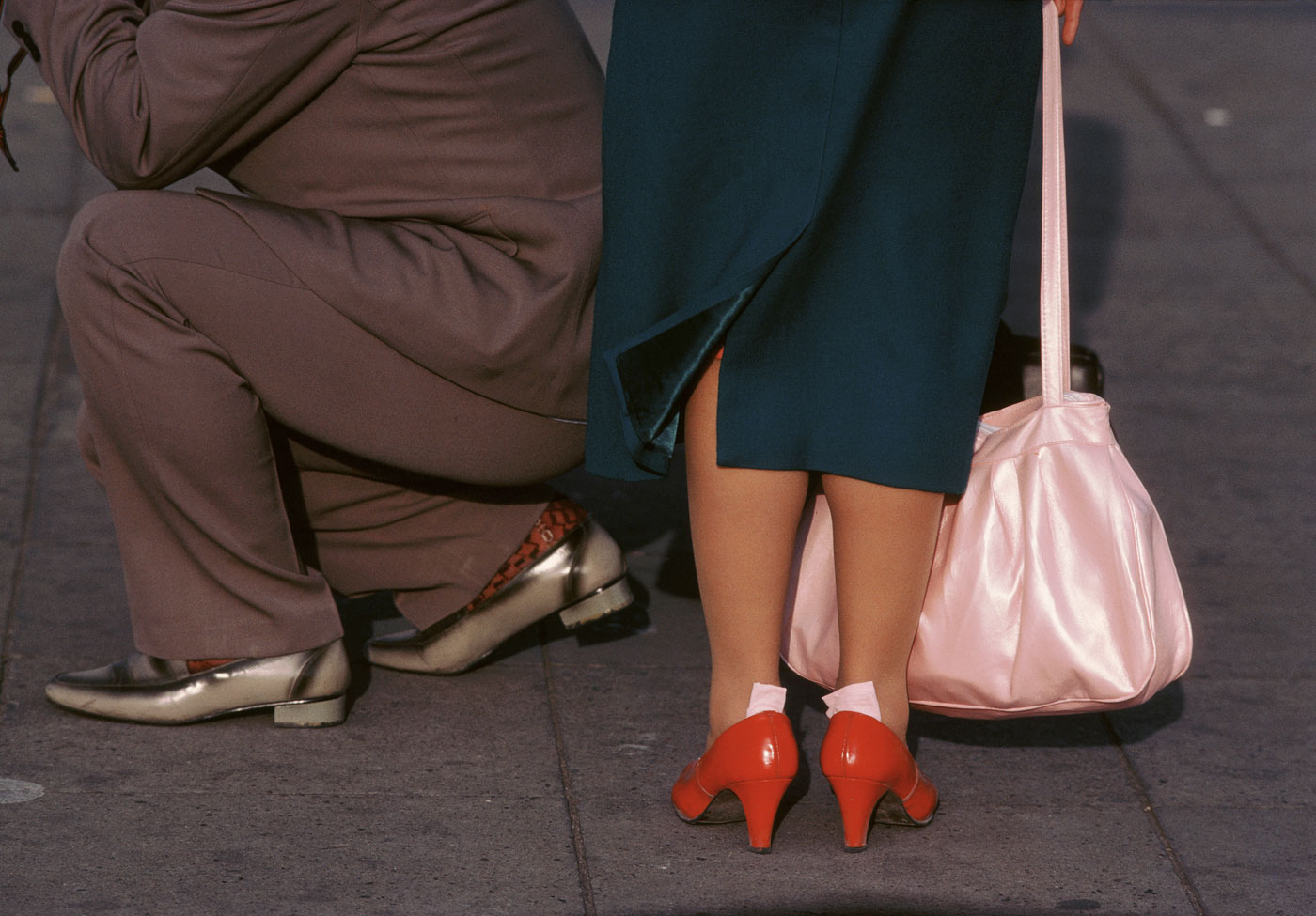
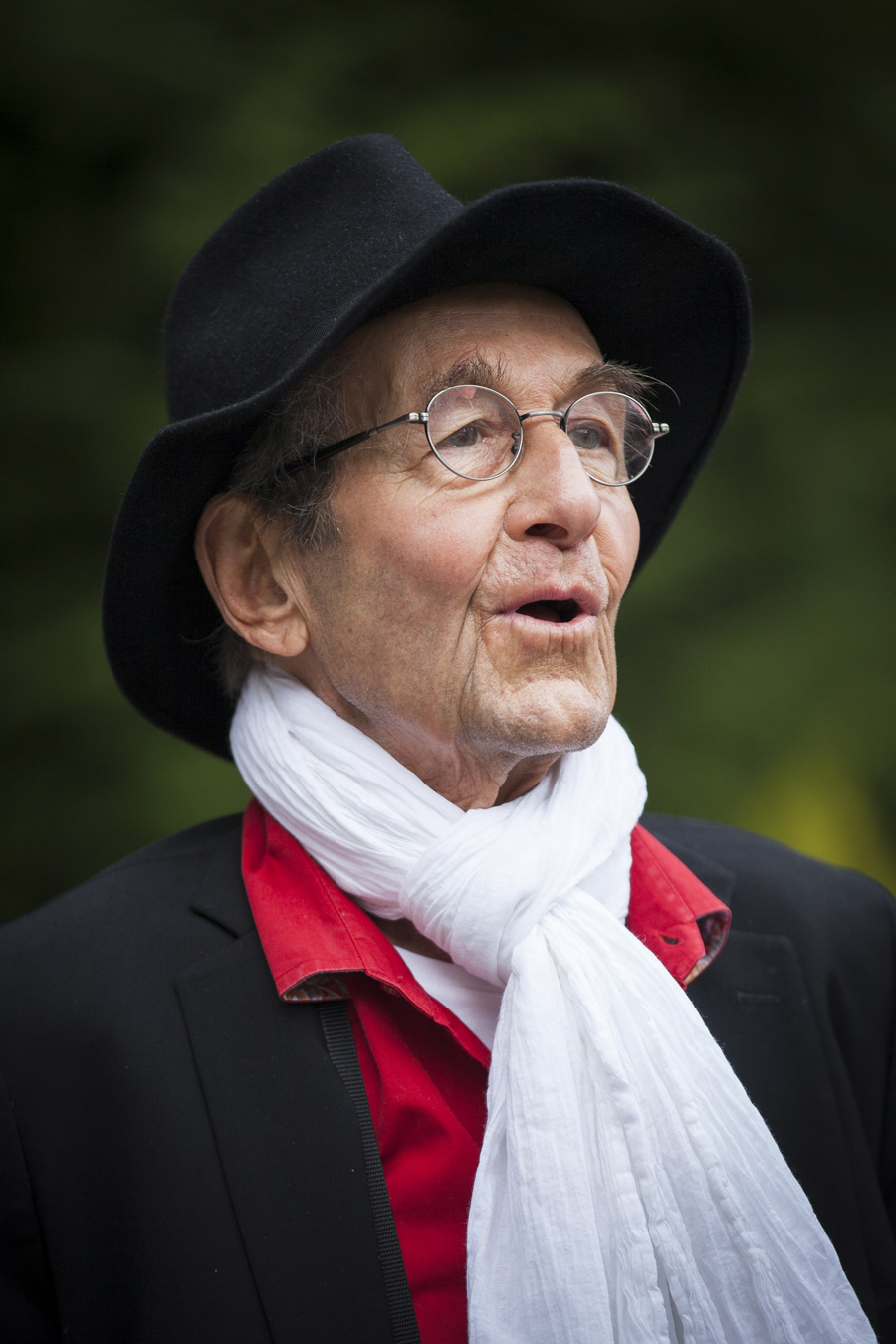
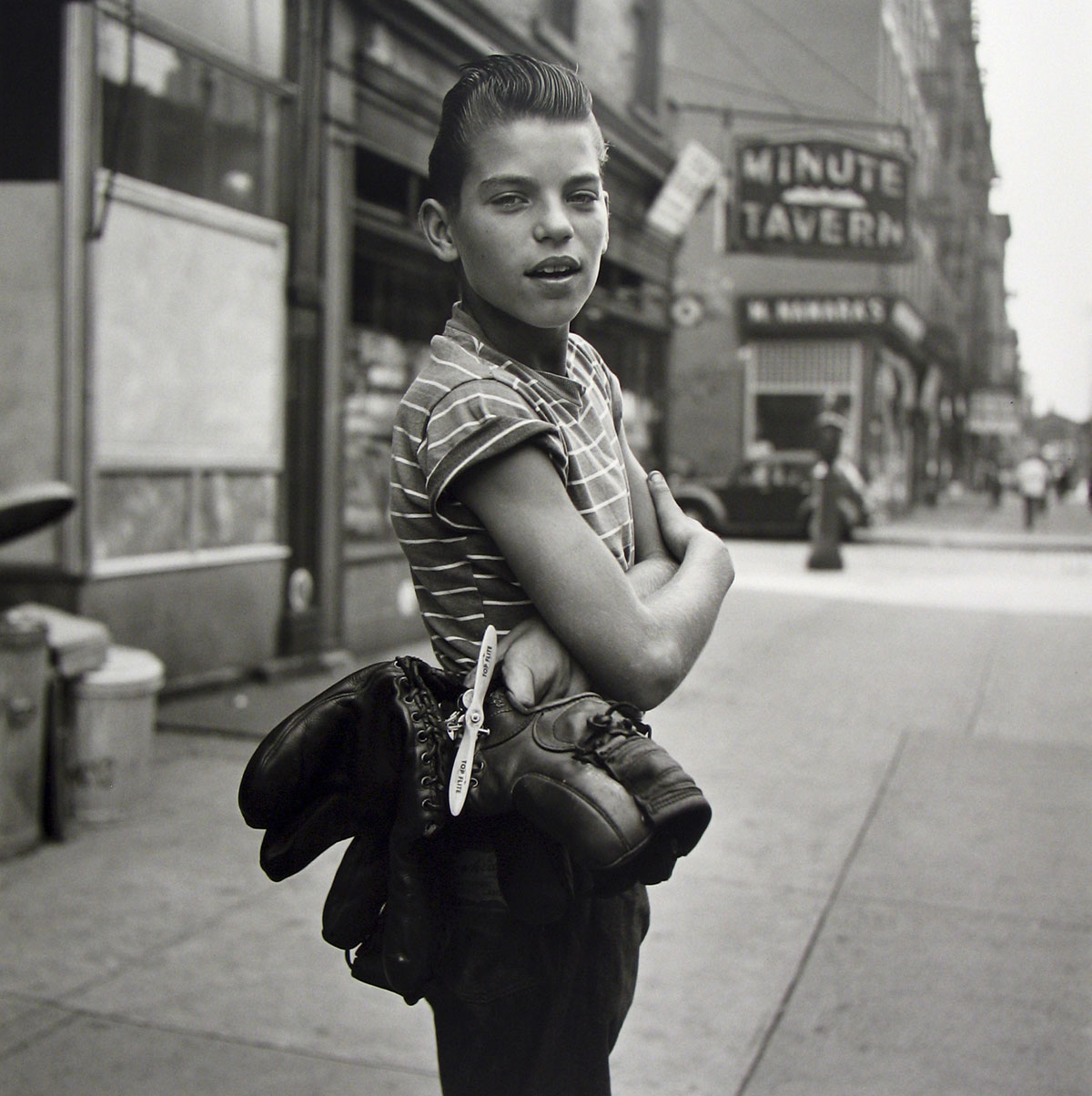


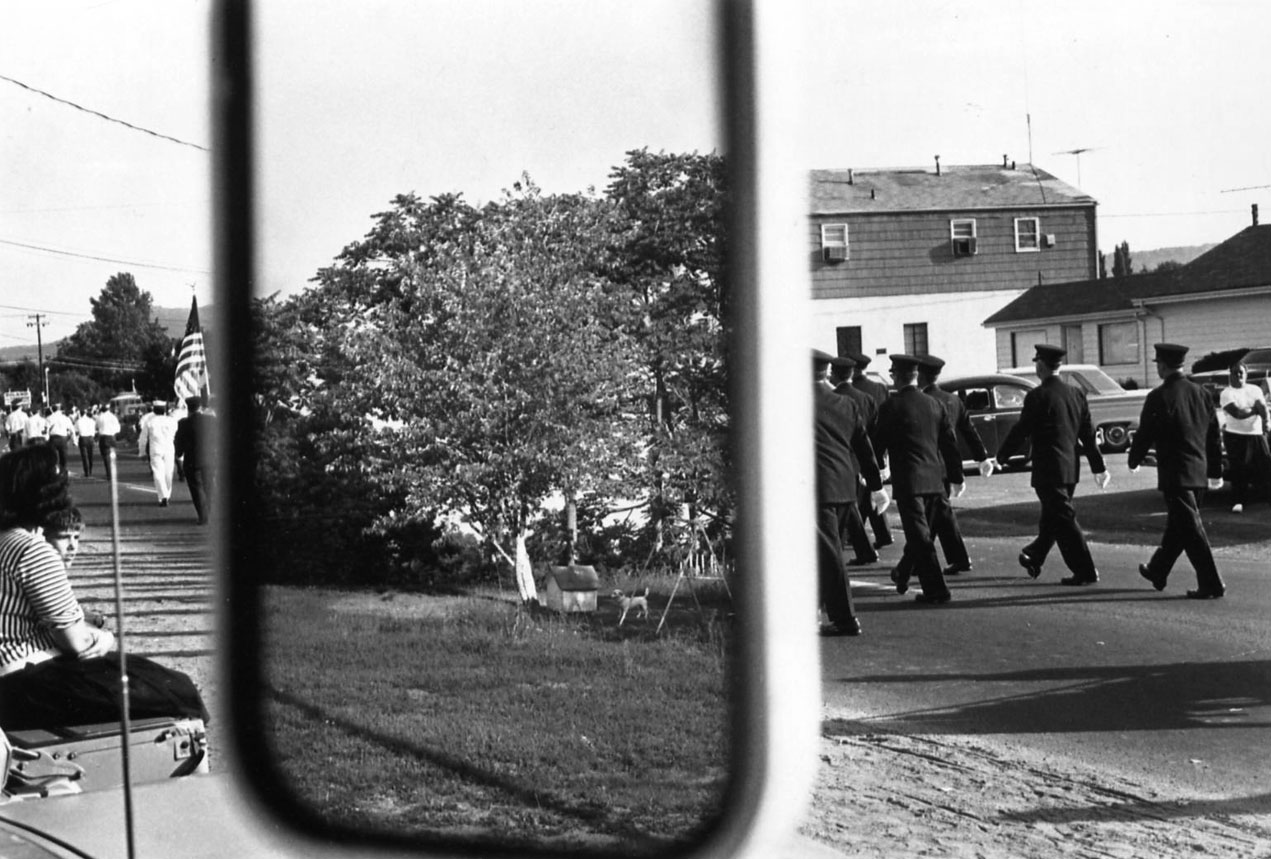
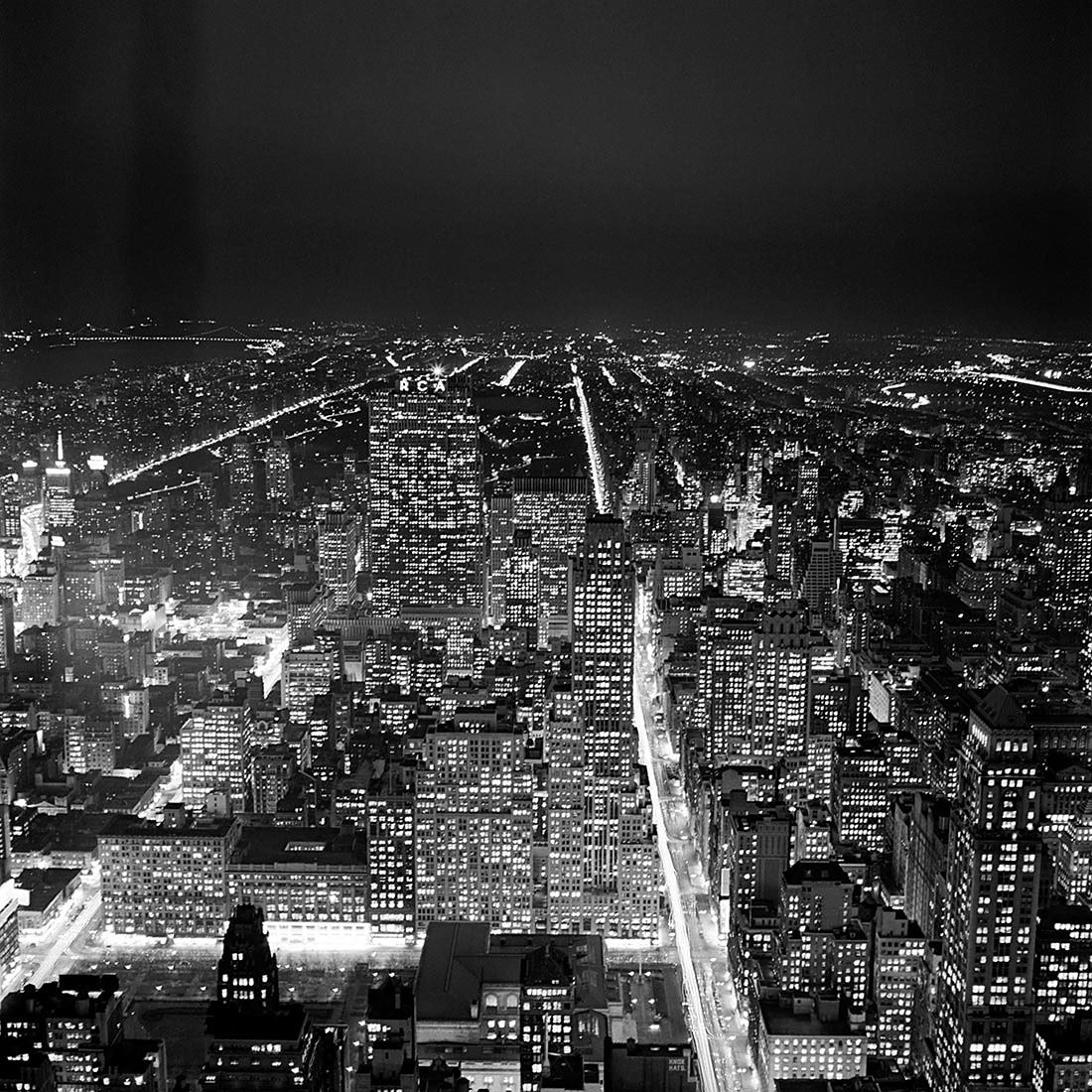


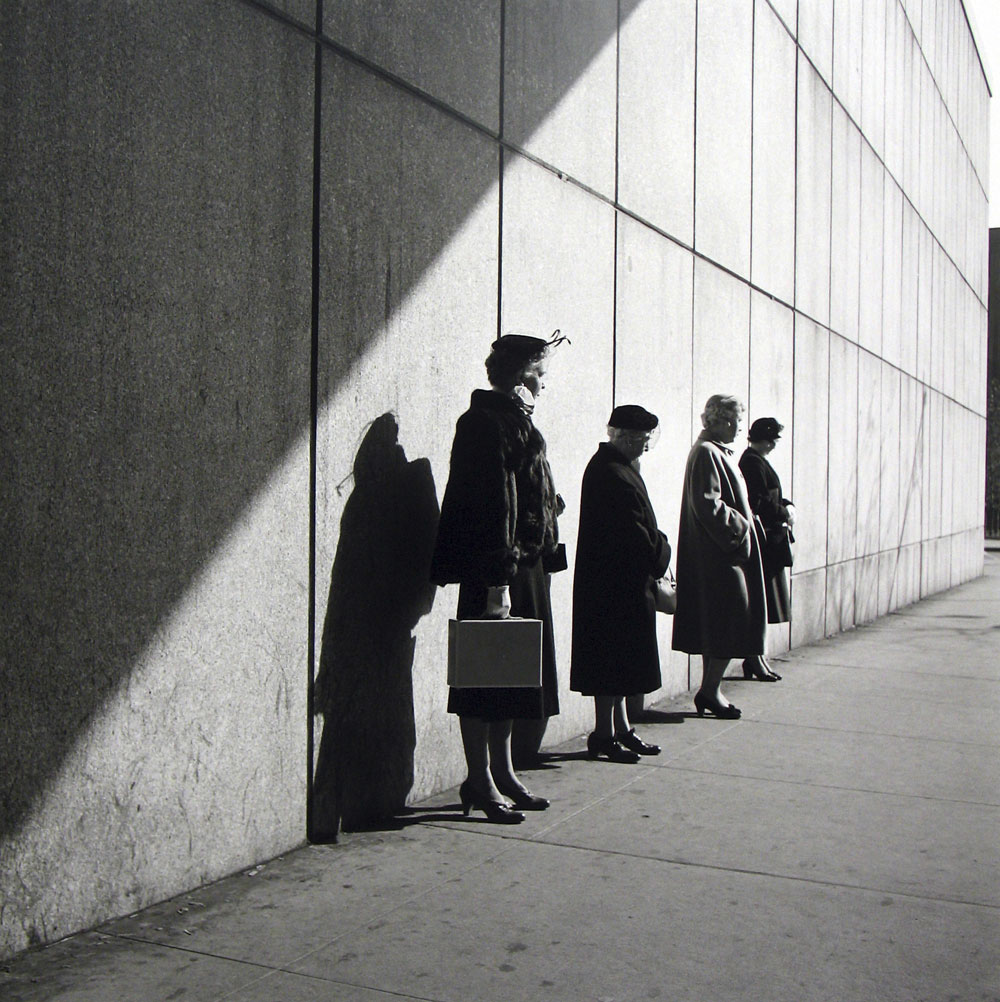


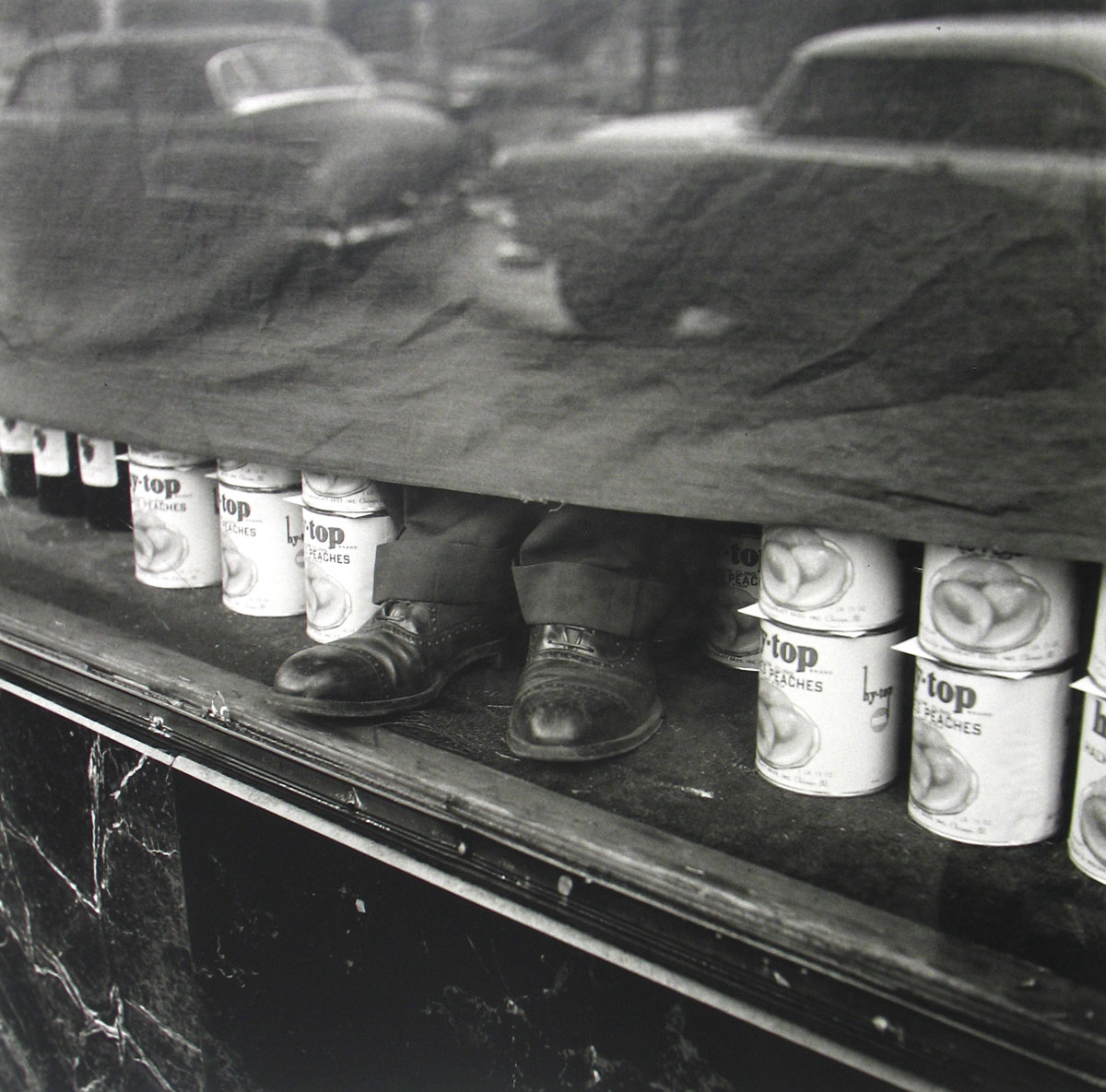
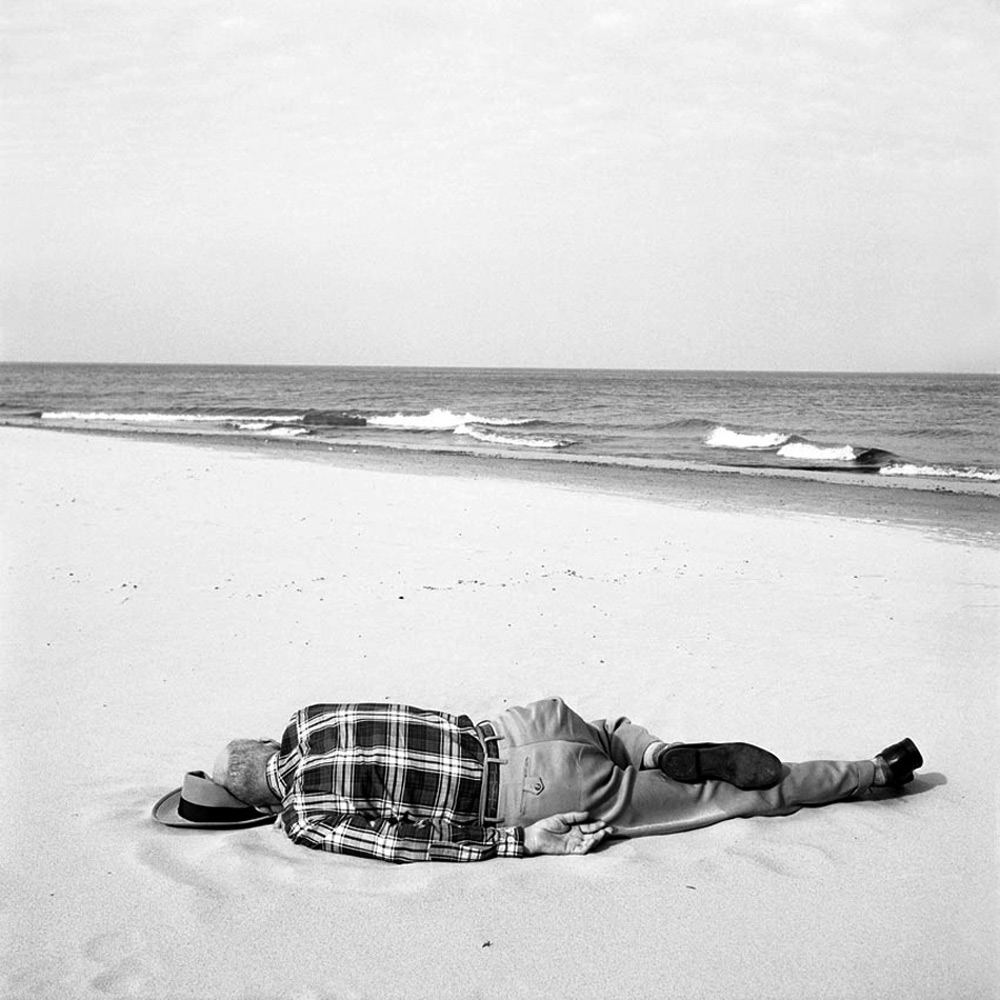


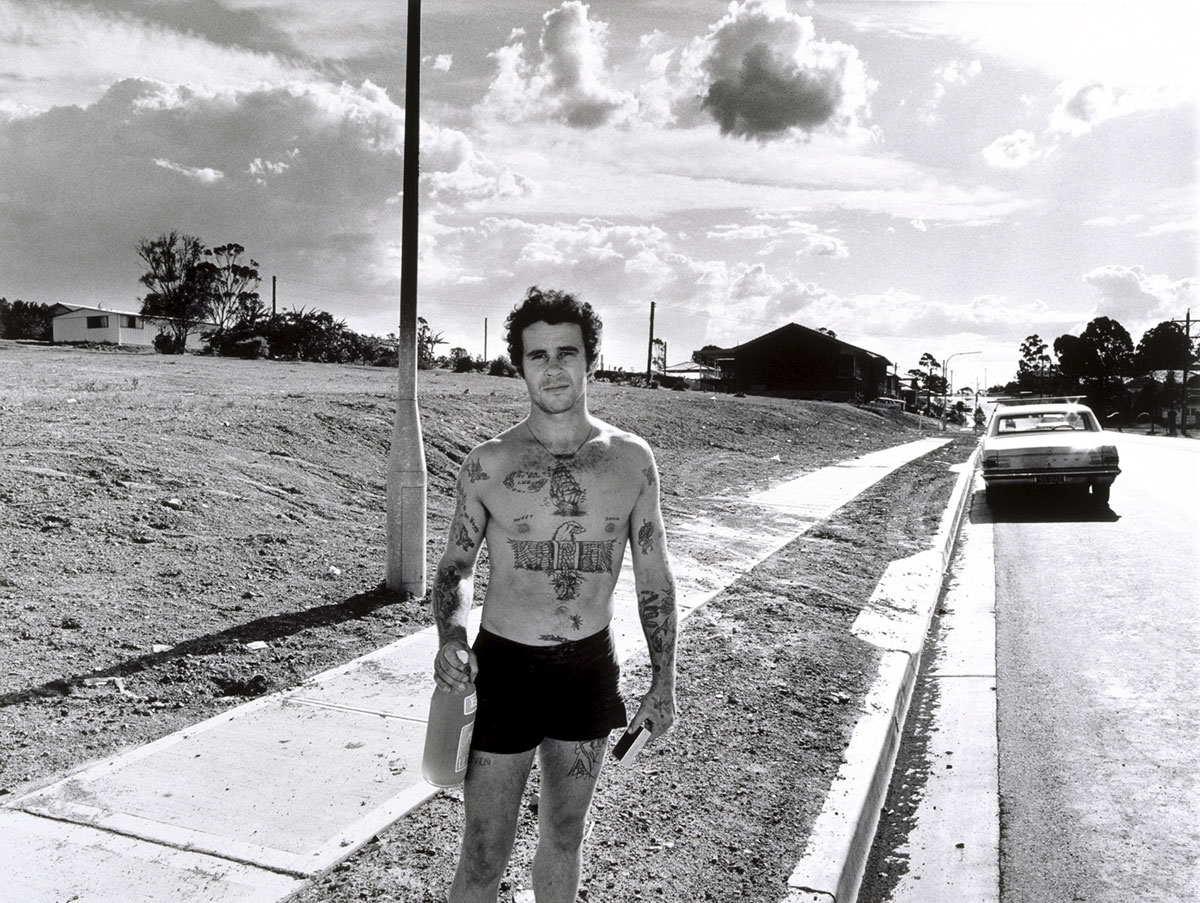


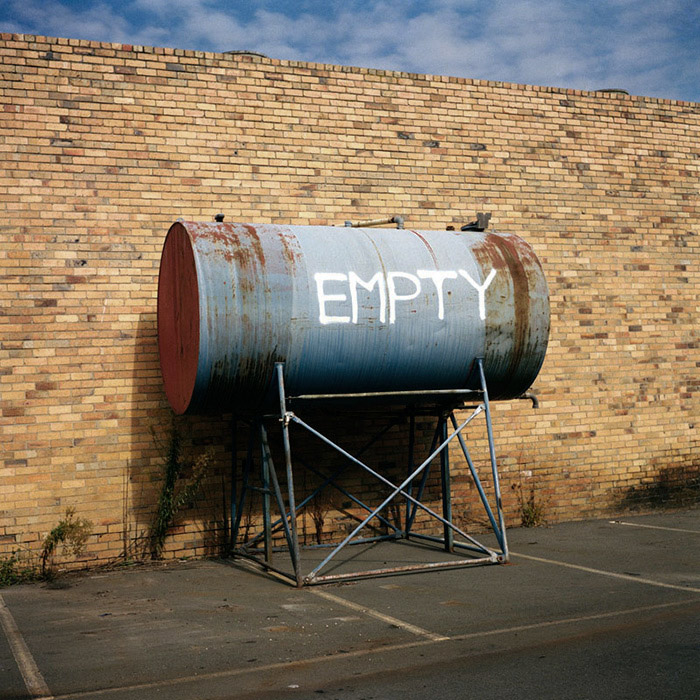
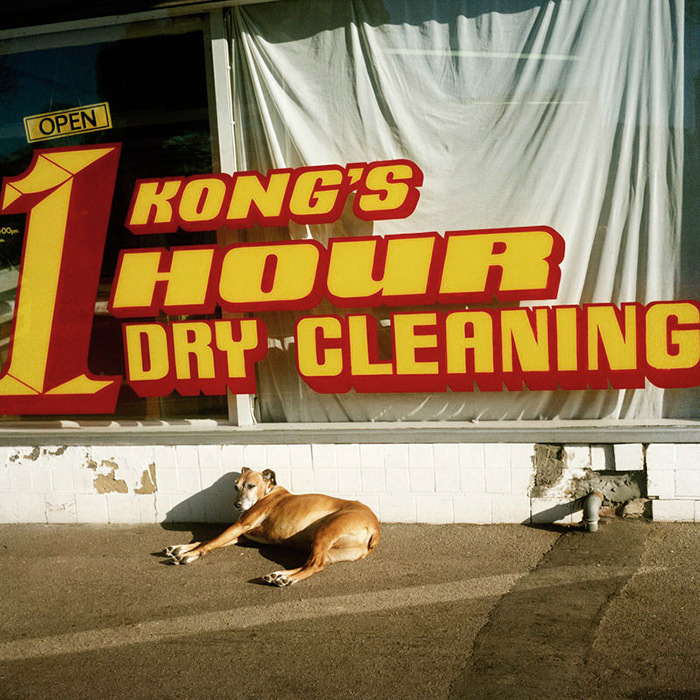

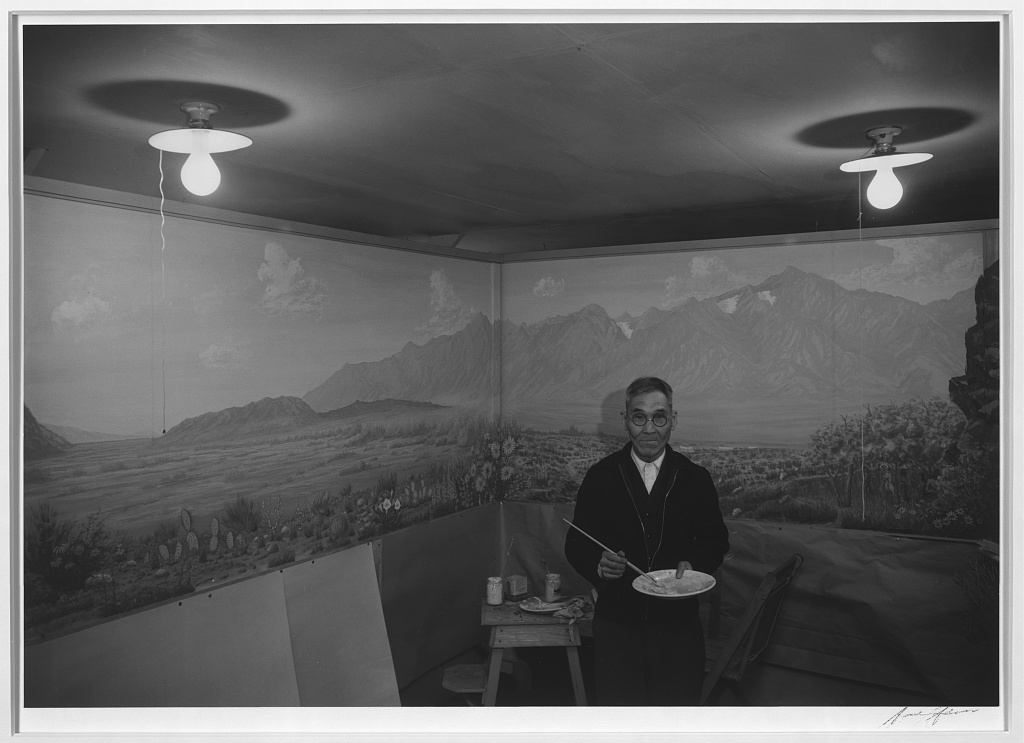
![Ansel Adams (American, 1902-1984) 'Frank Hirosama [i.e., Hirosawa] in laboratory, Manzanar Relocation Center' 1943](https://artblart.com/wp-content/uploads/2014/03/frank-hirosama-i-e-hirosawa-in-laboratory-1943.jpg "Ansel Adams (American, 1902-1984) 'Frank Hirosama [i.e., Hirosawa] in laboratory, Manzanar Relocation Center' 1943")
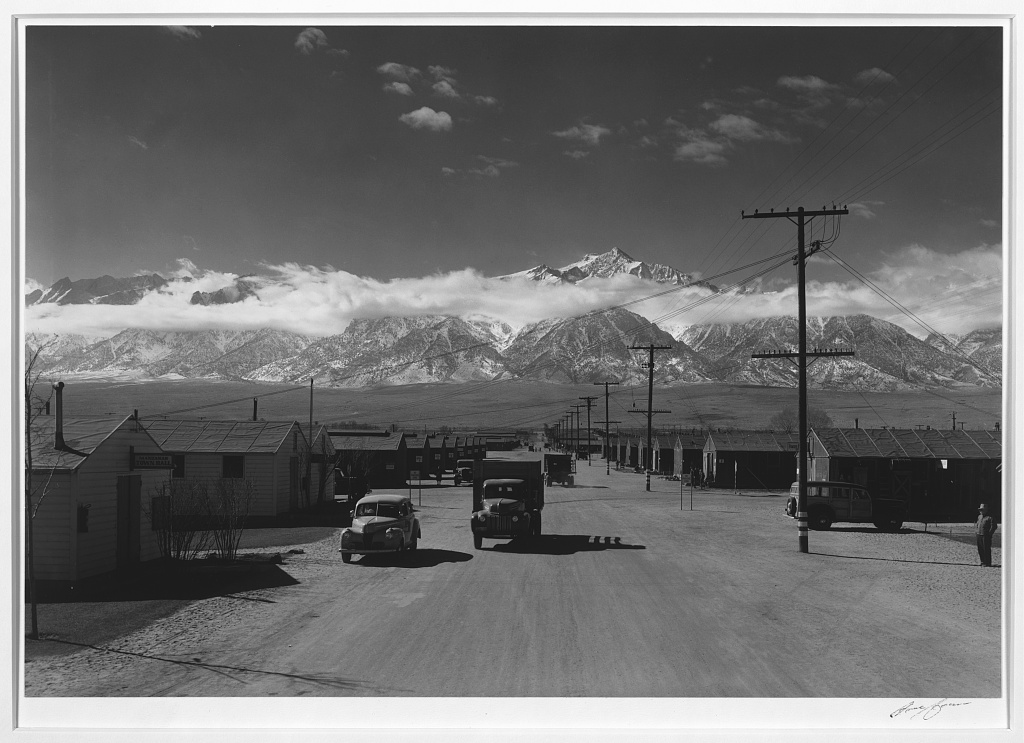


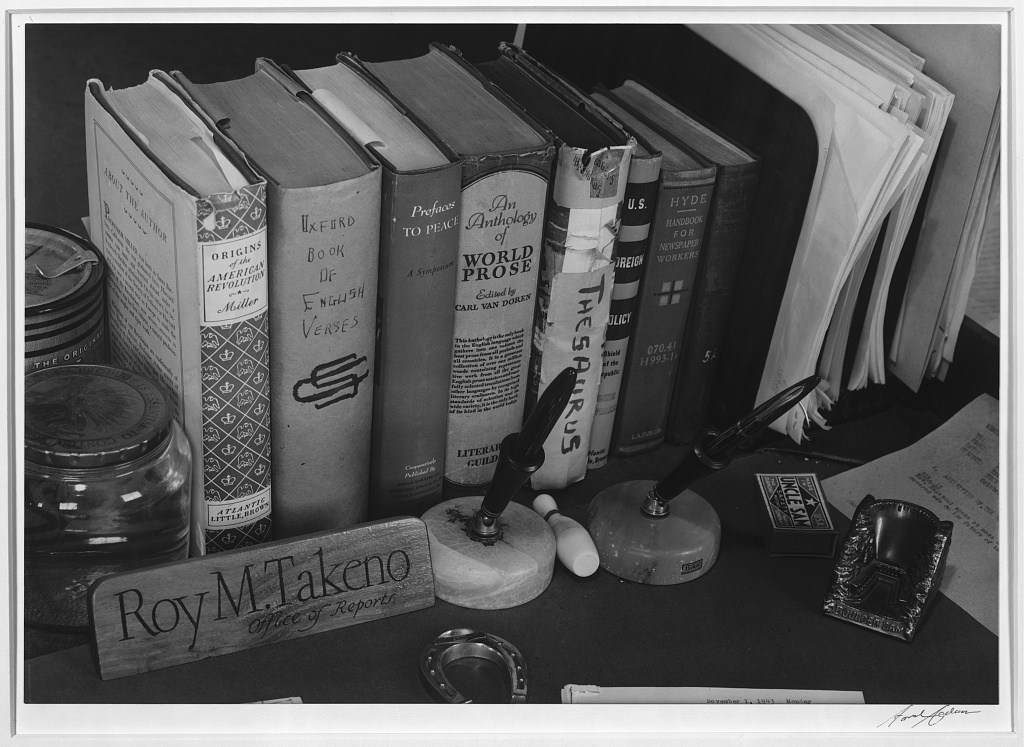
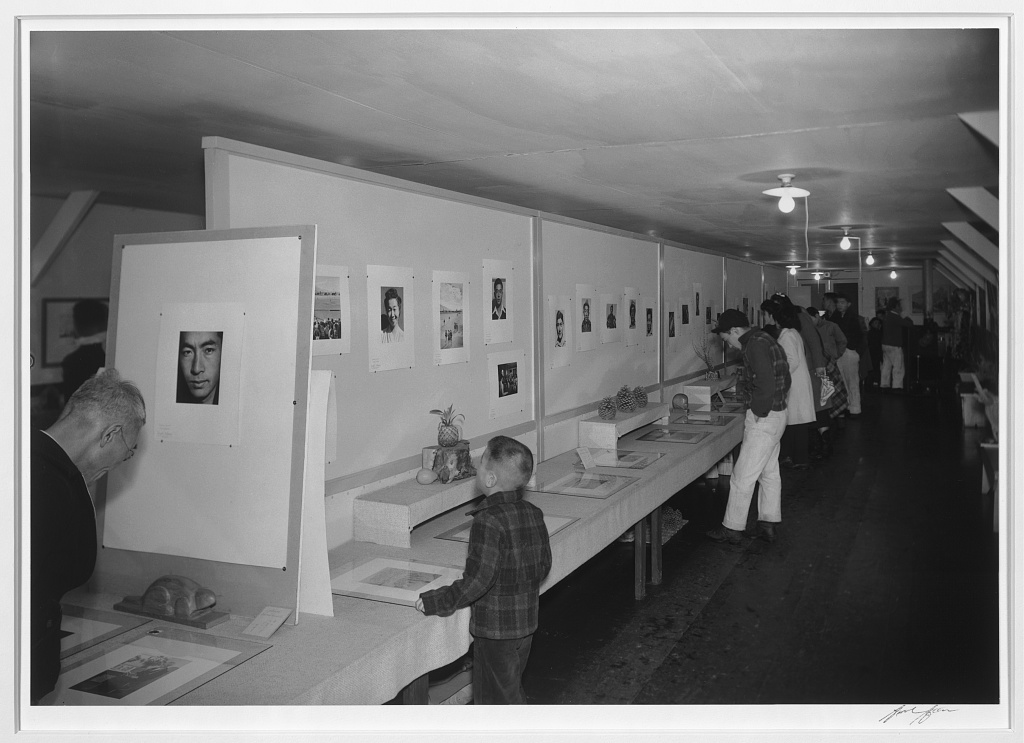
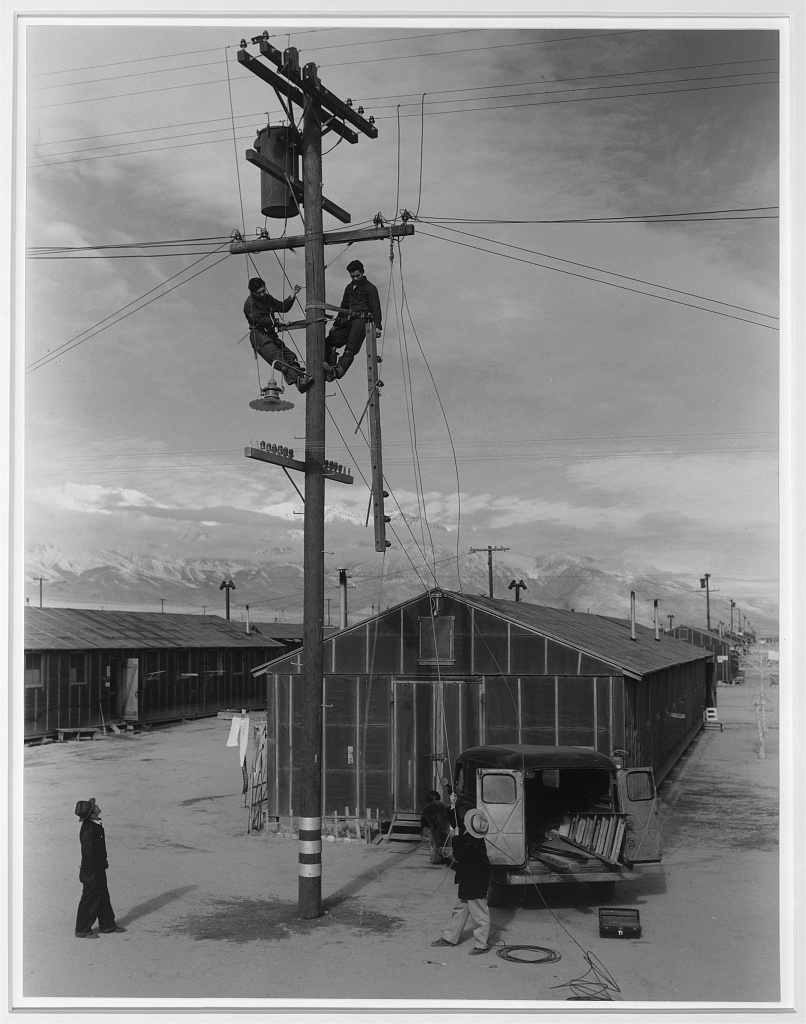
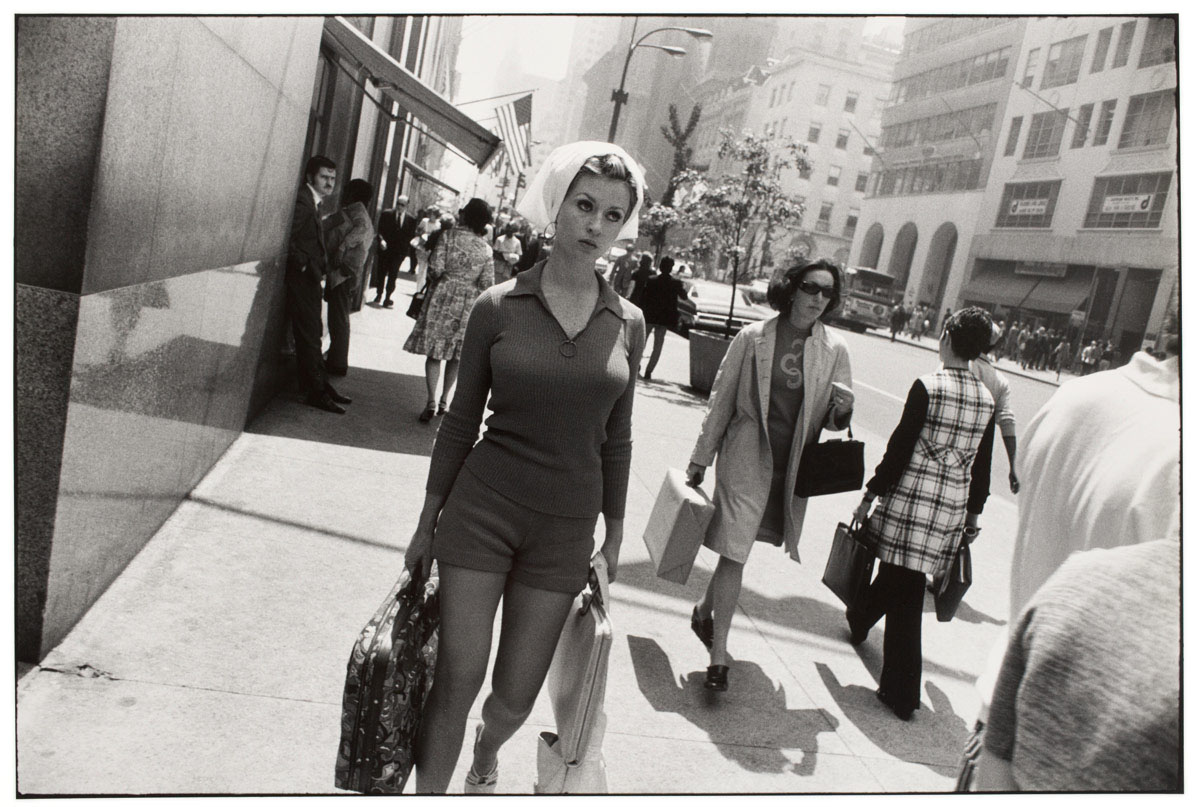

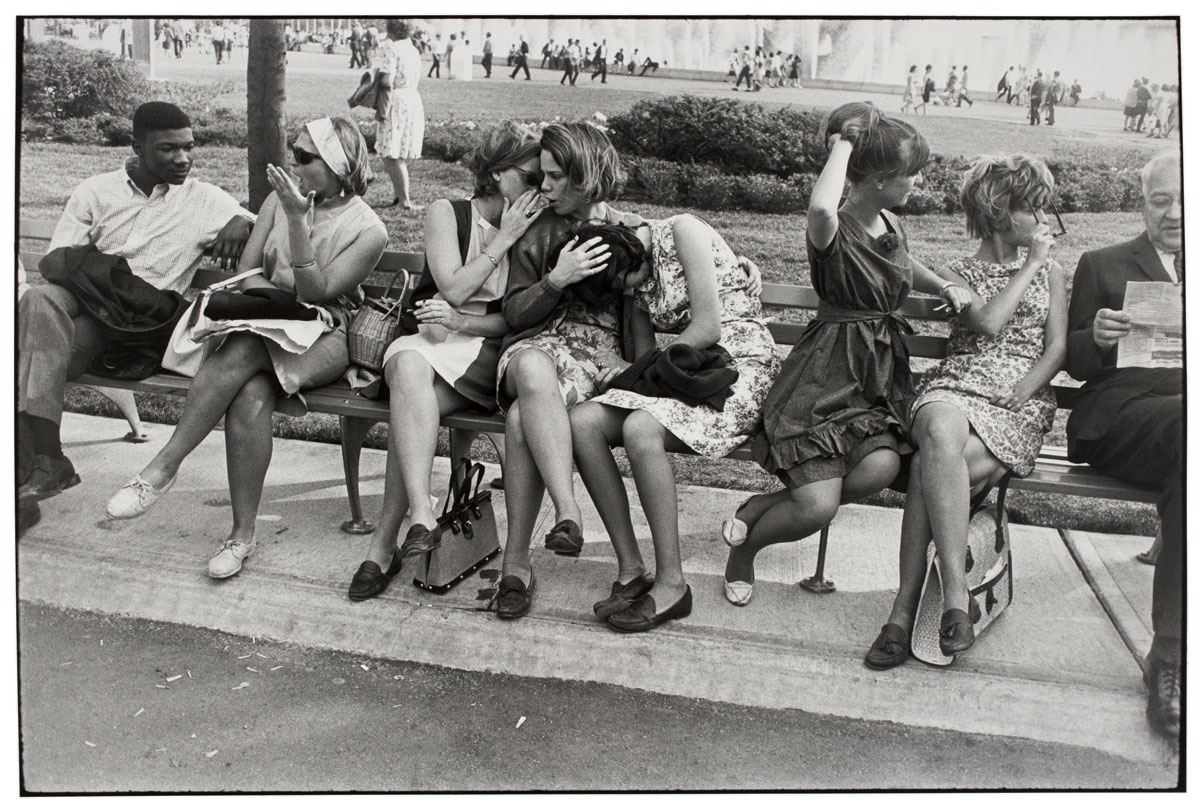
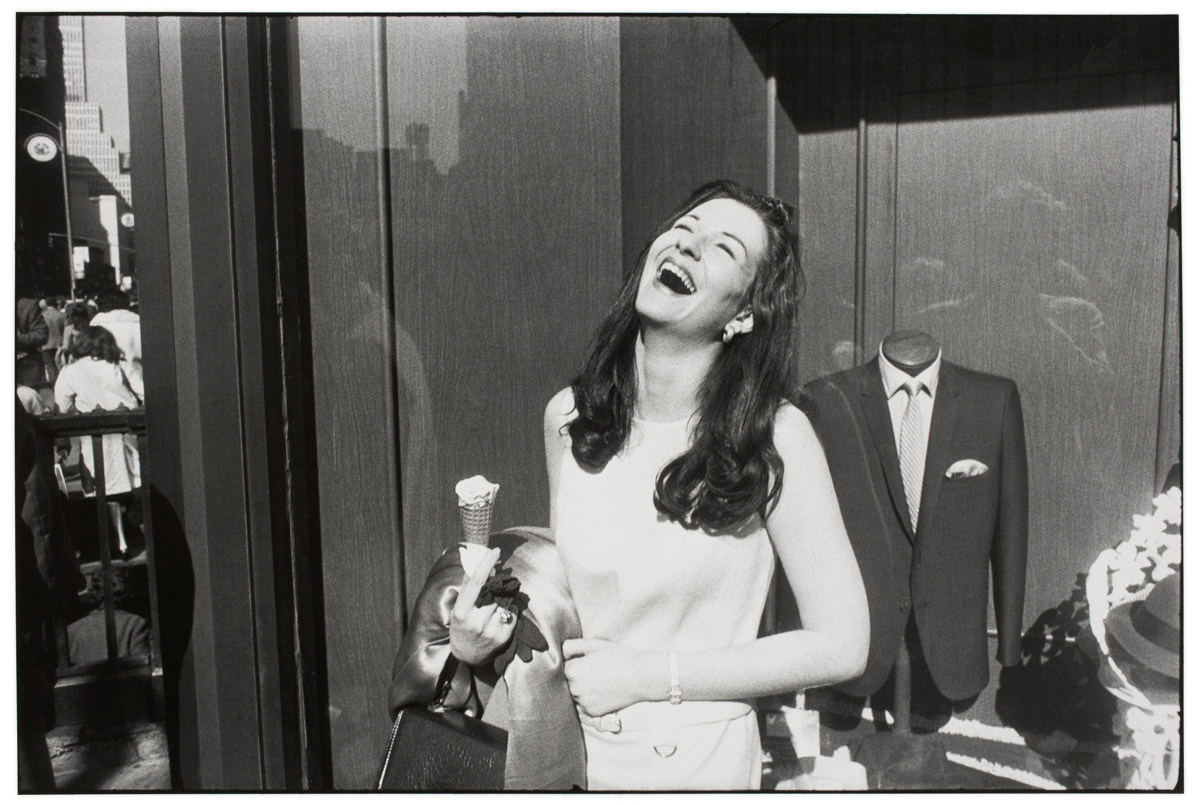
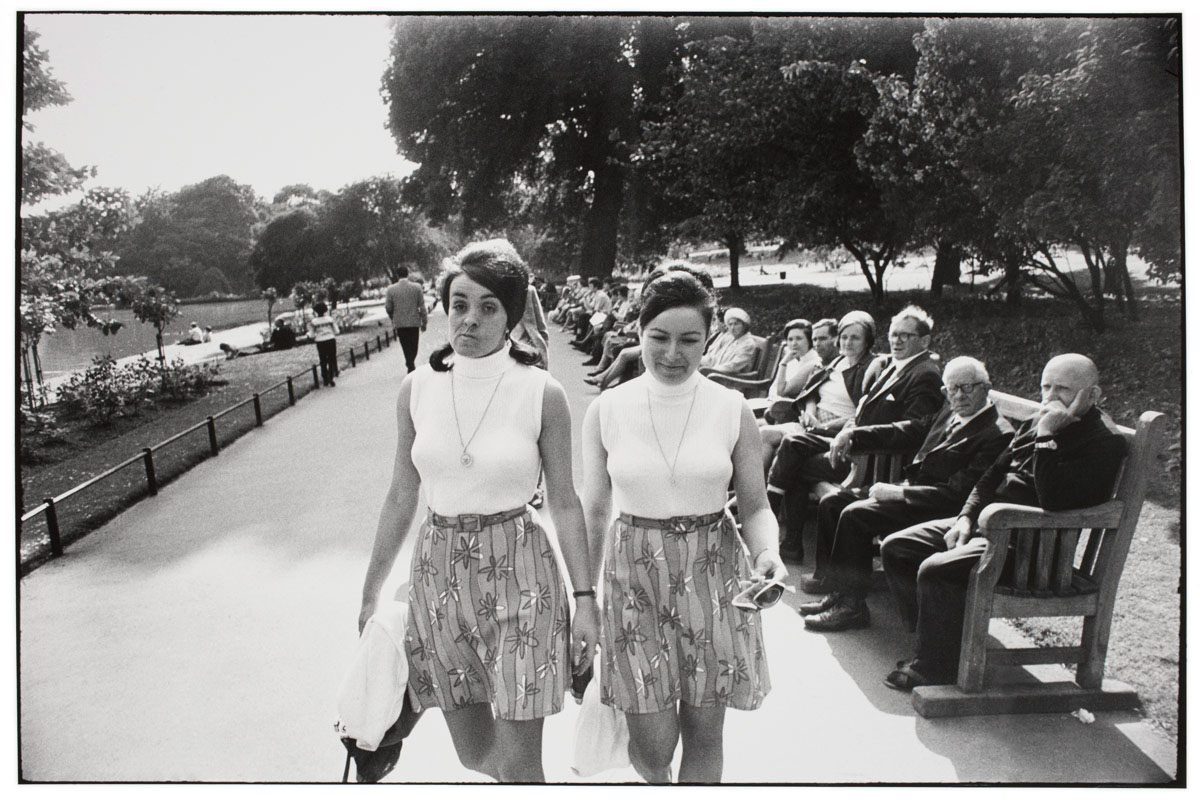
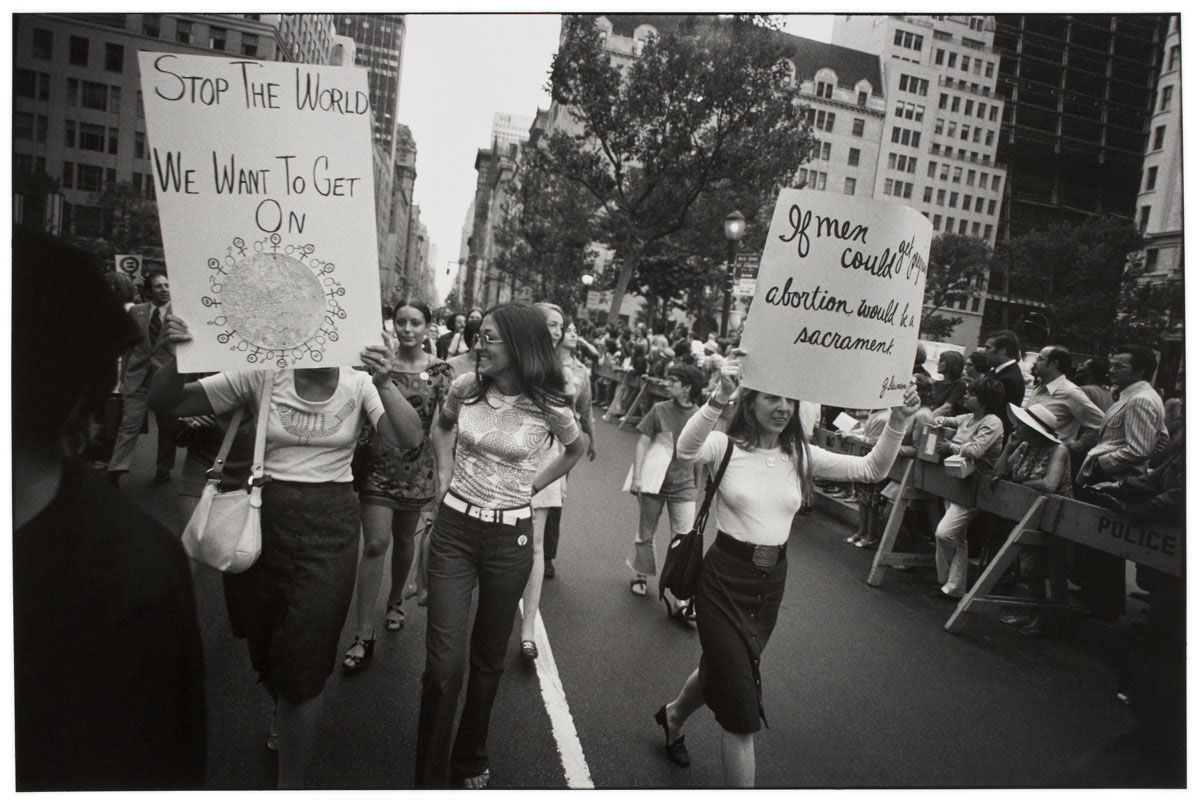
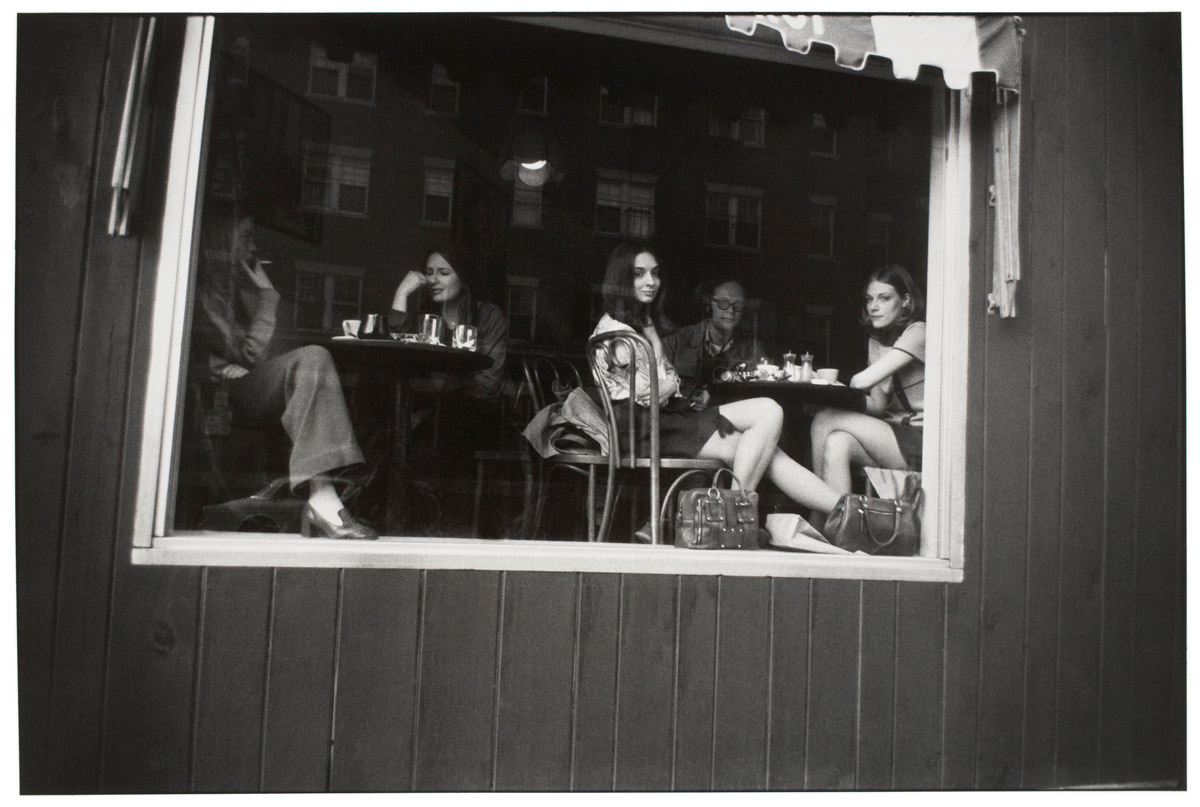
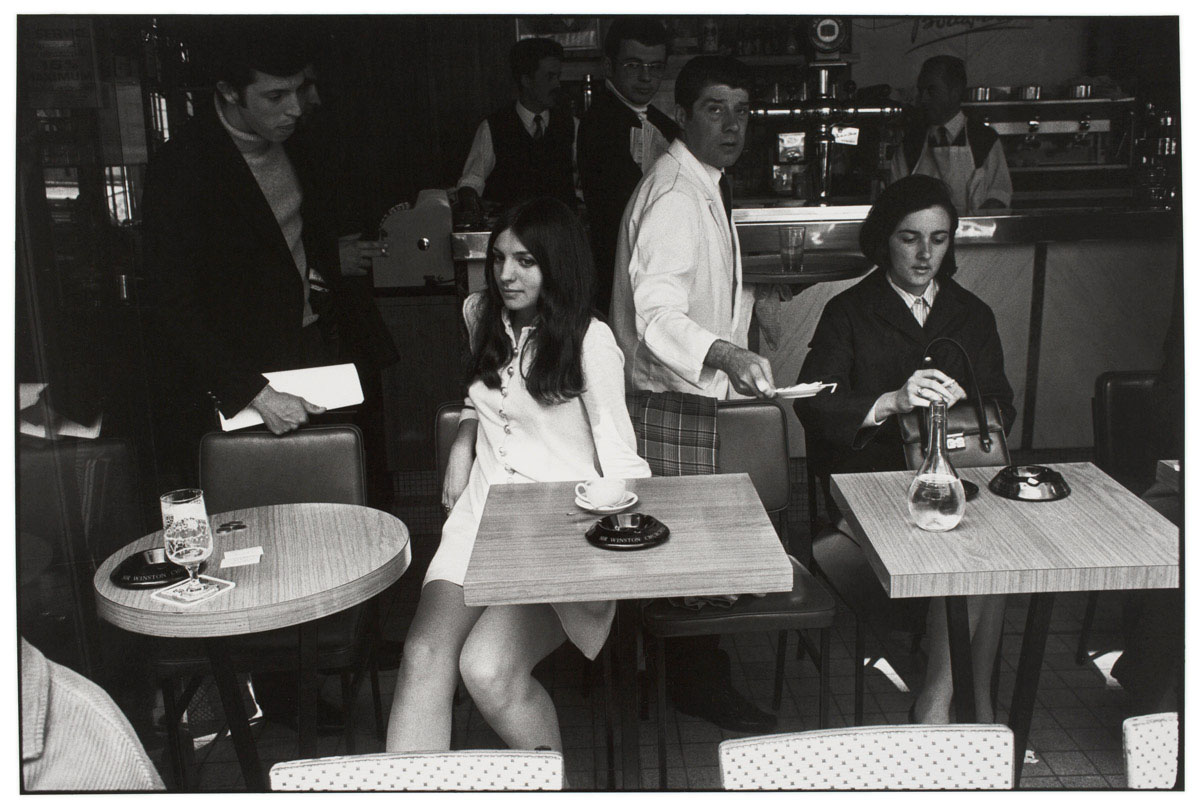
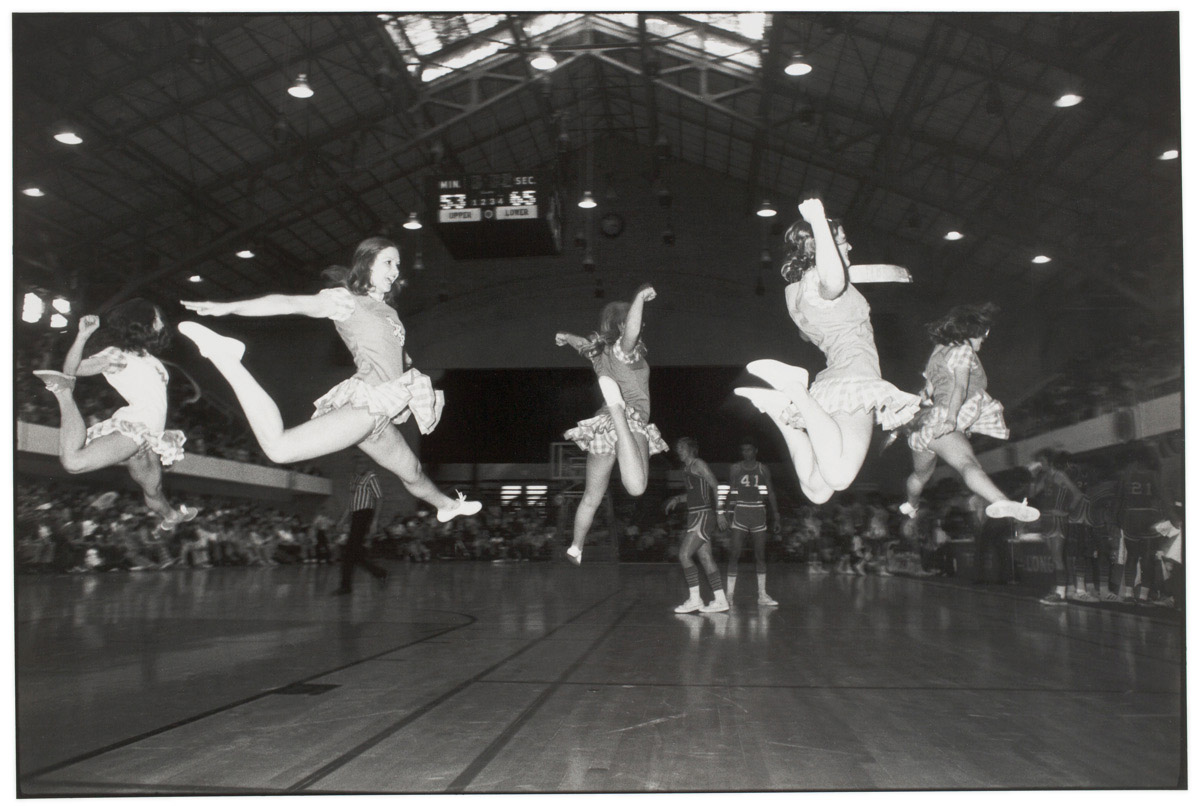
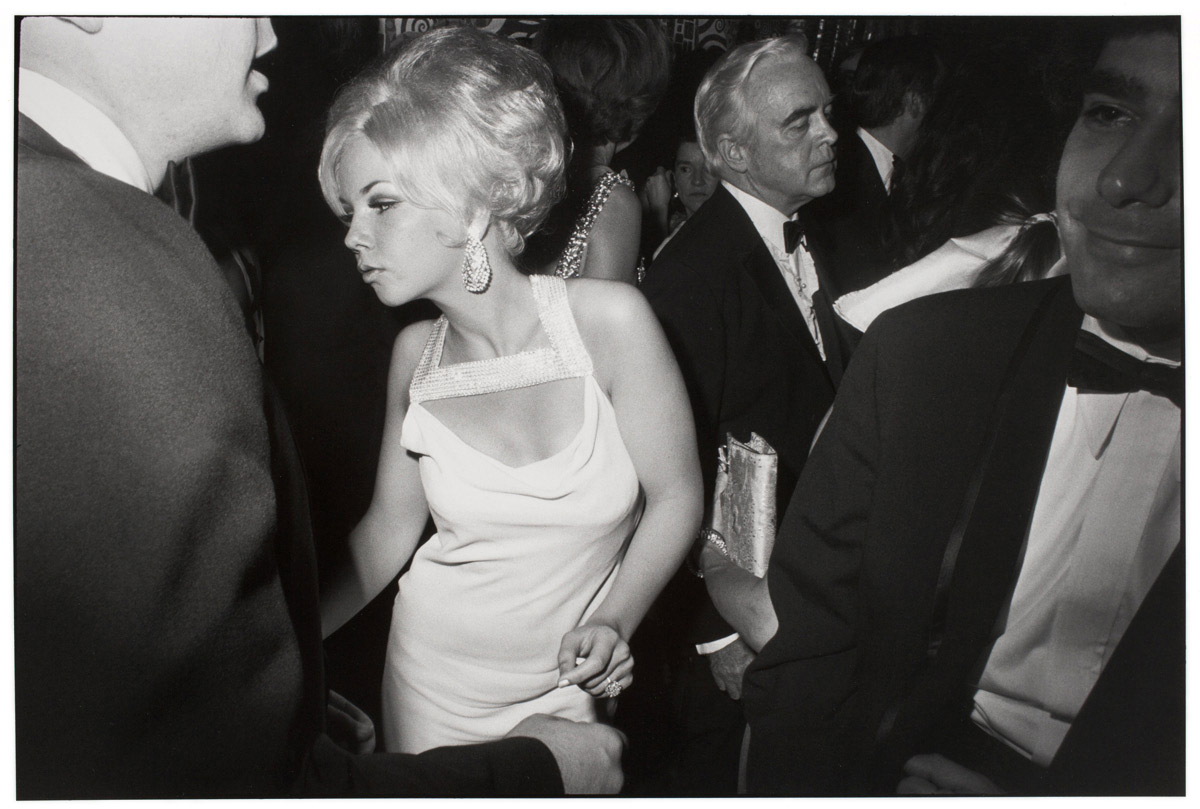

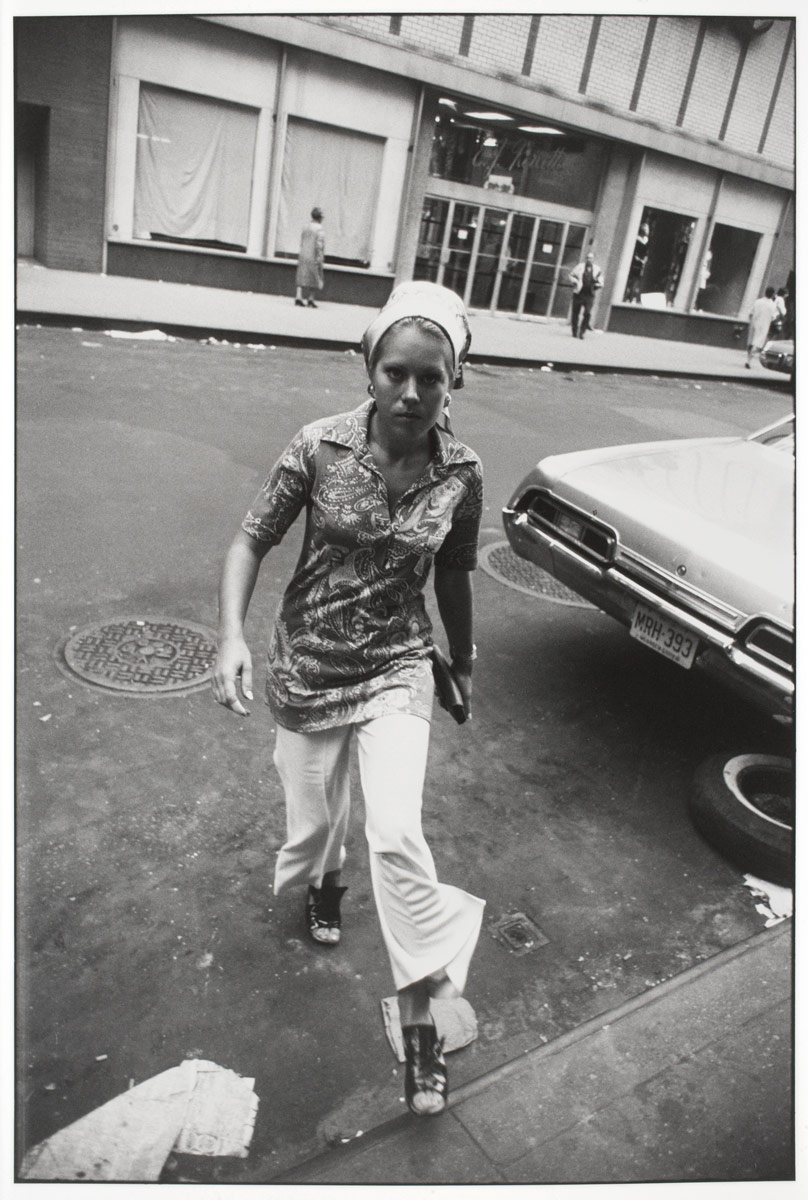

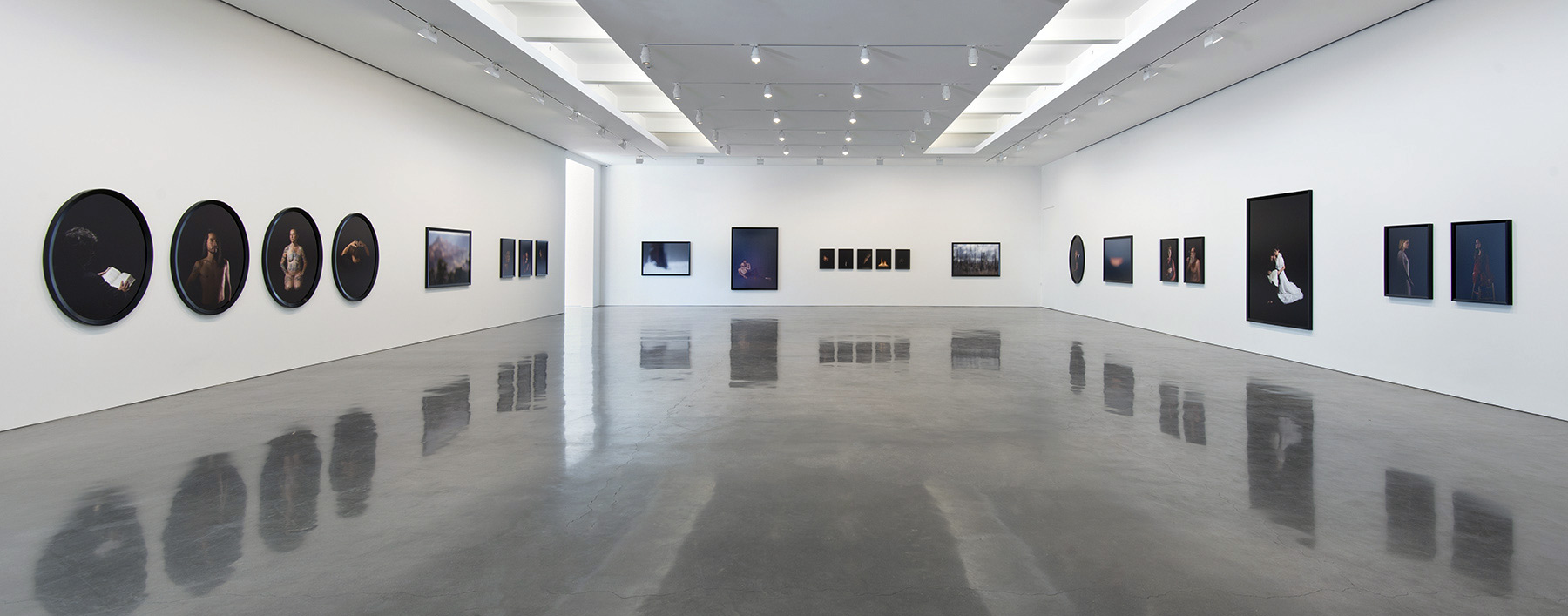
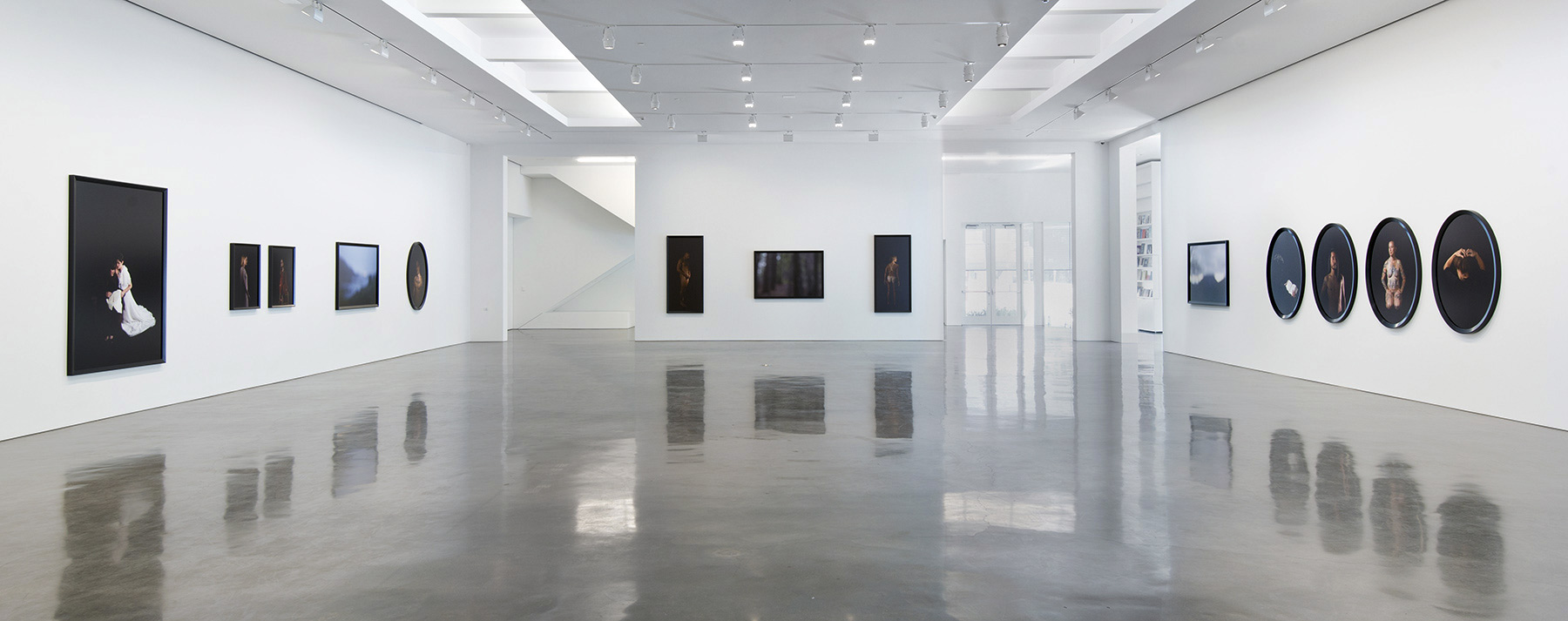
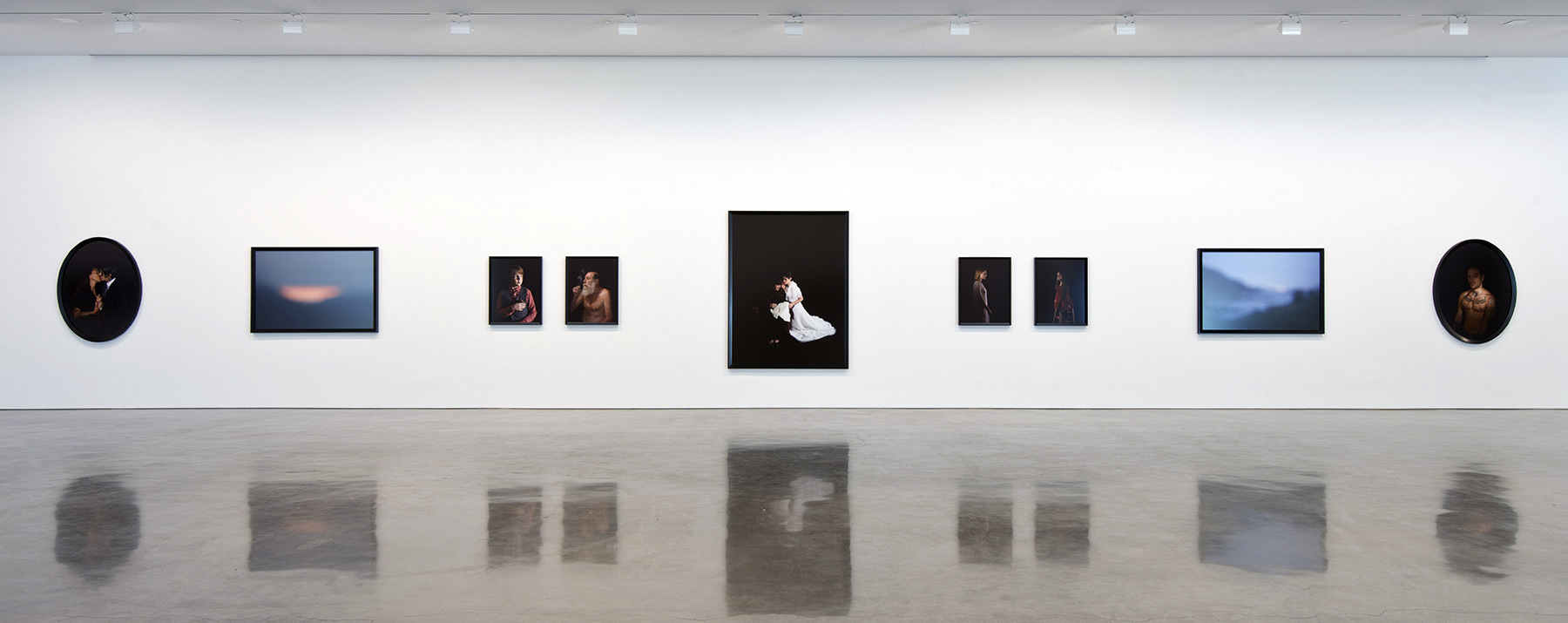
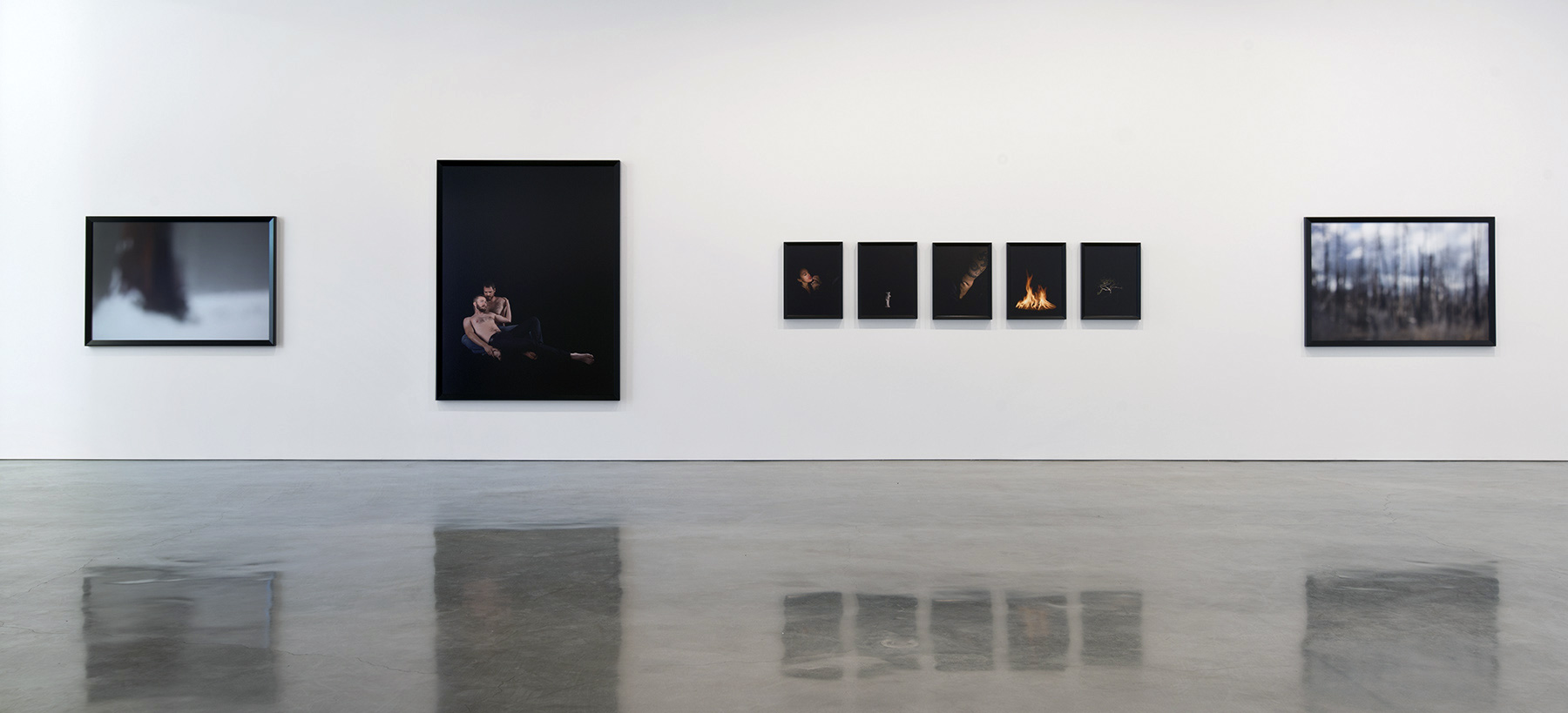


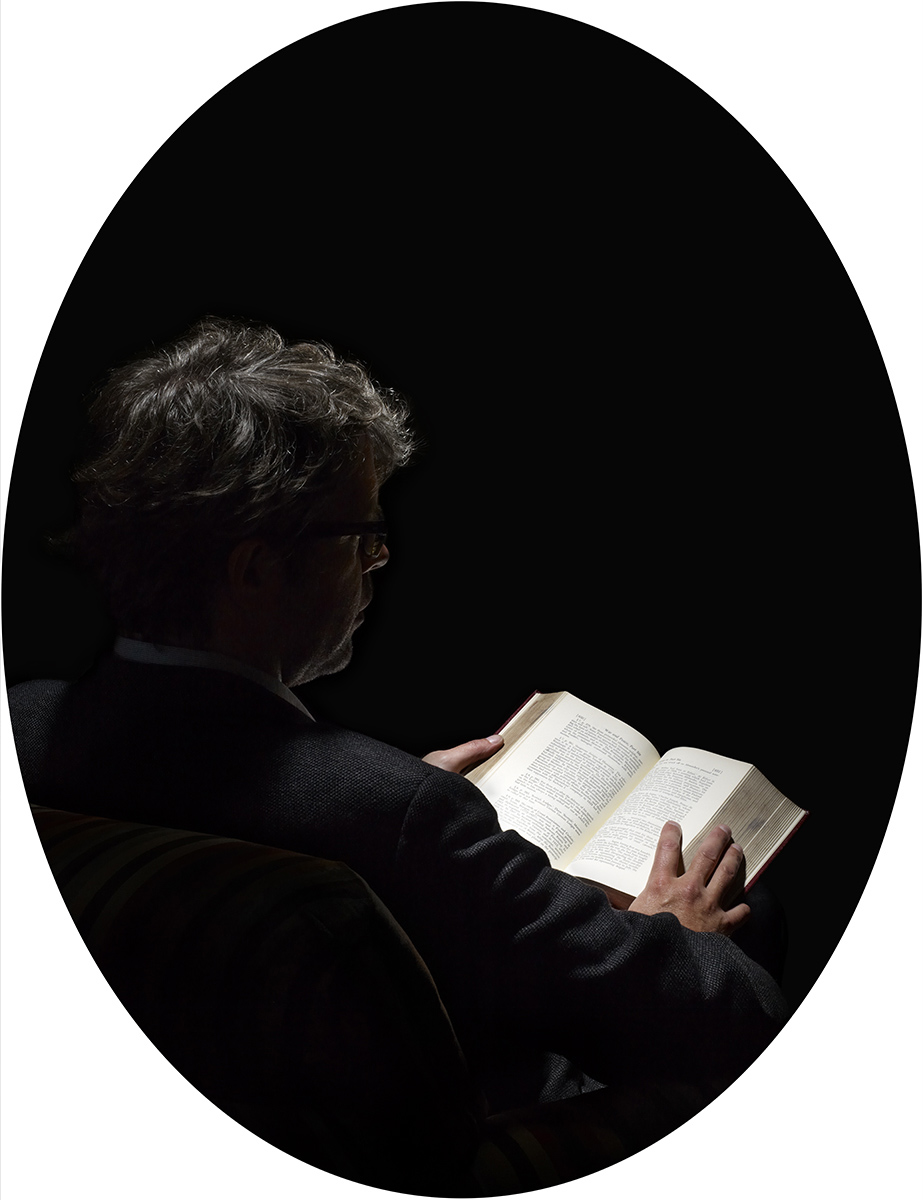
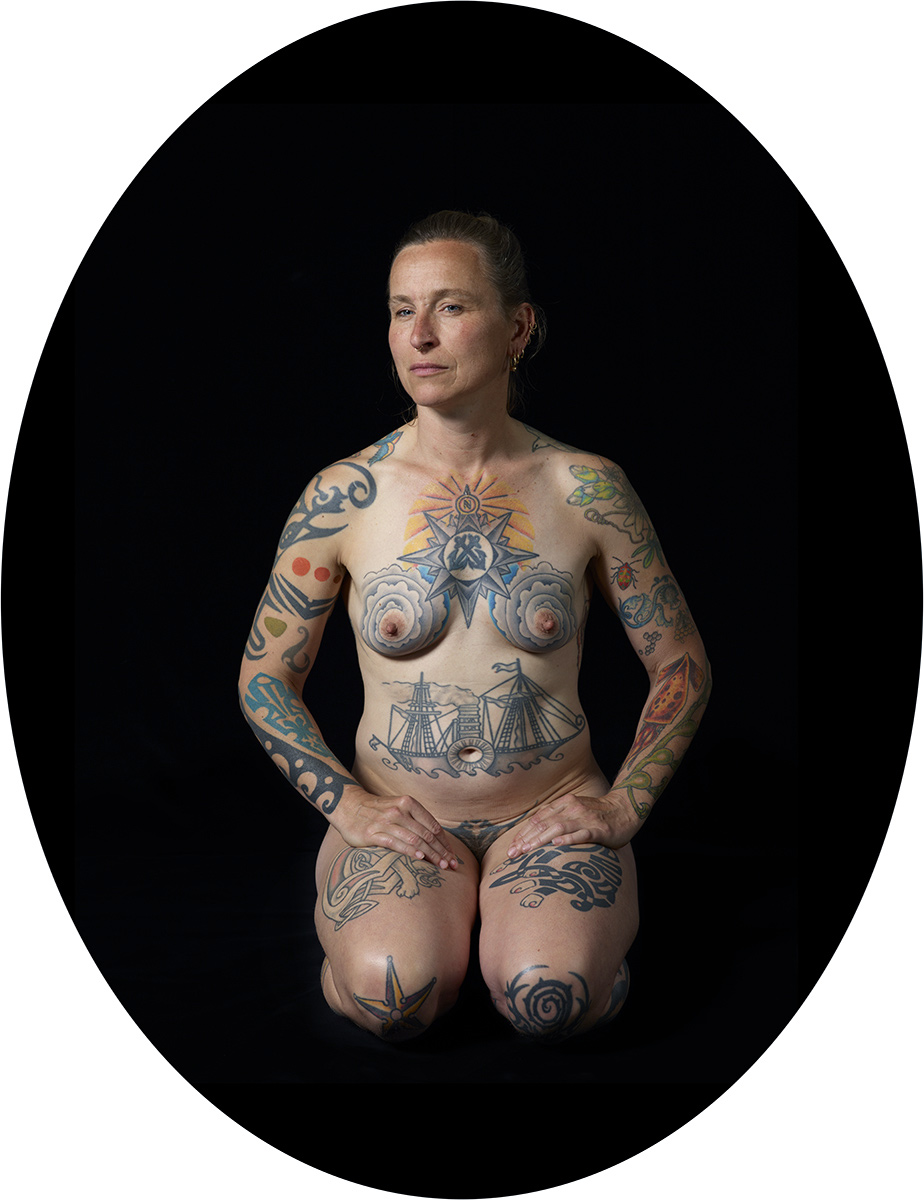
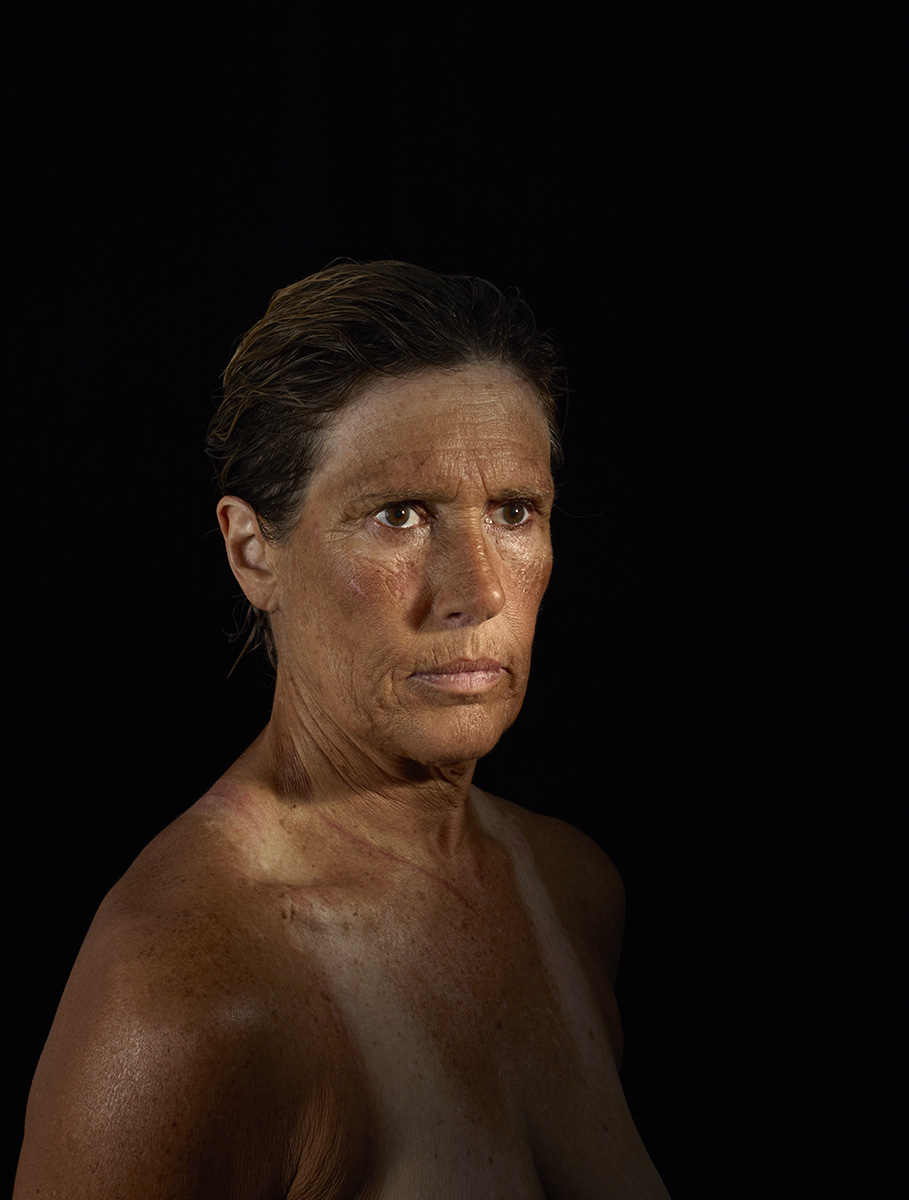
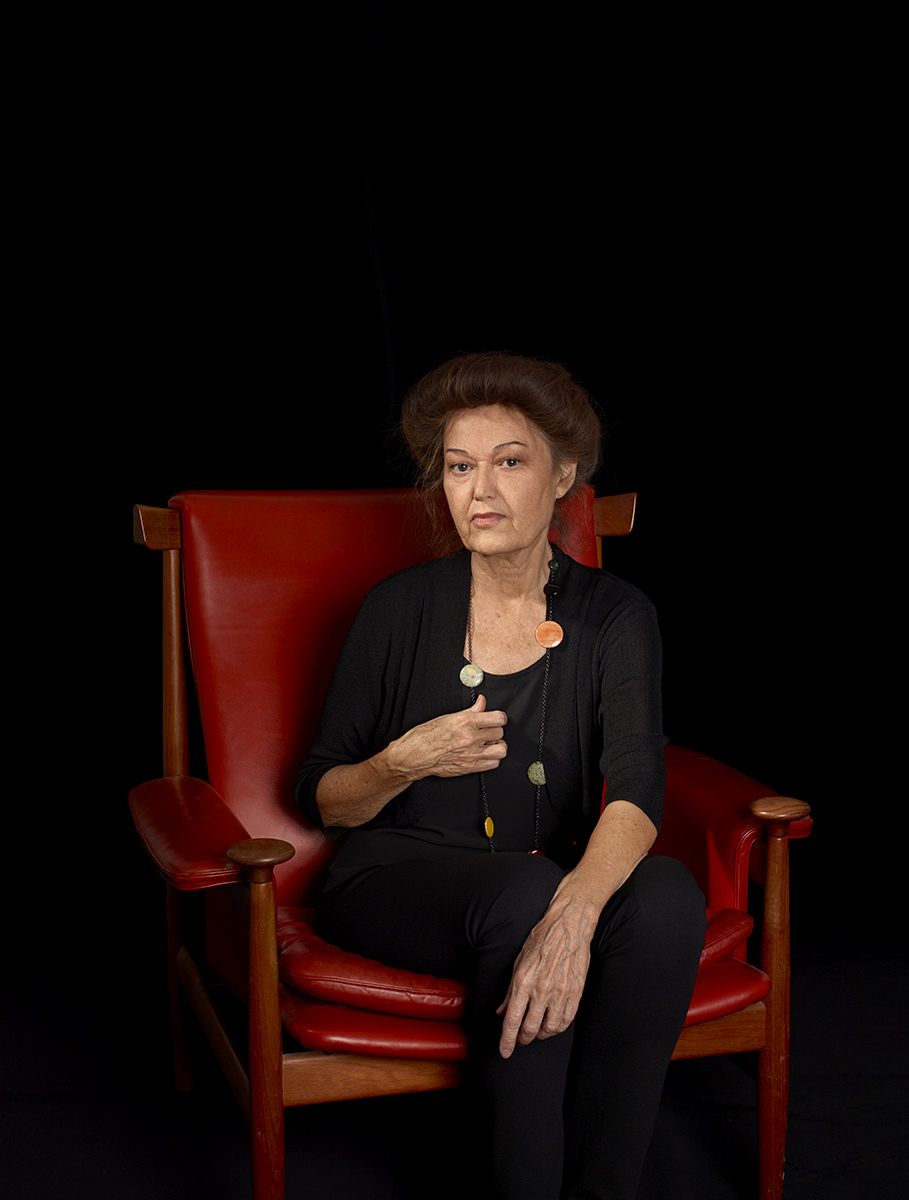
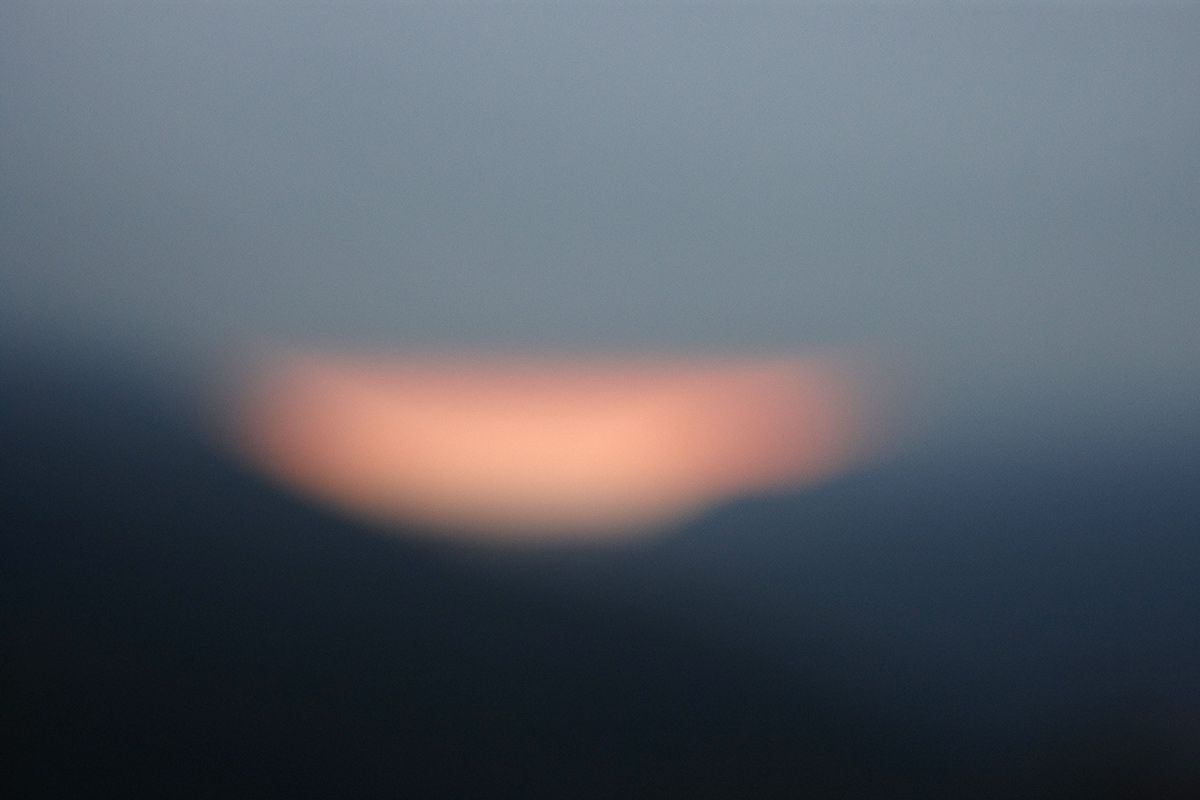
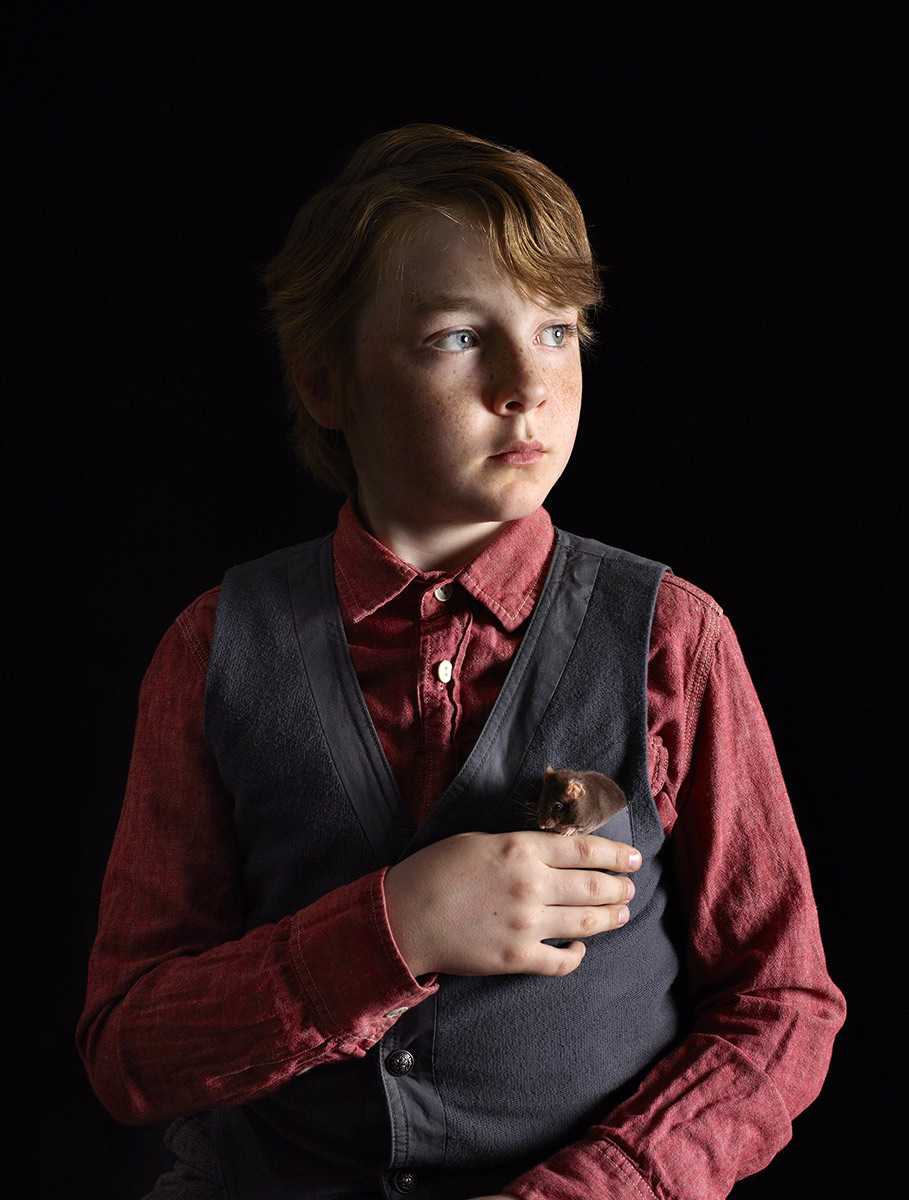
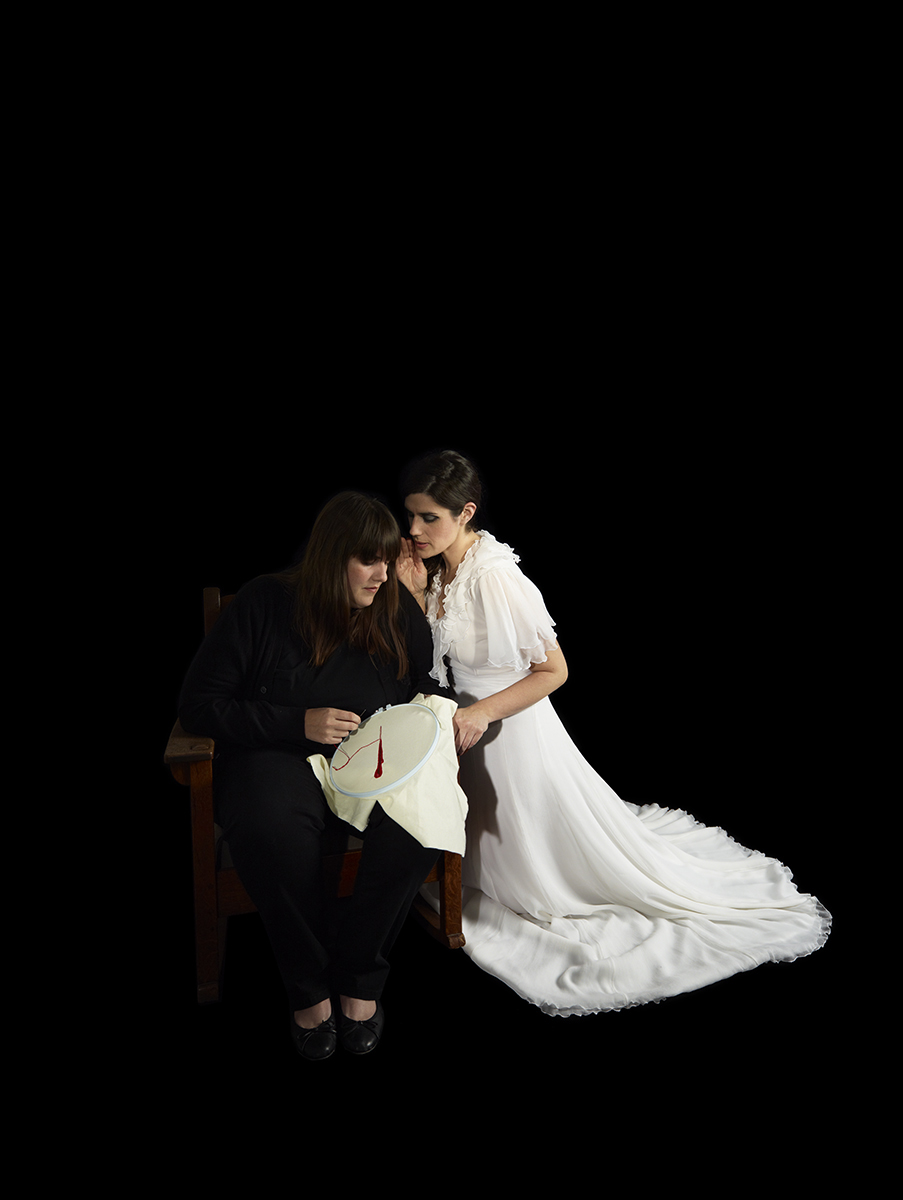
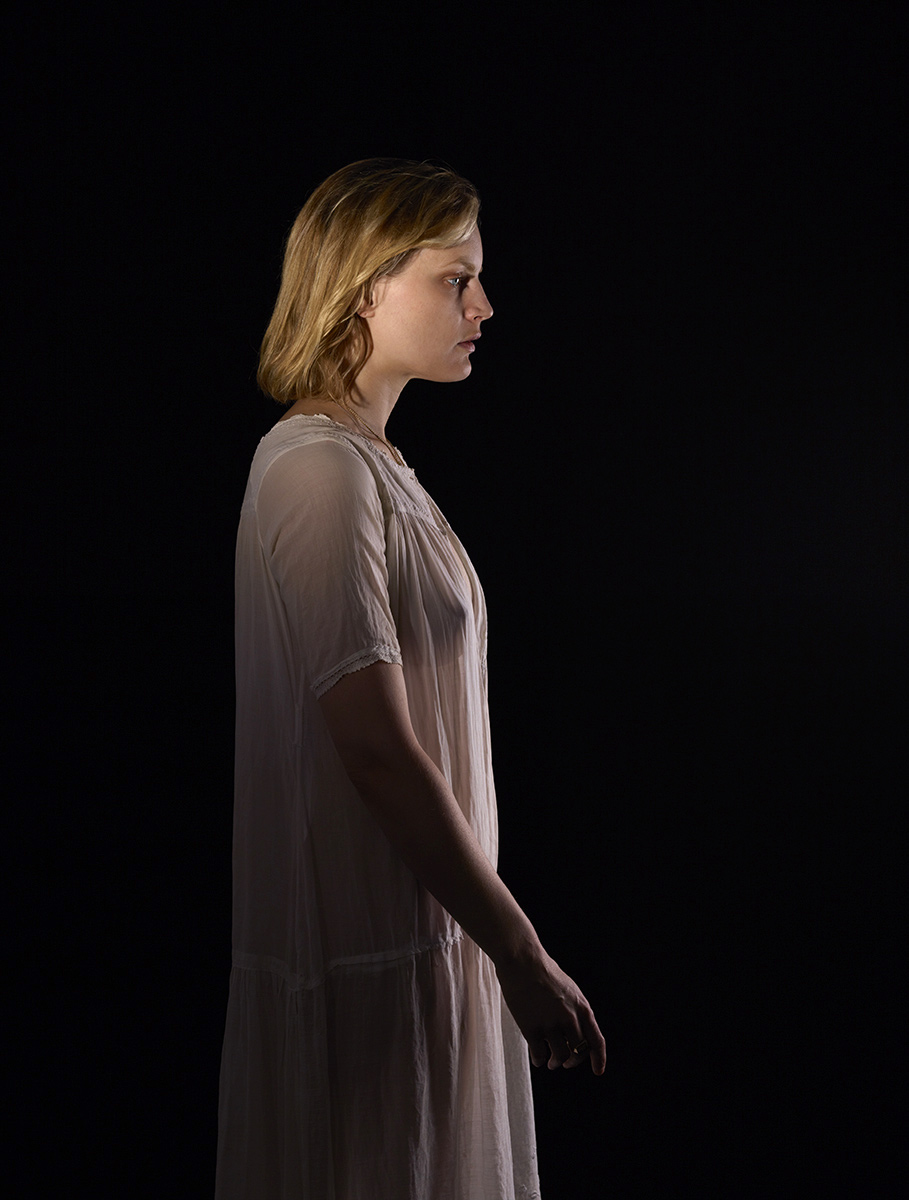
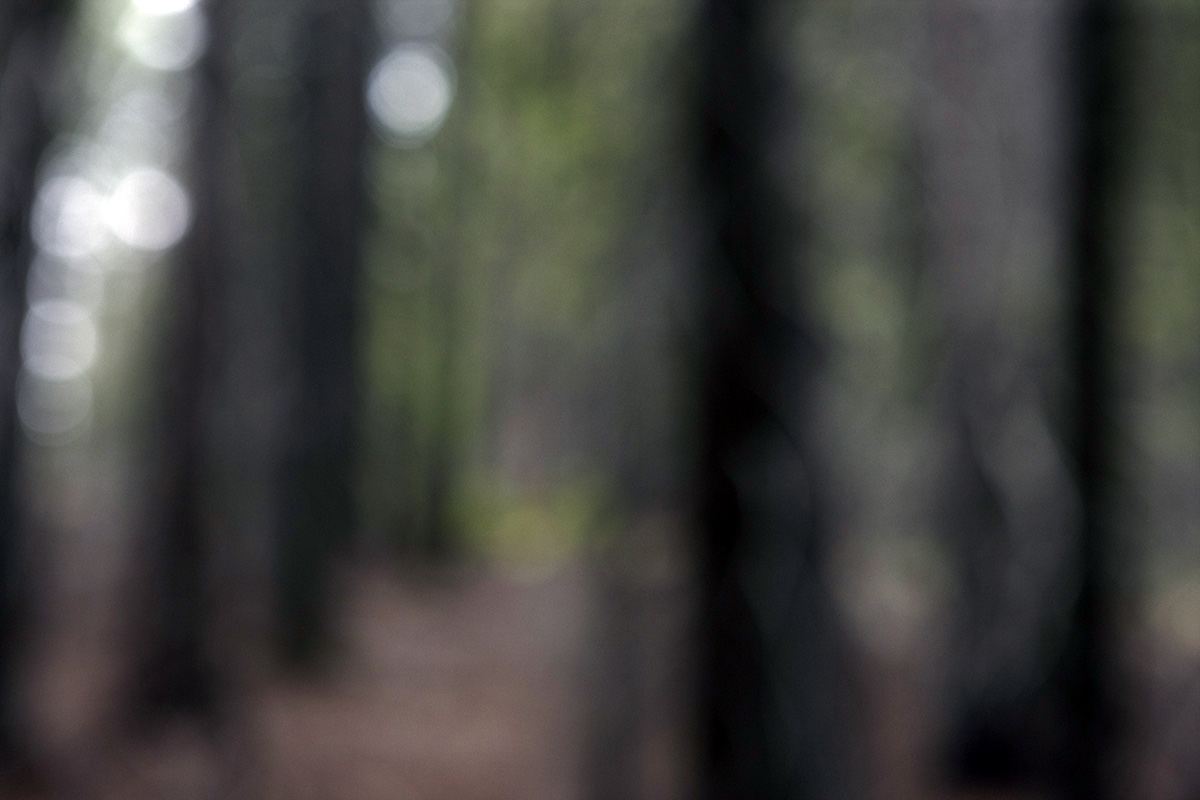
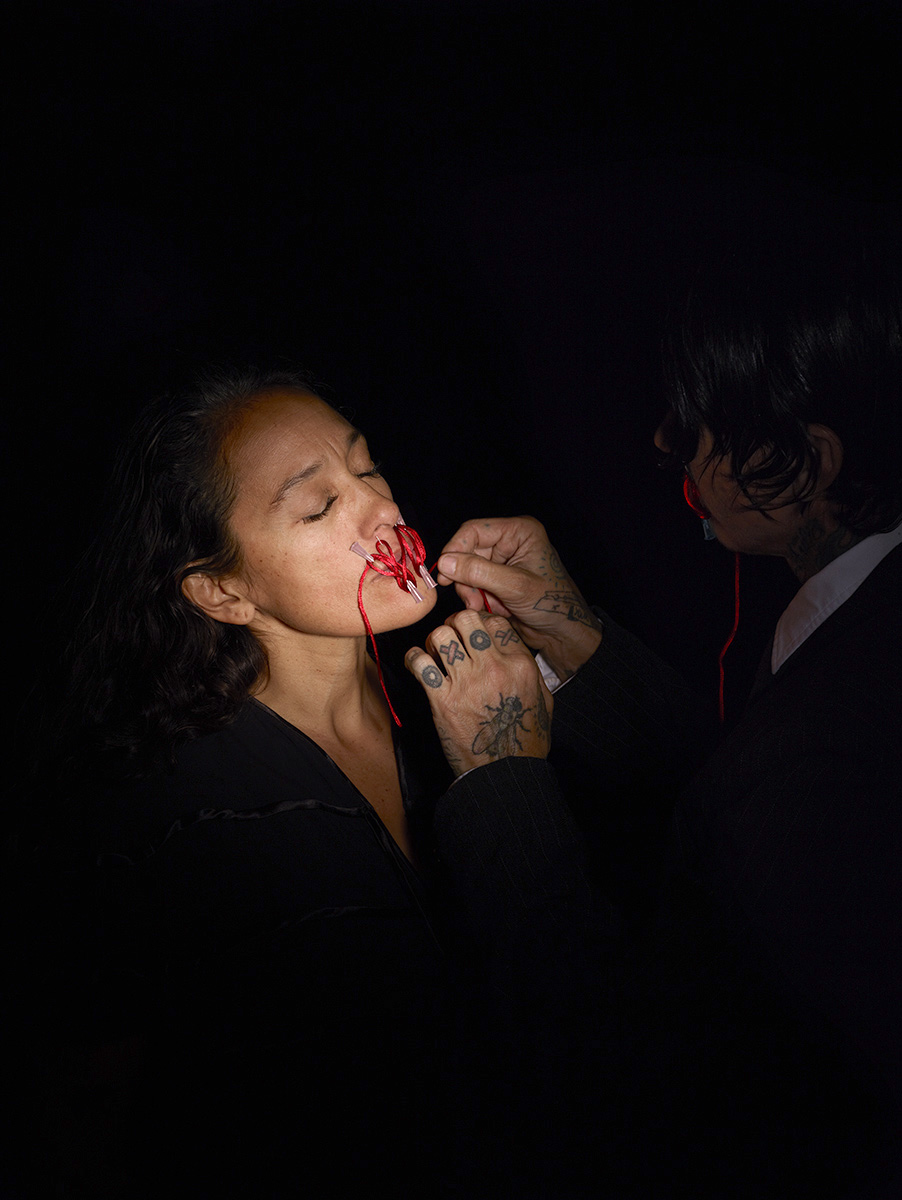
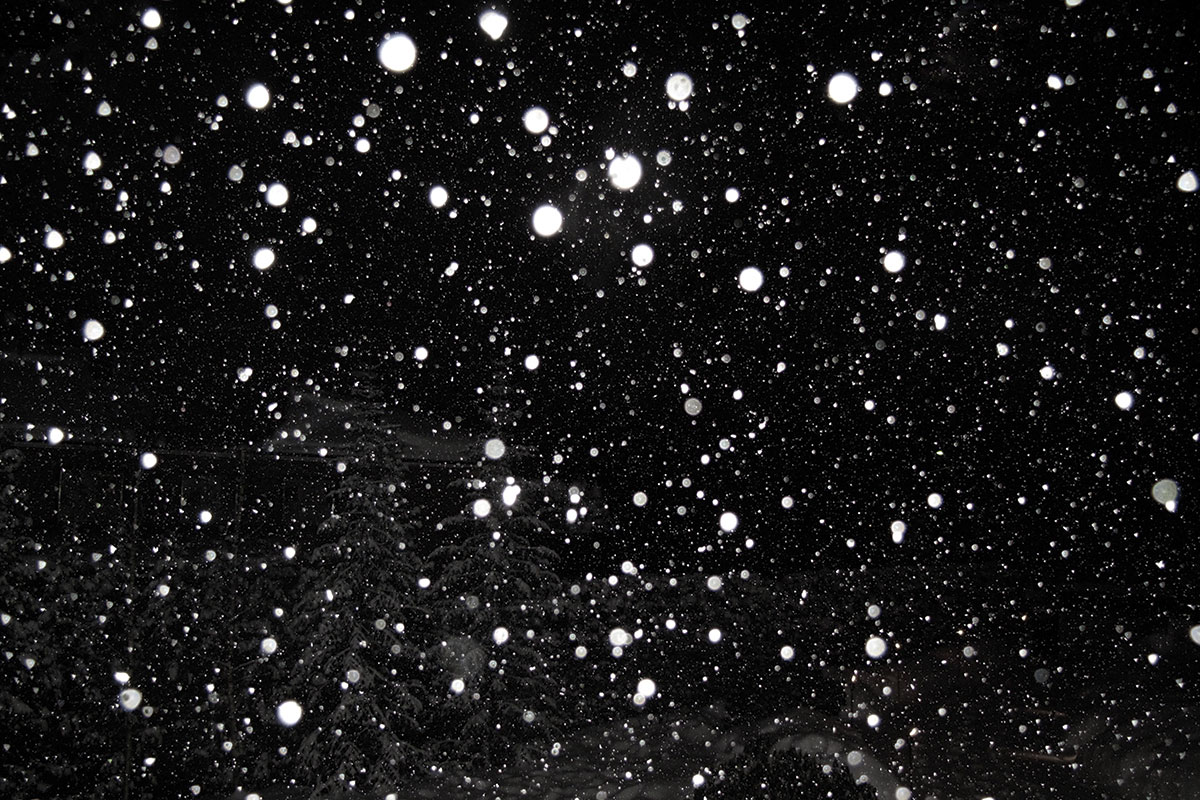

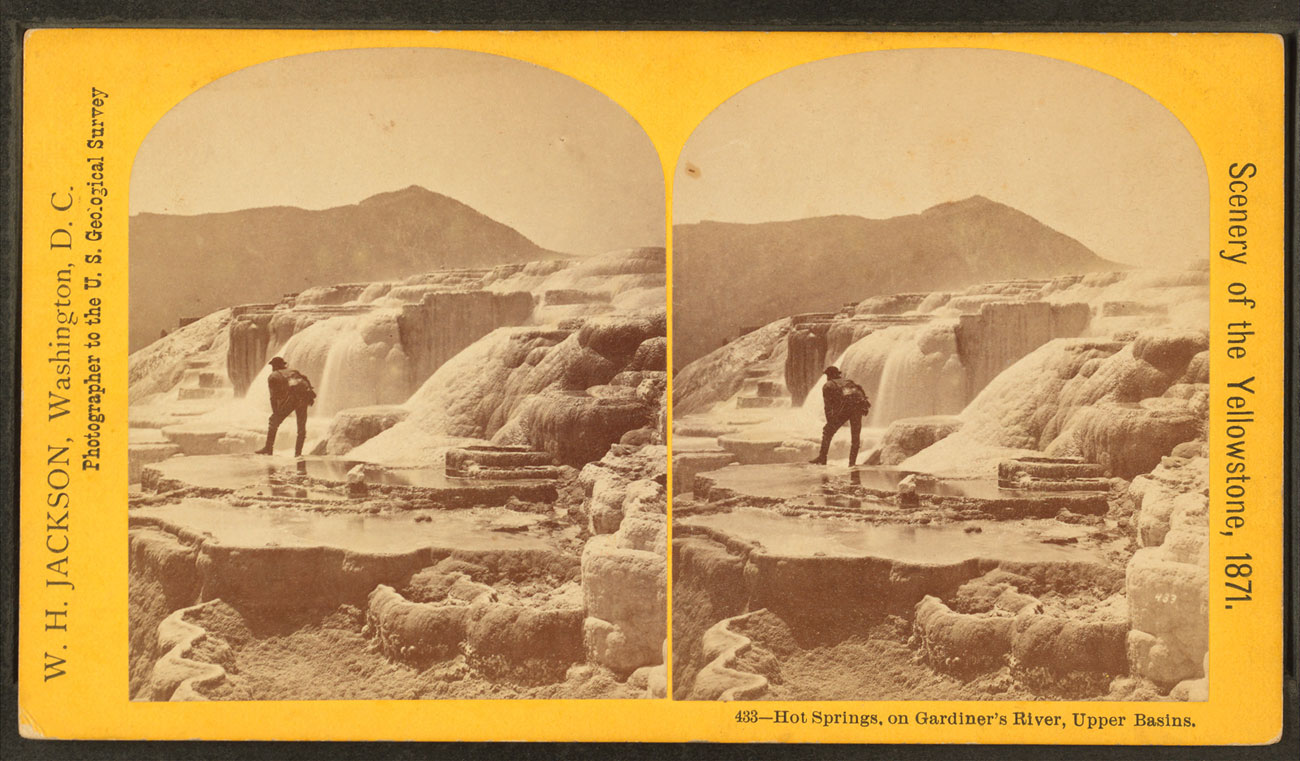
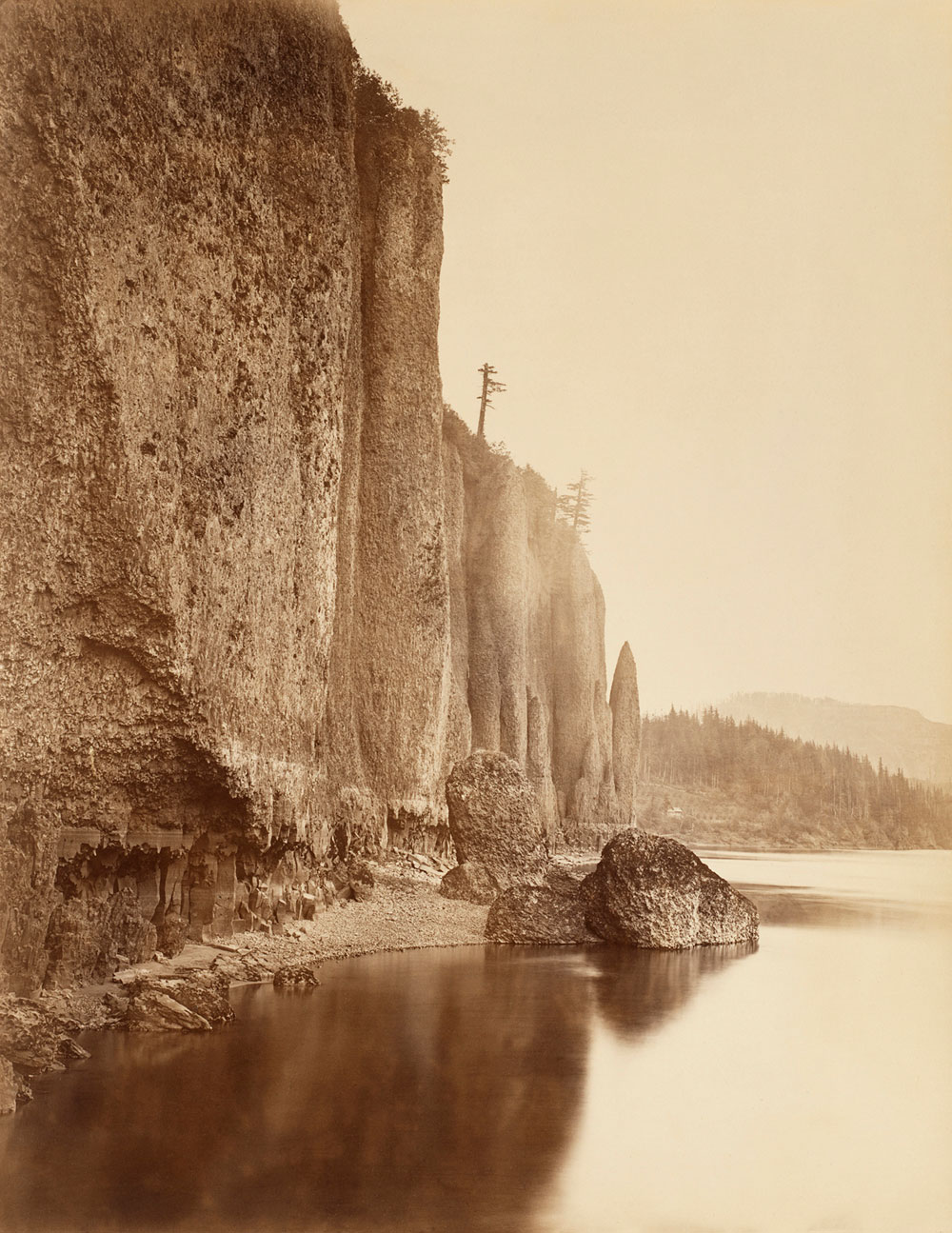


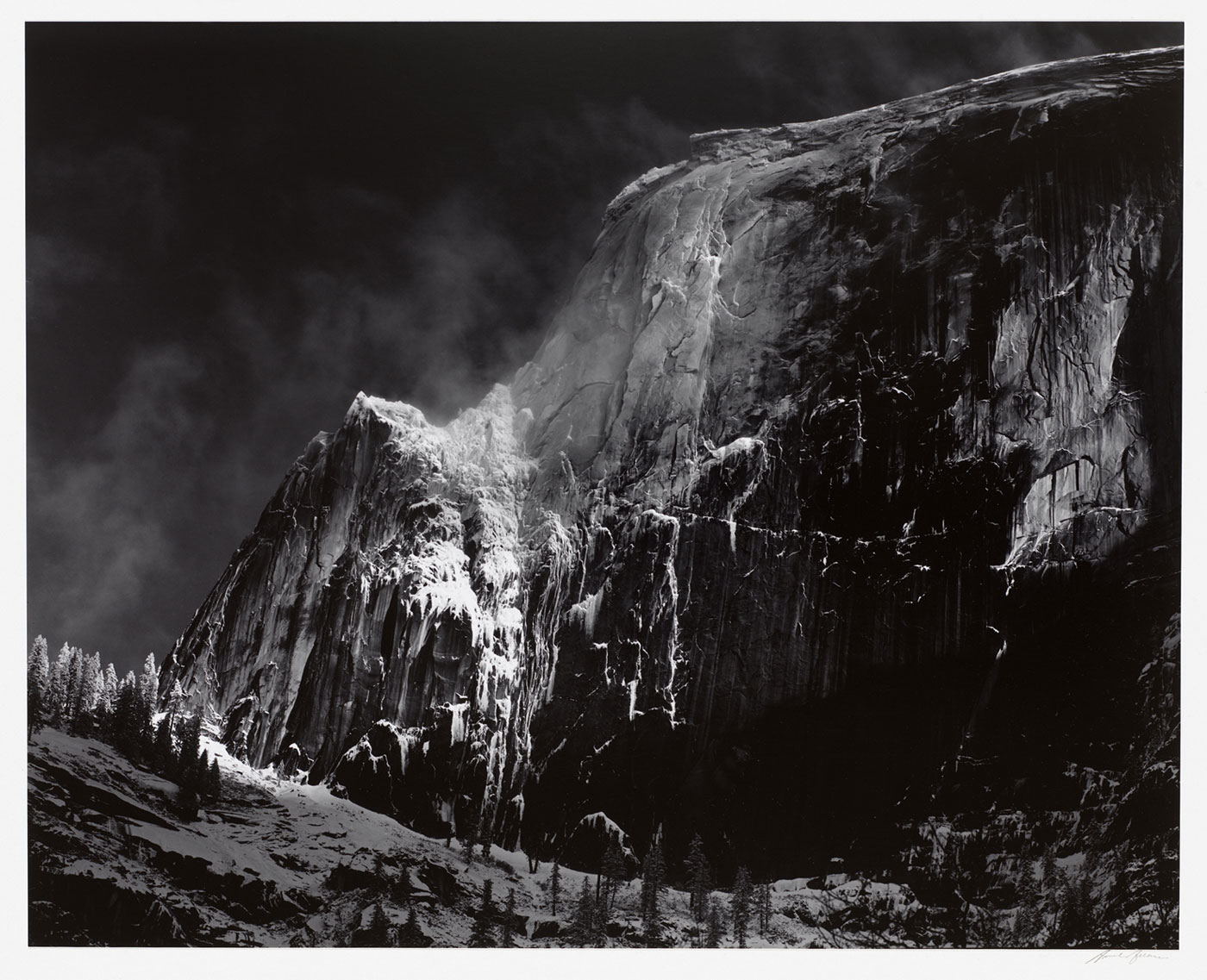
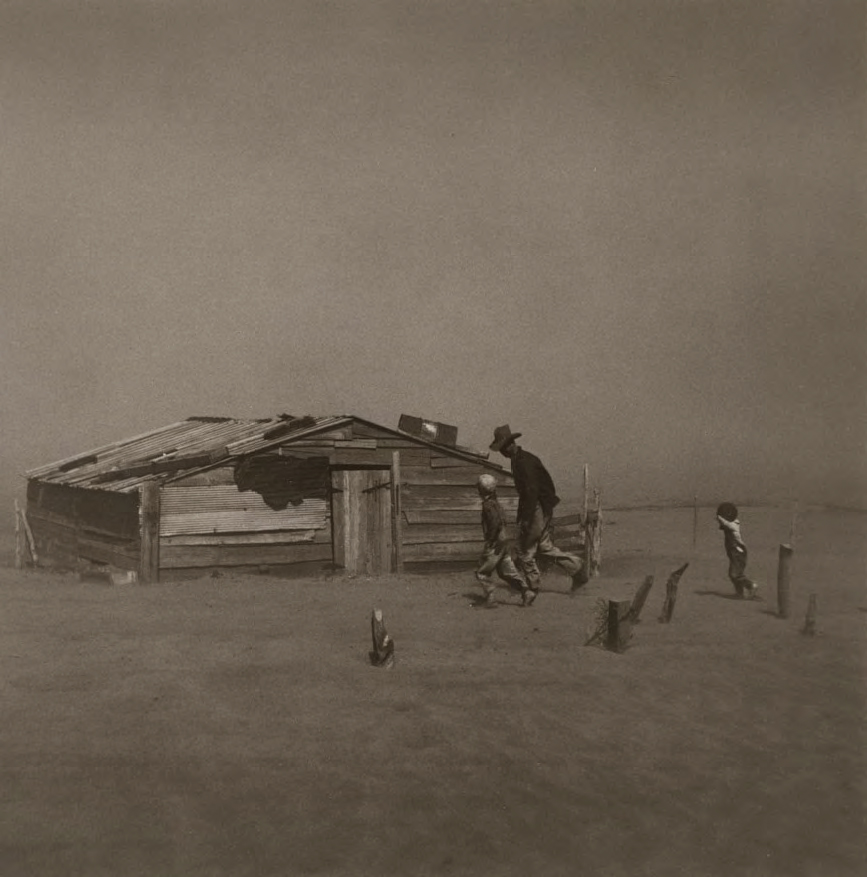
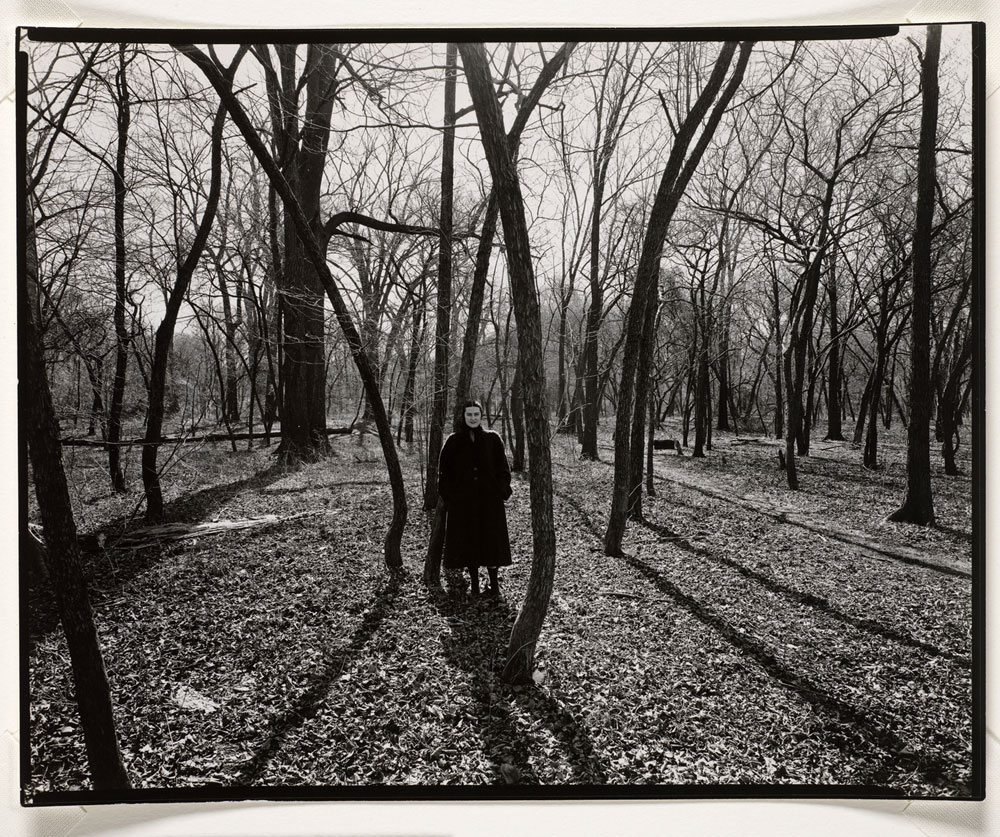
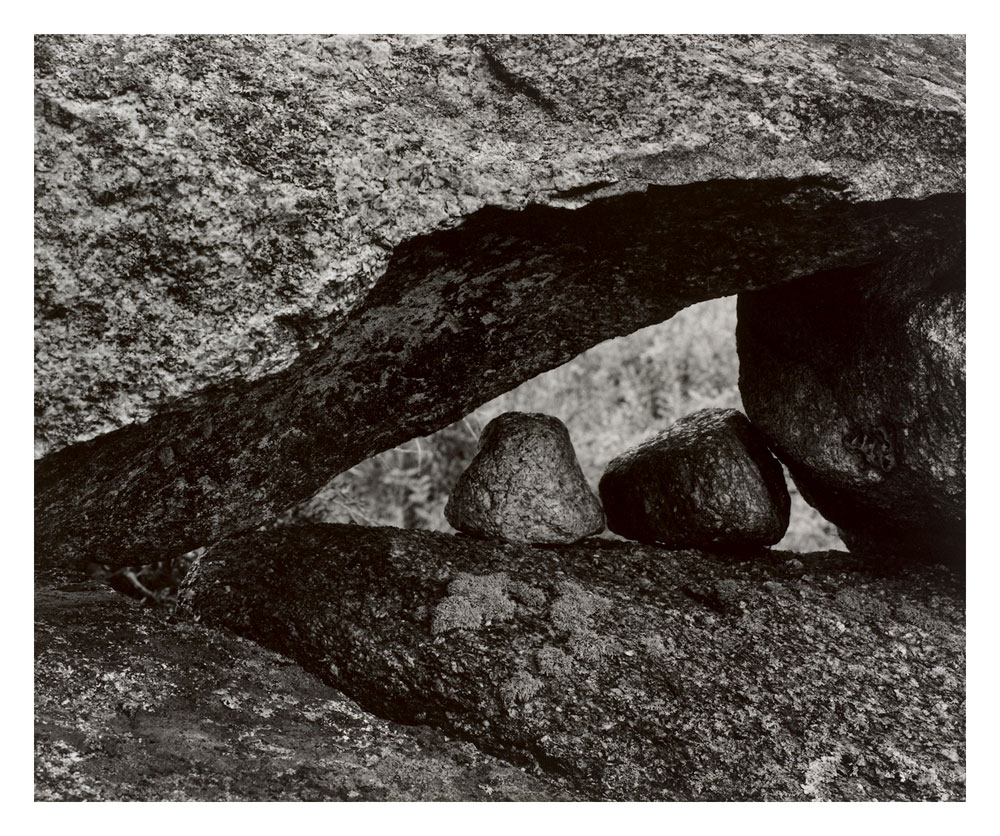
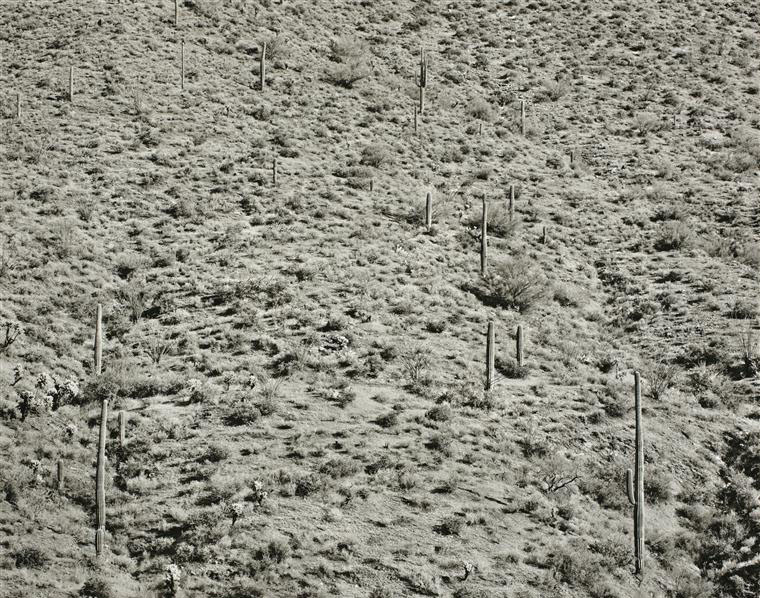
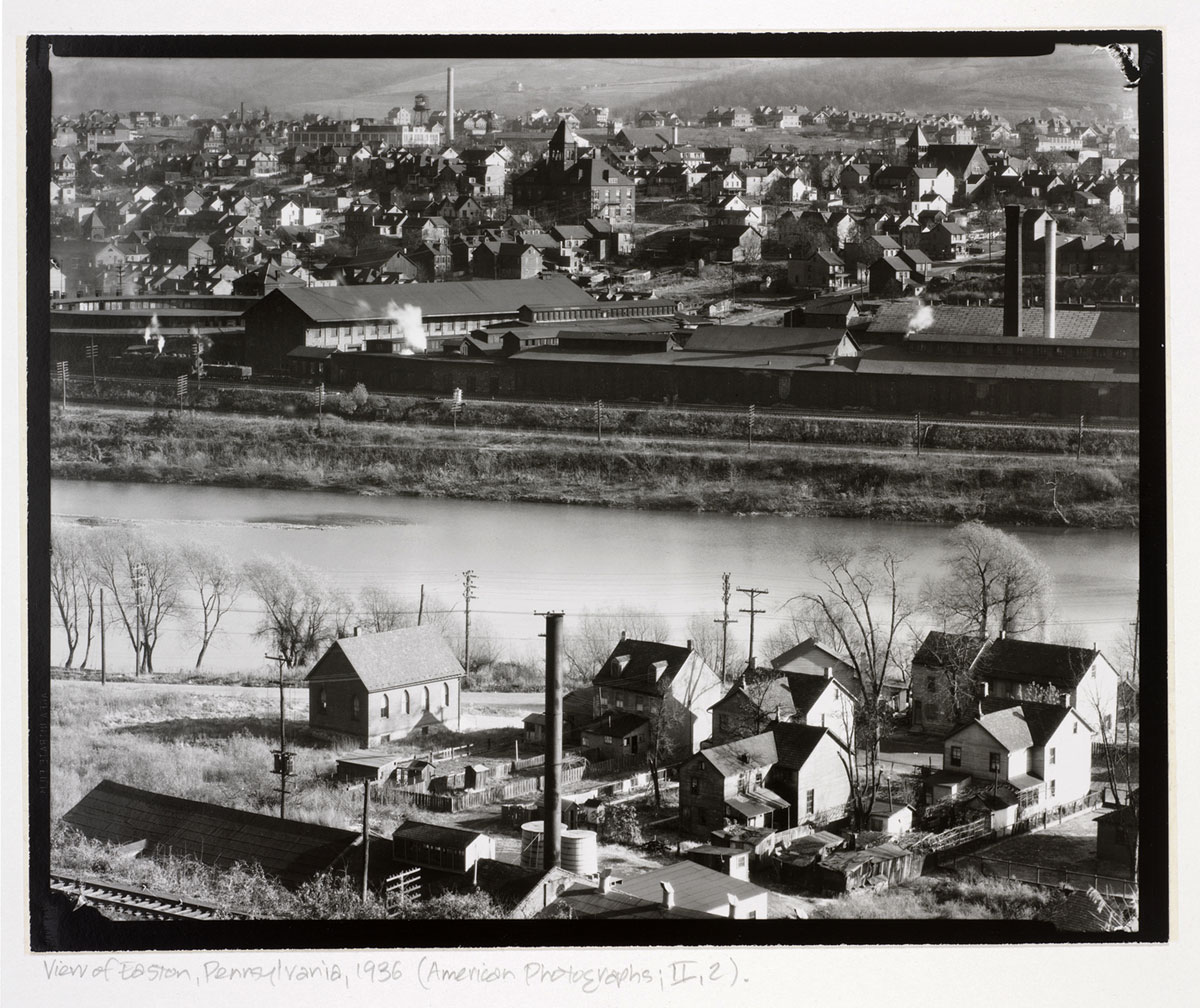
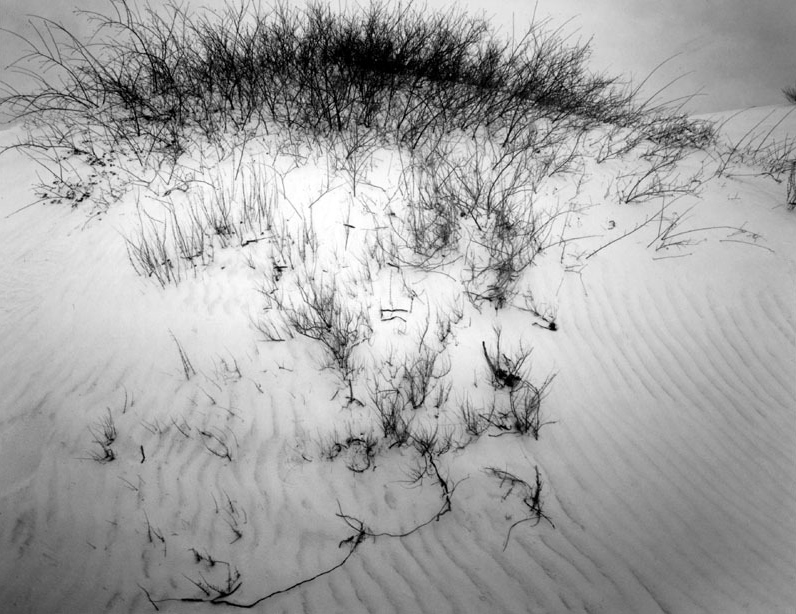
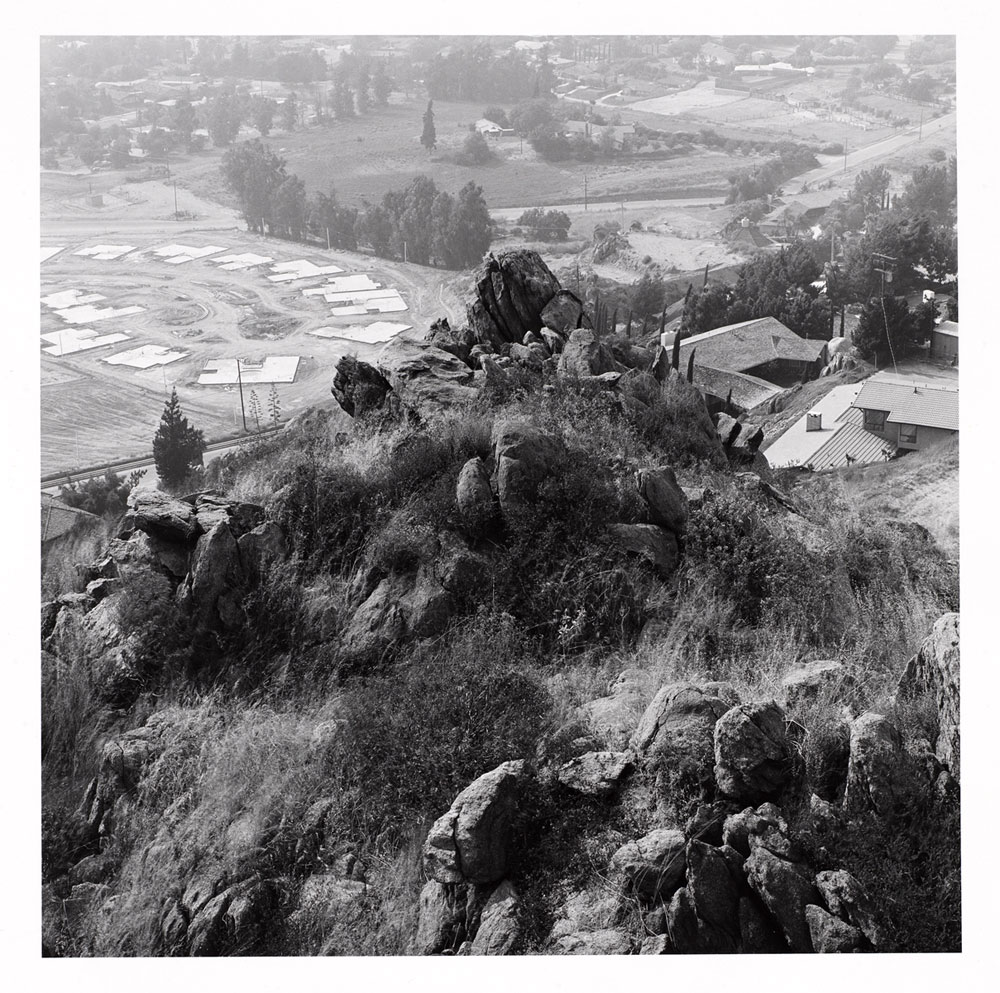

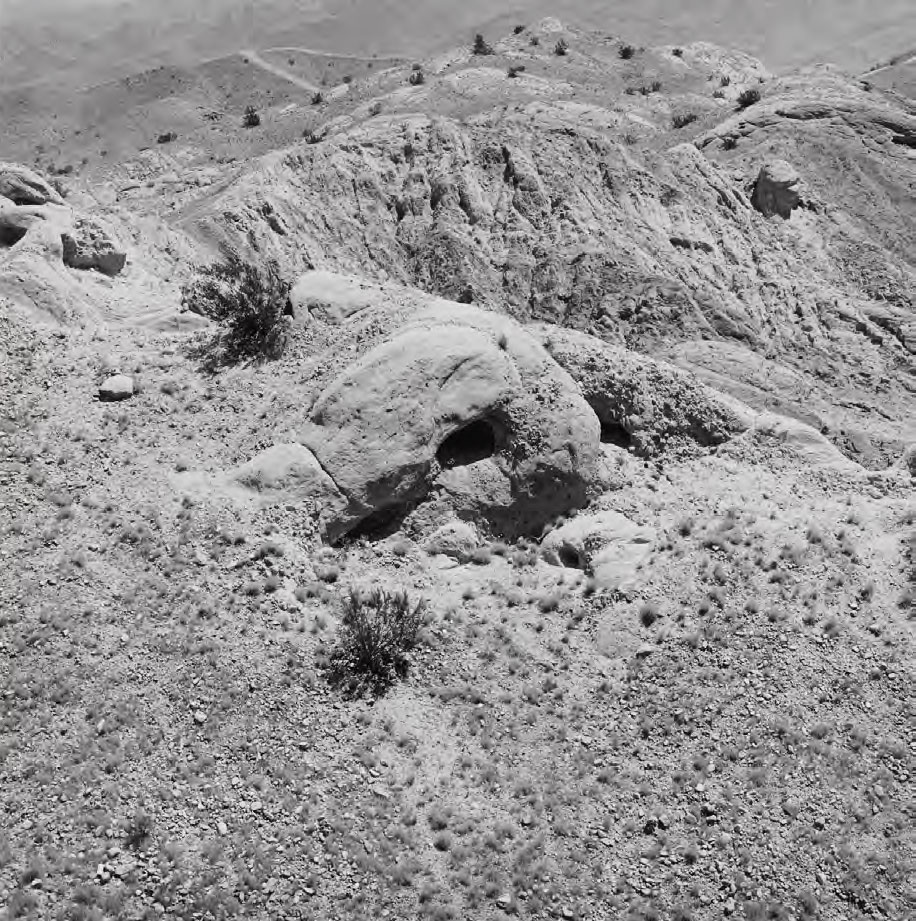


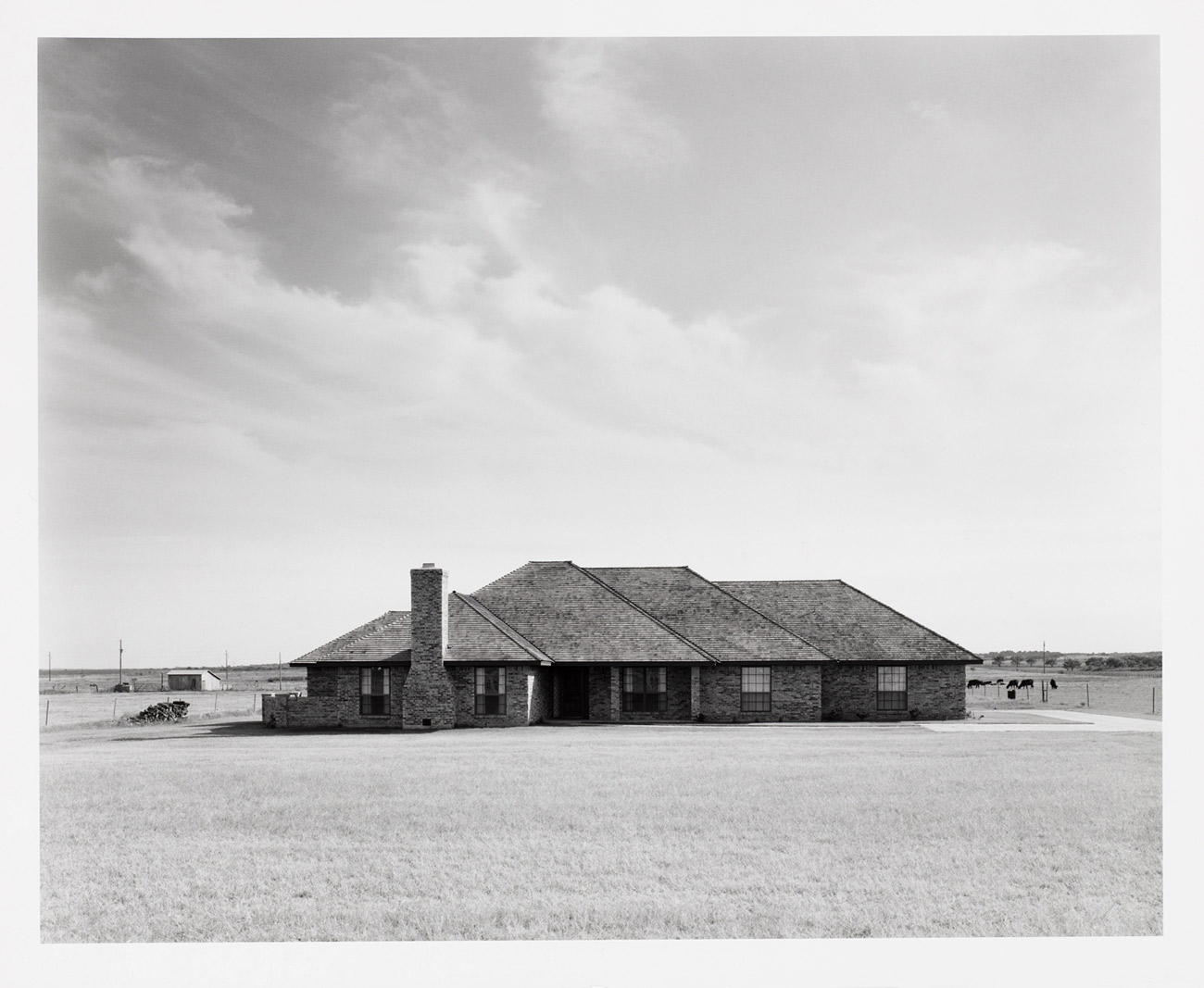


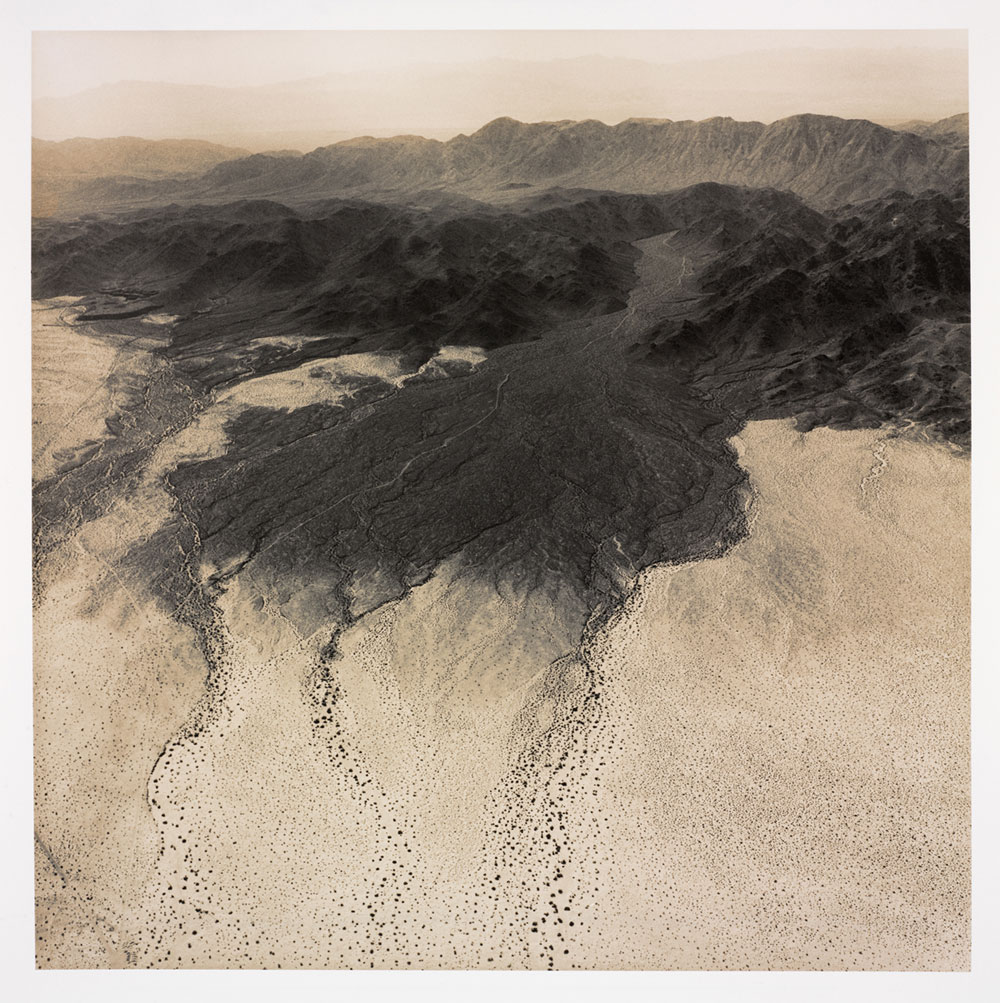

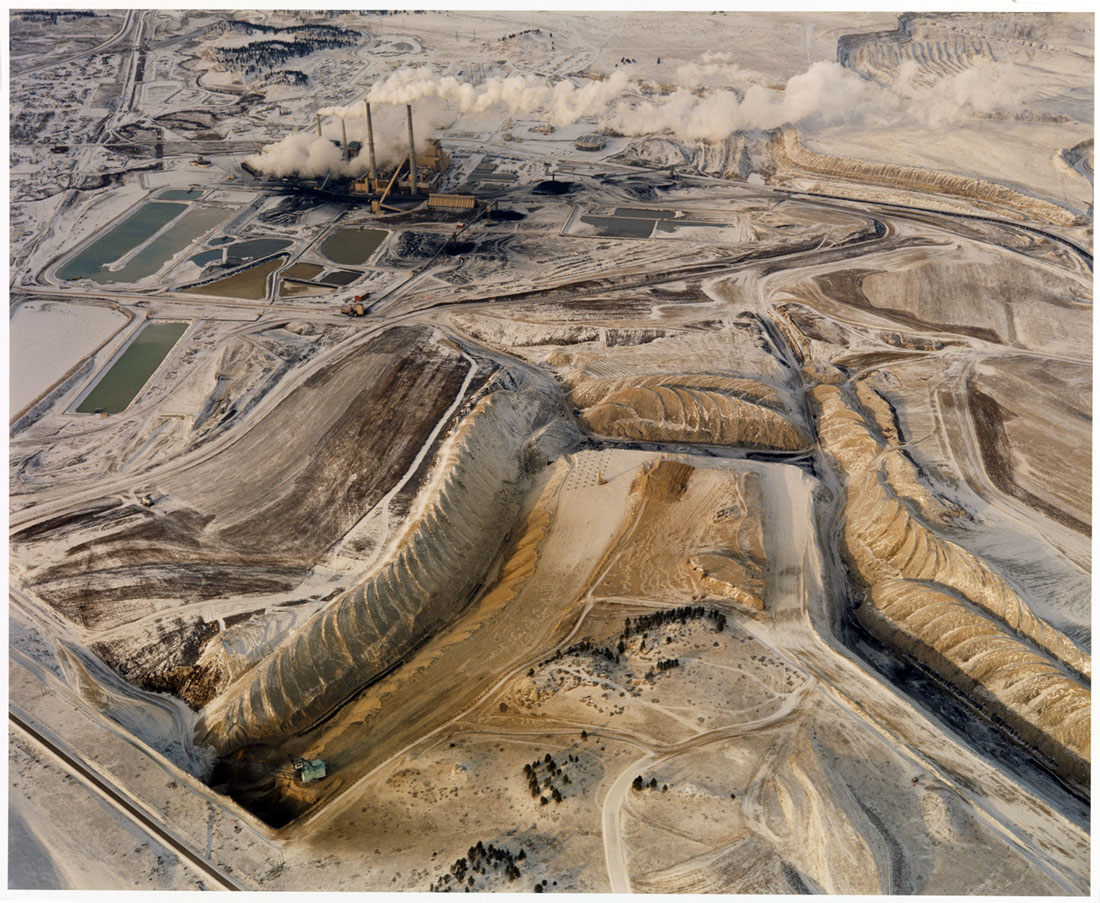
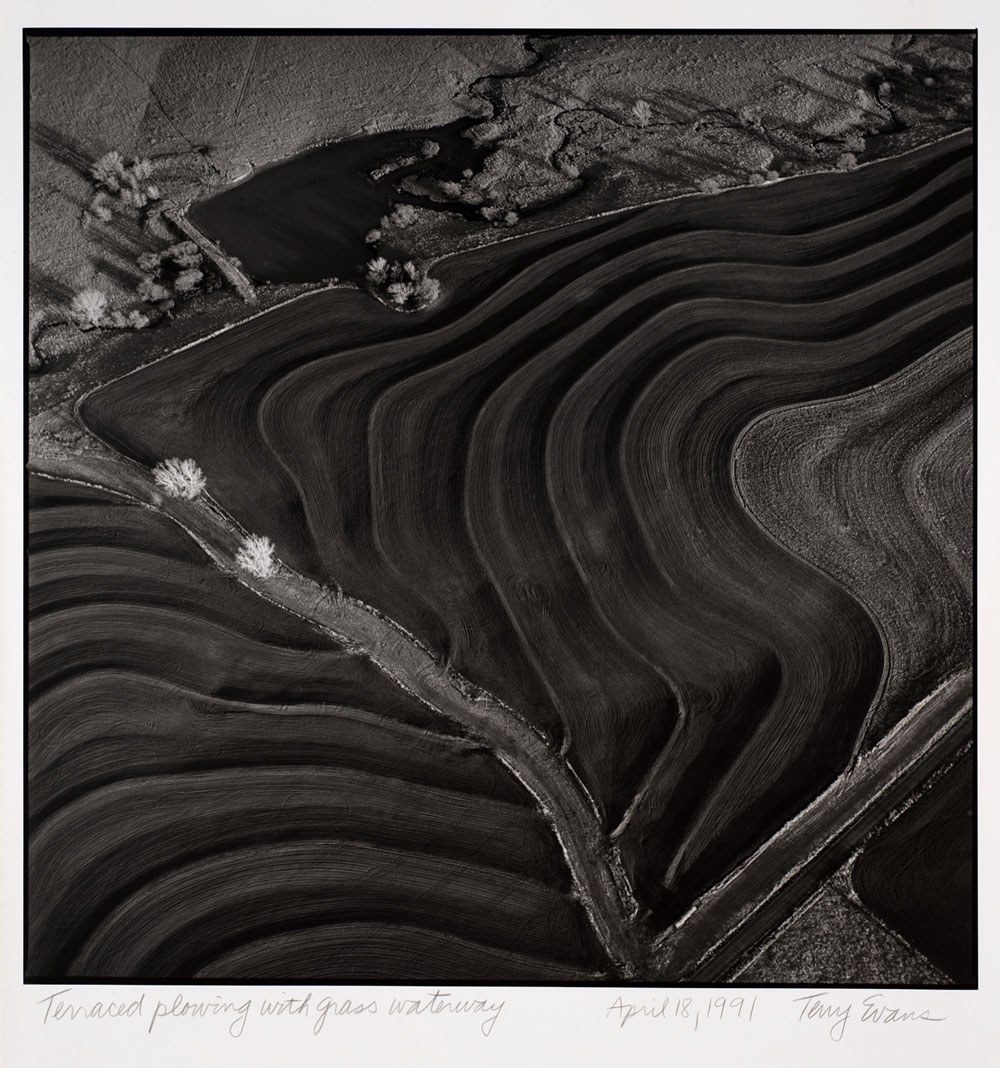
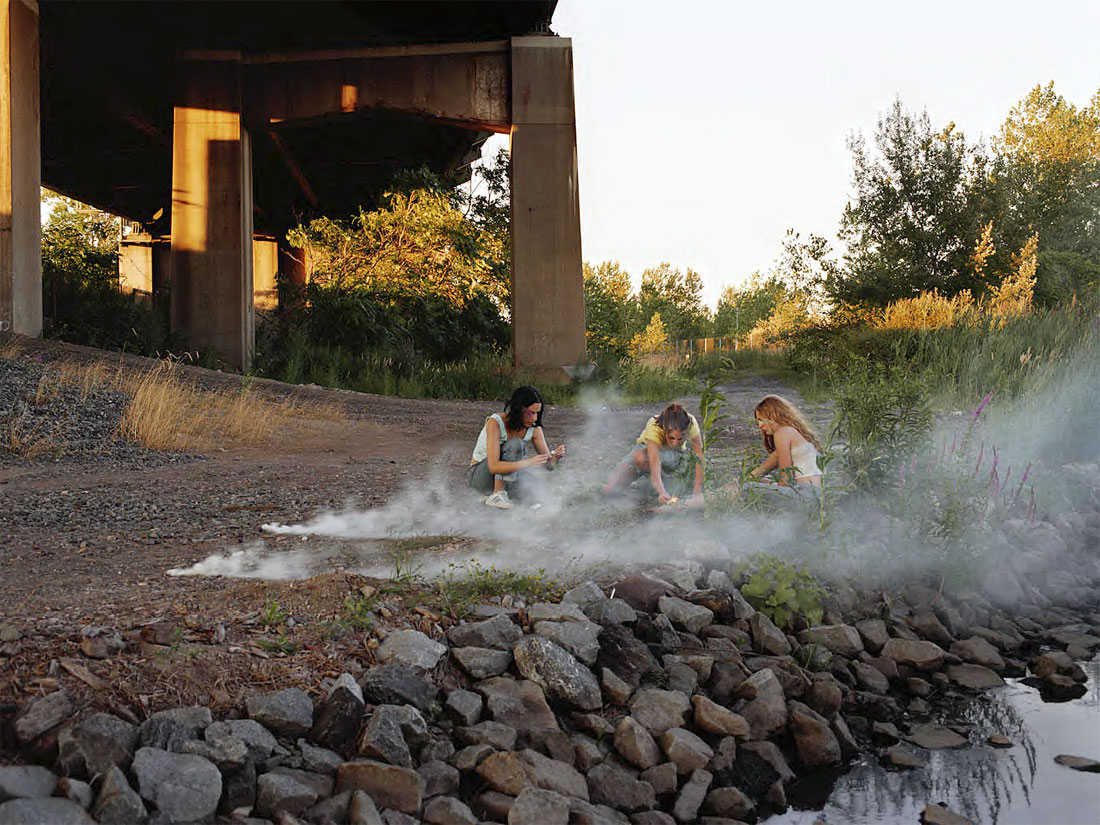

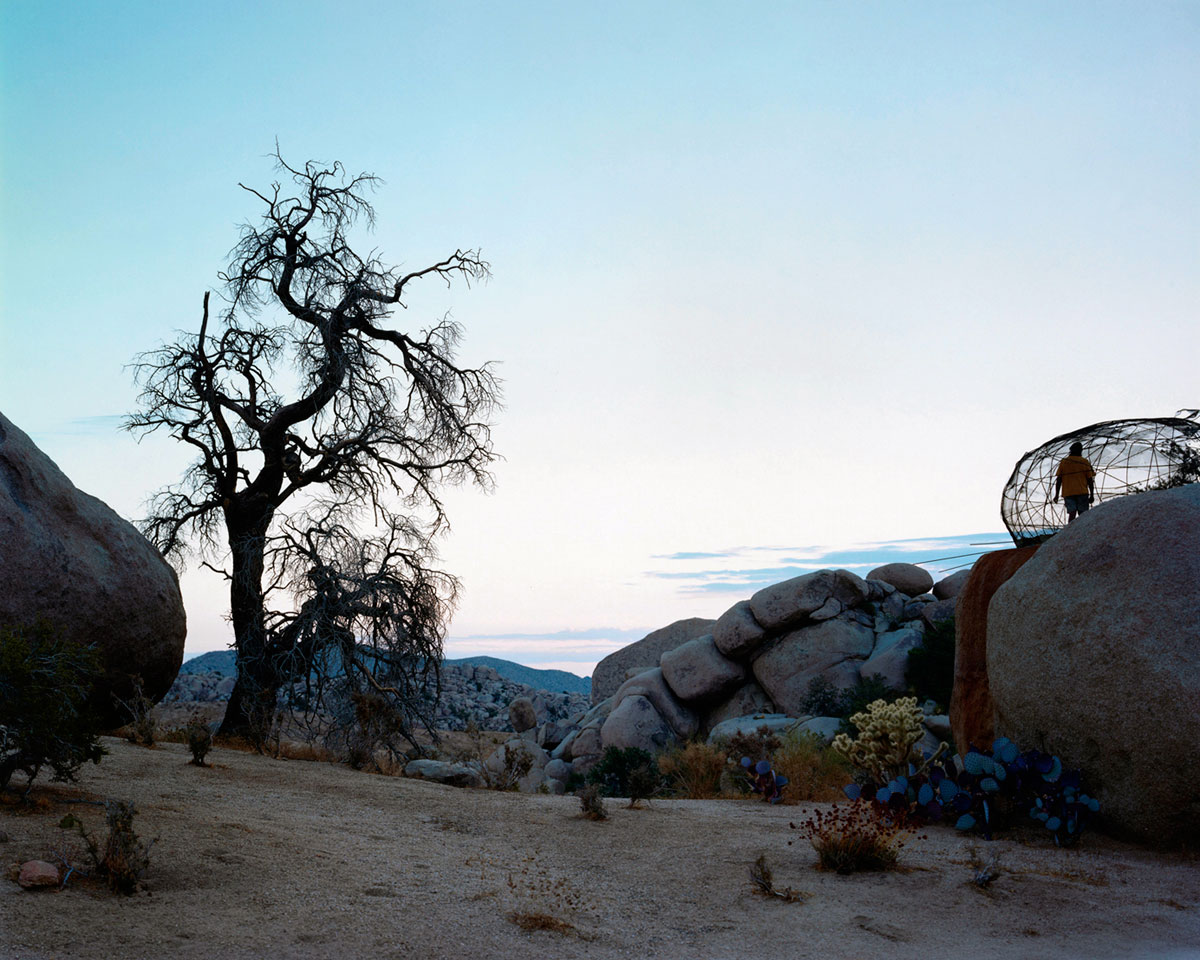
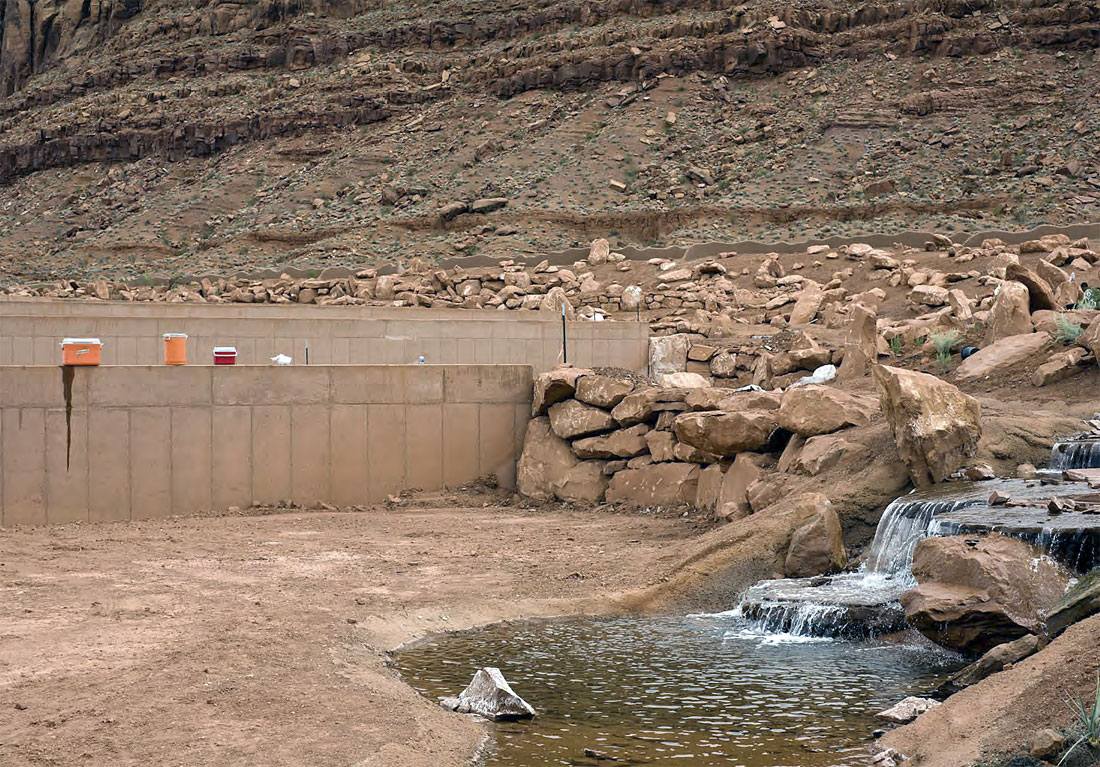
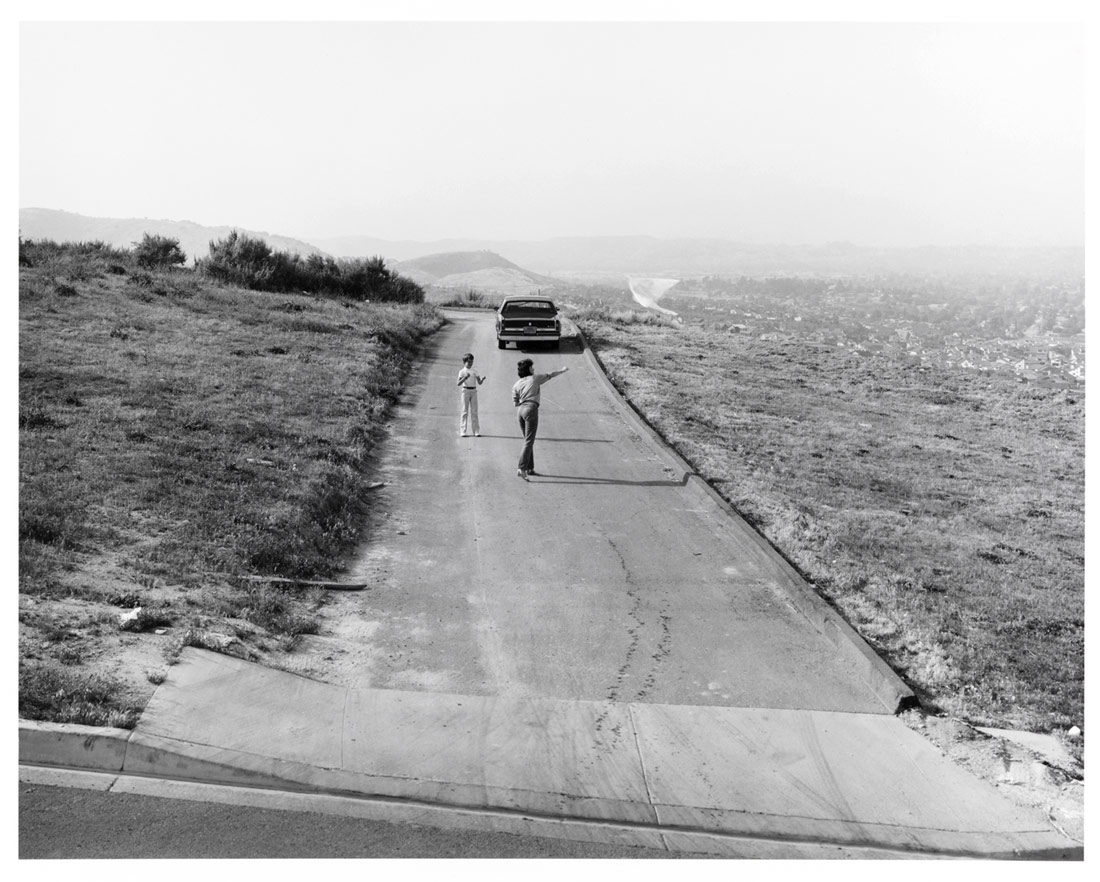

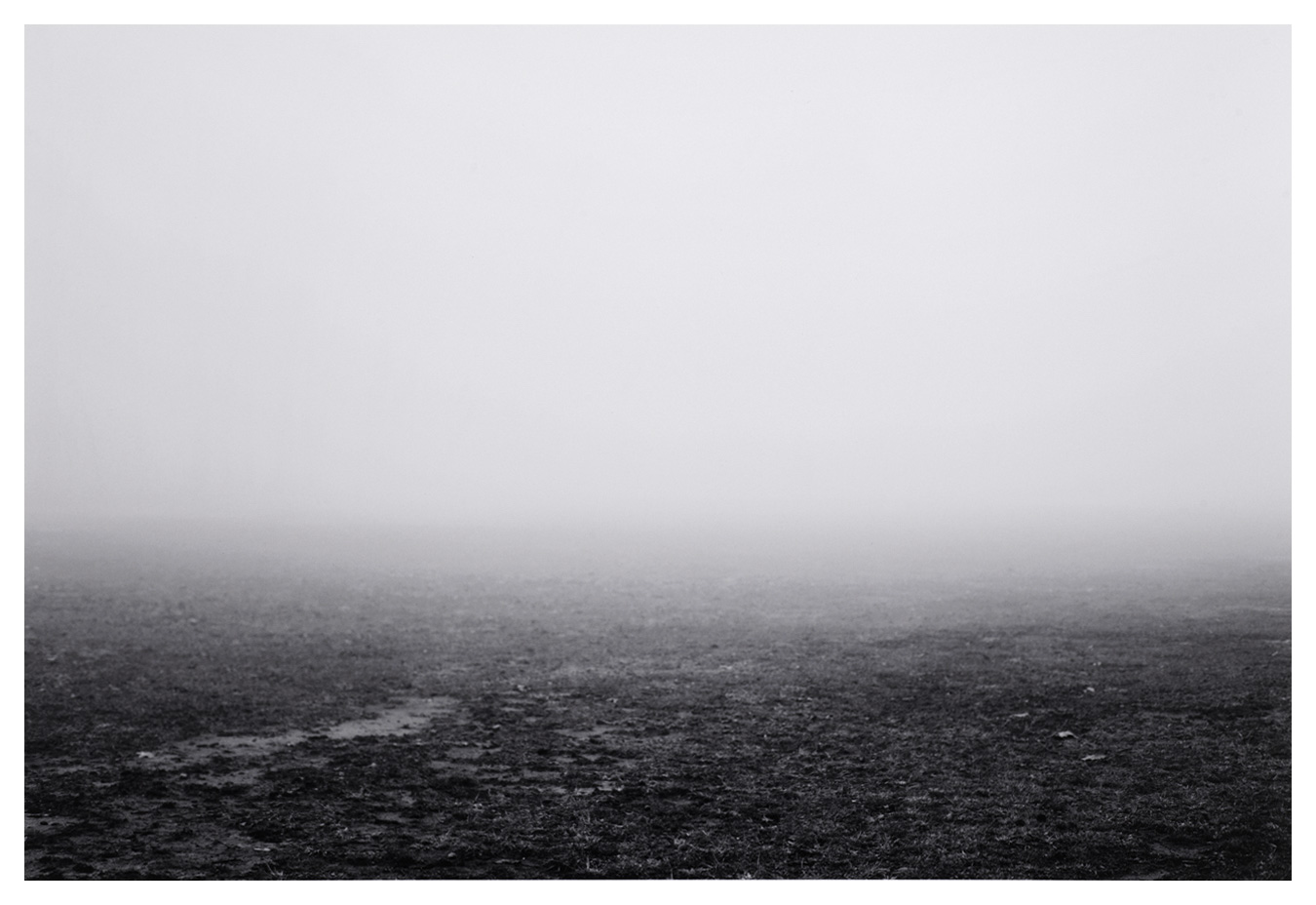
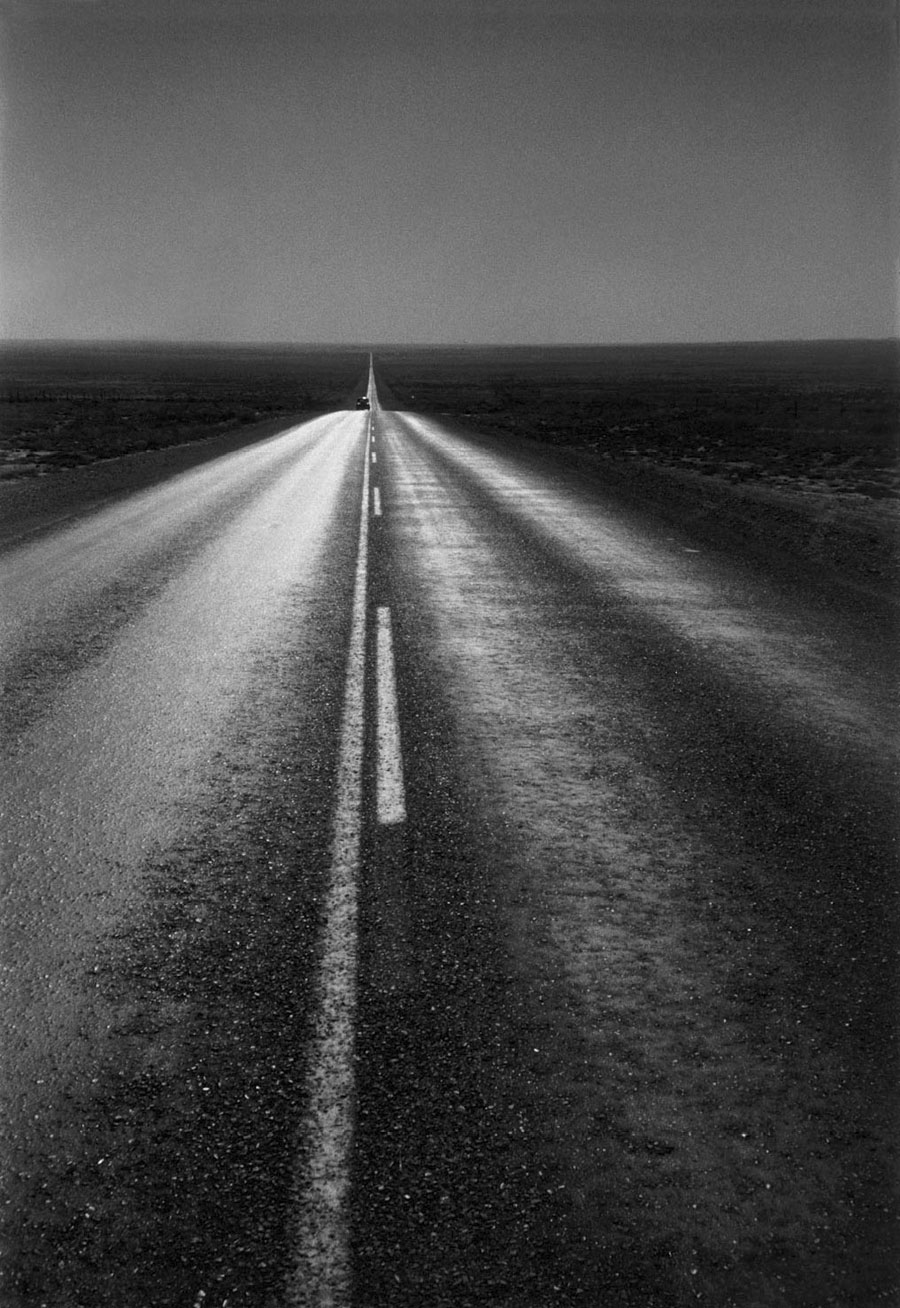

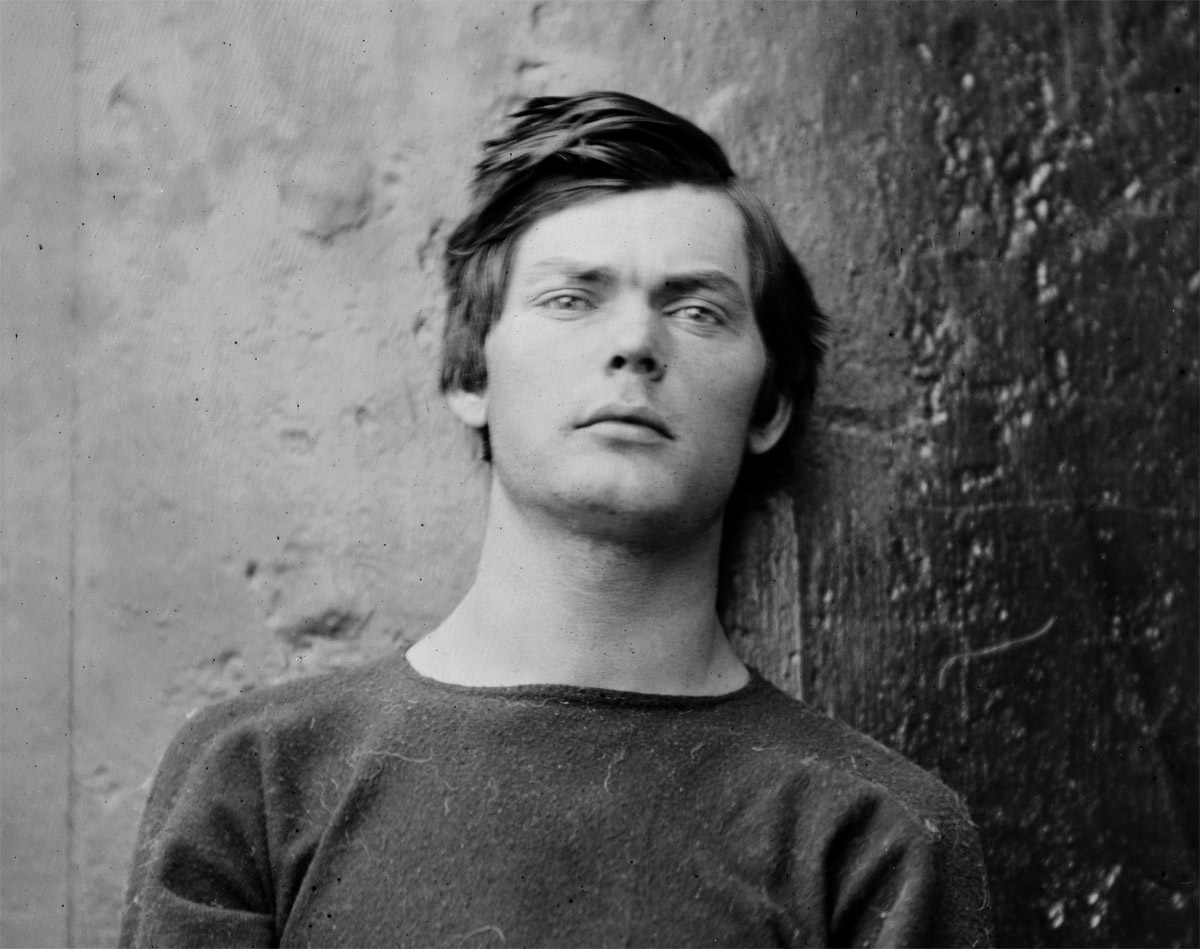
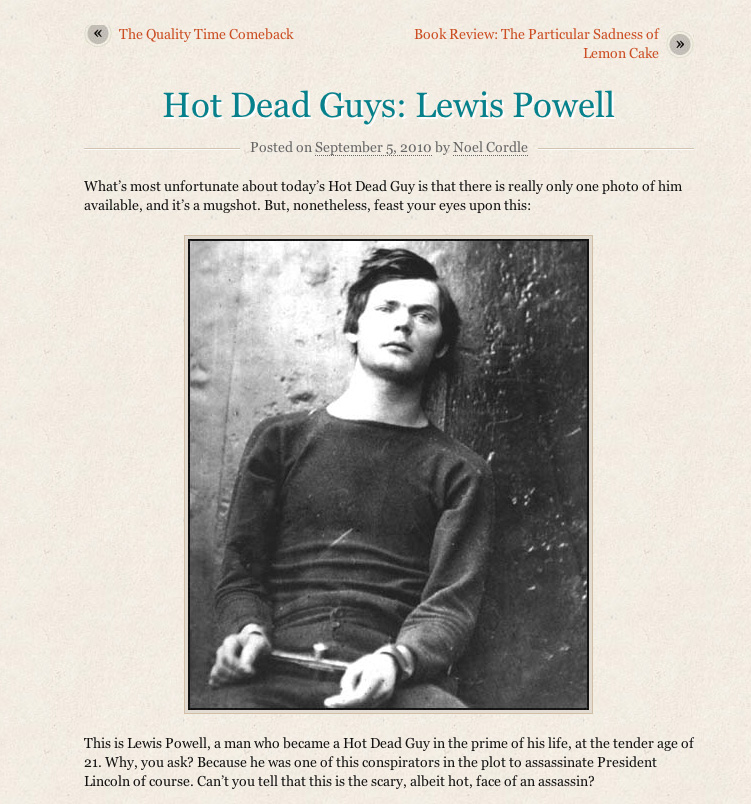
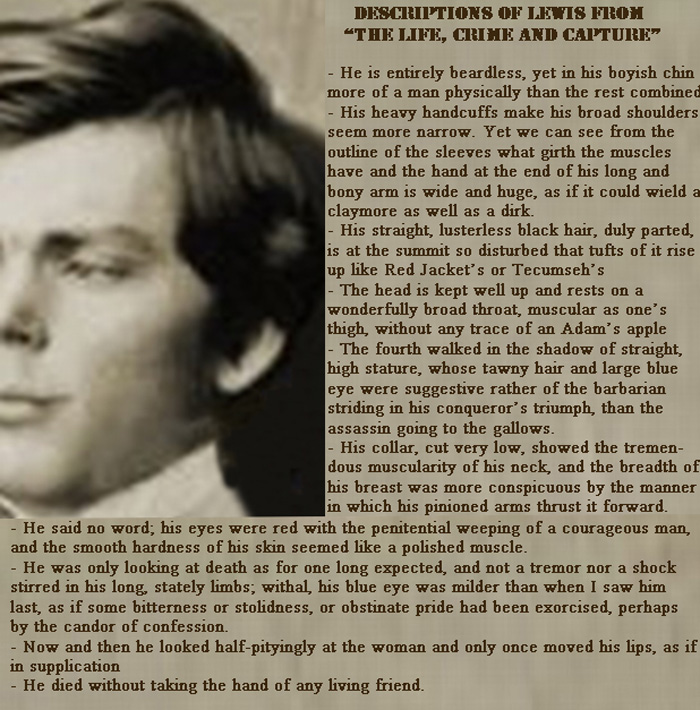
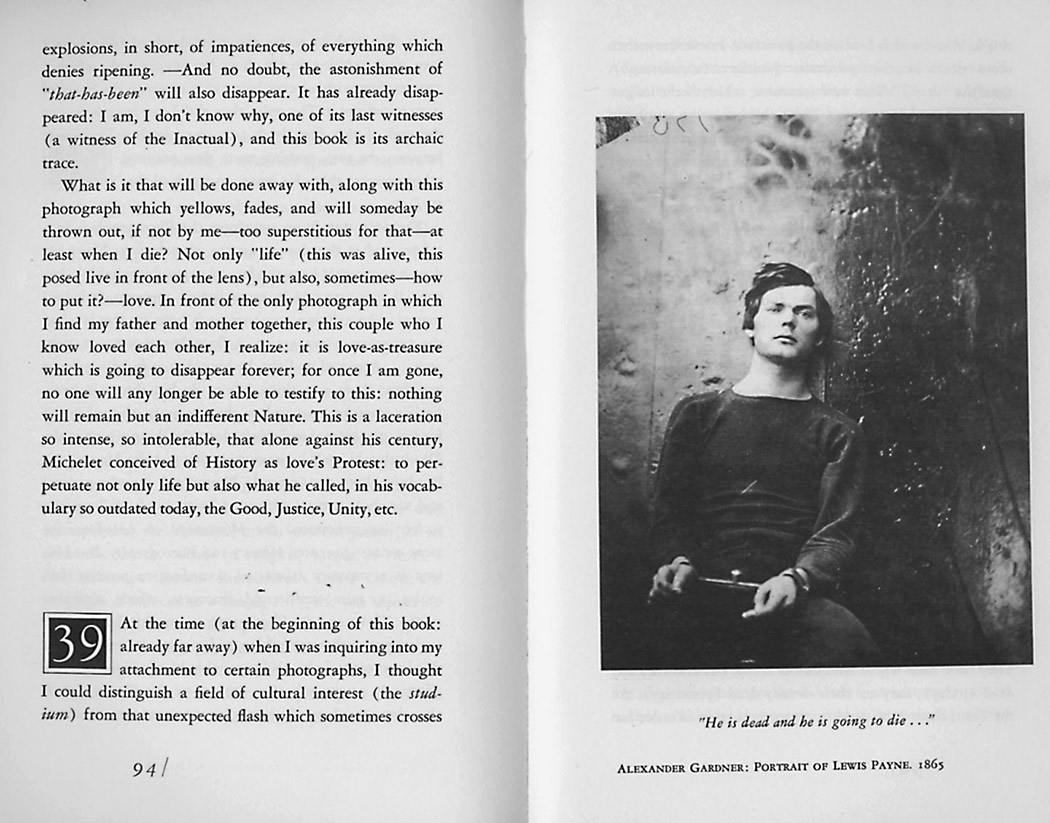
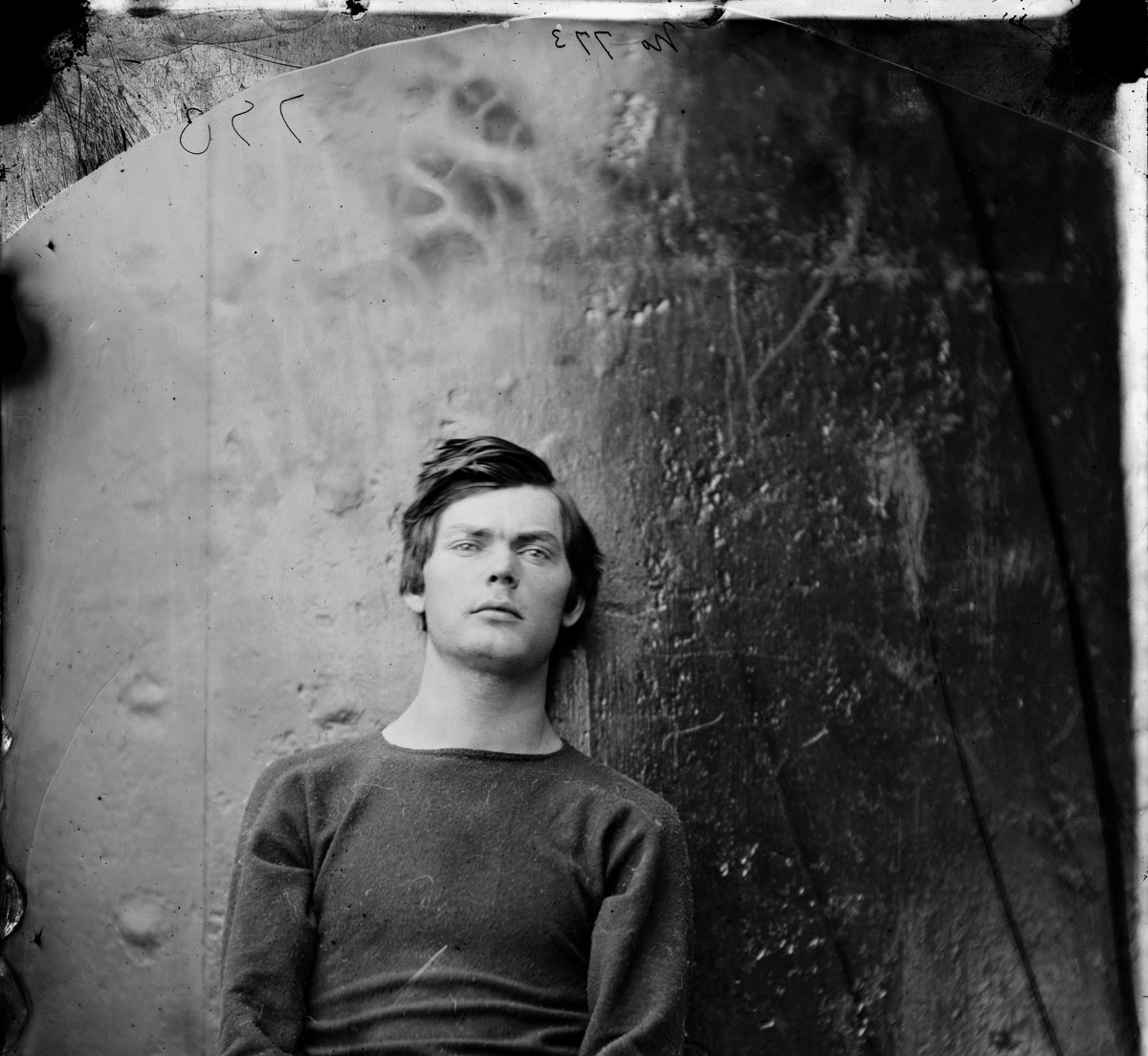
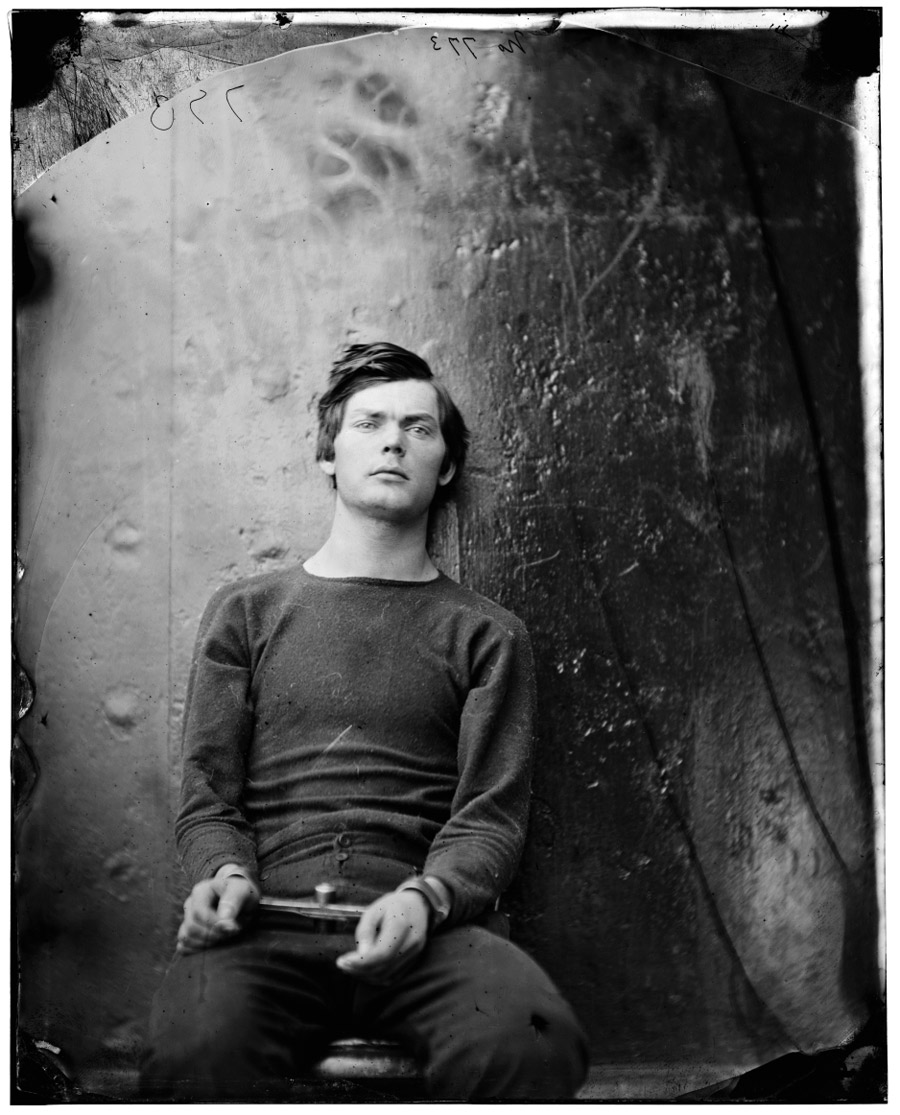
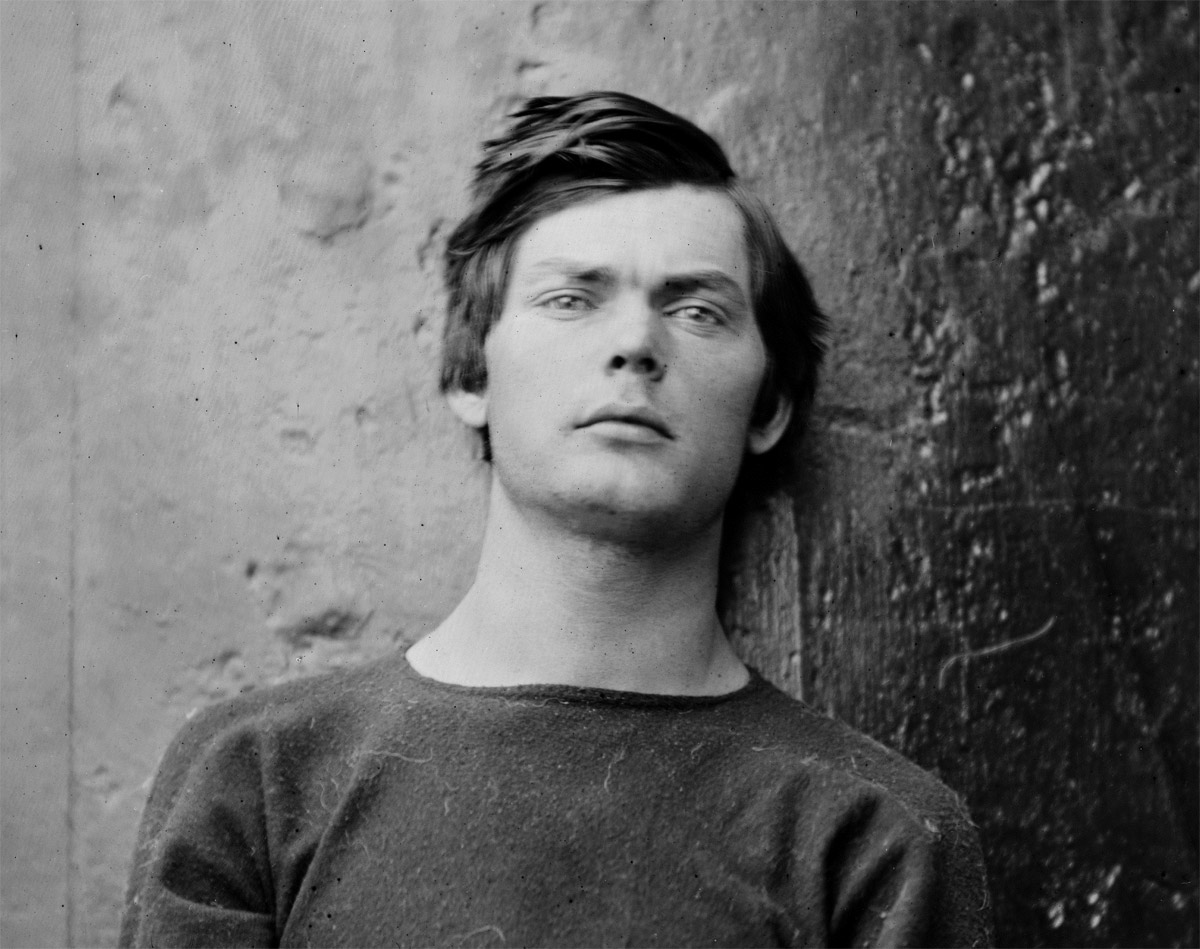
![Lyonel Feininger (American, 1871-1956) 'Untitled [Street Scene, Double Exposure, Halle]' 1929-1930](https://artblart.com/wp-content/uploads/2012/02/street-scene-double-exposure-halle-1929-1930.jpg "Lyonel Feininger (American, 1871-1956) 'Untitled [Street Scene, Double Exposure, Halle]' 1929-1930")
![Lucia Moholy (British born Czechoslovakia, 1894-1989) 'Untitled [Southern View of Newly Completed Bauhaus, Dessau]' 1926](https://artblart.com/wp-content/uploads/2012/03/lucia-moholy-southern-view-of-newly-completed-bauhaus.jpg "Lucia Moholy (British born Czechoslovakia, 1894-1989) 'Untitled [Southern View of Newly Completed Bauhaus, Dessau]' 1926")
![Lyonel Feininger (American, 1871-1956) 'Untitled [Train Station, Dessau]' 1928-1929](https://artblart.com/wp-content/uploads/2012/02/gm_326238ex1.jpg "Lyonel Feininger (American, 1871-1956) 'Untitled [Train Station, Dessau]' 1928-1929")

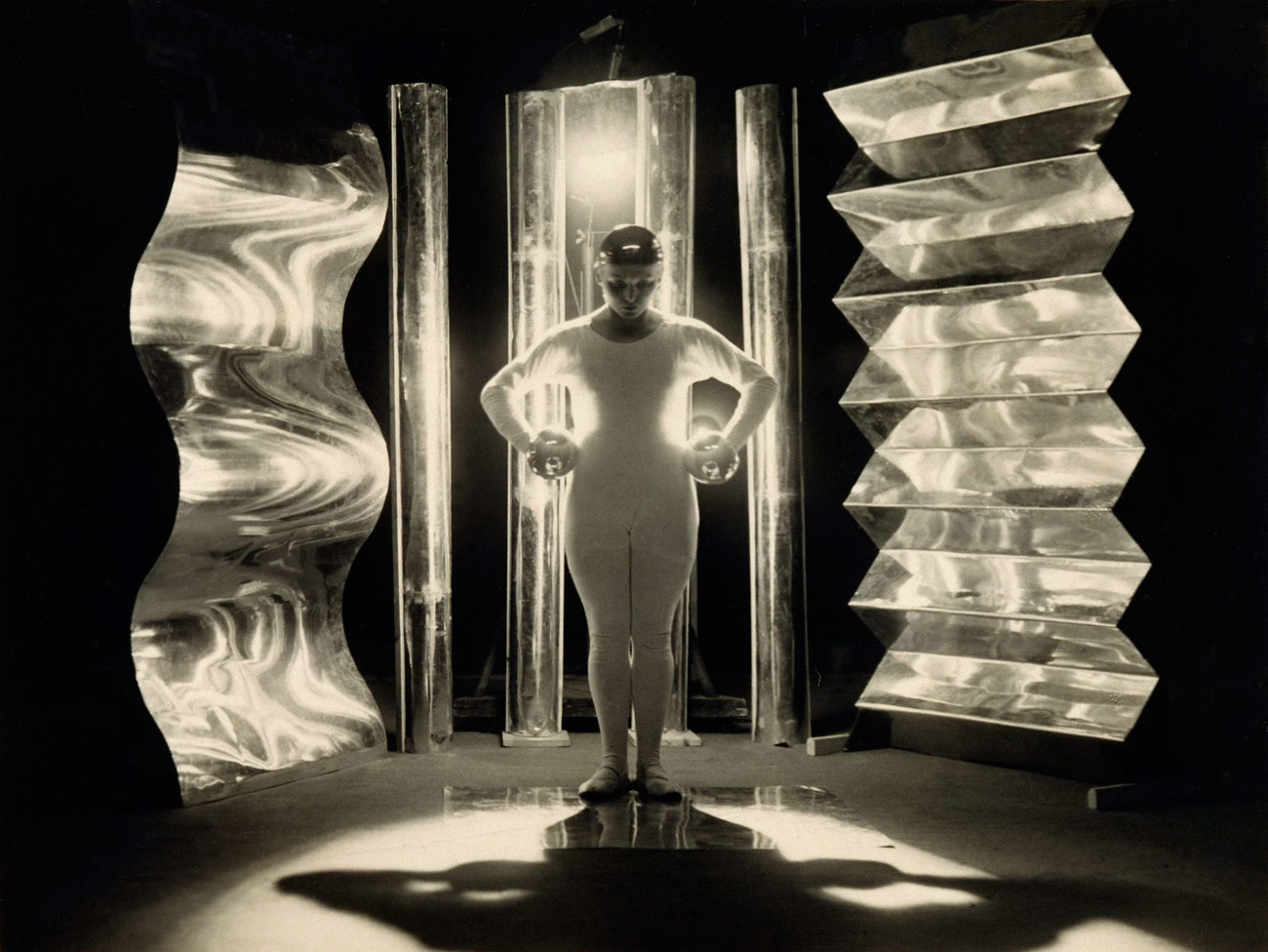
![Lyonel Feininger (American, 1871-1956) 'Untitled [Night View of Trees and Street Lamp, Burgkühnauer Allee, Dessau]' 1928](https://artblart.com/wp-content/uploads/2012/02/night-view-of-trees-and-streetlamp-burgkc3bchnauer-allee-dessau-1928.jpg "Lyonel Feininger (American, 1871-1956) 'Untitled [Night View of Trees and Street Lamp, Burgkühnauer Allee, Dessau]' 1928")
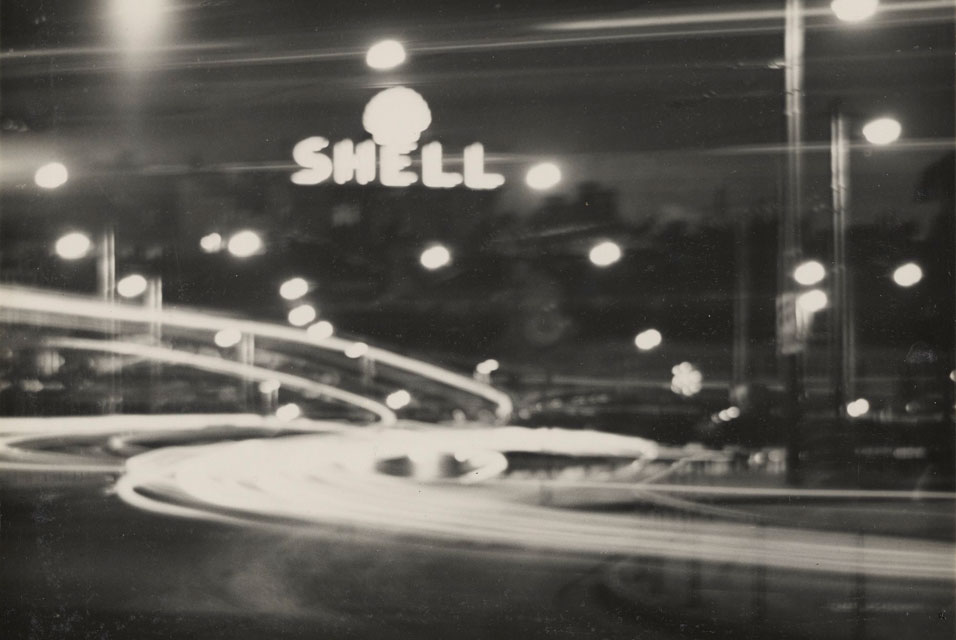


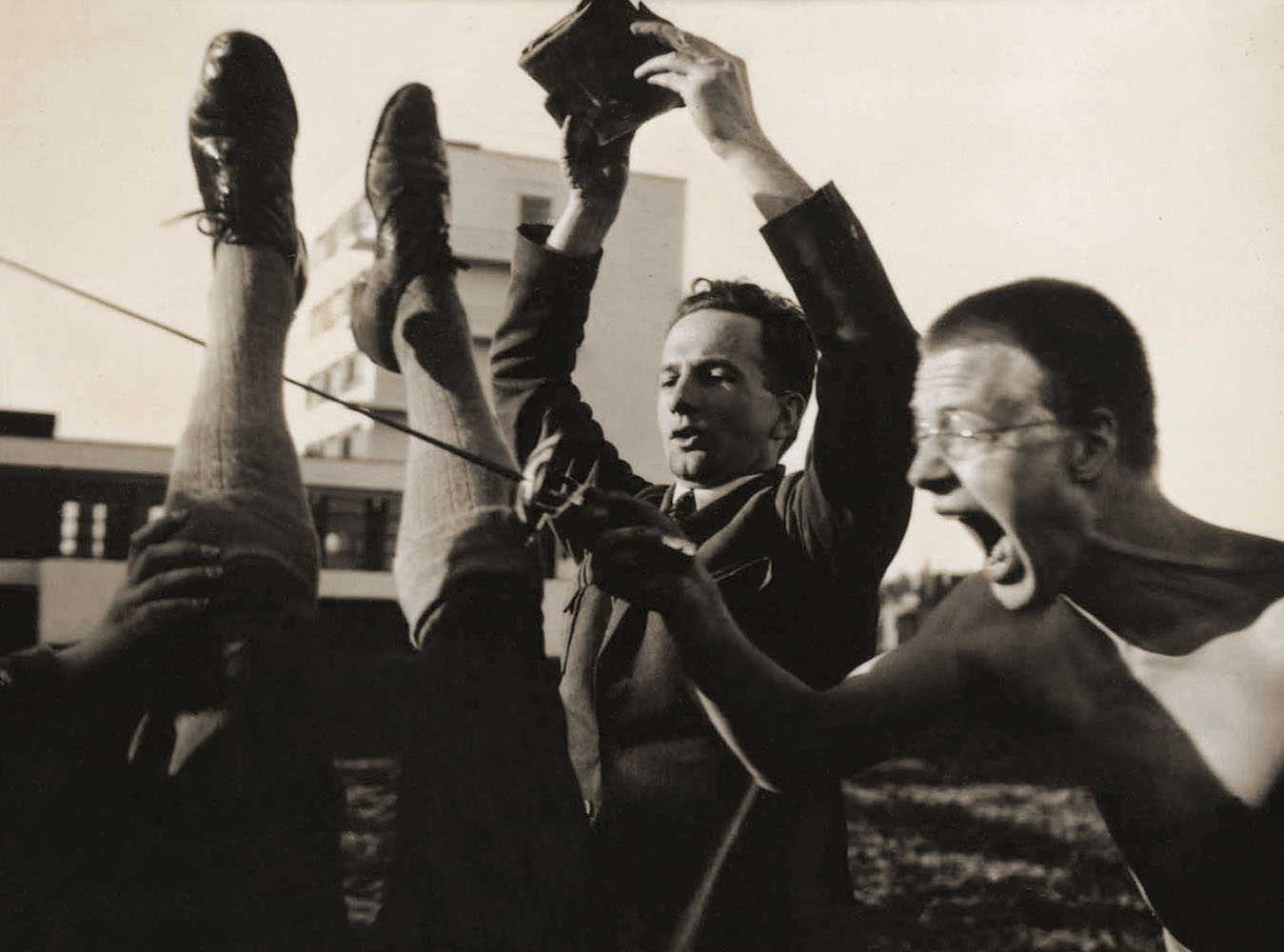
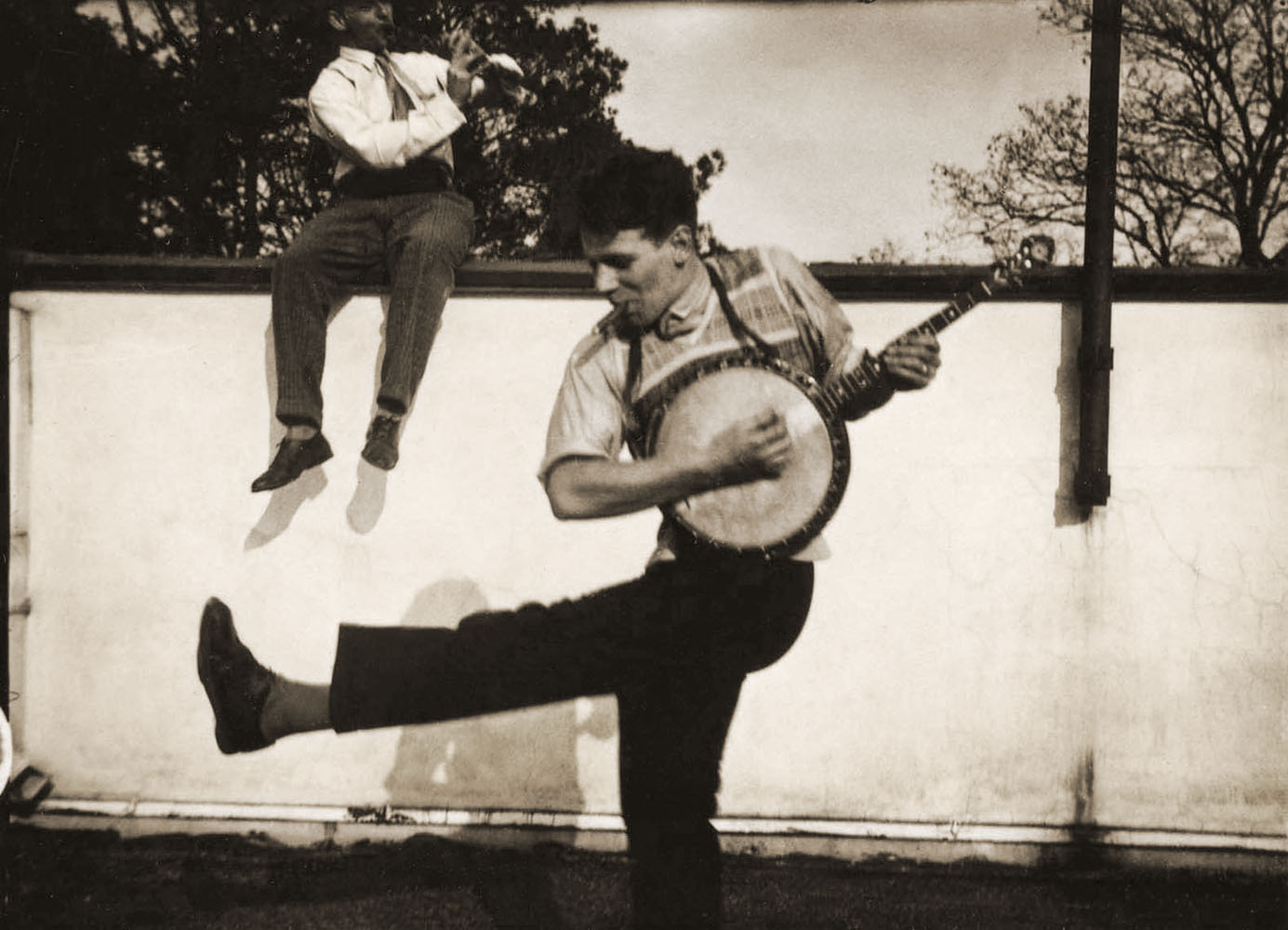
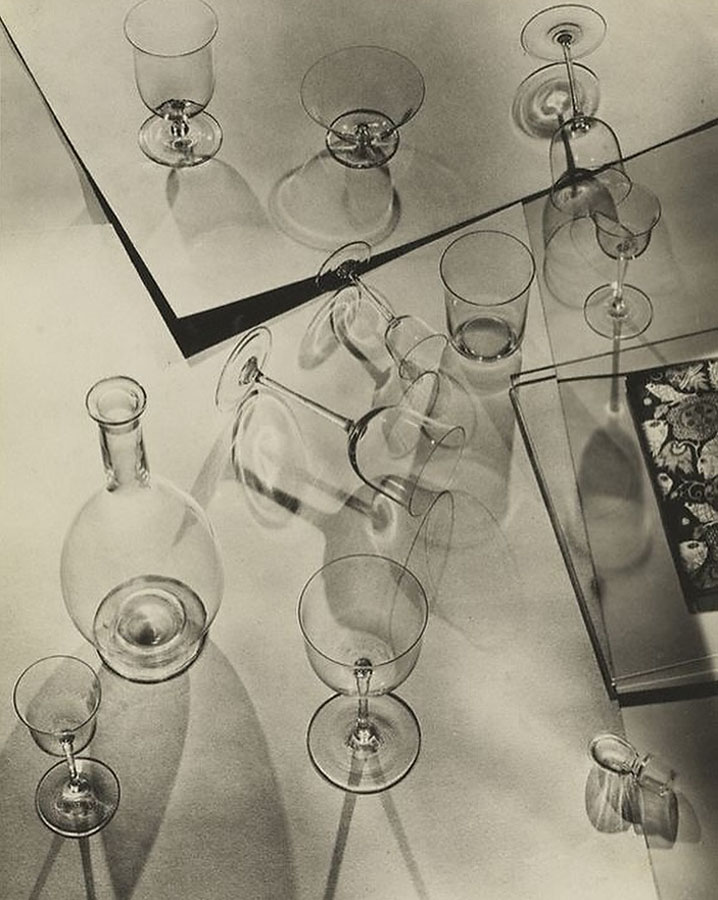

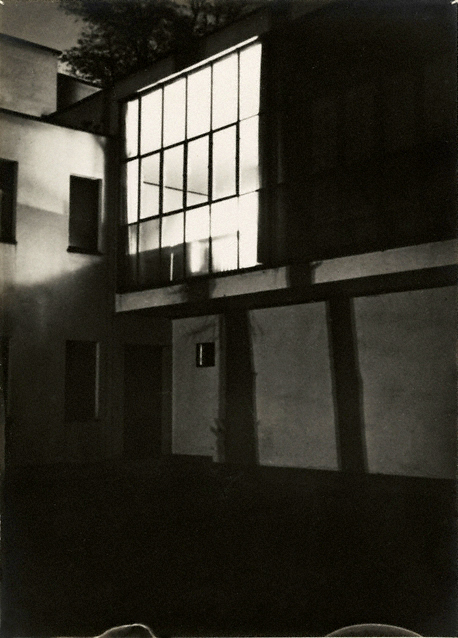

![Irene Bayer-Hecht (American, 1898-1991) 'Untitled [Students on the Shore of the Elbe River, near Dessau]' 1925](https://artblart.com/wp-content/uploads/2012/03/irene-bayer-bauhacc88usler-am-strand-der-elbe-bei-dessau-web.jpg "Irene Bayer-Hecht (American, 1898-1991) 'Untitled [Students on the Shore of the Elbe River, near Dessau]' 1925")
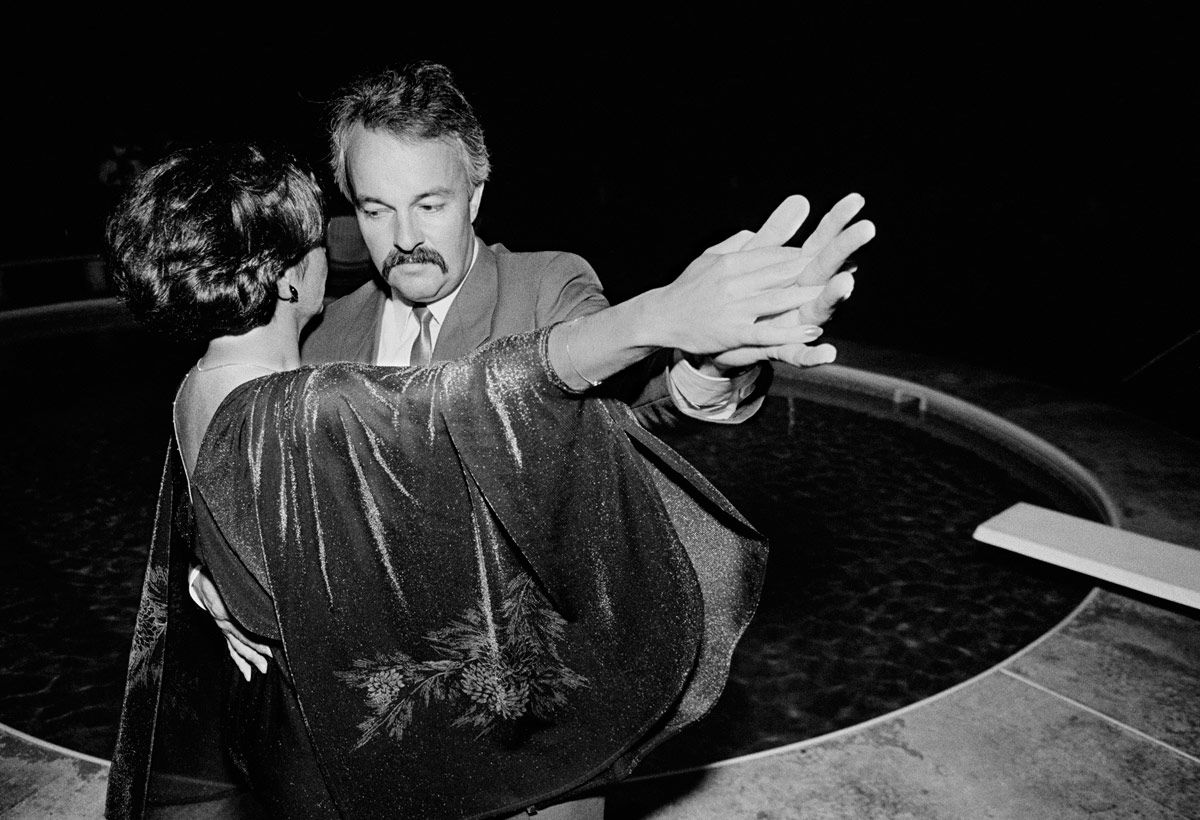
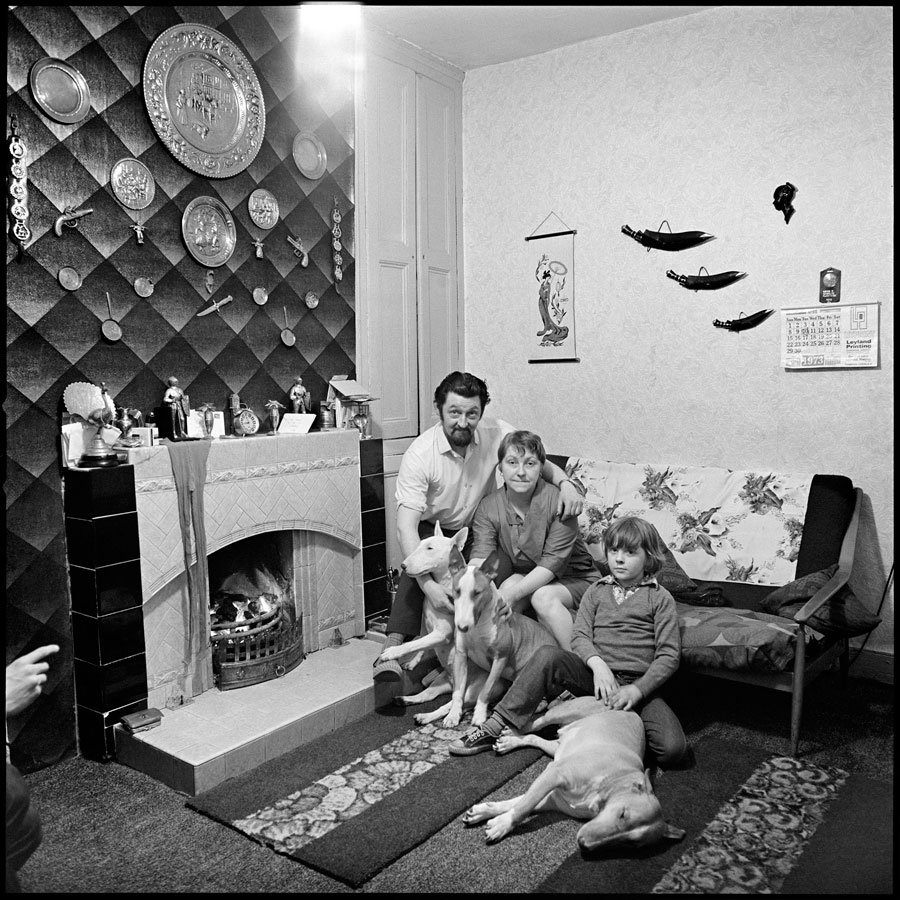
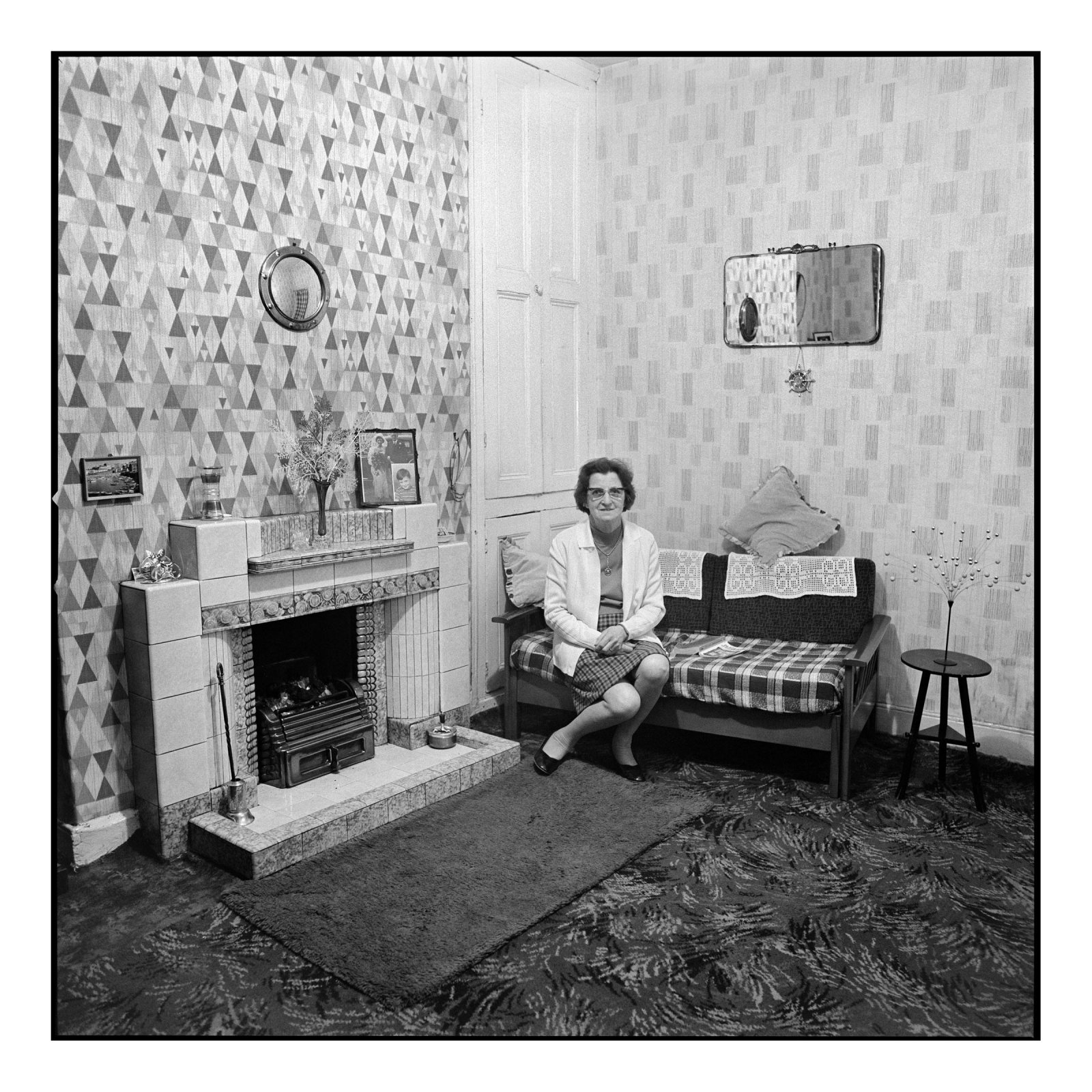
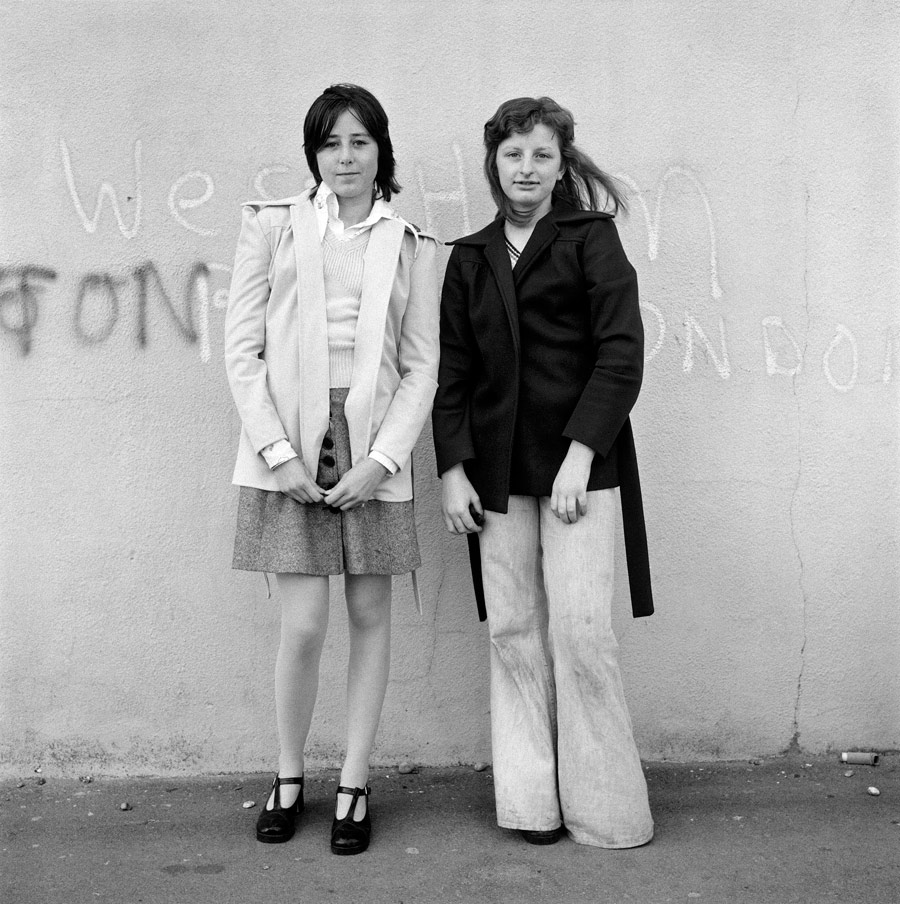
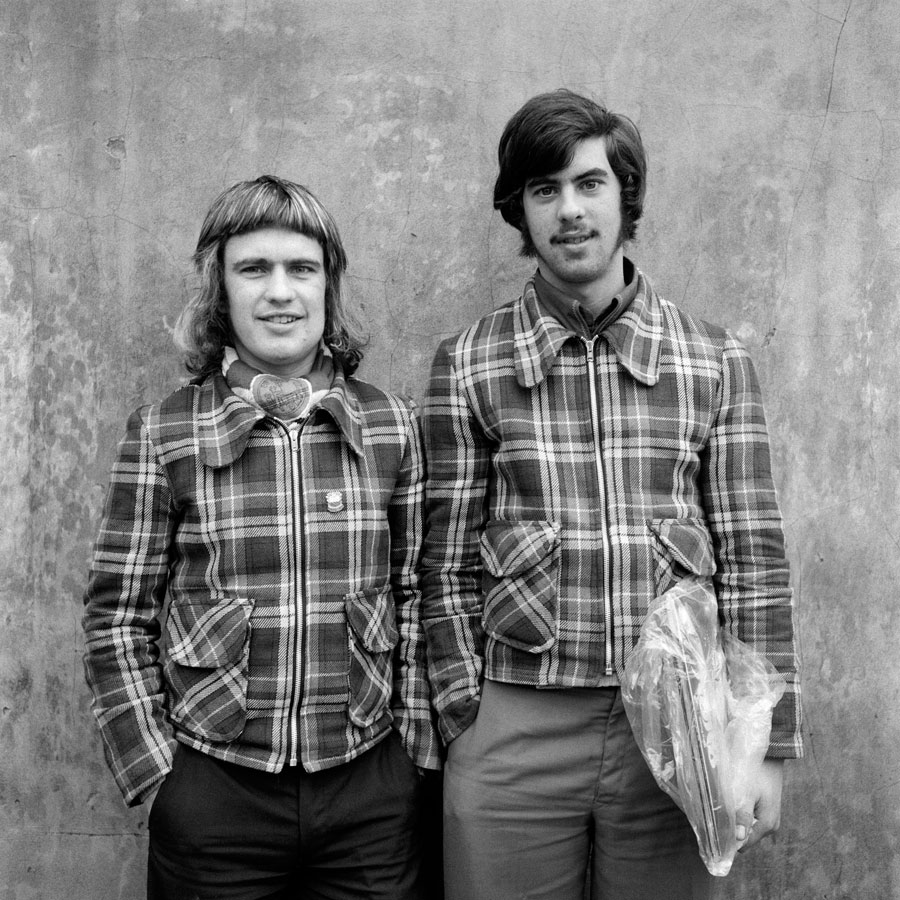
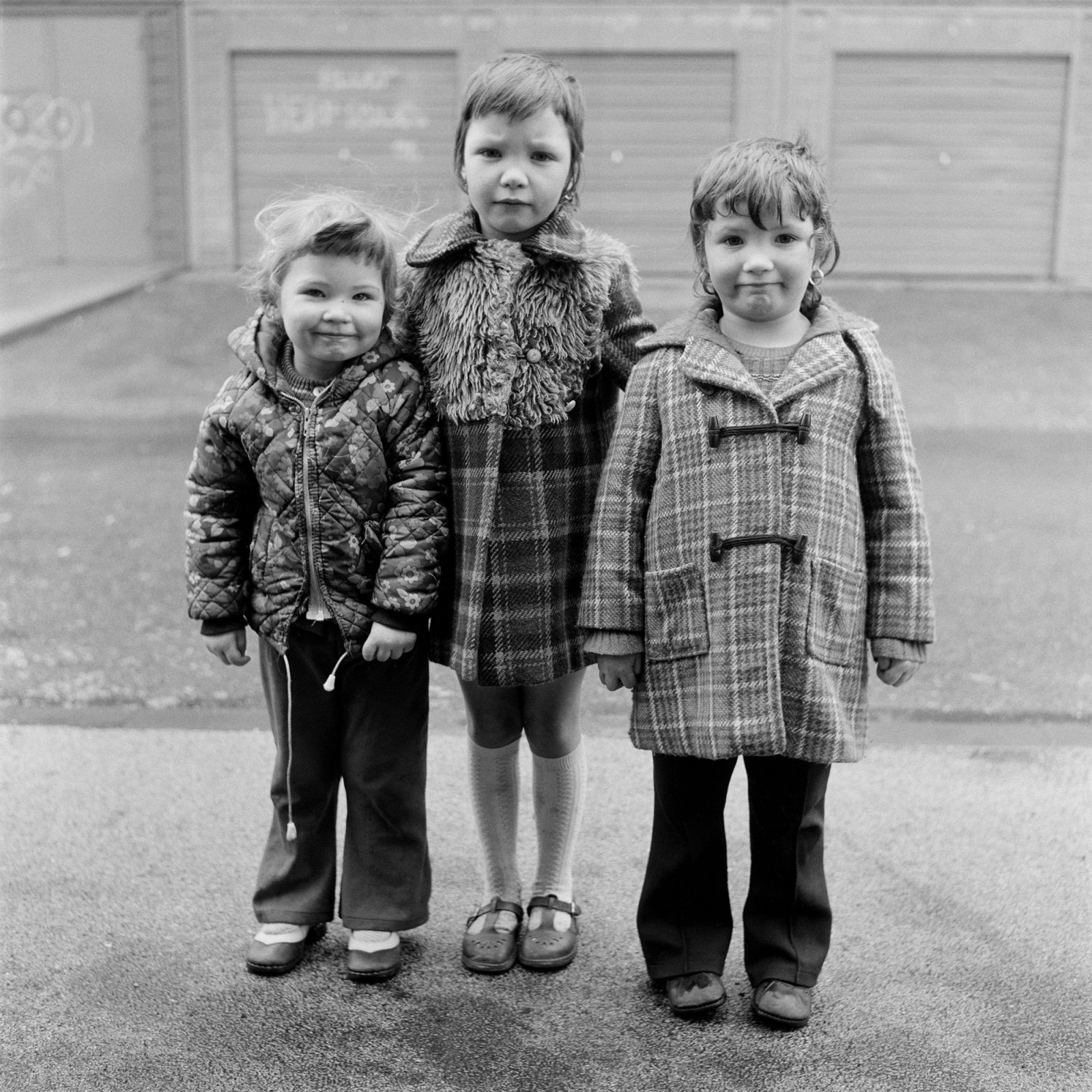
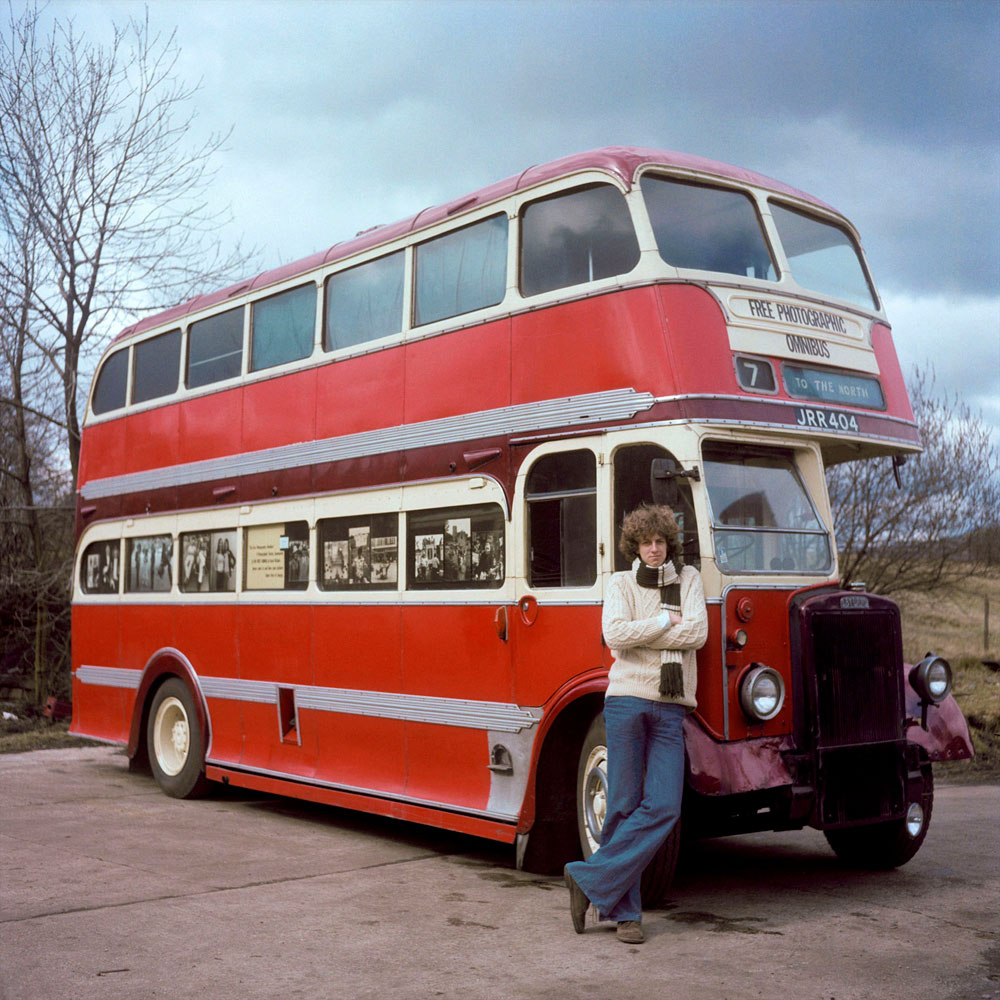
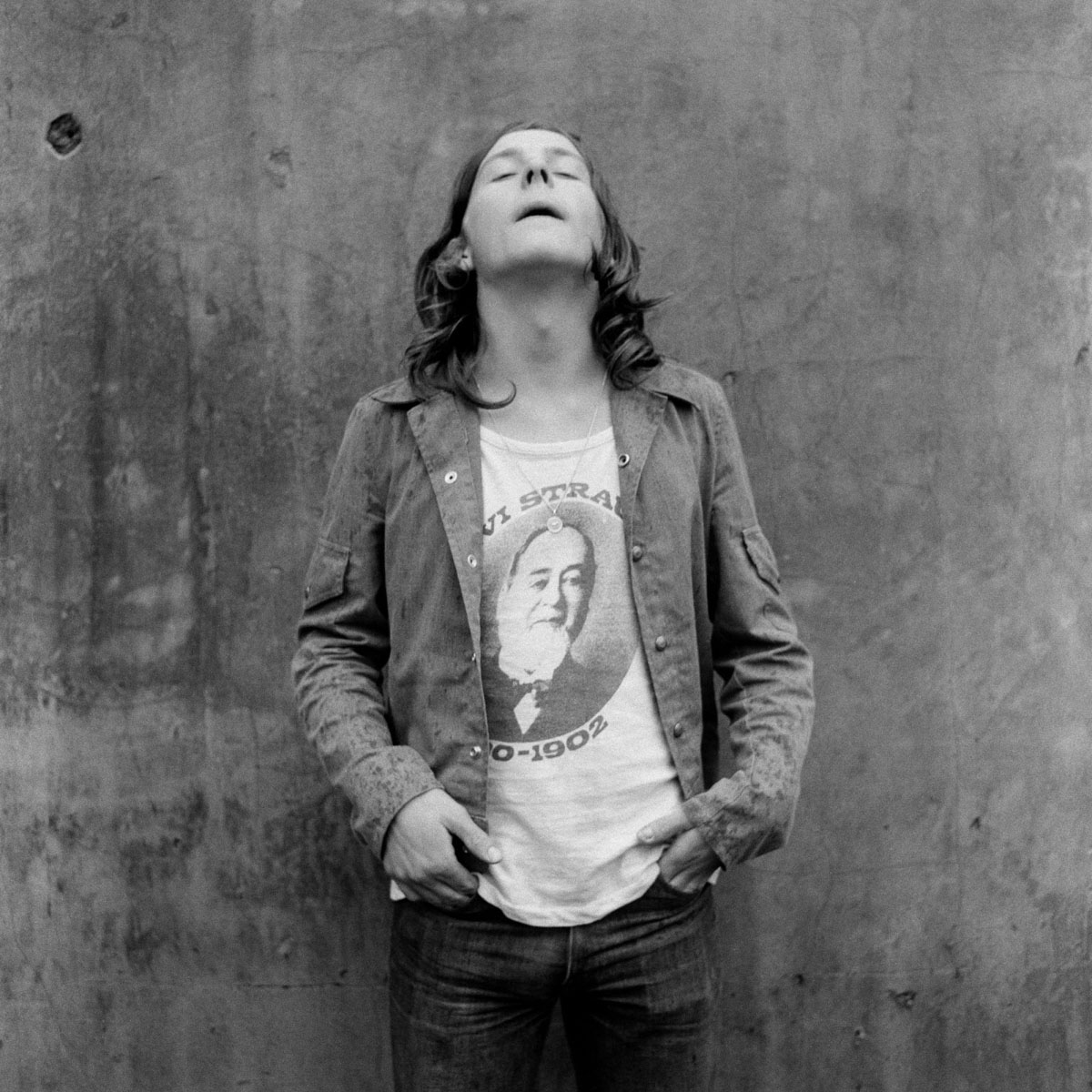
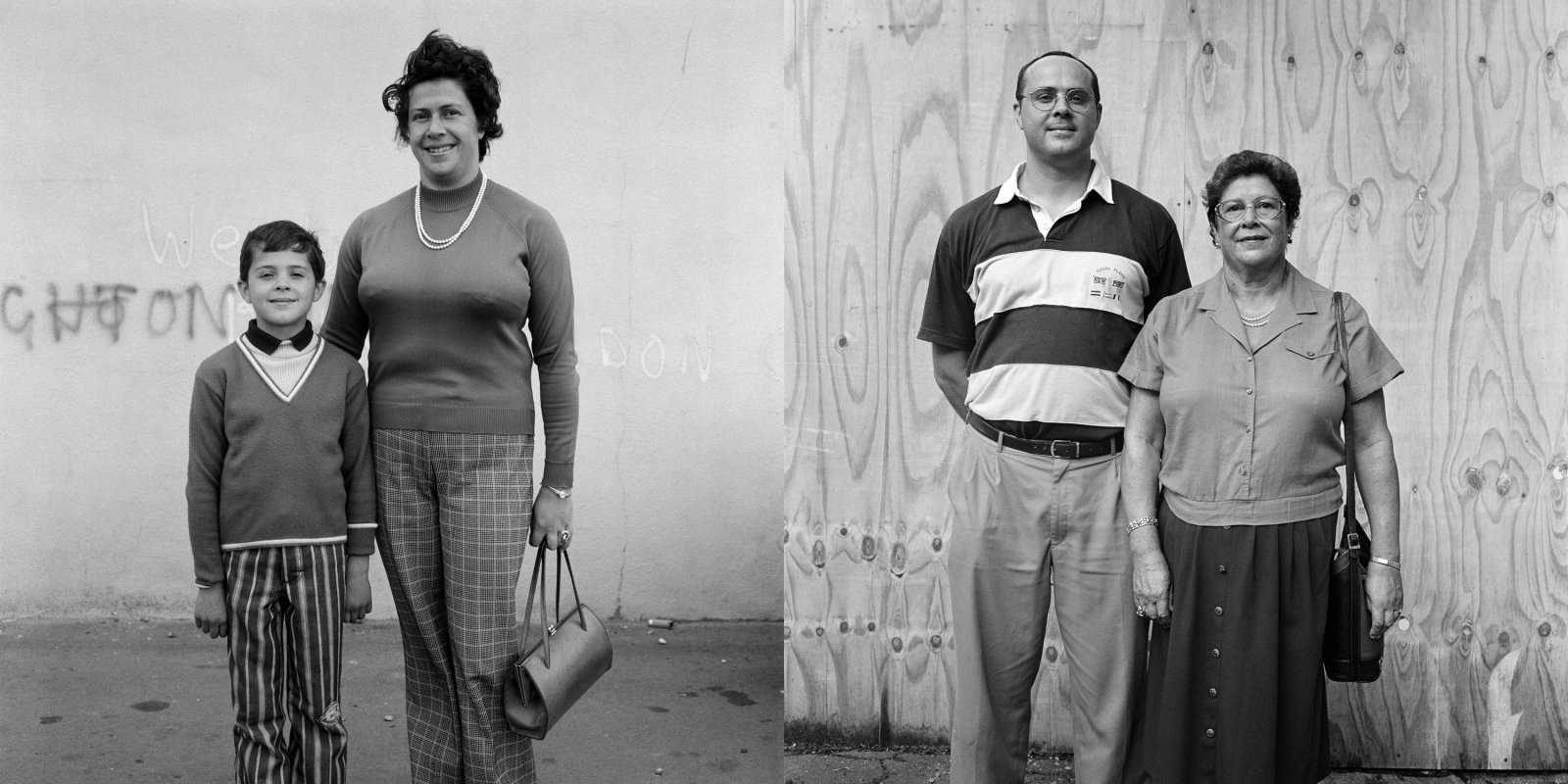
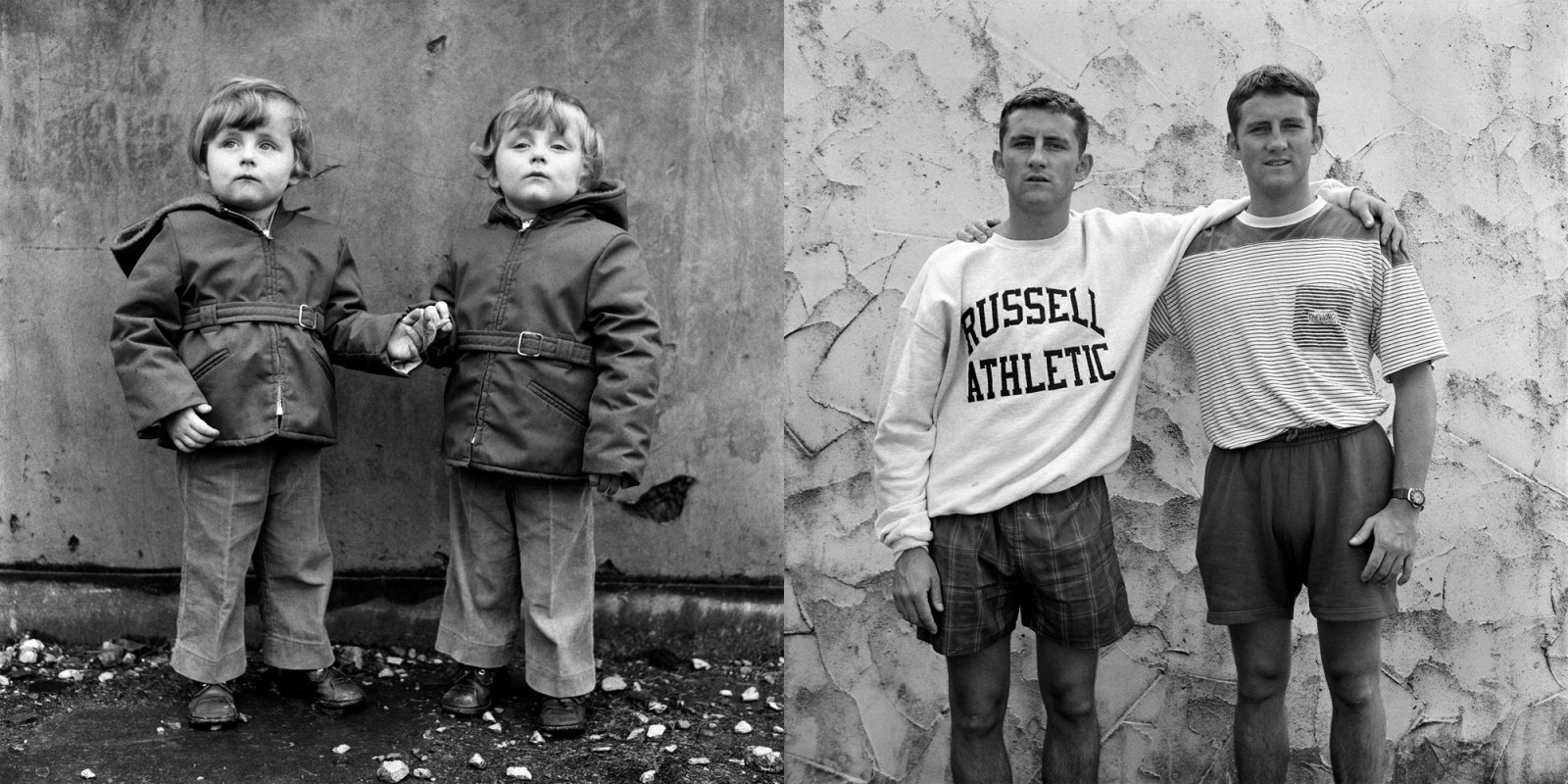
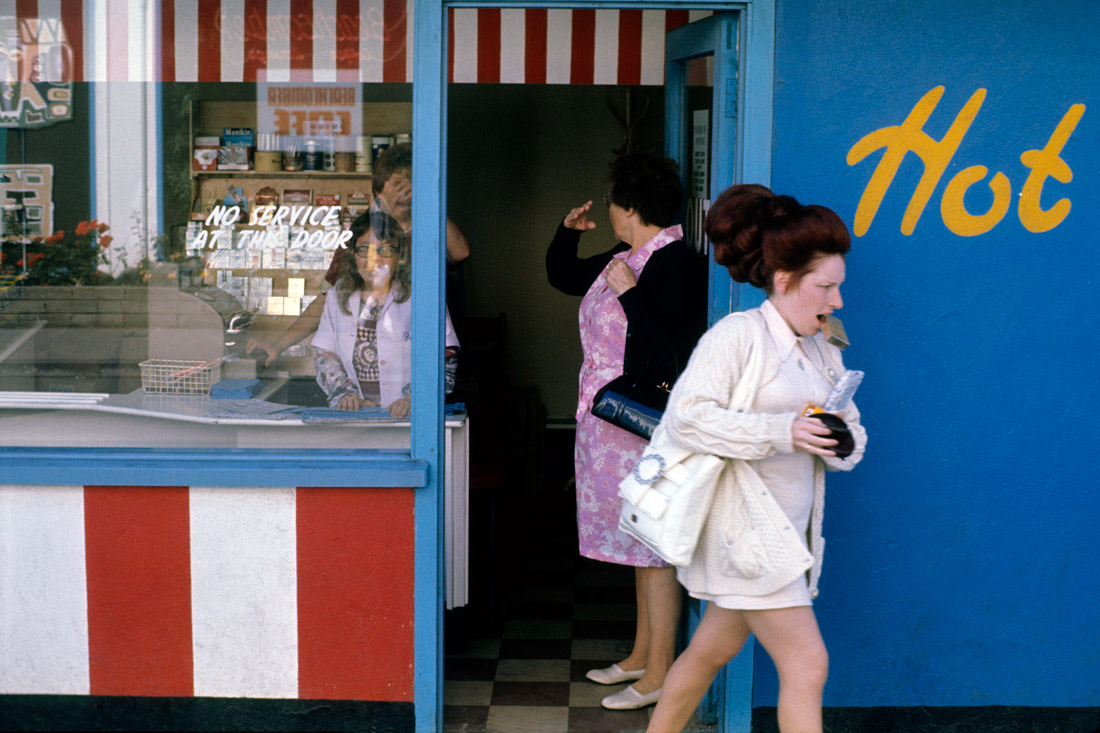
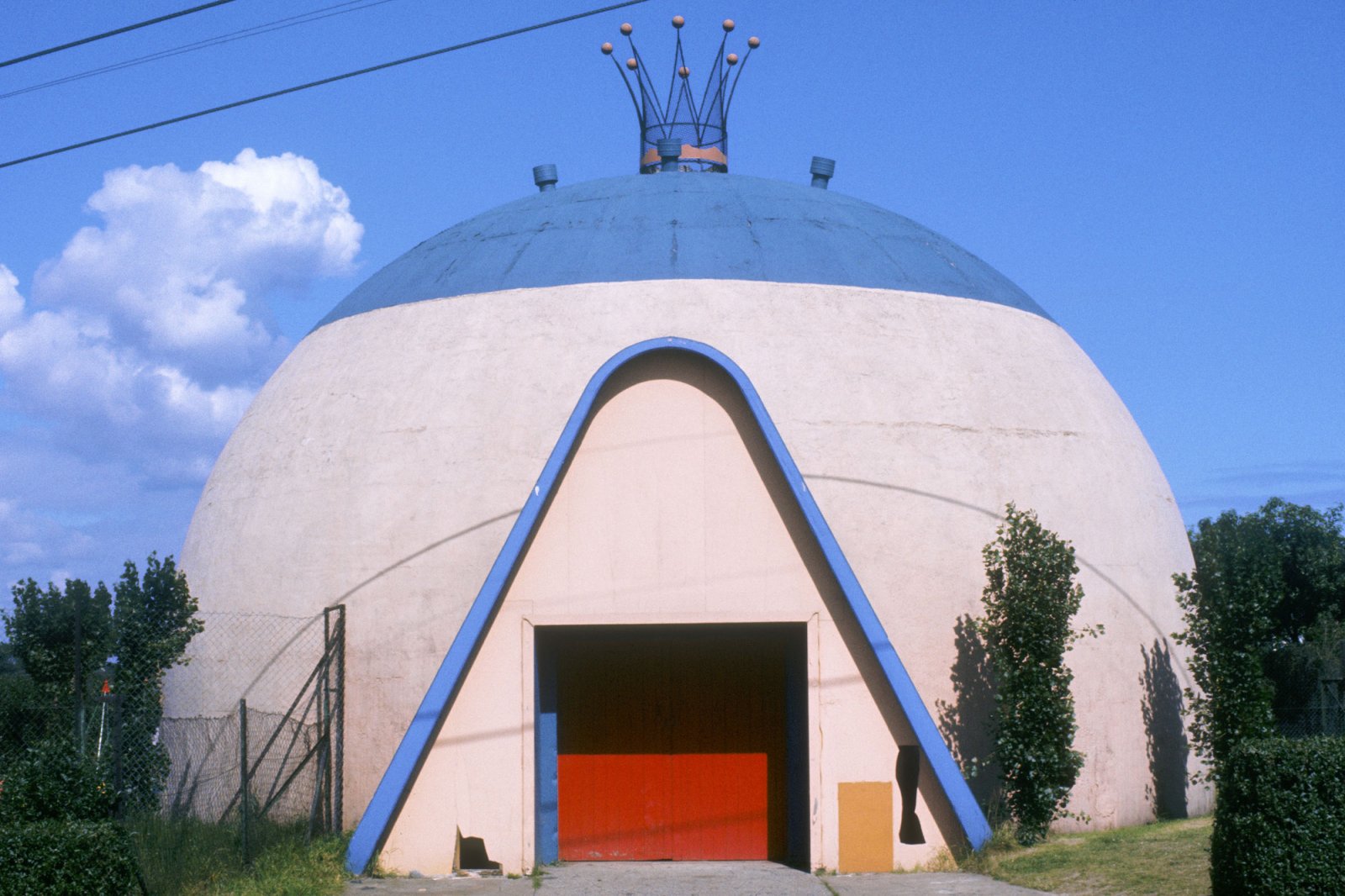
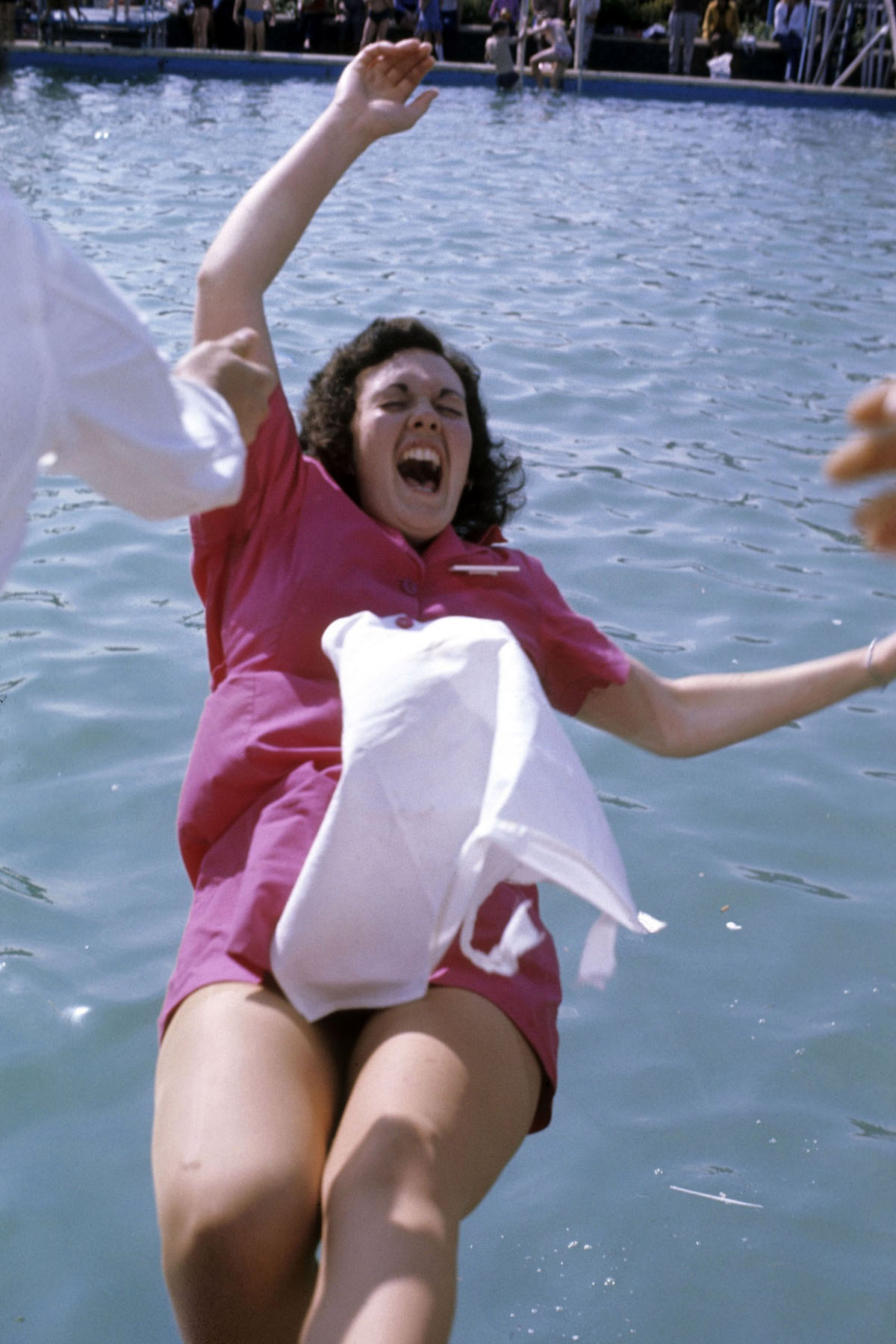
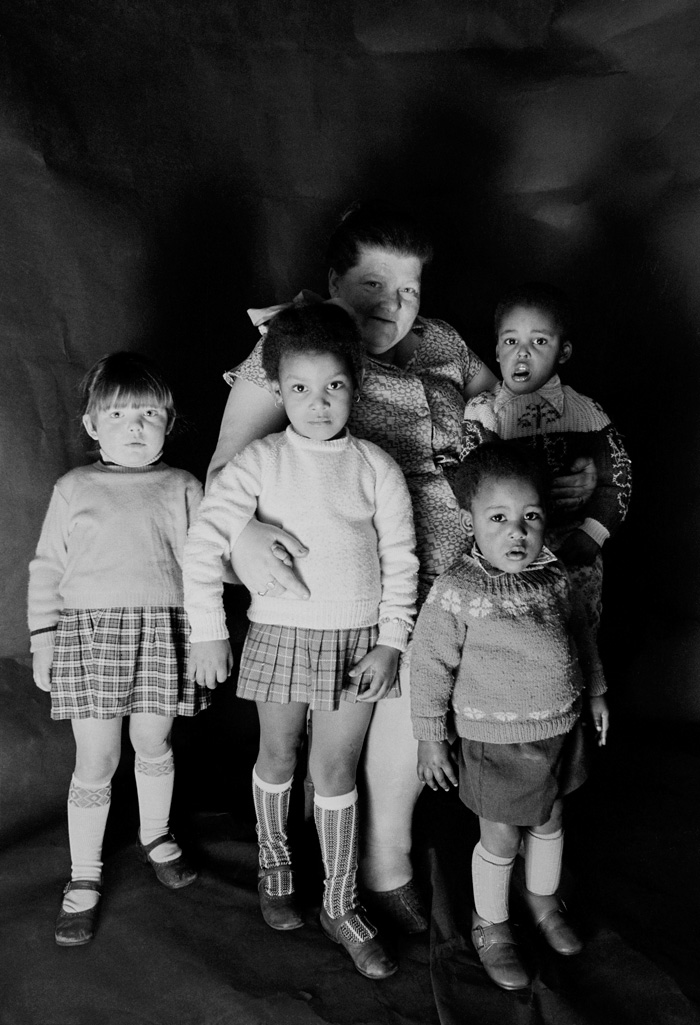
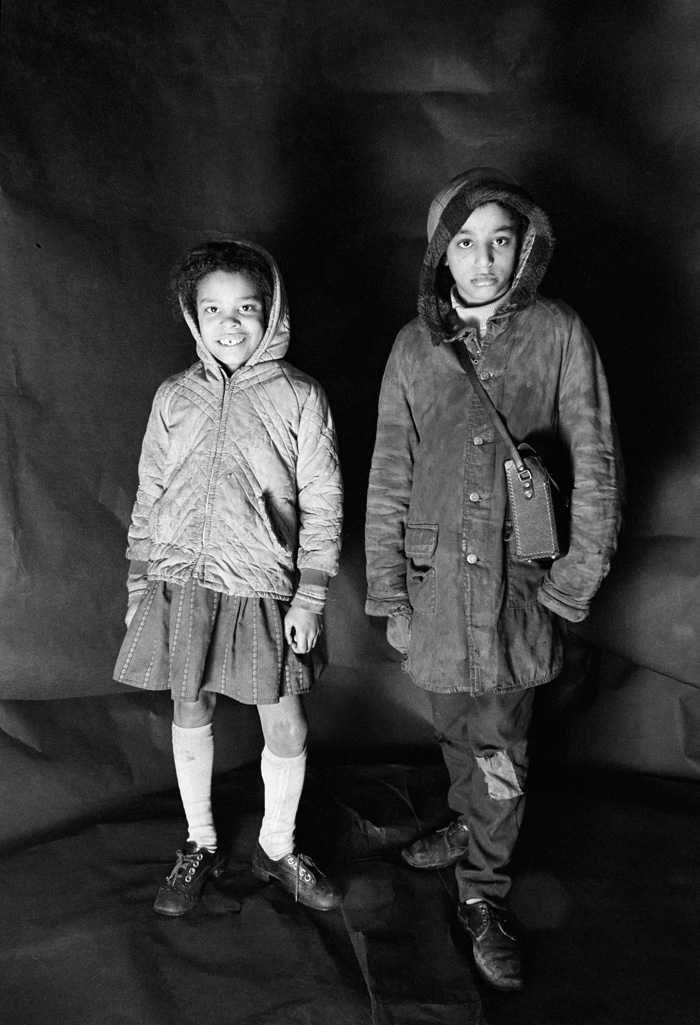
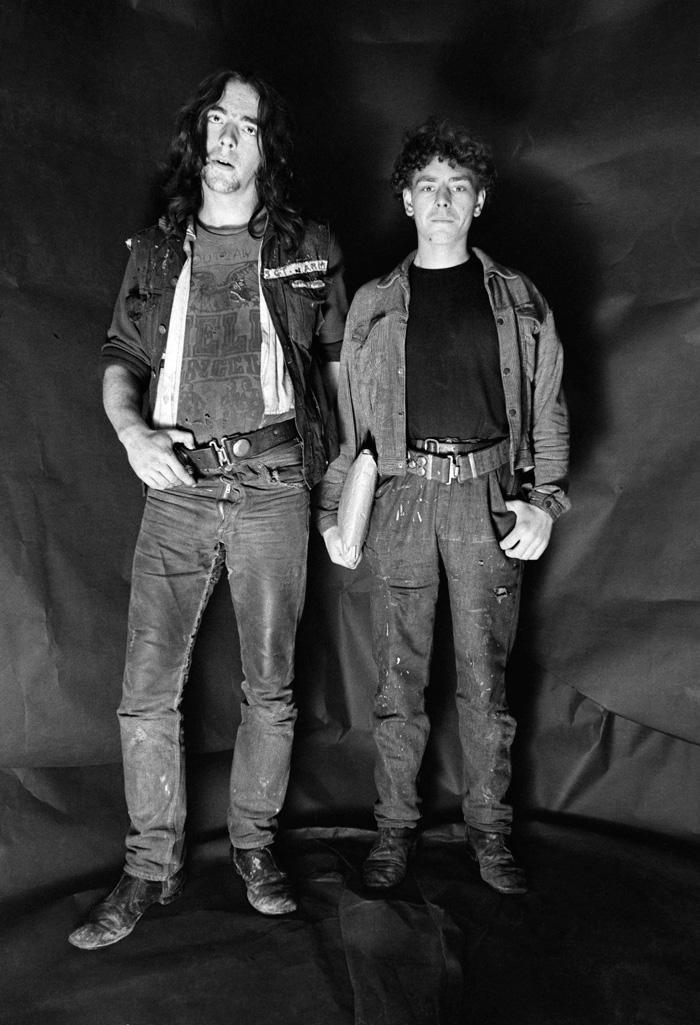
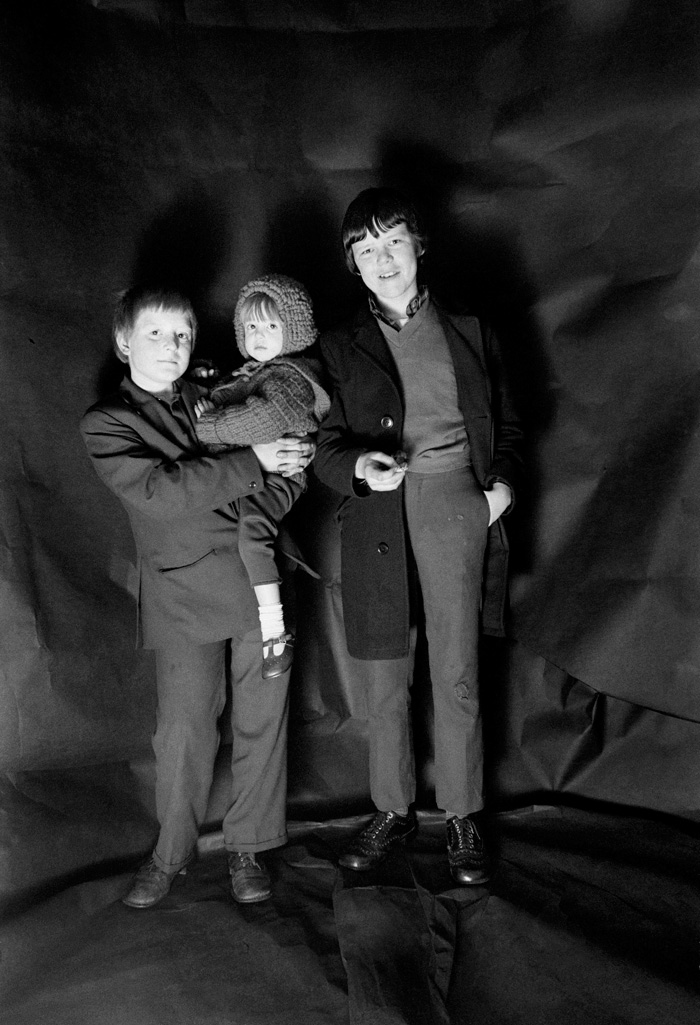
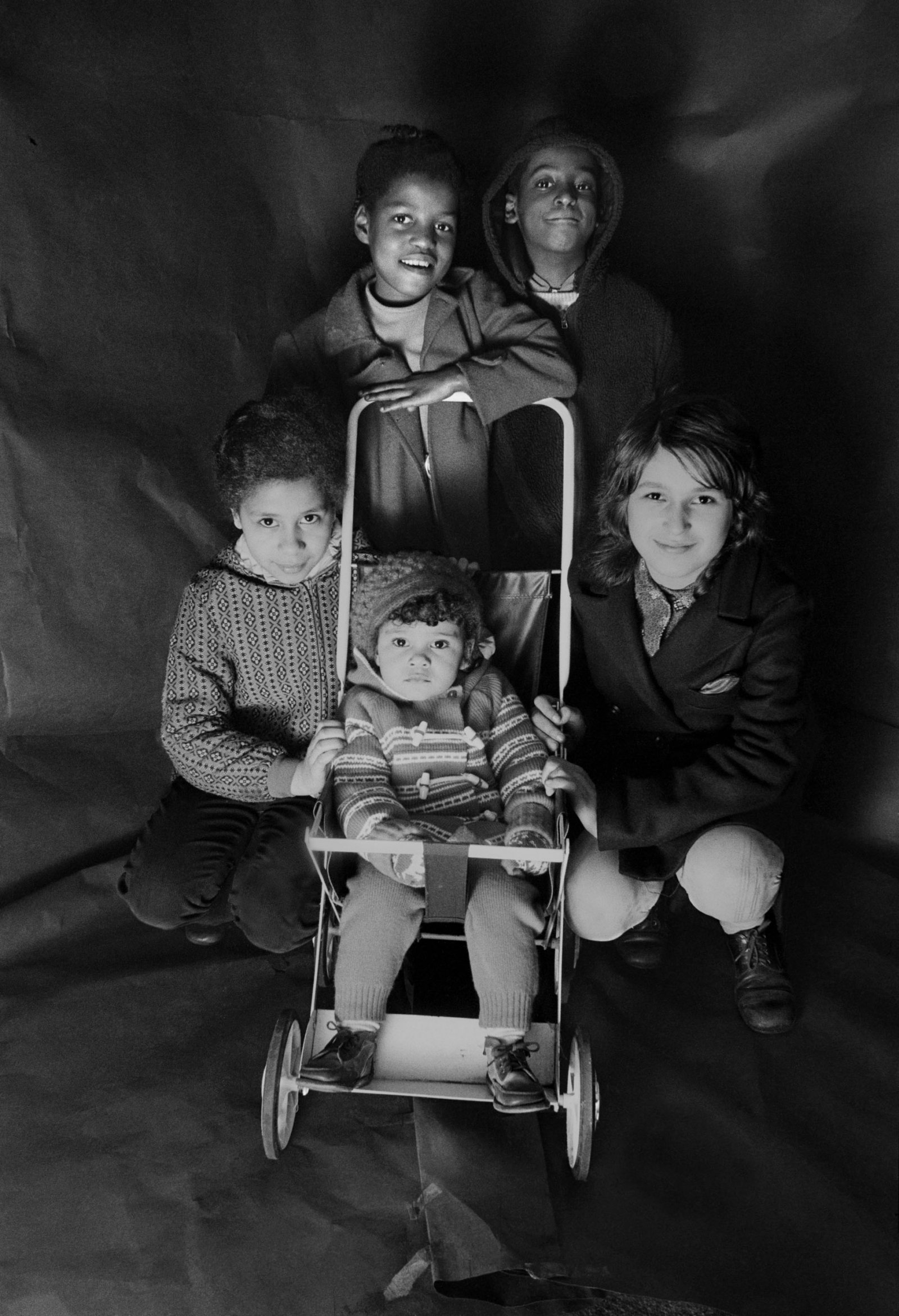
 Art Blart _ art and cultural memory archive
You must be logged in to post a comment.