Publisher: Ernst Wasmuth A.G. / Berlin With an Introduction by Charles F. G. Masterman
E. O. Hoppé (British born Germany, 1878-1972) Publisher Ernst Wasmuth A.G. / Berlin Picturesque Great Britain: Its Architecture and Landscape cover 1926 304 photoprints
E. O. Hoppé
Now there’s a name to conjure with!
I found this book in a charity shop, for $5. I couldn’t believe my luck. Here is a book, published in 1926, by one of the most underrated and oft forgotten of the great master photographers of the early twentieth century. It contains 304 photoprints of his journey around Great Britain – “picturesque” photographs – with all the implications that this name brings forth, with its link to Pictorialist photography.
Except, some of these photographs are far from “picturesque” ((of a place or building) visually attractive, especially in a quaint or charming way.) In fact, for the time, they can be seen as downright modern in their composition. Hoppé’s construction of the pictorial frame is exquisite. A wonderful sense of balance and proportion, use of chiaroscuro, low depth of field, geometric form, and a shear sense of space pervade these images. His use of near / far is a joy to behold, as he holds the foreground while drawing the viewers gaze into the distance, to an attendant bridge or dome of St Paul’s cathedral.
In this, the first of a four-part posting, what also strikes one is the rich tonality of these photogravure-like photoprints, with their dark, inky shadows and the sfumato blending of mid tones and highlights. Just look at Plate 33, Hoppé’s photograph of Stonehenge (below) and be swept away by this masters voice. In this photograph, as in many of the photographs, there is an almost abstract quality to them coupled with a wistful romanticism for time and place, for the history of the country he is photographing. Just imagine, hiring a car (or possibly a van) and travelling through a summer around Great Britain taking many many photographs, before whittling them down to the final 300 or so. Did he develop the film in the back of the van after each days shooting, before piling into bed at the local hotel? I don’t know, but I want to go on that road journey!
Being British, these photographs have a great pull and nostalgia for me. I love the British countryside and miss it dearly. What particularly strikes me about them is the absence of people and cars in the photographs, and how archaic and ancient this land seems. Despite being the head of the British Empire, despite being the leader of the Industrial Revolution (pictured throughout the book with pictures of Manchester and the Northern industrial cities), you cannot imagine that this country, a mere 14 years after these photographs were taken, would be on its knees after the withdrawal from Dunkirk, facing invasion from the Nazis… and yet, somehow, hold out, and eventually win the Second World War with the help of Russia and America.
These photographs portray Great Britain as an almost medieval country complete with castle and moat, cathedral and henge, fog descending over the Thames, horse and plough tilling the fields with nere a tractor in sight. People in one’s and two’s tramp the deserted streets, while thatched cottages silently await the rushing conflagration. How Great Britain, pictured here in all its beauty and serenity, survived the coming Armageddon – can perhaps be seen in these photographs very essence, their sense of history and place, of steadfastness and Britishness.
Dr Marcus Bunyan
Please click on the photographs for a larger version of the image. These photographs are published under fair use conditions for educational purposes only. See Part 2; Part 3; and Part 4 of the posting.
This magnificent set of pictures displays, with all the art of genius both in selection and technical skill, the beauty of the British Isles. I know of no similar collection which could give alike to the foreigner who wonders what England is like, to the Englishman who has wandered from his native land into all the great dominions of the world, and to the man who has remained behind, that particular sense of pleasure mingled with pain which all beauty excites, and excites especially a passionate love in the vision of home.
This is an introduction to pictures of the landscapes and the works of man; these latter ennobled by the associations of time, and in some cases by time’s decay. They open vistas through which one may gaze at the history of England for a thousand years.
Charles F. G. Masterman
E. O. Hoppé (British born Germany, 1878-1972) Publisher Ernst Wasmuth A.G. / Berlin Picturesque Great Britain: Its Architecture and Landscape title page 1926 304 photoprints
E. O. Hoppé (British born Germany, 1878-1972)
Emil Otto Hoppé (14 April 1878 – 9 December 1972) was a German-born British portrait, travel, and topographic photographer active between 1907 and 1945. Born to a wealthy family in Munich, he moved to London in 1900 to train as a financier, but took up photography and rapidly achieved great success.
He was the only son of a prominent banker, and was educated in the finest schools of Munich, Paris and Vienna. Upon leaving school he served apprenticeships in German banks for ten years, before accepting a position with the Shanghai Banking Corporation. He never arrived in China. The first leg of his journey took him to England where he met an old school friend. Hoppé married his old school friend’s sister, Marion Bliersbach, and stayed in London. While working for the Deutsche Bank, he became increasingly enamored with photography, and, in 1907, jettisoned his commercial career and opened a portrait studio. Within a few years, E.O. Hoppé was the undisputed leader of pictorial portraiture in Europe. To say that someone has a “household name” has become a cliché, yet in Hoppé’s case the phrase is apt. Rarely in the history of the medium has a photographer been so famous in his own lifetime among the general public. He was as famous as his sitters. It is difficult to think of a prominent name in the fields of politics, art, literature, and the theatre who did not pose for his camera.”
Although Hoppé was one of the most important photographic artists of his era and highly celebrated in his time, in 1954, at the age of 76, he sold his body of photographic work to a commercial London picture archive, the Mansell Collection. In the collection, the work was filed by subject in with millions of other stock pictures and no longer accessible by author. Almost all of Hoppé’s photographic work – that which gained him the reputation as Britain’s most influential international photographer between 1907 and 1939 – was accidentally obscured from photo-historians and from photo-history itself. It remained in the collection for over thirty years after Hoppé’s death, and was not fully accessible to the public until the collection closed down and was acquired by new owners in the United States.
In 1994 photographic art curator Graham Howe retrieved Hoppé’s photographic work from the picture library and rejoined it with the Hoppé family archive of photographs and biographical documents. This was the first time since 1954 that the complete E.O. Hoppé Collection was gathered together. Many years were spent in cataloguing, conservation, and research of the recovered work.
T. Schneider & Sons (German, 1847-1921) Untitled (interiors of Bavarian and Russian Palaces) c. 1860 Hand tinted Stereo Daguerrotype
How rare, how exquisite.
Just look at the light and especially the perspective of these photographs. Probably due to the focal length of the lens which compacts space (like a zoom lens today), it seems as though we can see forever, to infinity, in these images.
The scale of relationship between things in the foreground and background is absolutely pleasing.
Just imagine looking at them as stereoscopes, and visualise the 3D effect in your minds eye, and how that would affect your senses.
They sold today at auction. How I wish I’d had £21000 to buy them!
Dr Marcus Bunyan
Please click on the photographs for a larger version of the image.
T. SCHNEIDER & SONS (1847-1921) A Portfolio of hand tinted Stereo Daguerrotypes c. 1860, 10 examples, plate size, 88mm x 116mm, Mounted under a gilt brass mat, embossed in the lower margin ‘STEREOSCOP VON T. SCHNEIDER UND SOEHNE’, the portfolio housed in contemporary maker’s fitted wooden Daguerreotype box, illustrating the interiors of Bavarian and Russian Palaces. (88mm x 116mm)
Sold on the Invaluable website for £21000 April 30th 2020
T. Schneider & Sons (German, 1847-1921) Untitled (interiors of Bavarian and Russian Palaces) c. 1860 Hand tinted Stereo Daguerrotype
T. Schneider & Sons (German, 1847-1921) Untitled (interiors of Bavarian and Russian Palaces) c. 1860 Hand tinted Stereo Daguerrotype
T. Schneider & Sons (German, 1847-1921) Untitled (interiors of Bavarian and Russian Palaces) c. 1860 Hand tinted Stereo Daguerrotype
T. Schneider & Sons (German, 1847-1921) Untitled (interiors of Bavarian and Russian Palaces) c. 1860 Hand tinted Stereo Daguerrotype
T. Schneider & Sons (German, 1847-1921) Untitled (interiors of Bavarian and Russian Palaces) c. 1860 Hand tinted Stereo Daguerrotype
T. Schneider & Sons (German, 1847-1921) Untitled (interiors of Bavarian and Russian Palaces) c. 1860 Hand tinted Stereo Daguerrotype
T. Schneider & Sons (German, 1847-1921) Untitled (interiors of Bavarian and Russian Palaces) c. 1860 Hand tinted Stereo Daguerrotype
T. Schneider & Sons (German, 1847-1921) Untitled (interiors of Bavarian and Russian Palaces) c. 1860 Hand tinted Stereo Daguerrotype
T. Schneider & Sons (German, 1847-1921) Untitled (interiors of Bavarian and Russian Palaces) c. 1860 Hand tinted Stereo Daguerrotype
Unknown photographer (Australian) Untitled (Flinders Street railway station) 1946-1947 Medium format negative Collection of Nicholas Henderson
Another mountain of work scanning and cleaning 50 of these 2 1/4″ square (6 x 6 cm) medium format black and white negatives which come from the collection of my friend Nick Henderson. In Part 2 of the posting the family travel to Melbourne, Colac and Tasmania. The photographs of postwar Melbourne are fascinating. There are also pictures of mining works, a speedcar racer, picnic, pub, dogs, ballerinas, actors, children and some stunning, Frank Hurley-esque photographs of Sydney Harbour Bridge.
The photographs seem as though from another world. The Pacific Highway in North Sydney is almost deserted of traffic. A fascinating set of four photographs are Road accident, hay truck, Albion Park, New South Wales. In the first photograph from a distance we observe that a hay truck has lost its load, possibly after rounding the corner from left at too fast a speed, the intersection marked in the road by a small metal bollard. Small children inspect the underside of the truck while a boy on a bike rides to join them. What strikes one is the openness of the scene, the lack of other cars, and the spareness of the landscape, with only the “milk bar” with the Peters ice cream sign showing any sign of commerce. In the second image the photographer has moved around to the front side of the truck which tilts at a crazy angle. Two forty-gallon oil drums, possibly from the truck, have been placed upright on the road while bales of hay little the bitumen. In the background a petrol station advertises PLUME, Mobiloil, and Atlantic tyres(?) and on the right we can make out the Albion Park Hotel and the intersection around which the truck came.
In the third image which again shows the underside of the truck men have joined the scene, talking to presumably the shirtless truck driver in peaked cap, sheepishly standing among the twisted axles and staring at the camera. To the left two shoeless boys observe the scene. In the last photograph of the front of the truck we see kids sitting on the hay bails posing for the camera, while at far right the shirtless truck driver may be in conversation with others. What a glorious sequence of Walker Evans type social documentary photography… a brief context, an accident, a shooting star in the timeline of the galaxy.
My two favourite photographs in the posting: the almost solarised image of the Convict-built church at Port Arthur convict colony ruins; but more especially Number 42 tram going to Mont Albert. This photograph should become a classic in the annals of Australian photography. In one dynamic image the photographer has captured the hustle and bustle of postwar Melbourne – the women striding purposefully towards us, the Silver Top taxi cresting the rise at speed, the number 42 tram to Mont Albert kicking up dust from the tracks, the shadows, the gothic buildings, the towers behind and the vanishing point. A superlative image.
Hopefully there will be part 3 of this series when I get chance to scan some more negatives. In the meantime you can view Part 1 and these images. Enjoy!
Dr Marcus Bunyan
Many thankx to Nick Henderson for allowing me to publish the photographs in the posting. All photographs collection of Nick Henderson. Please click on the photographs for a larger version of the image.
Unknown photographer (Australian) Untitled (Y.M.C.A, City Road, South Melbourne) 1946-1947 Medium format negative Collection of Nicholas Henderson
Unknown photographer (Australian) Untitled (Collins Street, Melbourne looking west from just above the Swanston Street intersection, Town Hall on the right, and then the Manchester Unity building across Swanston Street, probably taken from in front of the Regent Theatre) 1946-1947 Medium format negative Collection of Nicholas Henderson
Unknown photographer (Australian) Untitled (Looking at Flinders Street railway station on Elizabeth Street, Melbourne) 1946-1947 Medium format negative Collection of Nicholas Henderson
Unknown photographer (Australian) Untitled (Centreway Building on Collins Street, 259-263 Collins Street) 1946-1947 Medium format negative Collection of Nicholas Henderson
Unknown photographer (Australian) Untitled (Melbourne street) 1946-1947 Medium format negative Collection of Nicholas Henderson
Unknown photographer (Australian) Untitled (A. C. Goode House at 389-399 Collins) (the Gothic building at right) 1946-1947 Medium format negative Collection of Nicholas Henderson
Unknown photographer (Australian) Untitled (Russell Street taken from near Collins Street) 1946-1947 Medium format negative Collection of Nicholas Henderson
Russell Street with police radio tower viewed from Collins street. American 1930’s car’s that where popular then, Dodge, Chevy, Lincoln & Fords! Yellow cab at left, and the cars are facing the same way both sides of the road. The Holden Motor Company built Buick, Chevy & Pontiac from “CKD” kits from the USA. Parking in the middle of the road (so we are not seeing the other side of the road).
Unknown photographer (Australian) Untitled (Exhibition Street, looking from Collins Street, down past Flinders Lane) 1946-1947 Medium format negative Collection of Nicholas Henderson
Unknown photographer (Australian) Untitled (Collins Street looking up towards Old Treasury Building) 1946-1947 Medium format negative Collection of Nicholas Henderson
Unknown photographer (Australian) Untitled (Number 42 tram going to Mont Albert) 1946-1947 Medium format negative Collection of Nicholas Henderson
Photograph taken where – Collins and Swanston Street? The lady is walking towards or just beyond the Melbourne Town Hall, the tram is on the other side of the road going the opposite way towards Mont Albert. In the centre background is the APA Tower and in front of it is the Mutual Life and Citizens Assurance Co (MLC) building. In the far distance is the Federal Hotel and Coffee Palace. Silver Top Pontiac Taxi (1937) slippery leather seats! Front bench seats with full length grab bar too hold on when cornering! (centre of image).
Many thankx to James Nolen for help identifying this image.
Unknown photographer (Australian) Untitled (St Paul’s Cathedral, Melbourne looking from Flinders Street railway station) 1946-1947 Medium format negative Collection of Nicholas Henderson
Unknown photographer (Australian) Untitled (Princes Bridge, Melbourne on the Yarra River with Flinders Street railway station to the right) 1946-1947 Medium format negative Collection of Nicholas Henderson
Unknown photographer (Australian) Untitled (Seagulls, rowing sheds on the Yarra River, Melbourne) 1946-1947 Medium format negative Collection of Nicholas Henderson
Unknown photographer (Australian) Untitled (Bill Edwards speedcar, Victoria) 1946-1947 Medium format negative Collection of Nicholas Henderson
Unknown photographer (Australian) Untitled (Bill Edwards speedcar, Victoria) 1946-1947 Medium format negative Collection of Nicholas Henderson
Unknown photographer (Australian) Untitled (Union Club Hotel, Colac) 1946-1947 Medium format negative Collection of Nicholas Henderson
Union Club Hotel, Colac 2010 Wikimedia Commons Creative Commons Attribution-Share Alike 3.0 Unported
Unknown photographer (Australian) Untitled (Picnic, family and car) 1946-1947 Medium format negative Collection of Nicholas Henderson
Unknown photographer (Australian) Untitled (Two women and two girls) 1946-1947 Medium format negative Collection of Nicholas Henderson
Unknown photographer (Australian) Untitled (Girl) 1946-1947 Medium format negative Collection of Nicholas Henderson
Unknown photographer (Australian) Untitled (Girl) 1946-1947 Medium format negative Collection of Nicholas Henderson
Unknown photographer (Australian) Untitled (Two lads and two children) 1946-1947 Medium format negative Collection of Nicholas Henderson
Unknown photographer (Australian) Untitled (Three dogs) 1946-1947 Medium format negative Collection of Nicholas Henderson
Unknown photographer (Australian) Untitled (Port Arthur convict colony ruins, Tasmania) 1946-1947 Medium format negative Collection of Nicholas Henderson
Unknown photographer (Australian) Untitled (Port Arthur convict colony ruins, Tasmania) 1946-1947 Medium format negative Collection of Nicholas Henderson
Unknown photographer (Australian) Untitled (Port Arthur convict colony ruins, Tasmania) 1946-1947 Medium format negative Collection of Nicholas Henderson
Unknown photographer (Australian) Untitled (Convict-built church at Port Arthur convict colony ruins, Tasmania) 1946-1947 Medium format negative Collection of Nicholas Henderson
Unknown photographer (Australian) Untitled (Pirates Bay Lookout, Tasmania) 1946-1947 Medium format negative Collection of Nicholas Henderson
One of the Tasman Peninsula’s finest coastal lookouts is actually on the Forestier Peninsula, high on the hillsides above the Tesselated Pavement. Pirates Bay Lookout gives panoramic views down the east coast of Tasmania Peninsula and overs spectacular vistas towards Cape Hauy and Cape Pillar, which are both visible on a clear day. The lookout is on Pirates Bay Drive, the turnoff to the left off Tasman Highway being around 2 km before reaching Eaglehawk Neck when approaching from Dunalley. The lookout can also be accessed from Eaglehawk Neck. Simply take the Scenic drive past the Lufra Hotel.
Text from the Our Tasmania website [Online] Cited 29/03/2020
Unknown photographer (Australian) Untitled (Men and shark)(location unknown) 1946-1947 Medium format negative Collection of Nicholas Henderson
Unknown photographer (Australian) Untitled (Mining landscape) (location unknown) 1946-1947 Medium format negative Collection of Nicholas Henderson
Unknown photographer (Australian) Untitled (Mining landscape) (location unknown) 1946-1947 Medium format negative Collection of Nicholas Henderson
Unknown photographer (Australian) Untitled (Mining landscape) (location unknown) 1946-1947 Medium format negative Collection of Nicholas Henderson
Unknown photographer (Australian) Untitled (Three dogs) 1946-1947 Medium format negative Collection of Nicholas Henderson
Unknown photographer (Australian) Untitled (Two dogs) 1946-1947 Medium format negative Collection of Nicholas Henderson
Unknown photographer (Australian) Untitled (Smiling girl with pigtails) 1946-1947 Medium format negative Collection of Nicholas Henderson
Unknown photographer (Australian) Untitled (Two ballerinas) 1946-1947 Medium format negative Collection of Nicholas Henderson
Unknown photographer (Australian) Untitled (Man and ballerina) 1946-1947 Medium format negative Collection of Nicholas Henderson
Unknown photographer (Australian) Untitled (Women in gown) 1946-1947 Medium format negative Collection of Nicholas Henderson
Unknown photographer (Australian) Untitled (Three girls) 1946-1947 Medium format negative Collection of Nicholas Henderson
Unknown photographer (Australian) Untitled (Two women, a man and a dog) 1946-1947 Medium format negative Collection of Nicholas Henderson
Unknown photographer (Australian) Untitled (Road accident, hay truck, Albion Park, New South Wales) 1946-1947 Medium format negative Collection of Nicholas Henderson
Unknown photographer (Australian) Untitled (Road accident, hay truck, Albion Park, New South Wales) 1946-1947 Medium format negative Collection of Nicholas Henderson
Unknown photographer (Australian) Untitled (Road accident, hay truck, Albion Park, New South Wales) 1946-1947 Medium format negative Collection of Nicholas Henderson
Unknown photographer (Australian) Untitled (Road accident, hay truck, Albion Park, New South Wales) 1946-1947 Medium format negative Collection of Nicholas Henderson
Unknown photographer (Australian) Untitled (Bridgeview Motors, 267 Pacific Highway, North Sydney with Sydney Harbour Bridge in the background) 1946-1947 Medium format negative Collection of Nicholas Henderson
Unknown photographer (Australian) Untitled (Lavender street, Lavender Bay looking towards the Sydney Harbour Bridge) 1946-1947 Medium format negative Collection of Nicholas Henderson
Unknown photographer (Australian) Untitled (Dawes Point ferry, under the Sydney Harbour Bridge looking to Fort Denison) 1946-1947 Medium format negative Collection of Nicholas Henderson
Unknown photographer (Australian) Untitled (Sydney Harbour Bridge, south looking north showing the North Sydney Olympic Pool in the background left) 1946-1947 Medium format negative Collection of Nicholas Henderson
The North Sydney Olympic Pool is a swimming and exercise complex located adjacent to Sydney Harbour at Milsons Point in North Sydney between the Sydney Harbour Bridge and Luna Park. Designed by architects Rudder & Grout in the Inter-War Free Classical style with art deco-style decorations, the Olympic-sized outdoor pool was built on part of the Dorman Long workshops site following the completion of the Harbour Bridge. The pool opened 4 April 1936 and hosted the swimming and diving events for the 1938 Empire Games.
Unknown photographer (Australian) Untitled (Sydney Harbour Bridge, north looking south showing DC current power station stack to the left) 1946-1947 Medium format negative Collection of Nicholas Henderson
Unknown photographer (Australian) Untitled (Under the Sydney Harbour Bridge, north looking south showing DC current power station stack to the left) 1946-1947 Medium format negative Collection of Nicholas Henderson
A couple of years ago I was in Paris, searching for French peasant work clothes of the 1950s in the trendy secondhand shops of the Marais. It took me forever but I eventually found one blue shirt that fitted me… only one. Battered, patched up, but still present after all these years – hard wearing, practical, and tough. But also soft and pliable like a second skin, with its own look and feel, its own distinctive aesthetic. I knew what I wanted, I found it… or it found me. A treasure.
The same could be said of the photographs of Helga Paris. Her photographs picture the tough, hard existence of life in postwar East Germany but there is a fond affection for subject matter in the cameras engagement. Paris approaches her subjects, whether city or people, with directness but it is also a dialogue between the artist and her subjects which “give the viewer an insight into a moment of the everyday lives of an East German resident.”
“Paris opened herself to the worker’s world she found in Prenzlauer Berg, and often took photographs in the immediate surroundings – of friends and neighbours, the area’s old and run-down streets, and the melancholic vitality of the regulars in Berlin’s bars and cafés. The people in her photographs look deeply rooted, as if they had moved to the area with the intention of never going away.”
Misty cobbled corners, people in bars, in clubs, at work, on the street. Much as Ara Güler did for Istanbul (in a more romantic way), Paris captures the essence of an ecosystem, the culture and survival that was the living, behind the Iron Curtain. There is melancholy aplenty, the brooding streets with swooping pigeons and ubiquitous Trabant, all dark in their small sulkiness. There are beautiful boys with Anarchy stencilled on their jumper desiring liberated life, and reflective women deep in their own thoughts. Naira! Naira! Smoking a fag, with drunk-eyed pictures of a child on dirty wall, behind. Oh Naira, of what were you thinking! What brought you to this place?
There is sullenness, compassion, bohemians, students and countercultural intellectuals all pictured with her probing mind. If you could say that a subject finds an artist then this is that aphorism in full technicolor. Engaged and engaging, these essential images stand the test of time – as relevant now in an era of neo-liberal fascism as they ever were in the past.
Dr Marcus Bunyan
Many thankx to the Akademie der Künste for allowing me to publish the photographs in the posting. Please click on the photographs for a larger version of the image.
Helga Paris (born in 1938 in Goleniów, Poland) occupies an outstanding position in German photography. Her oeuvre exhibits the poetry of a Henri Cartier-Bresson as well as the austerity of an August Sander or Renger-Patzsch. Paris, who has lived in Prenzlauer Berg in Berlin since 1966, has chronicled the long history of postwar East Germany. For more than three decades she has directed her gentle yet precise gaze toward the people who live it. Her photographs tell of the melancholy vitality of East Berlin corner pubs and the poetic tristesse of the old streetcars of the seventies. We encounter garbage truck drivers, stubbornly furious or calm teenagers, and proud female textile mill workers. We travel through Georgia and Siebenbürgen, and meander through the central German industrial city of Halle, a “diva in gray.” But these photographs also tell of the end of the postwar era, of the search for images of childhood and their retrieval.
Fotografie is a retrospective look at the work of German photographer, Helga Paris. Exhibiting a collection of photos taken in East Germany in the postwar period, Paris’s work is considered to be one of the most revealing and compassionate bodies of work reflecting life in Germany at that time. Going beyond a simple ‘social study’, Paris’s technique was simply to engage with her subjects, rather than take on the role of the distant street photographer. In making this connection, the result has been a collection of photos that give the viewer an insight into a moment of the everyday lives of an East German resident.
Starting in the 60s, Helga Paris took an interest in photography and began teaching herself the basics. Paris came from a fashion and art background, but it was her interest in the everyday lives of the East Berlin people, during the postwar period that made her want to capture that on film.
Since 1966 Helga Paris has lived in Berlin’s Prenzlauer Berg, a traditionally working class district that in the DDR days had become a refuge for bohemians, students and countercultural intellectuals, condoned by the authorities. Here she became a chronicler of post-war East Germany. Paris opened herself to the worker’s world she found in Prenzlauer Berg, and often took photographs in the immediate surroundings – of friends and neighbours, the area’s old and run-down streets, and the melancholic vitality of the regulars in Berlin’s bars and cafés. The people in her photographs look deeply rooted, as if they had moved to the area with the intention of never going away. Their faces express both their exhaustion and their lust for life.
From 8 November 2019 to 12 January 2020 at its exhibition halls at Pariser Platz, the Akademie der Künste will present the photographic work of Helga Paris from 1968 to 2011. Featuring 275 works, including many individual images and series that are to be shown for the first time, this will be her most comprehensive exhibition to date and the first retrospective of the artist in her home city of Berlin in 25 years. Excerpts from the extensive Leipzig, Hauptbahnhof (1981), Moskau (1991/1992) and Mein Alex (2011) series will be seen for the first time, among others.
In addition to the photographer’s special ability to make ever-changing compressed contemporary history tangible in her images and series over the course of decades, it is her tender, graceful and heavily nuanced black-and-white modulations expressing social empathy that make her work unmistakable.
Helga Paris was born in 1938 in Gollnow, Pomerania (today Polish town of Goleniów), and grew up in Zossen near Berlin. She began her work as a self-taught photographer in the 1960s. She became one of the key chroniclers of life in East Berlin with images of her neighbourhood in the Berlin district of Prenzlauer Berg, pictures of pub-goers, sanitation workers, the women from the VEB Treffmodelle clothing factory, artists, punks, children from Hellersdorf and passers-by from Alexanderplatz. Helga Paris also took photographs in Transylvania (1980), Georgia (1982) and the city of Halle (1983-1985), where she produced her Diva in Grau series that was banned from being shown until 1989/1990, as well as in Volgograd (1990), New York (1995) and Poland (1996/1997), among others. Helga Paris has been a member of the Film and Media Art Section of the Akademie der Künste since 1996.
The curator of the exhibition is art historian Inka Schube, who has worked with Helga Paris on numerous occasions. Filmmaker Helke Misselwitz will present an installation involving interviews with Helga Paris on the topics of origin, the changing city and her work as a photographer in East Germany and up into the early 21st century.
On the occasion of the exhibition, the Spector Books publishing house, Leipzig has released the photography book Helga Paris. Leipzig Hauptbahnhof, 1981.
An exhibition by the Akademie der Künste in cooperation with the ifa (Institut für Auslandsbeziehungen), with the kind support of the Alfried Krupp von Bohlen und Halbach-Stiftung that allowed the living legacy to be indexed and new prints of three previously unpublished series to be made, as well as the DEFA-Foundation.
Press release from the Akademie der Künste website [Online] Cited 11/11/2019
In the early 1980s the DDR’s Gesellschaft für Fotografie im Kulturbund gave professional photographers commissions that allowed them to work on projects of their own choosing. These commissions not only gave photographers financial security, but also opened doors to places where, under normal circumstances, only media loyal to the regime had been allowed to work. Helga Paris chose to photograph a clothing factory, Treff-Modelle VEB in Berlin, where she herself had had some work experience during her fashion design studies. There she portrayed the factory’s female workers, eliciting a wide variety of subtle reactions from them: from self-confident and open to confrontational and defensive.
With around 275 photographs from the period of 1968 till 2011 – including numerous single frames and series shown for the first time – the exhibition of Helga Paris at the Akademie der Künste on Pariser Platz is the photographer’s most comprehensive to date. It is the first retrospective of Paris’ work in her home city of Berlin in 25 years.
Having lived in Berlin’s Prenzlauer Berg district since 1966, Helga Paris (born 1938) began taking photos of people in her neighbourhood in the early 1970s. She found her photographic motifs in flats, pubs, break rooms and factory halls, or on the streets and in train stations. With a background in modernist painting, theatre and poetry as well as early Soviet, Italian and French cinema, the autodidact photographer has spent the last four and a half decades developing an extensive oeuvre of delicate, nuanced black-and-white photography.
But she is not only a chronicler of Prenzlauer Berg. Helga Paris also has taken photos in Halle, Leipzig, Transylvania, Georgia, Moscow, Volgograd and New York. There, as in her local neighbourhood, she constantly explores how it feels “to be in history”, and how the respective circumstances are reflected at the most private level. Helga Paris’s imagery has a particular poetic approachability, in part because it forgoes all ideological interpretations; her gaze suggests profound solidarity.
For the exhibition, the director Helke Misselwitz has designed a documentary film triptych, in which she makes it possible to experience how the life and work of Helga Paris are both interwoven and interdependent. Misselwitz traces a wide arc from the photographer’s childhood to the present; from Prenzlauer Berg to sites around the world; and from Paris’ close-ups to her farsighted vision.
Text from the Akademie der Künste website [Online] Cited 11/11/2019
As a result of the Cold War, the remarkable oeuvre of the German photographer Helga Paris (1938) was long almost unknown west of the Iron Curtain. While Paris enjoyed widespread popularity in East Germany, her photographs rarely reached a public in the West. Although her work, with its quite intimate glimpses of daily life in East Germany, is strongly linked to the course of her own life, its expressiveness is universal. The empathy of her gaze makes it easy for us to imagine ourselves in the people and places she photographed.
Resilience
On one hand Helga Paris’ photographs are about life in the German Democratic Republic (DDR), where the Second World War and the country’s communist regime brought restriction, loss, destruction and decline in their wake. On the other they show the gaze of a photographer who had been born in Pommeren (now in Poland), who grew up close to postwar Berlin, and who faced the world with resilience, curiosity and compassion. In 1966 Paris moved for good to Prenzlauer Berg in East Berlin, a traditionally working-class district that had become a refuge for bohemians, students and countercultural intellectuals, closely watched but condoned by the authorities. Here she became a chronicler of postwar East Germany. She often worked in the immediate surroundings – taking photographs of friends and neighbours, on the street, and in bars and cafés.
Hidden tensions
Although in the 1970s and 1980s Helga Paris also photographed in Romania, Poland and Georgia, the accent in the Huis Marseille exhibition is on East Germany before and after the Wende (1989-1990). She created the series Berliner Jugendliche (Berlin Youth) in 1980-1981, when her own children were teenagers, portraying youngsters who believed in an alternative way of life and who went to the concerts given by independent bands – a sort of East German variant of the Western punk scene. Their anarchic lifestyle did not go unnoticed by the regime, and many of those she portrayed also spent some time in prison. Paris subtly but revealingly captures the hidden tensions of the time in the teenagers’ postures, gestures, and facial expressions. She elicited a similar scale of reactions in the workers she photographed for the series Frauen im Bekleidungswerk VEB Treffmodelle Berlin (Women at the textile factory VEB Models, 1984): from self-confident and open to confrontational and defensive.
Run-down
In the same period Helga Paris documented the decline of the old city centre of Halle, interspersing photos of the city’s long-neglected buildings and streets with portraits of its residents – who only allowed themselves to be photographed if they had a say in how their portraits were taken. The impoverishment of Halle was only partly the result of the faltering East German economy; the government was also deliberately allowing the historic centre of Halle and other East German cities to become rundown in order to compel their populations to move into modern flats on urban peripheries. The exhibition Häuser und Gesichter: Halle 1983-85 was banned by the regime in 1987; it was 1990 before the people of Halle could see the photographs for themselves.
Helga Paris was born Helga Steffens in 1938 in Gollnow, Pommeren, now known as Goleniów in Poland. At the end of the war she fled with her family to Zossen, her father’s native city. She first came into contact with photography through an aunt who worked in a photographic laboratory. Between 1956 and 1960 she studied fashion design at the Fachschule für Bekleidung in Berlin. There she met the artist Ronald Paris, to whom she was married between 1961 and 1974, and with whom she had two children.
Via the Arbeiter- und Studententheater in Berlin, for which she made costumes, Paris came into contact with the later documentary maker Peter Voigt, who encouraged her to take more photographs. To improve her techniques, from 1967 to 1968 she worked in the Deutsche Werbeund Anzeigengesellschaft DEWAG photographic laboratory. She took many photographs in the theatre, such as productions of the Volksbühne, as her husband was also its set designer. In later years she would say that this experience had given her a solid foundation for her attitude to space as a street photographer.
Paris’s work was first exhibited in 1978, in the Hochschule für Bildende Künste in Dresden. In 1996 she became a member of the Akademie der Künste in Berlin. Her self-portraits were a great success at the Kunst in der DDR exhibition in the Neue Nationalgalerie in Berlin (2003), and in 2004 Helga Paris was awarded the prestigious Hannah-Höch-Preis for a lifetime of achievement in the arts.
Press release from Huis Marseille for the exhibition Helga Paris / East Germany 1974-1998 Cited 26/11/2019
Alfred Stieglitz (American, 1864-1946) Georgia O’Keeffe: A Portrait 1918 Gelatin silver print Image: 11.4 × 8.6cm (4 1/2 × 3 3/8 in.) The J. Paul Getty Museum, Los Angeles
Some fabulous photographs in series in this posting, which document transformations in landscapes or intimate portraits of people at different times in their lives… and some challenging ones as well. My favourite photographs in series are not represented: Duane Michals narrative fairytales; Cindy Sherman’s Untitled Film Stills; and Nicholas Nixon’s The Brown Sisters.
Dr Marcus Bunyan
Many thanks to the J. Paul Getty Museum for allowing me to publish the photographs in the posting. Please click on the photographs for a larger version of the image.
Photographers often record change through images in series, registering transformations in the world around them. Artists featured in the exhibition photographed faces and places over minutes, months, or years. Historical and contemporary photographs prompt reflection on the ways the passage of time impacts how we see people and spaces.
Alfred Stieglitz (American, 1864-1946) Georgia O’Keeffe: A Portrait 1923 Gelatin silver print Image: 8.9 × 11.7cm (3 1/2 × 4 5/8 in.) The J. Paul Getty Museum, Los Angeles
Alfred Stieglitz (American, 1864-1946) Georgia O’Keeffe: A Portrait 1933 Gelatin silver print Image: 8.9 × 11.4cm (3 1/2 × 4 1/2 in.) The J. Paul Getty Museum, Los Angeles
Artists have long used cameras to record change, documenting transformations in landscapes or intimate portraits of people at different times in their lives. Once. Again. Photographs in Series, on view July 9 – November 10, 2019 at the J. Paul Getty Museum, Getty Center, features historical and contemporary artists who have revisited people and places to make extended photographic series, prompting reflection on the impact of the passage of time – on photographers as well as their subjects.
The exhibition, drawn primarily from the collection of the Getty Museum, takes its cue from artist Gordon Parks’ trips to Brazil over several decades to document the life of Flávio da Silva. Parks’ photographs are on view in Gordon Parks: The Flávio Story, installed in the adjacent galleries of the Center for Photographs.
Photographing friends and family is a familiar pastime for many, and the exhibition includes the work of several artists who made masterful portraits of loved ones over the course of many years. Alfred Stieglitz photographed artist Georgia O’Keeffe frequently during their tumultuous 30 year relationship, and the photographs on view expose shifts in their rapport as well as changes in Stieglitz’s photographic style over time. Series by Harry Callahan of his wife Eleanor, Paul Strand of his wife, artist Rebecca Salsbury, and Julia Margaret Cameron of her niece Julia Jackson similarly offer fascinating reflections on the changes in relationships over time.
The exhibition also includes compelling contemporary portraits, including photojournalist Seamus Murphy’s record of the physical and emotional toll inflicted upon a family living in Afghanistan under rule of the Taliban, and Donna Ferrato’s documentation of a woman who fled an abusive relationship. Both series register the struggles as well as triumphs.
A number of artists in the exhibition document seasonal and man-made changes in the landscape. In a 1953 series by William A. Garnett, aerial photography is used to capture a walnut grove before and after the trees were felled to make way for a housing development. The startling perspective of Garnett’s images came to play an important role in the burgeoning environmental movement. Richard Misrach used his move to a new home in the hills above Berkeley, California, as an opportunity to take hundreds of photographs of the astonishing range of colours and atmospheric conditions surrounding the Golden Gate Bridge at sunset each evening. Several of his richly saturated sunset images are featured in the exhibition. Works by Roni Horn, Jem Southam, and Josef Sudek also trace changes in the natural world, to both political and poetic effect.
Transformations in the built environment also reveal the profound effects of the passage of time. LaToya Ruby Frazier documented the painful process of clearing the rooms of her family home in a series of self-portraits in which she cloaked herself in the familiar belongings of her loved ones. In order to spotlight socioeconomic changes in American neighbourhoods, Camilo José Vergara photographed the dramatic transformation of a single Harlem storefront over 40 years, as it changed hands, changed facades, and split into two establishments. Other artists in the exhibition, including John Divola and William Christenberry, chronicle the disintegration of architecture over time, creating evocative meditations on deterioration.
“‘Once again’ is a phrase repeated in a poem by William Wordsworth,” says Mazie Harris, assistant curator of photographs at the Getty Museum and curator of the exhibition. “He was fascinated by the powerful feeling that arises when revisiting a familiar place. He’s experiencing his surroundings in real time and yet is constantly aware of his memories of being there before. The photographers in this exhibition conjure that same sensation. They offer us the opportunity to see people and places afresh, even as we track the powerful changes wrought by time.”
Once. Again. Photographs in Series, is on view July 9-November 10, 2019 at the J. Paul Getty Museum, Getty Center. The exhibition is curated by Mazie Harris, assistant curator of photographs at the Getty Museum.
Press release from the J. Paul Getty Museum website [Online] Cited 11/08/2019
Artists: Alan Constable, Lyndal Irons, Glenn Sloggett, Michelle Tran, David Wadelton
Curator: Madé Spencer-Castle
Lyndal Irons (Australian) Backstage before Parade of Champions 2015 From the series Physie Courtesy of the artist
Picturing themselves
This is another strong exhibition at the Centre for Contemporary Photography, Melbourne, principally due to the integrity of the work and not the investigation of the theme for the exhibition, why take pictures?
I have always loved Alan Constable’s tactile cameras every since I first saw them. Constable is legally blind. He holds photographs of old cameras up to his eyes, a couple of inches away, and scans the images, committing them to memory. He then creates these most wonderful evocations of a seeing machine, almost as though he is transferring his in/sight into these in/operable, beautifully glazed structures. He twists two dimensional, photographic reality into these lumpy, misshapen sculptures, evocations of his memory and imagination. I have three of these cameras in my own collection. I treasure them.
Glen Sloggett’s works is, well… Glen Slogett’s work. What I mean by the statement is that you can always recognise his photographs through his signature as an artist. There is a delicious irony and dark humour present in his work… the cat / dead. The rose / a brothel. The scree of concrete / solidified. Slogett’s insightfulness into our existential condition is evidenced through his unique view of the world, pictured in thought provoking photographs. Nothing is quite as it seems. He has a fantastic eye and aesthetic. I remember the image Cheaper and Deeper (1996) from a book I saw many years ago and it so resonated with me. Just the sensibility of looking at these spaces and contexts. He pokes around in the strangeness of the world and reflects what he sees back to us: life hidden in plain sight, revealed in all its intricacies, in all its mundanity and glory. I really like his work.
Another artist I have a great affection for is David Wadelton. Again, the signature of his work is striking. You know it’s a Wadelton image. What I admire about his work is the persistence of his vision. His intellectual vision, his photographic vision. He sets out on a project and he puts his whole mind and soul into the work, documenting the shifting and changing spaces and places of Melbourne’s suburbs since 1975. What a great eye! The black and white objective newsagents, all Becher frontality, with this seeming emotional detachment when in fact each image is so emotionally charged – through the signage, and through the knowledge that these newsagents are disappearing from our city landscape. And then the colour, some might say kitsch, Suburban Baroque living rooms which picture “mid-century suburban interiors of the formerly working-class northern areas that were the destination of choice for many post-war immigrants from Europe.” Here a different technique, photographed at an angle, off to one side, from above, sometimes central, letting the spaces and colours speak for themselves. Now vanishing, these habitats redolent with pathos and longing for the motherland.
And then Lyndal Irons, an artist whose work I have never seen before. Again, beautifully composed images, the use of a limited colour palette and rouge highlights in Grooming Routine being particularly effective. There is something unnerving about the entire scenario – the fake tans, the too bright lipstick, the fervent admiration, the ecstatic posing… the winners having their photograph taken with their trophies while off to the side others watch (enviously?); the lines of young competitors and a photograph with the instructions: ‘Ideas For Photo Poses’ and ‘Make Sure The Photographer Can See your Number’. The whole charade reminds me of the hideous child beauty pageants in the good ol’ US of A. I would have liked to have seen more photographs from this body of work.
Where the exhibition fails is in its investigation into the theme, why take pictures? The exhibition does not interrogate with any rigour, in fact does not really scratch the surface of why we humans are so obsessed with taking photographs. Through the few lines of text that accompanies the exhibition (below), it offers a few titbits as way of remediation, a few possible ideas to cling to so as to answer the question: perhaps desire, perhaps obsession, curiosity, nostalgia and information. It then throws the photographic work of these artists at us as an answer, but what we are actually looking at is just representation, the outcome of the desire to picture, not an examination of the act itself. What the exhibition really needed was a thoroughly insightful text that examined our impulse to take pictures.
Here is a controversial statement. Every photograph is a self-portrait. What do I mean by this?
When we think back to the cave paintings of the Neolithic period, human beings picture the world around them by painting in colour on the rock that is earth. They picture themselves in that scene by painting what they know of the world around them. Through their imagination and creativity they place themselves in the scene – physically as hunters in the scene, and metaphorically through their relationship to the animals that they know and the objects that they carve, pictured on the cave walls. Theirs is a conscious decision to picture themselves as an infinite presence.
The same with photographs. Every time we press the shutter of a camera, it is a conscious decision to picture our relationship with the world. Through our will (to power), though our imagination and our desire, we place ourselves metaphorically (and physically when actually appear in the photograph) in every photograph. We stand behind the camera but imagine ourselves in that environment, have placed ourselves there to take the photograph. Every photograph is a self-portrait, one that establishes our relationship to the world, our identity, our values, who we are and how we react in each and every context.
These photographs are not memories at the time of their taking, although they make be taken under an impulse to memorialise. They will become memories, as when looking at old photo albums. They are not simply documents either, a recording of this time and place, because there is always the personal, the subjective relationship to the objective. Look at David Wadelton’s photographs of living rooms. Why was he present in all of these spaces? Just to observe, to document, to capture? No… he was their, to imagine, to create, to place himself at the scene, in the scene. Human beings make conscious choices to take photographs for all different kinds of reasons. But the one reason that is never mentioned is that, in reality, they are always picturing themselves.
Dr Marcus Bunyan
Many thankx to the Centre for Contemporary Photography for allowing me to publish the photographs in the posting. Please click on the photographs to view a larger version of the image.
Installation views of the exhibition Why Make Pictures? at the Centre for Contemporary Photography, Melbourne Photographs: J. Forsyth
Why Take Pictures? returns to one of the fundamental questions in photography, to consider our desire-drive and obsession with taking photographs, the apparatus of the camera and diverse approaches of looking through, or at, the lens. Featuring work by Alan Constable (VIC), Michelle Tran (VIC), Lyndal Irons (NSW), Glenn Sloggett (VIC) and David Wadelton (VIC), Why Take Pictures? considers the divergent motivations and compulsions as to why we take images in the first place.
We all take pictures, leaving every one of us with an extensive collection of images, historically as physical artefacts, but now stored within our digital devices. These collections become vessels of information and nostalgia, desire and curiosity. Why Takes Pictures? interrogates how and why we build up these storehouses of images, as considered through the lens of five exceptional artists.
Traversing documentary, commercial, political and highly personal modes, Why Take Pictures? presents a broad cross-section of different approaches to making photographs. Whether documenting social environments in states of change, examining the discarded or overlooked, prying at the strange behaviour of humans; or through examining the obsession with the camera itself, the artists in Why Take Pictures? are driven to continue to take photographs, like an itch that can’t be scratched.
Press release from the Centre for Contemporary Photography 21/09/2019
Biographies
Alan Constable is a multi-disciplinary artist whose practice spans drawing, painting and ceramics. His ceramic sculptures, which he began developing in 2007, reflects his life-long fascination with old cameras, which started at the age of eight when he would make replicas from cardboard cereal boxes. Constable’s finger impressions can be seen clearly on the clay surface, leaving the mark of the maker as a lasting imprint. Constable has been a regular studio artist at Arts Project Australia since 1991. Alongside selection in group exhibitions throughout Australia (including the Museum of Old and New Art in 2017), Constable has presented in a number of solo exhibitions including Andrew Baker Art Dealer, Brisbane; Darren Knight Gallery, Sydney; South Willard (curated by Ricky Swallow), Los Angeles; Stills Gallery, Sydney; and Helen Gory Galerie, Melbourne. Alan Constable is represented by Arts Projects Australia, Melbourne; Darren Knight Gallery, Sydney; and DUTTON, New York.
Hand-built from slabs of clay, Alan Constable’s charing sculptural cameras and optical devices … evoke and absolute obsession with the photographic apparatus. Legally blind, Constable creates his work through appropriating photographs from old books and magazines, holding the images close to his face and committing them to memory. Through recall, Constable reinterprets these images, transforming them from high-precision consumer objects, to tactile sculptures imbued with vitality, personality and warmth. Elegantly clunky, anthropomorphic and on the edge of the surreal, Constable’s compelling works all have ‘fictional’ apertures or viewfinders that can be physically seen through. Asking us to consider the functionality of vision, Constable’s ceramics have a human touch and sensibility that connects us directly to the devices we often consider merely utilitarian.
Alan Constable (Australian, b. 1956) Not titled 2018 Earthenware and glaze 9 x 19 x 8cm Courtesy of the artist Alan Constable is represented by Arts Project Australia, Melbourne; Darren Knight, Sydney; Dutton, New York Image copyright the artist, courtesy Arts Projects Australia Photo: Andrew Barcham
Alan Constable (Australian, b. 1956) Not titled 2019 Earthenware and glaze Courtesy of the artist Alan Constable is represented by Arts Project Australia, Melbourne; Darren Knight, Sydney; Dutton, New York Image copyright the artist, courtesy Arts Projects Australia Photo: Andrew Barcham
Alan Constable (Australian, b. 1956) Not titled 2018 Earthenware and glaze Courtesy of the artist Alan Constable is represented by Arts Project Australia, Melbourne; Darren Knight, Sydney; Dutton, New York Image copyright the artist, courtesy Arts Projects Australia Photo: Andrew Barcham
Lyndal Irons (Australian) Mermaid Beach 2015 From the series Physie Archival inkjet print 37 x 55cm Courtesy the artist
Lyndal Irons is a Sydney-based photographer and writer focused on local reportage, who is interested in seeking out parts of Australian society that are familiar and accessible, yet not often closely encountered. By recording social histories and building legacies using photographs and words, her work encourages curiosity and a deeper connection to daily life. Irons has presented solo exhibitions at the State Library of New South Wales (2015), the Australian Centre for Photography (2014), and Elizabeth Street Gallery (2014). Lyndal has been a finalist in the National Photographic Portrait Prize (2017), the Bowness Prize (2015) and the Olive Cotton Award for Portraiture (2015). Lyndal Irons’ Physie series documents one of Australia’s oldest sporting institutions: physical culture (physie) and calisthenics.
Lyndal Irons (Australian) Fans 2015 From the series Physie Archival inkjet print 37 x 55cm Courtesy the artist
Lyndal Irons (Australian) Grooming Routine 2015 From the series Physie Archival inkjet print 37 x 55cm Courtesy the artist
Lyndal Irons (Australian) Junior National Repecharge 2015 From the series Physie Archival inkjet print 37 x 55cm Courtesy the artist
Lyndal Irons (Australian) Ideas for Photo Poses 2015 From the series Physie Archival inkjet print 37 x 55cm Courtesy the artist
Glenn Sloggett (Australian, b. 1964) Pawn shop 2018 C-type print 120 x 100cm Courtesy the artist
Glenn Sloggett has been exhibiting since the mid-90s. He won the prestigious Josephine Ulrick & Win Schubert Photography Award in 2008, and the inaugural John and Margaret Baker Memorial Fellowship for an Emerging Artist in 2001. He has held numerous solo exhibitions, including Cheaper and Deeper, a national touring show organised by the Australian Centre for Photography (2007). Sloggett’s work was featured on the ABC program The Art Life, and has been included in significant survey exhibitions of Australian art, including Australian Vernacular Photography, Art Gallery of New South Wales (2014); Melbourne Now, National Gallery of Victoria (2013-2014); internationally touring Photographica Australis (2002–2004); and nationally touring New Australiana, Australian Centre for Photography (2001). His work is held in numerous private and public collections including the Art Gallery of New South Wales, the National Gallery of Victoria and Monash Gallery of Art.
Interested in failure as a mechanism, Glenn Sloggett’s series of medium format photograph made with his twin-lens Rolleiflex could almost have been taken on a single walk around the neighbourhood on a strange, sunlit day. Wryly infused with dark humour and intermittent text punctuations such as “ICE IS A BAD THING” and “DO NOT LEAVE CHILDREN IN CARS”, Sloggett ask us to look beneath the surface of his documentary-style images. Why are people leaving their children in their cars? What precarious situation has driven someone to graffiti “is a bad thing” on this sign?
Sloggett’s work is at times bleak, and at others sublime. Looking closely, a cat that appears to be peacefully sunbaking has sunken eyes, an innocuous rose bush was taken in a brothel carpark. dumped concrete on the sidewalk looks like it has been churned up from a Friday night on the town.
Glenn Sloggett (Australian, b. 1964) Industrial dumping 2019 C-type print 120 x 100cm Courtesy the artist
Glenn Sloggett (Australian, b. 1964) Dead cat 2019 C-type print 120 x 100cm Courtesy the artist
Glenn Sloggett (Australian, b. 1964) Brothel car park 2019 C-type print 120 x 100 cm Courtesy the artist
Michelle Tran (Australian, b. 1985) Sachi 2019 Archival inkjet print 79 x 54cm Courtesy the artist and Hart & Co., Melbourne
Michelle Tran is a fashion and portrait photographer, born and raised in Melbourne by Vietnamese refugee parents. She began her photographic studies at the Victorian College of the Arts with an exploration into cultural identity through portraiture. Commercially, she has applied her interest in people to fashion, creating an approach that is both delicate and candid. Making a connection with her subjects, Michelle puts people at ease in front of the camera. Her portfolio includes portraits of celebrities such as Kendrick Lamar and Christian Louboutin, while her fashion and advertising work spans across brands including Adidas, MECCA, Amazon, Moroccan Oil, L’Oréal and Myer. Michelle lives in Melbourne with her partner, daughter and two rabbits. Michelle Tran is represented by Hart & Co., Melbourne.
Michelle Tran (Australian, b. 1985) Madison Shauna 2019 Archival inkjet print 79 x 54cm Courtesy the artist and Hart & Co., Melbourne
Michelle Tran (Australian, b. 1985) Sachi In Shadow 2019 Archival inkjet print 79 x 54cm Courtesy the artist and Hart & Co., Melbourne
Installation views of the exhibition Why Make Pictures? at the Centre for Contemporary Photography, Melbourne showing the work of David Wadelton and his series Living Rooms (top), Milk Bars (middle) and Small business (bottom)
David Wadelton is a Melbourne-based painter and photographer who has documented the changing face of Melbourne’s Northern suburbs since 1975. Wadelton has held over 20 solo exhibitions, including three career surveys: Pictorial Knowledge, Geelong Art Gallery (1998); Icons Of Suburbia, McClelland Gallery, Langwarrin (2011) and The Northcote Hysterical Society, Bundoora Homestead Gallery (2015). Wadelton’s work has been included in Vision In Disbelief, 4th Biennale of Sydney (1982); Australian Culture Now, National Gallery of Victoria (2004); Far-Famed City of Melbourne, Ian Potter Museum of Art (2013); Melbourne Now, National Gallery of Victoria (2014); Crossing paths with Vivian Maier, Centre for Contemporary Photography (2014); The Documentary Take, Centre for Contemporary Photography (2016); Romancing the Skull, Ballarat Art Gallery (2017) and Beyond boundaries – Discoveries in contemporary photography, Aperture Gallery, New York (2019).
David Wadelton (Australian, b. 1955) Coburg 2018 From the series Living Rooms Courtesy the artist
David Wadelton (Australian, b. 1955) Reservoir 2017-2019 From the series Living Rooms Courtesy the artist
David Wadelton (Australian, b. 1955) Pascoe Vale South 2018 From the series Living Rooms Courtesy the artist
David Wadelton (Australian, b. 1955) Reservoir 2017 From the series Living Rooms Courtesy the artist
David Wadelton (Australian, b. 1955) Reservoir 2017 From the series Living Rooms Courtesy the artist
David Wadelton (Australian, b. 1955) Glenferrie Road, Hawthorn 2018 From the series Newsagents Courtesy the artist
David Wadelton (Australian, b. 1955) Broadway, Reservoir 2019 From the series Newsagents Courtesy the artist
David Wadelton (Australian, b. 1955) Watsonia Road, Watsonia 2016 From the series Newsagents Courtesy the artist
There are some beautiful photographs in this posting, mainly by British photographers evidencing the colonial gaze.
This is how the British saw their subjects “Under Indian Skies” not how the Indians would have seen themselves. The only Indian photographer in this posting is Lala Deen Dayal (Indian, 1844-1905). His photograph The Char Minar, Hyderabad (1880s, below) is a much more fluid, street photography representation of Indian life (long time exposure, blurred figures) than the other grandiose representations of Indian palaces and architecture.
The portraits are also instructive, aping as they do the classical aspirations of contemporary European carte de visite and cabinet cards. Even though the photograph Portrait of a young Indian woman by an unknown photographer (1870s, below) portrays her in Indian dress, she is accompanied to the left by a reproduction of a classical Greek statue. Of course, the aspersion is that while she may be beautiful and different, the Orient is always reliant on Europe and Greece as the birthplace of civilisation, for its existence.
I have included extra information about locations and photographers were possible.
Dr Marcus Bunyan
Many thankx to The David Collection for allowing me to publish the photographs in the posting. Please click on the photograph for a larger version of the image.
The invention of photography in 1839 revolutionised the way in which the world was documented and interpreted, not only in Europe, but also in Asia. As early as the beginning of the 1850s, the British authorities in India launched an impressive photographic survey of architecture. Enthusiastic amateur photographers soon followed suit with atmospheric images of life in the period, including that of maharajas, snake charmers, and elephants bathing in the Ganges.
Through a selection of pictures from a private British collection, this photo exhibition focuses on some of the challenges and subjects that preoccupied the earliest European and Indian photographers. It also displays the distinctive beauty of vintage photos created with difficult to handle apparatuses, big glass negatives, long exposure times, and complex chemical processes.
The exhibition consists of over 80 photographs and photo albums from around 1850 to the beginning of the 20th century. The catalogue was written by the British photo historian John Falconer, who for many years was responsible for the photograph collections in the British Library’s Indian and Oriental departments. The catalogue costs DKK 200 and can be purchased in the museum shop, which also sells the lovely exhibition poster for DKK 40.
Text from The David Collection website [Online] Cited 24/03/2019
Sir Donald Horne Macfarlane (July 1830 – 2 June 1904) was a Scottish merchant who entered politics and became a Member of Parliament (MP), firstly as a Home Rule League MP in Ireland and then as Liberal and Crofters Party MP in Scotland. Macfarlane was born in Scotland, the youngest son of Allan Macfarlane, J.P., of Caithness and his wife Margaret Horne. He became an East Indies merchant as a tea trader and indigo plantation owner. While in India he was a passionate amateur photographer. He experimented freely and produced semi-abstract images
View of one of the Chattar Manzil [Umbrella Palaces] showing the King’s boat called The Royal Boat of Oude on the Gomti River, Lucknow, India.
The Chattar Manzil (Urdu: چھتر منزل, Hindi: छतर मंज़िल), or Umbrella Palace is a building in Lucknow in Uttar Pradesh which served as a palace for the rulers of Awadh and their wives. It was constructed by order of NawabGhazi Uddin Haider and completed after his death by his successor, Nawab Nasir Uddin Haider.
The Chattar Manzil stand on the banks of the River Gomti. The Chattar Manzil consisted of a Bari (larger) Chattar Manzil and Chhoti (smaller) Chattar Manzil, however only the larger one still exists. These two buildings were examples of the Indo-European-Nawabi architectural style, even though the Bari Chattar Manzil has been altered over the years. The palaces were named after the chattris (umbrella-shaped domes) on the octagonal pavilions, which crown the buildings. The imposing building has large underground rooms and a dome surmounted by a gilt umbrella.
Felice Beato (1832 – 29 January 1909), also known as Felix Beato, was an Italian-British photographer. He was one of the first people to take photographs in East Asia and one of the first war photographers. He is noted for his genre works, portraits, and views and panoramas of the architecture and landscapes of Asia and the Mediterranean region. Beato’s travels gave him the opportunity to create images of countries, people, and events that were unfamiliar and remote to most people in Europe and North America. His work provides images of such events as the Indian Rebellion of 1857 and the Second Opium War, and represents the first substantial body of photojournalism. He influenced other photographers, and his influence in Japan, where he taught and worked with numerous other photographers and artists, was particularly deep and lasting. …
In February 1858 Beato arrived in Calcutta and began travelling throughout Northern India to document the aftermath of the Indian Rebellion of 1857. During this time he produced possibly the first-ever photographic images of corpses. It is believed that for at least one of his photographs taken at the palace of Sikandar Bagh in Lucknow he had the skeletal remains of Indian rebels disinterred or rearranged to heighten the photograph’s dramatic impact17. He was also in the cities of Delhi, Cawnpore, Meerut, Benares, Amritsar, Agra, Simla, and Lahore. Beato was joined in July 1858 by his brother Antonio, who later left India, probably for health reasons, in December 1859. Antonio ended up in Egypt in 1860, setting up a photographic studio in Thebes in 1862.
Interior of the Secundra Bagh after the Slaughter of 2,000 Rebels by the 93rd Highlanders and 4th Punjab Regiment. First Attack of Sir Colin Campbell in November 1857, Lucknow. Albumen silver print, by Felice Beato, 1858. Located on the outskirts of Lucknow, it was the scene of intense fighting in November, 1857. Following the action, the British dead were buried in a deep trench but the Indian corpses were left to rot. Later, the city had to be evacuated and was not recaptured until March 1858 and it was shortly afterwards that Beato probably took this photograph. As one contemporary commentator described it: “A few of their [rebel] bones and skulls are to be seen in front of the picture, but when I saw them every one was being regularly buried, so I presume the dogs dug them up.” A British officer, Sir George Campbell, noted in his memoirs Beato’s presence in Lucknow and stated that he probably had the bones uncovered to be photographed. However, William Howard Russell of The Times recorded seeing many skeletons still lying around in April 1858. Photographic views of Lucknow taken after the Indian Mutiny, Albumen silver print 26.2 x 29.8 cm. The image was taken by Felice Beato, a Corfiote by birth, who visited India during the period of the Indian Mutiny or First War of Indian Independence; possibly on a commissioned by the War Office in London he made documentary photographs showing the damage to the buildings in Lucknow following the two sieges. It is known that he was in Lucknow in March and April of 1858 within a few weeks of the capture of that city by British forces under Sir Colin Campbell. His equipment was a large box camera using 10″ x 12″ plates which needed a long exposure, and he made over 60 photographs of places in the city connected with the military events. Beato also visited Delhi, Cawnpore and other ‘Mutiny’ sites where he took photographs.
View of the front facade of the Alai Darwaza gatehouse at the Qutb complex in Delhi. The building is almost entirely covered with intricately carved geometric and floral patterns, which also adorn the pierced latticework screens that cover the arched windows flanking the archway over the entrance.
This photograph shows a gateway into the extended Quwwat-ul-Islam mosque. Known as the Alai Darwaza, it was built in 1311 by the Afgan ruler Alauddin Khalji. He had grand plans to extend the original mosque. Most of them were abandoned after his death in 1315, but this gateway is the most notable addition he made. It is 17.2 metres square.
The mosque and gateway are made out of rubble. It is the first of many Indian Islamic monuments to use a combination of white marble and red sandstone for the façade. Its distinctive features are the use of symmetry and the finely carved calligraphic and arabesque decoration on the southern façade of the gateway. This is also the first monument in which a true arch, using the radiating voussoirs shown here, is fully integrated into the design. The design is influenced by the architectural traditions of the empire of the Saljugs from western Asia.
The British photographer Samuel Bourne lived and worked in India between 1862 and 1869. During this time he toured the Himalayas and travelled through the subcontinent, photographing its landscape, architecture and historical sites. He set up a studio in Simla with Charles Shepherd and sold his prints sold to an eager public both in India and Britain.
The Qutb complex are monuments and buildings from the Delhi Sultanate at Mehrauli in Delhi in India. The Qutub Minar in the complex, named after Qutbuddin Bakhtiar Kaki, was built by Qutb-ud-din Aibak, who later became the first Sultan of Delhi of the Mamluk dynasty. The Minar was added upon by his successor Iltutmish (a.k.a. Altamash), and much later by Firoz Shah Tughlaq, a Sultan of Delhi from the Tughlaq dynasty in 1368 AD. The Qubbat-ul-Islam Mosque (Dome of Islam), later corrupted into Quwwat-ul Islam, stands next to the Qutb Minar.
Many subsequent rulers, including the Tughlaqs, Alauddin Khalji and the British added structures to the complex. Apart from the Qutb Minar and the Quwwat ul-Islam Mosque, other structures in the complex include the Alai Gate, the Alai Minar, the Iron pillar, the ruins of several earlier Jain temples, and the tombs of Iltutmish, Alauddin Khalji and Imam Zamin.
Akbar’s tomb is the tomb of the Mughal emperor, Akbar and an important Mughal architectural masterpiece. It was built in 1604-1613 and is situated in 119 acres of grounds in Sikandra, a sub of Agra, Uttar Pradesh, India.
The first photographs from India
The David Collection’s new special exhibition provides a hitherto unknown first-hand impression of 19th-century India, primarily – but not exclusively – seen with the eyes of western photographers. Through original vintage photographs, the viewer is taken back to photography’s birth and earliest childhood and up to around 1900.
Photography had made a breakthrough in British-dominated India in the early 1850s. With its magnificent architecture, exotic landscapes, and many different peoples and cultures, India offered fantastic motifs: splendid Islamic palaces, mosques, and sepulchral monuments. Princes, maharajas, ministers, and warriors in all their glory. But also an abundance of life among the common people, with everyone from stonemasons to snake charmers as well as elephants bathing in the Ganges.
Motifs of a completely different type that can be seen in the exhibition are those of the shattered palaces and dead warriors that spoke admonishingly of the rebellion against British rule in 1857-1858. The rebellion broke out after Muslim and Hindu soldiers had been forced by the British to use cartridges supposedly greased with fat from pigs and cows. These are some of history’s earliest war photographs, which in Europe served as the basis for newspaper illustrations.
The photographs were often taken under difficult working conditions. The heavy photo equipment had to be transported to distant regions along impassible roads, and its chemicals dried out in the tropical heat. The exposure time could be very long, and processing the negatives and the positives was often arduous.
Experiments were made with the new media by both visiting and local photo pioneers. The exhibition bears witness to the exchanges and competition between amateurs and the professional photographers whose studios popped up in innumerable places in India in the years up to 1900. The photographs also show how the new medium developed in the tension field between documentation and creative art form.
The over 80 works in the exhibition comprise photographs and photo albums, all of which were lent by the same private collection. The exhibition catalogue was written by the British photo historian John Falconer, who for many years was responsible for the photograph collections in the British Library’s Indian and Oriental departments. The author is one of the world’s leading specialists in this field and his catalogue provides a detailed and lively account of the photographers’ India in the 19th century and their photographic techniques.
Book
Under Indian Skies is the book behind the forthcoming exhibition of the same name, which opens at The David Collection on 23 November 2018. The book – and the exhibition – offer a previously unknown, first-hand impression of 19th-century India, as seen through the eyes of primarily Western photographers. At the beginning of the 1850s photography made its breakthrough in colonial India. With its impressive architecture, exotic landscapes and many different ethnic groups and cultures, the country offered fantastic motifs. The Indian architecture with its magnificent Islamic palaces and mausolea. Princes, maharajas, ministers and soldiers in all of their splendour. But also ordinary people and daily life: stone-cutters and woodcarvers, carpenters and dyers, daily life with the elephants that bathe in the Ganges, cotton harvesters and gardeners, acrobats, snake charmers, dancers, musicians and religious processions.
In the book we are led all the way back to the conception and early years of photography, just before 1850, and right up until around 1900, when the medium was long established. What is more, the book includes what may well be the first examples of war photography – the ruins and corpses left behind after a large, bloody uprising in the end of the 1850s, triggered when the British forced local Hindu and Muslim troops to use cartridges greased with the fat of cows and pigs.
The photographers travelling to India to undertake ‘reportage’ photography were akin to explorers and their journeys were difficult expeditions, during which with great effort – and an army of helpers – they surveyed the remotest regions. The photographs of the first decades were composed in much the same way as paintings from the same period. The technical challenges were immense and exposure times, for instance, were extremely long, so everything had to be planned to the smallest detail.
Under Indian Skies presents a riveting, kaleidoscopic picture of an India that for the most part has disappeared today. Some monuments are still standing and one might still see similar scenes there, but the present infrastructure and political circumstances are completely different to that time.
In addition to the presentation of eighty-three selected photographs, the book contains two essays, on the history of photography in India and early photographic processes respectively.
About the Author
John Falconer is a British historian of photography, who for many years was responsible for the photography collection at the British Library’s Indian and Oriental departments. He has written many books on early Indian photography and is one of the world’s leading specialists in this area.
Press release from The David Collection website [Online] Cited 24/03/2019
Installation view of the exhibition Under Indian Skies – 19th-Century Photographs from a Private Collection at The David Collection, Copenhagen, Denmark
Although Robert Tytler and his wife Harriet only took up photography after the Uprising of 1857-58, they managed to produce over 500 photographs of the sites of conflict in less than six months. Their use of very large paper negatives such as this, with the associated technical difficulties, was an ambitious choice for photographers new to the medium. The production of negatives of this size needed extremely large and unwieldy cameras, with consequently long exposures: a note on the back of this negative states that it required an exposure of twenty-five minutes. This decision probably owed much to the tuition the Tytlers received from the established photographer John Murray, who used a similar-sized camera and whose processing procedures they also adopted. This view (laterally reversed in the negative), is taken from outside the Taj Mahal complex from a position in front of the west gate (Fatehpuri Darwaza), looking north along the outer western wall towards the tomb of Fatehpuri Begum in the distance.
Text from the book Under Indian Skies
Harriet Christina Tytler (née Earle; 3 October 1828 – 24 November 1907) was a British artist, writer, and a pioneer photographer. With her husband Robert Christopher Tytler, she created over 300 photographs. She is well known for the documentation of monuments and Siege of Delhi from mughals. …
Photography and artwork
Harriet’s photographic work is mixed with those of her husband. Some pictures bear the “S.C.T.” which have been identified as standing for her son Stanley. Many of her photographs are included in the collection of the National Gallery of Canada and the Harrison D. Horblit Collection of Early Photography. Although never having painted before she began work on a large canvas of 6×18 feet, to depict from memory the palace of the Emperor of Delhi as a cyclorama. She completed this work in 1872, following the death of Robert.Harriet kept a diary and her memoirs were published in 1986 as An Englishwoman in India. Her son Stanley grew up in Australia and became an artist of repute. He moved to British Columbia where he was a founding member of the B.C. Society of Fine Arts in 1909.
Lala Deen Dayal was trained as an engineer but took up photography around 1864. He entered government service in 1866, founded the firm “Lala Deen Dayal & Sons” in 1868, and was commissioned to photograph temples and palaces of India. In 1886, Dayal retired from government service and became a professional photographer, moving to Hyderabad, India to work for the Nizam of Hyderabad, who conferred the honorary title of “raja” upon him.
Text from the J. Paul Getty Museum website
The Charminar (“Four Minarets”), constructed in 1591, is a monument and mosque located in Hyderabad, Telangana, India. The landmark has become a global icon of Hyderabad, listed among the most recognised structures of India. Charminar has been a historical place with Mosque on the top floor for over 400 years and also known for its surrounding markets. It is one of the tourist attractions in Hyderabad. It is where many famous festivals are celebrated, such as Eid-ul-adha and Eid-ul-fitr.
Meadows Taylor (British, 1808-76) and James Fergusson (British, 1808-1886) Architecture at Beejapoor, London 1866 Album
Architecture at Beejapoor, an ancient Mahometan capital in the Bombay Presidency / photographed from drawings by Capt. P.D. Hart … ; with an historical and descriptive memoir by Captain Meadows Taylor ; and … notes by James Fergusson. 1866.
Meadows Taylor (British, 1808-76) and James Fergusson (British, 1808-1886) “Malik-I-Mydan” – “The Master of the Plain.” Architecture at Beejapoor, London (detail) 1866 Album
This gun was brought back from Ahmadnagar in the 17th century as a trophy of war and is thought to be the largest medieval cannon in the world.
The title of Sirdar (or Sardar), from the Persian for a commander, could apply to a wide variety of senior positions, either military or administrative. The precise role of this figure in the Maharajah of Gwalior’s administration has not been established: the term was also often used by the British in a more general sense in the nineteenth century to denote a nobleman.
This delicately hand-coloured image depicts a Rajput ruler wearing an elaborate eighteenth-century armour known as Chahelta Hazah (Coat of a Thousand Nails). The inscription (in a Rajasthani form of Hindi, written in Devanagari script) identifies the sitter as Maharaj Shri Savan (or Sovan) Singhji. While the photographer is not named, it states that ‘Shivlal the painter coloured it’ and supplies a date of late September 1866.
Bikaner is a city in the north Indian state of Rajasthan, east of the border with Pakistan. It’s surrounded by the Thar Desert. The city is known for the 16th-century Junagarh Fort, a huge complex of ornate buildings and halls. Within the fort, the Prachina Museum displays traditional textiles and royal portraits. Nearby, the Karni Mata Temple is home to many rats considered sacred by Hindu devotees.
Curators: Maya Benton in collaboration with The Photographers’ Gallery curator, Anna Dannemann and Jewish Museum London curator, Morgan Wadsworth-Boyle.
Presented simultaneously at The Photographers’ Gallery and Jewish Museum London, Roman Vishniac Rediscovered is the first UK retrospective of Russian born American photographer, Roman Vishniac (1897-1990).
Apart from the title, Roman Vishniac “Rediscovered” – photographically, I never thought he went away? – this is a magnificent exhibition of Vishniac’s complete works.
Since the press release states, “Roman Vishniac Rediscovered offers a timely reappraisal of Vishniac’s vast photographic output and legacy and brings together – for the first time – his complete works including recently discovered vintage prints, rare and ‘lost’ film footage from his pre-war period, contact sheets, personal correspondence, original magazine publications, newly created exhibition prints as well as his acclaimed photomicroscopy…” perhaps the exhibition should have been titled: Roman Vishniac Reappraised or Roman Vishniac: Complete Works. Each makes more sense than the title the curators chose.
Vishniac’s work is powerful and eloquent, a formal, classical, and yet poetic representation of the time and space of the photographs taking. Modernist yet romantic, monumental, sociological yet playful, his work imbibes of the music of people and place, portraying the rituals of an old society about to be swept away by the maelstrom of war. They are a joy to behold.
Here is happiness and sadness, urban poverty, isolation (as in figures from each other, figures isolated within their world, and within the pictorial frame – see the people walking in every direction in Isaac Street, Kazimierz, Cracow 1935-38, below), and nostalgia (for what has been lost). Here is life… and death.
Here is a handsome man, Ernst Kaufmann, born in Krefeld, Germany, in 1911. Arrested in June 1941 and killed in August of that year in the Mauthausen concentration camp in Austria. Killed at barely 30 years old. As Vishniac recalls of his portrait of the seven year old David Eckstein, ‘I watched this little boy for almost an hour, and in this moment I saw the whole sadness of the world.’ Never forget what human beings are capable of, lest history repeat itself, and all our hard fought freedoms are destroyed.
Despite the hubbub and movement of the people, towns and marketplaces, for me it is the sensitivity of a quiet moment, beautifully observed, that gets me every time. That hand (Exhausted. A Carrier of Heavy Loads, Warsaw c. 1935-1938, below), resting on the chest of an exhausted porter, seen in all its clarity and in humanity is transcendent. That intense feeling of an extended, (in)decisive moment, if ever there was one.
In my humble opinion, Vishniac is one of the greatest 20th century social documentary photographers to have ever lived.
Dr Marcus Bunyan
Many thankx to Photographers’ Gallery for allowing me to publish the photographs in the posting. Please click on the photographs for a larger version of the image.
From 1935 to 1938, Vishniac made numerous trips to the city of Mukacevo, a major center of religious learning among Jews from Czechoslovakia, Hungary, and the Carpathian region. Mukacevo was widely known for its famous rabbis and yeshivot (religious schools). This image of Jewish schoolchildren appears in cropped form on the cover of Vishniac’s first posthumous publication, To Give Them Light; the recently digitised negative reveals that it represents only one-fifth of the full frame. Vishniac often directed printers or publishers to crop his images to focus on religiously observant Jewish men or boys, identifiable by their dress, an editorial decision that sometimes detracted from the composition by subverting aesthetic considerations to emphasise religious and observant life. The negative reveals Vishniac’s instinctive compositional acumen: a bustling and vibrant street scene, with a boy’s beaming, slightly out-of-focus face in the foreground and numerous hands pushing into and out of the frame, communicating the vitality and liveliness of the students.
Text from the International Center of Photography website
“This image of a boy bending over a vat of herring communicates the excitement of the marketplace and the sheer abundance of herring. The unparalleled quality of the print transmits every detail, from the wet cobblestones and circular motion of the swimming fish to the rapid, eager movement of hands reaching in to grab the herring. Rather than focusing on religious life, these early prints demonstrate the vitality and frantic charm of a town rushing to prepare for the Sabbath.”
Maya Benton, ICP Adjunct Curator
These rare vintage prints are part of a collection of sixteen recently discovered prints that comprised Vishniac’s first exhibition abroad, and were displayed in the New York office of the Jewish Joint Distribution Committee (JDC) in 1938. Vishniac developed these early prints in his apartment in Berlin, and they are rare early examples of his virtuosic skill as a master printmaker. He gifted all sixteen prints to an employee of the New York office of the JDC who had helped him to organise his first exhibit; these prints are on loan from his son.
The image of a boy bending over a vat of herring communicates the excitement of the marketplace and the sheer abundance of herring. The unparalleled quality of the print transmits every detail, from the wet cobblestones and circular motion of the swimming fish to the rapid, eager movement of hands reaching in to grab the herring. Rather than focusing on religious life, these early prints demonstrate the vitality and frantic charm of a town rushing to prepare for the Sabbath.
Anonymous text. “Roman Vishniac,” on the International Center of Photography website Nd [Online] Cited 16/03/2022
Nat Gutman, the porter, Warsaw 1935-1938 from A Vanished World, 1983 is the photograph of her husband. After working as a bank cashier for six years, Nat Gutman was dismissed because he was a Jew. He became a porter. The loads usually weighed forty-five to ninety pounds. This was the kind of work that bank cashier Gutman, a man with a bad hernia, was reduced to in order to support his wife and son. The family were exterminated.
“This unpublished image of a porter at rest in his wagon demonstrates Vishniac’s modern aesthetic and the influence of the avant-garde on his work. The diagonal slope of the central figure, stretched out along a sloping plane, fills the entire frame. The intuitive amalgamation of patterns and textures, one of Vishniac’s greatest talents, is evident throughout the image: the light reflected on the ornamented belt buckle; the double-patterned cable knit of his shrunken wool vest, which barely conceals a plaid shirt; and the round shapes of a wheel and bucket that divide the angular line formed by the central figure. It is a triumph of textures, angles, and lines, yet the worn sign with the name Nuta Hersz and his porter license number reminds us that the subject of the photograph is the victim of anti-Semitic boycotts and the limited job opportunities (only vendors and porters) permitted to Jews in Poland at that time.”
“Vishniac traveled to remote Jewish villages in rural Carpathian Ruthenia throughout the late 1930s, and in many cases was the only photographer to ever document these communities, which had been isolated for hundreds of years, yet maintained an enduring connection to Jewish observance, customs, and traditions.
Every detail of this image makes it a nearly perfect photograph: the sense of movement and the figures’ varied gestures and vibrant expressions; the carefully balanced horizontal bands of shadow and striped fabric; the detail of a woman peering out of a window while a glass pane on the facing structure points in the direction of an impossibly angled triangular building that vertically divides the frame in half; and the collective sense of surprise at encountering the photographer. Like much of Vishniac’s unpublished work, this composition recalls Henri Cartier-Bresson’s description of the decisive moment (a precise organisation of forms that give a time and place its ideal expression) and places Vishniac on par with the great photographers of the 20th century.”
“The boy in this photograph has been identified as David Eckstein, a Holocaust survivor currently living in a commune in the American Southwest. Born in 1930 in the small town of Brod, Eckstein was seven years old when Vishniac took several photographs of him, his classmates, and his teacher just before the onslaught of World War II. Vishniac later recalled, ‘I watched this little boy for almost an hour, and in this moment I saw the whole sadness of the world.’ This portrait was later selected as the cover of Vishniac’s first publication, Polish Jews: A Pictorial Record (1947), and reprinted on the cover of I. B. Singer’s National Book Award-winning collection of stories, A Day of Pleasure: Stories of a Boy Growing Up in Warsaw (1969).”
“Vishniac documented urban poverty in Warsaw, often focusing on the dark, cold basement dwellings of families where hungry Jewish children lived in crowded conditions. Vishniac photographed this woman taking care of her grandchildren while their parents searched for work in one of 26 basement compartments, each inhabited by a large family. In June 1941, the National Jewish Monthly published this image with the caption ‘Polish Jewry, once the bulwark of world Jewry, is done for as a community. Even if Hitler were to lose power tomorrow, their institutions and organisations are hopelessly smashed, could not be rebuilt in generations. But individuals remain, starved and persecuted. This picture shows an old grandmother and her grandchildren. What is going to become of them, and of the millions of other innocent victims of Fascist violence and terror?'”
Vishniac documented the basement dwellings of Warsaw using the scant natural light that trickled through a few narrow, high windows, necessitating that he shoot during the day, when adults were often out looking for work or peddling their wares and children were sometimes the only inhabitants indoors. This photograph of Sara, one of Vishniac’s most iconic images, was reproduced on charity tins, or tzedakah boxes, and circulated throughout France by Jewish social service organisations, including the American Jewish Joint Distribution Committee (AJDC) in the late 1930s.
Text from the International Center of Photography website
An extraordinarily versatile and innovative photographer, Vishniac is best known for having created one of the most widely recognised and reproduced photographic records of Jewish life in Eastern Europe between the two World Wars. Featuring many of his most iconic works, this comprehensive exhibition further introduces recently discovered and lesser-known chapters of his photographic career from the early 1920s to the late 1970s. The cross-venue exhibition presents radically diverse bodies of work and positions Vishniac as one of the most important social documentary photographers of the 20th century whose work also sits within a broader tradition of 1930s modernist photography.
Born in Pavlovsk, Russia in 1897 to a Jewish family Roman Vishniac was raised in Moscow. On his seventh birthday, he was given a camera and a microscope which began a lifelong fascination with photography and science. He began to conduct early scientific experiments attaching the camera to the microscope and as a teenager became an avid amateur photographer and student of biology, chemistry and zoology. In 1920, following the Bolshevik Revolution, he immigrated to Berlin where he joined some of the city’s many flourishing camera clubs. Inspired by the cosmopolitanism and rich cultural experimentation in Berlin at this time, Vishniac used his camera to document his surroundings. This early body of work reflects the influence of European modernism with his framing and compositions favouring sharp angles and dramatic use of light and shade to inform his subject matter.
Vishniac’s development as a photographer coincided with the enormous political changes occurring in Germany, which he steadfastly captured in his images. They represent an unsettling visual foreboding of the growing signs of oppression, the loss of rights for Jews, the rise of Nazism in Germany, the insidious propaganda – swastika flags and military parades, which were taking over both the streets and daily life. German Jews routinely had their businesses boycotted, were banned from many public places and expelled from Aryanised schools. They were also prevented from pursuing professions in law, medicine, teaching, and photography, among many other indignities and curtailments of civil liberties. Vishniac recorded this painful new reality through uncompromising images showing Jewish soup kitchens, schools and hospitals, immigration offices and Zionist agrarian training camps, his photos tracking the speed with which the city changed from an open, intellectual society to one where militarism and fascism were closing in.
Social and political documentation quickly became a focal point of his work and drew the attention of organisations wanting to raise awareness and gain support for the Jewish population. In 1935, Vishniac was commissioned by the world’s largest Jewish relief organisation, the American Jewish Joint Distribution Committee (JDC), to photograph impoverished Jewish communities in Eastern Europe. These images were intended to support relief efforts and were used in fundraising campaigns for an American donor audience. When the war broke out only a few years later, his photos served increasingly urgent refugee efforts, before finally, at the end of the war and the genocide enacted by Nazi Germany, Vishniac’s images became the most comprehensive photographic record by a single photographer of a vanished world.
Vishniac left Europe in 1940 and arrived in New York with his family on New Year’s Day, 1941. He continued to record the impact of World War II throughout the 1940s and 50s in particular focusing on the arrival of Jewish refugees and Holocaust survivors in the US, but also looking at other immigrant communities including Chinese Americans. In 1947, he returned to Europe to document refugees and relief efforts in Jewish Displaced Persons camps and also to witness the ruins of his former hometown, Berlin. He also continued his biological studies and supplemented his income by teaching and writing.
In New York, Vishniac established himself as a freelance photographer and built a successful portrait studio on Manhattan’s Upper West Side. At the same time he dedicated himself to scientific research, resuming his interest in Photomicroscopy. This particular application of photography became the primary focus of his work during the last 45 years of his life. By the mid-1950s, he was regarded as a pioneer in the field, developing increasingly sophisticated techniques for photographing and filming microscopic life forms. Vishniac was appointed Professor of Biology and Art at several universities and his groundbreaking images and scientific research were published in hundreds of magazines and books.
Although he was mainly embedded in the scientific community, Vishniac was a keen observer and scholar of art, culture, and history and would have been aware of developments in photography going on around him and the work of his contemporaries. In 1955, famed photographer and museum curator Edward Steichen featured several of Vishniac’s photographs in the influential book and travelling exhibition The Family of Man shown at the Museum of Modern Art. Steichen later describes the importance of Vishniac’s work. “[He]… gives a last minute look at the human beings he photographed just before the fury of Nazi brutality exterminated them. The resulting photographs are among photography’s finest documents of a time and place.”
Roman Vishniac Rediscovered offers a timely reappraisal of Vishniac’s vast photographic output and legacy and brings together – for the first time – his complete works including recently discovered vintage prints, rare and ‘lost’ film footage from his pre-war period, contact sheets, personal correspondence, original magazine publications, newly created exhibition prints as well as his acclaimed photomicroscopy.
Drawn from the Roman Vishniac Archive at the International Center of Photography, New York and curated by Maya Benton in collaboration with The Photographers’ Gallery curator, Anna Dannemann and Jewish Museum London curator, Morgan Wadsworth-Boyle, each venue will provide additional contextual material to illuminate the works on display and bring the artist, his works and significance to the attention of UK audiences. Roman Vishniac Rediscovered is organised by the International Center of Photography.
Vishniac’s daughter Mara, age seven, was photographed standing in front of this 1933 poster celebrating Hitler’s recent appointment as German chancellor. The poster advertises a plebiscite to permit withdrawal from the League of Nations and Geneva Disarmament Conference, which restricted Germany’s ability to develop a military. Other posters include the slogans “Mothers, fight for your children!,” “The coming generation accuses you!,” and “In 8 months… 2,250,000 countrymen able to put food on the table. Bolshevism destroyed. Sectionalism overcome. A kingdom and order of cleanliness built… Those are the achievements of Hitler’s rule…”
Text from the International Center of Photography website
Ernst Kaufmann was born in Krefeld, Germany, in 1911. He was arrested in June 1941 and killed in August of that year in the Mauthausen concentration camp in Austria.
This photograph is strikingly similar in subject and composition to a bronze relief plaque made in 1935 by Dutch artist Hildo Krop (1884-1970) for the monument on the Afsluitdijk, a dam that was completed in 1933 in the north of the Netherlands. The relief depicts three stoneworkers below the text “A nation that lives builds for the future.” Dutch modernist architect Willem Dudok (1884-1974) designed the Afsluitdijk and in 1935 Krop’s plaque was added. The dam was a triumph of Dutch engineering and a source of national pride. Residents of the Werkdorp probably took Vishniac to the Afsluitdijk; the well-known relief undoubtedly inspired him to stage this shot, an ideal composition for his heroic image of Jewish pioneers in the Werkdorp, and an unusual conflation of Dutch nationalist and Zionist visual sensibilities.
Text from the International Center of Photography website
The Jewish Community House of Bensonhurst, known as the “J,” was established in 1927 to serve the growing population of first-generation American Jews migrating to South Brooklyn. The J’s mission, to “ennoble Jewish youth” by building and fostering a sense of Jewish community, was accomplished through the promotion of arts and recreation for all ages. American Jewish major league baseball legend Sandy Koufax, a regular at the J, had started his sports career there as a basketball player.
In a dramatic departure from his iconic photographs of impoverished children in prewar eastern Europe, here Vishniac focused on the strong, healthy young American children. The children’s vitality is reinforced by the diagonal lines and geometric angles of the ropes, contributing to a forceful and innovative composition reflective of Vishniac’s previously unknown American work from the 1940s.
Text from the International Center of Photography website
New York’s Washington Market, famed for its exceptional variety and quantity of food, was established in the eighteenth century. Vishniac documented the mostly female customers waiting for service during a period of wartime restrictions and food rationing. Through careful framing – customers stand against bare counters and voided display cases – he captured disenchanted expressions that can be read as a projection of Vishniac’s own experience as a new immigrant in America, as well as a record of comparative privation in the former plenty of Washington Market. As such, they anticipate the isolation and indifference shown in The Americans by Robert Frank, another Jewish immigrant from war-torn Europe.
Text from the International Center of Photography website
The Photographers’ Gallery 16-18 Ramillies Street London W1F 7LW
“The swimming pool at Al-Khair Hotel, above Marmarita. A number of the young men are from the Christian militia that protects Marmarita and helps besiege both the Krak des Chevaliers and al Husn, the Sunni village built around it. The Krak fell to the Syrian army in March 2014. Reuters, quoting Lebanese medical sources, reported that over forty of the opposition fighters fleeing the area were wounded in an ambush on the way out, with eight dead.”
These magnificent, thought provoking photographs by Swiss photographer Matthias Bruggmann take a critical look at the representation of the atrocities of war. The photographs won the Prix Elysée in 2017, awarded by the Musée de l’Elysée.
The photographs picture everyday life in what Bangladeshi photographer Shahidul Alam has so aptly referred to as the “majority world” – that is, they attend to issues of critical importance in Asia, the Middle East, Africa, Latin America and Oceania… not Europe or America. They shine a light on the conflict that is taking place in Syria and the surrounding geographical area by offering an outsiders perspective, much as Robert Frank offered an outsiders perspective on American society as he travelled through the USA, the resultant photographs leading to the production of his famous book The Americans.
But here the stakes are much higher. Here, life hangs in the balance. The little girl with the blond hair balances on her father’s shoulders; a man in silhouette peers through his night scope while the stars of the cosmos hang in the night sky behind; a man fires his machine pistol by holding it above his head, his comrades sheltering behind rocks; while a young man sits on his haunches, hunched over, blindfolded, bruised and in handcuffs. Awaiting some unknown fate.
One image among these formal, classical photographs (a body of work which crosses over from photojournalism to contemporary artistic photography) is particularly disturbing. On the road, Iraq, September 24 2016 (below) shows a group of men much like the groups of men that can be seen in Baroque painting. One man addresses the viewer holding a mobile phone, his face a skeleton, mask; another four men hold mobile phones in various attitudes, recording the scene or looking into them; the man at left, with a gun thrusting down his leg, walks into the scene, while the one behind walks out of scene, left; in the distance at right, a machine gun is mounted on a tripod, with man walking out of scene, right; while at centre right a group of four men, one with a Union Jack flag on the crutch of his trousers (?!), gaze down at a recumbent figure, a figure that you don’t initially see when looking at the photograph, for every man is standing but for the blood soaked figure of death.
The photograph highlights the barrenness of the landscape and the symbolical values embedded in the scene (masculinity, war, guns, flags, mobile phones, bodies, attitudes, death), clues in a charade which the spectator solves volens nolens – unwilling (or) willing: like it or not. The truth is yelled at you, if you know how to interpret the symbols.
It’s the mundanity evidenced in most of these mise en scène that gets you in the guts, that stirs up my anger and feelings of sadness and regret. I am so over ugly, male energy, from whichever side, from wherever – used in the name of religion, nationalism, power and control – to rule the life of others. These photographs are like a sad lament, a prayer offered up to the human race to ask deliverance from distress, suffering, and pain. Indifference to the pain and suffering of others should not be an option, for “in difference”, “we look with respect to another culture or another people.” (Mr Massarwe)
Dr Marcus Bunyan
Many thankx to the Musée de l’Elysée for allowing me to publish the photographs in the posting. Please click on the photographs for a larger version of the image.
“Using toilet cleaner and a dental probe, middlemen clean ancient coins. Coins and other antiquities are exported throughout the region, mostly to Turkey, but also Lebanon and, in some cases, Jordan, from where silver shekels then make their way to the Jerusalem souvenir industry. The trickiest part is faking provenance so that the antiquities can enter the highly lucrative Western market – dealers in neighbouring countries would take a fifty percent cut on the sale for the procurement. The asking price for a Byzantine mosaic measuring around two square meters was between 1,500 and 2,000 dollars and smuggling it out to a neighbouring country cost around 4,000 dollars at that point. Many of the deals were carried out over WhatsApp, and Syrians were often double-crossed by unscrupulous foreign dealers. One of the men in this photograph later complained that a North American dealer had cost him a small fortune when he refused to pay up his share.”
“The remains of a barrel of chlorine (Cl₂) that was dropped on a house from a helicopter. This is one of the hundred or so documented attacks using chemical agents that happened before and after the 2013 Ghouta bombings in Damascus that the United States estimates killed 1,429. The Syrian government was the only warring faction to have access to airpower, therefore it is unthinkable that anyone else dropped this barrel. A man who refused to give his name, presenting himself as the owner of the house and the father of two of the children killed in the bombing, explained that he was an employee of a government-run granary. When he went back to work, he said, men came and offered him to interview him on an official TV channel to say that Jabhat al-Nusra had dropped the bomb. He added that the men offered to give him money to rebuild his house in exchange. This attack, which killed 3 and wounded over 130, was extensively documented, both by Human Rights Watch and by Christoph Reuter in Germany’s Der Spiegel. As of mid-2018, the Syrian Archive also held over a dozen videos of the attack and its aftermath.”
Matthias Bruggmann is the winner of the second edition of the Prix Elysée, with the support of Parmigiani Fleurier, for his project on Syria. Hoping to “bring, to Western viewers, a visceral comprehension of the intangible violence that underlies conflict”, he takes the gamble of hiding nothing in his explicit and brutal pictures. Taken in the field, they force the viewer to slow down and take stock of the war – geographically distant, admittedly, but made omnipresent by the media.
If the tens of thousands of pictures of torture taken by Syrian photographers do not attract the attention of a Western audience, what can a foreigner who doesn’t even speak Arabic hope to accomplish? The photographs of Matthias Bruggmann take a critical look at the representation of the atrocities of war. They give Westerners a more nuanced picture of the reality of an armed conflict and blur the boundaries between photojournalism and contemporary artistic photography.
Launched in 2012, his project plunges us into the complexity of the conflict. His images, which cover a geographic zone larger than Syria, question our moral assumptions and bring about a better understanding of the violence underlying this conflict.
Matthias Bruggmann explains: “Formally, my previous work put viewers in a position where they were asked to decide the nature of the work itself. A scientifically questionable analogy of this mechanism would be the observer effect in quantum physics, where the act of observing changes the nature of what is being observed. My Syrian work builds on this framework. From a documentation perspective, it is, thus far and to the best of my knowledge, unique as the work, inside Syria, of a single Western photographer, in large part thanks to the assistance and hard work of some of the best independent experts on the conflict. Because of the nature of this conflict, I believe it is necessary to expand the geographical scope of the work. At its core is an attempt at generating a sense of moral ambiguity. The design of this is to make viewers uneasy by challenging their own moral assumptions and, thus, attempt to bring, to Western viewers, a visceral comprehension of the intangible violence that underlies conflict. One of the means is by perverting the codes normally used in documentary photography to enhance identification with the subject.”
Biography
Matthias Bruggmann is a Swiss photographer who was born in Aixen-Provence in 1978. For the past 15 years, his work has focused on the different war zones throughout the world. After graduating from the Vevey School of Photography in 2003, he became interested very early on in the complexity of his profession in times of war. At the beginning of the 2000s, he accompanied the photojournalist Antonin Kratochvil, who covered the invasion of Iraq. This first experience provided him with the opportunity to explore the complex link between photojournalism and reality – what is actually grasped or described. Since that time, his personal projects have taken him to Egypt, Haiti, Libya and Somalia.
Matthias Bruggmann’s work was featured in the exhibition reGeneration: 50 photographers of tomorrow, organised by the Musée de l’Elysée in 2005, and he was part of the curatorial team for We Are All Photographers Now! presented at the museum in 2007. He is also one of the cofounders of the contemporary art space, Standard / Deluxe, in Lausanne. His photographs have been published in countless newspapers and magazines, including Le Monde, The Sunday Times, Time Magazine and National Geographic.
His work is included in a number of private collections, as well as the public collections of the Frac Midi-Pyrénées and the Musée de l’Elysée. His project on Syria received the Prix Elysée in 2017, awarded by the Musée de l’Elysée with the support of Parmigiani Fleurier. He is represented by the Contact Press Images agency and by the Galerie Polaris in Paris.
At the northern frontline between the Druze fighters and Jabhat al-Nusra, the older fighters teach the younger ones how to fight. Some of the fighters were in the security services, and either retired, or went absent without leave to defend their village.
Syria, 2012. In the old town of Homs, a group of fighters and activists meet to stage an allegorical piece written by one of them, who was, in his life, before the revolution, a known writer. In this piece, a lion (or assad, in Arabic…) has lost his voice, and mistreats the other animals to try to find it. The street next door is one of the most dangerous in the city, because it is the corner of government shooters.

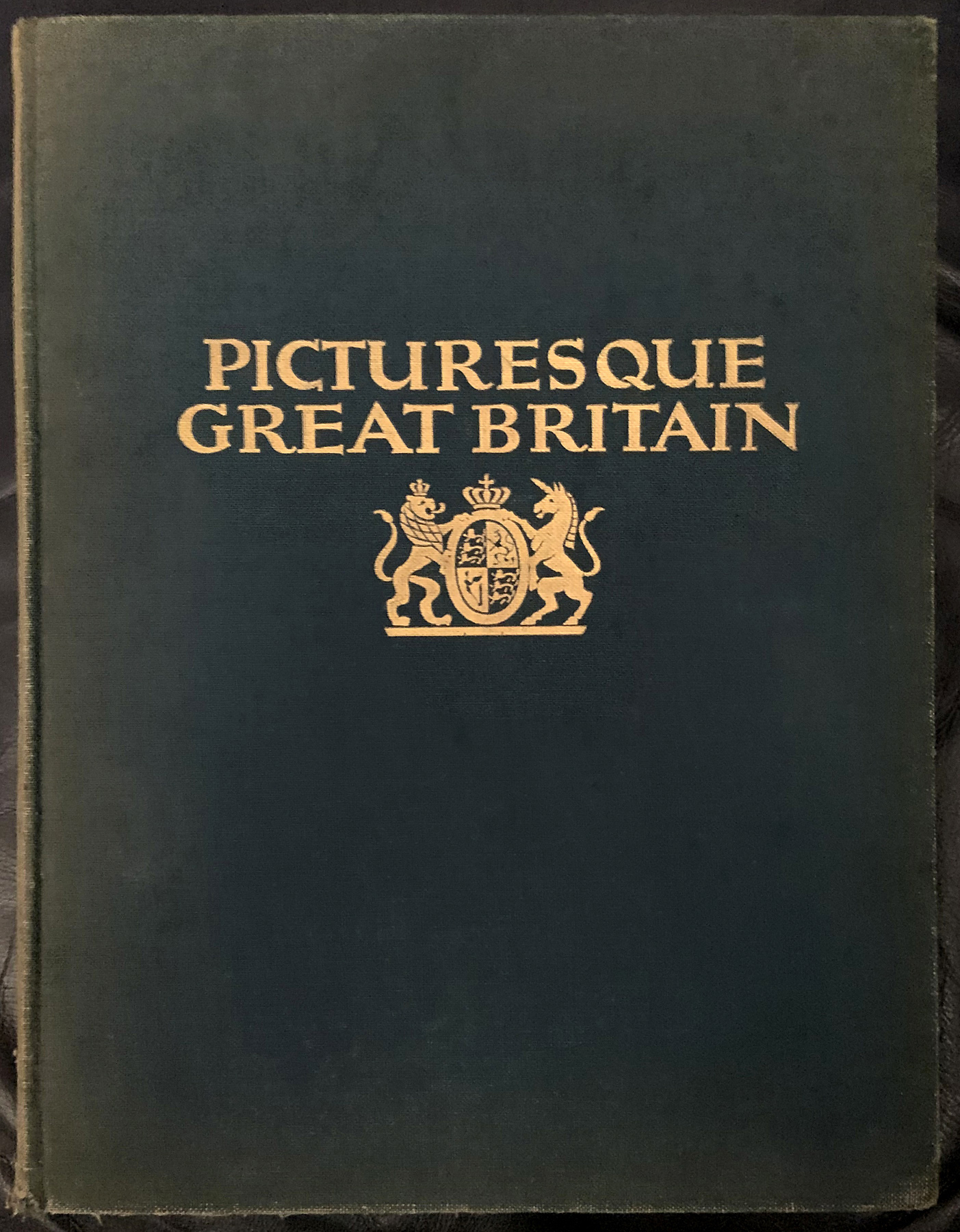
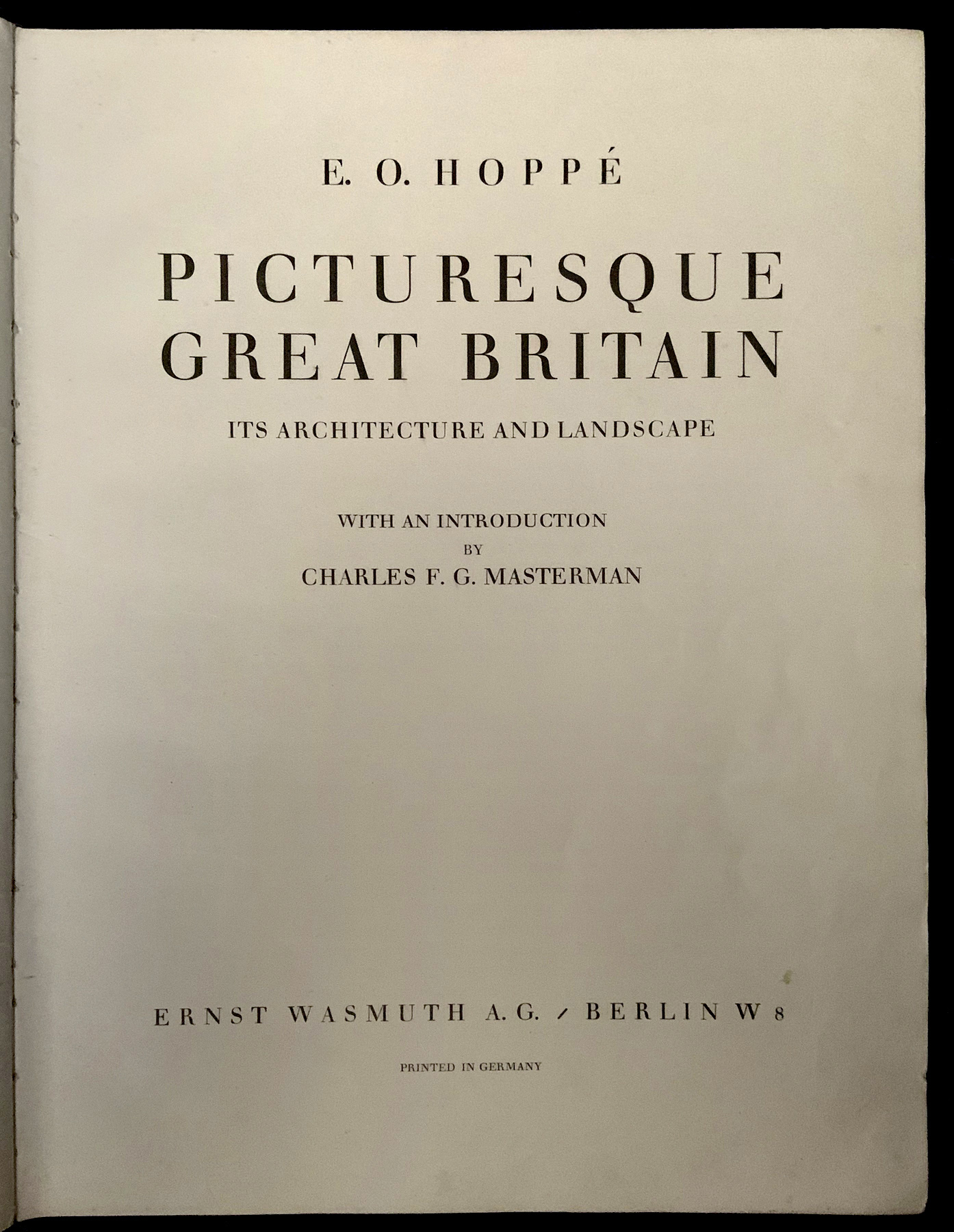
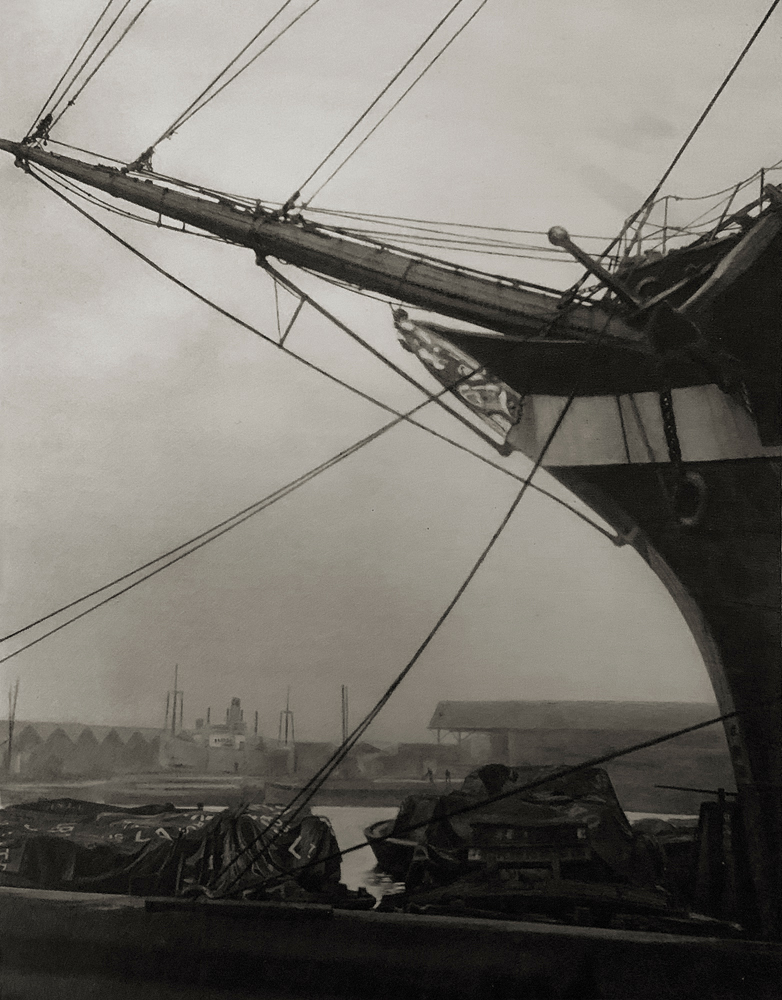
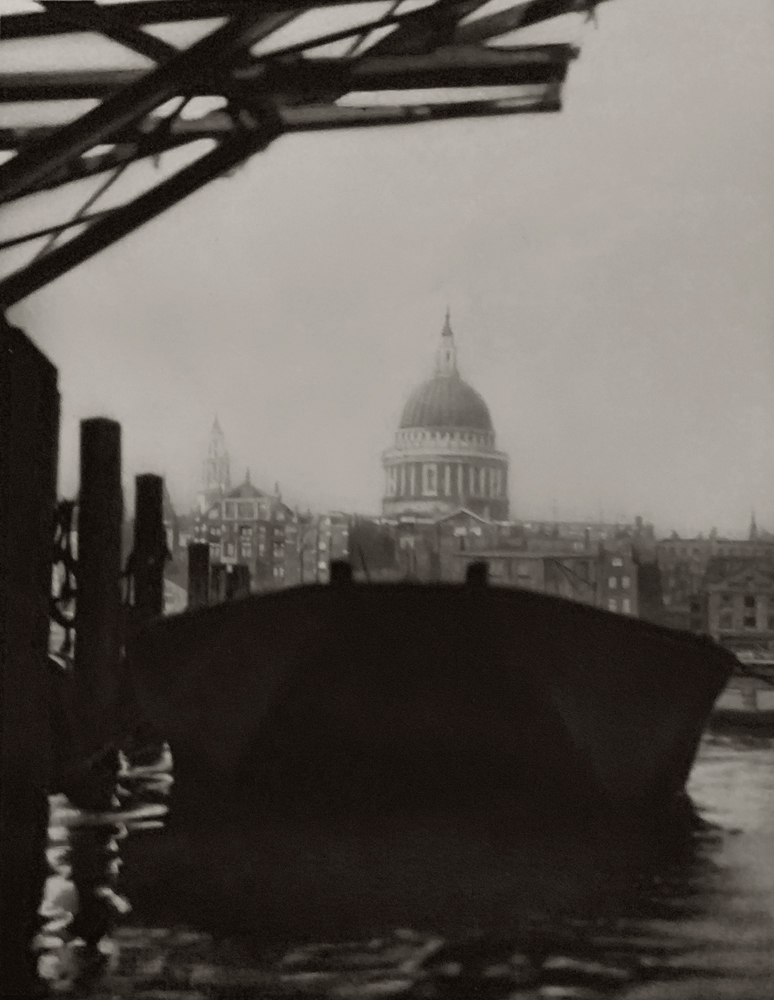
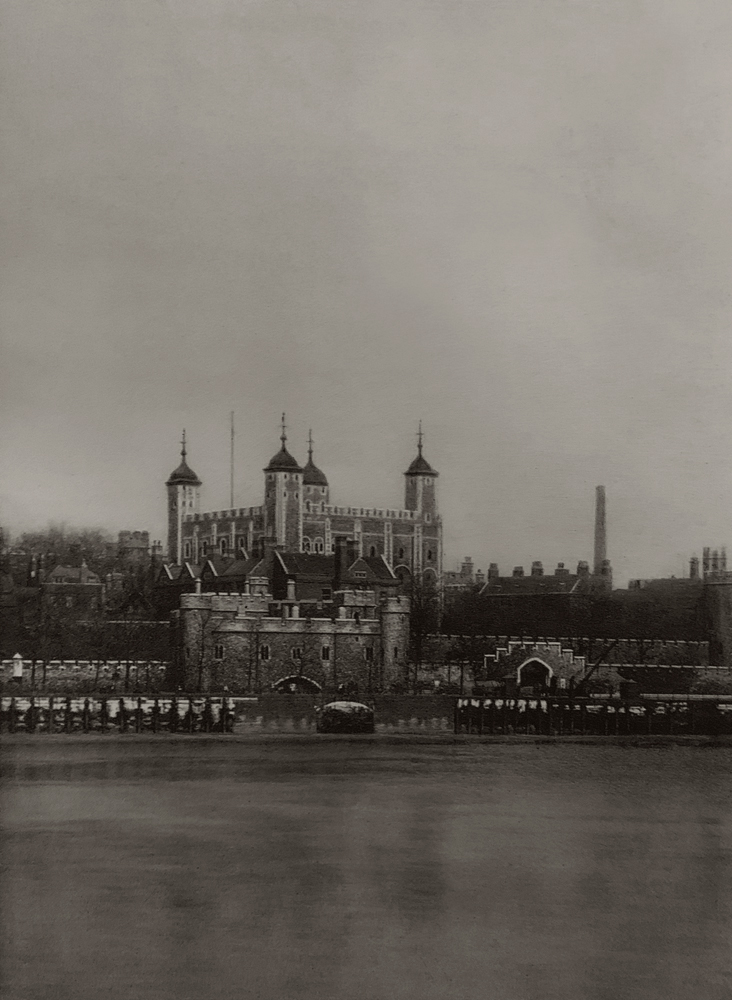
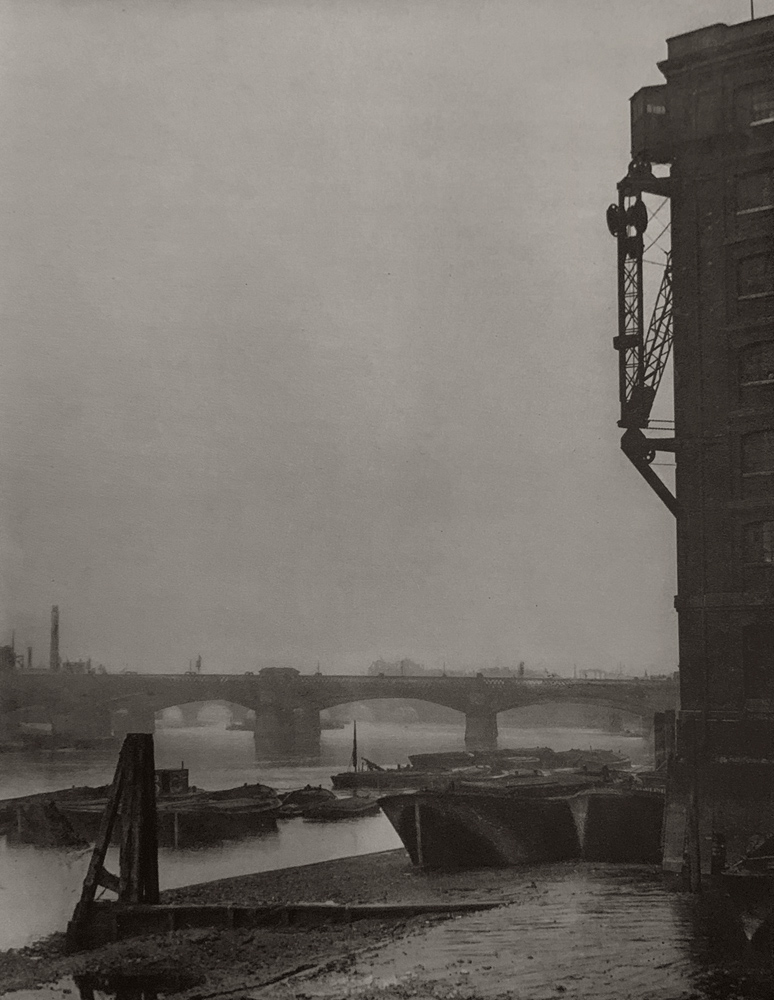
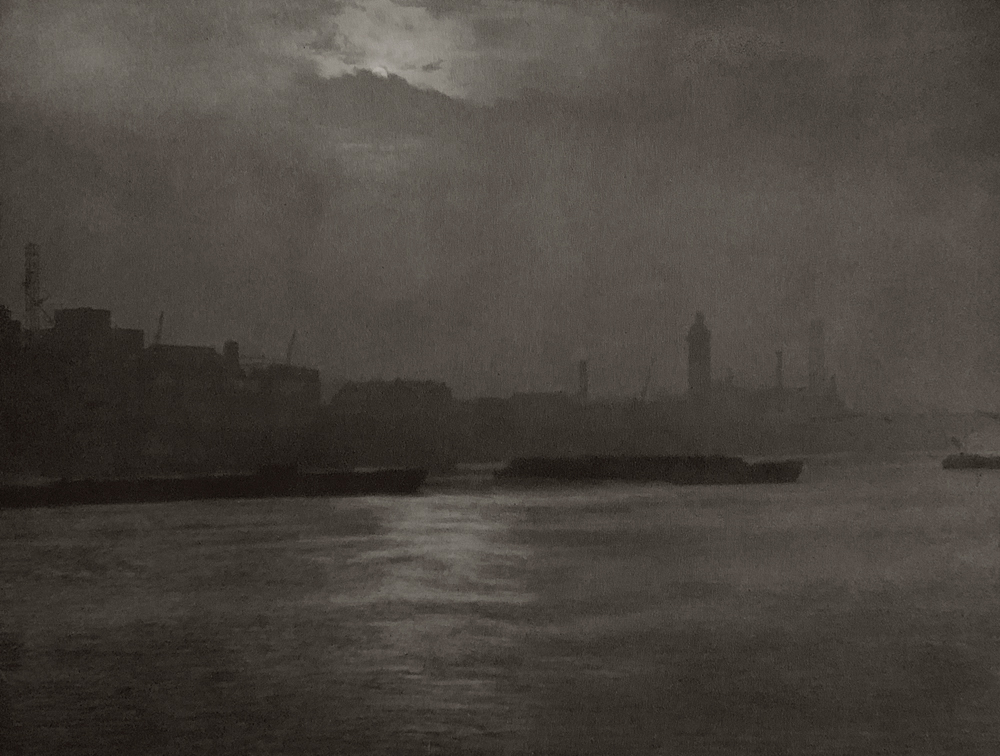
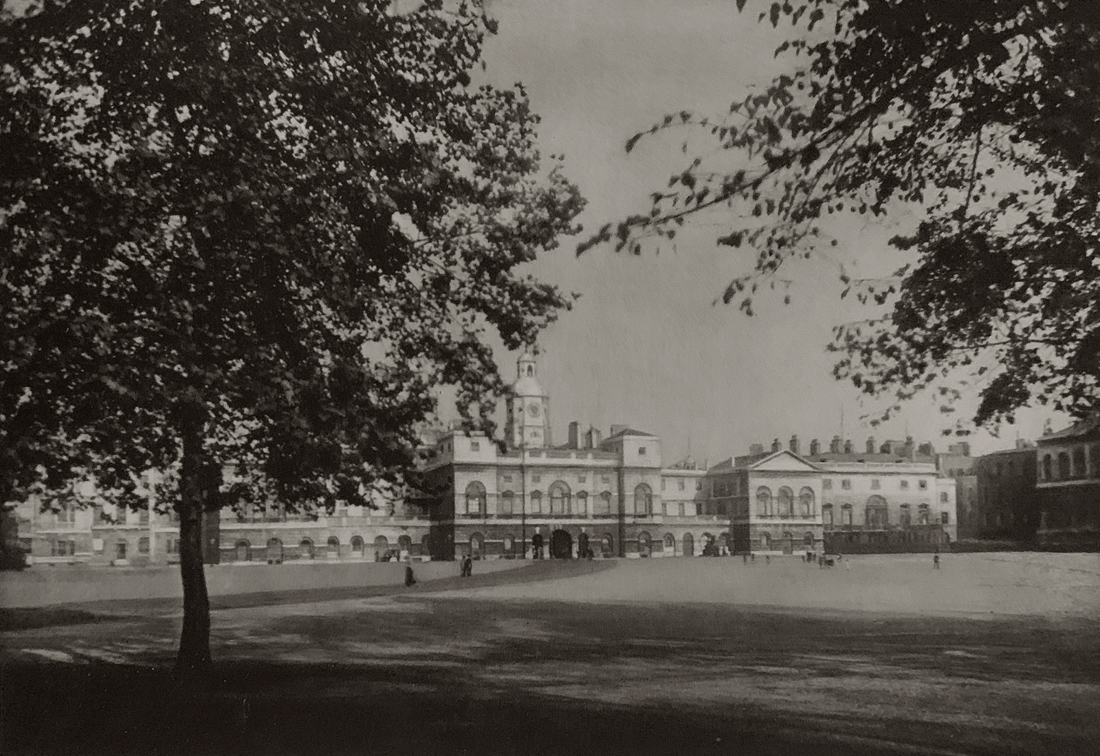
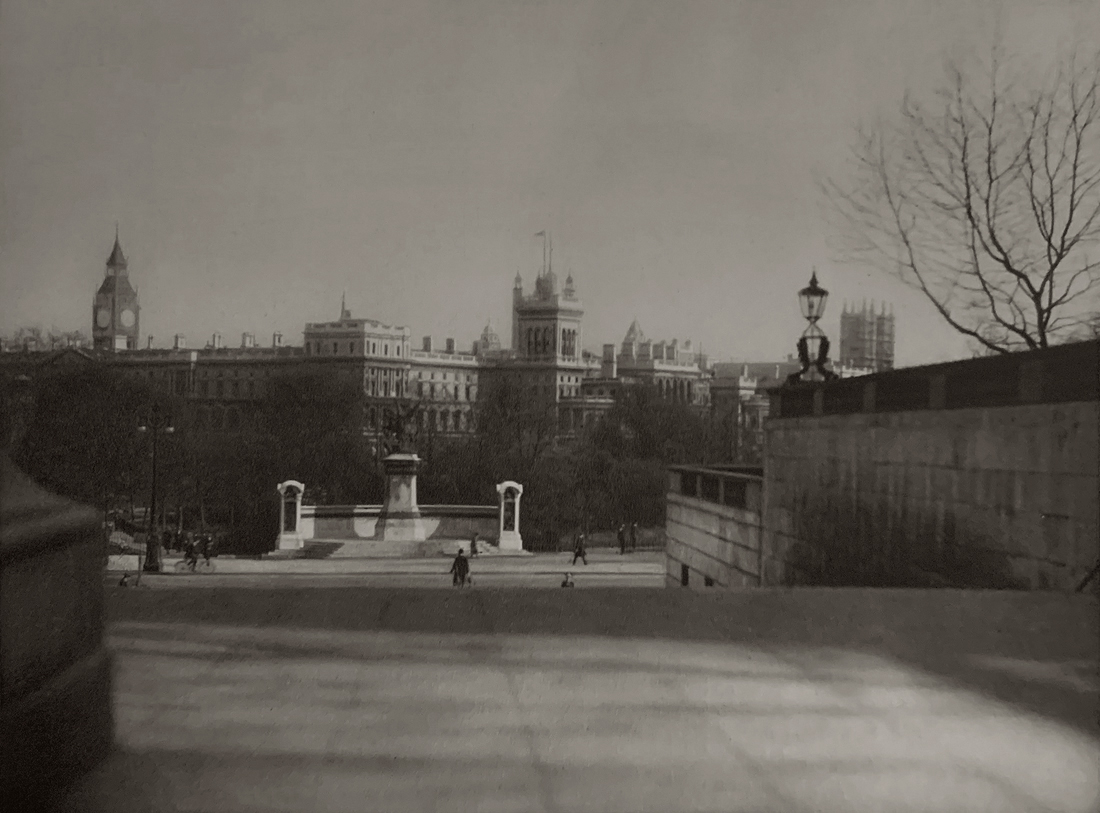
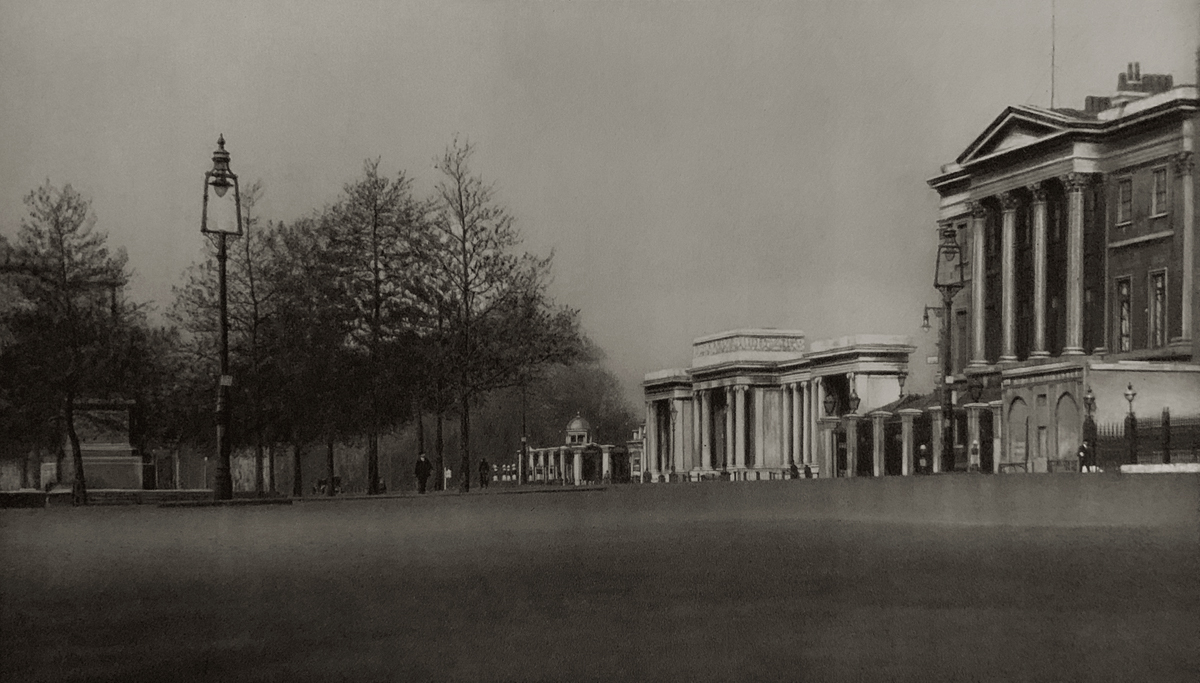
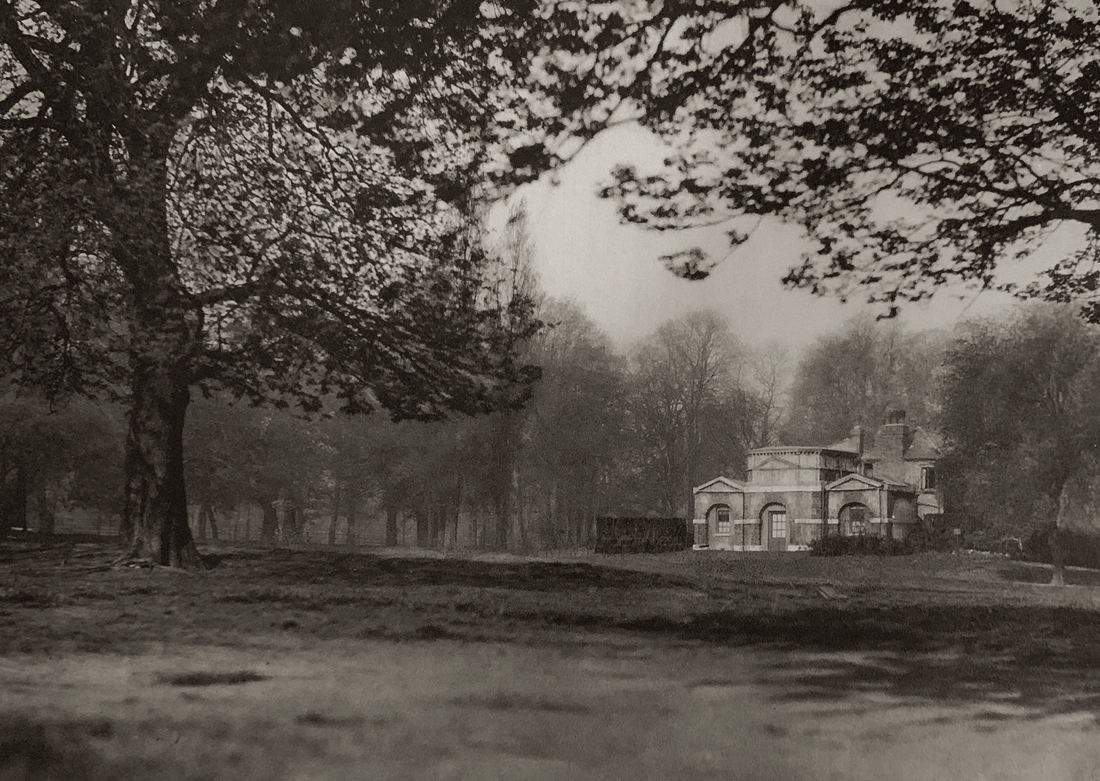
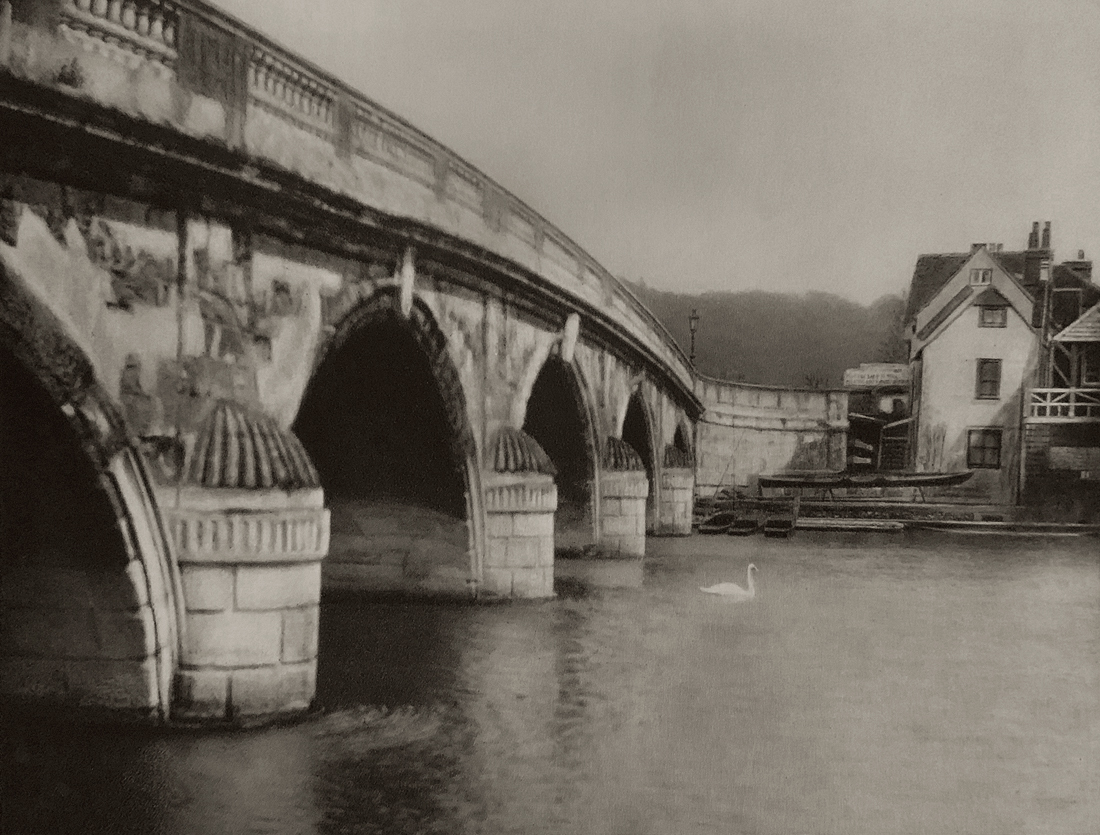
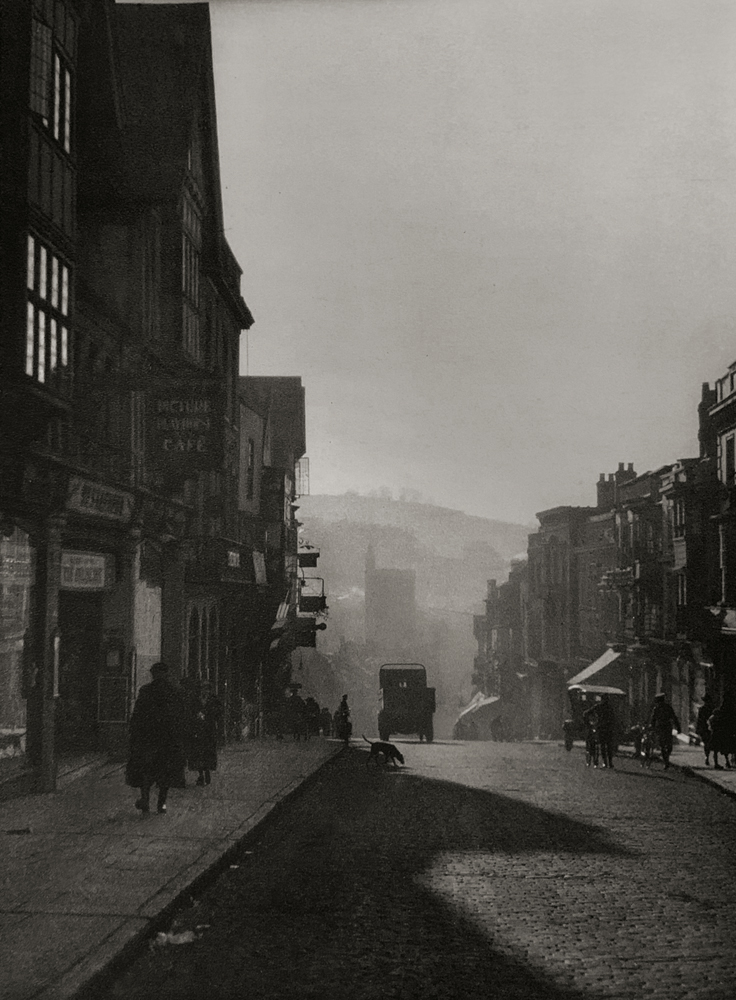
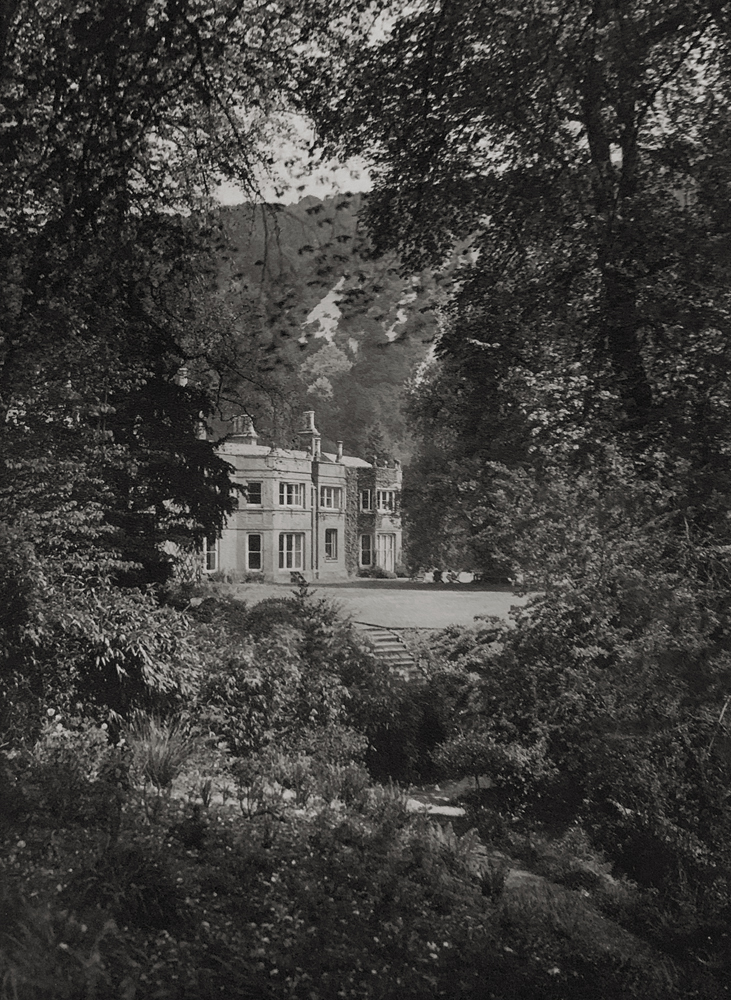
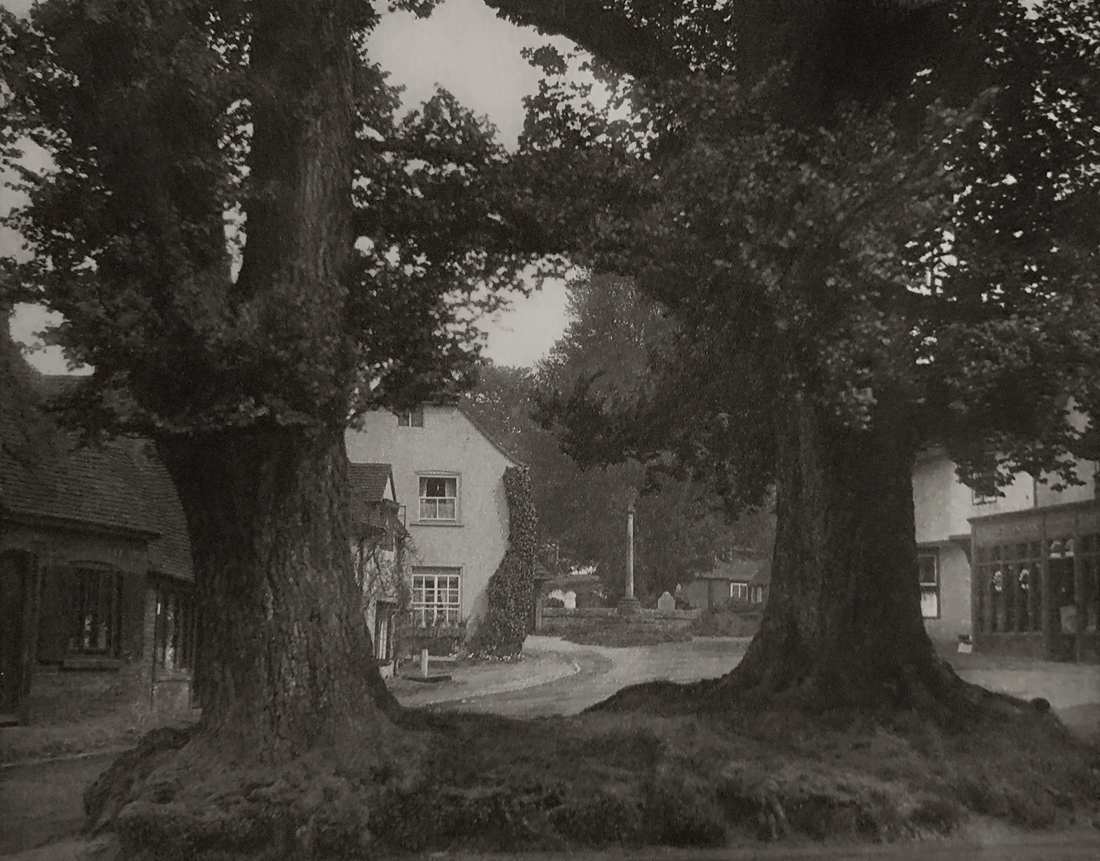
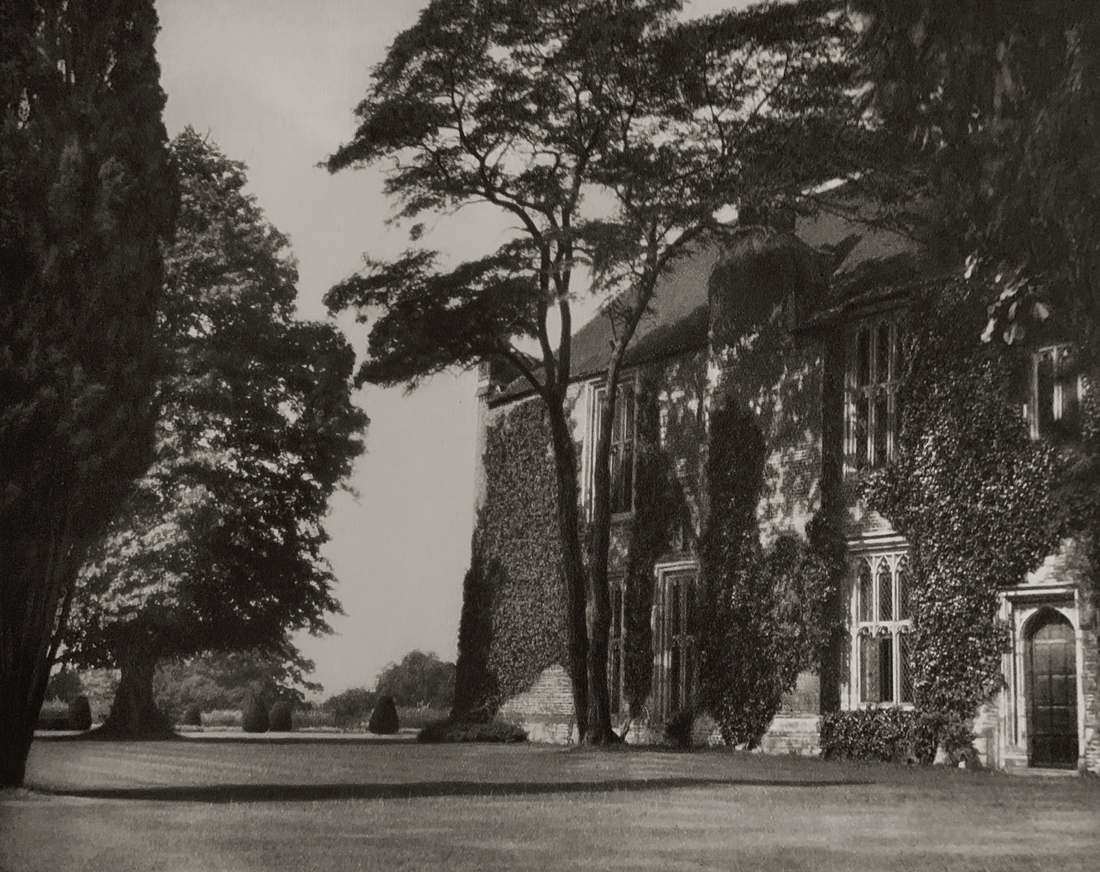
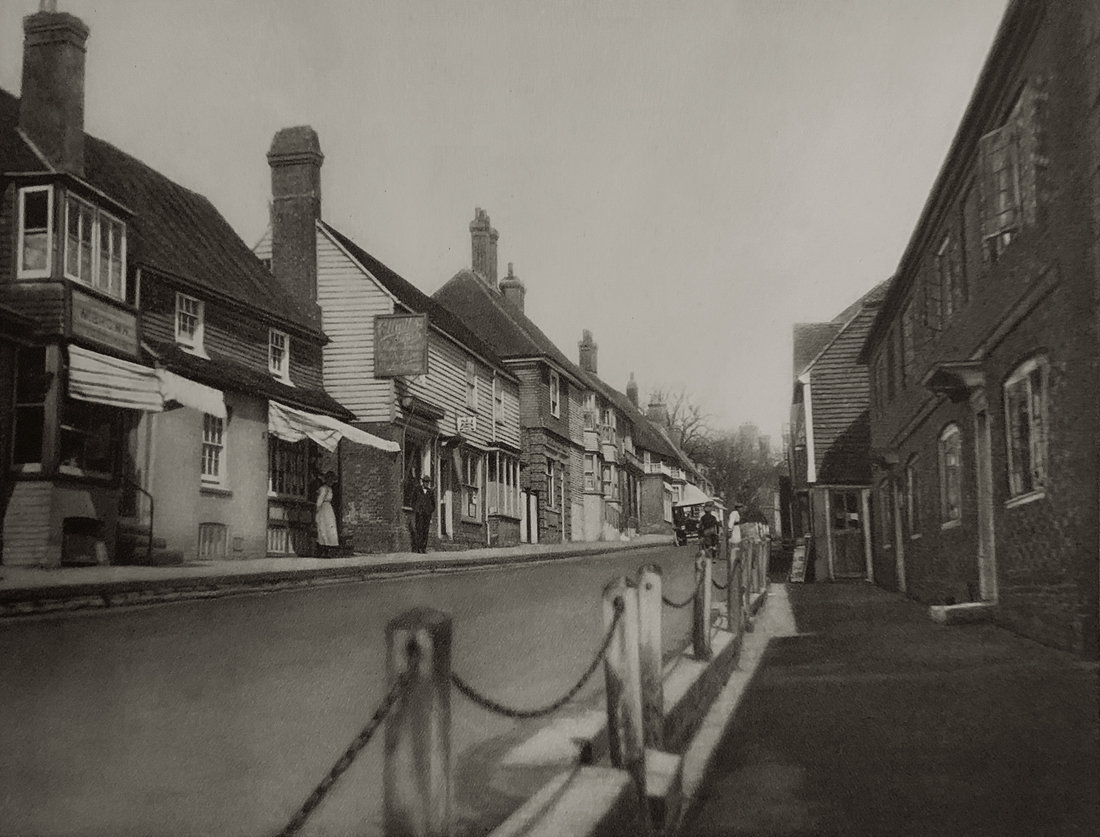
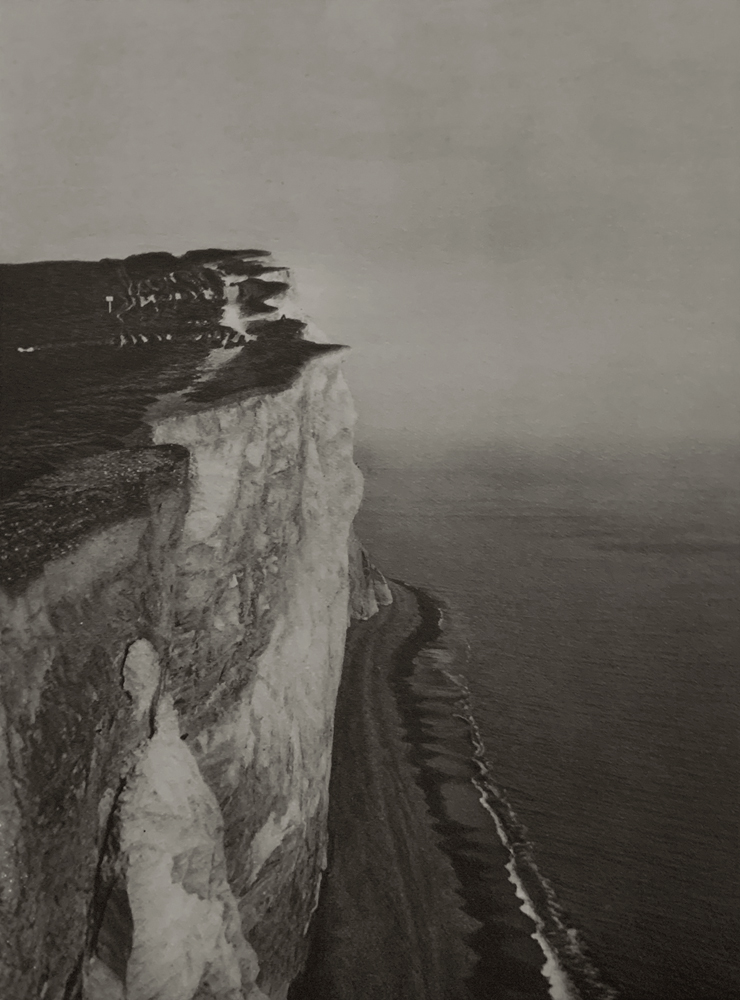
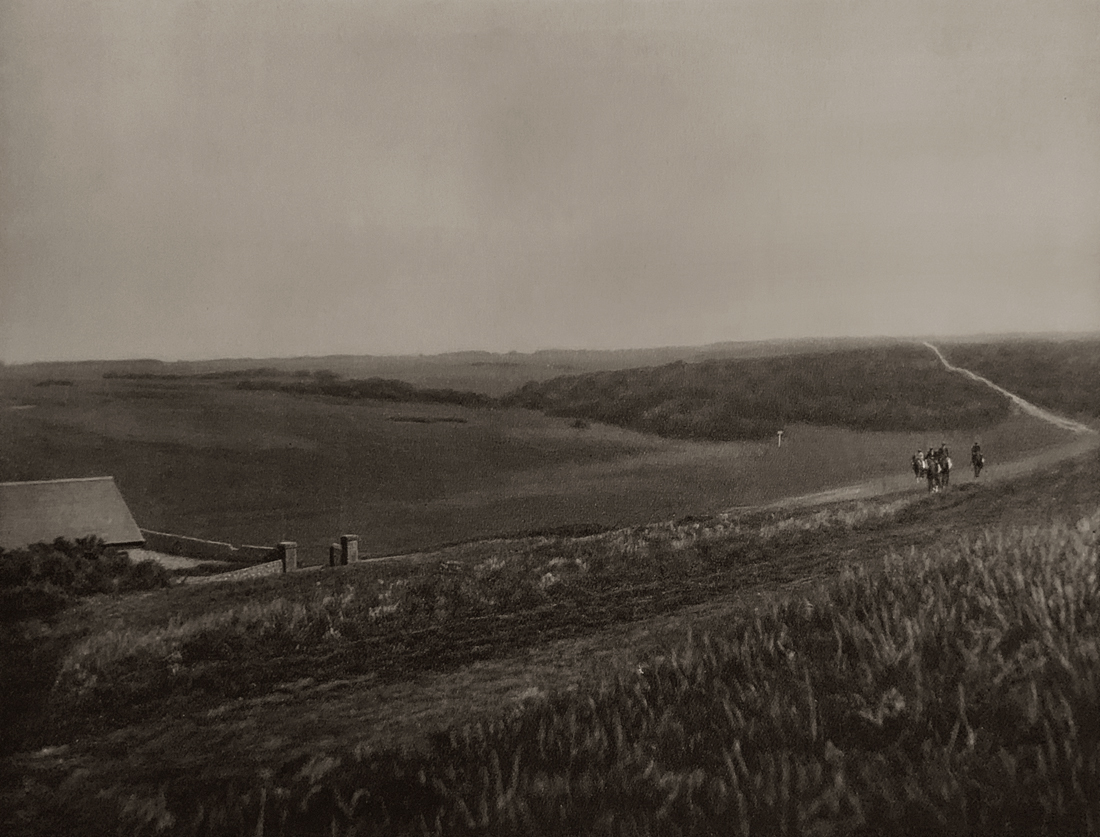
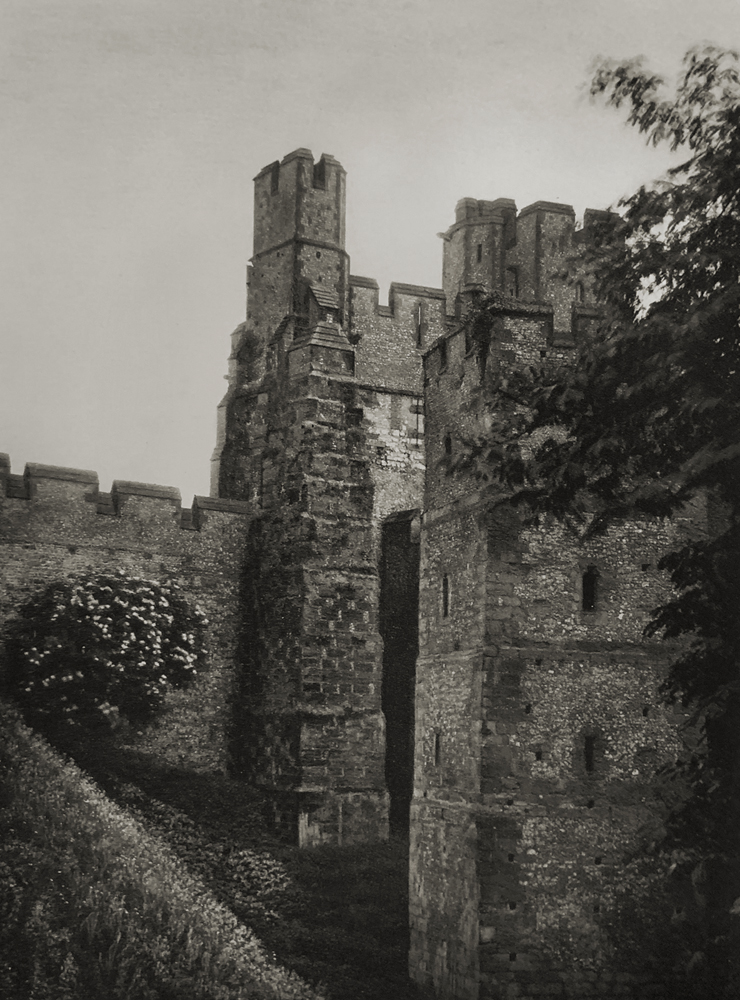
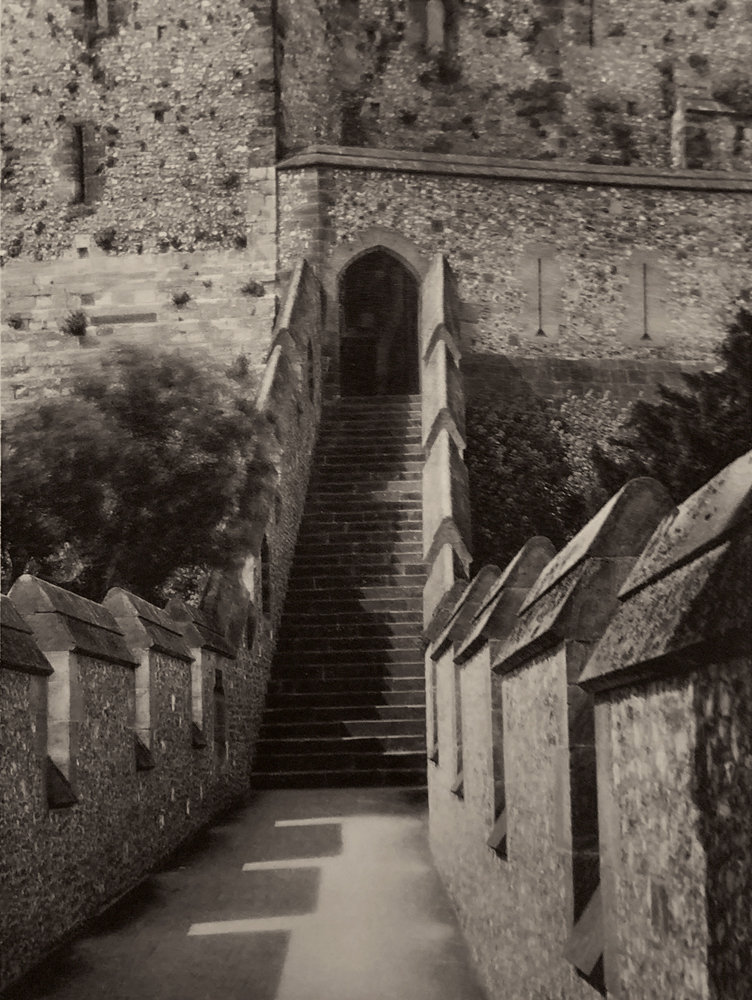
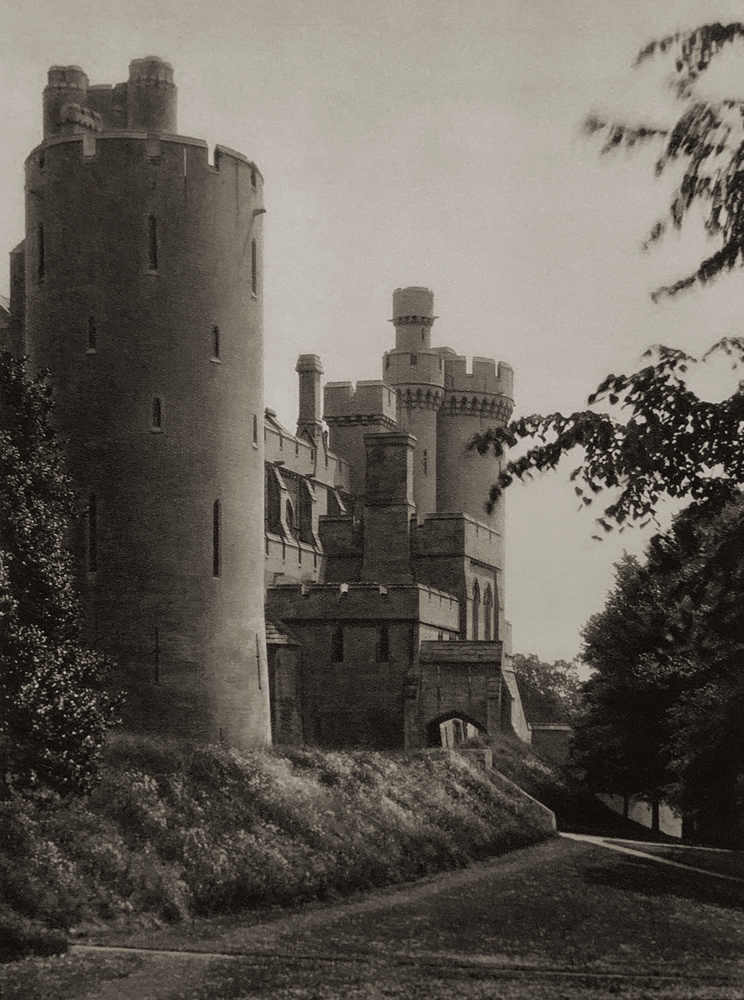
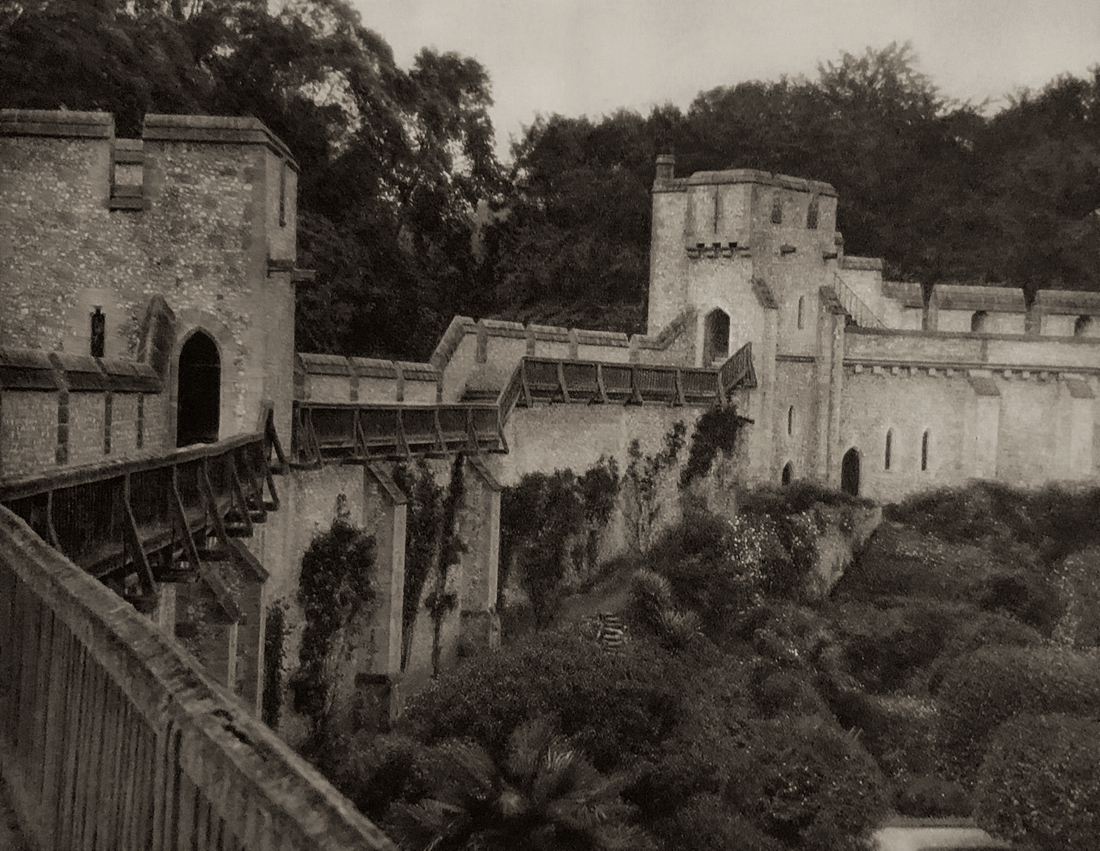
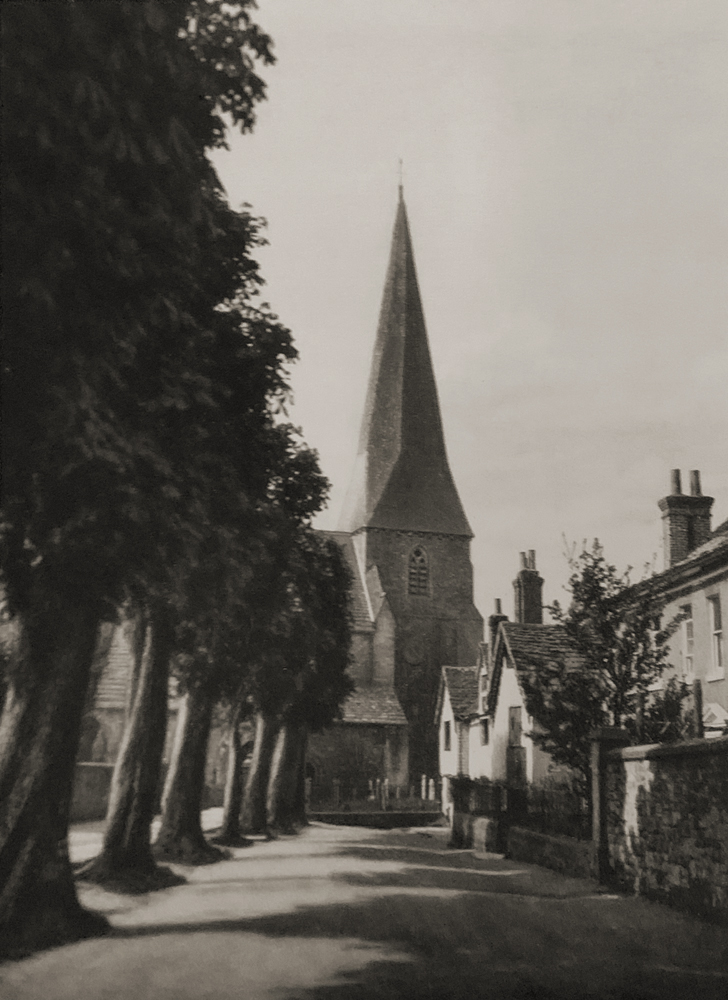
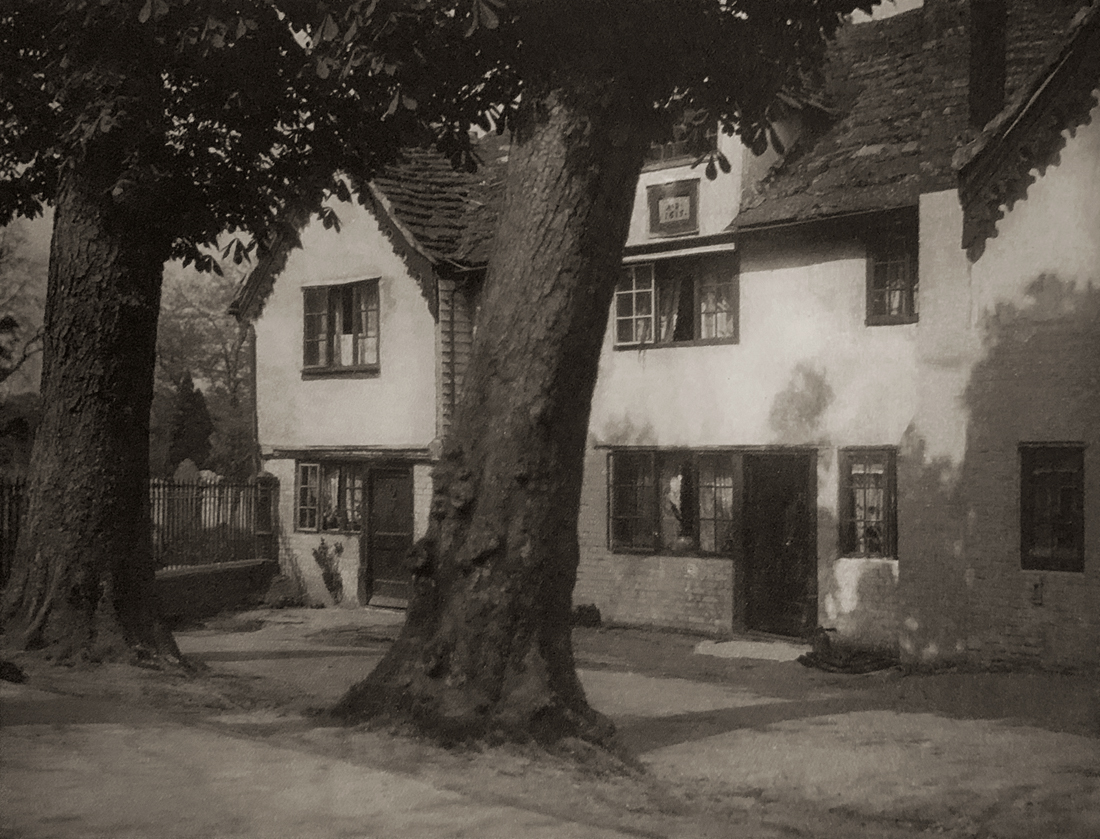
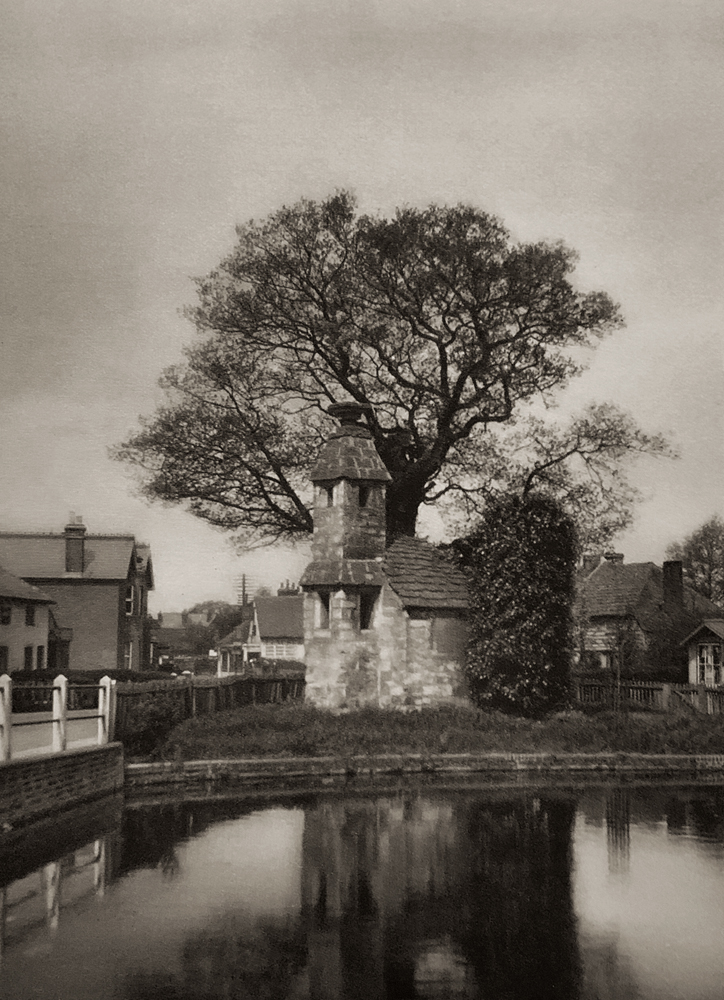
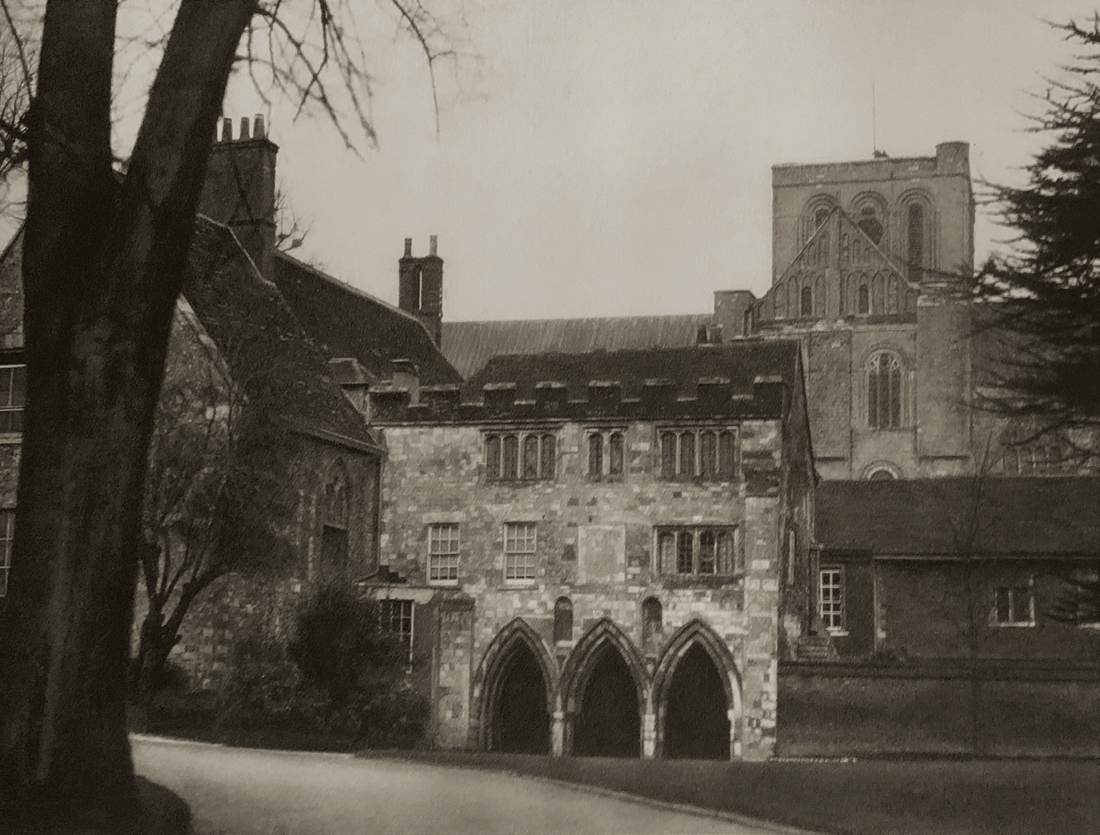
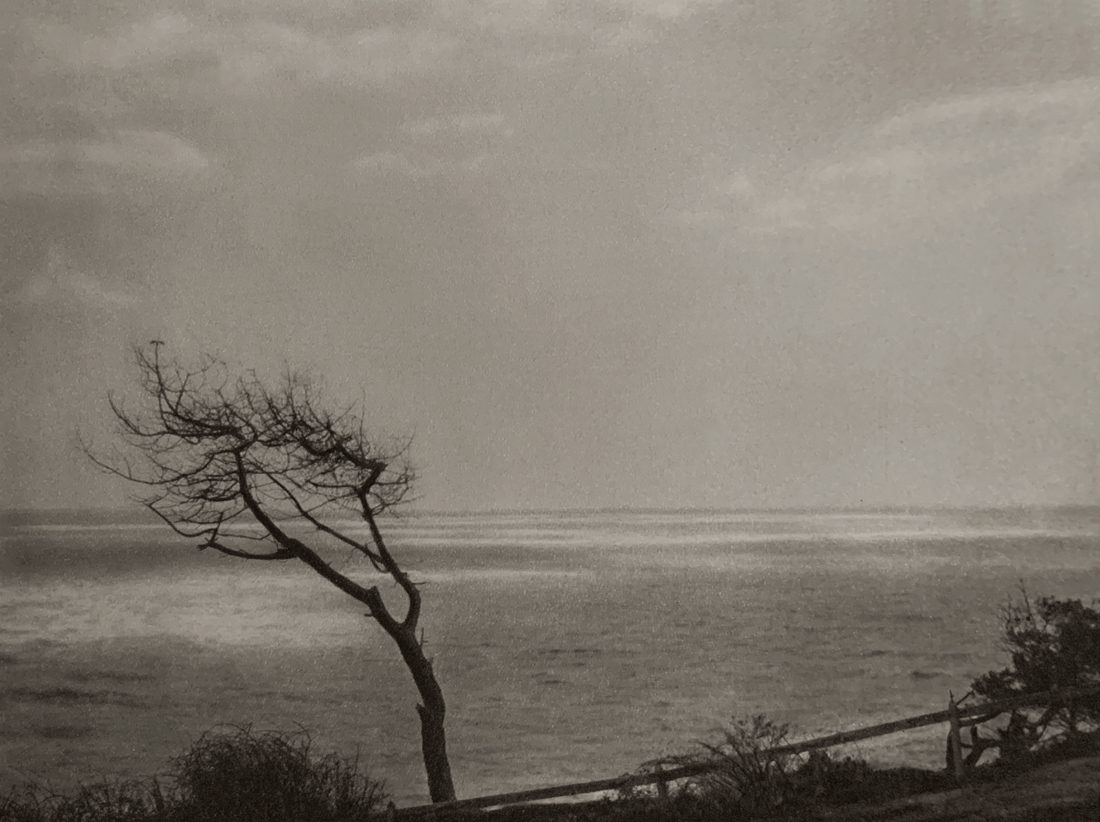
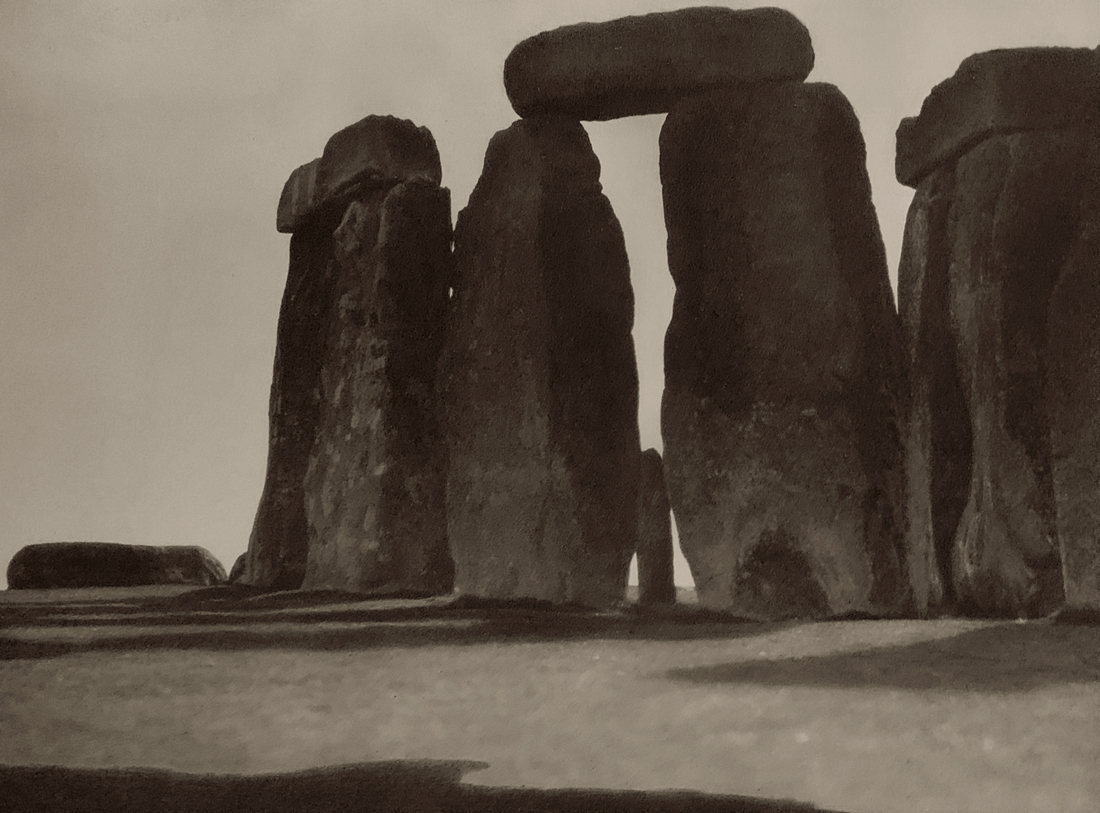
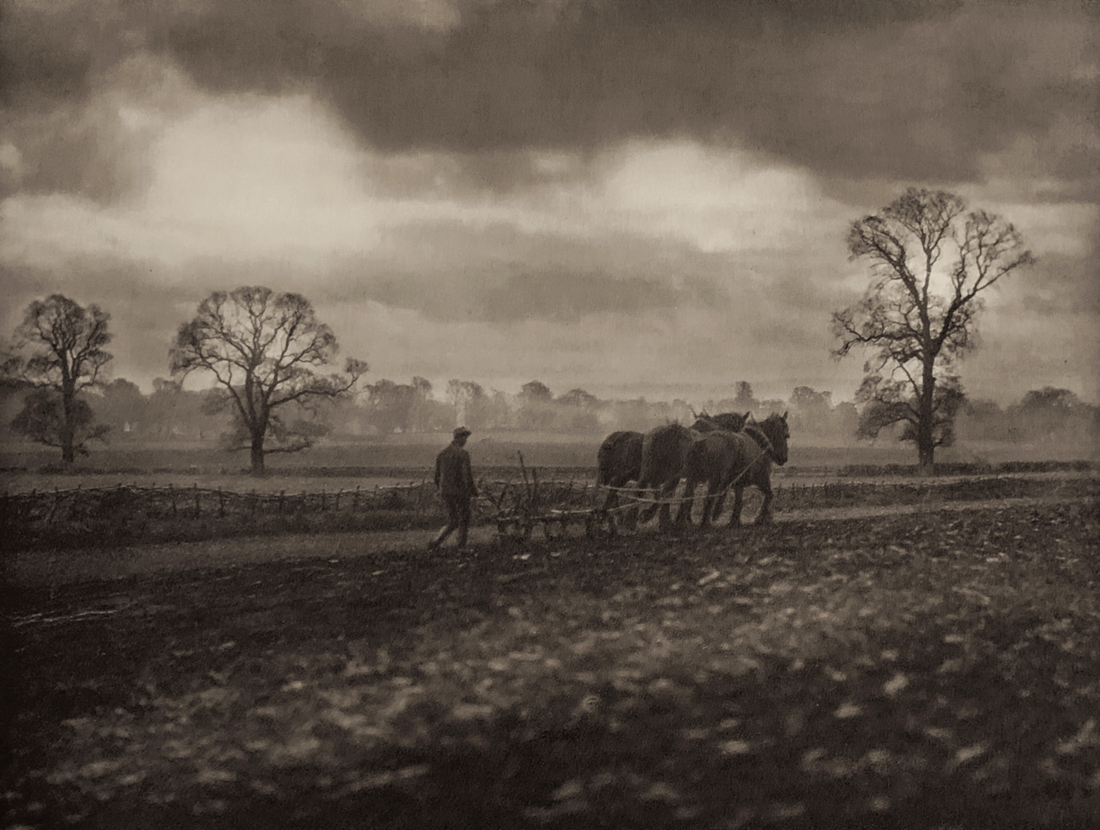
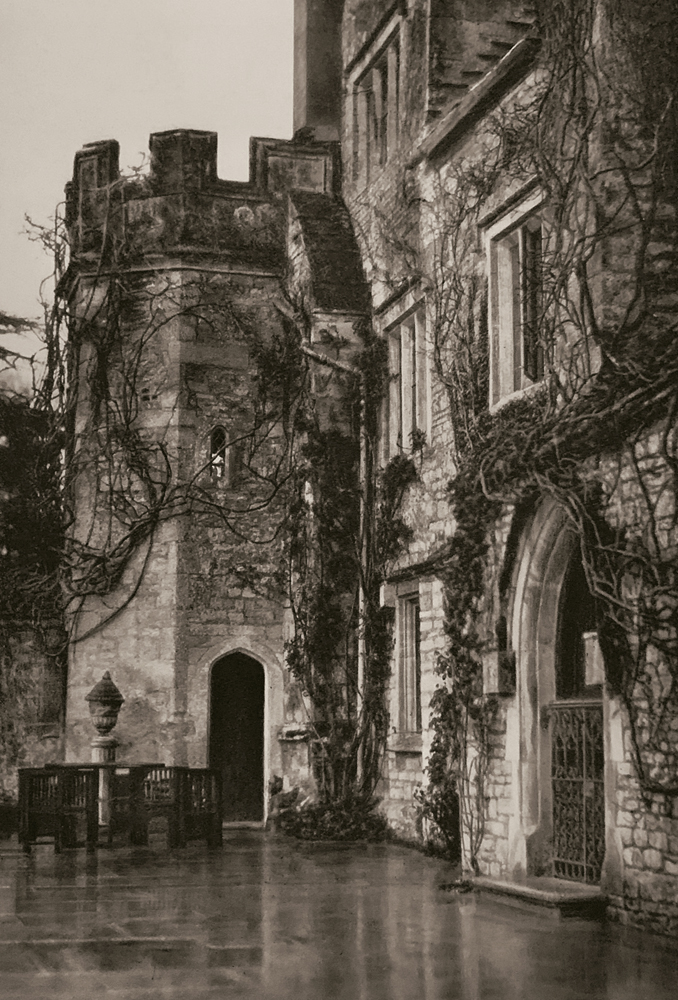
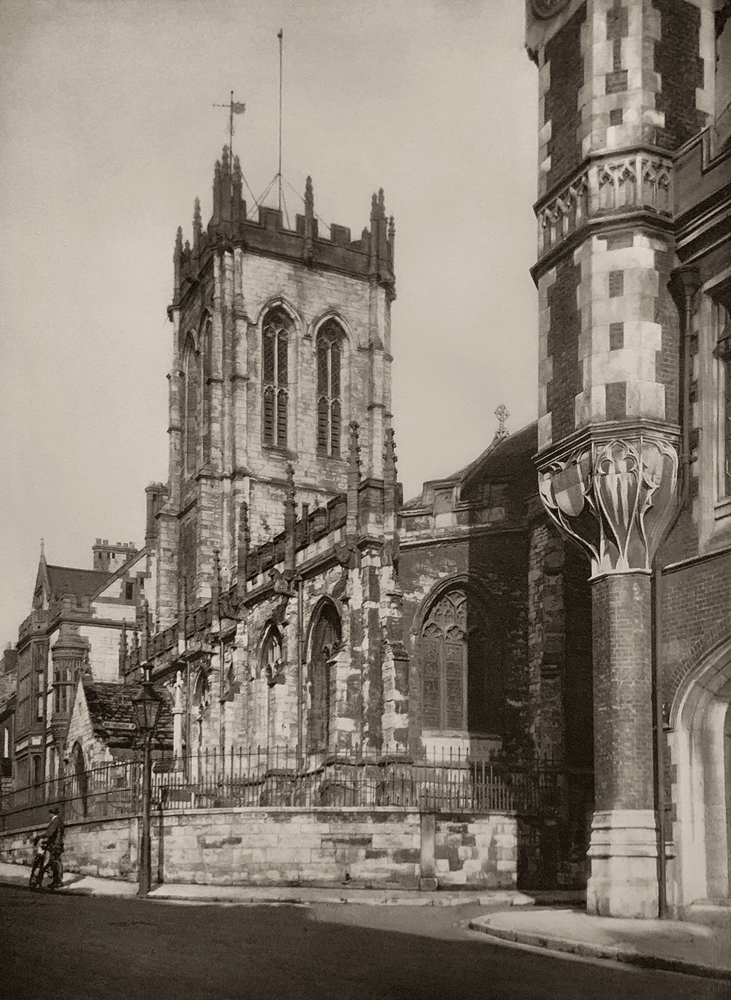
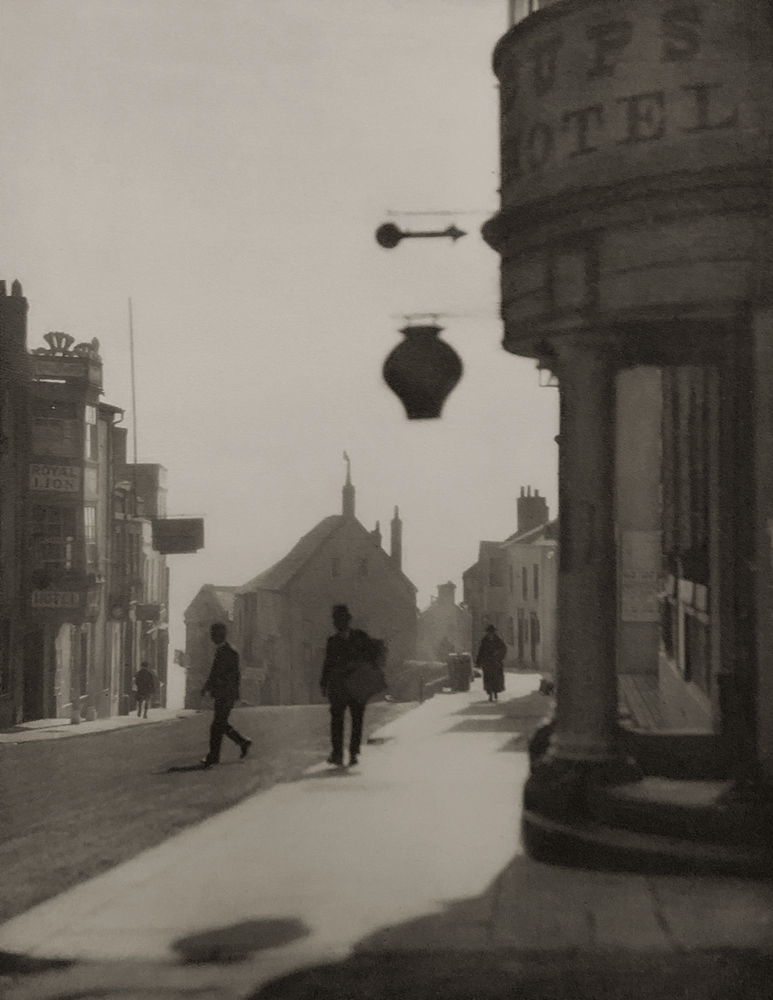
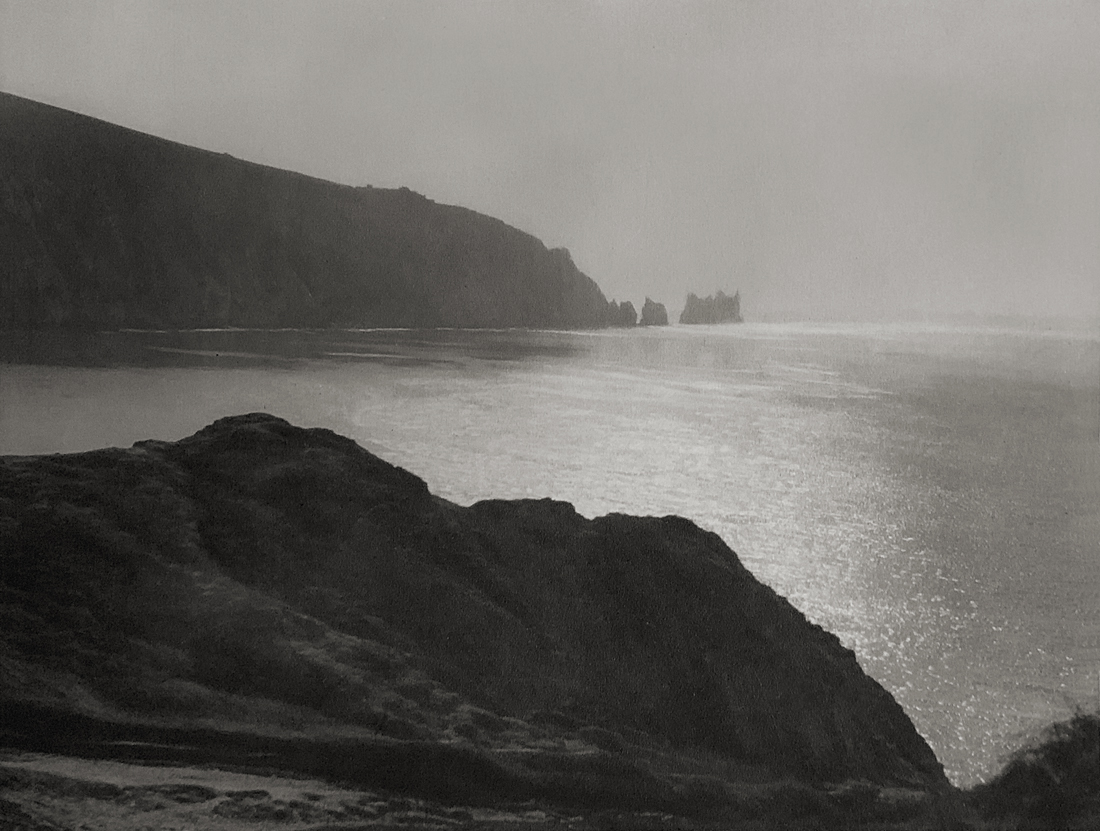
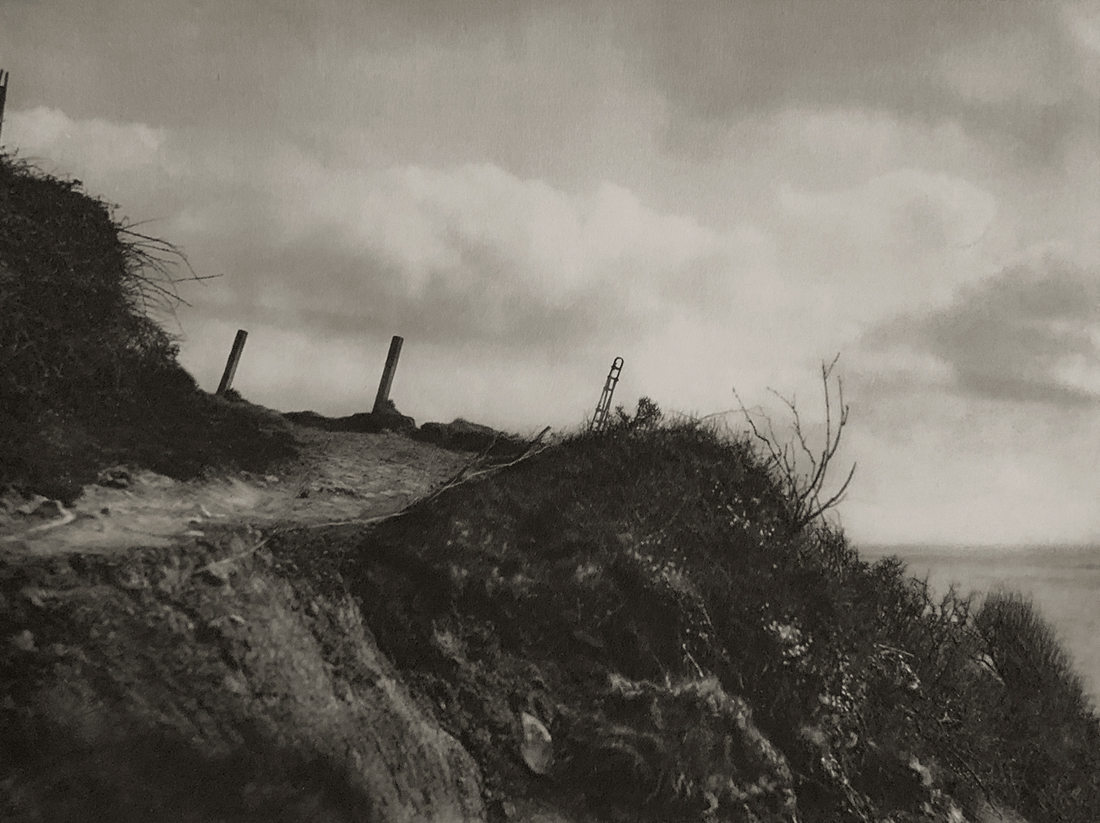
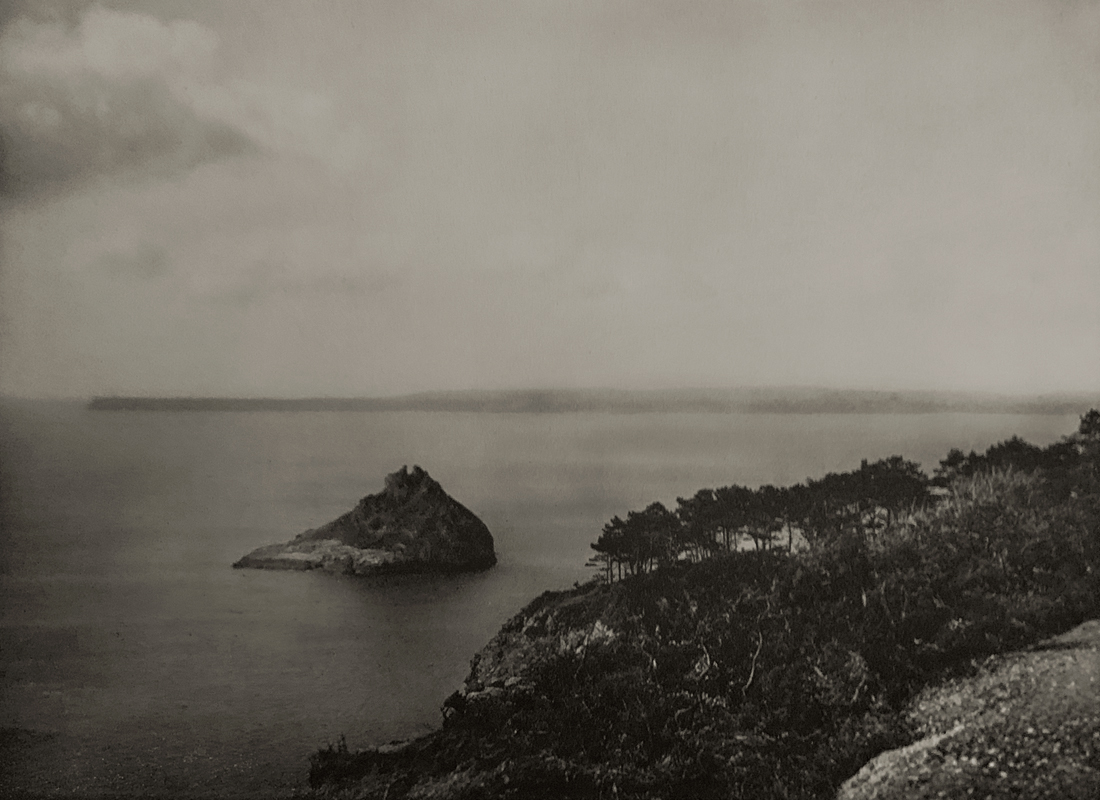
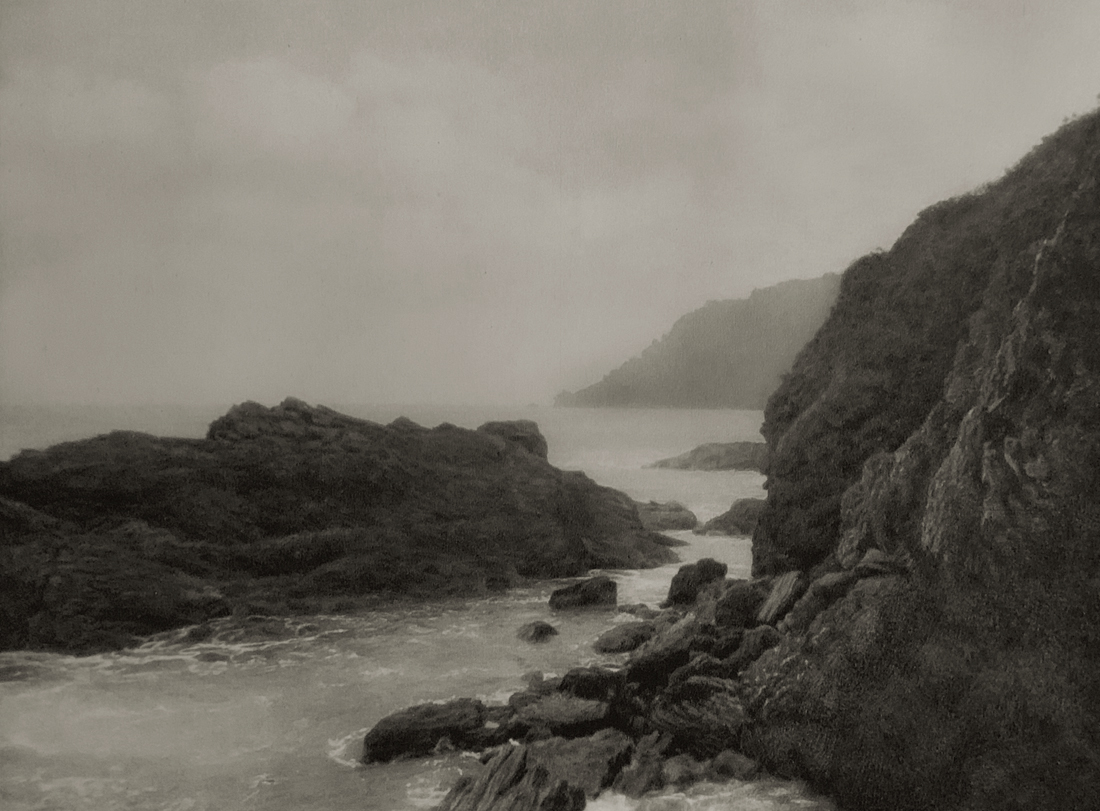
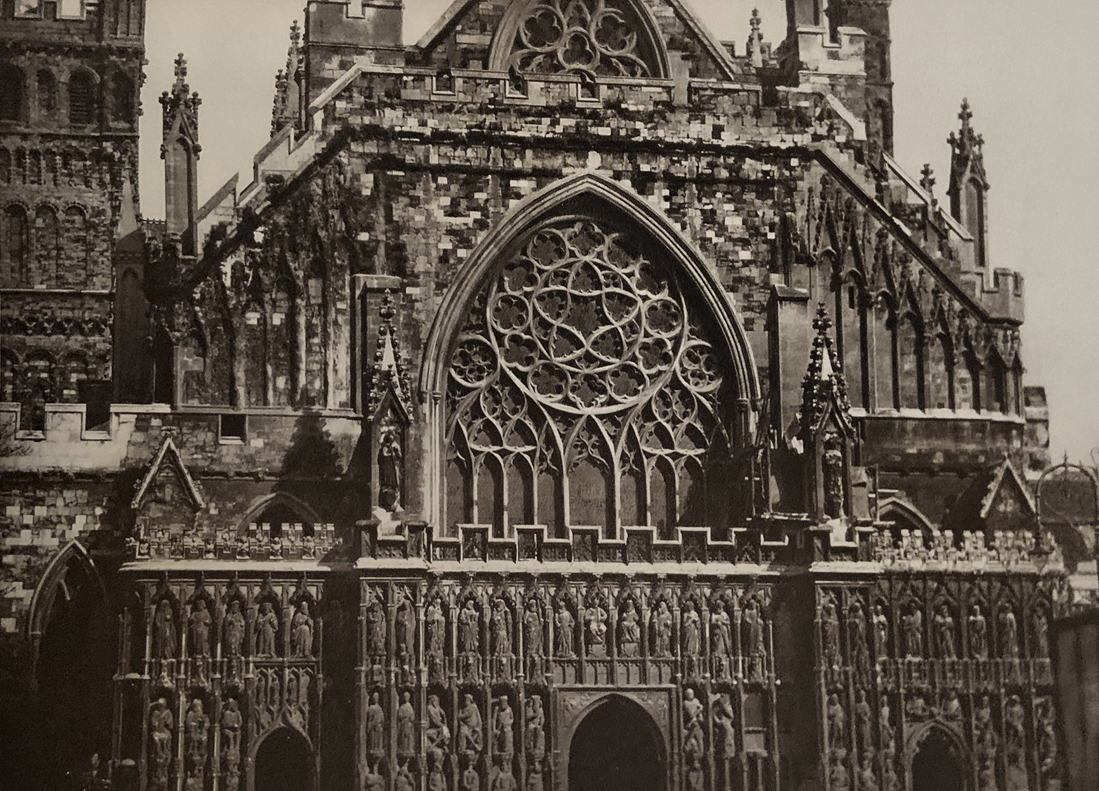
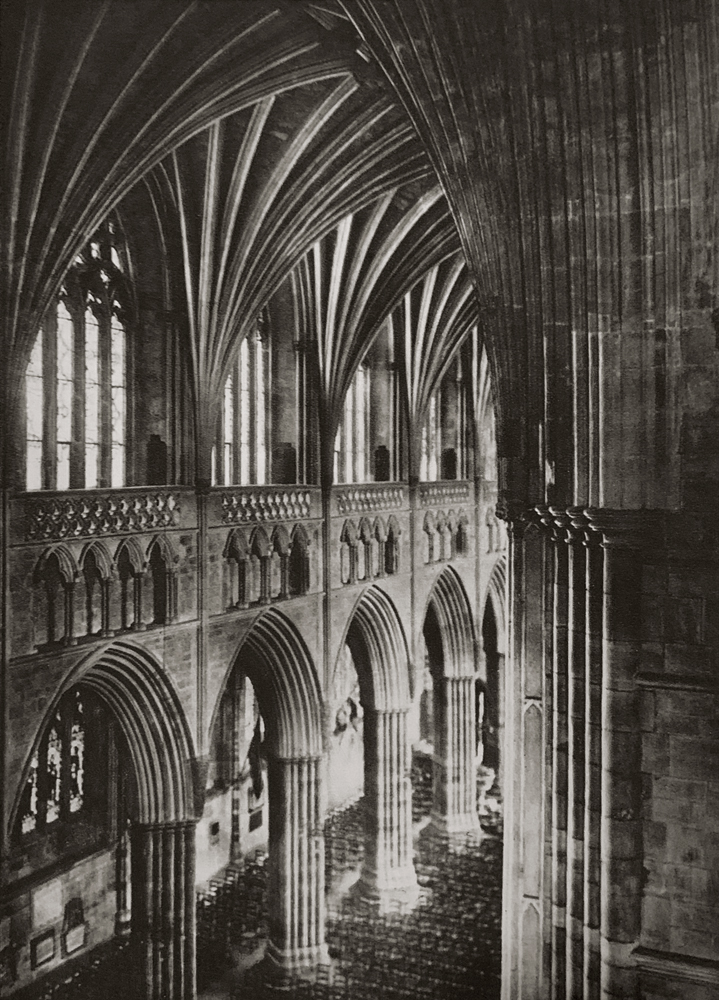
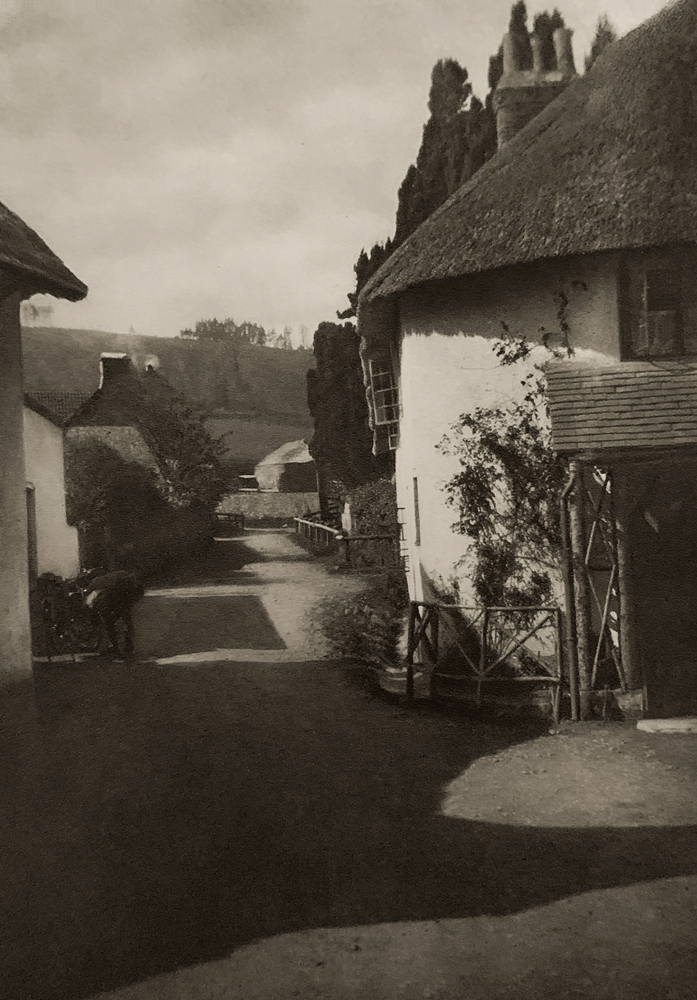
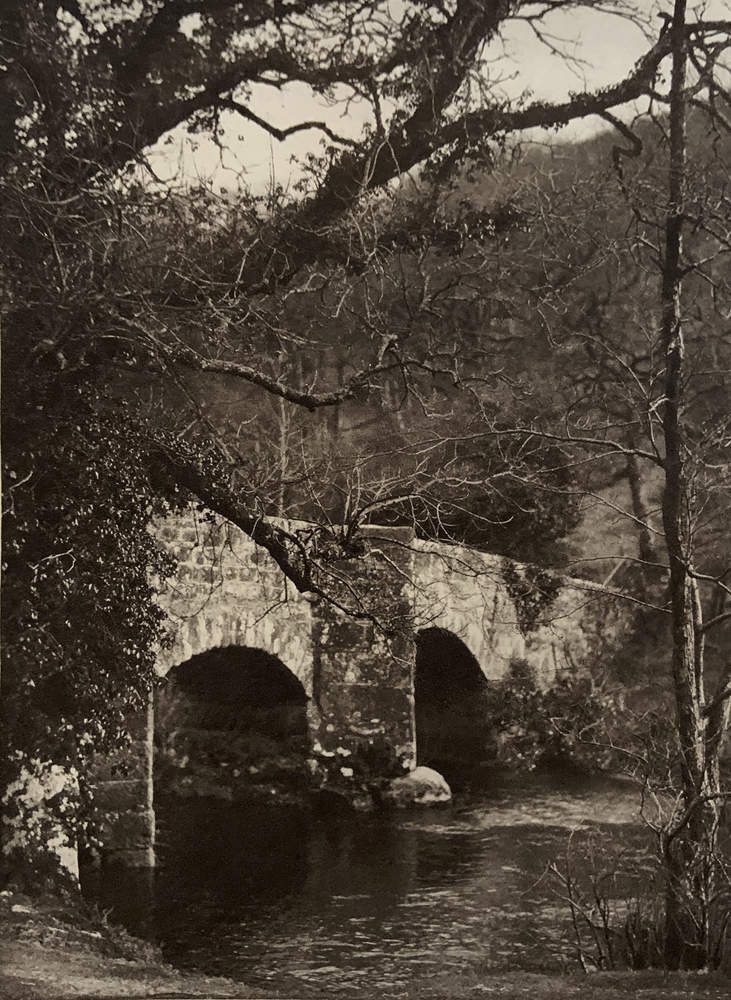
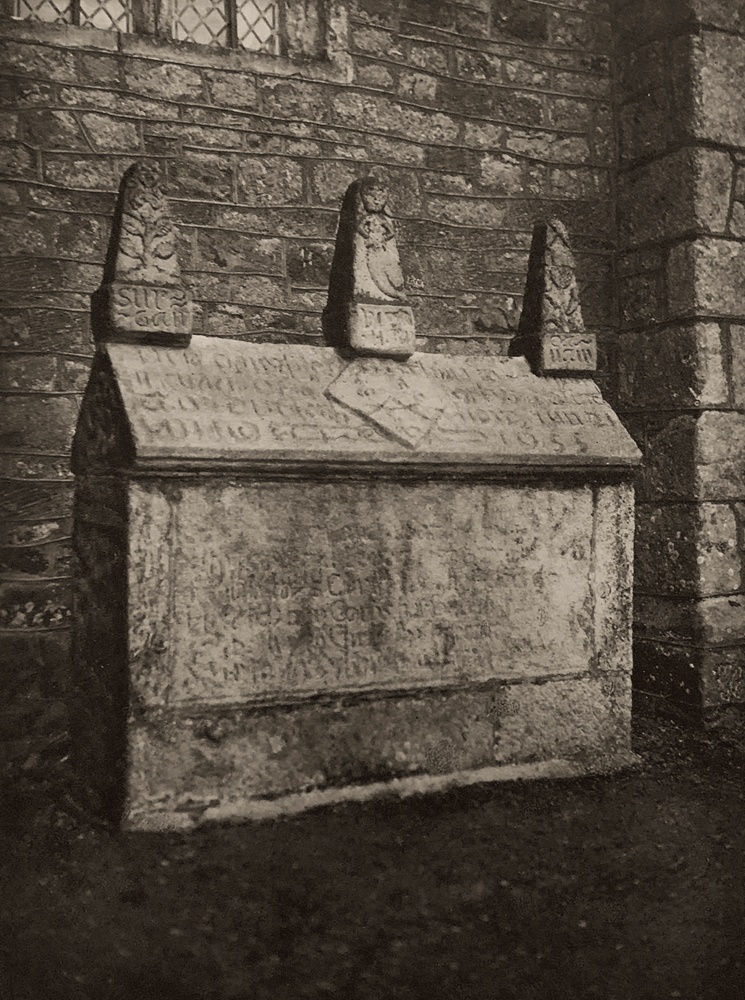
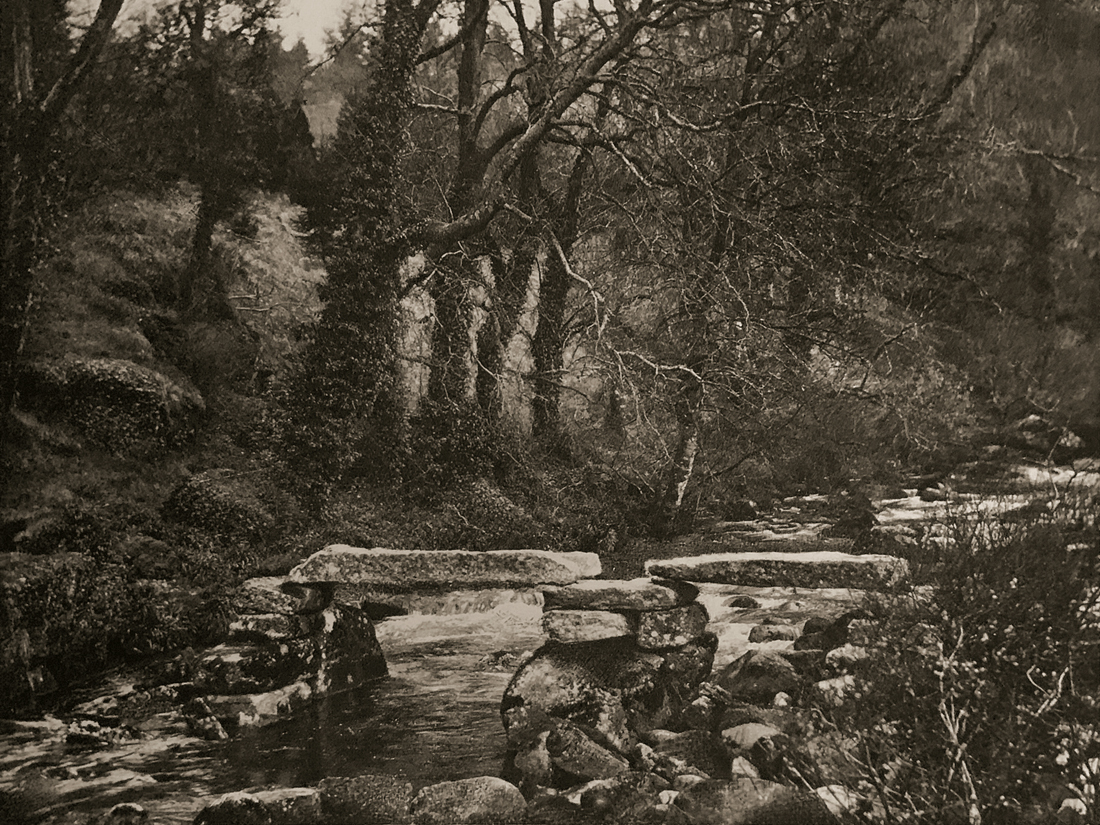
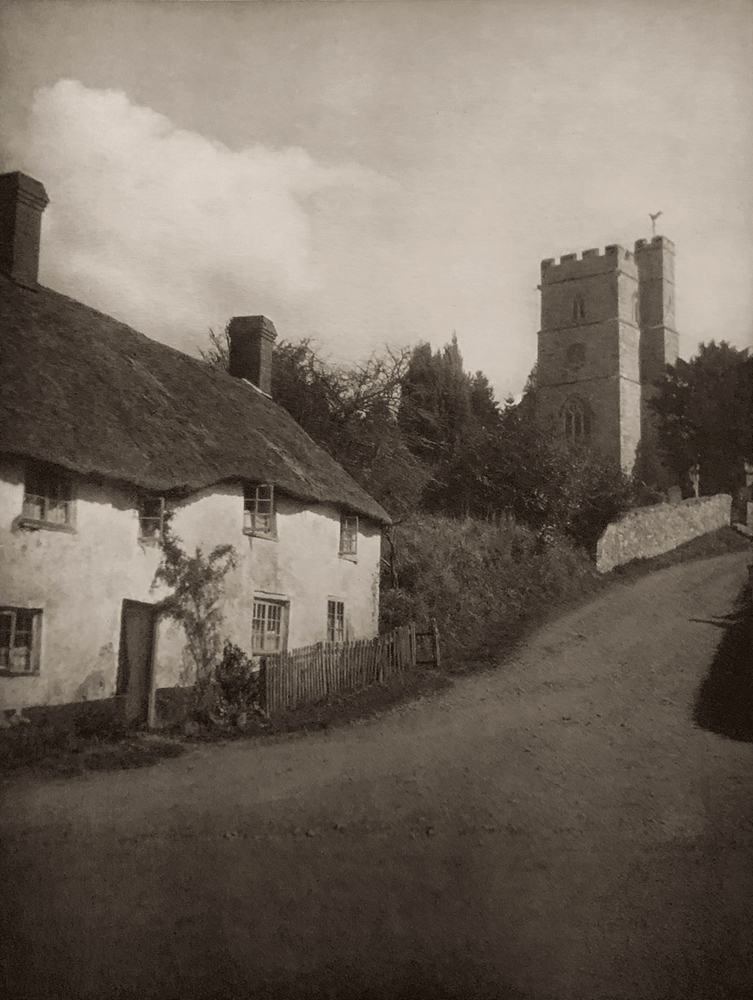
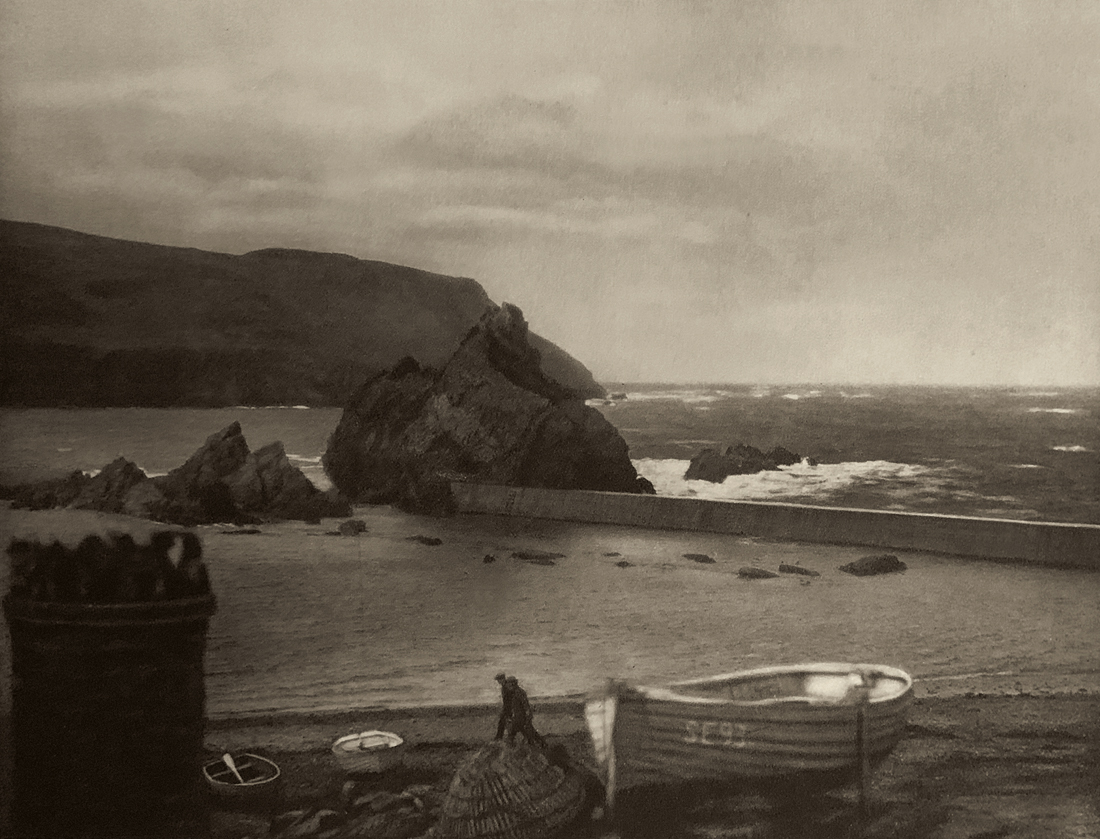
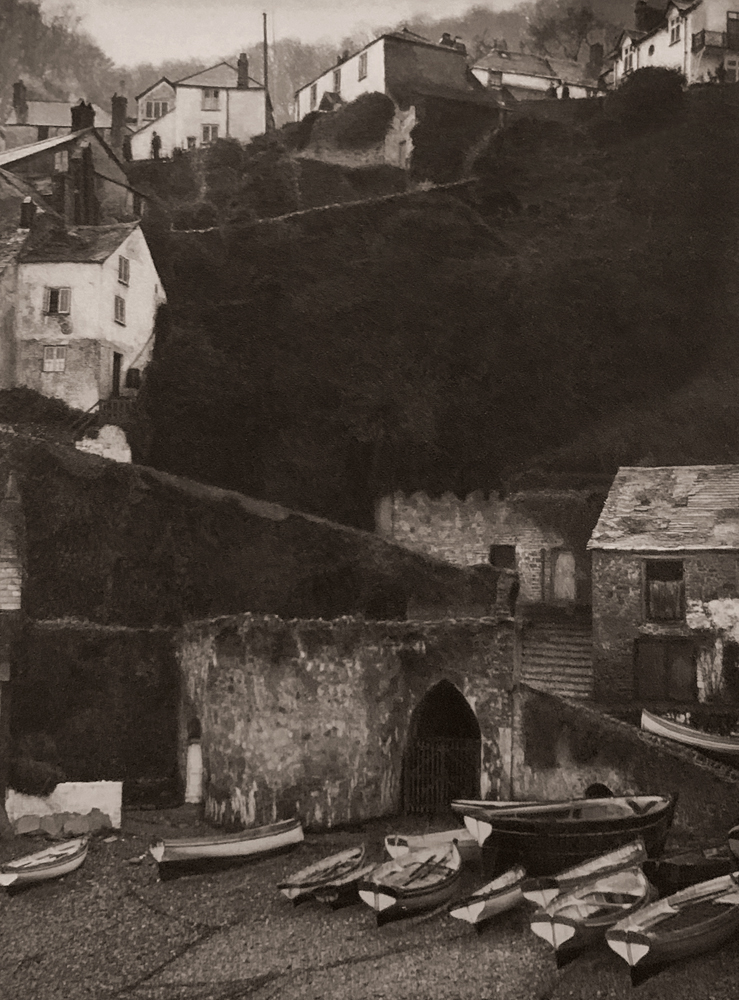
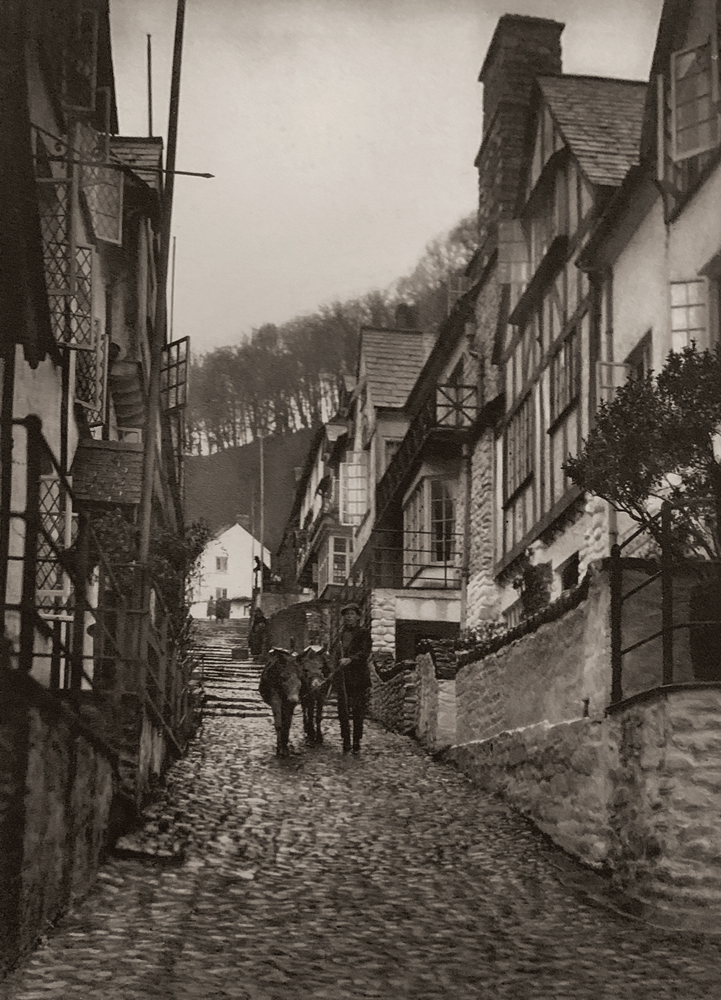
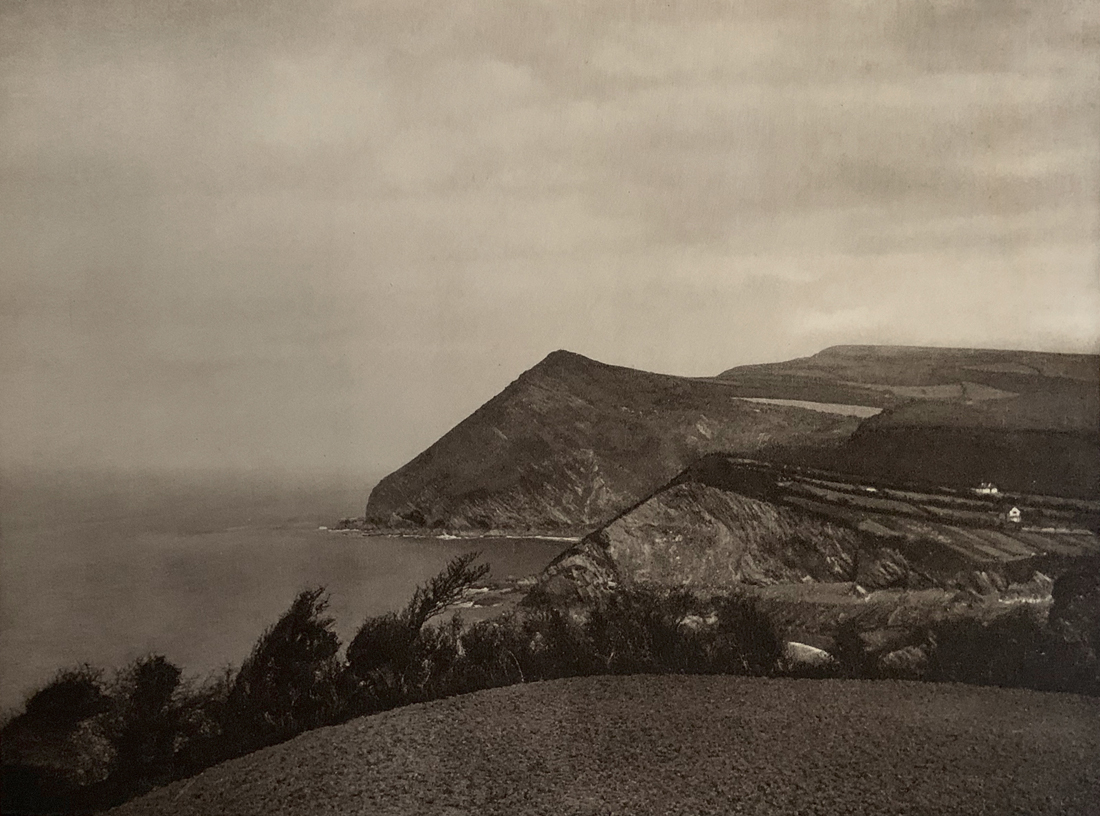
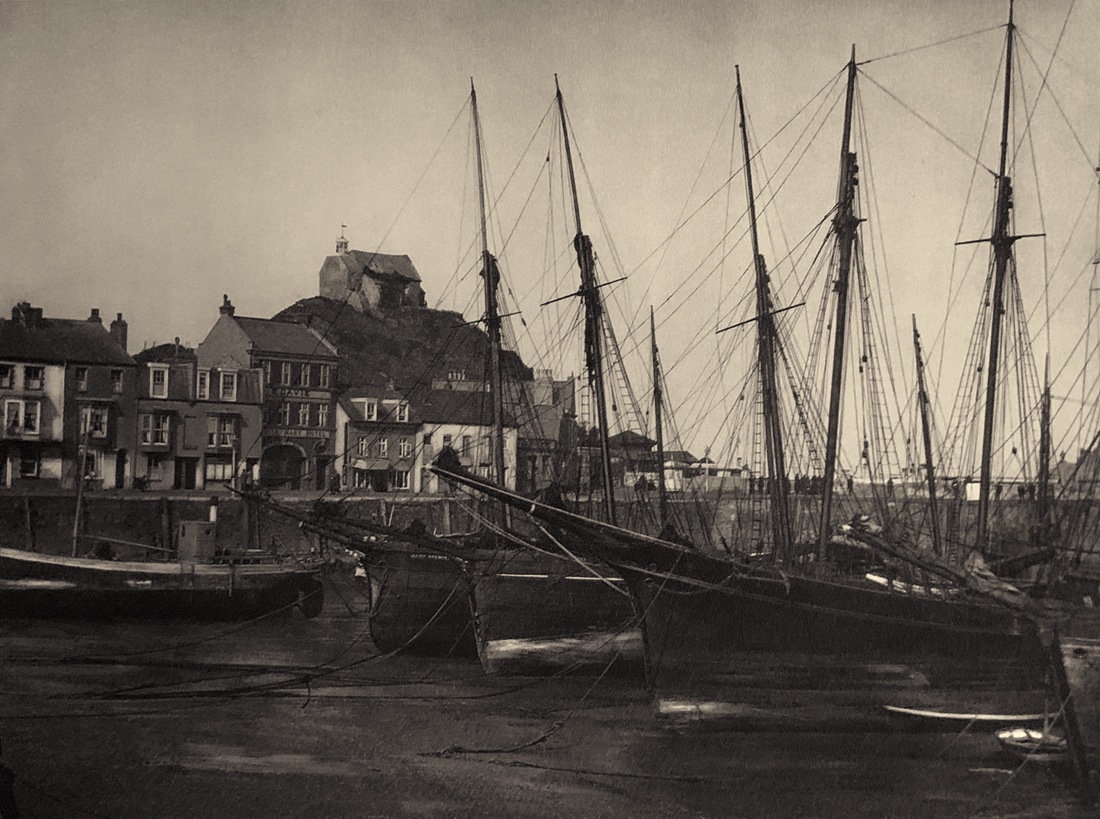
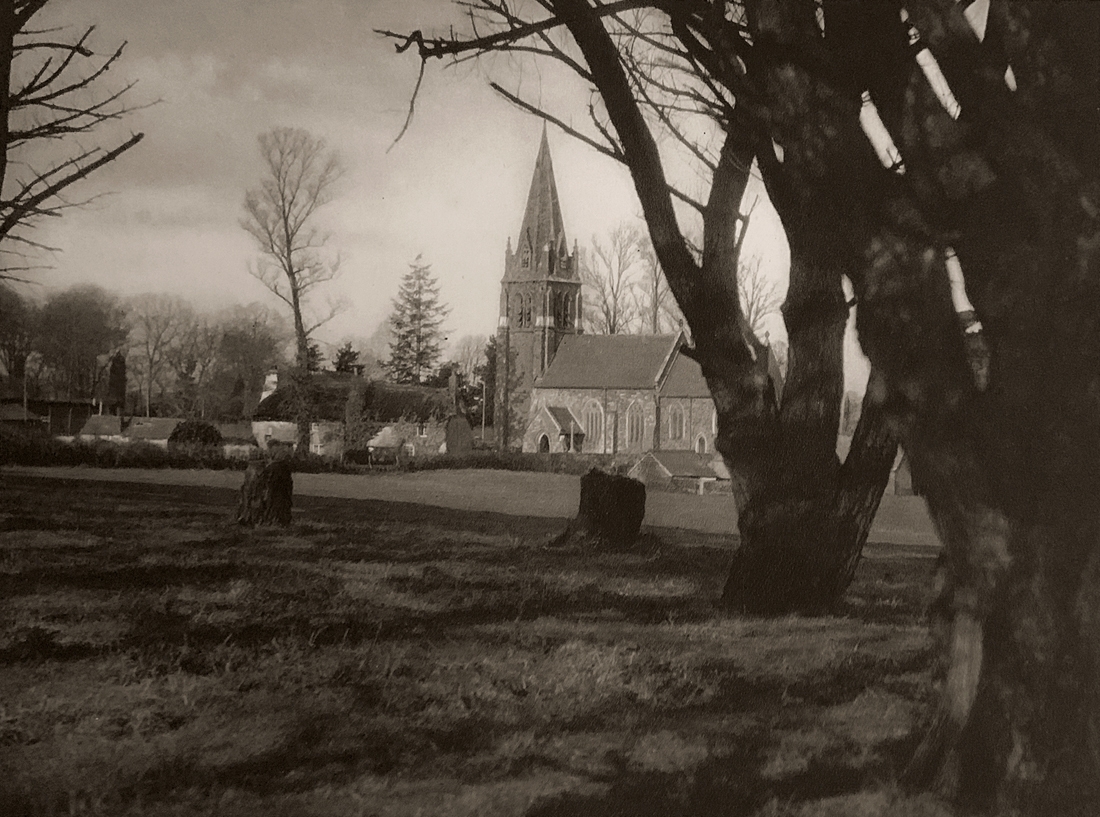
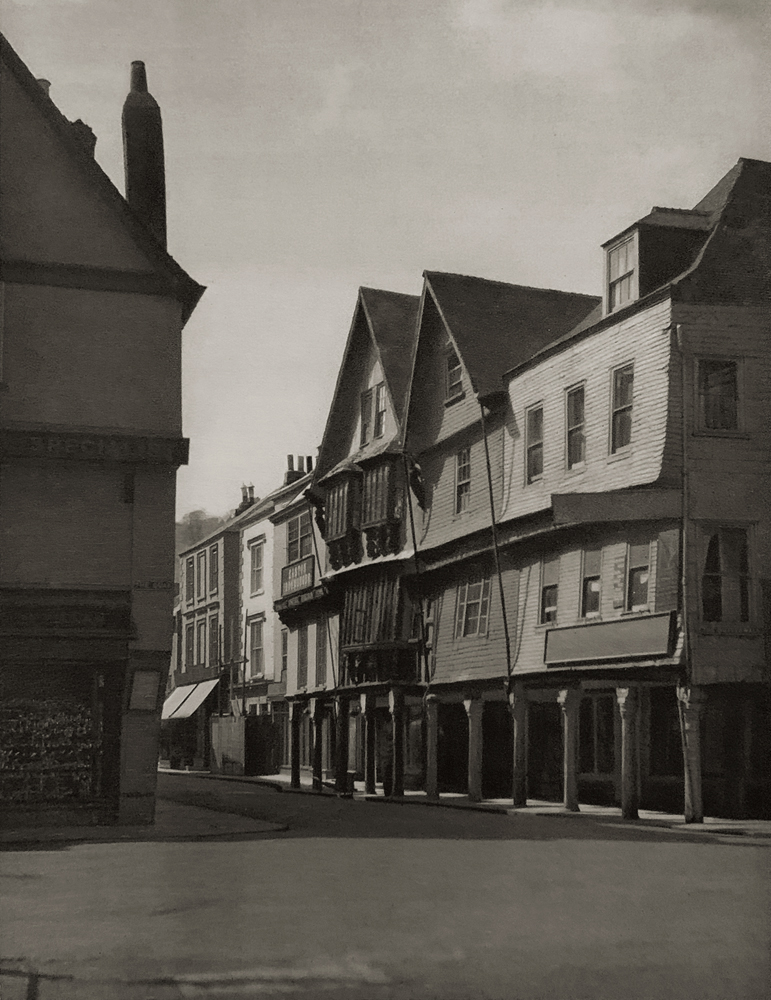
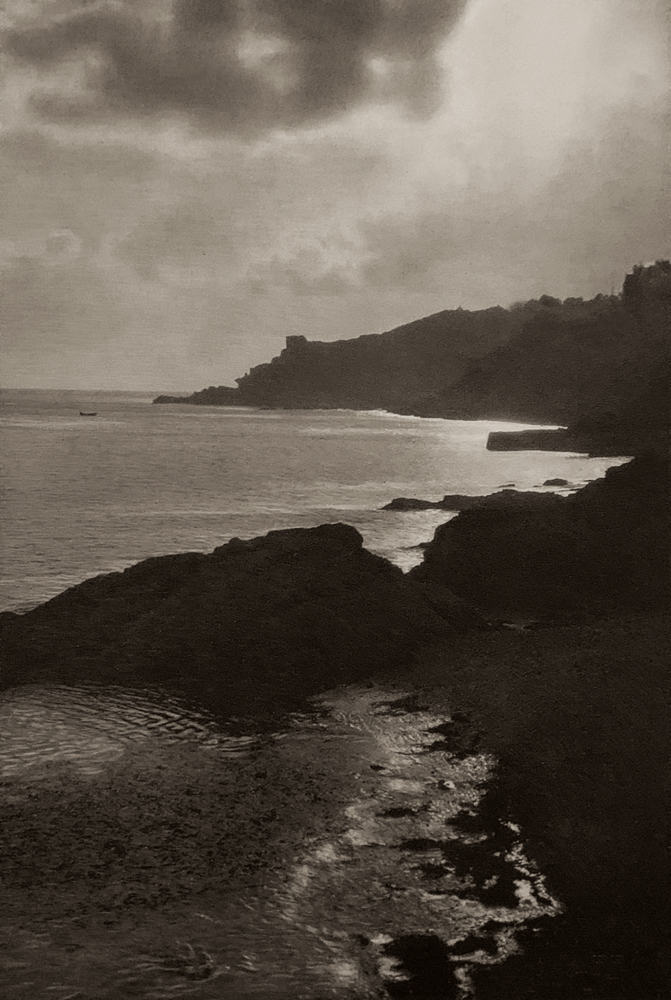
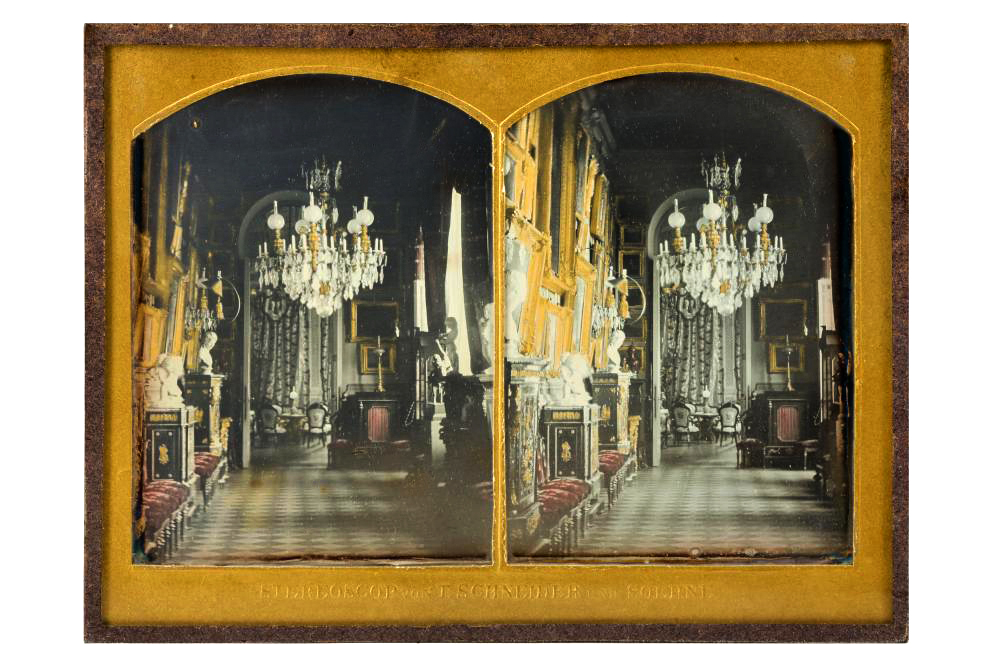
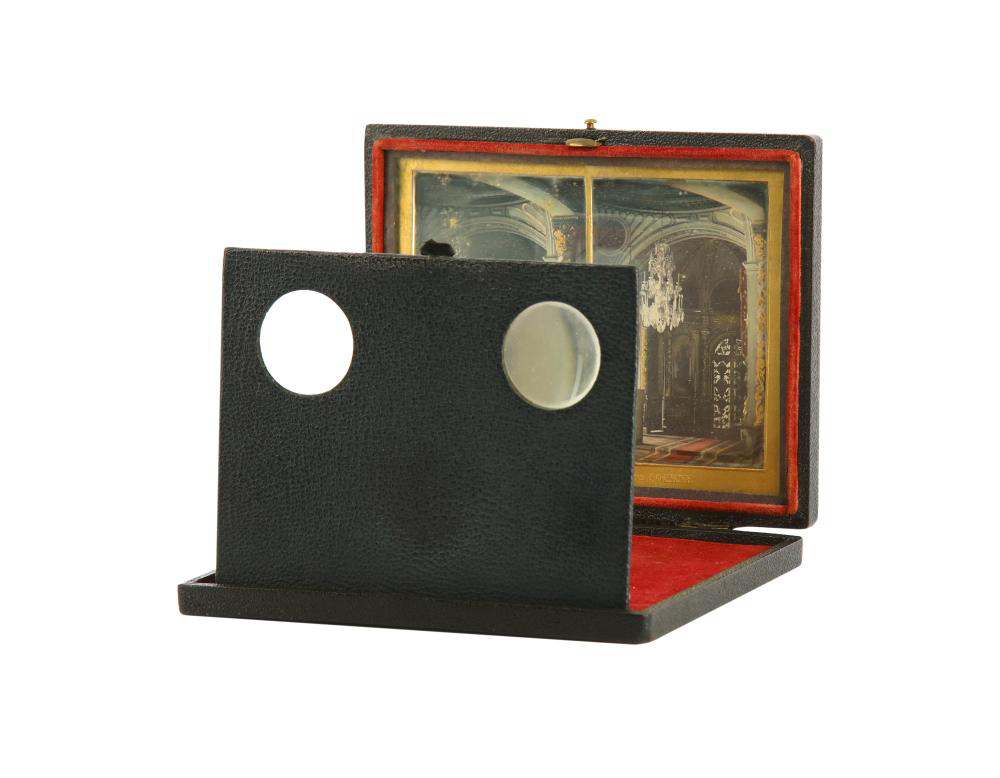
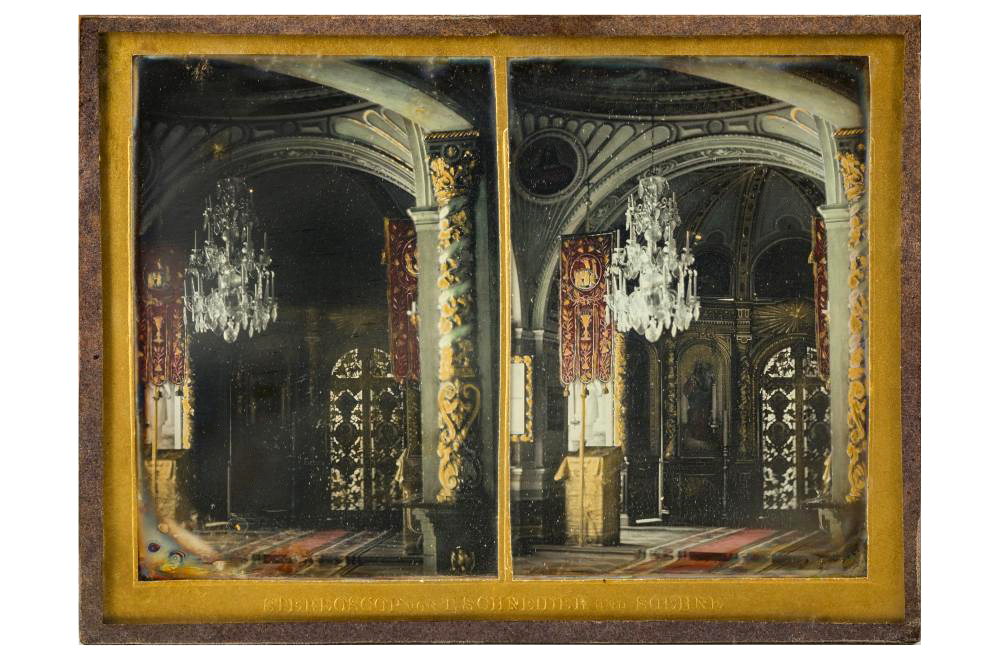
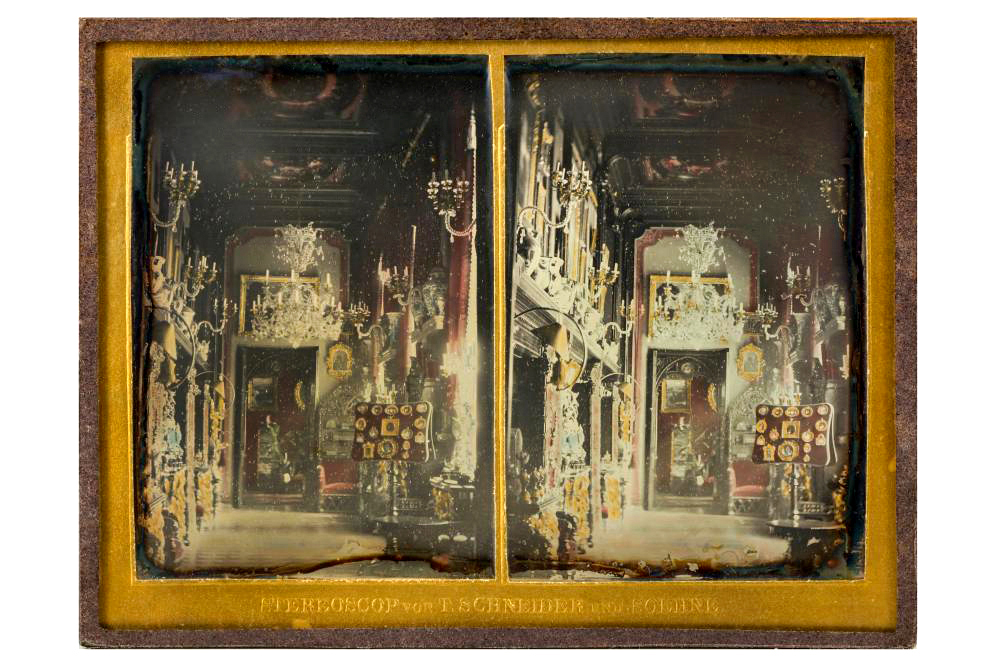
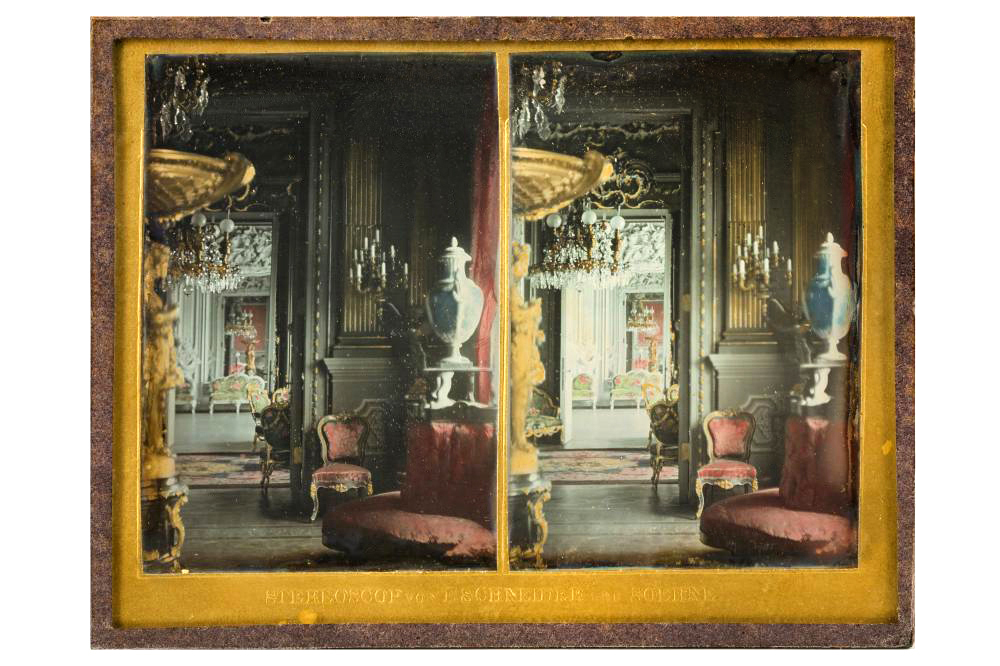
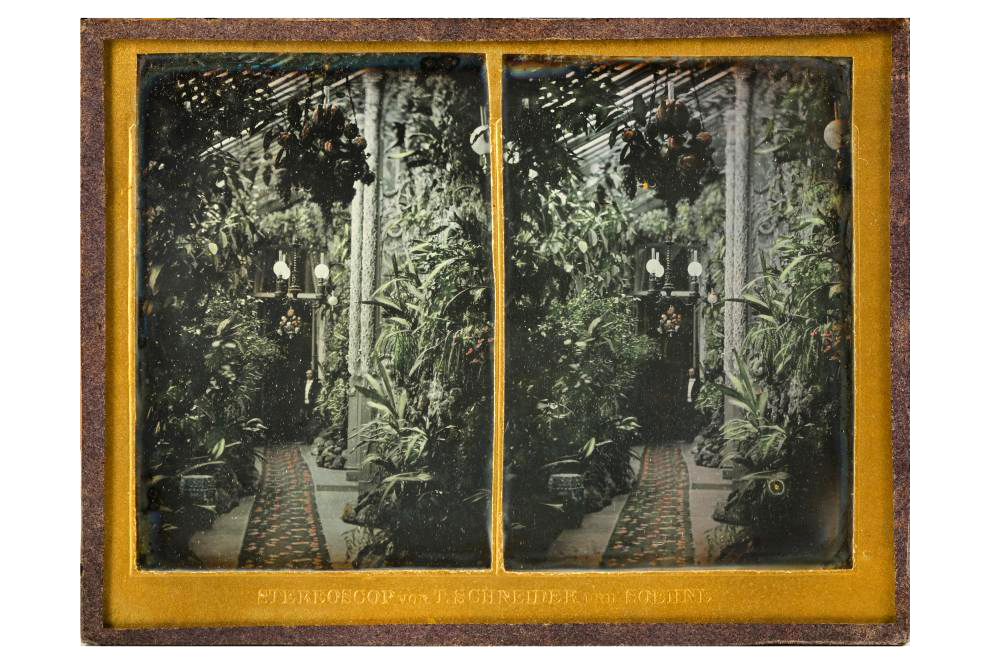
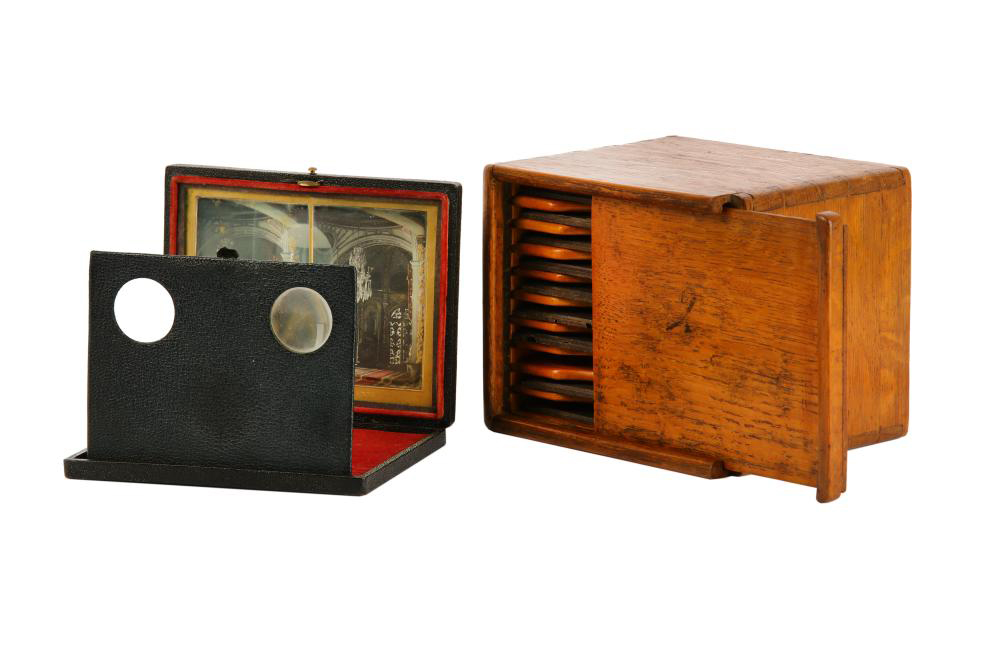
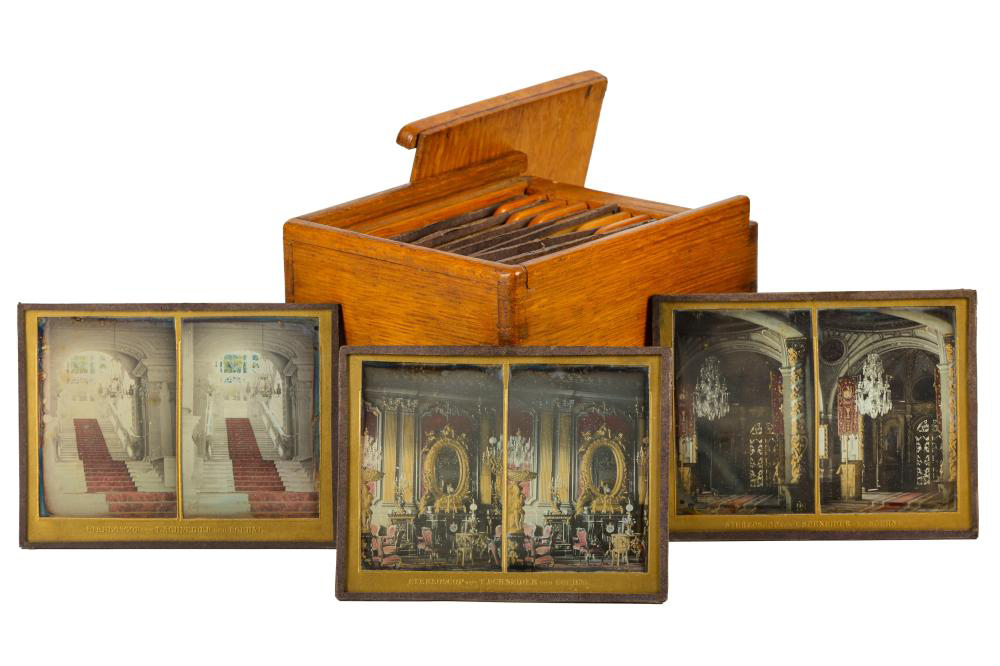
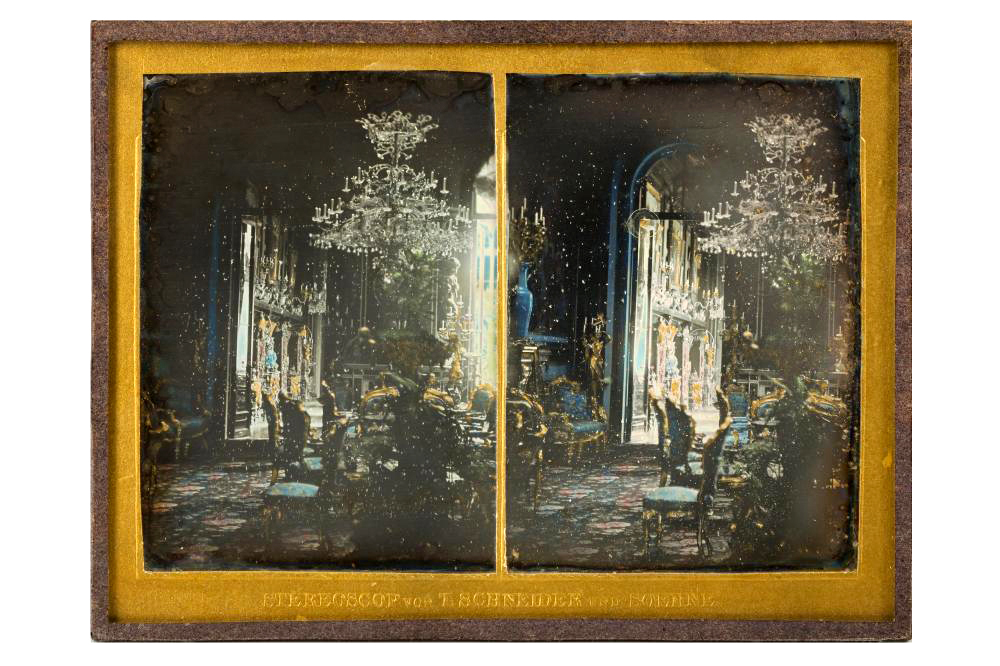
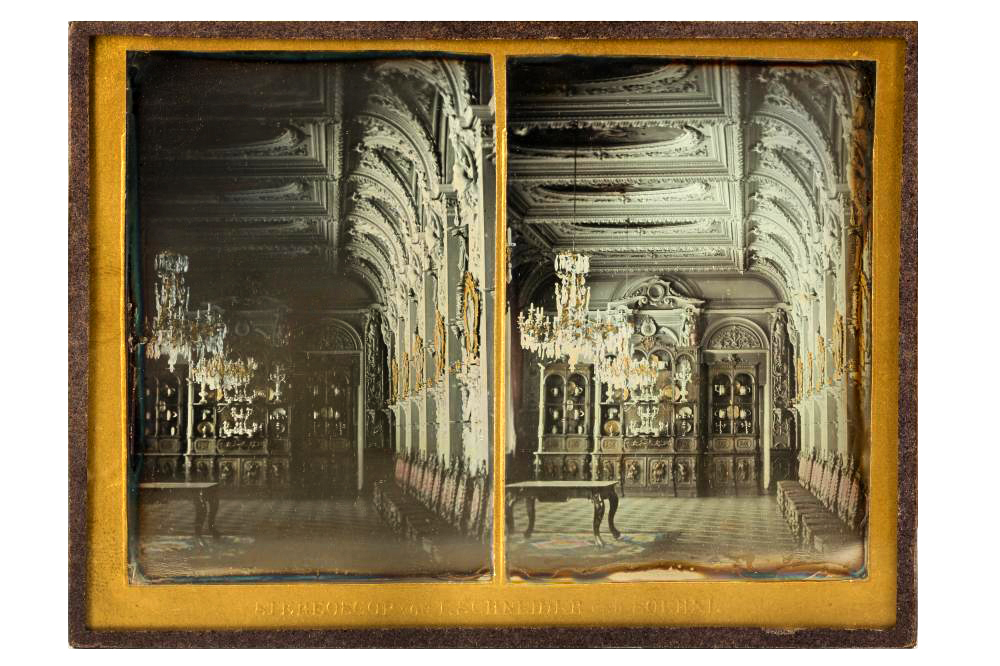
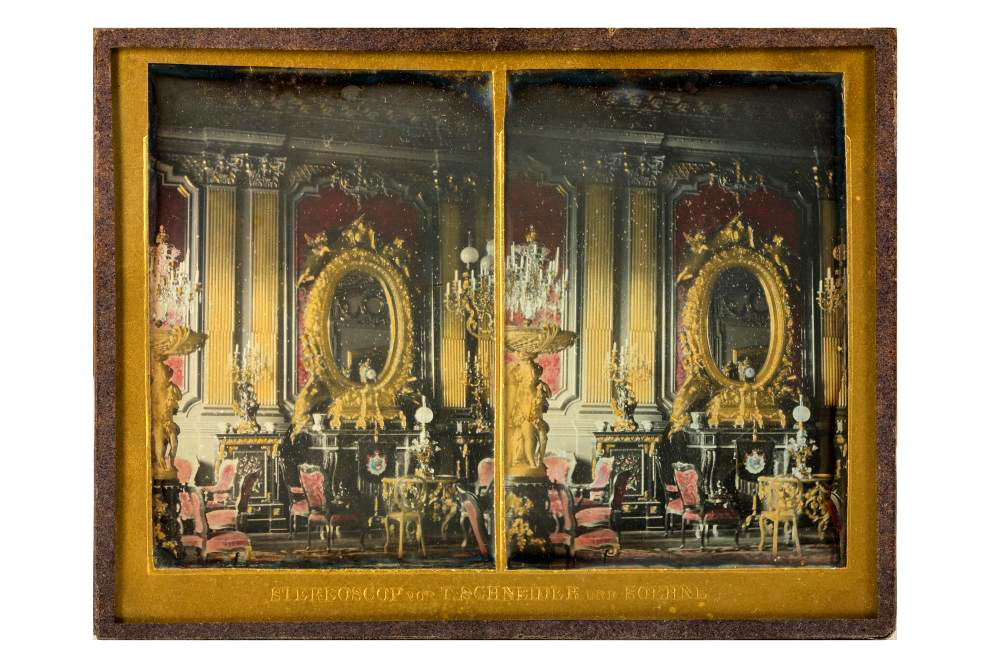
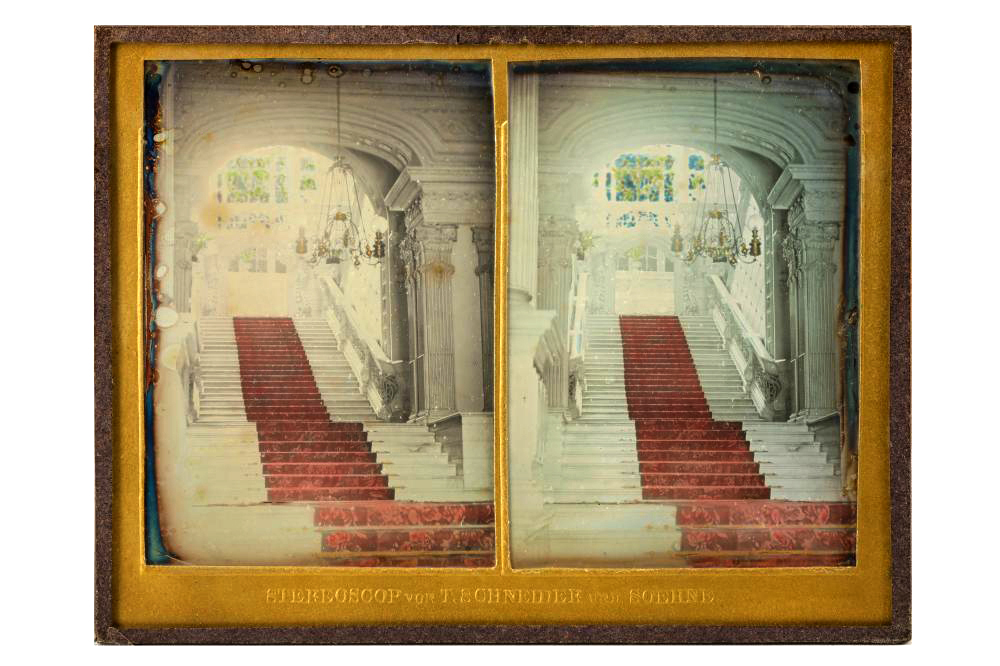
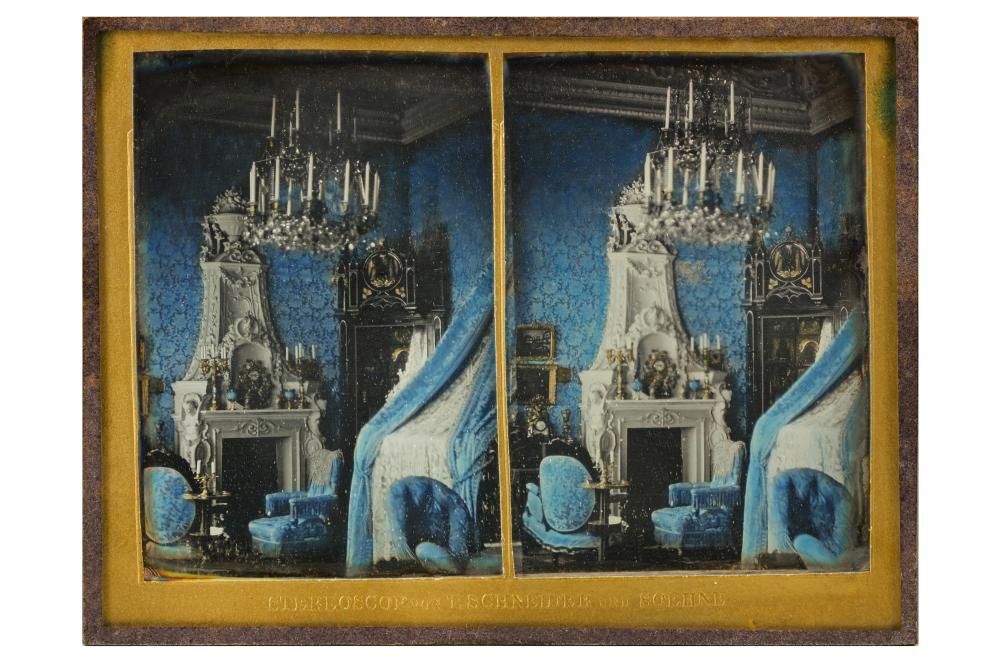


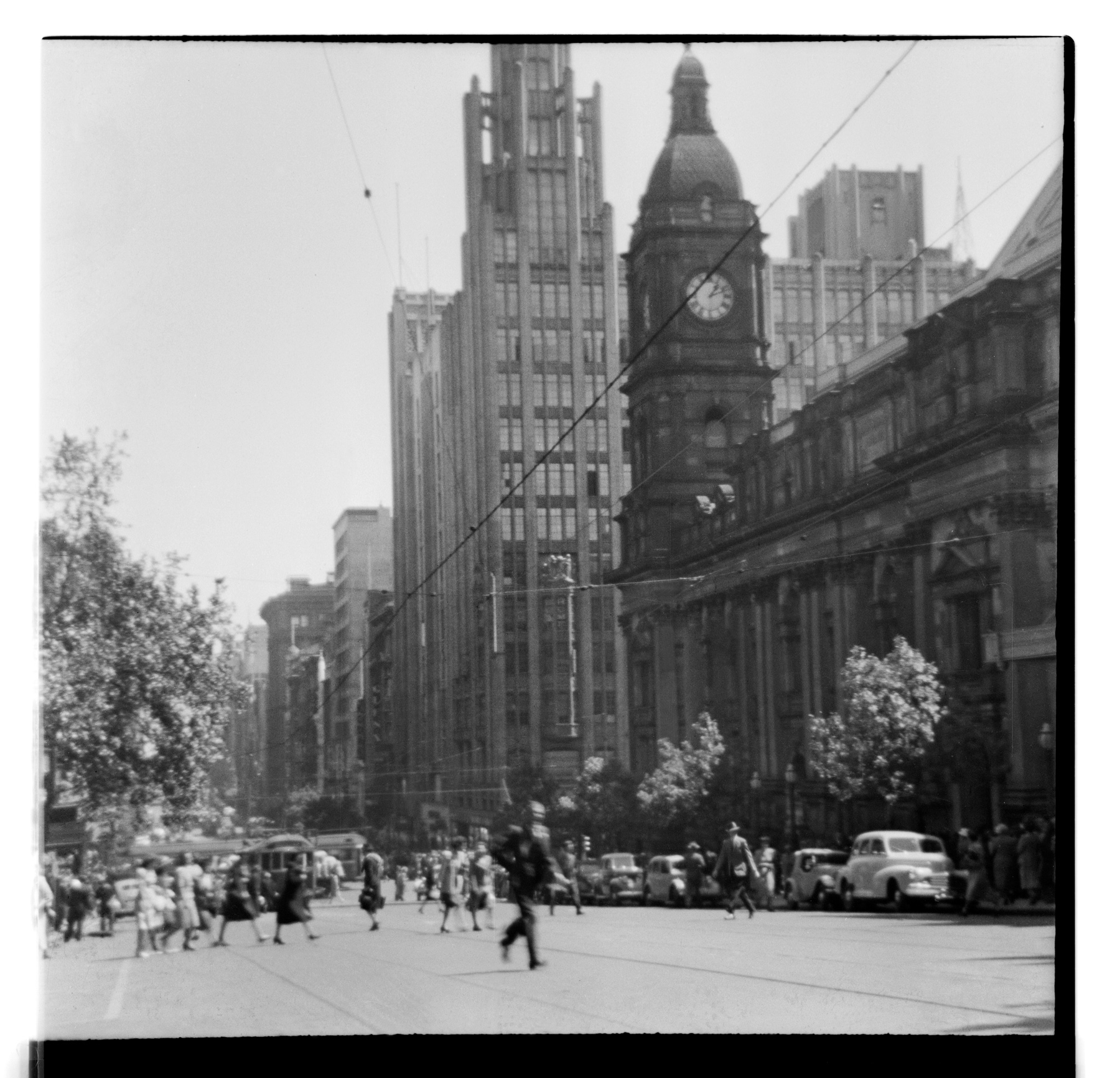


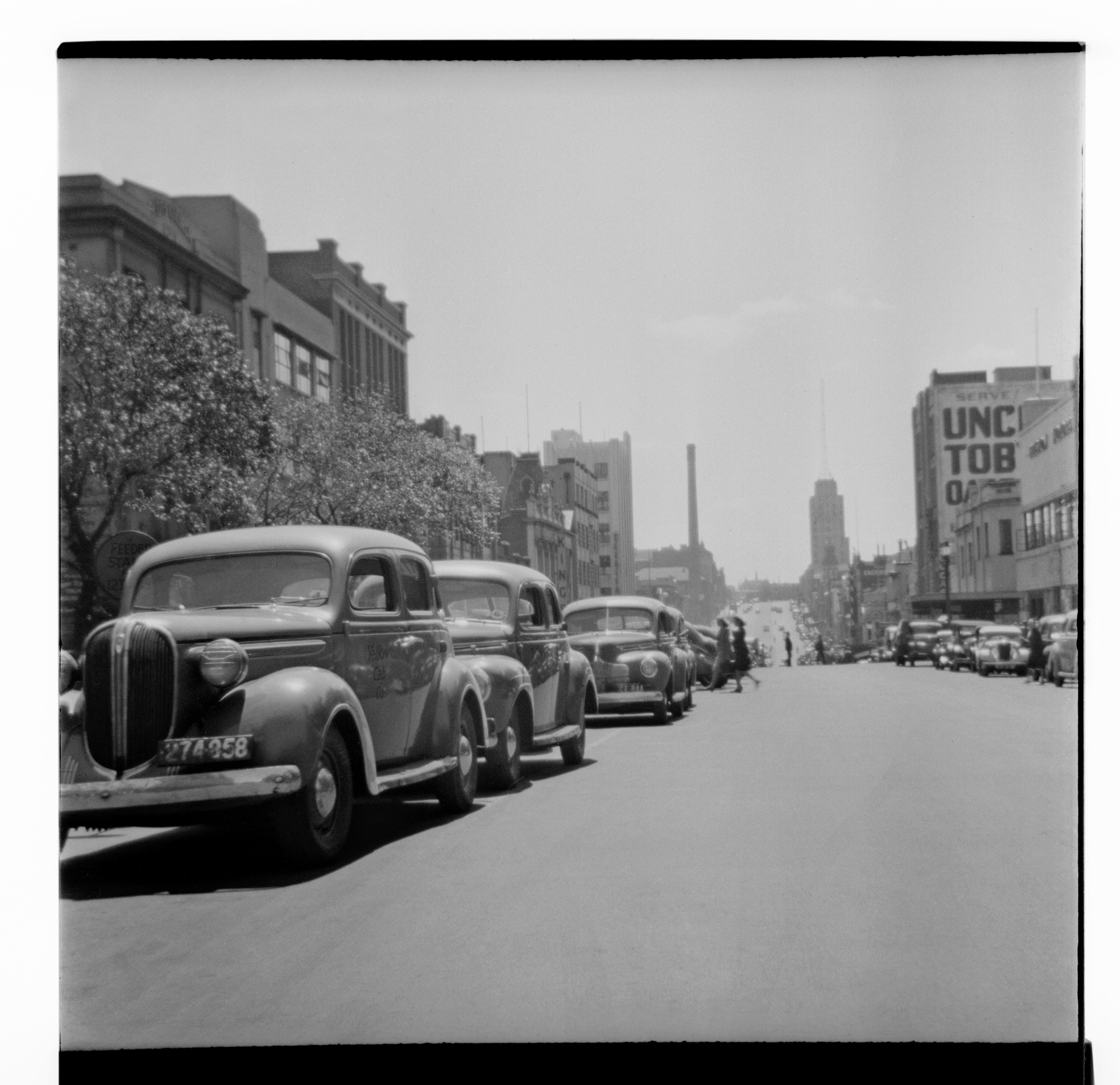


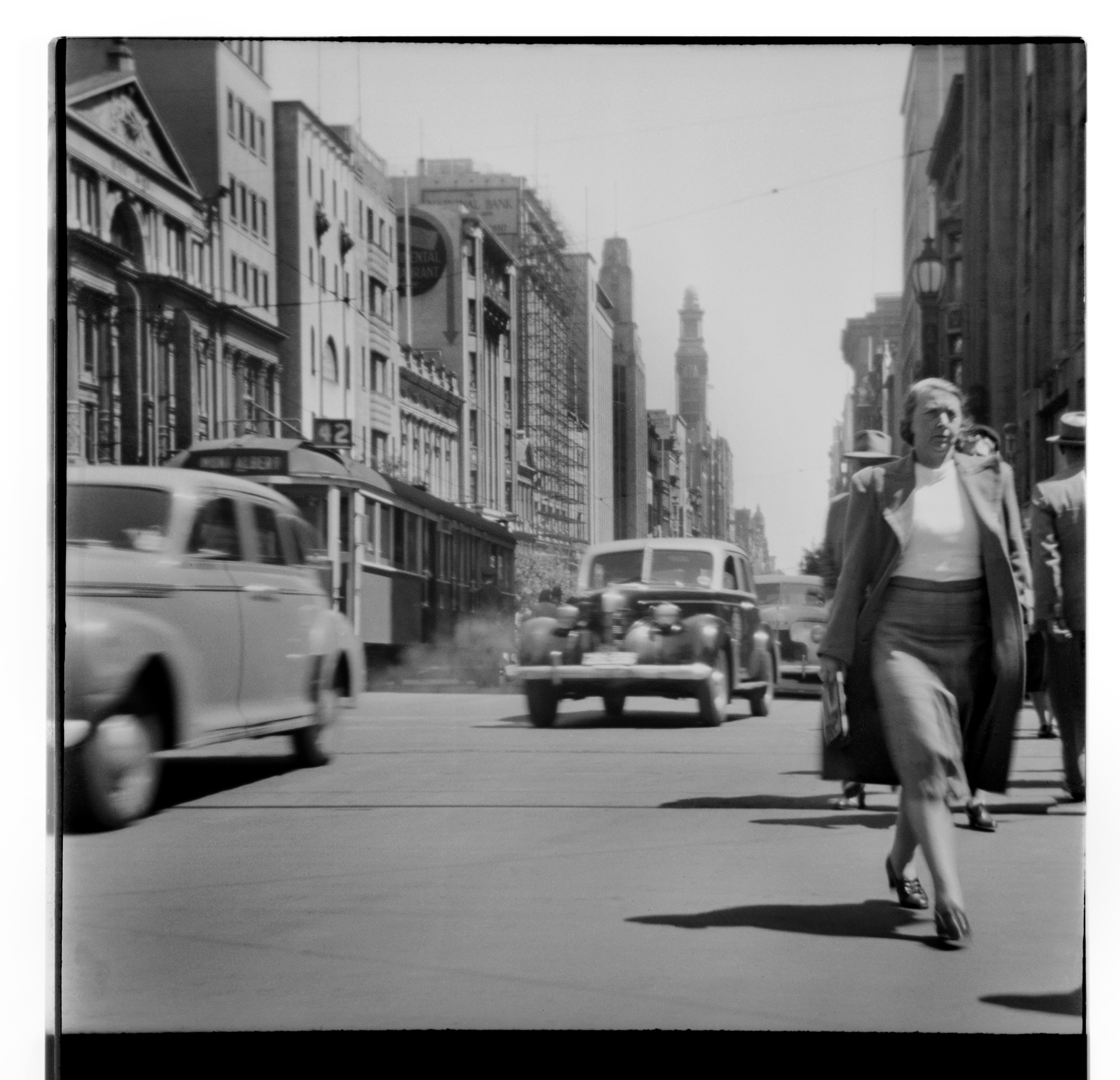

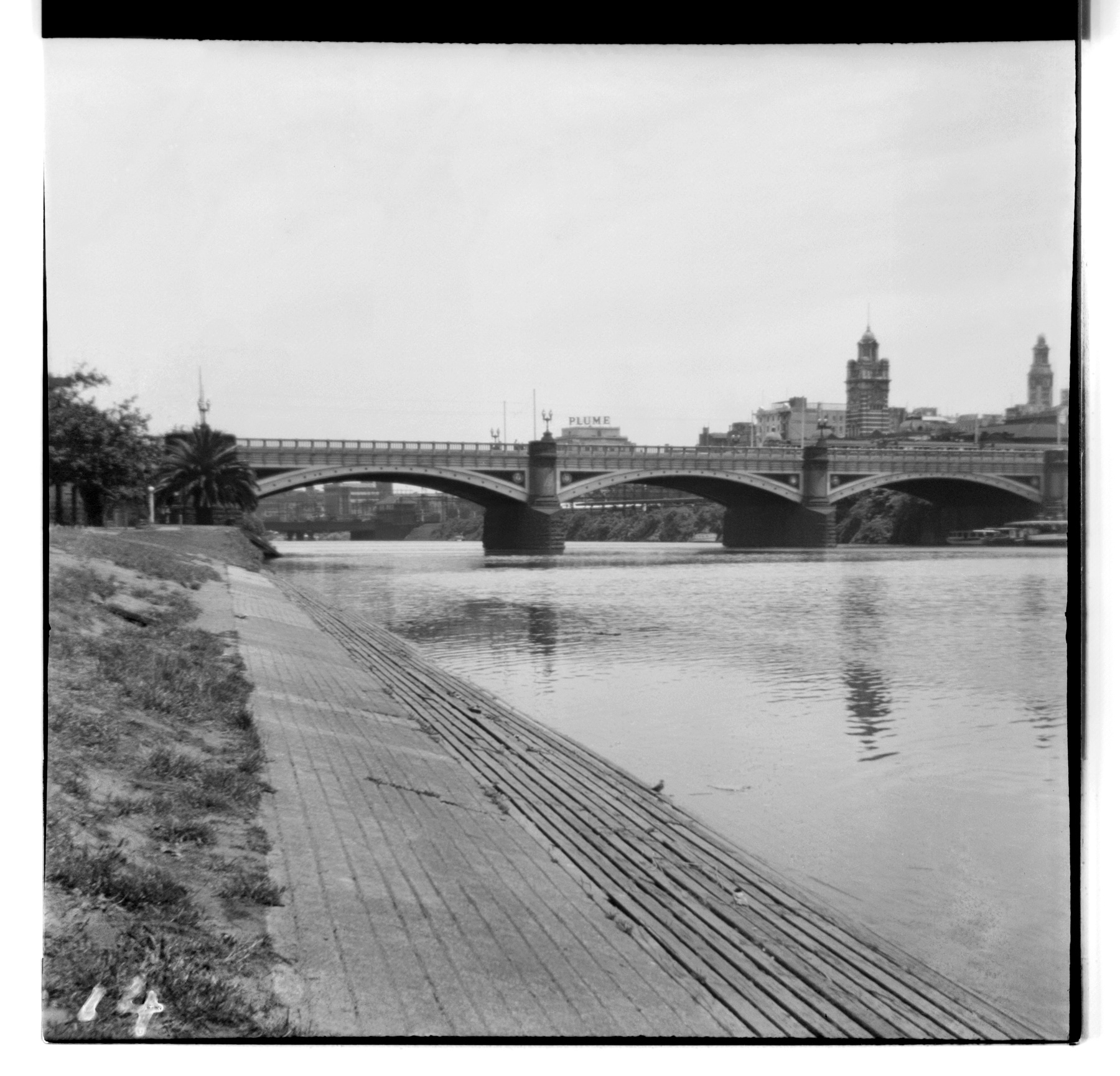


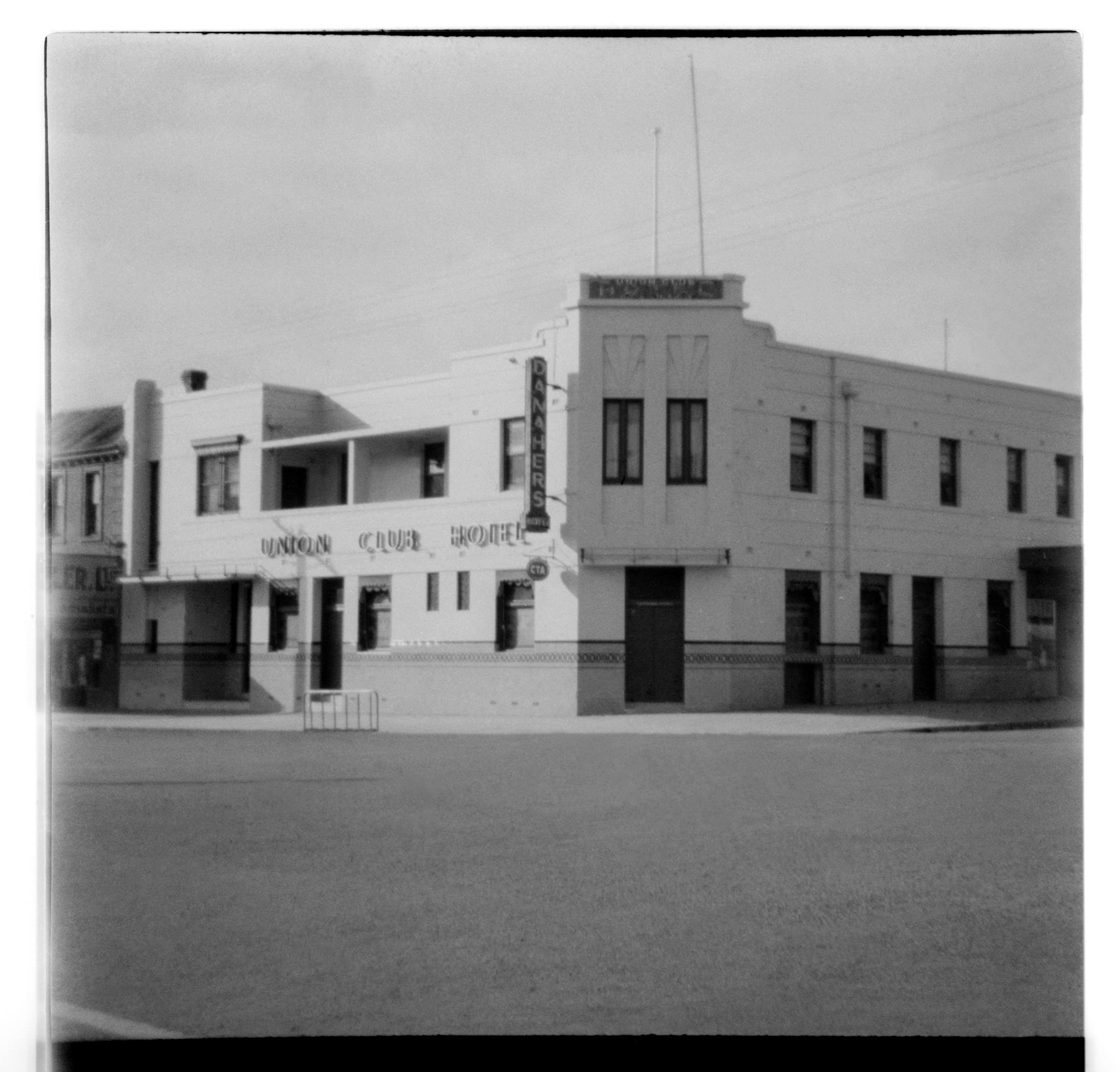

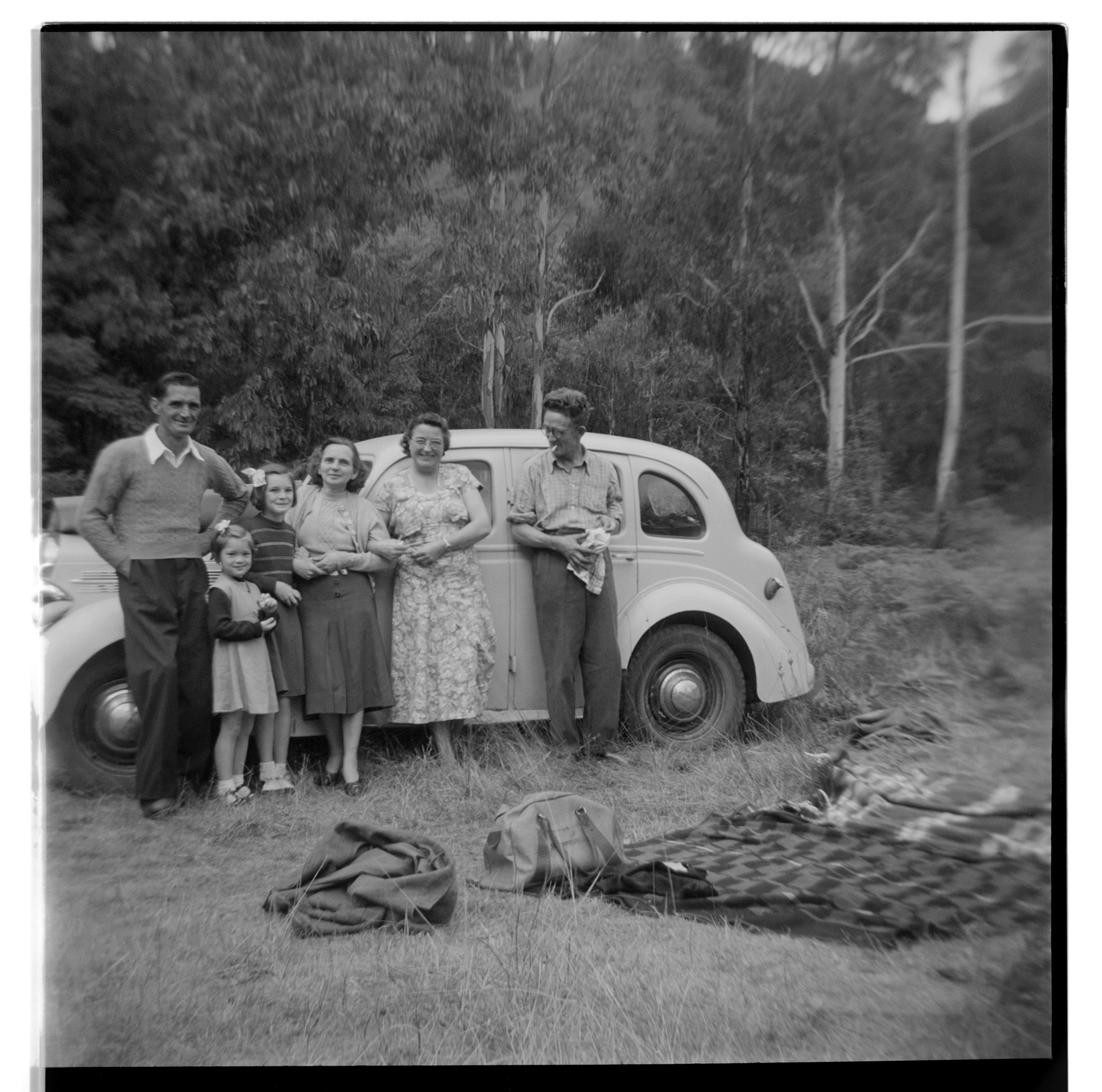
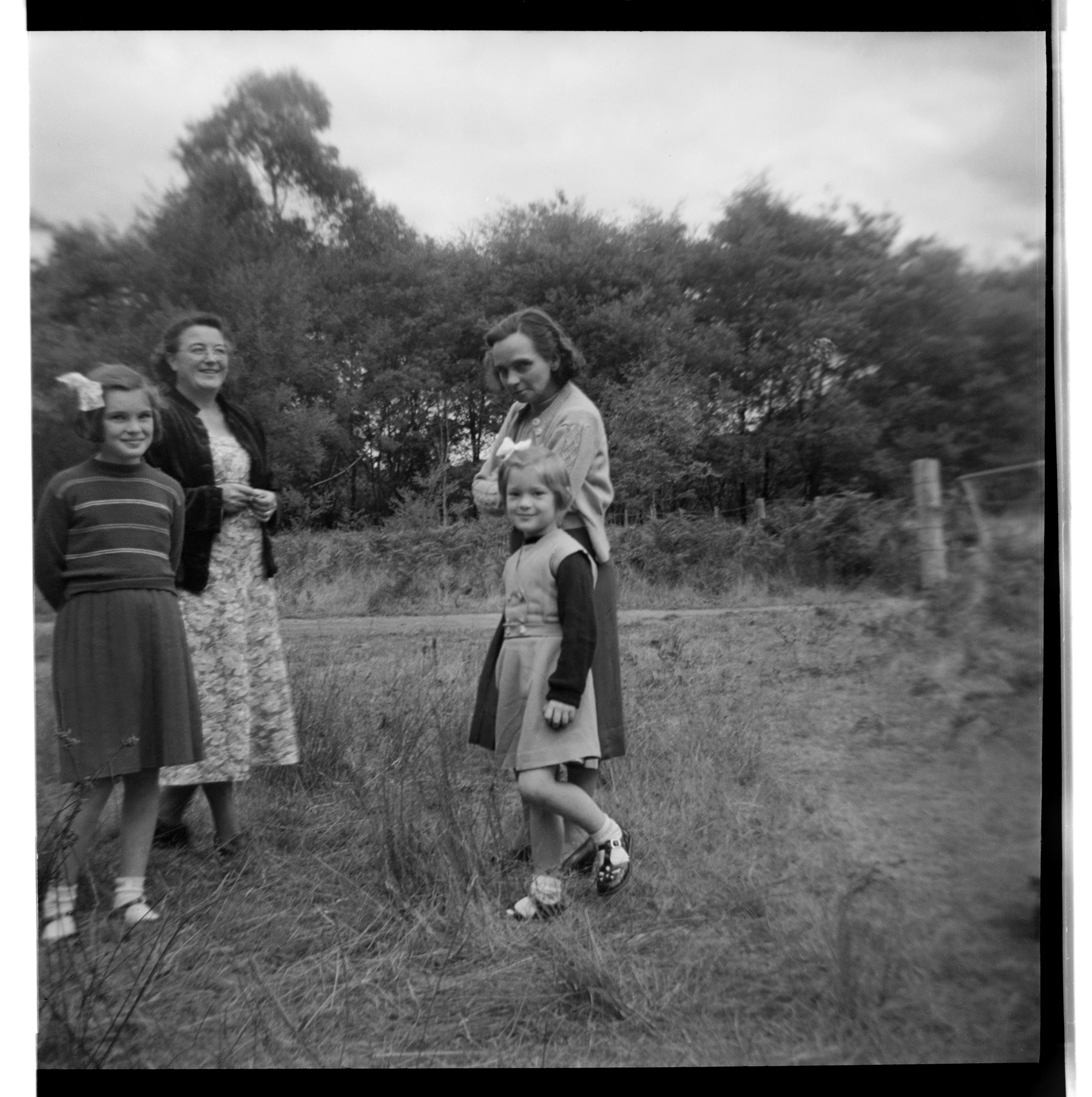
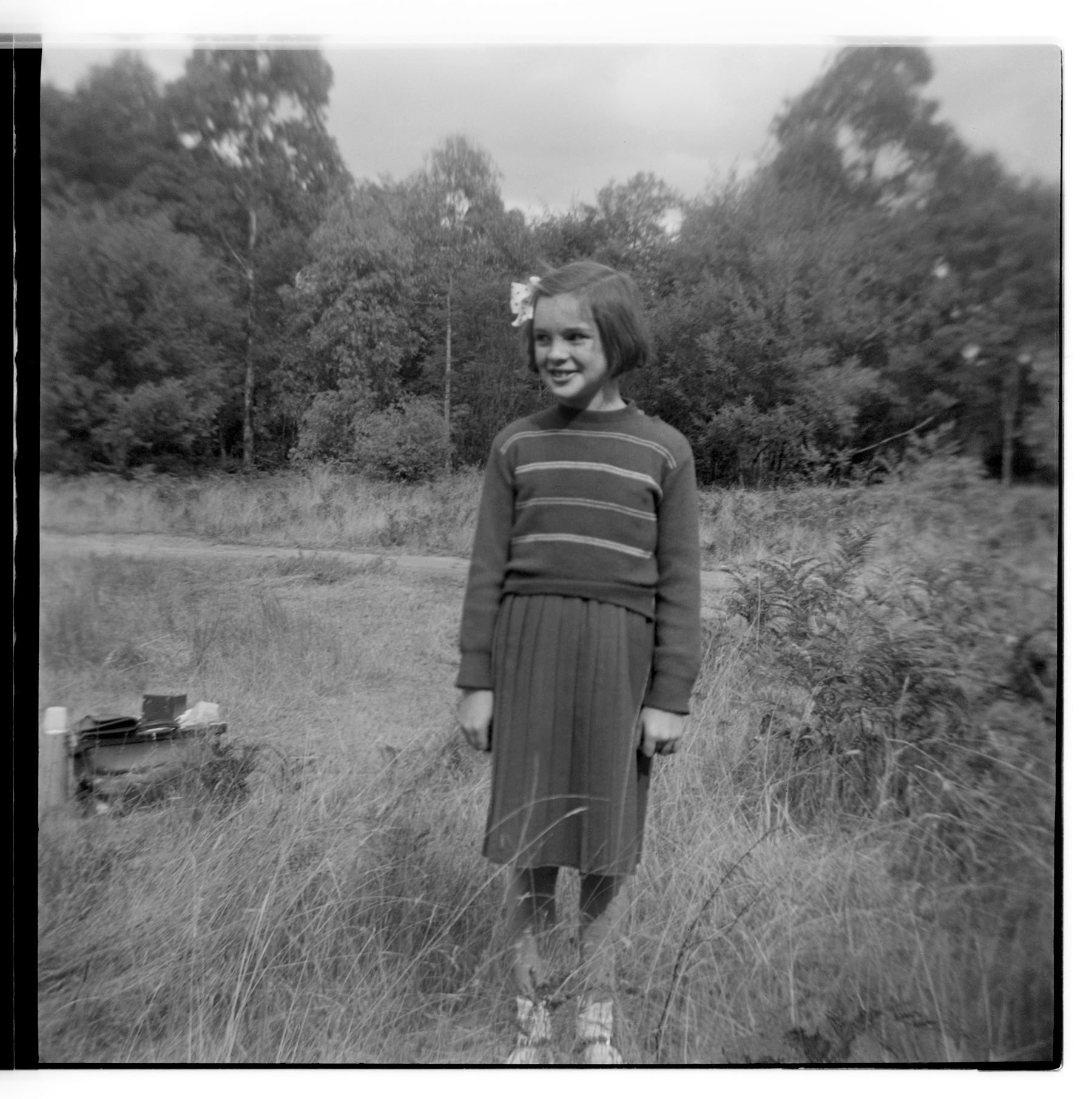


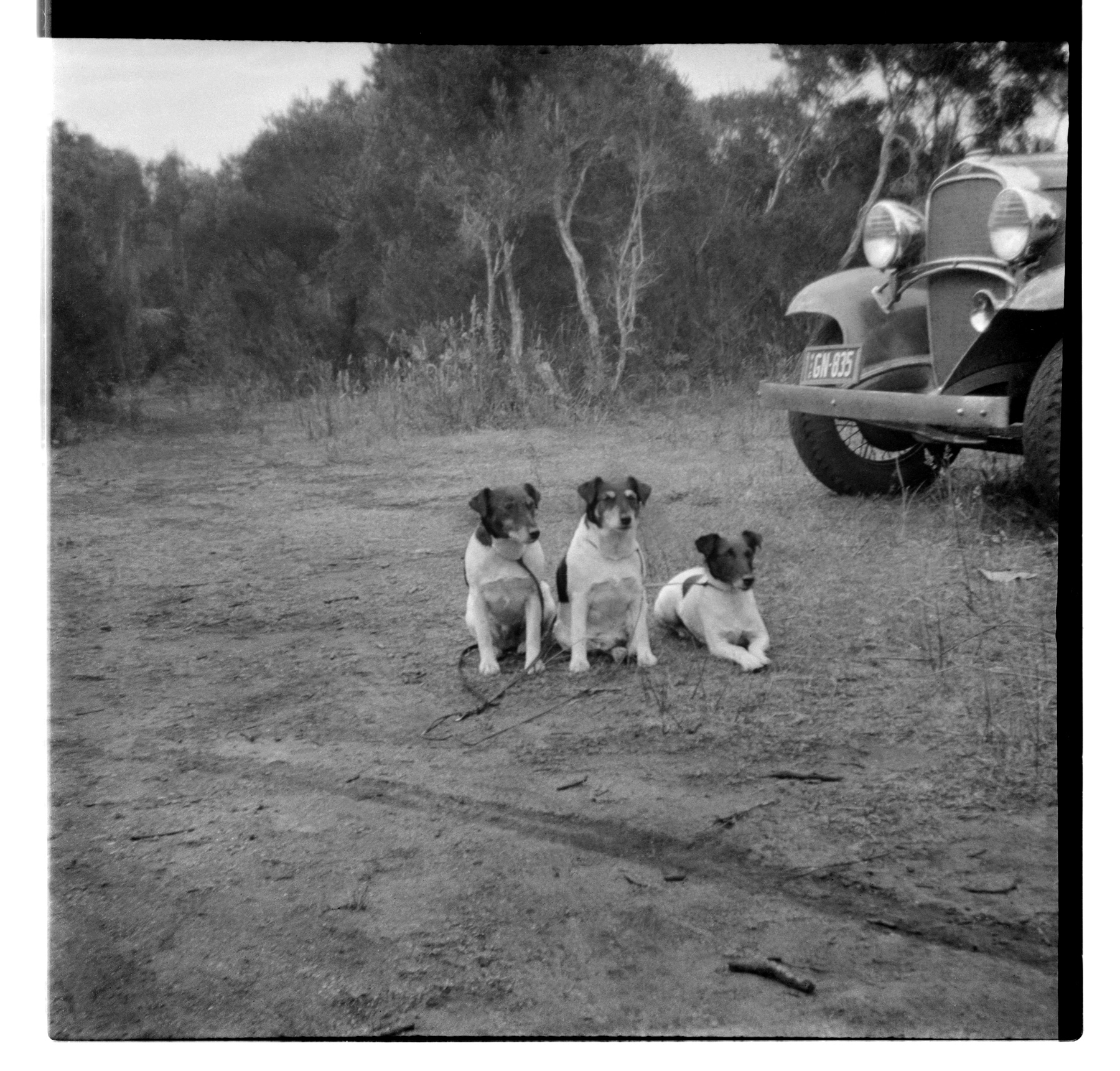


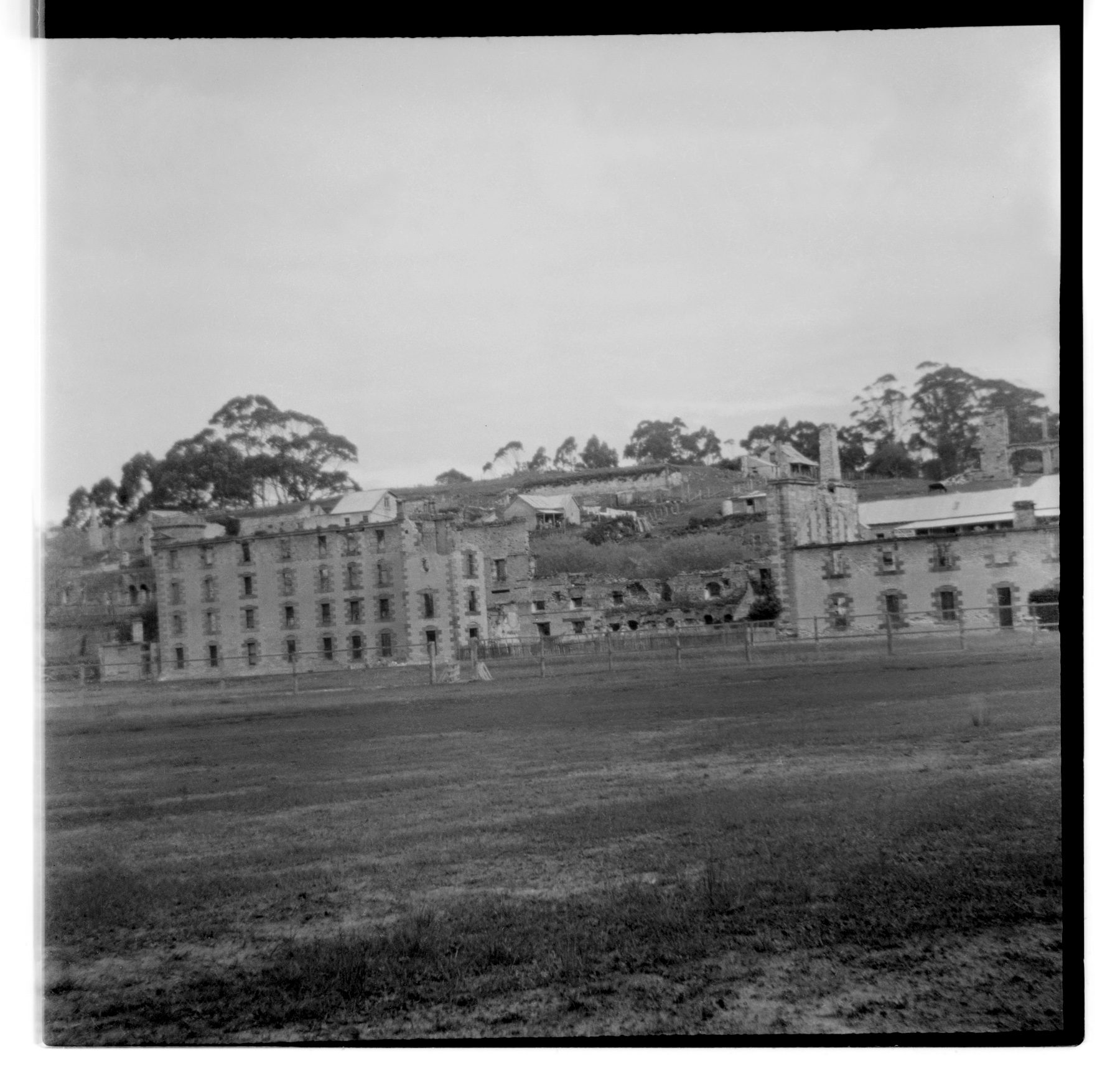
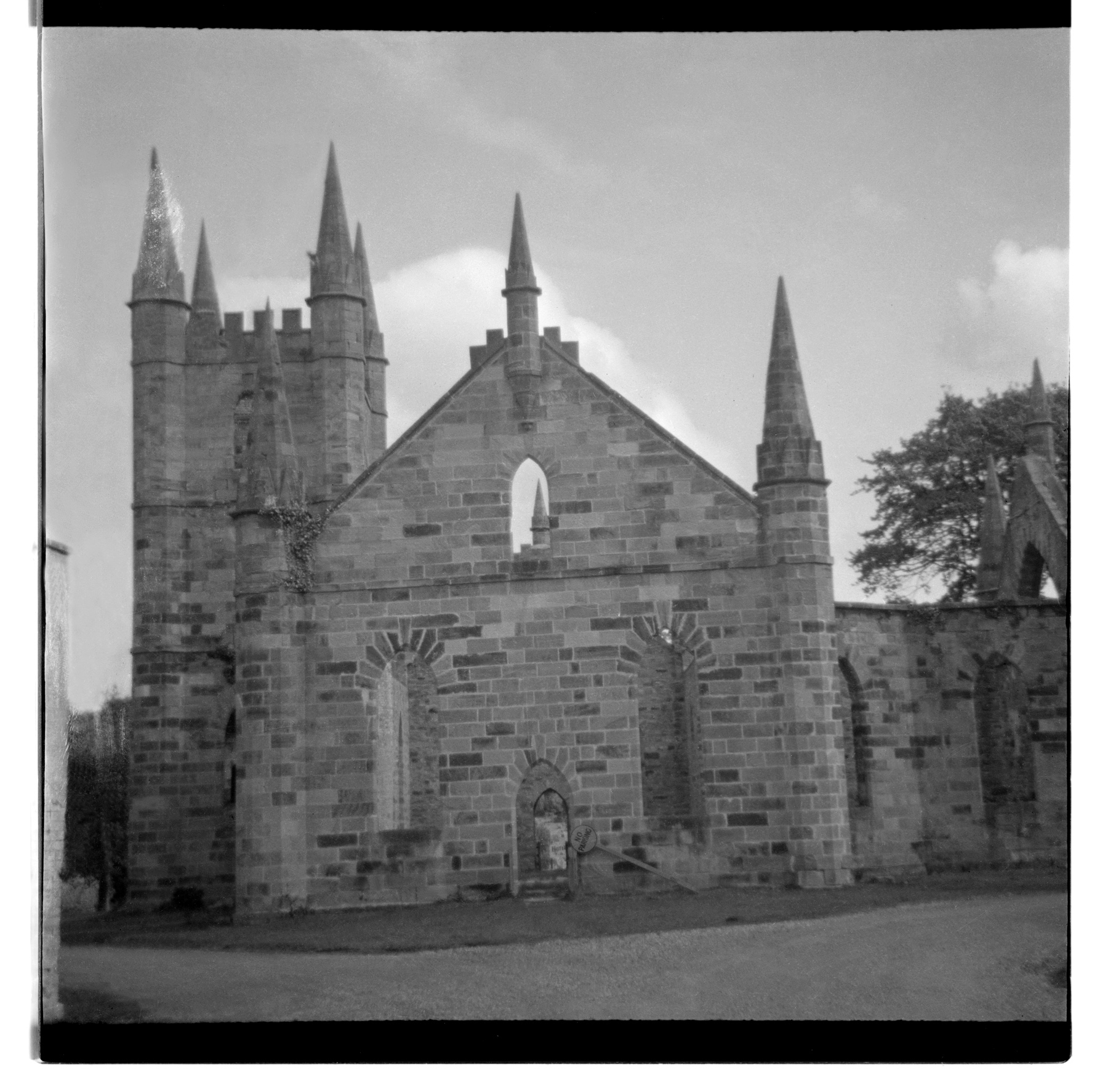


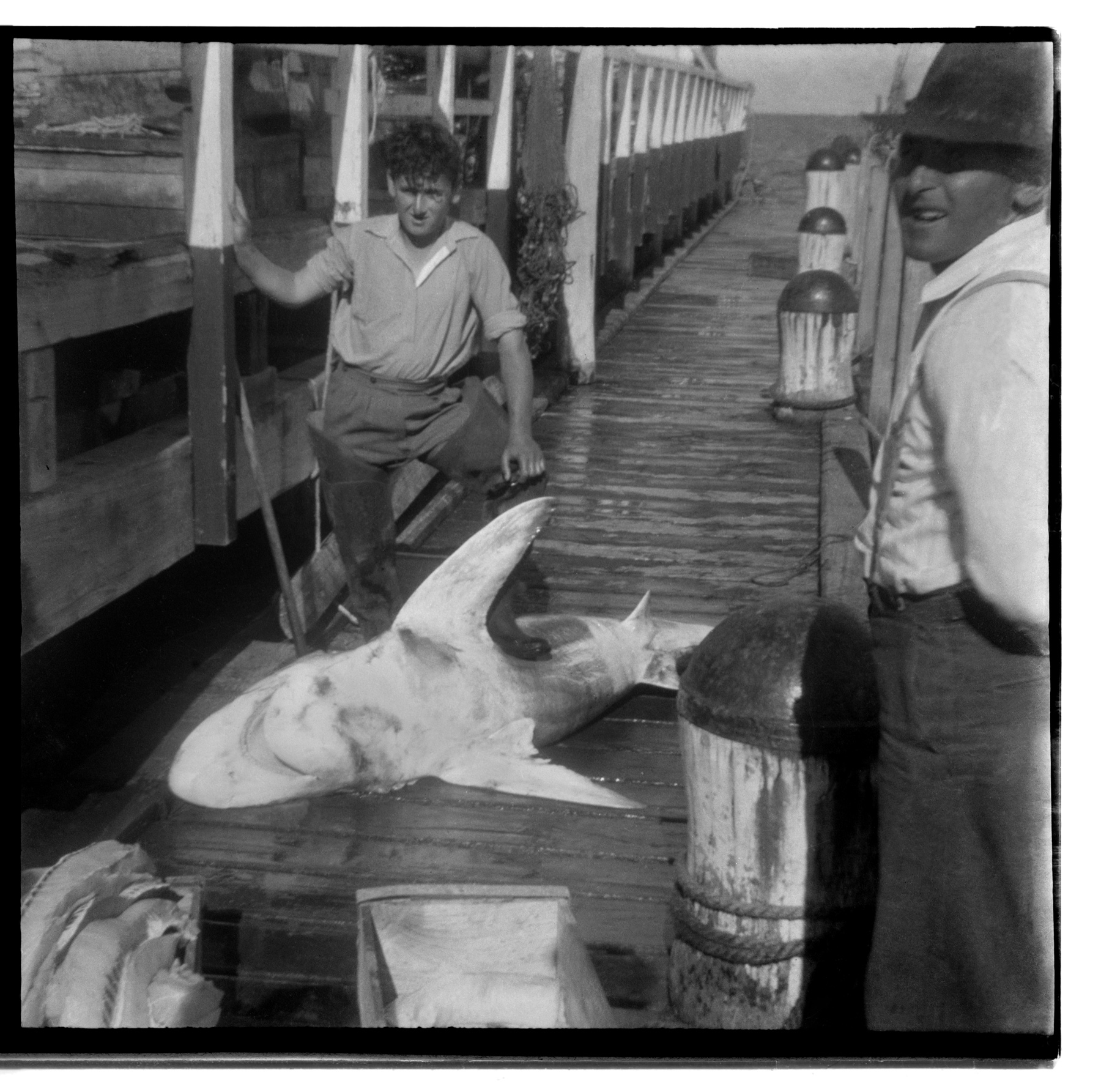


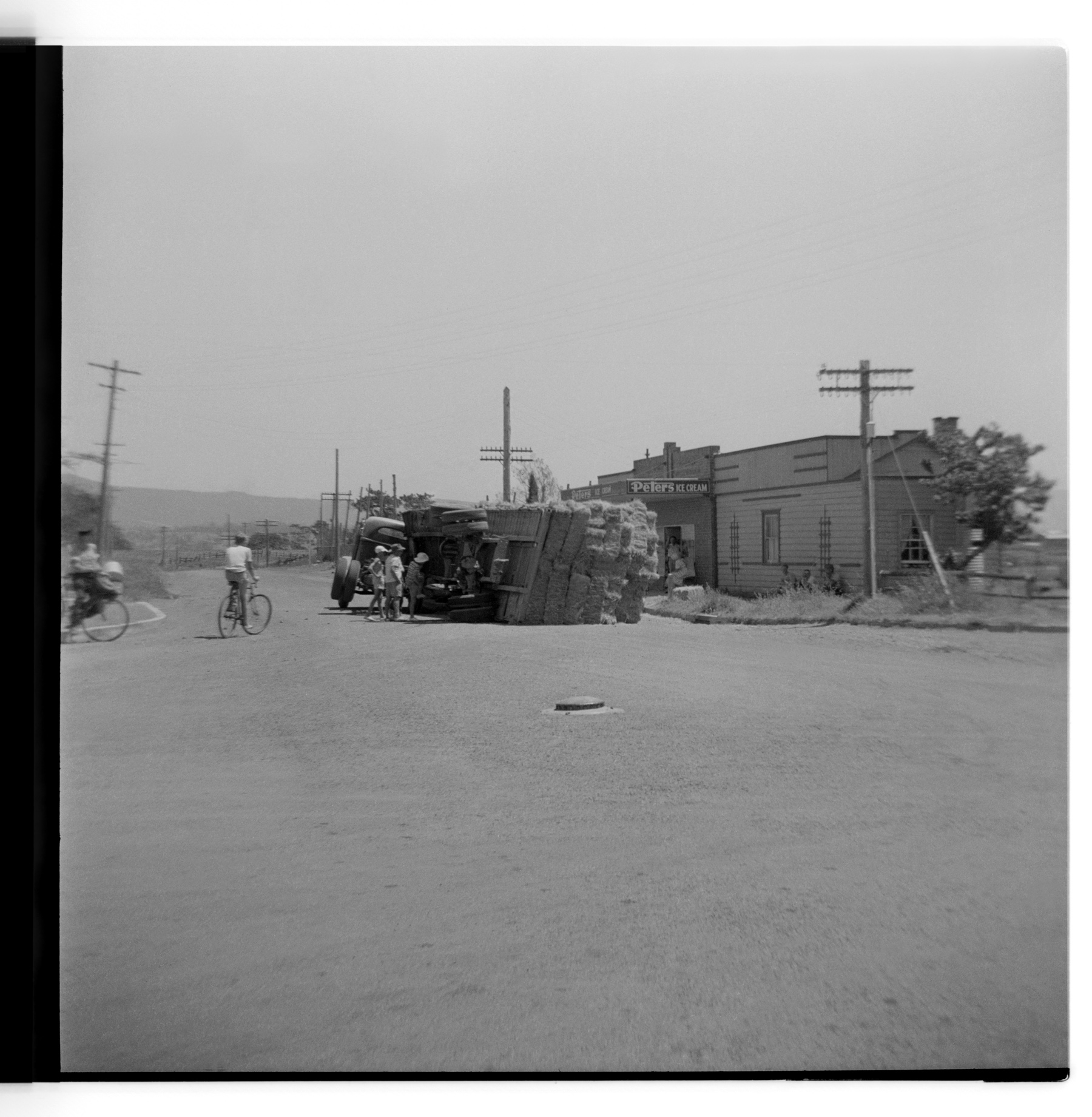
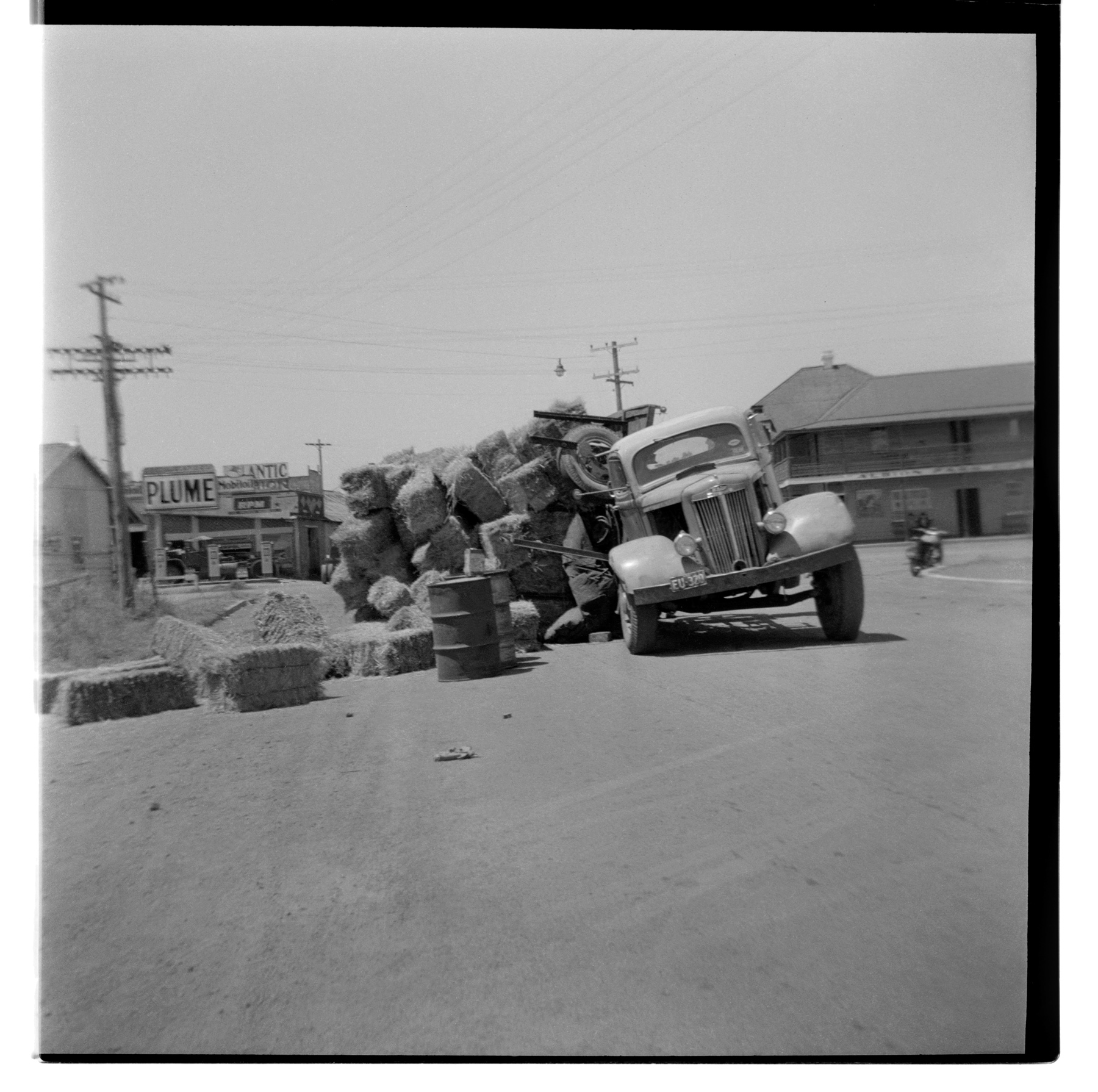


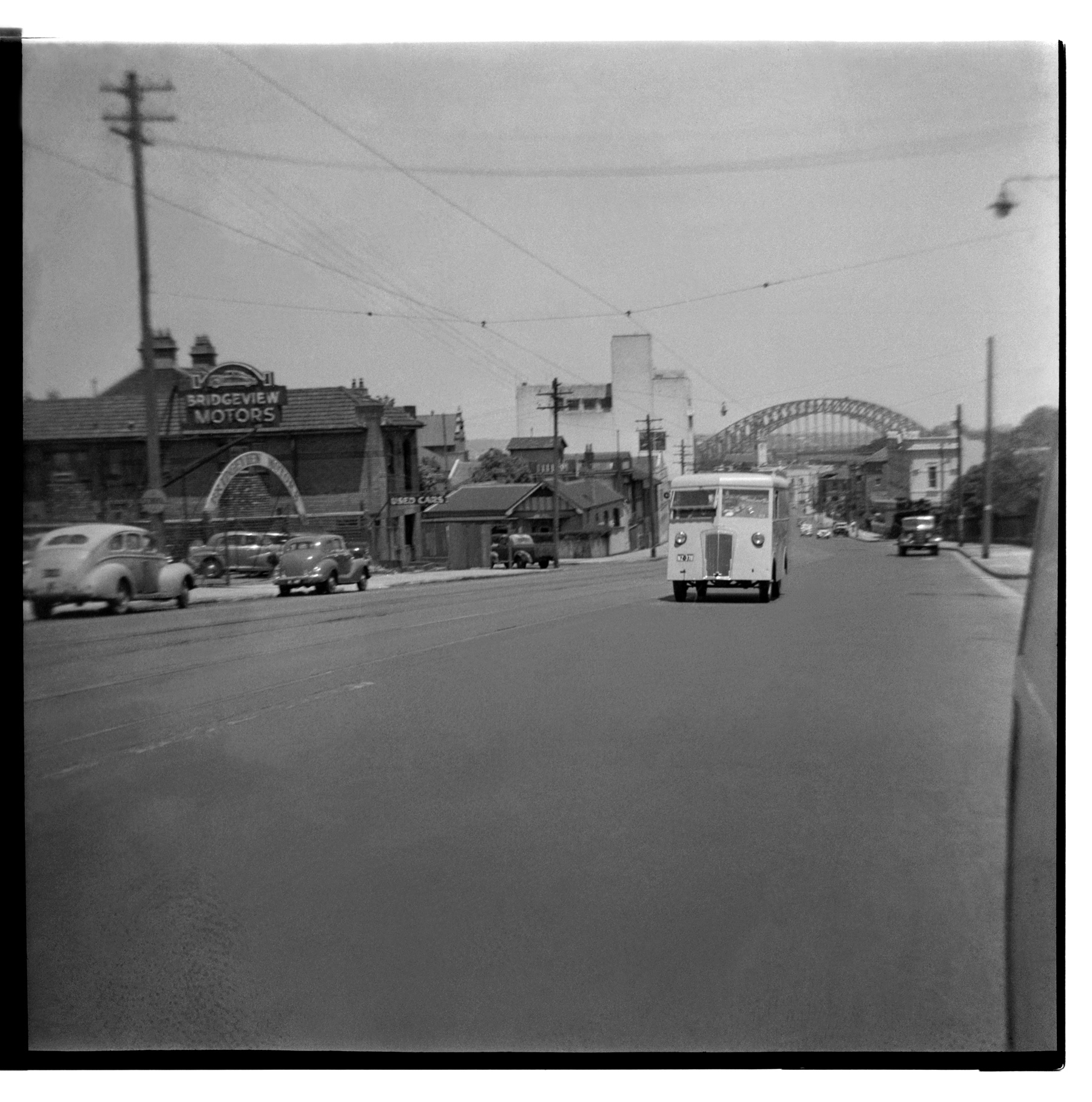


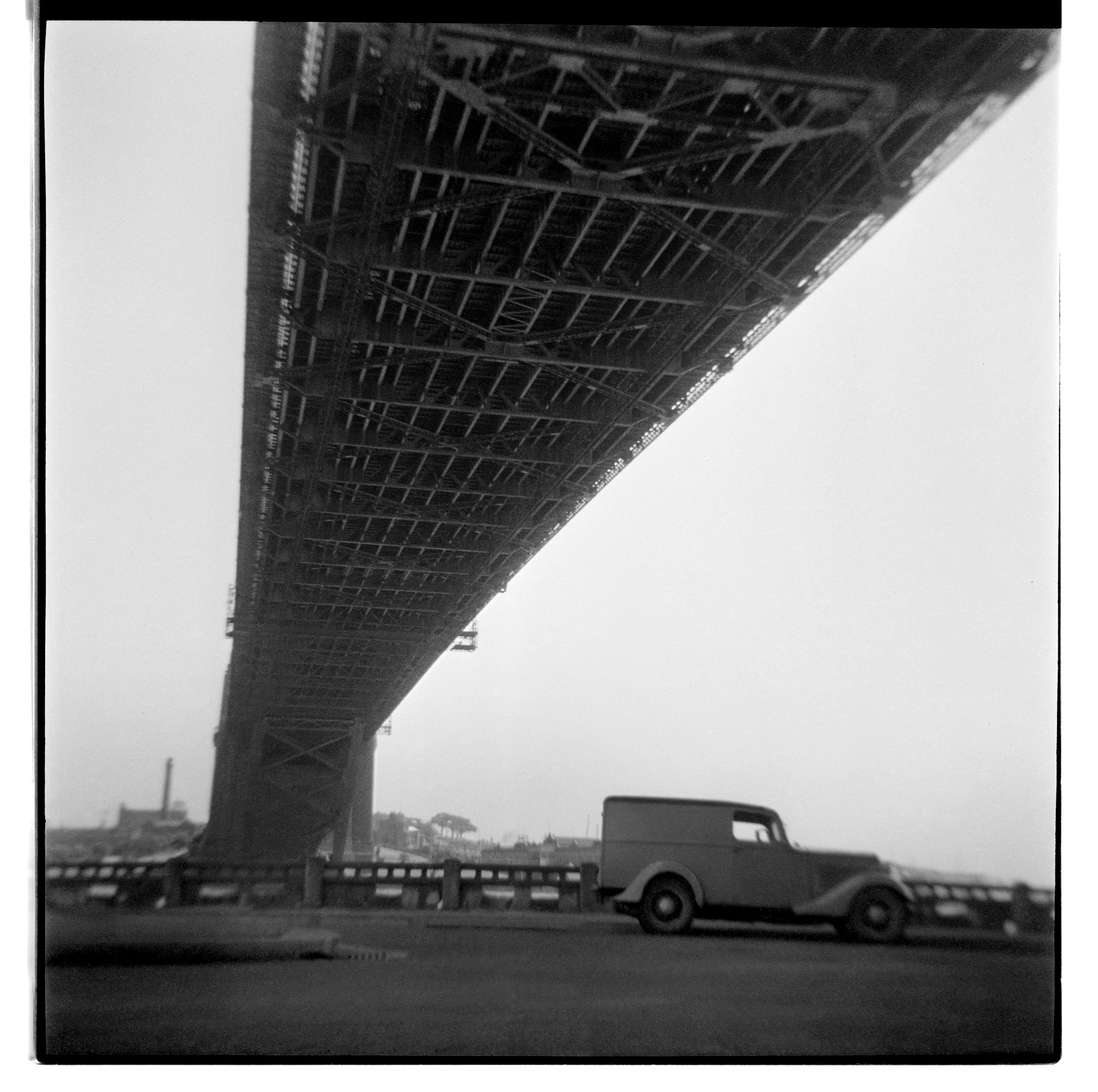


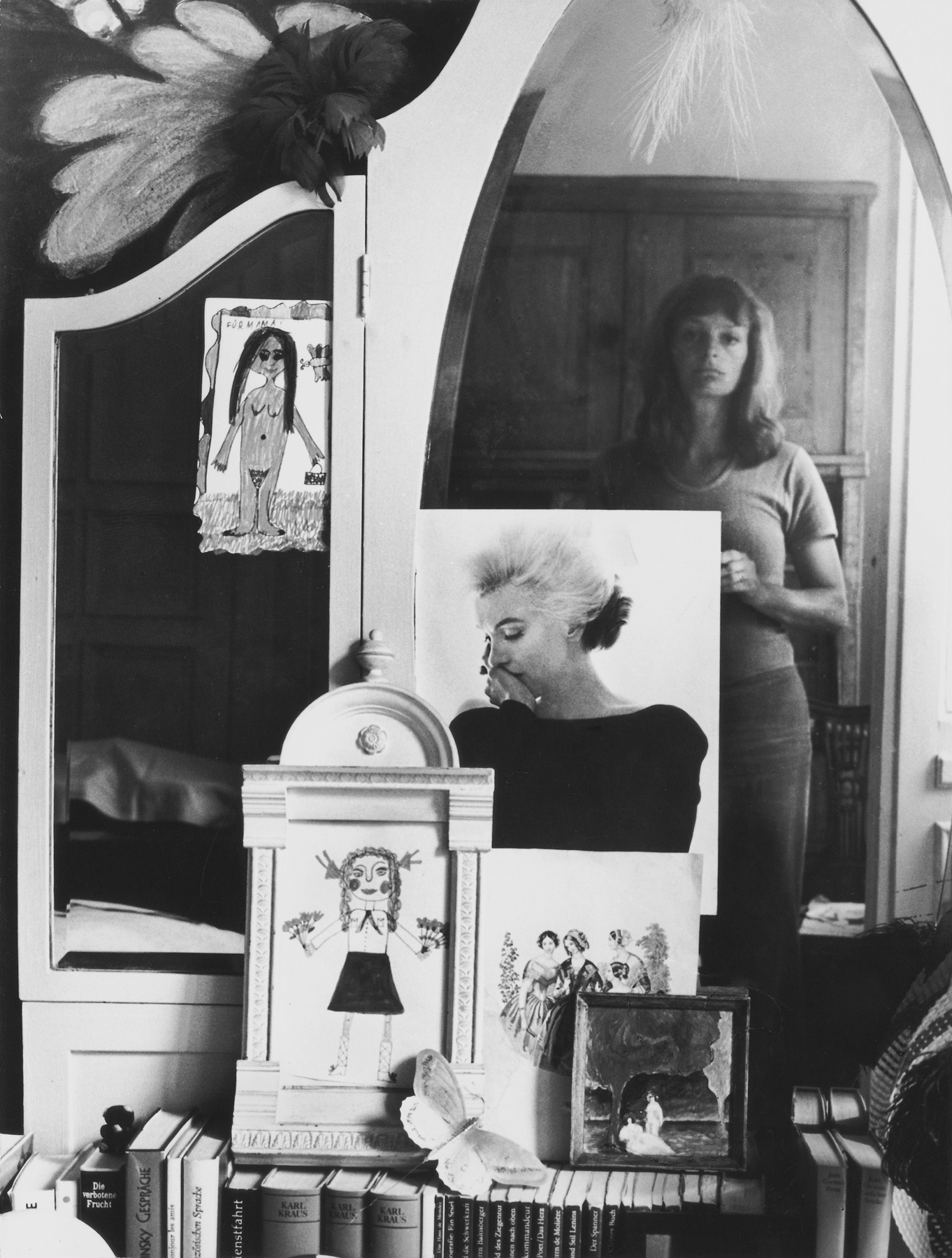
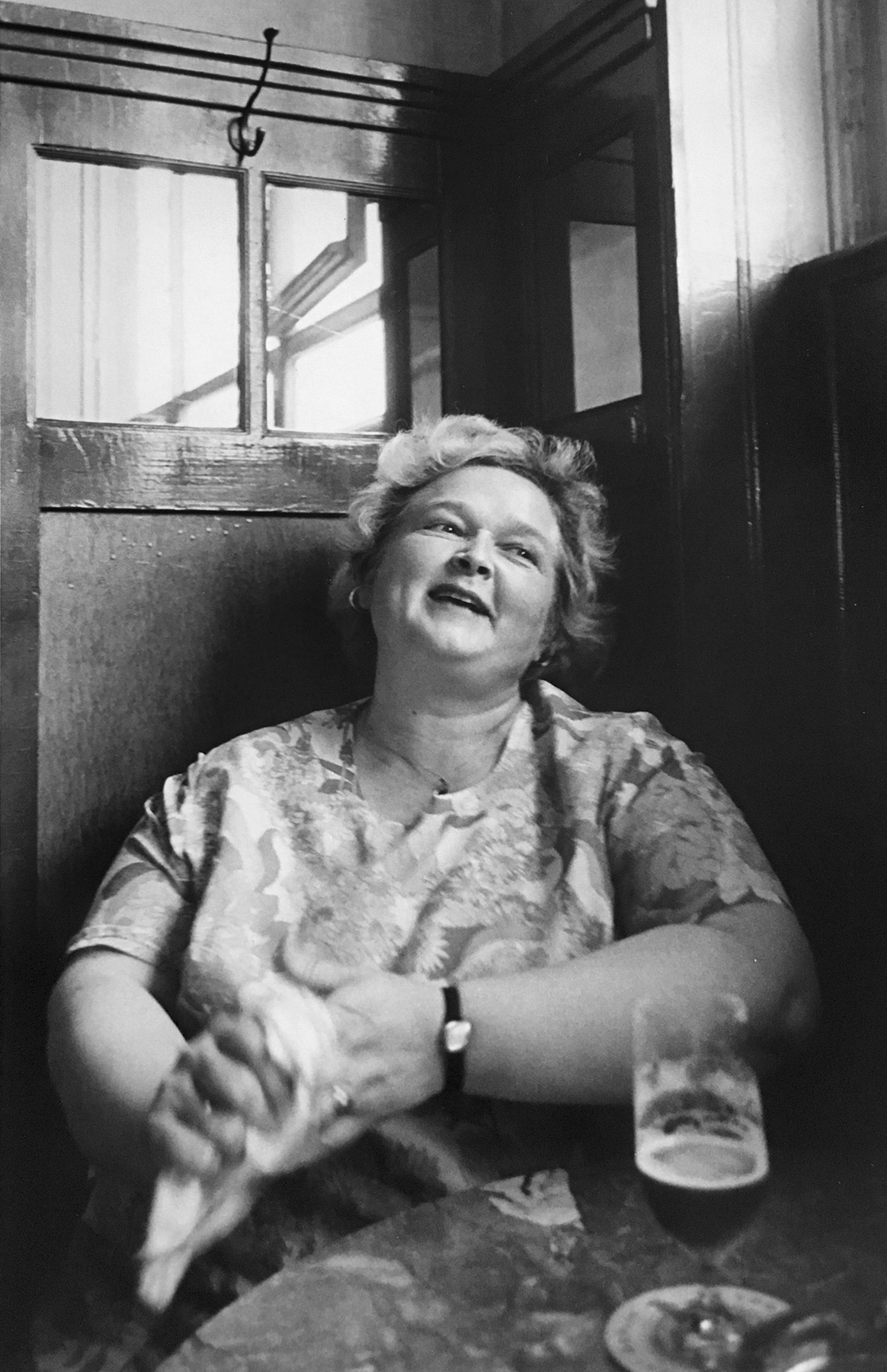
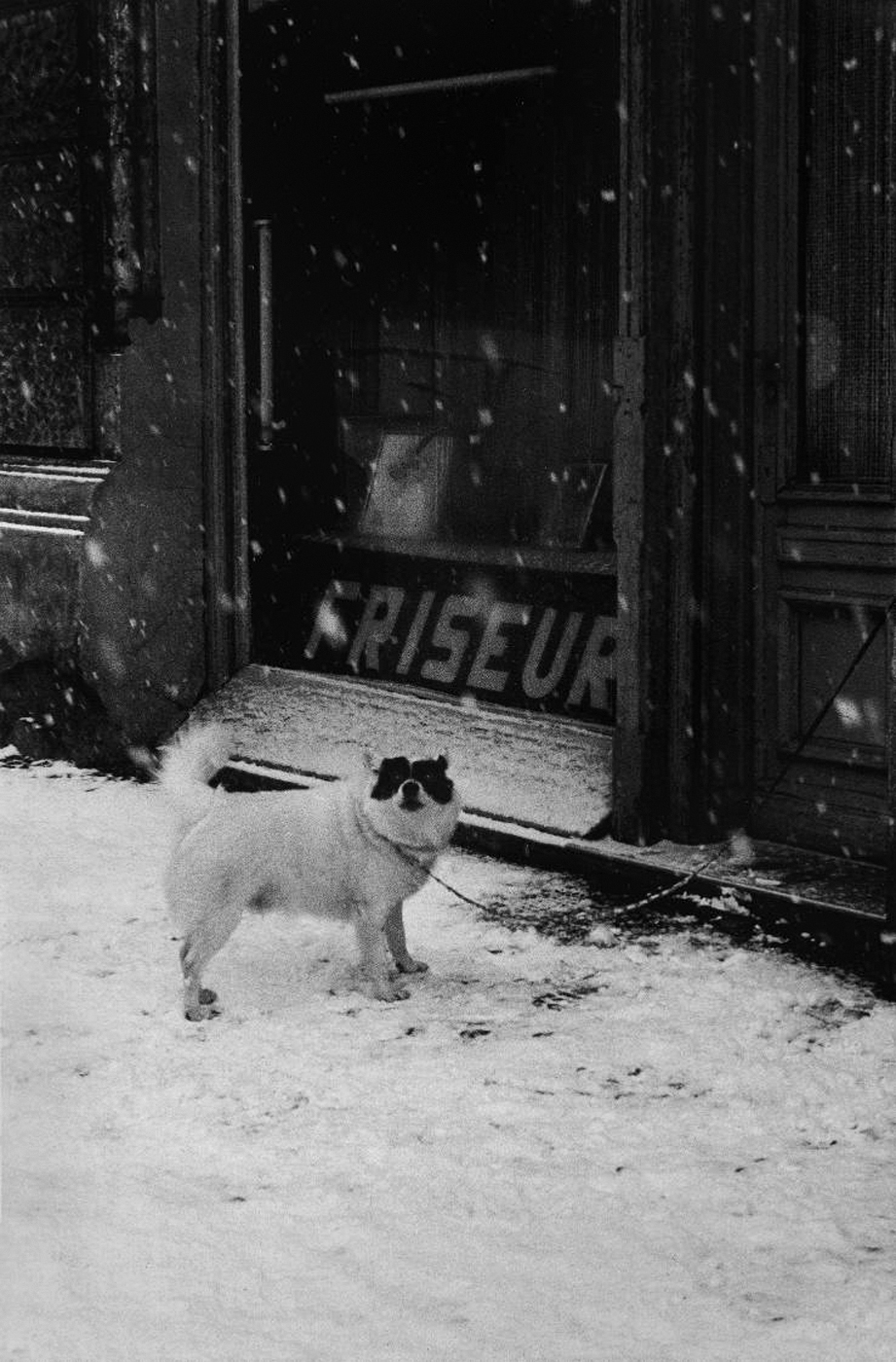


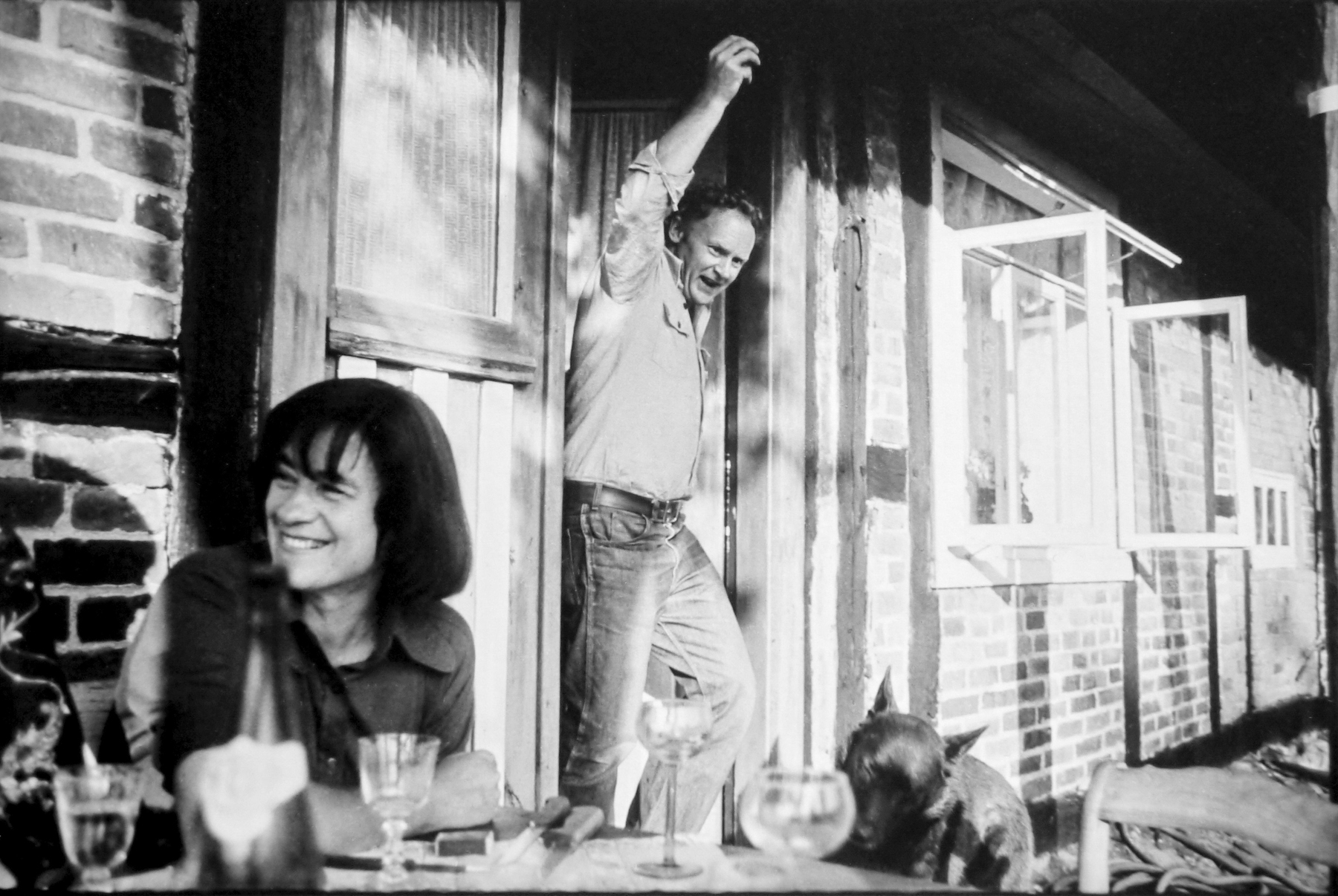
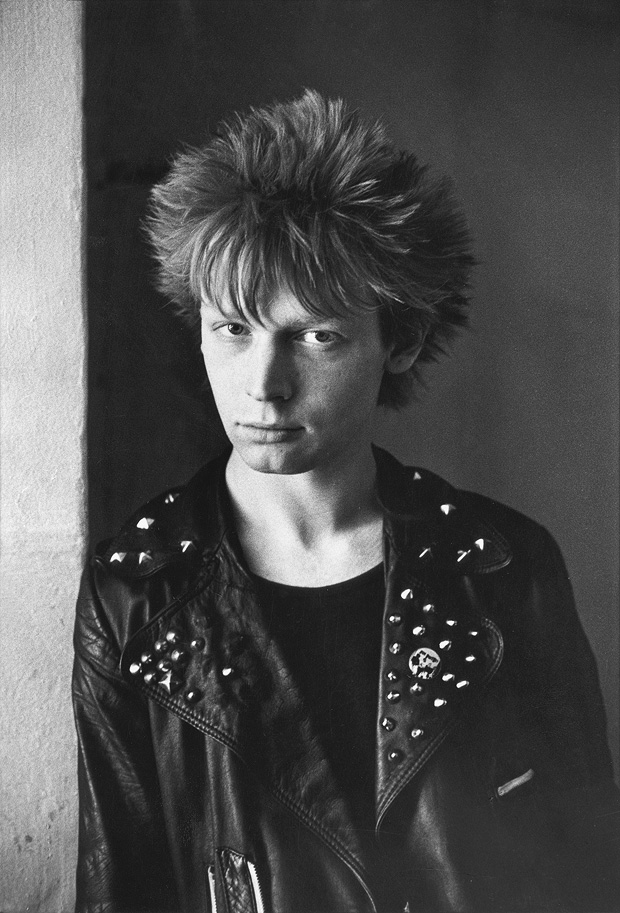
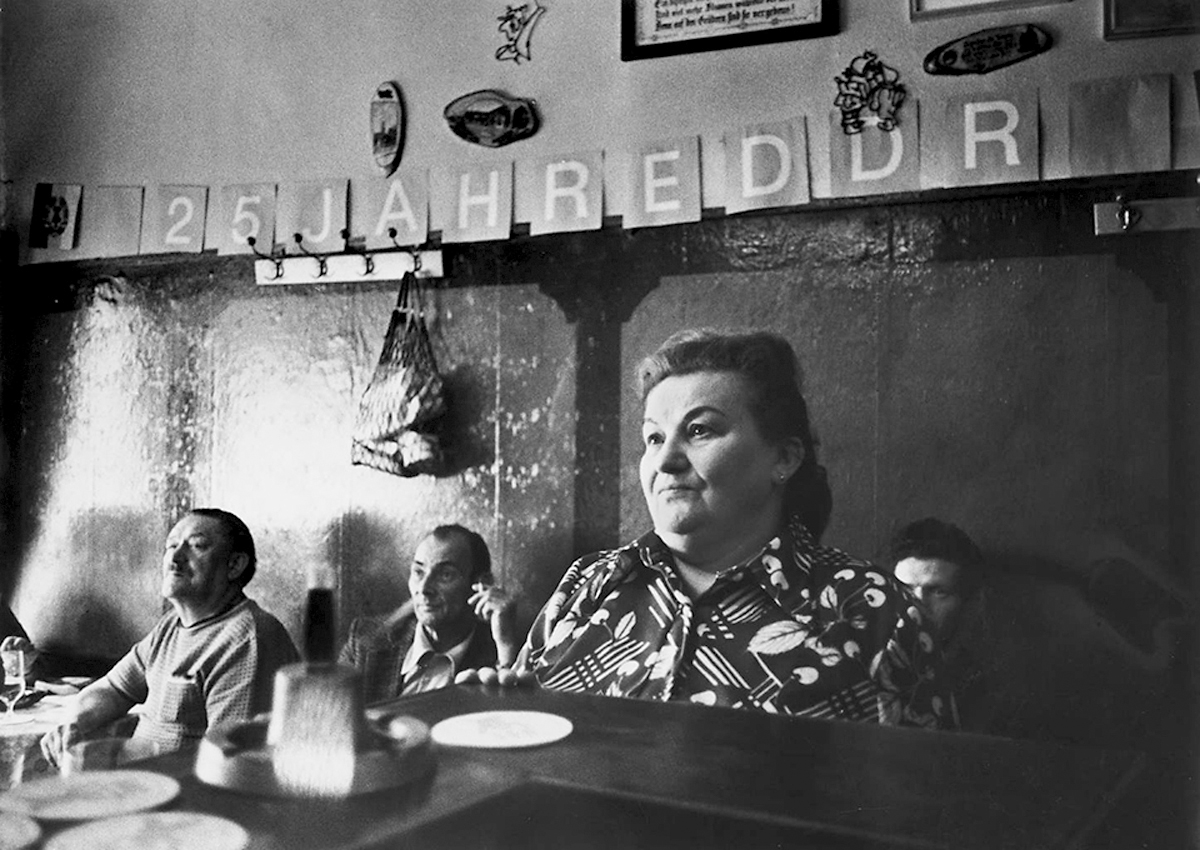

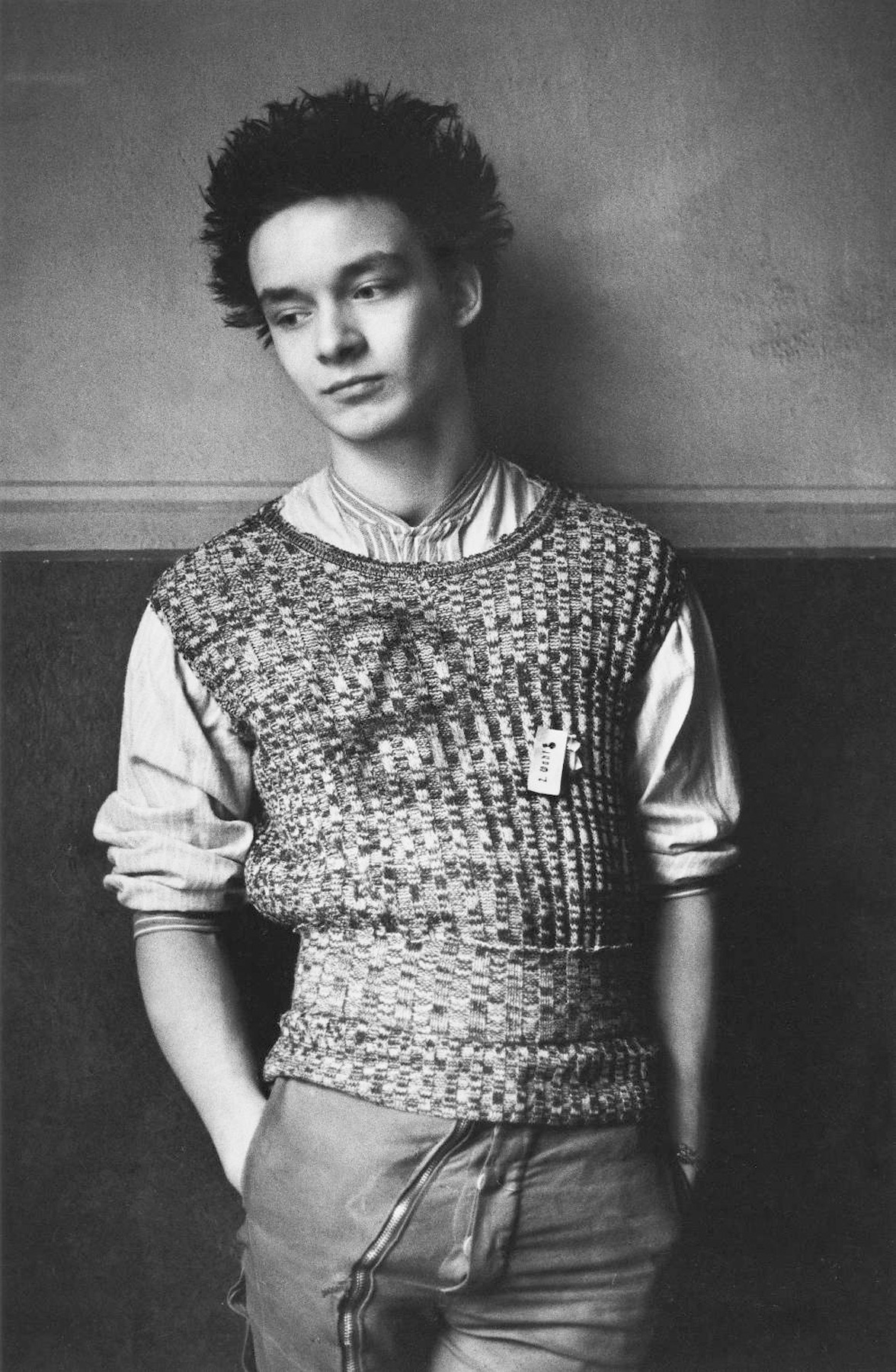
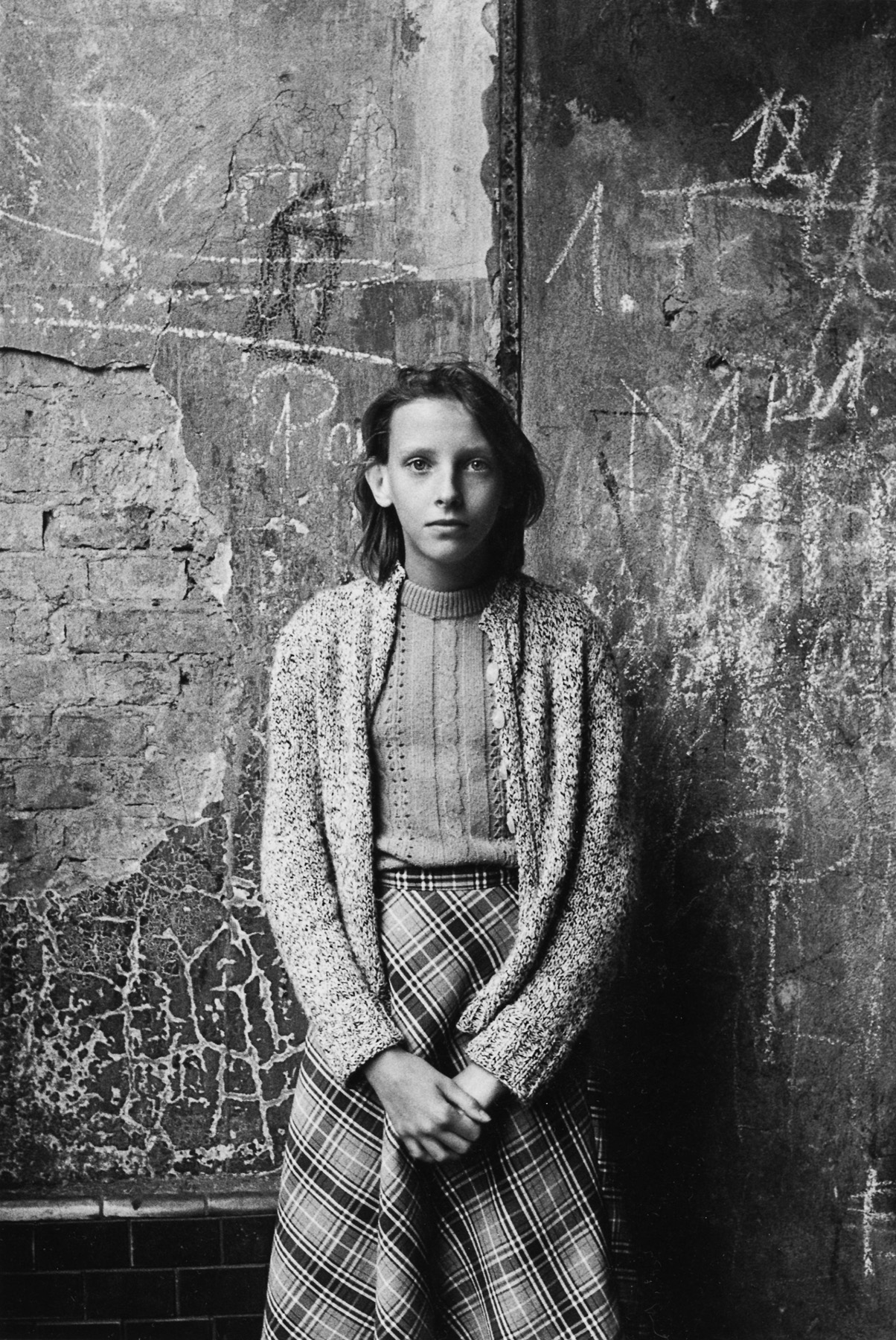
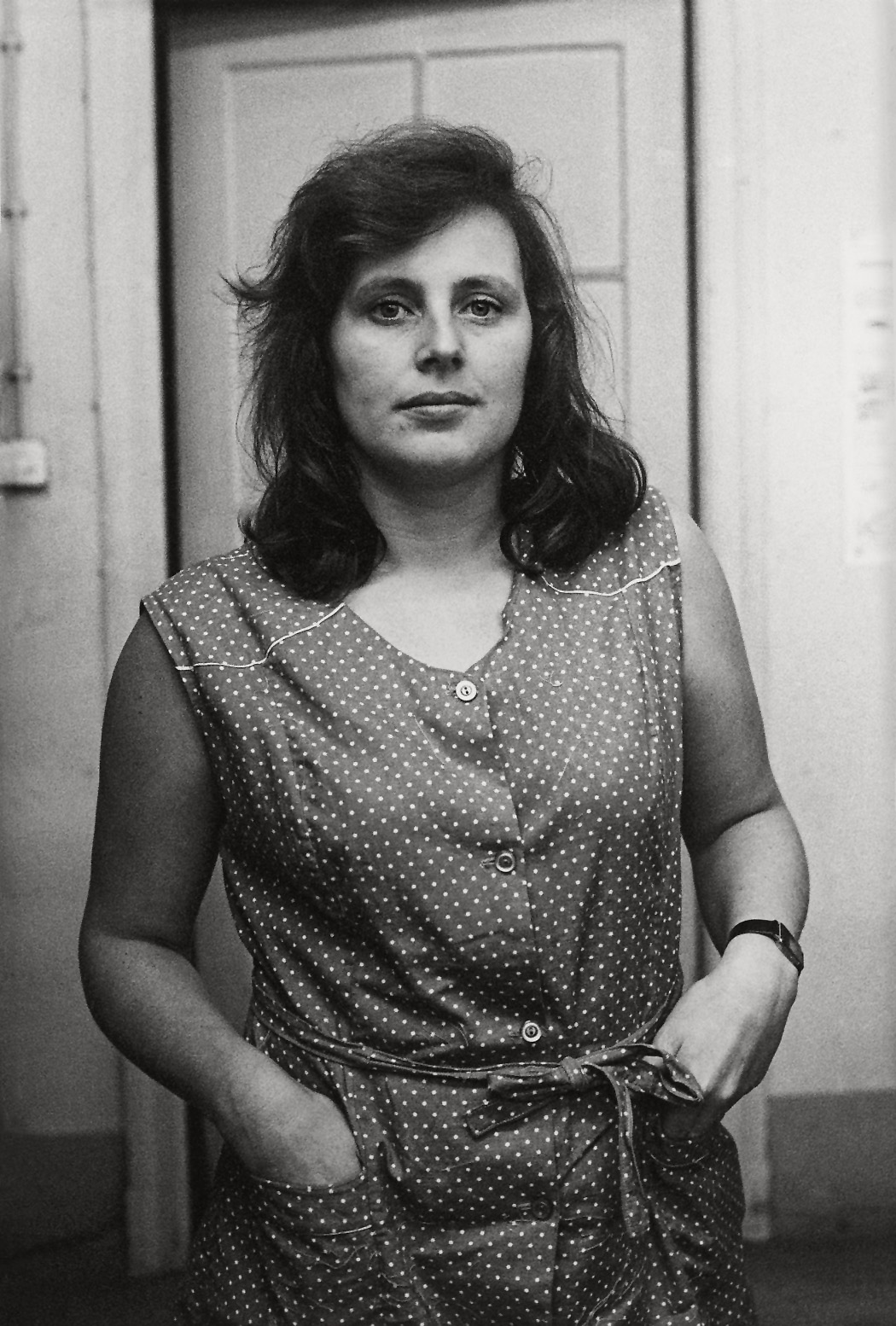
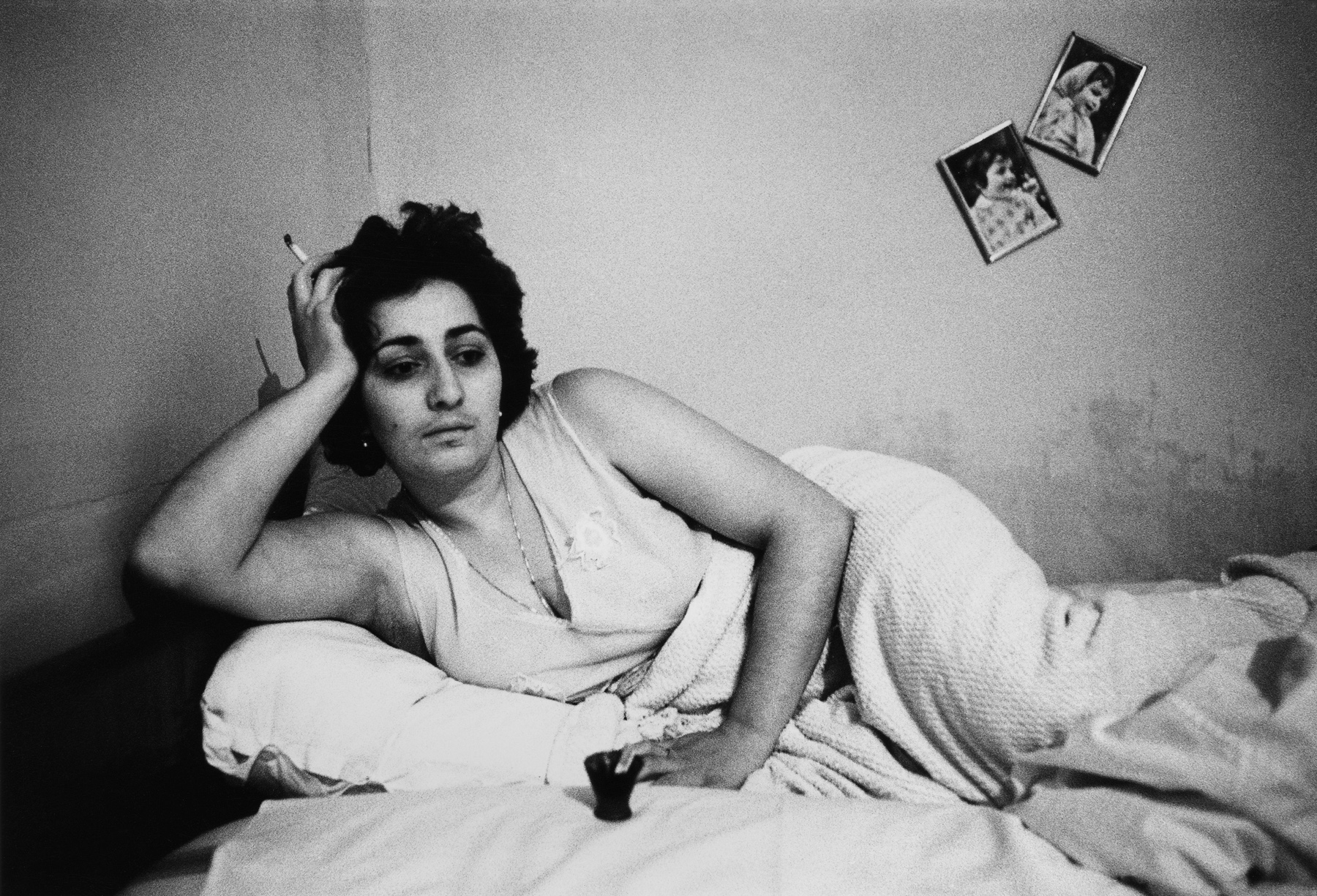

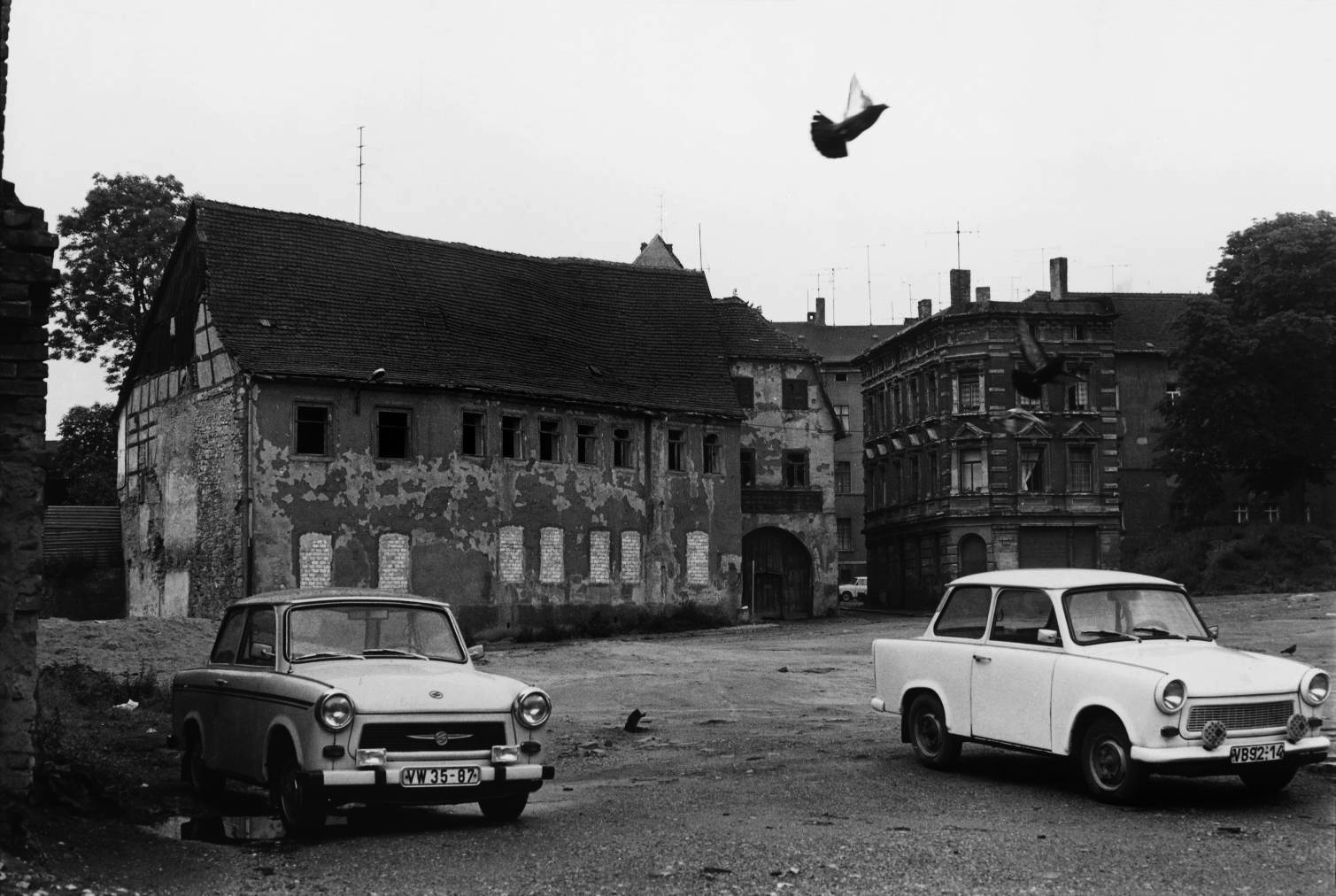


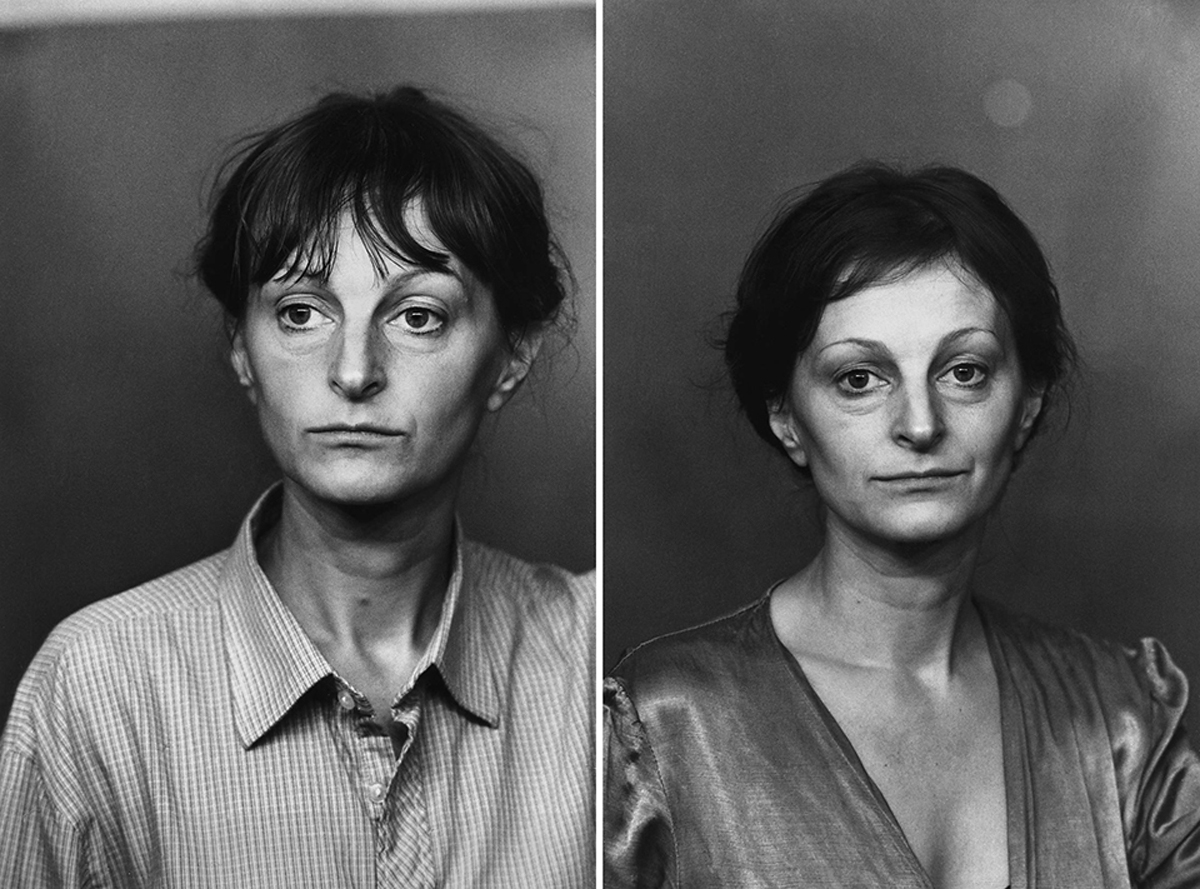
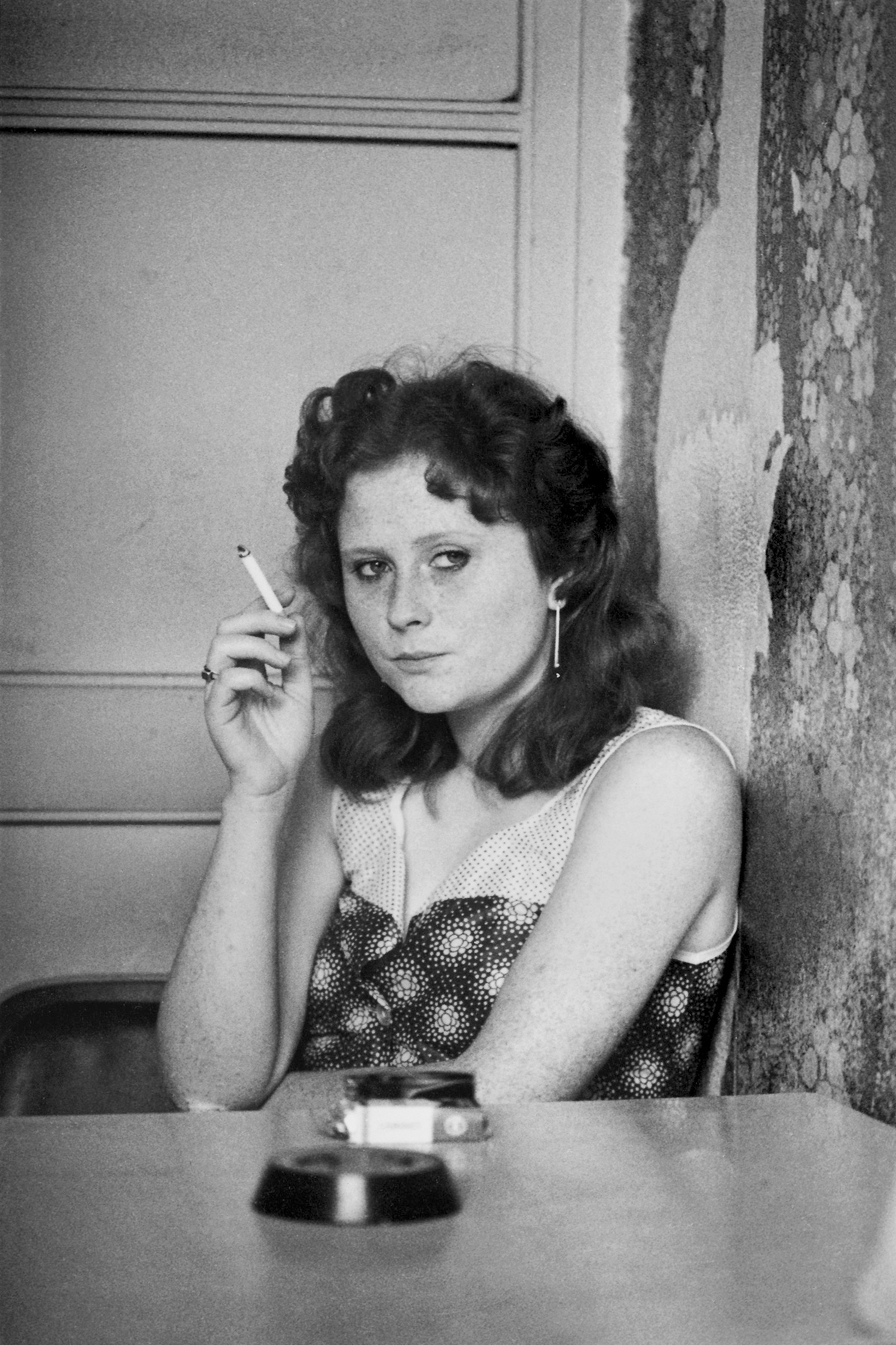
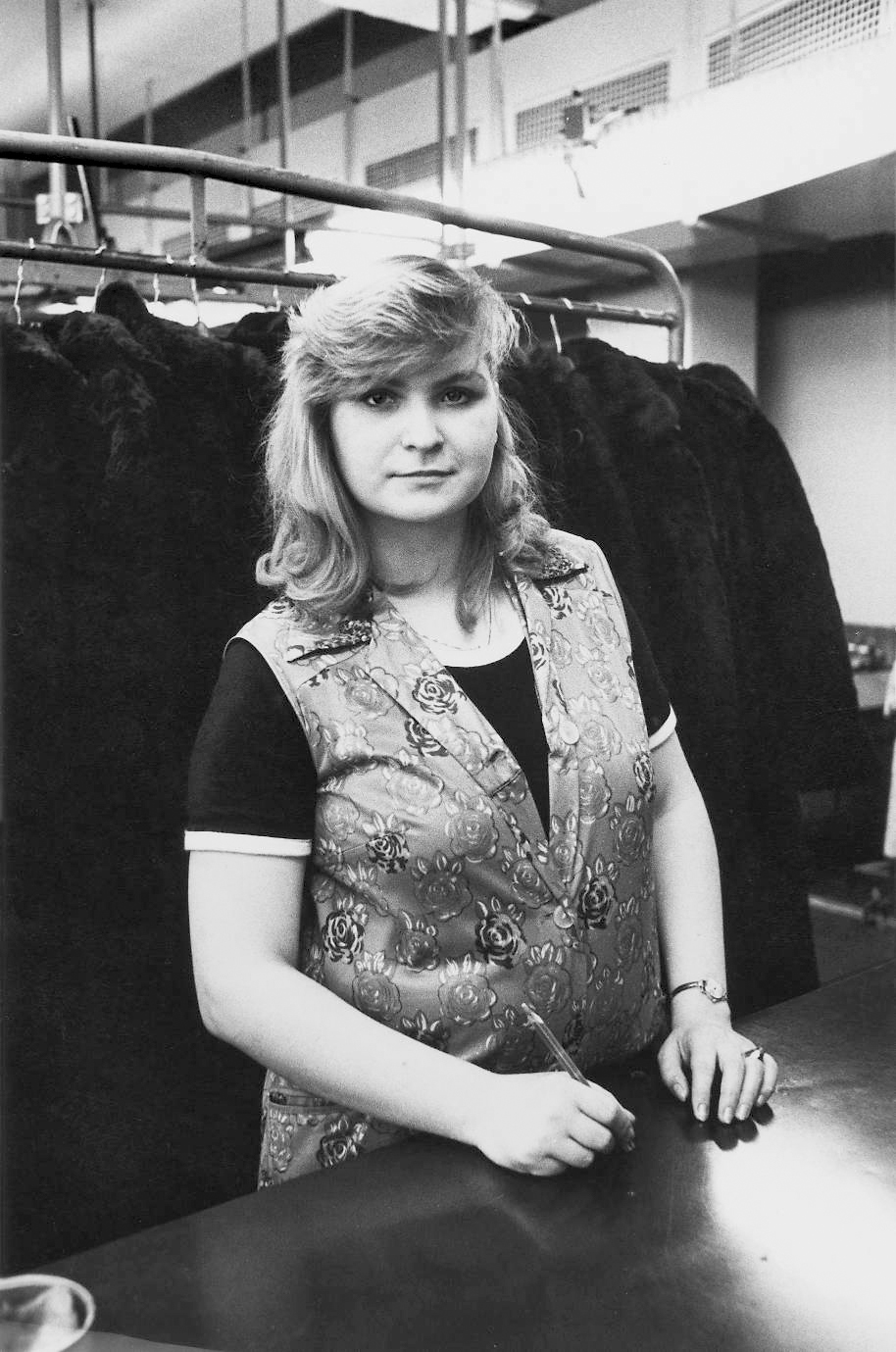
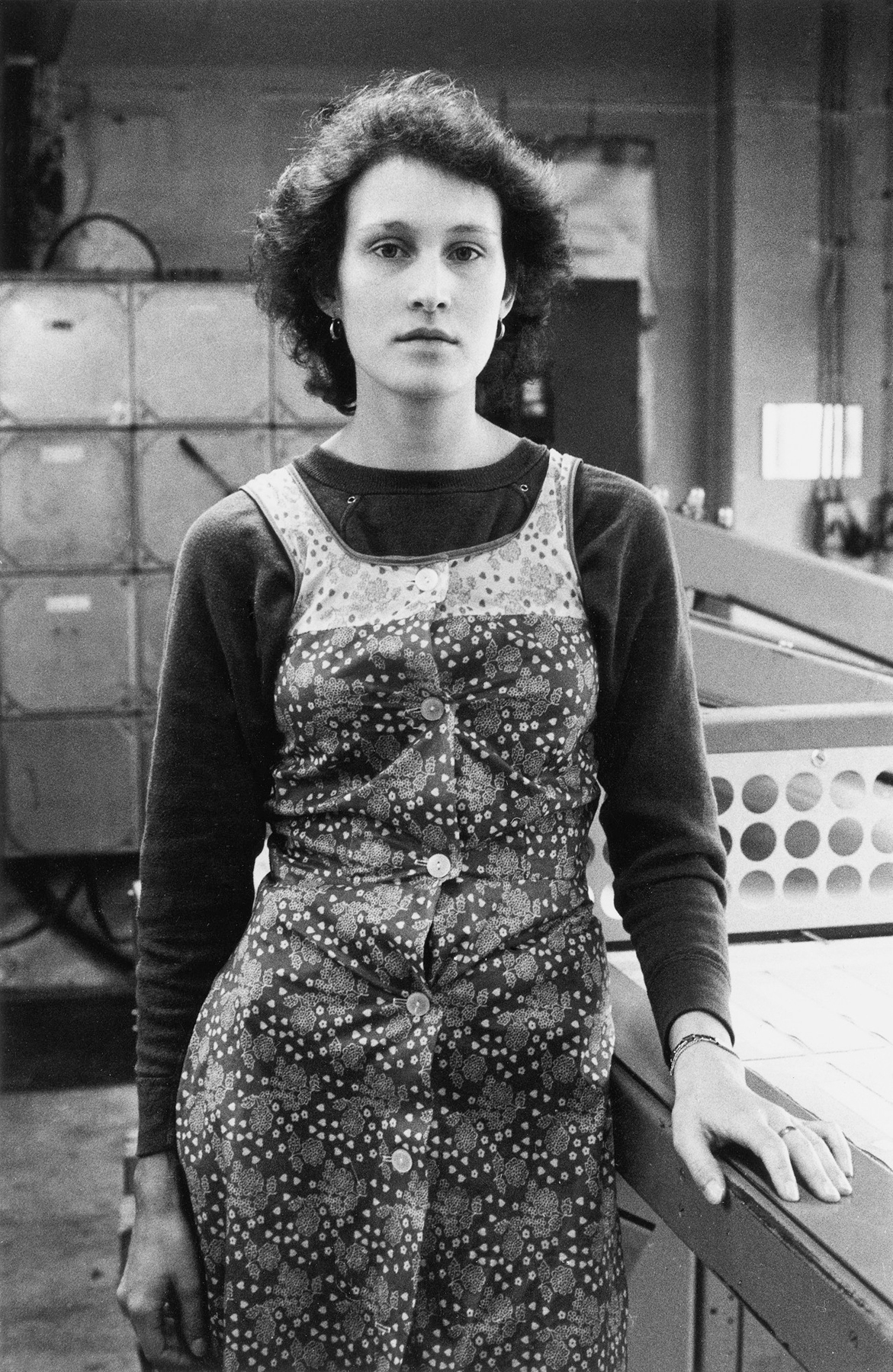

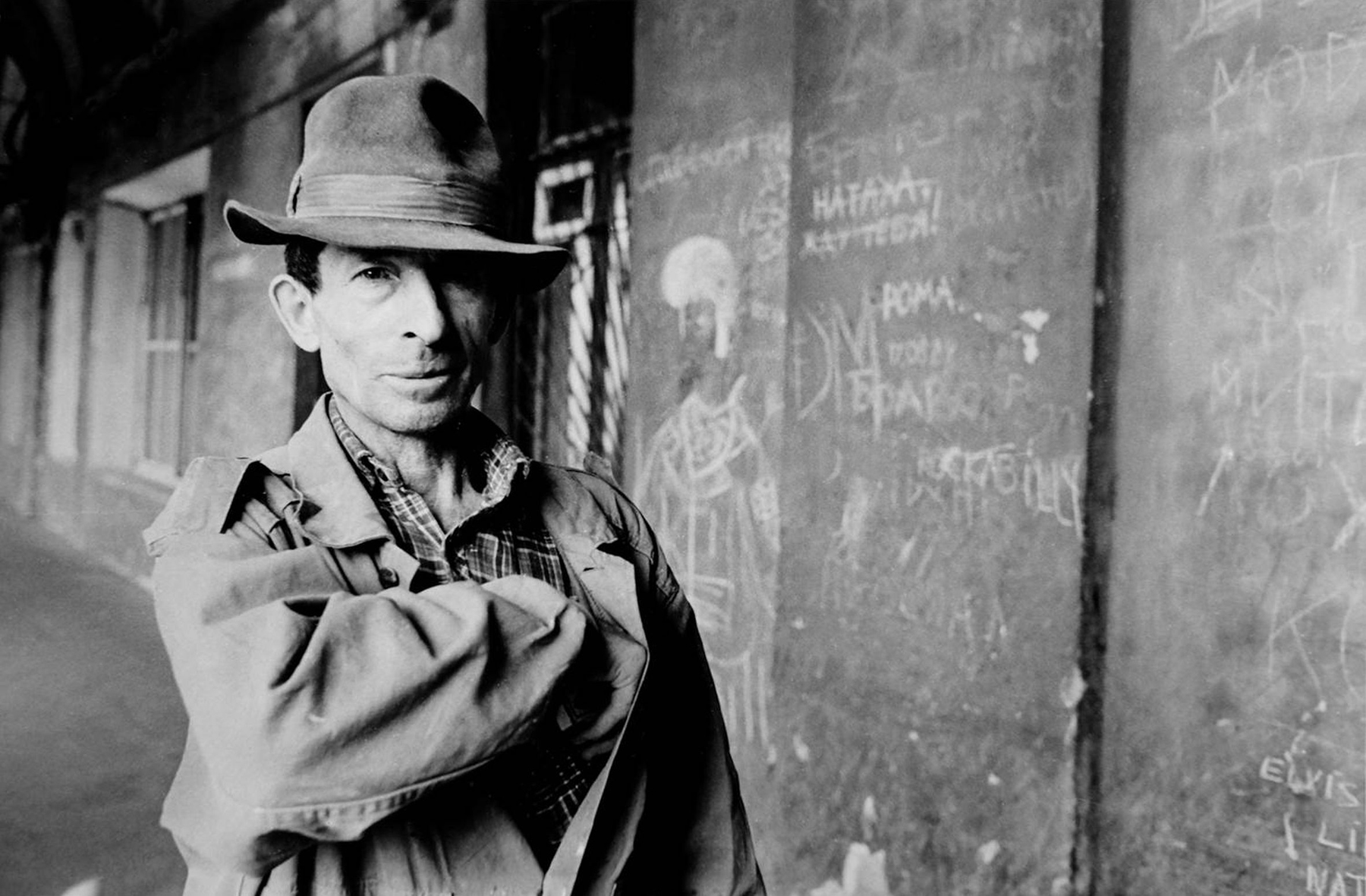
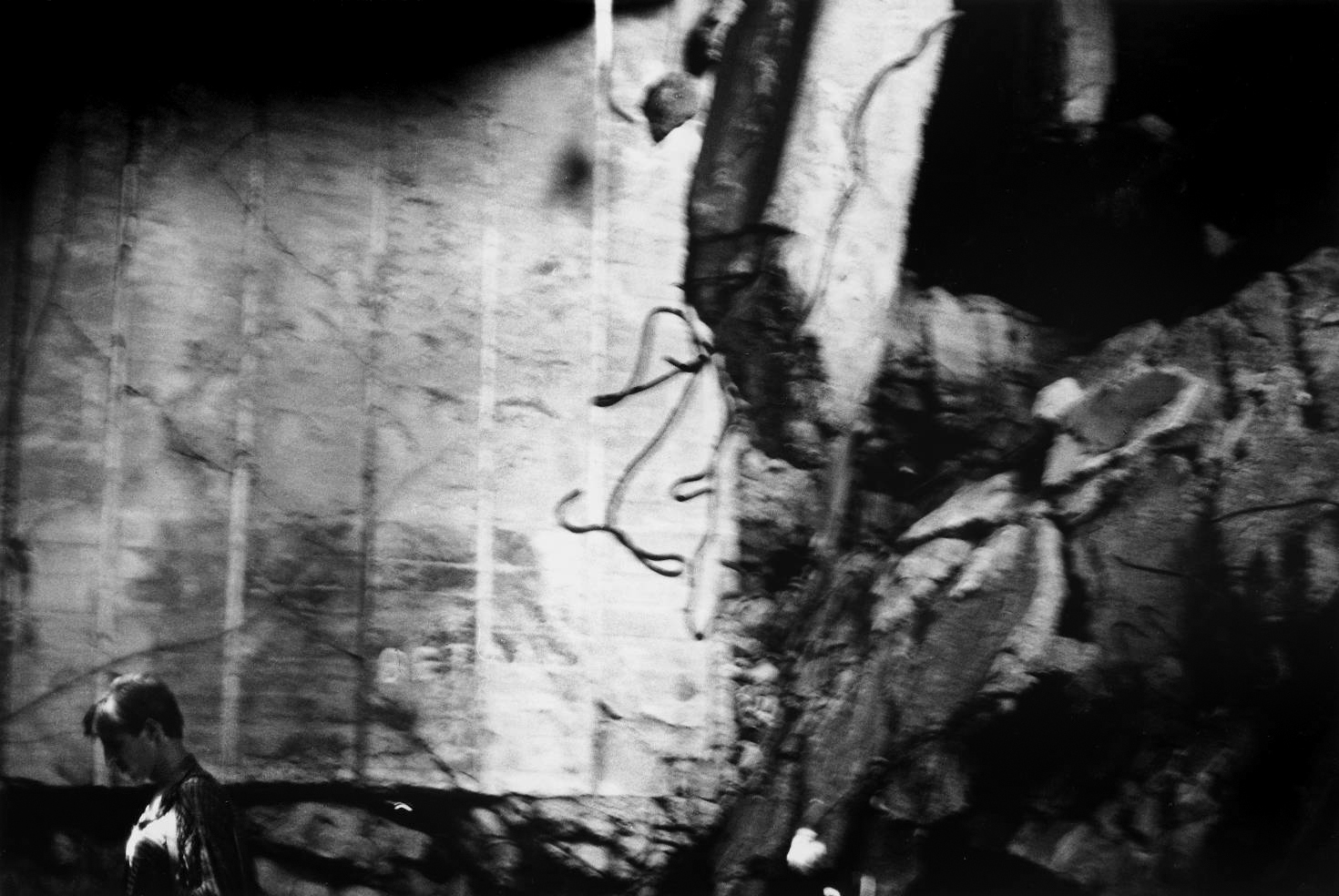
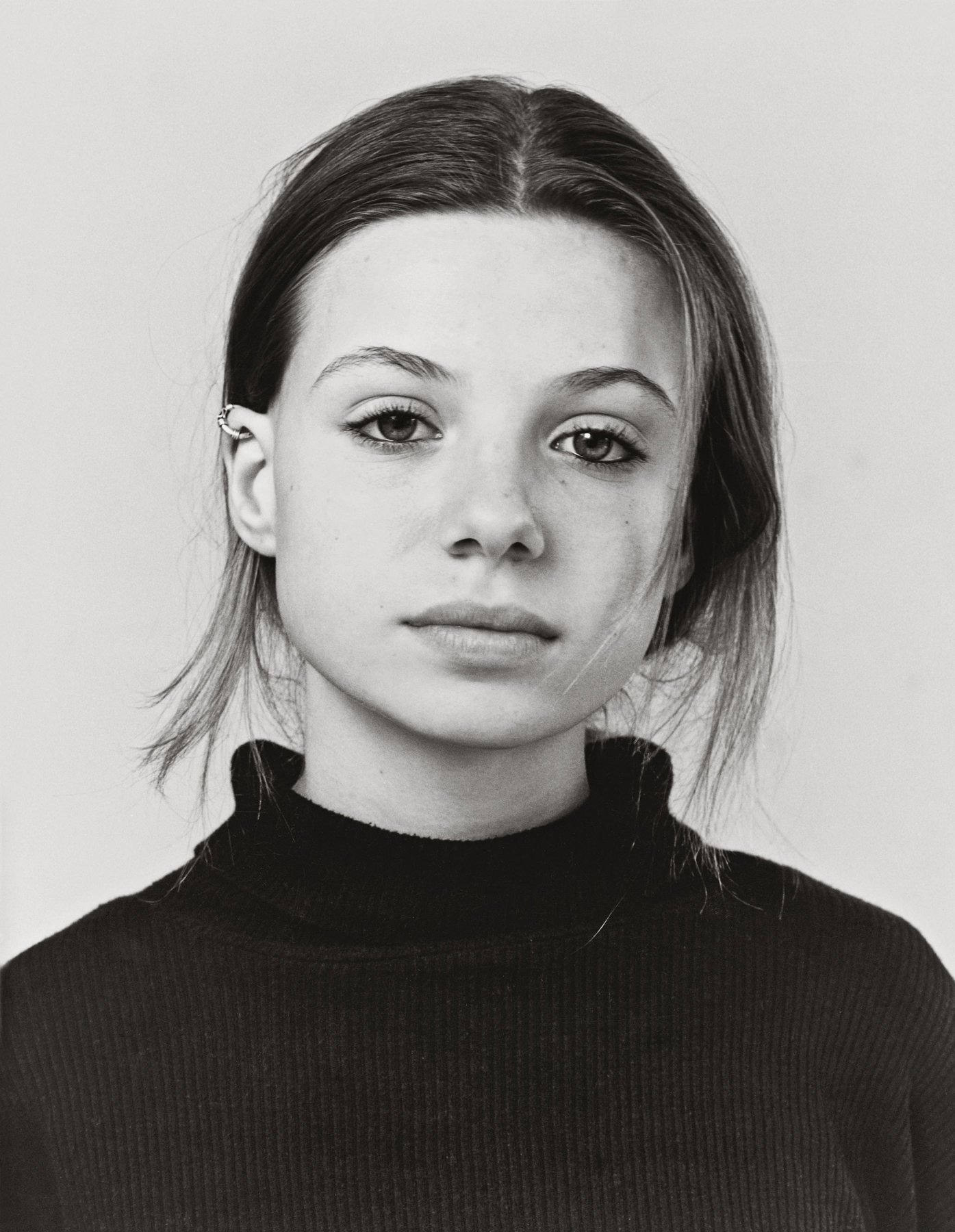

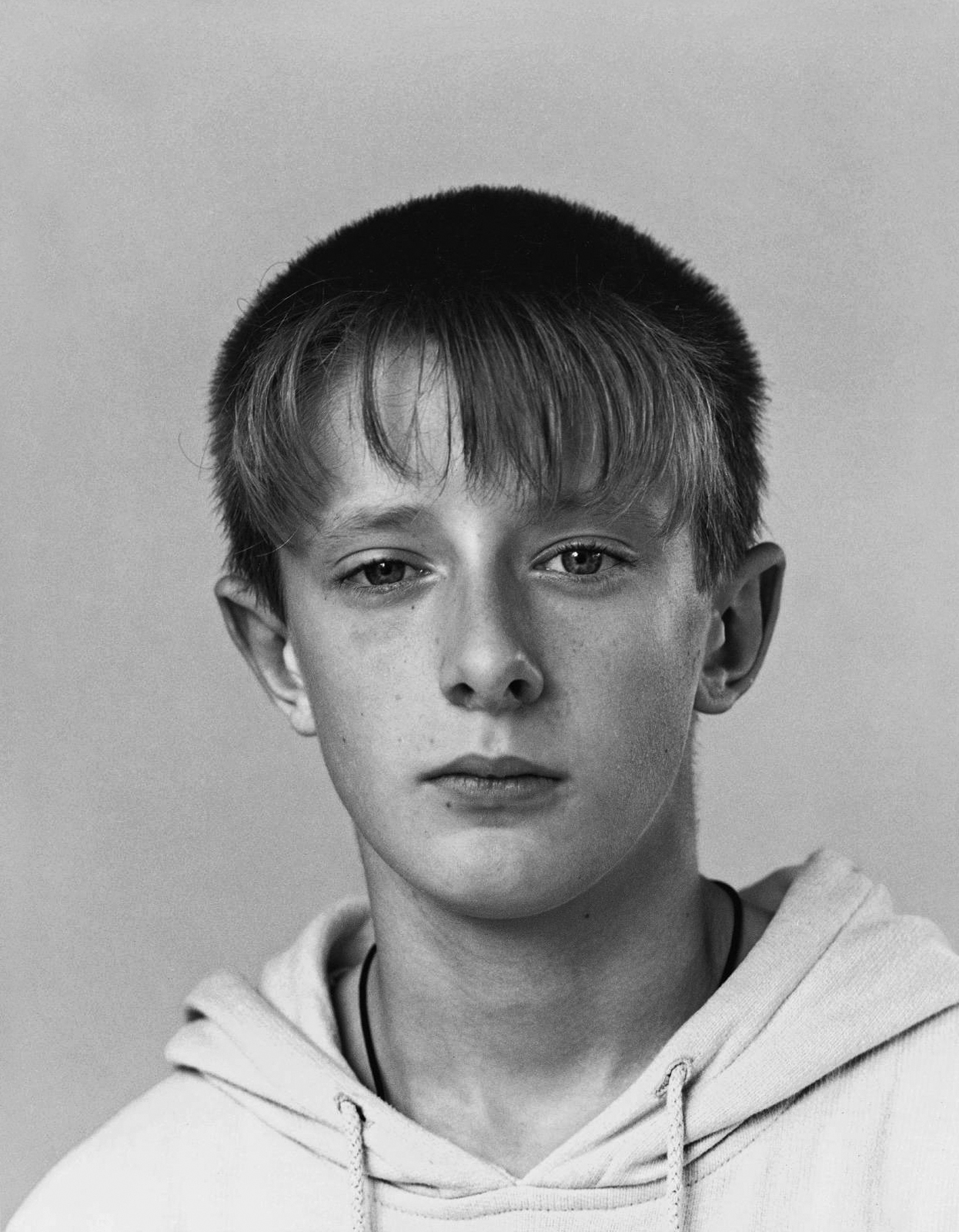
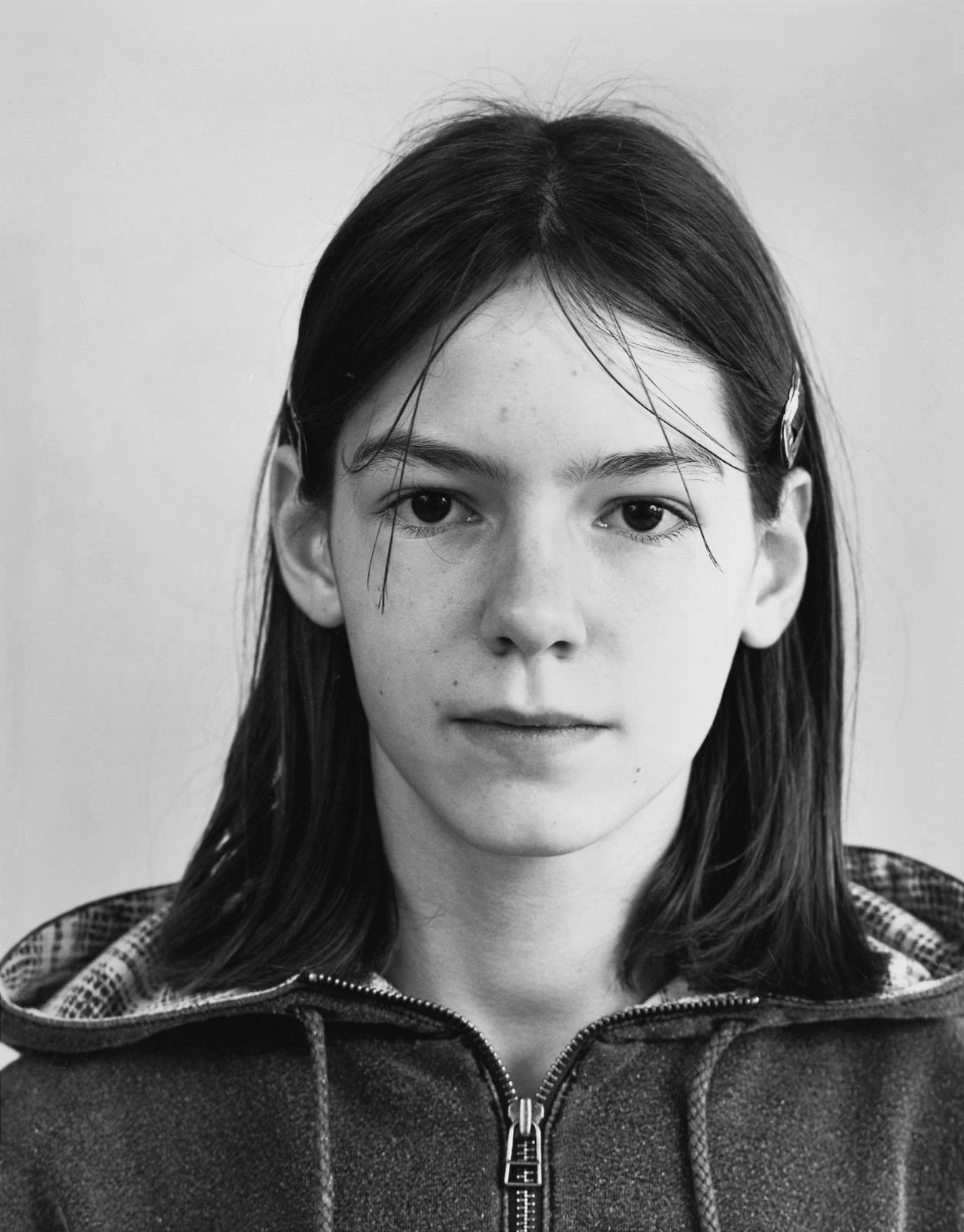

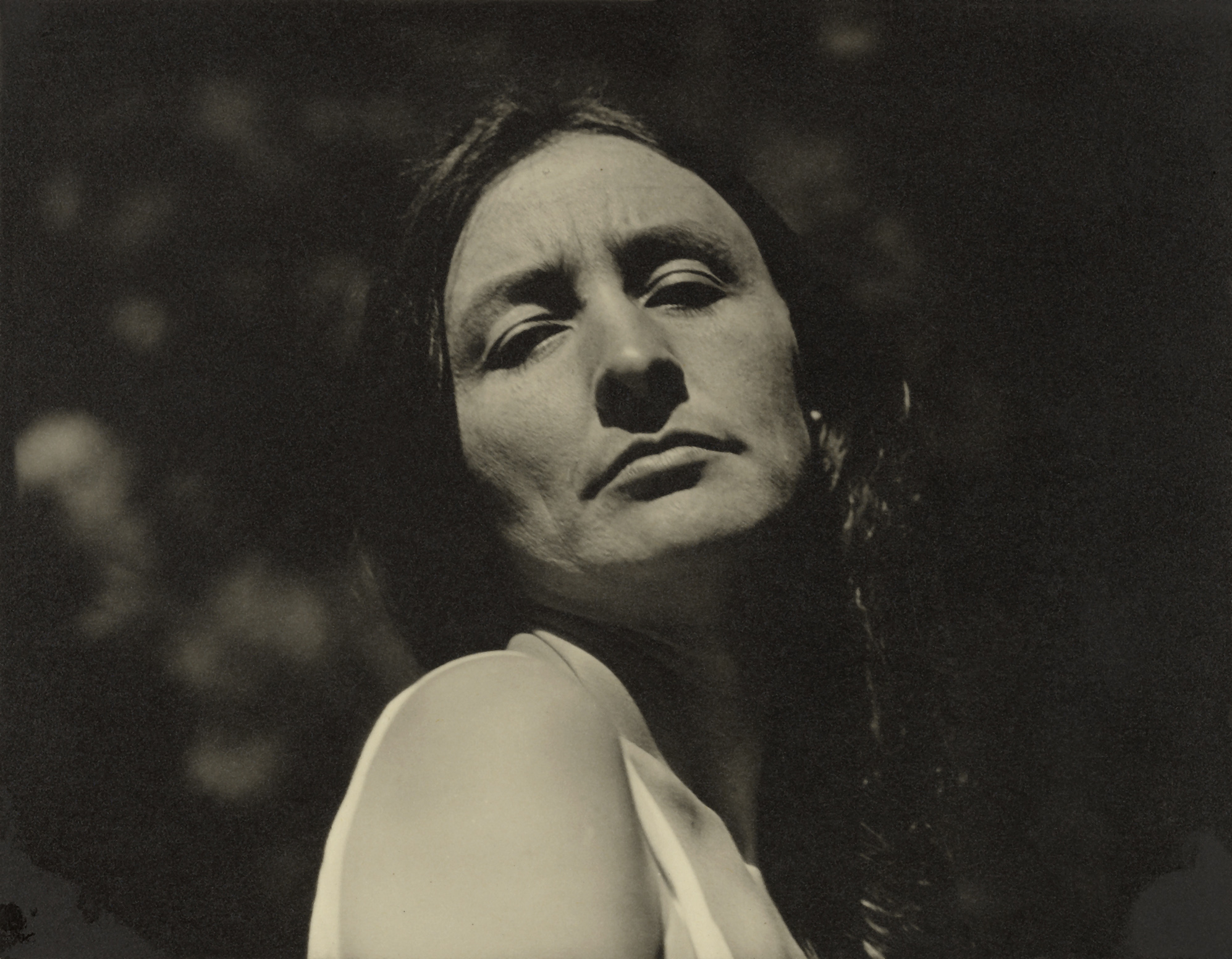


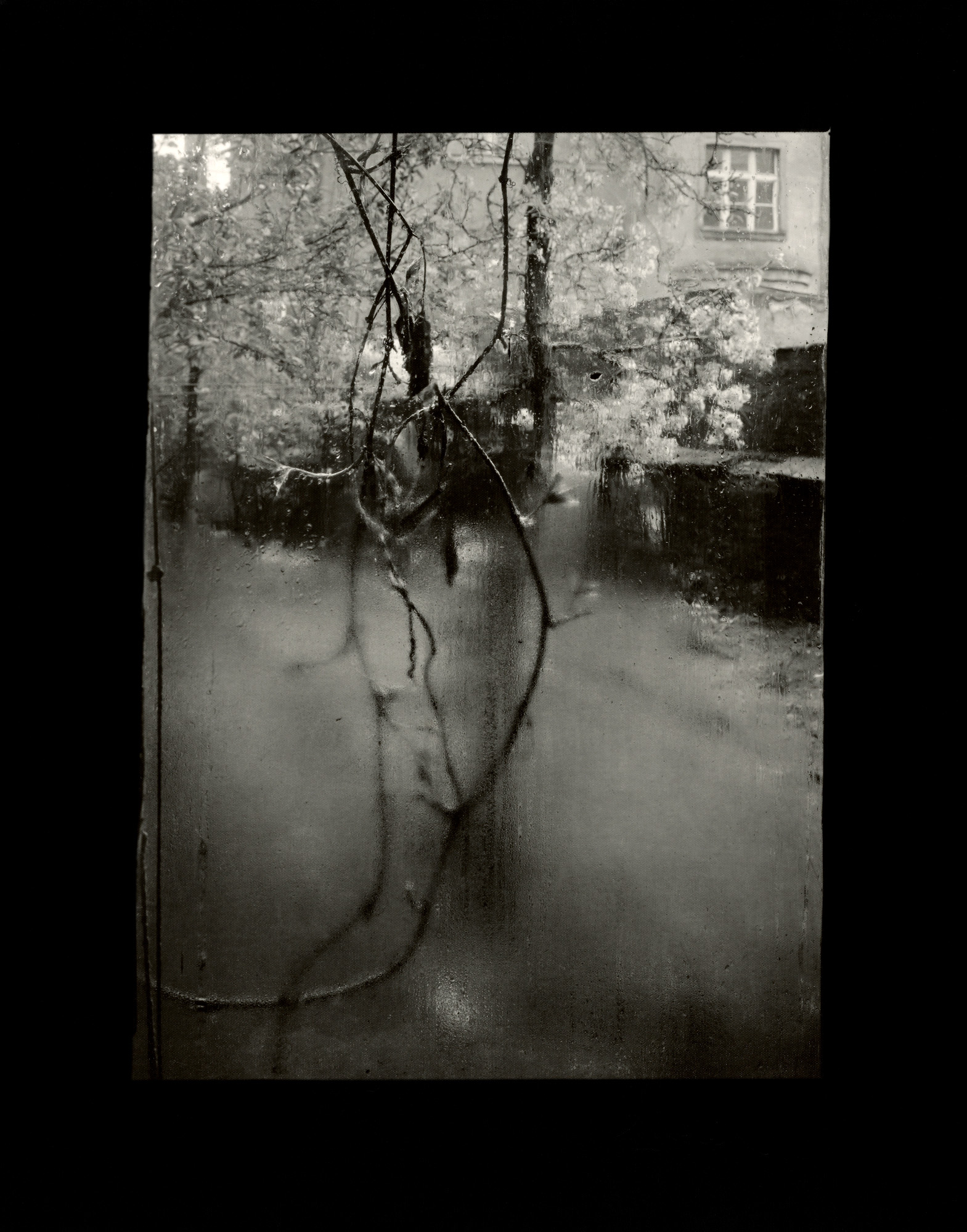


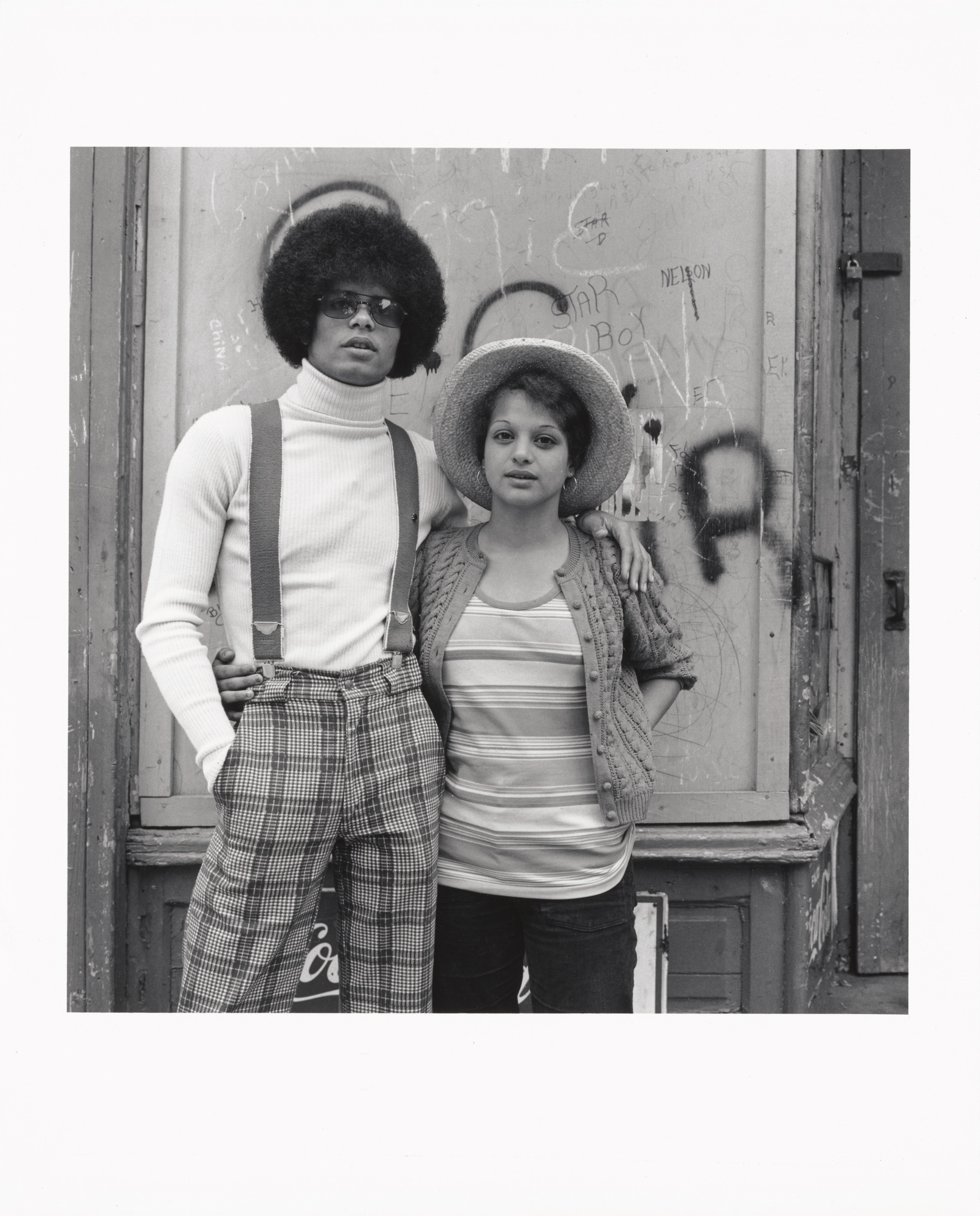

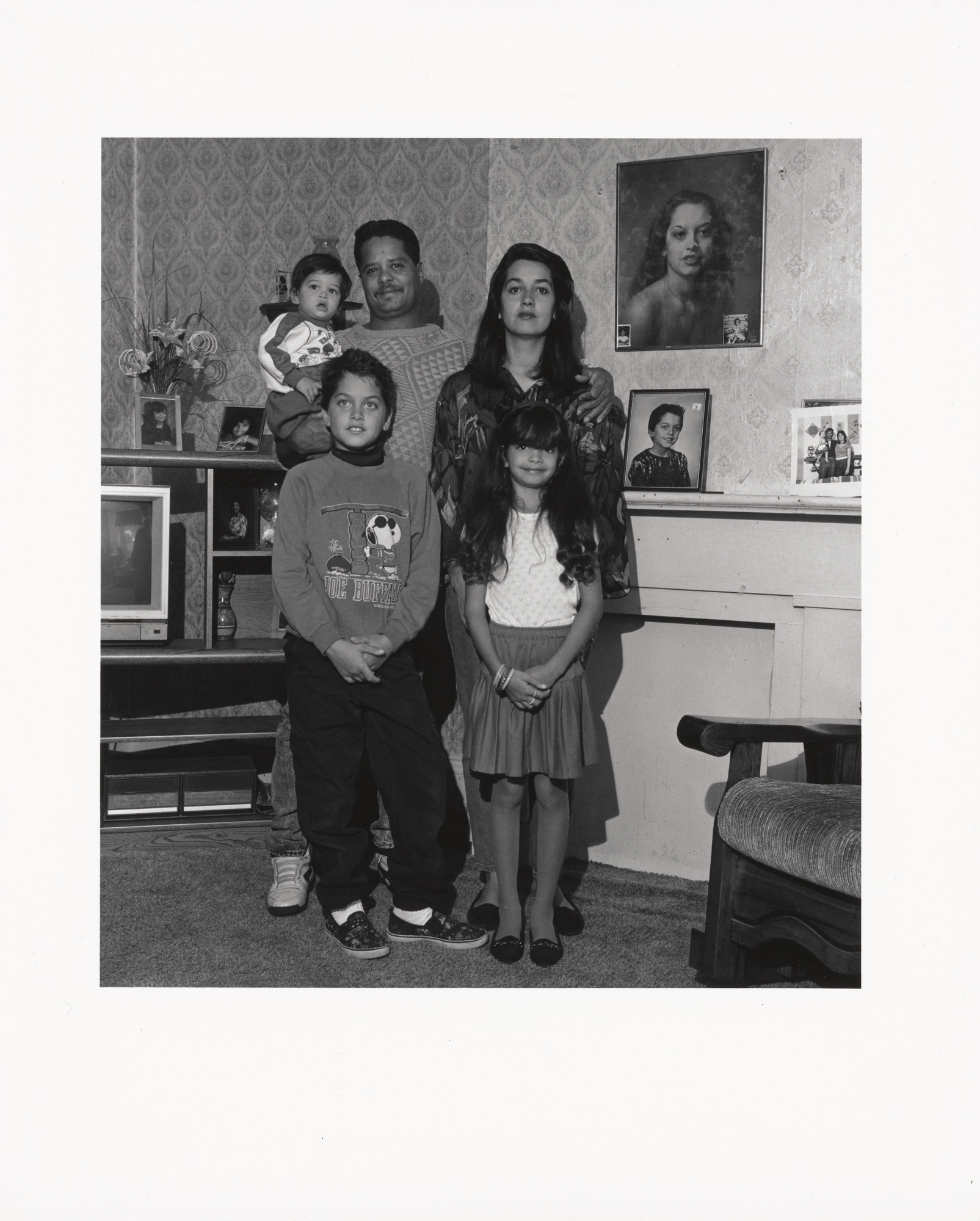


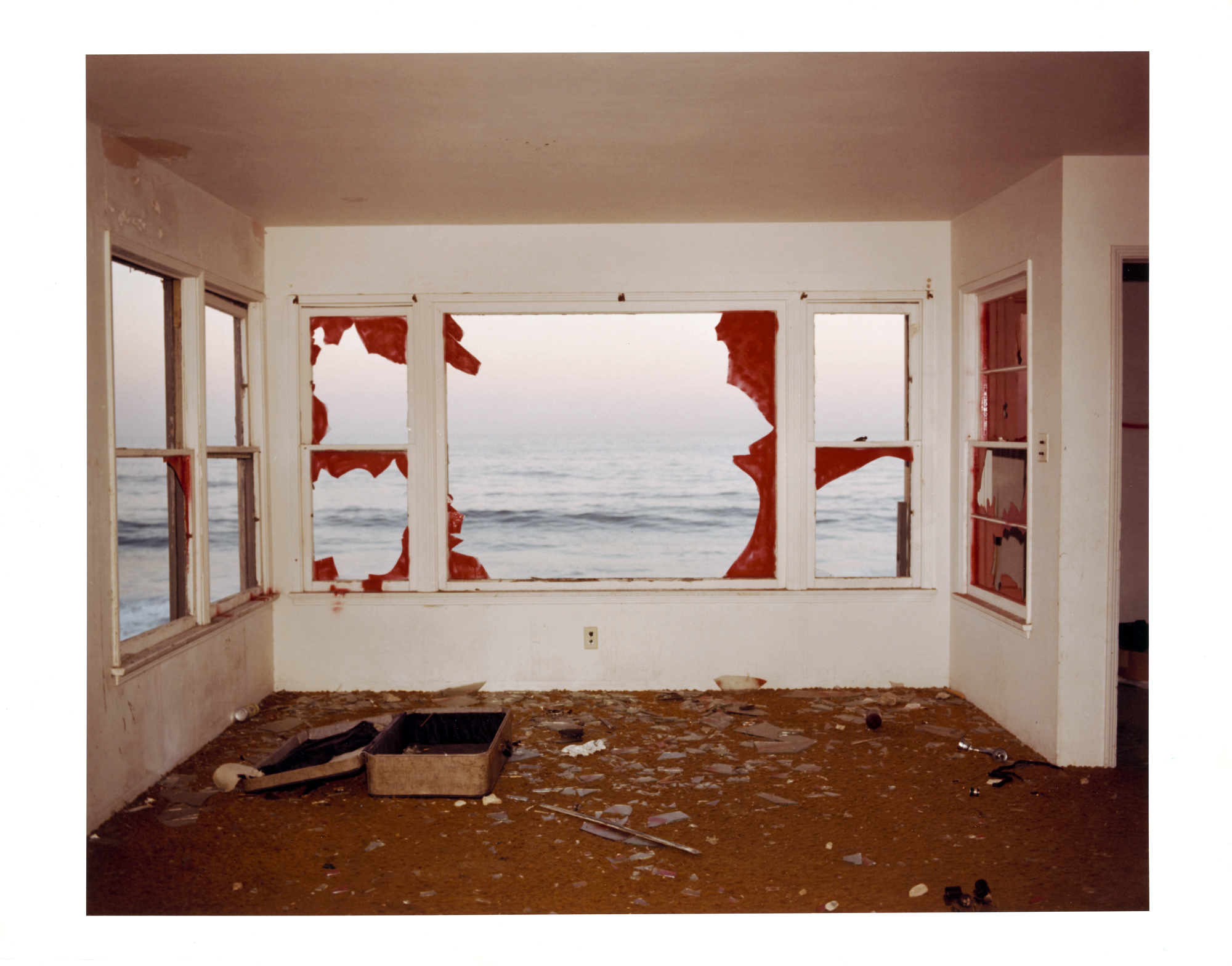
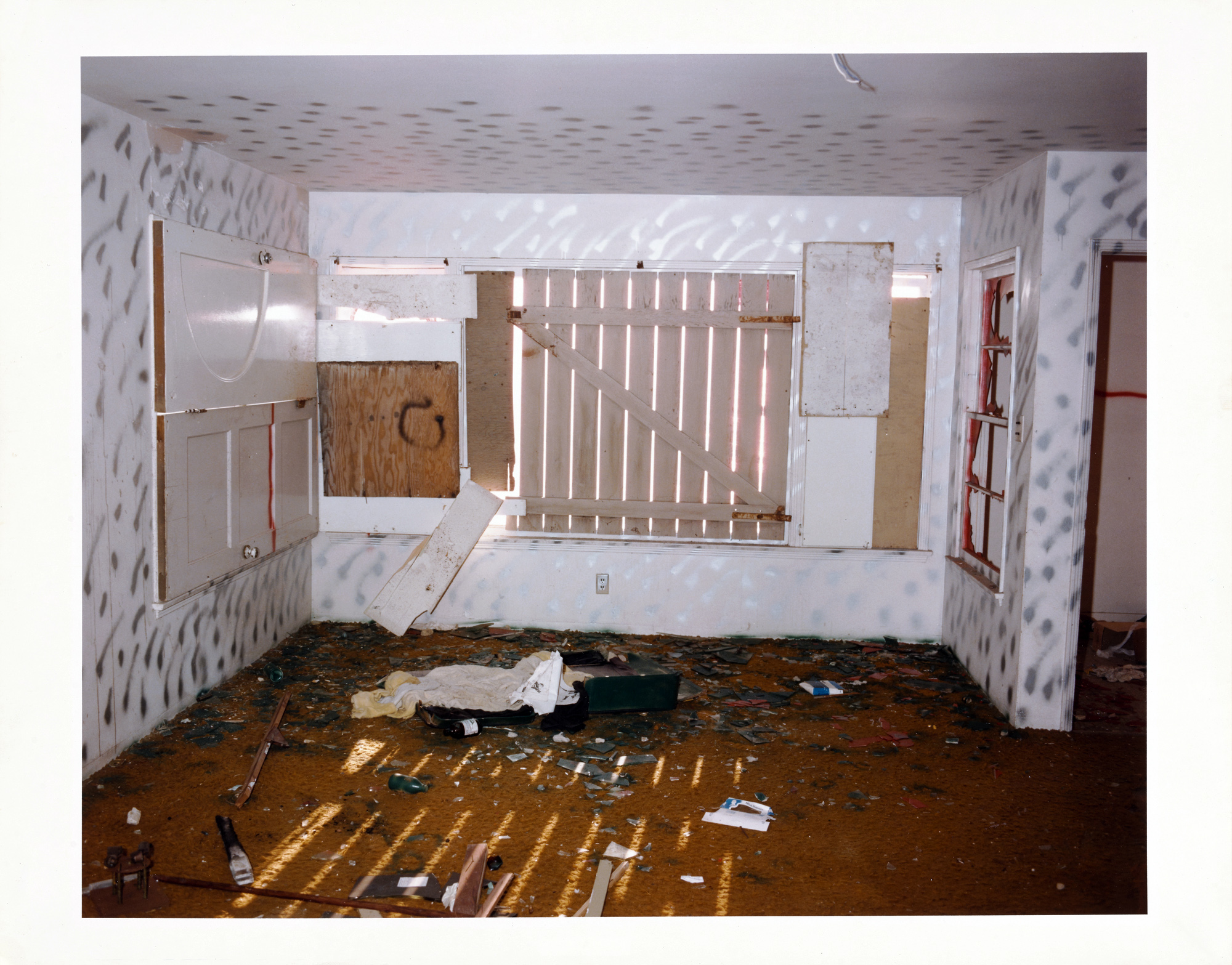


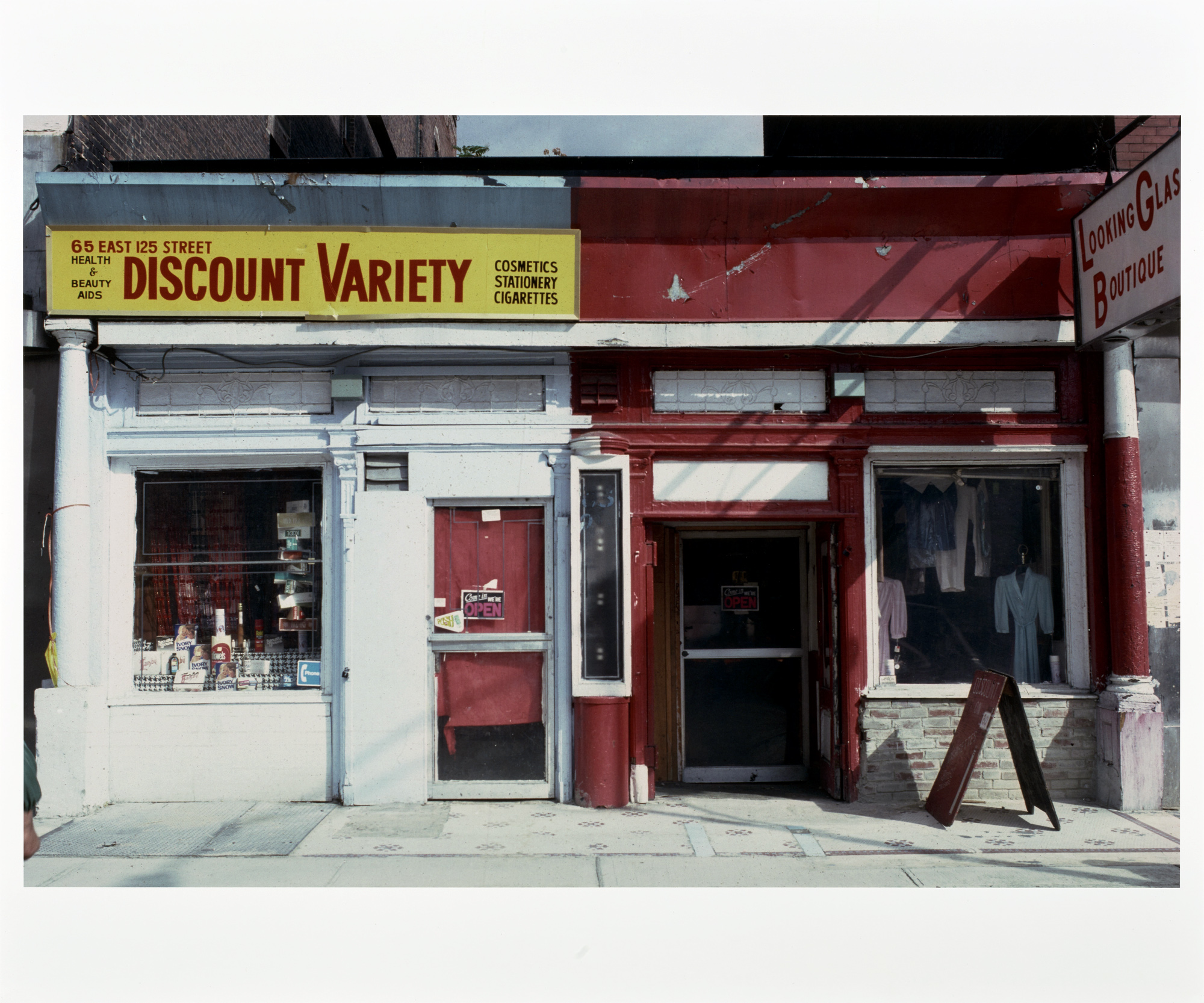

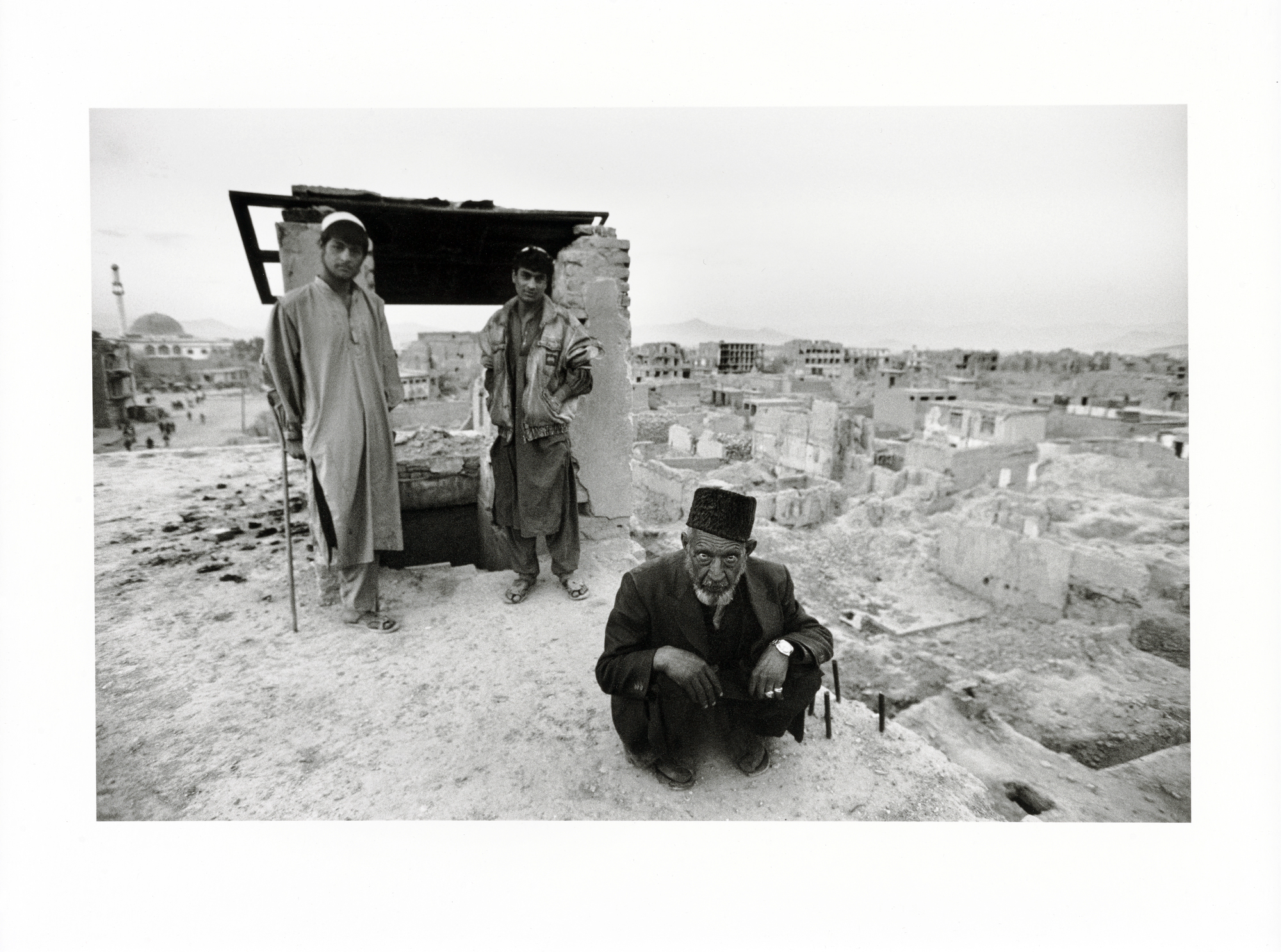

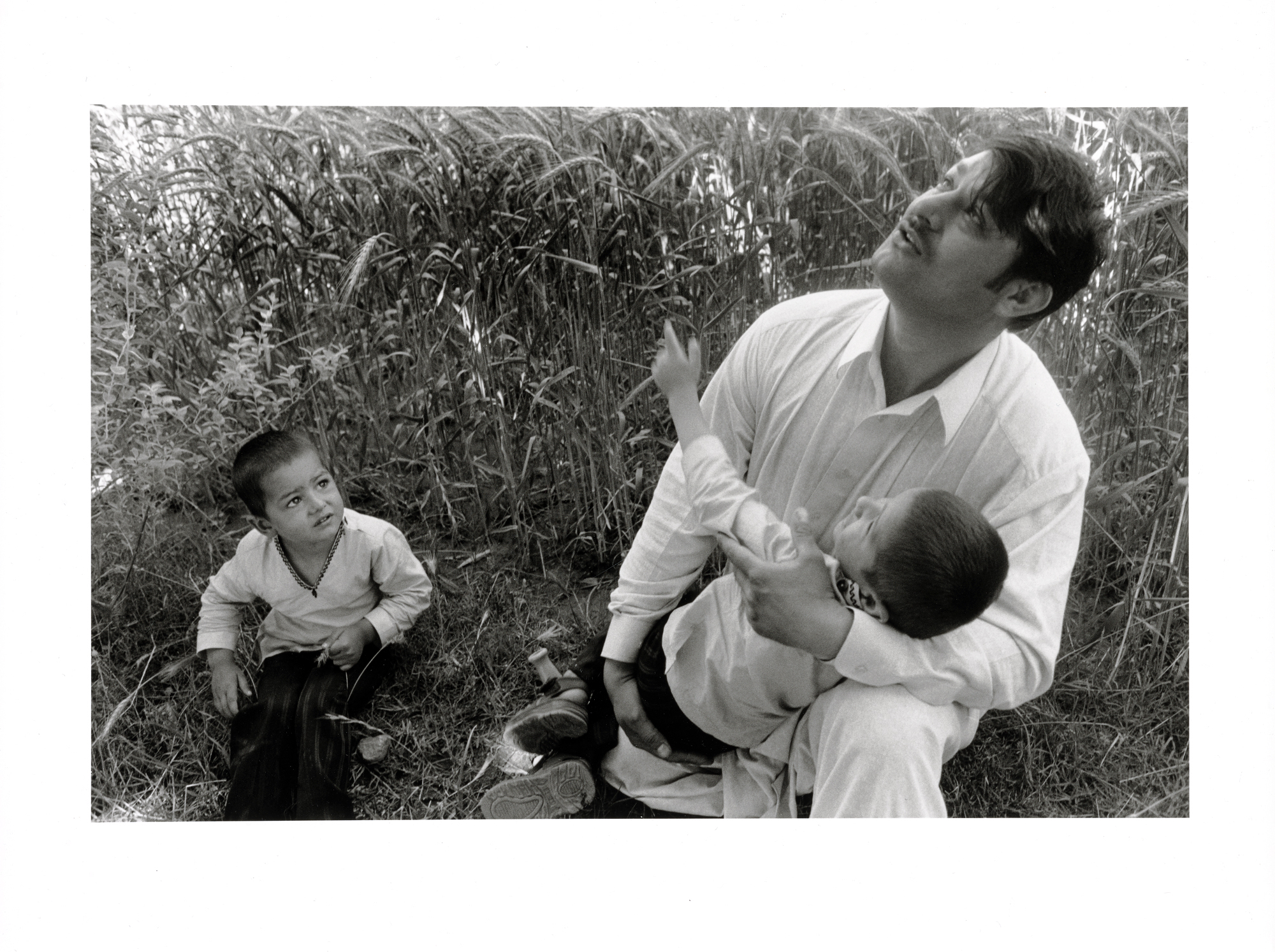

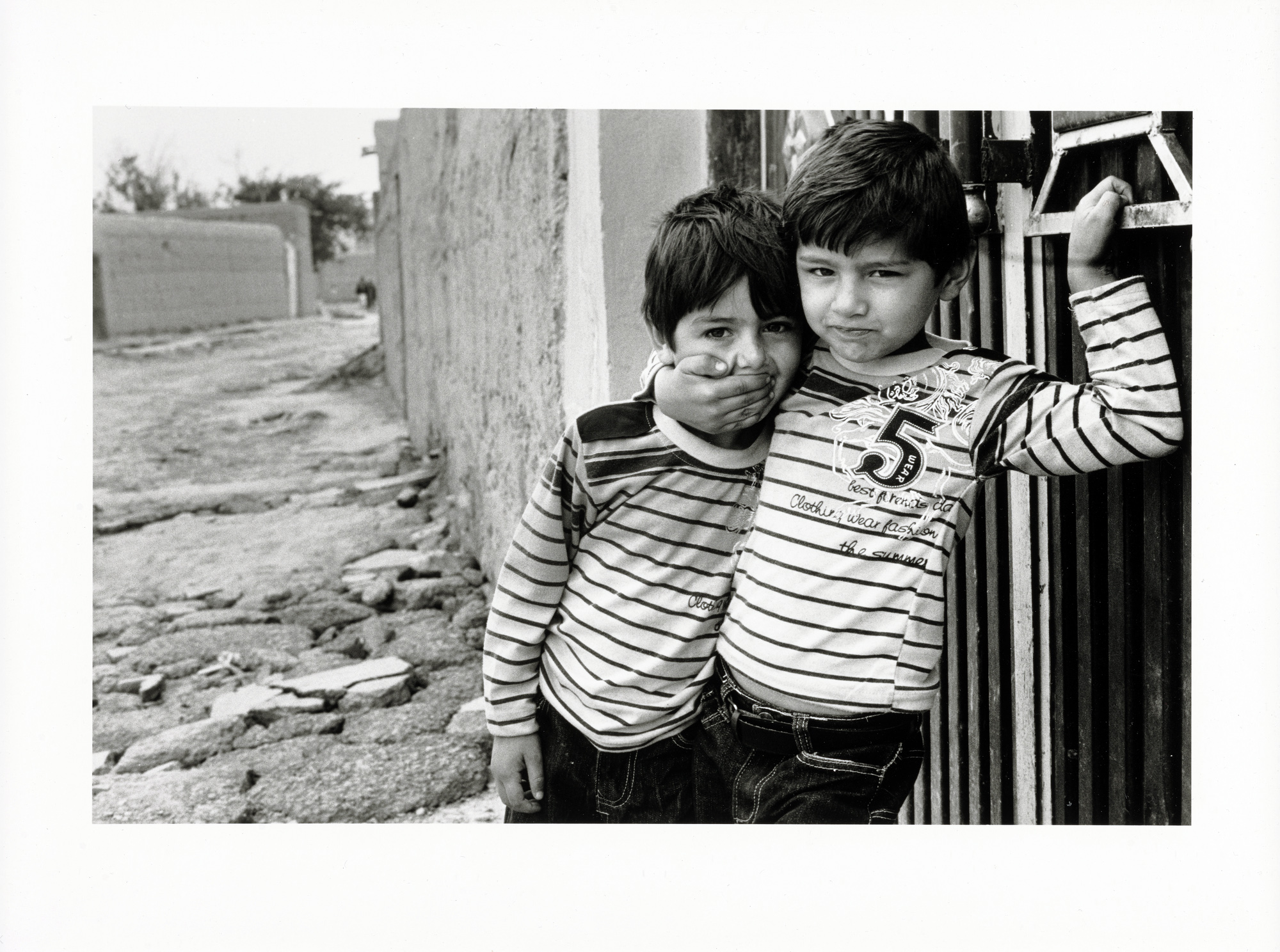
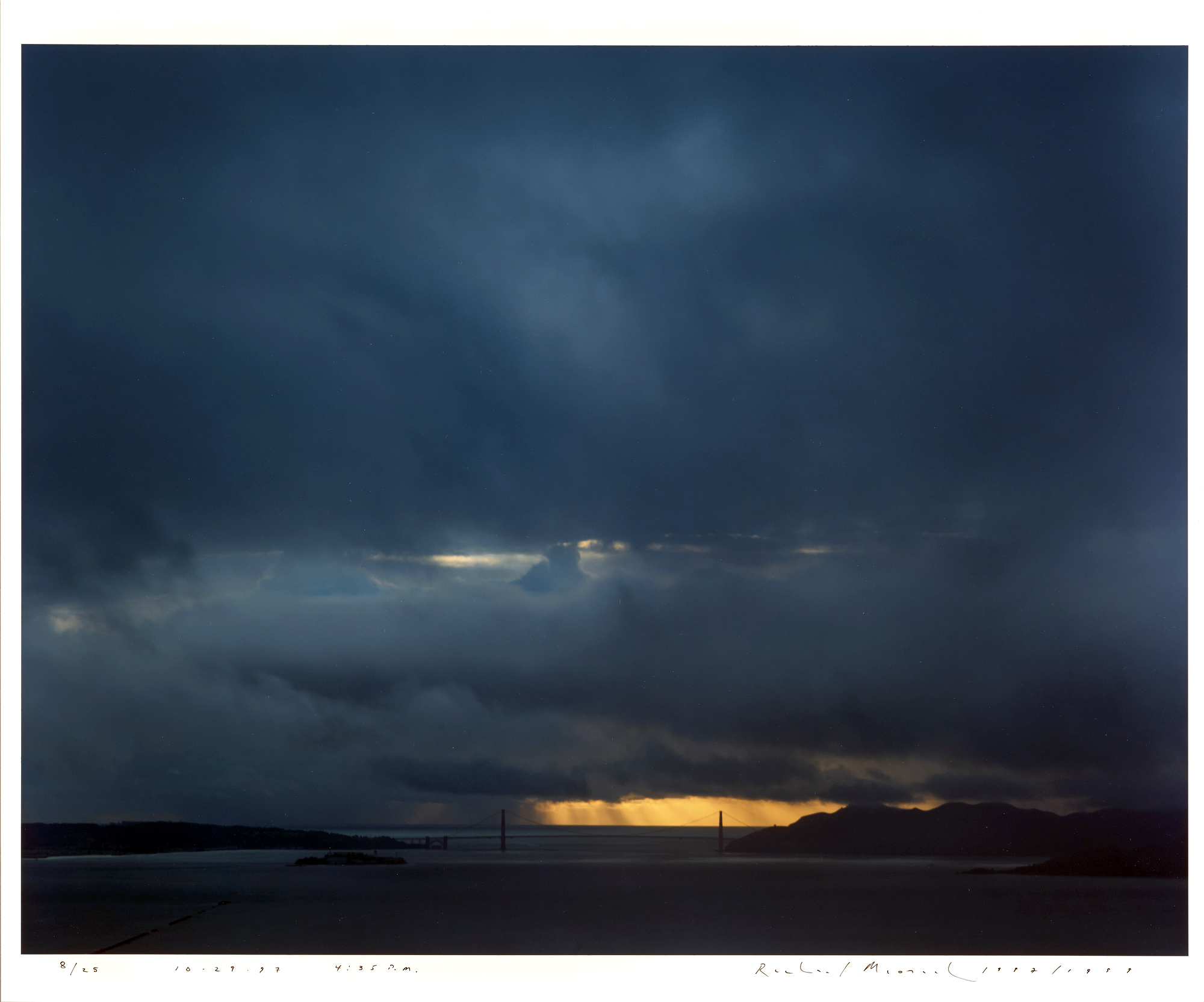

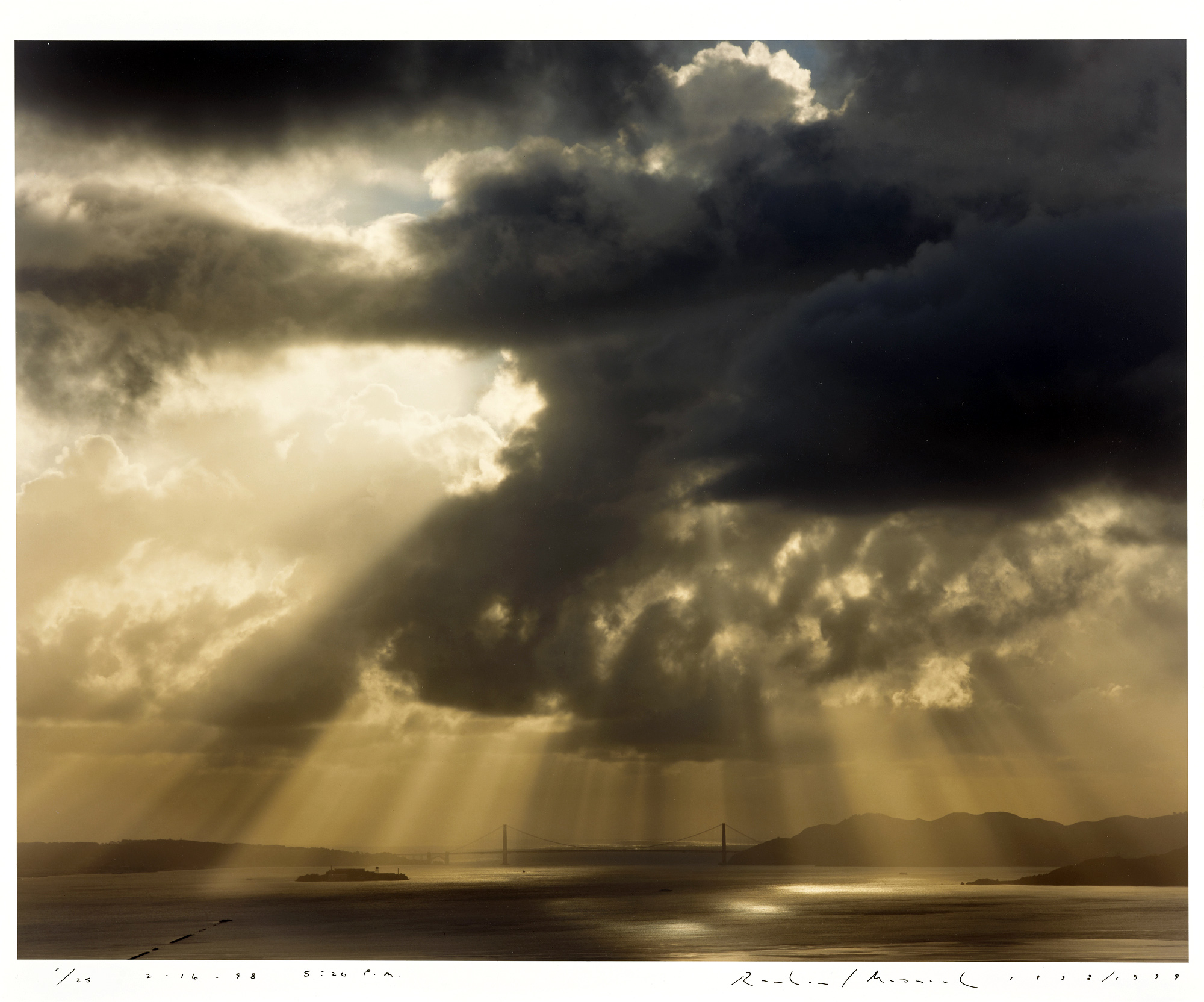
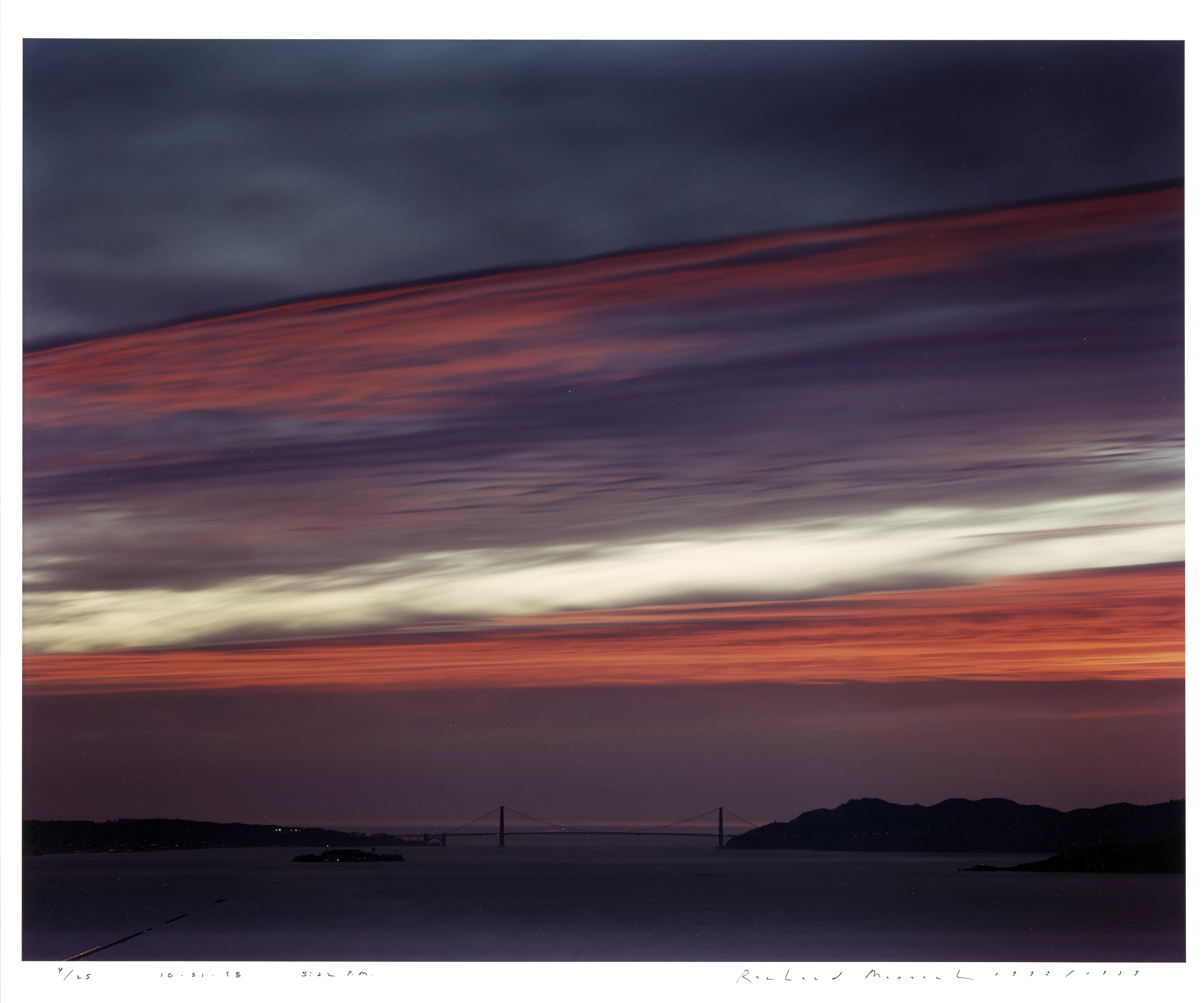
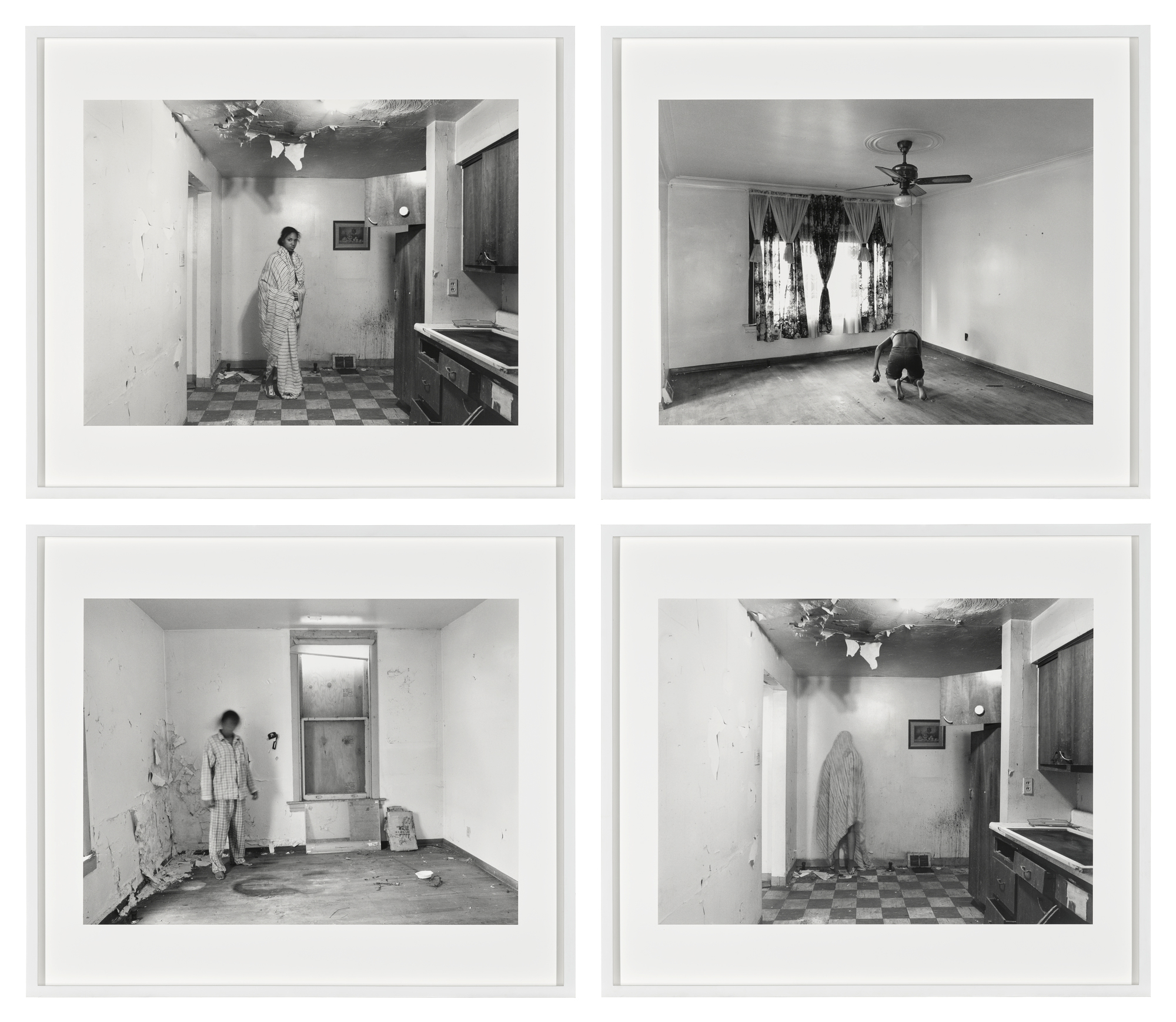


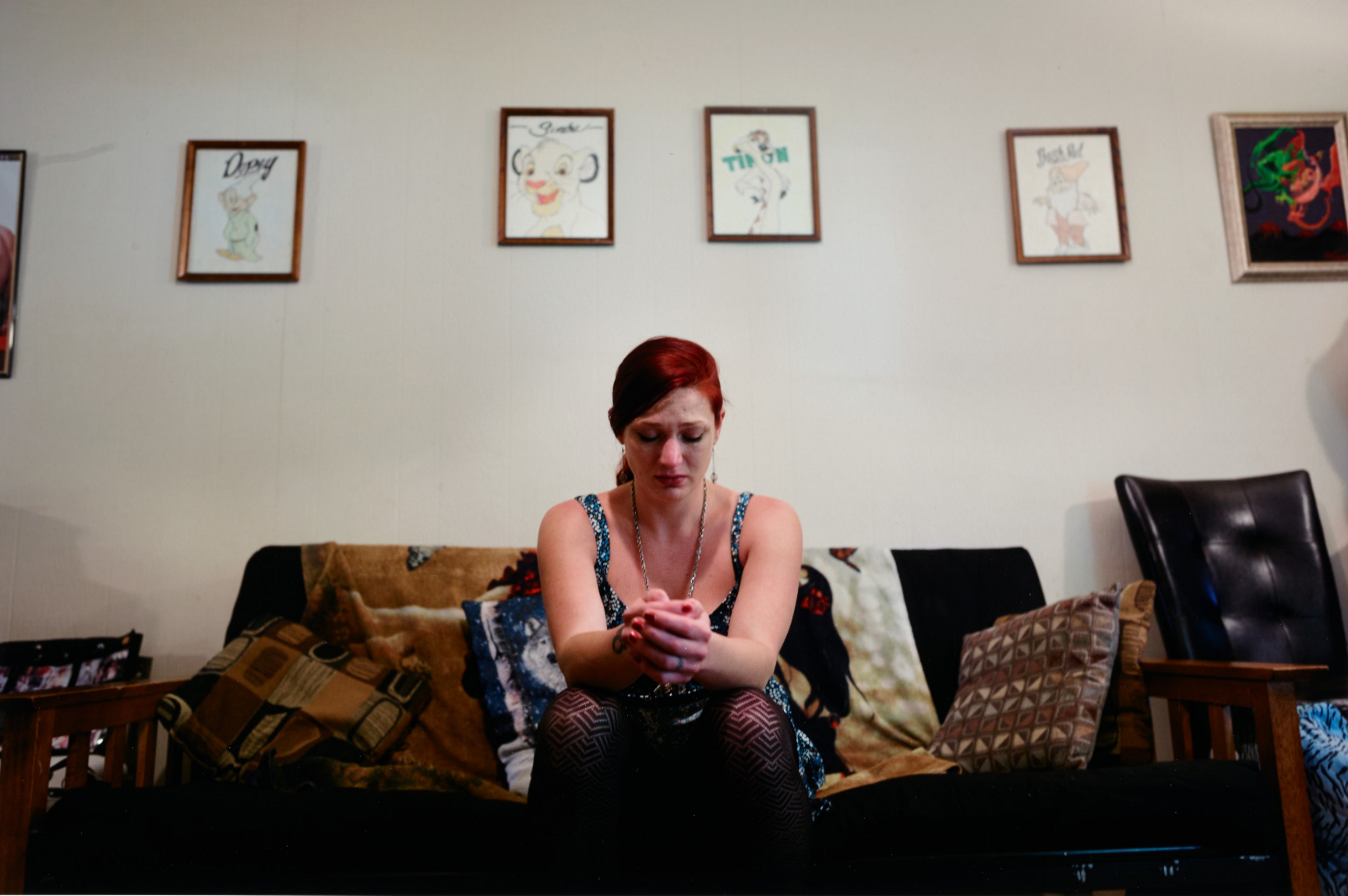


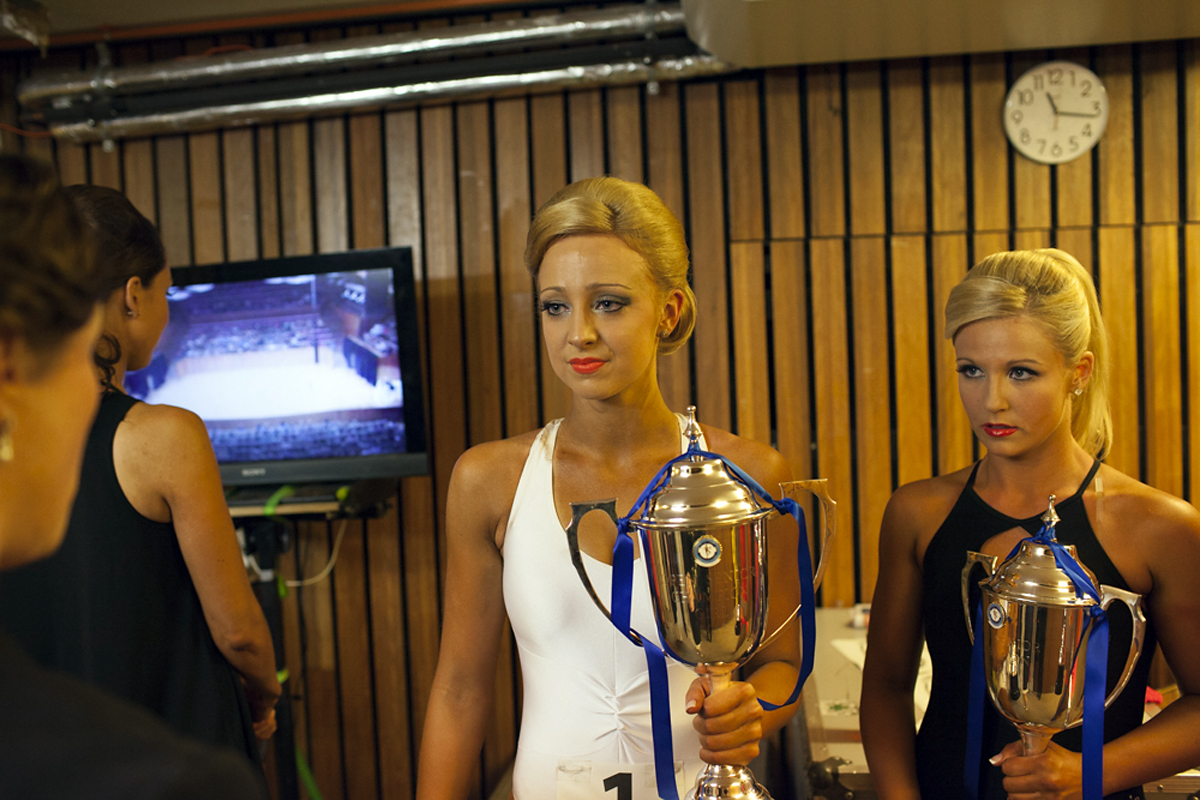
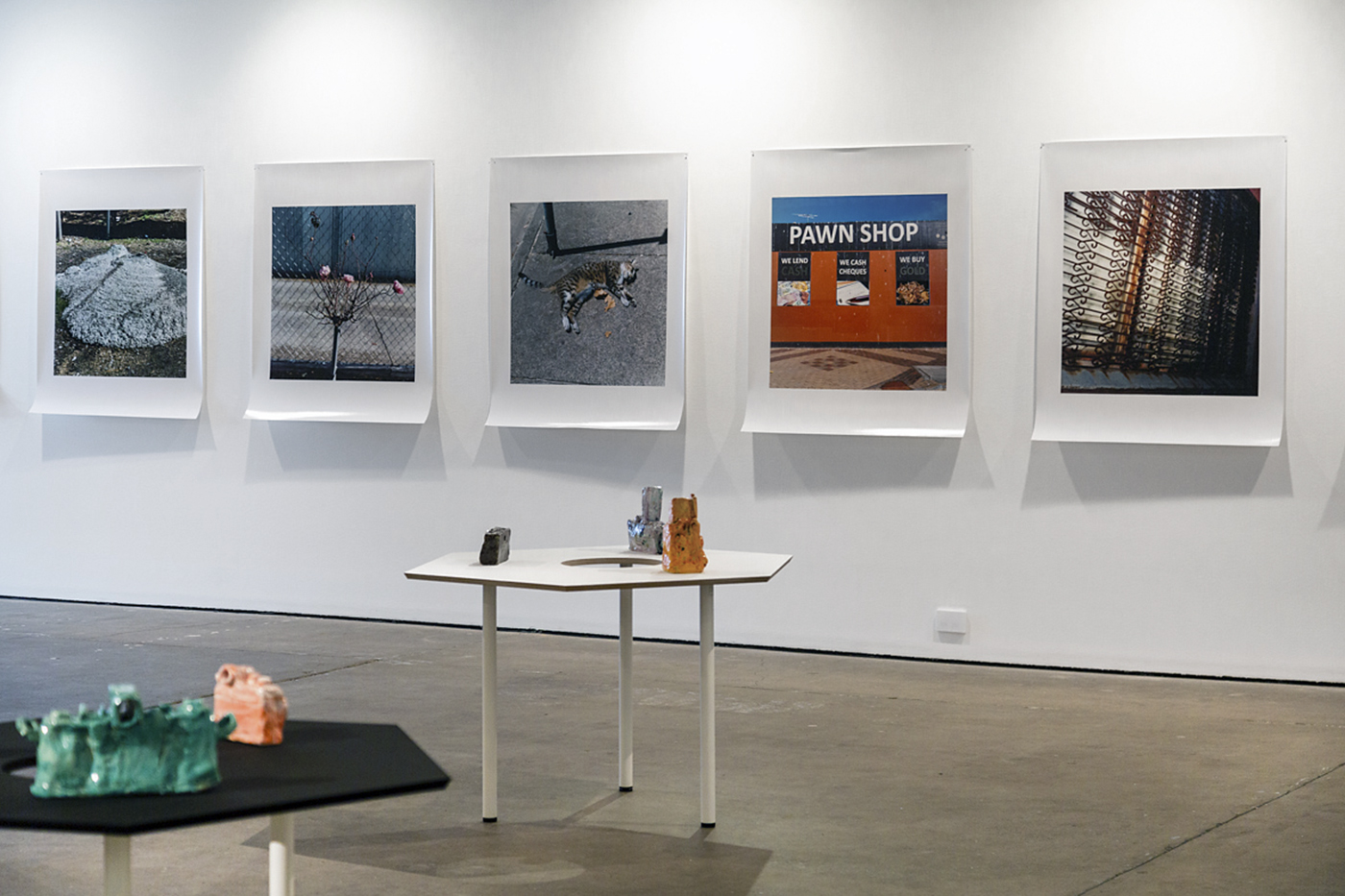
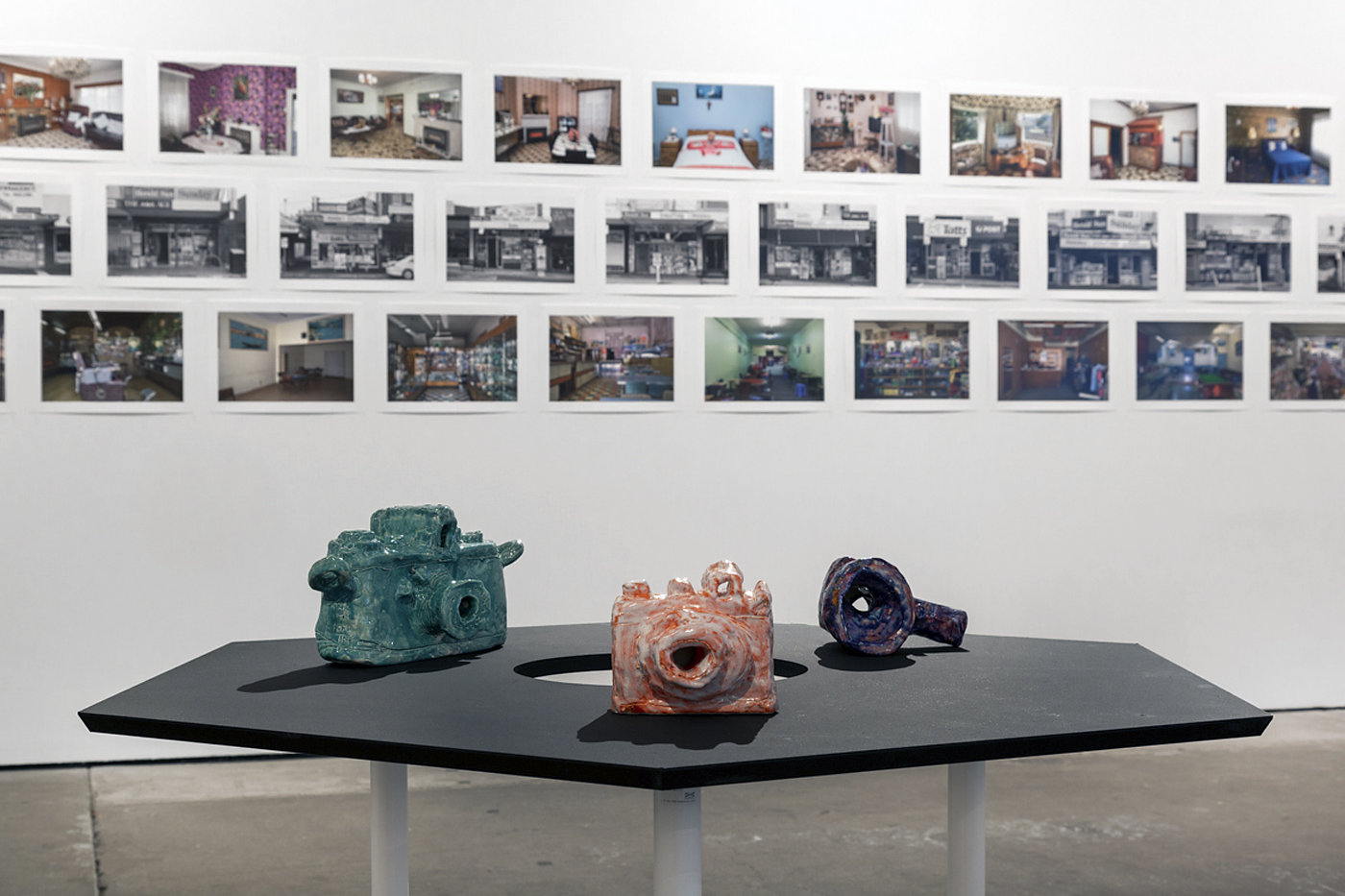
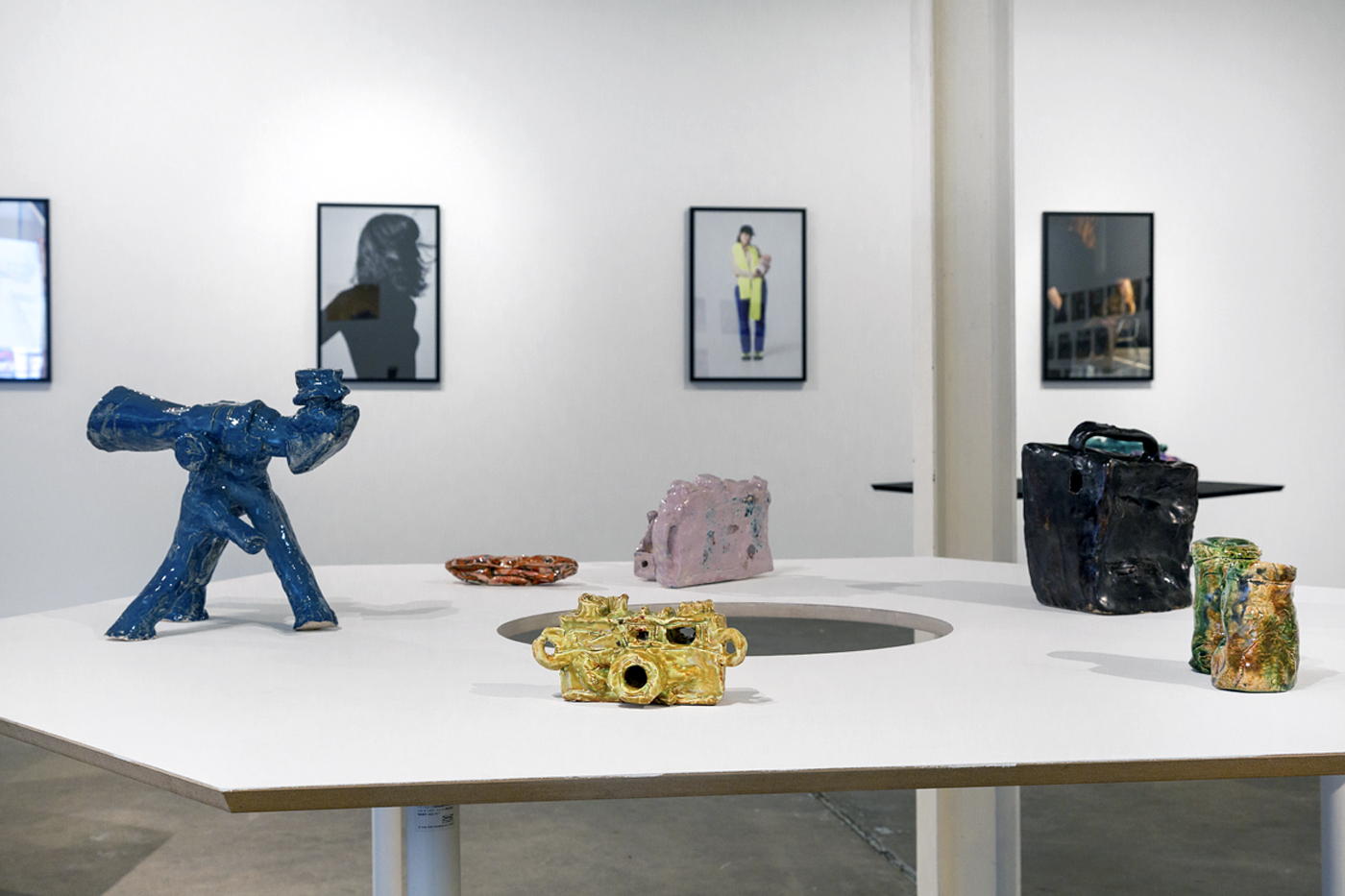
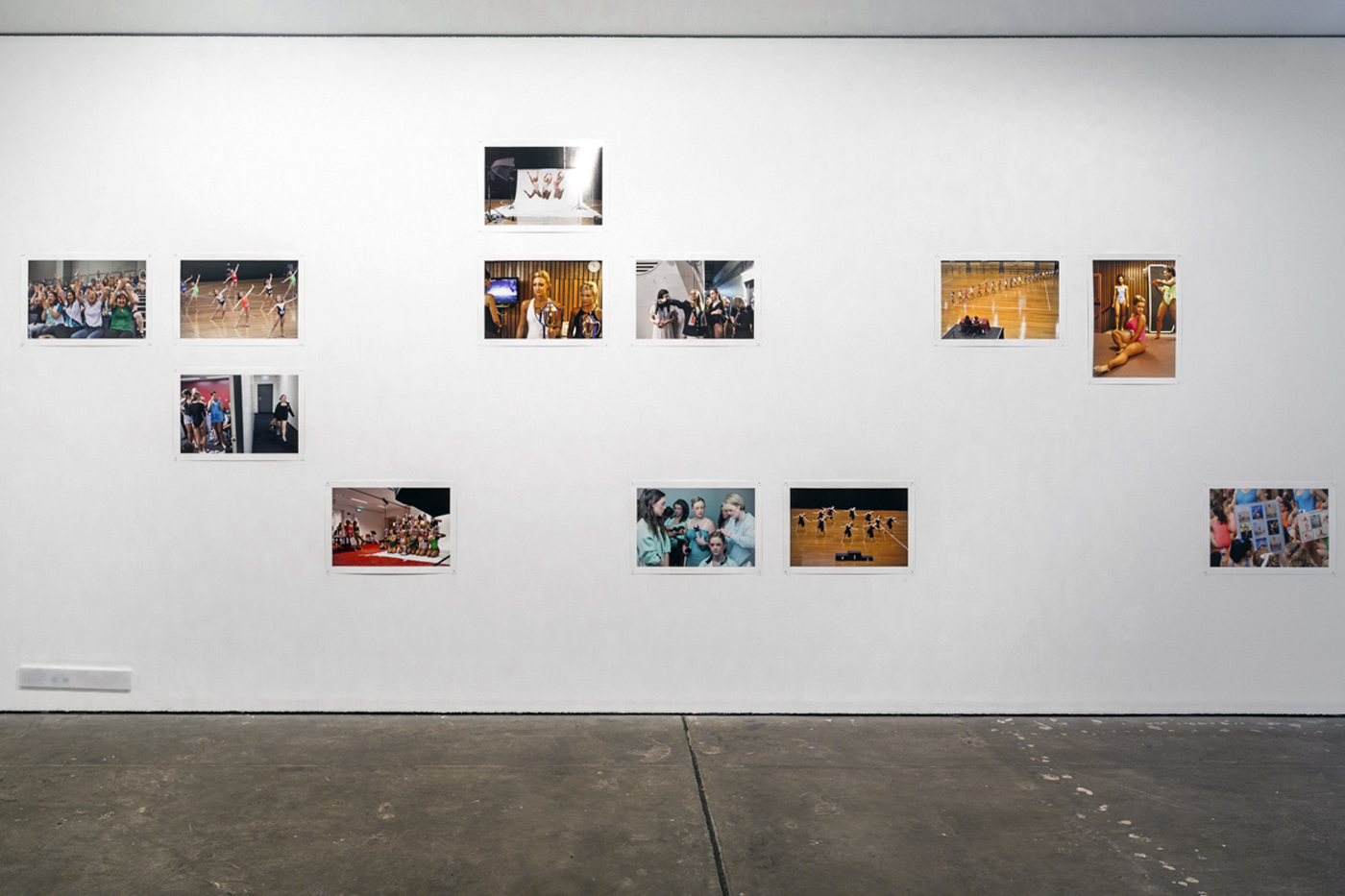
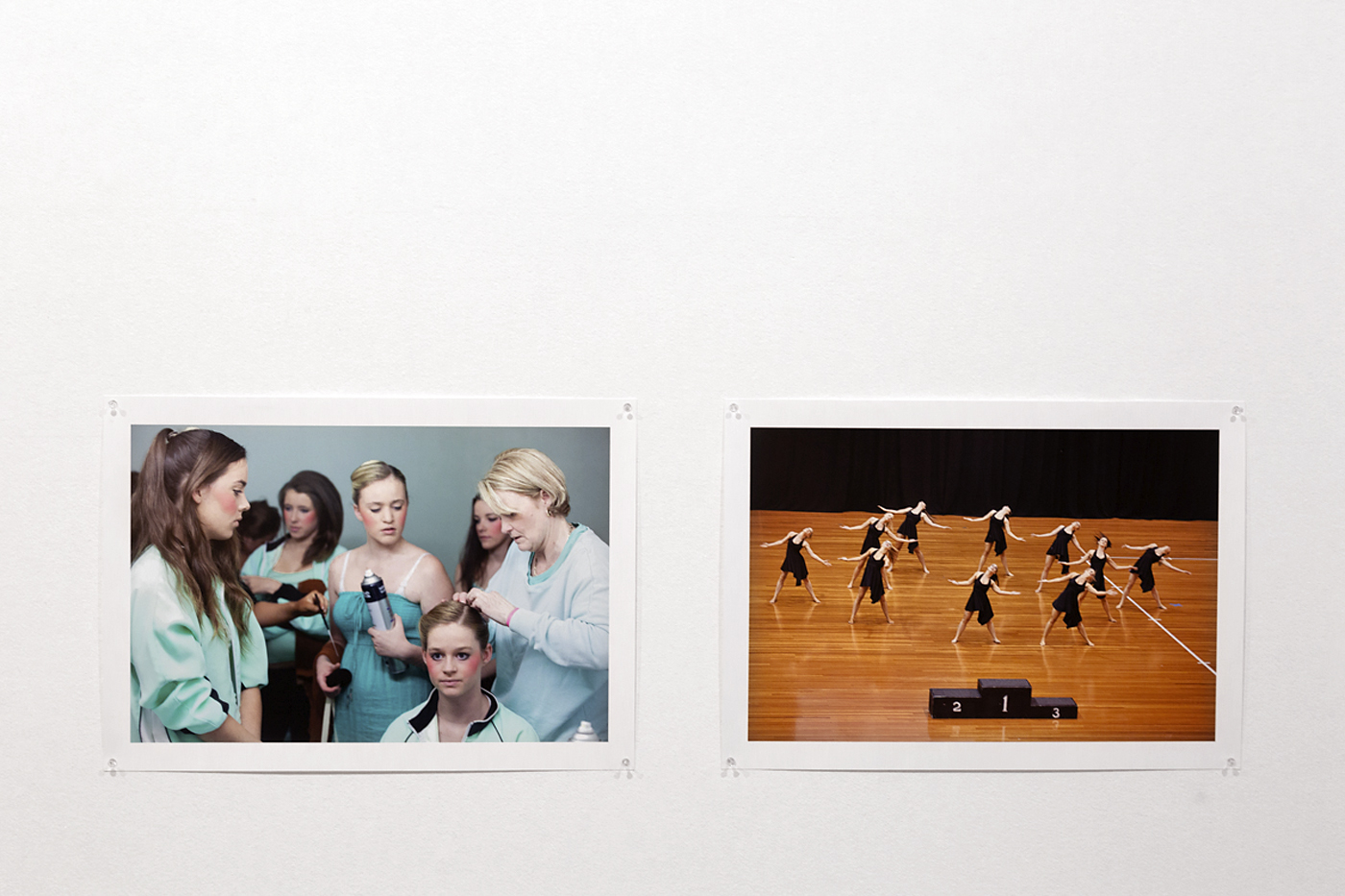
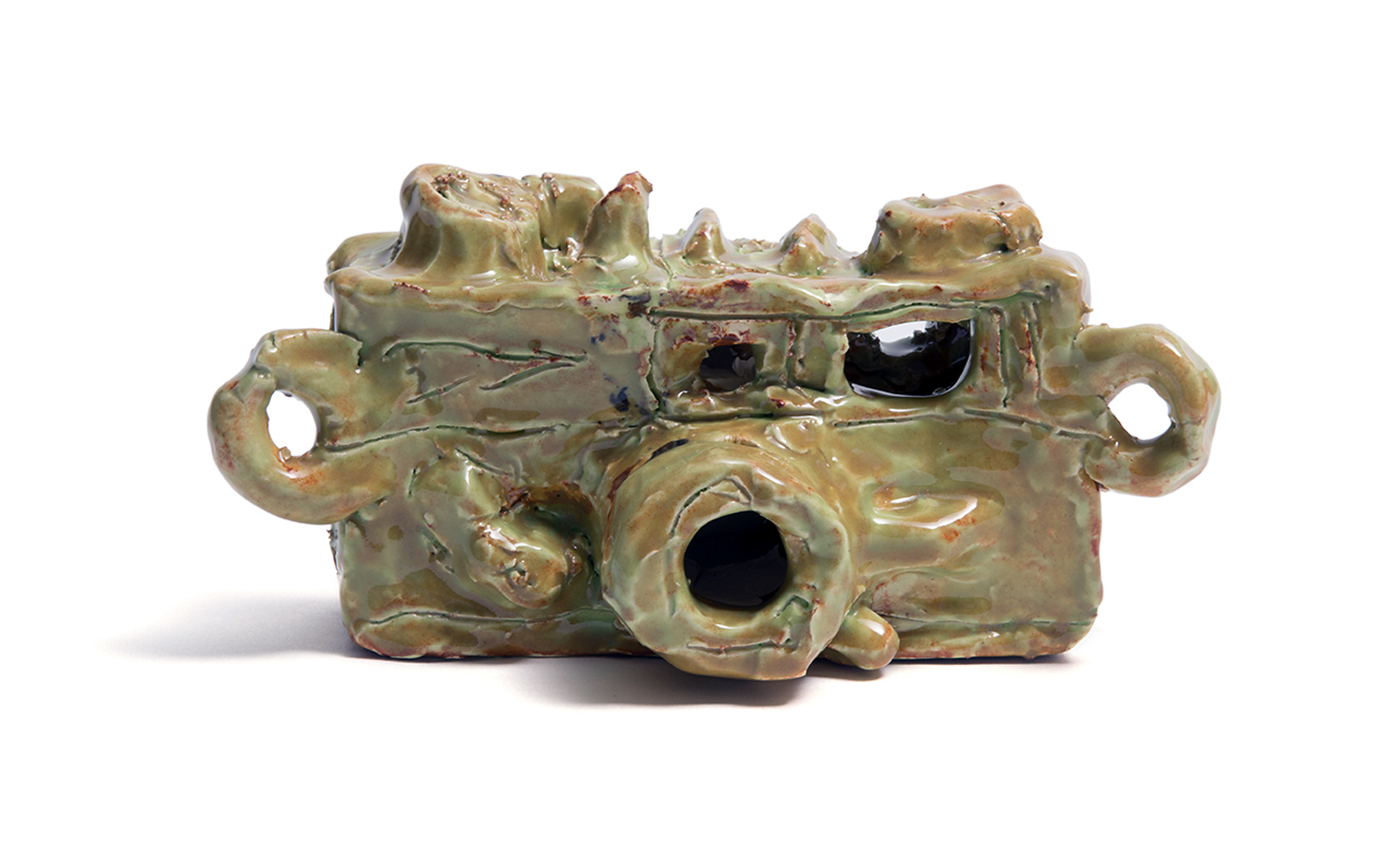
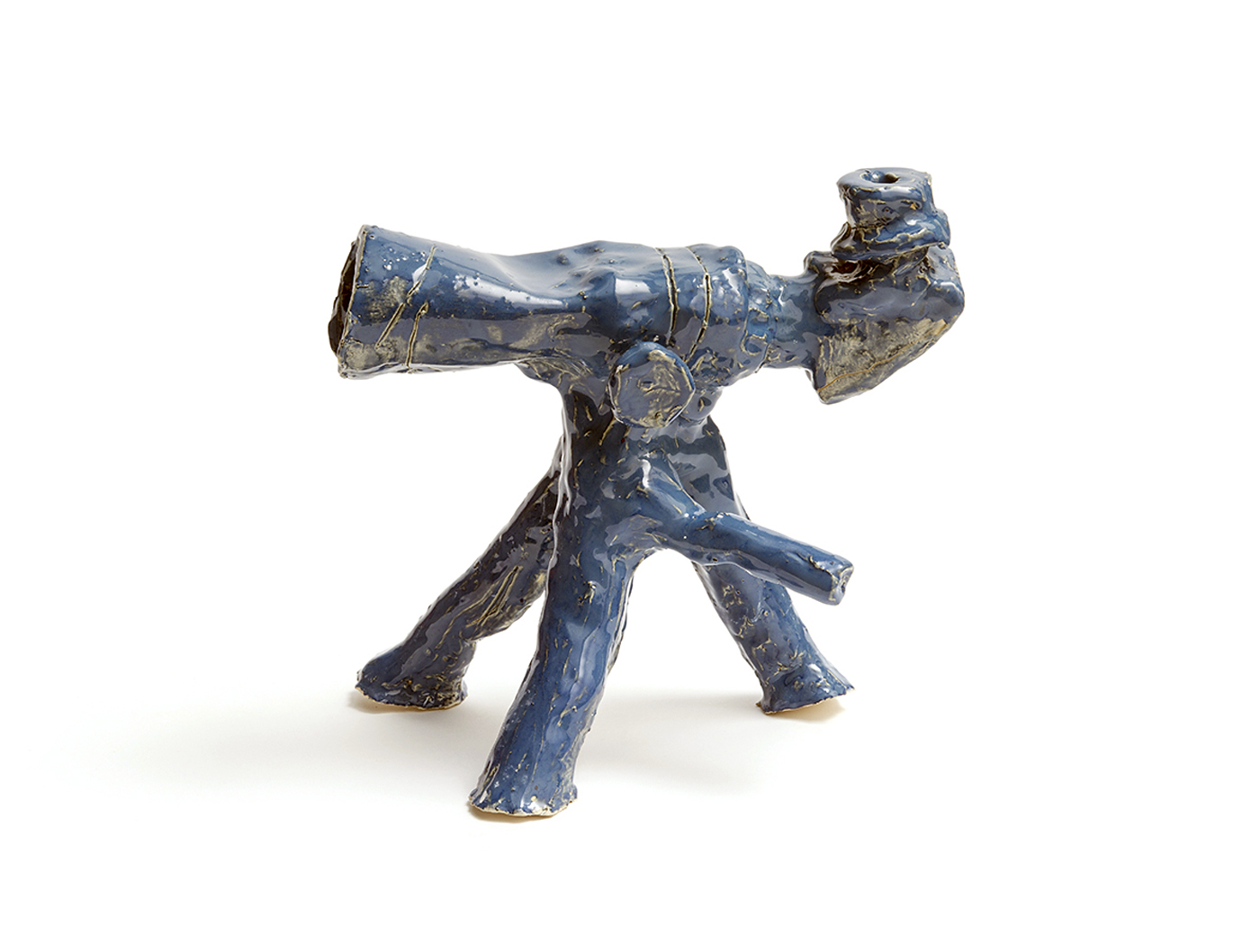
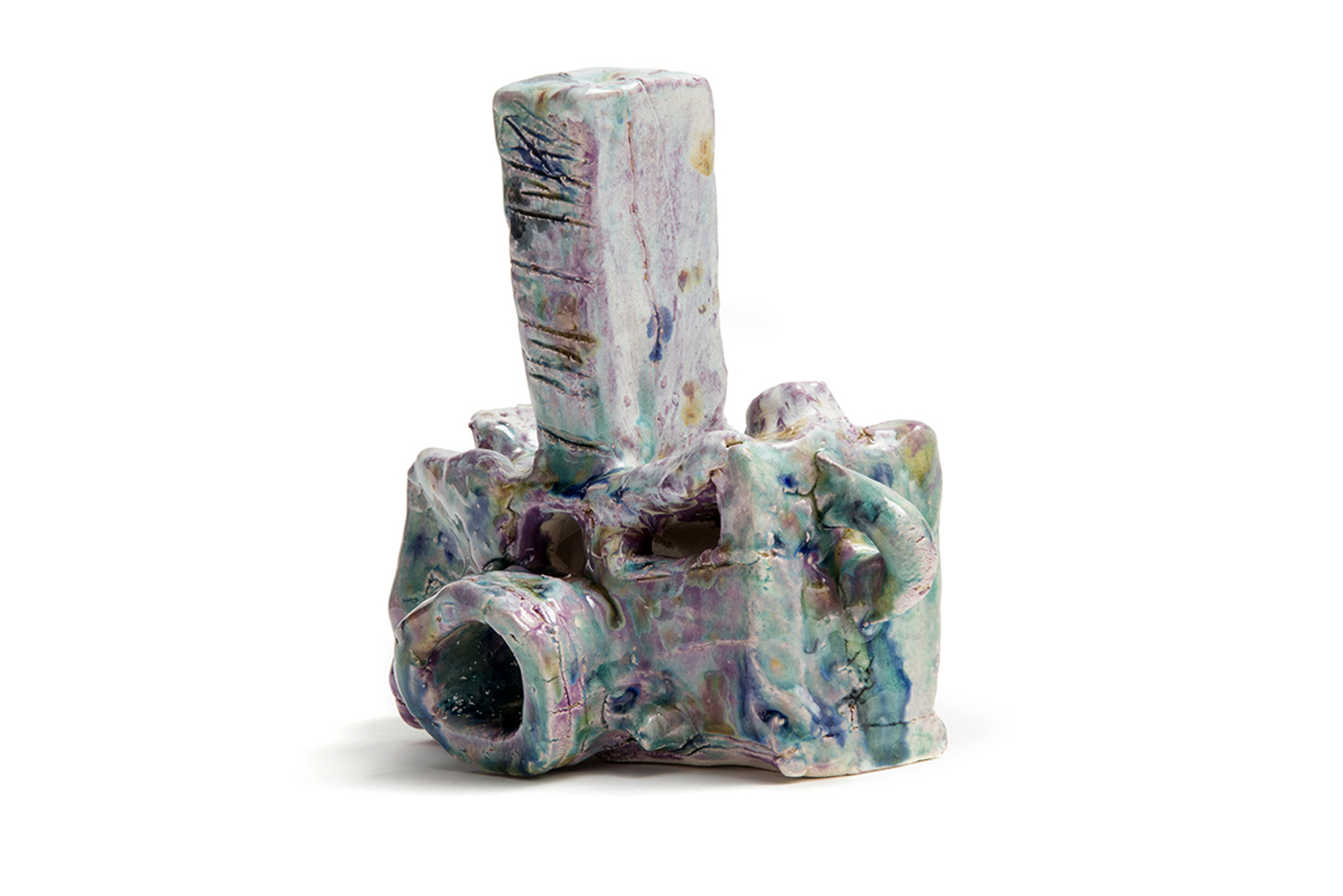


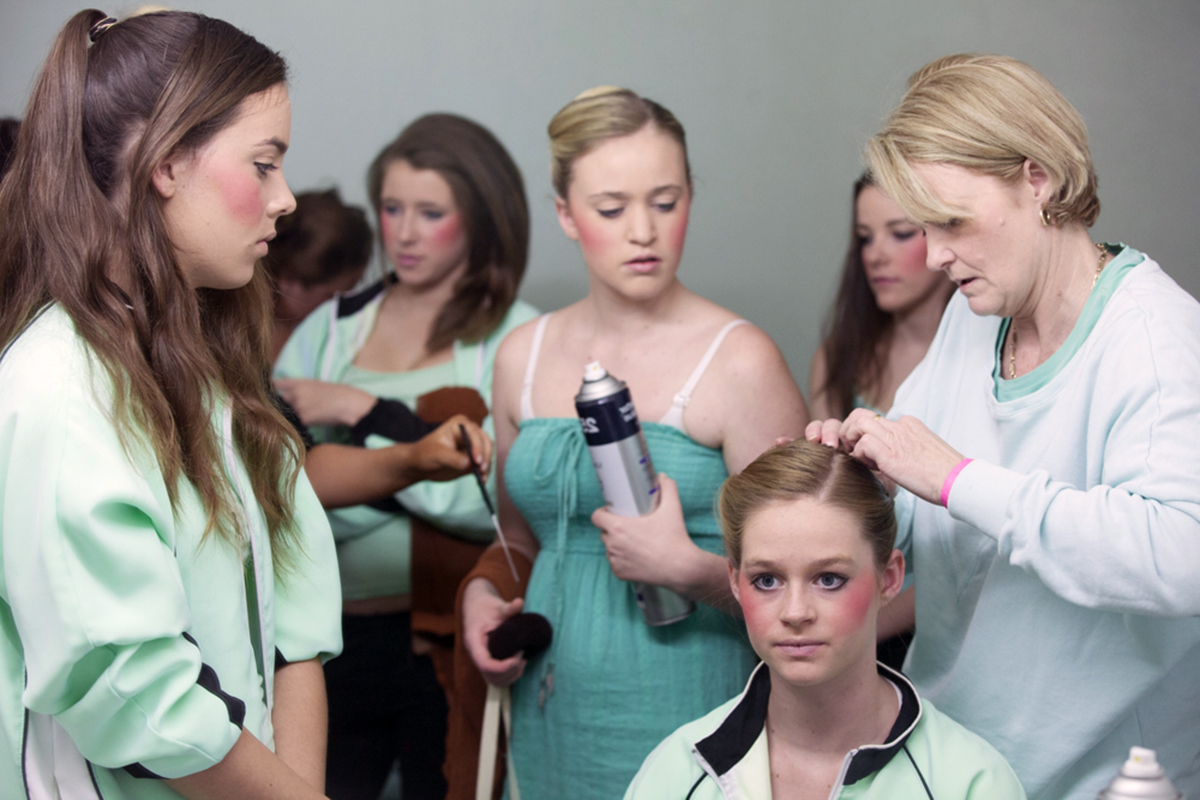
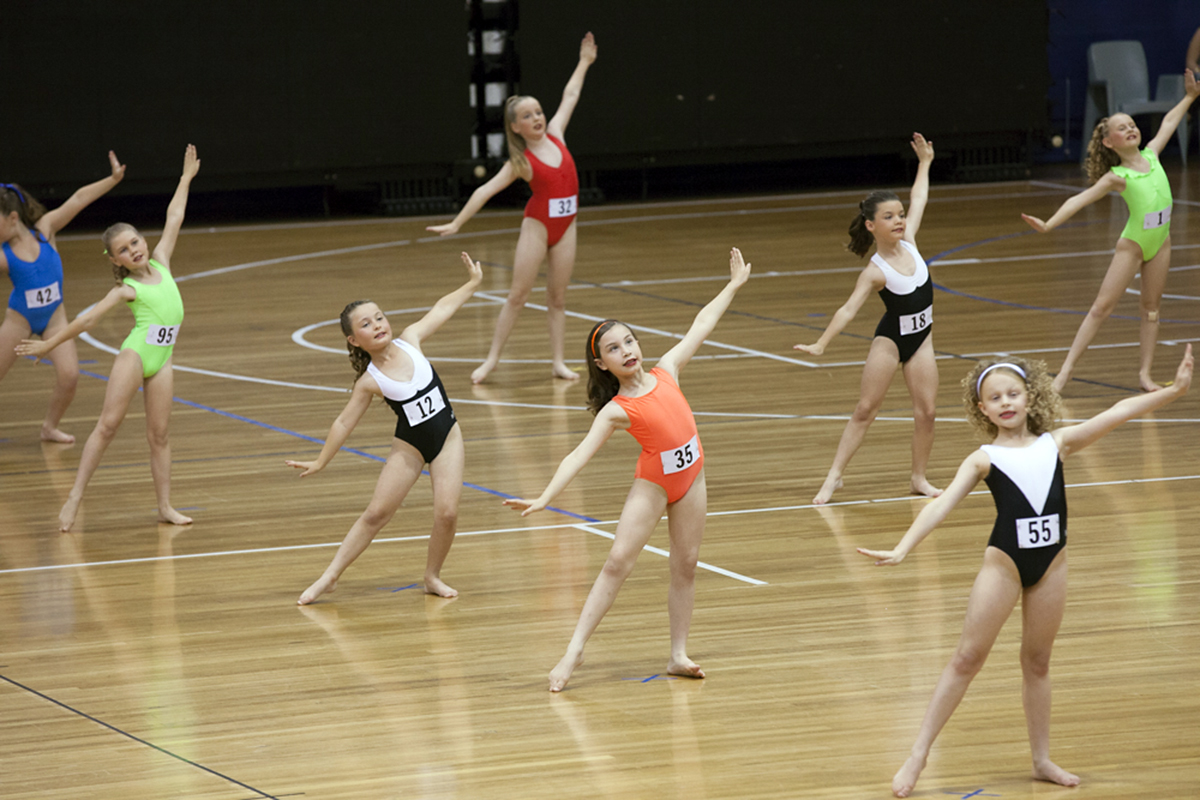
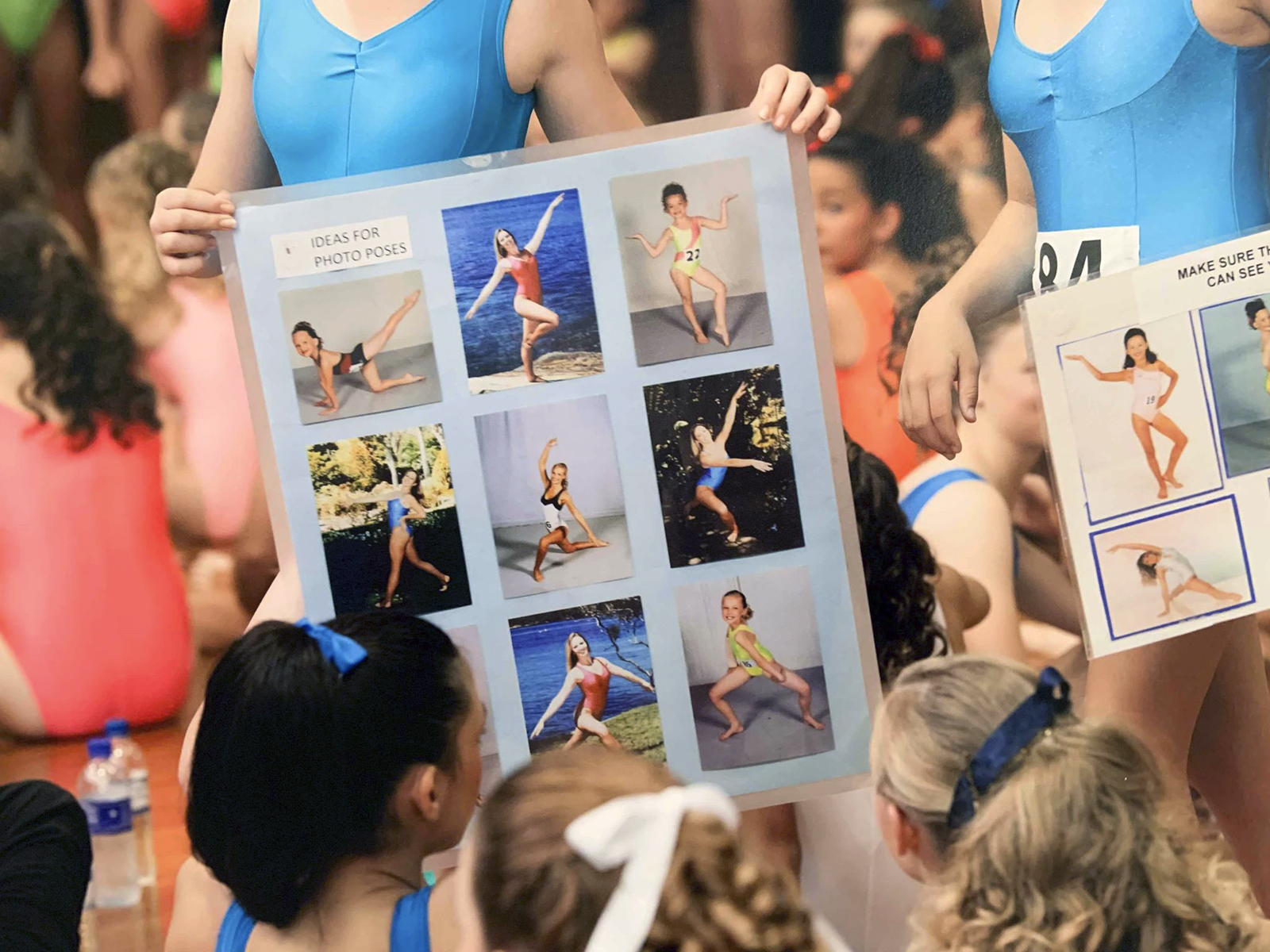
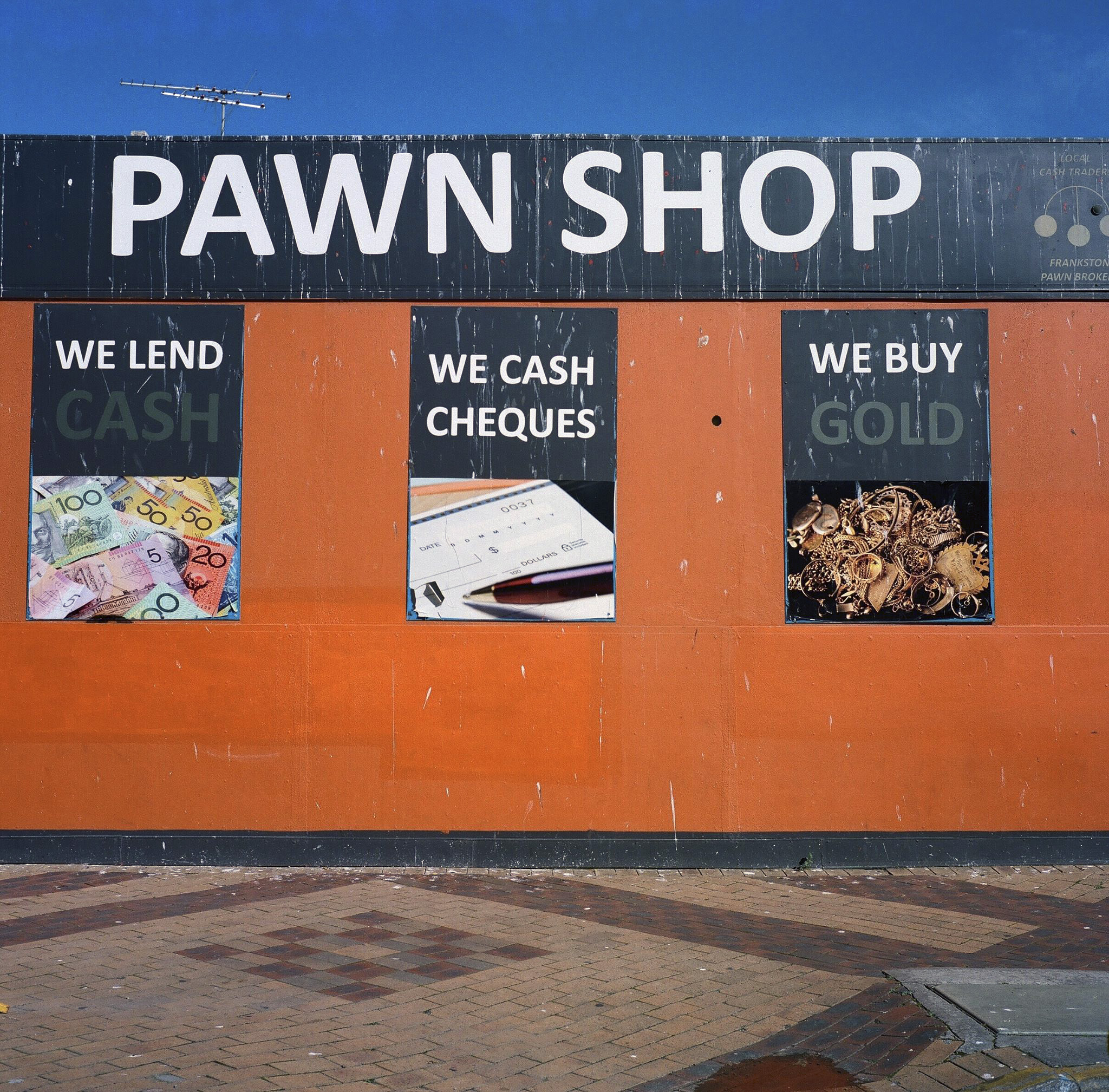

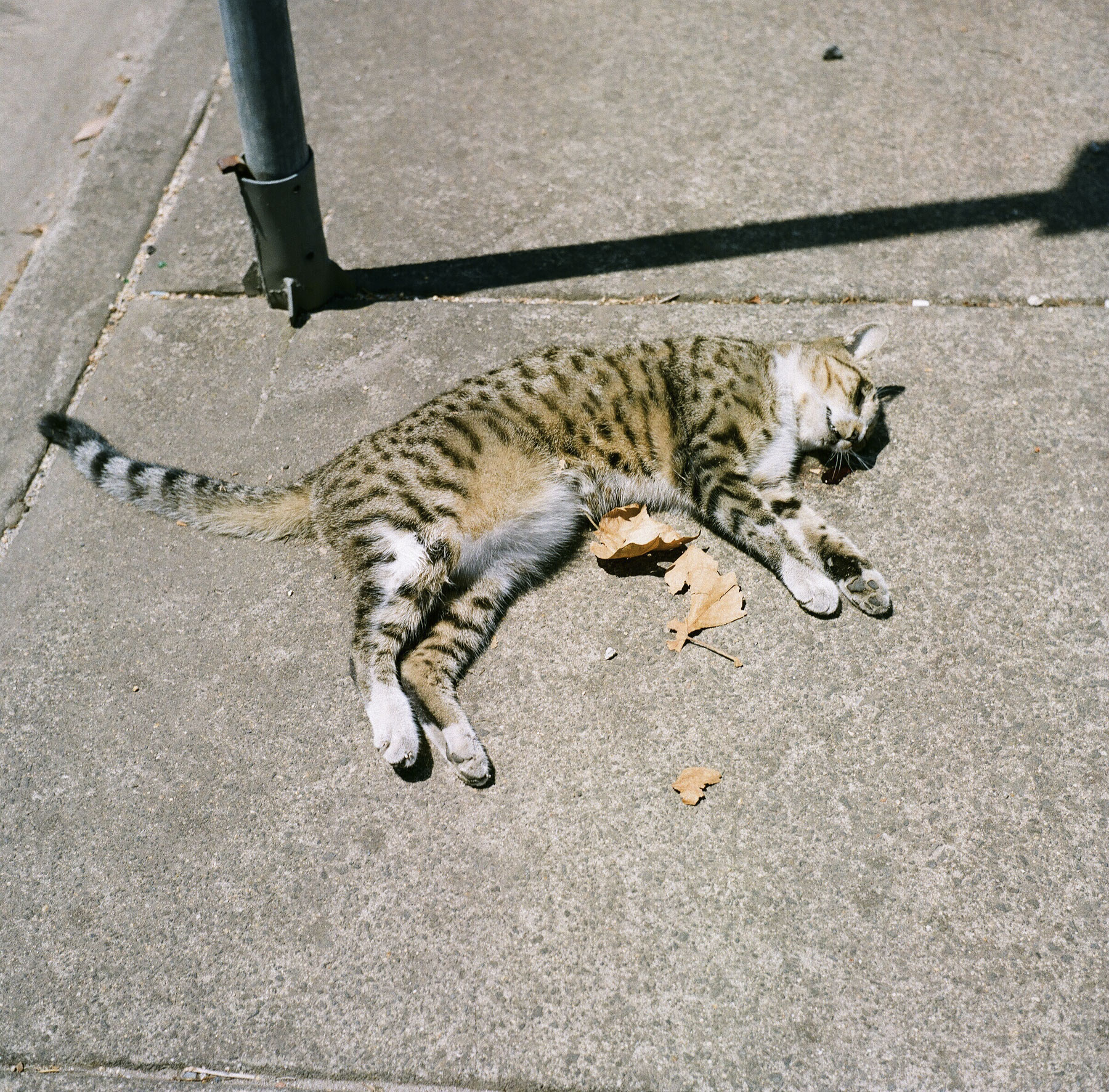
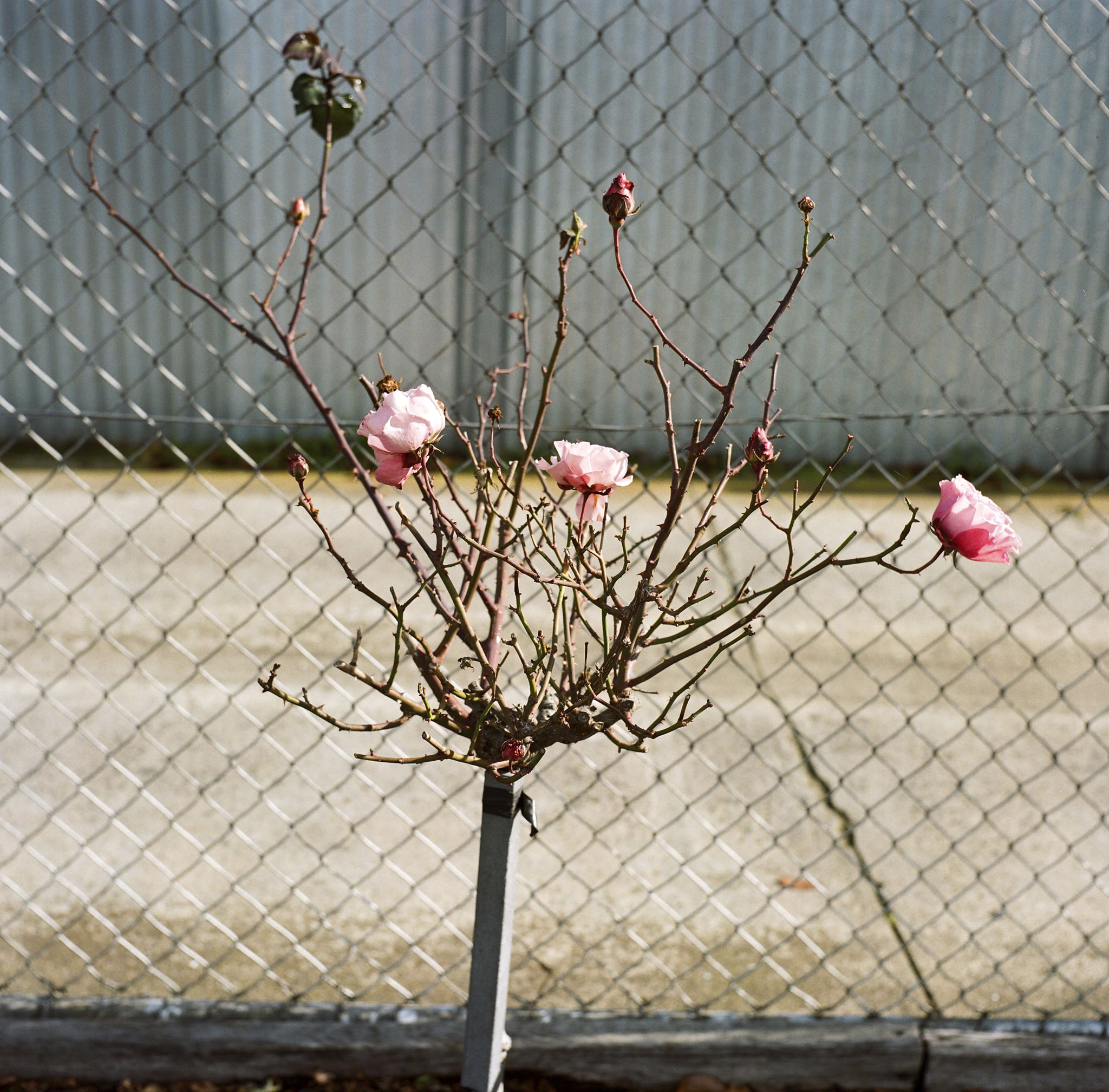

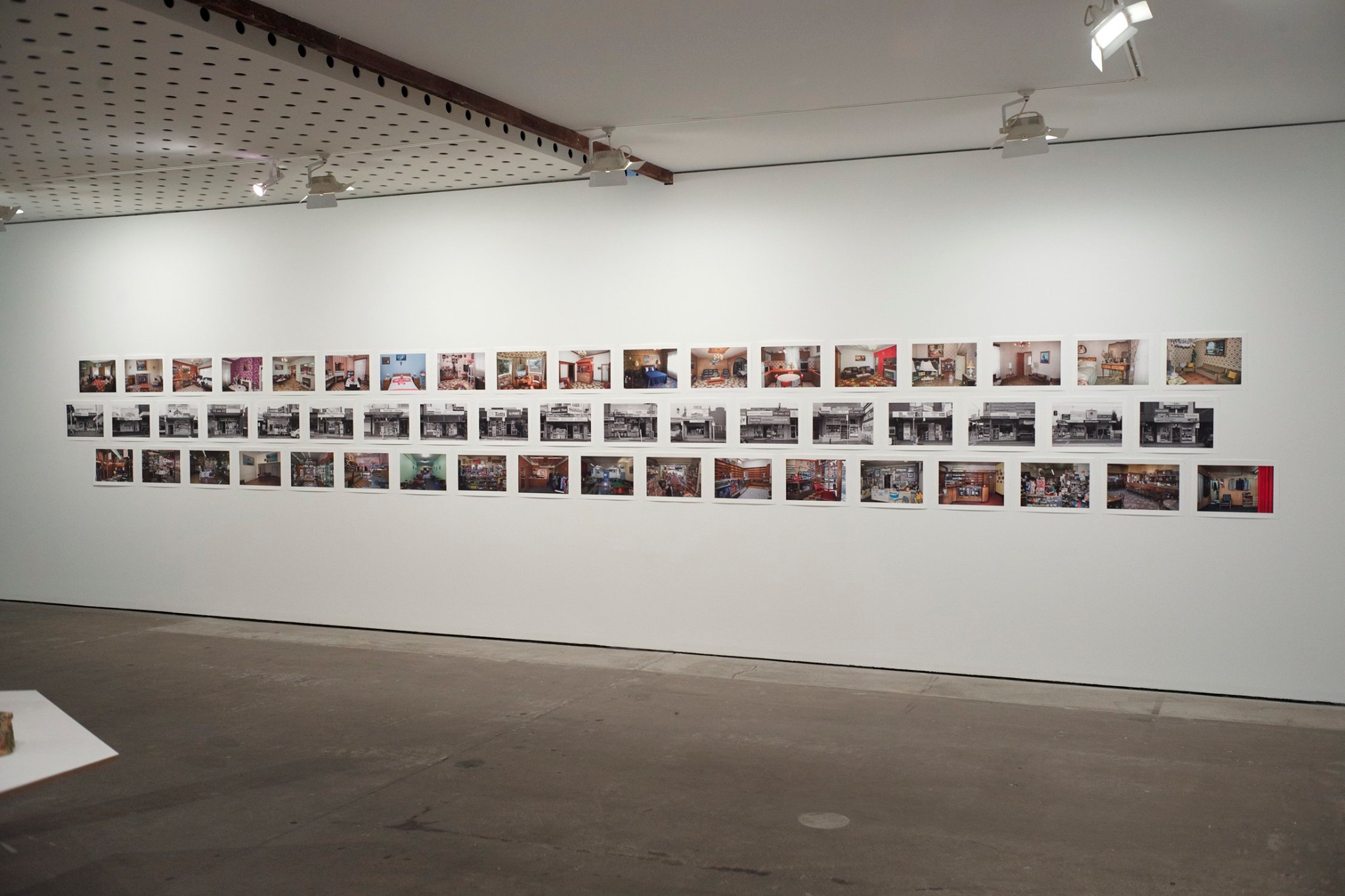
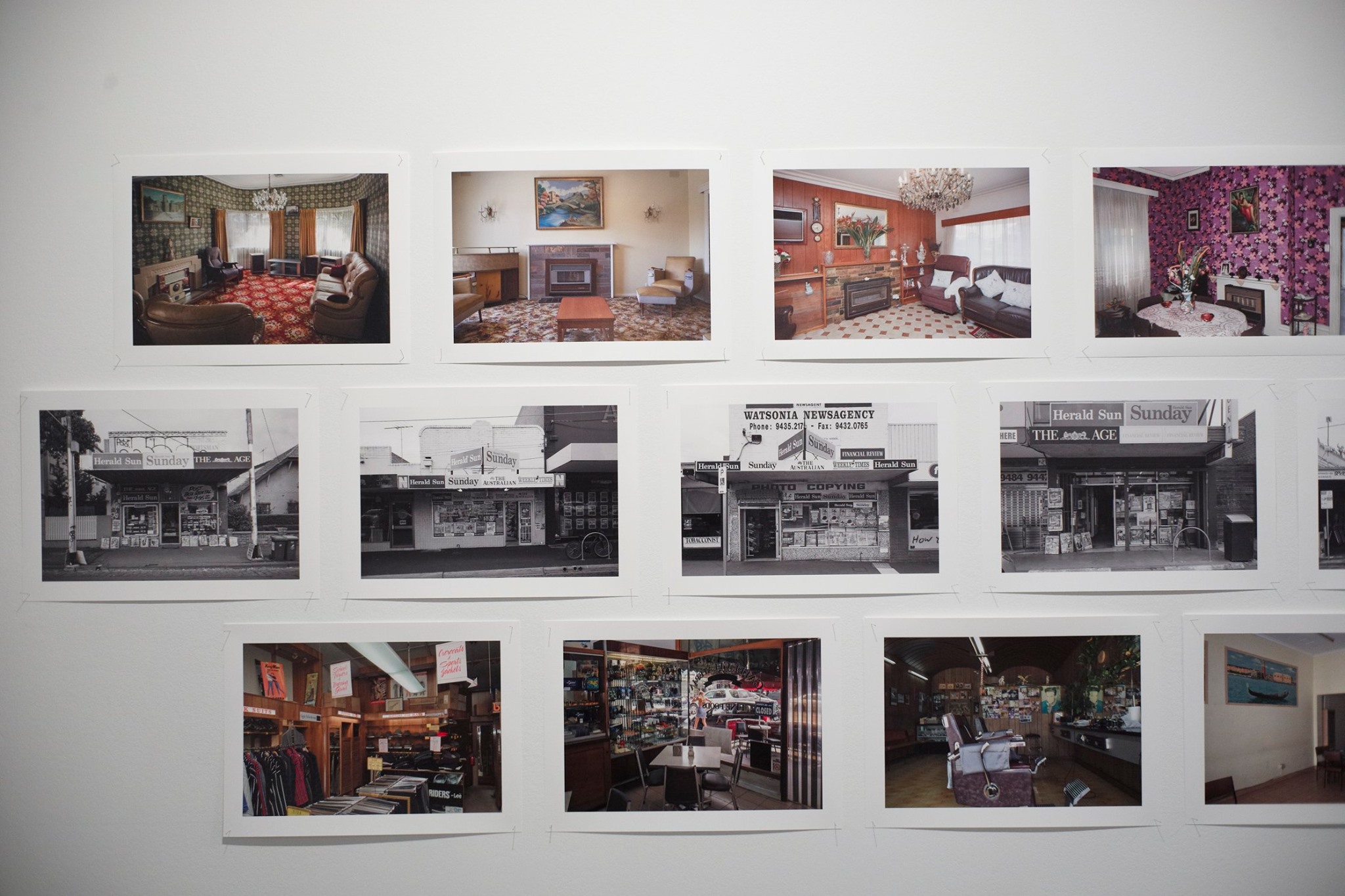
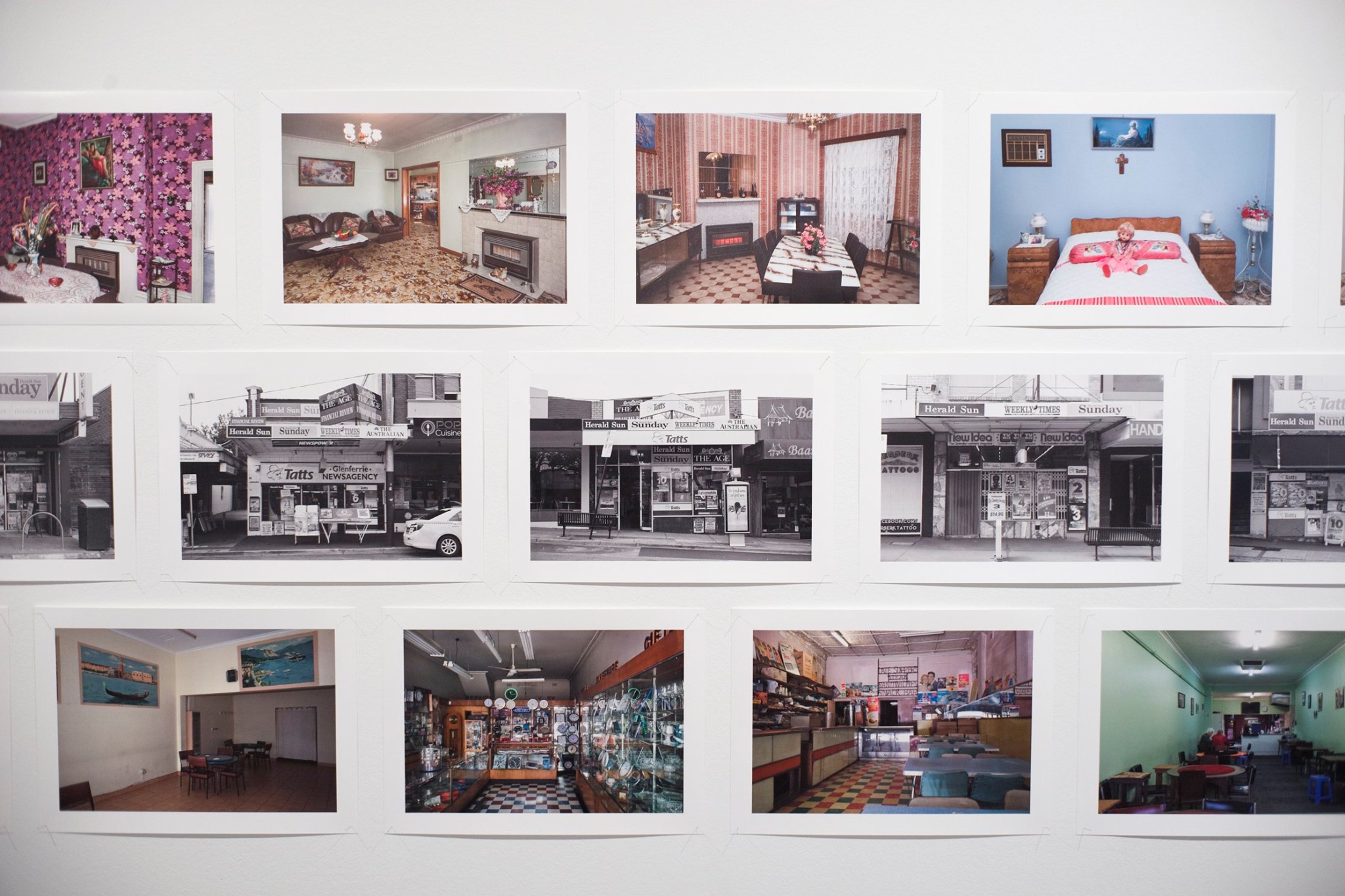
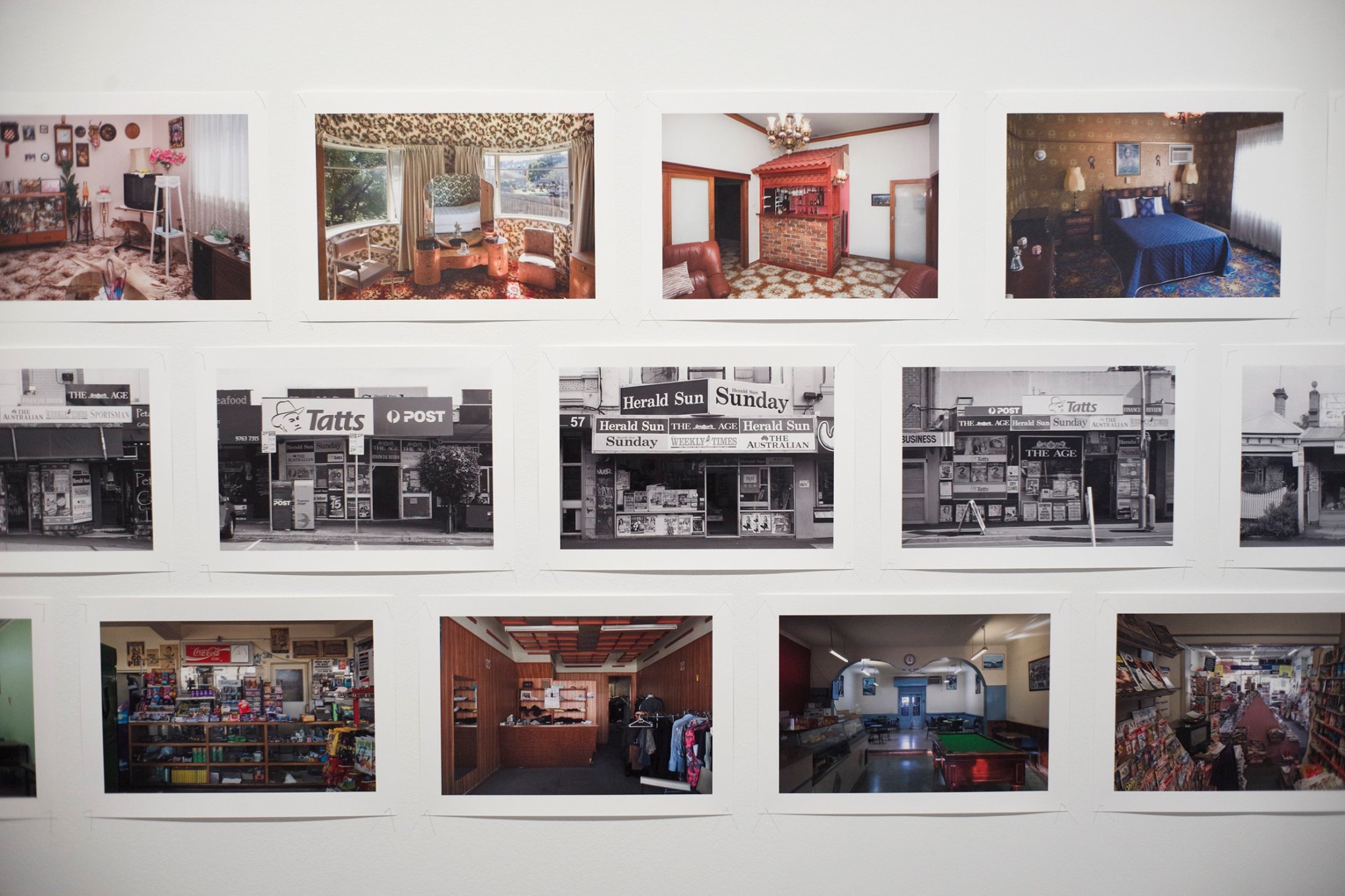
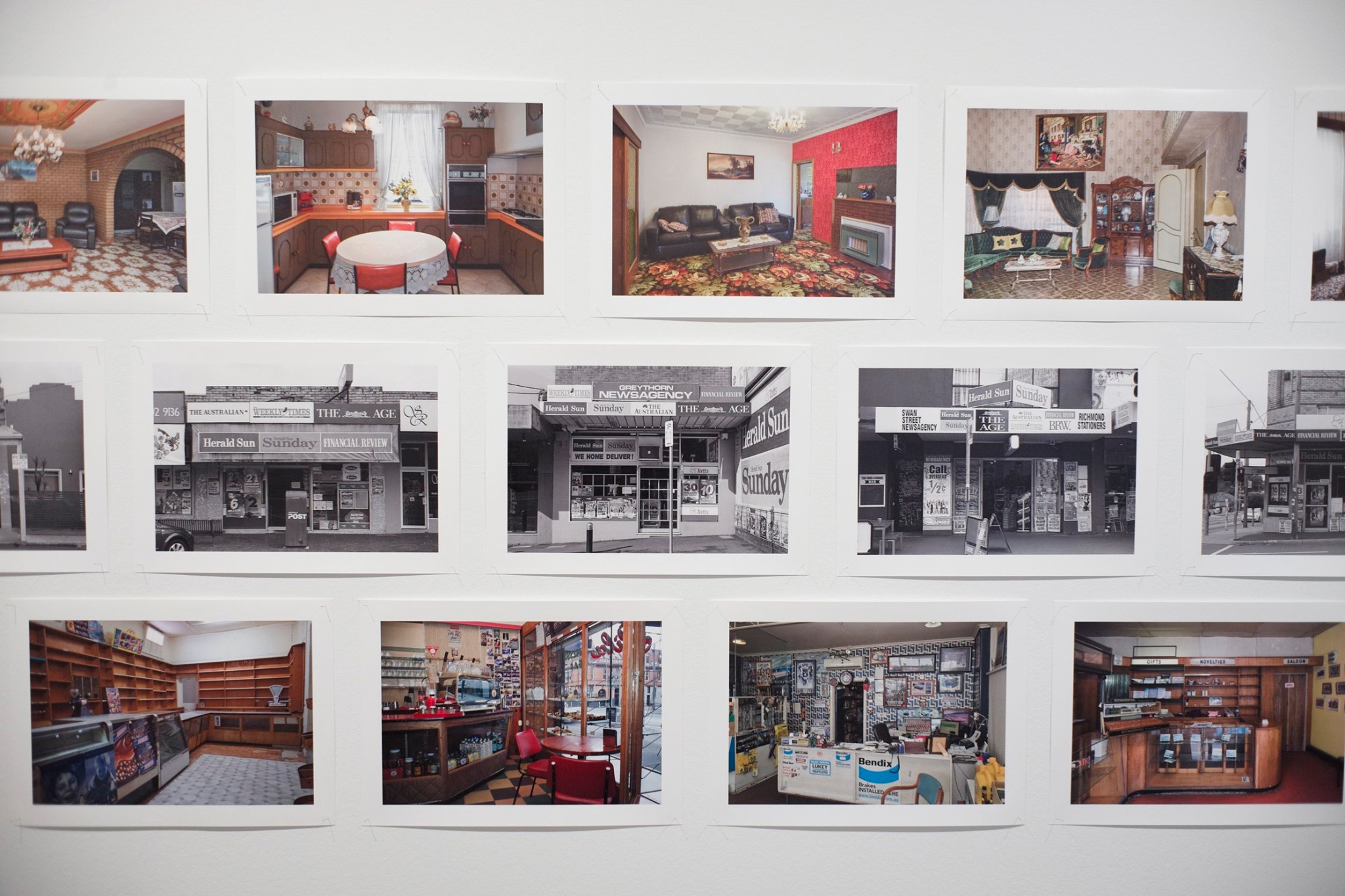
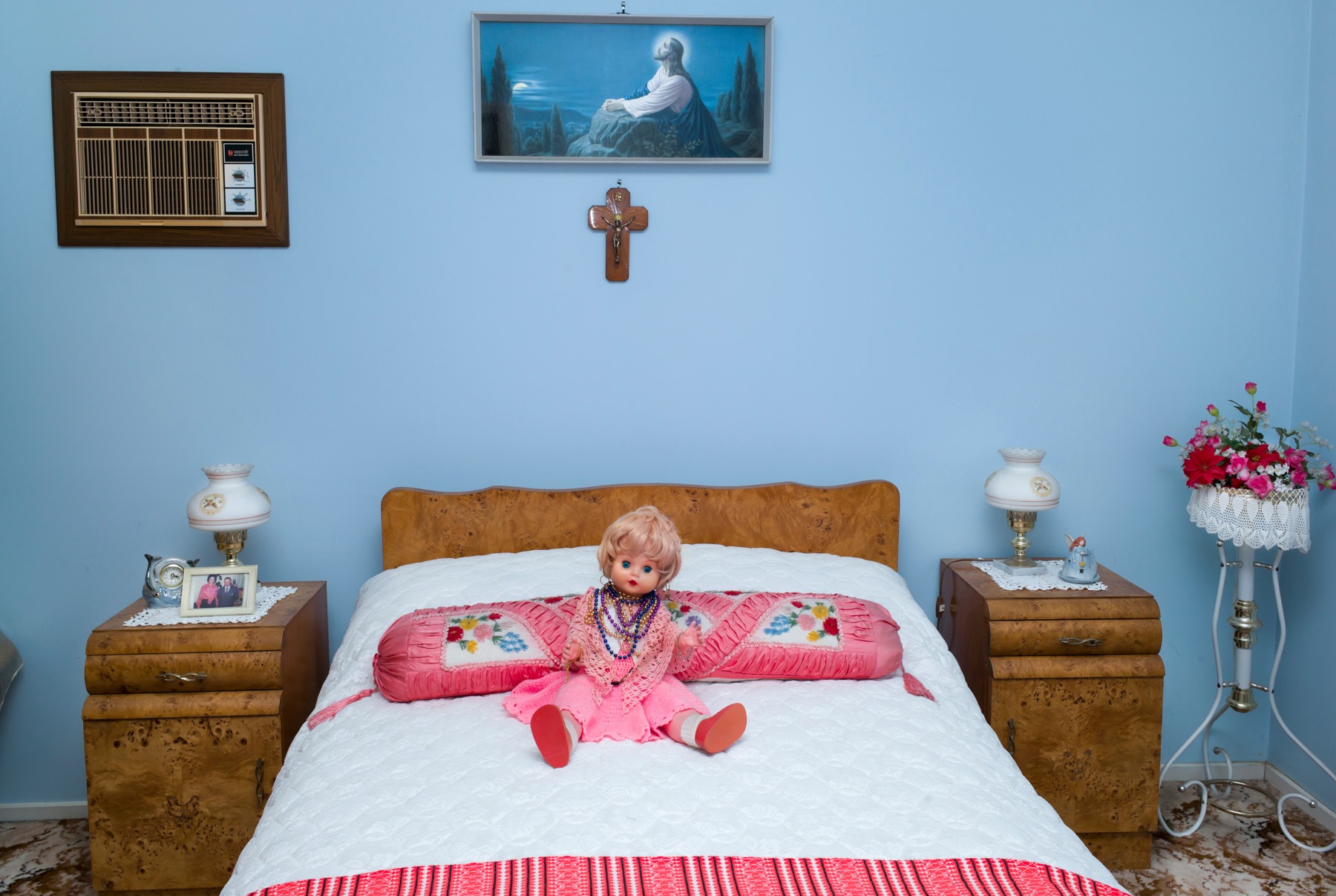
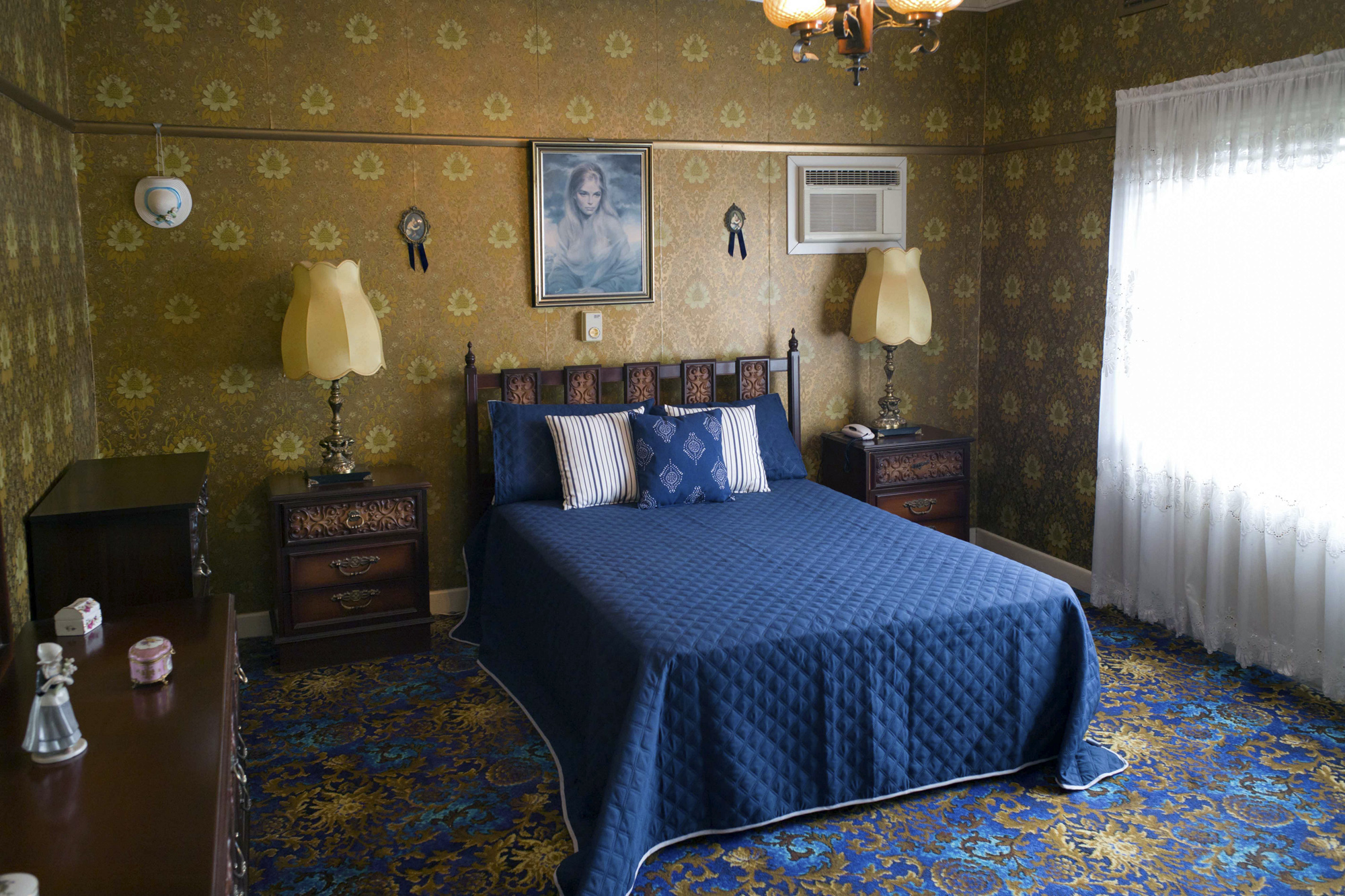
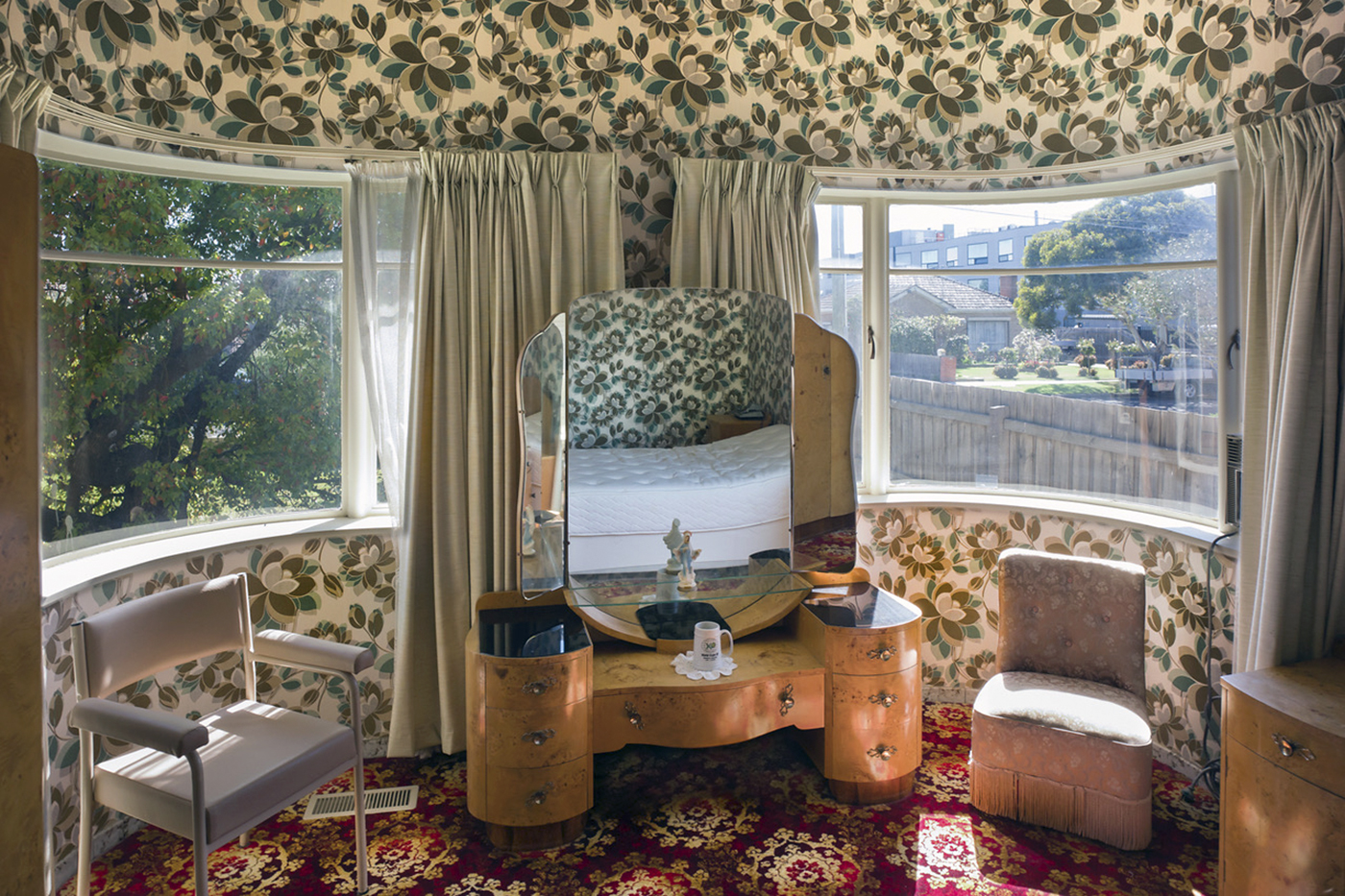
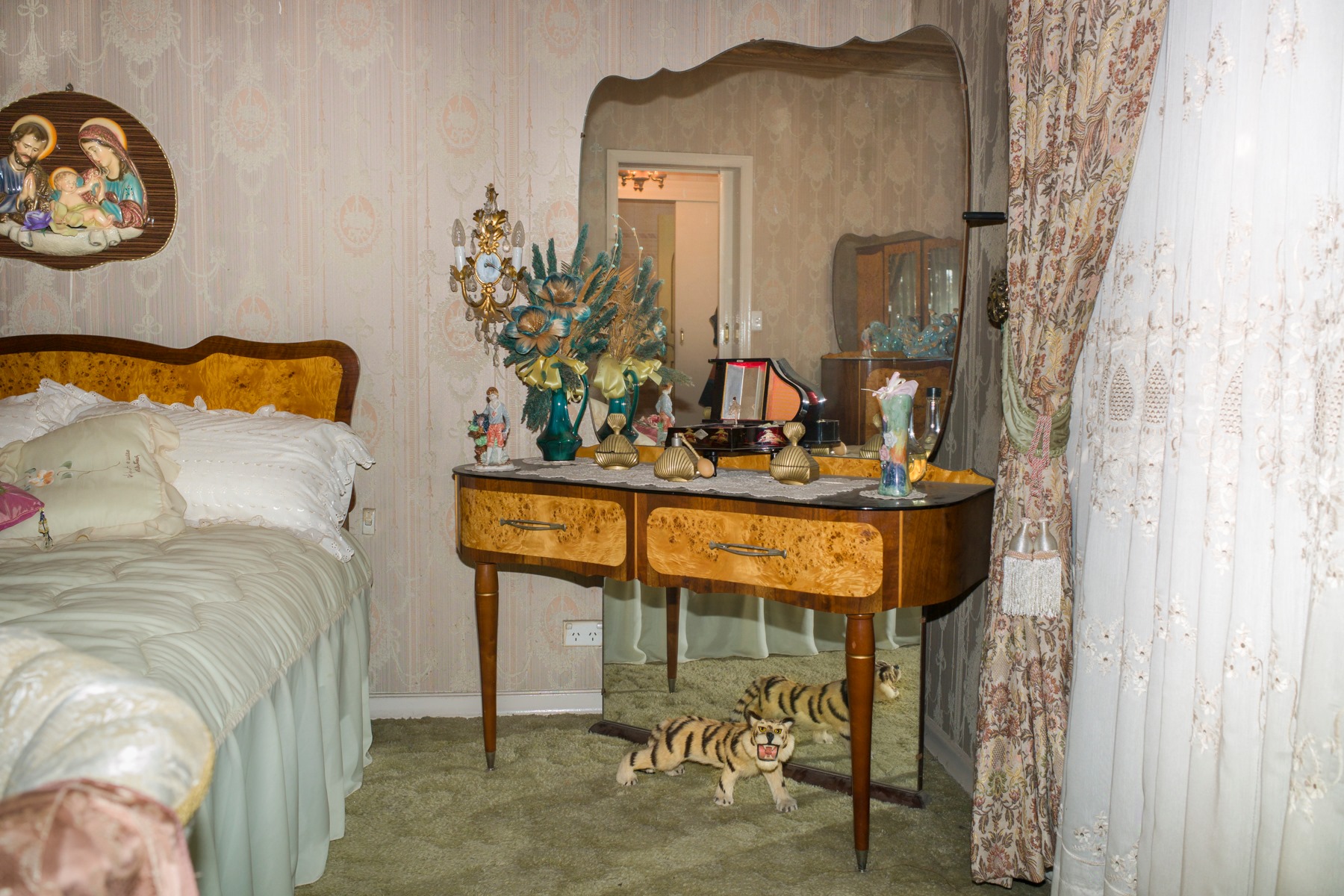
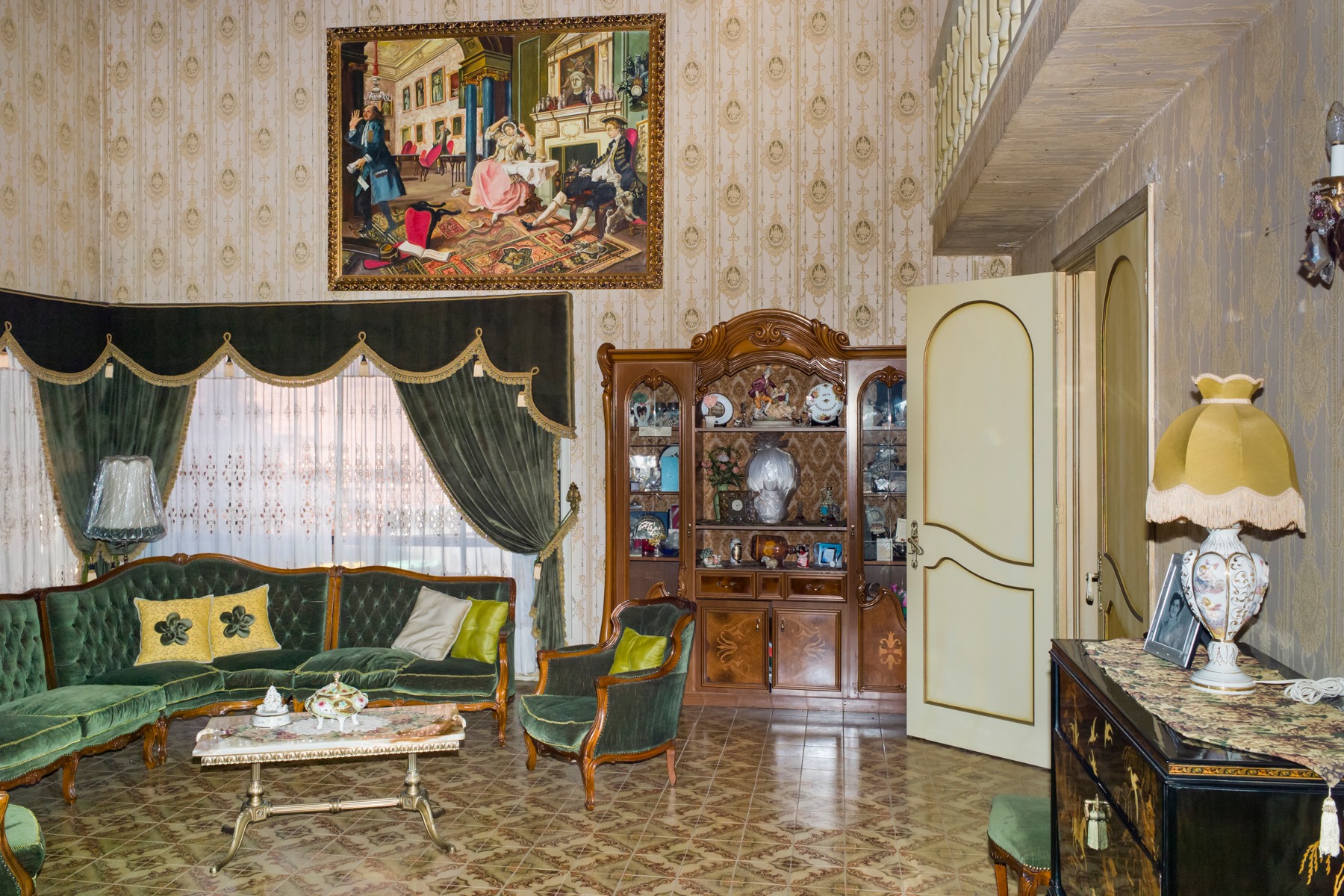

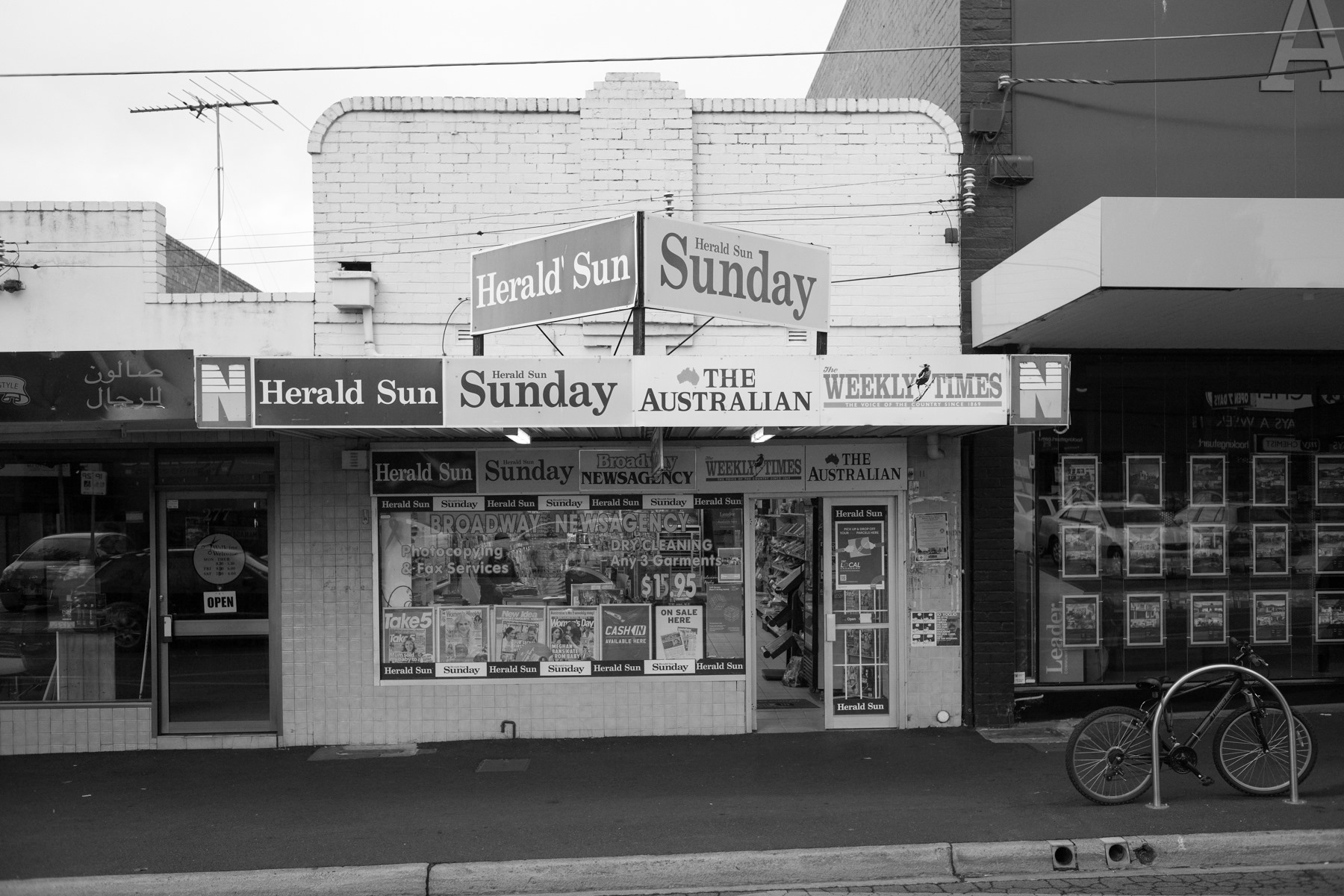
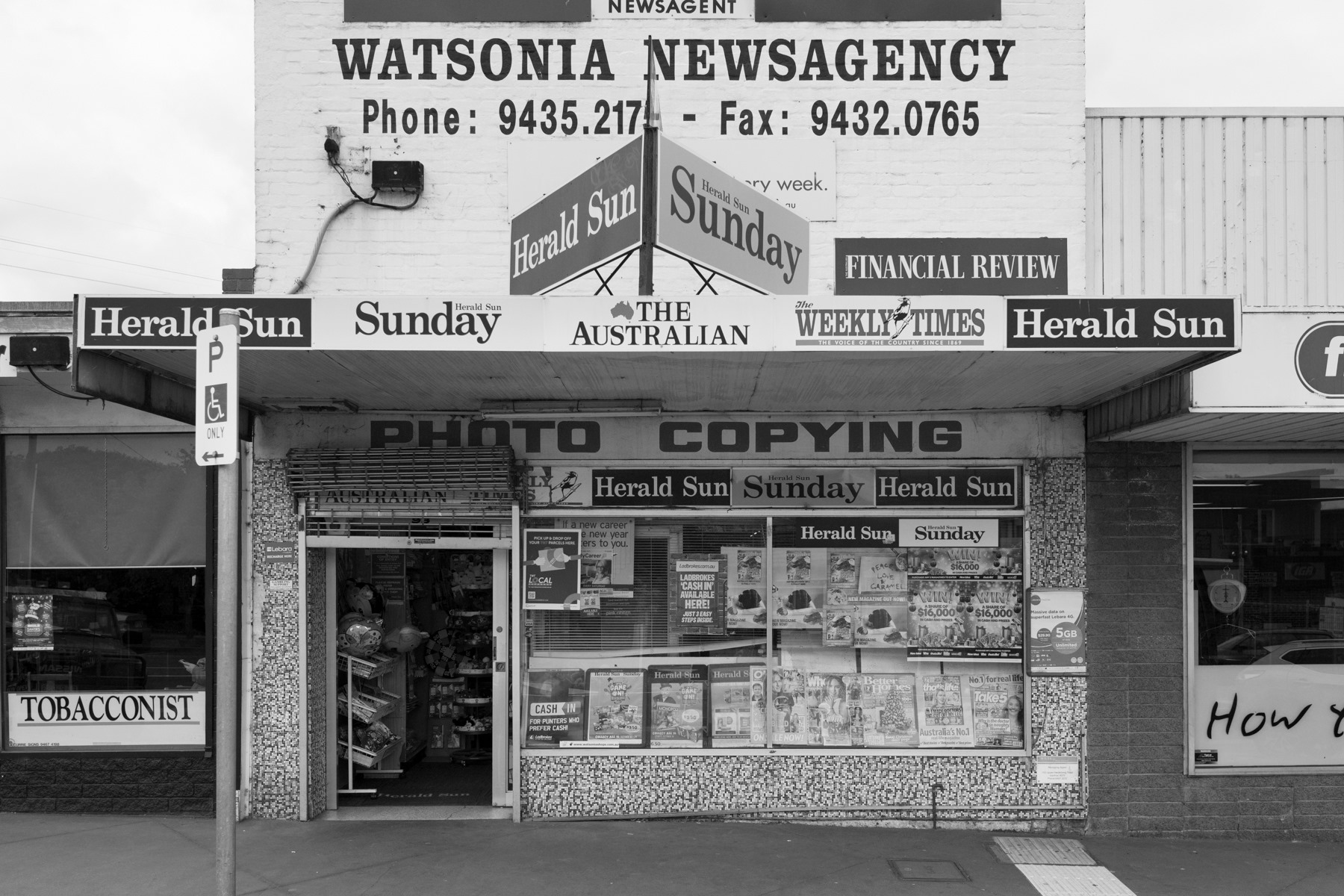


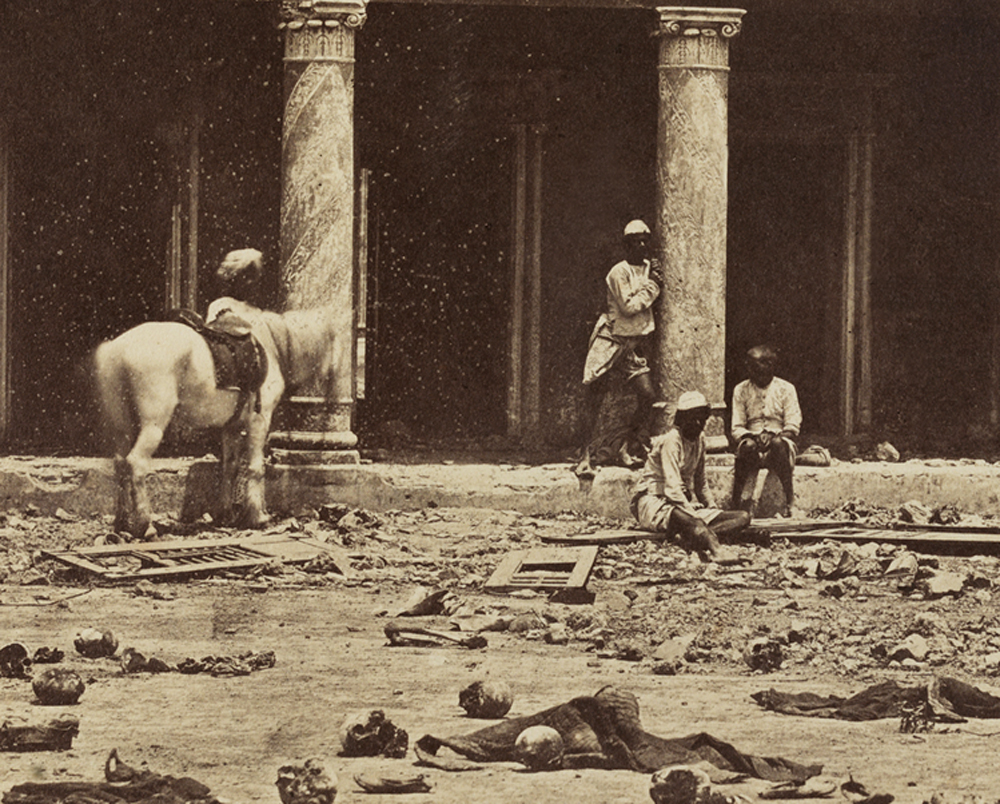


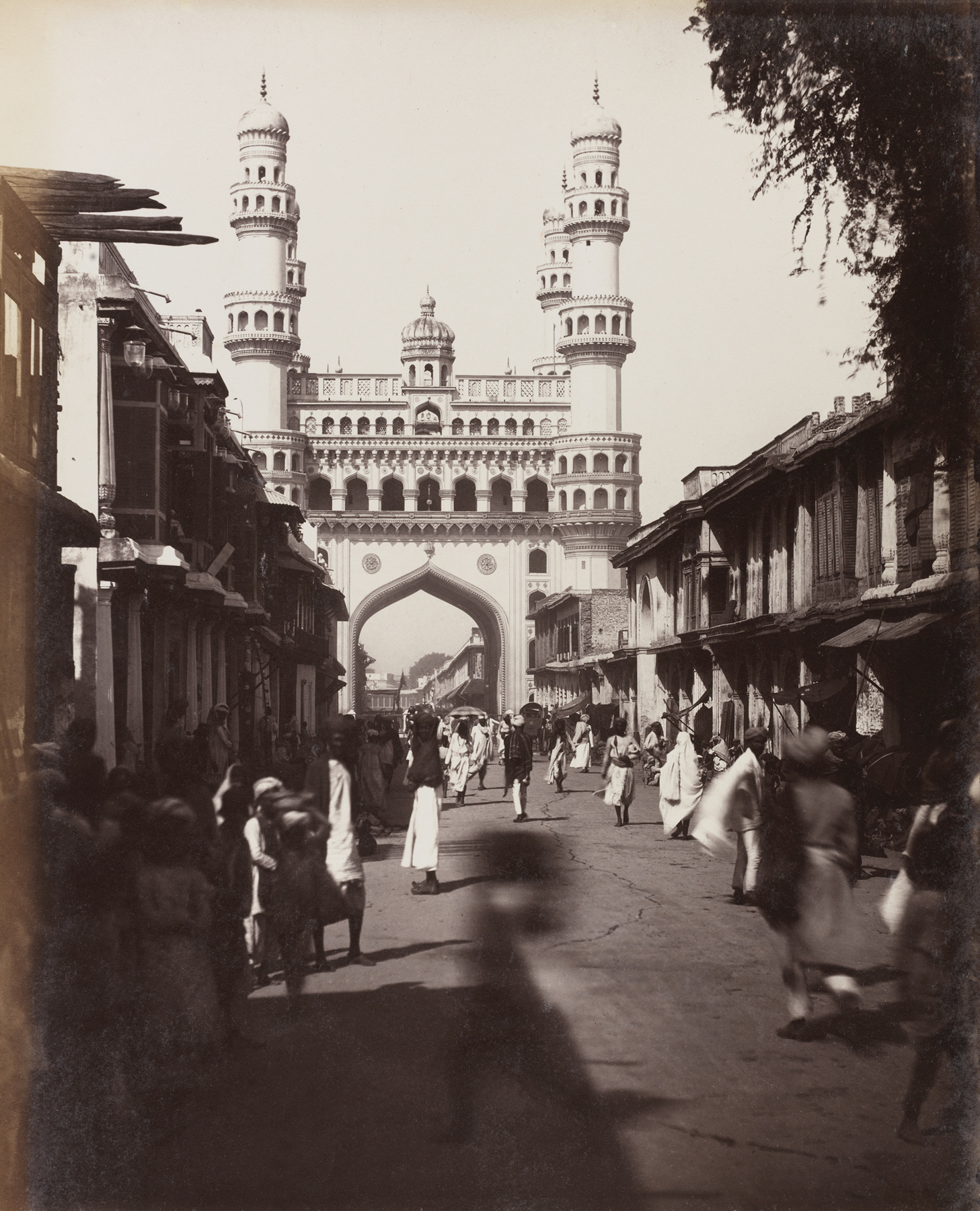


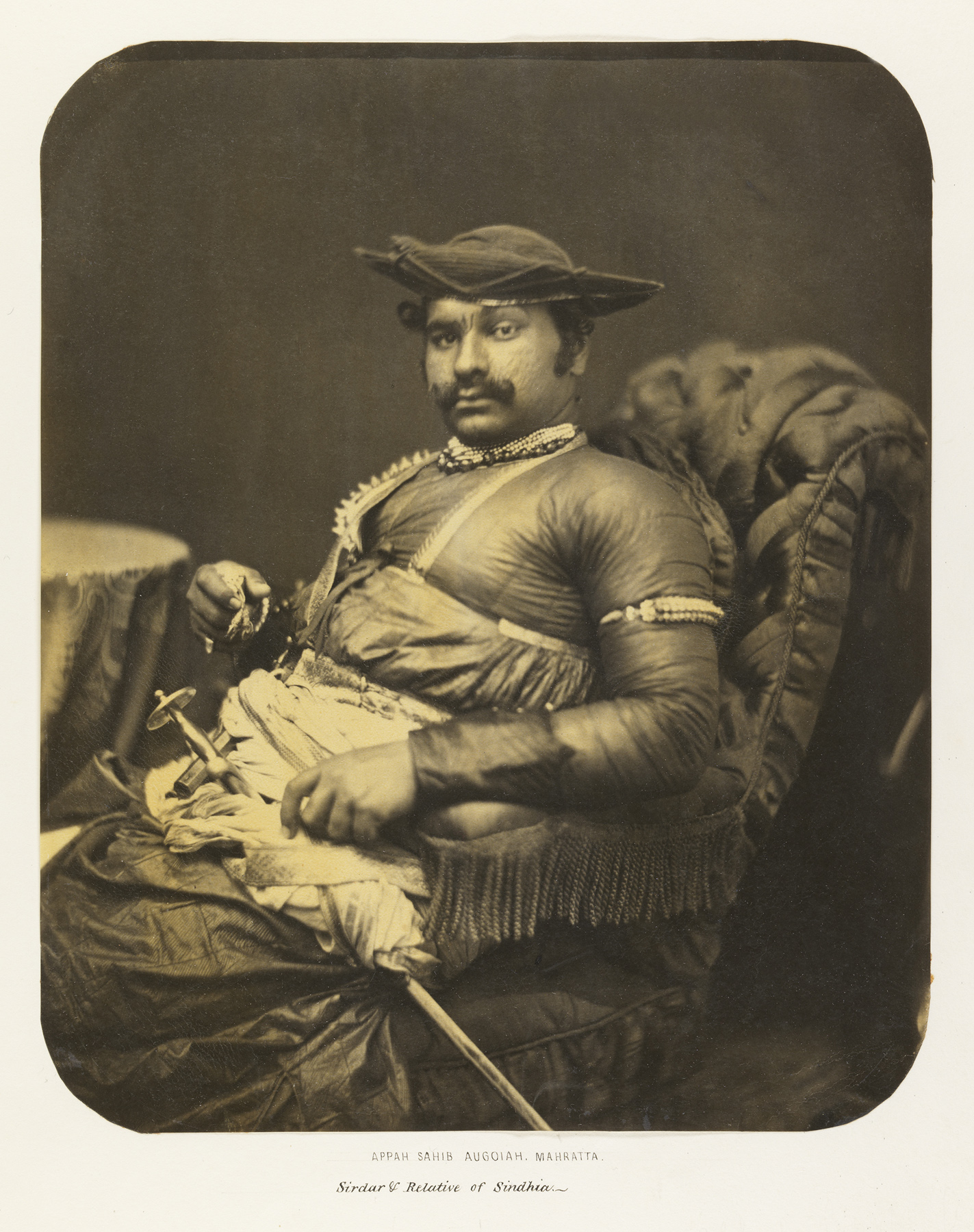


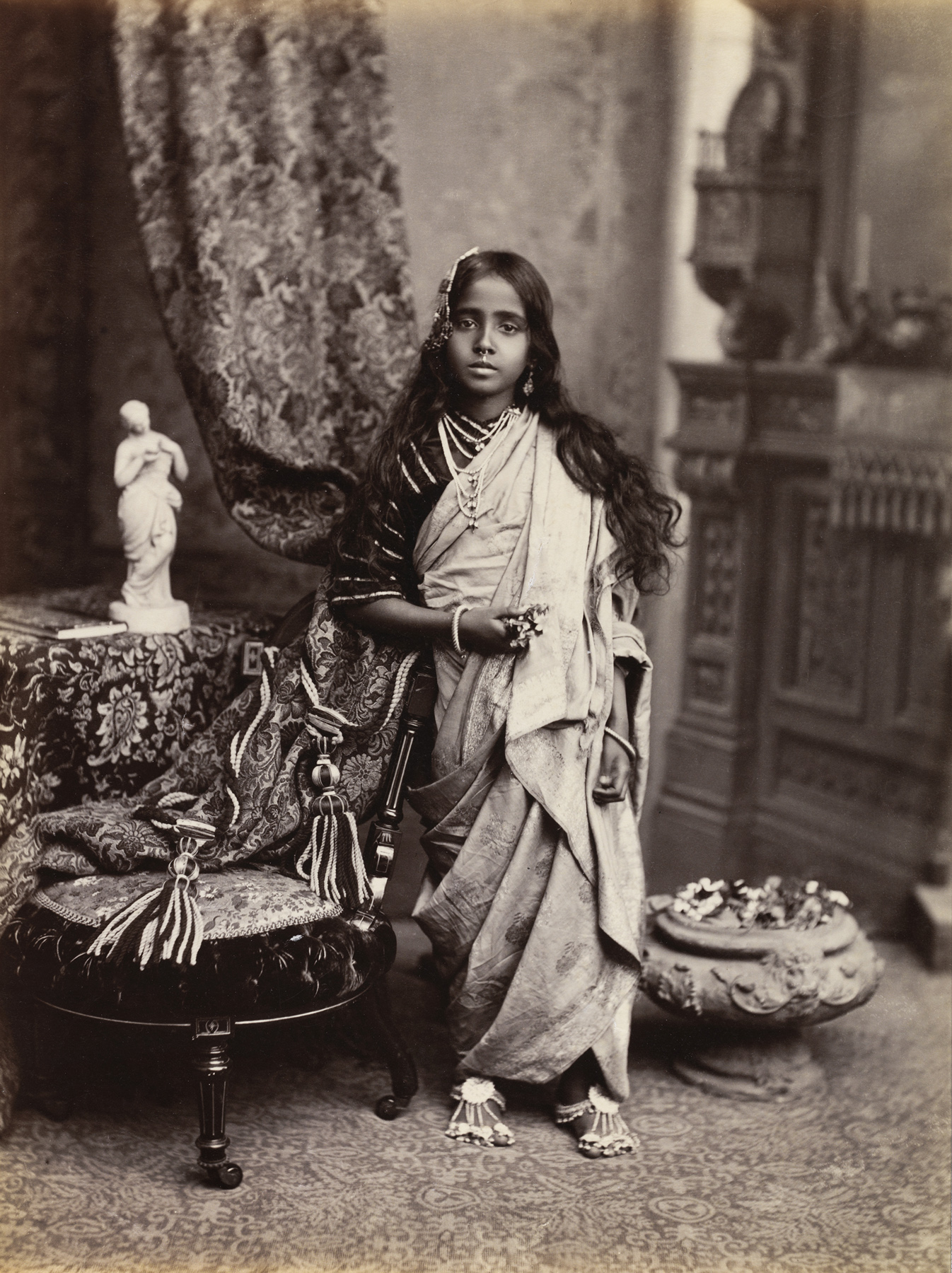

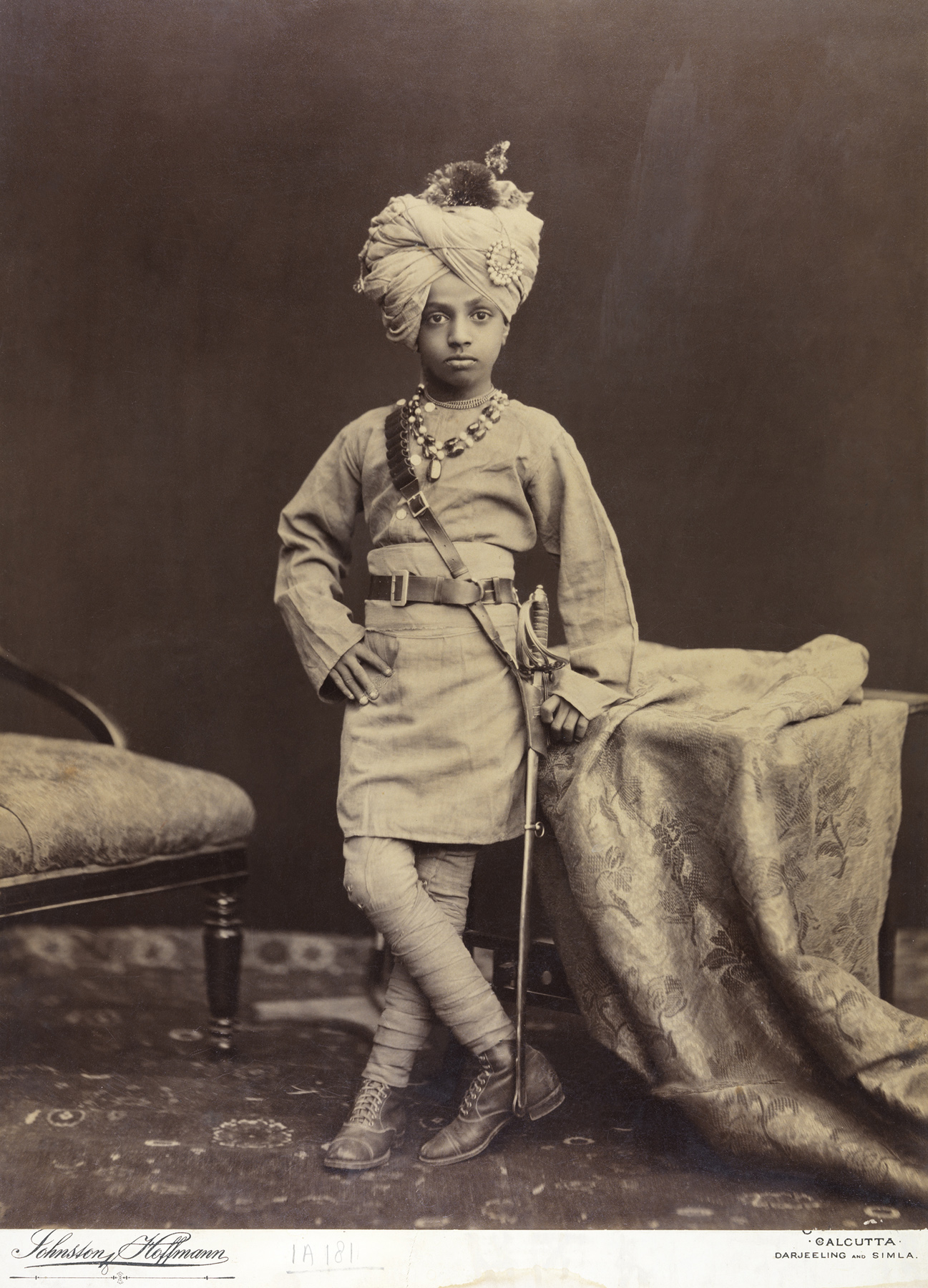


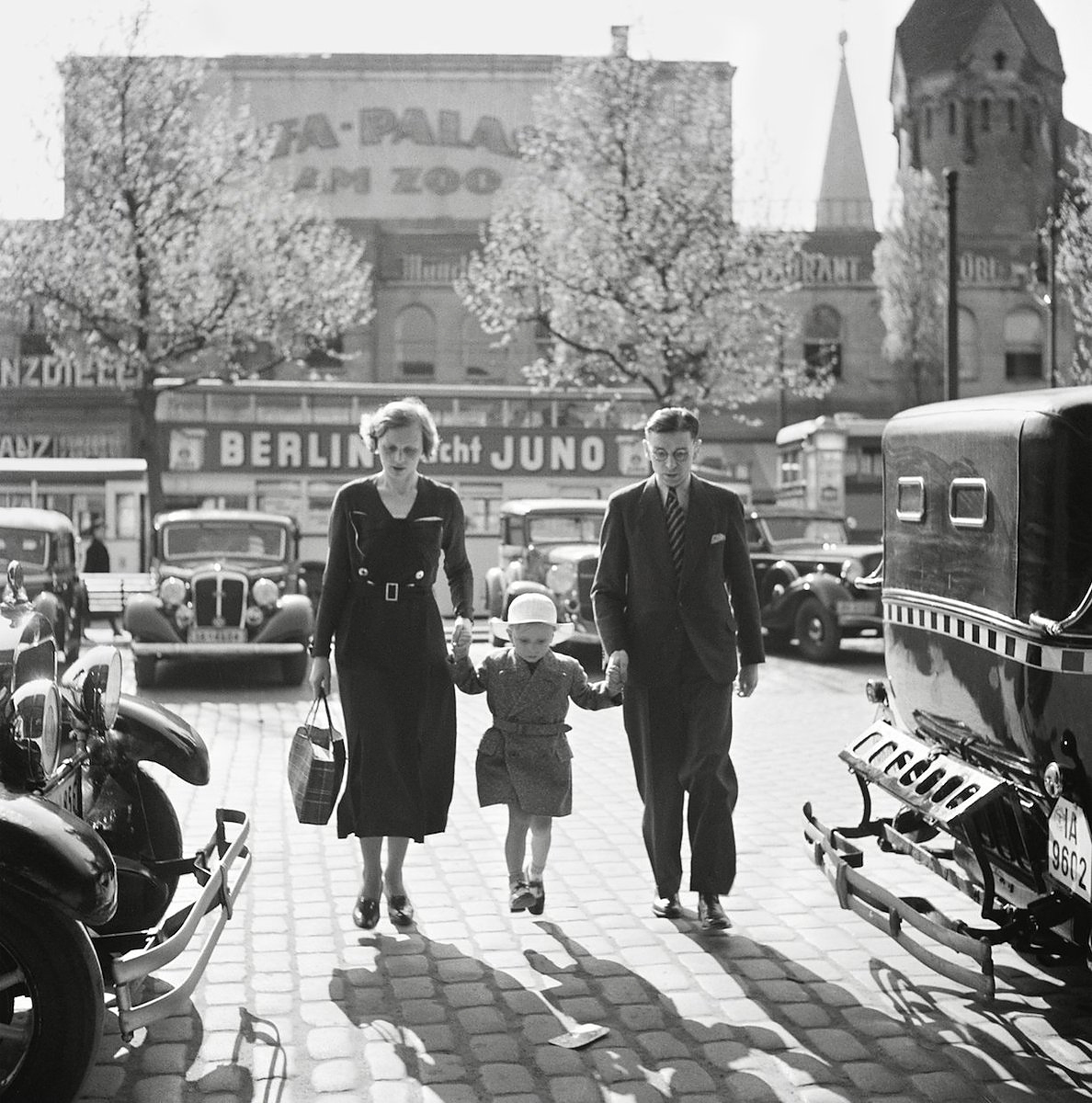
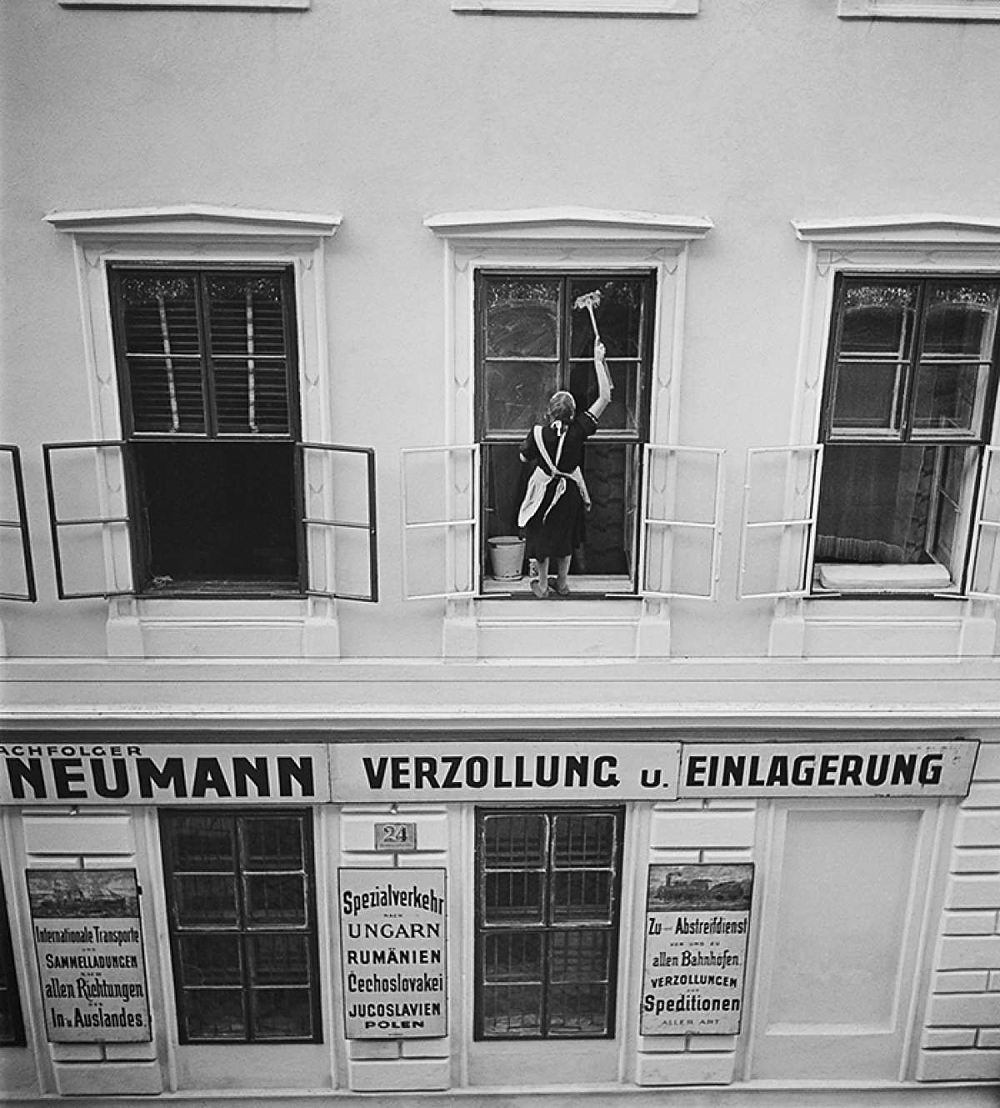


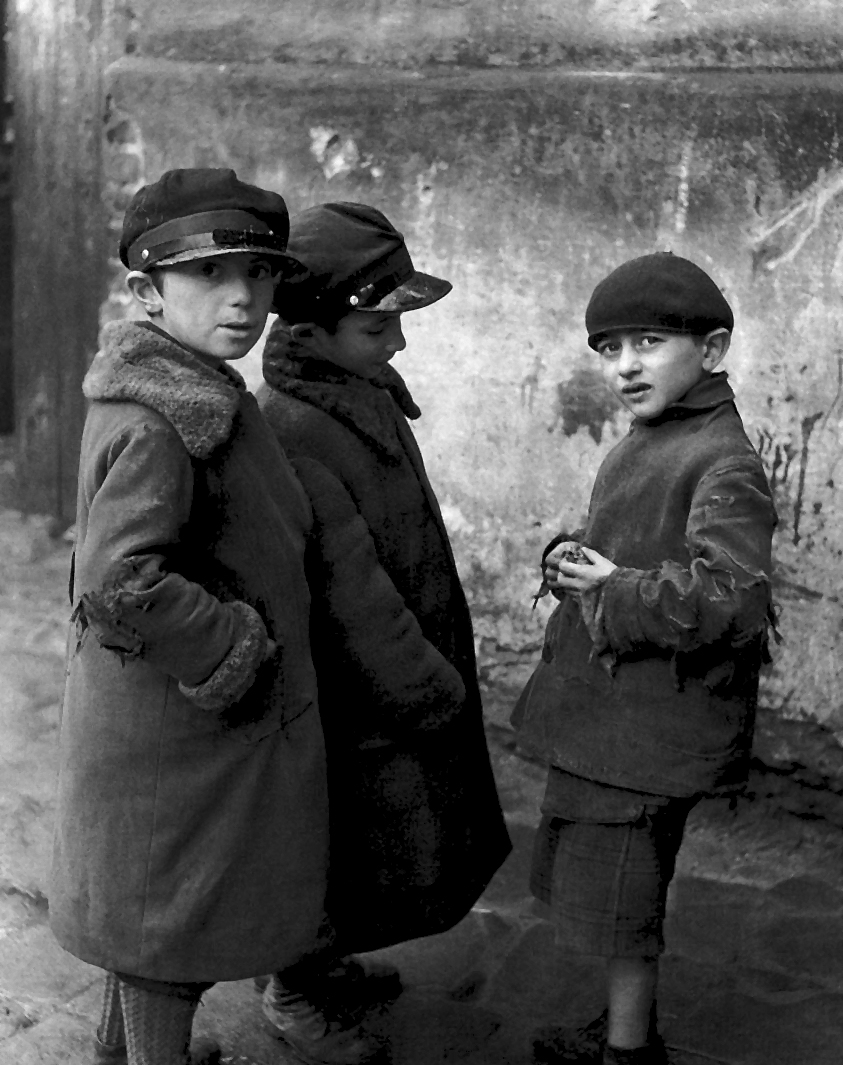

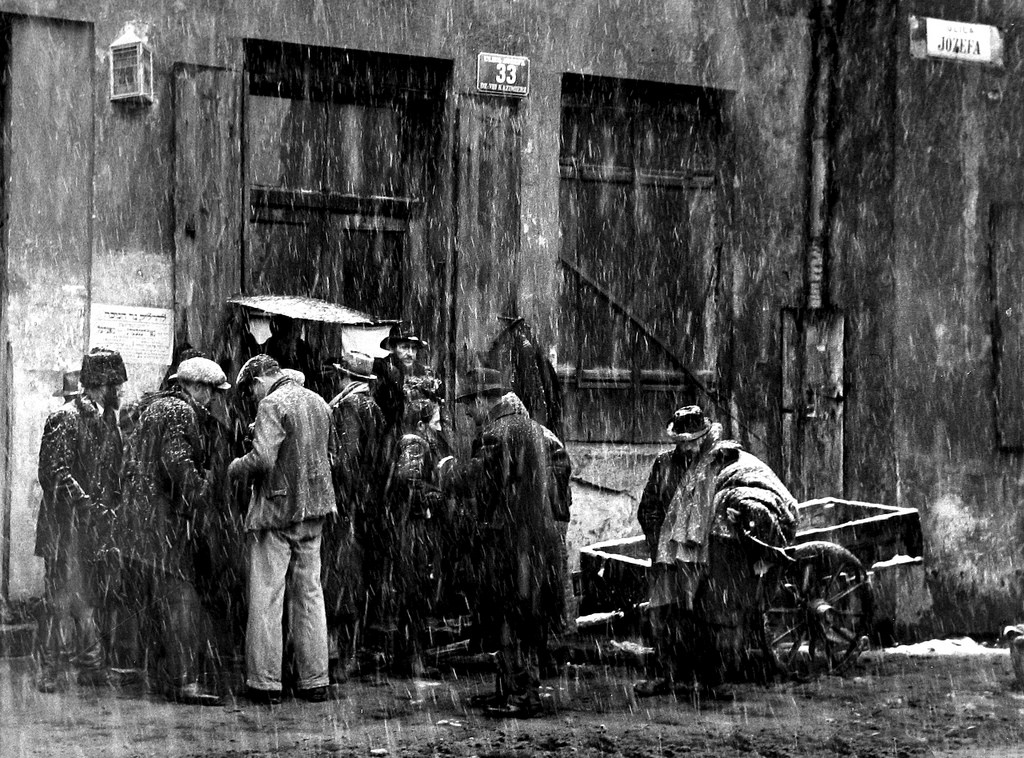

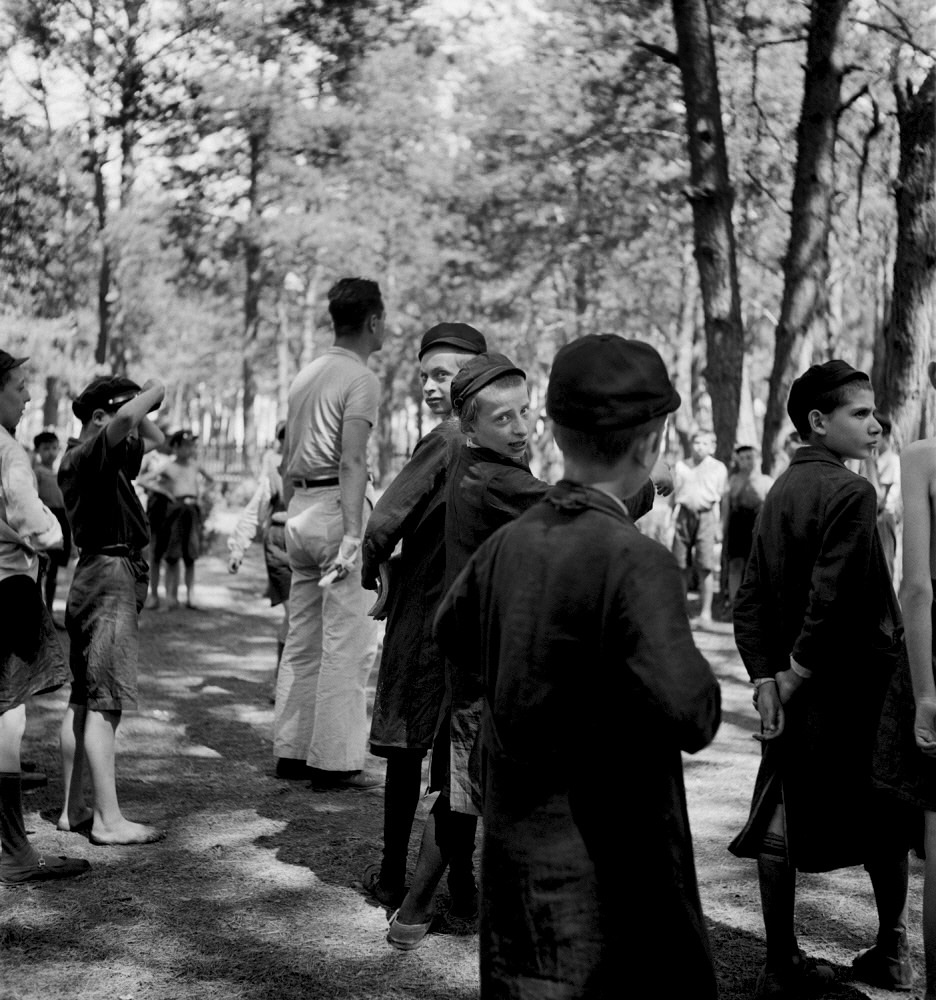


![Roman Vishniac (America born Russia, 1897-1990) '[David Eckstein, seven years old, and classmates in cheder (Jewish elementary school), Brod]' c. 1938](https://artblart.com/wp-content/uploads/2014/08/icp_vishniac_pressimage_8-web.jpg "Roman Vishniac (America born Russia, 1897-1990) '[David Eckstein, seven years old, and classmates in cheder (Jewish elementary school), Brod]' c. 1938")
![Roman Vishniac (America born Russia, 1897-1990) '[Grandmother and grandchildren in basement dwelling, Krochmaina Street, Warsaw]' c. 1935-1938](https://artblart.com/wp-content/uploads/2019/02/vishniac-grandmother-and-grandchildren-web.jpg "Roman Vishniac (America born Russia, 1897-1990) '[Grandmother and grandchildren in basement dwelling, Krochmaina Street, Warsaw]' c. 1935-1938")


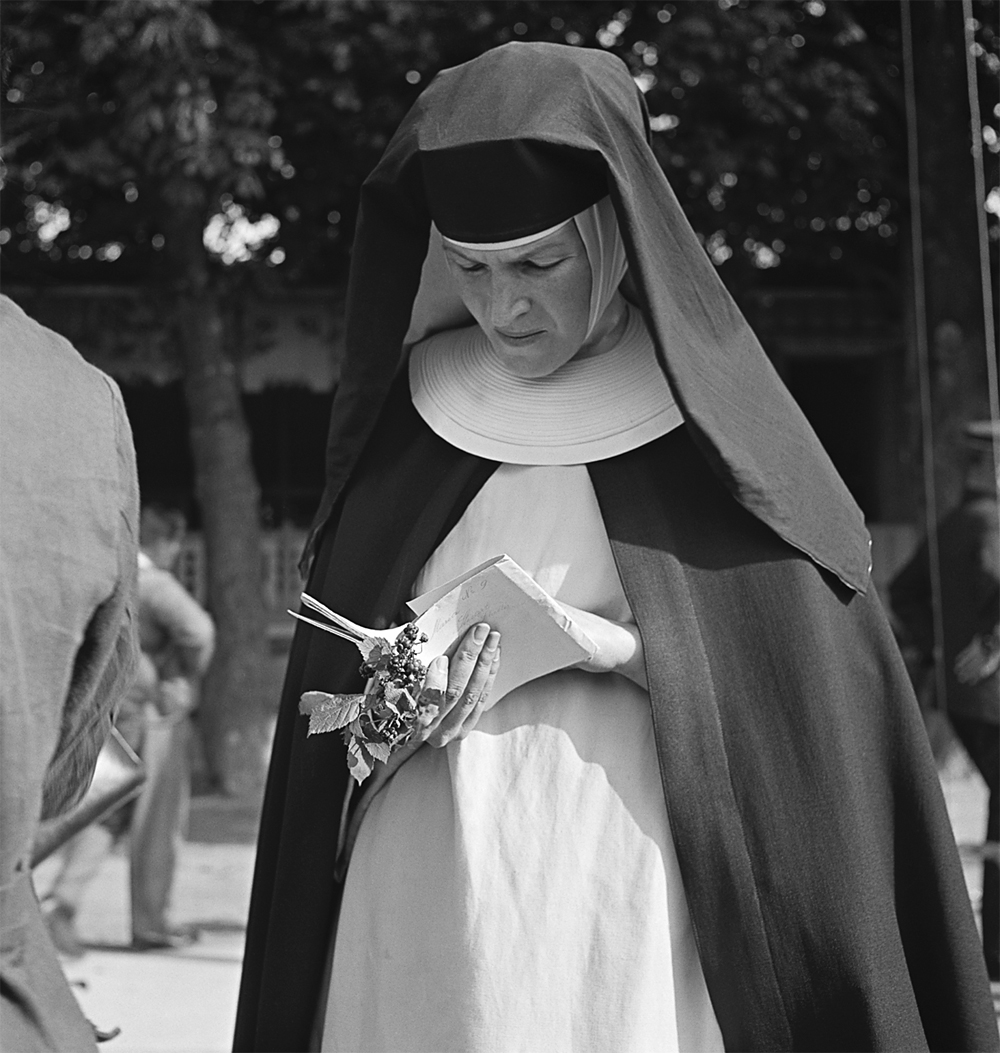


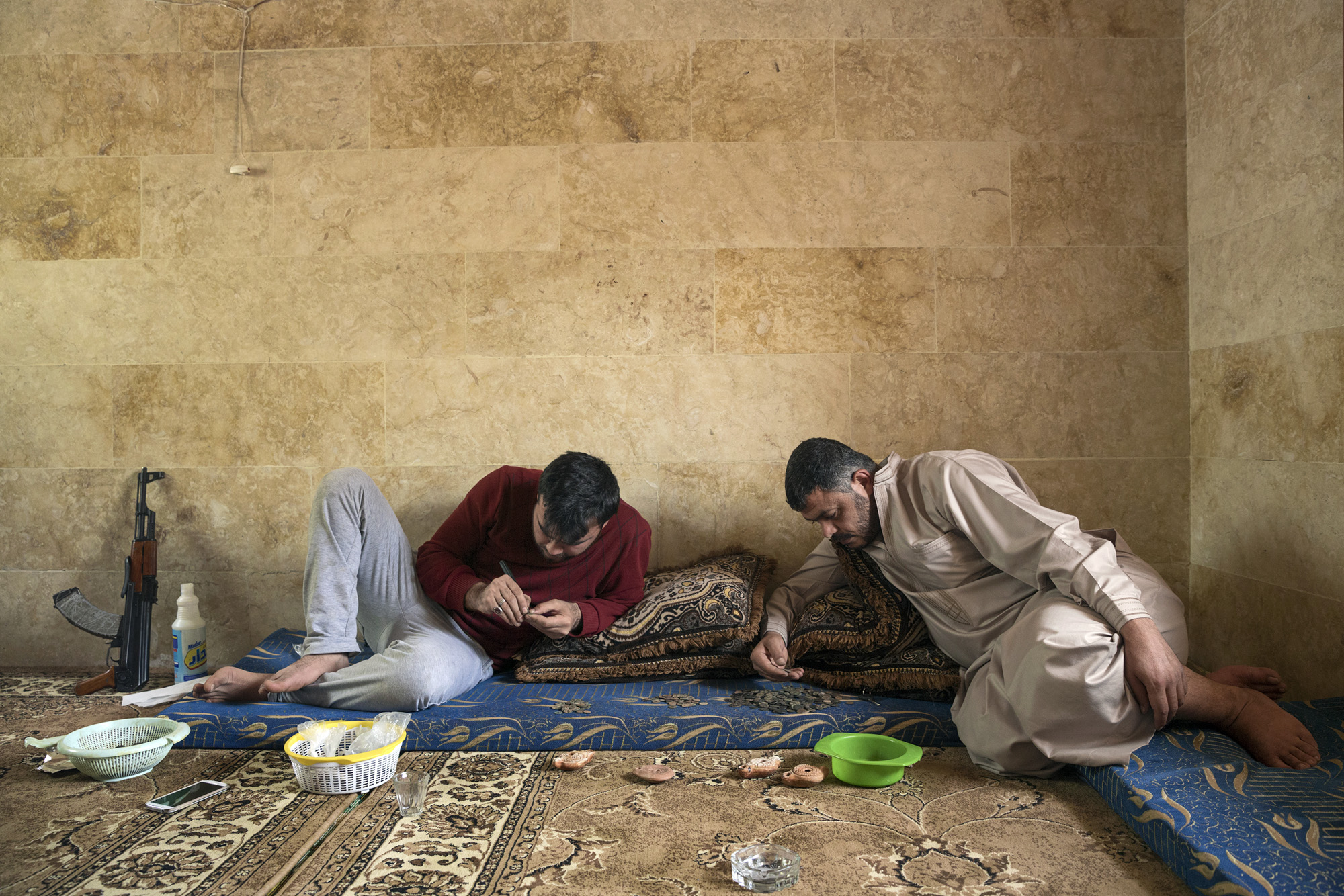
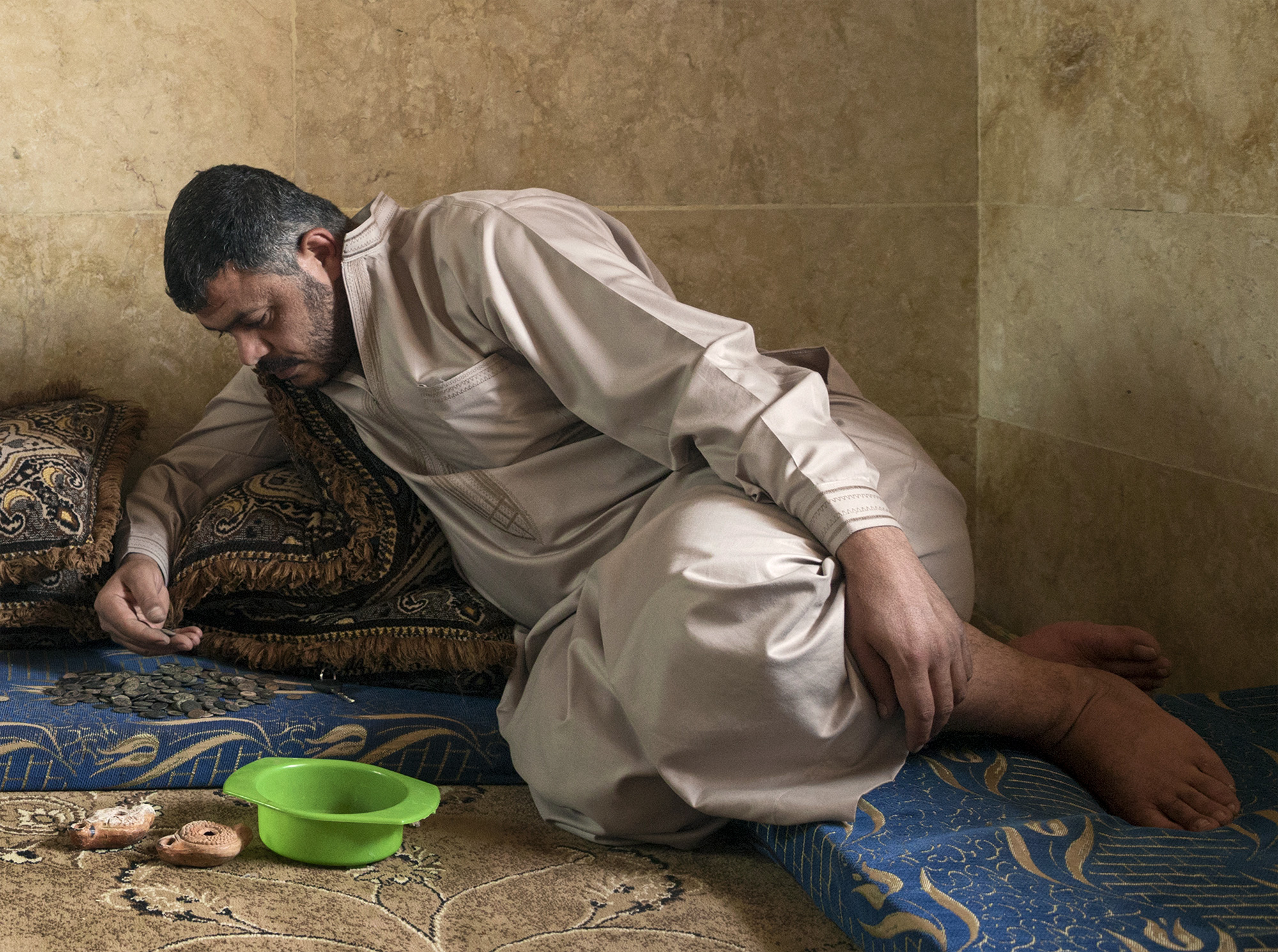

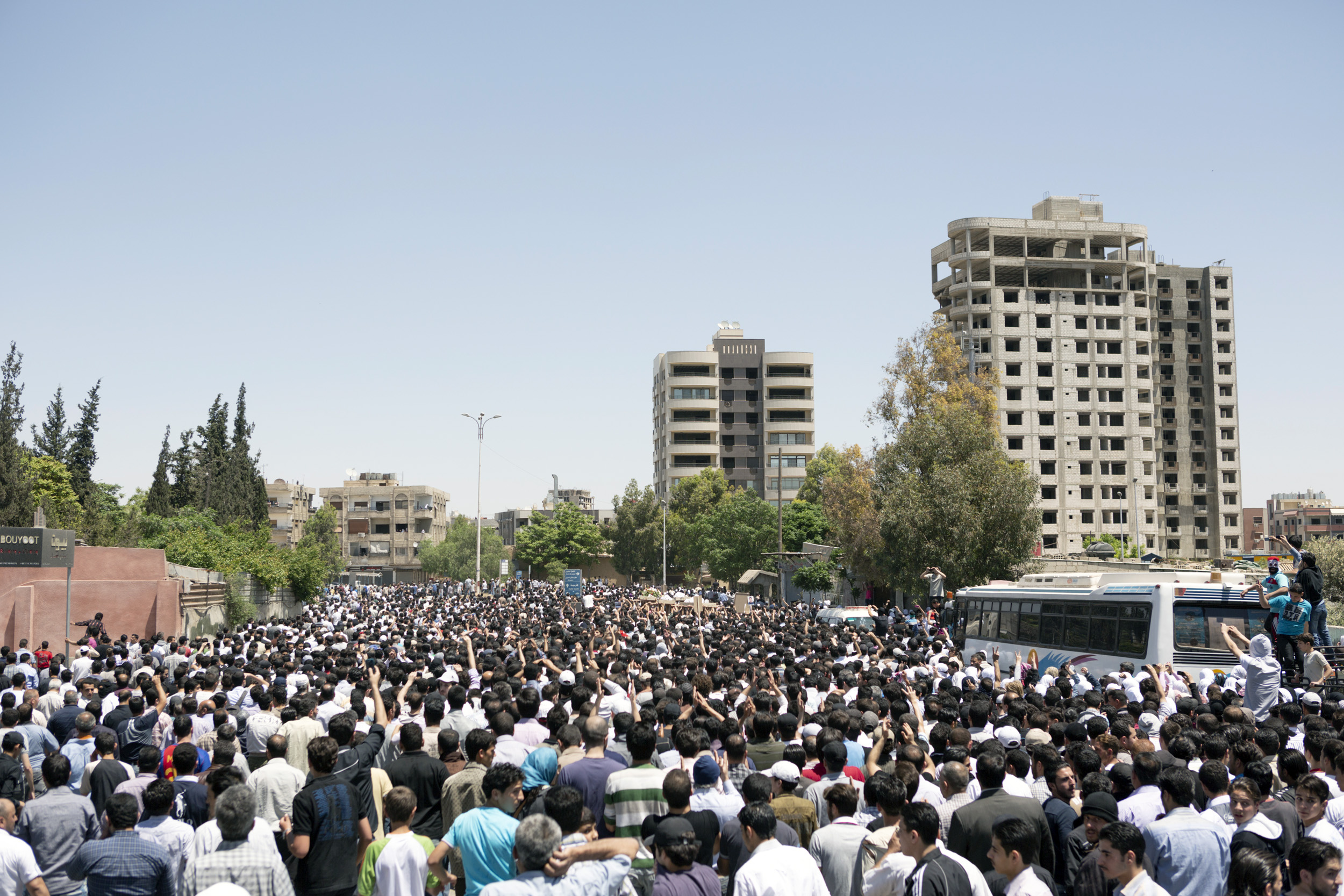


 Art Blart _ art and cultural memory archive
You must be logged in to post a comment.